Boulder Park Terrace
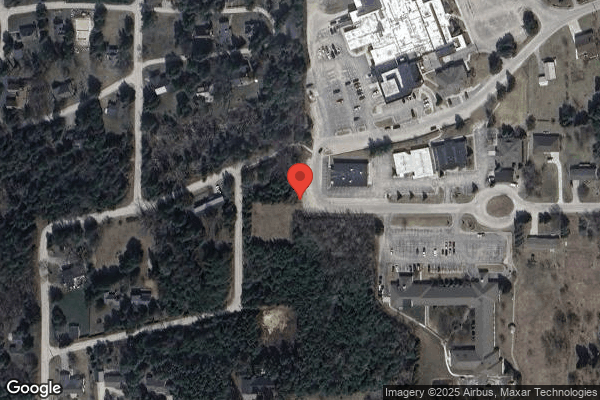
14676 West Upright, Charlevoix, MI 49720 (231) 547-1005
Non profit - Corporation 72 Beds Independent Data: November 2025
Trust Grade
20/100
#365 of 422 in MI
Last Inspection: June 2025

Inspected within the last 6 months. Data reflects current conditions.

Overview

Boulder Park Terrace has received a Trust Grade of F, indicating poor performance with significant concerns about care quality. Ranking #365 out of 422 nursing homes in Michigan means it falls in the bottom half of facilities statewide and is ranked #2 out of 2 in Charlevoix County, meaning only one local option is worse. The facility is worsening, with issues increasing from 19 in 2024 to 21 in 2025. Staffing is a rare strength here, with a turnover rate of 0%, which is much lower than the state average, suggesting that staff remain familiar with residents. While there are no fines on record, specific serious incidents have occurred, such as residents suffering falls due to inadequate safety measures, one resulting in a hip fracture and another leading to injuries that required staples. It is essential for families to weigh these weaknesses against the few strengths when considering care for their loved ones.

Trust Score
F
20/100
In Michigan
#365/422
Bottom 14%
Safety Record
High Risk
Review needed
Inspections
Getting Worse
19 → 21 violations
Staff Stability
○ Average
Turnover data not reported for this facility.
Penalties
✓ Good
No fines on record. Clean compliance history, better than most Michigan facilities.
Skilled Nurses
○ Average
RN staffing data not reported for this facility.
Violations
⚠ Watch
47 deficiencies on record. Higher than average. Multiple issues found across inspections.
★☆☆☆☆
1.0
Overall Rating
★☆☆☆☆
1.0
Staff Levels
★★☆☆☆
2.0
Care Quality
★☆☆☆☆
1.0
Inspection Score
Stable
2024: 19 issues
2025: 21 issues

The Good

  • Full Sprinkler Coverage · Fire safety systems throughout facility
  • No fines on record

Facility shows strength in fire safety.

The Bad

1-Star Overall Rating

Below Michigan average (3.1)

Significant quality concerns identified by CMS

The Ugly 47 deficiencies on record

4 actual harm
Jul 2025 1 deficiency
CONCERN (D) 📢 Someone Reported This

A family member, employee, or ombudsman was alarmed enough to file a formal complaint

Potential for Harm - no one hurt, but risky conditions existed

Deficiency F0635 (Tag F0635)

Could have caused harm · This affected 1 resident

This citation pertains to intake 121993.Based on interview and record review, the facility failed to accurately transcribe and implement physician orders for pressure ulcer treatment of one Resident (...

Read full inspector narrative →
This citation pertains to intake 121993.Based on interview and record review, the facility failed to accurately transcribe and implement physician orders for pressure ulcer treatment of one Resident (#7) of three residents reviewed for wound care. This deficient practice had the potential for worsening and/or delayed wound healing condition.Resident #7 (R7)Review of the electronic medical record revealed R7 was originally admitted to the facility from the hospital on 6/12/25 with active diagnosis of pressure ulcer sacral region, unspecified stage, altered mental status, and osteoarthritis. The hospital discharge summary indicated apply Medihoney (Active Leptospermum honey, promotes healing) and cover with Mepilex (silicone foam dressing) daily to the sacral pressure ulcer. Review of the facility's admission orders indicated the pressure ulcer care order was not entered into R7's order set. Review of R7's progress notes indicated on 6/12/25 at 3:15PM .Unstageable pressure ulcer to coccyx treated with Medi honey and meplex on admission was charted by the Director of Nursing (DON).Further review of R7's wound management indicated a comment charted by Registered Nurse (RN) A on 6/18/25 Spoke with .NP (Nurse Practitioner) due to increased smell and increase size of the wound. Changed to Hydrogel (three-dimensional, crosslinked networks of hydrophilic polymers that can absorb and retain large amounts of water or biological fluids) and Mepilex.During an interview on 7/17/25 at 2:50PM, the DON reported that they had treated the pressure ulcer to the coccyx from an order within R7's paperwork. The DON was asked to provide the documentation indicating there was a treatment order for R7's pressure injury. The DON stated the documentation could not be located. The DON stated it must have been a transcription error when R7's admission orders were placed. The DON was unable to state why a change order was not placed on 6/18/25. The DON was unable to explain why no pressure ulcer orders were placed until 6/25/25.During an interview on 7/17/25 at 3:00PM, RN A stated they only knew how to provide care of R7's pressure ulcer from receiving report from other nursing staff. RN A was unable to locate the order for the pressure ulcer care or the change order from their comment on 6/18/25.The NHA was unavailable to discuss expectations of the staff regarding the admittance process.
Jun 2025 19 deficiencies
CONCERN (D) 📢 Someone Reported This

A family member, employee, or ombudsman was alarmed enough to file a formal complaint

Potential for Harm - no one hurt, but risky conditions existed

Deficiency F0552 (Tag F0552)

Could have caused harm · This affected 1 resident

**NOTE- TERMS IN BRACKETS HAVE BEEN EDITED TO PROTECT CONFIDENTIALITY** Based on interview and record review, the facility failed to obtain informed consent prior to the administration of psychotropic...

Read full inspector narrative →
**NOTE- TERMS IN BRACKETS HAVE BEEN EDITED TO PROTECT CONFIDENTIALITY** Based on interview and record review, the facility failed to obtain informed consent prior to the administration of psychotropic medications for two Residents (#16 and #36) of five residents reviewed for unnecessary medications. Findings include: Resident #16 (R16) Review of the Minimum Data Set (MDS) assessment, dated 4/16/2025, revealed R16 was admitted to the facility on [DATE] and had diagnoses including traumatic brain injury, bipolar disease, restlessness and agitation. Further review of the MDS assessment revealed R16 had moderate cognitive impairment. Review of R16's physician orders revealed an active order for Haldol (an antipsychotic medication used to stabilize mood, behaviors and thoughts) 1 milligram (mg) and 2 mg tablets by mouth daily. The order was dated 11/30/2023. Review of R16's electronic medical record (EMR) revealed no acknowledgement of informed consent (education regarding the need for the medication and the risks, benefits and alternatives) signed by R16 or their representative for the administration of the oral Haldol. During an interview on 6/4/2025 at 2:00 p.m., Social Services Designee, Staff I, was asked about the process for obtaining informed consent for psychotropic medication use. Staff I reported the providers and nursing staff were responsible for obtaining informed consent prior to treatment being initiated. Staff I reported she audited the EMR on a regular basis for use of psychotropic medications, including checking for informed consent. Staff I was asked to provided information pertaining to informed consent prior to administration of oral Haldol for R16. At 2:25 p.m., Staff I reported no information related to informed consent was found. Resident #36 (R36) Review of the MDS assessment, dated 1/19/2025, revealed R36 was admitted to the facility on [DATE] and had diagnoses including anxiety. Further review of the MDS assessment revealed R36 was cognitively intact. Review of R36's physician orders revealed an active order for Xanax (a controlled, antianxiety medication) 0.5 mg tablet by mouth PRN (as needed) daily for Other specified anxiety disorders. The order was dated 5/28/2025 and had an end date of 6/28/2025. Review of R36's EMR revealed no informed consent for the use of the PRN Xanax. During an interview on 6/5/2025 at 8:43 a.m., the Director of Nursing (DON) reported nursing staff were responsible for ensuring informed consent was obtained prior to the initiation of psychotropic medications. The DON reported he would check R16 and R36's EMR's for the missing documentation. At 2:05 p.m., the DON confirmed there were no consents obtained for R36's PRN Xanax or R16's oral Haldol. Review of the facility policy titled, Antipsychotic Medication Use, last revised 3/2015, revealed the following: The physician shall respond appropriately by changing or stopping problematic doses or medications or clearly documenting (based on assessing the situation) why benefits of the medication outweigh the risks or suspected or confirmed adverse consequences. It was noted the policy did not include information related to informing residents or their representatives of the specific need for the medication or the risks, benefits and adverse effects related to administration of antipsychotic medications. Review of the facility policy titled, Medication Management, with a reviewed date of 9/9/2022, revealed the following: A resident and/or representative has the right to be informed about the resident's condition; treatment options, relative risks, and benefits of treatment, required monitoring, expected outcomes of treatment; and has the right to refuse care and treatment.
CONCERN (D) 📢 Someone Reported This

A family member, employee, or ombudsman was alarmed enough to file a formal complaint

Potential for Harm - no one hurt, but risky conditions existed

Safe Environment (Tag F0584)

Could have caused harm · This affected 1 resident

**NOTE- TERMS IN BRACKETS HAVE BEEN EDITED TO PROTECT CONFIDENTIALITY** Based on observation, interview, and record review, the facility failed to provide a homelike environment by serving residents t...

Read full inspector narrative →
**NOTE- TERMS IN BRACKETS HAVE BEEN EDITED TO PROTECT CONFIDENTIALITY** Based on observation, interview, and record review, the facility failed to provide a homelike environment by serving residents their meals on institutional trays in the resident dining rooms. Findings include: On 6/4/25 at approximately 8:00 AM, the breakfast meal was observed being served to residents in the main dining areas. Staff served the residents their breakfast meal with plates, cups and tableware on service trays. On 6/4/25 at 12:00 PM, the lunch trays were set up in the kitchen with items on a tray for each resident. The staff then served the meal to each resident in the dining room) without removing the items from the trays. On 6/04/25 at 4:20 PM, residents were asked about their thoughts regarding the meal service and if it was like when they were living at home. Resident #40 (R40) whose electronic medical record (EMR) contained a Brief Interview for Mental Status assessment (BIMS) dated 3/26/25 of 11 out of 15 (indicating moderate cognitive impairment) shook her head no. She said she did not eat meals on a tray. R32 whose EMR contained a BIMS assessment dated [DATE] of 15 out of 15 (indicating cognitively intact) agreed that was not how she ate her meals when she was at home. R32 stated, It is easier for the staff (to keep the meals on the tray). R48 stated again, That is not how I ate my meals at home. On 6/5/25 at 7:54 AM, the breakfast meal was observed in the rehabilitation unit dining room. Residents were eating their meal as served on the institutional trays. Plates and beverages were not removed for a homelike status. During an interview on 6/05/25 at 8:10 AM, the Certified Dietary Manager (CDM) Q stated she would like the staff to remove the items off the trays, but they do not always do this. .
CONCERN (D) 📢 Someone Reported This

A family member, employee, or ombudsman was alarmed enough to file a formal complaint

Potential for Harm - no one hurt, but risky conditions existed

Free from Abuse/Neglect (Tag F0600)

Could have caused harm · This affected 1 resident

**NOTE- TERMS IN BRACKETS HAVE BEEN EDITED TO PROTECT CONFIDENTIALITY** This citation pertains to intake M00153232 Based on interview and record review, the facility failed to monitor and prevent resi...

Read full inspector narrative →
**NOTE- TERMS IN BRACKETS HAVE BEEN EDITED TO PROTECT CONFIDENTIALITY** This citation pertains to intake M00153232 Based on interview and record review, the facility failed to monitor and prevent resident to resident sexual abuse for two Residents (#14 and #40) of four residents reviewed for abuse. This deficient practice resulted in feelings of being violated, humiliation, anxiety. Findings include: Review of a facility five-day investigation summary, submitted to the State Agency (SA) on 5/23/25 at 8:54 a.m., revealed the following: On 5/19/25 (Resident #40 [R40]) groped (Resident #14 [R14's]) breast at 8:58 the incident occurred. Staff witnessed (R14) slapping her hand on (R40's) shoulder repeatedly. When asked why (R14) was doing that and they were pulled apart, (R14) stated he squished my breast. I just wanted him to stop so I was hitting him . R14 Review of the Minimum Data Set (MDS) assessment, dated 5/15/25, revealed R14 was admitted to the facility on [DATE] with active diagnoses that included Alzheimer's Disease, anxiety, and depression. R14 scored a 3 of 15 on the Brief Interview for Mental Status (BIMS) assessment reflective of severe cognitive impairment. R40 Review of the MDS assessment, dated 5/15/25, revealed R40 was admitted to the facility on [DATE]. R40 scored a 3 of 15 on the BIMS assessment reflective of severe cognitive impairment. Further review of the Electronic Medical Record (EMR) revealed R40 had a diagnosis of dementia. Further review of the MDS assessment Section E Behavioral Symptoms: revealed R40 experiences physical behavioral symptoms directed toward others i.e. Hitting, kicking, pushing, scratching, grabbing, abusing others sexually every 4 to 6 days. During an interview on 6/5/25 at 8:25 a.m., Nursing Home Administrator (NHA) reported, I printed off pictures for you and you can see where he reached out to her, he touched her and then she slapped him away. Review of facility pictures on 6/5/25 at 8:32 a.m., revealed R40 sitting in his wheelchair with his hand on her blouse grabbing her breast. During an interview on 6/5/25 at 9:50 a.m., Family Member (FM) L stated I would say my mom felt very violated and upset over this happening to her .My mom would not have liked that and would have resisted. FM L reported the staff called me shortly after it happened, and she pushed away from him and swatted out to him. She was upset about it .the staff sat with her and calmed her down. Review of witness statement on 5/19/25 Registered Nurse (RN) N reported Per resident, [R14] told this writer the other resident squished her breast . showing with her hand demonstrating a squishing or cupping gesture. Review of witness statement dated 5/19/25 Certified Nurse's Aide (CNA) O reported I was walking down the hall to the front of A hall by the lobby. As I approached the lobby [Licensed Practical Nurse (LPN) P] was pulling [R40's] wheelchair back in the lobby. [LPN P] stated [R14] was hitting [R40]. When I approached [R14] told me, he grabbed my boob. I just wanted him to stop so I was hitting him . Review of witness statement on 5/19/25 LPN P reported I heard commotion in the bird area while standing at the med cart. [R14] was sitting in a chair and [R40] was sitting in his wheelchair next to her. [R14] was using her right hand and repeatedly making contact (hitting [R40's] shoulder . During an interview on 6/5/25 at 11:59 a.m., the NHA acknowledged that sexual abuse had occurred. Review of facility policy titled Abuse Prevention Program read in part, .Our residents have the right to be free from abuse, neglect, misappropriation of resident property and exploitation. This includes but is not limited to freedom from corporal punishment, involuntary seclusion, verbal, mental, sexual or physical abuse .
CONCERN (D) 📢 Someone Reported This

A family member, employee, or ombudsman was alarmed enough to file a formal complaint

Potential for Harm - no one hurt, but risky conditions existed

Deficiency F0605 (Tag F0605)

Could have caused harm · This affected 1 resident

**NOTE- TERMS IN BRACKETS HAVE BEEN EDITED TO PROTECT CONFIDENTIALITY** Based on interview and record review, the facility failed to document specific behaviors, signs and symptoms of anxiety targeted...

Read full inspector narrative →
**NOTE- TERMS IN BRACKETS HAVE BEEN EDITED TO PROTECT CONFIDENTIALITY** Based on interview and record review, the facility failed to document specific behaviors, signs and symptoms of anxiety targeted by the administration of a PRN (as needed) antianxiety medication for one Resident (#36) of five residents reviewed for unnecessary medications. Findings include: Resident #36 (R36) Review of the MDS assessment, dated 1/19/2025, revealed R36 was admitted to the facility on [DATE] and had diagnoses including anxiety. Further review of the MDS assessment revealed R36 was cognitively intact. Review of R36's physician orders revealed an active order for Xanax (a controlled, antianxiety medication) 0.5 mg tablet by mouth PRN daily for Other specified anxiety disorders. The order was dated 5/28/2025 and had an end date of 6/28/2025. Review of R36's EMR, including physician progress notes for May and June 2025, no documented rationale related to the administration of the medication for more than a 14-day timeframe. Review of R36's May and June 2025 Medication Administration Records (MAR's), revealed the PRN Xanax 0.5 mg was administered on 5/28/2025 at 5:25 p.m. The documentation listed on the MAR revealed the reason for administration as, generalized, not feeling well. R36's EMR revealed no documentation of specific behaviors, signs or symptoms of anxiety targeted by the administration of the PRN Xanax 0.5 mg tablet on 5/28/2025. No documentation was found regarding the use of non-pharmacological interventions prior to administration of the PRN medication. During an interview on 6/5/2025 at 8:43 a.m., the Director of Nursing (DON) reported nursing staff were responsible to document the use of non-pharmacological interventions attempted and failed prior to the administration of PRN psychotropic medications. The DON reported he would check R36's EMR for the missing documentation. At 2:05 p.m., the DON confirmed there was no documentation of the specific need or use of non-pharmacological interventions related to the administration of PRN Xanax on 5/28/2025 for R36. Review of the facility policy titled, Medication Management, with a review date of 9/9/2022, revealed the following: The nursing care center established monitoring guidelines for managing medications to promote their safety and effective use and to prevent potential adverse consequences . non-pharmacological interventions such as behavior modification and social services and their effects are documented as a part of the care planning process and are utilized by the prescriber in assessing the continued need for medication.
CONCERN (D) 📢 Someone Reported This

A family member, employee, or ombudsman was alarmed enough to file a formal complaint

Potential for Harm - no one hurt, but risky conditions existed

Report Alleged Abuse (Tag F0609)

Could have caused harm · This affected 1 resident

**NOTE- TERMS IN BRACKETS HAVE BEEN EDITED TO PROTECT CONFIDENTIALITY** Based on observation, interview and record review, the facility failed to ensure allegations of abuse were identified and report...

Read full inspector narrative →
**NOTE- TERMS IN BRACKETS HAVE BEEN EDITED TO PROTECT CONFIDENTIALITY** Based on observation, interview and record review, the facility failed to ensure allegations of abuse were identified and reported to the State Agency (SA) for three Residents (#40, #49 and #22) of four residents reviewed for abuse. Findings include: Resident #49 (R49) Review of the Minimum Data Set (MDS) assessment, dated 4/15/2025, revealed R49 was admitted to the facility on [DATE] and had diagnoses including left ankle fracture, anxiety and schizophrenia. Further review of the MDS assessment revealed R49 was cognitively intact and had no behaviors of psychosis including hallucinations or delusions. Review of R49's electronic medical record (EMR) revealed the following progress note: 05/22/2025 12:53 PM Administrator was told a male resident was just in her room, he rolled in by wheelchair. Administrator went down to see the room and set up [sic] and apologize. Male resident had put his hand on [R49's] bed, under her cover to the left of her leg area. NP (Nurse Practitioner) in building notified, male resident's guardian notified and [R49's] guardian notified. Ensured [R49] felt safe in her room at this time. Stop sign already installed but noted not in use, applied to doorway when writer exited room. On 6/4/25 at 4:24 p.m., R49 was observed lying in bed with her left foot elevated on a pillow. R49 reported she recently underwent a surgical intervention to treat a left ankle fracture she obtained in a fall. R49 reported she was unable to ambulate unassisted and required use of a lift and staff assistance for transfers. R49 was asked if she had ever encountered another resident entering her room uninvited to which she stated, a man in a wheelchair came in and put his hand under my blanket and touched my leg. I didn't know him. I held his hand tight to stop him because he was trying to go up my leg. R49 was observed motioning to her left upper thigh and reported the incident made her feel uncomfortable. R49 reported the male resident gave up and then wheeled his chair over to her roommate, Resident #22's (R22's) bed and reached under R22's blanket, at which time R49 yelled for help and staff came in to remove the male resident from the room. R49 reported she alerted the nurse responding that Resident #40 (R40) reached under her blanket and attempted to run his hand up her thigh. R22 Review of the MDS assessment, dated 3/27/2025, revealed R22 was admitted to the facility on [DATE] and had diagnoses including major depressive disorder, quadriplegia (paralysis of all four limbs) and Alzheimer's Disease. Further review of the MDS assessment revealed R22 had severe cognitive impairment and was dependent of staff for ADL's (Activities of Daily Living), transfers and mobility. On 6/4/2025 at 4:30 p.m., R22 was observed lying in bed. R22 presented as pleasantly confused and was unable to answer questions related to the allegation of R40 reaching under her blanket and touching her as reported by R49. Review of R22's EMR revealed the following progress note: 05/22/2025 12:59 PM Administrator was told a male resident was just in her room, he rolled in by wheelchair. Administrator went down to see the room and set up [sic] and apologize. Male resident had put his hand on [R22's] bed, under her cover to the left of her leg area. NP in building notified, male resident's guardian notified and [R22's] guardian notified. Ensured [R22] felt safe in her room at this time. Stop sign already installed but noted not in use, applied to doorway when writer exited room. R40 Review of the MDS assessment, dated 2/20/2025, revealed R40 was admitted to the facility on [DATE] and had diagnoses including dementia. The MDS assessment revealed R40 had severe cognitive impairment, required supervision for ambulation and was independent for wheelchair mobility. Review of R40's care plan revealed the following: Problem Start Date: 2/27/2025. Category: Behavioral Symptoms: Resident has physical behavioral symptoms toward others (e.g., hitting, kicking, pushing, scratching, abusing others sexually). Approaches: 5/10/2025, Monitor resident's location when up in [wheelchair], direct away from female residents. Review of a progress note, signed by the Nursing Home Administrator (NHA) and dated 5/22/2025 at 1:05 p.m., revealed the following: Administrator was told a male resident was just in female room, he rolled by wheelchair. Administrator went down to see the room and set up [sic] and apologize. Male resident had put his hand on both of their beds . NP in building notified, [R40's] daughter notified . Further review of R40's EMR for May 2025 revealed the following documentation prior to 5/22/2025: 5/05/2025, 9:25 a.m., [R40] has had some unacceptable behaviors in running his hands across the bottoms of female staff members . 5/07/2025, 6:23 p.m., resident has been sexually inappropriate this shift toward aide. He stated during care, Do you like what you see? and proceeded to try to grab nurse aide inappropriately. 5/08/2025, 5:59 p.m., He had another episode of running his hand across my buttocks earlier in shift . 5/10/2025, 2:00 p.m., Resident was sexually inappropriate with staff during toileting time. 5/10/2025, 3:29 p.m., Resident was in hallway and may have come into physical contact with another female resident . Resident will be kept away from other residents for his and others safety. 5/14/2025, 12:26 p.m., Resident was sexual with staff during toileting time. Grabbing at her vaginal area and saying, you want this because you like it. 5/19/2025, 11:38 a.m., We are investigating [R40] touching another resident on her chest. 5/20/2025, 2:52 p.m., resident attempted to touch nurse aide inappropriately. 5/21/2025, 10:53 a.m., Resident forcefully grabbing CNA [Certified Nursing Assistant] in bathroom during toileting . 5/22/2025, 10:59 a.m., Resident slapped staff on bottom . On 6/5/2025 at 12:00 p.m., a review of the SA database revealed the allegation of abuse occurring on 5/22/2025 and involving R40, R49 and R22 was not submitted for review by the facility. During an interview on 6/5/2025 at 12:14 p.m., the NHA was asked regarding the incident on 5/22/2025 involving R40, R49 and R22. The NHA reported she was aware of the incident. When asked why the incident was not reported to the SA as an allegation of abuse, the NHA stated, because there was no physical contact. The NHA reported R40 only reported, R40 was in room and reaching under her blanket. When asked if she was aware that R40's roommate, R49 had also reported being touched by R40 on the same occasion, the NHA stated she was unaware. When asked if she was concerned about R40's intentions due to the Resident's history of inappropriate sexual touch of female resident's and staff, the NHA replied, Absolutely. The NHA was alerted to R40 and R49's report to this Surveyor of R40 placing his hand on her thigh in a sexual manner and of her report R40 did the same to R49. The NHA replied, that's not what she said to me. During an interview on 6/5/2025 at 2:58 p.m., Registered Nurse (RN) B reported she was caring for R40 and R49 on 5/22/2025 and recalled the incident in which R40 was found in the female resident's room. When asked to recall the event, RN B reported R40 was calling out for help and she (RN B) and Occupational Therapist (OT) M entered the room to find R40 with is hand under R22's blanket touching the Resident's leg. RN B reported R22's roommate (R49) reported R40 had also reached under her blanket and touched her leg but after she (R49) pushed R40's hand off her thigh, he moved over to R22's bed reached under her blanket by her left leg. RN B confirmed the event was reported to the NHA. On 6/5/2025 at 3:12 p.m., OT M reported he recalled entering R49 and R22's room on 5/22/2025 with RN B after hearing R49 calling for help. OT M reported he did not witness R40 touching either resident as he quickly left the room to alert the NHA for assistance in redirecting R40. Review of the facility policy titled, Abuse Prevention Program, last revised 12/2026, revealed the following: As part of the resident abuse prevention, the administration will . Investigate and report any allegations of abuse within timeframes as required by federal requirements.
CONCERN (D) 📢 Someone Reported This

A family member, employee, or ombudsman was alarmed enough to file a formal complaint

Potential for Harm - no one hurt, but risky conditions existed

Investigate Abuse (Tag F0610)

Could have caused harm · This affected 1 resident

**NOTE- TERMS IN BRACKETS HAVE BEEN EDITED TO PROTECT CONFIDENTIALITY** Based on observation, interview and record review, the facility failed to ensure allegations of abuse were thoroughly investigat...

Read full inspector narrative →
**NOTE- TERMS IN BRACKETS HAVE BEEN EDITED TO PROTECT CONFIDENTIALITY** Based on observation, interview and record review, the facility failed to ensure allegations of abuse were thoroughly investigated for three Residents (#40, #49 and #22) of four residents reviewed for abuse. Findings include: Resident #49 (R49) Review of the Minimum Data Set (MDS) assessment, dated 4/15/2025, revealed R49 was admitted to the facility on [DATE] and had diagnoses including left ankle fracture, anxiety and schizophrenia. Further review of the MDS assessment revealed R49 was cognitively intact and had no behaviors of psychosis including hallucinations or delusions. Review of R49's electronic medical record (EMR) revealed the following progress note: 05/22/2025 12:53 PM Administrator was told a male resident was just in her room, he rolled in by wheelchair. Administrator went down to see the room and set up [sic] and apologize. Male resident had put his hand on [R49's] bed, under her cover to the left of her leg area. NP in building notified, male resident's guardian notified and [R49's] guardian notified. Ensured [R49] felt safe in her room at this time. Stop sign already installed but noted not in use, applied to doorway when writer exited room. On 6/4/25 at 4:24 p.m., R49 was observed lying in bed with her left foot elevated on a pillow. R49 reported she recently underwent a surgical intervention to treat a left ankle fracture she obtained in a fall. R49 reported she was unable to ambulate unassisted and required use of a lift and staff assistance for transfers. R49 was asked if she had ever encountered another resident entering her room uninvited to which she stated, a man in a wheelchair came in and put his hand under my blanket and touched my leg. I didn't know him. I held his hand tight to stop him because he was trying to go up my leg. R49 was observed motioning to her left upper thigh and reported the incident made her feel uncomfortable. R49 reported the male resident gave up and then wheeled his chair over to her roommate's, Resident #22's (R22's) bed and reached under R22's blanket at which time R49 yelled for help and staff came in to remove the male resident from the room. R49 reported she alerted the nurse responding that Resident #40 (R40) reached under her blanket and attempted to run his hand up her thigh. R22 Review of the MDS assessment, dated 3/27/2025, revealed R22 was admitted to the facility on [DATE] and had diagnoses including major depressive disorder, quadriplegia (paralysis of all four limbs) and Alzheimer's Disease. Further review of the MDS assessment revealed R22 had severe cognitive impairment and was dependent of staff for ADL's (Activities of Daily Living), transfers and mobility. On 6/04/2025 at 4:30 p.m., R22 was observed lying in bed. R22 presented as pleasantly confused and was unable to answer questions related to the allegation of R40 reaching under her blanket and touching her as reported by R49. Review of R22's EMR revealed the following progress note: 05/22/2025 12:59 PM Administrator was told a male resident was just in her room, he rolled in by wheelchair. Administrator went down to see the room and set up [sic] and apologize. Male resident had put his hand on [R22's] bed, under her cover to the left of her leg area. NP in building notified, male resident's guardian notified and [R22's] guardian notified. Ensured [R22] felt safe in her room at this time. Stop sign already installed but noted not in use, applied to doorway when writer exited room. R40 Review of the MDS assessment, dated 2/20/2025, revealed R40 was admitted to the facility on [DATE] and had diagnoses including dementia. Further review of the MDS assessment revealed R40 had severe cognitive impairment, required supervision for ambulation and was independent for wheelchair mobility. Review of R40's care plan revealed the following: Problem Start Date: 2/27/2025. Category: Behavioral Symptoms: Resident has physical behavioral symptoms toward others (e.g., hitting, kicking, pushing, scratching, abusing others sexually). Approaches: 5/10/2025, Monitor resident's location when up in [wheelchair], direct away from female residents. Review of a progress note, signed by the Nursing Home Administrator (NHA) and dated 5/22/2025 at 1:05 p.m., revealed the following: Administrator was told a male resident was just in female room, he rolled by wheelchair. Administrator went down to see the room and set up [sic] and apologize. Male resident had put his hand on both of their beds . NP in building notified, [R40's] daughter notified . Further review of R40's EMR for May 2025 revealed the following: 5/05/2025, 9:25 a.m., [R40] has had some unacceptable behaviors in running his hands across the bottoms of female staff members . 5/07/2025, 6:23 p.m., resident has been sexually inappropriate this shift toward aide. He stated during care, Do you like what you see? and proceeded to try to grab nurse aide inappropriately. 5/08/2025, 5:59 p.m., He had another episode of running his hand across my buttocks earlier in shift . 5/10/2025, 2:00 p.m., Resident was sexually inappropriate with staff during toileting time. 5/10/2025, 3:29 p.m., Resident was in hallway and ay have come into physical contact with another female resident . Resident will be kept away from other residents for his and others safety. 5/14/2025, 12:26 p.m., Resident was sexual with staff during toileting time. Grabbing at her vaginal area and saying, you want this because you like it. 5/19/2025, 11:38 a.m., We are investigating [R40] touching another resident on her chest. 5/20/2025, 2:52 p.m., resident attempted to touch nurse aide inappropriately. 5/21/2025, 10:53 a.m., Resident forcefully grabbing CNA [Certified Nursing Assistant] in bathroom during toileting . 5/22/2025, 10:59 a.m., Resident slapped staff on bottom . During an interview on 6/5/2025 at 12:14 p.m., the NHA was queried regarding the incident on 5/22/2025 involving R40, R49 and R22. The NHA reported she was aware of the incident. When asked if she was concerned about R40's intentions due to the Resident's history of inappropriate sexual touch of female resident's and staff, the NHA replied, Absolutely. The NHA was asked to provide the incident report and investigation conducted related to the event. The NHA reported an investigation into the incident was not conducted. During an interview on 6/5/2025 at 2:58 p.m., Registered Nurse (RN) B reported she was caring for R40 and R49 on 5/22/2025 and recalled the incident in which R40 was found in the female resident's room. When asked to recall the event, RN B reported R40 was calling out for help and she (RN B) and Occupational Therapist (OT) M entered the room to find R40 with is hand under R22's blanket touching the Resident's leg. RN B reported R22's roommate (R49) reported R40 had also reached under her blanket and touched her leg but after R49 pushed R40's hand off her thigh, he moved over to R22's bed and reached under her blanket by her left leg. RN B confirmed the event was reported to the NHA. On 6/5/2025 at 3:12 p.m., OT M reported he recalled entering R49 and R22's room on 5/22/2025 with RN B after hearing R49 calling for help. OT M reported he did not witness R40 touching either resident as he quickly left the room to alert the NHA for assistance in redirecting R40. Review of the facility policy titled, Abuse Prevention Program, last revised 12/2026, revealed the following: As part of the resident abuse prevention, the administration will . Investigate and report any allegations of abuse within timeframes as required by federal requirements.
CONCERN (D) 📢 Someone Reported This

A family member, employee, or ombudsman was alarmed enough to file a formal complaint

Potential for Harm - no one hurt, but risky conditions existed

Deficiency F0638 (Tag F0638)

Could have caused harm · This affected 1 resident

**NOTE- TERMS IN BRACKETS HAVE BEEN EDITED TO PROTECT CONFIDENTIALITY** . Based on interview and record review, the facility failed to ensure that required assessments were completed timely for four R...

Read full inspector narrative →
**NOTE- TERMS IN BRACKETS HAVE BEEN EDITED TO PROTECT CONFIDENTIALITY** . Based on interview and record review, the facility failed to ensure that required assessments were completed timely for four Residents (#4, #14, #42 and #44) out of 16 Residents reviewed for MDS (Minimum Data Set) assessments. Findings include: Resident #4 (R4) A review of R4's electronic medical record (EMR) revealed R4 had expired on [DATE]. The Minimum Data Set (MDS) assessment for [DATE] related to Death in Facility was noted as In process and had not been completed as of [DATE]. Resident #14 (R14) A review of R14's MDS assessment record revealed assessments were completed on [DATE], and [DATE]. The quarterly assessment after [DATE] was over 120 days old and had not been completed until [DATE] Resident #42 (R42) A review of R42's MDS assessment record revealed assessments were completed on [DATE], [DATE], and [DATE]. The quarterly assessment after [DATE] was over 120 days old and had not been completed until [DATE]. Resident #44 (R44) A review of R44's MDS assessment record revealed assessments were completed on [DATE], [DATE], and [DATE]. The quarterly assessment after [DATE] was over 120 days old and had not been completed until [DATE]. During an interview on [DATE] at 10:23 AM, Registered Nurse (RN) T reviewed the above MDS medical records. RN T stated she and a team of three nurses completed the facility MDS assessments. RN T reviewed R4's record and said, The death in facility has not been closed, or signed or submitted (per regulation). RN T also said at the beginning of May, the MDS team noticed that several resident assessments were late and had been missed in April. Those residents (R14, R42 and R44) were then scheduled and completed after the 120 days had expired. RN T stated that while the team was aware of the three residents who had been missed in April of 2025, they were unaware that the record for R4 had not been processed. During an interview on [DATE] at 10:40 AM, the Nursing Home Administrator (NHA) was not aware the required MDS assessments as listed above had not been completed in a timely manner. .
CONCERN (D)

Potential for Harm - no one hurt, but risky conditions existed

Deficiency F0645 (Tag F0645)

Could have caused harm · This affected 1 resident

**NOTE- TERMS IN BRACKETS HAVE BEEN EDITED TO PROTECT CONFIDENTIALITY** Based on interview and record review, the facility failed to ensure a Level II PASARR (Preadmission Screening and Record Review)...

Read full inspector narrative →
**NOTE- TERMS IN BRACKETS HAVE BEEN EDITED TO PROTECT CONFIDENTIALITY** Based on interview and record review, the facility failed to ensure a Level II PASARR (Preadmission Screening and Record Review) evaluation was completed on 1 of 1 sampled resident (Resident #41) with known serious mental illness. Findings include: Resident #41 (R41) A review of R41's electronic record indicated R41 was admitted to the facility with diagnosis including bipolar disorder on 2/28/25. R41's EMR indicated a PASARR hospital exemption discharge date d 1/30/25. The PASARR hospital exemption discharge noted R41 was being admitted to facility after a hospital stay where R41 required nursing facility services for their condition they received hospital care for and likely to require less than 30 days of nursing facility services. Therefore, a PASARR II assessment would not be initiated at that time. The PASARR hospital exemption discharge also stated, if that plan changes, please notify the OBRA (Omnibus Budget Reconciliation Act) Office as soon as possible for appropriate follow-up. On 6/4/25 1:45 PM while conducting an interview with the MDS (Minimum Data Set) nurse, a current PASARR was requested for R41's most recent admission on [DATE]. The MDS nurse stated that R41 had been in and out of the facility several times, with the last admission R41 became a long-term resident, requiring a PASARR II to be performed as R41 would be in the facility longer than 30 days. During a follow up interview with the MDS nurse on 6/5/25 at 8:27 AM, the MDS nurse stated they put in a PASARR request on 6/4/25 for R41 due to a change in condition. The MDS nurse stated R41 needed to have a PASARR II completed, so that is why the change in condition request was made, even though R41 had no change in condition. The MDS nurse stated that they were not the staff that typically did the PASARR requests, but had been delegated to request the PASARR, as the MDS nurse had the credentials to do it. The MDS nurse stated their understanding was that the facility's social services director was only a designee and could not fill out the paperwork requesting a PASARR. The MDS nurse stated they were trying to stay on top of the process for PASARR needs, but R41 had fallen through the cracks. The MDS nurse stated the facility did not have R41's PASARR II.
CONCERN (D)

Potential for Harm - no one hurt, but risky conditions existed

Deficiency F0655 (Tag F0655)

Could have caused harm · This affected 1 resident

**NOTE- TERMS IN BRACKETS HAVE BEEN EDITED TO PROTECT CONFIDENTIALITY** Based on interview and record review, the facility failed to provide appropriate baseline care planning regarding high risks foc...

Read full inspector narrative →
**NOTE- TERMS IN BRACKETS HAVE BEEN EDITED TO PROTECT CONFIDENTIALITY** Based on interview and record review, the facility failed to provide appropriate baseline care planning regarding high risks focus areas for two Residents (#256 & #263) of 13 residents reviewed for baseline care planning. This deficient practice resulted in the potential for choking, complications from infections as well as overall unmet medical needs. Findings include: Resident #256 (R256) Review of an admission Record revealed R256, was originally admitted to the facility on [DATE] with pertinent diagnoses which included: Parkinson's, and dysphasia (difficulty swallowing). Review of the Minimum Data Set (MDS) 5-day admission assessment for R256, with a reference date of 5/31/25- revealed a Brief Interview for Mental Status (BIMS) score of 10/15 which indicated R256 was cognitively impaired. Review of R256's Care Plans revealed no Baseline Care Plan was in place for R256's focus area of difficulty swallowing and associated high risk of choking. Resident #263 (R263) Review of an admission Record revealed R263 was originally admitted to the facility on [DATE] with pertinent diagnoses which included: Enterococcus bacteremia (blood stream infection). Review of the MDS assessment for R263 with a reference date of 5/9/25 revealed a BIMS score of 12/15 which indicated R263 was cognitively intact. Review of R263's physicians orders revealed: penicillin G pot (potassium) in dextrose (antibiotics) piggyback; 3 million unit/50 mL (milliliters); intravenous (via PICC [peripherally inserted central catheter] line) Other Test: Once A Day IV (intravenous) PCN (penicillin) G 24 million Units every 24 hours continuous infusion. [Diagnosis: Bacteremia] .(start date) 05/07/2025 (end date) 06/09/2025 . In an interview on 6/5/25 at 3:05 PM., RN B reported R263 receives his antibiotic medication via a PICC line.( peripherally inserted central catheter, a long, thin, flexible tube inserted into a vein in the upper arm, typically just above the elbow). RN B reported any resident with a PICC line or IV medications are at risk for complications and infections. Review of R263's Care Plans revealed no Baseline Care Plan was in place for R263's focus area of his PICC line. In an interview on 6/5/25 at 3:34 PM., RN/MDS T reported R256 should have a baseline care plan focus in place for high risk for choking. RN/MDS T reported R263 should also have had a comprehensive care plan in place which included a focus areas for his PICC line. RN/MDS T reported the PICC line puts R263 at high risk for complications and infections. Review of a facility Policy with a revision date of 4/2009 revealed: Policy Statement Care plans shall incorporate goals and objectives that lead to the resident's highest obtainable level of independence. Policy Interpretation and Implementation 1. Care plan goals and objectives are defined as the desired outcome for a specific resident problem. 2. When goals and objectives are not achieved, the resident's clinical record will be documented as to why the results were not achieved and what new goals and objectives have been established. Care plans will be modified accordingly. 3. Care plan goals and objectives are derived from information contained in the resident's comprehensive assessment and: a. Are resident oriented; b. Are behaviorally stated; c. Are measurable; and d. Contain timetables to meet the resident's needs in accordance with the comprehensive assessment. 4. Goals and objectives are entered on the resident's care plan so that all disciplines have access to such information and are able to report whether or not the desired outcomes are being achieved. 5. Goals and objectives are reviewed and/revised a. When there has been a significant change in the resident's condition; b. When the desired outcome has not; been achieved; c. When the resident has been readmitted to the facility from a hospital/ rehabilitation stay; and or revised: d. At least quarterly. 6. The resident has the right to refuse to participate in establishing care plan goals and objectives. When such refusals are made, appropriate documentation will be entered into the resident's clinical records in accordance with established policies .
CONCERN (D)

Potential for Harm - no one hurt, but risky conditions existed

Comprehensive Care Plan (Tag F0656)

Could have caused harm · This affected 1 resident

**NOTE- TERMS IN BRACKETS HAVE BEEN EDITED TO PROTECT CONFIDENTIALITY** Resident #263 (R263) Review of an admission Record revealed R263 was originally admitted to the facility on [DATE] with pertinen...

Read full inspector narrative →
**NOTE- TERMS IN BRACKETS HAVE BEEN EDITED TO PROTECT CONFIDENTIALITY** Resident #263 (R263) Review of an admission Record revealed R263 was originally admitted to the facility on [DATE] with pertinent diagnoses which included: Enterococcus bacteremia (blood stream infection). Review of a Minimum Data Set (MDS) assessment for R263 with a reference date of 5/9/25 revealed a Brief Interview for Mental Status (BIMS) score of 12/15 which indicated R263 was cognitively intact. Review of R263's medical record revealed no Comprehensive Care Plan was completed. Review of R263's physicians orders revealed: penicillin G pot (potassium) in dextrose (antibiotics) piggyback; 3 million unit/50 mL (milliliters); intravenous (via PICC [peripherally inserted central catheter] line) Other Test: Once A Day IV (intravenous) PCN (penicillin) G 24 million Units every 24 hours continuous infusion. [Diagnosis: Bacteremia] .(start date) 05/07/2025 (end date) 06/09/2025 . In an interview on 6/5/25 at 3:05 PM., RN B reported R263 receives his antibiotic medication via a PICC line. RN B reported any resident with a PICC line or IV medications are at risk for complications and infections. In an interview on 6/5/25 at 3:34 PM., RN/MDS T reported R263 should have had a comprehensive care plan in place which included a focus areas for his PICC line. Based on interview and record review, the facility failed to develop comprehensive, person-centered care plans for two Residents (#49 and #263) of 16 resident reviewed. Findings include: Resident #49 (R49) Review of the Minimum Data Set (MDS) assessment, dated 4/15/2025, revealed R49 was admitted to the facility on [DATE] and had diagnoses including left ankle fracture, anxiety and schizophrenia. Review of the MDS Section J - Health Conditions, revealed R49 almost constantly experienced pain and was receiving scheduled and PRN (as needed) pain medication. The MDS assessment revealed R49 was cognitively intact and had no behaviors of psychosis including hallucinations or delusions. Review of R49's electronic medical record (EMR) revealed the following active physician orders: Oxycodone (opioid pain medication) 5 mg (milligram), two tablets by mouth every eight hours PRN. Start date: 4/23/2025. Tramadol (opioid pain medication) 50 mg, one tablet by mouth every six hours PRN. Start date: 4/8/2025. Review of R49's care plan revealed no specific focus area, goals or non-pharmacological interventions listed related to R49's pain management. Further review revealed no focus areas, goals or interventions related to opioid use, including interventions for monitoring for adverse effects of the medications. On 6/5/2025 at 8:43 a.m., the Director of Nursing (DON) was asked regarding the administration of PRN medication. The DON reported the expectation was to attempt non-pharmacological interventions per each resident's care plan prior to administration of the medication. During an interview on 6/5/2025 at 8:54 a.m., Registered Nurse (RN) T reported she was responsible for the development of resident care plans. During a review of R49's care plan at the time of the interview, RN T confirmed R49's care plan did not include focus areas, goals or interventions for pain or opioid use. RN T reported she was aware R49 was admitted post-surgical intervention for a left ankle fracture, experienced acute pain and was often administered PRN opioid pain medication. RN T acknowledged the information should be included in R49's care plan to accurately reflect the R49's condition and to provide guidance to staff while providing care for R49. Review of the facility policy titled, Goals and Objectives, Care Plans, revised 4/2009, revealed the following: Care plan goals and objectives are derived from information contained in the resident's comprehensive assessment and: are resident oriented; are behaviorally stated; are measurable; and contain timetable to meet the resident needs . Goals and objectives are entered on the resident's care plan so that all disciplines have access to such information and are able to report whether or not the desired outcomes are being achieved.
CONCERN (D) 📢 Someone Reported This

A family member, employee, or ombudsman was alarmed enough to file a formal complaint

Potential for Harm - no one hurt, but risky conditions existed

Deficiency F0657 (Tag F0657)

Could have caused harm · This affected 1 resident

**NOTE- TERMS IN BRACKETS HAVE BEEN EDITED TO PROTECT CONFIDENTIALITY** This citation pertains to intake MI00153232 Based on interview and record review, the facility failed to ensure care plans were ...

Read full inspector narrative →
**NOTE- TERMS IN BRACKETS HAVE BEEN EDITED TO PROTECT CONFIDENTIALITY** This citation pertains to intake MI00153232 Based on interview and record review, the facility failed to ensure care plans were revised to address supervision behaviors and prevent further abuse regarding two Residents (#14 and #40) of 13 residents reviewed for revision of care plans. This deficient practice resulted in care plans which did not reflect resident needs and had the potential for continued behaviors, including resident to resident abuse. Findings include: Resident #14 (R14) Review of the Minimum Data Set (MDS) assessment, dated 5/15/25, revealed R14 was admitted to the facility on [DATE] with active diagnoses that included Alzheimer's Disease, anxiety, and depression. R14 scored a 3 out of 15 on the Brief Interview for Mental Status (BIMS) assessment reflective of severe cognitive impairment. Resident #40 (R40) Review of the MDS assessment, dated 5/15/25, revealed R40 was admitted to the facility on [DATE]. R40 scored a 3 out of 15 on the BIMS assessment reflective of severe cognitive impairment. Further review of the Electronic Medical Record (EMR) revealed R40 had a diagnosis of dementia. Section E Behavioral Symptoms: revealed R40 experienced physical behavioral symptoms directed toward others, i.e. Hitting, kicking, pushing, scratching, grabbing, abusing others sexually every 4 to 6 days. Review of a facility five-day investigation summary, submitted to the State Agency (SA) on 5/23/25 at 8:54 a.m., revealed the following: On 5/19/25 R40 groped R14's breast at 8:58 the incident occurred. Staff witnessed R14 slapping her hand on R40's shoulder repeatedly. When asked why R14 was doing that and they were pulled apart, R14 stated he squished my breast. I just wanted him to stop so I was hitting him . Review of resident care plans on 6/5/25 at 10:27 a.m., revealed no interventions or revisions to care plans for R14 or R40 following the resident-to-resident incident. During an interview on 6/5/25 at 10:32 a.m., the Director of Nursing (DON) reported he would expect new interventions would be in place for R14 and R40's care plans to monitor for adverse reactions from the event and/or interventions in place to prevent the incident from recurring. The DON reviewed the EMR and acknowledged no interventions or revisions to the care plans had occurred.
CONCERN (D) 📢 Someone Reported This

A family member, employee, or ombudsman was alarmed enough to file a formal complaint

Potential for Harm - no one hurt, but risky conditions existed

Deficiency F0740 (Tag F0740)

Could have caused harm · This affected 1 resident

**NOTE- TERMS IN BRACKETS HAVE BEEN EDITED TO PROTECT CONFIDENTIALITY** Based on interview and record review, the facility failed to provide behavioral health care needs to maintain the highest practi...

Read full inspector narrative →
**NOTE- TERMS IN BRACKETS HAVE BEEN EDITED TO PROTECT CONFIDENTIALITY** Based on interview and record review, the facility failed to provide behavioral health care needs to maintain the highest practicable level of physical, mental, and psychosocial well-being, for one Resident (#40) of one resident reviewed for behavioral care. This deficient practice had the potential for worsening behaviors. Resident #40 (R40) Review of the Minimum Data Set (MDS) assessment, dated 5/15/25, revealed R40 was admitted to the facility on [DATE]. R40 scored a 3 of 15 on the BIMS assessment reflective of severe cognitive impairment. Further review of the Electronic Medical Record (EMR) revealed R40 had a diagnosis of dementia. Section E Behavioral Symptoms: revealed R40 experiences physical behavioral symptoms directed toward others i.e. Hitting, kicking, pushing, scratching, grabbing, abusing others sexually every 4 to 6 days. Review of Progress Notes for R40 revealed the following pertinent entries: 3/9/25 . Resident has been inappropriate both physically and verbally with staff, resident groped this writer's buttocks two times this shift and was not easily redirected . 4/17/25 Resident was sexually inappropriate with staff today grabbing the Certified Nurse's Aide (CNA) vagina and sticking his finger in her bottom .Resident was mean and verbally aggressive today yelling at both staff and residents . 4/18/25 .Resident was sexually inappropriate with staff today while helping to transfer from the living room chair to wheelchair. Resident asked this writer to touch his penis 4/20/25 Resident has been verbally and sexually inappropriate with staff. Resident was verbally aggressive with residents today . 4/22/25 . Reported CNA that resident grabbed at her crotch during transfer . [R40} wheeled himself up behind a CNA, he proceeded to take his finger and run it across the cheek of her buttocks . 5/7/25 . Per nurse aide, resident has been sexually inappropriate this shift toward aide. He stated during care, do you like what you see? And proceeded to try to grab nurse aide inappropriately . 5/10/25 . Resident was sexually inappropriate with staff during toileting time . 5/14/25 Resident was sexual with staff during toileting time. Grabbling at her vaginal area and saying you want this because you like it . 5/19/5 R40 made sexually inappropriate gestures and assaulted a person . During an interview on 6/4/25 at 12:51 p.m., Social Services Designee, Staff I reported there is no outside behavioral health services for R40. During an interview on 6/4/25 at 1:01 p.m., Nursing Home Administrator (NHA) reported R40 has had numerous sexual behaviors towards staff over the past couple of months. R40 has not been seen by anyone for behavioral health support. During an interview on 6/4/25 at 1:55 p.m., Staff I reported [Hospital name] takes care of our resident's behavioral health, but no one has seen R40 regarding his behaviors. During a phone interview on 6/5/25 at 9:42 a.m., Licensed Practical Nurse (LPN) K reported R40's behaviors became very sexual in April 2025. During an interview on 6/5/25 at 10:35 a.m., the Director of Nursing (DON) reported he is unaware if the facility can call or set up outside behavioral services for R40. During an interview on 6/5/25 at 12:00 p.m., the NHA reported the facility can call for behavioral support services but was unable to provide proof of any behavioral support services for R40. Review of facility policy titled Behavioral Assessment, Intervention, and Monitoring, last revised 3/19, read in part, .The facility will provide, and residents will receive behavioral health services as needed to attain or maintain the highest practicable physical, mental and psychosocial well-being in accordance with the comprehensive assessment and plan of care .
CONCERN (D) 📢 Someone Reported This

A family member, employee, or ombudsman was alarmed enough to file a formal complaint

Potential for Harm - no one hurt, but risky conditions existed

Drug Regimen Review (Tag F0756)

Could have caused harm · This affected 1 resident

Based on interview and record review, the facility failed to ensure consistent follow-up and documentation of monthly medication regimen reviews (MRRs) for two Residents (#16 and #36) of five resident...

Read full inspector narrative →
Based on interview and record review, the facility failed to ensure consistent follow-up and documentation of monthly medication regimen reviews (MRRs) for two Residents (#16 and #36) of five resident reviewed for MRRs. Findings include: Resident #16 (R16) Review of R16's MRRs documented in the electronic medical record (EMR) for the period of 11/1/2024 through 6/1/2025 revealed the following: 3/8/2025, 3:22 p.m. See recommendation. 6/1/2025, 11:02 p.m. See recommendation. Further review of R16's EMR revealed no documentation or pharmacy report indicating what the pharmacy recommendations were for 3/8/2025 or 6/1/2025. Resident #36 (R36) Review of 36's MRRs documented in the EMR for the period of 11/1/2025 through 6/1/2025 revealed the following: 1/19/2025, 5:07 p.m. See recommendation. 5/20/2025, 11:23 p.m. See recommendation. Further review of R36's EMR revealed no documentation or pharmacy report indicating what the pharmacy recommendations were for 1/19/2025 and 5/20/2025. On 6/5/25 at 8:43 a.m., the Director of Nursing (DON) was asked what the facility process was to ensure MRRs were completed in a timely manner. The DON reported he received recommendations from the pharmacy via email and followed up with the providers accordingly based on the recommendations. When asked how he ensures no recommendations were missed, the DON reported nursing staff audit the charts to ensure follow up on any recommendations corresponding with the monthly pharmacy reviews. The DON was asked to provide the missing pharmacy recommendations for R16 and R36. On 6/5/2025 at 2:05 p.m., the DON reported he was unable to locate or provide the requested pharmacy recommendations for R16 and R36. Review of the facility policy titled, Medication Regimen Review (MRR) and Reporting, last reviewed 9/9/2022, revealed the following: In accordance with state regulations, the consultant pharmacist or clinical pharmacist at the provider pharmacy works with the nursing care center nursing staff to gather pertinent information related to the resident's status . The findings are communicated to the director of nursing or designee. These findings are documented and filed with other consultant pharmacist recommendations in the resident's chart . A record of the consultant pharmacist's observations and recommendations is made available in an easily retrievable format to director of nursing, and medical director and the care planning team . The consultant pharmacist and the nursing center follows up on the recommendations to verify that appropriate action has been taken.
CONCERN (D) 📢 Someone Reported This

A family member, employee, or ombudsman was alarmed enough to file a formal complaint

Potential for Harm - no one hurt, but risky conditions existed

Deficiency F0757 (Tag F0757)

Could have caused harm · This affected 1 resident

**NOTE- TERMS IN BRACKETS HAVE BEEN EDITED TO PROTECT CONFIDENTIALITY** Based on observation, interview and record review, the facility failed to consistently document pain assessments and document/ut...

Read full inspector narrative →
**NOTE- TERMS IN BRACKETS HAVE BEEN EDITED TO PROTECT CONFIDENTIALITY** Based on observation, interview and record review, the facility failed to consistently document pain assessments and document/utilize non-pharmacological interventions prior to the administration of PRN (as needed) opioid pain medication for one Resident (#49) of five residents reviewed for unnecessary medications, resulting in the potential for adverse medication effects and/or physical dependence on controlled medications. Findings include: Resident #49 (R49) Review of the Minimum Data Set (MDS) assessment, dated 4/15/2025, revealed R49 was admitted to the facility on [DATE] and had diagnoses including left ankle fracture, anxiety and schizophrenia. Review of the MDS Section J - Health Conditions, revealed R49 almost constantly experienced pain was receiving scheduled and PRN (as needed) pain medication. Further review of the MDS assessment revealed R49 was cognitively intact and had no behaviors of psychosis including hallucinations or delusions. Review of R49's electronic medical record (EMR) revealed the following active physician orders: Oxycodone (opioid pain medication) 5 mg (milligram), two tablets (10 mg) by mouth every eight hours PRN. Start date: 4/23/2025. Tramadol (opioid pain medication) 50 mg, one tablet by mouth every six hours PRN. Start date: 4/08/2025. Review of R49's medication administration records (MAR's) for May and June 2025 revealed the following: Oxycodone 10 mg was administered to R49 on 69 occasions. Tramadol 50 mg was administered to R49 on 35 occasions. Further review of the MAR's and EMR revealed only four pain assessments to correspond with the administration of the oxycodone 10 mg and four pain assessment to correspond to the administration of the tramadol 50 mg were documented. There was no documentation of the use of non-pharmacological interventions aimed at relieving R49's pain prior to the administration of any of the doses of PRN opioid pain medications. On 6/5/25 8:43 a.m. the Director of Nursing (DON) was queried as to what procedure was for determining the need for PRN pain medication. The DON reported nursing was expected to attempt the use of non-pharmacological interventions per the resident's care plan prior to administering the PRN medication and document the intervention and the result in the EMR. When asked if pain assessments should be completed to correspond with each administration of the PRN pain medication, the DON confirmed it was a standard of practice to assess pain level prior to opioid administration. Review of the facility policy titled, Medication Management, provided by the DON and last reviewed 9/09/2022, revealed no process or information related to the administration of opioid medications.
CONCERN (E) 📢 Someone Reported This

A family member, employee, or ombudsman was alarmed enough to file a formal complaint

Potential for Harm - no one hurt, but risky conditions existed

Deficiency F0582 (Tag F0582)

Could have caused harm · This affected multiple residents

**NOTE- TERMS IN BRACKETS HAVE BEEN EDITED TO PROTECT CONFIDENTIALITY** The facility presented a list of residents whose Medicare Part A Service had ended and were eligible to receive a SNF ABN (a doc...

Read full inspector narrative →
**NOTE- TERMS IN BRACKETS HAVE BEEN EDITED TO PROTECT CONFIDENTIALITY** The facility presented a list of residents whose Medicare Part A Service had ended and were eligible to receive a SNF ABN (a document to alert of payment changes). Three Residents (R37, R41 and R56) on this list were chosen and their medical records were requested to assure proper notification had been delivered. The medical record form: SNF Beneficiary Notification Review was received for R37, R41 and R56 and each read, Was a SNF ABN, From CMS-10055 (Center for Medicare and Medicaid Services) provided to the resident? Each form had No checked and continued, If no, explain why the form was not provided. Each had a handwritten explanation which read, Change in BO (Business Office) Staff. During an interview on 6/5/25 at 12:50 PM, the Nursing Home Administrator (NHA) stated there had been a recent change in office personnel within the last month. The NHA said, The new girl in the office has been educated on the proper form to use. We have not been using the right CMS form. The form 10055 was not used. The NHA agreed the facility failed to provide the most up-to-date SNF ABN Notice detailing estimated charges of continued services to all residents discharging from Medicare Part A Services over the past year. This citation pertains to intake MI00152335. Based on interview and record review, the facility failed to provide notice of a change in coverage and/or billed services for four Residents (#35, #37, #41 and #56) of four resident reviewed. Findings include: Resident #35 (R35) Review of the Minimum Data Set (MDS) assessment, dated 3/1/2025, revealed R35 was admitted to the facility on [DATE] and indicated R35 was cognitively intact. During an interview on 6/3/2025 at 7:43 p.m., R35 expressed frustration at the facility billing process. R35 reported the amount due on his monthly statement from the facility had increased over the past six months and he was not notified prior to the increase. During an interview on 6/5/2022 at 10:22 a.m., the Admissions/Business Office Coordinator, Staff R reported the facility had not increased the amount it charged for services in the past 12 months. Staff R reported she was aware of R35's concerns regarding the amount he owed the facility and confirmed the amount of R35's amount due on a monthly basis had increased due to his insurance coverage changing. During a review of R35's record with Staff R it was noted the facility received notice of changes to R35's Medicaid coverage which included a change in the Resident's Medicaid patient payment amount. Staff R reported the patient payment amount was the amount of the monthly fee Medicaid required the Resident to pay the facility each month to maintain Medicaid eligibility. Further review of R35's record for November 2024 through May 2025 revealed changes to Medicaid coverage on the following dates: On 11/01/2024 R35's patient pay amount increased from $1,414/month to $1,589/month. On 1/01/2025 R35's patient pay amount increase from $1,589/month to $1,631/month. On 4/01/2025 R35's patient pay amount decreased from $1,631/month to $1,621/month. During the interview, Staff R was queried to the process of alerting residents of changes to the amount owed to the facility. Staff R stated a written notice is not provided by the facility to inform the residents when the facility is notified of changes in coverage that effect the amount billed monthly. Staff R confirmed R35 was not informed by the facility of the change in Medicaid coverage and patient payment amounts as referenced previously. Staff R reported being unaware of the requirement to provide such notifications as she believed Medicaid provided R35 with the same notification the facility received and assumed R35 would understand the monthly amount he was personally liable for had changed. During an interview on 6/5/2025 at 10:51 a.m., the Nursing Home Administration (NHA) reported the facility had multiple conversations and attempts at explaining the increase in billing to R35 in relation to the Medicaid patient payment amount. When asked if the explanation had been as soon as the facility was alerted by Medicaid and prior to the changes to the amount the Resident was liable for or in response to R35 voicing concerns after he received his statements showing the changes. The NHA reported she was unsure what had prompted the conversations with R35 regarding his payment to the facility. The NHA reported the Business Office staff were responsible for sending billing and coverage notifications when warranted.
CONCERN (E) 📢 Someone Reported This

A family member, employee, or ombudsman was alarmed enough to file a formal complaint

Potential for Harm - no one hurt, but risky conditions existed

Deficiency F0628 (Tag F0628)

Could have caused harm · This affected multiple residents

**NOTE- TERMS IN BRACKETS HAVE BEEN EDITED TO PROTECT CONFIDENTIALITY** Resident #258 (R258) Review of an admission Record revealed R258 was originally admitted to the facility on [DATE]. On 6/4/25 ...

Read full inspector narrative →
**NOTE- TERMS IN BRACKETS HAVE BEEN EDITED TO PROTECT CONFIDENTIALITY** Resident #258 (R258) Review of an admission Record revealed R258 was originally admitted to the facility on [DATE]. On 6/4/25 at 9:33 AM., R258 was observed on a stretcher being wheeled out via ambulance/paramedics. On 6/4/25 at 9:35 AM, Certified Nurse Aide (CNA) C was interviewed and reported R258 was not feeling well this morning, and reported this to the nurse, and a decision was made to send R258 out to the Emergency Department (ED). Review of R258's Electronic Medical Record EMR revealed. 6/04/2025 05:32 PM Late Entry- Resident observed to be confused/difficult to arouse/complaining of feeling cold. Weak. Altered mental status Call placed to EMS (Emergency Medical Services) to transport to Hospital for evaluation NP notified/ DON (Director of Nursing) notified . Resident sent out at approx 0930. - Resident is being admitted . Nursing (documented by RN B) On 6/5/25 at 3:05 PM., RN B was interviewed and reported R258 was admitted to the hospital yesterday. When asked if a bed hold policy was given to R258, RN B reported she did not give R258 a bed holds when she went out to the emergency room/hospital yesterday. RN B reported it was so busy yesterday; she didn't even get to do her charting until later in the day. Resident #263 (R263) Review of an admission Record revealed R263 was originally admitted to the facility on [DATE]. Review of a Minimum Data Set (MDS) assessment for R263 with a reference date of 5/9/25 revealed a Brief Interview for Mental Status (BIMS) score of 12/15 which indicated R263 #12 was cognitively intact. Review of R263's progress notes revealed: 5/14/2025 12:35 PM Per (Nurse Practitioner-name omitted) believes that patient has the cardinal signs of Appendicitis. Requesting for patient to be sent out to the ED (Emergency Department) at this time . Review of R263's progress notes revealed: 4/2025 01:50 PM Resident left the facility via EMS (Emergency Medical Services) approximately 1245 . Review of R263's progress notes/and other documentation and notice of transfer to the ombudsman revealed R263 did not receive a bed hold policy, nor did the ombudsman receive a notice of transfer. Review of a facility Policy with a revision date of 3/2017 revealed: Bed-Holds and Returns .Policy Statement Prior to transfers and therapeutic leaves, residents or resident representatives will be informed in writing of the bed-hold and return policy. Policy Interpretation and Implementation 1. Residents may return to and resume residence in the facility after hospitalization or therapeutic leave as outlined in this policy. 2. The current bed-hold and return policy established by the state will apply to Medicaid residents in the facility. 3. Upon admission and if practicable prior to transfer, written information will be given to the residents and the resident representatives that explains in detail: a. The rights and limitations of the resident regarding bed-holds; b. The reserve bed payment policy as indicated by the state plan (Medicaid residents); c. The facility per diem rate required to hold a bed (non-Medicaid residents), or to hold a bed beyond the stale bed-hold period (Medicaid residents); and d. The details of the transfer (per the Notice of Transfer). 1. Medicaid residents who exceed the state's bed hold limit and/or non-Medicaid residents who request a bed-hold are responsible for the facility's basic per diem rate while his or her bed is held . Based on interview and record review, the facility failed to: - provide written information on the facility's bed hold policy, - provide written transfer notifications to the resident, and resident's representative, and; - provide written record of transfer to the Office of the State Long-Term Care Ombudsman, as indicated in four Residents (#355, #36, #258, & #263) of four residents reviewed for facility initiated discharges. Findings include: Resident #355 (R355) The electronic medical record (EMR) for R355 revealed a transfer to the hospital on 4/4/25. The medical record did not indicate a written notification of transfer. There was no documentation of the facility bed hold policy being given to R355 or sent to the resident's representative. Resident #36 (R36) Review of R36's EMR for 1/1/2025 through 6/3/2025 revealed the Resident was emergently transferred out of the facility to an acute care hospital on 1/6/2025 and 2/21/2025. Review of the scanned documents section of the EMR revealed no written notification of transfer for the dates referenced. The EMR revealed no indication R36 or the Resident's representative was provided with written notification of transfer or that they were provided with the facility's bed hold policy.
CONCERN (E) 📢 Someone Reported This

A family member, employee, or ombudsman was alarmed enough to file a formal complaint

Potential for Harm - no one hurt, but risky conditions existed

Deficiency F0725 (Tag F0725)

Could have caused harm · This affected multiple residents

**NOTE- TERMS IN BRACKETS HAVE BEEN EDITED TO PROTECT CONFIDENTIALITY** Resident #263 (R263) Review of an admission Record revealed R263 was originally admitted to the facility on [DATE] with pertinen...

Read full inspector narrative →
**NOTE- TERMS IN BRACKETS HAVE BEEN EDITED TO PROTECT CONFIDENTIALITY** Resident #263 (R263) Review of an admission Record revealed R263 was originally admitted to the facility on [DATE] with pertinent diagnoses which included: Enterococcus bacteremia (blood stream infection). Review of a Minimum Data Set (MDS) assessment for R263 with a reference date of 5/9/25 revealed a Brief Interview for Mental Status (BIMS) score of 12/15 which indicated R263 was cognitively intact. In an interview on 6/4/25 at 2:08 PM., R263 reported staffing is so short he has to wait for assistant for long periods of time. R263 reported there are just not enough of them to help out the way they should be. R263 reported his call light took over 45 minutes the other night. In an interview on 6/4/25 at 9:35 AM., Certified Nurse Aide (CNA) C reported (staffing could be better, we struggle making sure everyone gets their showers on time or on their scheduled days. CNA C reported resident showers do get missed because the shower aide gets pulled to work the floor because of staff calling in or not showing up. Resident #264 (R264) Review of an admission Record revealed R264 was originally admitted to the facility on [DATE] with pertinent diagnoses which included: neuropathy Review of a Minimum Data Set (MDS) assessment for R264 with a reference date of 6/1/25 revealed a Brief Interview for Mental Status (BIMS) score of 12/15 which indicated R264 was cognitively intact. In an interview on 6/4/25 at 9:44 AM., R264 reported he has not been able to brush his teeth yet today because he can't reach over to the nightstand where the toothbrush, paste and spit basin is. R264 asked this surveyor to grab his items for him, he mentioned he knows how to use the call light, but it takes over 30 minutes to get a staff member to help him. In an observation and interview on 6/4/25 at 2:49 PM., R264's Family Member (FM) U came out into the hallway from his room and asked this surveyor for a washcloth and towel. FM U said the call light has been on for about 10 minutes. FM U reported R264 has complained a lot about it taking a long time for staff to come and answer call lights or help when he needs it. In an observation/interview on 6/4/25 at 3:15 PM., FM U and this surveyor were talking outside of R264's room while his call light was on. It was noted that multiple staff, CNA's, nurse and a maintenance staff passed the room without answering the call light. The maintenance staff asked if there was something he could do for us. FM U spoke up and said R264 needs a washcloth and towel The maintenance staff responded to FM U by saying I'll let the CNA know and walked off. This surveyor observed the call light noted above R264's door was lit and on for over 30 minutes. In an interview on 6/5/25 at 3:05 PM., RN B residents are missing showers, because of low staffing for the census and acuity of the residents. RN B reported there are agency staff that work the facility as well. RN B reported both residents and family members complain a lot, and lately they have been complaining that residents have soiled hands and fingers, their teeth are not being brushed, as well as the smell of urine a times. RN B reported when she passes medications or does assessments, she can tell baths/showers and oral care are not being completed quite often. This citation pertains to intake MI00152335.MI00152919 Based on observation, interview and record review, the facility failed to ensure adequate staffing to promote the physical, mental and psychosocial well-being of 11 Residents (#35, #16, #263, #264 and seven Confidential Residents) of 11 residents reviewed for sufficient staffing. This deficient practice resulted in missed showers, extended wait times for assistance and reported and/or inferred feelings of frustration, helplessness and anger based on the reasonable person concept. Findings include: Resident #16 (R16) On 6/3/2025 at 6:22 p.m., R16 was observed lying in bed watching television. R16's hair was noted to be disheveled and had a greasy appearance. Further observation revealed the skin on R16's face to be dry and flaky and multiple scabbed lesions were noted on his cheeks and forehead. When asked about the skin condition, R16 stated, I scratch and that he applies beef tallow to the lesions on a daily basis. When asked how often a shower is offered, R16 reported receiving a shower once per month on average. When asked why he was only receiving a shower once per month, R16 appeared angry and reported he required the assistance of two staff persons for transfers and care but there was often not enough staff scheduled to assist. Review of the Minimum Data Set (MDS) assessment, dated 4/16/2025, revealed R16 was admitted to facility on 8/30/2017 and had diagnoses including traumatic brain injury (TBI), lichen simplex (thick skin caused by itching and excessive rubbing), and facial dermatitis. Further review of the MDS assessment revealed R16 had moderate cognitive impairment, was always incontinent of bowel and bladder and was dependent on staff for Activities of Daily Living (ADLs). Review of R16's electronic medical record (EMR) revealed no record of R16's shower or bathing provision apart from Bath/Shower Sheet(s), for care provided on 2/13/2025 and 1/21/2025. On 6/4/25 at 2:00 p.m., Certified Nursing Assistant (CNA) H reported being the Shower Assistant for the facility. CNA H was asked how the residents were offered showers/bathing. CNA H stated, I go down the census list and when all residents have had a shower, I start over at the top of the list. When asked to clarify if residents were only receiving one shower per week, CNA H stated, Some get two if I get down the list and start over. CNA H reported her schedule was Monday through Thursday, 7:00 a.m. to 5:00 p.m. When asked who provided showers on her off days, CNA H reported showers were not provided on Fridays, Saturdays or Sundays. When asked if her only duty was to provide showers, CNA H reported showers were her main responsibility, but she often was pulled to the floor, to cover when the facility was short due to call ins and residents did not receive showers on those days. When asked who covered for her if she took time off, CNA H reported she recently took time off in May 2025 and was unsure what the facility did to provide showers in her absence. CNA H was asked to provide all shower records for 3/1/2025 through 6/4/2025. This surveyor was then presented with shower records for 3/10/2025 through 6/4/2025. When asked where the previous records were housed, CNA H reported previous records were scanned into the electronic EMR. CNA H was queried as to the facility process if a resident refuses a shower to which she reported if a resident refused a shower, a bed bath would be offered and if that was refused, nursing would be notified to document in the resident record. Review of the shower records provided by CNA H, including therapy records for the allotted period, and revealed R16 was provided a shower on the following dates: 3/10/2025 4/02/2025 4/16/2025 4/23/2025 4/29/2025 5/28/2025 Further review of the shower records revealed no documented refusals or reasons why R16 was not provided a shower/bath between 3/10/2025 - 4/02/2025 or between 4/29/2025 - 5/28/2025. It was noted R16 went 23 days with no shower/bath between 3/10/2025 - 4/02/2025 and 29 days with no shower between 4/29/2025 -5/28/82025. Review of R16's EMR revealed no nursing documentation of shower/bath provision or documentation regarding refusal of showers/baths from 3/10/2025 through 4/02/2025 and 4/29/2025 through 5/28/2025. Resident # 35 (R35) On 6/3/2025 at 7:43 p.m., R35 was observed in his room self-propelling around the room in his wheelchair. R35 had an ace-type wrap around his right lower leg and foot. The wrap was loose with one end of the wrap unfastened and dragging under the R35's foot. The outer layer of the wrap was soiled with what appeared to be dirt from the floor picked up when R35 self-propelled in his wheelchair. During an interview at the time of the observation, R35 was asked why his wrap had not been replaced or refastened to which he stated, They don't have time for that. When asked if there were sufficient staff to meet his needs, R35 stated, The shower aide went on vacation a couple of weeks ago and we didn't get showers. When she is here, she gets pulled to work on the floor because other people, they don't show up, and no one gives showers. R35 reported feeling frustrated and angry for not receiving the care, stating, I pay for it. Review of the MDS assessment, dated 3/1/2025, revealed R35 was admitted to the facility on [DATE] and had diagnoses including diabetes, peripheral vascular disease and anxiety. Further review revealed R35 was cognitively intact and required partial/moderate assistance for showers and bathing. Review of the shower records provided by CNA H for 3/10/2025 through 6/4/2025 revealed R35 received showers on the following dates: 3/10/2025 4/17/2025 4/24/2025 5/20/2025 5/29/2025 Further review of the shower records, including therapy records for the allotted period, revealed no documented refusals or reasons why R35 was not provided a shower/bath between 3/10/2025 - 4/17/2025 or between 4/24/2025 - 5/20/2025. It was noted R16 went 38 days with no shower/bath between 3/10/2025 - 4/17/2025 and 26 days with no shower between 4/24/2025 -5/20/2025. Review of daily staffing assignment sheets for April 2025 through May 2025, provided by the Director of Nursing (DON), revealed the following: CNA H was assigned as shower assistant on 26 out of 61 days reviewed. No shower assistant was assigned on 32 of 61 days reviewed. CNA H was reassigned from shower assistant to floor assistant on three of 61 days reviewed. It was noted no one was added to the schedule to replace CNA H on the days she was reassigned. During an interview on 6/5/25 at 2:05 p.m., the DON reported he does reassign staff to cover call-ins if no unscheduled staff are available to work. The DON was asked if he schedules staff to provide showers in CNA H's absence to which he reported he does not schedule a replacement shower assistant when CNA H is not working or when she is pulled to the floor. The DON reported therapy staff assist with showers and bathing when available. During a confidential group meeting on 6/4/25 at 8:40 a.m., seven Confidential Residents of 13 in attendance agreed they did not receive showers for two weeks in May of 2025. CR1 reported that it was not the shower aides fault, she was on vacation . it was disgusting not having a shower for two weeks. CR2 reported the home was supposed to have someone take her place and give us showers but that did not happen . the shower aide should be able to go on vacation. CR3 reported the nursing home did not take care of it and we didn't get showers . other staff were supposed to give us showers. During an interview on 6/4/25 at 1:59 p.m., CNA H reported that residents get a shower once a week . I don't know who does the showers when I am not here. I don't have a record of the residents who received showers the week of May 12th thru May 16th which is very upsetting to me . all I have is a record of May 6th thru May 10th. CNA H provided a copy of the list of the showers that were completed May 6th thru May 10th. Review of the facility document titled Showers dated May 6th thru May 10 revealed that 30 of 55 residents did not receive a shower. During an interview on 6/5/25 at 10:41 a.m., the DON reported there was no shower person for the two weeks that CNA H was on vacation, but therapy did help with showers. During an interview on 6/5/25 at 11:44 a.m., OT M reported that therapy will assist with showers for people that are working with the therapy department. OT/Rehab Director M reported that one resident was given a shower by therapy the week of May 6th thru May 10th and two residents were given a shower by therapy the week of May 12th thru May 16th.
CONCERN (E)

Potential for Harm - no one hurt, but risky conditions existed

Deficiency F0761 (Tag F0761)

Could have caused harm · This affected multiple residents

Based on observation, interview, and record review, the facility failed to facility failed to ensure drugs and biological's were stored and discarded according to professional standards and ensure a l...

Read full inspector narrative →
Based on observation, interview, and record review, the facility failed to facility failed to ensure drugs and biological's were stored and discarded according to professional standards and ensure a locked medication room had a functional door handle/lock for 1 of 2 medication storage rooms, and 1 of 3 medication carts reviewed for storage of medications resulting in the potential for negative side effects from outdated or ineffective drug therapy and accidental wrong medication ingestion and drug diversion. Findings include: In an interview/observation on 6/4/25 at 2:07 PM., Registered Nurse (RN) A reported the main medication room near the front door and administration offices had an issue for a while where it would slam shut very hard when leaving the room. RN A reported she thought maintenance fixed it, but clearly it is not fixed. RN A reported it would close so hard it would scare people. RN A stated they thought maintenance might have adjusted it. The medication room door did not appear to be shutting and securely closing while observing medication administration. (While observing medication administration pass, another surveyor near the main medication room in view was able to push open the door which was not latched and secured). During an inspection of a medication cart on 6/5/25 at 8:59 AM., Licensed Practical Nurse (LPN) E accompanied this surveyor with the inspection of Medication Cart-B It was noted 2 loose pills located in the 2nd drawer down which were unidentified. 1 unidentified pill was found on the bottom of the 3rd drawer underneath medication packages. Observed behind the left hand drawers on the bottom of the inside medication cart a plastic bag with a tube of prescription medication diclofen 1 % gel dated 4/02/2023 . LPN E reported each nurse is responsible to clean the medication carts after their shifts, and ensure medications are not dropped in the drawers, nothing is spilled, and the controlled medications are accounted for. LPN E reported there should not be loose medications underneath the medication packages. During an inspection of the LTC-Main Medication Room on 6/5/25 at 9:33 AM., (which throughout the survey was noted to be unlocked) it was discovered multiple over the counter medications were in unlocked cabinets. On the floor to the right side of the medication room there were 3 large pharmacy totes with multiple resident medications packages (which held hundreds of medications). LPN E reported these medications were from discharged residents, residents who had passed away, and some were discontinued prescription medications. LPN E reported she was unsure why there were so many medications in the medication room, and normally pharmacy picks the medication totes up nightly. Some of the medications that this surveyor observed and inspected included but were not limited to, bags of vancomycin IV (intravenous-antibiotic solution bags), vials of immunizations, multiple antidepressant medications, single use vial injectable's of Lovonox (blood thinner with a high alert red), individual insulin pens, and lidocaine patches. LPN E reported the totes were there at least a few days but again, reported she was unsure why. LPN E reported the medication door latch was having some issues a week or so ago, and was not closing and latching, but she thought maintenance fixed it. Review of a facility Policy with a revision date of 4/2007 revealed: Storage of Medications Policy Statement The facility shall store all drugs and biologicals in a safe, secure, and orderly manner. Policy Interpretation and Implementation 1. Drugs and biologicals shall be stored in the packaging, containers or other dispensing systems in which they are received. Only the issuing pharmacy is authorized to transfer medications between containers. 2. The nursing staff shall be responsible for maintaining medication storage AND preparation areas in a clean, safe, and sanitary manner. 3. Drug containers that have missing, incomplete, improper, or incorrect labels shall be returned to the pharmacy for proper labeling before storing. 4. The facility shall not use discontinued, outdated, or deteriorated drugs or biologicals. All such drugs shall be returned to the dispensing pharmacy or destroyed. 5. Drugs for external use, as well as poisons, shall be clearly marked as such, and shall be stored separately from other medications. 6. Antiseptics, disinfectants, and germicides used in any aspect of resident care must have legible, distinctive labels that identify the contents and the directions for use, and shall be stored separately from regular medications. 7. Compartments (including, but not limited to, drawers, cabinets, rooms, refrigerators, carts, and boxes.) containing drugs and biologicals shall be locked when not in use, and trays or carts used to transport such items shall not be left unattended if open or otherwise potentially available to others. 8. Drugs shall be stored in an orderly manner in cabinets, drawers, carts, or automatic dispensing systems. Each resident's medications shall be assigned to an individual cubicle, drawer, or other holding area to prevent the possibility of mixing medications of several residents. 9. Medications requiring refrigeration must be stored in a refrigerator located in the drug room at the nurses' station or other secured location. Medications must be stored separately from food and must be labeled accordingly. 10. Only persons authorized to prepare and administer medications shall have access to the medication room, including any keys On 6/4/25 at 11:18 AM, the medication storage room near the facility main entrance lobby area was discovered to be unlocked and unsecured. There were no staff members in the lobby area which the medication room door opens into. There were no staff in the medication room. The medication storage room was accessible to non-authorized personnel. On 6/4/25 at 3:36 PM, the same main medication room was discovered to be unlocked and unsecured. The door was able to be pushed open and had not latched. When the door was allowed to swing freely closed it still did not latch or lock. RN J was nearby and was alerted to the unlocked, unsecured medication room. RN J observed this door was not locked and was easily pushed open. RN J said, I will tell maintenance. It should be locked. On 6/5/25 at 7:30 AM, the same main medication room was discovered to be unlocked and unsecured. The Director of Nursing (DON) was standing at the medication cart approximately 15 feet away and able to observe the medication storage room door was unlocked and accessible to non-authorized personnel. The DON said, Oh I will call maintenance. The DON then continued working at his medication cart. .
CONCERN (F)

Potential for Harm - no one hurt, but risky conditions existed

Deficiency F0865 (Tag F0865)

Could have caused harm · This affected most or all residents

Based on interview and record review, the facility failed to identify areas of improvement through its Quality Assurance and Performance Improvement (QAPI) program of five concerns, Advanced Beneficia...

Read full inspector narrative →
Based on interview and record review, the facility failed to identify areas of improvement through its Quality Assurance and Performance Improvement (QAPI) program of five concerns, Advanced Beneficiary Notification (ABN), care plan updates, medication consents, proper reporting of abuse, and Preadmission Screening and Annual Resident Review (PASARR) identified by the survey team. The deficient practice has the potential for negative resident outcomes, and placed residents at risk for harm due to lack or proactive system-level interventions. Findings include: On 6/5/25 at 1:20 PM, an interview was conducted with the Nursing Home Administrator (NHA) regarding the facility's current QAPI process and Performance Improvement Plans (PIP) currently being conducted by the facility. The NHA stated the facility had a PIP in progress related to wound care, and another PIP related to weight measurement. The NHA stated that the facility had started PIPs for ABN, and medication consents based on the identified concerns brought up by the survey team during the recertification process. The NHA stated the Interdisciplinary team (IDT) met every morning and rounded the facility, to identify areas of concern. The NHA indicated the facility had multiple issues within the MDS department. The NHA stated this affected timely issuance of ABN's, effective care planning, coordination of PASARR with the OBRA (Omnibus Reconciliation Act) office, and completion of medication consents. All of which were part of the MDS department duties. The NHA indicated the facility was researching the possibility of utilizing outside resources for MDS functions. The NHA stated facility staff could take issues to their unit managers, the members of the IDT, or email the compliance officer. The NHA stated the facility did not have any other ways in which to bring for concerns forth anonymously. The NHA was unable to identify why the QAPI program had not identified the concerns brought forth during the recertification survey process.
Mar 2025 1 deficiency
CONCERN (D) 📢 Someone Reported This

A family member, employee, or ombudsman was alarmed enough to file a formal complaint

Potential for Harm - no one hurt, but risky conditions existed

Deficiency F0806 (Tag F0806)

Could have caused harm · This affected 1 resident

This deficient practice pertains to Intake MI00148356. Based on observation, interview, and record review, the facility failed to provide food to accommodate resident preferences for one Resident (#3)...

Read full inspector narrative →
This deficient practice pertains to Intake MI00148356. Based on observation, interview, and record review, the facility failed to provide food to accommodate resident preferences for one Resident (#3) of 4 residents reviewed for food allergies and preferences. This deficient practice resulted in food dissatisfaction, decreased food consumption, and the potential for further weight loss. Findings include: Resident #3 (R3) Review of R3's electronic medical record (EMR) revealed initial admission to the facility on 3/1/25 with diagnoses including Crohn's disease (a chronic inflammatory bowel disease that affects the lining of the digestive tract), abnormal weight loss, and protein-calorie malnutrition. Review of R3's most recent Minimum Data Set (MDS) assessment, dated 3/9/25, revealed a Brief Interview for Mental Status (BIMS) score of 15, indicative of intact cognition. Review of R3's EMR revealed the following admission progress note on 3/1/25 at 11:31 PM: .Phone report received from .[local hospital] . resident [R2] admitted to [local hospital] on Monday 2/24/25 for falls at home r/t [related to] increased weakness and Chrone's [sic] exacerbation and weight loss of 35 LBs [pounds] over the last 4 weeks . On 3/12/25 at 11:55 AM, R3 was observed eating the lunch meal consisting of fried chicken, coleslaw, and green beans. R3 indicated he was hesitant to consume the fried chicken due his Crohn's disease diagnosis as it might contribute to an inflammatory flare. R3 stated he was supposed to receive double food portions at all meals, but his lunch meal appeared to be the same size as other residents' lunch portions who had regular diet orders. Review of R3's EMR revealed the following dietary order, initiated 3/5/25: .special instructions: [Brand name supplement] between meals and HS [at night] - double portions. Review of R3's Initial Nutritional Assessment, dated 3/4/25, read, in part: .Pounds: 144.8 . Ideal body weight: 180# [pounds] . diet order: reg [regular] double portions . On 3/12/25 at 1:07 PM, an interview was conducted with R3 regarding his dietary needs and preferences. R3 confirmed he recently lost 35 pounds after a Crohn's exacerbation and had several food intolerances that he tried to avoid because they contribute to intestinal inflammatory flares. R3 stated processed meats and cheeses, fried foods, excess sugar, wheat flour, and regular milk are some foods that he cannot consume. R3 went on to express frustration with the facility's meals as he was frequently served these items. When asked if facility staff asked him about his food preferences or intolerances, R3 stated, No. R3 stated he did not always receive extra food although he had a physician's order for double food portions and had frequent feelings of hunger. R3 continued, I came here [to the facility] to get stronger and gain weight . I don't think I'm getting enough food. Review of R3's EMR revealed the following progress note written on 3/4/25 at 4:52 PM: .[R3] .c/o [complains of] that he is always hungry . On 3/13/25 at 7:46 AM, the breakfast meal was delivered to R3 who was sitting in the dining room. R3's plate was observed with omelets and four half pieces of toast. R3 stated, I can't eat this toast. It's wheat. No substitutes were offered to R3. On 3/13/25 at 8:27 AM, an interview was conducted with Certified Dietary Manager (CDM) A regarding dietary preference expectations. CDM A stated upon admission, Nutritional Preferences Assessments are conducted with each resident which includes questions involving food allergies, dietary restrictions, and general food preferences. After conducting the assessment, CDM A explained these individualized preferences are then reflected on the meal tray card to alert the kitchen staff. CDM A stated she was unaware of R3's Crohn's disease diagnosis and admitted she had not yet completed R3's Nutritional Preferences Assessment. CDM A confirmed R3's preferences were therefore not included on the tray cards. On 3/13/25 at 9:15 AM, an interview was conducted with the Nursing Home Administrator (NHA) regarding dietary department assessment expectations. The NHA agreed the facility should attempt to accommodate resident food preferences and conduct nutritional assessments in a timely manner. The NHA stated R3 did not always receive double portioned meals because some staff interpreted the order as R3 was only required to receive an increased portion sizes for the dinner-time meal. Review of the facility policy titled, Therapeutic Diets, revised 11/2015, read, in part: .Diet will be determined in accordance with the resident's informed choices, preferences, treatment goals and wishes .the food services manager will establish and use a tray identification system to ensure that each resident receives his or her diet as ordered .
Nov 2024 5 deficiencies
CONCERN (D) 📢 Someone Reported This

A family member, employee, or ombudsman was alarmed enough to file a formal complaint

Potential for Harm - no one hurt, but risky conditions existed

Grievances (Tag F0585)

Could have caused harm · This affected 1 resident

**NOTE- TERMS IN BRACKETS HAVE BEEN EDITED TO PROTECT CONFIDENTIALITY** . This citation pertains to intake MI00145682. Based on interview, and record review, the facility failed to provide prompt writ...

Read full inspector narrative →
**NOTE- TERMS IN BRACKETS HAVE BEEN EDITED TO PROTECT CONFIDENTIALITY** . This citation pertains to intake MI00145682. Based on interview, and record review, the facility failed to provide prompt written responses to concerns/grievances for two residents (R36 and R37) of three residents reviewed for the grievance process. This deficient practice resulted in residents becoming frustrated over feelings of being unheard due to voicing concerns multiple times and perceived lack of facility response. Findings include: Resident #36 (R36) R36 was admitted to the facility on [DATE] with a primary diagnosis of right sided weakness due to a stroke. The medical record for R36 included a Minimum Data Set (MDS) assessment dated [DATE] with a Brief Interview for Mental Status (BIMS) score of 15 of 15 signifying cognitively intact. On 7/12/24, a complaint was received by the State Agency (SA) from R36 with several issues outlined in the document. R36 concluded So I am asking (Facility Name) nursing home to give me the answers in writing. They haven't yet! During an interview on 11/13/24 at approximately 11:30 AM, R36 stated, I have a lot of concerns, and I get no response. R36 went on to explain, I have written complaints (to the facility) 3 or 4 months ago (July?) and I have no answers and no written responses. I never get an answer. R36 went on to repeat the many issues he had with the facility and added he had sent those complaints to the SA. During an interview on 11/13/24 at 10:15 AM, Social Services Director (Staff) B stated she was the keeper of the concerns but explained, I have several which are not in the book. Staff B also stated, One other grievance was given to me regarding (R36) and food. I do not seem to have it . It came in after my vacation at the end of September. Staff B stated she would look for it. She stated she might have given it to the dietary department for follow up. Staff B explained the grievance process concluding that she filled in the resolution to the grievance and then had the Nursing Home Administrator (NHA) sign and date the form. During the grievance process discussion, Staff B was asked if she gave a response or anything in writing to the residents with the concerns, or did the resident sign or acknowledge the follow up solutions. Staff B said, I do not give residents anything in writing. During an interview on 11/13/24 at 10:29 AM, Certified Dietary Manager (CDM) C stated she did remember the complaint with R36 and his food, but said I do not have a (concern) form. We talked about it . He emails a lot of people his concerns . CDM C said she had educated the dietary staff about the concerns. On 11/13/24 at 12:05 PM, Staff B presented paperwork and stated, I found it (referring to the food concern for R36.) The paperwork contained several days of the facility menu with writing on the bottom of one menu which read, I will buy my own Food Trird [sic] of eating sh*t!! The written complaint was not logged on a facility concern form. Notes were made on the back of the menu by Staff B which read, I was on vacation the week of 9/15/24. When I returned on 9/23/24 the following menu was rolled up and stuck in my door. Writer (Staff B) took this menu to IDT (Interdisciplinary Team) meeting and informed (CDM C) from dietary that resident had food concerns. She stated she had already spoken with him about his concerns and they were addressed. The response was signed by Staff B and the NHA. On 11/13/24 at approximately 12:15 PM, the education given to the dietary staff by CDM C was reviewed. This education was dated 8/3/24 for the concerns of R36 written at the end of September. During an interview on 11/13/24 at 12;56 PM, the NHA presented a file with documents including concerns from R36. One concern was dated 7/11/24 with a request for a response in writing. This email was also part of the intake received by the SA. The NHA indicated they were not employed by the facility at the time and could not address follow up with the concerns. The file folder contained no follow up or written response to the concerns. Resident #37 (R37) R37 was originally admitted to the facility on [DATE] with the latest return 1/23/23 with a primary diagnosis of lymphedema (a condition in which fluid builds up in the soft tissue of the body causing swelling). The medical record for R37 included a MDS assessment dated [DATE] with a BIMS score of 15 of 15 signifying cognitively intact. During an interview on 11/13/24 at 10:15 AM, Social Services Director (Staff) B stated she was the keeper of the concerns but explained, I have several which are not in the book. Staff B stated one resident (R37) had turned in 7 complaints, one for each night from 10/21/24 - 10/28/24 regarding a loud resident. Staff B found the complaint sheets (titled Social Services Referral Form) and began writing in the Social Services - Follow-up section on the forms. When asked what she was writing, Staff B stated, I did this on 10/28 but did not put the answer on all of the sheets yet, so I am filling them in now. The documents were dated 10/21/24 - 10/28/24 and included no notation of the late entries on 11/13/24 that Staff B was adding. Upon review, the seven grievances from R37 did not include a date the NHA had reviewed the issues, and one was missing the Social Service Director (SSD) [Staff B] signature. During the grievance process discussion, Staff B was asked if she gave a response or anything in writing to the residents with the concerns, or did the resident sign or acknowledge the follow up solutions. Staff B said, I do not give residents anything in writing. During an interview on 11/13/24 at 1:20 PM, R37 stated she did fill out grievance complaint forms on (name of resident on her hallway). R37 said, He was hollering out every night for seven nights. I filled out seven forms, for each time . (the NHA) says she wants a paper trail. When asked if R37 had gotten a written response to the seven grievances she replied, No. The facility notification titled Resident Grievance / Complaint Procedures and marked as Important Information - Please Do Not Remove From Bulletin Board read in part: Any resident, family member, or appointed resident representative may file a grievance or complaint concerning care, treatment, behavior of other residents, staff members, theft of property, or any other concerns regarding his or her stay at the is facility. Grievances also may be voiced or filed regarding care that has not been furnished . 3. Within 5 working days of the date you filed the grievance; you will receive a written summary of the results of the investigation. .
CONCERN (D) 📢 Someone Reported This

A family member, employee, or ombudsman was alarmed enough to file a formal complaint

Potential for Harm - no one hurt, but risky conditions existed

Report Alleged Abuse (Tag F0609)

Could have caused harm · This affected 1 resident

This deficiency pertains to intake number MI00147266 Based on interview and record review, the facility failed to timely notify the state agency of a resident-to-resident altercation and failed to rep...

Read full inspector narrative →
This deficiency pertains to intake number MI00147266 Based on interview and record review, the facility failed to timely notify the state agency of a resident-to-resident altercation and failed to report the results of an investigation timely to the state agency for three Residents (R34, R35, and R36) of four residents reviewed for abuse. Findings include: Resident #34 (R34) The facility submitted a facility-reported incident (FRI) to the state agency on 6/28/24 for a witnessed resident-to-resident altercation that occurred at an unknown time on 6/26/24. The FRI reported a staff member observed Resident #35 (R35) kick the back of R34's wheelchair, and documented R35 used profanity toward R34. The FRI documented investigation started. An investigation summary was submitted to the state agency on 9/25/24, three months after the altercation occurred. The Administrator (NHA) was interviewed on 11/13/24 at 1:45 p.m. The NHA said the FRI for the altercation between R34 and R35 should have been submitted to the state agency within 24 hours of the incident, and the results of the facility investigation should have been sent to the state agency within five days of the incident. The NHA confirmed delays in reporting to the state agency. Resident #36 (R36) The medical record of R36 was reviewed on 11/12/24. A nurse's note dated 10/29/24 documented, in part: This evening at 545pm [sic] this resident was in the activity room waiting for Bingo to start with a room full of other residents. This writer was outside of the room at the med cart, and I could hear this resident starting to argue with someone and his voice become louder to yelling. He was escalating and his comments were being directed to one of the other residents because she was repeating herself. This resident began to swear using inappropriate language towards her. When I went in, I asked [R36] to come out in the hallway to discuss what is going on and he refused and continued to use inappropriate language towards the other resident and when I attempted to reason with him, he began to swear at this writer The nurse progress note in the medical record of R36 was reviewed with the NHA on 11/13/24 at 1:45 p.m. The NHA agreed R36 yelling and swearing at another resident should have been investigated and reported to the state agency. The NHA stated the situation required follow-up as a resident-to-resident incident and should have been reported [to the state agency] within 2 hours and an investigation started and followed up with a five-day investigation reported [to the state agency]. The policy Abuse Prevention Program dated as revised December 2016 read, in part: .As part of the resident abuse prevention, the administration will: . Investigate and report any allegations of abuse within timeframes as required by federal requirements .
CONCERN (D) 📢 Someone Reported This

A family member, employee, or ombudsman was alarmed enough to file a formal complaint

Potential for Harm - no one hurt, but risky conditions existed

Investigate Abuse (Tag F0610)

Could have caused harm · This affected 1 resident

This deficiency pertains to intake number MI00147266 Based on interview and record review, the facility failed to thoroughly investigate resident-to-resident altercations for three residents (R34, R35...

Read full inspector narrative →
This deficiency pertains to intake number MI00147266 Based on interview and record review, the facility failed to thoroughly investigate resident-to-resident altercations for three residents (R34, R35, and R36) of four residents reviewed for abuse. Findings include: Resident #34 (R34) / Resident #35 (R35) The facility submitted a facility-reported incident (FRI) to the state agency on 6/28/24 for a witnessed resident-to-resident altercation that occurred on 6/26/24. The FRI reported the Activity Director observed R35 was using profanity and kicked the back of R34's wheelchair. The FRI documented investigation started. An investigation summary was submitted to the state agency on 9/25/24, three months after the altercation was reported. On 11/12/24 at 12:30 p.m., the Administrator (NHA) was asked for the facility investigation for the incident between R34 and R35 on 6/26/24. The Administrator provided a file folder that contained the investigation summary submitted to the state agency on 9/25/24, a photocopy of a cell phone with an undated and untimed text message, one care plan for R34, and one care plan for R35. On 11/13/24 at 1:45 p.m., the NHA was asked again for the facility investigation. The NHA said she was unable to locate an investigation. She said, That's all I have, and indicated the information in the folder included the entire investigation. The folder did not contain interviews or statements from staff who were working when the situation between R34 and R35 occurred. There were no interviews of other residents who were present and witnessed the altercation between R34 and R35. There were no follow-up observations or support visits documented for R35 to address potential delayed psychosocial harm. There was no incident report or event completed for the occurrence. The NHA said the incident with R34 and R35 occurred during the tenure of the previous NHA, and no additional documentation could be found. The NHA said, we searched everywhere, but that's all we could find referring to the file folder provided. The NHA was asked if incident reports were expected to be completed for resident-to-resident altercations. The NHA responded, yes, incident events should be filled out. The NHA confirmed an incident event/report had not been completed for the event with R34 and R35. The NHA was asked if there were any witness statements, interviews with residents or staff, or support visits provided for the residents. The NHA said, I wish I had them - I would have sent them when I noticed it [the FRI] wasn't closed, but the file didn't have the information. Resident #36 (R36) The medical record of R36 was reviewed on 11/12/24. A progress note dated 10/29/24 at 7:52 p.m. read, in part: This evening at 545pm [sic] this resident was in the activity room waiting for Bingo to start with a room full of other residents. This writer was outside of the room at the med cart, and I could hear this resident starting to argue with someone and his voice become louder to yelling. He was escalating and his comments were being directed to one of the other residents because she was repeating herself. This resident began to swear using inappropriate language towards her. When I went in, I asked [R36] to come out in the hallway to discuss what is going on and he refused and continued to use inappropriate language towards the other resident and when I attempted to reason with him, he began to swear at this writer The nurse progress note in the medical record of R36 was reviewed with the NHA on 11/13/24 at 1:45 p.m. The NHA said the situation with R36 was not investigated and not reported to the state agency. The NHA agreed R36 yelling and swearing at another resident should have been investigated and reported to the state agency. The policy Abuse Prevention Program dated as revised December 2016 read, in part: .As part of the resident abuse prevention, the administration will: . Investigate and report any allegations of abuse within timeframes as required by federal requirements .
CONCERN (F) 📢 Someone Reported This

A family member, employee, or ombudsman was alarmed enough to file a formal complaint

Potential for Harm - no one hurt, but risky conditions existed

Deficiency F0725 (Tag F0725)

Could have caused harm · This affected most or all residents

This deficiency pertains to intake numbers MI00145488 and MI00145642 Based on interview and record review, the facility failed to ensure sufficient numbers of staff to provide adequate care to the res...

Read full inspector narrative →
This deficiency pertains to intake numbers MI00145488 and MI00145642 Based on interview and record review, the facility failed to ensure sufficient numbers of staff to provide adequate care to the resident population in accordance with the facility assessment. This deficient practice resulted in the potential for unmet care needs for all 61 residents in the facility. Findings include: Resident #36 (R36) R36 was interviewed on 11/12/24 at 1:15 p.m. R36 said there was a shortage of nurses and Certified Nurse Aides (CNA) in the facility to help the residents and said call light response time was often extensive. R36 said he attends Resident Council monthly and most of the concerns conveyed by the Council members are related to poor staffing. R36 alleged staffing was especially poor in July but was also a current problem in the month of November. R36 said there were long periods of time before assistance was received from staff. The medical record of R36 was reviewed on 11/12/24. A nurse's note dated 10/25/24 at 12:43 p.m. read in part: . [R36] is requesting a shower for today however there is not a shower aid working, I passed this on to [R36]. [R36] stated that [R36] is not getting the dressing done until he has a shower. I told [R36] that it was his choice but thought it would be important to get it done. [R36] started talking about his rights. I agreed that he has rights and to let me know if he changes his mind on getting the dressing changed, then walked out of the room . A review of shower documentation revealed R36 did not receive a shower on 10/25/24 as requested by the resident. The shower sheet form documented R36 received a shower on 10/17/24 and did not receive another shower until 10/29/24. The care plans did not contain shower frequency preferences for R36. Resident #37 (R37) R37 was interviewed on 11/13/24 at approximately 1:00 p.m. R37 said, staffing is rough - they need more help around here. R37 said she needed help going to the bathroom and sometimes staff took 45 minutes to answer the call light. R37 said, it hurts when you have to go [to the bathroom] and have to wait so long for help. R37 said July (2024) was a bad month but indicated November (2024) staffing was declining. The Facility Assessment (FA) was reviewed on 11/13/24. The FA documented the current Administrator (NHA) and current Director of Nursing (DON) as involved in the process and completion of the FA. The documented date of the FA update was 10/24/24. The documented date the FA was reviewed with the QAPI Committee was 10/24/24. The FA read, in part: .Based on our resident population and their needs for care and support, our general approach to staffing to ensure that we have sufficient staff to meet the needs of the residents at any given time: -5.5 licensed nurses and 9 Certified Nurse Aides (CNA) from 6:30 a.m. - 6:30 p.m. (Day Shift) -2.5 licensed nurses and 5 CNAs from 6:30 p.m. - 6:30 a.m. (Night Shift) . On 11/13/24, staffing sheets were reviewed for July 2024 and revealed there were no shifts during the month of July that had an adequate number of nurses or CNAs to care for the needs of the residents according to the FA. On 11/13/24, staffing sheets were reviewed for 11/1/24 - 11/13/24. There were no shifts on those dates that had an adequate number of nurses or CNAs to care for the needs of the residents according to the FA. Resident Council meeting minutes were reviewed on 11/13/24 for Resident Council meetings held on 7/3/24, 8/7/24, 9/4/24, 10/2/24, and 11/6/24. All the meeting minutes documented residents voicing concerns each month regarding call light response time. Resident Council Department Response forms were attached to the meeting minutes for respective departments to document how Resident Council concerns were addressed each month. None of the monthly Department Response forms included the residents' concerns with call light response time. The Director of Nursing (DON) was interviewed on 11/13/24 at 8:37 a.m. The DON said staffing in July was horrible. During an interview on 11/13/24 at approximately 2:45 p.m. the DON appeared surprised at the FA staffing requirements. When it was pointed out the FA documented the DON was involved in the updates to the FA on 10/24/24, the DON did not offer an explanation or additional information. The NHA was interviewed on 11/13/24 at 1:45 p.m. The NHA was asked the expectations for nurse and CNA staffing. The NHA replied, I expect residents to get the staff coverage they require with 'over the top service.'
MINOR (C) 📢 Someone Reported This

A family member, employee, or ombudsman was alarmed enough to file a formal complaint

Minor Issue - procedural, no safety impact

Staffing Information (Tag F0732)

Minor procedural issue · This affected most or all residents

Based on observation, interview, and record review, the facility failed to post the required staffing information on the daily posting for direct care nursing personnel. Findings include: On 11/12/24 ...

Read full inspector narrative →
Based on observation, interview, and record review, the facility failed to post the required staffing information on the daily posting for direct care nursing personnel. Findings include: On 11/12/24 at 12:15 p.m., the daily nurse staff posting was observed on a table in an acrylic self-standing frame. The front portion of the frame contained a posting for the 6:30 a.m. - 6:30 p.m. shift (day shift) for 11/12/24. The back portion of the frame contained a posting for the 6:30 p.m. - 6:30 a.m. (night shift) for 11/12/24. The posting did not contain the facility name and did not document the total number and actual hours worked by licensed and unlicensed nursing staff directly responsible for resident care each shift. Staff postings for 11/1/24 through 11/13/24 day shifts and night shifts were reviewed on 11/13/24 at 9:30 a.m. None of the postings contained the facility name. The postings forms contained columns for scheduled hours but did not contain columns for actual hours worked. The area on the forms to document total hours worked for each category of licensed and unlicensed nursing staff directly responsible for resident care per shift (Registered Nurses, Licensed Practical Nurses, and Certified Nurse Aides) were blank on 11/1/24, 11/2/24, 11/4/24, 11/5/24, 11/6/24, 11/9/24, 11/10/24, 11/11/24, 11/12/24, and 11/13/24. A posting labeled with a date of 11/04 (no year provided) did not document the census on the posting for the night shift. The Director of Nursing (DON) was interviewed on 11/13/24 at approximately 2:45 p.m. The concern with the staff postings lacking requisite information was shared with the DON. The DON did not offer a reason for the postings not containing the required information.
Jun 2024 1 deficiency 1 Harm
SERIOUS (G) 📢 Someone Reported This

A family member, employee, or ombudsman was alarmed enough to file a formal complaint

Actual Harm - a resident was hurt due to facility failures

Accident Prevention (Tag F0689)

A resident was harmed · This affected 1 resident

Intake: MI00144784 Based on observation, interview and record review, the facility failed to implement appropriate interventions to prevent a fall for one Resident (R601) of three residents reviewed f...

Read full inspector narrative →
Intake: MI00144784 Based on observation, interview and record review, the facility failed to implement appropriate interventions to prevent a fall for one Resident (R601) of three residents reviewed for falls. This deficient practice resulted in actual harm with R601 sustaining a fall with a right hip fracture requiring surgical interventions. Findings include: A review of R601's electronic medical record (EMR) revealed admission to the facility on 2/1/16 with diagnoses including symptoms and signs involving cognitive functions and awareness, unsteadiness on feet, and pain. R601 scored a 10/15 on the 2/27/24 Brief Interview for Mental Status (BIMS) score indicative of moderate cognitive impairment. R601 was noted to have one fall with no injury and one fall with major injury in section J of the 2/27/24 Minimum Data Set (MDS) assessment. R601's Fall Risk Assessment Tool dated 9/1/23 revealed a fall risk score of 22 points, indicative of a high fall risk. Review of the Facility Reported Incident submitted to the State Agency on 5/23/24 read, in part, .Resident (R601) had a fall on 5/20/24 at approximately 2:30 p.m. Resident initially thought to be without injury .Xray was ordered at 3:30 a.m. the morning of 5/22/24. Pain and BP (blood pressure) increased, so resident was sent to ER (Emergency Room) for x-ray and treatment at approximately 1 p.m. Resident was found positive for fracture that afternoon. Resident had hip displacement corrected by surgery that same afternoon . Review of the History and Physical from [Hospital Name] emergency room revealed R601 sustained an acute angulated intertrochanteric right hip fracture. Review of R601's Progress Notes read, in part, 5/20/24 4:47 p.m. Resident was in her room sitting in her recliner with feet on the floor with grippy socks on her feet. Resident has been yelling wanting to drive a car. CNA (Certified Nurse Aide) and nurse in resident's room several times but resident didn't need anything. CNA called writer to residents' room, found resident lying on her left side of the floor. Resident denies hitting her head, states, she just fell. Resident is complaining of right hip pain, Medical Director (MD) D notified, hip Xray ordered. Resident was assisted to her bed with mechanical full lift and 2 CNA's. Full skin assessment resulted in no injuries or bruising noted at this present time but will continue to monitor as needed. Resident is currently lying in her bed, supine position, napping on and off, resident denies having any pain or discomfort at this time .Licensed Practical Nurse (LPN) A. Review of R601's Physician Note, dated 5/20/24 read, in part, .I was then urgently requested to see her later in the day after she attempted to self-ambulate from her reclining chair to her bed and fell on her left side .As I was leaning over her to examine her left side, she told me that it was the right side that hurts .Assessment .Cognitive impairment .Post fall I have ordered x-ray of the right hip/pelvis/knee and ankle to be done as soon as possible. I have instructed both resident and staff that she is to stay in bed until x-ray results are known . An interview was conducted with CNA B on 6/20/24 at 3:00 p.m. CNA B stated she heard an alarm going off and entered R601's room and found her on the floor. She then radioed for LPN A to come in and look at R601. CNA B stated LPN A never completed a full head to toe assessment on R601 and requested that two CNA's put her back into bed, which CNA B did and confirmed they did not use a mechanical lift but rather a gait belt and slid R601 onto the bed. CNA B confirmed MD D did exam R601 and ordered an x-ray be done as soon as possible, and R601 was to stay in bed until completed. When CNA B returned to work on 6/21/24, she was instructed to keep R601 in bed as the x-ray had not been completed. CNA B stated R601's blood pressure continued to increase but was instructed to let LPN A complete all vitals. An interview was conducted with LPN A on 6/20/24 at 3:08 p.m. LPN A stated R601 was restless all day long on 5/20/24 and wanted to spend as much time with the staff as possible. LPN A stated it was a CNA who placed R601 in her recliner chair and placed the recliner chair in an upright position, not allowing her feet to touch the floor and closed the door. LPN A stated she instructed the CNA to lay R601 in her bed as this was a restraint to have R601 in her chair unable to get out. LPN ' A stated she received a page over the radio to R601's room as she had fallen and upon entering the room did complete a full assessment. LPN A instructed two CNAs to lay R601 back in her bed and notified MD D. LPN A stated MD D took R601's chart after the assessment was completed. LPN A stated she did not receive the chart back prior to her leaving for the day but passed the information to her relief nurse. An interview was conducted with CNA C on 6/20/24 at 3:23 p.m. CNA C stated she was not R601's aide that day but did respond to the radio for assistance in R601's room. CNA C stated, when she got to R601's room, LPN A and CNA B were observing R601 who was lying on her left side facing the door into the hallway. CNA C stated she did not observe LPN A complete any post fall assessments and requested CNA B and CNA C place R601 back into her bed. CNA C confirmed they did place R601 back in bed with a gait belt, lifting and sliding her to the bed and hoisting her back. CNA C confirmed they should have used a mechanical lift to place R601 back into bed and did not receive further education on how to transfer a resident post fall. An interview was conducted with the Director of Nursing (DON) on 6/20/24 at 4:12 p.m. The DON confirmed she was working as a floor nurse on 5/20/24 along with LPN A. The DON stated it was LPN A who placed R601 into her wheelchair and placed the footrest in an elevated position because she was annoyed with the requests R601 was making. The DON stated she instructed LPN A to complete a bladder scan on R601, but LPN A refused. When the DON saw R601 after her fall, she confirmed R601 had to have attempted to stand from her recliner and her elevated footrest launched her onto the floor. The DON stated, according to witness statements, LPN A instructed the two CNAs to put R601 in bed and did not complete a post fall assessment and did not order for an x-ray per the physician order. An interview was conducted with R601 on 6/20/24 at 4:30 p.m. R601 was observed sitting in a recliner geri chair. R601 stated she fell a while back and continued to have pain from the fall. R601 could not explain further how she fell. Review of the termination record for LPN A read, in part, Termination 5/31/24; Violation Information; 5/20/24 Gross negligence and/or gross misconduct in the performance of duties. Violation of accepted professional standards pertaining to patient care and technical practices or ethics. Details of what occurred: On 5/20/24 you were assigned to perform a bladder scan and assist (R601) into bed due to her discomfort and restlessness. You were also asked to reach out to the doctor for a PRN (as needed) medication for anxiety as you said you had already given the resident something for anxiety that did not work. Upon investigation it was noted she did not have any PRN anxiolytic medications. Regrettably, it has come to our attention that you did not lay the resident down, which may have contributed to her falling. Furthermore, your decision to restrain the patient by putting her feet up potentially led to a distressing incident where the patient fell and sustained a hip injury. Despite the gravity of the situation, your failure to promptly follow through with the necessary verbal and written X-ray orders to rule out hip, knee, and pelvis fractures on the day of is deeply concerning. This lapse in providing essential medical care has led to a breach of our duty to ensure patient safety and well-being. Your initial explanation, citing a lack of awareness regarding the order for the X-ray, followed by a claim of incompetence in executing orders, reflects a pattern of inadequate communication and competency.
May 2024 11 deficiencies
CONCERN (D) 📢 Someone Reported This

A family member, employee, or ombudsman was alarmed enough to file a formal complaint

Potential for Harm - no one hurt, but risky conditions existed

Resident Rights (Tag F0550)

Could have caused harm · This affected 1 resident

**NOTE- TERMS IN BRACKETS HAVE BEEN EDITED TO PROTECT CONFIDENTIALITY** This citation pertains to intake MI00142921. Based on observation, interview and record review, the facility failed to ensure di...

Read full inspector narrative →
**NOTE- TERMS IN BRACKETS HAVE BEEN EDITED TO PROTECT CONFIDENTIALITY** This citation pertains to intake MI00142921. Based on observation, interview and record review, the facility failed to ensure dignified care experiences for three Residents (R36, R20 and R39) of four residents reviewed for dignity. Findings include: R36 R36 was admitted to the facility on [DATE] and had diagnoses including stroke, aphasia (difficulty expressing and understanding speech), and hemiplegia (paralysis) and hemiparesis (weakness) affecting the right dominant side. A review of R36's Minimum Data Set (MDS) assessment, dated 3/19/2024, revealed R36 had intact long-term and short-term memory and required moderate independence [some difficulty in new situations only] with daily decision making. Further review of R36's MDS assessment revealed he required substantial/maximal assistance from staff to transfer to and from the toilet. An observation on 5/15/2024 at 12:31 p.m. revealed R36 seated in a wheelchair in his room facing the window. R36 was observed using his left arm to position his wheelchair toward the door. R36's right arm was tucked in close to his body with his right forearm resting on his lap. R36 conveyed he could not move his right arm or right leg. During an interview with R36 at the time of the observation, R36 was queried regarding toileting assistance. R36 pointed to the bathroom and then to the clock of the wall at the end of his bed. R36 was asked if he often had to wait in the bathroom for staff assistance after using the toilet. R36 was observed becoming visibly upset, nodding his head profusely while stating, yes, yes. When asked how long he had to wait on the toilet for staff assistance, he pointed to the clock again and said, all the way around. When asked if he was left sitting on the toilet for an hour before staff assisted him, R36 began nodding his head again while stating, yes, yes. R36 stated he just wanted to be treated like everyone else. During an interview on 5/15/2024 at 1:46 p.m., the Director of Nursing (DON) reported she was aware of an occurrence when R36 was left on the toilet for approximately 45 minutes after calling for assistance. The DON reported the incident occurred sometime last fall during the change of shifts from day shift to night shift. The DON reported when staff arrived to assist R36, he told them to go away because he was angry and had already called his brother to come to the facility to assist him. The DON stated an investigation was conducted to determine the reason R36 was left unassisted on the toilet. When asked how the call light system functioned, the DON reported when lights are activated from the bedside or in the bathrooms, a notice is sent to staff via a pager/phone and a light was activated in the hallway above the doorway of the respective room. The DON stated the call light notice went to Certified Nurse Aide (CNA) staff and if not answered/deactivated within around eight minutes, the notice would then be transmitted to nursing (Registered Nurse [RN]/Licensed Practical Nurse [LPN]) staff. A review of facility investigation documents titled [R36] Summary 9/19/2023 Event, revealed the following, in part: 9/19/2023: Statement from [CNA I]. She placed resident on stool [toilet] around 615p/630p [6:15 p.m./6:30 p.m.] . Gave report around 6:30 [p.m.]/6:40 [p.m.]. Told the oncoming aide during report he was on the toilet. She finished report, took out the trash and then assisted putting another resident in bed and then punched out. [R36] had been difficult throughout the day, yelling down the hall and very demanding . Statement from [CNA M]. Received report approx. [approximately] 6:30 [p.m.]/7:00 [p.m.] . At around 7:15 [p.m.] I heard [R36] hollering and went to assist him. At that time, he told me to go away. I immediately told the nurse. At that time is when she received a call from [R36's] brother . Statement from DON when she went in to assist [R36] around 7:15 [p.m.]. He was upset and angry and told her to leave. She stood by the door and was finally able to work with him and remove him from the toilet . Findings . the [night shift] call light was on 44 minutes before it was turned off. Aide was attending to another resident but should have communicated by asking for help. R20 R20 was admitted to the facility on [DATE] and had diagnoses including bipolar disease, anxiety disorder and mild cognitive impairment of uncertain or unknown etiology. A review of R20's MDS assessment, dated 4/2/2024, revealed R20 scored seven out of 15 on the Brief Interview for Mental Status (BIMS) assessment, indicating she had severe cognitive impairment. Further review of R20's MDS assessment revealed she required substantial/maximal assistance for toilet transfer and was dependent upon staff for toilet hygiene. An observation on 5/14/2024 at 11:13 a.m., revealed CNA I transferred R20 from her bed to the bathroom using a sit-to-stand mechanical lift. Upon positioning R20 in front of the toilet, CNA I pulled R20's pants down past her knees and loosened the Resident's brief and lowering it down toward her knees exposing her buttocks and pubic area. CNA I made no attempt to close the bathroom door and left the Resident sitting on the toilet within sight of R20's roommate who was seated in a wheelchair on the side of the room opposite from R20. When R20 was finished urinating, CNA I lifted the Resident to standing position and with the Resident standing, proceeded to cleanse R20's genital area with the door open and R20 within direct sight of her roommate. R39 R39 was admitted to the facility on [DATE] and had diagnoses including macular degeneration (limited field of vision), urinary retention, urinary tract infection and generalized muscle weakness. A review of R39's MDS assessment, dated 3/19/2024, revealed R39 scored 11 out of 15 on the BIMS assessment, indicating he had moderate cognitive impairment. Further review of R39's MDS assessment revealed he was dependent on staff for toileting, lower body dressing, sit to stand transfers, and chair/bed-to-chair transfers. An observation of care provided by CNA L on 5/14/2024 at 11:21 a.m. revealed R39 lying in bed wearing a white, long-sleeved shirt, yellow socks, and a blue incontinence brief. R39 was not wearing any pants and was not covered with a sheet or blanket. CNA L was observed loosening R39's incontinence brief to check the Resident for cleanliness. Further observation revealed CNA L walk away from R39's bedside to go to the Resident's bathroom to perform hand hygiene, leaving R39 lying with his brief open and not covered with a sheet or blanket. R39 was heard stating I'm cold and this is uncomfortable. During this observation R39's room was noted to be at ground level and the window blinds were left open during care for R39. An observation of the courtyard outside R39's window revealed three unidentified residents in the courtyard, one of which was in a wheelchair on the sidewalk directly outside R39's room. After performing hand hygiene, CNA L returned to fasten R39's brief, placed a pair of pants on R39 up to his med-thighs and positioned R39 sitting on the right side of his bed, facing the window. CNA L then fastened a lift sling around the Resident and proceeded to lift R39 to standing position using a sit-to-stand mechanical lift. R39 was observed to be standing directly in front of the window with the blinds open with his pants at his knees with his incontinence brief exposed. CNA L then pulled R39's pants to his waist and seated him in a wheelchair next to the bed. CNA L made no attempt to close the blinds during R39's care. During the interview on 5/15/2024 at 1:46 p.m., the DON reported all resident should be provided a dignified care experience, regardless of cognitive status. The DON stated ensuring dignity included covering residents exposed body part during care, closing privacy curtains and closing window blinds. Review of the facility policy titled Quality of Life - Dignity, last revised 2009, revealed the following, in part: Each resident shall be care for in a manner that promotes and enhances quality of life, dignity, respect and individuality . Staff shall promote, maintain and protect resident privacy, including bodily privacy during assistance with personal care and during treatment procedures . Demeaning practices and standards of care that compromise dignity are prohibited. Staff shall promote dignity and assist resident as needed by . promptly responding to the resident's request for toileting assistance .
CONCERN (D)

Potential for Harm - no one hurt, but risky conditions existed

Deficiency F0554 (Tag F0554)

Could have caused harm · This affected 1 resident

Based on observation, interview, and record review the facility failed to properly assess mental and physical capability for self-administration of medications for one resident (R42) of one resident r...

Read full inspector narrative →
Based on observation, interview, and record review the facility failed to properly assess mental and physical capability for self-administration of medications for one resident (R42) of one resident reviewed for self-administration of medications. Resident #42 (R42) R42's electronic medical record (EMR) revealed an admission date of 6/22/23. R11's Minimum Data Set (MDS) assessment indicated a Brief Interview for Mental Status (BIMS) score of 15/15, which indicated R42 was cognitively intact. R42 had medical diagnoses including muscular dystrophies (muscle dysfunction), congenital stenosis and stricture of esophagus (abnormal narrowing of esophagus), dysphagia (difficulty swallowing), and acute bronchitis. R42's orders indicated ipratropium-albuterol solution for nebulization; 0.5 milligram (mg)-3 mg (2.5 mg base)/3 mL(milliliters); inhalation twice a day, creatine monohydrate powder 100% 1 scoop reconstituted in 4-8 ounces (oz) of water daily, and Metamucil Fiber 1 scoop reconstituted in 4-8 oz daily. There was no order for medications to be self-administered. On 5/14/24 at 9:41 AM, licensed practical nurse (LPN) B was observed passing medications for R42. LPN B took one dixie cup of creatine monohydrate powder 100% reconstituted in water mixed with Metamucil Fiber, one dixie cup of MiraLAX (laxative) 3320 OTC (over the counter) 17 grams reconstituted in water and a medicine cup of pills, jellies, and capsule medications into R42's room. LPN B said R42 had her Ipratropium-albuterol solution for nebulization already. R42 took her pill medications with the MiraLAX liquid, R42 removed her calcium from medication cup and told LPN B she did not want to take it until she had lunch. LPN B took the calcium tablet from the resident. R42 took out her two gummy vitamins and put them on her bedside table next to the nebulizer for albuterol stating she would take it after her smoking. R42 started drinking the creatine/fiber mixture, when LPN B left the room with the calcium tablet. When LPN B left the room, R42 was still drinking her medication, albuterol had not been administered, and the gummy vitamins were left on bedside table. An interview was conducted with LPN B inquiring about length of time that R42 would be left alone in her room to take her medications, LPN B stated she typically waits 10 minutes before returning to R42's room to see if she has completed taking them. LPN B was not concerned with the possibility of R42 having difficulty swallowing her medications, or that she left prior to seeing if the resident had taken all her medications. On 5/14/24 at 1:58 PM, an interview was conducted with the DON who verified there was no assessment for self-administration of medications for R42. On 5/14/24 at 2:03 PM, while conducting an interview, R42 stated the nurse sets up the albuterol and sets it on the bedside table where she can administer it herself when ready. R42 then takes her gummy vitamins after her albuterol treatment that the nurse leaves with her. R42 stated that nursing staff often leave her to drink her creatinine and fiber on her own. The facility's Self-Administration of Medications Policy Statement stated, Residents have the right to self- administer medications if the interdisciplinary team has determined that it is clinically appropriate and safe for the resident to do so. Policy and Interpretation stated in part, As part of their overall evaluation, the staff and practitioner will assess the resident's mental and physical abilities to determine whether self-administering medications is clinically appropriate for the resident. In addition the staff and practitioner will perform a more specific skilled assessment. If the team determines that the resident cannot safely self-administer medications, the nursing staff will administer the resident's medications. The facility's Nebulizer policy stated in part, Observe resident during procedure for any change in condition (unless resident has an order to self-administer).
CONCERN (D)

Potential for Harm - no one hurt, but risky conditions existed

Comprehensive Care Plan (Tag F0656)

Could have caused harm · This affected 1 resident

**NOTE- TERMS IN BRACKETS HAVE BEEN EDITED TO PROTECT CONFIDENTIALITY** R9 Review of R9's MDS assessment dated [DATE], revealed an admission of 5/19/23 with diagnoses including fracture of the right f...

Read full inspector narrative →
**NOTE- TERMS IN BRACKETS HAVE BEEN EDITED TO PROTECT CONFIDENTIALITY** R9 Review of R9's MDS assessment dated [DATE], revealed an admission of 5/19/23 with diagnoses including fracture of the right femur (thigh bone), and heart disease. The BIMS assessment revealed a score of 12 out of 15, indicating moderate cognitive impairment. During a room visit on 5/13/24 at 10:34 AM, R9 was observed sitting in his room. The TV was not on, no music was playing, and R9 was not engaged in any activity. When asked if he went to activities, R9 stated, I didn't go to Bingo. I don't like bingo. I would like to have more options. On 5/15/24 at 11:49 AM, the medical record was reviewed with Activity Director (Staff N). A care plan for R9's preferred activities was not found. Staff N stated, I do not have a care plan in for him. Staff N said the standard is to have an activity care plan for each resident. Staff N said R9 was admitted for rehabilitation and now was planned to stay long term. Staff N stated, I have not gotten to him yet. Based on interview and record review, the facility failed to develop comprehensive care plans for two Residents (R9 and R23) of 14 residents reviewed for care planning. This deficient practice resulted in the potential to result in unmet activity needs for R9 and additional weight loss for R23. Findings include: R23 Review of R23's Minimum Data Set (MDS) assessment, dated 3/26/24, revealed R23 was admitted to the facility on [DATE], with diagnoses including diabetes, neuropathy (nerve disease), and wound treatment. R23 required maximal assistance for transfers, dependence for toileting, and was frequently incontinent of bladder and bowel. The Brief Interview for Mental Status (BIMS) assessment revealed a score of 15/15, which showed R23 was cognitively intact. The assessment showed R23 was 65 tall and weighed 184#. During an interview on 5/13/24 at 10:46 a.m., R23 stated she was losing weight. Review of R23's weights showed significant weight loss: 5/08/24: 181.8# 5/07/24: 184.9# 4/09/24: 178.5# 4/08/24: 184# 3/23/24: 189.9# 3/19/24: 195# (admission weight) Review of R23's Care Plan showed no nutritional goals or interventions to address R23's significant weight loss, including supplements, diet preferences, and care planning. During an interview on 5/15/23 at 10:13 a.m., Certified Dietary Manager (CDM) Q was asked about the lack of any nutritional care plan section or care planned interventions to address R23's progressive weight loss. CDM Q acknowledged there should have been a nutritional care plan in place for R23 which reflected her weight loss, including dietary goals, interventions, preferences, supplements, etc. CDM Q reported they had only recently assumed the role of writing the nutritional care plans, which was formerly completed by the Registered Dietician (RD). CDM Q reported they understood the need for a nutritional Care Plan for R23, given R23's wound healing process and weight loss, and would be following up to complete the nutritional Care Plan. Review of the policy, Care Plans, Comprehensive, Person-Centered, revised December 2016, revealed, Policy Statement: A comprehensive, person-centered care plan that includes measurable objectives and timetables to meet the resident's physical, psychosocial and functional needs is developed and implemented for each resident. Policy Interpretation and Implementation. 1. The Interdisciplinary Team (IDT) in conjunction with the resident and his/her family or legal representative, develops and implements a comprehensive, person-centered care plan for each resident .
CONCERN (D)

Potential for Harm - no one hurt, but risky conditions existed

Deficiency F0657 (Tag F0657)

Could have caused harm · This affected 1 resident

**NOTE- TERMS IN BRACKETS HAVE BEEN EDITED TO PROTECT CONFIDENTIALITY** R39 An observation of wound care provided by Registered Nurse (RN) D on 5/15/2024 at 10:16 a.m. revealed a ventral (underside) t...

Read full inspector narrative →
**NOTE- TERMS IN BRACKETS HAVE BEEN EDITED TO PROTECT CONFIDENTIALITY** R39 An observation of wound care provided by Registered Nurse (RN) D on 5/15/2024 at 10:16 a.m. revealed a ventral (underside) tear through the glans (rounded tip) of R39's penis extending approximately one and one-half inches through the penile shaft (portion leading from the body to the glans). An indwelling, urinary catheter was observed to be leading from the superior portion (nearest R39's body) of the tear to an adhesive, catheter securing device attached to R39's left upper thigh, with tubing leading to a dependent drainage bag attached to the left side of R39's bedframe. It was noted there was no date written on the catheter securing device to indicate when the device was last changed. RN D reported the catheter securing device was ordered to be alternated between the right leg and the left leg on a weekly basis to offload the pressure on R39's penis and urethra from the catheter tubing. RN D stated she was unsure when the catheter securing device was last changed. During an interview on 5/15/2024 at 1:46 p.m., the Director of Nursing (DON) reported R39's wound began as a small tear in his urethral meatus due to his catheter tubing becoming entangled in his feet while self-propelling in his wheelchair, causing his catheter to become dislodged. When asked if there was an incident report referencing the incident, the DON reported there was not. Review of R39's EMR with the DON at the time of the interview revealed the following, in part: 1/31/2024 12:06 p.m. Tip of the penis is noted to be slightly bloody . The DON reported this was due to R39's catheter dislodgement previously referred to. A review of R39's active physician orders revealed the following: TAO [triple antibiotic ointment] to penile meatus . Twice a Day. Start/End Date: 04/19/2024 - Open Ended.The DON stated the wound began as a small tear on the tip of R39's penis. A review of R39's care plan revealed the following, in part: Category: Pressure Ulcer/Injury. Resident is at risk for infection [related to] split in [penile] meatus. Problem Start Date: 05/15/2024. Further review of R39's care plan revealed approaches of TAO to penile meatus BID and Notify MD [physician] of [signs and symptoms] of infection. It was noted the care plan category and approaches were all dated 5/15/2024. During an interview on 5/15/2024 at 10:16 a.m., RN D reported while preparing to perform this Surveyor's wound care observation, she realized there was no focus area, goal or planned interventions related to R39's catheter-related pressure wound referenced in the Residents care plan. RN D stated she therefore added the information to the care plan on that day, 5/15/2024. Based on interview, and record review, the facility failed to ensure care plans were updated and revised appropriately for two Residents (R5 and R39) out of 14 Resident care plans reviewed. This deficient practice resulted in care plans which did not reflect resident needs. Findings include: Resident #5 (R5) A review of R5's Minimum Data Set (MDS) assessment, dated 2/12/2024, revealed an admission date of 2/8/2021 and a score of 7 out of 15 on the Brief Interview for Mental Status (BIMS) assessment, indicating severe cognitive impairment. R5's diagnoses included repeated falls, cerebral infarction (stroke), dementia, chronic pain, diabetes, and major depressive disorder. The progress notes for R5 from 2/12/24 at 7:30 AM reported the following, This nurse called into room [ROOM NUMBER]-1 by two floor nurses stating resident had fallen in her room. Care plan was followed. Resident was found near her roommate's bed/side of the room. 2 floor nurses were already in her room and had responded to alarm sounding. Alarm was sounding/resident had grippy socks on. Afghan at her feet. Lying on right side in front wheelchair with blood coming out of laceration on upper right eyebrow. Bruising of bridge of nose and resident reporting of right hand hurting .this nurse was calling an ambulance. A additional progress note for R5 on 2/12/24 at 7:40 PM reported the following, Tuck in visit completed . (R5) has just returned from the ER (Emergency Room) after her fall. She was out of it, and sleepy upon arrival. She has bruises around both of her eyes, a compression bandage on her forehead with sutures, and a rhino rocket (nose bleed packing) placed on her left nostril. Pain medication was given shortly after arrival. (R5) has broken part of her nose and will need to follow up with ENT (Ear/Nose/Throat Specialist). POC (Plan of Care) /safety measures discussed with (Facility Name) RN (Registered Nurse). The incident report of the fall with injury was reviewed. The report stated the care plan had been reviewed and was updated. The care plan in the medical record included a problem category: Falls (R5) is at risk for falls as evidenced by impaired vision, debility, poor cognition start date: 2/4/2021. Although several approaches were listed to meet the goal of remain free from injury of further falls ., the last approach added for this problem was dated 11/28/2023. During an interview on 5/14/24 at 3:58 PM, the care plan was reviewed with the Director of Nursing (DON). When asked when care plans were updated, the DON said, We update the care plans after each fall. I think we addressed the afghan around her feet. The DON reviewed the care plan and stated, I am not seeing it. They were supposed to be watching that the blankets were not tangled around her feet. That was what the intervention was supposed to be. The facility policy Care Plans, Comprehensive Person-Centered read in part, .13. Assessments of residents are ongoing and care plans are revised as information about the residents and the residents' conditions change . The facility policy Falls Clinical Protocol read in part, .If the individual continues to fall, the staff and physician will re-evaluate the situation and reconsider possible reasons for the resident's falling (instead of, or in addition to those that have already been identified) and also reconsider the current interventions.
CONCERN (D)

Potential for Harm - no one hurt, but risky conditions existed

Pressure Ulcer Prevention (Tag F0686)

Could have caused harm · This affected 1 resident

**NOTE- TERMS IN BRACKETS HAVE BEEN EDITED TO PROTECT CONFIDENTIALITY** Based on observation, interview and record review, the facility failed to provide appropriate care to prevent worsening of a cat...

Read full inspector narrative →
**NOTE- TERMS IN BRACKETS HAVE BEEN EDITED TO PROTECT CONFIDENTIALITY** Based on observation, interview and record review, the facility failed to provide appropriate care to prevent worsening of a catheter-associated pressure injury for one Resident (R39) of three residents review for pressure injuries. Findings include: R39 was admitted to the facility on [DATE] and had diagnoses including macular degeneration (limited field of vision), urinary retention, urinary tract infection and generalized muscle weakness. A review of R39's Minimum Data Set (MDS) assessment, dated 3/19/2024, revealed R39 scored 11 out of 15 on the Brief Interview for Mental Status (BIMS) assessment, indicating he had moderate cognitive impairment. Further review of R39's MDS assessment revealed he had an indwelling urinary catheter and was dependent on staff for lower body dressing (ability to dress and undress below the waist, including fasteners). An observation of wound care provided by Registered Nurse (RN) D on 5/15/2024 at 10:16 a.m. revealed a ventral (underside) tear through the glans (rounded tip) of R39's penis extending approximately one and one-half inches through the penile shaft (portion leading from the body to the glans). An indwelling, urinary catheter was observed to be leading from the superior portion (nearest R39's body) of the tear to an adhesive, catheter securing device attached to R39's left upper thigh, with tubing leading to a dependent drainage bag attached to the left side of R39 bed frame. It was noted there was no date written on the catheter securing device to indicate when the device was last changed. RN D reported the catheter securing device was ordered to be alternated between the right leg and the left leg on a weekly basis to offload the pressure on R39's penis and urethra from the catheter tubing. RN D stated she was unsure when the catheter securing device was last changed. When queried to where she documented R39's wound care, RN D reported she only documented the wound care was complete per the order on R39's Treatment Administration Records (TARs). RN D stated she did not measure the wound or document the characteristics of the wound, wound bed, or surrounding tissue. Immediately following the observation, review of R39's May 2024 Treatment Administration Record (TAR) with Licensed Practical Nurse (LPN) J revealed the following: Order: TAO [triple antibiotic ointment] to penile meatus [opening in penis where urine exits the body] . Twice a day . Start/End Date: 4/19/2024 - Open Ended. Review of R39's May 2024 Medication Administration Record (MAR) with LPN J revealed the following: Order: Change cath [catheter] secure weekly and prn [as needed]. Make sure sites are rotated . Once a Day on Fri [Friday] . Start/End Date: 02/22/2024 - Open Ended. Further review revealed the catheter securing device was changed to the left leg on 5/3/2024. A note in the MAR dated 5/10/2024 at 8:29 a.m., revealed the catheter securing device was not changed on 5/10/2024 with the following reason noted: cath to be changed this pm [p.m.]. Further review of R39's May 2024 MAR revealed the catheter was not changed on 5/10/2024 as scheduled but recorded as changed on 5/12/2024. LPN J reported there was no documentation on the MAR of changing the catheter secure device to alternate sites after 5/3/2024 through the date of the review on 5/15/2024. Review of R39's progress notes with LPN J revealed the following: 5/12/2024 at 6:56 a.m. - Foley catheter changed . Stat-lock [adhesive, catheter securing device] replaced d/t [due to] old one was no longer attached to his leg. LPN J confirmed the location of the catheter secure device was not recorded. LPN J stated the last recorded location of the catheter securing device, on 5/3/2024, was R39's left leg. RN D, who was present during the record review, reported it appeared the catheter securing device was not rotated to the opposite leg per the physician's order. RN D stated concern regarding the potential of R39's wound worsening if the catheter securing device was not rotated between legs. RN D reported the location of the catheter securing device should be recorded when changed for reference to ensure alternating sites. RN D stated R39 did not have an indwelling catheter prior to his hospitalization in December 2023. Review of R39's electronic medical record (EMR) revealed R39 returned from the hospital on [DATE] with an indwelling, urinary catheter in place. R39 had a trial removal of the indwelling catheter by urology on 1/5/2024 with subsequent replacement of the catheter on 1/7/2024. Review of R39's MARs and TARs from January 2024 through April 2024 revealed R39's catheter securing device was changed on five instances when location of the device was not recorded. Further review of the April 2024 MAR revealed R39's catheter securing device was changed and placed on his right leg on 4/12/2024. It was noted in review that the catheter securing device was not rotated from the right leg per the documented change of site on 4/5/2024. Further review of R39's EMR, including MARs and TARs, from January 2024 through 5/15/2024 revealed no documentation of assessments or tracking of healing or progression of R39's penile wound. During an interview on 5/15/2024 at 1:46 p.m., the Director of Nursing (DON) reported R39's wound began as a small tear in his urethral meatus due to his catheter tubing becoming entangled in his feet while self-propelling in his wheelchair, causing his catheter to become dislodged. When asked if there was an incident report referencing the incident, the DON reported there was not. The DON stated the wound began as a small tear on the tip of R39's penis. Review of R39's EMR with the DON at the time of the interview revealed the following, in part: 1/31/2024 12:06 p.m. Tip of the penis is noted to be slightly bloody . The DON reported this was due to R39's catheter dislodgement previously referred to. Further review of R39's record revealed no documentation of the DON's report of trauma to R39's penis from dislodgement of the catheter. The DON confirmed there were no assessments, including appearance of the wound, wound bed and surrounding tissue or measurements of R39's wound to track healing or progression of the wound.
CONCERN (D) 📢 Someone Reported This

A family member, employee, or ombudsman was alarmed enough to file a formal complaint

Potential for Harm - no one hurt, but risky conditions existed

Incontinence Care (Tag F0690)

Could have caused harm · This affected 1 resident

**NOTE- TERMS IN BRACKETS HAVE BEEN EDITED TO PROTECT CONFIDENTIALITY** Based on observation, interview and record review, the facility failed to ensure appropriate care of an indwelling, urinary cath...

Read full inspector narrative →
**NOTE- TERMS IN BRACKETS HAVE BEEN EDITED TO PROTECT CONFIDENTIALITY** Based on observation, interview and record review, the facility failed to ensure appropriate care of an indwelling, urinary catheter for one Resident (R39) of one resident reviewed for catheter care. Findings include: R39 was admitted to the facility on [DATE] and had diagnoses including macular degeneration (limited field of vision), urinary retention, urinary tract infection and generalized muscle weakness. A review of R39's Minimum Data Set (MDS) assessment, dated 3/19/2024, revealed R39 scored 11 out of 15 on the Brief Interview for Mental Status (BIMS) assessment, indicating he had moderate cognitive impairment. Further review of R39's MDS assessment revealed he had an indwelling urinary catheter and was dependent on staff for lower body dressing (ability to dress and undress below the waist, including fasteners), toileting hygiene, sit to stand and chair/bed-to-chair transfers. An observation on 5/13/2024 at 11:32 a.m. revealed R39 sitting in a wheelchair on the right side of his bed. Further observation revealed urinary catheter tubing leading from R39's left pant leg to a dependent drainage bag resting on his lap, above the level of his bladder. Certified Nurse Aide (CNA) K, who was present at the time of the observation, reported she placed the bag on R39's lap after transferring him from the bed to the wheelchair. CNA K then took the dependent drainage bag and hooked it underneath the Resident's wheelchair seat. Upon further observation, the bottom of the catheter bag and tubing leading from the bag to the resident was resting directly on the floor. It was noted the dependent drainage bag was covered with a dark blue cover on two side of the bag, but the bottom was left open, exposing the bag to the floor surface. CNA K then proceeded to move R39 to the bathroom by pushing the wheelchair with the exposed bottom of the drainage bag and tubing dragging along the floor under the Resident's wheelchair. An observation of morning care on 5/14/2024 at 9:15 a.m. revealed R39 seated in a wheelchair on the right side of his bed with catheter tubing leading from his left pant leg to a dependent drainage bag hooked onto the left armrest of the wheelchair, above the level of R39's bladder. A small amount of clear, pale-yellow urine was observed in the tubing flowing back toward R39's body as CNA L was holding the drainage bag above the Resident. CNA L was observed picking up the catheter bag and holding the bag in front and above the seated resident to straighten the tubing before hooking the bag under the seat of R39's wheelchair seat. The drainage bag was observed to covered with a dark blue cover on two sides with the bottom exposed and resting directly on the floor. CNA L left the room without repositioning the bag off the floor. During an interview immediately following the observation, CNA L reported she did not know a way to position R39's catheter drainage bag so the bag and tubing did not touch the floor. CNA L stated the dark blue cover only protected the sides of the bag and left the bottom of the bag exposed. An observation with Registered Nurse (RN) B on 5/14/2024 at approximately 3:45 p.m., revealed R39 lying in bed with catheter tubing leading from under the right side of his blanket to a dependent drainage bag resting completely on the floor on the right side of the bed. The dark blue, two-sided cover was observed to be pushed up toward the hook on the top of the bag, exposing the entire bag as it rested on the floor. RN B picked up the bag, adjusted the dark blue cover so that both sides of the bag were covered but the bottom was still exposed. RN B hooked the bag to the right side of R39's bed frame and reported catheter drainage bags and tubing should never directly touch the floor due to the risk of cross contamination and infection. During an interview on 5/15/2024 at 1:46 p.m., the Director of Nursing (DON) reported catheter tubing and bags should always be secured and never resting directly on the floor. The DON reported R39 experienced urethral trauma due to catheter becoming dislodged when his catheter tubing became entangled with his feet while he was self-propelling in his wheelchair. The DON was unsure of the exact date of the incident and reported no accident report was completed regarding the incident. Review of the facility policy titled Catheter Care, Urinary, last revised September 2014, revealed the following, in part: The purpose of this procedure is to prevent catheter-associated urinary tract infections . The urinary drainage bag must be held or positioned lower than the bladder at all times to prevent the urine in the tubing and drainage bag from flowing back into the urinary bladder . Infection Control . Be sure catheter tubing and drainage bag are kept off the floor.
CONCERN (D)

Potential for Harm - no one hurt, but risky conditions existed

Drug Regimen Review (Tag F0756)

Could have caused harm · This affected 1 resident

. Based on interview and record review the facility failed to ensure timely physician response to Medication Regimen Review (MRR) pharmacy recommendations and failed to follow the physician orders aft...

Read full inspector narrative →
. Based on interview and record review the facility failed to ensure timely physician response to Medication Regimen Review (MRR) pharmacy recommendations and failed to follow the physician orders after they were written for one Resident (R5) of five residents reviewed for MRR out of a sample of 14 residents. This deficient practice had the potential to result in excessive dosage, side effects, and adverse reactions. Findings include: Resident #5 (R5) A review of R5's diagnoses included gastro-esophageal reflux disease (GERD), dementia, diabetes, major depressive disorder, and chronic kidney disease. The Minimum Data Set (MDS) assessment for R5, dated 2/12/2024, revealed an admission date of 2/8/2021. The electronic medical record revealed R5 had a current physician order for pantoprazole 20 milligrams (mg) daily for GERD. On 12/28/2023 the pharmacist performed a medication regimen review (MRR) for R5 which read in part, Please respond to the following . Resident is currently prescribed: pantoprazole 20 mg daily for GERD. For your review: State guidelines require clinical rationale/documentation be given to support continue treatment of any underlying chronic disease state. This would include disease being treated by PPIs (Proton Pump Inhibitors or medications that reduce the production of stomach acid) or H2 blockers (drugs that reduce stomach acids) beyond 12 weeks. The 2023 Beers criteria currently suggests discontinuation after 8 weeks, as risk is deemed greater than benefit . If use is to continue for this resident, please provide a risk-benefit statement, as well as a monitoring parameter. If medication is discontinued, it is suggested it be gradually reduced or a probiotic be considered, to diminish any potential acid-rebound. Recommendation: decrease pantoprazole to 20 mg every other day x (times) 2 weeks then discontinue. This MRR recommendation was written on 12/28/23. It was signed by the physician who checked the box Agree - I agree with this recommendation on 3/14/24. Although the physician did not respond to the 12/28/23 recommendation until 3/14/24, the Pharmacist performed further MRRs on 1/20/24 and 2/25/24, which both read in part, Based upon the information available at the time of the review, and assuming the accuracy and completeness of such information, it is my professional judgement that at such time, the resident's medication regimen contained no new irregularities . Although the physician did respond as agreeing with the MRR recommendation on 3/14/24 to decrease pantoprazole to 20 mg every other day x (times) 2 weeks then discontinue, the pantoprazole was not decreased or discontinued. During an interview on 5/15/24 at 3:04 PM, the Director of Nursing (DON) reviewed the pharmacist recommendation and the physician signature in agreement with the MMR. The DON stated she would expect the pharmacist's recommendations to be signed by the physician within one week. The DON stated, I will go see if it was a nursing error or a physician error, as the current order remained 20 mg once a day after it was started on 12/22/2022. During an interview on 5/15/24 at 3:30 PM, the DON stated the MRR signed by the physician was never written as an order. A facility policy on MRRs including timeframe and process was requested but was not provided during the survey. A pharmacy procedure was provided and reviewed but this did not include the facility process or timeframe standards. .
CONCERN (D)

Potential for Harm - no one hurt, but risky conditions existed

Dental Services (Tag F0791)

Could have caused harm · This affected 1 resident

. Based on observation, interview, and record review the facility failed to follow up on routine dental services for one Resident (R5) of one resident reviewed for dental services. This deficient prac...

Read full inspector narrative →
. Based on observation, interview, and record review the facility failed to follow up on routine dental services for one Resident (R5) of one resident reviewed for dental services. This deficient practice resulted in R5's diet being downgraded from a regular diet to a pureed diet with a potential for weight loss and dissatisfaction with meals while waiting for her dentures to be fixed. Findings include: Resident #5 (R5) A review of R5's diagnoses included complete loss of teeth, cerebral infarction (stroke), dementia, diabetes, major depressive disorder, chronic kidney disease, and gastro-esophageal reflux disease. The Minimum Data Set (MDS) assessment for R5, dated 2/12/2024, revealed an admission date of 2/8/2021 and a score of 7 out of 15 on the Brief Interview for Mental Status (BIMS) assessment indicating severe cognitive impairment. This MDS recorded a height of 5 feet 2 inches and a weight of 82 pounds. During lunch rounds in the Main dining room on 5/13/24 at 12:25 PM, R5 was observed to be eating a pureed diet (all foods blended into a baby food consistency). The medical record for R5 revealed Physician orders which included 1/4/24 DIET: Downgrade to Puree, NCS (No Concentrated Sweets) d/t (due/to) spitting food out. May have soft foods per request. Waiting for dentures to come in. During an interview on 5/14/24 at 3:03 PM, the Director of Nursing (DON) stated R5 did not currently have dentures as they were at the dentist getting fixed. The DON stated when dentures were sent out for repair the max would be after a month they (the dentures) should be back. The medical record showed on 12/6/2023, R5 had a visit to the dentist, who took an impression of her mouth and performed dental services. An appointment to return was scheduled on 12/20/23. On 12/12/23 the Certified Dietary Manager wrote a progress note which read, Received diet slip to down grade diet to mechanical soft diet texture, until resident receives dentures. Changes made to reflect this change. On 1/4/24 at 11:53 AM a nursing progress note read, Care collaboration meeting with Hospice and (facility) IDT (interdisciplinary team). Appetite poor Gradual weight loss noted. Diet downgraded to Pureed until dentures come in . The Care plan for R5 included, EATING: Independently. Offer alternatives if she's not eating. DIET: Downgrade to Pureed, NCS diet d/t spitting food out. May have soft foods per request. Waiting for dentures to come in. Edited: 01/26/2024 During an interview on 5/15/24 at 10:00 AM, the DON looked but could not find a return dental appointment since 12/6/23, stating It does not show in the consult section . It (the follow up appointment) was supposed to be 12/20/23 but it was not made. The DON stated, Someone dropped the ball. There was no appointment made. During an interview on 5/15/24 at 10:22 AM, the Business Office Manager (Staff G) stated this appointment fell through the cracks. Staff G said there was poor communication between the dental office and our staff. The facility policy titled Dental Services read in part, Routine and emergency dental services are available to meet the resident's oral health services in accordance with the resident's assessment and plan of care. .
CONCERN (E)

Potential for Harm - no one hurt, but risky conditions existed

Deficiency F0572 (Tag F0572)

Could have caused harm · This affected multiple residents

Based on interview and record review, the facility failed to review resident rights with eight confidential group Residents of eight residents reviewed for awareness of their rights. This deficient pr...

Read full inspector narrative →
Based on interview and record review, the facility failed to review resident rights with eight confidential group Residents of eight residents reviewed for awareness of their rights. This deficient practice resulted in feelings of frustration due to the lack of awareness of basic rights. Findings include: During the group meeting on 5/14/24 at 1:30 p.m., eight confidential residents reported they were unaware of their resident rights, and their rights were not reviewed at the monthly resident council meetings. Residents collectively stated, What are our rights?, and asked Surveyor to explain their rights to them. Each reported they did not understand their nursing home rights and wanted this information. The resident council president confirmed resident rights were not reviewed at their monthly meetings. Several confidential group meeting residents reported outcomes related to resident rights, including undignified communication towards them from staff, such as when they requested call light assistance, for timely care and medications. Review of the resident council meeting minutes from March 6, 2024, April 3, 2024, and May 8, 2024, revealed no review of resident rights during the meetings. It was noted Staff N was the only facility staff member present each month. Review of the resident council meeting minutes showed concerns related to resident rights including dignified call light answering and missing items. During an interview on 5/14/24 at 3:48 p.m., Staff N was asked if they had reviewed resident rights with the resident council group attendees during the resident council meetings. Staff N stated, I have not done this every single month, when the meetings started getting longer and longer . When asked why, Staff N reported there was conflict between two residents at the meetings. Staff N reported they tried to redirect the residents, which caused the meetings to go longer. Staff N was asked if they had involved the Social Services staff, or asked nursing management to intervene. Staff N affirmed they had not. Staff N explained this conflict frustrated the other residents, and caused the meetings to be interrupted and described the one resident as longwinded. Staff N reported this frequently upset one confidential Resident who told another confidential Resident to stop interrupting the other residents. Staff N confirmed they did not have time to review resident rights the last few meetings, as they were spending considerable time redirecting Residents and trying to keep the meeting on track. Staff N indicated they would likely have the Social Services staff involved in the meetings going forward and confirmed they had not thought of that. During an interview on 5/15/24 at 4:38 p.m., the Nursing Home Administrator, (NHA) H, was asked about resident rights not being reviewed in the resident council meetings. The NHA was informed resident rights were confirmed not being reviewed in resident council meetings by Staff N. Resident's concerns with rights not being reviewed was also conveyed to the NHA, given the concerns discovered during the survey related to resident rights. The NHA H acknowledged they understood the concern. The NHA conveyed going forward, they would mail a copy of the residents' rights to the resident representatives and planned to review resident rights in the next resident council meeting. Review of the policy, Resident Rights, undated, received on 5/15/24, revealed, Your Rights and Protection as a Nursing Home Resident. What are my rights in a nursing home? As a nursing home resident, you have certain rights and protections under Federal and State law that help ensure you get the care and services you need. You have the right to be informed, make your own decisions, and have your personal information kept private. The nursing home must tell you about these rights and explain them in writing in a language you understand. They must also explain in writing how you should act and what you're responsible for while you're in the nursing home. This must be done before or at the time you're admitted , as well as during your stay .At a minimum, Federal law specifies that nursing homes must protect and promote the following rights of each resident. You have the right to: be treated with respect ., participate in activities ., be free from discrimination ., be free from abuse and neglect ., be free from restraints ., make complaints ., get proper medical care ., have your representative notified ., get information on services and fees ., manage your money ., get proper privacy, property, and living arrangements ., spend time with visitors ., get social services ., leave the nursing home ., have protection against unfair transfer or discharge ., form or participate in resident groups ., have your friends or family involved .
CONCERN (E) 📢 Someone Reported This

A family member, employee, or ombudsman was alarmed enough to file a formal complaint

Potential for Harm - no one hurt, but risky conditions existed

Deficiency F0725 (Tag F0725)

Could have caused harm · This affected multiple residents

**NOTE- TERMS IN BRACKETS HAVE BEEN EDITED TO PROTECT CONFIDENTIALITY** Resident 18 (R18) R18 was admitted on [DATE] with a primary diagnosis of traumatic brain dysfunction. Review of R18's MDS assess...

Read full inspector narrative →
**NOTE- TERMS IN BRACKETS HAVE BEEN EDITED TO PROTECT CONFIDENTIALITY** Resident 18 (R18) R18 was admitted on [DATE] with a primary diagnosis of traumatic brain dysfunction. Review of R18's MDS assessment, dated 2/12/24 revealed R18 was dependent on staff for toileting, dressing, and personal hygiene. The BIMS assessment revealed a score of 9 out of 15 indicating moderate cognitive impairment. During the initial tour on 5/13/24 at 10:49 AM, R18 stated he had many staffing concerns. He stated there were some staff who did not seem to care and there were not enough staff. He often had to wait. On 5/15/24 at 2:17 PM, the call light in the hallway above R18's room was observed to be on. Upon entering the room this surveyor asked R18 if his call light was answered timely when he pushed it. R18 responded, I wish. He said he pushed his call light a while ago and he was still waiting. Every day I have to wait. The call light in the hall above R18's door continued to be on. A nurse was right outside the door standing at her med cart, but she did not look up or inquire what R18 needed. This surveyor then re-entered the room and asked R18 if he had to wait often. He stated, My job is to wait. The call light logs for the prior two weeks for R18 were requested and revealed the following examples of wait times exceeding 20 minutes: 5/1/24 at 8:04 AM elapsed time to room [ROOM NUMBER]:46 (24 minutes 46 seconds) 5/1/24 at 11:52 AM elapsed time to room [ROOM NUMBER]:42 5/1/24 at 1:57 PM elapsed time to room [ROOM NUMBER]:43 5/1/24 at 7:56 PM elapsed time to room [ROOM NUMBER]:52:10 (1 hour 52 minutes 10 seconds) 5/1/24 at 10:44 PM elapsed time to room [ROOM NUMBER]:23 5/2/24 at 4:55 AM elapsed time to room [ROOM NUMBER]:37:50 5/2/24 at 7:11 PM elapsed time to room [ROOM NUMBER]:12 5/2/24 at 9:56 PM elapsed time to room [ROOM NUMBER]:41 5/3/24 at 3:39 AM elapsed time to room [ROOM NUMBER]:41 5/3/24 at 12:55 PM elapsed time to room [ROOM NUMBER]:13 5/3/24 at 2:01 PM elapsed time to room [ROOM NUMBER]:39 5/3/24 at 7:52 PM elapsed time to room [ROOM NUMBER]:09 5/3/24 at 9:01PM elapsed time to room [ROOM NUMBER]:27 5/4/24 at 6:03 PM elapsed time to room [ROOM NUMBER]:42 5/4/24 at 6:45 PM elapsed time to room [ROOM NUMBER]:11 5/5/24 at 9:00 AM elapsed time to room [ROOM NUMBER]:33 5/5/24 at 8:08 PM elapsed time to room [ROOM NUMBER]:41 5/6/24 at 3:56 AM elapsed time to room [ROOM NUMBER]:52 5/6/24 at 10:39 AM elapsed time to room [ROOM NUMBER]:45 5/6/24 at 1:13 PM elapsed time to room [ROOM NUMBER]:34 5/6/24 at 4:39 PM elapsed time to room [ROOM NUMBER]:57 5/6/24 at 5:52 PM elapsed time to room [ROOM NUMBER]:40 5/6/24 at 8:44 PM elapsed time to room [ROOM NUMBER]:36 5/7/24 at 7:02 PM elapsed time to room [ROOM NUMBER]:34 5/7/24 at 8:21 PM elapsed time to room [ROOM NUMBER]:09:06 5/8/24 at 12:45 AM elapsed time to room [ROOM NUMBER]:05:58 5/8/24 at 3:05 AM elapsed time to room [ROOM NUMBER]:07 5/8/24 at 5:45 AM elapsed time to room [ROOM NUMBER]:30 5/8/24 at 6:53 PM elapsed time to room [ROOM NUMBER]:29 5/8/24 at 10:00 PM elapsed time to room [ROOM NUMBER]:01 5/9/24 at 10:41 AM elapsed time to room [ROOM NUMBER]:34 5/10/24 at 7:10 AM elapsed time to room [ROOM NUMBER]:32 5/10/24 at 10:32 AM elapsed time to room [ROOM NUMBER]:32 5/10/24 at 1:52 PM elapsed time to room [ROOM NUMBER]:45 5/10/24 at 4:06 PM elapsed time to room [ROOM NUMBER]:44 5/10/24 at 6:35 PM elapsed time to room [ROOM NUMBER]:47 5/11/24 at 1:55 AM elapsed time to room [ROOM NUMBER]:54 5/11/24 at 5:13 AM elapsed time to room [ROOM NUMBER]:06 5/11/24 at 6:09 PM elapsed time to room [ROOM NUMBER]:22 5/11/24 at 8:40 PM elapsed time to room [ROOM NUMBER]:35:11 5/12/24 at 12:03 AM elapsed time to room [ROOM NUMBER]:29:53 5/12/24 at 4:44 AM elapsed time to room [ROOM NUMBER]:05:30 5/12/24 at 6:16 AM elapsed time to room [ROOM NUMBER]:36 5/12/24 at 7:07 AM elapsed time to room [ROOM NUMBER]:54 5/12/24 at 8:31 PM elapsed time to room [ROOM NUMBER]:12 5/12/24 at 9:22 PM elapsed time to room [ROOM NUMBER]:45:35 5/13/24 at 6:23 AM elapsed time to room [ROOM NUMBER]:20 5/13/24 at 7:09 PM elapsed time to room [ROOM NUMBER]:07:40 5/13/24 at 8:20 PM elapsed time to room [ROOM NUMBER]:38:31 In summary, the call light logs from 5/1/2024 to 5/13/2024 recorded R18 had to wait more than 20 minutes to get help when using his call light 49 times. Further, this report showed R18 waited more than an hour 10 times during these 13 days. This citation relates to Intake #MI00142921. Based on observation, interview, and record review, the facility failed to provide appropriate staffing of Certified Nursing Assistants (CNAs) to provide necessary care and services for three Residents (R18, R23, and R48) of 14 sampled residents, and six confidential interviewable Residents from the group meeting facility task. This deficient practice resulted in feelings of frustration related to delay in staff responding to call lights and the potential for adverse resident outcomes. Findings include: Review of R23's Minimum Data Set (MDS) assessment, dated 3/26/24, revealed admission to the facility on 3/19/24, with diagnoses including osteomyelitis (bone infection), diabetes, and kidney disease. R23 was dependent for toileting, required maximal assistance for transfers, and was frequently incontinent of bladder and bowel. The Brief Interview for Mental Status (BIMS) assessment revealed a score of 15/15, which showed R23 was cognitively intact. Review of R48's MDS assessment, dated 4/10/24 revealed admission to the facility on 4/3/24, with diagnoses including stoke and atrial fibrillation (an irregular heart rhythm). R48 was dependent for toileting and transfers, frequently urinary incontinent, and always incontinent of bowel. The BIMS assessment revealed a score of 12/15, which showed R48 had moderate cognitive impairment. During the initial tour on 5/13/24 at 11:23 a.m., R48 reported they waited too long for their call light to be answered every day, and they experienced incontinence. R48 reported this occurred the most when there were only two Certified Nurse Aides (CNAs) for the entire building. During the initial tour on 5/13/24 at 2:20 p.m., R23 reported the facility did not have enough nursing aide staff, and they appeared rushed. R23 stated there should be more staff on their hall to meet the care needs of the residents who could not speak for themselves. During an observation on 5/14/24 at 10:07 a.m., the nursing staff posting sheet in the lobby showed a census of 54 residents. The posting further revealed from 6:30 a.m. to 6:30 p.m., there were two Certified Nursing Aides (CNA's) scheduled, and three nurses. This showed there were only two CNA's scheduled for the entire facility with approximately 27 residents each, a 1:27 ratio. During the confidential group meeting on 5/14/24 at 1:31 p.m., residents collectively reported concerns regarding staff answering call lights timely and not receiving water. Specific concerns were as follows: One confidential Resident described the staff were overwhelmed and sometimes they had a bad attitude, as there were not enough CNAs to care for the residents. Another confidential Resident described a few days ago they pushed their call light due to coughing at night and needed cough syrup, and nursing staff never came. They stated, The thing is, I am well .Someday I won't be able [to toilet themselves]. I worry about my old age, as I see what is happening around me. Someday, I won't be able to stand up . Another confidential Resident reported they waited 30 minutes for their call light to be answered, and sometimes they turned it off after this as nobody came to answer their call light, when they needed water on the night shift, which they stated continued to occur. Another confidential Resident reported they waited 40 minutes about a week ago in the bathroom as they needed help wiping themselves after toileting and no staff came to assist. They explained when this occurred [on several other occasions] they transferred back to bed and soiled their sheets, which bothered them. They stated, We got people [residents] that have dementia and they are yelling and screaming at night, and you never know if they need help, and people [residents] are getting out of bed [unsupervised when they needed assistance] . They described their neighbor (another resident) needed two person assistance for his care, and when staff were with him, there were no other aides available for 30 minutes while performing his care (when there were two CNAs on the night shift). Another confidential Resident reported they waited up to a half hour at night when they requested their medications. They clarified some nurses did not assist when there were only two aides in the building at night, which happened again about two days ago, and longer call wait times. They stated, My roommate had to be put on the bed pan and the nurse was standing right there .I said to her, [Roommate's name] has to go on the bedpan and she said, 'I can't you help you. I have got pills to pass.' I feel since there were only two CNAs [in the facility] she should have stepped in .At night we have sundowners [residents with dementia], and they [residents] are getting up out of their chairs [unsupervised] . They stated they believed falls were possibly occurring at night due to low staffing. Another confidential Resident reported they were frustrated as some CNAs had an attitude when someone called off work with little notice, and they heard them talking about it. Review of the resident council meeting minutes showed the following: May 2024: Three residents reported their call lights were not being answered timely, and one said sometimes it was not. April 2024: Two residents reported their call lights were not being answered timely and two said sometimes it was not. March 2024: One resident reported their call light was not answered timely and four residents stated sometimes it was not. February 2024: Four residents reported their call lights were not answered timely. Review of 4/4 of the resident council meeting minutes showed old business included notations of residents reporting their call lights were not answered timely. Further review of the April 2024 meeting minutes revealed residents (unspecified - 9 in attendance) stated that they were not consistently getting a water pass at night. During an interview on 5/14/24 at 3:48 p.m., Activity Director (Staff) N was asked about call wait times and water pass concern reported by residents. Staff N confirmed residents in the resident council meeting collectively reported extended call wait times of 20 to 45 minutes in the past few months, including this month (May 2024). Staff N reported they shared their concerns with the Director of Nursing (DON) when this was reported, and provided this Surveyor with one Resident Council response form, dated 4/30/24. Review of the Resident Council Department Response Form, dated 4/3/24, signed by the DON on 4/4/24, revealed, 1. Residents stated they are not consistently getting a water pass at night. 2. Four of nine residents are waiting ½ hour on their call lights. Mostly at night but sometimes in the day. The DON response was, Will speak with CNA and nurse on NOC [night shift] to ensure water pass is done every night and as well as call light response time. During an interview on 5/15/24 at 9:35 a.m., CNA R confirmed there were only two nursing aides on shift the night prior (5/14/24) for much of the shift. Review of staff postings for the past two weeks (from 4/30/24 through 5/12/24) received from Staff G showed low nursing aide staffing (two aides) on the night shift from 6:30 p.m. to 6:30 a.m. as follows: 4/30/24: Census: 55. Two CNA's. Three nurses. No call ins. 5/10/24: Census: 55. Two CNA's. Three nurses. No call ins. Review of call light logs for the prior two weeks (from 5/01/24 to 5/14/24) for resident council group meeting residents revealed two residents/rooms with extended call wait times. Call light wait times of over 20 minutes were noted below: One confidential Resident's bathroom call light activated: 5/04/24 at 10:27 a.m : Elapsed time to room: 22:28 (22 minutes and 28 seconds). 5/05/24 at 8:43 p.m :Elapsed time to room: 38:19. 5/05/24 at 6:10 a.m.: Elapsed time to room: 22:35. Another confidential Resident's bed call light activated: 5/02/24 at 12:11 a.m.: Elapsed time to room. 37:36. 5/02/24 at 5:41 a.m.: Elapsed time to room. 45:40. 5/03/24 at 4:01 p.m.: Elapsed time to room. 30:49. 5/04/24 at 2:02 a.m.: Elapsed time to room: 32:28. 5/04/24 at 2:43 p.m.: Elapsed time to room: 36:00. 5/04/24 at 7:53 p.m.: Elapsed time to room: 40:44. 5/05/24 at 8:00 a.m.: Elapsed time to room: 32:31. 5/10/24 at 7:11 p.m.: Elapsed time to room: 24:04. 5/13/24 at 8:14 p.m.: Elapsed time to room: 34:01. In summary, the call light logs showed nine times (during a two week period) when call light wait times were verified in excess of 30 minutes for two residents/rooms. Review of the staff postings received on 5/15/24 from Staff G showed low staffing on the night shift as follows: 5/13/24: Census: 55. Two CNA's. Three nurses. One call in (CNA). 5/14/24: Census: 54. Two CNA's. Three nurses. One call in (CNA). It was noted on 5/14/24, a third CNA arrived at 11:00 p.m. to finish working on the night shift. It was later confirmed by the DON on 5/13/24 there were two CNAs on the night shift, and on 5/14/24 there were two CNAs on part of the night shift. During a phone interview on 5/15/24 at 3:29 p.m., CNA P was asked about staffing on the night shift. CNA P confirmed there were only two aides on the night shift on 5/10/24, two nurses, and another nurse, Licensed Practical Nurse (LPN) A, who helped with the medication pass. CNA P reported they regularly worked the night shift, and it bothered them when the staffing was low, because residents waited a long time sometimes for staff to answer their call lights. CNA P stated at times this was 30 minutes or longer when they were shorter staffed, especially with only two CNAs. CNA P explained it was difficult to answer resident alarms when sounding because they were providing care for another resident. CNA P reported while they changed their residents' clothes and briefs, they had found other residents put to bed by other staff in their clothes (no gown) and had observed them wearing the same clothes two days later. CNA P reported there were some residents who would take 30 minutes for their care, which made it difficult to answer another resident's call light. CNA P reported this bothered several of the facility residents, who reported feelings of frustration waiting for extended call light wait times. When asked about any outcomes, CNA P reported sometimes they found residents left wet who had not been changed timely, both on the night and day shift. CNA P clarified some of the nurses assisted the CNAs on the night shift with resident cares however there was one nurse who refused to assist them. CNA P reported some residents were not being repositioned appropriately by other staff, as they found some residents in the same position. They could not confirm or deny staff shortages caused falls or skin concerns but felt this placed residents at risk for both. During an interview on 5/15/24 at 3:52 p.m., LPN A reviewed the nursing schedule with this Surveyor, and confirmed they worked on 5/10/24 when there were two aides on the night shift. LPN A reported they could use more CNAs and declined to comment further when asked about the 1:28 CNA to resident ratio with two aides working at night. During an interview on 5/15/24 at 4:33 p.m., the Nursing Home Administrator, NHA H and the DON were asked about facility CNA staffing, per the facility assessment. Neither was able to clearly interpret the numbers of CNA staff required, whether it was actual nurse aides, full time equivalents, hours, or other. The DON was asked how they staffed, which was reported by both number of residents and resident acuity. The DON explained with a census of 61 and higher, they would staff at least 3 CNAs at night. Concerns were reviewed respective to resident council meeting minutes, the group meeting interview, staff posting sheets, call light logs, staff interviews, and reported resident outcomes. NHA H conveyed they understood the concerns, and they had no additional comment other than to say they had newly hired staff incoming. The DON acknowledged staffing deficits and stated on the night shift if no one picked up a shift then there were sometimes two aides and three nurses at night, which was not ideal. The DON acknowledged the concern and confirmed the three night shift nurses were assigned as nurses and not CNA's when they worked at night, although they were expected to assist the CNAs with resident cares. Review of the facility assessment, dated 1/01/24, revised 1/23/24, revealed the average daily facility resident census was 64. The facility resources section, Page 7, revealed, Part 3. Facility Resources Needed to Provide Competent Support and Care for our Resident Population Every Day and During Emergencies . Page 8 revealed, Describe your general staffing plan to ensure that you have sufficient staff to meet the needs of the residents at any given time. Consider if and how the degree of fluctuation in the census and acuity levels impact staffing needs. This page showed a column labeled Staff and showed Direct Care Staff [CNAs]. The adjacent column showed Plan: Days - 6 aides @ 12-hour shifts. Evenings [Night shift]: 4 aides @ 12-hour shifts. Given the census of 64 residents, it was noted with 4 CNAs, the CNA to resident ratio was 1:16, reflecting one CNA for 16 residents, per the facility assessment. When there were only two CNAs on the night shift, which was discovered during April 30th and May 15th (2024), the CNA to resident ratio was 1:27 or 1:28, given a census of 54 or 55 residents, respectively. This placed a significantly high resident care expectation on the two evening (night) shift CNAs. When there were three CNAs on the evening (night) shift, this ratio decreased to 1:18, which was still higher than the 1:16 facility assessment expectation. The facility assessment represented facility population acuity by revealing 45 residents required one to two person assistance,and eight were dependent for transfers, given an average census of 64 residents. The assessment confirmed resident and staff interviews which revealed there were residents who required two-person assistance and/or a mechanical lift for transfers in the facility due to dependence. Review of the policy Staffing, revised April 2007, revealed, 1. Our facility maintains adequate staffing on each shift to ensure that our resident's needs and services are met. Licensed registered nursing and licensed nursing staff are available to provide and monitor the delivery of resident care services. 2. Certified Nursing Assistants are available on each shift to provide the needed care and services of each resident as outlined on the resident's comprehensive care plan .
CONCERN (F)

Potential for Harm - no one hurt, but risky conditions existed

Deficiency F0868 (Tag F0868)

Could have caused harm · This affected most or all residents

Based on interview and record review, the facility failed to ensure the Quality Assurance and Performance Improvement committee met at least once per quarter with the required committee members result...

Read full inspector narrative →
Based on interview and record review, the facility failed to ensure the Quality Assurance and Performance Improvement committee met at least once per quarter with the required committee members resulting in the potential for quality-of-care concerns for all 55 residents in the facility. Findings include: On 5/15/2024 at 3:25 p.m. a review of the available attendance documentation for the QAPI meetings with the interim-Nursing Home Administrator (NHA H) and the Director of Nursing (DON), revealed the following: Meeting held on 4/30/2024: The Medical Director or designee did not attend. Meeting held on 1/10/2024: No attendance record found. The DON reported information from the third quarter (July - September) 2023 was included with the October - December 2024 meeting on 1/10/2024. No meeting was held for the Third-quarter 2023. NHA H reported she was new and unsure where the previous NHA kept the QAPI documents. The DON called the previous NHA in the presence of this surveyor and was yet unable to locate the QAPI information needed for review. The missing attendance records and confirmation of meetings were not provided by survey exit on 5/15/2024 at 5:45 p.m. Review of the facility Quality Assurance and Performance Improvement plan, last reviewed 8/22/2023 revealed the following, in part: It is the policy of [the facility] to develop, implement and maintain an effective, comprehensive, data-driven QAPI program that focuses on indicators of the outcomes of care and quality of life . The QA Committee shall be interdisciplinary and shall: Consist at a minimum of: The Director of Nursing Services; The Medical Director or his/her designee; At lease three other colleagues, at least one of which must be the administrator . ; The Infection Control and Prevention officer; Pharmacy representative . Meet at least quarterly and as needed to coordinate and evaluate activities under the QAPI program, such as identifying issues with respect to which quality assessment and assurance activities, including performance improvement projects under the QAPI program, are necessary . [the facility] will maintain documentation and demonstrate evidence of its ongoing QAPI program .
Feb 2024 2 deficiencies 2 Harm
SERIOUS (G) 📢 Someone Reported This

A family member, employee, or ombudsman was alarmed enough to file a formal complaint

Actual Harm - a resident was hurt due to facility failures

Accident Prevention (Tag F0689)

A resident was harmed · This affected 1 resident

**NOTE- TERMS IN BRACKETS HAVE BEEN EDITED TO PROTECT CONFIDENTIALITY** This citation refers to intake(s): MI00139977 Based on interview and record review, the facility failed to implement appropriate...

Read full inspector narrative →
**NOTE- TERMS IN BRACKETS HAVE BEEN EDITED TO PROTECT CONFIDENTIALITY** This citation refers to intake(s): MI00139977 Based on interview and record review, the facility failed to implement appropriate interventions to prevent a fall for one Resident (R2) of three residents reviewed for falls. This deficient practice resulted in R2 sustaining a fall with subsequent injuries requiring staples. Findings include: R2 A review of R2's electronic medical record (EMR) revealed admission to the facility on 9/18/23 with diagnoses including repeated falls, weakness, osteoarthritis, pain, and dementia with behaviors. R2 scored a 7/15 on the 9/25/23 Brief Interview for Mental Status (BIMS) score indicating he was severely cognitively impaired. In Section J on R2's 9/25/23 Minimum Data Set (MDS) assessment he was marked 'yes' as having a fall in the last month prior to admission/entry into facility. R2's Fall Risk Assessment Tool dated 9/18/23 revealed he scored an 18, indicative that he was a high fall risk. Review of R2's Care Plans revealed the following: Problem Start Date 9/18/23, Category: Falls: At risk for falls related to impaired cognition, weakness, and fall history while at home .Approach Start Date: 9/18/23 Ensure (R2) has a floormat in place next to his bed at all times when in bed. When in wheelchair the floor mat may be stored in the closet .Approach Start Date: 9/18/23 Ensure (R2) has grippy socks or footwear with grippy soles for safe ambulation and transfers .Approach Start Date: 9/18/23 Ensure call light is within reach at all times when (R2) is in the room .Approach Start Date: 9/18/23 Ensure walkway is well lit and free from clutter and spills .Approach Start Date: 9/18/23 Keep bed at lowest height when not providing cares .Approach Start Date: 9/18/23 Pad alarm to bed, wheelchair, & bedside chair (if applicable). Check alarm placement, low battery indicator, and functionality of both pad & alarm box, prior to leaving (R2) unattended . A review of R2's Fall Investigation Summary dated 9/29/23 read, in part, At approx. (approximately) 9:50 a.m. resident fell. (Certified Nurse Aide [CNA] I) found him on the floor (resident was attempting to get up) and called the nurse. Nurse (Registered Nurse [RN] F) entered the room and found resident sitting on the floor .Resident told the aide and nurse his feet got tangled in the sheet and he fell. Shortly after (RN D) entered the room and resident was in bed .At the time of the fall resident stated his scalp hurt but denied all other pain. EMS (Emergency Medical Services) was called per physician order to send to the ER (Emergency Room) for treatment. Per report from the hospital resident received 4 staples to the injury which was noted by the nurse 2 cm (centimeters) x 3 cm. Resident was difficult upon return from ER yelling out. CAT (Computerized Axial Tomography) scan completed no findings .The Admin (Administrator) and DON (Director of Nursing) found that resident had been moved earlier in the day. (RN D) had noted she had checked his bed and chair alarms, low bed, and mat in place on the clinical chart however she stated in her progress note that certain items were not in place .The nurses are tasked with a check off system in the electronic chart to ensure that all interventions are in place. The nurse stated she had ensured all was in place at 7:30 p.m., but at the time the fall happen [six] she stated these interventions were not in place . Review of R2's Emergency Department - Final Note dated 9/29/23 read, in part, .Physical Exam, Head: 5 cm scalp laceration on the occiput .Patient does appear to have a scalp laceration which will require repair .After copious cleaning with sterile saline four skin staples were applied . Review of CNA I's witness statement dated 9/29/23 read, in part, Did you witness the fall? No .Was the alarm going off and if so what type of alarm, bed/chair? No alarms were on bed, Resident was moved to this room when alarms should have been placed .Had the resident or could the resident tell you what happened? Yes, resident said his feet got tangled up in his sheet. Review of RN D's witness statement dated 9/29/23 read, in part, .Resident was transferred 9/29/23 from room [ROOM NUMBER]-2 to room [ROOM NUMBER]-1. Resident was in w/c (wheelchair) @ (at) shift change with active w/c pad alarm. There was no bed alarm or mat in the room . An interview was conducted with the Administrator on 1/31/24 at 3:00 p.m. The Administrator confirmed that the fall mat and bed alarm were not in place at the time of R2's fall on 9/29/23. The Administrator stated that the resident had been moved earlier that day, and that the nurse checked that all interventions were in place when they in fact were not. Review of the facility's Falls-Clinical Protocol policy revised in March 2018 read, in part, .If underlying causes cannot be readily identified or corrected, staff will try various relevant interventions, based on assessment of the nature or category of falling, until falling reduces or stops or until a reason is identified for its continuation .
SERIOUS (G) 📢 Someone Reported This

A family member, employee, or ombudsman was alarmed enough to file a formal complaint

Actual Harm - a resident was hurt due to facility failures

Deficiency F0711 (Tag F0711)

A resident was harmed · This affected 1 resident

**NOTE- TERMS IN BRACKETS HAVE BEEN EDITED TO PROTECT CONFIDENTIALITY** This citation pertains to intake number: MI00144208 Based on interview and record review, the facility failed to follow the phys...

Read full inspector narrative →
**NOTE- TERMS IN BRACKETS HAVE BEEN EDITED TO PROTECT CONFIDENTIALITY** This citation pertains to intake number: MI00144208 Based on interview and record review, the facility failed to follow the physicians order for PT/INR (prothrombin time/international normalized ration) laboratory testing for one Resident (R4) of three residents reviewed for physician orders. This deficient practice resulted in a delay in treatment in response to R4's blood work which subsequently resulted in R4's hospitalization. Findings include: R4 Review of R4's Electronic Medical Record (EMR) revealed admission to the facility on [DATE] with diagnoses including cerebral infarction, and paroxysmal atrial fibrillation. R4's 11/2/23 Brief Interview for Mental Status (BIMS) score was 3/15 indicative of severe cognitive impairment. Review of R4's Minimum Data Set (MDS) assessment dated [DATE], revealed in Section N0415, High Risk Drug Classes, R4 was marked as taking anticoagulant medications. Review of R4's Baseline Care Plan dated 10/26/23 read, in part, .Medications: Anticoagulant: Coumadin .Lab monitoring: yes . Review of R4's Physician Note dated 10/26/23 and written by Medical Doctor (MD) J read, in part, .History of Present Illness: .present to [facility name] hospital September 27, 2023 being discharged home on October 2, 2023 post treatment for an acute urinary tract infection, atrial fibrillation with RVR (rapid ventricular response[bottom heart chambers beating too fast]) and a subacute right sided subacute infarction with left-sided weakness and dysphagia .medications were adjusted during hospitalization and she was discharged home .and resumed Coumadin therapy .It is unclear when her last pro time INR was completed .discharge from hospital pro time 14.5 INR 1.12 .Diagnosis, Assessment and Plan: Paroxysmal atrial fibrillation: .She has been placed back on Coumadin 5 mg (milligrams) daily. I have ordered a pro time, INR, and CBC (complete blood count) to be drawn next lab day. Currently there is no evidence of concern with anticoagulation. Cerebrovascular accident (CVA): Pro Time INR along with CBC (complete blood count) has been written for and I have requested results of her hemoglobin A1c (blood sugar average 90 days) and lipid panel. Medical non-compliance: education provided to her during this visit about the need to be compliant with medications and follow-up both for blood work being on Coumadin and her primary care provider appointments. Multiple bruises: monitor closely. I suspect this is a combination from blood work and IV sites during hospitalization and falls while at home along with anticoagulation on Coumadin. I have ordered blood work including a pro time INR and CBC along with TSH (thyroid stimulating hormone), B12 and folic acid and will adjust medications and treatment depending on results. Review of R4's Physician Telephone Orders dated 10/26/23 and signed by MD J read, in part, Tues (10/31/23): PT/INR, CBC. BMP, Mag, Vit (vitamin) D, TSH, B12, Folate, HA1C, Lipid Panel. This was also signed by two facility nurses, indicating they received and entered the order into the computer system. The two nurses were confirmed to be Licensed Practical Nurse (LPN) G and Registered Nurse (RN) D. Review of R4's Physician Noted dated 10/27/23 and written by Physician Assistant (PA) C read, in part, .(R4) has a history of atrial fibrillation and was on warfarin (also known as Coumadin) .she was lost to INR follow-up since March 2021 on the date of her last visit .Diagnosis and Assessment: Paroxysmal atrial fibrillation; patient is to be on Coumadin. She will need her INR . Review of R4's EMR Medication Administration Record (MAR) revealed that MD J's order for labs was entered into the computer to be drawn on Tuesday October 31st, 2023. It was noted that RN K wrote on 10/31/23 at 2:07 p.m. in R4's MAR Not Taken .Late Administration: Charted late . Review of R4's Physician Note dated 11/1/23 and written by PA C read, in part, .I was asked to urgently evaluate patient by staff. Staff attempted to perform a phlebotomy and patient abruptly became extremely pale and quite unresponsive .Patient is extremely pale and cool. Some clamminess has. Patient had a recent passage of large amounts of blood clots in urine. Patient has been here since the 27th and we have no PT INRs. Patients' family was contacted, and we will send to the hospital for further evaluation .Patient has not had PT/INR since admission . Review of R4's Progress Notes dated 11/1/23 and written by Licensed Practical Nurse (LPN) L read, in part, Resident returned to facility via EMS, lab work at hospital showed PT 116.9 INR 15.32 [Critical] (Normal Range INR: 2.0-3.0) she was treated with vit K and IV fluids. She was seen at her PCP (primary care provider) office on 10/12/23 for admission to [facility name] her admission orders from that visit called for 5 mg of coumadin daily, however her son said that the PCP office had called them 'a couple days later' and changed her to 2.5 mg daily however that was not communicated to us by her PCP office prior to her admit her on 10/26/23 . Review of R4's Physician Noted dated 11/2/23 and written by PA C read, in part, .Family noted that she had a progressive weakness and has a large amount of blood in the urine this morning discovered by [facility name] employees .patient had PT/INR which showed INR greater than 15.32 which was critical. Patient then had 1 L (liter) of normal saline IV (intravenous) along with vitamin K 10 mg (milligrams) IV piggyback. Patient is to hold Coumadin x (times) 3 days and then have a recheck of PT/INR .Diagnosis and Assessment: Poisoning by anticoagulant antagonists, vitamin K and other coagulants, accidental (unintentional), initial encounter . An interview was conducted with PA C on 1/31/24 at 11:15 a.m. PA C confirmed that a physician order was written for R4 to have a PT/INR drawn on 10/31/23, and that the order was not completed by staff on 10/31/23. PA C then stated, had the PT/INR been drawn on the correct date, staff would have had time to respond and adjust R4's medications as needed. During a follow up interview on 1/31/24 at 1:50 p.m. PA C was asked about how physician orders are written and communicated to the facility staff. PA C stated that orders are written on a tri-colored sheet and then entered the EMR system for each specific resident by the facility nursing staff. An interview was conducted with the Director of Nursing (DON) on 1/31/24 at 2:15 p.m. The DON stated that physician orders are reviewed and entered into the facility's EMR system and then left open for a second nurse to verify and close out each physician order. When asked why R4 did not receive a lab draw on 10/31/23 per physician order, the DON stated that it was verified and entered by two nurses per the facility protocol and could not explain why it was not drawn on 10/31/23. An interview was conducted with the Nursing Home Administrator (NHA) on 1/31/24 at 3:00 p.m. The NHA confirmed that there was a system failure for R4, related to her lab draws that were to be completed on 10/31/23. The NHA stated that R4's labs were not completed on that day when they should have been.
Jun 2023 6 deficiencies
CONCERN (D) 📢 Someone Reported This

A family member, employee, or ombudsman was alarmed enough to file a formal complaint

Potential for Harm - no one hurt, but risky conditions existed

Free from Abuse/Neglect (Tag F0600)

Could have caused harm · This affected 1 resident

**NOTE- TERMS IN BRACKETS HAVE BEEN EDITED TO PROTECT CONFIDENTIALITY** This citation pertains to intake MI00137070. Based on observation, interview and record review, the facility failed to protect t...

Read full inspector narrative →
**NOTE- TERMS IN BRACKETS HAVE BEEN EDITED TO PROTECT CONFIDENTIALITY** This citation pertains to intake MI00137070. Based on observation, interview and record review, the facility failed to protect the resident's right to be free from physical abuse by staff for one Resident [R34] of two residents reviewed for abuse. This deficient practice resulted in the potential for physical and psychosocial harm. Findings include: R34 was admitted to the facility on [DATE] and had diagnoses including dementia, mood disturbance and anxiety. A review of R34's Minimum Data Set [MDS] assessment, dated 4/11/2023, revealed she required extensive, two-person physical assistance with transfers, bed mobility, personal hygiene, and toileting. Further review of R34's MDS assessment revealed she scored 00 out of 15 on the Brief Interview for Mental Status [BIMS] assessment, indicating she had severe cognitive impairment. On 6/06/2023 at approximately 11:30 a.m., R34 was observed being transferred by Certified Nurse Aide [CNA] L with a sit-to-stand lift from the toilet to her wheelchair. Once seated in the wheelchair, CNA L fastened a seatbelt around R34's waist. CNA L reported R34 was at risk for falls and the seatbelt was an alarm used to alert staff when R34 attempted to self-transfer. CNA L stated the seatbelt was not used to restrain the resident in the wheelchair but only to slow the resident down so staff could reach her to assist to lower her risk of falling. A review of a facility occurrence report, dated 1/22/2023, provided by the Nursing Home Administrator [NHA], revealed R34 was allegedly slapped on the left side of her face by training CNA [E] . A review of the Incident Summary, submitted to the State Agency [SA] on 1/22/2023 at 11:15 a.m., revealed the following: [CNA E] was attempting to get [R34] to remain seated in her wheelchair as she is at high risk for falls. As [CNA E] was attempting to reattach [R34's] seatbelt alarm, [R34] became combative, pinching and attempted to bite [CNA E]. [CNA E] firmly held [R34's] arm down and pushed [R34] with his head [R34] then spit in his face and [CNA E] struck [R34] on the cheek. A review of a written statement, signed by CNA E and dated 1/22/2023, revealed the following: . [R34] kept trying to get out of her wheelchair and is a fall risk so I was trying to keep her in her wheelchair . While trying to keep her lap belt fastened and explain she needed to keep seated so she wouldn't fall, the resident proceeded to pinch, punch and attempted to bite me . the resident spit in my left eye. At that moment out of a base [sic] instinct of fight or flight/self-preservation, my right hand came up and struck the resident on the left cheek . A review of a written statement, signed by CNA F and dated 1/22/2023, revealed the following: In the activity room with [CNA E] and [R34], [R34] was playing with her alarm and getting frustrated while [CNA E] continued to clasp the alarm belt back together. [R34] began trying to pinch [CNA E] and he used his left hand [to] restrain her from pinching . this act in itself was slightly more aggressive than it should have been. [R34] then began trying to bite the hand restraining her. [CNA E] then whacked her on the head, she proceeded to spit in his face after which he abruptly slapped her across the face with a firm hand. Attempts were made on 6/07/2023 at 8:55 a.m. and 2:21 p.m., to reach CNA F by telephone. No return call was received prior to the end of the survey on 6/08/2023. An attempt was made on 6/07/2023 at 2:24 p.m., to reach CNA E by telephone. No connection was made and no phone call from CNA E was received prior to the end of the survey on 6/08/2023. A review of the law enforcement's Reporting Officer Narrative, dated 1/22/2023 at 10:21 a.m., revealed the following: I spoke with [CNA E] over the telephone. [CNA E] said that he had just recently started working at [facility name redacted] . [CNA E] said he was holding [R34] from hitting him and trying to keep her lap belt secure. [CNA E] told me that [R34] was trying to bite him as well and kept trying to hit him. [CNA E] said during the altercation his eye shield got knocked to the side and [R34] spit in his left eye. [CNA E] told me he got distressed and his right hand came up and contacted [R34's] left cheek . On 6/07/2023 at 2:30 p.m., the facility video footage of the event was reviewed with the NHA. The video was viewed on the NHA's laptop computer and included no date or time stamp. Review of the video revealed CNA F sitting at a table in the activity room with CNA E standing near the same table. R34 was observed seated in her wheelchair at a table approximately 10 feet away from the CNA E and CNA F. R34 stood up from the wheelchair at which time CNA E approached R34 and with his right hand and, pushed R34 back to a seated position in the wheelchair. CNA E then reached down to fasten R34's seatbelt alarm. There appeared to be a struggle between CNA E and R34. CNA E was then visualized raising his right hand and brought it toward the left side of R34's head. R34's head was visualized moving backward in conjunction with the action of CNA E's right hand. The NHA reported the incident took place at night and the lights were dimmed. The video was dark, and this surveyor was unable to definitively visualize the events which occurred during the interaction between CNA E and R34. It appeared CNA E used his right hand to strike R34 on the left side of her head. During an interview, immediately following the review of the video footage, the NHA reported CNA E acted impulsively and hitting R34 was a reaction to her behaviors and not a willful intent to harm her. The NHA stated R34 frequently displayed difficult behaviors. The NHA reported in no instance was it acceptable for staff to strike a resident. The NHA reported CNA E was a new employee and in orientation at the time of the incident. The NHA was informed by this Surveyor, attempts to reach CNA E and CNA F by telephone were unsuccessful. A review of R34's care plan revealed the following: Problem Start Date: 11/05/2019: Behavioral Symptoms. Goal: I will not harm myself or others secondary to socially inappropriate/disruptive behaviors. Current behavior pattern: verbal aggression, physical aggression, spitting. Approach Start Date: 1/06/2023. If I am upset and resistant, walk away and allow me time to calm down and reapproach for cares . Approach Start Date: 9/16/2022. Gently remind me not to spit on floors, walls, etc. Try giving me a tissue or napkin to spit in. A review of the facility policy titled Abuse, Neglect, Exploitation, Mistreatment and Misappropriation of Resident Property, undated, revealed the following, in part: Physical abuse includes, but is not limited to, hitting, slapping, punching, biting, and kicking . It is the policy of [facility] that each resident will be free from Abuse . It is the policy of this facility to train employees, through orientation and on-going sessions on issues related to abuse and prohibition practices. New and existing nursing home staff and in-service training for nurse aides in the following topics will include: Understanding behavioral symptoms of residents that may increase the risk of abuse and neglect and how to respond. These symptoms include, but are not limited to, the following: Aggressive and/or catastrophic reactions of residents; Resistance to care .
CONCERN (D) 📢 Someone Reported This

A family member, employee, or ombudsman was alarmed enough to file a formal complaint

Potential for Harm - no one hurt, but risky conditions existed

Abuse Prevention Policies (Tag F0607)

Could have caused harm · This affected 1 resident

**NOTE- TERMS IN BRACKETS HAVE BEEN EDITED TO PROTECT CONFIDENTIALITY** This citation pertains to intake MI00137070. Based on interview and record review, the facility failed to implement their abuse ...

Read full inspector narrative →
**NOTE- TERMS IN BRACKETS HAVE BEEN EDITED TO PROTECT CONFIDENTIALITY** This citation pertains to intake MI00137070. Based on interview and record review, the facility failed to implement their abuse policy to prevent physical abuse for one Resident (#34) of two residents reviewed for abuse. This deficient practice resulted in staff to resident physical abuse and the potential for physical and psychosocial harm. Findings include: Resident #34 [R34] was admitted to the facility on [DATE] and had diagnoses including dementia, mood disturbance and anxiety. A review of R34's Minimum Data Set [MDS] assessment, dated 4/11/2023, revealed she required extensive, two-person physical assistance with transfers, bed mobility, personal hygiene, and toileting. Further review of R34's MDS assessment revealed she scored 00 out of 15 on the Brief Interview for Mental Status [BIMS] assessment, indicating severe cognitive impairment. A review of the Incident Summary, submitted to the State Agency [SA] on 1/22/2023 at 11:15 a.m., revealed the following: [CNA E] was attempting to get [R34] to remain seated in her wheelchair as she is at high risk for falls. As [CNA E] was attempting to reattach [R34's] seatbelt alarm, [R34] became combative, pinching and attempted to bite [CNA E]. [CNA E] firmly held [R34's] arm down and pushed [R34] with his head [R34] then spit in his face and [CNA E] struck [R34] on the cheek. A review of a written statement, signed by CNA E and dated 1/22/2023, revealed the following: . [R34] kept trying to get out of her wheelchair and is a fall risk so I was trying to keep her in her wheelchair . While trying to keep her lap belt fastened and explain she needed to keep seated so she wouldn't fall, the resident proceeded to pinch, punch and attempted to bite me . the resident spit in my left eye. At that moment out of a base [sic] instinct of fight or flight/self-preservation, my right hand came up and struck the resident on the left cheek . A review of a written statement, signed by CNA F and dated 1/22/2023, revealed the following: In the activity room with [CNA E] and [R34], [R34] was playing with her alarm and getting frustrated while [CNA E] continued to clasp the alarm belt back together. [R34] began trying to pinch [CNA E] and he used his left hand [to] restrain her from pinching . this act in itself was slightly more aggressive than it should have been. [R34] then began trying to bite the hand restraining her. [CNA E] then whacked her on the bead, she procced to spit in his fact after which he abruptly slapped her across the face with a firm hand. On 6/07/2023 at 2:30 p.m., the facility video footage of the event was reviewed with the NHA. The video was viewed on the NHA's laptop computer and included no date or time stamp. Review of the video revealed CNA F sitting at a table in the activity room with CNA E standing near the same table. R34 was visualized seated in her wheelchair at a table approximately 10 feet away from the CNA E and CNA F. R34 stood up from the wheelchair at which time CNA E approached the Resident and with his right hand and pushed R34 back to a seated position in the wheelchair. CNA E then reached down to fasten the R34's seatbelt alarm. There appeared to be a struggle between CNA E and R34. CNA E was visualized raising his right hand and brought it toward R34's head. R34's head was visualized moving backward in conjunction with action of CNA E's right hand. The NHA reported the incident took place at night and the lights were dimmed. The video was dark, and this surveyor was unable to definitively visualize the events which occurred during the interaction between CNA E and R34. It appeared CNA E used his right hand to strike R34 on the left side of her head, CNA F was observed rising from her seat and pushing R34 toward the exit of the activity room. It was noted CNA F did not rise to intervene during the altercation between CNA E and R34 until after CNA E struck R34. During an interview, immediately following the review of the video footage, the NHA stated R34 frequently displayed difficult behaviors. The NHA reported CNA F was training CNA E on the day the incident occurred. The NHA stated CNA F knew R34 well and was unsure why CNA F did not intervene. Attempts were made on 6/07/2023 at 8:55 a.m. and 2:21 p.m., to reach CNA F by telephone. No return call was received prior to the end of the survey on 6/08/2023. A review of the facility policy titled Abuse, Neglect, Exploitation, Mistreatment and Misappropriation of Resident Property, undated, revealed the following, in part: Prevention: . The facility leadership will assess the needs of the resident in the facility to be able to identify concerns in order to prevent potential abuse . Identify, correct, and intervene in situations in which abuse . is more likely to occur. This includes the implementation of policies that address the deployment of trained and qualified, registered, licensed and certified staff on each shift in sufficient numbers to meet the needs of the residents, and assure that the staff assigned have knowledge of the individual resident's care needs and behavioral symptoms .
CONCERN (D) 📢 Someone Reported This

A family member, employee, or ombudsman was alarmed enough to file a formal complaint

Potential for Harm - no one hurt, but risky conditions existed

Quality of Care (Tag F0684)

Could have caused harm · This affected 1 resident

**NOTE- TERMS IN BRACKETS HAVE BEEN EDITED TO PROTECT CONFIDENTIALITY** Based on observation, interview, and record review, the facility failed to ensure physician orders were followed, physician was ...

Read full inspector narrative →
**NOTE- TERMS IN BRACKETS HAVE BEEN EDITED TO PROTECT CONFIDENTIALITY** Based on observation, interview, and record review, the facility failed to ensure physician orders were followed, physician was notified of changes in condition, and documentation was completed for abnormal findings and medications withheld for one resident (Resident #54) out of 64 residents reviewed for quality of care. Findings include: Resident #54 (R54) Review of R54's face sheet revealed R54 was admitted to the facility on [DATE], with medical diagnoses including hypertensive heart and chronic kidney disease with heart failure (elevated blood pressure with kidney disease and a heart that is not pumping blood effectively), hyperlipidemia (elevated cholesterol), aortic valve stenosis (narrowing of the aortic valve), atrial fibrillation (abnormal heart rhythm), atherosclerotic heart disease (wall of the artery develops abnormalities), and transient cerebral ischemic attack (blood flow to a part of the brain stops for a brief period of time ie. stroke). On 6/7/23 at approximately 8:15 AM, an observation was made of staff in the B hallway section. Certified Nurse Aide (CNA) I gave a verbal report to Registered Nurse (RN) C that R54's blood pressure was elevated. CNA I stated she had taken it twice and reported R54's blood pressure was 190/98 with a pulse of 64 and then 172/94 with a pulse of 65. RN C then stated to CNA I, she would go check on him after she finished with another resident and recheck his blood pressure. RN C stated she still needed to give R54 his morning medications which included blood pressure medications. On 6/7/23 an interaction was observed with R54 and RN C. RN C asked R54 how he was feeling and R54 stated, I could tell my blood pressure was high and my arm started to feel funny. Review of R54's physician orders, dated 3/28/23, read in part, carvedilol 12.5 mg (milligram) twice a day, 6:30 AM - 6:30 PM and 6:30 PM - 6:30 AM; lisinopril 5 mg twice a day 6:30 AM - 9:00 AM and 6:30 PM - 12:30 AM, special instructions: hold for SBP (systolic blood pressure) less than 110 or HR (heart rate) less than 55; hydralazine 50 mg once a day 6:30 AM - 10:30 AM, special instructions: hold for SBP less than 110 or HR less than 55; hydralazine 100 mg once a day 6:30 PM - 11:00 PM, special instructions: hold for SBP less than 110 or HR less than 55. Review of R54's blood pressured documented in the electronic medical record (EMR), revealed elevated and or decreased blood pressures as follows: a. Blood pressure 182/116 date 3/30/23 at 9:16 AM, b. Blood pressure 97/55 date 4/3/23 at 7:58 PM, c. Blood pressure 84/53 date 4/9/23 at 6:48 AM, d. Blood pressure 166/84 date 4/13/23 at 6:48 PM, e. Blood pressure 162/94 date 4/14/23 at 7:19 PM, f. Blood pressure 162/95 date 4/17/23 at 8:24 AM, g. Blood pressure 168/107 date 4/20/23 at 8:12 PM, h. Blood pressure 175/94 date 4/21/23 at 7:53 PM, i. Blood pressure 172/97 date 4/23/23 at 9:10 AM, j. Blood pressure 172/99 date 4/25/23 at 7:43 PM, l. Blood pressure 176/91 date 4/26/23 at 7:43 AM, m. Blood pressure 104/60 date 5/3/23 at 7:03AM, n. Blood pressure 103/63 date 5/20/23 at 7:21 AM. *Note: All blood pressures listed above lacked any documentation of a nurses note, and no notification to the physician they were abnormally elevated or decreased. Review of R54's medication administration record, dated May 2023, revealed blood pressure medication hydralazine 50 mg was signed out as administered to R54 on 5/20/23 between 6:30 AM and 11:30 AM with a blood pressure recorded as 103/63. On 6/7/23 at 1:50 PM, an interview was conducted with RN C. RN C was asked about documenting and communicating to the physician for abnormal resident findings and responded, The physician is to be notified and there is a progress note that is added to the resident's chart about the findings. On 6/7/23 at 4:00 PM, an interview was conducted with the Director of Nursing (DON). The DON confirmed that nurses should be following physician orders and if medications have parameters, then the medication instructions should be followed. The DON also confirmed that the physician should be notified of abnormal findings for residents. Review of facility policy titled, Blood Pressure, Monitoring, dated September 2010, read in part, Purpose: The purpose of this procedure is to measure the pressure exerted by the circulating volume of blood on the walls of the arteries, veins and chambers of the heart .General Guidelines: .2. The blood pressure is generally defined as Normal when the systolic pressure is in the range of 101 to 129 mm/Hg [millimeters of mercury] and the diastolic pressure is in the range of 61 to 84 mm/Hg. 3. Borderline hypertension is typically defined as a systolic pressure of 130 to 140 mm/Hg and diastolic pressure of 85 to 89 mm/Hg. 4. Hypertension is usually defined as blood pressure over 140/90 mm/Hg .5. Hypertension should be reported to the physician .9. Hypotension should be reported to the physician .Reporting .2. Report other information in accordance with facility policy and professional standards of practice.
CONCERN (D) 📢 Someone Reported This

A family member, employee, or ombudsman was alarmed enough to file a formal complaint

Potential for Harm - no one hurt, but risky conditions existed

Accident Prevention (Tag F0689)

Could have caused harm · This affected 1 resident

Based on interview and record review, the facility failed to ensure resident safety by following planned interventions and physician orders, monitoring residents, and completing an initial fall risk a...

Read full inspector narrative →
Based on interview and record review, the facility failed to ensure resident safety by following planned interventions and physician orders, monitoring residents, and completing an initial fall risk assessment for a resident at high risk for falls for one resident (Residents #214) out of five residents reviewed for accidents, hazards, and supervision. This deficient practice resulted in the potential for serious injury, and deterioration in health status. Findings include: Resident #214 (R214) Review of R214's face sheet revealed admission to the facility on 5/24/23, with diagnoses including vascular dementia (a decline in thinking skills caused by conditions that block or reduce blood flow to various regions of the brain), chronic pain, other specified fracture of the right pubis, subsequent encounter for fracture with routine healing, gastric ulcer with hemorrhage (bleeding), and posthemorrhagic anemia (low red blood cell count due to bleeding). The Minimum Data Set (MDS) assessment, dated 5/31/23, revealed R214 required extensive two-person assistance for transferring and toileting. R214 also required a mobility device with a wheelchair or walker. The Brief Interview for Mental Status (BIMS) assessment revealed a score of 07/15, indicating R214 had severe cognitive impairment. Review of R214's baseline care plan, dated 5/24/23, revealed under initial goals, cognition - alert and confused. R214's baseline care plan, dated 5/24/23, revealed under safety, history of falls - yes, and history of fall-related injury: fall 5/19/23 at home. Further review of R214's baseline care plan, dated 5/24/23, revealed under alarms and restraints, alarm - bed and chair with medical symptoms to justify use: confused. R214's baseline care plan, dated 5/24/23 revealed a written summary: Plans for rehab services following hospital stay for GI [gastrointestinal] bleed and fall. Review of R214's electronic medical record (EMR) revealed a lack of a fall risk assessment completed on admission to the facility. Review of R214's care plan in the EMR, dated 5/25/23, read in part, Resident has a memory problem r/t [related to] dementia .Approach: Provide cues and supervision for: anytime patient needs assistance such as getting out of bed, dressing, all basic ADL's [activities of daily living]. Review of progress notes, dated 5/25/23 at 12:26 AM, read in part, pt [patient] is pleasantly confused. Thinking she was out having dinner with staff yesterday. Not really using call light . Review of R214's physician order, dated 5/24/23, read in part, Check alarm placement and functionality prior to leaving resident unattended. Ensure that alarms are applied according to resident care plan. Disciplines: cena [certified nurse aide]; Nursing; occupational therapy; physical therapy and physician order, dated 5/25/23, read in part, Low bed with mats on floor for safety . Review of progress notes, dated 5/29/23 at 7:09 PM, read in part, Approximately 1700 [5:00 PM] Pt. [patient] found on floor lying on left lateral side. Was wearing gripper socks. Alarm on bed and in place, but not sounding .Limited ROM [range of motion] to RLE [right lower extremity]. Denied pain, except to right hip . On 6/6/23 at approximately 12:15 PM, an observation was made of R214 in her room, resting in bed. R214 lacked a fall mat on the floor near her bed. On 6/6/23 at approximately 3:50 PM, an interview was conducted with R214 and she was asked if she recalled a recent fall while she was at the facility. R214 stated she . can recall a fall, but do not remember much about how it happened. Review of R214's incident and accident report, dated 5/29/23, revealed a witness statement from Certified Nurse Aide (CNA) H and read in part, . 5. Was the alarm going off and if so what type alarm, bed, chair? No. 6. Did the resident or could the resident tell you what happened? Not really . R214's incident and accident report, dated 5/29/23, revealed a fall assessment diagram, no author and lacked any illustration of a fall mat on the floor in her room during the time of her fall. On 6/7/23 at 1:50 PM, an interview was conducted with Registered Nurse (RN) C. RN C was asked what types of assessments are required to be completed when the facility receives a newly admitted resident. RN C responded, New admissions get a full head to toe skin assessment which is completed within the first two hours, an elopement risk, a nursing assessment, and a fall risk assessment which are all completed within the first 24-hours of admission. On 6/7/23 at 4:00 PM, an interview was conducted with the Director of Nursing (DON). The DON confirmed that RN C was correct in identifying which assessments needed to be completed on new admissions to the facility. The DON stated R214 should have had a fall risk assessment completed during that time. The DON also confirmed that R214's alarm should have been checked to ensure it was working properly prior to staff leaving her unattended and indicated this was a standard of care to ensure the alarm was working properly. On 6/8/23 at 9:38 AM, and interview was conducted with Licensed Practical Nurse (LPN) D. LPN D was asked if she could recall the fall on 5/29/23 involving R214 and responded, Yes. LPN D confirmed the witness statement by CNA H indicting the alarm had not sounded prior to R214's fall. LPN D also stated that she was not sure when staff had last checked on R214. LPN D stated she last recalled seeing R214 during medication pass between 6:30 AM and 11:30 AM. LPN D was asked where the alarms are kept and how they are initiated. LPN D stated, The alarms are kept in the therapy room and when they are initiated new batteries are placed and then the alarm is placed with the resident. On 6/8/23 at 10:00 AM, an interview was conducted with the Nursing Home Administrator (NHA). The NHA confirmed that nursing staff are to complete a fall risk assessment on new admission to the facility and staff are to ensure alarms are working properly prior to leaving residents unattended. The NHA was asked if new batteries were placed in the alarm device on 5/24/23 during the time of admission and implementation of the alarm and was also asked to explain how R214 fell on 5/29/23 with the alarm not sounding and the batteries were no longer good in a five-day time period. The NHA stated, I cannot answer that and wish there was some type of battery indicator on the alarms to alert staff when they are low. Review of facility policy titled, Falls and Fall Risk, Managing, dated March 2018, read in part, Policy Statement, Based on previous evaluations and current data, the staff will identify interventions related to the resident's specific risks and causes to try to prevent the resident from falling and try to minimize complications from falling . Fall Risk Factors . 3. Medical factors that contribute to the risk of falls include: . c. anemia . Resident-Centered Approaches to Managing Falls and Fall Risk, 1. The staff, with the input of the attending physician, will implement a resident-centered fall prevention plan to reduce the specific risk factor(s) of falls for each resident at risk or with a history of falls 8. Position/change alarms on bed, chairs/wheel chairs and alarmed seat belts will not be used as the primary intervention to prevent falls, but rather will be used to assist the staff in identifying patterns and routines of the resident. The use of alarms will be monitored .
CONCERN (D) 📢 Someone Reported This

A family member, employee, or ombudsman was alarmed enough to file a formal complaint

Potential for Harm - no one hurt, but risky conditions existed

Deficiency F0810 (Tag F0810)

Could have caused harm · This affected 1 resident

Based on observation, interview, and record review the facility failed to follow physician's orders to ensure safe swallow measures were in place for one Resident #47 (R47) of two residents reviewed f...

Read full inspector narrative →
Based on observation, interview, and record review the facility failed to follow physician's orders to ensure safe swallow measures were in place for one Resident #47 (R47) of two residents reviewed for adaptive equipment needs. This deficient practice resulted in the potential for aspiration (inhaling a substance into the airway instead of swallowing to the stomach), leading to possible lung infection such as pneumonia. Findings include: The Electronic Medical Record (EMR) for R47 revealed an admission date of 9/24/22 with a primary diagnosis of dysphagia (difficulty swallowing) following a stroke with paralysis affecting the right dominant side as well as aphasia (difficulty speaking), moderate protein-calorie malnutrition, chronic bronchitis, and acute cough. Minimum Data Set (MDS) assessments in the EMR dated 10/1/22, 12/25/22 and 3/27/23 all indicated R47 was assessed to be coughing or choking during meals or when swallowing medications and indicated a feeding tube was in place. On 06/07/23 at approximately 11:00 AM, R47 was observed with a PEG tube (Percutaneous Endoscopic Gastrostomy tube) in place to allow liquid feeding to be received directly into the stomach. The EMR active Physician Orders for R47 included: Administration Notes: May take pills PO. (by mouth) NO STRAWS . and Diet: Drinks at bedside allowed WITHOUT straws, If sitting in his room Wedge must be in place for a 90% Head position. HOB (Head Of Bed) upright is not adequate. (R47) must be supervised whenever food is placed on bedside tray. DO NOT leave tray with him alone. Start Date 4/11/23. The EMR care plan for R47 included a problem category of Nutritional Status with a start date of 03/21/2023 and read in part, Risk for nutritional defect due to aspiration risk. The goal for this problem was listed as Resident will remain free from aspiration from meals . and included interventions listed as approach Start Date: 03/23/2023 Diet: Drinks at bedside allowed WITHOUT straws, HOB upright is not adequate in his bed. (R47) may eat in his room if he is in his chair and door open Edited: 04/10/2023. During a room visit on 6/07/23 at 12:03 PM, three 16 ounce (oz) styrofoam cups with straws inserted into the lids were observed on R47's bedside table. Certified Nurse Aide (CNA) A confirmed that those cups with straws were R47's. Investigation of the cups revealed: - One cup with straw was dated 6/6 and filled with water. - One cup with straw was labeled (R47's room and bed number) and pineapple juice. - One cup with straw was dated 6/7 and filled with water. During an interview on 6/07/23 at approximately 1:00 PM, the Director of Nursing (DON) confirmed the medication administration directions included NO STRAWS and included an order written on 6/7/23 ANTIBIOTIC/ANTIVIRAL START: Resident recently started on antibiotic/antiviral therapy. Monitor resident's symptoms and toleration of treatment . The DON also pointed out an order written by the physician on 6/5/23 for an antibiotic for seven days to treat purulent bronchitis (infection in the lungs). The DON stated she would alert dietary not to give straws in R47's cups during water pass as she stated it was the dietary department who passed the water to the residents. The following day during a room visit on 6/08/23 at 8:17 AM, R47's bedside table was observed with three 16 oz styrofoam cups, two of which had straws inserted into the lids. These two cups contained water. One had no label and the other was labeled with R47's room and bed number and marked 6/8/23 5AM. The third cup did not have a straw and the lid was labeled with the room and bed number and no straw. During an interview on 6/08/23 at approximately 10:00 AM, the Nursing Home Administrator stated R47 could have straws and presented a recommendation from Speech therapy dated 3/17/23 which read in part: Pt (Patient) may have water at bedside without straw. Must be upright 90 degrees . The EMR revealed a progress note written after the Speech therapy recommendation on 3/28/2023 at 9:33 AM, which read, Received pink slip upgrading residents' diet from mechanical soft to Regular, thin liquids without straws, and Supervision while eating. During an interview on 6/08/23 at approximately 4:00 PM, the Certified Dietary Manager (Staff) B reviewed the water pass policy stating dietary personnel passed waters during the day and the nursing personnel passed water during the midnight shift. The dietary staff labeled the lid for R47 as no straw. Staff B presented the WATER PASS log for review which indicated special fluid needs for each resident. R47 had the notation NO STRAW next to his name on the sheet. Staff B also presented a DIETARY COMMUNICATION from sent to dietary for R47 on 4/5/23 which read No Straws.
CONCERN (F) 📢 Someone Reported This

A family member, employee, or ombudsman was alarmed enough to file a formal complaint

Potential for Harm - no one hurt, but risky conditions existed

Food Safety (Tag F0812)

Could have caused harm · This affected most or all residents

Based on observation, interview and record review, the facility failed to store, prepare, and serve food in accordance with professional standards for food service safety as evidence by: A. Failing t...

Read full inspector narrative →
Based on observation, interview and record review, the facility failed to store, prepare, and serve food in accordance with professional standards for food service safety as evidence by: A. Failing to ensure that refrigerated potentially hazardous foods were dated and discarded on or before the expiration date. B. Failing to properly clean areas with a potential to contaminate food during preparation. This deficient practice has the potential to result in food borne illness among any or all of the 64 residents in the facility. Findings include: During the initial tour of the kitchen on 06/06/23 at 9:15 AM, along with Certified Dietary Manager (Staff) B, the hood over the cooking equipment providing the ventilation was observed with a thick grease build up on the lip of the hood. Under the hood there were light covers and metal fittings with dust observed directly over the stove top and grill. The top of the oven directly adjacent to the stovetop and the shelving over the stovetop were observed with a thick cover of grease with dust and particles resting on the grease layer. The stove top and grill were used to prepare food for the residents and had the potential to be contaminated with the observed dust and debris. The large stand mixer was observed with hard white debris stuck to the under carriage and stem of the machine directly over the mixing bowl. Staff B stated this debris could have been due to the cake production from last Thursday. Staff B acknowledged this piece of equipment should have been cleaned properly. The kitchen refrigerator had a bag of diced precooked chicken with two dates handwritten on the package: 6/1 and 6/4. Staff B stated she had been working to get the dietary staff to label items properly with an opened date and a throw away date to assure food was safe to use and disposed of promptly. The reach-in refrigerator had a carton of almond milk, with the lid seal broken, with a handwritten date of 5/23. Staff B stated this was probably the received date. Staff B acknowledged the carton of almond milk had not been dated when it was opened or when it should be disposed. Another carton of almond milk, with the lid seal broken, had a handwritten date of 5/10 and contained no other dates. A supplement of Ensure Clear, with the lid seal broken, had a handwritten date on the lid of 5/27 and contained no other dates. The FDA Food Code 2017 States: 3-307.11 Miscellaneous Sources of Contamination. FOOD shall be protected from contamination that may result from a factor or source not specified under Subparts 3-301 The FDA Food Code 2017 States: 3-501.17 Ready-to-Eat, Time/Temperature Control for Safety Food, Date Marking. (A) Except when PACKAGING FOOD using a REDUCED OXYGEN PACKAGING method as specified under § 3-502.12, and except as specified in (E) and (F) of this section, refrigerated, READY-TO_EAT, TIME/TEMPERATURE CONTROL FOR SAFETY FOOD prepared and held in a FOOD ESTABLISHMENT for more than 24 hours shall be clearly marked to indicate the date or day by which the FOOD shall be consumed on the PREMISES, sold, or discarded when held at a temperature of 5ºC (41ºF) or less for a maximum of 7 days. The day of preparation shall be counted as Day 1.
Jan 2023 1 deficiency 1 Harm
SERIOUS (G) 📢 Someone Reported This

A family member, employee, or ombudsman was alarmed enough to file a formal complaint

Actual Harm - a resident was hurt due to facility failures

Accident Prevention (Tag F0689)

A resident was harmed · This affected 1 resident

**NOTE- TERMS IN BRACKETS HAVE BEEN EDITED TO PROTECT CONFIDENTIALITY** Based on observation, interview, and record review, the facility failed to ensure adequate safety and supervision to prevent a f...

Read full inspector narrative →
**NOTE- TERMS IN BRACKETS HAVE BEEN EDITED TO PROTECT CONFIDENTIALITY** Based on observation, interview, and record review, the facility failed to ensure adequate safety and supervision to prevent a fall with major injury for one Resident (#1) of three residents reviewed for falls. This deficient practice resulted in actual harm to Resident #1, who sustained cervical (neck) fractures, a functional decline, and increased pain. Findings include: Review of the Minimum Data Set (MDS) assessment, dated 10/18/22, showed Resident #1 was admitted to the facility on [DATE], with diagnoses including anemia, kidney disease, diabetes, and hyponatremia (low sodium/electrolyte imbalance). Resident #1 required one-person assistance for dressing, transfers, and toileting, and supervision for walking in their room and for wheelchair mobility. The Brief Interview for Mental Status (BIMS) assessment revealed a score of 15/15, which showed Resident #1 had normal cognitive impairment. The assessment showed Resident #1 wore glasses, and there was no sensory impairment (vision, hearing, speech, understanding), and no behaviors. Review of the facility's 5-day Investigation report, dated 12/14/22, revealed on 12/06/22: Resident #1 returned from the Emergency Department (ED) with Acute C5, C6, and C7 (Cervical/neck vertebrae) spinous fractures, acute posterior head contusion (bruise), and acute thoracolumbar (mid-back muscle) strain . The report reflected Resident #1 was not admitted due to reasonable pain control and stable C-spine fractures. A rigid neck collar was placed at time of fracture, to use as needed, with a soft roll neck collar to be worn after. Additionally, on 12/07/22, Resident #1 was admitted to the hospital with a GI (gastrointestinal) bleed, with no additional intervention recommended, and it was noted the neck fracture remained stable, with soft collar again recommended. Per this report, the neck fractures occurred when Resident #1 fell off the wheelchair lift on the facility transport van, which had parked at a community restaurant during a facility outing. This occurred when the Van Driver, Staff A, was pushing [Resident #1]'s wheelchair backwards out of the van onto the lift, when [Staff A] realized the lift was not in the 'up' position, and despite her attempts, [Staff A] was unable to stop [Resident #1's] wheelchair, and unfortunately, they [Resident #1 and Staff A] both fell out of the van, and were taken to ER via ambulance .[Resident #1] obtained C-spine fractures, and [the] driver obtained [sic] hand fractures . The report showed there were three residents in the van, and when the Activity Coordinator (Staff B) had taken Resident #2 off the lift, they left the lift on the ground, and had not raised it to the 'up' position and the accident ensured . The report revealed, .[Resident #1] experienced some pain due to the trauma of the fall .Corrective actions taken: When two staff are present during transports it has been common procedure to have one staff member handle the resident(s), and the other staff member handle the lift controller. We believe this may have contributed to the fall. Therefore, we have determined to ensure this accident does not recur, the procedure will be going forward only the van driver [chauffeur] will move the patients on and off the lift and utilize the lift controller to raise and lower the lifts . Abuse and neglect were ruled out by the facility, and nothing intentional was found on the part of staff. During an interview on 12/28/22 at 10:30 a.m., the Nursing Home Administrator (NHA) was asked about the incident. The NHA confirmed the incident occurred as described above. The NHA was asked about a facility process describing the steps to transporting and securing a resident in the facility transport van with lift, and confirmed there was no process delineating each step, as the steps were right on the van posted adjacent to the lift. The NHA reported Staff A's vision had been checked, and there were no vision or health concerns. The NHA reported upon investigating there had been some distractions, as Staff A had been discussing the resident's lunch order (for the restaurant) during the process. The NHA explained Staff B was not a chauffeur, and had pushed the button (lift controller) to lower the lift, and had stated, I was trying to help. The NHA confirmed both Staff A and Staff B were involved in a process failure related to human error, verses any concerns with the van or lift apparatus, and the van had just been in for service the month prior with no concerns. When asked about Resident #1, the NHA confirmed Resident #1 had cervical fractures after the fall, and her glasses were broken, and clarified Resident #1 was not fearful after the incident or since. The NHA confirmed this was an accident, not neglect or abuse, and reported Staff A was taken off transport that day, had not worked in transportation since, and was wearing a cast due to an arm fracture, which Surveyor observed. The NHA reported the four transporters had received an immediate education that they were the only staff responsible for taking residents in and out of the transport van and operating the wheelchair lift/ramp. The NHA confirmed Staff A and Staff B made the decision to take three residents with two attendants, as the residents were independent in wheelchair mobility at the facility, and there was no process or policy that said there had to be one attendant per chauffeur, yet this was typically done. The NHA reported it was up to activities coordinator and chauffeur to make the decision of how many residents to take on outings, given available staff and needs of the residents, and confirmed they supervised the transportation supervisor (Staff A) and staff, including the chauffeurs. Review of Resident #1's ED Final Report, dated 12/06/22, revealed, This [AGE] year old female [Resident #1] presents with her aide [Staff A] .The aide was getting [Resident #1] out of wheelchair van and was pushing [the] wheelchair from the front .[Staff A] thought the ramp was down but apparently it was not, and she [Staff A] pushed the wheelchair backwards and obviously the patient [Resident #1] then fell back and the aide went with her .[Resident #1] hit the back of her head, and presents with pain in the head but also throughout her spine. She did not lose consciousness .CT head: no intracranial hemorrhage .CT-spine: Impression: Acute fractures through the spinous process of C5, spinous process and left lamina of C6, and spinous process and bilateral lamina of C7 . Compression fractures and stenosis of the thoracic [mid] spine were noted, This [AGE] year old female suffered an accident when getting pushed out of her transport van. [Resident #1] ended up falling backwards, hitting the back of her head and suffering what I would assume is a hyperflexion injury of the C-spine .X-ray did not show any traumatic changes in the thoracal lumbar spine [sic] did not show anything acute but she [Resident #1] does have some old severe compression fractures of the thoracic spine .CT spine was reviewed .these are basically advanced spinous process fractures [sic] .they are felt to be stable and even C-spine immobilization is based on patient's preference and comfort. Patient was given IV [intravenous] [name brand over the counter pain medication] along with a single dose of [a name brand prescription pain relieving medication] .There is no indication for admission at this time based on reasonable pain control and her stable C-spine fractures. We will send her home with [Brand name of rigid fixed neck] collar to use as needed. I also recommend getting a true soft roll [neck] collar .Diagnosis: 1. Acute C5 spinous process fracture. 2. Acute C6 spinous process and left lamina fracture. 3. Acute #7 spinous process and bilateral lamina fractures. 4. Acute posterior head contusion [bruise], 5. Acute thoracolumbar [thoracic spine] strain .Disposition: Discharge home [to nursing facility] . Review of Resident #1's [hospital] Patient Education Material, titled, Spinous Process Fracture, revealed, a fracture of a spinous process is a break of a part of one of the bones in the spine. This part extends out from the back of the main body of the bone (called the vertebral body) .In the elderly, these injuries can also occur in the lower neck area .It takes a lot of force to cause this type of fracture .Most of these injuries occur as a result of a variety of accidents such as: Falls .Patients with process fractures have severe pain even if the actual break is small or limited .Medication for pain control, special back bracing, and limitations in activity are done first followed by physical therapy later . Review of Staff A's witness statement, dated 12/06/22, revealed, Tuesday, December 6th at 12:30 p.m., [Staff B], Activities Coordinator, 3 residents, and myself went on a resident outing to lunch and Christmas shopping at [local retail store]. I loaded the three residents, one of which was [Resident #1], into the facility lift van. Upon arrival at the lunch destination, I removed the safety straps on the first resident and rolled resident [#2] onto the exit lift from the inside of the van. [Staff B] was on the outside of van and lowered the lift to the ground and assisted the resident into the restaurant. Meanwhile, I [The Admissions Coordinator, Staff A] removed the safety straps from [Resident #1]'s wheelchair and [sic] pushing her to the exit lift with her back to the exit. I thought the lift was raised and was in place. At the last second, I realized the lift was not raised and despite my attempts I [Staff A] was not able to stop [Resident #1]'s wheelchair and unfortunately both [Resident #1] and I [Staff A] fell out of the van. [Resident #1] landed on her back and I landed on top of her side and pavement. 911 arrived. We were both taken to ER [name of the local emergency room of nearby hospital] .I have been working at [Facility] for 26 years and am responsible for scheduling and transporting the residents to appointments and outings. We have never had an accident while transporting our residents. The NHA confirmed this as accurate. Review of Staff B's Witness Statement, dated 12/07/22, revealed, On 12/06/22, [Staff A] and myself planned an outing for three of our residents. [Staff A] loaded and secured the three residents in the transport van for lunch and shopping .I [Staff B] lowered the lift and assisted the first resident off [Resident #2]. [Resident #2] is able to self-propel in her wheelchair but was having difficulty on the slight incline [pavement]. Trying to be helpful, I [Staff B] left the back of the van to assist the resident [Resident #2] into the restaurant .We were inside when I heard [Staff A] yell .I went back outside to find [Resident #1] laying on her left side on the lift. [Staff A] was sitting beside her also on the lift. A bystander was already on the phone with 911 . Review of Resident #1's Witness Statement revealed, .Describes in detail how [Staff A] pushed her from in front of her to lift that evidently wasn't there. 'All of a sudden I was falling backwards and [Staff A] fell with me .The doctor said I had neck fractures' . Review of Resident #2's witness statement revealed, [Staff B] helped me down on the lift. When [Staff B] was wheeling me away, she turned to [Staff A] and said, 'I'll be right back to help you with [Resident #1] .[Staff B] went back out to get [Resident #1] and came running back in for help. [Staff B] told me, 'There's been an emergency.' [Staff B] went back outside but came back in to check on me . During an observation on 12/28/22 at 1:10 p.m., Resident #1 was observed in their room, and agreed to be interviewed. Resident #1 was wearing her soft neck collar, and propelled her wheelchair to the doorway approximately 5', and then asked for staff assistance to wheel her out of room down the hallway to be interviewed in a private area in the facility per her preference. Resident #1 reported she experienced moderate neck and back pain when pushing her wheelchair. During an interview on 12/28/22 at 1:20 p.m., Resident #1 reported the incident occurred on a Tuesday this month, before Christmas, and described how she and two other residents were in the wheelchair van with lift for an outing, and they took a bigger van to fit the three residents. Resident #1 stated, [Staff A] thought [Staff B] raised the ramp up, and [Staff B] didn't, and it was still on the ground, and she [Staff A] started to push me out, and I [Resident #1] went head over heels out of the van, and [Staff A] fell on top of me. Resident #1 described how she went out backwards, and Staff A came out frontwards, and Staff A broke her arm, and added, My back was hurting like crazy, all the way through my back. Resident #1 reported they were both taken to the hospital, and she was told she had two broken bones in her neck, and was given a hard neck collar to wear two days and then the soft collar which she was currently still wearing, and had to wear it for six weeks. Resident #1 reported she felt scared when the incident happened, and stated, I feel ok now. I tell [Staff A] not to worry as it was an accident . Resident #1 confirmed nothing was intentional and there was no abuse, and [Staff A] was distressed the incident had occurred. Resident #1 reported her family (responsible party) believed Staff A should have looked (before pushing Resident #1 out of the van), and it should not have happened. During further interview, Resident #1 was asked about the subsequent hospital stays for a GI bleed and low blood pressure related to medications. Resident #1 reported she had incidents of blood in her stool prior, and did not believe this hospital visit was related to the fall on 12/06/22. When asked about pain, Resident #1 reported she did not have neck or back pain prior to her fall, and described the pain initially as all over my back, and stated, I am starting to get better. When asked about her prior functional level for self-care and mobility, Resident #1 reported she used her walker to go to the bathroom, and go to bed, and used the wheelchair in her room prior, and said, I'm using the wheelchair now, and reported it was physically difficult to propel the wheelchair (herself) at times since the accident. Resident #1 described her mood as happy and she felt safe at the facility and was receiving good care. Regarding pain, Resident #1 denied neck pain during the interview, and reported constant pain in her back ranging from 5/10 (with 10 the highest pain level) to 9/10. Resident #1 reported she did not believe the pain medications were adequately controlling her pain, and would like additional pain medication (which was shared after the interview with nursing management, the physician, and the NHA). When asked to show Surveyor where pain was occurring, Resident #1 reached back to the lower left side of her back (thoracic/lumbar region -mid to low back). Resident #1 expressed frustration she was not able to do more for herself, and explained prior to the fall she used to dress herself when staff obtained her clothing, and she would get herself to the bathroom and onto the toilet, and staff assisted her off of the toilet. Resident #1 stated, I have told my friends it is frustrating they [staff] have to wait on me. Resident #1 asked how long she needed to wear the neck brace, and described how it was very irritating (the soft neck collar), as she had to sleep and eat with it. When asked about activities, Resident #1 reported while she was participating, she needed additional assistance, and was upset her gingerbread house [holiday project] fell apart, which she could have completed prior to the incident. Resident #1 added while the social worker did see her once after the incident (which record review confirmed), she recognized she needed additional psychosocial support, as she was feeling frustrated by the neck brace and the functional decline and needing assistance with some activities. Surveyor notified nursing management and the NHA of Resident #1's request for additional psychosocial supportive visits. During the interview, Resident #1 was fully oriented and demonstrated good cognition including sequential recall of the incident, subsequent hospital visits, and described medical interventions. A phone call was made to Resident #1's family member/responsible party on 1/03/22 at 11:07 a.m , which identified them as the recipient of the voicemail. No call was returned by the end of the survey. During an interview on 12/28/22 at 2:37 p.m., the Activity Coordinator, Staff B confirmed the incident on 12/06/22 occurred, and they left the facility van lift (platform) on the ground, when Resident #2 needed assistance to propel herself into the restaurant. Staff B reported they were newer to their position as activity coordinator (since April, 2022), and had not been trained in the use of the facility van with lift. Staff B acknowledged this was only their third outing with residents (in the community), and said the other two times, The driver (chauffeur) did everything. Staff B reported they stepped in to help Staff A assist residents leave the van, but had not been asked. Staff B reported when they returned to the van they witnessed Resident #1 laying on her side, and Staff A sitting up next to her, both were on the lift platform, and a bystander called 911. Staff B acknowledged they did not have a chauffeur's license, and called the facility for assistance. Staff B reported they made sure the residents were safe, and called facility, who sent Staff F, another van driver, to assist with transport back to the facility. Staff B reported the prior activity director had not trained them on the use of the facility van and lift, and they had only participated and observed community outings when they used community transportation services. Staff B reported they had received an education after the accident with the chauffeurs regarding only the chauffeurs would secure residents in the wheelchair vans, apparatus, and lifts, and operate the lift themselves. During an interview on 12/28/22 at approximately 3:15 p.m., Health Care Coordinator, Chauffeur/Van Driver, Staff F, was asked about the process for operating the facility van with lift, and who was responsible for raising the lift up and down. Staff F reported the driver/chauffeur was responsible for the entire process of securing the residents in the vehicle, buckling seat belts, addressing tie downs, and raising and lowering the lift (platform). When asked how the accident occurred, Staff F reported both Staff A and Staff B were responsible, and Staff A would have been responsible for raising and lowering the lift. Staff F confirmed they were called to assist on 12/06/22 when the accident occurred, and they ensured Resident #2 and Resident #3 were returned safely to the facility, after they had received lunch, and brought Resident #1 lunch at the hospital. When asked about the number of residents (3) and the number of staff (2) on this outing, Staff B responded it is to the discretion of the chauffeur and activity coordinator to decide how many attendants were needed, and confirmed Resident #2 and Resident #3 had demonstrated independence with wheelchair mobility at the facility, and they would not have anticipated a concern. Staff F reported they would have independently done the whole process themselves as they always did, i.e. removing residents from the van, taking them to the restaurant, etc Staff F reported they received adequate training from Staff A and Staff C, had watched training video on the lift, and had return demonstrated use of the lift as part of their training. Staff F showed Surveyor their Chauffeur's license, which was current. Staff F reported both Staff A and Staff B were proficient at their jobs, and were valued employees at the facility, with no prior performance concerns related to transport or outings. During an interview on 12/28/22 at 3:48 p.m., Staff A was asked about the accident with Resident #1 on 12/06/22, related to the facility wheelchair van. Staff A confirmed the incident occurred, and indicated Resident #1 fell off the lift after Staff B had unloaded Resident #2, and Staff A was talking to Resident #1, and unfastened the clips securing the wheelchair to the van, and pushed Resident #1 'out', and thought the lift was there (in the 'up' position). As soon as Staff A noticed (the lift platform was still on the ground), they were both already on the ramp outside the vehicle, on the platform. Staff A placed the wheelchair pad under Resident #1's head, and an observer called 911. Staff A reported Resident #1 did not lose consciousness, and stated, I just hurt. Staff A reported their face was bleeding. Staff A described they observed Resident #1 laying on the metal lift platform on the side over the edge, and was located between the ground and the lift, and was positioned on her side. Resident #1 reportedly denied hitting her head at the time. When asked how this accident could have been prevented, Staff A stated, I should have taken full responsibility for the lift. Staff A reported they and chauffeur staff had been reeducated only the driver will control the lift. Staff A reported they had been using the van and lift and acting as a Chauffeur for over 5 years, and had never had an accident or incident using the van or lift, nor had any of the van drivers/chauffeur's, which the NHA earlier confirmed. Staff A reported the prior activities coordinator and herself had both used loaded and unloaded residents from the van (in the past), and they were not aware Staff B had not been trained in this process. Staff A reported both they and Staff C trained the chauffeurs, and the activity coordinator (former) would have trained Staff B in their job duties. Staff A denied any personal factors contributing to the fall, such as vision, health, being under the influence of substances, or other concerns. Staff A reported there was no intent, and they felt very bad about the accident. Staff A acknowledged they were distracted both by talking to Resident #1 as they were unbuckling them, and by Staff B assisting with the lift process. Staff A confirmed they had received adequate training on the use of the facility van with lift, and trained staff in its use, along with the Van Driver, Staff C. Surveyor attempted to interview Residents #2 on 12/28/22 at approximately 2:00 p.m., and on 1/03/23 at 10:10 a.m Resident #2 declined to be interviewed due to upcoming activities, and was out of the facility at a doctor appointment, respectively. During an interview on 1/03/23 at 10:27 a.m., Certified Nurse Aide (CNA) K was asked about Resident #1's functional status prior and post the accident (fall off van lift on 12/06/22). CNA K explained prior to the accident Resident #1 would walk to the bathroom herself, mainly toileted herself, dressed herself overall, but needed minimal assistance for lower extremity dressing, required stand by assistance for transfers, and propelled her own wheelchair in her room. CNA K clarified at present Resident #1 frequently declined to push her own wheelchair due to pain. CNA K stated Resident #1 was attending activities regularly, however, was sleeping more, often sleeping in until noon, when prior she was up earlier in the morning. CNA K reported no change in Resident #1's affect, reporting she was generally happy, was not fearful or anxious, and had no falls since the occurrence. Review of the Risk Management Occurrence Reporting Worksheet, for Resident #1, received from the Nursing Home Administrator (NHA), dated 12/06/22, revealed, Resident [#1] Fell out of the wheelchair van backwards, hitting head. Transporter [Staff A] fell on top of her. Transporter has been pulled from transporting/lift operating until proper investigation can be completed. Resident [#1] went to ER for evaluation. This form showed notification of physician, family member, and NHA. Review of Resident #1's nursing progress note, dated 12/06/22 at 10:19 p.m., revealed Resident #1 returned to the facility at approximately 8:15 p.m., wearing a neck collar for stabilization and comfort, and she could remove or wear as needed. A prescription for Naproxen [a pain medication with anti-inflammatory properties] was included, with diagnosis Stable cervical spine fractures [C5 - C7] .Resident had small abrasions on left elbow and left knee. Resident [#1] in pleasant mood but stated she was sore . Review of Resident #1's nursing progress note, dated 12/07/22 at 11:02 p.m., revealed, Called [hospital] ED to get an update on [Resident #1] .Admitting diagnosis of GI bleed, not suspected due to 12/06/22 event [fall with cervical fractures] . Review of Resident #1's Medication Administration Record (MAR) for December, 2022, revealed Resident #1 had [an OTC - Over the Counter pain medication ordered in the dose 500 mg every 6 hours PRN (as needed). Resident #1 received one dose on 12/06/22, prior to being hospitalized with a GI bleed on 12/07/22. She did not utilize any of the Naproxen ordered after the fall. Review of Resident #1's Physician Visit note, dated 12/20/22, revealed, [AGE] year-old female [Resident #1] with multiple comorbid conditions was initially admitted to [Name of] Hospital. She apparently fell while getting out of a transport vehicle. There was obvious head and neck injury .Imaging studies .were remarkable for acute C5, 6, and 7 spinous process fractures, chronic [ongoing/past] T6 and T9 compression fractures, and diffuse degenerative changes throughout patient's spine. The patient was placed in a C-collar [Cervical Collar]. Neurosurgery was consulted. It was felt the patient's fractures were stable and conservative management was recommended. [Resident #1] was subsequently discharged back to [facility]. On 12/07/22, the patient had gross blood in her stool. She was transferred back to the emergency room .Admitting hemoglobin was stable. She was subsequently admitted for a GI bleed. Given the patient's stable hemoglobin, outpatient evaluation was recommended . A third hospitalization was described on 12/14/22, for an apparent medication reaction, and two of Resident #1's pain medications were discontinued (Norco and a muscle relaxant). Resident #1 continued to report neck pain upon readmission, and inadequate pain control was noted. It was recommended to continue Neurontin (a medication which addressed nerve pain), increase Tylenol and Ibuprofen coverage (dosing), and add Tramadol (a controlled pain medication) as needed. The report showed Resident #1 had a long history of GI concerns; labs were ordered and an outpatient GI follow up was scheduled. Review of Resident #1's Physician Visit note, dated 12/29/22, revealed, Reevaluation of this [AGE] year-old female with multiple comorbid conditions who was placed on tizanidine and Norco for both muscle spasms and pain control on follow-up visit, December 12th (2022). On the morning of December 14 (2022), she had been provided with both her first dose of tizanidine 4g along, with Norco 5/325 mg, and subsequently was found unresponsive with low blood pressure . The report showed resident became responsive prior to leaving the facility, and had elevated troponins (a possible indication of heart damage) at the hospital however there were no acute EKG (heart monitor) changes and echocardiogram (heart ultrasound) was done and showed no changes as well. Thus Resident #1 was deemed stable and returned to the facility. During another physician visit on 12/20/22, Resident #1 had increased pain in her cervical region and low back. A history of chronic pain was noted with diabetic polyneuropathy (nerve pain throughout body) and chronic low back pain. She had been sent back from the hospital with Tylenol only and as needed use of cervical collar. Physician ordered Ibuprofen and tramadol at that time, which Resident #1 reported was causing her nausea and increasing her acid reflux. During Physician Is evaluation on this visit date (12/29/22), Resident #1 reported her pain was not in her neck but in her low back. Physician I added a prescription pain medication patch and a medication to help the bone healing, as well as warm blankets, and a second OTC (over the counter) pain patch, and keeping the Tylenol and gabapentin in place as needed. During this same physician visit, Resident #1 expressed not wanting to wear the cervical collar, as it was restricting her activities. Resident #1 agreed to wear 4 to 6 more weeks per Physician I recommendation, only if she could remove for meals and sleeping; Physician I respected resident wishes per her strong insistence. This report noted Resident #1 reported her social activities had significantly deteriorated since the time of her fall. Physician I noted and observed Resident #1's activity and activities of daily living participation had significantly improved since the time of her fall, including pushing her wheelchair in her room, feeding herself, brushing her teeth and hair, with no pain or grimacing, stable range of motion, sleeping well, and reportedly was ambulating in her room with assistance. Physician I noted the majority of Resident #1's pain was coming from her thoracic spine related to the (prior/old) compression fractures, and neurosurgical follow up was recommended for these concerns, and neurosurgery had not recommended follow up for the cervical spine, unless she was symptomatic. Resident #1 agreed to this appointment for back pain management. During a phone interview on 12/28/22 at approximately 4:25 p.m., Physician I was asked about Resident #1's medical status post the 12/06/22 incident (fall from van wheelchair lift). Physician I confirmed they were the primary physician overseeing Resident #1's care, and indicated the second hospitalization for the GI bleed was not related to the fall, as Resident #1 had GI concerns prior to the fall which were longstanding. Physician I reported Resident #1's cervical fractures showed no displacement, and they expected Resident #1 to make a full functional recovery, and added Resident #1 had old thoracic compression fractures, which were found with no change post the fall. Physician I indicated there had been pain medication changes for Resident #1 when they had been off work and there was coverage by another physician, and the reason Resident #1 was still experiencing pain was likely due to during her recent hospitalization she was taken off most of her pain medications, and was mainly receiving Tylenol, and had Tramadol (a pain medication) available, as she did not medically [NAME][TRUNCATED]
Understanding Severity Codes (click to expand)
Life-Threatening (Immediate Jeopardy)
J - Isolated K - Pattern L - Widespread
Actual Harm
G - Isolated H - Pattern I - Widespread
Potential for Harm
D - Isolated E - Pattern F - Widespread
No Harm (Minor)
A - Isolated B - Pattern C - Widespread

Questions to Ask on Your Visit

  • "Can I speak with families of current residents?"
  • "What's your RN coverage like on weekends and overnight?"

Our Honest Assessment

Strengths
  • • No fines on record. Clean compliance history, better than most Michigan facilities.
Concerns
  • • Multiple safety concerns identified: 4 harm violation(s), Payment denial on record. Review inspection reports carefully.
  • • 47 deficiencies on record, including 4 serious (caused harm) violations. Ask about corrective actions taken.
  • • Grade F (20/100). Below average facility with significant concerns.
Bottom line: Trust Score of 20/100 indicates significant concerns. Thoroughly evaluate alternatives.

About This Facility

What is Boulder Park Terrace's CMS Rating?

CMS assigns Boulder Park Terrace an overall rating of 1 out of 5 stars, which is considered much below average nationally. Within Michigan, this rating places the facility higher than 0% of the state's 100 nursing homes. A rating at this level reflects concerns identified through health inspections, staffing assessments, or quality measures that families should carefully consider.

How is Boulder Park Terrace Staffed?

CMS rates Boulder Park Terrace's staffing level at 1 out of 5 stars, which is much below average compared to other nursing homes.

What Have Inspectors Found at Boulder Park Terrace?

State health inspectors documented 47 deficiencies at Boulder Park Terrace during 2023 to 2025. These included: 4 that caused actual resident harm, 42 with potential for harm, and 1 minor or isolated issues. Deficiencies causing actual harm indicate documented cases where residents experienced negative health consequences.

Who Owns and Operates Boulder Park Terrace?

Boulder Park Terrace is owned by a non-profit organization. Non-profit facilities reinvest revenue into operations rather than distributing to shareholders. The facility operates independently rather than as part of a larger chain. With 72 certified beds and approximately 50 residents (about 69% occupancy), it is a smaller facility located in Charlevoix, Michigan.

How Does Boulder Park Terrace Compare to Other Michigan Nursing Homes?

Compared to the 100 nursing homes in Michigan, Boulder Park Terrace's overall rating (1 stars) is below the state average of 3.1 and health inspection rating (1 stars) is much below the national benchmark.

What Should Families Ask When Visiting Boulder Park Terrace?

Based on this facility's data, families visiting should ask: "Can you walk me through typical staffing levels on day, evening, and night shifts?" "Can I visit during a mealtime to observe dining assistance and food quality?" "How do you handle medical emergencies, and what is your hospital transfer rate?" "Can I speak with family members of current residents about their experience?" These questions are particularly relevant given the below-average staffing rating.

Is Boulder Park Terrace Safe?

Based on CMS inspection data, Boulder Park Terrace has a clean safety record: no substantiated abuse findings (meaning no confirmed cases of resident harm), no Immediate Jeopardy citations (the most serious violation level indicating risk of serious injury or death), and is not on the Special Focus Facility watch list (a federal program monitoring the lowest-performing 1% of nursing homes). The facility has a 1-star overall rating and ranks #100 of 100 nursing homes in Michigan. While no facility is perfect, families should still ask about staff-to-resident ratios and recent inspection results during their visit.

Do Nurses at Boulder Park Terrace Stick Around?

Boulder Park Terrace has not reported staff turnover data to CMS. Staff turnover matters because consistent caregivers learn residents' individual needs, medications, and preferences. When staff frequently change, this institutional knowledge is lost. Families should ask the facility directly about their staff retention rates and average employee tenure.

Was Boulder Park Terrace Ever Fined?

Boulder Park Terrace has no federal fines on record. CMS issues fines when nursing homes fail to meet care standards or don't correct problems found during inspections. The absence of fines suggests the facility has either maintained compliance or corrected any issues before penalties were assessed. This is a positive indicator, though families should still review recent inspection reports for the full picture.

Is Boulder Park Terrace on Any Federal Watch List?

Boulder Park Terrace is not on any federal watch list. The most significant is the Special Focus Facility (SFF) program, which identifies the bottom 1% of nursing homes nationally based on persistent, serious quality problems. Not being on this list means the facility has avoided the pattern of deficiencies that triggers enhanced federal oversight. This is a positive indicator, though families should still review the facility's inspection history directly.