Chesaning Nursing and Rehabilitation Center
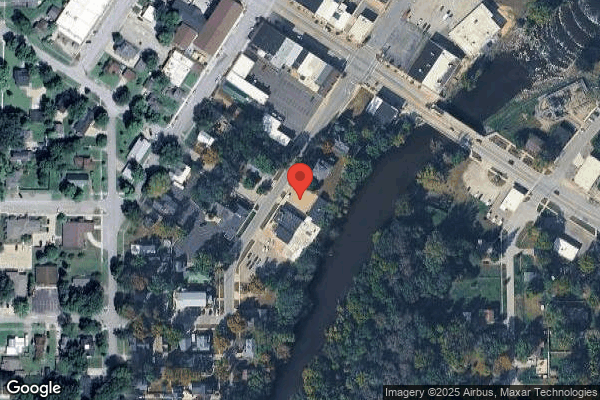
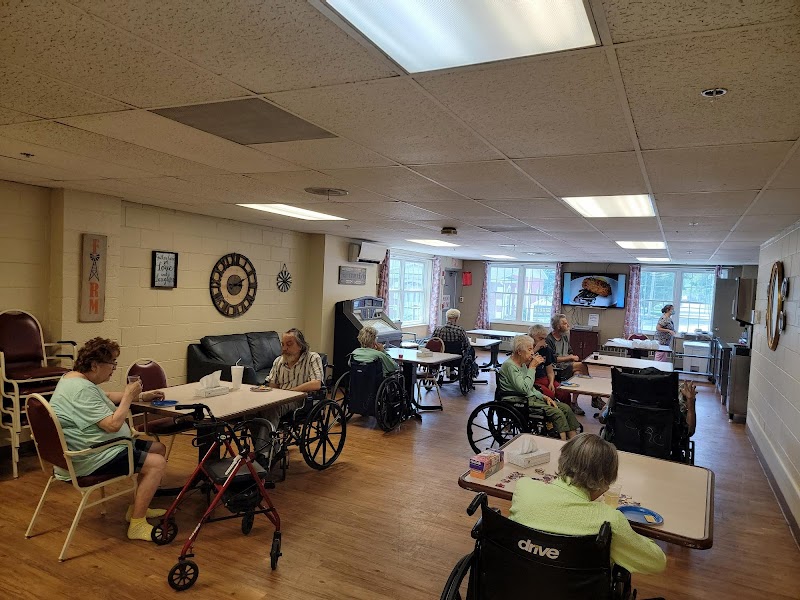
201 South Front Street, Chesaning, MI 48616 (989) 845-6602
For profit - Limited Liability company 51 Beds Independent Data: November 2025
Trust Grade
20/100
#369 of 422 in MI
Last Inspection: October 2024

Within standard 12-15 month inspection cycle. Federal law requires annual inspections.

Overview

Chesaning Nursing and Rehabilitation Center has a Trust Grade of F, indicating significant concerns about the quality of care provided. They rank #369 out of 422 facilities in Michigan, placing them in the bottom half, and #10 out of 11 in Saginaw County, with only one local option being better. While the facility is showing signs of improvement, reducing issues from 14 in 2024 to 6 in 2025, it still faces serious challenges, having accumulated 41 deficiencies, including failures in pressure injury care that led to serious health complications for some residents. Staffing has a low turnover rate of 0%, which is a positive aspect, but they received $41,240 in fines, exceeding 82% of Michigan facilities, highlighting ongoing compliance problems. Though they have average RN coverage, which is important for identifying potential health issues, specific incidents such as inadequate pressure injury management and failure to conduct necessary assessments raise significant concerns about the overall quality of care.

Trust Score
F
20/100
In Michigan
#369/422
Bottom 13%
Safety Record
High Risk
Review needed
Inspections
Getting Better
14 → 6 violations
Staff Stability
○ Average
Turnover data not reported for this facility.
Penalties
⚠ Watch
$41,240 in fines. Higher than 86% of Michigan facilities, suggesting repeated compliance issues.
Skilled Nurses
○ Average
Each resident gets 31 minutes of Registered Nurse (RN) attention daily — about average for Michigan. RNs are the most trained staff who monitor for health changes.
Violations
⚠ Watch
41 deficiencies on record. Higher than average. Multiple issues found across inspections.
★☆☆☆☆
1.0
Overall Rating
★★☆☆☆
2.0
Staff Levels
★☆☆☆☆
1.0
Care Quality
★★☆☆☆
2.0
Inspection Score
Stable
2024: 14 issues
2025: 6 issues

The Good

  • Full Sprinkler Coverage · Fire safety systems throughout facility
  • No fines on record

Facility shows strength in fire safety.

The Bad

1-Star Overall Rating

Below Michigan average (3.1)

Significant quality concerns identified by CMS

Federal Fines: $41,240

Above median ($33,413)

Moderate penalties - review what triggered them

The Ugly 41 deficiencies on record

3 actual harm
Aug 2025 3 deficiencies
CONCERN (D) 📢 Someone Reported This

A family member, employee, or ombudsman was alarmed enough to file a formal complaint

Potential for Harm - no one hurt, but risky conditions existed

Deficiency F0675 (Tag F0675)

Could have caused harm · This affected 1 resident

**NOTE- TERMS IN BRACKETS HAVE BEEN EDITED TO PROTECT CONFIDENTIALITY** This citation pertains to intake Numbers: 2590687, 2577760, and 2581464. Based on observation, interview and record review, the ...

Read full inspector narrative →
**NOTE- TERMS IN BRACKETS HAVE BEEN EDITED TO PROTECT CONFIDENTIALITY** This citation pertains to intake Numbers: 2590687, 2577760, and 2581464. Based on observation, interview and record review, the facility failed to prevent a decline in the quality of life for one resident (Resident #101) of 6 residents reviewed, resulting in Resident #101 having a change in demeanor of a decrease in activity with an increase in depression of tearfulness. Findings include: Record review of Resident #101's Minimum Data Set (MDS) dated [DATE] quarterly assessment revealed an elderly male resident with medical diagnoses of: Heart failure, Diabetes, anxiety, depression and respiratory failure. Record review of Resident #101's physician orders for the month of August 2025 revealed medications of Abilify (antipsychotic), Lexapro (antidepressant), daily for mood and mental stability. Observation and interview were conducted on 8/19/2025 at 9:55AM with Resident #101 seated up in Wheelchair in the dining room, drinking coffee with other residents. He is interacting with staff members and enjoying himself. The interview revealed that he is just friends with staff nurses and nothing more. But did not want to talk about it. stating It's ridiculous we just joke around and try to have some fun here. I don't have a problem with living here; this is a quiet place. Facility reported incident and hotline complaints received to the state agency identified concerns of a resident and staff inappropriate relations. Investigation of the alleged incident identified that Resident #101 was spoken to by management staff about the relationship with talking to staff members regularly on 08/01/2025. Record review of the investigative file revealed that a signed 3101 form dated 8/1/2025 revealed: Resident #101 was taken into the conference room to have a private area to discuss the details of an allegation by staff that he is having an inappropriate relationship with a unit manager. Resident #101 was questioned to the nature of the relationship he stated, We are just friends, she's a good lady. Resident #101 was asked about a romantic relationship. Resident #101 stated No. They had never kissed, and they were just joking around stating they were getting married. Resident #101 was explained not to go and sit in front of the office door of the unit manager so the manager can complete her work. Record review of Resident #101's nursing progress notes dated 7/29/2025 at 6:40PM of Nurse Practitioner noted no mention of depression or that the resident was having a mood change. Record review of Resident #101's late entry physician progress note, not dated 7/31/2025 at 8:47PM noted that Resident #101's chart was reviewed and patient examined, further note to follow. Hemodynamically and clinically stable, some intermittent mild depressive symptoms, will follow with social worker, psychiatry, and staff for further symptoms. Record review of Resident #101's nursing progress notes late entry on 8/1/2025 at 9:30 AM revealed: Allegation of resident abuse by staff regarding resident's inappropriate relationship with unit manager. Investigation initiated. Record review of Resident #101's 8/1/2025 at 3:30PM nursing progress note revealed: (physician) saw resident and ordered abdominal Xray due to resident complaint of discomfort to area, no report of discomfort to this write. Appetite remains good. Resting quietly in bed at the time. Record review of Resident #101's 8/1/2025 at 5:50PM nursing progress note revealed: Resident has been lying in bed since 2:30PM. He refused his 4pm med stating he doesn't care about it and refuses to get up out of bed. Refused dinner as well. Denies pain and will continue to monitor. Record review of resident #101's 8/1/2025 at 8:28 PM nursing progress note revealed: Resident has been tearful and lying in bed since 2:30PM. He refused all nighttime medications times 3. He stated he did not care. He refused dinner as well. Record review of Resident #101's 8/1/2025 Medication Administration Record (MAR) noted Ativan 1mg Intramuscular injection (IM) one time daily for 1 day. Ativan medication was administered at 8:21PM by the Nursing Home Administrator/Director of Nursing. In an interview on 8/20/2025 at 11:35 AM, the Nursing Home Administrator/Director of Nursing about the Ativan IM injection stated that Resident #101 was just upset that he was going to get a staff member fired, and he did not like the other staff talking about it. He couldn't sleep at night, and I called (physician) and got the Ativan order for IM injection and gave it myself. Record review of Resident #101's Nurse Practitioner's note dated 8/4/2025 revealed investigation initiated 8/1/2025 for allegation of patient abuse by staff regarding patient's inappropriate relationship with a staff member. The nurse spoke with patient on 8/4/2025 in regard to the incident on 8/1/2025. He stared he was not happy staff reported this and stated he wants to get out of here as soon as possible. Patient currently working for community placement. Patient has been tearful related to incident, refusing showers, meds, and to get out of bed .Record review of the facility 'Promoting/Maintaining Resident Dignity' policy, undated, revealed it is the practice of the facility to protect and promote resident rights and treat each resident with respect and dignity as well as care for each resident in a manner and in an environment, that maintains or enhances resident's quality of life by recognizing each resident's individuality.
CONCERN (D) 📢 Someone Reported This

A family member, employee, or ombudsman was alarmed enough to file a formal complaint

Potential for Harm - no one hurt, but risky conditions existed

Deficiency F0757 (Tag F0757)

Could have caused harm · This affected 1 resident

**NOTE- TERMS IN BRACKETS HAVE BEEN EDITED TO PROTECT CONFIDENTIALITY** This citation pertains to Intake Numbers 2590687, 2577760, and 2581464. Based on observation, interview and record review, the f...

Read full inspector narrative →
**NOTE- TERMS IN BRACKETS HAVE BEEN EDITED TO PROTECT CONFIDENTIALITY** This citation pertains to Intake Numbers 2590687, 2577760, and 2581464. Based on observation, interview and record review, the facility failed to get a signed informed consent for anti-anxiety medication prior to administering it for one resident (R101), resulting in Resident #101 receiving the medication with no written or verbal consent. Findings include: Record review of Resident #101's Minimum Data Set (MDS) dated [DATE] quarterly assessment revealed an elderly male resident with medical diagnosis of: Heart failure, Diabetes, anxiety, depression and respiratory failure. Record review of Resident #101's physician orders for the month of August 2025 revealed medications of Abilify (antipsychotic), Lexapro (antidepressant), daily for mood and mental stability. Observations and an interview were conducted on 8/19/2025 at 9:55AM with Resident #101, who was seated up in Wheelchair in the dining room, drinking coffee with other residents. He is interacting with staff members and enjoying himself. The interview revealed that he is just friends with staff nurse and nothing more. But does not want to talk about it. Stating It's ridiculous we just joke around and try to have some fun here. I don't have a problem with living here. I lived in Oscoda, and this is a quiet place. Facility reported incident and hotline complaints received by the state agency identified concerns of a resident and staff inappropriate relations. Investigation of the alleged incident identified that Resident #101 was spoken to by management staff about the relationship with talking to staff member regularly on 8/1/2025. Record review of the investigative file revealed that a signed by resident #101 form dated 8/1/2025 revealed: Resident #101 was taken into the conference room to have a private area to discuss the details of an allegation by staff that he is having an inappropriate relationship with a unit manager. Resident #101 was questioned of the nature of the relationship he stated, We are just friends, she's a good lady. Resident #101 was asked about a romantic relationship. Resident #101 stated No. they had never kissed and that they were just joking around with stating they were getting married. Resident #101 was explained not to go and sit in front of the office door of the unit manager so the manager can complete her work. Record review of Resident #101's nursing progress notes dated 7/29/2025 at 6:40PM of Nurse Practitioner noted no mention of depression or that the resident was having a mood change. Record review of Resident #101's late entry physician progress not dated 7/31/2025 at 8:47PM noted that Resident #101's chart was reviewed and patient examined, further note to follow. Hemodynamically and clinically stable, some intermittent mild depressive symptoms, will follow with social worker, psychiatry, and staff for further symptoms. Record review of Resident #101's nursing progress notes late entry on 8/1/2025 at 9:30AM revealed: Allegation of resident abuse by staff regarding resident's inappropriate relationship with unit manager. Investigation initiated. Record review of Resident #101's 8/1/2025 at 3:30PM nursing progress note revealed: (physician) saw resident and ordered abdominal Xray due to resident complaint of discomfort to area, no report of discomfort to this writer. Appetite remains good. Resting quietly in bed at the time. Record review of Resident #101's 8/1/2025 at 5:50PM nursing progress note revealed: Resident has been lying in bed since 2:30PM. He refused his 4pm med stating he doesn't care about it and refuses to get up out of bed. Refused dinner as well. Denies pain and will continue to monitor. Record review of resident #101's 8/1/2025 at 8:28 PM nursing progress note revealed: Resident has been tearful and lying in bed since 2:30PM. He refused all nighttime medications times 3. He stated he did not care. He refused dinner as well. Record review of Resident #101's 8/1/2025 Medication Administration Record (MAR) noted Ativan 1mg Intramuscular injection (IM) one time daily for 1 day. Ativan medication was administered at 8:21PM by the Nursing Home Administrator/Director of Nursing. In an interview on 8/20/2025 at 11:35 AM, the Nursing Home Administrator/Director of Nursing about the Ativan IM injection stated that Resident #101 was just upset that he was going to get Staff member fired, and he did not like the other staff talking about it. He couldn't sleep at night, and I called (physician) and got the Ativan order for IM injection and gave it myself. Record review of facility 'Use of Psychotropic Medications' policy undated, revealed it is the intent of the policy to ensure that residents only receive psychotropic medications when other nonpharmacological interventions are clinically contraindicated. Additionally, these medications should only be used to treat the resident's medical symptoms . (1.) A psychotropic drug is any drug that affects brain activities associated with mental process and behavior. Psychotropic drugs include but are not limited to the following categories: Antipsychotics, antidepressants, anti-anxiety, and hypnotics. (3.) Other medications not classified as antipsychotic, antidepressant, antianxiety, or hypnotic medications but can affect brain activity should not be used as a substitution for another psychotropic medication unless prescribed with a documented clinical indication for use consistent with accepted clinical standards of practice. (9.) Prior to initiating or increasing a psychotropic medication, the resident, family, and/or representative must be informed of the benefits, risk and alternatives for medication, including and black box warnings for antipsychotic medications, in advance of such initiation or increase. (11.) The facility will document that the resident or resident representative was informed in advance or the risk and benefits of the proposed care, the treatment alternatives or other options and the preferred option to accept or decline in a format the facility deems to use. (e.g , written consent form, narrative note, etc.)Record review and interview on 8/20/2025 at 11:55AM with the Social Worker G reviewed Resident #101's point click care medical record of Resident #101's consent dated 8/19/2025 for Ativan IM was not dated and placed into the PCC on 8/19/2025. The Social Worker G stated that she should have dated the consent form; the nurse administered the medication. Record reviews of progress notes revealed that there was no verbal consent documented, and no written consent documented. The Social worker G stated that Ativan is an antianxiety medication and not used for sleep aid.
CONCERN (E) 📢 Someone Reported This

A family member, employee, or ombudsman was alarmed enough to file a formal complaint

Potential for Harm - no one hurt, but risky conditions existed

Safe Environment (Tag F0921)

Could have caused harm · This affected multiple residents

**NOTE- TERMS IN BRACKETS HAVE BEEN EDITED TO PROTECT CONFIDENTIALITY** This citation pertains to intake Number 2585037.Based on observation, interview and record review, the facility failed to ensure...

Read full inspector narrative →
**NOTE- TERMS IN BRACKETS HAVE BEEN EDITED TO PROTECT CONFIDENTIALITY** This citation pertains to intake Number 2585037.Based on observation, interview and record review, the facility failed to ensure a clean, safe, and homelike environment involving the Therapy room and 5 residents' rooms (Rooms 2, 3, 4, 14, and 19) of 20 rooms in total, resulting in the protentional for injury (therapy equipment stored in the therapy area, increases risk of tripping and falling), resident and family complaint's regarding the environment, anger, dissatisfaction and depression.Findings Include: Self-tour of facility on 8/19/2025 at 9:30AM noted Strong urine odors in the back hall noted coming from room [ROOM NUMBER]. Noted 2 male residents to reside in room, Resident #106 the bed by the window was noted with urinal on nightstand with yellow urine noted with no top on it, half full, next to white Styrofoam drinking glass with a straw. Observations on 8/19/2025 throughout the day of the survey, the urinal was noted to be left on the nightstand not emptied and next to the Styrofoam drinking glass. Observation and smells on 8/20/2025 at 8:08AM during a self-tour of the back hall, noted odors of the urine smell and body odors. Observation and smell on 8/20/2025 at 8:55AM of the back hallway on the north side of the building tour noted room [ROOM NUMBER] with smells of body odor coming from room. Observed a large male resident lying in bed. Observation of room [ROOM NUMBER] was noted with Kleenex and paper items on the floor on top of fall matt. Observation on 8/20/2025 at 9:00AM as surveyor walked down hallway strong odors of urine noted in room [ROOM NUMBER]. Resident #106 male residents with urinal half full noted at bedside nightstand with urine waiting to be dumped. Observation and interview on 8/20/2025 at 10:00AM with Certified Nurse Assistant (CNA) L on tour of room [ROOM NUMBER] strong smell of urine noted in hallway. CNA L stated that it is an ongoing issue with the room. Observation of room double occupancy Resident #101 next to the door and Resident #106 bed next to window. Observed Resident #106 seated up in a soft cloth Recliner in room with nightstand and 2 Styrofoam cups with straws and the surveyor Noted a half full urinal of urine with no lid noted at table side. Toured bathroom and room, sink in resident room area. Resident #106 was seated up in recliner and stated that he likes his room. Resident #106 requested more ice for his cup and CNA L took the cup from the nightstand and did not offer or empty the urinal next to the cups. Resident #101 was lying in bed stated having a lazy day. Observed that each male resident has a clothe soft recliner noted at bedside with urine odors smelled. Observation on 8/20/25 at 12:07PM the state surveyor observed a half-filled urinal in room [ROOM NUMBER], right next to Styrofoam glasses on nightstand, still not dumped. Strong odors noted in room. Recliner chair of resident #106 with strong urine smell noted. Both Residents were observed eating the noon meal chicken parmesan in the main dining room. Observation of the facility environment was done on 8/19/25 from 10:00 a.m. through 11:00 a.m.; the following concerns were noted: room [ROOM NUMBER]: No towels in the room by sink. room [ROOM NUMBER]: The trash container was full under sink and a wet washcloth was sitting in pink basin on the floor under the sink. room [ROOM NUMBER]: The room was very cluttered. A urinal was sitting on the sink with no name or bed number. Clothing was being stored on the floor stored under the sink. room [ROOM NUMBER]: A large black fan was blowing on bed 1; dust was noted on the cover, which was blowing directly on the resident in bed. room [ROOM NUMBER]-1: At 11:30 a.m., resident in bed, urinal had urine in it, and it was sitting on the floor. The resident’s breakfast tray was sitting on the bedside table, not touched at all. On the second observation done on 8/19/25 at 12:00 p.m., breakfast tray (with eggs, cheese, bread, oatmeal and 2 sausage links) was not touched and still sitting on tray next to bed (potentially hazardous foods sitting out approximately 4 hours). 2 urinal’s were sitting on the floor next to the bed, with one about 1/4 full of urine. Also, observation of the resident’s wheelchair that was sitting in the hallway, had the oxygen tubing and nasal cannula sitting on the seat, not in a bag for protection; the tubing has a piece of paper on it dated 8/9 (should have been changed on 8/16/25 per oxygen policy dated 11/12/25, weekly). During an interview done on 8/19/25 at 3:00 p.m., the Administrator stated, “We change the oxygen tubing every Sunday.” Observation of the therapy room was done on 8/19/25 at 11:00 a.m.; accompanied by OT “I and the following concerns were noted: Approximately half of the therapy room was being used for the storage of therapy equipment. -x8 wheelchairs -x3 wheeled walkers -x9 to x10 walkers, 1 lift, several [NAME] -several wheelchair foot rests in a large box -x1red power scooter -x1 box of wheelchair cushions The parallel bars have several wheelchairs and walkers in the middle of it; staff had to stop therapy and move the items and then when therapy was completed, move the wheelchairs and walkers back. During a second observation done on 8/20/25 at approximately 9:00 a.m., the therapy room had, x4 wheelchairs, a stand-up lift, a wheeled walker, a red power scooter, a ceiling vent by the air conditioner that had rust on it, and a air conditioning unit that was humming and did not work. During an interview done on 8/19/25 at 11:00 a.m., OT I stated I just started last week, if I want to use the plinth (bed for resident therapy use) is completely covered with equipment, papers, lefts, and parts of therapy equipment. I have to clean it off, wipe it down, and then use it. I had to move the chairs around when I had to use the parallel bars (has several wheelchairs stored by it and on side of it). During an interview done on 8/19/25 at 12:20pm, CNA “K stated I told them (management) about that (unclean environment), but no one did anything until today; they made me help them put the equipment not being used in the basement. During an interview done on 8/20/25 at 9:00 a.m., PT “O stated “There is to much equipment in the room, the air conditioner does not work it needs Freon; I have to move everything to do therapy and then put it back after.” During an interview done on 8/20/25 at 8:50 a.m., the Infection Control Nurse, LPN “C stated “I do rounds and I get things addressed then, right away; I do not go in therapy.” During an interview done on 8/19/25 at 10:56 a.m., Social Worker “G stated I do gets complaints on this building being dirty about 3 times a week, mainly odors. Our new OT has addressed that room being cluttered, and she can't get to the equipment she needs (parallel bars) to do certain therapy with resident's. Review of the facility Interdepartmental Infection Control Rounds sheets dated 5/25, 6/25, and 7/25, revealed surveillance rounds had been done in resident’s rooms monthly. During an interview done on 8/20/25 at 10:00 a.m., Director of Maintenance “P stated “yes the air conditioner is broken; I have had trouble getting people in here to fix it; it needs freon. I did tell them about the therapy room the day before you came in (on 8/18/25) at the morning meeting.” Review of morning meeting notes dated 8/18/25, written by the Administrator stated “W/C (wheelchair) storage basement.” During an interview done on 8/19/25 at 11:20 a.m., the Administrator stated We talked about the storage yesterday for therapy, (Director of Maintenance #P) said he was going to put it downstairs in the basement. It's not acceptable to me, I have seen it once when I walked around there about 2 months ago. Urinals, they should have names on); if not in use I would put it in a plastic bag. Oxygen nasal cannulas are stored when not in use in bags, tubing is changed every Sunday. During an interview done on 8/20/25 at 8:36 a.m., the Administrator said she was also Director of Nursing and Supervisor of Housekeeping. When this surveyor asked when the housekeepers come in and start work daily she stated “They come in at 7:00 a.m., they can get started on the rooms and the hallways while the resident’s are eating; I am supposed to be checking the room’s, we don’t have a list for a housekeeping supervisor (to fill out for resident room checks).” During an interview done on 8/19/25 at 10:56 a.m., Social Worker “G stated I do gets complaints on this building being dirty about 3 times a week, mainly odors. Our new OT has addressed that room being cluttered, and she can't get to the equipment she needs (parallel bars) to do certain therapy with resident's. During an interview and observation done on 8/19/25 at 11:58 a.m., in the hallway near the smoking door, room [ROOM NUMBER]-1 was seen wheeling his wheelchair from the exit door (smoking door) to the hallway with his urinary catheter bag and tubing uncovered (not in a privacy bag) and dragging on the floor. The catheter bag was wet from being outside dragging on the ground and got the floor wet, also it was not in the privacy bag that was hanging on his wheelchair. During an interview done on 8/19/25 at 11:58 a.m., Nursing Assistant/CNA J stated “yes, I see it (the catheter dragging on the floor), he just came in from outside, it should not be on the floor.” During a phone interview done on 8/19/25 at 11:14 a.m., Family Member #1 stated My dad said the Therapy room is dirty and smells, he said it was disgusting. The halls smell and the place is dirty.
Mar 2025 3 deficiencies
CONCERN (D) 📢 Someone Reported This

A family member, employee, or ombudsman was alarmed enough to file a formal complaint

Potential for Harm - no one hurt, but risky conditions existed

Tube Feeding (Tag F0693)

Could have caused harm · This affected 1 resident

**NOTE- TERMS IN BRACKETS HAVE BEEN EDITED TO PROTECT CONFIDENTIALITY** This Citation Pertains to Intake Number MI00151360. Based on observation, interview and record review, the facility 1) Failed to...

Read full inspector narrative →
**NOTE- TERMS IN BRACKETS HAVE BEEN EDITED TO PROTECT CONFIDENTIALITY** This Citation Pertains to Intake Number MI00151360. Based on observation, interview and record review, the facility 1) Failed to ensure accurate orders for a feeding tube and 2) Failed to ensure maintenance of the feeding tube, including water flushes, for 2 residents (Resident #1 and Resident #2) of 2 residents reviewed for feeding tubes. Findings Include: Resident #1: A record review of the Face sheet and Minimum Data Set/MDS assessment indicated Resident #1 was admitted to the facility on [DATE] and readmitted on [DATE] with diagnoses: History of a stroke, left sided weakness, tongue and throat cancer, feeding tube, chronic pain syndrome, depression, weakness, hypertension and atrial fibrillation. The MDS assessment, dated 02/08/2025, revealed the resident had full cognitive abilities with a Brief Interview for Mental Status/BIMS score of 15/15 and the resident needed some assistance with all care. On 3/26/2025 at 11:29 AM, during an interview with Nurse B, she said Resident #1 had a feeding tube that he had recently started using. The nurse said the tube had recently been replaced (the resident was transferred to the hospital on 3/11/2025 and returned 3/13/2025), because the previous feeding tube became dislodged. She said the resident had encountered severe pain when he received an attempted bolus of tube feeding, but the new tube was working well for him. Nurse B said Resident #1 was receiving Radiation and Chemotherapy treatments for oral and throat cancer and went to a Cancer Center 5 days a week for treatment. She said the feeding tube was initially placed in preparation for a time he might need it. He had been eating orally prior to discomfort in his mouth from the radiation treatments. A record review of the physician orders for Resident #1 identified the following: Regular Diet, chopped texture, thin consistency (liquids), start date 1/4/2025. Clean PEG (feeding tube) site with saline and apply 4x4 gauze daily and PRN (as needed), start date 1/30/2025. Flush PEG with 20cc of normal saline, start date 1/29/2025. Six times a day for painful swallow/unable to meet needs orally relate to tongue cancer, Bolus 250 ml Jevity 1.5 with an additional 200 ml water with PEG, start date 3/10/2025 and end date 3/19/2025. Enteral feed at bedtime, give dual system Jevity 1.5 @100 ml/hr with H2O 80 ml/hr total feed 1200 ml, start date 3/13/2025 and end date 3/19/2025. Enteral feed at bedtime. Give dual system Jevity 1.5 @ 100 ml/hr with H2O 80 ml/hr total feed 1200 ml, start date 3/19/2025. A review of the Medication Administration Record/MAR and Treatment Administration Record/TAR for Resident #1, revealed there was no documentation of Jevity being provided until 3/21/2025 until 3/21/2025. On 3/10/2025, an order was written for a bolus of Jevity 1.5, there was no documentation on the March 2025 MARTAR for Resident #1 that a nurse had attempted to provide the bolus of Jevity 1.5 to him. The 3/10/2025 order overlapped an additional order written 3/13/2025 for Jevity 1.5 to be given at 100 ml/hour. They were both discontinued on 3/19/2025. On 3/19/2025 an additional order was written for Jevity 1.5, which was the same as the 3/13/2025 order. A review of the MAR/TAR indicated there was no documentation by the nurses that Resident #1 had received or refused the Jevity 1.5 until 3/21/2025. The MAR/TAR for March 2025 did not mention the resident received water flushes to his feeding tube until 3/21/2025. A review of the February 2025 MARTAR for Resident #1 did not identify water flushes for the feeding tube. There was no indication the feeding tube had been flushed to keep it patent and in working condition. On 3/11/2025 the resident had severe abdominal pain when Nurse D attempted to bolus the Jevity 1.5 through Resident #1's feeding tube. He was transferred to the hospital and the feeding tube was replaced. He returned to the facility on 3/13/2025. On both the February and March 2025 MAR/TAR an order was identified as follows: Flush PEG with 20cc of Normal Saline three times a day for PEG tube care, order date 1/29/2025. The resident's Peg tube was placed 1/28/2025. The nurses were occasionally documenting that they were flushing the Peg tube with the 20cc of Normal Saline. On 3/26/2025 at 10:25 AM, Nurse E was asked about the 20cc Normal Saline flush of the Peg tube for Resident #1 and said the 20cc was a small amount and it would not flush the tube. She said she had not seen the order and did not do anything with the Peg tube. On 3/26/2025 at 2:24 PM, Registered Dietitian L was interviewed and said she had input the order on 3/10/2025 for Resident #1 to have a bolus of Jevity 1.5 with a water flush. She said it was discontinued when the resident had pain and had the tube replaced. On 3/27/2025 at 9:15 AM, Resident #1 was interviewed with Nurse B also present. He was sitting in wheelchair in his room and had recently been assisted by staff with his morning care. The resident said he was now using his feeding tube since it has been replaced and receives tube feeding and water flushes. He said the tube was working well and he wasn't having any issues with the new tube. The resident showed his abdomen; there was a gauze dressing over the peg tube insertion site. He said there was no redness or drainage. He said the first time they tried to use the other tube, he had so much pain they had to stop and send him to the hospital to have it replaced. During an interview with Nurse D on 3/27/2025 at 12:05 PM, she said on 3/11/2025 Resident #1 had severe abdominal pain when she attempted to bolus (a single large dose) the Jevity 1.5 through Resident #1's feeding tube. He was transferred to the hospital and the feeding tube was replaced. He returned to the facility on 3/13/2025. On 3/27/2025 at 2:45 PM, Nurse C was interviewed about the order for water flushes for Resident #1. She looked at the 3/10/2025 order for Jevity 1.5 and a water flush in the electronic medical record and she said the box was not checked to send it to the MAR or TAR when the order was placed; so, it did not show on the MAR/TAR for the nurses to document whether they had provided the care. A review of the Care Plans for Resident #1 identified the following: (Resident #1) has nutritional problem .1/25 PEG placed for use as needed . 3/10/25 (Resident) wanted to start using PEG for feeding/water flush due to oral pain preventing his ability to meet needs orally, date revised 3/10/2025 with Interventions including: Tube feeding and water flushes as ordered, date initiated 3/10/2025. There was no additional Care Plan addressing care and monitoring of Resident #1's feeding tube. Resident #2: A record review of the Face sheet and MDS assessment indicated Resident #2 was admitted to the facility on [DATE] and readmitted on [DATE] with diagnoses: Parkinson's, diabetes, COPD, history of a stroke, difficulty swallowing, a feeding tube, fibromyalgia, heart disease, anxiety, depression chronic pain and an autonomic condition. The MDS assessment dated [DATE] revealed the resident had full cognitive ability with a BIMS score of 14/15 and he needed assistance with all care. On 3/26/2025 at 10:25 AM, Resident #2 was observed lying in bed. Nurse C was present and showed the resident's abdomen had 2 peg tube sites: an old now unused site and a new site with the Peg tube. The old site had some redness surrounding it and dried dark drainage. The gauze dressing on the site was very damp and had no date or initials when it was changed. Nurse C said she had not yet changed it that day and she wasn't sure who had placed the dressing. She said the resident's tube feeding was currently off, but would start again at 1:00 PM. She said she would start it and also provide the water flush. A review of the physician orders for Resident #2 revealed the resident had tube feeding and a pureed texture diet with pleasure foods dated 1/26/2025 and: Water to run via PEG@ 100/hr concurrently (1500 ml total per day,: two times a day for hydration water to run concurrent with enteral feeding at 100 ml/hr; 1 PM to 8 PM and 10 PM to 6 AM, dated 3/22/2025. Glucerna 1.5 Cal oral liquid (Nutritional Supplements) Give 100 ml via PEG-Tube in the afternoon for dysphagia continuous via pump, run from 1 PM to 8 PM, order date 12/17/2024 and discontinued 3/21/2025. Glucerna 1.5 Cal Oral Liquid (Nutritional Supplements) Give 120 ml via PEG-Tube at bedtime for dysphagia Glucerna to run at 100/hr from 10 PM to 6 AM (800 ml total), order date 3/21/2025. Glucerna 1.5 Cal Oral Liquid (Nutritional Supplements) Give 120 ml via PEG-Tube in the afternoon for dysphagia continuous via pump, run from 1 PM to 8 PM, order date 3/21/2025. The physician orders did not mention water flushes of the feeding tube. A review of the MAR/TAR for March for Resident #2 revealed the nurses were documenting they were administering the tube feeding, but there were not entries for flushing the feeding tube to keep it patent (clear/open/unclogged). A review of the Care Plans for Resident #2 identified the following: (Resident #2) has potential nutritional problem related to dysphagia, history failure to thrive, Parkinsons, (diabetes), GERD, (no teeth) and refuses to wear his dentures. Potential for weight loss. Feeding tube . Hospice, date initiated 10/25/2025 and revised 1/8/2025. The interventions do not mention a water flush to maintain the PEG tube. There was no Care Plan for maintenance of the feeding tube for Resident #2. On 3/27/2025 at 2:50 PM, Nurse A was asked about the Normal Saline flush of the Peg tube for Resident #1 and she said she was not familiar with flushing the Peg tube with Normal saline. She said she spoke with the physician and the order was discontinued. Reviewed with Nurse A there was a lack of documentation that the feeding tube was being flushed with water, as Nurse C had identified the orders were not pulling over to the MAR/TAR for the Resident's (#1 and #2). She said they would fix it. A review of the facility policy titled, Care and Treatment of Feeding Tubes, date implemented 3/26/2025 provided, It is a policy of this facility to utilize feeding tubes in accordance with current clinical standards of practice, with interventions to prevent complications to the extent possible . Feeding tubes will be utilized according to physician orders which typically include: the kind of feeding and its caloric value, volume, duration, mechanism of administration, and frequency of flush . The resident's plan of care will address the use of feeding tube, including strategies to prevent complications . Direction for staff on how to provide the following care will be provided: . Frequency of and volume used for flushing, including flushing for medication administration, and what to do when a prescriber's order does not specify .
CONCERN (D) 📢 Someone Reported This

A family member, employee, or ombudsman was alarmed enough to file a formal complaint

Potential for Harm - no one hurt, but risky conditions existed

Deficiency F0694 (Tag F0694)

Could have caused harm · This affected 1 resident

**NOTE- TERMS IN BRACKETS HAVE BEEN EDITED TO PROTECT CONFIDENTIALITY** This Citation Pertains to Intake Number MI00151360. Based on observation, interview and record review, the facility failed to fo...

Read full inspector narrative →
**NOTE- TERMS IN BRACKETS HAVE BEEN EDITED TO PROTECT CONFIDENTIALITY** This Citation Pertains to Intake Number MI00151360. Based on observation, interview and record review, the facility failed to follow accepted standards of practice for obtaining a physician's order, assessment and monitoring of a Central Venous Catheter/CVS Mediport IV for one resident (Resident #1) of 1 resident reviewed for IV catheters. Findings Include: Resident #1: A record review of the Face sheet and Minimum Data Set/MDS assessment indicated Resident #1 was admitted to the facility on [DATE] and readmitted on [DATE] with diagnoses: History of a stroke, left sided weakness, tongue and throat cancer, feeding tube, chronic pain syndrome, depression, weakness, hypertension and atrial fibrillation. Resident #1 was receiving chemotherapy and radiation therapy for the cancer. The MDS assessment dated [DATE] revealed the resident had full cognitive abilities with a Brief Interview for Mental Status/BIMS score of 15/15 and the resident needed some assistance with all care. On 3/27/2025 at 9:20 AM, Resident #1 was interviewed with Nurse B present. He was sitting in a wheelchair in his room and had recently been assisted by staff with his morning care. The resident said he was receiving chemotherapy and radiation at the Cancer Center. He pointed to his chest and said his IV was there. Nurse B confirmed the resident had a Central line IV catheter for chemotherapy. A review of the physician orders for Resident #1 provided the following: Refer patient to vascular surgery for mediport placement, dated 12/31/2024. There was no further mention of an IV, Central line Mediport (a surgical implanted port for IV medications) in the physician orders. A review of the Medication Administration Records/MAR and Treatment Administration Records/TAR for Resident #1 for February and March 2025 indicated there was no mention of the IV Mediport, where it was located or if it as monitored by the nurses. A review of the progress notes identified the following: A provider note dated 1/14/2025, . Having mediport placed this week . A provider note dated 1/7/2025, . Mediport placed on 1/3/25-site appears stable . There were no additional notes or assessments of the Mediport site or dressing to the site. On 3/27/2025 at 2:05 PM, Nurse C was interviewed about Resident #1's Central Line IV that was being used for chemotherapy. She said only the staff at the Cancer Center used the Mediport and changed the dressing. Nurse C was asked if Resident #1's nurses at the facility were monitoring to ensure the dressings were intact, there was no bleeding through the dressing or redness, pain or warmth around it. She said they were not. Reviewed the physician orders and MAR/TAR for Resident #1 with Nurse C and she said there was no mention of the Mediport. A review of the Care Plans for Resident #1 identified the following: The resident has actual impairment to skin integrity of the surgical incisions: Mediport and (PEG tube insertion on 1/24/2025), date initiated 11/22/2024 and revised 1/25/2025, with 2 interventions: Avoid scratching and keep hands and body parts from excessive moisture. Keep fingernails short, date initiated 11/22/2024; Keep skin lean and dry. Use lotion on dry skin, both interventions initiated on 11/22/2024. Prior to the resident having the Mediport implanted. The Care Plan was not specific to the Mediport. There were no additional Care Plans that mentioned the Mediport Central Line. On 3/27/2025 at 2:55 PM, Nurse A was interviewed about the lack of physician orders, monitoring and documentation of the Mediport for Resident #1. She said she would look into it. The facility provided a policy for flushing, locking and removing a Central line, but not for management of a Central line, including monitoring for adverse effects.
CONCERN (D) 📢 Someone Reported This

A family member, employee, or ombudsman was alarmed enough to file a formal complaint

Potential for Harm - no one hurt, but risky conditions existed

Deficiency F0698 (Tag F0698)

Could have caused harm · This affected 1 resident

**NOTE- TERMS IN BRACKETS HAVE BEEN EDITED TO PROTECT CONFIDENTIALITY** This Citation Pertains to Intake Number MI00151360. Based on observation, interview and record review, the facility failed to en...

Read full inspector narrative →
**NOTE- TERMS IN BRACKETS HAVE BEEN EDITED TO PROTECT CONFIDENTIALITY** This Citation Pertains to Intake Number MI00151360. Based on observation, interview and record review, the facility failed to ensure that 1) Physician's orders for dialysis services; 2) Post- Dialysis assessment and monitoring were completed and 3) Dialysis communication forms were complete and included pre-dialysis and post-dialysis assessment, including location and assessment of the dialysis access site for one resident (Resident #4) of 1 resident reviewed for Dialysis care. Findings Include: Dialysis Resident #4: A record review of the Face sheet and Minimum Data Set/MDS assessment indicated Resident 34 was admitted to the facility on [DATE] and readmitted on [DATE] with diagnoses: Chronic kidney disease, receives dialysis, Diabetes, obesity, anemia, gout, hypothyroidism. Hypertension and bipolar disorder. The MDS assessment dated [DATE] revealed the resident full cognitive abilities. On 3/27/2025 at 11:42 AM Nurse C was interviewed about Resident #4 receiving dialysis services, she said the resident did not have a physician order for dialysis services. She said there was also no orders for the dialysis access site or monitoring. The nurse said the resident had a dialysis access device in the left arm and it was supposed to be assessed and monitored. On 3/27/2025 at 12:50 PM, Resident #4 was interviewed. She said she had just returned from dialysis; she said she had dialysis on Tuesday, Thursday and Saturdays. She said she had a fistula in her right arm for dialysis. The resident said today at the dialysis center they had a hard time with the fistula as it was bleeding, and they had to place extra dressings on top of it. A record review of the physician orders for Resident #4 revealed there was no mention that Resident #4 had a dialysis access site or fistula. A review of the Medication Administration Records/MAR and Treatment Administration Records/TAR for March 2025 indicated there was no mention of a dialysis catheter access device/fistula or monitoring for adverse events. A review of the dialysis communication forms used for communication of assessment information before (by the facility), during (by the dialysis center) and after dialysis (by the facility) services identified that the forms were not always completed by the facility. On occasion the Pre-dialysis assessment information was incomplete or blank, but the Post-dialysis assessment information that the facility was to complete after the resident returned from the dialysis center was often blank. Post dialysis form assessment information includes: Date/time; shunt location/status; Bruit/thrill present: Yes, No, N/A; Bleeding: Yes, No; General condition of resident: Vital Signs; Nurse Signature. From 2/25/2025 to 3/22/2025, 9 of 10 Dialysis communication forms were incomplete and 8/10 had no post dialysis assessment information completed by a nurse- the section was blank. A review of the Care Plans for Resident #4 revealed there was no Care Plan for dialysis services or that mentioned her dialysis access device, location, assessment, or monitoring. A review of the progress notes revealed there was one progress note with assessment information related to Resident #4 receiving dialysis services: 3/6/2025 at 7:22 PM, Resident returned from dialysis at 12:30 PM, shunt has pressure dressing in place no bleeding observed at this time. Positive bruit and thrill. Resident denies any pain or discomfort at time of arrival. Vital signs were monitored. A review of the facility policy titled, Hemodialysis, dated August 2024 provided, This facility will provide the necessary care and treatment consistent with professional standards of practice, physician orders, the comprehensive person-centered care plan, and the resident's goals and and preferences, to meet the special medical, nursing, mental, and psychosocial needs of residents receiving hemodialysis. The facility will assure that each resident receives care and services for the provision of hemodialysis consistent with professional standards of practice. This will include: The ongoing assessment of the resident's condition and monitoring for complications before and after dialysis treatments received at a certified dialysis facility . Ongoing assessment and oversight of the resident before, during and after dialysis treatments .Ongoing communication and collaboration with the dialysis facility regarding dialysis care and services .
Oct 2024 12 deficiencies
CONCERN (D)

Potential for Harm - no one hurt, but risky conditions existed

Quality of Care (Tag F0684)

Could have caused harm · This affected 1 resident

**NOTE- TERMS IN BRACKETS HAVE BEEN EDITED TO PROTECT CONFIDENTIALITY** Based on observation interview and record review, the facility failed to ensure assessment, monitoring and timely provision of c...

Read full inspector narrative →
**NOTE- TERMS IN BRACKETS HAVE BEEN EDITED TO PROTECT CONFIDENTIALITY** Based on observation interview and record review, the facility failed to ensure assessment, monitoring and timely provision of care, per professional standards of practice for one resident (Resident #7), resulting in a lack of documentation and glucose monitoring with a change of condition with the likelihood for a lack of change of condition and delay in the treatment of low blood glucose level. Findings include: Record review of the facility 'Promoting/Maintaining Resident Dignity' policy dated 8/2024 revealed it is the practice of this facility to protect and promote resident rights and treat each resident with respect and dignity as well as care for each resident in a manner and in an environment, that maintains or enhances resident's quality of life . § 483.25 Quality of care Quality of care is a fundamental principle that applies to all treatment and care provided to facility residents. Based on the comprehensive assessment of a resident, the facility must ensure that residents receive treatment and care in accordance with professional standards of practice, the comprehensive person-centered care plan, and the residents' choices. Resident #7: Record review of Resident #7's Minimum Data Set (MDS) dated [DATE] revealed an elderly female resident with Brief Interview of Mental status (BIMS) score of 14 out of 15, cognitively intact. Medical diagnosis included diabetes. Observation and interview on 10/14/24 at 11:26 AM with Resident #7 revealed that she was on an antibiotic a week ago or so because her stomach hurt. But that her stomach still hurt, and she did not feel well. Observed Resident #7 to be laying across her bed with her hand over abdomen. Resident #7 stated that the nurses know about her stomach. Record review of Resident #7's urine culture dated 9/25/2024 revealed organism of Escherichia coli and Proteus Mirabilis. Rocephin 9/28-10/3 was written on the bottom of the form. Record review of Resident #7's progress notes dated 9/27/2024 at 12:45 PM noted Resident #7 to have dysuria, bedwetting and has been tired. Urine analysis was collected, and results were positive for urinary tract infection. Doctor order lab work and Rocephin 1 gram intramuscularly for 5 days. Record review of Resident #7's September 2024 Medication Administration Record (MAR) revealed ceftriaxone (Rocephin) antibiotic 1 gram intramuscularly one time a day for UTI (Urinary Tract Infection) for 5 days started on 9/28/2024 through 10/2/2024 antibiotic therapy was completed for facility acquired urinary tract infection. Record review of Resident #7's progress note dated 10/15/2024 at 9:50 PM revealed that the resident was sent to the hospital at 9:00 PM. While doing rounds nurse went into residents' room and she was lying in bed unable to speak, not making eye contact and unable to respond to any questions or even her name. Record review of Resident #7's progress note dated 10/15/2024 at 1:29 PM revealed that the resident was reviewed by the nurse practitioner during the day. later in the evening, the nurse practitioner received a call from nursing stating that the patient was very lethargic and staring off into space, she was sent to the hospital. Record review of Resident #7's progress note dated 10/17/2024 at 9:51 AM revealed that the resident tested positive at the hospital for COVID and had a urinary tract infection. Record review of Resident #7's hospital record active problems list dated 10/16/2024 noted that the resident had a sudden onset change in mental status and alteration of speech . DPOA at bedside and reported that patient will frequently get confused with UTI (Urinary Tract Infection), but current mental status is significantly worse. Hospital chemistry revealed low sodium be low 128 and critically low glucose of 46. Active Problems list: Acute metabolic encephalopathy secondary to multiple infections including acute urinary tract infection, and COVID. Record review of Resident #7's electronic medical record revealed there was no glucose level monitored or checked at the time of Resident #7's acute change of condition documented and treatment initiated.
CONCERN (D)

Potential for Harm - no one hurt, but risky conditions existed

Deficiency F0692 (Tag F0692)

Could have caused harm · This affected 1 resident

Based on interview and record review, the facility failed to ensure weight monitoring timely for two residents (Resident #17, Resident #27) of 4 residents reviewed, resulting in a lack of weight monit...

Read full inspector narrative →
Based on interview and record review, the facility failed to ensure weight monitoring timely for two residents (Resident #17, Resident #27) of 4 residents reviewed, resulting in a lack of weight monitoring/follow-up of abnormal weights, and the likelihood for unidentified nutritional deficiencies and decline in overall health. Findings include: Record review of facility 'Weight Monitoring' policy dated 8/2024 revealed based on the resident's comprehensive assessment, the facility will ensure that all resident's maintain acceptable parameters of nutritional status, such as usual body weight or desirable body weight range and electrolyte balance, unless the resident's clinical condition demonstrates that this is not possible or resident preferences indicate otherwise. (5.) A weight monitoring schedule will be developed upon admission for all residents: (a.) Weights should be recorded at the time obtained . (b.) Residents with weight loss- monitor as directed by Dietitian/designee. (c.) If clinically indicated- monitor weight daily. (d.) All others- monitor weight monthly. (6.) Weight Analysis: The newly recorded resident weight should be compared to the previous recorded weight. A significant change in weight is defined as: (a.) 5% change in weight in 1 month (30 days); (b.) 7.5% change in weight in 3 months (90 days); (c.) 10% change in weight in 6 months (180 days). Record review of the facility 'Nutritional Management' policy dated 11/2017, revealed the facility provides care and services to each resident to ensure the resident maintains acceptable parameters of nutritional status in the context of his or her overall condition. Acceptable parameters of nutritional status refer to factors that reflect that an individual's nutritional status is adequate, relative to his/her overall condition and prognosis, such as weight, food/fluid intake . Resident #17: Observation and interview on 10/14/24 at 12:12 PM of Resident #17 revealed a thin appearing male with a urinary catheter seated at the edge of his bed. Resident #17 revealed that the meals are just OK, and that he had lost some weight. Record review on 10/15/24 at 01:50 PM of resident #17's weight log revealed various inconsistent weights: 7/1/2024 weight 149.4 pounds, 7/12/2024 weight 142.2 pounds, that was a 7.2-pound loss in 11 days. Three days later 7/15/2024 weight 147.2 pounds that was a 5-pound gain. On 7/29/2024 weight 140.0, that was a 7.2-pound loss. Record review of Resident #17's progress notes for the month of July 2024 revealed physician progress note dated 7/12/2024 made no mention of a 7.2-pound loss. Physician progress note dated 7/19/2024 made no mention of a 5-pound gain noted on 7/15/2024. Physician progress note dated 7/23/2024 made no mention of the weight fluctuation noted. Physician progress note dated 7/26/2024 mentioned weight is stable. Physician progress note dated 7/30/2024 noted weight on 7/29/2024 140 pounds (weight on 7/15/2024 147 pounds) noted patient with recent 7-pound weight loss. Record review of Resident #17's care plans pages 1-22 revealed care plan for potential nutritional problem related to diabetes type II, dysphasia, oropharyngeal phase, Alzheimer's and chronic kidney disease stage 4. Review of interventions were last updated on 7/19/2024, prior to the 7/29/2024 7 pound weight loss. Record review of Resident #17's dietary assessment forms listing revealed that last dietary profile was completed as a quarterly on 5/14/2024 by Registered Dietitian Y. Resident #27: Observation on 10/15/24 at 08:29 AM with Licensed Practical Nurse (LPN) M during Resident #27's morning medication pass revealed a thin male with no shirt on and oxygen dependence. Resident #27 was seated up at the edge of his bed with breakfast meal tray on bedside table and few bites taken. Record review of Resident #27's weight log revealed various inconsistent weights: 8/26/2024 weight 143 pounds standing. 8/30/2024 weight 137.2 pounds chair, that's a 5.8-pound loss triggered a 3% change from last weight comparison -4.1%, -5.8 Lbs. 9/8/2024 137.2 pounds chair. 10/3/2024 148.4 pounds chair, that's a 11.2-pound gain. There was no triggered change in weight generated from the electronic medical record. Record review of Resident #27's care plans pages 1-8 revealed care plan for potential nutritional problem related to diabetes type II, chronic obstructive pulmonary disease, anxiety and depression initiated on 8/29/2024. Review of interventions were last updated on 9/2/2024, prior to the 10/3/2024 weight loss of 11 pounds. In an interview and record review on 10/21/24 at 08:19 AM with Registered Dietitian (RD) Y revealed that a Re-weight policy is a nursing policy. As the RD Y stated she would expect a 5% change in decrease or increase in weight. With a 3-to-5-pound weight loss would be re-weight within 24 hours. We do weights monthly from the 1st through the 5th, we had a person who was consistent with the weights, same method, standing or chair or Hoyer. Now Nursing is doing the weights, and they are inconsistent in method and not being re-weighed within 24 hours. With a month apart it would not be triggered by PCC. The RD Y stated she would have to manually trigger weights loss/gain by staff. The PCC only does 5% in 30 days and 10% in 180 days. I only see residents quarterly with MDS assessments unless triggered by PCC. In an interview and records review on 10/21/24 at 08:25 AM with Registered Dietitian (RD) Y regarding Resident #27's weights log revealed a weight on 8/26/2024 of 143.0 pounds standing and a re-weight on 8/30/2024 of 137.2 chair that triggered a 3% weight loss of 5.8 pounds, loss of 4.1%. and then re-weight on 9/8/2024 of 137.2 chair with no dietary assessment or note. In an interview on 10/21/24 at 08:42 AM with staff Z revealed that she did not do weights anymore, the weights are done by the Certified Nurse Assistance or nurses. Both residents #17 & #27 were noted to have more than a 5-pound change in weight with no re-weights within 24 hours noted.
CONCERN (D)

Potential for Harm - no one hurt, but risky conditions existed

Deficiency F0740 (Tag F0740)

Could have caused harm · This affected 1 resident

Based on interview and record review, the facility failed to ensure that one resident's (Resident #22) behavior's were documented and monitored, resulting in the likelihood for increased resident beha...

Read full inspector narrative →
Based on interview and record review, the facility failed to ensure that one resident's (Resident #22) behavior's were documented and monitored, resulting in the likelihood for increased resident behaviors with no documentation of interventions done or effectiveness, lack of follow-up regarding care plan's, and medication reviews not being accurate. Findings Include: Resident #22: Review of the Face Sheet, care plans and nursing notes dated 10/11/24 though 10/14/24, revealed Resident #22 was 57 years-old, not able to make his own healthcare decisions, and required staff assistance with Activities of Daily Living/ADL. Review of the residents diagnosis included, epilepsy, intellectual disabilities, schizophrenia, adjustment disorder, major depression, Dementia, and delusional disorders. Review of the residents Behavioral care plan (un-dated), stated (Resident #22) has a behavior problem (repeatedly) yelling out, being sexually inappropriate to staff and purposely throwing myself out of bed for attention. He has attention seeking behaviors and often impulsive. Monitor behavior episodes and attempt to determine underlying cause. Consider location, time, time of day, persons involved, and situations. Document behavior and potential causes. Document behaviors, interventions, and whether or not it was successful. Review of the Facility assessment dated 2024, had handwritten under Mental Health 18 Anti (antipsytics), 10 Anti Anxiety, 32 Anti Depr. (depression). Identify and implement interventions to help support individuals with issues such as dealing with anxiety, care of someone with cognitive impairment, care of individuals with depression, trauma/PTSD, other psychiatric diagnoses, intellectual or developmental disabilities. The facility was aware of the number of resident's with mental health diagnosis at the time the Facility Assessment was done. Review done by this surveyor and Social Worker E on 10/16/24, of the residents electronic record revealed no documentation at all of monitoring any behaviors. During an interview done on 10/15/24 at 2:00 p.m., Social Worker E said she reviewed progress notes for documentation of resident behaviors, however often they were not in the notes, and stated I talk with the CNA's and Nurses. It's not documented, his (Resident #22) behaviors or interventions. I looked thorough everything, I could not find a policy on a behavioral program. During a phone interview done on 10/17/24 at 11:30 a.m., Social Worker E stated They (staff) are supposed to put behaviors in the progress notes. I read the notes; there is none in there for him. We don't have a behavioral program implemented at the moment. I haven't seen a policy that say's to monitor. We do have a way to monitor under the tasks, go under restorative and ADL's. Review of the facility Use of Psychotropic Medication policy dated 8/24, stated Assessing the resident's underlying condition, current signs, symptoms, expressions, and preferences and goals for treatment. Identification of underlying causes. On 10/18/24, the facility Administrator emailed this surveyor a behavioral policy. During an interview done on 10/21/24 at 9:05 a.m., the Administrator stated The policy came out of her (Social Worker E) book. She is a new social worker I don't think anyone has been trained on it (staff trained on the facility behavioral program).
CONCERN (D)

Potential for Harm - no one hurt, but risky conditions existed

Medication Errors (Tag F0758)

Could have caused harm · This affected 1 resident

Based on observation, interview and record review, the facility failed to obtain consents for antipsychotic medication usage for one resident (Resident #8), resulting in Resident #8 being administered...

Read full inspector narrative →
Based on observation, interview and record review, the facility failed to obtain consents for antipsychotic medication usage for one resident (Resident #8), resulting in Resident #8 being administered antipsychotic medications without appropriate consent and risk-versus-benefit analysis or medications explained to the resident/responsible party and the increased likelihood for serious side effects and adverse reactions. Findings include: Record review of the facility 'Use of Psychotropic Medication' policy dated 8/2024 revealed residents are not given psychotropic drugs unless the medication is necessary to treat a specific condition, as diagnosed and documented in the clinical record, and the medication is beneficial to the resident, as demonstrated by monitoring and documentation of the resident's response to the medication. (1.) A psychotropic drug is any drug that affects brain activities associated with mental processes and behavior. Psychotropic drugs include but are not limited to the following categories: antipsychotic's, antidepressants, anti-anxiety, and hypnotics. (5.) Residents and/or representatives shall be educated on the risk and benefits of psychotropic drug use, as well as alternative treatments/non-pharmacological interventions Resident #8: Record review on 10/15/24 at 12:39 PM of Resident #8's electronic medical record revealed Physician orders for medications of Abilify (antipsychotic) 10mg oral started on 8/7/2024, Trazadone (antidepressant) 150mg oral started on 7/5/2024, Ativan (anti-anxiety) 0.5mg oral started on 7/22/2023. Record review of Resident #8's profile page revealed that a family member was the guardian/responsible party. Record review of the miscellaneous tab in the electronic medical record revealed that there were no medication consents or risk-versus-benefits statements found. Record review of Resident #8's behavioral services consultation form dated 8/30/2022 noted diagnosis of dementia, depression, agitation and sundowning. Request for Resident #8 medication consent forms from social worker (SW) E revealed that there were presented with no responsible party signatures. Record review of consent forms for Abilify (antipsychotic), Trazadone (antidepressant), Ativan (anti-anxiety) were noted to be unsigned and undated. In an interview 10/15/24 02:17 PM with social worker (SW) E reviewed Resident #8's medication orders of: Ativan 0.5mg oral taken 3 times a day is used for ongoing behaviors. In April she had more psychosis behaviors, restless exit seeking, she had Ativan PRN and then we got away from the PRN. Diagnosis for Ativan is for disruptive mood dysregulation disorder. Ativan was increased to 1mg at bedtime oral with 0.5mg oral x 2 during the day. The Abilify antipsychotic consent was emailed to guardian twice. Resident #8's guardian is aware. Resident #8 was previously on Risperdal and changed it to Abilify, no consent obtained prior to administration of the medication, the Risperdal was discontinued, and the resident remains on Abilify. The Trazadone is an antidepressant. SW E stated that she is waiting for the consent to be return, she emailed them to the responsible party on 9/25/2024 the other 2 emails sent on August 28th, but she had the wrong email.
CONCERN (E)

Potential for Harm - no one hurt, but risky conditions existed

Assessment Accuracy (Tag F0641)

Could have caused harm · This affected multiple residents

**NOTE- TERMS IN BRACKETS HAVE BEEN EDITED TO PROTECT CONFIDENTIALITY** Based on observation, interview and record review, the facility failed to ensure that accurate resident information was complete...

Read full inspector narrative →
**NOTE- TERMS IN BRACKETS HAVE BEEN EDITED TO PROTECT CONFIDENTIALITY** Based on observation, interview and record review, the facility failed to ensure that accurate resident information was completed on the Resident Roster Matrix (802) for five residents (Resident #1, Resident #14, Resident #16, Resident #26, Resident #140) of 12 sampled residents, resulting in COVID-positive residents and the likelihood of unmet care needs. Findings include: Record review of the facility 'MDS/CRC Coordinator' job description copyright 2024 The Compliance Store, LLC. position purpose was to conduct and coordinate the completion of the required Resident Assessment Instrument (RAI) and be responsible for the implementation and ongoing evaluation of each resident's comprehensive plan of care and auditing of medical records for the presence of supporting documentation for all items coded on the MDS. Upon entrance to the facility on [DATE] at 08:30 AM, the surveyors were notified by facility's Social Worker that the facility was having a COVID-positive outbreak and to wear a facial mask. Observations on 10/14/2024, during the entrance tour of the survey, noted isolation signs to stop and check with nursing staff before entering a particular room. The sign read that Strict Isolation Precautions are in place (the type of Isolation was not identified, contact, airborne etc .) on room [ROOM NUMBER], where Resident #26 resided and on room [ROOM NUMBER], where Resident #14 and Resident #140 resided and room [ROOM NUMBER] where Resident #16 resided and all were located within the small rehab back unit of the facility. Observations of the facility during the entrance tour revealed that all the residents' room doors were open, and residents were moving about and eating breakfast in the main dining room. Record review of the facility-provided CMS-802 form, dated 10/14/2024, revealed assessment heading of Infections: (M, WI, P, TB, VH, C, UTI, SEP, SCA, GI, COVID, O). There were no identified COVID infections noted on the form. In an interview on 10/16/24 at 09:02 AM, Licensed Practical Nurse (LPN) T, who is the Minimum Data Set/Infection Control Preventionist T stated that she did give the state surveyors the CMS-802 Form- Resident Matrix. LPN T did acknowledge that she was the MDS assessment nurse and generated the Minimum Data Set (MDS) and CMS-802 forms. LPN T stated that she should have identified COVID residents on the CMS-802 since the Covid outbreak began on Thursday, 10/10/2024.
CONCERN (E)

Potential for Harm - no one hurt, but risky conditions existed

Deficiency F0657 (Tag F0657)

Could have caused harm · This affected multiple residents

**NOTE- TERMS IN BRACKETS HAVE BEEN EDITED TO PROTECT CONFIDENTIALITY** Based on observation, interview and record review, the facility failed to ensure that care plans were updated and revised approp...

Read full inspector narrative →
**NOTE- TERMS IN BRACKETS HAVE BEEN EDITED TO PROTECT CONFIDENTIALITY** Based on observation, interview and record review, the facility failed to ensure that care plans were updated and revised appropriately with new interventions for four residents (Residents #7, Resident #8, Resident #17, Resident #27) of 12 sampled residents, resulting in revision and interventions necessary for care and services not being care planned with the likelihood for unmet care needs. Findings include: Record review of the facility 'Comprehensive Care Plans' policy, dated 8/2024, revealed it is the policy of the facility to develop and implement a comprehensive person-centered care plan for each resident, consistent with resident rights, that includes measurable objectives and timeframe's to meet a resident's medical, nursing, and mental and psychosocial needs that are identified in the resident's comprehensive assessment. (5.) The comprehensive care plan will be reviewed and revised by the interdisciplinary team after each comprehensive and quarterly MDS assessment. Resident #7: In observations and an interview on 10/14/24 at 11:26 AM, Resident #7 revealed that she was on an antibiotic a week ago or so because her stomach hurt. Her stomach still hurt, and she did not feel well. Resident #7 was observed to be laying across her bed with her hand over her abdomen. Resident #7 stated that the nurses know about her stomach. Record review of Resident #7's quarterly Minimum Data Set (MDS), dated [DATE], noted urinary incontinence and frequent bowel incontinence. Record review of Resident #7's urine culture dated 9/25/2024 revealed organism of Escherichia coli and Proteus Mirabilis. Rocephin 9/28-10/3 was written on the bottom of the form. Record review of Resident #7's progress notes, dated 9/27/2024 at 12:45 PM, noted Resident #7 to have dysuria, bed wetting and being tired. Urine analysis was collected, and results were positive for a urinary tract infection (UTI). Doctor ordered lab work and Rocephin 1 gram intramuscularly for 5 days. Record review of Resident #7's September 2024 Medication Administration Record (MAR) revealed ceftriaxone (Rocephin) antibiotic 1 gram intramuscularly one time a day for UTI (Urinary Tract Infection) for 5 days. It was started on 9/28/2024 through 10/2/2024. Antibiotic therapy was completed for the facility-acquired urinary tract infection. Record review of Resident #7's progress note, dated 10/15/2024 at 9:50 PM, revealed that the resident was sent to the hospital at 9:00 PM. While doing rounds a nurse went into the resident's room and she was lying in bed unable to speak, not making eye contact and unable to respond to any questions or even her name. Record review of Resident #7's progress note, dated 10/15/2024 at 1:29 PM, revealed that the resident was reviewed by the Nurse Practitioner (NP) during the day. Later in the evening, the Nurse Practitioner received a call from nursing stating that the patient was very lethargic and staring off into space. Resident #7 was sent to the hospital. Record review of Resident #7's progress note, dated 10/17/2024 at 9:51 AM, revealed that the resident tested positive at the hospital for Covid and had a urinary tract infection. Record review of Resident #7's hospital record Active Problems list, dated 10/16/2024, noted acute metabolic encephalopathy secondary to multiple infections including a urinary tract infection, and Covid. Record review of Resident #7's care plans, pages 1-10, revealed there was no urinary tract infection care plan found and no interventions for the monitoring of sign/symptoms of infection or antibiotic treatment adverse reactions. Resident #8: Record review of Resident #8's Minimum Data Set (MDS), dated [DATE], revealed an elderly female with Brief Interview of Mental Status (BIMS) score of 3 out of 15 indicating severe cognitive impairment. Section G: functional abilities noted staff assist with toileting. Section H: Bladder & Bowel noted frequent incontinence. In an observation on 10/14/24 at 01:14 PM, Resident #8 was noted to be seated in a wheelchair in her room. The Surveyor was able to pick up a Styrofoam cup and noted an empty water glass. Record review on 10/15/24 at 12:53 PM of Resident #8's electronic medical record revealed a urine analysis, dated 8/22/2024, which revealed Protus Maribilis less than 100,000. Record review of Resident #8's August 2024 Medication Administration Record (MAR) revealed that Antibiotic Macrobid 100 mg two times a day for 7 days for urinary tract infection was administered from 8/21/24 (prior to culture) through 8/27/2024 for facility-acquired urinary tract infection. Record review of Resident #8's Care plans, pages 1-30, revealed there was no urinary tract infection care plan found and no interventions for monitoring of sign/symptoms of infection or antibiotic treatment adverse reactions. Resident #17: Observations and an interview on 10/14/24 at 12:12 PM of Resident #17 revealed a thin-appearing male with a urinary catheter seated at the edge of his bed. Resident #17 revealed that the meals are just OK, and that he had lost some weight. Record review on 10/15/24 at 01:50 PM of Resident #17's weight log revealed various inconsistent weights: 7/1/2024 weight 149.4 pounds, 7/12/2024 weight 142.2 pounds, that was a 7.2-pound loss in 11 days. Three days later 7/15/2024 weight 147.2 pounds that was a 5-pound gain. On 7/29/2024 weight 140.0, that was a 7.2-pound loss. Record review of Resident #17's progress notes for the month of July 2024 revealed that a physician's progress note, dated 7/12/2024, made no mention of a 7.2-pound loss. A physician's progress note, dated 7/19/2024, made no mention of a 5-pound gain noted on 7/15/2024. A physician's progress note, dated 7/23/2024, made no mention of the weight fluctuation noted. A physician's progress note, dated 7/26/2024, mentioned that the resident's weight was stable. A physician's progress note, dated 7/30/2024, noted weight on 7/29/2024 of 140 pounds (weight on 7/15/2024 147 pounds) noted patient with recent 7-pound weight loss. Record review of Resident #17's care plans, pages 1-22, revealed a care plan for potential nutritional problems related to diabetes Type II, dysphasia, oropharyngeal phase, Alzheimer's and chronic kidney disease Stage 4. Review of interventions showed that they were last updated on 7/19/2024, prior to the 7/29/2024 7-pound weight loss. Resident #27: Observation on 10/15/24 at 08:29 AM with Licensed Practical Nurse (LPN) M during Resident #27's morning medication pass revealed a thin male with no shirt on and oxygen dependence. Resident #27 was seated up at the edge of his bed with his breakfast meal tray on the bedside table and few bites taken. Record review of Resident #27's weight log revealed various inconsistent weights: 8/26/2024 weight 143 pounds standing. 8/30/2024 weight 137.2 pounds chair, that's a 5.8-pound loss triggered a 3% change from last weight comparison -4.1%, -5.8 Lbs. 9/8/2024 137.2 pounds chair. 10/3/2024 148.4 pounds chair, that's a 11.2-pound gain. There was no triggered change in weight generated from the electronic medical record. Record review of Resident #27's care plans, pages 1-8, revealed a care plan for potential nutritional problem related to diabetes Type II, chronic obstructive pulmonary disease, anxiety and depression initiated on 8/29/2024. Review of interventions were last updated on 9/2/2024, prior to the 10/3/2024 weight loss of 11 pounds.
CONCERN (E)

Potential for Harm - no one hurt, but risky conditions existed

Incontinence Care (Tag F0690)

Could have caused harm · This affected multiple residents

**NOTE- TERMS IN BRACKETS HAVE BEEN EDITED TO PROTECT CONFIDENTIALITY** Based on observation, interview and record review, the facility failed to prevent facility-acquired urinary tract infections and...

Read full inspector narrative →
**NOTE- TERMS IN BRACKETS HAVE BEEN EDITED TO PROTECT CONFIDENTIALITY** Based on observation, interview and record review, the facility failed to prevent facility-acquired urinary tract infections and follow up on contaminated urine samples for four residents (#7, #8, #9, #31), resulting in the likelihood for urinary tract infections and/or organisms to be unidentified and untreated, bladder injury, pain and decline in overall health status. Findings include: Record review of facility 'Perineal Care' policy copyright 2023, revealed that it is the practice of this facility to provide perineal care to all incontinent residents during routine bath and as needed in order to promote cleanliness and comfort, prevent infection to the extent possible, and to prevent and assess for skin breakdown. Record review of the facility 'Minimum Criteria for Initiation of Antibiotics' policy dated 2017 revealed: Suspected Urinary Tract Infection . Note: Foul smelling or cloudy urine is not a valid indication for initiating antibiotics. Asymptomatic bacteriuria should not be treated with antibiotics. Resident #7: Observation and interview on 10/14/24 at 11:26 AM with Resident #7 revealed that she was on an antibiotic a week ago or so because her stomach hurt. But that her stomach still hurt, and she did not feel well. Observed Resident #7 to be laying across her bed with her hand over abdomen. Resident #7 stated that the nurses know about her stomach. Record review of Resident #7's Minimum Data Set (MDS) quarterly dated 9/28/2024 noted urinary incontinent and frequent bowel incontinence. Record review of Resident #7's urine culture dated 9/25/2024 revealed organism of Escherichia coli and Proteus Mirabilis. Rocephin 9/28-10/3 was written on the bottom of the form. Record review of Resident #7's progress notes dated 9/27/2024 at 12:45 PM noted Resident #7 to have dysuria, bedwetting and has been tired. Urine analysis was collected, and results were positive for urinary tract infection. Doctor order lab work and Rocephin 1 gram intramuscularly for 5 days. Record review of Resident #7's September 2024 Medication Administration Record (MAR) revealed ceftriaxone (Rocephin) antibiotic 1 gram intramuscularly one time a day for UTI (Urinary Tract Infection) for 5 days started on 9/28/2024 through 10/2/2024 antibiotic therapy was completed for facility acquired urinary tract infection. Record review of Resident #7's progress note dated 10/15/2024 at 9:50 PM revealed that the resident was sent to the hospital at 9:00 PM. While doing rounds nurse went into residents' room and she was lying in bed unable to speak, not making eye contact and unable to respond to any questions or even her name. Record review of Resident #7's progress note dated 10/15/2024 at 1:29 PM revealed that the resident was reviewed by the nurse practitioner during the day. later in the evening, the nurse practitioner received a call from nursing stating that the patient was very lethargic and staring off into space, she was sent to the hospital. Record review of Resident #7's progress note dated 10/17/2024 at 9:51 AM revealed that the resident tested positive at the hospital for COVID and had a urinary tract infection. Record review of Resident #7's hospital record active problems list dated 10/16/2024 noted acute metabolic encephalopathy secondary to multiple infection including urinary tract infection, and COVID. Resident #8: Record review of Resident #8's Minimum Data Set (MDS) dated [DATE] revealed an elderly female with Brief Interview of Mental status (BIMS) score of 3 out of 15, severe cognitive impairment. Section G: functional abilities noted staff assist with toileting. Section H: Bladder & Bowel noted frequent in continents. Observation on 10/14/24 at 01:14 PM of Resident #8 was noted to be seated in a wheelchair within her room. Observation on the bedside table while in the room the surveyor was able to pick up a styrofoam cup and noted an empty water glass. Record review on 10/15/24 at 12:53 PM of Resident #8's electronic medical record revealed urine analysis dated 8/22/2024 revealed Protus Maribilis less than 100,000. Record review of Resident #8's August 2024 Medication Administration Record (MAR) revealed Antibiotic Macrobid 100 mg two times a day for 7 days for urinary tract infection was administered from 8/21/24 (prior to culture) through 8/27/2024 for facility acquired urinary tract infection. Record review of the Infection Control McGeers criteria for infection surveillance check list undated revealed that Resident #8 did not meet the criteria of McGeers. Resident #9: Record review on 10/16/24 at 10:26 AM of Resident #9's electronic clinical record, revealed that in the Month of May 2024 the resident #9 received the following antibiotics for facility acquired urinary tract infection: Keflex 500 mg capsule twice daily for prophylaxis Foley catheter removal from 4/30/2024 through 5/9/2024. Ceftin 500 mg tablets twice daily for 7 days for urinary tract infection started on 5/4/2024. Resident #9 received 4 days of treatment. Record review of the Infection Control McGeers criteria for infection surveillance check list undated revealed that Resident #9 did not meet the criteria of McGeers. Nitrofurantoin Microcrystal 100 mg capsule twice daily for 5 days due to urinary tract infection from 5/25/2024 through 5/29/2024. Record review of the Infection Control McGeers criteria for infection surveillance check list undated revealed that Resident #9 did not meet the criteria of McGeers. Diflucan (antifungal) 150 mg for fungal infection/Urinary Tract Infection, no organism identified on 5/11/24. Record review on 10/16/24 at 10:26 AM of Resident #9's electronic clinical record, revealed that in the Month of June 2024 the resident #9 received the following antibiotics for facility acquired urinary tract infection: Amoxicillin 500/125 mg tablet twice daily for facility acquired urinary tract infection started on 6/9/2024 through 6/16/2024. there was culture or organism identified in the medical record. Record review on 10/16/24 at 10:26 AM of Resident #9's electronic clinical record, revealed that in the Month of August 2024 the resident #9 received the following antibiotics for facility acquired urinary tract infection: Bactrim DS 800/160 mg tablet twice daily for 7 days for facility acquired urinary tract infection Resident #31: in an interview on 10/14/24 at 11:29 AM with Resident #31 revealed that she did not know if she was currently receiving antibiotic medications, but that she couldn't pee and then felt sick a few days ago. Record review on of Resident #31's electronic clinical record, revealed that in the Month of May 2024 the resident #31 received the following antibiotics for facility acquired urinary tract infection: Macrobid 100mg capsule twice daily for facility acquired urinary tract infection started on 5/16/2024 through 5/22/2024. Review of Resident #31's 5/15/2024 urine culture results noted mixed skin/genital flora, no organism identified. Record review on of Resident #31's electronic clinical record, revealed that in the Month of June 2024 the resident #31 received the following antibiotics for facility acquired urinary tract infection: Macrobid 100mg capsule twice daily for facility acquired urinary tract infection started on 6/6/2024 through 6/10/2024. Review of Resident #31's 6/5/2024 urine culture results noted mixed skin/genital flora, no organism identified. Record review on of Resident #31's electronic clinical record, revealed that in the Month of August 2024 the resident #31 received the following antibiotics for facility acquired urinary tract infection: Cipro 250mg tablet twice daily for 7 days for facility acquired urinary tract infection stated on 8/21/2024 through 8/28/2024. The facility Director of Nursing and the Infection Preventionist were asked when the facility had provided peri care/catheter care/toileting as staff education to address the ongoing urinary tract infection high rate of incidents. The Infection Preventionist was able to provide a 'Perineal care and Catheter care' staff education dated 3/13/2024, prior to the hot weather of the summer months.
CONCERN (E)

Potential for Harm - no one hurt, but risky conditions existed

Deficiency F0761 (Tag F0761)

Could have caused harm · This affected multiple residents

**NOTE- TERMS IN BRACKETS HAVE BEEN EDITED TO PROTECT CONFIDENTIALITY** Record review of the facility 'Medication Storage' policy dated 6/26/2024 revealed it is the policy of the facility to ensure al...

Read full inspector narrative →
**NOTE- TERMS IN BRACKETS HAVE BEEN EDITED TO PROTECT CONFIDENTIALITY** Record review of the facility 'Medication Storage' policy dated 6/26/2024 revealed it is the policy of the facility to ensure all medications housed on the premises will be stored in the pharmacy and/or medication rooms according to the manufacture's recommendations and sufficient to ensure proper sanitation, etc Record review of the facility 'Medication Administration' policy dated 8/2/2024 revealed medications are administered by licensed nurses, or other staff who are legally authorized to do so in this state, as ordered by the physician and in accordance with professional standards of practice, in a manner to prevent contamination or infection. Record review of the facility provided pharmacy 'Beyond Use Dating: Medications dated 8/2024 revealed: Medication Dating- (2.) Opened or Reconstituted Medications: Date medications when opened or reconstituted. All medications dispensed in the original manufacturer container are good until the manufacturer expiration date, prior to opening. Once opened, medications are assigned a beyond use date. Treatment Cart Observation: Observation on 10/14/24 at 08:28 AM revealed the rehab hall treatment cart was found unlocked in hallway with certified nurse assistant (CNA) I shower aide in hallway. Review of the opened treatment cart revealed: Resident #5-Nystatin 100,000units/gm powder apply to affected area, opened and not dated. and Nystop antifungal two bottles, opened and not dated. Resident #32- Nystatin 100,000units/gm powder, opened and not dated. Resident #6- Euceriecan cream, opened and not dated. Resident #21- Iodosorb gel 40g/1.4oz opened and used with no date of opening. Resident #9- Hydrogel gel- 4oz., A tube of triamcinolone acetonide cream 0.5% opened and partially used that was undated with no resident name on the tube. Observation on 10/14/24 at 08:35 AM with Registered Nurse (RN) J on the rehab unit side revealed the facility had a wound care nurse Licensed Practical Nurse (LPN) G that uses the treatment carts. Resident #140 came out from isolation room [ROOM NUMBER], with facial mask only over his nose and wanted to go out to smoke, RN J stated Resident #140 was COVID positive, ambulating with 4 prong cane out in hallway demanding to go out to smoke, RN J went to catch him and redirect back into the Room. RN J stated that Resident #140 was to be going out to the hospital, but he was refusing to go. Resident #140 noted with a cough and Resident #24 in room [ROOM NUMBER] requested to have his door closed because he can hear the COVID positive resident coughing from room [ROOM NUMBER] and 11 across the hall. Observation on 10/14/24 at 08:39 AM of Licensed Practical Nurse (LPN) G walked by the surveyor to lock the treatment cart and out the door the back door. In an interview on 10/14/24 at 10:37 AM with Licensed Practical Nurse (LPN) G was asked why he locked the treatment cart on the rehab unit? LPN G revealed that he walked by and noticed it was not locked so he locked it. LPN G stated he was off on vacation, and this was his first day back. Licensed Practical Nurse (LPN) G didn't know why it was unlocked. Observation and interview on 10/14/24 at 10:15 AM with Registered Nurse (RN) J of the Rehab medication cart: Resident #32- Lantus insulin opened and no open date on the bottle or box. Resident #90- Lantus insulin opened and no open date on box or bottle. RN J stated that the resident only gets it a night. Resident #9- Lantus insulin no open date on box or bottle. Resident #26- Novolog insulin no open date on bottle or box. Resident #16- Lantus insulin opened with no date on the bottle and an Ozempic pen used with no date when started. Albuterol sulfate inhaler 90mcg/per puff opened not dated. Fluticasone 50mcg/act nasal spray opened and not dated. Resident #5- large bottle Enulose 10g/15ml less than half full with no open date. Lactulose 10gm/15ml opened with no open date. Albuterol sulfate neb 0.083% foil packet opened and note dated, Nasal spray Fluticasone 50mcg/act, opened and used with no open date on bottle or box. Resident #27- Symbicort AER 80-4.5 inhaler not dated on box or inhaler. multi-pack iprat/albuterol 0.5mg/3 ml foil packet opened and not dated, Azelastine spray 0.1% opened and not dated, Ventolin HFA inhaler 90mcg no date on inhaler or box dated, Trelegy Ellipta 100 mcg/62.5 mcg/25 mcg powder inhaler opened and not dated. Resident #10 discharged resident- Ventolin HFA inhaler 90mcg not dated on box or inhaler, Resident #25- multi-pack iprat/albuterol 0.5mg/3 ml foil packet opened and not dated Resident #30 - Ventolin HFA inhaler 90mcg not dated on box. Record review of the pharmacy 'Medication Dating and Storage Guide' undated, revealed Injectables: Insulin products- Discard 28 days from open date. Nasal Products: Fluticasone/Flonase- Discard 6 weeks from open date. Inhalation Products: Symbicort- Discard 3 months from foil open date. Observation on 10/15/24 at 8:20 AM with Licensed Practical nurse M revealed that Resident #24 had medications in a clear medication plastic cup noted with 3 medications were located in the top drawer of the medication cart. The plastic med cup not identified who's resident the meds belonged to. Licensed Practical nurse M stated that she went to give the medications, but the Resident #24 was asleep, so she put the medications into the top drawer in the medication cart. Observation on 10/15/24 at 08:29 AM During medication pass with Licensed Practical nurse M of Resident #27's medication pass revealed a medication tablet fell out of the package and landed on the medication cart top. LPN M picked up the pill by scooped up with pill crushed envelope and placed into the medication cup. The Medication administered to Resident #27. Resident #27 declined the Azelastine HCI 137mcg/spray, nasal spray bilateral nostrils. LPN M had already checked off the medication as given, will check the documentation. Record review on 10/16/24 at 12:45 PM Record review of Resident #27 October 2024 Medication Administration Record (MAR) revealed that the medication Azelastine HCI 137mcg/spray, nasal spray bilateral nostrils were still marked as administered to the resident although declined by resident. Based on observation, interview and record review, the facility failed to ensure 2 of 2 medication carts (Rehab Hall and Long-Term Hall medication carts) were clean and sanitized, free of crushed pills, pieces of loose papers and dust in the drawers, and proper medication storage, resulting in the likelihood of cross contamination, low medications count with increased cost and missed resident medications. Findings Include: Observation of facility medication carts done on 10/14/24 at 10:30 a.m., revealed the following: Medication Cart on the Rehab Hall was found to have the second, and third drawers dirty with crushed meds, dust, and papers on the bottom of the carts. During an interview done on 10/14/24 at 10:30 a.m., Nurse, LPN V stated I don't know who is supposed to clean it, maybe third shift. Observation of facility medication carts done on 10/15/24 at 11:39 a.m., revealed the following: Second and third drawers had crushed pills and dirt/dust and pieces of paper on the bottom. In the narcotics drawer, sticky medication on the bottom of the drawer in front and the second drawer had crushed meds, dust, and papers on the bottom. During an interview done on 10/15/24 at 11:39 a.m., Nurse, RN L stated I don't know who cleans them, I think it's us. During an interview done on 10/15/24 at 12:10 p.m., the Director of Nursing/DON stated, The nurses clean them (medication carts). Review of the facility Medication Storage policy dated 6/26/24, stated It is the policy of this facility to ensure all medications housed on our premises will be stored in the pharmacy and/or medication rooms according to the manufacturer's recommendations and sufficient to ensure proper sanitation, temperature, light, ventilation, moisture control, segregation, and security.
CONCERN (E)

Potential for Harm - no one hurt, but risky conditions existed

Food Safety (Tag F0812)

Could have caused harm · This affected multiple residents

Based on observation, interview and record review, the facility 1) Failed to maintain food preparation and kitchen equipment in a sanitary and good working condition, and 2) Failed to ensure that part...

Read full inspector narrative →
Based on observation, interview and record review, the facility 1) Failed to maintain food preparation and kitchen equipment in a sanitary and good working condition, and 2) Failed to ensure that partially opened food items had a open and use-by date on them, resulting in an increased likelihood for food borne illness with hospitalization, and cross contamination affecting 35 residents who consumed oral nutrition from the facility kitchen and ice machine of a total census of 35 residents. Findings Include: Review of the Public Health Service 2009 Food Code, adopted by the Michigan Food Law, effective October 1, 2012, Chapter 4-501.14 directs that equipment cleaning frequency is to be throughout the day at frequency necessary to prevent recontamination of equipment and utensils. Review of the facility Date Marking for Food Safety policy (un-dated), stated The facility adheres to a date marking system to ensure the safety of ready-to-eat, time/temperature control for safety food. The marking system shall consist of, the day/date of opening, and the day/date the item must be consumed or discarded. On 10/15/24 at 9:30 a.m., a kitchen walkthrough was done accompanied by CDM/Dietary Manger A. The following concerns were identified during the walkthrough: -At 8:45 a.m., a heavy smell coming from the hand washing sink. The hand washing sink was not draining properly, had approximately 4 inches of water in the bottom when turned off. During an interview done on 10/14/24 at 9:46 a.m., Dietary Manager A stated It's probably the drain. -The kitchen floor by the dining room door was dirty with dirt, papers and dust under the silver table by the juice machine. -The cupboard mixer that was covered and ready for use was found to have dried on food particles directly above the bowel on the attachment area. -The toaster was full of an excessive amount of crumbs; Dietary Manager A turned it upside down and a pile of crumbs fell out. -The kitchen microwave was found excessively dirty with dried on food on the inside top, sides and bottom. -The thickener was partly used and no use-by dates on it. -An open and partly used hotdog buns had no use-by date. -20 individual containers of lettuce, cheese, berry desert and sour cream were found in the vegetable refrigerator with no dates at all. -A container of partly used chicken base was found with no use-by date. -In the dairy refrigerator was found 2 eggs sitting with no container, and no dates at all. During an interview done on 10/14/24 at 9:00 a.m., [NAME] N stated I didn't double check the foods. During an interview done on 10/14/24 at 9:10 a.m., Dietary Manager A stated I have been gone (on vacation). Observation done on 10/14/24 at 11:00 a.m., of the resident snack refrigerator in the conference room revealed, a piece of cake and a peanut butter and jelly sandwich with no use-by dates. During an interview done on 10/21/24 at 7:53 a.m., Dietitian Y stated I do walk thoughts; the last couple of months it's not been good. I found food items un-dated and some cleanliness concerns. There needs to be an open date and a discard date on food items.
CONCERN (E)

Potential for Harm - no one hurt, but risky conditions existed

Infection Control (Tag F0880)

Could have caused harm · This affected multiple residents

Enhanced barrier precautions (EBP) refer to an infection control intervention designed to reduce transmission of multi-drug-resistant organisms that employs targeted gown and gloves use during high co...

Read full inspector narrative →
Enhanced barrier precautions (EBP) refer to an infection control intervention designed to reduce transmission of multi-drug-resistant organisms that employs targeted gown and gloves use during high contact resident care activities. (2.) Initiation of Enhanced Barrier Precautions: (b.) An order for enhanced barrier precautions will be obtained for residents with any of the following: (i.) Wounds (e.g., chronic wounds such as pressure ulcers . implementation of EBP: (a.) Make gowns and gloves available immediately near or outside of the resident's room. In an interview on 10/14/24 at 09:06 AM with Resident #15 revealed that she did have a wound on her bottom for a long time. They don't get me out of bed. Observation and interview on 10/15/24 at 09:14 AM with Wound care nurse/Licensed Practical Nurse G revealed that he was going to perform a dressing observation on Resident #15. Observation of LPN G was in the hallway at the treatment cart and gathered his supplies and entered Resident #15's room. Observation in Resident #15's room revealed that Certified Nurse Assistant (CNA) H was at bedside with wash cloth a towel giving bed bath. CNA H had clear vinyl gloves on and had Resident #15's brief pulled down to show wound area to the sacrum. Neither LPN G or CNA H had on enhanced barrier gowns on. observation of Resident #15's buttocks area, scar tissue to left below the sacrum wound. The sacrum wound dressing dated 15/15/2024, blood noted from tear at top of buttocks crease. CNA H stated that it was there when she was washing the resident, new slit on butt crack top. LPN G attempted to take photo; photo did not take. Camo cream applied. Upon exiting Resident #15's room the state survey pointed out the 'Enhanced Barrier Precautions' signage posted at the doorway. Based on observation, interview, and record review the facility failed to 1) Ensure resident monthly infection data was analyzed for 7/24 and 8/24 for a census of 35 residents, and 2) Ensure enhanced barrier precautions were used during wound care, resulting in the likelihood for cross contamination, resident, and staff illness, antibiotic usage with possible hospitalization. Findings Include: Infection Control Data Analyzing: Review was done of 7/24 and 8/24 facility monthly data reports. Both reports had documentation of infection rates, and the total numbers of each infections. No documentation of any analysis done regarding the infection rates, employee call-ins, antibiotic usage or immunizations was found. During an interview done on 10/15/24 at 10:20 a.m., the Infection Control Nurse/IC, LPN T and Director of Nursing/DON both confirmed there was no analyzing that had been done from the monthly data collected in the Infection Control program. The IC Nurse T stated, I just do what I am told, no one asked me anything (regarding monthly infection rates and residents or staff) in QA. Review of the facility Infection Prevention and Control Program dated August/22/20, stated A system of surveillance is utilized for prevention, identifying, reporting, investigating, and controlling infections and communicable diseases for all residents, staff, volunteers, visitors, and other individuals providing services under a contractual arrangement based upon a facility assessment and accepted national standards. Review of the facility Infection Preventionist job description (un-dated), revealed the Infection Control Nurse was responsible for the facility's infection control program including surveillance, data collection and analysis of the data to determine corrective measures (staff education). Review of the Michigan Society for Infection Control Guidelines (dated 2002) and Michigan Society for Infection Controls Elements of an Infection Control Program: Long Term Care (dated 1999), revealed long term care facilities infection control programs included the analyzing of collected resident and staff infection data to assist in the prevention of resident infections, resident and staff outbreaks and aid in the education of staff.
CONCERN (E)

Potential for Harm - no one hurt, but risky conditions existed

Antibiotic Stewardship (Tag F0881)

Could have caused harm · This affected multiple residents

**NOTE- TERMS IN BRACKETS HAVE BEEN EDITED TO PROTECT CONFIDENTIALITY** Based on observation, interview and record review, the facility failed to monitor and justify the administration of antibiotic m...

Read full inspector narrative →
**NOTE- TERMS IN BRACKETS HAVE BEEN EDITED TO PROTECT CONFIDENTIALITY** Based on observation, interview and record review, the facility failed to monitor and justify the administration of antibiotic medications for four residents (#7, #8, #9, #31), resulting in Resident #7 and Resident #31 to have recurrent urinary tract infections, Resident #8 and Resident #9 to be receive antibiotic without clinical rational and the likelihood of antibiotic resistance due to an inappropriate usage, resistance or the development of opportunistic organisms, and hospitalizations. Findings include: Record review of the facility Infection Prevention and Control Program' policy 10/2022 revealed the facility has established and maintains an infection prevention and control program designed to provide a safe, sanitary, and comfortable environment and to help prevent the development and transmission of communicable diseases and infections as per accepted national standards and guidelines. (6.) Antibiotic Stewardship: (a.) An antibiotic stewardship program will be implemented as part of the overall infection prevention and control program. (b.) Antibiotic use protocols and system to monitor antibiotic use will be implemented as part of the antibiotic stewardship program. (c.) The Infection Preventionist, with oversight from the Director of Nursing, serves as the leader of antibiotic stewardship program. (d.) The Medical Director, consultant pharmacist, and laboratory manager will serve as resources for the antibiotic stewardship program. Record review of the Center for Disease Control and Prevention (CDC) 'The Core Elements of Antibiotic Stewardship for Nursing Homes' Appendix B: Measures of Antibiotic Prescribing, Use and Outcomes, undated revealed incomplete assessment and documentation of a resident's clinical status, physical exam or laboratory findings at the time a resident is evaluated for infection can lead to uncertainty about the rationale and/or appropriateness of an antibiotic Record review of the facility 'Antibiotic Prescribing Practices' policy dated 8/2023 revealed prescribing practices are implemented as part of the facility's antibiotic stewardship program for the purpose of optimizing the treatment of infections and reducing adverse events associated with antibiotic use. Antibiotic prescribing practices refers to the decision-making process for initiating antibiotic therapy and the written prescription for antibiotic therapy. (5.) (b.) Drug: The prescribed medication will be appropriate for the treatment site and identified organism. Narrow-spectrum antibiotics will be prescribed whenever possible. Resident #7: Record review on 10/16/24 at 10:26 AM of Resident #7's electronic clinical record, revealed that in the Month of September 2024 the resident #7 received the following antibiotics for facility acquired urinary tract infection: Rocephin 1 gram intramuscularly one time a day for 5 days for facility acquired urinary tract infection started on 9/28/2024 through 10/3/2024 for Protus Mirabilis and. Record review on 10/16/24 at 10:26 AM of Resident #7's electronic clinical record, revealed that in the Month of October 2024 the resident #7 received the following antibiotics for facility acquired urinary tract infection: Ampicillin 500mg capsule three times daily for 5 days for facility acquired urinary tract infection started on 10/18/2024. There was no organism identified in the medical record. Resident #8: Record review of Resident #8's Minimum Data Set (MDS) dated [DATE] revealed an elderly female with Brief Interview of Mental status (BIMS) score of 3 out of 15, severe cognitive impairment. Section G: functional abilities noted staff assist with toileting. Section H: Bladder & Bowel noted frequent in continents. Observation on 10/14/24 at 01:14 PM of Resident #8 was noted to be seated in a wheelchair within her room. Observation on the bedside table while in the room the surveyor was able to pick up a Styrofoam cup and noted an empty water glass. Record review on 10/15/24 at 12:53 PM of Resident #8's electronic medical record revealed urine analysis dated 8/22/2024 revealed Protus Maribilis less than 100,000. Record review of Resident #8's August 2024 Medication Administration Record (MAR) revealed Antibiotic Macrobid 100 mg two times a day for 7 days for urinary tract infection was administered from 8/21/24 (prior to culture) through 8/27/2024 for facility acquired urinary tract infection. Record review of the Infection Control McGeers criteria for infection surveillance check list undated revealed that Resident #8 did not meet the criteria of McGeers. Resident #9: Record review on 10/16/24 at 10:26 AM of Resident #9's electronic clinical record, revealed that in the Month of May 2024 the resident #9 received the following antibiotics for facility acquired urinary tract infection: Keflex 500mg capsule twice daily for prophylaxis Foley catheter removal from 4/30/2024 through 5/9/2024. Ceftin 500 mg tablets twice daily for 7 days for urinary tract infection started on 5/4/2024. Resident #9 received 4 days of treatment. Record review of the Infection Control McGeers criteria for infection surveillance check list undated revealed that Resident #9 did not meet the criteria of McGeers. Nitrofurantoin Microcrystal 100 mg capsule twice daily for 5 days due to urinary tract infection from 5/25/2024 through 5/29/2024. Record review of the Infection Control McGeers criteria for infection surveillance check list undated revealed that Resident #9 did not meet the criteria of McGeers. Diflucan (antifungal) 150mg for fungal infection/Urinary Tract Infection, no organism identified on 5/11/24. Record review on 10/16/24 at 10:26 AM of Resident #9's electronic clinical record, revealed that in the Month of June 2024 the resident #9 received the following antibiotics for facility acquired urinary tract infection: Amoxicillin 500/125 mg tablet twice daily for facility acquired urinary tract infection started on 6/9/2024 through 6/16/2024. there was culture or organism identified in the medical record. Record review on 10/16/24 at 10:26 AM of Resident #9's electronic clinical record, revealed that in the Month of August 2024 the resident #9 received the following antibiotics for facility acquired urinary tract infection: Bactrim DS 800/160 mg tablet twice daily for 7 days for facility acquired urinary tract infection Resident #31: in an interview on 10/14/24 at 11:29 AM with Resident #31 revealed that she did not know if she was currently receiving antibiotic medications, but that she couldn't pee and then felt sick a few days ago. Record review on of Resident #31's electronic clinical record, revealed that in the Month of May 2024 the resident #31 received the following antibiotics for facility acquired urinary tract infection: Macrobid 100mg capsule twice daily for facility acquired urinary tract infection started on 5/16/2024 through 5/22/2024. Review of Resident #31's 5/15/2024 urine culture results noted mixed skin/genital flora, no organism identified. Record review on of Resident #31's electronic clinical record, revealed that in the Month of June 2024 the resident #31 received the following antibiotics for facility acquired urinary tract infection: Macrobid 100mg capsule twice daily for facility acquired urinary tract infection started on 6/6/2024 through 6/10/2024. Review of Resident #31's 6/5/2024 urine culture results noted mixed skin/genital flora, no organism identified. Record review on of Resident #31's electronic clinical record, revealed that in the Month of August 2024 the resident #31 received the following antibiotics for facility acquired urinary tract infection: Cipro 250mg tablet twice daily for 7 days for facility acquired urinary tract infection stated on 8/21/2024 through 8/28/2024. The facility Director of Nursing and the Infection Preventionist were asked when the facility had provided peri care/catheter care/toileting as staff education to address the ongoing urinary tract infection high rate of incidents. The Infection Preventionist was able to provide a 'Perineal care and Catheter care' staff education dated 3/13/2024, prior to the hot weather of the summer months. In an interview on 10/16/24 at 09:05 AM with the Infection Preventionist Licensed Practical Nurse T reviewed the antibiotic line listing for facility acquired urinary tract infections noted: Resident #7: IC/LPN T stated the resident did have a Urinary Tract Infection (UTI) in September 2024 and received antibiotic treatment, and again in October 2024 and was sent out to the hospital with acute UTI and COVID infections. Resident #8: The IC/LPN T stated that the resident #8's Urinary Tract Infection (UTI) did not meet the McGeers criteria, and the doctor treated with Macrobid antibiotic any ways. Resident #9: [NAME] Brothers has a catheter Foley with urinary retention- May 2024 she had 3 HAI of UTI- On 5/4/2024 went hospital for periods of non-responsiveness, came back with UTI that did not meet criteria and was treated with antibiotic. On 5/26/2024 she Diflucan for UTI did not meet criteria. On 5/26/2024 went to the hospital for stroke came back with UTI with antibiotic did not meet criteria. Resident #31: The IC/LPN T stated when reviewing the line listings that on 5/16/2024 was facility acquired Urinary Tract Infection (UTI) and that the antibiotic Macrobid was the treatment. Review of the urine culture noted a mixed flora from skin/genital flora, no organism. IC/LPN T stated that the sample was no good and the Resident #31 should have been retested with a new urine sample. The urine analysis results did not meet the McGeers criteria, and the doctor treated with Macrobid antibiotic anyways. Resident #31: On June 6, 2024, Macrobid antibiotic line listing results- noted Urinary Tract Infection (UTI)- started on 6/6/2024 and the urine sample was obtained. there was no urine analysis, or no culture noted in the medical record. Resident #31: August antibiotic line listing- noted on 8/28/2024 Urinary Tract Infection (UTI) there was no organism located in the binder, resident #31 was started on Cipro antibiotic before the culture came back. Infection Preventionist Licensed Practical Nurse T stated that she has talked with the physician during QAPI about antibiotic prescribing prior to culture and meeting the McGeers criteria for infections. in an interview on 10/16/24 at 11:57 AM with Infection Preventionist Licensed Practical Nurse T stated that she did catheter care, urostomy care and Perineal care in March 2024. but thing after that date. In an interview on 10/16/24 at 02:06 PM with the Infection Preventionist Licensed Practical Nurse (IP/LPN) T and Director of Nursing (DON) in the front office were asked for the urine dip policy and surveyor was told there is no urine dip policy. The surveyor asked why the urine dip results are being used for a diagnosis and IP/LPN T respond with that is just what they use.
CONCERN (F)

Potential for Harm - no one hurt, but risky conditions existed

Deficiency F0658 (Tag F0658)

Could have caused harm · This affected most or all residents

**NOTE- TERMS IN BRACKETS HAVE BEEN EDITED TO PROTECT CONFIDENTIALITY** Based on observation, interview and record review, the facility failed to meet professional standards of care regarding implemen...

Read full inspector narrative →
**NOTE- TERMS IN BRACKETS HAVE BEEN EDITED TO PROTECT CONFIDENTIALITY** Based on observation, interview and record review, the facility failed to meet professional standards of care regarding implementation of COVID preventive measures in a timely manner during a COVID outbreak emergency, resulting in 11 residents (Resident's #6, #7, #14, #16, #23, #24,#25, #28, #35, #90) and 10 staff members (Nursing Assistant/CNA O, CNA P, CNA Q, CNA R, CNA S, Nurse, LPN G, Social Worker E, Dietary Aide N, Nurse, CNA H, and Dietary Manger A) testing positive for COVID, resulting in one resident's (Resident #7) hospitalization, resulting in rapid spread of COVID throughout the facility and staff members with the likelihood for the continued spread of COVID, resident and staff illness and the hospitalization of (Resident #7. Findings Include: Review of the facility Pandemic COVID-19, Infection Control New Admission's policy dated 2020 (from the facility Emergency Preparedness program-the only COVID policy in the Emergency book found), stated Early prevention of COVID-19 outbreak consists of the following measures: Training clinical staff in the modes of transmission of the COVID-19 virus, training residents, families and non-clinical staff on the symptoms, early detection of COVID-19 cases in the facility, isolation of infected residents in private rooms or cohort units. The following triggers shall prompt an investigation as to whether an outbreak exists: A sudden cluster of infections on a unit or during a short period of time (i.e. three or more cases), a single case of a rare or serious infection (this included Coronavirus, an outbreak will be reported to the local and/or state health department. Review of the facility Infection Control Prevention and Control Program dated Oct. 2022, revealed isolation protocol were to be as recommended by current CDC guidelines and on page 5 of 5, the facility will conduct an annual review of the infection prevention and control program, including associated programs and policies and procedures based upon facility assessment which includes any facility and community risk, following review, the infection and prevention control program will be updated as necessary. Review of the facility Infection Control Droplet Precautions policy dated 2022, stated A private room is preferential, but if not available, the resident can be cohorted with a resident with the same infectious agent. If unable to follow CDC (Center for Disease Control) guidance as to cohorting, private room accommodation and/or assigned units and staff will wear a fit-tested N95 or higher-level respirator and other appropriate PPE (personal protective equipment) while delivering care to the resident. During an interview done on 10/17/24 at 11:25 a.m., Infection Control Nurse T revealed the facility did not fit-test any staff members with N95 masks. The facility had no fit-testing equipment to fit-test anyone. Review of the facility Infection Control Transmission-Based (Isolation) Precautions policy dated 2022, stated Visitors coming to visit a resident who is on transmission-based precautions or quarantine, will be informed by the facility of the potential risk of visiting and precautions necessary when visiting the resident. Education is provided to residents and their representatives or visitors on the use of transmission-based precautions. During an interview done on 10/17/24 at 11:25 a.m., Infection Control Nurse T said she had no documentation of visitor education being done (as of 10/17/24). Observations, Interviews and Record Review done on day 10/14/24: Review of the facility line listing of COVID positive resident's given to this surveyor on 10/14/24, consisted of a total of x 5 resident's (resident's #1, #14, #16, #26, and #91 (#1 and #91 was a false positive due to double expired test equipment used by facility). During an interview done on 10/14/24 at 9:20 a.m., Infection Control Nurse/IC Nurse, LPN stated We have 3 empty rooms. The facility did not put any COVID positive residents in the empty rooms because per IC Nurse T, I didn't think about the rooms being empty. IC Nurse T said 4 of the COVID positive residents were on the Rehab Hall and 1 COVID positive resident was on the Long-Term Hall. -At 7:30 a.m., resident #91 (who was on this date a positive COVID) was observed wheeling in his wheelchair in the hallway with his surgical mask over his mouth on his nose area only, and he was coughing. This resident was going outside to smoke at the time. The facility transferred this resident to the hospital due to medical concerns on 10/14/24. -At 7:40 a.m., CNA L was observed giving care in Resident #16's room with a surgical mask on; no N95 mask. -At 7:45 a.m., during an interview done on 10/14/24, CNA L stated I was told we didn't have to wear a N95. -At 10:16 a.m., Resident #16's (+ COVID) room door was fully open, and the resident was in the room. Another resident was in the hallway and several staff member was also in the hallway. -At 10:17 a.m., Resident #14's (+ COVID) room door was fully open, and the resident was in the room. Another resident was in the hallway and several staff member was also in the hallway. -At 10:20 a.m., during an interview done on 10/14/24, IC Nurse T stated they can be open (the doors or residents who are COVID positive). -At 10:28 a.m., during an interview done on 10/14/24, Nurse, LPN G stated I would think you should close the doors. -At 10:28 a.m., on the Rehab Hall, was observed a small black plastic fan running that was sitting on top of the medication cart as medications were being passed. Doors of COVID positive residents were fully open on this hallway at the time. -At 10:29 a.m., during an interview done on 10/14/24, Nurse RN L stated It sounds reasonable to close the doors. -At 10:30 a.m., during an interview done on 10/14/24, the IC Nurse, LPN T stated I don't think you have to close the doors. -At 10:35 a.m., during a second interview done with the IC Nurse T, she stated Yes, the doors have to be closed. -At 11:00 a.m., during an interview done on 10/14/24, Nurse, LPN L stated I was not told I had to wear one (a N95 mask), we had no education. -At 11:03 a.m., during an interview done of 10/14/24, CNA H stated No COVID education was done. -At 11:04 a.m., Nurse, LPN V stated I did not get any education on COVID. -At 11:43 a.m., when asked if any education or handouts on COVID had been done or given to staff from 10/10/24 through 10/14/24, Activity Director K stated We did not sign anything or get handouts, it was all word of mouth. -At 9:30 a.m., 10:50 a.m., 12:00 p.m., and at 4:00 p.m., observations were made of the facility front door entrance. No signs/symptoms sheet, no thermometer was available for visitors, venders or staff. Review of the COVID Plan dated by the Director of Nursing/DON 10/10/24, had documented the facility did not close resident's doors, educated staff for airborne precautions and PPE (personal protective equipment), inform the local Health Department of COVID at the facility, instruct staff to wear N95's in COVID positive resident rooms, discontinue communal dining and group activities, put visitor, vendor and staff COVID screening assessment sheet at entrance door, and remove running fans on the Rehab Hall from resident's rooms and the top of the medication cart. Observations, Interviews and Record Review done on 10/15/24: -At approximately 8:00 a.m., during an interview, the IC Nurse T stated On 10/10, there were 2 residents positive for COVID, on 10/14/24, there were 4 residents positive, the hospital called and said (Resident #91) was not positive for COVID, it was a false positive. So, we retested all the residents. We used the test kits at first that were expired (the tests were expired with the second date of expiration). When we re-tested, (Resident #26) was negative for COVID. -At 8:38 a.m., during an interview done on 10/15/24 with the Administrator, Director of Maintenance W, and Infection Control Nurse T revealed the facility was using expired (month first expired on 15-Dec-23 with a secondary expired date of 15-Jul-24) COVID tests for all residents from 10/10/24 through 10/15/24 at 8:38 a.m. Review done on 10/15/24, of the facility line listing revealed, a total of 4 (Resident's #14, #16, #25, and #34) positive COVID residents (from 10/10/24 to 10/15/24). -Observations made throughout the day on the Rehab Hall, revealed non-COVID resident's doors wide open randomly throughout the day. -Observations made throughout the day revealed staff were in all hallways walking around with surgical masks on. Observations, Interviews and Record Review done on 10/16/24: During an interview done on 10/16/24 at approximately 10:20 a.m., with Infection Control Nurse T it was revealed by the Infection Control Nurse T, that Resident's #35 and #90 were added to the resident COVID positive count, which totaled 7 (included Resident #7 who tested COVID + in the hospital). -At 10:15 a.m. on 10/16/24 per interview with HR B and per review of the facility COVID Employee Log dated 10/2024, revealed Staff Member S had reported being COVID positive, which brought the total to 5 staff members COVID positive. -At 10:00 a.m. on 10/16/24, Infection Control Nurse T stated I educated staff on 10/14/24; I have not educated today or yesterday (on 10/15/24 or 10/16/24). Review of staff education list (dated 10/14/24) done by IC Nurse T and this surveyor revealed a total of 19 of 53 staff members had been educated on COVID preventive measures on 10/14/24. -At 9:35 a.m. on 10/16/24, an observation was made of 2 CNA's talking next to a clean linen cart in the Rehab hallway. One of the CNA's had her surgical mask down under her chin as she was talking. This was right across from a COVID positive room and 2 doors down from another COVID + room. -At 12:48 p.m., on 10/16/24 an interview was done with Infection Control Nurse T. IC Nurse T stated that as of 10/16/24, all doors of resident's with COVID are shut 100%. -At 1:15 p.m., Nurse, LPN G informed this surveyor that Resident #7 who was transferred to the hospital on [DATE], had tested positive in the emergency room for COVID. Review of the Face Sheet, Diagnosis Sheet dated 10/18/24, revealed Resident #7 was 83 years-old, admitted to the facility on [DATE], and required staff assistance for all activities of daily living. The residents diagnosis included, Diabetes, anemia, multiple myeloma not in remission, cancer of rectum urinary tract infection history and low food and fluid intake. Review of Resident #7's Hospital Records dated 10/16/24, stated Patient presenting with acute alteration of mental status and UA (urinary tract infection lab) is consistent with urinary tract infection. COVID-19 status: Active, toxic metabolic encephalopathy, acute on chronic anemia (and) hyponatremia (low sodium). Pulmonary interstitial edema noted. Observations, Interviews and Record Review done on 10/17/24: During an interview done on 10/17/24 at 8:40 a.m., this surveyor requested a total number of residents at the facility who had tested positive for COVID. The Infection Control line list was the same as the one on 10/16/24, still a total of 6. When this surveyor informed IC Nurse of Resident had tested COVID + at the ER on [DATE], she said she was not aware of that information. IC Nurse T stated, I will add them on when they are back to the facility. -During an interview done at 10:16 a.m. on 10/17/24, admission Staff Member X stated Yesterday (10/16/24) afternoon, I called (the hospital) and they said she (Resident #7) was admitted to the floor with altered mental status, UTI (urinary tract infection) and COVID. -During an interview done at 12:00 p.m., on 10/17/24, the Administrator stated, We are now (as of 10/17/24) using N95 masks for all staff all the time, everybody is getting in-serviced today (10/17/24). -During an interview done at 1:10 p.m. on 10/17/24, IC T stated I don't have documentation of current COVID staff immunizations, I have to get them from pharmacy. No documentation at all was available upon request of staff COVID immunization status as of 10/17/24. Observations, Interviews and Record Review done on 10/21/24: -At 7:25 a.m. on 10/21/24, during an interview the DON stated, We have a total of 11 resident's with COVID now. -At 7:37 a.m. on 10/21/24, during an interview the IC Nurse T revealed the facility had a total of 11 resident's COVID positive and 10 staff members COVID positive. -At 7:38 a.m., HR B said the facility had a total of 10 staff members who were positive for COVID as of 10/21/24. Interviews and Record Review done on 10/21/24: -During an interview done on 10/21/24 at 7:25 a.m., the DON and IC Nurse T revealed during the weekend a total of 4 resident's (Resident's #6, #23, #24, and #28) were tested to be positive for COVID; bring the total of facility resident's to 11 positive for COVID. Also, the facility had an increase of positive staff, bring the total staff members to 10 Staff members, (Nursing Assistant/CNA O, CNA P, CNA Q, CNA R, CNA S, Nurse, LPN G, Social Worker E, Dietary Aide N, Nurse, CNA H, and Dietary Manger A) testing positive for COVID). As of 10/21/24, 11 residents and 10 staff members had tested positive for COVID. On 10/21/24 at 9:00 a.m., during an interview, the DON stated I think they were not following the precautions the way they should have. We now got refocused on what needed to be doing. On 10/21/24 at 9:05 a.m., the Administrator stated We talked about the positive residents and what we needed to do and how we needed to do it, including the Health Department. I don't think it was done to the extent it needed to be done. Review of the facility Infection Preventionist job description dated 2023, stated that the duties and responsibilities of the IC Preventionist included, Establishes facility-wide systems for the prevention, identification, reporting, investigation, and control of infections and communicable diseases of residents, staff, and visitors. Provides education related to infection prevention and control principles, policies and procedures to staff, residents, and families; ensures public health is notified of reportable diseases.
Sept 2024 2 deficiencies
CONCERN (D) 📢 Someone Reported This

A family member, employee, or ombudsman was alarmed enough to file a formal complaint

Potential for Harm - no one hurt, but risky conditions existed

Deficiency F0676 (Tag F0676)

Could have caused harm · This affected 1 resident

**NOTE- TERMS IN BRACKETS HAVE BEEN EDITED TO PROTECT CONFIDENTIALITY** This Citation pertains to Intake Number MI00145893. Based on interview and record review, the facility failed to ensure that one...

Read full inspector narrative →
**NOTE- TERMS IN BRACKETS HAVE BEEN EDITED TO PROTECT CONFIDENTIALITY** This Citation pertains to Intake Number MI00145893. Based on interview and record review, the facility failed to ensure that one resident (Resident #103), had the required Activities of Daily Living (ADL) care (showers) of 6 residents reviewed for ADL's, resulting in an increased likelihood for offensive odors, skin issues, and decreased self-esteem with isolation. Findings Include: Resident #103: Review of the Face Sheet, Care Plans dated 6/22, and shower sheets (dated 7/3/24, 7/16/24 and 7/23/24), revealed Resident #103 was 69 years-old, admitted to the facility on [DATE] and re-admitted on [DATE], was cognitively impaired and unable to make healthcare decisions, and required staff assistance with all ADL's. The residents diagnosis included, stroke with severe cognitive impairment, seizures, anxiety disorder, Alzheimer's Disease, mood disturbance, and diabetes. Review of the facility ADL care plan (6/22) stated assist with ADL's. During an interview done on 9/16/24 at 11:18 a.m., the Director of Nursing revealed all facility resident's were to be given 2 showers a week and there was adequate staffing to ensure all showers were done. DON stated, I feel really bad for the patient (Resident #103). Review of the residents care plans dated 6/22, revealed staff were to reproach (the resident) or have other staff provide care, negotiate a time for ADL's, praise resident during care, (and) use 2 people when providing care. Review of all the Resident #103's shower sheets the facility had for 7/24, revealed she received a shower on 7/3/24 and 7/23/24 and refused a shower on 7/16/24 (no documentation of re-approaching the resident or interventions due to refusal was found). During an interview done on 9/12/24 at 1:15 p.m., and review of staffing sheets (dated 9/24) revealed, staff member B said there was adequate staffing to ensure all residents got their scheduled showers and care. Review of the facility Activities of Daily Living (ADL's) policy dated 8/24, stated A resident who is unable to carry out activities of daily living will receive the necessary services to maintain good nutrition, grooming, and personal and oral hygiene. Review of the facility Resident Showers policy dated 8/24, stated It is the practice of this facility to assist residents with bathing to maintain proper hygiene, stimulate circulation and help prevent skin issues. Residents will be provided showers as per request or as facility schedule protocol's and based upon resident safety.
CONCERN (E) 📢 Someone Reported This

A family member, employee, or ombudsman was alarmed enough to file a formal complaint

Potential for Harm - no one hurt, but risky conditions existed

Safe Environment (Tag F0921)

Could have caused harm · This affected multiple residents

**NOTE- TERMS IN BRACKETS HAVE BEEN EDITED TO PROTECT CONFIDENTIALITY** This Citation pertains to Intake Number MI00145893. Based on observation, interview and record review, the facility failed to en...

Read full inspector narrative →
**NOTE- TERMS IN BRACKETS HAVE BEEN EDITED TO PROTECT CONFIDENTIALITY** This Citation pertains to Intake Number MI00145893. Based on observation, interview and record review, the facility failed to ensure a clean and safe environment for 11 residents' rooms, 2 main hallways, and 1 residential sitting area, resulting in the likelihood for resident injury (bug and spider bites and hand splinters), anger and frustration from family members and residents, cross contamination with illnesses with increased use of antibiotics. Findings Include: During a walk-through of the facility done on 9/12/24 starting at 10:00 a.m., accompanied by the Administrator, the following concerns were observed: -room [ROOM NUMBER]: Extreme odor of urine near bed 2; resident in bed at the time. -room [ROOM NUMBER]: Several used tissues were observed on the floor near bed 1, the walls had numerous areas of chipping paint and black scuff marks from wheelchairs. -room [ROOM NUMBER]: The bedside curtain between bed 1 and bed 2 had several stains on it. -room [ROOM NUMBER]: The bedside curtain had several areas of stains and the sink was dripping with round areas of corrosion on the faucet. -room [ROOM NUMBER]: The bedside curtain was stained in areas, the walls had numerous areas of paint chipping off, and the floor near the bathroom door and the room door had been scrapped off. At this point the surveyor went and requested the Administrator join the walk-through. The surveyor showed the Administrator what was observed in rooms 20, 18, 16, 15 and 14. -room [ROOM NUMBER]: The bottom area of the wooden closet had missing wood (from being banged-up by wheelchairs), the heaters right bottom edge was bent forward (a hazard to residents), and the room door had vainer that was lifting on the bottom of it (a hazard to resident's in wheelchairs). -room [ROOM NUMBER]: Two resident's were in the room at the time and 2 electric fans were noted blowing directly on the resident's which had a layer of black dirt and dust on the blades and front covers. An uncovered tooth brush was sitting on the sink behind the faucet, and next to bed 1 was a urinal and approximately 1/3 of it was full of urine. Sitting outside the room was an electric wheelchair/scooter. This wheelchair belonged to bed 1. It was found to be extremely dirty on the sides, back and foot area, and the black seat cushion had several rips in it. -room [ROOM NUMBER]: Two non-labeled blue plastic razors were found sitting on the sink area. Bed 2 had a large folded, blanket and a bed pillow sitting on the floor near the head of the bed. No chair was found in the room to sit anything on. Also, bed 2 had 2 opened bags of chips sitting on the floor near the right side of the bed. The bathroom door and inside walls had an excessive amount of areas with black wheelchair scuffs and paint chipping off. Also in the bathroom there was an area were the base board was lifting up. -room [ROOM NUMBER]: No resident's were in the room at the time of observing a CPAP mask connected to tubing hanging from the bedside stand which had no covering or bag on it. Bed 1 had a pink plastic basin with 2 urinals approximately 1/3 full of urine sitting on the floor right next to the bed. During a second observation of environment done on 9/19/24 starting at 11:40 a.m., accompanied by the Director of Nursing/DON, the following concerns were found: Some of the concerns in resident rooms were the same ones observed by this surveyor and the Administrator on 9/12/24. -room [ROOM NUMBER]: The sink faucet was still dripping and had corrosion on it still. -room [ROOM NUMBER]: The resident in bed two had his CPAP on and working with his fan that was approximately 16 to 18 inches from him, blowing directly toward his face. The front and back covers and the blades had a heavy coating of black dirt and dust. -room [ROOM NUMBER]: Bed 2, had a blowing fan on them was black dirt and dust covering the front and back covers and the blades. The faucet had heavy corrosion at the base. The window seal was excessively dirty with bugs, dirt and dust between the screen and the glass. -room [ROOM NUMBER]: 3 fans were noted to be blowing; bed 2 resident was in his bed at the time. All 3 fans were noted to a have thick black dirt and dust coating on the blades and the front and back covers. Also, bed 2 had a Foley with urine in it without any privacy bag on it. The window seal (between the screen and glass) was found to have an excessive amount of dirt, dead bugs and spider webs. -room [ROOM NUMBER]: This room was clean and ready for use. A new resident was scheduled to arrive at the facility on 9/16/24, to move into the room. The bed 2 privacy curtain was partly hanging, several areas of light-colored brown/tan circles were noted above bed 2 on the ceiling near the head of the bed, and it appeared like they had been painted over with white paint. There was dust noted on the walls above bed 2 and the floor had several pieces of papers on it. The dresser had several areas where the finish had been wore off. The window seal (between screen and glass) was found dirty with spider webs, dead bugs and dirt. During an interview done on 9/16/24 at 12:20 p.m., Housekeeper F was asked by this surveyor who was responsible for the privacy curtains and she stated I don't know. During an interview done on 9/16/24 at 12:30 p.m., the DON said she was not happy with the condition of the facility and she was not aware of the environmental concerns found. Throughout the facility in resident hallways, the wooden railings were noted to have the finish wore off and bare wood with small areas of missing wood noted. The room walls and doors were noted to have several areas of black scuffed areas with paint chipping off due to wheelchairs. The resident sitting area across from the staff entrance was noted to have a stand between two chairs which had large areas of finishing coming off and bare wood exposed. Review of the facility Daily Cleaning sheet (un-dated), revealed housekeeping was to clean, toilet, sink, mopboards, dust room, clean walls and floor every day in assigned resident's room's. Review of the facility Resident Environmental Quality policy dated 8/24, stated It is the policy of this facility to be designed, constructed, equipped, and maintained to provide a safe, functional, sanitary and comfortable environment for resident's, staff and the public.
Oct 2023 8 deficiencies 1 Harm
SERIOUS (G) 📢 Someone Reported This

A family member, employee, or ombudsman was alarmed enough to file a formal complaint

Actual Harm - a resident was hurt due to facility failures

Pressure Ulcer Prevention (Tag F0686)

A resident was harmed · This affected 1 resident

**NOTE- TERMS IN BRACKETS HAVE BEEN EDITED TO PROTECT CONFIDENTIALITY** This Citation pertains to Intake Number MI00138042. Based on observation, interview and record review, the facility 1) Failed to...

Read full inspector narrative →
**NOTE- TERMS IN BRACKETS HAVE BEEN EDITED TO PROTECT CONFIDENTIALITY** This Citation pertains to Intake Number MI00138042. Based on observation, interview and record review, the facility 1) Failed to provide care following professional standards of practice and facility policy to prevent the development of avoidable pressure injuries, 2) Failed to accurately measure and stage residents' pressure injuries, and 3) Failed to promptly identify and provide necessary treatment for a deteriorating pressure injury for four residents (Resident #192, Resident #6, Resident #13, and Resident #26) reviewed for pressure injuries, resulting in R192 requiring emergent surgical intervention for sepsis and acute osteomyelitis of a Stage 4 sacral wound. Additionally, this deficient practice placed all residents residing in the facility at risk for the development of avoidable pressure injuries, a delay in wound treatment, the potential for delayed wound healing, infection, and the high likelihood for overall deterioration in health status. Findings include: Resident #192 (R192): Review of an admission Record revealed R192 was a [AGE] year-old female, originally admitted to the facility on [DATE], with pertinent diagnoses which included: stroke. R192 was a Full Code (all resuscitative procedures implemented). Review of a Minimum Data Set (MDS) assessment for R192, with a reference date of 11/29/22 revealed a Brief Interview for Mental Status (BIMS) score of 3, out of a total possible score of 15, which indicated R192 was severely cognitively impaired. Review of the Functional Status revealed that R192 required extensive 2 person physical assistance with bed mobility, transferring, and toileting. During an interview on 10/11/23 at 12:15 PM, Family Member (FM) T reported that she was not notified of the extent of R192's sacral/coccyx wound until she was admitted to the hospital. FM T reported she was aware of some skin breakdown on R192's buttocks approximately 2 weeks prior to the hospitalization and stated, I thought it was just a diaper rash and reported she had not seen the wound herself. FM T reported that family would visit R192 and report back to FM T that they could smell her wound and had noticed that R192 wasn't turned and would be in the same position all day long. FM T reported that her niece visited R192 on 1/21/23 and was concerned that R192 was going to die and didn't feel R192 was receiving proper care and wound treatment. FM T was concerned and brought it to management's attention and was told that skin breakdown could be fast moving at times. FM T reported that between 9-10 AM on the morning R192 was sent to the hospital (1/23/23) she spoke with Wound Care Nurse (WCN) H regarding her concerns, and he reported he would assess her wound. FM T reported WCN H was shaken and reported R192 would be transferred out to the hospital. Review of R192's admission Skin Assessment dated 11/22/22 revealed no documentation of skin breakdown and/or injury on R192's buttocks. R192 had a suspected deep tissue injury to her left heel and unstageable vascular injury to her left great toe. Review of R192's Braden Scale for Predicting Pressure Sore Risk dated 11/28/22 and 12/18/22 revealed R192 was at risk. Review of R192's Braden Scale for Predicting Pressure Sore Risk dated 12/30/22 revealed a score of 13 indicating R192 was moderate risk. Review of R192's Care Conference Note dated 11/28/22 revealed, .Risks: At risk for skin breakdown d/t (due to) limited mobility. Skin .no issues identified . (No other Care Conference documentation received prior to survey exit). Review of R192's Behavior Symptoms from admission [DATE] to discharge 1/23/23 revealed R192 did not display behaviors and did not refuse care and wound treatments. Review of R192's Physician Order dated 11/22/22 revealed, Skin Assessment weekly (Day) every day shift every Mon for skin. Review of R192's weekly Skin Observation Tools from 11/23/22 to 1/16/23 revealed the following: There was no documentation of skin breakdown and/or injury on R192's buttocks until 1/9/23. There were no wound measurements documented in any Skin Observation Tool assessments. There was no weekly Skin Observation Tool completed on 12/12/22. There was no weekly Skin Observation Tool completed on 12/26/22. There were no additional Skin Observation Tools completed prior to R192's transfer to the hospital on 1/23/23. Review of R192's weekly Skin Observation Tool dated 12/19/22 revealed .Left Heel pressure sore, Left great toe Vascular, right heel pressure . A new area of facility acquired pressure injury identified on R192's right heel. Review of R192's Electronic Health Record revealed no documentation that the physician and R192's Power of Attorney (POA) were notified of the new pressure area. Review of R192's Physician Progress Note dated 12/25/22 revealed, .Patients skin observation tool reviewed from 12/19/2022, no new skin issues noted . Confirming the provider was unaware of the new pressure injury on R192's right heel. Review of R192's Skin and Wound Evaluation dated 12/27/22 revealed .Left Ischial Tuberosity (no descriptive documentation: type of wound, stage of wound, etc.) Wound Measurements-Length 1.0 cm x Width 0.9 cm. Review of R192's Electronic Health Record revealed no documentation that the physician and R192's Power of Attorney (POA) were notified of the new skin breakdown. (Wound measurements are to be completed weekly and should have been documented on 1/3/23, 1/10/23, and 1/17/23). Review of R192's Physician Order dated 12/27/22 revealed, Calmoseptine Ointment 0.44-20.6 % (Menthol-Zinc Oxide) Apply to buttock/sacrum topically two times a day for wound management. Review of R192's Consultation Physician Progress Note dated 1/3/23 revealed, Reason for Consultation: Evaluate for rehabilitation needs .She denies any pain, however, she does have a new sore to the medial malleolus of her left ankle that is starting to open and seems painful when pressing on it. The RN (Registered Nurse) on staff states he will have her attending look at it and address today. She also has a wound on her left big toe that looks as if it may be opening up .Patient has a newly developed superficial skin wound to the medial malleolus of her left leg, erythematous and painful with palpation. Beginning to open up . Review of R192's Skin and Wound Evaluation dated 1/3/23 revealed a facility acquired right medial malleolus pressure injury documented as identified on 12/28/22 and measuring-Length 0.5 cm x Width 0.3 cm. and a facility acquired right heel pressure injury measuring-Length 1.6 cm x Width 0.3 cm. Review of R192's Electronic Health Record revealed no documentation that the physician and R192's Power of Attorney (POA) were notified of the new pressure injuries. Review of R192's Skin and Wound Evaluations revealed no subsequent wound measurements (Wound measurements are to be completed weekly and should have been documented on 1/10/23 and 1/17/23). Review of R192's Consultation Physician Progress Note dated 1/6/23 revealed, Reason for Consultation: Evaluate for rehabilitation needs .me and the RN assisted her in sitting up and boosted her up so she can eat. We also positioned her with a pillow under her bottom because she was stating she was having discomfort on her bottom. She is still complaining of pain to her left ankle and foot due to newly developed sores. RN states (facility medical doctor) will be rounding today and will assess the wounds and need for oral antibiotics .Patient has a newly developed superficial skin wound to the medial malleolus of her left leg .starting to develop more than one wound on the same foot/lower leg. The pain in R192's buttocks indicated the beginning of a pressure injury and the need for facility nursing staff to assess the area and implement interventions to prevent the formation of and/or the worsening of the pressure injury. Review of R192's Physician Progress Note dated 1/6/23 revealed, .3. Coccyx wound (stage 2 pressure) . There were no measurements documented. Review of R192's Physician Order dated 1/6/23 revealed, Medihoney Wound/Burn Dressing .apply to bilateral feet/ankles topically one time a day every other day for wounds. bilateral feet/ankles apply betadine moistened gauze to necrotic tissue, cover with Medihoney, dry dressing, wrap with kerlix, tape to secure. Review of R192's January Treatment Administration Record revealed the treatment was not completed until 1/7/23. Review of R192's Electronic Health Record revealed no documentation of R192's Stage II coccyx wound with measurements or wound description (Skin Observation Tool or Skin and Wound Evaluation). Review of R192's Physician Order dated 1/6/23 revealed, Aquacel Ag Burn External Pad 4-apply to coccyx topically one time a day every Mon, Wed, Fri for wound cleanser, pat dry . Confirming the provider was not notified of the new wound identified by the consulting provider and reported to facility nurses on 1/3/23. Review of R192's January Treatment Administration Record revealed the treatment was not completed until 1/9/23. Review of R192's weekly Skin Observation Tool dated 1/9/23 revealed the following new areas of facility acquired pressure injuries and skin injury with no measurements or wound description: Left (posterior) ankle-Pressure, Right (posterior) ankle-Pressure, and Coccyx-split. R192's facility provider identified the pressure injury on R192's coccyx as a Stage II (not a split) which would require facility nursing staff to obtain wound measurements (length, width, and depth) and the description of the wound and wound bed. Review of R192's Consultation Physician Progress Note dated 1/10/23 revealed, Reason for Consultation: Evaluate for rehabilitation needs .she states she has pain in her left foot due to her current wound. She was recently put on wound care 2-3 times weekly now .The wounds on her (bilateral) lower ankles have not improved much at this time .Wound getting deeper and opening further . Review of R192's Electronic Health Record revealed no documentation that the physician and R192's Power of Attorney (POA) were notified of the deterioration of R192's wound. Review of R192's Nurses Progress Note dated 1/12/23 revealed, patient has 2 wounds on her left heel and Achilles tendon, they are eschar (dead tissue), and the eschar that was on the heel has sloughed off, however it is draining purulent drainage, her ankles are cherry red and hot to the touch, NP (nurse practitioner) was made aware . Confirming a delay in provider notification of the worsening of R192's wounds (approximately 2 days). Review of R192's Physician Progress Note dated 1/13/23 revealed, Patients coccyx sore and left lateral malleolus are slow to improve due to poor immobility .Patients skin observation tool reviewed from 01/09/2023, no issues noted . Note: measurements of wounds were not documented in the Skin Observation Tools and therefore the provider could not accurately determine if there was deterioration or improvement in the wounds. Review of R192's Consultation Physician Progress Note dated 1/14/23 revealed, She has not had much improvement in the wounds in her (bilateral) ankles and feet .The wounds are holding her back slightly with therapy .Therapy progress as of 1/13/23: off of therapy at this time due to her (bilateral) foot and ankle wounds. Confirming a decline in R192's condition due to the worsening of the wounds. Review of R192's weekly Skin Observation Tool dated 1/16/23 revealed, .Left Heel pressure sore, Left great toe Vascular, right heel pressure, Bil (bilateral) posterior ankles pressure, Coccyx split . No measurements documented. Review of R192's Health Status Note dated 1/17/23 revealed, IDT (Interdisciplinary Team) at risk meeting today reviewed resident for supplementation secondary to wounds. Resident has a vascular appointment scheduled and team will revisit after appointment to reevaluate wounds and ability to heal. R192's sacral/coccyx wound was not addressed during the review. Review of R192's Nurses Progress Note dated 1/19/23 revealed R192 had a vascular appointment. Review of R192's Electronic Health Record revealed no documentation that the IDT completed a risk meeting regarding R192's wounds following the vascular appointment as documented in the Health Status Note on 1/17/23 prior to her discharge to the hospital on 1/23/23. Review of R192's Care Plan revealed Resident to have air mattress. Date Initiated: 01/19/2023. Confirming a delay in treatment for the Left Ischial Tuberosity pressure injury identified on 12/27/22 and the Coccyx Stage II pressure injury identified on 1/6/23. Review of R192's Physician Progress Note dated 1/20/23 revealed, .Patient wound was assessed with Department of Nursing. Skin care to coccyx area, regressing a little bit. We will continue to treat and monitor . Review of R192's Electronic Health Record revealed no documentation that R192's Power of Attorney (POA) was notified of the regression of R192's coccyx wound and no change in the coccyx wound treatment. Review of R192's Pulse Summary revealed R192 had a heart rate of 117 (normal range 60-100). Elevated heart rates are indicative of systemic infection. R192's pulse was not reassessed until the time of her acute transfer to the hospital on 1/23/23 3 days later. Review of R192's Temperature Summary revealed R192 had a temperature of 100.3 on 1/20/23. Elevated temperatures are indicative of systemic infection. R192 was administered Tylenol 650 mg to reduce the fever. Review of R192's Nurses Progress Note dated 1/22/23 revealed, upon cna (Certified Nursing Assistant) changing patient, she called the author to come in and see the patient wound, the patient has a wound on her coccyx, it was oozing pus that is brown and running out of a whole (sic) in the upper part of the wound, it has been documented prior, author proceeded with the treatment that is ordered, and monitored. Review of R192's Electronic Health Record revealed no documentation that R192's wound had purulent drainage/pus drainage prior to this assessment. There was no documentation that the physician and R192's Power of Attorney (POA) were notified of the deterioration and/or change of the condition of R192's wound. The presence of purulent drainage, the deterioration of the coccyx wound, and elevated temperature and heart rate indicated an acute change in R192's condition requiring physician notification and medical intervention. Review of R192's Nurses Progress Note dated 1/24/23 revealed, Resident sent to (hospital name omitted) for possible wound infection with increased drainage and very strong odor, Dr (doctor) and family notified. Pt sent on 1/23/23 (at) 1200 (12:00 PM). Review of R192's Hospital Documentation beginning on 1/23/23 at 2:05 PM revealed, The patient is a 89 y (year old) female with complicated past medical history presenting to the ED (emergency department) via (ambulance) from Chesaning Nursing facility for evaluation of a wound check. Per report the patient has wounds to her feet and coccyx that need to be debrided. Per EMS (Emergency Medical Services) the patient was hypotensive (low blood pressure) in the 80's/40's. Per report the patient also is a little bit more altered than her baseline of being alert and oriented to herself and where she is. Per nursing staff the patient is noted to be in atrial fibrillation with RVR (rapid ventricular response). Skin .Findings: Wound present. Comments: Multiple foul smelling wounds draining a thin brown discharge. 1400 (2:00 PM): This patient has SEPSIS and evidence of END ORGAN FAILURE (altered mental status). Therefore, a CODE SEPSIS was activated. The source of infection is most likely skin .multiple necrotic wounds. We will proceed with surgical debridement of this infected unstageable sacral decubitus ulcer in the OR today. She is a high risk surgical candidate due to her medical comorbidities, but without intervention, I am concerned that she will have worsening sepsis and potential septic shock. Review of R192's Surgical Debridement Procedure dated 1/24/23 revealed, Evidence of necrotic tissue was visualized with foul-smelling purulent drainage (pus) deep to the overlying eschar. The excisional debridement was then performed, which included skin, dermis, subcutaneous tissue, muscle, fascia, periosteum, and ultimately bone, as well as necrotic tissue and abscess tissue. This was performed largely with cautery as well as with sharp dissection .Once the sacral ulcer was completely dissected off the underlying tissue, this was also passed off for pathologic evaluation, and this included the coccyx. The exposed portions of sacral bone also appeared quite unhealthy .The resulting wound measured 15 x 21 x 7 cm. Review of R192's Surgical Pathology Report dated 1/26/23 revealed, NECROSIS AND MARKED ACUTE INFLAMMATION INVOLVING SOFT TISSUE AND BONE MARROW, CONSISTENT WITH ACUTE OSTEOMYELITIS. Osteomyelitis is an infection in the bone requiring urgent medical intervention. The infection can travel into the bloodstream and cause sepsis. Common symptoms include fever and elevated heart rate. Review of R192's Palliative Care Consultation Note dated 1/26/23 revealed, Palliative care consult secondary to infected stage 4 decubitus ulcer of sacrum .presented to the ED 1/23 from Chesaning Nursing and Rehab for wound check .Workup in ED suggests sepsis from wounds .Attending services has updated pt's daughter/DPOA-HC (Durable Power of Attorney-Healthcare) (FM T) and on 1/26 she was made DNAR (Do Not Resuscitate). Hospice or palliative care were also discussed with (FM T) and she expressed interest in palliative care, prompting current consultation. R192 was discharged from the hospital with end-of-life care on 2/7/23. R192 date of death was 2/18/23. R192's Care Plan: Review of R192's Care Plan revealed, Resident is at risk for skin breakdown related to impaired mobility, incontinence Date Initiated: 11/23/2022 . Assess skin during care, report any red, bruised, or open areas promptly to the charge nurse . Resident is to be turned every 2 hours to prevent skin breakdown . Review of R192's Care Plans revealed no documentation for R192's actual skin breakdown identified on admission (left heel and left great toe.) There were no interventions to offload pressure to R192's heels and to prevent continued breakdown to R192's toes. R192's Care Plan did not reflect the facility acquired right heel pressure injury identified on 12/19/23 and 1/3/23 with updated interventions to prevent the worsening of the injury. R192's Care Plan did not reflect the facility acquired Left Ischial Tuberosity identified on 12/27/23 with updated interventions to prevent the worsening of the injury. R192's Care Plan did not reflect the facility acquired Stage II pressure injury to her sacrum/coccyx identified on 1/6/23 with updated interventions to prevent the worsening of the injuries. R192's Care Plan did not reflect the facility acquired left and right posterior pressure injuries identified on 1/9/23 with updated interventions to prevent the worsening of the injuries. Review of R192's Nurses Progress Note dated 12/21/22 revealed, Resident requested for her heel protector boots to be taken off and stated that they make her uncomfortable and she is unable to sleep. Resident encouraged to keep them on to reduce risk of skin breakdown. Will continue to observe. Review of R192's Nurses Progress Note dated 1/4/23 revealed, Resident noted to decline heel boots several times this evening. Resident in agreement to try a heel wedge cushion and stated that it is much more comfortable for her. will notify wound nurse in AM. R192's Care Plan did not reflect that R192's discomfort with heel protector boots was addressed on 12/21/22 with a new intervention implemented. The use of the heel wedge cushion was not implemented on R192's Care Plan. Resident #6 (R6): Review of an admission Record revealed R6 was a [AGE] year-old female, originally admitted to the facility on [DATE], with pertinent diagnoses which included: dementia, diabetes, heart disease, and gastro-esophageal reflux. Review of a Minimum Data Set (MDS) assessment for R6, with a reference date of 7/4/23 revealed a Brief Interview for Mental Status (BIMS) score of 99, which indicated R6 was severely cognitively impaired. Review of the Functional Status revealed that R6 required extensive 2 person physical assist for bed mobility, transferring, toileting, and personal hygiene. Review of R6's Care Plan revealed, (R6) has an actual alteration in Skin Integrity r/t decreased mobility, weakness, incontinence and function .Bridge heels while in bed. Date Initiated: 07/11/2023 .Monitor of s/s of redness/open areas on skin, paying particular attention to bony prominences, notify nurse when identified. Date Initiated: 02/23/2022 .Turn and reposition frequently. Date Initiated: 07/11/2023 . Review of R6's Skin Observation Task completed by facility CNA's revealed a Red Area was identified on 10/2/23 and 10/7/23. No specific locations of the skin integrity concerns documented. Review of R6's Bathing on Monday/Wednesday task completed by facility CNA's revealed an area of Discoloration on 10/2/23, an Open Area on 10/4/23 and 10/9/23, and a Red Area on 10/11/23. No specific locations of the skin integrity concerns documented. Review of R6's Electronic Health Record revealed no documentation of new interventions implemented to prevent the worsening of the pressure injury, and no documentation that R6's family/guardian or the provider were notified. Review of R6's Skin Observation Tool dated 10/4/23 revealed, redness buttocks . No measurements documented. Review of R6's Skin Observation Tool dated 10/12/23 revealed no new areas of skin breakdown (known area to left foot 2nd toe and right foot 3rd toe). During an observation and interview on 10/11/23 at 1:45 PM, CNA Y and CNA U were providing incontinence care (removal of soiled brief and pericare) to R6. Near the top of R6's right buttocks, close to the intergluteal cleft, there was an open area approximately the size of a pencil eraser with a bright pink wound bed. CNA Y and CNA U reported they did not know if it was a new pressure injury. CNA U confirmed the presence of the open area. CNA Y reported she would notify Wound Care Nurse (WCN H) immediately. When incontinence care was completed, R6 was positioned on her back with no offloading devices in place (to prevent the worsening of R6's pressure injury) and R6's heels were not positioned off of the bed. Review of R6's Electronic Health Record revealed no documentation that R6's skin was assessed by a facility nurse or that R6's family/guardian or the provider of the new skin injury. Review of R6's Physician Order dated 10/11/23 revealed, Calmoseptine External Ointment 0.44-20.6 % (Menthol-Zinc Oxide) Apply to bilateral buttocks topically every shift for skin integrity. During an observation on 10/12/23 at 08:33 AM, R6 was in bed on her back with no offloading devices in place. R6's heels were resting on the bed. During an observation and interview on 10/12/23 at 11:54 AM, CNA V and CNA U were providing incontinence care to R6. R6's brief was saturated and smelled strongly of urine. CNA U reported that R6 was to be changed every 2 hours. Near the top of R6's right buttocks, close to the intergluteal cleft, there was an open area approximately the size of a pencil eraser with a bright pink wound bed and there was a deep ruddy red indention from R6's brief. There was a new area of non-blanchable redness under the previously identified open area. CNA U confirmed the presence of the open area. Once incontinence care was complete there was no cream applied to R6's buttocks (as ordered on 10/11/23.) CNA U asked CNA V if there was a pillow that could be used to place behind R6's back to offload pressure, to which CNA V replied no. R6 was positioned on her back with no offloading devices in place and with no devices to bridge heels off of bed. During an observation on 10/12/23 at 01:53 PM, R6 was on her back with no offloading devices in place. R6's heels were resting on the bed. During an observation on 10/12/23 at 03:33 PM, R6 was on her back with no offloading devices in place. R6's heels were resting on the bed. During an observation on 10/13/23 at 04:00 AM, R6 was on her back with no offloading devices in place. R6's heels were resting on the bed. During an interview on 10/13/23 at 04:03 AM, Licensed Practical Nurse (LPN) I reported that she was not aware that R6 had new skin breakdown on her bottom. During an observation on 10/13/23 at 04:49 AM, R6 was on her back with no offloading devices in place. R6's heels were resting on the bed. During an observation on 10/13/23 at 05:31 AM, WCN H reported that the CNA's should have notified immediately upon finding a new area of skin breakdown. During an observation on 10/13/23 at 07:33 AM, R6 was on her back with no offloading devices in place. R6's heels were resting on the bed. During an observation on 10/13/23 at 08:30 AM, R6 was on her back with no offloading devices in place. R6's heels were resting on the bed. During an observation and interview on 10/13/23 at 09:20 AM, WCN H observed R6's buttocks and confirmed a new area of skin breakdown. Resident #13 (R13): Review of an admission Record revealed R13 was a [AGE] year-old female, originally admitted to the facility on [DATE], with pertinent diagnoses which included: osteomyelitis (bone infection) in the sacral wound, dementia, and adult failure to thrive. R13 was a full code (all resuscitation procedures to be provided to keep the person alive in the case of a medical emergency). Review of a Minimum Data Set (MDS) assessment for R13, with a reference date of 7/29/23 revealed a Brief Interview for Mental Status (BIMS) score of 5, out of a total possible score of 15, which indicated R13 was severely cognitively impaired. Review of the Functional Status revealed that R13 required extensive 2 person physical assist for b ed mobility, was dependent on 2 people for transferring, and required extensive 1 person physical assistance for personal hygiene and toileting. Review of R13's Care Plan revealed, (R13) has pressure ulcer of sacrum and left shin Date Initiated: 08/01/2023 .(R13) needs assistance to turn/reposition frequently/PRN Date Initiated: 08/01/2023 .Treat pain as per orders prior to treatment/turning etc. to ensure The (R13's) comfort. Date Initiated: 08/01/2023 . During an observation on 10/12/23 at 12:04 PM, R13 was in bed on her back with no offloading devices in place. During an observation on 10/12/23 at 01:54 PM, R13 was in bed on her back with no offloading devices in place. During an observation and interview on 10/12/23 at 03:36 PM, R13 was in bed on her back with no offloading devices in place. R13 reported that staff do not reposition her and she was unable to reposition on her own. R13 was asked if she would want staff to reposition her and she stated she would like that. During an observation on 10/13/23 at 03:58 AM, R13 was in bed on her back with no offloading devices in place. During an observation on 10/13/23 at 07:35 AM, R13 was in bed on her back with no offloading devices in place. During an observation on 10/13/23 at 08:29 AM, R13 was in bed on her back with no offloading devices in place. During an observation on 10/13/23 at 09:29 AM, R13 was in bed on her back with no offloading devices in place. During an interview on 10/17/23 at 11:55 AM, CNA U reported residents that need assistance with bed mobility are to be turned every 2 hours minimum. During an interview on 10/13/23 at 06:38 AM, CNA S reported that it was difficult to provide care as ordered (repositioning and incontinence care) due to insufficient staff on 3rd shift. Resident #26 (R26): Review of an admission Record revealed R26 was a [AGE] year-old male, originally admitted to the facility on [DATE], with pertinent diagnoses which included: diabetes and depression. Review of a Minimum Data Set (MDS) assessment for R26, with a reference date of 9/4/23 revealed a Brief Interview for Mental Status (BIMS) score of 15, out of a total possible score of 15, which indicated R26 was cognitively intact. During an interview on 10/10/23 at 12:16 PM, R26 reported that he had concerns with staffing and the ability of the nurses and the aides to meet the needs of the residents based on the high acuity of the residents residing in the facility. R26 reported that there are many residents that require 2 assist for care and many residents that have behaviors. R26 stated, need to be staffed by acuity not numbers. On 10/13/23 at 10:10 AM a request for list of residents that required 2 person assist for bed mobility, transferring, toileting, and hygiene was sent via email. A list of residents that required 2 person assist for bed mobility was not received prior to survey exit. Review of the Resident Census and Conditions of Residents signed 10/10/23 revealed the following: 16 residents that were dependent on staff and 18 residents that required the assistance of 1 to 2 staff for bathing. 8 residents that were dependent on staff and 24 residents that required the assistance of 1 to 2 staff for transferring. 12 residents that were dependent on staff and 22 residents that required the assistance of 1 to 2 staff for toileting. Review of the facility policy Pressure Injury Prevention Guidelines last reviewed/revised 1/28/23 revealed, .1. Individualized interventions will address specific factors identified in the re[TRUNCATED]
CONCERN (D)

Potential for Harm - no one hurt, but risky conditions existed

Resident Rights (Tag F0550)

Could have caused harm · This affected 1 resident

**NOTE- TERMS IN BRACKETS HAVE BEEN EDITED TO PROTECT CONFIDENTIALITY** Based on observation and interview, the facility failed to treat one resident (Resident #14) with dignity during care resulting ...

Read full inspector narrative →
**NOTE- TERMS IN BRACKETS HAVE BEEN EDITED TO PROTECT CONFIDENTIALITY** Based on observation and interview, the facility failed to treat one resident (Resident #14) with dignity during care resulting in the potential for diminished feelings of self-worth. Findings include: Resident #14 (R14): Review of an admission Record revealed R14 was a [AGE] year old female, last admitted to the facility on [DATE], with pertinent diagnosis of morbid obesity, dementia, and anxiety disorder. R14 was completely dependent on staff for all hygiene needs. During an observation on 10/11/23 at 1:52 PM, Certified Nurse Aide (CNA) V provided peri care to R14 following urination and a bowel movement. While R14 laid on her right side, CNA V attempted to pull the brief out from under R14 and noted the under pad was soaked with urine. CNA V advised R14 that a new under pad was needed and left the room to obtain the new linen. R14 laid uncovered from the chest down while CNA V was out of the room. CNA V returned to the room with a new under pad and continued to clean R14. CNA V looked for and could not locate the powder used on R14's skin. CNA V left the room again, to look for the powder. R14 laid uncovered from the chest down while CNA V was out of the room for a second time. CNA V returned to the room with the powder, positioned R14 on her left side and discovered that a full bedding change was needed. CNA V left the room again, and R14 laid uncovered from the chest down, for a third time, while CNA V was out of the room gathering linens. During an interview on 10/12/23 at 3:00 PM, R14 sat in bed and the lunch tray remained on the over-bed table in front of the resident. R14 indicated that staff had not yet come back to the room since delivering the tray at lunch time, and that was why it was still sitting on front of her. I sure would like some juice and ice cream. When asked about cares received the day before, R14 recalled being left uncovered three times while staff was out of the room. R14 stated that she would prefer to be covered up for privacy and that sometimes it gets cold.
CONCERN (D) 📢 Someone Reported This

A family member, employee, or ombudsman was alarmed enough to file a formal complaint

Potential for Harm - no one hurt, but risky conditions existed

Quality of Care (Tag F0684)

Could have caused harm · This affected 1 resident

**NOTE- TERMS IN BRACKETS HAVE BEEN EDITED TO PROTECT CONFIDENTIALITY** Based on interview and record review, the facility 1) Failed to ensure that residents received complete and comprehensive wound ...

Read full inspector narrative →
**NOTE- TERMS IN BRACKETS HAVE BEEN EDITED TO PROTECT CONFIDENTIALITY** Based on interview and record review, the facility 1) Failed to ensure that residents received complete and comprehensive wound assessments and 2) Failed to ensure the effectiveness of treatments and interventions based on wound assessments for one resident (Resident #13), reviewed for quality of care, resulting in the lack of assessment, monitoring, documentation, and the potential for the worsening of a wound and a delay in treatment. Findings: Resident #13 (R13): Review of an admission Record revealed R13 was a [AGE] year-old female, originally admitted to the facility on [DATE], with pertinent diagnoses which included: osteomyelitis (bone infection) in the sacral wound, dementia, and adult failure to thrive. R13 was a full code (all resuscitation procedures to be provided to keep the person alive in the case of a medical emergency). Review of a Minimum Data Set (MDS) assessment for R13, with a reference date of 7/29/23 revealed a Brief Interview for Mental Status (BIMS) score of 5, out of a total possible score of 15, which indicated R13 was severely cognitively impaired. Review of the Functional Status revealed that R13 required extensive 2 person physical assist for bed mobility, was dependent on 2 people for transfers, and required extensive 1 person physical assistance for personal hygiene and toileting. Review of R13's Care Plan revealed, (R13) has pressure ulcer of sacrum and left shin- Date Initiated: 08/01/2023 .Assess/record/monitor wound healing weekly, Measure length, width and depth where possible. Assess and document status of wound perimeter, wound bed and healing progress. Report improvements and declines to the MD. Date Initiated: 08/01/2023 . (R13) needs assistance to turn/reposition frequently/PRN Date Initiated: 08/01/2023 . Review of R13's Care Plan revealed, (R13) has actual impairment to skin integrity of the sacrum, pressure ulcer Date Initiated: 10/13/2023 Weekly treatment documentation to include measurement of each area of skin breakdown's width, length, depth, type of tissue and exudate and any other notable changes or observations. Date Initiated: 10/13/2023 . Review of R13's Treatment Order dated 1/18/23 revealed, Aquacel Ag Foam External Pad 4 (Silver) Apply to sacrum topically every day shift for wound healing cleanse wound pack with Aquacel and cover daily and PRN (as needed). Review of R13's Skin & Wound Evaluations from 7/12/23-10/16/23 revealed the depth of R13's wounds were not assessed/measured. (Wound size is a key indicator of improvement or deterioration of a wound. It also is a way of evaluating the effectiveness of treatments.) Review of R13's Skin & Wound Evaluation dated 8/30/23 revealed R13's sacral wound measured 3.0 cm (length) x 1.1 cm (width) with no depth measured. Review of R13's Skin & Wound Evaluation dated 9/5/23 did not contain wound measurements but the wound was documented as deteriorating. Review of R13's Skin & Wound Evaluation dated 9/12/23 revealed R13's sacral wound measured 4.0 cm (length) x 2.5 cm (width) with no depth measured. R13's sacral wound had worsened/deteriorated. Review of R13's Nurse Practitioner Note dated 8/22/23 revealed, .1. Pt (patient) still (complains of) pain around wound site . R13's coccyx wound was not assessed, and wound assessments not reviewed. Review of R13's Physician Progress Note dated 8/24/23 .SKIN AND WOUND: Warm, no wound present . R13's coccyx wound was not assessed, and wound assessments not reviewed. Review of R13's Physician Progress Note dated 8/25/23 revealed, .Patient's Wound Notes from (LPN/WN H) have been reviewed. Sacral wound looks good, dry and clean . Review of R13's Nurse Practitioner Note dated 8/29/23 revealed R13's coccyx wound was not assessed, and wound assessments not reviewed. Review of R13's Physician Progress Note dated 9/1/23 .SKIN AND WOUND: Warm, no wound present . R13's coccyx wound was not assessed, and wound assessments not reviewed. Review of R13's Nurse Practitioner Note dated 9/5/23 revealed R13's coccyx wound was not assessed, and wound assessments not reviewed. Review of R13's Physician Progress Note dated 9/8/23 revealed, .Patient's Wound/Skin Care notes have been reviewed. Ulcer is table and dry in the margins (Licensed Practical Nurse/Wound Nurse-LPN/WN H's) notes reviewed. At times there is a delay in healing d/t (due to) patient's cognition, nutrition and at times inactivity . Review of R13's Nurse Practitioner Note dated 9/12/23 revealed R13's coccyx wound was not assessed. Review of R13's Physician Progress Note dated 9/15/23 .skin is intact . R13's coccyx wound was not assessed. Review of R13's Nurse Practitioner Note dated 9/19/23 revealed, .2. Coccyx wound stable-length is decreased, with increased positive slough, edges rolled and moist 3. Wound treatment per hospice . Review of R13's Nurse Practitioner Note dated 9/26/23 revealed, .3. Coccyx wound-improving, measuring smaller (3.8 x 1.7 compared to 3.8 x 2.2 last visit) depth not measured .5. Coccyx wound treatment per (R13's hospice agency). Review of R13's Physician Progress Note dated 9/29/23 revealed, .Patient is seen for Weekly Wound Rounds. She has fragile skin. 9/27/23 Wound/Skin Care notes reviewed . Review of R13's Nurse Practitioner Note dated 10/3/23 revealed, Patient is being evaluated today for follow up in management of chronic disease .1. Coccyx wound-improving, changing shape, measuring smaller, 100% (granulated), edges rolled and symmetrical (3.3 x 2.0 x 0.4 (length x width x depth in centimeters) compared to 3.8 x 1.7 last visit) . Review of R13's Physician Progress Note dated 10/6/23 revealed, .Patient is seen for weekly rounds .Patient's Wound Care notes have been reviewed . No wound treatment changes made at that time. R13's Nurse Practitioner Notes and Physician Progress Notes did not identify and/or address the incomplete/inaccurate wounds assessments (no depth measurements) and no treatment changes were made for R13's sacral wound (since 1/18/23). During an interview on 10/12/23 at 03:04 PM, Nurse Practitioner (NP) E reported her specialty was wound care and she provided wound care services at the facility. NP E reported that typically, if a wound was worsening treatment changes would be made every 1-2 weeks and if a wound was not improving a treatment change would be made/considered at 12 weeks. NP E reported that weekly she would review LPN/WN H's wound assessments (measurements and description of wounds) as well as the wound picture and monthly she would assess the wound in person. NP E reported that LPN/WN H would notify her if a wound was regressing. NP E reported that LPN/WN H was responsible for the documentation of the wounds in the facility. NP E confirmed that R13's wound had a measurable depth, and the depth should be measured/assessed during each assessment. NP E reported that R13's wound was smaller but confirmed that in order to determine if the wound was improving or deteriorating the depth measurements and the measurements of tunneling and/or undermining would need to be assessed. NP E reported that R13 was on hospice and hospice made the wound treatment changes. During an interview on 10/12/23 at 01:07 PM and 01:43 PM, Hospice Nurse Administrator (HNA) Q reported that each facility is responsible for wound treatment changes and wound assessments. HNA Q reported that the facility nurses provide wound measurements and assessments to the hospice nurse. During an interview on 10/17/23 at 01:25 PM, Director of Nursing (DON) reported that she did not have much involvement with the wound care program at the facility. DON reported that wound assessments are to be completed weekly. DON reported that she did not do audits on wound assessments (to ensure complete and accurate documentation). DON confirmed that the facility providers were responsible for wound treatment changes. Review of the facility policy Wound Treatment Management last revised 1/28/23 revealed, Policy: To promote wound healing of various types of wounds, it is the policy of this facility to provide evidence-based treatments in accordance with current standards of practice and physician orders. Policy Explanation and Compliance Guidelines: 1. Wound treatments will be provided in accordance with physician orders, including the cleansing method, type of dressing, and frequency of dressing change .5. Treatment decisions will be based on .b. Characteristics of the wound . Pressure injury stage (or level of tissue destruction if not a pressure injury). i. Size - including shape, depth, and presence of tunneling and/or undermining. ii. Volume and characteristics of exudate. iii. Presence of pain. iv. Presence of infection or need to address bacterial bioburden. v. Condition of the tissue in the wound bed. vi. Condition of peri-wound skin. 8. The effectiveness of treatments will be monitored through ongoing assessment of the wound. Considerations for needed modifications include: a. Lack of progression towards healing. b. Changes in the characteristics of the wound (see above) . Review of the NPIAP (National Pressure Injury Advisory Panel) Prevention and Treatment of Pressure Ulcers/Injuries: Quick Reference Guide 2019 revealed, Wound Dressing- For all pressure injuries, select the most appropriate wound dressing based on goals and self-care abilities of the individual and/or their informal caregiver and based on clinical assessment, including: *Diameter, shape and depth of the pressure injury . Review of the NIH-National Library of Medicine article Wound Assessment revealed, .In the chronic setting, the main goal is to identify why the wound is not healing and alleviate these obstacles . Pressure *Increased pressure to the area of concern will destroy new tissue growth and prevent proper perfusion of blood to the wound site *These areas need to be offloaded to avoid undue pressure .Nursing, Allied Health, and Interprofessional Team Intervention-Evaluation- Once the underlying issues and healing impediments are determined, a formal wound assessment is performed. The evaluation of patients with complex wounds is best approached systematically since wounds are rarely secondary to only one sole cause. Assessment of both local and systemic contributing factors within each portion of the work-up is critical. Generally, ongoing nursing and clinician assessments and monitoring of wounds are similar . Evaluate and measure the depth, length, and width of the wound . Measure the amount of undermining and tunneling .Physical examination should be the primary criterion for the diagnosis of local wound infection . Prevention-The preventative measures that should be taken for patients with open wounds depend on the setting .Strict adherence to pressure-relief protocol, turning bed-bound patients every 2 hours, offloading pressure points, floating heels, optimization of wheelchair seating/bedding, social support and wound care, and assessment of nutritional status take priority in pressure sores . Nursing, Allied Health, and Interprofessional Team Monitoring- he care team must ensure that a patient with a wound does not develop complications from that wound or additional wounds from the same mechanism. This is particularly important in bedridden, obtunded, or paralyzed patients, in whom it should be possible to completely prevent pressure sores with proper care. Delays in wound healing can be perpetuated by clinicians who make poor treatment choices, fail to recognize complications, and/or do not seek timely advice. Improving patient outcomes requires a proactive method to care that includes accurate and timely assessment and reassessment, treatment of the underlying cause using a multidisciplinary team approach, and implementation of evidence-based practice and clinical judgment to develop an appropriate therapeutic plan [NAME] SM, [NAME] KA, Wilbraham SC. Wound Assessment. [Updated 2023 Jun 26]. In: StatPearls [Internet]. Treasure Island (FL): StatPearls Publishing; 2023 Jan-. Available from: https://www.ncbi.nlm.nih.gov/books/NBK482198
CONCERN (D) 📢 Someone Reported This

A family member, employee, or ombudsman was alarmed enough to file a formal complaint

Potential for Harm - no one hurt, but risky conditions existed

Pharmacy Services (Tag F0755)

Could have caused harm · This affected 1 resident

**NOTE- TERMS IN BRACKETS HAVE BEEN EDITED TO PROTECT CONFIDENTIALITY** Based on interview and record review, the facility failed to accurately document administration of controlled substances for thr...

Read full inspector narrative →
**NOTE- TERMS IN BRACKETS HAVE BEEN EDITED TO PROTECT CONFIDENTIALITY** Based on interview and record review, the facility failed to accurately document administration of controlled substances for three residents (Resident #13, Resident #22, and Resident #11) resulting in the potential for overdose and/or ineffective management of pain, and the potential for drug diversion of controlled substances. Findings: Resident #13 (R13): Review of an admission Record revealed R13 was a [AGE] year-old female, originally admitted to the facility on [DATE], with pertinent diagnoses which included: heart disease, dementia, and adult failure to thrive. Review of R13's Physician Order dated 8/23/23 revealed, Norco Oral Tablet 5-325 MG (milligram) (Hydrocodone-Acetaminophen) Give 1 tablet by mouth two times a day for pain (to be administered at 8:00 AM and 8:00 PM) and Norco Oral Tablet 5-325 MG (Hydrocodone-Acetaminophen) Give 1 tablet by mouth every 6 hours as needed for pain. Review of R13's Pharmacy Controlled Substance Proof-of-Use Record revealed the following: *On 10/9/23 1 tab of Norco 5/325 was signed out at 6:30 AM but was not documented in the Electronic Health Record. *On 10/9/23 1 tab of Norco 5/325 was signed out at 12:00 PM but was not documented in the Electronic Health Record. *On 10/10/23 1 tab of Norco 5/325 was signed out at 6:20 AM but was not documented in the Electronic Health Record. Resident #22 (R22): Review of an admission Record revealed R22 was a [AGE] year-old female, originally admitted to the facility on [DATE], with pertinent diagnoses which included: polyneuropathy, restless leg syndrome, and kidney disease. Review of R22's Physician Order dated 9/27/23 revealed, Gabapentin Oral Capsule 100 MG (Gabapentin) Give 1 capsule by mouth in the morning for RLS (restless leg syndrome) to be administered at 6:00 AM. Review of R22's Pharmacy Controlled Substance Proof-of-Use Record revealed the following: *On 10/9 R22's 6:00 AM dose of gabapentin was not signed out but was documented as administered in the Electronic Health Record. (indicating the gabapentin was not administered to R22 but was documented as though it was.) Resident #11 (R11): Review of an admission Record revealed R11 was a [AGE] year-old female, originally admitted to the facility on [DATE], with pertinent diagnoses which included: osteoarthritis. Review of R11's Physician Order dated 7/21/23 revealed, Norco Oral Tablet 5-325 MG (Hydrocodone-Acetaminophen) Give 2.5 mg by mouth in the afternoon for pain. Review of R11's Pharmacy Controlled Substance Proof-of-Use Record revealed the following: *On 10/2/23 R11's Norco 2.5 mg was not signed out but was documented as administered in the Electronic Health Record. *On 10/6/23 R11's Norco 2.5 mg was not signed out but was documented as administered in the Electronic Health Record. On 0/17/2023 at 10:01 AM an email was sent to the Nursing Home Administrator with the above concerns with narcotic sheets attached. A request to have the Director of Nursing review and provide clarification was made at that time. During an interview on 10/17/23 at 01:14 PM, DON reported that narcotic administration had not been identified. DON reported she does not complete random audits on the Pharmacy Controlled Substance Proof-of-Use Record to ensure nursing standards of practice were followed. Nursing Home Administrator reported that pharmacist did not come in and perform audits on the Pharmacy Controlled Substance Proof-of-Use Record. Review of the facility policy Medication Administration last revised 1/28/23 revealed, .Medications are administered by licensed nurses, or other staff who are legally authorized to do so in this state, as ordered by the physician and in accordance with professional standards of practice, in a manner to prevent contamination or infection .17. Sign MAR after administered .18. If medication is a controlled substance, sign narcotic book. Review of Fundamentals of Nursing ([NAME] and [NAME]) 10th edition revealed, After administering a medication, immediately document which medication was given on a patient's MAR per agency policy to verify that it was given as ordered .Never document that you have given a medication until you have actually given it. Document the name of the medication, the dose, the time of administration, and the route on the MAR. [NAME], [NAME] A.; [NAME], [NAME] Griffin; Stockert, [NAME] A.; Hall, [NAME]. Fundamentals of Nursing - E-Book (p. 609-610). Elsevier Health Sciences. Kindle Edition. Review of Fundamentals of Nursing ([NAME] and [NAME]) 10th edition revealed, The health care provider is responsible to provide accurate, complete, and understandable medication orders .also responsible for documenting any preassessment data required of certain medications such as a blood pressure measurement for antihypertensive medications or laboratory values, as in the case of warfarin, before giving the medication. After administering a medication, immediately document which medication was given on a patient's MAR per agency policy to verify that it was given as ordered. Inaccurate documentation, such as failing to document giving a medication or documenting an incorrect dose, leads to errors in subsequent decisions about patient care. For example, errors in documentation about insulin often result in negative patient outcomes. [NAME], [NAME] A.; [NAME], [NAME] Griffin; Stockert, [NAME] A.; Hall, [NAME]. Fundamentals of Nursing - E-Book (p. 609). Elsevier Health Sciences. Kindle Edition.
CONCERN (E) 📢 Someone Reported This

A family member, employee, or ombudsman was alarmed enough to file a formal complaint

Potential for Harm - no one hurt, but risky conditions existed

Deficiency F0658 (Tag F0658)

Could have caused harm · This affected multiple residents

**NOTE- TERMS IN BRACKETS HAVE BEEN EDITED TO PROTECT CONFIDENTIALITY** This Citation pertains to Intake Numbers MI00135195 and MI00138197. Based on observation, interview, and record review, the faci...

Read full inspector narrative →
**NOTE- TERMS IN BRACKETS HAVE BEEN EDITED TO PROTECT CONFIDENTIALITY** This Citation pertains to Intake Numbers MI00135195 and MI00138197. Based on observation, interview, and record review, the facility failed to follow professional standards of nursing practice for medication administration vital sign assessments for 6 residents (Resident #2, Resident #10, Resident #26, Resident #21, Resident #14, and Resident #3) reviewed for provision of nursing services, resulting in medications administered late, medications administered outside of physician-ordered parameters, medication errors without management follow through, incomplete laboratory testing, and the potential for less than therapeutic effects of medications, decreased effectiveness of medications, and the potential for a delay in treatment and the worsening of medical conditions. Findings: Resident #2 (R2): Review of an admission Record revealed R2 was a [AGE] year-old male, originally admitted to the facility on [DATE], with pertinent diagnoses which included: hypotension (low blood pressure). Review of a Minimum Data Set (MDS) assessment for R2, with a reference date of 9/1/23 revealed a Brief Interview for Mental Status (BIMS) score of 15, out of a total possible score of 15, which indicated R was cognitively intact. Review of R2's Physician Order dated 8/30/23 revealed, Midodrine HCl Tablet 5 MG Give 1 tablet by mouth before meals for hypotension: Hold for SBP above 115 Do not take after 6 PM or within 4 hours of bedtime. Midodrine is a vasopressor and increases blood pressure. Review of R2's September Medication Administration Record revealed the following: On 9/9/23 at 11:30 AM a blood pressure of 122/60 and the midodrine was administered. On 9/10/23 at 11:30 AM a blood pressure of 128/62 and the midodrine was administered. On 9/17/23 at 6:30 AM a blood pressure of 124/70 and the midodrine was administered. On 9/18/23 at 6:30 AM a blood pressure of 129/66 and the midodrine was administered. Review of R2's October Medication Administration Record revealed the following: On 10/3/23 at 6:30 AM a blood pressure of 117/59 and the midodrine was administered. On 10/3/23 at 4:30 PM a blood pressure of 117/73 and the midodrine was administered. On 10/6/23 at 4:30 PM a blood pressure of 124/70 and the midodrine was administered. On 10/6/23 at 4:30 PM a blood pressure of 125/70 and the midodrine was administered. Review of R2's O2 Sats (oxygen saturation) Summary reviewed on 10/12/23 at 10:05 AM revealed R2's oxygen saturation was 77% on 9/2/23 (normal range greater than 95%) and his oxygen saturation had not been reassessed. During an interview on 10/10/23 at 12:12 PM, R2 reported that he is to have some medications held based on his blood pressure, but he is not informed when they hold it or what his blood pressure result is. R2 reported there are not enough nurses on the 6 PM-6 AM shift to pass medications timely. R2 stated, (I) don't know how one nurse can take care of 39 residents and stated it was unrealistic to have 1 person responsible for that many people. Census upon entry at the facility was 35 residents. Resident #10 (R10): Review of an admission Record revealed R10 was an [AGE] year-old female, originally admitted to the facility on [DATE], with pertinent diagnoses which included: hypertension (high blood pressure). Review of R10's Nurse Practitioner Note dated 9/26/23 revealed, .1. Vital signs reviewed: SBP (systolic blood pressure/top number) in the 140's to 150's on Norvasc 10 mg QD (every day). 2. Stop Norvasc, switch to Coreg 12.5 mg for easier titration of med according to BP and to reduce polypharmacy. Review of R10's Blood Pressure Summary revealed that following R10's blood pressure medication change, R10's blood pressure was assessed on 9/25/23 and was not assessed again until 10/5/23. Review of R10's Nurse Practitioner Note dated 10/3/23 revealed, . 1. Changes made to antihypertensives last visit; Norvasc was stopped, and Coreg was started. 2. No BP checks have been documented since 9/25/23. 3. Check BP daily and document in (Electronic Health Record) one time a day for HTN, recent med changes. Review of R10's Physician Order dated 10/4/23 at 9:58 PM revealed, check BP (blood pressure) daily and document in (Electronic Health Record) one time a day for HTN (hypertension), med changes. Review of R10's Blood Pressure Summary reviewed on 10/17/23 revealed that R10's blood pressure was NOT assessed on 10/7/23, 10/11/23, 10/14/23, and 10/16/23. Resident #26 (R26): Review of an admission Record revealed R26 was a [AGE] year-old male, originally admitted to the facility on [DATE], with pertinent diagnoses which included: diabetes and depression. Review of a Minimum Data Set (MDS) assessment for R26, with a reference date of 9/4/23 revealed a Brief Interview for Mental Status (BIMS) score of 15, out of a total possible score of 15, which indicated R26 was cognitively intact. Review of R26's Physician Order dated 8/9/22 (discontinued 10/10/23) revealed, Levemir Solution 100 UNIT/ML (Insulin Detemir) Inject 70 unit subcutaneously at bedtime for DM2 (diabetes type II). Scheduled to be administered at 8:00 PM. On 10/02/2023 R26's Levemir was not administered until 11:07 PM. On 10/04/2023 R26's Levemir was not administered until 11:20 PM. On 10/06/2023 R26's Levemir was not administered until 11:01 PM. On 10/09/2023 R26's Levemir was not administered until 11:10 PM. During an interview on 10/10/23 at 12:16 PM, R26 reported that he had concerns with staffing and the ability of the nurses and the aides to meet the needs of the residents based on the high acuity of the residents residing in the facility. R26 reported that there is only one nurse schedule for the 6 PM-6 AM shift and therefore residents do not receive their medications timely. R26 reported that he would receive his medications as late as 1 AM. Resident #21 (R21): Review of an admission Record revealed R21 was a [AGE] year-old female, originally admitted to the facility on [DATE], with pertinent diagnoses which included: psoriasis. Review of R21's Physician Order dated 8/17/23 revealed, Methotrexate Oral Tablet 2.5 MG (Methotrexate Sodium) Give 7 tablet by mouth every day shift every Mon for psoriasis. Review of R21's Nurse Practitioner Note dated 10/3/23 revealed, .2. Nurses have apparently not been giving methotrexate at the ordered dose. 3. Methotrexate is ordered to be given as 7 tablets at one time, nurses have not been reading the order correctly and have been giving one tablet per administration, 4. Education was given to specific nurses to correct the med error. 5. Methotrexate to be given correctly from this point forward and hopefully rash will continue to improve more than it has been. 6. NURSES- PLEASE PAY ATTENTION TO THE METHOTREXATE ORDER: Methotrexate Oral Tablet 2.5 MG Give 7 tablets by mouth every seven days on Monday for psoriasis . During an interview on 10/17/23 at 01:18 PM, Director of Nursing (DON) reported that she did not complete an Incident Report regarding the medication error because she was not aware of the medication error until 10/11/23. DON reported she did not provide education to the facility licensed nurses because she did not know which nurses made the medication error. (Note the nurse practitioner documented she provided education to specific nurses confirming specific nurse could be identified.) Review of R21's Electronic Health Record revealed no documentation that R21's guardian was notified of the medication error. Resident #14 (R14): Review of an admission Record revealed R14 was a [AGE] year-old female, originally admitted to the facility on [DATE], with pertinent diagnoses which included: morbid obesity. Review of R14's Physician Order dated 9/18/23 revealed, HgbA1c (glycohemoglobin used to assess average blood sugars over a 3 month period) (March, June, Sept, Dec) .Q (every) 3 months starting on the 20th . Review of R14's Electronic Health Record revealed no documentation that an HgbA1c was completed at the time of the order. During an interview on 10/17/23 at 3:50 PM, DON reported that a HgbA1c was not completed in September 2023. Review of R14's Order Details dated 10/17/23 at 3:38 PM revealed, HgbA1c one time only for labs . During an interview on 10/11/23 at 7:05 AM, Licensed Practical Nurse (LPN) I reported that licensed nurses should obtain vital signs per the provider order prior to the administration of medications such as vasopressors or antihypertensives. LPN I reported that even if parameters aren't ordered for specific antihypertensives she would obtain a blood pressure assessment prior to the administration of the medication to ensure resident safety. During an interview on 10/12/23 at 8:20 AM, LPN F reported that a blood pressure should be assessed prior to the administration of midodrine when there are ordered parameters. LPN F reported the provider orders parameters for specific medications and the expectation is to document the results in the electronic medical record. During an interview on 10/17/23 at 01:21 PM, DON reported that she was not aware that medications (vasopressors and antihypertensives) were being administered outside of ordered parameters and was not aware of medications being administered late. DON reported she did not complete audits of resident Medication Administration Records. DON reported that facility nursing staff should know when to reassess vital signs if they are outside of normal ranges. Review of the facility policy Medication Administration last revised 1/28/23 revealed, .Medications are administered by licensed nurses, or other staff who are legally authorized to do so in this state, as ordered by the physician and in accordance with professional standards of practice, in a manner to prevent contamination or infection .8. Obtain and record vital signs, when applicable or per physician orders. When applicable, hold medication for those vital signs outside the physician's prescribed parameters .10. Review MAR to identify medication to be administered. 17. Sign MAR after administered. For those medications requiring vital signs, record the vital signs onto the MAR. Review of Fundamentals of Nursing ([NAME] and [NAME]) 10th edition revealed, An alteration in vital signs signals a change in physiological function. Assessment of vital signs provides data to identify nursing diagnoses, implement planned interventions, and evaluate outcomes of care .Use vital sign measurements to determine indications for medication administration. For example, give certain cardiac drugs only within a range of pulse or BP (blood pressure) values .Know the acceptable vital sign ranges for your patients before administering medications. [NAME], [NAME] A.; [NAME], [NAME] Griffin; Stockert, [NAME] A.; Hall, [NAME]. Fundamentals of Nursing - E-Book (p. 467-468). Elsevier Health Sciences. Kindle Edition. Review of Fundamentals of Nursing ([NAME] and [NAME]) 10th edition revealed, Responsibility and accountability are other critical thinking attitudes essential to safe medication administration. Accept full accountability and responsibility for all actions surrounding the administration of medications. Do not assume that a medication that is ordered for a patient is the correct medication or the correct dose. Be responsible for knowing that the medications and doses ordered are correct and appropriate. You are accountable if you give an ordered medication that is not appropriate for a patient. Therefore, be familiar with each medication, including its therapeutic effect, usual dosage, anticipated changes in laboratory data, and side effects. [NAME], [NAME] A.; [NAME], [NAME] Griffin; Stockert, [NAME] A.; Hall, [NAME]. Fundamentals of Nursing - E-Book (p. 607). Elsevier Health Sciences. Kindle Edition. Review of Fundamentals of Nursing ([NAME] and [NAME]) 10th edition revealed, Health care provider- initiated interventions are dependent nursing interventions that require an order from a health care provider. The interventions are based on a physician's or nurse practitioner's choices for treating or managing a medical diagnosis .As a nurse you intervene by carrying out the health care provider's written and/ or verbal orders. [NAME], [NAME] A.; [NAME], [NAME] Griffin; Stockert, [NAME] A.; Hall, [NAME]. Fundamentals of Nursing - E-Book (p. 246). Elsevier Health Sciences. Kindle Edition. Resident #3(R3): Review of an admission Record revealed R3 was [AGE] year old male, last admitted to the facility on [DATE], with pertinent diagnosis of morbid obesity, major depressive disorder, high blood pressure, and developmental disorder. During an interview on 01/12/23 at 2:11 PM, anonymous complainant X reported the following: (a) visited R3 in his room on 07/05/23, (b) observed several medication pills on the floor around R3's bed, and (c) brought the pills to the attention of the nurse on duty. Review of a nursing progress note for R3, dated 07/05/23, reflected: Nurse approached by (complainant X) who noticed some pills behind the residents bed. Nurse observed 6 pills (4 unidentifiable and 2 Wellbutrin tablets). Nurse asked resident if he remembered taking the meds and he nodded yes, nurse asked the resident knew how the meds got behind his bed and the resident said no. Nurse then educated the resident on the importance of taking all medications as scheduled and the resident verbalized understanding. DON (director of nursing) and MD (medical doctor) notified. During an observation on 10/12/23 at 11:41 AM, 2 pills sat on the floor under R3's bed. When asked, R3 stated he did not know how they got there and that he takes his medications as directed. The pills were identified as Bupropion XL 300 mg (milligram) (prescribed for depression) and Alfuzosin ER 10 mg prescribed for benign prostatic hypertrophy (an enlarged prostate that can effect urine output). During an interview on 10/12/23 at 2:00 PM, Licensed Practical Nurse (LPN) F reported being aware that R3 does not always take medications as directed and will stay in the room until R3 takes all of the medications to make sure. LPN F also indicated that in the past R3 had spit out medications into a cup and stored them in the top drawer of the bed side table. Review of Care Plans for R3 reflected no interventions were in place related to the potential R3 had to spit out and hide medications. During an interview with the DON and Administrator on 10/17/23 at 1:35 PM, neither indicated that they were aware that R3 may have been spitting out medications and/or not taking them as directed.
CONCERN (E)

Potential for Harm - no one hurt, but risky conditions existed

Tube Feeding (Tag F0693)

Could have caused harm · This affected multiple residents

**NOTE- TERMS IN BRACKETS HAVE BEEN EDITED TO PROTECT CONFIDENTIALITY** Based on observation, interview, and record review, the facility failed to assess, monitor, and care for a resident receiving en...

Read full inspector narrative →
**NOTE- TERMS IN BRACKETS HAVE BEEN EDITED TO PROTECT CONFIDENTIALITY** Based on observation, interview, and record review, the facility failed to assess, monitor, and care for a resident receiving enteral tube feedings for one resident (Resident #6) reviewed for enteral tube feedings, resulting in the potential for aspiration pneumonia and an overall deterioration of health status. Findings: Resident #6 (R6): Review of an admission Record revealed R6 was a [AGE] year-old female, originally admitted to the facility on [DATE], with pertinent diagnoses which included: dementia, diabetes, heart disease, and gastro-esophageal reflux. Review of R6's Care Plan revealed, (R6) needs the HOB (head of bed) elevated a minimum of 30 degrees during tube feeding and for 1 hour after. Date Initiated: 05/04/2022 . During an observation on 10/12/23 at 08:33 AM, R6 was in bed on her back with her tube feeding running. The head of R6's bed was at 22 degrees. During an observation on 10/12/23 at 11:54 AM, Certified Nursing Assistant (CNA) V and CNA U were providing incontinence care to R6. The head of R6's bed was lowered until R6 was lying flat in bed while the tube feeding was running. R6's tube feeding was not paused until after she was flat in bed. During an observation on 10/13/23 at 07:33 AM, R6 was in bed on her back with her tube feeding running. The head of R6's bed was at 23 degrees. During an observation on 10/13/23 at 08:30 AM, R6 was in bed on her back with her tube feeding running. The head of R6's bed was at 23 degrees. During an interview on 10/17/23 at 11:55 AM, CNA U reported that while a tube feeding is running, the head of the bed should be at 90 degrees. CNA U reported that there is no measuring device in place to ensure the head of the bed is at the appropriate height and stated the facility staff eye it (visually estimate). During an interview on 10/17/23 at 01:02 PM, Nursing Home Administrator (NHA) reported that there was currently no specific education/training for Certified Nursing Assistants (CNA's) regarding care for resident with a tube feeding. NHA stated, that's basic nursing knowledge and reported that the degree to which the residents head of bed should be at while the tube feeding was running, was listed on the resident care plan. Review of the facility policy Care and Treatment of Feeding Tubes last reviewed 8/19/22 revealed, .12. The resident's plan of care will direct staff regarding proper positioning of the resident consistent with the resident's individual needs . Review of the facility policy Appropriate Use of Feeding Tubes (no date) revealed, .7. Feeding tubes (naso-gastric, gastrostomy, jejunostomy) will be utilized in accordance with current clinical standards of practice, with interventions to prevent complications to the extent possible 9. The plan of care will address the use of feeding tube, including strategies to prevent complications. Review of Fundamentals of Nursing ([NAME] and [NAME]) 10th edition revealed, Enteral Feedings .Each time the head of the bed is lowered below 30 degrees (e.g., for hygiene care, dressing changes, moving the patient), the nurse pauses a patient's feeding to prevent aspiration .To reduce the risk for aspiration, nurses follow several practices, such as keeping the head of bed elevated at 30 to 45 degrees .[NAME], [NAME] A.; [NAME], [NAME] Griffin; Stockert, [NAME] A.; Hall, [NAME]. Fundamentals of Nursing - E-Book (p. 1121). Elsevier Health Sciences. Kindle Edition.
CONCERN (E) 📢 Someone Reported This

A family member, employee, or ombudsman was alarmed enough to file a formal complaint

Potential for Harm - no one hurt, but risky conditions existed

Infection Control (Tag F0880)

Could have caused harm · This affected multiple residents

**NOTE- TERMS IN BRACKETS HAVE BEEN EDITED TO PROTECT CONFIDENTIALITY** Based on observation, interview, and record review, the facility 1) Failed to implement an effective and current system of surve...

Read full inspector narrative →
**NOTE- TERMS IN BRACKETS HAVE BEEN EDITED TO PROTECT CONFIDENTIALITY** Based on observation, interview, and record review, the facility 1) Failed to implement an effective and current system of surveillance of staff illnesses to identify possible communicable diseases and infections to prevent the spread of an illness/outbreak, 2) Failed to perform incontinence care using infection control practices, and 3) Failed to ensure that staff were educated on and wore the appropriate recommended Personal Protective Equipment (PPE) while providing care for residents. This deficient practice placed all residents residing in the facility at risk for the potential for the development and spread of disease and infection and the potential for an outbreak to go undetected. Findings: Employee Surveillance: Review of the Employee Infection Surveillance log revealed the following boxes to complete for each employee illness: Employee Name, Department, Facility Area Last Worked, Date of Call-in, Symptoms, When did symptoms start, Symptoms for how long, Seen by MD/NP/PA, Expected to return to work, Communicable disease, Private or Refusal, and Comments. Review of the September Employee Infection Surveillance revealed: *A dietary staff member/cook reported symptoms of cough, fever, fatigue, cough, can't breathe and called-in on 9/3/23, 9/4/23, and 9/6/23. Negative for Covid was documented in the Comments box. There was no documentation in any other boxes. *A dietary staff member (no position) reported symptoms of sick and called-in on 9/7/23. There was no documentation in any other boxes. (Additional documentation of the type of symptoms, resolution of symptoms, the date the employee could safely return to work, and the last area the staff member worked is necessary to determine if the employee exposed an infectious disease to the vulnerable residents and to promptly identify an outbreak.) *A Certified Nursing Assistant (CNA) reported symptoms of sick and called in on 9/10/23. There was no documentation in any other boxes. *A CNA reported symptoms of fever and called in on 9/17/23. There was no documentation in any other boxes. *A Licensed Practical Nurse (LPN) reported symptoms of sick and called in on 9/28/23. There was no documentation in any other boxes. *A CNA reported symptoms of sick-throwing up and called in on 9/28/23. There was no documentation in any other boxes. *A CNA reported symptoms of sick-migraine and called in on 9/29/23. There was no documentation in any other boxes. Review of the October Employee Infection Surveillance revealed: *A Registered Nurse (RN) reported symptoms of sick and called in on 10/2/23 and 10/3/23. There was no documentation in any other boxes. *A housekeeper reported symptoms of sick and called in on 10/9/23. There was no documentation in any other boxes. *An activities employee reported symptoms of sick-stomach bug and called in on 10/2/23 and 10/3/23. There was no documentation in any other boxes. *A CNA reported symptoms of not feeling well and called in on 10/10/23. There was no documentation in any other boxes. Hand Hygiene and Personal Protective Equipment: Upon entrance to the facility on [DATE] at 10:45 AM, surveyors were notified that surgical masks were to be worn while in the facility due to a staff member testing positive for COVID on 10/6/23. During an observation on 10/10/23 at 12:02 PM, Nurse Practitioner (NP) E was in R27's room performing a face-to-face assessment. NP E was not wearing the required surgical face mask. During an interview/observation on 10/10/23 at 12:02 PM, NP E asked a facility staff member, seated at the nurses' station, if surgical masks were to be worn while in the facility. The staff member confirmed it was required. During an observation on 10/10/23 at 12:39 PM, NP E was observed performing a face-to-face assessment with R239. NP E was not wearing the required surgical face mask. Resident #6 (R6): Review of an admission Record revealed R6 was a [AGE] year-old female, originally admitted to the facility on [DATE], with pertinent diagnoses which included: dementia, diabetes, heart disease, and gastro-esophageal reflux. Review of R6's Physician Order dated 7/5/23 revealed, Enhanced Barrier Precautions for TF (tube feeding) two times a day for EBP (Enhanced Barrier Precautions). (Per the CDC (reference below), examples of high-contact resident care activities requiring gown and glove use for Enhanced Barrier Precautions include: Dressing Bathing/showering Transferring Providing hygiene Changing linens Changing briefs or assisting with toileting Device care or use: central line, urinary catheter, feeding tube, tracheostomy/ventilator.) Review of R6's Care Plan revealed no documentation of Enhanced Barrier Precautions. During an observation on 10/11/23 at 1:45 PM, Certified Nursing Assistant (CNA) Y and CNA U were providing incontinence care (removal of soiled brief and pericare.) Upon entrance into the room CNA U's surgical mask was improperly placed and below her nose. Both CNA's were not wearing an isolation gown. During an observation on 10/12/23 at 08:33 AM, CNA V and CNA U were providing incontinence care. CNA V was observed using a washcloth to clean R6's buttocks and genitals, a new brief was placed on R6, and she was positioned in bed. CNA V discarded the urine soaked brief in the trash, and with the same gloves on that were used to perform pericare, then turned R6's tube feeding back on. CNA V did not perform hand hygiene or glove changing prior to this point. The tube feeding machine was not disinfected. During an interview on 10/17/23 12:01 PM, Nursing Home Administrator (NHA) and Director of Nursing (DON) confirmed that surgical masks were to be worn by all facility staff members from 10/6/23 until 10/17/23 due to a staff member testing positive for COVID on 10/6/23. NHA reported that on 10/6/23 all staff were notified that a staff member tested positive for COVID, and surgical masks would be required at all times while in the facility. DON and NHA were not aware that that NP E had not worn a surgical mask while in the facility and interacting with residents. DON reported that the facility staff should know what to wear for each resident in Enhanced Barrier Precautions and reported it is posted on the resident's door. DON reported that audits for hand hygiene were completed in July and August. Review of the facility policy Employee Work Restrictions-Infectious Disease (no date) revealed, Policy: It is our policy to take appropriate precautions to prevent transmission of infectious agents. Employee with a communicable disease or infected skin lesion will be prohibited from working if direct contact with residents or their food will likely transmit the disease. Policy explanation and Compliance Guidelines: 1. This policy applies to regular employees and contract employees who have direct contact with residents or their food. 2. It is the responsibility of the employees to report the presence of any communicable or infectious disease of importance in health care settings to his or her supervisor. (A list of relevant infectious diseases is attached to the end of this policy) .the designated Infection Preventionist may be consulted to provide guidance in decision-making. 4. In the absence of state and local regulations, CDC guidelines will be utilized in determining work restrictions .5. Employees who are restricted from work shall remain away from work until no longer contagious or cleared by a medical provider as needed .Diarrheal diseases .Acute stage-until symptoms resolve .Convalescent stage-until symptoms resolve; consult with local and state health authorities regarding need for negative stool cultures .Norovirus-until a minimum of 48 hours after the resolution of symptoms or longer as required by local health regulations .Viral Respiratory infections, acute febrile-Until acute symptoms resolve . Review of the CDC (Centers for Disease Control) guidelines for Influenza last reviewed August 31, 2020 revealed, All employees should stay home if they are sick until at least 24 hours after their fever* (temperature of 100 degrees Fahrenheit or 37.8 degrees Celsius or higher) is gone. Temperature should be measured without the use of fever-reducing medicines (medicines that contains ibuprofen or acetaminophen). Note: Not everyone with flu will have a fever. Individuals with suspected or confirmed flu, who do not have a fever, should stay home from work at least 4-5 days after the onset of symptoms. Persons with the flu are most contagious during the first 3 days of their illness. Stay Home When You Are Sick | CDC Review of the CDC guidelines for Norovirus last reviewed May 10, 2023, revealed, You should not prepare food for others or provide healthcare while you are sick and for at least 2 days (48 hours) after symptoms stop. This also applies to sick workers in restaurants, schools, daycares, long-term care facilities, and other places where they may expose people to Norovirus. Prevent Norovirus | CDC Review of the CDC guidelines for Employee Infection Prevention last reviewed November 29, 2022, revealed, Implement processes and sick leave policies to encourage healthcare personnel to stay home when they develop signs or symptoms of acute infectious illness (e.g. fever, cough, diarrhea, vomiting, or draining skin lesions) to prevent spreading their infections to patients and other healthcare personnel. Implement a system for healthcare personnel to report signs, symptoms, and diagnosed illnesses that may represent a risk to their patients and coworkers to their supervisor or healthcare facility staff who are responsible for occupational health. Adhere to federal and state standards and directives applicable to protecting healthcare workers against transmission of infectious agents including OSHA's Bloodborne Pathogens Standard, Personal Protective Equipment Standard, Respiratory Protection standard and TB compliance directive. It is the professional responsibility of all healthcare organizations and individual personnel to ensure adherence to federal, state and local requirements concerning immunizations; work policies that support safety of healthcare personnel; timely reporting of illness by employees to employers when that illness may represent a risk to patients and other healthcare personnel; and notification to public health authorities when the illness has public health implications or is required to be reported. CDC's Core Infection Prevention and Control Practices for Safe Healthcare Delivery in All Settings | Infection Control | CDC Review of the Centers for Disease Control (CDC) guidelines Implementation of Personal Protective Equipment (PPE) Use in Nursing Homes to Prevent Spread of Multidrug resistant Organisms (MDRO's) last updated 7/12/22 revealed, Enhanced Barrier Precautions expand the use of PPE and refer to the use of gown and gloves during high-contact resident care activities that provide opportunities for transfer of MDRO's to staff hands and clothing [11-15]. MDRO's may be indirectly transferred from resident-to-resident during these high-contact care activities. Nursing home residents with wounds and indwelling medical devices are at especially high risk of both acquisition of and colonization with MDRO's [3,5,6]. The use of gown and gloves for high-contact resident care activities is indicated, when Contact Precautions do not otherwise apply, for nursing home residents with wounds and/or indwelling medical devices regardless of MDRO colonization as well as for residents with MDRO infection or colonization. Examples of high-contact resident care activities requiring gown and glove use for Enhanced Barrier Precautions include: o Dressing o Bathing/showering o Transferring o Providing hygiene o Changing linens o Changing briefs or assisting with toileting o Device care or use: central line, urinary catheter, feeding tube, tracheostomy/ventilator o Wound care: any skin opening requiring a dressing In general, gown and gloves would not be required for resident care activities other than those listed above, unless otherwise necessary for adherence to Standard Precautions. Residents are not restricted to their rooms or limited from participation in group activities. Because Enhanced Barrier Precautions do not impose the same activity and room placement restrictions as Contact Precautions, they are intended to be in place for the duration of a resident's stay in the facility or until resolution of the wound or discontinuation of the indwelling medical device that placed them at higher risk. https://www.cdc.gov/hai/containment/PPE-Nursing-Homes.html
CONCERN (E) 📢 Someone Reported This

A family member, employee, or ombudsman was alarmed enough to file a formal complaint

Potential for Harm - no one hurt, but risky conditions existed

Antibiotic Stewardship (Tag F0881)

Could have caused harm · This affected multiple residents

**NOTE- TERMS IN BRACKETS HAVE BEEN EDITED TO PROTECT CONFIDENTIALITY** Based on interview and record review, the facility 1) Failed to implement, and operationalize an antibiotic stewardship program ...

Read full inspector narrative →
**NOTE- TERMS IN BRACKETS HAVE BEEN EDITED TO PROTECT CONFIDENTIALITY** Based on interview and record review, the facility 1) Failed to implement, and operationalize an antibiotic stewardship program and 2) Failed to ensure accurate monitoring and documentation of an antibiotic for three residents (Resident #13, Resident #19, Resident #30) reviewed for antibiotic use, resulting in the potential for inappropriate antibiotic utilization and the potential for antibiotic resistance. Findings: Resident #13 (R13): Review of an admission Record revealed R13 was a [AGE] year-old female, originally admitted to the facility on [DATE], with pertinent diagnoses which included: osteomyelitis (bone infection) in the sacral wound, dementia, and adult failure to thrive. R13 was a full code (all resuscitation procedures to be provided to keep the person alive in the case of a medical emergency). Review of R13's Physician Progress Notes dated 9/29/23 revealed, .UA (urinalysis) is ordered. Patient is asymptomatic, just as precaution. Review of R13's Nurses Progress Note dated 9/29/23 revealed, Physician reviewed, due to catheter being obstructed and receiving C&S (culture and sensitivity) results from August new order obtained for new UA (urinalysis) even though resident is asymptomatic. Review of R13's Nurses Progress Note dated 10/2/23 revealed, Contacted lab regarding UA, results not ready yet. Review of R13's Physician Progress Notes dated 10/3/23 revealed, .UA results positive, patient started on cipro for UTI (urinary tract infection) . (Note culture results had not been resulted or reviewed prior to the start of the antibiotic.) Review of R13's Physician Order dated 10/3/23 revealed, Ciprofloxacin HCl Oral Tablet 250 MG (Ciprofloxacin HCl) Give 1 tablet by mouth two times a day for UTI for 7 Days. Review of R13's Laboratory Result dated 10/5/23 revealed the C&S result identified the bacteria in R13's urine to be resistant to cipro. Handwritten at the bottom of the C&S result was an order to discontinue cipro signed on 10/6/23 and begin Augmentin and Rocephin. Review of R13's Medication Administration Record revealed R13 received a total of 6 doses of Cipro from 10/3/23-10/6/23 (ineffective antibiotic to treat the bacterial infection in R13's urine). Review of R13's Physician Order dated 10/6/23 revealed, cefTRIAXone (Rocephin) Sodium Injection Solution Reconstituted 1 GM (Ceftriaxone Sodium) Inject 1 gram intramuscularly one time a day for UTI for 7 Days. Review of R13's Physician Order dated 10/6/23 revealed, Augmentin Oral Tablet 500-125 MG (Amoxicillin & Pot Clavulanate) Give 1 tablet by mouth two times a day for UTI for 10 Days. Review of R13's Physician Progress Notes dated 10/10/23 revealed, .8. UC (urine culture) reviewed; patient is with Proteus sp. And E. coli ESBL in urine that is resistant to Cipro (patient completed on 10/10/23). 9. Pt (patient) currently on Augmentin and IM (intramuscular) Ceftriaxone for uti, however the EBLS E. coli is resistant to ceftriaxone, and both organisms sensitive to Augmentin. 10. STOP Rocephin 11. Continue Augmentin for 10 days until 10/16 . Review of R13's Nurses Progress Note dated 10/11/23 revealed, Resident continues IM antibiotic (ceftriaxone/Rocephin) and Augmentin for UTI . Review of R13's Nurses Progress Note dated 10/12/23 revealed, Resident continues IM Rocephin (ceftriaxone) and Augmentin for UTI . Review of R13's Nurses Progress Note dated 10/13/23 revealed, Patient continues on oral antibiotics, received last dose of IM Rocephin . Confirming the Rocephin/ceftriaxone was not discontinued on 10/10/23 per physician documentation. During an interview on 10/17/23 at 12:53 PM, Director of Nursing (DON) reported that the UA results completed in August 2023 were not sent to the facility until September and the provider ordered the new UA as a precaution even though the resident had no symptoms. DON reported that R13's Urine C&S revealed 2 different bacteria and the provider ordered 2 antibiotics to treat each one. (Refer to the above provider note regarding bacterial resistance to ceftriaxone.) DON verified that R13 was not on the September Infection Log for the order for a urinalysis and there was no McGeer Criteria completed for R13. (McGeer Criteria requires both clinical AND microbiologic criteria to be met for the initiation of antibiotics. Microbiologic results are not the sole criteria for identifying an infection.) Resident #19 (R19): Review of an admission Record revealed R19 was a [AGE] year-old female, originally admitted to the facility on [DATE], with pertinent diagnoses which included: urine retention. Review of R19's Nurses Progress Note dated 8/31/23 revealed, Resident c/o (complains of) suprapubic pain, and has low grade temp of 99.2 (degrees Fahrenheit) and continues with confusion, yelling combativeness and refusing meds and meals. UA ordered, resident refuses straight cath. Hospice nurse in to assess resident. wheezing noted bilaterally upon auscultation of lungs. Resident also displaying hypoxia 77% (oxygen saturation) when refusing to wear her oxygen. Hospice doc ordered a round of steroids and nebulizer treatments. NP (nurse practitioner) ordered Rocephin 1 gm IM x 5 days. Review of R19's Physician Order dated 8/31/23 revealed, UA with C&S if indicated for altered mental status, supra pubic pain and low grade temp. Review of R19's Physician Order dated 8/31/23 revealed, cefTRIAXone Sodium Injection Solution Reconstituted 1 GM (Ceftriaxone Sodium) Inject 1 gram intramuscularly one time a day for UTI for 5 Days. Review of R19's McGeer Criteria revealed the Date of Infection: 8/31/23 and Date of Review: 9/1/23. UTI criteria was not met. Review of R19's Antibiotic Stewardship 'Time Out' Session Form dated and signed by the Infection Control Preventionist and Provider on 9/5/23 revealed, Antibiotic: Rocephin. Indication for Use: UTI. Start Date: 9/1/23. Stop Date: 9/6/23. Date 'Time Out' was performed: N/A. Does this resident have a bacterial infection that will respond to antibiotics (YES). If so, is the resident on the most appropriate antibiotic(s), dose, and route (YES). Can the spectrum of the antibiotic be narrowed, or the duration of therapy be shortened (NO) . Confirming R19 was treated with Rocephin for a UTI by the facility provider and not for a respiratory infection. There was no McGeer Criteria completed for respiratory infection. During an interview on 10/17/23 at 12:53 PM, DON confirmed that R19 did not meet the criteria for a UTI and reported a UA and a C&S were never completed. Resident #30 (R30): Review of an admission Record revealed R30 was an [AGE] year-old male, originally admitted to the facility on [DATE], with pertinent diagnoses which included: acute kidney failure. Review of a Nurses Progress Notes dated 10/2/23, 10/3/23, and 10/4/23 and a Nurse Practitioner Note dated 10/3/23 revealed R30 had a Foley catheter. Review of R30's Physician Progress Note dated 10/6/23 revealed, .Patient has UTI. He has a c/o burning with urination. Patient started on Rocephin. Review of R30's Laboratory Results dated 10/5/23 revealed the results of his UA with a handwritten note completed by the provider which included Rocephin 1 gram IM x 5 days. (Ordered without the results of a culture and sensitivity.) Review of R30's Physician Order dated 10/6/23 revealed, cefTRIAXone Sodium Injection Solution Reconstituted 1 GM (Ceftriaxone Sodium) Inject 1 gram intramuscularly in the evening for UTI for 5 Days. Review of R30's Laboratory Results dated 10/9/23 revealed R30's bacterial urinary infection was resistant to Rocephin. Review of R30's Medication Administration Record revealed R30 received a dose of Rocephin on 10/6/23 and 10/7/23. R30 was discharged home on [DATE]. Review of R30's Nurses Progress Note dated 10/8/23 revealed, Resident was discharged home .Prior to discharge this nurse went over the discharge summary with resident's daughter. The folder with a copy of the discharge summary, med list, signed scrips and home health information was given to resident's daughter. All remaining medications were sent home with resident. On 10/17/23 at 12:53 PM, a request was made for a copy of R30's McGeer Criteria for the order for Rocephin on 10/6/23. A copy was not received prior to survey exit. On 0/17/2023 at 2:13 PM, a request was made via email to Nursing Home Administrator (NHA) for the medication list sent home with R30 as it was not in R30's Electronic Health Record. (R30 was discharged home prior to his C&S results and was receiving an ineffective antibiotic). A copy of R30's discharge medication list signed by the resident and/or representative was not provided prior to survey exit. A copy of R30's medication list with medications crossed off with a print date of 10/17/23 was provided. During an interview on 10/17/23 at 12:09 PM, DON reported that she had been the Infection Control Preventionist (ICP) and had been training the new ICP that would replace her for approximately 1 month. DON reported the facility utilized McGeer Criteria. DON reported that once an antibiotic was started, she would add them to the Infection Log. DON was asked why residents were not added to the Infection Log at the time symptoms began and instead after antibiotics were started and she stated it was because (I) don't know they are on an antibiotic until I see the order. DON reported if there was an order for a UA, she would see it which would prompt her to review the resident's symptoms and complete the McGeer Criteria form. During an interview on 10/17/23 at 12:58 PM, Nursing Home Administrator (NHA) reported that the antibiotic stewardship program was not identified as a concern and was not on the Quality Assessment and Performance Improvement (QAPI) radar. NHA reported that an Infection Control meeting followed each QAPI meeting. McGeer Criteria Constitutional Criteria for Infection: fever, leukocytosis, acute mental status change, acute functional decline. (Constitutional factors-non-specific and usually affect the entire body. Further diagnostic studies required) UTI without indwelling catheter Must fulfill both 1 AND 2. 1. At least one of the following sign or symptom Acute dysuria or pain, swelling, or tenderness of testes, epididymis, or prostate Fever or leukocytosis, and ? 1 of the following: *Acute costovertebral angle pain or tenderness ? Suprapubic pain *Gross hematuria *New or marked increase in incontinence *New or marked increase in urgency *New or marked increase in frequency If no fever or leukocytosis, then ? 2 of the following: *Suprapubic pain *Gross hematuria *New or marked increase in incontinence *New or marked increase in urgency *New or marked increase in frequency 2.At least one of the following microbiologic criteria ? 105 cfu/mL of no more than 2 species of organisms in a voided urine sample ? 102 cfu/mL of any organism(s) in a specimen collected by an in-and-out catheter UTI with indwelling catheter Must fulfill both 1 AND 2 1. At least one of the following sign or symptoms *Fever, rigors, or new-onset hypotension, with no alternate site of infection *Either acute change in mental status or acute functional decline, with no alternate diagnosis and leukocytosis *New-onset suprapubic pain or costovertebral angle pain or tenderness *Purulent discharge from around the catheter or acute pain, swelling, or tenderness of the testes, epididymis, or prostate 2. Urinary catheter specimen culture with ? 105 cfu/mL of any organism(s) Review of the facility policy Antibiotic Stewardship Program dated (no date) revealed, .4. The program includes antibiotic use protocols and a system to monitor antibiotic use. a. Antibiotic use protocols: i. Nursing staff shall assess residents who are suspected to have an infection and notify the physician. ii. Laboratory testing shall be in accordance with current standards of practice. iii. The facility uses the (CDC's NHSN Surveillance Definitions, updated McGeer criteria, or other surveillance tool) to define infections .vi. Whenever possible, narrow-spectrum antibiotics that are appropriate for the condition being treated shall be utilized. b. Monitoring antibiotic use .v. Random audits of antibiotic prescriptions shall be performed to verify completeness and appropriateness .5. Nursing will monitor the initiation of antibiotics on residents and conduct an antibiotic timeout with 48-72 hours of antibiotic therapy .
Sept 2023 1 deficiency 1 Harm
SERIOUS (G) 📢 Someone Reported This

A family member, employee, or ombudsman was alarmed enough to file a formal complaint

Actual Harm - a resident was hurt due to facility failures

Deficiency F0637 (Tag F0637)

A resident was harmed · This affected 1 resident

**NOTE- TERMS IN BRACKETS HAVE BEEN EDITED TO PROTECT CONFIDENTIALITY** This citation pertains to intake #MI00138565. Based on interview and record review, the facility failed to, 1) ensure a complete...

Read full inspector narrative →
**NOTE- TERMS IN BRACKETS HAVE BEEN EDITED TO PROTECT CONFIDENTIALITY** This citation pertains to intake #MI00138565. Based on interview and record review, the facility failed to, 1) ensure a complete and accurate nursing assessment was done after a significant change involving 1 resident (Resident #701), and 2) ensure the facility had a policy to follow for assessment regarding signs/symptoms of infection (not feeling well, increased temp, tiredness, nausea), resulting in hospitalization with a diagnosis of urinary tract infection (UTI) and sepsis (extensive infection), antibiotic given, and the likelihood for serious injury. Findings Include: Review of the Face Sheet, Minimum Data Set (dated 2022 and 2023), hospital records dated 5/13/23, physician's and nurse's notes dated 5/1/23 through 5/14/23, revealed Resident #701 was 62 years-old, admitted to the facility in 2022 and readmitted on 2023, alert but not able to make healthcare decisions, had a pressure ulcer that required a urinary catheter to be put in place to decrease urinary tract infections (UTI's). The residents diagnosis included developmental delay, history of UTI and pressure ulcer. The resident had increased temperature (Temp.), tired and nausea and stated she did not feel well. She was transferred to the hospital on 5/14/23 and was admitted with a diagnosis of sepsis due to UTI. Review of the facility physician orders dated 4/17/23, revealed staff were to change the resident's Foley catheter every 30 days (due to history of UTI's). Review of the facility nurse's notes dated 5/5/23 revealed no documentation that the resident had an increased temperature or felt ill. Review of the next facility nurse's note's dated 5/12/23, stated Resident does not appear to be feeling well this shift. She was up in her wheelchair for a bit but requested to go back to bed. She also ran a low-grade temp. this afternoon of 100.1. She became nauseous after taking her evening oral medications. Resident is currently in bed. No documentation regarding a nursing complete assessment was found with this change of condition from previous 5/5/23 entry. Review of the facility Physician G notes dated 5/12/23, stated Collaboration with Nursing/patient regarding patient's overall status, changes and concerns. No documentation was found regarding the low grade temperature, or that the resident did not appear to be feeling well. Review of the next facility nurses' note's dated 5/13/23, revealed Patient family member concerned that her patient was sick for 2 days (on 5/12/23 and 5/13/23), today the author assessed patient (no documentation of a complete assessment was found dated 5/13/23), when asking patient does her throat hurt or is it sore, and the patient nod yes, later on in the shift the patient family member wanted patient temp check and said that the patient appeared hot, patient temp is 103, family member said she wanted the patient to be sent out to the hospital. DON (Director of Nursing) is aware. The facility transferred the resident to the hospital where she was admitted with sepsis (infection throughout body) due to UTI. During interviews done on 8/31/23 at 2:00 p.m. and 2:15 p.m., Nurses, LPN C and RN D revealed they should have done a complete and detailed assessment on the resident on 5/12/23 and on 5/13/23, regarding the resident's condition change and increased temperature. Review of the facility physician G notes dated 5/13/23, stated Collaboration with Nursing/patient regarding patient's overall status, changes, and concerns. I have addressed all concerns reported by patient/Nursing. We will continue to monitor overall health via medical staff. No documentation of an increased temperature (101.1 to 103 within 24 hour's) was found. The resident was transferred to the hospital on 5/13/23, and was admitted with sepsis due to UTI. During a phone interview done on 8/31/23 at approximately 3:00 p.m., Physician G revealed he was not informed of the change of condition on 5/12/23 nor on 5/13/23, regarding the residents increased temperature, not feeling well, tiredness and nausea. Review of the hospital notes dated 5/14/23 and hospital labs dated 5/13/23, stated [AGE] year-old female with past history significant for developmental delay who presents to the ED (Emergency Department) with a chief complaint of a fever that's been ongoing for a couple of days. Patient's (family member) reports that the patient has been febrile (have an increased temp.) for the past few days (a temp of 103.3 on 5/14/23 taken in the emergency room). She had an indwelling Foley catheter placed in September and has a history of frequent UTI's. ED course: Patient was hypotensive with a blood pressure of 103/47, history on arrival to the ED, CBC (complete blood count) revealed leukocytosis with WBC's elevated at 12.1 (signs of infection). Urinalysis (urine test) in the ED is suggestive of infection with (greater then) 100 WBC's (white blood cells, from infection), large leukocyte esterase, rare bacteria, and positive nitrites (infection due to UTI, sepsis indicators). Patient was started on Rocephin (IV antibiotic given for sepsis) and will be admitted to hospitalist service for further evaluation and treatment. Review of the hospital ED report dated 5/13/23, revealed the resident was diagnosed with sepsis and UTI. Review of the facility Sepsis Screener (undated) revealed staff were to fill out with all residents who presented with signs/symptoms of infection (including sepsis/increased temp.). No facility documentation was found dated 5/12/23 or on 5/13/23, regarding a sepsis screener having been filled out for the resident. Review of the facility SBAR-Physician/NP/PA Communication Tool (undated) revealed staff were to fill out with any change of condition. No facility documentation was found dated 5/12/23 or 5/13/23, regarding assessment and informing the Physician of a change of condition and an increased temperature. During an interview done on 8/31/23 at 1:20 p.m., the DON stated We should of done them (the Sepsis Screener and the SBAR), we didn't. We don't have a policy for them. Upon request for nursing education regarding filling out the Sepsis Screener and SBAR, the nursing orientation was the only time the facility had documented educating nursing staff on the need to fill them out. Review of the resident's facility Indwelling Catheter care plan dated 10/2/22, revealed no documentation of monitoring/assessing for signs or symptoms of infection (UTI); the resident had a strong history of UTI's.
Jul 2022 12 deficiencies 1 Harm
SERIOUS (G)

Actual Harm - a resident was hurt due to facility failures

Pressure Ulcer Prevention (Tag F0686)

A resident was harmed · This affected 1 resident

**NOTE- TERMS IN BRACKETS HAVE BEEN EDITED TO PROTECT CONFIDENTIALITY** Based on observation, interview and record review, the facility failed to implement preventive measures to prevent 2 Stage II (b...

Read full inspector narrative →
**NOTE- TERMS IN BRACKETS HAVE BEEN EDITED TO PROTECT CONFIDENTIALITY** Based on observation, interview and record review, the facility failed to implement preventive measures to prevent 2 Stage II (blisters) heel pressure ulcers for 1 resident (Resident #26) of 3 resident's review for pressure ulcers, resulting in 2 bi-lateral Stage II heel pressure ulcers, pain, discomfort, agitation and wound treatments. Findings Include: Stage two pressure ulcer is partial-thickness skin loss involving epidermis or dermis, or both. The ulcer is superficial and presents as an abrasion, shallow center or blister. High risk residents (immobile, bed bound) should be assessed weekly, when a condition, change or as needed and preventive measures should be in place including pressure relieving devices, position changes, and dietary supplements. National Pressure Ulcer Advisory Panel (NPIAP) Resident #26: Review of the Face Sheet, Minimum Data Set (MDS, Resident assessment tool dated 6/22, Physician orders and wound notes dated 7/19/22, revealed Resident #26 was 87 years-old, alert with confusion and behaviors, admitted to the facility on [DATE], and dependent on staff for all Activities of Daily Living (ADL's). The resident's diagnosis includes, Dementia, back pain, breast cancer and metabolic encephalopathy. The resident was be bound and often refused to get out of bed, increasing the risk. The resident did not have any redden areas or pressure ulcers on her heels upon admission. Review of the electronic medical record (Nursing and Therapy notes and evaluations dated 6/22) revealed the resident was at risk for development of heel pressures and had bi-lateral foot drop. Review of the resident's admission nursing assessment dated [DATE], revealed Resident #26 had a diagnosis of Dementia with confusion and it was documented that she had an unstageable scabbed hematoma (blood under the skin) on the right lower leg only, no other skin, wound or pressure ulcer were present upon admission from the hospital. Review of the facility Skin Observation Tools dated 6/30/22, 7/7/22 and 7/14/22, revealed no documentation of any concerns (redness, blisters, open skin, or pressure ulcers) regarding the resident's heels. Review of the facility Skin Integrity care plan dated 6/11/22, up-dated on 7/14/22, stated Bridge heels while in bed, monitor of s/s (signs and symptoms) of redness/open areas on skin, paying particular attention to bony prominence's (including heels), notify nurse when identified. Review of facility physician order dated 6/10/22 through 7/19/22, revealed no order for treatment of bi-lateral heels for Stage 2 pressure ulcers. Two observations made on 7/18/22 at 11:00 a.m. and on 7/19/22 at 7:00 a.m. and at 3:00 p.m., revealed the resident in bed with a pillow under her calves, both heels were directly on the mattress and a pair of black PRAFO boots (for preventive measures, keeps heels off mattress and for foot drop/contractures) were sitting on the bedside stand. The resident had bi-lateral foot drop and verbalized pain with any movement of her feet. Review of the physician orders dated 6/10/22, stated Resident to wear PRAFO contracture boots in bed to tolerance. Observe for s/s (signs and symptoms) redness/discomfort/skin breakdown. Review of the facility Skin Integrity care plan dated 6/11/22, had no documentation of PRAFO boots as a preventive measure for contractures/foot drop. Review of all the resident's care plan upon admission and dated 6/10/22 to 7/19/22, revealed no documentation of PRAFO boots. A third observation was made on 7/20/22 at 10:23 a.m., again the resident was in bed with a pillow under her calves and her heels were both on the mattress. The pair of black PRAFO were again, sitting on the bedside table. The resident verbalized pain when OT/Director of Rehab N pulled her sheet up to observe her feet. During an interview done on 7/20/22 at 10:08 a.m., Occupational Therapist/Director of Rehab N stated I assess their (residents) positioning for skin breakdown; I ordered her the boots (PRAFO boots), she (resident #26) should have them on when in bed. They should be on her; I will educate staff. Review of the facility Inservice sheet dated 7/20/22, revealed 5 Nursing Assistants had been educated by OT N regarding Resident #26 needing her PRAFO boots on when in bed and to check for signs/symptoms of discomfort, redness, skin breakdown. Take off during bathing and when out of bed. During a second observation done on 7/20/22 at 10:26 a.m., accompanied by the DON/Wound Nurse, The resident had Stage 2 pressure ulcers on both heel (blisters with skin intact). The DON measured the resident's stage 2 pressures to be, the right heel to be 2.4 cm by 2.7 cm, and the left heel to be 2.7 cm by 2.7 cm. Any movement done with the residents feet (by the DON) caused her to yell she was in pain. During an interview done on 7/20/22 at 10:26 a.m., the DON stated, When I was in the room earlier (right after this surveyor observed the resident in bed with the PRAFO boots sitting on her stand for the fourth time) to see her, staff told me to look at her heels. This is when the Stage 2 pressure ulcers were first identified by the facility, on 7/20/22. The DON said Resident #26's bi-lateral heel Stage 2 pressure ulcers were facility acquired. Review of the facility Skin & Wound Evaluation dated 7/20/22, revealed the resident had developed bi-lateral heel Stage 2 pressure ulcers and treatment had been initiated on 7/20/22 (the day this surveyor requested to observe the resident's heels and reported to the DON 3 observations of the resident's PRAFO boots not on the resident, sitting on bedside stand. Review of physician order dated 7/20/22, stated Lt (left) Heel: cleanse Lt heel with wound cleanser, pat dry, apply skin prep. Two times a day for wound healing. Rt (right) Heel: cleanse Rt heel with wound cleanser, pat dry, apply skin prep. Two times a day for wound healing. **Keep heels elevated while I bed.** Review of the resident's facility Skin Integrity care plan dated 7/20/22, stated Resident to wear B/L (bi-lateral) PRAFO, contracture/blisters on bilat heels, boots in bed to be worn at all times. Review of the facility Potential Breakdown Policy dated 1/26/16, stated All residents will be assessed to identify risk factors for skin breakdown. Interventions will be implemented to attempt to prevent skin break down.
CONCERN (D)

Potential for Harm - no one hurt, but risky conditions existed

Safe Environment (Tag F0584)

Could have caused harm · This affected 1 resident

Based on observation, interview, and record review, the facility failed to clean and maintain a wheel chair for one resident (Resident #24) in a safe operating condition resulting in the potential for...

Read full inspector narrative →
Based on observation, interview, and record review, the facility failed to clean and maintain a wheel chair for one resident (Resident #24) in a safe operating condition resulting in the potential for injury and transmission of contaminated material to the resident. Findings include: Resident #24: On 07/20/22 at 08:27 AM, the wheelchair of Resident #24 was observed to have torn vinyl on the arm rests with sharp edges and debris and dirt stuck on the bottom of the seat and the frame while the resident was sitting in it in the hallway outside her room door. When Resident #24 was asked about the condition of the chair, she stated it looks nasty! and when she was asked if the edges of the vinyl bothered her skin, she stated, it is ok while I wear long sleeves. On 07/20/22 at 08:29 AM, the Activities Director, Staff G was asked about the dirty condition of the wheel chair, and stated, It is supposed to be third shift to clean wheel chairs. The Licensed Practical Nurse H was standing nearby and added, that she would ask the aides to clean it today. When the Director of Nursing was asked about the cleaning of wheelchairs, on 7/20/22 at 3:30 PM, she provided a schedule of duties for the third shift nurse aides indicating that the wheel chairs in certain rooms were to be cleaned on different nights of the week. The schedule indicated Resident #24's wheel chair was to be cleaned on Tuesday nights.
CONCERN (D)

Potential for Harm - no one hurt, but risky conditions existed

Comprehensive Assessments (Tag F0636)

Could have caused harm · This affected 1 resident

Based on interview and record review, the facility failed to complete discharge assessments for two residents (Resident #1 and Resident #2) of thirteen residents reviewed, resulting in a lack of closu...

Read full inspector narrative →
Based on interview and record review, the facility failed to complete discharge assessments for two residents (Resident #1 and Resident #2) of thirteen residents reviewed, resulting in a lack of closure for the electronic medical records and the potential for inaccurate billing data to be submitted. Findings include: On 1/24/22 Resident #1 had been admitted to the facility. On 2/12/22 Resident #1 was discharged from the facility to her home. No discharge Minimum Data Set Assessment had been completed. On 2/11/22 Resident #2 had been admitted to the facility. On 2/15/22 Resident #2 was discharged from the facility to his home. No discharge Minimum Data Set Assessment had been completed. The lack of discharge Minimum Data Set Assessments resulted in the inaccuracy of the assessment data being transmitted to the Centers for Medicare and Medicaid Services for quality indicator and billing data. On 07/20/22 12:56 PM an interview with Licensed Practical Nurse (LPN) F. was held. LPN F stated that she was responsible for completing the assessments for the residents. LPN F stated that she had been off sick in February during that time period and that no one had filled in for her and completed the assessments that had been due.
CONCERN (D)

Potential for Harm - no one hurt, but risky conditions existed

Assessment Accuracy (Tag F0641)

Could have caused harm · This affected 1 resident

**NOTE- TERMS IN BRACKETS HAVE BEEN EDITED TO PROTECT CONFIDENTIALITY** Based on observation, interview and record review, the facility failed to ensure that complete nursing assessments were done upo...

Read full inspector narrative →
**NOTE- TERMS IN BRACKETS HAVE BEEN EDITED TO PROTECT CONFIDENTIALITY** Based on observation, interview and record review, the facility failed to ensure that complete nursing assessments were done upon admission and upon return from Chemotherapy (Chemo) treatments (the resident had a med port put in for chemo), for 1 resident (Resident #83) of 13 residents reviewed for nursing assessments, resulting in no mental health service referral made, no chemo side effects, med port, neutropenic precautions (decrease infections) or palliative care (for the terminally ill) nursing care plans in place, with the likelihood for mental anguish with depression with risk of infections and increase in post-chemo illness from side effects from chemotherapy treatments. Findings Include: Resident #83: Review of the Face Sheet, Physician orders, Hospital records dated 6/4/22 through 7/2/22, and facility nursing and social service documentation with lab review, revealed Resident #83 was 45 years-old, alert and own person, admitted to the facility on [DATE], after a hospital stay and required assistance with Activities of Daily Living (ADL's). The resident's diagnosis included, Anemia (low blood iron), closed right hip fracture (due to disease process, hospital declined surgery due to pneumonitis and decreased oxygen status), pneumonitis, pulmonary hypertension, acute respiratory failure, multicentric angiosarcoma (cancer of lining of blood vessels and lymph system) with metastatic to multiple bones (cancer had spread to the bones), thoracic aortic aneurysm with repair, anxiety, depression, and bipolar disorder. The resident was receiving outpatient chemotherapy treatments upon admission to the facility; however, he did not have a med port (used for chemotherapy treatments) upon admission. The resident received the med port for chemo treatments after he was admitted to the facility on [DATE], due to poor vein access. Neutropenic interventions (to decrease infection risk) include: -Keep cook and raw foods separate -Prevent constipation (narcotic pain medications increase risk for constipation) -Oral care twice a day with a soft toothbrush (decreases bacteria in mouth) -Wear a facility approved mask when in the resident's room (to protect resident from staff members) -Frequent hand washing during care (decreased infections from cross contamination) -Bath/showers frequently (decreases bacteria on skin) -Hydration increase and monitoring -Monitor labs closely (WBC=infection, RBC=iron levels and blood oxygen levels, and BUN=kidney function) Chemo Med Port Assessment and Interventions: This port is used for chemo treatments. -Observe and document the port dressing/covering, (to change dressing as ordered) -Assess for signs of infection at port (redness, drainage, warm and discomfort) -Discomfort or pain at port site Community for Oncology Nurses/Oncology Educational Resources Review of the facility CAA (generated from the Minimum Data Set assessment upon admission to the facility) worksheet dated 7/11/22, revealed altered mental status, cancer and chemotherapy were triggered upon admission as concerns which required nursing assessments and nursing and social service care plans. Review of the resident's facility care plans revealed there was no palliative care, chemotherapy side effects, or med port potential assessment for infection with maintenance care plans. Facility Resident Nursing Assessments and Nursing Progress Notes: Review of facility nursing progress notes, assessments and facility documentation dated 7/2/22 through 7/18/22, revealed no facility nursing notes or assessments regarding, chemo adverse side effects, neutropenic precautions, med port assessment, or any referral made to mental health regarding end of life (resident diagnosis, anxiety, depression and bipolar). On 7/19/22, after this surveyor requested information and facility documentation regarding chemo side effects, palliative care, med port and neutropenic precautions, the Director of Nursing/DON put an all-inclusive chemotherapy care plan, nursing assessment and physician orders in the resident's facility medical records, all dated 7/19/22. During an interview done on 7/19/22 at 8:26 a.m., the DON/Infection Control Nurse stated There is no chemo, mental health, or reverse isolation (neutropenic precautions) care plans. We don't have a policy for reverse isolation, he is immune compromised, we should have reverse isolation care plan and he needs to be educated when he is out an about to wear a mask. He just got that (med port for chemo) put in last week Thursday (put in at the hospital on 7/14/22). There is no assessments or care plans for the port or reverse isolation (neutropenic precautions); the only orders are to remove sutures in 7 to 10 days. During an interview done on 7/19/22 at 10:40 a.m., Social Worker I was asked by this surveyor if she had done any assessments or made any referrals to mental health for Resident #83, she stated, There is no social service care plan, only the code status. I have not done a care plan; I did not do any assessments or a referral for mental health, and I did not talk with him about Hospice. I don't have an answer for you; I probably looked over it and did not put in a social service care plan. I agree Hospice should be brought up. During an interview done on 7/19/22 at 8:26 a.m., the DON said the facility Assessment policy (un-dated) revealed staff were to assess all areas of concern on an on-going basis.
CONCERN (D)

Potential for Harm - no one hurt, but risky conditions existed

Deficiency F0645 (Tag F0645)

Could have caused harm · This affected 1 resident

**NOTE- TERMS IN BRACKETS HAVE BEEN EDITED TO PROTECT CONFIDENTIALITY** Based on interview and record review, the facility failed to timely complete a mental health evaluation for one resident (Reside...

Read full inspector narrative →
**NOTE- TERMS IN BRACKETS HAVE BEEN EDITED TO PROTECT CONFIDENTIALITY** Based on interview and record review, the facility failed to timely complete a mental health evaluation for one resident (Resident #22), out of five residents reviewed for screening of mental and intellectual disabilities, after she surpassed her 30 -day exemption period, resulting in the potential for her to forgo specialized behavior health services from her local Community Mental Health Organization. Findings include: Resident #22: According to the admission Record, dated 7/19/2022, Resident #22 was a [AGE] year old female who had been admitted on [DATE] with diagnoses that included a stroke with left sided weakness, difficulty swallowing, high blood pressure, irregular heart beat, a history of COVID 19 infection, and anxiety. Resident #22 had a Preadmission Screening/Annual Resident Review for Mental Illness/Intellectual Developmental Disability Related Conditions Identification performed on the Department of Community Health Services (DCH) form 3877 completed on 6/3/2021 at a local acute care facility before her admission to the facility. The form also included a DCH form 3878 which showed a completed 30 day exemption from the hospital which indicated that she would require less than 30 days of inpatient care at a long term care facility. Resident #22 had surpassed the 30 day exemption period on 7/3/2021 and a new DCH 3877 had not been completed to be sent to the local community health department for her to be screened for mental health services. According to MDHHS (Michigan Department of Health and Human Services, .Under the PASARR program, all persons seeking admission to a nursing facility who are seriously mentally ill or have an intellectual disability are required to be evaluated to determine whether the nursing facility is the most appropriate place for them to receive services and whether they require specialized behavioral health services . An interview was held with the Social Worker, Staff I, on 07/19/22 at 11:00 AM. Staff I stated that she had missed doing another 3877 for Resident #22 last July, but had completed the annual review on 6/3/2022.
CONCERN (D)

Potential for Harm - no one hurt, but risky conditions existed

Deficiency F0655 (Tag F0655)

Could have caused harm · This affected 1 resident

**NOTE- TERMS IN BRACKETS HAVE BEEN EDITED TO PROTECT CONFIDENTIALITY** Based on observation, interview, and record review, the facility failed to implement a baseline care plan for smoking for one re...

Read full inspector narrative →
**NOTE- TERMS IN BRACKETS HAVE BEEN EDITED TO PROTECT CONFIDENTIALITY** Based on observation, interview, and record review, the facility failed to implement a baseline care plan for smoking for one resident (Resident #24) out of two residents reviewed for smoking resulting in the potential for a loss of pleasure and past time activity for one resident. Findings include: Resident #24: On 07/20/22 at 08:29 AM , Resident #24 stated she was going outside with a group of residents and an employee to smoke. Resident #24 stated that she wished she could go outside by herself to sit in the sunshine. Resident #24 was observed waiting at the exit door to go smoke a few minutes later. According to the admission Record, printed 7/19/2022, Resident #24 was a [AGE] year old female admitted to the facility on [DATE] with diagnoses that included alcohol dependence with alcohol-induced persisting dementia, cyst of the pancreas, multiple fractures of the ribs on both sides, Type;e 2 Diabetes Mellitus, a history of a fall, and liver failure. Resident #24 had a smoking assessment, completed on 6/14/2022, that indicated she required supervision for smoking. According to the Minimum Data Set Assessment, dated 6/21/2022, Resident #24 had a Brief Interview for Mental Status cognitive evaluation that she had scored 13 of 15 possible points, indicating an alert status of mental acuity. Resident #24 had a six page care plan on the electronic medical record, but it showed no concern for smoking or a plan for her to continue smoking with supervision or a plan for her to be encouraged to quit smoking. According to the undated Smoking Policy, with the name of another facility at the top, Residents were provided a safe smoking environment and only allowed to smoke at the times designated by the facility and under supervision. According to the undated admission of a Resident policy, the admission process is intended to obtain all the information possible about the resident, for the development of comprehensive plans of care, and to assist the resident in becoming comfortable in the facility.
CONCERN (D)

Potential for Harm - no one hurt, but risky conditions existed

Quality of Care (Tag F0684)

Could have caused harm · This affected 1 resident

**NOTE- TERMS IN BRACKETS HAVE BEEN EDITED TO PROTECT CONFIDENTIALITY** Based on observation, interview, and record review, the facility failed to coordinate care with the hospice agency for one resid...

Read full inspector narrative →
**NOTE- TERMS IN BRACKETS HAVE BEEN EDITED TO PROTECT CONFIDENTIALITY** Based on observation, interview, and record review, the facility failed to coordinate care with the hospice agency for one resident (Resident #20) out of two residents reviewed for hospice care, resulting in the potential for unmet care needs, a lack of coordination for wound care, and unmet wishes for end of life care. Findings include: Resident #20: According to the admission Record, printed 7/19/2022, Resident @20 was an [AGE] year old male admitted to the facility on [DATE] with diagnoses that included an inflammation of the brain, a pressure ulcer of the buttocks, dementia, cancer of the prostate, cancer of the bone, and type 2 Diabetes Mellitus. Resident #20 was signed onto a hospice agency on 6/1/2022, the admitting diagnoses for hospice included an inflammation of the brain, cancer of the prostate and secondary cancer of the bone. There were no notes from the hospice agency in the electronic medical record (EMR) from July 2022, the only hospice notes were from June, for the hospice Registered Nurse (RN), the notes were 6-2, 6-6, 6-9, 6-13, 6-16, 6-20, 6-23, and 6-27. The hospice aide the notes were for 6-9, 6-14, 6-16, 6-21, 6-23, and 6-28. There was a progress note from the hospice social worker on 6/7/2022. There was no indication that the hospice agency had any input into the care plan in the EMR, there were no hospice staff listed as responsible for any interventions into care or any indication of which hospice agency Resident #20 had signed up with or when they were to visit, or any method to contact them. During an interview with the Assessment Nurse, Licensed Practical Nurse (LPN) F on 07/20/22 at 09:28 AM, she stated that she had not initiated a care plan for Resident #20 for hospice care. During an interview with the Social Worker, Staff I on 07/20/22 at 09:41 AM, she stated that she had not completed the care plan and that there had not yet been a care conference for Resident #20 since he has signed up for hospice. Staff I stated he would soon be due for a regular quarterly care conference, although he had a significant change assessment on 6/1/2022 which should have triggered a comprehensive assessment and an update or revision to the plan of care. Social worker I stated that she didn't think that hospice had sent new notes since the last time they sent them at the end of June 2022, the fax date on the hospice notes was 6/30/2022. She stated that she'd had to call them and remind them to send the notes at that time, and that maybe, it was time to call them again and ask for notes, as she thought they should be sending them more routinely. Staff I stated that she had asked about getting the hospice nurses access to the EMR for charting, but the request had gone nowhere. The hospice progress notes were reviewed and no notes were located about the pressure ulcer that Resident #20 had on his buttocks and left heel. Staff I stated during the above interview that she knew the hospice nurse was aware of the wounds as she had overheard the facility nurse talking with the hospice nurse about the wounds. Wound care was observed as provided by LPN K, who worked for an agency, and Resident #20 had a large open wound on his buttock, that was healing well according to the documentation and a wound on his left heel. Resident #20 had minimal amount of pain during the treatment and did not say anything about pain during the treatment. His only concern had been to make sure the wound on his foot was treated by LPN K before she left the room. Resident #20 had complained about his left arm being under him as the treatment had progressed and the nurse aide, Staff M had removed the arm from under him. During an interview with the Director of Nursing (DON) on 07/20/22 at 11:35 AM, she stated that one day, the hospice nurse had gone with her to help her with the wound care for Resident #20, and she could not understand why she would not have written anything about the wound in her notes. The DON commented that the wounds were healing well and the treatment had been changed a few weeks ago because the areas had looked increasingly red and inflamed, although they looked better now. There was no care plan that discussed the last wishes of Resident #20 or his wife regarding spiritual care, emotional support, or psychosocial needs related to end of life care. The care plan that focused on pain was for pain related to a recent fall and a pressure ulcer on his buttocks, not to the bone cancer diagnosis, which can be painful according to the National Institutes of Health.
CONCERN (D)

Potential for Harm - no one hurt, but risky conditions existed

Deficiency F0688 (Tag F0688)

Could have caused harm · This affected 1 resident

**NOTE- TERMS IN BRACKETS HAVE BEEN EDITED TO PROTECT CONFIDENTIALITY** Based on observation, interview, and record review, the facility failed to ensure treatment for a contracture for one resident (...

Read full inspector narrative →
**NOTE- TERMS IN BRACKETS HAVE BEEN EDITED TO PROTECT CONFIDENTIALITY** Based on observation, interview, and record review, the facility failed to ensure treatment for a contracture for one resident (Resident #6) out of two residents reviewed for range of motion (ROM), in a sample of 13 residents resulting in the potential for the development of a permanent contracture of the leg. Findings include: Resident #6: According to the admission Record, printed 7/19/2022, Resident #6 was a [AGE] year-old female admitted [DATE] with diagnoses that included a stroke, high blood pressure, type 2 Diabetes Mellitus, and depression. The care plan with a focus for falls, dated 4/21/2022, also included diagnoses of Parkinson's Disease and chronic Lung disease. On 07/20/22 at 12:10 PM, Resident #6 was observed sitting in her wheel chair at her bedside. Resident #6 was alert and responsive to questions. Resident #6 had a visitor in her room, her sister with whom she said she had lived for 1 and 1/2 years before coming to the facility. Resident #6 stated that no one put on her leg braces and she was afraid her leg was going to permanently rotate inward. I don't want my leg to get worse. Her sister added, It does not take long to put them on, I used to do it every day. Resident #6's right leg was observed to have an inward rotation, with her foot pointing toward the inside as it rested on the foot pedal of the wheel chair. Resident #6 stated that when she lived with her sister, her sister put the braces on her foot/leg every day and here no one put any of them on night or day. Three leg braces were observed on the shelving in her room. They were within reach of Resident #6. Resident #6 explained that one was for night, one was for the day time, and one was to be worn when she walked. There was also a splint for her arm on the shelf. Resident #6 stated that no one at the facility put any of the braces on her at night or in the daytime or when she walked or stood to transfer into the chair. On 07/20/22 at 12:20 PM, Licensed Practical Nurse (LPN) H was interviewed. LPN H had primary responsibility for the care of Resident #6 for this shift. LPN H stated that the brace was worn at night and then one was to be worn when Resident #6 walked, but, Resident #6 did not walk any more. LPN H was asked if Resident #6 was to wear the brace when she was transferred into the wheel chair as she would be standing and bearing weight. LPN H was not certain what the answer was to that question, she stated she would check with the therapy department. LPN :H stated that one of the braces was to be worn at night and the night shift signed, initialed, it was completed on the treatment sheet. The third brace had been ordered to be worn for two to seven hours every day as a Blue static knee SoftPro splint to be worn on right knee for 2-7 hours every day every day shift for Splint. There was no space for the application of the knee SoftPro splint to be documented on the July 2022 Medication Administration or Treatment Administration Record. LPN H stated she would add the knee splint to the record so that the staff would be aware and apply the splint and document the splint every day. The care plan for Resident #6 with a focus on pain, or risk of pain related to contractures and wears braces as ordered. Blue SoftPro Functional resting hand splint to be worn at night. Blue static knee SoftPro splint to be worn in right knee 2-7 hours each day. KAFO (knee, ankle, foot orthosis splint only to be worn when walking on right lower extremity was initiated on 4/21/2022. According to the policy Assistive Devices/Splints/Adaptive Equipment Application, revised on February 2020, The policy statement was It is the policy that therapists address the appropriate wear schedule, usage, and/or fit of any assistive devices, splints/braces, and/or adaptive equipment for any new admission to the facility provided the item is present with them upon admission. The purpose of the policy was To ensure that any, and all assistive devices, splints/braces, and or adaptive equipment fit and function properly and that proper education is provided regarding the application, usage, and wear schedule to avoid any adverse skin issues, functional decline and to ensure patient safety upon admission to the facility.
CONCERN (D)

Potential for Harm - no one hurt, but risky conditions existed

Infection Control (Tag F0880)

Could have caused harm · This affected 1 resident

Based on interview and record review, the facility failed to have a system to monitor, investigate, and analyze causes of infection and manner of spread by not having any standards, policies or proced...

Read full inspector narrative →
Based on interview and record review, the facility failed to have a system to monitor, investigate, and analyze causes of infection and manner of spread by not having any standards, policies or procedures for the infection control and prevention program or to report communicable diseases resulting in the potential for the program to be ineffective and communicable diseases to spread affecting all 32 residents, staff, and visitors of the facility. Findings include: On entrance to the facility, 7/18/2022 at 8:14 AM, an entrance conference was held with the Director of Nursing. The policies related to the Infection Prevention and Control Program along with the standards, surveillance plan were requested at that time and again at 12:00 PM when the Nursing Home Administrator arrived at the facility. On 07/19/22 03:41 PM, the COVID vaccination program was reviewed with the Nursing Home Administrator who had prepared graphs and charts to track the progress of the COVID vaccine program and who stated that he checked the Michigan Care Improvement Registry for vaccine status for new residents. On 07/20/22 at 11:33 AM, the Director of Nursing (DON), who was responsible for the facility Infection Control and Prevention Program was interviewed. She stated that the Nursing Home Administrator (NHA) had the program standards and policies. On 07/20/22 at 01:33 PM, the NHA stated that the DON had the standards, policies and procedures for the Infection Control Program. The NHA also stated that there was a new infection control program he was waiting to roll out next month when he had new nursing management staff. On 07/20/22 at 01:53 PM, the DON and then the NHA stated that they were using the Plan of Correction from last year's survey as the program policies and standards. What they were calling standards and policies was an Infection Prevention and Control Risk Assessment dated August 12, 2021 and an Infection Surveillance Action Plan which the DON had a copy of in the Infection Control Book with her surveillance data. In the email request included a copy of a four page document labeled Infection Prevention and Control Program, dated 5/24/2022, the DON did not have a copy of this document. The purpose of the policy stated This facility has established and maintains an infection prevention and control program designed to provide a safe, sanitary, and comfortable environment and to help prevent the development and transmission of communicable diseases and infections. During the interview on 07/20/22 at 11:33 AM, with the DON, she stated that she was using McGeer's Criteria to define infections and patient days to make calculations for rates of comparisons. There were no instructions for her to follow to perform calculations of infections or to define infections . The provided policy did not include any infection definitions or methods for calculating the rates of infections. The DON provided a list of residents with signs and symptoms of infection as well as the treatments being received with a column defining if the infection was facility or community acquired. No causative organisms were listed. The DON was also maintaining an individual sheet for each resident on the line listing. The individual sheet was labeled Revised McGeer Criteria for Infection Surveillance Checklist and had signs and symptoms of the infection along with a check sheet for each type of infection with a listing of signs and symptoms that had been checked off for each resident in the list. Laboratory results had been attached to each sheet. The Infection Control Report for June 2022, covered the resident illnesses with numbers for infections, for community acquired and facility acquired. An infection rate only listed as nosocomial, which is the obsolete word for facility acquired, The discussion on the report was that this was an infection rate of 34.35% which is an increase from previous month, Nosocomial Rate of 20% which is an increase from the previous month. A Socomial Rate of 20% which is a increase from previous month. There was no figuring out how the calculations were performed and the directions for the calculations were not to be found in the book. At the bottom of the form were the statements: COVID-19 Positive Cases: No open cases with the health department and then on the next line 0-Employee's tested positive for COVID-19 during month. The DON stated that she did not have a list of reportable communicable diseases to the Michigan Department of Health and Human Services. There was nothing in the provided policy regarding reporting to the public health communicable diseases. The DON did not have infection surveillance rounds for the environment from the dietary department, the therapy department, the environmental services department, housekeeping and laundry departments or the activities department. There was nothing in the provided policy that addressed environmental surveillance, the frequency of performing rounds, or what was to be inspected on a monthly basis or who the report was to be given to. The DON performed environmental surveillance rounds on forms labeled Interdepartmental Infection Control Rounds, dated as revised 4/2019, with a sublabel of Nursing Quality Assurance. During the interview on 07/20/22 at 11:33 AM with the DON, she stated that the employee illness were tracked by the business office and a list turned over to the DON for inclusion in the monthly data, however there were two nursing assistants who had been off in June 2022, one for at hosp. - ? pneumonia and one for flu symptoms with neither one indicating a return to work date, the area last worked, or any answers to the questions in the last seven columns which included When did symptoms start? and seen by MD/NP/PA Yes/No. There were four nursing assistants on the list for Employee Infection Surveillance, no other department had been listed with call ins for the month of June 2022. There was no discussion of the other four nursing assistants on the employee surveillance list or any correlation to the residents on the monthly list.
CONCERN (D)

Potential for Harm - no one hurt, but risky conditions existed

Antibiotic Stewardship (Tag F0881)

Could have caused harm · This affected 1 resident

Based on interview and record review, the facility failed to have a system to monitor, investigate, and analyze an antibiotic stewardship program by not having any standards, policies or procedures, r...

Read full inspector narrative →
Based on interview and record review, the facility failed to have a system to monitor, investigate, and analyze an antibiotic stewardship program by not having any standards, policies or procedures, resulting in the potential for the program to be ineffective and antibiotics to be administered inappropriately, adverse side effects from antibiotics, and developing antibiotic resistance in pathogens affecting all 32 residents. Findings include: On entrance to the facility, 7/18/2022 at 8:14 AM, an entrance conference was held with the Director of Nursing. The policies related to the Antibiotic Stewardship Program along with the standards, plan, and policies were requested at that time and again at 12:00 PM when the Nursing Home Administrator arrived at the facility. On 07/20/22 at 11:33 AM, the Director of Nursing (DON), who was responsible for the facility Infection Control and Prevention Program was interviewed and asked about the plan and policies and procedures for the Antibiotic Stewardship Program. She stated that the Nursing Home Administrator (NHA) had the program standards and policies. On 07/20/22 at 01:33 PM, the NHA stated that the DON had the standards, policies and procedures for the Infection Control Program and Antibiotic Stewardship Program. The NHA also stated that there was a new infection control program he was waiting to roll out next month when he had new nursing management staff. On 07/20/22 at 01:53 PM, the DON and then the NHA stated that they were using the Plan of Correction from last year's survey as the program policies and standards. What they were calling standards and policies was an Infection Prevention and Control Risk Assessment dated August 12, 2021 and an Infection Surveillance Action Plan which the DON had a copy of in the Infection Control Book with her surveillance data. In the email request included a copy of a four page document labeled Infection Prevention and Control Program, dated 5/24/2022, the DON did not have a copy of this document. The purpose of the policy stated This facility has established and maintains an infection prevention and control program designed to provide a safe, sanitary, and comfortable environment and to help prevent the development and transmission of communicable diseases and infections. There was a section in the document labeled Antibiotic Stewardship with four bullet points that stated: a. An antibiotic stewardship program will be implemented as part of the overall infection prevention and control program. b. Antibiotic use protocols and a system to monitor antibiotic use will be implemented as part of the antibiotic stewardship program. c. The Infection Preventionist, with oversight from the Director of Nursing, serves as the leader of the antibiotic stewardship program. d. The Medical Director, consultant pharmacist, and laboratory manager will serve as resources for the antibiotic stewardship program. Another policy titled Antibiotic Stewardship Program, dated as implemented 8-6-21, was included in the email communication from the NHA. The DON had not had a copy of this program policy either in her Infection Control book. The policy statement was It is the policy of this facility to implement an Antibiotic Stewardship Program as part of the facility's overall infection prevention and control program. The purpose of the program is to optimize the treatment of infections while reducing the adverse events associated with antibiotic use. Additional program specifics in the policy included The program includes antibiotic use protocols and a system to monitor antibiotic use. The five steps for Antibiotic use protocols included : i. Nursing staff shall assess residents who are suspected to have an infection and complete an SBAR [situation, background, assessment, and recommendation] form prior to notifying the physician. ii. Laboratory testing shall be in accordance with current standards of practice. iii The facility uses the (CDC's[Centers for Disease Control] NHSN [National Healthcare Safety Network] Surveillance Definitions) to define infections. iv. The Loeb Minimum Criteria are used to determine whether to treat an infection with antibiotics. v. All prescriptions for antibiotics shall specify the dose, duration, and indication for use. vi. Reassessment of empiric antibiotics is conducted after 2-3 days for appropriateness and necessity, factoring in results of diagnostic tests, laboratory reports, and/or changes in the clinical status of the resident. vii. Whenever possible, narrow-spectrum antibiotics that are appropriate for the condition being treated shall be utilized. The facility did not use the SBAR, or the CDC's NHSN surveillance Definitions or the Loeb Minimum Criteria, the facility was using the McGeer's criteria according to the DON during the interview on 07/20/22 at 11:33 AM. In the section of the policy Antibiotic Stewardship Program, dated 8/6/21, labeled Monitoring antibiotic use included Antibiotic use shall be measured by (monthly prevalence, antibiotic starts, and/or antibiotic days of therapy). This measurement was not being performed by the DON in her monthly data report. Another item stated At lease one outcome measure associated with antibiotic use will be tracked monthly, as prioritized from the facility's infection risk assessment and other infection surveillance data. Examples include tracking C. difficile infections, antibiotic resistance, adverse drug events related to antibiotic use, or costs related to antibiotic use. None of this data or any outcome measures were noted on the monthly report completed by the DON. On the facility Infection Prevention and Control Risk Assessment, dated 8/12/2021, there was no evidence of this item being assessed. Another item stated A review of the facility's antibiogram will be performed every 18-24 months to guide development or revision of antibiotic use protocols or prescribing practices. During the interview with the DON regarding the infection control program, on 07/20/22 at 11:33 AM, the DON stated that the laboratory cannot produce antibiogram for the facility, they say they cannot produce one for long term care. The last item of interest on the policy for Antibiotic Stewardship program was, At least annually, each attending physician shall be provided feedback on his/her antibiotic use data in the form of a written report (i.e. antibiotic report card). The DON reported during the interview that this was not performed either as the Medical Director was the only physician who wrote antibiotic orders, however on the line listing, there was also a nurse practitioner listed and antibiotics continued from the hospital were noted.
CONCERN (E)

Potential for Harm - no one hurt, but risky conditions existed

Resident Rights (Tag F0550)

Could have caused harm · This affected multiple residents

**NOTE- TERMS IN BRACKETS HAVE BEEN EDITED TO PROTECT CONFIDENTIALITY** Based on observation, interview and record review, the facility failed to ensure dignity for 4 residents (Resident #4, Resident ...

Read full inspector narrative →
**NOTE- TERMS IN BRACKETS HAVE BEEN EDITED TO PROTECT CONFIDENTIALITY** Based on observation, interview and record review, the facility failed to ensure dignity for 4 residents (Resident #4, Resident #15, Resident #24 & Resident #28-not receiving showers and not shaving facial hair) of 13 residents reviewed for dignity, resulting in residents verbalizing complaints of not getting showers, anger, frustration, mental anguish, skin irritation and feeling embarrassment. Findings Include: Review of the facility Promoting/Maintaining Resident Dignity policy dated 11/2017, stated It is the practice of this facility to protect and promote resident rights and treat each resident with respect and dignity as well as care for each resident in a manner and in an environment, that maintains or enhances resident's quality of life by recognizing each resident's individuality (Groom and dress residents according to resident preference). Review of the facility Activities of Daily Living (ADL) policy dated 2021, stated Care and services will be provided for the following activities of daily living; bathing, dressing, grooming (including facial hair) and oral care. Review of the facility Grooming a Resident's facial Hair policy dated 2017, stated It is the practice of this facility to assist residents with grooming facial hair to help maintain proper hygiene as per current standards of practice. Review of the facility Shower Policy dated 7/7/2016, stated Resident will receive showers a minimum of two (2) times a week and PRN (as needed). The policy revealed if a resident refuses a shower, they will be re-approached on the shift the shower was to be given and on each shift. Resident #7: Review of the Face Sheet, Minimum Data Set (MDS) dated [DATE], and nurse's notes dated 5/22 through 7/18/22, revealed Resident #7 was 73 years-old, alert, responsible for self, admitted to the facility on [DATE], dependent on staff for all ADL's, and required extensive assist with personal hygiene. The resident's diagnosis included, stroke, myocardial infarction, sacral pressure ulcer, diabetes, chronic heart and lung disease, kidney disease with left and right above knee's absence of legs. Review of the facility ADL Care Plan dated 3/5/21, stated Assist resident with bathing (bed bath per resident request), dressing, grooming, toileting, and mobility daily, provide nail care & showers (and) set-up resident with items for AM & PM care & assist him with performance of care. During an interview done on 7/18/22 P.M., Resident #7 verbalized concerns of not getting showers and not having enough staff to give showers. The resident said he had asked Shower Aide D if he could have 3 showers a week and she told him no, because she did not have time. Resident #7 was up-set and said he felt dirty and wanted an extra shower. The resident said sometimes he did not even get 2 showers a week because Shower Aide D did not have time. Review of the facility handwritten shower notes (done by Shower Aide D) dated 6/22 through 7/22, revealed documentation that on Friday (7/1/22) the resident got his shower, however he was a day late getting it. Review of the shower schedule (un-dated) revealed Resident #7 was scheduled to get showers on Monday's and Thursdays. No documentation was given to this surveyor that the resident got a shower on his scheduled day Thursday 6/30/22. Resident #15: Review of the Face Sheet, Minimum Data Set (MDS) dated [DATE], and nurse's notes dated 6/22 through 7/18/22, revealed Resident #15 was 54 years-old, alert, responsible for self, admitted to the facility on [DATE], dependent on staff for all ADL's, and required assist with personal hygiene. The resident's diagnosis included, diabetes, severe morbid obesity, muscle weakness, low back pain, falls, adjustment disorder and major depression. Review of the residents facility ADL and Skin care plan's dated 6/23/20, stated Provide assistance with bathing & hygiene to ensure skin folds, groin, peri area, and axilla, are adequately cleansed & dried to assist with reduction of redness, yeast growth. Assist resident with bathing, dressing, grooming, toileting, and mobility. During an interview done on 7/18/22 at 10:04 a.m., Resident #15 stated They (the Administrator) said the shower Aide (Shower Aide D) has to now do housekeeping every day, so now she has less time to do showers. If we are short on the floor, they pull her, you skip your day (do not get a shower or bed bath). This happened about 2 weeks ago, I got skipped twice in a row. I have gone 8 days without a bath. You feel nasty and itching (skin irritation, large man with overlapping skin). Review of the facility handwritten shower notes dated 7/22, revealed on 7/12/22, 7/19/22 and on 7/22/22, there was no documentation that Resident #15 had received scheduled bed bath (not get showers, prefers bed baths). Resident #24: Review of the Face Sheet, Minimum Data Set (MDS) dated [DATE], and nurse's notes dated 6/22 through 7/18/22, revealed Resident #24 was 63 years-old, alert with some confusion (interviewable with BIMS-cognitive assessment of 13-10 to 15 score is interviewable) admitted to the facility on [DATE], dependent on staff for all ADL's, and required assist with personal hygiene. The resident's diagnosis included, diabetes, ETOH dependence, hepatic failure, pancytopenia (deficiency of cellular components of blood), anemia, acute duodenal ulcer and Dementia with verbally abusive and wondering behaviors. Review of resident #24's facility care plans (total of 6 pages reviewed, 1 through 6 pages given to this surveyor by Director of Nursing/DON on 7/20/22), revealed no ADL care plan had been initiated by the facility. The resident did not have a ADL care plan giving nursing care instructions regarding bathing/showers or grooming (including the removal of facial hair). This surveyor accompanied by the DON went through all the residents facility care plans together and the DON was unable to find a ADL care plan or a care plan saying the resident refused showers/bed baths. Observations of Resident #24 was made on 7/19/22 at 3:50 p.m.,( in the dining room with other residents) and on 7/20/22 at 8:10 a.m. (in the dining room eating breakfast with other residents), the resident had an excessive amount of facial hair on her chin and lower face area; approximately ½ inch in length. During an interview done on 7/20/22 at 8:18 a.m., the resident stated, I have been waiting for a shower, but you know how that goes; I do want them to shave me. Review of the facility handwritten shower notes (done by Shower Aide D) dated 7/22, revealed Resident #24 was scheduled to receive showers on Wednesday's and Friday's. Review of the shower sheets dated 7/1/22 through 7/20/22, revealed documentation that Resident #24 got a shower on 7/4/22, and did not get another one until 7/20/22. During an interview done on 7/20/22 at 8:00 a.m., Nurse, LPN H stated yes, it (resident #24's facial hair) should have been taken care of. During an interview done on 7/20/22 at 8:20 a.m., the DON observed Resident #24 in the main dining room and stated, yes, she needs to be shaved. They (staff) are supposed to shave the women just like they do men. Review of the facility handwritten shower notes (done by Shower Aide D) dated 7/22, revealed on 7/1/22 (Friday), 7/13/22 (Wednesday),7/14/22 (Thursday), 7/15/22 (Friday, refused, no documentation any other shift did shower or had asked resident), Resident #24 was scheduled for a shower and did not get one. Resident #28: Review of the Face Sheet, Minimum Data Set (MDS) dated [DATE], and nurse's notes dated 6/22 through 7/18/22, revealed Resident #28 was 66 years-old, admitted to the facility on [DATE], dependent on staff for all ADL's, confused and not interviewable. Resident #28's diagnosis included, diabetes, end stage renal disease, Alzheimer's Disease, anemia, Dementia, stroke with left sided weakness, language disorder and heart failure. Review of Resident #28's facility ADL care plan dated 5/26/22, stated Assist resident with am and hs (night) care as appropriate to ensure adequate oral care, grooming (including shaving) and hygiene. Observation of resident #28 was made on 7/18/22 at 9:31 a.m.; the resident was in his wheelchair in the hallway. He was dressed and was not shaven, he had an excessive amount of facial hair. Review of the facility handwritten shower notes (done by Shower Aide D) dated 7/22, revealed Resident #28 was scheduled to receive showers on Monday's and Wednesday's. The resident did not get a shower on 7/11/22 (Wednesday) or the next day (on 7/12/22). The resident went a total of 7 day's (from 7/6/22-1 day late, through 7/20/22) without a shower. Review of the handwritten shower sheets dated 7/1/22 through 7/20/22, revealed on 7/19/22, Shower AideD was pulled off of showers to transport a resident to an appointment, on 7/18/22, she was ill and no showers were given, and on 7/12/22, she was pulled to the floor to work so not all resident scheduled showers were given. During an interview done on 7/19/22 at 11:15 a.m., Shower Aide/CNA D stated I try to give them (resident showers) twice a week. Shower Aide D said when she has to go get the residents for their shower, it's takes up her time and it cuts off shower time for residents. She said she was told by the Administrator to stop giving showers at 12:30 p.m., and to serve trays and feed residents in the dining room. Shower Aide D stated, I get here at 6 am and start showers, I have about 5 and a half hours to give showers a day. I get out of breakfast at 9 am, back from my break at 9:40 am, my lunch (is) 10:30 to 11:00. I was sick yesterday (on 7/18/22), and no one got a shower or bed bath; sometimes they (residents) get only 1 shower a week. Sometimes they pull me to the floor (to work as a CNA on the floor). It drives me crazy, and I go tell the residents (they can't get a shower or bed bath that day), I can't let them wait and wait. Review of facility shower sheets given to this surveyor dated 7/1/22 through 7/20/22 are as follows (showers given Monday through Friday): -On 7/1/22: A total of 3 residents did not receive their scheduled showers. -On 7/4/22: A total of 2 residents did not receive their scheduled showers. -On 7/5/22: A total of 3 residents did not receive their scheduled showers. -On 7/6/22: All resident did get their scheduled showers. -On 7/7/22: A total of 2 residents did not get their scheduled shower, 1 refused on days however did not get it on second or third shift. -On 7/11/22 (no 7/8/22 given to this surveyor): A total of 3 residents did not receive their scheduled shower. -On 7/12/22: A total of 6 residents did not receive their scheduled shower (Shower Aide D pulled to work floor). -On 7/13/22: A total of 3 residents did not receive their scheduled showers. -On 7/14/22: A total of 5 residents did not receive their scheduled showers (Shower Aide D pulled to work the floor). -On 7/15/22: A total of 4 residents did not receive their scheduled showers. -On 7/19/22 (Shower Aide D was ill on 7/18/22, no showers given at all, no sheet): A total of 2 residents did not receive their scheduled showers. -On 7/20/22: A total of 1 resident did not receive their scheduled shower.
CONCERN (F)

Potential for Harm - no one hurt, but risky conditions existed

Food Safety (Tag F0812)

Could have caused harm · This affected most or all residents

Based on observation, interview and record review, the facility 1) Failed to ensure that opened and partially-used foods had Use by dates on them, and 2) Failed to ensure that all food equipment was c...

Read full inspector narrative →
Based on observation, interview and record review, the facility 1) Failed to ensure that opened and partially-used foods had Use by dates on them, and 2) Failed to ensure that all food equipment was clean and sanitary, resulting in an increased potential for food borne illness, with the potential to affect 31 residents in the facility census of 32, who consumed oral nutrition from the kitchen. Findings Include: Review of the U.S. Public Health Service 2009 Food Code, adopted by the Michigan Food Law, effective October 1, 2012, directs that equipment cleaning frequency is to be throughout the day at frequency necessary to prevent recontamination of equipment and utensils. Physical facilities shall be cleaned as often as necessary to keep them clean. Also, hazardous foods are to be clearly marked when open and partly used with a use-by date. During the initial tour of the facility kitchen done on 7/18/22 from 8:31 a.m. through 9:10 a.m., accompanied by Dietary Manager A, the following was observed: -At 8:31 a.m., Refrigerator #1 had dried food and drippings on the outside top and bottom of the door and handle. During an interview done on 7/18/22 at 8:32 a.m., Dietary Manager A stated We are all supposed to clean it. -At 8:40 a.m., the following open and partly used foods were found in kitchen refrigerator #1, without a use-by date: Cheese Squares Soy silk milk Mayonnaise (use-by date was 7/15 this food was past the use-by date) Cottage Cheese Pickles Hershey's Syrup -At 8:45 a.m., the following open and partly used foods were found in kitchen freezer #1, without a use-by date: Tater Tots, large bag Diced Chicken Meat Patties Rib Patties [NAME] Pea's -At 8:45 a.m., freezer #1 was noted to have frozen pieces of food and frozen drippings on the bottom and on the inside of the door. -At 8:48 a.m., the following open and partly used foods were found in Refrigerator #2, without a use-by date: Cream Cheese Hot Dogs -At 8:50 a.m., in the tall white freezer, was observed a large build-up of ice that was approximately 1.5 to 3 inches thick throughout the freezer. Food items were stuck together. During an interview done on 7/18/22 at 8:50 a.m., [NAME] E stated I don't think it's a very good freezer. -At 8:51 a.m., the Heavy Duty blender that was clean and ready for use, had dried food on the bottom of it. -At 8:52 a.m., the large metal can opener was noted to have paint chipping and rust on the blade area, which comes in direct contact with food when in use. -At 8:53 a.m., the silverware container with clean and ready for use silverware was noted to have dried food inside next to the clean silverware. -At 8:54 a.m., the tray on the bottom of the silver prep table was found to have a container of molasses with dripping on the sides, and the bottom shelf had dried food particles and dirt/dust on it sitting next to clean food containers. -At 8:56 a.m., the kitchen floor (under the oven, food prep tables and near the exit doors) was noted to have pieces of food, papers, dust and dirt on it. -At 9:00 a.m., the resident microwave was noted to have dried food inside on the top and sides. -At 9:05 a.m., one of the kitchen ceiling light bulbs was not in working order. -At 9:10 a.m., 2 trash bins were found to have dried on food and drippings on the tops and sides. During an interview done on 7/18/22 at 9:00 a.m., Dietary Manager A gave this surveyor the facilities Dietary Monthly Inspection sheet dated 7/22, and it only had garbage, staff hair nets and hand washing completed. This was the only staff job duty or inspection documentation that was given to this surveyor during the survey. Review of facility Food Safety Requirements policy dated 2012, stated Equipment used in the handling of food, including dishes, utensils, mixers, grinders, and other equipment (including can opener) that comes in contact with food shall be kept clean and sanitary, labeling, dating, and monitoring refrigerated food shall have a use-by date, (and) all equipment used in the handling of food shall be cleaned and sanitized, and handled in a manner to prevent contamination. Review of the facility Date Marking for Food Safety policy dated 2017, stated the food shall be clearly marked to indicate the date or day by which the food shall be consumed or discarded, the marking system shall consist of, the day/date of opening, and the day/date the item must be consumed or discarded, the Dietary Manager, or designee, shall spot check refrigerators weekly for compliance and document accordingly. Review of the facility Sanitation Inspection policy dated 2/22/22, stated it is the policy of this facility, as part of the department's sanitation program, to conduct inspections to ensure food service areas are clean, sanitary and in compliance with applicable state and federal regulations. Daily food service shall inspect refrigerators/coolers, freezers, the dietary manager shall inspect all food service areas weekly to ensure the areas are clean and comply with sanitation and food service regulations.
Understanding Severity Codes (click to expand)
Life-Threatening (Immediate Jeopardy)
J - Isolated K - Pattern L - Widespread
Actual Harm
G - Isolated H - Pattern I - Widespread
Potential for Harm
D - Isolated E - Pattern F - Widespread
No Harm (Minor)
A - Isolated B - Pattern C - Widespread

Questions to Ask on Your Visit

  • "Can I speak with families of current residents?"
  • "What's your RN coverage like on weekends and overnight?"

Our Honest Assessment

Strengths
  • • Licensed and certified facility. Meets minimum state requirements.
Concerns
  • • Multiple safety concerns identified: 3 harm violation(s), $41,240 in fines. Review inspection reports carefully.
  • • 41 deficiencies on record, including 3 serious (caused harm) violations. Ask about corrective actions taken.
  • • $41,240 in fines. Higher than 94% of Michigan facilities, suggesting repeated compliance issues.
  • • Grade F (20/100). Below average facility with significant concerns.
Bottom line: Trust Score of 20/100 indicates significant concerns. Thoroughly evaluate alternatives.

About This Facility

What is Chesaning Nursing And Rehabilitation Center's CMS Rating?

CMS assigns Chesaning Nursing and Rehabilitation Center an overall rating of 1 out of 5 stars, which is considered much below average nationally. Within Michigan, this rating places the facility higher than 0% of the state's 100 nursing homes. A rating at this level reflects concerns identified through health inspections, staffing assessments, or quality measures that families should carefully consider.
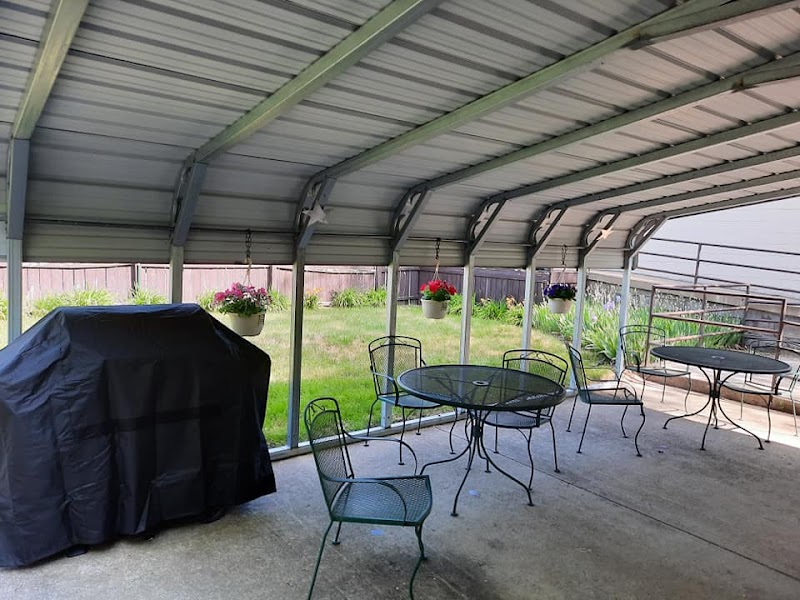
How is Chesaning Nursing And Rehabilitation Center Staffed?

CMS rates Chesaning Nursing and Rehabilitation Center's staffing level at 2 out of 5 stars, which is below average compared to other nursing homes.

What Have Inspectors Found at Chesaning Nursing And Rehabilitation Center?

State health inspectors documented 41 deficiencies at Chesaning Nursing and Rehabilitation Center during 2022 to 2025. These included: 3 that caused actual resident harm and 38 with potential for harm. Deficiencies causing actual harm indicate documented cases where residents experienced negative health consequences.
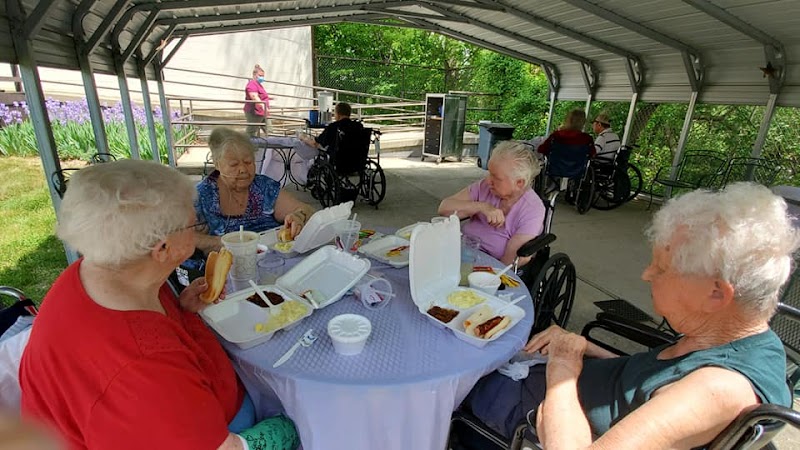
Who Owns and Operates Chesaning Nursing And Rehabilitation Center?

Chesaning Nursing and Rehabilitation Center is owned by a for-profit company. For-profit facilities operate as businesses with obligations to shareholders or private owners. The facility operates independently rather than as part of a larger chain. With 51 certified beds and approximately 34 residents (about 67% occupancy), it is a smaller facility located in Chesaning, Michigan.

How Does Chesaning Nursing And Rehabilitation Center Compare to Other Michigan Nursing Homes?

Compared to the 100 nursing homes in Michigan, Chesaning Nursing and Rehabilitation Center's overall rating (1 stars) is below the state average of 3.1 and health inspection rating (2 stars) is below the national benchmark.

What Should Families Ask When Visiting Chesaning Nursing And Rehabilitation Center?

Based on this facility's data, families visiting should ask: "Can you walk me through typical staffing levels on day, evening, and night shifts?" "Can I visit during a mealtime to observe dining assistance and food quality?" "How do you handle medical emergencies, and what is your hospital transfer rate?" "Can I speak with family members of current residents about their experience?" These questions are particularly relevant given the below-average staffing rating.

Is Chesaning Nursing And Rehabilitation Center Safe?

Based on CMS inspection data, Chesaning Nursing and Rehabilitation Center has a clean safety record: no substantiated abuse findings (meaning no confirmed cases of resident harm), no Immediate Jeopardy citations (the most serious violation level indicating risk of serious injury or death), and is not on the Special Focus Facility watch list (a federal program monitoring the lowest-performing 1% of nursing homes). The facility has a 1-star overall rating and ranks #100 of 100 nursing homes in Michigan. While no facility is perfect, families should still ask about staff-to-resident ratios and recent inspection results during their visit.

Do Nurses at Chesaning Nursing And Rehabilitation Center Stick Around?

Chesaning Nursing and Rehabilitation Center has not reported staff turnover data to CMS. Staff turnover matters because consistent caregivers learn residents' individual needs, medications, and preferences. When staff frequently change, this institutional knowledge is lost. Families should ask the facility directly about their staff retention rates and average employee tenure.

Was Chesaning Nursing And Rehabilitation Center Ever Fined?

Chesaning Nursing and Rehabilitation Center has been fined $41,240 across 2 penalty actions. The Michigan average is $33,491. While any fine indicates a compliance issue, fines under $50,000 are relatively common and typically reflect isolated problems that were subsequently corrected. Families should ask what specific issues led to these fines and confirm they've been resolved.

Is Chesaning Nursing And Rehabilitation Center on Any Federal Watch List?

Chesaning Nursing and Rehabilitation Center is not on any federal watch list. The most significant is the Special Focus Facility (SFF) program, which identifies the bottom 1% of nursing homes nationally based on persistent, serious quality problems. Not being on this list means the facility has avoided the pattern of deficiencies that triggers enhanced federal oversight. This is a positive indicator, though families should still review the facility's inspection history directly.