Saginaw Senior Care and Rehabilitation Center, LLC
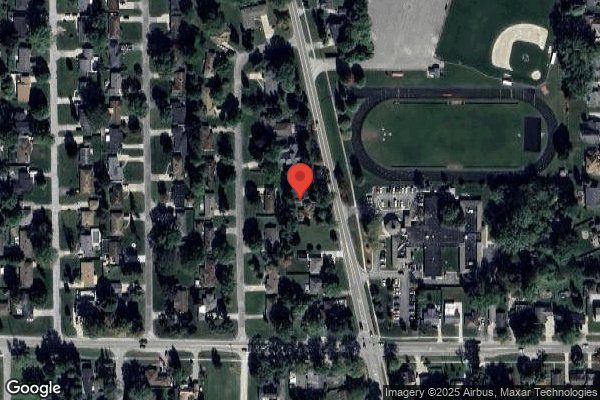
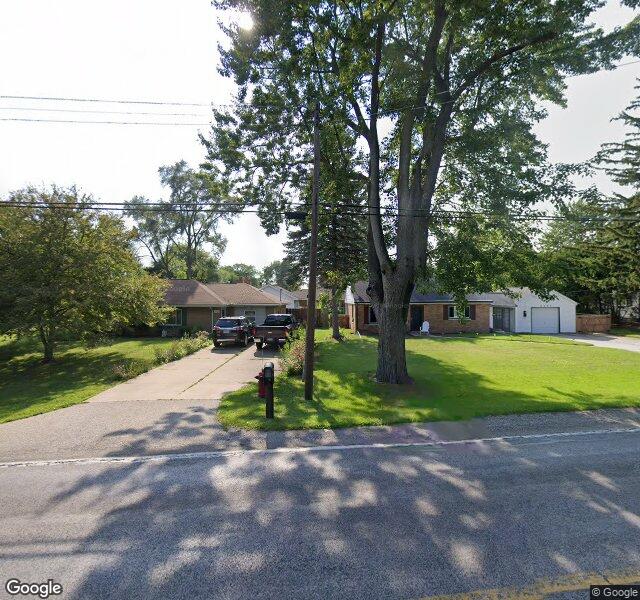
4322 Mackinaw Road, Saginaw, MI 48603 (989) 792-8729
For profit - Limited Liability company 71 Beds NEXCARE HEALTH SYSTEMS Data: November 2025
Trust Grade
30/100
#234 of 422 in MI
Last Inspection: October 2024

Within standard 12-15 month inspection cycle. Federal law requires annual inspections.

Overview

Saginaw Senior Care and Rehabilitation Center has received a Trust Grade of F, indicating significant concerns and a poor overall quality of care. Ranked #234 out of 422 facilities in Michigan, they are in the bottom half, and #3 out of 11 in Saginaw County, meaning only two other local options are worse. While the facility is improving from a trend of 15 issues in 2024 to just 1 in 2025, it still has high staffing turnover at 56%, which is concerning, as well as $68,083 in fines that are higher than 86% of Michigan facilities. Although they have decent RN coverage and good staffing ratings, specific incidents, such as failure to prevent the worsening of pressure ulcers for multiple residents and inadequate care related to a Covid-19 outbreak that led to a resident's death, raise serious red flags about the quality of care provided. Families should weigh both the improvements and the ongoing challenges when considering this facility.

Trust Score
F
30/100
In Michigan
#234/422
Bottom 45%
Safety Record
High Risk
Review needed
Inspections
Getting Better
15 → 1 violations
Staff Stability
⚠ Watch
56% turnover. Above average. Higher turnover means staff may not know residents' routines.
Penalties
✓ Good
$68,083 in fines. Lower than most Michigan facilities. Relatively clean record.
Skilled Nurses
✓ Good
Each resident gets 50 minutes of Registered Nurse (RN) attention daily — more than average for Michigan. RNs are trained to catch health problems early.
Violations
⚠ Watch
34 deficiencies on record. Higher than average. Multiple issues found across inspections.
★★★☆☆
3.0
Overall Rating
★★★★☆
4.0
Staff Levels
★★★★☆
4.0
Care Quality
★★★☆☆
3.0
Inspection Score
Stable
2024: 15 issues
2025: 1 issues

The Good

  • 4-Star Staffing Rating · Above-average nurse staffing levels
  • 4-Star Quality Measures · Strong clinical quality outcomes
  • Full Sprinkler Coverage · Fire safety systems throughout facility
  • No fines on record

Facility shows strength in staffing levels, quality measures, fire safety.

The Bad

3-Star Overall Rating

Near Michigan average (3.1)

Meets federal standards, typical of most facilities

Staff Turnover: 56%

10pts above Michigan avg (46%)

Frequent staff changes - ask about care continuity

Federal Fines: $68,083

Well above median ($33,413)

Moderate penalties - review what triggered them

Chain: NEXCARE HEALTH SYSTEMS

Part of a multi-facility chain

Ask about local staffing decisions and management

Staff turnover is elevated (56%)

8 points above Michigan average of 48%

The Ugly 34 deficiencies on record

3 actual harm
Feb 2025 1 deficiency
CONCERN (D) 📢 Someone Reported This

A family member, employee, or ombudsman was alarmed enough to file a formal complaint

Potential for Harm - no one hurt, but risky conditions existed

Deficiency F0678 (Tag F0678)

Could have caused harm · This affected 1 resident

**NOTE- TERMS IN BRACKETS HAVE BEEN EDITED TO PROTECT CONFIDENTIALITY** This citation pertains to Intake Number MI00149908. Based on observation, interview and record review, the facility failed to 1)...

Read full inspector narrative →
**NOTE- TERMS IN BRACKETS HAVE BEEN EDITED TO PROTECT CONFIDENTIALITY** This citation pertains to Intake Number MI00149908. Based on observation, interview and record review, the facility failed to 1) Ensure that staff were educated on the in-house procedure during a full code while CPR (Cardio Pulmonary Resuscitation) was being performed, (Resident #102 had no pulse or respirations), 2) Ensure proper use of Automated External Defibrillator (AED) equipment during a code, and 3) Ensure only designated and current CPR card holders participated in chest compressions during CPR for 1 resident (Resident #102), resulting in confusion during a code, no documentation taken, improper placement of the AED pads, and uncertified Nursing Assistant/CNA performing chest compressions during a full code while doing CPR. Findings Include: Every minute counts in CPR; the person doing chest compressions should switch out (hand over to another person if available) every 2 minutes or when they get tired. The compressor (person doing compressions) calls for a position change by saying switch and them switches positions. AHA American Heart Association. Resident 102: Review of the Face Sheet, physician orders, nurse's notes, and care plans, dated [DATE] through [DATE], revealed Resident #102 was [AGE] years old, alert and able to make her own healthcare decisions, dependent on staff for all Activities of Daily Living (ADL) and was admitted to the facility on [DATE]. The resident's diagnoses included, Acute and Chronic respiratory failure, pneumonia, heart failure, diabetes, fracture of the vertebra with healing, morbid obesity, alcohol abuse, mood disorder, anxiety disorder and depression. The the nursing notes, dated [DATE], stated This nurse walking by resident room at approximately 0019 (12:19 a.m.) and observed patient appeared to be sleeping and noticed patient didn't have CPAP in place. I entered into her dark room to tell her to let's get CPAP (noninvasive ventilation) on and noticed patient appeared to not be breathing. This nurse called out to patient and touched patient, and some coolness was felt, and resident also appeared to have had an nemesis, and I didn't feel a pulse. I walked out to nurses' station to retrieve crash cart and told my CENA (nursing assistant) that patient appeared deceased and made a overhead page to call a CODE BLUE (called a full code). Staff responded immediately and I started to call police as I hurried back to room and started CPR immediately. CPR continued continuously even after EMR (Emergency Medical Response) arrived. EMR called time of death (TOD) at 1240am (12:40 a.m.). Emergency contact (sister) was notified and the on-call NP (Nurse Practitioner) and manager notified. Police and medical examiner arrived per this being an unexpected passing. Patient was examined and picked up by Medical Examiner staff. During an interview done on [DATE] at 8:00 a.m., Nurse LPN B stated I found the resident. I was walking by and she did not have her Bi-Pap on. I could see a dark pinkish color (on the residents face), I assessed her pulse (the resident had no pulse). I grabbed the crash cart and announced code blue. I yelled out to call 911, a CNA called 911. I put one pad on the chest and (Nurse A) put the other one on. The machine told us to stop and EMS told us to disregard the machine and keep going. Nurse B continued doing chest compressions per EMS instructions when the facility AED machine said to stop. During an interview done on [DATE] at 1:10 PM, Nurse LPN A stated No one at the facility trained me on the AED (Facility Automated External Defibrillation machine). I was on the other side of building and heard the Code Blue. I put the pads on (the AED pads on the resident). In 1 to 2 minutes I asked if somebody would take over. Nurse A said there were 3 EMS (Emergency Medical Services) staff, and 2 nurses in the room along with a total of 4 CNA's. The nurse said she told CNA F to document what was going on during the code. The nurse said she did not tell the CNA F what to write down as it was happening. The nurse said there was no notes, and she did not document anything at all. The EMS staff asked CNA C to do CPR, and she did it; no facility nurse intervened or took over (CNA's had not been educated at all regarding a code or CPR procedure and their role during the code). Nurse A stated I believed CNA's do not do CPR, I was shocked. EMS told me to slow down; they gave me instructions on how to do CPR during the code. I feel we did an excellent job; I will be sure to document next time. During an observation done on [DATE] at approximately 1:30 p.m., Nurse A was requested to put the AED machine pads on the manikin that was in the room. She misplaced the chest pad per the picture that was on the pad. During an interview done on [DATE] at 2:20 p.m., Nursing Assistant/CNA C said she did chest compressions during the code on Resident #102. CNA C stated My CPR card expired in 3/24. My nurse's were out of breath, neither nurse (Nurse B or Nurse C) told me I could not do it (CPR). During an interview done on [DATE] at 2:40 p.m., CNA D denied she did anything in the room. She was not able to recall who did what and she took no notes. CPR was done on Resident #102 on [DATE] (6 days before the interview was done). During an interview done on [DATE] at 7:00 a.m., CNA F stated The EMS told me to do CPR, so I did it, no one stopped me. They (EMS personnel) told me to move, your not doing it right. I was not educated on CPR at the facility. I was asked by (Nurse B) to take notes. She didn't tell what to write. I left the notes on the bedside table. No one asked me about the notes; I left the notes in the room, I don't remember what I wrote down. Any notes that CNA F said she had done were not found by staff. During an interview done on [DATE] at 10:04 a.m., Nurse, RN G (Nurse on-call/MDS Nurse on [DATE]) stated she (Nurse B) called me at 2:30 a.m., I missed the call and I called the facility back at 5:00 a.m. I told (Nurse B) to make a statement. Nurse G entered nursing notes dated [DATE]; the only documentation of the whole full code CPR that was done. During an interview done on [DATE] at approximately 11:01 a.m., the Director of Nursing said she was informed of the incident (could not recall date), and did not start an investigation because I was off. The DON did not call anyone at the facility to initiate an investigation. I should of told someone to investigate. During an interview done on [DATE] at 11:45 a.m., Nurse, RN H stated It would be the Administrator or the DON who initiates an investigation, and stated CNA's can't be doing CPR at the facility (unless done per policy or procedure and education has been given by facility).
Oct 2024 11 deficiencies 1 Harm
SERIOUS (G)

Actual Harm - a resident was hurt due to facility failures

Pressure Ulcer Prevention (Tag F0686)

A resident was harmed · This affected 1 resident

**NOTE- TERMS IN BRACKETS HAVE BEEN EDITED TO PROTECT CONFIDENTIALITY** Based on observation, interview and record review the facility failed to prevent the development of and worsening of pressure ul...

Read full inspector narrative →
**NOTE- TERMS IN BRACKETS HAVE BEEN EDITED TO PROTECT CONFIDENTIALITY** Based on observation, interview and record review the facility failed to prevent the development of and worsening of pressure ulcers for 3 residents (Resident #15, Resident #25, Resident #33) of five residents reviewed for pressure ulcers resulting in the development of facility-acquired pressure ulcers, including a Stage 3 pressure ulcer, and the worsening of pressure ulcers. Findings include: Resident #25 (R25): R25 is [AGE] years old and admitted to the facility on [DATE] with diagnosis that include encephalopathy, cerebral infarction and pressure ulcer of unspecified buttock, unspecified stage. R25 has a Brief Interview for Mental Status (BIMS) score of 3 as of 09/10/24 indicating severe cognitive impairment. On 10/07/24 at 09:30AM, R25 was observed lying supine in bed, a wedge cushion was noted to be at the end of the bed but not currently in use. R25 had protective boots on both feet. On 10/07/24 at 12:00PM, R25 was observed lying supine in bed, there was a wedge cushion noted on the bed but still not in use. On 10/08/24 at 10:12AM, R25 was observed lying supine in bed. R25 was also observed to have protective boots on both feet. On 10/08/24 at 01:30PM, an interview was conducted with Certified Nursing Assistant (CNA) K. CNA K was asked why R25 was positioned on their back so often during the day. CNA K stated that R25 often refuses to be turned off of their back and even when they try to place pillows under their sides for positioning R25 will throw them on the floor. CNA K stated they try to reposition him often while they are working. On 10/08/24 at 02:44PM, an interview was conducted with the DON (Director of Nursing). The DON was asked if R25 had all of their wounds present on admission or if any developed in the facility. The DON stated that the wounds were present on admission. The DON was asked if they feel the wounds have improved, worsened or remained stable. The DON stated they feel that some of the wounds have remained the same and fairly stable. On 10/09/24, R25 was observed to be discharged from the facility. On 10/09/24, record review revealed that R25 had developed an in-house acquired pressure ulcer on their left ischial tuberosity(an area on the buttocks) on 10/02/24 measuring: length 2.31cm, width 0.61cm, depth 1.0cm and was categorized as MASD(Moisture Associated Skin Damage). On 10/09/24, record review revealed that on 10/08/24 the same pressure ulcer measured: length 2.13cm, width 2.11cm and depth 3.0cm and was categorized as a Stage 3 wound (indicating full thickness tissue loss). On 10/09/24, record review revealed that R25 was admitted with a wound on the peri-anal area, classified as unstageable. On 10/02/24 the wound measured length 1.59cm, width 1.04cm and depth 1.04cm. On 10/08/24 the wound measured length 9.74cm, width 7.03cm and depth 4.0cm and was classified as unstageable. On 10/09/24, record review of R25's care plan titled, Skin Management revealed an intervention, please help me get turned and repositioned every 2 hours as allowed. Resident #15: An interview on 10/07/24 at 02:36 PM with Resident #15 revealed that her right heel had a sore on it and that she did not recall/remember how it developed/started. Record review of Resident #15's Minimum Data Set (MDS) dated [DATE] section M: Skin conditions- had no unhealed pressure ulcers noted. Record review of Resident #15's electronic medical record (EMR) revealed an admission skin assessment dated [DATE] revealed no skin issues with bilateral feet/heels. Record review of Resident #15's 'Wound Evaluation' form dated 2/21/2024 at 7:50AM revealed a pressure ulcer unstageable (slough and/or eschar) located on the right heel, as new, and in-house (in facility) acquired. Dimensions/measurements: area 3.45cm, length 2.01cm x width 2.05cm. Observation of wound photo located in the medical record revealed a dark/blackened area of good size to Resident #15's right heel. Record review of Resident #15's Minimum Data Set (MDS) dated [DATE] section M: Skin conditions- noted one unstageable pressure ulcer due to coverage of wound bed by slough and/or eschar. Record review of Resident #15s 'Skin & Wound- Total Body Skin Assessment' dated 2/20/2024 revealed skin assessment with good turgor, normal skin color, warn temperature, normal moisture, normal condition and no new wounds. Record review of Resident #15's nurse progress note dated 2/22/2024 noted blood-filled blister to right heel. 10/08/24 02:54 PM Record review of the skin care plan noted to observed skin daily and report to nurse any findings dated 2021. How did the right heel blood blister start if it would have been pink/red before it became blackened. Record review of the Point Click Care wound definitions: Suspected Deep Tissue Injury- Purple or Maroon localized area of discolored intact skin or blood-filled blister due to damage of underlying soft tissue from pressure and/or shear. The area may be preceded by tissue that is painful, firm, mushy, boggy, warmer or cooler as compared to adjacent tissue. Unstageable- Full thickness tissue loss in which the base of the ulcer is covered by slough (yellow, tan, gray, green or brown) and/or eschar (tan, brown or black) in the wound bed. Observation and interview on 10/08/24 at 01:02 PM with Resident #15 and Licensed Practical Nurse (LPN) F revealed observation of Resident #15's right heel wound heeled with scar tissue noted. Resident #15 stated that it (right heel wound) would hurt and burn something awful and that it was a big old hole in my foot/heel. In an interview and record review on 10/09/24 at 09:56 AM with the Director of Nursing (DON) of Resident #15's admission date of 1/23/24 skin assessment was good with no concerns of bilateral feet/heels. Record review of Resident #15's electronic medical record 'Wound Evaluation' tab on 2/21/24 revealed the right heel with eschar with dead necrotic skin The DON was asked what happens or when the blackened cap falls the wound? The DON stated that the wound becomes an open wound, and potential for infections. The state surveyor in quired about care plan intervention of Certified Nurse Assistance's are to review skin daily, was it done? DON stated that Both Resident #15 and Resident #33's right heel pressure ulcers were preventable, with floating heels, prafo boots, repositioning, and getting the resident out of bed for few hours. Venous wounds would have done a doppler at the time development of the wounds, not months later. Resident #33: In an interview on 10/07/24 at 11:31 AM with Resident #33 revealed that when she came into the facility, she did not have a right heel sore. Observation on 10/07/24 at 11:31 AM the state Surveyor observed right foot/heel dressing of gauze wrap that soaked through the dressing and onto the sheets with brown ring, dressing dated 10/6/2024. Record review of Resident #33's admission Skin Assessment form dated 5/30/2024 revealed skin concerns to chest of implanted port, left hand blister, right neck old access site, coccyx redness, right arm bruising. There was no skin concern related to bilateral foot heels noted. Record review and Interview on 10/7/2024 with Resident #33 revealed that she does hemodialysis on Mondays/Wednesdays/Fridays and was waiting to go to dialysis. Observation and interview on 10/07/24 at 12:21 PM with the Director of Nursing (DON) was requested to observed Resident #33's right foot/heel dressing dated 10/6/2024. Observation of drainage tan to brown in color was noted onto sheets through the dressing. The DON stated that Resident #33's dressing is to be changed daily in the mornings by the night shift nurse before leaving their shift, yes, she would have gone to dialysis with that dressing if you hadn't brought me into see the dressing. The DON stated that the facility Wound Care nurse/Infection Preventionist had resigned Friday, she took photos every Wednesday, and on admission. We just ordered soft boots for the resident; we don't have them yet. The state surveyor observed no boots in the closet or in the room. In an interview on 10/07/24 at 12:25 PM with Resident #33 with the DON present stated that the right foot/heel dressing was not changed this morning. The DON stated that Licensed Practical Nurse (LPN) F will be in to dress the wound before she goes to dialysis. Observation on 10/07/24 at 12:32 PM with Licensed Practical Nurse (LPN) F and Director of Nursing (DON) applied spray derma cleanse with 4x4 gauze, wiped the surface of the wound. The state surveyor observed an open wound with puss drainage noted by the DON, treatment of Santyl (debride). Wound measurement with tape measurement revealed a 1cm X 0.5cm open wound with hole in the back of resident's heel measurement. Santyl ointment into the opening, covered with a telfa non-stick 3x2 dressing gauze and gauze wrap. In an interview on 10/08/24 at 10:08 AM with Licensed Practical Nurse (LPN) F Observation of Resident #33's right heel dressing was changed at 6:00AM the dressing was clean and intact; a smaller brown ring was noted again on the sheet under the heel. no drainage noted on dressing. Sheet was not changed after dressing. In an interview and records review on 10/09/24 at 09:42 AM with Director of Nursing (DON) of Resident #33's electronic medical record revealed the admission assessment on 5/30/24 did not have any foot heel skin concerns. Wound/skin tab revealed Right heel wound started on 7/17/24 as a blacked eschar unstageable before anyone found it? Director of Nursing (DON) stated that Resident #33 was originally in her room on the 100 hall and the Certified Nursing Assistant (CNA) did skin assessment and found the wound as eschar and reported it to the nurse. The CNAs are to check skin each day and report, they should have reported a reddened area before it became eschar. Eschar is a blackened skin, necrotic and dead. We could have placed an intervention prior to the eschar. In an interview and record review on 10/09/24 at 10:09 AM with the Registered Nurse (RN) Clinical Care Coordinator B performed a record review of the wound & skin tab in electronic medical record to review right heel wound progression. RN B stated that the heel would have start out getting boggy/soft, redden and turn white, then we gradually start to see the breakdown of the tissue until it starts to die, when it dies it becomes eschar blackened. Unstageable. cap falls off under then it broken down and open, seeping a smell. The Certified Nursing Assistant (CNA) are to review skin daily, and report to nurse skin changes. While reviewing a photo of Resident #33's right heel wound RN B stated depending on the resident and their circulation that wound would take 2-3 weeks to develop into eschar.
CONCERN (D)

Potential for Harm - no one hurt, but risky conditions existed

Deficiency F0655 (Tag F0655)

Could have caused harm · This affected 1 resident

**NOTE- TERMS IN BRACKETS HAVE BEEN EDITED TO PROTECT CONFIDENTIALITY** Resident #38 (R38): R38 is [AGE] years old and admitted to the facility on [DATE] with diagnoses that include progressive supran...

Read full inspector narrative →
**NOTE- TERMS IN BRACKETS HAVE BEEN EDITED TO PROTECT CONFIDENTIALITY** Resident #38 (R38): R38 is [AGE] years old and admitted to the facility on [DATE] with diagnoses that include progressive supranuclear ophthalmoplegia (a disorder that affects the way the brain controls movement, including eye movement), dementia, depression and anemia. Resident #38 has a BIMS (Brief Interview for Mental Status) score of 0, indicating severe cognitive impairment. On [DATE] at 01:18 PM, R38 was observed sitting in a reclining chair, their right hand was noted to be contracted and a rolled towel was placed in that hand. There was a glove observed on left hand. On [DATE] at 03:00 PM, record review of the MDS (Minimum Data Set), section G dated [DATE] revealed that R38 admitted with impairment on both sides. On [DATE] at 03:03 PM, record review of the EMR (Electronic Medical Record) for R38 revealed there was no physician order present for the treatment of the right-hand contracture and no care plan present for the contracture or therapy services being provided. On [DATE] at 03:04 PM, an interview was conducted with Therapy Manager A. Manager A was asked what therapy services were being provided to R38. Manager A stated that R38 is currently on a maintenance (restorative) program for range of motion. Manager A stated that R38 receives OT (Occupational Therapy) two times a week and PT (Physical Therapy) once a week. Manager A was asked about the towel in the right hand and glove on the left hand for R38. Manager A stated the rolled towel is for the contracture and the glove on the left hand is a family request, but they were unsure why R38 needed it. Manager A stated the family is now requesting to not have a towel for the right hand. Manager A was asked if there should be an order and a care plan for the towel and therapy services being provided. Manager A stated yes there should be. Record review of the policy titled, Restorative Program, revised [DATE] revealed: Process: 1. Following identification of need, the interdisciplinary team will put a plan in place that identifies the restorative approaches that will support the resident needs/choices. 2. The applicable restorative interventions will be assigned, which may include: ROM, ambulation, transfer, ADL's, adaptive equipment, splinting, bed mobility, bathing, dressing, oral care, toileting, communication and/or dining. 3. The program(s) will be identified in the resident's medical record. 4. Periodically the Restorative Nurse or designee will review and discuss progress or lack of progress toward restorative goals with caregivers and the resident/ representative. The resident's plan of care and restorative program will be revised as indicated. 5. Monthly, the Restorative Nurse or designee will document a summary of the resident's participation and progress and determine the need to continue, revise, or discontinue the program based on the resident's needs, choices, and goals. Based on observation, interview, and record review, the facility failed to implement and distribute baseline care plans for three residents (Resident #38, Resident #63, Resident #65), resulting in Resident #38 hand contractures with no interventions, Resident #63 had falls, and Resident #65 required hospitalization with the potential for lack of care related to unmet care needs. Finding includes: Record review of the facility 'Baseline Care Plans' policy dated [DATE], revealed the facility must develop and implement a baseline care plan for each resident that includes the instructions needed to provide effective and person-centered and care of the resident that will meet professional standards of quality care. The baseline care plan must- (i.) be developed within 48 hours of a resident's admission. (ii.) Include the minimum healthcare information necessary to properly care for a resident Resident #63: Record review of Resident #63's admission Minimum Data Set (MDS) dated [DATE] revealed an elderly male cognitively intact. The MDS assessment noted the Resident #63 had a fall within the last month prior to admission. The MDS assessment noted a fracture related to a fall in the six months prior to admission marked as yes. Record review of Resident #63's Activity of Daily Living (ADL) care plan was missing the facility general statement of: I have been provided a copy of my baseline care plan within 48 hours of admission. Record review of Resident #63's medical diagnosis list revealed the resident was a full cardiopulmonary resuscitation (CPR). Medical diagnosis included: wedge compression fracture of first lumbar, gastro-esophageal reflux disease, repeated falls, long term use of anticoagulants, hypertension, benign prostatic hyperplasia, atrial fibrillation, atherosclerotic heart disease, heart failure, insomnia, angina pectoris and obstructive uropathy. In an observation and interview on [DATE] at 01:22 PM with Resident #63 and spouse revealed the left-hand thumb was purple in color with swelling noted. Resident #63 stated that he fell in the hallway. Resident #63's spouse was visiting stated that she did not know until she came into visit, The spouse stated that she did not get a phone call or notification at the time of the fall. Resident #63 stated that the facility just took an x-ray to see if it was broken. In an interview on [DATE] at 01:11 PM with the Director of Nursing (DON) revealed that Resident #63 had a fall, and the state surveyor requested incident report and x-ray report. The DON stated that the facility did not have the spouse phone number, and we did not ask the resident either, so she was notified yesterday when she came into the building to visit Record review on [DATE] at 01:29 PM of Resident #63's fall care plan revealed there were no new interventions implemented and care plan was not updated. Resident #65: Record review of Resident #65's closed electronic medical record revealed the resident was admitted on [DATE]. Medical diagnosis included post concussional syndrome, unspecified head injury, fall, orthostatic hypotension, disease of pancreas, vascular implants, atrial fibrillation, chronic kidney disease stage 4, atherosclerotic heart disease, peripheral vascular disease, mastopathy of breast, osteoarthritis, anxiety, hypertension, personal history of pulmonary embolism and headaches. Record review of Resident #65's Activity of Daily Living (ADL) care plan was missing the facility general statement of: I have been provided a copy of my baseline care plan within 48 hours of admission. In an interview and record review on [DATE] at 03:33 PM with Licensed Practical Nurse/Social Service Designee E revealed that resident baseline care plans start upon admission with the MDS assessment nurse puts the initial baseline care plan into the electronic medical system. The baseline care plan general statement: ' I have been provided a copy of my baseline care plan within 48 hours of admission' statement is located in the Activity of Daily Living (ADL's) and develops the Mood, Discharge, Skin, Diet, Falls, the main care plans, she puts them in based on the referral and interview upon admission and those are printed out and given to the resident and/or family within 48 hours. Social services designee E revealed that staff check that interventions on the care plan as given to resident or family. Record review of Resident #65's care plans revealed that the Resident and/or family did not have a baseline care plan.
CONCERN (D)

Potential for Harm - no one hurt, but risky conditions existed

Deficiency F0657 (Tag F0657)

Could have caused harm · This affected 1 resident

**NOTE- TERMS IN BRACKETS HAVE BEEN EDITED TO PROTECT CONFIDENTIALITY** Based on observation, interview and record review the facility failed to revise and update care plans for four residents (R15, R...

Read full inspector narrative →
**NOTE- TERMS IN BRACKETS HAVE BEEN EDITED TO PROTECT CONFIDENTIALITY** Based on observation, interview and record review the facility failed to revise and update care plans for four residents (R15, R18, R33, R63) of 20 residents reviewed for care plan revision, resulting in an inaccurate oxygen flow rate, inaccurate wound documentation, the physician not being notified of weight changes in a dialysis resident and no new interventions after a fall. Findings include: Resident #18 (R18): R18 is [AGE] years old and admitted to the facility on [DATE] with diagnoses that include heart failure, dementia, peripheral vascular disease and chronic pain syndrome. R18 has a BIMS (Brief Interview for Mental Status) Score of 0, indicating severe cognitive impairment. On 10/07/24 at 12:32PM, R18 was observed sleeping in their bed, R18 had a nasal cannula in place and was receiving oxygen via a concentrator at a flow rate of 4 liters per minute. The oxygen tubing was dated 10/6/24. On 10/08/24 at 09:57AM, R18 was observed in bed, receiving oxygen via a nasal cannula and concentrator at a flow rate of 4 liters per minute, the oxygen tubing was dated 10/6/24. On 10/08/24 at 03:55PM, record review of R18's medical record revealed a care plan dated 06/27/24 that R18 was to receive oxygen via nasal cannula at a rate of 2 liters per minute On 10/08/24 at 04:02PM, R18 was observed sitting up in a geri chair, oxygen was being administered at 4 liters per minute via a nasal cannula. This surveyor informed CCC (Clinical Care Coordinator) B that R18's concentrator was set to 4 liters per minute instead of the physician's order and care plan for 2 liters per minute. CCC B verified the rate of 4 liters per minute and stated they would check R18's oxygen level and notify the physician to see if R18 needed the increase in oxygen. Record review revealed that R18's oxygen administration care plan was updated on 10/8/24, after being informed of the discrepancy. Review of the policy titled, Care Plan-Comprehensive revealed: 8. Assessments of resident are ongoing and care plans are revised as information about the resident and the resident's condition change. 9. The care planning/interdisciplinary team is responsible for the review and updating of care plans: a. When there has been a significant change in the resident's condition; b. When the desired outcome is not met; c. When the resident has been readmitted to the facility from a hospital stay; and d. At least quarterly. Resident #15: In an interview and record review on 10/09/24 at 09:56 AM with the Director of Nursing (DON) of Resident #15's admission date of 1/23/24 skin assessment was good with no concerns of bilateral feet/heels. Record review of Resident #15's electronic medical record 'Wound Evaluation' tab on 2/21/24 revealed the right heel with eschar with dead necrotic skin The DON was asked what happens or when the blackened cap falls the wound? The DON stated that the wound becomes an open wound, and potential for infections. The state surveyor inquired about care plan intervention of Certified Nurse Assistance's are to review skin daily, was it done? DON stated that Both Resident #15 and Resident #33's right heel pressure ulcers were preventable, with floating heels, prafo boots, repositioning, and getting the resident out of bed for few hours. Venous wounds would have done a Doppler at the time development of the wounds, not months later. Record review of Resident #15's care plans pages 1-49 revealed that 'Skin Management related to atherosclerotic heart disease, Parkinson's, dementia, diabetes, anemia, idiopathic neuropathy, sigmoid volvulus post-surgery, limited mobility and fragile skin. initiated on 12/9/2021 revealed interventions of: Certified Nurse Assistants (CNA's) will check my skin daily with care and report anything unusual they notice to the nurse: Date initiated 12/9/2021. Resident #33: Record review of Resident #33's care plans pages 1-38 revealed that 'Skin Management related to obesity, chronic kidney disease right heel wound. initiated on 5/30/2024 revealed interventions of: Certified Nurse Assistants (CNA's) will check my skin daily with care and report anything unusual they notice to the nurse: Date initiated 5/30/2024. In an interview and records review on 10/09/24 at 09:42 AM with Director of Nursing (DON) of Resident #33's electronic medical record revealed the admission assessment on 5/30/24 did not have any foot heel skin concerns. Wound/skin tab revealed Right heel wound started on 7/17/24 as a blacked eschar unstageable before anyone found it? Director of Nursing (DON) stated that Resident #33 was originally in her room on the 100 hall and the Certified Nursing Assistant (CNA) did skin assessment and found the wound as eschar and reported it to the nurse. The CNA's are to check skin each day and report, they should have reported a reddened area before it became eschar. Eschar is a blackened skin, necrotic and dead. We could have placed an intervention prior to the eschar. Resident #63: Record review of Resident #63's Minimum Data Set (MDS) dated [DATE] revealed a male with a Brief Interview of Mental status (BIMS) score of 14 out of 15, cognitively intact. MDS section J revealed a fall history resulting in fracture in the last six months: Yes. In an interview on 10/07/24 at 01:22 PM with Resident #63 revealed that he took a spill (fell) last night, I had something in front of me, and I fell and sprained left thumb, they took an x-ray today. The spouse of the resident was at the bedside visiting and was surprised to hear that the resident fell, and she stated that she was not notified. Record review of Resident #63's 'Risk for Fall' related to history of falls, medication use, and pain. Initiated on 9/17/2024. Interventions included: wear non-skid footwear for all transfers and walking 9/17/2024. Record review of Resident #63's Fall incident report dated 10/6/2024 at 10:00PM revealed that the resident stood up from his wheelchair at the exit door by his room and lost his balance and fell. The situation factors noted: Footwear not in place. In an interview and record review on 10/08/24 at 01:11 PM with the Director of Nursing (DON) the state surveyor requested incident report and x-ray report. The DON stated that we did not have the spouses phone number and we did not ask the resident either, so she was notified yesterday when she came into the building to visit Record review on 10/08/24 01:29 PM with the DON revealed review of fall care plan revealed there were no new interventions implemented and care plan was not updated until 10/8/2024 to have staff perform frequent rounds on resident throughout the day.
CONCERN (D)

Potential for Harm - no one hurt, but risky conditions existed

Accident Prevention (Tag F0689)

Could have caused harm · This affected 1 resident

**NOTE- TERMS IN BRACKETS HAVE BEEN EDITED TO PROTECT CONFIDENTIALITY** Based on observation, interview and record review, the facility failed to maintain supervision of one resident (Resident #63) wh...

Read full inspector narrative →
**NOTE- TERMS IN BRACKETS HAVE BEEN EDITED TO PROTECT CONFIDENTIALITY** Based on observation, interview and record review, the facility failed to maintain supervision of one resident (Resident #63) when up in the wheelchair, and notify a spouse of a fall/accident, resulting in an injury to the left thumb, pain, and the potential for continuous falls and injuries. Findings include: Record review of the facility 'Fall Reduction Program' policy dated [DATE], revealed the purpose was to provide a safe environment for residents, modify risk factors, and reduce risk of fall-related injury. Procedure: (1.) Identify/analyze risk for fall . (2.) Implement and indicate individualized interventions on care plan/[NAME] Record review of the facility 'Unusual Occurrence' policy dated [DATE], revealed an unusual occurrence is any situation that involves harm or potential harm to a resident that is outside of the usual and expected. These include, but are not limited to falls, injuries, bruises Procedure: (5.) The charge nurse notifies the responsible party immediately . Record review of the facility 'Baseline Care Plans' policy dated [DATE], revealed the facility must develop and implement a baseline care plan for each resident that includes the instructions needed to provide effective and person-centered and care of the resident that will meet professional standards of quality care. The baseline care plan must- (i.) be developed within 48 hours of a resident's admission. (ii.) Include the minimum healthcare information necessary to properly care for a resident Resident #63: Record review of Resident #63's admission Minimum Data Set (MDS) dated [DATE] revealed an elderly male cognitively intact with a Brief Interview of Mental status (BIMS) of 14 out of 15 score. The MDS assessment noted the Resident #63 had a fall within the last month prior to admission. The MDS assessment noted a fracture related to a fall in the six months prior to admission marked as yes. Record review of Resident #63's Activity of Daily Living (ADL) care plan was missing the facility general statement of: I have been provided a copy of my baseline care plan within 48 hours of admission. Record review of Resident #63's medical diagnosis list revealed the resident was a full cardiopulmonary resuscitation (CPR). Medical diagnosis included: wedge compression fracture of first lumbar, gastro-esophageal reflux disease, repeated falls, long term use of anticoagulants, hypertension, benign prostatic hyperplasia, atrial fibrillation, atherosclerotic heart disease, heart failure, insomnia, angina pectoris and obstructive uropathy. In an observation and interview on [DATE] at 01:22 PM with Resident #63 and spouse revealed the left-hand thumb was purple in color with swelling noted. Resident #63 stated that he fell in the hallway. Resident #63's spouse was visiting and stated that she did not know about the fall or injury to the thumb until she came into visit, The spouse stated that she did not get a phone call or notification at the time of the fall. Resident #63 stated that the facility just took an x-ray to see if it was broken. In an interview on [DATE] at 01:11 PM with the Director of Nursing (DON) revealed that Resident #63 had a fall, and the state surveyor requested incident report and x-ray report. The DON stated that the facility did not have the spouse phone number, and we did not ask the resident either, so she was notified yesterday when she came into the building to visit Record review on [DATE] at 01:29 PM of Resident #63's fall care plan revealed there were no new interventions implemented and care plan was not updated.
CONCERN (D)

Potential for Harm - no one hurt, but risky conditions existed

Deficiency F0692 (Tag F0692)

Could have caused harm · This affected 1 resident

Based on observation, interview and record review, the facility failed monitor and document the weight loss of a hemodialysis resident, and to ensure timely re-weighs for weight loss for one resident ...

Read full inspector narrative →
Based on observation, interview and record review, the facility failed monitor and document the weight loss of a hemodialysis resident, and to ensure timely re-weighs for weight loss for one resident (Resident #33), resulting in Resident #33 to have weight loss monitoring completion, follow-up of abnormal weights, and the potential for unidentified nutritional deficiencies and decline in overall health. Findings include: Record review of the facility 'Policy: Obtaining Weights and Re-weight Policy' undated, revealed each individual's weight will be determined and documented upon admission to the facility. Procedure: 1.) Nursing will be responsible for the initial determination of each individual's weight. Subsequent measurements for weight will be documented on the appropriate designated form or tracker in the computer database. Weight will be documented on the individual assessment instrument (MDS for nursing facilities), and in the medical nutrition therapy (MNT) assessment. Weight will be obtained weekly for 4 weeks after admission. Subsequent weights will be obtained monthly. unless physician orders or individual condition warrants frequent determinations. Re-weights will be done for a weight change of +/- (gain/loss) of 3# (pounds) for anyone under 100# pounds and for +/- (gain/loss) of 5# (pounds) for anyone 100 pounds and over. (2.) The Registered Dietitian (RD) or designee will be responsible for determining the desirable weight range Resident #33: In an interview on 10/07/24 at 11:32 AM with Resident #33 revealed that she received hemodialysis on Monday/Wednesday/Fridays. Resident #33 stated that her Dialysis port was infected and that she gets Vancomycin antibiotic at dialysis while receiving her dialysis treatment in the chair. In an interview and record review on 10/09/24 at 09:00 AM with Corporate Registered Dietitian (RD) R of Resident #33's weight log inconsistencies revealed admission beginning weight (wt.) was 281.0 pounds wheelchair on 5/30/2024, then on 6/29/2024 wt. 240.3 pounds wheelchair, that's a 40-pound wt. loss, there was no dietary note or review. RD R was asked about the weight fluctuation and stated that dialysis and Lasix, we go off the dialysis weights and we do review the dialysis communication forms, but that there was no dietary note or no re-weight performed by the facility. Record review of Resident #33's weight on 8/3/24 was 230.0 pounds mechanical lift and on 8/27/24 Resident #33's weight dropped to 208.0 pounds. Record review of Resident #33's progress notes and dietary notes revealed there was no mention of a 22-pound weight loss in a 24-day period. Registered Dietitian (RD) R reviewed the medical record for an answer, and none was found. RD R stated that the resident goes to dialysis 3 times a week and gets weighted at each treatment. The facility only documented one weight per month in May, June, July and august 2024 had few weights then in September. Registered Dietitian (RD) R revealed that a new dietitian started, and the process should be with each dialysis treatment sheet (3 times a week) are monitored, and then she reviews weights once a week. Record review of the physician progress notes 8/12/2024 RD F stated notified the physician and wrote note dated 7/30/24, but then the weight loss on 8/27/24 there was no notification of the physician.
CONCERN (D)

Potential for Harm - no one hurt, but risky conditions existed

Tube Feeding (Tag F0693)

Could have caused harm · This affected 1 resident

**NOTE- TERMS IN BRACKETS HAVE BEEN EDITED TO PROTECT CONFIDENTIALITY** Based on observation, interview and record review the failed to administer tube feeding per professional standards for one resid...

Read full inspector narrative →
**NOTE- TERMS IN BRACKETS HAVE BEEN EDITED TO PROTECT CONFIDENTIALITY** Based on observation, interview and record review the failed to administer tube feeding per professional standards for one resident (Resident #8) of three residents reviewed for enteral nutrition, resulting in Resident #8 readmission enteral nutrition order being inputted incorrectly and facility staff administering the enteral feed without a physician's order. Findings Include: Resident #8: On 10/8/2024 at 8:15 AM, Resident #8 was observed asleep in bed with his tube feed infusing. The infusion rate was observed at 60 ml (milliliters) per hour, with the Jevity 1.5 formula being hung at 3:40 AM. Review was completed of Resident #8's enteral feed order and it indicated Jevity 1.5@ 65ml/hr flush of 45ml/hr water continuous to begin on 10/8/2024 at 3:00 PM. On 10/8/2024 at 8:45 AM, a review was conducted of Resident #8's records which revealed the resident readmitted to the facility on [DATE] with diagnoses that included, Acute Cystitis, Sepsis, Dementia, Dysphagia, Atrial Fibrillation, Hypertension and Major Depressive Disorder. Further review yielded the following results: Progress Notes: 10/2/2024 at 15:38: Pt (patient) came back from the hospital . 10/5/2024 at 18:10: .Peg feeding is up and running as ordered . MAR (Medication Administration Record) September MAR: Enteral Feed Order PEG tube: Jevity 1.5 60cc x 24 hour- free water flushed 45cc x 24 hours. initiated on 9/14/2024 and discontinued on 10/2/2024. October MAR: Jevity 1.5@ 65 ml/hr flush of 45ml/hr water continuous- ordered to begin on 10/8/2024 at 3:00 PM. Physician Orders: Jevity 1.5 @65ml/hr flush of 45ml/hr. Initiated on 10/2/2024 at 3:28 PM but this order was not categorized correctly and did not propagate to the MAR for daily administration. It was unknow if Resident #8 received enteral nutrition over the past seven days as there was no physician order. On 10/8/2024 at 9:15 AM, Resident #8's enteral nutrition orders were reviewed in the presence of Corporate Registered Dietitian R. This morning, she directed nursing staff to stop the tube feed to provide his gut a rest, with the plan to restart at his new infusion rate of 80 ml per hour at 11 AM. It was explained when she was in the resident's room his tube feed was infusing at 60 ml per hour and she thought it was running at 65 ml per hour since his readmission. Upon review of Resident #8's MAR there were no enteral nutrition orders from 10/2/2024 (readmission) to 10/8/2024 ( with begin time of 3 PM). It was unknown how Resident #8's order was missed, if he received any enteral nutrition and why it was infusing this morning without a physician order. Dietitian R stated she would follow up with this writer. On 10/8/2024 at 9:43 AM, Corporate Registered Dietitian R, followed up with this writer and explained the readmission tube feed order was located and explained the order did not carry over to the MAR, as it was categorized under other. The order was for 65 ml per hour with 45ml/hr flush. Prior to Resident #8 being discharged to the hospital his infusing rate was 60 ml/hour. Dietitian R was alerted by a facility nurse this morning, that it appeared the resident did not have a tube feed order. The dietitian further provided 72-hour history from Resident #8's pump that indicated he received enteral nutrition over the last 72 hours. It can be noted facility nurses were administering his tube feeding without an order nor documentation. The pump 72-hour lookback indicated the following: 24-hour history: 915 mL feed 630 mL flush 48-hour history: 2072 mL feed 1642 mL flush 72-hour history: 3412 mL feed 2723 mL flush On 10/9/2024 at 9:40 AM, an interview was conducted with Clinical Care Coordinator B regarding Resident #8's tube feed orders. Coordinator C shared prior to his discharge he was being administered tube feed and an oral diet. Upon his return he was still being administered his tube feed and if there was no hospital discharge order for enteral nutrition the nurses would have contacted the physician for an order. Coordinator C reviewed Resident #8's chart and stated while the order was inputted incorrectly upon admission all nurses that provided care to him should also have caught that he did not have a tube feed order. Furthermore, they should not have administered the Jevity without and order. Review was completed of the facility policy entitled, Enteral Nutrition Feeding, revised 9/23/2019. The policy stated, .To provide liquid nourishment and adequate hydration through a tube, into the stomach .Administration of tube feeding, and water flushes will be documented in the medical record. Review was completed of the facility policy entitled, Medication Administration- General Guidelines, dated September 1, 2023. The policy stated, Medications are administered in accordance with written orders of the prescriber.
CONCERN (D)

Potential for Harm - no one hurt, but risky conditions existed

Respiratory Care (Tag F0695)

Could have caused harm · This affected 1 resident

**NOTE- TERMS IN BRACKETS HAVE BEEN EDITED TO PROTECT CONFIDENTIALITY** Based on observation, interview and record review the facility failed to revise and update a physician's order for one resident ...

Read full inspector narrative →
**NOTE- TERMS IN BRACKETS HAVE BEEN EDITED TO PROTECT CONFIDENTIALITY** Based on observation, interview and record review the facility failed to revise and update a physician's order for one resident (Resident #18) of two residents reviewed for oxygen administration, resulting in the improper flow rate of oxygen being administered. Findings include: Resident #18 (R18): R18 is [AGE] years old and admitted to the facility on [DATE] with diagnoses that include heart failure, dementia, peripheral vascular disease and chronic pain syndrome. R18 has a BIMS (Brief Interview for Mental Status) Score of 0, indicating severe cognitive impairment. On 10/07/24 at 12:32PM, R18 was observed sleeping in their bed, R18 had a nasal cannula in place and was receiving oxygen via a concentrator at a flow rate of 4 liters per minute. The oxygen tubing was dated 10/6/24. On 10/08/24 at 09:57AM, R18 was observed in bed, receiving oxygen via a nasal cannula and concentrator at a flow rate of 4 liters per minute, the oxygen tubing was dated 10/6/24. On 10/08/24 at 03:55PM, record review of R18's medical record revealed a physician's order for oxygen at a flow rate of 2 liters per minute via nasal cannula created on 06/27/24. On 10/08/24 at 04:02PM, R18 was observed sitting up in a geri chair, oxygen was being administered at 4 liters per minute via a nasal cannula. This surveyor informed CCC (Clinical Care Coordinator) B that R18's concentrator was set to 4 liters per minute instead of the physician order for 2 liters per minute. CCC B verified the rate of 4 liters per minute and stated they would check R18's oxygen level and notify the physician to see if R18 needed the increase in oxygen. Record review revealed that R18's physician order for oxygen administration was updated on 10/8/24 after being informed of the discrepancy. Record review of the policy titled, Oxygen Administration and Safety, effective 6/7/17 revealed: PURPOSE: Safe administration of oxygen therapy to the resident POLICY: Oxygen administration will be provided per physician's order observing appropriate safety measures. PROCEDURE: 1. Check physician's order for liter flow and method of administration. 2. When using oxygen cylinders, secure oxygen cylinder in appropriate holder. 3. Explain safety precautions to resident, family and any visitors. 4. Oxygen tubing will be labeled with date, changed weekly and as needed. The tubing will be stored in a plastic bag or similar storage device when not in use. 5. Apply humidification if ordered- Label and date if using prefilled disposable containers. Utilize sterile or distilled water for refillable humidification bottles. 6. If using a concentrator, change or clean filters as needed. 7. Resident's respirations and oxygen saturation levels will be monitored as ordered and as needed based on resident assessment. 8. Oxygen will not be utilized in the beauty shop, while a resident is smoking, or in other areas/events that may pose a potential risk. 9. If a resident wishes to participate in activities where oxygen is prohibited, a physician order will be obtained for intermittent removal of oxygen therapy.
CONCERN (D)

Potential for Harm - no one hurt, but risky conditions existed

Drug Regimen Review (Tag F0756)

Could have caused harm · This affected 1 resident

**NOTE- TERMS IN BRACKETS HAVE BEEN EDITED TO PROTECT CONFIDENTIALITY** Based on observation, interview and record review the facility failed to respond timely to pharmacy recommendations and follow p...

Read full inspector narrative →
**NOTE- TERMS IN BRACKETS HAVE BEEN EDITED TO PROTECT CONFIDENTIALITY** Based on observation, interview and record review the facility failed to respond timely to pharmacy recommendations and follow parameters and/or check blood pressure prior to administration of medication for one resident (Resident #6) of five residents reviewed for unnecessary medications, resulting in Resident 6's pharmacy recommendations not being acknowledged by the facility and ensuring their blood pressure was taken and constraints followed prior to administration of medication. Findings Include: Resident #6: During initial tour on 10/7/2024 Resident #6 was observed resting in bed watching television she did not report any pressing concerns. On 10/8/2024 at 1:30 PM, a review was completed of Resident #6's medical records and it revealed she admitted to the facility on [DATE] with diagnoses that included, Heart Failure, Anxiety, Schizoaffective, Hypertension, Gastro-Esophageal Reflux Disease, Major Depressive Disorder and Nonpsychotic Mental Disorder. Review was conducted of Resident #6's Medication Regime Review's (MRR) from January 2024 to September 2024. It was found there were three reviews the facility failed to respond too. 1-24-2024 at 21:15: Pharmacist Recommends: Pantoprazole 40 mg QD (every day) (12-8-2022) Long term PPI (Proton Pump Inhibitors) therapy changes the pH and flora of the GI (gastrointestinal) tract, increasing risk of Clostridium difficile infections, pneumonias, iron-deficiency anemia, hypomagnesemia and osteoporotic fractures. Please consider the risks vs benefits and if reducing to pantoprazole 20 mg QD is applicable. 2/14/2024 at 17:00: Pharmacist Recommends: Cozaar Tablet 25 MG (Losartan Potassium) Give 1 tablet by mouth one time a day Hold for sbp (systolic blood pressure) < 120. Please add BP under supplementary documentation on the order to document/compare BP against hold parameter prior to administration. 2/14/2024 at 17:00: Pharmacist Recommends: Obtain CBC (complete blood count) with Diff, CMP (comprehensive metabolic panel), Carbamazepine, magnesium/vit B12, and Vitamin D level, TSH (thyroid), A1c, and Lipid Panel on next scheduled day then q 6 months. Please obtain these labs or upload the recent results. 5/8/2024 at 15:20: Pharmacist Recommends: Cozaar 25 MG 1 tab QD Hold for sbp < 120. Please add BP under supplementary documentation on the order so it can be documented on MAR ((Medication Administration Record). This will help compare to hold parameter prior to administration and retroactive review of holding trends. 5/8/2024 at 15:26: Pharmacist Recommends: Standing lab order: Obtain CBC with Diff, CMP, Carbamazepine, magnesium/vit B12, and Vitamin D level, TSH, A1c, and Lipid Panel on next scheduled day then q 6 months. Found a lipid panel, sodium, and a pending A1c lab report from 2-13-24. However could not find the other labs above. Please upload recent results or obtain a CBC with Diff, CMP, Carbamazepine level, magnesium, vitamin B12, vitamin D level, TSH. The CBC with Diff, CMP, Carbamazepine level, magnesium, vitamin B12, vitamin D level, TSH were not completed until August 2024 when the initial request was in January 2024, with two follow- up requests in February and May 2024. Pantoprazole 40 mg QD order remined unchanged from order date of 12/8/2022. The recommendation for supplemental documentation in the MAR for Cozaar was not added. While facility staff were documenting Resident #6's blood pressures, the hold parameter was not being adhered too and/or the blood pressure was not documented prior to administration. There were 21 times (as listed below) when this occurred. 9/18/2024 09:02 118 / 62 mmHg 9/16/2024 14:04 118 / 62 mmHg 9/16/2024 09:03 117 / 63 mmHg 5/23/2024 11:39 118 / 60 mmHg 5/21/2024 11:22 116 / 60 mmHg 5/20/2024 01:05 114 / 60 mmHg 5/7/2024 13:49 118/72 mmHg 4/28/2024 13:12 119 / 69 mmHg 4/17/2024 12:44 118 / 70 mmHg 4/14/2024 13:08 106 / 50 mmHg 4/13/2024 14:22 106 / 50 mmHg 4/12/2024 05:37 106 / 50 mmHg 4/5/2024 13:17 118 / 72 mmHg 4/4/2024 13:10 118 / 72 mmHg 4/2/2024 13:31 117 / 70 mmHg 3/31/2024 11:06 117 / 70 mmHg 3/30/2024 14:29 118 / 69 mmHg 3/28/2024 13:17 118 / 69 mmHg 3/27/2024 13:56 118 / 69 mmHg 3/19/2024 14:11 118 / 72 mmHg 3/10/2024 13:13 118 / 77 mmHg Review was completed of the facility policy entitled, Consultant Pharmacist Reports, revised December 2022. The policy stated, .Recommendations are acted upon and documented by the facility staff and/or the prescriber. Prescriber accepts and acts upon suggestions or rejects and provides and explanation for disagreeing . The Director of Nursing or designated licensed nurse address and document recommendations that do not require a physician intervention .
CONCERN (D)

Potential for Harm - no one hurt, but risky conditions existed

Medication Errors (Tag F0758)

Could have caused harm · This affected 1 resident

**NOTE- TERMS IN BRACKETS HAVE BEEN EDITED TO PROTECT CONFIDENTIALITY** Based on observation, interview and record review the facility failed to document the clinical rationale for triple drug therapy...

Read full inspector narrative →
**NOTE- TERMS IN BRACKETS HAVE BEEN EDITED TO PROTECT CONFIDENTIALITY** Based on observation, interview and record review the facility failed to document the clinical rationale for triple drug therapy for one resident (Resident #6) of five residents reviewed for unnecessary medications, resulting in Resident #6 being prescribed three antidepressant medications related to her Major Depressive Disorder diagnosis. Findings Include: Resident #6: During initial tour on 10/7/2024 Resident #6 was observed resting in bed ,watching television she did not report any pressing concerns. On 10/8/2024 at 1:30 PM, a review was completed of Resident #6's medical records and it revealed she admitted to the facility on [DATE] with diagnoses that included, Heart Failure, Anxiety, Schizoaffective, Major Depressive Disorder and Nonpsychotic Mental Disorder. Further review yielded the following results: Physician Orders: Sertraline HCI Tablet 100 MG (milligrams) for Major Depressive Disorder Trazadone HCI Tablet 50 MG for Major Depressive Disorder Wellbutrin XL Oral Tablet Extended Release 300 MG for Major Depressive Disorder Resident #6 was prescribed three antidepressants for her diagnosis of Major Depressive Disorder. There was no documented clinical rationale that confirmed the benefits of multiple medications from the same class or with similar therapeutic effects. On 10/8/2024 at 3:55 PM, an interview was conducted with Social Worker E regarding Resident #6's three antidepressant medications. Social Worker E expressed the resident is currently stabilized on the medication regime as when reductions were completed, she began to isolate, needed extensive encouragement to get out the bed and was more tearful. The social worker was asked where the documentation from the provider to this fact was located. After searching the notes, the documented rationale was not able to be located. Review was completed of the facility policy entitled, Use of Psychotherapeutic Medications, revised 11/2/2016. The policy stated, .Duplicative drug therapy will be discouraged and closely monitored . The policy did not address the need for clinical rationale if multi drug therapy is utilized.
CONCERN (D)

Potential for Harm - no one hurt, but risky conditions existed

Deficiency F0761 (Tag F0761)

Could have caused harm · This affected 1 resident

**NOTE- TERMS IN BRACKETS HAVE BEEN EDITED TO PROTECT CONFIDENTIALITY** Based on observation the facility failed to dispose of expired supplies and supplements located in the medication storage rooms ...

Read full inspector narrative →
**NOTE- TERMS IN BRACKETS HAVE BEEN EDITED TO PROTECT CONFIDENTIALITY** Based on observation the facility failed to dispose of expired supplies and supplements located in the medication storage rooms on the 100 Hall and 400 Hall, resulting in expired supplies and supplements being available for use and consumption. Findings include: On [DATE] at 12:28 PM, the 100 Hall medication storage room was reviewed and revealed the following expired items: -A case of purple top vacutainers (tubes used to collect blood for lab testing) had expired on [DATE]. -Eight Ensure Plus supplement drinks had expired on [DATE]. -Nine sterile gauze pads had expired on [DATE]. These findings were verified with RN (Registered Nurse) C. On [DATE] at 12:40 PM, the 400 Hall medication storage room was reviewed and revealed the following expired item: - A box of lubricating jelly had expired [DATE]. This finding was verified with the NHA (Nursing Home Administrator). The policy provided by the facility titled, Medication Storage in the Facility does not address expired supplies and supplements.
CONCERN (E)

Potential for Harm - no one hurt, but risky conditions existed

Resident Rights (Tag F0550)

Could have caused harm · This affected multiple residents

**NOTE- TERMS IN BRACKETS HAVE BEEN EDITED TO PROTECT CONFIDENTIALITY** Based on interview and record review the facility failed to treat residents with dignity and respect for 10 of 10 residents in a...

Read full inspector narrative →
**NOTE- TERMS IN BRACKETS HAVE BEEN EDITED TO PROTECT CONFIDENTIALITY** Based on interview and record review the facility failed to treat residents with dignity and respect for 10 of 10 residents in a confidential meeting and R317, resulting in long call light wait times, humiliation from incontinence and fear of reprisal. Findings include: Resident #317 (R317): R317 is [AGE] years old and admitted to the facility on [DATE] with diagnoses that include acute respiratory failure, hypertension, anemia and endocarditis. R317 has a BIMS (Brief Interview for Mental Status) score of 15, indicating R317 is cognitively intact. On 10/07/24 at 12:56 PM an interview was conducted with R317. R317 was asked how their stay has been so far at the facility. R317 stated over the previous weekend (10/5 and 10/6), there were only 4 CNA's (Certified Nursing Aides) for the entire building. R317 stated they had to wait an hour for their call light to be answered and said they had an accident(incontinent of urine). R317 stated they were very humiliated, and they had guests visiting that day. R317 became tearful when discussing the incident. R317 then went on to say they turned on the call light their first night in the facility and staff never arrived to help them to the bathroom, R317 was incontinent of urine at this time and had to sit in urine for 6 1/2 hrs. Record review of the care plan for R317 revealed they require one staff assistance with a two wheeled walker to transfer. During Resident Council held on 10/8/2024 at 2:00 PM, the ten residents in attendance agreed unanimously with their concerns voiced about third shift staff. The attendees at the council reported the following: - 3rd shift waters are not passed consistently and there are many times when they will go without water until 1st shift arrives. -They act as if they do not want to be bothered to meet the needs of the residents. - When answering their call lights they will state, What do you want? - The staff are curt and do not treat them like human beings. - They are on their phones most of shift and when a call light goes off they grumble. - Nurses are not directing the aides throughout the shift and allowing them to have poor performance. - They are not comfortable advocating for themselves in these situations due to fear of reprisal from staff and being labeled as trouble. They expressed they would take longer to meet their needs and their quality of care would be lowered. In an interview on 10/07/24 at 11:28 AM, Resident #33 revealed that the third shift make the resident feel like she's a burden, and they have attitude. Resident #33 stated that the nurse aides have no compassion for the residents, and They (the aides) don't want to work. If (the Resident) need her brief changed and puts the call light on and they come in and say, 'What do you need now', it's awful, or (the Resident) have to lay in a wet/dirty brief for hours. In an interview on 10/09/24 at 08:08 AM, Resident #317 stated that the third shift the first couple of nights resident was admitted she felt ignored. Resident #317 stated putting on the call light at 3:00 am to use the bathroom, and no one came. Resident #317 stated they had to wet their brief, and no one came to change or assist until 10:00 am. Resident #317 stated they asked during the morning breakfast pass for staff assistance with a wet brief and staff stated that they could not change the resident right then because they were passing breakfast trays and then they came back in half hour. In an interview on 10/09/24 at 08:13 AM, Resident #44 when asked about concerns with third shift staff revealed that she tries to sleep through it, if she uses the call light on it takes a long time to get anyone (staff). The nurses are good, but the aides I don't care for. In an interview on 10/09/24 at 10:58 AM with the Human Resource (HR) Staff D, when asked about third shift staff concerns, revealed that the facility did have complaints on the 3rd shift staff being disrespectful, not being nice and with the attitude. HR D revealed that the facility had two Certified Nurse Assistance (CNA's) of concern. Management team have been having to do pop up visits at off hours in the night and the facility's still getting complaints, but we have to go through the proper format of disciplines and write ups before we can terminate a staff. We are watching the 3rd shift and are aware of concerns.
Jul 2024 1 deficiency 1 Harm
SERIOUS (G) 📢 Someone Reported This

A family member, employee, or ombudsman was alarmed enough to file a formal complaint

Actual Harm - a resident was hurt due to facility failures

Quality of Care (Tag F0684)

A resident was harmed · This affected 1 resident

**NOTE- TERMS IN BRACKETS HAVE BEEN EDITED TO PROTECT CONFIDENTIALITY** This Citation has two Deficient Practice Statements. Deficient Practice Statement 1: This Citation Pertains to Intake Numbers MI...

Read full inspector narrative →
**NOTE- TERMS IN BRACKETS HAVE BEEN EDITED TO PROTECT CONFIDENTIALITY** This Citation has two Deficient Practice Statements. Deficient Practice Statement 1: This Citation Pertains to Intake Numbers MI00137515 and MI00141236. Based on interview and record review, the facility failed to ensure that timely and appropriate care was provided, per professional standards of practice and Health Care Provider orders, for one resident (Resident #802) of three residents reviewed for assessment and monitoring, resulting in a lack of accurate infection control surveillance, Resident #802 not receiving medications as ordered for Covid-19, a lack of comprehensive assessment, documentation, and a timely response to an acute change in condition, and death. Findings include: Resident #802: Review of intake documentation dated received [DATE] revealed concerns that Resident #802 had contracted Covid-19 and that the facility did not notify the family, and did not implement appropriate infection control procedures related to Covid-19. The intake detailed, On Wednesday, (Resident #802) complained to the nurse about difficulties breathing, but (facility staff) didn't call 911. (Licensed Practical Nurse [LPN] D) gave (Resident #802) albuterol (inhaled medication used to prevent and treat bronchospasm in individuals with obstructive airway diseases), then left the room for an hour or so, when (LPN D) returned, (Resident #802) was unresponsive. Per the intake, Resident #802 died in the facility. Review of a separate intake for the facility revealed concerns that appropriate infection control precautions to prevent the spread of Covid-19 were not being implemented and/or followed. Facility Infection Control (IC) data was requested from the facility Administrator and Corporate Registered Nurse (RN) W on [DATE] at 11:03 AM. Upon request for infection control data from [DATE], RN W revealed the facility (IC) angrily quit employment with the facility the prior week and were unsure of the location of prior data. Record review revealed Resident #802 was originally admitted to the facility on [DATE] with diagnoses which included Multiple Sclerosis (MS), paraplegia (paralysis of the lower body), neuromuscular disfunction of the bladder, and depression. Review of the Minimum Data Set (MDS) assessment, dated [DATE], revealed the Resident was cognitively intact and required limited-to-total assistance to complete Activities of Daily Living (ADL). Per the Electronic Medical Record (EMR), Resident #802 died in the facility on [DATE]. Any Incident and Accidents (I and A) and/or concern forms pertaining to Resident #802 were requested from the facility Administrator on [DATE]. On [DATE] at 9:00, the Administrator stated there were no I and A and/or concern forms for Resident #802. A review of Resident #802's EMR revealed the Resident made their own medical decisions but preferred to have their family involved in their care. Witness F was listed as Resident #802's Emergency Contact # 1. A form dated [DATE], entitled, Authorization List for PHI (Personal Health Information) included Witness F and specified to Please release medical information to whomever asks for it. A Code Status Form dated [DATE] was present in the EMR. The form specified Resident #802 was full code and wanted to receive Cardiopulmonary Resuscitation (CPR). Further review revealed a Physician . Progress Note dated [DATE] which specified the Health Care Provider (HCP) discussed code status with Resident #802 and the Resident wants everything to be done. The note indicated the (HCP) explained in detail what everything being done entails, and that Resident #802 wanted all resuscitation efforts made in a medical emergency. Review of progress note documentation in Resident #802's EMR revealed the following: - [DATE] at 3:07 PM: Nurses Note . Nursing staff was having a conversation with this resident it was noticed that responses were delayed and had a dry cough. A rapid covid test was performed and the Resident tested positive for Covid-19 this am. (Physician E) and family notified. New orders were monitor and follow protocols. - [DATE] at 4:10 PM: Nurses Note . Resident isolated in room and PPE staged. - [DATE] 12:37 AM: eMar (Electronic Medication Administration Record) -Medication Administration Note . Ventolin (albuterol) HFA Inhalation Aerosol Solution . 2 puff inhale orally every 4 hours as needed for Shortness of Breath for 14 Days PRN (as needed) - [DATE] 12:37 AM: eMar-Medication Administration Note . Acetaminophen (Tylenol) Tablet 325 mg (milligram) Give 2 tablet by mouth every 4 hours as needed for Generalized discomfort. Resident c/o (complain of) of discomfort. - [DATE] at 2:23 AM: Nurses Note . Walked into resident room around 1:10 AM, (Resident #802) was unresponsive performed OPR (sic) (CPR- Cardiopulmonary Resuscitation). Called 911. EMS took over. DON (Director of Nursing) and family called. EMS pronounced resident (deceased ) at 1:59 AM. - [DATE] at 4:03 AM: eMar -Medication Administration Note . Ventolin HFA Inhalation Aerosol Solution . 2 puff inhale orally every 4 hours as needed for Shortness of Breath for 14 Days PRN (as needed) Administration was: Ineffective - [DATE] at 4:03 AM: eMar-Medication Administration Note .Give 2 tablet by mouth every 4 hours as needed for Generalized discomfort PRN Administration was: Unknown. - [DATE] at 4:21 AM: Nurses Note . family was here to visit around 3:30 AM . (Funeral Home) here to pick up body. A review of assessment documentation in Resident #802's EMR revealed no assessments had been completed related to the Resident testing positive for Covid-19, a change in condition, and/or to the Resident's death in the facility on [DATE]. A review of Resident #802's EMR revealed no HCP visit notes and/or documentation indicating the Resident was assessed by the Physician/HCP after testing positive for Covid-19 and before their death in the facility. Review of Census documentation revealed Resident #802 was moved from the 400 hall of the facility to a room on the 200 hall of the facility on [DATE] at 9:15 PM. Review of Resident #802's Health Care Provider Orders in the EMR revealed the following: - Covid Test PRN (as needed) (Ordered: [DATE]) - Normal Saline Flush Intravenous Solution 0.9 % (Sodium Chloride Flush). Use 75 milliliter (mL) intravenously (IV) one time only for COVID . 1 liter to infuse at 75mL/hr . (Ordered: [DATE]) - Resident was actively assessed for symptoms of COVID - 19 (fever, shortness of breath, cough, sore throat, chills/shaking, loss of tastes/smell, muscle aches, headaches confusion, nausea, vomiting and diarrhea) three times a day. The patient did not display any of these symptoms during my shift. Document in a nurse's note if the patient experienced any of these signs or symptoms of COVID every shift for Monitoring (Ordered: [DATE]) - Ventolin HFA Inhalation Aerosol Solution 108 (90 Base) MCG/ACT (Albuterol Sulfate) 2 puff inhale orally every 4 hours as needed for Shortness of Breath for 14 Days (Ordered by Phone: [DATE]). The order was signed by Physician E on [DATE] at 8:53 PM. - Paxlovid (300/100 [mg]) Oral Tablet Therapy Pack (antiviral medication used to treat Covid-19 - treatment should be initiated as soon as possible after Covid diagnosis) . Give 3 tablet by mouth two times a day for COVID 19 for 5 Days . (Ordered by Phone: [DATE]; Start Date: [DATE]; Discontinued: [DATE]) - Paxlovid (300/100 [mg]) Oral Tablet Therapy Pack (antiviral medication used to treat Covid-19 - treatment should be initiated as soon as possible after Covid diagnosis) . Give 3 tablet by mouth two times a day for COVID 19 for 5 Days . (Ordered by Phone: [DATE]; Start Date: [DATE]). The order was signed by Physician E on [DATE] at 8:53 PM. - Monitor patient for side effect r/t Paxlovid: anaphylaxis type reaction, hives, rash, diarrhea, high blood pressure, muscle aches, changes in smell. Three times a day for Paxlovid Therapy for 7 Days (Ordered by Phone: [DATE]; Start Date: [DATE]) - CBC (Complete Blood Count- blood test), BMP (Basic Metabolic Panel - blood test), CRP (C-Reactive Protein- blood test to identify inflammation in body) to be drawn next lab draw (Ordered and Discontinued: [DATE]) - Chest X-Ray 2-view .: (Ordered and Discontinued: [DATE]) Review of Resident #802's HCP orders revealed no orders related any type of Transmission Based Precautions (TBP) pertaining to Covid-19 diagnosis on [DATE]. However, discontinued orders for specific type of TBP were noted in the orders for 2020, 2021, and 2022. Further review revealed the Resident had not previously had an order for an inhaler and did not have an order for supplemental oxygen. A review of Resident #802's EMR revealed no results for the laboratory testing ordered on [DATE]. A Chest X-Ray was completed on [DATE] at 8:39 PM. The report detailed, Results . The lungs demonstrate no consolidation, masses or effusions . no evidence of significant pneumothorax (collapsed lung) . No focal airspace disease (abnormalities) . The report was signed by the facility Physician on [DATE]. Results of Covid-19 testing, including a PCR (polymerase chain reaction - more reliable/accurate test often used to confirm positive Point of Care [POC]/rapid test) were not present in Resident #802's EMR. Review of Resident #802's Electronic Medication Administration Record (eMAR) for [DATE] revealed the following: - Acetaminophen (Tylenol) 650 mg was administered on [DATE] at 2:06 PM and on [DATE] at 12:37 AM. A pain level of four (out of 10) was documented for both administrations. - Ventolin Inhaler was administered one time on [DATE] at 12:37 AM. - The ordered Paxlovid was never administered to the Resident. An interview was completed with Family Member Confidential Witness F on [DATE] at 9:15 AM. When queried regarding Resident #802, Witness F stated, On Sunday, Mother's Day 2023 ([DATE]), (Resident #802) tested positive for Covid. Witness F revealed they, along with other family members, went to visit the Resident in the afternoon on Mother's Day ([DATE]) and were informed by the nurse that (Resident #802) tested positive for Covid and they were unable to see them. Witness F stated, We asked why they (facility) didn't tell us that. When asked what the staff said in response, Witness F replied, The one nurse said, well you can probably go in there (Resident #802's room). Witness F verbalized the staff weren't wearing no masks or nothing in the hallways even though there were multiple residents who were Covid positive. When asked if Resident #802 was in the same room they had been in, Witness F replied, Yeah. (Resident #802) was in the same room so we stuck our head in there and (a female staff member) was in there feeding (Resident #802). Witness F revealed the staff member in Resident #802's room told them they could not come in and expressed confusion related to why one nurse said they could visit, and another said they could not. When asked what they did, Witness F replied, So we left. With further inquiry, Witness F revealed Resident #802 was moved to the Covid hall of the facility finally on Tuesday [DATE]th, 2023. When asked if they were saying Resident #802 tested positive for Covid-19 on Sunday [DATE] but was not moved to the Covid hall of the facility until Tuesday ([DATE]), Witness F confirmed. When queried if they knew why the Resident was not moved to the Covid unit [DATE], Witness F revealed they were unsure. Witness F then stated they were contacted by Licensed Practical Nurse (LPN D) in the evening, I wanna say 10:00 or 11:00 (PM) O'clock at night on [DATE]. Witness F revealed LPN D called to inform them that Resident #802 was having difficulty breathing and they were going to give them albuterol. With further inquiry regarding the phone call, Witness F stated they asked LPN D to keep an eye on (Resident #802) and send them to the ER if needed. When asked if they knew what type of albuterol, Witness F replied, Inhaler, like for asthma. Witness F continued, (LPN D) gave (Resident #802) albuterol and I don't even know if they even called the Doctor to approve (albuterol administration) or to inform them that (Resident #802) was having difficulty breathing. Witness F then stated, (Resident #802) shouldn't have died. You don't leave a patient who is having difficulty breathing, give them albuterol, and not go back to check and see if they are okay. (LPN D) didn't go back until an hour later. When asked to clarify if LPN D told them Resident #802 was short of breath, Witness F replied, Yes. (LPN D) called and said that (Resident #802) was complaining of shortness of breath and they were going to give them albuterol. Witness F was asked if Resident #802 contacted them and replied, No (Resident #802) can't call, can't use their phone (without assistance). Witness F revealed the Resident had limited mobility and could not use their hands very good. Witness F continued, Then (LPN D) called me and told me (Resident #802) passed. Witness F divulged they were shocked and asked LPN D what they were talking about. LPN D responded, (Resident #802) complained about having breathing problems, I gave them albuterol and then about an hour or so later I went back and (Resident #802) was unresponsive. Witness F indicated they had worked in the medical field and immediately had concerns regarding the care Resident #802 received. Witness F stated, You don't leave a patient who is having respiratory failure or a respiratory problem for over an hour, you just don't do that. Witness F verbalized further concerns that LPN D did not check to see the effectiveness of the albuterol in a timely manner and did not do their job. Witness F stated, It should be an RN (Registered Nurse) doing that stuff. When asked what they meant, Witness F revealed they did not think LPN's were able to complete assessments. Witness F revealed they went to the facility after informing other family members. When asked what happened when they got to the facility, Witness F revealed they were able to see the Resident when they arrived. When queried if they spoke to the nursing staff at the facility, Witness F indicated they spoke to LPN D and asked them why they did not call 911 and get the Resident to the hospital right away when they couldn't treat Resident #802 there after they started having difficulty breathing. Witness F was asked if LPN D responded and replied, Just to say they were sorry and (LPN D) started crying. Witness F stated they asked LPN D why they did not call 911 and LPN D responded, Well I did. Witness F verbalized they replied, Yeah after the point that (Resident #802) was unresponsive and (LPN D) said yes. LPN D then told them that Resident #802 didn't meet criteria to be critical to send them to the hospital. When queried if they asked LPN D what the criteria for critical was, LPN D verbalized they did but did not answer them. Witness F then stated, I asked how long (Resident #802) was unresponsive for and (LPN D) said I don't know. When queried if they had any additional concerns, Witness F stated, At that time, we were in the Covid (hall) and (LPN D) was walking around and not even wearing a mask. Witness F indicated they were concerned that the facility staff's lack of appropriate use of Personal Protection Equipment (PPE) contributed to the spread of Covid-19 in the facility. Review of Resident #802's EMR revealed a care plan entitled, Actual Infection r/t Covid Positive . [DATE] (Initiated: [DATE]; Revised: [DATE]). The care plan included the interventions: - Precautions other than standard: Transmission Based Precautions (Initiated and Revised: [DATE]) - Labs/diagnostics as ordered (Initiated: [DATE]; Revised: [DATE]) - Monitor and document response to treatment (Initiated: [DATE]; Revised: [DATE]) - Monitor me for s/sx (signs/symptoms) of an Adverse drug reaction every shift (Initiated: [DATE]; Revised: [DATE]) A second care plan in Resident #802's EMR entitled, Resident is at risk for psychosocial wellbeing concern r/t medically imposed restrictions r/t COVID-19 precautions . (Initiated: [DATE]; Revised: [DATE]) included the interventions: - Educate staff, resident, family and visitors of COVID-19 signs and symptoms and precautions (Initiated: [DATE]) - Follow facility protocol for COVID-19 Screening/Precautions (Initiated: [DATE]) A review of Resident #802's documentation in the EMR revealed the Resident was on Room Air and not receiving supplemental oxygen. An interview was completed with Certified Nursing Assistant (CNA) A on [DATE] at 11:45 AM. When queried if they recalled Resident #802, CNA A verified they did. CNA A was asked if they recalled the Resident being diagnosed with Covid-19, CNA A stated, I didn't even know he had it the last time until when I came in and they said (Resident #802) had passed. When asked if Resident #802 had a history of breathing difficulties and if they wore oxygen, CNA A replied, No and stated they were a pleasant person. On [DATE] at 4:35 PM, LPN D was contacted via phone. When queried if they recalled Resident #802, LPN D verbalized they did. LPN D was then asked if they were working the night Resident #802 passed and replied, Yeah. When queried what happened, LPN D stated, I can't talk to you know. LPN D was asked if there would be a more convenient time for them to talk and replied, I don't know. A review of LPN D's Human Resource file was completed on [DATE] at 4:50 PM with Staff G. LPN D's last Annual check off competency was dated [DATE]. When queried if they had a more recent annual competency, Staff G reviewed the file and verbalized they did not. When queried if annual competency education is supposed to be completed, Staff G confirmed it should be and was unable to provide further explanation. The facility schedule/assignments for [DATE] and [DATE] were requested from LPN D at this time. Review of a facility-provided schedule for [DATE] revealed CNA H, CNA I, CNA V, LPN D and LPN J were working when Resident #802 passed. On [DATE] at 7:56 AM, RN W provided a Monthly Infection Control Analysis form for [DATE]. The form did not provide Resident specific information but detailed 10 residents developed facility acquired Covid-19 infection. The line listed data was requested again at this time. CNA H was attempted to be contacted via phone on [DATE] at 8:18 AM. A voicemail message was unable to be left and a text message requesting a return phone call was sent. At 8:23 AM on [DATE], CNA I was contacted via phone. A voicemail and text message requesting a return phone call was left. On [DATE] at 8:26 AM, CNA V was attempted to be contacted via phone and a voicemail message was left requesting a return phone call. LPN J was attempted to be contacted via phone on [DATE] at 9:20 AM. A voicemail message was left requesting a return phone call. Return phone calls were not received from CNA H, CNA I, and CNA V. On [DATE] at 9:41 AM, an interview was completed with LPN D. When queried if they recalled Resident #802, LPN D confirmed they did and were the Resident's assigned nurse the night they passed. When asked what happened, LPN D stated, I remember when I went in the room, (Resident #802) said they had a headache. When asked, LPN D revealed they gave (Resident #802) Tylenol for their headache. LPN D continued, When I went back to check on their headache, (Resident #802) appeared short of breath. When asked how the Resident appeared short of breath, LPN D indicated the Resident appeared to be having trouble breathing. When asked if Resident #802 verbalized they felt short of breath, LPN D replied they did. LPN D stated, I gave (Resident #802) their inhaler then. When asked if they gave the inhaler because the Resident was having difficulty breathing, LPN D confirmed they did. When queried if the contacted the Physician/HCP, LPN D indicated they did not contact them at that time. When queried if they assessed the Resident's vital signs, LPN D replied, SPO2 (oxygen saturation) was okay. When asked what they did then, LPN D indicated they left Resident #802's room after administering the inhaler. LPN D then stated, Went back to check on (Resident #802) and put the SPO2 and vital sign machine on and it read something, not sure what, then it went to zero. LPN D was asked if Resident #802 responded when they put the blood pressure cuff and SPO2 monitor on them and stated, I don't remember. When asked to clarify what they were referring to when they said the monitor read something, LPN D indicated the monitor lit up like it was working. When queried if it was just the machine turning on, LPN D revealed they were unsure. When queried regarding the length of time following the inhaler administration until they went back to check on Resident #802, LPN D revealed they were not completely sure but around and hour maybe. LPN D continued, I left and had the CNA go get the other nurse. When asked where the CNA was, LPN D verbalized they were at the nurses' station. LPN D was asked how far the nurses' station was from Resident #802's room and revealed Resident #802's room was midway down the hall. When queried if they were wearing Personal Protective Equipment (PPE) in Resident #802's room, LPN D indicated they were. LPN D was then asked if they removed the PPE prior to exiting the room and stated, Yes, of course. When queried what specific type of TBPs were in place, LPN D specified they did not recall. When asked if they checked Resident #802 for a pulse or respirations prior to exiting the room, LPN D replied, No, I went to get help. When asked why they did not use the call light in the room, LPN D replied, I don't know. When asked what happened when they left Resident #802's room, LPN D stated, I went to the CNA and told them that I need your nurse now and went back to (Resident #802). (LPN J) came in, tapped (Resident #802) and started compressions. When queried if Resident #802 was breathing or had a pulse at that time, LPN D stated, I don't know, I don't know. When queried if they or LPN J checked for a pulse or breathing, LPN D revealed they did not check for a pulse and were unaware of LPN J checking for a pulse. LPN D was asked about the Resident's color and temperature but was unable to provide a response. When queried what happened next LPN D stated, EMS came and took over. They kept doing compressions. LPN D stated, They were down there a long time. When asked if they stayed in the room with the Resident, LPN D revealed they did not as EMS had taken over. LPN D then stated, Once it was all said and done, they (EMS) pronounced them (deceased ). LPN D revealed the contacted the family to inform them that Resident #802 had passed. When queried regarding the conversation with Resident #802's family went, LPN D verbalized the family was very upset. LPN D asked if they document medication administration in the eMAR at the time they remove a medication from the medication cart or when they return to the cart after administering the medication to the Resident takes the medication and replied, I go give it and then document. When queried if that was what they did when they administered Resident #802's medications on [DATE], LPN D stated, I don't know if I immediately documented it and indicated they recalled being busy and may not have documented the medications immediately following administration. When queried regarding the times on Resident #802's eMAR specifying the Tylenol and Ventolin inhaler were administered at the same time, LPN D stated, Yeah and they wasn't given at the same time. When asked to clarify if they were saying they did not administer the Tylenol and Ventolin inhaler at the same time but documented the medications were administered at the same time, LPN D verbalized confirmation. When queried if they listened to Resident #802's lung and heart sounds and/or completed a physical assessment when the Resident complained of shortness of breath, LPN D stated, I don't know. LPN D articulated that assessment findings such as lung sounds would be in a (progress) note. When queried why they did not document that Resident #802 was experiencing difficulty breathing and why no assessment documentation was completed, Resident #802 did not provide an explanation. When queried if supplemental oxygen was initiated for Resident #802 due to their difficulty breathing, LPN D replied that Resident #802 already had supplement oxygen in place via nasal cannula. When queried why there was no order for supplemental oxygen and vital sign documentation specified the Resident was on room air, LPN D was unable to provide an explanation. On [DATE] at 12:28 PM, RN W provided the IC Line Listing for [DATE]. The line list detailed Resident #802's onset date for Covid-19 was [DATE]. The line listing indicated the Resident did not have any orders and/or receive any medications for Covid-19 infection and did not move to the Covid hall of the facility. The signs and symptoms on the line list included, Cough, Resp > 25, Hoarseness or loss of voice, Difficulty breathing / Shortness of breath, Sore throat, Fatigue / Malaise, s/s (signs/symptoms) of common cold. Note: There was no documentation of Resp > 25, Hoarseness or loss of voice, sore throat, and/or Difficulty breathing / Shortness of breath in Resident #802's EMR. An interview was conducted with the DON on [DATE] at 1:45 PM. When queried regarding assessment and intervention expectations for a resident who develops difficulty breathing, the DON stated, I would expect a lung assessment and oxygen saturation. The DON stated they would attempt to sit them up, positioning, and apply oxygen if needed to improve oxygenation. The DON was then asked to review Resident #802's documentation in the EMR. When queried why there was no documentation related to the Resident having trouble breathing, the DON confirmed the lack of assessment and documentation. When asked, the DON verbalized documentation should have been completed. The DON was informed of interview completed with LPN D. When queried regarding the appropriateness of the care provided for Resident #802, the DON stated, If (a resident is) very short of breath, should pull call light to get the other nurse and call the Doctor to get an order to send out (to hospital). When queried regarding Ventolin inhaler administrator, the DON stated, I probably wouldn't give it they were short of breath because it is past that (medication being effective) When queried regarding facility policy/procedure related to TBPs and if there should be an order in the EMR specifying the specific type of precautions, the DON replied, Yes. When queried if there was an order in Resident #802's EMR, the DON reviewed and stated there was no order. When asked why there was not an order, the DON communicated that they did not work at the facility during Resident #802's stay and were unable to provide an explanation. The DON was then asked when Paxlovid should be initiated for an individual diagnosed with Covid-19 and indicated as soon as possible. When queried why Paxlovid was not ordered for Resident #802 until [DATE] when they tested positive for Covid-19 on [DATE], the DON was unable to provide an explanation. The DON was then asked to review Resident #802's eMAR. When queried if Resident #802 received any doses of Paxlovid, the DON replied, Never administered. When queried why Resident did not receive the ordered medication, the DON stated, I can't answer that because there is no note. When queried if the Resident's Physician/HCP should come to see and assess them following a change in condition, such a being diagnosed with Covid-19, the DON replied, Yeah. The DON was then asked if Resident #802 was assessed by their Physician/HCP following their diagnosis. The DON reviewed Resident #802's EMR and confirmed they were not. When asked, the DON verified concerns related to Resident #802's assessment, monitoring, and treatment. Resident #802's Certificate of Death was obtained and reviewed. Per the Death Certificate, Resident #802 died on [DATE] AM at 1:59 AM due to a. Covid-19 . Approximate Interval Between Onset and Death > 3 day; b. Respiratory Failure Approximate Interval Between Onset and Death 5-10 minutes . The Manner of Death was listed as Natural and the Medical Examiner was not contacted. Facility Physician E is listed as the Certifying Physician on the Death Certificate. An interview was competed with the facility Administrator on [DATE] at 8:45 AM. Resident #802's change in condition, lack of medication administration as ordered, nursing assessment, timely response, and death in the facility were reviewed. When queried, the Administrator stated, I'm not sure what happened. On [DATE] at 12:00 PM, the Administrator provided an investigation folder pertaining to Resident #802. The folder contained the following: - Typed Statement specifying, (LPN D): After receiving vitals and report from the nursing assistant at 12:15 AM or a little later, I went to assess. Resident
Mar 2024 3 deficiencies
CONCERN (D) 📢 Someone Reported This

A family member, employee, or ombudsman was alarmed enough to file a formal complaint

Potential for Harm - no one hurt, but risky conditions existed

Pressure Ulcer Prevention (Tag F0686)

Could have caused harm · This affected 1 resident

**NOTE- TERMS IN BRACKETS HAVE BEEN EDITED TO PROTECT CONFIDENTIALITY** This Citation pertains to Intake Number MI00142682. Based on interview and record review, the facility failed to prevent the dev...

Read full inspector narrative →
**NOTE- TERMS IN BRACKETS HAVE BEEN EDITED TO PROTECT CONFIDENTIALITY** This Citation pertains to Intake Number MI00142682. Based on interview and record review, the facility failed to prevent the development of pressure ulcers to the bilateral heels and prevent the worsening of a sacral pressure ulcer and monitor/assess wounds timely and accurately for one resident (Resident #500) of 3 residents reviewed for pressure ulcer care, resulting in the development of facility acquired pressure ulcers, infection, delayed wound healing, pain, and overall deterioration in health status. Findings include: Resident #500: A review of Resident #500's medical record revealed an admission into the facility on [DATE] and readmission on [DATE] with diagnoses that included sepsis, metabolic encephalopathy, acute embolism and thrombosis of left lower extremity, stroke, thrombocytopenia, chronic kidney disease, anxiety disorder, and pressure ulcer of sacral region. A review of the Minimum Data Set (MDS) assessment with a target date [DATE], revealed a Brief Interview of Mental Status (BIMS) score of 13/15 that indicated intact cognition and the Resident was dependent for self-care and mobility to roll left and right and lying to sitting on side of bed. A review of Resident #500's OBRA admission MDS assessment with a target date on [DATE] revealed Section M Current Number of Unhealed Pressure Ulcers at Each Stage indicated the Resident had one unstageable-slough and/or eschar: known but not stageable due to coverage of wound bed by slough and/or eschar that was present upon admission/reentry. A review of Resident #500's Discharge MDS assessment with a target date on [DATE] revealed Section M Current Number of Unhealed Pressure Ulcers at Each Stage indicated the Resident had one Stage 2 pressure ulcer with zero of these Stage 2 pressure ulcers that were present upon admission/reentry, one Stage 4 pressure ulcer that was present upon admission/reentry and one unstageable that was not present upon admission/reentry. The MDS indicated the Resident had 2 pressure ulcers, one Stage 2 and one unstageable facility acquired pressure ulcer. Right Heel Wound: A review of Resident #500's wound measurements/assessment from wound evaluation documentation in the medical record included the following for the Right heel wound: -Evaluated on [DATE], Pressure-Deep Tissue Injury, located on the right heel, new wound, acquired: In-House Acquired, Area 4.83 cm2 (centimeters squared), Length 2.78 cm (centimeters), Width 4.04 cm, Exudate: none, Pain: none, Goal of Care: Healable. -Evaluated on [DATE], Pressure-Deep Tissue Injury, right heel, 7 days old, Exudate: light, serous, Pain: 5 at dressing. The Wound Evaluation lacked measurements. The Resident was transferred to the hospital on [DATE]. Progress note dated [DATE] at 6:05 PM, Resident was lethargic, cool, clammy, pale .slow to respond, cognition seemed impaired. 141/80, 97.4, 64, 14, BS (blood sugar) 91. Per report, resident has not eaten, (Doctor's Name) notified, order obtained to send pt (patient) out for eval . The Resident Returned to the facility on [DATE]. Upon return from the hospital, Resident #500's Right Heel Wound Evaluation documentation revealed the following: -Dated [DATE], Pressure-medical device related pressure injury-Deep Tissue Injury, present on admission, Area 11.38 cm2, Length 4.7 cm, Width 3.56 cm, Pain: none, Exudate: none. -Dated [DATE], Pressure-medical device related pressure injury-deep tissue injury, Area 1.99 cm2, Length 2.04 cm, Width 1.43 cm, Exudate: light, seropurulent, Pain: 4 at dressing. The measurement did not encompass the blackened heel area as did the measurement on [DATE], but the smaller opened area. The measurement on [DATE] did not include the wound on the side of the heel area. -Dated [DATE], there was no wound evaluation or measurements taken seven days after [DATE]. The Resident was sent out to the hospital on [DATE]. A review of Resident #500's progress notes revealed: -Dated [DATE] at 7:59 AM, Writer observed during dressing change blood tinge sputum coming from mouth. Resident was alert to self and responding appropriately to self yelling out in pain. Resident was medicated to help relieve pain during wound dressing. Writer noted that resident was pocketing medication. Notified doctor of concerns, ordered Stat CBC (complete blood count) and BMP (basic metabolic panel). -Dated [DATE] at 8:02 AM, Upon further assessment unable to obtain BP, Resident looks more lethargic. Doctor notified and ordered resident to be sent out. Left Heel Wound: A review of Resident #500's wound measurements/assessment, from wound evaluation documentation in the medical record, included the following for the Left heel wound: -Dated [DATE], Left Heel, New-8 hours old, Acquired: In-House, Area 3.91 cm2, Length 2.45 cm, Width 2.19 cm, Type: Blister, Exudate: none, Pain: 5 at dressing. The Resident was transferred to the hospital on [DATE]. Upon return to the facility on [DATE], the Left Heel wound evaluation included the following: -Dated [DATE], Pressure-Medical Device Related Pressure Injury-Deep Tissue Injury, Acquired: present on admission, Area 2.57 cm2, Length 2.25 cm, Width 1.49 cm. There was no documentation of the wound bed, exudate, periwound, pain, treatment, orders or progress of the wound. The wound was open, but the measurements did not provide a depth to the wound. -Dated [DATE], Pressure-Deep Tissue Injury, Area 3.48 cm2, Length 1.9 cm, Width 2.43, Wound Bed: Epithelial: yes, % Epithelial: 100%, Pain: 0. -Dated [DATE], there was no wound evaluation or measurements taken seven days after [DATE]. The Resident was sent out to the hospital on [DATE]. Sacral Wound: A review of Resident #500's wound measurements/assessment from wound evaluation documentation in the medical record included the following for the sacrum wound: -Dated [DATE], Pressure-Unstageable [Slough and/or eschar], Body Location: Sacrum, Acquired: present on admission, Area 118.62 cm2, Length 10.14 cm, Width 14.52 cm, Deepest Point: 4 cm, Max Undermining: 0.5 cm, Undermining: 0.5 cm from 2 to 5 o'clock, 0.3 cm from 6 to 10 o'clock, Longest Tunnel: 4 cm, Tunneling 4.0 cm at 10 o'clock, Wound Bed: Slough-yes, % slough 80%, Eschar-yes, % of Eschar 50%, Exudate: heavy, seropurulent and strong odor, Pain: 10, continuous. -Dated [DATE], Pressure-Stage 4, Sacrum, Area 100.18 cm2, Length 10.67 cm, Width 13.37 cm, Deepest Point 10 cm. Undermining and Tunneling had no data documented. -Dated [DATE], Pressure-Stage 4, Sacrum, Area 92.88 cm2, Length 12.54 cm, Width 13.71 cm, deepest point 6 cm. Undermining and tunneling had no data documented. -Dated [DATE], Pressure-Stage 4 Sacrum, Area 95.7 cm2, Length 9.6 cm, Width 13.65 cm, Deepest point 5 cm. Undermining and tunneling had no data documented. -Dated [DATE], Pressure-Stage 4 Sacrum, Area 109.86 cm2, Length 14.27 cm, Width 10.4 cm, Deepest Point 7 cm, Max Undermining 4 cm, Undermining 4.0 cm from 11 to 3 o'clock. -Dated [DATE], Pressure-Stage 4 Sacrum, Area 22.15 cm2, Length 5.85 cm, Width 5.32 cm. The deepest Point and undermining were not documented. The full wound bed was not exposed in the picture. -Dated [DATE], there was no wound evaluation or measurements taken seven days after [DATE]. The Resident was sent out to the hospital on [DATE]. A review of Resident #500's hospital records titled Discharge Summary, with an admit date [DATE] included the following regarding the sacral decubitus pressure ulcer, .wound culture obtained grew enterococcus, proteus, diphtheroids and candida .; bilateral heel pressure wounds: full thickness/stage 3 left heel and stage 1 right heel .; .Nonocclusive thrombus left common femoral vein .; .Sepsis with bacteremia 1/1: BC (blood culture) x2: staph .; and .Worsening anemia, hgb 6.4 therefore one unit PRBC (blood transfusion) ordered . A review of Resident #500's hospital records dated [DATE], included the following: -History of Present Illness: .She was brought to the ED (emergency department) on 2/08 after she was found unresponsive. Per report patient has become unresponsive the day before with no improvement. She was found to be hypothermic, hypoglycemic with glucose of 27, Hypotensive. She was given D50 and IV fluids and started on Norepinephrine due to persistent hypotension. Foley catheter was changed in ED. Lab work showed Hgb (hemoglobin) 6.4 (low), WBC (white blood cell count)12.8 (high), K (potassium) 4.8, CO2 (carbon dioxide) of 8 (low) and BUN (blood urea nitrogen) of 97 (high), Cr (creatinine) 3.0 (high), lactic acid of 10.8 (critical high) . Principal Problem: Septic shock . Patient continues to be critically ill and remains at risk for clinical deterioration or death . -Wound Care progress notes, dated [DATE] at 3:40 PM, revealed, .Patient admitted for : Septic shock . Assessment: Posterior aspect assessed, patient with large stage 4 sacral wound. Moderate-large amount necrotic tissue to wound. Bone exposed. Foul odor noted. Wound deteriorating compared to photos from recent admission. Erosion to peri-wound skin likely from incontinent bowel movements . Review of Resident #500's admission documentation on [DATE], revealed, an admission assessment with skin integrity comments of All bony prominence's assess, and no issues present other than slightly red blanchable right outer heel and large buttock wound. Large approximately [DATE] moist pink wound bed, no odor. On [DATE] at 10:45 AM, an interview was conducted with the Director of Nursing (DON) and Administrator (NHA) regarding Resident #500's wound care and development of pressure ulcers to the heels. The DON indicated the Resident had admitted into the facility with a large sacral wound and the right outer heel was reddened but blanchable. When asked about measurements of the right outer heel, the DON indicated if it was blanchable, it was not considered a pressure injury and it was not measured. When asked about the origination of the Rt heel pressure wound, the DON and NHA reviewed the medical record, and the DON indicated the first picture of the right heel was on [DATE]. The DON indicated the wound to the right heel had opened on 12/27. When asked about changing the staging to a Stage 2, the DON stated, No we kept it as a DTI (deep tissue injury). When asked why it was not staged as a Stage 2 once it opened, the DON indicated that it had opened in a little area and it was still a deep tissue, and indicated it will all open. When asked about the left heel origination of the wound, the DON indicated the Resident had a pressure wound that was a blister on the left heel that was still intact prior to being transferred to the hospital on [DATE]. The DON indicated the first picture and assessment of the left heel wound was on [DATE]. On [DATE] at 12:58 PM, an interview was conducted with Confidential Person (CP) B regarding the care provided to Resident #500. The CP reported that the Resident had multiple strokes, was declining, could not stay home any longer and was admitted into the facility in Fall of 2023. The CP indicated the Resident's wounds were not taken care of, the sacral wound had worsened and stated, The Nurse at (hospital name for admission on [DATE]) said it was so big you could put a fist in it, and reported the bone was not exposed before and after hospital admission on 2/8, the wound had gotten infected and was bigger with exposed bone. The CP reported a failure of cleaning and changing the dressing with feces left in the wound, decline in health, and kidney failure. The CP reported the Resident went back to the hospital on February 8th with wound infection, kidney failure, dehydration, sepsis and died on February 11th with the death certificate indicating cardiac arrest, metabolic encephalopathy and septicemia. On [DATE] at 2:26 PM, an interview was conducted with the DON regarding assessment and pictures of wounds for Resident #500. A review of the pictures dated [DATE] of Resident #500's sacral wound compared to the picture dated [DATE] was conducted with the DON. An observation was made of the picture on 1/31 with more depth to the wound as the picture taken on 1/26 and the lack of measuring the entirety of the wound bed. When asked about this, the DON indicated the measurement should include the depth and stated, Yes, they should be doing the depth every time, for assessment of the wound and include the full wound bed in the measurements. One of the sacral wound pictures included a wound on the upper thigh/buttock area that was separated by intact skin and was included in the measurements of the sacral wound. When reviewed with the DON, the DON indicated that should have been addressed as a separate wound and not included in the sacral wound measurements. A review of Resident #500's right heel wound pictures revealed on [DATE] the picture where measurements were taken did not encompass the entirety of the wound and on [DATE] the area that was measured was the small open area and not the entirety of the blackened area that encompassed the heel. The DON was asked about the accuracy of the wound measurements with the measurements taken of the small open area. The measurements indicated the wound had gotten smaller, but the measurements were of a small portion of the wound covering the heel with failure to properly assess the wound for worsening. The DON stated, They should encompass the entire wound not just that part (opened area of the right heel). On [DATE] at 2:39 PM, an interview was conducted with Nurse C regarding the assessment/pictures of Resident #500's wounds. When asked about the accuracy of the measurements of the wounds with the camera designed to assess the measurements, the Nurse indicated that she had been in the process of learning with another Nurse who had been absent on [DATE] when doing the wound assessments/pictures. When asked about frequency of wound assessments, the Nurse stated, We do evaluate the wounds every 7 days. When asked why Resident #500's wounds were not assessed 7 days after the assessment completed on [DATE], the Nurse reported being sick and not in the facility to do the wound assessments. The Nurse reported that there will be two of us that will be doing the wounds now, we have hired some staff. On [DATE] at 2:50 PM, the DON was asked about coverage of Nurse C when not available for wound assessments. The Nurse had been out sick when the wound measurements were due on [DATE] and then the Resident had been transferred out to the hospital on [DATE]. The DON indicated that she went around the first day and took (wound) measurements and I was going to take the measurements the next day to do the rest on the list, and reported that Resident #500 did not have her wound assessed prior to transfer to the hospital. The DON indicated that now there was a plan in place for people to cover for each person off. A review of facility policy titled, Wound Management Program, revised [DATE], revealed, .Policy: To assure that residents who are admitted with, or acquire, wounds receive treatment and services to promote healing, prevent complications and prevent new skin conditions from developing . Process .: .4. Complete the following documentation weekly, as applicable to type of wound/skin condition: Weekly Pressure Ulcer Wound Documentation and picture in wound rounds. Weekly Non-Pressure Wound Documentation and picture in wound rounds. Print off weekly documentation from wound rounds and scan it into PCC . The facility was utilizing a camera for measurements and Wound Evaluation documentation that was not addressed in the facility policy to provide directive to staff in obtaining accurate measurements of wounds.
CONCERN (D) 📢 Someone Reported This

A family member, employee, or ombudsman was alarmed enough to file a formal complaint

Potential for Harm - no one hurt, but risky conditions existed

Deficiency F0694 (Tag F0694)

Could have caused harm · This affected 1 resident

**NOTE- TERMS IN BRACKETS HAVE BEEN EDITED TO PROTECT CONFIDENTIALITY** This Citation pertains to Intake Number MI00142682. Based on observation, interview and record review, the facility failed to mo...

Read full inspector narrative →
**NOTE- TERMS IN BRACKETS HAVE BEEN EDITED TO PROTECT CONFIDENTIALITY** This Citation pertains to Intake Number MI00142682. Based on observation, interview and record review, the facility failed to monitor/assess a Peripherally Inserted Central Catheter (PICC-a catheter inserted in the arm that extends towards the heart and is utilized for long term administration of intravenous medication) for catheter dislodgement and ensure that a baseline measurement of the arm circumference was accessible in the medical record for three residents (Resident #500, Resident #501, and Resident #502) of three residents reviewed for vascular access devices, resulting in complications to go undetected and untreated that included the potential of a mal-positioned catheter and/or thrombosis. Findings include: Resident #500: A review of Resident #500's medical record revealed an admission into the facility on [DATE] and readmission on [DATE] with diagnoses that included sepsis, metabolic encephalopathy, acute embolism and thrombosis of left lower extremity, stroke, thrombocytopenia, chronic kidney disease, anxiety disorder, and pressure ulcer of sacral region. A review of the Minimum Data Set (MDS) assessment with a target date 1/31/24, revealed a Brief Interview of Mental Status score of 13/15 that indicated intact cognition and the Resident was dependent for self-care and mobility to roll left and right and lying to sitting on side of bed. Further review of Resident #500's medical record revealed the Resident had pressure ulcers to her sacrum, left heel and right heel. The Resident had transferred to the hospital on 1/1/24 and returned to the facility on 1/26/24. The Resident returned to the facility with a PICC line for IV antibiotic therapy. On 2/28/24 at 10:45 AM, an interview was held with the Director of Nursing (DON) and Administrator (NHA). The DON was asked about the lack of measurements of the arm circumference and PICC line measurements. The DON indicated that Resident #500's PICC line was new when she returned from the hospital. When asked about facility policy on measurements of the PICC line, the DON was unsure and the NHA was requested the PICC line policy. The DON reviewed Resident #500's medical record and revealed she was unable to find measurements of the PICC line that extended out from insertion site. The DON indicated that the Resident had +4 edema of the arm that had the PICC from admission but did not see any measurements of arm circumference or of the PICC line. The DON indicated that they had started seeing a change and had gotten a Doppler of the arm and the Resident had a DVT (deep vein thrombosis-blood clot). When asked about a care plan for Resident #500 regarding the PICC line, the DON reviewed the care plan and indicated there was no care plan to address the PICC line. The DON indicated that the care plan should have been updated when the Resident came back with the changes made to the care plan. A review of the facility policy titled, Vascular Access Devices and Infusion Therapy Procedures Peripherally Inserted Central Line Catheter (PICC), dated 8/21, revealed, .Considerations: Measure circumference of upper arm before insertion as a baseline and when clinically indicated to assess for the presence of edema and possible deep vein thrombosis. Measure 10 cm (centimeters) above the insertion site. Measure external length of PICC catheter [catheter only-not the hub, extension set or needleless connector] at insertion, with each dressing change, and when clinically indicated if catheter dislodgement is suspected. Compare to measurement obtained at insertion . On 2/28/24 at 3:45 PM, an interview with the Corporate Nurse (CN) F was conducted regarding the PICC line measurements. The CN indicated that the arm circumference was not needed except when the line was placed. The CN agreed that the measurement of the PICC line was to be measured during dressing changes. Resident #501: A review of 501's medical record revealed an admission into the facility on 3/11/14 with re-admission on [DATE] with diagnoses that included acute osteomyelitis right ankle and foot, sepsis, open wound of right foot, dementia, aphasia and dysphasia after a stroke. A review of Resident #501's MDS revealed a BIMS score of 2/15 that indicated severely impaired cognition and the Resident was dependent on staff for mobility, toileting, bathing and dressing the lower body. Further review of Resident #501's medical record revealed the Resident was transferred to the hospital on 1/23/24 and returned to the facility on 1/29/24. Hospital records revealed, .admission Dx (diagnoses): Open wound of right heel, initial encounter, Pyogenic arthritis of right knee joint, due to unspecified organism, Acute anemia, Sepsis with critical illness myopathy without septic shock, due to unspecified organism, Principal Problem: Sepsis with critical illness myopathy without septic shock, due to unspecified organism . The Resident had returned to the facility with a PICC line for IV antibiotic therapy. A review of Resident #501's medical record revealed a lack of documentation of the dressing change done on the PICC line in the Medication Administration Record or Treatment Administration Record. A progress note dated 2/18/24 revealed a Nurses Note, .PICC dressing changed. No s/s (signs of symptoms) of infection at insertion site . There were no documented measurements of the PICC line. Dated 2/23/24 at 11:04 AM, .PICC dressing changed. There was no documentation of measurements of the PICC line. Resident #502: A review of Resident #502's medical record revealed an admission into the facility on 6/6/23 with re-admission on [DATE] with diagnoses that included osteomyelitis of vertebra sacral and sacrococcygeal region, sepsis, pneumonia, pressure ulcer, and diabetes. A review of the MDS assessment revealed the Resident had severely impaired cognition and was dependent on staff for toileting, bathing, dressing, personal hygiene and mobility. On 2/29/24 at 9:00 AM, an observation was made of Resident #502 in their room. The Resident was on contact transmission-based precautions and had appropriate personal protective equipment placed near the opening of the room. The Resident was awake, in bed, was asked questions but did not respond appropriately and did not engage in conversation. The Resident had a wound vac that was on at -125 mmHg. The Resident had a PICC line on her left upper arm with a dressing that was clean, dry, intact and dated for 2/29/24. On 2/28/24 at 2:55 PM, an interview was conducted with the DON and an observation was made of Resident #501 who was dressed and in the hall. The Resident said a couple mumbled words but did not engage in conversation. The Resident had long sleeve shirt on and the PICC line was not visible, the arm did not appear to be swollen. Resident #502 was in her room and was on isolation precautions. The DON indicated the transmission-based precautions were due to RSV in the wound bed. The DON indicated the Resident had come back into the facility with her PICC line. The DON indicated staff had gone through the medical records of any Residents with PICC lines and made sure there was an order for measurement on the PICC lines. A review of Resident #502's Treatment Administration Record (TAR) for February 2024 revealed an order to Change PICC line dressing every 7 days and PRN (as needed) with a Start date 2/8/24 and d/c date on 2/28/24. On 2/8/24 the TAR was documented as OS (other/see nurse notes). The corresponding progress note revealed, date 2/8/24 at 4:06 AM, .Resident continues on IV ceftriaxone. Left PICC flushed appropriately. Dressing intacted. Medication tolerated as ordered. No adverse reaction noted. There was no documentation that the dressing had been changed or measurements of the PICC line. On 2/15/24 and 2/22/24, there was no documentation of the measurement of the PICC line. On 2/29/24 at 12:39 PM, an interview was conducted with the DON regarding the lack of measurements of the PICC line. The PICC line policy to measure circumference of upper arm before insertion as a baseline and when clinically indicated to assess for the presence of edema and possible deep vein thrombosis was reviewed with the DON. The DON was asked if the Residents reviewed had a baseline measurement to compare if clinically indicated. The DON reported that they do not measure the arm circumference since they do not do the insertion. The DON was queried, would you not need the measurement as a baseline? The DON stated, yes, we would pull it off of (computer program). When asked for the baseline measurements for the Residents reviewed, the DON stated, I can not pull it, and indicated the Corporate Nurse would have to do that and reported they did not have the baseline readily available in the medical record. When asked about the measurement of the external PICC line, the DON indicated that each Resident with a PICC line was reviewed, and orders were updated.
CONCERN (D) 📢 Someone Reported This

A family member, employee, or ombudsman was alarmed enough to file a formal complaint

Potential for Harm - no one hurt, but risky conditions existed

Pharmacy Services (Tag F0755)

Could have caused harm · This affected 1 resident

**NOTE- TERMS IN BRACKETS HAVE BEEN EDITED TO PROTECT CONFIDENTIALITY** This Citation pertains to Intake Number MI00142682. Based on observation, interview and record review, the facility failed to pr...

Read full inspector narrative →
**NOTE- TERMS IN BRACKETS HAVE BEEN EDITED TO PROTECT CONFIDENTIALITY** This Citation pertains to Intake Number MI00142682. Based on observation, interview and record review, the facility failed to provide pharmaceutical services for ordered medications when Resident #500 did not receive ordered antibiotic Tygacil intravenously (IV) for infection, did not receive Darbepoetin Alfa injection (a medication to assist in production of red blood cells), Resident #501 did not receive antibiotic Cefazolin IV timely and Resident #502 did not receive antibiotic Ceftriaxone IV timely, of three residents reviewed for medication administration, resulting in hospitalization for Resident #500 with septic shock, anemia, and the need for blood transfusion, the potential for infections to worsen for Resident #500, Resident #501 and Resident #502 and the overall decline of wellbeing. Findings include: Resident #500: A review of Resident #500's medical record revealed an admission into the facility on [DATE] and readmission on [DATE] with diagnoses that included sepsis, metabolic encephalopathy, acute embolism and thrombosis of left lower extremity, stroke, thrombocytopenia, chronic kidney disease, anxiety disorder, and pressure ulcer of sacral region. A review of the Minimum Data Set (MDS) assessment with a target date [DATE], revealed a Brief Interview of Mental Status score of 13/15 that indicated intact cognition and the Resident was dependent for self-care and mobility to roll left and right and lying to sitting on side of bed. Further review of Resident #500's medical record revealed the Resident had pressure ulcers to her sacrum, left heel and right heel. The Resident had transferred to the hospital on [DATE] and returned to the facility on [DATE]. A review of Resident #500's hospital records titled Discharge Summary, with an admit date into the hospital on [DATE], included the following: regarding the sacral decubitus pressure ulcer .wound culture obtained grew enterococcus, proteus, diphtheroids and candida .; bilateral heel pressure wounds: full thickness/stage 3 left heel and stage 1 right heel .; .Nonocclusive thrombus left common femoral vein .; .Sepsis with bacteremia 1/1: BC (blood culture) x2: staph .; and .Worsening anemia, hgb 6.4 therefore one unit PRBC (blood transfusion) ordered . Hospital Discharge summary, dated [DATE], for Resident #500, included medications on discharge: Tigacycline (antibiotic) 50mg (milligrams) IV (intravenous) every 12 hours x 6 weeks and Darbepoetin Alfa (assists body to produce red blood cells) injection 40 MCG (micrograms)/0.4 ml(milliliters), subcutaneously route weekly, indications: anemia associated with Chronic Kidney Failure, last given [DATE] (at the hospital), take next dose Tuesday 1/30. Medication: Darbepoetin: A review of Resident #500's Medication Administration Record (MAR) for [DATE], revealed an order for Darbepoetin Alfa injection, 40 MCG/0.4ML. Inject 0.4 ml subcutaneously one time a day every Monday related to anemia and chronic kidney disease with a start date on [DATE]. The medication was scheduled to be given on 1/29 but lacked documentation that it was given. Review of the MAR for February 2024 had the medication scheduled to be given on 1/5 but was documented as OS which indicated Other/See Nurse Notes. The corresponding Nurses Note, Darbepoetin Alfa .Medication not available, pending arrival from pharmacy. Contacted physician, no new orders. There was no documentation in the Resident's progress notes for the medication Darbepoetin Alfa that was not documented as given on 1/29. After the Resident arrived at the hospital on [DATE], a review of Resident #500's hospital records of laboratory results with a collection time [DATE] at 8:41 AM, Hgb (hemoglobin) was 6.4 with a reference range of 11.5-16.0 gm/dl and Hct (hematocrit) 19.3 with a reference range of 32.0-45.0%. Medication Tigacycline: A review of Resident #500's MAR for [DATE] revealed an order for Tygacil IV solution 50 mg, every 12 hours related to sepsis for 6 weeks with a start date on [DATE] and discontinue date on [DATE]. According to the MAR the medication was scheduled for 6:00 am and 6:00 PM, the Resident's was to start on the antibiotic at 6:00 PM on [DATE]. The MAR was documented as OS (other/see nurses note) on [DATE] at 6 PM, [DATE] at 6 AM and 6 PM, [DATE] at 6 AM and 6 PM, and on [DATE] Tygacil was documented as HN which indicated hold/see nurses notes. A review of the progress notes revealed the following: -[DATE] at 6:36 PM, Tygacil .Drug on order. -[DATE] at 5:35 AM, Tygacil .new admit waiting for delivery. -[DATE] 5:08 PM, Tygacil .Medication not available pending arrival from pharmacy. Contacted physician, no new orders. -[DATE] at 4:57 AM, Tygacil .Not available in facility; unable to pull from back up due to no supply in backup. Call made to pharmacy to inquire about delivery-they have not sent due to never receiving order. Order has been faxed over to pharmacy at this time. On-call physician also made aware of missed dose. -[DATE] at 5:00 PM, Tygacil . Medication not available pending arrival from pharmacy. Contacted physician, no new orders. -[DATE] at 4:35 AM, Tygacil . There was no documentation except for the ordered medication information, lack of documentation of the missed medication and if the physician had been notified. The Resident had missed six doses of the medication after arriving at the facility on [DATE]. Further review of Resident #500's MAR for February 2024 revealed on [DATE] for the 6:00 PM dose of Tygacil and the 6:00 AM dose on [DATE] was documented as OS. The progress note dated [DATE] at 6:10 PM, Tygacil .Medication not available, pending arrival from pharmacy. Physician notified, no new orders, and dated [DATE] at 5:39 AM, Tygacil .Pending arrival from pharmacy, dr notified. Pharmacy contacted will drop ship today. The progress note dated [DATE] at 8:02 AM, .Upon further assessment unable to obtain BP (blood pressure), Resident looks more lethargic. Doctor notified and ordered resident to be sent out. A review of Resident #500's hospital records dated [DATE], included the following: -History of Present Illness: .She was brought to the ED (emergency department) on 2/08 after she was found unresponsive. Per report patient has become unresponsive the day before with no improvement. She was found to be hypothermic, hypoglycemic with glucose of 27, Hypotensive . Principal Problem: Septic shock . Patient continues to be critically ill and remains at risk for clinical deterioration or death . On [DATE] at 12:58 PM, an interview was conducted with Confidential Person (CP) B regarding the care provided to Resident #500. The CP reported that the Resident had multiple strokes, was declining, could not stay home any longer and was admitted into the facility in Fall of 2023. The CP indicated the Resident's wounds were not taken care of, the sacral wound had worsened and stated, The Nurse at (hospital name for admission on [DATE]) said it was so big you could put a fist in it, and reported the bone was not exposed before and after hospital admission on 2/8, the wound had gotten infected and was bigger with exposed bone. The CP reported a failure of cleaning and changing the dressing with feces left in the wound, decline in health, and kidney failure. The CP reported the Resident went back to the hospital on February 8th with wound infection, kidney failure, dehydration, sepsis and died on February 11th with the death certificate that indicated cardiac arrest, metabolic encephalopathy and septicemia. Resident #501: A review of 501's medical record revealed an admission into the facility on [DATE] with re-admission on [DATE] with diagnoses that included acute osteomyelitis right ankle and foot, sepsis, open wound of right foot, dementia, aphasia and dysphasia after a stroke. A review of Resident #501's MDS revealed a BIMS score of 2/15 that indicated severely impaired cognition and the Resident was dependent on staff for mobility, toileting, bathing and dressing the lower body. Further review of Resident #501's medical record revealed the Resident was transferred to the hospital on [DATE] and returned to the facility on [DATE]. Hospital records revealed, .admission Dx (diagnoses): Open wound of right heel, initial encounter, Pyogenic arthritis of right knee joint, due to unspecified organism, Acute anemia, Sepsis with critical illness myopathy without septic shock, due to unspecified organism, Principal Problem: Sepsis with critical illness myopathy without septic shock, due to unspecified organism . A review of Resident #501's MAR for [DATE] revealed an order for Cefazolin 1 GM (gram) IV every 12 hours related to sepsis, that was scheduled at 8:00 AM and 8:00 PM with a start date on [DATE]. A review of the order indicated an order date on [DATE] at 1:07 PM. The MAR revealed the IV antibiotic was not documented as given on [DATE] at 8:00 PM, [DATE] at 8:00 AM and 8:00 PM. Three doses not given with the first dose documented as given for the 8:00 am scheduled dose on 1/31. A review of Resident #501's Progress Notes revealed the following: -Dated [DATE] at 9:44 PM, Cefazolin .med on order. -Dated [DATE] at 9:10 AM, Cefazolin .Medication on order. -Dated [DATE] at 9:16 PM, Cefazolin . Awaiting pharmacy delivery. There was a lack of documentation that the Doctor was notified of the missed doses of antibiotic medication. Resident #502: A review of Resident #502's medical record revealed an admission into the facility on [DATE] with re-admission on [DATE] with diagnoses that included osteomyelitis of vertebra sacral and sacrococcygeal region, sepsis, pneumonia, pressure ulcer, and diabetes. A review of the MDS assessment revealed the Resident had severely impaired cognition and was dependent on staff for toileting, bathing, dressing, personal hygiene and mobility. On [DATE] at 9:00 AM, an observation was made of Resident #502 in their room. The Resident was on contact transmission-based precautions and had appropriate personal protective equipment placed near the opening of the room. The Resident was awake, in bed, was asked questions but did not respond appropriately and did not engage in conversation. The Resident had a wound vac that was on at -125 mmHg. The Resident had a PICC line on her left upper arm with a dressing that was clean, dry, intact and dated for [DATE]. Ceftriaxone for Resident #502: A review of Resident #502's orders revealed an order dated [DATE] for Ceftriaxone 2 GM's IV one time a day related to pressure ulcer of unspecified site with a start date on [DATE] at 10:00 PM. The medication was documented as not given with OS documented. The progress notes revealed the following: -Dated [DATE] at 9:34 PM, Ceftriaxone . Medication not available, pending arrival from pharmacy. Contacted physician, no new orders. -Dated [DATE] at 1:09 AM, .Call made to pharmacy to inquire why IV antibiotic wasn't delivered-pharmacist stated order was never received. Writer faxed order over. Also inquired about proper dilution for dosage because this writer will pull from back up for AM dose. Pharmacist stated you can put in 50 or 100ml bag and to infuse over 30 minutes. -Dated [DATE] at 10:04 PM, Ceftriaxone . unavailable. The first dose of Ceftriaxone IV medication was documented as given on [DATE] at the 10:00 PM scheduled time, with the Resident admission date back into the facility on [DATE]. On [DATE] at 10:15 AM, an interview was conducted with the Administrator (NHA) and Director of Nursing (DON). The DON was asked about Resident #500's medication Tygacil IV. The DON indicated the Resident was in the hospital, had received multiple antibiotics and was sent back with Tygacil for 6 weeks. The NHA was reviewing Resident #500's medical record and indicated the Resident was admitted at 2:09 PM on [DATE]. The DON was asked how soon a prescription can be filled and sent to the facility. The DON indicated that a fax was to be sent to pharmacy and a call would be placed and stated, They can do a drop ship if we have everything that we need from the hospital. The NHA stated, Pretty quickly they can get it here, they are in Midland, and indicated a driver would drop off needed medication. A review of the medication Tygacil IV for Resident #500 was reviewed and determined six doses were missed. The DON reported they did not have that medication in back up. When asked about Resident #500's ordered Darbepoetin that was not administered, the DON indicated that it was pending arrival from pharmacy, the doctor was notified but there were no new orders. A review revealed the medication was ordered on 1/26, was due on 1/29 and 2/5 with a concern of a Hgb of 6.4 on admission to the hospital on [DATE]. It was reviewed that even if the physician was notified of the missed medications, medications were not being received timely from the pharmacy. On [DATE] at 3:45 PM, it was reviewed with the DON of Resident #501 not receiving the ordered Cefazolin antibiotic upon return to the facility on [DATE], missing three doses. There was no note in the medical record of when the Resident had returned to the facility but there were vital signs documented at 17:47 (5:47 PM) on [DATE]. The Corporate Nurse F was asked if the medication was available in the backup medication. The list of medications available was reviewed and the Cefazolin was listed as being available. An observation was made with Corporate Nurse F of the back-up stock medication and Cefazolin 1 GM vial was in the medication box. The Corporate Nurse indicated she was not sure if the medication was available at that time Resident #501 needed the medication. It was brought to the Corporate Nurse that the medication had not arrived timely when it was approximately a day and a half before the Resident received her first dose of antibiotic upon return to the facility, there was a lack of documentation that the nurse had tried to get the medication from back-up. On [DATE] at 11:58 AM, an interview was conducted with Nurse H who was assigned care of Resident #502 on [DATE]. The Nurse indicated she had called the pharmacy to inquire why the IV antibiotic was not available for Resident #502 on [DATE]. When asked why the back-up medication was not used, the Nurse indicated that they did not have the correct powder form to reconstitute and stated, we had to wait for the IV to come in. The Nurse indicated that the pharmacy indicated they had not received the order and had to fax over. The Nurse was asked about the facility policy on getting IV medication orders processed and had reported that when Nurses were trained to the floor, they should be trained that they have to fax IV orders over. When asked about pharmacy delivers, the Nurse indicated that there were two scheduled deliveries one in the AM between 12 to 3 AM and one in the afternoon, between 12 and 3 PM, if orders are done a couple hours prior to the delivery, they should arrive. The Nurse indicated that for a drop ship, the pharmacy was to be called and that they get the medication to the facility within a four-hour period. On [DATE] at 12:39 PM, an interview was conducted with the DON regarding Resident #502's ordered antibiotic medication Ceftriaxone. The DON indicated Resident #502 had transferred to the hospital for a large sacral wound and osteomyelitis on [DATE] and returned on [DATE] with VRE in the wound bed. When asked why the Resident did not receive the antibiotic until [DATE], the DON stated, The medication was not available, they contacted the physician with no new orders, indicated pharmacy had not received the order. When asked if that medication was in the back up supplies, the DON stated, I don't know if we were out of it in backup. When asked about the process when a Resident admits into the facility with an order for antibiotics, the DON reported that for IV orders, the Nurse has to fax it to the IV department, they fill out the form and fax that to pharmacy. The DON was asked if that was being done. The DON stated, I am assuming it was done, that is our policy and procedure. The DON reported having proof that it was faxed for the Tygacil for Resident #500. The DON reported that the pharmacy had to order the antibiotic for Resident #500, could not get it until Monday and the Resident had admitted back into the facility on a Friday. The DON was asked why the Resident was admitted if the facility could not provide the prescribed medication timely. The DON indicated they were in the process of getting a different pharmacy service. On [DATE] at 1:06 PM, an interview was conducted with Medical Director, Physician I regarding medications not given timely. Multiple missed doses for Resident #500 were reviewed. The Physician indicated he was made aware the medication was not available but did not remember how many doses the Resident had missed and reported that if there was missed doses then he would extend the order to make sure the Resident got the course of antibiotic. It was review with the Physician, of three Residents of three review, with concerns of not getting the medications timely. The Physician stated, I say we need to address that strongly, and indicated a concern with the time it took pharmacy to get medication to the facility and that if the medication was in the back-up supply, the Nurses should be utilizing the back-up medication and stated, If it's available then we should be getting it to them, and indicated they should make sure that they had education on administering from the back-up supply. The Physician indicated a problem with admitting a Resident and not having the antibiotics available and stated, We should make sure those mediations are available in backup before they come, or get them from pharmacy with the Residents arrival. On [DATE] at 3:15 PM, an interview was conducted with the Pharmacy Representative (PR) L regarding the acquisition of IV medication to the facility. The PR indicated that the facility was to fax the order first and follow up with a phone call. The PR reported the first deliver was at 12-3 PM and the medication would be on that delivery if the order was in by 10 AM and the night delivery would be at the facility about 12 to 1 AM and any orders in by 7:30 PM would be on that delivery. When asked about the missed doses of the antibiotic for Resident #500, Tygacil, the PR indicated that they had to order the medication from the wholesaler. When asked about pharmacy hours for the weekend, the PR indicated that the IV department closes at 5 PM and not open on Sundays and Saturdays were limited hours. When asked why the orders were not received by pharmacy, the PR indicated that the facility should get a verification from the fax machine, and they need to make a follow up phone call for IV medications. When asked about the back-up medication, the PR indicated that if the medication was in the E-Kits they should be utilizing the medication. When asked how soon the E-Kits will be replenished, the PR indicated that a fully stocked E-Kit would arrive on the next delivery. The PR indicated that the Ceftriaxone and the Cefazolin should be available in the E-Kits, but he would have to check to make sure what was available. When asked if any of the stock medication had been used, the PR indicated he would have to look through the sheets used to sign out the medication but reported the E-Kits were replenished by the next delivery. The sheets of used medication for Ceftriaxone and Cefazolin were not received prior to the exit of the survey. A review of the facility E-Kit Replacement Checklist revealed the E-Kit contained, Ancef (Cefazolin) 1 GM, 2 vials and Rocephin (ceftriaxone) 1 GM, 3 vials. A review of facility policy titled, Medication Administration, dated 1/23, revealed, .Policy: Medications are administered as prescribed in accordance with manufacturers' specifications, good nursing principles and practices . Medication Administration: 1. Medications are administered in accordance with written orders of the prescriber . 14. Medications are administered within 60 minutes of scheduled time . Documentation: 1. The individual who administers the medication dose, records the administration on the resident's MAR immediately following the medication being given . 2. If a dose of regularly scheduled medication is withheld . the space provided on the front of the MAR for that dosage administration is initialed and circled. An explanatory note is entered on the reverse side of the record provided for PRN (as needed) documentation. If two consecutive doses of a vital medication are withheld or refused, the physician is notified . A review of facility policy titled, Medication Orders, dated 1/23, revealed, .4. Scheduling new medication orders on the Medication Administration Record (MAR)/Treatment Administration Record (TAR): a. Non-emergency medication orders: The first dose of medication is scheduled to be given after the next regularly scheduled pharmacy delivery to the nursing care center. b. Emergency/STAT medication orders when medication is available in the emergency kit: From the emergency kit, remove the appropriate number of doses to be administered prior to the regularly scheduled pharmacy delivery . c. Emergency/STAT medication order when medication is not available in the emergency kit: An emergency/STAT order is placed with the provider pharmacy and the medication is scheduled to be given as soon as received .
Oct 2023 7 deficiencies 1 Harm
SERIOUS (G)

Actual Harm - a resident was hurt due to facility failures

Quality of Care (Tag F0684)

A resident was harmed · This affected 1 resident

**NOTE- TERMS IN BRACKETS HAVE BEEN EDITED TO PROTECT CONFIDENTIALITY** Based on interview, record review, the facility failed to ensure quality of care for nursing assessment for two residents (Resid...

Read full inspector narrative →
**NOTE- TERMS IN BRACKETS HAVE BEEN EDITED TO PROTECT CONFIDENTIALITY** Based on interview, record review, the facility failed to ensure quality of care for nursing assessment for two residents (Resident #17, Resident #62), resulting in infections for Resident's #17 peritoneal catheter site and Resident #62 being sent to the hospital for septic shock requiring antibiotic therapy and prolonged illness. Findings include: Record review of the facility provided 'Assessment, Nursing, Policy Number: NRS-114 and dated 07/01/2008, revealed that the purpose of the policy was to ensure adequate assessment of resident care needs in order to develop and comprehensive plan of care. Assuring the goals are directed at attaining the highest practical level of wellness based on residents' choices. Record review of the facility-provided 'Dialysis: Peritoneal', Policy Number: NRS-148 and dated 07/01/2008 revealed safe and accurate therapy to osmotically remove fluids Procedure: (#19.) Inspect the catheter site. If dressing is reapplied, apply clear transparent occlusive dressing. (#22.) Documentation in the clinical record: (c.) Temperature and status of the catheter sire. (e.) Condition of catheter dressing or if new dressing applied. Record review of the facility-provided 'Activities of Daily Living (ADL)', Policy Number NRS-102 and dated 07/01/2008, revealed that the purpose was to assist residents as needed in achieving maximum functional ability with dignity and self-esteem to improve quality of life. Resident #17: Record review of Resident #17's quarterly Minimum Data Set (MDS), dated [DATE] revealed an elderly male with cognitive skills for daily decision-making skills as severely impaired. Record review of Resident #17's medical diagnosis list included dementia, schizophrenia, bipolar depression, end stage renal disease and anxiety. Record review of Resident #17's electronic profile noted admission date was 5/18/2023. An interview on 10/17/23 at 02:15 PM with Resident #17's family members at bedside identified that the resident had a peritoneal dialysis catheter/tube in his abdomen since admission and has not used the peritoneal dialysis catheter for the 7 months the resident has resided in the facility. Observation on 10/17/23 at 02:16 PM of Resident #17's peritoneal catheter/tube to the abdomen showed that it was red and appeared inflamed at the opening site. Resident #17 stated that it hurts, when his family member touched the area. the state surveyor observed no split gauze dressing to the area, the family member stated the site was warm to the touch who touched the area. In an observation and interview on 10/17/23 at 02:20 PM, Registered Nurse (RN)/Infection Control Preventionist (ICP) A stated that she was not aware that the resident had a peritoneal catheter in place to his abdomen. Observation by RN/ICP A of Resident #17's abdomen peritoneal catheter/tube site revealed redness and painful to touch noted by facial expression. RN/ICP stated that the site did look infected and would follow-up with the physician. Record review on 10/17/23 at 2:27 PM of Resident #17's Care Plans, pages 1 through 24, revealed on page 21 a care plan, dated 05/19/2023, for Renal insufficiency related to end-stage renal disease. Interventions included: 05/19/2023; Notify physician if signs and symptoms of fluid imbalance such as neck vein distention, difficulty in breathing, increased heart rate, edema, elevated blood pressure, or adventitious breath sounds. 5/19/2023; Observe for adverse medication effects to decreased renal clearance. There were no interventions or care plan related to skin for peritoneal catheter site monitoring. An interview on 10/18/23 at 11:35 AM with Registered Nurse (RN)/Infection Control Preventionist (ICP) A revealed that Resident #17 was placed on Keflex (antibiotic) for the perineal catheter site that was infected. RN/ICP A stated that Resident #17 has been at the facility for 6 months with no care to the area. The facility made an appointment for a nephrology consultation, as well as an antibiotic for 7 days. In an interview and record review on 10/19/23 at 08:21 AM, the Director of Nursing (DON) revealed that a record review of the skin care plan did not mention a peritoneal catheter or to monitor the site for infection, cleaning, or dislodgement. Resident #62: Record review of Resident #62's admission Minimum Data Set (MDS), dated [DATE], revealed an elderly male with Brief Interview of Mental Status (BINS) 8 out of 15, cognitive impairment. Record review of Resident #62's medical diagnosis list included dementia, renal insufficiency, obstructive uropathy, septicemia, urinary tract infection, diabetes. Record review of Resident #17's progress note revealed an admission date of 09/20/2023. Interview and observation on 10/17/23 at 09:31 AM of Resident #62's showed bladder scan results of 1343 ml dated 10/17/2023 at 8:23 AM in room with no attendant present. Resident #62 stated that they just scanned his bladder. Resident #62 stated that his bladder felt full, he did not feel well, and also he could not eat his breakfast because his stomach felt different. In an interview on 10/17/23 at 09:52 AM, Licensed Practical Nurse (LPN) K revealed the resident was going out to hospital because he has a milky yellow discharge from the penis area. He is uncircumcised. LPN K revealed that she did a bladder scan of 1343 ml, he had a change of condition from yesterday by registered Nurse (RN) C, so LPN K stated that she was sending Resident #62 out. Mobile Medical Response went into the room to get the resident. LPN K gave a report of Resident #62 having tenting skin and appearing dehydrated. An interview on 10/17/23 at 09:55 AM with Licensed Practical Nurse (LPN) K about Resident #62 revealed going out to hospital he has not had any urine output in 12-24 hours. LPN K revealed that she did straight catheter of Resident #62 with no output this morning and needs to go out to hospital. In an interview on 10/19/23 at 09:46 AM with Physical Therapy Assistant (PTA) J revealed that Resident #62 had needed more assistance during therapy (two people) whereas he had been a one- person assist. PTA J revealed that she reported to the Director of Nursing (DON) a change with increased assistance with transfers/bed mobility. It was a significant decline from previous levels. The change was reported around 10:00 AM in the morning. PTA J brought the progress note from that day for the State Surveyor. In the therapy notes for Friday for the prior week, Resident #62 refused to ambulate because he was feeling weak. Record review of Resident #62's 'Physical Therapy Treatment Encounter Notes', dated 10/11/2023, at 2:33 PM revealed that Resident #62 required frequent voice cues to stay on complete treatment session. Resident #62 was noted to refuse gait training today with complaint of felling weak. Physical therapy notes on 10/16/2023 at 9:43 AM revealed that Resident #62 required lying to sitting at the edge of bed with maximum assist. Static sitting balance at edge of bed with moderate assist, stand/pivot transfer bed to wheelchair with maximum assist with voice cues needed for upright posture. An interview on 10/19/23 at 09:11 AM with the Director of Nursing (DON) revealed that for Resident #62 was admitted with Urinary Tract Infection, sepsis, and diabetes. Record review of the care plans addressed: Infection related to sepsis; urinary tract infection dated 9/22/2023. Interventions included: Antibiotic as ordered, Labs/diagnostics as ordered, monitor for sign & symptoms of adverse drug reaction each shift, Report to physician any adverse effects or non-resolving symptoms such as fever, nausea, vomiting, acute change of mental status, vital signs outside of normal parameter of resident. Renal Insufficiency related to Acute Kidney Injury care plan interventions included: Notify physician if signs and symptoms of fluid imbalance such as neck vein distention, difficulty breathing, increased heart rate, elevated blood pressure, or adventitious breath sounds. There were no interventions to monitor output of urine with insufficiency diagnosis. Surveyor requested peri-care staff education/in-servicing for the last 10 months. Quality of care policy requested, diabetic monitoring policy requested, nursing assessment policy and documentation policy. Record review on 10/18/2023 of Resident #62's 'Change of Condition' form, dated 10/16/2023 at 5:38 PM, noted a functional decline, that started in the morning, additional pertinent diagnosis included dementia and diabetes. Blood pressure 105/66, pulse 76, respirations 17, temperature 97.7 degrees, pulse oxygen level 97% on room air blood sugar was 122, was taken on 10/16/2023 at 10:10 AM, there were no other vital signs taken for the day. Record review of Resident #62's nursing progress notes revealed that there was no change of condition progress note found. An interview and record review on 10/18/23 at 12:49 PM with Registered Nurse (RN) C revealed that Resident #62 on Monday (10/16/2023) therapy came out and said that he was really weak, and not acting like himself. RN C revealed that he did a 'Change of Condition' form on 10/16/2023 and ordered a UA and gave report to night shift nurse. Record review of progress notes revealed there was no note for change of condition. RN C stated that he would put a late entry since the state surveyor did not find a progress note today (10/18/2023). A record review of Resident #62's Hospital record, dated 10/18/2023 at 10:38 AM, revealed that the resident was treated for: (1.) Urinary Tract Infection. (2.) Septic shock. (3.) Hyperglycemia. (4.) Metabolic Acidosis.
CONCERN (D)

Potential for Harm - no one hurt, but risky conditions existed

Incontinence Care (Tag F0690)

Could have caused harm · This affected 1 resident

**NOTE- TERMS IN BRACKETS HAVE BEEN EDITED TO PROTECT CONFIDENTIALITY** Resident #54: On 10/19/23, at 8:49 AM, a record review of Resident #54's electronic medical record revealed an admission on [DA...

Read full inspector narrative →
**NOTE- TERMS IN BRACKETS HAVE BEEN EDITED TO PROTECT CONFIDENTIALITY** Resident #54: On 10/19/23, at 8:49 AM, a record review of Resident #54's electronic medical record revealed an admission on [DATE] with diagnoses that included Stroke and a Stage 4 pressure ulcer of the sacral region with infection and altered mental status. A review the progress notes revealed 9/22/2023 15:27 Nurses Note . Resident arrived to facility via ambulance accompanied by 2 EMT's. Skin assessment completed and vital signs WNL. Resident does have a Foley with clear yellow urine. A review of the physician orders revealed Foley catheter care q every) shift. Assess catheter placement, tubing and anchor. Record output. Every shift . Start Date 9/28/2023 . A review of the TREATMENT ADMINISTRATION RECORD 9/1/2023 - 9/30/2023 revealed Thu 28 Fri 29 Night' both nights had no documented catheter care nor urinary outputs. The TREATMENT ADMINISTRATION RECORD 10/1/2023 - 10/31/2023 was noted to have the following dates undocumented Tue 3 DAY Mon 9 EVENING NIGHT Thu 12 DAY Fri 13 NIGHT Tue 17 EVENING On 10/19/23, at 9:10 AM, the Director of Nursing (DON) was asked why there were numerous days the catheter care and urinary output was not documented as completed and the DON stated, they would look in to it. On 10/19/23, at 10:24 AM, an observation along with CNA O of Resident #54's catheter revealed no securement device supporting the catheter tubing. Based on observation, interview and record review, the facility 1) Failed to ensure catheter securement device, catheter care and urinary output was documented for one resident (Resident (#54), and 2) Failed to prevent Urinary Tract Infections (UTI) for three residents (Residents #1, Resident #20, Resident #62), resulting in no documented catheter care or urinary output until 6 days after admission for Resident #54 with the likelihood of signs and symptoms of catheter complications going unnoticed, catheter dislodgment, and urinary tract infection with hospitalization and prolonged illness. Findings include: Record review of the facility provided 'Activities of Daily Living (ADL)', Policy Number NRS-102 and dated 07/01/2008, revealed that the purpose was to assist residents as needed in achieving maximum functional ability with dignity and self-esteem to improve quality of life. Resident #1: Record review of Resident #1's quarterly Minimum Data Set (MDS) dated [DATE] revealed a Brief Interview of Mental Status (BINS) score of 15 out of 15, cognitively intact. Record review of Section G: Functional status- toileting: Transfers of total dependence with two persons assist, toileting of extensive assist with one person assists. An interview on 10/17/23 at 08:40 AM with Resident #1 revealed that she had been on antibiotic for a Urinary Tract Infection (UTI) in the summer it was hot out and the resident stated that she was not getting enough water to drink. Resident #1 stated that she did go to the hospital for treatment that time. Resident #1 stated that she wishes she could get changed more often at the nighttime, they are very slow, or they just shut off the call bell and don't come back to help me. An interview on 10/17/23 at 08:42 AM with Resident #1, related to having enough staff to assist her, revealed that the resident would put the call light on, and it is slow it's just the night shift, some time they come in and shut it off and leave. Sometimes the Resident #1 would have to wait an hour, it depends on who works that night. There are good ones (staff) and not so good helpers. It just depends on who is working. Record review of Resident #1's nursing progress notes revealed that there were no progress notes from 4/21/2023 through 5/7/2023 and there was no note of a change of condition or transfer note. Record review of Resident #1's hospital record, dated 5/6/2023, revealed that the resident presented to the hospital with altered mental status onset of symptoms was abrupt with worsening symptoms. Record review of Resident #1's urinalysis, dated 5/6/2023, revealed turbid urine slightly cloudy with bacteria noted. Principle problem: Acute Metabolic encephalopathy, Acute cystitis with hematuria . Antibiotics started. Resident #20: Record review of Resident #20's quarterly Minimum Data Set (MDS) dated [DATE] revealed a Brief Interview of Mental Status (BINS) score of 15 out of 15, cognitively intact. Record review of six months Resident Council meeting notes from 5/16/2023 through 10/3/2023 revealed concerns of call light response time and that Resident #20 was the president of the resident council and that she attended all the meetings. An interview on 10/17/23 at 01:46 PM with Resident #20 revealed that she had acquired a Urinary Tract Infection in April 2023 and received antibiotics while residing at the facility. An interview on 10/17/23 at 09:50 AM with Resident #20 revealed that she had lived at the facility for five years and the call light are the slowest it's ever been. Resident #20 stated that she has had accidents in the past of urine waiting for the aides or nurse to respond to her call light needs. Resident #20 stated that she had a fall and hurt her hip here at the facility and then staff wanted me to use the wheelchair and then staff are to assist her, but they (staff) don't show up when the call light is used. An interview on 10/17/23 at 11:22 AM with Resident #20 revealed/stated that the 'facility did have enough Staffing and other times they don't. The staff will call in and they cannot get anyone to come in to work. If they don't come in for three days they were done, but now they don't follow that rule anymore. They call in anytime they want. Third shift is pretty slack in doing their jobs. Second and third shift have the call light problems, the staff do come in and shut off my call light and then the staff do not come back. We pay a lot of money to live here, and we end up with no money at our age and then we don't have a voice to get the younger generation to understand what is respectful and just to be nice to us. In resident council we have spoken of the call light issues. I have laid in diarrhea for hours because the staff didn't change me. I am afraid to get sick because they are not that helpful to us residents. In the resident council we have talked about the staffing issues the group had complaints that the call lights are shut off and that the staff are not coming to help. There have been different times when I have asked staff to assist me and the staff leave the room and don't come back, so it doesn't get done. On third shift they tend to sit and talk and laugh because we can hear them at night. Record review of Resident #20's hospital urinalysis lab, dated 4/16/2023, revealed klebsiella pneumonia and sensitivity results. Record review on 10/18/23 10:50 AM of Resident #20's April 2023 Medication Administration Record (MAR) and Treatment Administration Record (TAR) revealed Ciprofloxacin 500 mg oral twice daily for urinary tract infection (UTI) for 5 days antibiotic for UTI started on 4/19/2023. Resident #62: Record review of Resident #62's admission Minimum Data Set (MDS), dated [DATE], revealed an elderly male with Brief Interview of Mental Status (BINS) 8 out of 15, cognitive impairment. Record review of Resident #62's medical diagnosis list included dementia, renal insufficiency, obstructive uropathy, septicemia, urinary tract infection, diabetes. Record review of Resident #17 progress note revealed admission date was 9/20/2023. An interview on 10/17/23 at 09:52 AM with Licensed Practical Nurse (LPN) K about Resident #62 revealed that the resident was going out to hospital because he has a milky yellow discharge from the penis area, he is uncircumcised. LPN K revealed that she did a bladder scan of 1343 ml. He had a change of condition from yesterday by Registered Nurse (RN) C, so LPN K stated that she was sending Resident #62 out. Mobile Medical Response came into the room to get the resident. LPN K gave a report of Resident #62 having tenting skin and appearing dehydrated. Interview on 10/17/23 at 09:55 AM with Licensed Practical Nurse (LPN) K about Resident #62 revealed that the resident was going out to hospital. The resident had not had any urine output in 12-24 hours. LPN K revealed that she did straight catheter of Resident #62 with no output this morning and needs to go out to hospital. An interview on 10/19/23 at 09:46 AM with Physical Therapy Assistant (PTA) J revealed that Resident #62 had needed more assistance during therapy of two people where he had been a single assist on one person. PTA J revealed that she reported to the Director of Nursing (DON) a change with increased assistance with transfers/bed mobility. It was a significant decline from previous levels. The change was reported around 10:00 AM in the morning. PTA J brought the progress note from that day for the State Surveyor. The therapy notes for Friday of the prior week showed that Resident #62 refused to ambulate because he was feeling weak. Record review of Resident #62's 'Physical Therapy Treatment Encounter Notes', dated 10/11/2023 at 2:33 PM, revealed that Resident #62 required frequent voice cues to stay on complete treatment session. Resident #62 was noted to refuse gait training today with complaint of felling weak. Physical therapy notes on 10/16/2023 at 9:43 AM showed that Resident #62 required lying to sitting at the edge of the bed with maximum assist. Static sitting balance at edge of bed with moderate assist, stand/pivot transfer bed to wheelchair with maximum assist with voice cues needed for upright posture. An interview on 10/19/23 at 09:11 AM with the Director of Nursing (DON) revealed that for Resident #62 was admitted with Urinary Tract Infection, sepsis, and diabetes. Record review of the care plans addressed: Infection related to sepsis; urinary tract infection dated 9/22/2023. Interventions included: Antibiotic as ordered, Labs/diagnostics as ordered, monitor for sign & symptoms of adverse drug reaction each shift, Report to physician any adverse effects or non-resolving symptoms such as fever, nausea, vomiting, acute change of mental status, vital signs outside of normal parameter of resident. Renal Insufficiency related to Acute Kidney Injury care plan interventions included: Notify physician if signs and symptoms of fluid imbalance such as neck vein distention, difficulty breathing, increased heart rate, elevated blood pressure, or adventitious breath sounds. There were no interventions to monitor output of urine with insufficiency diagnosis. Record review on 10/18/2023 of Resident #62's 'Change of Condition' form dated 10/16/2023 at 5:38 PM noted a functional decline, that started in the morning, additional pertinent diagnosis included dementia and diabetes. Blood pressure 105/66, pulse 76, respirations 17, temperature 97.7 degrees, pulse oxygen level 97% on room air blood sugar was 122, was taken on 10/16/2023 at 10:10 AM, there were no other vital signs taken during that shift. Record review of Resident #62's nursing progress notes revealed that there was no change of condition progress note found. An interview and record review on 10/18/23 at 12:49 PM with Registered Nurse (RN) C revealed that Resident #62 on Monday (10/16/2023) therapy came out and said that Resident #62 was really weak, and not acting like himself. RN C revealed that he did a 'Change of Condition' form on 10/16/2023 and ordered a UA and gave report to night shift nurse. Record review of progress notes revealed there was no note for change of condition. RN C stated that he would put a late entry since the state surveyor did not find a progress note today (10/18/2023). Record review of Resident #62's Hospital record, dated 10/18/2023 at 10:38 AM, showed that the resident was treated for: (1.) Urinary Tract Infection. (2.) Septic shock. (3.) Hyperglycemia. (4.) Metabolic Acidosis. Record review of the facility provided 'Infection Prevention and Control Program', Policy Number: NRS-314 C and dated 11/22/2029, revealed that the purpose of this policy is to provide guidelines for maintaining and infection prevention and control program that provides a safe, sanitary, and comfortable environment to help prevent the development and transmission of infection.
CONCERN (D)

Potential for Harm - no one hurt, but risky conditions existed

Deficiency F0694 (Tag F0694)

Could have caused harm · This affected 1 resident

**NOTE- TERMS IN BRACKETS HAVE BEEN EDITED TO PROTECT CONFIDENTIALITY** Based on observation, interview and record review, the facility failed to document PICC (Percutaneous Inserted Central Catheter-...

Read full inspector narrative →
**NOTE- TERMS IN BRACKETS HAVE BEEN EDITED TO PROTECT CONFIDENTIALITY** Based on observation, interview and record review, the facility failed to document PICC (Percutaneous Inserted Central Catheter-a catheter inserted in the vein going into the chest) line care per standards of practice and physician's orders for two residents (Resident #25, Resident #31); resulting in undocumented dressing changes, assessment of the PICC and site with the likelihood of signs of symptoms of PICC complications such as migration inward or outward, infection, swelling and/or redness going unnoticed. Findings include: Resident #25: On 10/17/23, at 9:30 AM, Resident #25 was resting in bed. There was a mesh covering over top of a PICC line dressing to their left upper arm. The dressing was dated 10-16. On 10/17/23, at 3:00 PM, a record review of Resident #25's electronic medical record revealed a readmission [DATE] with diagnoses of Anemia, Stroke and advanced Dementia. Resident #25 required extensive assistance with all cares. A review of the physician orders revealed Picc line dressing change to L arm every 7 days and prn. One time a day every Mon . Start Date 10/2/2023 A review of the TREATMENT ADMINISTRATION RECORD 10/1/2023 - 10/31/2023 revealed Mon 2 and Mon 9 Picc dressing changes were not documented as completed. On 10/18/23, at 3:26 PM, Nurse Consultant D was asked if they follow the standards of practice for PICC line care and Nurse Consultant D stated, that they don't measure circumference as a standard anymore. On 10/19/23, at 8:06 AM, the Director of Nurses (DON) was asked how the facility assesses PICC lines and cares for them and the DON stated, as to PICC measurements we measure upon pulling it out. The DON was asked how they could ensure the safety of the PICC not migrating inward or outward such as measuring the hub to insertion site and the DON stated, I guess I'm still looking into it. The DON was asked to provide the PICC policy. Resident #31 On 10/18/23, at 2:30 PM, a record review of Resident #31's electronic medical record revealed an admission on [DATE] with a diagnosis of OSTEOMYELITIS OF VERTEBRA. A review of the Nurses Note 9/15/2023 20:51 revealed Resident arrived via (ambulance) Picc in place to right upper arm vital are stable, dressing is in place to sacrum area. No open area noted over any bony prominence's. No respiratory issues. Call light in reach. A review of the physician orders revealed Order Date 09/15/2023 . Merrem Intravenous Solution Reconstituted 500 MG (milligrams) (Meropenem) Use 500 mg intravenously every 6 hours related to Osteomyelitis of Vertebra . until 10/08/2023 A review of the TREATMENT ADMINISTRATION RECORD for both September and October, 23 revealed no documented assessment of the PICC line dressing, the site, catheter length or and or a dressing changes. A review of the facility provided policy revealed Vascular Access Devices and Infusion Therapy Procedures 08/21 revealed . Central venous access device and midline dressing changes will be done at established intervals and immediately if the integrity of the dressing is compromised, if moisture, drainage or blood is present, or for further assessment if infection is suspected. Transparent semi-permeable membrane dressings are changed every 7 days and PRN (as needed) . Assess site for: Erythema Induration Swelling Drainage . Measure external length of catheter .
CONCERN (D)

Potential for Harm - no one hurt, but risky conditions existed

Pharmacy Services (Tag F0755)

Could have caused harm · This affected 1 resident

**NOTE- TERMS IN BRACKETS HAVE BEEN EDITED TO PROTECT CONFIDENTIALITY** Based on observation, interview and record review, the facility failed to provide an intravenous (administer into a vein) antibi...

Read full inspector narrative →
**NOTE- TERMS IN BRACKETS HAVE BEEN EDITED TO PROTECT CONFIDENTIALITY** Based on observation, interview and record review, the facility failed to provide an intravenous (administer into a vein) antibiotic (Merrepenem) timely and as per physician's orders for one resident (Resident #31), resulting in 6 missed doses with the likelihood of continued infection, worsening infection and/or antibiotic resistance. Findings include: Residednt #31: On 10/18/23, at 11:35 AM, an observation of Medication Room Station 2 along with Nurse M was conducted. The intravenous (IV) drawer was observed to house seven doses of Meropenum for Resident #31. A record review along with Nurse M of Resident #31's physician orders revealed no current order for the antibiotic. Nurse M was asked why there were seven doses left and Nurse M stated that they needed to be sent back to the pharmacy and was unsure. On 10/18/23, at 2:30 PM, a record review of Resident #31's electronic medical record revealed an admission on [DATE] with a diagnosis of OSTEOMYELITIS OF VERTEBRA. A review of the physician orders revealed Order Date 09/15/2023 . Merrem Intravenous Solution Reconstituted 500 MG (milligrams) (Meropenem) Use 500 mg intravenously every 6 hours related to Osteomyelitis of Vertebra . until 10/08/2023 A review of the MEDICATION ADMINISTRATION RECORD admit date [DATE] revealed on Sat (Saturday) 16 0200 0600 1400 2000 Sun (Sunday) 17 0200 all had been documented as not given and had corresponding nurse notes that revealed the following: 9/16/2023 03:39 eMar - Medication Administration Note Merrem Intravenous Solution . not available from pharmacy. 09/16/2023 09:28 . Merrem . Medication has not arrived from pharmacy and not in back up 9/16/2023 13:59 . Merrem . Medication has not arrived from pharmacy and not in back up 9/16/2023 21:25 . Merrem . medication not available 9/17/2023 02:59 . Merrem . medication not here A further review of MEDICATION ADMINISTRATION RECORD 9/1/2023 - 9/30/2023 revealed the first dose of Merrem (Meropenem) was given on 9/17/23 at 0800 A further review of the nurse notes revealed Resident #31 arrived on 9/15/2023 20:51 A review of the MEDICATION ADMINISTRATION RECORD 10/2/2023 - 10/31/2023 revealed the dose of Merrem due on Mon 2 1400 was not documented as administered. On 10/19/23, at 8:06 AM, Director of Nursing (DON) alerted that Resident #31's doses were charted as not given because the pharmacy hadn't delivered them yet. On 10/19/23, at 11:04 AM, Consultant Nurse D offered that Resident #31 came in on a Friday and that nobody is in the pharmacy on the weekends for IV's.
CONCERN (D)

Potential for Harm - no one hurt, but risky conditions existed

Deficiency F0761 (Tag F0761)

Could have caused harm · This affected 1 resident

**NOTE- TERMS IN BRACKETS HAVE BEEN EDITED TO PROTECT CONFIDENTIALITY** Based on observation, interview and record review, the facility failed to dispose of four expired insulin's for two residents (R...

Read full inspector narrative →
**NOTE- TERMS IN BRACKETS HAVE BEEN EDITED TO PROTECT CONFIDENTIALITY** Based on observation, interview and record review, the facility failed to dispose of four expired insulin's for two residents (Resident #32, Resident #45) from the 200 Hall medication cart, resulting in the administration of expired insulin's with the likelihood of decreased potency, infection and higher blood glucose levels. Findings include: On [DATE], at 10:00 AM, an observation along with Nurse B was conducted of the 200 hall medication cart. Resident #45 had two insulin's; Insulin Lispro opened 8/28 and Lantus opened 8/26. There were two insulin's for Resident #32; Insulin Lispro opened [DATE] and a vial of Insulin Glargine opened 9-13-23. On [DATE], at 10:30, the facility was asked to provide the medication storage policy for insulin's and the expiration dates. A record review of Resident #32's electronic medical record revealed a physician order for Insulin Lispro . Start Date [DATE] . Insulin Glargine (Lantus) . Start Date [DATE] . A record review of Resident #45's electronic medical record revealed a physician order for Lantus . Start Date [DATE] Revision on [DATE] . Insulin Lispro . Start Date [DATE] . On [DATE], at 10:18 AM, a further observation of the 200 Hall Medication Cart along with Nurse N revealed the two expired insulin's for Resident #45 and the two expired insulin's for Resident #32 remained in the medication cart. There were no other insulin's for Resident #45 or Resident #32 in the cart. Nurse N stated, they will dispose and get new insulin's for both the residents prior to their insulin doses. Nurse N was asked how long was the insulin's good for after opening and Nurse N stated, 28 days. A review of the facility provided STORAGE OF MEDICATIONS 01/23 revealed Medications and biological's are stored properly, following manufacturer's or provider pharmacy recommendations . 12 . Note the date on the label for insulin vials and pens when first used . (Refer to Section 9.10 - Medications with Shortened Expiration Dates)
CONCERN (E)

Potential for Harm - no one hurt, but risky conditions existed

Resident Rights (Tag F0550)

Could have caused harm · This affected multiple residents

**NOTE- TERMS IN BRACKETS HAVE BEEN EDITED TO PROTECT CONFIDENTIALITY** Resident #1: Record review of Resident #1's quarterly Minimum Data Set (MDS) dated [DATE] revealed a Brief Interview of Mental ...

Read full inspector narrative →
**NOTE- TERMS IN BRACKETS HAVE BEEN EDITED TO PROTECT CONFIDENTIALITY** Resident #1: Record review of Resident #1's quarterly Minimum Data Set (MDS) dated [DATE] revealed a Brief Interview of Mental status (BINS) score of 15 out of 15, cognitively intact. Record review of Section G: Functional status- toileting: Transfers of total dependence with two persons assist, toileting of extensive assist with one person assists. An interview on 10/17/23 at 08:40 AM been with Resident #1 revealed that she had been on antibiotic for a Urinary Tract Infection (UTI) in the summer it was hot out and the resident stated that she was not getting enough water to drink. Resident #1 stated that she did go to the hospital for treatment that time. Resident #1 stated that she wishes she could get changed more often at the nighttime, they are very slow, or they just shut off the call bell and don't come back to help me. In an interview on 10/17/23 at 08:42 AM, Resident #1 related to having enough staff to assist her revealed that the resident would put the call light on, and it is slow it's just the night shift, some time they come in and shut it off and leave. Sometimes I have to wait an hour, it depends on who works that night. There are good ones and not so good helpers. It just depends on who is working. Resident #6: Record review of Resident #1's quarterly Minimum Data Set (MDS) dated [DATE] revealed a Brief Interview of Mental status (BINS) score of 14 out of 15, cognitively intact. Record review of Section G: Functional status- toileting: Transfers of limited assist with one person assist, toileting of limited assist with one person assists. An interview on 10/17/23 at 08:44 AM with Resident #6 about her call light revealed that the resident questioned if it worked. Resident #6 stated that she puts it (call light) on and wait a long time, I wait a half hour or more. They do come in and shut it off and do not do anything for me and they (staff) say I will be right back and they don't come back. Resident #6 revealed that she had them (facility) even check it to make sure it (call light) works. It's the second and third shifts that are the worst. The state surveyor inquired if there is enough staff to assist the resident. No, there is not enough staff to help us. Resident #6 revealed that she has hospice people that come to see her, and they are more help than the regular staff. When I put the call light on it depends on the length of time. Resident #17: Record review of Resident #17's quarterly Minimum Data Set (MDS) dated [DATE] revealed a Brief Interview of Mental status (BINS) score of 99, severe cognitively impairment. Record review of Resident #17's Profile page revealed that Resident #17 was still his own responsible party. An interview on 10/17/23 at 02:38 PM with Resident #17's family members at the bedside revealed there do not seem to be an overabundance of staff available when the family comes and visits. Resident #20: Record review of Resident #20's quarterly Minimum Data Set (MDS) dated [DATE] revealed a Brief Interview of Mental status (BINS) score of 15 out of 15, cognitively intact. Record review of six months Resident Council meeting notes from 5/16/2023 through 10/3/2023 revealed concerns of call light response time and that Resident #20 was the president of the resident council and that she attended all of the meetings. An interview on 10/17/23 at 09:50 AM with Resident #20 revealed that she had lived at the facility for five years and the call light are the slowest it's ever been. Resident #20 stated that she has had accidents in the past of urine waiting for the aides or nurse to respond to her call light needs. Resident #20 stated that she had a fall and hurt her hip here at the facility and then staff wanted me to use the wheelchair and then staff are to assist her, but they (staff) don't show up when the call light is used. In an interview on 10/17/23 at 11:22 AM, Resident #20 revealed/stated that the 'facility did have enough Staffing and other times they don't. The staff will call in and they cannot get anyone to come in to work. If they don't come in for three days they were done, but now they don't follow that rule anymore. They call in anytime they want. Third shift is pretty slack in doing their jobs. Second and third shift have the call light problems, the staff do come in and shut off my call light and then the staff do not come back. We pay a lot of money to live here, and we end up with no money at our age and then we don't have a voice to get the younger generation to understand what is respectful and just to be nice to us. In resident council we have spoken of the call light issues. I have laid in diarrhea for hours because the staff didn't change me. I am afraid to get sick because they are not that helpful to us residents. In the resident council we have talked about the staffing issues the group had complaints that the call lights are shut off and that the staff are not coming to help. There have been different times when I have asked staff to assist me and the staff leave the room and don't come back, so it doesn't get done. On third shift they tend to sit and talk and laugh because we can hear them at night, and I will get up and see what is going on. I understand that they cannot be always right there on the call lights. Resident #27: Record review of Resident #27's quarterly Minimum Data Set (MDS) dated [DATE] revealed a Brief Interview of Mental status (BINS) score of 15 out of 15, cognitively intact. An interview on 10/17/23 at 10:31 AM with Resident #27 revealed that residents don't get fresh waters all the time. It depends on who is working on the shift. There are staff that really care and then there are those here for a paycheck and do as little as they can. There was a staff who told me and my parents that she only had to stay black and die when I asked her to do something for me. The call lights are slow on second and third shifts and yes just like he (roommate) said that they do come in and shut off our call lights and don't do anything. It cost us a lot of money to live here and then the service is poor, it's like 8000.00 dollars a month to live here and then we get no services. Based on observation, interview and record review and per the confidential Resident Group Meeting held on 10/18/23 at 1:06 p.m., the facility 1) Failed to ensure that residents' call lights were within reach and answered in a timely manner, and 2) Failed to ensure dignified communication between staff and residents for eight residents (Resident #1, Resident #6, Resident #17, Resident #20, Resident #27, Resident #45, Resident #51 and Resident #52) and 6 confidential residents, resulting in the likelihood and verbalizations of anger, frustration, low self-esteem, depression and self isolation. Findings Include: Review of the facility Call Light policy dated 5/1/2017, revealed Call lights will be placed within reach of the resident. Call lights will remain on until staff is available to meet the residents needs/requests. Resident #51: Review of the electronic medical record revealed, Resident #51 was admitted to the facility on [DATE], alert and able to answer questions. The resident's diagnosis included, debility, weakness, depression and required assistance with Activities of Daily Living (ADLs'). Observation was made on 10/17/23 at 1:08 p.m., the resident was in bed and her call light was in her top drawer of the bedside stand. When this surveyor asked if she could reach her call light, she stated no, I can't. Resident #45: Review of the electronic medical record revealed, Resident #45 was admitted to the facility on [DATE], had cognitive decline and was not able to answer questions. The resident's diagnosis included, urinary tract infections, weight loss, confusion, diabetes, dementia and required assistance with ADL's. Observation was made on 10/17/23 at 9:10 a.m., of the resident in her bed with his call light under his bed. When asked if she knew where her light was and if she could reach it, she stated no. During an interview done on 10/17/23 at 9:10 a.m., Nurse, LPN B stated It (the call light) should be right next to her. During an interview done on 10/17/23 at 9:11 a.m., Social Service H stated It (the call light) needs to be next to her. Resident #52: Review of the electronic medical record revealed, Resident #52 was admitted to the facility on [DATE], and alert with confusion and required assistance with ADLs'. The resident's diagnosis included, muscle weakness, depression, and diabetes, with a history of falls (10/4/23 fell at facility). Observation was made on 10/17/23 at 12:45 p.m., of the resident in his bed with his call light under his bed. When asked if he knew where his light was and if he could reach it, he stated I don't know; he was unable to locate or reach his light. During an interview done on 10/17/23 at 12:47 p.m., CNA J stated These (3 cords, one being the call light) should not be on the floor. A second observation was made on 10/18/23 at 9:00 a.m., the resident was in bed and the call light was again found on the floor near the head of his bed. When asked if he knew where his light was, he stated no. During an interview done on 10/18/23 at 11:49 a.m., Social Service H stated Lights should be within reach; I have been putting on lights and seeing how quick they are responded to. During an interview done on 10/18/23 at 11:59 a.m., the Administrator stated They (call lights) are supposed to be within reach. Confidential Resident Group Meeting: Review of the facility Resident Counsel Meetings dated 5/23 through 9/23, revealed on the dates of 5/16/23, 6/6/23, 7/26/23, 8/1/23 and 9/18/23, the residents complained about call light not being answered timely and staff shutting them off and not addressing their needs. Review of council meeting notes dated 9/18/23 stated Continue working on call light response; staff does not respond to call lights timely. During the confidential resident group meeting held on 10/18/23 at 1:06 p.m., 5 of a total of 6 alert resident verbalized staff came into their rooms on second and third shift and turned off their call lights without attending to their needs. During the group meeting 1 confidential resident stated, They (staff) tell you they will be back, and they don't come back. During the group meeting 1 confidential resident stated, they have problems with the call lights, it's not gotten any better. One time I was on the floor for 2 hours.
CONCERN (E)

Potential for Harm - no one hurt, but risky conditions existed

Comprehensive Care Plan (Tag F0656)

Could have caused harm · This affected multiple residents

**NOTE- TERMS IN BRACKETS HAVE BEEN EDITED TO PROTECT CONFIDENTIALITY** Based on observation, interview and record review, the facility failed to ensure person-centered comprehensive care plans for si...

Read full inspector narrative →
**NOTE- TERMS IN BRACKETS HAVE BEEN EDITED TO PROTECT CONFIDENTIALITY** Based on observation, interview and record review, the facility failed to ensure person-centered comprehensive care plans for six residents (Resident #15, Resident #17, Resident #34, Resident #40, Resident #62 and Resident #117) resulting in unmet care needs with the likelihood of missed care planned opportunities. Findings include: Resident #40: On 10/17/23, at 10:00 AM, Resident #40 was lying in their bed. There was a Medtronic Pacemaker machine on their nightstand. The light on the machine was blinking red in color. Resident #40 stated they had a pacemaker and was unsure the last time it was checked. On 10/18/23, at 7:53 AM, a record review of Resident #40's electronic medical record revealed an admission on [DATE] with diagnoses that included presence of cardiac pacemaker, stroke, and congestive heart failure. Resident #40 required extensive assistance with Activities of Daily Living and had impaired cognition. A record review of Resident #40's CARDIAC: I have cardiac issues r/t: (related to) . cardiac pacemaker . Interventions/Tasks Pacemaker check as ordered. Date Initiated: 08/10/2021 . There were no updates made to the cardiac care plan since the date initiated 8/10/2021. There was no intervention for the Medtronic pacemaker machine noted on the care plan. On 10/18/23, at 12:10 PM, Resident #40 was lying in their bed and their Medtronic machine was still blinking red. On 10/19/23, at 8:16 AM, Director of Nursing (DON) was asked how the facility could ensure the pacemaker machine was working if the light was red and the DON stated, it reads it as it needs to. The DON was asked to provide the manufacture guidelines for the Medtronic pacemaker machine. On 10/19/23, at 9:30 AM, a further record review of Resident #40's physician orders revealed an order Pacemaker interrogator to be at bedside . Revision Date 10/18/2023 Record review of the facility 'Assessment, Nursing' policy number: NRS-114 dated 7/1/2008 revealed the purpose of the policy was to ensure adequate assessment of resident care needs in order to develop and comprehensive plan of care. Assuring the goals are directed at attaining the highest practical level of wellness based on residents' choices. Record review of the facility provided 'Activities of Daily Living (ADL's)' policy, NRS-102 dated 7/1/2008, revealed purpose was to assist residents as needed in achieving maximum functional ability with dignity and self-esteem to improve quality of life. Procedure: (1,) Staff will utilize the care plan/[NAME] to determine level of assistance and interventions required for each resident to complete Activities of Daily Living which will include Transfers, Toileting, Bed Mobility, Locomotion, Eating, Dressing, and Personal Hygiene. Resident #17: Record review on 10/17/23 at 2:27 PM of Resident #17's Care plans pages 1 through 24, revealed on page 21 care plan for Renal insufficiency related to end stage renal disease dated 5/19/2023. Interventions included: 5/19/2023; Notify physician if signs and symptoms of fluid imbalance such as neck vein distention, difficulty in breathing, increased heart rate, edema, elevated blood pressure, or adventitious breath sounds. 5/19/2023; Observe for adverse medication effects to decreased renal clearance. There were no interventions or care plan related to skin for peritoneal catheter site monitoring. Record review of Resident #17's quarterly Minimum Data Set (MDS) dated [DATE] revealed an elderly male with cognitive skills for daily decision-making skills as severely impaired. Record review of Resident #17's medical diagnosis list included dementia, schizophrenia, bipolar depression, end stage renal disease and anxiety. Record review of Resident #17 electronic profile noted admission date was 5/18/2023. An interview on 10/17/23 at 02:15 PM with Resident #17's family members at bedside identified that the resident had a peritoneal dialysis catheter/tube in his abdomen since admission and has not used the peritoneal dialysis catheter for the 7 months the resident has resided in the facility. Observation on 10/17/23 at 02:16 PM of Resident #17's peritoneal catheter/tube to the abdomen was red and appeared inflamed at the opening site. Resident #17 stated that it hurts, when his family member touched the area. the state surveyor observed no split gauze dressing to the area, the family member stated the site was warm to the touch who touched the area. In an observation and interview on 10/17/23 at 02:20 PM, Registered Nurse (RN)/Infection Control Preventionist (ICP) A stated that she was not aware that the resident had a peritoneal catheter in place to his abdomen. Observation by RN/ICP A of Resident #17's abdomen peritoneal catheter/tube site revealed redness and painful to touch noted by facial expression. RN/ICP stated that the site did look infected and would follow-up with the physician. Resident #62: Record review on 10/17/2023 at 2:58 PM of Resident #62's care plans pages 1-15, revealed. care plans for: 9/22/2023 Dementia, 9/22/2023 Acute Kidney Injury (AKI), 9/20/2023 Activities of Daily Living (ADL's) related to sepsis, 9/20/2023 Nutrition related to sepsis, Urinary tract Infection (UTI), obstructive uropathy. 9/22/2023 Infection related to sepsis, Urinary tract Infection (UTI). Record review of Resident #62's admission Minimum Data Set (MDS) dated [DATE] revealed an elderly male with Brief Interview of Mental status (BINS) 8 out of 15, cognitive impairment. Record review of Resident #62's medical diagnosis list included dementia, renal insufficiency, obstructive uropathy, septicemia, urinary tract infection, diabetes. Record review of Resident #17 progress note revealed admission date was 9/20/2023. Interview and observation on 10/17/23 at 09:31 AM of Resident #62 showed bladder scan results of 1343 ml dated 10/17/2023 at 8:23 AM in room with no attendant present. Resident #62 stated that they just scanned his bladder. Resident #62 stated that his bladder felt full, and he did not feel well, also he could not eat his breakfast because his stomach felt different. An interview on 10/19/23 at 09:11 AM with the Director of Nursing (DON) revealed that for Resident #62 there was no blood sugar monitoring after the first couple of weeks. Resident #62 was on metformin (oral anti-diabetic medication). Resident #62 was admitted with Urinary Tract Infection, sepsis, and diabetes. Record review of the care plans addressed: Infection related to sepsis; urinary tract infection dated 9/22/2023. Interventions included: Antibiotic as ordered, Labs/diagnostics as ordered, monitor for sign & symptoms of adverse drug reaction each shift, Report to physician any adverse effects or non-resolving symptoms such as fever, nausea, vomiting, acute change of mental status, vital signs outside of normal parameter of resident. Renal Insufficiency related to Acute Kidney Injury care plan interventions included: Notify physician if signs and symptoms of fluid imbalance such as neck vein distention, difficulty breathing, increased heart rate, elevated blood pressure, or adventitious breath sounds. There were no interventions to monitor output of urine with insufficiency diagnosis. Surveyor requested peri-care staff education/in-servicing for the last 10 months. Quality of care policy requested, diabetic monitoring policy requested, nursing assessment policy and documentation policy. In an interview during the Quality Assurance task on 10/19/23 at 10:05 AM with Nursing Home Administrator (NHA)- QA coordinator of Care plans: The NHA stated that the facility did not have a Minimum Data Set (MDS) assessment nurse in the building. The facility has an MDS nurse that work remotely, comes in 1 time weekly. The developed care plans are done by nursing, to let staff know the level care required, and preferences. Updated care plans- nursing on the floor can update care plans at any time. Resident #15: Review of the Face Sheet, Minimum Data Set (MDS, resident assessment tool) dated 11/15, care plans dated 4/23 through 10/23 and Physician orders dated 4/23, revealed Resident #15 was 40 years-old, admitted to the facility on [DATE], had cognitive decline and required assistance with all Activities of daily Living/ADLs'. The resident's diagnosis included, convulsions, kidney failure, urine retention, sepsis, dementia, quadriplegia, dysphasia, and a history of urinary tract. Review of the infection control line listing dated 4/23, revealed on 4/21/23, the resident was put on Cefuroxime 500 mg (antibiotic) by the Urologist for UTI and urine retention. The only sign/symptom listed on the line listing was dark urine. This did not meet the criteria for infection (McGeer). Review of the facility care plans dated 4/23 through 10/23, revealed no documentation for the antibiotic he was put on (Cefuroxime) on 4/21/23. There was no actual UTI care plan for the use of this antibiotic. During an interview done on 10/17/23 at 10:45 a.m., and on 10/18/23 at 7:30 a.m., the Infection Control RN, A stated, No he does not have a care plan for a UTI in 4/23. Resident #34: Review of the Face Sheet, MDS dated 4/23, physician and nurse's notes dated 5/23 revealed Resident #34 was [AGE] years old, admitted to the facility on [DATE], decreased cognition with guardian in place. The residents diagnosis included, acute cystitis, respiratory failure, chronic kidney disease, diabetic and required staff assistance for ADLs 500 mg Review of the Infection Control antibiotic line listing dated 4/23, revealed on 4/22/23, the resident was put on Cefuroxim 500 mg for UTI. During an interview done on 10/17/23 at 10:45 a.m., and on 10/18/23 at 7:30 a.m., the Infection Control RN, A stated, He did not meet the criteria for continuing on it, no care plan for antibiotic usage (for UTI dated 5/23 benefit). Resident #117: Review of the Face Sheet, MDS dated 3/23, Physician and nurses notes and care plans dated 5/23, revealed Resident #117 was 78 years-old, had cognitive decline with confusion, was admitted to the facility on [DATE] and required assistance with all ADLs'. Review of the Infection Control antibiotic line listing dated 5/23, revealed the resident was put on Cipro 250 mg for a UTI on 5/24/23. The line listing stated, Patient here for sepsis, admitted on antibiotic. Review of the resident facility care plans dated 5/23, revealed no care plan for active UTI or for being on an antibiotic for a UTI. During an interview done on 10/17/23 at 10:45 a.m., and on 10/18/23 at 7:30 a.m., the Infection Control RN, A stated, No he does not have a care plan for a UTI, there is none.
Jul 2022 11 deficiencies
CONCERN (D)

Potential for Harm - no one hurt, but risky conditions existed

Safe Environment (Tag F0584)

Could have caused harm · This affected 1 resident

**NOTE- TERMS IN BRACKETS HAVE BEEN EDITED TO PROTECT CONFIDENTIALITY** Based on observation, interview and record review, the facility failed to ensure that a recliner was clean and ensure that a res...

Read full inspector narrative →
**NOTE- TERMS IN BRACKETS HAVE BEEN EDITED TO PROTECT CONFIDENTIALITY** Based on observation, interview and record review, the facility failed to ensure that a recliner was clean and ensure that a resident's room door would close and latch for two residents (Resident #5 and Resident #8) of 16 residents reviewed for environment, resulting in food crumbs not cleaned from the recliner, causing ants on the floor and on Resident #8 and Resident #5's room door not safely latching, resulting in the likelihood of ongoing ants, no room privacy and unsafe door closure during a possible fire. Findings include: Resident #8: On 7/20/22, at 10:10 AM, a record review of Resident #8's electronic medical record revealed an admission on [DATE] with diagnoses that included Hypertension, Ileostomy and Rheumatoid arthritis. Resident #8 required assistance with Activities of Daily Living and had intact cognition. On 7/20/22, at 2:56 PM, an observation of Resident #8's wound care was conducted. Resident #8 was standing leaning over the bed per their preference. Resident #8 had an ant crawling on their left shoulder. Resident #8 was asked if the ant could be shooed off and Resident #8 stated yes but there always around. Resident #8's recliner was observed to be full of a moderate amount of food crumbs. There were two other ants crawling on the floor in front of the recliner. Unit Manager A was alerted of the ants on the floor and UM A walked over to the recliner and looked down at the ants and stated, they would get housekeeping to clean the residents recliner and room right away. Resident # 5: On 7/18/22, at 11:00 AM, the door to Resident #5's room was stuck not completely latched. Nurse H was in the hallway and mentioned the resident was not in his room. The door would not open with a gentle push. The door finally opened with a bit of a push from surveyor's shoulder. The resident was not in the room. Surveyor attempted to close the door and the door would not close. The door was stuck in the door jamb with the hole in the strike plate exposed. On 7/18/22, at 11:05 AM, Nurse H was out in the hallway and was asked if they knew how long Resident #5's door would not close or latch and Nurse H stated, he doesn't use his air conditioner and was unsure how long the door had been like that but maybe it was from the humidity. On 7/19/22, at 8:30 AM, Resident #5 was in their room. The resident felt their door gets stuck on and off depending on the humidity and heat. On 7/20/22, at 11:00 AM, maintenance was observed working on Resident #5's door. On 7/21/22, at 10:00 AM, Resident #5's door was observed to open and close freely.
CONCERN (D)

Potential for Harm - no one hurt, but risky conditions existed

Deficiency F0676 (Tag F0676)

Could have caused harm · This affected 1 resident

**NOTE- TERMS IN BRACKETS HAVE BEEN EDITED TO PROTECT CONFIDENTIALITY** Based on observation, interview and record review, the facility failed to assist one resident (Resident #41) with ambulation of ...

Read full inspector narrative →
**NOTE- TERMS IN BRACKETS HAVE BEEN EDITED TO PROTECT CONFIDENTIALITY** Based on observation, interview and record review, the facility failed to assist one resident (Resident #41) with ambulation of three residents reviewed for Activities of Daily Living (ADL), resulting in unmet care needs with the likelihood of decreased strength with a recent fall. Findings include: Resident #41: On 7/19/22, at 8:02 AM, Resident #41 was observed propelling in their wheelchair from their room to the dining room for breakfast. Resident #41 was soiled with urine. On 7/19/22, at 12:05 PM, Resident #41 was observed propelling self in his wheelchair into the dining room for lunch. On 7/19/22, at 2:30 PM, a record review of Resident #41's electronic medical record revealed an admission on [DATE] with diagnoses that included presence of artificial hip joint, history of falling and Alzheimer's disease. Resident #41 required assistance with ADL's and had moderately impaired cognition. A review of the Focus ADL: deficit r/t (related to) Hx (history) of hip fractures, glaucoma, osteoporosis, decreased mobility, impaired balance, Alzheimer's disease, need for assistance with personal care, muscle weakness, and history of falls . Goal I will be neat, clean, well groomed, actively propel own wheelchair daily through next review date . Interventions . AMBULATION: 1 assist with walker Date Initiated: 11/2019 Revision on: 02/22/2022 . TRANSFERS: 1 assist with walker Date Initiated: 03/11/2021 Revision on: 02/22/2022 . A review of Kardex revealed . TRANSFERS: 1 assist with walker . LOCOMOTION AMBULATION: 1 assist with walker . A review Task Walk in corridor Look Back: 30 (days) . WALK IN CORRIDOR SELF-PERFORMANCE - How resident walks in corridor on unit . No Data Found was marked. A review of Task: Walk in Room Look Back: 30 (days) . WALK IN ROOM: SELF PERFORMANCE -How resident walks between locations in his/her room . No Data Found was marked. On 7/20/22, at 8:23 AM, Resident was sitting in their recliner. There was no walker observed in the bathroom, closets, or room. On 7/21/22, at 9:38 AM, The DON was asked if they could provide ambulation observation for Resident #41. The DON entered Resident #41's room and stated, that the resident had a fall the previous evening and was at the hospital. An observation along with the Director of Nursing (DON) of Resident #41's room was conducted. The DON was asked where they stored Resident #41's walker and the DON looked in the room, closets, bathroom and stated, there is no walker. The DON was alerted that there was no walker observed in Resident #41's room during the survey. On 7/21/22, at 11:00 AM, Nurse F was asked if Resident #41 had used a walker for ambulation in his room or hallway and Nurse F no, he will ambulate behind his wheelchair and that he will come out of his room pushing his wheelchair but no, to using a walker. On 7/21/22, at 10:00 AM, CNA N was asked regarding Resident #41's ambulation status. CNA N was asked if he had a walker and CNA N stated, no, he is unsteady and he will transfer himself. CNA N further offered that he will urinate and defecate in the trash can. He will often come out of his room pushing his wheelchair but they suggest he doesn't walk. CNA N was asked if they assist with his ambulation to the dining room with a walker and CNA N stated, no to having a walk to dine program or Resident #41 using a walker.
CONCERN (D)

Potential for Harm - no one hurt, but risky conditions existed

Pressure Ulcer Prevention (Tag F0686)

Could have caused harm · This affected 1 resident

**NOTE- TERMS IN BRACKETS HAVE BEEN EDITED TO PROTECT CONFIDENTIALITY** Resident #8: On 7/20/22, at 10:10 AM, a record review of Resident #8's electronic medical record revealed an admission on [DATE]...

Read full inspector narrative →
**NOTE- TERMS IN BRACKETS HAVE BEEN EDITED TO PROTECT CONFIDENTIALITY** Resident #8: On 7/20/22, at 10:10 AM, a record review of Resident #8's electronic medical record revealed an admission on [DATE] with diagnoses that included Hypertension, Ileostomy and Rheumatoid arthritis. Resident #8 required assistance with Activities of Daily Living and had intact cognition. Resident #8 admitted with a Stage 4 pressure ulcer (full thickness of skin loss) to their coccyx/sacral area. A review of the Wound notes day after admission Evaluated on [DATE] revealed Pressure - Stage 4 Body Location: Sacrum Improving - 1 day old Acquired: Present on admission . DIMENSIONS . Length 1.33 cm Width 0.69 cm Evaluated on [DATE] . DIMENSIONS . Length 1 cm Width 1.27 cm Evaluated on [DATE] . DIMENSIONS . Length 0.82 cm Width 2.75 cm Evaluated on [DATE] . DIMENSIONS . Length 3.48 cm Width 1.79 cm The picture of the wound revealed white fibrinous tissue to the wound bed, dark red area to the top of the wound bed a change from the previous wound assessment. Evaluated on [DATE] . DIMENSIONS . Length 3.91 cm Width 2.14 cm Evaluated on May 17,2022 . DIMENSIONS . Length 0.77 cm Width 1.22 cm Evaluated on Jun 22, 2022 . DIMENSIONS . Length 1.01 cm Width 1.62 cm The picture of the wound bed revealed a dark red/black appearance to the top of the wound bed. The remaining area of the wound bed has a white shiny fibrinous appearance. Evaluated on [DATE] . DIMENSIONS . Length 0.99 cm Width 1.41 cm A review of the Treatment Administration Record 1/1/2022 - 1/31/2022 revealed Cleanse sacral area with safe clens, apply no sting barrier around wound bed, apply bacitracin to wound bed and cover with Allevyn Dressing daily and PRN (as needed.) Every day shift for wound care -Start Date- 01/25/2022 0700 - D/C Date - 03/02/2022 . There was no documented treatment on the treatment record for the stage 4 pressure ulcer from 1/1/22 through 1/24/22. A review of the Treatment Administration Record 2/1/2022 - 2/28/2022 revealed Cleanse sacral area with safe clens, apply no sting barrier around wound bed, apply bacitracin to wound bed cover with Allevyn Dressing daily/ and PRN. Every day shift for wound care - Start Date - 01/25/2022 - D/C Date - 03/02/2022 A review of the Treatment Administration Record 3/1/2022 - 3/31/2022 revealed the bacitracin treatment continued through 3/2/22 and a new order started on 3/4/22 Cleanse sacral area with safe clens, pat dry, apply aquacel ag to wound bed (cut to fit), apply no sting barrier around peri-wound sting barrier around peri-wound and cover with aquacel foam. Every day shift every 3 day(s) for wound care - Start Date - 03/04/2022 The wound care order that began on 3/4/22 remained the same through survey. A review of the progress notes revealed: 3/22/2022 . Dressing changed to coccyx old dressing has some draining present yellow tinged, . bed clean slough present. Surrounding skin around bed is red and non blanchable. There was no documentation notifying the physician of the wound drainage and slough (dead tissue.) 4/3/2022 . (the resident) is c/o that current dose of Norco is ineffective against her pain. Pain is located in coccyx area from chronic wound . (the physician) was contacted and gave order for Norco 7.5/325 mg (milligrams) po (per mouth) every 6 hours . There was no documentation of the appearance of the wound or drainage. 5/13/2022 . Dressing changed to coccyx area old dressing had a slight odor, and yellowish drainage, wound bed is pink no bleeding noted . There was no documentation notifying the physician of the odor, drainage, appearance of the Stage 4 pressure ulcer despite the resident having increased pain in the coccyx area which would be sign of an infection. On 7/20/22, at 2:56 PM, an observation of Resident #8's wound care was conducted along with Unit Manager A. Resident #8 was leaning over their bed per choice. Unit Manager A removed the old dressing that revealed an approximate 1 inch by 1 inch area of dark brown drainage to the old dressing that was thick and raised. There was an odor to both the dressing and the residents wound. Resident #8's bilateral buttocks appeared reddened in a linear appearance as if the dressing were irritating the tissue with small, scabbed areas. The top of the wound was covered with a skin flap measuring approximately 1 centimeter (cm) long and 2 cm's over the wound. UM A was asked to allow visual observation of the top of the wound bed which revealed a dark burgundy/red raised bulbous appearance. The wound was approximately 2 cm's wide and 2 cm's long. There was a white thin shiny tissue appearance to the wound bed. Resident #8 was asked if they had visited a specialized wound clinic for their wound and Resident #8 stated, no. UM A performed the wound care as ordered by the physician and Resident #8 went in to the bathroom. UM A was asked if they noticed the odor on the old dressing or the resident and UM A stated, that they couldn't smell through their mask. UM A was asked if they noticed the drainage to the old dressing and UM A stated, no and opened up the old dressing that revealed the dark brown odorous drainage. UM A asked if they normally do the wound care and UM A stated, yes on Wednesdays. On 7/21/22, at 10:02 AM, Nurse Practitioner (NP) C was interviewed regarding Resident #8s pressure ulcer. NP C was asked if bacitracin (antibiotic ointment) that was ordered from admission [DATE]) until March 2, 2022 was appropriate and NP C stated, that seemed excessive. NP C was asked if they had observed Resident #8's pressure ulcer and NP C stated, they don't remember looking at the wound and that, the facility had a wound nurse and that they would call if needed. On 7/21/22, at 11:00 AM, the Director of Nursing was asked to provide all physician/Nurse Practitioner/Physician Assistant visit notes for Resident #8 from admission to present. On 7/21/22, at 2:30 PM, a record review of the medical visit notes revealed the following: PHYSICIAN PROGRESS NOTE Effective Date: 02/08/2022 . There was no documentation in regards to the progress or decline of the pressure ulcer. PHYSICIAN PROGRESS NOTE Effective Date: 03/08/2022 . There was no documentation in regards to the progress or decline of the pressure ulcer. PHYSICIAN PROGRESS NOTE Effective Date: 03/29/2022 . There was no documentation in regards to the progress or decline of the pressure ulcer. PHYSICIAN PROGRESS NOTE Effective Date: 04/25/2022 . There was no documentation in regards to the progress or decline of the pressure ulcer. PHYSICIAN PROGRESS NOTE Effective Date: 05/31/2022 . There was no documentation in regards to the progress or decline of the pressure ulcer. PHYSICIAN PROGRESS NOTE Effective Date: 06/28/2022 . There was no documentation in regards to the progress or decline of the pressure ulcer. According to ABC of wound healing: Wound assessment https://www.ncbi.nlm.nih; Wound bed Health granulation tissue is pink in colour and is an indicator of healing. Unhealthy granulation is dark red in colour, often bleeds on contact, and may indicate the presence of wound infection. Such wounds should be cultured and treated in the light of microbiological results. Excess granulation or overgranulation may also be associated with infection or non-healing wounds. These often respond to simple cautery with silver nitrate or with topically applied steroid preparations. Chronic wounds may be covered by white or yellow shiny fibrinous tissue . This tissue is avascular, and healing will proceed only when it is removed . According to WebMD; Bacitracin Ointment - Uses, Side Effects, and More . overuse of any antibiotic can lead to its decreased effectiveness . use of this medication for prolonged or repeated periods may result in other types of skin infections (such as fungal or other bacterial infections). A reviw of the WOUND MANAGEMENT PROGRAM Revised Date: 8/17/2017 revealed to ass [NAME] that residents who are admitted with, or, acquire, wounds receive treatment and services to promote healing, prevent complications and prevent new skin conditions developing . Complete the following steps, if pressure ulcer fails to show evidence of improvement/healing within 2-4 weeks . contact the Physician to consider change in treatment . Based on observation, interview and record review, the facility 1) Failed to assess and monitor the effectiveness of treatment, notify the physician of signs and symptoms of infection, non-healing and worsening of a Pressure Ulcer and offer a physician's assessment of the pressure ulcer for one resident (Resident #8) and 2) Failed to prevent the development of pressure ulcers for two residents (Resident #9 and Resident #32), resulting in the worsening of pressure ulcers, pain, discomfort, and the likelihood for prolonged illness or hospitalization. Findings include: Record review of the facility 'Wound Management Program' policy, dated 8/17/2017, revealed that the purpose to eliminate, modify or minimize factors that place residents at risk for skin breakdown. The policy was to ensure that residents who are admitted with, or acquire, wounds receive treatment and services to promote healing, prevent complications and prevent new skin conditions from developing. (2.) Complete Skin Assessment as a portion of the admission assessment. (3.) Place initial interventions for residents at risk for development of skin breakdown in Care Plan/[NAME]. (4.) Monitor skin changes during routine daily care . The following process is completed by the designated nurse, unless otherwise specified: (5.) Complete the following steps if pressure ulcer fails to show evidence of improvement/healing within 2-4 weeks- (5.1) Review the record to identify any new clinical risks that may have developed. (5.2) Contact the Registered Dietitian to review nutritional/hydration status. (5.3) Contact the physician to consider change in treatment. (7.) Conduct audits under the direction of Director of Nursing (DON) as identified by QA/QI (Quality Assurance/Quality Improvement) program. Record review of the John Hopkins University article 'Pressure Ulcers, Pressure Injuries' at hopkinsmedicine.org/health/conditions-and-disease/pressure-ulcers, 2022, revealed pressure ulcer most likely to occur in older adults, particularly those who live in nursing homes . If found and treated quickly, pressure injuries should heal within a matter of weeks. But if left untreated they can quickly worsen. Pressure injuries are found on areas of the body that are closest to bone and have little fat to pad them. This includes the heels, hips, elbows, ankles, the back, and shoulders. the affected skin may feel warm, smell bad, and look swollen. A fever, chills, or confusion can develop if the infection spreads to the bloodstream. Stages of Pressure injuries: Stage 1: a red, or purplish area first appears on the skin like a bruise. Stage 2: The bruise becomes an open sore that looks like an abrasion or blister. the skin around the wound can be discolored and the area painful. Stage 3: The sore deepens and looks like a crater, often with dark patches of skin around the edges. Stage 4: The damage extends to the muscle, bone, or joints and can cause a serious infection of the bone, known as osteomyelitis. It can also lead to a potentially life-threatening infection of the blood called sepsis. Resident #9: Record review of Resident #9's admission 5-day Minimum Data Set (MDS), dated [DATE], Section M-Skin Conditions, revealed one Stage II unhealed pressure ulcer and one unstageable pressure injury. Medical diagnosis included: heart failure, hypertension, rhabdomyolysis. Section G: Functional status revealed Resident #9 to be two-person physical assist with bed mobility, transfers, toileting, and bathing. An interview and record review on 07/19/22 at 03:40 PM with License Practical Nurse (LPN) A, Unit Manager and wound care nurse, of the electronic medical records with the surveyor revealed: Wound #1: The left back thigh was an unstageable soft spot upon admission, or a deep tissue injury. Record review of the 4/15/2022 wound/skin assessment form revealed wound measured 7.85 cm in length and 6.41 cm in width with 15.88 cm in area with bloody drainage. LPN A stated that it did open and was now a Stage 4 wound. Record review of the wound documentation and photos revealed the wound opened and enlarged with size and depth. Record review of the July 13th, 2022, Wound/Skin Assessment revealed 2.28 cm in length and 1.97 cm in width. There was no measurement of the depth of the wound noted. Wound #2: LPN A stated that the coccyx area is what we call Moisture Associated Skin Damage (MASD), and it has gotten smaller and then in June 2022 it began to get larger. Review of Resident #9's records of wound measurements in the document are in the electronic record wound section. Wound #3: Record review of Resident #9's wound/skin assessments revealed LPN A reviewed the wound/skin assessments revealed that on 5/4/2022 noted new left heel pressure area. LPN A stated that was the first day the wound was documented and photographed. LPN A called it a deep tissue injury with soft left heel and was facility acquired. LPN A stated that the left heel developed a necrotic tissue base that opened and fell off so that it became a Stage 4 Pressure Ulcer. Record review of Resident #9's wound/skin assessment,, dated 5/4/2022, revealed a new facility-acquired pressure ulcer measuring 5.51 cm length and 3.87 cm width and 16.89 cm in area. Wound #4: Record review of the right heel was also first documented on May 4th, 2022. LPN A stated that she did take pictures of the wounds once a week as they were treated. In an observation on 07/20/22 at 12:53 PM of Resident #9 was seated up in high back wheelchair in the large dining room for noon meal at this time. Surveyor awaiting to see pressure ulcer dressing changes. The wound care nurse was not able to get to the dressing changes. Observation and interview on 07/21/22 at 07:37 AM with licensed Practical Nurse (LPN) B of Resident #9's pressure ulcers revealed left foot heel wound observed with 4 x 4 cm with foam boarder dressing in place with bloody drainage noted through dressing onto pillowcase on heel pillow. Observations of Resident #9's left hip pressure ulcer wound with packing to be a Stage 4 estimated to be fifty cent size with packing noted in wound, red bloody drainage noted to wound and dressing. Observation of Resident #9's coccyx pressure wound area revealed three (3) spots estimated 12 cm each open area, covered with a Duoderm dressing. LPN B stated that she has changed the dressings on Resident #9 before and that they are trying to heal the wounds. In an interview on 07/21/22 at 07:44 AM with Resident #9 while she was lying in bed revealed that she did not have the heel wounds or the hip wound when she came to the facility. It was my wheelchair, they put me in it all day and my feet were on those peddle things and the bottom of my feet started to get sore. I don't know why they did that. An interview on 07/21/22 at 09:57 AM with Nurse Practitioner C revealed that he did not usually look at wounds, and that the facility has a wound care nurse that handles the wounds. NP C did not observe any wounds of Resident #9. Resident #32: Observation was made on 07/18/22 at 09:37 AM of Resident #32, who was seated up in a gray Broda chair. Resident #32 was noted with left upper extremity contracture of arm and shoulder area, with mechanical lift sling noted under resident, leaning on his left shoulder. Observation on 07/18/22 at 03:35 PM of Resident #32 noted the resident up in Broda chair in room in morning and most of the day. An interview and record review on 07/19/22 at 2:34 PM with Licensed Practical Nurse (LPN) A, Unit manager and wound care nurse, revealed that Resident #32's left shoulder wound was facility acquired. Record review of Resident #32's wound/skin assessment forms revealed that the new facility-acquired left shoulder wound started in March 2022. LPN A stated that Resident #32's left rear pressure ulcer wound started from the resident's other wheelchair. LPN A was not sure why it happened. Observation on 07/20/22 at 08:35 AM revealed Resident #32 to be up in Broda chair with open leg rest with black Velcro shoes on both feet. Resident was noted to be leaning on left shoulder into the chair back with mechanical lift sling noted under resident. In an observation and interview on 07/20/22 at 08:38 AM, Licensed Practical Nurse (LPN) B stated that Resident #32's dressings are done by the night shift when he is laying down. The State surveyor checked on Resident #32's whereabouts while awaiting pressure ulcer observations and dressings. On 07/20/22 12:31 PM of Resident #32 was observed seated up in Broda chair in dining room being assisted by Certified Nurse Assistant (CNA) D with meal. Resident #32 stated lunch was pretty good. Still in same Broda chair and leaning on the left shoulder area. Observation on 07/20/22 at 12:36 PM of Resident #32's room [ROOM NUMBER]-2 revealed a white sheet covering a tan colored plastic/rubber blow up style pad over the mattress that blows up in a coil pattern. Resident was noted to be in the dining room. Roommate of resident stated that they don't lay Resident #32 down until after the lunch meal. Observation was made on 07/20/22 at 12:41 PM of Resident #32 while seated up in the Broda chair. Resident #32 was placed in the resident's room at bedside up in Broda chair by Certified Nurse Assistant (CNA) D. Observation on 07/20/22 at 01:11 PM showed Resident #32 was mechanical lifted back to bed. Licensed Practical Nurse (LPN) A, unit manager and wound care nurse, came into the resident's room. With LPN A, an observation was made of Resident #32's left shoulder wound. LPN A stated that the dressing change was already performed this morning. State surveyor observation revealed a left arm contracture. LPN A stated the left rear shoulder wound is a pressure ulcer and it's a Stage III . LPN A revealed that she took photo this morning. Observation of wound revealed Aquacel AG (autolytic debridement) into the wound. The right-side dressing was peeled back and observed a dime-to-nickel sized open wound to the bony prominence of the rear left shoulder area. Red drainage noted on dressing and in wound. Resident #32 was noted to be up in Broda chair leaning on left shoulder from observation at 8:35 AM through 1:11 PM with no position changes noted.
CONCERN (D)

Potential for Harm - no one hurt, but risky conditions existed

Accident Prevention (Tag F0689)

Could have caused harm · This affected 1 resident

**NOTE- TERMS IN BRACKETS HAVE BEEN EDITED TO PROTECT CONFIDENTIALITY** Based on observation, interview and record review, the facility failed to prevent repeated accident/falls for two residents (Res...

Read full inspector narrative →
**NOTE- TERMS IN BRACKETS HAVE BEEN EDITED TO PROTECT CONFIDENTIALITY** Based on observation, interview and record review, the facility failed to prevent repeated accident/falls for two residents (Resident #17 and Resident #56), resulting in multiple falls and likelihood of injury and prolonged illness and hospitalizations. Findings include: Record review of facility 'Falls Reduction Program' policy dated 9/25/2016 revealed the purpose was to provide a safe environment for residents, modify risk factors, and reduce risk of fall related injury. (2.) Implement and indicate individualized interventions on care plan. (4.0 Determine the need for ongoing assessments/interventions based on MDS reviews, fall risk history, and IDT member recommendation. (5.) Trends/patterns will be evaluated by the QAPI (Quality Assurance Performance Improvement) committee to establish new facility strategies towards improvement in the fall's reduction program. Resident #17: In an interview on 07/18/22 at 01:00 PM with Resident #17 stated that he had rolled out of bed a few days ago. They don't come check on me. The State Surveyor observed two (2) protruding raised bumps to Resident #17's forehead that were black/blue in color. The resident stated that they were from the falls while he was in the facility. Observation and interview on 07/19/22 at 9:40 PM with Resident #17 while up in room in wheelchair seated at bedside revealed that he had a right arm fistula for dialysis. Observation of Resident #17's facial forehead revealed discolored bumps to the left of forehead. Resident #17 revealed that the areas to his head did hurt at times. Record review of Resident #17's 'Safety: Risk for falls related to recent falls, End Stage Renal Disease (ESRD), anemia, Bell's palsy, diabetes mellitus, arthritis, initiated 4/28/2022. Record review of Fall care plan interventions included: Assess and treat pain, therapy referral needed, labs/x-rays, make sure my brakes are locked before every transfer, offer non-skid footwear for all transfers and walking, and orient to surroundings. Review of the fall care plan interventions post fall revealed that on 5/6/22 education to use call light for assistance. Review of the fall care plan interventions post fall revealed that on 6/23/2022 interventions to keep table and phone within reach and other personal items used frequently. Review of the fall care plan interventions post fall revealed that on 7/19/2022 a [NAME] bed (larger bed) and to offer non-skid footwear for all transfers and walking. Review of the fall care plan interventions post fall revealed that 7/20/2022 bed up against left side of wall. Record review of all care plans pages 1-27 did not mention to increase supervision or frequent checks of resident #17. Record review of Resident #17's incident reports revealed: On 5/1/2022 incident form revealed heard male voice hollering help, resident on floor. No witness found. On 6/23/2022 incident form revealed description: Resident observed face down on the floor next to bed. Observed to have bleeding from his head. Bump observed to right forehead, hematoma/bump/laceration to right forehead Resident transported to hospital. On 7/13/2022 incident form revealed resident #17 found on floor with blood on floor. The resident had a previous swollen region on his head. In addition to old head injury there was a new hematoma on his head. Due to the nature of the fall and with recent injury to the head, the resident was sent to the hospital. On 7/19/2022 incident form revealed aid heard resident speaking out for help to get off the floor. The resident had hit his mouth on the floor, his bilateral knees both had scraps. Observation and interview on 07/20/22 at 01:04 PM with Licensed Practical Nurse (LPN) B revealed that Resident #17 was not in facility and that he was sent out to the hospital related to a fall. Observation and interview on 07/20/22 at 01:29 PM of Resident #17 with Licensed Practical Nurse (LPN) B revealed that Resident #17 returned to the facility in room [ROOM NUMBER] a private room. Observation of Resident #17 was observed with right eye bruising and swelling noted not able to open eye when asked. Head lumps larger than the day before with a darker shade of color noted to the actual lump, 2 older dark bruising spots noted to the forehead towards the left. Bruising to the right chest area is light blue in color with yellow rim. Resident #56: Record review of Resident #56's 'Safety- Risk for falls related to osteoarthritis, restless leg syndrome, atrial fibrillation, dementia, hypothyroidism, history of transischemic attack (stroke) diabetes and wounds. Interventions included: a Reacher (device) to help pick up things without leaning over or trying to get up without help to get something, assess and treat pain, call light accessible, if you see resident ambulating without shoes or using walker, remind/assist, keep walker at bedside, offer non-skid footwear for all transfers and walking, orient to surroundings, replace safety device to window that requires tool to remove, notify nurse if confusion, slurred speech, lack of coordination, staggering gait. assist with incontinent needs, staff education related to re-admit and room supplies, offer to assist with walker to and from dining room, assist with sitting on walker, wheelchair with anti-room backs. Record review of all care plans pages 1-59 did not mention to increase supervision or frequent checks of resident #56. Record review of Resident #56's incident/fall forms revealed: On 1/31/2022 Resident #56 found on floor across from nursing station. Resident was documented to state that he was sitting on the walk and went to stand, and the walker moved, and he fell. On 2/13/2022 Resident #56 fell in dining room attempting to sit on walker. resident forgot to lock brakes on walker. On 2/17/2022 Resident #56 fell from wheeled walker while attempting to sit on walker. on 3/1/2022 Resident #56 observed by therapy to back up to the bed and sat on the edge and slide to the floor. On 4/23/2022 Resident #56 was observed on dining room floor by nurse. Resident was noted to state he slipped of his walker. On 4/27/2022 Resident #56 was lowered to floor during transfer due to loss of balance. On 5/17/2022 Resident #56 was observed laying on the floor by aid performing rounds. Vital signs of 53/39 blood pressure, 33 heart rate. Resident sent to hospital. On 6/15/2022 Resident #56 was found on the floor next to his bed. On 6/17/2022 Resident #56 was found on floor next to bed. Observation on 07/20/22 at 08:32 AM of Resident #56 revealed the resident laying sideways across the bed in room. Observed a middle high back wheelchair crooked to the bed. Resident #56 stated that he put himself back in bed. Observation on 07/20/22 at 12:54 PM of Resident #56 revealed the resident to be in the same position sleeping through the noon meal. Bed is up against the right-side wall and the resident is laying across from the left side, half off the bed.
CONCERN (D)

Potential for Harm - no one hurt, but risky conditions existed

Deficiency F0694 (Tag F0694)

Could have caused harm · This affected 1 resident

**NOTE- TERMS IN BRACKETS HAVE BEEN EDITED TO PROTECT CONFIDENTIALITY** Based on observation, interview and record review, the facility failed to follow standards of practice for Percutaneous Insertio...

Read full inspector narrative →
**NOTE- TERMS IN BRACKETS HAVE BEEN EDITED TO PROTECT CONFIDENTIALITY** Based on observation, interview and record review, the facility failed to follow standards of practice for Percutaneous Insertion of Central Catheter (PICC) care, a catheter inserted in the arm that extends to the heart and is utilized for long term administration of intravenous medications for one resident (Resident #39) of one resident reviewed for PICC care, resulting in the dressing being changed late, no arm circumference or PICC length measurements documented with the likelihood of complications such as inward or outward migration, infection or a hematoma going unnoticed. Findings include: Resident #39: On 7/18/22, at 9:47 AM, Resident #39 was sitting in their recliner. They had a PICC dressing to their upper right arm. The date written on the dressing was 7/8/22. On 7/18/22, at 9:49 AM, Nurse H entered Resident #39's room and was asked what date they saw on the PICC dressing and Nurse H stated, 7/8/22. Nurse H was asked if the PICC dressing should have been changed at 7 days and Nurse H stated, Yes, it's passed due. On 7/18/22, at 9:58 AM, Director of Nursing (DON) was sitting at the computer at the nurses station. A record review along with the DON of Resident #39's treatment administration record was conducted. The Treatment Administration Record 7/1/2022 - 7/31/2022 revealed Change R arm picc line every Friday. One time a day every Fri for Picc line placement. -Start Date- 06/24/2022 . Fri 15 . was left blank. DON was asked if the PICC dressing should have been changed on Friday the 15th and DON stated, yes. On 7/18/22, at 10:06 AM, an observation of Resident #39's PICC line dressing change was observed. The DON gathered supplies, removed the old occlusive dressing covering the PICC insertion site and leaving on the old securement device. The area was cleaned and then the new dressing was applied over top of the insertion site and the old securement device. The securement device had dried blood noted on it and was approximately 1 inch from the catheter insertion site. The DON did not remove and replace the securement device. The needless connector was not changed during the dressing change. The DON measured the length of the catheter from the site to the hub which revealed 15 centimeters. The DON was asked to provide the PICC line dressing change policy. There was no measurement of the arm circumference performed or documented post care. On 7/19/22, at 11:00 AM, a record review of Resident #39's electronic medical record revealed a readmission on [DATE] with diagnoses that included pulmonary fibrosis, Diabetes Type 2 and Congestive Heart Failure. Resident #39 required assistance with Activities of Daily Living and had intact cognition. A review of the Focus . PICC line RUE (right upper extremity) . care plan revealed . Interventions . Monitor PICC line insertion site for s/s of infection (erythema, edema, warmth, pain fever) A review of the Focus IV Medication r/t (related to) infection Date Initiated: 06/07/2022 . Goal Will not have any complications r/t IV therapy . Interventions Change IV dressing and injections caps weekly. Date Initiated: 06/07/2022 Check dressing at IV site daily . A further review of the Treatment Administration Record 7/1/2022 - 7/31//2022 revealed no documented arm circumference measurements or hub to site measurements. There was no documented needless connector change. A review of the progress notes revealed a documented PICC dressing change on 7/8/2022 . PICC line dressing changed to right arm no sign or symptoms of infection noted picc flushes easily will continue to follow. There was no documented needless cap, arm circumference measurement or hub to length measurements noted. A review of the hospital discharge documents revealed no documentation pertaining to the PICC line length, arm circumference, length of the site to the hub or insertion date for the facility to reference. The PICC line care/dressing change policy was not provided prior to exit. According to the 2011 Centers for Disease Control/Guideline for prevention of intravascular catheter-associated bloodstream infections, . Immediately replace dressings that are wet, soiled or dislodged . Change gauze dressings at least every 2 days or semipermeable dressings at least every seven days .
CONCERN (D)

Potential for Harm - no one hurt, but risky conditions existed

Respiratory Care (Tag F0695)

Could have caused harm · This affected 1 resident

**NOTE- TERMS IN BRACKETS HAVE BEEN EDITED TO PROTECT CONFIDENTIALITY** Based on observation, interview and record review, the facility failed to ensure a Continuous Positive Airway Pressure (CPAP) ma...

Read full inspector narrative →
**NOTE- TERMS IN BRACKETS HAVE BEEN EDITED TO PROTECT CONFIDENTIALITY** Based on observation, interview and record review, the facility failed to ensure a Continuous Positive Airway Pressure (CPAP) machine and mask was cleaned for one resident (Resident #39) out of two residents reviewed for CPAP machine, resulting in the likelihood of a dirty machine and/or mask and respiratory infection. Findings include.: Resident #39: On 7/18/22, at 9:41 AM, Resident #39 was sitting in their recliner. Their CPAP mask was lying directly on the nightstand. Resident #39 was asked if they clean their water reservoir themselves and Resident #39 stated, that they didn't know how and hadn't been trained. Resident #39 was asked who assists them with cleaning the water reservoir on their CPAP machine and Resident #39 stated, it's not been cleaned. Resident #39 stated, that they just got a new mask and that hadn't been cleaned either. On 7/18/22, at 2:16 PM, Resident #39 was resting in their recliner with their CPAP mask/machine on. On 7/19/22, at 11:00 AM, a record review of Resident #39's electronic medical record revealed a readmission on [DATE] with diagnoses that included pulmonary fibrosis, Diabetes Type 2 and Congestive Heart Failure. Resident #39 required assistance with Activities of Daily Living and had intact cognition. A review of the physician orders revealed CPAP to be warn nightly Revision Date 7/18/2022 A review of the Focus Potential/actual alteration in oxygen exchange r/t: (related to) COPD, pulmonary fibrosis . care plan revealed Goal Resident will be free of respiratory distress . Interventions Change tubing and clean filters/devices per protocol Date Initiated: 05/04/2022 . Wash CPAP with soap and water daily and allow to air dry before storing. Date Imitated: 07/18/2022 . A review of the Treatment Administration Record 7/1/2022 - 7/31/2022 and 6/1/2022 - 6/30/2022 revealed no documented cleaning of the CPAP mask, machine or water reservoir. A review of the facility provided CPAP MASK Origination Date: July 1, 2008 policy revealed PURPOSE: This system allows the spontaneously breathing patient to receive continuous positive airway pressure (C-PAP) with or without an artificial airway under the order of physician . There was no mention as to how often or who should be cleaning the equipment.
CONCERN (E)

Potential for Harm - no one hurt, but risky conditions existed

Deficiency F0558 (Tag F0558)

Could have caused harm · This affected multiple residents

**NOTE- TERMS IN BRACKETS HAVE BEEN EDITED TO PROTECT CONFIDENTIALITY** Based on observation, interview and record review, the facility failed to answer call lights in a timely manner with dignity and...

Read full inspector narrative →
**NOTE- TERMS IN BRACKETS HAVE BEEN EDITED TO PROTECT CONFIDENTIALITY** Based on observation, interview and record review, the facility failed to answer call lights in a timely manner with dignity and offer assistance prior to canceling the call light for one resident (Resident #51) and twelve of twelve Resident Council members, resulting in unmet care needs, complaints of frustration and feelings of being not important. Findings include: Resident #51: On 7/18/22, at 9:18 AM, Resident #51 was sitting in their wheelchair. They complained that they have to wait for incontinence assistance because the aides are feeding the poor people and that they sometimes have to wait quite a while. On 7/18/22, at 4:00 PM, a record review of Resident #51's electronic medical record revealed an admission on [DATE] with diagnoses that included stroke, hemiplegia and hypertension. Resident #51 had intact cognition and required assistance with Activities of Daily Living (ADL's.) On 7/19/22, at 8:57 AM, Resident #51 was sitting in their wheelchair and stated, I'm wet (soiled with urine) but they're busy feeding. Resident #51 activated their call light. On 7/19/22, at 9:08 AM, CNA O was observed canceling the call light. On 7/19/22, at 9:10 AM, Resident #51 was sitting in their wheelchair and was asked if they had their need met and Resident #51 complained that they were still wet and that CNA O turned the light off and stated they would be right back. On 7/19/22, at 9:12 AM, CNA O was observed down the hallway standing at the charting kiosk and then picked up a plastic bag and their jacket and walked off the unit. On 7/19/22, at 9:20 AM, CNA O was observed back on the unit. They entered Resident #51's room. On 7/19/22, at 9:21 AM, an observation of Resident #51 being assisted into the bathroom was conducted along with CNA O. Resident #51 was assisted to the toilet for urination. Their incontinence brief was moderately soiled with urine. Resident Council: On 7/19/2022, at 10:00 AM, during resident council task, twelve of twelve residents complained of the following regarding getting their needs met: Staffing at times is really short and they have trouble answering our call lights. I can wait from 15 minutes up to 2 to 3 hours. They will give excuses when they cancel your light that they don't have enough time. We just don't have enough help. Sometimes when they cancel the light, they don't come back at all. They will say, I will be back in a minute after they cancel the light and then don't come back. They will cancel the light. I will push it again and they will say, Why are you pushing the light again. I will wait for 15 minutes then they will come in, cancel the light and I have to push the call light again. They will come in and cancel the light all the time. They do it all the time, and then don't come back. When your aide is on break, nobody else covers the bell and they tell you, so and so is on break and you have to wait. Sometimes when they cancel your light, they will close your door as if they don't want to come back and help you. Nights and weekends, you might as well give it up, they don't ever answer the light. They ignored my call light and I could hear them talking at the nurses station. It doesn't make you feel real good when you know they are right outside your room and ignore you light. They tell us they have 14 or 24 a piece and don't have time to do certain tasks. On 7/19/22, at 3:17 PM, the Administrator was asked to explain the residents concerns' process and the Administrator stated, that the residents get concern forms from the front desk or at the nurse's station. They fill them out and place them in the (the administrator's) mailbox for review. The concern forms get handed to the appropriate department and if the resident doesn't feel their complaint was resolved, they get reviewed again. On 7/22/22, at 1:00 PM, a record review of the last six months of Resident Council meeting minutes revealed the following: Date: 7-11-22 . Old Business Review of previous meeting. Outstanding Issues . Waiting on Responses from previous Resident Council Will address next week at next council meeting. Date: 6-28-22 . Waiting on responses for concerns. Date:: 6-1-22 . Working on getting water pass consistent. Date: 4-26-22 . There was nothing noted on the form. Date: 3/29/22 . concerns from last month reviewed and accepted. Date: 2-22-22 . concerns reviewed & approved. Date: 1/25/2022 . Bathrooms being cleaned better. Date: 12/21/2021 . None at this time. There were no concern forms offered with the council meeting minutes. On 7/21/22, at 2:35 PM, a record review of the facility-provided CALL LIGHT POLICY, Revision Date: 5/1/2017 revealed Call lights will receive consistent and adequate response in order to best meet the individual needs of each resident .
CONCERN (E)

Potential for Harm - no one hurt, but risky conditions existed

Incontinence Care (Tag F0690)

Could have caused harm · This affected multiple residents

**NOTE- TERMS IN BRACKETS HAVE BEEN EDITED TO PROTECT CONFIDENTIALITY** Based on observation, interview and record review, the facility failed to assess and treat constipation timely; failed to assess...

Read full inspector narrative →
**NOTE- TERMS IN BRACKETS HAVE BEEN EDITED TO PROTECT CONFIDENTIALITY** Based on observation, interview and record review, the facility failed to assess and treat constipation timely; failed to assess and care plan an ileostomy; and failed to assess and treat Urinary Tract Infections (UTI) for three residents (Resident #8, Resident #14, and Resident #21) of three residents reviewed for bowel and bladder, resulting in a lack of bowel movement for a four day and six day stretch, no documentation of ostomy changes or skin assessments, Urinary Tract Infection with the likelihood of ongoing constipation, bowel impaction, stoma or skin complications and ongoing infection with hospitalization. Findings include: Resident #8: On 7/18/22, at 1:58 PM, Resident #8 was sitting in their recliner and stated the nurses have never changed their colostomy and that they do it themselves. On 7/20/22, at 10:10 AM, a record review of Resident #8's electronic medical record revealed an admission on [DATE] with diagnoses that included Hypertension, Ileostomy and Rheumatoid arthritis. Resident #8 required assistance with Activities of Daily Living and had intact cognition. A review of the Focus Urinary/ostomy related to urogenic bladder Date Initiated: 12/29/2021 . Goal I will have my ostomy cared for with no issues . Interventions change ostomy appliance as needed and report any redness, inflammation or drainage from site. Date Initiated: 12/29/2021 . The ostomy care plan did not state that the resident changes her ostomy herself. A review of the physician orders revealed Cleanse stoma site apply alkare adhesive around ileostomy Apply wafer to site check daily for open areas and infection. Change Q (every) 3 days and PRN (as needed) Directions every 24 hours as needed Start Date 5/23/2022 . [NAME] Ostomy Pouch 18013 Colopast 4.2 mm (millimeters) Moldable Ring [NAME] 2 ¼ Wafer 14905 Directions No directions specified . A review of the Treatment Administration Records for January, February, March, April, May, June and July, 2022 revealed no documented ostomy care. A review of the facility provided COLOSTOMY AND ILEOSTOMY CARE Origination Date: July 1, 2008 revealed PURPOSE: 1. To prevent infection and skin irritation . 12. Observe the volume, color and consistency of the drainage, as well as the condition of the skin for evidence of irritation . RESIDENT TEACHING: 1. Allow resident to participate in care. 2. Demonstrate procedure to resident. 3. Supervise return demonstration. 4. Assist resident with care as necessary . Resident #21: On 7/18/22, at 11:00 AM, Resident #21 was sitting in the chair. Resident #21 was non-verbal and could not answer questions. On 7/19/22, at 1:30 PM, a record review of Resident #21's electronic medical record revealed an admission on [DATE] with diagnoses that included Hemiplegia and hemiparesis following Cerebral infarction (stroke), Dysphagia and unspecified hearing loss. Resident #21 required extensive assistance with Activities of Daily Living and had severely impaired cognition. A review of the Task: Did the resident have a BM? Look Back 30 (days) . Size of BM: . None was checked for the consecutive days of 6/29/2022 6/30/2022 7/1/2022 7/2/2022. The resident had a four day stretch with no BM. Further review revealed None was checked for the days of 7/4/2022 7/5/2022 7/6/2022 7/7/2022 7/8/2022 7/9/2022; a six day stretch with no BM. A review of the Focus Alteration in bowel elimination; constipation r/t (related to) pain medications Date Initiated: 05/13/2022 . Goal Will have a bowel movement at least every 3 days. Date Initiated: 05/13/2022 . Interventions Allow for privacy during toileting Date Initiated: 05/13/2022 Encourage fluids. Date Initiated: 05/13/2022 On 7/20/22, at 11:56 AM, an interview with Unit Manager (UM) A regarding the facility bowel protocol was conducted. UM A was asked to explain the protocol and UM A stated that if a resident doesn't have a bowel movement (BM) in three days Milk of Magnesia will be given and then if by the next shift the resident does not have a BM, then a suppository will be given. If the resident does not have a BM by the next shift, an enema will be given and a resident shouldn't go more than four days without a BM. UM A was asked to provide a copy of the facility bowel protocol. On 7/20/22, at 12:43 PM, an observation of Resident #21 who was in their chair hollering out and shaking their left arm. CNA's O and V assisted the resident to the toilet. Resident #21 was hollering out load as if they had pain. Resident #21 was assisted to the toilet and continued to holler out load. Resident #21 had tears falling from the eyes. Resident #21 grunted loudly for approximately three minutes and then had a large bowel movement. Resident #21 was assisted with hygiene and then placed in bed. On 7/20/22, at 1:45 PM, Resident #21 was resting in their bed and appeared comfortable and calm. On 7/20/22, at 3:00 PM, the Director of Nursing was asked to provide a copy of the facility bowel protocol which was not provided prior to survey exit. Resident #14: In an interview on 07/18/22 at 10:55 AM with Resident #14 and #46 who are roommates during the initial tour of the facility revealed that back in May 2022 the resident went to the hospital for being very sick and had to stay there for 5 days. Resident #14 stated that the hospital identified urinary tract infection and that she was placed on antibiotic and that the facility did not find the issue. Record review of Resident #14's electronic medical record hospital discharge summary admission date of 5/28/2022 revealed that: female presenting to the ED (Emergency Department) via ambulance from long term care facility with complainants of hypotension. The patient states that she has been sick with a fever, diarrhea, nausea, vomiting, mild shortness of breath, and cough for the last 3-4 days. Patient stated that she tested negative for Covid yesterday and that she has received 2 doses of Covid vaccine. Patient denied a history of sepsis. Patient states that her facility did not test for urinary tract infection (UTI) or perform a chest x-ray since she has been sick. Discharge diagnosis: Sepsis due to gram-negative Urinary Tract Infection (UTI).
CONCERN (E)

Potential for Harm - no one hurt, but risky conditions existed

Deficiency F0761 (Tag F0761)

Could have caused harm · This affected multiple residents

Based on observation, interview and record review, the facility failed to follow policies and procedures for medication labeling and storage in 2 of 3 Medication Carts reviewed, resulting in opened an...

Read full inspector narrative →
Based on observation, interview and record review, the facility failed to follow policies and procedures for medication labeling and storage in 2 of 3 Medication Carts reviewed, resulting in opened and undated multi-dose medications, and the potential for the spread of infection and altered medication efficiency. Findings include: The State surveyor requested the multi-dose medication dating when open policy from the facility during survey and received the facility 'Medication Administration Injectable Vials and Ampules' policy dated 5/2016 revealed (2.) vials and ampules sent from the pharmacy in a box or container with the label on the outside are stored in that box or container. (3.) The date opened and the initials of the first person to use the vial are recorded on multi-dose vials (on the vial label or an accessory label affixed for that purpose). (9.) Discard multi-dose vials when empty, when suspected or visible contamination occurs or when manufacture's stated expiration date is reached, provided the manufacture's storage conditions have been maintained. Expiration dating not specifically referenced in the manufacture's package insert should not exceed 28 days once the vial has been opened. Medication Storage and Labeling: Observation and interview on 07/18/22 at 09:04 AM with Registered Nurse (RN) J of the medication cart for the 500 hallway of the bottom drawer with multiple inhalers revealed: Off sampled Resident #38 medication Symbicort 80/4.5 mcg inhaler box opened, and inhaler had been used per RN J and undated. Resident #29 medication Albuterol HFA 90 mcg Inhaler, Off sampled Resident #44 medication Albuterol inhaler 90 mcg, Off sampled Resident #22 medication Albuterol inhaler 90 mcg all without open dates on inhalers, Resident #18 medication Breo Ellipta 100/25 inhalation powder was found with no box or container, no open date and no name of a resident, the medication was just loose in the medication cart. Registered Nurse J stated that the Standard of practice is as soon as you open the box the nurse would date and initial inhaler. Observation and interview on 7/18/2022 around 9:25 AM with Licensed Practical Nurse (LPN) B and of the 400-hallway medication cart revealed: Off sampled Resident #34 medication Breo Ellipta 100/25 inhalation powder the container was not marked, there were 28 doses left. Resident #50 medication Pulmicort 90 mcq inhaler was not dated with open date or resident name or staff initials on the device itself. The State surveyor asked how would the nurse know if the inhaler fell out of the box and LPN B stated that she wouldn't know if it fell out who it belonged to. Observation of the 400 and 500 medication carts revealed that some multi-dose medications had small blue and white date opened stickers with the label's filled out.
CONCERN (E)

Potential for Harm - no one hurt, but risky conditions existed

Deficiency F0809 (Tag F0809)

Could have caused harm · This affected multiple residents

Based on observation, interview and record review, the facility failed to offer bedtime snacks for twelve of twelve Resident Council members, resulting in residents' snack needs not getting met. Find...

Read full inspector narrative →
Based on observation, interview and record review, the facility failed to offer bedtime snacks for twelve of twelve Resident Council members, resulting in residents' snack needs not getting met. Findings include: On 7/19/22, at 10:00 AM, during Resident Council meeting task, twelve of twelve residents complained that they don't get bedtime snacks anymore and had the following complaints: No. We don't get snacks anymore. They don't offer evening snacks anymore. If you want a snack, you have to ask for it but then they don't always answer your light. They used to have a snack cart and since then we rarely ever get a bedtime snack, We get dinner and then that's it until morning. I haven't seen the snack cart in a long time. Waiting until breakfast is just too long from dinner. On 7/20/22, at 8:30 AM, Registered Dietician (RD) X was interviewed regarding how the residents get evening snacks and RD X stated, there's a snack list and that the residents have to request it. RD X was asked to provide the facility snack list. RD X was alerted the residents complained that they aren't getting snacks at night and RD X further explained the process. The snacks get made and delivered to the nurse's desk per the snack list. RD X was asked if a resident is not on the snack list how do they get bedtime snacks and RD X stated that there are snacks in the nutrition room. On 7/20/22, at 9:00 AM, an observation along with RD X of the nutrition room was conducted. There were a few sandwiches with the dates 7/16/22 on them. There were numerous containers of juice and milk. There were dry snacks on a shelf of an assortment of cookies and crackers. On 7/22/22, at 1:15 PM, a record review of the facility provided resident food committee meeting minutes revealed the following: Date: 7/12/22 Food Committee Meeting Minutes . Review of minutes and action items from the last meeting: snacks res not getting them. 6-14-22 . * snacks not getting delivered . 3/8/22 . Kitchen staff leaves too early . A review of the facility provided snack list revealed only eleven residents on the list for HS (bedtime) snacks of a total resident census of fifty-six residents.
CONCERN (F)

Potential for Harm - no one hurt, but risky conditions existed

Food Safety (Tag F0812)

Could have caused harm · This affected most or all residents

This Citation has two Deficient Practice Statements (DPS). DPS A: Based on observation, interview and record review, the facility 1) Failed to ensure that milk, nutritional shakes and cottage cheese w...

Read full inspector narrative →
This Citation has two Deficient Practice Statements (DPS). DPS A: Based on observation, interview and record review, the facility 1) Failed to ensure that milk, nutritional shakes and cottage cheese were served at a temperature at or below 41 degrees F (Fahrenheit) and 2) Failed to ensure that cold items (liquid eggs, milk and cottage cheese) were stored at a temperature at or below 41 degrees F in the walk-in cooler, resulting in the walk in cooler temperatures being above 41 degrees, milk stored in crates against the back wall of the walk-in cooler with the likelihood of foodborne illness. Finding include: On 7/19/22, at 11:58 AM, follow up kitchen task was conducted. Food temperatures were conducted in the small dining room prior to lunch service. Cold food temperatures were conducted by Dietary Aide T. Cold items were stored in two large basins and were covered with ice cubes. A milk was removed from underneath the ice and Dietary Aide T placed the thermometer into the milk which resulted 46 degrees F. Dietary Aide T suggested the thermometer was still hot from checking the hot foods. Dietary Aide T placed the thermometer into the basin of ice and the temperature dropped down to 32 degrees. The thermometer was cleaned and placed back into the glass of milk and resulted 44 degrees F. Another glass of milk resulted 42 degrees F. Dietary Aide T then grabbed a cottage cheese cup out of the second basin, checked the temperature and resulted 48 degrees F. Dietary Aide T was asked when they prepared the cold items and Dietary Aide T stated, that they prepared them earlier and the bins had been stored in the walk in cooler for the last two hours prior to placing the ice cubes atop. On 7/19/22, at 12:16 PM, an observation of the walk-in cooler was conducted. Dietary Manager (DM) U was inside the walk in cooler and had a gallon of milk opened up and had obtained a temperature reading of 44 degrees F. DM U grabbed another gallon of milk from the crates farthest to the left, checked it and resulted a temperature of 44 degrees. A third gallon of milk from the crates to the left side was checked and resulted 44 degrees. There were crates of 4 gallons of milk stacked on top of each other that were all placed against the back wall of the walk-in cooler. A gallon of milk from the bottom middle crate was checked and resulted 43 degrees F. A second gallon of milk from the bottom middle crate was checked and resulted 44 degrees. The thermometer that was attached to a medal shelf that was against the right side of the walk in cooler resulted a temperature of 42 degrees F. DM U was asked how they could ensure the liquid eggs that were on the right side medal shelf was stored at 41 degrees or below and DM U opened up 1 carton of 8 cartons of liquid eggs that were stored in a cardboard box, tempted the eggs and resulted a temperature of 44 degrees F. A second carton of liquid eggs was checked and resulted 44 degrees F. DM U was asked when the last time the walk in cooler was serviced and DM U stated, they worked on it a couple weeks ago because it iced up. DM U was asked what they planned to do with the cold food items that were stored in the walk-in cooler and DM U stated, we will not serve any of it. On 7/19/22, at 12:30 PM, the Consultant Registered Dietician (CRD) K entered the kitchen and stated that the milk in the main dining room had appropriate temperatures and that the walk in was checked earlier and was 38 degrees. On 7/19/22, at 12:35 PM, a second observation of the small dining room meal service was conducted. Dietary Aide T had prepared room trays and placed them on a rolling cart. There were two nutritional shakes placed on a meal tray. Dietary Aide T was asked what the nutritional shakes temperature result was and Dietary Aide T removed one nutritional shake, checked it and resulted 45 degrees F. On 7/19/22, at 1:48 PM, DM U and Corporate Registered Dietician (CRD) K entered the conference room and offered that they removed all the cold items and will be asking the residents if they could serve them something else. CRD K stated, that the maintenance man from (sister facility) was there and had went on the roof to check the cooling unit for the walk-in cooler. DM U stated, that they had to clean the unit of cotton wood but seemed to be in good working order. DM U offered that maintenance also ensured the walk in cooler door latch was tightened and was closing properly. On 7/20/22, at 1:00 PM, Dietary Aides P and W were interviewed regarding the walk-in cooler and Dietary Aide W stated they always kick the door closed to ensure it latches. Dietary Aide P offered that sometimes when you open the door the latch snaps and then you have to make sure the door latches. Dietary Aides P offered that they go in the walk-in cooler to cool off sometimes and that they prepare the cold drinks in there. On 7/21/22, 11:00 AM, an observation of the walk-in cooler was conducted. DM U was inside the walk-in cooler. There were two thermometers noted. The thermometer near the right rear read 42 degrees F and the one near the front of the cooler read 38 degrees F. On 7/21/22, at 11:11 AM, The Administrator was asked if they had figured out why the walk-in cooler wasn't keeping the food items cold and the Administrator stated, that the technician came out to inspect the walk-in cooler. The technician instructed on how the fan works and suggested to move the dairy products away from the back wall as the fan motor is right above. The Administrator stated the dairy products will be placed on a shelf. The Administrator was alerted that some kitchen staff had admitted to going in the walk-in cooler to cool off and the Administrator offered that they obtained a new used air conditioning unit for the kitchen and will be installed the next week. On 7/21/22, at 2:00 PM, an observation of the walk-in cooler was conducted. The milk and dairy products were placed singly on a shelf. On 7/21/22, at 2:15 PM, a record review of facility provided in-service document that revealed Presenter (CRD K) Date: 7-21-22 1:45 PM Topic: New location of milk and dairy products in walk-in cooler . DPS B: Based on observation, interview and record review, the facility failed to maintain a clean ice machine for all residents' use, resulting in a black buildup and residue on the inside of the ice machine lid and brackets with the likelihood of cross contamination of the ice and consumption of the black residue. Findings include:. On 7/18/22, at 9:05 AM, an observation of the 300 Hall nutrition pantry along with Dietary Aide (DA) P was conducted. The ice machine lid was opened by Dietary Aide P which revealed the inside of the lid wet with moisture that was dripping down onto the pile of ice. Dietary Aide P was asked to wipe the brackets with a white paper towel. The bracket on the left was wiped off first which revealed a large amount of black residue on the white paper towel. Dietary Aide P got a new white paper towel and wiped the bracket on the right side which revealed a large amount of black residue. Dietary Aide P was asked what they thought the black residue was and Dietary Aide P stated, it looks like dirt. The black residue appeared to be mold or mildew. Dietary Aide P was asked if the ice machine was used for all residents and Dietary Aide P stated, yes this is the only ice machine. On 7/18/22, at 11:00 AM, an observation of the ice machine in the 300 hall nutrition panty along with Dietary Manager from sister facility Q was conducted. Dietary Manager/Sister facility Q opened the lid of the ice machine and wiped the bracket with a white paper towel which revealed the black residue remained. Dietary Manager/sister facility Q was asked what the black residue was and they stated, they were shutting down the ice machine to have it cleaned immediately. The cleaning schedule for the ice machine was requested at this time. On 7/18/22, at 4:00 PM, a record review of the facility provided ICE MACHINE 2022 document revealed Jan - check Feb - Filter change, empty and clean out Mar -check Apr - check May - empty and clean out Jun - check . The initials JLT were marked on the corresponding months. The Jul - check was unmarked of initials and was left blank.
Understanding Severity Codes (click to expand)
Life-Threatening (Immediate Jeopardy)
J - Isolated K - Pattern L - Widespread
Actual Harm
G - Isolated H - Pattern I - Widespread
Potential for Harm
D - Isolated E - Pattern F - Widespread
No Harm (Minor)
A - Isolated B - Pattern C - Widespread

Questions to Ask on Your Visit

  • "Why is there high staff turnover? How do you retain staff?"
  • "Can I speak with families of current residents?"
  • "What's your RN coverage like on weekends and overnight?"

Our Honest Assessment

Strengths
  • • Licensed and certified facility. Meets minimum state requirements.
Concerns
  • • Multiple safety concerns identified: 3 harm violation(s), $68,083 in fines. Review inspection reports carefully.
  • • 34 deficiencies on record, including 3 serious (caused harm) violations. Ask about corrective actions taken.
  • • $68,083 in fines. Extremely high, among the most fined facilities in Michigan. Major compliance failures.
  • • Grade F (30/100). Below average facility with significant concerns.
Bottom line: Trust Score of 30/100 indicates significant concerns. Thoroughly evaluate alternatives.

About This Facility

What is Saginaw Senior Care And Rehabilitation Center, Llc's CMS Rating?

CMS assigns Saginaw Senior Care and Rehabilitation Center, LLC an overall rating of 3 out of 5 stars, which is considered average nationally. Within Michigan, this rating places the facility higher than 0% of the state's 100 nursing homes. This mid-range rating indicates the facility meets federal standards but may have areas for improvement.

How is Saginaw Senior Care And Rehabilitation Center, Llc Staffed?

CMS rates Saginaw Senior Care and Rehabilitation Center, LLC's staffing level at 4 out of 5 stars, which is above average compared to other nursing homes. Staff turnover is 56%, which is 10 percentage points above the Michigan average of 46%. High turnover can affect care consistency as new staff learn residents' individual needs. RN turnover specifically is 59%, which is notably high. RNs provide skilled clinical oversight, so turnover in this role can affect medical care quality.

What Have Inspectors Found at Saginaw Senior Care And Rehabilitation Center, Llc?

State health inspectors documented 34 deficiencies at Saginaw Senior Care and Rehabilitation Center, LLC during 2022 to 2025. These included: 3 that caused actual resident harm and 31 with potential for harm. Deficiencies causing actual harm indicate documented cases where residents experienced negative health consequences.

Who Owns and Operates Saginaw Senior Care And Rehabilitation Center, Llc?

Saginaw Senior Care and Rehabilitation Center, LLC is owned by a for-profit company. For-profit facilities operate as businesses with obligations to shareholders or private owners. The facility is operated by NEXCARE HEALTH SYSTEMS, a chain that manages multiple nursing homes. With 71 certified beds and approximately 62 residents (about 87% occupancy), it is a smaller facility located in Saginaw, Michigan.

How Does Saginaw Senior Care And Rehabilitation Center, Llc Compare to Other Michigan Nursing Homes?

Compared to the 100 nursing homes in Michigan, Saginaw Senior Care and Rehabilitation Center, LLC's overall rating (3 stars) is below the state average of 3.1, staff turnover (56%) is significantly higher than the state average of 46%, and health inspection rating (3 stars) is at the national benchmark.

What Should Families Ask When Visiting Saginaw Senior Care And Rehabilitation Center, Llc?

Based on this facility's data, families visiting should ask: "How do you ensure continuity of care given staff turnover, and what is your staff retention strategy?" "Can I visit during a mealtime to observe dining assistance and food quality?" "How do you handle medical emergencies, and what is your hospital transfer rate?" "Can I speak with family members of current residents about their experience?" These questions are particularly relevant given the facility's high staff turnover rate.

Is Saginaw Senior Care And Rehabilitation Center, Llc Safe?

Based on CMS inspection data, Saginaw Senior Care and Rehabilitation Center, LLC has a clean safety record: no substantiated abuse findings (meaning no confirmed cases of resident harm), no Immediate Jeopardy citations (the most serious violation level indicating risk of serious injury or death), and is not on the Special Focus Facility watch list (a federal program monitoring the lowest-performing 1% of nursing homes). The facility has a 3-star overall rating and ranks #100 of 100 nursing homes in Michigan. While no facility is perfect, families should still ask about staff-to-resident ratios and recent inspection results during their visit.

Do Nurses at Saginaw Senior Care And Rehabilitation Center, Llc Stick Around?

Staff turnover at Saginaw Senior Care and Rehabilitation Center, LLC is high. At 56%, the facility is 10 percentage points above the Michigan average of 46%. Registered Nurse turnover is particularly concerning at 59%. RNs handle complex medical decisions and coordinate care — frequent RN changes can directly impact care quality. High turnover means new staff may not know residents' individual needs, medications, or preferences. It can also be disorienting for residents, especially those with dementia who rely on familiar faces. Families should ask: What is causing the turnover? What retention programs are in place? How do you ensure care continuity during staff transitions?

Was Saginaw Senior Care And Rehabilitation Center, Llc Ever Fined?

Saginaw Senior Care and Rehabilitation Center, LLC has been fined $68,083 across 2 penalty actions. This is above the Michigan average of $33,760. Fines in this range indicate compliance issues significant enough for CMS to impose meaningful financial consequences. Common causes include delayed correction of deficiencies, repeat violations, or care failures affecting resident safety. Families should ask facility leadership what changes have been made since these penalties.

Is Saginaw Senior Care And Rehabilitation Center, Llc on Any Federal Watch List?

Saginaw Senior Care and Rehabilitation Center, LLC is not on any federal watch list. The most significant is the Special Focus Facility (SFF) program, which identifies the bottom 1% of nursing homes nationally based on persistent, serious quality problems. Not being on this list means the facility has avoided the pattern of deficiencies that triggers enhanced federal oversight. This is a positive indicator, though families should still review the facility's inspection history directly.