The Village of East Harbor
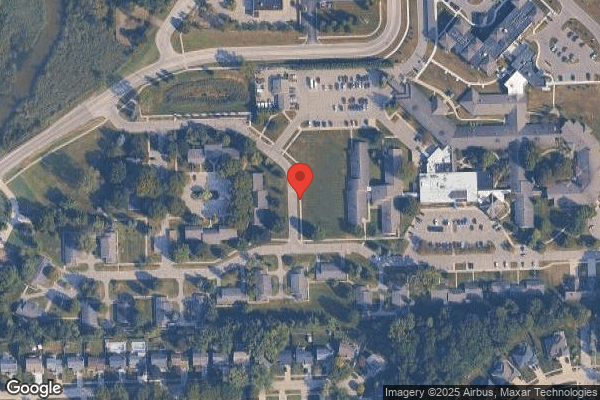
33875 Kiely Drive, Chesterfield Township, MI 48047 (586) 725-6030
Non profit - Church related 102 Beds Independent Data: November 2025 1 Immediate Jeopardy citation
Trust Grade
51/100
#251 of 422 in MI
Last Inspection: April 2025

Within standard 12-15 month inspection cycle. Federal law requires annual inspections.

Overview

The Village of East Harbor has received a Trust Grade of C, indicating it is average-middle of the pack, neither great nor terrible. It ranks #251 out of 422 facilities in Michigan, placing it in the bottom half, and #21 out of 30 in Macomb County, suggesting that there are better local options available. The facility's trend is worsening, with issues increasing from 4 in 2024 to 5 in 2025. Staffing is rated 4 out of 5 stars, which is a strength, but the turnover rate is 46%, slightly above the state average. However, the facility has faced concerning incidents, including a resident with severe cognitive impairment who was able to exit the facility unnoticed and walk across a busy street, as well as failures in providing adequate RN coverage for several days, which could impact all residents. Additionally, there were issues with food safety practices that could lead to foodborne illness. Overall, while the staff experience is relatively stable, families should weigh these strengths against the notable weaknesses.
Trust Score
C
51/100
In Michigan
#251/422
Bottom 41%
Safety Record
High Risk
Review needed
Inspections
Getting Worse
4 → 5 violations
Staff Stability
⚠ Watch
46% turnover. Above average. Higher turnover means staff may not know residents' routines.
Penalties
○ Average
$15,593 in fines. Higher than 67% of Michigan facilities. Some compliance issues.
Skilled Nurses
○ Average
Each resident gets 41 minutes of Registered Nurse (RN) attention daily — about average for Michigan. RNs are the most trained staff who monitor for health changes.
Violations
⚠ Watch
18 deficiencies on record. Higher than average. Multiple issues found across inspections.
★★★☆☆
3.0
Overall Rating
★★★★☆
4.0
Staff Levels
★★★☆☆
3.0
Care Quality
★★★☆☆
3.0
Inspection Score
Stable
2024: 4 issues
2025: 5 issues

The Good

  • 4-Star Staffing Rating · Above-average nurse staffing levels
  • Full Sprinkler Coverage · Fire safety systems throughout facility
  • No fines on record

Facility shows strength in staffing levels, fire safety.

The Bad

3-Star Overall Rating

Near Michigan average (3.1)

Meets federal standards, typical of most facilities

Staff Turnover: 46%

Near Michigan avg (46%)

Higher turnover may affect care consistency

Federal Fines: $15,593

Below median ($33,413)

Minor penalties assessed

The Ugly 18 deficiencies on record

1 life-threatening
Apr 2025 5 deficiencies
CONCERN (D) 📢 Someone Reported This

A family member, employee, or ombudsman was alarmed enough to file a formal complaint

Potential for Harm - no one hurt, but risky conditions existed

Safe Environment (Tag F0584)

Could have caused harm · This affected 1 resident

**NOTE- TERMS IN BRACKETS HAVE BEEN EDITED TO PROTECT CONFIDENTIALITY** Based on observation, interview, and record review the facility failed to ensure space heaters were not in use for two residents...

Read full inspector narrative →
**NOTE- TERMS IN BRACKETS HAVE BEEN EDITED TO PROTECT CONFIDENTIALITY** Based on observation, interview, and record review the facility failed to ensure space heaters were not in use for two residents (R49 and R51) out of nineteen residents reviewed for safe, clean, homelike environment. Findings include: R49 On 3/31/25 at 10:36 AM, R49 was observed in bed with a space heater near the room heating and cooling unit. When queried about the space heater R49 stated, We have had to use space heaters in our room since the fall because the heat wasn't working properly. Someone from maintenance brought in the heaters for us to use. The room heating and cooling unit was observed not blowing air. On 4/01/25 at 8:24 AM, two space heaters were observed in use in R49 and R51's room. The room heating unit was not blowing air. On 4/01/25 at 8:28 AM, Licensed Practical Nurse (LPN) A was interviewed regarding R49's room heating unit and said they were not sure how long the room heating unit wasn't working. On 4/01/25 at 3:44 PM, Certified Nursing Assistant (CNA) B was interviewed and said the room heater in R49 and R51's room hasn't been working for at least two months, and staff have been using space heaters to heat the room. Record review of R49's Electronic Health Record (EHR) revealed R49 was admitted to the facility on [DATE] with diagnoses of multiple sclerosis and muscles weakness. Review of R49's Brief interview for Mental Status assessment performed on 2/10/2025 revealed a score of 15/15, intact cognition. Review of R49's functional mobility assessment dated [DATE] revealed dependent for bed mobility and transfers. R51 On 4/02/25 at 9:06 AM, R51 was interviewed and said the room heater unit was broken since early winter and they have been using a space heater all winter. On 4/01/25 at 8:52 AM, Maintenance Director (MD) C was interviewed and said there has been a problem with the heating unit in R49 and R51's room. When asked how long the heating unit was not working (MD) C could not give an exact timeline and said space heaters are used for emergency use only. Record review of R51's Electronic Health Record (EHR) revealed R51 was admitted to the facility on [DATE] with diagnoses of hemiplegia and hemiparesis (one sided weakness) following Cerebral infarction (stroke). Review of R51's Brief interview for Mental Status assessment performed on 1/3/25 revealed a BIMS of 11/15, moderately impaired cognition. On 4/2/2025 at 11:30 AM, the Nursing Home Administrator (NHA) was queried about the heating unit in room [ROOM NUMBER] and the use of space heaters. The NHA said he was aware of the heater not working and was waiting for a room to become available to transfer R49 and R51. When queried about space heater use the NHA said space heaters are used for short term and emergency use only. Review of the facility policy Resident Rights undated noted: 9. Safe Environment: The resident has a right to a safe, clean, comfortable and homelike environment.
CONCERN (D) 📢 Someone Reported This

A family member, employee, or ombudsman was alarmed enough to file a formal complaint

Potential for Harm - no one hurt, but risky conditions existed

Quality of Care (Tag F0684)

Could have caused harm · This affected 1 resident

**NOTE- TERMS IN BRACKETS HAVE BEEN EDITED TO PROTECT CONFIDENTIALITY** Based on observation, interview, and record review, the facility failed to ensure a cervical [NAME] and thoracic lumbar support ...

Read full inspector narrative →
**NOTE- TERMS IN BRACKETS HAVE BEEN EDITED TO PROTECT CONFIDENTIALITY** Based on observation, interview, and record review, the facility failed to ensure a cervical [NAME] and thoracic lumbar support orthotic (TLSO) was properly applied for two residents (R261 and R256) of two residents reviewed for protective orthotic devices. Findings include: R261 On 3/31/2025 at 10:49 AM, R261 was observed sitting in a wheelchair in their room with a rigid cervical collar in place. The chin portion of the collar was approximately 3 inches to the left of her chin. R261 was also observed with a left arm sling. The arm sling straps were across the right side, bottom of the rigid collar. R261 was observed moving their head side to side. There was no support to her chin which would allow her to nod her head forward. An inquiry to their comfort revealed the collar is uncomfortable. A review of the electronic medical record (EMR) revealed R261 was admitted to the facility on [DATE] with the following pertinent diagnoses: Non-displaced fracture of the first cervical vertebra, fracture of surgical neck of left humerus after a fall. Further record review revealed R261 had a Basic Interview for Mental Status score of 13/15 indicating an intact cognition. The record further revealed R261 required Maximum/Substantial Assistance for toileting, bathing, and dressing. On 3/31/2025 at 4:30 PM a therapist was asked about the positioning of the rigid cervical collar. The therapist explained that the collar should be snuggly positioned under the chin to restrict movement side to side and forward and back. On 4/1/2025 at 12:56 PM R261 was observed sitting in her wheelchair at lunch. R261 was noted to have the rigid cervical collar aligned with the chin, about two inches of space between the chin area on the collar and the resident chin, allowed some forward movement. On 4/1/2025 at 8:30 AM Registered Nurse (RN) E was interviewed and asked about how devices are supposed to be applied. RN E said most staff know how the secure the protective devices and most devices come with instructions or we can ask therapists. On 4/1/2025 a review of the electronic medical record (EMR) physician's orders dated 3/21/2025 revealed R261 was to wear the cervical collar, on at all times. On 4/1/2025 at 12:56 PM, Rehabilitation Unit Manager (RUM) D was queried regarding application of protective medical devices. RUM D said staff were familiar with most medical devices and that instructions were not posted unless the device is unusual or new. R256 On 4/1/2025 at 9:53 AM, R256 was observed with Physical Therapy Assistant (PTA) F in a reclining chair in their room. R256 was observed with a Thoracic Lumbar Support Orthotic (TLSO) very high on the torso and no wrist splint. R256 was queried regarding the device and revealed it was not doing any good and was very uncomfortable. PTA F was queried about the device placement and said R256 should really not be sitting in the recliner and this could cause R256's device to ride up as resident slides down. PTA F was queried inquired why they were not wearing their wrist splint, and had no response. A review of the EMR revealed R256 was admitted to the facility on [DATE] with the following pertinent diagnoses: Fracture of the right radius and wedge compression fracture of the second lumbar vertebrae. Further review revealed a Basic Interview for Mental Status Score of 8/15 indicating moderately impaired cognition and required Maximum/Substantial Assistance for toileting, bathing, and dressing. A review of the physician order, dated 3/22/2025 revealed R256 should wear TLSO when out of bed and wrist splint at all times. On 4/2/2025 the Director of Nursing (DON) was queried regarding how specific medical device application was communicated to the staff and confirmed all of the professional staff received training during school so should know the correct way to use the devices. A review of the policy Splints, Braces and Slings did not reveal information about devices that accompany residents on admission.
CONCERN (D) 📢 Someone Reported This

A family member, employee, or ombudsman was alarmed enough to file a formal complaint

Potential for Harm - no one hurt, but risky conditions existed

Deficiency F0761 (Tag F0761)

Could have caused harm · This affected 1 resident

Based on observation, interview, and record review, the facility failed to label and store medication properly in one of four medication carts and in one (R3) of one resident room. Finding include: On...

Read full inspector narrative →
Based on observation, interview, and record review, the facility failed to label and store medication properly in one of four medication carts and in one (R3) of one resident room. Finding include: On 3/31/25 at 09:57 AM, an observation of Brimonidine Tartrate Ophthalmic eye drops were located on the overbed table of R3. The medication was not labeled with R3's name and was available to anyone passing by. Review of the physician orders did not reveal an order for self administration. On 4/1/2025 at 10:45 AM, in top drawer of Cart 2 on 300 Hall, there was a previously opened bottle of Nuplazid 34 without an open date. On 4/1/2025 at 7:30 AM, an interview with Licensed Practical Nurse (LPN) H revealed upon inquiry no eye drops or medications of any kind should be at resident bedside. On 4/1/2025 at 8:15 AM, an interview with LPN I upon inquiry revealed the medication that was not labeled should have been dated and labeled when opened.
CONCERN (F) 📢 Someone Reported This

A family member, employee, or ombudsman was alarmed enough to file a formal complaint

Potential for Harm - no one hurt, but risky conditions existed

Deficiency F0727 (Tag F0727)

Could have caused harm · This affected most or all residents

Based on interview and record review, the facility failed to provide eight consecutive hours of Registered Nurse (RN) coverage for five days of the period from 10/01/24 until 04/01/25 potentially affe...

Read full inspector narrative →
Based on interview and record review, the facility failed to provide eight consecutive hours of Registered Nurse (RN) coverage for five days of the period from 10/01/24 until 04/01/25 potentially affecting all 92 residents that residen in the facility. Findings include: Review of the Payroll-Based Journal (PBJ) data submission revealed the facility had been identified as having four or more days without adequate RN coverage for the most recent annual quarter. Review of the facility daily nursing staff postings revealed a total of 39 days during the quarter showing no RN hours for the day. The facility Director of Nursing (DON) was made aware of the staff posting days identified as having no RN coverage and was asked to provide any documentation supporting the presence of RN coverage that would not show on the daily posting such as a Minimum Data Set (MDS) RN or Staff Education RN. Documentation supporting additional RN coverage was reviewed including timeclock punch records with staff identifying information. This review verified a total of five days being identified as having no RN coverage including 10/13/24, 10/26/24, 11/23/24, 12/25/24, and 01/4/25. On 04/02/25 at 12:33 PM, the DON was interviewed and acknowledged the facility has some difficulty in securing RN coverage at times and identified the issue is being addressed in the facility Quality Assurance and Performance Improvement (QAPI) process. The DON reported the expectation and goal is there will be adequate RN coverage seven days per week. A facility policy addressing RN coverage was requested and the facility indicated they did not have one.
CONCERN (F) 📢 Someone Reported This

A family member, employee, or ombudsman was alarmed enough to file a formal complaint

Potential for Harm - no one hurt, but risky conditions existed

Food Safety (Tag F0812)

Could have caused harm · This affected most or all residents

**NOTE- TERMS IN BRACKETS HAVE BEEN EDITED TO PROTECT CONFIDENTIALITY** Based on observation, interview, and record review, the facility failed to prepare food in accordance with professional standard...

Read full inspector narrative →
**NOTE- TERMS IN BRACKETS HAVE BEEN EDITED TO PROTECT CONFIDENTIALITY** Based on observation, interview, and record review, the facility failed to prepare food in accordance with professional standards for food service safety. This deficient practice has the potential to result in food borne illness among all residents that consume food from the kitchen. Findings include: In the dry storage room, there was a buildup of trash on the floor underneath the racks, and the ceiling vent cover was coated with dust. According to the 2017 FDA Food Code section 6-501.14 Cleaning Ventilation Systems, Nuisance and Discharge Prohibition, (A) Intake and exhaust air ducts shall be cleaned and filters changed so they are not a source of contamination by dust, dirt, and other materials. In the walk-in cooler, there was raw beef and raw chicken stored next to fully cooked ham. DM confirmed the meat items were not stored appropriately, and moved the items to a different rack. According to the 2017 FDA Food Code section 3-302.11 Packaged and Unpackaged Food - Separation, Packaging, and Segregation, (A) Food shall be protected from cross contamination by: .(2) Except when combined as ingredients, separating types of raw animal foods from each other such as beef, fish, lamb, pork, and poultry during storage, preparation, holding, and display by: .(b) Arranging each type of food in equipment so that cross contamination of one type with another is prevented,. The flooring underneath the table holding the juice machines, was observed with a thick layer of brown, syrupy sludge. In addition, the drip pans on both juice machines were observed with a thick layer of gelatinous, pooled juice. DM made note of the soiled flooring, but provided no explanation. According to the 2017 FDA Food Code section 6-501.12 Cleaning, Frequency and Restrictions, (A) Physical facilities shall be cleaned as often as necessary to keep them clean. In the dish machine room, there was a leaking pipe underneath the soiled drainboard. The flooring underneath the leak was observed with standing water, and the surface of the tiles was stained with a black, slimy substance. In addition, the drain pipe for the garbage grinder was leaking liquid onto the floor underneath. There was a thick layer of slime on the floor tiles, and swarms of gnats were observed underneath and adjacent to the garbage grinder. DM confirmed the 2 leaks, but provided no further explanation for the soiled flooring or the gnats. According to the 2017 FDA Food code section 5-205.15 System Maintained in Good Repair, A plumbing system shall be: (A) Repaired according to law; P and(B) Maintained in good repair. According to the 2017 FDA Food Code section 6-501.111 Controlling Pests, The PREMISES shall be maintained free of insects, rodents, and other pests. The presence of insects, rodents, and other pests shall be controlled to eliminate their presence on the PREMISES by: .4. (D) Eliminating harborage conditions. At 9:00 AM and 11:45 AM, [NAME] H. observed preparing food, with a beard and no beard restraint. When queried, [NAME] stated he should be wearing a beard restraint. According to the FDA Food Code section 2-402.11 Effectiveness, (A) Except as provided in (B) of this section, food employees shall wear hair restraints such as hats, hair coverings or nets, beard restraints, and clothing that covers body hair, that are designed and worn to effectively keep their hair from contacting exposed food; clean equipment, utensils, and linens; and unwrapped single-service and single-use articles. At 9:30 AM, in the Ontario kitchenette, the interior of the microwave was soiled with splattered food, and the wall behind the counter was observed with large areas of peeling paint. Dietary Aide [NAME] was observed operating the dish machine. When queried about how the staff tests the dish machine for adequate sanitization, [NAME] pointed to the digital temperature display on the front of the dish machine. [NAME] further stated that the temperature display was not getting up to the proper temperature, so they were going to bring the dishes down to the main kitchen to be cleaned. According to the 2017 FDA Food Code section 4-601.11 Equipment, Food-Contact Surfaces, Nonfood-Contact Surfaces, and Utensils, .(C) Nonfood-contact surfaces of equipment shall be kept free of an accumulation of dust, dirt, food residue, and other debris. At 12:25 PM The microwave located in the [NAME] kitchenette was heavily soiled on the inside. [NAME] confirmed that it needed to be cleaned. When queried about the dish machine log in the [NAME] kitchenette, [NAME] looked in the binder, couldn't find a log, and stated that they really don't use the machine. Stated they bring their dishes back to the main kitchen. Staff was queried, and stated that she uses the dish machine for the coffee pots. 4-703.11 Hot Water and Chemical, After being cleaned, EQUIPMENT FOOD-CONTACT SURFACES and UTENSILS shall be SANITIZED in: (A) Hot water manual operations by immersion for at least 30 seconds and as specified under § 4-501.111; P (B) Hot water mechanical operations by being cycled through EQUIPMENT that is set up as specified under §§ 4-501.15, 4-501.112, and 4-501.113 and achieving a UTENSIL surface temperature of 71°C (160°F) as measured by an irreversible registering temperature indicator; P.
Apr 2024 4 deficiencies
CONCERN (D)

Potential for Harm - no one hurt, but risky conditions existed

Deficiency F0657 (Tag F0657)

Could have caused harm · This affected 1 resident

Based on observation, interview, and record review, the facility failed to implement interventions from the fall care plan for one resident (R32) out of three reviewed for care plan interventions. Fin...

Read full inspector narrative →
Based on observation, interview, and record review, the facility failed to implement interventions from the fall care plan for one resident (R32) out of three reviewed for care plan interventions. Findings include: On 4/16/2024 at 9:20 AM, R32 was interviewed regarding their care in the facility. R32 stated that they had just moved to the long-term care side. R32 stated that they had a broken hip that is healing nicely. R32 stated they often transfer themselves, but the staff try and remind them to use the call light. A review of the medical record revealed that R32 admitted into the facility on 3/17/2024 with the following diagnoses, Fracture of Right Femur, Muscle Weakness, and Difficulty in Walking. Further review of the Minimum Data Set assessment (MDS) revealed a Brief Interview for Mental score of 10/15 indicating an impaired cognition. R32 also required one person assist with bed mobility and transfers. A review of the fall risk assessment revealed that R32 was a high fall risk. Further review of the care plan revealed the following fall interventions, I have a landing strip next to my bed- Date Initiated: 3/17/2024. I have an antiroll back on my wheelchair-Date Initiate: 3/17/2024. Dycem (nonskid pad) to my wheelchair, cut to fit, must be intact, clean and in place at all times to increase my safety-Date Initiated: 3/17/2024. On 4/18/2024 at 9:15 AM, R32 was helped to stand up with Licensed Practical Nurse (LPN) C. Upon observation, no dycem was noted to be in the wheelchair. Upon further review, no landing strips were noted by the bed and there were no anti rollbacks on the wheelchair. On 4/18/2024 at 11:30 AM, an interview was conducted with the Director of Nursing (DON). The DON stated their expectation is that fall interventions from the care plan are implemented. The DON stated that R32 just moved to their room from another side of the facility. A review of a facility policy titled, Comprehensive Fall Risk Reduction Program noted the following, It is the policy of the [Facility] to ensure that the resident environment remains free of accidents hazards as is possible and that each resident receives adequate supervision and assistive devices to prevent accidents falls.
CONCERN (D)

Potential for Harm - no one hurt, but risky conditions existed

Deficiency F0761 (Tag F0761)

Could have caused harm · This affected 1 resident

Based on observation, interview, and record review, the facility failed to ensure inhalers were labeled with a resident identifier and dated when opened in one of four medication carts. Findings inclu...

Read full inspector narrative →
Based on observation, interview, and record review, the facility failed to ensure inhalers were labeled with a resident identifier and dated when opened in one of four medication carts. Findings include: On 04/17/24 at 8:54 AM, in the Michigan 2A medication cart, one Trelegy inhaler did not have the name or the date opened on the inhaler; Two of the three other Trelegy inhalers did not have the name and the third did not have a date on the inhaler. On 04/18/24 at 3:58 PM, the Director of Nursing (DON) was asked about label and dates on inhalers and reported, My expectation is to date and initial; with the date opened and resident initials. A review of the facility policy titled, Medication Storage with last reviewed date of 04/24, revealed, Policy: It is the policy of (the facility) to store medications properly in accordance with clinical best practice and according to drug manufacturer instructions . 3. Date opened: All flushes, multi-dose Vials, irrigation solution and IV fluids must be marked with date opened or first used . 5. Inhalers: Store in the original box from pharmacy. Label the device with resident name . A review of the manufacturer's prescribing information for the Trelegy inhaler dated December 2022 revealed, Safely throw away Trelegy Ellipta in the trash 6 weeks after you open the tray or when the counter reads 0, whichever comes first. Write the date you open the tray on the label on the inhaler.
CONCERN (E)

Potential for Harm - no one hurt, but risky conditions existed

Deficiency F0553 (Tag F0553)

Could have caused harm · This affected multiple residents

**NOTE- TERMS IN BRACKETS HAVE BEEN EDITED TO PROTECT CONFIDENTIALITY** Based on interview and record review, the facility failed to document and include residents and resident representatives in care...

Read full inspector narrative →
**NOTE- TERMS IN BRACKETS HAVE BEEN EDITED TO PROTECT CONFIDENTIALITY** Based on interview and record review, the facility failed to document and include residents and resident representatives in care conferences for six residents (R1, R4, R21, R26, R47, R50) of seven residents reviewed for care planning participation. Findings include: Resident #50 (R50) On 4/18/24 at 9:06 AM, a review of R50's electronic medical record (EMR) ninety day review of R50's care conferences revealed no documentation of R50 being invited and included in their care conferences on 10/24/23, 1/12/24, and 4/11/24. On 4/18/24 at 9:13 AM, a further review of R50's EMR revealed that R50 was originally admitted to the facility on [DATE] with diagnoses that included Type 2 diabetes and Schizoaffective disorder. R50's most recent quarterly minimum data set assessment (MDS) dated [DATE] revealed that R50 had a moderately impaired cognition. On 4/18/24 at 11:23 AM, R50 was interviewed regarding their level of participation and invitations to their care conferences at the facility. R50 stated, I've never been invited to a care conference. R50 further expressed their desire to be included in their care conferences. On 4/18/24 at 11:30 AM, Social Worker (SW) B was interviewed regarding the process for inviting and including residents and resident representatives in care conferences. SW B indicated that families are invited and residents should be invited and included in care conferences, As long as they can understand things. SW B was asked to provide documentation of R50's invitation and participation in their care conferences. SW B was unable to provide the requested documentation prior to survey exit. On 4/18/24 at 12:01 PM, the Director of Nursing (DON) was interviewed regarding their expectations for inviting and including residents and resident representatives in care conferences. The DON indicated that a letter should be sent to resident representatives with enough time for them to respond. If they cannot make it, then they need to be provided with another opportunity to attend. On 04/17/24 at 1:30 PM, during the group meeting, the six residents in attendance were asked if they had been included in their care conference and reported they had not been routinely included or invited to attend. They further reported on query they were not provided or offered a copy of their care plans. One resident reported they did not become aware of their care conference until informed by their representative. A review of the record for R47 revealed R47 was admitted into the facility on [DATE]. Diagnoses included Respiratory Failure. The Minimum Data Set (MDS) assessment dated [DATE] documented intact cognition with a 14/15 Brief Interview for Mental Status (BIMS) score and the need for assistance with all Activities of Daily Living (ADLs), bed mobility and transfer. A review of the Care Conference/Baseline Care Plan Summaries revealed on 04/04/24 and 12/19/23 the resident was not documented as present and no resident or responsible signature was documented; On 09/26/23 resident attendance was documented; On 06/27/23 a niece was present but not the resident. A review of the record for R26 revealed R26 was admitted into the facility on [DATE]. Diagnoses included the Need for Assistance with Personal Care and Stroke. The MDS dated [DATE] documented intact cognition with a 14/15 Brief Interview for Mental Status (BIMS) score and the need for assistance with all Activities of Daily Living (ADLs), bed mobility and transfer. A review of the Care Conference/Baseline Care Plan Summaries revealed: Resident attendance was documented on 01/16/24; A sister was present, but not the resident; On 10/24/23 and 07/25/23; And no family, nor the resident attended on 04/25/23. A review of the record for R1 revealed R1 was admitted into the facility on [DATE]. Diagnoses included Respiratory Failure and Stroke. The MDS dated [DATE] documented intact cognition with a 13/15 Brief Interview for Mental Status (BIMS) score and the need for assistance with all Activities of Daily Living (ADLs), bed mobility and transfer. A review of the Care Conference Baseline Care Plan Summaries revealed: On 04/04/24, resident attendance was documented; On 01/09/24 a box was checked I agree with the care plan but resident attendance was not documented; And on 10/17/23, 07/18/23 and 04/12/23 resident attendance was not documented. A review of the record for R4 revealed R4 was admitted into the facility on [DATE]. Diagnoses include Multiple Sclerosis. The MDS dated [DATE] documented intact cognition with a 15/15 Brief Interview for Mental Status (BIMS) score and the need for assistance with all Activities of Daily Living (ADLs), bed mobility and transfer. A review of the Care Conference Baseline Care Plan Summaries revealed: On 02/13/24, 11/22/23, 08/29/23, and 05/30/23 attendance by multiple daughters was documented, but no resident attendance was documented. A review of the record for R21 revealed R21 was admitted into the facility on [DATE]. Diagnoses included Multiple Sclerosis and Heart Disease. The MDS dated [DATE] documented intact cognition with a 14/15 Brief Interview for Mental Status (BIMS) score and the need for assistance with all Activities of Daily Living (ADLs), bed mobility and transfer. A review of the Care Conference Baseline Care Plan Summaries revealed: On 03/19/24 a voicemail was left for a daughter and neither the daughter nor the resident was documented as attended; On 12/28/23 was not documented as attended; On 10/2/23 the facility documented the resident declined care conference attendance; On 08/22/23 the facility documented the family/resident declined attendance; And on 05/23/23 the facility documented the resident and family declined care conference attendance. A review of the facility policy titled Interdisciplinary Care Conference Procedure last reviewed 12/2016 revealed, It is the policy of the (the facility) to allow each Resident Representative, and the Resident if mentally able, the opportunity to attend the Interdisciplinary Team Meeting (Care Conference) on a quarterly basis .Schedule: A calendar will be maintained by the Social Worker to inform participants of resident's having care plan reviews and when, Letters inviting Resident Representatives are posted and/or given to the responsible party prior to Care Conference by the Social Worker, Competent residents are invited in person by the Social Worker, Resident Representative and resident if appropriate will be noted to be in attendance .
CONCERN (E)

Potential for Harm - no one hurt, but risky conditions existed

Deficiency F0565 (Tag F0565)

Could have caused harm · This affected multiple residents

**NOTE- TERMS IN BRACKETS HAVE BEEN EDITED TO PROTECT CONFIDENTIALITY** Based on interview and record review, the facility failed to provide six residents, who wish to remain anonymous and regularly a...

Read full inspector narrative →
**NOTE- TERMS IN BRACKETS HAVE BEEN EDITED TO PROTECT CONFIDENTIALITY** Based on interview and record review, the facility failed to provide six residents, who wish to remain anonymous and regularly attend the resident council meetings, with the grievance procedure or document resolution of concerns identified during the resident council meetings. Findings include: On 04/17/24 at 1:30 PM, the six residents in attendance at the resident council meeting were asked if they had been informed about the grievance procedure and how to file a grievance and all denied a working knowledge of the process. The residents agreed all complaints had been verbal and written follow up or resolution was not provided. The residents had voiced repeated concerns with staffing agency and nighttime staff not wearing name badges, unmet care needs, being left for extended periods on the toilet, clothes damaged, call light wait times, staff coming in and turning off the call light and not coming back, or poor attitude from staff. There were also questions on resident rights. A review of the Resident Council notes dated 04/13/23 revealed, .Do not like doing the kids crafts. CENA (nursing assistants): Would like (Certified Nursing Assistant) CNA's to introduce themselves when they start their shift, call lights not being answered. (Resident) had her call light on for 2 hours at 3 a.m. when she needed assistance to the bathroom. CNA's talking on their phones during patient care. Ice water not being giving passed and laundry not being picked up for a week. Dining Services: Food is sometimes cold. Fruit is being put on plate and gets juice from the fruit on the toast or rolls and even into the food. Soup has been watery, condiments are not consistent, they run out of crackers or do not have croutons or cheese for onion soup. Residents would like things like cheese sticks served on occasion. Housekeeping: Floors have been sticky, substitute housekeeper (name) only empties trash in rooms. Laundry: (Resident) says she has not received her laundry back from last week. A review of the Resident Council notes dated 05/03/23 revealed, .CNA's not answering each other's call lights when one is on break, turning off call lights and not returning. Wet brief was laid on dresser, trash not being picked up and thrown out after doing care, resident had to pick up trash: Why can't agency CNA's wear name badges? Dining Services: (Resident) said she has not been receiving her proper bowl and utensils at mealtime. (Resident) said she is thickened liquid and it was so thick that the spoon stood upright. Housekeeping: Pop was spilled on floor of room [ROOM NUMBER] on Sunday night, resident had to clean it up on Tuesday night. When do floors get mopped? Laundry: CNA's are not picking up laundry at night . A review of the Resident Council notes dated 06/06/23 revealed, .CENA: Agency not wearing name tags. CENA-(name) told resident to wheel herself to shower room and didn't give shower until 11 p.m. CENA left size small brief for resident to put on that is an XX Iarge, and did not offer to help with it, also CENA's not washing private areas when changing residents in the morning. CENA's wearing earbuds and taking personal calls on their phones during patient care. Beds not being changed on shower day. Still turning off call light and never return. A review of the Resident Council notes dated 07/10/23 revealed: . CENA: CENA has bad attitude, one yelling from the doorway-what do you need, you still have a hand and that's a one handed job. CENA's talking on their phones while doing care. Laundry: Short on washcloths: Ink spots on 3 tops of (R1) . A review of the Resident Council notes dated 08/02/23 revealed: .CENA: Some are good, some are bad. (CENA) has been mean and rude to (R1) and tries to get other CENA's to care for (R1) so she doesn't have to. No ice water is being passed. The care by aides on Michigan is not as good as on [NAME] . A review of the Resident Council notes dated 08/02/23 revealed: .CENA: We only receive water when pills are passed, no ice water being passed. Not enough CNA's in dining room to feed during mealtime. You have to ask for your bed to be made and if day shift doesn't make it, night shift says (it's not my job). You have to wait 45 mins. to l hour to use the bathroom. When call light is on CNA will say I'll get your aide and no one comes back. Call lights are not being left where they can be reached. Residents being left in dining room after meals. Agency CNA's not wearing name badge. Looking for a CNA between 7 and 730 p.m. and they were all sitting in Station 2 nursing office. Agency CNA took 3 hours to give bed bath, she kept leaving and coming back and resident would fall asleep. On 8/5 resident was not checked or changed by CNA and her food tray was left next to bed and she was not assisted with feeding. Dining Services: Food has been cold, (Resident) stated that her tray was left on counter and not given to her and food was cold . A review of the Resident Council notes dated 10/04/23 revealed: .CENA: Residents are requesting to have a shower team. CENA's are on their cell phones and also do not come in to introduce themselves as being our aide for that shift. On 10/2 day shift (R4) asked to be changed and waited 4 hrs. for CENA to assist her, also (R26) waited 45 mins to be changed. CENA's still sitting in nurses office on (Station) 2 on night shift. The weekend of 9/30 and 10/1 was terrible for CENA care. (Resident) complaining she does not get fed on evening meals. No lids for cups, cups collapse when you grab them, running out of briefs and pads, out of thickened water and (Resident) was given thickened juice and caused her sugar to go up. On 10/3 CENA was rough with (resident) on nights . A review of the Resident Council notes dated 11/01/23 revealed: .CENA (nursing assistants): Residents trays that are served in the rooms are not being set up and residents are not eating. Michigan CENA's need to work more as a team and help each other. (Resident) said he was left on the toilet for 1 hour and then 2-3 CENA's come in and they are talking to each other and he felt very uncomfortable because he was not dressed . A review of the Resident Council notes dated 12/06/23 revealed: .When CENA is providing care and nurse comes into the room they need to shut the door when leaving the room. Also when CENA is changing resident they are throwing blankets on the floor and resident then wants the blanket washed. Dining Services: Always out of nectar, and food is still cold on trays delivered to rooms. Nurse: Agency staff told residents on Thanksgiving that no one was getting up and they are concerned that will happen on Christmas . A review of the Resident Council notes dated 01/12/24 revealed: .Nursing (R4) feels there is no consistency in the staff on Michigan unit. (R1) states that it takes forever for staff to answer call lights on midnights . Activities some childish . A review of the Resident Council notes dated 02/16/24 revealed: .CENA: CENA's still talking to each other about personal things while giving care. Residents being left in dining room after dark. Nurse: Don't always shut the room door when exiting and CENA is providing care. Dining Services: Running out of food lately Iike, cottage cheese, peaches and different salad dressings . A review of the Resident Council notes dated 03/06/24 revealed: Call lights still being turned off and CENA leaving and stated I will be back and does not return. Still running out of cottage cheese and also had no lemonade. Some residents would like their French fries fried not baked. (Resident) would like smaller portions. Residents and visitors going behind the counter and helping themselves to snacks in the cupboard and things in the refrigerator . A review of the Resident Council notes dated 04/03/24 revealed: Some residents are getting French vanilla creamer and would like plain. (Resident) having issues with what is being put on her tray and dietician discussed with resident during meeting. A review of the above minutes revealed all had the following statement at the end: Ombudsman Posters: Are laminated and are displayed on the wall at wheelchair level near each nurse's station. Recent survey results located in binders labeled with the year and survey results. Those binders located on each unit in a clear front wall file box at wheelchair level. Resident's rights reviewed and copies offered. Copies of What I do Matters slips given to residents and explanation of program was explained. It is not uncommon to wait up to 10 mins. before your call light is answered, we are not staffed the same as a hospital is, but staff will do their best to get to you as quick as possible. Further acknowledgement or resolution of prior resident concerns was not documented in the minutes. On 04/17/24 at 4:32 PM, a review of the complaint and grievance procedures were reviewed with the Wellness Coordinator (WC). The WC reported they take attendence and proceed down the list of departments to identify any concerns. When concerns are identified copies of the minutes are made and sent to the appropriate department for resolution. The department manager then should come up with a plan and respond back to the WC which is then brought to the residents. The WC acknowledged the concern with the use of agency staff and reported residents prefer house staff and they thought the last two months had gone a little smoother. The WC further reported they had reviewed the grievance procedure and handed out forms at past meetings but had not had any resident fill one out. On 04/18/24 at 8:33 AM, the Director of Nursing (DON) confirmed the use of agency mostly on the night shift and just for the CNAs and that they have regular badges for these staff. The DON reported they take the resident complaints at their word and act on them. The DON reported they receive a copy of the resident council minutes and they are reviewed at the Quality Assurance meetings. A review of the facility policy titled, Complaint Assistance/Grievance with effective date of April 2002 revealed, .We are committed to providing the highest quality of care to residents in our facility. We want you to feel safe in a homelike environment. In order for us to assist you, please follow the procedure identified below if you have any concerns about your care, treatment by staff, or anything else related to your stay in our facility. Step 1. Tell the Social Worker (Mon a Fri during business hours), the Unit Manager or the Charge Nurse (on off shifts) of your concerns. For off shifts and weekends, check the complaint contact information calendar for complaint and grievance contact person. Step 2. If not satisfied with the staff person's response, complete our Resident Concern Form. Let us know if you need help in completing the form. Step 3. Submit the form to Social Worker. Step 4. If not satisfied with the facility's written response, complete a request for the Director of Nursing or Administrator to review the investigation findings. Step 5. If not satisfied with their solution, you may contact the State Ombudsman or the Michigan Department of Consumer & Industry Services, Bureau of Health Systems, to file a formal complaint . A review of the facility policy titled, Resident Council Meetings with last revised date of March 2013, revealed, It is the policy of the Village of East Harbor that resident council will be held and conducted monthly by the Social Worker or designee with council permission. All meetings will be conducted in accordance with Presbyterian Village East Bylaw's for resident council. Meeting notes are to be recorded and reviewed by the Social Worker or designee. Any concerns or complaints voiced by the residents during this meeting will be forwarded to the respective department head for follow up.
Oct 2023 1 deficiency 1 IJ
CRITICAL (J) 📢 Someone Reported This

A family member, employee, or ombudsman was alarmed enough to file a formal complaint

Immediate Jeopardy (IJ) - the most serious Medicare violation

Accident Prevention (Tag F0689)

Someone could have died · This affected 1 resident

This citation pertains to Intake: MI00136749. Based on interview, and record review, the facility failed to provide adequate monitoring and supervision to prevent an elopement for one resident (R901) ...

Read full inspector narrative →
This citation pertains to Intake: MI00136749. Based on interview, and record review, the facility failed to provide adequate monitoring and supervision to prevent an elopement for one resident (R901) who had a severe cognitive impairment, was a known elopement risk, and wore a WanderGuard (a bracelet used to set off an alarm restricting a resident from walking out of the door). R901 eloped from the facility on 5/15/2023 at approximately 3:25pm without facility staff being aware of the resident's whereabouts. R901 was allowed to exit the facility by a staff member that was unfamiliar with the resident at approximately 3:25pm. R901 exited through doors that were unequipped with a WanderGuard alarm system, crossed a high traffic four-lane street, while heading toward their house of origin which is approximately 2 miles away from the facility. R901 was found by their neighbors, and driven to the resident's home at approximately 4:46pm. R901 returned to the facility at approximately 5:30pm, combative and agitated. This deficient practice resulted in the likelihood of serious injury, serious harm, serious impairment, or death. Immediate Jeopardy: The Immediate Jeopardy (IJ) started on 5/15/23 and the immediacy was removed 5/17/23 when the resident was discharged from the facility and per review of the facility's responding interventions as verified on 10/4/23. The IJ was identified on 10/3/23 during an abbreviated survey. The facility was notified of the IJ on 10/4/23 at 2:40 PM and was asked for an abatement plan. The IJ was removed on 7/10/23, based on the facility's implementation of the abatement plan as verified onsite on 10/4/23. Findings Include: A review of R901's electronic medical record revealed that the resident was admitted into the facility on 5/8/23 with diagnoses that included Hemiplegia and Hemiparesis following Cerebral Infarction (stroke) affecting right dominant side, Cerebral Edema, Respiratory Failure, Seizure-Like Activity, and Aphasia (loss of ability to understand or express speech). A review of R901's Brief Interview for Mental Status score dated 5/10/23 revealed that the resident had a 0/15 score indicating a severe cognitive impairment. A review of the admission Minimum Data Set (MDS) assessment revealed that the resident required limited assistance for bed mobility, transfers and toilet use. Further review of the MDS revealed that the resident was, Not steady, only able to stabilize with staff assistance when walking, and utilized both a walker and wheelchair, which was described as normally used. Further review of R901's electronic medical record revealed an Elopement Care Plan created on 5/10/23 indicating the following: Problem: I am an elopement risk/wanderer r/t (related to) Impaired safety awareness. Date Initiated: 05/10/2023 .Interventions: Distract me from wandering by offering pleasant diversions. Date Initiated: 05/10/2023 .Identify my pattern of wandering: Is wandering purposeful, aimless, or escapist? Is resident looking for something? Does it indicate the need for more exercise? Intervene as appropriate. Date Initiated: 05/10/2023 .WANDER ALERT: Applied to L (left) ankle. Date Initiated: 05/10/2023 . Further review of the electronic medical record revealed the following progress note: 5/15/2023 19:30 (7:30pm) Alert Note Late Entry: Note Text: At 1612 (4:12pm) writer pulled residents afternoon medications for administration, writer went to residents' room to administer medications and noticed resident was not in their room but noticed resident's wheelchair and shoes where still in room. Writer questioned CNAs (certified nursing assistants) of resident's whereabouts, but CNAs were unaware of resident's whereabouts. Writer began to look for resident immediately throughout the building and courtyard. At approximately 1625 (4:25pm) writer contacted resident's [spouse]. Writer asked the [spouse] if [they were] still present with the resident, [spouse] stated [they were] not. [Spouse] then stated their neighbors had found [R901] walking down the street, on [street name] towards home. The [spouse] also stated once the neighbors arrived at their home, [they] would bring [R901] back to the facility . The DON (Director of Nursing) and Administrator were notified immediately of the situation. At 1646 (4:46pm). Writer contacted [spouse] again to see if the resident had arrived safely to [them], [spouse] stated that [R901] was with [them],was safe, and unharmed, but very agitated and fighting the [spouse] about returning to the facility. The [spouse] stated they were going to get [R901] calmed down and once [they were], they would bring [R901] back to the facility. [Spouse] did confirm that the wonderguard (WanderGuard) was still in place and located on the left ankle. At 1730 (5:30pm) Resident arrived to back to the facility safely via vehicle with [spouse] and neighbors. Resident was very combative and agitated, writer was unable to perform a head-to-toe assessment .Resident receiving 1:1 supervision at all times. On 10/3/23 at 10:34 AM, Nurse A was interviewed via phone regarding the elopement of R901. Nurse A explained that R901 had family visiting most of the day, and explained that [R901] was supposed to have 1:1 supervision but as a result of staffing, they couldn't provide the resident with one, so as a precaution the family was supposed to notify R901's assigned nurse when they were leaving for the day. Nurse A was asked why R901 need 1:1 supervision, and explained that she did not know. Nurse A further explained that the family informed another nurse they were leaving, and that the other nurse failed to inform her. Nurse A explained that between 3:30-4pm, she entered the resident's room noticing that the resident's wheelchair and shoes were in their room, but they were not. Nurse A explained that she asked the assigned CNA if they knew where R901 was located, and they indicated that they did not know, and that the last time they saw R901, they were with family. Nurse A explained that R901 was eventually located by a high traffic road heading toward their home. Nurse A was asked about R901's cognition, and explained that R901 couldn't speak, and their words were jumbled. On 10/3/23 at 11:15 AM, an attempt to reach R901's assigned CNA the date of the elopement was to no avail, and a message was left. On 10/3/23 at 11:20 AM, the DON was asked to demonstrate how R901 exited the building. An observation of the door R901 exited through was a locked door that could only be opened by an employee with an access card. On the other side of the door was an entry way that led to independent living high rise apartments located on the facility's campus, in addition to a bistro, and two sets of electric sliding doors leading to the outside. The DON explained that an employee working in the bistro thought that the resident was a visitor, allowing them access through the door where the resident ultimately exited the building. The DON explained that there was not a WanderGuard alarm on the door R901 was let out of due to fire safety regulations, specifically the locking mechanism that are on the other doors within the facility with a WanderGuard system. The DON explained that following the incident, a WanderGuard sound alarm was placed on the door (on 7/10/23). On 10/4/23 at 8:25 AM, Employee B was asked about the elopement of R901, and she explained that she works in the bistro and that on that date, she had just returned from her break which was sometime between 3:15-3:30pm. Employee B explained that she observed R901 standing by the door staring out of the window, and thought that they were a visitor. Employee B explained that she used her access card to open the door for the resident and walked away, not paying attention to where the resident was going or the resident's attire, as she was later informed that the resident had on pajamas pants. Employee B explained that she only looked at the resident from the waist up, and was unaware that she was responsible for the resident exiting the building until the next day, 5/16/23. A review of the facility's investigation regarding the elopement revealed the following investigative outcome, In conclusion, based on the facility investigation, the staff responded appropriately per facility protocol and ensured [R901's] safe return to the facility. At the time of incident, the resident knew [their] outdoor location in proximity to [their] home. The resident also knew [their] exact way home. The resident returned to facility unharmed. The facility staff did not deviate from resident's plan of care. Currently, resident remains on 1:1 supervision around the clock and [their] wander-guard is in place. The resident is having periods of agitation and attempts to leave the building multiple times per day, and [R901] is not easily redirected. The resident's [spouse] and son are very involved with the resident's care. [R901's spouse] has decided to take resident home where [they feel R901] will be less agitated and more cooperative. The resident's [spouse] declined hospital transfer for a further psych evaluation as recommended by [their] physician. The facility discharged the resident on 5/17/23 at approximately 16:00 (4:00pm) with homecare. On 10/4/23 at 8:35 AM, the DON and Nursing Home Administrator (NHA) were asked about the date the WanderGuard sound alarm was placed on the door R901 exited out of. The DON explained that the alarm was placed on the door 7/10/23. The NHA explained that the incident was unfortunate, but that they implemented additional security measures, and monitored the door until the supply chain issue were resolved, and the sound alarm was placed on the door. A review of the facility's Elopement/Wandering Risk policy revealed the following, Policy: This facility ensures that residents who exhibit wandering behavior and/or are at risk for elopement receive adequate supervision to prevent accidents .Policy: Explanation and Compliance Guidelines: 1. The facility is equipped with door locks/alarms to help avoid elopements. 2. Alarms are not a replacement for necessary supervision. Staff are to be vigilant in responding to alarms in a timely manner. 3. The facility shall establish and utilize a systematic approach to monitoring and managing residents at risk for elopement or unsafe wandering, including identification and assessment of risk, evaluation and analysis of hazards and risks, implementing interventions to reduce hazards and risks, and monitoring for effectiveness and modifying interventions when necessary . Facility Abatement Plan ELEMENT 1 Resident no longer resides in the facility. Resident was reassessed for elopement immediately upon return on May 15th, 2023 with a score of 8 indicating at risk for elopement. Wander guard intact to left lower extremity. A visual head to toe assessment and pain assessment was completed due to residents agitation. No concerns were identified. Residents physician notified and evaluated resident immediately upon return. New orders were initiated for agitation. Care plans reviewed, modified and deemed appropriate. Medical Director and guardian made aware immediately. Resident was seen by Social Services on 5/16/2023, and there are no identified changes in psychosocial wellbeing and quality of life. Resident was immediately assigned 1:1 around the clock supervision. Resident evaluated by [physician] from [mental health agency] on 5/15/2023. Exit doors remain locked and wander-guard door alarms remain activated. The Director of Nursing provided 1:1 education to the employee who was incidentally involved in the residents' elopement. An emphasis was placed on identifying wandering and elopement residents. ELEMENT 2 All residents who reside in the facility have the potential to be affected by this practice. On the day of the event 5/15/2023, all remaining residents were accounted for. Ninety three (93) residents were confirmed to be present in the building. Door and wander guard alarms were also checked by staff, on the day of the incident, to ensure safety of all other residents. Like resident's who self-propel around facility, and have wander guards, were reassessed for risk of elopement to ensure proper safety measures were in place per individual care plans and no concerns identified. Elopement books located at each nurse's station and front desk were reviewed and deemed appropriate by DON on 5/16/2023. ELEMENT 3 The Facility Interdisciplinary team held an Ad hoc Quality Assurance Performance and Improvement meeting on 5/16/2023. Policy and procedure for Elopement/Wandering Risk was updated, reviewed and deemed appropriate for implementation and staff education. The Director of Nursing and management team re-educated all nursing staff regarding the facility's policy and procedure for elopement/wondering risk, and how to identify residents at risk for elopement. Department leadership team educated inner department employees on how to identify residents at risk for elopement and wandering. Future agency staff will be educated regarding elopement/wandering policy and procedure, by way of a Purple Welcome Binder, prior to receiving shift assignment. ELEMENT 4 In order to monitor our procedure and ensure the facility's plan of correction is effective and specific deficiency cited remain corrected, Director of Nursing or designee, will review new admission elopement risk assessment at daily clinical meeting, and any reports of elopement occurrence, to ensure appropriate interventions are implemented and updated plan of care is complete.
Mar 2023 6 deficiencies
CONCERN (D)

Potential for Harm - no one hurt, but risky conditions existed

Deficiency F0583 (Tag F0583)

Could have caused harm · This affected 1 resident

**NOTE- TERMS IN BRACKETS HAVE BEEN EDITED TO PROTECT CONFIDENTIALITY** Based on observation, interview, and record review the facility failed to ensure full visual privacy was provided during a blood...

Read full inspector narrative →
**NOTE- TERMS IN BRACKETS HAVE BEEN EDITED TO PROTECT CONFIDENTIALITY** Based on observation, interview, and record review the facility failed to ensure full visual privacy was provided during a blood draw for one resident (R67) of one reviewed for privacy concerns, resulting in a concern for privacy and potential embarrassment. Findings include: On 03/28/23 at 9:08 AM, R67 was observed to be seated in their wheelchair in the dining room on the [NAME] unit. Additional residents were observed eating their meals. R67 was away from the main dining table at one end of the sofa. R67 had their back to the hall and was seated with the phlebotomist (technician that collects blood). The phlebotomist cart was next to them and R67 was in the process of having their blood drawn. 03/29/23 at 9:20 AM, R67 was asked resident about their blood having been drawn in the dining area and reported it was one of those things that should be done in their room. R67 reported they felt they were not given a choice to return to their room. R67 further reported on query that the phlebotomist had excuses for drawing the blood in the dining area and mentioned time as one of them. On 03/29/23 at 9:28 AM, Unit nurse manager A was asked about R67's blood draw and reported blood draws should be done in the resident's room. A review of the record for R67 revealed, R67 was admitted into the facility on [DATE]. Diagnoses included Osteomyelitis (infection) of the foot and ankle, Diabetes and Heart Disease. The Minimum Data Set (MDS) assessment dated [DATE] indicated intact cognition, and independent for locomotion on the unit. Lab results documented a blood draw on 03/28/23 with received time of 9:10 AM and a run time on 03/28/23 of 9:54 AM. On 03/29/23 at 2:55 PM, the Director of Nursing (DON) reported, We do not have a policy specific for privacy during care.
CONCERN (D)

Potential for Harm - no one hurt, but risky conditions existed

Comprehensive Care Plan (Tag F0656)

Could have caused harm · This affected 1 resident

**NOTE- TERMS IN BRACKETS HAVE BEEN EDITED TO PROTECT CONFIDENTIALITY** Based upon observation, interview and record review, the facility failed to develop and/or implement the care plan for 1. wrist/...

Read full inspector narrative →
**NOTE- TERMS IN BRACKETS HAVE BEEN EDITED TO PROTECT CONFIDENTIALITY** Based upon observation, interview and record review, the facility failed to develop and/or implement the care plan for 1. wrist/hand splint (R5) and 2. frequency of resident repositioning for two (R15, R54) of three residents reviewed for repositioning, resulting in the potential for contractures and new or worsened skin breakdown. Findings include: R5 Review of the facility record for R5 revealed an admission date of 2/23/21 with diagnoses that included Multiple Sclerosis and Muscle Weakness. The Minimum Data Set (MDS) assessment dated [DATE] indicated R5 required set up for eating and was dependent for self care otherwise. The Brief Interview for Mental Status (BIMS) score was 15/15 indicating intact cognition. On 3/27/23 at 12:21 PM, It was observed that R5's right wrist was resting in an extended (bent backwards) position. R5 was not wearing any type of splint or orthosis and one was not observed in the room. On 3/28/23 at 10:40 AM, R5 was observed with the right wrist maintained in extension. When asked about any history of splint use R5 reported that they thought they had used a splint in the past but they believed it had been at least three weeks since it had been put on. R5 could not recall if a splint was kept in the room and gave this surveyor permission to check the drawers. A right wrist/hand splint with a soft blue cover was located in the drawer. R5 reported that they did not recall wearing it for some time and did not realize it was in the drawer. On 3/29/23 at 8:59 AM, R5 was observed in their room sitting up in the wheelchair eating breakfast. The right wrist/hand splint was not on and remained in the drawer. R5 reported that no one had offered to apply the splint since the previous day. When asked whether they had ever refused use of the splint R5 stated not that I can recall. Review of R5's physician orders with a review date of 1/15/23 revealed the following order with active status: Staff to don (apply) resting hand splint 2-4 hours daily or as tolerated to promote/maintain proper wrist positioning. Review of R5's facility care plan dated 3/6/23 revealed the Problem area stating I have an ADL (Activities of Daily Living) selfcare performance deficit related to musculoskeletal impairment. Interventions related to this area included apply right hand splint as ordered. Review of R5's Treatment Administration Record (TAR) for March 2023 revealed no documentation or task area related to hand splint application or resident refusal. On 3/29/23 at 1:20 PM, the facility Director of Nursing (DON) stated that their expectation for application of splints is that staff apply splints according to the physician order and care plan. Review of the facility Policy titled Splints, Braces, Slings (undated) included under the Procedures listing 3. Apply and remove as ordered and 5. Enter device on TAR as an FYI. R15 Review of the facility record for R15 revealed an admission date of 10/18/22 with diagnoses that included Duchenne/[NAME] Muscular Dystrophy, Diabetes Mellitus, Congestive Heart Failure, Peripheral Vascular Disease and Osteoarthritis of the left ankle/foot. It was also noted that R15 currently had multiple lower extremity wounds. The Minimum Data Set (MDS) assessment dated [DATE] indicated R5 required maximum/total assistance for bed mobility. The BIMS (Brief Interview for Mental Status) score of 14/15 indicated intact cognition. On 3/28/23 at 11:23 AM, R15 reported that they developed wounds on the right leg at a prior facility and stated that their condition was improving. R15 stated that there was some re-injury of the wounds related to contact with the wheelchair during pivot transfers but that this was no longer the case as transfers are now completed via mechanical lift. When asked if they are able to reposition themselves in the bed R15 stated No, I need help and they don't do it. When asked if they are ever repositioned R15 stated rarely, sometimes they will if I ask. It was noted that reposition Q3 [every 3 hours] sinage was posted for R15 outside the door. On 3/29/23 at 8:50 AM, when asked if they had been repositioned during their time in bed since being interviewed the previous day R15 stated Maybe once before they got me up for the morning. Review of the physician orders for R15 with review date of 1/15/23 revealed no order for repositioning. Review of the facility care plan for R15 dated 1/23/23 revealed no problem, goal or intervention for repositioning. It was noted that the ADL portion of the care plan specified that R15 required extensive assistance for bed mobility. Review of the R15's bed mobility task checklist in the electronic medical record (EMR) between the dates of 2/28/23 and 3/28/23 revealed that bed mobility assistance was documented as completed on a total of 26 days. One day had three episodes of bed mobility assistance documented, 22 days had two episodes of bed mobility assistance documented and three days had one episode of bed mobility assistance documented. R54 Review of the facility record for R54 revealed an admission date of 1/2/23 with diagnoses that included Quadriplegia, Diabetes Mellitus, Lymphedema and Congestive Heart Failure. The MDS assessment dated [DATE] indicated R54 was dependent for bed mobility. The BIMS score was 14/15 indicated intact cognition. On 3/27/23 at 11:45 AM, R54 reported that staff do not reposition them during the night unless they wake up and call for help to do so. R54 reported that if they do wake up it is usually only once per night. On 3/28/23 at 8:18 AM, R54 reported that they were repositioned during the night at approximately three AM after requesting that it be completed. R54 reported that this was the only repositioning completed since being assisted into bed the previous evening. It was observed that sinage was posted outside R54's door indicating that they require repositioning Q3 [every 3 hours]. On 3/29/23 at 9:15 AM, R54 reported that they were repositioned one time during the night since being assisted to bed the previous evening. Review of R54's active physician orders revealed no orders related to repositioning. Review of R54's care plan (undated) revealed that the ADL self care problem area included the intervention Turn and reposition Q3 hours and PRN. Review of R54's bed mobility task checklist in the EMR (electronic medical record) revealed that between 2/28/23 and 3/28/23 the bed mobility task was documented on 28 days. One episode of repositioning was documented on five days, two episodes were documented on 19 days and three episodes were documented on four days. On 3/29/23 at 1:20 PM, the facility DON reported that the expectation for residents who require repositioning is that the task be ordered, included in the care plan and completed as indicated. Review of the facility policy titled Turning/Repositioning Program (undated) revealed that the Procedure section includes the following entries: 2. If the need exists for a turning/repositioning program, the nurse will write an order .4. If resident is sitting upright in chair, reposition frequently .7. The restorative nurse is responsible for monitoring and reassessing the effectiveness of the interventions.
CONCERN (D)

Potential for Harm - no one hurt, but risky conditions existed

ADL Care (Tag F0677)

Could have caused harm · This affected 1 resident

**NOTE- TERMS IN BRACKETS HAVE BEEN EDITED TO PROTECT CONFIDENTIALITY** Based on observation, interview, and record review, the facility failed to meet the care needs of a resident (R36) out of five r...

Read full inspector narrative →
**NOTE- TERMS IN BRACKETS HAVE BEEN EDITED TO PROTECT CONFIDENTIALITY** Based on observation, interview, and record review, the facility failed to meet the care needs of a resident (R36) out of five reviewed for Activities of Daily Living (ADL's), resulting being left soiled for an extended time. Findings include: On 3/27/23 at 9:41 AM, R36 was observed in bed and watching television. R36's bed sheets were observed to have a large brown stained area that went down the side of R36's leg. The stain appeared to be from a bowel movement (BM). R36 was asked if staff had been in to see them and stated, No. I just woke up. On 3/27/23 at 10:42 AM, R36 was observed in the same condition as before, soiled with BM through the sheets. R36 was asked if they had been changed and stated, Not yet. They will be in. On 3/27/23 at 12:18 PM, R36 was observed in the same condition, R36 explained that staff had not come in to change them. On 3/27/23 at 12:45 PM, Licensed Practical Nurse (Nurse B) was asked to observe R36 sheets. LPN B stated, Looks like you had a BM and need to be cleaned up. R36 replied, Yea. I can't do it. LPN B stated, I know, we will. You have to tell us. LPN B explained that she would get someone to help R36. LPN B was asked how often the Certified Nursing Assistants (CNAs) come in to check on the residents. LPN B explained that the CNAs are to come in a do their rounds and check or change the residents if needed. A review of R36's medical record noted, R36 was admitted to the facility on [DATE] with diagnosis of Hemplegia. A review of R36's Minimum Data Set (MDS) assessment revealed, R36's activities of daily living (ADL), bed mobility was listed as extensive assistance by one staff person. A review of R36's care plan revealed, Problem: I have an ADL self-care performance deficit r/t (related to) pericardial effusion, aortic abdominal aneurysm, CVA (cerebrovascular accident) and vertigo. Date Initiated: 03/15/2021. Goal: I will improve current level of function in all ADL's through the review date or maintain function. Date Initiated: 03/15/2021. Intervention: I require 1 PA (person assist) for bed mobility. Clean and change every 3 hours and prn (as needed), offer a bedpan for BM. Date Initiated: 3/15/2021. On 3/29/23 at 2:21 PM, the Director of Nursing (DON) was asked the facility's expectation to ensure residents are clean and dry. The DON stated, I expect my CNA's to do their q2hrs (every 2 hours) rounds to check and change the residents. A review of the facility's policy, CNA REPORT / ROUNDS dated, 11/15 noted, POLICY: It is the policy of the Village of East Harbor for CNA's to complete walking rounds at change of shift. They are also responsible for completing report sheets; in order to effectively provide care for residents they have been assigned. PROCEDURE: 1. On coming CNA and off going CNA are to do walking rounds, and report, at change of shift. 2. All alarms are to be checked during walking rounds.
CONCERN (D)

Potential for Harm - no one hurt, but risky conditions existed

Deficiency F0688 (Tag F0688)

Could have caused harm · This affected 1 resident

Based on observation, interview, and record review, the facility failed place a splint on one resident (R13) out of two reviewed for contractions, resulting in the potential for worsening of a contrac...

Read full inspector narrative →
Based on observation, interview, and record review, the facility failed place a splint on one resident (R13) out of two reviewed for contractions, resulting in the potential for worsening of a contracture and pain. Findings include: On 3/29/2023 at 9:45 AM, an interview was conducted with R13 regarding their contractures. R13 stated that they can barely open their left hand now and their right hand is starting to do the same. R13 was observed trying to open their left hand and was unable to. R13 stated that they would like to be able to clasp their hands together to pray. On R13's night stand a splint was observed sitting in a basin. R13 stated that they are supposed to wear one during the day and one at night. R13 stated that they need help applying them, but they can't remember the last time they wore them. A review of the medical record revealed that R13 admitted into the facility on 3/3/2020 with the following diagnoses, Post polio Syndrome, Contracture Left Hand, and Contracture Right Foot. A review of the Minimum Data Set (MDS) assessment revealed a Brief Mental Status (BIMs) score of 12/15 indicating an impaired cognition. R13 also required one-to-two-person total assistance with bed mobility and transfers. A review of the care plan revealed the following Activities of Daily Living (ADL) intervention, Apply left hand carrot orthotic each morning and remove at bedtime. Further review of the physician orders revealed the following, Order Date: 2/21/2022. Description: Apply left hand carrot orthotic each morning and remove at bedtime. On 3/39/2023 at 9:57 AM, an interview was conducted with Licensed Practical Nurse (LPN) C regarding R13 splint. LPN C stated that the nurses are responsible for putting on splints. LPN C stated that they did not see the splint application for R13 on their treatment administration record (TAR). LPN C stated that the order was put in without a schedule, and that is why it was not showing up on the TAR for the nurses to complete. LPN C stated that they would fix the order so that it would start showing up on the TAR. On 3/29/2023 at 11:40 AM, an interview was conducted with the Director of Rehabilitation (DOR) regarding R13's splint. The DOR stated that the order is still active and is longstanding for R13 to reduce their contractures. The DOR stated that R13 has not been referred to therapy for a decline or refusals, and that the contractures have not worsened. A review of the facility policy titled, Splint, Braces, and Slings noted the following, Policy: To provide even support/alignment of effected area to increase ROM (Range of Motion) and/ or to prevent further decrease in ROM.
CONCERN (D)

Potential for Harm - no one hurt, but risky conditions existed

Accident Prevention (Tag F0689)

Could have caused harm · This affected 1 resident

**NOTE- TERMS IN BRACKETS HAVE BEEN EDITED TO PROTECT CONFIDENTIALITY** Based on observation, interview, and record review, the facility failed to implement fall interventions (gait belt) for one resi...

Read full inspector narrative →
**NOTE- TERMS IN BRACKETS HAVE BEEN EDITED TO PROTECT CONFIDENTIALITY** Based on observation, interview, and record review, the facility failed to implement fall interventions (gait belt) for one resident (R243) out of two residents reviewed for falls, resulting in the potential for increased falls. Findings include: On 3/27/2023 at 12:27 PM, R243 was observed being taken to their room. R243 was being pulled in the wheelchair backwards, with their feet dragging on the ground. R243 was then observed being transferred into the bed by their arms, a gait belt was observed to be hanging on the back of the wheelchair. R243 was halfway to the floor and unable to completely bear weight on their legs. A review of the medical record revealed that R243 admitted into the facility on 6/7/2021 with the following diagnoses, Parkinson's Disease, Muscle Weakness, and Difficulty in Walking. A review of the most recent Minimum Data Set (MDS) assessment dated [DATE] revealed a Brief Interview for Mental Status (BIMS) score of 9/15 indicating an impaired cognition. R243 also required extensive one person assist with bed mobility and transfers. Further review of the medical records revealed the following under special instructions, Resident is to have gait belt on while up in [their] chair to assist with guiding when [R243] attempts to self ambulate-avoid directing resident by [their] arms .HIGH FALL RISK. On 3/29/2023 at 11:40 AM, an interview was conducted with the Director of Rehabilitation (DOR). The DOR stated that the policy is that staff should use gait belts when transferring a resident. The DOR stated that R243 fluctuates with their transfer status due to them being diagnosed with Parkinson's disease. On 3/29/2023 at 2:15 PM, an interview was conducted with the Director of Nursing (DON). The DON stated that if the medical record documents use of a gait belt, then it is expect for a gait belt to be used. A review of a facility policy titled, Comprehensive fall risk reduction program revealed the following, POLICY: It is the policy of the (name of facility) to ensure that the resident environment remains as free of accident hazards as is possible and that each resident receives adequate supervision and assistive devices to prevent accidents falls.
CONCERN (D)

Potential for Harm - no one hurt, but risky conditions existed

Deficiency F0692 (Tag F0692)

Could have caused harm · This affected 1 resident

Based on observation, interview, and record review, the facility failed to follow a special diet order for one resident (R65) out of one reviewed for nutrition, resulting in R65 receiving a straw in t...

Read full inspector narrative →
Based on observation, interview, and record review, the facility failed to follow a special diet order for one resident (R65) out of one reviewed for nutrition, resulting in R65 receiving a straw in their water and the increase potential for choking. Findings include: On 3/27/2023 at 10:50 AM, R65's room was observed with a sticker that read no straws. Upon entering R65's room, their water cup was noted to have a straw in it. On 3/27/2023 at 10:58 AM, Licensed Practical Nurse (LPN) E was informed that R65 had a straw in their water cup. LPN E stated that R65 is not supposed to have a straw in their cups due to a choking issue. LPN E then took the straw out the cup. On 3/29/2023 at 11:40 AM, an interview was conducted with the Director of Rehabilitation (DOR) regarding R65 having a straw in their drink cup. The DOR stated that R65 has previously had a stroke and has frequent fluctuations in their swallowing. The DOR stated that R65 had been ordered no straws for a long time for safety because straws speed up the process of swollowing the liquid . A review of a facility policy titled, Nutrtional interventions did not address the use of no straws.
Feb 2023 2 deficiencies
CONCERN (D) 📢 Someone Reported This

A family member, employee, or ombudsman was alarmed enough to file a formal complaint

Potential for Harm - no one hurt, but risky conditions existed

Report Alleged Abuse (Tag F0609)

Could have caused harm · This affected 1 resident

This citation pertains to Intake: MI00132070 Based on observation, interview and record review, the facility failed to implement policies and procedures for ensuring the reporting of a reasonable susp...

Read full inspector narrative →
This citation pertains to Intake: MI00132070 Based on observation, interview and record review, the facility failed to implement policies and procedures for ensuring the reporting of a reasonable suspicion of a crime affecting four sampled residents (R903, R904, R905, and R906) of four reviewed for abuse resulting in, the potential for further allegations going unreported that can potentially affect all 94 residents in the facility. Findings include: A review of an Intake called into the State Agency revealed the following, Date of Alleged Event: 10/10/22 .The facility staff alerted management specifically the DON (Director of Nursing) that a nurse (Registered Nurse -RN A) through [contract agency] showed just cause to be practicing in a dangerous manner that proves harm to all residents. Nurse was suspected of being under the influence and/or not functioning safely . On 2/13/23 at 12:40 PM, the DON that has been in the position since January 2023 was asked if they were aware of any incidents regarding RN A allegedly being under the influence and/or not functioning safely. The DON explained that the previous DON was made aware after the allegations were brought to his attention by an employee. The current DON explained that video surveillance was reviewed resulting in concerns which lead to RN A being placed on the do-not-return list, and her nursing license being reported to the State Licensing board. A review of the facility's investigation of RN A revealed the following: During RN A's shift on October 18th 2022, the following behaviors/issues were observed and/or discovered after reviewing the cameras and documentation in [electronic medical record] for her assigned residents for that shift. She documented giving medications that had not been given yet. For example: She documented that she administered R903's Novolog (insulin) at 8:00 AM. She did not enter this resident's room for the first time until 10:38 AM. She documented at 3:35 PM that she has (administered) R903's 11:00 AM Novolog (insulin). RN A documented at 5:08 PM that she administered R904's scheduled 7:00 AM Norco (controlled substance pain pill) at 10:10 AM and then documented at 11:29 AM that she administered R904's scheduled 11:00 AM Norco. She only signed one Norco out on the Narcotic Log Sheet (a sheet that accounts for number of narcotic pills). RN A signed a PRN (as needed) Norco out for R903 at 9:10 AM. She didn't enter this resident room for the first time until 10:38 AM. She did not document anywhere in [electronic medical record] that R903 received the Norco. RN A signed out 2 tablets of Tramadol (controlled substance pain pill) for R906, but only documented giving one. RN A documented the exact same blood sugar results for breakfast, lunch and dinner meals for R904, R905, and R906. RN A was observed on camera standing and staring absent mindedly at the medication cart with the narcotic drawer open. Only 6 residents had scheduled narcotics during the 7:00 AM medication pass. 3 residents had scheduled narcotics at the 11:00 AM medication pass. Per her documentation, she gave one PRN narcotic at 8:52 AM to R906, one PRN narcotic at 2:27 PM to R905, and she signed one PRN narcotic out in the log, but not the computer for R903 at 9:10 AM. The video surveillance showed RN A demonstrating the appearance of sleep and having a hard time staying awake, both while sitting and standing, there were several times she had to use the rail in the hall for support to maintain her balance while walking. A review of R903's medical record revealed that R903 was admitted into the facility on 9/2/22 with diagnoses that included, Polyosteoarthritis, Diabetes and Hypertension. A review of R904's medical record revealed that they were admitted into the facility on 5/11/20 with diagnoses of Chronic Kidney Disease, Heart Failure, and Chronic Obstructive Pulmonary Disease. A review of R905's medical record revealed that they were admitted into the facility Diabetes, Chronic Obstructive Pulmonary Disease and Hypertension. A review of R906's medical record revealed that they were admitted into the facility on Hypertension, Vascular Dementia, and Panic Disorder. 2/14/23 at 9:10 AM, the DON was asked if a Facility Reported Incident (FRI) had been completed, and she explained that there was not a FRI submitted to the State Agency and is unsure why it wasn't. On 2/13/23 at 2:41 PM, the facility was asked for a policy related to suspicion of an employee being under the influence. The surveyor was informed that a policy did not exist however, a review of the employee handbook revealed the following, 3. Reasonable suspicion: When [facility] has reasonable suspicion to believe an employee has violated the substance abuse policy, Reasonable suspicion will exist when supervisory staff has some rational basis, whether form direct observation or from reports of other, to believe that employees have violated the policy or are under the influence. Reasonable suspicion does not mean that [facility] must be correct in its belief , but rather that there is some rational basis for the belief .
CONCERN (D) 📢 Someone Reported This

A family member, employee, or ombudsman was alarmed enough to file a formal complaint

Potential for Harm - no one hurt, but risky conditions existed

Quality of Care (Tag F0684)

Could have caused harm · This affected 1 resident

**NOTE- TERMS IN BRACKETS HAVE BEEN EDITED TO PROTECT CONFIDENTIALITY** This citation pertains to Intakes: MI00132070 and MI00132695. This citation has 2 deficient practices. Deficient Practice Statem...

Read full inspector narrative →
**NOTE- TERMS IN BRACKETS HAVE BEEN EDITED TO PROTECT CONFIDENTIALITY** This citation pertains to Intakes: MI00132070 and MI00132695. This citation has 2 deficient practices. Deficient Practice Statement #1. Based on interview and record review, the facility failed to address a change in condition and provide treatment and care in accordance with professional standards of practice for one sampled resident (R901) of one resident reviewed resulting in, unmet care needs and hospitalization. Findings include: A review of an Intake called into the State Agency revealed the following, On Saturday October 15th my [family member] received a phone call from [R901] on [their] cell phone stating [they were] stuck in bed and needed help and could not reach [their] call button .My [family member, R901] looked horrible, [R901] said [they weren't] feeling well and that something was wrong. The nurse brushed off our concerns. [R901] had uncontrolled arm movements, had severe abdominal pain, couldn't get [their] legs comfortable, increased thirst and wanted the bed moved up and down countless times . A review of R901's medical record revealed that they were admitted into the facility on [DATE] with diagnoses that included Diabetes, Muscle Weakness, Benign Prostatic Hyperplasia, and Repeated Falls. A Brief Interview for Mental Status score was completed on 10/13/22 revealed a score of 15/15 indicating that R901 was cognitively intact and required one to two persons assist with transfers, bed mobility and bathing. Further review of R901's medical record revealed the following progress notes: 10/12/2022 23:39 (11:39 PM) Admit/ (patient) arrived to facility via stretcher approximately at 10:3. [R901] is A&Ox3 (alert and oriented to person, place and time). [R901] refuses to allow us to get a weight. [R901] says [they] can't stand . [R901] complains of pain 7/10. PRN (as needed) administered and effective. 10/14/2022 16:46 (4:46 PM) General Nursing Note: Res (resident) lying in bed at this time answers questions clearly and appropriately .[R901] has lower denture that [they] states fits fine, but [R901] admits to having difficulty chewing and swallowing. Res admits to SOB (shortness of breath) on exertion indicating [901] was so short of breath after being toileted earlier in the day that they decided to use the bedpan next time [they] needed to go. [R901] states [they have] pain that is constant and excruciating and rates it as 10/10 in the last 5 days.[R901] admits to having some constipation that [they] say they're working on it. 10/16/2022 19:12 (7:12 PM) General Nursing Note: Family was concerned that the resident is becoming weaker and not getting any better. Family was wondering if the resident needed to be sent out or if the doctor was to be in to review [R901]. I informed the family that I would give [physician] a call and update [them] on the resident. Vitals were obtained. [physician] was called and notified of the family's concerns. [physician] ordered: STAT Labs (right away) . [Lab Company] were called and the stat labs have been ordered confirmation # 81. Normal Saline 0.9% at 60 ml (milliliters)/hr (hour) for the next 48 hrs. IV (intravenous) Cather (catheter) to be inserted - 22 (grams) has been inserted into [R901's] left forearm. Nil (no) s/s (signs or symptoms) of infection noted. IV is patent and running freely. Family has been anxious about the resident care, stating they would like to spend the night to help the resident through the night so [R901] can have sips of water. I advised the family that we do have staff over night that is able to help him with [their] needs. Family have been stating the resident has been getting upset with them and at times yelling at them for not staying with [them], the writer has not witnessed this behavior from the resident. Family is currently upset that [lab company] have not come as of 7:24 PM to draw the labs. Writer called [lab company] and they stated they are short staffed and will not be able to come until 10/17/22 in the AM (morning). 10/16/2022 22:20 (10:20 PM) Skilled Evaluation .Comfort concerns: Yes. Comfort concerns - note: constant c/o (complaint of) pain and discomfort Resident/ responsible party concerns: Yes. Resident / responsible party concerns - note: family observes decreased control of hand/arm, increased involuntary upper body movements. Clinical Suggestions: Narrative Note: Resident frequently c/o pain, including burning sensation in guts. Normal bowel sounds all quadrants. Decreased BUE (Bilateral Upper Extremity) control, cannot take anything off tray table, remote and call light MUST be placed on his chest. Constant c/o discomfort. Increased involuntary movements of mouth, head and arms. These behaviors were not present from this writers first meeting of resident 10/14, after speaking with family today, this is not baseline for resident. On admittance to this facility, [R901] was able to sit at bedside, hold head up, hold and open water bottle. [R901] is not able to do these things today. STAT Labs have been ordered, but due to staffing at [lab company], they will not be drawn until 10/17. Family is concerned with decline. Searching for some type of explanation. According to daughters, there has been a significant change in medications, including decrease in types of insulin and significant decrease in opioids. Questioning whether some of this can be attributed to withdraw. Evaluated for signs/symptoms of infection. Evaluated for factors that aggravate the pain. Evaluated for side effects of pain medication(s). Pulse oximetry (ox) evaluated. Vital signs and pulse ox evaluated. Medication(s) administered as ordered. PRN medication administered and effectiveness evaluated. Resident assisted to change position, as needed. Lab results compared with previous results. Medicated per sliding-scale insulin order. Antacids offered, per order . 10/17/2022 10:50 AM, Resident complaining of shortness of breath (SOB), chest pain, slurred speech. [Physician] contacted and resident is to be sent to hospital . On 2/13/23 at 11:56 AM, an attempt to interview the Licensed Practical Nurse (LPN) that assessed R901 on 10/16/22 at 10:20 AM via phone was to no avail. On 2/13/22 at 1:01 PM, the Director of Nursing (DON) was asked about R901 not obtaining STAT labs, and their expectation for ensuring that the lab company provides services timely. The DON explained that they recently signed a new contract with a new lab service because the of their lack of timeliness. The DON was also asked to review the 10/16/22 progress note with surveyor, and asked for their expectation of the nurse based on the resident's complaints, and she explained that the resident should have been sent out to the hospital. A review of the facility's Acute Change of Condition policy revealed the following, It is the policy of the [nursing facility] for the Nursing staff to recognize and assess Acute Change in a resident's condition. Procedure: 1. Assess and identify risk factors. CNAs (Certified Nursing Assistant) will report condition changes to Charge Nurse and may initiate an eInteract Stop and Watch alert to go to Clinical Dashboard in EMR (electronic medical record). Nurse will assess resident's symptoms and physical function and document their observation and symptoms. 2. The Charge Nurse / Physician will identify the urgency of the situation. 3. The Charge Nurse will fill out an eInteract Change in Condition assessment and report resident's status to the physician as appropriate. The nurse will also contact responsible party . Deficient Practice Statement #2 Based on observation, interview and record review, the facility failed to address, develop and implement policies and procedures regarding allegations of a Registered Nurse (Nurse A) not functioning safely while caring for residents, affecting four sampled residents (R903, 904, R905, R906), resulting in alleged drug diversion and the potential for unmet care needs for all assigned residents. Findings include: A review of an Intake reported to the State Agency revealed the following, Date of Alleged Event: 10/10/22 .The facility staff alerted management specifically the DON (Director of Nursing) that a nurse (Registered Nurse -RN A) through [contract agency] showed just cause to be practicing in a dangerous manner that proves harm to all residents. Nurse was suspected of being under the influence and/or not functioning safely . On 2/13/23 at 12:40 PM, the DON that has been in the position since January 2023 was asked if they were aware of any incidents regarding RN A allegedly being under the influence and/or not functioning safely. The DON explained that the previous DON was made aware after the allegations were brought to his attention by an employee. The current DON explained that video surveillance was reviewed resulting in concerns which lead to RN A being placed on the do-not-return list, and her nursing license being reported to the State Licensing board who will be investigating the matter. A review of surveillance videos from 10/18/22 during RN A's assigned shift which was from 6:30 AM to 7:30 PM. The video surveillance revealed RN A appearing drowsy and drifting in and out of consciousness as her head would drop or nod, and then jerk awake a moment later while standing at her assigned medication cart, and at the nurses' station. RN A was observed walking the unit hallway appearing to lose her balance and needing to support herself with the handrails. In addition, she was observed standing by the medication cart with the narcotics drawer open while suspiciously looking up and down the hallways. On 2/13/23 at 1:12 PM, Licensed Practical Nurse (LPN) B who worked on 10/18/22 was interviewed via phone regarding RN A's behaviors on their shift. LPN B explained that she worked a different unit but admits to hearing that RN A wasn't passing medications and falling asleep. LPN B explained that she had observed RN A on an unknown date in early October 2022 standing at her assigned medication cart popping a pill and then writing something down in the narcotics book. LPN B explained that she along with LPN Cobserved this, and reported it to Unit Manager (LPN) D. On 2/13/23 at 1:55 PM, LPN C was interviewed via phone regarding any observations made of RN A. LPN C explained that early October, while walking passed RN A, she observed her nodding off at the medication cart, and the nurses' station. She further explained that she had observed her standing at the medication cart with the narcotics drawer open. LPN C explained that she witnessed her pop a pill and then looked directly at her. LPN C explained that she called Unit Manager D and informed her of her observations. On 2/13/23 at 1:21 PM, Unit Manager D was interviewed via phone regarding their observations of RN A. Unit Manager D explained that she observed RN A fall asleep standing at her assigned medication cart, narcotics cart open while staring in a trance. On 2/13/23 at 3:00 PM, Unit Manager D was interviewed regarding RN A and concerns being brought to her regarding RN A's behaviors. Unit Manager D explained that there were some nurses who indicated that at the end of RN A's shift she was acting funny and was falling asleep at the cart. Unit Manager D was asked if she had observed RN A's behaviors during her shift on 10/18/22, and she explained that she had only had a few interactions with her throughout the day and didn't notice anything abnormal. Unit Manager D explained that after RN A's behaviors were brought to her attention, the concern was taken to the previous DON. As a result, he asked her to complete a camera audit in addition to a computer audit. Unit Manager D's 10/18/22 audits revealed the following timeline of behaviors: 11:07 AM-11:36 AM: RN A documented that she administered Norco (controlled substance pain pill) to R904 at 10:10 AM and 11:29 AM, but there was only one Norco signed off on in the narcotics book. 11:43 AM-12:08 PM: RN A had the medication cart pulled into the doorway of room [ROOM NUMBER] with the narcotics drawer open and neither of the residents in the room had orders for narcotics. 2:16 PM: Approached med cart, opened locked narcotic drawer, popped one pill into the medication cup. Stands at cart with narcotic drawer open, flips through the pages of the narcotic book, falling asleep, closes narcotic drawer at 2:28 PM, then re-opens it at 2:29, appears to remove another pill, then looks like she is taping something into the card before returning it to the narcotic drawer. 2:32 PM: Stumbles away from cart, then returns, appears to be looking for something in the cart, removes a medication cup with a pill in it from the top drawer, she walks up the hall, using the handrails for support herself and goes into room [ROOM NUMBER]. 2:44 PM: Returns to the cart. 2:50 PM-3:08 PM: Standing at cart, flipping through narcotic book, falling asleep, staring at computer screen. 3:08 PM: Walks from cart to nursing desk, pulls something from pocket and puts it in her mouth, then drinks some water. 3:09 PM-3:19 PM: Going through the [medication] cards in the narcotic drawer. 3:19 PM: Pops a pill from a [medication] card in the narcotic drawer, then walks up the hallway and goes into room [ROOM NUMBER] at 3:1. 3:44 PM: Walks back to medication cart, opens narcotic drawer, pops a pill then appears to be taping something to the medication card prior to putting it back in the drawer. 6:12 PM: Pulls medication cart down hallway for final med pass. Pulls the cart into each doorway. Can be seen opening the Narcotic drawer multiple times (none of the residents on RN A's set get scheduled narcotics during this medication pass time). 7:05 PM-7:21 PM: Puts medication cart next to nursing station desk, opens the Narcotic drawer, and appears to be reconciling cards in the drawer. During this time, she (RN A) pops a pill from one of the cards and puts it into a medicine cup on the cart. After she (RN A) is done, she (RN A) pushed the cart back over to the wall where it is parked when not in use. At this time, she (RN A) picks up the medicine cup, turns her back to the camera, and proceeds to act like she is plugging the power cord into the computer (for a little over a minute). When she is done, she no longer has anything in her hands. During RN A's shift on October 18th, 2022, the following behaviors/issues were observed and/or discovered after reviewing the cameras and documentation in [electronic medical record] for her assigned resident for that shift. RNA documented giving medication that had not been given yet. For example: She documented that she administered R903's Novolog (insulin) at 8:00 AM. She did not enter this resident's room for the first time until 10:38 AM. She documented 3:35 PM that she had (administered) R903's 11:00 AM Novolog at 3:30 PM. RN A documented 5:08 PM that she administered R904's scheduled 7:00 AM Norco (controlled substance pain pill) at 10:10 AM and then documented at 11:29 AM that she administered R904's scheduled 11:00 AM Norco at 11:29 AM. She only signed one Norco out in the Narcotic Log Sheet. RN A signed a PRN (as needed) Norco out for R903 at 9:10 AM. She didn't enter this resident room for the first time until 10:38 AM. She did not document anywhere in [electronic medical record] that she gave R903 a Norco. RN A signed out 2 tablets of Tramadol (controlled substance pain pill) for R906, but only documented giving one. She documented the exact same blood sugar levels for breakfast, lunch and dinner meals on R904,R905, and R906. RN A was observed on surveillance video spending a lot of time standing at the medication cart with the narcotic drawer open. Only 6 of the residents had scheduled narcotics during the 7 am med pass. 3 residents had scheduled narcotics at the 11 am medication pass. Per RN A's documention, she gave one PRN narcotic at 8:52 AM to R906, one PRN narcotic at 2:27 PM to R905, and she signed one PRN narcotic out on the narcotic count log, but not the computer for R903 at 9:10 AM. Per the surveillance video, RN A appeared to be having a hard time staying awake, both while sitting and standing, there were several times she had to use the rail in the hall for support to maintain her balance while walking. A review of R903's medical record revealed that R903 was admitted into the facility on 9/2/22 with diagnoses that included, Polyosteoarthritis, Diabetes and Hypertension. A review of R904's medical record revealed that they were admitted into the facility on 5/11/20 with diagnoses of Chronic Kidney Disease, Heart Failure, and Chronic Obstructive Pulmonary Disease. A review of R905's medical record revealed that they were admitted into the facility Diabetes, Chronic Obstructive Pulmonary Disease and Hypertension. A review of R906's medical record revealed that they were admitted into the facility on Hypertension, Vascular Dementia, and Panic Disorder. On 2/13/23 at 4:20 PM, an interview was completed with Certified Nurse Assistant (CNA) E about RN A's observed behaviors. CNA E explained that she observed RN A's behaviors on 10/10/22 which included her standing at her assigned med cart and nodding off. CNA E explained that RN A appeared to have taken a pill while standing at the med cart, and that when RN A made attempts to chart at the Nurses' station she fell asleep and looked as if she was going to fall onto the floor. CNA E explained that another nurse provided RN A with a sandwich and a (name of drink), but it still didn't assist with her behaviors. CNA E explained that she notified Unit Manager G of RNA's behavior via text, and the response CNA E received back was, Oh my gosh (OMG). On 2/13/23 at 4:44 PM, CNA F was interviewed regarding RN A's behaviors. CNA F explained that RN A showed up to work 2.5 hours late on 10/10/22 and that when she arrived, she was very disoriented and unable to form a complete sentence with anybody. CNA F explained that RN A stood at her cart falling in and out of sleep doing nothing, and that while at the nurses' station she was observed falling asleep and then wake up and start giggling and then nod back off. CNA F explained that these behaviors went on for her entire shift, and a nurse (LPN H) brought it to the DON's attention, but from her understanding, He (the DON) didn't feel like we were accurate in what we were saying. CNA F further explained that the previous DON told LPN H that she needed to be careful about making such an accusation. On 2/12/23 at 2:36 PM, an attempt to contact LPN H was to no avail. On 2/13/23 at 4:41 PM, an interview was completed with Unit Manager G regarding RN A's behaviors being brought to his attention on 10/10/22. Unit Manger G explained that staff did indicate that she was at the desk falling asleep. Unit Manger G explained that someone made the previous DON aware, who spoke with RN A about it, and her explanation was that she had worked a midnight shift before her shift at their facility. As a result, he felt that she was ok to continue working. On 2/14/23 at 8:31 AM, an phone attempt was made to RN A to no avail. On 2/14/23 at 9:10 AM, the DON was asked about RN A and her behaviors, specifically her questionable behavior prior to 10/18/22. The DON explained that she just became aware of the 10/10/22 behaviors, and cannot speak for the actions of the previous DON however, when those initial concerns would have come from staff, she would have sent RN A home. On 2/13/23 at 2:41 PM, the facility was asked for a policy related to suspicion of an employee being under the influence. The surveyor was informed that a policy did not exist however, a review of the employee handbook revealed the following, 3. Reasonable suspicion: When [facility] has reasonable suspicion to believe an employee has violated the substance abuse policy, Reasonable suspicion will exist when supervisory staff has some rational basis, whether form direct observation or from reports of other, to believe that employees have violated the policy or are under the influence. Reasonable suspicion does not mean that [facility] must be correct in its belief , but rather that there is some rational basis for the belief .
Understanding Severity Codes (click to expand)
Life-Threatening (Immediate Jeopardy)
J - Isolated K - Pattern L - Widespread
Actual Harm
G - Isolated H - Pattern I - Widespread
Potential for Harm
D - Isolated E - Pattern F - Widespread
No Harm (Minor)
A - Isolated B - Pattern C - Widespread

Questions to Ask on Your Visit

  • "What changes have you made since the serious inspection findings?"
  • "Can I speak with families of current residents?"
  • "What's your RN coverage like on weekends and overnight?"

Our Honest Assessment

Strengths
  • • Licensed and certified facility. Meets minimum state requirements.
Concerns
  • • Multiple safety concerns identified: 1 life-threatening violation(s). Review inspection reports carefully.
  • • 18 deficiencies on record, including 1 critical (life-threatening) violation. These warrant careful review before choosing this facility.
  • • $15,593 in fines. Above average for Michigan. Some compliance problems on record.
  • • Grade C (51/100). Below average facility with significant concerns.
Bottom line: Mixed indicators with Trust Score of 51/100. Visit in person and ask pointed questions.

About This Facility

What is The Village Of East Harbor's CMS Rating?

CMS assigns The Village of East Harbor an overall rating of 3 out of 5 stars, which is considered average nationally. Within Michigan, this rating places the facility higher than 0% of the state's 100 nursing homes. This mid-range rating indicates the facility meets federal standards but may have areas for improvement.
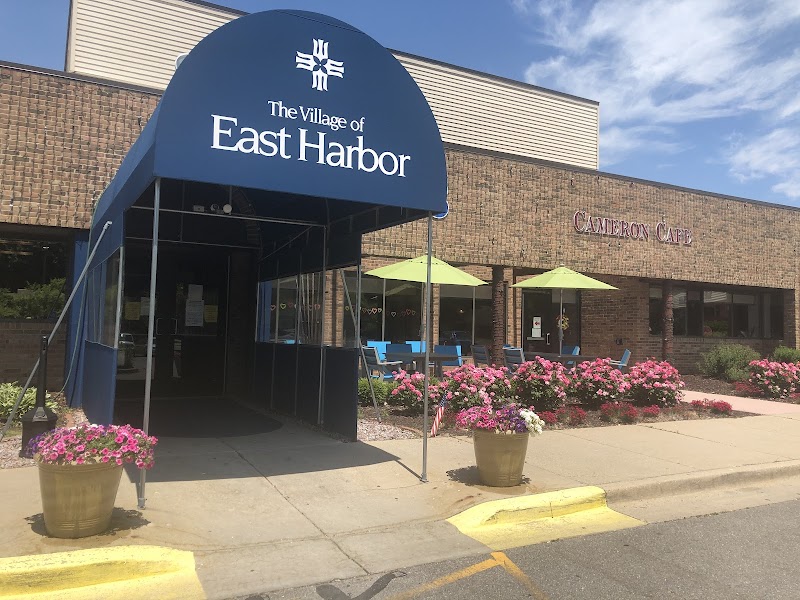
How is The Village Of East Harbor Staffed?

CMS rates The Village of East Harbor's staffing level at 4 out of 5 stars, which is above average compared to other nursing homes. Staff turnover is 46%, compared to the Michigan average of 46%.

What Have Inspectors Found at The Village Of East Harbor?

State health inspectors documented 18 deficiencies at The Village of East Harbor during 2023 to 2025. These included: 1 Immediate Jeopardy (the most serious level, indicating potential for serious harm or death) and 17 with potential for harm. Immediate Jeopardy findings are rare and represent the most serious regulatory concerns. They require immediate corrective action.
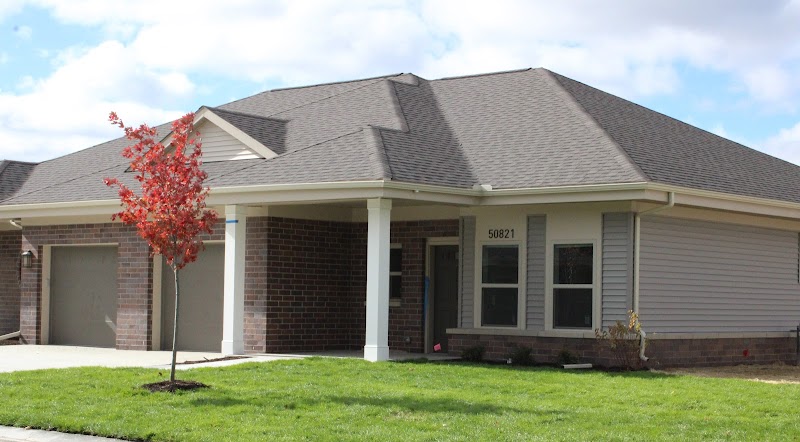
Who Owns and Operates The Village Of East Harbor?

The Village of East Harbor is owned by a non-profit organization. Non-profit facilities reinvest revenue into operations rather than distributing to shareholders. The facility operates independently rather than as part of a larger chain. With 102 certified beds and approximately 92 residents (about 90% occupancy), it is a mid-sized facility located in Chesterfield Township, Michigan.

How Does The Village Of East Harbor Compare to Other Michigan Nursing Homes?

Compared to the 100 nursing homes in Michigan, The Village of East Harbor's overall rating (3 stars) is below the state average of 3.1, staff turnover (46%) is near the state average of 46%, and health inspection rating (3 stars) is at the national benchmark.

What Should Families Ask When Visiting The Village Of East Harbor?

Based on this facility's data, families visiting should ask: "What changes have been made since the serious inspection findings, and how are you preventing similar issues?" "Can I visit during a mealtime to observe dining assistance and food quality?" "How do you handle medical emergencies, and what is your hospital transfer rate?" "Can I speak with family members of current residents about their experience?" These questions are particularly relevant given the facility's Immediate Jeopardy citations.

Is The Village Of East Harbor Safe?

Based on CMS inspection data, The Village of East Harbor has documented safety concerns. Inspectors have issued 1 Immediate Jeopardy citation (the most serious violation level indicating risk of serious injury or death). The facility has a 3-star overall rating and ranks #100 of 100 nursing homes in Michigan. Families considering this facility should ask detailed questions about what corrective actions have been taken since these incidents.

Do Nurses at The Village Of East Harbor Stick Around?

The Village of East Harbor has a staff turnover rate of 46%, which is about average for Michigan nursing homes (state average: 46%). Moderate turnover is common in nursing homes, but families should still ask about staff tenure and how the facility maintains care continuity when employees leave.

Was The Village Of East Harbor Ever Fined?

The Village of East Harbor has been fined $15,593 across 1 penalty action. This is below the Michigan average of $33,235. While any fine indicates a compliance issue, fines under $50,000 are relatively common and typically reflect isolated problems that were subsequently corrected. Families should ask what specific issues led to these fines and confirm they've been resolved.

Is The Village Of East Harbor on Any Federal Watch List?

The Village of East Harbor is not on any federal watch list. The most significant is the Special Focus Facility (SFF) program, which identifies the bottom 1% of nursing homes nationally based on persistent, serious quality problems. Not being on this list means the facility has avoided the pattern of deficiencies that triggers enhanced federal oversight. This is a positive indicator, though families should still review the facility's inspection history directly.