Mission Point Nursing & Physical Rehabilitation Ce
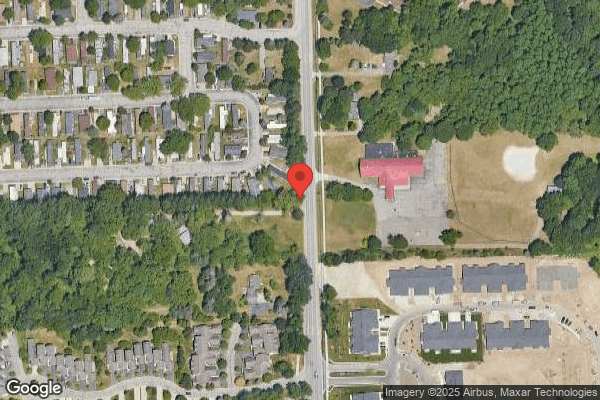
4800 Clintonville Rd, Clarkston, MI 48346 (248) 674-0903
For profit - Corporation 120 Beds MISSION POINT HEALTHCARE SERVICES Data: November 2025 1 Immediate Jeopardy citation
Trust Grade
0/100
#394 of 422 in MI
Last Inspection: August 2025

Inspected within the last 6 months. Data reflects current conditions.

Overview

Mission Point Nursing & Physical Rehabilitation Center in Clarkston, Michigan has received a Trust Grade of F, indicating significant concerns about the facility. Ranked #394 out of 422 in Michigan, they are in the bottom half of all facilities in the state. Although the situation is improving-issues decreased from 20 in 2024 to 14 in 2025-there are still serious concerns, including a staggering $369,364 in fines, which is higher than 98% of Michigan facilities. Staffing is average with a turnover rate of 44%, but the RN coverage is also average, meaning that while there is some stability, it may not be enough to ensure quality care. Specific incidents include a resident suffering a life-threatening infection that led to amputation and death due to inadequate wound care, as well as another resident who fell out of bed and fractured their hip when proper assistance was not provided. Families should weigh these significant weaknesses against the facility's average staffing metrics when considering care for their loved ones.

Trust Score
F
0/100
In Michigan
#394/422
Bottom 7%
Safety Record
High Risk
Review needed
Inspections
Getting Better
20 → 14 violations
Staff Stability
○ Average
44% turnover. Near Michigan's 48% average. Typical for the industry.
Penalties
○ Average
$369,364 in fines. Higher than 55% of Michigan facilities. Some compliance issues.
Skilled Nurses
✓ Good
Each resident gets 45 minutes of Registered Nurse (RN) attention daily — more than average for Michigan. RNs are trained to catch health problems early.
Violations
⚠ Watch
70 deficiencies on record. Higher than average. Multiple issues found across inspections.
★☆☆☆☆
1.0
Overall Rating
★★★☆☆
3.0
Staff Levels
★★★☆☆
3.0
Care Quality
★☆☆☆☆
1.0
Inspection Score
Stable
2024: 20 issues
2025: 14 issues

The Good

  • Full Sprinkler Coverage · Fire safety systems throughout facility
  • No fines on record
  • Staff turnover below average (44%)

    4 points below Michigan average of 48%

Facility shows strength in fire safety.

The Bad

1-Star Overall Rating

Below Michigan average (3.1)

Significant quality concerns identified by CMS

Staff Turnover: 44%

Near Michigan avg (46%)

Typical for the industry

Federal Fines: $369,364

Well above median ($33,413)

Significant penalties indicating serious issues

Chain: MISSION POINT HEALTHCARE SERVICES

Part of a multi-facility chain

Ask about local staffing decisions and management

The Ugly 70 deficiencies on record

1 life-threatening 8 actual harm
Aug 2025 13 deficiencies 1 Harm
SERIOUS (G) 📢 Someone Reported This

A family member, employee, or ombudsman was alarmed enough to file a formal complaint

Actual Harm - a resident was hurt due to facility failures

Accident Prevention (Tag F0689)

A resident was harmed · This affected 1 resident

**NOTE- TERMS IN BRACKETS HAVE BEEN EDITED TO PROTECT CONFIDENTIALITY** This citation relates to Intake #2571092. Based on observation, interview, and record review, the facility failed to prevent an ...

Read full inspector narrative →
**NOTE- TERMS IN BRACKETS HAVE BEEN EDITED TO PROTECT CONFIDENTIALITY** This citation relates to Intake #2571092. Based on observation, interview, and record review, the facility failed to prevent an avoidable fall out of bed for one Resident (R8) of five resident reviewed for falls, resulting in actual harm for R8, who sustained a femur fracture. Findings include: Review of a complaint received by the State Agency on 7/24/25 revealed an allegation that R8 fell out of bed while they were cleaned by nursing staff and rolled over onto the floor. The complaint alleged R8 had one person assisting them and said they were supposed to have two-person assistance. The concern further revealed that R8 was hospitalized and subsequently treated for a fractured right hip. Review of R8's investigation file, related to R8's fall with major injury on 7/23/25, revealed Certified Nurse Aide (CNA) AA was providing a bed bath (care) to R8 and rolled them on their side, and R8 continued to roll out of bed directly onto the floor. R8 was found to have two skin tears on their right knee, and complained of pain in both knees, both elbows, their right shoulder and right hip. The physician and R8's guardian were notified, and R8 was sent out to the hospital emergently. On 7/24/25 R8's guardian informed the facility R8 had sustained a fracture to their right hip. The file showed R8 was care planned to need 1-2-person assistance for bed mobility. The facility found the root cause of R8's fall was R8 needed two-person assistance with bed mobility, and was care planned for 1-2-person assistance (not always having two-person assistance). R8's care plan was updated by the facility after their fall to reflect two-person transfers after the incident. Review of CNA AA 's witness statement, dated 7/23/25, revealed (CNA AA ) washed the front of (R8) and then rolled him on his side to wash the back of him. As (CNA AA) was washing (R8's) back he began to roll forward. (CNA AA) quickly attempted to grab him to pull him backwards and yelled for help, but (their) gloves were wet and (CNA AA) did not have a good grip on him. (R8) continued to roll forward out of the bed onto the floor. (Registered Nurse - RN D) heard (CNA AA) scream and quickly ran into to the room to help but (R8) was already on the floor. The statement confirmed CNA AA was providing one-person assistance to R8 with bed mobility and was behind him when he rolled off the bed (verses in front of him, per standards of practice). Review of RN D 's witness statement, dated 7/23/25, revealed RN D heard CNA AA telling R8 not to move forward, and then yelled R8 was on the floor. The report further described RN D went to R8's room and assessed R8, and found they had two skin tears on their right knee, and had pain in both knees, both elbows, their right shoulder, and right hip. RN D reportedly administered Tylenol, provided wound care, ordered x-rays, and then received orders to transfer R8 emergently to the hospital. On 8/19/25 at approximately 10:30 a.m., the Director of Nursing (DON) acknowledged with the Nursing Home Administrator (NHA) present CNA AA should have been in front of R8 while they were cleaning R8, not behind them, per standards of care. The DON confirmed if R8 had been positioned properly, R8 would have rolled towards CNA AA, and not onto the floor. The DON clarified R8's Care Plan should have designated R8 required either one-person or two-person assistance with bed mobility, as a CNA did not have the clinical expertise to make this decision. The DON reported the therapy staff made those decisions, and any facility residents who were care planned for 1-2-person assistance were changed to two-person assistance after R8's fall. The DON and NHA confirmed no abuse, or intent was suspected or found after their investigation. On 8/19/25 at 1:16 p.m., R8 was observed seated in their reclined manual wheelchair, sliding forward towards the edge of the wheelchair, with much of their weight on their back. Their bottom was sliding towards the edge of their wheelchair seat, with a full body Hoyer lift sling underneath them. R8 was pointing to their right hip, grimacing in pain, and said, Ouch, my hip, my hip, repetitively. R8 told Surveyor they needed to lay down. R8's call light was out of their reach, anchored to the wall. R8 explained they wanted to get into bed and said their right knee hurt also. On 8/19/25 at 1:17 p.m., it was observed there was no nurse on the unit hallway. On 8/19/25 at 1:18 p.m., CNA V arrived, and R8 said they wanted to go to bed. CNA V reported R8 just returned from in-house dialysis. CNA V was shown R8 had no call light, and their position. CNA V reported CNA W brought them back from dialysis, not them CNA V acknowledged R8 should have had their call light in reach. CNA V was shown R8 sliding out of their wheelchair, who stated there was a pommel cushion under their full body sling. which was supposed to prevent them from falling out of the chair, but it was under the padded sling. CNA V stated R8 had a new sling, but they were not certain how to transfer R8 and left the room. CNA W arrived shortly after, observed R8 grimacing in pain, and left the room to find CNA V. Both left the room while R8 was sliding out of their wheelchair and grimacing in pain, pointing to their right hip. On 8/19/25 at 1:34 p.m , the Rehabilitation Director, Physical Therapy Assistant, (PTA) Y , arrived, and educated the floor staff including CNA V and CNA W how to the use the full Hoyer Sling safely to transfer R8 back to bed, including which sling loop colors to use to attach to the lift anchor. Registered Nurse (RN) X, R8's nurse, was also present. On 8/19/25 at approximately 2:00 p.m., the Unit Manager, RN A , with RN X present, was asked how long R8 was using the full body lift for Hoyer transfers, since the floor staff reported did not know how to use the full body sling to transfer R8. RN A reported this was not in the medical record. RN A stated R8's guardian, Guardian Z, had declined surgery for R8's femur fracture, making Hoyer transfers difficult for them but necessary for dialysis. RN A was asked about R8's seating, sliding down the lift sling over the pommel cushion and had no explanation. Both RN A and RN X were asked about R8's call light being out of reach, given their pain and wanting to go back to bed. Both agreed R8 should have had their call light in their reach, as R8 had the potential to use their call light. On 8/19/25 at 4:30 p.m., Surveyor called R8's guardian, Guardian Z , who reported they were working the next two days, and could not be reached until 8/21/25. Review of R8's Care Plan, accessed 8/20/25, showed R8 needed two-person assistance for bed mobility as of 7/24/25 (after their fall with injury) and required 1-2-person assistance for bed mobility as of 5/28/25 (before their fall with injury). A separate care plan revision showed R8 required 2-person assistance also as of 5/28/25, revised on 7/24/25, appearing to be a discrepancy. The Care Plan showed R8 was care planned for the use of a mechanical list for two-person transfers on 8/08/25. The use of a full body sling was care planned on 8/19/25. It was noted R8's Care Plan showed the type of lift sling was not designated until after the staff education observed on 8/19/25. Review of R8's Minimum Data Set (MDS) assessment, dated 7/07/25, revealed R8 was admitted to the facility on [DATE], with diagnoses including stroke, anxiety, and depression. The assessment revealed R8 was dependent for all activities of daily living (care needs) including transfers and bed mobility. The sensory assessment revealed R8 was sometimes understood and was sometimes able to understand others and had adequate vision. The assessment further revealed that R8 had no pain and was on scheduled opioid (controlled substance) pain medication, and had no falls marked. On 8/20/25 at approximately 9:00 a.m., R8 was observed being transferred to their shower bed (a flat durable medical equipment bed for resident showers) by CNA F and another CNA. R8 grimaced in pain while being rolled to place the shower mesh sling underneath them. During the observation, CNA F was observed transferring R8 from their hospital bed to the shower bed, with two of the shower bed brakes unlocked. CNA F acknowledged afterwards they should have been locked the brakes while transferring R8 from their bed to the shower bed. On 8/20/25 at approximately 9:40 a.m., R8 was observed with the Director of Nursing (DON). R8 was in their hospital bed and had no call light near them. The DON placed the call light in R8's hand, to see if they could operate their call light to call for assistance. R8 was able to operate their call light. The DON acknowledged afterwards they understood the concerns with R8 not having the call light near them. On 8/20/25 at 10:50 a.m., the DON was asked about the concerns observed during R8's transfers and positioning on 8/19/25 and 8/20/25. The DON reported CNA V should have known how to transfer R8 with a Hoyer lift and understood the seating and positioning concerns, causing R8 pain and discomfort. The DON confirmed R8's shower bed wheels should have been locked during the Hoyer transfer on 8/20/25. The DON acknowledged R8's call light should have been in their reach on 8/19/25 and 8/20/25. On 8/20/25 at 1:06 p.m., RN D confirmed R8's fall out of bed on 7/23/25 occurred as described. RN D reported R8's fall out of bed while receiving care from CNA AA was an accident, and no abuse or intent was suspected. RN D understood CNA AA should have been in front of R8 while cleaning them, which may have prevented the fall. RN D said R8 required 1-2-person assistance with bed mobility at the time of their fall and used a Hoyer lift for transfers. RN D confirmed R8 required a Hoyer lift and was dependent for all care prior to their fall on 7/23/25. On 8/20/25 at 1:37 p.m., CNA AA confirmed R8's fall out of bed while they were rolling him while cleaning him up occurred as described. CNA AA denied any intent, and confirmed the incident was an accident, when they were providing care and one-person assistance for bed mobility, as the Kardex (CNA care guide) showed R8 required 1-2-person assistance for bed mobility. CNA AA understood they should have been in front of R8 and rolled them towards them, instead of being behind them, cleaning them up. CNA AA reported R8 was in their bariatric bed, and they had not expected them to roll off the bed, as they had positioned R8 in the center of the bed. CNA AA reported they had tried to stop R8 from rolling out of their bed, but said their hands slipped. Review of R8's hospital internal medicine report, dated 8/04/25, revealed R8 sustained a right femur fracture with conservative management (no surgery) while being changed at the facility, and had sepsis (a severe infection), a urinary tract infection, end stage renal disease (kidney disease) and atrial fibrillation (a heart rhythm disorder). The report confirmed R8 was receiving Eliquis, a blood thinner, at the time of their fall at the facility, placing them at risk of bleeding. It was also noted that R8's right knee hardware appeared loosened on a hospital imaging report. Review of R8's hospital palliative care note, dated 8/04/25, revealed R8 was diagnosed with an acute right femur fracture in the ER (emergency room). It was noted R8 also presented to ER with a dislodged suprapubic catheter, which was replaced with a Foley catheter. The assessment showed uncontrolled pain during their hospitalization with repositioning and bowel movements, which was unresponsive to Norco, an opioid pain medication, and showed R8 reported ongoing pain during their hospital stay. The assessment showed non operative management of the hip fracture with a focus on pain control and rest. Review of R8's orthopedic provider progress note, dated 8/06/25, revealed, (R8) does not have absolute contraindication to Hoyer lift. (R8) is at high risk for displacement, skin compromise from intertrochanteric (region of bony protrusions) femur fracture, so recommend safe practices, frequent skin checks, and limited transfers to those absolutely necessary. Review of R8's hospice provider note, dated 8/09/25, showed R8 was placed on hospice care after their hospitalization (discharge) back to the facility on 8/08/25, as R8's guardian did not want to put R8 through any more treatments. The report confirmed R8's Guardian declined for R8 to have surgery. R8 was shown as alert and oriented x 3 spheres during this visit and reported they did not have pain at rest but had moderate to severe pain with movement. R8 was on Norco and Tramadol (a second narcotic pain medication) at that time. Review of R8's hospice provider note, dated 8/20/25, revealed R8 had been having high pain with transfers into the dialysis chair and was started on Morphine (an opioid controlled pain medicine for pain, often prescribed when other medications have not been successful) every four hours for pain and Ativan every six hours (to relieve anxiety).Review of R8's Physical Therapy (PT) Evaluation and Treatment, dated 8/07/25, showed a full body shower sling was recommended for bathing. The assessment revealed R8 did not need PT services, as they were at baseline (no change in their prior level of function while at the facility). The assessment revealed the hospice recommendations for safe transfers and high risk for displacement. There was no documentation or plan to educate staff on transfers noted in their documentation provided by the facility. On 8/21/25 at 10:38 a.m., R8's guardian, Guardian Z, reported in a phone interview they had been made aware of R8's fall out of bed on 7/23/25, and the cause related to R8 needing 2-person assistance with bed mobility. Guardian Z clarified they did not suspect any abuse and understood R8 fell out of bed by accident when CNA AA rolled R8 out of bed during care. Guardian Z confirmed R8 was dependent on staff for all personal care and used a Hoyer lift for transfers prior to their fall. Guardian Z said they had observed staff transferring R8 in an unsafe manner with the Hoyer lift, with R8 nearly sliding out of the lift sling. Guardian Z reported they were concerned about R8's increased pain since their fall and had placed R8 on hospice care after their fall on 7/23/25, upon return to the facility on 8/07/25. Review of the fall reduction policy, dated 2/2025, revealed, Each resident will be assessed for fall risk and will receive care and services in accordance with their individualized level of risk to minimize likelihood of falls.4. Standard Fall Risk Protocols: a. Implement universal environmental recommendations that decrease the risk of resident falling, including, but not limited to: .ii. Bed is locked.iii. Call light and frequently used items are within reach. Review of the policy, Safe Resident Handling/Transfers, dated 8/09/24, revealed, It is the policy of this facility to ensure that residents are handled and transferred safely to prevent or minimize risks for injury and provide and promote a safe, secure and comfortable environment for the resident while keeping the employees safe in accordance with current standards and guidelines .
CONCERN (D) 📢 Someone Reported This

A family member, employee, or ombudsman was alarmed enough to file a formal complaint

Potential for Harm - no one hurt, but risky conditions existed

Deficiency F0557 (Tag F0557)

Could have caused harm · This affected 1 resident

**NOTE- TERMS IN BRACKETS HAVE BEEN EDITED TO PROTECT CONFIDENTIALITY** This citation pertains to intake #1233191.Based on interview and record review, the facility failed to promote the resident's ri...

Read full inspector narrative →
**NOTE- TERMS IN BRACKETS HAVE BEEN EDITED TO PROTECT CONFIDENTIALITY** This citation pertains to intake #1233191.Based on interview and record review, the facility failed to promote the resident's right to be treated with dignity and respect for one (R49) of six residents reviewed for dignity, resulting in facility staff searching a resident's personal possessions without giving the resident the opportunity to decline, in absence of concern with illegal substances, and implementing smoking suspension for three days. Findings include:On 8/19/25 at 9:35 AM, an interview was conducted with R49. When asked about the facility's smoking practices, R49 reported they smoked cigarettes and had to maintain their smoking materials with staff but further reported they were one of the residents that could smoke independently.Review of the clinical record revealed R49 was admitted into the facility on 7/1/22 and readmitted on [DATE] with diagnoses that included: alcoholic hepatic failure without coma, alcoholic cirrhosis of liver with ascites, gout, unspecified protein-calorie malnutrition, anxiety disorder, major depressive disorder, recurrent mild, and traumatic subdural hemorrhage without loss of consciousness.According to the annual Minimum Data Set (MDS) assessment dated [DATE], R49 had intact cognition and had no behavior concerns.Further review of the clinical record included an entry on 4/22/25 at 4:10 PM by Social Worker (SW ‘H‘) that read, Writer observed resident smoking outside even though the cigarette was not given to her by activity staff. Writer requested for a room search and a couple of cigarettes were found in resident's room. Writer had a conversation with resident and reminded her the smoking policy. Resident voiced being aware and understands the consequences for violating the smoking policy. This is a second violation, and the consequences is a 3-day suspension. Resident shared that she understands the consequence and will be resuming smoking on Friday 04/25/2025 at 4:00 PM. Activity staff and management team was notified.Review of the facility's policy titled, Resident Smoking dated 2/2025 documented, in part: .Any resident who is deemed safe to smoke, with or without supervision, will be allowed to smoke in designated smoking areas (weather permitting), at designated times, and in accordance with his/her care plan.If a resident or family does not abide by the smoking policy or care plan (e.g. smoking materials are provided directly to the resident, smoking in non-smoking areas, does not wear protective gear), the plan of care may be revised to include additional safety measures.Smoking materials of residents requiring supervision with smoking will be maintained by nursing staff.If at any time the facility changes its policy to prohibit smoking.it will allow current residents who smoke to continue smoking in an area that maintains the quality of life for these residents. There was no documentation that allowed the facility to conduct a room search, or that the resident would be penalized (such as revoking their smoking rights) included in this policy.On 8/20/25 at 11:00 AM, an interview and record review was conducted with SW ‘H' who reported they had been in their role as the sole Social Worker for the facility for about a year. When asked about R49's smoking evaluation, SW ‘H' reported R49 had been assessed to be independent with smoking for a while now and further reported they had been re-evaluated for competency in April 2025.When asked about their documentation and to recall the events that occurred on 4/22/25, SW ‘H' reported the resident was seen smoking and their room was searched and additional cigarettes were found. When asked who did the room search, SW ‘H' reported they did. When asked if the resident was given the choice to conduct a room search, or were they told their room was going to be searched, SW ‘H' reported R49 was told their room was going to be searched and further stated, We have to see if they have more cigarettes on themselves.When asked about the implementation of a 3-day smoking suspension, SW ‘H' reported that was the facility's process and they have the residents sign as well. When asked regardless if the resident is signing a document, why were they implementing punitive measures, SW ‘H' reported they felt that was a concern but was something Administration said they had to do.On 8/20/25 at 12:00 PM, an interview was conducted with the Administrator. When asked about the facility's process for smoking, the Administrator reported when they first started at the facility about a year ago, there were many issues with residents smoking or sharing cigarettes and they had implemented smoking agreements that were signed on admission and discussed disciplinary processes if the residents were found in violation.The Administrator was requested to review their smoking policy and acknowledged the one they referenced was an outdated policy and the current policy (referenced above) was the current policy and did not include punitive measures. When asked about the facility conducting room searches when there is no concerns with illegal substances, the Administrator acknowledged the recent regulatory language and recent State Agency/Provider training and stated they might not have been using the most updated policy and R49 was disciplined based on the former smoking policy (prior to 2/2025).
CONCERN (D) 📢 Someone Reported This

A family member, employee, or ombudsman was alarmed enough to file a formal complaint

Potential for Harm - no one hurt, but risky conditions existed

Deficiency F0558 (Tag F0558)

Could have caused harm · This affected 1 resident

Based on observation, interview, and record review, the facility failed to ensure a pull cord for the overbed light was accessible to the resident for one (R60) of one resident reviewed for accommodat...

Read full inspector narrative →
Based on observation, interview, and record review, the facility failed to ensure a pull cord for the overbed light was accessible to the resident for one (R60) of one resident reviewed for accommodation of needs. Findings include:On 8/19/25 at 9:58 AM, R60 was observed lying in bed with oxygen in place via nasal cannula. The overbed light on the wall above their bed was observed to have a pull string that was tied up and hung down approximately one foot and was not able to be reached when in bed. They reported they rarely left their room and preferred to stay in bed. When asked about their room environment and if they had any concerns, R60 discussed several concerns including the light above their bed. When asked to explain further, R60 stated, I can't reach my light to turn on cause they never brought me a longer cord.Additional observations on 8/20/25 and 8/21/25 revealed the cord remained tied up and not within reach.On 8/20/25 at 1:20 PM, an interview was conducted with the Maintenance Director (Staff ‘O‘) who reported they had worked at the facility for about 30 years. Staff ‘O' was asked to observe R60's room and confirmed the short length of the overbed light and reported those had likely been like that since the rooms were renovated a while ago.According to the facility's policy titled, Safe and Homelike Environment dated 4/2024: .The facility will provide and maintain adequate and comfortable lighting levels in all areas.The Maintenance Director will perform periodic rounds to ensure functioning lights.
CONCERN (D)

Potential for Harm - no one hurt, but risky conditions existed

Deficiency F0583 (Tag F0583)

Could have caused harm · This affected 1 resident

Based on observation, interview and record review the facility failed to protect resident privacy for one (R25) of two resident reviewed for privacy. Findings include:On 8/19/25 at 9:27 AM, R25 was ob...

Read full inspector narrative →
Based on observation, interview and record review the facility failed to protect resident privacy for one (R25) of two resident reviewed for privacy. Findings include:On 8/19/25 at 9:27 AM, R25 was observed lying in her bed which had a concave mattress (mattress with raised edges). R25 did not answer any questions asked. R25's bed was positioned to the left side directly against the wall to the hallway. The bed extended approximately 6 inches past the doorframe to the room. Upon attempting to close the door to R25's room, the door would hit the footboard of R25's bed and was not able to close. Review of the clinical record revealed R25 was admitted into the facility on 6/27/25 with diagnoses that included: dementia, diabetes and fracture of the left wrist and hand. According to a Brief Interview for Mental Status (BIMS) exam dated 8/6/25, R25 had severely impaired cognition.On 8/20/25 at 9:20 AM, Certified Nursing Assistant (CNA) F was interviewed and asked how staff closed R25's door as the bed extended past the doorframe. CNA F explained that was a bed Hospice had brought, it was longer than the facility's beds. if she needed to close the door, she would move the bed. On 8/20/25 at 11:46 AM, CNA G was interviewed and asked how staff closed R25's door. CNA G explained she guessed she would move the bed.On 8/20/25 at 1:32 PM, the Unit Manager (UM) for R25's Unit, UM A was interviewed and asked about R25's bed positioned against the wall so the end of the bed extended into the doorway. UM A explained R25's bed did not need to be against the wall due to there being a concave mattress. she had moved the bed several times, but the staff kept moving it against the wall, but the bed was too long to be against that wall.On 8/20/25 at 2:20 PM, the Director of Nursing (DON) was interviewed and asked about R25's bed blocking the door from being closed. The DON explained the bed did not need to be against the wall, and it should not block the door from being closed. When informed of the concern of R25's privacy, since her door could not be closed, the DON acknowledged the concern.Review of a facility policy titled, Resident Rights revised 2/2025 read in part, .Personal privacy includes accommodations, medical treatment, written and telephone communications, personal care, visits, and meetings of family and resident groups .
CONCERN (D)

Potential for Harm - no one hurt, but risky conditions existed

Free from Abuse/Neglect (Tag F0600)

Could have caused harm · This affected 1 resident

**NOTE- TERMS IN BRACKETS HAVE BEEN EDITED TO PROTECT CONFIDENTIALITY** Based on observation, interview, and record review, the facility failed to protect a resident's right to be free from neglect, f...

Read full inspector narrative →
**NOTE- TERMS IN BRACKETS HAVE BEEN EDITED TO PROTECT CONFIDENTIALITY** Based on observation, interview, and record review, the facility failed to protect a resident's right to be free from neglect, for one Resident (R10) of two residents reviewed for abuse, resulting in R10 being transferred from their wheelchair with a damaged Hoyer lift sling, hitting their head and causing pain, with the potential to affect 15 additional facility residents who used Hoyer lifts for transfers. Findings include: On 8/19/25 at 11:32 a.m., R10 was observed seated in their manual wheelchair, dressed and well-groomed, propelling their wheelchair around their room. Review of R10's nursing progress note, dated 8/19/25 at 3:29 p.m., revealed R10 had a fall out of the Hoyer lift. The note described, (R10) was in the room with two aides with Hoyer. (R10) was getting put to bed and was hooked up to the Hoyer and upon lifting (R10) was not positioned correctly and sling come loose (sic). (R10) hit head on (the) baseboard of bed when being lowered back to a sitting position in wheelchair. Review of R10's Care Plan, accessed 8/21/25, showed R10 required 2-person assistance with a Hoyer lift for transfers. The Care Plan showed no designation for the type of sling used or sling size. The Care Plan showed R10 had an increased risk for fractures related to a diagnosis of osteoporosis (weakened bones due to decreased bone density), and showed R10 was at increased risk for falls. Review of the Electronic Medical Record (EMR) showed R10 was their own responsible party. Review of R10's progress notes revealed R10 declined to be sent out emergently for a CT scan (diagnostic test) after the fall from the Hoyer lift on 8/19/25 and agreed to an x-ray. Review of R10's skull x-ray report, dated 8/20/25, showed no acute abnormalities or fractures. Review of R10's nursing assessment, dated 8/19/25 at 3:29 p.m., revealed R10 hit the back of their head on their bed involving a Hoyer lift and sling. Review of R10's pain assessment, dated 8/19/25 at 3:38 p.m., revealed R10 experienced, Moderate pain, 3 of 10 (with 10 the highest pain), after the transfer from bed. Review of R10's Minimum Data Set (MDS) assessment, dated 7/24/25, revealed R10 was admitted to the facility on [DATE], with diagnoses including metabolic encephalopathy (brain metabolic disorder), anxiety, and depression. The assessment revealed R10 was dependent for transfers and was cognitively intact. On 8/21/25 at 9:23 a.m., the Unit Manager, Licensed Practical Nurse (LPN) EE, was asked what occurred when R10 fell out of the Hoyer lift on 8/19/25. LPN EE described two aides started to transfer R10, when the Hoyer lift sling ripped on one side, and the aides transferred R10 into the wheelchair. LPN EE was asked to provide the damaged sling for observation and reported it was thrown away. LPN EE stated R10 bumped their head and said there was no palpable or visible lump or bruise, and confirmed they ordered an x-ray. LPN EE clarified Certified Nurse Aide (CNA) F was transferring R10 when the incident occurred, and said CNA F had received an education to inspect the lift slings prior to transferring residents. On 8/21/25 at 9:35 a.m., CNA F was asked about R10's fall from the Hoyer lift on 8/19/25, and who was working with them. CNA F reported CNA CC was the other aide present when the fall occurred. CNA F reported R10 had the sling under them in their bed, which was placed and left there by the midnight shift nursing aide staff. CNA F reported CNA CC put the green loop on their side of the lift sling onto the lift anchor, and the sling broke on the top right corner, which caused R10 to hit their head on the top metal piece of the lift. CNA F said R10 stated, Do not move me; go get the nurse, and said they positioned the wheelchair under them. CNA F reported they had not seen any concerns with the sling. CNA F acknowledged given the sling was under R10 when they arrived to transfer them, they had not fully visualized the sling.On 8/21/25 at 9:50 a.m., CNA CC was asked during a phone interview what occurred when R10 fell out of the Hoyer lift sling. CNA CC stated R10 fell during the transfer to their wheelchair, when the top of what was connected to the sling broke off (the sling loop).The sling (loop) was tattered on the end.I saw the side (a loop of the sling) on my side was faulty, so I went to a different color (loop). There are three loops (which fasten the lift sling to the lift arm anchor). I want to say the green (loop) on my side was slit and broken open, so I went to another color. And it broke on the other side (CNA F's side). I didn't put her on that sling. It was already under (R10) . CNA CC was asked why they did not get a new sling, when they saw a broken sling loop. CNA CC responded, It was the first time I ever seen it (happen).I saw one of the rings was faulty, so I went to another color. When I saw it was messed up on my side, I said, ‘This sling is faulty.'.Maybe (CNA F) overlooked it. And when I looked and (R10) had fallen, (I said), Oh, this is tattered already. I just looked at it and the way it was frayed and stuff. I knew it had to be frayed.before (CNA F) put her on there. It had to be in bad condition. CNA CC said they worked at the facility a month and a half (when the incident occurred). CNA CC was asked if they were trained to inspect the lift slings prior to transferring a resident, and responded, I can't recall. CNA CC said R10 reported they hit their head but clarified they did not see this occur. CNA CC explained when they saw the lift sling after it broke, they would have expected CNA F to have noticed the lift sling loop appeared to be damaged on their side of the sling. CNA CC did not verbalize any understanding when they moved to another sling anchoring loop (of three available) to secure the sling to the lift, that their side of the lift sling was damaged, rendering the lift sling unsafe for use prior to R10's transfer. It was clear CNA F and CNA CC had not fully inspected the lift sling prior to transferring R10, as both reported the sling was under R10 in bed. On 8/21/25 at 9:32 a.m., Surveyor asked to speak with R10 about the incident. R10 declined to speak with the Surveyor, and stated, I'm fine. Leave me alone. On 8/21/25 at 10:05 a.m., the Laundry Supervisor, Staff T, was asked about inspections of the facility lift slings. Staff T reported the slings were sent to laundry by nursing staff in the mornings when they needed to be laundered. Staff T clarified at the time of the interview there was no process in place to ensure each sling were regularly inspected, as only the slings which were dirty were inspected at the time the incident occurred. Record review of the sling inspection laundry logs for the past six months with Staff T confirmed the facility laundered one to three slings most days randomly, only those sent to be laundered when dirty. Staff T reported they removed any slings with faded words on the tags in circulation (current use) when the soiled slings were laundered. Staff T said they did an audit after the sling incident occurred on 8/19/25 and removed any slings from circulation which were damaged. On 8/21/25 at 10:20 a.m., the slings in circulation were observed with Staff T in a centrally located room adjacent to the nurse's station. Staff T reported this was the location of the facility slings in current circulation for the nursing staff to use. It was observed the padded blue full body Hoyer slings showed three loops on each side at the top of the sling, to anchor the sling to the Hoyer lift. The loops were three different colors, including green, orange, and red on one of the slings. Staff T removed four of the current full body slings in the supply room from circulation, three with faded worn tags, showing signs of wear, including one with faded colored loops, and one sling which appeared worn and faded. It was confirmed there were no other incidents with the slings by Staff T and nursing management. Staff T had no explanation why current slings with faded tags and signs of wear were found in current circulation. On 8/21/25 at 12:03 p.m., Registered Nurse (RN) DD confirmed they were R10's nurse when R10 fell from the sling on 8/19/25. RN DD reported they observed the Hoyer sling after the incident, when one of the sling loops ripped apart. RN DD described the material was frayed, and described R10 did not fall to the floor, but fell back into the wheelchair which supported them. RN DD stated R10 said they hit their head, however they could not be certain, as they did not palpate a bump, and said they provided ice for pain. Review of R10's physician visit note, dated 8/21/25 at 12:36 p.m., revealed R10 reported hitting their head on the footboard of their head when one side of the lift's screen (fabric) loosened. The note showed some tenderness reported by R10 upon palpation, with no neurological changes or change in status evident, and there was no lump or laceration. R10's physician recommended continued monitoring and educated staff on signs of head injury. Review of CNA F's employee file showed a date of hire of 10/11/23, no disciplinary action, current nurse aide registration, abuse and neglect training, and current competencies in the use of mechanical lifts. Review of CNA CC's employee file showed a date of hire as 6/09/25, no disciplinary action, current nurse aide registration, abuse and neglect training, and mechanical lift training in their orientation on 6/14/25. Review of the manufacturer's instructions for sling use, provided by the NHA, including in their staff education, showed, .Staff should always inspect slings prior to each use. Signs of rips, tears, or frays indicate sling wear which is unsafe and could result in injury. Signs (included) fading, bleached areas, or permanent wrinkles on the strap from improper laundering which is unsafe and could result in injury. Any slings with signs or wear or improper laundering should be immediately removed from use.Do not remove sling labels. If sling labels are removed or no longer legible, sling must be immediately removed from use. On 8/21/25 at approximately 1:16 p.m., the NHA and DON reported CNA CC declined to participate in R10's incident investigation (from 8/19/25), and they had been unable to reeducate CNA CC. Both reported they were pursuing disciplinary action, up to termination. On 8/21/25 at approximately 1:28 p.m., the NHA and DON acknowledged the concerns related to R10's sling being damaged when CNA F and CNA CC transferred R10 in the Hoyer lift on 8/19/25. The DON acknowledged the sling should not have been left under R10 by the midnight staff and understood the concern. The NHA reported they had ordered new slings and had provided each resident with their own Hoyer lift sling on 8/21/25, which would be their process going forward. Their immediate intervention was that staff could only transfer residents who used Hoyer lifts with therapy staff or a nurse present. The NHA and DON reported there were no other residents who had incidents with Hoyer lifts or slings. Both confirmed they had begun to provide staff education on safe Hoyer lift transfers and had removed any slings which were damaged after R10's fall on 8/19/25. The NHA and DON were made aware there were additional slings were found on 8/21/25 with signs of wear by Staff T, with Surveyor present, and observed the worn slings. Both reported they understood the concerns related to no routine inspection or process for each sling to be regularly inspected in the building and had been working through this concern. Both acknowledged the sling which broke apart during R10's Hoyer lift transfer on 8/21/25 had been discarded to ensure the sling was no longer available for use. Both confirmed the concern related to CNA CC transferring R10 with a damaged, frayed sling was incorrect and placed R10 at risk for injury. The NHA reported they had informed their Medical Director of the concerns who they included in an ad hoc QAPI meeting on 8/21/25. The NHA described they had added routine Hoyer sling inspections in their maintenance system and were including their therapy and nursing staff in floor staff education including observations of Hoyer lift transfers. Review of CNA F's, Total Mechanical Lift Competency Checklist re-education, dated 8/21/25, provided by the NHA, included the following directives for safe mechanical lift operation: Ensuring two caregivers were present, visually inspecting slings for signs of wear and tear, not using any sling which was visually damaged, positioning a resident on the appropriate sling and size, and removing the sling from under a resident, unless care planned otherwise. An additional Handwritten directive included: Notifying the NHA or DON immediately, if there was an incident or injury with the equipment, and defective equipment must be removed and turned into the NHA or Maintenance Director immediately, and noted, Do Not Discard. Review of laundry staff education, Hoyer Sling Education, dated 8/21/25, revealed, i. Always inspect slings prior to each wash. Signs of rips, tears, and frays indicate sling wear which is unsafe and could result in injury. Signs of color fading, bleached areas, or permanent wrinkles on the straps indicate improper laundering which is unsafe and could result in injury. ANY slings with signs of wear or improper laundering should be immediately removed from use. ii. Do not remove sling labels. If sling labels are removed or no longer legible, sling must be immediately removed from use. iii. Slings are to be washed on a cycle with NO BLEACH. Review of the policy, Safe Resident Handling Transfers, dated 8/09/24, revealed, It is the policy of this facility to ensure that residents are handled and transferred safely to prevent or minimize risks for injury and provide and promote a safe, secure and comfortable experience for the resident while keeping the employees safe in accordance with current standards and guidelines. Policy explanation: Residents require safe handling when transferred to prevent or minimize the risk of injury to themselves and the employees that assist them. While manual lifting techniques may be utilized dependent upon the resident's condition and mobility, the use of mechanical lifts is a safer alternative and should be used in non-emergent situations. Compliance guidelines:.6. The staff will inspect the equipment prior to use to ensure functionality and will alert maintenance or other designee if the equipment is not functioning properly. 7. Damaged, broken, or improperly functioning lift equipment will not be used and tagged out according to facility procedures. 8. The facility will ensure that there are appropriate amounts of varying sized slings to accommodate residents per the manufacturer's instructions on proper sling sizing. 9. Ensure that the sling designed for the lift is utilized with that specific lift. 10. Two staff members must be utilized when transferring residents with a full body mechanical lift. 11. Staff will be educated on the use of safe handling/transfer practices, to include use of mechanical lift devices upon hire, annually and as the need arises or changes in equipment occur. 12. Staff members are expected to maintain compliance with safe handling/transfer practices. Failure to maintain compliance may lead to disciplinary action up to and including termination of employment. 13. Resident lifting and transferring will be performed according to the resident's individual plan of care. 14. Staff will perform mechanical lifts/transfers according to manufacturers' instructions for use of the device. 15. Slings will be laundered according to the manufacturer's instructions and any damaged, broken, or unsafe slings will be removed from service and replaced. 16. Environmental services will maintain a Lift Inspection Log. a. Slings will be inspected during routine laundering. b. Slings will be assigned a number for tracking purposes. Slings will be physically labeled with their number. Review of the policy, Abuse, Neglect, and Exploitation, revised 6/24, revealed, It is the policy of this facility to provide protections to the health, welfare and rights of each resident by developing and implements written policies and procedures that prohibit and prevent abuse, neglect.Neglect means failure of the facility, its employees, or service providers to provide goods and services to a resident that are necessary to avoid physical harm, pain, mental anguish, or emotional distress. Willful means the individual must have acted deliberately, not that the individual must have intended to inflict injury or harm.IV. Identification.Possible indicators of abuse include but are not limited to: .8. Failure to provide care needs such as comfort, safety.turning, and positioning.6. Taking all necessary actions as a result if the investigation, which may include, but are not limited to, the following: a. analyzing the occurrence(s) to determine why abuse, neglect.occurred and what changes are needed to prevent further occurrence, b. Defining how care provision will be changed and/or improved to protect residents receiving services. c. Training of staff on changes made and demonstration of staff competency after training is implemented. d. Identification of staff responsible for implementation of correction action. E. The expected date of implementation. f Identification of staff responsible for monitoring the implementation of plan.VIII. Coordination with QAPI. A. The facility will communicate and coordinate situations of abuse, neglect.with the facility QAPI committee.
CONCERN (D)

Potential for Harm - no one hurt, but risky conditions existed

Incontinence Care (Tag F0690)

Could have caused harm · This affected 1 resident

**NOTE- TERMS IN BRACKETS HAVE BEEN EDITED TO PROTECT CONFIDENTIALITY** Based on interview and record review, the facility failed to provide timely incontinence care for one (R60) of one resident revi...

Read full inspector narrative →
**NOTE- TERMS IN BRACKETS HAVE BEEN EDITED TO PROTECT CONFIDENTIALITY** Based on interview and record review, the facility failed to provide timely incontinence care for one (R60) of one resident reviewed for bladder and bowel incontinence. Findings include:On 8/19/25 at 9:58 AM, R60 was observed lying in bed with oxygen running via nasal cannula. When asked about how they felt the care was and whether there was enough staff to meet their care needs, R60 reported concerns with not having enough staff to change their briefs regularly. The resident further reported they wore disposable briefs and they also had a UTI (Urinary Tract Infection) and still has burning (common pain from a UTI) because they felt like the UTI was because they weren't getting changed frequently. When asked what they considered as frequent, R60 reported they were trying to get a change every three to four hours, but they often had to wait a long time. When asked when the last time they were changed, R60 reported the last time was at 5:00 AM. The resident also reported it (the delay in being changed) was worse on the weekends and evenings.Review of the clinical record revealed R60 was admitted into the facility on [DATE] with diagnoses that included: chronic obstructive pulmonary disease with acute exacerbation, mild intermittent asthma, fibromyalgia, and major depressive disorder recurrent.According to the Minimum Data Set (MDS) assessment dated [DATE], R60 had intact cognition, and requires substantial/maximal assistance with lower body dressing, toileting hygiene, and is always incontinent of bladder and bowel.Review of the care plans included:I have an ADL (activities of daily living) Self Care Performance Deficit r/t (related to) increased weakness due to hospitalization. Able to make needs known. Hearing is adequate, vision is highly impaired. Inc (Incontinent) of B (Bladder) & B (Bowel). This care plan was initiated on 10/7/21 and last reviewed on 7/22/25.Interventions included:TOILET USE: I am not toileted. Provide briefs for dignity and pericare after each incontinent episode. This intervention was initiated on 11/4/24.Review of the nursing documentation for when R60 had incontinence episodes in the task section of the clinical record for the past 30 days (maximum look back period available) revealed some days there was only documentation that incontinence care was done twice, sometimes three times, and one day four times in a 24-hour period. This documentation included the following times it was documented as being done:8/21/25 at 2:36 AM8/20/25 at 10:25 AM and 8:23 PM8/19/25 at 6:24 AM, 1:39 PM, 9:24 PM, 11:57 PM8/18/25 at 6:42 AM, 11:11 AM, 10:35 PM8/17/25 at 6:59 AM, 8:00 AM, 10:07 PM8/16/25 at 5:15 AM, 1:37 PM, 7:57 PM8/15/25 at 12:43 AM, 2:14 PM, 9:12 PM8/14/25 at 12:06 AM, 1:19 PM, 6:31 PM8/13/25 at 6:39 AM, 10:06 AM, 7:52 PM8/12/25 at 6:38 AM, 10:30 AM, 9:00 PM8/11/25 at 12:26 AM, 9:53 AM, 8:48 PM8/10/25 at 6:32 AM, 10:22 AM, 10:59 PM8/9/25 at 6:25 AM, 7:47 AM, 6:44 PM8/8/25 at 6:41 AM, 11:10 AM, 7:33 PM8/7/25 at 6:15 AM, 8 56 AM, 4:22 PM8/6/25 at 6:57 AM, 10:03 AM, 5:10 PM8/5/25 at 9:26 AM, 8:56 PM8/4/25 at 6:50 AM, 8:51 AM, 5:35 PM, 11:37 PM8/3/25 at 4:50 AM, 2:59 PM, 8:27 PM8/2/25 at 10:28 AM, 9:41 PM8/1/25 at 6:33 AM, 2:22 PM, 10:23 PM, 11:42 PM7/31/25 at 6:59 AM, 2:53 PM, 8:47 PM7/30/25 at 6:52 AM, 8:53 AM, 10:49 PM7/29/25 at 6:53 AM, 12:05 PM, 9:40 PM7/28/25 at 2:59 PM, 10:33 PM7/27/25 at 12:34 AM, 11:23 AM, 8:38 PM, 11:55 PM7/26/25 at 6:34 AM, 9:53 AM, 6:03 PM7/25/25 at 12:52 AM, 10:39 AM, 5:35 PM7/24/25 at 6:49 AM, 12:58 PM, 10:59 PM7/23/25 at 12:30 AM, 11:12 AM, 10:59 PMOn 8/21/25 at 12:25 PM, an interview was conducted with the Director of Nursing (DON). When asked what the facility's process was for incontinence care, the DON reported the CNAs (Certified Nursing Assistants) should be checking for incontinence throughout the shift. When asked how they should be documenting if incontinence care was provided, the DON reported typically they document in (name of electronic record) but a lot don't do it in real time, some document towards the end of the shift, and they liked them to chart as they go. The DON further reported the facility was aware of issues with call light response and more of issue with off-shifts like nights and weekends and were trying to hold staff accountable, but call-ins were the issue. The DON further acknowledged at times there might only be one CNA but even if they had two CNAs per hallway, the acuity was hard.
CONCERN (D) 📢 Someone Reported This

A family member, employee, or ombudsman was alarmed enough to file a formal complaint

Potential for Harm - no one hurt, but risky conditions existed

Deficiency F0692 (Tag F0692)

Could have caused harm · This affected 1 resident

**NOTE- TERMS IN BRACKETS HAVE BEEN EDITED TO PROTECT CONFIDENTIALITY** Based on observation, interview and record review the facility failed to provide snacks for a resident with low body weight for ...

Read full inspector narrative →
**NOTE- TERMS IN BRACKETS HAVE BEEN EDITED TO PROTECT CONFIDENTIALITY** Based on observation, interview and record review the facility failed to provide snacks for a resident with low body weight for one (R54) of three residents reviewed for nutrition. Findings include: On 8/19/25 at 9:06 AM, R54 was observed lying in her bed. R54 appeared to be small and very thin and bilateral arm and hand contractures were observed. R54 was asked about care at the facility. R54 explained she did not get snacks in the evenings, she did not always like the food being served and she was hungry in the evenings and would like to get snacks. sometimes someone would give her something, but she needed assistance to eat and it was hard to get someone to assist her at snack time.Review of the clinical record revealed R54 was admitted into the facility on [DATE] with diagnoses that included: spastic quadriplegic cerebral palsy, moderate protein-calorie malnutrition and anxiety disorder. According to the Minimum Data Set (MDS) assessment dated [DATE], R54 was cognitively intact. The MDS assessment also indicated R54 was dependent on staff for eating.Review of R54's weights revealed the most recent weight dated 8/7/25 was 77.4 pounds.Review of R54's nutritional care plan revised 2/17/25 revealed no intervention for providing evening snacks.Review of a 30 Day Look Back of Certified Nursing Assistant (CNA) documentation for Snacks revealed no snacks documented as given or eaten.On 8/20/25 at 8:43 AM, observation of CNA F assisting R54 with breakfast revealed R54 was not able to open items on the tray and required the assistance of staff to eat.On 8/21/25 at 9:01 AM, the Dietary Manager (DM) was interviewed and asked how evening snacks were distributed. The DM explained there was a list of residents that they would prepare a snack for and their name would be put on the snack and it was distributed to the resident in the evening. The DM was asked if R54 was on the list for evening snacks. The DM explained he would check to see.On 8/21/25 at 9:15 AM, the DM provided a list of 45 residents who were provided evening snacks. R54 was not on the list. On 8/21/25 at 10:05 AM, Registered Dietician (RD) K was interviewed and asked why R54 was not provided evening snacks. RD K explained R54 had never asked for evening snacks. RD K was asked why evening snacks were not included in R54's nutritional interventions due to her only weighing 77.4 pounds. RD K acknowledged the concern and explained he would add R54 to the list for evening snacks.On 8/21/25 at 2:10 PM, the Director of Nursing (DON) was interviewed and asked about R54 not receiving evening snacks. The DON explained R54 had never asked for evening snacks, but thought it would be a good idea since R54 only weighed 77.4 pounds.Review of a facility policy titled, Weight Monitoring revised 1/2024 read in part, .Interventions will be identified, implemented, monitored and modified (as appropriate), consistent with the resident's assessed needs, choices, preferences, goals and current professional standards to maintain acceptable parameters of nutritional status.
CONCERN (E) 📢 Someone Reported This

A family member, employee, or ombudsman was alarmed enough to file a formal complaint

Potential for Harm - no one hurt, but risky conditions existed

Resident Rights (Tag F0550)

Could have caused harm · This affected multiple residents

This citation pertains to intake #1233191.Based on observation, interview, and record review the facility failed to ensure treatment in a dignified manner for five residents, (R20, R24, R43, R70, and ...

Read full inspector narrative →
This citation pertains to intake #1233191.Based on observation, interview, and record review the facility failed to ensure treatment in a dignified manner for five residents, (R20, R24, R43, R70, and R76) of six residents reviewed for dignity. Findings include:R#'s 24, 43, 70, and 20. On 8/19/25 at 9:39 AM, Certified Nurse Aide (CNA) 'M' was observed in R24's room providing one-to one feeding assistance. CNA 'M' was not observed to be seated while feeding R24, rather they were observed standing at the bedside over the resident while providing assistance. On 8/19/25 at 12:27 PM, R20 R43, and R70 were observed seated in the dining room at a table. CNA 'M' was observed to be standing at the table providing one-to-one feeding assistance alternating bites of food between R20 and R70. On 8/19/25 at 12:35 PM CNA 'M' was observed providing one-to-one feeding assistance to R20. Several times throughout the meal, CNA 'M' left the table in the middle of the meal to assist the other residents and returned to provide one-to-one feeding assistance to R20. On 8/19/25 at 12:40 PM, CNA 'M' is again observed standing at the table providing feeding assistance with alternate bites to R20 and R70. On 8/19/25 at 1:00 PM, CNA 'M' is observed in R24's room standing at the bedside attempting to provide one-to-one feeding assistance. R76 On 8/21/25 at 8:40 AM, R76 was observed near the nursing station overheard saying Isn't anyone going to help me?. At that time, R76 was asked what was going on and said they had requested pain medication, but their nurse told them they had to wait. They went on to say the nurse was sitting at the nursing station and didn't understand why they couldn't go get their pain medication for administration. On 8/21/25 at 8:43 AM, R76 was observed in the hallway near the nursing cart. Nurse 'E' was observed at the cart preparing medications for another resident on the hallway. R76 was pointing at Nurse 'E' and verbalizing complaints with the use of expletives of not receiving their pain medication and being told they, Had to wait, to Therapy Staff Member 'Q'. Staff member 'Q' was overheard to tell R76 they would be, taken care of and to stop swearing at people. Staff member 'Q' was then observed to leave the unit. Nurse 'E' did not acknowledge R76's complaints and Staff 'Q' did not inquire with Nurse 'E' why R76 had not received their pain medication. On 8/21/25 at 8:54 AM, an interview was conducted with Nurse 'E'. They were asked why R76 had not received their pain medication and said they had tried to give it earlier but R76 had gone outside. They were asked about the observed verbal exchange in the hallway with R76 complaining to Staff member 'Q' about not getting their pain medication. Nurse 'E' said, That's just how he gets. They were asked if at that time they could have acknowledged R76's complaints, as opposed to ignoring him and said they could have. On 8/21/25 10:30 AM, an interview was conducted with Therapy Staff 'Q' regarding R76's complaints to them. Staff 'Q' said, He's bipolar and unpredictable. They were asked if they could have inquired with the nurse in the hallway about his medications and said they could have acknowledged. On 8/21/25 at 2:11 PM, an interview was conducted with the facility's Director of Nursing (DON). The witnessed incident between R76, Nurse 'E', and Staff 'Q' was discussed and the DON indicated staff could have addressed R76's needs in a more appropriate way. A review of a facility provided policy titled, Resident Rights was conducted and read, .The resident has a right to be treated with respect and dignity . On 8/19/2025 at 12:15 PM, an observation of main dining room revealed concerns with dignity during dining. At one table there were three residents seated and two of the residents already had their lunch meal served and were being assisted by staff. R70 was observed seated at the table and did not have a meal tray. At 12:30 PM, R70 still did not have their lunch served. At this time, staff were observed asking out loud to one another “So we need a tray for [name of R70]?” and several other staff asking about getting the resident a meal tray. Certified Nursing Assistant (CNA ‘M‘) (who was not wearing a name badge) was observed seated next to R70 assisting another resident at the table with their meal. CNA ‘M’ was then observed telling R70 “[name of R70] they’re getting your tray right now sweet pea.” At 12:32 PM, the Director of Nursing (DON) was observed telling R70, “At least you got your coffee right there.” R70 was observed to continue watching the other residents eat their lunch meal. At that time, CNA ‘M’ stated out loud, “She looking like where's my food at. Everyone else got theirs. At that time, Nurse ‘N’ stated out loud to R70, “I know it’s coming, you're looking at me like that. At 12:35 PM, Nurse ‘N’ delivered the meal tray to R70. Upon delivering the meal tray, CNA ‘M’ repeatedly referred to R70 as “Sweet Pea”. When R70 asked CNA ‘M’ what the ground up meat was, CNA ‘M’ stated to the resident, “I believe it's ribs but I don't want to lie to you, it's some beef. On 8/19/25 at 12:40 PM, an interview was conducted with the DON. When asked why R70 was not served at the same time as other residents at their table, the DON reported R70 ate later and the meal tray usually went to their room. When asked why the staff didn’t identify it upon serving the other residents at that time, the DON reported they were not sure. When asked about whether staff should be wearing name badges, the DON reported they should and was part of their uniform. At that time, CNA ‘M’ stated out loud from R70’s table, “I have one too (name badge), but it fell off.
CONCERN (E)

Potential for Harm - no one hurt, but risky conditions existed

Safe Environment (Tag F0584)

Could have caused harm · This affected multiple residents

Based on observation and interview, the facility failed to maintain a clean, comfortable, homelike environment for multiple residents, including R60. Findings include:Observations made during the rece...

Read full inspector narrative →
Based on observation and interview, the facility failed to maintain a clean, comfortable, homelike environment for multiple residents, including R60. Findings include:Observations made during the recertification survey from 8/19/25 - 8/21/25 revealed concerns with flies observed in several resident rooms and throughout the hallways.Observations of the residents that attended smoking activities revealed the doors to the courtyard were kept open to allow the residents to exit the facility.On 8/19/25 at 9:58 AM, R60 was observed lying in bed with oxygen in place via nasal cannula. There was a small black portable fan on their table next to the bed that had a large build-up of dust that hung down off the front and back of the protective outer covering and fan blades. When asked about their room environment and if they had any concerns, R60 reported, I have such allergies and they don't clean that (black fan). R60 reported housekeeping swept and mopped the floors, but didn't dust.Additional observations on 8/19/25 and 8/20/25 revealed the fan remained with a heavy accumulation of dust.On 8/20/25 at 12:12 PM - An interview was conducted with the Administrator. When asked about who was responsible for cleaning the portable fans in resident rooms, the Administrator called the Maintenance Director (Staff ‘O‘) and asked over them if there was a formal log of cleaning personal fans and it was reported there was not and if staff sees a dirty one, they should clean it.On 8/20/25 at 1:12 PM, an interview was conducted with Staff ‘O'. When asked about the facility's pest control, they provided the log which showed monthly visits and none identified concerns with flies. When asked about if flies were observed by staff, what should be done, Staff ‘O' reported staff should log in binder or put into their electronic reporting system. Staff ‘O' reported they thought flies might be getting in when residents went outside to smoke and the doors were left open to allow the residents to exit.On 8/20/25 at 1:20 PM, an observation of R60's room was conducted with Staff ‘O‘. They confirmed the same and reported they were not aware of the resident having a portable fan but if staff observed the fan with build-up, they should report that in their electronic reporting system so they knew it needed to be addressed.According to the facility's policy titled, Safe and Homelike Environment dated 4/2024: .Housekeeping and maintenance services will be provided as necessary to maintain a sanitary, orderly and comfortable environment.
CONCERN (E)

Potential for Harm - no one hurt, but risky conditions existed

Deficiency F0602 (Tag F0602)

Could have caused harm · This affected multiple residents

Based on observation, interview and record review, the facility failed to prevent staff from handling resident's money (cash and cards) to purchase smoking materials for 18 (6, 11, 14, 16, 26, 29, 30,...

Read full inspector narrative →
Based on observation, interview and record review, the facility failed to prevent staff from handling resident's money (cash and cards) to purchase smoking materials for 18 (6, 11, 14, 16, 26, 29, 30, 31, 37, 40, 42, 45, 47, 50, 55, 63, 64, and 67) of 18 residents reviewed for abuse, resulting in the potential for exploitation and misappropriation of the resident's property. Findings include:On 8/19/25 at 12:20 PM, a staff member (Driver/Certified Nursing Assistant - Staff ‘P') was observed entering the main dining room with a gray plastic bag. Staff ‘P' was then observed going up to a resident and placed a debit/credit card down on the table next to R37, then proceeded to go around to several other residents while they were eating their lunch. Staff ‘P' was then observed to pull out a large wad of folded cash and then showed another resident a carton of cigarettes.On 8/19/25 at 12:26 PM, an interview was conducted with Staff ‘P' upon exiting the main dining room. Staff ‘P' reported they worked as the facility's driver and had been employed since February 28, 2025. When asked about the observation of them going to several residents, placing debit/credit cards, cash and showing cigarettes, Staff ‘P' explained they went to the smoke store for them (residents). When asked how many residents they did that for, Staff ‘P' stated Today was like five or six. When residents go out to smoke, whoever says something, I tap into each resident, take cash or card. I have clipboard all sign off on I keep in the van. Anyone knows if I mess up, it's all over. When asked if the Administration was aware this was occurring, Staff ‘P' reported they did.On 8/19/25 at 4:04 PM, an interview was conducted with the Administrator who reported they began working at the facility since August 2024. When asked about whether staff should be handling any money i.e cash/cards from residents, the Administrator reported absolutely not and further reported that had been going on when they first came and they put a stop to that because there were so many concerns with misappropriation. The Administrator was informed of the observation and interview with Staff ‘P' and they reported they were employed as a driver.The Administrator further reported they made it very clear when they started that no staff should be handling resident money. The Administrator was informed Staff ‘P' reported there was a clipboard they maintained and was requested to provide any additional documentation for review.On 8/19/25 at 4:28 PM, the Administrator provided the log maintained by Staff ‘P' and reported, Apparently, they took it upon themselves to come up with this. Review of the documentation included the logs which were from 7/15/25 - 8/19/25 of multiple residents. There was no documentation provided prior to 7/15/25. It should be noted that several residents identified by the facility following notification of this concern were not included in the log documentation, including R37 who Staff ‘P' was observed placing the debit/credit card down in the dining room. The Administrator reported they would review the logs and follow up with the residents to make sure no one has any misappropriation concerns.On 8/20/25 at 10:00 AM, review of the additional documentation provided by the facility included:A facility audit which included 18 residents (R6, R11, R14, R16, R26, R29, R30, R31, R37, R40, R42, R45, R47, R50, R55, R63, R64, R67).Resident Council minutes from 1/27/25 that documented, in part: .Administrator talked to the Council about a New Policy in effect March 1st, 2025, = The Facility will no longer be able to go out and purchase their personal smoking items. Each resident would be responsible for supplying their own, they must contact their family and or Guardians to help them.A disciplinary action for Staff ‘P' dated 8/19/25 which was a written counseling notice that read, .During annual on 8.19.25 a surveyor observed employee collecting money, debit cards to purchase tobacco items .Corrective Action Employee's <sic> cannot take resident's money/debit cards to purchase cigarettes. Money's <sic> must be handled by resident directly, families, guardians, etc .These guidelines were reviewed in resident council in February of 2025 .According to the facility's policy titled, Abuse, Neglect and Exploitation dated 6/2024: It is the policy of this facility to provide protections for the health, welfare and rights of each resident by developing and implementing written policies and procedures that prohibit and prevent abuse, neglect, exploitation and misappropriation of resident property.
CONCERN (E)

Potential for Harm - no one hurt, but risky conditions existed

Deficiency F0800 (Tag F0800)

Could have caused harm · This affected multiple residents

**NOTE- TERMS IN BRACKETS HAVE BEEN EDITED TO PROTECT CONFIDENTIALITY** Based on observation, interview and record review, the facility failed to ensure food preferences were honored for four resident...

Read full inspector narrative →
**NOTE- TERMS IN BRACKETS HAVE BEEN EDITED TO PROTECT CONFIDENTIALITY** Based on observation, interview and record review, the facility failed to ensure food preferences were honored for four residents (R1, R24, R43, and R70) of 10 residents reviewed for dining/nutrition. Finding include R1 On 08/20/2025 at approximately 1:20 p.m., a meal tray was observed for meal service for R1 which included R1's meal preference ticket that revealed the following standing orders for their lunch meal: Standing Orders: 1. 1/2 cup of applesauce (as available). 2. 1/2 cup mashed potatoes & gravy. 3. Yogurt, Yogurt At that time, R1's lunch meal tray was observed to not contain any of the standing order items that were supposed to be provided on the meal ticket. On 8/8/25 at approximately 1:25 p.m., The Dietary Manger J (DM J) was queried regarding the dietary process for ensuring the standing orders indicated on the meal tickets are provided to the residents when the meal is served. DM J reported that the process occurs in the kitchen during the tray pass in which one of the dietary aides is responsible for reading the ticket and placing the standard order items on the meal tray for service to their room. DM J was queried why none of the items were provided on R1's meal tray at time of service and they indicated that the dietary aide missed them. On 8/8/25 the medical record for R1 was reviewed and revealed the following: R1 was initially admitted to the facility on [DATE] and had diagnoses including Iron deficiently and Dysphagia. A review of R1's MDS (minimum data set) with an ARD (assessment reference date) of 6/20/25 revealed R1 needed assistance from facility staff with most of their activities of daily living. A dietary evaluation dated 7/17/25 revealed the following: RD following resident for wt (weight) status & new order of labs. CBW (current body weight) ~110# as of 7/16 w/ BMI (body mass index) 21.4--WNL. Wt (weight) hx shows a ~11.4# wt loss since 6/12 admission. Noted res states her UBW prior to admission ~115-120#. Wt loss likely d/t (due to) to PT/OT (physical therapy/occupational therapy) services w/fatigue, fluid shifts, hx of substance disorder, and/or acute disease processes. Previous 1200mL (militers) FR d/c (discontinued) 7/7. Current diet order in place: Gen/Reg (general/regular) x 3 w/ extra protein. Po (by mouth) intakes are 100% x 5d per FAR (food acceptance record). Noted resident on Megestrol Acetate for appetite stimulation. Food preferences discussed w/ resident & remain up to date. Resident noted to have protein drinks/nutritional supplements provided from family/friends at bedside. Supplements in place: Prostat QD ~30mL (~100kcal, 15g prot/serv) & Medpass 2.0 QD (every day) ~120mL (~240kcal, 11g prot/serv) for added nutritional support & promotion of wt stability. Tolerating per resident .Rec to cont (continue) w/ POC (plan of care). Will monitor wts as available, diet tolerance/appetite . R24 On 8/19/25 at 9:21 AM, R24's breakfast meal was compared to the items listed on their meal ticket. The meal tray contained a glass of water, two sausage links, two pancakes, syrup, and jelly. R24's meal ticket indicated standing orders for 8 ounces of coffee, a half a cup oatmeal with brown sugar and a half cup of fruited yogurt that were not observed on their breakfast tray. On 8/19/25 at 12:51 PM, R24's lunch meal was compared to the items listed on their meal ticket. It was noted R24 had standing orders for pink lemonade and a chef salad (if available) that were not served with the meal. It was observed on the facility's posted menu; a chef salad was an always available menu item. On 8/20/25 at 12:39 PM, R24's lunch meal was compared to the items on their meal ticket. It was noted R24 had a standing order for a chef salad (if available) that was not served with the meal. At that time, a resident at another table in the dining room was observed to be served a chef salad. On 8/21/25 at 8:42 AM, R24's breakfast meal was compared to the items listed on their meal ticket. It was noted they had an order for 8 ounces of coffee under their standing orders that was not provided with the meal. R#'s 20, 43, and 70 On 8/19/25 at 12:27 PM, a review of R#'s 20, 43, and 70's lunch meals were compared to the items listed on their meal tickets. It was noted R20 had a standing order for a health shake and a glass of milk that were not present on the tray, R43 had a standing order for a health shake that was not provided with the meal, and R70 had standing orders for applesauce, cottage cheese, and a health shake that were not provided with the meal.
CONCERN (E)

Potential for Harm - no one hurt, but risky conditions existed

Food Safety (Tag F0812)

Could have caused harm · This affected multiple residents

Based on observation, interview and record review, the facility failed to ensure sanitary conditions were maintained in the kitchen and during food service for one resident (R70) and all residents tha...

Read full inspector narrative →
Based on observation, interview and record review, the facility failed to ensure sanitary conditions were maintained in the kitchen and during food service for one resident (R70) and all residents that consume food from the kitchen. Findings include:On 8/20/2025 at approximately 8:37 a.m., a tour of the main kitchen was conducted with the Dietary Manager J and the following was observed: 1. A box of Taquitos was not secured/unsealed and when moved on the shelf, the individual taquitos fell out of the box. 2. The storage rack that keeps the metal pans was observed to contain stacks of pans that were not air dried and contained water droplets up and down the stack of pans. When the pans were raised, water poured out on the floor. 3. The kitchen light covers had dust and staining on them. 4. The ventilation covers had dust/debris spreading out from them onto the ceiling tiles. On 8/20/25 at approximately 9:01 a.m., Dietary Manager J was queried regarding the nesting process for the stacking of their metal pans, and they indicated that the pans should have been air dried before being stacked on top of each other. DM J was queried regarding the box of frozen taquitos that were unsealed, and they indicated that the flap on the box was weak so they would get something else to ensure it was sealed. DM J was queried regarding the cleanliness of the vents and light covers and they indicated that they would have to notify maintenance to clean them. A review of the United States Food and Drug Administration (FDA)-Food Code revealed the following: 4-903.11 Equipment, Utensils, Linens, and Single-Service and Single-Use Articles. (A) Except as specified in ¶ (D) of this section, cleaned equipment and utensils, laundered linens, and single-service and single-use articles shall be stored: (1) In a clean, dry location; (2) Where they are not exposed to splash, dust, or other contamination; and (3) At least 15 cm (6 inches) above the floor. (B) Clean equipment and utensils shall be stored as specified under ¶ (A) of this section and shall be stored: (1) In a self-draining position that allows air drying; and (2) Covered or inverted. On 8/19/25 at 12:37 PM, Certified Nurse Aide (CNA) 'M' was observed assisting R70 with setting up their lunch meal. CNA 'M' was observed to remove R70's dinner roll from their plate with their bare hand and spread butter on it. They then placed it back on R70's lunch plate. On 8/21/25 at approximately 1:30 PM, an interview was conducted with Nurse 'R', the facility's Infection Control Preventionist and they said staff should not be touching resident's food with their bare hands. A review of a facility provided policy titled, Dining Service revised 1/2025 was conducted and read, ' .10. Staff will be educated on hygienic practices such as: a. No bar hand to food contact .
CONCERN (F)

Potential for Harm - no one hurt, but risky conditions existed

Infection Control (Tag F0880)

Could have caused harm · This affected most or all residents

**NOTE- TERMS IN BRACKETS HAVE BEEN EDITED TO PROTECT CONFIDENTIALITY** Based on observation, interview and record review the facility failed to ensure appropriate infection control practices related ...

Read full inspector narrative →
**NOTE- TERMS IN BRACKETS HAVE BEEN EDITED TO PROTECT CONFIDENTIALITY** Based on observation, interview and record review the facility failed to ensure appropriate infection control practices related to Enhanced Barrier Precautions (EBP) and hand hygiene for two residents (R#'s 58 and 65) of seven residents reviewed for infection control as well as ensure appropriate infection control practices in the facility laundry and with regards to staff fingernails. This deficient practice had the ability to affect all residents at the facility. Findings include: R58 Review of the clinical record revealed R58 was admitted into the facility on 7/8/25, discharged [DATE] and readmitted on [DATE] with diagnoses that included: acute gastric ulcer with perforation, pleural effusion, generalized acute peritonitis, atelectasis, extended spectrum beta lactamase (ESBL) resistance, fistula of intestine, candidal stomatitis, urinary tract infection, herpesviral cingivostomatitis (viral infection) and pharyngotonsillitis (an acute infection of the pharynx), acute peptic ulcer site unspecified with perforation, and peritoneal abscess. Review of the current physician orders included: “Maintain Enhanced barrier precautions for high contact resident care r/t (related to) PICC (Peripherally inserted central catheter) line/hx (history of) of MDRO (Multi-Drug Resistant Organism) every shift for PICC line/hx of MDRO”. On 8/20/25 at 9:00 AM Phlebotomist ‘U’ was observed at their cart with lab supplies in the hallway just outside R58’s room. The door to R58’s room was observed to have signage that identified anyone to lift the top sheet to review specific details about the resident. R58 was on enhanced barrier precautions (EBP). A Personal Protective Equipment (PPE) caddy was hung from the door and contained disposable gloves, masks, and gowns. At this time, Phlebotomist ‘U’ donned disposable gloves, retrieved lab supplies, then looked at the sign on the door to lift for review, but did not lift to read and proceeded to enter R58’s room and close the door. Less than a minute later, Phlebotomist ‘U’ exited the room using the same disposable gloves, touching the door handle, retrieved a bright orange band (tourniquet), then re-entered the room without changing gloves, using hand sanitizer, or donning a gown. At 9:03 AM, Phlebotomist ‘U’ was observed to not change gloves and was proceeding to push the cart to continue on. When asked to talk before they continued on, Phlebotomist ‘U’ was asked why they didn’t review the signage posted on the door to determine what type of precautions R58 was on and they stated, “They (facility) said I just left this up and nobody took this down (pointing to the bright orange sign on the door). I didn’t read cause I’ve read it before. I go by what the nurses show me, not what’s posted.” When asked if they routinely came to the facility, they reported “I’m not normally the one that comes here.” Phlebotomist ‘U’ proceeded to take their cart with lab supplies and go towards another hallway. At 9:09 AM, an interview was conducted with the Director of Nursing (DON). When asked about whether staff/visitors should be reviewing signage on doors to verify what they might need for precautions such as what PPE to don/doff, the DON reported everyone should be reviewing that. The DON further reported if signage was up, they were on precautions and they used a cover to maintain HIPAA (Health Insurance Portability and Accountability Act). The DON was informed of the observations of Phlebotomist ‘U’ and at the same time, Phlebotomist ‘U’ was observed in the hallway about to enter another resident’s room. The DON reported that should not have occurred and they would address it immediately. R65 On 8/19/25 at 10:00 AM, R65's room door was observed to have a sign to indicate they were on enhanced barrier precautions requiring the use of a gown and gloves for resident care activities. On 8/19/25 at 10:12 AM, Nurse 'S' was observed to enter R65's room with three wrapped packages of 4x4 gauze. Nurse 'S' was not observed to don an isolation gown prior to entering the room. On 8/19/25 at 10:15 AM, Nurse 'S' was observed to exit the room with an examination glove on their left hand carrying two wrapped packages of 4x4 gauze and the glove they removed from their right hand. Once in the hallway, Nurse 'S' removed the left glove and threw them in a housekeeping trash cart in the hallway. They were not observed to perform hand hygiene after removing the gloves in the hallway. After disposing the gloves, Nurse 'S' went to the treatment cart and placed the two wrapped packages of 4x4 gauze that had entered R65's room back into the treatment cart. After storing the gauze they proceeded to their medication cart where they were still not observed to perform hand hygiene and began preparing medications for administration to their next resident. On 8/19/25 at 10:17 AM, Nurse 'S' was asked what services they provided to R65 when they entered the room and reported they had changed the dressing to R65's tracheostomy opening. On 8/20/2025 at 3:43 PM, a review of R65's chart revealed an order dated 10/18/24 for them to be on enhanced barrier precautions related to presence of a feeding tube. Further review of the chart revealed an order to cover R65's trach opening with a dressing. On 8/21/25 at approximately 1:30 PM, an interview was conducted with the facility's Infection Control Preventionist and they acknowledged the concern with EBP and hand hygiene and indicated ongoing infection control education was being done. Laundry Service On 8/21/25 from 1:30 to 2:00 PM, an observation of the facility laundry room and service was conducted with Laundry Supervisor 'T'. They were asked if anyone routinely checked the concentration of their laundry soap/chemicals/bleach and said they recently switched laundry products and the company providing the new product did not routinely test but would come out if called. At that time, Supervisor 'T' said about a week ago they noticed the level of bleach in the bottle running to the washing machines hadn't moved in a few days. They said they called the company, and a representative came to the facility and fixed the problem but admitted several days of laundry were done without the use of bleach. Continued review of the laundry room revealed four clean laundry basket trunks equipped with spring lifts (a device to keep the laundry from sitting in the bottom of the cart) attached. Observation under the spring lifts in three of four of the clean basket trucks revealed copious amounts of lint, garbage debris, food debris, peanut shells, examination gloves, and lancets for checking blood sugars. Supervisor 'T' said the clean laundry basket trunks should not have any debris underneath the spring lifts. A review of a facility provided policy titled, Enhanced Barrier Precautions was reviewed and read, It is the policy of this facility to implement enhanced barrier precautions for the prevention of transmission of multidrug-resistant organisms .b. An order for enhanced barrier precautions will be obtained for residents with any of the following: i. Wounds .feeding tubes .b. PPE (personal protective equipment) for enhanced barrier precautions is only necessary when performing high-contact care activities .3. High-contact resident care activities include: .h. Wound care: any skin opening requiring a dressing . A review of Center for Disease Control Guidance titled, Clinical Safety: Hand Hygiene for Healthcare Workers | Clean Hands | CDC was reviewed and read, .Recommendations Know when to clean your hands .After touching a patient or patient's surroundings .Immediately after glove removal . A review of a facility provided policy titled, Handling Clean Linen was reviewed and read, It is the policy of this facility to handle, store, process, and transport clean linen in a safe and sanitary method to prevent contamination of the linen, which can lead to infection .3 Carts will be cleaned when visibly soiled, and routinely according to facility schedule. On 8/21/25 at 1:35 PM, CNA “L” was observed to have artificial fingernails approximately 1 inch in length that were [NAME]-encrusted with small to large jewels. CNA “L” was asked if she was currently providing patient care at the facility. CNA “L” explained she was working a double (two shifts, back to back) and had 12 residents on her set. On 8/21/25 at 2:36 PM, Registered Nurse (RN) “A”, who served as the Infection Preventionist, was interviewed and asked about staff having long, [NAME]-encrusted fingernails. RN “A” explained it was an infection control issue due to the inability to completely clean around the jewels, or under the artificial nails and the risk of the nails ripping the gloves. On 8/21/25 at 2:58 PM, the DON was asked if staff were allowed to have long [NAME]-encrusted nails. The DON explained staff were “forbidden” to have long nails. When informed of the observation of 1 inch [NAME]-encrusted fingernails, the DON acknowledged the concern. Review of a facility policy titled, “Dress & Personal Appearance” revised 7/11/23 read in part, “…Fingernails: …Fingernails should be at a moderate length when working in patient care areas. Artificial nails are not permitted on staff working in patient care areas (including Nursing, Recreation, and Food and Nutrition)…”
May 2025 1 deficiency 1 Harm
SERIOUS (G) 📢 Someone Reported This

A family member, employee, or ombudsman was alarmed enough to file a formal complaint

Actual Harm - a resident was hurt due to facility failures

Pressure Ulcer Prevention (Tag F0686)

A resident was harmed · This affected 1 resident

**NOTE- TERMS IN BRACKETS HAVE BEEN EDITED TO PROTECT CONFIDENTIALITY** This citation pertains to intake: MI00152863. Based on interview and record review the facility failed to accurately assess a s...

Read full inspector narrative →
**NOTE- TERMS IN BRACKETS HAVE BEEN EDITED TO PROTECT CONFIDENTIALITY** This citation pertains to intake: MI00152863. Based on interview and record review the facility failed to accurately assess a sacral/coccyx wound, implement adequate and appropriate interventions to prevent wound development, failed to timely identify the decline of a sacral/coccyx wound and notify the Physician for one (R202) of two residents reviewed for pressure wounds, which resulted in hospitalization for an infected wound, sepsis and a Stage 4 Pressure wound (full-thickness skin and tissue loss with exposed or directly palpable fascia, muscle, tendon, ligament, cartilage or bone in the ulcer) to the sacral/coccyx. Findings include: Review of a complaint submitted to the State Agency (SA) documented concerns regarding R202's pressure wounds. A review of the medical record revealed R202 was admitted to the facility on [DATE], with diagnoses that included: dementia, gastrostomy (opening in the stomach for the insertion of a feeding tube), dysphagia (difficulty swallowing) and was dependent on staff for all Activities of Daily Living (ADLs). Review of a . Change in Condition Evaluation dated 12/18/24 at 6:53 AM, documented in part . Skin wound or ulcer . This started on 12/18/2024 . Triad (wound ointment) to open area . Coccyx - Open area to coccyx/TX (treatment) started . Review of a Wound consultation dated 12/18/24, documented in part . Established pt (patient) New wound . Bilateral Buttock Gluteal fold is a Full Thickness MASD (moisture associated skin damage) . The wound margin is undefined Wound bed has 26-50%, granulation, 26-50% slough (non-viable yellow, tan, gray, green or brown tissue . The description of the wound by the wound clinician is not the description of a MASD impairment. It is the description of a Stage 3 pressure wound (Full-thickness loss of skin, in which subcutaneous fat may be visible in the ulcer and granulation tissue and rolled wound edges are often present. Slough maybe visible). Review of the medical record and a weekly skin assessment dated [DATE], revealed no documentation of the facility to have identified the wound. A review of the care plans revealed no documentation of adequate and appropriate interventions to prevent the development of the wound. Review of progress note dated 12/26/24 at 2:00 AM, documented in part . Change in Condition . Abnormal vital signs . altered mental status, Fever, Tired, Weak, Confused or Drowsy . sending to hospital due to fever and increasing respirations . The medical record revealed R202 was readmitted to the facility on [DATE]. A medical provider note dated 1/8/25 at 9:04 PM, documented in part . Visit Type: F/U (follow up) ER (emergency room)/Hospital . Patient seen and examined for hospital follow-up . was admitted to (hospital name) for sacral decubitus ulcer 12/26/2024 to 1/7/2025. Wound was debrided while in the hospital. Foley catheter was placed for severe sacral wound. She was started on IV (intravenous) antibiotics for sepsis related to this . Review of a wound consult dated 1/8/25, documented in part . Sacral is a Stage 4 Pressure Injury Pressure Ulcer . This indicated the resident was hospitalized for an infected sacral wound and became septic. The wound required debridement which revealed a stage 4 sacral wound. Review of the medical record revealed no identification by the facility staff to have identified the sacral wound to have worsened from the 12/18/24 to 12/26/24, when the resident was transferred to the hospital. On 5/22/25 at 1:41 PM, an interview was conducted with the Administrator and Director of Nursing (DON) regarding the identified wound concerns for R202- inaccurate clinician/staff assessments, lack of appropriate interventions/treatments, the failure of the facility staff to identify the deteriorating wound and notify the physician. The Administrator stated they had identified the same concerns regarding R202's wound. During the onsite survey, past noncompliance (PNC) was cited after the facility implemented actions to correct the noncompliance which included facility wide education with the nursing staff, the termination of the wound practitioner and the hiring of the new wound clinician. Audits were provided and the documentation of Quality improvement measures implemented. The audits were still ongoing at the time of the survey. The facility was able to demonstrate monitoring of the corrective action and maintained compliance.
Sept 2024 10 deficiencies
CONCERN (D)

Potential for Harm - no one hurt, but risky conditions existed

Deficiency F0679 (Tag F0679)

Could have caused harm · This affected 1 resident

**NOTE- TERMS IN BRACKETS HAVE BEEN EDITED TO PROTECT CONFIDENTIALITY** Based on observation, interview, and record review, the facility failed to provide consistent, meaningful and person-centered ac...

Read full inspector narrative →
**NOTE- TERMS IN BRACKETS HAVE BEEN EDITED TO PROTECT CONFIDENTIALITY** Based on observation, interview, and record review, the facility failed to provide consistent, meaningful and person-centered activities for one (R32) of one resident reviewed for activities, and five of seven residents who attended the confidential Resident Council interview, resulting in potential for loss of interaction, joy, self-esteem, sense of well-being, creativity, and independence. Findings include: R32 A review of R32's clinical record revealed R32 was a long-term resident of the facility and was admitted to the facility on [DATE]. R32's admitting diagnoses included anxiety disorder, bipolar-disorder, insomnia, osteoarthritis, social phobia and depression. Based on a Minimum Data Set (MDS) assessment dated [DATE], R32 had Brief Interview for Mental Status (BIMS) score of 15/15, indicative of intact cognition. On 9/9/24 at approximately 12:15 PM, R32 was observed in their bed. R32 was queried about their daily routine, if they attended any activities and their quality of life at the facility. R32 reported they used to go for activities but the facility did not have enough activity staff after a change in management several months ago. They added they used to have more staff and more programs and right now they had only an activities director. They added the facility had bingo two times per week and no other activities that interested them. R32 reported that one of the Bingo prizes was Bingo Bucks and they could use them to buy things from the store. The store was open for an hour and if they could not make it in the hour they had to wait until the next time. When queried if they received 1:1 activity visits from the staff, R32 reported no. They added that they did not get along with the activities director before and the department did not have any other staff. They added you can check with the other residents. Review of R32's Electronic Medical Record (EMR) revealed a Recreation Assessment dated 4/13/22 (completed approximately over 2.5 years ago). The assessment revealed that R32 liked to play cards, arts and crafts, music and spiritual activities. Review of an activities task list for the last 30 days did not reveal any entries. Review of R32's progress notes did not reveal any activity progress notes. Review of an Activities Calendar for September 2024 from 9/1/24 through 9/7/24 included Card Club, Bingo, and Morning games two times per week between 9/3/24 and 9/6/24. On 9/1/24 (Sunday) and every Sunday in September the scheduled activity was River of Life Church for the whole day and every Saturday in September the scheduled activity was Resident Lead Activities. On 9/2/24 (Monday, which was Holiday), the scheduled activity was Resident Lead Activities. A confidential Resident Council interview was held on 9/10/24 at 10:30 AM. Seven Residents attended the meeting. During the meeting, five residents reported that the facility eliminated all the activities staff when there was a change in management. They reported they had more programs prior to that. They reported it happened several months ago. They added the facility currently had one staff member, the activities director, who tried to handle everything. Four residents confirmed the facility did not have activities staff on weekends. They added they had Church on one day. One resident added they set up some stuff and residents who were able to do things on their own could use the items. It was further reported the Activities Director tried to improvise with the staff they had. A staff member (Certified Nursing Assistant - CNA) assisted residents with smoking and assisted with some activities when they worked on weekends. Another resident stated, It is too much for one person to do. An interview was conducted with Director of Activities (DA) D on 9/9/24 at approximately 3:00 PM. DA D was queried about their activities programming, staffing and how they met the interests/needs of their residents. They reported they were the only staff member in the department at this time and had been since April 2024. They added they used to have three staff members in the department and they had a variety of programs every day of the week. They reported they were recently approved a part-time staff who assisted between nursing and activities. They had some volunteers from church helping on weekends and they were trying to do their best to meet the needs of their residents. They added they tried to spend around three hours for a resident group activity and tried to manage the 1:1 visits and their other responsibilities. An interview was conducted with the Administrator on 9/10/24 at approximately 12:45 PM. When queried about the activities program and the lack of activities and staff, the Administrator acknowledged the concerns and added they just received an approval for a part-time staff member from the management. They added they were trying to change that to a full-time staff member and were trying to have other managers assist with programming. Review of facility provided document titled Activities with a revision date of 1/1/24, read in part, It is the policy of this facility to provide an ongoing program to support residents in their choice of activities based on their comprehensive assessment, care plan, and preferences. Facility-sponsored group, individual, and independent activities will be designed to meet the interests of each resident, as well as support their physical, mental, and psychosocial well-being. Activities will encourage both independence and interaction within the community. Definitions: Activities refer to any endeavor, other than routine ADLs (activities of daily living), in which a resident participates that is intended to enhance her/his sense of well-being and to promote or enhance physical cognitive, and emotional health. These include, but are not limited to, activities that promote self-esteem, pleasure, comfort, education, creativity, success, and independence. Policy Explanation and Compliance Guidelines: 1. Each resident's interest and needs will be assessed on a routine basis. The assessment shall include, but is not limited to: a. RAI (resident assessment instrument) Process: MDS/CAA(care area assessment)/Care Plan. b. Activity assessment to include resident's interest, preferences and needed adaptations. c. Social History. d. Discharge Information, when applicable. 2. Activities will be designed with the intent to: a. Enhance the resident's sense of well-being, belonging, and usefulness. b. Create opportunities for each resident to have a meaningful life. c. Promote or enhance physical activity. d. Promote or enhance cognition. e. Promote or enhance emotional health. f. Promote self-esteem, dignity, pleasure, comfort, education, creativity, success and independence. g. Reflect resident's interests and age. h. Reflect cultural and religious interests of the residents. i. Reflect choices of the residents. 3. ADL-related activities, such as manicures/pedicures, hair styling, and makeovers, may be considered part of the activities program. 4. Activities may be conducted in different ways: a. One-to-One Programs. b. Person Appropriate - activities relevant to the specific needs, interests, culture, background, etc. for the resident they are developed for. c. Program of Activities - to include a combination of large and small groups, one-to-one, and self-directed as the resident desires to attend .
CONCERN (D) 📢 Someone Reported This

A family member, employee, or ombudsman was alarmed enough to file a formal complaint

Potential for Harm - no one hurt, but risky conditions existed

Deficiency F0692 (Tag F0692)

Could have caused harm · This affected 1 resident

**NOTE- TERMS IN BRACKETS HAVE BEEN EDITED TO PROTECT CONFIDENTIALITY** This citation pertains to intake #'s MI00146644 and MI00146449. Based on observation, interview and record review, the facility ...

Read full inspector narrative →
**NOTE- TERMS IN BRACKETS HAVE BEEN EDITED TO PROTECT CONFIDENTIALITY** This citation pertains to intake #'s MI00146644 and MI00146449. Based on observation, interview and record review, the facility failed to ensure liquids were provided according to their prescribed therapeutic diet texture for one resident (R57) of four residents reviewed for nutrition. Findings include: On 9/9/24 at approximately 9:03 a.m., R57 was observed in their room, up in their wheelchair attempting to eat their breakfast. R57 was observed to be coughing while eating cereal and drinking their juice. Both the milk and juice appeared to be thin. A review of R57's meal ticket revealed they were supposed to have been provided nectar thick liquids for their meals. On 9/9/24 at approximately 9:07 a.m., Nurse C was informed that R57 was coughing while drinking their juice and eating their cereal. Nurse C was observed going into R57's room and assessing them and indicated that their liquids including the milk and the juice were not thickened and they indicated that R57 should have thickened liquids and was then observed pouring in thickener into the liquids. On 9/9/24 the medical record for R57 was reviewed and revealed the following: R57 was initially admitted to the facility on [DATE] and had diagnoses including Dysphagia, Mild-Protein-Calorie Nutrition and Parkinson's disease. A Physician's order dated 12/29/23 revealed the following: General diet 6-Soft and bite sized texture, Mildly thick/Nectar consistency, Plate guard for all meals A review of R57's care plan revealed the following: I have the potential for a nutritional/hydration problem r/t (related to) PMH (past medical history) of UTI (urinary tract infection), Parkinson's, hernia, restless leg syndrome, prostatic hyperplasia. For my advanced age and or cognition. For my mechanically altered diet & hx (history) of diff chewing/swallowing. Wt (weight) & appetite fluctuations may be anticipated r/t medical dx (diagnosis) and/or age maturation. I receive supplements for added nutritional support Interventions-My diet order is: Reg (regular), Soft/Bite size, Mild/Nectar Thick liquids (Bread products okay) . A nutritional assessment dated [DATE] revealed the following: Diet and Notifications-2. Type of Diet: Reg, Soft/Bite Sized, Mild/Nectar Thick .At Nutritional Risk due to: PMH: UTI, Parkinson's, hernia, restless leg syndrome, prostatic hyperplasia. Res (resident) receives a mechanically altered diet & thickened liquids .
CONCERN (D)

Potential for Harm - no one hurt, but risky conditions existed

Tube Feeding (Tag F0693)

Could have caused harm · This affected 1 resident

**NOTE- TERMS IN BRACKETS HAVE BEEN EDITED TO PROTECT CONFIDENTIALITY** Based on observation, interview and record review the facility failed to provide the total amount of physician ordered enteral (...

Read full inspector narrative →
**NOTE- TERMS IN BRACKETS HAVE BEEN EDITED TO PROTECT CONFIDENTIALITY** Based on observation, interview and record review the facility failed to provide the total amount of physician ordered enteral (tube) feeding, document consistently and accurately the amount of enteral feeding infused, and ensure timely follow up with the physician for one (R63) of one resident reviewed for enteral feeding. Findings include: R63 was a long-term resident of the facility. R63 was originally admitted to the facility on [DATE]. R63 was recently hospitalized and readmitted back to the facility on 8/31/24. R63's diagnoses included stroke with hemiplegia (paralysis of one side), malnutrition, and dysphagia (difficulty swallowing). R63 received part of their nutrition via Percutaneous Endoscopic Gastrostomy (PEG Tube - A tube surgically placed directly on the stomach to receive nutrition and hydration). Based on the Minimum Data Set (MDS) assessment dated [DATE], R63 had a Brief Interview for Mental Status (BIMS) score of 00, indicative of severe cognitive impairment. R63 had a family member appointed as their legal representative. An initial observation was completed on 9/9/24 at approximately 10:50 AM. R63 was observed in their bed. R63 did not answer any questions. R63's tube feeding was not connected. The tube feeding stand had a full bottle of enteral feeding (that was not opened) hanging. The bottle had a date 9/6/24 (3 days prior to the observation) with R63's name and order details. During that observation, Registered Nurse (RN) E, who was the charge nurse for the shift reported that R63 refused tube feeding for the last few days. They added that R63 was able to eat, was on a soft diet, and that it was not very appetizing. RN E added that R63 required tube feeding because their food intake was not meeting their nutritional needs and it needed to be addressed. RN 'E' reported that behavior (refusing tube feeding) was new and R63 was waiting to be seen by the physician. They also added that R63 recently returned from the hospital and they were diagnosed with a pelvic mass. The surveyor asked R63 if they had pain in abdomen and R63 nodded their head. A follow up observation was completed on 9/9/24 at approximately 2:40 PM. R63 was observed in their bed. A lunch tray was on their bedside table. They ate part of their lunch (macaroni and cheese). When asked if they had enough to eat, R63 nodded their head and did not answer further questions. Review of R63's Electronic Medical Record (EMR) revealed that R63 was recently admitted to hospital on [DATE] due to difficulty swallowing and to rule out stroke or respiratory infection and readmitted back on 8/31/24. Review of R63's physicians orders included: Enteral feeding order - one time a day for nutrition. Jevity 1.5 @ 55ml (milliliter)/hr. (hour) x 18 hrs. =990 ml =1485 kcal (kilocalories); up at 5 PM until dose complete - order dated 9/3/24 (3 days after admission), an order for mechanical soft (bite sized) texture and thin liquids ordered on 9/2/24, and an order for NPO (nothing by mouth) upon readmission into the facility on 8/31/24. Review of R63's Enteral feeding administration record revealed that R63 received their enteral feeding as ordered on 9/6/24, 9/7/24 and refused on 9/8/24, as indicated by RN 'D's electronic signature on all the above dates. Review of R63's progress revealed the NPO diet was discontinued on 9/2/24. Further review revealed a nursing summary dated 9/3/24 at 5:40 AM, that R63 had emesis (vomiting) on 9/3/24 and enteral feeding was stopped. However, a Registered Dietician (RD) note dated 9/3/24 at 11:21 (approximately 5 hours after the vomiting episode) read in part, Resident seen bedside and appears doing well. No signs/symptoms of distress. Noted adjustments from NPO to mech soft textures and thin liquids .monitor weight trend, appetite, tube feed and diet tolerance. RD to follow. The note did not address why enteral feeding was ordered 3 days after R63's admission or the concerns with vomiting on 9/3/24. Further review of progress notes revealed no documentation that indicated R63 did not receive their enteral feeding on 9/6/24, 9/7/24 and 9/8/24. R63's clinical record revealed no evidence that a medical provider was notified of R63's tube feeding refusals, that they did not receive their tube feeding on multiple days, or that they had an episode of vomiting. After the concern was brought to the facility's attention a late entry progress for 9/8/24 was completed on 9/9/24 at 11:05 AM that read, Resident refusing enteral feedings. She is refusing, yelling, crying, shaking her 'no', patting her belly indicating discomfort .on list to see physician at next clinic day. Report passed on to next shift. An interview was completed with R63's legal representative on 9/9/24 at approximately 10:55 AM. They were queried if they were notified of R63 refusing their enteral feeding for the last few days. The legal representative stated, Nobody called me and I come there every day. They added that R63 had been different since they returned from hospital and not sure what was happening. An interview was completed with Unit Manager (UM) F on 9/10/24 at approximately 9:50 AM. They were queried about their expectation/process on R63's refusal of tube feeding for the last few days as reported by RN 'E' and the enteral feeding bottle dated 9/6/24 that was found hanging on 9/9/24. UM F reported that staff should have taken down the tube feeding from 9/6/24. If R63 refused their tube feeding the nurse should have called and notified the physician and RD. When queried why R63's representative who visited the facility every day was not notified they reported that they should have been notified. When questioned further why the enteral administration for 9/6/24 and 9/7/24 were completed as administered when R63 refused their tube feeding, they reported that they were unaware of the erroneous documentation and they would follow up with their staff. UM F reported that they understood the concern. An interview was completed with RD G on 9/10/24 at approximately 1:00 PM and they were queried about the facility process and team communication expectation if a resident refused their tube feedings. RD G reported that they expect the staff to notify them if a resident refused enteral feeding so they could follow up and address the issue in a timely manner. They added that they were notified on Monday morning (after the concern was brought to the facility's attention on 9/9/24). An interview was completed with the Director of Nursing (DON) on 9/10/24 at approximately 2:10 PM. The DON was notified on the observations of enteral feeding that was dated 9/6/24 hanging on the tube feeding pole, R63's refusals, inaccurate documentation, failure to notify the legal representative, physician, and RD. The DON reported that they were notified of the concern by the unit manager on 9/9/24 and that should not have happened. A facility provided document titled Care and Treatment of Feeding Tubes with the most recent revision date of 6/2023 read in part, Policy: It is a policy of this facility to utilize feeding tubes in accordance with current clinical standards of practice, with interventions to prevent complications to the extent possible. Policy Explanation and Compliance Guidelines: 1. Feeding tubes will be utilized according to physician orders, which typically include: the kind of feeding and its caloric value, volume, duration, mechanism of administration, and frequency of flush. 2. Only tubes designed or intended for enteral feeding will be utilized, except under extenuating circumstances and for the shortest time possible. 3. The facility will utilize the Registered Dietitian in estimating and calculating a resident's daily nutritional and hydration needs . 8. The residents plan of care will direct staff regarding proper positioning of the resident consistent with the resident's individual needs and preferences. 9. The facility will notify and involve the physician or designated practitioner of any complications, and in evaluating and managing care to address the complications and risk factors .
CONCERN (D) 📢 Someone Reported This

A family member, employee, or ombudsman was alarmed enough to file a formal complaint

Potential for Harm - no one hurt, but risky conditions existed

Deficiency F0697 (Tag F0697)

Could have caused harm · This affected 1 resident

**NOTE- TERMS IN BRACKETS HAVE BEEN EDITED TO PROTECT CONFIDENTIALITY** This citation pertains to intake #MI00146644. Based on interview and record review the facility failed to administer pain medica...

Read full inspector narrative →
**NOTE- TERMS IN BRACKETS HAVE BEEN EDITED TO PROTECT CONFIDENTIALITY** This citation pertains to intake #MI00146644. Based on interview and record review the facility failed to administer pain medication for one resident (R273) of three residents reviewed for pain management. Findings include: On 9/9/24, a concern submitted to the State Agency was reviewed and alleged R273 was not administered pain medication per physicians orders. On 9/10/24 the medical record for R273 was reviewed and revealed the following: R273 was initially admitted to the facility on [DATE] and had diagnoses that included Mild Protein-Calorie malnutrition and Multiple Sclerosis. A review of R273's MDS (minimum data set) with an ARD (assessment reference date) of 8/17/24 revealed R273 needed assistance from facility staff with their activities of daily living. R273 BIMS score (brief interview for mental status) was 13 indicating intact cognition. A review of R273's careplan revealed the following: Focus-I have a terminal illness, and I am at the end of life receiving Hospice services through [name of hospice] Hospice agency. Date Initiated: 08/20/2024 .Interventions-Observe me closely for signs of pain, administer pain medications as ordered, and notify physician immediately if there is breakthrough pain. Date Initiated: 08/20/2024 . A review of R273's pain scale assessment documentation for 8/19/24 revealed the pain level was a seven (out of 10) during the 7a-7p shift. A review of R273's Physician ordered medications for pain management revealed the following: Norco Oral Tablet 10-325 MG (Hydrocodone-Acetaminophen) Give 1 tablet by mouth every 6 hours as needed for pain -Start Date- 07/01/2024 1300 -D/C Date- 08/19/2024 1310 Morphine Sulfate (Concentrate) Solution 20 MG/ML Give 0.25 ml by mouth every 1 hours as needed for Pain -Start Date- 08/19/2024 1311 -D/C Date-08/22/2024 1344 A review of R273's August 2024 medication administration record (MAR) revealed no pain medication was administered on 8/19/24 when the pain scale was documented as a seven out of 10. On 9/11/24 at approximately 12:15 p.m., during an interview with the Director of Nursing (DON), the DON indicated that they had no documentation that R273 had been administered any pain mediation on 8/19/24 when they had transferred to hospice. The DON indicated that since the hospice orders had been put in during the afternoon, the medications would not arrive until the evening on 8/19/24 or the next day and that the previous pain medication (Norco) had been discontinued. The DON indicated they had reviewed the controlled substance log and reported that two Norco pills had been removed from the container on 8/19/24 but they had no documentation that they had been administered to R273 to control their pain. On 9/11/24 at approximately 1:10 p.m., during a follow-up conversation with the DON, the DON indicated that the morphine that was ordered by hospice was not available in the backup supply to administer while waiting for it to be delivered by pharmacy. The DON indicated that the Nurse should have called the Physician and gotten a one time order for morphine to be (crushed or sublingual) or something else to ease R273's pain while waiting for the delivery. No further documentation was provided by the facility that R273 had pain medication administered on 8/19/24 by the end of the survey.
CONCERN (D)

Potential for Harm - no one hurt, but risky conditions existed

Deficiency F0698 (Tag F0698)

Could have caused harm · This affected 1 resident

**NOTE- TERMS IN BRACKETS HAVE BEEN EDITED TO PROTECT CONFIDENTIALITY** Based on interview and record review facility failed to consistently assess a resident after dialysis; and maintain accessible c...

Read full inspector narrative →
**NOTE- TERMS IN BRACKETS HAVE BEEN EDITED TO PROTECT CONFIDENTIALITY** Based on interview and record review facility failed to consistently assess a resident after dialysis; and maintain accessible communication/collaboration between the dialysis center and the facility for one (R4) of one resident reviewed for dialysis. Findings include: Review of R4's clinical record revealed R4 was a long-term resident of the facility. R4 was admitted to the facility on [DATE]. R4's admitting diagnoses included end stage renal failure and aphasia (inability to speak/comprehend). Based on the Minimum Data Set (MDS) assessment dated [DATE], R4 had a Brief interview for Mental Assessment (BIMS) assessment score of 00/15, indicative of severe cognitive impairment. Review of R4's Electronic Medical Record (EMR) revealed a physician order dated 5/22/24 that read In-house dialysis 4 times/week. Further review of records revealed that R4 had been going out for dialysis on Monday, Tuesday, Thursday, and Friday. Further review of physician orders reveals an order dated 6/13/24 that read, monitor dialysis port site to left upper chest, document in PN (progress notes) and notify MD (Medical Doctor) of any abnormal findings: bleeding, redness, edema, pain, numbness/tingling every shift. Review of R4's nursing progress notes from 8/1/24 to 9/10/24 did not reveal consistent assessment/monitoring of the dialysis port site and post dialysis nursing assessment documentation. Further review of R4's records revealed dialysis communication forms from 2/23/24 to 3/1/24. R4's clinical record did not have any recent dialysis communication. Review of the dialysis binder located in the conference room revealed communication records for multiple residents filed in one book. There was no dialysis communication form for R4 for 9/2/24, 9/3/24, 9/5/24, 9/6/24 or 9/10/24. There were forms from August-2024 that were filed with other resident records. Floor nurses did not have access to this binder. An interview with Unit Manger (UM) F was completed on 9/10/24 at approximately 8:50 AM. During the interview they were queried about the dialysis communication and the facility's follow up after dialysis. They reported that the staff sent the communication forms with the residents and they reviewed the forms and filed them in a binder that was kept in the conference room. When queried further they added forms were kept in the cabinet behind the nursing station that day and they filed it in the book the next morning. When queried who was responsible to follow up with physician/practitioner, and how did the nurses have access to those records, they reported that dialysis staff were following up with practitioners/physician and they were new to the facility and still learning the facility process. Later the UM F reported they were unaware of the process and they should not have filed the forms in the binder and instead uploaded the forms in the EMR. During an interview with the Dialysis Manager (DM) H on 9/10/24 at approximately 9 AM, they were queried about the dialysis communication process. They reported that staff members who transported the residents from the facility brought the forms. The forms were completed after dialysis and sent back to the facility after treatment. Two copies were made, one for their records and the other copy was filed in a binder in the conference room for the facility's nursing leadership access. The facility staff were expected to review the communication form and complete the follow up as needed. If there were any complications or unusual incidents they called the facility's nurse manager and notified them. When queried if they followed up with the facility's physician/practitioner, they reported that they followed up with the nephrologist, during their monthly clinic day. Routine communication was sent via communication form and facility staff were expected to follow up. An interview with the Director of Nursing (DON) was completed on 9/10/24 at approximately 2:15 PM. The DON was queried about the facility process for dialysis communication and their expectations for their staff. The DON reported that forms were sent with the residents and when they returned back the nurses were expected to complete assessment and follow up as needed. The forms were uploaded to the resident's EMR. When queried about R4 and their dialysis communication and evidence of follow-up they confirmed after they reviewed the EMR , the forms were not in the records. Review of a facility provided document titled Dialysis Special Needs Car plan with a revision date of 6/23 read in part, This facility will provide the necessary care and treatment, consistent with professional standards of practice, physician orders, the comprehensive person-centered care plan, and the resident's goals and preferences, to meet the special medical, nursing, mental, and psychosocial needs of residents receiving dialysis. Policy Explanation and Compliance Guidelines: 1. Comprehensive care plans will be developed based on resident assessments, goals, and preferences in accordance with assessment and care plan procedures. 2. The care plan will reflect the coordination between the facility and the dialysis provider and will identify nursing home and dialysis responsibilities. 3. Nursing staff will provide a report to the dialysis provider regarding the resident's condition and treatment provisions each dialysis treatment day, and as needed. 4. If no written report is received upon return from dialysis, nursing staff will call the dialysis provider to receive a report. 5. Changes in condition following a dialysis treatment will be reported to the physician. 6. The care plan will be reviewed routinely and as needed for effectiveness and revised as needed.
CONCERN (D)

Potential for Harm - no one hurt, but risky conditions existed

Deficiency F0725 (Tag F0725)

Could have caused harm · This affected 1 resident

Based on interview and record review facility failed to provide sufficient staff to provide adequate care and services for residents on the weekends for three of seven residents who attended the Resid...

Read full inspector narrative →
Based on interview and record review facility failed to provide sufficient staff to provide adequate care and services for residents on the weekends for three of seven residents who attended the Resident Council interview who wished to remain anonymous, resulting in extended call light response and resident dissatisfaction. This deficient practice had the ability to affect multiple residents that resided in the facility. Findings include: A confidential Resident Council interview was completed on 9/10/24 at 10:30 AM. During the interview one resident who wished to remain anonymous reported that they had to wait longer to get assistance after activating their call light on weekends. Two residents who wished to remain anonymous agreed when the concern was brought up and reported longer wait times during the afternoon and midnight shifts. One resident reported that their toilet broke over a weekend and they did not have anyone to fix it. They had a hard time getting assistance to assist them with their toileting as they did not have enough help. Two residents reported they have one person doing multiple jobs. Review of facility submitted staffing report from 4/1/24 to 6/30/24 revealed that facility had low weekend staffing. During an interview with Unit Manager (UM) F on 9/10/24, they reported that the facility had staffing challenges with call offs on afternoon/midnight shift and weekends. An interview with CNA I was completed on 9/11/24 at approximately 9:15 AM. They were queried about the facility staffing and how they were able to meet the needs of their residents. They reported they usually worked day shift and staffing on day shift was not a challenge. The challenges were more on midnight shifts and afternoon shifts. They reported that it was due to staff calling off. They were mandated to stay for four hours if there was a call off and they have done it a few times. During an interview with the facility Administrator on 9/10/24 at approximately 12:45 PM they were queried about the facility staffing. They reported they recently started at the facility and felt they had enough staff. They added the staffing challenges were due to staff call ins and they were trying to hold staff accountable based on their attendance policy. They added they were monitoring all the call ins and recently hired additional staff. They were notified of the concerns from group meeting and low weekend staffing that was reported by the facility. An interview was completed with Director of Nursing (DON) on 9/11/24 at approximately 11:30 AM. They were queried about the facility staffing and they reported that it was getting better. They added that had many new staff and challenges with staffing were due to staff call offs/attendance and they going to hold staff accountable and reported that was a work in progress. They were notified of the concerns and they reported that they understood the concerns.
CONCERN (D)

Potential for Harm - no one hurt, but risky conditions existed

Medication Errors (Tag F0758)

Could have caused harm · This affected 1 resident

**NOTE- TERMS IN BRACKETS HAVE BEEN EDITED TO PROTECT CONFIDENTIALITY** R4 Review of R4's clinical record revealed R4 was a long-term resident of the facility. R4 was admitted to the facility on [DATE...

Read full inspector narrative →
**NOTE- TERMS IN BRACKETS HAVE BEEN EDITED TO PROTECT CONFIDENTIALITY** R4 Review of R4's clinical record revealed R4 was a long-term resident of the facility. R4 was admitted to the facility on [DATE]. R4's admitting diagnoses included major depressive disorder and anxiety disorder. Based on the Minimum Data Set (MDS) assessment dated [DATE], R4 had a Brief interview for Mental Assessment (BIMS) assessment score of 00/15, indicative of significant cognitive impairment. An initial observation of R4 was attempted on 9/9/24 at approximately 10:20 AM. A staff member reported that R4 was in dialysis and they usually returned between 11:30 - 12:00 PM. On 9/9/24 at approximately 11:35 AM, R4 was observed in the dialysis chair with their eyes closed. At 2:00 PM, R4 was observed awake in bed with unintelligible speech. Review of R4's clinical record revealed a physician order dated 8/28/24 for lorazepam (anti-anxiety medication) oral tablet 0.5 MG (Milligram) - give one tablet every 12 hours as needed (PRN) for agitation/anxiety. The order did not have an end date. Review of R4's Medication Administration Record (MAR) for (lorazepam 05.mg) September-24 revealed the following: R4 received one dose of the medication on 9/1, 9/4, 9/5, 9/6, /7, 9/8, 9/9, and 9/10; and 2 doses on 9/2. Review of MAR for August-24 revealed that R4 and received the PRN lorazepam on most of the days between 8/2/24 to 8/31/24 and received 2 doses on 4 days. Review of MAR also revealed a behavior monitoring section that read Behaviors - Monitor for the following: Restlessness (agitation), hitting, increase in complaints, biting, cussing, delusions, hallucinations, aggression, refusing care - Document 'Y' if monitored and none of the above observed 'N' . Review of documentation revealed N on multiple days i.e. indicating that R4 did not exhibit any target behaviors however received the PRN lorazepam medication with no clinical rationale. Review of nursing progress notes revealed no documentation of behaviors. There was no evidence of any resident specific non-pharmacological interventions that were implemented for R4's target behaviors. Review of R4's care plan revealed interventions that included: document non-pharmacological interventions attempted prior to administration of PRN anti-anxiety medications dated 2/28/24 and monitor/record occurrence of target behaviors (yelling out, inappropriate response to verbal communication, violence/aggression towards staff/others etc. and document per facility protocol dated 4/22/24. During an interview with Social Worker (SW) A on 9/10/24 at approximately 3:40 PM, they were queried about why R4 had a PRN lorazepam (re) ordered on 8/28/24 with no end date. They reviewed the clinical record and confirmed that the order did not have any end date. They reported that R4 had agitation and had history of behaviors. When queried about how the floor staff (Certified Nursing Assistant - CNAs) monitored the target behavior and where they had documented SW A reported that they documented on the tasks in the EMR. Review of R4's clinical record by the SW A did not reveal tasks for CNAs to monitor and document target behaviors. They reported that they were not sure why there was no task to alert CNAs to document and they were not sure why there was no end date for the PRN order. They reported that they would follow up with the unit manager. Later that day at approximately 4:30 PM, SW A reported that R4 was admitted with an order for lorazepam PRN and it was re-ordered by the practitioner for the attending physician and should have an end date. SW 'A' reported that staff must document target behaviors and attempt non-pharmacological interventions prior to administration of PRN medications. An interview with the DON was completed on 9/01/24 at approximately 4:45 PM. The DON was queried about R4's order for PRN lorazepam that was ordered with no end date, no target behavior monitoring by floor staff, no implementation of non-pharmacological interventions, and had received the PRN medication almost every day. They acknowledged that it was a concern. Based on observations, interviews, and record reviews the facility failed to ensure non-pharmacological interventions were implemented, failed to ensure a Gradual Dose Reduction (GDR) was attempted (R30), failed to provide non-pharmacological interventions (R12) and failed to ensure as needed (PRN) psychotropic medications had a stop date (R4) for three of five residents reviewed for psychotropic medications. Findings include: R30 On 9/9/24 at 10:00 AM, R30 was observed sleeping in bed. Multiple verbal attempts were made to interview the resident, however unsuccessful. On 9/10/24 at 8:40 AM, R30 was observed alert in bed. R30 did not respond to any questions asked. A review of the medical record revealed R30 was admitted to the facility on [DATE], with diagnoses that included: Alzheimer's disease, major depressive disorder, anxiety disorder and psychotic disorder with delusions. A review of the physician orders revealed an order for Ativan 1 mg (milligram), Benadryl 25 mg and Haldol 1 mg Gel to be applied to the skin topically twice a day for agitation, anxiety, and psychosis. A review of the behavioral consultations from December 2023 through August 2024 noted the following in part . Patient has a history of resistance to care with episodes of agitation and anger . No recent behavioral changes reported by staff or noted per chart . generally non-verbal and rarely responds to question or interacts with staff or other residents. He is calm, alert, and resting in bed, though not answering questions or making eye contact. No agitation or aggression noted. No recent worsening depression/anxiety or other mood changes reported . Last GDR Consideration . 07/12/2024 . GDR Contraindicated Risk & Benefit statement: Target symptoms have not been sufficiently relived by non-pharmacological interventions. In my professional opinion, the continued use of the present medication regimen is in accordance with relevant current standards of practice. Any type of dose reduction at this time would likely further exacerbate behavioral symptoms and present a danger to the resident or others . Further review of the medical record revealed no previous GDR attempts of the Ativan, Benadryl and Haldol gel and no documentation of any behavioral incidents noted in the medical record for the last year, as indicated in the behavioral consultant consultations. On 9/10/24 at 10:16 AM, Social Worker (SW) A (who served as the facility's liaison with the behavioral consultant team) was interviewed and asked what R30 behaviors were and SW A stated they believed it was agitation. When asked if they can provide the date of the last attempt of the Ativan/Benadryl and Haldol medication, SW A stated were recently hired at the facility a few months ago however would look into it and follow back up. At 2:06 PM, SW A returned and stated they received an email response from the facility's behavior consultant that documented in part . I know I have not recommended it or attempted recently. He has been on the same medication since before I was even coming to the facility and appears to have not done well with other medication options previously. I wouldn't necessarily advocate for a GDR, though would be open to attempting to lower the dose if necessary . SW A was then asked what other medication options were previously attempted with R30 and the date of the actual last GDR attempt on their current medication. SW A stated they went back to 2016 in the resident medical record and could not find any documented previous GDR attempts or other medication attempts for R30. SW A stated they were completing an audit of the residents in the facility receiving psychotropic medications and would review the records to ensure moving forward any required GDR's are completed for those that deem necessary. No further explanation or documentation was provided by the end of the survey. R12 On 9/11/24 The medical record for R12 was reviewed and revealed the following: R12 was initially admitted to the facility on [DATE] and had diagnoses including Schizoaffective disorder, Bipolar disorder and Anxiety disorder. A Physicians order dated 8/28/24 revealed the following: diazePAM Oral Tablet 2 MG (Diazepam) Give 1 mg by mouth every 8 hours as needed (PRN) for anxiety for 14 Days. A review of the EMAR progress notes (electronic medication administration record) for August and September 2024 revealed the following dates of R12's diazepam administration in which no documented non-pharmacological interventions were attempted prior to administration: 9/11, 9/10 (7:45 PM), 9/10 (10:19 AM), 9/9 (4:59 PM), 9/9 (9:36 AM), 9/8 (8:24 PM), 9/8 (6:12 PM), 9/8 (8:14 AM), 9/7 (12:13 PM), 9/6, 9/3, and 9/2/24. On 9/11/24 at approximately 1:10 p.m., during a follow-up conversation with the DON, the DON was queried regarding the lack of documentation of non-pharmacological interventions being attempted prior to administration of their PRN diazepam. The DON indicated that the Nursing staff should document what interventions they attempted in the progress notes prior to the administration of the diazepam.
CONCERN (D) 📢 Someone Reported This

A family member, employee, or ombudsman was alarmed enough to file a formal complaint

Potential for Harm - no one hurt, but risky conditions existed

Infection Control (Tag F0880)

Could have caused harm · This affected 1 resident

**NOTE- TERMS IN BRACKETS HAVE BEEN EDITED TO PROTECT CONFIDENTIALITY** This citation pertains to intake #'s MI00146644 and MI00146449. Based on observation, interview and record review, the facility ...

Read full inspector narrative →
**NOTE- TERMS IN BRACKETS HAVE BEEN EDITED TO PROTECT CONFIDENTIALITY** This citation pertains to intake #'s MI00146644 and MI00146449. Based on observation, interview and record review, the facility failed to ensure enhanced barrier precautions were applied for one residents (R12) of two residents reviewed for Pressure Ulcers . Findings include: On 9/9/24 a concern submitted to the State Agency for review indicated the facility staff were not following infection control procedures. On 9/9/24 at approximately 9:52 a.m., R12 was observed in their room, up in their wheelchair. R12 was queried about having any open pressure ulcers/wounds and they indicated they had multiple open wounds on their heel and leg. At that time, R12's room was observed with no signage that indicated staff should be utilizing enhanced barrier precautions (EBP) when providing care to R12. On 9/10/24 at approximately 1:52 p.m., Nurse C was observed in R12's room providing treatment to their wound without a gown on. On 9/10/24 at approximately 2:03 p.m., Nurse C was queried regarding PPE (personal protective equipment) they used while changing R12's wound dressing and they indicated they used gloves. Nurse C was queried if they used a gown and they indicated they did not. Nurse C was queried if R12 required EBP due to their chronic wound and they indicated they did not and that there was nothing on R12's door indicating they should have used EBP. On 9/10/24 the medical record for R12 was reviewed and revealed the following: R12 was initially admitted to the facility on [DATE] and had diagnoses including Bipolar and Schizoaffective disorder. A review of R12's MDS (minimum data set) with an ARD (assessment reference date) of 7/23/24 revealed R12 needed assistance from facility staff with most of their activities of daily living. R12's BIMS score (brief interview for mental status) was 12 indicating moderately impaired cognition. A wound evaluation completed on 9/5/24 revealed the following: Wound #5 Right, Lateral Ankle is a Stage 3 (Full-thickness skin loss) Pressure Injury that was Not Healed. Further review of the medical record did not reveal any Physician orders for EBP. On 9/10/24 at approximately 2:30 p.m., during an interview with the infection control Nurse (ICN F) and the Director of Nursing (DON), ICN F was queried if staff should have been using enhanced barrier precautions including the donning of a gown when providing direct care and they indicated they should have been. ICN F was queried about why R12 did not have signage on their door indicating staff were to use EBP during care and they reported they would have to put up a sign so staff would be aware and place a PPE bin in their room.
CONCERN (D) 📢 Someone Reported This

A family member, employee, or ombudsman was alarmed enough to file a formal complaint

Potential for Harm - no one hurt, but risky conditions existed

Antibiotic Stewardship (Tag F0881)

Could have caused harm · This affected 1 resident

Based on interview and record review the facility failed to operationalize an antibiotic stewardship program which consistently ensured appropriate clinical indication for use of antibiotic medication...

Read full inspector narrative →
Based on interview and record review the facility failed to operationalize an antibiotic stewardship program which consistently ensured appropriate clinical indication for use of antibiotic medications for three (R4,R8 and R63) of five residents reviewed for antibiotic stewardship program, resulting in the potential for increased antibiotic resistance. Findings include: On 9/11/24 at 10:30 AM an overview of the facility's infection control program was discussed with the Director of Nursing (DON) and the facility's Unit Manager(UM). And asked what was their process. The UM stated she makes sure the infection meets Mcgeers (a system that identifies if signs and symptoms meet the criteria of an infection and qualifies for an antibiotic) then placed the infection in the book. If it does not meet criteria, they would reach out to the provider and let them know that the criteria is not met (to discontinue the medication) and then do a line listing and mapping. The UM was then asked if these conversations were documented somewhere and if the provider declined to discontinue the medication were they to write a progress note stating the rationale for the continued antibiotic use. The UM stated, Yes, the provider is supposed to create a progress note that stated the benefits verse risk for prescribing an antibiotic that has no clinical indication for use and does not meet McGeers criteria. A review of the line listing with the UM revealed that R4, R8 and R63 did not meet McGeers The UM was asked to provide supporting documentation for three residents R4, R8 and R 63 as to why they were still on an antibiotic despite not meeting criteria (including labs, and symptoms). The UM was not able to locate any physician notes as to why they would continue the medications with no clinical indications. There was no additional information provided at the end of survey.
CONCERN (F)

Potential for Harm - no one hurt, but risky conditions existed

Food Safety (Tag F0812)

Could have caused harm · This affected most or all residents

Based on observation, interview, and record review, the facility failed to maintain sanitary conditions in the kitchen. This deficient practice had the potential to affect all residents that consume f...

Read full inspector narrative →
Based on observation, interview, and record review, the facility failed to maintain sanitary conditions in the kitchen. This deficient practice had the potential to affect all residents that consume food from the kitchen. Findings include: On 9/9/24 at 8:50 AM, there were 2 10-pound packages of raw ground beef thawing under running water in the 2 compartment sink. The ground beef logs were in a metal pan, with approximately 1/3 of the meat submerged in water, and the rest of the meat was sticking out of the pan. The temperature of the running water was measured to be 92 degrees Fahrenheit. On 9/9/24 at 9:15 AM, Dietary Manager B was queried about the temperature of the running water when thawing meat, and stated that the water should have been cold. According to the 2017 FDA Food Code section 3-501.13 Thawing, Except as specified in (D) of this section, POTENTIALLY HAZARDOUS FOOD (TIME/TEMPERATURE CONTROL FOR SAFETY FOOD) shall be thawed: 1. (A) Under refrigeration that maintains the FOOD temperature at 5°C (41°F) or less; or 2. (B) Completely submerged under running water: 1. (1) At a water temperature of 21°C (70°F) or below . On 9/9/24 at 8:55 AM, in the walk-in cooler, there was an undated container of chicken tenders. In addition, in the Traulsen reach-in cooler, there was an undated 3.5 quart container of sliced peaches. According to the 2017 FDA Food Code section 3-501.17: Ready-to-eat, potentially hazardous food prepared and held in a food establishment for more than 24 hours shall be clearly marked to indicate the date or day by which the food shall be consumed on the premises, sold, or discarded when held at a temperature of 41 degrees Fahrenheit or less for a maximum of 7 days. Refrigerated, ready-to- eat, potentially hazardous food prepared and packed by a food processing plant shall be clearly marked, at the time the original container is opened in a food establishment and if the food is held for more than 24 hours, to indicate the date or day by which the food shall be consumed on the premises, sold, or discarded, and: (1) The day the original container is opened in the food establishment shall be counted as Day 1; and (2) The day or date marked by the food establishment may not exceed a manufacturer's use-by date if the manufacturer determined the use-by date based on food safety. On 9/9/24 at 9:00 AM, in the dry storage room, the flooring underneath the racks was observed with a buildup of debris (flour, chocolate chips, cups, packages of snacks). On 9/9/24 at 9:10 AM, the ice machine located in the nourishment room, was observed with stagnant, standing water in the drainage bin. In addition, the flooring underneath the ice machine was wet and there was a black mold-like substance on the flooring. There was an accumulation of trash on the floor underneath the ice machine. According to the 2017 FDA Food Code section 6-501.12 Cleaning, Frequency and Restrictions, (A) Physical facilities shall be cleaned as often as necessary to keep them clean.
Jun 2024 1 deficiency
CONCERN (D) 📢 Someone Reported This

A family member, employee, or ombudsman was alarmed enough to file a formal complaint

Potential for Harm - no one hurt, but risky conditions existed

Deficiency F0635 (Tag F0635)

Could have caused harm · This affected 1 resident

**NOTE- TERMS IN BRACKETS HAVE BEEN EDITED TO PROTECT CONFIDENTIALITY** This citation pertains to Intake # MI00145010 Based on interview and record review, the facility failed to accurately transcribe...

Read full inspector narrative →
**NOTE- TERMS IN BRACKETS HAVE BEEN EDITED TO PROTECT CONFIDENTIALITY** This citation pertains to Intake # MI00145010 Based on interview and record review, the facility failed to accurately transcribe admission orders and follow up timely for one (R504) of two Residents reviewed for admission orders, resulting in R504 missing four days of their medications, including their blood thinner, diabetic, blood pressure and Gout medications. Findings include: R504 A record review revealed that R504 was a long-term resident of the facility. They were originally admitted to the facility on [DATE]. R504 had multiple hospitalizations during their stay at the facility. R504 was recently admitted to the hospital on [DATE] and they were readmitted back to the facility on 4/1/24. R504's diagnoses included respiratory failure, seizures, cerebral palsy with quadriparesis (weakness and decreased mobility of all four limbs), failure to thrive, and wound infection. Based on Minimum Data Set (MDS) assessment dated [DATE], R504 had severe cognitive impairment. R504 were dependent on staff assistance for their Activities of Daily Living (ADLs) including eating, toileting, bathing etc. R504 was dependent on staff assistance for their mobility. A complaint received by the State Agency revealed that the facility had failed to order all the medications that were ordered for R504 during their hospital stay after they were readmitted to the facility, including some critical medications. Review of R504's Electronic Medical Record (EMR) from the facility and the readmission records from the hospital revealed that R504 had multiple comorbidities that included chronic respiratory failure (from 2015) and recurrent aspiration pneumonia (from 2015), contractures of extremities, and anemia. R504 was hospitalized on [DATE] with the worsening of wound; had debridement and they were readmitted back to the facility on 4/1/24. Review of the discharge summary from the hospital dated 4/1/24, revealed the medications that included: Allopurinol 100 mg. (Milligram) one time/day (Gout medication). Cholecalciferol Tab. 25 Mcg (Microgram) (supplement). Pantoprazole Sodium 40 mg. (Medication for acid reflux) one time a day. Montelukast Sodium 10 mg. (allergy medication) one tablet at bedtime. Apixaban 5 mg. (blood thinner) one tablet two times/day. Metformin 500 mg. (diabetic medication) one tablet two times/day. Metoprolol Tartrate 12.5 mg. every 12 hours (blood pressure medication). Insulin 100 unit/ml (milli liter) per sliding scale with meals for diabetes. Diazepam rectal gel 20 mg rectally as needed for seizures lasting more than 3-5 minutes. Zofran 4 mg. one tablet by mouth every 6 hours as needed for nausea. Albuterol sulphate inhalation (2.5 mg/3ml) for wheezing. Review of the of the readmission physician orders dated 4/1/24 did not reveal that the above medications were ordered upon readmission back to the facility. Further review of Medication Administration Record (MAR) for April 2024 revealed that R504 did not receive any of the above medications as ordered. The above medications administered as ordered as of 4/5/24. Further record review revealed that facility staff failed to check R504's blood sugar until 4/4/24. Review of the blood sugar report revealed R504 had a (higher) blood sugar level of 224 mg/dL (milligrams per deciliter). Review of MAR and nursing progress note did not reveal that any follow up with physician was completed to address the high blood sugar level. R504 received their first dose of diabetic medications on 4/5/24 later in the afternoon. An e-mail request was sent to the facility administrator to provide the incident/accident reports for R504. A facility provided incident report revealed that the facility identified the medication error due to all the missed medications and follow up assessments were completed by the practitioner. The medications were ordered on 4/5/24. A nursing progress note dated 4/1/24 at 18:54 read, Readmit this (age and gender omitted) to 410B. Familiar with staff and facility. Reviewed meds (medications) with NP (Nurse Practitioner) and placed in e-MAR (electronic Medication Administration Record). A physician progress notes dated 4/2/24 revealed a medication list included some of the medications from the above list that were ordered to receive upon (re)admission to the facility. The medication list on the physician progress note did not accurately reflect the medications that R504 were receiving since their (re) admission to the facility. An interview with MDS Nurse (MN A) who had completed the med error report was conducted on 6/25/24, at approximately 10:15 AM. During the interview they were inquired about the medication error for R504. MN A reported that they typically reviewed all resident's EMR upon admission or readmission within 24 hours. They were unavailable during that week and when they had reviewed the records a few days later. During their review they identified that multiple medications that were ordered from the hospital were not transcribed and ordered. They had followed with the physician, leadership team and the R504's guardian. MN A was asked about the facility process to ensure the accuracy of all medications/treatments that were ordered from the hospital. They reported that they were reviewing the orders and they were also in the process of training the unit managers. They also stated that the physicians/providers had checked to ensure the accuracy. An interview with Director of Nursing (DON) was completed on 6/25/24, at approximately 10:25 AM. During the interview, the DON was inquired if they were aware of the medications that were not ordered for R504 after they had returned from the hospital on 4/1/24. The DON reported that they were aware and did not know how it had happened. They added that the facility process was to have the admitting nurse verify the orders upon admission/readmission, followed by their unit managers within 24 hours, typically during their clinical meeting. There were also verified by the pharmacy and a copy of the hospital discharge orders were sent to the pharmacy and verified by the attending physician/providers. When notified that R504 had missed multiple medications that included blood thinners, diabetic medications etc. they reported that they understood the concern. A facility provided document that titled New admission/readmission Checklist revealed the facility processes that included the following: Reconcile orders printed on the hospital 'discharge instructions' with the assigned physician/extender; fax narcotic scripts AND full medication list to pharmacy asap (as soon as possible) upon entry; enter e-MAR/e-TAR (electronic-Treatment Administration Record) and standing orders .
Apr 2024 4 deficiencies
CONCERN (D) 📢 Someone Reported This

A family member, employee, or ombudsman was alarmed enough to file a formal complaint

Potential for Harm - no one hurt, but risky conditions existed

Investigate Abuse (Tag F0610)

Could have caused harm · This affected 1 resident

**NOTE- TERMS IN BRACKETS HAVE BEEN EDITED TO PROTECT CONFIDENTIALITY** This citation pertains to Intake# MI00144079 Based on observation, interview and record review the facility failed to complete a...

Read full inspector narrative →
**NOTE- TERMS IN BRACKETS HAVE BEEN EDITED TO PROTECT CONFIDENTIALITY** This citation pertains to Intake# MI00144079 Based on observation, interview and record review the facility failed to complete a full investigation following an allegation of resident-to-resident sexual abuse pertaining to two residents (R701 and R706 ) out of four residents reviewed for abuse. Findings include: A complaint was filed with the State Agency (SA) that alleged R701 was sexually abused by R706 who entered into their room on or about 4/14/24 and stuck their hand under the resident's covers and started to rub their thigh near their private/vaginal area. On 4/24/24 at approximately 8:50 AM, R701 was observed lying in bed. The resident was alert and able to answer questions asked. R701 was queried as to life in the facility, including safety and abuse, R701 noted that they did not always feel safe and had issues with other residents and staff. They stated that a male resident that resided in the room across from them had entered into their room about a week ago. They noted that it was in the later evening and the resident (hereinafter R706) came in and was in the corner in their room and was playing with his shirt. They threw a cup of water at him and started yelling to get him out. At that time a nurse came in and removed him from their room. R701 then stated that the R706 later returned to their room and pulled down their sheet and started rubbing their thigh near their private area. R701 stated they tried to stop him and started kicking them with their leg. R706 then left their room. R701 was asked if they reported this incident to staff, including the Administrator/Abuse Coordinator. R701 stated they did but reported that the Administrator never interviewed her about the incident. R701 noted that the Surveyor would be able to see when R706 entered the room on both occasions as they believed there was a camera in the outside hallway. A review of R701's clinical record revealed the resident was initially admitted to the facility on [DATE] with diagnoses that included: type II diabetes, bipolar disorder and infarction of the kidney. A review of R701's Minimum Data Set (MDS) noted the resident had a Brief Interview for Mental Status (BIMS) score of 15/15 (cognitively intact cognition). Continue review of R701's clinical record showed no notes, regarding the alleged incident or any follow-up with social services. On 4/24/24 at approximately 9:30 AM, an attempt was made to interview R706. The resident was alert, but could not answer questions appropriately in English. A review of R706's clinical record noted that the resident was admitted to the facility on [DATE] with diagnoses that included: type II diabetes and anxiety disorder. A review of R706's MDS noted the resident was severely cognitively impaired and Spanish was their predominant language. The resident's care plan identified the resident as an elopement risk (5/5/23). On 4/24/24 at 10:23 AM, the Administrator/Abuse Coordinator was asked via e-mail to provide any Incident/Accident (IA) reports pertaining to R701 and R706. Nothing was provided that pertained to R701's allegation of inappropriate sexual touching by R706. Following the request for any IA's regarding R701, Maintenance Supervisor (MS) N was asked if the camera that was located at the end of R701's hallway would provide any video that would show when and who might be entering into residents' rooms including R701. MS N attempted to obtain footage but noted the camera usually faces the exit doors and not the hallways. No hallway footage was obtained for 4/14/24. On 4/24/24 at approximately 1:28 PM, an interview was conducted with the Administrator. The Administrator was asked a second time if there were any IAs pertaining to an incident between R701 and R706. The Director of Nursing (DON) was in the room at that time. During the interview the Administrator noted that the incident had been reported via a Facility Reported Incident (FRI) to the SA and the investigation had been completed. They noted that there were no official IAs. When asked to provide any documents, including interviews, pertaining to the investigation, the Administrator asked the DON at approximately 1:32 PM to obtain the documents requested. At approximately 1:40 PM, the DON provided the following: 1. A typed, undated and unsigned document from Nurse L that read: I was standing in hallway during shift change. I heard the resident (R701) tell R706 to get out and I observed CNA (certified nursing assistant) putting resident in wheelchair from the doorway of R701's room. 2. A handwritten document, undated, and signed by Staff M that read: R706 had went in R701's room at the door she screams telling him to get out I was already walking down the hall so I was able to grab him out quickly .he was only at the door when I pulled him out . 3. A facility Assist Form noted to be completed by the DON documented, in part: Resident reports that another resident came in her room and touched her leg under her cover .staff identified and interviewed .staff report resident did not make it into the room, and he was removed from the doorway . * It should be noted that there were no documents that indicated an interview was conducted with R701. Following review of the documents noted above, a second interview was conducted with the Administrator, when asked why there was no interviews conducted with R701, they reported that there really was no need to complete an official interview with the resident as staff reported that R706 never entered into the room and R706 only got as far as the entry door. Based on interviews with staff they determined that the allegation did not occur. The Administrator also noted that R701 has been known to make up stories and is unhappy with the majority of the staff, including themselves and is frustrated as to their living situation. A review of the facility policy titled, Abuse, Neglect and Exploitation (revised 6/23) documented in part, Policy: It is the policy of this facility to provide protections from the health, welfare and rights of each resident .Abuse: means the willful infliction of . physical harm, pain or mental anguish .it includes sexual abuse .mental abuse .Sexual Abuse is non-consensual sexual contact of any type with a resident .Investigation .an immediate investigation is warranted . Investigations may include .Identifying and interviewing all involved persons, including the alleged victim .
CONCERN (D) 📢 Someone Reported This

A family member, employee, or ombudsman was alarmed enough to file a formal complaint

Potential for Harm - no one hurt, but risky conditions existed

Comprehensive Care Plan (Tag F0656)

Could have caused harm · This affected 1 resident

This citation pertains to intake #MI00144079. Based on observation, interview and record review, the facility failed to develop a comprehensive care plan to address history of drug use for one (R702) ...

Read full inspector narrative →
This citation pertains to intake #MI00144079. Based on observation, interview and record review, the facility failed to develop a comprehensive care plan to address history of drug use for one (R702) of two reviewed for comprehensive care plans. Findings include: Review of a complaint filed with the State Agency alleged R702 overdosed on drugs in the facility on 3/30/2024. On 4/24/24 at 10:25 AM, R702 was observed sitting in a wheelchair in the hallway, conversing with other residents. No signs of alcohol or drug use observed. R702 was cooperative and answered questions appropriately. When queried about recent hospitalization (on 3/30/2024) R702 stated that he had pneumonia and couldn't breathe. When queried about any drug use R702 reported that he had left the facility earlier that day and had smoked weed but denied any further drug use, adding that was only possible if there was something in the weed he had smoked. On 4/24/24 at 1:04 PM the director of nursing (DON) was queried about the events that occurred prior to R702 going out to the hospital on 3/30/24. The DON stated that R702 had went out of the facility on an LOA (leave of absence) that day, returned to the facility and ambulated from the door to his room independently. A few hours later R702 became unresponsive when he had came out of the bathroom with the aide. The aide alerted the nurse at that time and the DON who was working a cart (passing medications) at that time heard the aide calling for help. When DON got to the resident, his respirations were shallow and he was very lethargic. The DON stated that knowing his history, she suspected an overdose and administered 2 doses of Narcan, another staff member called 9-1-1 and R702 was transferred to the hospital. This Surveyor clarified what the DON meant by his history, past medical history or history of drug use in the facility. The DON stated she had heard someone say that R702 had done this before (overdose). When queried about whether or not the residents care plan had been updated following this incident, the DON reviewed the current care plan in their EHR (electronic health record) and confirmed it had not been updated to more closely monitor visitors or to monitor for signs or symptoms of drug use. When asked if those things should be care planned to attempt to keep the resident safe, DON replied yes, absolutely. When queried about who is responsible for ensuring care plans are updated appropriately, the DON stated anyone in nursing can update them and reported not being sure if it had been confirmed R702 had overdosed. When asked if R702 responded to the 2 doses of Narcan she had provided she stated marginally to the first dose and the residents respiratory rate increased after the second dose. This Surveyor reported that the EHR notes a urine drug screen completed at the hospital, following the event on 3/30/24 was positive for cocaine. A review of the resident's clinical record included in part: An MDS (minimum data set) completed on 4/10/24 indicated resident had a BIMS=15 (brief interview for mental status) indicating he was cognitively intact. On 3/29/24 at 8:08 PM, a Nursing Progress note written by LPN J stated: Patient went to daughters home; left 11:30 am and returned 7:15 pm. He returned in the same attire as he left, he is clean, and appears to be happy. He walked using prosthetic leg and walker and returned to facility the same way. He reports having a good time and is very tired. 3/30/24 by LPN K: Change in Condition note documented in part Abnormal vital signs, Altered mental status, shortness of breath, unresponsiveness .What is the reason for resident transfer/discharge? Suspected overdose .Blood pressure 78/53 .Pulse 103 . 4/6/24 Physician progress note: History of present illness .was seen in the hospital from (facility) due to concerns of possible overdose and shortness of breath. Patient had recently collapsed on the floor after having a visitor at his facility. He received a total of 8mg of Narcan (a medication used to reverse the effects of drugs), he had shortness of breath .UDS (urine drug screen) positive for cocaine .
CONCERN (D) 📢 Someone Reported This

A family member, employee, or ombudsman was alarmed enough to file a formal complaint

Potential for Harm - no one hurt, but risky conditions existed

Accident Prevention (Tag F0689)

Could have caused harm · This affected 1 resident

**NOTE- TERMS IN BRACKETS HAVE BEEN EDITED TO PROTECT CONFIDENTIALITY** This citation pertains to intake #MI00144079 and MI00144102. Based on observation, interview and record review, the facility fai...

Read full inspector narrative →
**NOTE- TERMS IN BRACKETS HAVE BEEN EDITED TO PROTECT CONFIDENTIALITY** This citation pertains to intake #MI00144079 and MI00144102. Based on observation, interview and record review, the facility failed to prevent an elopement of one (R704) of residents reviewed for accidents/supervision, resulting in R704 exiting the facility's front door and gone for four and a half hours without staff being aware. Findings include: Review of a complaint filed with the State Agency alleged R704 walked out of the building without staff knowing and was not found for four and a half hours. Review of a Facility Reported Incident (FRI) reported to the State Agency documented R704 exited the facility without the staff's knowledge on 4/19/24. On 4/24/24 at 9:56 AM, R704 was observed walking throughout the hallways pushing a four wheeled walker with a seat. The resident agreed to return to their room for an interview. When asked to recall the events from last Friday (4/19/24) and being outside, R704 pointed to their right arm (the wanderguard bracelet) and stated, I got branded. R704 further reported, I just walked out. There's a new store and I went up there. The resident reported they thought they were at Squirrel Rd. since there was construction all over for re-surfacing. When asked who picked them up, or how they returned to the facility, they stated, I don't know, I just don't know. When asked if they could recall any additional details, R704 stated, All I know was when I got back, I got this (pointing to wanderguard bracelet). I wanna take it off, I still might. When asked if they had anyone assisting them with their day to day needs, such as a guardian, R704 stated they didn't have a guardian but their cousins had been helping. R704's thought process fluctuated throughout the interview, and repeatedly talked about the loss of many family members. R704 became slightly agitated and questioned why they were being asked these questions, then asked if there would be any discussion with their ex-wife. Review of the clinical record revealed R704 was admitted into the facility on [DATE] with diagnoses that included: dementia with other behavioral disturbance, violent behavior, adjustment disorder with mixed disturbance of emotions and conduct, and personal history of traumatic brain injury. Review of the Minimum Data Set (MDS) assessment dated [DATE] indicated R704 had intact cognition (scored 13/15 on the Brief Interview for Mental Status Exam), and was independent with mobility with a walker. Further review of the documentation revealed R704 had been appointed legal guardianship on 8/8/23 (prior to their admission into the facility). Review of R704's elopement risk assessments revealed the resident was not identified as an elopement risk until the incident from 4/19/24. On 4/24/24 at 9:05 AM, an interview was conducted with the Administrator. When asked to provide the documentation for R704's elopement from 4/19/24, they reported they had completed a PNC (Past Non-Compliance) for R704's elopement and guardianship concerns. The Administrator was informed they could provide whatever documentation they had for review. (Discussion with the survey team concluded, the PNC as provided did not address all the components to address the deficient practice.) At that time, the Administrator was requested to observe the video footage if available from 4/19/24. On 4/24/24 at 10:45 AM, observation of the facility's video surveillance from 4/19/24 was conducted with the Administrator and Maintenance Director. They both reported that the time stamp on the video was not accurate and they were unable to figure out how to change the time, but that it displayed an hour behind the actual time. Video surveillance revealed: At 10:10:31 AM (actual time 11:10:31 AM), R704 was seen approaching the door from the right lobby area (near Administrator's office, and to the right of the front desk, when facing out the front door). R704 was then seen pushing on the door and after a few seconds, the door opened. At 10:11:16 AM (actual time 11:11:16 AM), R704 was seen exiting the building wearing sunglasses, a hat, flannel jacket and pants, while pushing a four wheeled walker with a seat and a cup of water that was stored on top of the seat. At 2:22:24 PM (actual time 3:22:24 PM), R704 was observed entering the facility with their walker, accompanied by three employees. On 4/24/24 at 11:08 AM, the Administrator was asked to explain the details of R704's elopement from 4/19/24 and they reported R704 got around the building and pretty much walks all day long, and is not usually in his room. They further reported they think an aide or someone asked have you seen him, where is [R704]?. Their Business Office manager came to the conference room and said we haven't seen [R704] and made an announcement and started to look in rooms, check the perimeter of facility and when the resident couldn't be found, they went and off in our vehicles to search for the resident. The Administrator reported R704 was found on [NAME] Rd. (according to google maps, approximately 0.5 miles away from the facility.) The Administrator reported the facility's bus driver and two CNAs located the resident on a sidewalk on [NAME] Rd. When asked what time they were alerted R704 was missing, the Administrator reported it was probably 3:30 PM going off of the phone call they made. When asked about whether R704 required any medication and whether they were given a lunch meal, the Administrator reported the nurse (Nurse 'E') was interviewed and she actually said that's when she realized, she pulled his medications and that's when she realized she hadn't seen him. She reported she gave the resident his noon medications early, before he left the facility, so these were his afternoon medications, like 2:00 PM medications, and it was not unusual for him to not be in the room. When asked about whether R704 ate in their room or the dining room, the Administrator reported they were not sure. When asked if anyone should have identified he didn't eat his lunch meal, the Administrator reported they should have. When asked how often staff should be observing the residents visually throughout their shift, the Administrator reported every two hours, but with R704 he walks around the building and is continent. When asked if that would exclude him from being checked every two hours at minimum, the Administrator offered no response. The Administrator reported they initially though he went on an LOA (Leave of Absence) since the facility knew him to be his own person, however the facility later that evening identified R704 had a legal guardianship in place since before admission to the facility. The Administrator was asked whether there was any staff at the front reception area on 4/19/24 and they reported that since January 2024, their company had terminated all reception positions and on Friday 4/19/24 there was no one stationed at the desk. The Administrator further reported that they often tried to ensure there was someone seated there, such as the Business Office or other staff, but on that day, there was no one. When asked if there was no one seated at the front desk, how did their door alarm system function to either allow entrance or exit from the facility, the Administrator reported when there isn't anyone at the front desk, the phones are transferred over to the nursing station and they take over managing the doors. They have the ability to turn off the alarms as well from the nursing station. On 4/24/24 at 12:34 PM, an interview was conducted with CNA 'H' who was one of the two nurse aides assigned to 400 hall on 4/19/24. When asked to recall the events that occurred with R704 on 4/19/24, CNA 'H' reported they were working with Nurse 'E' and CNA 'I' who was the CNA assigned to R704. They reported the resident walks all day around the whole circle corridor and when he eats, they usually put the meal tray in his room or in front of the doorway. They reported the meal trays usually come out around 12:30 / 1:00 PM and reported someone else had delivered his lunch tray that day. They then reported that when it was time to go (end of shift), which was about 3:05/3:07 PM, they were waiting for the second shift to come on, they asked Nurse 'E' if they had seen R704 since they hadn't seen him walking for a minute. CNA 'H' reported they went down to check the bathroom, checked the circle, he wasn't there and that's when they called the search. CNA 'H' further reported they (unsure which staff) called him on the phone and asked him where he was and you could hear him say he was where construction was at. Then everyone came out and looked around and called for a search, it took about 10-15 minutes to find him. When he came back, the meal tray was still there, so the tray wasn't removed out of the room until 3:50 PM. They saw the tray still sitting there, with the lid on, and no food touched. CNA 'H' was asked if they were aware of any other incidents with R704 and they denied being aware of any other incidents. When asked if they were aware of any door alarms going off earlier, they denied and reported if the door was held for 15 seconds it flies open, and anyone can get up and set the alarm off at the nursing desk. On 4/24/24 at 1:04 PM, an interview was conducted with the Maintenance Director. When asked to confirm the process of the facility's door alarm, they proceeded to test the facility's front door (same door R704 exited from). The Maintenance Director was asked if they could provide any documentation of when the alarm was silenced and reported they would follow-up (follow-up revealed they were not able to retrieve data prior to 4/23/24). When asked if the alarm was silenced as it had been on 4/19/24, what should staff have done, the Maintenance Director reported whoever silences the door alarm at the desk should follow-through with a visual of the area outside the door to make sure it wasn't from a resident. On 4/24/24 at 1:13 PM, a phone interview was conducted with CNA 'I'. When asked to recall the events with R704 from 4/19/24, CNA 'I' reported at first they weren't assigned to him, but right after breakfast they were. They reported they delivered the lunch meal and had told the nurse they didn't see him in his room. They went to collect the tray and saw he didn't touch it. When asked what time that might've been, CNA 'I' reported they picked it up between 12:30 / 1:00 PM (which conflicted with CNA 'H's interview). When asked if they had notified anyone of the untouched meal tray, they said they let Nurse 'E' know. CNA 'I' then reported they ended up doing their rounds for shift change and right around three o'clock was when they called the code. When asked when they had last seen R704, they reported they were unsure. When asked how often the residents should be checked, CNA 'I' reported that should happen every two hours. CNA 'I' then reported they hadn't seen him and told the nurse (Nurse 'E') and she said she had seen him. On 4/24/24 at 1:33 PM and 2:36 PM, Nurse 'E' was attempted to be contacted by phone and message was left to return the call. As of 4/25/24 2:00 PM, there was no return call. Review of the additional documentation provided by the facility for staff witness statements included: An undated/untimed statement from CNA 'I' read, Per [CNA 'I'] I started my day feeding [name of another resident] .and then passed breakfast trays .picked up breakfast trays. [R704] was still in the building. At lunch time I did not see him and told the nurse [Nurse 'E']. Nurse brushed me off and said okay. Later in the day [Nurse 'E'] stated she found [R704] around 12 noon. Nurse stated she found resident in the hallway. I originally was not assigned to [R704] but [staff name] switched sets and he was assigned to me. Towards shift change I was performing my final resident check and change when staff realized [R704] could not found. A code yellow was called I assisted with searching for [R704] I left the building once [R704] was returned safely. An undated/untimed statement from Nurse 'E' read, I went down the hall into his room and I didn't see him. I noticed I hadn't seen him for a while at around 2:30 + 3pm. I said 'Hey has anybody seen [R704]' I have <sic> him his Rx (Medication) @ 11 am and he was sitting at my cart for quite a while waiting for me. On 4/24/24 at 1:47 PM, the Administrator was requested to provide a facility policy for staff's response to door alarms. Review of the documentation provided revealed a maintenance weekly audit to Inspect all alarmed doors for proper operation. On 4/24/24 at 2:17 PM, the Administrator reported there was no actual policy or procedure for staff's response to door alarms. When asked how staff would know what to do if there was no process, they reported they were told verbally. On 4/24/24 at 3:40 PM, the Administrator and Director of Nursing (DON) were informed of the concerns with R704's elopement and lack of facility's response to whomever silenced/turned off the door alarm and not following through to check the vicinity for any potential residents. Review of the facility's Elopements and Wandering Residents policy dated 4/2023 documented: .Staff are to be vigilant in responding to alarms in a timely manner . This policy did not address the specific procedures and/or guidelines for staff's response to door alarms. R704 was not previously identified as an elopement risk, therefore would not have triggered a wanderguard door alarm.
CONCERN (D) 📢 Someone Reported This

A family member, employee, or ombudsman was alarmed enough to file a formal complaint

Potential for Harm - no one hurt, but risky conditions existed

Deficiency F0745 (Tag F0745)

Could have caused harm · This affected 1 resident

**NOTE- TERMS IN BRACKETS HAVE BEEN EDITED TO PROTECT CONFIDENTIALITY** This citation pertains to intake #MI00144079 and MI00144102. Based on observation, interview and record review, the facility fai...

Read full inspector narrative →
**NOTE- TERMS IN BRACKETS HAVE BEEN EDITED TO PROTECT CONFIDENTIALITY** This citation pertains to intake #MI00144079 and MI00144102. Based on observation, interview and record review, the facility failed to ensure that medically-related social services and follow up to address guardianship, patient advocacy, and care planning reviews for one (R704) of one residents reviewed for social services. Findings include: Review of a complaint filed with the State Agency alleged R704 walked out of the building without staff knowing and was not found for four and a half hours. Review of a Facility Reported Incident (FRI) reported to the State Agency documented R704 exited the facility without the staff's knowledge on 4/19/24. According to the facility's Social Services Manager job description dated 9/2023: .Assess and Evaluate Each Resident's Psychosocial Needs and Develop Goals for Providing the Necessary Service and Take Part in admission Process as Needed .Incorporate the Social Service Goals in the Resident's Plan of Care and Attend Care Planning Conferences .Ensure completion of any required components of DPOA (Durable Power of Attorney) or guardianship paperwork . On 4/24/24 at 9:56 AM, R704 was observed walking throughout the hallways pushing a four wheeled walker with a seat. The resident agreed to return to their room for an interview. When asked to recall the events from last Friday (4/19/24) and being outside, R704 pointed to their right arm (the wanderguard bracelet) and stated, I got branded. R704 further reported, I just walked out. There's a new store and I went up there. The resident reported they thought they were at Squirrel Rd. since there was construction all over for re-surfacing. When asked who picked them up, or how they returned to the facility, they stated, I don't know, I just don't know. When asked if they could recall any additional details, R704 stated, All I know was when I got back, I got this (pointing to wanderguard bracelet). I wanna take it off, I still might. When asked if they had anyone assisting them with their day to day needs, such as a guardian, R704 stated they didn't have a guardian but their cousins had been helping. R704 thought process fluctuated throughout the interview, and repeatedly talked about the loss of many family members. R704 became slightly agitated and questioned why they were being asked these questions, then asked if there would be any discussion with their ex-wife. Review of the clinical record revealed R704 was admitted into the facility on [DATE] with diagnoses that included: dementia with other behavioral disturbance, violent behavior, adjustment disorder with mixed disturbance of emotions and conduct, and personal history of traumatic brain injury. Review of the Minimum Data Set (MDS) assessment dated [DATE] indicated R704 had intact cognition (scored 13/15 on the Brief Interview for Mental Status Exam), and was independent with mobility with a walker. Further review of the documentation revealed R704 had been appointed legal guardianship on 8/8/23 (prior to their admission into the facility). Review of the social service assessments in the electronic medical record (EMR) revealed there was only an admission discharge planning assessment completed upon admission that did not include any information about code status, or whether the resident had a power of attorney, or legal guardian. On 4/24/24 at 9:05 AM, an interview was conducted with the Administrator. When asked to provide the documentation for R704's elopement from 4/19/24, they reported they had completed a PNC (Past Non-Compliance) for R704's elopement and guardianship concerns. The Administrator was informed they could provide whatever documentation they had for review. (Discussion with the survey team concluded, the PNC as provided did not address all the components to address the deficient practice.) On 4/24/24 at 11:45 AM, the Administrator was asked to explain the details of R704's elopement from 4/19/24. During this discussion, the Administrator reported once the resident was returned to the facility on 4/19/24, they initially thought of it more as an LOA (Leave of Absence) since he was considered to be his own responsible person. When asked who was responsible to ensure the appropriate documentation was in place, the Administrator reported that would be social services. When asked who the social services staff was currently, the Administrator reported they did not currently have one, but made an offer to someone who should start on 5/20/24. When asked how long they had not had a full-time social services staff, the Administrator reported the previous Social Worker resigned the end of February, but they had a Regional Corporate Social Worker that typically was at the facility about once a week, and works remotely but can come in when needed. When asked if discussion of guardianship and POA documentation was reviewed during care planning reviews that were held quarterly, should that have been discussed then, and the Administrator reported that should of happened. They then contacted the MDS Coordinator to confirm whether R704 had a care planning review. The MDS Coordinator was placed on speaker phone from the Administrator's cell phone and reported there was no documentation R704 had any care planning review since admission. The Administrator further reported following the elopement incident, once they identified the resident had a legal guardian, they would not have been considered able to go on an LOA when they wanted, and was why the resident was placed on their elopement risk. The Administrator reported they had spoken to the resident's daughter (actually a cousin) on Friday who reported they had given the guardianship paperwork to hospice, and not the facility, couldn't say who they gave it to, but the family had emailed the paperwork that evening (4/19/24). The Administrator was unable to offer any additional information as to how that was not completed or reviewed upon R704's admission into the facility on [DATE].
Apr 2024 3 deficiencies 1 Harm
SERIOUS (G) 📢 Someone Reported This

A family member, employee, or ombudsman was alarmed enough to file a formal complaint

Actual Harm - a resident was hurt due to facility failures

Deficiency F0692 (Tag F0692)

A resident was harmed · This affected 1 resident

**NOTE- TERMS IN BRACKETS HAVE BEEN EDITED TO PROTECT CONFIDENTIALITY** This citation pertains to Intake #MI00143695. Based on record review and interviews facility failed to timely identify and addre...

Read full inspector narrative →
**NOTE- TERMS IN BRACKETS HAVE BEEN EDITED TO PROTECT CONFIDENTIALITY** This citation pertains to Intake #MI00143695. Based on record review and interviews facility failed to timely identify and address the nutritional needs; and monitor weights for one (R907) of two residents reviewed for nutrition and weight loss. This deficient practice for a resident admitted with higher risk resulted in decreased intake, significant undetected weight loss, and overall decline in the status. Findings include: R907 A record review revealed R907 was admitted to the facility for a short-term stay, after hospitalization on 2/23/24. R907's admitting diagnoses included respiratory failure, pneumonia, congestive heart failure, and chronic obstructive pulmonary disease (COPD). Based on the Minimum Data Set (MDS) assessment dated [DATE], R907 had a Brief Interview for Mental Status (BIMS) score of 15/15, indicative of intact cognition. R907 was living independently in the community prior to admission to hospital on 2/10/24 with acute respiratory failure and congestive heart failure. R907 was discharged from the facility to home on 3/28/24. A complaint received from another State Agency revealed that R907 did not receive appropriate assistance and services that they needed during their stay at the facility. The complaint revealed that R907 was not positioned appropriately and did not receive the staff assistance they needed for feeding. R907 had lost between 15 lbs. - 20 lbs. during their stay at the facility. Review of R907's Electronic Medical Record (EMR) revealed an admission Minimum Data Set (MDS) assessment dated [DATE]. Review of an occupational therapy evaluation dated 2/24/24 revealed that R907 had limited Range of Motion (ROM) on both shoulders. R907 had also impaired strength in both upper extremities and significant impairment with sitting balance. R907 was able to feed independently. A review of admission physician orders revealed an order dated 2/23/24 that R907 was admitted to the facility with a regular diet. An admission nutrition assessment dated [DATE] revealed that R907 had an admission wright of 132.8 lbs. The Mini Nutritional Assessment (MNA) score on admission for R907 was 6, indicative of malnourishment. The assessment also revealed that R907 was at further risk for nutrition and hydration problems related to the current diagnoses and their co-morbidities. R907 had a recent decrease in appetite and did not have difficulty with chewing or swallowing. R907 was recommended to receive Med Pass (a nutritional supplement with added calories) 120ml.(milliliters) QD (every day) , ~240 Kilocalories, 11 gram of protein/serving for nutritional support. Further review of the physician orders and medication administration record did not reveal that R907 received their supplement as recommended by the Registered Dietician (RD). Review of R907's nutritional goals included to have a fair-good appetite and to consume at least 50% of their meals. The RD's plan for R907 revealed that they would continue to monitor and follow up as needed due to their nutritional risk. Review of R907's weight record revealed the following entries: 3/21/24 - 114.6 lbs. (18.2 lbs. weight loss in 25 days) 2/25/24 - 132.8 lbs. 2/23/24 at 22:59 - 132.8 lbs. 2/23/24 at 14:15 - 132.8 lbs. After the weight entry on 2/25/24 (two days after the admission weight) the follow-up weight was completed on 3/21/24, approximately after three weeks. There was no monitoring of R907 weights in between despite all the identified risks. Review of R907's food acceptance record for 30 days from 3/5/24 through 3/28/24 revealed the following entries. Refused - 3 meals. Ate 0% - 6 meals. Ate less than 25% - 8 meals. Ate less than 50% - 9 meals. Review of R907's nursing progress notes revealed R907 was discharged home on 3/28/24 per R907 and family member's request. Further review of R907's progress note did not reveal any follow up by RD throughout the stay at the facility. An initial History and Physical was completed by the attending physician on 2/26/24. A progress note by the practitioner for attending physician dated 2/27/24 revealed they had followed up with the pain clinic regarding R907's pain management. There was no evidence of any further follow-up by the attending physician or their practitioner during R907's stay at the facility. A review of the therapy notes revealed R907 received skilled physical therapy (PT), occupational therapy (OT), and speech therapy (ST) services during their stay at the facility. Review of the OT Discharge summary dated [DATE] revealed that R907 was dependent on staff assistance with their feeding with a decline in functional status. Review of R907's ST evaluation dated 3/1/24, revealed that R907 reported difficulty with chewing food, and they referred for ST evaluation. ST evaluation revealed R907 had swallowing deficits. R907's diet was downgraded from regular texture to pureed diet due to difficulty with chewing and swallowing of regular and mechanical soft (chopped up) food. Further review of R907's physician orders revealed R907 had orders for multiple diagnostic laboratory services (for blood work) dated 2/24/24, 3/5/24, and 3/12/24. R907's Electronic Medical Record (EMR) did not have any evidence of blood work results that were ordered by the physician/practitioner. There was no evidence of any follow up by the attending physician/practitioner. There was no follow up nursing documentation on the EMR. An interview with the complainant (another state agency staff) was completed on 4/3/24 at approximately at 10:05AM. The Complainant reported that they were following up on the R907 while they were living in the community. The Complainant had reported that R907 had lost over fifteen pounds of weight during their stay at the facility and was receiving purred food, and the staff did not provide the assistance they needed with eating. During an interview with Registered Dietician RD A on 4/3/24, at approximately 1:35 PM, they were queried on the facility's weight monitoring process. RD A reported that the admission weight was getting completed within seven days of admission and they were completing monthly weights unless there were other clinical risk factors identified based on the RD and interdisciplinary team assessment. RD A was queried about the admission weight time frame and if they had completed weekly weights. RD A reported that it was not a standard process rather dependent on individual assessment parameters. RD A was queried about R907 and their significant weight loss and why they were not identified and addressed timely. RD A reported that when R907 triggered for weight loss they were discharged from the facility. RD A was queried further about their initial Mini Nutritional Assessment (MNA) dated 2/27/24 with a score of 6 (score of 1ess than 17 indicates malnourishment) and identified as at risk for nutrition and hydration why there was not timely monitoring and follow up. RD A agreed on the concern and reported they had challenges obtaining weekly weights and they would follow up with the team. An interview with the Nurse practitioner C was completed on 4/4/24, at approximately 9:05 AM. Nurse practitioner C was queried about R907's significant weight loss and if they were notified. Nurse practitioner C reported that they were notified of R907's weight loss prior to going home and they did not have time to follow up and address. The Nurse practitioner was queried on how they would have addressed it and reported that they would have ordered laboratory tests, more frequent weight monitoring (weekly or even daily) and would have recommended the RD to follow-up. The Nurse practitioner was queried of they were aware of the labs that were ordered for R907 that were not completed and if they had followed up. Nurse practioner C reported that the facility had a change in lab providers, and they were not aware that labs were not completed, and they did not have access to check on their computer during the interview. An interview with the Director of Nursing (DON) was completed on 4/3/24 at 12:05 PM. The DON was queried about the facility's weight process and reported that staff were getting admission weights as soon as a resident was admitted to the facility (within the first few hours). The DON reported that they were doing weekly weights and then they were changed to monthly weights after four weeks unless the recommendations/order from the RD or physician/practitioner stated otherwise. A follow up interview was completed with the DON later that day at approximately 3 PM. The DON was queried about weight monitoring that was not followed and the significant weight loss for R907 with no follow-up from the RD and practitioner. The DON reviewed the EMR for R907 and reported that they understood the concerns. The DON also reviewed the EMR and confirmed later that R907 did not have any evidence that laboratory (blood) tests were completed as ordered for 2/24/24, 3/5/24, and 3/12/24. A facility document titled Weight Monitoring with the most recent revision date of 1/24, read in part Based on the resident's comprehensive assessment, the facility will ensure that all residents maintain acceptable parameters of nutritional status Compliance Guidelines: Weight can be a useful indicator of nutritional status. Significant unintended changes in weight (loss or gain) or insidious weight loss (gradual unintended loss over a period of time) may indicate a nutritional problem. 1. The facility will utilize a systematic approach to optimize the resident's nutritional status. This process includes: a. identifying and assessing each residence nutritional status and risk factors b. Evaluating\ analyzing the assessment information c. developing and consistently implementing pertinent approaches d. monitoring the effectiveness of interventions and revising the mass necessary 2. A comprehensive nutritional assessment will be completed upon admission on residents to identify those at risk for unplanned weight loss/gain or compromised nutritional status. Assessment should include the following information: a. General appearance b. Height c. Weight d. Food and fluid intake e. Fluid loss/gain f. Laboratory/diagnostic evaluation . 5. Weights will be obtained upon admission, readmission and weekly for first four weeks after admission and at least monthly unless ordered by the physician. If a resident declines to be weighed this should be noted in resident's record . 7. A significant change in weight is defined as: a. 5% change in weight in 1 month (30 days) b. 7.5 change in weight in 3 months (90 days) c. 10% change in weight 6 months (180 days) .
CONCERN (D) 📢 Someone Reported This

A family member, employee, or ombudsman was alarmed enough to file a formal complaint

Potential for Harm - no one hurt, but risky conditions existed

Grievances (Tag F0585)

Could have caused harm · This affected 1 resident

**NOTE- TERMS IN BRACKETS HAVE BEEN EDITED TO PROTECT CONFIDENTIALITY** This citation pertains to Intake # MI00143570 Based on observation, interview, and record review facility failed to follow-up an...

Read full inspector narrative →
**NOTE- TERMS IN BRACKETS HAVE BEEN EDITED TO PROTECT CONFIDENTIALITY** This citation pertains to Intake # MI00143570 Based on observation, interview, and record review facility failed to follow-up and resolve a grievance timely for one (R901) of one Resident reviewed for grievances resulting in feelings of frustration. Findings include: A record review revealed R901 was a long-term resident of the facility, originally admitted to the facility on [DATE]. R901's admitting diagnoses included congestive heart failure, metabolic encephalopathy, and breast cancer. A review of the Minimum Data Set (MDS) assessment dated [DATE], R901 had a Brief Interview for Mental Status (BIMS) score of 14/15, indicative of intact cognition. R901 was dependent on staff assistance with their mobility in bed and toileting hygiene. A complaint received by the State Agency dated 3/25/24 revealed that R901 waited for an extended period to get changed when they had requested for staff assistance on a specific date. An initial observation was completed on 4/2/24, at approximately 11:30 AM. R901 was observed sitting up in a wheelchair in their room, next to their bed. R901 was queried about the allegation that they had waited a long time for staff assistance when they needed a change recently. R901 confirmed that the incident happened on 3/22/24 during their day shift, a few hours before the end of the day shift. When queried further R901 reported that they had turned on their call light when they needed a brief change. R901 added that a Certified Nursing Assistant (CNA) who was assigned came to the room and stated that they were going to get another staff member to assist with the brief change and did not return. R901 reported that they had waited for almost three hours before the CNA from the afternoon shift and the assigned nurse assisted with the brief change. R901 was queried if they had addressed their concern with the facility nursing leadership. R901 reported that it was brought to the administration's attention by the staff who had assisted them that afternoon. R901 also reported that they were too upset, and they did not fill out a paper form. R901 was queried if they had received any follow-up from the facility administration and reported that they did not receive any follow-up from the facility leadership. A follow-up observation was completed later that day at approximately 2 PM and R901 confirmed and provided the same details about the alleged the incident from 3/22/24. Review of R901's care plan revealed the interventions that included, Assist me to turn and or reposition body with pillows/support surfaces, protect bony prominences as I allow; Provide briefs for dignity and peri-care after each incontinent episode. An initial request to the facility administrator was sent via e-mail on 4/2/24 at 3:19 PM to provide all grievances for R901 from 2/1/24 to current date. The facility administrator provided one grievance form for R901 dated 3/1/24 with follow-up and had confirmed that they did not have any other grievances on file. An interview was completed with staff member D who wished to remain anonymous on 4/3/24 at approximately 7:15 AM. Staff member D reported that they were familiar with R901. Staff member D was queried about any recent care concerns with R901. Staff member D reported that they were aware of the incident where R901 had waited for an extended period to get their brief changed. Staff member D reported that per R901 the CNA who was assigned to R901 did not return to assist and waited almost 3 hours. An interview with Licensed Practical Nurse (LPN) E was completed on 4/3/24 at approximately 9:30 AM. LPN E was queried if they remembered any care concerns during their shift for R901 in the recent past. LPN E reported they recall an incident that happened a couple of weeks ago, where R901 had waited for an extended period to get their brief changed. LPN E reported that they had assisted the resident to get changed. LPN E added that R901 was not able to complete the form and they had notified Director of Nursing (DON) of the incident. An interview with the DON was completed on 4/3/24 at approximately 12:05 PM. The DON was queried about the facility's grievance process. The DON reported that if a resident/family member reported any concerns that the facility would provide a grievance form. The DON was queried what was the process if a resident/family member was not able to complete a form. The DON reported that the staff would assist them to fill out a form and the facility leadership team would investigate and follow up on the concern. The DON was queried if they had any grievances related to care for R901 and they had checked their phone and reported a follow up with a staff member on 3/26/24. The DON reported they would check their office and report back. Later they had confirmed that they did not have any grievance for R901. An interview with MDS Coordinator (Staff member B) was completed on 4/3/24 at approximately 3:30 PM. Staff member B' reported the care concern that was brought to their attention on 3/22/24 and they went in to see R901. Staff member B reported that when they went to R901's room staff members had already assisted R901. Staff member B was queried if they had initiated their grievance and followed up on the incident. Staff member B reported that they were leaving out of town that evening and they did not initiate a grievance form. After the concern was brought to the attention of the facility administrator and DON, the facility provided a grievance form that was dated for 4/4/24 (14 days after the alleged incident) in addition to additional statements from the DON and Staff member B. Review of the grievance form revealed that they had educated the staff member CNA J on 4/2/24 who was assigned to care for R901 on 3/22/24 during the day shift. The education document had an original (printed) date of 11/27/23 that was crossed off and date of 4/2/24 was handwritten next to the original date. Further review revealed that the staff education was about CNA documentation at the end of the shift and rounding to make sure the resident's needs were addressed. The follow up/education did not reflect the specific incident/concern that was reported by the R901 to the State Agency, facility administration which was confirmed by the facility staff members.
CONCERN (F) 📢 Someone Reported This

A family member, employee, or ombudsman was alarmed enough to file a formal complaint

Potential for Harm - no one hurt, but risky conditions existed

Infection Control (Tag F0880)

Could have caused harm · This affected most or all residents

**NOTE- TERMS IN BRACKETS HAVE BEEN EDITED TO PROTECT CONFIDENTIALITY** This citation pertains to Intake # MI00142974 Based on interview and record review the facility failed to ensure a comprehensive...

Read full inspector narrative →
**NOTE- TERMS IN BRACKETS HAVE BEEN EDITED TO PROTECT CONFIDENTIALITY** This citation pertains to Intake # MI00142974 Based on interview and record review the facility failed to ensure a comprehensive infection control program that consistently identified infections based on symptoms and justified the use of antibiotics, (using McGeer's Criteria for the definition of infections), as well as calculated infection rates, demonstrated on-going tracking, trending, in-services, education, and environmental rounding. resulting in the R902 developing a change of condition resulting in hospitalization related to a Urinary Tract Infection. Findings include: A complaint received by the State Agency revealed that R902 developed Urinary Tract Infection at the facility and they were transferred to the hospital on 2/20/24 after a family member had identified the change in R902's condition and they were admitted to the hospital. On 4/2/24 at approximately 12:30 PM,a verbal request was made to the facility administrator and the Director of Nursing (DON) to meet with the facility's infection preventionist. At approximately 2:50 PM, an interview was completed with the facility Administrator and DON. During the interview, this surveyor queried who oversaw the facility's infection prevention and control program. The DON reported that they were overseeing the infection prevention and control program. This Surveyor queried if they have completed their training and had their certification. The DON reported that they did not have the certification and they were in the process of getting their training. The Administrator reported that training was scheduled for this week and the current DON was covering as the interim DON and they had just accepted the position. When queried if they had any staff member who was a certified infection preventionist who was responsible for the infection prevention and control program, the Administrator reported that the facility had identified the non-compliance infection control program requirements. The Administrator added that that the facility had a past noncompliance document. When queried on their compliance date, the Administrator reported that they did not have a compliance date yet. The Administrator reported that would provide additional documentation. On 4/3/24 at approximately 10:00 AM, the Administrator stated that their MDS coordinator (Staff member B)was a certified infection preventionist and they would be covering in the interim and provided a copy of Staff member B's certificate. A review of the document received via e-mail on 4/3/24 at 11:01 AM titled Facility Past Non-Compliance dated 3/8/24 identified that facility the was not in compliance with the comprehensive infection prevention and control requirement and had date of completion of 4/5/24. Review of additional infection control documents received via e-mail on 4/4/24 at 4:22 PM revealed an infection control line listing for February 2024, March 2024, and April 2024. The line listing for February had 4 resident's name listed. The list did not have R902, who was transferred to hospital on 4/20/23 with change in condition and was admitted to hospital with a urinary tract infection and readmitted to the facility on [DATE]. The documents provided did not have any calculated infection rates, trending, environmental rounding/audits etc. An interview with MDS coordinator (staff member B) was completed on 4/3/24, at approximately 12:00 PM. Staff member B reported that had training and they had been certified since 3/4/24. Staff member B reported that the facility was not aware that there was a certified infection preventionist and they had just provided a copy of the certificate. They were reviewing the charts for residents who were on antibiotics to ensure they were meeting the McGeer's criteria and completing the care plans. Staff member B confirmed that they were not completing the rest of the infection prevention and control program requirements and that they had a plan in place and they will be assisting the DON. Review of the facility provided Infection Prevention and Control Program with the most recent revision date of 5/23 read in part The facility has established and maintains an infection prevention and control program designed to provide a safe, sanitary, and comfortable environment and to help prevent the development and transmission of communicable diseases and infections as per accepted national standards and guidelines Policy Explanation and Compliance Guidelines: 1. The designated infection preventionist is responsible for oversight of the program and serves as a consultant to our staff on infectious diseases, resident room placement, implementing isolation precautions, staff and resident exposure, surveillance, and epidemiological investigations of exposures of infectious diseases. 2. Surveillance: a. A is system of surveillance is utilized for prevention, identifying, reporting, investigating, and controlling infections and communicable diseases for all residents, staff, volunteers, visitors, and other individuals providing services under a contractual arrangement based upon a facility assessment and accepted national standards. b. The infection preventionist serves as the leader in surveillance activities, maintains documentations of incidents, findings and any corrective actions made by the facility and report surveillance findings to the facilities Quality Assurance and Performance Improvement committee. c. Nurses participate in the surveillance through assessment of residents and reporting changes in condition to the residence physician and management staff, per protocol for notification of changes and in-house reporting of communicable diseases and infections .
Feb 2024 1 deficiency
CONCERN (D) 📢 Someone Reported This

A family member, employee, or ombudsman was alarmed enough to file a formal complaint

Potential for Harm - no one hurt, but risky conditions existed

ADL Care (Tag F0677)

Could have caused harm · This affected 1 resident

**NOTE- TERMS IN BRACKETS HAVE BEEN EDITED TO PROTECT CONFIDENTIALITY** This citation pertains to Intake# MI00142589 Based on observation, interview and record review the facility failed to ensure rou...

Read full inspector narrative →
**NOTE- TERMS IN BRACKETS HAVE BEEN EDITED TO PROTECT CONFIDENTIALITY** This citation pertains to Intake# MI00142589 Based on observation, interview and record review the facility failed to ensure routine scheduled bathing and facial hair removal was provided for two (R702 and R703) out of three residents reviewed for Activities of Daily Living (ADLs). Findings include: A complaint was filed with the State Agency (SA) that alleged residents were not receiving timely grooming services. R702 On 2/20/24 at approximately 11:03 AM, R702 was observed lying in bed wearing a hospital gown. The resident had extremely long facial hair on their chin and around their cheeks. Their hair appeared greasy and unkempt. The resident was alert and asked whether they received scheduled showers and if they needed assistance removing facial hairs. R702 responded that they did not know the last time they had a shower and would like their facial hair to be shaved. On 2/20/24 at approximately 1:10 PM, a second observation of R702 was made. The resident's family member was also in the room. R702's facial hair had been removed and they were fully dressed. The family member reported that they removed the facial hair for the resident and helped them to get dressed. They stated that staff is either too busy or there are not enough of them to take care of the residents. The family member stated if they don't do it for the resident, it doesn't get done. A review of R702's clinical record revealed the resident was initially admitted to the facility on [DATE] with diagnoses that included, in part: heart failure, type II diabetes and fracture of lower leg. A review of the residents Minimum Data Set (MDS) noted the resident had Brief Interview for Mental Status (BIMS) score of 13/15 (cognitively intact cognition) and required tow person transfer for most ADLs. Continued review of the resident clinical record noted the resident was to receive showers on Tuesday and Saturday (PM). A 30 day look back of the ADL Task noted R702 only received showers on the following days: 2/6 (shower), 2/10(shower) and 2/17 (bed bath). There were no TASK assignments pertaining to the removal of facial hair located in the residents Task Care Record. R703 On 2/20/24 at approximately 11:40 AM, R703 was observed lying in bed. The resident was dressed in a hospital gown, their chin was covered with black hair, and they had some dark debris underneath their fingernails. Their hair also appeared disheveled. When asked about care provided, including ADL care, the resident noted that staffing was challenging, and they were not receiving continuous showers. When asked if they needed assistance with facial hair removal, they stated they did. R703 also noted that someone was supposed to come and help wash and care for their hair, but for some reason it did not happen. A review of R703's clinical record noted the resident was initially admitted to the facility on [DATE], was most recently discharged to the hospital on 2/10/24 and readmitted on [DATE]. A 30-day look back of the resident's ADL Task documentation noted the resident had received only one bed bath on 1/26/24. There was no information pertaining to facial hair removal. On 2/20/24 at approximately 4:33 PM, an interview and record review were conducted with the Director of Nursing (DON). The DON was asked about the lack of ADL care, including showers and facial hair for both R702 and R703. The DON stated that they were aware that residents were not receiving scheduled showers and noted that it should be provided as scheduled. The facility policy titled Bathing (revised 4/22) was reviewed and documented, in part: Policy: 1. Nursing care and services shall include are of the skin, hands and feet .A resident's hair will be combed or brushed daily .A complete tub or shower bath shall be taken .a bedfast resident shall be assisted with bathing or bathed completely at least twice a week . The facility policy titled, Shaving (revised 1/5/06) was reviewed and documented, Policy: Opportunity, facilities for and assistance with shaving .Shaving will be done for removal of facial hair .
Jan 2024 1 deficiency
CONCERN (D) 📢 Someone Reported This

A family member, employee, or ombudsman was alarmed enough to file a formal complaint

Potential for Harm - no one hurt, but risky conditions existed

Free from Abuse/Neglect (Tag F0600)

Could have caused harm · This affected 1 resident

This citation pertains to intake #MI00141561. Based on observation, interview, and record review the facility failed to ensure freedom from experiencing and overhearing verbal abuse for two residents...

Read full inspector narrative →
This citation pertains to intake #MI00141561. Based on observation, interview, and record review the facility failed to ensure freedom from experiencing and overhearing verbal abuse for two residents (R#'s 704 and 706) of three residents reviewed for abuse. Findings include: On 1/3/24 at 10:40 AM, an interview was conducted with R704 and they were asked if any staff members had ever said anything inappropriate to them. R704 said about three weeks ago on the night shift CNA 'A' exited their room after providing care to them and overheard CNA 'A' call them a , fat b**ch. R704 further said the facility terminated CNA 'A's employment. On 1/3/24 at 10:45 AM, an interview was conducted with R706. They were asked if they heard CNA 'A' make the statement and said they did hear the remark. A review of R704 and R706's most recent Minimum Data Set assessments was conducted and revealed both residents had intact cognition. On 1/3/24 at 11:15 AM, a review of the facility provided investigation folder for the incident between R704 and CNA 'A' was conducted. The folder contained a typed document signed by the facility's DON (Director of Nursing) that read, .(R704's mother) .expressed her concerns about the resident being called a fat bi*ch by (CNA 'A') .DON and A.DON <sic>(Assistant Director of Nursing) went to speak to the resident and (R704) stated that it happened on the night shift outside her door she overheard (CNA 'A') call her a Fat Bi*ch .DON asked what day <sic> she stated that it was on 11/28. DON checked the schedule and (CNA 'A') was on for that night .DON and ADON then interviewed her roommate (R706) and she stated that she overheard (CNA 'A') on that night outside their door and she overheard her reference to the resident as a Fat Bi*ch . Continued review of the folder revealed a document titled, Employee Counseling Notice for CNA 'A' dated 11/30/23 that read, .Midnight nurse was trying to assist with resident and CNA 'A' began yelling at the nurse and about how to care for the resident. Kept questioning the nurse and her ability to care for the resident while yelling at the nurse. The noise was so loud that the therapist had to come out the room and ask for everyone to be quiet . Also contained in the folder was a RESIDENT ASSISTANCE FORM for R704 and R704's mother that read, .WHAT is your concern? Aide (CNA 'A') calling her names such as heavy, big, fat bi*ch .Any Corrective Action take or to be taken: Aide was terminated . On 1/3/24 at 12:10 PM, an interview was conducted with the facility's Administrator. They said the allegation of CNA 'A's remark was relayed to them from R704's mother. They said they interviewed R704 and R706 and both of the residents said they did overhear the comment. They were then asked about the Employee Counseling Notice for CNA 'A' and said there had been an incident where CNA 'A' was yelling at the nurse in the hallway. They Administrator was asked if CNA 'A' was still employed at the facility and said they had terminated them based on the incident with the nurse and the allegation of the remark made to R704. A review of a facility provided policy titled, Abuse, Neglect and Exploitation with a most recent revision date of 6/2023 was conducted and read, It is the policy of this facility to provide protections for the health, welfare and rights of each resident by developing and implementing written policies and procedures that prohibit and prevent abuse, neglect, exploitation and misappropriation of resident property .'Verbal Abuse' means the use of oral, written, or gestured communication or sounds that willfully includes disparaging and derogatory terms to residents or their families, or within their hearing distance regardless of there age, ability to comprehend, or disability .
Nov 2023 20 deficiencies 2 Harm
SERIOUS (G) 📢 Someone Reported This

A family member, employee, or ombudsman was alarmed enough to file a formal complaint

Actual Harm - a resident was hurt due to facility failures

Quality of Care (Tag F0684)

A resident was harmed · This affected 1 resident

**NOTE- TERMS IN BRACKETS HAVE BEEN EDITED TO PROTECT CONFIDENTIALITY** R81 Record review revealed that R81 was admitted to the facility on [DATE] with a readmission date of 8/10/23 with the medical d...

Read full inspector narrative →
**NOTE- TERMS IN BRACKETS HAVE BEEN EDITED TO PROTECT CONFIDENTIALITY** R81 Record review revealed that R81 was admitted to the facility on [DATE] with a readmission date of 8/10/23 with the medical diagnoses of acute respiratory failure with hypoxia, heart failure and weakness. Further review of the record revealed that R81's Minimum Data Set (MDS) assessment for oxygen (O2) therapy was selected with the start date of 8/10/23. Record review of a nursing progress note dated 8/10/23 at 7:07 PM, documented in part Resident returned to facility around 1806 VIA ambulance stretcher. Resident shows no s/s (signs and symptoms) of pain, discomfort or respiratory distress noted. Resident is currently in room with call light within reach and is positioned comfortably in bed. Resident was oriented to call light system and room. Vital signs blood pressure 120/72, heart rate 110, temperature 97.1, oxygen saturation 97 percent VIA nasal cannula. The remainder of admission will be endorsed to oncoming shift. No further concerns noted. Review of the physician orders documented the following order-May use O2 as needed to maintain oxygen saturation greater than or equal to 89 percent every 12 hours as needed for Emergency use per standing orders. Review of the medical record revealed no documentation of staff to have obtained oxygen saturation levels from R81 from 8/11/23 until the time of death on 8/17/23. The medical record contained no documentation that the facility staff monitored and ensured the resident's oxygen saturation levels were equal too and/or greater than 89 percent every 12 hours as indicated in the physician orders. On 10/31/23 at 12:02 PM, an interview with the DON was conducted and the DON was asked how often are vitals taken and what does vitals consist of, the DON Replied once a month for long term residents, we like to give our residents a homelike environment. The DON was asked does the Facility have a policy for obtaining vital signs, the DON replied, No. The DON was asked how often is the oxygen saturation levels checked for a resident who is administered oxygen or has an as needed order for oxygen, the DON explained that they should be checked per shift even for as needed oxygen administration. The DON was then asked if the oxygen saturation levels of R81 should have been monitored from 8/11/23 to 8/17/23 and the DON Replied yes. There was no additional information provided by the end of the survey. This citation pertains to intake: MI00140321. Based on interviews and record reviews the facility failed to timely provide medical care and ensure a timely transfer to the hospital for a resident identified with a change of condition (R84) and failed to ensure monitoring of oxygen saturation levels for (R81), two residents of two residents reviewed for a change of condition, resulting in the delayed treatment of a resident (R84) with identified acute changes who was later transferred to the hospital, intubated, and admitted into the Intensive Care Unit (ICU). Findings include: R84 Review of the medical record documented R84 was initially admitted to the facility on [DATE] and readmitted on [DATE] with diagnoses that included: cerebral infarction, hemiplegia and hemiparesis affecting the right dominant side, systemic lupus, dysphagia, and dementia. Review of a Nurse Practitioner (NP) consultation dated 9/20/23, documented in part . Patient was seen today per facility request. Nursing staff reports patient has had changes in mental status, speaking less in the last 24 hours . Upon my examination and interview, patient states that she is having increased back pain. She seems to have difficulty expressing/answering questions . difficulty with verbal communication . Plan: Ordered: Stat (immediate) chest x-ray 2 views for abnormal lung sounds/crackles, stat (immediate) urinalysis with culture and sensitivity for mental status changes, CMP (comprehensive metabolic profile)/CBC (complete blood count) with differential. Increase patient tramadol from 50 mg (milligram) every 6 hours as needed to 100 mg every 6 hours as needed for pain, due to complaints of increased back pain . BP (blood pressure)/pulse: From 9/18/2023, 02 sats: From 9/11/2023, Temperature: From 9/4/2023, Respirations: From 9/11/2023 . Reinforced education to nursing that vital signs should be collected per protocol, meaning vital signs should be collected whenever someone has an acute change in status . Discussed with director of nursing . Advised nursing staff to please complete orders as soon as possible to increase expedient diagnosis for acute [NAME] status changes. Continue to monitor patient for signs/symptoms of respiratory distress. Continue to monitor patient for signs/symptoms of worsening mental status changes. Report any adverse events to provider as soon as possible. Discussed patient's status with multiple members of facility nursing staff . Review of the medical record revealed no results of a stat chest x-ray to have been completed and contained no documentation of frequent monitoring, vitals, or assessments for a resident with an identified acute change. Review of a Late Entry Nursing note dated 9/21/23 and back dated to 9/20/23 at 7:31 PM, documented in part . Resident's lungs sound wet but responding and talking to writer. HOB (head of bed) up at 90 degrees. Call placed to DON (Director of Nursing) and chest x-ray changed to stat. NP (Nurse Practitioner) saw her in the afternoon and ordered labs and a UA (urinalysis). Order for x-ray faxed to x-ray department. Will continue to monitor. Awaiting NP call back . This note was documented by Registered Nurse (RN) V. Further review of the medical record revealed no documentation of vitals obtained for this resident, considering staff documented the identification of the resident lung sounds as wet. Review of a change of condition assessment dated [DATE] at 8:30 PM, documented in part . Abnormal vital signs, heart rate, respiratory rate, weight change, Functional decline . BP 90/48, P 105, Pulse Oximetry 52% . Swallowing difficulty, abnormal lung sounds, Resident appears to have had a stroke with left mouth drooping and not swallowing well, lungs are wet . This EMR (electronic medical record) system documented this assessment was completed by Unit Manager (UM) P and RN V. This indicated that staff waited an hour later to obtain vitals that were identified to be abnormal, with the identification of a possible stroke and decline of the resident, with no further action or follow up documented at that time. Review of a Nursing note dated 9/20/23 at 9:51 PM, documented in part . NP (Nurse Practitioner name) returned call and notified of change in condition that resident had drooping left side of mouth and was having difficulty swallowing meds and water with some running out of mouth .To hold food and liquids and await chest x-ray. Order to send to hospital if condition worsens. Resident able to get medication down. O2 sat 92% on RA (room air) and B/P 115/76 . This note was documented by RN V. Review of a Nursing note dated 9/20/23 at 11:48 PM, documented in part . Resident O2 saturation dropped down to 52%, non-rebreather applied on 15 liters of oxygen via tank. VS (vital signs) were 90/48-105-20-97.4 and blood sugar 139. Breathing non labored. 911 called . This note was documented by RN V. This indicated the resident was identified to have declined further almost two hours later with no documentation of monitoring of vitals of the resident in between the last documented note at 9:51 PM until the next documented note at 11:48 PM. Review of a Nursing note dated 9/21/23 at 12:13 AM, documented in part . 911 left with resident, 02% on re-breather. Transfer forms given to paramedics . This note was documented by RN V. This note indicated the resident was eventually transferred to the hospital after multiple identified signs and symptoms of decline, which started when the nursing staff first notified the NP earlier on 9/20/23 and when the nursing staff identified additional signs and symptoms at 7:31 PM. This resulted in the delayed need for a higher level of care for over four hours. Review of an Emergency Medicine consultation dated 9/21/23 at 12:37 AM, documented in part . presents secondary to altered mental status and hypoxemia. EMS (emergency medical services) received a call from her extended care facility for altered mental status and hypoxemia. Apparently she was saturating in the 50s. Apparently she has a history of multiple strokes. Staff there stated that she has some facial drooping but they are unsure of the exact time of onset . For prior strokes she is essentially paralyzed on both sides of her body . She is somewhat somnolent in appearance . The patient is seen and evaluated. Patient presents today scented to hypoxemia. Apparently she was saturating in the 50s when EMS (emergency medical services) arrived. They placed her on nonrebreather mask which only brought her up to the mid 80's. Per nursing staff she seemed to have some facial dropping and more altered than normal. She has an unknown time of onset . She does have coarse breath sounds. She does some vomitus . Septic work-up was initiated. She started IV (intravenous) cefepime and vancomycin. She is given IV fluid bolus given she was mildly hypotensive upon arrival . After my initial assessment given the patient's lowered GCS (Glasgow coma scale) depressed level of consciousness and high NIH stroke scale and her hypoxemia despite nonrebreather mask I feel she requires intubation. Utilizing a glide scope breath. Sequence intubation was performed . Patient admitted for further work-up. Spoke with ICU (intensive care unit) team . On 10/31/23 at 10:57 AM, a telephone interview was attempted with RN V, a message was left on RN V voicemail with a number to return the call. On 10/31/23 at 11:16 AM, UM P was interviewed and asked when they were first notified of the change of condition with R84 and asked about the timeframes documented in the medical record which indicated a delay in care and the delay in transferring the resident to the hospital, UM P initially stated they believed they read a note on the resident to have had difficulty swallowing and asked the speech therapist to go and assess the resident with them. UM P was asked to provide the date, time, and documentation of the assessment. UM P stated they would review the record and follow up with the answers to the questions asked. UM P was also made aware of the attempt to interview RN V and was asked to reach out to their staff to facilitate an interview. At 12:09 PM, UM P returned and stated they attempted to reach out to RN V and was unsuccessful. UM P then apologized and stated they provided the wrong information when initially asked about when they were first informed of the change of condition for the resident. UM P stated their name was on the change of condition assessment dated [DATE] at 8:30 PM, because RN V opened the assessment at that time and didn't close the assessment. UM P stated they went in the medical record after RN V and locked the assessment and explained that was why their name was documented on the assessment for the resident. The questions were asked again why there was a delay in care and a delay in transferring the resident to the hospital when the staff identified and documented further decline of the resident that day and UM P stated they would look into it and follow back up. UM P was asked to provide the EMS or Emergency Department report to confirm that actual time that R84 was transferred to the hospital. No further information or documentation was provided by UM P by the end of the survey. On 10/31/23 at 2:03 PM, a telephone interview was attempted with the Nurse Practitioner that consulted and assessed the resident on 9/20/23, however a return phone call was not received by the end of the survey. On 11/1/23 at 8:09 AM, the DON was interviewed and asked why the stat x-ray was not completed timely for the resident when ordered by the NP on 9/20/23, and the DON stated they didn't have a chance to get the x-ray because the resident declined further and was sent out (to the hospital). The DON was asked about the delay in medical care and the delay in transferring the resident to the hospital when the staff identified further decline of the resident, the DON stated they would look into it. The DON was then asked to provide the EMS, ED (emergency department) report or any documentation that can confirm the time the resident was transferred to the hospital and the DON replied they could provide the Emergency Department (ED) consultation. The DON was informed of the attempt to interview RN V and was asked to contact RN V and facilitate a telephone interview with the surveyor. The DON returned shortly after and stated they were able to contact RN V and stated RN V is awaiting the surveyor's call. On 11/1/23 at 11:30 AM, a second telephone interview was attempted with RN V. A second voicemail was left with the number to return the call. A return phone call was not received by the end of the survey. No further explanation or documentation was provided by the end of the survey.
SERIOUS (G) 📢 Someone Reported This

A family member, employee, or ombudsman was alarmed enough to file a formal complaint

Actual Harm - a resident was hurt due to facility failures

Accident Prevention (Tag F0689)

A resident was harmed · This affected 1 resident

**NOTE- TERMS IN BRACKETS HAVE BEEN EDITED TO PROTECT CONFIDENTIALITY** This citation pertains to intake: MI00140321. This citation contains two Deficient Practice Statements (DPS). DPS #1 Based on ...

Read full inspector narrative →
**NOTE- TERMS IN BRACKETS HAVE BEEN EDITED TO PROTECT CONFIDENTIALITY** This citation pertains to intake: MI00140321. This citation contains two Deficient Practice Statements (DPS). DPS #1 Based on interview and record reviews the facility failed to ensure a resident was properly transferred via wheelchair (R84) and ensure the required assistance level for bed mobility was provided to prevent a fall (R17), two of three residents reviewed for accidents, resulting in the resident to have verbalized pain, and ultimately resulting in an identified acute nondisplaced fracture at the proximal tibial meta diaphysis (R84). Findings include: R84 Review of Physical Therapist (PT) statement documented in part . 9-11-23 . Approx. 2:00 PM came upon (R84's name) in hallway in her w/c (wheelchair). She was leaning significantly to her left with her trunk off side of w/c. As I adjusted her upright she winced and had tears in her eyes. She c/o (complained of) pain in her R (right) knee. Attempted gentle ROM (Range of Motion) R knee (with) noted (increased) pain. Asked her what happened, and she states, the lady hurt my knee when I was in my w/c. Asked her if this occurred during hoyer lift and she stated no it happened after she was in w/c. Immediately spoke to nurse (nurse name) who ordered x-ray . Review of the medical record documented R84 was initially admitted to the facility on [DATE] and readmitted on [DATE] with diagnoses that included: cerebral infarction, hemiplegia and hemiparesis affecting the right dominant side, systemic lupus, dysphagia, and dementia. Review of an Employee Counseling Notice dated 9/18/23 to Certified Nursing Assistant (CNA) T that documented in part . (CNA T name) was assigned to care for the resident on the 100 hall on 9/11/23 and per (CNA T name) transfer of the resident, she was pushing the resident in her wheelchair without a wheelchair pedal and when she approached the hallway and <sic> residents right ankle got caught under the wheelchair. Xray were ordered and results revealed possible fx (fracture) of right tibia, resident went out for further testing CAT Scan and confirmed fracture on 9/12/23 . This is a Violation of work rule #37 employees Mat <sic> not physically, verbally, emotionally, or psychologically abuse a resident, visitor, or another employee; neglect resident care duties related to the safety, health, and/or physical comfort of the residents; or engage in a serious violation of a resident's rights . The counseling notice was signed off by the Director of Nursing (DON) and CNA T. On 10/31/23 at 10:25 AM, the Director of Nursing (DON) was interviewed and asked about the incident of R84 to have obtained a fracture. The DON explained they conducted the investigation and was informed by the resident nurse that the resident was complaining of pain to the right leg. The DON stated an x-ray was ordered and they began their investigation. When they interviewed CNA T they stated R84's right leg had gotten caught in the wheelchair and their leg got bent. The DON stated CNA T asked the resident if they were okay and at the time the resident did not express any pain. The DON stated the facility does not have a policy on the use of wheelchair foot pedals and at that point they did not have it care planned for the resident, however the expectation was that was for the foot rest to be put on R84's wheelchair while pushing the resident. On 10/31/23 at 11:49 AM, CNA T was interviewed and asked about the incident that occurred with R84 on 9/11/23 and CNA T stated in part . I was getting her (R84) up . when she (R84) is successfully transferred and the hoyer was removed, I'm looking for a leg rest and couldn't find it so as I'm pushing her in the hallway the bad leg (confirmed right leg) got caught under the wheelchair . Her bad leg was the right and the good was the left . because her right side was paralyzed due to a stroke, I believe . CNA T went on to say they knew that R84 required a leg rest for their right leg so that R84's paralyzed leg would not drag on the floor. No further explanation or documentation was provided by the end of the survey. R17 On 10/30/23 at approximately 11:13 AM, R17 was observed lying in bed. The resident was alert and able to answer questions asked. When asked about care in the facility the resident reported that they came to the facility in May 2023 to obtain physical therapy and no longer were receiving care and felt they were just lying in bed. R17 reported that a few weeks ago they were being turned in their bed and a CNA rolled them out of bed. They fell to the floor and sustained injury to their legs, knees, feet and toes. R17 reported that they are still in pain from the fall. A review of R17's clinical record revealed the resident was initially admitted to the facility on [DATE] and re-admitted [DATE] with diagnoses that included: congestive heart failure, type II diabetes neoplasm of right breast. Review of R17's Minimum Data Set (MDS) with a date of 10/9/23 indicated the resident had Brief Interview for Mental Status (BIMS) score of 15/15 (cognitively intact cognition). Continued review of the MDS noted the resident required was totally dependent from rolling left to right and required a two person assist for bed mobility. The resident's Care Plan noted: Focus: ADL (activities of daily living) self-care performance. Deficit .increased w/(with) left side weakness .Interventions: Bed Mobility .I need 2 person assist (Date initiated 6/12/23) . Continued review of R17's clinical record revealed, in part, the following: 10/2/23(9:31 PM): Nursing Progress Note .Event occurred on 10/2/23 at 9:30 PM. Resident observed sitting on the floor in between her bed and bedside table .Abrasion noted to both knees and lower right leg. Skin tear noted to right outer foot and left second toe . 10/2/23 (9:38 PM): SBAR (situation, background ,assessment & recommendation): .The change in conditions reported .are/were falls .Nursing observations, evaluations and recommendations are .CNA was turning her to place a bedpan and resident fell off the bed .recommendations: Dressings to right food and left toe and monitor for excessive bleeding . 10/3/23 (1:18 AM): Medication Administration: Oxycodone-Acetaminophen .Give 1 tablet by mouth every 8 hours as needed for pain - BLE (bilateral lower extremities) . 10/3/23 (9:21 AM): Medication Administration: Oxycodone-Acetaminophen .Give 1 tablet by mouth every 8 hours as needed for pain .s/p (status post) fall . 10/3/23: (10:03 AM): Antigravity Team Note: .Root Cause(s) of Fall: Improper positioning . 10/3/23 (8:14 PM): Nursing Note: .S/P Fall: .Resident is alert and able to make needs known she C/O (complains of) pain and was given PRN (as needed .There after resident began to express how upset she was about her recent fall. She expressed that she no longer wanted to live .She stated this is no way to live . An e-mail request was made to the Administrator on 10/31/23 at approximately 6:43 AM asking for any Incident/Accident (IA) reports pertaining to R17 and all accompanying documents needed for the investigation such as interviews. A review of an Incident/Accident (IA) report dated 10/2/23 provided noted, in part: .date: 10/2/23 (10:30 PM) .Resident: R17 .Location: Resident's room .Incident description: Resident observed sitting on the floor in between bed and bedside table .Resident Description: CNA was turning me on the side to put a bedpan underneath me and I rolled out of bed .Witness name (CNA W) . *It should be noted that there were no further documents attached to the IA, including interviews with CNA 'W or R17. On 11/1/23 at approximately 8:24 AM, an interview was conducted with the DON. When asked as to the incident involving R17, the DON reported that CNA W was attempting to put the resident on a bedpan and rolled R17 out of bed. When asked if another person should have been present, the DON indicated the resident was a two person assist for both bed mobility and bed transfers. The facility policy titled, Fall Reduction Policy (revised 4/23) was reviewed and documented, in part, Policy: Our residents have the right to be free from falls, or to sustain no or minimal injury from falls .Definitions: A fall is an event in which an individual unintentionally comes to rest on the ground, floor or other level . DPS #2 Based on observation, interview and record review the facility failed to ensure oxygen gaskets were working properly in resident rooms [ROOM NUMBERS]. This deficient practice had the potential to affect all residents residing on the 200 Hall. Findings include: On 10/30/23 at approximately 6:25 AM, and 6:40 AM, an observation was made in both room [ROOM NUMBER] and room [ROOM NUMBER]. An unidentifiable noise was heard coming out of the walls. Further investigation determined that the noise was coming from the O2 valves mounted on the wall located behind the resident's headboards. The two residents residing in room [ROOM NUMBER] and the one resident in room [ROOM NUMBER] were noted to NOT have oxygen infusing for respiratory purposes. R68 reported that the oxygen had been running for months and expressed concern that the oxygen could lead to a fire. On 10/30/23 at approximately 6:45 a.m., during a conversation with Nurse X, Nurse X was shown the oxygen coming from the wall and reported that it had been that way for weeks. Nurse X was queried if anyone was aware of the problem, and they indicated they thought maintenance had been made aware. Nurse X also reported that the same problem was happening in room [ROOM NUMBER]. On 10/30/23 at approximately 6:50 AM, Certified Nursing Assistant (CNA) Y was asked about the oxygen coming from the wall in room [ROOM NUMBER] and 214. CNA Y reported that they had been hearing the noise for a few weeks. On 10/30/23 at approximately 7:30 AM, the Maintenance Director was interviewed as to the 02 running in the rooms. The Maintenance Director also noted that the 02 had been running for a few weeks and noted that there was a leaking gasket problem that needed to be addressed. Review of the facility policy titled, Resident Environmental Quality (1/11/21) documented, in part: Policy: The facility should be designated, constructed, equipped and maintained to provide a safe, functional, sanitary and comfortable environment for residents, staff and the public .the facility shall .Maintain all essential mechanical, electrical and patient care equipment in safe operating condition .
CONCERN (D)

Potential for Harm - no one hurt, but risky conditions existed

Deficiency F0554 (Tag F0554)

Could have caused harm · This affected 1 resident

**NOTE- TERMS IN BRACKETS HAVE BEEN EDITED TO PROTECT CONFIDENTIALITY** Based on observation, interview and record review the facility failed to ensure one (R10) of two residents reviewed for medicati...

Read full inspector narrative →
**NOTE- TERMS IN BRACKETS HAVE BEEN EDITED TO PROTECT CONFIDENTIALITY** Based on observation, interview and record review the facility failed to ensure one (R10) of two residents reviewed for medication were assessed for the safe self-administration of medication and to have medication kept at bedside. Findings include: On 10/30/23 at approximately 8:14 AM, R10 was observed lying in bed. On the bedside table was a container of eye drops and a scripted container of saline nasal spray. A bottle of COVID-19 reagent was observed on top of the sharp box on the resident's wall. When asked about the medication, R10 reported that he uses the medication daily. On 10/31/23 at approximately 8:44 AM, the same medication was observed on the table. On 10/31/23 at approximately 8:46 AM, an interview and record review were conducted with Nurse K regarding the self-administration of medication. Nurse K reported that residents, including R10, needed an order to self-administer medication. Nurse K looked through R10's clinical record and noted that they could not locate an order. On 10/31/23 at approximately 9:00 AM, the Director of Nursing (DON) was interviewed as to the self-administration of medication for R10 and asked to provided documentation regarding the resident. No documentation was provided before the end of the survey. A review of R10's clinical record revealed the resident was admitted to the facility on [DATE] with diagnoses that included: respiratory failure, psychoactive substance abuse and metabolic encephalopathy. The resident's Minimum Data Set (MDS) documented that the resident was cognitively intact. The facility policy titled Self-Administration of Medications(revision 8/2020) was reviewed and documented in part: Policy- in order to maintain the resident's high level of independence, residents who desire to self-administer medications are permitted to do so if the facility's interdisciplinary team .has determined that the practice would be safe and the resident and other residents of the facility and there is a prescriber's order to self-administer .
CONCERN (D)

Potential for Harm - no one hurt, but risky conditions existed

Deficiency F0578 (Tag F0578)

Could have caused harm · This affected 1 resident

**NOTE- TERMS IN BRACKETS HAVE BEEN EDITED TO PROTECT CONFIDENTIALITY** Based on observation, interview and record review, the facility failed to ensure healthcare treatment decisions were properly do...

Read full inspector narrative →
**NOTE- TERMS IN BRACKETS HAVE BEEN EDITED TO PROTECT CONFIDENTIALITY** Based on observation, interview and record review, the facility failed to ensure healthcare treatment decisions were properly documented for one (R17) of five reviewed for advanced directives/code status. Findings include: A review of R17's clinical record revealed the resident was initially admitted to the facility on [DATE] and re-admitted [DATE] with diagnoses that included: congestive heart failure, type II diabetes and neoplasm of right breast. Review of R17's most recent Minimum Data Set (MDS) indicated the resident had a Brief Interview for Mental Status (BIMS) score of 15/15 (cognitively intact cognition). At the top of the resident's electronic face sheet was a Code Status section that read: Full Code, DNR (do-not-resuscitate). An order dated 9/29/23 for a DNR was located in R17's clinical record. On 11/1/23 at approximately 10:54 AM, R17 was observed lying in bed. The resident was alert and able to answer questions asked. When asked their code status wishes, R17 reported that they are DNR. On 11/1/23 at approximately 11:00 AM, Nurse K who was assigned to R17, was asked how nursing staff determined a resident's code status. Nurse K reported that they pull up the resident's electronic face sheet and their status should be noted at the top. Nurse K was asked to pull up R17's face sheet and report their code status and how they would respond to the resident in the event they were not breathing. Nurse K viewed the face sheet and reported that R17 was a FULL CODE. After it was pointed out that both Full code/DNR was at the top of the face sheet, Nurse K stated that they would check the bottom of the face sheet. Nurse K reviewed the bottom portion of the face sheet and it also documented Full Code/DNR. Nurse K continued to look through the resident's electronic record and located both an order for Full Code and a subsequent order for DNR. Nurse K reported that the top portion of the face sheet needed to be changed to address the resident's wishes. The facility policy titled, Residents' Rights Regarding Treatment and Advanced Directives (revised 3/23) was reviewed and documented, in part: Policy: it is the policy of this facility to support and facilitate a resident's right to request, refuse and/or discontinue medical or surgical treatment .Any decision making regarding resident's choices will be documented in the resident's medical record and communicated to the interdisciplinary team and staff responsible for the resident's care .
CONCERN (D)

Potential for Harm - no one hurt, but risky conditions existed

Notification of Changes (Tag F0580)

Could have caused harm · This affected 1 resident

**NOTE- TERMS IN BRACKETS HAVE BEEN EDITED TO PROTECT CONFIDENTIALITY** Based on observations, interviews, and record reviews the facility failed to consistently notify the resident's legal guardian o...

Read full inspector narrative →
**NOTE- TERMS IN BRACKETS HAVE BEEN EDITED TO PROTECT CONFIDENTIALITY** Based on observations, interviews, and record reviews the facility failed to consistently notify the resident's legal guardian of refusals of their medications for one (R5) of one resident reviewed for notification of change. Findings include: On 10/30/23 at 7:09 AM, R5 was observed sitting in their wheelchair at the end of the hallway facing the nurse's station. An interview was attempted however could not be conducted due to the resident's cognition level. On 10/30/23 at 9:05 AM, a telephone interview was conducted with R5's legal guardian. When asked if they had any concerns regarding R5's care at the facility the legal guardian began to explain that it came to their attention that R5 was missing some of their medications because R5 has been refusing them. R5 stated the problem is that R5 is not competent to make those decisions due to R5 having the capacity of a child. R5's legal guardian stated in part . I am his legal guardian. I should be notified if he refuses to take his medications . The legal guardian stated they could help the staff with ways to encourage R5 to take their medications being that they cared for the resident his whole life before the resident was placed in long term care and they never had a problem with the resident refusing their medications. R5's legal guardian went on to say the main concern is the refusal of R5's seizure medications. The legal guardian stated if R5 misses too many doses of their seizure medications they will have a serious seizure. R5's legal guardian stated they tried to explain this to the nurses who would cut them off midsentence and reply that R5 had a right to refuse their medications. R5's legal guardian stated they would reply to the nurses that as R5's legal guardian they had a right to be notified of the medication refusals. The legal guardian stated how frustrated they were with the staff after making multiple attempts to have them listen to their concerns. R5's legal guardian stated they had a telephone conversation with the Unit Manager (UM) and Director of Nursing (DON) that wasn't effective due to the DON to have shut down the topic when they mentioned it. The legal guardian stated . they (staff) will interrupt a lot and not listen to what I am trying to tell them . R5's legal guardian stated they were in the process of typing a letter to the Administrator of the facility because they were so frustrated with the experience they had been having as R5's legal guardian. Review of the medical record revealed R5 was admitted to the facility initially on 1/17/22, with a readmission date of 10/13/23 with diagnoses that included: acute respiratory failure with hypoxia epilepsy, quadriplegia, dysphagia, cerebral palsy, and asthma. A Minimum Data Set (MDS) assessment dated [DATE] documented the resident to have severely impaired cognition for daily decision making and required assistance from staff for all Activities of Daily Living (ADLs). Review of the October 2023 Medication Administration Record (MAR) documented on 10/28/23 the evening/bedtime medications for R5 was documented as Drug Refused. Review of a Nursing progress note dated 10/28/23 at 9:52 PM, documented in part . assessed residents' vitals and blood sugar. Resident refused medication x3. Educated about risk of refusing medication. Family don and physician notified. No new orders at this time. Further review of the progress notes revealed no documentation of R5's legal guardian to have been notified of the medication refusals. Review of the legal guardianship documents in the medical file revealed R5's legal guardian had full legal guardianship of R5 due to R5 to not have the capacity to care for self by making and communicating responsible decisions concerning his or her person. The court appointed R5's family member to be R5's legal guardian. On 11/1/23 at 8:20 AM, the DON was interviewed and asked why R5's legal guardian was not informed of R5's refusal of medications and the DON replied that the nurse was educated, and they are now aware to contact the legal guardian of refusals of treatment. The DON was asked if all nurses were educated on informing the legal guardian of medication refusals and/or the refusals of care and the DON did not reply. No further explanation or documentation was provided by the end of the survey.
CONCERN (D)

Potential for Harm - no one hurt, but risky conditions existed

Grievances (Tag F0585)

Could have caused harm · This affected 1 resident

**NOTE- TERMS IN BRACKETS HAVE BEEN EDITED TO PROTECT CONFIDENTIALITY** Based on observation, interview and record review the facility failed to ensure an effective program to initiate and resolve gri...

Read full inspector narrative →
**NOTE- TERMS IN BRACKETS HAVE BEEN EDITED TO PROTECT CONFIDENTIALITY** Based on observation, interview and record review the facility failed to ensure an effective program to initiate and resolve grievances for one (R67) of three reviewed for dignity/respect. Findings include: On 10/31/23 at approximately 11:30 AM, R67 reported that the facility was not addressing their grievances. The resident reported that they were positive with COVID-19 in the middle of October 2023 and placed on precautions. During that time a Nurse (herein after Nurse R) referred to them as Ms. Covid and it hurt their feelings and they felt they should be addressed by their actual name. R67 further noted that Nurse R never apologized. R67 also noted that they filed a second grievance that noted Nurse R allowed CNA (certified nursing assistant) S to pass their medication(s) that included a narcotic. R67 stated that they felt it was very unprofessional. The facility was asked to provide all grievances/incident-accident (IA) reports since the resident's admission to the facility. Two grievance forms were provided, however neither addressed the resident's concerns as noted above. On 10/31/23 at approximately 2:00 PM, R67 was able to provide a copy of the grievances they noted had been submitted to the facility. The facility Resident Assistance forms were reviewed and documented, in part, the following: 1. Concern Information: .Name: R67 .Summary of Your Concerns: Very disrespectful .Nurse R addressed me with hey Ms. Covid .my feelings so hurt; I told her I'm not Ms. Covid .When did this happen: 3rd shift .10-18-23 .time 5:25 AM . How can we address your concern? .She needs to know it is not funny. I'm terrified (of COVID) I never had it before .signed by R67 on 10/19/23. It should be noted that hand-written notes were on the form that stated on 10/23/23 at 11:15 AM, R67 spoke with Nurse E and on 10/25/23 at 11:30 AM, R67 spoke with the Administrator. 2. Concern Information: .Name:[R67] .Summary of Your Concerns: Nurse 'R .gave CNA S my night-meds to pass me with narcotics in the cup. [Nurse 'R] states she (CNA S) is in nursing school so it would not be a problem .When did this happen: 2nd shift .date: 10/17/23 .Time: 8:30 PM .Who have you told: Unit Manager [Nurse C]. How can we address your concerns .I do not think that should ever happen again .signed by R67 on 10/19/23. On 11/1/23 at approximately 11:37 AM, an interview was conducted with the Administrator. When asked about the grievances provided by R67, the Administrator reported that they did not have the grievance forms noted above and/or the response side of the form. The Administrator did state that they recalled something about a Nurse allowing a CNA to pass medication. However, did not recall the details and stated that they would speak with the Director of Nursing (DON). A second interview was conducted with the Administrator, the DON, the ADON 'C and Nurse E on 11/1/23 at approximately 2:00 PM. The facility staff were asked as to the grievance forms completed by R67. Again, the Administrator reported that they did not have, nor did they complete a facility response to the grievances. The DON did recall an issue regarding Nurse R and noted that Nurse R stated that the incident alleging the CNA provided medication did not occur. However, they did not have any documentation that addressed the concern. With respect to the allegation that Nurse R said Hey, Ms. Covid, ADON 'C reported that they recalled R67 mentioning the incident. Again, the Administrator reported they did not have the Concern/Grievance forms. When asked as to the copies provided by R67, the Administrator stated that maybe someone else made a copy, but again they did not have any documentation/grievance forms. A review of R67's clinical record revealed they were admitted to the facility on [DATE] with diagnoses that included: epilepsy and osteoarthritis. The resident's Minimum Data Set (MDS) noted the resident had a Brief Interview for Mental Status (BIMS) score of 15/15 (cognitively intact). The facility policy titled, Resident and Family Grievances (revised 12/20) documented, in part: Policy: It is the policy of this facility to support each resident's .right to voice grievances without discrimination, reprisal or fear .The Administrator has been designated as the Grievance Officer .The Grievance Officer is responsible for overseeing the grievance process and tracking grievances to their conclusions .Grievances may be voiced in the following forums .verbal complaints .written complaints .The Grievance Officer will take steps to resolve the grievance, and record information about the grievance .all staff involved in the grievance .should make prompt effort to resolve the grievance and return the grievance form to the Grievance Officer .Evidence demonstrating the results of the grievances will be maintained for a period of no less than 3 years .
CONCERN (D)

Potential for Harm - no one hurt, but risky conditions existed

Deficiency F0604 (Tag F0604)

Could have caused harm · This affected 1 resident

**NOTE- TERMS IN BRACKETS HAVE BEEN EDITED TO PROTECT CONFIDENTIALITY** Based on observation, interview, and record review, the facility failed to ensure a physician's order with medical symptom justi...

Read full inspector narrative →
**NOTE- TERMS IN BRACKETS HAVE BEEN EDITED TO PROTECT CONFIDENTIALITY** Based on observation, interview, and record review, the facility failed to ensure a physician's order with medical symptom justification for the use of a physical restraint and specify the times to be used while in bed per plan of care for one (R36) of two residents reviewed for physical restraints. Findings include: According to the facility's policy titled, Bed Rails dated 6/2023: .Full and half bed rails will be safely used only as needed to treat a resident's medical symptoms .Obtain a Physician order that contains statements and determinations regarding medical symptoms and is specific to the circumstances under which bed rails are to be used and time limit for use . On 10/30/23 at 8:20 AM, R36 was observed laying in a bariatric bed with bilateral metal half side rails. When asked about the use of the side rails, R36 reported they used those to help reposition themselves in bed. R36 further reported they preferred to spend most of their time in bed. When asked if the could recall whether the facility had completed any measurements of the mattress, R36 reported they weren't sure. Review of the clinical record revealed R36 was initially admitted into the facility on 7/19/19, recently hospitalized on [DATE], and readmitted on [DATE] with diagnoses that included: other cholelithiasis without obstruction, non-pressure chronic ulcer of unspecified part of unspecified lower leg with unspecified severity, cellulitis of left lower limb, unspecified osteoarthritis, adult failure to thrive, lymphedema, morbid obesity due to excess calories, neuralgia and neuritis, agoraphobia with panic disorder unspecified mood disorder, anxiety disorder, post-traumatic stress disorder chronic, chronic pain syndrome and peripheral vascular disease. According to the Minimum Data Set (MDS) assessment dated [DATE], R36 had no communication concerns, had intact cognition, was dependent for mobility with rolling left and right, required partial/moderate assistance with upper body dressing, required substantial/maximal assistance with lower body dressing, and documented as not using a bed rail while in bed. Review of the care plans included: I use bilateral 1/2 Side Rails r/t (related to) increased weakness due to morbid obesity. This was initiated on 1/13/23. Interventions included: My Physician has ordered the side rails. Initiated 1/13/23. The specific medical symptom/indication for use of the side rail: weakness. Initiated 1/13/23. The specific times that my side rails are to be used is while in bed. Initiated on 1/13/23. I have an ADL (Activities of Daily Living) self-care performance deficit r/t my generalized weakness, impaired mobility, Obesity. Adult failure to thrive. I choose not to get out of bed at times. Hearing & vision Mw (with)/glasses are adequate. Incontinent of B & B (Bowel and Bladder). Episodes of refusing care. Initiated 7/21/19, revised 7/7/22. Interventions included: I have a bariatric bed. Initiated 8/24/20, revised 9/11/23. I have bilateral assist bars, to maximize independence with turning and repositioning in bed. Initiated 3/23/21, revised 3/28/21. Review of the physician orders since readmission on [DATE] revealed there were no current orders for R36's use of bilateral half side rails. Review of the order recap report revealed R36 had an order for bilateral side rails that had been initiated on 9/14/23, but was discontinued on 10/11/23, and did not include the specific medical symptom/indication for use of the side rail, or specific times the side rails were to be used while in bed as indicated in the care plan and facility policy. On 10/31/23 at 10:46 AM, an interview was conducted with the Administrator and Director of Nursing (DON). When asked about the facility's process for utilizing physical restraints such as side rails, the DON reported they were considered a restraint and would have therapy evaluate them to see if able to use for mobility. When asked where that documentation would be, the DON reported that should be in the chart. The DON further reported recently, about a month ago, they had done an in-house audit and there were a few people not using the side-rails and a lot of people felt they needed them for not falling out of bed. When asked what should be completed and/or in place if it was determined the resident needed the side rails, the DON reported there should be a physician order, signed consent and side rail assessment and the mattress measurements were part of the assessment. The DON was asked to review R36's orders and confirmed there was no current order. The Administrator and DON were requested to provide any other documentation for review. On 10/31/23 at 1:25 PM, the DON provided documentation of the facility's bed rail policy. When asked to clarify about when measurements of the mattress gaps and side rails were completed, the DON reported that was done at the time of installation and every day after for four days. When asked about what was done if a resident went to the hospital for an extended period of time then readmitted , the DON reported their policy does not say to redo the measurements upon readmission.
CONCERN (D)

Potential for Harm - no one hurt, but risky conditions existed

Deficiency F0658 (Tag F0658)

Could have caused harm · This affected 1 resident

**NOTE- TERMS IN BRACKETS HAVE BEEN EDITED TO PROTECT CONFIDENTIALITY** Based on observation, interview and record review, the facility failed to ensure appropriate Nursing practices were followed for...

Read full inspector narrative →
**NOTE- TERMS IN BRACKETS HAVE BEEN EDITED TO PROTECT CONFIDENTIALITY** Based on observation, interview and record review, the facility failed to ensure appropriate Nursing practices were followed for two residents (R25 and R50) of two residents reviewed for Nursing standards of practice when facility Nursing staff did not timely transcribe a Physician order for R25 and failed to ensure medications were reordered and available for administration for R50. Findings include: R50 On 10/30/23 at approximately 9:01 a.m., R50 was observed in their room, laying in their bed. R50 was queried if they had any concerns and they reported the facility had run out of their Prozac (anti-depressant) and Norco (pain medication) and their Ativan (anti-anxiety). R50 reported they had missed multiple days of their medications. On 10/30/23 the medical record for R50 was reviewed and revealed the following: R50 was initially admitted to the facility on [DATE] and had diagnoses including Generalized anxiety disorder and Major depressive disorder-recurrent. A review of R50's MDS (minimum data set) with an ARD (assessment reference date) of 7/11/23 revealed R50 needed supervision with most of their activities of daily living. R50's BIMS score (brief interview for mental status) was 15 indicating intact cognition. A review of R50's Physician orders revealed the following: LORazepam Tablet 0.5 MG (milligram) *Controlled Drug* Give 1 tablet by mouth two times a day related to ANXIETY DISORDER, UNSPECIFIED. Order date 3/22/23 . FLUoxetine HCl Capsule 40 MG Give 2 capsule by mouth one time a day related to ANXIETY DISORDER, UNSPECIFIED. Order date 3/22/23 . A review of R50's EMAR (electronic medication administration record) progress notes for their fluoxetine administration revealed the following: 10/30/2023 at 09:48 .On order .10/28/2023 at 09:11 .awaiting delivwy<sic> A review of R50's EMAR progress notes for their lorazepam administration revealed the following: 10/18/2023 at 21:02 .ordered .10/18/2023 at 09:36 .On order .10/17/2023 at 21:45 .On order .10/17/2023 at 09:53 .On reorder .10/16/2023 at 10:13 .on order .9/17/2023 at 20:58 .On order .9/3/2023 21:37 .On order. On 11/01/23 at approximately 2:09 p.m., the ADON (Assistant Director of Nursing) was queried pertaining to R50's medications not being available for administration. The ADON acknowledged the facility had identified a problem with medications being reordered and follow up from the Nursing staff to ensure medications were available to be administered. The ADON reported the Nursing staff should be reordering the medications when supply gets low and checking to see if medications needed to be re ordered. R25 On 10/30/23 the medical record for R25 was reviewed and revealed the following: R25 was initially admitted to the facility on [DATE] and had diagnoses including: Schizophrenia, Multiple Sclerosis and Epilepsy. A review of R25's MDS (minimum data set) with an ARD (assessment reference date) of 8/20/23 revealed R25 needed supervision from facility staff with most of their activities of daily living. R25's BIMS score (brief interview for mental status) was 12 indicating moderately impaired cognition. A review of R25's active Physician orders revealed the following: Gemtesa Oral Tablet 75 MG (Vibegron) Give 1 tablet by mouth one time a day for BLADDER SPASMS .Start date 10/19/23. A Physician wound evaluation dated 10/25/23 revealed the following: HPI (History of presenting illness)-PATIENT IS A [R25 demographics] seen for a pressure ulcer on her right posterior thigh, stage two. Patient sits in her urine all day and refuses to be changed. The room always smells of urine. Patient also refuses foam cushion for wheelchair. Most times patient will not wear a brief. Again, extensive counseling went into trying to convince the patient of better hygiene. Patient is known to remove her dressings. We are going to try a new medicine called Gemtesa to try to end this constant incontinence. Once again there was urine all over her floor and in her wheelchair. We will increase the Gemtesa to 150 mg .Medications Prescribed: Gemtesa - oral 75 mg 2 tablet once daily starting 10/25/2023 . On 10/31/23 at approximately 12:14 p.m., . Wound care coordinator E (WCC E) was queried regarding the new Gemtesa order on 10/25 by the Wound Care Physician to increase to 150 mg that was supposed to start on 10/25/23. WCC E reported that they had made an error in transcribing the order and the order was never put into the electronic medical record and they would have to correct the error.
CONCERN (D) 📢 Someone Reported This

A family member, employee, or ombudsman was alarmed enough to file a formal complaint

Potential for Harm - no one hurt, but risky conditions existed

Deficiency F0661 (Tag F0661)

Could have caused harm · This affected 1 resident

**NOTE- TERMS IN BRACKETS HAVE BEEN EDITED TO PROTECT CONFIDENTIALITY** This citation pertains to intake #MI00140514. Based on interview and record review, the facility to ensure accurate and complete...

Read full inspector narrative →
**NOTE- TERMS IN BRACKETS HAVE BEEN EDITED TO PROTECT CONFIDENTIALITY** This citation pertains to intake #MI00140514. Based on interview and record review, the facility to ensure accurate and complete discharge instructions were provided to one resident upon discharge (R80) of one residents reviewed for discharge planning. Findings include: On 10/30/23, review of a concern submitted to the State Agency alleged R80 was not provided with appropriate discharge instructions for follow up medical appointments and was not assisted with discharge planning. On 10/30/23 the medical record for R80 was reviewed and revealed the following: R80 was initially admitted to the facility on [DATE] and discharged on 10/27/23. R80 had diagnoses including Acute kidney failure, Chronic kidney disease (stage 4-severe) and alcohol dependence. A review of R80's MDS (minimum data set) with an ARD (assessment reference date) of 10/15/23 revealed R80 needed assistance from facility staff with most of their activities of daily living. R80's BIMS score (brief interview for mental status) was 15 indicating intact cognition. A review of R80's progress notes revealed the following: 10/16/2023 at 13:48-Nursing Progress Note: Guest Returned from [local hospital] appt (appointment) with New orders for labs to be drawn and a consult for Placement of Dialysis Port. 10/16/2023 at 17:07-Nursing Progress Note: Resident returned from appt. with orders, dialysis access/placement consult, Dx (diagnosis) : CKD (Chronic kidney disease) Iv, Htn (hypertension), Anemia, Etoh (alcohol), Autonomnic neuropathy. Access placement, Glycemic contrast F/U (follow up) 2 Mo (months) w/ (with) Labs. 10/18/2023 at 06:53-provider (Physician) follow up note: INTERVAL HISTORY: Patient is evaluated today at [Name of facility] at the request of the attending physician for ongoing rehabilitation needs. Pt (patient) was seen today resting in bed in NAD (no acute distress). Per pt, therapy is going well and his generalized pain is controlled with current Rxs (prescriptions) .Chart and therapy notes reviewed. Pt's amb (ambulatory) skills are improving with therapy. Pt saw nephro recently and is being scheduled for dialysis access placement . On 10/27/2023 at 14:35-Social Service Progress Note-writer informed by ADON, that resident decided to discharge today. Writer spoke with resident to obtain discharge address or place, resident stated I don't know where I'm discharging to, he is alert and oriented X3, he is his own guardian. Resident declined HHC (home health care) as he is attempting to go to inpatient substance abuse facility. IDT (interdisciplinary) made aware . 10/27/2023 at 21:36 Discharge Planning progress note Late Entry: Pt is his own responsible party. Writer spoke to patient who allowed his sister [Name of sister] to be present to discuss d/c (discharge) plans. Pt verbalized he would like to discharge home today. Writer verified medications were sent by NP (Nurse Practitioner) to Rite aide pharmacy in Pontiac. Pt's sister will take him to fill them on the way to [Name of local substance abuse center) where he would like to go for treatment. Pt left medication and will pick up from facility tomorrow. A review of R80's discharge instructions and Recap of Stay V3.1 (provided to the resident upon discharge) was reviewed and revealed the following: 7. Discharge Instructions: H. PHYSICIAN APPOINTMENTS 1. Contact your family physician for an appointment 2a. Call the following Doctor's office to schedule an appointment: [Left Blank] 2b. Phone number: [Left Blank] 3a. An appointment has been scheduled with: [Left Blank] 3b. on (date/time): [Left Blank] 3c. At the following clinic or address: [Left blank] .M. PREVENTION AND DISEASE MANAGEMENT EDUCATION 1. Prevention and Disease Management Education: 1. No 2. Yes [marked] 3. N/A 1a. Verbal [marked] 1b. Written 2. Provided By: a. Pharmacy b. Nurse [marked] c. Other d. Other: [Left Blank] 3. Current Treatments and Therapies (Wound care, dialysis, compression, education, etc.) [Left Blank] N. EMERGENCY CONTACTS 1. CALL YOUR DOCTOR IF YOU EXPERIENCE THE FOLLOWING SYMPTOMS: [Left Blank] O. ADDITIONAL SCHEDULED APPOINTMENTS AND TESTS 1. Appointment: [Left Blank] 1a. Date: [Left Blank] 1b. Phone #: [Left Blank] 2. Appointment: [Left Blank] 2a. Date: [Left Blank] 2b. Phone #: [Left Blank] 3. Appointment: [Left Blank] 3a. Date: [Left Blank} 3b. Phone #: [Left Blank] .Q. OTHER REFERRALS/RESOURCES 1. Any additional services, education, referrals provided to ensure a safe and orderly transfer or discharge from the facility: [Left Blank] .R. MEDICATIONS: a. Indicate any issues discovered in the comparison/reconciliation between the Order Listing report and the Medication Discharge Summary [Left Blank] b. Reconciled medication list and discharge summary has been provided to the resident/representative. Explanation of the report was given. [Unchecked] c. Ask if the resident/representative understands the medication names, reason for use and why they should be continued after discharge from the facility. Explain the importance of managing medications to avoid adverse drug events or re-hospitalization. [Unchecked] d. Comments regarding medication section: [Left Blank] e. Medication education/information provided by: [Left Blank] f. A copy of the medication reconciliation was sent to the subsequent provider by: 1. Electronic Health Record 2. Health Information Exchange 3. Verbal (In-person, telephone, video conferencing) 4. Paper-based (fax, copies, printouts) 5. Other methods (Texting, email [All Unchecked] On 11/01/23 at approximately 8:56 a.m., Social Worker D (SW D) was queried regarding the discharge instructions for R80 regarding the follow up for their Nephrology appointments and Dialysis port procedure. SW D was observed reviewing the discharge instructions and reported it was not completed and indicated the Nursing staff should have included that information on the instructions but did not. SW D was queried why R80 was not provided any instructions pertaining to starting dialysis and they reported they did not know and that the Nursing staff are responsible for ensuring that information is put on he discharge instructions.
CONCERN (D)

Potential for Harm - no one hurt, but risky conditions existed

Deficiency F0688 (Tag F0688)

Could have caused harm · This affected 1 resident

**NOTE- TERMS IN BRACKETS HAVE BEEN EDITED TO PROTECT CONFIDENTIALITY** R41 On 10/30/23 at approximately 9:03 a.m., R41 was observed in their room, laying in their bed. R41 was observed to have a cont...

Read full inspector narrative →
**NOTE- TERMS IN BRACKETS HAVE BEEN EDITED TO PROTECT CONFIDENTIALITY** R41 On 10/30/23 at approximately 9:03 a.m., R41 was observed in their room, laying in their bed. R41 was observed to have a contracture on their left hand. R41 was queried if the facility had a plan of care for their hand and they reported that the staff used to put a splint on it but they all forget to do it now. R41 pointed to a resting hand splint on their window sill and indicated that it had not moved from that spot for weeks. On 10/31/23 at approximately 9:18 a.m., R41 was observed in their room, up in their bed. R41 was still observed to have one hand splint in the same spot on the window sill. R41 was queried if anyone had applied the splints in the last few days and they reported nothing had changed they (the staff) still do not do it. On 11/1/23 at approximately 9:39 a.m., R41 was observed in their room, up in their bed. R41 was queried regarding their splint and reported that nobody had put them on the previous day or night and that they think their hand might be getting worse. On 10/30/23 the medical record for R41 was reviewed and revealed the following: R41 was initially admitted to the facility on [DATE] and had diagnoses including Rheumatoid arthritis and Age related physical debility. A review of R41's MDS (minimum data set) with an ARD (assessment reference date) of 7/18/23 revealed R41 needed extensive assistance from facility staff with their activities of daily living. R41's BIMS score (brief interview for mental status) was 14, indicating intact cognition. A review of R41's Physician orders and comprehensive plan of care did not reveal any orders or focused interventions for R41's contracted hands including the application of any splints. On 11/1/23 at approximately 9:47 a.m., Therapy Director N (TD N) was queried regarding the splints for R41's contracted hands and they reported the splints should be applied every night for 4-5 hours as tolerated by the resident. TD N was queried how the staff knew to apply the splints and they reported that it should be placed on the CNA (Certified Nursing Assistant) tasks and the care plan. At that time a request was made for a copy of R41's Occupational Discharge documentation pertaining to the R41's splinting schedule. On 11/1/23 an Occupational Discharge Summary signed by the Registered occupational therapist (OTR) on 2/15/23 revealed the following: Diagnosis-Contracture of muscle, right hand. Contracture of muscle, left hand .LTG (long term goals)-Resident to tolerate b (bilateral) hand splints for 4-5 hrs without any pain or discomfort to prevent further contractures/deformities daily .Discharge-(2/13/23)-Pt received B hand splints from orthotist and has been using them at bed time for 4-5 hours with no redness or irritation observed .D/C (discharge) Recs (recommendations)- Discharge Recommendations: Pt (patient) recommended to be encouraged by staff to participate in group exercises to maintain current function. HEP (unknown abbreviation) verbalized and demonstrated. Care plan to add B (bilateral) hand splints should be put on at bedtime for 4/5 hours . No documentation that R41 had been offered their hand splints at bedtime every night was provided by the end of the survey. The facility policy titled, Restorative Nursing Program (revised 6/23) was reviewed and documented, in part: Policy: It is the policy of this facility to provide maintenance and restorative services designed to maintain or improve a resident's ability to the highest practicable level .Residents .will receive services from restorative aids when they are assessed to have a need for such services .These services may include .passive or active range of motion .Splint or brace assistance .A resident's Level II Restorative Nursing plan will include .the type of activities to be performed .frequency of activities and duration of activities .the discharge therapist .will communicate to the appropriate restorative aide, the provisions of the resident's restorative nursing plan . Based on observation, interview and record review the facility failed to ensure restorative range of motion (ROM) services and hand splints were applied for two (R17 and R41) out of three residents reviewed for limited ROM/Positioning. Findings include: R17 On 10/30/23 at approximately 11:13 AM, R17 was observed lying in bed. The resident was alert and able to answer questions asked. When asked about care in the facility the resident reported that they came to the facility in May 2023 to obtain physical therapy. When their physical therapy was cut they reported that they asked for restorative therapy and was told the facility does not offer that type of care. R17 stated that they were depressed as they were hoping to get more care so that they could return home. A review of R17's clinical record revealed the resident was initially admitted to the facility on [DATE] and re-admitted [DATE] with diagnoses that included: congestive heart failure, type II diabetes neoplasm of right breast. Review of R17's Minimum Data Set (MDS) with a date of 10/9/23 indicated the resident had Brief Interview for Mental Status (BIMS) score of 15/15 (cognitively intact cognition). Section O of the MDS section titled, Restorative Nursing Programs documented zero (0) for both range of motion (passive) and range of motion (active). On 10/31/23 at approximately 9:17 AM, an interview was conducted with Physical Therapy Director (TD) N. TD N was asked about the facility's restorative program, they reported that the facility does not have a restorative program. They stated that in lieu of a restorative program, the therapy team recommends that residents take part in the activity workout class that is provided Monday through Friday. When asked how nursing staff and the activity staff are informed that R17 should attend the program, TD N stated that the information is provided on the resident's discharge therapy form. A review of R17's PT (Physical Therapy) Discharge Summary documented, in part: .Discharge 7/27/23 .Prognosis: .to maintain CLOF (current level of functioning)=Good with consistent staff follow-through .Discharge recommendations .recommend exercise class with activities to maintain CLOF . A continued review of R17's clinical record showed no documentation in the resident's record that noted attempts were made for R17 to take part in the activity exercise classes. The [NAME] section of R17's clinical record for Activities stated only the following: I would love the following for independent leisure-music. There was no documentation in R17's careplan that indicated the resident should attend exercise classes. On 10/31/23 at approximately 12:40 PM, an interview was conducted with Activity Director (AD) U. AD U was asked if they were aware that R17's physical therapy discharge recommendations indicated the resident should engage in exercise programs. AD U stated the Activity Department provides an exercise program Monday through Friday and it is noted on the calendar. With respect to R17, they noted they did not receive any information pertaining services. On 11/1/23 at approximately 8:24 AM, an interview was conducted with the Director of Nursing (DON). The DON was how residents, including R17, are offered services to maintain CLOF. The DON reported that the facility does not offer a restorative program at this time.
CONCERN (D)

Potential for Harm - no one hurt, but risky conditions existed

Tube Feeding (Tag F0693)

Could have caused harm · This affected 1 resident

**NOTE- TERMS IN BRACKETS HAVE BEEN EDITED TO PROTECT CONFIDENTIALITY** Based on observation, interview and record review, the facility failed to ensure proper management of tube feeding, including la...

Read full inspector narrative →
**NOTE- TERMS IN BRACKETS HAVE BEEN EDITED TO PROTECT CONFIDENTIALITY** Based on observation, interview and record review, the facility failed to ensure proper management of tube feeding, including labeling on the formula to ensure appropriate administration in accordance with physician orders for one resident (R21) of one resident reviewed for tube feeding, resulting in the potential for inaccurate tube feeding administration. Findings include: On 10/30/23 at 7:14 AM, R21 was observed in their bedroom watching TV with their head of bed elevated. The tube feeding was infusing and the label was observed with a date of 10/29/23 at 3:00 AM with no rate documented and the water bag (auto flush) was dated for 10/28/23 at 9:00 PM. On 10/30/23 at 7:30 AM, Nurse J (the assigned midnight nurse) was interviewed and asked how often is tube feeding tubing changed? Nurse J replied every 24 hours, but I don't know. I am agency nurse so I am not sure of facility rules. Record review revealed that R21 was admitted to the facility on [DATE] with the diagnosis of Dysphagia, Contracture of muscles and Gastrostomy Malfunction. Further review of the record revealed that R21 had a Brief Interview for Mental Status (BIMs) score of 0 according to the assessment completed on 8/9/23. Record review revealed that R21's eternal feeding order was prescribed as Jevity 1.5 at 80 milliters(ml) per hour for 11 hours up at 8:00 PM until 880ml is completed via enteral feeding tube. The auto flush water order was prescribed at 50 ml for 11 hours, up at 8:00 PM until dose of 550 ml of water is completed via enteral feeding tube. On 10/30/23 at 10:32 AM, R21 was observed sitting in their wheelchair with the Eternal feeding and auto flush still infusing but not labeled. Review of a facility policy titled Care and Treatment of Feeding Tubes last revised date 6/23 documented in part, .It is a policy of this facility to utilize feeding tubes in accordance with current clinical standards of practice .Tube feeding and medication administration: date bottle/bag of enteral formula . The facility staff failed to follow the facilities policy. On 10/31/23 at 8:23 AM, an interview was conducted with the unit manager (UM) A, UM A was asked how often the eternal feeding tubing is supposed to be changed, UM A replied every 24 hours or when a new feeding is being hung and it should be labeled and dated with the time, rate and amount to be infused. On 10/31/23 at 10:00 AM, an interview was conducted with the DON and the DON was asked how often is the eternal feeding tubing supposed to be changed? DON replied every 24 hours or when a new feeding is being hung and it should be labeled and dated with the time, rate and amount to be infused. No additional information was provided by the exit of the survey.
CONCERN (D)

Potential for Harm - no one hurt, but risky conditions existed

Deficiency F0698 (Tag F0698)

Could have caused harm · This affected 1 resident

Based on observations, interviews, and record reviews the facility failed to consistently coordinate and provide breakfast meals for one resident (R44) of one reviewed for dialysis, resulting in frust...

Read full inspector narrative →
Based on observations, interviews, and record reviews the facility failed to consistently coordinate and provide breakfast meals for one resident (R44) of one reviewed for dialysis, resulting in frustration and hunger. Findings include: On 10/30/23 at 7:06 AM, R44 was observed laying on their back in bed watching a show on their laptop. When asked if they had any concerns regarding their care at the facility, R44 began to explain how frustrated they were that the facility would not ensure that they received their breakfast before their chair time at dialysis. R44 explained the dialysis was provided in the facility, however it is always a problem for the kitchen staff to provide them their breakfast before their chair time. R44 stated they go to dialysis on Mondays, Tuesdays, Thursdays, and Fridays. R44 stated they had to leave in a few minutes, and they haven't delivered me a tray. R44 stated how they are hungry on those days because the facility can't get it together. R44 stated there was a meeting with the kitchen staff manager who stated they would switch their breakfast meals to a continental breakfast on their dialysis days to ensure they received their meals before dialysis. R44 stated the continental breakfast hasn't been delivered before their dialysis appointment either. R44 verbalized their frustration regarding the ongoing issue. On 10/30/23 at 10:18 AM, an observation was made of R44 receiving dialysis at the dialysis center located in the facility. R44 was asked if their breakfast tray arrived before dialysis this morning or if they brought anything to the resident while at dialysis and R44 stated no. The dialysis staff stated neither resident (four residents were present in total receiving dialysis at the time of the observation) received breakfast this morning. The dialysis staff stated this was an ongoing issue with the facility coordinating the residents' breakfast before their chair times. The dialysis staff stated they verbalized their concerns to the staff and a continental breakfast was supposed to be provided to the residents before their morning dialysis, however the continental breakfast has not been consistent since being implemented. On 11/1/23 at 8:23 AM, the Director of Nursing (DON) was interviewed and asked if they were aware of the concern of the morning dialysis residents to not have a breakfast consistently provided to them before their chair time and the DON replied that unfortunately they were aware of it and had sent an email to the Kitchen Manager (KM) on 10/24/23 and the resolution was to provide the residents with a continental breakfast. On 11/1/23 at 8:59 AM, the KM also known as the facility's Food Service Director (FSD) Q was interviewed and asked if they were aware of the ongoing concern of the morning dialysis residents not receiving a breakfast meal before their chair times and FSD Q stated they were unaware that it was an ongoing concern. FSD Q stated the chair times for some of the residents are consistently being changed and the kitchen has to keep adjusting their meal times. FSD Q stated they would follow up. No further explanation or documentation was provided before the end of the survey.
CONCERN (D)

Potential for Harm - no one hurt, but risky conditions existed

Pharmacy Services (Tag F0755)

Could have caused harm · This affected 1 resident

**NOTE- TERMS IN BRACKETS HAVE BEEN EDITED TO PROTECT CONFIDENTIALITY** Based on observation, interview and record review, the facility failed to ensure appropriate narcotic medication practices inclu...

Read full inspector narrative →
**NOTE- TERMS IN BRACKETS HAVE BEEN EDITED TO PROTECT CONFIDENTIALITY** Based on observation, interview and record review, the facility failed to ensure appropriate narcotic medication practices including: storage and destruction of narcotics, and administration and disposition discrepancies for controlled substances for one (R36) of two residents reviewed for controlled substances, and one resident who attended the confidential resident council interview, resulting unrelieved pain for residents that reported they weren't getting their controlled pain medication at times, and the potential for unidentified diversion of controlled substances. Findings include: According to the facility's policy titled, Administration Procedures for All Medications dated 8/2020: .After administration, return to cart .and document administration in the MAR (medication administrative record) or TAR (treatment administrative record) and the controlled substance sign out record . According to the facility's policy titled, Controlled Substance Disposal dated 8/2020: .The Director of Nursing, in collaboration with the consultant pharmacist, is responsible for the facility's compliance with federal and state laws and regulations in the handling of controlled medications .All controlled substances remaining in the facility after a resident has been discharged or an order discontinued are disposed of .In the facility by the Director of Nursing and consultant pharmacist (or other licensed personnel as permitted by state regulations), or .By retaining for destruction by an agent of the DEA, or .By sending to the appropriate state agency, as directed by state laws, regulations, and/or by the DEA .Disposition is documented on the facility's Drug Destruction log or similar form .Accountability records for controlled substances that are disposed of or destroyed or disposed of and then stored for two years or per applicable law and regulation . According to the facility's policy titled, Discontinued Medications dated 8/2020: .When medications are discontinued by the prescriber or the resident is discharged and medications are not sent with the resident, the medications are marked as discontinued and stored in a secure and separate area from the active medications until destroyed per facility policy or returned to the pharmacy when permissible by state regulations .Medications are removed from the medication cart or active supply immediately upon receipt of an order to discontinue .Medications awaiting disposal or return are stored in a locked, secure area designed for that purpose until destroyed or picked up by the pharmacy .Discontinued medications not returned to the pharmacy are destroyed in accordance with facility policy . During the confidential resident council on 10/31/23 at 10:45 AM, a concern was brought up that a resident was not receiving their narcotic pain medication like they were supposed to and because of that, had unresolved pain at times. R36 Review of the clinical record revealed R36 was initially admitted into the facility on 7/19/19, recently hospitalized on [DATE], and readmitted on [DATE] with diagnoses that included: other cholelithiasis without obstruction, non-pressure chronic ulcer of unspecified part of unspecified lower leg with unspecified severity, cellulitis of left lower limb, unspecified osteoarthritis, lymphedema, acute kidney failure, neuralgia and neuritis, chronic pain syndrome and peripheral vascular disease. According to the Minimum Data Set (MDS) assessment dated [DATE], R36 had no communication concerns, had intact cognition, received scheduled and as needed pain medication, had occasional pain with a numeric pain rating scale of 5/10 (10 being the worst pain). Review of R36's physician orders, Medication Administration Records (MARs) and corresponding Controlled Substance Records (CSR) since July 2023 revealed the following administration and disposition discrepancies: There were only four CSR forms for R36's use of alprazolam/Xanax available in a binder on the medication cart. Three of these CSR forms were blank, one was being utilized (for an order that was discontinued on 8/2/23). An active order since 10/11/23 for Alprazolam (Xanax) Oral Tablet 0.5 MG (Milligrams) Give 0.5 mg by mouth every 12 hours as needed for anxiety. There was no CSR available for review, or being utilized for this active order. The MAR for October 2023 documented R36 received the above alprazolam order on: 10/15 at 8:00 PM, 10/17 at 5:18 PM, 10/18 at 9:14 AM, 10/26 at 10:22 AM, 10/29 at 11:30 AM, and 10/31 at 7:49 AM. However, further review of the CSR being utilized had conflicting documentation that included an additional medication removal on 10/29 at 12:00 PM following the removal of the 10:00 AM medication, and was not documented as administered on the MAR. Additionally, the documentation on the MARs for the administrations for 10/15, 10/17, 10/18 and 10/16 were not documented as removed on the CSR. An order that was discontinued on 10/11/23 but was in place from 8/28/23 to 10/11/23 for Xanax Oral Tablet 0.5 MG Give 1 tablet by mouth every 12 hours as needed for agitation/anxiety. The CSR for this order was blank with no documented removal of medication. The section for date received was noted as 8/29 and the amount received was 30. An order that was discontinued on 8/23/23 but was in place from 8/9/23 to 8/23/23 for Alprazolam Tablet 0.5 MG Give 0.5 mg by mouth every 12 hours as needed for Anxiety related to agoraphobia with panic disorder, generalized anxiety disorder for 14 Days use if non-pharmacological interventions are unsuccessful. The CSR for this order was blank with no documented removal of medication. The section for date received was noted as 8/10 and the amount received was 28. An order that was discontinued on 8/2/23 but was in place from 7/19/23 to 8/2/23 for Xanax Oral Tablet 0.5 MG Give 1 tablet my mouth as needed for anxiety related to agoraphobia with panic disorder, generalized anxiety disorder for 14 Days use if non-pharmacological interventions are unsuccessful. The CSR for this order was still being used for documented removal of medication on 9/14 at 12:00 PM, 9/20 at 11:30 AM and 11:30 PM, 9/21 at 5:00 PM, 9/24 at 9:40 AM, 9/25 at 6:41 PM, 9/29 at 10:00 AM, 9/25 <sic> at (time illegible); 10/29 at 12:00 PM, and 10/31 at 7:52 AM. The section of the CSR for date received was left blank and the amount received was 30. The current count was documented as 18. Additionally, R36 had narcotic pain medication with similar discrepancies which included: An order started 7/21/23 and discontinued on 10/11/23 for Norco Oral Tablet 7.5-325 MG (Hydrocodone-Acetaminophen) Give 1 tablet by mouth every 6 hours as needed for pain. Although this order was discontinued, it remained in the medication cart with the potential for continued use, and or diversion. Review of the October MARs revealed there were no prn administrations documented. Review of the September MARs revealed there were three administrations documented on 9/8 at 12:40 PM, 9/9 at 7:45 PM, and 9/19 at 7:45 PM. The corresponding CSR for this medication revealed conflicting documentation. There were additional removals of this medication on 9/6 at 11:00 PM, and 9/29 at 10:00 AM that were not reflected as administered on the MAR. Review of the August MARs revealed there were seven administrations documented on 8/1 at 11:28 PM, 8/11 at 10:07 PM, 8/13 at 8:35 AM, 8/21 at 6:22 PM, 8/24 at 1:13 PM, 8/28 at 7:53 PM, and 8/31 at 3:46 PM. The corresponding CSR for this medication revealed conflicting documentation. There were additional removals of this medication on 8/20 at 2:00 AM and 8/21 at 2:00 PM that were not reflected as administered on the MAR. An order started on 10/16/23 for Ultram Oral Tablet 50 MG (Tramadol HCl) Give 1 tablet by mouth every 4 hours as needed for pain. Review of the October MARs revealed there were 10 administrations documented on 10/17 at 1:53 PM, 10/18 at 9:14 AM, 10/20 at 11:45 AM, 10/22 at 12:57 PM, 10/23 at 10:00 PM, 10/24 at 11:40 AM, 10/26 at 10:22 AM, 10/27 at 2:00 AM, 10/29 at 8:11 AM, and 10/30 at 8:23 AM. The corresponding CSR for this medication revealed conflicting documentation. There was an additional removal of this medication on 10/27 at 10:00 AM that was not reflected as administered on the MAR. An order started 10/11/23 and discontinued on 10/16/23 revealed there was one administration on 10/13 at 2:00 AM. The corresponding CSR for this medication revealed conflicting documentation. There was an additional removal of this medication on 10/16 at 4:00 AM which was noted on the CSR as refused/wasted. This was no reflected on the MAR. Review of the facility provided documentation of their destruction log included a Record of Disposal for Medications that was last documented as completed on 9/29/23. On 10/31/23 at 11:54 AM, Nurse 'M' was asked to review R36's CSRs and was requested to make a copy. Nurse 'M' reported they weren't sure they could do that and would ask. On 10/31/23 at 12:03 PM, Unit Manager 'E' accompanied Nurse 'M' and provided the requested copies of R36's CSR forms. At that time, with Unit Manager 'E', Nurse 'M' was requested to observe their medication cart and count their narcotic medication for R36. At that time, it was revealed that the antianxiety and narcotic pain medication that had been discontinued remained stored within the medication cart. Unit Manager 'E' and Nurse 'M' were queried as to why the medication remained, and had not been removed for destruction per facility policy, Unit Manager 'E' reported they would have to follow-up and Nurse 'M' was unable to offer any explanation. It was confirmed that there were an additional 86 tablets of alprazolam that should have been removed upon the multiple order discontinuations, as well as 10 tablets of the oxycodone medication that had been discontinued on 10/16/23. On 10/31/23 at 3:00 PM, the Director of Nursing (DON) was queried about the facility's process for removal of discontinued controlled substances and informed of the concerns with discrepancies between the documentation of removal and administration of medication. The DON reported they were not aware of any concerns with that currently, but was aware of a history of concerns and would have to investigate further. The DON was asked if the facility's pharmacist had identified any concerns if they were reviewing the medication carts, and why the antianxiety medication would be approved, and/or provided and they reported those would have to be looked into further and was unable to offer any further explanation. On 11/1/23 at 10:34 AM, a phone interview was conducted with the facility's Pharmacy Consultant (Staff 'G') who reported their company policy was that any questions directed by a surveyor had to go through their QA (Quality Assurance) Department and they would have them reach out by phone directly. On 11/1/23 at 10:56 AM, a phone interview was conducted with QA Department (Staff 'H'). They were unable to offer any specific details as to the discrepancies with the facility's controlled substances. There was no further documentation or phone follow-up provided by the end of the survey.
CONCERN (D)

Potential for Harm - no one hurt, but risky conditions existed

Unnecessary Medications (Tag F0759)

Could have caused harm · This affected 1 resident

Based on observations, interviews, and record reviews the facility failed to maintain a medication error rate of less than five percent when two medication errors were observed from a total of 25 oppo...

Read full inspector narrative →
Based on observations, interviews, and record reviews the facility failed to maintain a medication error rate of less than five percent when two medication errors were observed from a total of 25 opportunities observed during medication administration, resulting in a medication error rate of 8%. Findings include: On 10/31/23 at 8:25 AM, Registered Nurse (RN) M was observed preparing the morning medication administration for R22. RN M' was observed to have crushed the Carbamazepine 400 mg (milligram) ER (extended release) tablet and opened and crushed the contents of eight capsules of the Depakote Sprinkles 125 mg Delayed Release (DR) capsules. RN M was observed to have combined all of the crushed morning medications for R22 (which included the Carbamazepine ER & Depakote DR medications) and added vanilla pudding to the medication cup and was observed to have administered it to the resident at 8:34 AM. Review of the Carbamazepine ER manufacturer insert, documented in part . capsules may be swallowed whole or may be opened and all the beads sprinkled on a teaspoon of soft food such as applesauce. Make sure all of the food and medicine mixture is swallowed. Do not crush or chew . capsules or the sprinkled beads . https://www.accessdata.fda.gov/drugsatfda_docs/label/2013/020712s032s035lbl.pdf Review of the Depakote Sprinkle Capsules DR manufacturer insert, documented in part . Swallow . Depakote delayed release . whole. Do not crush or chew them . https://www.depakote.com/prescribing-information Review of R22's physician orders documented the following in part . May crush crushable medication or give liquid medication if unable to take intact solid dosage form . This order was started on 10/28/21. This resulted in a total of two medication errors of 25 opportunities observed. On 10/31/23 at 10:44 AM, the Director of Nursing (DON) was interviewed and informed of the Medication Administration observation and asked the facility's protocol on crushed medications with extended and delayed release medications and the DON declined to provide a response.
CONCERN (D)

Potential for Harm - no one hurt, but risky conditions existed

Deficiency F0760 (Tag F0760)

Could have caused harm · This affected 1 resident

Based on observation, interview, & record reviews the facility failed to ensure seizure medications were administered per the manufacturer instructions and physician orders for one (R22) of four resid...

Read full inspector narrative →
Based on observation, interview, & record reviews the facility failed to ensure seizure medications were administered per the manufacturer instructions and physician orders for one (R22) of four residents reviewed for the medication administration observation, resulting in two significant medication errors. Findings include: On 10/31/23 at 8:25 AM, Registered Nurse (RN) M was observed preparing the morning medication administration for R22. RN M' was observed to have crushed the Carbamazepine 400 mg (milligram) ER (extended release) tablet and opened and crushed the contents of eight capsules of the Depakote Sprinkles 125 mg Delayed Release (DR) capsules. RN M was observed to have combined all of the crushed morning medications for R22 (which included the Carbamazepine ER & Depakote DR medications) and added vanilla pudding to the medication cup and was observed to have administered it to the resident at 8:34 AM. Review of the medical record revealed R22 had a diagnosis of . Epilepsy and epileptic syndromes with complex partial seizures . Review of the physician orders revealed R22 was prescribed Carbamazepine ER 400 mg, every 12 hours, and Depakote Sprinkles DR Capsules 125 mg, twice a day for their seizures. Review of the Carbamazepine ER manufacturer insert, documented in part . capsules may be swallowed whole or may be opened and all the beads sprinkled on a teaspoon of soft food such as applesauce. Make sure all of the food and medicine mixture is swallowed. Do not crush or chew . capsules or the sprinkled beads . https://www.accessdata.fda.gov/drugsatfda_docs/label/2013/020712s032s035lbl.pdf Review of the Depakote Sprinkle Capsules DR manufacturer insert, documented in part . Swallow . Depakote delayed release . whole. Do not crush or chew them . https://www.depakote.com/prescribing-information Review of R22's physician orders documented the following in part . May crush crushable medication or give liquid medication if unable to take intact solid dosage form . This order was started on 10/28/21. The facility failed to administer R22's seizure medications as directed by the manufacturer and prescribed by the physician. Review of a facility policy titled Oral Medication Administration revised 8/2020, documented in part . Medications will be administered in a safe and effective manner . Refer to crushing guidelines prior to crushing any medication for confirmation that it can be pulverized . On 10/31/23 at 10:44 AM, the Director of Nursing (DON) was interviewed and informed of the Medication Administration observation and asked the facility's protocol on crushed medications with extended and delayed release medications and the DON declined to provide a response.
CONCERN (E)

Potential for Harm - no one hurt, but risky conditions existed

Drug Regimen Review (Tag F0756)

Could have caused harm · This affected multiple residents

**NOTE- TERMS IN BRACKETS HAVE BEEN EDITED TO PROTECT CONFIDENTIALITY** Based on interview, and record review the facility failed to consistently ensure the physicians review, action and rationale of ...

Read full inspector narrative →
**NOTE- TERMS IN BRACKETS HAVE BEEN EDITED TO PROTECT CONFIDENTIALITY** Based on interview, and record review the facility failed to consistently ensure the physicians review, action and rationale of identified medication irregularities documented by the Pharmacy monthly medication reviews were documented and maintained in the resident's medical record for four residents (R17, R25, R36 and R41) of six residents reviewed for unnecessary medications. Findings include: R25 On 10/30/23 the medical record for R25 was reviewed and revealed the following: R25 was initially admitted to the facility on [DATE] and had diagnoses including: Schizophrenia, Multiple Sclerosis and Epilepsy. A review of R25's MDS (minimum data set) with an ARD (assessment reference date) of 8/20/23 revealed R25 needed supervision from facility staff with most of their activities of daily living. R25's BIMS score (brief interview of mental status) was 12 indicating moderately impaired cognition. A review of the monthly medication regimen reviewed for R25 revealed the following dates in which irregularities were noted by the pharmacist during their monthly review: 9/22/2023, 8/22/2023 and 3/13/2023. Further review of the medical record revealed no pharmacist documentation of what the irregularities were nor was any Physician documentation of whether they agreed with the pharmacist recommendations or their clinical rationale for disagreeing with the recommendations present in the medical record. R41 On 10/30/23 the medical record for R41 was reviewed and revealed the following: R41 was initially admitted to the facility on [DATE] and had diagnoses including Rheumatoid arthritis and Age related physical debility. A review of R41's MDS (minimum data set) with an ARD (assessment reference date) of 7/18/23 revealed R41 needed extensive from facility staff with their activities of daily living. R41's BIMS score (brief interview for mental status) was 14 indicating intact cognition. A review of the monthly medication regimen reviewed for R41 revealed the following dates in which irregularities were noted by the pharmacist during their monthly review: 10/24/2023, 9/22/2023, 8/23/2023, 7/20/2023, 6/23/2023, 5/12/2023. Further review of the medical record for R41 revealed no pharmacist documentation of what the irregularities were nor was any Physician documentation of whether they agreed with the pharmacist recommendations or their clinical rationale for disagreeing with the recommendations present in the medical record. No documentation of what the pharmacist noted irregularities were nor the Physician documentation of whether they agreed with the pharmacist recommendations including their clinical rationale for disagreeing with the recommendations for R25 or R41 were received by the end of the survey. R17 Review of the clinical record revealed R17 was admitted into the facility on 5/31/23 and readmitted on [DATE] with diagnoses which included: metabolic encephalopathy, adjustment disorder with mixed anxiety and depressed mood, anxiety disorder, mood disorder due to known physiological condition with major depressive-like episode, other local lupus erythromatosus, bipolar disorder current episode manic severe with psychotic features, and major depressive disorder, recurrent severe without psychotic features. Review of R17's monthly pharmacy medication reviews identified irregularities on 6/23/23, 7/20/23, and 9/22/23. Further review of the clinical record revealed there was no documentation of the specific pharmacy recommendation, or what the physician follow-up was to these identified irregularities. R36 Review of the clinical record revealed R36 was initially admitted into the facility on 7/19/19, recently hospitalized on [DATE], and readmitted on [DATE] with diagnoses that included: other cholelithiasis without obstruction, non-pressure chronic ulcer of unspecified part of unspecified lower leg with unspecified severity, cellulitis of left lower limb, unspecified osteoarthritis, adult failure to thrive, lymphedema, morbid obesity due to excess calories, methicillin resistant staphylococcus aureus infection as the cause of diseases classified elsewhere, acute kidney failure, insomnia due to other mental disorder, neuralgia and neuritis, agoraphobia with panic disorder unspecified mood disorder, anxiety disorder, unspecified psychosis not due to a substance or known physiological condition, major depressive disorder, recurrent, adjustment disorder with mixed anxiety and depressed mood, post-traumatic stress disorder chronic, chronic pain syndrome and peripheral vascular disease. Review of R36's monthly pharmacy medication reviews identified irregularities on 3/27/23 and 9/21/23. Further review of the clinical record revealed there was no documentation of the specific pharmacy recommendation, or what the physician follow-up was to these identified irregularities. On 11/1/23 at 8:56 AM, the Administrator and Director of Nursing (DON) were requested via email to provide further documentation of what the specific pharmacy recommendations were, and what the follow-up was by the physician. At 11:21 AM, the Administrator responded via email they did not have the documentation to provide for R17 and R36. On 11/1/23 at 10:34 AM, a phone interview was conducted with the facility's Pharmacy Consultant (Staff 'G') who reported their company policy was that any questions directed by a surveyor had to go through their QA (Quality Assurance) Department. On 11/1/23 at 10:56 AM, a phone interview was conducted with QA Department (Staff 'H'). They were requested to provide any additional documentation as that was not available in the clinical record. There was no further documentation provided by the end of the survey. Review of the facility's policy titled, Medication Regimen Review dated 2/2022 documented: .To facilitate the completion of the MRR (Medication Regimen Review), the facility shall provide the licensed pharmacist access to the following .Answers to the previous month's pharmacy recommendations .The pharmacist shall document either that no irregularity was identified or the nature of any identified irregularities .The pharmacist shall communicate any irregularities to the facility .Written communications from the pharmacist shall become a permanent part of the resident's medical record .The pharmacist shall communicate any recommendations and identified irregularities via written communication within 10 working days of the review .Facility staff shall act upon all recommendations according to procedures for addressing medication regimen review irregularities.
CONCERN (E)

Potential for Harm - no one hurt, but risky conditions existed

Medication Errors (Tag F0758)

Could have caused harm · This affected multiple residents

**NOTE- TERMS IN BRACKETS HAVE BEEN EDITED TO PROTECT CONFIDENTIALITY** Based on interview and record review, the facility failed to ensure residents prescribed psychotropic medication had adequate in...

Read full inspector narrative →
**NOTE- TERMS IN BRACKETS HAVE BEEN EDITED TO PROTECT CONFIDENTIALITY** Based on interview and record review, the facility failed to ensure residents prescribed psychotropic medication had adequate indication for use of duplicate antidepressants, clinical rationale to support continued use, as well as PRN (as needed) orders, identify and monitor resident specific behaviors and approaches, and document non-pharmacological approaches and behavior details at the time of medication administration for two (R17 and R36) of six residents reviewed for unnecessary medication, resulting in unnecessary use of psychotropic medication, and inability to monitor the effectiveness of the prescribed treatment due to lack of documented supporting evidence. Findings include: R17 Review of the clinical record revealed R17 was admitted into the facility on 5/31/23 and readmitted on [DATE] with diagnoses which included: adjustment disorder with mixed anxiety and depressed mood, anxiety disorder, mood disorder due to known physiological condition with major depressive-like episode, bipolar disorder current episode manic severe with psychotic features, and major depressive disorder, recurrent severe without psychotic features. According to the Minimum Data Set (MDS) assessment dated [DATE], R17 had intact cognition, had no mood or behavioral concerns, and received antianxiety medication for three of seven days during this assessment period, and received antidepressant medication for seven of seven days. Review of the care plans included, I use anti-anxiety medications r/t (related to) DX (Diagnosis) of Anxiety. This was initiated on 8/30/23 and revised on 10/27/23, although no new interventions where added, nor was there any resident specific mood/behaviors identified. Interventions included: Document non-pharmacological interventions attempted prior to administration of PRN anti-anxiety medications. This was initiated on 8/31/23. I am followed by [name of mental health provider] for psychoactive medication management. This was initiated on 8/31/23. On 11/1/23, review of R17's current physician orders revealed there were currently three antidepressants and an as needed (PRN) antianxiety medication ordered. Review of the Medication Administration Records (MARs) and corresponding documented administrations revealed R17 received the following psychotropic medication: Duloxetine HCl (Hydrochloride) Oral Capsule Delayed Release (DR) Particles 60 MG (Milligrams) (also called Cymbalta, an antidepressant medication) Give 2 capsule <sic> orally in the morning for Depression. This was increased on 9/25/23 for a total dosage of 120 MG. Duloxetine HCl Capsule Delayed Release Particles 30 MG Give 1 capsule by mouth one time a day for depression take with the 60 MG dose for a total of 90 MG qday (once daily). This was started on 9/7/23 and remained current as of this review, not discontinued upon the increased dosage on 9/25/23. R17's total daily dosage of the Duloxetine HCL DR medication as of this review was 210 MG daily. Sertraline HCl Oral Capsule 150 MG (an antidepressant medication) Give 1 capsule by mouth one time a day for depression/anxiety. This medication was ordered on 9/25/23 and started on 9/25/23. Trazodone HCl Oral Tablet 50 MG (an antidepressant medication) Give 2 tablets orally at bedtime for depression. Total dosage was 100 MG daily. This was started on 9/6/23. Ativan Oral Tablet 0.5 MG (Lorazepam) (an antianxiety medication) Give 1 tablet by mouth every 8 hours as needed for anxiety. This was started on 9/9/23 with no end date. R17 had previously been prescribed lorazepam (Ativan) 0.5 MG one tablet orally every 8 hours as needed for anxiety for 14 days (started 8/24/23 and ended on 9/7/23). According to the MARs, R17 received 38 Ativan PRN administrations in October and 19 Ativan PRN administrations in September without adequate indication for use such as any behavior/mood occurrences, or what non-pharmacological approaches had been attempted at the time of medication administration. Review of the corresponding eMAR (electronic MAR entries which prompts the Nurse to document what behaviors were occurring and what non-pharmacological interventions were attempted) notes revealed most were left blank, and others indicated the resident had requested the medication. Review of the progress notes included an entry on 9/9/23 by Nurse 'K' which read, patient request ativan. This nurse explains there is none on order for her, offered oxycodone. Patient does not wish for this. will put referral in for psych services . Review of the most recent available psych consultations included a late entry on 9/8/23 for 9/6/23 at 12:02 PM by the facility's contracted Psych Physician Assistant (PA 'L') read, .CURRENT MEDICATIONS .Cymbalta 30 mg capsule, delayed release (Take 2 capsule(s) by oral route, 1 time per day) Zoloft 100 mg tablet (Take 1 tablet(s) by oral route, 1 time per day) trazodone 50 mg tablet (Take 1 tablet(s) by oral route , qhs) Ativan 0.5 mg tablet (Take 1 tablet(s) by oral route, 3 times per day, PRN) .psychotropic medications have changed since hospitalization Review of an entry on 9/25/23 by Nurse Practitioner (NP 'B') read, .(R17) c/o (complains of) worsening depression, states she is not working with PT (Physical Therapy) at the moment due to insurance cutting her off and she is very much wanting to walk and become mobile again .She is having trouble dealing with the stress of laying in bed all day and not making any progress towards going home .Plan: Increased Zoloft from 100 mg daily to 150 mg daily. Increase duloxetine from 60 mg daily to 120 mg daily, this is the maximum dosage for this medication .Plan to see patient in approximately 1 month or as needed with acute changes. There was no indication that NP 'B' or R17's attending Physician had been notified to clarify these psychotropic medication orders. NP 'B' identified a maximum dosage of the duloxetine was 120 MG daily, however, the resident received a total dosage of 210 MG of duloxetine since this order was changed by NP 'B' on 9/25/23. Further review of the Physician/Practitioner documentation revealed there was no documented clinical rationale to support the excess dosage of duloxetine, the use of three antidepressants, and continued PRN antianxiety with no end date in absence of identified and/or documented mood/behavioral concerns or targeted behaviors. On 11/1/23 at 9:00 AM, the Director of Nursing (DON) was asked about whether NP 'B' was available for interview and they reported NP 'B' no longer came to the facility and provided their phone number to follow up. NP 'B' was attempted to be contacted by phone on 11/1/23 at 12:46 PM, however there was no return call by the end of the survey. On 11/1/23 at 9:08 AM, an interview was conducted with Social Worker (SW 'D') who reported they had only worked at the facility for about three weeks. When asked about what specific mood/behaviors and non-pharmacological approaches had been implemented for R17, SW 'D' reviewed the available documentation and reported they were not able to provide any explanation. There was no additional documentation or further explanation provided by the end of the survey. R36 Review of the clinical record revealed R36 was initially admitted into the facility on 7/19/19, recently hospitalized on [DATE], and readmitted on [DATE] with diagnoses that included: insomnia due to other mental disorder, agoraphobia with panic disorder, unspecified mood disorder, anxiety disorder, unspecified psychosis not due to a substance or known physiological condition, major depressive disorder, recurrent, adjustment disorder with mixed anxiety and depressed mood, post-traumatic stress disorder (PTSD) chronic. According to the MDS assessment dated [DATE] documented R36 had intact cognition, scored 0 on mood evaluation, had no hallucinations/delusions, and had no behavior concerns. Review of the care plans included: I have a history of trauma that can negatively affect my care and treatment. Pt. (Patient) was sexually assaulted by father when she was 6, likes for her feet to <sic> tucked in. Trigger is feet being uncovered and anyone being at foot of bed when she wakes up. This was initiated on 11/3/22. Interventions included: I use anti-anxiety medications r/t Anxiety disorder. This was initiated on 3/24/23 and revised on 10/18/23. Give anti-anxiety medications ordered by physician. Monitor/document side effects and effectiveness. ANTIANXIETY SIDE EFFECTS: Drowsiness, lack of energy, Clumsiness, slow reflexes, Slurred speech, Confusion and disorientation, Depression, Dizziness, lightheadedness, Impaired thinking and judgment, Memory loss, forgetfulness, Nausea, stomach upset, Blurred or double vision. PARADOXICAL SIDE EFFECTS: Mania, Hostility and rage, Aggressive or impulsive behavior, Hallucinations. I am followed by [name of mental health provider] for psychoactive medication management. Review of R36's physician orders included: Document behaviors qshift (QS/every shift). This was started on 10/18/23 and reflected only a check mark on the MAR. There was nothing identified as to the specific behaviors that R36 was to be monitored for. Behavior monitor QS monitor for side effects to psychotropic and place in nursing notes. every shift. This was started on 5/25/23 and discontinued on 10/11/23. There was nothing identified as to the specific behaviors that R36 was to be monitored for. The corresponding entries documented on the MAR included either NO or an X. Alprazolam (also called Xanax, an antianxiety medication) Oral Tablet 0.5 MG Give 0.5 mg by mouth every 12 hours as needed for anxiety. Further review of the MAR revealed R36 received six administrations of the alprazolam in October from 10/11-10/31/23; five of these administrations had no supporting documentation of R36's specific mood/behaviors, or what non-pharmacological interventions were attempted, and were noted as per request or were left blank. Xanax Oral Tablet 0.5 MG Give 1 tablet by mouth every 12 hours as needed for agitation/anxiety. This was ordered on 8/28/23 to 10/11/23. There were none documented as administered from 10/1 - 10/11/23. Further review of the MARs revealed: R36 received the above prn Xanax order seven times in September. Seven of these administrations had no supporting documentation of R36's specific mood/behaviors, or what non-pharmacological interventions were attempted, and were noted as requested by resident or were left blank. Additionally, the control substance record reflected there were actually nine doses documented, which conflicted with the actual eMAR. R36 received the above prn Xanax order four times in August. Three of the four administrations were noted as interventions are unsuccessful however there were no details of what interventions had been attempted, or what behaviors were occurring; and one indicated it was for asked for med. On 10/31/23 at 11:54 AM, an interview was conducted with Nurse 'M' who confirmed they were assigned to R36. When asked about their administration of R36's Xanax medication this morning (as noted on the MAR), Nurse 'M' reported, She asked for her crazy pill today. When asked to clarify what that meant, Nurse 'M' further reported, That's how she asks for it. When asked what non-pharmacological interventions were attempted, and what other specific mood/behaviors were observed at that time, Nurse 'M' reported they didn't do any non-pharmacological approaches prior to giving the medication and that if the resident requested, they would give the medication. On 10/31/23 at 12:03 PM, an interview was conducted with Unit Manager 'E'. When asked about what the facility's process was for resident's prescribed prn psychotropic medication and what should be done, Unit Manager 'E' reported staff should note any behaviors exhibited and when they gave the medication, a note pops up on the eMAR and they can choose to document the behaviors and non-pharmacological interventions at that time. Unit Manager 'E' was informed of the concern that had not occurred for R36 and they reported they would have to follow-up with the nurses. Review of the facility's policy titled, Behavior Management Program dated 6/2023 documented: .Behaviors should be identified and approaches for modification or redirection should be included in the plan of care .PRN orders for psychotropic medications are limited to 14 days. If the prescribing practitioner believes it is appropriate for the order to be extended beyond 14 days, then he/she should document their rationale in the medical record and indicated <sic> the duration for the order .The risk/benefit .assessment will be completed for all psychoactive medications when ordered, when duplicate medications in the same class are prescribed, and when doses are ordered over the recommended limit for the resident's age . According to the documentation provide as a facility's policy for prn psychotropic medication, an undated document titled, Educational In-Service: PRN Psychoactive Medications documented, .Please document the behaviors that are occurring in the behavior log for this resident .Provide a description of the behavior using words that create a picture of the event .Be sure to include any events or situations that appear to have triggered this behavior in the section that asks what was happening prior to the behavior occurring .Please document any non-pharmacological interventions that were attempted .Also be sure to try the interventions listed on the behavior log .If these are not effective, please be sure to document that the medication has been given on the MAR and write a nurse's note that the medication was given after attempting the above interventions for the specific behavior .
CONCERN (E)

Potential for Harm - no one hurt, but risky conditions existed

Deficiency F0761 (Tag F0761)

Could have caused harm · This affected multiple residents

Based on observation, interview and record review the facility failed to ensure two medication carts were secured while unattended and ensure medications were properly stored and secured, resulting in...

Read full inspector narrative →
Based on observation, interview and record review the facility failed to ensure two medication carts were secured while unattended and ensure medications were properly stored and secured, resulting in the potential for unauthorized entry into the carts, misuse, contamination and diversion. This deficient practice had the potential to affect multiple residents in the facility. Findings include: On 10/30/23 at approximately 6:15 AM, a medication cart located on the 200 hall was observed to be open/unlocked and unattended by any Nursing staff. A second treatment cart located on the 300-hall containing various creams and supplies was also noted to be unlocked. An interview was conducted with Nurse X on 10/30/23 at approximately 6:30 AM. Nurse 'X was asked about the facility's policy/protocol for medication/treatment carts. Nurse X noted that they should be locked when unattended. On 10/30/23 at approximately 8:14 AM and on 10/31/23 at approximately 8:50 AM, a COVID 19 reagent bottle was observed on top of the sharp container located in a resident's room. On 10/31/23 at approximately 8:55 AM, Nurse K was asked about the COVID 19 reagent bottle located in the Resident's room. Nurse K reported that the bottle should not be stored in that location. A review of the facility policy titled, Administration Procedures for All Medications (revised 8/2020) documented, in part, Policy: Medications will be administered in a safe and effective manner. The guidelines in this policy apply to all medications .Security .All medication storage areas (carts, medication rooms, central supply) are locked at all times unless in use and under the observation of the medications nurse/aides .After administration, return to cart .
CONCERN (F)

Potential for Harm - no one hurt, but risky conditions existed

Food Safety (Tag F0812)

Could have caused harm · This affected most or all residents

Based on observation, interview, and record review, the facility failed to maintain sanitary conditions in the kitchen. This deficient practice had the potential to affect all residents that consume f...

Read full inspector narrative →
Based on observation, interview, and record review, the facility failed to maintain sanitary conditions in the kitchen. This deficient practice had the potential to affect all residents that consume food from the kitchen. Findings include: On 10/30/23 between 7:25 AM-8:00 AM, during an initial tour of the kitchen, the following items were observed: In the walk-in cooler, there was an opened, undated 1 gallon container of ranch dressing. According to the 2017 FDA Food Code section 3-501.17: Ready-to-eat, potentially hazardous food prepared and held in a food establishment for more than 24 hours shall be clearly marked to indicate the date or day by which the food shall be consumed on the premises, sold, or discarded when held at a temperature of 41 degrees Fahrenheit or less for a maximum of 7 days. Refrigerated, ready-to- eat, potentially hazardous food prepared and packed by a food processing plant shall be clearly marked, at the time the original container is opened in a food establishment and if the food is held for more than 24 hours, to indicate the date or day by which the food shall be consumed on the premises, sold, or discarded, and: (1) The day the original container is opened in the food establishment shall be counted as Day 1; and (2) The day or date marked by the food establishment may not exceed a manufacturer's use-by date if the manufacturer determined the use-by date based on food safety. In the dish machine room, the water line for the garbage grinder side sprayers was actively leaking onto the floor. There was standing water on the floor, and black mold-like substance on the floor tile and on the wall under the soiled dish machine drain board. In addition, there was a black mold-like substance on the stainless steel back splash at the soiled side of the dish machine. On 10/30/23 at 1:30 PM, Maintenance Supervisor Z stated he had not been made aware of the water leak in the dish machine room. The floor drain underneath the 2 compartment sink was coated with black, slimy sludge. According to the 2017 FDA Food Code section 5-205.15 System Maintained in Good Repair, A plumbing system shall be: (A) Repaired according to law; P and(B) Maintained in good repair. According to the 2017 FDA Food Code section 6-501.12 Cleaning, Frequency and Restrictions, (A) Physical facilities shall be cleaned as often as necessary to keep them clean. There was a spray bottle of TB quaternary ammonia disinfectant and a spray bottle of Array RTU(ready to use) sanitizer (for non-food contact surfaces) on the shelf next to a bin of flour. When queried, Food Service Director Q stated the bottles should not be stored there. According to the 2017 FDA Food Code section 3-307.11 Miscellaneous Sources of Contamination, FOOD shall be protected from contamination that may result from a factor or source not specified under Subparts 3-301 - 3-306.
CONCERN (F)

Potential for Harm - no one hurt, but risky conditions existed

Infection Control (Tag F0880)

Could have caused harm · This affected most or all residents

MEDICATION ADMINISTRATION OBSERVATION R22 On 10/31/23 at 8:25 AM, Registered Nurse (RN) M was observed preparing the morning medication administration for R22. RN M was observed to have popped the Ca...

Read full inspector narrative →
MEDICATION ADMINISTRATION OBSERVATION R22 On 10/31/23 at 8:25 AM, Registered Nurse (RN) M was observed preparing the morning medication administration for R22. RN M was observed to have popped the Carbamazepine ER (extended release) 400 mg (milligram) tablet, Depakote DR (delayed release) 125 mg capsules (eight total), and a Hydralazine 10 mg tablet into their hand and added the medications it in the medication cup with the rest of R22's morning medications. RN M was observed to have put all of the medications into a plastic pouch to crush them. RN M obtained a pair of gloves and began to remove the medications from the cup into the plastic pouch. At this time RN M was asked their thought process on the observation of them to have touched multiple medications for R22 with their bare hands to add to the medication cup but yet they donned on gloves to remove the medications from the cup to the plastic sleeve and RN M replied in part . I mostly try to pop it in the cup but sometimes they fly all over the place. I didn't want to touch them too much with my hands, so I put on the gloves . RN M was observed to have crushed all of R22's medications and administered the medications to the resident. On 10/31/23 at 10:44 AM, the Director of Nursing (DON) was interviewed and informed of the Medication Administration observation and asked the facility's protocol on the infection control practices of administering medications and the DON stated the nurses should not touch the resident medications with their bare hands. This citation has two deficient practice statements. Deficient Practice #1 Based on interview and record review, the facility failed to establish a comprehensive infection control program that identified resident infections, calculated monthly infection rates, tracked and trended infections, utilized laboratory and pharmaceutical data, and ensured departmental surveillance and staff education on infection control. This deficient practice had the potential to affect all residents who resided in the facility. Findings include: Review of a facility policy titled, Infection Prevention and Control Program dated 5/2023 documented: .The facility has established and maintains an infection prevention and control program designed to provide a safe, sanitary, and comfortable environment and to help prevent the development and transmission of communicable diseases and infections as per accepted national standards and practices .Policy Explanation and Compliance Guidelines .Surveillance .designated Infection Preventionist is responsible for oversight of the program and serves as a consultant to our staff on infectious diseases . On 11/01/23 at 2:35 PM, an interview and record review of the facility provided infection control program was conducted with the Infection Preventionist/Assistant Director of Nursing (ADON). At that time, the ADON reported they had been in their role for about a month and was in the process of putting together the infection control program. Upon review of the concerns with what their current program lacked, the ADON acknowledged they did not do any tracking and trending, no line listing and reported they were aware of the concern as well as their Director of Nursing (DON) and appreciated the review of the program requirements. Deficient Practice #2 Based on observation, interview, and record review, the facility failed to ensure appropriate storage of linens to prevent contamination in three of three linen carts, and failed to ensure appropriate infection control practices during medication pass for one resident (R22) of four residents observed for infection control during medication administration. These deficient practices have the potential to affect all residents who resided in the facility. Findings include: Review of a facility policy titled, Infection Prevention and Control Program dated 5/2023 documented: .The facility has established and maintains an infection prevention and control program designed to provide a safe, sanitary, and comfortable environment and to help prevent the development and transmission of communicable diseases and infections as per accepted national standards and practices .Standard Precautions .Licensed staff shall adhere to safe injection and medication administration practices .Linens .Laundry and direct care staff shall handle, store, process, and transport linens to prevent spread of infection . On 10/30/23 at 1:03 PM, an observation of the 300 hall linen cart revealed there were clean linens stored with additional items within the cart (five disposable briefs, a box of disposable gloves, and a container of germicidal wipes). On 11/1/23 from 9:30 AM to 9:40 AM, an observation was conducted with the Infection Preventionist/Assistant Director of Nursing (ADON) of the facility's linen carts for three of the three hallways. These observations revealed concerns with the storage of linens as each of the three carts contained multiple additional items other than linen which included resident clothing, containers of germicidal wipes, disposable briefs, packages of disposable wipes and gloves, and treatment supplies (sponges and gauze pads). The ADON confirmed the observations and when asked how the linens should be stored, the ADON reported only linens should be stored on those carts and would have to educate the staff.
Aug 2023 3 deficiencies
CONCERN (D) 📢 Someone Reported This

A family member, employee, or ombudsman was alarmed enough to file a formal complaint

Potential for Harm - no one hurt, but risky conditions existed

Quality of Care (Tag F0684)

Could have caused harm · This affected 1 resident

**NOTE- TERMS IN BRACKETS HAVE BEEN EDITED TO PROTECT CONFIDENTIALITY** This citation pertains to Intake#MI00138688 Based on observation, interview and record review the facility failed to inform a re...

Read full inspector narrative →
**NOTE- TERMS IN BRACKETS HAVE BEEN EDITED TO PROTECT CONFIDENTIALITY** This citation pertains to Intake#MI00138688 Based on observation, interview and record review the facility failed to inform a resident that their sleep/anxiety medication was discontinued, resulting in the resident not receiving medication for three days for one (R703) out of two residents reviewed for medication administration/quality of care. Findings include: A complaint was filed with the State Agency (SA) that alleged the facility had DC (discontinued) R703's medication they had been on for several months and did not provide the resident with notice. On 8/16/23 at approximately 2:00 PM, R703 was observed lying in bed. The resident was alert and able to answer all questions asked. The resident reported that they were admitted to the facility in April of 2022. They noted that they were their own responsible person and thus in charge of making all their own decisions. They continued to report that they received support from psychologists/psychiatrists as well as services from physicians. When queried as to their concerns pertaining to medication, they noted that they were regularly seen by psychiatry and physicians and had continuously received the drug Trazodone daily for several months. They noted that the drug helped them sleep as well as help with depression/anxiety. R703 further stated that on Friday, 8/4/23 they were told by nursing staff that they could not provide the Trazadone medication but was not given any explanation as to why. The resident noted that they did start to receive the medication until Monday 8/7/23. The resident knew that they were receiving 200 MG (milligram) and noted that not receiving the medication over the weekend caused problems with sleeping and made them anxious. A review of R703's clinical record revealed that the resident was admitted to the facility on [DATE] with diagnoses that included: type II diabetes, schizoaffective disorder -bipolar type, anxiety disorder and insomnia due to other mental disorders. A review of the residents Minimum Data Set (MDS) noted the resident had a Brief Interview for Mental Status (BIMS) score of 15/15 (cognitively intact). Continue review of R703's clinical record documented, in part, the following: Orders for the medication Trazodone started on 2/15/23 and noted Give 100 mg by mouth at bedtime for depression. The medication orders continued and were administered daily through 6/21/23. On 6/12/23 the order for Trazadone order was changed to Trazodone HCL Table 100 MG- give 200 MG by mouth at bedtime. On 7/20/23 an order was changed again to Trazodone HCL Oral Tablet 50 MG - give 4 tablets by mouth at bedtime related to insomnia .depression for 14 days . 8/7/23: eINTERACT SBAR (late entry): Situation: The Change in Condition/s reported .Resident had the following medications in the past week .Nursing observations, evaluation and recommendations are Writer DC (discontinued) wrong patient trazadone .A. Recommendations: (name redacted) NP (nurse practitioner) hereinafter NP G aware went visited client and gave writer order to resume Trazadone . (Authored by Unit Manager H 8/14/23: Progress note from (name redacted) Internal Medicine Physicians: .Patient seen and examined as a monthly follow-up .patient requires medications to improve her quality of life and chronic pain .has experienced days where the nursing staff have run out of Rx and she goes through withdrawals due to abrupt stopping of the medication Pt states that staff .accidentally discontinued her trazodone 200 mg causing her to stop sleeping recently History .Medication list .Trazodone tablet 50 MG give 4 tablet by mouth at bedtime for depression . (Authored by Physician Assistant (PA) - On 8/17/23 at approximately 10:43 AM, an interview was conducted with the Director of Nursing (DON) regarding R703's concern of a stop date on their Trazadone. The DON was asked if the facility reported to the resident that their Trazodone was going to be D/C after 14 days on 8/4/23. The DON noted that there was a medication error and that the drug should not have been stopped given the resident's history and care needs. On 8/17/23 at approximately 11:28 AM, a phone interview was conducted with NP G. NP G was queried as to R703's Trazodone being D/C on 8/4/23. NP G reported that they did not discontinue the Trazadone and reported that at times there were some difficulties with the pharmacy, especially with controlled substances. *It should be noted that the facility did not provide any documentation as to difficulties with the pharmacy. The medication was re-ordered on 8/7/23.
CONCERN (D) 📢 Someone Reported This

A family member, employee, or ombudsman was alarmed enough to file a formal complaint

Potential for Harm - no one hurt, but risky conditions existed

Accident Prevention (Tag F0689)

Could have caused harm · This affected 1 resident

**NOTE- TERMS IN BRACKETS HAVE BEEN EDITED TO PROTECT CONFIDENTIALITY** This citation pertains to intake #MI00136230 A complaint was received by the State Agency that alleged the resident sustained a ...

Read full inspector narrative →
**NOTE- TERMS IN BRACKETS HAVE BEEN EDITED TO PROTECT CONFIDENTIALITY** This citation pertains to intake #MI00136230 A complaint was received by the State Agency that alleged the resident sustained a fall. Based on observation, interview, and record review, the facility failed to ensure wheelchair brakes were in working order for one resident (R704) of two residents reviewed for accidents, resulting in a fall with sustainment of a hematoma to the forehead. Findings include: On 8/17/23 at 9:00 AM, R704 was observed in bed asleep. At that time, R704's wheelchair was observed to the right side of the bed. It was observed the wheelchair had an automatic breaking mechanism that when functioning properly applied the brakes when no weight was in the seat of the chair, and the brake disengaged when weight was applied to the seat in order to prevent the chair from rolling during a transfer into the chair. At that time, R704's automatic brake on the wheelchair was tested and it was discovered the left wheel was locked, however; the right wheel still had free travel causing the chair to swivel left or right. A review of R704's clinical record was conducted and revealed they admitted to the facility on [DATE] with diagnoses that included: dementia, Alzheimer's disease, heart failure, and falls. Their most recent Minimum Data Set completed on 5/16/23 revealed they had severely impaired cognition, were non-ambulatory, required assist for transfer from two staff members, and set-up assistance from one staff person for wheelchair mobility. A review of a quarterly fall assessment dated [DATE] indicated R704 was a high risk for falls. R704's progress notes were reviewed and revealed they had sustained multiple falls from May 2023 until August 2023. Continued review of R704's record included review of a Post-Fall/Fall Risk Assessment V2 prepared by Nurse 'A' dated 5/2/23 that read, . I. Information .Resident observed laying on the floor in front of w/c (wheel chair) and bed sleeping. Resident stated she fell and hit front of her head. Hematoma noted above left eye .Resident stated one side of was locked on w/c only .V. Intervention .Hospice contacted for new wheelchair with new auto-locks . A review of R704's progress notes was conducted and revealed a note entered into the record by Nurse 'A' on 5/2/23 that read, Resident observed laying on the floor in front of w/c and bed sleeping .Resident stated she fell trying to get out of w/c cause <sic> one side wasn't locked and hit the front of her head . A review of a progress note entered into the record by RN 'B' on 5/2/23 was conducted and read, .Root Cause(s) of Fall: Wheelchair wasn't locked. Prior Interventions: Auto-lock . On 8/17/23 at 9:58 AM, an interview was conducted with the facility's Director of Nursing. They were asked about R704's fall on 5/2/23 and confirmed the automatic brake system on R704's wheelchair was not functioning properly at that time. A review of a facility provided policy titled Fall Reduction Policy reviewed 4/2023 was conducted and read, .3. Each resident risk factor and potential environmental hazards will be evaluated when developing the resident's comprehensive plan of care. a. Interventions will be monitored for effectiveness .
CONCERN (F) 📢 Someone Reported This

A family member, employee, or ombudsman was alarmed enough to file a formal complaint

Potential for Harm - no one hurt, but risky conditions existed

Infection Control (Tag F0880)

Could have caused harm · This affected most or all residents

Based on observation, interview and record review the facility failed to ensure infection control practices were followed by staff during a COVID-19 outbreak. This deficient practice had the potential...

Read full inspector narrative →
Based on observation, interview and record review the facility failed to ensure infection control practices were followed by staff during a COVID-19 outbreak. This deficient practice had the potential affect all 79 residents that resided at the facility. Findings include: Upon entry into the building on 8/16/23 at 8:30 AM it was reported by the Administrator that there were several residents throughout the building that had tested positive for COVID-19. The Administrator provided a list of 23 residents that had tested positive for COVID-19. The list noted residents with COVID-19 resided on the 100, 200 and 300 halls. On 8/16/23 at approximately 12:00 PM, observations were made on the 200 halls. At that time, five rooms on the hall that had residents noted on the COVID-19 list, had precaution signs on the doors that read, Contact Precautions Everyone Must: Clean their hands, including before entering and when leaving the room. Providers and Staff Must Also: Put on gloves before room entry. Discard gloves before room exit. Put on gown before room entry. Discard gown before room exit. Do not wear the same gown and gloves for the care of one person. Use dedicated or disposable equipment. Clean and disinfect reusable equipment before use on another resident . It should be noted that PPE (personal protective equipment) was outside each of the five doors. On 8/16/23 at approximately 12:10 PM, Certified Nursing Assistant (CNA) C was observed walking into a room with a Contact Precautions sign on the door. CNA C had a lunch tray in their hands, was wearing only a surgical mask, no gloves, gown, eye protection. CNA C then left one room and entered into another room that also had a Contact Precaution sign on the door. CNA C was not observed washing their hands. They then entered into a resident room that did not have a Contact Precaution sign on the door, but again were not observed washing their hands. At approximately 12:15 PM, CNA C was interviewed as to their knowledge of the facility's infection control protocol, including, but not limited to residents that have been diagnosed with COVID-19. CNA C reported that they knew there was a COVID-19 outbreak at the facility, but with respect to wearing the proper PPE, they stated, what's the big deal. Nobody else is doing it. CNA C then appeared to walk into another resident's room with the same surgical mask and did not wash their hands. On 8/16/23 at approximately 1:00 PM, an interview was conducted with both the Director of Nursing (DON) and the Acting Director of Nursing/Infection Control Specialist, hereinafter, Nurse D. Nurse D reported that they were recently employed by the facility and was working on obtaining their Nursing Home Infection Preventionist. The DON did report that they were licensed. When asked as to why the facility posted Contact Precaution signage on the resident doors who were positive for COVID-19, Nurse D thought adding signage that required Droplet Precaution would be too much signage on resident's doors. When asked about staff training regarding wearing proper PPE equipment, Nurse D reported that all staff were educated following the initial out break on or about August 6, 2023 that they were to clean their hands before entering and leaving the residents room, make sure that their eyes, nose and mouth were covered with an N95 when entering the room and ensure gloves and a gown were on. They were also instructed to remove all items and place them in a container prior to exit and again ensure hand washing. When asked as to whether CNA C was following the facility protocol, they noted that they were not. A review of the facility policy titled, COVID-19 Prevention, Response and Reporting (last revised date 5/2023) was conducted and documented, in part, the following: Policy: It is the policy of this facility to ensure that appropriate interventions are implemented to prevent the spread of COVID-19 .HCP (health care providers) who enter the room of a resident with suspected or confirmed SARS-CoV-2 (COVID-19) infection should adhere to standard precautions and use a NIOSH-approved particulate respirator with N95 filters or higher, gown, gloves and eye protection .The infection Preventionist, or designee, will monitor and track COVID-19 related information to include, but not limited to, .Employee compliance with hand hygiene, employee compliance with standard and transmission-based precautions .other information as per federal, state and/or local guidance .
Jul 2023 1 deficiency 1 IJ
CRITICAL (J) 📢 Someone Reported This

A family member, employee, or ombudsman was alarmed enough to file a formal complaint

Immediate Jeopardy (IJ) - the most serious Medicare violation

Quality of Care (Tag F0684)

Someone could have died · This affected 1 resident

**NOTE- TERMS IN BRACKETS HAVE BEEN EDITED TO PROTECT CONFIDENTIALITY** This citation pertains to Intake Number(s): MI00136993. Based on interview and record review, the facility failed to accurately ...

Read full inspector narrative →
**NOTE- TERMS IN BRACKETS HAVE BEEN EDITED TO PROTECT CONFIDENTIALITY** This citation pertains to Intake Number(s): MI00136993. Based on interview and record review, the facility failed to accurately assess, monitor, and treat a wound for one (R803) of four residents reviewed for skin management and changes in condition. This resulted in an Immediate Jeopardy (IJ) to the health and safety of residents when a wound to R803's left great toe that was present for an undetermined amount of time was not identified or treated by the facility and resulted in a hospital transfer, diagnoses of sepsis (a life-threatening condition that arises when the body's response to infection causes injury to its own tissues and organs) due to an infected wound with gas gangrene (a serious soft tissue infection caused by bacteria that produces gas and toxins) which required amputation and ultimately resulted in the resident's death. Findings include: The IJ began on [DATE]. The IJ was identified on [DATE]. The Administrator was notified of the IJ on [DATE] at 4:32 PM and a plan to remove the immediacy was requested. The immediacy was removed on [DATE] based on the facility's implementation of an acceptable plan of removal verified on-site by the surveyor. Although the IJ was removed on [DATE], the facility remained out of compliance at a scope of isolated and a severity of potential for more than minimal harm that is not Immediate Jeopardy due to sustained compliance that has not been verified by the State Agency. Review of a complaint submitted to the State Agency alleged the facility did not appropriately assess, monitor, and treat R803's change in condition. On [DATE] at 4:25 PM, a phone interview was conducted with the complainant. The complainant reported that R803 developed gas gangrene in their foot, the facility was not assessing their skin, and the facility did not identify the wound to R803's foot. The complainant further reported the wound and a change in condition were identified by R803's dialysis center and the facility did not address their concerns in a timely manner. The complainant explained R803 was eventually transferred to the hospital where it was discovered (the wound on their foot was infected), required amputation, and they ended up dying a few days later. An unannounced, onsite investigation was conducted from [DATE] to [DATE]. Review of R803's clinical record revealed the following: R803 was admitted into the facility on [DATE], readmitted on [DATE], and discharged to the hospital on [DATE] with diagnoses that included: end stage renal disease (ESRD), adult failure to thrive, type 2 diabetes mellitus (DM), hypertension, and heart failure. R803 was dependent on renal dialysis. Review of a Minimum Data Set (MDS) assessment dated [DATE] revealed R803 had moderately impaired cognition, no behaviors including rejection of care, required extensive physical assist for bed mobility and transfers, and did not have any wounds. Review of R803's progress notes from [DATE] through [DATE] revealed no documentation of wounds. Review of R803's weekly skin assessments revealed no skin impairments to R803's left great toe. Review of R803's Physicians Orders revealed an order for dialysis every Monday, Tuesday, Thursday, and Friday at the facility's in-house dialysis unit with a chair time of 8:00 AM. Review of a Dialysis Transition of Care Form dated [DATE], revealed the following comments written by Dialysis Nurse 'C': Please check pt's (patient's) buttocks. He is having a foul odor but did not have a bowel movement and complaining his butt hurts. Review of R803's progress notes and skin assessments did not reveal that R803's skin was checked as requested by Dialysis Nurse 'C'. Review of a Dialysis Transition of Care Form dated [DATE] revealed the following comments written by Dialysis Nurse 'D': Pt off 18 minutes early. C/o (complained of) pain to bottom .Wound to L (left) great toe smells. Appears larger. Is he still seeing podiatrist weekly at nursing home? Plan? .Pt says bottom hurts also. Does he have sore? Smell from toe or bottom .temp (temperature) 100.4 (degrees Fahrenheit - F) .(down arrow indicated temperature went down) 99.3 (degrees F) .Very out of it . R803's pre-dialysis blood pressure was low at 98/47 and post-dialysis blood pressure was high at 181/91. Review of a SNF/NF (Skilled Nursing Facility/Nursing Facility) to Hospital Transfer Form for R803 revealed R803 was transferred to the hospital on [DATE] at 5:00 PM for Altered Mental Status. In the section for Skin/Wound Care it was documented R803 did not have any pressure ulcers, other wounds, or bruises. The transfer form was completed by Nurse 'B'. On [DATE] at 11:22 AM, a telephone interview was attempted with Dialysis Nurse 'D'. Dialysis Nurse 'D' was not available for an interview prior to the end of the survey. On [DATE] at 11:30 AM, a telephone interview was conducted with Dialysis Nurse Manager 'C'. When queried about what occurred with R803 on [DATE] when he was at dialysis, Dialysis Nurse 'C' reported they felt R803 needed to go to the hospital, but the facility did not want to send them. Dialysis Nurse 'C' reported they would provide progress notes written by Nurse 'D' from that day as well as the monthly Foot Check Assessments completed by the dialysis center. When queried about R803's skin, Nurse 'C' reported on [DATE] R803 was observed to have a foul odor and the facility was asked to check their skin and on [DATE], the foul odor remained and R803 did not seem to be feeling well. Review of R803's dialysis progress notes revealed the following: A note written by Nurse 'D' on [DATE] at 11:02 AM revealed the following documentation: Patient presented to dialysis this am (A.M.) by w/c (wheelchair). Pt seemed kind of out of it. Staff lifted patient from w/c (wheelchair) to dialysis chair by grabbing pt by armpits and lifting patient over dialysis chair and then placing him in it. Patient screaming out in pain. Writer attempted to speak with patient. Patient stated he fell and was gazing into space. Temp upon arrival 100.4 (degrees F). Later removed hat and reassessed temperature and it was 99.3 (degrees F). Pt requiring coaxing to speak. Other patient at dialysis reported that he had fallen at least 4 times from bed .Patient told writer that he hurt. Reports his shoulders, neck and right hip and butt hurt .Writer phones receptionist and requested that patient nurse phone unit (dialysis is completed on site in facility) as his mentation was not as it always had been. (Nurse) came down to unit. (Nurse) stated that he was fine and denied him having any infection .stated that patient did not like dialysis staff and did not like dialysis and that is why he was acting this way. Writer questioned (Nurse) if patient had been evaluated after fall. (Nurse) said he did not fall as DON (Director of Nursing) who came into cover did not report it to her. She said patient was just saying this as he did not want to come to dialysis. (Nurse) asked patient if he would prefer to skip dialysis. Patient said nothing .(Nurse) further proceeded to yell at RN (Registered Nurse) and state that she should not have to assess pt as writer was a nurse. Writer corrected (Nurse) and stated that his mentation was a huge change since she had seen him on Friday. (Nurse) stated that there is no need to seek medical care for pt and it was up to RN weather he dialyzed or not. It did not matter to her. Writer contacted (physician) .stated that as long as patient was not using heparin to go ahead and dialyze. If drastic change in status, orders received to send patient to EC (emergency center) for evaluation. Patient slept most of treatment . A note written by Dialysis Nurse 'D' on [DATE] at 12:59 PM revealed the following documentation: Pt completed dialysis .off early d/t (due to) complaints of pain to his bottom. Pt more alert, but still not himself . Review of R803's Foot Check Assessments completed by the dialysis center revealed the following: On [DATE] it was documented that Pt has new sores on left foot .Bandaged by another health care provider; unable to examine .foot check completed by Podiatrist/Wound Care Specialist .Pt foot dry and new sores on left foot . On [DATE] it was documented that R803's had a crusty, horny looking sore on left great toe and second toe .foot checks done by staff at ECF (extended care facility) while dressing and bathing patient . On [DATE] at 12:52 PM, an interview was conducted with Nurse 'B' who was assigned to R803 when they were transferred to the hospital on [DATE]. When queried about how the facility and dialysis center communicated resident concerns to each other, Nurse 'B' reported that if it were something significant the dialysis center would call the nurse and if it was not significant it would be documented on the communication form which was reviewed by the nurse when the resident returned from dialysis. When queried about what happened with R803 prior to being sent to the hospital on [DATE], Nurse 'B' explained the resident went to dialysis that morning and that he was already at dialysis when they arrived for their shift. Nurse 'B' received a call from the dialysis center because the dialysis nurse was concerned about R803's condition. Nurse 'B' reported they went down to the dialysis center that was located in-house and took R803's vitals which were stable and R803 did not have any concerns. The dialysis nurse expressed that they wanted to send R803 to the hospital and Nurse 'B' told them that they could make that decision. R803 finished dialysis and was brought back to the unit around 12:00 PM or 1:00 PM. Nurse 'B' reported R803 did not seem like themselves, was oriented and not lethargic, but something was weird about how he was communicating so I was wondering if maybe he had a stroke. Nurse 'B' reported they found out from R803's roommate that R803 had multiple falls in the days prior, but nobody reported the falls to Nurse 'B'. Nurse 'B' reported they contacted the physician at that time and the physician said to monitor R803. Nurse 'B' explained around 4:00 PM or 4:30 PM, they transferred R803 to the hospital due to altered mental status. When queried about any verbalized or documented concerns expressed by the dialysis center that day, Nurse 'B' reported they could not remember what the concerns were. When queried about the documentation about a foul odor and worsening wound to R803's left great toe, Nurse 'B' reported they were not aware that R803 had a wound prior to that note. When queried if they assessed R803's skin after they received the communication from the dialysis center, Nurse 'B' reported they did not remember and they may not have because they were handling the change in condition (it should be noted that there was approximately four hours between the time R803 returned from dialysis and when they were transferred to the hospital). Review of R803's clinical record revealed no evidence that R803 was assessed by Nurse 'B', no evidence that the medical provider was contacted earlier, and no evidence of a skin assessment by the facility after it was communicated by the dialysis center that R803 had a foul smelling wound. On [DATE] at 1:12 PM, an interview was conducted with the Director of Nursing (DON). The DON was not in their position at the time of R803's transfer to the hospital. When queried about the facility's protocol for managing residents' skin, the DON reported residents were assessed by a nurse upon admission, readmission, and on a weekly basis. If any skin impairments were identified, a treatment was put in place and a wound care consultation was requested. The wound team saw residents weekly and made sure treatments were appropriate. When queried about how concerns were communicated between the in-house dialysis center and the facility, the DON reported they either contacted the DON via email, called the nurse assigned to the resident, and communicated via the Dialysis Transition of Care Form. The DON explained the Dialysis transition of Care Forms were given to the nurse upon completion of dialysis and the nurse was required to review it right away. The DON reported if there was a significant concern, the dialysis center would contact the nurse. When queried about what should have been done when the dialysis center documented concerns about R803's skin, a foul odor, and worsening of a wound to their left great toe, the DON reported the nurse should have assessed R803's skin, contacted the physician, and put a treatment in place. When queried about what should have been documented by the facility nurse if dialysis expressed concerns about a change in condition and what was done to address it, the DON reported the concerns should have been documented by the nurse, as well as any communication with the medical provider. On [DATE] at 4:09 PM, a telephone interview was attempted with Nurse Practitioner (NP) 'F'. NP 'F' was not available for interview prior to the end of the survey. Review of a Certificate of Death for R803 revealed the date of R803's death was [DATE] at 9:31 AM. The Cause of Death section noted instructions to Enter the chain of events - diseases, injuries, or complications - that directly caused the death .IMMEDIATE CAUSE (Final disease or condition resulting in death) .Sequentially list conditions, IF ANY, leading to the cause listed on line a. Enter the UNDERLYING CAUSE (disease or injury that initiated the events resulting in death) LAST . The following was documented for R803's cause of death: a. MRSA Bacteremia due to (or as a consequence of) b. Cerebral Vascular Accident due to (or as a consequence of) c. Gas gangrene of the Foot due to (or as a consequence of) d. End Stage Renal Disease. Review of R803's hospital records revealed the following: R803 arrived to the Emergency Department on [DATE] at 6:15 PM via ambulance and was admitted to inpatient care on [DATE] at 9:44 PM with a diagnosis of sepsis. R803 expired on [DATE] at 9:31 AM. An Emergency Medicine History and Physical Examination dated [DATE] at 6:15 PM revealed the following documentation: .Chief Complaint: Altered Mental Status .presents to the emergency department with concerns for altered mental status. Per EMS (emergency medical services) who provides history, the patient was at dialysis this morning and was becoming increasingly altered throughout the day. He was sent back to (facility name) and they were concerned about his mental status so they transferred him to the emergency department for evaluation. We did not have a clear last known well, but per EMS they said he was at dialysis this morning, so I do believe we are outside of 4 hours. They did note that he is usually alert and oriented x (times) 4, but has been just groaning to painful stimuli since they arrived .Vitals [DATE] 8:46 PM BP (blood pressure) 194/82 (high) .alert, but not oriented. Does not answer questions appropriately .Skin: Necrotic (dead tissue) left first great toe. Dry with no purulent drainage . A CT (computed tomography) scan conducted on [DATE] at 9:07 PM revealed, Findings compatible with acute/subacute right PCA (Posterior Cerebral Artery) distribution infarct (Stroke). An X-ray of R803's left foot on [DATE] at 9:23 PM revealed, Diffuse subcutaneous emphysema (trapped air) involving the great toe from the proximal third of the 1st metatarsal to the distal phalanx (the bone closest to the foot to the end of the toe). Findings concerning for gas-forming infection . Review of an ED Provider Note dated [DATE] revealed, .he was febrile (fever) and hypertensive (high blood pressure) upon arrival. I was also worried about an infection and particularly sepsis given his altered mentation .On exam, he did have a concerning necrotic (black dead tissue) left great toe which could be a source of his infection .He had a significant leukocytosis with a white count (white blood cell) of 26.9. 4 weeks ago it was 9.9. his lactic acid was elevated at 3.0. I was concerned for sepsis and we initiated him on broad-spectrum antibiotics .I also looked at the CT head and there was a concerning finding in his right PCA distribution. Radiology called me shortly thereafter and found that he had an acute/subacute right PCA distribution infarct .It could be safely assumed that it was over 4 hours because it happened during his dialysis session this morning and it was currently after 6 PM .Otherwise, his left foot x-ray results and revealed very concerning findings. He had diffuse subcutaneous emphysema involving the left great toe from the proximal third of the first metatarsal to the distal phalanx .I contacted podiatry who said that we would need to stabilize his blood pressures and stroke at this time before he would be an operative candidate, but likely he will go to the OR (operating room) tomorrow .I did escalate care to the ICU (intensive care unit) .admitted to ICU in critical condition . Review of a Brief Op (operation) Note dated [DATE] revealed R803 had an Amputation Left Hallux with incision and Drainage for Sepsis, Gangrene Left Foot. Review of a Neurology Consult from the hospital revealed, .Yesterday morning patient had dialysis and while at his skilled nursing facility was noted to be progressively more altered therefore patient was brought to the emergency department. In the emergency department patient was described as obtunded, not following commands, groaning to painful stimuli .It was unclear when patient was last known well . Review of a Podiatry Consultation dated [DATE] revealed, .Reason for Consult: Gangrene left great tow with infection left foot sepsis .presenting with dark black left great toe of an unknown period of time with left foot infection .He was brought to the ER noncommunicative .Physical Exam: Dark black, cold left hallux and forefoot with edema left foot, skin warm to the touch left foot proximally. Very weak, barely palpable pedal pulses left foot .Blood Culture pathogens molecular study .Specimen: Blood, Venous .Staphylococcus aureus Detected .MRSA Detected .Assessment/Plan: Gangrene left hallux with cellulitis left foot with gas in the tissues . Review of an Amputation Left Hallux with Incision and Drainage (L) Operative Note dated [DATE] revealed, .having surgery for Sepsis, Gangrene of Left foot .Findings: Purulence and necrotic tissue left foot. Gangrene left hallux . Review of an Infectious Disease Consultation dated [DATE] revealed, .IMPRESSION: Severe sepsis Staph aureus/MRSA Bacteremia likely secondary to foot infection .Acute infected left foot ulcer with cellulitis .Status post incision and drainage of left foot abscess .Likely underlying osteomyelitis of left great toe .Status post amputation of left hallux and incision of drainage of abscess .Acute metabolic encephalopathy .Acute/subacute right PCA infarct . Review of a Discharge Summary from the hospital dated [DATE] revealed the following documentation: .Discharge Diagnoses: MRSA Bacteremia .Sepsis .Acute infected left foot ulcer .admitted for management of sepsis due to infected left foot ulcer with gas, underwent amputation with podiatry. Was found to have MRSA Bacteremia .Was found to have acute/subacute R (right) PCA infarct .he had a cardiac arrest .Patient deceased . Review of a facility policy titled, Skin and Pressure Injury Risk Assessment and Prevention, revised 3/2023, revealed, in part, the following: .A skin assessment will be conducted by a licensed or registered nurse upon admission/re-admission and weekly thereafter. The assessment may also be performed after a change of condition or after any newly identified pressure ulcers .Documentation of skin assessment: .Document observations .Document type of wound .Describe wound .Document other information as indicated or appropriate .After completing a thorough assessment/evaluation, the interdisciplinary team shall develop a relevant care plan that includes measurable goals for prevention and management . Review of a facility policy titled, Change in Condition revised 6/2023, revealed, in part, the following: .The organization utilizes an interactive platform in the electronic health record to recognize and manage a potential change in condition .The facility will inform the resident, consult with the resident's provider, and notify, consistent with his or her authority, the resident representative(s) when there is .A significant change in the resident's physical, mental, or psychosocial status . The facility submitted the following accepted removal plan: 1. Identification of Residents Affected or Likely to be Affected: Include actions that were performed to address the citation for recipients who have suffered, or are likely to suffer, a serious adverse outcome as a result of the facility's noncompliance and the date the corrective actions were completed. Completion Date: 7-18-2023 See attached roster Facility will immediately conduct skin assessments on all current residents to ensure all skin assessments are accurate and all skin integrity issues are being addressed and treated. 2. Actions to Prevent Occurrence/Recurrence: Include actions the facility will take to alter the process or system failure to prevent a serious adverse outcome from occurring or recurring, by whom and when those actions were completed. Completion Date: 7-18-2023 Licensed nurses will be educated on facilities Skin and Pressure Injury Risk Assessment and Prevention Policy and Change of Condition Policy. Education will continue with all licensed nurses until it is 100% complete. Date Facility Asserts Likelihood for Serious Harm No Longer Exists: 7-18-2023
May 2023 1 deficiency
CONCERN (D) 📢 Someone Reported This

A family member, employee, or ombudsman was alarmed enough to file a formal complaint

Potential for Harm - no one hurt, but risky conditions existed

Deficiency F0809 (Tag F0809)

Could have caused harm · This affected 1 resident

This citation pertains to intake #MI00135332. Based on observation, interview, and record review, the facility failed to consistently offer and provide nighttime snacks for four residents (R#'s 702, 7...

Read full inspector narrative →
This citation pertains to intake #MI00135332. Based on observation, interview, and record review, the facility failed to consistently offer and provide nighttime snacks for four residents (R#'s 702, 703, 704, and 705) of four residents reviewed for nighttime snacks, resulting in verbalized complaints and frustration. Findings include: A review of a facility provided policy titled, Nourishments/HS (bed time) Snacks revised 1/5/21 was reviewed and read, .All residents will be offered a HS snack according to menu, individual needs and preferences . On 5/23/23 at 9:20 AM, R703 was observed seated at their bedside in their wheelchair eating a bag of potato chips. An interview was attempted with them at that time, however, they did not appropriately respond to the interview questions. On 5/23/23 at 10:00 AM, R702 was observed in their bed. At that time, an interview as conducted and R702 verbalized frustrations with night time snacks. R702 said they did not receive them with any consistency and hardly ever got them on the weekends. R702 said they were a diabetic and took a high dose of insulin at bed time, and without a snack they were afraid their blood sugar would drop. On 5/23/23 at 1:50 PM, an interview was conducted with R705. They were asked if they received their nighttime snacks and said, Sometimes, just depends on who is working. R705 continued to say the night-shift distributes them as, they see fit. R705 said they didn't think their roommate (R704) got nighttime snacks either. At that time, R704 was asked if they got nighttime snacks, but they did not respond. A review of R702, R703, R704 and R705's Certified Nursing Aide (CNA) task for nighttime snacks for a 30 day look-back period was reviewed and revealed the following: R702 had no documented evidence they received a nighttime snack on 4/25/23, 4/27/23, 5/2/23 thru 5/5/23, 5/9/23, 5/14/23, 5/17/23, or 5/20/23, and No was documented for offering a nighttime snack on 5/19/23. R703 had no documented evidence they received a nighttime snack on 4/28/23, 5/2/23, 5/3/23, 5/11/23, 5/19/23, 5/22/23, and No was documented for offering a nighttime snack on 4/30/23, 5/5/23, and 5/9/23. R704 had no documented evidence they received a nighttime snack on 4/28/23, 5/2/23, 5/3/23, 5/10/23, 5/11/23, 5/12/23, 5/14/23, 5/19/23, No was documented for offering a nighttime snack on 5/5/23 or 5/17/23, and NA (not applicable) was documented on 5/9/23. R705 had no documented evidence they received a nighttime snack on 4/28/23, 5/2/23, 5/3/23, 5/10/23, 5/11/23, 5/12/23, 5/14/23, 5/17/23, 5/19/23, No was documented for offering a nighttime snack on 5/5/23, and NA was documented on 5/9/23. On 5/23/23 at 2:27 PM, an interview was conducted with the facility's Administrator regarding nighttime snacks. They explained the dietary department prepared them, sent them to the nursing station pantry and the night shift staff were responsible for distribution. On 5/23/23 at 2:45 PM, an interview was conducted with Dietary Manager 'D' regarding their role with nighttime snacks. They said they assisted with assessing residents for their snack preferences, their department prepared them at the end of the day, placed resident name labels on them and delivered them to the nursing station pantry for distribution by the night shift nursing staff. On 5/23/23 at 3:25 PM, an interview was conducted with the facility's Assistant Director of Nursing and they indicated it was the night shift nurses and Certified Nursing Assistants who were responsible to ensure the snacks were distributed.
Mar 2023 11 deficiencies 3 Harm
SERIOUS (G) 📢 Someone Reported This

A family member, employee, or ombudsman was alarmed enough to file a formal complaint

Actual Harm - a resident was hurt due to facility failures

Deficiency F0578 (Tag F0578)

A resident was harmed · This affected 1 resident

**NOTE- TERMS IN BRACKETS HAVE BEEN EDITED TO PROTECT CONFIDENTIALITY** This citation pertains to intake: MI00134716. Based on interview and record review the facility failed to comply with the requi...

Read full inspector narrative →
**NOTE- TERMS IN BRACKETS HAVE BEEN EDITED TO PROTECT CONFIDENTIALITY** This citation pertains to intake: MI00134716. Based on interview and record review the facility failed to comply with the requirements to legally initiate an Designation of Patient advocate For Personal Care, Custody, And Medical Treatment document for one (R802) of two residents reviewed for medical appointments, resulting in the facility to allow a family member of R802 to sign the resident into hospice care, stop dialysis services and allow the family member to sign a Do Not Resuscitate form for R802 without the legal authority to do so which resulted in no attempt for Cardiopulmonary Resuscitation (CPR) for R802. Findings include: Review of a complaint submitted to the State Agency (SA) documented concerns of R802 to have missed medical appointments. Review of the medical record revealed R802 was admitted to the facility on [DATE], with diagnoses that included: end stage renal disease, type 2 diabetes mellitus, hemiplegia and hemiparesis of left non-dominant side, and the absence of the right leg below the knee. A Minimum Data Set (MDS) assessment dated [DATE] documented a Brief Interview for Mental Status (BIMS) score of 6 which indicated severely impaired cognition and required staff assistance for all Activities of Daily Living (ADLs). Review of the medical record revealed R802 dialysis appointments stopped on [DATE] when the resident was admitted into hospice services. Review of a hospice contract dated [DATE], documented the signature of R802's family member as the Legal Representative that signed R802 onto hospice. Review of the medical record contained a patient advocate document which was not effective. Further review of the medical record revealed the facility failed to have a competency evaluation/capacity assessment completed for R802 which indicated the patient advocacy document was ineffective due to the resident to have never been deemed incompetent. The facility allowed the family member to sign R802 on to hospice care on [DATE] and withdrawal dialysis services which is lifesaving treatment without the legal authority to do so. Review of a Nursing note dated [DATE] at 6:22 PM, documented in part . A&Ox4 (Alert and Oriented time four- to person, place, time and even), very good historian of self. Here for PT (Physical Therapy)/OT (Occupational Therapy) and dialysis services . Review of Clinical Notes obtained from R802's dialysis center documented the following: A RN (Registered Nurse) note dated [DATE] at 2:01 PM, documented in part . Patient told writer that he was in too much pain to come to the unit for dialysis. Writer explained that he was on dialysis as his kidneys were not working. Explained that his blood needed to be cleaned. If his blood was not cleaned, he would have a build up of toxins that would eventually cause him to expire. Writer asked him if he wanted to stop treatment as it would eventually lead to death. Patient stated that he wanted to live and agreed to come to dialysis . A RN note dated [DATE] at 1:12 PM, which documented in part . pt. (patient) entered into the hospice program today. Pt. will no longer be our patient . Further review of the record revealed no dialysis communication documentation after the date of [DATE]. Review of a Medical Treatment Decision Form dated [DATE], documented the facility allowed R802's family member to sign a DNR form and allowed the family member to decline hospitalization, artificial feeding, Intravenous fluids, pain management, antibiotic treatment, blood transfusion and oxygen therapy. The family member signed as the legal representative of R802. The family member did not have the legal authority to sign the Medical Treatment Decision Form. R802 was never assessed for capacity, nor was a competency evaluation ever completed. This indicated R802's family member did not have the legal authority to consent or decline any decision regarding R802's care. Review of the medical record revealed no documentation of the resident to have been offered to complete an advance directive upon admission into the facility. On [DATE] at 3:13 PM, the Social Services Manager (SSM) I was interviewed and asked how the family member of R802 was able to sign the resident onto hospice services on [DATE] and was able to sign a DNR for the resident without the legal authority to do so and SSM I replied the hospice group allowed the resident's brother to sign R802 onto hospice and SSM I stated the facility did not have the family member sign the DNR. At this time SSM I looked through their computer and reviewed the DNR document and stated in part . we should have had the capacity done. Normally that's not how we do things. When (R802) came here (R802) was their own person. We (facility staff) dropped the ball with that. Review of a facility policy titled Residents' Rights Regarding Treatment and Advance Directives last revised 12/20, documented in part . It is the policy of this facility to support and facilitate a resident's right to request, refuse and/or discontinue medical or surgical treatment and to formulate an advance directive . On admission, the facility will determine if the resident has executed an advance directive, which can designate a DPOAH and/or future healthcare treatment preferences, and if not, determine whether the resident would like to formulate an advance directive . The facility will periodically assess the resident for decision-making abilities and approach the health care proxy or legal representative if the resident is determined not to have decision making capacities . Any decision making regarding the resident's choices will be documented in the resident's medical record and communicated to the interdisciplinary team and staff responsible for the resident's care . No further explanation or documentation was received by the end of survey.
SERIOUS (G) 📢 Someone Reported This

A family member, employee, or ombudsman was alarmed enough to file a formal complaint

Actual Harm - a resident was hurt due to facility failures

Pressure Ulcer Prevention (Tag F0686)

A resident was harmed · This affected 1 resident

**NOTE- TERMS IN BRACKETS HAVE BEEN EDITED TO PROTECT CONFIDENTIALITY** This citation pertains to intake: MI00134716. Based on interview and record review the facility failed to initially identify th...

Read full inspector narrative →
**NOTE- TERMS IN BRACKETS HAVE BEEN EDITED TO PROTECT CONFIDENTIALITY** This citation pertains to intake: MI00134716. Based on interview and record review the facility failed to initially identify the characteristics of a coccyx (Stage III- full thickness loss of skin, in which subcutaneous fat may be visible in the ulcer and granulation tissue and rolled wound edges are often present) and left buttock wound (Unstageable- Full thickness skin and tissue loss in which the extent of tissue damage within the ulcer cannot be confirmed because the wound bed is obscured by slough or eschar), failed to consistently implement effective and accurate treatment that was prescribed by the wound physician, and timely identify & acknowledged the worsening of the left buttock wound for one (R802) of one residents reviewed for pressure ulcers, resulting in the delay in identifying the worsening of the left buttock wound, a delay in implementing accurate and effective treatment for wounds. Findings include: Review of a complaint submitted to the State Agency (SA) documented in part, . (R802) was found with a wound on his sacrum area. The wound was giving a very foul odor. It appears that the wound was being neglected. The wound was not charted at the facility, and he was not being treated for it by the staff . Review of the medical record revealed R802 was admitted to the facility on [DATE], with diagnoses that included: end stage renal disease, type 2 diabetes mellitus, hemiplegia and hemiparesis of left non-dominant side, and the absence of the right leg below the knee. A Minimum Data Set (MDS) assessment dated [DATE] documented a Brief Interview for Mental Status (BIMS) score of 6 which indicated severely impaired cognition and required staff assistance for all Activities of Daily Living (ADLs). Review of an Admission/readmission Assessment dated 1/26/23 at 12:28 PM, documented impaired skin . bilateral buttock . open area . the assessment did not document the Length, Width, Depth or Stage all of these sections on the form was left blank. Review of a facility policy titled Skin and Pressure Injury Risk Assessment and Prevention last revised on 7/21 documented in part, . A skin assessment will be conducted . upon admission . and weekly thereafter. The assessment may also be performed after a change of condition . Document observations . type of wound . wound (measurements, color, type of tissue in wound bed, drainage, odor, pain . The accuracy of the admission Skin Assessment is in question as it is dated 1/26/23 at 12:28 PM, which is the day after R802's admission into the facility on 1/25/23 at approximately 6 PM. Review of the January 2023 Medication Administration Record (MAR) and Treatment Administration Record (TAR) revealed two days after admission into the facility on 1/27/23 and order was implemented for BUTTOCKS: Cleanse with soap and water, dab dry, apply Triad past every shift every shift for wound care . The facility failed to implement this order timely. Review of wound care note dated 2/1/23, documented in part . recently admitted . January 25, 2023 . primary diagnosis of end-stage renal disease . During initial skin assessment patient noted multiple areas of concern . left buttocks and coccyx region. Wound care was asked to evaluate and treat . Left buttocks . Pressure unstageable . Wound base is loosely attached necrotic tissue . Area is minimally tender . Dimensions: 2.5 cm (centimeters) x 2.5 cm by UTD (unable to determine) . Coccyx . Pressure stage III . Wound base is red granulation tissue and some scare tissue formation with attached edges. There is scant serosanguineous exudate appreciated . Plan: WOUND TREATMENTS: All areas will be cleansed with wound cleansing solution and dried . LEFT BUTTOCKS PLEASE TREAT WITH SILVAKOLLAGEN Ag. COVER WITH BORDERED FOAM DRESSING APPLY DAILY AND AS NEEDED . COCCYX--- PLEASE TREAT WITH DERMASYN Ag. PLEAE (sic) APPLY DAILY AND COVER WITH BORDERED FOAM DRESSING . The Coccyx wound measurements were cut off on the wound consultation document. Treatments to both areas the left buttock and coccyx was changed that day by the wound physician. Review of the medical record revealed no documentation of the staff to have identified any decline with the left buttock and coccyx wounds prior to the wound physician visit on 2/1/23. The implementation of Triad paste on 1/27/23 is not effective treatment for an unstageable to the left buttock or for the stage III coccyx wounds. Review of the February 2023 MAR and TAR revealed the facility staff failed to implement the change of treatment as ordered by the wound physician on 2/1/23. The facility staff continued the Triad paste until 2/8/23 (the day of the follow-up wound consultation). The Triad paste was not an effective and adequate treatment for the left buttock unstageable and stage III coccyx wounds this is the reason the wound physician changed the orders. Further review of the facility policy titled Skin and Pressure Injury Risk Assessment and Prevention last revised on 7/21 documented in part, . Evidence-based treatments in accordance with current standards of practice will be provided for all residents who have a pressure injury present . Treatment decisions will be based on the characteristics of the wound, including the stage, size, amount of exudate, and presence of pain, infection, or non-viable tissue . Review of Clinical Notes obtained from R802's dialysis center documented the following: A RN (Registered Nurse) note dated 2/6/23 at 2:01 PM, documented in part . Patient told writer that he was in too much pain to come to the unit for dialysis. Writer explained that he was on dialysis as his kidneys were not working. Explained that his blood needed to be cleaned. If his blood was not cleaned, he would have a build up of toxins that would eventually cause him to expire. Writer asked him if he wanted to stop treatment as it would eventually lead to death. Patient stated that he wanted to live and agreed to come to dialysis . Dialysis staff noted foul stench. Requested SNF (Skilled Nursing Facility) staff to come to unit and change him. Shirt was damp as well. Patient had not had BM (bowel movement). Was noted a Stage for wound to coccyx/sacrum approximately 4 inches x 2 ½ inches. Approximately 2 inches in depth. It appeared that old stool was in wound. Brief appeared to be saturated with drainage from the wound . The note documents the nurse assigned to the resident, the Director of Nursing (DON) and Wound Nurse (WN) N was notified of the wound and the primary nurse stated there were no orders for wound care . just to apply ointment to an old wound . This continued to document how the facility's Administrator was also made aware of the dialysis staff concerns. A RN note dated 2/6/23 at 6:15 PM, documented in part . (R802) was crying out in pain and requesting to go <sic> the EC (emergency care) . patient is not sent to hospital per his request then RN at unit is to arrange for patient to be sent. Writer went down to speak with patient's nurse . She stated that she had made the DON and (wound nurse- WN W) at the facility aware that the patient was requesting to go to the hospital and was crying out in pain. Furthermore, she described the massive wound on his sacrum/coccyx. Per ECF (Extended Care Facility) nurse, DON stated that she could see no reason for patient to be sent to the hospital as he was getting wound care . She (R802 nurse) pointed out that there were no orders for wound care except for application of a cream to a resolving wound . Explained that this odor is new and that upon investigation found out it was in fact a wound that appeared to be draining. A wound with no dressing on it. A wound about 1 ½ deep 4 inches long and 2 ½ inches wide . This indicated the facility staff were aware of the worsening of R802's wound and failed to notify the physician timely to implement appropriate treatment and failed to acknowledge and document the worsening of the wound in the medical record. Review of the wound consultation dated 2/8/23, documented in part . follow-up visit . Left buttocks . Pressure unstageable . Examination of this area shows a flocculent necrotic wound with an odor. Manipulation of the wound brought forth thick purulent exudate. The wound was further probed revealing a deep abscess. Approximately 50 cc (cubic centimeters) of thick purulent material was expressed. The procedure was somewhat uncomfortable with the patient. Once the purulent material was removed the area was flushed with approximately 20 cc of normal saline solution . Dimensions: 2.2 cm x 2.0 cm x0.5 cm. Wound status declined . Coccyx . Pressure stage III . Dimensions . 7.5 cm x 5.8 cm x 0.5 cm . Plan: WOUND TREATMENTS . PLEASE CLEANSE OPEN AREA(S) WITH NORMAL SALINE OR WOUND CLEANSING SOLUTION AND DRY . LEFT BUTTOCKS-PLEASE TREAT WITH SILVAKOLLAGEN Ag. COVER WITH BORDERED FOAM DRESSING APPLY DAILY AND AS NEEDED. A CBC (complete blood count) WITH DIFFERENTIAL WAS ORDERED. KEFLEX 500 mg (milligram) 3 TIMES DAILY WAS INITIATED. DISCUSSED WITH NURSING . COCCYX---PLEASE TREAT WITH- DERMASYN Ag. PLEASE APPLY DAILY AND COVER WITH BORDERED FOAM DRESSING . Review of the medical record and progress notes revealed the facility staff failed to identify the worsening of the left buttock wound and failed to acknowledge the concerns of the dialysis staff regarding the wounds, which delayed notification to the physician to timely implement appropriate treatment. Review of the February 2023 TAR documented the following orders in part, COCCYX: Cleanse with soap and water, dab dry, apply silvakollagen to wound bed, cover with border gauze daily and as needed, every night shift for wound care . BUTTOCKS: Cleanse with soap and water, dab dry, pack with lodoform and cover with border gauze daily every night shift for wound care . The facility staff did not implement the correct orders as prescribed by the wound physician for the coccyx and buttock areas. Review of the medical record revealed no documentation on why the facility staff implemented a different treatment to the coccyx and buttock areas, other than what was ordered by the wound physician. Review of the February 2023 MAR documented an order for Keflex 500 MG by mouth three time a day for abscess. This order had a start date of 2/8/23 and stopped the next day on 2/9/23 due to R802's family member to have signed a consent that stopped antibiotic treatment. Review of a Medical Treatment Decision Form dated 2/10/23, documented the facility allowed R802's family member to sign a DNR form and allowed the family member to decline hospitalization, artificial feeding, Intravenous fluids, pain management, antibiotic treatment, blood transfusion and oxygen therapy. The family member signed as the legal representative of R802. The family member did not have the legal authority to sign the Medical Treatment Decision Form. R802 was never assessed for capacity, nor was a competency evaluation ever completed. This indicated R802's family member did not have the legal authority to consent or decline any decision regarding R802's care. Review of a CBC lab dated 2/9/23, documented a [NAME] Blood Cell Count of 20.9 (normal reference range 3.5 - 10.6). On 2/28/23 at 2:04 PM, the DON was interviewed and when asked stated the facility's WN W was not in the facility on 2/28/23 and would not return until 3/1/23. The DON was then asked to provide R802's wound consultation from 2/1/23, due to the measurements to have been cut off for the coccyx wound on the wound consultation. The DON was then asked about the protocol required from staff upon identification of any skin impairment identified on a resident and the DON stated the staff will document the assessment which includes the measurements and characteristics of the wound in the medical record, notify the physician for treatment and let the wound nurse know. The DON was then asked why the staff failed to identify and document the characteristics and measurements of R802's buttock and coccyx wounds initially upon admission, the DON was asked about the inaccurate and ineffective wound treatments that were implemented by staff and the delay in identifying the worsening of the left buttock wound for R802 and the DON stated they would look into it and follow back up. The DON did not provide any further explanation or documentation regarding the above interview. On 3/1/23 at 11:47 AM, WN W was interviewed and asked to provide the original wound consultation from 2/1/23 which contained the measurements for the coccyx wound. WN W was then asked why the initial assessment of R802's coccyx and left buttock wounds documentation did not contain the measurements, stage or wound characteristics on the initial assessment in the facility, why the orders were not accurately implemented as prescribed by the physician and why staff failed to identify the decline of the left buttock wound prior to the wound physician identification of the decline on 2/8/23, WN W stated they were out of the facility at that time due to a medical issue, however would look into it and follow back up. Shortly after WN W returned with a log that they kept for all of the facility wounds, which documented on 2/1/23 R802's Coccyx wound measured at . 7 x 6 x 0.5 . No further explanation or documentation was provided by the end of survey.
SERIOUS (G) 📢 Someone Reported This

A family member, employee, or ombudsman was alarmed enough to file a formal complaint

Actual Harm - a resident was hurt due to facility failures

Deficiency F0697 (Tag F0697)

A resident was harmed · This affected 1 resident

**NOTE- TERMS IN BRACKETS HAVE BEEN EDITED TO PROTECT CONFIDENTIALITY** Based on interview and record review the facility failed to consistently manage the pain for one (R802) of one resident reviewed...

Read full inspector narrative →
**NOTE- TERMS IN BRACKETS HAVE BEEN EDITED TO PROTECT CONFIDENTIALITY** Based on interview and record review the facility failed to consistently manage the pain for one (R802) of one resident reviewed for pressure wounds, resulting in multiple incomplete sessions of dialysis due to the resident's pain, verbalized frustration from the resident, and for the resident to have requested to be transferred to the hospital for better pain management. Findings include: Review of a complaint submitted to the State Agency (SA) documented in part . (R802) said (they) wanted to go to the hospital to be evaluated and treated. The rehab facility staff again refused to take (R802) to the hospital to be evaluated and or treated . Review of the medical record revealed R802 was admitted to the facility on [DATE], with diagnoses that included: end stage renal disease, type 2 diabetes mellitus, hemiplegia and hemiparesis of left non-dominant side, and the absence of the right leg below the knee. A Minimum Data Set (MDS) assessment dated [DATE] documented a Brief Interview for Mental Status (BIMS) score of 6 which indicated severely impaired cognition and required staff assistance for all Activities of Daily Living (ADLs). Review of a practitioner progress note dated 1/30/23, documented in part . Patient is seen and examine today for refill of Percocet 10-325 mg (milligram) q (every) 6 prn (as needed) for pain . He states that his bottom hurts and says he needs a pain pill. He is somewhat reluctant to engage in conversation today. I will refill his Percocet . Review of the January 2023 MAR revealed the following orders: Oxycodone w (with)/ Acetaminophen 5-325 MG, Give 2 tablets by mouth every 6 hours as needed for pain. This order had a start date of 1/25/23 and was administered almost every shift with pain ranging from a two to ten out of ten (one being the least pain and ten being the highest amount of pain). Oxycodone w/ Acetaminophen 5-325 MG, Give 2 tablets by mouth one time a day every Mon (Monday), Tue (Tuesday), Thu (Thursday), Fri (Friday) for pain meds related to LOW BACK PAIN. Give two tabs prior to dialysis at 7 AM, Mon, Tues, Thur & Friday & every 4 hours for chronic pain. This order had a start date of 1/31/23 (a day after the practitioner consultation). Review of the Clinical Notes obtained from R802's dialysis center documented the following: A Registered Nurse (RN) dated 1/30/23 at 11:14 AM, documented in part . Pt (Patient) was in pain and calling out upon arrival . He had received Midodrine per SNF (Skilled Nursing Facility) staff . staff repositioned patient frequently without decreasing pt's discomfort. With the exception of pain, he was otherwise asymptomatic. Patient requested termination of treatment d/t (due to) pain from bedsores after 1.5 hrs.(hours) of treatment . A RN dated 1/30/23 at 11:42 AM, documented in part . Staff was asked about pain meds (medications) . request made to the administrator for cushions for this patient . Note was written on . form. A RN dated 2/2/23 at 3:21 PM, documented in part . During treatment, patient required constant assistance with repositioning and providing reassurance. Due to frequent movement d/t (due to) discomfort/pain, blood flow pump stopped multiple times therefore treatment was discontinued after 2hr (hours) 19 min (minutes) d/t concern that dialysis was not being provided as well as desired and also of blood clotting in the system which would not have allowed for return of patient's . Dialysis was continues as long as able until terminated by writer . A RN dated 2/3/23 at 11:28 AM, documented in part . CNA (Certified Nursing Assistant) phoned writer this am, requesting that staff come and speak with patient regarding the importance of coming to dialysis. Patient reporting that he was in too much pain. Pt gets Percocet 10mg q 4 hours around the clock. He also gets lidocaine patch q am to his sacrum for pain. Despite writer and technician speaking with patient, he insisted he is in too much pain. He reports pain as a 10. Notified LPN (Licensed Practical Nurse) she stated that he had his med (medication). Writer got NP (Nurse Practitioner) phone number from LPN. Reached out and explained to her patient situation and she agreed that patient should be sent to the hospital for pain management. (Doctor name) notified and he agrees with plan. Later DON refused to send patient to hospital stated they would give him more pain meds here as he did not have a diagnosis of cancer, stating that it was only suspected . Patient stated only that he had a sore on his butt . Patient is alert and frustrated d/t (due to) his pain. Shared above with (dialysis staff worker) to see what appropriate actions can be taken to advocate for patient . A RN note dated 2/6/23 at 2:01 PM, documented in part . Patient (R802) told writer that he was in too much pain to come to the unit for dialysis. Writer explained that he was on dialysis as his kidneys were not working. Explained that his blood needed to be cleaned. If his blood was not cleaned, he would have a build up of toxins that would eventually cause him to expire. Writer asked him if he wanted to stop treatment as it would eventually lead to death. Patient stated that he wanted to live and agreed to come to dialysis . patient had received Percocet . 20 minutes prior . Dialysis staff noted foul stench . Shirt was damp as well. Patient had not had BM (bowel movement) . noted a stage for <sic> wound to coccyx/sacrum approximately 4 inches x 2 ½ inches. Approximately 2 inches in depth. It appeared that old stool was in wound. Brief appeared to be saturated with drainage from the wound . Dialysis staff repositioned patient on average every 15 minutes per patients request d/t (due to) c/o (complaints of) pain. Patient managed to make it 2 ½ hours on dialysis. Patient was c/o pain and requesting to go to the hospital . Patients treatment d/c (discontinued) early d/t complaints of pain. Staff attempted positioning of patient again. Patient stated that he wanted to go to the hospital. (Aide name) was present and she stated that she would make sure that his nurse (nurse name) was made aware. Writer f/u (followed up) with (nurse name), who stated that she told the DON (Director of Nursing) and (Wound Nurse name) that patient wanted to go to the hospital and made them aware of his sore. Nurse states that there are no orders for wound care in the record. Just to apply ointment to an old wound . Review of a RN note dated 2/6/23 at 6:15 PM, documented in part . (R802) was crying out in pain and requesting to go <sic> the EC (emergency care) . patient is not sent to hospital per his request then RN at unit is to arrange for patient to be sent. Writer went down to speak with patient's nurse . She stated that she had made the DON and (wound nurse- WN W) at the facility aware that the patient was requesting to go to the hospital and was crying out in pain. Furthermore, she described the massive wound on his sacrum/coccyx. Per ECF (Extended Care Facility) nurse, DON stated that she could see no reason for patient to be sent to the hospital as he was getting wound care . She (R802 nurse) pointed out that there were no orders for wound care except for application of a cream to a resolving wound. She stated that she was not hopeful that patient would be transferred despite patient requesting to be sent. Additional pain medications were suppose to have arrived Friday night for better coverage per NP (Nurse Practitioner) . They still have not arrived . there is no legal guardian for patient . Administrator (Administrator name) had come into dialysis unit asking how patient was doing today as he had c/o (complaints of) <sic> on Friday, that staff made him aware of. Showed administrator wound on patient's sacrum and reported no wonder he was having so much pain. Volunteered that patient had stated that he wanted to go to the hospital. Also pointed out that pain meds that were to arrive on Friday, never did. Administrator asked if writer had discussed matter with nursing staff. Stated that writer did speak with (R802's nurse) and she had f/u (followed up) with DON and WN W . Writer stated she was not receptive to patient wanting to go to the hospital on Friday. Further explained that it is difficult to reposition patient every 10-15 minutes d/t (due to) complaints of pain and how it is difficult to get them to complete their treatments when they are in so much pain . Review of the medical record revealed no documentation by the facility staff to have acknowledged the resident to have uncontrolled pain, the request of the resident to be transferred to the hospital or the concerns reported to the facility staff by the dialysis center. Further review of the medical record revealed R802 was their own responsible party and should have been transferred to the hospital for their uncontrolled pain when R802 made the request. On 3/1/23 at 8:53 AM, the DON was interviewed and asked why the resident was not transferred to the hospital when they requested to go for their uncontrolled pain. The DON stated they would look into it. At 10:24 AM, the DON returned and stated R802's brother signed the resident into hospice care with no hospitalizations. Review of a Medical Treatment Decision Form dated 2/10/23, documented the facility allowed R802's family member to sign a DNR form and allowed the family member to decline hospitalization, artificial feeding, Intravenous fluids, pain management, antibiotic treatment, blood transfusion and oxygen therapy. The family member signed as the legal representative of R802. The family member did not have the legal authority to sign the Medical Treatment Decision Form. R802 was never assessed for capacity, nor was a competency evaluation ever completed. This indicated R802's family member did not have the legal authority to consent or decline any decision regarding R802's care. No further explanation or documentation was provided before the end of the survey.
CONCERN (D) 📢 Someone Reported This

A family member, employee, or ombudsman was alarmed enough to file a formal complaint

Potential for Harm - no one hurt, but risky conditions existed

Deficiency F0557 (Tag F0557)

Could have caused harm · This affected 1 resident

**NOTE- TERMS IN BRACKETS HAVE BEEN EDITED TO PROTECT CONFIDENTIALITY** This citation pertains to intake: MI00132480. Based on interview and record review the facility failed to provide dignity and r...

Read full inspector narrative →
**NOTE- TERMS IN BRACKETS HAVE BEEN EDITED TO PROTECT CONFIDENTIALITY** This citation pertains to intake: MI00132480. Based on interview and record review the facility failed to provide dignity and respect for a resident's body after death for one (R804) of three residents reviewed for Cardiopulmonary Resuscitation (CPR), resulting in the facility to have left R804's body on the floor of a room shared with another resident for hours until the next shift arrived and staff to have verbalized feelings of disrespect for the deceased resident's body. Findings include: Review of a complaint submitted to the State Agency (SA) documented in part, . Resident expired sometime on the midnight shift . and left on the floor room . door wide open curtains not drawn totally exposed for anyone to see till 7 AM when day shift aides arrived and got him up off the floor . Review of the medical record revealed R804 was admitted to the facility on [DATE] and expired two days later on [DATE]. Review of a Nursing note dated [DATE] at 2:26 AM, documented in part . @ (at) 2am Patient for <sic> found unresponsive by CNA (Certified Nursing Assistant) CPR stared by Nurse until EMT (Emergency Medical Technician) arrived @2:10 am and continued CPR the patient contact person was notified . Review of a . Death Investigation Worksheet documented that R804 expired in the facility and was pronounced dead at 2:56 AM. On [DATE] at 3:44 PM, Certified Nursing Assistant (CNA) DD (the aide assigned to R804 at the time the resident expired) was interviewed and asked about the death of R804 and replied in part, . The resident was on the floor when we got to his room . CNA DD went on to say how a code was called and CPR was started on the resident until EMS arrived. CNA DD stated when EMS and the Sheriff was observed leaving the facility CNA DD asked the sheriff what they should do with the body and the Sheriff told the staff to leave the body on the floor. When questioned about why the facility staff would ask the Sheriff on what to do with the body instead of following the facility's protocol for postmortem care, CNA DD replied they did not know, they were listening to what the sheriff told them. When asked about how uncomfortable that must of made R804's roommate feel, CNA DD stated they left the door open and pulled the curtain to try and provide privacy and left the door to the room opened so that the resident wouldn't feel alone and scared. On [DATE] at 8:30 AM, CNA EE (the aide that found R804 on the floor) was interviewed and asked why R804's body was left on the floor for the dayshift to pick up and ensure postmortem care was provided to the body of R804 and CNA EE stated we were told by the Sheriff to leave the body on the floor. When asked why they didn't follow the facility's protocol for providing postmortem care to R804's body, CNA EE repeated they were doing what they were told. On [DATE] at 1:07 PM, CNA GG was interviewed and when asked stated they were one of the aides that came on duty in the morning of [DATE] and saw the resident lying on the floor. CNA GG stated about five aides in total had to be used to help get R804's body off the floor and into the bed. CNA GG stated in part, . We are supposed to clean the body up and make them presentable for the families. (R804) shouldn't have been left on the floor all night that is totally disrespectful. That lets me know that those staff didn't care . CNA GG then stated how could those staff just go home in the morning while that man's body is still laying on the floor of his room? On [DATE] at 3:59 PM, Licensed Practical Nurse (LPN) FF was interviewed and asked why R804 was left on the floor from 2:56 AM until dayshift arrived at 7 AM and LPN FF replied, they were under the impression that if the resident's death is not pronounced by a medical doctor, then the resident's body should not be touched. LPN FF confirmed R804's body was left on the floor with a tube in their mouth until dayshift came on duty. On [DATE] at 4:17 PM, the Director of Nursing (DON) was interviewed and asked about the incident regarding the handling of R804's body after death and the DON replied they instructed LPN FF to get R804 off the floor and into bed and the nurse refused to do it. The DON stated the resident should have been transferred back to their bed for postmortem care to be completed. Review of a facility policy titled Post-Mortem Care and Documentation Reference (no date) which documented in part, . The deceased resident's body will be prepared for family viewing or transport to the designated disposition location . Provide privacy by pulling curtain and closing doors . Remove any tubes or catheters unless instructed not to remove them . Position the deceased resident's body in the supine position with arms at the side or crossed at the hands-on top of the body . Clean the resident's body using soap and water and dry . Close resident's eyes, if able, and place a folded or rolled towel under the chin to help keep the jaw closed, if needed . Cover the body up to the chin with a clean sheet .
CONCERN (D) 📢 Someone Reported This

A family member, employee, or ombudsman was alarmed enough to file a formal complaint

Potential for Harm - no one hurt, but risky conditions existed

Free from Abuse/Neglect (Tag F0600)

Could have caused harm · This affected 1 resident

**NOTE- TERMS IN BRACKETS HAVE BEEN EDITED TO PROTECT CONFIDENTIALITY** Based on observations, interview, and record review, the facility failed to protect the resident' s (R810) right to be free from...

Read full inspector narrative →
**NOTE- TERMS IN BRACKETS HAVE BEEN EDITED TO PROTECT CONFIDENTIALITY** Based on observations, interview, and record review, the facility failed to protect the resident' s (R810) right to be free from mental abuse/verbal abuse/deprivation of goods and services by facility staff. Findings include: On 2/28/23 at 12:00 PM, R810 was observed lying on his back in the middle of the hallway. No staff were observed in the hallway. Certified Nursing Assistant (CNA) 'N' was observed in another resident's room near where R810 was lying on the floor. At that time, Certified Occupational Therapy Assistant (COTA) 'X' approached R810 and told CNA 'N' that she needed help getting R810 off the floor. CNA 'N' stated, in ear shot of R810, He got himself on the floor. He can get himself up. COTA 'X' explained that CNA 'N' had to come help at that time. R810 required both CNA 'N' and COTA 'X' to assist them off of the floor. On 2/28/23 at 12:15 PM, the Administrator was notified about the above mistreatment of R810 by CNA 'N'. At 12:50 PM, the Administrator reported CNA 'N' acknowledged that she said He got himself on the floor. He can get himself up and that she was frustrated because R810 had been on the floor earlier. Review of R810's clinical record revealed R810 was admitted into the facility on 5/14/21 and most recently readmitted on [DATE] with diagnoses that included: dementia, history of traumatic brain injury, epilepsy, bipolar disorder, chronic obstructive pulmonary disease (COPD) and type 2 diabetes mellitus. Review of a Minimum Data Set (MDS) assessment dated [DATE] revealed R810 had severely impaired cognition, was able to ambulate without assistive devices with supervision only, had daily wandering behaviors, and fell multiple times since the prior assessment period (two or more without injury and one time with injury). Review of a facility policy titled, Abuse, Neglect and Exploitation, revised 6/2022, revealed, in part, the following: It is the policy of this facility to provide protections for the health, welfare and rights of each resident by developing and implementing written policies and procedures that prohibit and prevent abuse, neglect, exploitation and misappropriation of resident property .
CONCERN (D) 📢 Someone Reported This

A family member, employee, or ombudsman was alarmed enough to file a formal complaint

Potential for Harm - no one hurt, but risky conditions existed

Deficiency F0678 (Tag F0678)

Could have caused harm · This affected 1 resident

**NOTE- TERMS IN BRACKETS HAVE BEEN EDITED TO PROTECT CONFIDENTIALITY** R805 Review of an anonymous complaint submitted to the State Agency revealed the following allegation regarding R805: Patient co...

Read full inspector narrative →
**NOTE- TERMS IN BRACKETS HAVE BEEN EDITED TO PROTECT CONFIDENTIALITY** R805 Review of an anonymous complaint submitted to the State Agency revealed the following allegation regarding R805: Patient coded nurse allowed CNAs (Certified Nursing Assistants) to preform <sic> cpr and bag the patient. Lady expired. Review of R805's clinical record revealed R805 was admitted into the facility on [DATE] and discharged on [DATE] with diagnoses that included: acute respiratory failure with hypoxia, metabolic encephalopathy, intentional overdose of medications, pneumonitis, type 2 diabetes mellitus, schizophrenia, bipolar disorder, and dependence on supplemental oxygen. Review of the admission nursing assessment revealed no documentation of oxygen therapy. Review of Physician's orders revealed no orders for oxygen therapy. Review of R805's progress notes revealed a Nursing Progress Note dated [DATE] at 3:38 AM, written by Nurse 'T', that read, Resident still unalert upon EMS (emergency medical service) arrival. CPR took over by EMS [NAME] <sic>, report given last vitals as well as the last time rounds where <sic> made. v/s (vital signs) 111/85, p (pulse) 86, r (respiratory rate) 18, pox (pulse oximetry) 92, t (temperature) 98.5 MD (physician) notified via telephone and well as DON (Director of Nursing), when they were unable to revive emergency contact phones and message left. There were no additional progress notes that explained what occurred prior to EMS arrival at the facility or when R805 was pronounced dead. Review of a form titled, Cardiac-Respiratory Arrest Documentation for R805 dated [DATE] at 10:45 PM, revealed the following documentation: Time of arrest: 10:44 P (PM) .Time Code Paged 10:45 P .Time Compressions Initiated 10:45 P .Compressions initiated by (Nurse 'T') .Time Ventilations Initiated .Nurse 'R' .Ventilations Initiated By .at 10:46 P .Observations-Interventions: Back board placed under resident and initial CPR started. EMS called at 10:47P. EMS continued CPR. Per CENA's they had just cared for res. (resident) ½ hour prior to (CNA 'P') found her unresponsive .Time EMS Called (10:47 PM) .Time EMS Arrived (10:56 PM) . The rest of the form was left blank. IT was not documented when EMS departed the facility, who recorded the code activity, and did not list the names of all responders. On [DATE] at 4:15 PM, an interview was conducted with CNA 'P' who worked on the hallway R805 resided on [DATE]. When queried about what occurred with R805 on [DATE], CNA 'P' reported he was helping another CNA provide incontinence care to R805, they left the resident's room to provide care for another resident, and when they were done, R805 had their call light activated again. R805 reported he went to R805's room to answer the call light and found R805 laying on her bed and she was grey. When queried about the time frame between the last time care was provided to R805 and when CNA 'P' responded to the call light, CNA 'P' reported it was 20 minutes to a half hour. CNA 'P' further explained when he found R805, he got the nurse and told her (R805) didn't look right. CNA 'P' identified the nurse as Nurse 'T' and a Code Blue was called because R805 was not breathing. CNA 'P' did not remember who performed CPR on R805 but reported everyone came including CNA 'O', Nurse 'T', and Nurse 'Q'. CNA 'P' reported he thought it was around 10:30 PM or 10:45 PM when he found R805. On [DATE] at 4:21 PM, an interview was conducted with Nurse 'R' via the telephone. When queried about what occurred with R805 on [DATE], Nurse 'R' reported she came out of the water room and just finished passing medications when she heard an overhead page that there was a code blue. Nurse 'R' reported she went to R805's room to respond and turned back around to check the code status, then instructed people to gather what was needed for the code, including the crash cart and AED (automated external defibrillator) machine. Nurse 'R' reported she started CPR on R805 after she checked their pulse and it was absent. Nurse 'R' reported other staff showed up to assist, the third nurse recorded and got paperwork together, then the ambulance arrived and took over CPR and R805 eventually expired. Nurse 'R' did not remember who was present during the code. On [DATE] at 8:55 AM, an interview was conducted with Nurse 'T' via the telephone. When queried about what happened with R805 on [DATE], Nurse 'T' reported she was the assigned nurse for R805 on that day. Nurse 'T' explained she was passing medications when she was notified by two CNAs that R805 was not breathing. Nurse 'T' further explained that the two CNAs had reported R805 had trouble getting comfortable during the shift and they activated their call light a few times. The last time they responded to the call light, one of the CNAs looked out the resident's door and asked me to come to the room. Nurse 'T' reported R805 was not breathing so she asked someone to call a code blue and get the crash cart and she started CPR. Nurse 'T' stated, We took turns (doing CPR) until ambulance came. When queried about who performed CPR, Nurse 'T' reported she was the only nurse at first because the other nurse went to get the crash cart. Nurse 'T' explained she started CPR and delivered compressions, then Nurse 'R' brought the crash cart and Nurse 'R' bagged the resident (delivered ventilation with the bag-mask-ventilation device). Nurse 'T' reported she switched on and off with Nurse 'R' doing compressions and ventilation when she got tired. Nurse 'T' explained she got tired and at one point CNA 'P' helped deliver CPR and then Nurse 'T' returned to doing CPR. When queried about what CNA 'P' was doing to assist with CPR, Nurse 'T' explained he was doing compressions while Nurse 'T' was on the bag. Nurse 'T' further explained when EMS arrived, they took over CPR and they were unable to revive R805 and they expired in the facility. Nurse 'T' reported she notified the DON after the ambulance left and there was no follow up with Nurse 'T' after that day. On [DATE] at approximately 8:15 AM, the DON was asked if there were any investigations regarding R805. The DON reported there was and provided a printed copy of R805's medical record and an undated typed document that contained statements from several staff members. Review of the investigation revealed the following documentation on the typed document: Death Investigation .(CNA 'U') - Arrived at 7pm, EMS just got there, asked what happened, (CNA 'O) and (CNA 'P') were the aides she believes, stated they had just changed her and that she turned the light right back on, they were doing care on someone and (CNA 'P') went back down and resident (R805) was unresponsive. I did help with post mortem care after EMS left which was around 8:30pm-9pm (It should be noted that the Cardio-Respiratory Arrest Document noted EMS arrived at 10:56 PM which is approximately two hours after CNA 'U' reported they did post mortem care for R805) .(CNA 'V') - I was working 400 hall, we were doing out rounds (CNA 'O' and CNA 'P') changed her (R805), me and (another CNA) were passing waters. I went on break and I had just sat down to eat and the Code Blue was called around 10pm. I ran to the hallway, the nurse was in doing CPR. EMS arrived around 10:15-10:20pm .(CNA 'O') - Me and (CNA 'P') changed her (R805) around 10:05pm (had been on her light all day but she was acting fine .). She put on her call light again and (CNA 'P') went back to answer, (CNA 'P') came to me and asked if I could go in her room because she was not responding, I ran into her room and she was unresponsive. I called for (Nurse 'T') and she ran down, I left the room to call Code Blue per nurse request and nurse stayed in the room. (Nurse 'T') and (CNA 'P') in the room. I believe (Nurse 'T') started CPR then (Nurse 'R') took over, (CNA 'V') took over then (CNA 'Z') and then myself because EMS was taking forever. It was around 11:30 PM when they pronounced her .(Nurse 'R') - I was on 300 Hall, I had just finished med pass, and noticed the nurse on 400 was done as well. I heard code blue, and I checked to see if she was a full code, went straight back to residents room. Went into room, told the aides what I needed (Oxygen, crash cart). (Nurse 'Q') came in and asked if 911 had been called, (Nurse 'Q') went and called and printed out papers. CPR was in progress when I walked in, and I took over, ambulance came, I stayed in the room and I was bagging while EMS had the [NAME] going. They worked on her for 30-45 minutes. We started CPR before the second shift ended and finished after 3rd shift started .(CNA 'AA') - I arrived to work at 11:20 (PM) and she (R805) had passed away at like 10:50 (PM), I helped with post mortem . The investigation document did not include a clear time line of when R805 was pronounced deceased or who did what as part of the code response. On [DATE] at 9:30 AM, a telephone interview was attempted with Nurse 'Q'. Nurse 'Q' was not available prior to the end of the survey. On [DATE] at 10:25 AM, an interview was conducted with the DON and the provided investigation was reviewed. The DON reported Unit Manager, Nurse 'W' got statements from staff members but she did not know the exact date of the investigation. When queried about why R805's death was investigated, the DON stated, Some of the aides (CNAs) said they did CPR. The DON reported CNA 'V' found R805 unresponsive and started CPR, then a nurse came in and took over. When queried about the other CNAs who provided CPR, the DON reported she could not remember. When queried about what was done to further investigate what occurred during the code blue for R805 on [DATE], the DON reported she did not do anything further to look into it. The DON reported she was unable to clearly understand what occurred based on the statements received by Nurse 'W' and the progress note documented by Nurse 'T' that did not include any time of death or when R805 was found responsive. The DON clarified that the Cardiac Respiratory Arrest Documentation form was not complete, she was unsure who recorded the code because it was unsigned, and reported all staff who participated in CPR should have been documented on that form. At that time, the DON was asked to provide CPR certification for CNA 'V', CNA 'T', CNA 'O', and CNA 'Z'. On [DATE] at 11:30 AM, a phone interview was conducted with CNA 'O'. When queried about what occurred with R805 on [DATE], CNA 'O' explained she was assigned to the same hallway as CNA 'P' and they were the only CNAs on the 400 hallway. CNA 'O' reported R805 was activated their call light frequently that shift and explained they had provided care to R805 10 minutes prior to when CNA 'P' found them unresponsive. CNA 'O' explained CNA 'P' asked her to check on R805, their call light was activated at the time, and they appeared unresponsive. At that time, CNA 'O' and CNA 'P' notified Nurse 'T' to come to R805's room. Nurse 'T' had CNA 'O' call a code blue, two other nurses were at the desk, and they both responded to the code. CNA 'O' was not sure who started CPR because she helped Nurse 'Q' get the crash cart. CNA 'O' thought Nurse 'R' was doing CPR when she entered the room. CNA 'O' denied giving CPR although the statement taken by Nurse 'W' documented CNA 'O' reported they took over as well as other CNAs at some point because EMS was taking forever. CNA 'O' denied observing other CNAs providing CPR although her statement given to Nurse 'W' documented otherwise. CNA 'O' reported R805 was found unresponsive sometime between 9:30 PM and 11:00 PM but did not remember the exact time and reported it was during her last round of the evening. When queried about how long it took EMS to arrive after R805 was found not breathing, CNA 'O' stated, a while. On [DATE] at 10:40 AM, Nurse 'W' was interviewed regarding the investigation. Nurse 'W' reported she was asked to get statements from staff regarding R805's death. Nurse 'W' reported she was on medical leave and contacted staff via telephone a few days after R805 expired in the facility and turned in the statements to the Administrator and DON. Nurse 'W' reported she did not do anything further other than get statements from staff. When queried about why Nurse 'T' and CNA 'P' were not interviewed as part of the investigation, Nurse 'W' reported they did not answer their phones. Nurse 'W' attested that although the typed statements were not signed and the document was not dated that the statements were in fact what staff reported to her when she contacted them on the telephone a few days after R805 expired. On [DATE] at 11:05 AM, a telephone interview was conducted with CNA 'V'. When queried about what happened with R805's death on [DATE], CNA 'V reported she came in early to help out because they were short of staff. CNA 'V' reported she came in to help out on the 400 hallway. CNA 'V' explained she was on break when she heard the code blue over the speaker so she went to the hallway to assist. CNA 'V' reported there was a nurse or two in R805's room and they were giving CPR. CNA 'V reported she was not the person to find R805 unresponsive. CNA 'V' reported she did assist with CPR, but that she was certified to do so. When queried about why she needed to assist with CPR, CNA 'V' reported the nurses needed assistance and at one point there was only CNA 'V' and one nurse in the room and the nurse was getting tired. CNA 'V' was unable to identify who the nurse was. CNA V' reported there was nobody else to take over CPR when the nurse got tired, so she did. CNA 'V' reported other CNAs may have assisted with CPR as well. CNA 'V reported EMS arrived 20-25 minutes after the code was started. On [DATE] at 12:41 PM, the DON reported CNA 'V' had CPR certification, but CNA 'T' and CNA 'O' did not. When queried about what she did when it was discovered CNAs without CPR certification were alleged to have performed CPR on R805, the DON stated, I just told them not to do that. When queried about whether anything was done to ensure other residents were not affected or that uncertified staff were not performing CPR, the DON reported she did not look into that. The DON reported she did not ensure R805's assigned nursing staff (Nurse 'T' and CNA 'P') were interviewed as part of the investigation and nothing further was done besides the statements provided to Nurse 'W'. This citation pertains to intake #: MI00132480. Based on interview and record review, the facility failed to ensure Cardiopulmonary Resuscitation (CPR) was administered by certified staff and all components of their CPR policy were implemented for two (R803 and R805) of three residents reviewed for CPR/Medical Emergency. Findings include: According to the facility's policy titled, Cardiopulmonary Resuscitation (CPR) - Adult dated 12/2021: .To provide Basic Life Support (BLS) to residents with absence of respirations and pulse, as designated by resident or legal guardian .In the event a resident is identified unresponsive and upon a thorough assessment determines that there is no pulse or respiratory activity and the resident has declared a full-code status, a BLS certified staff member will .Simultaneously with the initiation of chest compressions direct a staff member to immediately retrieve the emergency cart .Continue to administer chest compressions and rescue respirations per the American Heart Association recommendations .Direct a staff member to contact the Emergency Response Team (911) immediately to inform them of a full code requiring life support interventions and possible transportation to the emergency department .Direct a member of the response team to contact the attending physician .Identify a member of the response team to be responsible for documenting the time of each intervention and resulting response. Documentation should include but not limited to: 1) Date and time of arrest and name(s) of person(s) assisting with CPR, including the recorder. 2) Medications given. 3) Treatment performed. 4) Results of resuscitation. 5) Time AED (automated external defibrillator) was placed and whether or not shock advised if available. 6) Date and time family and doctor notified. 7) Assessment done. 8) Where resident was transferred to (i.e., EMS Agency or Mortuary). 9) A debriefing with staff involved in the code response as needed . R803 Review of the clinical record revealed R803 was admitted into the facility on [DATE] and expired in the facility on [DATE]. Diagnoses according to the clinical record included: end stage renal disease, type 2 diabetes mellitus with diabetic chronic kidney disease, chronic obstructive pulmonary disease, dependence on renal dialysis, other seizures, atrial fibrillation, and atherosclerotic heart disease. According to the Minimum Data Set (MDS) assessment dated [DATE], R803 had intact cognition and expected to remain in the facility long term. Review of R803's code status signed by the resident on [DATE] indicated they desired to be a full code. Further review of R803's clinical record included: A late entry created on [DATE] at 2:27 PM with an effective date of [DATE] 10:11 PM by Nurse 'B' read, Was in resident room at 8:41pm to give meds, resident doing some coughing, tried to help resident clear, and he told this nurse that not doing it, ask was he Getten <sic> anything up he said some Phlegm , ask him was he good , yes, gave meds to his roommate, and ass <sic> is was [NAME] <sic> the room resident was awake, and responding, at 9:05 pm the cna ask if i could come and see her resident that he was not moving, arrived in the room at 9:10pm observe resident not to be responding, chest rub, nothing ,no pulse, code called and 911, family called after premeds, were done, time of death 9:50pm. An additional electronic medication administration note included in the progress notes on [DATE] at 9:16 PM by Nurse 'B' read, resident was coughing up phlegm ,gave him so tissue ,and then so cough meds, 10 mins later the care giver said he was not responding , observe resident to have not <sic> pluse <sic>,no resp., CODE BLUE CALLED, 911 called. There was no additional documentation available in the clinical record as required per facility policy, including whether the Physician had been notified, the names of staff assisting with CPR including the recorder, whether the AED was placed and whether or not shock advised, where the resident was transferred to (Mortuary), and no specific assessment details (such as vitals). This documentation was not completed by Nurse 'B' until [DATE] at 2:17 PM. On [DATE] at 9:15 AM, an interview and record review was conducted with the Director of Nursing (DON) who reported they had been in that role since [DATE]. When asked how the facility tracked who was CPR certified, the DON reported per the company's policy, all nurses were required to be CPR certified. The DON further reported that some Certified Nursing Assistants may be as well, but they were not required. When asked what was the facility's protocol if a resident was found unresponsive, or without vital signs, the DON reported usually whenever staff sees the patient like that for example if it was a CNA (Certified Nursing Assistant), they would let the nurse know right away, then the nurse would go in and assesses the patient and either another nurse or aide (CNA) called the paramedics to come in, and once EMS (Emergency Medical Services) arrived they would take over. The DON reported their facility staff did only BLS (Basic Life Support) and EMS does advanced. When asked if the code was unsuccessful, what was the facility's protocol, the DON reported the Sheriff comes with every 911 call and calls medical examiner, then gives medical examiner # and gives to the nurse so the resident's body could be released. When asked where that documentation would be maintained, the DON reported they were not sure that was put into the resident's chart. When asked what the note should identify as far as details like who was present, details of what was done, etc. the DON reported it should identify all of that information. The DON further reported they had initiated a new CPR form that was kept with the crash cart which was in a red folder and the CPR form should be filled out. When asked if that was due to any concerns previously identified with resuscitation efforts, the DON reported they did not recall having any concerns identified with resuscitation efforts. When asked if the facility completed a death investigation document (as reviewed in another sampled resident's chart), the DON reported they didn't think that was needed. The DON was asked to provide the names and phone numbers of the staff assigned to R803 as this information was not available during review of the clinical record with the DON. On [DATE] at 10:01 AM, a phone interview was conducted with CNA 'A' who reported they had only worked at the facility for a short time and had not worked at the facility for about three months. When asked about what they could recall regarding the events that occurred on [DATE] with R803, CNA 'A' reported they had come to check and change (brief for bowel/bladder incontinence) and the resident was laying in bed and was non-responsive. CNA 'A' reported they immediately went to the nurse (unable to recall name of specific nurse) who was in the room next door and insisted she had to come see R803. CNA 'A' reported the nurse came right away and started CPR and called 911. When asked if they obtained any vital signs for R803 at that time, or if they had reported any issues with coughing phlegm, CNA 'A' reported they weren't sure. When asked if they had obtained vitals where would that have been documented, CNA 'A' reported that would've been noted in the electronic record. On [DATE] at 10:24 AM, the DON was notified that Nurse 'B' had been attempted to be contacted for an interview but had not responded. The DON reported they would attempt to reach out to them again to return the call. (It was later determined that the phone number provided to the survey team on the facility's employee roster was incorrect.) On [DATE] at 10:30 AM, another interview was conducted with the DON. When asked if a code was called, what did the facility do to notify other staff, the DON reported if a code was called, an overhead announcement was made and the expectation is for other nurses to go to the room, the nurses would start basic life support which included using the ambu bag (manual resuscitator or bag valve mask), CPR and pulse check and put AED pads on and start that. The DON then reported once EMS arrived, they would administer any lifesaving meds, and continue CPR, if they were not getting pulse after different times, they would call the code and they would pronounce the resident's death. The DON also reported along with EMS, the Sheriff would come and stay until the procedure was finished, then call the medical examiner to get the medical examiner number to release the body, then staff would provide post-mortem care, notify family, physician and call the funeral home to come pick up the body. The DON was informed of the concerns regarding the lack of any specific details of the code and disposition of the resident and they acknowledged the same concerns but was unable to offer any further explanation. On [DATE] at 10:46 AM, a phone interview was conducted with Nurse 'B' who reported they had been a long term employee of the facility for about 14 years. When asked to recall the events with R803 on [DATE], Nurse 'B' reported they recalled they had given R803 and their roommate medication and R803 was fussing at me, was giving him medication and he refused water. Nurse 'B' then reported they went to (room number next to R803's room) and by the time they got to (room number next to this room) the CNA said come, come see him. Nurse 'B' reported when they finished with [room number redacted] which was only a second and saw R803, they didn't see respirations or pulse so they did a sternum rub, told the aide to call a code. Nurse 'B' reported the aide at the time (unable to recall name of CNA) didn't know how to call a code, so Nurse 'B' ran to the desk, called the code, grabbed the crash cart and immediately started CPR. When asked if they could recall if they utilized an AED for R803, Nurse 'B' reported they didn't do that because the crash cart didn't have one. Nurse 'B' then reported they had the aide put the back board beneath R803 and proceeded with CPR until EMS came. When asked if any vital signs were taken, Nurse 'B' reported they had checked his pulse ox and that he'd been on oxygen during that time. When asked where that would be documented as this was not available in the clinical record as verified by the DON, Nurse 'B' reported, I didn't have time to take vitals. Just did sternal rub and time to move. The Sheriff and EMS came, I went home after that. I had been doing my final rounds. When asked about their late entry which was not completed until the afternoon on the next day, Nurse 'B' reported they had been on their last rounds and was unable to offer any further explanation. When asked how it could be determined if the physician had been contacted, or who was involved in the code since they couldn't remember specific names, or what time the resident's body was picked up and where they were taken, Nurse 'B' reported they were not able to recall any additional information. In regard to the physician, Nurse 'B' stated, My documentation was straight and to the point. When asked if they had received any training in their 14 years working at the facility despite multiple ownership changes throughout their employment for how to conduct a code, and what was required for the documentation, Nurse 'B' reported they were not sure they had any. When asked if anyone from Administration or anyone else had reached out to discuss the details of R803's code and death, they reported No. When asked if anyone had been notified about the lack of an AED, they reported No. On [DATE] at 1:30 PM, review of the documentation provided by the facility included a purchase order for the AED equipment on [DATE] with a delivery date of [DATE]. According to discussion with the DON, this equipment was not required by the previous company, and had not been available until the order on [DATE].
CONCERN (D) 📢 Someone Reported This

A family member, employee, or ombudsman was alarmed enough to file a formal complaint

Potential for Harm - no one hurt, but risky conditions existed

Accident Prevention (Tag F0689)

Could have caused harm · This affected 1 resident

**NOTE- TERMS IN BRACKETS HAVE BEEN EDITED TO PROTECT CONFIDENTIALITY** This citation pertains to Intake Number(s): MI00133880 Based on observation, interview, and record review, the facility failed t...

Read full inspector narrative →
**NOTE- TERMS IN BRACKETS HAVE BEEN EDITED TO PROTECT CONFIDENTIALITY** This citation pertains to Intake Number(s): MI00133880 Based on observation, interview, and record review, the facility failed to provide supervision and thoroughly assess the root cause of falls for one (R810) of two residents reviewed for falls. Findings include: On 2/28/23 at 10:40 AM, R810 was observed ambulating on foot in the hallway of the 400 unit. Wetness was observed on the back of R810's pants going up the back of their shirt. No staff were observed in the hallway at that time. At 10:43 AM, R810 was observed lying flat on their back in the center of the hallway. No staff were observed in the hallway. Staff (Nurse 'S' and a Certified Nursing Assistant - CNA) were observed in another resident's room and when notified that a resident was on the ground, they stated, That must be (R810). He always lays on the floor. No staff were observed to assess the situation with R810. At 10:45 AM, Certified Occupational Therapy Assistant (COTA) 'O' entered the unit and attempted to instruct R810 to get up from the ground. R810 was not observed to follow COTA 'O's instructions and rocked up into a seated position. R810 was not able to get off the ground without the assistance of COTA 'O' and another staff member. On 2/28/23 at 12:00 PM, R810 was observed laying flat on their back in the center of the hallway of the 400 unit. No staff were observed in the hallway. CNA 'N' was observed in another resident's room near where R810 was laying. At that time, COTA 'O' entered the unit and attempted to assist R810. COTA 'O' stated, Why am I always the person finding him on the floor. COTA 'O' asked CNA 'N' to assist her with R810. CNA 'N', who was inside another resident's room, stated, He got himself on the floor. He can get himself up. COTA 'O' asked R810 if they fell or sat on the floor, R810 reported they fell, but was not able to state whether they hit their head. R810 stated, I fell on the floor. At that time, Nurse 'S' reported R810 was care planned to lay on the floor. R810 was observed not able to get off the floor without assistance of COTA 'O' and CNA 'N'. When R810 was brought to their feet, they were observed not clearly answering questions, walking unsteadily on their feet, and was directed to sit in a chair. On 2/28/23 at approximately 12:10 PM, COTA 'O' was interviewed. When queried about whether R810 was able to get up from the ground unassisted, COTA 'O' reported she never saw R810 get up from the ground without physical and verbal assistance. On 2/28/23 at 12:21, approximately 20 minutes after R810 was observed lying on the ground, R810 was observed ambulating on foot on the hallway. R810 appeared unsteady, did not answer questions when asked, and stared blankly when spoken to. R810 wandered off the unit and toward the nurses station. No staff were observed on the hallway or at the nurses station and R810 was not provided any redirection. Review of R810's incident and accident reports since December 2022 revealed the following: 1. On 12/5/22 at 2:45 PM, R810 was observed lying on their right side parallel to bed. R810 was unable to describe what happened. 2. On 12/22/22 at 6:45 PM, R810 was found on the floor in the bathroom with their back against the wall. It was documented there was blood on the floor and on R810's chin. R810 was unable to describe what happened. R810 was unable to say whether they had a seizure or fell off the toilet. 3. On 12/27/22 at 5:45 PM, R810 fell while they had a seizure. 4. On 1/2/23 at 3:00 PM, R810 was observed on the floor in the hallway of the 400 unit. R810 was unable to describe what happened. 5. On 1/18/23 at 4:00 PM, R810 fell in the hallway. It was documented R810 was unable to follow commands without difficulty and was unable to describe how they fell. No incident reports were provided for the observations on 2/28/23 mentioned above. On 3/1/23 at 2:58 PM, the Director of Nursing (DON) was interviewed. When queried about what interventions were in place to prevent R810 from falling, the DON reported there was question in the past whether the falls were due to seizures. The DON reported she witnessed R810 lay down on the ground, but did not document it. The DON explained that R810 was known to lay on the ground when he wanted something. When queried about how staff were to assess whether R810 put himself on the ground, fell, or had a seizure, the DON reported that R810's eyes had a glazed over look when it was due to a seizure. When queried about what staff were supposed to do to prevent falls or to prevent R810 from laying on the ground as it was observed that R810 could not get off the ground without assistance, the DON stated, We all keep an eye on him. He is not easily redirectable. When queried about the lack of staff present when R810 was found on the ground two times within two hours of each other, the DON did not offer a response. When queried about whether it would be considered a fall if R810 could not get off the floor without assistance, the DON reported it was treated as a fall, especially if not witnessed. At that time, the DON was asked if incident reports were completed for the falls from 2/28/23. Review of additional incident and accident reports for R810 revealed the following: 1. On 2/28/23 at 9:30 AM, it was documented, Nurse was alerted that this resident was laying on the floor as he does regularly each shift .Resident was off the floor when nurse approached . 2. On 2/28/23 at 10:30 AM, it was documented, Alerted that resident was on the floor .Resident was off the floor and standing with OTA (occupational therapy assistant) and CNA . It should be noted that the observations of R810 on the ground on 2/28/23 were at 10:40 AM and 12:00 PM. On 3/1/23 at 4:50 PM, Nurse 'S' was interviewed. When queried about R810's falls on 2/28/23, Nurse 'S' stated, He does that every single day, all day. When queried about whether R810 ever fell, Nurse 'S' reported R810 did experience falls in addition to laying on the floor. When queried about how it was determined if R810 fell or laid on the floor if it was not witnessed, Nurse 'S' reported they would not know if it was not witnessed. When queried about where staff documented if R810 was observed to lay down on the floor, Nurse 'S' reported it was not documented or monitored, but that it happened all the time. At that time, the CNA documentation for wandering behaviors was reviewed with Nurse 'S'. No wandering behaviors were documented on 2/28/23 or 3/1/23. Nurse 'S' reported R810 consistently wandered every day and the CNAs should document it accordingly. Review of R810's clinical record revealed R810 was admitted into the facility on 5/14/21 and most recently readmitted on [DATE] with diagnoses that included: dementia, history of traumatic brain injury, epilepsy, bipolar disorder, chronic obstructive pulmonary disease (COPD) and type 2 diabetes mellitus. Review of a Minimum Data Set (MDS) assessment dated [DATE] revealed R810 had severely impaired cognition, was able to ambulate without assistive devices with supervision only, had daily wandering behaviors, and fell multiple times since the prior assessment period (two or more without injury and one time with injury). Review of R810's care plans revealed R810 was at risk for falls r/t (related to) cognitive impairment, weakness, impaired balance .poor safety awareness & lack of impulse control due to cognitive loss .Resident is known to sit down on floor in room frequently . There was no care planned focus or interventions that addressed R810 laying on the ground in the hallway. Further review of R810's clinical record revealed no documentation of R810 being witnessed placed themselves on the ground since December 2022. Review of the facility's Fall Reduction Policy revised 8/2021, revealed, in part, the following: .Each resident's risk factors, and environmental hazards will be evaluated when developing the resident's comprehensive plan of care .interventions will be monitored for effectiveness .The plan of care will be revised as needed .When any resident experiences a fall, the facility will .assess the resident .document assessments and actions .
CONCERN (D) 📢 Someone Reported This

A family member, employee, or ombudsman was alarmed enough to file a formal complaint

Potential for Harm - no one hurt, but risky conditions existed

Deficiency F0806 (Tag F0806)

Could have caused harm · This affected 1 resident

**NOTE- TERMS IN BRACKETS HAVE BEEN EDITED TO PROTECT CONFIDENTIALITY** This citation pertains to Intake Number(s): MI00132480. Based on observation, interview, and record review, the facility failed ...

Read full inspector narrative →
**NOTE- TERMS IN BRACKETS HAVE BEEN EDITED TO PROTECT CONFIDENTIALITY** This citation pertains to Intake Number(s): MI00132480. Based on observation, interview, and record review, the facility failed to ensure one (R811) of three residents reviewed for dietary services, received meals according to their preferences. Findings include: On 3/1/23 at 8:00 AM, R811 was observed seated in a wheelchair outside their room with a table that contained a tray with a covered plate, a carton of whole milk, a carton of two percent milk, and a bowl that contained some kind of grain with milk. R811 reported they did not like biscuits and gravy and it was served to them. An observation of the plate of food in front of R811 revealed a plate with biscuits and gravy. R811 reported they were frequently served items that they disliked. Review of R811's meal ticket revealed biscuits and gravy was documented as one of R811's disliked foods. R811 reported sometimes they did not offer another food item and took the tray away. Review of R811's clinical record revealed, R811 was admitted into the facility on [DATE] and readmitted on [DATE] with diagnoses that included: heart failure, protein calorie malnutrition, and rheumatoid arthritis. Review of a Minimum Data Set (MDS) assessment dated [DATE] revealed R811 had moderately impaired cognition and required extensive assistance with eating. On 3/1/23 at 8:15 AM, Dietary Manager 'F' was interviewed. When queried about disliked foods on residents' meal tickets, Dietary Manager 'F' reported the kitchen staff should pay attention to the meal ticket and serve residents their preferred foods. Review of a facility policy titled, Food Preference, revised on 1/5/21, revealed, in part, the following: .Every effort will be made to accommodate resident ' s individual preferences .
CONCERN (E) 📢 Someone Reported This

A family member, employee, or ombudsman was alarmed enough to file a formal complaint

Potential for Harm - no one hurt, but risky conditions existed

Deficiency F0658 (Tag F0658)

Could have caused harm · This affected multiple residents

**NOTE- TERMS IN BRACKETS HAVE BEEN EDITED TO PROTECT CONFIDENTIALITY** This citation pertains to Intake Number(s): MI00133880. Based on observation, interview, and record review, the facility failed ...

Read full inspector narrative →
**NOTE- TERMS IN BRACKETS HAVE BEEN EDITED TO PROTECT CONFIDENTIALITY** This citation pertains to Intake Number(s): MI00133880. Based on observation, interview, and record review, the facility failed to follow professional standards of practice related to late medication administration for one (R806) resident reviewed for medications. Findings include: Review of a complaint submitted to the State Agency alleged residents did not receive their medications according to physicians' orders. On 2/28/22 at 10:37 AM, R806 was observed seated in a wheelchair in their room. When queried about whether they received their morning medications that day, R806 reported they had not been given their morning medications yet. On 2/28/22 at 10:45 AM, review of R806's Physician's Orders and Medication Administration Record (MAR) revealed the following medications were ordered to be given at 9:00 AM and were not documented on the MAR as administered two hours after their scheduled time: 1. Meloxicam (a medication used to treat pain) 2. Metoprolol Succinate ER (extended release) (a medication used to treat high blood pressure) 3. Gabapentin (a medication used to treat pain) 4. Namenda (a medication used to treat Alzheimer's Disease) Further review of R806's clinical record revealed R806 was admitted into the facility on 7/8/21 with diagnoses that included: Alzheimer's Disease, cerebral atherosclerosis, hypertension, and arthritis of the spine. Review of a Minimum Data Set (MDS) assessment dated [DATE] revealed R806 had severely impaired cognition. On 2/28/23 at 10:55 AM, an interview was conducted with Nurse 'E' who was R806's assigned nurse. When queried about whether she had completed passing medications to her assigned residents, Nurse 'E' reported she had not gotten to everybody yet. When queried about whether she had administered R806's medications yet, Nurse 'E' reported she had not. On 3/1/23 at 3:38 PM, the Director of Nursing (DON) was interviewed. When queried about when a scheduled medication was considered late, the DON reported if it was given more than an hour after the scheduled time. The DON explained medications were allowed to be given an hour before or an hour after the scheduled time, but if given outside of those parameters, the nurse was required to write a progress note that documented the medication was given late and why. Review of R806's progress notes revealed no documentation from Nurse 'E' on 2/28/23 that indicated their 9:00 AM medications were administered over two hours after they were due. Review of a facility policy titled, Medication Administration - General Guidelines revealed, in part, the following: .Medications are administered in accordance with written orders of the prescriber .A schedule of routine medication administration times is established by the facility, and unless otherwise specified by the prescriber, routine medications are administered according to this schedule .Medications are administered within 60 minutes of the scheduled time .If a dose of regularly scheduled medication is withheld, refused, or given at a time other than the scheduled time .documentation of the dose not administered is completed as instructed by the procedures for use of the eMAR (electronic Medication Administration Record) system .
CONCERN (F) 📢 Someone Reported This

A family member, employee, or ombudsman was alarmed enough to file a formal complaint

Potential for Harm - no one hurt, but risky conditions existed

Deficiency F0725 (Tag F0725)

Could have caused harm · This affected most or all residents

**NOTE- TERMS IN BRACKETS HAVE BEEN EDITED TO PROTECT CONFIDENTIALITY** Further review of R806's clinical record revealed R806 was admitted into the facility on 7/8/21 with diagnoses that included: Al...

Read full inspector narrative →
**NOTE- TERMS IN BRACKETS HAVE BEEN EDITED TO PROTECT CONFIDENTIALITY** Further review of R806's clinical record revealed R806 was admitted into the facility on 7/8/21 with diagnoses that included: Alzheimer's Disease, cerebral atherosclerosis, hypertension, and arthritis of the spine. Review of a Minimum Data Set (MDS) assessment dated [DATE] revealed R806 had severely impaired cognition. Review of R810's clinical record revealed R810 was admitted into the facility on 5/14/21 and most recently readmitted on [DATE] with diagnoses that included: dementia, history of traumatic brain injury, epilepsy, bipolar disorder, chronic obstructive pulmonary disease (COPD) and type 2 diabetes mellitus. Review of a MDS assessment dated [DATE] revealed R810 had severely impaired cognition, was able to ambulate without assistive devices with supervision only, had daily wandering behaviors, and fell multiple times since the prior assessment period (two or more without injury and one time with injury). Review of R812's clinical record revealed R812 was admitted into the facility on [DATE] with diagnoses that included: COPD and chronic osteomyelitis (bone infection). Review of a MDS assessment dated [DATE] revealed R812 had intact cognition. Review of R813's clinical record revealed R813 was admitted into the facility on 9/15/21 and readmitted on [DATE] with diagnoses that included: metabolic encephalopathy. Review of a MDS assessment dated [DATE] revealed R813 had severely impaired cognition and required extensive to total physical assist with bed mobility, transfers, and all activities of daily living. This citation pertains to intake #: MI00132480 and MI00133880. Based on observation, interview and record review, the facility failed to ensure there was sufficient nursing staff to meet resident needs. Findings include: On 2/28/23 at 10:37 AM, R806 was observed seated in a wheelchair in their room. When queried about whether they received their morning medications that day, R806 reported they had not been given their morning medications yet. On 2/28/23 at 10:45 AM, review of R806's Physician's Orders and Medication Administration Record (MAR) revealed the following medications were ordered to be given at 9:00 AM and were not documented on the MAR as administered two hours after their scheduled time: 1. Meloxicam (a medication used to treat pain) 2. Metoprolol Succinate ER (extended release) (a medication used to treat high blood pressure) 3. Gabapentin (a medication used to treat pain) 4. Namenda (a medication used to treat Alzheimer's Disease) On 2/28/23 at 10:55 AM, an interview was conducted with Nurse 'E' on the 200 hall. Nurse 'E' reported she was assigned 28 residents that day. When queried about whether that was manageable, Nurse 'E' reported that she was able to handle that work load. When queried about whether she completed medication administration for the morning medications yet, Nurse 'E' reported she had not yet finished. When queried about whether R806 received their 9:00 AM medications yet, Nurse 'E' reported she had not administered them yet. Nurse 'E' reported she was assigned 33 residents sometimes and that was difficult to manage. On 2/28/23 at 10:40 AM and 12:00 PM, R810 was observed lying on their back in the middle of the 400 hall. No staff were observed in the hallway. Both times, Certified Occupational Therapy Assistant (COTA) 'X' assisted R810 off the ground. On 2/28/23 at 12:21 PM, R810 was observed to wander off the 400 hall. No staff were present to redirect R810. On 2/28/23 at 2:20 PM, no staff were observed on the 300 hallway. Multiple residents were yelling out for help. One CNA, CNA 'BB' entered the 300 hall. When queried, CNA 'BB' reported she came in to help out because another CNA was sent home. CNA 'BB' did not know where the nurse was or who else was assigned to the unit. A second CNA, CNA 'CC' entered the 300 hallway at approximately 2:29 PM. When queried about whether one of the residents required their oxygen to be on, CNA 'CC' stated, I don't know anything about anyone on this hall. I don't usually work over here. On 2/28/23 at approximately 2:30 PM, R812 was observed seated in a wheelchair in the hallway outside of their room. R812 reported they activated R813's call light and they had been waiting a while for it to be answered. R812 was unsure who was working on the unit at that time. When queried about care in the facility, R812 reported it was often short staffed and reported on the midnight shift, at times, nobody checked on them or their roommate all shift. On 2/28/23 at 2:30 PM, review of the staffing documentation provided by the facility revealed there were only two Certified Nursing Assistants (CNA's) assigned to the 200 hall which had a census of 28 residents. On 2/28/23 at 2:50 PM, upon entering the 200 hallway, there were no staff present. An alarm was sounding from room [ROOM NUMBER] which was found to be from an enteral feeding machine that indicated it was completed on the screen. A visitor in that room reported the alarm sound on the tube feeding machine had been going off for a while and would likely continue hearing that beep when they went to sleep later. On 2/28/23 at 2:55 PM, CNA 'D' was observed entering the 200 hallway from beyond the double doors at the end of the hallway. When asked if they could hear the alarm, they reported they weren't sure and further reported that Nurse 'E' was on a quick break. When asked if there were any other staff assigned to the 200 hall as no staff had been seen, CNA 'D' reported there was another CNA 'L' who was identified as exiting a room closer to the nursing station and then leaving the hallway. When asked about how many residents they were assigned to, CNA 'D' reported they had 14 residents but some days it was as much as 18 or 19. When asked if they were able to perform all of their duties with being assigned to 14 residents, they reported honestly there's only time to check and change and pass water, just basic needs. When asked if the nurse helped with provision of care, CNA 'D' reported most nurses did not and would pull the medication cart and say they are doing med pass. When asked about whether scheduled showers/baths were able to be given to the residents consistently, CNA 'D' provided a breakdown of time worked for each task, in addition to assisting with meals and further reported, How were they supposed to get that done when they were assigned that many residents? On 3/1/23 at 1:45 PM, an interview was conducted with the Administrator in the presence of the Director of Nursing (DON) and Corporate Clinical Support (Staff 'M'). The Administrator reported they had began working at the facility the end of October 2022. When asked if they could recall whether concerns had been identified in their Quality Assurance Performance Improvement (QA/QAPI) meetings in regard to staffing concerns, the Administrator reported they didn't recall that coming up and further reported they only discussed any open positions. The Administrator further reported they felt staffing was pretty decent and struggled at times. On 3/1/23 at 3:21 PM, the Administrator was requested by email to provide a facility staffing policy. On 3/1/23 at 3:53 PM, the Administrator responded by email, I do not have this as a formal policy. Below is how we determine our staffing needs. We staff each unit of the facility based on the needs of the resident that reside on the units. Clinical morning meetings, rounds and pre-admission screening aide in determining the appropriate number of staff needed for acuity and patient centered care.
CONCERN (F) 📢 Someone Reported This

A family member, employee, or ombudsman was alarmed enough to file a formal complaint

Potential for Harm - no one hurt, but risky conditions existed

Menu Adequacy (Tag F0803)

Could have caused harm · This affected most or all residents

This citation pertains to intake #: MI00132480. Based on observation, interview and record review, the facility failed to follow the planned posted menu and ensure residents received the correct food ...

Read full inspector narrative →
This citation pertains to intake #: MI00132480. Based on observation, interview and record review, the facility failed to follow the planned posted menu and ensure residents received the correct food as outlined on the menu. This deficient practice has the potential to affect all residents that consume food from the kitchen. Findings include: Review of multiple allegations reported to the State Agency included complaints about the facility's food service and not receiving what was on the posted menus. According to the facility's policy titled, Substitutions dated April 2007: .The Food Services Manager, in conjunction with the Clinical Dietitian, may make food substitutions as appropriate or necessary .Residents' likes and dislikes will be considered when making substitutions .All substitutions are noted on the menu and filed in accordance with established dietary policies. Notations of substitutions must include the reason for the substitution . On 2/28/23 at 11:48 AM, observation of the 200, 400 hallway, and hallway to the main dining room revealed five weeks of laminated menus which read, Mission Point Grand Rapids Holding AA Fall Winter Mission 2022 23. The section of the wall above these menus had empty spaces where the daily meals would be posted. There were no alternate menus provided for review. Upon review of the five week menu, the lunch meal for 2/28/23 included: Chicken parmesan, Spaghetti noodles, Zucchini squash, Garlic Toast, and Diced Pears. On 2/28/23 from 11:50 AM - 12:15 PM, observation of the main dining room revealed none of the residents had zucchini squash and several had broccoli, or corn. On 2/28/23 at 12:20 PM, an interview was conducted with the Dietary Manager (Staff 'F'). They reported they had been in their role for about two months. At that time, the menu area in the hallway outside of the main dining room was observed with Staff 'F'. When asked about the menu titled for another facility, Staff 'F' reported that was what the whole company used and was unsure why the other facility name was on there. When asked if there had been issues with provision of food services, Staff 'F' reported they used (Name of local food vendor) who delivers food every Wednesday around 5/5:30 AM and had no issues they were aware of. When asked if they had issues with not receiving items they ordered, Staff 'F' reported there were times when items were requested which will say they are temporarily out of stock and will substitute the best they could. Staff 'F' further reported at times there might be 12-15 items out of stock. When asked if an item was out of stock, how would the residents be notified of any menu changes, Staff 'F' reported they should update the posted menus and reported they had not been able to this week yet. When asked if the resident had an option to fill out menu choices ahead of time, or if there was an alternate menu, Staff 'F' reported they didn't have separate food for an alternate menu as it was usually just leftovers from the day before. Staff 'F' further reported, the facility's company used a five-week rotational menu and did not have a separate alternate menu. Staff 'F' confirmed the only posted options at this menu area was for evening snacks. When asked to how a resident would know what was available to order as an alternate if they did not prefer the main meal if that wasn't posted or offered, Staff 'F' was unable to offer to further explanation.
Understanding Severity Codes (click to expand)
Life-Threatening (Immediate Jeopardy)
J - Isolated K - Pattern L - Widespread
Actual Harm
G - Isolated H - Pattern I - Widespread
Potential for Harm
D - Isolated E - Pattern F - Widespread
No Harm (Minor)
A - Isolated B - Pattern C - Widespread

Questions to Ask on Your Visit

  • "What changes have you made since the serious inspection findings?"
  • "What safeguards are in place to prevent abuse and neglect?"
  • "Can I speak with families of current residents?"
  • "What's your RN coverage like on weekends and overnight?"

Our Honest Assessment

Strengths
  • • 44% turnover. Below Michigan's 48% average. Good staff retention means consistent care.
Concerns
  • • Multiple safety concerns identified: Federal abuse finding, 1 life-threatening violation(s), 8 harm violation(s), $369,364 in fines, Payment denial on record. Review inspection reports carefully.
  • • 70 deficiencies on record, including 1 critical (life-threatening) violation. These warrant careful review before choosing this facility.
  • • $369,364 in fines. Extremely high, among the most fined facilities in Michigan. Major compliance failures.
  • • Grade F (0/100). Below average facility with significant concerns.
Bottom line: This facility has a substantiated abuse finding. Extreme caution advised. Explore alternatives.

About This Facility

What is Mission Point Nursing & Physical Rehabilitation Ce's CMS Rating?

CMS assigns Mission Point Nursing & Physical Rehabilitation Ce an overall rating of 1 out of 5 stars, which is considered much below average nationally. Within Michigan, this rating places the facility higher than 0% of the state's 100 nursing homes. A rating at this level reflects concerns identified through health inspections, staffing assessments, or quality measures that families should carefully consider.
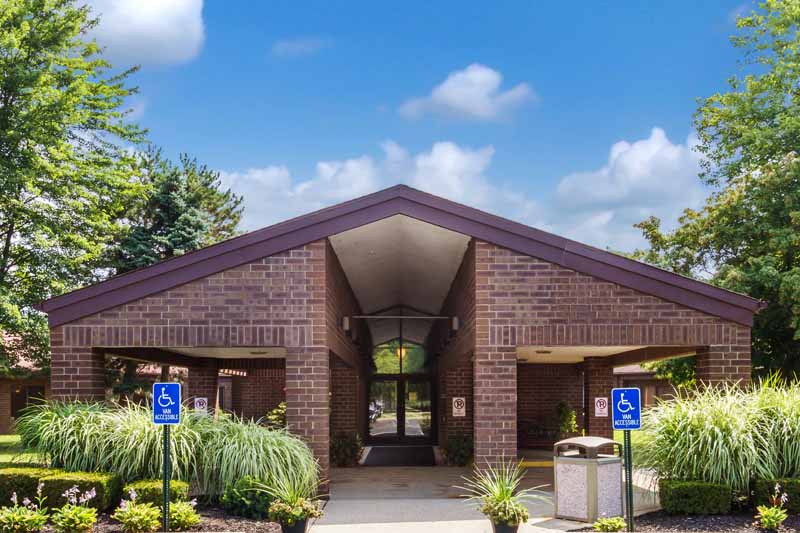
How is Mission Point Nursing & Physical Rehabilitation Ce Staffed?
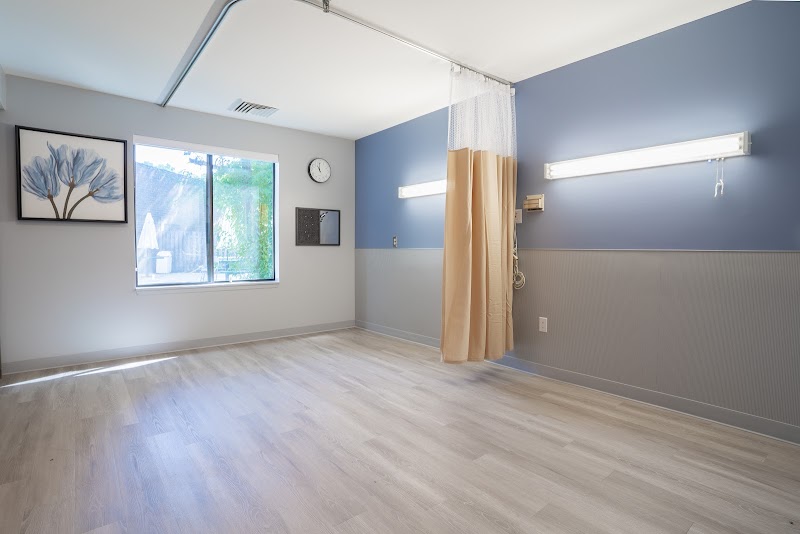
CMS rates Mission Point Nursing & Physical Rehabilitation Ce's staffing level at 3 out of 5 stars, which is average compared to other nursing homes. Staff turnover is 44%, compared to the Michigan average of 46%. This relatively stable workforce can support continuity of care.

What Have Inspectors Found at Mission Point Nursing & Physical Rehabilitation Ce?

State health inspectors documented 70 deficiencies at Mission Point Nursing & Physical Rehabilitation Ce during 2023 to 2025. These included: 1 Immediate Jeopardy (the most serious level, indicating potential for serious harm or death), 8 that caused actual resident harm, and 61 with potential for harm. Immediate Jeopardy findings are rare and represent the most serious regulatory concerns. They require immediate corrective action.
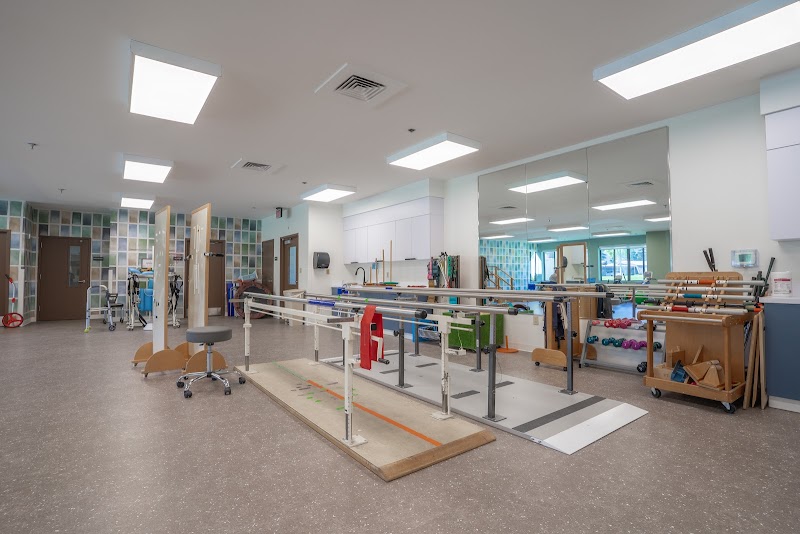
Who Owns and Operates Mission Point Nursing & Physical Rehabilitation Ce?

Mission Point Nursing & Physical Rehabilitation Ce is owned by a for-profit company. For-profit facilities operate as businesses with obligations to shareholders or private owners. The facility is operated by MISSION POINT HEALTHCARE SERVICES, a chain that manages multiple nursing homes. With 120 certified beds and approximately 68 residents (about 57% occupancy), it is a mid-sized facility located in Clarkston, Michigan.

How Does Mission Point Nursing & Physical Rehabilitation Ce Compare to Other Michigan Nursing Homes?

Compared to the 100 nursing homes in Michigan, Mission Point Nursing & Physical Rehabilitation Ce's overall rating (1 stars) is below the state average of 3.1, staff turnover (44%) is near the state average of 46%, and health inspection rating (1 stars) is much below the national benchmark.

What Should Families Ask When Visiting Mission Point Nursing & Physical Rehabilitation Ce?

Based on this facility's data, families visiting should ask: "What changes have been made since the serious inspection findings, and how are you preventing similar issues?" "What safeguards and monitoring systems are in place to protect residents from abuse or neglect?" "Can I visit during a mealtime to observe dining assistance and food quality?" "How do you handle medical emergencies, and what is your hospital transfer rate?" These questions are particularly relevant given the facility's Immediate Jeopardy citations and the substantiated abuse finding on record.

Is Mission Point Nursing & Physical Rehabilitation Ce Safe?

Based on CMS inspection data, Mission Point Nursing & Physical Rehabilitation Ce has documented safety concerns. The facility has 1 substantiated abuse finding (meaning confirmed case of resident harm by staff or other residents). Inspectors have issued 1 Immediate Jeopardy citation (the most serious violation level indicating risk of serious injury or death). The facility has a 1-star overall rating and ranks #100 of 100 nursing homes in Michigan. Families considering this facility should ask detailed questions about what corrective actions have been taken since these incidents.

Do Nurses at Mission Point Nursing & Physical Rehabilitation Ce Stick Around?

Mission Point Nursing & Physical Rehabilitation Ce has a staff turnover rate of 44%, which is about average for Michigan nursing homes (state average: 46%). Moderate turnover is common in nursing homes, but families should still ask about staff tenure and how the facility maintains care continuity when employees leave.

Was Mission Point Nursing & Physical Rehabilitation Ce Ever Fined?

Mission Point Nursing & Physical Rehabilitation Ce has been fined $369,364 across 4 penalty actions. This is 10.0x the Michigan average of $36,773. Fines at this level are uncommon and typically indicate a pattern of serious deficiencies, repeated violations, or failure to correct problems promptly. CMS reserves penalties of this magnitude for facilities that pose significant, documented risk to resident health or safety. Families should request specific documentation of what issues led to these fines and what systemic changes have been implemented.

Is Mission Point Nursing & Physical Rehabilitation Ce on Any Federal Watch List?

Mission Point Nursing & Physical Rehabilitation Ce is not on any federal watch list. The most significant is the Special Focus Facility (SFF) program, which identifies the bottom 1% of nursing homes nationally based on persistent, serious quality problems. Not being on this list means the facility has avoided the pattern of deficiencies that triggers enhanced federal oversight. This is a positive indicator, though families should still review the facility's inspection history directly.