WellBridge of Clarkston
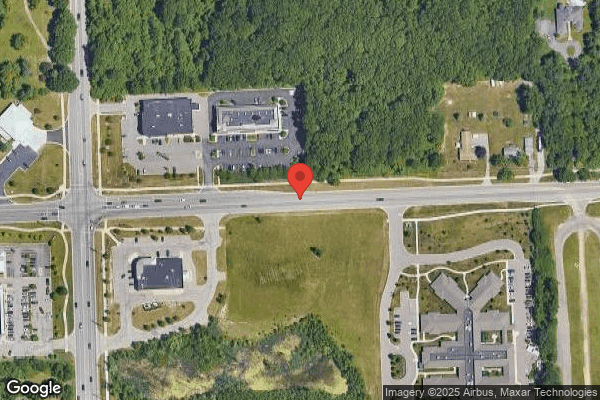
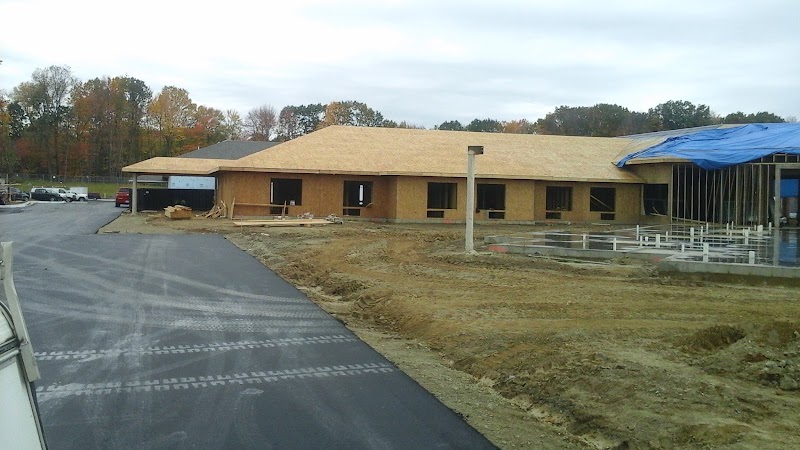
5655 Clarkston Road, Clarkston, MI 48348 (248) 707-3400
For profit - Limited Liability company 100 Beds THE WELLBRIDGE GROUP Data: November 2025
Trust Grade
50/100
#254 of 422 in MI
Last Inspection: May 2025

Inspected within the last 6 months. Data reflects current conditions.

Overview

WellBridge of Clarkston has a Trust Grade of C, indicating it is average and in the middle of the pack among nursing homes. It ranks #254 out of 422 in Michigan, placing it in the bottom half, but it is #13 out of 43 in Oakland County, meaning there are only a few local options that rank higher. The facility has shown improvement in recent years, reducing its issues from 13 in 2024 to 7 in 2025. Staffing is a concern, with a turnover rate of 61%, significantly higher than the state average, which may impact the continuity of care. Although there have been no fines, the facility has faced issues such as delays in responding to resident needs, with some residents reporting waits of over an hour for assistance and missed medications due to staffing challenges. Additionally, there were serious concerns regarding inadequate skin assessments for residents, leading to severe health complications. Overall, while the facility has some strengths, particularly in the absence of fines, the staffing issues and specific incidents of care deficiencies are notable weaknesses to consider.
Trust Score
C
50/100
In Michigan
#254/422
Bottom 40%
Safety Record
Moderate
Needs review
Inspections
Getting Better
13 → 7 violations
Staff Stability
⚠ Watch
61% turnover. Above average. Higher turnover means staff may not know residents' routines.
Penalties
✓ Good
No fines on record. Clean compliance history, better than most Michigan facilities.
Skilled Nurses
○ Average
Each resident gets 40 minutes of Registered Nurse (RN) attention daily — about average for Michigan. RNs are the most trained staff who monitor for health changes.
Violations
⚠ Watch
33 deficiencies on record. Higher than average. Multiple issues found across inspections.
★★★☆☆
3.0
Overall Rating
★★★☆☆
3.0
Staff Levels
★★★☆☆
3.0
Care Quality
★★★☆☆
3.0
Inspection Score
Stable
2024: 13 issues
2025: 7 issues

The Good

  • Full Sprinkler Coverage · Fire safety systems throughout facility
  • No fines on record

Facility shows strength in fire safety.

The Bad

3-Star Overall Rating

Near Michigan average (3.1)

Meets federal standards, typical of most facilities

Staff Turnover: 61%

15pts above Michigan avg (46%)

Frequent staff changes - ask about care continuity

Chain: THE WELLBRIDGE GROUP

Part of a multi-facility chain

Ask about local staffing decisions and management

Staff turnover is elevated (61%)

13 points above Michigan average of 48%

The Ugly 33 deficiencies on record

1 actual harm
May 2025 4 deficiencies
CONCERN (D)

Potential for Harm - no one hurt, but risky conditions existed

Deficiency F0658 (Tag F0658)

Could have caused harm · This affected 1 resident

**NOTE- TERMS IN BRACKETS HAVE BEEN EDITED TO PROTECT CONFIDENTIALITY** Based on observation, interview, and record review, the facility failed to ensure one Resident (R64) of one resident reviewed fo...

Read full inspector narrative →
**NOTE- TERMS IN BRACKETS HAVE BEEN EDITED TO PROTECT CONFIDENTIALITY** Based on observation, interview, and record review, the facility failed to ensure one Resident (R64) of one resident reviewed for standards of practice, had complete and accurate vital monitoring per physician orders and professional standards of practice. Findings include: Review of R64's Minimum Data Set (MDS) assessment, dated 4/23/25, revealed R64 was admitted to the facility on [DATE], with diagnoses including Alzheimer's disease, diabetes, and high blood pressure. The assessment revealed R64 required supervision for transfers, walking, and toileting and showed R64 had two falls, and was on an anti-coagulant medication (blood thinner), an anti-platelet medication (second different type of blood thinner), and insulin. The Brief Interview for Mental Status (BIMS) assessment revealed a score of 9/15, which showed R64 had moderate cognitive impairment. On 5/13/25 at 1:11 p.m., R64 was observed dressed in their room, seated in a chair, with a front wheeled walker next to her. R64 was wearing white slippers with an open-back, which appeared worn. On 5/13/25 at 1:13 p.m., R64 reported they had a fall last week, and said, I went to the bathroom fine, and fell flat on the floor and hit my head . I move too fast . R64 pointed to the right side of the back of their head, and told this surveyor there was a bump which was gone now. R64 could not describe the bump further. Their right arm was observed with a bandage, with steri-strips closing a wound with some dried blood. Review of R64's progress note, dated 5/07/25 at 23:08 (11:08 p.m.), showed, On 5/07/25 at approximately 0810 (8:10 a.m.), the nurse was notified the guest (R64) was on the floor in (their) bathroom The nurse observed (R64) on the bathroom floor sitting upright. (R64) was continent and (their) slippers were next to (R64) . (R64) stated that after (they) used the toilet (they) tried to wear their slippers and lost (their) balance and slipped to the floor. (R64) stated that (they) hit (their) head and pointed to the right side of (their) head .The nurse noted a bump to the right side of the head, with no open areas. The nurse also noted a skin tear to the right arm . The note further revealed neuro checks (assessment of an individual's neurological functions, motor and sensory response, and level of consciousness) were initiated. The nurse contacted the on-call provider, who did not send R64 out emergently, and noted they were taking Plavix (anti-platelet blood thinner) and Eliquis (anti-coagulant blood thinner) medications. There was no further description of R64's head wound (measurements or size), and no skin assessment or documents in the Electronic Medical Record (EMR) describing R64's head bump further. Review of the electronic medical record (EMR) on 5/15/25 at 9:45 a.m. by the survey team revealed no neuro checks were found in the EMR. On 5/15/25 at approximately 10:00 a.m., the Survey team verbally requested R64's neuro checks from their fall on 5/07/25 from the Director of Nursing (DON) and nursing management, with none received or able to be located at that time. On 5/15/25 at approximately 10:20 a.m., the survey team requested R64's neuro checks via email from the Nursing Home Administrator (NHA) and the Director of Nursing (DON). On 5/15/25 at 11:18 a.m., during a phone interview, Registered Nurse (RN) P confirmed they were working as R64's nurse when R64 was found on the floor in their bathroom, sitting up. RN P described a protruding bump on R64's head as about 5 cm in length and 3 cm wide and was closed. When asked why this description was not in the medical record, RN P explained they did not believe this was necessary since it was a smaller closed bump. RN P reported they monitored R64 with completing vitals and neuro checks, and saw no change in R64's mental status. R64 conveyed there was no medical or functional decline since the fall, as they were their nurse regularly. RN P reported they called R64's Nurse Practitioner, (NP) H, who recommended they continue to monitor R64, and keep them in house for monitoring. RN P reported there was no change in R64's pupils during the neuro checks. RN P explained when asked a patient on blood thinner medication who hits their head was typically sent out emergently, but they did not see a concern, given there was no status change, and NP H was made aware. RN P was asked why R64's neuro checks were not found in the medical record, or their vitals at the time of their fall at 8:10 a.m., and had no explanation. Further review of R64's May (2025) Medication Administration Record (MAR), accessed 5/15/25, confirmed R64 was on Plavix and Eliquis medications. The MAR also showed R64 was on Metoprolol Tartrate (blood pressure mediation which lowers blood pressure and heart rate), 50 mg. The dose showed, Give 1 tablet by mouth two times a day for htn (hypertension - high blood pressure). Hold if SBP (systolic blood pressure) (below) 110 or HR (heart rate below) 60. Start Date - 01/15/2025 1800 (5:00 p.m.) . The medication was documented as administered twice a day, 5/01/25 through 5/14/25, with one dose given on 5/15/25. The MAR was absent of any blood pressure readings. Further review of R64's MAR and TAR (Treatment Administration Record) revealed no documentation of R64's blood pressure readings being monitored prior to the administration of their Metoprolol Tartrate medication doses, per physician orders. Review of R64's blood pressure readings, in the vitals section of the EMR, revealed R64's blood pressure was monitored five times during the month of May (2025), only once a day, as follows: 5/14/25 07:26 (7:26 a.m): 136/76. 5/10/25 21:29 (9:29 p.m.): 187/88. 5/04/25 09:04 (9:04 a.m.): 156/76. 5/02/25 15:24 (3:24 p.m.): 120/73. 5/01/25 21:15 (8:15 p.m.): 144/61. The vitals blood pressure logs for May (2025) showed there were five blood pressure readings of 29 opportunities (given Metoprolol was initialed as given twice a day from 5/01/25 through 5/14/25, with one dose administered on 5/15/24). This showed no record of consistent blood pressure monitoring in the EMR. Without consistent blood pressure readings per physician orders, it was unable to be determined if low blood pressure may have contributed to R64's fall with injury on 5/07/25. On 5/15/25 at 11:38 a.m., R64's one page neuro checks were received at 11:38 a.m Review of R64's neuro check document revealed this one-page document had no neuro checks when R64's injury occurred at 8:10 a.m The documentation of R64's neuro checks began at 8:25 a.m., 15 minutes after R64's fall. This document was not found in the EMR earlier in the survey. Review of R64's change of condition nursing assessment, dated 5/07/25, showed R64's vitals were dated 5/04/25, showing inaccurate vitals reflected in the EMR, with none available at 8:10 a.m. on 5/07/25, when their fall occurred. On 5/15/25 at 12:02 p.m., NP H reported they oversaw R64's care, and saw R64 on 5/07/25, after their fall. NP H described R64 was alert and oriented times three (identity, location, and time) after their fall, and had appropriate conversation. NP H confirmed they knew R64 was taking Plavix and Eliquis at the time of their fall, when they hit their head. NP H described the bump on R64's head as about the size of a quarter, with a bruise and no bleeding, as well as a skin tear on their right arm. NP H was asked why R64 was not sent out of the facility emergently, given a bump on their head while on blood thinning medications, per typical standards of practice. NP H reported they were in the building monitoring R64, and ensured R64 had no change in status, cognition or vital signs. NP H was asked about R64's vitals not being consistently taken for their blood pressure medication, Metoprolol, as there was no way to ascertain if low blood pressure may have contributed to R64's fall. NP H reported they understood this concern. NP H reported they saw no reason to send R64 out emergently, as they monitored them closely in house with nursing monitoring input, and there was no change in R64's functional or neurological status. NP H conveyed they had not seen a neuro check record but understood R64 was being monitored. On 5/15/25 at 12:44 p.m., the DON (Director of Nursing) was interviewed with the NHA (Nursing Home Administrator) present. The DON shared their standard of practice was to do vital monitoring for falls, not skin assessments, and this was why there was no assessment describing the wound to R64's head. The DON reported they pushed a wrong button when inputting data on the change of condition form, which was locked on 5/08/25, which showed the set of older vitals. The DON conveyed they understood the concern related to R64's blood pressures not being taken consistently when their blood pressure medication was administered. The DON reported they concurred with NP H R64 did not need to be sent out emergently with a bump on their head on blood thinner medications, given no change in neuro or functional status. The DON produced the original neuro check monitoring one page document, which was not found in the EMR, which showed R64's vitals and neurological status was monitored beginning 15 minutes after their fall, beginning at 8:25 a.m. on 5/07/25. The DON reported they understood the concern with R64's vitals not being monitored at 8:10 a.m., when the fall occurred, with no vital signs found taken at 8:10 a.m. The DON asked if they could call RN H and see if they had vitals documented elsewhere. The Survey team related the expectation would be vital signs would be found in the medical record. The DON reported they understood the concern related to vital monitoring, accurate documentation, and potential outcome for R64, given R64's vitals were not monitored with each dose of their blood pressure medication, and the incorrect vitals in the SBAR (situation,background, assessment, recommendation) document. The DON stated no outcome was found related to the missing vitals when R64's blood pressure medications were administered. On 5/15/25 at 2:46 p.m., the DON brought a paper to the conference room to the survey team, with hand printed vitals on the back of the neuro check paper, showing vital monitoring at 8:10 a.m., the time of R64's fall. The DON reported that the NHA had forgotten to scan the backside of the neuro check sheet, which showed vitals dated 5/07/25 at 8:10 am., which were within normal range. This was not earlier provided when the one-page neuro check page was reviewed with the survey team. A policy was requested related to professional standards of practice, and none received by survey exit on 5/15/25. Review of the policy, Medication Administration, dated 1/21, revealed on Page 3, Medications are administered in accordance with written orders of the prescriber .2. Obtain and record any vital signs as necessary prior to medication administration . Review of the policy, Falls Reduction Program, revised 4/14/25, revealed, To provide a safe environment for residents, modify risk factors, and reduce risk of fall-related injury. All residents who are admitted are at risk for falls .3. If fall occurs, Charge Nurse to complete the following: .Neurological Assessment, as applicable with any known or suspected head trauma .
CONCERN (D)

Potential for Harm - no one hurt, but risky conditions existed

Quality of Care (Tag F0684)

Could have caused harm · This affected 1 resident

**NOTE- TERMS IN BRACKETS HAVE BEEN EDITED TO PROTECT CONFIDENTIALITY** Based on observation, interview and record review, the facility failed to assess, monitor and document on skin wounds or growths...

Read full inspector narrative →
**NOTE- TERMS IN BRACKETS HAVE BEEN EDITED TO PROTECT CONFIDENTIALITY** Based on observation, interview and record review, the facility failed to assess, monitor and document on skin wounds or growths for two (R57 and R66) of two residents reviewed for non-pressure skin conditions. Findings include: R57 On 5/13/25 at 10:32 AM, R57 was observed lying in bed. R57 was observed to have male pattern baldness and on the top of his head there was what appeared to be a cutaneous horn (conical-shaped skin protrusions) that was observed protruding approximately 3/4-1 inch in height from the top of R57's head. R57 was asked what was on the top of his head. R57 explained he knew about the stand up thing on his head, at which time R57 grabbed it and wiggled it from side to side, and said he had not pulled it out because he knew it would bleed a lot, and that he had other similar things on his hand. Observation of R57's left hand and forearm revealed two other smaller protrusions of similar color. Review of the clinical record revealed R57 was admitted into the facility on 8/16/24 and readmitted [DATE] with diagnoses that included: heart failure, emphysema and dementia. According to the Minimum Data Set (MDS) assessment dated [DATE], R57 had severely impaired cognition. Review of R57's admission Total Body Skin Assessment dated 8/16/25 documented R57 had Dry skin and 0 New Wounds. No mention of any skin protrusions were documented. Review of R57's progress notes revealed an admission summary dated [DATE] at 4:03 PM by Licensed Practical Nurse (LPN) F that contained no mention of any skin protrusions. Further review of R57's progress notes revealed no documentation of a skin protrusion by nursing, physician or nurse practitioner. On 5/14/25 at 10:44 AM, LPN E, R57's assigned nurse, was interviewed and asked about R57's skin protrusion. LPN E explained she usually did not have that unit, but she knew R57 had one on the top of his head. LPN E was asked if it was there when R57 had admitted into the facility, or had occurred after admission. LPN E explained she thought it had been there since he admitted . On 5/14/25 at 12:02 PM, LPN F was interviewed by phone and asked about R57's admission. LPN F explained she had been working contingent at the facility at the time and only slightly remembered R57, but did not remember any skin protrusion on the top of his head. On 5/14/25 at 1:07 PM, the Director of Nursing (DON) was interviewed and asked if R57 had admitted into the facility with the skin protrusion on the top of his head, or did it develop after admission. The DON explained she thought it was present on admission. When informed there was no documentation of any skin protrusion in R57's clinical record, the DON explained she would look into it. On 5/14/25 at 2:39 PM, Dr. G, R57's Attending Physician, was interviewed by phone and asked about R57's skin protrusion that resembled a cutaneous horn. Dr. G agreed it was a cutaneous horn, but that was not something he would normally document anything about. On 5/14/25 at 2:42 PM, the DON provided hospital discharge paperwork dated 4/23/24 that read in part, .Exophytic lesion (cutaneous horn) on scalp, superior at midline . The DON was asked if it was present on admission, should it have been documented. The DON agreed there it should have been documented on admission. On 5/15/25 at 11:56 AM, Nurse Practitioner (NP) H was interviewed and asked about there being no documentation on R57's cutaneous horn. NP H explained there was not much that could be done about it. NP H was asked if it should be monitored due to the fact it could be premalignant. NP H explained cutaneous horns were always benign. NP H was asked if there was no baseline assessment done, how would it be known if there was a change. NP H agreed there should be a baseline assessment done. According to an article from the National Library of Medicine titled, Cutaneous Horn updated 2/29/24, link at https://www.ncbi.nlm.nih.gov/books/NBK563820/ read in part, .cutaneous horns signify underlying conditions more significantly than the horns themselves . The etiology of cutaneous horns varies as it is a secondary manifestation of a benign, premalignant, or malignant primary disease . They are also more likely to be premalignant or malignant in geriatric populations . R66 On 5/13/25 at 11:21 AM, R66 was observed sitting in a wheelchair in a common area of the facility. R66 had an undated adhesive foam bandage on their right forearm. There was shadowing of drainage visible on the bandage approximately 1 inch in diameter. When asked questions, R66 did not answer. Review of the clinical record revealed R66 was admitted into the facility on 4/19/23 and readmitted [DATE] with diagnoses that included: Parkinson's disease, dementia and major depressive disorder. According to the MDS assessment dated [DATE], R66 had a staff assessment of moderately impaired cognition and required the assistance of staff for all activities of daily living (ADL's). Review of R66's progress notes revealed a Skilled Charting note dated 5/10/25 at 4:12 AM that read in part, At approx (approximately) 2140 (9:40 PM), guest was observed on the floor . assessed for immediate injury and a skin tear with blood was noted on R (right) forearm . Review of R66's physician orders revealed no order for a dressing to R66's right forearm. On 5/14/25 at 1:15 PM, R66 was observed sitting in a wheelchair in a common area. The adhesive foam dressing on R66's right forearm appeared to have been changed as the drainage shadowing was different that the previous day. The dressing was also undated. On 5/14/25 at 3:40 PM, R66 was observed sitting in a wheelchair in a common area. The bandage to R66's right forearm was dated with5/14/25, however the drainage shadowing appeared to be approximately the same as the undated bandage seen at 1:15 PM. On 5/14/25 at 3:43 PM, Registered Nurse (RN) C, R66's assigned nurse, was asked if he had changed R66's right forearm bandage that day. RN C explained he had not changed R66 bandage. When asked who did dressing changes at the facility, RN |C explained the assigned nurse changed dressings. On 5/14/25 at 3:51 PM, the DON was interviewed and asked about R66's right forearm dressing. At that time, Unit Manager (UM) D walked up and explained she had changed R66's bandage that day. UM D was asked about the bandage being undated when seen earlier and was now dated. UM D explained she had not had a sharpie marker when she changed the dressing. UM D was asked why there was a dressing on R66's right forearm. UM D explained they had figured out that it was from R66's fall on 5/9/24. UM D was asked if she knew how old the bandage she had removed from R66's right forearm was. UM D had no answer. UM D and the DON were informed there was no order for dressing changes. The DON was asked if a nurse thought a wound required a bandage, should the nurse call the doctor and get an order for treatment. The DON agreed there should be an order for wound treatments. When asked if all dressing should be dated, the DON agreed. On 5/14/25 at 4:24 PM, the facility was asked for a policy on wound/skin including assessment and treatment. The policy provided, Pressure Ulcer/Skin Breakdown revised 10/2010 did not address non-pressure skin conditions.
CONCERN (D)

Potential for Harm - no one hurt, but risky conditions existed

Accident Prevention (Tag F0689)

Could have caused harm · This affected 1 resident

**NOTE- TERMS IN BRACKETS HAVE BEEN EDITED TO PROTECT CONFIDENTIALITY** Based on observation, interview and record review facility failed to complete a thorough investigation and root cause analysis o...

Read full inspector narrative →
**NOTE- TERMS IN BRACKETS HAVE BEEN EDITED TO PROTECT CONFIDENTIALITY** Based on observation, interview and record review facility failed to complete a thorough investigation and root cause analysis of a skin tear and timely follow-up with implementation of plan for one (R61) of one Resident (with fragile skin and multiple comorbidities) reviewed for accident hazards. This deficient practice has the potential for further accidents. Findings include: R61 Record review revealed R61 was recently admitted to the facility on [DATE] after hospitalization for skilled nursing and rehabilitation services. R61's admitting diagnoses included compression of lumbar vertebra, sick sinus syndrome (a problem with the heart's natural pacemaker, the sinus node, which controls the heartbeat), postural dizziness, cirrhosis of the liver and kidney failure. Based on Minimum Data Set (MDS) assessment dated [DATE], R61 had a Brief Interview of Mental Status (BIMS) score of 12/15, indicative of moderate cognitive impairment. However, a recent practitioner evaluation (dated 5/13/25) read that R61 had no cognitive deficits; had good insight and judgment. R61's had signed their admission agreement with the facility. An initial observation was completed on 5/13/25 at approximately 11:55 AM. R61 was observed in their room sitting in a wheelchair. R61 had a dressing on their right forearm. When queried what happened, R61 reported that they had a skin tear from their wheelchair two days ago. They added that they were in the bathroom when it happened and stated that something scrapped their arm when their forearm hit on the armrest of their wheelchair, and pointed to the right arm rest. When the surveyor observed under the right armrest pad, the plastic cap for the metal frame for the armrest was missing and the sharp area from the metal pipe (which was part of the armrest frame) was exposed. The plastic cap was intact on the left side of the wheelchair. This sharp area is not visible for the resident while sitting in the wheelchair, as the missing cap was under the padding; it was visible from the front of the wheelchair for an observer at a chair/barstool height. When queried if anyone had come into inspect the wheelchair, R61 reported that no one had checked their wheelchair. A follow-up observation was completed on 5/14/25 at approximately 9:30 AM. R61 was observed in their bed and had dressing on their right forearm. When queried how they were doing, R61 stated I feel ok. When asked if they remembered the surveyor, they reported yes, I remember you from yesterday. R61's walker was at bedside and the wheelchair was parked in the bathroom. When the surveyor checked under the right armrest padding the cap was still missing, exposing the sharp edges. Later that day at approximately 10:30 AM, R61 was observed in their room in their bed. R61 reported that the staff had just moved them and they were resting. When queried if they had therapy, R61 reported no and that they were going in the afternoon. During this observation the wheelchair was parked in the bathroom. When the surveyor checked the wheelchair's right arm rest frame, the cap was still missing. On 5/14/25, at approximately 1:20 PM, when the surveyor was in the hallway speaking to the nurse, a staff member from therapy was taking R61 in the same wheelchair (with missing armrest cap). At approximately 2:20 PM, R61 was walking in the hallway (between salon and training room) with a therapy staff member and staff member was pulling the wheelchair behind. At approximately 3:45 PM, R61 was sitting up in wheelchair in their room, with their feet up on their bed and arms on the wheelchair arm rests. R61 was sitting in the same wheelchair and the right arm rest frame cap was missing. A final observation was completed on 5/15/25 at approximately 10:05 AM. R61 was observed standing in front of the sink and the wheelchair was behind. R61 had a different wheelchair, when queried R61 reported the staff had brought a different wheelchair for yesterday evening. Review of R61's order summary revealed a treatment dated 5/11/25 that read, Cleanse Right outer forearm with NS, Pat dry, apply foam lite patch two times a day every 3 day(s) for skin tear. A request for incident/accident reports and investigation for R61 (from date of admission to current date) was sent via e-mail to the facility administrator and Director of Nursing (DON) on 5/14/25 at 9:41 AM. The Administrator replied on 5/14/25 at 11:50 AM that they did not have any incident/accident reports for R61. Review of R61's Electronic Medical Record (EMR) revealed a nursing progress note dated 5/11/25 at 19:27, that read, guest reports hitting their arm on wheelchair. Skin tear noted on right outer forearm, minimal bleeding noted controlled by pressure, no signs of infection present treatment applied. Another nursing note dated 5/11/25 at 19:30 read, guest states that he wants kerlix wrapped around the patch for additional security. Review of R61's care plan revealed that R61 has potential/actual impairment to skin due to fragile skin and interventions included use caution during transfers and bed mobility; educate resident/family/caregivers of causative factors and measures to prevent skin injury, dated 4/29/25. There were no other care plan updates after 5/11/25 event. Review of R61's EMR revealed progress note dated 5/14/25 at 20:07 that was completed by the Director of Nursing (DON), after concern was brought to the attention of the facility. The note read in part, Guest reported to the nurse he hit his arm on the wheelchair and obtained a skin tear to right outer forearm .DON also assessed the wheelchair and did not find any potential signs that could have caused the injury and guest has a fragile skin .PT did not observe any abnormalities with wheelchair. It was identified on 5/13/25 that that that the wheelchair arm rest had a missing cap that caused the skin tear. Wheelchair was replaced and cap placed on old chair. It must be noted that R61 had been using the wheelchair with the missing cap since the incident until 5/14/25 at approximately after 4 PM when the surveyor brought the concern to the facility's attention. An interview with the Licensed Practical Nurse (LPN) K was completed on 5/14/25 at approximately 3:45 PM. LPN K was assigned to care for R61 on 5/13/25 and 5/14/25 during the 7 AM - 7 PM shift. LPN K was also the nurse assigned to care for R61 on 5/11/25 (date of event). During the interview they were questioned about the skin tear incident. LPN K reported that they remembered the incident and reported that R61 hit their right arm on their wheelchair while attempting to self-transfer. R61 was not sure how it happened and added that they checked the wheelchair and did not see anything wrong with it. When queried further about the follow-up process on checking the equipment they added they had usually had maintenance or therapy check and follow up. At approximately 3:50 PM, this surveyor walked in with LPN K to R61's room. R61 was sitting up in their wheelchair. This surveyor asked LPN K if they see anything wrong with the wheelchair, LPN K reported that they did not see anything wrong the wheelchair. This surveyor showed them the missing cap on the right arm frame with exposed sharp edges, LPN K stated I see it now and agreed that it needed to be fixed and they would follow up. R61 witnessed the missing cap and reported they did know there was a missing cap exposing a sharp area. At approximately 4 PM, LPN K approached the surveyor and reported that they did not see anything wrong with the chair when they had checked after the incident. This surveyor asked why they did find anything wrong with the chair a few minutes ago, until it was brought to their attention by the surveyor, LPN K did not provide any further explanation. They were queried if any of their unit managers were involved, they reported that they had few unit managers and they were unsure. An initial interview with the DON was completed on 5/14/25 at approximately 4:15 PM. During the interview they were queried about the investigation process for skin tears. They reported that they completed investigations for skin tears and completed their root cause analysis. They added that the investigation involved their interdisciplinary team and they were documented in EMR. They were notified of the missing cap and exposed sharp edges in the right arm rest of R61's wheelchair. DON agreed on the concern and reported that they would follow up. Approximately 15 minutes later, at 4:30 PM, Regional Nurse Consultant RNC RNC1 and RNC2, with the DON approached the surveyor and asked for clarification on the concern. The surveyor explained the multiple observations, and the missing wheelchair part on the right-side where R61 had acquired a skin tear, and the incident was on 5/11/25 why there were no further investigation and why the risk was not addressed timely by the interdisciplinary team (IDT). They reported that they understood the concern. During the conversation the DON and RNC1 had left and RNC2 stayed back and they agreed on the concern. At approximately 4:45 PM, the DON, accompanied by another leader from a different facility (RNX) approached the surveyor. The DON reported that they were still investigating the incident and they were in the 72-hr. window. No rationale on why R61 was still sitting in the wheelchair with an exposed sharp area till 5/14/25 until the concern was brought to the attention of the facility by the surveyor. The DON confirmed that R61 was provided with a different wheelchair. On 5/15/25 at approximately 11:25 AM, the DON brought a folder and reported that it was the investigation folder for R61's skin tear. It had statements from LPN K, maintenance staff, and occupational therapist (OT) O. The statement from OT O was dated for 5/14/25. An interview with OT O was completed on 5/15/25 at approximately 11:40 AM. They were queried if they had worked with R61 on 5/14/25 and what time. They reported that they worked with R61 after lunch and they had signed their note at 2:54 PM. They were queried about the statement written for the investigation and how did they check R61's wheelchair. OT O reported they just checked overall. They were queried further if they had performed a thorough inspection of the wheelchair related to R61's skin tear on their right forearm, they reported that they did not do an inspection. They added if they saw anything obvious they would address it. Review of the facility provided document titled Accidents and Incidents - Investigating and Reporting with a revision date of 2011 read in part, All accidents or incidents involving residents, employees, visitors, vendors, etc., occurring in our premises shall be investigated and reported to the administrator. Policy Interpretation and Implementation: 1. The nurse supervisor/charge nurse/ or the department director or supervisor shall promptly initiate and document investigation of the incident or accident. 2. The following data, as applicable, shall be included on the report of accident form: a. the date and time of accident or incident took place b. the nature of injury/illness example bruise, fall, nausea etcetera next bullet the circumstances surrounding the accident or incident next bullet where the accident or incident took place next bullet the names of witnesses and their accounts of the incident are accident next bullet the injured person's account of the incident or accident next bullet the time the injured persons attending physician was notified, as well as the time the physician responded and his or her instructions . c. the date slash time the injured person's family was notified and by whom . 6. The director of Nursing shall ensure that administrator receives a copy of the Report of Incident/Accident for each occurrence .
CONCERN (E)

Potential for Harm - no one hurt, but risky conditions existed

Safe Environment (Tag F0921)

Could have caused harm · This affected multiple residents

**NOTE- TERMS IN BRACKETS HAVE BEEN EDITED TO PROTECT CONFIDENTIALITY** Based on observation, interviews, and record reviews, the facility failed to effectively clean and maintain the physical plant p...

Read full inspector narrative →
**NOTE- TERMS IN BRACKETS HAVE BEEN EDITED TO PROTECT CONFIDENTIALITY** Based on observation, interviews, and record reviews, the facility failed to effectively clean and maintain the physical plant potentially affecting all 88 residents residing in he facility, resulting in the increased likelihood for cross-contamination and bacterial harborage and accidents. Findings include: On [DATE] at approximately 8:47 a.m., an environmental tour of the kitchen was conduced with Regional Kitchen Manager Q (RKM Q). At approximately 8:51 a.m., a review of the facility ice machine was conducted which revealed an expired filter with a change by date of [DATE]. RKM Q was queried why the filter had not been changed in [DATE] as indicated and they reported they did not know, but that they they would get it changed out that day. On [DATE] during at approximately 11:13 a.m., a tour of the facility environment was conducted with the facility Administrator. At that time, the laundry room was observed for sanitary conditions and cleanliness. The area behind the multiple dryers was observed to have a floor surface covered with dried liquid spillage from the cleaning chemicals. The top of the dryer was observed to have a thick layer of lint encompassing the entirety of the top of the dryers. The Administrator was queried regarding the layer of dryer lint and the dried chemicals on the floor and acknowledged they would have to get some help to have the area cleaned.
Apr 2025 1 deficiency
CONCERN (D) 📢 Someone Reported This

A family member, employee, or ombudsman was alarmed enough to file a formal complaint

Potential for Harm - no one hurt, but risky conditions existed

Deficiency F0658 (Tag F0658)

Could have caused harm · This affected 1 resident

**NOTE- TERMS IN BRACKETS HAVE BEEN EDITED TO PROTECT CONFIDENTIALITY** Based on observation, interview and record review, the facility failed to ensure Nursing standards of practice were utilized inc...

Read full inspector narrative →
**NOTE- TERMS IN BRACKETS HAVE BEEN EDITED TO PROTECT CONFIDENTIALITY** Based on observation, interview and record review, the facility failed to ensure Nursing standards of practice were utilized including transcribing/implmenting Phyiscan orders and notifying administration of new skin injuries for one resident (R902) of two resident's reviewed for non-pressure wound care. Findings include: On 4/15/25 at approximately 11:21 a.m., R902 was observed in their room, laying in their bed with CNA A (Certified Nursing Assistant A ). R902's left upper thigh area was observed to have a pink/healing burn on it without any blistering. CNA A reported that it was looking better and healing. On 4/14/25 the medical record for R902 was reviewed and revealed the following: R902 was initially admitted to the facility on [DATE] and had diagnoses including Presence of Urogenital Implants and Neuromuscular Dysfunction of Bladder. A review of R902's MDS (minimum data set) with an ARD (assessment reference date) of 4/2/25 revealed R902 needed assistance from staff with most of their activities of daily living. R902's BIMS score (brief interview for mental status) was 15 indicating intact cognition. A progress note dated 3/8/25 revealed the following: Skilled Charting Note Text: Resident complained of red abrasion sited on his left upper thigh. Wound assessment completed in . (Electronic medical record). A eINTERACT SBAR (Situation, Background, Assessment, Recommendation)Summary for Providers dated 3/8/25 revealed the following : .Situation: The Change In Condition/s reported on this CIC (change in condition) Evaluation are/were: Skin wound or ulcer . A Skin and Wound Evaluation dated 3/8/25 revealed the following: Describe: Burn .Degree: second degree .Location: Front Left Trochanter (Hip) .Acquired: In-house acquired .How long has the wound been present?: New .Wound Measurements: Area-4.9 CM2 (centimeters squared) .Length-3.6 CM .Width-1.8 CM .Depth-0.1 CM .Wound bed: Epithelial .% Epithelial: 40% of wound covered .Granulation: 40% of wound filled .Slough: 20% of wound filled .Eschar: 0% of wound filled .Exudate: Sanguineous/Bloody .Treatment: Generic wound clenanser .Primary Dressing-Other .Specify Other: Silver sulfadiazine Further review of the medical record did not reveal any physician orders transcribed into the EMR for the Silver Sulfadiazine order on 3/8/25. A review of R902's March 2025 TAR (treatment administration record) did not reveal any treatments applied to R902's identified burn on 3/8/25. An admission summary note dated 3/15/25 revealed the following: Note Text: .The patient reports pain in right thigh due to thermal burn Abdomen is soft, non-tender with bowel sounds present in all four quadrants. Skin is warm, dry, and intact with thermal burn noted on left thigh; burn is stable with no s/s (signs and symptoms) of infection at this time . On 4/15/25 at approximately 1:14 p.m., the Director of Nursing (DON) was queried regarding R902's burn and they reported that they go to the bistro to get coffee and lattes all the time. The DON reported that R902 went out to an eye appointment on and did not tell anyone about spilling coffee on themselves and then the next day they started complaining about it. The DON reported they did not know about the burn until R902 was readmitted from the facility from the hospital on 3/15/25. The DON reported they had a soft file on R902's burn investigation and would provide the report on it. On 4/15/25 a review of the investigation conducted by the facility pertaining to R902's burn revealed the following: 3/17-Upon completing manager skin assessment and admission, red abrasion was noted to guest thigh. Dressing was clean dry and intact upon assessing guest. During assessment dressing was removed and wound was assessed. Wound was red but did not have any other signs of infection. Writer asked guest what had happened as it was listed as a thermal burn in his chart. Guest stated that when he went to his eye appointment he had got coffee from the bistro and that he had spilled it on himself. Guest was asked if he notified anybody about this and he said no because he didn't want to bother anyone .Eye appointment was on 3/6. On 3/8 guest reported to Nurse that he had a red abrasion on left upper thigh at 0704 (military time). At 1530 on 3/8 guest was sent to the hospital after calling 911 with complaints of urethral pain. Guest was readmitted to facility on 3/15. Wound care orders were placed on 3/15 upon re-admission. On 4/15/25 a review of the investigation summary conducted by the facility and provided by the DON pertaining to R902's burn revealed the following: .DON educated [Nurse B] on the importance of notifying the DON and the Administrator of injuries of unknown origin and when there is a wound or open area that a treatment needs to be in place Administrator spoke with the guest regarding the situation and the guest told him he burned it with coffee from the bistro Spoke with guest on how it happened and guest stated he took the lid off of the coffee and it spilled and asked why he takes the lid off and he stated that he drinks it fast and the top doesn't allow for him to drink it quickly Guest made an agreement that he would leave the lid on if he is getting hot drinks until he decides if he wants the tumbler or not and the guest agreed Further review of the investigation file revealed the following one to one Education provided to Nurse B by the DON on 3/17/25 regarding the deficiency. 1:1 Education-Injury of Unknown Origin is an injury that as not observed and could not be easily explained by resident and the injury is suspicious do <sic> the severity, location, or the number of injuries at once or over time. Ensure that Abuse coordinator is notified immediately A treatment order needs to be (in)place for all new wounds that are observed . On 4/15/25 at approximately 2:37 p.m., the DON was queried regarding the investigation of R902's thermal burn on their left thigh and reported that they had to provide education to Nurse B due to them identifying the burn on 3/8/25 and not notifying them or the Administrator regarding it. The DON indicated that Nurse B should have implemented a Physician's order into the EMR and documented that it had been completed but they did not. The DON reported that when they interviewed Nurse B regarding the identification of the burn, Nurse B reported they place an abdominal pad on it but did not document that either or the completion of the identified treatment in the record. The DON reported that they have been reviewing Nurse B's documentation since they provided the education on 3/17/25 and have not had any further instances of them not documenting treatments or implementing Physician orders or notifying administration of new injuries of unknown origin. During the onsite survey, past noncompliance (PNC) was cited after the facility implemented actions to correct the noncompliance which included education to the identified Nurse (Nurse B) and ongoing monitoring of Nurse B's documentation of treatments. The facility was able to demonstrate monitoring of the corrective action and maintained compliance.
Mar 2025 1 deficiency
CONCERN (D) 📢 Someone Reported This

A family member, employee, or ombudsman was alarmed enough to file a formal complaint

Potential for Harm - no one hurt, but risky conditions existed

Quality of Care (Tag F0684)

Could have caused harm · This affected 1 resident

**NOTE- TERMS IN BRACKETS HAVE BEEN EDITED TO PROTECT CONFIDENTIALITY** This citation pertains to MI00150120. Based on interview and record review, the facility failed to notify the Physician of a cha...

Read full inspector narrative →
**NOTE- TERMS IN BRACKETS HAVE BEEN EDITED TO PROTECT CONFIDENTIALITY** This citation pertains to MI00150120. Based on interview and record review, the facility failed to notify the Physician of a change in condition post fall for one (R901) of three residents reviewed for accidents. Findings include: An allegation was sent to the State Agency on 2/10/25 alleging the facility failed to assess, monitor, and delayed sending R901 to higher level of care for injuries that resulted from a fall. Clinical record review revealed R901 was admitted to the facility on [DATE] with significant cardiac disease which included hypertensive emergencies (severe elevated blood pressure systolic pressure >180) with convulsions (involuntary muscle contractions that occur during a seizure). The medical history included lung cancer and chronic obstructive pulmonary disease (COPD) and diabetes. R901 had a Brief Interview for Mental Status (BIMS) assessed on 2/11/25 and scored 9/15 indicating moderate cognitive impairment. Record review authored by Registered Nurse (RN) D documented at 6:47 that R901 was found on the floor in their bedroom and had an injury to their head (described as a skin tear to forehead) and right shoulder. RN D contacted the on-call physician of the findings .who gave orders (Xray to right shoulder. Writer notified the guest family (SON) awaiting call back . On 2/8/25 at 8:30 AM, A Nursing progress note authored by RN A (dated 02/08/2025) .Spoke with night shift Nurse .stated had a fall and sustained an abrasion to right forehead and right shoulder. Upon assessment, patient in fact had a gash to the right side of (their) forehead and an abrasion on the shoulder. I followed up the DON (Director of Nursing) and on-call and informed them of what I visualized myself and notified them of the discrepancy between the writer and night shift nurse assessment and categorization of the injuries .Vitals read as follows Blood Pressure (BP) 180/116 .and was A&Ox1 (A scale used to assess alertness and orientation. There are four levels of awareness Person, Place, Time, Situation. The higher the number indicates better orientation). Asked Night shift nurse if this was baseline and she stated, from what I've been told.Was told to cleanse, dress patients wound with gauze and continue neuro checks. Informed the on-call that I felt patient needed to be sent out and was informed to continue to monitor . On 3/4/25 at 11:36 AM, RN A was contacted and acknowledged they were not familiar with R901 as they work at the facility as a PRN Nurse (contingent status) and recalled when they started their shift on 2/8/25, there was a vague report of the fall. RN A was expecting to see R901 with an abrasion to their forehead and during their assessment revealed an open bloody gash above the right eyebrow, actively bleeding, swollen and bruised and was concerned about the extent of injury, RN A then sent a picture to the on-call Provider and recommended they be sent out (the resident). RN A remarked, I should have used my Nursing Judgement and just sent them out (to the hospital). Record review of the Post Fall checklist/Neuro Checklist (dated 02/08/2025) and vital sign documentation revealed two manual blood pressures from 10:38 AM sitting Left arm was 180/116. BP at 10:38 sitting Right arm was 180/116. Ordered blood Pressure medication was administered. Vital signs documented on the post fall neuro check at 12:30 PM revealed R901 had a blood pressure of 201/96. On 3/4/25 at 12:47 PM, an interview with Nurse Practitioner (NP) D. NP D acknowledged they were contacted by Nursing regarding R901's laceration to their forehead, reviewed the picture and instructed to cleanse the wound, cover with gauze, and continue with neuro checks. NP D confirmed they too were not familiar with the resident's medical history or mental status baselines, and commented they oversee 30 different facilities and provide Telemedicine only. All decisions are dependent on what Nursing communicates. When asked if they were later notified of mental status changes or increased blood pressure readings, and increased bleeding, NP D confirmed they were not notified. On 3/4/25 at 1:15 PM,the Director of Nursing (DON) indicated that Certified Nurse Assistant (CNA) B was very familiar with R901 and available for an interview. CNA B confirmed on 2/8/25 at the start of their shift they overheard R901 had fallen. When CNA B went into the room they remarked to Nursing if R901 was being sent out to get stitches. CNA B said the gash on their forehead was open and bleeding and their right eye was swollen shut and bruised badly. When questioned how R901 presented for the duration of the morning and afternoon CNA B remarked that they seemed more tired and informed RN A who then escorted R901 to their bed. When asked how the dressing (on R901's head) appeared, CNA B remarked that it kept bleeding through the dressing and had to be changed three to four times that they observed. CNA B said R901's son had arrived at the unit around dinner time (3:30-4:30PM) and commented to CNA B that they were left a message that morning that R901 had a fall. They contacted the facility by phone four times, but there never was an answer. The son was unable to receive information on the condition of their parent and decided to drive up to facility. CNA B said the son was very concerned about the forehead, saw blood on the floor, started taking pictures of R901, and the room. Nursing Progress note dated 2/8/25 at 5:00 AM documented R901's son arrived at the facility, and explained the extent of the fall, at which time the son requested R901 be transferred to the hospital. Record review of Emergency Department (ED) medical documentation (dated 02/08/2025) revealed R901 presented to the ED, was admitted under trauma surgery service given fall with confusion. Later in the day, R901 was noted to be more confused and had more bruising to their eye and is on aspirin. Primary consideration includes possible head injury given their confusion they are A&Ox1 (alert and oriented), typically more A&Ox2-3 and trauma had to repair the laceration. On 3/4/25 at 4:30 PM, during an interview with the Nursing Home Administer (NHA) and the DON, both remarked that the sutures placed by trauma at the hospital were necessary seeing how thin the skin as they would have just used steri strips. When asked if they physically assessed the laceration, both denied, but remarked based on the photograph, the facility could have treated the laceration accordingly. The high blood pressure readings and R901's history of Hypertensive Crisis were reviewed and both agreed Nursing should have notified the on-call provider. When asked if the facility had a charge nurse or nurse manager as resource for Nursing on weekends, both said they do not but the DON is on call and they should have been notified if Nursing was not satisfied with a Providers response.
Jan 2025 1 deficiency
CONCERN (D) 📢 Someone Reported This

A family member, employee, or ombudsman was alarmed enough to file a formal complaint

Potential for Harm - no one hurt, but risky conditions existed

Respiratory Care (Tag F0695)

Could have caused harm · This affected 1 resident

**NOTE- TERMS IN BRACKETS HAVE BEEN EDITED TO PROTECT CONFIDENTIALITY** This citation pertains to intake: MI00149594. Based on interview and record reviews the facility failed to follow the facility ...

Read full inspector narrative →
**NOTE- TERMS IN BRACKETS HAVE BEEN EDITED TO PROTECT CONFIDENTIALITY** This citation pertains to intake: MI00149594. Based on interview and record reviews the facility failed to follow the facility policy on oxygen administration, ensuring orders were timely implemented for one (R404) of four residents reviewed for a change in condition. Findings include: A review of a complaint submitted to the State Agency (SA) documented concerns regarding R404's oxygen administration while inpatient at the facility. Review of the medical record revealed R404 was admitted to the facility on [DATE]. R404's admitting diagnoses included: acute on chronic systolic congestive heart failure, atrial fibrillation, chronic kidney disease, cardiac murmur, cardiac pacemaker and dyspnea (difficulty breathing). Review of an Admission nursing assessment dated [DATE] at 2:53 PM, documented in part, . Respiratory . Equipment - Oxygen . Rate 1 L (liter) . A review of the physician orders revealed no implementation of an initial physician order for the administration of oxygen. Review of a facility policy titled Oxygen Administration revised October 2010, documented in part . The purpose of this procedure is to provide guidelines for safe oxygen administration . Verify that there is a physician's order for this procedure. Review the physician's orders or facility protocol for oxygen administration . Review of the progress notes revealed the following: On 3/30/24 at 7:10 PM, a Nursing note documented in part . patient on oxygen 2 liters nasal cannula . On 3/31/24 at 5:46 PM, a Nursing note documented in part . On Oxygen concentrator 3 liters nasal cannula . Further review of the physician orders revealed the implementation of the following oxygen order on 4/1/24: Administer 1.5 L/NC (nasal cannula) if oxygen saturation is 90% or below . every 24 hours as needed and every shift. Review of the medical record revealed no documentation or clarification on why R404's oxygen orders were implemented three days after admission. On 1/30/25 at 1:12 PM, the Director of Nursing (DON) was asked the facility's protocol of a resident who admitted to the facility with oxygen administering via nasal cannula, who may or may not have oxygen orders documented on their hospital discharge documents. The DON replied that all orders are clarified with the doctor upon admission and if they arrived with oxygen and no orders for oxygen, the physician should have been notified for further directive. The DON was asked why orders were not implemented upon admission/timely for R404. The DON stated they were not employed with the facility at the time of R404's inpatient stay but would look into it and follow back up. At 1:55 PM, the DON returned with the facility's Nurse Consultant (NC) A, both acknowledged the concern. No further explanation or documentation was provided by the end of the survey.
Dec 2024 1 deficiency
CONCERN (D) 📢 Someone Reported This

A family member, employee, or ombudsman was alarmed enough to file a formal complaint

Potential for Harm - no one hurt, but risky conditions existed

Accident Prevention (Tag F0689)

Could have caused harm · This affected 1 resident

**NOTE- TERMS IN BRACKETS HAVE BEEN EDITED TO PROTECT CONFIDENTIALITY** This citation pertains to intake MI00148800 Based on observation, interviews and record review, the facility failed to implement...

Read full inspector narrative →
**NOTE- TERMS IN BRACKETS HAVE BEEN EDITED TO PROTECT CONFIDENTIALITY** This citation pertains to intake MI00148800 Based on observation, interviews and record review, the facility failed to implement timely resident specific interventions and provide adequate supervision to prevent falls, for one (R702) of two residents reviewed for falls. Findings include: A complaint received by the State Agency revealed that R702 had two falls after they were admitted to the facility, within nine days. The first fall was on 10/25/24 and R702 was transferred to the emergency room (ER) and returned to the facility. The second fall was on 10/31/24 and R702 was transferred to the ER and required surgery for a right hip fracture. On 10/31/24, R702 was sitting up in the wheelchair alone in their room. The compliant stated that facility was well aware that R702 was a high risk for falls and did not have appropriate interventions in place. R702 An observation of the unit where R702 was residing was completed on 12/17/24 at approximately 11:55 AM. R702 resided at the end of the hallway, second from the last room in the hallway. The common area was approximately 100 feet away from the room. A review of R702's Electronic Medical Record (EMR) revealed R702 was admitted into the facility for a short-term stay after hospitalization due to a fall at home that resulted in a left hip fracture. R702 had surgery to the left hip and they were admitted to the facility on [DATE]. R702's other diagnoses included dementia, osteoarthritis and age-related osteoporosis (brittle bones) without any pathologic fracture. Based on a MDS assessment dated [DATE], R702 had severe cognitive impairment. Prior to admission into the facility, R702 lived with their daughter who was their primary care giver. R702's daughter was the Durable Power of Attorney (DPOA) for R702 and made decisions on their behalf. Further review of R702's EMR revealed the following nursing progress notes. An admission progress note dated 10/23/24 at 7:16 PM read in part, Patient arrived via the ambulance with the daughter. Patient was alert and oriented X1- 2 .right hip has staples. Review of the fall risk assessment dated [DATE] revealed a score of 17, indicative of high risk for falls. Intervention /comment section of the fall assessment read PT (Physical Therapy) will evaluate. Review of R702's care plan revealed a fall care plan. The care plan read, Risk for falls related to left femur fracture, falls, dementia, osteoporosis etc and interventions initiated on 10/23/24 (day of admission) included: Administer medication as ordered by physician; transfer 1 person assist with 2 wheeled walker - non ambulatory; and weight bearing as tolerated. Review of 702's [NAME] - information/plan of care for Certified Nursing Assistants (CNA) revealed care information that included: Section that read safety staff to assist patient with toileting and settle patient in bed after dinner initiated on 10/29/24 and Resident care encourage guest to stay in high traffic areas while awake initiated on 10/25/24. Prior to the initiation of the interventions on 10/25/24 and 10/29/24, R702 (who had severe cognitive impairment and was a high risk for falls) did not have resident specific fall prevention interventions and or supervision in place. A care transition progress note dated 10/24/24 read in part, Guest is alert and oriented to person only with confusion to place and time. She does have a diagnosis of dementia .guest has been given a BIMS score of 3/15, cognitively intact . A practitioner progress note dated 10/24/24 read in part, Discussed plan of care with daughter at bedside .melatonin ordered per request. Per daughter with some agitation and delirium at bedtime. A change in condition progress note dated 10/25/24 revealed that R702 was transferred to hospital for x-ray per family request. The progress notes and incident report revealed that CNA observed R702 on the floor next to their bed. An investigative summary dated 10/29/24 (4 days after the fall) revealed, Resident had unwitnessed fall around shift change .was unable to explain what happened .stated that she was trying to go to her apartment. Resident did not activate call light.Staff will implement toileting schedule and assist patient to settle in bed. A care transition note dated 10/31/24 at 10:21 AM revealed that R702 planned to return home with their daughter and with hospice services. The plan was to return home on [DATE] at 11 AM. Nursing progress note dated 10/31/24 at 18:42 read in part, Guest was observed laying on the floor on her buttocks .guest was visiting with her son and once he left she was trying to stand up and the wheelchair was not locked wheelchair rolled back . Review of an incident report dated 10/31/24 at 18:54 read in part under immediate intervention, .I transferred guest into bed position reiterated to please call staff for assistance press call light red button for assistance don't stand on her own and guest verbally acknowledged understanding . It must be noted that that R702 had significantly impaired cognition with diagnosis of dementia. The mental status section of the report revealed that R702 was oriented to person, place and situation. The incident report also revealed an investigative summary dated 11/9/24 (7 days after R702 was transferred to the hospital) and root cause section read in part, .BIMS of 3, severe cognitive impairment. Guest was trying to self-transfer without assistance and fell. Further review of R702's EMR revealed x-rays that two sets bilateral hip x-rays and pelvis were ordered and completed on 11/1/24 and 11/2/24. Results did not reveal any fracture or dislocation on both hips. The reports revealed old hardware on the right hip with no hardware complication. A progress note dated 11/3/24 revealed that R702 was transferred to hospital as daughter had concerns with ongoing hip pain after the fall and were not comfortable with x-ray findings. Review of pain assessment for 11/3/24 at 4:30 revealed a score of 8/10. An interview was completed with R702's representative on 12/16/24 at approximately 4 PM. R702's representative reported that they had been taking care of their mother for 13 years and they were admitted to the facility for healing and recovery. They added that when R702 was admitted to the facility they had communicated that they were a high fall risk, requested floor mats next to their bed, and asked them to check on R702 frequently due to their dementia. They added that confusion had gotten worse after the left hip surgery (prior to admission to the facility). R702's representative further added that they were notified by floor staff that facility did not use floor mats as they are a trip hazard. They stated that they did not understand why it was a trip hazard when their mom could not walk. They added that after the second fall on 10/31/24, they noticed their mother was in severe pain in the right groin area. The two sets of x-rays that were ordered did not show anything new. They went in to see her on 11/3/24 with their brother and their mother was in a lot of pain. They had requested R702 to be transferred to the hospital. When R702 arrived at the hospital they did x-rays and they were notified that the right hip was completely shattered. R702 had surgery on their right hip Monday morning. R702 was currently at home with their daughter and they were receiving hospice services. They added that they did not see appropriate fall precautions in place even after they had brought the concern to the attention of the facility staff. An interview was completed with CNA A on 12/17/24 at approximately 12:05 PM. They reported that thy usually were on a different hall and they covered the hall they were on due to a call off. They were queried how did they know what to do for their patients and they added they obtained the information from the [NAME] (CNA car plan) from the EMR and that included their mobility level, fall precautions, diet, etc. An interview was completed with the unit manager (UM B) who covered the hallway that R702 resided on during their stay at the facility. They reported that they were new to their role. They were queried what was their expectation for their staff if a high fall risk resident with history of falls and recent fracture due to fall was newly admitted to the facility. They reported that based on their clinical assessment they would recommend frequent rounding, knowing their routines to meet their needs, floor mats, enabler bars, or positioning pillows. They were not able to provide why any resident specific interventions were not in place for R702 as they had just started working at the facility. An interview with Licensed Practical Nurse (LPN C) was completed on 12/17/24 at approximately 1:10 PM. They reported that they had been at the facility for a total of one year. They were queried on what they would do if a high fall risk resident with history of falls and recent fracture due to fall was admitted to the facility. LPN C reported that they would do frequent rounding, try to do every 15 minutes between the nurse and CNA, had the bed in the lowest position, floor mats on the sides of the bed, and to keep them in a room closer to a common area/station and tried to keep them in the front end of the hallway as soon as a bed became available. An interview with CNA D was completed on 12/17/24 at approximately 1:25 PM. CNA D reported that they had been at the facility for approximately 3 months. They were queried how did they get their information to care for their residents. They reported that they would get the care and safety related information from the [NAME]. An interview with LPN E' was completed on 12/17.24 at approximately 1:35 PM. They reported that they had been at the facility for approximately 6 months. They were queried on what they would do if a high fall risk resident with history of falls and recent fracture due to fall gets admitted to the facility. LPN D' reported that they would add interventions based on their assessment and that might include low bed, floor mats, frequent t rounding, make sure personal items were within reach, change to a touch pad call light as they are more sensitive etc. and communicate with their CNA. An interview was completed with Director of Nursing (DON) on 12/17/24 at approximately 1:40 PM. DON reported that they were new to their role at this facility. They were asked about their expectations for their staff if a high fall risk resident with history of falls and recent fracture due to fall gets admitted to the facility. DON reported that they would expect them to put interventions in place and be proactive based on their assessment and that might include touch pad call light, positioning, frequent rounding, move them closer to the front end of the hallway. They were queried about R702 and what was in place when they were admitted . They reported after review of the EMR that R702 had standard of care every 2 hours rounding in place. The DON did not provide any further explanation. An interview with Regional Nurse Consultant (RNC) F was completed on 12/17/24 at approximately 2:05 PM. They were queried about their expectations for their staff if a high fall risk resident with history of falls and recent fracture due to fall was admitted to the facility and what was in place for R702 when they were admitted and after the falls. They reported that they would try and work with family to understand their needs and routines and tried to put interventions in place. They were queried further on interventions that were in place when R702 was admitted to facility and how educating a cognitively impaired resident with a BIMS of 3 would be an effective immediate intervention. RNC 'F' acknowledged the concern. An interview with the facility administrator was completed on 12/1724 at approximately 3:45 PM regarding the concerns with R702's fall interventions. The Administrator reported they understood the concern.
Jun 2024 12 deficiencies
CONCERN (D) 📢 Someone Reported This

A family member, employee, or ombudsman was alarmed enough to file a formal complaint

Potential for Harm - no one hurt, but risky conditions existed

Resident Rights (Tag F0550)

Could have caused harm · This affected 1 resident

This citation pertains to intake #MI00141722 Based on observation, interview, and record review, the facility failed to ensure treatment in a dignified manner for three residents (R#'s 54, 72, and 235...

Read full inspector narrative →
This citation pertains to intake #MI00141722 Based on observation, interview, and record review, the facility failed to ensure treatment in a dignified manner for three residents (R#'s 54, 72, and 235) of four residents reviewed for dignity, resulting in the potential for feelings of embarrassment. Findings include: A complaint was received by the State Agency that alleged residents were not being treated in a dignified manner. A review of a facility provided policy titled, Quality of Life-Accommodation of Needs was reviewed and read, Our facility's environment and staff behaviors are directed toward assisting the resident in maintaining and/or achieving independent functioning, dignity, and well-being . R54 On 6/3/24 at 9:56 AM, R54 was observed in their bed. At that time, they were asked about various aspects of their stay in the facility and said some staff, Are not respectful. R54 said staff argue and are rude to one another. R54 continued to say the facility was their home but, staff make them feel like, you are in their facility, not home. R72 On 6/3/24 at 1:24 PM, a review of R72's progress notes was conducted and revealed the following note entered into the record by Nurse 'B' on 4/23/24 that read, .resident was yelling and calling out at the beginning of shift. writer went to check on resident and found resident laying in bed c/o (complaints of) not being able to see still and that sh*t <sic> needed to used the restroom. writer attempted to remind resident that she uses a brief, resident became upset and stated how much she hated being incontinent, then starts crying about how she's ready to 'just pass' . On 6/4/24 at 2:55 PM R72 was observed in their bed. At that time, an interview was conducted with R72 and they were asked if staff ever directed them to urinate or have a bowel movement in their incontinence brief. R72 said I have been told that, I am not buying into it. R72 was asked if they can feel the sensation of when they need to use the bathroom and said, Occasionally. R235 On 6/3/24 at 10:23 AM, R235 was observed being transferred via wheelchair to their room by Certified Nursing Assistant (CNA) 'A'. When they arrived to their room, CNA 'A' did not close the room door and could very loudly be heard from the hallway giving R235 instructions saying, I need you to sit down on the toilet so I can change that brief. On 6/5/24 at 9:20 AM, an interview was conducted with the facility's Director of Nursing (DON) regarding resident dignity. They said it was inappropriate for staff to be overheard from the hallway giving instructions about bathroom use and staff should never tell a resident to use their incontinence brief.
CONCERN (D)

Potential for Harm - no one hurt, but risky conditions existed

Deficiency F0561 (Tag F0561)

Could have caused harm · This affected 1 resident

**NOTE- TERMS IN BRACKETS HAVE BEEN EDITED TO PROTECT CONFIDENTIALITY** Based on observation, interview and record review, the facility failed to ensure a Resident's personal preferences for care was ...

Read full inspector narrative →
**NOTE- TERMS IN BRACKETS HAVE BEEN EDITED TO PROTECT CONFIDENTIALITY** Based on observation, interview and record review, the facility failed to ensure a Resident's personal preferences for care was honored for one (R53) of one resident reviewed for self-determination/choices. Findings include: On 6/3/24 at 9:31 AM, R53 was observed lying in bed. R53 was asked about care at the facility. R53 explained they were scheduled to get showers on Tuesday and Friday afternoons. They had asked to have them in the mornings, but had been told they could not be moved to mornings because the day shift nurse aids were too busy. Review of the clinical record revealed R53 was admitted into the facility on 6/22/22 and readmitted [DATE] with diagnoses that included: chronic obstructive pulmonary disease, heart failure and paraplegia. According to the Minimum Data Set (MDS) assessment dated [DATE], R53 was cognitively intact and required the assistance of staff for activities of daily living (ADL's). On 6/4/24 at 11:01 AM, R53 was observed lying in bed. R53 was asked about their indwelling urinary catheter. R53 explained the indwelling catheter was changed once a month on the midnight shift, but did not want it done at night, they would prefer to have it done during the day. On 6/5/24 at 9:00 AM, the Director of Nursing (DON) was interviewed and asked about R53's shower and indwelling catheter preferences. The DON explained R53 wanted to be switched to have their showers on the day shift, but the day shift is full and the Certified Nursing Assistants (CNA's) can not take on another shower, so R53 has to stay on the afternoon shift. Review of a facility Resident Rights Handbook, undated, read in part, .Self-Determination and Participation: The resident has the right to- (1) choose activities, schedules, and health care consistent with his or her interests .
CONCERN (D) 📢 Someone Reported This

A family member, employee, or ombudsman was alarmed enough to file a formal complaint

Potential for Harm - no one hurt, but risky conditions existed

Grievances (Tag F0585)

Could have caused harm · This affected 1 resident

**NOTE- TERMS IN BRACKETS HAVE BEEN EDITED TO PROTECT CONFIDENTIALITY** This citation pertains to intake #MI00141722, and MI00142873. Based on interview and record review facility failed to follow-up ...

Read full inspector narrative →
**NOTE- TERMS IN BRACKETS HAVE BEEN EDITED TO PROTECT CONFIDENTIALITY** This citation pertains to intake #MI00141722, and MI00142873. Based on interview and record review facility failed to follow-up and resolve a grievance promptly for one (385) of two Residents reviewed for grievances resulting in feelings of frustration. Findings include: R385 A record review revealed R385 was a former resident of the facility and they were originally admitted on [DATE]. R385's admitting diagnoses included Parkinson's, neuropathy, depressive disorder, anxiety disorder and muscle weakness. R385 was discharged home with their family with 24-hour care. Based on the most recent Minimum Data Set (MDS) assessment, R385 had a Brief Interview for Mental Status of 15/15, indicative of intact cognition. A complaint received by the State Agency revealed that R385 did not receive their showers/baths for several days despite the requests from the Resident and the family members. The compliant read in part, (R385 - Pronoun omitted) had gone couple of weeks without being showered the concerns have already been reported .after several complaints . Review of R385's Electronic Medical Record (EMR) reveled that R385 was at risk for falls related to their diagnosis and they needed staff assistance with their activities of daily living such as dressing, baths/showers, toileting, and personal hygiene. R385 had back surgery prior to admission to the facility and surgery for hearing impairment during their stay at the facility. A request was sent via e-mail to the facility Administrator on 6/4/24 at 1:50 PM to provide all grievances and follow-up for R385 between 1/1/24 to 4/23/24. The facility Administrator had reported that they did not have any documentation of the grievances for R385. An interview with the Complainant was completed on 6/4/24 at approximately 4:25 PM. During the interview, the Complainant had confirmed that resident and their family had addressed their concerns with showers and other care issues to facility leadership (who were no longer at the facility) on multiple occasions. An interview was completed with the Director of Care Transitions T on 6/5/24, at approximately 10:05 AM. During the interview they were queried about the facility's grievance process. They reported that if a resident/family brought any grievances to their attention they would follow the document and follow the facility's grievance process. The grievance follow up was completed by the department head and the Administrator. An interview was completed with the Director of Nursing (DON) on 6/5/24, at approximately 9:15 AM. The DON was queried about the facility's grievance process. The DON reported that if any concerns were brought to their attention they would document and follow the facility's grievance process. The DON was queried if they could recall any grievances that were brought to their attention. The DON reported they were not aware of any grievances that were brought to their attention and added that (former) Assistant Director of Nursing (ADON) was handling the grievances from the residents/resident representatives and following up. When reported the concern, the ADON reported that they understood the concern. An interview was completed with the facility Administrator on 6/5/24, at approximately 10:20 AM. The Administrator was queried about the facility's grievance process. They reported that if a grievance was brought by a resident/family member to any staff member's attention they would initiate a grievance form and follow-up within 24 hours typically. The Administrator was queried further on any grievances that had come up on after hours and weekends. They reported that they had weekend managers onsite who would follow up on any grievances that were brought to their attention. A review of the facility's provided document titled, Resident Concerns Policy with a revision date of 11/14/23, read in part, Instructions for requesting Assistance from Staff. We are committed to providing the highest quality of care to residents in our center. In order for us to assist you, please follow the procedure identified below if you have any complaint/ grievance about your care, treatment by staff or anything else related to your stay in our center. FORM: RESIDENTS ASSISTANCE FORM PROCEDURES: Step 1. Tell your grievance(s) to one of the individuals listed below: Director of Nursing Administrator (Grievance Official) Social Service Director Charge Nurse (if after hours) Step 2. If you are not satisfied with the staff person's response please complete our Resident's Assistance Form/Grievance Form. Let us know if you need help in completing the form. Step 3. Submit the form to our Administrator or Director of Nursing. Step 4. If you are not satisfied with the center's written response, complete a request for the administrator to review the investigation findings. Step 5. If you are not satisfied with the Administrator's resolution; you may contact the State Ombudsman or the Michigan Department Licensing and Regulatory Affairs to file a formal complaint .
CONCERN (D) 📢 Someone Reported This

A family member, employee, or ombudsman was alarmed enough to file a formal complaint

Potential for Harm - no one hurt, but risky conditions existed

Deficiency F0635 (Tag F0635)

Could have caused harm · This affected 1 resident

**NOTE- TERMS IN BRACKETS HAVE BEEN EDITED TO PROTECT CONFIDENTIALITY** This citation pertains to intake(s): MI00140148 Based on interview and record review the facility failed to timely and accuratel...

Read full inspector narrative →
**NOTE- TERMS IN BRACKETS HAVE BEEN EDITED TO PROTECT CONFIDENTIALITY** This citation pertains to intake(s): MI00140148 Based on interview and record review the facility failed to timely and accurately transcribe Physician orders for admission medications for one resident (R387) of one residents reviewed for admissions. Findings include: On 6/3/24 a concern submitted to the State Agency was reviewed which indicated R387 was not provided their medications in a timely manner including their anticoagulant and antirejection medications used for their lung transplant. On 06/04/24 the medical record for R387 was reviewed and revealed the following: R387 was initially admitted to the facility on [DATE] and had diagnoses including Lung transplant status, and idiopathic pulmonary fibrosis. A review of R387's MDS (minimum data set) with an ARD (assessment reference date) of 9/25/24 indicated that R387 required assistance from facility staff with most of their activities of daily living. A Nursing progress note dated 9/21/23 revealed the following: Resident arrived from [local hospital] via personal vehicle with wife at 1900 (7:00 PM.). Resident vitals within normal limits ., no s/s (signs/symptoms) of respiratory distress and no complaints of pain at this time. Pt (patient) orientated of room and call light. MD (medical doctor) aware of arrival . A review of R387's discharge summary from the hospital revealed the following Discharge Medication List: New medications-Start taking as prescribed: Acetaminophen 500 mg (milligrams) tablet-1000 mg, Oral, every 8 hours .bupropion 300 mg, oral, once daily .Oxycodone 5 mg tablet-5 mg, oral every 4 hours PRN (as needed) .Modified Medications: tacrolimus 1 mg capsule-2 mg QAM (every morning), 2 mg QPM (every evening) .Home Medications: Continue taking as previously prescribed: acetylcysteine 200mg/ml-3ml, nebulization 2 times daily . albuterol 2.5mg/3ml neb solution-2.5 mg, Nebulization, every 6 hours PRN .azathioprine 50 mg tablet-50mg oral, at bedtime . calcium carbonate 1250 mg-1250 mg, oral 2 times daily .docusate sodium 100 mg capsule-100 mg oral, once daily .metformin 1000 mg tablet-1000 mg, oral, 2 times daily .omeprazole 20 mg delayed release capsule-20 mg oral, daily .prednisone 5mg tablet-5 mg, oral every morning sulfamethoxazole-trimethoprim 400-80 mg-1 tablet, oral, three times weekly (M,W,F) .tadalafil 5 mg tablet .warfarin 2.5 mg tablet-Take 3 tablets by mouth daily or as directed by Michigan medicine anticoagulation service . A review of R387's September 2023 MAR (medication administration record) revealed R387 did not receive any medication on 9/22/23 with the exception of their calcium carbonate (2100 dose), metformin (2100 dose), and their acetaminophen (2100 dose). A review of R387's medication order summary revealed the only medications that had a Start date (date of first administration) on 9/22/23 were their oxycodone, metformin, albuterol sulfate inhalation solution, azathioprine 50mg and acetaminohen. The following medications had a start date of 9/23/23: Omeprazole, bupropion HCI ER, Docusil Oral Capsule, Prednisone, tadalafil and Warfarin. On 6/4/24 at approximately 2:04 p.m., during a conversation with the Director of Nursing (DON), the DON was queried why R387 did not receive the majority of their medications until 9/23/23 (2 days after admission) and they indicated that the Nurse who admitted R387 did not put in any orders for medication and they were not transcribed appropriately. The DON indicated they had a second Nurse put in the medication orders on 9/22/23 after they caught the problem but the second Nurse still did not transcribe R387's tacrolimus 1 mg capsule (anti-rejection medication) so the DON reported the facility started a PNC (past non-compliance action plan) for the issue and that they had disciplined both of the Nurses for failing to transcribe R387's medications correctly. The DON indicated they began auditing all new admissions for transcription accuracy and that their compliance date for their plan was 10/2/23. On 6/5/24 a facility document titled Reconciliation of Medications on Admission was reviewed and revealed the following: Purpose: The purpose of this procedure is to ensure medication safety by accurately accounting for the resident's medications, routes and dosage upon admission or readmission to the facility .General Guidelines-2. Medication reconciliation reduces medications errors and enhances resident safety by ensuring that the medications the resident needs and has been taking continue to be administered without interruption, in the correct dosages and routes, during the admission/transfer process .
CONCERN (D)

Potential for Harm - no one hurt, but risky conditions existed

Deficiency F0688 (Tag F0688)

Could have caused harm · This affected 1 resident

**NOTE- TERMS IN BRACKETS HAVE BEEN EDITED TO PROTECT CONFIDENTIALITY** Based on observation, interview and record review the facility failed to ensure a splint was applied per Physicians order for on...

Read full inspector narrative →
**NOTE- TERMS IN BRACKETS HAVE BEEN EDITED TO PROTECT CONFIDENTIALITY** Based on observation, interview and record review the facility failed to ensure a splint was applied per Physicians order for one resident (R26) of two residents reviewed for range of motion. Findings include: On 6/03/24 at approximately 9:20 a.m., R26 was observed in their room, up in their bed. R26 was observed to not have use of their right arm. No splinting device was observed applied to it. A resting hand splint was observed on their dresser. R26 was queried if any staff help offer to apply the splint and they shook their head no and indicated that staff do not offer to put it on. On 6/4/24 at approximately 8:42 a.m., R26 was observed on their room, laying in their bed. R26 was queried if anyone had offered to apply their resting hand splint on their right arm/hand and they indicated that nobody had the previous night. R26's splint was still observed in the same spot and position as the observation on 6/3/24. On 6/4/24 the medical record for R26 was reviewed and revealed the following: R26 was initially admitted to the facility on [DATE] and had diagnoses including Hemiplegia and Hemiparisis following cerebral infarction affecting right dominant side. A review of R26's MDS (minimum data set) with an ARD (assessment reference date) of 4/30/24 revealed R26 had upper extremity impairment on one side. R26's BIMS score (brief interview for mental status) was 13 indicating intact cognition. A Physicians order dated 12/22/23 revealed the following: Right resting hand splint donned (applied) during nighttime hours for contracture prevention. Further review of the order did not reveal any schedule/frequency or duration was observed attached with the order. A review of R26's comprehensive careplan revealed the following: Focus-Alteration/at risk for musculoskeletal problems r/t (related to) Arthritis, contracture RUE (right upper extremity) and R (right) foot drop, Joint replacement b/l (bilateral) hips Date Initiated: 05/04/2023 .Interventions-Assist the resident with the use of supportive devices (Specify: splints, braces, canes, crutches etc.) as recommended. Date Initiated: 05/04/2023 . A review of R26's May and June 2024 TAR (treatment/medication administration records) did not reveal any documentation that R26's resting hand splint had been applied per the Physician's order. On 6/5/24 at approximately 11:23 a.m., during a conversation with the Director of Nursing (DON), R26's record was reviewed for documentation that R26's resting hand splint had been applied and the DON reported that there was not documentation because the Nurse who entered the order for the splint entered it into the record wrong and they did not enter a schedule for the splint so it would not pop up on the screen to be applied. The DON indicated that Nurse is the one responsible for the application of the splint and they would have to correct the the splint order so the Nursing staff would know to apply it.
CONCERN (D)

Potential for Harm - no one hurt, but risky conditions existed

Incontinence Care (Tag F0690)

Could have caused harm · This affected 1 resident

**NOTE- TERMS IN BRACKETS HAVE BEEN EDITED TO PROTECT CONFIDENTIALITY** Based on observation, interview and record review, the facility failed to follow physician orders and ensure accurate documentat...

Read full inspector narrative →
**NOTE- TERMS IN BRACKETS HAVE BEEN EDITED TO PROTECT CONFIDENTIALITY** Based on observation, interview and record review, the facility failed to follow physician orders and ensure accurate documentation of an indwelling urinary catheter for one (R53) of two residents reviewed for urinary catheters. Findings include: On 6/4/24 at 11:01 AM, R53 was observed lying in bed, a urinary catheter bag was observed hanging from the bed. R53 was asked if she had any problems with the urinary catheter. R53 explained the indwelling catheter was supposed to be changed monthly, but it had been one month and four days since it had been changed. R53 then clarified, that it was not just four days overdue, but a month and four days since it had been changed. Review of the clinical record revealed R53 was admitted into the facility on 6/22/22 and readmitted [DATE] with diagnoses that included: chronic obstructive pulmonary disease, heart failure and paraplegia. According to the Minimum Data Set (MDS) assessment dated [DATE], R53 was cognitively intact and required the assistance of staff for activities of daily living (ADL's). Review of R53's May 2024 Medication Administration Record (MAR) revealed a physician order with a start date of 11/30/24 for, Replace Indwelling Foley Catheter at bedtime starting on the last day of month and ending on the last day of month every month. The MAR had been marked off as completed by Licensed Practical Nurse (LPN) I on 5/31/24. On 6/5/24 at 8:09 AM, LPN I was interviewed by phone and asked if she had changed R53's indwelling catheter on 5/31/24. LPN I explained she had tried to change the catheter, but R53 had not wanted their catheter changed on the midnight shift, they wanted it done on the day shift, so she did not change it and had told them (the facility) to change the time to the day shift. When asked why the MAR had been marked as completed, LPN I had no explanation. On 6/5/24 at 9:00 AM, the Director of Nursing (DON) was interviewed and asked if the MAR should be marked as completed before the task was done, or if the resident refused. The DON explained nothing should be documented until after it is done, and if the resident refused something, the refusal should be documented. The DON was informed that R53's indwelling catheter had not been changed, but it was marked as completed on 5/31/24. The DON explained that since the MAR had been marked as done, she had not known it had not actually been done. Review of a facility Job Description for a License Practical Nurse (LPN) revised 8/12/15 read in part, .Providing car to resident by performing a variety of treatments, including . performing Foley Catheterizations . Accurately record resident observations in clinical records .
CONCERN (D) 📢 Someone Reported This

A family member, employee, or ombudsman was alarmed enough to file a formal complaint

Potential for Harm - no one hurt, but risky conditions existed

Deficiency F0760 (Tag F0760)

Could have caused harm · This affected 1 resident

**NOTE- TERMS IN BRACKETS HAVE BEEN EDITED TO PROTECT CONFIDENTIALITY** This citation pertains to intake(s): MI00140148 Based on interview and record review the facility failed to timely and accuratel...

Read full inspector narrative →
**NOTE- TERMS IN BRACKETS HAVE BEEN EDITED TO PROTECT CONFIDENTIALITY** This citation pertains to intake(s): MI00140148 Based on interview and record review the facility failed to timely and accurately transcribe and Administer Physician ordered medications including anticoagulant (warfarin) and antirejection medicine (tacrolimus) for one resident (R387) of one residents reviewed for significant medication administration. Findings include: On 6/3/24 a concern submitted to the State Agency was reviewed which indicated R387 was not provided their medications in a timely manner including their anticoagulant and antirejection medications used for their lung transplant. On 06/04/24 the medical record for R387 was reviewed and revealed the following: R387 was initially admitted to the facility on [DATE] and had diagnoses including Lung transplant status, and idiopathic pulmonary fibrosis. A review of R387's MDS (minimum data set) with an ARD (assessment reference date) of 9/25/24 indicated that R387 required assistance from facility staff with most of their activities of daily living. A Nursing progress note dated 9/21/23 revealed the following: Resident arrived from [local hospital] via personal vehicle with wife at 1900 (7:00 PM.). Resident vitals within normal limits ., no s/s (signs/symptoms) of respiratory distress and no complaints of pain at this time. Pt (patient) orientated of room and call light. MD (medical doctor) aware of arrival . A review of R387's discharge summary from the hospital revealed the following Discharge Medication List: Modified Medications: tacrolimus 1 mg capsule-2 mg QAM (every morning), 2 mg QPM (every evening) .Home Medications: Continue taking as previously prescribed: acetylcysteine 200mg/ml-3ml, nebulization 2 times daily . albuterol 2.5mg/3ml neb solution-2.5 mg, Nebulization, every 6 hours PRN .azathioprine 50 mg tablet-50mg oral, at bedtime . calcium carbonate 1250 mg-1250 mg, oral 2 times daily .docusate sodium 100 mg capsule-100 mg oral, once daily .metformin 1000 mg tablet-1000 mg, oral, 2 times daily .omeprazole 20 mg delayed release capsule-20 mg oral, daily .prednisone 5mg tablet-5 mg, oral every morning sulfamethoxazole-trimethoprim 400-80 mg-1 tablet, oral, three times weekly (M,W,F) .tadalafil 5 mg tablet .warfarin 2.5 mg tablet-Take 3 tablets by mouth daily or as directed by Michigan medicine anticoagulation service . A review of R387's September 2023 MAR (medication administration record) revealed R387 did not receive any medication on 9/22/23 with the exception of their calcium carbonate (2100 dose), metformin (2100 dose), and their acetaminophen (2100 dose). No documentation that R387 had received their antirejection medication (tacrolimus) during their stay was observed in the record. A review of R387's medication order summary revealed the only medications that had a Start date (date of first administration) on 9/22/23 were their oxycodone, metformin, albuterol sulfate inhalation solution, azathioprine 50mg and acetaminohen. The following medications had a start date of 9/23/23: Omeprazole, bupropion HCI ER, Docusil Oral Capsule, Prednisone, tadalafil and Warfarin. Further review of the medication order summary revealed R387's Tacrolimus was not present in the medication profile. On 6/4/24 at approximately 2:04 p.m., during a conversation with the Director of Nursing (DON), the DON was queried why R387 did not receive the majority of their medications until 9/23/23 (2 days after admission) and they indicated that the Nurse who admitted R387 did not put in any orders for medication and they were not transcribed appropriately. The DON indicated they had a second Nurse put in the medication orders on 9/22/23 after they caught the problem but the second Nurse still did not transcribe R387's tacrolimus 1 mg capsule (anti-rejection medication) medication so the DON reported the facility started a PNC (past non-compliance action plan) for the issue and that they had disciplined both of the Nurses for failing to transcribe R387's medications correctly. The DON indicated they began auditing all new admissions for transcription accuracy and that their compliance date for their plan was 10/2/23. On 6/5/24 a facility document titled Reconciliation of Medications on Admission was reviewed and revealed the following: Purpose: The purpose of this procedure is to ensure medication safety by accurately accounting for the resident's medications, routes and dosage upon admission or readmission to the facility .General Guidelines-2. Medication reconciliation reduces medications errors and enhances resident safety by ensuring that the medications the resident needs and has been taking continue to be administered without interruption, in the correct dosages and routes, during the admission/transfer process .
CONCERN (D)

Potential for Harm - no one hurt, but risky conditions existed

Deficiency F0761 (Tag F0761)

Could have caused harm · This affected 1 resident

**NOTE- TERMS IN BRACKETS HAVE BEEN EDITED TO PROTECT CONFIDENTIALITY** Based on observation, interview and record review, the facility failed to ensure medications were appropriately inventoried and ...

Read full inspector narrative →
**NOTE- TERMS IN BRACKETS HAVE BEEN EDITED TO PROTECT CONFIDENTIALITY** Based on observation, interview and record review, the facility failed to ensure medications were appropriately inventoried and stored in one (R53) resident's room. Findings include: On 6/3/24 at 9:31 AM, R53 was observed lying in bed. Four clear storage cubes were observed on R53's over-bed tray table. One of the clear storage cubes was observed to contain several medications including a bottle of Rolaids, eye drops, two inhalers and two bottles of medications that were turned on their sides so the labels could not be read. R53 was asked about the medications. R53 explained the inhalers were their medications, but the other medications were their family members medications. When asked why their family member's medications were kept in their room, R53 explained their family member would come by after work and would take the medications then. Review of the clinical record revealed R53 was admitted into the facility on 6/22/22 and readmitted [DATE] with diagnoses that included: chronic obstructive pulmonary disease, heart failure and paraplegia. According to the Minimum Data Set (MDS) assessment dated [DATE], R53 was cognitively intact and required the assistance of staff for activities of daily living (ADL's). On 6/4/24 at 11:01 AM, the same medications were observed in the same clear storage cube on R53's over-bed tray table. Review of a facility policy titled, Medication Storage dated 1/2021 read in part, .Medication storage conditions are monitored on a regular basis as a random quality assurance (QA) check. As problems are identified, recommendations are made for corrective action to be taken . On 6/4/24 at 2:27 PM, the Director of Nursing (DON) was interviewed and asked about R53's family member's medications in R53's room. The DON explained R53 refused to let them take the medications out of their room. The DON was asked if they had ever talked to the family member about not keeping their medications at the facility. The DON explained they had never talked to R53's family member about the medications. When asked if they knew what medications were being kept in R53's room, the DON explained they did not know. On 6/5/24 at 8:45 AM, R53's clear storage cube on the over-bed table was observed to contain all the same medication bottles.
CONCERN (E) 📢 Someone Reported This

A family member, employee, or ombudsman was alarmed enough to file a formal complaint

Potential for Harm - no one hurt, but risky conditions existed

Deficiency F0558 (Tag F0558)

Could have caused harm · This affected multiple residents

**NOTE- TERMS IN BRACKETS HAVE BEEN EDITED TO PROTECT CONFIDENTIALITY** R60 On 6/4/24 at approximately 8:37 a.m., and again at 12:57 p.m., R60 was observed in their room, laying in their bed. R60's ca...

Read full inspector narrative →
**NOTE- TERMS IN BRACKETS HAVE BEEN EDITED TO PROTECT CONFIDENTIALITY** R60 On 6/4/24 at approximately 8:37 a.m., and again at 12:57 p.m., R60 was observed in their room, laying in their bed. R60's call light button was observed on the floor, out of reach of the resident The call light button was observed in the same spot and position during both observations. On 6/5/24 at approximately 8:54 a.m., 10:08 a.m., 11:16 a.m., and at 11:30 a.m., R60 was observed in their room, laying in their bed. R60's call light was observed on the floor out of reach of the resident. R60's call light button was in the same spot and position during all the observations. The DON (Director of Nursing) was shown R60's call light button that was out of reach during the 11:30 a.m., observation and reported that it should have been within her reach and that R60 needed a clip for their call button to hold it in place. The DON reported they would look to find a clip and that staff should be looking for the call light to ensure it is within the residents reach. On 6/3/24 the medical record for R60 was reviewed and revealed the following: R60 was initially admitted to the facility on [DATE] and had diagnoses including Anxiety disorder and Chronic obstructive pulmonary disease. A review of R60's MDS (minimum data set) with an ARD (assessment reference date) of 5/5/24 revealed R60 needed assistance from facility staff with most of their activities of daily living. On 6/5/24 a facility document pertaining to answering the residents call light was reviewed and revealed the following: Purpose-The purpose of this procedure is to respond to the resident's requests and needs. 1. Explain the call light to the new resident. 2. Demonstrate the use of the call light. 3. Ask the resident to return the demonstration so that you ill be sure that the resident can operate the system) (Note: Explain to the resident that a call system is also located in his/her bathroom. Demonstrate how it works. ) 4. Be sure that the call light is plugged in at all times. 5. When the resident is in bed or confined to a chair be sure the call light is within easy reach of the resident. 6. Some residents may not be able to use their call light. Be sure you check these residents frequently. 7. Report all defective call lights to the nurse supervisor promptly. 8. Answer the resident's call as soon as possible. 9. Be courteous in answering the resident's call . R72 On 6/3/24 at 9:31 AM, R72 was observed lying in their bed. They verbalized they were uncomfortable and activated their call light for assistance. On 6/3/24 at 9:41 AM, an observation from the hallway was made. At that time Staff Member 'T' peeked into R72's room from the hallway but did not enter the room. Staff Member 'T' was then observed to proceed up the hallway and enter another room. Staff Member 'T' was not observed to address R72, the reason the call light was on, or deactivate the call light. Immediately after Staff Member 'T' entered the second room, an observation of the call light box in R72's room was made and displayed a red light indicating it was still activated. On 6/3/24 at 9:48 AM, Staff Member 'T' exited the room they were assisting in and an interview was conducted about them previously peeking their head in R72's room. They were asked if they were aware the call light was on when they looked in the room and said they did not know. They were asked how staff were aware of an activated call light and said they carried pagers. They were asked if they attended to R72's request and said they did not previously, but would go and check on them. This citation pertains to intake #s: MI00140148, MI00141564, MI00141722, and MI00143733. Based on observation, interview, and record review, the facility failed to ensure call lights were within reach and answered promptly for three residents (R14, R60, and R72) reviewed for accommodation of needs, and two of five residents that attended the confidential resident council meeting. Findings include: Review of multiple complaints reported to the State Agency included allegations that call lights were not placed within reach, and call lights were not answered timely (beyond half an hour and longer). On 6/3/24 at 10:25 AM, observation of the facility's call light monitor screen included a split screen in which the top portion showed the rooms that were activated and not yet responded to, and a lower portion that showed call lights that had been activated but were answered (turned off). The room occupied by R14 on the top portion of the screen identified it had been activated at 9:42 AM and was still active (not responded to). Review of the previous six months of resident council minutes identified a concern with call lights during the 2/7/24 meeting which read, .Nursing - call lights need improvement . Review of the Resident Council Departmental Response Form dated 2/7/24 further documented, .Nursing .Issue(s) Identified by Resident Council Per Resident Council call light times needs some improvement .Explanation and/or Response/Actions Taken by Department to Resolve Issue(s) Identified New staff coming in creating 2 hr schedule to monitor call lights. This form was signed by the Director of Nursing (DON) and Former Administrator (Staff 'J') on 2/7/24. On 6/4/24 at 8:20 AM, while reviewing the call light monitor screen between the 300 and 400 hallways, the [NAME] President of Clinical Services (Staff 'L') inquired if there were any questions about the observation of the call light monitor. Staff 'L' reported the facility's call light responses have been better and had reviewed the past resident council minutes and had not been aware of any concerns with call light responses. They reported their average response times were between 10-12 minutes and they were working on encouraging staff to make sure they have pagers on them and the nurses have their portable phones. Staff 'L' further reported the Director of Nursing and Administrator also has portable phones and they get notified if call lights are prolonged. When asked if they could print call light reports for a specific room and they reported they thought they could but would have to figure out how to access. On 6/4/24 at 10:00 AM, a confidential resident council meeting was conducted with five residents, most of whom attend meetings regularly. When asked about whether there were any current concerns with staff's response to call lights, two of the five residents expressed concern. Their responses included: Sometimes we've waited an hour or hour and half while they help with someone else. Sometimes it's a long time, but only when short on staff. Weekends they were short. On 6/4/23 at 12:36 PM and 6/5/24 at 10:23 AM, the Administrator was requested to provide the call light for several rooms on several dates, including the room occupied by R14 from 6/3/24. Review of the documentation provided revealed there was no documentation of R14's room of any call light activations on 6/3/24. On 6/5/23 at approximately 12:45 PM, the Administrator reported they were unable to print the call light report but would take a picture of the screen from their monitor and provide that for review. On 6/5/23 at 12:55 PM, Staff 'L' was asked about the call light report for R14's room and why the documentation provided revealed no call light activations despite actual observation of that on 6/3/24, they reported they were able to find that and put into the electronic system for review. Review of the documentation now revealed R14's the call light was activated on 6/3/24 at 9:42 AM, and was cleared at 10:26 AM. There were no other call-light activations documented or provided for the remainder of 6/3/24.
CONCERN (E) 📢 Someone Reported This

A family member, employee, or ombudsman was alarmed enough to file a formal complaint

Potential for Harm - no one hurt, but risky conditions existed

ADL Care (Tag F0677)

Could have caused harm · This affected multiple residents

**NOTE- TERMS IN BRACKETS HAVE BEEN EDITED TO PROTECT CONFIDENTIALITY** This citation pertains to intake #MI00141722, MI00142873, MI00140148, MI00140897 Based on observation, interview, and record rev...

Read full inspector narrative →
**NOTE- TERMS IN BRACKETS HAVE BEEN EDITED TO PROTECT CONFIDENTIALITY** This citation pertains to intake #MI00141722, MI00142873, MI00140148, MI00140897 Based on observation, interview, and record review, the facility failed to ensure activity of daily living care including personal hygiene, bathing/showers, facial hair care, and dressing for eight residents, (R#'s 385, 391, 2, 39, 54, 238, 49, and 71) of 12 residents reviewed for activity of daily living (ADL) care, resulting in verbalized complaints, frustration, and embarrassment from poor personal hygiene. Findings include: A complaint was made with the State Agency that alleged residents were not receiving ADL care. R385 A review of the medical record and face sheet revealed that R385 was a former resident of the facility and they were originally admitted on [DATE]. R385's admitting diagnoses included Parkinson's, neuropathy, depressive disorder, anxiety disorder and muscle weakness. R385 was discharged home with their family with 24-hour care on 4/23/24. Based on the most recent Minimum Data Set (MDS) assessment, R385 had a Brief Interview for Mental Status score of 15/15, indicative of intact cognition. Review of a complaint received by the State Agency revealed that R385 did not receive their showers/baths for several days despite multiple requests from the Resident and the family members. The compliant read in part, (R385 - Pronoun omitted) had gone couple of weeks without being showered the concerns have already been reported .after several complaints, someone washed (R385's name omitted) . Review of R385's Electronic Medical Record (EMR) reveled that R385 was at risk for falls related to their diagnosis and they needed staff assistance with their activities of daily living such as dressing, baths/showers, toileting, and personal hygiene. Review of R385's care record revealed that R385 did not receive any showers or baths from 1/1/24 to 1/16/24 (for 16 days). Further review revealed that R385 received baths/showers on 4 days for the entire month. An interview with the Complainant was completed on 6/4/24 at approximately 4:25 PM. During the interview, the Complainant had confirmed that they had addressed their concerns with showers and other care issues to facility leadership. An interview with CNA Q was completed on 6/4/24 at approximately 11:45 AM. During this interview, CNA Q was queried on how they had documented showers/baths and other ADL care provided for their residents. CNA Q reported that they documented on their EMR system and they had showed the tablet they were documenting on. CNA Q was queried on their process if a resident refused their showers/baths. CNA Q reported that if a resident had refused any showers/baths they were documenting on the EMR and had notified their nurse. An interview with the Unit Manager P was completed on 6/4/24 at approximately 9:25 AM. During the interview Unit Manger P was queried how the showers/ADL care documentation was completed by the Certified Nursing Assistants (CNA) and they reported that the CNA's were documenting on their EMRs using the tablets that were mounted on a cart/stand. Unit Manager P had confirmed that they did not use any other forms of documentation. An interview with Director of Nursing (DON) was completed on 6/5/24 at approximately 9:10 AM. The DON was queried about the shower and bathing process. The DON reported that residents typically were scheduled to receive two showers/week and staff were able to provide additional showers as needed. They also reported that bed baths were provided on the days that residents were not scheduled for showers. Staff were documenting on their EMR using their tablets. Unit Managers were monitoring their residents to ensure that staff were meeting their needs. When notified of the concerns, they reported that they understood the concerns. R391 A review of the medical record and face sheet revealed R391 was admitted to the facility on [DATE] for a short-term stay to receive skilled nursing and rehabilitation after hospitalization due to a fall at home. R391 had injuries on both of their lower extremities from the fall. R391's admitting diagnoses included fracture of right ankle and left ankle sprain, pneumonia, and chronic pain syndrome. Based on the Minimum Data Set (MDS) assessment dated [DATE], R391 had a Brief Interview for Mental Status (BIMS) score 15/15, indicative of intact cognition. An initial observation was completed on 6/3/24, at approximately 1:05 PM. R391 was sitting in their wheelchair. R391 had a hard cast on their right leg that extended from below the knee to their foot and a Controlled Ankle Motion (CAM) boot on their left leg. An interview was completed during this observation. R391 reported that they had been in the facility for a little over two weeks. R391 reported that they were upset as they did not receive any staff assistance with their showers for several days. When queried further they reported that they had spoken with several staff members and the Unit Manager P. Unit Manager P reported that they were initially notified of one shower schedule when they had asked the staff on their scheduled day, the Resident was given a different schedule. R391 stated I kept getting different days when I asked for one and no one bothered to give me one. R391 added that they received assistance form their occupational therapist for their first shower and they had received a shower that AM (on 6/4/24). R391 was queried about the bed baths and R391 reported that they did not receive the help they needed from the staff timely when they had asked for one. When queried further they reported that they were not allowed to bear weight on their right leg and they needed help with the setup and assistance with baths. R391 reported that their plan was to return home with their daughter. A follow-up observation was completed on 6/4/24 at approximately 9:30 AM. R391 was observed in their bed. When the surveyor asked how they were doing, R391 stated You don't want to know. When queried further R391 reported that they had to wait for assistance to go to the bathroom for long time and they had transferred from bed to wheelchair and the toilet twice that night without any staff assistance. R391 reported that their legs are sore and they had their pain medications in the morning. When queried further they reported that it was later at night, after dinner between 11 PM and 4 AM. Review of R391's EMR revealed a shower/bathing report revealed that R391 received a shower/bath on 5/17/24 and one on 6/3/24. There were no showers/baths for approximately 16 days. Review of R391's [NAME] (care plan for CNAs) revealed that R391 needed staff assistance with their transfers due to their weight bearing restrictions on their leg and they needed assistance with their baths/showers. Review of R391's most recent physical and occupational therapy progress notes revealed that R391 needed staff assistance with their transfers from bed to wheelchair and from wheelchair to toilet. The progress notes also revealed that R391 needed staff assistance with bathing and toileting. R71 On 6/3/24 at 12:10 PM, R71 was observed sitting in a wheelchair in their room. R71's Legal Guardian was also sitting in R71's room. Both R71 and R71's Guardian were asked about the care in the facility. R71's Guardian explained that there were six hours a day, in two hour blocks of time, at breakfast, lunch and dinner, where there was no staff available for ADL care due to the CNA's having to carry trays one by one from the kitchen to the rooms, then having to pick up all the trays when the meal was over to take back to the kitchen. R71's Guardian also explained they had to make sure R71's brief was changed before mealtimes, or R71 would have to sit in soiled briefs until after all the trays were picked up after the meal service. On 6/3/24 at approximately 12:25 PM, observation of the kitchen/dining room revealed staff standing in a line. As a tray was assembled for a resident's lunch, a staff member would take the tray and walk with it to a resident's room, then walk back to stand in line until they received another tray. The only staff in the hallways were delivering trays. On 6/5/24 at 11:50 AM, R71's Guardian explained when they came to see R71 in the morning on 6/1/24, both R71 and the bed were completely wet, they were informed that several other residents on the same hall were in a similar condition. Review of a facility policy titled, Assisting the Nurse in Examining and Assessing the Resident revised 10/2010 read in part, .Activities of daily living (ADL) include the resident's physical, psychological, social and spiritual activities . As you provide the resident with personal care needs, you should note: a. The type of bath the resident likes (i.e., tub, shower, etc,); b. Assistance needed with bathing, hair and nail care, dressing and undressing, mouth care . As you provide the resident with personal toileting needs, you should note: a. Assistance needed with going to the bathroom; and b. Any changes in the resident's toileting habits . R49 On 6/03/24 at approximately 9:58 am., R49 was observed in their room, laying in their bed. R49 was was queried if they had any concerns regarding their care and they reported the facility is short staffed. R49 was queried why they believed the facility was short of staff and they reported that the CNA's (Certified Nursing Assistants) come in and tell them they cannot give them any bed baths because there was not enough help. R49 reported they only get one bed bath a week due to short staffing. On 6/4/24 at approximately 11:06 a.m., R49 was observed in their room, laying in their bed. R49 was queried if anyone had offered to bathe them the previous night and they reported nobody had. R49 reported again estimated they have only been proved three bed baths in last month. R49 reported that nobody was around to help and they were supposed to get bathed twice a week. On 6/5/24 at approximately 9:00 a.m., R49 was observed in their room, laying in their bed. R49 was queried if anyone had offered to bath them on the previous day (6/4) and they reported nobody had. R49 was informed that documentation was in the medical record that they had a shower the previous day and they indicated that was not true and nobody had offered to bath them. The medical record for R49 was reviewed and revealed the following: R49 was initially admitted to the facility on [DATE] and had diagnoses including Morbid obesity and Muscle weakness. A review of R49's MDS (minimum data set) with an ARD (assessment reference date) of 4/14/24 revealed R49 needed assistance from facility staff with most of their activities of daily living. R49's BIMS score (brief interview for mental status) was 14 indicating intact cognition. A review of R49's comprehensive careplan revealed the following: Focus-Potential/Actual ADL/Mobility deficit R/T (related to) Wound infection, Chronic lymphedema, HX (history) PE (Pulmonary embolism) , restless Leg Syndrome, HTN (Hypertension), HLD (Hyperlipidemia), Osteoarthritis, Glaucoma, DM (Diabetes Mellitus) and Morbid Obesity, Rt (right) ankle fracture Date Initiated: 01/02/2024 .Interventions-Assist the pt (patient) with showers/bed baths Date Initiated: 01/02/2024 . A review of R49's CNA bathing documentation for the previous 30 days was reviewed and revealed R49 was documented as being bathed only on 5/21, 5/24 and 6/4. Further review of the record revealed no documented episodes of refusals. On 6/5/24 at approximately 11:23 a.m., during a conversation with the Director of Nursing (DON), the DON was queried regarding the lack of bathing documentation in the record for R49. The DON was then observed reviewing the record and indicated they agreed that R49 had only three instances of bathing in the previous 30 days. At that time, the DON was queried if they had identified problems getting residents bathed and they indicated that they had and that they had recently hired a new Nurse Manager who was going to assist in making sure bathing was being provided. R2 On 6/3/24 at 11:45 AM, R2 was observed in their bed and appeared to have several days of unshaven facial hair. At that time, an interview was conducted with R2 regarding their preferences for facial hair. They indicated they normally had a clean shaven face. They were asked if anyone in the facility offered assistance to remove their facial hair and said, No. They went on to say their daughter usually took care of it, but hadn't in quite some time. On 6/4/24 at 8:47 AM, R2 was observed in their bed asleep. R2 remained with several days of unshaven neck and facial hair. On 6/5/24 at 8:51 AM, R2 was observed in their bed eating breakfast. R2 remained with several days of unshaven face and neck hair. A review of R2's clinical record revealed their most recent re-admission to the facility was on 4/3/24 with diagnoses that included: acute respiratory failure, pneumonia, falls, atrial fibrillation and dementia. R2's most recent completed Minimum Data Set assessment dated [DATE] indicated moderately impaired cognition and partial/moderate assist with personal hygiene. R2's care plans were reviewed and an intervention for Activities of Daily Living (ADL's) dated 3/27/24 read, .Assist with dressing, hygiene and toilet needs . R39 On 6/3/24 at 9:23 AM, R39 was observed in their bed dressed in a green dress, it appeared eggs had been spilled down the front of the garment. R39 was also observed to have several long hairs on their face/chin. At that time, R39 was asked about various aspects about their stay in the facility and said staff had not assisted them with changing their clothing in two days. They were asked how often they were not assisted to change their clothing and said it happened at least twice a week. R39 was asked if they had extra clothing and offered the observation of their closet and drawers that revealed numerous articles of clothing. R39 was also asked about the hair on their chin and said the were unaware of the hair and would want it removed. On 6/5/24 at 8:45 AM, R39 was observed in bed watching television, long facial hairs remained on R39's chin. A review of R39's clinical record revealed they admitted to he facility on 8/14/23 with diagnoses that included: heart attack, protein calorie malnutrition, and high blood pressure. R39's MDS assessment dated [DATE] indicated they had intact cognition, required substantial/maximal assist for shower/bathing, and set-up assist with hygiene. A review of R39' CNA task documentation for showers/bathing was conducted and revealed the following: March 2024-No documented shower/bathing given from 3/1/24 thru 3/26/24. April 2024-No documented shower/bathing given from 4/4/24 thru 4/30/24. There were no documented refusals and nursing progress notes did not indicate R39 refused any shower/bathing for the month of April. May 2024-One documented incidence of shower/bathing from 5/1/24 thru 5/18/24. There were no documented refusals and nursing progress notes did not indicate R39 refused any shower/bathing for the month of May. A review of R39's care plans was conducted and an interventions for ADL's dated 8/14/23 that read, .Assist pt (patient) with showers/bed baths .Assist with dressing, hygiene, and toilet needs . R54 On 6/3/24 at 9:56 AM, R54 was observed in their room. R54 appeared with several days/weeks of facial/neck hair growth. At that time an interview was conducted with R54. They were asked about various aspects of their life in the facility including whether they were provided regular showers. They said they were not. 6/3/24 at 3:58 PM, a follow-up interview was conducted with R54 regarding their facial hair. They were asked if they preferred a moustache/beard and said they would like to have their facial hair groomed soon. They were asked the last time they were assisted with shaving and said it was the last time they got their hair cut. They further said they didn't need a hair cut at this time, but would still like their facial hair groomed. On 6/4/24 at 8:44 AM, R54 was in bed, watching television. At that time, R54 remained with long, unshaven facial hair. A review of R54's clinical record revealed they admitted to the facility on [DATE] with diagnoses that included: stroke, hemiplegia, dysphagia, cellulitis falls, adjustment disorder and psychotic disorder with delusions. R52's most recently completed MDS assessment dated [DATE] indicated they had moderately impaired cognition, and required substantial/maximal assistance with showering, bathing, and hygiene. A review of R52's Certified Nursing Aide (CNA) task documentation for showers/bathing was conducted and revealed the following: March 2024-No documented showers/bathing provided from 3/2/24 thru 3/18/24, and no documented shower/bathing after 3/19/24. There were no documented refusals and nursing progress notes did not indicate R54 refused any shower/bathing in the month of March. April 2024-No documented shower/bathing given from 4/16/24 thru 4/30/24. There were no documented refusals and nursing progress notes did not indicate R54 refused and shower/bathing for the month of April. May 2024 thru June 2024-No documented shower/bathing given 5/4/24 thru 5/17/24, and no documented shower/bathing from 5/25/24 thru 6/3/24. There were no documented refusals and nursing progress notes did not indicate R54 refused any shower/bathing for the months of May or June. A review of R54's care plans was conducted and an interventions for ADL's dated 2/22/24 read, .Assist pt (patient) with showers/bed baths .Assist with dressing, hygiene, and toilet needs . R238 On 6/3/24 at 4:00 PM, R238 was observed in their room, seated in a chair visiting with their family. R238 was observed to be wearing red and blue, tiger stripe print, cotton lounge pants. At that time, an interview was conducted with R238's family about their family member's stay in the facility. They reported their only complaint was R238's was not having their clothing changed regularly. They said every time they visited R238 was wearing the same pants (the red/blue tiger striped lounge pants) and they had assisted their family to change their shirt three times. They said they were aware R238 had refused showers, but believed they would not refuse to have their clothing changed with some assistance. On 6/4/24 at 8:49 AM, R238 was observed receiving therapy in the gym. At that time, R238 was observed to be wearing the same red/blue tiger stripe printed lounge pants.
CONCERN (E) 📢 Someone Reported This

A family member, employee, or ombudsman was alarmed enough to file a formal complaint

Potential for Harm - no one hurt, but risky conditions existed

Unnecessary Medications (Tag F0759)

Could have caused harm · This affected multiple residents

Based on observation, interview and record review, the facility failed to ensure a medication error rate less than five percent when six medication errors out of 27 opportunities for error were observ...

Read full inspector narrative →
Based on observation, interview and record review, the facility failed to ensure a medication error rate less than five percent when six medication errors out of 27 opportunities for error were observed for three (R44, R43 and R68) out of five residents reviewed during the medication administration observation, resulting in a 22.22% error rate. Findings include: Review of a facility policy titled, Medication Administration dated 1/2021 read in part, .Medications are administered as prescribed in accordance with manufacturers' specifications . Prior to administration, review and confirm medication orders for each individual resident on the Medication Administration Record (MAR). Compare the medication and dosage schedule on the resident's MAR with the medication label. If the label and MAR are different, . the prescriber's orders are checked for the correct dosage schedule . On 6/4/24 at 8:01 AM, Licensed Practical Nurse (LPN) C was observed as part of the medication pass task. LPN C was observed to place a needle on a NovoLog FlexPen, turn the dial to 14 and inject the Insulin into R44's arm. LPN C was then observed to prepared seven oral medications, including Docusate Sodium 250 mg (milligrams). LPN C administered all seven medications to R44. After exiting R44's room, LPN C was asked about the lack of priming of the NovoLog FlexPen. LPN C explained she had been taught that priming was not needed for Insulin pens. On 6/4/24 at 8:52 AM, LPN E was observed to prepare seven medications, including one Super Omega-3 1200 mg, one Vitamin B Complex with B-12 and one Senna Plus 50mg/8.6mg. LPN E took a Vitamin D3 5000 IU (international units) or 125 mcg (micrograms) bottle out of R43's medication cabinet, and attempted to place a tablet into the medication cup however, the bottle was empty. LPN E then took a bottle of Magnesium out of the cabinet and explained it was not the correct dosage so she did not give the Magnesium into the medication cup. LPN E explained R43's family member brought the supplements for R43 as they did not want R43 to get the facility's stock medications. LPN E was then observed to administer the medications to R43. On 6/4/24 at 9:08 AM, LPN F was observed to prepare five medications, including a Multivitamin tablet. LPN F was then observed to administer all the medications to R68. On 6/4/24 at 9:46, R44's physician orders were compared to the medications observed to have been given. The reconciliation revealed R44 had an order for Docusate Sodium 100 mg. It should be noted R44 received Docusate Sodium 250 mg. On 6/4/24 at 9:51 AM, R43's physician orders were compared to the medications observed to have been given. The reconciliation revealed R43 had an order for Omega-3 1200 mg, two capsules, Vitamin B Complex two capsules and Senna 8.6 mg. R43 received only one capsule each of the Omega-3 1200 mg and Vitamin B Complex, and had received Senna Plus (also containing Docusate Sodium) 50mg/8.6mg. The physician order for Vitamin D3 was for 1000 IU or 25 mcg, the bottle in the cabinet was 5000 IU or 125 mcg. It was also noted that the order for Magnesium 400 mg two capsules was marked off as given on R43's Medication Administration Record (MAR) when it was observed LPN E did not administer any Magnesium. On 6/4/24 at 10:00 AM, R68's physician orders were compared to the medications observed to have been given. The reconciliation revealed R68 had an order for Multivitamins with minerals ordered. It should be noted R68 received a Multivitamin with no added minerals. On 6/5/24 at 9:00 AM, the Director of Nursing (DON) was interviewed and asked if Insulin pens should be primed before every use. The DON explained an airshot (priming) should be done before every use. When informed of the dosage errors observed, the DON had no explanation. The DON was asked if a medication should be marked off as given if it was not given. The DON explained nothing should be marked off as given or done until after it was given or done. Review of the Manufacture's Instruction For Use for the NovoLog FlexPen revised 4/2015 read in part, .Before each injection small amounts of air may collect in the cartridge during normal use. to avoid injecting air and to ensure proper dosing: E. Turn the dose selector to select 2 units. F. Hold your NovoLog FlexPen with the needle pointing up Tap the cartridge gently with your finger a few times to make any air bubbles collect at the top of the cartridge. G. Keep the needle pointing upwards, press the push-button all the way in. The dose selector returns to 0. A drop of insulin should appear at the needle tip .
CONCERN (E) 📢 Someone Reported This

A family member, employee, or ombudsman was alarmed enough to file a formal complaint

Potential for Harm - no one hurt, but risky conditions existed

Deficiency F0839 (Tag F0839)

Could have caused harm · This affected multiple residents

**NOTE- TERMS IN BRACKETS HAVE BEEN EDITED TO PROTECT CONFIDENTIALITY** This citation pertains to intake # MI00143489. Based on interview and record review, the facility failed to verify an employee (...

Read full inspector narrative →
**NOTE- TERMS IN BRACKETS HAVE BEEN EDITED TO PROTECT CONFIDENTIALITY** This citation pertains to intake # MI00143489. Based on interview and record review, the facility failed to verify an employee (Staff 'M') who was employed at the facility as a Registered Nurse (RN) had the required education, experience and valid nursing license to provide nursing services. This deficient practice had the ability to affect multiple residents that resided in the facility. Findings include: A complaint was filed with the State Agency (SA) that alleged the facility allowed a staff member to work 12 shifts before it was found they did not have a valid RN license. Review of documentation provided by the facility which was identical to the documentation provided from Attorney General (AG) office included an initial complaint filed by the [NAME] President of Clinical Services (Staff 'L') which documented Staff 'L' had been checking licenses of staff and identified some discrepancies with Staff 'M's license and registry information. The interview statement provided to the Office of the Oakland County Sheriff by Staff 'L' conducted with Staff 'M' on 3/9/25 at 5:00 PM documented, in part: .Q: (Question) Please state your first middle and last name? A: (Answer) [Name of Registered Nurse/RN 'O']. Q: Help me understand why the RN license is under the name: [Name of RN 'O'] and your ID MI (Michigan) Driver's license is: [Name of Staff 'M']. A: States I feel like an alien there is no account of me. It's like I vanished <sic> the earth. Maybe someone stole my identity. Maybe it's because I got a divorce in 2007. Q: Help me understand why your employment application state no for a degree/certificate but you stated you graduated from Davenport? A: I wasn't thinking that was a degree since it was a RN license. I let my LPN (Licensed Practical Nurse) expire 1990. Q: Can you confirm your date of birth ? X/XX/72 [full date redacted] How is it your RN licence <sic> was issued on X/X/1982 [full date redacted] and you were [AGE] years old? I am really struggling to follow your story. Is there something else you would like to tell me because none of this makes sense? A: I need to confess. I faked all of this. Q: What do you mean? Your not a nurse? A: No, I am not a nurse. Q: Were you ever a nurse? A: No, I have experience in phlebotomy. Q: Please confirm you were never a nurse? A: No, I was never a nurse . Q: .I will also report you to the professional licensing bureau for impersonating a RN. A: I understand and I am ready to pay for this. Q: This writer asked if there was anything else she wanted to disclose. A: She states No. Q: Asked how were you able to fake it without getting caught? A: I knew enough from phlebotomy conversation ended. On 6/3/24 at 12:30 PM, an interview was conducted with Staff 'L'. They recalled the same events as included in the above interview with Staff 'M' and further reported their former HR (Human Resource) Manager (Staff 'K') had not identified the discrepancies with Staff 'M's identification and license and had since resigned. When asked what had been done to ensure this would not occur again, Staff 'L' reported they had reviewed all employee files to verify their information was correct, and there were no further concerns identified. They further reported the new HR Manager verified all new employees closely upon hire. Review of the documentation provided of the facility's investigation included Staff 'M's time-punch reports which identified in addition to three days of orientation, they were assigned 25 shifts as an RN which included: 1/23/24 in 9:00 AM - out 4:30 PM - ORIENTATION 1/24/24 in 9:00 AM - out 6:00 PM - ORIENTATION 1/25/24 in 9:20 AM - out 1:00 PM - ORIENTATION 1/25/24 in 6:53 PM - out 7:45 AM 1/26/24 in 6:54 PM - out 3:04 AM 1/27/24 in 3:36 AM - out 7:30 AM 1/29/24 in 6:56 PM - out 2:44 AM 1/30/24 in 3:24 AM - out 7:14 AM 2/1/24 in 6:56 PM - out 3:03 AM 2/2/24 in 3:32 AM - out 7:40 AM 2/5/24 in 6:50 PM - out 7:30 AM 2/6/24 in 6:54 AM - out 8:17 AM 2/10/24 in 6:52 PM - out 3:31 AM 2/11/24 in 4:03 AM - out 8:39 AM 2/11/24 in 6:51 PM - out 8:39 AM 2/12/24 in 6:54 AM - out 7:21 AM 2/15/24 in 6:55 PM - out 8:21 AM 2/19/24 in 6:51 PM - out 7:20 AM 2/20/24 in 6:53 PM - out 8:23 AM 2/24/24 in 6:49 PM - out 7:08 AM 2/25/24 in 6:53 PM - out 7:30 AM 2/26/24 in 6:54 PM - out 7:07 AM 2/29/24 in 6:57 PM - out 7:16 AM 3/1/24 in 6:58 PM - out 7:16 AM 3/4/24 in 6:58 PM - out 4:38 PM 3/5/24 in 5:02 AM - out 7:42 AM 3/5/24 in 7:05 PM - out 4:21 AM 3/6/24 in 5:02 AM - out 7:41 AM On 6/4/24 at 8:58 AM and 6/5/24 at 2:00 PM, multiple attempts were made to contact the former HR Manager (Staff 'K') for an interview, however the phone number was no longer in service and there was no other contact information available. Review of the facility's investigation summarized, .The facility believes based on the interview & record review that [Staff 'M'] had utilized [RN 'O'] Registered Nursing License and she was never a RN herself. She did have a background in phlebotomy. She worked at the facility for approximately 1 month. No negative outcome was seen with any patients who were under her care during this time. This investigation was also submitted to the professional licensing bureau . Further review of the documentation provided of the facility's investigation and audits, revealed no further concerns. Discussion with the survey team acknowledged this deficient practice as an accepted Past Non-Compliance. Review of the facility's documentation provided for their process for hiring included a New Hire/Rehire Checklist that included, .Pre-Employment .License/Certification Verified .I-9 Document/Verify completed . Review of the Registered Staff Nurse Job Description dated 7/31/2015 documented, .Must be a graduate from an accredited school of nursing with an Associate's or Bachelor's Degree, or higher .Current license to practice as an RN in Michigan .
Aug 2023 1 deficiency 1 Harm
SERIOUS (G) 📢 Someone Reported This

A family member, employee, or ombudsman was alarmed enough to file a formal complaint

Actual Harm - a resident was hurt due to facility failures

Pressure Ulcer Prevention (Tag F0686)

A resident was harmed · This affected 1 resident

**NOTE- TERMS IN BRACKETS HAVE BEEN EDITED TO PROTECT CONFIDENTIALITY** This citation pertains to intake: MI00138676. Based on observation, interview and record review, the facility failed to ensure ...

Read full inspector narrative →
**NOTE- TERMS IN BRACKETS HAVE BEEN EDITED TO PROTECT CONFIDENTIALITY** This citation pertains to intake: MI00138676. Based on observation, interview and record review, the facility failed to ensure accurate/completed skin assessments, timely implement adequate interventions to prevent the development and/or worsening of wounds, and failed to monitor, timely identify and treat the worsening of wounds for two (R802 and R804) of two residents reviewed for pressure ulcers, resulting in R802 to have developed bilateral heel wounds, a stage 3 coccyx wound and the need to be transferred and admitted to the hospital for the infected bilateral heel wounds which required Intravenous (IV) antibiotics; and the potential for worsening pressure ulcers for R804. Findings include: Review of a complaint submitted to the State Agency (SA) documented concerns of the facility's failure to prevent and care for pressure ulcers. On 8/16/23 at 10:27 AM, the complainant was interviewed via telephone when asked, the complainant stated R802 developed multiple wounds at the facility. The complainant stated on 7/27/23 R802 wounds were observed with the facility nurse which revealed in part .bilateral full thickness pressure ulcers with foul smelling purulent drainage and necrotic edges . The complainant stated a coccyx wound was also identified as well as skin impairment to the scrotum. The complainant stated R802 was transferred to the hospital and admitted for Intravenous (IV) antibiotic treatment for bilateral infected heels. The complainant explained the course of treatment was intense and the family ultimately decided to place R802 in hospice care. R802 was discharged home on hospice care on 8/2/23 and died four days later on 8/6/23. Review of the medical record revealed R802 was admitted to the facility on [DATE] with diagnoses that included: alzehimer's disease, unspecified displaced fracture of surgical neck of left humerus and a fall. A Minimum Data Set (MDS) assessment dated [DATE] documented a Brief Interview for Mental Status (BIMS) score of 2 (which indicated severely impaired cognition) and required the assistance from staff for all Activities of Daily Living (ADLs). Further review of the MDS Skin Condition section documented the resident was admitted to the facility with no pressure ulcers. Review of an admission summary dated [DATE] at 9:36 PM, documented in part .Guest arrived to facility via stretcher at 8pm from (hospital name), A&O x1 (alert and oriented times one), hospitalized for fall encountering a subdural hematoma and (L) humerus fx (fracture), sling in place to LUE (left upper extremity) .Skin assessment completed with discoloration noted to LUE and (L) (left) shoulder, scabbed area on (R) (right) hand and RFA (right forearm) . Review of the facility weekly Skin & Wound assessments dated: 6/24/23, 7/2/23, 7/10/23, and 7/18/23 documented no wounds or skin impairment were identified for R802. Review of an admission Braden assessment dated [DATE] documented a score of 17, which indicated the resident was at risk for pressure ulcers. Review of a progress note dated 7/21/23 at 12:37 PM, documented in part .Resident's daughter notified of areas to heels and potential friction cause by shoes. Daughter states she will bring different shoes. Review of a Nurse Practitioner (NP) note dated 7/21/23 at 3:07 PM, documented in part .Patient seen and examined. Patient observed ambulating in room .Pt has severe cognitive deficit .Patient observed standing at sink, bil (bilateral) heel wounds noted. Appear to be from patient's shoes which he wears daily .Nursing notified, will + treatments .+ heel wounds to bil. Heels .treatment orders for heel wounds, monitor sites .Follow up with ortho (orthopedics) - appt (appointment) 7/27/23 . Review of an Occupational Therapy treatment encounter note dated 7/21/23 at 3:32 PM, documented in part .Patient dressed and seated in w/c (wheelchair) upon therapist arrival. NP notifying this writer of bilateral heel wounds. Observed patient's feet to which both heels have open wounds, right one with blood present. Nurse on hall aware and to assess. Tx (Treatment) session focused on seated activities to prevent further shearing of shoes on heels . Prior to the NP identification of R802's heels and notification to the nursing staff on 7/21/23, there was no documentation of the staff to have identified the changes to R802's heels. Review of a Skin & Wound Evaluation dated 7/21/23 at 11:29 AM, documented in part .Friction from shoes .Left Heel .In-House Acquired .New .Area 2.8 cm2 (centimeters squared) .Length 2.3 cm (centimeters) .Width 1.5 cm .Depth Not Applicable .Ruptured blister .Exudate - None .Indication that current shoes may be causing friction . Review of a picture of the Left heel attached to the assessment revealed a ruptured blister with depth observed, although depth was not documented in the assessment. Review of a Skin & Wound Evaluation dated 7/21/23 at 11:38 AM, documented in part .Friction from shoes .Right Heel .In-House Acquired .New .Area 3.5 cm2 .Length 2.4 cm .Width 2.0 cm .Depth Not Applicable .Slough 60% of wound filled . Review of a Skin & Wound Evaluation dated 7/21/23 at 11:49 AM, documented in part .Open Lesion .Coccyx .Acquired (left blank) .Area 2.7 cm2 .Length 2.5 cm .Width 1.6 cm .Depth Not Applicable .Slough 100% of wound filled .New . Review of a picture of the coccyx wound attached to the assessment revealed a coccyx wound, not an open lesion as documented in the assessment. Review of the medical record revealed no prior identification of the coccyx wound or skin impairment identified by the facility staff. Review of a NP note dated 7/27/23 at 1:30 PM, documented in part .Patient seen and examined. Patient observed sitting in chair. Pt has severe cognitive deficit .Patient appears to be wincing and shaking in pain .Daughter at bedside, was going to take patient to ortho appointment today. NP was notified to see patient due to uncontrolled pain and b/l (bilateral) heel wounds. Heel wound undressed - dark wound beds to b/l heels with small amount of foul-smelling purulent blood-tinged drainage. Both heels with surrounding blanchable erythema. Patient wincing while heel wounds being assessed. Daughter agreeable to send patient to hospital via ambulance for evaluation of wounds, likely IV antibiotic therapy. Discussed with .(assigned nurse name, DON name and director) .Skin .rash (Excoriation to groin) and ulcer (DTI's - Deep Tissue Injury- to b/l heels with s/s (signs/symptoms) infection. Stage 3 (full-thickness loss of skin, in which subcutaneous fat may be visible in the ulcer and granulation tissue and epibole (rolled wound edges) are often present. Slough and/or eschar may be visible) to left buttock.) .Pressure injury of heel - B/l DTIs with small amount of foul-smelling purulent blood-tinged drainage .Patient sent to hospital for wound evaluation .Pressure ulcer of unspecified heel, unspecified stage . Review of the medical record revealed no documentation of the facility staff to have identified the worsening of the resident wounds prior to the identification on 7/27/23 when the resident was transferred to the hospital. This indicated R802 who was admitted to the facility for rehabilitation after a fall at home developed two bilateral heel wounds and a stage 3 coccyx wound within 5 weeks after being admitted to the facility with no wounds and to have developed an infection of the heel wounds shortly after. Further review of the medical record documented that daily treatment for the heels- cleanse, triple antibiotic ointment and abdominal wrap daily for two weeks and coccyx- cleanse, apply skin barrier cover with aquacel pad daily for two weeks was implemented. Review of the care plans revealed the interventions implemented were not adequate to prevent the development or the worsening of the resident wounds. Further review of the care plans revealed the heels and coccyx was not added to the .potential impairment for skin integrity . care plan until 7/27/23, the day R802 was transferred to the hospital for their infected wounds. Review of the June 2023 Medication Administration Record (MAR) and Treatment Administration Record (TAR) documented the implementation of Float heels to be applied on 6/21/23, however the record did not document why the float heels were implemented. Review of the hospital medical records revealed the following: A ED (Emergency Department) Provider Notes dated 7/27/23 at 4:52 PM, documented in part .Patient presents to the Emergency Center today with a wound problem .patient has been in a subacute rehab facility .for a left proximal humerus fracture .Six days ago, ECF (Extended Care Facility) staff informed the patient's daughter of blisters he had developed on his bilateral heels. The patient has been having difficulty standing and ambulating due to the pain .wounds are foul-smelling with purulent drainage .ulcer on the patients coccyx .Ulcers to bilateral heels with surrounding erythema 2.5 cm with some necrosis and purulent drainage .WBC (White Blood Cell) 13.7 (H- high) .Patient with infected pressure ulcers of bilateral heels, concerned for possible osteomyelitis. Purulent drainage on exam .Antibiotics started .CRP (C-Reactive Protein levels- under 10 milligrams per liter is considered normal) 225 .Labs show leukocytosis, 13.5 .Escalation of care including admission/observation was considered. Patient will be admitted .Disposition: admission .Final Impression: Infected pressure ulcers of bilateral heels . Review of a History and Physical dated 7/28/23 at 9:54 AM, documented in part .admitted to our facility on 7/27/2023 with worsening of bilateral heel wounds .He has been in an extended care facility where they (family) felt like his wounds were not being properly cared for. Staff at the facility had told the family that patient developed blisters on his heels .he was complaining of severe leg pain at which time the family remove the bandages and found his wound had purulent drainage. For this he was brought into our facility .Given oral and IV analgesics, IV hydration and a dose of IV vancomycin and Zosyn (antibiotics) .Continue IV vancomycin and Zosyn . Review of a Discharge Summary dated 8/2/23 at 8:59 AM, documented in part .Date of admission: [DATE], Date of discharge: [DATE] . Diagnosis - Primary Problem: Wound drainage .presented to the hospital with bilateral heel wounds .At an outside facility he apparently developed these heels ulcers which were noted by family and found to be having purulent drainage which was brought to our facility. Initially had significantly elevated CRP/ESR (Erythrocyte Sedimentation Rate) and was started on oral/IV analgesics as well as IV antibiotics. Patient was evaluated by orthopedic surgery, infectious disease, podiatry, vascular surgery .He completed 1 week of IV antibiotics while admitted . Family elect home with hospice care .Plan for discharge home with hospice this afternoon. Discussed with family, new prescriptions for Augmentin to complete 1 week as well . Further review of the hospital medical record revealed photographs taken of both heels by the hospital staff that reflected the documented assessment findings by the hospital providers. On 8/16/23 at 2:22 PM, the Director of Nursing (DON) was interviewed. The DON was asked if they were familiar with R802's care at the facility and replied they remembered they received a call on the last day of the resident being in the facility because R802's daughter stated that R802's heels were necrotic, needed debridement and the resident needed to go out for IV antibiotics. The DON stated they went down to R802's room to assess their heels and they denied the heel wounds to be necrotic as stated by R802's daughter. The DON then stated they told R802's daughter that it is their choice to transfer R802 to the hospital and the facility staff then facilitated R802 to be transferred to the hospital. The DON was then read the NP note dated 7/27/23 that reflected R802's heel wounds were infected, a stage 3 coccyx wound and the need to be transferred to the hospital for IV antibiotics. The DON stated they did not talk to the NP and was unaware of the NP note dated 7/27/23. The DON was then read the portion of the NP's note from 7/27/23 that documented that the NP communicated their findings with the DON and the DON stated they could not recall. The DON was asked why who and when the first identification of the coccyx wound was made by the facility staff and the DON stated they were unsure. The DON stated staff should have written a progress note of the identification of all of R802's wounds. The DON was then asked about the skin assessment completed on 7/18/22 which failed to identify any skin impairments, despite three days later two heel and a coccyx wound to have been identified, the DON replied they were unable to answer the question but if staff observed any skin impairments the protocol is to take a picture, notify themselves (DON) and the physician and implement treatment. The DON was asked if the facility staff applied socks to R802's feet to prevent the rubbing of the skin against their shoes and the DON stated they were unable to answer that. The DON was asked the facility's protocol on the identification of a wound worsening and stated staff should take a picture and notify the physician. The DON was then asked if additional interventions should had been implemented on the care plan for the heels and coccyx wounds to prevent worsening besides the treatment implemented and the DON stated additional interventions should have been implemented on the care plan and was unable to state why additional interventions were not implemented. The DON was asked why the float boats was ordered on 6/21/23 and the DON stated they were unsure. The DON was then asked if the facility followed up with the staff to see how this happened and how they could prevent this incident from happening again in the future considering that the facility staff applied treatments daily to the wounds, showered/bathed resident, changed the briefs of the resident daily and failed to identify the worsening of the wounds, the DON replied they did look into it but .we probably should have looked into the situation a little better to see what happened . At this time the DON was informed of the concerns of accurate skin assessments, the implementation of adequate interventions, the monitoring of the wounds and the timely identification and treatment of the worsening of R802's wounds. The DON stated they would look into the concerns and follow back up. No further explanation or documentation was provided by the end of the survey. R804 Review of the facility documentation provided for residents with pressure ulcers (PU) identified there were a total of 10 residents currently with PU's, and three of these residents had acquired PU's while in the facility. Further review of the documentation identified R804 had developed two unstageable PU's (full-thickness skin and tissue loss in which the extent of tissue damage within the ulcer cannot be confirmed because the wound bed is obscured by slough or eschar) since admission into the facility, one on the left heel and one on the right heel. These were identified by nursing staff on 8/9/23. On 8/16/23 at 11:47 AM, R804 was observed seated in a wheelchair that was pushed up to a table in the dining/activity room. Both of R804's feet were observed resting directly on the leg rests (hard surface) and the resident wore light blue socks with grippy material on both feet. There were no visible pressure relieving materials in use such as a pillow, cushion or padded protective boots. Although R804 had significant cognitive impairment, they responded to simple questions asked. Review of the clinical record revealed R804 was admitted into the facility on 7/27/23 with diagnoses that included: anterior dislocation of left humerus, type 2 diabetes mellitus without complications, unspecified psychosis, adjustment disorder with mixed disturbance of emotions and conduct, meningitis, other encephalitis and encephalomyelitis, urinary tract infection (UTI), hypertension (HTN), and bacteremia. According to the MDS assessment dated [DATE], R804 had moderately impaired cognition, required extensive assistance of two or more people for bed mobility, was totally dependent upon two or more people for transfers, had no functional limitation in range of motion for upper and lower extremities, used a wheelchair for mobility, was not on a therapeutic diet, had no weight fluctuations, was at risk for developing pressure ulcer/injury upon admission but did not have any, and had a pressure reducing device for the bed. Review of the skin/wound care plan initiated on 7/27/23, revised on 7/28/23 documented, The resident has the potential impairment to skin integrity r/t (related to) UTI, Anemia, Anterior Dislocation of left Humerus, Arthritis, Hypothyroidism, Back pain, PUD (Peptic Ulcer Disease) and HTN. The following interventions were initiated on 7/27/23, with the exception of one added 8/10/23: Educate resident/family/caregivers of causative factors and measures to prevent skin injury. Identify/document potential causative factors and eliminate/resolve where possible. Monitor/document location, size and treatment of skin injury. Report abnormalities, failure to heal, s/sx of infection, maceration etc. to MD. pressure reducing cushion to protect the skin while up in chair. Float Heels (initiated 8/10/23). Review of two Braden Scale assessments (tool used to determine risk for PU development; a lower score indicates a higher level of risk for PU development) documented on 7/28/23 (score of 11 = high risk) and on 8/10/23 (score of 13 = moderate risk). Review of R804's Skin & Wound Evaluation V7.0 assessment dated [DATE] documented, .Pressure .Unstageable: Obscured full-thickness skin and tissue loss .Location Right Heel .In-House Acquired .How long has the wound been present? .New .Staged by .In-house nursing .Wound Measurements .Area 12.5 cm2 (centimeters squared) .Length 5.6 cm .Width 3.2 cm .Depth Not Applicable .Exudate .Light .Serous . The remaining sections of this assessment for wound pain, orders, treatment, and notifications including practitioner/resident/responsible party/dietician/therapy were left blank (incomplete). There was no documentation available for review that any of the above disciplines or emergency contact had been notified of the significant change in R804's skin condition with two unstageable PU's. Further review of the progress notes revealed there were no skin/wound documentation included in the progress notes for the change identified on 8/9/23. Additionally, review of R804's physician orders for the treatments implemented once the PU's were identified on 8/9/23 revealed there was no treatment/interventions implemented until 8/10/23. Review of the two treatment orders for R804's PU's included: The first started on 8/10/23, Cleanse Bil. Heels with NS, pat dry, apply foam dressing, wrap with kerlix and secure with tape. Change every 3 days and PRN (as needed) if soiled/dislodged. As needed for if soiled/dislodged. There were no PRN treatments documented. The second started on 8/11/23, Cleanse Bil. Heels with NS (Normal Saline), pat dry, apply foam dressing, wrap with kerlix and secure with tape. Change every 3 days and PRN (as needed) if soiled/dislodged. In the morning every 3 day(s). Treatments were documented as completed on 8/11/23 and 8/14/23. Review of the physician/extender documentation included: An entry on 8/10/23 at 12:20 PM by Nurse Practitioner (NP 'D's) documented, .Patient seen and examined today for new bil (bilateral) Heel wounds. Patient observed in wheelchair .A&Ox2 on exam today .Pt (patient) has new bil heel wounds. + Drainage to R heel wound .Will + treatment and monitor .Discussed and agreed upon with [Name of Medical Director], Cont (Continue) wound care, monitor bil. Heel wounds . An entry on 8/16/23 at 3:00 PM by NP 'D' read, .Patient seen and examined today for f/u (follow-up) on bil. Heel wounds .Patient observed in wheelchair, in no acute distress. Awake and alert, Able to answer simple questions. A&Ox2 on exam today .Bil heels assessed. L (Left) heel with intact eschar cap, no s/sx (signs/symptoms) of infection at this time R (Right) heel with deep tissue injury; unable to visualize wound bed, not stageable at this time .Discussed and agreed upon with [Name of Medical Director] Cont wound care, monitor bil. Heel wounds . A phone interview was conducted with R804's first emergency contact. When asked about whether they had been notified of the resident's development of two unstageable PU's, they reported they were not, they found it out themselves when the went to ask the nurse why the resident had leaking on the bottom of their heels. They further reported they thought it was weird because weren't they supposed to change her stockings, and it wouldn't happen just like that. When asked if they could recall the specific date or name or nurse, they reported they were not sure but maybe a week or so ago. When asked if the resident had a history of skin breakdown, especially for those areas, the emergency contact reported there was no history of breakdown and they were worried about an infection now that the skin was broken. On 8/16/23 at 2:21 PM, an interview was conducted with the DON. When asked who was responsible for notifying the family/responsible party for changes in condition such as new skin breakdown, the DON reported it should be the nurse that identified the changes to the family and physician. When asked when would treatments be implemented upon identification of new PU's, the DON reported that should be done immediately as well as adding interventions to float heels and turn/reposition immediately. When asked why there were no treatment orders implemented until 8/10 and 8/11 when the wounds were identified on 8/9, the DON reported there should've been a treatment initiated on the day they were identified. The DON was asked to review the skin and wound evaluation from 8/9/23 with the missing documentation and confirmed the incomplete documentation. When asked what other disciplines should have been notified, the DON reported the Registered Dietician (RD) and would expect an evaluation within a day or so. The DON was informed there was no additional nutritional assessments or progress notes since an initial dietary assessment on 7/28/23. When asked if there is a change in skin condition, such as a new or worsening wound, where would that documentation be maintained, the DON reported usually they would get a picture, put in a treatment, the nurse notifies myself and I notify my people, but the nurse should write a note. The DON was unable to explain why this had not occurred for R804. When asked about the intervention added to float heels and what that meant specifically, given the observation of R804 seated in the wheelchair with their heels directly on the hard leg rests, the DON reported R804 frequently stayed in the wheelchair but they were not sure as you can't float heels in a wheelchair. When asked if there was a wound physician that consulted with the facility, the DON reported there was not, but that NP 'D' evaluated weekly. The DON further reported they monitored the wounds weekly via the dashboard (not available to surveyors) and they would go through the wound pictures to make sure treatments were appropriate. When asked if they had identified any concerns with R804, or previously such as during their quality improvement reviews, the DON reported they did not. On 8/16/23 at 3:05 PM, an interview was conducted with RD 'A'. When asked if they had been notified of R804's two unstageable PU's since 8/9/23, they reported they did not. When asked how they would be notified, RD 'A' reported usually in meetings held in the morning. When asked had they been notified, what alternate interventions might they have implemented for R804, RD 'A' reported they would have reviewed the food acceptance record, they would've interviewed the resident, watched her eat, maybe implement a multi-vitamin with minerals and maybe more protein or a supplement like prostat, mighty shake, or ensure. On 8/16/23 at 3:46 PM, the Administrator reported NP 'D' was no longer at the facility and provided their phone number to call. On 8/16/23 at 3:46 PM, NP 'D' was attempted to be contacted by phone, there was no answer, and a message was left to return the call. On 8/16/23 at 4:01 PM, a phone interview was conducted with NP 'D'. When asked when they were first notified of R804's two unstageable PU's, they reported they were notified the same day they first saw R804's wounds (8/10/23). When asked what interventions would they recommend implementing when new PU's were identified, NP 'D' reported they would always recommend pressure reduction. When asked how the facility was to provide pressure reduction when R804 is in wheelchair, NP 'D' reported the heels should have added protection such as a pillow and the order for the foam dressing might also help add cushion to that area and to encourage R804 to raise their legs up (to take pressure off of heels). NP 'D' was asked if they would consider additional supplements, they reported that would typically be something the RD would order and there should've definitely been a notification to do that. NP 'D' was informed that did not occur and reported it was unfortunate those breakdowns happened, but their goal was to maintain the wound and prevent infection.
Jun 2023 12 deficiencies
CONCERN (D) 📢 Someone Reported This

A family member, employee, or ombudsman was alarmed enough to file a formal complaint

Potential for Harm - no one hurt, but risky conditions existed

Resident Rights (Tag F0550)

Could have caused harm · This affected 1 resident

**NOTE- TERMS IN BRACKETS HAVE BEEN EDITED TO PROTECT CONFIDENTIALITY** This citation pertains to intake #MI00132802. Based on observation, interview and record review, the facility failed to ensure r...

Read full inspector narrative →
**NOTE- TERMS IN BRACKETS HAVE BEEN EDITED TO PROTECT CONFIDENTIALITY** This citation pertains to intake #MI00132802. Based on observation, interview and record review, the facility failed to ensure residents were treated in a dignified manner for one (R69) of three residents reviewed for dignity, resulting in the loss of autonomy, expressions of frustration, and loss of self-worth. Findings include: According to the facility's policy titled, Quality of Life - Dignity dated August 2011: Each resident shall be cared for in a manner that promotes and enhances quality of life, dignity, respect and individuality .Treated with dignity means the resident will be assisted in maintaining and enhancing his or her self-esteem and self-worth .Staff will knock and request permission before entering resident's rooms .Staff shall speak respectfully to residents at all times, including addressing the resident by his or her name of choice . On 6/13/23 from 11:40 AM to 12:04 PM, Certified Nursing Assistant (CNA 'C') was observed entering in and out of multiple resident rooms without knocking, or announcing themselves prior to entering the rooms. Additionally, CNA 'C' was wearing a jean jacket over scrubs, without any visible name badge. When asked about their role, CNA 'C' reported they were working as a CNA on the 500 hall and part of the 700 hall. When asked about the lack of badge, they reported they had forgotten it. On 6/13/23 at 11:45 AM, R69 was observed seated in a chair watching television in their room. When asked about whether staff treated the resident with dignity and respect, R69 reported most staff treated him really good but they had a concern about the nurse that worked midnight shift last night. When asked if they had ever reported this concern to anyone, they reported they told Care Transition (Staff 'J') and that it happened about 3-4 times before. R69 stated, I shouldn't have to be treated like that. The nurse was mean. When asked to provide further details on what they meant by mean, R69 reported the nurse would come in, not knock or talk to them, and not announce they were there. The nurse then put their pills down and the resident had to tell the nurse they couldn't take the large pill whole and it needed to be cut in half. R69 reported then the nurse left the room, turned the light off and slammed the door. R69 further reported, I shouldn't have to deal with that, I'm a quadruple bypass patient. R69 further reported that last night the nurse was a little later with medications about 10:45/11:00 PM and they had their room light off. R69 reported the nurse abruptly came in the room without knocking, turned on the light and set their medications on the table without speaking. R69 reported they told the nurse again that he couldn't take the pill whole, so the nurse broke it in half and left the room. R69 reported as the nurse left, they turned off the light and the resident yelled out to the nurse How can you take medication in the dark and the nurse, without coming back into the room, turned the light back on and left without saying anything further. R69 reported they ended up falling asleep with the lights on, which they didn't like. Review of the clinical record revealed R69 was admitted into the facility on [DATE] and readmitted on [DATE] with diagnoses that included: major depressive disorder single episode, adult failure to thrive, post covid-19 condition, adjustment disorder with depressed mood, adjustment insomnia, presence of aortocoronary bypass graft, malignant neoplasm of prostate, heart failure, acute post hemorrhagic anemia, and hypertensive heart and chronic kidney disease. According to the Minimum Data Set (MDS) assessment dated [DATE], R69 had highly impaired hearing and used a hearing aid with no communication concerns, had intact cognition, had no mood or behavioral concerns, and required extensive assistance of one person physical assist with bed mobility, transfers, locomotion on and off unit, dressing, toilet use, and bathing and was independent with setup help only for eating. On 6/14/23 at 2:00 PM, an interview was conducted with Care Transitions (Staff 'J') and Director of Care Transitions (Staff 'C'). When asked about whether they could share any recent concerns that R69 may have discussed, Staff 'J' and Staff 'C' both reported they frequently spoke to R69 and had recently reported trouble with staff but had not told them the staff's title if it was a nurse aide or a nurse. Staff 'C' reported they had sent an email to the Administrator and Director of Nursing (DON) last week about the concern but had not been aware of concerns this week. They were informed of R69's concerns with dignity and reported they would follow-up. On 6/15/23 at 9:00 AM, an interview was conducted with the Administrator. When asked about whether the facility had identified any issues with dignity during previous Quality Assurance reviews, the Administrator reported only an issue with staff not wearing name badges. The Administrator was informed of R69's concerns with interactions with a midnight nurse including staff entering in/out room without knocking and resident's complaining of how staff talk to them. The Administrator reported they would follow-up and there would need to be additional education and training.
CONCERN (D) 📢 Someone Reported This

A family member, employee, or ombudsman was alarmed enough to file a formal complaint

Potential for Harm - no one hurt, but risky conditions existed

Deficiency F0558 (Tag F0558)

Could have caused harm · This affected 1 resident

**NOTE- TERMS IN BRACKETS HAVE BEEN EDITED TO PROTECT CONFIDENTIALITY** This citation pertains to intake #MI00131873. Based on observation, interview and record review, the facility failed to accommo...

Read full inspector narrative →
**NOTE- TERMS IN BRACKETS HAVE BEEN EDITED TO PROTECT CONFIDENTIALITY** This citation pertains to intake #MI00131873. Based on observation, interview and record review, the facility failed to accommodate the needs of one (R40) of four residents reviewed for preferences/accommodation of needs. Findings include: On 6/13/23 at 11:00 AM, an interview was conducted with R40 at bedside. R40 was asked about the small circular assist rail to the right side of the bed and reported they had that installed for a few weeks and wanted another one put on the other (left) side but was told it was a state rule and both couldn't be placed. They reported they felt it would be very helpful in repositioning themselves in bed and attempting to gain some strength in their upper extremities. On 6/14/23 at 12:35 PM, R40 was asked about their ability to move both upper extremities and reported although they were not as strong as they wanted, due to arthritis, they were able to move both arms to reach to both the left and right side of the bed. Review of the clinical record revealed R40 was admitted into the facility on 2/13/22, readmitted on [DATE] with diagnoses that included: venous insufficiency, cardiomyopathy, heart failure, functional quadriplegia, acute embolism and thrombosis of unspecified deep veins of lower extremity bilateral, chronic venous hypertension with ulcer of unspecified lower extremity, obstructive sleep apnea, sleep related hypoventilation, other mixed anxiety disorders, major depressive disorder, muscle weakness, chronic fatigue, restless legs syndrome, polyneuropathy, osteoarthritis, and edema. According to the Minimum Data Set (MDS) assessment dated [DATE], R40 had no communication concerns, had intact cognition, required extensive assistance of two or more persons physical assist with bed mobility; required extensive assistance of one person physical assist for dressing and bathing; required supervision with setup help only for eating and personal hygiene; required total dependence of one person physical assist with toilet use; was totally dependent upon two or more persons physical assist with transfers; and had no functional limitation in range of motion for upper and lower extremities. Review of the care plans included: Potential/Actual ADL (Activity of Daily Living)/Mobility deficit r/t (related to), Polyneuropathy, Restless Leg Syndrome, Cellulitis, Lymphedema, Weakness, Abnormal Posture, Chronic Fatigue, HTN (Hypertension). This care plan had been initiated on 2/13/22 and last revised on 5/16/23. Interventions included: Enabler bar to right side of bed to assist with mobility. Review of R40's grievance documentation provided by the Administrator included: On 5/17/23 at 2:00 PM, the nature of the grievance/complaint was noted as Requesting Bed rails. The section to document actions taken to remedy the situation read, Therapy evaluated and nursing notified. The section for investigation summary read, Therapy determined that Resident would benefit from pull up bar on left side. Resident request bar on right side. Due to Imobility <sic> of right arm therapy and nursing staff deem it unsafe and a restraint to have the bar on the right side. Resident does not like outcome . On 6/14/23 at 11:33 AM, the Director of Nursing (DON) was asked about the facility's decision to not have an assist rail to the left side of R40's bed, despite the resident requesting that be placed. The DON deferred further discussion to the Therapy Manager (Staff 'H'). On 6/14/23 at 11:47 AM, an interview was conducted with Staff 'H' who reported they were contracted and had been in their role as Therapy Manager since 12/26/22. When asked about the evaluation and outcome regarding R40's use of assist rails, Staff 'H' reported their understanding was residents had to be able to functionally use it and reported R40 was unable to use. Staff 'H' further reported R40 said she could do it on their own and declined being picked up by therapy. When asked to review the evaluation as indicated on the grievance form, Staff 'H' reported there was no actual evaluation but they had done a screening. Staff 'H' further reported they had discussed this with the Administrator and the decision was if two halo enabler bars were installed that would be considered a restraint. When asked how that would be considered a restraint, Staff 'H' reported during their screening, R40 indicated they would use it to hold onto when staff were providing incontinence care. Staff 'H' reported that was part of why they felt it was a restraint. Staff 'H' was asked how that would be considered a restraint when it would allow the resident the ability to assist in positioning during incontinence care, Staff 'H' offered no further response. On 6/14/23 at 3:20 PM, review of the therapy evaluation documentation provided by the facility revealed R40's therapy evaluations for: Speech therapy from 3/9/22 to 3/22/22; Physical therapy from 2/19/22 to 3/18/22; and Occupational therapy from 3/2/22 to 3/29/22. There was no documentation of any recent therapy evaluation completed as indicated on the grievance form. On 6/14/23 at 3:45 PM, the Administrator was asked about the therapy evaluations provided and why documentation on the grievance form reflected there had been one. The DON also entered the room at that time and the Administrator asked them about the therapy evals but they reported they would have to follow-up. On 6/14/23 at 4:00 PM, the Administrator and Staff 'H' provided a progress note written by Staff 'H' on 5/15/23 at 2:45 PM which read, TPM (Therapy Manager) assessed guest for placement of bed rail per guest's request. Guest demonstrated ability reach with LUE (Left Upper Extremity), roll, and position self into side lying on right, unable to position self into side lying on left with multiple attempts. ED (Executive Director/Administrator) approved placement on right side of bed (sink side). Staff 'H' further reported they did a screen and not an evaluation because the resident refused the therapy evaluation. The Administrator was asked why if R40 wanted a second assist rail to be able to be more independent with repositioning and the MDS assessment dated [DATE] following the therapy screen on 5/15/23 indicated no functional limitations with R40's range of motion to both upper and lower extremities, was that still not considered to be implemented, the Administrator reported they had relied upon other clinicians who indicated only one should be placed and was worried that if a second one was placed they would receive a citation for restraints. The Administrator was informed that the concern was not with restraints for R40, but with accommodating a resident's preference to have bilateral assist rails to assist with repositioning.
CONCERN (D) 📢 Someone Reported This

A family member, employee, or ombudsman was alarmed enough to file a formal complaint

Potential for Harm - no one hurt, but risky conditions existed

Deficiency F0658 (Tag F0658)

Could have caused harm · This affected 1 resident

**NOTE- TERMS IN BRACKETS HAVE BEEN EDITED TO PROTECT CONFIDENTIALITY** R238 A complaint was received by the State Agency staff mishandled a resident's morphine sulfate (narcotic pain medication). On ...

Read full inspector narrative →
**NOTE- TERMS IN BRACKETS HAVE BEEN EDITED TO PROTECT CONFIDENTIALITY** R238 A complaint was received by the State Agency staff mishandled a resident's morphine sulfate (narcotic pain medication). On 6/14/23 at 10:39 AM, a review of R238's closed clinical record was reviewed and revealed they admitted to the facility on [DATE], signed onto hospice services on 1/6/22 and discharged on 12/16/22. A review of R238's physician's orders was conducted and revealed they had an order for morphine sulfate solution 20 mg/mL (milliliter), give 0.25 mL every one hour as needed. A review of a facility provided personnel file for Nurse 'D' was conducted and revealed an EMPLOYEE CORRECTIVE ACTION FORM dated 12/8/22 completed by Former Director of Nursing (DON) 'E' that indicated Nurse 'D' had been terminated. The form read, .Employee violated .Narcotic Administration .As evidenced by: Nurse removed m.s. (morphine sulfate) from narcotic box to administer, took vial to resident's room, then lost vial. Vial found during room sweeps. Serious consequences can happen if narcotic protocol not followed .Employment Action: .Terminated . On 6/15/23 at 1:02 PM, a facility provided Soft File for the investigation into R238's missing morphine was conducted. The soft file contained an EMPLOYEE CORRECTIVE ACTION form dated 12/5/23 completed by Former DON 'E' that indicated Nurse 'D' had been suspended. The form read, .Describe situation .Failure to follow narcotic protocol resulting in missing vial M-S (morphine sulfate) for resident (R238) .As evidenced by MS (morphine sulfate) vial missing from cabinet .Continued review of the documents provided revealed a typed document signed by Former Director of Nursing 'E' dated 12/5/22 that read, Upon searching for the morphine vial, it was located in the medicine cabinet of room [ROOM NUMBER]. (Nurse 'D') was suspended and later terminated for not following protocol . On 6/15/23 at 1:11 PM, a review of a facility census for 12/5/23 was conducted and revealed R238 did not reside in room [ROOM NUMBER] at the time the morphine was misplaced. The census revealed R586 resided in room [ROOM NUMBER] at that time. On 6/15/23 at 11:15 AM, an interview was conducted with the facility's Director of Nursing. They were asked if they had any knowledge of the incident involving Nurse 'D' and the missing morphine and said they were a unit manager at that time and had little knowledge of the incident, as Former DON 'E' handled the situation. The DON was asked about the facility's policy/procedure for preparing and administering controlled substances and if the morphine should have been removed from the locked cabinet and taken into any resident rooms. The DON said they were not sure about the facility's specific policy but would check. They further indicated they believed narcotic medications should be prepared at the location of the locked cabinet in the hallway, re-stored and locked in the cabinet, and the dose prepared should be taken to the resident's room for administration. The DON further explained they had never observed any of the nursing staff take morphine vials/bottles or whole packaging (such as medication cards containing multiple tablets of controlled substances) into resident rooms for administration. At that time, the DON was requested to provide the facility's policy/procedure for preparing and administering controlled substances. On 6/15/23 at 2:45 PM, a review of a facility provided policy titled, Controlled Substances was conducted, however; the policy did not address preparing and administering controlled substances from the locked cabinets in the unit hallways. On 6/15/23 at approximately 3:00 PM, a review of a facility provided job description for nurses was conducted and read, .Under the supervision of the Director of Wellness/RN Unit manager, the Licensed Practical Nurse Supervisor performs as a licensed practical nurse and assumes the overall supervision, direction, and clinical services provided for their group of patients Ensures their unit maintains compliance with federal, state and local regulations. The employee must follow (facility name) policy and procedure . This citation pertains to Intake Number: MI00133441 and MI00137478. Based on observation, interview, and record review, the facility failed to ensure medications were prepared, administered, and documented according to professional nursing standards of practice for three (R63, R238, and R586) residents reviewed for medications. Findings include: On 6/13/23 at 11:12 AM, R63 came to the hallway and asked why they had not received their morning medications yet. R63 reported they typically received their morning medications by 9:00 AM. R63 explained they were deaf and had a cochlear implant and they were able to read lips. On 6/13/23 at approximately 11:15 AM, R63's Medication Administration Record (MAR) revealed R63's 9:00 AM medications had been signed out as administered by Nurse 'A'. On 6/13/23 at 11:25 AM, Nurse 'A' entered R63's room. R63 asked the nurse why they had not received their medication. Nurse 'A' explained they would be right back because they had to get something. On 6/13/23 at 11:32 AM, Nurse 'A' entered R63's room and was observed to take R63's vital signs and prepared the following medications to administer to R63: amiodarone 200 milligrams (mg) in the morning (QAM) digoxin 125 micrograms (mcg) QAM citalopram hydrobromide 20 mg QAM carvidolol 3.125 mg two times a day (BID) apixaban 5 mg BID furosemide 40 mg BID losartan 25 mg QAM oxybutinin 5 mg BID simethicone 180 mg QAM pantoprazole 40 mg QAM potassium chloride ER (extended release) 20 milliequivalent (MEQ) QAM cetirizine hydrochoride (HCl) QAM ducosate sodium 100 mg BID During the preparation of medications for R63, Nurse 'A' dropped R63's potassium and had to obtain a tablet from the medication room, R63 ran out of mylanta and Nurse 'A' attempted to obtain it from the medication rooms and central supply, and obtained R63's docusate sodium from the medication room. Nurse 'A' was observed to administered R63's medications as listed above at 11:56 AM. At that time, R63 asked for their inhaler. Nurse 'A' did not administer an inhaler. At that time, an interview was conducted with Nurse 'A'. Nurse 'A' confirmed that she had just administered R63's morning medications and stated, Her meds are late today. Nurse 'A' explained that she was assigned to two hallways and was unable to administer R63's medications on time. Nurse 'A' reported she administered all of R63's morning medications at that time and had not administered any medications to R63 prior to 11:56 AM. On 6/13/23 at approximately 11:56 AM, an interview was conducted with Nurse 'A'. When queried about why R63's morning medications were signed out as administered at 9:41 AM when they were not given until 11:54 AM, Nurse 'A' reported they should not have signed them out. Nurse 'A' reported R63 was their last resident to administer medications to and they went through and signed them out. Nurse 'A' explained they went through and struck out the medications they signed out and entered the correct time they were given. When queried as to why mylanta and the albuterol inhaler were documented as given when they were not, Nurse 'A' stated, I am nervous because you guys are here (it should be noted that the medications were signed out before any interaction was made with the survey team). Nurse 'A' explained that the Director of Nursing (DON) obtained mylanta for R63 and it was administered at approximately 12:00 PM. Nurse 'A' reported they did not administer R63's inhaler at 9:00 AM per the physicians order and had not administered at all that day. On 6/13/23 at 1:34 PM, an interview was conducted with the DON. When queried about when the nurse should document that a medication was administered, the DON reported they documented after the resident physically took the medication. The DON was not aware that Nurse 'A' administered R63's medications late. The DON explained Nurse 'A' covered two hallways due to another nurse who called off. Review of R63's Electronic Medication Administration Record (EMAR) revealed Nurse 'A' had signed that they administered R63's morning medications when she had not, then struck out the mediations that were initially signed out, documented declined order and signed them out again when they were actually administered as follows: 1. Ipratroprium-albuterol aerosol solution (inhaler) was signed out as administered by Nurse 'A' on 6/13/23 at 9:41 AM. (It should be noted that Nurse 'A' did not administer an inhaler to R63 during the medication administration observation from 11:32 AM to 11:54 AM and at 11:56 AM R63 requested their inhaler from Nurse 'A' and it was not administered). 2. Amiodarone was signed out as administered by Nurse 'A' on 6/13/23 at 9:44 AM, struck out by Nurse 'A' on 6/13/23 at 11:29 AM, and signed it out as administered on 6/13/23 at 11:34 AM. However, the medication was not administered to R63 until 11:54 AM, 20 minutes after the documented effective time. 3. Apixaban was signed out as administered by Nurse 'A' on 6/13/23 at 9:41 AM, struck out by Nurse 'A' on 6/13/23 at 11:29 AM, and signed it out as administered on 6/13/23 at 11:37 AM. However, the medication was not administered to R63 until 11:54 AM, 17 minutes after the documented effective time. 4. Carvedilol was signed out as administered by Nurse 'A' on 6/13/23 at 9:42 AM, struck out by Nurse 'A' on 6/13/23 at 11:26 AM, and signed it out as administered on 6/13/23 at 11:38 AM. However, the medication was not administered to R63 until 11:54 AM, 16 minutes after the documented effective time. 5. Cetirizine was signed out as administered by Nurse 'A' on 6/13/23 at 9:41 AM, struck out by Nurse 'A' on 6/13/23 at 11:31 AM, and signed it out as administered on 6/13/23 at 11:39 AM. However, the medication was not administered to R63 until 11:54 AM, 15 minutes after the documented effective time. 6. Citalopram hydrobromide was signed out as administered by Nurse 'A' on 6/13/23 at 9:42 AM, struck out by Nurse 'A' on 6/13/23 at 11:30 AM, and signed it out as administered on 6/13/23 at 11:36 AM. However, the medication was not actually administered to R63 until 11:54 AM, 18 minutes after the documented effective time. 7. Docusate sodium was signed out as administered by Nurse 'A' on 6/13/23 at 9:41 AM, struck out by Nurse 'A' on 6/13/23 at 11:28 AM, and signed it out as administered on 6/13/23 at 11:44 AM. However, the medication was not actually administered to R63 until 11:54 AM, 10 minutes after the documented effective time. 8. Digoxin was signed out as administered by Nurse 'A' on 6/13/23 at 9:41 AM, struck out by Nurse 'A' on 6/13/23 at 11:30 AM, and signed it out as administered on 6/13/23 at 11:36 AM. However, the medication was not actually administered to R63 until 11:54 AM, 18 minutes after the documented effective time. 9. Furosemide was signed out as administered by Nurse 'A' on 6/13/23 at 9:41 AM, struck out by Nurse 'A' on 6/13/23 at 11:28 AM, and signed it out as administered on 6/13/23 at 11:38 AM. However, the medication was not actually administered to R63 until 11:54 AM, 16 minutes after the documented effective time. 10. Losartan potassium was signed out as administered by Nurse 'A' on 6/13/23 at 9:41 AM, struck out by Nurse 'A' on 6/13/23 at 11:30 AM, and signed it out as administered on 6/13/23 at 11:36 AM. However, the medication was not actually administered to R63 until 11:54 AM, 18 minutes after the documented effective time. 11. Mylanta was signed out as administered by Nurse 'A' on 6/13/23 at 9:42 AM. However, based on observation and interview with Nurse 'A' R63 did not have mylanta to administer. 12. Oxybutinin chloride was signed out as administered by Nurse 'A' on 6/13/23 at 9:41 AM, struck out by Nurse 'A' on 6/13/23 at 11:30 AM, and signed it out as administered on 6/13/23 at 11:38 AM. However, the medication was not actually administered to R63 until 11:54 AM, 16 minutes after the documented effective time. 13. Pantoprazole sodium was signed out as administered by Nurse 'A' on 6/13/23 at 9:41 AM, struck out by Nurse 'A' on 6/13/23 at 11:30 AM, and signed it out as administered on 6/13/23 at 11:34 AM. However, the medication was not actually administered to R63 until 11:54 AM, 20 minutes after the documented effective time. 14. Potassium chloride ER was signed out as administered by Nurse 'A' on 6/13/23 at 9:41 AM, struck out by Nurse 'A' on 6/13/23 at 11:29 AM, and signed it out as administered on 6/13/23 at 11:34 AM. However, the medication was not actually administered to R63 until 11:54 AM, 20 minutes after the documented effective time. 15. Simethicone was signed out as administered by Nurse 'A' on 6/13/23 at 9:42 AM. However, the medication was not administered to R63 until 11:54 AM. Further review of R63's clinical record revealed R63 was admitted into the facility on 5/3/22 with diagnoses that included: acute respiratory failure, encephalopathy, hypertension, hyperlipidemia, atrial fibrillation, chronic obstructive pulmonary disease, congestive heart failure, major depressive disorder, and paranoid schizophrenia. Review of a Minimum Data Set (MDS) assessment dated [DATE] revealed R63 had intact cognition. Review of a facility policy titled, Medication Administration, dated 11/2021, revealed, in part, the following: .Medications are administered in accordance with written orders of the prescriber .Medications are administered within 60 minutes of scheduled time .The resident is always observed after administration to ensure that the dose was completed ingested .The individual who administers the medication dose, records the administration on the resident's MAR immediately following the medication being given .
CONCERN (D) 📢 Someone Reported This

A family member, employee, or ombudsman was alarmed enough to file a formal complaint

Potential for Harm - no one hurt, but risky conditions existed

Incontinence Care (Tag F0690)

Could have caused harm · This affected 1 resident

**NOTE- TERMS IN BRACKETS HAVE BEEN EDITED TO PROTECT CONFIDENTIALITY** This citation pertains to intake # MI00131482. Based on observation, interview and record review, the facility failed to provide...

Read full inspector narrative →
**NOTE- TERMS IN BRACKETS HAVE BEEN EDITED TO PROTECT CONFIDENTIALITY** This citation pertains to intake # MI00131482. Based on observation, interview and record review, the facility failed to provide timely incontinence care for one (R40) of three residents reviewed for bowel and bladder incontinence, resulting in discomfort and potential skin breakdown when they had to wait an extended period of time in a urine soaked brief. Findings include: Review of complaints reported to the State Agency included an allegation that residents were being left wet and/or soiled for extended periods of time. According to the facility's policy titled, Urinary Continence and Incontinence - Assessment and Management dated October 2010: .Management of incontinence will follow relevant clinical guidelines . On 6/13/23 at 11:00 AM, an interview was conducted with R40 at their bedside. At that time, R40 was wearing a hospital gown, had a stack of towels on top of the bed and reported they were hoping to get their brief changed, get dressed and washed-up soon. On 6/13/23 at 12:15 PM, R40 remained in the same manner as observed earlier at 11:00 AM and reported they were told a nurse aide went home and they had not been changed yet. When asked when was the last time their brief had been changed, R40 reported it was last night. On 6/13/23 at 12:58 PM, an interview was conducted with Certified Nursing Assistant (CNA 'C') who reported they were the only CNA assigned to the hallway R40 resided on. When asked about their assignment, CNA 'C' reported they began working today at 10:30 AM and the other CNA went home. They reported they had all of 400 hall with no other CNAs. When asked if they had any call light notification on their pager for R40, they reported they had for about 15 minutes and said would change her (brief) when everyone was done eating since they had to help pass meal trays. When asked if they were aware the resident stated they hadn't been changed since last night, CNA 'C' stated That's likely. On 6/13/23 at 2:06 PM, CNA 'C' was observed exiting R40's room with two bags of soiled linens and trash. CNA 'C' confirmed they had just now provided R40 with incontinence care. When asked about the delay in providing incontinence care, CNA 'C' reported they had been pulled around to other residents and they knew R40 was gonna kill me to get in there, but she's very patient and further reported they had to take another resident across the hall to the bathroom because You know how it is when you have to go. On 6/15/23 at 11:43 AM, R40 was observed laying in bed and reported they were upset because they had been waiting to be changed for a long time now. At that time, the CNA 'C' entered the room and turned off R40's call light. R40 informed CNA 'C' that they had been waiting for them a long time and CNA 'C' said they were not aware. R40 reported that a male assistant (unsure of name) had come into their room a while ago to answer their call light and said they were going to tell the CNA that they needed to be changed, but no one had come back. R40 complained about being very wet and reported had not been changed in a long time. On 6/15/23 at 2:30 PM, an interview was conducted with Assistant Administrator-in-training. When asked if they had been in R40's room, they reported they did the other day, but not today. When asked if they were able to provide a call-light report for R40, they indicated they were not able to generate one for today as they didn't have access and would not get that until tomorrow. They were informed of the concern that staff had not provided timely incontinence care for multiple days during this survey. Review of the clinical record revealed R40 was admitted into the facility on 2/13/22, readmitted on [DATE] with diagnoses that included: venous insufficiency, cardiomyopathy, heart failure, functional quadriplegia, acute embolism and thrombosis of unspecified deep veins of lower extremity bilateral, chronic venous hypertension with ulcer of unspecified lower extremity, obstructive sleep apnea, sleep related hypoventilation, other mixed anxiety disorders, major depressive disorder, muscle weakness, chronic fatigue, restless legs syndrome, polyneuropathy, essential hypertension, lymphedema, obstructive and reflux uropathy, and edema. According to the Minimum Data Set (MDS) assessment dated [DATE], R40 had no communication concerns, had intact cognition, required total dependence of one person physical assist with toilet use and was frequently incontinent of bladder and was occasionally incontinent of bowel and not on a bladder or bowel training program.
CONCERN (D) 📢 Someone Reported This

A family member, employee, or ombudsman was alarmed enough to file a formal complaint

Potential for Harm - no one hurt, but risky conditions existed

Deficiency F0692 (Tag F0692)

Could have caused harm · This affected 1 resident

**NOTE- TERMS IN BRACKETS HAVE BEEN EDITED TO PROTECT CONFIDENTIALITY** Based on observation, interview and record review, the facility failed to ensure consistent weights were obtained per facility p...

Read full inspector narrative →
**NOTE- TERMS IN BRACKETS HAVE BEEN EDITED TO PROTECT CONFIDENTIALITY** Based on observation, interview and record review, the facility failed to ensure consistent weights were obtained per facility policy for one resident (R60) of two residents reviewed for nutrition. Findings include: R60 was recently re-admitted to the facility on [DATE]. R60 was initially admitted to the facility on [DATE]. R60 was recently hospitalized on [DATE] and readmitted back to the facility. R60's admitting diagnoses included sepsis, decubitus ulcer (pressure ulcer) on the sacrum, acute respiratory failure, and history of stroke. Based on the MDS (Minimum Data Set) assessment dated [DATE], R60 was non-verbal and had severe cognitive impairment. R60 was totally dependent on staff assistance with their Activities of Daily Living (ADL). An initial observation was completed on 6/13/23, at approximately, 11:50 AM. R60's room door had signage that revealed they were on transmission-based (contact) precautions. R60 was observed in their bed with their eyes closed. R60 was receiving oxygen via nasal canula. Review of R60's Electronic Medical Record (EMR) revealed that R60 was not able to eat by mouth and they were receiving their nutrition via PEG (Percutaneous Endoscopic Gastrostomy tube - a tube inserted through the wall of the abdomen directly into the stomach to give food, liquids, and drugs) tube. Further review of R60's physician orders revealed an order dated 6/8/23, and the order read, Enteral feed order two times a day Glucerna 1.5 via PEG at 50 ml/hr.(milliliters per hour) x 22 hrs. or until 1100 ml. infuse. Provide 1650 Kcals.(kilocalories) 91 gm.(grams) of PRO and 835 ml. of free water. Review of R60's weight report since 4/13/23 (initial admit date ) revealed the following entries: 6/12/2023 - 90.6 Lbs. 5/8/2023 - 111.9 Lbs. 4/19/2023 - 113.6 There was an entry of 93 Lbs., dated for 5/1/23, that was struck out as an error and had read re-weighed. There were no other weight entries in the EMR between 5/1/23 and 5/23. R60's initial weight was obtained on 4/19/23, six days after their admission date. The next weight was completed on 5/8/23 (26 days after admission to the facility). R60 was admitted back to hospital on 5/27/23. Further review of R60's EMR revealed a progress note by Registered Dietitian (RD) dated 5/5/23. The RD's weight change note revealed R60's admission weight might have been an error and their usual body weight is in their 90's per R60's family member. No other weight entries were found on the R60's EMR. On 6/14/23, at approximately 9:30 AM, an interview was completed with staff member L. Staff member L was queried on the facility's weight protocol. Staff member L reported that an initial weight was completed with in 48 hours from the admission. After the admission weight, they were completing weekly weights for 4 weeks or until stable. After the resident was stable, they were weighed monthly. Staff member L was queried specifically on R60, why the admission was completed six days after the date and why there were no weekly weights. Staff member L reported that they communicated with the inter-disciplinary team (IDT), and they were not sure why weights were not completed. No further explanation was provided. On 6/14/23, at approximately 9:15 AM an interview was completed with the Director of Nursing (DON). DON was queried about the facility's weight monitoring protocol. The DON reported that residents were weighed within 48 hours from the admission to obtain an initial weight. Residents were weighed weekly for four weeks or if they were short term stay residents they would be on weekly weights for the entire stay or when RD recommends changed them to monthly weights. The DON reported that usually the long-term residents were weighed monthly. When queried on R60's weight monitoring, there was no additional explanation was provided. An undated facility document titled Policy: Weight read in part, Each individual's weight will be determined and documented upon the first three days of admission to the facility .weights will be obtained weekly for 4 weeks after admission. Subsequent weights will be obtained monthly unless .
CONCERN (D)

Potential for Harm - no one hurt, but risky conditions existed

Respiratory Care (Tag F0695)

Could have caused harm · This affected 1 resident

**NOTE- TERMS IN BRACKETS HAVE BEEN EDITED TO PROTECT CONFIDENTIALITY** Based on observation, interview, and record review the facility failed to provide continuous supplemental oxygen as prescribed b...

Read full inspector narrative →
**NOTE- TERMS IN BRACKETS HAVE BEEN EDITED TO PROTECT CONFIDENTIALITY** Based on observation, interview, and record review the facility failed to provide continuous supplemental oxygen as prescribed by the physician (R8) and ensure that a physician order was in place for supplemental oxygen provided to (R59) for two of three residents reviewed for respiratory care. Findings include: R8 On 6/13/23 at 10:52 AM, an observation was made of R8's room. An Oxygen concentrator was observed on and running at 2L (liters), the tubing was observed wrapped together in front of the concentrator. R8 was not in their room. At 11:04 AM, R8 was observed in the common area propelling themselves around in their wheelchair. A portable oxygen cylinder was observed on the back of the wheelchair but was not on nor was the nasal cannula tubing attached to the resident. The tubing was wrapped inside of a plastic bag attached to their wheelchair. There was no oxygen being provided to R8. At this time an interview was attempted. R8 repetitively complained about pain in their right arm. The Director of Nursing (DON) was observed and asked to address the resident's arm pain. The DON then transferred R8 to their room and stated they would look and see what pain medications R8 was prescribed. At 11:09 AM, an observation was made of R8 in their room sitting in their wheelchair awaiting their pain medication. At this time the DON was asked why R8 did not have their oxygen attached and administered to them, the DON replied it was because R8's oxygen was an as needed order. A quick review was completed of R8's physician orders and the DON was informed that R8's oxygen is ordered as continuous. The DON then stated sometimes the resident removes the oxygen themselves. The DON was asked how the resident could remove the nasal cannula if it was still in the unopened bag attached to the back of their wheelchair. The DON then acknowledged the concern and replied they would follow up on the concern. Review of the medical record revealed R8 was admitted to the facility on [DATE] with a readmission date of 4/26/23 and diagnoses that included: dementia, dysphagia, disorientation, repeated falls, glaucoma, and anxiety. A Minimum Data Set (MDS) assessment dated [DATE], documented a Brief Interview for Mental Status (BIMS) score of 7 (which indicated severely impaired cognition) and required staff assistance for all Activities of Daily Living (ADLs). Review of the physician orders documented the following order in part, . Ordered 6/12/23 . Administer 2L/NC (nasal cannula) oxygen continuous . R59 On 6/14/23 at approximately 9 AM, Registered Nurse (RN) O was observed administering morning medications to R59. RN O asked R59 if they should be wearing their nasal cannula for their oxygen administration. An oxygen concentrator was observed on the right side of R59's bed. R59 then replied they should have it on. The nasal cannula was attached to R59, and oxygen therapy was administered at 2.5L. RN O then educated R59 regarding their oxygen therapy. RN O exited the room briefly to obtain additional medications for R59. R59 was asked at this time when they are supposed to use the oxygen and R59 replied they were in the hospital for five months with covid and since then they have needed the oxygen. When asked if they had the oxygen in place since being admitted to the facility R59 replied yes. R59 then stated sometimes . it drops as low as 83% (oxygen saturation level). At night I have problems with breathing and need it too. Review of the physician orders revealed no order implemented for supplemental oxygen to be administered to R59. On 6/14/23 at 9:03 AM, after the completion of RN O to have administered R59's morning medications, RN O was asked why R59 did not have a physician order to administer their supplemental oxygen, RN O replied they reviewed the orders and saw no order was in place and planned to follow up with the DON about the concern. Review of the medical record revealed R59 was admitted to the facility on [DATE] with diagnoses that included: chronic obstructive pulmonary disease (COPD) and chronic respiratory failure with hypoxia. A MDS assessment dated [DATE], documented a BIMS score of 15 (which indicated intact cognition) and required staff assistance for all ADLs. Review of a care plan titled Potential/actual for alteration in oxygen exchange R/t (related to) COPD documented the following intervention . For residents who should be ambulatory, provide extension tubing or portable oxygen apparatus . Review of a care plan titled Cardiac Disease History of MI (myocardial infarction) . documented the following intervention . Give oxygen as ordered by the physician . On 6/14/23 at 9:04 AM, the DON was interviewed and asked if a resident is receiving supplemental oxygen via nasal cannula, should a physician order be in place, the DON then responded any resident who is receiving oxygen should have a physician order in place. The DON was then asked why R59 did not have a physician order for their oxygen therapy and the DON stated they would follow up on it. No further explanation or documentation was provided by the end of the survey.
CONCERN (D) 📢 Someone Reported This

A family member, employee, or ombudsman was alarmed enough to file a formal complaint

Potential for Harm - no one hurt, but risky conditions existed

Drug Regimen Review (Tag F0756)

Could have caused harm · This affected 1 resident

Based on observation, interview, and record review the facility failed to ensure medications had the appropriate indication for use for one (R59) of five residents reviewed for the medication regimen ...

Read full inspector narrative →
Based on observation, interview, and record review the facility failed to ensure medications had the appropriate indication for use for one (R59) of five residents reviewed for the medication regimen review. Findings include: Review of the physician order and June 2023 Medication Administration Record (MAR) documented the following order, . Gabapentin Capsule 300 MG (milligram), Give 1 capsule by mouth three times a day for ANTICONVULSANTS . Review of the medical diagnoses revealed no diagnosis of a seizure disorder or convulsant disorder. On 6/15/23 at 9:28 AM, the Director of Nursing (DON) was interviewed and asked why R59's Gabapentin indication for use was documented as an Anticonvulsant when R59 did not have a medical diagnosis of convulsions or a seizure disorder, the DON then started looking into their computer system and through R59's medical record. The DON then stated in part . Why did they put that? That's not the correct diagnosis for that. She has nerve pain and that is what she takes it for . Review of the monthly pharmacist reviews dated 8/24/22, 9/6/22, 10/3/22, 1/6/23, 1/9/23, 2/4/23, 3/2/23, 4/3/23 and 5/2/23 revealed no identification of the incorrect indication for use of R59's Gabapentin. This revealed the facility failed to identify and document the appropriate indication for the Gabapentin administration for R59. On 6/15/23 at 3:23 PM, the Administrator was asked to provide the facility's medication regime review policy, however the policy was not provided.
CONCERN (D) 📢 Someone Reported This

A family member, employee, or ombudsman was alarmed enough to file a formal complaint

Potential for Harm - no one hurt, but risky conditions existed

Deficiency F0761 (Tag F0761)

Could have caused harm · This affected 1 resident

This citation pertains to intake #MI00133441. Based on observation, interview, and record review, the facility failed to lock the medication cabinet for one (R63) resident. Findings include: On 6/13/2...

Read full inspector narrative →
This citation pertains to intake #MI00133441. Based on observation, interview, and record review, the facility failed to lock the medication cabinet for one (R63) resident. Findings include: On 6/13/23 at 11:40 AM, Nurse 'A' left R63's room and left the medication cabinet in the room unlocked and they keys in the key hole. Nurse 'A' left the room and went to another unit to the medication room. When Nurse 'A' went to open the medication room, they realized they did not have their keys. Upon return to R63's room, Nurse 'B' was standing outside the room and handed Nurse 'A' their keys. Nurse 'A' reported she should have locked the cabinet and took the keys with her. Review of a facility policy titled, .During administration of medications, the medication cart is kept closed and locked when out of sight of the medication nurse .
CONCERN (D) 📢 Someone Reported This

A family member, employee, or ombudsman was alarmed enough to file a formal complaint

Potential for Harm - no one hurt, but risky conditions existed

Laboratory Services (Tag F0770)

Could have caused harm · This affected 1 resident

**NOTE- TERMS IN BRACKETS HAVE BEEN EDITED TO PROTECT CONFIDENTIALITY** Based on observation, interview, and record review the facility failed to timely provide laboratory services to two (R' 59 & 21)...

Read full inspector narrative →
**NOTE- TERMS IN BRACKETS HAVE BEEN EDITED TO PROTECT CONFIDENTIALITY** Based on observation, interview, and record review the facility failed to timely provide laboratory services to two (R' 59 & 21) of two resident reviewed for laboratory services. Findings include: On 6/13/23 at 11:31 AM, R59 was observed lying on their back in bed. Upon interview, R59 stated they had pain in their stomach and . feels like my bladder is falling out of me . R59 explained that the nurses took their urine yesterday (6/12/23) however something happened to the urine and the resident stated they would have to provide the nurses with another sample. When asked what happened to their urine, R59 stated they were unsure on what happened. R59 stated they are supposed to have their labs drawn today and hopefully they can find out what is going on with them. Review of the medical record revealed R59 was admitted to the facility on [DATE] with diagnoses that included: chronic obstructive pulmonary disease (COPD), chronic respiratory failure with hypoxia and chronic kidney disease. A Minimum Data Set (MDS) assessment dated [DATE], documented a BIMS score of 15 (which indicated intact cognition) and required staff assistance for all ADLs. Review of the progress notes revealed no documentation of a urine sample to have been obtained on 6/12/23 as stated by R59. Review of a Physician Progress Note dated 6/12/23 at 3:47 PM, documented in part . c/o (complaints of) abdominal pain . reporting suprapubic pain, urinary frequency, lower back pain, and dysuria on exam . Patient states she goes to bathroom to urinate frequently but at times only dribbles . Reports some nausea without vomiting . Will check UA (Urinalysis) with C&S (culture and sensitivity) and CBC (complete blood count)/BMP (basic metabolic panel) to r/o (rule out) UTI (urinary tract infection) . Review of the physician orders revealed on 6/12/23 the following orders were documented . CBC, BMP . Urine Analysis with C+S . On 6/14/23 at approximately 9 AM, R59 was observed in bed. When asked if their labs or urinalysis was completed, R59 replied no. R59 still had complaints of abdominal pain. Review of the medical record on 6/15/23 at 9 AM, revealed no documentation of the UA and C&S, CBC, or BMP to have been completed. On 6/15/23 at 9:30 AM, the Director Of Nursing (DON) was interviewed and asked how often the lab services come to the facility. The DON replied every Tuesday and Thursday or if a STAT (immediate) order is ordered the lab would come within a few hours. The DON was then asked the expectation for staff to obtain a UA and labs for a resident with consistent complaints of abdominal and pelvic pain, the DON stated they would expect it to be done as soon as possible. When asked why R59's UA C&S, CBC and BMP was not completed on 6/13/23 or today (6/15/23) considering the lab only comes to the facility on those days, the DON replied the requisition for the UA and labs were not printed out for R59. The nurse had documented no labs for that unit for the phlebotomist and the labs were not done. No further explanation or documentation was provided by the end of the survey. R21 Review of the clinical record revealed R21 was admitted into the facility on 1/29/23, hospitalized from [DATE] to 4/17/23 and readmitted on [DATE] with diagnoses that included: urinary tract infection (per the diagnosis section of the clinical record, this was added 4/17/23), anemia, gastrointestinal hemorrhage, type 2 DM, cognitive communication deficit, diverticulosis of intestine, vascular dementia with other behavioral disturbance, cardiomegaly, adjustment disorder with depressed mood, brief psychotic disorder, psychotic disorder with hallucinations due to known physiological condition, heart failure unspecified, pulmonary hypertension, acute kidney failure, chronic kidney disease state 3, and paroxysmal atrial fibrillation. According to the MDS assessment dated [DATE], R21 had severely impaired cognition, had delusions with no behavioral concerns, received antipsychotic medication for seven days during this look back period of seven days which were received on a routine basis, and had a contraindication for gradual dose reduction on 4/25/23. Review of R21's physician orders included: On 4/3/23, Urinalysis / culture and sensitivity (UA C&S). report to physician with results one time only for u/a cs for 2 days. On 4/12/23 Obtain urine for ua c&s r/t (related to) dysuria (discomfort, pain, or burning when urinating) and worsening psychosis. There were several revised physician orders for Quetiapine Fumarate (Seroquel - an antipsychotic medication) which documentation included auditory and visual hallucinations. These orders included: From 3/31/23 to 4/6/23: Seroquel Oral Tablet 25 MG (milligrams) Give 1 tablet by mouth at bedtime for sleep related to psychotic disorder with hallucinations due to known physiological condition. From 4/6/23 to 4/12/23: Seroquel Oral Tablet 25 MG Give 1 tablet by mouth at bedtime for psychotic disorder with hallucinations. From 4/12/23 to 4/20/23: Seroquel Oral Tablet 25 MG Give 2 tablet by mouth at bedtime for psychotic disorder with hallucinations. From 4/18/23 to 4/20/23: Quetiapine Fumarate (Seroquel) Oral Tablet 25 MG Give 1 tablet by mouth at bedtime for mood stabilizer. From 4/20/23 to current: Quetiapine Fumarate Oral Tablet 25 MG Give 2 tablet by mouth at bedtime related to psychotic disorder with hallucinations due to known physiological condition. Review of the available lab/diagnostic results in the electronic clinical record revealed no evidence that R21 had any UA C&S tests done as ordered on 4/3/23 and 4/12/23. Review of a psych consultation from 4/11/23 by Physician Assistant (PA 'S') read, .is currently prescribed Seroquel 25mg qhs (at night). Last visit with psychiatry was on 3/14/23 and no medication changes were made. Patient recently hospitalized for an acute GI (gastrointestinal) bleed and anemia per chart. Staff report that she has been having delusions/hallucinations since last visit. Seroquel was decreased from 50mg qhs since hospitalization. Per chart, there has been some concern for a possible UTI, though no UA results currently available .Patient reports that she has been having some visual hallucinations recently, stating that she sees people and other things sometimes. She denies any current AVH (audio/visual hallucinations) however .Recommend increasing Seroquel back to 50mg qhs, as patient has responded well to this dose in the past. Also, recommend obtaining UA to assess for UTI if not already done . Review of the progress notes included: An entry on 4/3/23 at 5:35 PM, for a change of condition for R21 read, .Urinating more frequently or urgency with or without other urinary symptoms Painful urination .Recommendations: U/a Culture and sensitivity . An entry on 4/3/23 at 5:44 PM read, Guest states she is experiencing urinary frequency, urgency and burning. An entry on 4/4/23 at 3:51 PM read, Guest had two large bowel movements using the toilet, but was unabe <sic> to void for urine sample. Resident's brief soiled, no odor present. Will continue to try and get urine sample. (There was no further documentation that staff had attempted to obtain any further urine samples.) An entry on 4/5/23 from Nurse Practitioner (NP 'G') read, .Seen today for reports of burning with urination .Will check UA/C&S And follow . An entry on 4/6/23 at 10:19 AM read, .guest having delusion of going into space today and on an airplane. Referred to psy (psychiatry) services. An entry on 4/11/23 at from NP (Nurse Practitioner) 'Q' which was the next physician/extender follow-up since the entry on 4/5/23 did not mention anything about R21's lack of UA C&S, or mention of urinary symptoms or status. An entry on 4/12/23 at 8:07 AM read, Psych in to see [NAME]. New order noted to increase Seroquel to 50 mg and obtain ua c&S due to complaints of dysuria and h/o (history of) psychosis r/t (related to) UTI (Urinary Tract Infection). An entry on 4/12/23 at 8:36 AM read, Orders received to send out to ER (Emergency Room) for HGB (Hemoglobin) 6.6, blood transfusion. An entry on 4/12/23 at 8:07 by Registered Nurse (RN) read, Psych in to see guest. New order noted to increase seroquel to 50 mg and obtain ua c&S due to complaints of dysuria and h/o psychosis r/t UTI. There was no documentation that the facility had attempted to obtain any further UA C&S for R21. Review of R21's hospital discharge instructions, orders and medications upon their readmission on [DATE] included, .Discharge Diagnosis: 1:Anemia; 2:Pneumonia . It is unknown where the facility obtained the diagnoses of urinary tract infection as indicated in their electronic medical record system as noted on 4/17/23. On 6/15/23 at 10:58 AM, the Administrator was requested to provide all UA C&S's for R21 since admission. On 6/15/23 at 11:28 AM, an interview was conducted with the Director of Nursing (DON). The DON was asked to confirm whether there had been any UA C&S testing for R21 from the order on 4/3, or 4/12 and upon review of the clinical record, they confirmed that had not been completed. When asked about R21's lack of UA C&S testing and what the nurses should have done if they were not able to obtain a clean urine sample due to incontinence or sample contamination, the DON reported the nurse should get an order to straight cath. The DON further reported that didn't happen and the resident never had any UA C&S completed by the facility. The DON was asked how it was determined that R21 had a UTI diagnoses added upon return from the hospital on 4/17/23 and they reported they were not able to answer that. On 6/15/23 at approximately 12:30 PM, the Corporate Clinical Nurse (Nurse 'T') requested to review the concern with lack of obtaining labs for R21. Nurse 'T' indicated that R21 was hospitalized for anemia and blood transfusion and when she readmitted on [DATE], there was no UTI. Nurse 'T' was informed that the concern was R21's complaints of dysuria as documented and that the UA C&S ordered on 4/3 and 4/12 had not been completed. Nurse 'T' was also informed that due to R21's history of hallucinations/delusions with UTIs as indicated on the psych consultation and part of their recommendation for having UA C&S completed, they reported they were not aware of that.
CONCERN (E) 📢 Someone Reported This

A family member, employee, or ombudsman was alarmed enough to file a formal complaint

Potential for Harm - no one hurt, but risky conditions existed

ADL Care (Tag F0677)

Could have caused harm · This affected multiple residents

**NOTE- TERMS IN BRACKETS HAVE BEEN EDITED TO PROTECT CONFIDENTIALITY** R76 R76 was admitted to the facility on [DATE]. R76's admitting diagnoses included: cerebral infarction (stroke), craniotomy (a...

Read full inspector narrative →
**NOTE- TERMS IN BRACKETS HAVE BEEN EDITED TO PROTECT CONFIDENTIALITY** R76 R76 was admitted to the facility on [DATE]. R76's admitting diagnoses included: cerebral infarction (stroke), craniotomy (an operation in which a small hole is made in the skull or a piece of bone from the skull is removed to show part of the brain), autistic disorder and respiratory failure. R76 had Brief Interview of Mental Status (BIMS) score of 3/15, indicative of severe cognitive impairment. An initial observation was completed on 6/13/23, at approximately, 12:00 PM. R76 was observed in their bed. R76 was in their hospital gown. During this observation R76's family member was present in the room. An interview was completed during this observation. The Family member reported that R76 needed extensive staff assistance and they had not been getting the assistance consistently. When queried further on specifics, the Family member reported that the facility did not have adequate staff to assist R76 consistently with their showers/baths and assisting R76 out of bed to sit up in their Geri chair (a large, padded chair with small transport wheels chair that is designed to help patients with limited strength and mobility). The Family member reported that they had expressed their concerns about R76 not getting their showers/baths consistently and not getting out of bed daily to the facility administration prior. During this interview, this surveyor asked R76, if they liked to get out of their bed to sit up in their chair, R76 nodded their head and stated YES. R76 had a Geri chair in their bathroom. Two subsequent observations were completed on 6/13/23, at approximately 2:45 PM and 4:30 PM. R76 was observed in their bed, and they were in a hospital gown during both observations. On 6/14/23, at approximately 11:45 AM, another observation was completed. R76 was in their bed, wearing their hospital gown. On 6/14/23, at approximately 1:15 PM, another observation was completed. R76 was observed in their bed during this observation. A review of R76's Electronic Medical Record (EMR) revealed that R76 was dependent on the staff assistance with their bathing/showers and to get in and out of their bed. Review of R76's shower/bathing record for the last thirty days revealed the following entries for the question: Did you have a shower/bed bath? and the answer options were Yes or No or Not Applicable. 6/13/23 - Yes 6/9/23 - Yes 6/8/23 - No 6/2/23 - Yes 5/26/23 - Yes 5/25/23 - No 5/24/21 - Not applicable 5/21/23 - Not applicable 5/20/23 - Yes 5/19/23 - Yes 5/18/23 - No Based on record review, R76 had six bed baths/showers in the last 30 days of their stay. Further record review revealed a task that read Nursing Rehab: Transfers 2 PA (person assist) Hoyer OOB (Out of Bed) daily. The question read amount of minutes spent training this skill practice this transfer. The record revealed two entries for this task, on 6/14/23, at 12:12 PM and 21:05 PM. R76's care plan revealed that R76 needed staff assistance with their ADL's and staff to assist with their daily routine preferences and Activities of Daily Living (ADL). The facility provided grievance form did not indicate any concerns with R76 not getting staff assistance with their showers and getting out of bed. An interview with R76's guardian was completed on 6/14/23 at approximately, 4:20 PM. During this interview, the guardian had reported that they had concerns about R76 not getting their showers/bed baths and staff not assisting them out of their bed to their chair. The guardian also reported that they had expressed their concerns with the administration and there had not been any change. The guardian reported that they visited multiple days during the week at different times. An interview was completed with the facility administrator on 6/15/23, at approximately 9 AM. The Administrator was queried on how the facility honored and assisted residents with their ADL's. The Administrator reported nurses and Certified Nursing Assistants (CNA) assisted them based on the resident's preferences. An interview with the Director of Nursing (DON) was completed on 6/15/23, at approximately 11:45 AM. During the interview the DON reported that staff assisted residents according to their preferences with their ADL's and showers are documented by the CNAs on the facility's EMR. R37 R37 was admitted to the facility on [DATE]. R37 had admitting diagnoses that included Myasthenia Gravis (an autoimmune, neuromuscular disease that causes weakness in the muscles that allow body movement in the arms and legs, and allow for breathing), surgery of cervical spine, pulmonary embolism, and respiratory failure. R37 had Brief Interview of Mental Status (BIMS) score of 15/15, indicative of intact cognition. R37 was living at a Group Home prior to this hospitalization, and they were admitted at this facility for skilled rehabilitation and nursing services. R37's discharge plan was to return to their Group Home. An initial observation was completed on 6/13/23, at approximately 12:30 PM. R37 was observed in their bed with a hospital gown. During this observation and interview was completed with R37. R37 reported that they have had concerns with staff not assisting them with getting out of their bed to their chair, that they liked to sit in their chair and they had not gotten out of bed in the last several days. R37 also reported they have not had any showers since they had been at the facility. Reported that staff had assisting with bed baths, not consistently. Reported that their shower days were Tuesdays and Fridays. When queried if they had spoken with the staff about the baths and showers, R37 reported that they had spoken with the staff. R37 reported that the facility staff had notified that facility did not have the appropriate shower chair. Two subsequent observations were completed on 6/13/23, at approximately 2:30 PM and 4:15 PM. R37 was observed in their bed, not dressed, in hospital gown. On 6/14/23 two more observations were completed, at approximately 10:30 AM and 11:30 AM. During both observations, R37 was observed in their bed. R37 was asked if they had gotten out of bed in the morning. R37 reported that did not get out of bed. R37 reported that they were going back home. Review of R37's Electronic Medical Record revealed that R37 was totally dependent on the staff assistance with their bathing and getting in and out of bed. R37 had a fall in January 2023 at the Group home and had been dependent with staff assistance. R37's physician order dated 5/16/23, read 2PA (person assist) Hoyer left for transfer. Review of R37's occupational therapy progress note dated 6/9/23 and 6/7/23 revealed that R37 was able to sit up in a Geri- chair/high back reclining wheelchair and needed staff assistance. Further review of R37's bath/shower records for the last 30 days revealed the following entries for the question Did you have a shower/bed bath? and the answer options were Yes or No or Not Applicable. R37 had Yes for showers/bed baths on 6/9/23, 6/2/23, 5/26/23 and 5/19/23. R37 had No for showers/baths on 6/8/23, 6/5/23, 6/1/23, 5/25/23, 5/18/23 and 5/16/23. There were multiple dates that had entries under not applicable. R37 had 4 bed baths in the last 30 days. An interview with Director of Nursing (DON) was completed on 6/15/23, at approximately 11:45 AM. During the interview, the DON reported that staff assisted residents according to their preferences with their ADL's. Showers are documented by the CNAs on the facility's EMR. The DON was queried on why R37 could not have a chair so they may get a shower and why R37 did not get their showers and consistent bed baths. The DON reported that they had not heard about the shower chair concern. The DON reported that they would check on the shower chair and if the facility did not have one, they would get an appropriate shower chair. Later the DON and staff member H reported that R37 was not able to sit up in a regular shower chair due to their medical condition. When queried on reclining shower chair no further explanation was provided. R236 Review of a complaint submitted to the State Agency (SA) alleged the facility failed to give the resident a shower or bath while inpatient at the facility. Review of the medical record revealed R236 was admitted to the facility on [DATE] and transferred to the hospital nine days later on 10/31/22. R236 was admitted with diagnoses that included: acute and chronic respiratory failure with hypoxia, chronic obstructive pulmonary disease, emphysema, and history of malignant neoplasm of breast. A Minimum Data Set (MDS) assessment dated [DATE] documented a Brief Interview for Mental Status (BIMS) score of 12, which indicated moderately impaired cognition and required staff assistance for all activities of daily living. Review of the MDS assessment dated [DATE], documented Activity itself did not occur for the Bathing section. On 6/15/23 at 2:02 PM, the bathing schedule and documentation for R236 was reviewed with the Director of Nursing (DON). After review of the bathing document, the DON stated the resident did not receive a bath/shower during their stay at the facility. When asked why, the DON stated they were unable to provide an explanation as they were not the DON at the time R236 was inpatient at the facility. The DON stated the residents usually receive two showers a week or as needed. No further explanation or documentation was provided. R28 On 6/13/23 a concern submitted to the State Agency was reviewed which alleged the facility was short staffed and was now providing regular bathing for R28. On 6/13/23 at approximately 1:04 p.m., R28 was observed in their room up in their wheelchair. R28 indicated that they needed to go to the bathroom and were about to wet their pants. R28 was queried if they had used the call button to request assistance from staff and they reported they pressed it about 20 minutes ago and nobody had helped them. R28 indicated they were uncomfortable holding it and indicated the facility did not have enough staff. R28 was queried how they knew they did not have enough staff and they reported the staff tell them that there are not enough of them. R28 further reported that the staff are missing their showers and supposed to get showered twice a week but it was not happening. On 6/14/23 at approximately 2:47 p.m., R28 was observed in their room up in their wheelchair. R28 was queried how often they would like to be showered and they indicated it should be twice a week at a minimum. R28 reported that was not happening due to staffing in the facility. 6/15/23 at approximately 11:30 a.m., R28 was observed in their room, up in their wheelchair. R28 was queried if they had been showered that week and they reported they had not and that they had not been bathed since the previous week. On 6/15/23 at approximately 11:38 a.m., Nurse F was queried how often the facility provides scheduled bathing and they indicated that bathing is provided at a minimum of twice per week. On 6/13/23 the medical record for R28 was reviewed and revealed the following: R28 was initially admitted to the facility on [DATE] and had diagnoses including Nontraumatic intracerebral hemorrhage and Hemiplegia and Hemipariesis affecting left side. A review of R28's MDS (minimum data set) with an ARD (assessment reference date) of 3/26/23 revealed R28 needed extensive assistance with most of their activities of daily living. A review of R28's comprehensive plan of care revealed the following: Focus-Potential/Actual ADL/Mobility deficit, SP (status/post) Cerebral aneurysm w/ (with) ICH (intracerebral hemorrhage), Dysphagia, PEG tube, Lt. (left) hemiplegia, HTN (hypertension), anxiety, UTI (urinary tract infection), Bronchitis, Depression, weakness, Blepharitis, Neuralgia .RT (right) corneal implant .Intervention-Assist with dressing, hygiene and toilet needs . A review of CNA (certified nursing assistant) documentation for the past 30 days pertaining to bathing provided for R28, revealed R28 was only bathed on 5/18, 5/27, 6/5 and 6/8. This citation pertains to intake #'s MI00131873, MI00134560, MI00135871, MI00132686, and MI00137478, Based on observation, interview, and record review, the facility failed to ensure Activity of Daily Living (ADL) care was provided for five residents (R#'s 335, 28, 236, 37, and 76) of seven residents reviewed for ADL care, resulting in verbalized complaints, and feelings of dissatisfaction and discomfort. Findings include: A review of an undated facility provided policy titled, Assisting the Nurse In Examining and Assessing the Resident was conducted and read, .4. Grooming and Dressing .As you provide the resident with personal care needs, you should note: a. The type of bath the resident likes (i.e., tub, shower, etc.); b. Assistance needed with bathing, hair and nail care, dressing and undressing, mouth care; and c. Any changes in the resident' s grooming or dressing habits .6.Ambulation. As you provide the resident with daily care, you should note: a. Assistance needed with ambulating (i.e., cane, wheelchair, walker, etc.); b. Assistance needed with getting into and out of bed or chairs . It was noted the policy provided did not address the facility's responsibility to provide ADL care or document the care provided. R335 On 6/15/23 at 9:52 AM, a review of R335's closed clinical record was conducted and revealed they admitted to the facility on [DATE] and discharged on 9/20/22. R335's diagnoses included: hip fracture, chronic obstructive pulmonary disease, emphysema, heart disease and peripheral vascular disease. R335's Minimum Data Set assessment dated [DATE] revealed R335 has moderately impaired cognition, and required total to extensive assistance from one to two staff members for activities of daily living. A review of R335's Documentation Survey Report for September 2022 was reviewed and revealed either N (No), N/A (Not applicable) or blank spaces on the report for Bathing Showers for all three shifts from 9/8/22 thru 9/14/22 and 9/16/22 thru 9/20/22. On 6/15/23 at 11:15 AM, an interview was conducted with the facility's Director of Nursing (DON) regarding the facility's shower/bathing schedule. They reported residents were to have bed baths or showers (per their preference) twice a week, and staff responsible for providing the care would document it in the facility's electronic charting system.
CONCERN (E) 📢 Someone Reported This

A family member, employee, or ombudsman was alarmed enough to file a formal complaint

Potential for Harm - no one hurt, but risky conditions existed

Quality of Care (Tag F0684)

Could have caused harm · This affected multiple residents

**NOTE- TERMS IN BRACKETS HAVE BEEN EDITED TO PROTECT CONFIDENTIALITY** This citation pertains to intakes: MI00131873 & MI00132686. This citation has two Deficient Practice Statements (DPS). DPS #1 B...

Read full inspector narrative →
**NOTE- TERMS IN BRACKETS HAVE BEEN EDITED TO PROTECT CONFIDENTIALITY** This citation pertains to intakes: MI00131873 & MI00132686. This citation has two Deficient Practice Statements (DPS). DPS #1 Based on observation, interview, and record reviews the facility failed to consistently administer Parkinson's medications timely, obtain and retain consultations of appointments completed for the Parkinson's pump and implement a care plan for the care and maintenance of a Parkinson's pump for one (R51) of one resident reviewed for Parkinson's disease care. Findings include: On 6/13/23 at 11:47 AM, R51 was observed in their room. An interview was conducted with the resident at that time. R51 verbalized frustration and the concern of the timely administration of their by mouth Parkinson's medication. R51 pointed to a pump on their abdomen and stated they have a pump and take oral medications for their Parkinson's disease. R51 stated the nurses feel they have an hour before or after the due time of their oral Parkinson's medication and that is not the case for them. R51 stated they need their Parkinson's medication every two hours as prescribed, or their Parkinson's tend to worsen. R51 stated again their frustration. Review of the medical record revealed R51 was admitted to the facility on [DATE] with diagnoses that included: Parkinson's disease, muscle weakness, tremor, dysphagia, and repeated falls. A Minimum Data Set assessment (MDS) dated [DATE], documented a Brief Interview for Mental Status (BIMS) score of 15 (which indicated intact cognition) and required staff assistance for all Activities of Daily Living (ADLs). Review of the Physician order documented the following orders: Any issues with Carbidopa/levodopa pump contact the (Institute name) pump line at (phone number) or the customer service number (phone number) . Rotate site of levodopa/carbidopa cartridges (6 mg- milligram each) and pump QD (every day) - rotate from RT (right) Flank to Lt (left) Flank, RLQ (right lower quadrant)/LLQ (left lower quadrant). Medication is in the Med (medication) Room . one time a day for Parkinson's. Remove old syringes/tegaderms. Cleanse new site with alcohol. Apply new tegaderm. Clean ports from pistons with alcohol and attach new syringes. Prime each tubing. Then place on new site and depress plunger of each cartridge. Then connect to pump. Turn on . Sinemet Tablet 25-100 MG (Carbidopa-Levodopa), Give 1 tablet by mouth every 2 hours for Parkinson's Disease . Review of the progress notes documented the following: On 4/30/23 at 4:15 PM, a nursing note documented in part . Guest has a (brand name of pump) Carbidopa-levodopa pump that is changed daily to rotate the sites at 1300-1400 . changed the pump per orders. At 1519 (3:19 PM) pt (patient) stated that pump was leaking. Upon entering guest room pump was indeed leaking. I re-changed the tubing and the solution for the pump. Pump was still leaking once everything is <sic> located . I did call the number with no success in reaching anyone. The pump itself seems to be the issue. Guest states that this has happened before, but he can't remember the number. On call MD (medical doctor) made aware of issue. No new orders given at this time and states that MD will evaluate guest tomorrow 5/1/2023. DON (Director of Nursing) made aware as well . On 4/30/23 at 8:13 PM, a nursing note documented in part . Guest made writer aware that he found the number for the company that handles his pump. Writer called company and left voicemail concerning issues with pump. Will follow up tomorrow . On 5/26/23 at 4:26 PM, a physician note documented in part . Patient seen today f/u (follow up) abdominal abscess . Abscess to RLQ (right lower quadrant) r/t (related to) carbidopa/levodopa pump . Doxycycline (antibiotic) to be completed 5/27 . Continue carbidopa/levodopa pump avoiding abscessed area to RLQ . Review of a care plan titled The resident has Parkinson's initiated 8/17/21, documented the following interventions in part . Give medications as ordered by the physician . Implanted Sinemet pump-assist and maintain abdomen (Initiated 8/17/21) . Levodopa-carbidopa continuous pump to abdomen-care per physicians' orders . The care plan did not contain interventions on the maintenance or care instructions for the carbidopa/levodopa pump. Review of the medical record revealed no consultations regarding follow-up of R51's Parkinson's pump device. On 6/15/23 at 9:34 AM, the DON was interviewed and asked who oversees the functioning and maintenance of R51's Parkinson's pump. The DON replied the resident goes to a third party (name of third party) for upkeep of the Parkinson pump device. The DON was asked to provide documentation of the R51's appointment with the third party. The DON reviewed the record but was unable to find any consultations. When asked how staff care, maintain and trouble shoot the pump if any problems occur, the DON replied if (R51) had any problems with it (pump) he will talk to the company. The DON stated the resident instructs the staff how to care for the pump, because he knows how to do it himself. The DON was asked what the facility staff will do if in the future R51 is no longer able to instruct the staff, what would the facility staff do, because the care plan does not contain documentation of the care or maintenance of the pump device. The DON acknowledged the concern. The DON was then asked about the multiple late administration of R51's oral Parkinson's medication and informed of the frustration verbalized by R51 and the DON replied . It's usually no more than 30 minutes late . At that time a request of an audit of the administration times for R51's Parkinson's medication was requested from the DON. Review of a three-month audit of medication administration times revealed multiple late administrations of R51's Sinemet tablet 25-100 mg for their Parkinson's disease. A few of the identified late administrations are documented as follows: 3/17/23 Administration time- 2 PM, administered at 4:06 PM 3/19/23 Administration time 10 AM, administered 12:16 PM 3/19/23 Administration time 4 PM, administered 5:14 PM 3/20/23 Administration time 12 PM, administered 1:17 PM 3/23/23 Administration time 10 AM, administered 11:18 AM 3/23/23 Administration time 2 PM, administered 3:21 PM 3/27/23 Administration time 12 PM, administered 2:26 PM 3/28/23 Administration time 4 PM, administered 6:26 PM 3/29/23 Administration time 2 PM, administered 4:59 PM 4/1/23 Administration time 4 PM, administered 5:43 PM 4/2/23 Administration time 4 PM, administered 5:27 PM 4/3/23 Administration time 4 PM, administered 5:45 PM 4/5/23 Administration time 8 AM, administered 10:52 AM 4/5/23 Administration time 2 PM, administered 6:20 PM 4/5/23 Administration time 4 PM, administered at 6:20 PM (2 PM & 4 PM dose both administered) 4/7/23 Administration time 12 PM, administered 1:34 PM 4/7/23 Administration time 4 PM, administered 5:21 PM 4/11/23 Administration time 10 AM, administered 11:28 AM 4/13/23 Administration time 8 AM, administered 10:19 AM 4/14/23 Administration time 8 AM, administered 10:44 AM 4/14/23 Administration time 2 PM, administered 3:27 PM 4/14/23 Administration time 4 PM, administered 5:19 PM 4/14/23 Administration time 6 PM, administered 7:04 PM 4/15/23 Administration time 12 PM, administered 1:02 PM 4/16/23 Administration time 12 PM, administered 1:45 PM 4/16/23 Administration time 6 PM, administered 7:01 PM 4/18/23 Administration time 10 AM, administered 11:25 AM 4/19/23 Administration time 12 PM, administered 1:06 PM 4/20/23 Administration time 12 PM, administered 2:50 PM 4/22/23 Administration time 12 PM, administered 2:01 PM 4/24/23 Administration time 8 AM, administered 9:30 AM 4/24/23 Administration time 12 PM, administered 2:09 PM Further review of the audit revealed multiple late administrations of the Sinemet medication identified for the remainder of April, May, and June 2023. No further explanation or documentation was provided before the end of the survey. R236 DPS #2 Based on interview and record review the facility failed to ensure medications prescribed by the physician was consistently administered for one (R236) of four residents reviewed for medication administration. Findings include: Review of a complaint submitted to the State Agency (SA) alleged the facility failed to administer medications as ordered by the physician for R236. Review of the medical record revealed R236 was admitted to the facility on [DATE] and transferred to the hospital nine days later on 10/31/22. R236 was admitted with diagnoses that included: acute and chronic respiratory failure with hypoxia, chronic obstructive pulmonary disease, emphysema, and history of malignant neoplasm of breast. A Minimum Data Set (MDS) assessment dated [DATE] documented a Brief Interview for Mental Status (BIMS) score of 12 which indicated moderately impaired cognition and required staff assistance for all activities of daily living. Review of progress notes documented the following: On 10/23/22 at 12:20 AM, a Nursing note documented in part . Mesalamine Tablet Delayed Release 1.2 GM (gram), Give 2 tablet by mouth two time a day . Waiting for medication to be delivered from pharmacy . On 10/23/22 at 12:20 AM, a Nursing note documented in part . Colesevelam HCl Tablet 625 MG (milligram), Give 3 tablet by mouth two times a day for Cholesterol . Awaiting medication to be delivered from pharmacy . On 10/23/22 at 10:49 AM, a Nursing note documented in part . Colesevelam HCl Tablet 625 MG (milligram), Give 3 tablet by mouth two times a day for Cholesterol . awaiting medications from pharmacy . On 10/23/22 at 10:50 AM, a Nursing note documented in part . Mesalamine Tablet Delayed Release 1.2 GM (gram), Give 2 tablet by mouth two time a day . awaiting medications from pharmacy . On 10/23/22 at 10:50 AM, a Nursing note documented in part . Metformin HCl Tablet 500 MG, Give 1 tablet by mouth two times a day for Diabetes . awaiting medications from pharmacy . On 10/23/22 at 10:51 AM, a Nursing note documented in part . amlodipine besylate tablet 5 mg, Give 1 tablet by mouth in the morning for Hypertension . awaiting medications from pharmacy . On 10/23/22 at 5:35 PM, a Nursing note documented in part . Metformin HCl Tablet 500 MG, Give 1 tablet by mouth two times a day for Diabetes . waiting on meds from pharmacy . On 10/23/22 at 11:13 PM, a Nursing note documented in part . Colesevelam HCl Tablet 625 MG (milligram), Give 3 tablet by mouth two times a day for Cholesterol . Medication on order . On 10/24/22 at 9:49 AM, a Nursing note documented in part . Colesevelam HCl Tablet 625 MG (milligram), Give 3 tablet by mouth two times a day for Cholesterol . unavailable pharmacy notified awaiting arrival . On 10/24/22 at 9:08 PM, a Nursing note documented in part . Ezetimibe Tablet 10 MG . Give 1 tablet by mouth at bedtime for Cholesterol . Medication unavailable . On 10/24/22 at 9:09 PM, a Nursing note documented in part . Mesalamine Tablet Delayed Release 1.2 GM (gram), Give 2 tablet by mouth two time a day . Medication unavailable . On 10/25/22 at 9:57 AM, a Nursing note documented in part . Mesalamine Tablet Delayed Release 1.2 GM (gram), Give 2 tablet by mouth two time a day . writer called pharmacy spoke with pharmacist he informed writer that order was on back order and should be coming out tomorrow, writer will notify MD (medical doctor) . On 10/25/22 at 10:16 PM, a Nursing note documented in part . Mesalamine Tablet Delayed Release 1.2 GM (gram), Give 2 tablet by mouth two time a day . na (not applicable) . On 10/26/22 at 12:28 AM, a Nursing note documented in part . Toujeo SoloStar Solution Pen-injector 300 Unit/ML (milliliter) Inject 53 unit subcutaneously at bedtime for Diabetes . na . On 10/26/22 at 10:06 AM, a Nursing note documented in part . Mesalamine Tablet Delayed Release 1.2 GM (gram), Give 2 tablet by mouth two time a day . Medication unavailable . On 10/27/22 at 10:24 PM, a Nursing note documented in part . Ezetimibe Tablet 10 MG . Give 1 tablet by mouth at bedtime for Cholesterol . Medication unavailable . On 10/31/22 at 1:46 AM, a Nursing note documented in part . Norco Tablet 5-325 MG . Give 1 tablet by mouth every 4 hours for pain . Waiting on pharmacy to drop ship medication . On 10/31/22 at 11:30 AM, a Nursing note documented in part . Norco Tablet 5-325 MG . Give 1 tablet by mouth every 4 hours for pain . Medication not available . On 10/31/22 at 3:14 PM, a Nursing note documented in part . Norco Tablet 5-325 MG . Give 1 tablet by mouth every 4 hours for pain . Not on hand reordered from pharmacy . On 6/15/23 at 1:31 PM, an interview was conducted with the Director of Nursing (DON). The DON was asked why the facility did not have all of the physician prescribed medications for R236 while the patient was in the facility. The DON reviewed R236 record and stated they were unsure because some of the medications are available in the facility's back up system. The DON stated they would look into it and follow back up. No further explanation or documentation was provided by the end of survey.
CONCERN (F) 📢 Someone Reported This

A family member, employee, or ombudsman was alarmed enough to file a formal complaint

Potential for Harm - no one hurt, but risky conditions existed

Deficiency F0725 (Tag F0725)

Could have caused harm · This affected most or all residents

A confidential Resident Council meeting was completed on 6/14/23. During this meeting two anonymous residents reported that they have brought up concerns related to longer call light wait times and st...

Read full inspector narrative →
A confidential Resident Council meeting was completed on 6/14/23. During this meeting two anonymous residents reported that they have brought up concerns related to longer call light wait times and staffing concerns during previous meetings. One Resident reported that there were several occasions, mostly on evening shifts and weekends, that they had to wait over an hour for staff members to assist to and from toilet. Another Resident reported that they did not get their time sensitive medications timely due to the facility's staffing challenges. Two Residents reported that they had missed their showers due to facility not having enough staff. Resident were queried on the monthly meetings and the facility's follow up process. Residents reported they were notified that the concerns from the previous meetings were followed up, but they did not receive any specific updates. R23 On 6/13/23 at approximately 10:57 a.m., R23 was queried regarding staffing in the facility during the initial pool process. R23 reported that they have had to wait a long time for call buttons to be answered and that weekend and night shifts are the worst. R28 6/13/23 at approximately 1:04 p.m., R28 was observed in their room up in their wheelchair. R28 indicated that they needed to go to the bathroom and were about to wet their pants and were uncomfortable. R28 was queried if they had used the call button to request staff assistance with going to the bathroom and they indicated they pressed it about 20 minutes ago and nobody had came in. R28 reported the facility did not have enough staff to answer call button requests timely and that they were getting their medications late. R28 was queried how they knew the facility did not have enough staff and they stated, They tell me all the time. On 6/13/23 at approximately 1:06 p.m., the facility call light indicator screen was observed and indicated that R28 had activated their call button at approximately 12:48 p.m. On 6/13/23 at approximately 1:22 p.m., an observation of an unnamed staff member going into R28's room and asking if everything is all right was made. R28 was observed telling them they needed someone to take them to the bathroom. The unnamed staff member was then observed going to try to find someone to assist R28 with their bathroom needs. On 6/13/23 at approximately 1:25 p.m., Certified Nursing Assistant C (CNA C) was observed going into R28's room and start to assist them with toileting by taking them down the hallway towards the bathroom. CNA C was queried regarding why R28 had to wait so long for assistance to the bathroom and they indicated that they were the only aide for the hallway and had 14 residents who required a lot of care and were doing the best they could, but that there is not enough aides to help. On 6/14/23 at approximately 1:29 p.m., Nurse A was queried regarding R28's allegation of their medications being provided late on 6/13/23. Nurse A reported that R28 received her medications on time but that another resident in the hallway had received their medications late as well as multiple residents who resided on the 100 hallway. Nurse A was queried for the reason the medications were administered late and they reported the facility was short staffed pertaining to Nurses and that they had to do a split hallway in which they had more residents assigned to them. R63 On 6/13/23 at 11:12 AM, R63 came to the hallway and asked why they had received their morning medications. R63 reported they usually received their morning medications by 9:00 AM. On 6/13/23 at 11:25 AM, Nurse 'A' entered R63's room. R63 asked about their medications. Nurse 'A' reported they would be right back. On 6/13/23 at 11:32 AM, Nurse 'A' began preparing R63's medications and administered them at 11:54 AM. On 6/13/23 at approximately 11:40 AM, Nurse 'A' was interviewed. Nurse 'A' explained that they were preparing R63's morning medications and that they were late. When queried as to why they were late, Nurse 'A' reported they were assigned to two hallways that morning and had 23 to 24 residents. On 6/13/23 at 1:34 PM, the Director of Nursing (DON) was interviewed. When queried about whether they had knowledge of R63's medications being administered late by Nurse 'A', the DON reported they were not aware of any late medication administration. When queried about Nurse 'A's assignment, the DON reported Nurse 'A' was covering two hallways due to a call off from another nurse. This citation pertains to intake #'s MI00131428, MI00131482, MI00131728, MI00134560, MI00135871, and MI00137478. Based on observation, interview and record review, the facility failed to ensure there was sufficient nursing staff to meet resident needs which included R23, R28, R40 and R63, and multiple residents that attended the confidential resident council interview. This deficient practice has the potential to affect all residents that reside in the facility. Findings include: Review of multiple complaints reported to the State Agency included concerns allegations of not having adequate staffing to provide care per resident's plan of care, such as medications, showers/baths, toileting, and incontinence care. On 6/13/23 at 12:04 PM, an interview was conducted with Certified Nursing Assistant (CNA 'M') who reported they had worked at the facility for about five years. When asked about their current assignment, they reported the had been assigned to all of 500 hall and that they had also been given half of the 700 hall, even numbered rooms. When asked if they were able to provide all of the resident care, or if there were concerns about areas of care they might not be able to, CNA 'M' reported, There's definitely not enough (staff) to get done what I need to. When asked if they had expressed their concern with anyone, they reported they had told them (not sure who) earlier that it was too much, but no one had gotten back to them about any assignment changes, so they continued to cover half of the 700 hall. R40 On 6/13/23 at 11:00 AM, an interview was conducted with R40 at their bedside. At that time, R40 was wearing a hospital gown, had a stack of towels on top of the bed and reported they were hoping to get their brief changed, get dressed and washed-up soon. On 6/13/23 at 12:15 PM, R40 remained in the same manner as observed earlier at 11:00 AM and reported they were told a nurse aide went home and they had not been changed yet. On 6/13/23 at 12:58 PM, an interview was conducted with Certified Nursing Assistant (CNA 'C') who reported they were the only CNA assigned to the hallway R40 resided on. When asked about their assignment, CNA 'C' reported they began working today at 10:30 AM and the other CNA went home. They reported they had all of 400 hall with no other CNAs. When asked if they had any call light notification on their pager for R40, they reported they had for about 15 minutes and said would change her when everyone was done eating since they had to help pass meal trays. When asked if they were aware the resident stated they hadn't been changed since last night, CNA 'C' stated That's likely. On 6/13/23 at 2:06 PM, CNA 'C' was observed exiting R40's room with two bags of soiled linens and trash. CNA 'C' confirmed they had just now provided R40 with incontinence care. When asked about the delay in providing incontinence care, CNA 'C' reported they had been pulled around to other residents and they knew R40 was gonna kill me to get in there, but she's very patient and further reported they had to take another resident across the hall to the bathroom because You know how it is when you have to go. Review of the staffing assignments and punch detail reports for 6/13/23 revealed: CNA 'M' had punched in for work at 7:18 AM and worked until 7:25 PM. The assignment sheet revealed CNA 'M' was assigned to the 500 hall which had 14 residents. Additionally CNA 'N' had punched in for work at 8:57 AM and worked until 10:34 PM. The assignment sheet revealed CNA 'N' been assigned to 700 hall which had 12 residents. (CNA 'M' would have been by themselves for the 500 hall and 700 hall from 7:18 AM to 8:57 AM, when CNA 'N' began their shift.) CNA 'C' had punched in for work at 9:36 AM and worked until 3:21 PM. The census sheet revealed CNA 'C' was assigned to cover 400 hall which had 14 residents. Although there was a nurse assigned to 400 hall, it was reported by Nurse 'A' they had also been covering another hallway which was not reflected on the staffing assignments provided by the facility. On 6/15/23 at 9:30 AM, an interview was conducted with the Administrator. When asked about how the facility determined whether they have adequate staffing, they reported they went by resident acuity needs. When asked about residents verbalizing a noticeable increase in staff during this week while the survey was being conducted, compared to times when the State Agency was not in the facility, they reported there were only four additional corporate staff that didn't provide hands on care and all other staff were regularly scheduled. Administrator reported as of January 1st the facility was agency free and recently hired new CNAs. The Administrator was informed of the concerns reported to the State Agency regarding delayed care such as incontinence care, showers, medication administration, etc. They Administrator reported they were continually working on improving staffing. The Administrator was informed of the concern regarding observations of delayed incontinence care, showers and interviews with staff that confirmed they were not able to perform all of their required tasks timely due to short staffing, coming in later, or having to cover other halls. The Administrator reported there were times when staff had to split halls, but that Unit Managers should assist. When asked if they had ever reviewed any concerns with staffing, delay/lack of ADL care needs in their quality assurance program, the Administrator reported they had discussed staffing and part of their plan had been to stop using agency staff.
Understanding Severity Codes (click to expand)
Life-Threatening (Immediate Jeopardy)
J - Isolated K - Pattern L - Widespread
Actual Harm
G - Isolated H - Pattern I - Widespread
Potential for Harm
D - Isolated E - Pattern F - Widespread
No Harm (Minor)
A - Isolated B - Pattern C - Widespread

Questions to Ask on Your Visit

  • "Why is there high staff turnover? How do you retain staff?"
  • "Can I speak with families of current residents?"
  • "What's your RN coverage like on weekends and overnight?"

Our Honest Assessment

Strengths
  • • No fines on record. Clean compliance history, better than most Michigan facilities.
Concerns
  • • 33 deficiencies on record, including 1 serious (caused harm) violation. Ask about corrective actions taken.
  • • Grade C (50/100). Below average facility with significant concerns.
  • • 61% turnover. Above average. Higher turnover means staff may not know residents' routines.
Bottom line: Mixed indicators with Trust Score of 50/100. Visit in person and ask pointed questions.

About This Facility

What is Wellbridge Of Clarkston's CMS Rating?

CMS assigns WellBridge of Clarkston an overall rating of 3 out of 5 stars, which is considered average nationally. Within Michigan, this rating places the facility higher than 0% of the state's 100 nursing homes. This mid-range rating indicates the facility meets federal standards but may have areas for improvement.
How is Wellbridge Of Clarkston Staffed?

CMS rates WellBridge of Clarkston's staffing level at 3 out of 5 stars, which is average compared to other nursing homes. Staff turnover is 61%, which is 15 percentage points above the Michigan average of 46%. High turnover can affect care consistency as new staff learn residents' individual needs. RN turnover specifically is 60%, which is notably high. RNs provide skilled clinical oversight, so turnover in this role can affect medical care quality.

What Have Inspectors Found at Wellbridge Of Clarkston?

State health inspectors documented 33 deficiencies at WellBridge of Clarkston during 2023 to 2025. These included: 1 that caused actual resident harm and 32 with potential for harm. Deficiencies causing actual harm indicate documented cases where residents experienced negative health consequences.
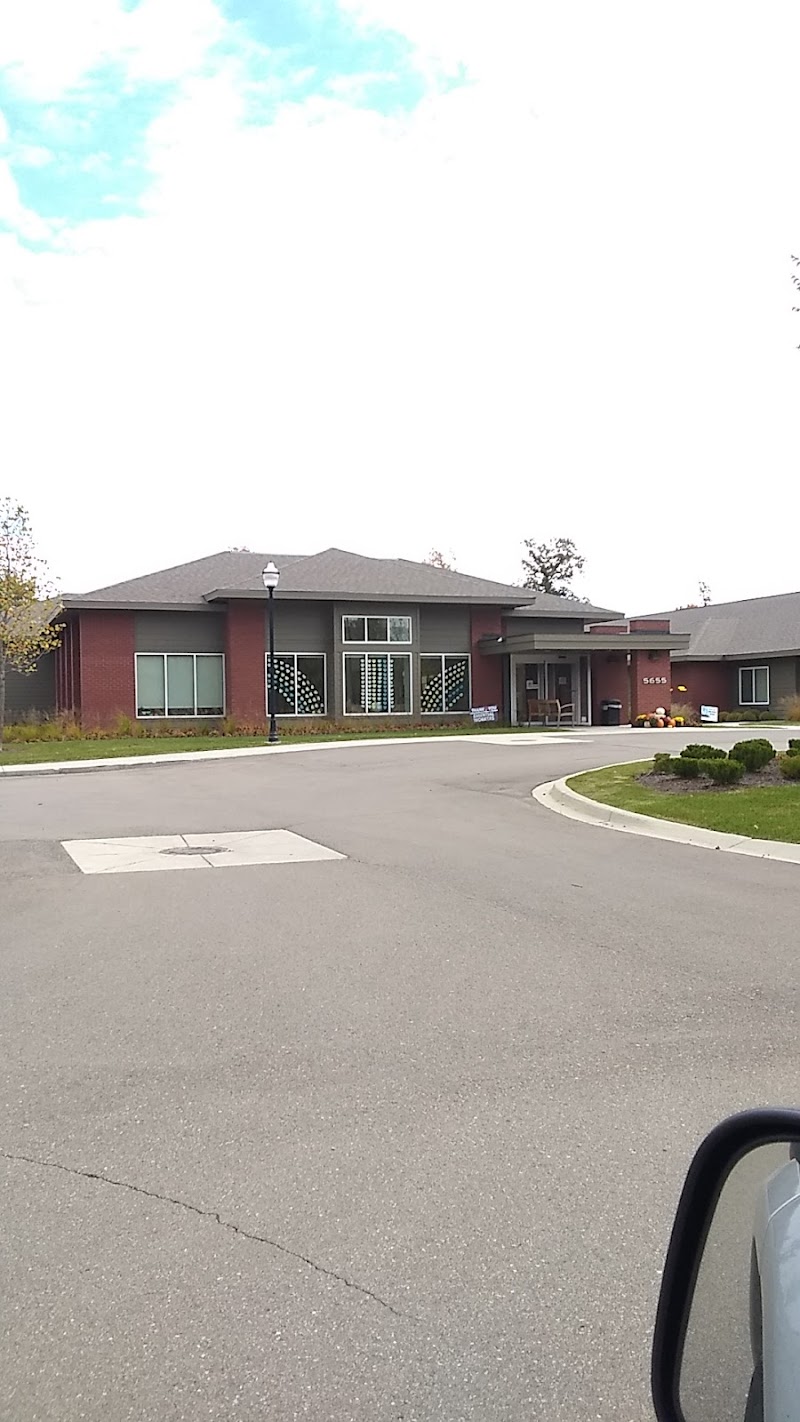
Who Owns and Operates Wellbridge Of Clarkston?

WellBridge of Clarkston is owned by a for-profit company. For-profit facilities operate as businesses with obligations to shareholders or private owners. The facility is operated by THE WELLBRIDGE GROUP, a chain that manages multiple nursing homes. With 100 certified beds and approximately 93 residents (about 93% occupancy), it is a mid-sized facility located in Clarkston, Michigan.

How Does Wellbridge Of Clarkston Compare to Other Michigan Nursing Homes?

Compared to the 100 nursing homes in Michigan, WellBridge of Clarkston's overall rating (3 stars) is below the state average of 3.1, staff turnover (61%) is significantly higher than the state average of 46%, and health inspection rating (3 stars) is at the national benchmark.

What Should Families Ask When Visiting Wellbridge Of Clarkston?

Based on this facility's data, families visiting should ask: "How do you ensure continuity of care given staff turnover, and what is your staff retention strategy?" "Can I visit during a mealtime to observe dining assistance and food quality?" "How do you handle medical emergencies, and what is your hospital transfer rate?" "Can I speak with family members of current residents about their experience?" These questions are particularly relevant given the facility's high staff turnover rate.

Is Wellbridge Of Clarkston Safe?

Based on CMS inspection data, WellBridge of Clarkston has a clean safety record: no substantiated abuse findings (meaning no confirmed cases of resident harm), no Immediate Jeopardy citations (the most serious violation level indicating risk of serious injury or death), and is not on the Special Focus Facility watch list (a federal program monitoring the lowest-performing 1% of nursing homes). The facility has a 3-star overall rating and ranks #100 of 100 nursing homes in Michigan. While no facility is perfect, families should still ask about staff-to-resident ratios and recent inspection results during their visit.

Do Nurses at Wellbridge Of Clarkston Stick Around?

Staff turnover at WellBridge of Clarkston is high. At 61%, the facility is 15 percentage points above the Michigan average of 46%. Registered Nurse turnover is particularly concerning at 60%. RNs handle complex medical decisions and coordinate care — frequent RN changes can directly impact care quality. High turnover means new staff may not know residents' individual needs, medications, or preferences. It can also be disorienting for residents, especially those with dementia who rely on familiar faces. Families should ask: What is causing the turnover? What retention programs are in place? How do you ensure care continuity during staff transitions?

Was Wellbridge Of Clarkston Ever Fined?

WellBridge of Clarkston has no federal fines on record. CMS issues fines when nursing homes fail to meet care standards or don't correct problems found during inspections. The absence of fines suggests the facility has either maintained compliance or corrected any issues before penalties were assessed. This is a positive indicator, though families should still review recent inspection reports for the full picture.

Is Wellbridge Of Clarkston on Any Federal Watch List?

WellBridge of Clarkston is not on any federal watch list. The most significant is the Special Focus Facility (SFF) program, which identifies the bottom 1% of nursing homes nationally based on persistent, serious quality problems. Not being on this list means the facility has avoided the pattern of deficiencies that triggers enhanced federal oversight. This is a positive indicator, though families should still review the facility's inspection history directly.