Mission Point Nursing & Physical Rehabilitation Ce
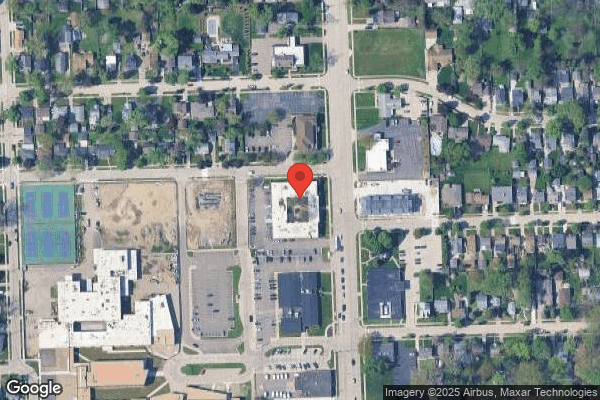
535 N Main, Clawson, MI 48017 (248) 435-5200
For profit - Corporation 120 Beds MISSION POINT HEALTHCARE SERVICES Data: November 2025 1 Immediate Jeopardy citation
Trust Grade
0/100
#392 of 422 in MI
Last Inspection: March 2025

Within standard 12-15 month inspection cycle. Federal law requires annual inspections.

Overview

Families considering Mission Point Nursing & Physical Rehabilitation Center should be aware that it has received a Trust Grade of F, indicating poor performance with significant concerns. It ranks #393 out of 422 facilities in Michigan, placing it in the bottom half, and #32 out of 43 in Oakland County, suggesting limited local options that perform better. Although the facility is improving, having reduced issues from 52 in 2024 to 24 in 2025, serious problems remain, including $358,533 in fines, which is higher than 97% of Michigan facilities, indicating ongoing compliance issues. Staffing is a mixed picture: while the facility has an average rating of 3/5 stars for staffing, the turnover rate is concerning at 57%, above the state average. Critical incidents have occurred, including a failure to protect a vulnerable resident from a sexual incident and another case where a resident was physically assaulted, resulting in serious injury. Overall, while there are some signs of improvement, families should weigh these serious concerns carefully.

Trust Score
F
0/100
In Michigan
#392/422
Bottom 8%
Safety Record
High Risk
Review needed
Inspections
Getting Better
52 → 24 violations
Staff Stability
⚠ Watch
57% turnover. Above average. Higher turnover means staff may not know residents' routines.
Penalties
✓ Good
$358,533 in fines. Lower than most Michigan facilities. Relatively clean record.
Skilled Nurses
○ Average
Each resident gets 30 minutes of Registered Nurse (RN) attention daily — about average for Michigan. RNs are the most trained staff who monitor for health changes.
Violations
⚠ Watch
111 deficiencies on record. Higher than average. Multiple issues found across inspections.
★☆☆☆☆
1.0
Overall Rating
★★★☆☆
3.0
Staff Levels
★★★★☆
4.0
Care Quality
★☆☆☆☆
1.0
Inspection Score
Stable
2024: 52 issues
2025: 24 issues

The Good

  • 4-Star Quality Measures · Strong clinical quality outcomes
  • Full Sprinkler Coverage · Fire safety systems throughout facility
  • No fines on record

Facility shows strength in quality measures, fire safety.

The Bad

1-Star Overall Rating

Below Michigan average (3.1)

Significant quality concerns identified by CMS

Staff Turnover: 57%

11pts above Michigan avg (46%)

Frequent staff changes - ask about care continuity

Federal Fines: $358,533

Well above median ($33,413)

Significant penalties indicating serious issues

Chain: MISSION POINT HEALTHCARE SERVICES

Part of a multi-facility chain

Ask about local staffing decisions and management

Staff turnover is elevated (57%)

9 points above Michigan average of 48%

The Ugly 111 deficiencies on record

1 life-threatening 8 actual harm
Jul 2025 3 deficiencies 1 Harm
SERIOUS (G) 📢 Someone Reported This

A family member, employee, or ombudsman was alarmed enough to file a formal complaint

Actual Harm - a resident was hurt due to facility failures

Free from Abuse/Neglect (Tag F0600)

A resident was harmed · This affected 1 resident

**NOTE- TERMS IN BRACKETS HAVE BEEN EDITED TO PROTECT CONFIDENTIALITY** This citation pertains to Intake Number(s): 1278772. Based on observation, interview and record review, the facility failed to p...

Read full inspector narrative →
**NOTE- TERMS IN BRACKETS HAVE BEEN EDITED TO PROTECT CONFIDENTIALITY** This citation pertains to Intake Number(s): 1278772. Based on observation, interview and record review, the facility failed to protect the resident's right to be free from physical abuse by a resident for two (R203 and R204) of four residents reviewed for abuse, resulting in R204 physically assaulting R203 (witnessed by R205 and R207) causing a scalp laceration that required three staples, a hematoma and swelling of the left eye, and expressions of fear of returning back to the facility from the hospital and R204 sustaining scratches to his nose, under right eye, and neck. Findings include:A review of a Facility Reported Incident (FRI) submitted to the State Agency (SA) revealed an allegation that (R203) was arguing with his roommate (R204) and hit him. No injuries noted. It was documented the incident occurred on 6/20/25 at 6:00 PM. On 7/8/25 and 7/9/25, an unannounced onsite investigation was conducted.A review of a Case Report completed by the local police department revealed they were called to the facility for aggravated/felonious assault. The following was documented in the Narrative section of the report: On the listed date and time (6/20/25 at 7:47 PM), (Officers' names) were dispatched to (facility address) (room number) for an assault and battery .the assault occurred at 5:50 PM .the patients were separated but one needed to be transported to the hospital for the injuries The nurses stated that two patients, lodged in the same room, got into a physical altercation. The nurses stated that they did not witness the assault .and advised officers that both suffer from dementia I met with the victim, later identified as (R203). (R203's) left side of his face was swollen and bloody. (R203's left eye was black, bruised, and swollen. (R203) had a fresh cut above his left eyebrow that was bleeding. There was a laceration on the top of (R203's) hairline. (R203's) left ear was bruised and the back of (R203's) neck was red. I took pictures of (R203's) injuries (R203) stated that him and the suspect, later identified as (R204), are not friends, but they share the same room together. (R203) advised me that he was laying down in his bed and (R204) jumped on him and started to hit him in the face. (R203) was unable to give me specific details about the assault due to his mental state (Officer name) met with (R204). (R204) stated that he was okay but was unable to give officers specific details about the assault due to mental state (Ambulance company) arrived on scene and transported (R203) to (hospital name) for his injuries .A review of R203's hospital records revealed the following:An ED (Emergency Department) Provider Note documented, .(R203) .presents to the emergency department due to assault .Physical exam shows scalp laceration, left periorbital edema (swelling around the eye) .Patient knew his name, location, however would intermittently answer questions inappropriately .Laceration was cleansed with sterile water and was repaired with staples .Patient states he does not feel safe going back to this facility, as he was assaulted by his roommate .Results from a CT (computed tomography) revealed, Preseptal hematoma (collection of blood that pools on the septum of the nose after trauma) of L (left) orbit (eye socket) without acute orbital fracture.On 7/9/25 at approximately 11:55 AM, R203 was observed in bed, in the dark, with the privacy curtain pulled around the bed. R203 was queried about any altercations with his previous roommate and R203 stated, My ear hurt worse than being here. I want to leave. R203 said he lived in Japan and did not speak English, despite speaking English at that time. R203 was not able to clearly answer questions about the alleged event. On 7/9/25 at 9:00 AM and 11:53 AM, R204 was observed sleeping. R204 did not respond when addressed.A review of R203's clinical record revealed R203 was admitted into the facility on [DATE] and readmitted on [DATE] with diagnoses that included: Multiple Sclerosis (MS). A review of a Minimum Data Set (MDS) assessment dated [DATE] revealed R203 had severely impaired cognition and no behaviors. A review of R203's progress notes revealed the following documentation:On 6/9/25, a Nursing Progress Note documented, approximately 10:30pm (R203) and roommate (R204) began arguing. Resident (R203) stated that roommate was sitting on his bed and that he wanted his sheets changed. CNA (Certified Nursing Assistant) reported that (R203) was agitated because (R204) is always walking around the room and going through his belongings. Words were exchanged and roommate was redirected back to his bed. Roommate (R204) was placed on a 1:1 (supervision), NP (Nurse Practitioner) on call notified, DON (Director of Nursing) notified, Administration notified.On 6/14/25, the following was documented in a Behavior Note, .Upon approaching the dining room. Resident observed throwing a cup towards another resident and yelling using profanity. A CNA was trying to intervene, and resident kicked the CNA in the stomach .What additional interventions were put in place to keep others safe? Residents should be monitored in the dining area at all times .On 6/20/25, the following was documented in a Nursing Progress Note written by Licensed Practical Nurse (LPN) 'C', Around (5:50 PM) writer was notified by nurse aid that two residents were fighting. When writer arrived at (room number) both residents were separated. (R204) was sitting in hallway and (R203) was lying in bed. Immediately assessed both residents and asked what happened. Both residents were arguing over (R203's) wheelchair. (R203) stated that (R204) touched his wheelchair which made him upset. After that both residents began to argue and then (R204) hit (R203) .(R203) had a scratch on left side of face, swelling in left side of face and small opening to top of scalp. Writer gave resident a shower, placed ice on side of face, and applied pressure to open area on head .physician notified. Physician ordered neuro checks and to apply ice to swollen area .It was documented in a Nursing Progress Note at 8:00 PM that Police and EMS (Emergency Medical Service) were called. A review of R204's clinical record revealed R204 was admitted into the facility on [DATE] and readmitted on [DATE] with diagnoses that included: epilepsy, schizoaffective disorder, and dementia without behavioral disturbances. A review of an MDS assessment revealed R204 had moderately impaired cognition and no behaviors. A review of a Nursing Progress Note dated 6/20/25 revealed the incident documented above in R203's progress notes and additionally noted, .(R204) stated that he was eating dinner and (R203) continued to move things on his tray. (R204) stated that (R203) kept calling him out his name. (R204) began <sic> angry and hit (R203) .(R204) had scratches on left side of nose, under right eye, under neck, and left hand is swollen .A review of an investigation completed by the facility revealed the following:A 5 Day Investigation Summary that documented interviews with residents and staff, including the following:CNA 'E' who was alerted by another resident that two residents were fighting (R203 and R204) so she yelled for a nurse and went to separate the residents. It was documented CNA 'E' saw (R204) standing near (R203's) bed and (R203) was in bed.LPN 'C' who was informed by the CNA of R203 and R204 fighting. LPN 'C' said the residents were separated when she arrived at the room. R203 was bleeding and she began her assessments and gave first aid. (A statement dated 6/20/25, handwritten and signed by LPN 'C' noted, the fight appeared to be over R203's wheelchair).R206, who resided across the hall from R203 and R204 said he was in the hallway and heard yelling and saw R203 cursing at R204, using very foul language. R203 was lying in bed but kept moving R204's curtain and touched R204's food. R204 got up and went to R203's side and hit him. R206 yelled for the nurse. The Incident Summary noted, On Friday, June 20, 2025, at approximately 6:30pm , (R205) reported to (CNA 'E') that two residents were fighting (R203 and R204). (CNA 'E') immediately went to the room and separated both residents. (LPN 'C') entered the room minutes later and stated she saw (R204) in the hallway in his wheelchair and (R203) was in his room lying in bed. (R203) was observed bleeding from a laceration on the top left side of his head near the scalp and first aid was initiated. (R205) stated that he did not witness the event, but (R206) did. (R206's) room is located directly across the hall from (R203 and R204) An investigation was initiated, during which (R206) interviewed. (R206) reported that (R203) had been argumentative and verbally aggressive toward his roommate (R204) throughout the day including cursing at him. Later in the evening, while both residents were in their rooms (R203) reportedly continued to provoke (R204) by pulling back the curtains and taunting him. (R203) then reached over and touched (R204's) food. In response, (R204) hit (R203) .During staff interviews no one reported overhearing (R203) cursing at (R203). (It should be noted that the other CNAs assigned to the 1st floor units were not interviewed as part of the investigation) During the physical altercation, (R203) sustained a black eye and a head laceration. He complained of pain and was transported to the hospital for further evaluation. Upon his return the next day, (R203) was treated with three staples for the head laceration. (R204) sustained a scratch on his face near the nose CONCLUSION .The Abuse Coordinator did validate that (R204) did strike (R203). However, it is important to note that both residents have cognitive impairment accompanied by diagnosis of Dementia. Due to the nature of their cognitive conditions, neither resident was able to accurately recall the incident during interviews (It should be noted that although R203 was unable to give details, the police report noted he did express that he was hit by R204 and R204 admitted to hitting R203 according to the nursing progress note). The altercation appeared to have been triggered by the behavioral symptoms associated with (R203's) medical condition. At the time of the incident, (R203) was diagnosed with a urinary tract infection (UTI), which is known to exacerbate behavioral disturbances in individuals with dementia .A review of R203 and R204's care plans revealed no interventions implemented after they had an argument on 6/9/25 as documented in their nursing progress notes after R203 was agitated about R204 coming to his side of the room. R203 did not have any additional interventions implemented on the care plan after he threw a cup at an unknown resident, was yelling and cursing, and hit a CNA in the stomach. On 7/9/25 at 12:20 PM, an interview was conducted with the Administrator in the presence of the DON. When queried about the incident between R203 and R204, the Administrator reported LPN 'C' called her and said there was a resident-to-resident incident between R203 and R204 and that R203 kicked R204's table and R204 hit R203. The Administrator explained she told her to assess the residents and make a room change. According to the Administrator, LPN 'C' did not report any injuries to her. The Administrator further reported the night nurse, LPN 'D' contacted her on when she started her shift to make sure she was aware of the incident and that R203 had a black eye and had a laceration. The Administrator said she was unaware of R203's injuries until LPN 'D' called her and she instructed her to contact the police. At that time, LPN 'D' was in the process of transferring R203 to the hospital because R203 complained of increased pain. When queried about any previous altercations between R203 and R204 (as documented in both residents' clinical records on 6/9/25), the Administrator reported the only incident she knew about was an argument and at that time told the staff to do 15-minute checks. When queried about the documented incident on 6/14/25 of when R203 attempted to throw a cup at a resident, yelled, used profanity, and punched a CNA in the stomach, the Administrator reported she did not know about that incident. The DON reported she knew about that incident, but R203 did not actually hit anyone with the cup. When queried about who the other resident was, the DON did not know. On 7/9/25 at 1:30 PM, an interview was conducted with LPN 'D' via the telephone. When queried about what occurred with R203 and R204 on 6/20/25, LPN 'D' reported she worked second shift (7:00 PM to 7:00 AM) and when she arrived for her shift LPN 'C' was still at the facility finishing up what she had to do for the incident. LPN 'D' said LPN 'C' said R204 struck R203 in the face. LPN 'D' reported R203 definitely was injured and had to be sent to the hospital because he was in pain. When queried about any previous behaviors or incidents between R203 and R204, LPN 'D' reported they argued back and forth a lot but never had a physical altercation.On 7/9/25 at 2:25 PM, an interview was conducted with LPN 'C' via the telephone. When queried about what occurred between R203 and R204 on 6/20/25, LPN 'C' reported she was passing medications when the CNA came to get her and said R203 and R204 were fighting. LPN 'C' went to the residents' room and upon assessment of R203, he was bleeding. LPN 'C' contacted the physician, and they said to do neurochecks and continue monitoring the resident. LPN 'C' reported she gave R203 a shower because he was bloody. R203's girlfriend came to the facility and was concerned about R203's eye. LPN 'C' said she first contacted the DON and reported everything, including the incident and a description of both residents' injuries and the DON instructed her to contact the Administrator. LPN 'C reported she told the Administrator everything she told the DON, including the injuries and what the physician's instructions were. The residents were already separated by the time LPN 'C' got to their room. LPN 'C' reported she was concerned when she learned R203 and R204 got in an argument over (R203's) wheelchair about a week prior to the incident and the current incident was supposedly over R203's wheelchair again. LPN 'C' said they should not have continued being in the same room together. LPN 'C' reported she did not observe R203 being verbally aggressive with R204 during her shift. (It should be noted that the nurse's station is down the hallway and around the corner from where R203 and R204 resided).On 7/9/25 at 2:48 PM, an interview was conducted with CNA 'E' via the telephone. When queried about the incident between R203 and R204 on 6/20/25, CNA 'E' said she was notified by R205 that the residents were fighting. CNA 'E' went to their room and saw (R203) grabbing (R204) so she separated the residents. CNA 'E' explained R203 was bleeding from the head. CNA 'E' did not witness the altercation but said based on the condition of the residents and seeing R203 grabbing R204, it was likely they had a physical fight. When queried about the residents' behavior toward each other throughout the shift, CNA 'E' reported they argued a bit and previously R203 was a little agitated because R204 took his wheelchair.A review of a facility policy titled, Abuse, Neglect and Exploitation, revised 2/2025, revealed, in part, the following, .The facility will implement policies and procedures to prevent and prohibit all types of abuse .that achieves .Identifying, correcting and intervening in situation in which abuse .is more likely to occur .The identification, ongoing assessment, care planning for appropriate interventions, and monitoring of residents with needs and behaviors which might led to conflict .
CONCERN (D) 📢 Someone Reported This

A family member, employee, or ombudsman was alarmed enough to file a formal complaint

Potential for Harm - no one hurt, but risky conditions existed

Investigate Abuse (Tag F0610)

Could have caused harm · This affected 1 resident

**NOTE- TERMS IN BRACKETS HAVE BEEN EDITED TO PROTECT CONFIDENTIALITY** This citation pertains to intake(s): MI00153082, MI00154080 & MI00154105.Based on observation, interview and record reviews the ...

Read full inspector narrative →
**NOTE- TERMS IN BRACKETS HAVE BEEN EDITED TO PROTECT CONFIDENTIALITY** This citation pertains to intake(s): MI00153082, MI00154080 & MI00154105.Based on observation, interview and record reviews the facility failed to conduct a thorough investigation into an injury of unknown origin for one (R202) of four residents reviewed for Abuse. Findings include:On 7/8/25 at 1:24 PM, R202 was observed sleeping in their bed. Three attempts were made to wake the resident with verbal stimuli, however all attempts were unsuccessful. A review of the medical record revealed R202 was initially admitted to the facility on [DATE] with diagnoses that included: dementia, history of unspecified adult abuse, and the need for assistance with personal care. R202 was noted to be under hospice services. Review of a progress note dated 4/30/25 at 12:36 PM, documented in part . Writer observed swelling to resident's right hand. NP (nurse practitioner) made aware and new orders were given.Review of a complaint submitted by the local Police Department documented the following in part . She (R202) had a large bruise on her hand and told staff that someone on staff had beat her up. (R202) will not reveal who this is. (R202 name) has dementia. Officers attempted to get (R202) to tell who had assaulted her and she said that she did not want to tell us who did it .Review of a 5 Day Investigation Summary submitted by the facility's Administrator documented in part . (R202) had a bruise on her right hand stating . that someone beat her up . (R202) is combative with care. According to staff reports she will grab things like curtains, bed frames, people etc. when she doesn't want to be changed . (R202) does have documented behaviors including combativeness with care and her care plan has been updated to include two-person assistance due to her combative behavior .Review of the progress note revealed the following:A Nursing: Incident Note dated 6/25/25 at 8:45 AM, documented . Nurse aide reported that resident had new skin concern, writer assessed resident and noted bruising swelling and pain to right back and front of hand at second third and fourth knuckle. Resident stating someone did it to her .A Nursing note dated 6/25/25 at 8:50 AM, documented in part . Nurse aide . notified writer that resident had a new injury to right hand, writer assessed resident and noted red and light purple discoloration and increased swelling to right hand at second third and fourth knuckle accompanied by increased pain set at 8. Resident stated someone grabbed her hand hard because they didn't like me. Resident stated her pain is at an 8 and was unable to make a fist .A Nurse Practitioner (NP) note dated 6/26/25 at 10:16 AM, documented in part . Because x-ray was unable to come to patient, facility transferred patient to hospital via EMS (emergency medical services) for hand x-ray .Review of a hospital After Visit Summary dated 6/26/25, documented in part . x-ray showed a displaced fracture in your right hand . Diagnosis Closed displaced fracture of distal phalanx of ring finger, unspecified laterality .A review of the facility's investigation file included the following:A statement by CNA A that documented the following I was (R202) Cena last night. The nurse went into the room with me to give her care. She wasn't combative, she let me change her. I just talked to her and was rubbing her arm so she would stay calm. I didn't see anything on her hand. She has <sic> no signs of Pain or discomfort .Review of a 5 Day Investigation Summary submitted by the Administrator documented in part . On Wednesday, June 25, 2025 . a bruise on resident's right hand and was informed by (R202 name) that someone bent her finger. (local police department name) were notified . It remains inconclusive how the injury specifically occurred .Review of a complaint submitted by the local police department documented in part . It was first reported on 6/25/2025. (Facility Administrator) reported that they had suspended (Certified Nursing Assistant - CNA A) after it was determined that she did not follow protocol by not being alone in the patient's (R202) room. It was reported that (R202) had a habit of grabbing things. She (Administrator) stated that staff are not supposed to pry patient's hands, due to the risk of injury. (Administrator) reported that (CNA A) pried (R202's) hand off . Officers were dispatched back to the facility where (R202) was transported for a fractured hand .CNA A is a night shift aide that was identified to be assigned to R202 for the night of 6/24/25 into the morning of 6/25/25. The injury to R202's right hand was identified by the morning aide on 6/25/25. A review of a care plan titled I have potential to demonstrate behaviors . I am combative with care, hitting staff, grabbing my bed frame so staff are unable to complete care with right hand . an intervention documented . Two staff to be present during care at all times . Initiated 5/7/25. On 7/8/25 at 12:29 PM, an attempt to conduct a telephone interview with CNA A was unsuccessful. CNA A's voicemail box was full, so a text message was sent regarding the investigation and a request was made for them to return the surveyor's call. A review of CNA A time card revealed no documentation of a suspension noted. On 7/8/25 at 3:50 PM, Licensed Practical Nurse (LPN) G (the midnight nurse assigned to R202 on 6/24/25 into the morning of 6/25/25- who worked alongside CNA A) was contacted via telephone and a message was left to return the surveyor's call. On 7/9/25 at 8:03 AM, LPN G returned the surveyor's call. When asked if they had assisted CNA A throughout the night of 6/24/25 into 6/25/25 with care provided by CNA A to R202, LPN G replied that (CNA A) had not asked them to assist at all throughout that night. LPN G stated CNA A did assist with (R202) on the morning of 6/25/25 while they (LPN G) completed the residents wound treatment. LPN G confirmed other than assisting them with the wound treatment, they had not assisted CNA A with R202 throughout that night.This conflicted with the statement submitted by CNA A during the facility's investigation. On 7/9/25 at 9:33 AM, CNA F (the dayshift CNA that identified the injury to R202 on 6/25/25) was interviewed via telephone. When asked about the identification of R202's right hand injury, CNA F stated they were setting their residents up for breakfast that morning. CNA F stated they walked into R202's room who was holding their right hand to their chest. CNA F stated they could visibly see that R202's hand was discolored and swollen. CNA F stated they asked R202 what happened and R202 replied that someone had bent her hand back. CNA F stated when the police came to the facility to talk to the resident they were present in the room. CNA F stated R202 told the police the same thing that R202 had told them. CNA F stated R202 told the police that a staff member had bent their hand back. When asked, CNA F stated no one followed back up with them for a statement until 7/2/25, a week after the allegation and identification of the injury. On 7/9/25 at 11:16 AM, the Administrator and Director of Nursing (DON) were interviewed together. When asked how they came to the conclusion of their investigation for R202 the Administrator stated that R202 was known to be combative with their care. They interviewed all of the staff that confirmed they had provided care with a second staff member, so they concluded the investigation to be inconclusive. The Administrator was then asked about the information they provided to the local police department regarding CNA A to have been suspended due to not following R202's plan of care and entering into the room to provide care without a second person present. The Administrator stated when they interviewed CNA A they stated they provided R202's care with LPN G that shift. When asked if they collaborated with LPN G to confirm that to be true, the Administrator stated LPN G informed them that CNA A assisted them with the resident while LPN G completed R202's wound treatment. The Administrator was again asked if they asked LPN G if they had assisted CNA A with R202 while CNA A provided care for the resident on that shift and the Administrator stated they did not. The review of the conflicting statement by CNA A, the statement by the local police department and LPN G interview was discussed and the Administrator was asked about CNA A to have supposedly been suspended, yet their time sheet did not reflect a suspension. The Administrator stated they attempted to call CNA A to inform them that they were suspended pending the investigation but they could not get ahold of them. The Administrator was asked why CNA A was being suspended if they allegedly provided care per the resident's plan of care as indicated by their investigation, and the Administrator did not have a response. The Administrator and DON was informed of the multiple attempts made to contact CNA A. The Administrator and DON was asked to contact CNA A and have them contact the surveyor for an interview. On 7/9/25 at 2:02 PM, a third attempt was made to contact CNA A and was again unsuccessful. On 7/9/25 at 4:01 PM, the Administrator and DON stated they were unsuccessful with getting in touch with CNA A. No further explanation or documentation was provided by the end of the survey.
CONCERN (D) 📢 Someone Reported This

A family member, employee, or ombudsman was alarmed enough to file a formal complaint

Potential for Harm - no one hurt, but risky conditions existed

Deficiency F0839 (Tag F0839)

Could have caused harm · This affected 1 resident

**NOTE- TERMS IN BRACKETS HAVE BEEN EDITED TO PROTECT CONFIDENTIALITY** Based on interview and record reviews the facility failed to ensure a Certified Nursing Assistant (CNA) maintained an active CNA...

Read full inspector narrative →
**NOTE- TERMS IN BRACKETS HAVE BEEN EDITED TO PROTECT CONFIDENTIALITY** Based on interview and record reviews the facility failed to ensure a Certified Nursing Assistant (CNA) maintained an active CNA certification while working at the facility, for one (CNA A) of three CNA certifications reviewed. Findings include: A review of CNA A's personnel file revealed a LAPSED status of their nursing assistant certification (nurse aide certification). The document revealed the certification expired on [DATE]. A review of CNA A timecard revealed the aide worked in the facility as a CNA with a lapsed certification on the following dates:[DATE]/[DATE]/[DATE]On [DATE] at 2:02 PM, an interview was attempted with CNA A but was unsuccessful.On [DATE] at 2:40 PM, the Administrator was interviewed and asked about CNA A's nursing aide certification to have been lapsed since [DATE], while still working in the facility as a CNA. The Administrator replied the facility did not have a Human Resource (HR) personnel in house but comes to the facility throughout the week. The Administrator stated the HR Personnel was in the building and they would follow up with the concern. On [DATE] at 3:00 PM, the Human Resource personnel (HR) B was interviewed and stated they are in the facility once a week. HR B stated they realized yesterday ([DATE]) when (CNA A personnel file was requested by the survey team) that CNA A nursing aide certification had lapsed and informed the Administrator. HR B stated the facility staff got in contact with CNA A and the CNA was able to get their certification fixed. At that time HR B was asked to finish the interview in the office of the Administrator. The Administrator was again asked about CNA A nursing aide certification to have lapsed while still working in the facility as an aide. The Administrator acknowledged the concern.No further explanation or documentation was provided by the end of the survey.
Mar 2025 19 deficiencies
CONCERN (D)

Potential for Harm - no one hurt, but risky conditions existed

Deficiency F0554 (Tag F0554)

Could have caused harm · This affected 1 resident

**NOTE- TERMS IN BRACKETS HAVE BEEN EDITED TO PROTECT CONFIDENTIALITY** Based on observation, interview and record review, the facility failed to ensure a resident was assessed for the safe self-admin...

Read full inspector narrative →
**NOTE- TERMS IN BRACKETS HAVE BEEN EDITED TO PROTECT CONFIDENTIALITY** Based on observation, interview and record review, the facility failed to ensure a resident was assessed for the safe self-administration of medication and to have medication kept at bedside for one (R8) of one resident reviewed for self-administration of medication. Findings include: On 3/18/25 at 10:53 AM, the door to R8's room was closed. Upon entry into the room, the resident was seated upright on the side of the bed holding a small clear plastic vial. A nebulizer machine (a small machine that turns liquid medicine into a mist that can be inhaled) was observed on a table next to the bed. When asked about the small vial, R8 stated that was for their breathing treatment. When asked if the nurse had given that to the resident for them to do themselves, R8 stated Yes, it's for me to do. Review of the clinical record revealed R8 was admitted into the facility on 1/3/25 with diagnoses that included: schizoaffective disorder, acute on chronic systolic heart failure, chronic obstructive pulmonary disease (COPD), asthma and dyspnea. According to the Minimum Data Set (MDS) assessment dated [DATE], R8 scored 13/15 on the Brief Interview for Mental Status (BIMS) exam which indicated they had intact cognition. Further review of the clinical record revealed there was no assessment, care plan, or physician order completed to indicate R8 was able to safely administer their own breathing treatment. Review of the care plans, orders and assessments revealed none for resident's ability to self-administer breathing treatment. The care plan for I have altered respiratory status/potential for difficulty with breathing r/t (related to) COPD, Asthma. - initiated 1/4/25, revised 1/6/25 included an intervention for Administer medication/puffers as ordered. Monitor for effectiveness and side effects. The physician orders included: Albuterol Sulfate HFA (Hydrofluoroalkane) Inhalation Aerosol Solution 108 (90 Base) MCG/ACT (Micrograms/Acutation) (Albuterol Sulfate) 1 puff inhale orally every 6 hours as needed for wheezing. This order started on 1/5/25. Ipratropium-Albuterol Solution 0.5-2.5 (3) MG/SML (Milligrams per Symptom-monitored Loading Dose) 1 applicatorful inhale orally every 6 hours for copd. This order started on 3/4/25. Review of the Medication Administration Records for the above treatments revealed Nurse 'C' documented administration of the ipratropium-albuterol solution 0.5-2.5 (3) MG/ML on 3/18/24 at 12:00 PM and 6:00 PM. Nurse 'B' had documented administration at 12:00 AM and 6:00 AM. On 3/19/25 1:45 PM, an interview was conducted with the Director of Nursing (DON) who reported they had been in their role as of January 2025. When asked about the facility's process for self-administration, the DON reported there should be an assessment, physician order and care plan. The DON was informed of the observation for R8 on 3/18/25 and they reported they would have to follow-up. On 3/19/25 at 2:35 PM, an interview was conducted with Nurse 'C'. Nurse 'C' confirmed they were assigned to R8 yesterday and had taken over for Nurse 'B' who worked the evening prior as well as the evening of 3/18/25. When asked about R8's breathing treatment and their process for administration, Nurse 'C' reported they usually give it to the resident, stand outside the room and make sure it's done. When asked if they would give the nebulizer vial to the resident to do themselves, Nurse 'C' reported I would not personally give him anything like that. He's alert, but has confusion. Nurse 'B' was attempted to be interviewed by phone, but there was to return call. According to the facility's policy titled, Resident Self-Administration of Medication dated 2/2025: .A resident may only self-administer medications after the facility's interdisciplinary team has determined which medications may be self-administered safely .No medication shall be left unattended without the residents' knowledge that it has been left there for them .The care plan must reflect resident self-administration and storage arrangements for such medications .
CONCERN (D)

Potential for Harm - no one hurt, but risky conditions existed

Deficiency F0558 (Tag F0558)

Could have caused harm · This affected 1 resident

**NOTE- TERMS IN BRACKETS HAVE BEEN EDITED TO PROTECT CONFIDENTIALITY** Based on observation, and interview the facility failed to offer a shower for one of one resident (R39) reviewed for accommodati...

Read full inspector narrative →
**NOTE- TERMS IN BRACKETS HAVE BEEN EDITED TO PROTECT CONFIDENTIALITY** Based on observation, and interview the facility failed to offer a shower for one of one resident (R39) reviewed for accommodation of needs, resulting in R39's bathing preferences to be unrecognized. Findings include: On 3/18/25 at 10:30 AM, R39 was observed in their room and reported that she loved the facility, had no issues and the staff took great care of their needs, however R39 reported that they would like to take a shower. R39 expressed that the facility did administer bed baths but stated that it was nothing better than the actual water from the shower. R39 stated that the reason they were unable to shower was because their wheelchair did not fit into the shower room. A review of the record revealed that R39 was admitted to the facility on [DATE] with the diagnosis of schizoaffective disorder, bipolar, difficulty walking and morbid obesity. The Minimum Data Set (MDS) completed on 1/14/25 showed that R39's Brief Interview for Mental Status score (BIMs) of 15, which indicated high function cognitive ability. On 3/19/25 at 9:10 AM, the Director of Nursing (DON) was asked why couldn't R39 take a physical shower. The DON replied that the resident received bed baths so R39 did not miss being bathed. The DON was asked why couldn't R39 get a shower in the shower room or their bedroom and the DON replied that she would investigate why they did not receive showers. On 3/19/25 at 12:10 PM, R39 was asked that if staff were to offer them a shower would they take one, R39 replied, Yes. On 3/20/25 at 12:03 PM, the DON followed up on R39 getting showered and stated that they were working with therapy to find solutions to get R39 in the shower as their wheelchair did not fit through the doorframe. It should be noted that the resident was admitted to the facility in October of 2024. There was no additional information provided by the exit of survey.
CONCERN (D)

Potential for Harm - no one hurt, but risky conditions existed

Deficiency F0578 (Tag F0578)

Could have caused harm · This affected 1 resident

**NOTE- TERMS IN BRACKETS HAVE BEEN EDITED TO PROTECT CONFIDENTIALITY** Based on interview and record review, the facility failed to ensure an updated annual review of a Do-Not-Resuscitate (DNR) order...

Read full inspector narrative →
**NOTE- TERMS IN BRACKETS HAVE BEEN EDITED TO PROTECT CONFIDENTIALITY** Based on interview and record review, the facility failed to ensure an updated annual review of a Do-Not-Resuscitate (DNR) order with a legal guardian was in place for one (R32) of three residents reviewed for advance directives. Findings include: According to MCL 700.5314 [NAME] and duties of guardian, effective 2/3/14, amended 2/6/18, .(d) The power of a guardian to execute, reaffirm, and revoke a do-not-resuscitate order on behalf of a ward is subject to this subdivision. A guardian shall not execute a do-not-resuscitate order unless the guardian does all of the following: (i) Not more than 14 days before executing the do-not-resuscitate order, the guardian visits the ward and, if meaningful communication is possible, consults with the ward about executing the do-not-resuscitate order. (ii) The guardian consults directly with the ward's attending physician as to the specific medical indications that warrant the do-not-resuscitate order. (e) If a guardian executes a do-not-resuscitate order under subdivision (d), not less that annually after the do-not-resuscitate order is first executed, the guardian shall do all of the following: (i) Visit the ward and, if meaningful communication is possible, consult with the ward about reaffirming the do-not-resuscitate order. (ii) Consult directly with the ward's attending physician as to specific medical indications that may warrant reaffirming the do-not-resuscitate order . Review of the clinical record revealed R32 was admitted into the facility on 1/9/24 and readmitted [DATE] with diagnoses that included: major depressive disorder, schizoaffective disorder and bipolar disorder. According to the Minimum Data Set (MDS) assessment dated [DATE], R32 had moderately impaired cognition. The clinical record also indicated R32 had a legal guardian and was a DNR. Review of a Medical Treatment Decision Form for R32 revealed a signature in the box for DNR Do Not Resuscitate, signed by R32's guardian and dated 1/24/24. Review of R32's progress notes revealed no documentation of communication between R32's guardian and R32's physician regarding R32's continued DNR status. On 3/19/25 at 12:19 PM, Social Worker (SW) D was interviewed and asked why R32's DNR order had not been reaffirmed since it was over the annual time frame. SW D explained she was not aware a DNR order from a guardian required annual review. When asked about the lack of communication between R32's guardian and physician, SW D had no answer. Review of a facility policy titled, Residents' Rights Regarding Treatment and Advance Directives revised 2/2025 revealed it did not address the specific requirements for guardians to reaffirm annually or the communication between the guardian and physician.
CONCERN (D)

Potential for Harm - no one hurt, but risky conditions existed

Deficiency F0583 (Tag F0583)

Could have caused harm · This affected 1 resident

**NOTE- TERMS IN BRACKETS HAVE BEEN EDITED TO PROTECT CONFIDENTIALITY** Based on observation, interview and record review, the facility failed to protect residents personal privacy for two (R1 and R5)...

Read full inspector narrative →
**NOTE- TERMS IN BRACKETS HAVE BEEN EDITED TO PROTECT CONFIDENTIALITY** Based on observation, interview and record review, the facility failed to protect residents personal privacy for two (R1 and R5) of two residents reviewed for privacy. Findings include: On 3/18/25 at 9:44 AM, R1 and R5, roommates, were observed sleeping in their beds. The privacy curtain between the beds was observed to only have the mesh top part attached to the ceiling track, the bottom, solid part, which provides privacy was gone. On 3/18/25 at 10:11 AM, R1 was observed sitting in their wheelchair in the room. R5 was observed sleeping in their bed. R1 was asked about the missing privacy curtain. R1 explained it had been removed to clean it. When asked how long it had not been there, R1 explained it had been off for a while. R1 was asked about privacy when getting dressed or changed. R1 explained staff would close the door to the hall. Review of the clinical record revealed R1 was admitted into the facility on [DATE] and readmitted [DATE] with diagnoses that included: heart disease, dementia and anxiety disorder. According to the Minimum Data Set (MDS) assessment dated [DATE], R1 had moderately impaired cognition and required the assistance of staff for activities of daily living (ADL's). Review of the clinical record revealed R5 was admitted into the facility on 2/1/16 and readmitted [DATE] with diagnoses that included: dementia, stroke and heart disease. According to the MDS assessment dated [DATE], R5 had severely impaired cognition and was dependent on staff for ADL's. On 3/19/25 at 10:53 AM, Housekeeper (HK) L was interviewed and asked who at the facility took down and/or put up privacy curtains. HK L explained sometimes Housekeeping did it, and sometimes Maintenance did it. HK L was asked if the whole curtain was taken down, or just the solid part unbuttoned from the mesh top. HK L explained they would unbutton the bottom part as the mesh top really didn't get dirty. When asked if he knew about the privacy curtain being removed in R1 and R5's room, HK L explained he had not removed it. On 3/19/25 at 1:47 PM, the Environmental Services Manager (ESM) was interviewed and asked about the privacy curtain in R1 and R5's room. The ESM explained he had not known the privacy curtain was missing, so when he was told about it, he put one up between the beds. The ESM was asked if he knew who had taken the privacy curtain down. The ESM explained he did not know, but it was usually Maintenance or one of the male Housekeepers. On 3/19/25 at 2:35 PM, the Housekeeping Supervisor (HKS) was interviewed and asked about the privacy curtain in R1 and R5's room. The HKS explained the facility did not have any extra privacy curtains, when one needed cleaning, they had to take it down, send it to laundry and then put it back up. When asked how long that took, the HKS explained it took an hour to wash and an hour to dry. The HKS was asked if she knew who took it down, or when it was taken down. The HKS explained she did not know. On 3/20/25 at 8:50 AM, Laundry Aide (LA) M was interviewed and asked about the process for laundering privacy curtains. LA M explained they washed all the towels and linens, then privacy curtains, then residents' clothing. LA M was asked approximately how long it usually took for the privacy curtains to be washed and dried. LA M explained it usually took about a half-a-day before they were done. When asked if there were any extra privacy curtains, LA M explained there were no extra curtains. On 3/20/25 at 9:36 AM, an interview was conducted with the acting Administrator, the Regional Director of Operations (RDO). The RDO was informed of the concern of the lack of a privacy curtain between R1 and R5's beds for an unknown amount of time. The RDO explained there were extra curtains, and one should have been put up immediately. The RDO was informed that Maintenance, Housekeeping and Laundry personnel were not aware there were extra curtains. The RDO explained he was not aware staff did not know about the extra curtains. The RDO was asked regardless if there were extra curtains or not, should not something be put up between the beds to maintain privacy during ADL care. The RDO agreed privacy should be maintained.
CONCERN (D)

Potential for Harm - no one hurt, but risky conditions existed

Safe Environment (Tag F0584)

Could have caused harm · This affected 1 resident

**NOTE- TERMS IN BRACKETS HAVE BEEN EDITED TO PROTECT CONFIDENTIALITY** Based on observation, interview and record review, the facility failed to maintain a clean, comfortable, homelike environment fo...

Read full inspector narrative →
**NOTE- TERMS IN BRACKETS HAVE BEEN EDITED TO PROTECT CONFIDENTIALITY** Based on observation, interview and record review, the facility failed to maintain a clean, comfortable, homelike environment for one (R44) of nine residents reviewed for environment. Findings include: On 3/18/25 at 10:00 AM, R44 was observed lying in bed sleeping. R44 was observed to have closely cut hair of uniform length. On 3/18/25 at 12:03 PM, R44 was again observed lying in bed sleeping. R44 was dressed, had a mechanical lift sling positioned under them. A bottle of shampoo/body wash was observed on the windowsill. The head of the bed was elevated and on the floor, under the head of the bed was a pile of hair, approximately four inches in diameter. Review of the clinical record revealed R44 was admitted into the facility on 5/5/22 and readmitted [DATE] with diagnoses that included: metabolic encephalopathy, vascular dementia and anxiety disorder. According to the Minimum Data Set (MDS) assessment dated [DATE], R44 had severely impaired cognition and required the assistance of staff for activities of daily living (ADL's). Review of R44's progress notes revealed a Discharge Note dated 3/18/25 at 7:20 PM that read in part, Resident was transferred to (local hospital) . On 3/19/25 at 10:40 AM, observation of R44's room and bed revealed the pile of hair was still under R44's bed. On 3/20/25 at 10:46 AM, the Housekeeping Supervisor (HKS) was interviewed and informed of the observation of a pile of hair under R44's bed even after being discharged from the facility. The HKS explained the expectation was that routine daily cleaning included sweeping the entire floor, including under the bed and behind furniture. Review of a 30 Day Look Back for R44's Shower/Bathing/Bed Bath task revealed documentation that R44 received a bed bath by Certified Nursing Assistant (CNA) P on 3/17/25. On 3/20/25 at 11:06 AM, CNA P was interviewed by phone and asked if they had cut R44's hair when they gave R44 a bed bath. CNA P explained they had not cut R44's hair. On 3/20/25 at 11:21 AM, a phone call was made to CNA Q, who had been assigned to R44 on 3/18/25 and a voice mail was left. No return call was made prior to the end of the survey. Review of a facility policy titled, Safe and Homelike Environment dated 1/11/21 read in part, .Housekeeping and maintenance services will be provided as necessary to maintain a sanitary, orderly and comfortable environment .
CONCERN (D)

Potential for Harm - no one hurt, but risky conditions existed

Deficiency F0635 (Tag F0635)

Could have caused harm · This affected 1 resident

**NOTE- TERMS IN BRACKETS HAVE BEEN EDITED TO PROTECT CONFIDENTIALITY** Based on observations, interview, and record review the facility failed to transcribe medication orders correctly from the hospi...

Read full inspector narrative →
**NOTE- TERMS IN BRACKETS HAVE BEEN EDITED TO PROTECT CONFIDENTIALITY** Based on observations, interview, and record review the facility failed to transcribe medication orders correctly from the hospital resulting in one resident (R10) missing prescribed dosages of antibiotic medication (a medication used to treat infection). Findings include: On 3/18/25 at 10:10 AM, R10 was observed in bed. When R10 was asked how their stay at the facility was, the residents was not coherent. A review of R10's medical record revealed that the Brief Interview for Mental Status score (BIMS) completed on 3/3/25 was a 00, which indicated severe impaired cognition. A further review of the record showed that R10 was admitted to the facility initially on 7/15/2019 with the diagnosis of vascular dementia, history of falling and aphasia. Additional review of R10 record revealed that, they were admitted to the hospital on [DATE] for a fall and pain to the lower extremity and discharged from the hospital on 2/20/25 back to the facility. With in the discharge instruction paperwork R10 was to receive an antibiotic called Ciprofloxacin (Cipro) 500 milligrams (mg) every 12 hours for 5 days. In review of the medical administration record the antibiotic was not transcribed and there was no progress note to indicate that the physician had discontinued the treatment. On 3/20/25 at 10:45 AM, an interview with the facility's Infection Control Preventionist (ICP) was conducted, and they were asked why the Cipro was not ordered as the hospital intended for R10. The ICP, reported that they had just received the hospital paperwork on the 17th of February and noticed that the antibiotic was not ordered and intended to contact the physician to see what they would recommend since the medication was missed. The ICP was asked should the medication had been transcribed as ordered from the hospital. The ICP replied, It should have. On 3/20/25 at 12:03 PM, an interview with the Director of Nursing (DON) was conducted. The DON was asked should medications be transcribed as ordered from the hospital to a resident's medication administration record. The DON reported that medications should be transcribed as ordered and if for what ever reason a provider changed an order, the nurse who is verifying medications with the provider is to document that a change was made in a progress note. There was no additional information provided at the exit of survey.
CONCERN (D)

Potential for Harm - no one hurt, but risky conditions existed

PASARR Coordination (Tag F0644)

Could have caused harm · This affected 1 resident

**NOTE- TERMS IN BRACKETS HAVE BEEN EDITED TO PROTECT CONFIDENTIALITY** Based on interview and record review, the facility failed to ensure a Change in Condition level one screening Form DCH (Departme...

Read full inspector narrative →
**NOTE- TERMS IN BRACKETS HAVE BEEN EDITED TO PROTECT CONFIDENTIALITY** Based on interview and record review, the facility failed to ensure a Change in Condition level one screening Form DCH (Department of Community Health/3877) was submitted to the local Community Mental Health Services Program (CMHSP) for a level two OBRA (Omnibus Budget Reconciliation Act) evaluation upon a change in the resident's condition for one (R61) of two residents reviewed for Preadmission Screening/Annual Resident Review (PASARR). Findings include: Review of the clinical record revealed R61 was admitted into the facility on 1/7/23 and readmitted on [DATE] with a new diagnosis of schizophrenia. According to the Minimum Data Set (MDS) assessment dated [DATE], R61 scored a 15/15 on the Brief Interview for Mental Status (BIMS) exam which indicated intact cognition. The schizophrenia diagnoses was not included in section I of the MDS assessment. Review of R61's physician orders included an order with a start date of 1/31/25 for Seroquel (an antipsychotic medication) oral tablet 50 MG (Milligrams) - give 1 tablet by mouth every 12 hours for schizophrenia. Further review of the most current level one (3877) form dated 3/26/24 revealed the section for screening criteria had an X marked next to question 1 which read, Yes The person has a current diagnoses of X Mental Illness or X Dementia (both were marked with an X'; question 2 which read, Yes The person has received treatment for X Mental Illness; question 3 which read, The person has routinely received one or more prescribed antipsychotic or antidepressant medications within the last 14 days.; and question 4 which read, There is presenting evidence of mental illness or dementia, including significant disturbances in thought, conduct, emotions, or judgement. Presenting evidence may include, but is not limited to, suicidal ideations, hallucinations, delusions, serious difficulty completing tasks, or serious difficulty interacting with others. The section to explain any Yes responses read, DX (Diagnosis): Psychotic disorder with delusions due to known physiological condition, unspecified mood [affective] disorder, Parkinson's disease with dyskinesia, Dementia in other diseases classified elsewhere, unspecified severity, without behavioral disturbance, psychotic disturbance, mood disturbance, and anxiety, receives Seroquel, Xanax, Depakote, mirtazapine, and escitalpram. There was no documentation that identified a change of condition 3877 form had been completed upon the addition of the new schizophrenia diagnosis upon readmission on [DATE]. Review of R61's OBRA PASARR Correspondence letter dated 3/26/24 documented, .does not meet criteria for a serious mental illness, developmental disability, intellectual disability, or related condition under the PASARR provisions but may have a less than serious mental illness .This does not alter the nursing facility's requirement for completing the annual Level I (DCH-3877) or reporting significant changes to the CMHSP or their contract agency .[R61] has no apparent history of SPMI (Serious and Persistent Mental Illness), no Level II needed . On 3/19/25 at 1:24 PM, an interview was conducted with the Social Services Manager (Social Worker/SW 'D'). When asked about whether the facility had completed a change in condition and submission to the local community health regarding R61's new diagnosis of schizophrenia since their readmission on [DATE], SW 'D' reported they would have to find out. On 3/19/25 at 4:00 PM, SW 'D' provided a 3877 form dated 3/19/25 and reported they just submitted a change in condition 3877 form to OBRA today. When asked why this had not been identified until it was a concern during this survey, SW 'D' reported they were focused on other concerns. Review of the 3877 completed 3/19/25 had an X for Yes and Mental Illness for questions 1-4, and the section to Explain any YES read, New: Dx Schizophrenia-Seroquel Depression-Lexapro. According to the facility's policy titled, Resident Assessment - Coordination with PASARR Program dated 12/2023: .The Social Services Director shall be responsible for keeping track of each resident's PASARR screening status and referring to the appropriate authority .Any resident who exhibits a newly evident or possible serious mental disorder, intellectual disability, or a related condition will be referred promptly to the state mental health or intellectual disability authority for a level II resident review .
CONCERN (D)

Potential for Harm - no one hurt, but risky conditions existed

Deficiency F0645 (Tag F0645)

Could have caused harm · This affected 1 resident

**NOTE- TERMS IN BRACKETS HAVE BEEN EDITED TO PROTECT CONFIDENTIALITY** Based on interview and record review the facility failed to ensure a Preadmission Screening/Annual Resident Review (PASARR) was ...

Read full inspector narrative →
**NOTE- TERMS IN BRACKETS HAVE BEEN EDITED TO PROTECT CONFIDENTIALITY** Based on interview and record review the facility failed to ensure a Preadmission Screening/Annual Resident Review (PASARR) was submitted and completed by the local community mental health agency after the 30 day exemption period for one (R8) of two residents reviewed for PASARR screenings. Findings include: Review of the clinical record revealed R8 was admitted into the facility on 1/3/25 with diagnoses that included: schizoaffective disorder. According to the Minimum Data Set (MDS) assessment dated [DATE], R8 had intact cognition and had a psychiatric diagnosis of schizophrenia. Review of the initial 3877 form dated 1/3/25 revealed the screening section for questions 1-3 were marked with an X for Yes for mental illness. The section to explain any Yes read, .Patient qualified for exemption. Diagnosed with schizophrenia. Patient is prescribed Seroquel. The 3878 form completed at the hospital identified on 1/3/25, R8 had a hospital exempted discharge (which meant the hospital anticipated R8 to be in the nursing facility no more than 30 days), therefore a level II evaluation had not been completed prior to admission into the facility. There was no further documentation in the clinical record that the facility identified and submitted a change in condition to the local community mental health for completion of a level II evaluation as of this review. Further review of the resident's admission social service assessment dated [DATE] documented, .Schizophrenia .PASRR review .Explain: Level 2 issued . (This was inaccurate as no Level 2 was completed.) On 3/19/25 at 2:55 PM, an interview was conducted with the Social Services Manager (Social Worker/SW 'D'). When asked about whether the facility had completed a revision and submission to the local community health regarding R8's diagnosis of schizophrenia and their stay beyond the initial hospital exemption of 30 days, SW 'D' reported they would have to find out. They were unable to explain why their assessment indicated a Level 2 had been issued. On 3/19/25 at 4:00 PM, SW 'D' followed up and reported there was no level II submitted and they just did that today. According to the facility's policy titled, Resident Assessment - Coordination with PASARR Program dated 12/2023: .If a resident who was not screened due to an exception above and the resident remains in the facility longer than 30 days: a. The facility must screen the individual using the State's Level I screening process and refer any resident who has or may have MD, ID or a related condition to the appropriate state designated authority for Level II PASARR evaluation and determination. b. The Level II resident review must be completed within 40 calendar days of admission .The Social Services Director shall be responsible for keeping track of each resident's PASARR screening status and referring to the appropriate authority .
CONCERN (D)

Potential for Harm - no one hurt, but risky conditions existed

Deficiency F0658 (Tag F0658)

Could have caused harm · This affected 1 resident

**NOTE- TERMS IN BRACKETS HAVE BEEN EDITED TO PROTECT CONFIDENTIALITY** Based on interview and record review, the facility failed to ensure diagnostic practices met professional standards for one (R61...

Read full inspector narrative →
**NOTE- TERMS IN BRACKETS HAVE BEEN EDITED TO PROTECT CONFIDENTIALITY** Based on interview and record review, the facility failed to ensure diagnostic practices met professional standards for one (R61) of two residents reviewed for psychotropic medications when R61 received a new diagnosis of schizophrenia. Findings include: Review of the clinical record revealed R61 was admitted into the facility on 1/7/23 and readmitted on [DATE] with a new diagnosis of schizophrenia. According to the Minimum Data Set (MDS) assessment dated [DATE], R61 scored a 15/15 on the Brief Interview for Mental Status (BIMS) exam which indicated intact cognition. The schizophrenia diagnoses was not included in section I of the MDS assessment. Documentation also identified the resident had received antipsychotic, antianxiety, and antidepressant medication. Review of R61's physician orders included an order with a start date of 1/31/25 for Seroquel (an antipsychotic medication) oral tablet 50 MG (Milligrams) - give 1 tablet by mouth every 12 hours for schizophrenia. Review of the most recent psych provider consultation included a consult with Psychologist (PhD 'T') dated 1/13/25 which read, .When he arrived here, he had a diagnosis of Parkinson's disease. In June 2024 he went to an outpatient neurologist who stated he did not have Parkinson's disease and diagnosed vascular dementia. He was taken off of Sinemet at that time and it has not been restarted since. Last month, there was an episode where resident became physically aggressive toward staff. He was petitioned out to the hospital and admitted to the general medical unit but not the psych unit. He was seen by psychiatry and neurology at the hospital. No notes from psychiatry were available, but notes from neurology were. Hospital neurology carried over the diagnosis of Parkinson's but also said resident has schizophrenia, which I do not believe he has. Resident returned to this facility 12/29/24 and staff requested follow up today .Today resident was cooperative with encounter. His speech is very difficult to understand and interactions require great care and effort in listening, though his memory does appear decent. Resident indicated being upset about having to go to the hospital and he wants to put it all behind him. Said he is happy now and has no issues as long as he is not sent back to the hospital. Resident likes to sit in common areas and be in charge of others. He often thinks he is directing activities, likes to give advice to others, and tries to tell other residents what to do, though his behaviors appear to be well-meaning rather than aggressive .ASSESSMENT & PLAN .Plan: neurology recently stated that he did not have Parkinson's and that vascular origin was suspected based on history of bizarre behaviors combined with the young age at onset, I suspect possible fronto-temporal origin .Resident is continuing to display fluctuating ataxia with frequent falls as well as rapid fluctuations in speech ability. He likely has Parkinson's dementia or fronto-temporal dementia. I recommend he have another neurology consult to clarify this, as the type of dementia will help explain why he is having the symptoms he is having and help direct interventions. I suspect he is falling due to ataxia related to frontotemporal dementia, and that this diagnosis would also explain his emotional lability, fluctuating speech ability, and poor response to pharmacological interventions . Review of a neuro consultation dated 2/6/25 did not address or clarify the new diagnosis of schizophrenia and read, Pt (Patient) report no further falls, he feels stable. Stable in cognitive function. Still having Dyskinesia in BLEs (Bilateral Lower Extremities), Reviewed Labs, AST (Aspartate Aminotransferase) level elevated .Diagnosis Mild Dyskinesia, Moderate Cognitive Impairment, Confusion, Mood disturbance . Further review of the clinical record, including social services, attending physician/extender, and psych evaluations revealed there was no further clarification, including clinical rational or DSM-5 (Diagnostic and Statistical Manual of Mental Disorders) criteria documented for the new diagnosis of schizophrenia. There was no further psych evaluation following the above consultation with PhD 'T' on 1/13/25. On 3/19/25 at 1:24 PM, an interview was conducted with the Social Services Manager (Social Worker/SW 'D'). When asked about the resident's new diagnoses of schizophrenia in December 2024, SW 'D' reported they were not aware of that. When asked about the psych consultations and whether there had been any follow-up since the most recent assessment available for review was from PhD 'T' on 1/13/25. SW 'D' reported they were now responsible for scanning those consultations into the medical record and would follow-up. On 3/19/25 at 2:55 PM, SW 'D' provided additional documentation of psych consultations which included the most recent one from PhD 'T' on 1/13/25. Additional consultations were from the Psych Physician Assistant (PA 'U') from 11/20/24 and 1/3/25. The consultation from 1/3/25 did not identify or further clarify the new diagnosis of schizophrenia. On 3/19/25 at 4:02 PM, an interview was conducted with the Director of Nursing (DON). They were informed of the concerns with R61's new diagnoses of schizophrenia and lack of further follow-up or clarification. The DON reported they would look into that further. There was no additional documentation or follow-up provided by the end of the survey. The facility was requested to provide a policy regarding professional standards in regard to practitioner's diagnostic practices. On 3/20/25 at 12:23 PM, the Regional Director of Operations (RDO 'A') acting as the interim Administrator reported they were not able to locate a policy for this concern.
CONCERN (D)

Potential for Harm - no one hurt, but risky conditions existed

Pressure Ulcer Prevention (Tag F0686)

Could have caused harm · This affected 1 resident

**NOTE- TERMS IN BRACKETS HAVE BEEN EDITED TO PROTECT CONFIDENTIALITY** Based on observation, interview and record review the facility failed to implement effective timely interventions for wounds and...

Read full inspector narrative →
**NOTE- TERMS IN BRACKETS HAVE BEEN EDITED TO PROTECT CONFIDENTIALITY** Based on observation, interview and record review the facility failed to implement effective timely interventions for wounds and complete accurate assessments for one resident (R4) of two residents reviewed for Pressure Ulcers. Findings include: On 3/18/25 at approximately 11:40 a.m., R4 was observed in their room, laying in their bed. R4 was queried if they had any concerns regarding their care and they reported they had a bed sore that hurt. R4 was observed to be laying flat on their back in their bed without any off loading wedges or pillows provided to them. On 3/19/25 at approximately 8:50 a.m., R4 was observed in their room, up in their bed. R4 was queried if any staff had applied any zinc barrier ointment on him the previous day or that morning and they reported they had not and that the staff could not find it. R4 was observed laying on the bed without any off loading devices, pillows or wedges. R4 indicated they still had pain due to their bed sore. On 3/18/25 medical record for R4 was reviewed and revealed the following: R4 was initially admitted to the facility on [DATE], was last readmitted on [DATE] and had diagnoses including Heart failure and Dysphagia. A Braden scale for determining pressure ulcer risk dated 3/4/25 revealed a score of 14 indicating moderate risk for skin breakdown. A weekly skin sweep dated 3/4/25 revealed the following: 1. Please choose the skin condition that was observed: open area Site: 31) Right buttock. Description: open area on buttocks. A wound care evaluation dated 3/5/25 revealed the following: Diaper Dermatitis .Frequency of treatment: BID (twice daily) and PRN (as needed) .Site should be cleaned with N.Saline (0.9 % sodium chloride solution) .Primary dressing: ZN (zinc) oxide product .Secondary dressing Continue to monitor and offload .Additional notes-No open areas noted, bilateral buttock fragile, apply zinc oxide for prevention/protection of moisture related skin breakdown . A progress note dated 3/9/25 revealed the following: Nursing Progress Note-Resident arrived via Stretcher, .resident has small open area with redness on buttocks, paste was applied on buttocks. resident has left side weakness R/T (related to) stroke . A wound care evaluation dated 3/11/25 revealed the following: Diaper Dermatitis .Frequency of treatment: BID (twice daily) and PRN (as needed) .Site should be cleaned with N.Saline (0.9 % sodium chloride solution) .Primary dressing: ZN (zinc) oxide product .Secondary dressing Continue to monitor and offload .Additional Notes-Remains fragile, tender to touch will continue current treatment . A weekly skin sweep dated 3/17/25 (later removed from the electronic medical record) was reviewed and was blank and did not contain any documentation of R4's skin. On 3/19/25 at approximately 10:48 a.m., R4's coccyx area was observed by a State Agency-Registered Nurse which revealed the following: R4's coccyx area did not contain any barrier cream or treatments present on the wound. R4 had three separate areas on their coccyx including on the middle of the crack that was reddish-center and had pink border approximately the size of a pinky finger tip as well as two other separate sores on both the right and left side of the center of coccyx that were red and had a center pink color surrounding the skin and was open during the brief change. R4 was noted to be in pain grimacing and saying ouch each time they rubbed the area to clean it. The CNA was observed to have wiped hard and didn't pat dry the wound. R4 then asked for a pressure relieving device due to their coccyx area being painful. On 3/20/25 at approximately 11:20 a.m., R4's wound care orders for their coccyx area were reviewed with Wound Care Nurse C (WCN C) WCN C was shown R4's wound practitioner evaluation dated 3/5/25 in which they had ordered the zinc oxide treatment with normal saline solution BID and PRN treatment for their bilateral buttocks. WCN C reported that the order was never appropriately transcribed to the TAR to be administered. WCN C was queried regarding the open areas noted on 3/4/25 skin sweep evaluation and reported that the Nurse should have contacted the physician for a temporary treatment until the wound care clinician evaluated them. WCN C was queried if R4 should have had offloading devices such as pillows or wedges for their identified coccyx wound and they indicated they should have had something to offload the pressure on the area. WCN C was queried regarding R4's wound observation and the lack of any barrier cream and the wounds presentation and they indicated they should have had a treatment on the coccyx.
CONCERN (D)

Potential for Harm - no one hurt, but risky conditions existed

Accident Prevention (Tag F0689)

Could have caused harm · This affected 1 resident

**NOTE- TERMS IN BRACKETS HAVE BEEN EDITED TO PROTECT CONFIDENTIALITY** Based on observation, interview and record review, the facility failed to ensure an environment free from accident hazards for t...

Read full inspector narrative →
**NOTE- TERMS IN BRACKETS HAVE BEEN EDITED TO PROTECT CONFIDENTIALITY** Based on observation, interview and record review, the facility failed to ensure an environment free from accident hazards for two (R28 and R61) of five residents reviewed for accidents. Findings include: R28 On 3/18/25 at 10:00 AM, R28 was observed seated in a wheelchair next to their bed with oxygen actively in use via nasal cannula. The resident reported they were on oxygen continuously for difficulty breathing. At that time, a large container of petroleum jelly was observed on their overbed tray table. On 3/19/25 at 8:36 AM, R28 was observed seated in wheelchair outside room with oxygen actively in use via nasal cannula. The container of petroleum jelly remained on the overbed tray table next to the bed. R61 On 3/18/25 at 9:44 AM, and 3/19/25 at 8:41 AM, observation of R61's room revealed there were multiple bottles stored on top of the window sill, including a bottle of Microban Bathroom Cleaner. On 3/19/25 at 9:32 AM, an interview was conducted with the Regional Director of Operations (RDO 'A') who was acting as the interim Administrator while current Administrator unavailable and the Maintenance Director. When asked about storage of chemicals in resident rooms, RDO 'A' reported if staff were to see that in the resident rooms, they should immediately pull them out from the room. On 3/19/25 at 9:35 AM, RDO 'A' and the Maintenance Director confirmed the storage of the bottle of Microban Bathroom Cleaner. The Maintenance Director reported they hadn't seen that and it was likely brought in by the resident's wife but staff should've seen that. RDO 'A' removed several items, including the bottle of Microban. On 3/19/25 at 9:37 AM, RDO 'A' was asked about the storage of the petroleum jelly for R28 while oxygen was actively in use and they reported that should not have been there. RDO 'A' then informed R28 of the concern that petroleum and oxygen together is flammable and obtained the resident's permission to remove from the room. When asked if multiple staff had been in/out of the rooms why didn't anyone else identify the storage of these items as concerns, RDO 'A' reported that was a concern and should been identified. According to the PubMed https://pumbed.ncbi.nlm.nih.gov: Bauters T, Van Schandevyl G, Laureys G. Safety in the use of vaseline during oxygen therapy: the pharmacist's perspective. Int J Clin Pharm. 2016 Oct;38(5):1032-4. doi: 10.1007/s11096-016-0365-7. Epub 2016 [DATE]. PMID: 27480983: .The justification of the combination of vaseline and oxygen has been subject for discussion in many hospitals. Due to the lack of evidence based data in literature, we have provided recommendations from a pharmacist's perspective. The use of petroleum-based products should be avoided when handling patients under oxygen therapy. Whenever a skin moisturizer is needed for lubrication or rehydration of dry nasal passages, the lips or nose when breathing oxygen, consider the use of oil-in water creams or water-based products . According to the Safety Data Sheet for Microban 24 Bathroom Cleaner dated 4/7/2017: .Hazards Identification Serious Eye Damage/Eye Irritation, Category 2A .This material is classified as hazardous under OSHA regulations .Potential Health Effects (Acute and Chronic) May cause skin irritation. May be harmful if swallowed or inhaled . According to the facility's policy titled, Environmental Services Safety Procedures dated 1/11/2021: .Staff will ensure equipment (e.g .chemicals) is properly stored and not left unattended in areas that are accessible to residents. When not in use, equipment will be stored in a locking closet, cabinet or storage area for safety .
CONCERN (D)

Potential for Harm - no one hurt, but risky conditions existed

Deficiency F0745 (Tag F0745)

Could have caused harm · This affected 1 resident

**NOTE- TERMS IN BRACKETS HAVE BEEN EDITED TO PROTECT CONFIDENTIALITY** Based on interview and record review, the facility failed to ensure medically-related social services to address mental health n...

Read full inspector narrative →
**NOTE- TERMS IN BRACKETS HAVE BEEN EDITED TO PROTECT CONFIDENTIALITY** Based on interview and record review, the facility failed to ensure medically-related social services to address mental health needs and patient advocacy/guardianship for one (R61) of three residents reviewed for social services. Findings include: Review of the clinical record revealed R61 was admitted into the facility on [DATE] and readmitted on [DATE] with diagnoses that included: unspecified dementia, without behavioral disturbance, psychotic disturbance, mood disturbance and anxiety, cognitive communication deficit, other impulse disorders, and unspecified mood disorder and a new diagnosis of schizophrenia. According to the profile information in the electronic medical record, R61's spouse had legal guardianship. However, review of the available guardianship documentation revealed that had expired on [DATE]. According to the Minimum Data Set (MDS) assessment dated [DATE], R61 scored a 15/15 on the Brief Interview for Mental Status (BIMS) exam which indicated intact cognition. Documentation also identified the resident had received antipsychotic, antianxiety, and antidepressant medication. Review of R61's physician orders included an order with a start date of [DATE] for Seroquel (an antipsychotic medication) oral tablet 50 MG (Milligrams) - give 1 tablet by mouth every 12 hours for schizophrenia. Review of the most recent psych provider consultation included a consult with Psychologist (PhD 'T') dated [DATE] which read, .When he arrived here, he had a diagnosis of Parkinson's disease. In [DATE] he went to an outpatient neurologist who stated he did not have Parkinson's disease and diagnosed vascular dementia. He was taken off of Sinemet at that time and it has not been restarted since. Last month, there was an episode where resident became physically aggressive toward staff. He was petitioned out to the hospital and admitted to the general medical unit but no the psych unit. He was seen by psychiatry and neurology at the hospital. No notes from psychiatry were available, but notes from neurology were. Hospital neurology carried over the diagnosis of Parkinson's but also said resident has schizophrenia, which I do not believe he has. Resident returned to this facility [DATE] and staff requested follow up today .Today resident was cooperative with encounter. His speech is very difficult to understand and interactions require great care and effort in listening, though his memory does appear decent. Resident indicated being upset about having to go to the hospital and he wants to put it all behind him. Said he is happy now and has no issues as long as he is not sent back to the hospital. Resident likes to sit in common areas and be in charge of others. He often thinks he is directing activities, likes to give advice to others, and tries to tell other residents what to do, though his behaviors appear to be well-meaning rather than aggressive .ASSESSMENT & PLAN .Plan: neurology recently stated that he did not have Parkinson's and that vascular origin was suspected based on history of bizarre behaviors combined with the young age at onset, I suspect possible fronto-temporal origin .Resident is continuing to display fluctuating ataxia with frequent falls as well as rapid fluctuations in speech ability. He likely has Parkinson's dementia or fronto-temporal dementia. I recommend he have another neurology consult to clarify this, as the type of dementia will help explain why he is having the symptoms he is having and help direct interventions. I suspect he is falling due to ataxia related to frontotemporal dementia, and that this diagnosis would also explain his emotional lability, fluctuating speech ability, and poor response to pharmacological interventions . Review of a neuro consultation dated [DATE] did not address or clarify the new diagnosis of schizophrenia and read, Pt (Patient) report no further falls, he feels stable. Stable in cognitive function. Still having Dyskinesia in BLEs (Bilateral Lower Extremities), Reviewed Labs, AST (Aspartate Aminotransferase) level elevated .Diagnosis Mild Dyskinesia, Moderate Cognitive Impairment, Confusion, Mood disturbance . Further review of the clinical record, including social services, attending physician/extender, and psych evaluations revealed there was no further clarification, including clinical rational or DSM-5 (Diagnostic and Statistical Manual of Mental Disorders) criteria documented for the new diagnosis of schizophrenia. There was no further psych evaluation following the above consultation with PhD 'T' on [DATE]. On [DATE] at 1:24 PM, an interview was conducted with the Social Services Manager (Social Worker/SW 'D'). They reported they began in their role at the facility in [DATE]. When asked about the resident's new diagnoses of schizophrenia in [DATE], SW 'D' reported they were not aware of that. When asked about the psych consultations and whether there had been any follow-up since the most recent assessment available for review was from PhD 'T' on [DATE], SW 'D' reported they were now responsible for scanning those consultations into the medical record and would follow-up. When asked about the resident's current guardianship status, SW 'D' reported the resident's wife makes decisions and she was his guardian. When asked if they could confirm that was correct, and informed the only documentation available in the clinical record was a guardianship letter that had expired on [DATE], SW 'D' reported they were sure that was done and the resident's wife worked long hours and stated they were sure they just didn't have a copy of the current guardianship and would follow-up. On [DATE] at 2:55 PM, SW 'D' provided additional documentation of psych consultations which included the most recent one from PhD 'T' on [DATE]. Additional consultations were from the Psych Physician Assistant (PA 'U') from [DATE] and [DATE]. The consultation from [DATE] did not identify or further clarify the new diagnosis of schizophrenia. R61 had not been seen by psych since [DATE]. When asked why the lack of guardianship had not been identified prior to now, SW 'D' reported there was a lot of other things that needed to be done. On [DATE] at 2:55 PM, SW 'D' provided additional psych consultations but the most recent was from [DATE]. There was no documentation provided that identified R61 had been seen after [DATE], or that there was any additional clarification of the diagnoses of schizophrenia. On [DATE] at 4:00 PM, SW 'D' reported they had spoken to R61's wife regarding need to get guardianship and they had put a note in the chart. Review of the previous social service documentation from [DATE] - [DATE] revealed there was no mention of anyone discussing the need to renew or obtain new guardianship for R61 until concerns were identified during this survey. According to the facility's policy titled, Social Services dated 5/2023: .The facility, regardless of size, will provide medically-related social services to each resident .The social worker, or social service designee, will pursue the provision of any identified need for medically-related social services of the resident. Attempts to meet the needs of the resident will be handled by the appropriate discipline(s). Services to meet the resident's needs may include .Advocating for residents and assisting them in assertion of their rights within the facility .Assisting with informing and educating residents, their family, and/or representative(s) about health care options and their ramifications .Making referrals and obtaining needed services from outside entities .Providing or arranging for needed mental and psychosocial counseling services .The facility should provide social services or obtain needed services from outside entities during situations that include but not limited to the following .Lack of an effective family or community support system or legal representative .
CONCERN (D)

Potential for Harm - no one hurt, but risky conditions existed

Drug Regimen Review (Tag F0756)

Could have caused harm · This affected 1 resident

**NOTE- TERMS IN BRACKETS HAVE BEEN EDITED TO PROTECT CONFIDENTIALITY** Based on interview and record review, the facility failed to ensure irregularities identified by the consultant pharmacist were ...

Read full inspector narrative →
**NOTE- TERMS IN BRACKETS HAVE BEEN EDITED TO PROTECT CONFIDENTIALITY** Based on interview and record review, the facility failed to ensure irregularities identified by the consultant pharmacist were available for review to identify what the irregularity was and the physician response to the irregularities for one (R61) of five residents reviewed for monthly medication regimen reviews. Findings include: Review of the clinical record revealed R61 was admitted into the facility on 1/7/23 and readmitted on [DATE] with diagnoses that included: unspecified dementia, without behavioral disturbance, psychotic disturbance, mood disturbance and anxiety, cognitive communication deficit, other impulse disorders, and unspecified mood disorder. According to the Minimum Data Set (MDS) assessment dated [DATE], R61 had intact cognition with a Brief Interveiw for Mental Status (BIMS) score was 15, receives an antipsychotic, antianxiety and antidepressant medication and had not had a gradual dose reduction (GDR-although he did). Review of R61's monthly medication regimen reviews (MRR) from April 2024 to March 2025 revealed the were several irregularities identified for: The MRRs from 5/3/24, 6/6/24, and 12/9/24 read, See report for any noted irregularities. Further review of the clinical record revealed there was no documentation that identified what the specific irregularities were, or if there was any Physician response/follow-up to the irregularities. On 3/19/25 at 4:02 PM, the Director of Nursing (DON) was asked about the facility's MRRs and reported those were kept in the clinical record and if there were any that couldn't be found to let them know so they can provide for review. On 3/20/25 at 9:25 AM, the facility was requested to provide the specific pharmacy recommendation and physician responses from 5/3/24, 6/6/24, and 12/9/24. On 3/20/25 at 1:30 PM, the Regional Director of Operations (RDO 'A') who was acting as the interim Administrator in the absence of the current Administrator was asked about the earlier request for R61's MRRs. RDO 'A' reported they would follow-up. There was no additional documentation provided by the end of the survey. According to the facility's policy titled, Medication Regimen Review dated 1/2025: .The pharmacist shall communicate any irregularities to the facility in the following ways: a. Verbal communication to the attending physician, Director of Nursing, and/or staff of any urgent needs. b. Written communication to the attending physician, the facility's Medical Director, and the Director of Nursing. 6. Written communications from the pharmacist shall become a permanent part of the resident's medical record .b. The pharmacist shall communicate any recommendations and identified irregularities via written communication within 10 working days of the review. c. If the pharmacist should identify an irregularity that requires urgent action to protect a resident, the DON or designee is informed verbally .e. Facility staff shall act upon all recommendations according to procedures for addressing medication regimen review irregularities.
CONCERN (D)

Potential for Harm - no one hurt, but risky conditions existed

Deficiency F0761 (Tag F0761)

Could have caused harm · This affected 1 resident

Based on observation, interview and record review, the facility failed to ensure a treatment/medication was secured for two residents (R19 and R37) of two residents reviewed for medication labeling an...

Read full inspector narrative →
Based on observation, interview and record review, the facility failed to ensure a treatment/medication was secured for two residents (R19 and R37) of two residents reviewed for medication labeling and storage. Findings include: On 3/18/25 at approximately 9:14 a.m., R19 was observed in their room, laying in their bed. a prescribed Dermarite periguard ointment was observed unsecured on a bedside table with R37's name on it along with the pharmacy label. On 3/19/25 at approximately 10:45 a.m., R19 was observed in their room, laying in their bed. R19 was still observed with the Dermarite periguard ointment on the bedside table with R37's name on it along with the pharmacy label. On 3/19/25 at approximately 3:46 p.m., R19 was observed in their room, laying in their bed. R19 was still observed with the Dermarite periguard ointment on the bedside table with R37's name on it along with the pharmacy label. On 3/19/25 at approximately 3:48 p.m., Nurse H was informed of the medication/treatment being unsecured with R37's name on it, in R19's room. Nurse H was observed going into the room and removing the treatment of periguard. Nurse H indicated that she did not put it there,e but that it should have been locked in the treatment cart and that they were going to put it back in the cart. On 3/20/25 at approximately 2:10 p.m., Nurse Manager V (UM V), UM V was queried regarding the observation of R37's periguard ointment on R19's bedside table multiple days in a row and they indicated that it should have locked up and put away. On 3/20/25 a facility document titled Storage of Medications was reviewed and revealed the following: STORAGE OF MEDICATIONS-Policy-Medications and biological's are stored safely, securely, and properly, following manufacturer ' s recommendations or those of the supplier. The medication supply is accessible only to nurses, pharmacists, and pharmacy technicians. Procedures A. [Pharmacy] dispenses medications in containers that meet regulatory requirements and standards set forth by the United States Pharmacopoeia (USP). Medications are kept in these containers. Nurses may not transfer medications from one container to another or return partially used medication to the original container. B. Only nurses, pharmacists, and pharmacy technicians are permitted to access medications. Medication rooms, carts, and medication supplies are locked when not attended by persons with authorized access .E. External medications should be kept in a treatment cart or in a separate drawer in the medication cart .
CONCERN (D) 📢 Someone Reported This

A family member, employee, or ombudsman was alarmed enough to file a formal complaint

Potential for Harm - no one hurt, but risky conditions existed

Laboratory Services (Tag F0770)

Could have caused harm · This affected 1 resident

**NOTE- TERMS IN BRACKETS HAVE BEEN EDITED TO PROTECT CONFIDENTIALITY** Based on interview and record review the facility failed to ensure a Physician ordered laboratory (lab) diagnostic was completed...

Read full inspector narrative →
**NOTE- TERMS IN BRACKETS HAVE BEEN EDITED TO PROTECT CONFIDENTIALITY** Based on interview and record review the facility failed to ensure a Physician ordered laboratory (lab) diagnostic was completed for one residents ( R58) of two residents reviewed for diagnostics. Findings include: On 3/18/25 the medical record for R58 was reviewed and revealed the following: R58 was initially admitted to the facility on [DATE] and had diagnoses including Subdural Hemorrhage and Dementia. A Physician order dated 3/6/25 revealed the following: CBC (complete blood count) with Diff (differential), CMP (comprehensive metabolic panel), HA1C (blood glucose), PSA (Prostate-specific antigen), Lipid panel, Vitamin D level, Keppra levels, Diagnoses: HTN (Hypertension), BPH (benign prostatic hyperplasia), Seizure, HLD (Hyperlipidemia), Generalize Weakness, History of Falling- Please Draw. Further review of the medical record revealed no results from the labs ordered on 3/6/25. On 3/20/25 at approximately 1:08 p.m., Unit Manger Nurse V (UM V) was queried regarding R58's missing lab results. UM V was observed reviewing R58's record and checking the laboratory portal and indicated that a requisition was never made for the lab to be drawn. UM V indicated that at that time, the medical provider for R58 was switched to a different provider and the Nurses missed processing the lab order.
CONCERN (D)

Potential for Harm - no one hurt, but risky conditions existed

Medical Records (Tag F0842)

Could have caused harm · This affected 1 resident

**NOTE- TERMS IN BRACKETS HAVE BEEN EDITED TO PROTECT CONFIDENTIALITY** Based on interview and record review, the facility failed to ensure accurate and updated wound care evaluations/treatments were ...

Read full inspector narrative →
**NOTE- TERMS IN BRACKETS HAVE BEEN EDITED TO PROTECT CONFIDENTIALITY** Based on interview and record review, the facility failed to ensure accurate and updated wound care evaluations/treatments were present in the medical record for one resident (R14) of one residents reviewed for accurate medical records resulting in the potential for misidentification/inappropriate wound care treatments. Findings include: On 3/18/25 at approximately 9:05 a.m., R14 was observed in their room, laying in their bed. R14 was queried if they had any concerns regarding their care in the facility and they reported that they had a sore on their leg that was not healing. On 3/18/25 the medical record for R14 was reviewed and revealed the following: R14 was initially admitted to the facility on [DATE] and had diagnoses including Congestive heart failure and Chronic obstructive pulmonary disease. A wound evaluation completed by Medical Provider W (MP W) dated 2/11/25 revealed the following: Wound Orders .Wound #6 Right, Posterior Thigh .Wound Cleansing-Normal Saline-Or Wound cleanser/pH balanced cleanser. Primary Dressing-Xeroform. Hydrogel - Apply to wound followed by xeroform, apply Xeroform in a triple layer to prevent from sticking to wound Secondary Dressing. Other:-Dry dressing. Dressing Change Frequency-Daily - And as needed to keep dressing in place . A wound evaluation completed by MP W dated 2/21/25 revealed the following: Wound Orders: Wound #6 Right, Posterior Thigh Wound Cleansing-Normal Saline-Or Wound cleanser/pH balanced cleanser. Primary Dressing-Xeroform. Secondary Dressing-Other:-Dry dressing-Dressing Change Frequency-Daily-And as needed to keep dressing in place . A wound evaluation completed by MP W dated 2/25/25 revealed the following: R (right) Gluteal and upper thigh. Frequency of treatment-BID (twice daily) and PRN (as needed) .Primary dressing-Hydrogel plus Xeroform . A wound evaluation completed by MP W dated 3/5/25 revealed the following: R (right) Gluteal and upper thigh. Frequency of treatment-BID (twice daily) and PRN (as needed) .Primary dressing-Hydrogel plus Xeroform . On 3/20/25 at approximately 11:20 a.m., R14's wound care orders for their R gluteal and thigh wound were reviewed with Wound Care Nurse C (WCN C) WCN C Indicated that the wound practitioner had ordered the hydrogel wound treatments with xeroform on 2/11/25 and indicated that they had discontinued it on 2/21/25 because it was making the wound too moist and they changed the treatment order to Xerofoam only. WCN C was shown MP W's consults for 2/25 and 3/5 that indicated the hydrogel should have been continued with the Xeroform dressing. WCN C reported they had spoken with MP W regarding the treatment plans of the continued hydrogel on 2/25 and 3/5 and they indicated that MP W had informed them that the treatment for those dates was inaccurate and the evaluations were not supposed to have the hydrogel on them. On 3/20/25 at approximately 11:30 a.m., MP W was queried regarding R14's R posterior wound orders and they stated that they had made an error on the wound evaluations on 2/25 and 3/5/25 and the hydrogel treatment should not have been included during those evaluations. MP W reported they would have to correct their evaluations and send new copies to WCN C to update in R14's clinical record.
CONCERN (E)

Potential for Harm - no one hurt, but risky conditions existed

Free from Abuse/Neglect (Tag F0600)

Could have caused harm · This affected multiple residents

**NOTE- TERMS IN BRACKETS HAVE BEEN EDITED TO PROTECT CONFIDENTIALITY** Based on interview and record review, the facility failed to protect the resident's right to be free from neglect for 11 residen...

Read full inspector narrative →
**NOTE- TERMS IN BRACKETS HAVE BEEN EDITED TO PROTECT CONFIDENTIALITY** Based on interview and record review, the facility failed to protect the resident's right to be free from neglect for 11 residents (R#'s 37, 41, 43, 7, 19, 18, 33, 40, 36, 21, and R25) of 19 residents reviewed for abuse/neglect/mistreatment. Findings include: R19 On 3/18/25 the medical record for R19 was reviewed and revealed the following: R19 was initially admitted to the facility on [DATE] and had diagnoses including Dementia and Myocardial infarction. A progress note dated 2/25/25 revealed the following: Nursing Progress Note-Late Entry: Note Text: Medication was not administered at night-time on 2/25. Resident monitored for change in condition. No adverse reaction noted. Resident is stable Responsible party notified , Physician notified, Administrator notified , DON (Director of Nursing) notified . Immediate intervention implemented: Resident monitored for change in condition. A review of R19's February 2025 Medication Administration Record (MAR) revealed the following medications that documented as not administered on 2/25/25: Melatonin Oral Tablet 3 MG (milligram) (2100 dose), SEROquel Oral Tablet 50 MG (2000 dose), Apixaban Oral Tablet 2.5 MG (2100), Hydrocodone-Acetaminophen Tablet 5-325 MG (2000), Lorazepam Gel 0.5 mg 1 ML (milliliter) (2200). On 3/19/25 at approximately 3:57 p.m., during a conversation with the Director of Nursing (DON), the DON was queried regarding multiple medications not being administered for multiple residents residing on the first floor during the evening of 2/25/25. The DON reported that they had a Nurse (Nurse S) who was mandated to stay over their shift from 7:00 p.m. until 11 p.m. and Nurse S did not pass any medications to the residents on the first floor during that period of time. The DON reported they came in to provide relief shortly after 11:00 p.m. on 2/25/25 and started passing medications but could not pass the ones that had already been missed. The DON was queried why NurseS did not administer any medication and they reported that the Nurse informed them they were on the phone with pharmacy regarding a new admission. The DON indicated the Nurse was terminated as a result of the negligence and they did an investigation and implemented monitoring and notification to the Physician for each of the residents effected. The DON also reported they had provided in-service education to all Nursing staff regarding the importance of ensuring all medications are administered per Physician orders and that they were monitoring for continued compliance. At that time, a request a list of the resident effected by the practice was requested. On 3/20/25 at approximately 9:55 a.m., the DON provided the list of residents affected by Nurse S not administering medications on 2/2/5/25 and the termination documentation for Nurse S. On 3/20/25 the February 2025 Medication Administration Records for the additional effected residents were reviewed and revealed the following medications that were not administered on 2/25: R37: Atorvastatin Calcium Tablet 20 MG (2100 dose), LATANOPROST 0.005% EYE DROP (2100), DORZOLAMIDE-TIMOLOL EYE DROP (2200), metFORMIN HCl Oral Tablet 500 MG (2000). R41: Artificial Tears Solution 1 % (2100), Atorvastatin Calcium Oral Tablet 20 MG (2000), Montelukast Sodium Tablet 10 MG (2100), Senna Tablet 8.6 MG (2000), Eliquis Oral Tablet 5 MG (2100), dilTIAZem HCl Tablet 30 MG (2100). R43: Aricept Oral Tablet 5 MG (2100), Atorvastatin Calcium Oral Tablet 10 MG (2100). R7: Atorvastatin Calcium Oral Tablet 40 MG (2100), Ramelteon Tablet 8 MG (2100), Memantine HCl Oral Tablet 5 MG (2200). R18: Brimonidine Tartrate-Timolol Solution 0.2-0.5 % (2200), Dorzolamide HCl-Timolol Mal Solution 22.3-6.8 MG/ML (2100), prednisoLONE Acetate Suspension 1 % (2200). R33: Atorvastatin Calcium Oral Tablet 40 MG (2100), Flomax Oral Capsule 0.4 MG (2130), Latanoprost Ophthalmic Solution 0.005 % (2100), Docusate Sodium Capsule 100 MG (2100), Dorzolamide HCl-Timolol Mal Ophthalmic Solution 2- 0.5 % (2000) Keppra Oral Tablet 500 MG (2100), Senna Tablet 8.6 MG (2100), Vimpat Oral Tablet 200 MG (2000), Brimonidine Tartrate Ophthalmic Solution 0.2 % (2100), Refresh Liquigel Ophthalmic Gel 1 % (2100). R40: Senna Oral Tablet 8.6 MG (2100), Famotidine Oral Tablet 20 MG (2100), Gabapentin Capsule 100 MG (2000), Sodium Bicarbonate Oral Tablet 650 MG (2100), ZyPREXA Oral Tablet 5 MG (2100), diazePAM Oral Tablet 2 MG (2200), Valproic Acid Oral Solution 250 MG/5ML (2200). R36: Atorvastatin Calcium Oral Tablet 10 MG (2100), Melatonin Oral Tablet 5 MG (2100), Senna Tablet 8.6 MG (2100), traZODone HCl Oral Tablet 100 MG (2100), Bactrim DS Tablet 800-160 MG (2100), buPROPion HCl ER (SR) Oral Tablet Extended Release 12 Hour 150 MG (2200), Magnesium Oral Tablet 400 MG (2200), metFORMIN HCl Oral Tablet 500 MG (2200), Metoprolol Tartrate Oral Tablet (2200), Carbidopa-Levodopa Oral Tablet 25-100 MG (2200). R21: Lorazepam Gel 0.5 mg 1 ML (2000). R25: traZODone HCl Oral Tablet 150 MG (2000), lamoTRIgine Oral Tablet 200 MG (2100), levETIRAcetam Oral Tablet 500 MG (2100), guaiFENesin Oral Liquid 200 MG/5ML (2100), Ipratropium-Albuterol Inhalation Solution 0.5-2.5 (3) MG/3ML (2100) Morphine Sulfate Oral Solution 20 MG/5ML (2200). On 3/20/25 the facility investigation into the incident was reviewed and revealed the following: Description of Incident: During chart reviews it was noted that signatures in EMAR (electronic medication administration record) and EMAR documentation was not consistent with medication administration orders. Summary of Findings: Signature in EMAR and EMAR were not consistently signed when medications were ordered. Action is taken for residents involved: A review was completed for the Month of February to review omissions of signatures in EMAR documentation. Residents identified having significant medications involved were assessed to determine any concerns related to potential missed medications. Appropriate individuals were notified and resident monitoring initiated as appropriate A statement by the DON pertaining to the incident revealed the following: l [DON] at [Facility] Reviewed February MARS related to concern with medication administration. Those areas that were not signed as given were addressed with the appropriate staff. Physician was notified and resident were assessed for potential adverse effects . On 3/20/25 at approximately 2:40 p.m., during a conversation with the acting facility Administrator, the Administrator was queried regarding all the residents not being administered their medications on the evening of 2/25/25. The Administrator indicated they were not the Administrator at the time the neglect occurred but indicated they would have reported the incident to the State Agency. The case was reviewed with the Administrator and they were queried if in reviewing the case if they believed the incident was neglectful and they indicated they believed it was. A facility document titled Abuse Neglect and Exploitation was reviewed and revealed the following: Policy: It is the policy of this facility to provide protections for the health, welfare and rights of each resident by developing and implementing written policies and procedures that prohibit and prevent abuse, neglect, exploitation and misappropriation of resident property Neglect means failure of the facility, its employees, or service providers to provide goods and services to a resident that are necessary to avoid physical harm, pain, mental anguish, or emotional distress . During the onsite survey, past noncompliance (PNC) was cited after the facility implemented actions to correct the noncompliance which included 1. Nurses identified were provided with one on one education related to specific concerns. 2. A review of the Month of February EMAR (electronic medication administration record) was completed to identify any significant medications that may not have been provided per order. 3. Re-education of current licensed nurses on Medication Administration Documentation were provided. Nurses not receiving education by the date of compliance will receive the education on the next day of work. 4. DON/designee will review EMAR I x weekly x8 weeks to assure compliance. The facility was able to demonstrate monitoring of the corrective action and maintained compliance.
CONCERN (E)

Potential for Harm - no one hurt, but risky conditions existed

Report Alleged Abuse (Tag F0609)

Could have caused harm · This affected multiple residents

**NOTE- TERMS IN BRACKETS HAVE BEEN EDITED TO PROTECT CONFIDENTIALITY** Based on interview and record review, the facility failed to report an incident of neglect to the State Agency for 11 residents ...

Read full inspector narrative →
**NOTE- TERMS IN BRACKETS HAVE BEEN EDITED TO PROTECT CONFIDENTIALITY** Based on interview and record review, the facility failed to report an incident of neglect to the State Agency for 11 residents (R#'s 37, 41, 43, 7, 19, 18, 33, 40, 36, 21, and R25) of 19 residents reviewed for abuse/neglect/mistreatment. Findings include: [Cross Reference F-600] R19 On 3/18/25 the medical record for R19 was reviewed and revealed the following: R19 was initially admitted to the facility on [DATE] and had diagnoses including Dementia and Myocardial infarction. A progress note dated 2/25/25 revealed the following: Nursing Progress Note-Late Entry: Note Text: Medication was not administered at night-time on 2/25. Resident monitored for change in condition. No adverse reaction noted. Resident is stable Responsible party notified , Physician notified, Administrator notified , DON notified . Immediate intervention implemented: Resident monitored for change in condition. A review of R19's February 2025 Medication Administration Record (MAR) revealed the following medications that documented as not administered on 2/25/25: Melatonin Oral Tablet 3 MG (milligram) (2100 dose), SEROquel Oral Tablet 50 MG (2000 dose), Apixaban Oral Tablet 2.5 MG (2100), Hydrocodone-Acetaminophen Tablet 5-325 MG (2000), Lorazepam Gel 0.5 mg 1 ML (milliliter) (2200). On 3/19/25 at approximately 3:57 p.m., during a conversation with the Director of Nursing (DON), the DON was queried regarding multiple medications not being administered for multiple residents residing on the first floor during the evening of 2/25/25. The DON reported that they had a Nurse (Nurse S) who was mandated to stay over their shift from 7:00 p.m. until 11 p.m. and Nurse S did not pass any medications to the residents on the first floor during that period of time. The DON reported they came in to provide relief shortly after 11:00 p.m. on 2/25/25 and started passing medications but could not pass the ones that had already been missed. The DON was queried why NurseS did not administer any medication and they reported that the Nurse informed them they were on the phone with pharmacy regarding a new admission. The DON indicated the Nurse was terminated as a result of the negligence in failing to administer all the medications and they did an investigation and implemented monitoring and notification to the Physician for each of the residents affected. The DON also reported they had provided in-service education to all Nursing staff regarding the importance of ensuring all medications are administered per Physician orders and that they were monitoring for continued compliance. At that time, a request a list of the resident effected by the practice was requested. The DON was queried if they had identified neglect committed of behalf of Nurse S and they indicated they did not at that time and and the incident was not reported to the State Agency. On 3/20/25 at approximately 9:55 a.m., the DON provided the list of residents affected by Nurse S not administering medications on 2/2/5/25 that included (R#'s 37, 41, 43, 7, 19, 18, 33, 40, 36, 21, and R25) and the termination documentation for Nurse S. On 3/20/25 the facility investigation into the incident was reviewed and revealed the following: Description of Incident: During chart reviews it was noted that signatures in EMAR (electronic medication administration record) and EMAR documentation was not consistent with medication administration orders. Summary of Findings: Signature in EMAR and EMAR were not consistently signed when medications were ordered. Action is taken for residents involved: A review was completed for the Month of February to review omissions of signatures in EMAR documentation. Residents identified having significant medications involved were assessed to determine any concerns related to potential missed medications. Appropriate individuals were notified and resident monitoring initiated as appropriate On 3/20/25 at approximately 2:40 p.m., during a conversation with the acting facility Administrator, the Administrator was queried regarding all the residents not being administered their medications on the evening of 2/25/25. The Administrator indicated they were not the Administrator at the time the neglect occurred but indicated they would have reported the incident to the State Agency for review. The case was reviewed with the Administrator and they were queried if in reviewing the case if they believed the incident was neglectful and they indicated they believed it was. A facility document titled Abuse Neglect and Exploitation was reviewed and revealed the following: Policy: It is the policy of this facility to provide protections for the health, welfare and rights of each resident by developing and implementing written policies and procedures that prohibit and prevent abuse, neglect, exploitation and misappropriation of resident property Reporting/Response A. The facility will implement the following: 1. Reporting of all alleged violations to the Administrator, state agency, adult protective services and to all other required agencies (e.g., law enforcement when applicable) within specified timeframes: a. Immediately, but not later than 2 hours after the allegation is made, if the events that cause the allegation involve abuse or result in serious bodily injury, or b. Not later than 24 hours if the events that cause the allegation do not involve abuse and do not result in serious bodily injury
MINOR (C)

Minor Issue - procedural, no safety impact

Deficiency F0582 (Tag F0582)

Minor procedural issue · This affected most or all residents

**NOTE- TERMS IN BRACKETS HAVE BEEN EDITED TO PROTECT CONFIDENTIALITY** Based on interview and record review the facility failed to ensure the appropriate Notice of Medicare Non-Coverage (NOMNC) and a...

Read full inspector narrative →
**NOTE- TERMS IN BRACKETS HAVE BEEN EDITED TO PROTECT CONFIDENTIALITY** Based on interview and record review the facility failed to ensure the appropriate Notice of Medicare Non-Coverage (NOMNC) and a Skilled Nursing Facility Advance Beneficiary Notice of Non-Coverage (SNFABN) were provided and completed for three (R44, R49 and R59) of three residents reviewed for beneficiary notification, resulting in the residents and/or representatives to be uniformed of the potential private pay charges for continued services at the facility, and the inability to file an appeal. Findings include: Review of the documentation provided by the facility for the beneficiary notices included only three residents (R44, R49 and R59). R44 The worksheet identified R44 had a Medicare A discharge date of 11/27/24 and was marked as the resident remained in the facility. Review of the clinical record revealed R44 was initially admitted into the facility on 5/5/22, discharged on 10/7/24 and readmitted on [DATE] under Medicare A skilled care. R44's payer source changed from Medicare A to private pay on 11/28/24. Review of the documentation provided by the facility for R44's beneficiary notices revealed there was no SNFABN completed when R44 came off skilled care on 11/28/24. R49 The worksheet identified R49 had a Medicare A discharge date of 3/12/25 and was marked as the resident remained in the facility. Review of the clinical record revealed R49 was initially admitted into the facility on 6/11/21, discharged to hospital on 1/4/25 and readmitted on [DATE] under Medicare A skilled care. R49's payer source changed from Medicare A to Medicaid on 3/13/25. Review of the documentation provided by the facility for R49's beneficiary notices revealed there was no SNFABN completed when R49 came off skilled care on 3/13/25. Additionally, the facility utilized a previous version of the NOMNC that had been approved 12/31/2011. [The current CMS (Centers for Medicare & Medicaid Services) 10123-NOMNC was updated effective January 2025 (Form CMS 10123-NOMNC OMB approval 0938-0953 Exp. 11/30/2027.] R59 The worksheet identified R59 had a Medicare A discharge date of 11/11/24 and was marked as the resident remained in the facility. Review of the clinical record revealed R59 was initially admitted into the facility on [DATE]. The resident discharged on 9/4/24 and readmitted on [DATE] under Medicare A skilled care. R59's payer source changed from Medicare A to Medicaid on 11/11/24. The resident had another discharge on [DATE] and readmitted on [DATE] under Medicare A skilled care. R59's payer source changed from Medicare A to Medicaid on 1/25/25. Review of the documentation provided by the facility for R59's beneficiary notices revealed there was no NOMNC or SNFABN completed upon the most recent completion of skilled care services from 12/29/24 to 1/25/25. Additionally, there was no SNFABN completed when R59 came off skilled care on 11/11/24. On 3/20/25 at 10:32 AM, an interview was conducted with Nurse 'C'. When asked about whether R44, R49 and R59 had been issued a SNFABN with the NOMNC as they all remained in the facility upon completion of their skilled care, Nurse 'C' reported they were only issued the NOMNC. Nurse 'C' further reported the facility's process changed about four months ago and it was changed to now be completed by the Business Office. They reported they would have the Business Office Manager (Staff 'E') come to discuss further. On 3/20/25 at 11:30 AM, an interview was conducted with Staff 'E'. They reported they had worked at the facility since 2021 and recently taken over the beneficiary notices. When asked about the process for completing the NOMNC and SNFABN forms, Staff 'E' reported there have been several changes with the facility's process and it used to be the social worker, then the MDS nurse, then the Business office and they now became aware the forms they used were not the correct forms and also became aware of the need to issue SNFABN notices for residents that remained in the facility. According to the documentation provided by the facility for the policy for beneficiary notices, only the instructions for completion of a SNFABN were provided. The document titled, Form Instructions Skilled Nursing Facility Advanced Beneficiary Notice of Non-Coverage (SNF ABN) Form CMS-10055 (2024) documented, .These abbreviated instructions explain when and how the SNF ABN must be delivered. Please also refer to the Medicare Claims Processing Manual, Chapter 30, Section 70 for general notice requirements and detailed information on the SNF ABN. Information on the ABN (Form CMS R-131) can be found on the ABN webpage: http://www.cms.gov/Medicare/Medicare-General Information/BNI/ABN.html Medicare requires Skilled Nursing Facilities (SNFs) to issue the SNF ABN to Original Medicare, also called fee-for-service (FFS), patients prior to providing care that Medicare usually covers, but may not pay for in this instance because the care is: not medically reasonable and necessary; or considered custodial. The SNF ABN provides information to the patient so that s/he can decide whether or not to get the care that may not be paid for by Medicare and assume financial responsibility .
Feb 2025 2 deficiencies
CONCERN (D) 📢 Someone Reported This

A family member, employee, or ombudsman was alarmed enough to file a formal complaint

Potential for Harm - no one hurt, but risky conditions existed

Grievances (Tag F0585)

Could have caused harm · This affected 1 resident

**NOTE- TERMS IN BRACKETS HAVE BEEN EDITED TO PROTECT CONFIDENTIALITY** This citation pertains to intake: MI00149372. Based on interview and record review, the facility failed to follow the facility'...

Read full inspector narrative →
**NOTE- TERMS IN BRACKETS HAVE BEEN EDITED TO PROTECT CONFIDENTIALITY** This citation pertains to intake: MI00149372. Based on interview and record review, the facility failed to follow the facility's grievance policy and follow up on concerns from a family member for one (R901) of three residents reviewed for resident rights. Findings include: A review of a complaint submitted to the State Agency (SA) documented in part . On Christmas day, the family gathered and waited with excitement for (R901)'s scheduled arrival of 1 PM . at 2 PM (R901) had yet to arrive. A family member then contacted the nursing home to get an ETA (estimated time of arrival) and was informed that he was not coming . The family member was told that because (R901) required a Geri chair for transport, an unknown nurse would not allow him to leave the facility. There are concerns that (R901) was treated unfairly due to his limited mobility . A review of R901's medical record revealed R901 was admitted to the facility on [DATE] with diagnoses that included: dementia, contractures of the left & right knee and the need for assistance with personal care. R901 required assistance from staff for all Activities of Daily Living (ADLs). Review of a Nursing note dated 12/25/24 at 8:09 PM, documented in part . Resident was supposed to go out for holiday visit to sister, resident was up and dressed upon geri chair, transportation unable <sic> take resident to sister house, because of geri chair. Resident sister called and writer answer <sic> the call she was angry that he is not able to go out . On 2/18/25 at 9:56 AM, a telephone interview was conducted with Family Member (FM) F (family to R901). When asked about Christmas of 2024, FM F explained they spoke to the facility's Social Worker (SW) who initially informed the family that they would have to make transportation arrangements for R901 to visit the family on Christmas. FM F stated the facility's SW later informed them that the facility would make arrangements for transportation for R901 to go home for Christmas. FM F stated it was past the scheduled time for R901 visit so they called the facility. FM F stated they were informed by a female that (R901) could not go home because of the geri chair. FM F stated they called the facility's SW all that week to follow up on the incident but the SW never returned their calls. FM F stated they assumed because it was a holiday week that the SW was probably off, so they attempted to call and leave messages for the SW the week after the holidays and the SW never returned their calls. On 2/18/25 at 10:14 AM, the facility's SW G was interviewed and asked about the incident regarding R901 not being able to spend Christmas 2024 with their family. SW G stated they believed they were informed by the transportation personnel that (R901) could not be transferred in the van. SW G stated they wanted to review their notes and follow back up with the surveyor. At 10:27 AM, SW G returned and stated they usually would document everything but was unable to provide documentation. SW G stated they recall getting approval for R901 to be transported home for Christmas by the Administration but recalled being informed on 12/25/24 that the van was unable to accommodate R901's geri chair. SW G stated the family was not happy. SW G read a text message they sent to the staff on 12/25/24 at 2:40 PM, that documented (R901's) family was not happy and they (SW G) would handle the family and document the incident. SW G was asked to provide documentation that they followed up with the family regarding their concern and/or a grievance form that documented the family's concern. SW G stated they could not provide the documentation. Review of a facility policy titled Resident and Family Grievances revised 2/25, documented in part . It is the policy of this facility to support each resident's and family member's right to voice grievances without discrimination, reprisal or fear of discrimination or reprisal . Prompt efforts to resolve include facility acknowledgment of a complaint/grievance and actively working toward resolution of that complaint/grievance . Grievances may be voiced . Verbal complaint to a staff member . The staff member receiving the grievance will record the nature and specifics of the grievance on the designated resident assistance form or assist the resident or family member to complete the form . take any immediate actions needed to prevent further potential violations of any resident right . The facility will make prompt efforts to resolve grievances . On 2/18/25 at 2:51 PM, the Administrator was interviewed and asked about R901's Christmas visit that was not coordinated appropriately and the follow up of the facility with the family. The Administrator stated they were unaware of the family's concern because they had no grievances for the resident. The Administrator stated they would usually get a list of the residents that are going home for the holidays and knew of the incident of R901 not being able to go home for Christmas. The Administrator stated they were unaware of the family reaching out to the facility staff with no follow up from the facility regarding the incident. No further explanation or documentation was provided by the end of the survey.
CONCERN (E) 📢 Someone Reported This

A family member, employee, or ombudsman was alarmed enough to file a formal complaint

Potential for Harm - no one hurt, but risky conditions existed

Deficiency F0725 (Tag F0725)

Could have caused harm · This affected multiple residents

This citation pertains to intake: MI00149343. Based on interview and record reviews the facility failed to ensure sufficient staffing was provided for multiple residents that resided on the second fl...

Read full inspector narrative →
This citation pertains to intake: MI00149343. Based on interview and record reviews the facility failed to ensure sufficient staffing was provided for multiple residents that resided on the second floor of the facility, approximately 43 out of a total census of approximately 68 residents, resulting in the potential for unmet care needs. Findings include: Review of a complaint submitted to the State Agency (SA) documented in part . (facility name) has many residents who have mental, physical, cognitive and intellectual impairments. A lot of residents are elderly and on hospice . (facility name) is very understaffed. There are not enough staff members to care for the residents. Many residents have fallen because there aren't enough staff members to assist residents when mobilizing . Residents need to be fed, and some are not fed timely because of staffing issues . There are very heavy residents that cannot be moved due to the lack of staff. This results in residents being left in the bed and urinating on themselves . the facility is short staffed during the midnight shift . On 2/18/25 at 11:44 AM, the facility's Scheduler D was interviewed and asked the criteria on scheduling staff members for each shift. Scheduler D stated they assigned staff based on Per Patient Daily (PPD) numbers and by the budget. When asked, Scheduler D explained the second floor required three CNAs and two Nurses for the midnight shift. Scheduler D was asked what the facility's protocol or back up plan was when a shift is understaffed. Scheduler D stated they have a back up list of staff they can call that will usually pick up the shift or have staff that is already on duty stay a little longer to help out. When asked to clarify the PPD/budget staffing versus staffing based on the acuity of the unit, Scheduler D explained the facility gave them a budget for 19 CNAs (Certified Nursing Assistant) a day. Scheduler D stated that if an additional staff was needed for a one on one for falls they would have to go to the Administrator. A review of the facility's assignment sheets from 1/2/25 to 1/6/25 and 1/11/25 to 1/13/25 identified multiple midnight shifts with less than three CNAs on duty. Review of a facility Midnight Daily Assignment Sheet dated 1/13/25, documented two nurses, Nurse A and Nurse B scheduled for the Midnight shift for the facility's second floor. There were no CNAs assigned to the second floor for that shift. A review of a census report for the facility revealed 43 residents resided on the second floor on 1/13/25. This indicated that Nurse A and Nurse B worked in the capacity as the Nurse and the CNA from 7 PM to 3 AM, when CNA C arrived at the facility to help on the second floor. A review of the medical diagnoses and care plans for the residents that resided on the second floor revealed a heavy acuity. The residents that resided on the second floor had diagnoses that included: Dementia, dysphagia (difficulty swallowing), mental disorders, psychotic disorders, behavioral disorders, difficulty with walking, seizures, violent behaviors, hemiplegia (paralysis on one side of the body), bariatric residents, impulse disorders, asthma, respiratory failure, palliative care, hospice, overactive bladders, heart failure, wounds, diabetes, multiple residents noted for falls and a majority of the residents required staff assistance for all Activities of Daily Living (ADLs). On 2/18/25 at 3:11 PM, a telephone interview was conducted with CNA C . CNA C was asked about the midnight shift for 1/13/25. CNA C explained they came in to help out but was unaware that they had no CNAs scheduled for the second floor. CNA C stated they could not change every resident brief or help toilet everyone that needed it that shift. CNA C stated they were unable to pass all the ice waters out to the residents for that shift. CNA C stated they did not have any big issues that night but explained that's how a lot of falls occur by not having enough staff in place . At the end of the day when we don't' have enough bodies, it's not good . On 2/18/25 at 2:52 PM, a telephone interview was conducted with CNA E (who works on the second floor of the facility). When asked about the staffing for the midnight shifts, CNA E stated in part . I'll be honest the residents are not being changed and the residents are being neglected. They (the staff) keep saying that they are not going to over work themselves . They (Administration/Corporate) don't care about our residents and staff, we are very overworked . You will see most of the falls happens on the days we are short staffed . On 2/18/25 at 2:46 PM, the facility's Administrator was interviewed and asked about the identified understaffed shifts. The Administrator explained they had recently terminated a few of the night shift staff for sleeping while on shift and for other performance concerns. The Administrator stated they had a budget to follow in regards of scheduling staff. When asked about the 1/13/25 midnight shift where two nurses were expected to complete their duties and the duties of a CNA for 43 residents on a higher acuity unit, the Administrator stated they were unaware of the situation until the next morning. The Administrator stated staff usually calls them for any problem, however stated they were not informed of the situation until the next morning. When asked, the Administrator stated the facility did not have a policy regarding sufficient staffing. A review of the facility's assessment revealed no documentation of the specific staffing needs for each shift or unit. No further explanation or documentation was provided by the end of the survey.
Nov 2024 4 deficiencies
CONCERN (D) 📢 Someone Reported This

A family member, employee, or ombudsman was alarmed enough to file a formal complaint

Potential for Harm - no one hurt, but risky conditions existed

Investigate Abuse (Tag F0610)

Could have caused harm · This affected 1 resident

**NOTE- TERMS IN BRACKETS HAVE BEEN EDITED TO PROTECT CONFIDENTIALITY** Based on interview, and record review, the facility failed to thoroughly investigate an allegation of resident to resident physi...

Read full inspector narrative →
**NOTE- TERMS IN BRACKETS HAVE BEEN EDITED TO PROTECT CONFIDENTIALITY** Based on interview, and record review, the facility failed to thoroughly investigate an allegation of resident to resident physical abuse for two (R605 and R608) of 12 residents reviewed for abuse. Findings include: A review of a Facility Reported Incident (FRI) submitted to the State Agency (SA) revealed R608 alleged R605 hit her in the head on 8/16/24. On 11/12/24 at 10:50 AM, an interview was attempted with R608. R608 was difficult to understand and did not want to talk. A review of R608's clinical record revealed R608 was admitted into the facility on 8/7/13 and readmitted on [DATE] with diagnoses that included: Multiple Sclerosis. A review of R608's Minimum Data Set (MDS) assessment dated [DATE] revealed R608 had intact cognition with no behaviors. A review of R608's progress notes revealed a Nursing Progress Note dated 8/18/24 that read, Resident came to nursing station and told assigned nurse that another resident punched her in the head two days ago . This note was written by Licensed Practical Nurse (LPN) 'F'. A review of a 5 Day Investigation Summary written by the facility revealed, On Sunday, August 18, 2024, at approximately 1:10 PM (R608) reported to (LPN 'F') that a resident hit her on Friday. This writer interviewed (R608) and she states that she did not know the name of the resident that hit her, but she knew what she looks like. R608 was able to identify the resident as R605. The writer of the investigation asked R608 why she did not report it when it happened and R608 said she reported it to a Certified Nursing Assistant (CNA). Per the investigation, that CNA did not work during that time frame. R608 said R605 called her a fat bitch and hit her in the head. The incident was not witnessed. In conclusion, the facility documented abuse was not substantiated, but they were taking R608's word that she was hit. A review of R605's clinical record revealed R605 was admitted into the facility on 2/24/23, readmitted on [DATE], and discharged on 10/24/24 with diagnoses that included: dementia, traumatic brain injury, bipolar disorder, and post traumatic stress disorder (PTSD). A review of a Minimum Data Set (MDS) assessment dated [DATE] revealed R605 had severely impaired cognition and no behaviors, including wandering. A review of an investigation conducted by the facility revealed on 8/15/24, R605 called another resident a fat bitch which resulted in that resident slapping R605. On 11/12/24 at 12:45 PM, an interview was conducted with LPN 'F'. LPN 'F' reported she did not witness R605 hit R608, but R605 had a history of whispering fat bitch when she walks past other residents. Further review of the investigation revealed no other staff other than LPN 'F' was interviewed and no residents were interviewed to determine if anyone else had been verbally or physically abused by R605. On 11/13/24 at 2:40 PM, an interview was conducted with the Administrator, who was the Abuse Coordinator for the facility. When queried about whether she interviewed any other residents to determine if anyone else was hit or affected by R605's verbal behaviors, the Administrator reported she did not interview anyone other than LPN 'F'. A review of a facility policy titled, Abuse, Neglect, and Exploitation, reviewed on 3/13/24, revealed, in part, the following, .Investigations may include but not limited to .Identifying and interviewing all involved persons, including the alleged victim, alleged perpetrator, witnesses, and others who might have knowledge of the allegations .Focusing the investigation on determining if abuse .has occurred, the extent, and cause .Providing complete and thorough documentation of the investigation .
CONCERN (D) 📢 Someone Reported This

A family member, employee, or ombudsman was alarmed enough to file a formal complaint

Potential for Harm - no one hurt, but risky conditions existed

Comprehensive Care Plan (Tag F0656)

Could have caused harm · This affected 1 resident

**NOTE- TERMS IN BRACKETS HAVE BEEN EDITED TO PROTECT CONFIDENTIALITY** Based on observation, interview, and record review, the facility failed to implement care planned interventions for bed mobility...

Read full inspector narrative →
**NOTE- TERMS IN BRACKETS HAVE BEEN EDITED TO PROTECT CONFIDENTIALITY** Based on observation, interview, and record review, the facility failed to implement care planned interventions for bed mobility and toileting and develop a care plan to address combative behaviors and hearing deficits for one (R601) of seven residents reviewed for accidents, resulting in a skin tear to the left hand. Findings include: A review of a Facility Reported Incident (FRI) submitted to the State Agency (SA) on 8/5/24 revealed an allegation that a man twisted R601's arm on 8/3/24. The alleged perpetrator was noted to be Certified Nursing Assistant (CNA) 'H'. On 11/12/24 at 9:50 AM and 10:55 AM, R601 was observed sleeping. At 10:55 AM, R601's roommate was interviewed and they reported R601 yells a lot. A review of R601's clinical record revealed R601 was admitted into the facility on 6/29/18 and readmitted on [DATE] with diagnoses that included: metabolic encephalopathy, macular degeneration, and dementia. A review of a Minimum Data Set (MDS) assessment dated [DATE] revealed R601 had severely impaired cognition, no behaviors, and required substantial/maximum assistance for bed mobility and toileting hygiene. R601 received hospice services. A review of a Nursing Progress Note dated 8/3/24 at 7:52 AM, written by Licensed Practical Nurse (LPN) 'F', revealed, After getting report from previous nurse, writer was doing rounds on residents, resident was received in bed with a skin tear .when asked how it happened resident stated, 'one of your friends did it'. Resident was complaining of pain and saying 'Ouch' . A review of a Hospice Progress Note dated 8/3/24 at 2:12 PM, written by Registered Nurse (RN) 'G' revealed, Staff nurse notified on call regarding skin tear .Skin tear present on the back of the left hand/wrist; measuring 3 cm (centimeters) x (by) 2 cm x 0.1 cm .Patient skin is fragile .Patient is also known to be combative during ADL (activities of daily living) care .Patient states that a man twisted his arm during the night time . A review of a 5 Day Investigation Summary conducted by the facility revealed a statement from CNA 'H' that documented, At 6:40 AM I entered (R601) room .I asked (R601) 'Can I get you cleaned up for breakfast. He stated yes. I proceeded to clean (R601). As I turned (R601), he stated that's enough and stated swing <sic>. I told (R601) we are almost done. I put his brief on and as I turned him on his back, he really started swinging again. I grabbed his hand and placed them to his chest. I proceeded to finish by closing his brief, then I left his hands go. When I left his room, I did not see a skin tear . The investigation noted R601 had a history of being combative with care. On 11/12/24 at 11:05 AM, an interview was conducted with CNA 'H' on the telephone. When queried about what happened with R601 on 8/3/24, CNA 'H' reported R601 was blind and hard of hearing and if it took too long providing care, he would start fighting you. CNA 'H' reported he would have to leave and re-approach R601 when he did that. When queried about the statement of holding R601's hands to his chest while finishing care, CNA 'H' did not offer a response. CNA 'H' reported he saw the skin tear the following day after he was told about it and stated, Someone had to literally grab this man to cause that. When queried about how many staff members R601 required when turning in bed or receiving a brief change, CNA 'H' stated, His [NAME] says two person assist but really he is a one person assist. When you are as big as I am, I can handle him by myself. CNA H' reported he did not notice a skin tear after providing care. On 11/12/24 at 12:32 PM, an interview was conducted with LPN 'F' via the telephone. LPN 'F' reported that upon starting her shift on 8/3/24, R601's left hand was actively bleeding with a skin tear. LPN 'F' said it was not reported to her at shift change. LPN 'F' explained R601 was blind and hard of hearing and was often combative with care. It was further reported staff needed to explain what they were doing to R601 and to re-approach and notify the nurse if R601 became combative during care. When queried about the level of assistance R601 required, LPN 'F' stated, My aides can usually handle him with one person. On 11/12/24 at 11:17 AM, an interview was conducted with RN 'G' who was a contracted hospice nurse. RN 'G' reported R601 was combative during care and had fragile skin. RN 'G' reported due to his behaviors, R601 required two people to change his brief so they could get it done quickly and especially when he was combative. A review of R601's care plans revealed the following: A care plan initiated on 9/28/21 that read, I have an ADL Self Care Performance Deficit r/t (related to) Activity Intolerance, macular degeneration. I am combative during care at times . An intervention initiated on 5/5/22 and last revised on 7/12/22 that noted, BED MOBILITY: I require assist of 2 staff to turn and reposition . An intervention initiated on 9/28/21 and revised on 2/2/24 noted, TOILETING- I require extensive assistance by 2 staff for toileting. I am incontinent of Bowel/bladder provide peri care after each incontinent episode . A care plan initiated on 3/19/24 documented, MOOD/BEHAVIOR: .I have a hx (history) of yelling out. I am legally blind . The care plan was revised on 8/6/24, three days after R601 sustained a skin tear to the left hand. The revision included .I am very HOH (Hard of hearing) .I sometimes become combative with care . It was not until 8/6/24 that an intervention was put in place to address R601's hearing deficit, at which time the intervention initiated was Please take your (time) talking to me, talk loud and clear and make sure I understand (you) before providing care . On 11/13/24 at 12:06 PM, an interview was conducted with the DON. The DON reported CNAs should refer to the [NAME], which is derived from the care plan, to confirm the level of assistance residents required. When queried about who was able to determine whether a lesser level of assistance could be used for care, the DON reported the resident had to be assessed and a CNA could not determine it. When queried about what a CNA should do if a resident became combative during care, the DON reported the CNA would make sure the resident was safe, go get another staff member, and re-approach. When queried about R601, the DON reported if care planned for two person assistance, two person assistance should be used. When queried about whether it was appropriate to hold R601's hands to his chest while completing care while combative, the DON reported another staff member should have been brought in to assist.
CONCERN (D) 📢 Someone Reported This

A family member, employee, or ombudsman was alarmed enough to file a formal complaint

Potential for Harm - no one hurt, but risky conditions existed

Accident Prevention (Tag F0689)

Could have caused harm · This affected 1 resident

**NOTE- TERMS IN BRACKETS HAVE BEEN EDITED TO PROTECT CONFIDENTIALITY** This citation pertains to Intake: MI00146570 Based on observation, interview, and record review, facility failed to provide supe...

Read full inspector narrative →
**NOTE- TERMS IN BRACKETS HAVE BEEN EDITED TO PROTECT CONFIDENTIALITY** This citation pertains to Intake: MI00146570 Based on observation, interview, and record review, facility failed to provide supervision needed for one (R607) of five residents reviewed for with elopement. This deficient practice resulted in R607 with severe cognitive impairment exiting the facility unbeknownst to facility staff with potential for serious injury from the resident being outside and unsupervised, with access to a five a lane road. R607 Record review revealed R607 was a long-term resident of the facility, originally admitted to the facility on [DATE]. R607's admitting diagnoses included dementia, mood disturbance, anxiety, stroke, muscle weakness, history falls, and malnutrition. Based on the Minimum Data Set (MDS) assessment dated [DATE], R607 had a Brief Interview for Mental Status (BIMS) score of 6/15, indicative of severe cognitive impairment. R607 needed staff assistance with their mobility and Activities of Daily Living (ADLs) such as bathing, dressing, etc. due to their physical and cognitive impairment. R607 was using a wheelchair for their mobility. R607 had a guardian who were handling their medical and financial decisions. An initial observation was made on 11/12/24 at approximately 9:10 AM. R607 was observed sitting in their wheelchair outside of their room with their eyes closed. R607 was unable to provide any information on the incident. Later that day a follow up observation was completed at approximately 12:15 PM. R607 was observed in the 2nd floor dining room eating lunch. At approximately 12:30 PM, R607 was observed coming out of the elevator with no staff member. R607 got out of the elevator and a staff member directed them towards their room. R607 wheeled towards their room and a Certified Nursing Assistant (CNA) directed them to the room. R607 got next to the bed and before the CNA went into the room, R607 got out of their wheelchair and got into the bed; did not lock the wheelchair brakes and performed the task in an unsafe manner. Review of the investigation report submitted to the State Agency revealed that on 8/14/24, R607 eloped from the facility through the facility's front door and was observed near the bus stop at 8:45 PM. The report read that R607 was outside of the facility for approximately 5 minutes and the front had an egress alarm with 15 seconds delay and was alarmed. However, the investigation report did not reveal that staff did not respond to the alarm and were unaware that R607 exited the facility. R607 was observed outside of the facility, near the bus stop, in their wheelchair while Registered Nurse (RN) J was leaving the facility after their shift. The report revealed that RN J assisted R607 back to the facility. The report also read the facility is in the process of purchasing a wander guard system to ensure resident safety. Review of the facility investigation report did not include the witness statements from the nurse and CNA assigned to care for R607 on 8/14/24 and did not reveal a root cause analysis for the incident. An initial observation of the facility door set up on 11/12/24 at approximately 11:30 AM revealed the two sets of doors with a door closing mechanism. The first set of doors from the hallway to a small vestibule (approximately 10 feet) and 2nd set of doors were the exit doors from the vestibule out of the facility. The first set of doors did not have alarms and the 2nd set of doors had an egress system with a local alarm to the door, that was not connected to any of their other alarm system in the facility. On 11/12/24 at approximately 3 PM the front door alarm system was tested with maintenance manager (MM) N. They were queried about the alarm on the door. They reported that door had an egress system with a 15 second delay and the door would open after 15 seconds and the alarm sounds so staff could respond. MM N pushed on the egress bar on the door and activated the alarm. The alarm was sounding at the door and had a low volume. MM N was queried if the alarm was connected to any other system as it was not audible enough and how their staff were able to hear past another set of double doors in the hallways or the units. MM N agreed the volume was low and added that the staff needed to be near the receptionist desk for them to hear the alarm. The receptionist was located approximately 10-15 feet from the door alarm. This surveyor walked to the receptionist desk when the alarm was still sounding and the alarm was barely audible and was not audible past the desk. On 11/13/24, at approximately 8:49 AM, this surveyor activated the front door alarm and exited the facility and alarm was sounding. There were no staff members in the nurse's station or the hallway. The Receptionist shift had not started (shift 10 AM - 6 PM). The Unit manager office and administrator offices were approximately 15-20 feet away from the receptionist desk. The Surveyor walked to the bus stop where R607 was observed. The bus stop was approximately 250-300 feet away (with a short route from the North side of the facility and approximately 800-900 feet away from South side of the from the facility) and returned to the front door at approximately 8:53 AM. The door alarm was still going off and there were no staff members at the door. This surveyor walked to the south end of the facility to the sidewalk and walked back to the front door at 8:55 AM and the alarm was not sounding. No staff member was observed at the door and no staff member came out to check if any residents had exited through door. A staff member who was entering the facility from outside assisted the surveyor to get inside. Review of R607's practitioner's progress notes dated 8/11/24, 8/4/24, 7/31/24, 7/29/24 and 7/24/24 revealed that their barriers to R607's progress were safety management, fall risks, and cognitive status. A nursing progress note dated 8/14/24 at 20:45 (8:45 PM) read in part, Resident observed in wheelchair by staff nurse. Nurse returned resident to facility. Resident stated that he pushed past the door by holding for 15 seconds and left. Review of R607's elopement assessment dated [DATE] revealed that they were not at risk for elopement, despite the assessment revealed the following risk factors that were marked as YES for Delirium, Restlessness , Behavioral symptoms that included: entering other resident rooms, experiences delusions, exhibits confusion, fear and or/disorientation, has short attention span, wanders, shows excessive motor activity, independent with mobility, with diagnoses of dementia, depression, and anxiety. Further review of elopement assessment history revealed that R607 was at risk for elopement on 8/29/23. Elopement assessments completed on 12/20/23 and 3/20/24 read no history of elopement. Review of elopement incident report provided by the facility read increased agitation and resident verbalized that he would continue to exit seek when opportunity present itself. Review of R607's care plan revealed that an intervention dated 7/26/23 and 8/29/23 read, Resident at risk for elopement. Resident is always supervising (sic) by staff and check his location at all times. No aim to go anywhere. Place information in the elopement book per policy. An initial interview was completed with CNA M on 11/12/24 at approximately 12:35 PM. CNA M was assigned to care for R607 that shift. They were queried about R607 and their routine. CNA M reported they had to watch R607 closely as they have a history of exit seeking. CNA M showed the door to the courtyard at the end of the hall and reported R607 tried to push the door open. When they were queried if that was a new behavior, they reported that it was not a new behavior. When queried how they had monitored them they reported that were trying to keep a close watch on R607, but it was hard on weekends and afternoon shifts when they did not have the additional staff and or the receptionist to monitor the front door. CNA M also reported that it would help R607 to have a wander alert bracelet. When queried why they did not have one they reported that the facility did not have the set up. An interview with MM N was completed on 11/12/24 at approximately 2:45 PM. They reported that they had been at the facility since June 2024. They were queried if they were aware of the elopement for R607. They were notified after the event and they had checked the doors to made sure that they were working. They reported that staff should monitor the doors closely if not, elopement can happen. When queried how they were monitoring the doors, they reported that they had a receptionist during the day (from 10 AM to 6 PM) to monitor the doors on weekdays. When queried how the staff were monitoring the doors after 6 PM and on weekends when they did not have a receptionist, they reported the nursing staff were expected to monitor. They also added that the facility was planning to hire another staff member to monitor the doors for after hours and weekends after the incident and they did not know what happened. An interview with Registered Nurse (RN) J was completed on 11/12/24 at approximately 1 PM. They were queried about the incident. RN J reported that they were leaving the facility after their shift, (approximately 8:45 PM) and they were pulling out from the facility to the main street; they saw R607 in their wheelchair going towards the bus stop. They had parked their car and assisted the resident. When RN J asked where they were going, R607 replied that they were going to see their family in Florida. RN J added that they remember asking R607 how they had gotten out and R607 did not say how they had gotten out. When queried, RN J added that they used the main door when they exited the facility and the door alarm was not going off. An interview with CNA O who was assigned to care for R607 on 8/14/24 during the shift of the elopement incident was completed on 11/12/24 at approximately 2:05 PM. They were queried about the incident for R607. They reported they were a full-time staff member at one of their sister facilities and they were helping out at this location temporarily. They were not familiar with the R607 as that was their first day working with them as they usually worked on the 2nd floor. CNA O reported that they saw R607 in the hallway in their wheelchair when they were trying to get some linen for another resident about 4 minutes later, R607 was brought back to the facility by RN J. When queried how did they know it was exactly 4 minutes and how R607 could have wheeled all the way to the exit door, opened 2 sets of doors (including one egress door), wheeled on the ramp in the exit, in the uneven parking lot to the bus-stop and was brought back in 4 minutes? CNA O' did not provide any further explanation. CNA O reported that they did not know how R607 got out the facility and they did not hear the door alarm. They also added that they had provided their statement to their charge nurse. An interview with the Licensed Practical Nurse (LPN) P was completed on 11/12/24 at approximately 5:30 PM. LPN P no longer worked for the facility per facility administrator. LPN P was assigned to care for R607 during the shift of incident on 8/14/24. They were queried about the incident and they had reported that R607 was gone for 4 minutes. When they were queried about the time frame they reported that it was hypothetical. They were asked how R607 wheeled all the way to the exit door, opened 2 sets of doors (including one egress door) wheeled on the ramp in the exit, in the uneven parking lot to the bus-stop and was brought back in 4 minutes. LPN P reported that it may be different for everyone and did not provide any further explanation. They also added that their assignment was changed that night was their first time working with R607. When queried about the door alarm, they reported that door alarm was too low and how were they supposed to hear that alarm when they were providing care for their residents. An interview with Unit Manager (UM) Q was completed on 11/12/24 at approximately 3:35 PM. They reported they were notified of the incident the day after, during a meeting. They reported that they spoke with R607 and they did not remember how they had gotten out. They were queried about their expectations for the staff with the current system. They reported that their expectation is to fix the system to make it louder like a panic alarm so staff could respond timely. They also confirmed they did not have a receptionist or staff member assigned to monitor the doors after hours and on weekends. An initial interview with the facility administrator was completed on 11/12/24 at approximately 3:55 PM. The administrator was queried about R607's elopement incident. They reported that they did not realize that R607 was an elopement risk and they found out during the investigation after the incident that the resident was exhibiting exit seeking behaviors. They added that R607 pushed the door and exited through the main door. The approximate time frame was between 10-15 minutes. When queried if they interviewed all their staff to investigate if staff members (who had worked that shift) heard the alarm and how they responded. The administrator reported that only had statements from the CNA and LPN who were assigned and they were lost during the leadership transition. They had included notes under their summary. The investigation did not include any interviews from any staff members. The administrator was queried if they had found out who turned the alarm off and why the staff did not follow their facility protocol and they did not provide any further explanation. When queried about the investigation summary (submitted to state agency) that read the facility was in the process of purchasing a wander guard system to ensure resident safety. The administrator reported that they received and quote in August that included doors and they had requested their corporation to add the elevators and they were waiting for approval. When queried about the existing alarm that was not loud enough for their staff, they added that they understood the concern. They confirmed that they did not have a receptionist or designated staff member to monitor the door on after hours and weekends. Their expectation for their staff is to provide better supervision and follow the facility protocol and did not explain any further how with their current staffing. An interview with RN R and LPN S was completed on 11/13/24 at approximately 7:35 AM. RN R and LPN Q worked afternoon/mid-night shifts (7 PM-7 AM). They were queried how they were monitoring the residents who were at risk on after hours. They reported that they had a resident monitoring the door between 6 PM - 8 PM. They tried to do their best to monitor the door when they had time in between the care and tried to sit in the front when they could monitor the door. When queried about the front door alarm, they reported if they could hear the alarm they would respond and follow their facility protocol. LPN S added that front door needed some updates and everyone was aware of the concern. On 11/13/24 an interview was completed with Director of Nursing (DON) at approximately 11:20 AM. They reported that they had started at the facility after the incident. They were not involved in educating the staff. The DON was notified of the observations of the front door alarm that was not audible, staff interviews and surveyor was able to get out of the facility and staff did not respond timely and did not follow their protocol. The DON reported that they were aware the front door alarm was not loud enough to alert their staff and they had tested it and they understood the concerns. On 11/13/24 a follow up interview was completed with the facility administrator at approximately 2:45 PM. They were notified of the observations that staff did not respond to the door alarm when the surveyor exited through the front door,the administrator reported that they were notified by their team and added that they did not hear the alarm and agreed with concerns. They also reported that the facility would have the secure care monitoring system by January 2025. Review of the facility provided document titled Elopements and Wandering with a recent revision date of 5/24 read in part, This facility ensures that residents who exhibit wandering behavior and/or are at risk for elopement receive adequate supervision to prevent accidents and receive care in accordance with their person-centered plan of care addressing the unique factors contributing to wandering or elopement risk. Policy Explanation and Compliance Guidelines: 1. Wandering is random or repetitive locomotion that may be goal-directed (e.g., the person appears to be searching for something such as an exit) or non-goal directed or aimless. 2. Elopement occurs when a resident leaves the premises or a safe area without authorization (i.e., an order for discharge or leave of absence) and/or any necessary supervision to do so. 3. The facility may be equipped with door locks and/or alarms to help avoid elopements. 4. Alarms are not a replacement for necessary supervision. Staff are to be vigilant in responding to alarms in a timely manner. 5. The facility shall establish and utilize a systematic approach to monitoring and managing residents at risk for elopement or unsafe wandering, including identification and assessment of risk, evaluation and analysis of hazards and risks, implementing interventions to reduce hazards and risks, and monitoring for effectiveness and modifying interventions when necessary. 6. Monitoring and Managing Residents at Risk for Elopement or Unsafe Wandering: a. Residents will be assessed for risk of elopement and unsafe wandering upon admission and throughout their stay. b. The interdisciplinary team will evaluate the unique factors contributing to risk in order to develop a person-centered care plan. c. Interventions to increase staff awareness of the resident's risk, modify the resident's behavior, or to minimize risks associated with hazards will be added to the resident's care plan and communicated to appropriate staff. d. Adequate supervision will be provided to help prevent accidents or elopements. e. Staff will monitor the implementation of interventions, response to interventions, and document accordingly. f. The effectiveness of interventions will be evaluated, and changes will be made as needed. Any changes or new interventions will be communicated to relevant staff. 7. Procedure for Locating Missing Resident: a. Any staff member becoming aware of a missing resident will alert personnel using facility approved protocol (e.g. internal alert code). b. The designated facility staff will look for the resident .
CONCERN (E) 📢 Someone Reported This

A family member, employee, or ombudsman was alarmed enough to file a formal complaint

Potential for Harm - no one hurt, but risky conditions existed

Free from Abuse/Neglect (Tag F0600)

Could have caused harm · This affected multiple residents

**NOTE- TERMS IN BRACKETS HAVE BEEN EDITED TO PROTECT CONFIDENTIALITY** A facility submitted investigation report dated 8/22/24 revealed resident to resident physical abuse. The report revealed a on 8...

Read full inspector narrative →
**NOTE- TERMS IN BRACKETS HAVE BEEN EDITED TO PROTECT CONFIDENTIALITY** A facility submitted investigation report dated 8/22/24 revealed resident to resident physical abuse. The report revealed a on 8/22/24, at 1:40 PM, a facility staff member witnessed R610 standing over R609's bed, hitting R609 with a shoe. The facility investigation report further read I told him to stop and went and got the nurse. Action taken section of the document revealed R610 was moved to a different room. R609 Record review revealed R609 was admitted on [DATE]. R609's admitting diagnoses included dementia, malnutrition, mood disturbance, glaucoma, and anxiety. Based on the Minimum Data Set (MDS) assessment dated [DATE], R609 had Brief Interview for Mental Status (BIMS) score of 3/15, indicative severe cognitive impairment. R609 also had severe vision impairment and moderate hearing impairment. R609 needed moderate to extensive staff assistance with their mobility and Activities of Daily Living (ADLs) such as dressing, bathing etc. An initial observation was completed on 11/12/24 at approximately 10:20 AM. R609 was observed in their bed with a sheet over their head. Resident responded when called their name the second time, louder. R609 reported that they did not have anything to eat and needed a cigarette. Review of R609's progress notes revealed a late entry nursing note dated 8/22/24 at 14:39 (2:39 PM) read in part, housekeeper observed resident being hit with a shoe on the lower part of his leg by his roommate .Resident unable to explain what happened due to impaired cognition . Review of R609's care plan revealed that R609 liked to watch television and listening to music while and they had moderate hearing impairment. The care plan also revealed an intervention that read, be conscious of position when in groups, activities, dining room to promote proper communication with others and remove me from highly stimulated environments due to their communication problem related hearing deficit. R610 R610 was also a long-term resident, admitted to the facility on [DATE]. R610's admitting diagnoses included dementia with behavioral issues, alcohol abuse, anxiety, depression, insomnia and heart failure. Based on the MDS assessment dated [DATE], R610 had a BIMS score of 6/15 indicative of severe cognitive impairment. R610 was discharged from the facility on 10/31/24. Review of R610's Electronic Medical Record (EMR) revealed that R610 had a history of behavior problems. R610's admission/census records revealed their room was changed at six different times between 4/9/24 and 8/22/24. Review of nursing progress notes revealed a note dated 8/9/24 at 13:48 that read, Resident moved back to 110-2 due to not getting along with 120-2 resident, received resident in 110-2 and stated he like 110 . A progress dated 8/22/24 at 17:21 (5:21 PM) read in part, Resident got upset his roommate was singing and hit his roommate with a shoe. Resident did deny hitting resident but admitted he did want him to stop singing. Review of R610's care plan revealed that R610 had history of behaviors that included altercation with roommate, calling other residents with inappropriate names, and aggressive/combative behaviors. A care plan that was initiated on 4/11/24 read in part, I have a history of hitting and yelling at peers. I have a history of throwing things at peers . Review of psychologist visit note dated 7/22/24 read in part, staff requested he be seen due to a resident-to-resident incident. This was an incident prior to R610 being moved into R609's room which was semiprivate (two beds) room. An interview with housekeeper (HK) L was completed on 11/12/24 at approximately 9:30 AM. They were queried about the incident between R610 and R609 that they had witnessed. HK L reported that they remembered the incident and added that that they were outside R609/R610's room and they were getting ready to go into the room. They observed R610 standing next to R609's bed and they were hitting them with a tennis shoe. When queried further they added that R609 cannot see and cannot speak clearly and they were not able to do anything. HK L reported that they had to ask them to stop and had reported the incident to the nurse and got assistance. An interview with facility administrator was completed on 11/13/24 at approximately 2:45 PM. During the interview they were notified of the abuse concern related to R610 hitting R609 with a shoe. They reported that they understood the concern and when queried why R610 was moved into R609's room when they had a history of combative/aggressive behaviors and not getting along with their roommates and had multiple room changes in the last few months. The Administrator reported that they tried to do their best with their open rooms and they were looking for placement. No further explanation was provided. This citation pertains to Intake Number(s): MI00146628, MI00146773, MI00146696 Based on observation, interview, and record review, the facility failed to protect the residents' right to be free from verbal abuse and physical abuse by a resident for four (R605, R606, R611, and R609) of 12 residents reviewed for abuse, resulting in R605 being slapped by R606 after R605 called R606 a derogatory name, R605 being pushed by R611 after R605 called R611 a derogatory name, and R609 being hit with a shoe by R610. Findings include: A review of a Facility Reported Incident (FRI) submitted to the State Agency (SA) revealed an allegation that R606 slapped R605 on 8/15/24. On 11/12/24 and 11/13/24, an unannounced investigation was conducted onsite at the facility. A review of R605's clinical record revealed R605 was admitted into the facility on 2/24/23, readmitted on [DATE], and discharged on 10/24/24 with diagnoses that included: dementia, traumatic brain injury, bipolar disorder, and post traumatic stress disorder (PTSD). A review of a Minimum Data Set (MDS) assessment dated [DATE] revealed R605 had severely impaired cognition and no behaviors, including wandering. A review of a Nursing Progress Note dated 7/26/24 revealed R605 experienced some behavioral issues. A review of the IDT (interdisciplinary team) Review Note dated 7/30/24 revealed R605 has some increased agitation. It was documented throughout the month of July 2024 that R605 wandered the hallways. A review of a Nursing: Infection Note dated 8/14/24 revealed R605 continues to walk through the halls as normal but seems more agitated and talkative than normal. A review of a Nursing Progress Note dated 8/15/24 revealed, Co-worker approached writer that resident (R605) was slapped in her right face by another resident in hallway .redness noted at spot behind right ear . A review of a Behavior Notes dated 8/15/24 revealed, .after incident writer observed resident (R605) still becoming verbally aggressive towards other residents .resident was wandering the hallways following behind another resident . A review of R606's clinical record revealed R606 was admitted into the facility on [DATE] and discharged on 8/15/24 with diagnoses that included: Wernicke's encephalopathy and adjustment disorder. A review of a MDS assessment dated [DATE] revealed R606 had intact cognition and no behaviors. A review of an Incident Note dated 8/15/24 revealed, Writer was informed by care staff that resident (R606) slapped another resident (R605) in the face. Writer and Social Worker interviewed resident (R606) who stated she slapped resident (R605) because she called her out her name as she was passing by in her wheelchair on her way to the dining room . A review of a second Incident Note dated 8/15/24 revealed R606 was taken into policy custody. A review of a 5 Day Investigation Summary dated 8/15/24, conducted by the facility, revealed Certified Nursing Assistant (CNA) 'E' heard a loud slap and saw R606 in a wheelchair in front of R605 and R605 was holding her face. R606 said that R605 called her a fat bitch. R606 was arrested by the local police. It was documented R606 was interviewed as part of the investigation and stated, She called me a 'fat bitch' so I slapped her, and I will do it again, she knows what she is doing!' The investigation revealed the facility did validate that abuse occurred when (R606) slapped (R605). It was noted that R606 was arrested and R605 is a long term resident and has had no further concerns and continues her activities of daily living without incident. There was no documentation of any additional interventions for R605 who used derogatory language toward R606. On 11/12/24 at 2:35 PM, an interview was conducted with CNA 'E'. CNA 'E' reported hearing a smack and when she turned around R606 and R605 were face to face in the hallway and R605 was holding her face. CNA 'E' said R605 always says things to everyone. When queried about what kind of things R605 said, CNA 'E' reported R605 called people out their names in passing. CNA 'E' explained R606 reported R605 called her a fat bitch and that was why she slapped her. Further review of R605's clinical record revealed on 8/17/24 R605 tapped another resident on the top of the head and on 8/18/24 another resident reported that R605 hit her on the forehead on 8/16/24. A review of an investigation into the allegation from 8/18/24 revealed abuse was not substantiated at that time, but R605 was placed on 1:1 supervision indefinitely. A review of a FRI submitted to the SA on 8/27/24 revealed an allegation that R611 hit R605. Further review of R605's progress notes revealed R605 was on 15 minute checks on 8/20/24, not 1:1 supervision. R605 was seen by the medical practitioner on 8/20/24 for increased agitation and her antipsychotic medication dose was increased. On 8/21/24, it was documented in an IDT Review Note that R605 was on a 1:1 for safety. A Nursing Progress Note dated 8/23/24 noted R605 continues 15-minute checks for safety and is on a 1:1. On 8/24/25 and 8/25/24, it was documented R605 was on 15-minute checks. A review of a Nursing Progress Note dated 8/27/24 at 11:33 AM revealed Writer observed resident walking past another resident (R611) and was pushed on her back .Resident is on 1:1 monitoring . A second Nursing Progress note dated 8/27/24 revealed, .Immediate intervention implemented: resident placed on 1:1 supervision . It should be noted that R605 was supposed to be on 1:1 supervision since 8/18/24, per the facility's investigation. On 11/12/24 at 12:45 PM, an interview was conducted with Licensed Practical Nurse (LPN) 'F' via the telephone. LPN 'F' reported R605 frequently wandered the hallways and whispered stuff to the other residents. When queried about what R605 said to other residents, LPN 'F' reported it was usually fat bitch or bitch and then she continued walking. On 11/12/24 at approximately 4:10 PM, R611 was observed in her room. R611 talked excessively about Jesus, her mother, and many unrelated topics, then proceeded to follow the surveyor throughout the facility at close range. A review of R611's clinical record revealed R611 was admitted into the facility on [DATE] and readmitted on [DATE] with diagnoses that included: metabolic encephalopathy, PTSD, dementia, and paranoid personality disorder. A review of a MDS assessment dated [DATE] revealed R611 had severely impaired cognition and physical and verbal behaviors. A review of R611's progress notes revealed a history of verbal altercations with other residents. A review of a Nursing Progress Note dated 8/27/24 revealed, Writer observed (R605) walking past (R611) and (R611) pushing (R605). (R611) stated, 'Ain't nobody going to be walking past me calling me a Bitch, yeah I pushed her and my family will finish her off. A second progress note from 8/27/24 noted R611 was petitioned to the hospital for a psychological evaluation due to physical aggression. A review of a 5 Day Investigation Summary conducted by the facility dated 8/27/24 revealed, Registered Nurse (RN) 'J' observed R611 push R605 in the dining room. It was noted that R611 walked by R605 and R605 called R611 a bitch. The investigation revealed R605 had a documented and care planned behavior regarding calling people out of their name. It was documented as a result R611 got upset and pushed R611. The investigation further noted that R611 had a history of combative behavior. On 11/13/24 at 1:31 PM, an interview was conducted with Scheduler 'K'. When queried about the process for staffing when a resident required 1:1 supervision, Scheduler 'K' reported the unit manager or Director of Nursing (DON) let her know if someone needed to be scheduled for 1:1 supervision, then she sent out a request for staff to pick up that shift. Scheduler 'K' reported the staff person assigned for 1:1 supervision would be reflected on the schedule and/or the assignment sheet for that shift. At that time, Scheduler 'K' provided all schedules and assignment sheets from 8/18/24 through 8/27/24. A review of the scheduled and assignment sheets from 8/18/24 through 8/27/24 revealed no assigned staff for 1:1 supervision for R605 on 8/18/24, 8/19/24, 8/20/24, 8/21/24, 8/22/24, 8/23/24, 8/24/24, and 8/25/24. On 8/26/24 and 8/17/24 there was one CNA assigned to two different residents (one who was R605) for 1:1 supervision during the day shift and afternoon shift. It should be noted that it was not 1:1 supervision if assigned to two residents at the same time. On 11/13/24 at 2:32 PM, an interview was conducted with RN 'J' via the telephone. RN 'J' reported R605 was walking around the building like she typically did and walked past R611. RN 'J' reported they did not remember if R605 said anything to R611, but R605 often mumbled things under her breathe saying 'fat bitch' and stuff. RN 'J' witnessed R611 push R605. When queried about whether R605 was on 1:1 supervision, RN 'J' reported they could not recall, but the after the incident R605 was put on 1:1 supervision and R611 was sent to the hospital. On 11/13/24 at 2:40 PM, an interview was conducted with the Administrator, who was the Abuse Coordinator for the facility. When queried about what was done to prevent R605's verbally abusive behaviors after she called R606 a fat bitch on 8/15/24 which resulted in R606 slapping R605, the Administrator reported R606 was arrested and the staff were told to watch R605 more closely and she was referred for a psychiatric evaluation. The Administrator stated, (R605)'s behaviors are the same thing all the time so they just have to watch her. When queried about why 1:1 supervision was not implemented as mentioned on the investigation conducted by the facility on 8/18/24 after another resident alleged being hit by R605, the Administrator stated, We did our best and explained they were unable to maintain 1:1 supervision due to a system breakdown and not having enough staff so they did their best with 15 and 30 minute checks. When queried about whether there was documented evidence of the 15 and 30 minute checks, the Administrator reported some may be scanned into the medical record but they do not have documentation for every day. A review of the 15 Minute Check Sheets available in the clinical record revealed they were completed on 8/22/24 after 6:45 PM and on 8/23/24. No additional information was provided prior to the end of the survey. On 11/13/24 at 3:39 PM, the Administrator was asked to provide any notes from the contracted behavioral health agency from 8/15/24 and 8/27/24, as a referral to behavioral health was reported as an intervention for R605 after the 8/15/24 incident to prevent further verbal abuse from occurring. According to the notes provided by the facility, R605 was not evaluated by behavioral health until 8/29/24. A review of a facility policy titled, Abuse, Neglect and Exploitation, reviewed on 3/13/24, revealed, in part, the following: .The facility will identify by ongoing assessment, care planning for appropriate interventions and monitoring of residents with needs and behaviors which might lead to conflict .
Aug 2024 4 deficiencies 1 Harm
SERIOUS (G) 📢 Someone Reported This

A family member, employee, or ombudsman was alarmed enough to file a formal complaint

Actual Harm - a resident was hurt due to facility failures

Accident Prevention (Tag F0689)

A resident was harmed · This affected 1 resident

**NOTE- TERMS IN BRACKETS HAVE BEEN EDITED TO PROTECT CONFIDENTIALITY** This citation pertains to intake: MI00145934. Based on observation, interviews and record reviews the facility failed to impleme...

Read full inspector narrative →
**NOTE- TERMS IN BRACKETS HAVE BEEN EDITED TO PROTECT CONFIDENTIALITY** This citation pertains to intake: MI00145934. Based on observation, interviews and record reviews the facility failed to implement interventions to prevent injury for one (R403) of three residents reviewed for an injury of unknown origin, resulting in pain and a right subtle nondisplaced medial malleolus (break of the tibia, at the inside of the lower leg) fracture. Findings include: Review of a Facility Reported Incident (FRI) submitted to the State Agency documented a bruise identified on R403's right ankle. An onsite investigation was conducted to investigate the injury of unknown origin. Review of a facility five day investigation summary report submitted to the SA, documented in part . On Thursday, July 18, 2024, at approximately 10:30 am, Cena (later identified as Certified Nursing Assistant - CNA N) reported a bruise on (R403's name) right ankle. Upon interview of (CNA N name), she states . went into (R403's name) room to do ROM (range of motion) and she started crying. (R403's name) was touching her right hip so when I went to turn to look at her hip I noticed the bruise on her ankle . Upon assessment of her environment in the room her wheelchair did not have foot pedals on it, which could have contributed to bruising to prevent her from dragging feet . Additionally, (R403's name) has an order to wear a Prafo boot daily . However, the Prafo boot was unable to be located and had not been worn prior to this event. The facility did order another Prafo boot on 7/22/24 . Staff will be re-educated to ensure foot pedals are on wheelchair to prevent her foot from dragging . On 8/12/24 at 11:39 AM, staff members were observed transferring R403 into their wheelchair via a hoyer lift. A gray leg boot was observed on the right lower leg and foot. Staff applied the wheelchairs right leg rest and placed R403's leg on the leg rest. An interview was attempted with R403, however unsuccessful due to the resident's cognitive level. Review of the medical record revealed R403 was initially admitted to the facility in 2008 and readmitted on [DATE], with diagnoses that included: dementia, spastic hemiplegia affecting right dominant side and nondisplaced fracture of medial malleolus of right tibia (7/26/24). Review of Nurse Practitioner (NP) note dated 7/18/24 at 9:58 AM, documented in part . CNA (certified nursing assistant- later identified as CNA N) reported bruising to the right foot/ankle this morning while she was doing ROM (range of motion) exercise. No reports found about recent injury or fall. There is also a non blanchable 1x1 diameter to right ankle. 1+ edema noted as well . Contusion of right foot . of right ankle, initial encounter . Unknown origin . ER (emergency room) to do x-ray . Review of the hospital documentation noted the following: A Physician consultation dated 7/19/24 at 10:49 AM, documented in part . Per ED (emergency department), noticed a bruise over right ankle but no known falls per daughter . X-ray of right ankle demonstrates oblique lucency <sic> in the distal fibular diaphysis, concerning for possible age-indeterminate fracture . Pt is admitted . orthopedics consulted . Review of the progress notes revealed the resident was readmitted back to the facility on 7/24/24 with a . Right ankle broken below knee . boot on right foot upon arrival . Per a nursing note documented at 8:47 PM. A Nursing note dated 7/25/24 at 4:27 PM, documented in part . resident is being sent out to the hospital for MRI (Magnetic resonance imaging) due to redness with swelling with pain of an 8 on a grimace pain scale . PRN (as needed) medication and schedule pain medication was giving to resident, but pain did not subside. Right ankle is warm to touching <sic> with swelling . Review of the hospital documentation dated 7/25/24, documented an Ankle Fracture . Diagnosis Closed nondisplaced fracture of medial malleolus of right tibia, initial encounter . The resident was discharged back to the facility on the same day. Review of the care plans documented the following: . I require assist with adls (activities of daily living) due to confusion, and decreased mobility. I have limited physical mobility r/t (related to) contracture to right UE (upper extremity) flexion and right-side weakness from a prior stroke . Apply right pressure relief ankle foot orthosis (PRAFO) boot as tolerated with daily care . 10/11/2022 . Right Pressure relief ankle foot orthosis. PRAFO boot . 10/24/23 After the identified injury an intervention . Ensure my feet are up and not dragging on the ground when I am up in w/c (wheelchair) . 07/24/2024 On 8/12/24 at 2 PM, CNA N was interviewed and asked about 7/18/24 and them notifying the NP of R403's right foot. CNA N stated they were familiar with R403 and had been assigned to them multiple times. CNA N stated they went into the room with another CNA to perform range of motions with the resident. CNA N stated . (R403) was in so much pain, she grabbed my hand and hit her leg . CNA N again stated that R403 was in so much pain the day of 7/18/24, so they did not perform the range of motion exercises with them. They informed the staff of their observations. CNA N was asked if they ever seen or have observed a boot applied to R403's foot prior to the incident and CNA N stated No, the staff have never put a boot on R403 prior to the incident. When asked if they ensured the right leg foot rest were applied to the resident's wheelchair, CNA N stated No, either way she would drag it if we did (referring to the resident's right foot). The facility's education document provided by the Administrator was reviewed with CNA N. CNA N was asked why they had not attended the education on the Resident Devices/Foot Pedal and CNA N was not sure why they were not educated. Review of the Resident Devices/Foot Pedal in-service provided by the Administrator was compared to the facility's staff list, multiple staff were identified to have not been educated on the deficient practice. The Inservice date was completed on 7/26/24. This indicated the facility staff failed to follow proper protocol of applying leg rest to wheelchairs when applicable, failed to implement the resident specific interventions of the utilization of a right foot boot and failed to educate all staff on the deficient practice. On 8/12/24 the Administrator who also serves as the facility's Abuse Coordinator was interviewed and asked why the staff were not ensuring the wheelchair foot pedals and right foot boot interventions were not implemented as documented in the resident's care plans. The Administrator stated they were recently hired as the Administrator for the facility and during the investigation they found the resident's foot pedal was not applied to the wheelchair and they did not have a boot for the resident as documented in their care plan. The Administrator stated the staff was re-educated. The Administrator was asked why all staff had not been educated on the identified deficient practice and the Administrator stated they would look into it and follow back up. No further explanation or documentation was provided by the end of the survey.
CONCERN (D) 📢 Someone Reported This

A family member, employee, or ombudsman was alarmed enough to file a formal complaint

Potential for Harm - no one hurt, but risky conditions existed

Report Alleged Abuse (Tag F0609)

Could have caused harm · This affected 1 resident

**NOTE- TERMS IN BRACKETS HAVE BEEN EDITED TO PROTECT CONFIDENTIALITY** R403 Review of a Facility Reported Incident (FRI) submitted to the State Agency (SA) documented a bruise identified on R403's ri...

Read full inspector narrative →
**NOTE- TERMS IN BRACKETS HAVE BEEN EDITED TO PROTECT CONFIDENTIALITY** R403 Review of a Facility Reported Incident (FRI) submitted to the State Agency (SA) documented a bruise identified on R403's right ankle. Review of a facility five day investigation summary report submitted to the SA, documented in part . On Thursday, July 18, 2024, at approximately 10:30 am, Cena (later identified as Certified Nursing Assistant - CNA N) reported a bruise on (R403's name) right ankle. Upon interview of (CNA N name), she states . went into (R403's name) room to do ROM (range of motion) and she started crying. (R403's name) was touching her right hip so when I went to turn to look at her hip I noticed the bruise on her ankle . Upon assessment of her environment in the room her wheelchair did not have foot pedals on it, which could have contributed to bruising to prevent her from dragging feet . This report was submitted to the SA on 7/25/24. The facility requested a desk review for this investigation. An onsite investigation was conducted to investigate the injury of unknown origin. On 8/12/24 at 11:39 AM, staff members were observed transferring R403 into their wheelchair via a hoyer lift. A gray leg boot was observed on the right lower leg and foot. Staff applied the wheelchairs right leg rest and placed R403's leg on the leg rest. An interview was attempted with R403, however unsuccessful due to the resident's cognitive level. Review of the medical record revealed R403 was initially admitted to the facility in 2008 and readmitted on [DATE], with diagnoses that included: dementia, spastic hemiplegia affecting right dominant side and nondisplaced fracture of medial malleolus of right tibia (7/26/24). R403 was documented to have severely impaired cognition. Review of a Nurse Practitioner (NP) note dated 7/18/24 at 9:58 AM, documented in part . CNA (certified nursing assistant- later identified as CNA N) reported bruising to the right foot/ankle this morning while she was doing ROM (range of motion) exercise. No reports found about recent injury or fall. There is also a non blanchable 1x1 diameter to right ankle. 1+ edema noted as well . Contusion of right foot . of right ankle, initial encounter . Unknown origin . ER (emergency room) to do x-ray . Review of the hospital documentation noted the following: A Physician consultation dated 7/19/24 at 10:49 AM, documented in part . Per ED (emergency department), noticed a bruise over right ankle but no known falls per daughter . X-ray of right ankle demonstrates oblique lucency <sic> in the distal fibular diaphysis, concerning for possible age-indeterminate fracture . Pt (patient) is admitted . orthopedics consulted . Review of the progress notes revealed the resident was readmitted back to the facility on 7/24/24 and noted in part . Right ankle broken below knee . boot on right foot upon arrival . Per a nursing note documented at 8:47 PM. Although the facility was aware of the resident's right ankle fracture, the facility failed to inform the SA of the injury and submitted an investigation which only noted the identified bruise found to the right ankle. Per the medical record due to increased pain and swelling the resident was sent back out to the hospital on 7/25/24. Review of the hospital documentation dated 7/25/24, documented and Ankle Fracture . Diagnosis Closed nondisplaced fracture of medial malleolus of right tibia, initial encounter . The resident was discharged back to the facility on the same day. The facility again failed to update and notify the SA of the identified injury. On 8/12/24 the Administrator was interviewed and asked why they failed to submit accurate details of the injury identified to the SA. The Administrator stated they were not aware of the fracture for R403 as the hospital did not include it in the paperwork. The hospital documents provided to the facility was reviewed with the Administrator and noted the documentation of the fracture, as well as the nurses note of the resident's readmission to the facility that documented the fracture. No further explanation or documentation was provided by the end of the survey. This citation pertains to Intake MI00145934 Based on observation, interview and record review, the facility failed to develop and/or implement policies and procedures for ensuring the reporting of a reasonable suspicion of a crime in accordance with section 1150B of the Act when failing to report a black eye of unknown source and failed to report information accurately regarding an ankle fracture to the State Agency (SA) for two (R405 and R403) of three residents reviewed for injuries of unknown source. Findings include: Review of a facility policy titled, Abuse, Neglect and Exploitation revised 6/2023 read in part, .Possible indicators of abuse include, but are not limited to: .2. Physical marks such as bruises or patterned appearances such as a handprint, belt or ring mark on a resident's body 3. Physical injury of a resident, of unknown source . Investigations may include but not limited to: .6. Providing complete and thorough documentation of the investigation . R405 On 8/12/24 at 11:21 AM, R405 was observed sitting in a chair in the hallway. R405's left eye appeared to have reddish to purple bruising (indicating a fresh bruise) from the inner corner spreading to the outer corner under the eye. Review of the clinical record revealed R405 was admitted into the facility on 2/24/23 with diagnoses that included: dementia, traumatic brain injury and psychotic disorder. According to the Minimum Data Set (MDS) assessment dated [DATE], R405 scored 2/15 on the Brief Interview for Mental Status (BIMS) exam, indicating severely impaired cognition. Review of progress notes revealed: A Nursing Note dated 8/11/24 at 4:10 PM by Licensed Practical Nurse (LPN) P read in part, .while in dinning [sic] room resident reported that (their) eye was hurting (them). upon assessment I noticed that under (their) left eye (they) had a [NAME] [sic], (they) said it [sic] hurt and that (they) wanted to lay down. I gave pain medication as ordered for reported pain. resident in bed resting, will reassess for pain. A Nursing Note dated 8/11/24 at 7:00 PM by LPN P read in part, reassessed resident for pain, resident in bed with eyes open, no noted distress, will continue to monitor pt (patient) for pain . This was an unseen incident. I will report to oncoming nurse. A Nursing Note dated 8/11/24 at 8:13 PM by Registered Nurse (RN) O read in part, Another nurse on this shift noted bruising beneath resident's eye and notified administrator and writer. Upon receiving this information, I performed a thorough assessment of the resident's R (right - it should be noted the bruising was to R405's left eye). Red/purple bruising and pain noted. Using cognitively impaired pain scale, the resident exhibited signs of pain to R [sic] outer side of bruising rated 7/10. Writer spoke with administrator and supervisor . A Practitioner Note dated 8/12/24 at 12:39 PM read in part, .seen for left eye ecchymosis (bruising) . Left facial bruising/left eye ecchymosis . On 8/13/24 at 8:24 AM, R405 was observed lying in bed eating breakfast. R405 was asked how the reddish/purple bruising to their left eye happened. R405 explained they did not know. When asked if the eye hurt, R405 agreed the eye was painful. On 8/13/24 at 11:08 AM, a phone call was made to LPN P and a message left for a return call. On 8/13/24 at 1:35 PM, the Administrator, who served as the Abuse Coordinator, was interviewed and asked if she had reported R405's black eye to the SA. The Administrator explained it had not been reported. When asked the timeframe to report an injury of unknown source to the SA, the Administrator explained it was within two hours. The Administrator was asked if LPN P should have notified her when the bruising was first noticed. The Administrator agreed she should have been informed as soon as the bruising was discovered. When asked why it was not reported to the SA when she was informed of the bruising, the Administrator explained she had wanted to get more information before deciding to report the bruising. On 8/13/24 at 2:02 PM, LPN P was interviewed by phone and asked when she first noticed R405's black eye. LPN P explained there was no bruising to R405's all day, then at approximately 4:00 PM, R405 was seen in the dining room blinking and rubbing their eye, upon examination it appeared reddish. LPN P was asked if she had started an Incident and Accident report and/or notified the Administrator. LPN P explained she had endorsed it to the midnight nurse. LPN P was asked if she had noticed the bruising around 4:00 PM and the midnight shift did not start until 7:00 PM, why she waited to endorse reporting the incident to the next nurse. LPN P had no answer.
CONCERN (D) 📢 Someone Reported This

A family member, employee, or ombudsman was alarmed enough to file a formal complaint

Potential for Harm - no one hurt, but risky conditions existed

Transfer Requirements (Tag F0622)

Could have caused harm · This affected 1 resident

**NOTE- TERMS IN BRACKETS HAVE BEEN EDITED TO PROTECT CONFIDENTIALITY** This citation pertains to intake: MI00145315. Based on interview and record review the facility failed to ensure the required d...

Read full inspector narrative →
**NOTE- TERMS IN BRACKETS HAVE BEEN EDITED TO PROTECT CONFIDENTIALITY** This citation pertains to intake: MI00145315. Based on interview and record review the facility failed to ensure the required documentation for the transfer of one (R401) of one resident reviewed for a facility transfer, was noted in the medical record. Findings include: Review of a complaint submitted to the State Agency (SA) documented in part . we chose to move (R401) to a BETTER rehab facility so that she could actually receive care . and BE SAFE . We had to stand with (Facility name) staff at the main desk to ensure that they actually faxed documents over to (another facility name) for the transfer . That took about 2 hours for them to confirm that the documents did actually send. If we hadn't been present daily at (facility name) to monitor (R401) she would have wound back up in the hospital due to lack of care . Review of the medical record revealed R401 was admitted to the facility on [DATE] with diagnoses that included acute respiratory failure with hypoxia, acute kidney failure, hypertension, atrial fibrillation and severe sepsis. R401 required staff assistance for all Activities of Daily Living (ADLs). The resident was discharged five days later. Review of the medical record revealed no documentation for the basis for the transfer or documentation from the physician of a discharge or why the transfer of R401 to another facility was necessary. Further review of the medical record revealed no documentation of a discharge summary to have been completed and provided to the receiving facility to ensure a safe transition of care. There was no documentation of transportation services ordered for the transfer. Review of a facility titled policy Transfer and Discharge . revised 7/24 documented in part, . Obtain physician orders for transfer or discharge and instructions or precautions for ongoing care . A member of the interdisciplinary team completes relevant sections of the Discharge Summary . A post discharge plan of care that is developed with the participation of the resident . will assist the resident to adjust to his or her new living environment . Assist with transportation arrangements to the new facility . Supporting documentation shall include evidence of . a discharge plan . Review of a progress note documented by the Previous Director of Nursing (PDON) R on 6/10/23 at 12:09 PM, noted in part . Resident up in wheelchair family here for care conference. Writer received call that (another facility name) accepted resident family excited about transfer. Resident med (medication) list explained all belonging packed and therapy transferred resident to family car. Writer called the facility to ensure transition was smooth. Med list faxed to unit with all medication usage. A Practitioner progress note dated 6/10/24 at 10:46 AM, noted the resident was examined, assessed and consulted with the medical practitioner, however there was no documentation of the resident's discharge or transfer noted. On 8/12/24 at 2:28 PM, the Administrator was asked to provide all grievances and incident and accident (I&A) reports for the resident for their five day inpatient stay at the facility. At 2:50 PM, the Administrator stated they had no grievances or I&As for R401. On 8/12/24 at 2:57 PM, the Social Worker (SW) B was interviewed and asked if they could recall any concerns or why the resident transferred from the facility after only five days at their facility and SW B stated they could not recall. SW B stated Unit Manager (UM) A talked to R401's family a lot. SW B was asked if they knew why a discharge and/or transfer plan was not formulated, documented or provided by the Interdisciplinary team for R401's transfer and SW B could not recall. On 8/12/24 at 3:20 PM, UM A was interviewed and asked if they knew of any concerns made by or on the behalf of R401 and if they knew the reason why the family transferred the resident after only five days of being at their facility. UM A stated they had not spoken to the family themselves. UM A stated they were informed by the Previous Director of Nursing (PDON) R of the family concerns of the call bell response time (being too long). On 8/13/24 at 9:44 AM, PDON R was interviewed and asked if they can recall any concerns regarding R401's care or the reason R401's family transferred them from the facility after being inpatient for five days at the facility. PDON R stated they believed R401's nephew was very upset and didn't know if it was going to work at the facility. PDON R stated the nephew of R401 had concerns of confused residents walking into the room of R401. When asked why the Physician did not consult the resident for a discharge or transfer, why there was no discharge papers in the medical record and why transportation was not set up for the resident, PDON R replied they were unsure. On 8/13/24 at 9:56 AM, the (interim) Director of Nursing (DON) was interviewed and asked the facility's protocol in transferring a resident to another facility. The DON stated the doctor would consult with the resident and complete the orders. The DON then stated discharge paperwork should be scanned in the resident's chart. The DON was asked why the facility failed to ensure the required documentation for R401's discharge/transfer was implemented in the medical record and asked why the facility failed to arrange transportation services for the transfer. The DON stated they would look into it and follow back up. At 11:28 AM, the DON returned and stated they were unable to find discharge orders, recap of stay and could not find any documentation by the physician team regarding the transfer. The DON stated there were no transportation arrangements made and they reviewed the record and read the resident was transferred by the family in their personal car. No further explanation or documentation was provided by the end of the survey.
CONCERN (D) 📢 Someone Reported This

A family member, employee, or ombudsman was alarmed enough to file a formal complaint

Potential for Harm - no one hurt, but risky conditions existed

Quality of Care (Tag F0684)

Could have caused harm · This affected 1 resident

**NOTE- TERMS IN BRACKETS HAVE BEEN EDITED TO PROTECT CONFIDENTIALITY** This citation pertains to intake: MI00145315. Based on interview and record reviews the facility failed to ensure a medication o...

Read full inspector narrative →
**NOTE- TERMS IN BRACKETS HAVE BEEN EDITED TO PROTECT CONFIDENTIALITY** This citation pertains to intake: MI00145315. Based on interview and record reviews the facility failed to ensure a medication ordered by the physician was obtained and administered for one (R401) of three residents reviewed for quality of care. Findings include: Review of a complaint submitted to the State Agency (SA) documented concerns of R401's care upon admission to the facility. Review of the medical record revealed R401 was admitted to the facility on [DATE] with diagnoses that included acute respiratory failure with hypoxia, acute kidney failure, hypertension, atrial fibrillation and severe sepsis. R401 required staff assistance for all Activities of Daily Living (ADLs). The resident was transferred to another facility five days later. Review of the hospital documents provided to the facility upon admission noted an order for Acetylcysteine (Mucomyst 10%) 200 Milligrams (mg) Nebulized Inhalation twice a day. Review of the physician orders implemented at the facility noted on 6/6/24, Acetylcysteine 200 mg/ml (milliliters) inhale orally two times a day for Acute respiratory insufficiency. Review of the June 2024 Medication Administration Record (MAR) documented the first dose administered on 6/7/24 and the last dose on 6/10/24. Review of a nursing note documented the medication was not available, despite multiple nurses signing that they administered the medication. On 8/13/24 at 11:28 AM, the interim Director of Nursing (DON) was asked why R401's medication was not ordered on 6/5/24 the day they admitted and why it was not administered as ordered by the physician. The DON stated they would look into it and follow back up. At 12:48 PM, the DON stated they reviewed the record and saw the admitting nurse did not implement the order the day of admission. The DON stated the practitioner ordered the medication the next day on 6/6/24. The DON was asked to provide the pharmacy receipt of the medication to have been delivered for R401 and the DON stated they had already called the pharmacy and asked. The DON stated the pharmacy said they never delivered the medication. No further explanation or documentation was provided by the end of the survey.
Jun 2024 4 deficiencies
CONCERN (D) 📢 Someone Reported This

A family member, employee, or ombudsman was alarmed enough to file a formal complaint

Potential for Harm - no one hurt, but risky conditions existed

Free from Abuse/Neglect (Tag F0600)

Could have caused harm · This affected 1 resident

**NOTE- TERMS IN BRACKETS HAVE BEEN EDITED TO PROTECT CONFIDENTIALITY** This citation pertains to Intake Number(s): MI00145225. Based on observation, interview, and record review, the facility failed ...

Read full inspector narrative →
**NOTE- TERMS IN BRACKETS HAVE BEEN EDITED TO PROTECT CONFIDENTIALITY** This citation pertains to Intake Number(s): MI00145225. Based on observation, interview, and record review, the facility failed to protect the resident's right to be free from physical abuse by another resident resulting in R605, who had a history of aggressive and agitated behavior, pushing one (R606) of six residents reviewed for abuse to the ground and hitting their head, sustaining a laceration, and being transferred to the hospital. Findings include: A review of a Facility Reported Incident (FRI) submitted to the State Agency (SA) revealed there was a resident to resident physical abuse incident between R605 and R606 on 6/12/24. On 6/25/24 at 10:10 AM, R606 was observed seated on the side of their bed. They were pleasant, but were unable to participate in an interview. On 6/25/24 at approximately 10:15 AM, R605 was observed walking up and down the hallway on the unit. A review of R606's clinical record revealed the following: A progress note dated 6/12/24 at 6:04 PM, written by Licensed Practical Nurse (LPN) 'D', noted a Certified Nursing Assistant (CNA) reported R606 was on the floor and reported being pushed down. The physician was contacted and R606 was sent to the hospital. A progress note dated 6/13/24 at 9:30 AM, written by the Director of Nursing (DON), noted R606 returned from the hospital and had a laceration to left side of head bruising to left leg lateral. R606 was admitted into the facility on 9/12/19 with diagnoses that included: dementia and osteoporosis (a disease that weakens the bones). A review of a Minimum Data Set (MDS) assessment dated [DATE] revealed R606 had severely impaired cognition. A review of R605's clinical record revealed the following: A progress note dated 6/12/24 at 7:19 PM, written by LPN 'D', noted R605 was observed by a CNA standing in the hallway. R605 told the CNA they pushed her down, referring to another resident (R606) because she pushed me!. A review of R605's progress notes prior to the incident on 6/12/24 revealed the following documentation: On 6/10/24, R605 was verbally abusive to staff and other resident over the weekend, she was observed yelling at residents and using foul language towards staff and residents. Writer observed resident in another resident's room today, writer unable to redirect resident back to her own room, she became very aggressive and begin <sic> to yell .Writer informed staff to continue to monitor resident's behavior and report any changes to the nurse . Further review of R605's clinical record revealed R605 was admitted into the facility on [DATE] with diagnoses that included: dementia, paranoid personality disorder, and post traumatic stress disorder. A review of R605's MDS assessment dated [DATE] revealed R605 had severely impaired cognition and no behaviors. A review of R605's care plans revealed a care plan initiated on 3/14/23 and revised on 6/3/24 that noted, .I have a hx (history) of verbal and physical behaviors, such as .biting, slapping, and pushing, and grabbing . On 6/25/24 at 12:55 PM, an interview was conducted with LPN 'D'. When queried about what happened between R605 and R606 on 6/12/24, LPN 'D' reported a CNA notified her that R606 was on the floor and said R605 pushed her. R605 admitted to pushing R606 and said R606 pushed her first. LPN 'D' explained she was not familiar with either residents' behaviors because she worked contingently in the facility. LPN 'D' reported R606 was sent to the hospital because she hit her head. A review of the facility's investigation revealed a document titled, 5 day Investigation Summary that noted, On Wednesday, June 12, 2024, at approximately 7pm, (CNA 'E') observed resident (R606) on the floor and (R605) was standing next to her. (LPN 'D') was notified by (CNA 'E') of the observation. Upon interview of (R605) she states that (R606) was getting too close to her and was in her space. (R605) has a history of behavioral episodes and is followed by (behavioral health agency). A care conference was held with daughter to discuss behaviors . (R605's daughter) was agreeable with implementing medication to assist with behavior management. Medication has been implemented. (R605) was put on 1:1 for 24 hours. (R606) was given a skin and pain assessment which indicated a small laceration in the back of her head, and she did verbalize some pain (R606) was sent to the hospital as a precaution due to having another recent fall in which she also hit her head .Conclusion: The facility was unable to substantiate that abuse occurred. However, the facility did validate that (R605) pushed (R606) resulting in a fall . On 6/25/24 at approximately 2:15 PM, an interview was conducted with the Administrator who was the Abuse Coordinator for the facility. When queried about the conclusion of the facility's investigation for R605 and R606 that noted abuse was not substantiated but it was confirmed that R605 pushed R606 causing her to fall to the ground and hit her head after R605 verbalized she did push R606 because she got in her space, the Administrator said it was her understanding that if both residents had dementia, then it was not considered abuse because they were unable to make the decision to abuse the other resident. A review of a facility policy titled, Abuse, Neglect and Exploitation, revised 6/2023, revealed, in part, the following: Abuse means the willful infliction of injury .resulting in physical harm, pain or mental anguish .Willful means the individual must have acted deliberately, not that the individual must have intended to inflict injury or harm .The facility will identify, correct, and intervene in situations in which abuse .is more likely to occur .and assure that the staff assigned have knowledge of the individual residents' care needs .
CONCERN (D) 📢 Someone Reported This

A family member, employee, or ombudsman was alarmed enough to file a formal complaint

Potential for Harm - no one hurt, but risky conditions existed

Report Alleged Abuse (Tag F0609)

Could have caused harm · This affected 1 resident

**NOTE- TERMS IN BRACKETS HAVE BEEN EDITED TO PROTECT CONFIDENTIALITY** This citation pertains to Intake Number(s): MI00145225. Based on observation, interview, and record review, the facility failed ...

Read full inspector narrative →
**NOTE- TERMS IN BRACKETS HAVE BEEN EDITED TO PROTECT CONFIDENTIALITY** This citation pertains to Intake Number(s): MI00145225. Based on observation, interview, and record review, the facility failed to report an injury of unknown origin to the Administrator in a timely manner and to the State Agency for one (R608) of six residents reviewed for abuse. Findings include: On 6/25/24 at 10:10 AM, R608 was observed walking quickly up and down the hallway. R608 stopped in the doorway of another resident's room and that resident yelled, Hey! You can't come in here!. R608 had two black eyes and a bruise on their forehead. When addressed, R608 did not respond to questions and continued to walk quickly down the hallway. On 6/25/24 at 10:37 AM, any incident reports with associated investigations for R608 for the month of June 2024 were requested from the Administrator. A review of R608's clinical record revealed R608 was admitted into the facility on [DATE] and readmitted on [DATE] with diagnoses that included: dementia and violent behavior. A review of a Minimum Data Set (MDS) assessment dated [DATE] revealed R608 had severely impaired cognition and exhibited physical and wandering behaviors. A review of a progress note dated 6/13/24 at 7:06 AM, written by Licensed Practical Nurse (LPN) 'G' noted, Unwitnessed fall with injury 0650 (6:50 AM) resident observed laying in bed in her old room .hematoma noted to the forehead/laceration noted to the bridge of the nose, bleeding controlled .on call doctor notified, call placed to guardian . A review of a progress note dated 6/13/24 at 10:52 AM, written by the Director of Nursing, noted, Event occurred on 06/13/2024 10:45 AM. Resident was found in (room number) with bleeding from forehead. Physician and responsible party notified. A review of an admission Note dated 6/18/24 noted, .Resident has dark purple bruising around both eyes and small laceration to center of nose . A review of a file explained to be the facility's investigation for R608 revealed the following: An incident report for Fall dated 6/13/24 at 7:00 AM that noted, Resident observed laying in bed in her old room .hematoma noted to the forehead/laceration noted to the bridge of the nose .Resident unable to give description .Mental Status - Oriented to person .Predisposing Situation Factors - Increased behaviors .increased agitation .Resident had (brand name slip on shoes) at the time of fall, may have been contributing factor .No witnesses found . It was documented R608's legal guardian and the on-call physician were contacted at 7:05 AM on 6/13/24. On 6/25/24 at approximately 2:15 PM, an interview was conducted with the Administrator, who was the Abuse Coordinator for the facility. When queried about what was considered an injury of unknown origin, the Administrator reported it was anything that the facility could not explain or pin point what happened. The Administrator explained if a resident had an injury of unknown origin, it was immediately reported to the State Agency and an investigation was started to determine the cause of the injury. The Administrator further explained that once staff identified an injury of unknown origin they were to contact the Administrator immediately. When queried about R608 and the bruising to both eyes, hematoma to forehead, and laceration to the bridge of the nose, the Administrator reported the DON reported it to her but she was told R608 had a fall. The documentation on the incident report and in the clinical record that noted R608 was found lying in bed that was not hers with a hematoma to the forehead and laceration to the nose was reviewed with the Administrator. When queried about how it was determined that R608 had a fall if it was not witnessed and she was found in a bed, not on the ground, the Administrator reported she went off the information that was presented to her which was that R608 fell. The Administrator reported based on the information reviewed, R608 had an injury of unknown origin that should have been reported to her immediately, to the State Agency, and investigated. On 6/25/24 at 2:43 PM, an interview was conducted with the DON. When queried about what was reported to her regarding R608 on 6/13/24, the DON reported R608 was found in another bed bleeding from her head and prior to that a pool of blood was found at the 2 north nurse's station. The DON further explained she was told that R608 was found in the bed with the injuries to her face. When queried about whether R608 was able to say what happened, the DON reported she could not. When queried about how it was determined a fall was the cause of R608's injuries when she was found in a bed and there was no witnessed fall, the DON reported she went off of what the nurse told her. When queried about R608's wandering behaviors, the DON reported she was not aware that was an issue. On 6/25/24 at 3:33 PM, the DON was further interviewed. The DON reported the Nurse Practitioner and Unit Manager, LPN 'F' notified her of R608's injuries. The midnight nurse, LPN 'G' reported to the day shift nurse, LPN 'D', that R608 had a fall and the on-call physician said R608's provider would be in to see her. The DON explained that per facility protocol, LPN 'G' should have contacted her and she received a write-up. On 6/25/24 at 4:01 PM, an interview was conducted with Unit Manager, LPN 'F. When queried about who reported R608's injuries to her, LPN 'F' said the day shift nurse, LPN 'D' asked me to look at R608 because she was told she had a fall and had injuries to her face and head. LPN 'F' explained after seeing R608 she felt that she needed to go to the hospital and the NP who was in the building evaluated R608 and agreed to send her out. A review of a facility policy titled, Abuse, Neglect and Exploitation, revised on 6/2023, revealed, in part, the following: .Possible indicators of abuse include, but are not limited to .Physical injury of a resident, of unknown source .Reporting of all alleged violations to the Administrator, state agency .within specified timeframes: .Immediately, but not later than 2 hours after the allegation is made, if the events that cause the allegation involve abuse or result in serious bodily injury, or Not later than 24 hours if the vents that cause the allegation do not involve abuse and do not result in serious bodily injury .
CONCERN (D) 📢 Someone Reported This

A family member, employee, or ombudsman was alarmed enough to file a formal complaint

Potential for Harm - no one hurt, but risky conditions existed

Investigate Abuse (Tag F0610)

Could have caused harm · This affected 1 resident

**NOTE- TERMS IN BRACKETS HAVE BEEN EDITED TO PROTECT CONFIDENTIALITY** This citation pertains to Intake Number(s): MI00145225. Based on observation, interview, and record review, the facility failed ...

Read full inspector narrative →
**NOTE- TERMS IN BRACKETS HAVE BEEN EDITED TO PROTECT CONFIDENTIALITY** This citation pertains to Intake Number(s): MI00145225. Based on observation, interview, and record review, the facility failed to thoroughly investigate an injury of unknown origin to rule out abuse for one (R608) of six residents reviewed for abuse. Findings include: On 6/25/24 at 10:10 AM, R608 was observed walking quickly up and down the hallway. R608 stopped in the doorway of another resident's room and that resident yelled, Hey! You can't come in here!. R608 had two black eyes and a bruise on their forehead. When addressed, R608 did not respond to questions and continued to walk quickly down the hallway. On 6/25/24 at 10:37 AM, any incident reports with associated investigations for R608 for the month of June 2024 were requested from the Administrator. A review of R608's clinical record revealed R608 was admitted into the facility on [DATE] and readmitted on [DATE] with diagnoses that included: dementia and violent behavior. A review of a Minimum Data Set (MDS) assessment dated [DATE] revealed R608 had severely impaired cognition and exhibited physical and wandering behaviors. A review of a progress note dated 6/13/24 at 7:06 AM, written by Licensed Practical Nurse (LPN) 'G' noted, Unwitnessed fall with injury 0650 (6:50 AM) resident observed laying in bed in her old room .hematoma noted to the forehead/laceration noted to the bridge of the nose, bleeding controlled .on call doctor notified, call placed to guardian . A review of a progress note dated 6/13/24 at 10:52 AM, written by the Director of Nursing, noted, Event occurred on 06/13/2024 10:45 AM. Resident was found in (room number) with bleeding from forehead. Physician and responsible party notified. A review of an admission Note dated 6/18/24 noted, .Resident has dark purple bruising around both eyes and small laceration to center of nose . A review of a file explained to be the facility's investigation for R608 revealed the following: An incident report for Fall dated 6/13/24 at 7:00 AM that noted, Resident observed laying in bed in her old room .hematoma noted to the forehead/laceration noted to the bridge of the nose .Resident unable to give description .Mental Status - Oriented to person .Predisposing Situation Factors - Increased behaviors .increased agitation .Resident had (brand name slip on shoes) at the time of fall, may have been contributing factor .No witnesses found . It was documented R608's legal guardian and the on-call physician were contacted at 7:05 AM on 6/13/24. The investigation file, included a copy of the progress notes documented above and a post-fall assessment dated [DATE]. There were no interviews of staff or residents to determine how R608 got into another bed or how she sustained a hematoma to the forehead and a laceration to the bridge of the nose. The incident report was for a Fall and the progress note documented unwitnessed fall. However, R608 was not observed on the floor, she was in a bed, and nobody saw her fall. On 6/25/24 at approximately 2:15 PM, an interview was conducted with the Administrator, who was the Abuse Coordinator for the facility. When queried about what was considered an injury of unknown origin, the Administrator reported it was anything that the facility could not explain or pin point what happened. The Administrator explained if a resident had an injury of unknown origin, it was immediately reported to the State Agency and an investigation was started to determine the cause of the injury. When queried about R608 and the bruising to both eyes, hematoma to forehead, and laceration to the bridge of the nose, the Administrator reported the DON reported it to her but she was told R608 had a fall so there was no further investigation. The Administrator reviewed the incident report and progress notes and explained based on that information, the injuries should have been investigated. On 6/25/24 at 2:43 PM, an interview was conducted with the DON. When queried about what was reported to her regarding R608 on 6/13/24, the DON reported R608 was found in another bed bleeding from her head and prior to that a pool of blood was found at the 2 north nurse's station. The DON further explained she was told that R608 was found in the bed with the injuries to her face. When queried about whether R608 was able to say what happened, the DON reported she could not. When queried about how it was determined a fall was the cause of R608's injuries when she was found in a bed and there was no witnessed fall, the DON reported she went off of what the nurse told her. When queried about R608's wandering behaviors, the DON reported she was not aware that was an issue. When queried about how the DON knew the pool of blood was from R608, the DON did not have a response. The DON reported R608 did not have the black eyes prior to going to the hospital, but they were present upon readmission. When queried about how it was determined R608 was not abused when no fall was witnessed and she was not able to say what happened, the DON again reported she went off of what was told to her. The DON further explained that a Certified Nursing Assistant got R608 out of bed and placed her in the dining room with another resident. The other resident pointed to indicate R608 left the dining room and that was when she was found in the bed that was not hers. A review of a facility policy titled, Abuse, Neglect and Exploitation, revised on 6/2023, revealed, in part, the following: .Possible indicators of abuse include, but are not limited to .Physical injury of a resident, of unknown source .An immediate investigation is warranted when suspicion of abuse .or reports of abuse .occur .Investigation may include but not limited to .Identifying and interviewing all involved persons, including the alleged victim, alleged perpetrator, witnesses, and others who might have knowledge of the allegations .Focusing the investigation on determining if abuse .has occurred, the extent, and cause .Providing complete and thorough documentation of the investigation .
CONCERN (D) 📢 Someone Reported This

A family member, employee, or ombudsman was alarmed enough to file a formal complaint

Potential for Harm - no one hurt, but risky conditions existed

Deficiency F0679 (Tag F0679)

Could have caused harm · This affected 1 resident

This citation pertains to Intake # MI00144190 Based on observation, interview, and record review, the facility failed to provide ongoing facility sponsored individual activities for one (R604) of one ...

Read full inspector narrative →
This citation pertains to Intake # MI00144190 Based on observation, interview, and record review, the facility failed to provide ongoing facility sponsored individual activities for one (R604) of one resident reviewed for activities, resulting in the potential for feelings of isolation, depressingly impacting physical, mental, and psychosocial well-being. Findings Include: A complaint was filed with the State Agency that alleged the resident does not have any activities to keep them occupied. Clinical record review revealed that R604 was admitted to this facility on 6/22/23 with a diagnosis of nontraumatic subdural hemorrhage (bleeding in the brain), dementia, receptive-expressive language disorder, and bilateral upper and lower contractures (permanent shortening and tightening of the muscles) which requires full assistance with all activities of daily living. A Brief Interview for Mental Status (BIMS) score assessed on 6/7/24 totaled 0/15 indicating R604 had severe impaired cognition. Further record review from the care plan revealed R604 is nonverbal, enjoys listening to music, television, and sports. On 6/25/24 at 8:20 AM, R604 was observed in a Geri chair (a chair combination of a recliner and transport wheelchair) with both upper and lower extremities contracted, lying on their right side facing the wall. When spoken to, R604 was nonverbal, but maintained eye contact when spoken to. On 6/25/24 at 9:15, R604 was observed alone in a Geri chair in the hallway outside of their room lying on their right side. R604 was spoken to again and responded with eye contact. On 6/25/24 at 9:45, R604 was observed alone in a Geri chair in the hallway outside of their room lying on their right side, asleep. On 6/25/24 at 10:30, R604 was observed alone in a Geri chair in the hallway outside of their room lying on their right side, awake. On 6/25/24 at 10:35 AM, An interview with Recreation Director A was conducted and indicated residents at the facility who are nonverbal, and physically compromised are provided one-to-one activities which include talking with the resident, listening to music, and provide hand massages. It was inquired if R604 had any documentation of such activities and Recreation Director A confirmed there is no documentation of one-to-one stimulation, but stated R604 was outside with the other male residents on Father's Day weekend but could not confirm any other activities with R604 since that weekend. With further inquiry, Recreation Director A was asked how often one-to-one activities are performed, and stated, Ideally, daily, but with the loss of staff, it is very challenging to provide one-to-one stimulation for such residents. Currently, only two staff members (Certified Nurse Assistant (CNA) B and former activities aid, now employed as the facilities housekeeper C) assist with activities for the entire facility. After the interview with Recreation Director A the following observation was noted: On 6/25/24 at 11:45, R604 was observed in a Geri chair, at the end of the hall, alone, placed next to a wall underneath a television monitor with music playing. On 6/25/24 at 3:55 PM, the Nursing Home Administrator (NHA) and the Director of Nursing (DON) acknowledged the lack of activities with all their residents. Per the NHA, currently working with new management, and planned on developing a new activities program. Review of the facilities policy title; Activities dated 1/2024 documented: .It is the policy of this facility to provide an ongoing program to support residents in their choice of activities based on their comprehensive assessment, care plan, and preferences. Facility-sponsored group, individual, and independent activities will be designed to meet the interests of each resident, as well as support their physical, mental, and psychosocial well-being. Activities will encourage both independence and interaction within the community.
Apr 2024 2 deficiencies
CONCERN (D) 📢 Someone Reported This

A family member, employee, or ombudsman was alarmed enough to file a formal complaint

Potential for Harm - no one hurt, but risky conditions existed

Free from Abuse/Neglect (Tag F0600)

Could have caused harm · This affected 1 resident

**NOTE- TERMS IN BRACKETS HAVE BEEN EDITED TO PROTECT CONFIDENTIALITY** This citation pertains to intake #MI00143854 Based on interview and record review the facility failed to ensure an environment f...

Read full inspector narrative →
**NOTE- TERMS IN BRACKETS HAVE BEEN EDITED TO PROTECT CONFIDENTIALITY** This citation pertains to intake #MI00143854 Based on interview and record review the facility failed to ensure an environment free from sexual abuse for two cognitively impaired residents (R49 and R75) lacking the ability to consent for physical intimacy of six residents reviewed for abuse/neglect/mistreatment. Findings include: On 4/15/24 a facility reported incident (FRI) submitted to the State Agency was reviewed which indicated that on 3/26/24 R75 had wandered into R49's room and was found by staff without any clothes on with R49 in the bed and without any clothes on. Both residents were alleged to be incapacitated with court appointed-legal guardians. R49 On 4/15/24 at approximately 9:23 a.m., R49 was observed in their room, laying in their bed. R49 was queried if they remembered the incident with R75 and they reported they did and that R75 had walked into their room and took their clothes off and got into bed with them. R49 indicated that R75 was trying to touch them everywhere and that R49 had been yelling out for help from staff. On 4/15/24 the medical record for R49 was reviewed and revealed the following: R49 was initially admitted to the facility on [DATE] and had diagnoses including Heart failure, and Major Depression. R49 was noted to have a legal guardian. A review of R49's progress notes pertaining to the incident revealed the following: 3/26/2024- writer was called by CENA (Certified Nursing Assistant) to resident room when writer arrived to room writer observed Cena's separating the male and female resident, both resident was bare with no clothes on at the time they were observed. Both resident was separated and skin assessment was done on resident their were no new skin issue found at the time of assessment. female resident was placed on 1 on 1 and male resident on frequent checks 3/27/2024-Resident continues post incident day 1 monitoring r/t (related to) incident of sexual nature with frequent checks provided to maintain safety. He remains alert and oriented x 1-2, verbal and able to make needs known . R75 On 4/15/24 the medical record for R75 was reviewed and revealed the following: R75 was initially admitted to the facility on [DATE] and had diagnoses including Dementia with Psychotic Disturbance, Wandering and Violent behavior. A review of R75's MDS (minimum data set) with an ARD (assessment reference date) of 3/28/24 revealed R75 had a BIMS score (brief interview for mental status) of zero indicating severely impaired cognition. R75 was also noted to have a court appointed legal guardian. A review of R75's progress notes revealed the following: 3/26/2024-1915 writer summoned to resident's room [R75's room] by assigned CNA stating while making rounds she observed resident [R75] in bed with the male resident in room [R49's room]. Administrator/ police notified immediately. writer/assigned CNA stayed with resident until a one on one was assigned. writer completed skin assessment and observed red scratches to the abdomen . 3/26/2024-Practitioner Progress Notes .Patient was seen for the incident .case was already reported. resident was assessed. will add cimetidine to help inappropriate sexual behavior . A review of the facility investigation pertaining to the incident between R49 and R75 on 3/26/24 was reviewed and revealed the following: Investigative Summary/Actions Taken: Reportable Event- On March 26th, 2024, Abuse Coordinator was informed by facility staff that resident [R75] had been found with [R49], a male resident, in his room. Both residents were undressed and laying together in his bed, holding one another. [R75]was dressed and removed from the male resident's room and immediately placed on 1 on 1 supervision. Investigation initiated The facility investigator immediately began obtaining witness statements and other documents. The C.N.A. who found [R75] in [R49's] room immediately separated the two residents and notified the Nurse supervisor. The nurse supervisor immediately placed [R75] on 1 on 1 supervision and began notifications per facility protocol. The nurse notified the Administrator, the .PD (police department), physicians and the guardians of both residents as both residents are cognitively impaired. The Nurse completed a skin assessment of [R75] with scratches noted to her abdomen. The police arrived and spoke with staff and the Administrator, who had already began gathering staff statements The facility investigator spoke with both residents involved in the incident. [R75] has a BIMS of 0 and is unable to recall any of the events. [R49] has a BIMS of 11 and stated [R75] hopped in his bed while he was asleep and he yelled out and staff entered the room at that point The facility investigator spoke with [CNA M]. She reports she was walking down the hallway looking for [R75] and found her in [R49 's room] She states the door was closed and blocked with a wheelchair so she had to push the door open. She reports [R75] was laying next to [R49] in the bed and neither resident had clothes on. She saw the residents with their arms wrapped around each other Conclusion-Based on the facility investigation, the facility substantiates the incident occurred . On 4/16/24 at approximately 11:37 a.m., CNA M was queried regarding the incident that they witnessed between R49 and R75 on 3/26/24 and they indicated they were looking for R75 and found them in R49's room in R49's bed and both had no clothes on and R75 had their arm around R49. CNA M indicated they put a night gown on R75 and helped them back to their room. On 4/16/24 at approximately 3:21 p.m., during an interview with RDO A (Regional Director of Operations A), RDO A indicated they were the Administrator at the facility at the time of the incident and conducted the investigation. RDO A indicated that they substantiated that the event occurred because it was witnessed and it was reported in the correct time frame due to the sexual incident of the allegation. RDO A reported that they believed R75 and R49 did not have sex but that they were found without clothes holding each other. RDO A indicated they had placed R75 on on 1:1 supervision for 24 hours, then the majority of the males who resided on the second floor were moved to the first floor for further protection from R75. On 4/16/24 a facility document titled Abuse, Neglect and Exploitation was reviewed and revealed the following: Policy: It is the policy of this facility to provide protections for the health, welfare and rights of each resident by developing and implementing written policies and procedures that prohibit and prevent abuse, neglect, exploitation and misappropriation of resident property .Definitions-Sexual Abuse is non-consensual sexual contact of any type with a resident
CONCERN (D) 📢 Someone Reported This

A family member, employee, or ombudsman was alarmed enough to file a formal complaint

Potential for Harm - no one hurt, but risky conditions existed

Report Alleged Abuse (Tag F0609)

Could have caused harm · This affected 1 resident

This citation pertains to intake #MI00143854 Based on interview and record review the facility failed to submit their abuse investigation within the mandatory five business day time-frame for two resi...

Read full inspector narrative →
This citation pertains to intake #MI00143854 Based on interview and record review the facility failed to submit their abuse investigation within the mandatory five business day time-frame for two residents (R49 and R75) of six residents reviewed for abuse. Findings include: On 4/15/24 a facility reported incident (FRI) submitted to the State Agency on 3/26/24 was reviewed which indicated that on 3/26/24, R75 had gone into R49's room and was found by staff without any clothes on with R49 in the bed and without any clothes on. Both residents were alleged to be incapacitated with court appointed-legal guardians. A review of the facility investigation pertaining to the incident between R49 and R75 on 3/26/24 was reviewed and revealed the following: Investigative Summary/Actions Taken: Reportable Event- On March 26th, 2024, Abuse Coordinator was informed by facility staff that resident [R75] had been found with [R49], a male resident, in his room. Both residents were undressed and laying together in his bed, holding one another. [R75]was dressed and removed from the male resident's room and immediately placed on 1 on 1 supervision. Investigation initiated The facility investigator immediately began obtaining witness statements and other documents. The C.N.A. who found [R75] in [R49's] room immediately separated the two residents and notified the Nurse supervisor. The nurse supervisor immediately placed [R75] on 1 on 1 supervision and began notifications per facility protocol. The nurse notified the Administrator, the .PD (police department), physicians and the guardians of both residents as both residents are cognitively impaired. The Nurse completed a skin assessment of [R75] with scratches noted to her abdomen. The police arrived and spoke with staff and the Administrator, who had already began gathering staff statements The facility investigator spoke with both residents involved in the incident. [R75] has a BIMS (brief interview for mental status) of 0 and is unable to recall any of the events. [R49] has a BIMS of 11 and stated [R75] hopped in his bed while he was asleep and he yelled out and staff entered the room at that point The facility investigator spoke with [CNA M]. She reports she was walking down the hallway looking for [R75] and found her in [R49 's room] She states the door was closed and blocked with a wheelchair so she had to push the door open. She reports [R75] was laying next to [R49] in the bed and neither resident had clothes on. She saw the residents with their arms wrapped around each other Conclusion-Based on the facility investigation, the facility substantiates the incident occurred . Further review of the facility reported investigation revealed the investigation was submitted to the Stage Agency on 4/9/24 at 2:52 p.m. On 4/16/24 at approximately 3:21 p.m., during an interview with RDO A (Regional Director of Operations A), RDO A indicated they were the Administrator at the facility at the time of the incident and conducted the investigation. RDO A indicated that they substantiated that the event occurred because it was witnessed and it was reported in the correct time frame due to the sexual nature of the allegation. RDO A reported that they believed R75 and R49 did not have sex but that they were found without clothes holding each other. RDO A indicated they had placed R75 on on 1:1 supervision for 24 hours, then the majority of the males who resided on the second floor were moved to the first floor for further protection from R75. RDO A was queried why the five day investigation was not submitted to the State Agency for review until 4/9/24 and they indicated that they did not have access to submit it and that the new Administrator was not available to submit it. RDO A was queried if they had contacted the State to gain access to submit the investigation in the required time frame and they indicated they did not. On 4/16/24 a facility document titled Abuse, Neglect and Exploitation was reviewed and revealed the following: Policy: It is the policy of this facility to provide protections for the health, welfare and rights of each resident by developing and implementing written policies and procedures that prohibit and prevent abuse, neglect, exploitation and misappropriation of resident property .VII. Reporting/Response-l . The facility will implement the following: 2, Reporting of all alleged violations to the Administrator, state agency, adult protective services and to all other required agencies (e.g., law enforcement) within specified timeframe's: .
Mar 2024 1 deficiency 1 Harm
SERIOUS (G) 📢 Someone Reported This

A family member, employee, or ombudsman was alarmed enough to file a formal complaint

Actual Harm - a resident was hurt due to facility failures

Free from Abuse/Neglect (Tag F0600)

A resident was harmed · This affected 1 resident

**NOTE- TERMS IN BRACKETS HAVE BEEN EDITED TO PROTECT CONFIDENTIALITY** This citation pertains to intake# MI00143166. Based on observation, interview and record review, the facility failed to protect ...

Read full inspector narrative →
**NOTE- TERMS IN BRACKETS HAVE BEEN EDITED TO PROTECT CONFIDENTIALITY** This citation pertains to intake# MI00143166. Based on observation, interview and record review, the facility failed to protect the resident's right be free from sexual abuse by R702, resulting in R701 to have experienced humiliation, anxiety and feelings of being violated during and after unwanted sexual touching using the reasonable person concept. Findings include: A Facility Reported Incident (FRI) was reported to the State Agency (SA) on 3/17/24 that read in part, .A laundry aide was delivering linen and at 1025pm, he saw (R702) . sitting in his wheelchair in the doorway of his room with (R701) . standing next to him. Her pants and brief were pulled down and (R702) had his hand in between her legs . On 3/26/24 at 10:19 AM, R702 was observed lying in bed. R702 was asked if he had touched a female resident in her private areas. R702 asked, Why were her pants down? R702 was asked if he knew how her pants were removed. R702 explained he did not remember. R702 responded that he did not remember to all further questions asked. On 3/26/24 at 10:24 AM, R701 was observed sleeping in bed, the blankets were wrapped around her, cocoon like, and her head was covered. On 3/26/24 at 10:32 AM, R701 was observed lying in bed. When R701's name was called, R701 answered however, R701 was not able to answer any questions appropriately. Review of the clinical record revealed R701 was admitted into the facility on [DATE] and readmitted [DATE] with diagnoses that included: Alzheimer's disease, cognitive communication deficit and adult sexual abuse, suspected. According to the MDS assessment dated [DATE], R701 scored 3/15 on the Brief Interview for Mental Status (BIMS) exam, indicating severely impaired cognition. Review of R701's cognition care plan revised 3/19/24 read in part, .I am AOX1 (alert and orientated to self) able to voice a few words. I enjoy sitting and listening and watching what's going on. I am very passive . Review of R701's progress notes revealed a nursing note dated 3/17/24 at 10:25 PM by Licensed Practical Nurse (LPN) C that read in part, Resident was observed by laundry staff in walk way of room [ROOM NUMBER]-2 as stated by staff member, resident was observed with her pants and brief down, with male resident hand touching her genital area . Nurse immediately walked to room [ROOM NUMBER] and observed both residents in walk way of room [ROOM NUMBER]. Female resident had her pants down and brief pulled up, male resident was in front of her in wheelchair with both hand [sic] on lap . Review of the clinical record revealed R702 was admitted into the facility on 4/23/23 and readmitted [DATE] with diagnoses that included: heart disease, stroke and dementia. According to the Minimum Data Set (MDS) assessment dated [DATE], R702 scored 6/15 on the Brief Interview for Mental Status (BIMS) exam, indicating severely impaired cognition. Review of R702's cognition care plan revised 3/19/24 read in part, I am AOx2 (alert and orientated to self and place), able to voice my needs . I have had sexual behaviors in my room . I have a hx (history) of touching female peers inappropriately . Review of R702's progress notes revealed a nursing note dated 3/18/24 at 12:10 AM that read in part, Police transferred resident from facility for further questioning . Review of a police interview dated 3/18/24 at 12:11 AM read in part, .asked (R702) if he did anything to the other patient. (R702) raised his right hand and moved it in a [sic] up and down motion and said, 'I touched her peepee.' (R702) snickered when he said, 'I touched her pee pee.' . On 3/26/24 at 12:16 PM, Laundry Aide (LA) B was interviewed and asked what he observed on 3/17/24. LA B explained he was delivering laundry when he saw R701 standing in the doorway with her britches down and R702 had his hand between her legs and was rubbing on her . he said 'Hey, what's going on here?', moved R702 out of the way and yelled for the nurse. LA B was asked how R702's hand was positioned. LA B explained R702's hand was mostly flat, a little cupped, and rubbing directly on R701's genitalia, front to back repeatedly. LA B was asked how either resident reacted. LA B explained R701 was just standing there, but R702 said 'So' when he told him he was going to have to tell what happened. On 3/26/24 at 1:40 PM, Social Services Manager (SSM) D was interviewed and asked about R701. SSM D explained R701 would wander in the halls, that she is mostly an observer, she does not usually participate in activities, or interact with other residents, she just watches. When asked if R701 is known for taking her clothes off, SSM D explained she had never seen that behavior, or heard about it from staff. On 3/26/24 at 2:33 PM, Certified Nursing Assistant (CNA) F was interviewed via phone and asked about R701. CNA F explained R701 would wander around, sometimes go into other rooms. When asked if R701 would take her clothes off, CNA F explained R701 did not usually take her clothes off. CNA F was asked about R702. CNA F explained R702 sometimes goes into other residents rooms and gets into their stuff. On 3/26/24 at 2:57 PM, CNA G was interviewed by phone and asked about what happened on 3/17/24. CNA G explained she did not see anything that happened. CNA G was asked about R701. CNA G explained R701 will go into other resident's rooms, but it is usually to empty the garbage or something. When asked if R701 takes her clothes off, CNA G explained R701 does not take her clothes off. On 3/26/24 at 4:24 PM, R701's Power of Attorney (POA) was interviewed by phone and asked about the sexual incident on 3/17/24. The POA explained she was concerned the facility could not watch R701 appropriately . and was concerned how a male resident, who even though has dementia, had the wherewithal to pull down R701's pants and brief. The POA was asked if she had talked to R701 to see if she remembered anything. The POA explained R701 did not remember anything, but would have been humiliated by what had happened. On 3/27/24 at 10:39 AM, LPN C was interviewed via phone and asked about the incident on 3/17/24. LPN C explained she had not witnessed anything that happened. LPN C was asked about R702's normal demeanor. LPN C explained R702 was able to converse appropriately, and understood orders and directions. LPN C was asked about R701's normal demeanor. LPN C explained R701 was not able to converse appropriately, and usually was not able to follow directions. LPN C was asked if R701 routinely took her clothes off. LPN C explained R701 enjoyed dressing herself, and did not normally take her clothes off. On 3/27/24 at 11:41 AM, the Administrator was interviewed and informed all the staff interviewed said R701 did not normally take her clothes off. The Administrator agreed R702 most likely took R701's pants off. Review of a facility policy titled, Abuse, Neglect and Exploitation revised 6/2023 read in part, Willful means the individual must have acted deliberately, not that the individual must have intended to inflict injury or harm . Sexual Abuse is non-consensual sexual contact of any type with a resident . Serious bodily injury also includes sexual intercourse with a resident who is incapable of declining to participate in the sexual act or lacks the ability to understand the nature of the sexual act .
Mar 2024 3 deficiencies 1 IJ
CRITICAL (J) 📢 Someone Reported This

A family member, employee, or ombudsman was alarmed enough to file a formal complaint

Immediate Jeopardy (IJ) - the most serious Medicare violation

Investigate Abuse (Tag F0610)

Someone could have died · This affected 1 resident

**NOTE- TERMS IN BRACKETS HAVE BEEN EDITED TO PROTECT CONFIDENTIALITY** This citation pertains to intake: MI00143015 & MI00143012. Based on observations, interviews, and record reviews, the facility f...

Read full inspector narrative →
**NOTE- TERMS IN BRACKETS HAVE BEEN EDITED TO PROTECT CONFIDENTIALITY** This citation pertains to intake: MI00143015 & MI00143012. Based on observations, interviews, and record reviews, the facility failed to protect a vulnerable resident (R702) who lacks cognitive ability to consent to sexual activity, from a sexual incident initiated by R703 a cognitively intact resident for two of six residents reviewed for abuse, resulting in the failure of the facility to protect R702 and other vulnerable residents who resided in the facility on the day of the incident, the failure to conduct a thorough investigation, the failure to preserve potential criminal evidence and the failure to notify law enforcement of the incident, which resulted in an Immediate Jeopardy (IJ). The IJ was identified on 3/6/24 at 9:15 AM. The IJ began on 2/27/24. The Administrator was notified of the IJ on 3/6/24 at 11:59 AM and a plan of removal was requested to remove the immediacy. The IJ was removed on 3/6/24 based on the provider's implementation of removal and verified onsite on 3/7/24. Although the immediacy was removed the facility's deficient practice was not corrected and remained isolated with the potential for harm that is not immediate jeopardy. Findings include: Review of a complaint submitted to the State Agency (SA) documented in part . This morning, another patient, (R703 name and age) was found in (R702's name) bed with an erection. (R702 and R703 name) were both naked. It is unknown how long (R703 name) was in bed with (R702 name). There are concerns that (Facility name) did not respond appropriately to the incident as they did not call LE (law enforcement). (Facility name) sent (R702 name) to the ER (emergency room) by way of EMS (emergency medical services). EMS called LE. (R703 name) is of sound mind. (R703 name) has been arrested for sexual assault . Review of a witness statement obtained from the local law enforcement department, written by Certified Nursing Assistant (CNA) A, documented the following . I was at the nursing station and notice (R702's room number) call light was on when I entered the room I witnessed (R703 name) in bed naked with (R702 name) with a fully erect penis. (R703 name) was on his back and (R702 name) being cuddled when I asked him what he was doing he began to dress himself. I was able to separate the two of them before getting the nurse he then went to his room and (R702 name) was taken downstairs to (room number). Review of a witness statement obtained from the local law enforcement department, written by Registered Nurse (RN) B, documented the following . Called to room (room number) by CNA (CNA A name). Upon entering room male resident was pulling up his white pull up with his blue jogging pants on floor. I immediated <sic> removed male resident to his room (room number and bed number). I transferred female resident to (room number and bed number). I questioned female resident who is confused and could only tell me hurt while pointing and grabbing at her lower abdomen. When questioning male resident as to why he was lying naked in bed (R702's room number) bed ,he stated she came down to my room and I walked her back to her room. Her brief fell down. I asked male resident why was he naked and he stated, I don't have to answer that. Review of a police report dated 2/27/24, documented in part . On 02/27/2024 at approximately 0537 hours . dispatched to (facility name) . on a report of a possible criminal sexual conduct . male resident was found fully nude in bed with a female resident, who is on hospice and suffers from severe dementia . I arrived on scene, and spoke with . (CNA A name) . observed a male resident (R703) . fully nude in bed next to victim . had an erect penis and was attempting to put his underwear back on . Due to (R702 name) severe dementia, she could not recall anything. Nursing staff stated that (R702 name) was walking around holding her lower abdominal area as if in pain . I went to (R703's room number) to speak with (R703 name), who was sitting in a wheelchair, watching television . (R703 name) stated that they were just lying in bed together. I asked him if he was nude at any point in time and he stated that he was not. I asked nursing staff where the bedding was that was on the bed in (R702's room), however they stated that they had washed it due to there being diarrhea on it . Due to the allegations made by the nursing staff and the witness who saw (R703's name) nude and with an erect penis, the decision was made to have (R702 name) transported to (hospital name) for an evaluation . (hospital name) staff attempted to take vitals from (R702's name), but she became increasingly agitated. The physician's assistant attempted to lift up (R702's name) gown to conduct an assessment on the abdominal area and (R702's name) quickly grabbed her gown and yanked it down. She yelled at staff and attempted to get up several times. The attending physician made the decision that (R702) may be more comfortable with (third party entity name) conducting the examination. (Third party entity name) was contacted by hospital staff. (Third party entity name) stated they would contact (facility name) to schedule a time to examine (R702 name) . warrant for attempted CSC (criminal sexual conduct) 3rd and aggravated indecent exposure . Review of the medical record revealed R702 was admitted to the facility on [DATE] with diagnoses that included: Alzheimer's, dementia and hospice care. A Minimum Data Set (MDS) assessment dated [DATE], documented a Brief Interview for Mental Status (BIMS) score of 00, which indicated severely impaired cognition and lacked the capacity to consent to sexual activity. R702 required staff assistance for all Activities of Daily Living (ADLs). Review of a legal guardianship document revealed R702 had a full guardian appointed by the court. Review of a Incident Note dated 2/27/24 at 6:59 AM, documented . Resident observed in bed naked with male resident. Resident c/o (complaints of) pain to lower abdomen. New order to transfer to ER. Resident transferred to (hospital name) for further evaluation. Notification: Resident/Family/Guardian/DPOA State who and when they were notified: Guardian notified . Administrator notified . MD (medical doctor) notified . Hospice nurse notified. Review of the hospital After Visit Summary dated 2/27/24, documented in part . Reason for Visit Sexual Assault . Review of R703's medical record revealed R703 was admitted to the facility on [DATE] with diagnoses that included convulsions. A MDS assessment dated [DATE], documented a BIMS score of 14, which indicated intact cognition and required minimal assistance for all ADLs. R703 was discharged from the facility at the time of the survey. Review of an Incident Note dated 2/27/24 at 7:52 AM, documented in part . Resident observed lying naked in a female resident bed . Resident removed . Administrator notified. MD notified. Family notified . Review of a Nursing Progress Note dated 2/27/24 at 8:01 AM, documented in part . Resident transferred to (city name) lockup via (city name) PD (police dept) . Administrator notified. On 3/5/24 at 3:38 PM, CNA A was interviewed and when asked stated they were at the nursing station the morning of 2/27/24 when they saw (R702's) call light on. CNA A stated they went down to the room and opened the door which is unusual that the door was shut because R702's room door is always open, and the door was open the last time CNA A had left R702's room. CNA A was uncertain of the time when they last visited R702's room, when asked. CNA A stated when they opened the door, they observed R703 in R702's bed naked. CNA A stated R702 had a gown on but their pull up brief was observed on top of the bedside table. CNA A stated R702 was laying on their side with the back and buttocks exposed and R703 was observed lying behind R702 on their back with their skin touching R702 skin as if you were cuddling with your significant other and R703 was observed to have an erection. CNA A stated R703's sweatpants and pull up brief was observed on the floor next to the bed. CNA A stated they left the room to get Registered Nurse (RN) B and when they returned to the room R703 was pulling up their pull up brief. CNA A was asked why they left R702 in the room with R703 and CNA A stated they were shocked and just left to get the nurse. CNA A stated despite R703 to utilize a wheelchair, R703 is still able to stand and walk short distances with an unsteady gait. CNA A stated they stayed in the room with RN B, watched R703 get dressed and go back into their own room. CNA A stated RN B then went to call the Administrator and they remained with R702 to clean the resident up and change their bedding because R702 had an episode of diarrhea. CNA A was asked why they disposed of R702's bed sheets, gown, brief and washed the resident before being assessed/examined by law enforcement and health professionals and CNA A stated the police asked them the same question that night and CNA A then stated they did not know they had to preserve those items, and their main concern was cleaning the resident. CNA A stated after they cleaned R702, R702 was escorted to the first floor and R703 remained on the second floor. CNA A was asked why R702 was placed on the first floor while R703 remained on the second floor with multiple other vulnerable residents, unsupervised and CNA A could not provide and answer. CNA A was then asked if they notified law enforcement of the incident and CNA A replied No. CNA A was asked if any of the Administration staff followed up with them to obtain their statement or asked them questions regarding the incident with R's 702 and 703 and CNA A stated the Administrator questioned them minutes before meeting the surveyor for this interview. CNA A was asked before today 3/6/24, had any administration staff followed up with them regarding this incident and CNA A replied No. On 3/6/24 at 4:04 PM, the Administrator was asked to provide the facility full investigation, including staff statements obtained for the incident involving R's 702 and 703, on 2/27/24. On 3/6/24 at 4:07 PM, R702 was observed eating off of a food tray found on the counter top in the second-floor community room. Another resident grabbed the tray from R702 and told R702 that they couldn't do that. A staff member arrived shortly after to intervene and took the cold food tray away. An interview was attempted with R702, however R702 was unable to answer any of the questions appropriately. R702 walked away and was observed wandering the unit hallways. On 3/5/24 at 4:22 PM, RN B was interviewed via telephone. When asked, RN B stated on 2/27/24 CNA A came running to the nurse's desk and told them that R703 was in the bed with R702. RN B stated they went to R702's room and they saw R703 sweatpants and pull up brief on the floor next to R702's bed. RN B stated R703 got dressed and they took R703 back to their room. RN B stated they then assessed R702 who was holding their stomach and saying they were in pain. RN B stated despite being a float nurse they were familiar with R702 and the resident holding their stomach and complaining of pain was something new. RN B was asked what R703's response was when they first saw R703 in R702's room and RN B stated R703 kept stating R702 brought them in their room and wanted R703 to be in their room. RN B was asked if they notified law enforcement regarding the incident and RN B stated No. RN B stated they informed the Administrator who directed the staff to do an assessment and document it, with no further directive given. RN B asked why R702 was placed on the first floor, leaving R703 on the second floor with multiple vulnerable residents and no implementation of increased monitoring/supervision and RN B replied they wanted to ensure the residents were separated, as they did not receive further directive from the Administrator on how to handle the situation. RN B stated they notified the Physician who directed RN B to send R702 out to the hospital for further evaluation. RN B was asked if any of the Administration staff followed up with them regarding this incident or obtained a statement from them and RN B stated No. RN B stated when they returned to the facility on 2/27/24 the Regional Clinical Director of Operations (RCDO) D asked RN B for a copy of their statement that RN B provided to law enforcement and RN B stated there was no additional follow up from the Administrator or Administration staff. Review of the facility census for 2/27/24 and medical records revealed multiple residents who wandered, had the diagnoses of dementia and/or Alzheimer's residing on the second floor of the facility, while R703 continued to reside on the second floor after the incident without adequate monitoring/supervision implemented. The facility staff failed to protect R702 and other vulnerable residents who resided on the second floor when R703 was allowed to remain on the second floor, after the incident with R702. Review of R703's medical record revealed no additional monitoring/supervision in place for R703 after the incident with 702, until law enforcement returned to the facility to arrest and escort R703 from the facility premises. The facility staff also failed to preserve the evidence needed for the investigation. Review of a facility policy titled Abuse, Neglect and Exploitation revised 6/23 documented in part .Exercising caution in handling evidence that could be used in a criminal investigation (e.g., not tampering or destroying evidence) . Protection . The facility will make efforts to ensure all residents are protected from physical and psychosocial harm during and after investigation. Examples include but are not limited to . Responding immediately to protect the alleged victim and integrity of the investigation . Further review of the hospital After Visit Summary dated 2/27/24, documented in part . Care after sexual assault . What should I do if I am sexually assaulted? - The first thing you should do is find a safe place away from the person who assaulted you . Do NOT try to clean up before you get medical care. Doing this can wash away proof of what happened. In particular: Do not change clothes, Do not take a shower or bath, Do not brush your teeth, Do not wash the inside of your vagina or rectum, If you can wait, try not to go to the bathroom or eat anything until after you have seen a doctor or nurse . Review of the investigation provided by the Administrator contained the incident report submitted to the State Agency (SA), which documented the Incident Summary as (R703 name) was found in a (R702 name) bed. Investigation ongoing. Further review of the investigation provided contained the facility's incident report, face sheets of both residents, progress notes, skin, and pain assessment for R702 and documentation of R702's transfer to the hospital. There were no other documents provided. On 3/6/24 at 8:44 AM, the Administrator (who also serves as the facility's Abuse Coordinator) was interviewed and asked when and by whom they were notified of the incident that occurred between R's 702 & 703, the Administrator replied they were notified by RN B on the day of the incident. The Administrator was asked what was reported to them and the Administrator replied that R703 was in R702 bed. The Administrator was asked what directive they gave the staff and the Administrator stated they instructed RN B to notify the doctor and let them know what occurred and to make sure the residents were separated and to monitor. The Administrator was asked what directive was implemented for monitoring and for which resident and the Administrator could not provide a reply. The Administrator was asked if it was their directive to move R702 the vulnerable resident to the first floor, and leave the perpetrator to remain on the second floor without additional monitoring or supervision implemented and the Administrator did not offer a response. The Administrator was asked about the safety of the other vulnerable residents that resided on the second floor with R703 to have remained on that floor without additional supervision/monitoring implemented and the Administrator did not provide a response. The Administrator was asked who completed the investigation for the incident and stated they were, and that the investigation was still ongoing. The Administrator was asked what they discovered during their investigation on 2/27/24 and the Administrator stated they did not come into the facility on 2/27/24 and started their investigation on 2/28/24 the next day. The Administrator was asked why at the very least did they not obtain statements from the witnesses that was on duty on the day that the incident occurred, the Administrator stated they had statements and would provide them. The Administrator was asked why the statements were not provided with the investigation documents initially as requested and the Administrator did not have a response. Shortly after the Administrator emailed copies of the two statements obtained by law enforcement as statements for the facility's investigation. At 11:34 AM, a second interview was conducted with the Administrator and the RCDO D in attendance. The Administrator was asked about their investigation into the incident and informed of the concern of a thorough investigation to not have been completed, including statements obtained by them from the witnessing staff. The Administrator was asked if their investigation into the incident identified any opportunity for improvement on how the facility staff handled the situation with R's 702 & 703, as directed by the facility's protocols and policy and the Administrator responded No, he (R703) was taken by the police, and she (R702) was taken to the hospital. Further review of the facility policy titled Abuse, Neglect and exploitation revised 6/23, documented in part . Investigation . An immediate investigation is warranted when suspicion of abuse, neglect or exploitation, or report of abuse, neglect or exploitation occur . Identifying and interviewing all involved persons, including the alleged victim, alleged perpetrator, witnesses, and others who might have knowledge of the allegations . Providing complete and thorough documentation of the investigation . The facility submitted a removal plan on 3/6/24, which documented the following: - Current residents with BIMS scores of 8 and above will be interviewed/assessed for potential sexual abuse. Current residents with BIMS scores of 7 and below will be assessed by a licensed nurse for an acute change in condition. Any concerns that arise will be addressed by the IDT immediately. - Resident 703 no longer resides in the facility. - Resident 702 received wellbeing checks by the facility Social Worker and her Hospice RN on the event date. Resident has shown no deviation from baseline. - The Abuse, Neglect & Exploitation Policy was reviewed by the Corporate Compliance Officer and deemed appropriate. - The abuse investigation procedure was reviewed by the Corporate Compliance Officer and deemed appropriate. - The Corporate Compliance Officer re-educated the facility Administrator on our Abuse, Neglect & Exploitation Policy, and the investigation procedure. - Beginning 3/6/24, all staff will be reeducated on the facility abuse policies, including abuse prevention and expected interventions. Education also includes preservation of potential crime scenes in the event of a sexual allegation. Any staff not educated on 3/6/24 will be educated prior to their next shift. As of 3/6/24 4:30p 62% of staff have received the education. - In the event of any future resident sexual abuse allegations, the perpetrating resident will immediately be placed on 1:1 supervision until additional safety interventions can be implemented. - The Medical Director was notified of this event on 03/06/2024.
SERIOUS (G) 📢 Someone Reported This

A family member, employee, or ombudsman was alarmed enough to file a formal complaint

Actual Harm - a resident was hurt due to facility failures

Free from Abuse/Neglect (Tag F0600)

A resident was harmed · This affected 1 resident

**NOTE- TERMS IN BRACKETS HAVE BEEN EDITED TO PROTECT CONFIDENTIALITY** This citation pertains to intake: MI00143015 & MI00143012 Based on observation, interviews, and record reviews the facility fail...

Read full inspector narrative →
**NOTE- TERMS IN BRACKETS HAVE BEEN EDITED TO PROTECT CONFIDENTIALITY** This citation pertains to intake: MI00143015 & MI00143012 Based on observation, interviews, and record reviews the facility failed to prevent an incident of resident-to-resident sexual abuse with two (R's 702 and 703) of seven residents reviewed for abuse, resulting in the reasonable person to have experienced inappropriate, unwanted sexual contact and would have experienced humiliation, embarrassment, feelings of being violated, anxiety and helplessness after being the victim of resident-to-resident sexual abuse. Findings include: Review of a complaint submitted to the State Agency (SA) documented in part . This morning, another patient, (R703 name and age) was found in (R702's name) bed with an erection. (R702 and R703 name) were both naked. It is unknown how long (R703 name) was in bed with (R702 name). There are concerns that (Facility name) did not respond appropriately to the incident . (R703 name) has been arrested for sexual assault . Review of the medical record revealed R702 was admitted to the facility on [DATE] with diagnoses that included: Alzheimer's, dementia and hospice care. A Minimum Data Set (MDS) assessment dated [DATE], documented a Brief Interview for Mental Status (BIMS) score of 00, which indicated severely impaired cognition and lacked the capacity to consent to sexual activity. R702 required staff assistance for all Activities of Daily Living (ADLs). Review of a legal guardianship document revealed R702 had a full guardian appointed by the court. On 3/5/24 at 3:38 PM, CNA A (the aide assigned to R702 on the day/shift of the incident) was interviewed and when asked stated they were at the nursing station the morning of 2/27/24 when they saw (R702's) call light on. CNA A stated they went down to the room and opened the door which is unusual that the door was shut because R702's room door is always open, and they had just left the room not too long prior, and the door was open. CNA A stated when they opened the door, they observed R703 in R702's bed naked. CNA A stated R702 had a gown on but their pull up brief was observed on top of the bedside table. CNA A stated R702 was laying on their side with the back and buttocks exposed and R703 was observed lying behind R702 on their back with their skin touching R702 skin as if you were cuddling with your significant other and R703 was observed to have an erection. CNA A stated R703's sweatpants and pull up brief was observed on the floor next to the bed. CNA A stated they left the room to get Registered Nurse (RN) B and when they returned to the room R703 was pulling up their pull up brief. CNA A was asked why they left R702 in the room with R703 and CNA A stated they were shocked and just left to get the nurse. CNA A stated despite R703 to utilize a wheelchair, R703 is still able to stand and walk short distances with an unsteady gait. CNA A stated they stayed in the room with RN B, watched R703 get dressed and go back into their own room. CNA A stated RN B then goes to call the Administrator and they remained with R702 to clean the resident up and change their bedding because R702 had an episode of diarrhea. CNA A stated after they cleaned R702, R702 was escorted to the first floor and R703 remained on the second floor. On 3/5/24 at 4:22 PM, RN B was interviewed via telephone. When asked, RN B stated on 2/27/24 CNA A came running to the nurse's desk and told them that R703 was in the bed with R702. RN B stated they went to R702's room and they saw R703 sweatpants and pull up brief on the floor next to R702's bed. RN B stated R703 got dressed and they took R703 back to their room. RN B stated they then assessed R702 who was holding their stomach and saying they were in pain. RN B stated despite being a float nurse they were familiar with R702 and the resident holding their stomach and complaining of pain was something new. RN B was asked what R703's response was when they first saw R703 in R702's room and RN B stated R703 kept stating R702 brought them in their room and wanted R703 to be in their room. RN B stated they notified the Physician who directed RN B to send R702 out to the hospital for further evaluation. Review of a police report dated 2/27/24, documented in part . On 02/27/2024 at approximately 0537 hours . dispatched to (facility name) . on a report of a possible criminal sexual conduct . male resident was found fully nude in bed with a female resident, who is on hospice and suffers from severe dementia . I arrived on scene, and spoke with . (CNA A name) . observed a male resident (R703) . fully nude in bed next to victim . had an erect penis and was attempting to put his underwear back on . Due to (R702 name) severe dementia, she could not recall anything. Nursing staff stated that (R702 name) was walking around holding her lower abdominal area as if in pain . I went to (R703's room number) to speak with (R703 name), who was sitting in a wheelchair, watching television . (R703 name) stated that they were just lying in bed together. I asked him if he was nude at any point in time and he stated that he was not. I asked nursing staff where the bedding was that was on the bed in (R702's room), however they stated that they had washed it due to there being diarrhea on it . Due to the allegations made by the nursing staff and the witness who saw (R703's name) nude and with an erect penis, the decision was made to have (R702 name) transported to (hospital name) for an evaluation . (hospital name) staff attempted to take vitals from (R702's name), but she became increasingly agitated. The physician's assistant attempted to lift up (R702's name) gown to conduct an assessment on the abdominal area and (R702's name) quickly grabbed her gown and yanked it down. She yelled at staff and attempted to get up several times. The attending physician made the decision that (R702) may be more comfortable with (third party entity name) conducting the examination. (Third party entity name) was contacted by hospital staff. (Third party entity name) stated they would contact (facility name) to schedule a time to examine (R702 name) . warrant for attempted CSC (criminal sexual conduct) 3rd and aggravated indecent exposure . Review of the hospital After Visit Summary dated 2/27/24, documented in part . Reason for Visit Sexual Assault . Review of R703's medical record revealed R703 was admitted to the facility on [DATE] with diagnoses that included convulsions. A MDS assessment dated [DATE], documented a BIMS score of 14, which indicated intact cognition and required minimal assistance for all ADLs. R703 did not reside in the facility at the time of the survey. This indicated R703 could consent to sexual activity, however R702 could not. On 3/6/24 at 4:07 PM, R702 was observed eating off of a food tray found on the counter top in the second-floor community room. Another resident grabbed the tray from R702 and told R702 that they couldn't do that. A staff member arrived shortly after to intervene and take the cold food tray away. An interview was attempted with R702, however R702 was unable to answer any of the questions appropriately. R702 walked away and was observed wandering the unit hallways. Review of a facility policy titled Abuse, Neglect and Exploitation revised 6/23 documented in part, . It is the policy of this facility to provide protections for the health, welfare and rights of each resident by developing and implementing written policies and procedures that prohibit and prevent abuse, neglect exploitation . Sexual Abuse is non-consensual sexual contact of any type with a resident . On 3/6/24 at 8:44 AM, the facility's Abuse Coordinator (who also serves as the facility's Administrator) was interviewed and asked when they were first notified of the incident that occurred on 2/27/24 with R's 702 and 703, and the Administrator stated the nurse that was on duty (RN B) had notified them the day of the incident. The Administrator was asked the findings of their investigation, and the Administrator stated the investigation is still ongoing. The Administrator was asked the immediate decision made to protect R702 after the incident with R703 and the Administrator stated the facility staff separated the residents and ultimately R702 went to the hospital and R703 was placed in police custody. No further explanation or documentation was provided by the end of the survey.
SERIOUS (G) 📢 Someone Reported This

A family member, employee, or ombudsman was alarmed enough to file a formal complaint

Actual Harm - a resident was hurt due to facility failures

Report Alleged Abuse (Tag F0609)

A resident was harmed · This affected 1 resident

This citation pertains to intake: MI00143015 & MI00143012 Based on observations, interviews, and record reviews the facility failed to develop and/or implement policies and procedures for ensuring the...

Read full inspector narrative →
This citation pertains to intake: MI00143015 & MI00143012 Based on observations, interviews, and record reviews the facility failed to develop and/or implement policies and procedures for ensuring the reporting of a reasonable suspicion of a crime in accordance with section 1150B of the Act when the facility failed to ensure an allegation of sexual abuse was reported within the required time frame to the State Agency (SA) and reported the suspected crime to law enforcement, resulting in a delay in notification to the SA (when R703 was found naked with R702), the delay in notification to law enforcement and the inability for law enforcement and health officials to obtain and process evidence and resulting in the reasonable person to have felt fear, guilt, shame, anger, hurt, and anxiety as a victim of an unconsented sexual act. Findings include: Review of a complaint submitted to the State Agency (SA) documented in part . This morning, another patient, (R703 name and age) was found in (R702's name) bed with an erection. (R702 and R703 name) were both naked. It is unknown how long (R703 name) was in bed with (R702 name). There are concerns that (Facility name) did not respond appropriately to the incident as they did not call LE (law enforcement). (Facility name) sent (R702 name) to the ER (emergency room) by way of EMS (emergency medical services). EMS called LE. (R703 name) is of sound mind. (R703 name) has been arrested for sexual assault . Review of the Incident report submitted to the SA documented the date and time of the sexual assault allegation to have occurred on 2/27/24 at 4:29 AM. The incident report documented the facility's Administrator, who also served as the facility abuse coordinator to have submitted the report to the SA on 2/27/24 at 5:03 PM. Further review of the incident report documented the following information submitted to the SA (R703's name) was found in (R702's name) bed. Investigation ongoing. The Administrator reported the allegation of sexual abuse to the SA, after the two-hour required time frame and omitted the detail of R703 and 702 to have been observed naked in R702's bed with R703 to have an erection. On 3/5/24 at approximately 1:30 PM, Sergeant (SGT) C (from the local law enforcement department) was interviewed and stated in part, . The facility did not notify us of the incident, EMS did at 5:37 AM, by the time we got there they threw away the bedding and clothes of the patient and had her (R702) cleaned up. On 3/5/24 at 3:38 PM, Certified Nursing Assistant (CNA) A (the aide assigned to R702 on the shift/date of the incident) was interviewed and when asked stated they were at the nursing station the morning of 2/27/24 when they saw (R702's) call light on. CNA A stated they went down to the room and opened the door which is unusual that the door was shut because R702's room door is always opened, and CNA A stated the last time they had left R702's room the door was open. CNA A stated when they opened the door, they observed R703 in R702's bed naked. CNA A stated R702 had a gown on but their pull up brief was observed on top of the bedside table. CNA A stated R702 was laying on their side with the back and buttocks exposed and R703 was observed lying behind R702 on their back with their skin touching R702 skin as if you were cuddling with your significant other and R703 was observed to have an erection. CNA A stated R703's sweatpants and pull up brief was observed on the floor next to the bed. CNA A stated they left the room to get Registered Nurse (RN) B and when they returned to the room R703 was pulling up their pull up brief. CNA A stated RN B then goes to call the Administrator and they (CNA A) remained with R702 to clean the resident up and change their bedding because R702 had an episode of diarrhea. CNA A was asked why they disposed of R702's bed sheets, gown, brief and washed the resident before being assessed by law enforcement and health professionals and CNA A stated the police asked them the same question that night and CNA A then stated they did not know they had to preserve those items, and their main concern was cleaning the resident. CNA A was then asked if they notified law enforcement of the incident and CNA A replied No. CNA A was asked if they were given the directive from the facility's Abuse Coordinator (Administrator) to call law enforcement and to keep the resident and bedding as is until law enforcement arrived and CNA A replied No and stated they did not speak with the Administrator, RN B spoke to the Administrator. On 3/5/24 at 4:22 PM, Registered Nurse (RN) B (the nurse assigned to R702 on the shift/date of the incident) was interviewed via telephone. When asked, RN B stated on 2/27/24 CNA A came running to the nurse's desk and told them that R703 was in the bed with R702. RN B stated they went to R702's room and they saw R703 sweatpants and pull up brief on the floor next to R702's bed. RN B stated R703 got dressed and they took R703 back to their room. RN B stated they then assessed R702 who was holding their stomach and saying they were in pain. RN B stated despite being a float nurse they were familiar with R702 and the resident holding their stomach and complaining of pain was something new. RN B was asked if they notified law enforcement regarding the incident and RN B stated No, when asked why they did not notify law enforcement, RN B replied they were trained to notify the Administrator for abuse allegations. RN B explained they were considered Float Pool staff and was not a regular scheduled employee for the facility. RN B stated they informed the Administrator who directed the staff to do an assessment and document it, with no further directive given. RN B was asked if the Administrator had given them directive to call law enforcement and preserve the resident and resident bedding as is until processed by law enforcement and RN B replied no. RN B stated minimal directive was given. RN B stated they notified the Physician who directed RN B to send R702 out to the hospital for further evaluation. The phone call to EMS to transfer R702 to the hospital for the evaluation of a sexual abuse allegation, prompted EMS to notify the local law enforcement of the sexual abuse allegation. Review of a facility policy titled Abuse, Neglect and Exploitation revised 6/23 documented in part .Exercising caution in handling evidence that could be used in a criminal investigation (e.g., not tampering or destroying evidence) . The facility will implement the following . Reporting of all alleged violations to the Administrator, state agency . and to all other required agencies (e.g., law enforcement) within specified timeframes . Immediately, but not later than 2 hours after the allegation is made, if the events that cause the allegation involve abuse . On 3/6/23 at 8:44 AM, the Administrator was interviewed and asked when and whom they were notified by regarding the incident on 2/27/24 with R's 702 and 703 and the Administrator stated they were informed by (RN B name) and it was reported to them that day and shift of the incident. The Administrator was asked when they reported the incident to the SA and the Administrator stated they were unsure as they did not come into the facility on 2/27/24. The Administrator was asked when an allegation of abuse is supposed to be reported to the SA and the Administrator replied uhhh two hours. The Administrator was asked if they gave the directive to the staff to call the police when the staff informed of the incident and the Administrator could not recall. The Administrator was asked if they had notified the local law enforcement of the incident and the Administrator stated they did not. The Administrator was asked why they omitted the details submitted to the SA of both residents to have been observed naked in R702's bed and R703 to have an erection and the Administrator stated the investigation is ongoing and they did not want to jump to conclusions. On 3/6/24 at 4:07 PM, R702 was observed eating off of a food tray found on the counter top in the second-floor community room. Another resident grabbed the tray from R702 and told R702 that they couldn't do that. A staff member arrived shortly after to intervene and took the cold food tray away. An interview was attempted with R702, however R702 was unable to answer any of the questions appropriately. R702 walked away and was observed wandering the unit hallways. No further explanation or documentation was provided by the end of the survey.
Feb 2024 34 deficiencies
CONCERN (D)

Potential for Harm - no one hurt, but risky conditions existed

Deficiency F0563 (Tag F0563)

Could have caused harm · This affected 1 resident

Based on interview and record review the facility failed to ensure visitation rights for one resident (R601) of one resident reviewed for visitation rights. Findings include: On 4/16/24 at 10:45 AM, ...

Read full inspector narrative →
Based on interview and record review the facility failed to ensure visitation rights for one resident (R601) of one resident reviewed for visitation rights. Findings include: On 4/16/24 at 10:45 AM, a review of R601's closed clinical record was conducted and revealed they were cognitively intact and their own responsible party upon admission to a private room in the facility on 3/27/24 for sub-acute rehabilitation. A review of progress notes was conducted and revealed the following: A nursing note dated 4/7/24 at 10:10 PM, that read, .Resident had a visit from her significant other .Resident significant other was reminded of visiting hours of the facility due to his previous visiting times of coming after midnight and leaving near 4am <sic> .After midnight the nurse reminded the visitor that facility visiting hours resume tomorrow . A nursing note dated 4/9/24 at 11:17 PM, that read, .Resident's boyfriend arrived at facility and was notified that visiting hours were over around 9 p.m. Writer gave him a 10-minute curtsey <sic> visitation and made DON (Director of Nursing)/Administrator aware. Writer and another staff nurse notified visitor it was time to leave .Writer informed visitor if he doesn't leave the facility, police assistance will be utilized . A nursing note dated 4/9/24 at 11:38 PM, that read, .Resident came to nurse's station and appeared to be upset. She started yelling, stating she wants to leave on her own accordance .Resident contacted family-brother and he agreed to pick her up . A nursing note dated 4/10/24 at 12:00 AM that read, Brother arrived to facility and tried to encourage resident to stay a few more days .Resident declined .Resident and family pack <sic> all belongings and brother accompanied resident with belongings out of facility . On 4/16/24 at 11:45 AM an interview was conducted with Unit Manager 'O'. They were asked if the facility had designated visiting hours and said they did not think so, but did not know for sure. On 4/16/24 at 11:55 AM, an interview was conducted with Social Worker 'P'. They were asked if the facility had designated visiting hours and said they thought visiting hours were only until 9 PM, or later if the approved by the Administrator or Director of Nursing. On 4/16/24 at 12:00 PM, an interview was conducted with the facility's Administrator regarding R601's significant other being asked to leave during their visits. The Administrator said R601 had a history of drug abuse and it was believed the significant other was providing R601 with drugs. When asked what led to the facility's suspicion of R601's drug use, the Administrator said, She would act different after he left. They were asked to provide any documentation or evidence of the different behavior and any assessments or documentation from R601's physician regarding the suspicion, however; no additional documentation was provided by the end of the survey. A review of a facility provided document titled, Resident Rights revised 2/2024 was conducted and read, .5. Self Determination .d. The resident has a right to receive visitors of his or her choosing at the time of his or her choosing, subject to the resident's right to deny visitation when applicable, and in a manner, that does not impose on the rights of another resident .
CONCERN (D) 📢 Someone Reported This

A family member, employee, or ombudsman was alarmed enough to file a formal complaint

Potential for Harm - no one hurt, but risky conditions existed

Deficiency F0567 (Tag F0567)

Could have caused harm · This affected 1 resident

**NOTE- TERMS IN BRACKETS HAVE BEEN EDITED TO PROTECT CONFIDENTIALITY** This citation pertains to intake #MI00138924. Based on interview and record review the facility failed to ensure personal funds...

Read full inspector narrative →
**NOTE- TERMS IN BRACKETS HAVE BEEN EDITED TO PROTECT CONFIDENTIALITY** This citation pertains to intake #MI00138924. Based on interview and record review the facility failed to ensure personal funds were readily accessible for one resident (R11), of one resident reviewed for personal funds resulting in the resident expressing anger and frustration of not having control over their personal funds. Findings include: On 2/13/24 at 10:30 AM during resident council, R11 said there is a problem with their funds since being transferred from a sister facility. R11 said since they transferred they had not received their monthly payment. R11 said the Business Office Manager (BOM) and Administrator had been trying to work on it, and stated, it's held up in the other facility. A record review revealed that R11 was admitted to the facility on [DATE] from a sister facility with a diagnosis of cerebral palsy, brief psychotic disorder and muscle weakness. R11 scored 14/15 on the Brief Interview for Mental Status indicating intact cognition. On 2/14/24 at 9:43 AM, R11 was interviewed about the extent of the funds that were held up. R11 Stated that when transferred from the sister facility the old facility wrote a paper check for 70 dollars and that was all they arrived with beside their personal items. R11 said there had been several conversations with the BOM and all they could tell R11 was they were working on getting the funds to the facility. R11 said if the facility was getting paid, then they should have access to their remaining funds. R11 went on to say that after the facility was paid they should have access to their 60 dollars a month but didn't since their transfer from the other facility. R11 said they wanted access to their money so they could purchase needed and desired items. On 2/14/24 at 10:00 AM, the Administrator was interviewed and asked about resident's personal funds. The Administrator said the BOM handled all financial obligations. They were then asked how residents accessed their funds if the BOM was out of the office and said they would call the BOM and ask them to walk them through the process in order to ensure residents could receive their funds. On 2/14/24 at 10:11 AM, The BOM was interviewed via telephone and asked how often residents or their legal representatives receive statements of personal account activity. The BOM said they were supplied quarterly. The BOM was then asked how residents received money when they were out of the facility, off-hours, or on weekends and said the Activities Director handled it when they were out of the facility and the manager on-call handled it on the weekends. The BOM was then asked about R11 and if they knew what the hold on personal funds for R11 was about. The BOM replied R11 transferred to the facility on 1/10/24 from another facility and they received their closed account from the transferring facility. They went on to say that around 1/19/24 they received a copy to contest it as they didn't receive the Social Security money for February. The BOM said R11's money was in limbo because R11 transferred facilities. The BOM was asked where the resident funds were and said they did not know. The BOM was not in the facility at the time of the interview and was asked who in the facility could provide any information regarding R11's accounts and statements and said they were the only one with access to that information and would not be returning to the facility until 2/19/24. On 2/14/24 at 10:30 AM, the Unit Manager (UM) 'I' was interviewed and asked how residents received funds on the weekends they were on-call, UM 'I' replied that she was not sure how residents got money on the weekend because the BOM is the only one who handles money. On 2/14/24 at 11:12 AM the Activities Director was interviewed and asked how residents accessed their money when the BOM was not available. The Activity Director said they would be the person that that residents could come too for money. The activities director was then asked did she have access to personal funds accounts the activities director stated no she did not the BOM would give her a spread sheet of all the residents with money and she would give money based off that she and she only had a specific limit amount she could give residents per day. No additional information was provided by the exit of survey.
CONCERN (D)

Potential for Harm - no one hurt, but risky conditions existed

Deficiency F0604 (Tag F0604)

Could have caused harm · This affected 1 resident

**NOTE- TERMS IN BRACKETS HAVE BEEN EDITED TO PROTECT CONFIDENTIALITY** Based on observation, interview and record review, the facility failed to ensure an environment free from physical restraints fo...

Read full inspector narrative →
**NOTE- TERMS IN BRACKETS HAVE BEEN EDITED TO PROTECT CONFIDENTIALITY** Based on observation, interview and record review, the facility failed to ensure an environment free from physical restraints for one resident, (R70) of one resident reviewed for restraints resulting in the likelihood for physical discomfort and psychosocial distress utilizing the reasonable person concept. R70 was originally admitted on [DATE] from another skilled nursing facility for long term care. R70's admitting diagnoses included: protein calorie malnutrition, dementia, contracture of both knees, history of falls and suicidal ideations. Based on the Minimum Data Set (MDS) assessment dated [DATE], R70 had Brief Interview for Mental Status (BIMS) score of 3/15, indicative of severe cognitive impairment. R70 needed 2-person assistance with their mobility/repositioning in bed, 1-person assist with eating, and 2-person assist for transfers to their Geri (recliner with wheels) chair. R70 was able to answer simple yes/no questions with cues. An initial observation was completed on 2/12/24, at approximately 8:30 AM. R70 was observed lying on their back in their bed, slightly turned on the left side. R70 had their eyes closed, dressed in a facility provided gown. R70 had a low air loss mattress. R70 had two pillows placed length wise stuffed and secured under the fitted mattress cover. The pillows were completely stuffed under the sheet on both sides in such a way only the raised perimeter on both sides of the mattress, were visible. The pillows stuffed under the sheet were approximately two feet in length, placed along the mid trunk/back areas. There was no room in the bed for R70 to move with the pillows secured under the sheet. R70's call light was folded and clipped on to the cord and was hanging behind the headboard of the bed. R70 did not respond to any questions. R70 also had a Geri-chair (recliner chair with wheels) parked inside the closet. A 2nd observation was completed on 2/12/24, at approximately 11:30 AM. R70 was observed in their bed, on their back, slightly leaned over to the left as before. R70 had their eyes closed and they were in the same gown as before. R70 had the pillows on either side secured with the fitted mattress cover as before. A follow up observation was completed later that afternoon, at approximately 1:30 PM. R70 was observed in the same position, on their back, slight turned over to the left with two pillows firmly secured under the fitted mattress cover. The resident was lying in the same position with the pillows, they were not dressed and had their eyes closed. Staff members were observed walking down the hall and attending to R70's roommate's needs during these observations. Two additional observations were completed later that day at approximately 3:15 PM and 4:15 PM. During both observations R70 was observed lying on their bed in the same position, not dressed, with pillows secured on either side. During the observation at 3:15 PM, R70 had their eyes open, and they were attempting to move their right leg in bed and seemed uncomfortable in that position. There was no room in R70's bed to reposition their leg with the pillows secured on both sides. R70 did not respond to any questions. On 2/13/24, two follow up observations were completed at approximately 8 AM and 9:30 AM. R70 was observed lying on the bed slightly turned to the right side; not dressed in a gown; with a pillow on either side of the mattress secured under the fitted sheet. At approximately 10:55 AM, R70 was observed on lying on their back, slightly turned to the right side as before. Review of R70's Electronic Medical Record (EMR) revealed a care plan due to fall risk, risk with skin integrity, and mobility due to their diagnoses and comorbidities. R70's [NAME] (care card) revealed that R70 needed turning and repositioning during CNA (Certified Nursing Assistant) rounds. R70's EMR did not have orders, consent and/or plan of care to use pillows that were secured on either side of the bed. An interview was completed with CNA T on 2/13/24, at approximately 12 PM. CNA T was assigned to care for R70 during the shift. CNA T was queried on why R70 had these items secured under the sheet on both sides. CAN T reported that those were pillows and they had used that to keep R70 in bed; to prevent them from rolling out of bed. CNA T added they were not allowed to use anything else, so they had used the pillows secured under the sheet. An interview with Unit Manager I on 2/13/24, at approximately 12:30 PM was conducted. Unit Manager I was queried if it was an acceptable practice to secure pillows under fitted sheet in bed and they reported that would be a restraint and that was not acceptable. Unit Manager I was informed of the multiple observations for R70 and how they were positioned during those observations. Unit Manager I reported that R70 was at risk for skin integrity and needed frequent repositioning, staff should not be using secured pillows in bed, and they would follow up. An interview was completed with Director of Nursing (DON) on 2/13/24, at approximately 5:30 PM. The DON was notified on use of pillows secured under the sheet and multiple observations R70 and how they were positioned in bed. When the DON was queried if that was an acceptable practice, they reported it was not acceptable. The DON added that they had many residents transferred from another facility recently and the staff were doing their best. A facility provided document titled Restraint Free Environment with a revision date of 6/23 read in part, Each resident shall attain and maintain his/her highest practicable well-being in an environment that prohibits the use of restraints for discipline or convenience and limits restraint use to circumstances in which the resident has medical symptoms that warrant the use of restraints. 1. A physical restraint is defined as any manual method or physical or mechanical device, material, or equipment attached or adjacent to the resident's body that the individual cannot remove easily, which restricts freedom of movement or normal access to one's body. 2. Physical restraints may include, but are not limited to: a. Applying leg or arm restraints, hand mitts, soft ties, or vests that the resident cannot remove. b. Using bed rails to keep the resident from voluntarily getting out of bed. c. Tucking in a sheet tightly so that the resident cannot get out of bed, or fastening fabric or clothing so that a resident's freedom of movement is restricted. d. Using devices in conjunction with a chair, such as trays, tables, cushions, bars or belts, that the resident cannot remove and prevents the resident from rising .
CONCERN (D) 📢 Someone Reported This

A family member, employee, or ombudsman was alarmed enough to file a formal complaint

Potential for Harm - no one hurt, but risky conditions existed

Report Alleged Abuse (Tag F0609)

Could have caused harm · This affected 1 resident

**NOTE- TERMS IN BRACKETS HAVE BEEN EDITED TO PROTECT CONFIDENTIALITY** R22 On 2/12/24 at 9:56 AM R22 was observed in their room. R22 was observed with bruising (yellow, green and purplish in color) o...

Read full inspector narrative →
**NOTE- TERMS IN BRACKETS HAVE BEEN EDITED TO PROTECT CONFIDENTIALITY** R22 On 2/12/24 at 9:56 AM R22 was observed in their room. R22 was observed with bruising (yellow, green and purplish in color) on the left side of their face, under both eyes and neck. When asked what occurred to their face R22 replied that they did not know and the bruising was painful. Record review revealed R22 was admitted to the facility on [DATE] with the diagnosis of altered mental status, unspecified dementia and unsteadiness on feet. R22 scored 0/15 on a Brief Interview for Mental Status, indicating severely impaired cognition. On 2/12/23 at 3:00 PM, the facility was asked to provide and reports of accidents or incidents R22 was involved in. There were no documents provided that indicated an investigation into the bruising had occurred. On 2/13/23 at 12:17 PM an interview was conducted to with the Administrator and the Corporate Clinical of Operations and they were asked about the facility's protocol for addressing injuries of unknown origin. The administrator replied, they would meet with staff and interview them and if the resident is able, they would also be interviewed. The Corporate Clinical of Operations interjected and said they would report the injury to the state and start the investigation. The Administrator was asked if she was familiar with R22 and said they were not, but on 2/12/24 the Director of Nursing (DON) reported to her R22 had just a little bit of bruising on face under just the left eye. The Administrator was then asked how this bruising occurred, and said she did not know. The Administrator was asked for an investigation but said it was not completed yet. They were then asked if the incident should have been reported to the State Agency and and said it should have. A facility provided document titled Abuse, Neglect and Exploitation was reviewed and revealed the following: .VII. Reporting/Response -1. The facility will implement the following: 2. Reporting of all alleged violations to the Administrator, state agency, adult protective services and to all other required agencies (e.g., law enforcement) within specified timeframes: a. Immediately, but not later than 2 hours after the allegation is made, if the events that cause the allegation involve abuse or result in serious bodily injury, or b. Not later than 24 hours if the events that cause the allegation do not involve abuse and do not result in serious bodily injury. 3. Assuring that reporters are free from retaliation or reprisal. 4. Post a conspicuous notice of employee rights, including the right to file a complaint with the State Survey Agency if they believe the facility has retaliated against an employee or individual who reported a suspected crime and how to file such a complaint. 5. Reporting to the State nurse aide registry or licensing authorities any knowledge it has of any actions by a court of law which would indicate an employee is unfit for service. 6. Taking necessary actions as a result of the investigation, which may include, but are not limited to, the following: a. Analyzing the occurrence(s) to determine why abuse, neglect, misappropriation of resident property or exploitation occurred, and what changes are needed to prevent further occurrences. b. Defining how care provision will be changed and/or improved to protect residents receiving services; c. Training of staff on changes made and demonstration of staff competency after training is implemented; d. Identification of staff responsible for implementation of corrective actions; e. The expected date for implementation; and f. Identification of staff responsible for monitoring the implementation of the plan. 7. The facility will define how staff will communicate and coordinate situations of abuse, neglect, misappropriation of resident property, and exploitation with the QAPI (Quality Assurance Performance Improvement)Committee. a. Refer to the QAPI Coordination in Situations of Abuse, Neglect, and Exploitation Policy. 8. See policy titled, Reporting Suspected Crimes under the Federal Elder Justice Act . No additional information was proved at the exit of the survey. R44 On 2/12/24 at 10:24 AM, R44 was observed sitting in the community room with multiple dark colored purple/maroon bruising observed to the top of both hands and both upper/lower arms. Dried blood was observed smeared of the left cheek of the resident. When asked, R44 was unsure of were the bruising or smeared blood came from. Review of the medical record revealed R44 was admitted to the facility initially on 6/29/18 with a readmission date of 9/2/21, that documented diagnoses of dementia. Review of the physician orders revealed no documentation of an anticoagulant (blood thinner) to have been prescribed to the resident, with the exception of an aspirin. Further review of the record revealed no documentation of blood work to have been recently obtained from the resident. Review of a Nurse Practitioner (NP) note dated 8/28/23, documented in part . Skin: No visible rash, wound or abnormal bruising . Review of a Nursing note dated 11/3/23 at 1:07 AM, documented in part . Skin assessment completed upon rounding: Writer observed various bruising with small red rash, bumps and noted scars all over front/back torso, neck and BL (bilateral) arms . Writer notified MD (medical doctor) . gave verbal 1x order for Benadryl 25 mg PO (by mouth) only r/t (related to) itching . Review of the hospice documentation revealed the resident was signed on to hospice services on 1/5/24. Review of a Hospice Progress Note dated 2/5/24 at 12:48 PM, documented in part . Staff nurse says he slid to the floor, due to bed deflating . no injuries noted. Has scattered bruising on skin, but no new concerns at this time . Review of the medical record and care plans revealed no identification of the root cause of R44's scattered bruising. On 2/14/24 at 2:05 PM, the Director of Nursing (DON) and Administrator (who also services as the facility's abuse coordinator) was interviewed and asked about R44's bruising observed to both upper extremities and the DON stated they were unaware of the bruising on R44 and did not know the cause of the bruising. The DON was asked to look into it and to follow back up with the surveyor. The Administrator was then asked if the bruising was reported to the State Agency (SA), the Administrator stated it was not. No further explanation or documentation was received by the end of the survey. Based on observation, interview and record review the facility failed to ensure allegations of abuse and injuries of unknown origin were reported to the State Agency in a timely manner for four residents (R2, R22, R37 and R44) of 31 residents reviewed for abuse/neglect/mistreatment. Findings include: R2 and R37 On 2/13/24 a facility reported investigation (FRI) was reviewed that as initially reported to the State Agency on 6/21/23 that indicated an allegation that R2 had a resident altercation with R37 on 6/13/23. On 2/13/24 the medical records for R2 and R37 were reviewed and revealed the following: R2 was initially admitted to the facility on [DATE] and had diagnoses including Paranoid schizophrenia and Restlessness and Agitation. R37 was initially admitted to the facility on [DATE] and had diagnoses including Dementia and Psychotic disorder with delusions. A review of the facility reported investigation pertaining to the altercation between R37 and R2 that was submitted to the State Agency on 6/21/23 and took place on 6/13/23 revealed the following: Investigation Summary [R2] and [R37 On 6/21/23 at approximately 10:30 a.m. documentation was brought to the attention of [previous Administrator], .that happened on 6/13/23. It was written in the documentation that resident [R2] grabbed [R37's] arm and would not let go .[Nurse W] separated the two and reported to the Director of Nursing (DON). On 6/21/23 Interview/statement of [Nurse W] - [Nurse W] stated, This statement is written in regards to the incident that occurred on June 13, 2023, between two residents [R2] and [R37]. [R2] was observed in the hallway outside of her door yelling at residents and staff. [R2] also used a chair to prevent residents and staff from passing her in the hallway. [R2] was wheeled in front of the 2 south nursing stations for closer observation. [R37], a resident on 2 south was trying to walk pass [R2], when [R2] grabbed [R37's] right wrist. Writer observed this aggressive behavior from [R2]. Writer requested [R2] release [R37]. Writer pleaded with [R2] to release [R37] arm and had to intervene in order for [R2] to release [R37]'s arm. MD (Medical Doctor) notified, DON notified, Administrator called with no answer multiple times. Writer assesses [R37] arm for injuries, none noted at that time. [R37] is grimacing in pain and verbalized ouch, the writer gave her tramadol 50mg (milligrams) for pain. The writer called [R2]'s daughter to help diffuse the situation to no avail, as [R2] did not respond well to her daughter. The writer called MD again. New order to call emergency services for psych evaluation for [R2] due to unsafe behavior towards other residents, staff, and herself. [R2]became combative and aggressive with emergency personnel i.e. police and Ems (emergency medical services) and had to be sedated. DON notified; Administrator called. MD aware as well as responsible parties . Based on the investigation, the facility was able to substantiate that [R2] did grab [R37], .All staff were re-educated on the abuse policy and reporting. The Director of Nursing was given a written warning write up, and education on the reporting of abuse and neglect .When (date and time) did the problem occur? 06/13/2023 at 11:47 PM . On 02/14/24 at approximately 11:18 a.m., during a conversation with the facility Administrator (Abuse Coordinator), the Administrator was queried when to report and submit allegations and investigations when resident to resident altercations occur in the facility and they indicated that they are required to report to the State Agency within two hours of the facility being made aware of the allegation and the five business days for the complete investigation to be submitted.
CONCERN (D) 📢 Someone Reported This

A family member, employee, or ombudsman was alarmed enough to file a formal complaint

Potential for Harm - no one hurt, but risky conditions existed

Transfer Notice (Tag F0623)

Could have caused harm · This affected 1 resident

This citation pertains to intake #'s #MI00139436 Based on interview and record review the facility failed to document an involuntary discharge, notify the ombudsman and allow the resident to stay at t...

Read full inspector narrative →
This citation pertains to intake #'s #MI00139436 Based on interview and record review the facility failed to document an involuntary discharge, notify the ombudsman and allow the resident to stay at the facility through the appeals process for one (R503) of one residents reviewed for involuntary discharge. Findings include: The unanimous complainant alleged that the resident was given an involuntary discharge without an appeal and forced to leave the facility. It should be noted that an attempt was made to contact the resident named in the complaint however the phone number on file in the electronic record for R503 was not in service. On 2/13/24 at 12:13 PM an interview was conducted with social services advocate D. When asked why R503 was issued an involuntary discharge they stated that the resident could care for themselves, was independent, and ultimately no longer met criteria. Additionally Social Services Advocate D stated that there was an incident with another resident (no additional details were provided regarding this incident) and R503 was no longer happy at the facility, attempts were made to set up placement in a group home but R503 agreed to transfer to another long-term care facility the next day. Social Services Advocate D stated that the 30-day notice was given, and the resident was notified of her appeal rights, but the resident did not request an appeal during the time they remained in the facility. Social Services Advocate D reported that the resident did not have any concerns regarding transferring to another facility and R503 was her own responsible party. Social Services Advocate D stated that the resident was served the involuntary discharge notice on the August 15th, someone from the state visited the resident on August 16th and stated that there was a page missing from the document, so a second copy was provided, and the resident was transferred in the early morning hours of August 17th. Social Services Advocate D stated that the administrator that served the resident the involuntary discharge is no longer employed at the facility. This surveyor requested a copy of the signed involuntary discharge form and any documentation to further support the discharge. On 2/13/24 1:05 PM Social Services Advocate D reported that they were unable to locate a copy of the involuntary discharge form that the resident signed. On 2/13/24 at 1:19 PM An interview was conducted with ombudsman SS, they stated that they did not recall receiving notice of an involuntary discharge for the date in question. Ombudsman SS stated that they would check their notes upon their return home and would give an update if possible. On 2/14/24 at 9:08 AM ombudsman SS stated that they were unable to locate any Letters of care delivery change (LOCD) or an involuntary discharge notice for R503. On 2/14/24 9:19 AM social services advocate D was queried regarding if R503 was ever provided an LOCD, since social services advocate D previously stated that R503 no longer met criteria to stay in their facility. Social services advocate D reported that R503 was not served an LOCD and stated that the involuntary discharge was served based on behaviors (which contradicted their original claim that the involuntary discharge was based on the resident being independent and no longer meeting criteria). They again stated that they were unable to locate any documentation of the actual involuntary discharge notice form and that they speculated that it may have been shredded once the previous administrator's office was cleaned out upon his exit from the facility. On 2/15/24 at approximately 9:15 AM an interview was conducted with the director of nursing (DON). When asked what knowledge they had on the involuntary discharge of R503, they reported that it occurred prior to the time they started in the DON role however, stated that the missing document should have been scanned into the electronic record and that the facility should be more careful to ensure things are scanned into PCC (Point Click Care, the electronic record used by the facility). Record review revealed an administrative progress note from 8/15/23 at 10:58 AM that stated resident was given the involuntary discharge notice and was tearful, a second administrative note from 8/16/23 at 11:01 AM stated State approached writer and stated social services advocate D told her today she didn't get all pages of involuntary. She was re-given the page for appeal .she at first didn't want to sign it and then she did send over to (name redacted). On 2/14/24 at 9:32 AM a request was sent via email for the facilities policy for involuntary discharge. No policy was received by the end of the survey.
CONCERN (D) 📢 Someone Reported This

A family member, employee, or ombudsman was alarmed enough to file a formal complaint

Potential for Harm - no one hurt, but risky conditions existed

Deficiency F0657 (Tag F0657)

Could have caused harm · This affected 1 resident

**NOTE- TERMS IN BRACKETS HAVE BEEN EDITED TO PROTECT CONFIDENTIALITY** Based on observations, interviews, and record reviews the facility failed to ensure a comprehensive plan of care was revised and...

Read full inspector narrative →
**NOTE- TERMS IN BRACKETS HAVE BEEN EDITED TO PROTECT CONFIDENTIALITY** Based on observations, interviews, and record reviews the facility failed to ensure a comprehensive plan of care was revised and modified to reflect a resident centered and individualized behavior plan of care for one (R57) of ten residents reviewed for accidents/supervision. Findings include: On 2/12/24 at 10:10 AM, R57 was observed in their room sitting on a chair with the overhead bed table in front of them. The resident was facing down to the floor and did not lift their head to make eye contact with the surveyor. A limited interview was conducted at that time. After the interview the resident began to sing loudly as the surveyor exited the room. On 2/13/24 at 10:58 AM, R57 was observed attempting to drop themselves to the floor in the hallway, yelling profanities as three staff members held them up and attempted to deescalate R57's behavior by offering the resident snacks and putting on music for the resident to listen to. Review of the medical record revealed R57 was admitted to the facility on [DATE], with diagnoses that included: Alzheimer's disease, dementia, anxiety disorder, and schizophrenia. Review of an admission Note dated 12/20/23 at 8:47 PM, documented in part . Resident has dementia and is very confused. Resident was wandering through the hallway and into other resident's rooms. Resident was assisted on to the floor by assigned CNA (Certified Nursing Assistant). Resident refused care, would not allow writer to perform a skin assessment. Resident was yelling and scooting on the floor around the room and hallway . Review of a Nursing note dated 12/24/23 at 7:02 AM, documented in part . appears agitated at this time refusing morning care . Resident combative with staff x2 punching, scratching, kicking. Not easily redirected. Diazepam 2 mg (milligram) administered as ordered . Review of the care plans revealed no implementation of a plan of care that documented interventions to address the resident's behaviors/mood. Review of a Nursing note dated 1/11/24 at 2:52 PM, documented in part . Resident AOx2 (alert and oriented time two) with behavioral issues of hitting boxing pulling TV off wall pulling computer off station throwing it to the floor. Resident is very difficult to redirect, staff unable to care for resident . called to transfer resident to hospital, nurse to notify family of transfer to hospital. Resident sent to hospital via ambulance . Review of a Social Service note (late entry) dated for 1/11/24 at 3 PM, documented in part . Writer was leaving office when she saw two police officers with resident. Resident was in his room, very agitated. Resident was hitting closet doors, and spit on the window. Yelling and using profanity . Resident was calm until EMS (emergency medical services) arrived . Resident was sent out 911. This note was documented by the Social Services Advocate (SSA) D. Review of a care plan titled . COGNITION/BEHAVIOR/CODE/STATUS/DISCHARGE . I have a dx (diagnosis) of Alzheimer's disease and am very forgetful. I have a dx of schizophrenia and anxiety disorder. I do receive psychotropic medications. I am legally blind. I have a hx (history) of hitting/punching staff. Yelling and calling others names . Initiated on 1/11/24 by SSA D. The care plan documented the following interventions, . Administer medications as ordered. Monitor/document for side effects and effectiveness . Analyze key times, places, circumstances, trigger, and what de-escalates behavior and document. Behavior management review per policy . Assess and anticipate my basic needs: food, thirst, toileting needs, comfort level, body positioning, pain etc . Encourage/provide snacks when agitated . Give me as many choices as possible about care and activities . Intervene as necessary to protect the rights and safety of others. Approach/Speak in a calm manner. Divert attention. Remove from situation and take to alternate location as needed . Provide cues and reminders as needed . Redirect me from others rooms, since I can't see . This care plan and interventions was implemented more than three weeks after the resident admission into the facility. Review of a Social Service note dated 1/16/24 at 2:45 PM, documented in part . Behavior. Writer was leaving office and heard yelling from (room number). Aide and writer went into room (room number of a different resident). Resident from room (R57's room number) was pulling resident's arms, trying to get resident out of (room number). Resident had knocked down (room number of a different resident) resident's tv and messed up bed. Writer redirected resident from (room number of a different resident) back to his room . Review of the care plans revealed no new and/or modified interventions implemented after this incident. Review of Behavior Notes dated 1/17/24 at 6:04 AM documented in part . resident observed ambulating in hallway in and out of rooms yelling wooah undressing taking his brief/clothes off appears agitated . snack offered and accepted. Resident sat and listened to the TV . interventions effective for short periods of time . no PRN (as needed- medications) available . behaviors non harmful . Review of the care plans revealed no new and or modified interventions implemented after this incident. On 2/14/24 at 2:01 PM, the Director of Nursing (DON) was interviewed and asked about the interventions and supervision levels for R57. The DON was not familiar with the interventions for R57, however said they felt the facility had enough staff to handle the behaviors and mood of R57. The DON was read the incidents noted above and was again asked what interventions were implemented to protect R57 from their destructive behaviors and what interventions were implemented to protect other residents from R57's behaviors and the DON did not have a response. On 2/14/24 at 2:29 PM, the SSA D was interviewed and asked what interventions were implemented to protect R57 from their own behaviors as well as protecting other residents from R57's behaviors and SSA D replied that R57 is easily redirected and has never swung on anyone. The behavior incidents noted above was read including the note regarding R57 entering the room of another resident, knocking down their television and pulling at their arms and R57 being combative with staff and SSA D did not have a reply, however stated R57 was admitted from their sister facility and the facility's behavior group recently came to the facility to do an in-service with staff regarding behaviors. The SSA D stated they could not find the in-service to provide to the surveyor for review. No further explanation or documentation was provided by the end of the survey.
CONCERN (D) 📢 Someone Reported This

A family member, employee, or ombudsman was alarmed enough to file a formal complaint

Potential for Harm - no one hurt, but risky conditions existed

Deficiency F0658 (Tag F0658)

Could have caused harm · This affected 1 resident

**NOTE- TERMS IN BRACKETS HAVE BEEN EDITED TO PROTECT CONFIDENTIALITY** R38 Review of the clinical record revealed R38 was admitted to the facility in September 2023, and most recently re-admitted [DA...

Read full inspector narrative →
**NOTE- TERMS IN BRACKETS HAVE BEEN EDITED TO PROTECT CONFIDENTIALITY** R38 Review of the clinical record revealed R38 was admitted to the facility in September 2023, and most recently re-admitted [DATE] with the diagnoses that included: diabetes, hypertension, dry eye syndrome, alcoholism, and right leg amputation. The Minimum Data Set (MDS) dated [DATE] revealed a Brief Interview for Mental Status (BIMS) total of 15 indicating intact cognition. On 2/13/24 at 8:56 AM, Licensed Practical Nurse (LPN) AA was observed preparing the morning medication for administration to R38. LPN AA retrieved one vial of Lantus insulin from R38's medication compartment, and it was identified there was no open date for the insulin. LPN AA contacted a physician by phone. LPN AA stated that the physician instructed to use another residents Lantus for R38's dose until the order was refilled. LPN AA said she did not think she could do that and attempted to locate another vial of Lantus within the medication cart and stock room. Upon return, LPN AA indicated there was no Lantus and did not adminiter the medication at that time. LPN AA indicated ordered Flonase (allergy relief nasal spray) and GenTeal ophthalmic solution (eye drops for dry eyes) was not available and would have to be ordered. On 2/13/24 at 12:47, A review of R38 Medication Administration Record (MAR) revealed, ordered Lantus insulin, Flonase nasal spray, and GenTeal eye drops scheduled for 9:00AM, were not administered to the resident. On 2/13/2024, R38 was asked if he was provided with ordered Flonase Allergy spray and GenTeal lubricating eye drops. R38 replied he had not received either of those medications in at least two days. The MAR was reviewed and documentation revealed: Flonase nasal spray administered: 2/11/2024 and 2/12/24 at 9:000AM GenTeal eye drops administered: 2/11/2024 and 2/12/24 at 9:00AM, 1:00 PM, 9:00PM despite the nurse saying it was not available and R 38 stated he had not received. A review of a facility provided document titled Medication Reconciliation revealed the following: the resident's current medication list matches the physician's orders for the purpose of providing the correct medications to the resident at all points throughout his or her stay . This citation pertains to intake #'s MI00142029 and MI00142062 Based on observation, interview and record review the facility failed to ensure appropriate Nursing standards were utilized for two residents (R28 and R38) of two residents reviewed for Medication administration. Findings include: R28 On 12/12/24 the medical record for R28 was reviewed and revealed the following: R28 was initially admitted to the facility on [DATE] and had diagnoses including dementia, adult failure to thrive and encounter for palliative care. A Physicians order with a start date of 11/8/23 revealed the following: Ativan Tablet 1 MG (milligram) (LORazepam) Give 1 tablet by mouth two times a day for anxiety-D/C (discontinued) Date 02/12/2024 1933. A second Physicians order dated 11/22/23 revealed the following: Morphine Sulfate Oral Solution 20 MG/5ML (Morphine Sulfate) *Controlled Drug* Give 0.25 ml (milliliters) by mouth every 2 hours as needed for pain/sob (shortness of breath). A review of R28's comprehensive plan of care revealed the following: I have a terminal prognosis, end of life and receiving care and comfort only with Hospice Services. Date Initiated: 12/12/2023 A review of R28's February 2024 Medication Administration Record revealed R28 only received four doses of their Ativan on 2/3 (0800 dose), 2/4 (0800), 2/6 (0800) and 2/7 (0800). On 2/14/24 at approximately 9:41 a.m., during a conversation with Nurse EE, Nurse EE was queried regarding R28's Ativan and they indicated that it never came from pharmacy because there was no proof of use log for February. Nurse EE indicated that the other Nurses had forgotten to order it. Nurse EE was queried regarding R28's morphine and they indicated they did not have that on the cart either and there was not proof of use log for it and that the pharmacy never received the right order for it. On 2/14/24 at approximately 2:07 p.m., during a conversation with the Director of Nursing (DON) the DON was queried regarding R28's Ativan and Morphine orders. The DON indicated that the pharmacy never received the order for the morphine because it was entered wrong in their EMR (electronic medical record) by the ordering Nurse and that the ordering Nurse had indicated it was a verbal order and not prescriber entered or prescriber written which would send the order to the pharmacy. The DON was queried regarding R28's Ativan that was documented as administered in four days in February 2024 and DON indicated that there was no Ativan for R28 and they had run out in January 2024. The DON was queried how the Nursing staff were documenting that the Ativan was administered and they indicated they did now know because R28 did not have any Ativan in February.
CONCERN (D) 📢 Someone Reported This

A family member, employee, or ombudsman was alarmed enough to file a formal complaint

Potential for Harm - no one hurt, but risky conditions existed

ADL Care (Tag F0677)

Could have caused harm · This affected 1 resident

**NOTE- TERMS IN BRACKETS HAVE BEEN EDITED TO PROTECT CONFIDENTIALITY** This citation pertains to intake #'s MI00139621 and MI00142062. Based on observation, interview, and record review, the facility...

Read full inspector narrative →
**NOTE- TERMS IN BRACKETS HAVE BEEN EDITED TO PROTECT CONFIDENTIALITY** This citation pertains to intake #'s MI00139621 and MI00142062. Based on observation, interview, and record review, the facility failed to ensure activities of daily living (ADLs) showers and baths were provided to one (R18) of five Residents reviewed for ADL care with potential for negative physical, psychosocial outcomes, and loss of dignity for residents who are dependent on staff for assistance. Findings include: R18 was originally admitted to the facility after a hospitalization on 9/20/23. R18's admitting diagnoses included heart failure, lymphedema, morbid obesity, spinal stenosis, chronic respiratory failure, adjustment disorder with depressed mood, and osteoarthritis of bilateral knee. Based on a Minimum Data Set (MDS) assessment dated [DATE], R18 had Brief Interview for Mental Status (BIMS) score of 15/15, indicative of intact cognition. An initial observation was completed on 2/12/24 at approximately 9:40 AM. R18 was observed sitting in their wheelchair next to their bed. R18 had a facility provided gown on. R18 had a wide wheelchair, wider than 24 inches (seat width). The room had a strong offensive odor. During this observation an interview with R18 was completed. During the interview R18 reported that they were not getting the care they needed at the facility. When queried further R18 reported that they were not getting the showers and they had one shower a few weeks ago. When queried further, R18 reported that they had to use the shower room next to their room and their wheelchair would not fit through the doorway. R18 continued to explain that they had to park their wheelchair outside the shower room door and had to use a walker to walk from the doorway to the shower chair and they were not comfortable walking that distance with out any assistance. R18 also reported that when they had asked for staff assistance, staff would leave the supplies in the shower room and were not providing any assistance to get to the shower chair from the door and back to the wheelchair after their shower. R18 was queried if they were getting any bed baths and R18 stated No. R18 reported that they were doing the bed baths on their own and they were not able to reach and clean all areas of their body. R18 reported that they were not getting any assistance form the facility staff with their bed baths. A follow up observation was completed on 2/12/24 at approximately 1:25 PM. R18 was sitting up in their wheelchair in the room. R18 was queried if they had refused showers. R18 reported they were not offered the assistance they needed for showers, and they had refused a couple of times because staff were not providing the help they needed. R18 reported that they had requested the staff to provide some privacy, but they did not feel safe to walk with walker from the doorway to shower without any staff assistance. They reported they could walk a few steps with a walker and added that they were in a different room (private room) that had shower because of infection. R18 reported that their wheelchair did not fit through the shower room door in that room; they had to walk only a few steps from the doorway, and they were able to manage the best they could. On 2/13/24, at approximately 12:30 PM, there was a strong offensive odor from R18's area of the room to the hallway outside of the room. R18 was observed in their bed with their eyes closed. A review of R18's Electronic Medical Record (EMR) revealed a [NAME]/care card for Certified Nursing Assistants (CNA) that read under the Bathing section, Bathing - I need 1 person assist to bath; Encourage me to take shower in the shower room. If I continue to refuse shower assist me with washing up at bedside or in the bathroom; Shower/Bathing/Bed Bath scheduled - Assist of 1- Tuesdays and Fridays AM. A review of the R18's care plan revealed a care plan dated 10/2/23, that read I need 1 person assist to bath and toileting assist of 1 dated 1/24/24. R18's shower task revealed that R18 had one bed bath (on 1/20/24) and had refused on 1/30/24 and 2/2/24. There was no other documentation on refusal for showers/bed baths on R18's clinical record. An interview with Unit Manager I was completed on 2/13/24, at approximately 12:30 PM. Unit manager I was queried on residents' showers/baths and the facility's documentation process. Unit manager I reported that typically showers were scheduled twice every week and whenever a resident asks for one the staff would try and accommodate it and staff documented on the EMR under shower task. Unit manager I was then queried on R18's showers/bed baths. They reviewed R18's EMR and confirmed that R18 had received one bed bath in 30 days, there were two documented refusals and there was no documentation that indicated R18 was offered assistance with showers/bed baths. Unit manager I was queried about R18's concern with wheelchair not fitting in the shower room doorway; and staff not assisting them to walk from doorway to shower and back. Unit manager reported that R18 refuses at times, but they understood the concern and follow up. An interview was completed with Director of Nursing (DON) on 2/13/24, at approximately 5:20 PM. The DON was queried on the resident showers. The DON reported they were scheduled and offered twice a week and CNA's were documenting on task record on EMR. The DON was queried about R18's shower/bed bath concerns and their bariatric wheelchair not fitting in to shower room doorways and staff not assisting with showers and to walk from doorway to shower/back. They reported that R18 was refusing after they had a room change from a private room to their current room. When queried on difference between the distance that R18 had to walk to get to shower and back to their wheelchair and level of assistance they needed based on record review and resident interview, the DON reported that they did not realize that R18 had to walk farther in the community shower room and would follow up on the concern. A facility policy request on ADL's was sent to the facility administrator via e-mail on 2/13/24 at 11:07 AM. Facility provided an eighteen page document from a nursing manual under the title Personal Hygiene and Bed Making. The contents of the provided document copy were not clear due to quality of print.
CONCERN (D) 📢 Someone Reported This

A family member, employee, or ombudsman was alarmed enough to file a formal complaint

Potential for Harm - no one hurt, but risky conditions existed

Quality of Care (Tag F0684)

Could have caused harm · This affected 1 resident

**NOTE- TERMS IN BRACKETS HAVE BEEN EDITED TO PROTECT CONFIDENTIALITY** There are two deficient practices. Deficient Practice Statement #1 This citation pertains to intake #'s MI00142170 and MI0014253...

Read full inspector narrative →
**NOTE- TERMS IN BRACKETS HAVE BEEN EDITED TO PROTECT CONFIDENTIALITY** There are two deficient practices. Deficient Practice Statement #1 This citation pertains to intake #'s MI00142170 and MI00142532. Based on interview and record review the facility failed to address a change in condition timely for one resident (R502) of one resident reviewed for a change in condition resulting in a delay of acute care treatment. Findings include: Review of a complaint submitted to the State Agency (SA) allegation of R502's change of condition to not have been timely identified and assessed. The medical record for R502 was reviewed and revealed the following: R502 was initially admitted to the facility on [DATE] with diagnoses that included: anxiety and manic depression. A review of R502's minimum data set (MDS) dated [DATE] revealed R502 had a Brief Interview for Mental Status (BIMS) score of fifteen, indicating R502 had intact cognition. A record review revealed [DATE] a progress note was written by licensed practical nurse (LPN) I that stated Writer reached out to (family member XX) due to concerns of father not being his normal self on phone call yesterday. Writer explained the nature of condition and also notified (family member XX) that resident has been refusing breathing treatment and that is going to effect the time line of (R502's) condition of pneumonia if treatments keep getting refused. Writer also notified (family member XX that he is also getting examined for a UTI as well, due to mental status change. A review of the medical record revealed no documented assessments or tests ordered to rule out a urinary tract infection and no documentation of the physician being notified of the change of condition. On [DATE] at 10:37 AM LPN YY wrote a nursing progress note stating Received call from [NAME] dispatch stating that resident called 911 and asked to check on him. Dispatch stated to call back if emergency services are needed. Entered room and observed (R502) laying in bed with blanket on and no pillow under his head. (R502) was upset stating that he is cold and needs two more blankets on him. Asked (R502) if he is ok and the reason he called 911. He stated that nobody will turn on his heat or give him blankets. Heat turned on and total of three blankets applied. (R502) then began yelling about needing a pillow. Pillow noted near head of bed. Attempted to assist (R502) putting pillow under his head. (R502) yelled at writer stating that his daughter brought him that pillow and he does not want to use that pillow. Assisted (R502) with pillow. Review of the medical record revealed no documentation of the resident to have been assessed or vital signs obtained. On [DATE] Physician assistant (PA) WW entered a late entry progress note dated for [DATE] but entered on [DATE] which stated in part .seen for f/u (follow up) bronchitis, completed ABT (antibiotic), no fever, no hypoxia, (blood pressure) 141/66, (heart rate) 65 (beats per minute), (respiratory rate) 15 (per minute), (temperature) 98.6 (degrees), (oxygen saturation) 95% on room air, awake .lung CTA (clear to auscultation), no wheezing . awake, oriented x2, bronchitis-resolved on exam, no further abt (antibiotic), Robitussin as needed for cough . R502 was transferred from the facility on [DATE] and expired on [DATE], PA WW documented this late entry the day after R502's death on [DATE]. Multiple attempts were made to contact PA WW ([DATE] at 2:18 PM, 4:16 PM), and was unsuccessful. On [DATE] at 7:30 PM, a late entry nursing progress note was entered by LPN E which stated Writer and oncoming shift nurse assessed resident. Resident was belching, no sputum or vomit was produced. Resident declined all 3 meals for the day. Resident was set up for tele visit with dr. Dr immediately ordered patient to be transported to hospital due to resident not at normal baseline. Resident had two emt (Emergency Medical Technicians) techs transported to (outside hospital) due to change in condition. On [DATE] at 7:47 PM Physician Y entered a physician note that stated in part patient was seen via video conferencing-with help of the nurse on duty .reported as having mental status change, becoming very delirious and agitated, no fever, review of systems, has had a persistent cough, no shortness of breath but has had a cough .appears very delirious-randomly agitated speaking loud, vital signs stable-reviewed, no audible rhonchi or wheezing .alert oriented x ?? .altered mental status/delirium/encephalopathy from an underlying focus of infection-? UTI verses other source-most likely he'll benefit by being evaluated on urgent basis in the ER. On [DATE] at 1:44 PM an interview was conducted with LPN I (the nurse that initially documented the change of condition on [DATE]), when asked what they remembered about a conversation with R502's family member regarding the change in condition they reported, they did recall the conversation and that the staff had been trying to obtain a urine sample to rule out a urinary tract infection for a few days but the resident had been refusing, LPN I further stated that she recalled R502's voice changing and that he was speaking in a high pitched voice and had been refusing his antibiotics and breathing treatments that were ordered for pneumonia. When asked how she proceeded after the family member alerted her to a change in condition, LPN I reported that she thought she let the doctor know LPN I was unsure if she spoke to the doctor before or after her call with R502's family member. When asked if there was any increased monitoring done due to the change in condition LPN I stated that were not aware of any. When asked if increased monitoring would normally take place with a change in condition present (alerted mental status change) and suspected pneumonia and/or urinary tract infection she stated it would depend on the doctor and the patient. When asked about not having an order to obtain an urine sample for an urinalysis LPN I stated that she assumed there was an order. Lastly LPN I stated that the resident had been sick for awhile and would have gotten better if he hadn't refused treatment and that R502 was a difficult patient. On [DATE] at 4:25 PM images of R502's death certificate was provided by family member I Death certificate listed pneumonia and hypoxia as the cause of death. On [DATE] at approximately 9:10 AM an interview was conducted via telephone with the DON. The DON stated that a change in condition should be reported to the physician as soon as possible and further reported not being aware of any concerns related to R502. A review of R502's vital signs revealed no documented vital signs (temperature, heart rate, blood pressure, oxygen level, respiratory rate) from [DATE] through [DATE]. Vital signs were recorded on [DATE], the date of his transfer to the hospital. A copy of the facilities change of condition policy was requested via email on [DATE] at 8:17 AM and the policy was not received prior to the end of the survey. Deficient Practice #2 This citation pertains to intake #'s MI00142029 and MI00142062. Based on interview and record review, the facility failed to ensure diabetic management and accurately ordering and administering medications after discharge from the hospital for one resident (R#254) of one resident reviewed for diabetic management and appropriate medication administration. Findings include: Complaints received by the State Agency alleged medications were not administered appropriately. On [DATE] at 10:09 AM, an interview was conducted with R254. They said they admitted to the facility on [DATE]. They were asked about their stay in the building and said the facility had not been administering their insulin correctly. When asked how it was administered, R254 said they were supposed to receive eight units of insulin as well as additional units per sliding scale but the facility had not been administering the eight units and had only been giving them the sliding scale dose. R254 said their sugars had been running in the 200's because they were not receiving the correct dosage. On [DATE] at 4:29 PM, A review of R254's clinical record was conducted and revealed they admitted on [DATE] from the hospital. R254's diagnoses included type one diabetes. R254's hospital discharge medication list was reviewed and revealed they were supposed to receive eight units of insulin as well as additional units per sliding scale before meals. R254's current orders at the facility were reviewed and revealed only an order to administer insulin per sliding scale, and did not indicate they were supposed to receive the additional eight units. On [DATE] at 10:30 AM an interview was conducted with Nurse 'VV' they were asked what R254's insulin orders were and confirmed they had an order to only administer insulin before meals per sliding scale. On [DATE] at 11:10 AM, an interview was conducted with the facility's Director of Nursing (DON). They were asked to compare R254's discharge insulin order and the current order at the facility and confirmed the facility order was incorrect based on the discharge order. A review of a facility provided policy titled, Diabetic Management: Hyper/Hypoglycemic Events revised 3/2023 was conducted and read, Policy: Residents with diabetes mellitus will be monitored and treated for hypoglycemia and/or hyperglycemia according to Clinical Practice Guidelines and per physician orders .
CONCERN (D)

Potential for Harm - no one hurt, but risky conditions existed

Deficiency F0692 (Tag F0692)

Could have caused harm · This affected 1 resident

**NOTE- TERMS IN BRACKETS HAVE BEEN EDITED TO PROTECT CONFIDENTIALITY** R82 Clinical record review for R82, revealed they were admitted on [DATE] and didn't have their weight taken until 6/5/23. R82's...

Read full inspector narrative →
**NOTE- TERMS IN BRACKETS HAVE BEEN EDITED TO PROTECT CONFIDENTIALITY** R82 Clinical record review for R82, revealed they were admitted on [DATE] and didn't have their weight taken until 6/5/23. R82's next two weights were on 7/3/23 and 8/4/23 (three total weights were documented for first two months of his stay at the facility). A review of the admission note revealed the resident's weight was 140.1lbs upon admission and weights for 7/3/23 and 8/4/23 were documented as 267 pounds and 263 pounds. This discrepancy was not addressed in the clinical record until 8/16/23. On 8/16/23 R82's weight was documented as 120.0 pounds. CDM JJ documented, Res. admitted from another SNF (skilled nursing facility), weight listed as 140# (pounds) in admit documents, admit weight appears to be inaccurate. Further record review revealed that the resident required 1:1 assistance with meals. A review R82's orders revealed an order dated 1/17/24 for, vital signs and weights monthly and a second order placed on 2/12/24 for weekly weights times 4. No previous weight orders were found. On 2/14/24 at 9:34 AM an interview was conducted with Certified Dietary Manager (CDM) JJ. When asked about the facility's policy for monitoring weights for new admissions they reported their policy is to weigh each resident within 24 hours, maximum of 48 hours, then every week for four weeks and monthly after that. When asked who ensures that the required weights are completed CDM JJ stated the nurses are responsible however she provides oversight approximately twice a week. The timeliness of the weights and the weight discrepancies were shared with CDM JJ and they reported they would follow-up. On 2/14/24 at approximately 11:30 AM CDM JJ followed up and was was unable to explain why the weights were missed but said they discovered the discrepancy in August per their note and confirmed that the resident should currently be getting weighed weekly which was not happening, they offered no explanation as to why. The facilities Weight Monitoring policy stated, Weight should be obtained upon admission, readmission and weekly for the first four weeks after admission and at least monthly unless ordered by the physician. Based on observation, interview, and record review the facility failed to ensure that resident weights were obtained timely and nutritional interventions by the dietician were implemented timely for two (R70 and R82) of seven residents reviewed for nutrition resulting in the potential for weight loss with decline in nutritional and overall functional status. Findings include: A facility provided document titled Weight Monitoring with a revision date of 1/21 read in part, A comprehensive nutritional assessment will be completed upon admission on residents to identify those at risk for unplanned weight loss/gain or compromised nutritional status. Assessments should include the following information: a. General appearance (e.g., robust, thin, obese, or cachectic) b. Height c. Weight d. Food and fluid intake e. Fluid loss or retention f. Laboratory/Diagnostic Evaluation Information gathered from the nutritional assessment and current dietary standards of practice are used to develop an individualized care plan to address the resident's specific nutritional concerns and preferences. Interventions will be identified, implemented, monitored, and modified (as appropriate), consistent with the resident's assessed needs, choices, preferences, goals, and current professional standards to maintain acceptable parameters of nutritional status. Weight will be obtained upon admission, readmission and weekly for the first four weeks after admission and at least monthly unless ordered by the physician . R70 R70 was originally admitted on [DATE] from another skilled nursing facility for long term care. R70's admitting diagnoses included protein calorie malnutrition, dementia, contracture of both knees and difficulty swallowing. Based on the Minimum Data Set (MDS) assessment dated [DATE], R70 had Brief Interview for Mental Status (BIMS) score of 3/15, indicative of severe cognitive impairment. R70 needed 2-person assistance with their mobility/repositioning in bed, 1-person assist with eating, and 2-person assist for transfers to their Geri (recliner with wheels) chair. R70 was able to answer simple yes/no questions with cues. An observation was completed on 2/13/24 at approximately 9:10 AM. Staff were serving breakfast on 1-South hallway. R70 was observed in their bed lying on their back. CNA T who was assigned to care for the resident, was assisting R70 with their breakfast at approximately 9:30 AM. The breakfast tray had cut up sausages, scrambled eggs with a glass of orange juice. The breakfast tray did not have any other drinks. R70 had a water cup on their bedside table. The tray ticket read, Diet: 5-minced and moist - thin liquids. CNA T reported that R70 needed assistance with their meals, and they usually ate well. At approximately 9:50 AM, CNA T was taking the tray back to the cart and reported that R70 ate 100% of their breakfast. A second observation was completed on 2/14/24, at approximately 9:30 AM. R70 was observed sitting up in their Geri-chair in the therapy room. Therapy Staff member HH (Certified Occupational Therapy Assistant) was working with R70 on improving their eating skills and R70 had their breakfast tray on the table. At approximately 10 AM, an interview was completed with staff member HH. Staff member HH was queried on what was served on R70's breakfast tray. Staff member HH reported that the breakfast tray had mechanical soft meat (minced meat), eggs, a glass of milk and a glass of orange juice and confirmed that there were no other items on the tray. Staff member HH reported R70 ate 100% of their breakfast. It was noted that R70 did not receive the nutritional supplement that was recommend by the Registered Dietitian on 2/12/24 for breakfast on 2/13/24 and on 2/14/24. Based on multiple observations on 2/12/24, 2/13/24 and 2/14/24 throughout the day R70 did not receive any snacks between the meals. Review of R70's Electronic Medical Record (EMR) revealed that R70 had a significant weight loss since admission to this facility on 1/9/24, 7.9 lbs. in 28 days. A review of R70's weight record revealed the following weight data: 2/5/24 at 12:48 113.7 lbs. 1/9/24 at 20:54 121.6 lbs. Further review of R70's EMR revealed that R70 was followed by the physician and dietician related to weight loss. R70 had a public guardian in place, and they were a full code. A progress note dated 2/12/24 at 14:48 by the regional dietician read in part, Resident is triggering for 7.9 lbs. (pounds)weight loss x 1 month. Physician aware of weight change and message left for guardian. General diet with minced and moist textures .Mirtazapine in place which may aid in stimulating appetite. Resident usually accepts supplement. RD recommends adding 4 oz. of health shake with an additional 200 k calories and 6 grams of protein. R70 had a physician visit on 2/6/24 for a palliative care consult and it was pending approval from R70's guardian. R70's intake record revealed that R70 consumed 75-100% percent of their meals on most days. An interview was completed with Regional Registered Dietitian (RD) II on 2/13/24, at approximately 10:50 AM. Regional RD II was queried about the facility's weight process ad they reported that every resident was weighed on admission, and they were weighed weekly for four weeks and then they weighed the residents monthly or more frequently as needed based on the clinical assessment. They also confirmed that all weights were recorded under the weight tab on resident's EMR. The Regional RD II also reported that they assessed and followed up on high-risk residents and the facility's Certified Dietary Manager (CDM) followed up on the rest of the resident assessments. An interview was completed with Unit Manager I on 2/13/24 at approximately 12:30 PM. Unit manager was queried on the not following the facility's weight process for a high-risk resident (R70) with weight loss and not receiving the supplements that were recommended by the RD for breakfast. Unit Manager II reported that they understood the concern and they would follow up with their staff. An interview with Director of Nursing (DON) was completed on 2/13/24 at approximately 5:30 PM. The DON was queried about the why facility's weight process not followed for R70 with no weekly weights, why R70 was not receiving the supplements as recommended timely with recent weight loss. The DON also reported that R70 had weight fluctuations when they were at the other facility and the physician had followed up. The DON reported they understood the concern about the supplement and the weekly weights and that R70 should have received supplements timely as recommended and they would follow up with the team. An interview was completed with the facility Certified Dietary Manager (CDM) JJ on 2/14/24, at approximately 10:25 AM. Certified Dietary Manager JJ was queried on the time frame for residents to get the recommended supplements and explained the facility kept supplements in house and residents should receive it the next day. They were queried on R70's supplements. Certified Dietary Manager JJ reviewed R70's EMR and the facility's tray cart system and confirmed that R70 had an order to receive a supplement for breakfast. When reported that R70 did not receive their supplement, they reported that they would follow up with the facility's Dietary Manager.
CONCERN (D)

Potential for Harm - no one hurt, but risky conditions existed

Tube Feeding (Tag F0693)

Could have caused harm · This affected 1 resident

**NOTE- TERMS IN BRACKETS HAVE BEEN EDITED TO PROTECT CONFIDENTIALITY** Based on observation, interview, and record review facility failed to appropriately position the resident while administering th...

Read full inspector narrative →
**NOTE- TERMS IN BRACKETS HAVE BEEN EDITED TO PROTECT CONFIDENTIALITY** Based on observation, interview, and record review facility failed to appropriately position the resident while administering the enteral tube feeding (liquid nourishment and water administered directly into the stomach through a PEG [Percutaneous Endoscopic Gastrostomy] tube) for one (R4) of two residents reviewed for tube feeding resulting in the potential of aspiration pneumonia, respiratory distress and rehospitalization. Findings include: R4 was admitted to the facility on [DATE] after hospitalization. R4's admitting diagnoses included post-polio syndrome, colitis (inflammation of the colon), malnutrition, Gastro-esophageal Reflux Disease (GERD), and dysphagia (difficulty swallowing). Based on the Minimum Data Set (MDS) assessment dated [DATE] revealed a Brief Interview for Mental Status (BIMS) score of 7/15, indicative of significant cognitive impairment. An observation was completed on 2/12/24 at approximately 11:15 AM. During this observation R4 was observed in their bed lying on their back with head of bed flat. R4's bed control was observed on the foot end of the bed, not within reach for the resident. R4 was getting their enteral feeding through the PEG tube during the observation. When this surveyor queried how they were doing, R4 reported that they were not comfortable. R4 reported that they were tired and sleepy. A review of R4's Electronic Medical Record (EMR) revealed a physician order dated 2/9/24 that read Osmolite 1.5 at 50 ml./Hr.(milliters per hour) run until 1000 ml dose complete providing 1500 kilo calories. Hang 900 ml free water set auto flush at 45 ml/hr. until water dose is complete. A review of R4's care plan dated 1/19/24 read I am dependent with tube feeding and water flushes; I need head of the bed elevated 30 degrees during and one hour after tube feed. R4 also had a care plan to monitor breath sounds due to the risk of aspiration. An interview was completed with LPN A on 2/12/24 at approximately 11:20 AM. LPN A was queried why R4's head of bed of bed was flat while their tube feeding was running. LPN A reported that earlier during the day CNAs (Certified Nursing Assistant) went in to R4's room to assist and change the brief. They reported that they understood the concern and said staff should have elevated the head of bed but probably forgot to do it after care. An interview was completed with Unit Manager I on 2/13/24 at approximately 12:30 PM. They were queried if it was appropriate to leave the head of bed flat when tube feeding was running. Unit manager I reported that head of bed should be up, or the resident could aspirate. When they were informed of the observation of the bed being flat with tube feeding being delivered, Unit Manager I reported that that was not acceptable. An interview as completed with Director of Nursing (DON) on 2/13/24, at approximately 5:15 PM. The DON was queried on the observation of R4's head of bed flat while tube feeding was being administered. The DON reported that that was not an acceptable practice and added that they would check R4's lung sounds and educate the staff members. A review of facility provided documents titled Care and Treatment of Feeding Tubes with a revision date of /23, read in part, Tube feeding and medication administration: a. Date bottle/bag of enteral formula. b. Disposable equipment to be replaced daily. c. Position head of bed to upright position-at least 30 Degrees. d. Check tube placement e. Administer enteral formula, medications, and flushes per physician's order .
CONCERN (D)

Potential for Harm - no one hurt, but risky conditions existed

Deficiency F0698 (Tag F0698)

Could have caused harm · This affected 1 resident

**NOTE- TERMS IN BRACKETS HAVE BEEN EDITED TO PROTECT CONFIDENTIALITY** Based on observation, interview, and record review the facility failed to implement a resident centered care plan regarding dial...

Read full inspector narrative →
**NOTE- TERMS IN BRACKETS HAVE BEEN EDITED TO PROTECT CONFIDENTIALITY** Based on observation, interview, and record review the facility failed to implement a resident centered care plan regarding dialysis care and failed to ensure consistent ongoing communication with the dialysis entity for one (R6) of one resident reviewed for dialysis. Findings include: On 2/13/24 at 8:15 AM, R6 was observed sitting in their wheelchair at the doorway of their room, a limited interview was conducted at that time. Shortly after, R6 was observed from the hallway, sitting on their bed, with their shirt removed and a PICC (Peripherally inserted central catheter) line observed in the chest area. Review of the medical record revealed R6 was initially admitted to the facility on [DATE], with a readmission date of 12/14/23 and diagnoses that included end stage renal disease and dependence of renal dialysis. R6 required staff assistance for all Activities of Daily Living (ADLs). Review of the medical record revealed multiple incomplete and missing communication forms between the dialysis center and the facility from April 2023 to February 2024. Review of the care plan titled I need dialysis (specify type hemo/peritoneal- this was not specified) r/t (related to) renal failure initiated on 12/15/23, documented the following interventions . Coordinate my lab draws with the dialysis center . Do not draw my blood or take my B/P (blood pressure) in ______ arm with graft . Educate me on hemo/peritoneal dialysis: I need to report warmth, pain, swelling in fistula arm, lifting, blood pressure or lab draws should not be done on my fistula arm . Emergency treatment of my access site is: if bleeding/hemorrhaging is noted: Apply direct pressure to the site & call the MD (medical doctor) immediately. If infection/bacteremia/septic shock is noted (i.e.: temp (temperature), warmth, swelling, or drainage): Call the MD (Medical Doctor) immediately . Monitor me and document/report to MD any peripheral edema. Evaluate reports or signs of pain, numbness/tingling, note swelling distal to access . Monitor me and document/report to MD PRN (as needed) any s/sx (signs or symptoms) of infection to access site: Redness, Swelling, local warmth or drainage . Monitor me and document/report to MD PRN for s/sx of renal insufficiency: changes in level of consciousness, changes in skin turgor, oral mucosa, changes in heart and lung sounds . Review of the medical record and plan of care failed to document if the resident had an arteriovenous (AV) fistula, an AV graft, or a Central venous catheter (CVC) and failed to identify what part of the body the dialysis access was implanted. Further review of the medical record revealed no documentation of the name of the dialysis center the resident attended. On 2/14/24 at 1:40 PM, the Director of Nursing (DON) was interviewed and asked why there were multiple incomplete and missing dialysis communication forms for R6. The DON was also asked why the resident's dialysis care plan was not resident specific and asked to clarify the access site and the monitoring and maintenance the facility staff was responsible for regarding R6 access site. The DON stated they would look into it and follow back up. Shortly after the DON provided a revised dialysis care plan. No further explanation or documentation was provided.
CONCERN (D)

Potential for Harm - no one hurt, but risky conditions existed

Drug Regimen Review (Tag F0756)

Could have caused harm · This affected 1 resident

**NOTE- TERMS IN BRACKETS HAVE BEEN EDITED TO PROTECT CONFIDENTIALITY** R20 On 2/12/24 at 10:43 AM,R20 was observed asleep in bed, on her back, low air loss mattress in place, spouse at the bedside, h...

Read full inspector narrative →
**NOTE- TERMS IN BRACKETS HAVE BEEN EDITED TO PROTECT CONFIDENTIALITY** R20 On 2/12/24 at 10:43 AM,R20 was observed asleep in bed, on her back, low air loss mattress in place, spouse at the bedside, he denied having any concerns with his wife's care and reported she was unable to answer questions. Review of the medical record revealed R20 was initially admitted to the facility on [DATE] with a recent readmission date of 2/6/24 and diagnoses that included: heart failure, Alzheimer's dementia, Huntington's Disease and Parkinson's Disease. A Minimum Data Set (MDS) assessment dated [DATE], documented a Brief Interview for Mental Status (BIMS) score of 5, which indicated severely impaired cognition. Review of the Pharmacy Progress Note dated 1/16/24, documented in part . Medication Regimen Review . See report . Review of the medical record revealed no identification of a pharmacy report for the date of 1/16/24. The report was requested from the Director of Nursing (DON) at that time. On 2/13/24 at approximately 1:30 PM, a review of the pharmacy report documented the following in part . Practice guidelines for major depression in primary care recommend continuing the same dose for 4-9 months following the acute phase. Whether a patient is to continue therapy in this maintenance phase depends on the established history of previous depressive episodes and the physician assessment. A trial dose reduction may be reasonable at this time. This resident has been using Zoloft 50mg (milligrams) since 8/2023. If this therapy is required to prevent future depressive episodes, please document to that effect in your progress notes .RESPONSE (left blank) . (Physician) signature/date (left blank) . On 2/15/24 at approximately 9:06 AM an interview was conducted with the director of nursing (DON) regarding the facilities policy for monthly medication regimen review. The DON stated that the reports are supposed to go in the doctor's logbook for review, they further stated that they recently discussed (with the medical director and medical records staff) putting a system in place to ensure the doctor signs and executes them appropriately. No explanation was given for why this had not been completed for R20's January report. Based on observation, interview, and record review the facility failed to ensure irregularities identified by the pharmacist was reviewed by the physician for two (R's 25 & 20) of five residents reviewed for the pharmacist drug regimen review. Findings include: Review of a facility policy titled Medication Regimen Review revised 3/22 documented in part, . The pharmacist shall document . the nature of any identified irregularities . the attending physician has documented a valid clinical rational for rejecting the pharmacist's recommendation . The pharmacist shall communicate any irregularities to the facility . Written communication to the attending physician, the facility's Medical Director, and the Director of Nursing . Written communications from the pharmacist shall become a permanent part of the resident's medical record . R25 On 2/12/24 at 9:48 AM, R25 was observed lying on their back in bed sleeping. The resident continued to sleep and did not awake with verbal stimuli. Review of the medical record revealed R25 was initially admitted to the facility on [DATE], with a readmission date of 12/4/23 and diagnoses that included: dementia, hallucinations, and major depressive disorder. A Minimum Data Set (MDS) assessment dated [DATE], documented a Brief Interview for Mental Status (BIMS) score of 3, which indicated severely impaired cognition. Review of a Pharmacy Progress Note dated 11/19/23 at 10:37 PM, documented in part . Medication Regimen Review . See report for any noted irregularities . Review of the medical record revealed no identification of a pharmacy report for the date of 11/19/23. The report was requested from the Director of Nursing (DON) at that time. On 2/13/24 at 11:35 AM, review of the pharmacy report documented the following in part . Practice guidelines for major depression in primary care recommend continuing the same dose for 4-9 months following the acute phase. Whether a patient is to continue therapy in this maintenance phase depends on the established history of previous depressive episodes and the physician assessment. A trial dose reduction may be reasonable at this time . The resident has been using Zoloft 50 mg (milligram) since 5/2023. If this therapy is required to prevent future depressive episodes, please document to that effect in your progress notes . RESPONSE: (left blank) . (Physician) signature/date (left blank) . Review of the physician orders revealed an order for Zoloft 50 MG at bedtime for depression. Review of the physician notes revealed no documentation of a rationale on why the pharmacist recommendation was not reviewed, acknowledged, or responded to. Review of the medical record revealed no observations of depression identified by the facility staff. On 2/14/24 at 1:37 PM, the DON was interviewed and asked why R25's pharmacy report for November 2023 was not provided to the physician for review and the DON could not provide an answer. When asked the DON said the pharmacist emails them (the DON) of the irregularities every month. The DON said from there they are supposed to go into the physician's book for review. The DON was unable to provide an answer as to why R25's November 2023 report was not implemented in that process. No further explanation or documentation was provided by the end of the survey.
CONCERN (D)

Potential for Harm - no one hurt, but risky conditions existed

Deficiency F0757 (Tag F0757)

Could have caused harm · This affected 1 resident

**NOTE- TERMS IN BRACKETS HAVE BEEN EDITED TO PROTECT CONFIDENTIALITY** Based on interview and record review, the facility failed to ensure accurate administration and indication for use of an antibio...

Read full inspector narrative →
**NOTE- TERMS IN BRACKETS HAVE BEEN EDITED TO PROTECT CONFIDENTIALITY** Based on interview and record review, the facility failed to ensure accurate administration and indication for use of an antibiotic medication for one resident (R21) of five residents reviewed for unnecessary medication resulting in the potential for adverse side effects and antibiotic resistance. Findings include: A Review of the Minimum Data Set (MDS) assessment dated [DATE] revealed R21 was admitted the facility on 7/15/23 with diagnoses of non-traumatic brain dysfunction, hypertension, dementia, and a seizure disorder. Their Brief Interview for Mental Status (BIMS) totaled 7, indicating severe impaired cognition. On 2/14/24 at 10:04 AM, a record review revealed R21 was ordered: Bactrim DS Tab 800-160 milligram (mg) (antibiotic medication) 1 tab every 12 hours for bacterial infection for 7 days starting on 1/13/24. Record review of the Medical Administration Record (MAR) documented the following: 1/13 medication not administered, 1/14 one of two doses scheduled administered, 1/20 one of two doses scheduled administered. Documentation reviewed from the MAR confirmed R21 did not receive the total amount of prescribed antibiotic and there was no clinical indication documented to justify what type of bacterial infection R21 was being treated for. On 2/14/24 at 10:28 AM, A review of the facility infection control program was conducted with Registered Nurse (RN) DD, who functions part-time as the facility's Infection Control Nurse. RN DD confirmed there was no documentation of communication between the ordering Registered Nurse FF and the physician. RN DD confirmed R21 did not receive the total doses ordered and there is no clinical indication to the type of bacterial infection. Upon further record review and interview, RN DD stated R21 was not listed within the facility's Infection Report which would have triggered a personalized care plan for infection. Record review of a facility provided document titled, Non-Controlled Medication Orders with a revision date of 8/2020 read, .Medication orders specify diagnosis or indication for use .
CONCERN (D) 📢 Someone Reported This

A family member, employee, or ombudsman was alarmed enough to file a formal complaint

Potential for Harm - no one hurt, but risky conditions existed

Unnecessary Medications (Tag F0759)

Could have caused harm · This affected 1 resident

On 2/13/23 at 9:32 AM, nurse EE was observed preparing morning medications for R69, which included the administration of amlodipine 5mg (milligram). Review of R69's medication administration record (M...

Read full inspector narrative →
On 2/13/23 at 9:32 AM, nurse EE was observed preparing morning medications for R69, which included the administration of amlodipine 5mg (milligram). Review of R69's medication administration record (MAR) after completion of my observation revealed LPN EE did not document that she gave R69's amlodipine 5mg. On 2/13/24 at 9:43 AM, nurse EE was observed preparing morning medications for R82, which included metoprolol 25mg extended release. Nurse EE crushed all medications that were given to R82 including the extended release metoprolol which is not meant to be crushed. On 2/13/24 at 9:51 AM nurse EE was observed preparing morning medications for R62, which included aspirin 81 mg enteric coated. Review of R62's MAR showed that they should have received aspirin 81mg in chewable form and not the enteric coated version. On 2/13/24 at 12:06 PM a copy of the facilities medication administration policy was requested via email. The facility failed to provide a copy of the policy prior to the end of the survey. Based on observation, interview and record review, the facility failed to maintain a medication error rate of less than five percent. Six medication errors were observed from a total of 29 opportunities for four out of five residents (R38, R69, R82, R62) resulting in an error rate of 20.69%. Findings include: R38 On 2/13/24 at 8:56 AM, Licensed Practical Nurse (LPN) AA was observed preparing the morning medications for administration to R38. LPN AA retrieved one vial of Lantus from R38's medication compartment, and it was identified there was no open date for the insulin. LPN AA contacted a physician by phone. LPN AA stated that the physician instructed to use another resident's Lantus for R38's dose until the order was refilled. LPN AA said they didn't think they could do this and attempted to locate another vial of Lantus within the medication cart and stock room. Upon return, LPN AA indicated there was no Lantus. Medication administration observation continued for R38's morning administration. LPN AA indicated ordered Flonase (allergy relief nasal spray) and GenTeal ophthalmic solution (eye drops for dry eyes) was not available and would have to be ordered from central supply and pharmacy. On 02/13/24 at 12:47, record review of R38 Medication Administration Record (MAR) revealed, ordered Lantus insulin, Flonase nasal spray, and GenTeal eye drops were not administered to the resident. On 02/13/24 at 02:10, LPN AA stated she needed to contact pharmacy to confirm when the meds would be arriving and stated she contacted central supply by leaving a voicemail. On 02/13/24 at 02:20 PM, an in person interview with Central Supply K confirmed the voicemail was retrieved from LPN AA minutes prior to meeting with this surveyor. Central Supply K indicated the above missing medications were not in the facility and need to be reordered. Record review of the facility policy for Medication Reconciliation Effective: 11/2016 Revised: 06/2023 . the resident's current medication list matches the physicians orders for the purpose of providing the correct medications to the resident at all points throughout his or her stay .
CONCERN (D)

Potential for Harm - no one hurt, but risky conditions existed

Laboratory Services (Tag F0770)

Could have caused harm · This affected 1 resident

**NOTE- TERMS IN BRACKETS HAVE BEEN EDITED TO PROTECT CONFIDENTIALITY** Based on observation, interview and record review, the facility failed to provide timely laboratory services as ordered by the p...

Read full inspector narrative →
**NOTE- TERMS IN BRACKETS HAVE BEEN EDITED TO PROTECT CONFIDENTIALITY** Based on observation, interview and record review, the facility failed to provide timely laboratory services as ordered by the physician for one (R18) of one resident reviewed for laboratory services. Findings include: R18 was originally admitted to the facility after hospitalization on 9/20/23. R18's admitting diagnoses included heart failure, lymphedema, morbid obesity, spinal stenosis, chronic respiratory failure, adjustment disorder with depressed mood, and osteoarthritis of bilateral knee. Based on the Minimum Data Set (MDS) assessment dated [DATE], R18 had a Brief Interview for Mental Status (BIMS) score of 15/15, indicative of an intact cognition. An initial observation was completed on 2/12/24 at approximately 9:40 AM. R18 was observed sitting in their wheelchair next to their bed. During this observation an interview with R18 was completed. During the interview R18 reported that they were not getting the care they needed at the facility. When queried further on their concerns R18 reported that the physician ordered labs/tests and they were not done, and they had asked the facility nursing staff and they had not received any clear explanation. Later that day, during a follow up observation at approximately 1:30 PM, R18 had expressed the same concerns with the tests that were ordered by their doctor, and they were not getting done. A review of R18's Electronic Medical Record (EMR) revealed the following physician orders. An order dated 12/3/23 read, U/A (Urinalysis) one time only to rule out infection and the order status read completed; an order dated 1/9/24 that read U/A C&S (culture and sensitivity) with order status discontinued; and an order dated 1/19/24 read, CMP (Comprehensive Metabolic Panel)/Complete Blood Count, lipid panel . and the status read discontinued. Further review of R18's EMR did not reveal any laboratory test results. A review of R18's nursing progress revealed a note dated 12/3/23 at 10:55 that read, Resident was seen physician in the building 12/3/23. New order for UA, CBC, and CMP has been placed. Order for Bactrim will start 12/4/23. Care is ongoing. Another progress note dated 12/6/23 at 18:59 read, Antibiotic in effect . A physician progress note dated 12/21/23 at 15:06 read in part, Patient was scheduled to get labs drawn but did not. Will need rescheduling for lab draw patient discussed with nursing staff. A physician progress note dated 1/9/24 at 16:00 read in part, Patient reports burning with urination .urine culture ordered. An interview with Unit Manager I was completed on 2/13/24, at approximately 12:30 PM. Unit Manager I was queried on their lab results and where they were placed in the EMR. Unit manager I reported that they had a recent change in their lab provider's documentation system, and they had to log on to a different software that the facility's lab provider used to pull the test results. Unit Manager I reported that this change had happened a few weeks ago and prior to the change test results were uploaded under results tab of the facility's EMR system. Unit manager I was queried on the lab results for R18 that were ordered on 12/3/23, 1/9/23 and 1/19/23. Unit manager I reviewed the lab provider's software and reported that R18 had only one lab results from 2/1/24 and shared a copy of the results. Unit Manager I reviewed R18's EMR and confirmed there were no other test results available for R18. When queried why the order status on multiple orders read discontinued when the physician documentation reported pending labs, no further explanation was provided. An interview was completed with the Director of Nursing (DON) on 2/13/24 at approximately 5:30 PM. The DON was queried about the lab process and the concerns with R18's lab orders that were not done. The DON reported that there was an issue with their lab provider not sending the phlebotomists; facility staff had to complete the draws and they had challenges completing labs. The DON reported they were probably not done and that they understood the concern and did not have any further explanation. A request for facility policy on laboratory services was sent via e-mail to the facility Administrator on 2/14/24 at 12:28 PM. Facility did not provide the policy prior to survey exit.
CONCERN (D)

Potential for Harm - no one hurt, but risky conditions existed

Deficiency F0883 (Tag F0883)

Could have caused harm · This affected 1 resident

**NOTE- TERMS IN BRACKETS HAVE BEEN EDITED TO PROTECT CONFIDENTIALITY** Based on interview and record review, the facility failed to implement their policy and ensure accurate education, tracking and ...

Read full inspector narrative →
**NOTE- TERMS IN BRACKETS HAVE BEEN EDITED TO PROTECT CONFIDENTIALITY** Based on interview and record review, the facility failed to implement their policy and ensure accurate education, tracking and administration of the pneumococcal vaccine for one (R38) of five residents reviewed for the pneumococcal vaccination. Findings include: On 2/14/24, A review of the clinical record revealed R38 was admitted to the facility in September 2023, and most recently re-admitted [DATE] with diagnoses that included: diabetes, hypertension, alcoholism, and right leg amputation. Minimum Data Set (MDS) dated [DATE] 4 revealed a Brief Interview for Mental Status (BIMS) of 15/15, indicating intact cognition. R38's Vaccination status was reviewed in the medical record and documentation indicated R38 did not receive the pneumonia vaccine. A record review of vaccination consent for R38 was provided by Registered Nurse DD, the facilities infection control lead. The consent for R38 revealed R38 consented to receive the pneumococcal vaccine on 9/25/23. Further review of the consent showed handwritten documentation within the right margin of the consent .1/11/24 Declined . When questioned why there was handwritten documentation that this resident declined on 1/11/2024, RN DD replied she was not at the facility and could not attest to the note. On 02/14/2024 at 10:58 AM, R38 was questioned if the facility had offered and had he elected to receive the pneumonia vaccine. R38 replied he never heard of the pneumonia vaccine and didn't know that it existed. The facilities Pneumococcal Vaccine Policy Implemented: 04/2012 Revised: 09/2022 Policy Explanation and Compliance Guidelines specified: .It is our policy to offer our residents immunization against pneumococcal disease in accordance with current CDC guidelines and recommendation .Prior to offering the pneumococcal immunization, each resident's representative will receive education regarding the benefits and side effects of the immunization .
CONCERN (E) 📢 Someone Reported This

A family member, employee, or ombudsman was alarmed enough to file a formal complaint

Potential for Harm - no one hurt, but risky conditions existed

Resident Rights (Tag F0550)

Could have caused harm · This affected multiple residents

**NOTE- TERMS IN BRACKETS HAVE BEEN EDITED TO PROTECT CONFIDENTIALITY** R29 On 2/12/24 at 9:53 AM, R29 was observed in their room with the door wide open with a roommate sitting on a towel in the whe...

Read full inspector narrative →
**NOTE- TERMS IN BRACKETS HAVE BEEN EDITED TO PROTECT CONFIDENTIALITY** R29 On 2/12/24 at 9:53 AM, R29 was observed in their room with the door wide open with a roommate sitting on a towel in the wheelchair located in the middle of the room. R29 did not have on pants, a brief or anything to cover their bottom half. R29 was interviewed to ask how has their care been in the facility and R29 went on to say the workers and residents were rude and had no manners. They said the staff handled them roughly and they needed assistance with activities of daily living. On 2/12/24 at 1:13 PM, R29 was observed in their room with no pants, brief or anything covering their bottom half. R29 said that they were waiting to be changed. A record review revealed that R29 was admitted to the facility on [DATE] with diagnoses that included: cognitive communication deficit, muscle weakness and altered mental status with a Brief Interview for Mental Status( BIMs) score of 4/15, indicating cognitive impairment. On 2/12/24 at 1:30 PM, an interview with Certified Nurse Assistant (CNA) GG was held to see if R29 was resistive to care and why the resident still did not have on any clothing. CNA GG said R29 was not resistive to any care and did not know why they were not dressed. On 2/12/24 at 2:00 PM, the Director of Nursing (DON) was interviewed and asked why would a resident not be dressed with pants or brief so late in the day and the DON said all residents should be up and dressed. The DON was asked if R29 was resistive to care because they were still undressed and exposed and the DON indicated R29 was usually cooperative. This citation pertains to intake #'s MI00138924, MI00140828 and MI00142062 Based on observation, interview, and record review, the facility failed to ensure treatment in a dignified manner for two residents (R#'s 257 and R29) of eight residents reviewed for dignity. Findings include: A review of a facility provided policy titled Resident Rights revised 8/2021 was reviewed and read, .4. Respect and dignity. The resident has a right to be treated with respect and dignity . R257 On 2/14/24 at 12:08 PM, R257 was observed sitting in their wheelchair in the hallway. R257 was small in stature and appeared to weigh less than 110 pounds. R257 was dressed in an oversized bariatric hospital gown that exposed their chest and was pulled up on their right leg exposing their right upper thigh to their groin area. At that time, they were asked if they wanted to be dressed and said they would like to but didn't have any clothing. With R257's permission, an observation of their closet revealed a red t-shirt and a pair of gray sweat pants. R257 said those items were not his clothing, but since they admitted with only a sweatshirt and jacket the facility had provided them those items. When asked if they would like to be dressed in the borrowed clothing they indicated they would. On 2/14/24 at 2:05 PM, R257 was observed from the hallway in their room in their wheelchair. R257 was dressed in an oversized sweatshirt and an adult incontinence brief with no pants. At that time, CNA 'T' entered the room and retrieved the finished meal trays. CNA 'T' was not observed to address R257 wearing no pants or assist them with dressing.
CONCERN (E) 📢 Someone Reported This

A family member, employee, or ombudsman was alarmed enough to file a formal complaint

Potential for Harm - no one hurt, but risky conditions existed

Free from Abuse/Neglect (Tag F0600)

Could have caused harm · This affected multiple residents

**NOTE- TERMS IN BRACKETS HAVE BEEN EDITED TO PROTECT CONFIDENTIALITY** R67 and R83 A review of the facility reported incident to the State Agency revealed: .Facility incident report received via onli...

Read full inspector narrative →
**NOTE- TERMS IN BRACKETS HAVE BEEN EDITED TO PROTECT CONFIDENTIALITY** R67 and R83 A review of the facility reported incident to the State Agency revealed: .Facility incident report received via online submission on: 1/16/24, 5:26 PM Incident Summary, problem occurred 01/16/2024 at 04:30 PM, a group of residents playing cards reported R83 walked into the dining room and slapped R67. R30 witnessed the incident. On 2/14/24 at 8:10 AM, an interview was conducted with R30 who witnessed the incident. R30 stated, I was playing cards and saw from the other side of the room R83 walked up on R67 and slapped her in the face super hard. R30 further implied that a few moments after the incident Social Services D entered the dining room where the incident occurred and R30 told Social Services Staff D what happened. R30 further said after that incident, R83 was transferred from the second floor to the first floor. On 2/14/24 at 8:44 AM, an interview was conducted with Social Services D, they said R30 flagged her down when she entered the dining area she was informed of R83 walking up to R67 and slapping her in the face. Social Services Staff D further revealed R67 was evaluated and had no physical findings nor recollection of the incident. R83 was transferred from the second floor to the first floor of the facility and no further altercations have occurred. A review of the clinical record revealed R83 admitted to the facility on [DATE] with a diagnoses that included: dementia, bipolar disorder, anxiety, psychotic disorder, and history of traumatic brain injury. A documented Brief Interview for Mental Status (BIMS) score totaled 3 indicating severely impaired cognition. On 2/14/24 at 12:43 PM, R83 was observed on the first level of the facility walking the hallway independently with a steady gait. At that time, an interview was attempted and R83 made eye contact but mumbled speech that could not be understood. A review of the clinical record revealed R67 admitted to the facility on [DATE] with diagnoses that included: of diabetes, adjustment disorder, and anxiety. R67's BIMS score totaled 4 indicating severely impaired cognition. On 2/14/24 at 2:09 PM, R67 was observed sitting in their wheelchair in the dining room. An interview was attempted, however R67 did not offer a response regarding the inquiries of the incident. On 2/22/24 at 01:58 PM, Review of the facilities Abuse, Neglect, and Exploitation Policy Implemented: 01/28/2022 Revised: 06/2023 stated: .It is the policy of this facility to provide protections for the health, welfare and rights of each resident . A facility document titled Abuse, Neglect and Exploitation was reviewed and revealed the following: Policy: It is the policy of this facility to provide protections for the health, welfare and rights of each resident by developing and implementing written policies and procedures that prohibit and prevent abuse, neglect, exploitation and misappropriation of resident property. R35 and R92 Review of a Facility Reported Incident (FRI) dated 8/3/23, documented in part . (R35 name) and his roommate (R92 name) had a physical altercation . heard screaming coming out of the room of (room number) . walked the hall and seen (R35 name) hitting (R92 name) in the head several times with a brush and (R92 name) was grabbing (R35 name) by the shirt and trying to hit him with a plastic fork . the incident report documented that R35 was petitioned out to the hospital due to this incident and would be moved to another room upon their return to the facility. This incident was observed by one of the facility CNA's (certified nursing assistant). The resident-to-resident abuse incident was substantiated by the facility's Administrator. Review of the medical record documented R35 was admitted to the facility on [DATE], with a readmission date of 1/19/24 and diagnoses that included: dementia, violent behavior, bipolar disorder, schizophrenia, and anxiety disorder. Review of the medical record revealed R92 was admitted to the facility on [DATE] with a readmission date of 12/1/23 and diagnoses that included: dementia and anxiety disorder. R83 and R50 Review of a FRI submitted to the SA documented in part, . Staff at the facility witnessed (R50 name) shove (R83 name) . Certified Nursing Assistant (CNA Q name) observed (R50 name) shove (R83 name) . At this time the facility cannot substantiate abuse . Review of the statement provide by CNA Q documented in part . (R50 room number) pushed the resident in (R83 room number) against the door on the North side at approx. 3:45 PM . Review of the medical record revealed R83 was admitted to the facility on [DATE] with diagnoses that included: dementia, bipolar disorder, anxiety, and psychotic disorder with delusions. On 2/12/24 at approximately 3:40 PM, R83 was interviewed and asked about the incident and did not respond. Review of the medical record revealed R50 was admitted to the facility on [DATE] with a readmission date of 9/27/22 and diagnoses that included: dementia, adjustment disorder with depressed mood/anxiety, and mood disorder. On 2/12/24 at 10:16 AM, R50 was interviewed and asked if they recalled the incident, the resident was unable to verbalize a response. Although unsubstantiated by the facility, the SA substantiated this allegation of abuse being that it was witnessed by the facility staff. R92 and R74 Review of the medical record revealed R92 was admitted to the facility on [DATE] with a readmission date of 12/1/23 and diagnoses that included: dementia and anxiety disorder. Review of a Nursing note (R92) dated 12/9/23 at 6:37 PM, documented in part . Patient kicked by another resident in the main dining room, patient kicked back. Patient was saying prior to incident, You are all bitches. Police notified, report taken . Review of the medical record documented R74 was admitted to the facility on [DATE], with diagnoses that included: dementia. Review of a Nursing note (R74) dated 12/9/23 at 6:33 PM, documented in part . Patient kicked another resident in the main dining room. Police notified . Residents separated . R74 and R35 Review of a FRI submitted to the SA documented in part, . On 12/15/2023 Housekeeper . observed resident (R35 name) throw a punch at resident (R74 name) after (R74 name) approached (R35 name) for calling him a racial slur. Residents were separated and (R35 name) was sent to the hospital for a Psych evaluation . Police was notified . Review of the medical record documented R35 was admitted to the facility on [DATE], with a readmission date of 1/19/24 and diagnoses that included: dementia, violent behavior, bipolar disorder, schizophrenia, and anxiety disorder. Review of a Behavior Notes (R35) dated 12/15/23 at 1:28 PM, documented in part . Writer was notified that resident (R35) punched resident in room (R74's room number) in the face. Resident hit his assigned CNA (Certified Nursing Assistant) as she was rolling his wheelchair to his room . was taking resident to his room to get him away from the other resident . Were these effective? NO . Resident already received PRN Ativan . Further review of the notes revealed R35 was petitioned to the hospital a few hours later due to their behaviors. Review of the medical record documented R74 was admitted to the facility on [DATE], with diagnoses that included: dementia. R49 and R6 Review of a FRI submitted to the SA documented in part . (R6 name) said that (R49 name) hit him with him <sic> call light . On 2/14/24 at 11:52 AM, R49 was observed lying on their back in bed. When asked about the incident with R6, R49 explained they were once roommates. R49 went on to say that R6 came to their side of the room and turned on the light and hit R49 with their fist. R49 stated I hit him back. R49 stated the staff moved R6 to another room after the incident. R49 stated they felt safe in the facility. On 2/14/24 at 11:55 AM, R6 was observed sitting in the wheelchair in the doorway of their room. When asked, R6 stated the guy in (R49's room number) punched him in the face when they were nicely asking for R49's help. The resident confirmed they were happy with the room change and replied they felt safe in the facility. On 2/14/24 at 2:05 PM, the Administrator who also serves as the facility's Abuse Coordinator was interviewed regarding the multiple resident to resident abuse incidents, the Administrator stated they were recently employed with the facility and was not employed with the facility for some of the incidents. The Administrator acknowledged they would be working with their regional staff moving forward to implement better protocols, procedures, and interventions. On 2/14/24 at 2:25 PM, the Social Service Advocate (SSA) D was interviewed regarding the multiple resident to resident abuse incidents documented above, and SSA D acknowledged the concern and stated the facility recently started a behavior management program with hopes to decrease and manage the resident behaviors and resident to resident altercations. No further explanation or documentation was provided by the end of the survey. This citation pertains to intake #'s MI00139287, MI00139337, MI00139621, MI00140002, MI00140168, MI00141836, MI00141773, MI00142360, MI00142464, MI00142585, MI00141836, MI00142708, and MI00142709 Based on observation, interview and record review the facility failed to ensure an environment free from abuse for 16 residents (R#'s 6, 10, 19, 30, 35, 36, 49, 50, 60, 67, 74, 83, 86, 92, 303 and 352) of 31 residents reviewed for abuse/neglect/mistreatment. Findings include: R10 On 2/13/24 a facility reported incident (FRI) involving R10 and R86 was reviewed which indicated R10 punched R86 on 1/27/24. On 2/13/24 the medical record for R10 was reviewed and revealed the following: R10 was initially admitted to the facility on [DATE] and had diagnosis of Schizophrenia, seizures, hyperlipidemia, anxiety disorder, unspecified mood disorder, and hypertension. A review of R10's MDS (minimum data set) with an ARD (assessment reference date) of 8/21/23 revealed R10 had a BIMS score (brief interview for mental status) of 12 indicating moderately impaired cognition. R86 On 2/13/24 the medical record for R86 was reviewed and revealed the following: R86 was initially admitted to the facility on [DATE] and had diagnoses including Dementia and Anxiety. A review of R86's MDS with an ARD of 10/13/23 revealed R86 had a BIMS score of six indicating severely impaired cognition. A Practitioner progress note dated 1/27/24 revealed the following: chief complaints/ History of present illness: Complaining of injury to the left wrist sustained during his altercation with another resident-apparently got scratched during the course .SKIN .as above- skin abrasion (without any separation of the skin edges) on the left wrist .Assessment and plan Left wrist skin abrasion/-needs cleaned with antiseptic solution and dressed with an antibiotic ointment -Monitor for cellulitis Monitor for behavior changes and separate involved residents . On 2/13/24 a review of the facility investigation pertaining to the altercation between R10 and R86 revealed the following: The Administrator interviewed [Nurse F], regarding the incident with [R86] and [R10]. She stated, l was at my med cart and [another resident]came and said [R86] hit R10]. I quickly went to the dining room to see what was going on. When I entered the dining room, [R86] was trying to hit [R10] again because he wanted the book returned to the bookshelf. [Certified Nursing AssistantG]came in the dining room and separated [R86] and [R10]. [R10] sustained a small cut to his face, and I cleaned it with saline. I called the [local] Police Department d/t (due/to) [R86's] aggressive behaviors. The Police Officers came, and they spoke with [R86], and he was calm afterwards. There were no other incidents with the residents The Administrator interviewed [CNA G] regarding the incident with [R86] and [R10] on 1-27-2024. At approximately 4pm on 1-27-2024, I heard a commotion coming from the dining room on the 2nd floor. I hear [Nurse F], the nurse, calling out for me. I enter the dining room and saw [R10] getting up from the chair and [R86] kept screaming, he knocked over the bookshelf And I reply, [R86], that doesn't give you the right to put your hands on him. And when I looked at [R10], I saw blood on his face. I asked [R86] to leave the dining room and he replied, he knocked over the bookshelf. He kept repeating it over and over. As I was talking to [R86], I'm backing him out of the dining room. I was successful in getting him out of the dining room and there were no further incidents . The Administrator interviewed [R86] and asked him was there an issue with you and [R10]. [R86] said, he took the book, and I told him to leave it alone. I asked him, [R86], did you hit [R10] and he said, Yes, I told him to leave the books alone. The Administrator interviewed [R10] and asked what happened with [R86] and he said, he hit me. [R10] continued by stating, l was looking at a book and he wanted to fight me. These aren't his. I asked [R10] if he was he hurt, and he said, Well he hit me. CONCLUSION: Based on chart reviews, staff and resident interviews, it is substantiated that [R86] hit [R10] because [R86] wanted [R10] to leave the books alone . R60 On 2/13/24 a facility reported incident (FRI) involving R60 and R303 was reviewed which indicated R60 fondled R303's breast on 8/24/23. On 2/13/24 the medical record for R60 was reviewed and revealed the following: R60 was initially admitted the facility on 7/15/23 and had diagnose including Dementia and Muscle weakness. R60's MDS (minimum data set) with an ARD (assessment reference date) of 1/21/24 revealed R60 had a BIMS score (brief interview of mental status) of six indicating severely impaired cognition. A behavior note dated 8/24/23 revealed the following: 8/24/2023 .Behavior Notes - Please describe the behavior that was observed & was it distressing to the resident?: Male Resident (R60) who resides on 2 South, fondled breasts of female Resident (R303) while she was in her Geri Chair in the hallway, outside of her room on 2 North .What was happening before the behavior occurred?: Male Resident wandering in hallway in his wheelchair .What non-pharmacological interventions were attempted?: Separated Male Resident immediately, from Female Resident . R303 On 2/13/24 the medical record for R303 was reviewed and revealed the following: R303 was initially admitted to the facility on [DATE] and had diagnoses including Cerebral infarction and Anoxic brain damage. A review of R303's MDS (minimum data set) with an ARD (assessment reference date) of 10/21/23 revealed R303 had a BIMS score (brief interview of mental status) of zero indicating severely impaired cognition. On 2/13/24 A review of the facility reported investigation pertaining to to R60 fondling R303's breast revealed the following: INCIDENT SUMMARY: On Thursday, August 24, 2023, at approximately 4:15pm resident [R60] was observed touching the breast of resident [R303] by Business Office Manger [BOM L] who was walking down the hallway on the second floor. Both residents were separated immediately. Nurse [Nurse M] was notified, and a skin and pain assessment was completed with no issues identified . A witness statement from BOM L revealed the following: On 8/24/823 I, [BOM L], witnessed [R60] touching [R303]'s breast. She was sitting in a Geri chair in the hallway, fully dressed. He was reaching over touching [R303] breast moving them up and down, in a fluffing manner. When I walked up [R60] stopped. The resident, [another resident in the facility] also told me [R60] was foundling the resident. I informed the aids . On 2/13/24 at approximately 3:40 p.m., BOM L was queried regarding R303's breast being fondled and which resident they witnessed grab R303's breast and they indicated they could not remember but that it was the resident who was transferred to the first floor [R60]. On 2/14/24 at approximately 11:45 a.m., during a conversation with the Administrator, Director of Nursing (DON) and the Corporate Clinical Operations (KK), the DON was queried regarding the altercation between R10 and R86. The DON indicated that R10 is very territorial of the main dining room on the second floor and that R86 had knocked over some books an that upset R10 and R10 punched them. The DON was queried regarding the altercation of R60 grabbing R303's breast in the hallway and they indicated that BOM L witnessed it and that they transferred R60 to the first floor to get them away from R303. R19 and R36 Review of a FRI submitted to the State Agency revealed on 1/22/24 alleged R19 hit R36 in the stomach. On 2/12/24 at 10:25 AM, R19 was observed lying in bed. R19 appeared disheveled. When queried about any issues he had with other residents in the facility, R19 pointed in the direction of his roommate and reported he did not like that he turned on the air conditioning. When queried about whether he had been in any fights with any other residents in the facility, R19 denied any fights and stated, Do you mean at the other facility?. On 2/12/24 at 11:36 AM, R36 was observed lying in bed. When queried about any issues he had with other residents in the facility, R36 stated, I was assaulted two times by R19 who was a previous roommate. R36 stated, He (R19) spit on me. He aimed for my face and it landed on my shoulder. Then he punched me in the stomach and rib cage. Another time he punched me in my legs. R36 reported he told the staff about the incidents. Review of R19's clinical record revealed R19 was admitted into the facility on 1/9/24 with diagnoses that included: schizoaffective disorder. Review of a MDS assessment dated [DATE] revealed R19 had moderately impaired cognition. Review of R36's clinical record revealed R36 was admitted into the facility on 4/8/22 and was readmitted on [DATE] with diagnoses that included: metabolic encephalopathy. Review of a MDS assessment dated [DATE] revealed R36 had intact cognition and no behaviors. Review of R19's progress notes revealed an IDT (Interdisciplinary Review Note) dated 1/23/24 that noted, Resident reviewed in behavior management for behaviors .Will continue to monitor . There were no documented progress notes prior to 1/23/24 that indicated any behaviors had occurred or what behaviors were monitored. Review of R26's progress notes revealed a Nursing Progress Note dated 1/22/24 that noted, Resident alleged room mate hit him in the stomach. Room mate claims 'he never hit him' .Resident is changing rooms .' Review of an investigation conducted by the facility into the alleged physical abuse by R19 toward R26 revealed the following: .(R19) .is alert and oriented x (times) 3 .(R36) .is alert and oriented x 4 .On 1/22/24, (R36) reported to (LPN 'Z'), that his roommate (R19) came over to his bed and punched him in his stomach for no reason .Conclusion: .The Social Worker met with (R36) on 1/22/24 and he stated that (R19) hit him and spit on him. (R36) was interviewed again by the Administrator on 1/30/24 and was asked various questions surrounding the allegation and he couldn't answer. He didn't recall anything ever happening (It should be noted that on 2/12/24, three weeks after the alleged incident R36 clearly recalled the incident from 1/22/24) .(R19) was interviewed by the Social Worker on 1/22/24 and he stated he didn't punch him (R36) but he spit on him. The Administrator interviewed him again on 1/30/24 and asked what occurred and why did he punch his roommate in the stomach, and he said (R36) punched him in the eyeball, so he punched him in the stomach. He stated, 'I am too nice to people and then they want to start fights with me .The allegation was substantiated. Review of R19's care plans revealed a care plan revised on 2/12/23 that noted, I have a hx (history) of alleging being hit, and it has been alleged that I have a hx of hitting others . no new interventions to address physical behaviors were initiated until 2/12/24, almost three weeks after the allegation was made and 12 days after the allegation was substantiated by the facility. Review of R36's care plans revealed a care plan revised on 2/12/24 that noted, .I have a hx of alleging being hit, and it has been alleged that I have a hx of hitting others . No additional interventions to address the physical behaviors were initiated until 2/12/24, 13 days after the allegation of physical abuse between R19 and R36 was substantiated by the facility.
CONCERN (E) 📢 Someone Reported This

A family member, employee, or ombudsman was alarmed enough to file a formal complaint

Potential for Harm - no one hurt, but risky conditions existed

Investigate Abuse (Tag F0610)

Could have caused harm · This affected multiple residents

**NOTE- TERMS IN BRACKETS HAVE BEEN EDITED TO PROTECT CONFIDENTIALITY** R552 R552 was admitted to this facility on 12/14/23 with diagnoses that included: quadriplegia (paralysis of all four limbs), s...

Read full inspector narrative →
**NOTE- TERMS IN BRACKETS HAVE BEEN EDITED TO PROTECT CONFIDENTIALITY** R552 R552 was admitted to this facility on 12/14/23 with diagnoses that included: quadriplegia (paralysis of all four limbs), sacral wound, anxiety, depression, and malnutrition. The admission and progress note indicated R552 was alert and orientated, and able to make needs known. On 2/14/24 at 4:23 PM, a telephone interview was conducted with R552. R552 said that on 12/30/23 morning care was provided by two Certified Nurse Assistants (CNA) CNA C and CNA B. While being repositioned, R552 claimed that CNA C pulled and yanked his wrist in an upward angle movement towards CNA B who was on the opposite side of the bed which resulted in pain and discomfort to his shoulder. R552 said when he yelled, that hurt both CNAs ignored him and left the room. R552 stated his shoulder remained painful and felt like it was dislocated. R552 said his mother arrived at his bedside a few hours afterwards and was concerned of the alleged mistreatment and the police were notified by calling 911. On 2/15/24 at 3:51 PM, a record review of the filed police report dated 12/30/23, indicated officers were called to the scene for a suspicious circumstance and mistreated by staff. R552 said to police while being repositioned, he was grabbed by his wrist quickly and up and believed he dislocated his shoulder. R552 said he let both staff members know he was hurt, but they ignored him. The filed police report further revealed that the police arranged transportation by ambulance to nearby hospital for further evaluation of the shoulder. On 2/15/24 at 8:30 AM, During a record review of the requested facility documentation of incident, LPN E indicated in handwritten statement .he also stated the CNA pulled his arm and messed up his shoulder . On 2/15/24 at 9:42 AM, an interview was conducted with Social Services D and Corporate H. When queried about the incident related to the shoulder, Social Services D and H had no knowledge of an alleged shoulder injury. As the interview continued, Social Service H stated he did recall the officer mentioned something related to the shoulder but no follow up was investigated. R22 On 2/12/24 at 9:56 AM, R22 was observed in their room with their roommate standing by the bathroom door. R22 was observed with bruises (yellow, green, and purplish in color) on the left side of their face, under both eyes and on their neck when asked what occurred to their face, R22 replied that they did not know what happened and stated that the bruises on their face was painful and hurt. R22 was not cognitively intact to question and interview about the facial bruising. Record review revealed that R22 was admitted to the facility on [DATE] with the diagnosis of altered mental status, unspecified dementia and unsteadiness on feet. With a Brief Interview for Mental Status(BIMs)score of 00. A record review revealed that on 2/8/24 a progress note stated that R22 had bruising to the face and when the nurse that was on duty asked the resident did she fall, R22 could not recall what took place. The progress note also showed that the on duty nurse asked other coworkers did R22 have a fall. On 2/12/23 at 3:00PM, the facility was asked to provide and accidents and incidents that R22 was involved in so the documents the facility provided could be used to identify the injury of unknown origin on R22. There were no documents provided in regard to R22's facial bruising. On 2/13/23 at 12:17 PM, an interview was conducted with the Administrator who is the facilities abuse coordinator, and the Corporate clinical of operations and they were asked What was the facility protocol for injuries of unknown origin, the administrator replied, with an investigation, we would meet with the staff and interview them. If the resident is able to describe what happened we would interview the resident as well. The administrator further replied, sometimes residents do not recall so we don't rely on residents in that case. The Clinical of operations interjected and stated we would report the injury to the state and start the investigation and still report it within two hours. The interview continued the administrator was then asked was she familiar with R22 and the administrator stated no but the DON reported too her on 2/12/24 that R22 had just a little bit of bruising on face under just the left eye. The administrator was then asked how this bruising occurred, the administrator stated she did not know where the bruising came from, so the administrator was then asked for a copy of the investigation that they had completed for the injury since it was unknown. The administrator stated she did not have one completed. The administrator was then asked should this have been something that should be reported to the state agency. The administrator stated Yes it should have been reported. No additional information was proved at the exit of the survey. R50 and R83 Review of a Facility Reported Incident (FRI) submitted to the State Agency (SA) on 9/5/23, documented in part . Staff at the facility witnessed (R50 name) shove (R83 name), no injuries reported at this time . (R50 name) when question was asked what occurred, and since he cannot verbalize, he gestured that (R83 name) grabbed him and he pushed her away. At this time the facility cannot substantiate abuse . Review of the medical record revealed R50 was admitted to the facility on [DATE] with a readmission date of 9/27/22 and diagnoses that included: dementia, adjustment disorder with depressed mood/anxiety, and mood disorder. Review of the medical record revealed R83 was admitted to the facility on [DATE] with diagnoses that included: dementia, bipolar disorder, anxiety, and psychotic disorder with delusions. Review of an investigation file provided by the Administrator, contained one statement by the staff that witnessed the incident on 9/5/23, which documented (R50 room number) pushed the resident in (R83 room number) against the door on the North side at approx . 3:45 PM . The file did not contain a statement summary from either resident involved in the incident or an investigation into the root cause of the incident. On 2/12/24 at 10:16 AM, R50 was interviewed and asked if they recalled the incident, the resident was unable to verbalize a response. On 2/12/24 at approximately 3:40 PM, R83 was interviewed and asked about the incident and did not respond. On 2/14/24 at 12:27 PM, the Administrator (who also serves as the abuse coordinator) was interviewed and asked about the investigation into the incident that involved R's 50 and 83 on 9/5/23. The Administrator stated they were recently hired at the facility and was not employed with the facility at that time. On 2/14/24 at 2:16 PM, the Social Services Advocate (SSA) D was interviewed and asked about the investigation into the incident on 9/5/23 that involved a resident-to-resident altercation with R's 50 and 83 and SSA D replied they remembered R50 to have pushed R83 but could not recall the investigation into the altercation. No further explanation or documentation was provided by the end of the survey. R35 and R352 Review of an incident summary provided to the SA documented in part, . On Wednesday, October 25, 2023, during resident (R352's name) therapy session he told the physical therapist . that earlier in the day resident (R35's name) hit him . reported the allegation to Nurse (nurse name) . Upon further interview with (R352 name) he stated that he was in the hallway and (R35's name) was passing by in his wheelchair and started yelling and telling him to move and then (R35 name) hit him on his arm . Upon interview of (R35's name) he stated that he did not hit anyone. There were no witnesses to this incident . Review of the medical record documented R35 was admitted to the facility on [DATE], with a readmission date of 1/19/24 and diagnoses that included: dementia, violent behavior, bipolar disorder, schizophrenia, and anxiety disorder. This was the second documented incident regarding a resident-to-resident incident/abuse allegation where R35 was the perpetrator. Review of the medical record documented R352 was admitted to the facility on [DATE] with diagnoses that included: cancer and cognitive communication deficit. Review of an investigation file provided by the Administrator contained one statement from the therapist that documented the resident reported to have been hit three times by R35 and the therapist reported to the nurse. There was no additional documentation contained in the investigation file. No further explanation or documentation was provided by the end of the survey. R92 and R74 Review of the medical record revealed R92 was admitted to the facility on [DATE] with a readmission date of 12/1/23 and diagnoses that included: dementia and anxiety disorder. Review of a Incident Note (from R92's medical record) dated 12/9/23 at 6:37 PM, documented in part . Patient kicked by another resident in the main dining room, patient kicked back. Patient was saying prior to incident, You are all bitches. Police notified, report taken . Residents separated . Review of an investigation file provided by the Administrator into the incident that occurred on 12/9/23 with R92 and R74, contained the face sheets of both residents, a pain assessment, SSA D follow up note and a staff statement that documented . (R74 name) followed (R92 name) to the window seat after (R92 name) left the table where they were sitting at . There was no additional documentation contained in the investigation file. Review of the medical record documented R74 was admitted to the facility on [DATE], with diagnoses that included: dementia. No further explanation or documentation was provided by the end of the survey. R74 and R35 Review of an FRI submitted to the SA documented the following in part . (R35 name) allegedly struck resident (R74 name) in the dining room . Police notified . (R35 name) was sent to the hospital for a psychologic evaluation . On 12/15/2023 Housekeeper (housekeeper name) observed resident (R35 name) throw a punch at resident (R74 name) after (R74 name) approached (R35 name) for calling him a racial slur. Residents were separated and (R35 name) was sent to the hospital for a Psych evaluation . Review of the medical record documented R35 was admitted to the facility on [DATE], with a readmission date of 1/19/24 and diagnoses that included: dementia, violent behavior, bipolar disorder, schizophrenia, and anxiety disorder. Review of a Behavior Notes dated 12/15/23 at 1:28 PM, documented in part . Writer was notified that resident punched resident in room (R74's room number) in the face. Resident hit his assigned CNA (Certified Nursing Assistant) as she was rolling his wheelchair to his room . was taking resident to his room to get him away from the other resident . Were these effective? NO . Resident already received PRN Ativan . This indicated the interventions the staff implemented were not effective to protect other residents from R35. This was R35's third known resident to resident altercation. Review of the medical record documented R74 was admitted to the facility on [DATE], with diagnoses that included: dementia. Review of a Behavior Notes (R35) dated 12/15/23 at 2:35 PM, documented in part . MD (medical doctor) called writer and said give PRN Haloperidol 5mg tablet until injection does arrive and DO NOT give Ativan . Review of a Nursing note (R35) dated 12/15/23 at 4:19 PM, documented the resident was again petitioned to the hospital for their behaviors. On 2/14/24 at approximately 12:35 PM, the Administrator (who also served as the abuse coordinator) was interviewed and asked about the investigations and corrective actions regarding the incidents that involved R's 35 and 352 in October of 2023, the incident that occurred on 12/9/23 with R's 92 & 74 and the incident that occurred on 12/15/23 with R's 35 & 74. The Administrator replied they were recently hired and was not employed with the facility at the time of either incident. When asked, the Administrator acknowledged the concern of the multiple resident to resident abuse incidents and the concern of the facility staff to not have implemented effective corrective actions to protect residents against the ongoing abuse following the supposed investigation of the above documented incidents. No further explanation or documentation was provided for any of the questioned investigations by the end of the survey. This citation pertains to intake #'s MI00139287,MI00141773, and MI00141879, MI00142355. Based on interview, and record review, the facility failed to thoroughly investigate allegations and instances of abuse for nine residents (R#'s 93 86, 83, 352, 35, 50, 74, 92, and 552) of 28 residents reviewed for abuse investigations. Findings include: Multiple intakes were received by the State Agency that alleged abuse. A review of a facility provided policy titled, Abuse, Neglect and Exploitation revised 6/2023 was conducted and read, .V. Investigation. A. An immediate investigation is warranted when suspicion of abuse, neglect or exploitation, or reports of abuse, neglect or exploitation occur .4. Identifying and interviewing all involved persons, including the alleged victim, alleged perpetrator, witnesses, and others who might have knowledge of the allegations; .6. Providing complete and thorough documentation of the investigation . R86 and R93 On 2/12/24 at 4:12 PM, an interview was conducted with R93 in their room. They were asked if they recalled a physical altercation at any point during their stay with R86. They said they did not. On 2/14/24 at 9:30 AM, an interview was conducted with R86 in the second floor dining room. They were asked if they recalled a physical altercation at any point during their stay with R93. R86 denied any physical altercation and said, Me and (R93) are cool. A review of R93's clinical record was conducted and revealed they admitted to the facility on [DATE] with diagnoses that included: Schizoid personality disorder, anxiety disorder, and violent behavior. R93's most recent Minimum Data Set (MDS) assessment indicated R93 had mildly impaired cognition (demonstrated by a Brief Interview for Mental Status Score of 8/15) and was independently ambulatory. A review of R93's progress notes was conducted and revealed the following: An Incident Note entered into the record by Nurse 'X' on 12/25/23 at 8:19 PM that read, Writer was notified that resident was in dining room fighting with another resident. Writer then separated residents and closed dining room. Noted resident has scratches on right outer lip and left nose .Management notified . A late entry progress note for 12/25/23 at 10:13 PM entered into the record by the Director of Nursing (DON) that read, .Resident had an altercation with another resident in the dinning room. Responsible party notified, Physician notified, Administrator notified, DON notified. Immediate intervention implemented: separate resident . A progress note entered into the record from Dr. 'Y' dated 12/26/23 at 6:40 AM that read, .Patient was seen by video conferencing .Complaining of facial injuries-got involved in a fist fight with another resident and both got injured . A review of R86's clinical record was conducted and revealed they admitted to the facility on [DATE] and most recently re-admitted on [DATE] with diagnoses that included: unspecified dementia psychotic disturbance, psychotic disorder with delusions, and anxiety disorder. R86's most recent MDS assessment indicated they had intact cognition (demonstrated by a Brief Interview for Mental Status score of 13/15) and was independently ambulatory. A review of R86's progress notes was conducted and revealed a note entered into the record by Nurse 'X' on 12/26/24 at 6:34 AM that read, . Writer was notified that resident was physically fighting in the dining room area. Writer observed resident fighting/hitting resident (R93) .Noted small cut to right outer chin area . On 2/13/24 at 2:22 PM, A review of a facility provided investigation folder for the incident between R93 and R86 was reviewed and revealed only a face sheet and a pain assessment for each R86 and R93. The documents provided did not include a summary, or any statements from any residents or staff.
CONCERN (E) 📢 Someone Reported This

A family member, employee, or ombudsman was alarmed enough to file a formal complaint

Potential for Harm - no one hurt, but risky conditions existed

Accident Prevention (Tag F0689)

Could have caused harm · This affected multiple residents

**NOTE- TERMS IN BRACKETS HAVE BEEN EDITED TO PROTECT CONFIDENTIALITY** R505 On 2/12/24 at 4:13 PM, R505 was observed wandering in hallway then entering another resident's room. R505 entered room [ROO...

Read full inspector narrative →
**NOTE- TERMS IN BRACKETS HAVE BEEN EDITED TO PROTECT CONFIDENTIALITY** R505 On 2/12/24 at 4:13 PM, R505 was observed wandering in hallway then entering another resident's room. R505 entered room [ROOM NUMBER], walked to the window where they found a Styrofoam drinking cup, removed the straw, put it in their mouth, back in the cup then took a drink. This surveyor notified CNA Q who discarded the Styrofoam cup then proceeded to tidy up residents' room without re-directing R505. At 4:18 PM R505 was observed to remove the mesh/Velcro stop sign/barrier from another resident's doorway. R505 entered the room and was stopped from going any further by another resident. The unknown resident grabbed R505's arm and physically re-directed her back to the hallway. Observations of the hallway lasted 25 minutes and no staff were observed to intervene or re-direct residents during that time. A review of R505's care plan revealed that resident is able to ambulate in the hallways independently with staff to observe and assist when unsteady and to re-direct as needed. On 2/15/24 the director of nursing (DON) was queried regarding R505 not be properly monitored in the hallway. DON said the the resident just came to their facility within the last month and that they need to bump up their staff on the second floor. No explanation was offered for why staff weren't observed in hallway other than not having enough staff for the current resident population. R37 and R84 On 2/12/24 a facility reported incident between R37 and R84 was reviewed which indicated R84 hit R37 on 1/27/24. On 2/13/24 the medical record for R37 was reviewed and revealed the following: R37 was initially admitted to the facility on [DATE] and had diagnoses including Dementia and Psychotic disorder with delusions. A review of R37's MDS (minimum data set) with an ARD (assessment reference date) of 11/8/23 revealed R37 had a BIMS (brief interview for mental status) of three indicating severely impaired cognition. A review of R37's comprehensive plan of care revealed the following: Focus-I have potential to demonstrate behaviors r/t (related to) my condition that will present as poor impulse control. My delusions at times will make me see people or things in a different likeness. I have the potential for mood difficulties r/t major depression and anxiety. Date Initiated: 07/14/2021 . The medical record for R84 was reviewed and revealed the following: R84 was admitted to the facility on [DATE] and had diagnoses of polyosteoarthritis, protein-calorie malnutrition, Covid-19, Alzheimers Disease and Atherosclerotic heart disease. A review of R84's MDS with an ARD of 11/23/23 revealed R84 had a BIMS score of three indicating severely impaired cognition. A review of R84's comprehensive plan of care revealed the following: Focus-I have potential to demonstrate physical behaviors (hitting, kicking, resistive to care, biting, slapping, repetitive movements) r/t History of harm to others. I also will pull chair from up under resident while they are sitting in the chair. Date Initiated: 10/20/2023 . A review of the facility reported incident between R37 and R84 revealed the following: [Nurse CC], RN Midnight staff, was interviewed by the Administrator and she stated [R84] and [R37] were fine and calm earlier in the shift. At approximately 5:30am, I was at the nurse's station, and I heard someone yell, Stop and I got up to see what was going on. As I walked toward the residents, I heard [R84] saying, she broke into my house, and she has my house keys. Before I could get to the residents, [R84] hit [R37] on the right arm . R302 and R84 On 2/12/24 a facility reported incident was reviewed which indicated R84 wandered into R302's room and hit R302 with a glove box on 9/5/23. On 2/13/24 the medical record for R302 was reviewed and revealed the following: R302 was initially admitted to the facility on [DATE] and discharged on 1/24/24. A review of the facility investigation pertaining to the altercation revealed the following: On Tuesday, September 5, 2023, at approximately 7:30pm [CNABB] was walking down the hallway and observed resident [R84] wander into resident [R302] room. [R84] entered the wrong room as her room is directly across from [R302]room and she thought that [R302]was in her bed. [R84] told [R302] to get out of her bed and [R84] repeated get out of my bed. [R84] became frustrated and grabbed an empty glove box sitting next to [R302] bed and hit her with it and started throwing things off her nightstand onto the floor. [CNA BB] intervened and called [Nurse F] to assist and removed [R84] from [R302] room and she was escorted back to her room . Both residents have cognitive impairments and are unable to recall the incident. Staff did conduct 30-minute monitoring for 24 hours and no other issues have occurred. The .Police were contacted as well and families and physicians. Both residents are long-term residents and remain in the facility without further incident and remain at their baseline . R84 and R1 On 2/13/24 at 1:06 PM, R84 approached R1 in the hallway. R84 was on foot and R1 was seated in a wheelchair. R1 stated angrily to R84, You told me to get something and then when I did, it wasn't there! Both R1 and R84 appeared confused. R84 became upset and argumentative with R1. R84 approached R1 in an intimidating way, talking very close to R1's face, stating loudly, Tell me! Tell me what you are talking about! and repeatedly blocked R1 from moving in her wheelchair. At that time, CNA 'N' entered the unit and walked past R84 anf R1 while they were arguing and R84 was blocking R1 from moving in her wheelchair. R1attempted to enter her room and R84 walked inside R1's room and blocked her from entering. R86 On 2/12/24 at approximately 1:05 p.m., R86 was observed in the large dining room on 2nd floor. R86 was observed to be taking the lunch plates from R63 while they were still eating their meal and placing them back in the meal cart. R63 was observed to be yelling out stop. I'm still eating No staff were observed in the room providing any supervision to the residents. On 2/13/24 at 2:05 PM, R86 tried to move a resident seated in a wheelchair in the dining room to another table. The resident began screaming to Let me go! Go away! I'm not going anywhere with you! There was no staff present in the dining room. On 2/13/24 the medical record for R86 was reviewed and revealed the following: R86 was initially admitted to the facility on [DATE] and had diagnoses including Dementia and Anxiety. A review of R86's MDS with an ARD of 10/13/23 revealed R86 had a BIMS score of six indicating severely impaired cognition. A review of R86's comprehensive plan of care revealed the following: Focus-I have potential to demonstrate physical behaviors to staff (hitting, kicking, resistive to care, biting, slapping, repetitive movements r/t Dementia. I think I am in charge the dining room on the second floor and like to control the tv, and what resident's are in there at certain times. Date Initiated: 10/27/2023 .Interventions: Staff to redirect and make sure I am not trying to direct other residents. Date Initiated: 01/21/2024 . On 2/14/24 at approximately 2:40 p.m., during a conversation with Social Services Advocate D (SSA D), SSA D was queried regarding the supervision of residents with Dementia. SSA D indicated that the facility staff are aware of who has cognitive impairments via their careplans and that they should be supervising them appropriately if they have Dementia. SSA D was queried regarding the multiple residents identified with resident to resident altercations and they reported that the staff are aware of resident behaviors and who needs to be watched. This citation pertains to intake #'s MI00139089, MI00140275, MI00142584 Based on observation, interview, and record review, the facility failed to provide adequate supervision for six (R37, R47, R84, R86, R302, and R505) of 11 residents reviewed for accidents, four of seven residents who wished to remain anonymous who attended the resident council group interview, and one (R1) additional resident, resulting in resident to resident altercations and negative interactions, falls, poor infection control, residents feeling unsafe, invasion of privacy, and wandering into potentially unsafe spaces. Findings include: R47 On 2/12/24 at 9:51 AM, an observation was made of R47 wandering aimlessly in the hallway of the 2 North unit, into the dining room, and at times walked through the dining room and entered the 2 South Unit which was on the other side of the dining room. R47 rambled nonsensically, removed plastic cups from the dining room and disposable gloves and placed them in her room. R47 was observed folding clothing on their roommate's bed, removing the roommate's clothing from the closet, and standing in their roommate's space. At 10:05 AM, R47 attempted to open the treatment cart located on the unit. At 10:07 AM, R47 dug through the trash behind the nurse's station, removed used disposable gloves, carried them around, and proceeded to continue to touch their roommate's belonging and furniture. At 10:29 AM, R47 was observed behind the nurse's station without any staff present. At 10:45 AM, R47 touched the clean masks located at the nurse's station. At 10:49 AM, R47 was observed behind the nurses station going through a staff member's purse. At 11:14 AM, R47 was observed behind the nurses station. At 11:22 AM, R47 stood behind her roommate who was in a wheelchair and talked non-stop and nonsensically before she began rearranging the roommate's bed. R47 was not redirected by staff during any of the above situations. On 2/12/24 at approximately 3:15 PM, R47 brought an empty food tin from her room and talked non sensically. R47 attempted to hand the tin to Certified Nursing Assistant (CNA) 'N' and Licensed Practical Nurse (LPN) 'F', as well as other residents who appeared irritated. R47 approached the garbage bin attached to the medication cart and began pushing the tin into the overflowing trash that contained dirty napkins, cups, and used gloves. R47 was not redirected by staff. On 2/12/24 at 3:22 PM, CNA 'N' was observed leaning on the medication cart, adjusting her false eyelashes, and talking to LPN 'F' who was preparing medications at the cart. R47 wandered aimlessly through the hallway and repeatedly walked behind the nurse's station. CNA 'N' and LPN 'F' did not redirect R47 from behind the nurse's station. R47 walked over to the medication cart and touched items on the medication cart, including the water pitcher and the pill crushing device. No redirection was provided. On 2/13/24 at 8:36 AM, R47 was observed wandering around the hallway. R47 appeared distressed and stated, This is just horrible. I don't even know what to do! R47 opened the food cart and stated, Everything is just all stuffed in here and I don't like it! It's horrible! It's horrible! This just isn't right! No redirection was provided. On 2/13/24 at 1:06 PM, there were no staff members visible anywhere on the 2 North Unit. Multiple residents were wandering the hallways. A treatment cart was used to block the entrance to the nurses station. R47 pushed R1, who was seated in a wheelchair, into a cubby area where a scale was stored and left R1 in the cubby facing the wall. R1 was able to get herself out from the cubby area and wheeled back into the hallway. On 2/13/24 at 1:17 PM, an interview was conducted with CNA 'N'. CNA 'N' reported the residents on the 2 North Unit required a lot of redirection, supervision, and most of them had cognitive impairment. When queried about R47, CNA 'N' reported it was very difficult to keep her occupied and that she was constantly on the move and required a lot of supervision. A review of R47's clinical record revealed R47 was admitted into the facility on 7/12/23 and readmitted on [DATE] with diagnoses that included: dementia and anxiety. Review of a Minimum Data Set (MDS) assessment dated [DATE] revealed R47 had severely impaired cognition, other behaviors, and wandered daily. A review of R47's progress notes revealed the following: On 7/13/23, 7/26/23, and 7/27/23 it was documented in Nursing Progress Notes that R47 wandered throughout the unit, in and out of other residents' rooms, picked up items from the medication cart and put them in her pockets, went behind the nurse's station. On 7/28/23, it was documented in a Nursing Progress Note that R47 fell and sustained a head gash that required 911 transport to the hospital. On 8/5/23, it was documented in a Nursing Progress Note that R47 and her roommate were observed yelling in each others' faces. On 8/22/23, it was documented in a Social Services Note that R47 went through her roommate's belongings and it upset her roommate. On 8/27/23, it was documented that R47 was anxious, pacing the second floor, wandering in and out of residents' rooms, and dressing and undressing in the hallway. On 9/16/23, it was documented that R47 was constantly entering other resident rooms, going behind nursing station, and obsessively folding clothes. On 12/21/23, it was documented R47 had an unwitnessed fall and sustained a laceration to the right side of her head that was bleeding. R47 was transferred to the hospital and was readmitted with sutures to her right posterior scalp. A review of R47's care plans revealed the following: A care plan initiated on 10/17/23 that noted, BEAHVIOR <sic>/WANDERING: I wander throughout the building .intrudes into other rooms, delusions, expressions of confusion, fear, wanders, short attention span, excessive motor activity. I walk around the building all day. I walk into other residents' rooms. Interventions included .Ask me where I am trying to go and help me to get there if it is safe for me to do so .Remind me/Help me to toilet .Walk with me (Hold my hand to gently lead me, especially when I have a need for touch that is not related to care) .: A care plan initiated on 12/29/23 that noted, I am at an increased risk for falls r/t (related to) Confusion, wandering . On 2/13/24 10:42 AM, a confidential interview was conducted with a group of residents, some who regularly attend the resident council meetings. When asked about the care and services provided in the facility and if they felt safe, one resident stated, I feel safe as long as I avoid certain residents. When queried about what other residents were doing that made them feel unsafe, the resident stated, They go in your room, dig in your drawers. A second resident said some residents scream all the time. They need better security around here. A third resident reported a resident always tried to hold their hand. A fourth resident reported they had to keep their door closed to avoid other residents from wandering in.
CONCERN (E)

Potential for Harm - no one hurt, but risky conditions existed

Deficiency F0730 (Tag F0730)

Could have caused harm · This affected multiple residents

Based on interview and record review the Facility failed to ensure that the regular in-service/training and competency evaluations based on performance review every 12 months for the 8 Certified Nursi...

Read full inspector narrative →
Based on interview and record review the Facility failed to ensure that the regular in-service/training and competency evaluations based on performance review every 12 months for the 8 Certified Nursing Assistants (CNA) (N, Q, T, LL, MM, OO, PP and RR) resulting in the potential for unmet resident care needs. Findings include: On 2/14/24 and 2/15/24 facility was requested to provide the annual competency evaluations for the for the following staff members: 1. CNA N: Date of Hire (DOH) - 04/20/22 2. CNA T: DOH - 10/8/12 3. CNA LL: DOH - 12/10/20 4. CNA MM: DOH - 9/24/20 5. CNA Q: DOH -10/11/04 6. CNA OO: DOH - 11/8/04 7. CNA PP: DOH - 11/5/90 8. CNA RR: DOH - 3/10/21 Facility administration provided the copies of completed training transcripts for 5 of the requested staff that did not meet the 12 hours of annual training requirements for Certified Nursing Assistants. The facility provided documents titled Certified Nurse Aide Competency Check List for CNAs LL, MM, Q, OO, N, PP, and T that were completed between 2/5/24 and 2/8/24. These evaluations were not based on employment date or date of hire. The documents read that staff passed the competencies verbally for all competencies. The demonstration section and the observer's signature section of all documents were blank for all above staff members. There was no evidence that these trainings were provided based on the outcomes of individual performance reviews. A review of the facility assessment with a review date of 1/30/24 revealed that facility did not have a staff development coordinator. An interview was completed with the facility Administrator on 2/15/24, at approximately 9:15 AM. The Administrator was queried on who was responsible to complete the annual competency training for the staff. The Administrator reported that department managers were responsible for staff training and annual competencies for staff were completed as online training. On 2/15/24 at approximately 10:35 AM, during the Quality Assurance and Performance Improvement (QAPI) program review Survey Team Coordinator, Administrator was queried on who was responsible in the facility to ensure to train and track the annual required training for the CNAs. Administrator reported that the facility did not have any designated staff member at this time. An interview was completed with the Director of Nursing (DON) on 2/14/24, at approximately 4:20 PM. The DON was queried if the facility had a designated staff member to train and track the required training for the CNAs. The DON reported that they did not have any designated staff member to train and or track the required training since the facility's last annual survey and they were doing some training for the nurses. The DON reported that CNAs were completing the online trainings.
CONCERN (E) 📢 Someone Reported This

A family member, employee, or ombudsman was alarmed enough to file a formal complaint

Potential for Harm - no one hurt, but risky conditions existed

Deficiency F0761 (Tag F0761)

Could have caused harm · This affected multiple residents

On 2/13/2024 at 10:21 AM, An observation was made with Licensed Practical Nurse (LPN) AA of the Unit One South medication cart. The first drawer was opened and a vial of Refresh (lubricant for dry eye...

Read full inspector narrative →
On 2/13/2024 at 10:21 AM, An observation was made with Licensed Practical Nurse (LPN) AA of the Unit One South medication cart. The first drawer was opened and a vial of Refresh (lubricant for dry eyes) eye drops was sitting on top of a tissue, with no resident name. LPN AA said the medication should not be here. Based on observation and interview the facility failed to ensure appropriate medication storage for one of three medication rooms and one of six medication carts resulting in the potential for unauthorized access to medication storage areas. Findings include: On 2/13/24 at 10:11 AM, the 1 north medication cart was left unlocked. Unit Manger I walked passed the cart and locked it. Unit Manger I was then interviewed and asked if the cart should be locked. She indicated it should. At that time, an observation of the contents of the cart was conducted and revealed an unopened vial of insulin. At that time, Unit Manager 'I' was asked how the insulin should be stored and said it should have been in the refrigerator. On 2/13/24 at 10:39 AM, the 2nd floor medication room was observed unlocked and Nurse EE was observed to enter the room without having to unlock the door. Nurse EE was interviewed and asked should the medication room be locked and Nurse EE replied, Yes, it should be. On 2/13/24 at 11:00 AM, an interview with the Director of Nursing (DON) was conducted and she was asked how unopened insulin should be stored and should medication rooms be locked, the DON replied yes and explained that the doors to medication rooms should be locked and the unopened insulin should be in refrigerator. On 2/13/24 policy was requested but never received by the exit of the survey.
CONCERN (E)

Potential for Harm - no one hurt, but risky conditions existed

Deficiency F0925 (Tag F0925)

Could have caused harm · This affected multiple residents

On 2/12/24 at approximately 9:52 a.m., R87 was observed ambulating in the day room. R87 was queried if any concerns about their stay in the facility and they reported there was a problem with gnat's b...

Read full inspector narrative →
On 2/12/24 at approximately 9:52 a.m., R87 was observed ambulating in the day room. R87 was queried if any concerns about their stay in the facility and they reported there was a problem with gnat's being everywhere and have seen gnats on the facility food trays and indicated they felt there was an infestation in the kitchen. Based on observation, interview, and record review, the facility failed to maintain an effective pest control program, resulting in gnats in R87's room and throughout the facility. Findings include: On 2/12/24 at 9:00 AM, numerous gnats were observed flying around in the main kitchen. There were 2 red, apple shaped plastic containers observed on the shelf behind the coffee machine. When queried, Dietary Manager (DM) U stated they were (non-professional) traps for the gnats. When queried about whether or not a professional pest control company had been out recently to provide services to eradicate the gnats, DM U stated he was unsure of the date they were last there. On 2/12/24 at 11:00 AM Maintenance Director V was queried about their pest control program, and stated he would have to look for any service reports they may have. On 2/12/24 at 1:00 PM, review of the pest control service reports provided, revealed the date of the last pest control service was 8/28/23. When queried at that time if there were any more current visits from the pest control company, Maintenance Supervisor V stated he did not have any more current service reports.
CONCERN (E)

Potential for Harm - no one hurt, but risky conditions existed

Deficiency F0947 (Tag F0947)

Could have caused harm · This affected multiple residents

Based upon interview and record review, the facility failed to complete/document the 12-hour annual in-service training requirement for eight of eight Certified Nurse Assistant's (CNA) (CNAs N, Q, T, ...

Read full inspector narrative →
Based upon interview and record review, the facility failed to complete/document the 12-hour annual in-service training requirement for eight of eight Certified Nurse Assistant's (CNA) (CNAs N, Q, T, LL, MM, OO, PP and RR) reviewed for required training resulting in the potential for staff being unaware of best practice guidelines when caring for residents and provision of inadequate resident care. Findings include: On 2/14/24 a request was sent via e-mail for 5 staff members and on 2/15/24 surveyor provided a request in person to the facility Administrator for the staff members (CNAs) to provide the annual 12-hour training completion and transcripts. The facility provided transcripts for only 5 staff members that did not meet the annual 12 hrs. training requirement for all the staff. Facility provided transcript hours for the five staff members did not meet the 12-hour per year training requirement. The completed transcript hours for staff ranged from 0.75 hours to 6.5 hours. An interview was completed with the facility Administrator on 2/15/24, at approximately 9:15 AM. Administrator was queried on who was responsible to complete the annual competency training for the staff. Administrator reported that department managers were responsible for staff training and annual competencies for staff were completed as online training. On 2/15/24 at approximately 10:35 AM, during the Quality Assurance and Performance Improvement (QAPI) program review Survey Team Coordinator, Administrator was queried on who was responsible in the facility to ensure to train and track the annual required training for the CNAs. The Administrator reported that the facility did not have any designated staff member at this time. An interview was completed with the Director of Nursing (DON) on 2/14/24, at approximately 4:20 PM. DON was queried if the facility had a designated staff member to train and track the required training for the CNAs. DON reported that they did not have any designated staff member to train and or track the required training since the facility's last annual survey and they were doing some training for the nurses. DON reported that CNAs were completing the online trainings.
CONCERN (F) 📢 Someone Reported This

A family member, employee, or ombudsman was alarmed enough to file a formal complaint

Potential for Harm - no one hurt, but risky conditions existed

Safe Environment (Tag F0584)

Could have caused harm · This affected most or all residents

On 2/14/24 at 12:03 PM, an interview was conducted with Housekeeper 'R'. They were asked if the facility experienced any issues with housekeeping staff. They said there were issues and, They just let ...

Read full inspector narrative →
On 2/14/24 at 12:03 PM, an interview was conducted with Housekeeper 'R'. They were asked if the facility experienced any issues with housekeeping staff. They said there were issues and, They just let everyone go. They were asked if there were any staff responsible for floor care and said they thought there was floor care staff but they didn't know when they worked. Review of Resident Council Concerns (meeting minutes) and the associated Resident Council Concern Follow-Up Forms from August 2023 to January 2024 revealed the following: August 2023 - .Housekeeping/laundry .Not enough linen .Rooms not being clean . Follow up included, Verbal counsel to laundry staff and housekeeping staff for not doing there <sic> job correctly and redirecting them on there <sic> job duty. September 2023 - .Rooms are not being clean .Floors are not being mopped in the bathroom . Follow up included, Staff meeting were <sic> we discuss what needs to be done in there <sic> 8 hrs (hours). The proper way to clean rooms and what is a proper deep clean. October 2023 - .Not enough linen .Housekeeper not sweeping the floor before mopping the room . Follow up included, .Housekeeping supervisor to meet with Admin (Administrator) to discuss having housekeeper around the clock 3 shift to ensure linens are available for staff .Encourage staff to vent to manager about concerns instead of residents . November 2023 - Housekeeping/Laundry was not addressed at this meeting. December 2023 - .Concerns regarding not being able to get up because the staff is waiting on linen .Resident are stating that staff will (tell) them it's <sic> not any linen (weekends are bad) . Follow up included, Talk to Housekeeping supervisor about the importance of having linen for all shifts so ADLs (activities of daily living) can be done .Talk with staff about there <sic> job duty and responsibility within there <sic> 8 hr (hour) shift. More linen was put out for delivery and weekend staff was ask <sic> to be more prompt when delivering . The Administrator did not sign off on any of the provided Resident Council Concern Follow-Up Forms. On 2/15/24 at 10:34 AM, an interview was conducted with the facility's Administrator regarding the physical environment. They acknowledged concerns with the environment including linens and indicated the quality assurance committee had identified concerns. When asked about systemic failures in the building the Administrator said it was largely attributed to several (different) administrators over the last six months. Review of a facility policy titled, Safe and Homelike Environment, dated 1/11/21, revealed, .the facility will provide a safe, clean, comfortable and homelike environment .Housekeeping and maintenance services will be provided as necessary to maintain a sanitary, orderly and comfortable environment .The facility will provide and maintain bed linens that are clean and in good condition .Minimize odors by disposing of soiled linens promptly and reporting lingering odors and bathrooms needing cleaning to Housekeeping Department .Report any unresolved environmental concerns to the Administrator . This citation pertains to intake #MI00142062, MI00139621 Based on observation, interview, and record review, the facility failed to maintain a clean, comfortable, and homelike living environment for 18 residents (R1, R8, R10, R19, R24, R26, R28, R31, R38, R47, R60, R87, R96, R98, R204, R252, R256 and R504) and seven of seven anonymous residents who attended the resident council interview. This had the potential to affect all 99 residents who resided in the facility. Findings include: On 2/12/24 at 8:30 AM until 2/14/24 at approximately 10:00 AM, the hall floor leading to the therapy gym was observed with dried white/yellowish crystallized footprints on the right and left side of the hall. It was unknown what substance would have produced the soiled footprints. It was further noted the hallway had a faint urine odor. On 2/12/24 between 9:43 AM and 9:52 AM, an observation of the second floor unit was conducted. The following was observed: Upon exiting the elevator onto the second floor of the facility, a strong odor of urine was detected. R19's room was observed with a dirty unmopped floor littered with trash. The trash can in the room and bathroom was observed without a trash bag. There were multiple areas on the floor with dried substances of various colors. The rim of the toilet was observed with dried urine and what appeared to be pubic hairs stuck to it. The heating and cooling unit was observed caked with dust, dirt, and debris. R8's room was observed with a dirty unmopped floor, littered with trash and debris, such as dirty disposable gloves. R47's room was observed with a large dried brown substance that extended from behind the headboard to around the side of the bed. R47 was observed taking items in and out of the closet located on R1's side of the room. The inside of the closet was observed littered with food crumbs and multiple empty plastic cups. On 2/12/24 at 10:31 AM and 2/14/24 at 9:23 AM, R504's privacy curtain was noted to be heavily soiled with white, yellow and brownish substances. R504's roommate's curtain was also noted to be heavily soiled on the side that faced R504's bed. On 2/12/24 at 10:41 AM, R252 was in their room seated at the foot of the bed in a chair. They were asked about their stay in the facility and said their bed was very uncomfortable. They said they sank down into the mattress and could feel the springs in their back. They were asked if they let anyone in the facility know about their concern and said they did about a week ago and was told the maintenance department would address it. R252 went on to say if they didn't get a new mattress they were going to have to sleep in the chair. On 2/12/24 at 11:10 AM, an interview was conducted with R24. R24 reported the facility often ran out of bed sheets, towels, and wash cloths. When they run out, they go without their bed sheets changed and either need to wait to get care or not get cleaned up thoroughly. On 2/12/24 at 3:26 PM, Emergency Medical Service (EMS) personnel were observed transporting R256 to the facility for admission. EMS Staff 'J' was overheard to inform the nurse on the hallway the bed they were preparing to transfer R256 had soiled sheets. It was noted on 2/12/24 (prior to R256's arrival to the facility) the bed had been made and ready to accept a new admission. At that time, Central Supply Staff 'K' arrived to the unit and told EMS staff 'J' they would change the room assignment. Staff 'K' then proceeded to another room with another bed that had a top sheet and a bottom sheet, but no blanket. Staff 'K' was observed to pull back the top sheet and it was observed the bottom sheet had several stains scattered on it. Staff 'K' retrieved another top sheet, bottom sheet and blanket from the linen cart and made the bed. On 2/12/24 at approximately 3:30 PM, an interview was conducted with EMS Staff 'J'. They were asked about the soiled sheets they discovered on the bed and said the bottom sheet appeared to have a, giant urine stain on it. They said they removed the sheets from the bed and put them on the floor near the door to the room. On 2/12/24 at 3:35 PM, the sheets removed from the bed by EMS staff 'J' were observed on the floor in the room. At that time, the bottom sheet was observed to have a large, yellow stain on it. On 2/12/24 at 3:30 PM, Laundry Staff UU was queried regarding the linen supply for the building. Laundry Staff UU stated that the linen supply could sometimes be short. When queried about a back-up supply of linens, Staff UU pointed to 1 covered rack in the laundry room, which had a hand written sign on it with instructions to not remove items from this rack. The rack contained bed linens, but did not have any back-up towels or wash cloths. When queried about more back-up towels/wash cloths, Staff UU stated what was available was in the 4 linen rooms on the floors. On 2/12/24 at 3:45 PM, Central supply staff (CS) K was queried regarding the back-up supply of linens for the facility. CS K revealed a locked office, which contained a back-up supply of new bed linens and towels, which were still in bags and boxes. CS K stated she tried to keep these linens locked up for a back-up supply. When queried about a process for identifying when the active supply was not sufficient, and when to replenish the active supply, CS K was unable to provide an explanation. On 2/12/24 at 3:50 PM, the 4 clean linen rooms on the units were observed, and it was noted that the supply of clean linens was sparse (3 towels, 7 wash cloths, small stack of bed linens, etc.). On 2/13/24 at approximately 9:30 AM, R47's bed was observed without any bed sheets. On 2/13/24 at 9:54 AM, an observation of R19's room revealed his bed sheet was soaked with urine. When queried, CNA 'S' stated, Oh. He must have just did that because I was just in there. R19 was observed pouring his own coffee from around the corner from his room. On 2/13/24 at 10:42 AM, an interview was conducted with a group of residents, including residents who were a part of the resident council. Seven residents attended the interview and were queried about the care and services in the facility. Multiple residents reported their bed sheets were not changed regularly, the facility was short of linens including bed sheets, towels, and washcloths. One resident who wished to remain anonymous stated, My sheets haven't been changed in a very long time. On 2/13/24 at 1:02 PM, R47's bed remained without any bed sheets. On 2/13/24 at 1:52 PM, R47 was observed sleeping on her bed without any bed sheets or blankets. At that time, an interview was conducted with Certified Nursing Assistant (CNA) 'N'. When queried about who was responsible to ensure residents' beds were made with sheets and blankets, CNA 'N' reported the CNAs were responsible and explained clean linens were not always available. CNA 'N' reported there was one staff person who washed the linens. They brought 25 sets of bed sheets up for each side (2 North and 2 South) twice a day. The clean linens were brought to the second floor at 2:00 PM for the day shift and 10:00 PM for the afternoon shift and if they ran out after that, the CNAs had to wait until 2:00 PM the next day. At that time, an observation of the clean linen closet on the 2 North Unit revealed one flat bed sheet and two pillow cases. On 2/13/24 at approximately 2:00 PM, an observation of the shower room at the front of the 2 South hallway was observed. The shower did not have a knob or handle to turn on the water. At that time, an interview was conducted with CNA 'P' who indicated it had been broken for a long time. On 2/13/24 at approximately 2:15 PM, an observation of the second floor dining room was conducted. A resident entered the dining room with two cups. The resident attempted to fill the cups with water from the automatic water dispenser. The water was observed to trickle slowly from machine which resulted in the resident becoming frustrated and not completely filled her cups. On 2/13/24 at 2:29 PM, CNA 'N' was observed using the automatic water dispenser to fill a resident's cup with water. The water was observed tricking out of the machine. It took CNA 'N' approximately five to ten minutes to fill a cup. When queried, CNA 'N' reported the water dispenser had been like that for a long time and expressed frustration with the amount of time it took to get water from it to provide to residents. On 2/13/24 at 2:35 PM, an observation of the shower at the back of the 2 South Unit was conducted. A wooden platform that appeared to be a boarded up bathtub was observed in disrepair with cracks and chipped paint. Multiple hangers and garbage bags were littered on top of the platform. The temperature of the shower room was observed to be cold. Upon running the water in the shower, it took approximately five minutes before the water began to warm up and did not appear to be a comfortable water temperature for shower. On 2/14/24 from 12:05 until 12:30 PM, an observation of rooms for presence of and accuracy of times on clocks was conducted. The following was observed: R38's room did not have a clock. They were asked if they would like a clock and said, Yeah, that would be cool. R87's room did not have a clock. R87 was asked if they would like one and said, It would be nice. They also said they would like some of the lights fixed in their room. They said the lights over bed #2 did not work. At that time, it was confirmed the lights over bed #2 did not work. R98's room was observed to not contain a clock. They were asked if they would like one and said, I would love a clock. R96's clock in the room presented the time as 1:35, despite the actual time being 12:15 PM. R204's clock in the room presented the time as 2:15, despite the actual time being 12:26 PM. R#'s 60, 31, 28, 10, 26, 47, and 1's rooms did not contain clocks.
CONCERN (F)

Potential for Harm - no one hurt, but risky conditions existed

Deficiency F0679 (Tag F0679)

Could have caused harm · This affected most or all residents

**NOTE- TERMS IN BRACKETS HAVE BEEN EDITED TO PROTECT CONFIDENTIALITY** R86 On 2/14/24 at 10:12 AM, a review of R86's clinical record revealed they originally admitted to the facility on [DATE] and mo...

Read full inspector narrative →
**NOTE- TERMS IN BRACKETS HAVE BEEN EDITED TO PROTECT CONFIDENTIALITY** R86 On 2/14/24 at 10:12 AM, a review of R86's clinical record revealed they originally admitted to the facility on [DATE] and most recently re-admitted to the facility on [DATE]. R86's diagnoses included unspecified dementia, psychotic disturbance, psychotic disorder with delusions, and anxiety disorder. R86's most recent Brief Interview for Mental Status (BIMS) score was 13/15, indicating intact cognition. A review of their tasks for activities included a task for one-to-one as needed activities, and self-directed activities. A review of the documentation for the two tasks for a 30-day look-back period was conducted and revealed two documented entries, Socializing with others in facility on 1/18/24 and Food Activity on 1/26/24. A review of R86's activity assessments was conducted and revealed one assessment documented on 1/18/24 despite them being originally admitted on [DATE] and re-admitted on [DATE]. R86's care plans were reviewed and included a focus dated 1/17/24 that read, I am here for long term care and will be invited to participate in the activity program . R93 On 2/12/24 at 4:12 PM, an interview was conducted with R93 in their room. They were asked about life in the facility including the facility's offering for activities. R93 said they were not aware of any. On 2/13/24 at 2:24 PM, a review of R93's clinical record revealed they admitted on [DATE] with diagnoses that included: Schizoid personality disorder, anxiety disorder, and violent behavior. R93's most recent BIMS score was 8/15, indicating mildly impaired cognition. A review of their tasks for activities included a task for group activities, and one-to-one activities. A review of the documentation for the two tasks for a 30-day look-back period was conducted and revealed four documented entries, Food Activity on 1/23/24, Music on 1/26/24, Resident Council on 1/30/24, and another Food Activity on 2/1/24. A review of 93's activity assessments was conducted and revealed one assessment documented on 6/10/23. R98 On 2/14/24 at 9:20 AM, an interview was conducted with R98 about the facility's activity program. R98 said, It's boring here, there's nothing to do. R98 said their son brought them some puzzle books and they watched TV, but said they needed new puzzle books and could only watch so much television. R98 continued to say when they first admitted they went upstairs and participated in an exercise class. They went on to say the facility either doesn't have the exercise activity anymore or, they didn't like me, because they had not been invited back. R98 then said, It gets pretty boring sitting around. On 2/14/24 at 10:51 AM, a review of R98's clinical record was conducted and revealed they admitted to the facility on [DATE] with diagnoses that included: dementia, altered mental status, and chronic obstructive pulmonary disease. R98's most recent BIMS score was 11/15, indicating mildly impaired cognition. A review of their tasks for activities included a task for one-to-one activities, and group activities. A review of the documentation for the two tasks for a 30-day look-back period was conducted and revealed one documented entry for Paper Games/Word Search/Maze on 1/18/24, and no documented data for group activities. A review of the facility assessment dated [DATE] was conducted and read, .Ethnic, Cultural, or Religious Factors .Activities. The facility interviews the residents and families of activity preferences and based on their response .Access to Religious Services. The facility offers various religious services including but not limited to: Weekly Bible Study, Weekly Christian Services, Weekly Communion .Resident Preferences .Activities .The Activities Director completes an assessment of resident's likes/dislikes and preferences of leisure activities upon admission and quarterly. Entertainers are brought in for music therapy. The goal is to keep residents engaged and entertained .Services and Care We Offer Based on our Resident's Needs .Recreation Therapy/Activities .Activities are scheduled 7 days a week including AM and PM shifts .Individual and group activities are offered . The Facility Assessment indicated Activities Director 'O' was the only activities staff for the facility and they did not utilize volunteers. On 2/15/24 at 10:34 AM, an interview was conducted with the facility's Administrator. They were asked how many activity staff the facility employed and said they employed only one staff, who was the Activity Director. When asked why only one staff, the Administrator said the corporation recently underwent a, reduction in workforce where they downsized departments, including the activity department. They said only Activity Director 'O' remained and the activity aides were terminated. They were then asked if Activity Director 'O' was capable of providing an ongoing, comprehensive, resident centered activity program based on the needs and interests of the residents and said they thought Activity Director 'O' was capable with help from the other staff. When asked what other staff assisted Activity Director 'O' the Administrator said the Certified Nurse Aides and Department Heads assisted them. The Administrator was asked if Activity Director 'O' worked on the weekends and said they didn't. They were then asked what Activity Pack and Activity Closet were and said they thought it was an area where staff could go get puzzles, cards, or coloring sheets for the residents. They were asked if there were any organized group activities on the weekends and said there were not. Finally, the Administrator was asked about Religious/Spiritual offerings and said they were not aware there were none offered. A review of a facility policy titled, Activities, implemented 1/1/24, revealed the following: It is the policy of this facility to provide an ongoing program to support residents in their choice of activities based on their comprehensive assessment, care plan, and preferences. Facility-sponsored group, individual, and independent activities will be designed to meet the interests of each resident, as well as support their physical, mental, and psychosocial well-being .Activities will be designed with the intent of .create opportunities for each resident to have a meaningful life .promote or enhance physical activity .cognition .emotional health .Promote self-esteem, dignity, pleasure, comfort, education, creativity, success and independence .Reflect cultural and religious interests of the residents . .Special considerations will be made for developing meaningful activities for residents with dementia and/or special needs. These include, but are not limited to, considerations for .Resident who exhibit unusual amounts of energy or walking without purpose .Residents who engage in behaviors not conducive with a therapeutic home like environment .Resident who exhibit behaviors that require a less stimulating environment to discontinue behaviors not welcomed by others .Residents who excessively seek attention from staff and/or peers .Residents who lack awareness of personal safety . Based on observation, interview, and record review, the facility failed to provide an ongoing activities program for five (R32, R47, R86, R93, and R98) of five residents reviewed for activities, seven of seven residents who attended the confidential resident council interview, and six additional residents (R50, R94, R75, R57, R84, R1) resulting in behaviors, expression of boredom, and diminished quality of life. This had the potential to affect all 99 residents who resided in the facility. Findings include: On 2/12/24 between 9:51 AM and 11:22 AM, the following observations were made of the 2 North Unit. R47 wandered aimlessly in the hallway of the unit, into the dining room, and at times walked through the dining room and entered the 2 South Unit which was on the other side of the dining room. R47 rambled nonsensically. R47 grabbed plastic cups from the dining room and disposable gloves and put them in her room. R47 was observed folding clothing on their roommate's bed and getting into their roommate's space. At 10:05 AM, R47 attempted to open the treatment cart located on the unit. At 10:07 AM, R47 dug through the trash behind the nurse's station, removed used disposable gloves, and carried them around. At 10:29 AM, R47 was observed behind the nurse's station without any staff present. At 10:45 AM, R47 touched the clean masks located at the nurse's station. At 10:49 AM, R47 was observed behind the nurses station going through a staff member's purse. At 11:14 AM, R47 was observed behind the nurses station. At 11:22 AM, R47 stood behind her roommate who was in a wheelchair and talked non-stop and nonsensically before she began rearranging the roommate's bed. During that time, a large room (dining and activity room) between the 2 North and 2 South Units was observed with residents seated in the room. A television was on, but no other activities were observed between 9:51 AM and 11:22 AM. No diversional activities were provided to R47 during that time. On 2/12/24 at approximately 3:15 PM, R32 was observed propelling in a wheelchair through the hallway. R32 stopped at the nurse's station and asked the surveyor what there was to do. R32 wheeled to R50's doorway where he was seated in a wheelchair and sat there. At that time, R47 brought an empty food tin from her room and talked non-sensically trying to hand it to various staff and residents. R47 approached the garbage bin attached to the medication cart and began pushing the tin into the overflowing trash that contained dirty napkins, cups, and used gloves. On 2/12/24 at 3:22 PM, R47 wandered aimlessly through the hallway, into the dining room, and behind the nurse's station. R47 repeatedly touched items on the medication cart where Licensed Practical Nurse (LPN) 'F' and Certified Nursing Assistant (CNA) 'N' stood. R47 began singing and dancing near the medication cart. On 2/12/24 at 3:37 PM, 13 residents were observed in the dining room. The television was on and no additional activities were observed. No staff was present in the dining room. On 2/12/24 at 4:20 PM, R32 remained seated in a wheelchair at R50's doorway. At that time, R50 was asked what activities were provided to the residents. R50 indicated there were no activities provided. No activities were observed in the dining room. R86 was observed busily moving throughout the dining room, straightening things up, attempting to direct other residents. No staff was present in the dining room. On 2/12/24 at approximately 4:30 PM, R86 and R94 were seated in the dining room with several other residents. When queried about what the residents did for fun at the facility, R86 reported there used to be several activity staff members, but the facility fired them all and now there is only one girl and no more activities. R94 nodded in agreement with R86. Both R86 and R94 said they were bored. R86 said he had to keep an eye on the other residents in the room. On 2/12/24 at 4:49 PM, the Director of Nursing (DON) was asked where to find the Activities Director. The DON reported Activities Director 'O' was not working and would return the following day. At that time, the DON was asked where to find any activities staff. The DON reported Activities Director 'O' was the only staff member in the activities department. When queried about who provided activities for the residents that day, the DON reported nobody provided activities. On 2/13/24 at 8:36 AM, R47 was observed wandering around the hallway. R47 appeared distressed and stated, This is just horrible. I don't even know what to do! R47 touched the food cart and stated, Everything is just all stuffed in here and I don't like it! It's horrible! It's horrible! This just isn't right! On 2/13/24 at 9:56 AM, several residents were observed in the second floor dining room after breakfast. There were no activities provided. R47 was observed folding clothing on her bed and walking in and out of her room talking nonsensically. On 2/13/24 at 10:03 AM, R75 walked into the dining room and stood behind R57 who was asleep in a chair. R75 began loudly expressing expletive language. R86 walked over to R75 and attempted to redirect her from behind R57. R86 explained that R57 was blind and gets really angry which was why he was trying to get R75 to move away from him. There was no staff in the dining room and no activities besides the television. On 2/13/24 at 10:42 AM, a confidential interview was conducted with seven residents, some of whom attend resident council meetings. When queried about what the residents did to occupy their time in the facility, all seven residents indicated there was a significant decrease in activities in the past two and half to three weeks. One resident reported the facility fired everyone and said there was only one activity staff person, which was Activities Director 'O'. The resident explained since that happened, there were less activities, sometimes no activities, nothing in the evening, and nothing on the weekends. They said, I would like to watch a movie and have some popcorn!. Another resident stated, I just want to watch a movie and eat some snacks, like potato chips! We used to do that. A third resident reported just as she started participating in activities they took it all away and expressed disappointment. All seven residents agreed there were no activities on the weekend since the staff was decreased, only a couple activities provided throughout the week, and nothing in the evenings. A review of the facility's activity schedules for January 2024 and February 2024 was conducted and revealed the following: January 2024: Four of five Mondays had the same scheduled activities (Coffee/Chat at 10:30 AM, Keep It Moving at 11:30 AM, and Grill Cheese at 2:30 PM). Four of five Tuesdays had the same scheduled activities (Coffee/Chat at 10:30 AM, Keep It Moving at 11:30 AM, and Fancy Nails at 2:30 PM). It was noted there were no scheduled activities on 1/23/24. Four of five Wednesdays had the same scheduled activities (Coffee/Chat at 10:30 AM, Keep It Moving at 11:30 AM, and Bingo at 2:30 PM). It was noted there were no scheduled activities on 1/24/24. Four of Four Thursdays had the same scheduled activities (Coffee/Chat at 10:30 AM, Keep It Moving at 11:30 AM, and Movie/Popcorn at 2:30 PM). Friday Activities included three of four Fridays with Coffee/Chat at 10:30 AM, and Keep it Moving at 11:30 AM. It was noted there were no scheduled activities on 1/19/24. The activity schedule further revealed no activities scheduled after 2:30 PM on weekdays. According to the schedule, the only activity offerings for Saturdays and Sundays were Activity Pack and Activity Closet. It was also noted there were no religious/spiritual offerings on the calendar. February 2024: The calendar was noted to haveCoffee/Chat scheduled every weekday at 10:30 AM, Keep It Moving every weekday at 11:30 AM, Grill Cheese at 2:30 PM on Mondays, Fancy Nails at 2:30 PM on Tuesdays, Bingo at 2:30 on Wednesdays, and Movie/Popcorn at 2:30 PM on Thursdays. It was further noted with the exception of 2/11/24, every Saturday and Sunday were scheduled for Activity Pack and Activity Closet. February's calendar did not have and religious/spiritual offerings scheduled. On 2/13/24 at 1:06 PM, multiple residents were wandering the hallway of the 2 North Unit and in the second floor dining room. There were no staff members present in the dining room or on the unit and no activities being provided. R84 approached R1 in the hallway and blocked R1 from entering her room. R47 wandered aimlessly about the unit. R47 pushed R1 in the wheelchair into the corner to face the wall. Several residents were observed in the dining room with no activities other than the television. On 2/13/24 at 1:17 PM, an interview was conducted with CNA 'N'. CNA 'N' reported the residents on the 2 North Unit required a lot of redirection, supervision, and could use more activities. CNA 'N' reported it was very difficult to keep them occupied and there was not enough nursing staff to also provide activities for the residents. On 2/13/24 at 1:18 PM, 10 residents were observed in the dining room. There were no activities other than the television. R47 walked from the 2 North unit through the dining room to the 2 South Unit. A contracted hospice nurse entered the dining room and sat at a table. There were no other staff members in the dining room. R1 and another resident were heard yelling at each other in the hallway. R86 walked swiftly to the hallway and took the other resident by the arm and led her through the dining room and to the 2 North Unit. On 2/13/24 at 2:05 PM, R86 tried to move a resident seated in a wheelchair to another location. The resident began screaming to Let me go! Go away! I'm not going anywhere with you! On 2/13/24 between approximately 1:30 AM and 2:30 PM, no residents were observed in the first floor dining room which is where the receptionist explained activities were conducted (both the first and second floor dining rooms). On 2/13/24 at 4:53 PM, an interview was conducted with Activities Director 'O' who had been in that position for five years. When queried about who worked with her to provide activities to the 99 residents who resided in the facility, Activities Director 'O' stated, Nobody. Activities Director 'O' explained that up until January 2024, she had a full team of activities staff and the facility discontinued those positions. Activities Director 'O' reported she was responsible for developing and implementing all activities for the program, assessing residents, and updating care plans. Activities Director 'O' reported there were no activities in the evenings or on the weekends and if she was not working that day, there was nobody to do activities with the residents. Activities Director 'O' reported on weekends she left activity packets and the residents had access to the activity closet, but there were no structured activities and nobody to do activities with the residents who stay in their rooms or those who required more direction due to cognition. Activities Director 'O' reported the facility managers attempt to assist with activities at times, but it was not possible to provide a meaningful and ongoing program activities with only one activities staff person. R32 A review of R32's clinical record revealed R32 was admitted into the facility on [DATE] with diagnoses that included: metabolic encephalopathy and Alzheimer's Disease. Review of a Minimum Data Set (MDS) assessment dated [DATE] revealed R32 had severely impaired cognition. A review of R32's Activities Assessments revealed the last assessment was completed in 2020. Review of R32's Activities Progress Notes revealed the last note was written in 2022. Review of R32's Activities Participation Notes revealed the last note was written in 2021. A review of R32's active care plans revealed a care plan initiated and last revised on 12/12/22 that noted, I am independent in meeting my social and emotional needs .Activities I find enjoyable are some arts/crafts, social gathering and having my nails polish <sic> .Invite me to schedule activities .Provide with activities calendar and notify me of any changes . A second active care plan initiated on 1/18/22 noted, I am dependent on staff for meeting emotional, intellectual, physical, and social needs r/t (related to) cognitive deficits .I enjoy reading magazines, watching TV and 1:1 room visits . R47 A review of R47's clinical record revealed R47 was admitted into the facility on 7/12/23 and readmitted on [DATE] with diagnoses that included: dementia and anxiety. Review of a MDS assessment dated [DATE] revealed R47 had severely impaired cognition, other behaviors, and wandered daily. A review of a Recreation Assessment dated 7/17/23 revealed R47 enjoys walking around the unit, in the past enjoyed exercise/sports, music, walking/wheeling outdoors, TV/Movies, Talking/Conversing. A review of R47's care plans revealed the following initiated on 1/2/24: I am dependent on staff in meeting my social and emotional needs. The following interventions were initiated on 1/2/24, I enjoy walking around the units, talking with other residents. A care plan mentioned R47 was an architect. A review of a Palliative Care Consult progress notes revealed R47 had significant decline in cognitive and functional status in the past few years. R47 held a job in 2019 and began missing work and moved in with her daughter. R47 continued to work at a hardware store until February 2023 where she began doing repetitive things like sorting screws and other objects. When R47 moved in with her daughter she eventually had to move her to a memory care unit because she could not trust that she would not leave the home. R47 moved from the memory care unit to the current facility because they could not handle her there. It was documented R47 walks all day long around the unit .(R47) just walks trying to figure out where to go and how to fix things. It was documented in the note that R47's daughter became tearful because it has to be torture for her mother who has always been highly intellectual to be going through this.
CONCERN (F) 📢 Someone Reported This

A family member, employee, or ombudsman was alarmed enough to file a formal complaint

Potential for Harm - no one hurt, but risky conditions existed

Deficiency F0725 (Tag F0725)

Could have caused harm · This affected most or all residents

**NOTE- TERMS IN BRACKETS HAVE BEEN EDITED TO PROTECT CONFIDENTIALITY** This citation pertains to intake #'s MI00138924, MI00139621, MI00142062, and MI00142469 Based on observation, interview, and rec...

Read full inspector narrative →
**NOTE- TERMS IN BRACKETS HAVE BEEN EDITED TO PROTECT CONFIDENTIALITY** This citation pertains to intake #'s MI00138924, MI00139621, MI00142062, and MI00142469 Based on observation, interview, and record review, the facility failed to ensure there was sufficient nursing staff for the residents on the second floor to address wandering residents, residents who required toileting assistance, and residents with dementia and behaviors for seven (R32, R47, R75, R86, R57, R84, and R1) residents reviewed for staffing , resulting in incontinence, negative resident to resident interactions, residents wandering into potentially unsafe areas, and poor infection control. This had the potential to affect all residents who resided on the second floor. Findings include: R32 On 2/12/24 at 10:39 AM, R32 was observed self propelling in a wheelchair on the hallway of the 2 North Unit. No staff were visible on the unit at that time. R32 stated, Where is everyone? I have to go to the bathroom really badly. Please take me!! When queried if she had been taken to the bathroom yet that morning, R32 reported she did not know, but reported she just really had to have a bowel movement at that time. Certified Nursing Assistant (CNA) 'BB' was at the end of the hallway. When notified that R32 had to go to the bathroom badly, CNA 'BB' stated, Ok and continued into another resident's room. At 10:42 AM, R32 became tearful and stated, Can't you just take me? Please! I have to go so bad! Please! It was explained to R32 that a staff member had to assist her. No staff members were visible on the unit. R32 continued to self propel down the hallway looking for someone to take her to the bathroom. At 10:44 AM, Housekeeper 'NN' was observed pushing R32 back to the other end of the hallway in her wheelchair. R32 was tearful and yelled, I have to go to the bathroom!! Housekeeper 'NN' told R32 she would let someone know. R32 was visibly upset and said she went into the dining room and there was not anyone in there either. R32 stated, I really have to go. I don't want to go here. No nursing staff were observed on the unit or in the dining room. At approximately 10:50 AM, a strong bowel movement odor was observed coming from R32. R32 stated, Please. Who is going to help me. I'm going to ruin my clothes! R32 was asked if she was able to activate the call light in her room and she said she did not know how and stated, Can't you just take me? It's right there! (R32 pointed to the bathroom located in her room). At approximately 10:53 AM, a staff member was observed behind the nurse's station. When notified that R32 needed to be taken to the bathroom, the staff member stated, Let me see if I can find an aide for you. At 11:00 AM, 20 minutes after R32 first expressed her need to be assisted to the bathroom, CNA 'N' entered the unit and assisted R32. On 2/12/24 at approximately 11:15 PM, CNA 'N' exited R32's room after assisting her with using the toilet and cleaning her. CNA 'N' reported R32 had been incontinent. CNA 'N' was not sure who the other CNA was assigned to the unit. A review of R32's clinical record revealed R32 was admitted into the facility on [DATE] with diagnoses that included: metabolic encephalopathy and Alzheimer's Disease. Review of a Minimum Data Set (MDS) assessment dated [DATE] revealed R32 had severely impaired cognition and frequently, but not always, experienced bowel incontinence. A review of R32's [NAME] (CNA care guide) revealed R32 required staff to assist and stay with me while I am in the bathroom and to toilet after meals. The [NAME] indicated R32 requires extensive assistance by two staff for toileting and that she was incontinent. A review of R32's care plans revealed an intervention revised on 7/12/23 that noted, I require (extensive assistance) by (2) staff for toileting . R47 On 2/12/24 at 9:51 AM, an observation was made of R47 wandering aimlessly in the hallway of the 2 North unit, into the dining room, and at times walked through the dining room and entered the 2 South Unit which was on the other side of the dining room. R47 rambled nonsensically, removed plastic cups from the dining room and disposable gloves and placed them in her room. R47 was observed folding clothing on their roommate's bed, removing the roommate's clothing from the closet, and standing in their roommate's space. At 10:05 AM, R47 attempted to open the treatment cart located on the unit. At 10:07 AM, R47 dug through the trash behind the nurse's station, removed used disposable gloves, carried them around, and proceeded to continue to touch their roommate's belonging and furniture. At 10:29 AM, R47 was observed behind the nurse's station without any staff present. At 10:45 AM, R47 touched the clean masks located at the nurse's station. At 10:49 AM, R47 was observed behind the nurses station going through a staff member's purse. No staff were visible on the unit at that time. On 2/13/24 at 10:03 AM, R75 walked into the dining room and stood behind R57 who was asleep in a chair. R75 began loudly expressing expletive language. R86 walked over to R75 and attempted to redirect her from behind R57. R86 explained that R57 was blind and gets really angry which was why he was trying to get R75 to move away from him. There was no staff in the dining room. On 2/13/24 at 1:06 PM, there were no staff members visible anywhere on the 2 North Unit or in the second floor dining room where multiple residents were located. Multiple residents were wandering the hallways. A treatment cart was used to block the entrance to the nurses station. R84 approached R1 in the hallway. R84 was on foot and R1 was seated in a wheelchair. R1 stated angrily to R84, You told me to get something and then when I did, it wasn't there! Both R1 and R84 appeared confused. R84 became upset and argumentative with R1. R84 approached R1 in an intimidating way, talking very close to R1's face, stating loudly, Tell me! Tell me what you are talking about! and repeatedly blocked R1 from moving in her wheelchair. R 1 attempted to enter her room and R84 walked inside R1's room and blocked her from entering. R47 pushed R1, who was seated in a wheelchair, into a cubby area where a scale was stored and left R1 in the cubby facing the wall. R1 was able to get herself out from the cubby area and wheeled back into the hallway. On 2/13/24 at approximately 1:17 PM, CNA 'N' entered the 2 North unit and redirected R84 back to her Unit. Prior to that, there were no staff visible on the unit. An interview was conducted with CNA 'N'. CNA 'N' reported the residents on the 2 North Unit required a lot of redirection, supervision, and most of them had cognitive impairment. When queried about R47, CNA 'N' reported it was very difficult to keep her occupied and that she was constantly on the move and required a lot of supervision. When queried about if there were any other CNAs assigned to the unit, CNA 'N' reported there were five total for the floor, she was responsible for approximately 16 residents, and she did not know where the other CNA was who also worked on the 2 South Unit. CNA 'N' reported there were two nurses for the entire second floor, one for 2 North and one for 2 South. The 2 North Unit extended around the corner to a center hallway that was not visible from the long part of the 2 North Unit where the nurse's station was located. When queried if there was enough nursing staff to provide care and supervision to the residents on the 2 North Unit, CNA 'N' reported at times there were six CNAs for the whole floor and that worked out better than when there were only five CNAs for the second floor. A review of the assignment sheet for 2/13/24 revealed there were two CNAs and one nurse assigned to the 2 North Unit and five CNAs and two nurses for the entire second floor. A review of the daily census for 2/12/24 revealed there were a total of 33 residents on that unit. A review of R47's clinical record revealed R47 was admitted into the facility on 7/12/23 and readmitted on [DATE] with diagnoses that included: dementia and anxiety. Review of a MDS assessment dated [DATE] revealed R47 had severely impaired cognition, other behaviors, and wandered daily. Further review of R47's clinical record revealed progress notes that documented multiple incidents of R47 wandering into other residents' rooms, falls with injuries, and resident to resident altercations. A review of R84's clinical record revealed R84 was admitted into the facility on [DATE] with diagnoses that included: Alzheimer's Disease. A review of R84's MDS assessment dated [DATE] revealed R84 had severely impaired cognition. A review of R84's care plans revealed a care plan initiated on 10/20/23 that noted, I have potential to demonstrate physical behaviors (hitting, kicking, resistive to care, biting, slapping, repetitive movements) r/t (related to) History of harm to others. I also will pull chair from up under resident while they are sitting in the chair . On 2/13/24 at 10:03 AM, R75 walked into the dining room and stood behind R57 who was asleep in a chair. R75 began loudly expressing expletive language. R86 walked over to R75 and attempted to redirect her from behind R57. R86 explained that R57 was blind and gets really angry which was why he was trying to get R75 to move away from him. There was no staff in the dining room. On 2/13/24 at approximately 1:20 PM, 10 residents were observed in the dining room. There were no staff present in the dining room. R47 walked from the 2 North unit through the dining room to the 2 South Unit. R1 and another resident were heard yelling at each other in the hallway of the 2 North Unit. No staff were present to intervene. R86 heard the yelling and walked swiftly to the hallway and took the other resident by the arm and led her through the dining room and back to the 2 South Unit. On 2/13/24 at 2:05 PM, R86 tried to move a resident seated in a wheelchair in the dining room to another table. The resident began screaming to Let me go! Go away! I'm not going anywhere with you! There was no staff present in the dining room. A review of R86's clinical record revealed R86 was admitted to the facility on [DATE] and had diagnoses that included dementia and anxiety. A review of R86's MDS dated [DATE] revealed R86 had severely impaired cognition. A review of R86's care plans revealed the following care plan initiated on 10/27/23: .I have potential to demonstrate physical behaviors to staff (hitting, kicking, resistive to care, biting, slapping, repetitive movements r/t (related to) Dementia. I think I am in charge the dining room on the second floor and like to control the TV, and what residents are in there at certain times . An intervention initiated on 1/21/24 noted, Staff to redirect and make sure I am not trying to direct other residents . A review of R57's clinical record revealed R57 was admitted into the facility on [DATE] with diagnoses that included: Alzheimer's Disease, schizophrenia, and legal blindness. A review of a MDS assessment dated [DATE] revealed R57 had severely impaired cognition, highly impaired vision, and physical behaviors. On 2/13/24 at approximately 3:30 PM, an interview was conducted with with the Scheduler 'TT'. When queried about any issues the facility has had with staffing, Scheduler 'TT' reported that staffing could be better and that it had been challenging hiring nurses and CNAs. On 2/15/24 at 8:03 AM, an interview was conducted with Licensed Practical Nurse (LPN) 'F'. LPN 'F' reported the facility had a lot of residents admitted from another sister facility and we are trying to do our best. LPN 'F' reported the newly admitted residents had a lot of behaviors and there was not enough staff to monitor them. LPN 'F' reported there were two nurses assigned to the entire second floor and stated, I can't monitor the team when I am all the way down in the corner. LPN 'F' reported she was responsible for over 30 residents. It was further explained that the second floor used to have six CNAs assigned and now only five were assigned. LPN 'F' reported the company eliminated several positions and we are doing the best we can do. On 2/15/24 10:34 AM, an interview was conducted with the facility's Administrator regarding staffing. They said the staffing assignments were made based on acuity. They were asked how they measured and took into account acuity of residents when making nurse and aide assignments, or whether they just divided the number of residents by the number of staff and made the assignments based on numbers. The Administrator said they had no tangible tool they used and the Director of Nursing (DON) determined the needs of the residents and appropriate staffing.
CONCERN (F) 📢 Someone Reported This

A family member, employee, or ombudsman was alarmed enough to file a formal complaint

Potential for Harm - no one hurt, but risky conditions existed

Deficiency F0804 (Tag F0804)

Could have caused harm · This affected most or all residents

This citation pertains to intake #MI00138924, MI00140002, and MI00140828. Based on observation, interview, and record review, the facility failed to provide meals that were palatable and attractive, ...

Read full inspector narrative →
This citation pertains to intake #MI00138924, MI00140002, and MI00140828. Based on observation, interview, and record review, the facility failed to provide meals that were palatable and attractive, resulting in resident food complaints and dissatisfaction with the meals provided. Findings include: On 2/12/24 at approximately 8:45 AM, there was a covered pan of cooked zucchini observed on the stove top. When queried, Dietary Manager (DM) U stated that the cooked zucchini was for the lunch meal. On 2/12/24 at 11:30 AM, the same pan of cooked zucchini was observed on the steam table for the lunch meal service. The texture of the zucchini was soft and mushy, and pale in color. On 2/12/24 at 12:30 PM, a lunch test tray was obtained. The cooked zucchini was watery, mushy and bland in taste. In addition, the pureed zucchini was sampled. The texture of the puree was gelatinous, slimy, and was a pale yellowish green color. The pureed zucchini was tasted and was quite bland and flavorless. When plated, the dollop of pureed zucchini spread out onto the plate, and did not hold any shape. It was sticky, and when a spoon-full of the puree was tilted, the substance stretched off the spoon in a gelatinous strand. On 2/12/24 at 12:45 PM, DM U was queried about the consistency of the regular and pureed zucchini, but provided no explanation. On 2/13/24 at 10:42 AM, a confidential interview was conducted with seven residents, some of whom attend the resident council meetings. When queried about any concerns with the care and services in the facility, seven of seven residents who wished to remain anonymous reported the food served in the facility was not good. One resident stated, Food is a work in progress, but it never seems to get better. Another resident reported the food did not taste good. Another resident reported the vegetables were not cooked right. All seven residents reported food was not served hot. One resident stated, It's luke warm at best. Two residents reported the food was not appetizing and you did not know what you were served. According to the International Dysphagia Diet Standardization Initiative (IDDSI), Level 4 Pureed consistency: Description/Characteristics: Falls off the spoon in a single spoonful when tilted and continues to hold shape on a plate. Not sticky .
CONCERN (F) 📢 Someone Reported This

A family member, employee, or ombudsman was alarmed enough to file a formal complaint

Potential for Harm - no one hurt, but risky conditions existed

Food Safety (Tag F0812)

Could have caused harm · This affected most or all residents

Based on observation, interview, and record review, the facility failed to maintain sanitary conditions in the kitchen. This deficient practice had the potential to affect all residents that consume f...

Read full inspector narrative →
Based on observation, interview, and record review, the facility failed to maintain sanitary conditions in the kitchen. This deficient practice had the potential to affect all residents that consume food from the kitchen. Findings include: On 2/12/24 between 8:45 AM-9:15 AM, during an initial tour of the kitchen with Dietary Manager (DM) U, the following items were observed: The paper towel dispenser at the handwashing sink was empty. According to the 2017 FDA Food Code section 6-301.12 Hand Drying Provision, Each handwashing sink or group of adjacent handwashing sinks shall be provided with: (A) Individual, disposable towels;. The filter for the ice machine had a date of installation of 1/6/23. The filter noted replace 6 months after install. In addition, there was an accumulation of dust on the side vents of the ice machine. DM U was queried about the ice machine filter and cleaning, and stated that Maintenance was responsible for both. On 2/12/24 at 10:30 AM, Maintenance Supervisor V was queried about the cleaning of the ice machines and the filter replacements. Maintenance Supervisor V stated there was no documentation of the ice machine cleaning or filter replacement. This documentation was also requested from the Administrator, but was not provided by the end of the survey. In the walk-in cooler, there was an opened, undated package of deli turkey, and debris on the floor underneath the racks. According to the 2017 FDA Food Code section 3-501.17: Ready-to-eat, potentially hazardous food prepared and held in a food establishment for more than 24 hours shall be clearly marked to indicate the date or day by which the food shall be consumed on the premises, sold, or discarded when held at a temperature of 41 degrees Fahrenheit or less for a maximum of 7 days. Refrigerated, ready-to- eat, potentially hazardous food prepared and packed by a food processing plant shall be clearly marked, at the time the original container is opened in a food establishment and if the food is held for more than 24 hours, to indicate the date or day by which the food shall be consumed on the premises, sold, or discarded, and: (1) The day the original container is opened in the food establishment shall be counted as Day 1; and (2) The day or date marked by the food establishment may not exceed a manufacturer's use-by date if the manufacturer determined the use-by date based on food safety. There was peeling paint on the ceiling tile tracking above the dish machine area. According to the 2017 FDA Food Code section 6-501.11 Repairing, Physical facilities shall be maintained in good repair. There was black debris on the inside bottom surface of the ice scoop holder, and the tip of the ice scooper was resting on the black debris. DM U confirmed the debris and proceeded to clean the scoop and holder in the dish machine. According to the Food & Drug administration (FDA) 2017 Model Food Code, Section 3-304.12 In-Use Utensils, Between-Use Storage, During pauses in food preparation or dispensing, food preparation and dispensing utensils shall be stored: .(E) In a clean, protected location if the utensils, such as ice scoops, are used only with a food that is not potentially hazardous (time/temperature control for safety food) .
CONCERN (F)

Potential for Harm - no one hurt, but risky conditions existed

Administration (Tag F0835)

Could have caused harm · This affected most or all residents

Based on interview, and record review, the facility failed to ensure the facility was administered in a manner that maintains the safety and care of residents so residents may reach their highest prac...

Read full inspector narrative →
Based on interview, and record review, the facility failed to ensure the facility was administered in a manner that maintains the safety and care of residents so residents may reach their highest practicable physical, mental, and psychosocial well-being for all 99 residents who reside at the facility, resulting in quality care not being provided to residents, an un-homelike environment, no ongoing program of meaningful activities, inadequate staffing to meet resident's needs, palatable food being not being served, food not served under sanitary conditions, and ineffective infection control and antibiotic stewardship programs. Findings include: On 2/15/24 at 10:34 AM, an interview was conducted with the facility's Administrator regarding systemic failures identified during the survey. The Administrator was asked who was responsible for identifying and addressing systemic failures and indicated the Quality Assurance team and the Administrator were responsible. They were then asked why systemic failures were identified and said it was probably attributed to the building having three different administrators over the past six months. The Administrator indicated they were aware of concerns with facility's physical environment, and the infection control and antibiotic stewardship programs. On 1/11/24 a facility document pertaining to the job duties of the facility Administrator was reviewed and revealed the following: Position Summary: The Nursing Home Administrator (NHA) assumes authority, responsibility, and accountability for their facility. The Administrator manages the facility operations within established guidelines and provides effective supervision of staff for all departments. The NHA develops and implements the annual plans for the facility and provides proper management of the financial and/or business affairs of the facility Manage Facility Operations Within Established Guidelines: Oversee operation of each Facility department to assure compliance with operating policies and procedures. Oversee the operation of a licensed Nursing Home. Provide for compliance with local, state and federal laws and policies of the Personnel Handbook in all personnel actions. Provide for adequate protection of the assets of the Facility. Provide for and maintain appropriate systems and procedures to administer the Facility. Provide for the maintenance of appropriate records such as personnel and patient records .Provide for compliance of all Corporate policies and procedures for the operation of a licensed nursing home. Periodically review compliance with industry standards and all applicable regulations through quality assurance reviews .Maintain Quality Lifestyle and Health Care for Facility Patients. Oversee preparations for regulatory surveys, and maintain standards and procedures, which comply with licensure and accreditation requirements. Take corrective action required as a result of survey findings or as a result of administrative review .Provide for adequate staffing and for regular training of staff in areas appropriate to their needs .Provide for regular leisure activities to promote quality of life .Provide for Effective Supervision of Staff for all Departments . Cross-reference F584, F679, F725, F804, F812, F880, and F881.
CONCERN (F) 📢 Someone Reported This

A family member, employee, or ombudsman was alarmed enough to file a formal complaint

Potential for Harm - no one hurt, but risky conditions existed

QAPI Program (Tag F0867)

Could have caused harm · This affected most or all residents

Based on interview and record review the facility failed to establish an effective Quality Assessment and Assurance (QAA) and Quality Assurance and Performance Improvement (QAPI) plan that identified ...

Read full inspector narrative →
Based on interview and record review the facility failed to establish an effective Quality Assessment and Assurance (QAA) and Quality Assurance and Performance Improvement (QAPI) plan that identified system issues that resulted in sub-standard quality of care. This deficient practice had the potential to affect all 99 residents in the facility. A review of a facility provided policy titled, Quality Assurance and Performance Improvement revised 10/2022 was conducted and read, Policy: It is the policy of this facility to develop, implement, and maintain an effective, comprehensive data driven Quality Assurance Performance Improvement (QAPI) program that focuses on indicators of the outcomes of care and quality of life . On 2/15/24 at 10:34 AM, an interview was conducted with the facility's Administrator regarding various systemic failures identified during the survey. The Administrator was asked who was responsible for identifying and identifying systemic failures, developing improvement plans, and reviewing and revising the plans and they said said the Quality Assurance team that consisted of department heads responsible. They were then asked why systemic failures were identified and said it was probably attributed to the building having three different administrators over the past six months. The Administrator further indicated that prior to their employment as the Administrator of the building they believed the facility had not had an effective QAPI program. Cross-reference F584, F679, F725, F804, F812, F880, and F881.
CONCERN (F) 📢 Someone Reported This

A family member, employee, or ombudsman was alarmed enough to file a formal complaint

Potential for Harm - no one hurt, but risky conditions existed

Infection Control (Tag F0880)

Could have caused harm · This affected most or all residents

On 2/13/24 nurse EE was observed preparing and passing morning medications for three residents. Nurse EE had access to hand sanitizer both on the medication cart and mounted on the wall in close proxi...

Read full inspector narrative →
On 2/13/24 nurse EE was observed preparing and passing morning medications for three residents. Nurse EE had access to hand sanitizer both on the medication cart and mounted on the wall in close proximity but failed to perform hand hygiene prior to entering the each resident's rooms at approximately 9:32 AM, 9:43 AM and 9:51 AM. Alcohol-based hand sanitizer was used by nurse EE upon exit of each resident's room only. The facilities Hand Hygiene policy stated, All staff will perform proper hand hygiene procedures to prevent the spread of infection to other personnel, residents, and visitors., additionally it stated, Staff will perform hand hygiene when indicated, using proper technique consistent with accepted standards of practice. According to the Centers for Disease Control and Prevention (CDC) website Healthcare personnel should use an alcohol-based hand rub or wash with soap and water for the following clinical indications: Immediately before touching a patient . Based on interview and record review, the facility failed to maintain a comprehensive infection control program which included consistent identification and tracking of infection and complete adequate hand hygiene during medication pass. This deficient practice had the potential to affect all residents at the facility, resulting in the potential for the spread of infection and undetected infections. Findings include: On 2/14/24 at 9:28 AM, A review of the facility's infection control program was conducted with Registered Nurse (RN) DD, who has performed as the facility's designated infection control leader since October 2023. Review of the infection control books provided by the facility revealed no documentation of an infection control program. RN DD confirmed prior to her running the infection control program, it was overseen by the Director of Nursing (DON). On 2/14/24 at 9:55AM, an interview with the DON and the Administrator was conducted and they indicated from March 2023 to September 2023 there was no documentation to support an infection control program for the facility. On 2/15/24 at 10:34 AM an interview was conducted with the facility's Administrator regarding the Quality Assurance Program's role with the infection control program. The Administrator said prior to their role as the Administrator it was their understanding that the Infection Control program had not been looked at during the Quality Assurance meetings. They further indicated they were told there was a person in place in the past, but when they left employment the facility did not replace them. Review of the facility's Infection Prevention and Control Program Policy Implemented: 4/2017 Revised: 5/2023 read .The facility has established and maintains an infection prevention and control program designed to provide a safe, sanitary, and comfortable environment and to help prevent the development and transmission of communicable diseases and infections as per accepted national standards and guidelines . This citation has two deficient practices. Deficient Practice #1 Based on interview and record review, the facility failed to have an active plan for reducing the risk of Legionella and other opportunistic pathogens of premise plumbing (OPPP). This deficient practice has the increased potential to result in water borne pathogens to exist and spread in the facility's plumbing system and an increased risk of respiratory infection among any or all of the 99 residents in the facility. Findings include: On 2/13/24 at 12:45 PM, review of the facility's Water Safety Plan dated 4/10/23 noted the following deficiencies: 1. There was no water safety team designated in the water safety plan. The plan noted The Water Safety Team shall consider environmental testing for Legionella to validate that the growth and spread of Legionella is controlled within the building water systems, however no team had been designated. 2. The water safety plan noted, Routinely clean/disinfect or inspect the following system components: Backflow prevention- Annually, Ice Machine- Monthly. Review of the backflow prevention assembly test report, noted that the last testing had been completed 5/10/22, not annually in accordance with their water safety plan. Documentation of the ice machine cleaning and the filter replacements was requested from Maintenance Supervisor V on 2/12/24 at 10:30 AM. Maintenance Supervisor V stated there was no documentation of the ice machine cleaning or filter replacement. This documentation was also requested from the Administrator, but was not provided by the end of the survey. 3. The water safety plan noted, Monitor the hot water system to verify temperatures are being maintained within the established control limits. Documentation of water temperature monitoring was requested on 2/12/24 at 10:40 AM from Maintenance Supervisor V, and from the Administrator on 2/13/24 at 10:30 AM and 2/14/24 at 8:46 AM, but was not provided by the end of the survey.
CONCERN (F) 📢 Someone Reported This

A family member, employee, or ombudsman was alarmed enough to file a formal complaint

Potential for Harm - no one hurt, but risky conditions existed

Antibiotic Stewardship (Tag F0881)

Could have caused harm · This affected most or all residents

Based on interview and record review, the facility failed to maintain an effective Antibiotic Stewardship program that included consistent implementation of protocols to ensure that an antibiotic is p...

Read full inspector narrative →
Based on interview and record review, the facility failed to maintain an effective Antibiotic Stewardship program that included consistent implementation of protocols to ensure that an antibiotic is prescribed for the correct indication, dose, and duration to appropriately treat infection for one resident (R21) of one resident reviewed for antibiotic medications. Findings include: On 2/14/24 at 10:04 AM, a record review of the facility Infection Control Antibiotic Line List from January 2024 revealed R21 was ordered: Bactrim DS Tab 800-160 milligram (mg) 1 tab every 12 hours for a bacterial infection for 7 days start 1/13/24. Record review of the Medical Administration Record (MAR) documented the following: 1/13/24 medication not adminstered, 1/14/24 one of two doses scheduled administered, 1/20/24 one of two doses scheduled admisitered. This documentation revealed the resident did not receive two doses daily for seven days as ordered. Further record review confirmed R21 did not receive the total amount of prescribed antibiotic and there was no documentation to justify the type of bacterial infection R31 was being treated. On 2/14/24 at 10:28 AM, a review of the facilities infection control program was conducted with Registered Nurse (RN) DD, who functions part-time as the facilities Infection Control Nurse. RN DD confirmed there was no documentation of communication between the ordering RN FF and the physician of the indication for the antibiotic and DD also confirmed R21 did not receive the total doses ordered. Upon further record review and interview, RN DD stated R21 was not listed within the facilities Infection Report which triggers a personalized care plan for infection. On 2/14/24 at 1:17 PM, RN DD Identified the facilities Infection Control Program was deficient and confirmed with this surveyor that other residents were not on antibiotic line list and should have been. On 2/20/2022 at 4:23 PM, a record review of the facilities Infection Prevention and Control Program Implemented: 4/17 Revised: 5/23 states: . The facility has established and maintains an infection control program . Paragraph 5 .antibiotic use protocols and a system to monitor antibiotic use will be implemented as part of the antibiotic stewardship program .
Aug 2023 2 deficiencies
CONCERN (D) 📢 Someone Reported This

A family member, employee, or ombudsman was alarmed enough to file a formal complaint

Potential for Harm - no one hurt, but risky conditions existed

Deficiency F0658 (Tag F0658)

Could have caused harm · This affected 1 resident

**NOTE- TERMS IN BRACKETS HAVE BEEN EDITED TO PROTECT CONFIDENTIALITY** This citation pertains to Intake Number(s): MI00138696. Based on interview and record review, the facility failed to provide bas...

Read full inspector narrative →
**NOTE- TERMS IN BRACKETS HAVE BEEN EDITED TO PROTECT CONFIDENTIALITY** This citation pertains to Intake Number(s): MI00138696. Based on interview and record review, the facility failed to provide basic life support (BLS), including cardiopulmonary resuscitation (CPR - a life saving procedure used during cardiac arrest when the heart stops beating), in a manner that met professional standards of practice for one (R801) of three residents reviewed for CPR. Findings include: Review of a complaint submitted to the State Agency on [DATE] revealed allegations that when police officers arrived at the facility on [DATE], CPR was in progress by facility staff. The back board was not placed under R801 properly, the oxygen connected to the bag valve mask was not turned on, and the automated external defibrillator (AED - a medical device that analyzes the heart's rhythm to determine if an electrical shock is needed. If it is needed, the device is used to help the heart re-establish an effective rhythm). An onsite, unannounced investigation was conducted at the facility from [DATE] through [DATE]. Review of American Red Cross, 2023, Adult CPR Steps, revealed, .If the person does not respond and is not breathing or only gasping, Call 911 and get equipment, or tell someone to do so .Place the person on their back on a firm, flat surface .Give 30 chest compressions .two hands centered on the chest .Shoulders directly over hands; elbows locked .Depth: at least 2 inches .Rate: 100 to 120 per minute .Give 2 breaths .Continue giving sets of 30 chest compressions and 2 breaths. Use an AED as soon as one is available! . Review of a facility policy titled, Cardiopulmonary Resuscitation (CPR) - Adult, revised 4/2023, revealed, in part, the following: .In the event a resident is identified unresponsive and upon a thorough assessment determines that there is no pulse or respiratory activity, and the resident has declared a full-code status, a BLS certified staff member will: .Simultaneously with the initiation of chest compressions direct a staff member to immediately retrieve the emergency cart .Continue to administer chest compressions and rescue respirations .Direct a staff member to contact the Emergency Response Team (911) immediately to inform them of a full code requiring life support interventions and possible transportation to the emergency department .Direct a member of the response team to contact the attending physician and responsible party .This staff member shall also complete a hospital transfer sheet .and make these documents available to Emergency Response Personnel .Identify a member of the response team to be responsible for documenting the time of each intervention and resulting response. Documentation should include by not limited to: .Date and time of arrest and name(s) of person(s) assisting with CPR, including the recorder .Medications given .Treatments performed .Results of resuscitation .Time AED was placed and whether or not shock was advised if available .Date and time family and doctor notified .Assessment done .Where resident was transferred to .A debriefing with staff involved in the code response as needed . Review of R801's clinical record revealed the following: R801 was admitted into the facility on [DATE], readmitted on [DATE] and discharged (expired in facility) on [DATE] with diagnoses that included: Parkinson's Disease. Review of a Minimum Data Set (MDS) assessment dated [DATE] revealed R801 had moderately impaired cognition and received hospice (end of life) services. It was documented in R801's clinical record that he was a Full Code which meant all life saving measures were to be attempted, including CPR. Review of R801's progress notes revealed the following: A Nursing Progress Note dated [DATE] at 10:55 PM, written by Nurse 'D', that read, Patient was transition refused to eat anf <sic> observed stop breading <sic> start CP:R and call 911. hospice nurse came and make arrangement after patient pronounce dead. A late entry Nursing Progress Note dated [DATE], written by Unit Manager, Nurse 'A', that read, RN (Registered Nurse) Unit Manager received Report from Charge Nurse (Nurse 'D'). Resident Expired on the Afternoon Shift. Resident's Remains was picked up by Funeral Home. (Hospice agency) completed Paperwork, Funeral Transporter received Hospice Paperwork. Family was notified by Afternoon Change Nurse. Further review of R801's full clinical record revealed no further documentation regarding R801's death on [DATE], such as the time he was found unresponsive, when CPR was started, who participated in CPR, any other life saving treatments attempted, or time of death. Review of a Case Report written by the local police department revealed the following: It was documented that the police were dispatched to the facility and arrived on [DATE] at 8:30 PM. The following narrative was documented, .officers were dispatched to (facility) for a Hospice death. Dispatch informed officers that a resident was not breathing and that CPR was in progress .being performed by (facility) nurses in (R801's room) .Officers assisted staff with CPR and compressions until (Emergency Medical Services - EMS) .arrived on scene. After approximately 30 minutes of CPR, (EMS) advised that (R801) was deceased .Investigation: Doctor .pronounced (R801) dead at 2111 hours (9:11 PM). I was advised by .(Certified Nursing Assistant - CNA 'I' that she had last seen (R801) alive at 2000 hours (8:00 PM) on today's date . The following was written by Police Officer 'P': On [DATE], at approximately 2030 hours, I, (Officer 'P'), responded to a radio dispatch to (facility) in reference to an assist medical. Upon arrival to the scene, I observed multiple nurses conducting Cardiopulmonary Resuscitation (CPR) on patient, (R801). I observed a back board was placed underneath (R801) but was placed improperly. The backboard was placed well below (R801's) chest level, causing the compressions being conducted by nursing staff to be less effective. I also observed several nurses conducting improper compressions, where the rate of compressions was too fast or too slow and the compression depth was shallow. I observed a Bag Valve Mask (BVM) placed on (R801) that was connected to an oxygen tank. I overheard one of the nurses' states, 'this isn't even on' referencing the oxygen connected to the (BVM). I then observed a nurse begin to conduct breaths by hand utilizing the Bag Valve Mask. I observed a green AED on the bed; however, the AED was not turned on and the pads were not placed on (R801). The nurses advised that several rounds of Cardiopulmonary resuscitation had already been conducted and nursing staff found (R801) unresponsive and not breathing approximately fifteen minutes prior to calling 911. As CPR was being conducted, there were several members of the nursing staff discussing whether or not (R801) had a Do Not Resuscitated Order (DNR) .I instructed nursing staff to prepare the AED as (R801) had already received several rounds of CPR without the AED being attached, although it was available. (Officer 'R') and I then placed the back board in a more effective position. (Officer 'R') and I then began to take over compressions and rescue breaths. After approximately one to two more round of CPR being conducted, I checked on the nurse's status with the AED. I observed the AED still was not on, the pads had not been plugged in or placed on the patient. I observed the nurse pressing the AED button and continually turning the AED pads over in her hands. I again instructed her to place the pads on the patient and prepare the AED. I then stopped assisting with CPR and (Officer 'R') took over. I began to grab the (police department) issued AED .to place the AED onto (R801) myself. At that time, (EMS) responded on scene and took over care .(Sergeant 'S'), (Officer 'R') and I then assisted (EMS) with CPR, rescue breaths and medical tasks at their instruction until (R801) was pronounced deceased .While officers were conducting life-saving measures on (R801) (facility) staff left the room and did not offer any additional assistance. Multiple times, (Sergeant 'S') and I attempted to obtain medical and personal information from nursing staff but could not find the assigned nurse or any staff member able to assist. (EMS) also attempted to obtain a verbal report from (facility) nursing staff but were unsuccessful due to the non-cooperation from staff .Approximately fifteen minutes after asking for (R801's) information, (Nurse 'D') handed (Sergeant 'S') a packet of information and she again walked away . On [DATE] at 2:36 PM and [DATE] at 10:30 AM, a phone interview was attempted with Nurse 'D'. The Administrator and Unit Manager, Nurse 'A' attempted to contact Nurse 'D' on [DATE] and [DATE]. Nurse 'D' was not available for an interview prior to the end of the survey. On [DATE] at approximately 4:15 PM, an interview was conducted with Unit Manager, Nurse 'A' who was the contact person on that day in the absence of the Director of Nursing (DON). When queried about the facility's protocol when a resident was discovered not breathing, Nurse 'A' reported if the resident was a full code, CPR was started right away, a code blue was called on the overhead speaker, all nurses in the building responded to the location of the resident, someone was designated to contact 911, someone checked the code status, and someone obtained the emergency cart and AED. When queried about when an AED was used, Nurse 'A' reported an AED was used as soon as it was available and stated, AED is the best option to revive a resident but time is of the essence. Nurse 'A' reported they were not aware of any issues during R801's code blue. When queried about required documentation for a code blue ran in the facility, Nurse 'A' reported all information was to be documented on a form titled, Cardiac-Respiratory Arrest Documentation and that form was kept in each emergency cart. Nurse 'A' further explained that the nurse appointed to record the event was required to write down everything that was done during the code and the form was uploaded into the electronic medical record (EMR). At that time, R801's EMR was reviewed with Nurse 'A'. When queried about when R801 was first found not breathing, who found him, who assessed him, when the code was called, when CPR was started, who performed CPR, what other life saving measures were used, and the time of death, Nurse 'A' reported Nurse 'D's progress note did not contain enough information to answer that question and there was no Cardiac-Respiratory Arrest Documentation form in R801's EMR. When queried about the note written by Nurse 'A', they said they wrote the note because they came in at 11:00 PM to cover for another nurse and Nurse 'D' told her that R801 had died. Review of the Cardiac-Respiratory Arrest Documentation form retrieved from the emergency cart on the 2 North Unit revealed the following items that were supposed to be documented: Time of arrest .Time Code Paged .Witnessed .Time Compressions initiated .Compressions initiated by .Time ventilations initiated .Ventilation initiated by .AED used .Time AED Pads Placed .Shock Advised .Time Shock Given .Observations/Interventions .Time EMS called .Time EMS Arrived .Time EMS Departed Facility .Doctor-PA (Physician Assistant) Notified .Doctor-PA Name .Time DON-Designee Notified .Time Family Notified .Family Member Name .Name of Recorder .Responders . Review of the nursing staff schedule for [DATE] and time punches for that day, the following nursing staff were working at the time of R801's code blue on [DATE] (approximately 8:00 PM according to the police report mentioned above): Nurse 'K', Nurse 'C' and Nurse 'E' were assigned to the 1st Floor. Nurse 'D' and Nurse 'G' were assigned to the 2 North Unit. Nurse 'H' was assigned to the 2 South Unit. On [DATE] at 2:39 PM, a telephone interview was attempted with Nurse 'G'. Nurse 'G' was not available for an interview prior to the end of the survey. On [DATE] at 4:52 PM, a telephone interview was conducted with Nurse 'K'. When queried about the evening of [DATE] and if there was a code blue initiated in the facility, Nurse 'K' explained they were assigned to the first floor and they were not assigned to R801. Nurse 'K' reported they did not hear a code called overhead, but a pharmacy technician who was dropping off medications told her something was going on upstairs and they might need help. Nurse 'K' went to the second floor with the other nurse assigned to the first floor. R801's assigned nurse was not in the room and was trying to figure out R801's code status. Nurse 'K' explained she was standing outside of R801's room and decided to get the crash cart. She did not want to start CPR if R801 was a DNR. Nurse 'K' reported it was about three to four minutes before CPR was started and by herself she prepped R801 for CPR while she waited on confirmation of his code status. Nurse 'K' reported she placed the back board underneath R801 by herself and attached the oxygen tank to the BVM, then two or three other nurses (Nurse 'C' and Nurse 'H') came in the room and started chest compressions. Nurse 'K' did not do compressions, but did suction R801. Nurse 'K' reported she was the scribe for the code and wrote down all the information from the event and gave it to the charge nurse (Nurse 'D'). When queried about whether she observed the AED being used, Nurse 'K' said the AED was not used because police and EMS took over. When queried about the time frame between when chest compressions were started and when police and EMS took over, Nurse 'K' did not know. When queried about how staff could quickly verify a resident's code status, Nurse 'K' reported you could look in their record and stated, I am not sure why they did not know his. On [DATE] at approximately 5:15 PM, an interview was conducted with Nurse 'C'. When queried about the evening of [DATE] and the code blue initiated in the facility, Nurse 'C' reported she did not recall a code being called overhead, but an aide or someone told us they needed help on the second floor. Nurse 'C' went to the second floor with another nurse, a CNA said R801 might be deceased and We started CPR right away. When queried about who placed the back board under R801, Nurse 'C' could not remember. Nurse 'C' reported she did compressions with other nurses and someone else called 911. When asked if the oxygen connected to the BVM was turned on, Nurse 'C' stated, (Nurse 'K' was messing with the oxygen because she needed to suction him (R801). When asked if the AED was used, Nurse 'C' reported it was not used. Nurse 'C' reported they got it all prepped and the police said they would take over. Nurse 'C' reported she did not know who found R801 not breathing or what time it was, she came upstairs when alerted, and left the room after police and EMS took over. On [DATE] at approximately 5:30 PM, the Administrator, Nurse 'A', and Regional Clinical Director (RCD 'T') reported they had not found any further documentation regarding R801 on [DATE]. On [DATE] at 5:58 PM, a phone interview was conducted with Nurse 'H'. When queried about what occurred with R801 on the evening of [DATE], Nurse 'H' reported she was not R801's assigned nurse and worked on the second floor on the opposite unit that shift. Nurse 'H' reported a CNA let R801's nurse know that she thought he was deceased so she came to the 2 North Unit to help out. When queried about whether she recalled a code being called overhead, Nurse 'H' reported she did not remember but stated, There were a couple of nurses from downstairs in the room so a code must have been called. Nurse 'H' explained that a code blue was typically called on the overhead speaker and all nurses reported to the area where the resident was located. Nurse 'H' explained she went to R801's room and assisted with CPR by conducting chest compressions. Nurse 'H' said another nurse had the BVM and another nurse called 911. CPR was already in progress when Nurse 'H' arrived to R801's room. Nurse 'H' did not know the time and reported typically someone would record all the details and times, but she could not recall who that person was or if it was done. When queried about whether the AED was used, Nurse 'H' reported it was not because EMS took over. When queried about how many rounds of CPR was done and how long it was between when CPR was started and when the police/EMS took over, Nurse 'H' reported those details would be in the note. On [DATE] at 10:40 AM, Nurse 'A' was further interviewed. When queried about what the facility would want to know if a resident received CPR and died in the facility, Nurse 'A' reported they would want to know when the last time the resident was seen breathing, the results of the nurse's assessment, and the time CPR was started. Nurse 'A' reported she was the nurse on-call at that time and did not receive a call from anyone that CPR was performed on R801 or that he died. Nurse 'A' reported she was supposed to be notified and only found out because she came in to work the floor at 11:00 PM. When queried about what staff should do if they could not quickly find a resident's code status, Nurse 'A' stated, Err on the side of saving the resident if you don't know the code status. On [DATE] at 1:33 PM, an interview was conducted with CNA 'L' who was R801's assigned aide on [DATE]. CNA 'L' reported she was in a room across the hall assisting another resident when another CNA (CNA 'I') noticed he was not breathing. CNA 'L' reported R801 had been declining and did not eat dinner that evening. CNA 'L' was not in R801's room during CPR. On [DATE] at 1:45 PM, a telephone interview was conducted with CNA 'I'. When queried about what happened with R801 on [DATE], CNA 'I' reported she was not assigned to R801, but went into his room to get a clean brief for another resident. CNA 'I' stated, When I went in the room, I noticed he passed away. When queried about how she knew R801 passed away, CNA 'I' reported R801 looked pale and didn't look right. CNA 'I' notified Nurse 'D' and she said R801 passed away. CNA 'I' explained that Nurse 'D' checked for a pulse and then nurses came from the first floor to help Nurse 'D' and someone else called 911. CNA 'I' thought it was around 8:00 PM or 8:15 PM. According to CNA 'I', she was standing outside the door and nurses started CPR but she does not remember all the details because there was a lot happening. On [DATE] at 2:03 PM, a telephone interview was attempted with Nurse 'E'. Nurse 'E' was not available for an interview prior to the end of the survey. On [DATE] at 11:13 AM, a telephone interview was conducted with Officer 'P' who was one of the police officers that responded to the medical event of R801 on [DATE]. Officer 'P' reported they arrived and observed multiple nurses conducting CPR on a resident. Officer 'P' reported after they took over CPR, they were not provided with any information about R801, including his name and medical information. Officer 'P' explained that knowing a resident's diagnoses could assist with knowing if other medication interventions, such as medication should be tried along with CPR. Officer 'P' further reported the back board was not placed in the proper area for effective chest compressions. It was placed below the chest area. It was reported by Officer 'P' that when the nurses switched out to do chest compressions, one nurse had her hands placed very low, almost near his (R801) stomach and the chest compressions were too slow and too shallow. Officer 'P' observed an AED machine on the bed next to the resident, but it was not open and the pads were not placed on the resident. The nurses were advised by Officer 'P' to use the AED and at that time, Officer 'P' and another Officer took over CPR. After about two minutes of chest compressions, Officer 'P' looked over and the AED was still placed on the bed. At that time, the nurse opened it and took the pads and was flipping them over in her hands and looking at them but not doing anything. Officer 'P' then retrieved the police department issued AED and EMS showed up and took over. Officer 'P' reported facility staff left the room after the police and EMS took over without giving them any information about the resident and it took about 15 minutes after R801 died to get any paperwork.
CONCERN (D) 📢 Someone Reported This

A family member, employee, or ombudsman was alarmed enough to file a formal complaint

Potential for Harm - no one hurt, but risky conditions existed

ADL Care (Tag F0677)

Could have caused harm · This affected 1 resident

**NOTE- TERMS IN BRACKETS HAVE BEEN EDITED TO PROTECT CONFIDENTIALITY** This citation pertains to intake #: MI001138621, MI00138744 Based on observations, interviews, and record review, the facility f...

Read full inspector narrative →
**NOTE- TERMS IN BRACKETS HAVE BEEN EDITED TO PROTECT CONFIDENTIALITY** This citation pertains to intake #: MI001138621, MI00138744 Based on observations, interviews, and record review, the facility failed to ensure activities of daily living (ADLs) showers and baths were provided to one (R803) of two Residents reviewed for ADL care with potential for negative physical and psychosocial outcomes, and potential loss of dignity for residents who are dependent on staff for assistance. Findings include: R803 was admitted to the facility on [DATE]. R803's admitting diagnoses included osteoarthritis, severe obesity, depression, and chronic obstructive pulmonary disease (COPD). R803 had Brief Interview for Mental Status (BIMS) of 15/15, indicative of intact cognition. R803 needed staff assistance with their activities of daily living (ADL). An initial observation was completed on 8/16/23 at 10:05 AM. R803 was observed in their bed. During this observation an interview was completed. R803 reported they needed staff assistance with their ADLs and showers. R803 reported that they were scheduled to get two showers every week and the rest of the days they were supposed to get bed baths. R803 reported that staff we inconsistent in providing assistance with showers and bed baths. Resident also reported that they would like to get an additional shower a week and have consistency with their bed baths. Later that day, at approximately 2 PM, R803 was observed sitting in their wheelchair and reported that they are waiting to go to therapy. R803 at that confirmed their concerns related to showers and bed baths. A review of R803's Electronic Medical Record (EMR) revealed an ADL care plan. The care plan read that R803 had limited mobility and needed two-person assistance with showers/bathing/bed bath with assistance of two staff members, with a revision date 6/20/23. A review of R803's shower/bathing/bed bath task report for 30 days revealed that R803 received only three showers, on 7/19/23, 8/5/23 and 8/16/23. The report read R803 refused shower/bed bath on 7/22/23. An interview with unit manager (staff member U) was completed on 8/16/23, at approximately 4:05 PM. Staff member U was queried on the facility's shower process and documentation. Reported that showers are typically scheduled twice a week and residents were receiving bed baths. Staff member U reported that facility would accommodate if resident's preferred additional showers and staff documented the showers under shower/bathing/bed bath tasks. If resident refused showers staff were documenting as refused under shower/bed bath task. Staff member U was requested to provide the shower/bed bath report for the past 60 days. Staff member U reported that the facility EMR system did not have the feature to pull shower/bed bath report past 30 days. Staff member U was queried on why R803 had only three showers and no bed baths in the past 30 days. Staff member reported that they understood the concern and follow up with their team. An ADL policy was requested on 8/17/23 via e-mail and did not receive prior to the exit.
Jul 2023 10 deficiencies 1 Harm
SERIOUS (G) 📢 Someone Reported This

A family member, employee, or ombudsman was alarmed enough to file a formal complaint

Actual Harm - a resident was hurt due to facility failures

Respiratory Care (Tag F0695)

A resident was harmed · This affected 1 resident

**NOTE- TERMS IN BRACKETS HAVE BEEN EDITED TO PROTECT CONFIDENTIALITY** This Citation pertains to Intake#: MI00135254 Based on interviews and record reviews the facility failed to implement the physic...

Read full inspector narrative →
**NOTE- TERMS IN BRACKETS HAVE BEEN EDITED TO PROTECT CONFIDENTIALITY** This Citation pertains to Intake#: MI00135254 Based on interviews and record reviews the facility failed to implement the physician order and provide the CPAP (Continuous Positive Airway Pressure machine-keeps the airway open by gently providing air through a mask while sleeping) machine during their entire length of stay for one of one Resident (R908) reviewed for respiratory care resulting in inadequate ventilation and respiratory distress requiring hospitalization. Findings include: R908 was admitted to facility on 2/9/23 for short-term skilled nursing and rehabilitation management after hospitalization. R908 was living the community prior to this hospitalization. R908's admitting diagnoses included pneumonia, sepsis, congestive heart failure (CHF), COPD (Chronic Obstructive Pulmonary Disease). R908 had a Brief Interview of Mental Status (BIMS) score of 14/15, indicative of intact cognition. A review of complaint filed to the State Agency revealed that the facility failed to provide the CPAP machine for R908 during their stay at the facility and was concerned about the quality of care. A review of the report received from local Police Department revealed that R908 called 911 on 2/21/23 at 8:47 AM. R908 reported to the officers that they were not receiving proper care at the facility and wanted to go to the hospital. R908 was transferred to the hospital via ambulance. Review of hospital discharge summary and orders read in part, O2 (oxygen) 2-3 liters/min via NC (Nasal Canula), CPAP at HS (hours of sleep) for OSA (Obstructive sleep Apnea) . A review admitting practitioner note from the hospital dated 1/26/23, revealed that R908 was admitted to hospital due acute on chronic hypoxic (decreased oxygen in blood) and hypercapnic (increased carbon-di-oxide in blood) respiratory failure. The note also revealed that R908 was dependent on oxygen and was using CPAP at home prior to hospitalization due to their history of multiple medical conditions. The physician and practitioner notes during the hospital stay revealed that R908 was depending on medications, supplemental oxygen therapy and their CPAP machine to maintain ventilation and respiration. R908 stayed in the hospital for 28 days, from 1/12/23 to 2/9/23. A review of nursing progress note dated 2/21/23 at 9:10AM, read in part, Writer in hallway, 3 police officers outside and in patient's room. Writer into room to see what situation was, 911 stated that resident had called and wanted to go out from the facility and go to (hospital name omitted) .MD (Medical Doctor) ordered to send per request. UM (Unit Manager) notified and DON notified and came in to see the situation . R908's Electronic Medical Record (EMR) review was completed. A review of facility admission physician orders summary dated 2/9/23, did not reveal any order for a CPAP. An admission physician note dated 2/9/23, read in part, admitted to (facility name omitted) from (hospital name omitted) where he was treated for shortness of breath CHF vs COPD . on 4 liters of home oxygen, OSA on CPAP. Further review of R908's EMR did not reveal any orders for CPAP from 2/9/23 to 2/14/23. An order dated 2/15/23, read auto set up, apply CPAP at QHS. Review of nursing progress notes from 2/15/23 to 2/21/23 revealed that R908 did not receive the CPAP as ordered. A nursing e-MAR (electronic Medication Administration Record) progress note dated 2/15/23, at 21:56 read, auto set pap, apply CPAP at QHS bedtime - awaiting delivery. Nursing e-MAR progress note dated 2/16/23, at 20:51 read, auto set pap, apply CPAP at QHS bedtime - N/A, note dated 2/19/23, at 22:59 read, auto set pap, apply CPAP at QHS bedtime - N/A, note dated 2/20/23, at 19:07 read, auto set pap, apply CPAP at QHS bedtime - N/A. A physician tele-visit noted dated 2/17/23 revealed that R908 was seen by the physician for abnormal labs. Physician progress read chief complaint: recent labs show lower hemoglobin with normal MCV -80 other abnormal labs below .Bicarbonate - 39. Assessment and Plan read .metabolic alkalosis (there is excess of bicarbonate in the body fluids) most likely due chronic hypercarbia from OSA . It must be noted that R908 had been at the facility for ten days and had not received the CPAP machine to maintain their ventilation. There is no documented evidence in R908's EMR that physician was notified that R908 has not been receiving their CPAP as ordered at this time. A physician visit note dated 2/20/23 at 12:26 read in part, Chief complaints/History of Present Illness: PULSE OX on routine testing was 88% on 5 Liters of oxygen. Does have a history of sleep apnea but has not been able to get his CPAP yet .hypoxia likely a reflection of hypoventilation/[NAME] (Obesity hypoventilation Syndrome) also OSA. Continue Current oxygen, which is baseline of 5L by NC, also needs the CPAP/or AUTOPAP has been ordered but still pending to be available . It must be noted that R908 had been at the facility for 12 days, waiting for their CPAP machine. A physician discharge progress note dated 2/21/23 at 9:10 read in part, complaining of SOB (shortness of breath) - was hypoxic requiring 5 liters of oxygen by NC .still waiting for CPAP, needed for his OSA .ASSESSMENT and PLAN: Shortness of breath- with underlying OSA/[NAME], hypoxia likely due to underlying problems .supportive positive pressure respiration like CPAP/BiPAP to maintain adequate ventilation. Not available at this time. Therefore, will transfer to (hospital name omitted) for further management). A review of EMR revealed that R908 did not receive CPAP machine that was needed to assist with their ventilation from 2/9/23 to 2/21/23. R908 had called 911and had requested to be transferred to the hospital with complaints of shortness of breath as noted in the physician discharge summary. A review of the equipment order confirmed that R908 did not receive a CPAP during their stay at the facility. An interview was completed with R908 via phone. During the interview R908 reported it happened few months ago and did remember all the specifics. R908 confirmed that they did not receive the CPAP machine during their stay at the facility and reported that they had spoken with staff members but they did not get one. They had to go out to the hospital because of their breathing and did not get the care they needed. An interview was completed with Director of Nursing (DON) on 7/13/23 at approximately 2:20 PM. During the interview the DON was queried if the facility was able to provide a CPAP for residents if they were ordered by the physician.The DON confirmed that they were able to provide the CPAP and they had a system in place to order the equipment. The DON was queried on why R908 did not receive the CPAP for thirteen days of stay at the facility. The DON agreed that the facility should have followed up and provided the CPAP as ordered.The DON reported that the facility should have everything in place before a resident comes into the facility to provide the care they needed and they were unsure of what had happened with R908's situation as they were in a different role during this time frame. The DON after verification with the central supplies staff member, reported that R908's CPAP was not ordered from the equipment vendor. A review of facility policy titled BiPAP-CPAP with most recent revision date of 6/23 read in part, BiPAP-CPAP or VPAP (auto-titrating) will be initiated following physician order. Non- invasive positive pressure ventilation is application of positive pressure via upper respiratory tract for the purpose of augmenting alveolar ventilation to improve oxygenation, decrease apneic episodes while sleeping, or treatment of hypercarbia.
CONCERN (D) 📢 Someone Reported This

A family member, employee, or ombudsman was alarmed enough to file a formal complaint

Potential for Harm - no one hurt, but risky conditions existed

Free from Abuse/Neglect (Tag F0600)

Could have caused harm · This affected 1 resident

**NOTE- TERMS IN BRACKETS HAVE BEEN EDITED TO PROTECT CONFIDENTIALITY** This citation pertains to intake: MI00137097. Based on interview and record review the facility failed to provide the necessary...

Read full inspector narrative →
**NOTE- TERMS IN BRACKETS HAVE BEEN EDITED TO PROTECT CONFIDENTIALITY** This citation pertains to intake: MI00137097. Based on interview and record review the facility failed to provide the necessary services for one (R914) of five residents reviewed for neglect, resulting in R914's family member to have called the local police department for additional help and ultimately requesting that R914 be transferred to the hospital. Findings include: Review of a complaint submitted to the State Agency (SA) documented in part, . a patient's daughter arrived at the facility . The complainant reported that she found her mother had soiled herself and hadn't been clean . The officer spoke with the patient who reported that she wasn't being showered but was getting her medications and food. It was reported that when the (staff) was questioned about the lack of care, she became angry and belligerent in front of other staff before walking away. It was reported that the complainant tried to request assistance from other staff members to get her mother showered but they all refused . Review of the medical record revealed R914 was admitted to the facility on [DATE] with diagnoses that included: heart failure, anxiety disorder, hypertension, arthritis, and history of malignant neoplasm of breast. A Minimum Data Set (MDS) assessment dated [DATE], documented a Brief Interview of Mental Status (BIMS) score of 11 (which indicated moderately impaired cognition) and required staff assistance for all Activities of Daily Living (ADLs). Review of a Nursing Progress Note dated 4/22/23 at 3:24 PM, documented in part . Resident (R914) daughter came to facility concerned with care provided and wishes to have resident discharged from facility AMA (Against Medical Advice) . Resident daughter contacted the (city police name) and EMS (Emergency Medical Services) to have resident removed from facility and transferred to nearby hospital . This note was documented by Licensed Practical Nurse (LPN C). On 7/11/23 at 4:13 PM, LPN C was interviewed via telephone, when asked about R914 leaving AMA but in all actuality the resident was transferred to the hospital on 4/22/23, LPN C replied they remembered that day. LPN C stated the daughter of (R914) approached them and was upset that their mom and her bed was soak and wet with urine. LPN C stated they asked the aide (later identified as Certified Nursing Assistant- CNA D) to help them shower the resident. LPN C stated CNA D . got upset with me and threaten to beat me up and told me to come outside . LPN C stated that is when R914's daughter called the police. LPN C stated there was other residents that witnessed the incident but couldn't recall their name. LPN C stated R914's daughter witnessed the incident as well as residents and other visitors that was entering into the facility at the time. LPN C was asked if the Administration staff followed up with them regarding this incident and LPN C replied they were told to write a statement and leave a copy under the Administrator and Director Of Nursing (DON)'s door. When asked if the Administration team investigated this incident or questioned them regarding the details of the incident or did any further follow up with them, LPN C replied No. On 7/11/23 at 4:52 PM, a telephone interview was attempted with R914's daughter, a detailed message was left for R914's daughter to return the call. A return phone call was not received by the end of the survey. On 7/11/23 at 5:01 PM, the Administrator was interviewed and asked to provide the investigation into the incident that occurred with LPN C and CNA D regarding providing care for R914. The Administrator stated they could not recall the incident and believed they had no documentation on the incident. At this time the Administrator called the DON and asked if they remembered an incident that involved LPN C and CNA D and the DON replied they did. The Administrator stated they would look into it further and follow back up. At 5:25 PM, the Administrator and DON returned and stated they could not find the statements from that incident. The Administrator stated the CNA D quit showing up for work, however, remembered they suspended CNA D that day. The Administrator and DON stated they would look for the documentation and follow back up. The Administrator and DON was asked to provide all documentation pertaining to this incident. The Administrator was asked to provide the facility's workplace violence protocol/policy. Review of the personnel file for CNA D revealed no suspensions or disciplinary actions in their file. On 7/11/23 at 7:56 PM, the Administrator provided a statement documented by LPN C which documented in part . On 4/22/23 I worked alone as charge nurse on 1st floor with 25 high acuity patients and 2 (aides names) . (R914's name and room number) daughter, visibly upset began to explain that her mother lack of care has been an ongoing issue and that she was tired of driving out 20 minutes from home to clean and shower her mom, when our staff are getting paid to do so. She then proceeded to show me a large ring of urine dark brown in color on her (R914 name) bedsheet starting from her shoulders extending to her buttocks. (R914 name) daughter then threatened to report the facility to the State of Michigan for neglect and remove her mother from facility AMA. At that point (CNA D name) arrived to the room and stated I haven't touched her (R914) all day, she is a 2 person assist and I can't change her on my own. (R914 name) daughters frustration escalated at that point. (R914 name) daughter demanded she be showered. I asked (CNA D) . to please shower her and that I needed to get (Administrator name) involved in hopes to deescalate the scenario. At that time (CNA D) exploded on writer and stated I'm not doing sh*t! I've been asking you all day to help me, and you haven't helped me do sh*t! (CNA D name) then stated, I'm going home! I advised her that would be considered abandonment and she is behaving very unprofessional. CNA D then stated F*ck you and being professional b*tch. I'll beat you're a** meet me in the parking lot b*tch! At this time my admission for (room number) was arriving with his daughter . (R914's name) daughter called the police and EMS to have her mother removed after taking pictures of her condition at that time . A side from (CNA D) threats, anger and neglect she was also getting complaints from family members visiting their loved ones . She (CNA D) single handedly caused (R914's name) to finally be removed and possibly a citation if her daughter/the hospital <sic> to report this . On 7/12/23 at 12:15 PM, the Administrator provided a statement from CNA D, which documented in part . During my shift I was working with the nurse . My hall partner really kept leaving which caused me to have lack of help so one of my resident's (R914's name) was left soaked . Review of both staff statements confirmed that R914 was not provided the necessary services during the shift which resulted in the family to have transferred R914 from the facility. Further review of both statements revealed concerns for a safe environment for the residents and the concern for neglect. Review of a facility policy titled Abuse, Neglect and Exploitation dated 3/28/22, documented in part . It is the policy of . to follow facility protocol to provide protections for the health, welfare and rights of each resident by developing and implementing written policies and procedures that prohibit and prevent abuse, neglect, exploitation and misappropriation of resident property . Neglect means failure of the facility, its employees, or service providers to provide goods and services to a resident that are necessary to avoid physical harm, pain, mental anguish, or emotional distress . This indicated the facility staff neglected to provided the necessary services to R914. Review of a facility policy titled Workplace Violence revised 12/1/14, documented in part . (facility name) does not tolerate violence committed by or against employees, residents, or visitors . prohibits employees, visitors, or residents from making threats or engaging in violent acts . To maintain a safe, non-threatening, and productive work environment for all employees . Violence, threats of violence, intimidation, or other disruptive conduct toward a (facility name) employee or persons associated with . will not be tolerated . On 7/12/23 at 1:05 PM, a second request was made to the Administrator to provide the documentation for the investigation of the above incident. The Administrator did not provide any additional documentation regarding the reported neglect for R914. The facility failed to provide any documentation of an investigation or follow up regarding the neglect that involved R914 which resulted in R914's daughter to request R914 transfer to the hospital. No further explanation or documentation was provided before the end of the survey.
CONCERN (D) 📢 Someone Reported This

A family member, employee, or ombudsman was alarmed enough to file a formal complaint

Potential for Harm - no one hurt, but risky conditions existed

Deficiency F0602 (Tag F0602)

Could have caused harm · This affected 1 resident

**NOTE- TERMS IN BRACKETS HAVE BEEN EDITED TO PROTECT CONFIDENTIALITY** This citation pertains to the Intake#: MI00134152. Based on observation, interview, and record review facility failed to prevent...

Read full inspector narrative →
**NOTE- TERMS IN BRACKETS HAVE BEEN EDITED TO PROTECT CONFIDENTIALITY** This citation pertains to the Intake#: MI00134152. Based on observation, interview, and record review facility failed to prevent and thoroughly investigate misappropriation of resident's personal property for one (R906) of one resident reviewed for misappropriation. Findings Include: R906 was a long-term resident who was originally admitted to the facility on [DATE]. R906 was recently readmitted after hospitalization on 2/3/23. R906 admitting diagnoses included atrial fibrillation, effusion (fluid) of right knee, anxiety disorder, depression, and muscle weakness. R906 had Brief Interview of Mental Status (BIMS) score of 14/15, indicative of intact cognition. R906 needed staff supervision and setup assistance with their bed mobility, transfers, and locomotion. A Facility Reported Investigation Report (FRI) report dated 1/19/23, read, On 1/19/23, at approximately 9 am, (Resident name omitted) wanted to see the administrator, (Resident gender omitted) reported to the administrator that (Employee name omitted) in housekeeping used (Resident gender omitted) debit card to purchase lunch for herself. Further review of the report read in part, On 1/19/23, at approximately 9 AM, (Resident name omitted) was interviewed in (Resident gender omitted) room, (Resident gender omitted) was sitting on the side of bed feeling guilty, anxious saying that (Resident gender omitted) gave the credit card to (Employee name omitted) to use but didn't expect her to spend 44 dollars on chicken wings. On 1/19/23 at approximately 9:30 am, (Employee name omitted-staff member 'G'), housekeeping-laundry supervisor and administrator (name omitted) contacted (Employee name omitted) to interview about the situation. She was at home, via phone, and she admitted to using debit card, but said (Resident gender omitted) gave her permission. (Employee name omitted) was immediately terminated. An initial observation was completed on 7/11/23, at approximately 12:10 PM. R906 was observed in their bed and reported that they were waiting for their noon medications. During this observation, an interview was conducted. During this interview, R906 was queried on the incident from 1/19/23. R906 reported that the alleged staff member identified in the facility report, took the debit card information without their knowledge. R906 reported that they had received an alert on their cell phone from their bank on 1/19/23 that someone was trying to purchase a $300 (brand name omitted) purse. R906 reported that he had called the bank and reported to the administrator. R906 reported that they had found out after that the alleged staff member had ordered food with R906's debit card. R906 reported they had checked the account and found out about the prior charges by the alleged employee for food (pizza and wings), after they had received the cell phone alert about the $300 purchase. R906 reported that they have added additional security to their account and obtained a new card. R906 reported that they spoke with police, and someone from the state. On 7/12/23, at approximately 11:05 AM, a 2nd interview was completed with R906. During this interview, R906 was observed in the room, lying on their bed. R906 was queried specifically if they had provided the debit card information to the alleged staff member when they had purchased the lunches. R906 stated NO and reported that the staff member had taken the debit information without their knowledge. R906 pointed to the nightstand on the left side of their bed and reported that they kept their debit card on the nightstand. R906 also confirmed that they knew that someone had made unauthorized purchases on their card only after they had received a phone alert when someone had attempted to make a $300 purse purchase. Review of facility investigation report submitted to state agency did not reveal that the alleged staff member had retrieved R906's debit card information without R906's knowledge and their attempted large purchase, a $300 purse. The facility investigation report also did not include that phone message that R906 had received from their bank about a questionable large purchase that alerted R906 that their debit card information was stolen. A review of the local law enforcement report dated 1/19/23, read in part, . (Resident name omitted) reported that someone had used his credit card to purchase a (Brand name omitted) purse. (Resident name omitted) told (Administrator name omitted) that he thinks employee (Employee name omitted) is the one that made the fraudulent purchase . This information was not included in the facility investigation report. An interview was completed with the Administrator on 7/11/23, at approximately 1:00 PM. The Administrator was queried on the misappropriation incident and the facility investigation report conclusion. The Administrator reported that they were not aware that the debit card information was taken without R906's knowledge and R906 had not shard the information. However, the initial part of investigation report reveals that R906 reported that the alleged staff member used R906's debit card for herself. Also, the Administrator was queried regarding the information on the large purchase attempt by the alleged staff member that alerted R906 on misappropriation was not included in the investigation report. No further explanation was provided on why the information was not in the facility investigation report and the conclusion. The Administrator reported they had substantiated the misappropriation incident and the staff member was terminated. An interview was completed with Staff member G on 7/11/23, at approximately 1:50 PM. Staff member Greported that they were present with the Administrator when they had called the alleged staff member. The alleged staff member had confirmed that they had accepted lunch from the resident. Staff member G added that the resident had reported that alleged staff member was pestering the resident to buy her lunch. Staff member G reported that staff member was terminated. A facility document titled Abuse, Neglect, and Exploitation, dated 3/28/22, read in part, Policy explanation and Compliance Guidelines: . a. Prohibit and prevent abuse, neglect, and exploitation of residents, and misappropriation of resident property. b. Establish policies and procedures to investigate such allegations and c. Include training for new and existing staff on activities that constitute abuse, neglect, exploitation, and misappropriation of resident property, reporting procedures .
CONCERN (D) 📢 Someone Reported This

A family member, employee, or ombudsman was alarmed enough to file a formal complaint

Potential for Harm - no one hurt, but risky conditions existed

Report Alleged Abuse (Tag F0609)

Could have caused harm · This affected 1 resident

**NOTE- TERMS IN BRACKETS HAVE BEEN EDITED TO PROTECT CONFIDENTIALITY** This citation pertains to Intake MI00136766 Based on observation, interview and record review, the facility failed to report an ...

Read full inspector narrative →
**NOTE- TERMS IN BRACKETS HAVE BEEN EDITED TO PROTECT CONFIDENTIALITY** This citation pertains to Intake MI00136766 Based on observation, interview and record review, the facility failed to report an allegation of misappropriation for one (R910) of three residents reviewed for misappropriation. Findings include: A complaint was filed with the State Agency that alleged in part, .after he got back from physical therapy on 6/30/23 he had to call the police because staff stole his personal belongings including a $3400 ring, [NAME] Vuitton suitcase with his summer clothes in it, red Gucci gab and Gucci Bucket hat . On 7/13/23 at 9:15 AM, R910 was observed lying in bed. R910 was asked about his belongings that were missing since 6/20/23. R910 explained he had a large [NAME] Vuitton suitcase that had all his summer clothes in it, a large red Gucci backpack and a matching red Gucci bucket hat that were missing when he came back from an appointment. Review of the clinical record revealed R910 was admitted into the facility on [DATE] and readmitted [DATE] with diagnoses that included: heart disease, gout and kidney disease. According to the Minimum Data Set (MDS) assessment dated [DATE], R910 was cognitively intact and required the extensive assistance of staff for activities of daily living. On 7/13/23 at 9:45 AM, the Administrator, who was the Abuse Coordinator, was interviewed and asked about R910's missing belongings and if the facility had reported the incident to the State Agency. The Administrator explained he did not know about the missing suitcase with clothes, or backpack and hat. On 7/13/23 at 11:45 AM, R910 was asked whom had he told about his missing belongings, R910 explained he told everyone when he came back to his room after his appointment, he had called the police and staff came in and said, 'They stole your stuff again?'. When asked if he had told the Administrator, R910 showed a text message he had sent the Administrator on 6/30/23 that said his things had been stolen and explained the Administrator had not been there that day. On 7/13/23 at 12:02 PM, the Administrator was asked if he had received a text message from R910 on 6/30/23 about the missing belongings. The Administrator explained the text message he received on 6/30/23 at 5:05 PM said 'The thieves struck again' . so he had called R910 back, but R910 said he did not want to bother him when he was not there and did not say what all was missing. The Administrator was asked if he was told about the missing items. The Administrator explained when the police had asked about a [NAME] Vuitton bag he told them it was already reported because there had been another [NAME] Vuitton bag that had gone missing before. When asked if the incident should have been reported to the State Agency, the Administrator agreed it should have been reported. Review of a facility policy titled, Abuse, Neglect and Exploitation dated 3/28/22 read in part, .Misappropriation of Resident Property means the deliberate misplacement, exploitation, or wrongful temporary or permanent, use of a resident's belongings or money without the resident's consent . Reporting of all alleged violations to the Administrator, state agency, adult protective services and to all other required agencies (e.g., law enforcement when applicable) within specified timeframes: .b. Not later than 24 hours if the events that cause the allegation do not involve abuse and do not result in serious bodily injury .
CONCERN (D) 📢 Someone Reported This

A family member, employee, or ombudsman was alarmed enough to file a formal complaint

Potential for Harm - no one hurt, but risky conditions existed

Investigate Abuse (Tag F0610)

Could have caused harm · This affected 1 resident

**NOTE- TERMS IN BRACKETS HAVE BEEN EDITED TO PROTECT CONFIDENTIALITY** This citation pertains to intake: MI00137097. Based on interview and record review the facility failed to thoroughly investigat...

Read full inspector narrative →
**NOTE- TERMS IN BRACKETS HAVE BEEN EDITED TO PROTECT CONFIDENTIALITY** This citation pertains to intake: MI00137097. Based on interview and record review the facility failed to thoroughly investigate an allegation of neglect and/or mistreatment for one (R914) of five residents reviewed for neglect. Findings include: Review of a complaint submitted to the State Agency (SA) documented in part, . a patient's daughter arrived at the facility . The complainant reported that she found her mother had soiled herself and hadn't been clean . The officer spoke with the patient who reported that she wasn't being showered but was getting her medications and food. It was reported that when the (staff) was questioned about the lack of care, she became angry and belligerent in front of other staff before walking away. It was reported that the complainant tried to request assistance from other staff members to get her mother showered but they all refused . Review of the medical record revealed R914 was admitted to the facility on [DATE] with diagnoses that included: heart failure, anxiety disorder, hypertension, arthritis, and history of malignant neoplasm of breast. A Minimum Data Set (MDS) assessment dated [DATE], documented a Brief Interview of Mental Status (BIMS) score of 11 (which indicated moderately impaired cognition) and required staff assistance for all Activities of Daily Living (ADLs). On 7/11/23 at 4:13 PM, LPN C was interviewed via telephone, when asked if an incident occurred on 4/22/23 which involved R914 to have been transferred out of the facility, LPN C replied they remembered that day. LPN C stated the daughter of (R914) approached them and was upset that their mom and her bed was soak and wet with urine. LPN C stated they asked the aide (later identified as Certified Nursing Assistant- CNA D) to help them shower the resident. LPN C stated CNA D . got upset with me and threaten to beat me up and told me to come outside . LPN C stated that is when R914's daughter called the police. LPN C stated there was other residents that witnessed the incident but couldn't recall their name. LPN C stated R914's daughter witnessed the incident as well as residents and other visitors that was entering into the facility at the time. LPN C was asked if the Administration staff followed up with them regarding this incident and LPN C replied they were told to write a statement and leave a copy under the Administrator and Director Of Nursing (DON) door. When asked if the Administration team investigated this incident or questioned them regarding the details of the incident or did any further follow up with them, LPN C replied No. On 7/11/23 at 4:52 PM, a telephone interview was attempted with R914's daughter, a detailed message was left for R914's daughter to return the call. A return phone call was not received by the end of the survey. On 7/11/23 at 5:01 PM, the Administrator was interviewed and asked to provide the investigation into the incident that occurred with LPN C and CNA D regarding providing care for R914. The Administrator stated they could not recall the incident and believed they had no documentation on the incident. At that time the Administrator called the DON and asked if they remembered an incident that involved LPN C and CNA D and the DON replied they did. The Administrator stated they would look into it further and follow back up. At 5:25 PM, the Administrator and DON returned and stated they could not find the statements from that incident. The Administrator stated the CNA D quit showing up for work, however, remembered they suspended CNA D that day. The Administrator and DON stated they would look for the documentation and follow back up. The Administrator and DON was asked to provide all documentation pertaining to this incident. Review of the personnel file for CNA D revealed no suspensions or disciplinary actions in their file. On 7/11/23 at 7:56 PM, the Administrator provided a statement documented by LPN C which documented in part . On 4/22/23 I worked alone as charge nurse on 1st floor with 25 high acuity patients and 2 (aides names) . (R914's name and room number) daughter, visibly upset began to explain that her mother lack of care has been an ongoing issue and that she was tired of driving out 20 minutes from home to clean and shower her mom, when our staff are getting paid to do so. She then proceeded to show me a large ring of urine dark brown in color on her (R914 name) bedsheet starting from her shoulders extending to her buttocks. (R914 name) daughter then threatened to report the facility to the State of Michigan for neglect and remove her mother from facility AMA (against medical advice). At that point (CNA D name) arrived to the room and stated I haven't touched her (R914) all day, she is a 2 person assist and I can't change her on my own. (R914 name) daughters frustration escalated at that point. (R914 name) daughter demanded she be showered. I asked (CNA D) . to please shower her and that I needed to get (Administrator name) involved in hopes to deescalate the scenario. At that time (CNA D) exploded on writer and stated I'm not doing sh*t! I've been asking you all day to help me, and you haven't helped me do sh*t! (CNA D name) then stated, I'm going home! I advised her that would be considered abandonment and she is behaving very unprofessional. CNA D then stated F*ck you and being professional b*tch. I'll beat you're a** meet me in the parking lot b*tch! At this time my admission for (room number) was arriving with his daughter . (R914's name) daughter called the police and EMS to have her mother removed after taking pictures of her condition at that time . A side from (CNA D) threats, anger and neglect she was also getting complaints from family members visiting their loved ones . She (CNA D) single handedly caused (R914's name) to finally be removed and possibly a citation if her daughter/the hospital <sic> to report this . On 7/12/23 at 12:15 PM, the Administrator provided a statement from CNA D, which documented in part . During my shift I was working with the nurse . My hall partner really kept leaving which caused me to have lack of help so one of my resident's (R914's name) was left soaked . Review of a facility policy titled Abuse, Neglect and Exploitation dated 3/28/22, documented in part . It is the policy of . to follow facility protocol to provide protections for the health, welfare and rights of each resident by developing and implementing written policies and procedures that prohibit and prevent abuse, neglect, exploitation and misappropriation of resident property . Neglect means failure of the facility, its employees, or service providers to provide goods and services to a resident that are necessary to avoid physical harm, pain, mental anguish, or emotional distress . Investigation of Alleged Abuse, Neglect . An immediate investigation is warranted when suspicion of abuse, neglect . or reports of abuse, neglect . occur . Identifying and interviewing all involved persons, including the alleged victim, alleged perpetrator, witnesses, and others who might have knowledge of the allegations . Focusing the investigation on determining if abuse, neglect . and/or mistreatment has occurred, the extent, and cause . Providing complete and thorough documentation of the investigation . On 7/12/23 at 1:05 PM, a second request was made to the Administrator to provide the documentation for the investigation of the above incident. At 1:15 PM, the Administrator replied She (CNA D) was suspended 4/22/23 that's why she clocked out and only worked 6.59 hours, suspended pending investigation. We had a verbal conversation with both parties, and she (CNA D) returned on the <sic> 4/28/23 . At 1:16 PM, the Administrator was again asked to provide the results of the investigation and the Administrator responded . Results of the investigation were verbal conversation with both of them on professional behavior in work environment . At 2:15 PM, the Administrator responded . Results of the investigation is I had two employees that did not uphold professional standards at work. Both employees had verbal counseling and 1 no longer works here . This indicated the Administrator failed to do a thorough investigation on the above incident, failed to identify the root cause of the unprofessional behavior and neglect of services by the facility employees and failed to document the investigation as directed in the facility's policy. As stated by the Administrator in the initial interview CNA D stopped showing up for duty and never returned back to the facility. CNA D was not terminated due to this incident. No further explanation or documentation was provided by the end of the survey.
CONCERN (D) 📢 Someone Reported This

A family member, employee, or ombudsman was alarmed enough to file a formal complaint

Potential for Harm - no one hurt, but risky conditions existed

Deficiency F0625 (Tag F0625)

Could have caused harm · This affected 1 resident

**NOTE- TERMS IN BRACKETS HAVE BEEN EDITED TO PROTECT CONFIDENTIALITY** This Citation pertains to Intake#: MI00136398 Based on interview and record review, the facility failed to provide a bed hold po...

Read full inspector narrative →
**NOTE- TERMS IN BRACKETS HAVE BEEN EDITED TO PROTECT CONFIDENTIALITY** This Citation pertains to Intake#: MI00136398 Based on interview and record review, the facility failed to provide a bed hold policy upon transfer for one of one Resident (R909) reviewed for transfer/discharge, resulting in the potential for the Resident not being informed of their rights in regard to facility's bed hold policy during their hospital stay. Findings include: R909 was admitted to the facility on [DATE] after a hospital stay. R909's admitting diagnoses included Acute osteomyelitis (infection of the bone) left ankle and foot, morbid (severe) obesity, low back pain, and restlessness and agitation. Review of R909's Electronic Medical Record (EMR) revealed a nursing admission assessment dated [DATE]. Review of admission assessment revealed that R909 was alert, and they were able understand their needs and able to communicate their needs. A nursing progress note dated 3/23/23 at 15:34 read, Writer called to room where resident called 911 stating he did not get IV (intravenous therapy) since admit. 911 here with ambulance to transport resident to hospital per resident choice. Belonging taken with resident Admin and [NAME] aware of situation. No contact on face sheet resident left building safely. Nursing progress notes and discharge summary did not indicate that R909 was notified and provided the facility bed hold policy during or after discharge to hospital. An interview was completed with the staff member H on 7/12/23 at approximately 1:45 PM. Staff member H was queried about the hospital transfer process and bed hold policy notification an reported the nursing team handled the bed hold policy when residents were transferred to hospital. An interview with Director of Nursing (DON) was completed on 7/12/23 at approximately 1:15 PM. The DON reported that R909 came on 3/22/23 and the facility had ordered the antibiotics upon arrival to the facility, and they were waiting for pharmacy to deliver the medications on 3/23/23. R909 requested a transfer to hospital and called 911. The DON was queried on the bed hold policy. The DON reported that they provide the bed hold policy prior discharge and was not sure if R909 was provided with one prior to discharge to hospital. No further explanation was provided. A review of facility documents titled, Notice of Bed Hold Policy with a mot recent revision date of 12/20 read in part, This document must be signed by the patient upon discharge to the hospital or therapeutic leave. If unable to sign notification from the patient and or family/ Durable Power of Attorney (DPOA) must be documented.
CONCERN (D) 📢 Someone Reported This

A family member, employee, or ombudsman was alarmed enough to file a formal complaint

Potential for Harm - no one hurt, but risky conditions existed

Safe Transfer (Tag F0626)

Could have caused harm · This affected 1 resident

**NOTE- TERMS IN BRACKETS HAVE BEEN EDITED TO PROTECT CONFIDENTIALITY** This Citation pertains to Intake#: MI00136398 Based on interview and record review, the facility failed to permit a Resident to ...

Read full inspector narrative →
**NOTE- TERMS IN BRACKETS HAVE BEEN EDITED TO PROTECT CONFIDENTIALITY** This Citation pertains to Intake#: MI00136398 Based on interview and record review, the facility failed to permit a Resident to return to facility after hospitalization for one (R909) of one resident reviewed for transfer and discharge, resulting in inappropriate discharge with a potential for psychological decline. Findings include: A complaint filed to the state agency revealed that facility failed to allow R909 back to the facility after hospitalization. The complaint also revealed that R909 needed extensive care and they were unable to care for themselves and they were at the hospital looking for alternate placement. R909 was admitted to the facility on [DATE] after a hospital stay. R909's admitting diagnoses included Acute osteomyelitis (infection of the bone) left ankle and foot, morbid (severe) obesity, low back pain, and restlessness and agitation. Review of R909's Electronic Medical Record (EMR) revealed a nursing admission assessment dated [DATE]. Review of admission assessment revealed that R909 was alert, and they were able understand their needs and able to communicate their needs. A nursing progress note dated 3/23/23 at 15:34 read, Writer called to room where resident called 911 stating he did not get IV since admit. 911 here with ambulance to transport resident to hospital per resident choice. Belonging taken with resident Admin and [NAME] aware of situation. No contact on face sheet resident left building safely. A nursing admission assessment dated [DATE] revealed that R909 needed extensive staff assistance for their mobility in bed and they were totally dependent for staff assistance with toileting and getting in and out of their bed. A review of document tiled Facility Assessment with an approval date of 1/7/23 revealed that facility provided incontinence care and all medical supplies such as urinary catheter supplies needed for incontinence care for their residents. An interview was completed with the staff member H on 7/12/23 at approximately 1:45 PM. Staff member H was queried about the hospital transfer process and allowing residents to return to the facility and the communication with the hospital. Staff member H reported they had utilized electronic referral system for communication with the hospitals. After the referral was reviewed and approved by their team, they would communicate with hospitals and allowed the residents to return from hospital. Staff member H was queried specifically on R909. Staff member H reported that they had received a referral from the hospital to return to the facility. R909 requested a Pure-wick system (a non-invasive urine collection system for use in incontinence care) and the facility was unable to order supplies and reported that they had checked with the facility team, and they reported that to the hospital. Staff member H also reported R909 was at the hospital and the hospital was looking for placement. A request for referral communication documents was completed and staff member H reported that they were unable to retrieve from the system. An interview with Director of Nursing (DON) was completed on 7/12/23 at approximately 1:15 PM. The DON reported that R909 came on 3/22/23, the facility had ordered the antibiotics upon arrival to the facility, and they were waiting for pharmacy to deliver the medications on 3/23/23. R909 requested a transfer to hospital and called 911. The DON was queried on if the facility was able to provide incontinence supplies needed for the resident. The DON reported that facility provided the supplies, and their central supplies handled all the orders. An interview was completed with the Administrator on 7/13/23, at approximately 7:45 AM. During the interview the administrator was queried on why R909 was not allowed to return back to the facility. After verifying with their team, the Administrator reported they received a mass referral that was sent from the hospital and they were not familiar with that incontinent supply. The Administrator did not provide any additional information or rationale on why R909 was not allowed to return to facility.
CONCERN (D) 📢 Someone Reported This

A family member, employee, or ombudsman was alarmed enough to file a formal complaint

Potential for Harm - no one hurt, but risky conditions existed

Deficiency F0678 (Tag F0678)

Could have caused harm · This affected 1 resident

**NOTE- TERMS IN BRACKETS HAVE BEEN EDITED TO PROTECT CONFIDENTIALITY** This citation pertains to intake: MI00137097. Based on interview and record review, the facility failed to coordinate and imple...

Read full inspector narrative →
**NOTE- TERMS IN BRACKETS HAVE BEEN EDITED TO PROTECT CONFIDENTIALITY** This citation pertains to intake: MI00137097. Based on interview and record review, the facility failed to coordinate and implement the resident end of life wishes for one (R911) of one resident reviewed for an advance directive, resulting in the facility staff to have performed CPR (Cardiopulmonary resuscitation) on a hospice resident that chose to be a DNR (Do Not Resuscitate) resulting in the potential for pain and psychosocial harm from reviving a terminally ill resident utilizing the reasonable person concept. Findings include: Review of a complaint submitted to the State Agency (SA) documented in part, . CPR was in progress on a patient (R911) . It was reported that after the patient had been pronounced that she had a DNR, but staff could not locate it . Review of the medical record revealed R911 was admitted to the facility on [DATE], with diagnoses that included: malignant neoplasm of the breast, brain, and bone. A Brief Interview for Mental Status score obtained [DATE] with a lock date of [DATE], documented a Score of 3 (which indicated severely impaired cognition). Review of the hospital preadmission paperwork provided to the facility upon R911's admission revealed the following: A Hematology Oncology consult dated [DATE] at 8:41 AM, documented in part . (bolded) Pt (patient) is worried about poor quality of life after WBRT (whole-brain radiation therapy) for brain mets, as well as her heart not being able to tolerate anti-HER2 therapy (breast cancer treatment). Also, she has extreme claustrophobia and states that it is impossible for her to go through the WBRT. Discussed with pt and family on [DATE] and plan will be to proceed with comfort care. Palliative care and hospice consulted. Likely will d/c (discharge) to hospice at a facility . Further review of the hospital documentation provided to the facility upon R911's admission revealed a physician order dated [DATE], which documented in part . CODE STATUS, NO CPR . permit intubation? - No . permit vaso-active medications? - No . permit antiarrhythmics? No . permit cardioversion? No . Decision Arrived By: Decision discussed with patient/decision maker . The resident was discharged from the hospital and transferred to the facility on hospice care on [DATE]. Review a Physician note dated [DATE] at 2:27 PM, documented in part . hospice, has metastatic breast cancer with progression to mets brain . breast ca (cancer) with mets for brain/bones . some confusion but responds to some question . hospice . d/w (discussed with) hospice RN (registered nurse) . Review of a hospice consult dated [DATE], documented in part . Discussing of patient's preferences regarding life-sustaining treatments and hospitalization . DNR (Do Not Resuscitate) preference confirmed with patient, DNR preference confirmed with caregiver/responsible party, treatment preferences confirmed with patient, treatment preferences confirmed with caregiver/responsible party . Did the hospice obtain a copy of advance directives for the medical record- Yes . advance directives placed in chart . [DATE] . Primary hospice diagnosis- Cancer . disease with distant metastasis at presentation . Review of a hospice physician orders dated [DATE] at 12:30 PM, documented in part . Admit to (hospice company name) on 5-02-2023 . Code: DNR . Per (facility medical doctor name) verbal order refill all medications for 30 days . this order contained a list of medications to start and stop. The order also documented directive for the staff regarding the care of the resident. The orders were confirmed with the facility physician and documented by the hospice nurse. Review of a Social Services progress note dated [DATE] at 3:11 PM, documented in part . admission . able to voice her needs and currently her own RP (representative). 3/15 on the BIMS . Resident expressed feelings of sadness, loss of interest doing things, feeling tired, poor appetite, and feeling bad about self . Resident unable to sign code status at this time. She will be a full code, yes CPR by default at this time . Review of the medical record revealed a full code physician order was created by a facility nurse dated [DATE]. Further review of the medical record revealed no documented discussion, meeting, or documentation of the facility's Interdisciplinary team and R911's hospice company to have clarified the conflicting code status of a Full code and DNR that was documented in the resident's record. Review of a Nursing Progress Note dated [DATE] at 1:20 AM, documented in part . Resident found unresponsive approx. 12:14am. Writer came in resident's room for rounds. Writer observed resident's chest not rising and falling. Writer stated (R911's name), are you okay? Are you okay? Pulse was checked. No response. Called code blue. CPR started, chest compressions. EMS arrived and took over. Hospice contacted . Further review of the medical record revealed no documentation on if CPR was successful or if the resident was pronounced deceased . Review of a police report dated [DATE] at 12:22 AM, documented in part . ON [DATE] at approximately 0022 hours, officers were dispatched to (facility name) for CPR in progress in room (R911's room number) . Officers were wearing body cameras . Officers entered the room and saw staff members providing life saving measures to (R911's name). (Officer 1 and Officer 2 names) took over CPR . When officers took over CPR, staff slowly disappeared from the room and left officers there to exclusively provide any kind of care for (R911's name) . (EMS- Emergency Medical Services Ambulance company name) . arrived . They took over care before calling for a time of death . pronounced death at 0047 hours. The crew asked where staff was, and I said that they left after we started CPR. One of the crew members said that he's never seen that before . I talked to (Licensed Practical Nurse - LPN A name) . told me that (R911's name) had a DNR but was a full code . (LPN A name) gave me paperwork . (LPN A name) said that (R911) was on hospice care . (LPN A name) said that (R911 name) had breast cancer that metastasized to the brain . (LPN A name) told me that (hospice nurse name) from (hospice company name) was responding with a 40 minute eta (estimated time of arrival) . (hospice nurse name) arrived. I told him that officers were called here for CPR in progress. (hospice nurse name) was surprised and looked through the orders for (R911 name). (Hospice nurse name) said that (R911 name) was listed as a DNR . On [DATE] at 11:47 PM, the Social Services Tech (SST) B was interviewed and asked if they were the liaison between hospice services and the facility and SST B stated they were. SST B was asked how the orders are implemented for residents they receive from the hospital under hospice care and SST B replied the MD (Medical Doctor) will help with the plan of care and will meet with the hospice and floor nurse on admission. When asked who was responsible to obtain the code status, SST B stated the code status usually is obtained by them if the resident is able to sign themselves. SST B stated typically residents can't sign and they will check to see if there is legal documentation in place of a durable power attorney or guardian. SST B stated if there is nothing (no paperwork of the responsible party) then the resident is a full code by default . When asked specifically how the facility could put in an order for a hospice resident who verbalized their wishes, which is documented in the hospital paperwork, with a physicians order of a DNR provided to the facility upon the resident's admission and change them to a full code because they are unable to sign their code consult (which is expected, being on hospice and the resident's mental and physical status declining) and SST B replied the resident would be put as a full code, but they recommend to the floor staff to send them to the hospital if they observe a change for the worse so they can die naturally . On [DATE] at 12:29 PM, a telephone interview was conducted with LPN A. When asked about the incident of R911 to have been found unresponsive, LPN A replied they remember finding R911 unresponsive and starting CPR. LPN A stated they remember another nurse helping them with CPR but didn't remember the name of that nurse. LPN A stated EMS came and took over CPR for R911. When asked how they identified the code status for R911, LPN A stated it was in the computer that she was a full code. LPN A stated when the hospice nurse arrived at the facility, he stated the resident was a DNR. When asked if the Administration staff followed up with them regarding R911's code status/death, LPN A replied No. On [DATE] at 5:31 PM, the Administrator and Director of Nursing (DON) was interviewed and asked about the conflicting code status documented throughout the medical record for R911 and why the facility did not honor the end of life wishes of R911 that was documented in the hospital paperwork and followed the documentation by hospice of R911's end of life preference to be a DNR. The Administrator stated they are also a Social Worker and they trained SST B that if a resident can't sign they code status upon admission, then they are to be a full code by default. On [DATE] at 3:19 PM, a telephone interview was conducted with R911's son (Family Member- FM F), when asked about the end-of-life preference for their mom, FM F stated in part . My mom did not want to have CPR. I have had many conversations with my mom and knew her wishes. It was discussed with all of the physicians. Everyone knew her wishes . No further explanation or documentation was received by the end of the survey.
CONCERN (D) 📢 Someone Reported This

A family member, employee, or ombudsman was alarmed enough to file a formal complaint

Potential for Harm - no one hurt, but risky conditions existed

Accident Prevention (Tag F0689)

Could have caused harm · This affected 1 resident

**NOTE- TERMS IN BRACKETS HAVE BEEN EDITED TO PROTECT CONFIDENTIALITY** This citation pertains to Intake: MI00137097. Based on observation, interview, and record reviews the facility failed to invest...

Read full inspector narrative →
**NOTE- TERMS IN BRACKETS HAVE BEEN EDITED TO PROTECT CONFIDENTIALITY** This citation pertains to Intake: MI00137097. Based on observation, interview, and record reviews the facility failed to investigate and identify the root cause analysis of a fall and timely implement effective interventions to prevent a fall for one (R913) of three residents reviewed for accidents. Findings include: Review of a complaint submitted to the State Agency (SA) documented in part, . On 5/9/23, officers were dispatched to (facility name) . to assist medics <sic> lift a 700 lb. (pounds) male off the bathroom floor . Review of the medical record revealed R913 was admitted to the facility on [DATE], with diagnoses that included: chronic obstructive pulmonary disease, hypertension, arthritis, and chronic respiratory failure. A Minimum Data Set (MDS) assessment dated [DATE], documented a Brief Interview for Mental Status (BIMS) score of 15 (which indicated intact cognition) and required staff assistance for all ADLs (Activities of Daily Living). Review of a LATE ENTRY Nursing note dated 5/9/23 at 10:55 AM, documented in part . Date of Fall: 5/9/23, Root Cause(s) of Fall: Resident fell in shower room, 2 cnas (certified nursing assistants) were present in shower room at the time. Resident slid out of shower chair . Prior Interventions: 2 asst (assist) . New Interventions: Therapy services to continue . Attendees IDT (interdisciplinary) team . Review of a Nursing Progress Note dated 5/9/23 at 4:14 PM, documented in part . Writer and UM called into shower room by therapy staff, resident had a fall in shower room. Resident slid out of shower chair, back was against shower chair did not hit head, non-slid socks present and two CNAs present . Resident stated I Slid out of chair, can't get up . Fire dept (department) called at 10:30 am to help with lifting resident off floor. It took 9 ppl (people) to assist resident off floor into chair . This note was documented by Licensed Practical Nurse (LPN) E. Review a fall incident and accident report dated 5/9/23 at 10:20 AM, documented in part . Writer and UM (Unit Manager) called into shower room by therapy staff, resident had a fall in shower room . Resident weight required assistance, unable to get up without assistance . On 7/11/23 at 1:13 PM, an observation was made of R913 lying in bed on their back with their cellphone in their hands. When asked about fall that occurred on 5/9/23, R913 stated there was only one facility staff member that was assisting them in the shower room that day. R913 explained they stood up using the bar in the bathroom and staff washed their backside and when they went to sit back down the shower chair slid and they fell on the floor. When asked if the shower chair was locked, the resident stated they were unsure. The resident was asked again how many staff members assisted with their shower and R913 was adamant that it was only one female staff and began to described the female staff member. Review of the care plan titled I have an ADL Self Care Performance Deficit r/t (nothing documented) revealed the care plan was initiated on 5/4/23, with no assistance levels documented for transferring or shower/Bathing/Bed Bath until 5/15/23, six days after R913's fall. Review of the [NAME] (the report the facility aides review for a quick reference on the resident required assistance levels and care) from 5/8/23 and 5/9/23, documented in part . BATHING- I need 2 persons assist to bath . On 7/11/23 at 3:46 PM, Licensed Practical Nurse (LPN) E was interviewed via telephone and asked about R913's fall on 5/9/23 and LPN E replied they were informed by the therapy staff of the fall. LPN E stated R913 was unable to get up, so they called 911. When asked LPN E was unsure of how R913 fell. LPN E was asked why they documented that two aides were present in assisting the resident with their shower when the resident stated there was only one aide assisting them and LPN E replied they did not know it was only one aide that was assisting R913 with their shower because by the time they were informed of the fall two aides was in the shower room with other additional staff. On 7/11/27 at approximately 5:37 PM, the Director of Nursing (DON) and Administrator was interviewed and asked if an investigation was completed to identify the root cause analysis of R913's fall and the DON stated the facility usually documents the investigation on the incident report and acknowledged it was not documented on R913's incident report. The DON and Administrator was asked to provide all documentation the facility had regarding R913's fall. The DON was then asked to clarify why R913's care plan failed to have the assistance level required for showers at the time of the fall, why the [NAME] documented two aides were needed but the resident stated only one aide provided assistance, neither the Administrator nor the DON had an explanation. The Administrator and DON stated they would look into it and follow back up. No further explanation or documentation was provided by the end of the survey.
CONCERN (E) 📢 Someone Reported This

A family member, employee, or ombudsman was alarmed enough to file a formal complaint

Potential for Harm - no one hurt, but risky conditions existed

Deficiency F0658 (Tag F0658)

Could have caused harm · This affected multiple residents

**NOTE- TERMS IN BRACKETS HAVE BEEN EDITED TO PROTECT CONFIDENTIALITY** This citation pertains to Intake #: MI00136227. Based on observation, interviews, and record review the facility failed to follo...

Read full inspector narrative →
**NOTE- TERMS IN BRACKETS HAVE BEEN EDITED TO PROTECT CONFIDENTIALITY** This citation pertains to Intake #: MI00136227. Based on observation, interviews, and record review the facility failed to follow up with the physician and obtain clarification for a duplicate physician order for one Resident (R903) of one reviewed for professional standards, resulting in a potential for adverse reactions from the administration of more than the prescribed dosage of medication. Findings include: R903 was a long-term resident of the facility. R903 was originally admitted to the facility on [DATE]. R903 had a recent hospitalization on 6/16/23 and was readmitted back to the facility on 6/21/23. R903's admitting diagnoses included respiratory failure, kidney failure, Human Immunodeficiency Virus, and spinal stenosis. R903 had a Brief Interview of Mental Status (BIMS) score of 14/15, indicative of intact cognition. Review of R903's Electronic Medical Record (EMR) revealed the following orders for an antiviral medication dated 6/21/23. Darunavir Tablet 800 mg. Give one tablet by mouth in the morning for antiviral, Darunavir 800 mg.- Give one tablet by mouth in the evening for antiviral, Descovy Oral Tablet 200-25 mg. Give one tablet by mouth in the morning for prophylaxis, Descovy Oral Tablet 200-25 mg. Give one tablet by mouth one time a day for prophylaxis, Prezista Oral Tablet 800 mg. (Darunavir). Give one tablet by mouth one time a day for viral infection related to muscle weakness. Review of R909's electronic Medication Administration Record for June - 2023 revealed that R903 was receiving Darunavir 800 Mg at 9AM and Prezista (Darunavir) 800 mg. 9AM i.e. The same medication was ordered under 2 different names at the same time. Further review of e-MAR revealed that staff members were signed off from 7/1/23 to 7/12/23 that the same medication under two different names at the same time were administered to the resident. Further review of e-MAR for June revealed that R903 received Darunavir 800 Mg at 9AM and Prezista (Darunavir) 800 mg. 9 AM i.e. The same medication was ordered under two different names at the same time. It must be noted that R903 had two orders for the same medication for the same dosage from 6/22/23 to 7/12/23 and staff members were signing out indicating that they were administering the same medication under two different names at the same time were administered during this whole-time frame without any follow up with the physician. An observation was completed on 7/11/23, at approximately 4 PM. During this observation an interview with R903 was completed. R903 reported that they had been at the facility for two years and they are trying to move to an apartment. R903 reported they have concerns about their medications and they had reported that to staff members. An observation of R903's medications stored in the medication cart was completed on 7/13/23, at approximately 10:15 AM. Staff member J and Unit Manager I. R903 had one cartridge for Darunavir - 800 mg for 9 AM and did not have any additional cartridges. The staff member J and Unit Manager I were queried on the order for Darunavir - 800 mg at 9 AM and Prezista-800 mg. at 9 AM. Both staff members reported that it was a duplicate order and a nurse should have called and clarified with the order with the physician. Unit Manager I was queried why the order was not clarified with the physician and why the nurses were signing out as they were both administered at 9 AM. No further explanation was provided. A second verification of the medication cartridges for R903 were completed by two surveyors on the same day, at approximately 11 AM to ensure that were no duplicate medication cartridges of the same medication. An interview with Director of Nursing (DON) was completed on 7/13/23 at approximately 10:30 AM. The DON was queried on the two orders for Darunavir 800 mg. and Prezista (Darunavir) 800 mg. order for 9AM and the rationale. DON verified and reported that they were duplicate orders, and the nurse should have clarified with the physician. The DON was queried on why the physician was not contacted and clarified by multiple staff members who had provided services for R903 between 6/22/23 and 7/13/23. The DON did not provide any additional explanation. The DON reported later that they had followed with the physician and had clarified the order. One of the duplicate orders for Darunavir 800 mg. 9 AM dose was discontinued. The DON also reported that physician had ordered labs and they were setting up an appointment with Infectious Disease specialist. A review of American Nurses Association's Statement on ANA Position, approved on March 12, 2009, read in part: To promote safe medication use in the older adult, the American Nurses Association supports: 1. Ongoing evaluation and monitoring of the older adult's medication profile to encourage safe medication use. 2. Clear communication of medication information to patients, family members, caregivers, the next healthcare professional and/or organization providing care 3. Reconciliation of medications each time an older adult experiences a transition in care. 4. Research on pharmacodynamics, pharmaceutics, and pharmacotherapeutics in the older adult with co-morbid conditions and varying levels of function and cognition across the continuum of care 5. Research on clinical interventions to test the effects of specific interventions related to care of aging populations, medication prescribing and administration, clinical settings and staffing, and interdisciplinary approaches to safety and quality of care .
Mar 2023 23 deficiencies 2 Harm
SERIOUS (G) 📢 Someone Reported This

A family member, employee, or ombudsman was alarmed enough to file a formal complaint

Actual Harm - a resident was hurt due to facility failures

Quality of Care (Tag F0684)

A resident was harmed · This affected 1 resident

**NOTE- TERMS IN BRACKETS HAVE BEEN EDITED TO PROTECT CONFIDENTIALITY** Based on interview and record review the facility failed to act on an identified change of condition for one (R86) of one reside...

Read full inspector narrative →
**NOTE- TERMS IN BRACKETS HAVE BEEN EDITED TO PROTECT CONFIDENTIALITY** Based on interview and record review the facility failed to act on an identified change of condition for one (R86) of one resident reviewed for a closed record death in the facility, resulting in the resident to have a change of condition and the physician not being notified, and no transfer to the hospital for a higher level of care. Findings include: Review of the medical record revealed R86 was initially admitted to the facility on [DATE], with a readmission date of 6/22/22 and diagnoses that included: systolic congestive heart failure, dysphagia, weakness and cellulitis of the left toe. A Minimum Data Set (MDS) assessment dated [DATE], documented a Brief Interview of Mental Status (BIMS) score of six, which indicated severely impaired cognition and required staff assistance for all Activities of Daily Living (ADLs). Further review of the medical record revealed a Medical Treatment Decision Form dated 5/12/22, which documented the wishes of R86's representative, . In the event that your heart and breathing should stop, we will provide emergency treatment based on your decision . DNR (Do Not Resuscitate) . Other Treatment Options . These treatment options may be utilized to maintain comfort and quality of life, treat acute conditions, or describe what kind of care you want if you have an illness that you are unlikely to recover from . YES- Hospitalization . Pain Management . Antibiotic Treatment . Oxygen Therapy . the form was signed by the resident representative, two witnesses and the physician. Review of the progress notes documented the following: On 1/22/2023 at 11:40 PM, a Nursing note documented in part . resident lethargic at this time and not able to take medication . On 1/23/2023 at 00:00 a Nursing note documented in part . Resident appears to be lethargic at this time, with 02 (oxygen) sat (saturation) 82% via NC (nasal cannula) at 4 lpm (liters per minute). In and out of sleep, respirations shallow. Review of a physician oxygen order with a start date of 5/23/22, documented in part . Oxygen as needed with sterile water, 2 L (liters) NC (nasal cannula), as needed for SPO2<92% . This note was documented by Registered Nurse (RN) B. Review of the medication record revealed no documentation of the nurse to have increased the resident's oxygen to maintain a safe oxygen level (92% or over), no documentation of the physician to have been informed of the resident's change in condition and no documentation of the resident to have been sent to the hospital following their change of condition. A Nursing note dated 1/23/23 at 7:30 AM, documented by RN B noted in part . 01:00 BP (blood pressure) 98/60, T (temp) 97.3 RR (respirations) 16, 02 (oxygen saturation level) 82 % @ (at) 4L (liters) via NC, resident not verbally responding at this time or making eye contact; shallow breathing noted. 02:30 RR 16: no changes in patient status at this time. 04:00 RR 14; no other changes in patient status at this time. Resident not verbally responding at this time or making eye contact, showing no signs or symptoms of pain or discomfort. 05:30 RR 14; no changes in patient status at this time. 06:45 CNA (Certified Nursing Assistant) called RN (Registered Nurse) into room due to patient status at this time. RN noted no vital signs detected at this time; absent pulse, no rise and fall of chest. Time of death called at 06:45am. Physician, resident's son, and unit manager notified . This indicated the resident change of condition was identified at 1:00 AM, and the facility staff failed to conduct follow-up monitoring of the resident's pulse oxygenation levels after having identified it as being abnormal, the facility staff failed to initiate treatment to improve R86's oxygen level, the facility staff failed to notify the physician of the change of condition and failed to send the resident out to the hospital for further care. This change of condition was first identified at 1:00 and left untreated for five hours and 45 minutes later when the resident was found with no vital signs and time of death was called. Review of a facility policy titled Change in Condition revised 07/20 documented in part, . It is the policy of this facility to inform . attending physician . of a change in the resident's condition . The facility will inform the resident; consult with the resident's physician . A significant change in the resident's physical, mental, or psychosocial status (that is, a deterioration in health, mental, or psychosocial status in either life-threatening conditions or clinical complications . The facility staff failed to follow the facility's policy. On 3/16/23 at 2:46 PM, RN B was interviewed and asked to review their notes in the medical record on R86 as noted above. After reading their notes RN B was asked why no further assessments of R86's pulse ox levels were obtained, why their oxygen was not increased to maintain a level of 92%, why the physician was not notified of the change in condition and why the resident was not sent out to the hospital. RN B stated R86 was a DNR (do not resuscitate), which was acknowledged however it was pointed out to RN B that R86's advance directive documented the wishes of R86 to receive hospitalization . Pain Management . Antibiotic Treatment . Oxygen Therapy . if necessary. RN B stated they could not remember exactly back to that moment on why they did not increase the resident's oxygen, notify the physician or send the resident out to the hospital. RN B stated they could not remember the details of the incident. On 3/16/23 at 2:56 PM, the Director of Nursing (DON) was interviewed and asked to read nursing notes documented by RN B as noted above. Once completed, the DON was asked what should have been done for R86 and the DON replied that the nurse should have increased the oxygen and called the physician. The DON stated if the interventions did not work in bring the resident's oxygen level back up then the resident would have been sent out to the hospital. The DON was then asked why the facility failed to complete all of the interventions and notify the physician of R86's change of condition and the DON stated they would look more into it and follow back up. At 3:54 PM, the DON returned and stated the nurse saw that R86 was an DNR, however failed to look at the resident wishes documented on the advance directive. When asked what a DNR had to do with treating a resident in respiratory distress, notifying the physician and sending the resident out for further treatment, the DON did not have a response. No further explanation or documentation was provided by the end of survey.
SERIOUS (G) 📢 Someone Reported This

A family member, employee, or ombudsman was alarmed enough to file a formal complaint

Actual Harm - a resident was hurt due to facility failures

Tube Feeding (Tag F0693)

A resident was harmed · This affected 1 resident

**NOTE- TERMS IN BRACKETS HAVE BEEN EDITED TO PROTECT CONFIDENTIALITY** Based on observation, interview, and record review, the facility failed to administer the ordered amount of enteral tube feeding...

Read full inspector narrative →
**NOTE- TERMS IN BRACKETS HAVE BEEN EDITED TO PROTECT CONFIDENTIALITY** Based on observation, interview, and record review, the facility failed to administer the ordered amount of enteral tube feeding (liquid nourishment administered directly into the stomach through a feeding tube) and hydration (water) per physician order for (R9) of one resident reviewed for tube feeding, resulting in dehydration, weight loss, hospitalization, and psychosocial distress utilizing the reasonable person concept. Findings include: R9 was originally admitted to the facility on [DATE] and recently readmitted after hospitalization on 1/31/23 with primary diagnoses that includes Alzheimer's disease, anxiety disorder, pressure ulcer of the left heel, difficulty swallowing, diabetes mellitus, and respiratory failure. Based on the MDS (Minimum Data Set) assessment dated [DATE], R9 needs extensive assistance for repositioning in bed and totally dependent on staff assistance for transfers. Unable to complete resident interview with R9 to complete BIMS (Brief Interview of Mental Status) as they were non-verbal. Staff interview indicates severe cognitive impairment. R9's admission dated 11/23/22 was 156.3 lbs. and weight dated 3/7/23 (weight completed twice) was 129 lbs. On 3/14/23 at approximately, 9:50 AM, an initial observation of R9 was completed. During initial observation R9 was observed in bed with eyes closed. R9 had dry lips and sunken cheeks and did not respond when called his name. R9's head of bed was up at approximately 30 degrees. R9 was nonverbal and coughed during the observation. R9 had a wet cough. An unopened bottle of Glucerna 1.5 CAL (liquid nourishment) and a bag of water were hanging on the stand next to the bed. The label in the bottle had R9's name, dated for 3/14/23, start time 9:00 AM, with rate at 85 ml/hr. The water bag was dated for 3/14/23 and start time was marked as 9:00 AM. R9's tube feeding was not on during this observation. On 3/14/23 at approximately, 11:20 AM, R9 was observed leaving the facility in via ambulance. At approximately, 12:30 PM, staff member H was queried regarding R9. Staff member H reported that they were sent out to hospital due to clogged PEG (Percutaneous Endoscopic Gastrostomy tube - a tube directly placed on stomach to provide nutrition and hydration) tube. R9's hospitalization was later confirmed by the staff member L. On 3/14/23 two subsequent observations were completed at approximately 2 PM and 3 PM, and R9 was not in their room. R9 was out of the facility, had not returned from the hospital. On 3/15/23, three observations were made at approximately 8:15 AM, 9:15 AM, and 9:45 AM. R9 was in their bed with eyes closed. R9 was not getting any nutrition through the PEG tube during these three observations. The tube feed stand next to the bed did not have any tube feeding bottle during all three observations. R9's abdominal binder was laying in a chair next to the bed. Review of R9's EMR (Electronic Medical Record) revealed the following orders: NPO (nothing through mouth) diet effective 1/31/23; enteral feed order-flush with 30 ml (milliliters) H2O (water) before/after meds, before initiating feeding or when there is an interruption of feeding to maintain tube patency effective 1/31/23; ONE TIME A DAY Glucerna 1.5 1360 ml (milliliter) @ 85 ml/hr. x 16 hrs. up 4 PM down 8 AM or UNTIL FORMULA INFUSED effective 1/31/23; and three times a day Bolus flush 200 ml H2O for hydration. Order also read, ensure that binder is in place to secure PEG tube in place except for showers/bed bath every shift. R9 also had new physician orders for Albuterol (2.5 ml/3 ml) 3 ml nebulizer treatments four times/day for shortness of breath and secretions, Pulmicort inhaler 0.25 mg/2 ml once every 12 hours for secretions, Tussin-DM oral syrup 30 ml via PEG tube four times a day for cough and secretions. These medications were ordered on 3/13/23. R9's care plan review revealed a focus area and goal as follows: I am unable to meet nutritional needs by mouth as evidenced by: NPO status. I receive my fluids via PEG tube. I will maintain adequate nutritional and hydration status as evidenced by stable weight, no s/s of malnutrition or dehydration . Further review of R9's EMR revealed the following: A progress note dated 3/14/23 completed by the practitoner at 10:55 AM read, .seen for eval PEG clogged overnight, unable to be clogged by staff and myself will transfer to hospital for exchange as unsuccessful with removing old for exchange. chest congestion, immobility. Nursing progress note did not indicate the amount of nutrition and water R9 received via PEG tube prior to the clogging that happened overnight per practitioner note. A review of R9's tube feeding administration record completed by staff member H revealed that R9 had not received his nutrition via tube feeding as ordered indicated by code 9. No other additional information was found on R9's EMR during the initial record review on 3/14/23 at approximately 15:00. A progress note dated 3/14/23 at 15:30, completed by staff member H (assigned to care for R9 from 7 AM - 7 PM shift) read, R9 transferred out to ---hospital per doctors orders for clogging of PEG tube, no s/s (signs and symptoms) of distress upon transfer, family member notified of transfer. Staff member's progress note clearly indicated that on 3/14/23 at 15:30 PM, R9 was out at the hospital during this time. A progress note the same day, dated 3/14/23, completed at 19:03 by staff member H read, Resident returned to facility via ambulance, no s/s any distress, peg tube working well, currently lying bed, VS stable, 138/62 74 16 97.6 98%, call light within reach, safety and comfort measures met, will continue to monitor. A review of R9's tube feeding administration record completed by staff member H revealed that R9 did not receive their 200 ml of bolus flush on 3/14/23 at 12:00 and 15:00 as ordered as R9 was at the hospital, indicated by a code 6. The administration record also revealed that R9 did not receive their tube feeding on 3/14/23 after returning from hospital, from a clogged PEG tube. The administration record signed by staff member H indicated that R9 was hospitalized by a code 6. No additional documentation on R9's EMR indicated that R9 received their nutrition and hydration upon return from hospital. Three observations were completed on 3/15/23 at approximately 8:15 AM, 9:15 AM, and 9:45 AM. During these observations R9 was not getting their feeding as recommended by the dietician and ordered by the physician. A nutrition at risk note dated 3/14/23, completed at 8:26 AM, revealed that R9 had 15% weight loss in 30 days and nutritional needs of R9 are increased due to low BMI (Body Mass Index). R9 also had a pressure ulcer on left heel. R9 was receiving daily treatments to their left heel pressure ulcer. A progress note dated 3/14/23 completed by the Director of Nursing (DON) at 21:33 read, R9 has wt (weight). loss 19 lbs. (pounds) in 30 days. --- (practitioner) phoned and made aware of plan of care. Writer also text message family member 'M' requested phone conference, received response, scheduled for 3/15 at 9:30 AM. An interview was completed with family member M on 3/14/23 at approximately, 7:05 PM. During the interview family member M indicated that they were at the facility most of the days. Family member M reported that they visited during late afternoons. Family member reported that they were at the facility on 3/13/23 late afternoon when R9's PEG tube was clogged. Family member H reported that R9 did not receive his nutrition and water. Family member was unsure if R9 received any of their medications that afternoon when the tube was clogged. On 3/15/23 at approximately, 10:50 AM, an interview was completed with staff member L. Staff member was queried on discharge documents from 3/14/23 hospital emergency visit. Staff member L reported that there was no change in R9's orders and provided a copy of the discharge instructions from the hospital. Staff member reported that R9 returned late from the hospital on 3/14/23. Staff member was queried on the amount of tube feeding and duration. Staff member L reported that the staff were administering the tube feeding as ordered by the physician and R9's tube feeding ran until the ordered amount was completed. An interview was completed on 3/15/23, at approximately 10:40 AM, with staff member H. Staff member H was assigned to care for R9 on 3/14/23 (from 7 AM to 7 PM). Staff member was queried about R9 returning from hospital late on 3/14/23 and their tube feeding status. Staff member was made aware that multiple observations in the AM were made on 3/15/23 when R9 was not receiving their nutrition. Staff member H reported that they disconnected the tube feeding around 8:30 AM. An interview with Staff member K was completed on 3/15/23 at approximately 11:00 AM. Staff member K identified themselves as a corporate support staff member covering the facility. Staff member K was queried on R9's status and tube feeding orders. Staff member K reviewed the EMR and reported that R9 had a significant weight loss and needed that nutrition as ordered, 1360 ml at 85 ml/hr. x 16 hrs., started at 4 PM and ran until it is fully administered. Staff member K reported that staff should have started after R9 returned from the hospital. A review of the tube administration record with staff member K for 3/14/23 revealed R9 was hospitalized . Staff member K reported that tube feeding should be running for 16 hours or until the ordered dose was administered and did not provide any further explanation. A record review revealed a late entry progress for 3/14/23, completed on 3/15/23 at 16:48, by staff member Q. Staff member Q was not assigned to R9, based on record review of staff schedules provided by the facility. Staff member Q's late entry note read, Resident arrived at 15:30 to the facility, PEG tube hung at 1600. PEG tube functioning well, meds given per doctors' orders, no s/s of distress, will continue to monitor. An interview was completed with the staff member Q on 3/16/23 at approximately, 7:10 AM regarding the facility staffing. During the interview staff member Q had indicated they worked 12 hours from 7 PM to 7 AM. The staffing schedule provided by the facility did not have staff member Q on schedule to work for 3/14/23. Record review confirmed that staff member Q was not assigned to care for R9 on 3/14/23. This late entry note was completed after the concern regarding R9's tube feeding administration was brought up to the attention of facility's nursing administration. An interview was completed with the DON on 3/15/23, at approximately 11:20 AM. The DON was queried on the orders, administration note for tube feeding, the nutrition administration duration of 16 hours and R9's late afternoon arrival from hospital on 3/14/23. The DON reported that R9 returned from hospital sometime before 7 PM on 3/14/23. This Surveyor notified the DON of the multiple observations made on 3/15/23 AM when R9 was not receiving their tube feeding. The DON agreed that if tube feeding was started after R9 returned from hospital, it should have been running in the AM during surveyor observations. The DON reported that they will follow up with the staff, calculate the missed dose and administer the missed dose to R9. R9 also did not receive their ordered dose of nutrition and hydration on 3/13/23 due to a clogged PEG tube. An interview was completed with the staff member CC on 3/16/23, at approximately 12 PM, regarding R9's significant weight loss and most recent MDS assessment with a locked date of 3/10/23. Staff member CC reported that R9's significant weight loss was not coded in this MDS assessment as the weight loss was out the assessment reference date range.
CONCERN (D) 📢 Someone Reported This

A family member, employee, or ombudsman was alarmed enough to file a formal complaint

Potential for Harm - no one hurt, but risky conditions existed

Deficiency F0561 (Tag F0561)

Could have caused harm · This affected 1 resident

**NOTE- TERMS IN BRACKETS HAVE BEEN EDITED TO PROTECT CONFIDENTIALITY** Based on observation, interview, record review, the facility failed to ensure that resident preferences were honored for two (R3...

Read full inspector narrative →
**NOTE- TERMS IN BRACKETS HAVE BEEN EDITED TO PROTECT CONFIDENTIALITY** Based on observation, interview, record review, the facility failed to ensure that resident preferences were honored for two (R3 and R13) of two residents reviewed for choices resulting in feelings of frustration and helplessness. Findings include: R3 A record review revealed R3 was admitted to the facility on [DATE]. R3's diagnoses include multiple sclerosis, difficulty walking, and lack of coordination. R3 had a BIMS (Brief Interview of Mental Status) score of 15, indicative of an intact cognition, based on MDS (Minimum Data Set) assessment dated [DATE]. R3 needed extensive assistance from staff for their bed mobility and to transfer in and out of their bed. On 3/14/23, an observation was completed on R3, at approximately 9:30 AM. R3 was observed lying in their bed, eating breakfast. An interview was completed during this observation. When R3 was asked about the facility honoring their choices, R3 reported that they did not receive any hot beverage with their breakfast. R3 had a cup of juice on their breakfast tray. When queried further, R3 reported that they liked their hot tea during meals and their roommate liked their coffee, but they had not been getting any hot beverage. R3 reported that it had been over a week since they had received their hot beverage with their meals. When asked if staff were aware, R3 reported that staff were aware, and staff had informed R3 that there were hot water issues in the kitchen. A second observation was completed at approximately 12:30 PM during lunch time. R3 did not have any hot beverage on their lunch tray. R13 R13 was admitted to the facility on [DATE]. R13's admitting diagnoses include cellulitis, Raynaud's syndrome, and diabetes type II. R13 had a BIMS (Brief Interview of Mental Status) score of 13, indicative of an intact cognition, based on the MDS (Minimum Data Set) assessment dated [DATE]. R13 needed limited staff assistance from staff for their bed mobility and transfers in and out of the bed. R13 was able to ambulate with a rolling walker with staff supervision. On 3/14 23 at approximately 11:15 AM, an observation was completed on R13. R13 was observed sitting in their room in a chair next to the bed. When asked about the facility honoring their choices, R13 reported that they have not had any coffee for over a week, and they were served juice with all meals. R13 reported that they like two cups of hot coffee with every meal. R13 added that they were going to request their family member to bring some instant coffee from home so they could make their own coffee but R13 reported that they did not have hot water in their bathroom sink consistently. At approximately 12:30 PM, R13 received their lunch tray, and they were not served coffee with their lunch. On 3/16/23 at approximately 11:50 AM, a second observation for R13 was completed. R13 reported that they were going out for their appointment. When queried about the coffee, R13 reported they did not receive any during breakfast. A staff interview was completed with the staff member F on 3/14/23, at approximately 9:30 AM. Staff member F was assigned to care for the residents on the unit where R3 and R13 were residing. Staff member F reported that that facility had issues with hot water for over two weeks and reported that bathroom sinks did not have hot water consistently. Staff member F also added that water temperature varied in rooms and at times the water came out very cold. Staff member F confirmed that residents had not received any hot beverage and it had been approximately one week. A staff interview was completed with staff member I on 3/15/23, at approximately 7:45 AM. Staff member I was queried on why residents were not served any hot beverages. Staff member reported that facility had power outage and their coffee machine had not been working. When queried on the specifics, staff member I reported that they received a call from kitchen staff on Sunday (3/12/23), about the coffee machine not working. Staff member I added that they had reported for service and the technician was waiting for a part. When queried further on their alternate plan to serve residents while the machine was waiting for service, staff member I reported that they had instant coffee, and they could serve to residents. Staff member I did not provide any further explanation was provided why residents were not served any hot beverage choices while the coffee machine was waiting for service. On 3/16/23, facility provided copies of service reports for the coffee machine from the vendor dated 3/10/23, 3/11/23, and 3/16/23. Most recent report dated 3/16/23 read the missing parts, needs service. Facility failed to provide any further explanation on why they did not implement their alternate plan to honor the needs of R3 and R13 while the machine was waiting for service. .
CONCERN (D) 📢 Someone Reported This

A family member, employee, or ombudsman was alarmed enough to file a formal complaint

Potential for Harm - no one hurt, but risky conditions existed

Deficiency F0578 (Tag F0578)

Could have caused harm · This affected 1 resident

**NOTE- TERMS IN BRACKETS HAVE BEEN EDITED TO PROTECT CONFIDENTIALITY** Based on observation, interview, and record review the facility failed to follow through on establishing a decision-maker for on...

Read full inspector narrative →
**NOTE- TERMS IN BRACKETS HAVE BEEN EDITED TO PROTECT CONFIDENTIALITY** Based on observation, interview, and record review the facility failed to follow through on establishing a decision-maker for one (R66) of two residents reviewed for advance directives. Findings include: Review of the clinical record revealed that R66 was admitted to the facility on [DATE]. Diagnoses include metabolic encephalopathy (a brain disease), post-traumatic stress disorder, high blood pressure, hypothyroidism, high cholesterol, chronic kidney disease, anxiety, and dementia. Per the Quarterly MDS assessment dated [DATE], R66 required limited one person assistance for bed mobility, transfers, toileting, and bathing. Per this assessment, R66 was moderately cognitively impaired. Review of the clinical record revealed a document entitled PHYSICIAN STATEMENT OF COMPETENCY. R66's name was written on the line before the statement has been evaluated and deemed incompetent to make medical and financial decisions for the following reason(s). For reasons, the line next to This person has a current diagnosis of mental illness or dementia was checked, and the word dementia was circled. Impaired memory and judgment was handwritten under, My observations of the above named person are as follows. The form was signed by a psychologist and physician on 01/19/2022. Review of the R66's clinical record revealed that they consented to receiving the flu vaccine on 10/17/2022. Note that this was after R66 was determined to be incompetent and unable to make medical decisions. Review of the clinical record revealed no note indicating follow-up from the social services department regarding identifying a decision-maker for R66, nor was there any medical durable power of attorney (MDPOA) or guardianship paperwork in the record. On 03/16/2023 at 02:45 AM, Social Services D was interviewed, and they confirmed that they are responsible for addressing/monitoring establishment of advance directives or guardianship. Social Services D indicated that they started working at the facility in January of 2023, and they indicated that they were told that several residents needed follow-up regarding guardianship. Social Services D confirmed that R66 had been deemed incompetent, and that R66 did not have an MDPOA on file. When asked if anything had been done to seek guardianship for R66, Social Services DD responded, Not on my end.
CONCERN (D) 📢 Someone Reported This

A family member, employee, or ombudsman was alarmed enough to file a formal complaint

Potential for Harm - no one hurt, but risky conditions existed

Safe Environment (Tag F0584)

Could have caused harm · This affected 1 resident

**NOTE- TERMS IN BRACKETS HAVE BEEN EDITED TO PROTECT CONFIDENTIALITY** Based on observation, interview, and record review, the facility failed to monitor hot water temperatures and ensure the hot wat...

Read full inspector narrative →
**NOTE- TERMS IN BRACKETS HAVE BEEN EDITED TO PROTECT CONFIDENTIALITY** Based on observation, interview, and record review, the facility failed to monitor hot water temperatures and ensure the hot water in the shower rooms was maintained at a comfortable temperature. This deficient practice had the potential to affect all residents that receive showers on the second floor. Findings include: On 3/14/23 at 9:32 AM, Certified Nurse Aide (CNA) F was queried, and stated that sometimes there is no hot water. CNA F further stated that sometimes the hot water will suddenly change to cold. On 3/14/23 at approximately 11:15 AM, R13 (room [ROOM NUMBER]) complained about the lack of hot water, and stated that the water at the sink in her room is always cold. On 3/14/23 at 11:20 AM, Maintenance Supervisor BB was queried regarding monitoring water temperatures. Maintenance Supervisor BB provided a log book of hot water temperatures, which had last been checked July 2022. Maintenance Supervisor BB stated he has been at this facility since October 2022, and does not have any more current water temperature monitoring logs. Maintenance Supervisor BB stated I need to start doing that. On 3/14/23 at 12:30 pm, the hot water temperatures were checked in the shower rooms on the second floor, with the following results: Shower room located near the second floor dining room: 94 degrees Fahrenheit, North Hall shower room: 101 degrees Fahrenheit Review of the facility's undated policy Safe Water Temperatures noted: It is the policy of this facility to maintain appropriate water temperatures in resident care areas.4. Staff will report abnormal findings, such as complaints of water too cold or hot, burns or redness, or any problems with water temperature (ex. water is painful to touch or causes redness) to the supervisor and/or maintenance staff.6. Maintenance staff will check water heater temperature controls and the temperatures of tap water in all hot water circuits weekly and as needed. 7. Documentation of testing will be maintained and kept in the maintenance office.
CONCERN (D) 📢 Someone Reported This

A family member, employee, or ombudsman was alarmed enough to file a formal complaint

Potential for Harm - no one hurt, but risky conditions existed

Free from Abuse/Neglect (Tag F0600)

Could have caused harm · This affected 1 resident

**NOTE- TERMS IN BRACKETS HAVE BEEN EDITED TO PROTECT CONFIDENTIALITY** This citation pertains to intake MI00132503. Based on observation, interview, and record review, the facility failed to protect ...

Read full inspector narrative →
**NOTE- TERMS IN BRACKETS HAVE BEEN EDITED TO PROTECT CONFIDENTIALITY** This citation pertains to intake MI00132503. Based on observation, interview, and record review, the facility failed to protect the resident's right to be free from physical abuse by another resident involving two (R87 and R2) out of five residents reviewed for abuse. Findings include: Review of a facility policy entitled Abuse, Neglect, and Exploitation (revised on 06/2022) read, in part, Definitions . 'Abuse' means the willful infliction of injury, unreasonable confinement, intimidation, or punishment with resulting physical harm, pain or mental anguish .Instances of abuse of all residents, irrespective of any mental or physical condition, cause physical harm, pain or mental anguish. It includes verbal abuse, sexual abuse, physical abuse, and mental abuse including abuse facilitated or enabled through the use of technology .'Willful' means the individual must have acted deliberately, not that the individual must have intended to inflict injury or harm .'Physical Abuse' includes, but is not limited to hitting, slapping, punching, biting, and kicking . The policy further read, in part, Investigation of Alleged Abuse, Neglect, and Exploitation .Investigations may include but not limited to: .5. Focusing the investigation on determining if abuse, neglect, exploitation, and/or mistreatment has occurred, the extent, and cause; and 6. Providing complete and thorough documentation of the investigation. Review of a facility reported incident (FRI) read, in part, .On 9/28/22 at approximately 3:55 pm, it was reported to [the Administrator] that [R2] and [R87] had a physical altercation, in which [R2] held out his hands making physical contact with [R87]. [R87] fell and hit his head. The police were immediately contacted, and [R97] went out to the hospital. Furthermore, the FRI read, Based on the investigation, the facility was able to substantiate that the incident between [R2] and [R87] did happen, they did have physical contact, however [R2] did not have the intent of harming [R87], [R2] apologized and stated [they] just held out [their] hands to make [R87] leave [their] room. Based on a thorough investigation the facility could not substantiate abuse. A review of the facility systems confirmed that the facility followed appropriate procedures . R2 Review of the clinical record revealed that R2 admitted to the facility on [DATE]. Diagnoses include heart failure, atrial fibrillation (a heart condition), type two diabetes, anemia, chronic obstructive pulmonary disease (a lung disease), chronic respiratory failure, end stage kidney disease, depression, malnutrition, and high cholesterol. Per the most recent Quarterly Minimum Data Set (MDS) assessment dated [DATE], R2 required supervision with setup assistance for activities of daily living (ADLs), excluding toileting for which he required limited one person assistance. Per this assessment, R2 had a Brief Interview for Mental Status (BIMS) score of 13 out of 15, indicating that R2 was cognitively intact. Per the FRI, R2 had a BIMs score of seven out of ten (a cognitive assessment), which indicated significant cognitive impairment. However, the Quarterly MDS assessment dated [DATE], completed 46 days prior to the incident on 09/28/222, revealed that R2 had a BIMs score of 14 out of 15, indicated that they were cognitively intact. Review of R2's progress notes revealed the following note dated for 09/28/2022: The above resident had an altercation with the resident in room [ROOM NUMBER]. The resident in room [ROOM NUMBER] went into the above resident room and hit the resident. The above resident pushed the resident in room [ROOM NUMBER] out of his wheelchair and the resident fell out of his w/c (wheelchair) and hit his head on the stand up lift that was in the hallway near room [ROOM NUMBER] . R87 Review of the clinical record revealed that R87 was admitted to the facility on [DATE]. Diagnoses include heart failure, dementia, malnutrition, anemia, high blood pressure, psychotic disorder, anxiety, and chronic kidney disease. Per the admission MDS assessment. R87 required extensive two person assist for ADLs. Per this assessment, R87 had a BIMS score of 10 out of 15, indicating moderate cognitive impairment. At the time of the survey, R87 was no longer residing at the facility, with a discharge date of 10/10/2022. Review of R87's progress notes revealed multiple entries in which exhibit wandering behavior, including wandering in and out of other residents' rooms as evidenced by as progress noted dated 09/18/2022, which read, in part, .resident observed coming out of another resident's room ambulating down the hallway without assistance. Unsteady gait/balance noted resident became agitated with staff lashing out yelling '[friend's name]', 'I need to find my best friend [friend's name]'. resident not easily redirected . Review of the progress notes regarding the 09/28/2022 incident with R2 reveal the following noted dated 09/28/2022: Event occurred on 09/28/2022 2:00 PM. resident went into room [ROOM NUMBER] and hit the resident (R2), the resident (R87) was pushed out of his chair and fell onto the floor and hit his head by the resident in room [ROOM NUMBER]. Physician and responsible party notified. Another progress note dated for 09/28/2022 at 04:19 PM read, in part, Writer (Nurse 'T) was called to the hallway near room [ROOM NUMBER], [Housekeeper DD] informed writer that [they] witnessed the resident in room [ROOM NUMBER] (R2) push the above resident out of his chair. [R87] was observed lying on [their] left side with [their] head on the sit to stand lift. [R87] was observed bleeding from the back of [their] head with 2 lacerations. [R87] was given first aide care, transferred back into [their] wheelchair. [R87] was asked what happened, resident stated that [they] had punched [R2]. Staff remained with [R87] while writer called 911 . The size of the scalp laceration was not described, and it is also important to note that R87's scalp laceration was not disclosed in the FRI. A progress note dated 09/28/2023 at 08:18 PM read, in part, resident returned to facility from [Local Hospital] via stretcher accompanied by ems (emergency medical services) x2 s/p (status post) incident. dx/o (diagnosis of) closed head injury; initial encounter/laceration of scalp . The size of the laceration was not described. An assessment entitled Weekly Skin Sweep dated 09/29/2022 (the day after the incident) revealed that R87 had a skin tear on the back of their head. Measurements of the injury were not provided. Hospital discharge paperwork, entitled After Visit Summary and dated 09/28/2022, provided by the facility revealed that R87 was diagnosed with a closed head injury and laceration of the scalp. No information regarding the extent of the injury was found in the hospital record. A social services progress note dated 09/29/2023 at 02:50 PM read, in part, Writer spoke with resident today while up in wheelchair rolling up and down in hallway. Writer conversed with resident regarding incident with another resident. Resident stated [they were] pushed but doesn't know what happen (sic) and who did it . An activity progress note dated 09/29/2023 at 08:03 PM read, in part, Activity Note: Spoke with resident regarding incident with another resident. Resident stated [they were] pushed but doesn't know what happen (sic) . The FRI read, in part, On 9/28/22, [R2] was interviewed admitting [they] did put [their] hands up when [R87] entered [their] room, [R2] said, it was an accident. [R2] said [they] did not mean for [R2] to fall. Review of investigation documents provided by the facility revealed a handwritten statement signed on 09/28/2022 by the Administrator and R2 attesting to this description of events. On 03/15/2023 at 10:09 AM, at interview was attempted with R2. When asked if they had any physical altercations with other residents in the facility, they gave mumbled answered that could not be understood despite multiple attempts. When asked about the altercation with R87 on 09/28/2023, R2 indicated that they remembered the incident, but they did not recall details. When asked if R2 tried to enter their room, they responded, Yeah, he (name of resident was not specified) was coming to my room. R2 indicated that the other resident was in a wheelchair. When R2 was asked how they responded to the resident coming into the room, R2 gave a mumbled answer that could not be understood, despite multiple attempts. At this point, it appeared that R2 was having trouble tracking conversation as they started talking about moving somewhere else. When R2 was asked if they pushed the other residents, they said yes, but the rest of the response was mumbled. Per the FRI, On 9/28/22 [Nurse T] was interviewed stating, [they were] called to the hallway near [R2's] room, and did not see nothing, [Nurse T] was told by [Housekeeper DD] that [they] witnessed [R2] being pushing (sic) [R87]. [R87] was observed lying on [their] left side with [their] head on the sit to stand lift. We immediately called 911. A handwritten statement signed on 09/28/2022 by [Nurse T] attested to this description of events. On 03/16/2023 at 11:12 AM, Nurse T was interviewed. Nurse T recalled the incident, and they stated that they did not witness it. When asked what happened, Nurse T indicated that R2 pushed R87 so hard that [they] flew out of the wheelchair. Nurse T stated that's why they spoke with R2, R2 reported that they were upset that R87 came into their room. In recalling this conversation with R2, Nurse T stated, I think [R2] said that [R87] was the aggressor, and that R87 tired to push R2 or take something, and that's why R2 pushed R87. When asked what they did in response to R2 pushing R87, Nurse T stated that they provided care to R2 and the doctor ordered R87 to be sent to the hospital. When asked about R87's injury, Nurse T stated that R87 had a small laceration to their head, possibly back of head. When asked who they reported the incident to, Nurse T indicated the DON, Administrator, and doctor. When asked what information they reported, Nurse T indicated they reported that same information as described in this interview. In addition, the FRI read, in part, On 9/29/22, [Housekeeper DD] was interviewed, and [they] stated around 3:45 p.m., [they] witnessed, [R2] having physical contact with [R87]. Housekeeper DD stated, It happened so quick I couldn't confirm if [R2] was holding [their] hands up, or [R2] pushed [R87]. A handwritten statement signed on 09/29/2022 by the Administrator and Nurse T read, in part, 9/29/22, Administrator contacted [Housekeeper DD] who reported that [R2] pushed [R87]. [Housekeeper DD] stated that at 3:45 PM, [they] witnessed [R2] push (sic) Administrator intervened an asked was it a push or did [R2] have [their] hands up. It happened so quick I couldn't tell if [R2] pushed [R87] or had [their] hands up . Note that the fact that Housekeeper DD independently said, before prompting, that R2 pushed R87. It was only after the Administered asked was it a push or did [R2] have [their] hands up that Housekeeper DD stated, It happened so quick I couldn't tell if [R2] pushed [R87] or had [their] hands up . Furthermore, it was not disclosed in the FRI that Housekeeper DD reported in this interview that R2 pushed R87. On 03/16/2023 at 11:05 AM, Housekeeper DD was interviewed. When asked about R2 having any behavior issues, Housekeeper DD recalled the incident on 09/28/2022. When asked what happened, Housekeeper DD reported that R87 was in front of R2's door and R2 pushed R87 down. When asked where R2 pushing R87, Housekeeper DD indicated that R2 pushed R87 in the chest, and that R87 feel to the follow and hit a lift. Housekeeper DD stated that they reported to the nurse. When asked if residents were injured, Housekeeper DD reported that R87 was bleeding from [their] head a bit. When asked who else beside the nurse they spoke with about the incident, Housekeeper DD indicated the DON and Administrator. When asked what they reported, Housekeeper DD stated, What I just said to you. Per the FRI, On 9/29/22, [Administrator] asked [R87] what happened last night? [R87] explained that [R2] hit him in the chin. Immediate skin assessment was conducted with no concerns on his chin. A handwritten statement signed on 09/29/2023 by the Administrator and R2 confirmed the events, and it further added that they R87 was not able to say who hit them, other than that it was a guy. On 03/16/2023 at 11:58 AM, the Administrator was interviewed. When asked about what occurred on 09/28/2022 between R2 and R87, the Administrator reviewed the FRI submitted to the State Agency. The Administrator discussed R2's statement that they put their hands up and did not intend to harm R2. When asked if pushing someone suggests intent, the Administrator, again, talked about R2 putting their hands up to keep R2 from entering the room. When it was reported that staff interviewed reported the R2 pushed R87 and that there are multiple notes in R87's clinical record stating that they were pushed, the Administrator was not able to offer an explanation. When asked if pushing someone suggests intent, the Administrator agreed. When asked if they were aware of reports that R87 had physical contact with R2, the Administrator stated that they were not and used what Housekeeper DD said for the investigation.
CONCERN (D) 📢 Someone Reported This

A family member, employee, or ombudsman was alarmed enough to file a formal complaint

Potential for Harm - no one hurt, but risky conditions existed

Report Alleged Abuse (Tag F0609)

Could have caused harm · This affected 1 resident

**NOTE- TERMS IN BRACKETS HAVE BEEN EDITED TO PROTECT CONFIDENTIALITY** This citation pertains to intake MI00133287 Based on observation, interview, and record review the facility failed develop and/o...

Read full inspector narrative →
**NOTE- TERMS IN BRACKETS HAVE BEEN EDITED TO PROTECT CONFIDENTIALITY** This citation pertains to intake MI00133287 Based on observation, interview, and record review the facility failed develop and/or implement policies and procedures for ensuring the reporting of a reasonable suspicion of a crime in accordance with section 1150B of the Act for (R45 and R76) of five residents reviewed for abuse. Findings include: A facility policy entitled Abuse, Neglect and Exploitation (revised 06/2022) read, in part, VII. Reporting/Response A. The facility will implement the following: 1. Reporting of all alleged violations to the Administrator, state agency, adult protective services and to all other required agencies (e.g., law enforcement when applicable) within specified timeframes: a. Immediately, but not later than 2 hours after the allegation is made, if the events that cause the allegation involve abuse or result in serious bodily injury, or b. Not later than 24 hours if the events that cause the allegation do not involve abuse and do not result in serious bodily injury. Review of a facility reported incident (FRI) submitted to the State Agency (SA) on 12/08/2022 at 01:30 PM read, in part, Approximately 1:25pm on 12/2/22 [Administrator] received notification from [PTA EE] that R45 had a physical altercation with [R76] in the passing in the hallway. [Administrator] interviewed [PTA EE] and [PTA EE stated, [R45] was walking with [R76] in the hallway and witnessed [R45] slap [R76] in the stomach area. The FRI indicated that local police were not contacted until 12/05/2023 at 8:00 AM. Note that the incident occurred on 12/02/2022 at approximately 1:25pm. R45 Review of the clinical record revealed that R45 was admitted to the facility on [DATE]. Diagnoses include vitamin B12 deficiency, muscle weakness, ataxic gait, meibomian gland dysfunction of both eyes, dysphagia (a swallowing problem), schizoaffective disorder, and anxiety. Review of the most recent quarterly Minimum Data Set (MDS) assessment dated [DATE] revealed that R45 required supervision with setup for near all activities of daily living (ADLs), other than limited one person assist for toileting. Per this assessment, they used a wheelchair and were severely cognitively impaired. On 03/14/2023 at 02:11 PM, an interview as attempted with R45. R45 presented as confused. When asked if they had ever had any issues or altercations with other residents, they stated no. R45 indicated that they did not want to be interviewed further. R76 Review of the clinical record revealed that R76 was admitted to the facility on [DATE]. Diagnoses include heart disease, dementia, anemia, high cholesterol, anxiety, and weakness. The most recent quarterly MDS assessment dated [DATE] indicated that R76 required supervision with setup for most ADLs, other that limited one person assistance for dressing, toileting, and bathing. Per this assessment, R76 was severely cognitively impaired, and per progress notes, R76 was ambulatory. On 03/14/2023 at 11:15 AM, an interview was attempted with R76. R76 presented as pleasantly confused. When asked if they had any alterations with other residents in the facility, they said no. When asked, they could not recall the incident that occurred on 12/02/2022. A review of the Facility Reported Incident (FRI) further read, On 12/2/22 [R45] was interviewed by administrator; [R45] turned [their] head and would not talk to [Administrator] while lying in the bed. On 12/5/22 [R45] was interviewed again stating [they] don't (sic) remember anything .On 12/2/22 [R76] was interviewed and stated [they] didn't remember anyone slapping [them] . Based on the investigation, the facility was able to substantiate the incident did happen, but there was no intend (sic) to harm, it was isolated incident in which resident's' (sic) don't remember it happening. Review of the facilities investigation materials revealed a typed statement dated 12/02/2023 and signed by PTA EE. The statement read, Incident Report .Writer was walking with [R76] [room #] in hallway 2-south, as we walked by [R45], they slapped [R76] in her right abdominal area and started yelling (profanity). [R45] started yelling the words (racial profanity) at both of us while [they] rushed and laid in [their] bed. I spoke with the Certified Nurse Assistant (CNA) who was insight (sic) of about what just took place. The CNA and I both went to the nurse [name] and reported the incident to. In the mean (sic), immediately contacted my direct supervisor and reported the incident . On 03/15/2023 at 04:43 PM, PTA EE was interviewed. When asked about the incident between R45 and R76, PTA EE stated that they were walking with R76 when R45 slapped R76. When asked where R76 was slapped, PTA EE could not remember. PTA stated that R76 was calling PTA EE and R76 profanity). PTA EE stated that they reported the incident to the CNA and nurse on duty, though they could recall the staff's names, and they reported the incident to their supervisor. PTA EE confirmed that they were interviewed by the administrator. On 03/16/2023 at 11:39 AM, the Administrator was interviewed. When asked about the incident between R45 and R76, the Administrator reviewed the FRI as submitted to the State Agency (SA). The Administrator was asked to review the signed statement from PTA EE. When asked why they did not include the racial slurs, the Administer stated that they were not aware that should provide the exact statement. When asked what they would consider the use of slurs, the Administrator stated, A trigger. When asked if use of slurs could be considered verbal abuse, the Administrator agreed that it could. When asked if the use of the slurs should have been reported, the Administrator agreed that it should have been reported. When asked how soon the facility should reported incidents such as that which occurred between R45 and R76, the Administrator reported two hours. When asked why the incident was reported late, the Administrator stated that he forgot to click the submit button, which they stated happened in the past, and, in that instance, the Administrator emailed the SA to report the error and had proof of the email. For this incident between R45 and R76, the Administrator did not contact the SA regarding not clicking the submit button. When asked why the police were not called until 12/05/2023, the Administrator stated that they could not recall why, though they stated that they thought the police had to be contacted within five days of an incident. When asked about potential abuse situations like hitting someone in the stomach, the Administrator stated the police should be called right away.
CONCERN (D) 📢 Someone Reported This

A family member, employee, or ombudsman was alarmed enough to file a formal complaint

Potential for Harm - no one hurt, but risky conditions existed

Transfer Requirements (Tag F0622)

Could have caused harm · This affected 1 resident

This citation pertains to Intake: MI00130881. Based on interview and record review the facility failed to follow the protocol for an Against Medical Advice (AMA) discharge for one (R89) of two reside...

Read full inspector narrative →
This citation pertains to Intake: MI00130881. Based on interview and record review the facility failed to follow the protocol for an Against Medical Advice (AMA) discharge for one (R89) of two residents reviewed for discharge, when R89 left the facility shortly after having been transferred from the hospital to the facility for rehab care. Findings include: On 3/14/23 at 4:32 PM, an interview was conducted with the complainant who stated in part, . (R89) had open heart surgery . the facility was closest to his home. No one (facility staff) was there to receive us . his room was filthy . there was no television in there and the TV was not our main concern, the cleanliness and his care was our concern . He chose not to stay there, and we called (hospital name) and talked to the head nurse who told us to go back to the ER (Emergency Room) . Review of the hospital documentation provided to the facility upon R89's admission documented the resident was accepted to be transferred from the hospital to the facility with the primary diagnosis of Atherosclerosis of aorta, Atherosclerotic heart disease of native coronary artery. Review of a Nursing Progress Note dated 7/29/22 at 6:58 PM, documented in part . Patient arrived . at approx. 6:45 p.m. Vitals: BP (blood pressure) 129/74, HR (heart rate) 87, temp (temperature) 97.9, resp (respirations) 18 and sp02 (pulse ox) 96% . orientated to room and call light system. Resident concerned about TV being in room. He stated if room doesn't come with TV, he isn't staying . DON (Director of Nursing) notified . Patient took discharge instructions and exited facility, transferring back to hospital. DON notified. Further review of the medical record revealed no documentation of the physician to have been notified of the resident to have requested to be discharged or of any staff member to have educated the resident on the risks concerns for their health regarding discharging from the facility prematurely. On 3/16/23 at 2:32 PM, the Director of Nursing (DON) was interviewed and asked about R89's admission and resident-initiated discharge. The DON stated they were not the DON at the time of the incident but did not feel as if the resident was admitted to the facility because the facility nurse did not complete an assessment. The DON was asked how a resident was transferred from the hospital to the facility, entered into the facility, entered into the assigned room and had vitals completed was not considered as an admission to the facility? The DON did not respond. The DON was then asked what the nurse should have done based on the facility's protocol for a resident who admits to the facility then requests to be discharged ? The DON stated they would look into it and follow back up. At this time the facility's AMA protocol was requested from the DON. Review of a facility policy titled Transfer and Discharge (including AMA) dated 10/2021 documented in part, . Discharge Against Medical Advice (AMA) . The resident and family/legal representative should be informed of the risks involved, the benefits of staying at the facility, and the alternatives to both. The physician should be notified and encouraged to speak with the resident . Documentation of this notification should be entered in the nurses' notes by the nursing department. The social service designee should document any discussions held with the resident/family in the social service progress notes, if present . Notify Adult Protection Services, or other entity, as appropriate if self-neglect is suspected. Document accordingly . No further information or documentation was provided by the end of survey.
CONCERN (D) 📢 Someone Reported This

A family member, employee, or ombudsman was alarmed enough to file a formal complaint

Potential for Harm - no one hurt, but risky conditions existed

Deficiency F0697 (Tag F0697)

Could have caused harm · This affected 1 resident

**NOTE- TERMS IN BRACKETS HAVE BEEN EDITED TO PROTECT CONFIDENTIALITY** Based on observation, interview, and record review, the facility failed to ensure that a scheduled pain medication was made avai...

Read full inspector narrative →
**NOTE- TERMS IN BRACKETS HAVE BEEN EDITED TO PROTECT CONFIDENTIALITY** Based on observation, interview, and record review, the facility failed to ensure that a scheduled pain medication was made available timely for one (R5) of one resident reviewed for pain management, resulting in the potential for prolonged pain and reduced efficacy of the pain management regimen. Findings include: A record review revealed that R5 was initially admitted to the facility on [DATE]. R5 was recently readmitted to the facility on [DATE] following a hospitalization. R5 was admitted with the diagnoses that include acute respiratory failure with hypoxia; difficulty walking; unspecified joint disorder; gout; major depressive disorder, bipolar disorder, and chronic heart failure. According to the Minimum Data Set (MDS) assessment dated [DATE], R5 needed extensive assistance from staff members to assist with positioning and mobility in bed, and to transfer from bed to chair or wheelchair. On 3/15/23, at approximately 1:15 PM, an observation was completed in R5's room. R5 was observed lying in his bed. An interview with R5 was completed. During the interview R5 reported that they were in pain, and they were not receiving the pain medications as ordered by their doctor. R5 was frustrated and reported that staff had informed him that the facility had been waiting for the pain medications to arrive from the pharmacy. R5 reported that they did not understand why it was taking long time to get their pain medications. A review of R5's EMR (Electronic Medical Records) revealed that the practitioner had re-ordered Oxycodone 10 mg (milligrams) every 4 hours for pain on 3/14/23. The initial order for Oxycodone was for 10 mg every 4 hours was (initiated on 2/17/23, ended on 3/14/23). A review of R5's electronic Medication Administration Record (e-MAR) revealed that R5's oxycodone was scheduled for the following times: 00:00 (12 AM); 4:00 (AM); 8:00 (AM); 12:00 (PM); 16:00 (4 PM); and 20:00 (8 PM). R5 had missed four (8 AM, 12 PM, 4 PM and 8 PM) doses on 3/14/23, marked by chart code 9. Administration legend reads code 9 as other/see nurses notes. R5 had missed four (4 AM, 8 AM, 12 PM, and 4 PM) out of six scheduled doses of pain medication on 3/15/23, marked by chart code 9. Further review of R5's nursing progress notes revealed that the ordered scheduled pain medication were not administered as they were not available. Medication administration notes for scheduled Oxycodone 10 mg every 4 hours read as follows: notes dated 3/15/23 completed at 16:19 read, awaiting pharmacy; dated 3/15/23 at 12:12 read, awaiting pharmacy; dated 3/15/27 at 8:27 read, awaiting pharmacy; dated 3/15/23 at 7:06 read, not available order from pharmacy; dated 3/15/23 at 7:03 read, not available order from pharmacy; dated 3/15/23 at 7:02 read, not available order from pharmacy; dated 3/14/23 at 17:08 read, awaiting pharmacy; dated 3/14/23 at 9:38 read, awaiting pharmacy. A practitioner note dated 3/14/23 at 20:30 read, .seen for evaluation. Percocet not available from pharmacy and is presently out. Note also read D/W (discussed with) .R5 to change to oxy 10 mg. Q (every) 4 hours due to pharm issues, and R5 agrees, script faxed. R5 also had a physician order to receive Tylenol 325 mg 2 tablets every 8 hours PRN (as needed) for pain, initiated on 2/17/23. Based on e-MAR and nurses progress notes, R5 was not offered his PRN Tylenol on 3/14/23 and 3/15/23 when R5 did not receive their scheduled pain medication. There was no documentation on R5's EMR on why PRN Tylenol was not offered to the resident. Record review did not reveal that practitioner was contacted on 3/14/ 23 and 3/15/23 when the scheduled pain medications were not administered to R5. An interview was completed with staff member J on 3/16/23, at approximately 12 PM. Staff member J was assigned to care for R5 during that shift. Staff member J was queried on the facility's pain medication administration protocol. Staff member J reported that they will do a pain assessment before administration and check effectiveness after administration. When queried further on the new pain medication order, staff member J reported that the facility had a medication backup box, and they will follow the facility protocol and retrieve from the backup box. Staff member J added that the backup box did not have the ordered medication and they will call the physician and get an alternate medication to address resident's pain. An interview was completed with the Director of Nursing (DON) on 3/16/23, at approximately 12:10 PM. The DON was queried on the facility protocol on new orders for pain medication. The DON reported that if they received a new pain medication order that staff followed up with the pharmacy to order the medication. If the pharmacy needed a script, facility staff were following up with the practitioner. The practitioner then signed and faxed the scripts to the pharmacy. The DON also reported that the facility has a backup box and they had oxycodone, Tylenol 3 etc. and added they would check the backup box to see what was available.The DON agreed that staff should have followed up with the physician to get an alternate if the ordered medication was unavailable in the backup box. The DON reported that they were going to follow up to see what had happened. A review of the updated backup box medication list provided by the facility on 3/16/23 revealed that ordered pain medication was available in the facility's medication backup box. The facility did not provide any further explanation on why R5 had missed eight doses of their scheduled pain medication between 3/14/23 and 3/15/23, why PRN pain medication was not offered, and why there was no follow up with the physician.
CONCERN (D) 📢 Someone Reported This

A family member, employee, or ombudsman was alarmed enough to file a formal complaint

Potential for Harm - no one hurt, but risky conditions existed

Unnecessary Medications (Tag F0759)

Could have caused harm · This affected 1 resident

Based on observation, interview and record review, the facility failed to ensure a medication error rate of less than five percent during the medication administration observation, resulting in a 17.8...

Read full inspector narrative →
Based on observation, interview and record review, the facility failed to ensure a medication error rate of less than five percent during the medication administration observation, resulting in a 17.86 % medication error rate. Findings include: On 3/14/23 at 9:13 AM, Registered Nurse (RN) S was observed administering the residents' morning medications. At 9:24 AM, RN S began to prepare the morning medications for R66. Included with the medications prepared for R66 was a senna plus tab (two tabs), review of the bottle documented the active ingredients as docusate sodium 50 mg (milligram) and sennoside 8.6 mg. At 9:31 AM, RN S was observed to have administered all of the morning medications to R66. Review of the R66's physician orders documented the following: Docusate Sodium Capsule 100 MG, Give 1 capsule by mouth two times a day for constipation. Sennosides Tablet 8.6 MG, Give 2 tablets by mouth two times a day for constipation. This indicated the staff administered a total of 200 mg of Docusate Sodium for the morning administration. This is 100 MG over the prescribed physician dose. At 9:34 AM, RN S was observed preparing the morning medications for R47. RN S stated the R47's famotidine 20 mg was not in stock and had to be ordered. RN S was observed to have obtained an opened vial of Insulin Lispro from the medication cart and withdrew 14 units of insulin. Observation of the insulin vial revealed no date documented on the vial or the vial container of when the insulin was opened. RN S was then observed to have obtained an opened and undated vial of Insulin Glargine from the medication cart and withdrew 30 units of insulin. RN S stated the resident required 10 more units of the Insulin Lispro and proceeded to obtain the undated vial and withdraw 10 more units into the same syringe as the 14 previously drawn units. At 10:10 AM, RN S was observed to have administered R47's oral medications and insulin. After RN S signed off of all R47's morning medications and it was confirmed with RN S that all of R47's morning medications was administered as ordered with the exception of the residents Famotidine, Bactrim & Descovy medications due to the facility staff to have allowed the medications to run out of stock and had to be reordered from the pharmacy. Review of R47's March 2023 Medication Administration Record (MAR) and Treatment Administration Record (TAR) revealed RN S failed to administer R47's Furosemide 40 MG tablet. Further review of the MAR revealed RN S signed they administered R47's Famotidine 20 MG, however RN S was unable to find this medication during the observation and stated they had to reorder the medication from the pharmacy. Review of a facility policy titled Medication Administration - General Guideline dated June 2019, documented in part . Medications are administered as prescribed in accordance with the good nursing principles and practices and only by persons legally authorized to do so . The Five Rights (Right Resident, Right Drug, Right Dose, Right Route, and Right Time) are applied for each medication being administered . If the medication and/or dosage schedule on the label and the MAR are different, and the container has not already been Flagged . the physician's orders are checked for the correct dosage . Review of a facility policy titled Vials and Ampules of Injectable Medications revision date 08-2020, documented in part . Opening a vial triggers a shortened expiration date that is unique for that product. The date opened and this triggered expiration date are both important to record on multi-dose vials. At a minimum, the date opened must be recorded . guidelines recommend discarding multi-dose vials at 28 days after opening. The date opened and the triggered expiration date should be recorded on a label for such purpose affixed to the vial .
CONCERN (D) 📢 Someone Reported This

A family member, employee, or ombudsman was alarmed enough to file a formal complaint

Potential for Harm - no one hurt, but risky conditions existed

Dental Services (Tag F0791)

Could have caused harm · This affected 1 resident

**NOTE- TERMS IN BRACKETS HAVE BEEN EDITED TO PROTECT CONFIDENTIALITY** Based on observation, interview, and record review the facility failed to act on a dentist's recommendations for an oral surgery...

Read full inspector narrative →
**NOTE- TERMS IN BRACKETS HAVE BEEN EDITED TO PROTECT CONFIDENTIALITY** Based on observation, interview, and record review the facility failed to act on a dentist's recommendations for an oral surgery follow up for teeth extraction in preparation for dentures for one (R24) of one resident reviewed for dental services. Findings include: Review of the clinical record revealed that R24 was admitted to the facility on [DATE]. Diagnoses include hemiplegia and hemiparesis (paralysis and/or limited movement) affecting the left side following a stroke, acute respiratory failure, neuropathy (nerve pain), amputation of both legs above the knee, morbid obesity, type two diabetes, atrial fibrillation (a heart problem), acute kidney failure, stage four sacral pressure ulcer, dysphagia (a swallowing problem), insomnia, fatty liver disease, muscle wasting, bladder disfunction, high cholesterol, depression, anxiety, high blood pressure, and heart failure. Per a quarterly Minimum Data Set (MDS) assessment dated [DATE], R24 required extensive assistance of one to two or more people for activities of daily living, including person hygiene such as brushing teeth. Per this assessment, R24 was cognitively intact. On 03/14/2023 at 10:57 AM, R14 was interviewed. When asked if they had any dental issues, they reported that the have some bad ones (teeth) and missing teeth. When R24 was asked when they last saw a dentist, they indicated a couple months ago. R24 shared that they were supposed to have teeth pulled/removed and get dentures, though this has not happened. When asked if they knew why not, R24 stated that the dentist often switches. Another interview was conducted with R66 on 03/15/20236 at 9:06 AM. When asked about their ability to eat due to dental issues, R24 indicated that they have some pain, so they try to avoid the painful spots. When asked if the facility offered them a soft diet, R24 indicated they did, but declined as they do not want such a diet. Review of the record revealed a dental consult note dated 03/09/2022, and it was signed by Dentist FF. Review of the Tooth Grid reveal that R25 was missing 13 top teeth, and two out of the remaining teeth were marked as Non Restorable. R25 was noted as missing nine lower teeth. Five of the remaining lower teeth were marked as Non Restorable, with two noted to be fractured. The Treatment Notes read, in part, .Clinical findings: Multiple fractured and grossly decayed teeth. Recommended remaining teeth to be extracted (non-restorable). Patient agrees with treatment plan. Refer patient to Oral Surgeon for extraction #11, 13-14, 21-22, 26-27, 29-31. Recommend fabrication of [dentures] after extractions have been completed to restore dentation and mastication .xrays taken to confirm diagnosis and treatment plan . Under the section Recommended treatment, the boxes for Refer to Oral Surgeon and Prior Approval Completed. Reviewed of R25's clinical record did not reveal any indication that they saw an oral surgeon or that the facility made a referral to or sought out care following the above recommendation. Review of the Tooth Grid on dental consult note dated 07/12/2022, signed by a different dentist, Dentist GG, revealed that R25 was missing 13 top teeth, and two of the remaining teeth were marked as Non Restorable. R25 was noted as missing nine lower teeth. Five of the remaining lower teeth were marked as Non Restorable, with two noted to be fractured. Under the Teeth section, R25's periodontal condition was noted to be poor. The Treatment notes read, in part, .Patient doing fine without dentures ., yet Dentist GG did not make any mention regarding the previous dental exam that clearly stated the recommendation for extraction/removal in preparation for dentures. It should also be noted that, per the Tooth Grid, the condition of R25's teeth was the same as the consult on 03/09/2022. Review of the Tooth Grid on the most recent dental consult note dated 10/07/2022, signed by a different provider, Registered Dental Hygienist HH, revealed that R25 still had 13 missing top teeth, with two out of the remaining teeth marked as Non Restorable. Again, R25 was noted as missing nine lower teeth. Five of the remaining lower teeth were marked as Non Restorable, with two noted to be fractured. Again, Under the Teeth section, R25's periodontal condition was noted to be poor. The Treatment notes read, in part, .gen breakdown of teeth; pt uncomfortable during prophy when scaling ; gen breakdwon (sic) of teeeth (sic); pt in pain #11 & #22; pt requestd (sic) DDS for eval of #11 & #22. Dentist HH did not address the consult from 07/12/2022 where the plan of care recommendation was for extraction/removal of all remaining teeth in preparation for dentures. Review of a Nutrition Summary note dated 02/01/2023 that read, in part, .Resident reports no swallowing difficulties, but reports he has many missing teeth which can occasionally make chewing more difficult. Offered a softer diet, but resident declined . On 03/16/2023 at 02:48 PM, at interview was conducted with Social Services D. Social Services D reported that they were responsible for coordinating dental care for residents. When asked about R25, Social Services D was not aware of a plan for R25 to get dentures. On 03/16/2023 at 03:34 PM, Social Services D was interviewed again regarding dental care for R25. The recommendations/plan of care from the dental consult dated 03/09/2023 regarding oral surgery referral for extraction of all remaining teeth and getting dentures were reviewed. When asked about follow-up, Social Services D was not aware of R25 seeing an oral surgeon.
CONCERN (D) 📢 Someone Reported This

A family member, employee, or ombudsman was alarmed enough to file a formal complaint

Potential for Harm - no one hurt, but risky conditions existed

Deficiency F0887 (Tag F0887)

Could have caused harm · This affected 1 resident

**NOTE- TERMS IN BRACKETS HAVE BEEN EDITED TO PROTECT CONFIDENTIALITY** Based on interview and record review the facility failed to educate and offer the COVID 19 vaccine and/or booster to one (R188) ...

Read full inspector narrative →
**NOTE- TERMS IN BRACKETS HAVE BEEN EDITED TO PROTECT CONFIDENTIALITY** Based on interview and record review the facility failed to educate and offer the COVID 19 vaccine and/or booster to one (R188) of five residents reviewed for the COVID 19 vaccine. Findings include: R188 Review of the medical record revealed R188 was admitted to the facility on [DATE]. Review of the Immunizations documented No immunizations found. Review of the medical record revealed no education or a consent to have been offered to R188 for the COVID 19 vaccine and/or booster. On 3/16/23 at 1:56 PM, the Infection Control Nurse (ICN) A who also served as the facility's Infection Preventionist was asked when the residents are educated and offered the COVID 19 vaccine and/or booster. ICN A stated they are asked upon admission. When asked if the facility educated and offered R188 the COVID 19 vaccine and/or booster, ICN A stated they would look into it and follow back up. On 3/16/23 at approximately 5:30 PM, ICN A provided additional documentation at the exit conference. Review of the additional documentation provided revealed a Nursing note dated 3/15/23 at 10:50 AM, of the resident to have been offered the Pneumococcal and Influenza vaccine, however the note contained no documentation of the nurse to have assess the resident's COVID 19 vaccine status or to have educated and offered the resident the COVID 19 vaccine and/or booster. Review of a facility policy titled Coronavirus Prevention and Response revised 9/22 documented in part . The facility should offer resources and counseling to . residents . on the importance of receiving the COVID-19 vaccine . No additional explanation or documentation was provided.
CONCERN (E) 📢 Someone Reported This

A family member, employee, or ombudsman was alarmed enough to file a formal complaint

Potential for Harm - no one hurt, but risky conditions existed

Deficiency F0658 (Tag F0658)

Could have caused harm · This affected multiple residents

**NOTE- TERMS IN BRACKETS HAVE BEEN EDITED TO PROTECT CONFIDENTIALITY** R47 On 3/14/23 at 9:31 AM, an observation was conducted of Registered Nurse (RN) S prepping to administer morning medications fo...

Read full inspector narrative →
**NOTE- TERMS IN BRACKETS HAVE BEEN EDITED TO PROTECT CONFIDENTIALITY** R47 On 3/14/23 at 9:31 AM, an observation was conducted of Registered Nurse (RN) S prepping to administer morning medications for R47. RN S was observed to have obtained an opened Insulin Lispro vial that was not dated. The nurse was observed to have obtained an insulin syringe, removed the cap of the syringe and inserted the needle into the vial and withdrew 14 units into the syringe. Review of a MedlinePlus Drawing medicine out of a vial dated 1/29/22, documented in part . With the cap still on (syringe), pull back the plunger to the line on your syringe for your dose. This fills the syringe with air . Insert the needle into the rubber top . Push the air into the vial. This keeps a vacuum from forming. If you put in too little air, you will find it hard to draw out the medicine. If you put in too much air, the medicine may be forced out of the syringe . Turn the vial upside down and hold it up in the air. Keep the needle tip in the medicine . Pull back the plunger to the line on your syringe for your dose . Drawing medicine out of a vial: MedlinePlus Medical Encyclopedia At 9:51 AM, RN S was then observed to have obtained an opened Insulin Glargine vial that was not dated. The nurse was observed to have obtained an insulin syringe, removed the cap of the syringe and inserted the needle into the vial and withdrew 30 units into the syringe. The nurse failed to draw up air of the required dose into the syringe before inserting it into the vial and withdrawing the required Insulin Glargine dose. At 9:55 AM, RN S stated per R47 insulin orders they had to draw up another 10 units of Insulin Lispro. RN S was observed to have obtained the syringe that contained the already drawn 14 units and reinserted the same syringe into the Insulin Lispro vial again and withdrew another 10 units. On 3/16/23 at 8:52 AM, the Director of Nursing (DON) was interviewed and informed of the observation with RN S when asked the DON acknowledged that RN S technique for withdrawing insulin was not correct and stated they would provide the nurse with additional education. Based on observation, interview and record review, the facility failed to ensure professional standards of practice were followed for two residents (R21 and R47) of 19 residents reviewed for professional standards. Findings include: R21 On 3/14/23 at 10:12 AM, R21 was observed lying in a bed with a low air loss mattress (used to prevent and treat pressure wounds). R21 was asked if he had any wounds or sores on his body. R21 explained he had several wounds. Review of the clinical record revealed R21 was admitted into the facility on 7/12/22 and readmitted on [DATE] with diagnoses that included: cerebral palsy, seizures and anxiety. According to the Minimum Data Set (MDS) assessment dated [DATE], R21 was cognitively intact and required the total dependence on staff for all activities of daily living (ADL's). The MDS assessment also indicated R21 had pressure wounds. Review of R21's Wound Doctor's progress note dated 3/7/23 read in part, .Plan: WOUND TREATMENTS: PLEASE CLEANSE OPEN AREA(S) WITH NORMAL SALINE OR WOUND CLEANSING SOLUTION AND DRY. LEFT ISCHIUM (hip)---PLEASE APPLY DAKIN'S MOISTENED GAUZE INTO WOUND BED. COVER WITH GAUZE/ABD'S (abdominal pads) IN A WET TO DRY FASHION . LEFT BUTTOCK, RIGHT BUTTOCKS---PLEASE APPLY SANTYL AND COVER WITH DAKIN'S MOISTENED GAUZE TO WOUND SURFACE AND COVER . On 3/16/23 at 10:02 AM, R21's wound care was observed with Registered Nurse (RN) B. RN B explained R21 had three wounds, but the treatment was the same for all three wounds. RN B was observed to put Santyl ointment into a medicine cup, pour Dakin's Solution 0.5% into a water cup and pour Normal Saline into another water cup. RN B entered R21's room, and placed the treatment supplies on R21's over bed table. After preparing R21, and removing the old, soiled dressings, RN B opened a sterile 4x4 gauze dressing, folded the gauze and dipped it into the cup with the Dakin's solution, then opened the gauze and placed it on her flat, gloved hand then with her other gloved hand, took some of the Santyl ointment and smeared the ointment onto the wet gauze with her fingers. RN B then placed the wet gauze with Santyl smeared on it and placed it on R21's left ishium wound. RN B proceeded with the same procedure of wetting the gauze in the Dakin's solution, then smearing Santyl onto the wet gauze for R21's left buttock wound and right buttock wound. RN B was asked if this was how she always changed R21's dressings. RN B agreed that was how she always did the wound care. Review of R21's March 2023 Treatment Administration Record (TAR) revealed the treatments for both the right and left buttock included both Santyl ointment and Dakin's Solution, however the treatment for R21's left ishium was for Dakin's Solution alone, no Santyl ointment. On 3/16/23 at 2:26 PM, the Director of Nursing (DON) was interviewed and informed of the observation of R21's wound treatment. The DON explained nurses should always follow physician orders for all wound treatments. When asked it was appropriate to use fingers to smear Santyl ointment onto a wet gauze pad, the DON had no answer. Review of the manufacturers website, santyl.com/how-to-apply dated 2023 read in part, .2. Apply: Apply SANTYL Ointment directly to the wound source once a day at a 2 mm (millimeters) thickness, or about the thickness of a nickel .
CONCERN (E) 📢 Someone Reported This

A family member, employee, or ombudsman was alarmed enough to file a formal complaint

Potential for Harm - no one hurt, but risky conditions existed

Drug Regimen Review (Tag F0756)

Could have caused harm · This affected multiple residents

**NOTE- TERMS IN BRACKETS HAVE BEEN EDITED TO PROTECT CONFIDENTIALITY** Based on interview and record review, the facility failed to ensure the attending physician reviewed and acknowledged recommenda...

Read full inspector narrative →
**NOTE- TERMS IN BRACKETS HAVE BEEN EDITED TO PROTECT CONFIDENTIALITY** Based on interview and record review, the facility failed to ensure the attending physician reviewed and acknowledged recommendations and irregularities for five (R28, R21, R6, R24 and R63) of five residents reviewed for Medication Regimen Review (MRR). Findings include: According to the facility's policy titled, Medication Regimen Review dated 3/2022 documented: .The pharmacist shall document either that no irregularity was identified or the nature of any identified irregularities .The pharmacist shall communicate any irregularities to the facility in the following ways: a. Verbal communication to the attending physician, Director of Nursing, and/or staff of any urgent needs. b. Written communication to the attending physician, the facility's Medical Director, and the Director of Nursing .Written communications from the pharmacist shall become a permanent part of the resident's medical record .Facility staff shall act upon all recommendations according to procedures for addressing medication regimen review irregularities . Written communications from the pharmacist shall become a permanent part of the resident's medical record . R28 Review of the clinical record revealed R28 was admitted into the facility on [DATE] and readmitted on [DATE] with diagnoses that included: diabetes, anxiety disorder and major depressive disorder. According to the Minimum Data Set (MDS) assessment dated [DATE], R28 was cognitively intact, had no mood concerns, no hallucinations or delusions, no behaviors, received antianxiety for four of the seven days, and received anticoagulant, antibiotic and opiod medications for six of the seven days during this assessment period. Review of the pharmacy recommendations revealed an irregularity identified on 12/16/22, 1/17/23 and 2/14/23. There was no documentation available in the clinical record of what the specific irregularities/recommendations were and whether they had been addressed. On 3/15/23 at 12:50 PM, the Director of Nursing (DON) was interviewed and asked about the MRR documentation. The DON explained they had a binder they kept the MRR's in, but she was not able to find all the requested MRR's, she would try to find out what the recommendations were. The DON was asked why not all MRR's were kept in the binder, the DON explained if there was no irregularity, they did not keep the MRR, they would throw it away. Review of documentation provided by the DON revealed R28's recommendation dated 12/16/22 was for a laboratory test, a Digoxin level. The Digoxin level had not been ordered. The recommendations on 1/17/23 and 2/14/23 were for prior authorization for an antibiotic. No physician/prescriber response was provided for these recommendations. R21 Review of the clinical record revealed R21 was admitted into the facility on 7/12/22 and readmitted on [DATE] with diagnoses that included: seizures, anxiety disorder, depression, psychosis, bipolar disorder, and schizoaffective disorder. According to the MDS assessment dated [DATE], R21 was cognitively intact, had no hallucinations or delusions, no behaviors, received antipsychotic, antianxiety and antidepressant medications for seven days and received opiod medication for five of the seven days during this assessment period, had not had a gradual dose reduction (GDR) for the antipsychotic medication. Review of the pharmacy recommendations revealed an irregularity identified on 7/15/22, 9/21/22, 12/5/22 and 1/7/23. There was no documentation available in the clinical record of what the specific irregularities/recommendations were and whether they had been addressed. Review of documentation provided by the DON revealed a Note to Attending Physician/Provider that recommended on 7/15/22 for a stop date of 14 days for a PRN (as needed) dose of Ativan (antianxiety). The physician signed the MRR on 10/10/22, almost three months after the recommendation. Additional documentation provided by the DON revealed the 12/5/22 recommendation included: to change medications from PO (by mouth) to PEG (percutaneous endoscopic gastrostomy - a feeding tube) tube; clarification for Tylenol 650 mg (milligrams) q (every) 6 h (hours) prn, Ibuprofen 400 mg prn and Ultram 50 mg q8h prn; clarification of dosage of Voltaren gel. No physician/prescriber response was provided for these recommendations. No documentation of the irregularities for 9/21/22 or 1/7/22 was provided by the end of the survey. R6 Review of the clinical record revealed R6 was admitted into the facility on 8/26/15 and readmitted on [DATE] with diagnoses that included: anxiety disorder, bipolar disorder, major depressive disorder and schizoaffective disorder. According to the MDS assessment dated [DATE], R6 had severely impaired cognition, had no mood concerns, no hallucinations or delusions, no behaviors, received antipsychotic and antibiotic medications for five and antidepressant, diuretic and opiod medications for seven days during this assessment period, had not had a gradual dose reduction (GDR) for the antipsychotic medication. Review of the pharmacy recommendations revealed an irregularity identified on 3/27/22, 5/11/22, and 1/4/23. There was no documentation available in the clinical record of what the specific irregularities/recommendations were and whether they had been addressed. Review of documentation provided by the DON revealed one of the recommendations for R6 had been to clarify a blood pressure medication, no date for this recommendation was given. The recommendation on 1/4/23 had been for an AIMS (Abnormal Involuntary Movement Scale - to detect tardive dyskinesia) test to be done. No physician/prescriber response was provided for these recommendations. No documentation of the irregularities for 9/21/22 or 1/7/22 was provided by the end of the survey. R24 Review of the clinical record revealed R24 was admitted into the facility on 3/6/16 and readmitted [DATE] with diagnoses that included: major depressive disorder, anxiety disorder and diabetes. According to the MDS assessment dated [DATE], R24 was cognitively intact, had no hallucinations or delusions, no behaviors, received antianxiety medications for one day, received antidepressant, antibiotic and opiod medications for three days, and anticoagulant medication for two days of the seven days during this assessment period. Review of the pharmacy recommendations revealed an irregularity identified on 1/6/23 and 2/1/23. There was no documentation available in the clinical record of what the specific irregularities/recommendations were and whether they had been addressed. On 3/16/23 at 3:55 PM, the DON explained she did not have any documentation of the MRR's for R24 for 1/6/23 or 2/1/23. R63 Review of the clinical record revealed R63 was admitted into the facility on 4/5/21 and readmitted [DATE] with diagnoses that included: bipolar disorder, pseudobulbar affect, and anxiety disorder. According to the MDS assessment dated [DATE], R63 had severely impaired cognition, had no hallucinations or delusions, no behaviors, received antipsychotic and antidepressant medications for seven of the seven days during this assessment period, and had not had a gradual dose reduction (GDR) for the antipsychotic medication. Review of the pharmacy recommendations revealed an irregularity identified on 4/26/22, 12/9/22 and 2/23/23. There was no documentation available in the clinical record of what the specific irregularities/recommendations were and whether they had been addressed. On 3/16/23 at 3:55 PM, the DON explained she did not have any documentation of the MRR's for R63 for 4/26/22, 12/9/22 or 2/23/23. The DON was asked what the process was for MRR's. The DON explained she was going to have to create a process as they did not have one.
CONCERN (E) 📢 Someone Reported This

A family member, employee, or ombudsman was alarmed enough to file a formal complaint

Potential for Harm - no one hurt, but risky conditions existed

Deficiency F0761 (Tag F0761)

Could have caused harm · This affected multiple residents

**NOTE- TERMS IN BRACKETS HAVE BEEN EDITED TO PROTECT CONFIDENTIALITY** Based on observation, interview and record review the facility failed to date two opened insulin vials in one of three medicatio...

Read full inspector narrative →
**NOTE- TERMS IN BRACKETS HAVE BEEN EDITED TO PROTECT CONFIDENTIALITY** Based on observation, interview and record review the facility failed to date two opened insulin vials in one of three medication carts reviewed, date two tuberculin (tubersol) solution vials, discard of one expired tuberculin solution vial, all identified in unit one's medication storage room and discard of an expired medication and ensure the correct temperatures of two medication refrigerators all identified in 2 South's medication storage room, two of four medication storage rooms reviewed, resulting in the resident's to have potentially been administered expired/less effective insulin, medications and tuberculin solution. Findings include: On [DATE] at 9:51 AM, Registered Nurse (RN) S was observed preparing the morning medications for R47. RN S was observed to have obtained an opened vial of Insulin Lispro from the medication cart and withdrew the required amount of insulin. Observation of the insulin vial revealed no date documented on the vial or vial container of when the insulin was opened. At 9:55 AM, RN S was observed to have obtained an opened and undated vial of Insulin Glargine from the medication cart and withdrew the required amount of insulin. RN S stated the resident required 10 more units of the Insulin Lispro and proceeded to obtain the undated vial again and withdraw 10 more units. At 10:10 AM, RN S was observed to have administered the prepared insulin to R47. Review of a facility policy titled Vials and Ampules of Injectable Medications revision date 08-2020, documented in part . Opening a vial triggers a shortened expiration date that is unique for that product. The date opened and this triggered expiration date are both important to record on multi-dose vials. At a minimum, the date opened must be recorded . guidelines recommend discarding multi-dose vials at 28 days after opening. The date opened and the triggered expiration date should be recorded on a label for such purpose affixed to the vial . On [DATE] at 3:14 PM, an observation of the unit 1 medication storage room was conducted with Licensed Practical Nurse (LPN) T. Identified in the refrigerator designated for medications, vaccines and tubersol solution, was two opened tubersol solution vials that were not dated and one tubersol solution vial that was dated [DATE]. LPN T obtained and reviewed all three vials and stated the vials should have been discarded. At 3:27 PM, an observation of the 2 South medication storage room was conducted with LPN J. Identified in the storage cabinets was a bottle of Zinc 50 mg (milligrams) with an expiration date of 2/23. LPN J stated the medication should not be in the cabinet and obtained the medication to discard. The observation of the 2 South medication storage room was continued and revealed two refrigerators located in the storage room. One refrigerator contained multiple insulin pens and vials. The thermometer of the refrigerator was noted to be at 30 degrees Fahrenheit. LPN J was asked to verify the temperature and confirmed the 30 degrees Fahrenheit. LPN J stated they will try to readjust the temperature and check in an hour. LPN J' also stated they will contact the facility's maintenance personnel. Observation of the second refrigerator noted 20 degrees Fahrenheit, however no medications were observed in that refrigerator. Observed on both refrigerators was a document that instructed staff to monitor and record the refrigerator temperature daily, both refrigerators were recorded within a normal temperature range by the staff for the date of [DATE]. Review of a facility policy titled Medication Storage In The Facility dated [DATE] documented in part . Medications and biologicals are stored at their appropriate temperatures and humidity according to the United States Pharmacopeia (USP) and the Centers for Disease Control (CDC) guidelines for temperature ranges . Medications requiring refrigeration are kept in a refrigerator at temperatures between 36 degrees F (Fahrenheit) to 46 degrees F . with a thermometer to allow temperature monitoring . Review of the Tuberculin Purified Protein Derivative (TUBERSOL) package insert documented in part, . A vial of TUBERSOL which has been entered and in use for 30 days should be discarded .
CONCERN (E) 📢 Someone Reported This

A family member, employee, or ombudsman was alarmed enough to file a formal complaint

Potential for Harm - no one hurt, but risky conditions existed

Deficiency F0800 (Tag F0800)

Could have caused harm · This affected multiple residents

**NOTE- TERMS IN BRACKETS HAVE BEEN EDITED TO PROTECT CONFIDENTIALITY** Based on observation, interview, and record review the facility failed to ensure that meals were served at a palatable temperatu...

Read full inspector narrative →
**NOTE- TERMS IN BRACKETS HAVE BEEN EDITED TO PROTECT CONFIDENTIALITY** Based on observation, interview, and record review the facility failed to ensure that meals were served at a palatable temperature. On 3/15/2023 a resident council meeting was held with 12 residents. All those in attendance, representing all floors in the facility, reported that they eat meals in their rooms. All in attendance reported that meals are served cold. On 03/16/2023 at approximately 8:15 AM, the cart arrived to the first floor to pass breakfast trays. At approximately 8:45 AM the items (the last tray to be passed), on the tray were temped for the resident in room [ROOM NUMBER]. The French toast had an internal temperature of 113, and the sausage links had an internal temperature of 101.5. CNA II agreed that the food should be warmer. Review of a facility policy entitled Food Quality and Palatability (implemented on 07/31/2021 with no revision date) read, in part, Policy: Food will be prepared in methods that conserve nutritive value, flavor and appearance. Food will be palatable, attractive and served at a safe and appetizing temperature .Definitions .Proper (safe and appetizing) temperature: food should be at the appropriate temperature as determined by the type of food to ensure resident's satisfaction and minimizes the risk for scalding and burns.
CONCERN (E) 📢 Someone Reported This

A family member, employee, or ombudsman was alarmed enough to file a formal complaint

Potential for Harm - no one hurt, but risky conditions existed

Antibiotic Stewardship (Tag F0881)

Could have caused harm · This affected multiple residents

Based on record review and interview the facility failed to continuously implement an antibiotic stewardship program that included consistent implementation of protocols for appropriate antibiotic use...

Read full inspector narrative →
Based on record review and interview the facility failed to continuously implement an antibiotic stewardship program that included consistent implementation of protocols for appropriate antibiotic use for two (R's 187 and 43) of five residents reviewed for the antibiotic stewardship program. Findings include: According to the Center for Disease Control's (CDC) The Core Elements of Antibiotic Stewardship for Nursing Homes, dated 2015: .Improving the use of antibiotics in healthcare to protect patients and reduce the threat of antibiotic resistance is a national priority. Antibiotic stewardship refers to a set of commitments and actions designed to optimize the treatment of infections while reducing the adverse events associated with antibiotic use .Antibiotics are among the most frequently prescribed medications in nursing homes, with up to 70% of residents in a nursing home receiving one or more courses of systemic antibiotics when followed over a year .studies have shown that 40-75% of antibiotics prescribed in nursing homes may be unnecessary or inappropriate. Harms from antibiotic overuse are significant for the frail and older adults receiving care in nursing homes. These harms include risk of serious diarrheal infections from Clostridium difficile, increased adverse drug events and drug interactions, and colonization and/or infection with antibiotic- resistant organisms .Infection prevention coordinators have key expertise and data to inform strategies to improve antibiotic use. This includes tracking of antibiotic starts, monitoring adherence to evidence-based published criteria during the evaluation and management of treated infections .Identify clinical situations which may be driving inappropriate courses of antibiotics such as asymptomatic bacteriuria or urinary tract infection prophylaxis and implement specific interventions to improve use . R187 Review of the January 2023 Monthly Infection Control Log documented in part, . (R187) . Type- Foley UTI (Urinary Tract Infection) . Body Site- Bladder . Date of Onset 1-18-23 . Organism- Blood 200, Protein 30, Escherichia . Antibiotic Resistant- Yes . Antibiotic- Cephalexin . Infection Definition Met- Yes . Date resolved- 1-28-23 . Further review of the log revealed no documentation of signs or symptoms documented for R187. Review of the medical record documented no signs and symptoms identified for this resident regarding the UTI diagnosis. Review of a Nursing note dated 1/18/23 at 12:27 PM, documented in part . Resident Labs cam <sic> back from (lab name). (doctor name) was notified video visit was conducted resident <sic>. (doctor name) has ordered Cephalexin 500mg (milligram) 3x a day for 10 days . Review of a Physician note dated 1/18/23 at 1:08 PM, documented in part . Patient was seen by video conferencing-with help of the nurse on duty . POSITIVE UA (urinalysis) AND Culture growing EColi- increased WBC (white blood cell) in CBC (complete blood count) - Wound on sacrum with increased necrosis/ slough - ? pain/ pt (patient) not very communicative . UA- POS (positive) Leukocyte/nitrite, Cx (culture)- E Coli - > 100,000 colonies . Vital signs stable . UTI/E Coli . KEFLEX 500 milligrams TID (three times a day) for 10 days . Sacral and left buttock wounds- Sacral wound w (with)/ inc (increased) necrosis . Leukocytosis likely a response to a big problems - may repeat in a week after abx (antibiotic) treatment initiated . Review of a Urinalysis completed on 1/13/23 and reported to the facility on 1/16/23, documented Escherichia coli detected in R187's urine. This indicated the facility had the results of the urinalysis two days before the follow up with the physician, who started the antibiotic with no signs and symptoms identified with the resident. Review of a CBC lab report dated 1/19/23 at 4:48 AM, documented a WBC (white blood cell) count of 8.05 (reference range- 3.53-9.52). This documented a normal range. Review of the January 2023 Medication Administration Record (MAR) documented Cephalexin Oral Capsule 500 MG . Give 1 capsule by mouth three time a day for infection for 10 days . This order started on the 18th and was completed on the 28th. Review of a CBC lab report dated 1/26/23 at 7:00 AM, documented a WBC count of 6.0. On 3/16/23 at 1:41 PM, the Infection Control Nurse (ICN) A who also served as the facility's Assistant Director of Nursing (ADON) and the facility's Infection Control Preventionist (ICP) was interviewed (with the Director of Nursing present) and asked about the signs and symptoms identified of a UTI for R187 and how their infection met the McGeer criteria (the infection surveillance protocol utilized by the facility), ICN A stated they would look into it and follow back up. ICN A was also asked about R187's urinalysis and the organism identified in the resident's urine and ICN A was asked how they determined that the organism was not already colonized, ICN A stated they would look into it and follow back up. On 3/16/23 at approximately 5:30 PM, ICN A provided additional documentation at the exit conference. Review of the additional documentation provided at the exit conference was the urinalysis and culture report dated 1/13/23. On the report ICN A highlighted that Escherichia coli was detected in R187's urine. ICN A did not provide documentation of R187 to have been symptomatic, how the resident met criteria or an explanation on how they determined the organism identified in the UA was not already colonized. No further explanation or documentation was provided. R30 Review of the facility . Stewardship Line Listing Resident Infections for October 2022 was reviewed and revealed no documentation of R30 to have had an infection. Further review of the Infection Surveillance documentation revealed an October 2022 analyzation report completed by the Infection Control Nurse that documented in part, . (R30 initials) - UTI (Urinary Tract Infection) treated with Cipro initially, continued treatment with Bactrim x days . Review of an Order Listing Report dated 11/2/22 at 5:25 PM, documented Ciprofloxacin 500 MG tablet, every 12 hours for an acute UTI for five days. This was started on 10/19/22 until 10/22/22. Bactrim DS 800-160 MG tablet, one tablet in the morning for UTI for three days. This order was started on 10/22/22 until 10/26/22. Further review of the documents revealed no documentation of R30 signs and symptoms or documentation of the infection to have met the criteria for antibiotics. Review of a Nursing note dated 10/18/22 at 11:49 AM, documented in part . Patient presenting with increased confusion . New order for UA C+S (culture and sensitivity), CBC and CMP (comprehensive metabolic profile) . Review of a Nursing note dated 10/19/22 at 2:57 PM, documented in part . Patient has a new order for Ciprofloxacin 500mg q (every) 12 hours x5 days for Acute UTI . Review of a urinalysis report with a received dated of 10/19/22, documented two organisms identified in R30's urine 1) Proteus mirabilis and 2) Providencia stuartii and contained two separate culture results for each organism identified. Review of the October 2022 MAR revealed the Ciprofloxacin administration stopped on 10/22/22 and Bactrim DS started on 10/23/22 and stopped on 10/25/22. Review of a Nursing note dated 10/22/22 at 7:04 PM, documented in part . Writer notified NP (Nurse Practitioner) of resident's lab results. NP ordered Bactrim 800/160mg QD (every day) x 3 days and d/c (discontinue) Cipro . Further review of the urinalysis report dated 10/19/22, documented the following culture and sensitivity results: Organism 1- Proteus Mirabilis- Ciprofloxacin I (Intermediate), Sulfamethoxazole/Trimethoprim (Bactrim)- S (Sensitive). Organism 2- Providencia stuartii- Ciprofloxacin R (Resistant), Sulfamethoxazole/Trimethoprim (Bactrim)- (Resistant). This indicated that although the change of the antibiotic was made from Ciprofloxacin to Bactrim, the second organism identified was still Resistant to that antibiotic. Further review of the medical record revealed no documentation from the ICN A, physicians or nurse practitioner to have identified the culture results and no justification for the antibiotics ordered. On 3/16/23 at approximately 1:55 PM, ICN A was interviewed (with the Director of Nursing present) and asked about R30's UTI in October 2022 and if it met criteria for an antibiotic. ICN A stated they would look into it and follow back up. ICN A was then asked about the culture report and the change of the antibiotics still not being effective for the second organism identified in R30's urine. ICN A was asked if they review these reports when reviewing the infections in the facility and ICN A stated they do review the reports. ICN A was then asked why the second organism was not treated appropriately and ICN A stated they would look into it and follow back up. On 3/16/23 at approximately 5:30 PM, ICN A provided additional documentation at the exit conference. Review of the additional documentation provided revealed the nursing note from 10/22/22 at 7:04 PM (documented above) and the urinalysis and culture and sensitivity reports from 10/19/22 (noted above). No further explanation or documentation was provided. Review of a facility policy titled Antibiotic Stewardship Program revised 12/20 documented in part, . It is the policy of this facility to implement an Antibiotic Stewardship Program as part of the facility's overall infection prevention and control program. The purpose of the program is to optimize the treatment of infections while reducing the adverse events associated with antibiotic use . The Infection Preventionist, with oversight from the Director of Nursing, serves as the leader of the Antibiotic Stewardship Program . Infection Preventionist - Coordinates all antibiotic stewardship activities, maintains documentation, and serves as a resource for all clinical staff . The program includes antibiotic use protocols and a system to monitor antibiotic use . Nursing staff shall assess residents who are suspected to have an infection . Laboratory testing shall be in accordance with current standards of practice . The facility uses the McGeer to define infections . narrow-spectrum antibiotics that are appropriate for the condition being treated shall be utilized .
CONCERN (F) 📢 Someone Reported This

A family member, employee, or ombudsman was alarmed enough to file a formal complaint

Potential for Harm - no one hurt, but risky conditions existed

Deficiency F0727 (Tag F0727)

Could have caused harm · This affected most or all residents

Based on interview and record review, the facility failed to ensure that a Registered Nurse (RN) provided advanced care activities and coordination of care at least 8 consecutive hours/day, 7 days a w...

Read full inspector narrative →
Based on interview and record review, the facility failed to ensure that a Registered Nurse (RN) provided advanced care activities and coordination of care at least 8 consecutive hours/day, 7 days a week, and failed to accurately document the hours and maintain records for the services provided by the RNs resulting in a potential for negative clinical outcomes for all 86 residents residing in the facility. Findings include: Review of the facility's staffing schedule for 3/11 and 3/12 revealed no documented consecutive RN hours. A review of the facility's PBJ (Payroll Based Journal) reporting revealed that facility did not have 8 consecutive hours of RN services on 07/02/22, 8/13/22, 8/27/22, and 9/10/22. These hours are self-reported by the facility. . An interview was completed with staff member O on 3/16/23 at approximately 8:20 AM. Staff member Owas queried on the facility process to ensure 8 hours of RN coverage. Staff member O reported that they had completed the schedule and notified the DON (Director of Nursing) via e-mail when the facility did not have RN coverage. The DON had arranged for the RN coverage for the days they needed coverage. When queried on the missing RN coverage for 3/11/23 and 3/12/23 based on the staffing sheet, staff member O reported that they had arranged for an RN manager to cover for 3/11/23 and the DON covered 3/12/23. Staff member O was requested to provide documentation that the RN manager and DON provided 8 consecutive hours of service at the facility. Staff member O reported that they did not have any documentation for the hours that RN services were provided by their nurse managers and requested to get hours from the Administrator. Staff member O was queried on the four days (7/2/22, 8/13/22, 8/27/22, and 9/10/22) that the facility did not have 8 consecutive hours of RN services, from PBJ report, from 7/1/22 to 9/30/22.Staff member O reported that on 7/2/22 and 8/13/22 they had arranged RN nurse managers to cover, and on 9/10/22 they had scheduled a RN staff member from agency. Staff member O added that they cannot verify the time that these staff members were at the facility on any of these dates. Staff member O reported that they had no RN services on 8/27/22. An interview was completed with the Administrator on 3/16/23, at approximately 8:55 AM and they were queried on the missing RN service hours on the above listed dates and to provide documentation for the hours covered by the RN. The administrator reported that RN managers did not clock in, and they did not have documentation to verify that 8 consecutive hours of RN services were provided on these dates. A request to provide the facility policy on RN coverage was requested and not received by the end of the survey.
CONCERN (F) 📢 Someone Reported This

A family member, employee, or ombudsman was alarmed enough to file a formal complaint

Potential for Harm - no one hurt, but risky conditions existed

Deficiency F0730 (Tag F0730)

Could have caused harm · This affected most or all residents

Based on interview and record review, the facility failed to ensure that regular in-service training was provided every 12 months to four Certified Nurse Aides (CNAs) resulting in the potential for ph...

Read full inspector narrative →
Based on interview and record review, the facility failed to ensure that regular in-service training was provided every 12 months to four Certified Nurse Aides (CNAs) resulting in the potential for physical, psycho-social harm and diminished quality of care for all 86 residents residing at the facility. Findings include: On 3/16/23 at approximately 9:25 AM, an interview was completed with staff member R. During the interview, the staff member R was requested to provide annual performance evaluations and in-service records for staff members U, V, W, and X with the following hire dates. Staff member U - DOH (Date of Hire) - 3/2/22 Staff member V - DOH - 10/8/12 Staff member W - DOH - 12/8/21 Staff member X - DOH - 6/23/15 Staff member R reported that they did not maintain the training records and had notified the Director of Nursing (DON) and Administrator. A second request was sent to the Administrator at 12:35 PM. The Administrator reported that the DON and staff member R were working on retrieving the records. At approximately 3:30 PM, the Administrator reported that if the records were not provided by the DON the facility did not have any records of annual performance evaluations and in-services. At approximately 3:50 PM, the DON confirmed that they did not have the records on annual performance evaluation and in-service training for CNAs. A facility policy on CNA competency evaluation and in-service training was requested and the Administrator reported that the facility did not have a policy.
CONCERN (F) 📢 Someone Reported This

A family member, employee, or ombudsman was alarmed enough to file a formal complaint

Potential for Harm - no one hurt, but risky conditions existed

Food Safety (Tag F0812)

Could have caused harm · This affected most or all residents

Based on observation, interview, and record review, the facility failed to maintain sanitary conditions in the kitchen, ensure food items were labeled and dated, and failed to monitor the dish machine...

Read full inspector narrative →
Based on observation, interview, and record review, the facility failed to maintain sanitary conditions in the kitchen, ensure food items were labeled and dated, and failed to monitor the dish machine for adequate sanitization. This deficient practice had the potential to affect all residents that receive food from the kitchen. Findings include: On 3/14/23 between 8:30-9:30 AM, during an initial tour of the kitchen with Certified Dietary Manager (CDM) Y, the following items were observed: There was a bin of white granules that was unlabeled with the contents inside, and there were several scoops stored inside the bin. In addition, there was a bin of white powder that was unlabeled with the contents inside. CDM Y confirmed that the bins were sugar and flour, and that they should be labeled. According to the 2017 FDA Food Code section 3-302.12 Food Storage Containers, Identified with Common Name of Food, Except for containers holding FOOD that can be readily and unmistakably recognized such as dry pasta, working containers holding FOOD or FOOD ingredients that are removed from their original packages for use in the FOOD ESTABLISHMENT, such as cooking oils, flour, herbs, potato flakes, salt, spices, and sugar shall be identified with the common name of the FOOD. The floor inside the dry storage room was soiled with a dried up ketchup spill. According to the 2017 FDA Food Code section 6-501.12 Cleaning, Frequency and Restrictions, (A) Physical facilities shall be cleaned as often as necessary to keep them clean. The ice scoop holder was observed with black debris at the bottom inside surface, and the ice scoop was resting on top of the black debris. According to the 2017 FDA Food Code section 4-601.11 Equipment, Food-Contact Surfaces, Nonfood-Contact Surfaces, and Utensils, (A) Equipment food-contact surfaces and utensils shall be clean to sight and touch. In the walk in cooler, there was an opened package of sliced provolone cheese dated 2/8-2/12, an opened package of yellow cheese slices that was undated, and 2 bags of chopped salad mix that were opened and undated. CDM Y confirmed that all items should be dated when opened. In the Raetone reach-in cooler, there was a tray of undated deli sandwiches, and a tray of individual bowls of sliced fruit that were undated. According to the 2017 FDA Food Code section 3-501.17: Ready-to-eat, potentially hazardous food prepared and held in a food establishment for more than 24 hours shall be clearly marked to indicate the date or day by which the food shall be consumed on the premises, sold, or discarded when held at a temperature of 41 degrees Fahrenheit or less for a maximum of 7 days. Refrigerated, ready-to- eat, potentially hazardous food prepared and packed by a food processing plant shall be clearly marked, at the time the original container is opened in a food establishment and if the food is held for more than 24 hours, to indicate the date or day by which the food shall be consumed on the premises, sold, or discarded, and: (1) The day the original container is opened in the food establishment shall be counted as Day 1; and (2) The day or date marked by the food establishment may not exceed a manufacturer's use-by date if the manufacturer determined the use-by date based on food safety. In the chemical room/cart washing room, there was standing water on the floor, with an accumulation of black mold on the surface of the tiles. There was an uncovered garbage can inside the chemical room, with discarded food inside, and numerous gnats were observed flying about. According to the 2017 FDA Food Code section 5-501.113 Covering Receptacles, Receptacles and waste handling units for REFUSE, recyclables, and returnables shall be kept covered: (A) Inside the FOOD ESTABLISHMENT if the receptacles and units: (1) Contain FOOD residue and are not in continuous use;. According to the 2017 FDA Food Code section 6-501.12 Cleaning, Frequency and Restrictions, (A) Physical facilities shall be cleaned as often as necessary to keep them clean. According to the 2017 FDA Food Code section 6-501.111 Controlling Pests, The PREMISES shall be maintained free of insects, rodents, and other pests. The presence of insects, rodents, and other pests shall be controlled to eliminate their presence on the PREMISES by: .4. (D) Eliminating harborage conditions. At 9:15 AM, Dietary Staff Z began washing soiled dishware in the low temperature, chemical sanitizing dish machine. Dietary Staff Z did not check the sanitizer level of the dish machine before use. This surveyor tested the low temperature chemical (chlorine) dish machine, after 4 separate cycles, with a chlorine test kit strip. None of the 4 test strips changed color to denote the presence of chlorine sanitizer. When queried, CDM Y confirmed that staff should be checking the sanitizer level of the dish machine before use. CDM Y confirmed the absence of chlorine sanitizer, as tested with the chlorine test strips, and stated she would call an outside company to come and take a look at it. Review of the dish machine log revealed that the last documented entry was on 3/10/23. CDM Y confirmed that staff should be checking the temperature and sanitizer level of the dish machine 3 times daily. According to the 2017 FDA Food Code section 4-501.116 Warewashing Equipment, Determining Chemical Sanitizer Concentration, Concentration of the SANITIZING solution shall be accurately determined by using a test kit or other device. According to the 2017 FDA Food Code section 4-701.10 Food-Contact Surfaces and Utensils, Equipment food-contact surfaces and utensils shall be sanitized. Dietary Staff AA was observed taking wet dishware that had just come out of the dish machine, stacking it while still wet, and placing the stacked dishware onto the clean dishware rack. When queried, CDM Y confirmed that the dishware should be dry before stacking. According to the 2017 FDA Food Code section 4-903.11 Equipment, Utensils, Linens, and Single-Service and Single-Use Articles, (B) Clean equipment and utensils shall be stored as specified under (A) of this section and shall be stored: (1) In a self-draining position that allows air drying;.
CONCERN (F) 📢 Someone Reported This

A family member, employee, or ombudsman was alarmed enough to file a formal complaint

Potential for Harm - no one hurt, but risky conditions existed

Infection Control (Tag F0880)

Could have caused harm · This affected most or all residents

This citation contains two Deficient Practice Statements (DPS). DPS #1 Based on interview and record review the facility failed to implement a policy that addressed the reporting, monitoring and trac...

Read full inspector narrative →
This citation contains two Deficient Practice Statements (DPS). DPS #1 Based on interview and record review the facility failed to implement a policy that addressed the reporting, monitoring and tracking of staff illnesses, which resulted in the facility to have failed to rapidly, accurately and thoroughly complete an outbreak investigation to identify, intervene and potentially prevent further viral transmission, potentially affecting all 87 residents that resided in the facility at the time of the survey and the ability to affect staff, volunteers and visitors. Findings include: Review of the facility's Infection Surveillance Program contained no documentation of any COVID positive staff or residents for the last 90 days as of 3/14/23. On 3/14/23 at 3:34 PM, the Infection Control Nurse (ICN) A (who also served as the facility's Infection Control Preventionist) was interviewed and asked about the facility's surveillance of the COVID positive residents and staff and ICN A stated that documentation was located in another binder. At that time ICN A was asked to provide the COVID surveillance binder. Review of a typed document regarding a COVID -19 outbreak in the facility for December of 2022, documented in part . The facility experienced a Covid - 19 outbreak that started on 12/15/22. The initiation of a staff - outbreak investigation was triggered related to one single positive Covid- 19 case, which was confirmed with an Ag rapid testing kit. The staff member was only located in the testing designated area and was instructed to evacuated <sic> the facility immediately. Stat testing was implemented for all employees; no other positive test was noted at this <sic> . Review of the Respiratory Surveillance Line List dated 12/15/22, documented three COVID positive staff, however the document contained blank sections for the following areas- symptom onset date, symptoms identified for each staff member, the type of COVID- 19 test completed, the date of collection of the test, the symptom resolution date, the pathogen detected and if the person was hospitalized etc. This line list documented the names of Dietary Staff (DS) NN and Certified Nursing Assistant(s) (CNA) LL & MM. Further review of the Respiratory Surveillance did not identify the first positive staff member that initiated the outbreak investigation. The typed covid outbreak investigation report did not identify or acknowledge the other two staff members documented on the 12/15/22 Respiratory Surveillance Line List. Further review of the COVID surveillance binder revealed no documentation of the test results and the time the test was performed for either staff documented on the line list. Review of the typed document regarding the COVID -19 outbreak in the facility for January of 2023, documented in part . Two staff members tested positive <sic> Covid-19 on the following dates: 1/24/23 and 1/26/23, the results were confirmed with an Ag rapid testing kit. The following affected employees work in the dietary department . The initiation of a staff- outbreak investigation was triggered and carried out. The staff members were only located in the testing designated area and they were instructed to evacuate the facility immediately . Review of the Respiratory Surveillance Line List for January 2023 documented DS KK as COVID positive on 1/24/23 and DS JJ as COVID positive two days later on January 26, 2023. The line list document contained blank sections for the following areas- symptom onset date, symptoms identified for each staff member, the type of COVID- 19 test completed, the date of collection of the test, the symptom resolution date, the pathogen detected and if the person was hospitalized . Review of DS KK timecard revealed on 1/22/23 and 1/23/23, DS KK called into work sick. Further review of the timecard documented on 1/24/23 DS KK worked from 11:36 AM until 3:00 PM. Review of the COVID surveillance binder revealed no documentation of DS KK signs or symptoms when they called into work sick on 1/22/23 and 1/23/23. Further review of the surveillance binder revealed no documentation of DS KK to have been tested for COVID 19 upon entry into the facility after having been reported sick two days prior. This resulted in DS KK to enter into the facility on 1/24/23 and work for more than three hours while being COVID positive as verified by the 1/24/23 documentation on the Surveillance Line List. There was no documentation in the surveillance binder that noted why DS KK was tested for COVID in the middle of their shift. It is unknown if the staff member became symptomatic during their shift or if they were symptomatic upon arrival of their shift. The facility had another dietary staff DS JJ become COVID positive two days later on 1/26/23. Review of a facility policy titled Coronavirus Prevention and Response revised 9/22 documented in part . This facility will respond promptly upon suspicion of illness associated with a novel coronavirus in efforts to identify, treat, and prevent the spread of the virus . Establishing a process to make everyone entering the facility aware of recommended actions to prevent transmission to other if they have any of the following three criteria . a positive viral test for SARS-CoV-2 . Symptoms of COVID-19 . Close contact with someone with SARS-CoV-2 infection for resident and visitors or a higher-risk exposure for healthcare personnel (HCP) . The facility will instruct HCP to report any of the 3 above criteria to the infection preventionist or designee for proper management . The facility failed to obtain and maintain documentation of the staff reported signs and symptoms when DS KK called into work sick on 1/22/23 and 1/23/23. Further review of the COVID surveillance binder revealed no documentation of an outbreak investigation to have been conducted after the first identification of DS KK COVID positive result on 1/24/23. Documented on the outbreak investigation report was the following in part, . Nursing staff began communicating about residents experiencing respiratory difficulties such as flu and cold signs and symptoms to the infection control nurse. On 1/26/23 the facility organized STAT testing for all residents . The investigation failed to identify any close contacts that DS KK had while in the facility for more than three hours and failed to complete contact or broad testing of staff and residents that were potentially exposed. Review of the January 2023 outbreak investigation indicates the facility did not rapidly and accurately investigate, identify and intervene to prevent further viral transmission. Review of a Centers for Medicare & Medicaid Services (CMS) memo revised 9/23/22, (Ref: QSO-20-38-NH), documented in part . Newly identified COVID-19 positive staff . in a facility that can identify close contacts, test all staff, regardless of vaccination status, that has a higher-risk exposure with a COVID-19 positive individual . Test all residents, regardless of vaccination status, that had close contact with a COVID-19 positive individual . Newly identified COVID-19 positive staff or resident in a facility that is unable to identify close contacts . Test all staff, regardless of vaccination status, facility wide or at a group level if staff are assigned to a specific location where the new case occurred . e.g., unit, floor, or other specific area(s) of the facility . Test all residents . facility-wide or at a group level . Staff with symptoms or signs of COVID-19 , regardless of vaccination status, must be tested as soon as possible and are expected to be restricted from the facility pending the results . An outbreak investigation is initiated when a single new case of COVID-19 occurs among residents or staff to determine if others have been exposed . In an outbreak investigation, rapid identification and isolation of new cases is critical in stopping further viral transmission. Upon identification of a single new case of COVID-19 infection in any staff or residents, testing should begin immediately . Facilities have the option to perform outbreak testing through two approaches, contact tracing or broad-based . testing . The facility's COVID -19 typed outbreak investigation for January 2023 documented the COVID 19 positive staff members were only located in the testing designated area and were instructed to evacuate the facility immediately. After review of DS KK timecard that revealed DS KK worked in the facility for more than three hours on 1/24/23 (the day DS KK tested positive), revealed the outbreak investigation completed was an inaccurate investigation. On 3/16/23 at 1:14 PM, the Infection Control Nurse (ICN) A (who also served as the facility's Infection Control Preventionist and Assistant Director Of Nursing) was interviewed with the Director of Nursing (DON) present. When asked about the January 2023 Outbreak investigation and which approach (contact or broad) the facility decided to use for the investigation, ICN A stated on the 26th all residents were tested for COVID-19. When asked if all staff were tested or if contact tracing was completed for staff, ICN A did not have a reply. When asked about the staff that were identified and where their test results were, the DON replied all staff was tested. At this time both the ICN A and DON was asked to provide the test results of the staff tested. When asked why an outbreak investigation and testing was not completed after the first identified COVID 19 positive case on 1/24/23, ICN A explained the staff member was tested in the testing area and did not enter into the facility. When stated that DS KK timesheet was reviewed and ICN A and the DON was asked how the dietary staff had called in sick for the dates of 1/22/23, 1/23/23 with no documentation of the staff signs or symptoms noted in the staff surveillance log, was permitted to return to work on 1/24/23 and worked for more than three hours in the facility before testing positive for COVID and being sent home. ICN A and the DON was then asked why DS KK was tested for COVID in the middle of their shift and if DS KK became symptomatic? ICN A and the DON stated they did not have the answers but would look into it and follow back up. On 3/16/23 at approximately 5:30 PM, ICN A provided additional documentation at the exit conference. Review was completed of the additional documentation provided at exit, however none of the information provided an explanation or answers for the above concerns. Further review of the additional documentation provided did not contain test results of any staff tested for the outbreak investigation. Deficient Practice #2 Based on interview and record review, the facility failed to ensure an active plan for reducing the risk of Legionella and other opportunistic pathogens of premise plumbing (OPPP) was being implemented. This deficient practice has the increased potential to result in water borne pathogens to exist and spread in the facility's plumbing system and an increased risk of respiratory infection among any or all of the 87 residents in the facility. Findings include: On 3/14/23 at approximately 11:20 AM, Maintenance Supervisor BB was queried about the facility's water management plan for reducing the risk of Legionella and other opportunistic pathogens of premise plumbing. Maintenance Supervisor BB was unaware of any water management program, and stated that I should check with the Administrator. When queried about any water temperature monitoring, Maintenance Supervisor BB provided a log book of water temperatures, that had last been done July 2022. When asked if he had any more current water temperature documentation, Maintenance Supervisor BB stated no and said I need to start doing that. On 3/14/23 at approximately 1:30 PM, the Administrator provide a binder titled Water Management Plan. It was noted that the plan was last updated 3/1/21, and the list of names on the Water Safety Team Members list, were all staff members that were no longer at the facility (Administrator, Maintenance Supervisor, Director of Nursing). In addition, the plan noted: Monitoring: Monitor the hot water system to verify temperatures are being maintained within the established control limits .5. Water Safety Team shall meet regularly to review water safety program including: Review of monitoring logs . A separate policy provided titled Water Management Program, implemented 04/17 and reviewed/revised 12/20 noted: 1. A water management team has been established to develop and implement the facility's water management program .a. Team members have been educated on the principles of an effective water management program, including how Legionella and other water-borne pathogens grow and spread. Education is consistent with each team member's role .8. The water management team shall regularly verify that the water management program is being implemented as designed.
CONCERN (F) 📢 Someone Reported This

A family member, employee, or ombudsman was alarmed enough to file a formal complaint

Potential for Harm - no one hurt, but risky conditions existed

Deficiency F0888 (Tag F0888)

Could have caused harm · This affected most or all residents

Based on interview and record review the facility failed to obtain and provide the vaccination status of one contracted non-direct care staff member and failed to implement a COVID 19 contingency plan...

Read full inspector narrative →
Based on interview and record review the facility failed to obtain and provide the vaccination status of one contracted non-direct care staff member and failed to implement a COVID 19 contingency plan for staff who are not fully vaccinated, this had the ability to affect all 87 residents that resided in the facility at the time of the survey. Findings include: Review of a contracted company list provided by the facility, documented a non-direct care contracted food service company. The food service company was sampled and the facility's Administrator and Infection Control Nurse A (who also served as the facility's Infection Control Preventionist) was asked to provide the contracted staff vaccination status of the food service company delivery personnel. On 3/15/23 at 4:48 PM, the Administrator forwarded an email to the surveyor which documented the contracted food service company refused to provide the facility with the COVID 19 vaccination status of their personnel that enters into the facility to deliver the facility's food supply. Review of a CMS (Centers for Medicare and Medicaid Services) memo (Ref: QSO-23-02-ALL) dated 10/26/22, documented in part . Regardless of clinical responsibility or resident contact, the policies and procedures must apply to the following facility staff, who provide any care, treatment, or other services for the facility and/or its residents . Individuals who provide . other services for the facility and/or its residents, under contract or by other arrangement . Review of a facility policy titled COVID-19 Vaccination Mandate revised 9/22 documented in part, . If an exemption is . Granted . The employee who is granted an exemption will be required to wear PPE (Personal Protective Equipment) as a source control measure when in the facility and perform at minimum a weekly Rapid COVID testing . On 3/16/23 at 1:19 PM, ICN A was asked about the contingency plan for the facility's staff who are not fully vaccinated and ICN A stated in part . We don't have extra precautions in place for unvaccinated staff members . When asked about the policy provided regarding the facility's contingency plan and the weekly testing of their staff who are not fully vaccinated, ICN A replied they had a different policy that they follow, and they no longer test their staff unless an outbreak investigation is initiated, or the staff member is symptomatic. At that time the policy that ICN A referred to was requested. On 3/16/23 at approximately 5:30 PM, ICN A provided an additional policy at the exit conference. Review of the additional policy provided titled Coronavirus Testing revised 9/22, revealed a highlighted section regarding Routine testing . Not generally recommended. Further review of the policy revealed no contingency plan documented for the facility's unvaccinated staff. Review of a Infection Control QAPI (Quality Assessment Process Improvement) report for January 2023 that was provided at the exit was reviewed and revealed the following in part, . Weekly Covid-19 testing for staff and daily Covid- 19 testing for residents will be discontinued effectively 2/25/23 . This indicated the first policy that was provided which documented a contingency plan for the facility's unvaccinated staff was not being implemented by the ICN A. The second policy provided contained no documentation of a contingency plan for the facility's unvaccinated staff. Review of a CMS (Centers for Medicare and Medicaid Services) memo (Ref: QSO-23-02-ALL) dated 10/26/22, documented in part . The policies and procedures must include, at a minimum, the following components . A process for ensuring the implementation of additional precautions, intended to mitigate the transmission and spread of COVID-19, for all staff who are not fully vaccinated for COVID-19 . Contingency plans for staff who are not fully vaccinated for COVID-19 .
MINOR (C) 📢 Someone Reported This

A family member, employee, or ombudsman was alarmed enough to file a formal complaint

Minor Issue - procedural, no safety impact

Abuse Prevention Policies (Tag F0607)

Minor procedural issue · This affected most or all residents

Based on interview and record review, the facility failed to develop and implement written policies and procedures for their abuse policy in accordance with current regulatory standards. This deficien...

Read full inspector narrative →
Based on interview and record review, the facility failed to develop and implement written policies and procedures for their abuse policy in accordance with current regulatory standards. This deficient practice has the potential to affect all 87 residents residing at the facility. Findings include: On 03/15/2023 a policy entitled Abuse, Neglect, and Exploitation (last revised in 06/2022) was found to not include/address all required CMS (Centers for Medicare & Medicaid Services) written policies and procedures that were effective 10/21/2022, implemented on 10/24/2022 as defined below: III. Prevention: The facility must have and implement written policies and procedures to prevent and prohibit all types of abuse, neglect, misappropriation of resident property, and exploitation that achieves (but is not limited to): -Establishing a safe environment that supports, to the extent possible, a resident's consensual sexual relationship and by establishing policies and protocols for preventing sexual abuse, such as the identify when, how, and by whom determinations of capacity to consent to a sexual contact will be made and where this documentation will be recorded; and the resident's right to establish a relationship with another individual, which may include the development of or the presence of an ongoing sexually intimate relationship; -Identifying, correcting and intervening in situations in which abuse, neglect, exploitation, and/or misappropriation of resident property is more likely to occur. This includes the implementation of policies that address the deployment of trained and qualified, registered, licensed, and certified staff on each shift in sufficient numbers to meet the needs of the residents, and assure that the staff assigned have knowledge of the individual residents' care needs and behavioral symptoms, if any; -Assuring that residents are free from neglect by having the structures and processes to provide needed care and services to all residents, which includes, but is not limited to, the provision of a facility assessment to determine what resources are necessary to care for its residents competently; -The identification, ongoing assessment, care planning for appropriate interventions, and monitoring of residents with needs and behaviors which might lead to conflict or neglect, such as: *Verbally aggressive behavior, such as screaming, cursing, bossing around/demanding, insulting to race or ethnic group, intimidating; *Physically aggressive behavior, such as hitting, kicking, grabbing, scratching, pushing/shoving, biting, spitting, threatening gestures, throwing objects; *Sexually aggressive behavior such as saying sexual things, inappropriate touching/grabbing; *Taking, touching, or rummaging through other's property; *Wandering into other's rooms/space; *Residents with a history of self-injurious behaviors; *Residents with communication disorders or who speak a different language; and *Residents that require extensive nursing care and/or are totally dependent on staff for the provision of care. -Ensuring the health and safety of each resident with regard to visitors such as family members or resident representatives, friends, or other individuals subject to the resident's right to deny or withdraw consent at any time and to reasonable clinical and safety restrictions; VIII. Coordination with QAPI: (Quality Assessment Process Improvement) The facility must develop written policies and procedures that define how staff will communicate and coordinate situations of abuse, neglect, misappropriation of resident property, and exploitation with the QAPI program under §483.75. Cases of physical or sexual abuse, for example by facility staff or other residents, always require corrective action and tracking by the QAA Committee, at §483.75(g)(2). This coordinated effort would allow the QAA Committee to determine: *If a thorough investigation is conducted; *Whether the resident is protected; *Whether an analysis was conducted as to why the situation occurred; *Risk factors that contributed to the abuse (e.g., history of aggressive behaviors, environmental factors); and *Whether there is further need for systemic action such as: *Insight on needed revisions to the policies and procedures that prohibit and prevent abuse/neglect/misappropriation/exploitation, *Increased training on specific components of identifying and reporting that staff may not be aware of or are confused about, *Efforts to educate residents and their families about how to report any alleged violations without fear of repercussions, *Measures to verify the implementation of corrective actions and timeframes, and *Tracking patterns of similar occurrences The Administrator was asked on 03/15/2023 at 10:45 AM and on 03/16/2023 at 4:01 PM if they had a more current policy, and no other information was provided by the end of the survey.
Understanding Severity Codes (click to expand)
Life-Threatening (Immediate Jeopardy)
J - Isolated K - Pattern L - Widespread
Actual Harm
G - Isolated H - Pattern I - Widespread
Potential for Harm
D - Isolated E - Pattern F - Widespread
No Harm (Minor)
A - Isolated B - Pattern C - Widespread

Questions to Ask on Your Visit

  • "What changes have you made since the serious inspection findings?"
  • "What safeguards are in place to prevent abuse and neglect?"
  • "Why is there high staff turnover? How do you retain staff?"
  • "Can I speak with families of current residents?"
  • "What's your RN coverage like on weekends and overnight?"

Our Honest Assessment

Strengths
  • • Licensed and certified facility. Meets minimum state requirements.
Concerns
  • • Multiple safety concerns identified: Federal abuse finding, 1 life-threatening violation(s), Special Focus Facility, 8 harm violation(s), $358,533 in fines, Payment denial on record. Review inspection reports carefully.
  • • 111 deficiencies on record, including 1 critical (life-threatening) violation. These warrant careful review before choosing this facility.
  • • $358,533 in fines. Extremely high, among the most fined facilities in Michigan. Major compliance failures.
  • • Grade F (0/100). Below average facility with significant concerns.
Bottom line: This facility has a substantiated abuse finding. Extreme caution advised. Explore alternatives.

About This Facility

What is Mission Point Nursing & Physical Rehabilitation Ce's CMS Rating?

CMS assigns Mission Point Nursing & Physical Rehabilitation Ce an overall rating of 1 out of 5 stars, which is considered much below average nationally. Within Michigan, this rating places the facility higher than 0% of the state's 100 nursing homes. A rating at this level reflects concerns identified through health inspections, staffing assessments, or quality measures that families should carefully consider.
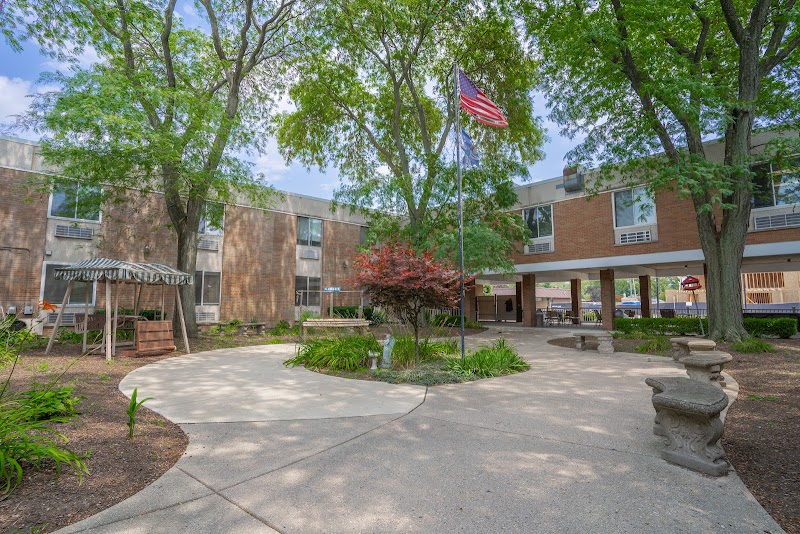
How is Mission Point Nursing & Physical Rehabilitation Ce Staffed?
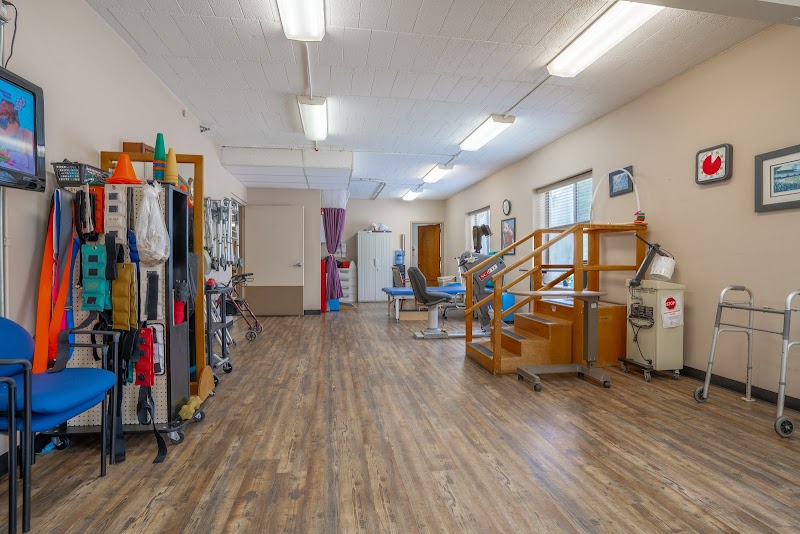
CMS rates Mission Point Nursing & Physical Rehabilitation Ce's staffing level at 3 out of 5 stars, which is average compared to other nursing homes. Staff turnover is 57%, which is 11 percentage points above the Michigan average of 46%. High turnover can affect care consistency as new staff learn residents' individual needs. RN turnover specifically is 79%, which is notably high. RNs provide skilled clinical oversight, so turnover in this role can affect medical care quality.

What Have Inspectors Found at Mission Point Nursing & Physical Rehabilitation Ce?

State health inspectors documented 111 deficiencies at Mission Point Nursing & Physical Rehabilitation Ce during 2023 to 2025. These included: 1 Immediate Jeopardy (the most serious level, indicating potential for serious harm or death), 8 that caused actual resident harm, 100 with potential for harm, and 2 minor or isolated issues. Immediate Jeopardy findings are rare and represent the most serious regulatory concerns. They require immediate corrective action.
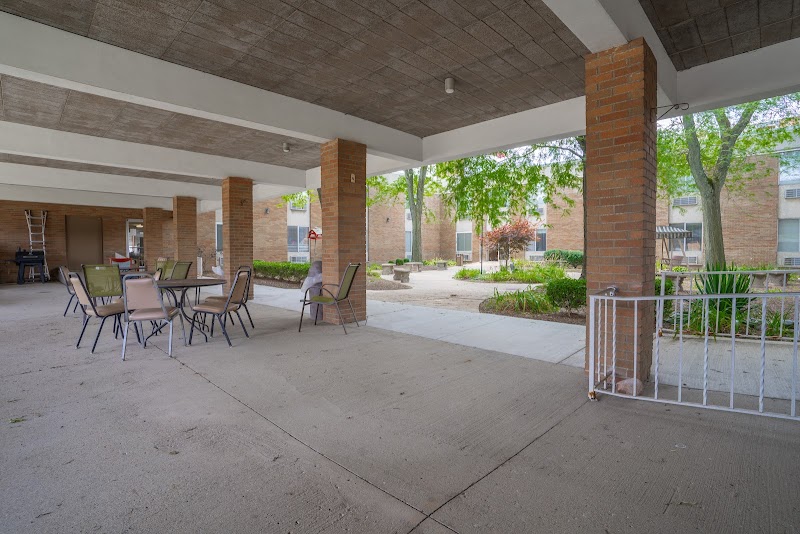
Who Owns and Operates Mission Point Nursing & Physical Rehabilitation Ce?

Mission Point Nursing & Physical Rehabilitation Ce is owned by a for-profit company. For-profit facilities operate as businesses with obligations to shareholders or private owners. The facility is operated by MISSION POINT HEALTHCARE SERVICES, a chain that manages multiple nursing homes. With 120 certified beds and approximately 69 residents (about 57% occupancy), it is a mid-sized facility located in Clawson, Michigan.

How Does Mission Point Nursing & Physical Rehabilitation Ce Compare to Other Michigan Nursing Homes?

Compared to the 100 nursing homes in Michigan, Mission Point Nursing & Physical Rehabilitation Ce's overall rating (1 stars) is below the state average of 3.1, staff turnover (57%) is significantly higher than the state average of 46%, and health inspection rating (1 stars) is much below the national benchmark.

What Should Families Ask When Visiting Mission Point Nursing & Physical Rehabilitation Ce?

Based on this facility's data, families visiting should ask: "What changes have been made since the serious inspection findings, and how are you preventing similar issues?" "What safeguards and monitoring systems are in place to protect residents from abuse or neglect?" "How do you ensure continuity of care given staff turnover, and what is your staff retention strategy?" "Can I visit during a mealtime to observe dining assistance and food quality?" These questions are particularly relevant given the facility's Immediate Jeopardy citations, the substantiated abuse finding on record, and the facility's high staff turnover rate.

Is Mission Point Nursing & Physical Rehabilitation Ce Safe?

Based on CMS inspection data, Mission Point Nursing & Physical Rehabilitation Ce has documented safety concerns. The facility has 1 substantiated abuse finding (meaning confirmed case of resident harm by staff or other residents). Inspectors have issued 1 Immediate Jeopardy citation (the most serious violation level indicating risk of serious injury or death). The facility is currently on the Special Focus Facility watch list (a federal program monitoring the lowest-performing 1% of nursing homes nationwide). The facility has a 1-star overall rating and ranks #100 of 100 nursing homes in Michigan. Families considering this facility should ask detailed questions about what corrective actions have been taken since these incidents.

Do Nurses at Mission Point Nursing & Physical Rehabilitation Ce Stick Around?

Staff turnover at Mission Point Nursing & Physical Rehabilitation Ce is high. At 57%, the facility is 11 percentage points above the Michigan average of 46%. Registered Nurse turnover is particularly concerning at 79%. RNs handle complex medical decisions and coordinate care — frequent RN changes can directly impact care quality. High turnover means new staff may not know residents' individual needs, medications, or preferences. It can also be disorienting for residents, especially those with dementia who rely on familiar faces. Families should ask: What is causing the turnover? What retention programs are in place? How do you ensure care continuity during staff transitions?

Was Mission Point Nursing & Physical Rehabilitation Ce Ever Fined?

Mission Point Nursing & Physical Rehabilitation Ce has been fined $358,533 across 6 penalty actions. This is 9.8x the Michigan average of $36,664. Fines at this level are uncommon and typically indicate a pattern of serious deficiencies, repeated violations, or failure to correct problems promptly. CMS reserves penalties of this magnitude for facilities that pose significant, documented risk to resident health or safety. Families should request specific documentation of what issues led to these fines and what systemic changes have been implemented.

Is Mission Point Nursing & Physical Rehabilitation Ce on Any Federal Watch List?

Mission Point Nursing & Physical Rehabilitation Ce is currently an SFF Candidate, meaning CMS has identified it as potentially qualifying for the Special Focus Facility watch list. SFF Candidates have a history of serious deficiencies but haven't yet reached the threshold for full SFF designation. The facility is being monitored more closely — if problems continue, it may be added to the official watch list. Families should ask what the facility is doing to address the issues that led to this status.