Church of Christ Care Center
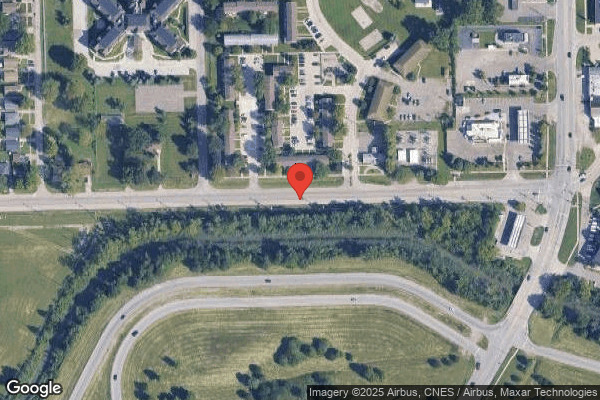
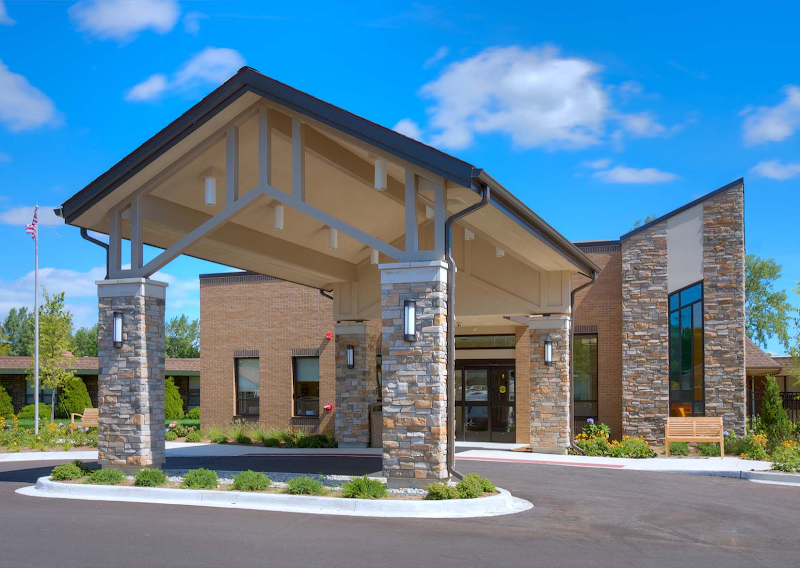
23575 15 Mile Rd, Clinton Township, MI 48035 (586) 791-2470
Non profit - Church related 129 Beds Independent Data: November 2025
Trust Grade
28/100
#193 of 422 in MI
Last Inspection: August 2024

Within standard 12-15 month inspection cycle. Federal law requires annual inspections.

Overview

Church of Christ Care Center in Clinton Township, Michigan has a Trust Grade of F, indicating significant concerns about the facility's performance and care quality. It ranks #193 out of 422 nursing homes in Michigan, placing it in the top half of facilities in the state, but it is #13 out of 30 in Macomb County, suggesting that there are better local options available. The facility is improving, having reduced its issues from 10 in 2024 to 2 in 2025, but it still has a serious staffing concern due to less RN coverage than 78% of Michigan facilities, which could affect patient care. Specific incidents include a fall resulting in a resident's arm fracture due to improper staff assistance during care, and failures to prevent pressure ulcers in residents, leading to worsening conditions. While staffing turnover is below the state average at 40%, the presence of fines totaling $23,595 and serious deficiencies highlight the need for families to weigh both the strengths and weaknesses carefully.
Trust Score
F
28/100
In Michigan
#193/422
Top 45%
Safety Record
High Risk
Review needed
Inspections
Getting Better
10 → 2 violations
Staff Stability
○ Average
40% turnover. Near Michigan's 48% average. Typical for the industry.
Penalties
⚠ Watch
$23,595 in fines. Higher than 82% of Michigan facilities, suggesting repeated compliance issues.
Skilled Nurses
⚠ Watch
Each resident gets only 28 minutes of Registered Nurse (RN) attention daily — below average for Michigan. Fewer RN minutes means fewer trained eyes watching for problems.
Violations
⚠ Watch
31 deficiencies on record. Higher than average. Multiple issues found across inspections.
★★★☆☆
3.0
Overall Rating
★★★☆☆
3.0
Staff Levels
★★☆☆☆
2.0
Care Quality
★★★☆☆
3.0
Inspection Score
Stable
2024: 10 issues
2025: 2 issues

The Good

  • Full Sprinkler Coverage · Fire safety systems throughout facility
  • No fines on record
  • Staff turnover below average (40%)

    8 points below Michigan average of 48%

Facility shows strength in fire safety.

The Bad

3-Star Overall Rating

Near Michigan average (3.1)

Meets federal standards, typical of most facilities

Staff Turnover: 40%

Near Michigan avg (46%)

Typical for the industry

Federal Fines: $23,595

Below median ($33,413)

Minor penalties assessed

The Ugly 31 deficiencies on record

6 actual harm
Aug 2025 2 deficiencies 1 Harm
SERIOUS (G) 📢 Someone Reported This

A family member, employee, or ombudsman was alarmed enough to file a formal complaint

Actual Harm - a resident was hurt due to facility failures

Accident Prevention (Tag F0689)

A resident was harmed · This affected 1 resident

**NOTE- TERMS IN BRACKETS HAVE BEEN EDITED TO PROTECT CONFIDENTIALITY** This citation pertains to intake 1238200.Based on interview and record review the facility failed to utilize the required two st...

Read full inspector narrative →
**NOTE- TERMS IN BRACKETS HAVE BEEN EDITED TO PROTECT CONFIDENTIALITY** This citation pertains to intake 1238200.Based on interview and record review the facility failed to utilize the required two staff to complete incontinence care for one sampled resident (R4) of four residents reviewed for accidents, resulting in a fall from the bed and a fracture of the right arm. Findings include:During a closed record review of R4's medical record it was noted that R4 was transferred to the hospital after a fall during care. A review of R4's medical record progress notes revealed, 8/17/25 -Writer called to room by nurse assistance. Res (resident) observed on floor, lying on right side. Lying next to bed closest to the window. Nightstand and bed side table next to [R4], close to [R4's] head. Res is alert and verbal. Verbal complaints of pain to right side. Physician in house. Assessed at bedside while on floor. Order received to send to ER (Emergency Room) via 911. Res kept in same position. No active bleeding noted at this time. Awaiting EMT's (Emergency Medical Technicians).Further review revealed, 8/17/25 -Physician Progress Note: Patient was seen today per nursing request due to the above-mentioned concern. No fever or chills no chest pain or SOB (Shortness of Breath) no abdominal pain no headache. Patient fell out of bed during care, [R4] landed on [R4's] right side, [R4] reported that [R4] struck [their] head against on the floor. [R4] is on Eliquis (blood thinner) due to a history of A-Fib. [R4] complains of pain over right arm and wrist. No LOC (Loss of Consciousness). [R4] complains of pain over right arm and wrist. Assessment and plan; 1. S/P (status post) fall on Eliquis 2. Closed head injury, no LOC 3. Paroxysmal atrial fibrillation; on Eliquis 4. Morbid obesity 5. Old CVA (cerebrovascular accident) with right hemiparesis 6. Debility; continue supportive care 7. Plan of care was discussed with nursing Call 911 and transfer patient. to ER for further evaluation and treatment. A continued review of R4's medical record revealed that R4 was admitted to the facility on [DATE], readmitted on [DATE], and discharged [DATE]. A review of R6's Minimum Data Set quarterly assessment dated , 7/3/25 noted R4 with an intact cognition.A review of R4's care plan revealed, . Focus: Self Care Deficit r/t (related to) Physical Weakness, poor endurance, bilateral cataracts, right hemiparesis, and impaired mobility. Goal: Resident Care needs will be met daily. Interventions: Bathing: I am dependent on 2 staff members to provide for my bathing needs. Dressing: I require extensive assistance of 2 staff to assist me with dressing. I am incontinent of bowel and bladder and require total assistance of 2 staff to provide incontinence care. Bed Mobility: I require extensive assistance of 2 staff member and my right-side enabler bar for bed mobility.Toileting Provide extensive assistance with personal hygiene care: nails, hair, oral care, bathing. PHO Care: I am incontinent of bowel and bladder and require total assistance of 2 staff to provide incontinence care. BED MOBILITY: I require extensive assistance of 2 staff member and my right side enabler bar for bed mobility. On 8/20/2025 at 1:18 PM, the Director of Nursing (DON), called R4 at the hospital for an interview regarding the fall. R4 explained they were being assisted by Certified Nursing Assistant (CNA) N to get ready for the day. R4 explained CNA N was the only CNA in the room. R4 continued and explained, they were rolled on to their side and CNA N turned to get the cream for their bottom and that is when they rolled out of bed. R4 stated they hit their head, and their arm was in pain after the fall and was transferred to the hospital.The DON was asked their expectations for following the care plan. The DON explained, staff is to follow the minimum number for staff assistance and to follow the Kardex (CNA care guide). The DON confirmed R4 stated they had an Acute proximal humerus fracture of the right arm. On 8/20/2025 at 3:56 PM, CNA N was asked via phone about the fall with R4. CNA N explained it was during care they asked R4 to grab the bar to turn to the side, because they had a small bowel movement. CNA N explained they had turned their back to get the cream and that is when R4 fell out the bed. CNA N was asked if they knew R4 was a two person assist for ADLs. CNA N confirmed they did know but was unable to locate another staff person to help at that time. A review of the facility's policy titled, Fall prevention Program dated, 2/5/22, noted Policy: Each resident will be assessed for fall risk and will receive care and services in accordance with their individualized level of risk to minimize the likelihood of falls. Policy Explanation and Compliance Guidelines .3. Interventions will be implemented by the care team.
CONCERN (D) 📢 Someone Reported This

A family member, employee, or ombudsman was alarmed enough to file a formal complaint

Potential for Harm - no one hurt, but risky conditions existed

ADL Care (Tag F0677)

Could have caused harm · This affected 1 resident

**NOTE- TERMS IN BRACKETS HAVE BEEN EDITED TO PROTECT CONFIDENTIALITY** This citation pertains to intake 1238202.Based on observation, interview, and record review, the facility failed to provide 1:1 ...

Read full inspector narrative →
**NOTE- TERMS IN BRACKETS HAVE BEEN EDITED TO PROTECT CONFIDENTIALITY** This citation pertains to intake 1238202.Based on observation, interview, and record review, the facility failed to provide 1:1 feeding assistance for one resident (R16) and grooming assistance for one resident (R20) out of three reviewed for Activities of Daily Living (ADL). Findings include:R16 On 8/18/2025 at 10:44 AM, R16 was observed in bed. R16 was noted to be sitting with the head of bed (HOB) elevated and a clothing protector on. The bedside table was pulled over them and their breakfast tray was sitting in front of them. R16 was noted to have a hash brown and eggs on their clothing protector and eggs on their face. R16 was observed attempting to pick up their eggs with their fingers. The meal ticket was noted to have 1:1 assistance and highlighted in yellow. A review of the medical record revealed that R16 was admitted into the facility on 1/6/2022 with the following diagnoses, Cerebrovascular Disease and Alzheimer's Disease. A review of the Minimum Data Set assessment revealed a Brief Interview for Mental Status score of 0/15 indicating an impaired cognition. R16 also required assistance with bed mobility and transfers. Further review of the physician’s orders revealed an active order dated 5/15/2025 for 1:1 assistance with feeding. On 8/18/2025 at 1:17 PM and 1:30 PM, R16 was observed in their room with their lunch tray in front of them. No one was observed in the room assisting R16 with eating. R16 was observed with chicken and green beans on their clothing protector and chin. On 8/20/2025 at 9:19 AM, Certified Nursing Assistant (CNA) “A” was asked if R16 requires assistance with feeding. CNA “A” reported R16 does better in the dining room, but if they are in the room then they need assistance and encouragement to eat. On 8/20/2025 at 9:35 AM, an interview was conducted with Registered Dietitian (RD) “B”. RD “B” reported R16 needs more assistance with their meals, and it can sometimes take them a while to get warmed up. On 8/20/2025 at 12:16 PM, an interview was conducted with the Director of Nursing (DON). The DON reported that if a resident requires feeding assistance, then they should be fed and get the help that they need. R20 On 08/18/2025 at 9:41 AM, R20 was observed sitting in their wheelchair in the hallway. They were observed to have facial stubble that appeared to be unshaven for approximately three to four days. Review of the facility record for R20 revealed they were admitted into the facility on [DATE] with diagnoses including Hypertensive Heart Disease with Heart Failure and Mood Disorder with Depressive Features. Due to the limited time since admission, R20's Minimum Data Set (MDS) information was not available however the resident's baseline care plan indicated they required one-person assistance for self-care tasks. On 08/20/2025 at 1:09 PM, R20 was observed during an interview to continue to have longer facial stubble unshaven since the 08/18/2025 observation. They were asked if they preferred to have their facial hair growing out or to be cleanly shaven and they reported they preferred to stay clean shaven but they have trouble doing it themselves. They were asked if the staff assist them to shave and they stated They have but not very often. On 08/20/2025 at 1:23 PM, Certified Nursing Assistant (CNA) K reported they had provided care for R20 on a regular basis. CNA K was asked if they assist R20 to shave and they reported A male aide shaves [R20] on their shower days twice a week. On 08/20/2025 at 1:31 PM, the facility Director of Nursing (DON) reported that being shaved on shower days is the current facility protocol unless requested otherwise by the resident. The DON was asked if resident's preference for frequency of shaving is assessed upon admission and they reported the preference for frequency of shaving is not specifically addressed during establishment of the care plan. Review of the facility policy titled Activities of Daily Living dated 08/03/20 revealed the policy statements 3. A resident who is unable to carry out activities of daily living will receive the necessary services to maintain good nutrition, grooming, and personal and oral hygiene .4. The resident's needs and care approaches will be updated in the care plan and reviewed on an as needed basis.
Sept 2024 1 deficiency
CONCERN (D) 📢 Someone Reported This

A family member, employee, or ombudsman was alarmed enough to file a formal complaint

Potential for Harm - no one hurt, but risky conditions existed

Free from Abuse/Neglect (Tag F0600)

Could have caused harm · This affected 1 resident

**NOTE- TERMS IN BRACKETS HAVE BEEN EDITED TO PROTECT CONFIDENTIALITY** This citation pertains to Intake MI00146997. Based on observation, interview, and record review, the facility failed to protect ...

Read full inspector narrative →
**NOTE- TERMS IN BRACKETS HAVE BEEN EDITED TO PROTECT CONFIDENTIALITY** This citation pertains to Intake MI00146997. Based on observation, interview, and record review, the facility failed to protect one resident's (R700) right to be free from physical abuse by staff of one resident reviewed for abuse. Findings include: A review of a Facility Reported Incident (FRI) submitted to the State Agency revealed R700 was the victim of a staff to resident abuse incident. It was alleged that during care of R700, Certified Nurse Aide (CNA) C was observed phycially slapping the resident with two other staff members present. On 9/18/24 at 10:35 AM, R700 was observed sitting up in the dinimg room. R700 could not remember the alleged incident and had no concerns for their safety. A review of R700's clinical record revealed R700 was admitted into the facility on 8/02/21 with diagnoses of dementia, Adjustment Disorder and Anxiety. A review of a R700's Minimum Data Set (MDS) assessment dated [DATE] revealed R700's Brief Interview of Mental Status (BIMS) assessment score of 3 indicating severely impaired cognition. On 9/18/24, a call was attempted to CNA C to discuss incident and there was no answer and message was left. An interview was held on 9/18/24 at 2:00 PM via phone with CNA A. CNA A confirmed being a witness to the incident saying, I saw the incident. I was orienting with another CNA (CNA B) and CNA C asked for asssistance with the resident. While we were in there caring for resident, CNA C just hauled off and slapped her across her face. I was so suprised. I immediated told the nurse supervisor. I knew this wasn't right. On 9/18/24 at 2:50 PM, an interview occurred with the Director of Nursing (DON) about the incident. The DON stated, Once I received the call about the incident, we reported it to the State Agency, reported it to the police and started our investigation. Unfortunately, it was substantiated and the CNA was terminated. At 3:00 PM, an interview with the Nursing Home Administrator (NHA) occurred. The NHA stated We did a complete investigation. It is my expectation that all residents will be protected from abuse and neglect. A review of the policy titled. Abuse, Neglect and Misappropriation of Resident Funds or Property revealed Church of Christ Care [NAME] will not tolerate verbal, sexual, physical or mental abuse, involuntary seclusi of and or neglect of its residents or misappropriation of resident funds or property by anyone .Center staff shall report any incident or suspicion of abuse, neglect or misappropriation of property to the administrator immediately or in his/her abscence the director of nursing. During the onsite survey, past noncompliance (PNC) was cited after the facility implemented actions to correct the noncompliance which included: 1. The Administrator reviewed the staffing assignment sheets for the prior month to identify the work location of the involved staff. 2. Resident with a BIMS score of 10 or greater were interviewed by a member of the leadership team by 9/11/24. 3. Residents with a BIMS of 10 or less were provided with a skin and pain assessment by 9/11/24. Measures systemic changes made to ensure that deficient practice will not occur and affect others 1. The administrator /designee re-educated staff on abuse by 9/9/24. 2. The administrator /designee queried facility staff regarding knowledge of any unreported potential abuse events by 9/9/24. How facility monitors its corrective actions to ensure same deficient practice is corrected and will not recur. 1. The Administrator / Designee will perform interview audits review of 10 residents regarding their treatment and sense of safety in the facility weekly x 4 weeks and monthly thereafter until sustained compliance is met and audits are discontinued by QAPI. 2. The Director of Nursing / designee will review 10 skin assessments weekly of residents with BIMS less than 10, weekly X 4 weeks who require 2 person assist, to ensure that ed mobility is completed properly weekly for 4 weeks, and monthly thereafter until sustained compliance is met and audits are discontinued by QAPI. Date of compliance 9/11/24. The facility was able to demonstrate monitoring of the corrective action and maintained compliance.
Aug 2024 6 deficiencies 1 Harm
SERIOUS (G) 📢 Someone Reported This

A family member, employee, or ombudsman was alarmed enough to file a formal complaint

Actual Harm - a resident was hurt due to facility failures

Pressure Ulcer Prevention (Tag F0686)

A resident was harmed · This affected 1 resident

**NOTE- TERMS IN BRACKETS HAVE BEEN EDITED TO PROTECT CONFIDENTIALITY** Based on observation, interview and record review, the facility failed to assess, identify, provide treatment and prevent pressu...

Read full inspector narrative →
**NOTE- TERMS IN BRACKETS HAVE BEEN EDITED TO PROTECT CONFIDENTIALITY** Based on observation, interview and record review, the facility failed to assess, identify, provide treatment and prevent pressure ulcers for two residents (R78 and R21) of seven reviewed for pressure ulcers, resulting in the development and worsening of pressure ulcers. Findings include: R78 On 07/31/24 at 11:12 AM, Registered Nurse (RN) H was observed assessing R78's wound in their room. A strong foul odor was noted coming from the wound when RN H pulled R78's covers back. A review of R78's record revealed they were initially admitted to the facility on [DATE], and readmitted on [DATE] with the following diagnoses: Muscle weakness generalized, wounds and unspecified encephalopathy. The Brief Interview for Mental Status (BIMS) revealed a score of 6/15 indicating a cognitive impairment. On admission R78 was identified as high risk for developing pressure ulcers. A review of the readmission physician note dated 5/24/24 documented, Wound care physician progress note: .L (left) foot callus/hallux- Stage 2 (Partial thickness loss of dermis presenting as a shallow open ulcer with a red-pink wound bed), lower left thigh, anterior (skin graphed area) measuring 3.5 x 1 x 0.0 centimeters (cm)-Stage 4 (Full thickness tissue loss with exposed bone, tendon or muscle), upper left thigh anterior measuring 4 x 1.3 x 3.5cm- left knee diabetic ulcer 2 x 2.5cm. Left hip/Gluteal P/U (pressure ulcer) debrided - measuring 19 x 14.5 x 16cm with undermining of 4cm.- Right buttock Stage 3 (Full thickness tissue loss) 2.5 x 2 x 0.1cm- Pressure ulcer to coccyx 3.8 x 2 x 0.1 cm. See Mar (medication administration record) for new treatment orders-R (right)-Upper Abdomen discolored scar with scabbed area. A review of the physician order dated 5/24/24, and the MAR/TAR (treatment administration record) revealed the following, Cleanse Coccyx with wound cleaner, apply honey and calcium alginate, cover with foam dressing daily and PRN (as needed). Review of the May, June and July MAR/TAR revealed between the dates of 5/24/24 to 7/6/24 there was no documentation showing that treatment was completed for the coccyx wound. Review of physician orders dated for 5/28/24: (Weekly) Skin assessment every Thursday AM (morning) shift. A review of the weekly nursing skin assessments revealed that between the dates of 5/28/24 to 7/11/24, two weekly nursing skin assessments were completed. There was no documented wound assessments or measurements of the coccyx wound between the dates of 6/3/24 to 7/1/24. Further review of the Wound Care Physician Progress Notes documented on 5/26/24, 6/3/24, 6/10/24, 6/17/24 and 6/24/24, measurements and descriptions of left hip wound, left back thigh, upper left thigh surgical site, and documented: Other areas (coccyx and left heel) not measured today due to patient being frustrated and uncomfortable .Other areas not measured Coccyx assessed area remains open continue current treatment and other areas not measured staff reports coccyx is doing well. Patient has been unable to tolerate changing positions. A Wound Care Physician Progress Note dated 7/1/24 includes description and measurements for left hip wound, left back thigh, upper left thigh and stated, Coccyx was able to be viewed today due to positioning area measures 15.1cmx8.7cmx0.5cm. Has thick slough tissue present. Coccyx Cleanse with wound cleanser, apply Santyl to slough tissue, cover with foam dressing daily. 7/15/24-Wound Care Physician Progress Note includes description and measurements of left hip wound, left back thigh wound, upper left thigh, and stated, Coccyx measures 10.9x7.7cmx0.5 (which was previously measured on 5/24/24 at 3.8 x 2 x 0.1 cm). Has thick slough present. A review of a Wound Care Physician progress note dated 7/22/24 lists descriptions and measurements for left hip wound and upper left thigh and coccyx, and stated, .Wound looks worse. Spoke with daughter in person and discussed hospice care. On 8/1/24 at 9:23 AM, Licensed Practical Nurse (LPN) Fand LPN G were observed performing wound care to R78. When queried about an oberserved open area approximately 1cm (centimeter) x 0.5cm was noted at the top right area above the large coccyx wound, LPN F said, I think thats new. A foam dressing was observed on R78's left ankle and a gauze wrap was observed on R78's left foot, both of which were not dated. LPN G was asked if there were any wound on R78's foot or ankle and was observed to remove the dressing from R78's foot and ankle revealing multiple unstageable pressure ulcers with eschar (dead tissue) to the bony prominences of R78's inner left foot and a 3cmx1cm linear wound on R78's anterior ankle. R78's left heel was noted to be black over the entirety of the heel and up both sides of the foot. A review of the resident's medical record revealed no assessments, treatments, or physician orders for R78's left heel. On 8/1/24 at 11:42 AM, during a phone interview, Nurse Practitioner (NP I) was asked about R78's wound progression and care since their facility admission. NP I stated (R78) was [initially] admitted to the facility with a left hip wound, some excoriation to their bottom and a surgical incision to their left thigh.NP I stated, I did not look at (R78's) bottom because the nursing staff said it was stable and they did not want to cause R78 any trauma. NP I explained around 7/15/24 they realized that R78's coccyx had declined and had to be addressed saying, there was dead tissue, and the slough was so thick it was like leather. NP I stated they talked to R78's daughter about hospice. NP I' confirmed the assessments were not performed and explains that it was their expectation that the nurses would notify them of a change. NP I was asked if they had seen the wounds on R78's left foot. NP I responded that they do not remember seeing areas on the left foot. On 8/1/24 at 11:59 AM, an interview was conducted with the Director of Nursing (DON). The DON explained the unit nurses do the daily wound care treatments even when the wound care nurse is not on leave. The DON was asked if the unit nurses document a skin and wound assessment. The DON explained a comprehensive wound and skin assessment is done on admission and then weekly. The DON was asked who places the orders for wound care and how the orders get entered into the EMR (electronic medical record). The DON stated, It depends, sometimes the wound care nurse puts them in and sometimes NP I enters them. Either one can put orders in. The DON was informed that there was no documentation of treatment of or assessment of R78's Coccyx wound between 6/3/23 and 7/1/24. The DON stated, I'm not sure how that could be because (NP I) was the person that was monitoring it. The DON confirmed that there was an assessment of R78's buttocks/sacral area documented on 6/3/24 and the next documented assessment of R78's coccyx is on 7/1/24. It was brought to the DON's attention that wound care orders placed for the coccyx wound were not implemented on the treatment record and were not performed. The DON is observed reviewing the EMR and stated, I agree. I don't see that and I don't know why. The DON confirmed that the wound care order placed 5/24 for R78's coccyx wound does not have a schedule and does not appear on the treatment record. The DON stated Nope, it didn't even show up. R21 On 7/30/24 at 12:40 PM, R21 was observed lying in bed on their back, feet flat on the bed. Attempts to ask the resident questions were to no avail due to their cognition. A review of the facility's acquired pressure ulcers revealed R21 had developed a new Stage 2 (Partial thickness loss of dermis presenting as a shallow open ulcer with a red-pink wound bed, without slough or bruising) pressure ulcer. A review of R21's medical record revealed they were admitted into the facility on 8/17/22 with diagnoses of Cerebrovascular Disease, Multiple Sclerosis, and Hyperlipidemia. Further review revealed the resident was cognitively impaired, and required dependence for Activities of Daily Living. Further review of the medical record revealed the Stage 2 pressure ulcer on R21's coccyx worsened, and they also developed a Stage 2 pressure ulcer on their buttocks. A review of R21's Care Plan revealed the following, Focus: [R21] has a potential/actual impairment to skin integrity r/t immobility and incontinence. Date initiated: 04/20/2024 .Outcome: [R21] will have no seruous complications related to skin. Date Initiated: 04/20/2024 .[R21] skin injury of the coccyx will not worsen due to unavoidable clinical status, and will progress through the healing stages through next review date. Date initited :05/01/2024 . A review of R21's Nursing Skin Evaluations for the month of April 2024 revealed that evaluations on 4/2/24, 4/23/24 and 4/30/24, there were no skin impairments noted for R21. A review of the 5/14/24 Nursing Skin Evaluation noted a wound to the resident's coccyx. A review of R21's skin/wound progress notes revealed the following: -4/22/2024 15:38 (3:38pm), Wound Care Physician Progress Note: Patient was seen for pressure injury .Patient was seen today per nursing staff request due to the above concerns, patient lying in bed, Patient developed a stage 2 to coccyx. Area measures 2.3cmx2.0cm (centimeters). Minimal drainage observed . -5/13/2024 15:24 (3:24pm), Wound Care Physician Progress Note: Patient was seen for pressure injury .Patient was seen today per nursing staff request due to the above concerns, patient lying in bed, Patient developed a stage 2 to coccyx. Area measures 5.6cm x 5.6 cm x 0.3cm. Minimal drainage observed. No c/o (complaint of) pain. Wound measured larger today . -5/20/2024 16:16 (4:16pm), Wound Care Physician Progress Note; Patient was seen for pressure injury .Patient was seen today per nursing staff request due to the above concerns, patient lying in bed, Patient developed a stage 2 to coccyx. Area measures 2.6cmx 3.6 cmx 0.1cm. Minimal drainage observed. No c/o pain . -5/26/202419:28 (4:28pm), Wound Care Physician Progress Note; Patient was seen today per nursing staff request due to the above concerns, patientlying in bed, Patient developed a stage 2 to coccyx. Area measures 2.3cmx 2.1 cmx 0.2cm. Minimal drainage observed. No c/o pain. Wound looks better. Skin growing over top of wound . -6/4/2024 17:06 (5:06pm), Skin/Wound Note. [R21] was seen by wound caretoday for p/u to coccyx measuring 2 x 2 x 0.1cm. Wound bed is pink with even edges, has min (minimal) drainage, non-painful to touch.Continue current wound care orders . -6/10/2024 15:30 (3:30pm); Wound Care Physician Progress Note: Patient was seen for; pressure injury, lump right breast .Patient was seen today per nursing staff request due to the above concerns, patient lying in bed, Patient developed a stage 2 to coccyx. Area measures 3.7cm x 3.1 cm x 0.2cm . -6/24/2024 15:12 (3:12pm), Wound Care Physician Progress Note: Patient was seen today per nursing staff request due to the above concerns, patient lying in bed, Patient developed a stage 2 tococcyx. Area measures 5.0cm x 5.3 cm x 0.1cm. Minimal drainage observed. No c/o pain.Wound bed beefy red. Was larger this week . -7/1/2024 17:26 (5:26pm); Wound Care Physician Progress Note: Patient was seen today per nursing staffrequest due to the above concerns, patient lying in bed, Patient developed a stage 2 to coccyx. Area measures 2.9cm x 2.9 cm x 0.1cm. Minimal drainage observed. No c/o pain.Wound bed beefy red. Developed MASD (Moisture associated skin damage). Coccyx measures; 4.5cm x 2.0cm x 0.1cm . -7/15/2024 13:45 (1:45pm), Wound Care Physician Progress Note: Patient was seen today per nursing staffrequest due to the above concerns, patient lying in bed, Patient developed a stage 2 to coccyx. Area measures 1.7cm x 0.8 cm x 0.2cm. Minimal drainage observed. No c/o pain.Wound bed beefy red. Developed MASD. Coccyx measures; 3.4cm x 2.0cm x 0.5cm . -7/29/2024 15:51 (3:51pm), Wound Care Physician Progress Note: Patient was seen today per nursing staff request due to the above concerns, patient lying in bed, Patient developed a stage 2 to coccyx and right buttock. Area measure to right buttock measures 3.0cm x 2.1 cm x 0.8cm. Minimal drainage observed. No c/o pain. Wound bed beefy red. Coccyx measures; 6.0cm x 4.2cm x 0.3cm . On 8/1/24 at 12:05 PM, the Nursing Home Administrator was asked about the concerns with pressure ulcers amnd acknowledged the concern is something the facility is aware of, and is being followed in their Quality Assurance meetings. A review of the Pressure Injury Prevention Guidelines revealed the following, .Policy Explanation and Compliance Guidelines:1.Individualized interventions will address specific factors identified in the resident ' s risk assessment, skin assessment, and any pressure injury assessment (e.g., moisture management, impaired mobility, nutritional deficit, staging, wound characteristics) .3.Interventions will be implemented in accordance with physician orders, including the type of prevention devices to be used and, for tasks, the frequency for performing them. 4. In the absence of prevention orders, the licensed nurse will utilize nursing judgment in accordance with pressure injury prevention guidelines to provide care and will notify physician to obtain orders .8.Compliance with interventions will be documented in the medical record. a. For at-risk residents: treatment or medication administration records. b.For residents who have a pressure injury present: treatment or medication administration records; weekly wound summary charting. 9.The effectiveness of interventions will be monitored through ongoing assessment of the resident and/or wound. Considerations for needed modifications include: a.Development of a new pressure injury. b.Lack of progression towards healing or changes in wound characteristics. c.Changes in the resident ' s goals and preferences, such as at end-of-life or in accordance with his/her rights .
CONCERN (D) 📢 Someone Reported This

A family member, employee, or ombudsman was alarmed enough to file a formal complaint

Potential for Harm - no one hurt, but risky conditions existed

Comprehensive Care Plan (Tag F0656)

Could have caused harm · This affected 1 resident

**NOTE- TERMS IN BRACKETS HAVE BEEN EDITED TO PROTECT CONFIDENTIALITY** Based on observation, interview, and record review, the facility failed to develop and implement a comprehensive wound care plan...

Read full inspector narrative →
**NOTE- TERMS IN BRACKETS HAVE BEEN EDITED TO PROTECT CONFIDENTIALITY** Based on observation, interview, and record review, the facility failed to develop and implement a comprehensive wound care plan for two (R78 and R91) of two residents reviewed. Findings include: R78 On 8/1/24 at 9:23 AM, wound care was observed. A review of R78's record revealed they were admitted to the facility on [DATE] with the following diagnosis: Muscle weakness generalized, need for assistance with personal care, and unspecified encephalopathy. A review of R78's minimum data set revealed a brief interview for mental status (BIMS) score of 6, indicating cognitive impairment. Further record review revealed that R78 had multiple wounds on their sacrum/coccyx, left hip, left foot, and left thigh. A review of R78's care plan documents; R78 is at risk for impairment to skin integrity r/t (related to) fragile skin, impaired mobility, incontinence, and pressure ulcers on admission. Interventions as follows: cushion while up in chair. Encourage good nutrition and hydration in order to promote healthier skin. Keep skin clean and dry. Monitor skin during care for changes and report any changes as required. Pressure reducing mattress, pillows on bed. Reposition R78 frequently and use pressure reducing devices between legs to off load pressure to bony prominences. Skin assessment weekly. R78's care plan does not address R78's wounds. R91 On 07/31/24 at 11:21 AM, the pressure wound on R91's coccyx was observed. A review of R91's record reveals they were admitted to the facility on [DATE] with a diagnosis of osteomyelitis of vertebra (spine infection). A review of R91's minimum data set revealed a brief interview for mental status score of 15, indicating intact cognition. Further record review revealed R91 was being treated for a wound on their coccyx. A review of R91's care plan revealed the following; R91 has potential for impairment to skin integrity r/t fragile skin, impaired mobility and incontinent episodes. Cushion while up in chair. Encourage good nutrition and hydration in order to promote healthier skin. Keep skin clean and dry. Monitor skin for changes during care and report alterations as required. Pressure reducing mattress. Weekly skin assessment. The care plan does not address R91's wounds. On 8/1/24 at 11:59AM, during an interview with the Director of Nursing (DON) and Unit Manager UM D they were asked what should be included in the care plan of a resident with wounds. The DON explained they expect the location of the wound and a general treatment plan to be included in the care plan. The DON reviewed R78's care plan and stated, I would expect it to be much more elaborate and to mention specific wounds and locations. UM D stated, It should be much more specific. A review of the facility's policy titled states Policy: To prevent the formation of avoidable pressure injuries and to promote healing of existing pressure injuries, it is the policy of this facility to implement evidence-based interventions for all residents who are assessed at risk or who have a pressure injury present. Policy Explanation and Compliance Guidelines: 1. Individualized interventions will address specific factors identified in the resident's risk assessment, skin assessment, and any pressure injury assessment (e.g., moisture management, impaired mobility, nutritional deficit, staging, wound characteristics). 2. The goal and preferences of the resident and/or authorized representative will be included in the plan of care. 3. Interventions will be implemented in accordance with physician orders, including the type of prevention devices to be used and, for tasks, the frequency for performing them .7. Interventions will be documented in the care plan and communicated to all relevant staff. 8. Compliance with interventions will be documented in the medical record.
CONCERN (D)

Potential for Harm - no one hurt, but risky conditions existed

Deficiency F0675 (Tag F0675)

Could have caused harm · This affected 1 resident

**NOTE- TERMS IN BRACKETS HAVE BEEN EDITED TO PROTECT CONFIDENTIALITY** Based on observation, interview, and record review, the facility failed to follow an OBRA II Evaluation (Omnibus Budget Reconcil...

Read full inspector narrative →
**NOTE- TERMS IN BRACKETS HAVE BEEN EDITED TO PROTECT CONFIDENTIALITY** Based on observation, interview, and record review, the facility failed to follow an OBRA II Evaluation (Omnibus Budget Reconciliation Act, federal law aimed at improving the quality of care and life for resident's of long term care facilities) recommendation timely, inform the resident of their rights regarding their trust, and address guardianship for one resident, (R22) of one resident reviewed for life satisfaction. Findings include: On [DATE] at 11:51 AM, R22 was observed lying in bed and asked how they were feeling. They explained they were unhappy living in the facility and would like to have a cell phone in order to communicate with individuals outside of the facility. They further explained they have a guardian in place whom is their [NAME] who does not come to visit or communicate with them. R22 explained they have inquired and wondered if their was any money available to them to purchase personal items, but no one ever tells them if they do or not, No one ever comes back to talk to me about my concerns. A review of R22's medical record revealed they were admitted into the facility on [DATE] with diagnoses that included Depression, Acute Respiratory Failure, Peripheral Vascular Disease, and Hemiplegia and Hemipareses following Cerebral Infarction. Further review of the medical record revealed the resident was cognitively intact, and required total dependence for toileting and transfers. In addition, the medical record revealed R22 had a guardian in place until [DATE] when the guardianship expired. Further review of R22's medical record revealed an OBRA II Evaluation dated [DATE] which revealed the following, B. Subjective Evaluation. [R22] presented with depressed mood. [They] denied concernes expressing emotions, but reported, 'no one cares.' [R22] denied concerns coping with changes, but reported, 'it doesn't matter.' Ongoing depressed mood was evident .[R22] stated that all [they] wanted was a cell phone to talk to family and friends; this was reported to the guardian and NF (nursing facility) social worker who stated they would work on this matter .NF staff report they have looked into getting [R22] a cell phone, but reports they are running into the issue that [R22] does not have State ID (identification), which is now required. Requested that this be followed up with the guardian as well as being able to communicate with family/friends this may halp reduce [their] overall symptoms of depression and provide support . On [DATE] at 9:21 AM, Social Worker Director A (SWD A) was asked about the OBRA Evaluation's recommendations regarding a cell phone for R22, and she reported there were attempts to obtain a cell phone and conversations with the resident's guardian regarding R22's need for a an ID however, they are still in the process of obtaining the cell phone. Regarding R22 not having a guardian in place, SWD A explained the resident's son was willing to be the resident's guardian however, when asked where they were in the guardianship process, SWD A did not provide an explainantion, and later indicated an outside agency would be coming to the facility to help manage the guardianship for R22. A review of R22's Social Work progress notes did not reveal any form of communication with the resident, their previous guardian, R22's son, or with any phone service related to attempts to obtain a phone for the resident. In addition, progress notes revealed there has not been any contact with the resident's guardian since [DATE]. On [DATE] at 1:31 PM, Business Office employee (BO) B was asked if R22 had a resident trust in place, which was confirmed, noting a positive balance. BO employee B was asked how residents are made aware of their resident trust balance, and explained quarterly statements are sent to the resident and/or their responsible party. On [DATE] at 1:31 PM, R22 was asked if they had received any statements regarding their resident trust, and appeared confused, and explained they weren't aware they had a trust with funds available to them although they had asked about it. In addition, R22 explained no one had spoken to them from the facility regarding attempts to obtain a cell phone. R22 was asked if they had spoken to their son recently, and explained they are estranged, and could not recall the last time they had spoken to them. On [DATE] at 3:12 PM, The Director of Nursing (DON) was asked about her expectations for recommendations regarding OBRA assessments, and acknowledged that recommendations should be followed. Regarding concerns of a resident trust, the DON acknowledged that she did not have enough knowledge to answer the question. Regarding guardianship, the DON acknowledged their should be a guardian in place. On [DATE] at 12:50 PM, policies regarding social work services, guardianship, and resident rights were requested from the facility, and the Nursing Home Administrator explained the facility does not have a social work services or guardianship policy, and that they only have an umbrella resident rights policy, only specific rights.
CONCERN (D)

Potential for Harm - no one hurt, but risky conditions existed

ADL Care (Tag F0677)

Could have caused harm · This affected 1 resident

**NOTE- TERMS IN BRACKETS HAVE BEEN EDITED TO PROTECT CONFIDENTIALITY** Based on observations, interview, and record review the facility failed to provide showers for one sampled resident (R19) of six...

Read full inspector narrative →
**NOTE- TERMS IN BRACKETS HAVE BEEN EDITED TO PROTECT CONFIDENTIALITY** Based on observations, interview, and record review the facility failed to provide showers for one sampled resident (R19) of six reviewed for activities of daily living. Findings include: On 7/30/24 at 9:20 AM, R19 was asked about their care at the facility. R19 explained it had been three weeks since they had a shower. R19 continued and stated, I'm supposed to get one today on the afternoon shift. R19 further explained the agency staff can be rude at times, they don't do their jobs with changing their brief timely. R19 also stated, The agency staff don't know how to take care of me before they come in, I have to tell them how to care for me. On 7/30/24 at 8:55 AM, R19 was asked if they received their shower yesterday. R19 stated, No. She said I came back too late. R19 was asked to further explain. R19 explained the Certified Nursing Assistant (CNA E) told them R19 came back too late to their room and could no longer get their scheduled shower. On 7/31/24 at 8:58 AM, the Minimum Data Set (MDS) Nurse assisted in finding the documentation in the Electronic Medical Record (EMR) for R19's showers. A review of R19 shower documentation noted N/A which meant not applicable/not given on Tuesday, 7/30/24. A review of R19 medical record revealed R19 was admitted to the facility on [DATE] and readmitted on [DATE] with diagnosis of Acute respirator failure with hypoxia. Further review of R19's medical record noted R19 with a moderately impaired cognition. A review of R19's shower schedule noted, Tuesday PM shift and Friday AM shift. Further review of the shower documentation noted blanks without documentation of shower being provided on Tuesday July 23rd and Friday July 26th. On 8/01/24 at 1:30 PM, the Unit Manager was asked about R19's shower documentation for July 30th and the report the CNA told the resident that it was too late to give a shower. The Unit Manager reported she was not sure why the shower wasn't given and the CNA should not tell the resident it was too late. The Unit Manager was given the CNA's name and was asked if that CNA was the facility staff of if they were agency staff. The Unit Manager stated, Agency (staff). A review of the facility's policy titled, Activities of Daily Living (ADLs) dated, 3/14/24, revealed, Policy: The facility will, based on the resident ' s comprehensive assessment and consistent with the resident ' s needs and choices will implement a care plan to assure ADL needs are met. Care and services will be provided for the following activities of daily living: 1. Bathing, dressing, grooming and oral care; 2. Transfer and ambulation; 3. Toileting; 4. Eating to include meals and snacks; and 5. Using speech, language or other functional communication systems. Policy Explanation and Compliance Guidelines: 1. A resident who is unable to carry out activities of daily living will receive the necessary services to maintain good nutrition, grooming, and personal and oral hygiene. 2. Based on assessment of the resident ' s ADL capabilities and needs, a care plan will be personalized to meet his/her needs & preferences. 3. The clinical staff will implement the ADL care plan. 4. The ADL care plan will be modified on an ongoing to basis to reflect the resident ' s functional status and personal preferences.
CONCERN (D) 📢 Someone Reported This

A family member, employee, or ombudsman was alarmed enough to file a formal complaint

Potential for Harm - no one hurt, but risky conditions existed

Quality of Care (Tag F0684)

Could have caused harm · This affected 1 resident

**NOTE- TERMS IN BRACKETS HAVE BEEN EDITED TO PROTECT CONFIDENTIALITY** Deficient practice #2. Based on interview and record review the facility failed to assess and address a change in condition and ...

Read full inspector narrative →
**NOTE- TERMS IN BRACKETS HAVE BEEN EDITED TO PROTECT CONFIDENTIALITY** Deficient practice #2. Based on interview and record review the facility failed to assess and address a change in condition and control pain for one (R107) out of one resident reviewed. Findings include: A review of R107's record reveals they were admitted to the facility on [DATE] with diagnosis as follows: Alzheimer's and essential hypertension (high blood pressure). A Brief Interview for Mental Status on 7/10/24 reveal a score of 4 indicating cognitive impairment. A review of R107's record revealed progress notes stated the following: -4/30/24 Nursing progress note: Resident observed by activities staff sitting upright next to wheelchair near counter in activities room. When asked by activities staff how (they) fell resident stated, I was standing up and tried to step back and I fell down. Resident assisted back into wheelchair by staff. Writer assessed vitals 129/79 98.3 96% 65 17, mild pain 2/10 to lower back, no injuries noted. Writer administered PRN (as needed) Tylenol for pain. Neurochecks initiated. Response: attending physician, Responsible party and Director of Nursing (DON) made aware. No new orders at this time. -5/2/24 Nursing progress note: Nurse observed resident standing up in hallway next to w/c (wheelchair) when (they) lost (their) balance, fell backwards hitting (their) back against the wall and slid to the floor. Resident was wearing non skid shoes at the time, had not had a incontinent episode in brief. Has a diagnosis of Alzheimers disease and is very compulsive. Action: Resident skin was assessed with no injuries noted, denies pain/discomfort, no s/s of scute distress noted. Resident was assisted off the floor by nurse and PT (physical therapist), v/s (vital signs) stable, and ROM (range of motion) WNL (within normal limits). Physician, POA (power of attorney) and nurse manager made aware. -5/3/24 Physician progress note: Patient was seen for: fall 5/2/24. Patient was seen today per nursing staff request due to above concerns. nursing staff observed patient sitting on the floor next to wheelchair. Denied any pain or discomfort. Able to move all extremities. Denied hitting head or LOC (loss of consciousness). Nurse reported (they) believe patient is having pain .Assessment and plan s/p (status post) fall: no significant musculoskeletal injury. Monitor and report any changes to physician. Pain management: will order tramadol (pain medication) 50mg (milligram) every 6 hours PRN (as needed). -5/3/24 2:30 PM, Order: Tramadol 50 mg Give 1 tablet by mouth every six hours as needed for pain management for seven days. Discontinued 5/10/24 -5/3/24 9:11 PM, medication administration note: PRN Administration was effective. Follow up pain scale was: 10 (severe pain) -5/4/24 7:55 PM, Nurses progress note: Received the resident at 7 am up in a wheelchair sitting in the hallway by the nurses station. The resident is alert x1-2 and can answer some yes or no question. The resident consumed 50% of breakfast and is very anxious. Resident had a grimace on his face, and the resident toileted and repositioned. Resident states (they) are having back pain, and prn medication was given. Resident states during dinner, I haven't been eating like I normally do due to I am in pain, my back and stomach hurts very bad. PRN pain medication was administered, repositioned, and in bed. The resident states he is still very uncomfortable and in a lot of pain. MD notified. The resident refused lunch and dinner, nutritional supplement and boost pudding were offered, and (R107) consumed 50% of both. Staff will continue to encourage meals and fluids. - A 5/5/24 Change in condition evaluation reveals the following: food or fluid intake decreased or unable to eat and/or drink adequate amounts .Pain (uncontrolled) .fall .no oral intake for 2 consecutive meals .lower abdominal pain or tenderness . repeated troubled calling out .Loud moaning or groaning crying facial grimacing body language tense fidgeting .abdominal pain back injuries and complaints .abrupt onset of severe pain secondary to fall or injury or pain with new neurological signs. -5/5/24 3:02 PM, Nursing progress note: Received resident at 7 am up in wheelchair sitting by nurses station. The resident is alert and orientedx1-2 with some confusion. The resident consumed 25-50% of breakfast and lunch. The resident stated (they) are in a lot of pain, prn pain medication was administered, and the resident was put back in bed. The resident still complains of pain and discomfort. -5/16/24 Behavior note: Before dinner, writer assessed resident's vitals and blood pressure was low. Resident was located in chair with no complication. The CNA (certified nursing assistant) assisted the resident with dinner and the resident did not complete the meal. Resident stated that he did not want to eat anymore food. Resident showed slight lethargic but still was able to communicate. After dinner family member comes to hall and say that (R107) isn't being (themself). Writer assessed resident and tried waking (them) up. Resident showed he had lethargic and could not speak clear. Writer assessed blood pressure again and resident blood pressure have gotten lower. Writer contacted doctor regarding residents' behavior and (they) requested for resident to be sent out to nearest hospital. Resident was hospitalized [DATE]-[DATE] A review of the hospital records revealed that R107 was admitted for acute kidney injury, dehydration and hypotension (low blood pressure). Hospital record indicates that R107's blood pressure was low on admission and R107 was given intravenous fluids. The hospital admission history and physical notes indicate they were not informed or aware of any recent falls or trauma. 5/21/24 Physician history and physical: This is an 82 yo (year old) male who was admitted from an acute care facility after he was treated for worsening confusion fatigue and weakness. Patient is confused and all info in this cart was obtained from the chart. 5/21/24 nurses progress note: requires total assistance from nursing staff with care 5/27/24 nurses progress note: received resident at 3 pm up in wheelchair at nursing station. Resident is alert and oriented x2 and able to make some needs known . resident is in a pleasant mood. Resident consumed 25-50% of dinner. Resident complains of pain. Prn pain medication given. 5/31/24 behavior note: resident alert and oriented x2. Resident has confusion and cannot verbalize all needs or pain. Further record review reveals that R107 was hospitalized [DATE] for altered mental status and difficulty breathing. 7/13/24 2:34 PM Hospital admission history and physical stated: presented to the ED (emergency department) on 7/12 due to concerns of altered mental status and difficulty breathing. Patient is A&Ox2 and is a poor historian. Information is obtained from chart review and patients' son via phone call only. Patient was reportedly noted to be coughing for the last two days as well as having difficulty breathing and decreased volume of his voice. Son has asked for patient to be brought to the hospital for evaluation. Facility doctor did not see the patient and decided against hospital transfer at that time. Patients status declined last night and was noted to have increased coughing, more drooling and AMS (altered mental status) prompting a visit to the ED. On arrival to the ED patient was at 92% o2 (oxygen) saturation on RA (room air) but was having difficulty breathing. Was placed on 2L (two liters per minute) NC (nasal canula) and given two breathing treatments that did help. Patient was also tachycardic (fast heart rate) and tachypneic (fast breathing). Patients WBC (white blood cells) were elevated at 11.6. Chest CT (computed tomography) showed consolidation in the right lower lobe concerning for aspiration pneumonia. Also showed calcification of the 8th and 9th ribs concerning for healing rib fractures.Ct findings concerning of healing rib fractures. Consider speaking to case management after clarifying with son if this is from a known fracture. Further review of the hospital record revealed that the R107's condition deteriorated on 7/13/24 and the patient was placed on a ventilator (breathing machine). Patient was transitioned to comfort care and removed from the ventilator on 7/23/24, was transferred back to skilled nursing facility on 7/26/24 on hospice and passed away on 7/30/24. Death certificate lists cause of death as coronary artery disease and aspiration pneumonia. On 8/1/24 at 12:40 PM, During an interview, the DON was asked what the process is when a resident falls. The DON responded, Step one they're on the floor. Nurse assesses them prior to moving them. Then they are transferred back into bed then further assessment, vital signs, i&A (incidents and accidents) report is made, physician and responsible party are notified and preferably I am also notified. The nurses do a Fall risk evaluation, check vital signs (vital signs), pain assessment and they try to determine route cause of fall so it can be added to the care plan. Progress notes are entered. Neuro checks are done. The DON was asked what occurs if a resident is complaining of pain after the fall? The DON stated, It's the same process and they would notify the physician of the location of the pain then we would usually get an x-ray. On 8/1/24 at 2:26 PM, during an interview, Certified nurse assistant (CNA K) was asked, what the process is when a resident falls. (CNA K) stated, I would notify the nurse immediately then they would evaluate and make sure nothing is broken and do vitals. On 8/1/24 at 2:30 PM, during an interview with Unit Manager (UM D) was asked what the process is when a resident complains of pain after a fall. (UM D) explained the nurse should do a pain assessment, notify the doctor and try nonpharmacological pain relief methods first. (UM D) was asked to review the record for R107 related to their falls, pain, and hospitalizations. (UM D) is observed reviewing the record. (UM D) was asked what her expectation would be for this resident and if she believes the proper steps were followed. (UM D) stated no. the pain was not addressed. When you put a note in about an issue you have to do something about it and follow up. If that issue is not resolved, they have to do something about it. They have to call the MD (medical doctor) back then take it to the DON. The expectation is that we would address it. If his appetite is already decreasing and its interfering with his activities its already serious and we need to do something. (UM D) was asked if they suspected that there may have been an injury from the recent fall. (UM D) stated Oh yes that's why I said we have to address it. A review of the facility's policy titled Notification of Changes states the following, The purpose of this policy is to ensure the facility promptly informs the resident, consults the resident's physician; and notifies, consistent with his or her authority, the resident's representative when there is a change requiring notification. The facility must notify the resident's physician and notify the resident's family member or legal representative when there is a change requiring such notification. Circumstances requiring notification include: 1. Accidents / Falls2.Significant change in the resident's physical, mental or psychosocial condition such as deterioration in health, mental or psychosocial status.3. Circumstances that require a need to alter treatment. A pain management policy was requested and not returned prior to the end of the survey. This citation has two deficient practices. Deficient practice #1. This citation pertains to Intake MI00145622. Based on interview and record review, the facility failed to follow hospital discharge instructions and orders for one sampled resident (R158) of three residents reviewed for continuum of care. Findings include: R158 was admitted on [DATE] with the diagnoses of displaced intertrochanteric fracture of left femur, retention of urine, and dementia. R158 was discharged to the hospital on 5/18/24 due to a change in condition. A review of R158's closed medical record revealed a hospital discharge form titled, Patient Summary -Discharge Instructions, Orders and Medications. A review of this form revealed the following: Discharge Orders: Remove foley catheter in four days on May 6th for trial of void. Further review of hospital discharge instructions revealed, Follow up appointment with Urology with in 5 to 7 days ; Follow up with primary care physician within 5-7 days; Call to set up appointment with Orthopedics within 2 weeks; and Call for follow up appointment with Trauma Clinic within 2 weeks; On 8/1/24 at 1:30 PM an interview was held with the unit secretary (Staff C) who makes the follow up appointments. When asked about R158's follow up appointments. Staff C stated, I dont know what happened with this resident. I dont think the appointments were made and I cant find my copies. On 8/1/24 at 1:45 PM an interview was held the unit manager, Nurse D and when asked about the process of follow up with hospital instructions, Nurse D stated The nurse is supposed to follow up with all orders and ensure they are followed. On 8/1/24 at 2:00 PM an interview was held with the Director of Nursing (DON) about the process of ensuring follow up instructions and orders on discharge from hospital are followed. The DON stated, The nurses are responsible for ensuring the orders and instructions are followed. It is my expectation that orders are followed and nurses transcribe orders accordingly. On 8/01/24 at 3:01 PM, a request was made for a new admission orders policy and it was not recieved by the end of the survey.
CONCERN (E)

Potential for Harm - no one hurt, but risky conditions existed

Drug Regimen Review (Tag F0756)

Could have caused harm · This affected multiple residents

**NOTE- TERMS IN BRACKETS HAVE BEEN EDITED TO PROTECT CONFIDENTIALITY** Based on interview and record review, the facility failed to review and report monthly pharmacist medication recommendations for...

Read full inspector narrative →
**NOTE- TERMS IN BRACKETS HAVE BEEN EDITED TO PROTECT CONFIDENTIALITY** Based on interview and record review, the facility failed to review and report monthly pharmacist medication recommendations for four residents, (R19, R31, R35 and R70) of five residents reviewed for unnecessary medications. Findings include: R31 A review of R31's medical record revealed that they were admitted into the facility on 8/10/21 with diagnoses that included Major Depression, Hypertension, and Diabetes. Further review revealed the resident was cognitively intact and requires extensive assistance for Activities of Daily Living. Further review of R31's medical record revealed that five medication regimen reviews were completed on 7/29/24, 4/26/24, 1/24/24, 12/23/23, and 9/23/23 and noted the following, See report for any noted irregularities and/or recommendations. Action: [blank]. Response: [blank] R19 A review of R19's medical record revealed they were admitted into the facility on 6/6/22 and readmitted [DATE] with diagnoses that included Generalized Anxiety disorder, Anxiety disorder due to known Physiological condition, Schizoaffective disorder, Bipolar type, Psychosis, Bipolar disorder. Further review revealed the resident was cognitively impaired and requires extensive assistance for Activities of Daily Living. Further review of R19's medical record revealed a medication regimen review was completed on 7/26/24, and noted the following, See report for any noted irregularities and/or recommendations. Action: [blank]. Response: [blank]. R35 A review of R35's medical record revealed they were admitted into the facility on 6/11/2019 with diagnoses that included Alzheimer's disease with late onset, Dementia, Cognitive communication, and Major depressive disorder. Further review revealed that the resident was cognitively impaired and requires extensive assistance for Activities of Daily Living. Further review of R35's medical record revealed five medication regimen reviews were completed on 11/30/23 and 7/27/24, and noted the following, See report for any noted irregularities and/or recommendations. Action: [blank] Response: [blank]. R70 A review of R70's medical record revealed they were admitted into the facility on 8/10/21 with diagnoses that included Major Depression, Alzheimer's, Dementia, and Depressive disorder. Further review revealed that the resident was impaired cognition and requires extensive assistance for Activities of Daily Living. Further review of R70's medical record revealed that four medication regimen reviews were completed on 12/27/23 and 7/16/24 and noted the following, See report for any noted irregularities and/or recommendations. Action: [blank]. Response: [blank]. On 7/31/24 at 12:30 PM, the irregularities and/or recommendation reports from the pharmacist were requested from the facility. On 8/1/24 at 10:39 AM, the Nursing Home Administrator (NHA) indicated they were unable to obtain the reports from the pharmacy. On 8/1/24 at 3:07 PM, the Director of Nursing (DON) was asked about the missing pharmacy recommendations, and admitted the facility needed to come up with a better system to ensure the irregularities and recommendations are reviewed by the physician, and communicated to the pharmacist. A review of the Drug Regimen Review revealed the following, .PROCEDURE: 2. The Pharmacy Consultant will perform a monthly drug regimen review on each resident unless the resident condition/risk will indicate a more frequent schedule that is individualized and communicated between the facility clinical staff and the Pharmacy Consultant. 3. Irregularities identified will be documented on a separate, written report and sent to the attending physician, medical director, and director of nursing, listing the resident name, relevant drug and irregularity the pharmacist has identified. If in the professional judgement of the pharmacy consultant that an irregularity requires urgent action, the pharmacy consultant will immediately report the irregularity to the Director of Nursing and/or Unit Charge Nurse and the attending physician by phone .5. The attending physician will document in the resident record that the identified irregularity has been reviewed and what, if any action has been taken to address it. If the physician chooses not to act upon the pharmacy consultant recommendations, the physician must document rationale as to why the change is not indicated in the resident record .
May 2024 2 deficiencies 1 Harm
SERIOUS (G) 📢 Someone Reported This

A family member, employee, or ombudsman was alarmed enough to file a formal complaint

Actual Harm - a resident was hurt due to facility failures

Accident Prevention (Tag F0689)

A resident was harmed · This affected 1 resident

**NOTE- TERMS IN BRACKETS HAVE BEEN EDITED TO PROTECT CONFIDENTIALITY** This citation pertains to intake M100144181. Based on observation, interview and record review, the facility failed to implemen...

Read full inspector narrative →
**NOTE- TERMS IN BRACKETS HAVE BEEN EDITED TO PROTECT CONFIDENTIALITY** This citation pertains to intake M100144181. Based on observation, interview and record review, the facility failed to implement measures to prevent multiple falls for one (R701) of eight residents reviewed for falls, resulting in a right femur fracture that required a surgical repair, additional assistance with transfers and pain management. Findings include: Review of the facility record for R701 revealed an admission date of 05/19/23 with diagnoses that included Alzheimer's Disease, Diabetes Mellitus, and Difficulty in Walking. The Minimum Data Set (MDS) assessment dated [DATE] included a Brief Mental Status (BIMS) score of 03/15 indicating Severe Cognitive Impairment. Review of R701's admission Fall Risk Evaluation dated 05/19/23 revealed a score of 10 (evaluation instructions state If the total score is 10 or greater, the resident should be considered at HIGH RISK for potential falls. Prevention protocol should be initiated immediately and documented on the care plan.) On 05/01/24 at 11:45 PM, R701 was observed sitting in their wheelchair in their room. R701 responded verbally to the surveyor but was not able to answer questions in a reliable manner. Further review of R701's record revealed an initial fall on 05/26/23 (one week after admission). Review of R701's care plan history indicated that a fall prevention care plan focus and interventions were not established until 05/30/23. The care plan intervention initiated on 05/30/23 stated Monitor/document/report PRN (as needed) x 72h (every 72 hours) to MD (physician) for s/sx (signs/symptoms): Pain, bruises, change in mental status, new onset: confusion, sleepiness, inability to maintain posture, agitation. R701's next fall occurred on 09/06/23. Review of the care plan history revealed no new fall prevention interventions were added in response to this fall. R701's next fall occurred on 09/12/23. On 09/13/23 the following interventions were added: 1. Provide activities that promote exercise and strength building where possible. 2. PT (Physical Therapy) consult for strength and mobility. R701's next fall occurred on 10/04/23 and no new fall prevention interventions were added to the care plan in response. R701's next fall occurred on 11/18/23. No new fall prevention interventions were added to the care plan in response. R701's 11/19/23 progress note indicated that the resident was expressing signs/symptoms of pain and X-ray results on 11/20/23 revealed R701 sustained a right femur/hip fracture. R701 was discharged to hospital for surgical repair of the right hip. R701 was readmitted to the facility on [DATE]. The new admission Fall Risk Evaluation was scored 9 (lower risk score than at original admission). The evaluation question History of falls (past 3 months) was answered B. 1-2 falls in past 3 months. R701 actually had four falls in the prior three months. Review of the care plan established upon readmission revealed the same three fall prevention interventions that were previously in place were renewed and no new interventions were recommended or added. R701's next fall occurred on 12/24/23. No new fall risk care plan interventions were added in response. Further review of R701's care plan history indicated per the transfer safety focus area that R701 required hand-held assist for transfers at admission and at readmission following the fall with right femur fracture Maximum (approximately 75% of workload) assistance for transfers was required. R701's 11/28/23 readmission progress note indicated that the resident required a right hip surgical site pain pump. On 05/02/24 at 3:30 PM, the facility Director of Nursing (DON) acknowledged that the fall prevention care plan had not been established until after R701's first fall rather than following the admission Fall Risk Evaluation indicating High Risk. The DON acknowledged that new interventions had not been added to the fall prevention care plan after four of six falls but indicated that their understanding was that there was also a safety focus area in the care plan that may have fall interventions added. Review of the Safety focus area in R701's care plan revealed no fall prevention interventions. When asked what their expectation was regarding revision of the care plan following repeated falls the DON reported that it would be their preference that new interventions be added in the fall prevention focus area. Review of the facility policy Fall Prevention Program dated 02/05/22 revealed the Policy statement Each resident will be assessed for fall risk and will receive care and services in accordance with their individualized level of risk to minimize the likelihood of falls. The Policy Explanation and Compliance Guidelines section includes the following entries: 1. The facility utilizes a standardized risk assessment for determining a resident's fall risk. a. The risk assessment categorizes residents according to low, moderate, or high risk. 2. Upon admission, the nurse will complete a fall risk assessment along with the admission assessment to determine the resident's level of fall risk. 3. The nurse will indicate on the FALL COMS the resident's fall risk and initiate interventions on the resident's baseline care plan, in accordance with the resident's level of risk. 4. The nurse will refer to the facility's High Risk or Low/Moderate Risk protocols when determining primary interventions. 6. High Risk Protocols: a. The resident will be placed on the facility's Fall Prevention Program. i. Indicate fall risk on care plan. b. Implement interventions from Low/Moderate Risk Protocols. c. Provide interventions that address unique risk factors measured by the risk assessment tool: medications, psychological, cognitive status, or recent change in functional status. d. Provide additional interventions as directed by the resident's assessment, including but not limited to: i. Assistive devices ii. Increased frequency of rounds iii. Sitter, if indicated iv. Medication regimen review v. Low bed vi. Alternate call system access vii. Scheduled ambulation or toileting assistance viii. Family/caregiver or resident education ix. Therapy services referral 8. Each resident's risk factors and environmental hazards will be evaluated when developing the resident's comprehensive plan of care. a. Interventions will be monitored for effectiveness. b. The plan of care will be revised as needed. 9. When any resident experiences a fall, the facility will: a. Assess the resident. b. Complete a post-fall assessment. c. Complete an incident report. d. Notify physician and family. e. Review the resident's care plan and update as indicated. f. Document all assessments and actions. g. Obtain witness statements in the case of injury.
CONCERN (D) 📢 Someone Reported This

A family member, employee, or ombudsman was alarmed enough to file a formal complaint

Potential for Harm - no one hurt, but risky conditions existed

Deficiency F0578 (Tag F0578)

Could have caused harm · This affected 1 resident

**NOTE- TERMS IN BRACKETS HAVE BEEN EDITED TO PROTECT CONFIDENTIALITY** This citation pertains to Intake M100143631. Based on interview and record review, the facility failed to honor the advance dire...

Read full inspector narrative →
**NOTE- TERMS IN BRACKETS HAVE BEEN EDITED TO PROTECT CONFIDENTIALITY** This citation pertains to Intake M100143631. Based on interview and record review, the facility failed to honor the advance directive/code status wishes for one (R707) of four resident's reviewed for advance directives. Findings include: Review of the facility record for R707 revealed an admission date of [DATE] with diagnoses that included Alzheimer's Disease, Chronic Obstructive Pulmonary Disease, and Heart Failure. Review of R707's progress note dated [DATE] and authored by Licensed Practical Nurse (LPN) B indicated cardio-pulmonary resuscitation (CPR) had been initiated at 8:25 AM on [DATE] and following arrival of emergency medical staff, CPR was discontinued and the time of death was recorded as 8:31 AM. Review of R707's physician orders revealed a Do Not Resuscitate (DNR) order dated [DATE], a renewed DNR order dated [DATE]. Further review of the physician's orders revealed an order documenting Full Code dated [DATE]. The record indicated that R707 signed on to hospice services on [DATE]. Review of the Advance Directive document in the facility record for R707 revealed a DNR status dated [DATE]. The document was signed by FM C and by two facility staff members as witnesses. The document was not signed by the physician. On [DATE] at 2:44 PM, R707's family member/Responsible party (FM) C was interviewed by phone. FM C reported that R707 had been transferred to hospice service the day prior ([DATE]) to their passing. They reported their understanding was that R707 had DNR status during the entirety of their stay at the facility or at least for an extended period and that it remained in place at the time of their passing. FM C reported that they were not aware that R707 received CPR and it was their understanding R707 would not receive CPR. FM C reported if R707 did receive CPR they would find it troubling and they felt it should be addressed so it doesn't happen to someone else. On [DATE] at 2:50 PM, LPN B was interviewed via phone call. LPN B reported they did recall the morning that R707 expired and reported they were present in R707's room when a code was called and CPR was administered. LPN B reported R707 had been found unresponsive however there was confusion because it was believed the family had signed a DNR but that it hadn't been signed by the doctor yet so it was believed we had to call a code and do CPR. LPN B reported they did not know how much time elapsed between R707 being found unresponsive and CPR being initiated because they arrived for their shift after the situation was already occurring. On [DATE] at 3:40 PM, the facility Director of Nursing (DON) was asked why R707's code status in the physician orders had changed between [DATE] and [DATE] when R707 had been in DNR status for an extended period and the only available Advance Directive document indicated DNR status. The DON reported R707's code status was changed to full code because the facilities Quality Assurance (QA) audits completed by the [NAME] President of Clinical Operations (VPCO) determined that the existing DNR forms being used in the facility were not in compliance with State regulations and required transition to State compliant forms. The DON reported during this transition R707's code status had to be changed to full code until the proper forms were in place. On [DATE] at 4:05 PM, the facility Administrator (NHA) reported they were aware of the situation involving R707's code status change and they reported R707's responsible party had been notified of the resident's change in code status. Documentation of the communication to the responsible party was requested however none was received by the time of survey exit/completion. On [DATE] at 4:25 PM, The VPCO was interviewed and reported the Advance Directive form that indicated DNR status for R707 that was signed by FM C and facility witnesses on [DATE] was the updated and proper form but that it had not been signed by the physician which is what prompted the change to full code status in the physician orders. The VPCO acknowledged the form had gone unsigned by the physician since [DATE] and the lack of a physician signature was noted upon R707's transfer to hospice service which prompted the change to full code status and led to R707 receiving CPR. Review of the facility policy Residents' Rights Regarding Treatment and Advance Directives dated 11/22 revealed the Policy statement It is the policy of this facility to support and facilitate a resident's right to request, refuse and/or discontinue medical or surgical treatment and to formulate an advance directive. The Policy Explanation and Compliance Guidelines portion includes the entries: .5. The facility will define and clarify medical issues and present them to the resident or legal representative as appropriate .6. During the care planning process, the facility will identify, clarify, and review with the resident or legal representative whether they desire to make any changes related to any advance directives.
Feb 2024 1 deficiency
CONCERN (D) 📢 Someone Reported This

A family member, employee, or ombudsman was alarmed enough to file a formal complaint

Potential for Harm - no one hurt, but risky conditions existed

Safe Environment (Tag F0921)

Could have caused harm · This affected 1 resident

**NOTE- TERMS IN BRACKETS HAVE BEEN EDITED TO PROTECT CONFIDENTIALITY** This citation pertains to MI00141118. Based on observation, interview, and record review the facility failed to ensure timely re...

Read full inspector narrative →
**NOTE- TERMS IN BRACKETS HAVE BEEN EDITED TO PROTECT CONFIDENTIALITY** This citation pertains to MI00141118. Based on observation, interview, and record review the facility failed to ensure timely repair, maintenance and cleanliness in five of five rooms (103, 213, 413, 414, 415). Findings include: On 02/06/24 at 9:18 AM, room [ROOM NUMBER] was observed to have a rectangular tray table alongside bed one. The table was observed to have the light wood grain veneer torn off from an area which started at the middle of the short side to the middle area of the long side. The resident acknowledged the need for repair. The resident was unsure of how long the tray table had been in the observed condition but noted staff are in the room mulitple times a day. An observation of the area around bed two revealed the top caps for the wood grained finished, trangular, vertical wall guards were missing. On 02/06/24 at 10:25 AM, the closet area for room [ROOM NUMBER] had three bags of open briefs on the floor in front of the closet area. On 02/06/24 at 11:19 AM, pictures received related to a complaint for room [ROOM NUMBER] dated for November 2023 were reviewed and revealed: A picture with two small bags of soiled linen left on the floor in front of the nightstand, wall guards behind the head of the bed were missing the top cap on the left one and the entire cover was missing on the right one. The right side vertical metal mounting bracket was exposed. Additional pictures revealed used gloves on the floor, a heater control door open and droplets of a red colored substance at the lower corner of the baseboard and onto the floor. The drops started on the baseboard and angled out from the wall. On 02/06/24 at 12:56 PM, an observation of room [ROOM NUMBER] was conducted and revealed the vent control cover was open, the wall guards were unchanged from the picture and the red droplets remained. Observations confirmed conditions were as pictured. The resident in bed one was seated in their wheel chair near the red droplets and reported it looked like blood. In the hall outside the room wheelchairs were observed lined up along the even side of the hall from room [ROOM NUMBER] to the doorway to the therapy room. The chairs appeared in various states of disrepair. The first (from the therapy doorway) was a high back style and had a tear in the arm pads; The second was soiled in the seat and had two different arm pads; The third had a tattered right arm rest and cracks in left foot pedal pad; The fourth was a gerichair/recliner with red non slip and a wheelchair footrest in seat; The fifth was a power chair; The sixth was a wide wheelchair with split on side of seat cushion; The seventh was plaid and folded up; and the eighth was a power chair with the cushion on edge in the seat. On 02/06/24 at 1:12 PM, room [ROOM NUMBER] was observed to have the heater control door open, a piece of cove base missing at the entry, the top cap for right vertical wall guard for bed two was missing and the threshold/transition strip was missing at the entry door. On 02/06/24 at 1:23 PM, room [ROOM NUMBER] was reviewed with Housekeeper A. House keeper A reported the red droplets on the floor were nail polish spilled by a prior resident and attempts had been made to clean them up. The edge of a fingernail was used and one of the drops chipped away from the floor. The housekeeper was asked about reporting of items in need of repair and reported they will tell the nurse or a maintenance person. Housekeeper A reported they were not aware if there was a repair log at the nurse station and it would depend on which maintenance person was told as to how timely the repair would be completed. Housekeeper A further noted upon query that they had gone into resident rooms and found bags of soiled linen left on the floor. On 02/06/24 at 1:37 PM, in room [ROOM NUMBER], two (adult palm sized) patches of peeling paint were observed in the lower middle portion of the wall to the left side of bed one. In the area of bed two, the vertical wall guard was missing completely from the right side and the cover was missing off the left vertical wall guard. On 02/06/24 at 5:12 PM, the concerns with the vertical wall guards were reviewed with the Administrator and Maintenance Director. The Maintenance Director reported problems tracking down parts for the wall guards, a lack of staff access to the electronic maintenance reporting system and problems with the prior administrator not getting things done related to identified needs. The Maintenance Director noted a problem addressed in may 2023 was not addressed until December 2023 by different management. The Maintenance Director further reported on query they have five maintenance staff to cover the care campus which includes the nursing home and senior apartments. The Maintenance Director acknowledged maintenance staff enter various resident rooms at the nursing home regularly. The Maintenance Director also reported that related to the lack of staff access to the reporting system items such as the wall guards did not get put in the system and therefore a work order would not be generated. A review of the facility policy titled, Maintenance Recordkeeping with effective Date of 09/13/2008, revealed, 1) Purpose: Appropriate recordkeeping functions shall be maintained by the maintenance department. 2) Procedure: 1. The Maintenance Director is responsible for maintaining, at minimal, the following records/reports. a. Inspection of building b. Work order requests c. Maintenance schedules d. Authorized vendor listing e. Warranties and guarantees f. Preventative maintenance logs g. Safety inspection logs 2. Records shall be maintained in the Maintenance Director ' s office, or the Administrative Assistant ' s office.
Jun 2023 8 deficiencies
CONCERN (D)

Potential for Harm - no one hurt, but risky conditions existed

Deficiency F0558 (Tag F0558)

Could have caused harm · This affected 1 resident

**NOTE- TERMS IN BRACKETS HAVE BEEN EDITED TO PROTECT CONFIDENTIALITY** Based upon observation, interview and record review, the facility failed to provide therapist recommended bed mobility assist ba...

Read full inspector narrative →
**NOTE- TERMS IN BRACKETS HAVE BEEN EDITED TO PROTECT CONFIDENTIALITY** Based upon observation, interview and record review, the facility failed to provide therapist recommended bed mobility assist bars in a timely manner for one (R83) of five residents reviewed for adaptive equipment, resulting in resident dissatisfaction and reduced resident independence with bed mobility and repositioning. Findings include: Review of the facility record for R83 revealed an admission date of 02/16/23 with diagnoses that included Cerebral Infarction, Osteoarthritis and Bilateral Lower Extremity Deep Vein Thrombosis. The Minimum Data Set (MDS) assessment dated [DATE] indicated that R83 required total assistance for bed mobility and maximum/total assistance for most self care activities. The Brief Interview for Mental Status (BIMS) assessment score of 13/15 indicated intact cognition. On 06/12/23 at 10:00 AM, when asked about repositioning in bed, R83 reported that the physician had ordered and therapy had assessed and recommended bed assist bars and the facility had not provided them. R83 reported that they had been waiting months for the bars and that they would be able to reposition/adjust in bed more independently with the bars. Review of the physician orders for R83 revealed an order for therapy screen for mobility assist bars dated 03/21/23. On 06/13/23 at 11:10 AM, the facility Director of Rehab (DOR) F reported that they had completed a bed mobility assist bar screen for R83 and they produced the screening document dated 03/21/23 which included the entry Patient was trialed for bed bars, patient has good enough strength and will benefit from bed bars. The DOR also produced the work order document numbered #3310 dated 03/21/23 for bilateral bed bars. On 06/14/23 at 9:55 AM, the facility Maintenance Director G was interviewed via phone and reported that regarding bed mobility bar installation, the maintenance department does receive requests/orders via the TELS (work order communication system). When asked if the bars are usually available or need to be ordered he stated they are usually available but require ordering at times. On 06/14/23 at 10:00 AM, Administrative Assistant (AA) C reported that they manage the TELS work orders. AA C reported that R83 was provided with bed mobility assist bars on the afternoon of 06/12/23 and stated when you guys came in Monday I thought we need to take care of that and we were able to get a set from the bed of a discharged resident. AA C reported that they originally did not have the bars because we got rid of the extras because we had been cited on them. On 06/14/23 at 10:10 AM, R83 was observed in bed with the assist bars in place. R83 reported that they were glad to now have the bars but that they were dissatisfied that it took so long to get them and that they were suddenly able to get them when you showed up. R83 stated I still need them but I needed them even more then than I do now, it shouldn't have taken so long. On 06/14/23 at 1:20 PM, when asked what their expectation is regarding wait time for bed assist bar installation the facility Director of Nursing (DON) reported that they couldn't specify a time frame due to unfamiliarity with the process but that a nearly three month wait was too long and that they would investigate further. On 06/14/23 at 2:05 PM, following further investigation with the DON, AA C reported that R83's bed assist bar installation order had been cancelled in early April due to hospitalization. AA C nor the DON were able to identify why the installation order or screening was not resumed upon R83's return from the hospital or why the facility was able to recognize the need for and complete the installation on 06/12/23 as opposed to the prior 2 months since R83's return from the hospital. On 06/14/23 at 9:41 AM, facility policies related to bed mobility assist bars was requested but had not been provided by the survey exit.
CONCERN (D)

Potential for Harm - no one hurt, but risky conditions existed

ADL Care (Tag F0677)

Could have caused harm · This affected 1 resident

**NOTE- TERMS IN BRACKETS HAVE BEEN EDITED TO PROTECT CONFIDENTIALITY** Based on observation, interview, and record review the facility failed to ensure that showers were provided on scheduled shower ...

Read full inspector narrative →
**NOTE- TERMS IN BRACKETS HAVE BEEN EDITED TO PROTECT CONFIDENTIALITY** Based on observation, interview, and record review the facility failed to ensure that showers were provided on scheduled shower days for one resident (R65) of two residents reviewed for activities of daily living care (ADLs), resulting in a resident having a disheveled appearance and feelings of being Dirty. Findings include: On 6/12/23 at 10:35 AM, during an initial tour of the facility R65 was interviewed about the care they received at the facility and stated, I didn't get my showers the past two Wednesdays. Staff tells me I should ask them about getting a shower. R65 indicated that their scheduled shower days were on the afternoon shift on Wednesday's and Saturday's. R65 stated, I feel dirty when I don't get my showers. On 6/14/23 at 10:47 AM, a follow up interview was conducted with R65 regarding their shower frequency. R65 stated, I have not had one yet this week. While interviewing R65, an observation was made that R65's hair appeared dissheveled. On 6/14/23 at 10:52 AM, Certified Nursing Assistant (CNA) A was interviewed about the showering process for residents and stated, I'm required to offer them showers on their scheduled shower days. I explain to them that it's their shower day and ask them what time they would like their shower at. On 6/14/23 at 11:00 AM, a review of the shower schedule for residents on the 100 unit revealed that R65 was scheduled to be offered their showers on Wednesday's and Saturday's, on the afternoon shift. On 6/14/23 at 11:12 AM, a thirty day record review of showers offered to R65 revealed that R65 was not offered a shower on Saturday May 20, 2023, Saturday May 27, 2023, and Wednesday June 7, 2023. On 6/14/23 at 11:37 AM, a review of R65's electronic medical record (EMR) revealed that R65 was admitted to the facility on [DATE] with diagnoses that included Artrial fibrillation (Abnormal heart rhythm) and Respiratory failure. R65's most recent quarterly minimum data set assessment (MDS) dated [DATE] revealed that R65 had an intact cognition and required one person physical assistance for bathing/showering. On 6/14/23 at 2:16 PM, the Director of Nursing (DON) was interviewed regarding the offering and documentation of showers for residents. The DON indicated that residents should be offered showers on their scheduled shower days and stated, It should be documented under the task section of the resident's record. A facility policy regarding showers/Actities of Daily Living (ADL) care was requested from the facility and the facility responded that they did not have a policy which addressed showers/ADL care.
CONCERN (D)

Potential for Harm - no one hurt, but risky conditions existed

Quality of Care (Tag F0684)

Could have caused harm · This affected 1 resident

**NOTE- TERMS IN BRACKETS HAVE BEEN EDITED TO PROTECT CONFIDENTIALITY** Based upon observation, interview and record review, the facility failed to complete or facilitate bed repositioning per care pl...

Read full inspector narrative →
**NOTE- TERMS IN BRACKETS HAVE BEEN EDITED TO PROTECT CONFIDENTIALITY** Based upon observation, interview and record review, the facility failed to complete or facilitate bed repositioning per care plan and professional standards for two (R61, R65) of four residents reviewed for repositioning resulting in resident dissatisfaction with care and the potential for onset or worsening of skin breakdown. Findings include: On 06/12/23 at 11:31 AM, during initial resident screening R61 reported that they were satisfied with their care except that they were frustrated that they had been in the facility for 6 months and the bed sore on my bottom hasn't improved. During the interview R61 was laying on their back in the bed. Review of the facility record for R61 revealed an admission date of 12/23/22 with diagnoses that included Pulmonary Embolism, Protein Calorie Malnutrition and Pressure Ulcer of the Coccyx (buttocks). The Minimum Data Set (MDS) assessment dated [DATE] indicated that R61 required maximum/total assistance for bed mobility. The Brief Interview for Mental Status (BIMS) assessment score of 12/15 indicated Moderate cognitive impairment. Review of R61's care plan dated 06/12/23 revealed the Focus statement (R61) has actual impairment to coccyx skin integrity related to fragile skin, unspecified protein/calorie malnutrition, incontinence and impaired mobility. This focus area includes the interventions .Turn and reposition frequently and Use a draw sheet to turn and reposition resident to avoid sheering and friction while in bed On 06/12/23 at 4:21 PM, R61 was observed laying on his back in bed speaking with his visitors. As the surveyor was leaving the room the Certified Nurse Assistant (CENA) on duty approached and indicated that they were going to reposition R61 at 4PM however R61 requested no repositioning until after his visitors left. On 06/13/23 at 11:49 AM, R61 was observed laying on their back in bed. On 06/13/23 at 12:40 PM, R61 was observed in the bed laying on their back. When asked if they had been repositioned today R61 stated No, I've been just like this. On 06/13/23 at 3:30 PM, R61 was observed in bed laying on their back. On 06/14/23 at 9:14 AM, R61 was observed laying on their back in bed with the head raised as they were eating their breakfast. R61 reported that they had not been repositioned in the bed during the night or this morning other than raising the head of the bed to eat breakfast. On 06/14/23 at 9:29 AM, CENA D reported that for any residents who require repositioning, the frequency is always every 2 hours. Regarding documentation of repositioning CENA C reported that the CENAs verbally report to the nurse but do not document it otherwise. On 06/14/23 at 10:20 AM, R61 was observed in the bed laying on their back. On 06/14/23 at 11:28 AM, R61 was observed in the bed laying on their back. On 06/14/23 at 12:52 PM, R61 was observed laying in the bed on their back in bed. On 06/14/23 at 1:20 PM, the facility Director of Nursing (DON) reported that their expectation for repositioning in bed is that the care plan be followed as stated and that the standard is to be repositioned every two hours. The DON verified that the facility has no formal system of documenting resident repositioning or related refusals. On 06/14/23 at 2:02 PM, Registered Nurse (RN) E reported that R61 is not repositioned because they are able to reposition independently in bed. This statement is in direct contradiction to the following findings: - MDS indication of requiring max/total assistance for bed mobility. - Care plan intervention to turn and reposition frequently. - Care plan intervention to use a draw sheet for repositioning to avoid sheer/friction. - 06/12/23 CENA statement of intention to reposition R61 after their visitors left. On 06/14/23 at 3:15 PM, the facility Administrator (NHA) reported that their expectation for repositioning of residents is that it be completed every two hours or as care planned. Resident #65 (R65) On 6/12/23 at 10:35 AM, during an initial tour of the facility R65 was asked about their care at the facility and stated, My bottom is tender. R65 was asked if they had a pressure sore on their bottom and stated, No. R65 was observed to be lying in bed on their back. R65 was observed to be in bed throughout the day on 6/12/23 lying on their back. On 6/13/23 at 3:53 PM, an observation was made of R65 lying in bed on their back. R65 was observed to be in bed throughout the day on 6/13/23 lying on their back. On 6/14/23 at 11:37 AM, a review of R65's electronic medical record (EMR) revealed that R65 was admitted to the facility on [DATE] with diagnoses that included Artrial fibrillation (Abnormal heart rhythm) and Respiratory failure. R65's most recent quarterly minimum data set assessment (MDS) dated [DATE] revealed that R65 had an intact cognition and required one person assistance for all activities of daily living (ADLs) other than eating. On 6/14/23 at 12:55 PM, R65 was met in their room for a follow up interview and observation regarding their repositioning status. R65 was observed to be lying on their back in bed. R65 was interviewed and asked if staff assisted them with repositioning. R65 stated, No one ever repositions me. R65 was asked if staff ever assisted them with getting out of bed and if they desired to get out of bed. R65 indicated that occasionally they would like to get out of bed. R65 was unable to recall if they had ever asked staff to get them out of bed. On 6/14/23 at 12:55 PM, Certified Nurse Assistant (CNA) A was interviewed and asked what the policy/standard was for repositioning of residents. CNA A stated, Every two hours. On 6/14/23 at 1:40 PM, a review of R65's Nursing Skin Evaluations dated 5/27/23, 6/3/23, 6/7/23. and 6/10/23 all revealed the following, Site: Coccyx redness, Right buttock redness, Left buttock redness. On 6/14/23 at 1:45 PM, a review of R65's skin care plan revealed the following interventions, Turn and reposition every 2 hours and PRN as tolorated to off load pressure. Date Initiated: 06/02/2023. Created on: 06/02/2023. Res [Resident] to be up for activities of choice, as tolerated, Encourage res participation. Date Initiated: 06/02/2023. Created on: 06/02/2023. On 6/14/23 at 2:08 PM, the Director of Nursing (DON) was interviewed regarding what the facility policy was for the repositioning of residents. The DON stated, We don't have a policy on repositioning, the standard is every two hours. The DON was asked about documentation/care planning regarding repositioning and resident refusals. The DON indicated that repositioning and refusals are not documented and stated, It probably should be. A facility policy regarding resident repositioning were requested and had not been provided at the time of survey exit.
CONCERN (D)

Potential for Harm - no one hurt, but risky conditions existed

Tube Feeding (Tag F0693)

Could have caused harm · This affected 1 resident

**NOTE- TERMS IN BRACKETS HAVE BEEN EDITED TO PROTECT CONFIDENTIALITY** Based on observation, interview and record review the facility failed to ensure that the resident's name, date, time, and order ...

Read full inspector narrative →
**NOTE- TERMS IN BRACKETS HAVE BEEN EDITED TO PROTECT CONFIDENTIALITY** Based on observation, interview and record review the facility failed to ensure that the resident's name, date, time, and order information for enteral feeding (Liquid nutrient solution fed through a PEG-Percutaneous Endoscopic Gastostomy tube inserted in through the stomach) was completed, and failed to maintain a clean pole, for one (R39) of one resident, reviewed for tube feedings, resulting in the potential for tube feeding not administered according to the physicians orders. Findings include: On 6/12/23 at 10:00 AM, R39 was observed in bed with their eyes open, but unable to be interviewed due to cognitive impairment. R39's tube feeding pole was observed with the formula bottle hanging with the label blank, without the resident's name, date, and order information. The tube feeding pole was also observed to be soiled with drips of the formula down the pole and the bottom surface. A review of R39's medical record revealed, R39 was admitted to the facility on [DATE] and readmitted on [DATE], with diagnosis of Cerebral Infarction due to Thrombosis of Left Anterior Cerebral Artery. A review of R39's Minimum Data Set (MDS) assessment noted, R39 with a severely impaired cognition and required total assistance from staff to complete activities of daily living. A review of R39's care plan noted, Focus: [R39] is NPO (nothing by mouth) and has a PEG tube for nutrition and hydration. Date Initiated: 6/11/22. Outcome: Will receive adequate nutrition and hydration through review date. Date Initiated: 5/17/2022 . On 6/14/23 at 2:48 PM, the Director of Nursing (DON) was asked about the facility's expectation for tube feeding labels and the cleanliness of the tube feeding area. The DON explained that it is the responsibility of the Nurse that hangs the formula to complete the Resident's information on the label with the name, date, initials, time they hung it, and the amount ordered. The DON continued and explained that the dirty pole should be cleaned by housekeeping when they clean and by the Nurse that made the spill, should wipe it up. A review of the facility's policy titled, Tube Feeding, dated, 10/2/2008, noted, PURPOSE To provide nutritional needs per tube feeding to residents that are unable to ingest foods or liquids orally or do not take in an adequate amount of nutrition The policy did not address the completion of the label and the environment.
CONCERN (D) 📢 Someone Reported This

A family member, employee, or ombudsman was alarmed enough to file a formal complaint

Potential for Harm - no one hurt, but risky conditions existed

Deficiency F0698 (Tag F0698)

Could have caused harm · This affected 1 resident

**NOTE- TERMS IN BRACKETS HAVE BEEN EDITED TO PROTECT CONFIDENTIALITY** Based on observation, interview and record review the facility failed to ensure a resident's fluid restriction amount was monito...

Read full inspector narrative →
**NOTE- TERMS IN BRACKETS HAVE BEEN EDITED TO PROTECT CONFIDENTIALITY** Based on observation, interview and record review the facility failed to ensure a resident's fluid restriction amount was monitored and actual intake documented for one (R78) of one dialysis resident reviewed resulting in the potential for fluid intake greater than the ordered amount and fluid overload. Findings include: On 06/12/23 at 9:51 AM, R78 was observed to be in bed with the head of the bed up 45-60 degrees. a liquid supplement and a large white foam cup was on the tray table at beside. At 1:57 PM, R78 continued in bed a liquid supplement and the large white foam cup were on the tray table at bedside. At 3:52 PM, R78 continued in bed, and leaned toward the wall on the right side. The water cup remained on the tray table at the bedside. On 06/13/23 at 7:35 AM and 10:30 AM, R78 was observed to be in bed and leaned over toward the wall. The head of the bed was up around 30-45 degrees. The tray table was next to the left side of bed. On the tray table were a white foam water cup which which had a capacity of 480 milliliter/Cubic Centimeters (ml/cc) a third full half liter (500 ml) sized bottle of tea and a one third liter and half sized bottle of carbonated water and an empty milk 1/2 pint (236 ml) milk carton. A review of the care plan and orders documented a 1200 cc daily fluid restriction; 840 cc from dietary and 360 cc from nursing. On 06/13/23 11:13 AM, Certified Nurse Assistant (CNA) H stated the nurse tracks fluid intake for R78. On 06/13/23 11:25 AM, CNA I was asked who keeps track of the fluid intake for R78 and noted it was the nurse. I was also noted that the resident was identified by the color of the name tag on the door. It was also reported that R78 was able to drink independently and without assistance. On 06/13/23 at 11:30 AM, Licensed Practical Nurse (LPN) J: was asked why R78 had not gone to dialysis and reported transportation was delayed and the dialysis center had to reschedule for the next day. LPN J was then asked how they keep track of what R78 drinks in a day reported normally there is an order for the fluid restriction and how much nursing will give and how much dietary will give. LPN J noted 840 cc from dietary and 360 cc from nursing per the physician order to equal the 1200 cc fluid restriction order. LPN J was asked how they track or know how much R78 actually drank and reported they would have to find out. At 11:45 AM LPN J followed up and reported that the actual amount of fluid intake was not really tracked anywhere but did note the color on the name plate to identify a resident on fluid restriction. LPN J further commented that R78 technically should not have any fluids left at bedside. It was then noted that the order was clarified to show 120 cc was available each (eight hour) shift to be given. On 06/13/23 at 12:19 PM, Nurse Unit Manager (UM) K was asked about how the facility was tracking fluid restriction and intake and reported a nurse brought it to their attention and they had reviewed with dietary and had updated it so they now have some tracking of what is given. UM K also reported no one was tracking the actual intake. UM J indicated the family was aware R78 was on a fluid restriction. The tray table of R78 was then viewed with UM J and the items remained on the tray table as before. The one third full 1.5 cc bottle of carbonated water and the one third full 500 cc bottle of tea were reported as brought in by family. The amount family may have given was not documented. The tea and carbonated water were not observed on 06/12/23. The third full 480 cc water cup and empty milk carton were also observed. The observed amount missing from the open liquids would total greater than 1700 cc. On 06/13/23 at 1:07 PM, tray for lunch had the approximate amounts of liquid: 120 of water, 240 of coffee and 120 of juice. That would be greater than half of the dietary allotment for R78. The prior water, tea and carbonated water also remained on the tray table. At 1:34 PM the meal tray was removed by staff and R78 did not drink full amounts of any fluids. It did not appear that any water or juice has been consumed. The coffee was left on the tray table. On 06/14/23 at 10:50 AM, the Director of Nursing (DON) was asked about the fluid restriction and reported they saw the issue and had made a change within the diet order and the nurse has a way to check off the 120 cc they give. The DON confirmed the fluid intake was not tracked on the Medication Treatment Record and did not think the nurses have been documenting this or tracking what the family has R78 drink. A review of the facility record for R78 revealed R78 was admitted into the facility 05/11/22. Diagnoses included Chronic Kidney Disease and Diabetes. A physician order dated 05/13/22 at 12:05 PM documented, 1200 cc fluid restriction . The order end date was documented as 03/08/23. A new order dated 03/20/23 documented, 1200 cc fluid restriction . The order end dated was documented as 04/24/23. A new order dated 05/01/23 documented, 1200 cc fluid restriction . The end date was documented as 06/13/23. A new order dated 06/13/23 documented, 1200 cc fluid restriction . An order dated 06/14/23 at 2:53 PM documented 1200 cc fluid restriction- Every shift to provide 120 cc for a total of 360 cc (every) q day; Dietary to provide 840 cc daily. Every shift for fluid intake document fluid intake amount. The Minimum Data Set (MDS) assessment dated [DATE] documented impaired cognition and the need for extensive or total assistance of one or two persons for bed mobility and transfer and extensive to total assist for dressing, personal hygiene, toilet need and locomotion. R78 was set up only for eating. A review of the facility policy titled, Hemodialysis with last review date of October 2017 revealed, Purpose: To ensure proper care of any resident receiving dialysis . 2. Procedure . Restrict fluids to 1000 ml/day or as directed by physician, intake and output recorded daily .
CONCERN (D)

Potential for Harm - no one hurt, but risky conditions existed

Dental Services (Tag F0791)

Could have caused harm · This affected 1 resident

**NOTE- TERMS IN BRACKETS HAVE BEEN EDITED TO PROTECT CONFIDENTIALITY** Based on observation, interview, and record review, the facility failed to provide dental services for one resident (R4) of one ...

Read full inspector narrative →
**NOTE- TERMS IN BRACKETS HAVE BEEN EDITED TO PROTECT CONFIDENTIALITY** Based on observation, interview, and record review, the facility failed to provide dental services for one resident (R4) of one reviewed for dental services, resulting in downgrade of diet and unmet dental needs or desires. Findings include: On 6/12/23 at 10:20 AM, R4 was observed in bed with their breakfast tray in front of them. R4 was asked if they had any concerns regarding care at the facility and stated, They can feed me better. R4's meal and supplements appeared to be untouched. There was no straw in the water and the nutrtional supplimental drink had a straw with the paper covering the top of it. R4 further explained that they need help sometimes with meals. A review of R4's medical record revealed, R4 was admitted to the facility on [DATE] with diagnoses of Sequelae of other Cerebrovascular Disease, Contracture left hand, and Dementia. A review of R4's Minimum Data Set (MDS) assessment dated [DATE] noted, R4 with an impaired cognition and required total assistance by staff to complete activities of daily living. Further review of R4's medical record noted, 3/27/2023 Registered Dietician (RD) Note Text: Nutrition Note: Resident current wt (weight) 148# after reweight. Decreased from 160# x 1 month. Notified PA (physicians assistant) . from psych services to evaluate resident r/t (related to) wt loss possibly r/t to psych meds. Also per discussion with residents CENA (CNA-Certified Nurse Assistant) [R4] hasn't been eating much, CENA (CNA) reported residents top dentures have been missing and may have some difficulty chewing. Notified therapy to have SLP (Speech-Language Pathologist) see resident for least restrictive diet. Currently receives Glucerna 1.5 8oz 3 x (times) day. Boost pudding 1 xday. Mighty shake with 2 meals per day. Will recommend to continue with current diet and supplements. SLP to screen. Continue to follow wt, labs and PO (by mouth) intakes. 3/27/2023 15:37 Nurses Data: (Guardianship Agency) notified in regards to resident's weight loss and has requested that she see our dentist to evaluate for new dentures. Further review revealed, care plan Focus: Alteration in nutritional status: Needs a therapeutic diet r/t dx (diagnosis) of DMII (Type II Diabetes). Needs a mechanically altered diet r/t chewing weakness. At risk for dehydration r/t polypharmacy. Res (resident), also at risk for adverse food med interaction. Date Initiated: 9/27/2021. Outcome: Resident will maintain weight goal of 148lbs, no significant weight changes within the next 30/60/90 days. Date Initiated: 9/27/2021. Interventions: Provide assistance with meal set up. Date Initiated: 9/27/221. R4's care plan did not address the use of dentures. On 6/14/23 at 10:05 AM, R4 was observed in bed, R4's denture container was observed with one half of the denture set in the container. On 6/14/23 at 10:09 AM, the Social Worker was asked about R4's missing half of their dentures and if R4 was on the list to see the dentist for a replacement. The Social Worker reported that she wasn't aware that they were missing and that she will start the missing items process. On 6/14/23 at 10:34 AM, the RD was asked about the missing dentures note and if they could recall the CNA that reported it to her. The RD explained that she could not recall who the CNA was that reported the information. The RD was asked if they reported the missing dentures to the Social Worker or Nursing Home Administrator (NHA) and stated, No. (R4) is on the list for the dentist. The RD continued and explained that they come once every three months. The RD was asked if they come in as needed for missing dentures and stated, No, I don't think so. The RD explained that due to R4's missing dentures she had SLP to see R4, and after the eval R4 diet was downgraded due to safety. On 6/14/23 at 2:49 PM, the NHA was asked about missing dentures and stated, That is supposed to be reported anything missing. The NHA explained that the facility will replace the dentures for residents and that it's not likely that R4 lost them due to R4 rarely leaving their room. The facility provided a policy that did not address the above concerns.
CONCERN (D) 📢 Someone Reported This

A family member, employee, or ombudsman was alarmed enough to file a formal complaint

Potential for Harm - no one hurt, but risky conditions existed

Medical Records (Tag F0842)

Could have caused harm · This affected 1 resident

Based on interview and record review the facility failed to ensure restorative services were documented and documentation maintained in the medical record for four (R13, R17, R25, R78) residents of fi...

Read full inspector narrative →
Based on interview and record review the facility failed to ensure restorative services were documented and documentation maintained in the medical record for four (R13, R17, R25, R78) residents of five who were reviewed for implementation of restorative services resulting in missing documentation for any visits completed and the potential for services not rendered. Findings include: On 06/13/23 at 1:39 PM, during an interview with Certified Nurse Assistant (CNA) I they were asked if R25 was receiving restorative services and reported they still do the the palm splint and armband (sling) for R25 but restorative exercises were finished a few months ago and reported that their documentation was done on paper. On 06/14/23 at 10:07 AM, the Restroative Communication form for R's 25, 13, 17 and 78 were reviewed with Rehabilitation Services Director. The Director reported a program lasts up to 12 weeks. The Director went on to say: -R78 had been referred to restorative after a hospital stay and subsequent therapy in March and April of 2023. The Therapy Communication Form indicated Restorative Nursing Program (RNP) was to include a lower extremity brace to be fastened and positioned and Range of Motion (ROM) 2 sets, 20 reps, up to two pounds. -R17 dated 02/01/23 documented RNP (right) R shoulder (Active) ROM (AROM), AROM (bilateral) B (upper extremities) UE, AROM ex(ercises) utilizing 1 pound weight as tolerated, 12 reps times three sets. -R13 dated 05/03/23 documented, RNP ambulate resident in hallway 100 feet with walker an one person assist followed by wheelchair, with hand hold assist and holding onto hand rail on other side. The Director reported they recalled R25 and reported they were referred to restorative after therapy in February of 2023. The Director reported R25 as dependent in everything though they had improved sitting balance. On 06/14/23 at 10:50 AM, the Director of Nursing (DON) was asked about documentation for the residents on restorative services and reported they had misplaced some of the paper work with the changeover and overall it was disorganized. The DON reported that Restorative staff L would have some information. The DON also noted that restorative services program had been brought to Quality Assurance Program (program designed to improve processing in the facility). On 06/14/23 at 11:47 AM and 1:48 PM, Staff L was asked about the residents on restorative services. Staff L reported R17's restorative services were attempted and in the beginning the resident participated but after having trouble with their knees and getting COVID their motivation declined and refused more often. No documentation of the service attempts was provided. On review of R25, Staff L had some paperwork for services done in June, September, and November 2022 but none for 2023. Staff L reported active use of a brace for the foot and hand. On review of R78, Staff L reported they that did not think they had received a recent referral for R78. Staff L reported R78 would start and not finish or refused service most of the time. No documentation of services attempted or completed was provided. On review of R13 Staff L reported R13 was on service and the did walk, but they had pretty much finished with them. No documentation of services was provided. Staff L also reported they were down to two restorative aides from four and CNA I does work the floor at times. Additional documentation of visits made for the identified residents was requested but not received prior to survey exit.
CONCERN (E)

Potential for Harm - no one hurt, but risky conditions existed

Deficiency F0804 (Tag F0804)

Could have caused harm · This affected multiple residents

**NOTE- TERMS IN BRACKETS HAVE BEEN EDITED TO PROTECT CONFIDENTIALITY** Based on observation, interview, and record review the facility failed to ensure that food was served in a palatable manner and ...

Read full inspector narrative →
**NOTE- TERMS IN BRACKETS HAVE BEEN EDITED TO PROTECT CONFIDENTIALITY** Based on observation, interview, and record review the facility failed to ensure that food was served in a palatable manner and at the preferred temperature for three residents (R3, 93, and R15) and six confidential group residents of eleven residents reviewed for palatable food, resulting in resident dissatisfaction during meals. Findings include: R15 On 6/12/23 at 10:09 AM, during an initial tour of the facility R15 was interviewed about food palatability at the facility and stated, The food doesn't taste good. Sometimes I cannot eat it. On 6/12/23 at 2:30 PM, R15's electronic medical record (EMR) was reviewed and revealed that R15 was most recently admitted to the facility on [DATE] with diagnoses that included Cerebral infraction (Stroke) and Candidiasis (Yeast like parasitic fungal infection). R15's most recent quarterly Minimum Data Set assessment (MDS) dated [DATE] revealed that R15 had an intact cognition. R3 On 6/12/23 at 2:10 PM, R3 was interviewed regarding food palatability at the facility and stated, The food is cold. On 6/12/23 at 2:45 PM, R3's EMR was reviewed and revealed that R3 was most recently admitted to the facility on [DATE] with diagnoses that included Chronic obstructive pulmonary disease (COPD) (Constriction of the airways/difficulty/discomfort in breathing) and Kidney disease. R3's most recent quarterly MDS dated [DATE] revealed that R3 had an intact cognition. On 6/13/23 at 840 AM, a random food tray was pulled from a food cart located on the 100 unit and temperature tested by the Director of Dining Services (DDS) B. Prior to the surveyor approaching the cart an observation was made of the food cart doors being open as the trays were being passed. The temperatures of the food obtained by DDS B were the following: Pancakes: 109 degrees Fahrenheit; Sausage: 112.6 degrees Fahrenheit. DDS B was asked what the temperature of the hot food should be when it was passed to the residents. DDS B stated, It should be at 135 degrees Fahrenheit or above. DDS B was asked to taste test the food and proceeded to do so. DDS B stated, Everything tastes good. On 6/13/23 at 8:45 AM, the food was taste tested by the surveyor and revealed that the pancakes and sausage tasted cold which negatively impacted the palatability. On 6/14/23 at 2:06 PM, A follow up interview was conducted with R3 regarding the food served at the facility. R3 stated, All the food tastes cold. The eggs taste like rubber because they are so cold. On 6/12/23 at 9:55 AM, R93 was asked about the food at the faciliy and stated, Sometimes cold, especially the morning breakfast. On 6/13/23 at 10:28 AM, resident council meeting was held with seven residents that wish to remain confidential. When asked about the food six of the seven reported the food was cold. On 6/13/23 at 12:45 PM, a test tray was pulled from the 200 unit. The meal was a puree diet, with three items on the plate. All three items were observed to run together. Two of items were not able to be identified by look or taste. The following are the temperatures of the food times. 113.0 °F mash potatoes 114.0 °F green in color (unknown item) 105.4 °F white in color (unknown item). A facility policy titled Meal Quality and Temperature Date Revised: 1/23 was reviewed and revealed the following, Policies: Food and drinks are palatable, attractive, and served at a safe and appetizing temperature to ensure resident satisfaction and to meet nutrition and hydration needs.
May 2022 11 deficiencies 3 Harm
SERIOUS (G)

Actual Harm - a resident was hurt due to facility failures

Pressure Ulcer Prevention (Tag F0686)

A resident was harmed · This affected 1 resident

**NOTE- TERMS IN BRACKETS HAVE BEEN EDITED TO PROTECT CONFIDENTIALITY** This citation pertains to intake: MI00127355. Based on observation, interview and record review, the facility failed to prevent,...

Read full inspector narrative →
**NOTE- TERMS IN BRACKETS HAVE BEEN EDITED TO PROTECT CONFIDENTIALITY** This citation pertains to intake: MI00127355. Based on observation, interview and record review, the facility failed to prevent, accurately assess and identify, and notify the physician of worsening of pressure ulcers, for two (R's 74 and 27) of two residents reviewed for Pressure Ulcers, resulting in a facility acquired Stage IV (full thickness skin and tissue loss with exposed or directly palpable fascia muscle, tendon, ligament, cartilage or bone in the ulcer) infected coccxy Pressure Ulcer for R74 and a Stage IV Left Gleuteus Pressure Ulcer that required surgical debridement for R27. Findings include: R74 Observations were made of R74 lying in bed on their back on 5/2/22 at 9:07 AM, 5/3/22 at 10:43 AM and 5/4/22 at 11:16 AM with the mattress pressure device setting on normal pressure. The device had two pressure settings, normal and low pressure. The device was set at normal pressure all three days of observation. Review of the clinical record revealed R74 was admitted to the facility on [DATE] with diagnoses that included: dementia, hypertension, and unspecified severe protein-calorie malnutrition. A MDS assessment dated [DATE] documented a BIMS score of two indicating severely impaired cognition and required staff assistance for all ADLs. Review of an admission Skin Only Evaluation dated 1/4/22 at 9:33 PM, revealed a skin tear to the left shoulder, left hip, left elbow (no measurements documented), bruising to the left ankle, left hip (no measurements documented) and a deep tissue injury to the right lateral foot (no measurements documented) and Resident has dry flaky LLE (left lower extremity), and Bil (bilateral) feet. Resident fungal toenails, and dry scab to right ankle and scab to right knee. Further review revealed no skin issues or concerns to the resident sacral/coccyx area. Review of an admission Braden Scale for Predicting Pressure Ulcer Risk dated 1/4/22 at 3:48 PM, documented a score of 14, indicating Moderate Risk. The Abnormalities section documented must be acknowledged, when staff check off the concerns and acknowledge the abnormalities the facility program generate clinical suggestions also known as interventions for the staff to implement to prevent development of or worsening of pressure ulcers. The abnormalities section was not acknowledged by the staff; therefore the clinical suggestions were not generated for the staff to implement per the facilities protocol. Review of a facility policy titled Wound Care Policy revised 10/16/19, documented in part . Care Plans will be completed that are reflective of the resident's risk factor for pressure development in association with their current Braden Score . If a resident's Braden score is 14 or lower, they will be considered moderate risk and the following preventative measures will be care planned and put into place . Turn and reposition resident while in bed at least every two hours, as tolerated, Use positioning devices as needed to maintain position and prevent pressure development on high-risk pressure area . Float heels while in bed, as tolerated . Pressure reduction mattress . These interventions were not timely implemented as instructed in the policy. Review of the clinical record revealed the following: A Nursing note dated 1/17/22 at 3:36 PM, documented in part . Writer called into room by CNA (Certified Nursing Assistant) upon AM care, Observed partial skin opening to res (resident) coccyx. Res has thin skin and frail in body type, high risk for pressure injury. Dependent on staff for bed mobility. Cleanse area to coccyx, apply allevyn, Order to change q (every) 3 days. Order for res to have I-heal mattress . A weekly Skin Only Evaluation dated 1/17/22 at 3:00 PM (36 minutes before the CNA notified the nurse of a coccyx opening), the nurse completed a body skin assessment and there was no documentation of skin issues or an opening to the coccyx area noted. A Nursing noted dated 1/17/22 at 8:04 AM, documented in part . noted to have open area to coccyx measuring 2x3 cm with slough present in the wound center and pink tissues on edges . Resident was on a standard mattress new order for IHEAL mattress to be in place. No cloth incontinent pads, frequent turning and repositioning . Will re-assess per policy as needed . A Wound Care Progress Note dated 1/26/22, documented in part . Coccyx stg (stage) III . Slough % 5 . Serous . Clean wound with NS (Normal Saline) . Apply to wound bed . Medihoney gel . Frequency: Q (every) day . Review of a care plan titled . has actual skin impairment, deep tissue injury . revealed interventions to Follow (name of facility) policies/protocols for the prevention/treatment of skin breakdown, . frequent repositioning intervention was implemented on 1/17/22, the day of the identification of the coccyx wound and 13 days after admission into the facility. Review of a care plan titled Skin Tear, Bruise, Scabbed Area, DTI . documented an intervention for a low air loss mattress implemented on 1/25/22. This intervention was implemented eight days after the identification of the coccyx wound and three weeks after being admitted into the facility. On 5/4/22 at 1:15 PM, the Director of Nursing (DON) was interviewed and asked about the delay of interventions to prevent the development of R74's coccyx wound, the accuracy of the admission Braden assessment score, the accuracy of the weekly body assessment completed on 1/17/22 and why the resident's bed was currently set at normal pressure instead of low pressure. The DON stated they would look into it. Further review of the medical record revealed the following: A Wound Assessment Report consultation dated 3/14/22 at 10:41 AM, documented the following in part . Pressure injury - Stage III . Sacrum/Buttock, Coccyx . L (Length) x W (Width) x D (Depth): 4.8 x 3.4 x 0.4 cm2 (centimeter squared), Area: 9.7 cm2, Volume: 3.9 cm2 . Odor: malodorous . A Wound Care Physician Progress Note dated 3/21/22 at 3:58 PM, documented in part . Coccyx measures 8.6 cmx7.2cm.1.2cm, area opened up, large amount of foul-smelling exudate. Possible tendon exposure. WBC (White Blood Cell) have been elevated, believe this is the source of infections . Stage 4 wound is unavoidable . Will order Doxycycline 100 mg (milligram) BID (twice a day) x 7 days . Review of a laboratory report dated 3/4/22 at 10:46 AM, documented a WBC of 17.2 (normal 4.00 - 11.00). Indicating a high reading, which usually indicates the body producing increased WBC to fight an infection. Review of the progress notes revealed no documentation by the nurses from 3/14/22 to 3/21/22 of the identification of large amounts of foul-smelling exudate from the coccyx wound and no documentation of notification to the physician of the wound worsening. On 5/4/22 at 5:31 PM, Wound Nurse Practitioner (WNP) BB was interviewed and asked if they were notified prior to 3/21/22 wound consultation of the wound worsening, WNP BB stated they were not notified. WNP BB stated the wound had opened up and the foul odor was horrific. WNP stated that it didn't just worsen that day and was unsure on why the facility staff did not notify them of it worsening prior to the 3/21/22 visit. On 5/4/22 at 1:15 PM, the DON was also asked why the front-line staff (CNAs & Nurses) failed to identify the worsening of the coccyx wound and report the changes to the practitioner and the DON stated they would look into it. At 3:06 PM, the DON returned and stated they could not provide any further explanation or documentation regarding all questions asked. Further review of the care plan titled . has actual skin impairment, deep tissue injury . documented the following interventions in part, . Report . declines to the MD (Medical Doctor) . Any changes or findings; please document, inform wound care, unit manager, DON, and physician . report to MD PRN (as needed) changes in skin status . Further review of a care plan titled Skin Tear, Bruise, Scabbed Area, DTI . documented the following intervention in part, . Monitor skin for increased redness, drainage, foul odor, secretions, and temperature. Notify MD or MD extender as occurs . No further documentation was provided by the end of survey. This citation pertains to intake: MI00127355. Based on observation, interview and record review, the facility failed to prevent, accurately assess and identify, and notify the physician of worsening of pressure ulcers, for two (R's 27 and 74) of two residents reviewed for Pressure Ulcers, resulting in a facility acquired Stage IV (full thickness skin and tissue loss with exposed or directly palpable fascia muscle, tendon, ligament, cartilage or bone in the ulcer) Pressue Ulcer that required surgical debridement and a Stage IV infected coccxy Pressure Ulcer for R74. Findings include: R27 On 5/2/22 at 9:37 AM, R27 was observed lying in bed. An intravenous (IV) bag of Meropenem (antibiotic) 500 mg/100 ml (milligrams per milliliter) was hanging on an IV pole next to the bed. R27 was asked what the antibiotic was for. R27 appeared confused and did not know the answer. Review of the clinical record revealed R27 was admitted to the facility on [DATE] and readmitted [DATE] with diagnoses that included: heart disease, adjustment disorder with depressed mood and hypertension. According to the Minimum Data Set (MDS) assessment dated [DATE], R27 had severely cognitive impairment and required the extensive to total assistance of staff for all activities of daily living (ADL's), including bed mobility. Review of R27's physician orders revealed an order with a start date of 4/14/22 for Meropenem Solution Reconstituted 500 MG, use 1 dose intravenously every 8 hours for wound infection for 30 Days. Review of R27's pressure ulcer care plan initiated 4/14/22 revealed interventions that read in part, .Follow CfCC [sic] policies/protocols for the prevention/treatment of skin breakdown . Monitor/document/report to MD PRN (as needed) changes in skin status . Review of R27's wound care notes revealed an initial Wound Care note dated 2/9/21, signed by Dr. DD read in part, .Rt (right) Parasacral (coccyx) UTD (unable to determine) . chronic . Length 4.2 Width 5.2 . It should be noted that the only wound R27 had upon admission was a chronic wound to the coccyx. A Wound Assessment Report dated 2/28/22, by NP BB read in part, .Pressure Injury - Stage II . Gluteus, Left . 2.4 x 3.1 x 0.2 cm (centimeters) A Wound Care Physician Progress Note by Nurse Practitioner (NP) BB dated 4/4/22 at 1:04 PM read in part, .Bedside debridement performed, removed moderate amount of slough/necrotic tissue with curette and suture removal kit. Large amount of malodorous drainage present. Wound has deteriorated. lower spine exposed, slow to blanche erythema around wound .Will sent patient to hospital for further evaluation . Review of the progress notes from 2/28/22 to 4/5/22 revealed no documentation by the nurses of the identification of large amounts of foul-smelling exudate from the left gluteal wound and no documentation of notification to the physician of the wound worsening. Review of a hospital admission note dated 4/5/22 read in part, .a transfer from ECF (extended care facility) for further evaluation of worsening sacral decubitus ulcer and concern for infection vs osteo (osteomyelitis - infection the bone) . was given IV fluids in the ED (Emergency Department) and started on broad-spectrum antibiotics . admitted for further monitoring and treatment with consults made to infectious disease and general surgery . A Wound Care Physician Progress Note dated 4/18/22 at 2:22 PM read in part, .Patient returned from hospital, where she had surgical debridement. Along with IV ABt (antibiotic therapy) therapy . A Wound Assessment Report dated 5/2/22 by NP BB read in part, .Pressure Injury - Stage IV . Gluteus, Left . 11.7 x 6.8 x 2 cm . Review of R27's Braden Scales revealed the initial score on 2/6/21 was 16, indicating At Risk. No documentation of a Braden Scale until a year later on 2/2/22 with a score of 13, indicating Moderate Risk. The next Braden Scale was 4/14/22 with a score of 11, indicating High Risk. It should be noted that both the 2/22/22 and the 4/14/22 listed R27 as chairfast not bedbound and the 2/2/22 listed Friction & Shear as Potential Problem not Problem, therefore due to the score indcating moderate Risk, no interventions to prevent pressure injuries were put into place until 4/14/22 when R27 was deemed High Risk for pressure injury development. On 5/3/22 at 11:06 AM, an observation of R27's wounds was performed by LPN B. The Left Gluteal wound appeared to have a pink base with slough (non-viable . tissue .), and undermining at the edges. On 5/4/22 at 11:51 AM, NP BB was interviewed and asked about R27's wounds. NP BB explained she had started as the facility's Wound Care NP in mid-February 2022 and identified wounds on R27's bottom area. NP BB continued to explain that the coccyx wound was chronic, and she had been admitted with that one, and the Left Gluteal had worsened and required surgical debridement and antibiotics. When asked why the Left Gluteal had required surgical debridement, NP BB explained she had done bedside debridement, and had started to use a chemical debridement treatment, and the wound opened up and then they could see it was necrotic, down to the bone and needed surgical debridement. On 5/4/22 at 1:06 PM, the DON was interviewed and asked how a facility acquired wound progressed to a Stage IV and required surgical debridement and IV antibiotics. The DON explained R27 was quite compromised and required total care. When asked how frequently a Braden Scale should be done on a resident, the DON explained they should be done at lease quarterly, or more frequently if there were new pressure injuries. The DON was asked about R27 having only three Braden Scale assessments since her admission and why none of the assessments scored her has Very High Risk when she had aquired pressure ulcers at the faciliy. The DON had no answer.
SERIOUS (G)

Actual Harm - a resident was hurt due to facility failures

Accident Prevention (Tag F0689)

A resident was harmed · This affected 1 resident

**NOTE- TERMS IN BRACKETS HAVE BEEN EDITED TO PROTECT CONFIDENTIALITY** This citation has two Deficient Practice Statements (DPS). #1 DPS Based on observation, interview and record review the facility...

Read full inspector narrative →
**NOTE- TERMS IN BRACKETS HAVE BEEN EDITED TO PROTECT CONFIDENTIALITY** This citation has two Deficient Practice Statements (DPS). #1 DPS Based on observation, interview and record review the facility failed to implement a fall care plan for a resident at risk for falls upon admission, implement, modify, and review the effectiveness of the interventions once the care plan was implemented, and identify the root cause analysis for multiple falls for one (R45) of eight residents reviewed for accidents, resulting in R45 having to be transferred to the hospital and receiving four staples to their head. Findings include: On 5/2/22 at 9:51 AM, an observation of R45 was made sitting in a broda chair (specialized chair) in the hallway at the nurse's station. When interviewed the resident didn't consistently answer the questions appropriately. Review of the clinical record revealed the following: R45 was admitted to the facility on [DATE] with diagnoses that included: Alzheimer's disease, falls, difficulty in walking and hypertension. A Minimum Data Set (MDS) assessment dated [DATE] documented Severely Impaired for cognitive skills for daily decision making and required staff assistance for all Activities of Daily Living (ADLs). A hospital Clinical Discharge Instructions provided to the facility dated 2/2/22 at 1:43 PM, documented in part . Principal Diagnosis at discharge: 1: Frequent falls . An admission Fall Risk Evaluation dated 2/2/22 at 7:11 PM, documented a score of 14 At Risk. Further review of the fall risk evaluation revealed the Medication section documented as None of these medications take currently or within last 7 days was marked for Medications. On the top of the fall risk evaluation, the form documented in part, . Medications: Respond based on the following types of medications: Anesthetics, Antihistamines, Antihypertensives, Antiseizure, Benzodiazepines, Cathartics, Diuretics, Hypoglycemics, Narcotics, Psychotropics, Sedatives/Hypnotics . Review of the resident's discharge orders and physician orders at the facility revealed the resident was currently taking a hypertensive medication (benazepril) . The admission fall risk evaluation did not acknowledge the hypertensive medication and was not completed accurately. Review of the clinical record revealed six falls documented from 2/4/22 to 4/16/22. Review of a Physician note dated 2/3/22 at 9:43 AM, documented in part . admitted from an acute care facility after she was treated for Status post fall at home . confused and a poor historian . complains of weakness . unsteady gait . dementia . Gait disturbance: start fall precautions . Review of a care plan titled in part . risk for falls r/t Confusion, Gait/balance problems, Incontinence, and a HX (history) of falls . was implemented on 2/18/22, more than two weeks after the resident was admitted into the facility. Review of the clinical record revealed the following: A Nursing note dated 2/5/22 at 3:16 PM, documented in part . 11:45 AM Fall was witnessed . fall location: dining room, Activity at the time of fall: standing alone . Reason for fall: wheelchair not locked standing unassisted . resident in dining room at table awaiting lunch service, resident attempted to stand unassisted, wheelchair wasn't locked. Resident a/o (alert and oriented) x 1 . Contributing factors note: confusion new admit . History of falls at home - prior to admission . Clinical Suggestions (blank) . A Post Fall Evaluation dated 2/5/22 at 3:16 PM, documented in part . Date/ Time of Fall - 02/04/2022 11:45 . Reason for fall - wheelchair not locked standing unassisted . Pre-Fall/Post Fall Risk Score (blank) . Date of safety evaluation (blank) . Contributing Factors Note - confusion new admit . Conclusion Note (blank) Review of a facility fall incident report dated 2/4/22 at 12:04 PM, documented the same information as the progress note and post fall evaluation. Further review of the clinical record revealed no implementation of interventions to prevent further falls or documentation of the Interdisciplinary team (IDT) reviewing the root analysis of the fall. Review of a facility policy titled Falls and Fall Risk, Managing and Prevention dated 2/28/2008 documented in part, . Based on previous evaluations and current data, interventions will be identified related to the resident's specific risks and causes to try to prevent the resident from falling and to try to minimize complications from falling . The interdisciplinary team will identify appropriate interventions to reduce the risk of falls . The Interdisciplinary treatment team will identify and implement relevant interventions (e.g., w/c (wheelchair) positioning or treatment of osteoporosis, as applicable) to try to minimize serious consequences of falling . Review of a facility incident report dated 3/14/22 at 7:38 PM, documented in part . Resident found sitting up against bathroom door. Flat on resident's buttocks, resident experienced a fall . Resident stated the floor was slippery as she tried to walk to the bathroom from her bed . Predisposing Situation Factors - Improper Footwear, Ambulating without Assist . No Witnesses found . Further review of the record revealed no documented progress note, post fall evaluation, modification of interventions or documentation from the IDT team identifying the root cause analysis of the fall. Review of a Nursing note dated 3/16/22 at 10:02 PM, documented in part . Writer found resident in the bathroom next to toilet sitting up on her bottom. Resident has minor skin tear on left elbow . Resident was placed at the nurses' station in wheelchair to be monitored for the remainder of the night . Review of a Nursing note dated 3/20/22 at 12:25 AM, documented in part . 03/19/2022 10:30 AM Fall was not witnessed. Fall occurred in the hallway. Activity at the time of fall: Attempting to walk The reason for the fall was not evident. Was a safety evaluation completed/documented prior to the fall: No. Safety teaching documented before the fall: No . Any similarities between current and post falls: No . Clinical Suggestions: (blank) . Review of a Post Fall Evaluation dated 3/20/22 at 12:25 AM, documented the same description as documented in the 3/20/22 Nursing note. Review of a facility incident report dated 3/19/22 at 10:12 PM, documented in part . Nursing Description: Patient observed on floor in hallway . Resident Description: Patient is confused. Continues to want to get up and do things . Mental Status - (blank) . Predisposing Environmental Factors - (blank) . Predisposing Situation Factors - (blank) . No witnesses found . Further review of the clinical record revealed no identification of the root cause analysis of the fall by the Interdisciplinary team. Review of a Nursing note dated 3/28/22 at 9:18 PM, documented in part . 03/28/2022 6:30 PM Fall was not witnessed. Fall occurred in the hallway. Activity at the time of fall: standing/walking w/o (without) assistance. The reason for the fall was not evident. Was a safety evaluation completed/documented prior to the fall: No . History of falls at the facility. Any similarities between current and post falls: Yes . Clinical Suggestions: (blank) . Review of the Post Fall Evaluation dated 3/28/22 at 9:18 PM, documented the same documentation of the fall as the 3/28/22 Nurse's note. Review of a facility incident report dated 3/28/22 at 10:11 PM, documented in part . Writer observed resident laying on the floor on the right side of her body with her right arm under her head. Resident denies pain or discomfort at this time . Resident stated, I fall trying to walk over to that table . Mental Status (blank) . Predisposing Environmental Factors - None . Predisposing Physiological Factors - None . Predisposing Situation Factors - None . Further review of the clinical record revealed no documentation by the Interdisciplinary team identifying the root cause analysis of the fall or modification/implementation of additional interventions to prevent further falls. Review of a Nursing note dated, 4/16/22 at 10:17 PM, documented in part . Resident was sitting in her w/c (wheelchair) at the nursing station, she was trying to self-transfer and fell in <sic> hit the back of her head. She had on non-skid socks, w/c was found behind her with the locks on. Action: Writer assessed patient from head to toe, writer seen blood coming from the back of the head, writer cleaned with normal saline and wrapped to stop bleeding . Resident was discharged to hospital . Review of a hospital Discharge Instructions dated 4/16/22 at 9:55 PM, documented in part . Stapled skin wound; 2: Head injury . 4 staples . Review of the clinical record revealed no post fall evaluation completed for the 4/16/22 fall. Further review of the clinical record and incident report revealed no identification of the root cause analysis of the resident repeated falls or interventions modified and/or additional interventions implemented to prevent further falls. On 5/4/22 at 9:18 AM, the Director of Nursing (DON) was interviewed and asked about the delay in implementation of a fall care plan for a R45 admitted with a diagnosis of falls, the accuracy of the admission fall risk assessment, each of the falls was reviewed and asked if the Interdisciplinary team identified the root cause analysis for the falls to modify/implement additional interventions and to review the effectiveness of the existing interventions to prevent further falls. The DON stated they would look into it. At 3:07 PM, the DON returned and stated they did not have any further information or documentation to provide. No further documentation was provided by the end of survey.Deficient Practice #2 Based on observation, interview, and record review, the facility failed to determine the root cause of injuries (bruises) obtained from assistive devices (wheelchair) and during a transfer; and failed to implement interventions to prevent further injury for two (R32 and R60) of seven residents reviewed for accidents. Findings include: Resident #32 On 5/2/22 at approximately 9:30 AM, R32 was observed seated in a wheelchair in their room. On 5/2/22 at 11:50 AM, R32 was observed self-propelling in a wheelchair, using their right hand to propel the wheel forward. R32 was not observed to be wearing a bra and their right breast was observed near the waist line pressed between and through the arm rest of the wheelchair. On 5/3/22 at approximately 3:30 PM, R32 was observed self-propelling in a wheelchair. They were not wearing a bra and their right breast was observed near the waist line and pressed into the arm rest of the wheelchair as they propelled the wheel forward with their right hand. Review of R32's clinical record revealed R32 was admitted into the facility on 8/4/17 and readmitted on [DATE] with diagnoses that included: Alzheimer's Disease. Review of a Minimum Data Set (MDS) assessment dated [DATE] revealed R32 had severely impaired cognition and required supervision for locomotion via wheelchair on the unit. Review of R32's progress notes revealed the following documentation: A Skin Only Evaluation note dated 4/30/22 documented, .Resident has current skin issues. Skin Issue: Bruising. Skin Issue Location: (R-right) Breast . A Nurses progress note dated 4/30/22 written by Licensed Practical Nurse (LPN) U documented, Observed resident leaning to right side of w/c (wheelchair), while in hallway with (R) breast in between armrest, some bruising noted to (R) breast area, some discomfort noted .DON (Director of Nursing) notified .Resident repositioned in w/c, Therapy to screen . A Physician Progress Note dated 5/2/22 written by Nurse Practitioner (NP) BB documented, Patient was seen for brusie <sic> to right out breast .Patient was seen today per nursing staff request .staff report patient was observed with purple bruise to right out breast. Staff observed patient leaning to her right in the wheelchair .Does not appear to be of a suspicious nature .Ecchymosis (bruise); continue to monitor status . On 5/3/22 at 8:03 AM, all incident reports and associated investigations for R32 for the past three months were requested from the Administrator. Review of an incident report for R32 dated 4/30/22 at 7:52 PM, completed by LPN U revealed the following documentation: Observed resident leaning to right side of w/c; while in hallway with (R) breast in between armrest, some bruising noted to (R) breast area, some discomfort noted. Resident Unable to give Description. Skin assess (sic) completed .Predisposing Environmental Factors .Resident Equipment . Attached to the incident report was a physician order dated 4/30/22 for Therapy to screen. No additional information was provided. On 5/3/22 at 1:33 PM, the DON was interviewed regarding the bruise observed on R32's right breast and the incident report that documented it was due to R32 leaning in her wheelchair. The DON reported LPN U thought it was likely from the wheelchair, so the physician was notified, and therapy screened the resident. When queried about any interventions implemented to prevent further bruising to R32's breast, the DON reported she was referred to be screened by therapy and did not know. On 5/3/22 at 1:48 PM, an interview was conducted with LPN U via the telephone. When queried about the bruise to R32's right breast, LPN U reported a Certified Nursing Assistant alerted her about the bruise, LPN U assessed R32 and discovered a bruise to the right breast. LPN U reported that she observed R32 leaning to the right of her wheelchair when self-propelling and her posture appeared off so that was likely what caused the bruise. LPN U reported she notified the physician and DON and ordered a therapy screen. When queried about any interventions implemented as a result of the therapy screen, the DON reported she was not sure. On 5/4/22 at approximately 4:30 PM, Therapy Director V was interviewed. When queried about whether R32 was recently referred for a therapy screen, Therapy Director V reported R32 was referred for Physical Therapy (PT) and Occupational therapy (OT) due to generalized weakness. When queried about whether R32 was evaluated for positioning in her wheelchair due to obtaining a bruise on her breast, Therapy Director V reported he had not heard of that but would check into it. Therapy Director V provided a PT Evaluation & Plan of Care that revealed R32 was evaluated for PT on 4/27/22 due to a fall. Review of an OT Evaluation & Plan of Care revealed R32 was evaluated for OT on 5/3/22 to assess for safety and increase independence with activities of daily living. The PT evaluation was prior to the discovery of the bruise to R32's breast and the OT evaluation did not address potential positioning issues in the wheelchair that were said to cause a bruise to R32's breast. Review of R32's care plans revealed a care plan initiated on 10/13/20 that documented, .actual skin impairments . The care plan did not address the bruising to R32's breast and there were no updated interventions since 10/13/20. Resident #60 On 5/2/22 at 9:30 AM, R60 was observed eating breakfast. R60 did not respond when talked to. At 11:53 AM, R60 was observed sleeping. At 1:38 PM, R60 was observed eating lunch with their plate of food on their mattress. R60 explained they were not interested in talking. Review of R60's clinical record revealed R60 was admitted into the facility on 3/19/19 and readmitted on [DATE] with diagnoses that included: hypertension, dementia, and congestive heart failure. Review of a MDS assessment dated [DATE] revealed R60 had intact cognition and required extensive physical assistance from at least two staff members for transfers. Review of a Skin Only Evaluation progress note dated 3/24/22 revealed the following documentation, .Resident has current skin issues. Skin Issue: Bruising. Skin Issue Location: right chest area and right breast Tissue: Painful. determined that area bruised from sling while using sit to stand lift . Review of a Skin Only Evaluation progress note dated 3/27/22 noted, . Skin Issue: Bruising. Skin Issue Location: (R) breast area . Review of a Skin Only Evaluation progress note dated 4/7/22 noted, .Skin Issue Location: right chest area Tissue: Painful . On 5/3/22 at 8:03 AM, the Administrator was asked to provide any incident reports and associated investigations for R60 for the past three months. No incident reports or investigations were provided regarding the documented bruising to R60's right chest and breast area. Further review of R60's progress notes revealed the following: A Draft Nurses progress note dated 3/23/22 at 4:56 AM, written by LPN Y, noted the following: CNA observed bruising on resident's right side of breast while providing care, CNA called writer into room. Resident stated 'I've been sore since the Cena earlier today transferred me' . A Late Entry Alert progress note dated 3/23/22 at 7:30 AM, written by the DON, noted the following: The resident has some bruising to the right side of her breast. Resident who is alert and able to make her needs known explained to staff that she sustained the bruise during a Sit to Stand transfer . On 5/3/22 at 9:56 AM, an observation of R60's skin was conducted with LPN F. A bruise was observed on the lateral aspect of R60's right breast, below the nipple line. It appeared to be linear in shape, was a dark color, and slightly fading along the edges to yellow. LPN F measured the bruise to be 4 cm x 2 cm. When asked how the bruise happened, R60 explained they tried to pick her up and put her in the chair and that it hurt. On 5/3/22 at 3:52 PM, LPN Y was interviewed. When queried about the bruise observed on R60's breast on 3/23/22, LPN Y reported around 4:00 AM the CNA notified her that R60 had a bruise on her breast and chest. LPN Y could not recall who the CNA was, but reported she notified the Administrator and DON. On 5/3/22 at 4:06 PM, LPN Y followed up and reported that she spoke with the Administrator and DON and now remembered the event and that the bruise lined up with the sit to stand lift. On 5/3/22 at approximately 4:30 PM, the DON was interviewed about any investigation into the bruise on R60's breast and the documented statement from the resident that is occurred during a transfer. The DON reported she remembered investigating it but did not have any documentation of the investigation. When queried about how R60 sustained a bruise to the breast and chest from a sit to stand lift, the DON did not offer a response. When queried about who was involved in the transfer and any intervention implemented to prevent further injuries to residents during transfers, the DON reported she did not remember. Review of R60's care plans revealed a plan that was initiated on 8/5/21 that noted, Safe Transfers/Injury prevention R/T (related to) debility, poor/no safety awareness. Interventions initiated on 8/5/21 were, Nursing staff should be evaluating at all times the residents response to the ordered transfer - if the resident needs more assit <sic> and the use of a lift the nursing staff should obtain an order for the new level, place it in the 24 hour report and update the communication board .One person assist Maximum x 2 - gait belt required .When a resident has fluctuating performance with transfers due to fatigue write an order that covers both the least assist needed and also the max assist needed . Review of a facility policy titled, Incident and Accident Assessment, Reporting and Monitoring, reviewed on 10/8/19, revealed, in part, the following: .Incident and Accident Reporting .The Director of Nursing is to be notified of ALL falls &/or resident injuries .The DON will notify the Dominions and it will be determine if the incident is then reportable to the (State Agency) .The Shift Supervisor is to: Initiate investigation by obtaining statements and attempting to determine how the incident & accident occurred .The Nurse manager or designee will: .Review incident and accident reports and follow up with further investigation .Review and finalizes updated care plans .Summarize the incident and follow up actions/outcomes in the note section of I&A .File all completed incident and accident reports and maintain binders .Monitor the incident and accident reports and the reporting process to ensure compliance .
SERIOUS (G)

Actual Harm - a resident was hurt due to facility failures

Incontinence Care (Tag F0690)

A resident was harmed · This affected 1 resident

**NOTE- TERMS IN BRACKETS HAVE BEEN EDITED TO PROTECT CONFIDENTIALITY** Based on interview and record review, the facility failed to assess, monitor, and ensure appropriate catheter care was provided ...

Read full inspector narrative →
**NOTE- TERMS IN BRACKETS HAVE BEEN EDITED TO PROTECT CONFIDENTIALITY** Based on interview and record review, the facility failed to assess, monitor, and ensure appropriate catheter care was provided for one (R14) of two residents reviewed for catheter care, resulting in pain, urethra laceration and acute transfer to the hospital. Findings include: Review of the closed record revealed R14 was admitted to the facility on [DATE] and readmitted [DATE] with diagnoses that included: acute cystitis with hematuria, benign prostatic hyperplasia (BPH) and Alzheimer's Disease. According to the Minimum Data Set (MDS) assessment dated [DATE], R14 had moderately impaired cognition and required the extensive assistance of staff for all activities of daily living (ADL's). The MDS assessment also indicated R14 had an indwelling catheter. Review of R14's progress notes revealed: A Nurses note by Licensed Practical Nurse (LPN) Y, dated 4/25/22 at 10:06 PM read in part, Resident c/o (complaining of) discomfort at foley (catheter) site. Writer assessed and noticed a split in penis where foley connects with green discharge . A Physician Progress Note by Dr. CC, R14's attending physician, dated 4/26/22 at 8:26 AM read in part, Patient was seen for; urethral split . BPH with obstructioncontinue [sic] with Foley catheter; complicated with a split in the urethra/penis; I called his urologist and discussed the case with him who recommended to monitor patient for now, he needs to be assessed in the office for possible need for SPC (suprapubic catheter - a flexible tube that empties the bladder through an incision in the belly instead of a tube in the urethra) . A Physician Progress Note by Dr. CC dated 4/28/22 at 1:18 PM read in part, Patient was seen for; worsening urethral laceration. Urethra laceration induced by chronic indwelling Foley catheter, worse and longer in length with possible infection, needs immediate attention by urology and cannot be handled as an outpatient . A Nurses note by LPN C dated 4/28/22 at 2:40 PM read in part, Resident c/o pain to penis and groin . Resident will transfer to [Name Redacted - Local Hospital] for Urethral Laceration r/t (related to) Foley. Area is red and swollen . A Nurse note by LPN C dated 4/28/22 at 2:40 PM read in part, Resident transferred to [Name Redacted - Local Hospital] via ambulance at 1420 (2:40 PM) r/t urethral laceration . On 5/3/22 at 2:17 PM, LPN Y was interviewed by phone and asked about what happened with R14's catheter on 4/25/22. LPN Y explained R14 started to yell that his penis hurt, so she and a Certified Nursing Assistant (CNA) stood him up and looked at his penis and it was starting to split, but there was no blood. LPN Y was asked if she had asked R14 how it happened. LPN Y explained R14 told her she knew how it happened but was confused at the time. When asked if she had started an I&A, LPN Y explained she had not. On 5/3/22 at 2:32 PM, LPN C was interviewed and asked about R14. LPN C explained when she had seen the resident in the morning, he was complaining of pain, so when she examined him, she saw the penis was split just above the head approximately 3/4-1 inch in length. LPN C was asked if she had asked R14 how it happened. LPN C explained he did not know. When asked if she had received in the nursing hand-off report that R14 had a urethral laceration, LPN C explained she had not received a report and did not know he had a laceration. Review of R14's catheter care plan revealed the care plan, and all interventions were resolved on 2/11/22. It should be noted R14 continued to have an indwelling catheter up to the time he was discharged on 4/28/22. Review of R14's April 2022 Medication Administration Record (MAR) and Treatment Administration Record (TAR) revealed no documentation of catheter care, monitoring of the catheter or ensuring an anchor (a device to secure the catheter tubing to prevent pulling) was present. Review of R14's April 2022 CNA documentation revealed no documentation of catheter care or amount of output from the catheter. On 5/3/22 at 2:46 PM, the Director of Nursing (DON) was asked for any documentation of catheter care, monitoring, or anchor placement for April 2022 for R14. On 5/4/22 at 9:17 AM, the DON explained there was no documentation for R14's catheter in April 2022. The DON was asked if there should be documentation of catheter care, and placement of an anchor device, monitoring of the catheter, and output. The DON explained documentation should be done every day. When asked who should be documenting on the catheter, nurses, CNA's or both, the DON did not answer. Review of an undated facility policy titled, Catheter Care Policy read in part, .Catheter care will be performed every shift and as needed by nursing personnel .
CONCERN (D)

Potential for Harm - no one hurt, but risky conditions existed

Drug Regimen Review (Tag F0756)

Could have caused harm · This affected 1 resident

**NOTE- TERMS IN BRACKETS HAVE BEEN EDITED TO PROTECT CONFIDENTIALITY** Based on interview and record review, the facility failed to ensure monthly medication regimen reviews were conducted by the con...

Read full inspector narrative →
**NOTE- TERMS IN BRACKETS HAVE BEEN EDITED TO PROTECT CONFIDENTIALITY** Based on interview and record review, the facility failed to ensure monthly medication regimen reviews were conducted by the consulting pharmacist and failed to ensure the physician reviewed recommendations made by the consulting pharmacist for two (R26 and R32) of five residents reviewed for unnecessary medications. Findings include: Resident #26 Review of R26's clinical record revealed R26 was admitted into the facility on 7/9/18 and readmitted on [DATE] with diagnoses that included: dementia without behavioral disturbances, pseudobulbar affect, dysphagia, fatigue, bipolar disorder, and age related debility. Review of a Minimum Data Set (MDS) assessment dated [DATE] revealed R26 had severely impaired cognition, no behaviors, and required extensive to total physical assistance with activities of daily living. Review of Pharmacist Progress Notes for R26 revealed Potential irregularity was noted on 9/24/21, 3/21/22, and 3/24/22. The progress notes documented to see report. Further review of R26's clinical record revealed no documented reports from the pharmacist for 9/24/21, 3/21/22 and 3/24/22. Resident #32 Review of R32's clinical record revealed R32 was admitted into the facility on 8/4/17 and readmitted on [DATE] with diagnoses that included: Alzheimer's Disease, anxiety disorder, major depressive disorder, and psychotic disorder. Review of a MDS assessment dated [DATE] revealed R32 had severely impaired cognition. Review of Pharmacist Progress Notes for R32 for the past year revealed potential irregularities on 5/29/21, 9/23/21, and 2/9/22 and noted to see report. Further review of R32's clinical record revealed no report from the consulting pharmacist from 5/29/21, 9/23/21, and 2/9/21. On 5/3/22 at 12:05 PM, an interview was conducted with the Director of Nursing. When queried about the facility's process for monthly medication regimen reviews conducted by the consulting pharmacist, the DON reported she received the reports via email, they were reviewed and put on the 24 hour report, and after the physician reviewed them and signed off on them, they were given to the secretary to be scanned into the electronic medical record. On 5/3/22 at 12:25 PM, Secretary EE was interviewed regarding the location of the pharmacist medication regimen reviews. Secretary EE reported she scanned the reports into the electronic medical records after the physician signed off on them. On 5/3/22 at 12:27 PM, the DON was further interviewed about R26's pharmacist reports from 9/24/21, 3/21/22, and 3/24/22 and R32's pharmacist reports from 5/29/21, 9/23/21, and 2/9/22 and where they were located or what the recommendations were and the response from the physician. The DON reported she might have hard copies in her office and would look for the above. On 5/3/22 at approximately 2:00 PM, the DON reported she was able to find one report for R26 and could not locate the others. Review of a Consultant Report from the consulting pharmacy dated 3/24/22 for R32 revealed the following documentation: Comment - (R26) recently experienced a fall .the following medications may contribute to falls: Dilaudid .5MG (milligrams) Q (every)2H (hours) PRN (as needed) Escitalopram 10MG Daily Clonazepam .5MG BID (twice a day) and 1MG at Noon (2mg/24 hrs) Risperidone .25MG QAM (every morning) and .5MG QHS (every night) Hyoscyamine .125MG Q4H PRN Recommendation: Please evaluate these medications as possibly causing or contributing to this fall and CONSOLIDATE RISPERIDONE to .74MG QHS and consider GDR (gradual dose reduction) to .5MG QHS GDR Clonazepam to .5MG Q21H (12?) Increase interval on DILAUDID to Q4H PRN Discontinue Hyoscyamine . The consultation was not signed off on by the physician or the DON. According to the DON, these reports were not yet reviewed by the physician and should have been. The DON reported she did not have the Consultation Reports for R26 for 3/21/22 and 9/24/21 and could not find the reports for R32 for 5/29/21, 9/23/21, and 2/9/22. Review of a facility policy titled, Drug Regimen Review Policy, effective 11/2016, documented, in part, the following: .The Pharmacy Consultant will perform a monthly drug regimen review on each resident unless the resident condition/risk will indicate a more frequent schedule that is individualized and communicated between the facility clinical staff and the Pharmacy Consultant .Irregularities identified will be documented on a separate, written report and sent to the attending physician, medical director, and director of nursing, listing the resident name, relevant drug and irregularity the pharmacist has identified. If in the professional judgement of the pharmacy consultant that an irregularity requires urgent action, the pharmacy consultant will immediately report the irregularity to the Director of Nursing and/or Unit Charge Nurse and the attending physician by phone .The attending physician will document in the resident record that the identified irregularity has been reviewed and what, if any action has been taken to address it. If the physician chooses not to act upon the pharmacy consultant recommendations, the physician must document rationale as to why the change is not indicated in the resident record .All medication regimen review documents will be maintained in the resident medical record .
CONCERN (E)

Potential for Harm - no one hurt, but risky conditions existed

Report Alleged Abuse (Tag F0609)

Could have caused harm · This affected multiple residents

**NOTE- TERMS IN BRACKETS HAVE BEEN EDITED TO PROTECT CONFIDENTIALITY** Resident #46 On 5/2/22 at approximately 11:00 AM, R46 was observed in lying in bed. A soft arm covering was noted on both the ri...

Read full inspector narrative →
**NOTE- TERMS IN BRACKETS HAVE BEEN EDITED TO PROTECT CONFIDENTIALITY** Resident #46 On 5/2/22 at approximately 11:00 AM, R46 was observed in lying in bed. A soft arm covering was noted on both the right and left arms from the wrist to above the elbow. The resident was alert, but unable to answer questions asked. A review of R46's medical record documented the resident was originally admitted to the facility on [DATE] with diagnoses that included: unspecified dementia, adult failure to thrive, protein calorie malnutrition and psychotic disorder with delusions. A review of the Minimum Data Set (MDS) revealed the resident was severely cognitively impaired and required total/extensive two person assist for bed mobility and transfers. Further review of the clinical record revealed, in part, the following: Progress Note: 4/1/22 Bruising noted to right upper arm and scab noted to right lower arm . (authored by Nurse R). On 5/2/22 at approximately 2:29 PM, a request was made for any Investigation/Accident (IA) reports pertaining to R46. On 5/3/22 at 12:09 PM, the Director of Nursing (DON) reported that there were no I/A pertaining to R46. On 5/4/22 at approximately 10:02 AM, a phone interview was conducted with Nurse R regarding the progress note authored on 4/1/22. Nurse R reported that on 4/1/22 she noticed a large bruise on R46's upper right arm and a scab on the lower right arm below the elbow. When asked as to cause of the bruise and scab, Nurse R stated that the resident was not able to explain what happened but noted that most likely the scab was a result of the resident scratching herself with her nails, as to the large bruise, she thought it possibly may have occurred when being turned in bed. However, as the resident could not explain what happened, she reported the bruise to the DON, family and attending physician. On 5/4/22 at approximately 10:14 AM, an interview was conducted with the DON. Again, the DON was asked whether there was any investigation done pertaining to the bruise on R46's upper right arm. The DON reported again that they did not have anything. When the progress note written by Nurse R was read to the DON, the DON then stated that she remembers Nurse R reporting the concern and was able to locate a soft file IA folder. The IA was reviewed and noted that an initial report was completed by Nurse R on 4/1/22 that documented, in part: Bruising noted right arm, scab like formation noted right lower arm. Resident Description: Resident unable to give Description. A handwritten note under the Other Info. section and initialed by the DON documented, per staff and daughter, grabs at self and fights during care. Interview documents dated 4/3/22 and 4/4/22 were also in the file. When asked if this was initially considered an injury of unknown origin, the DON reported that it was. When asked if it was reported to the Administrator/Abuse coordinator, the DON reported that after doing their investigation they determined that there was no abuse. On 5/4/22 at approximately 10:49AM, an interview was conducted with the Administrator/Abuse Coordinator. When queried as to the facility protocol pertaining to injuries of unknown origin, the Administrator stated that anyone who identifies an injury of unknown origin should report it to me. Once identified an investigation is started immediately and at that time if there is injury and/abuse/allegation of abuse it is reported to the State Agency (SA) within two hours, if not injury then reported within 24 hours. The investigation documentation was reviewed with the Administrator, who noted that it should have been reported to him in a timely manner and to the SA. R233 A Facility Reported Incident (FRI) that alleged staff to resident abuse was investigated during the Survey. The FRI was reported to the SA on or about 2/21/22. The FRI alleged that Staff S was both verbally and physically abusive to a resident, herein after noted as R233. A request for grievance forms for the past six months for all residents was requested at the beginning of the survey. No grievance form pertaining to R233 was noted in the folder provided. A request was made to the facility to provided Staff S's personnel record for review. The record contained several forms. A form titled; Resident Assistance Form documented in part: Name: R233 .Date:3/15/22 .What is your complaint about? Worst person last night. The did not care form me/us las night .They threw them their gowns. Sat on toilet 30-40 min last night-had to dig self out-did not give them pads last night- .stated there is no supervision here . A second form titled administrative action, documented in part: Employee: Nurse S .Supervisor: DON .Date: 3/21/22 .Offense: Termination .Description of Infraction: 13: Willfully disobeying management authority with respect to duties as assigned or unsubordinated. 19. Use of language or action in a manner that creates an intimidating, hostile, threatening or offensive environment at the facility . On 5/4/22 at approximately 2:22 PM, an interview was conducted with the Administrator/Abuse Coordinator and the DON. When asked if there were any grievance forms for R233, the Administrator reported that if it was not in the grievance folder provided, there were none. The Surveyor then provided a copy of the Resident Assistance Form that was found in CNA S's personnel file. Both the DON and Administrator recalled the incident. When asked if the allegations of neglect noted by R233 were reported to the Administrator and SA, the Administrator stated that he recalled the incident and did not report to the SA as they were terminating CNA S and that they had reported a previous incident on 2/15/22 involving the same CNA. Based on observation, interview, and record review, the facility failed to report suspicious bruises of unknown origin to the Administrator in a timely manner and allegations of neglect and mistreatment to the State Agency for three (R57, R233, and R46) of five residents reviewed for abuse and neglect. Findings include: Review of a facility policy titled, Abuse Program/Elder Justice Law, effective 5/2009 and reviewed 6/2020, revealed, in part, the following: .The facility will follow the reporting procedure prescribed by the State Agency which includes: .Alleged violations involving abuse, neglect, exploitation or mistreatment must be reported to the abuse coordinator or her/his designee immediately via phone, text, email and/or in person .Reporting must occur immediately, but not later than 2 hours after forming the suspicion, if the events that cause the suspicion result in serious bodily injury or not later 24 hours if the events that cause the suspicion do not result in serious bodily injury .Reporting to the State Agency of alleged violations involving mistreatment, neglect, abuse that involves harm to a resident, injures of unknown source, and misappropriation of resident property . R57 On 5/3/22 at approximately 5:00 PM, the Director of Nursing (DON) reported she interviewed a staff member that morning because it was reported R57 had a bruise to her right breast. Review of R57's clinical record revealed a progress note dated 5/3/22 at 7:12 AM written by Licensed Practical Nurse (LPN) W that read, .noted resident has healing bruise (purple with yellow borders) to the right breast just above the areola area; unable to report what happened . On 5/4/22 at 8:00 AM, an observation was made of R57's skin with LPN G. Three small round faded yellow bruises were observed on the upper aspect of R57's right breast, just above the areola. The bottom two discolored areas were in a line and LPN G measured them to be 2.5 cm (centimeters) x (by) 4 cm together. The third bruise was approximately 2 to 2.5 cm above in a triangle like position and measured 1 cm x 1 cm. When asked how the bruise happened, R57 explained she did not know. On 5/4/22 at 9:06 AM, LPN W was interviewed via the telephone. When queried about the bruise to R57's breast, LPN W reported the Certified Nursing Assistant (CNA) was providing care to R57 and called LPN W to the room to assess R57's breast. LPN W reported she observed a healing bruise, purple with yellowing border just above R57's areola. LPN W further explained R57 was unable to explain what happened and since it was located on the resident's breast, she reported it to the Administrator because he was the Abuse Coordinator for the facility. Review of incident reports for R57 for the past three months were reviewed and did not document any bruising to the resident's breast. Further review of R57's clinical record revealed R57 was admitted into the facility on 5/1/19 with diagnoses that included: Alzheimer's Disease. Review of a Minimum Data Set (MDS) assessment dated [DATE] revealed R57 had severely impaired cognition and required extensive physical assistance for bed mobility, transfers, and all activities of daily living besides eating. Review of Skin Only Evaluation progress notes from March 2022 through May 2022 revealed no documentation of bruising to R57's chest prior to 5/3/22, at which time the bruise was in a healing stage per LPN W. Review of a care plan initiated on 12/27/21 for R57 revealed, She has the potential of yelling out at staff and or becoming combative. On 5/4/22 at 10:35 AM, the Administrator was interviewed. When queried about the facility's protocol for injuries of unknown origin, the Administrator reported staff were required to notify him of any injuries of unknown origin or allegations of abuse. The Administrator further reported that sometimes the staff call the DON and then the DON would contact the Administrator so that an investigation could begin as soon as possible. The Administrator reported that if the facility was unable to determine the cause of the injury, they would report the injury to the State Agency within 2 hours or 24 hours dependent on the extent of the injury. When queried about when R57's bruise to the breast was reported to him, the Administrator reported it had been reported on 5/3/22. The potential age of the bruise was discussed with the Administrator, which indicated the bruise had been present prior to 5/3/22. The Administrator reported it should have been reported to him right away.
CONCERN (E)

Potential for Harm - no one hurt, but risky conditions existed

Deficiency F0726 (Tag F0726)

Could have caused harm · This affected multiple residents

Based on interview and record review, the facility failed to ensure that nursing staff received the required skills/competencies/performance evaluations for four of five nursing staff (certified nursi...

Read full inspector narrative →
Based on interview and record review, the facility failed to ensure that nursing staff received the required skills/competencies/performance evaluations for four of five nursing staff (certified nursing assistants (CNA) M, N, O and P who were reviewed for education/training. Findings include: On 5/4/22 the facility was requested to provide documentation of evidence that the following nursing staff had initial and/or annual skills competency/performance evaluations. CNA M, CNA N, CNA O, CNA P and CNA Q. The new hire competency was provided for CNA Q dated 6/17/21. The annual skills competency provided for CNA's M, N, O and P were dated 4/7/21, more than one year old. On 5/4/22 at 4:15 PM, the Director of Nursing (DON) was interviewed and asked about the competencies not being done for over one year. The DON explained they had been without a Staff Development Nurse and the annual skills day had been missed.
CONCERN (E)

Potential for Harm - no one hurt, but risky conditions existed

Deficiency F0761 (Tag F0761)

Could have caused harm · This affected multiple residents

Based on observation, interview and record review, the facility failed to ensure medications were appropriately dated in one of one medication room resulting in an undated multiple dose vial of tuberc...

Read full inspector narrative →
Based on observation, interview and record review, the facility failed to ensure medications were appropriately dated in one of one medication room resulting in an undated multiple dose vial of tuberculin (TB) solution. Findings include: On 5/3/22 at 11:53 AM, an observation of the medication room was conducted with Licensed Practical Nurse (LPN) C. A multiple dose vial of Aplisol (Tuberculin Purified Protein Derivative solution - used for routine testing for Tuberculosis) was observed open and undated. It was confirmed with LPN C the vial had been used and was almost empty of the solution. LPN C was asked how long a vial of Aplisol solution was good for once opened. LPN C looked at an information sheet affixed to the door in the medication room and explained the solution was only good for 28 days after the vial was opened. On 5/3/22 at 3:44 PM, the Director of Nursing (DON) was interviewed and asked when a multiple dose vial of tuberculin solution was to be dated, and how long it was good for once opened. The DON explained the vial should be dated when opened and used for the first time, and it was good for 30 days. When informed of the vial of used, undated tuberculin solution found in the medication room, the DON explained the vial should be thrown out. Review of a facility provided Aplisol package insert revealed the manufacturer's recommendation that, .Vials in use more than 30 days should be discarded due to possible oxidation and degradation which may affect potency . Review of a facility policy titled, Medication Storage reviewed 10/1/09 read in part, .The nursing staff shall be responsible for maintaining medication storage . The facility shall not use discontinued, outdated, or deteriorated drugs or biologicals .
CONCERN (E)

Potential for Harm - no one hurt, but risky conditions existed

Antibiotic Stewardship (Tag F0881)

Could have caused harm · This affected multiple residents

**NOTE- TERMS IN BRACKETS HAVE BEEN EDITED TO PROTECT CONFIDENTIALITY** Based on record review and interview the facility failed to continuously implement an antibiotic stewardship program that includ...

Read full inspector narrative →
**NOTE- TERMS IN BRACKETS HAVE BEEN EDITED TO PROTECT CONFIDENTIALITY** Based on record review and interview the facility failed to continuously implement an antibiotic stewardship program that included consistent implementation of protocols for appropriate antibiotic use for four (R's 35, 64, 231, & 331) of 19 sampled residents. Findings include: According to the Center for Disease Control's (CDC) The Core Elements of Antibiotic Stewardship for Nursing Homes, dated 2015: .Improving the use of antibiotics in healthcare to protect patients and reduce the threat of antibiotic resistance is a national priority. Antibiotic stewardship refers to a set of commitments and actions designed to optimize the treatment of infections while reducing the adverse events associated with antibiotic use .Antibiotics are among the most frequently prescribed medications in nursing homes, with up to 70% of residents in a nursing home receiving one or more courses of systemic antibiotics when followed over a year .studies have shown that 40-75% of antibiotics prescribed in nursing homes may be unnecessary or inappropriate. Harms from antibiotic overuse are significant for the frail and older adults receiving care in nursing homes. These harms include risk of serious diarrheal infections from Clostridium difficile, increased adverse drug events and drug interactions, and colonization and/or infection with antibiotic- resistant organisms .Infection prevention coordinators have key expertise and data to inform strategies to improve antibiotic use. This includes tracking of antibiotic starts, monitoring adherence to evidence-based published criteria during the evaluation and management of treated infections .Identify clinical situations which may be driving inappropriate courses of antibiotics such as asymptomatic bacteriuria or urinary tract infection prophylaxis and implement specific interventions to improve use . Review of a facility's ABT (Antibiotic)/ Infection Tracking Log for the month of January 2022 documented R331 was admitted on [DATE] and started an antibiotic (Cephalexin 500 mg every 6 hours) on 1/2/22 for seven days for a UTI (Urinary Tract Infection). The log failed to document signs and symptoms identified and if the infection met McGeers criteria for the antibiotic prescribed. Review of R331's clinical record revealed no documentation of signs and symptoms, or any documentation of the antibiotic being reviewed for appropriateness. Review of a facility's ABT/Infection Tracking Log for the month of February 2022 documented R231 was admitted from the hospital with an antibiotic (Cephalexin 500 MG for a UTI for seven days). Further review of the log failed to contain documentation of signs and symptoms identified and if the infection met McGeers criteria for the antibiotic prescribed. Review of R231's clinical record revealed no documentation of signs and symptoms, or any documentation of the antibiotic being reviewed for appropriateness. Review of the facility's ABT/Infection Tracking Log for the month of April 2022 revealed a blank tracking log. The log was not completed for this month. A generated antibiotic audit report revealed R's 35 and 64 prescribed antibiotics for a UTI. Review of R35's March and April Medication Administration Records (MARs) documented an order for Keflex 250 MG, every 8 hours for a UTI (start date of 3/31/22) and Cefuroxime Axetil (antibiotic) 250 MG, twice a day for a UTI (start date of 4/6/22). The facility's Antibiotic Surveillance system failed to document if the infection met McGeers criteria for antibiotic use and the appropriateness of the antibiotics. Review R64's April 2022 MAR documented an order for Cephalexin 250 MG tablet, twice a day for 7 days for a UTI with a start date of 4/21/22 and Augmentin 875-125 MG tablet, by mouth twice a day for Dysuria related to UTI for 7 days with a start date of 4/25/22. Further review of the medical record revealed a Urinalysis and Culture and Sensitivity (C&S) result reported to the facility on 4/23/21, revealing the physician prescribed the antibiotic before reviewing the completed culture report. The initial antibiotic was then changed to another antibiotic (that was effective against the organism identified on the C&S report). This antibiotic change was implemented two days after the facility received the culture report. Review of a facility policy titled Antibiotic Stewardship (Revised December 2016) documented in part, . Antibiotics will be prescribed and administered to residents under the guidance of the facility's Antibiotic Stewardship Program . The purpose of our Antibiotic Stewardship Program is to monitor the use of antibiotics in our residents . Appropriate indications for use of antibiotics include . Criteria met for clinical definition of active infection or suspected sepsis . When a culture and sensitivity (C&S) is ordered . Lab results and current clinical situation will be communicated to the prescriber as soon as available to determine if antibiotic therapy should be started, continued, modified, or discontinued . On 5/4/22 at 12:36 PM, ICN A and Infection Preventionist (IP) HH was interviewed and asked about R's 332, 231, 35 and 64 infections listed above and how the facility identified if the infections met McGeer's criteria and if the antibiotics were reviewed for appropriateness. ICN A and IP HH understood the concerns and stated moving forward documentation of each infection will be reviewed to ensure criteria is met and each antibiotic reviewed for appropriateness. When asked about the concerns of the facility not maintaining an ongoing Antibiotic Stewardship Program and residents being prescribed antibiotics unnecessarily, ICN A stated they understood the concern of the possibility of the residents becoming resistant to the antibiotics prescribed.
CONCERN (F)

Potential for Harm - no one hurt, but risky conditions existed

Deficiency F0885 (Tag F0885)

Could have caused harm · This affected most or all residents

Based on observation, interview, and record review, the facility failed to consistently inform residents, their representatives, and their families of COVID-19 infections occurring in the facility. Fi...

Read full inspector narrative →
Based on observation, interview, and record review, the facility failed to consistently inform residents, their representatives, and their families of COVID-19 infections occurring in the facility. Findings include: On 5/2/22 at approximately 8:30 AM, during an entrance conference with the Administrator, it was revealed a staff member tested positive for COVID-19 on 5/1/22 and prior to that, there were three staff members in April 2022 who tested positive for COVID-19. On 5/3/22 at 2:25 PM, an interview was conducted with Infection Control (IC) Nurse A. When queried about how residents, families, and resident representatives were informed when a staff or resident had a confirmed case of COVID-19, IC Nurse A reported they hung signs by the front door and on the unit and post on the facility's web page. When queried about how residents who did not come out of their room were notified, IC A stated, You would be surprised how fast news travels. Signage was observed at the front door of the facility that noted there was a positive case of COVID-19 on 5/1/22. However, that was only accessible to those who entered the building and residents who came to that part of the building. Review of the facility's posting revealed it had not been updated since 4/25/22 and documented, The most recent COVID-19 positive resident or employee was on 4/23/2022 On 5/4/22 at approximately 3:30 PM, the Administrator was interviewed. When queried about how residents, families, and resident representatives were informed of COVID-19 cases in the facility, the Administrator reported Activities Director FF sent emails to family members when residents in the facility tested positive and that the facility did not notify when staff were positive for COVID-19 because they were not in the building after testing positive. On 5/4/22 at approximately 3:40 PM, Activities Director FF was interviewed. When queried about their role in notifying families and residents of COVID-19 cases in the building, Activities Director FF reported they were responsible for notifying families when there were residents who tested positive COVID-19 in the facility, but not positive staff. Activities Director FF reported the last time they sent an email to notify of COVID-19 was in February 2022 because that was the last time there was a resident who was positive for COVID-19. A policy regarding informing residents and family members of COVID-19 occurrences in the building was requested. However, a policy was not received prior to the end of the survey.
CONCERN (F)

Potential for Harm - no one hurt, but risky conditions existed

Deficiency F0886 (Tag F0886)

Could have caused harm · This affected most or all residents

**NOTE- TERMS IN BRACKETS HAVE BEEN EDITED TO PROTECT CONFIDENTIALITY** Based on interview and record review the facility failed to ensure two (Certified Nursing Assistant - CNA Z and CNA AA) of four ...

Read full inspector narrative →
**NOTE- TERMS IN BRACKETS HAVE BEEN EDITED TO PROTECT CONFIDENTIALITY** Based on interview and record review the facility failed to ensure two (Certified Nursing Assistant - CNA Z and CNA AA) of four facility staff reviewed for COVID-19 testing were tested for COVID-19 according to the level of community transmission and according to guidance from the Centers for Disease Prevention and Control (CDC) when an outbreak was identified in the facility. Findings include: Review of a Centers for Medicare & Medicaid Services (CMS) Memorandum- Ref: QSO-20-38-NH (revised 3/10/22) revealed, in part, the following: .'Up-to-Date' means a person has received all recommended COVID-19 vaccines, including any booster dose(s) when eligible .Testing Summary .Testing Trigger .Newly identified COVID-19 positive staff or resident in a facility that can identify close contacts .Test all staff, regardless of vaccination status, that had a higher-risk exposure with a COVID-19 positive individual .Test all residents, regardless of vaccination status, that had close contact with a COVID-19 positive individual . Routine Testing of Staff .Routine testing of staff, who are not up-to-date, should be based on the extent of the virus in the community . Review of the CDC COVID-Data Tracker website revealed the facility was in a county with High (red) level of community transmission, which according to the CMS Memorandum - Ref: QSO-20-38-NH (revised 3/10/22) required staff who were not up to date to be tested at a minimum of twice per week. On 5/2/22 at approximately 8:30 AM, during an entrance conference with the Administrator, it was revealed the facility had a staff member test positive for COVID-19 on 5/1/22 and they had reported to work that day. Review of staff members who tested positive for COVID-19 in the last four weeks revealed CNA Z tested positive on 5/1/22. Review of a log of staff's COVID-19 vaccination status revealed CNA Z was not up to date with COVID-19 vaccinations. Further review of the staff vaccination status log revealed CNA AA was not up to date with COVID-19 vaccinations. On 5/4/22 at 4:08 PM, Infection Control (IC) Nurse A was interviewed. When queried about testing performed by the facility as a response to CNA Z's positive COVID-19 test on 5/1/22, IC Nurse A reported she was told CNA Z did not enter the building on 5/1/22 and did not have contact with residents, but that was not true. IC Nurse A reported they did not begin testing staff and residents until 5/3/22 because of that and testing should have begun immediately. When queried about testing protocols for staff who were not up to date with COVID-19 vaccinations, IC Nurse A reported they follow the level of community transmission to determine frequency of testing and currently test staff who have not yet received the COVID-19 booster to test two times a week. At that time, testing for CNA Z and CNA AA since 3/27/22 was requested along with their time punches for that time frame. On 5/4/22 at 5:00 PM, IC Nurse A provided time punches and testing documentation for CNA AA and CNA Z. Review of time punches for CNA AA revealed CNA AA worked on 3/29/22, 4/3/22, 4/9/22, 4/10/22, 4/16/22, 4/17/22, and 4/19/22. Review of Prophylactic Tests for CNA AA for the time frame of 3/27/22 through 5/4/22 revealed CNA AA tested on e time on 4/11/22. Review of time punches for CNA Z revealed CNA Z worked on 4/2/22, 4/3/22, 4/4/22, 4/16/22, 4/17/22, 4/21/22, 4/22/22, 4/25/22, 4/26/22, 4/30/22, and 5/1/22. Review of Prophylactic Tests for CNA Z for the time frame of 3/27/22 through 5/4/22 revealed CNA Z tested on [DATE], 4/11/22, 4/25/22, and 5/1/22 (the date CNA Z tested positive for COVID-19). At that time, IC Nurse A was interviewed. When queried about whether CNA AA and CNA Z tested per the facility's protocol, IC Nurse A reported they did not and both CNAs were required to test two times per week per the level of community transmission and three times a week per facility policy.
MINOR (C)

Minor Issue - procedural, no safety impact

Deficiency F0868 (Tag F0868)

Minor procedural issue · This affected most or all residents

Based on interview and record review, the facility failed to ensure that the Medical Director attended quarterly Quality Assurance (QA) meetings. Findings Include: Review of the facility policy titled...

Read full inspector narrative →
Based on interview and record review, the facility failed to ensure that the Medical Director attended quarterly Quality Assurance (QA) meetings. Findings Include: Review of the facility policy titled, Quality Assurance Committee and Process (review date 10/10/21) documented, in part, the following: Policy: To identify and address issues, which negatively affect the quality of care of our residents, and to implement corrective action as necessary .Procedure: Quality Assurance Committee: 1. The quality assurance committee will meet at a minimum on a quarterly basis. Committee members may include, but are not limited to: a. medical director . On 5/4/22 at approximately 4:40 PM, the Administrator was interviewed about the facility's QA program. The Administrator reported that QA meetings are done every month and that the Medical Director was required to attend at lease quarterly. When asked to show attendance records for the past year, the only form that noted the Medical Director attended was in October 2021. When asked to clarify the Medical Directors attendance, the Administrator reported that he should be present during the meetings, but always tried to call and find out what happened during the meeting.
Understanding Severity Codes (click to expand)
Life-Threatening (Immediate Jeopardy)
J - Isolated K - Pattern L - Widespread
Actual Harm
G - Isolated H - Pattern I - Widespread
Potential for Harm
D - Isolated E - Pattern F - Widespread
No Harm (Minor)
A - Isolated B - Pattern C - Widespread

Questions to Ask on Your Visit

  • "Can I speak with families of current residents?"
  • "What's your RN coverage like on weekends and overnight?"

Our Honest Assessment

Strengths
  • • 40% turnover. Below Michigan's 48% average. Good staff retention means consistent care.
Concerns
  • • Multiple safety concerns identified: 6 harm violation(s). Review inspection reports carefully.
  • • 31 deficiencies on record, including 6 serious (caused harm) violations. Ask about corrective actions taken.
  • • $23,595 in fines. Higher than 94% of Michigan facilities, suggesting repeated compliance issues.
  • • Grade F (28/100). Below average facility with significant concerns.
Bottom line: Trust Score of 28/100 indicates significant concerns. Thoroughly evaluate alternatives.

About This Facility

What is Church Of Christ Care Center's CMS Rating?

CMS assigns Church of Christ Care Center an overall rating of 3 out of 5 stars, which is considered average nationally. Within Michigan, this rating places the facility higher than 0% of the state's 100 nursing homes. This mid-range rating indicates the facility meets federal standards but may have areas for improvement.
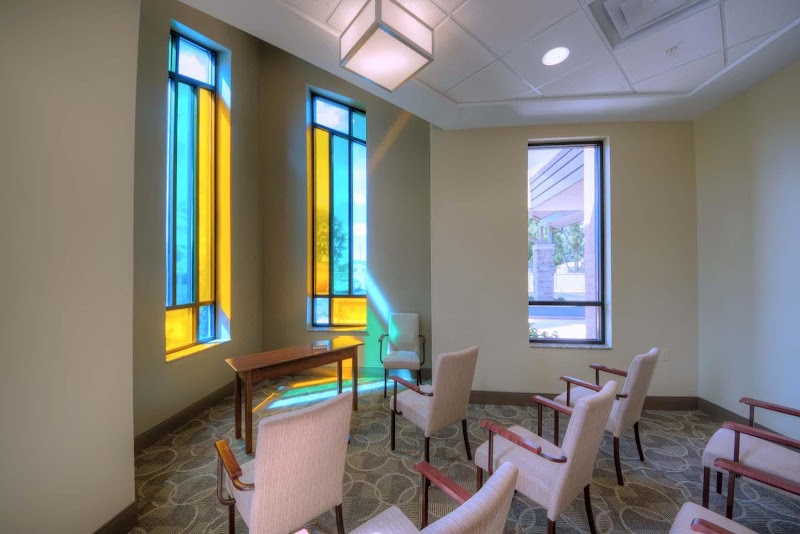
How is Church Of Christ Care Center Staffed?

CMS rates Church of Christ Care Center's staffing level at 3 out of 5 stars, which is average compared to other nursing homes. Staff turnover is 40%, compared to the Michigan average of 46%. This relatively stable workforce can support continuity of care.

What Have Inspectors Found at Church Of Christ Care Center?

State health inspectors documented 31 deficiencies at Church of Christ Care Center during 2022 to 2025. These included: 6 that caused actual resident harm, 24 with potential for harm, and 1 minor or isolated issues. Deficiencies causing actual harm indicate documented cases where residents experienced negative health consequences.
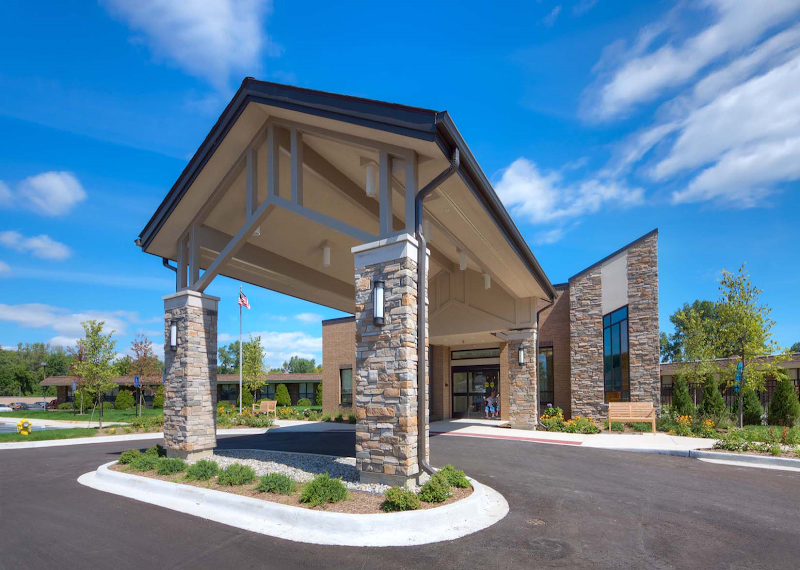
Who Owns and Operates Church Of Christ Care Center?

Church of Christ Care Center is owned by a non-profit organization. Non-profit facilities reinvest revenue into operations rather than distributing to shareholders. The facility operates independently rather than as part of a larger chain. With 129 certified beds and approximately 103 residents (about 80% occupancy), it is a mid-sized facility located in Clinton Township, Michigan.

How Does Church Of Christ Care Center Compare to Other Michigan Nursing Homes?

Compared to the 100 nursing homes in Michigan, Church of Christ Care Center's overall rating (3 stars) is below the state average of 3.1, staff turnover (40%) is near the state average of 46%, and health inspection rating (3 stars) is at the national benchmark.

What Should Families Ask When Visiting Church Of Christ Care Center?

Based on this facility's data, families visiting should ask: "Can I visit during a mealtime to observe dining assistance and food quality?" "How do you handle medical emergencies, and what is your hospital transfer rate?" "Can I speak with family members of current residents about their experience?"

Is Church Of Christ Care Center Safe?

Based on CMS inspection data, Church of Christ Care Center has a clean safety record: no substantiated abuse findings (meaning no confirmed cases of resident harm), no Immediate Jeopardy citations (the most serious violation level indicating risk of serious injury or death), and is not on the Special Focus Facility watch list (a federal program monitoring the lowest-performing 1% of nursing homes). The facility has a 3-star overall rating and ranks #100 of 100 nursing homes in Michigan. While no facility is perfect, families should still ask about staff-to-resident ratios and recent inspection results during their visit.

Do Nurses at Church Of Christ Care Center Stick Around?

Church of Christ Care Center has a staff turnover rate of 40%, which is about average for Michigan nursing homes (state average: 46%). Moderate turnover is common in nursing homes, but families should still ask about staff tenure and how the facility maintains care continuity when employees leave.

Was Church Of Christ Care Center Ever Fined?

Church of Christ Care Center has been fined $23,595 across 1 penalty action. This is below the Michigan average of $33,315. While any fine indicates a compliance issue, fines under $50,000 are relatively common and typically reflect isolated problems that were subsequently corrected. Families should ask what specific issues led to these fines and confirm they've been resolved.

Is Church Of Christ Care Center on Any Federal Watch List?

Church of Christ Care Center is not on any federal watch list. The most significant is the Special Focus Facility (SFF) program, which identifies the bottom 1% of nursing homes nationally based on persistent, serious quality problems. Not being on this list means the facility has avoided the pattern of deficiencies that triggers enhanced federal oversight. This is a positive indicator, though families should still review the facility's inspection history directly.