Lakepointe Senior Care and Rehabilitation Center
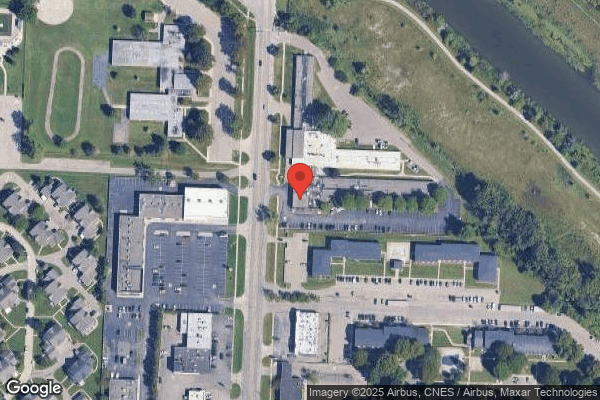
37700 Harper Avenue, Clinton Township, MI 48036 (586) 468-0827
For profit - Limited Liability company 134 Beds NEXCARE HEALTH SYSTEMS Data: November 2025
Trust Grade
55/100
#132 of 422 in MI
Last Inspection: August 2025

Inspected within the last 6 months. Data reflects current conditions.

Overview

Lakepointe Senior Care and Rehabilitation Center has a Trust Grade of C, meaning it is average and falls in the middle of the pack for nursing homes. It ranks #132 out of 422 facilities in Michigan, placing it in the top half of all state options, and #7 out of 30 in Macomb County, indicating there are only six facilities nearby that are rated higher. The facility shows improvement, with a reduction in issues from nine in 2024 to just two in 2025. Staffing is a mixed bag; the center has a rating of 3 out of 5 stars, with a turnover rate of 42%, which is slightly below the state average, but it has concerning RN coverage that is less than 79% of other Michigan facilities. While there are some serious concerns, such as a resident developing a pressure ulcer leading to hospitalization and another resident not receiving adequate mobility assistance, the overall health inspection rating is good at 4 out of 5 stars.

Trust Score
C
55/100
In Michigan
#132/422
Top 31%
Safety Record
Moderate
Needs review
Inspections
Getting Better
9 → 2 violations
Staff Stability
○ Average
42% turnover. Near Michigan's 48% average. Typical for the industry.
Penalties
○ Average
$34,034 in fines. Higher than 70% of Michigan facilities. Some compliance issues.
Skilled Nurses
⚠ Watch
Each resident gets only 28 minutes of Registered Nurse (RN) attention daily — below average for Michigan. Fewer RN minutes means fewer trained eyes watching for problems.
Violations
⚠ Watch
26 deficiencies on record. Higher than average. Multiple issues found across inspections.
★★★★☆
4.0
Overall Rating
★★★☆☆
3.0
Staff Levels
★★★☆☆
3.0
Care Quality
★★★★☆
4.0
Inspection Score
Stable
2024: 9 issues
2025: 2 issues

The Good

  • Full Sprinkler Coverage · Fire safety systems throughout facility
  • No fines on record
  • Staff turnover below average (42%)

    6 points below Michigan average of 48%

Facility shows strength in fire safety.

The Bad

Staff Turnover: 42%

Near Michigan avg (46%)

Typical for the industry

Federal Fines: $34,034

Above median ($33,413)

Moderate penalties - review what triggered them

Chain: NEXCARE HEALTH SYSTEMS

Part of a multi-facility chain

Ask about local staffing decisions and management

The Ugly 26 deficiencies on record

2 actual harm
Aug 2025 2 deficiencies
CONCERN (D)

Potential for Harm - no one hurt, but risky conditions existed

Deficiency F0657 (Tag F0657)

Could have caused harm · This affected 1 resident

**NOTE- TERMS IN BRACKETS HAVE BEEN EDITED TO PROTECT CONFIDENTIALITY** Based on observation, interview, and record review, the facility failed to revise the care plan for one resident (R05) of one re...

Read full inspector narrative →
**NOTE- TERMS IN BRACKETS HAVE BEEN EDITED TO PROTECT CONFIDENTIALITY** Based on observation, interview, and record review, the facility failed to revise the care plan for one resident (R05) of one resident reviewed for care plans. Findings include:R5On 8/25/25 at 9:30 AM, R5 was observed laying in their bed with their leg hanging over the bed. When asked about care, R5 shook their head and stated, it's okay. A review of the Electronic Medical Record (EMR) revealed R5 was originally admitted on [DATE] with pertinent diagnosis of Dementia, Delusion Disorders, and adjustment disorder. Further review revealed a Brief Interview for Mental Status score which indicated intact cognition and required maximum assistance with all activities of daily living.A review of R5's EMR revealed Behavior Notes on 8/1/25, 8/3/25, 8/9/25, 8/11/25, 8/15/25, 8/21/25 and 8/23/25, indicating R5 exhibited behaviors of trying to disconnect, pull out or unscrewing their tube feeding (tube inserted into the stomach for food and fluids).Review of R5's EMR care plan dated 7/16/25 and revised 8/7/25, with a focus of Mood / Behaviors did not show any interventions for the behavior of disconnecting the tube feeding.On 8/27/25 at 1:35 PM, the Director of Nursing (DON) was queried about R5 behaviors and lack of interventions and said R5's behaviors were redirected after each incident of disconnecting the tube feeding. The DON indicated their expectations regarding care plans were care plans should be updated and/or revised due to specific changes and as needed per care plan policy.A review of the policy titled, Care Planning - Interdisciplinary Team documented, the facility's care planning/ interdisciplinary team is responsible for the development of an individualized comprehensive care plan for each resident.
CONCERN (D)

Potential for Harm - no one hurt, but risky conditions existed

ADL Care (Tag F0677)

Could have caused harm · This affected 1 resident

Based on observation, interview, and record review, the facility failed to provide adequate facial hair grooming for one (R65) of five residents reviewed for activities of daily living (ADL) care. Fin...

Read full inspector narrative →
Based on observation, interview, and record review, the facility failed to provide adequate facial hair grooming for one (R65) of five residents reviewed for activities of daily living (ADL) care. Findings include: On 08/25/25 at 10:21 AM, R65 was observed lying in bed and appeared to be sleeping. It was observed that a notable amount of facial hair was present on their chin and jawline. Review of the facility record for R65 revealed an initial admission date of 09/13/21 with diagnoses including Chronic Pain Syndrome, Muscle Weakness, and Chronic Obstructive Pulmonary Disease. Review of R65's care plan dated 06/09/25 revealed the ADL Focus area that included the intervention Hygiene/Grooming: 1 PA (person assist) Please remove any facial hair growth. The ADL care plan Goals statements included I will be neat, clean, and well-groomed daily through next review. The Kardex (nursing assistant care instructions) associated with R65's care plan included the instruction Ask if I would like to be shaved. On 08/26/2025 at 2:05 PM, R65 was interviewed in their room and asked how they feel about the facial hair present on their chin and jawline. They stated that they don't care for it and they prefer to have it kept clean shaven. The facial hair remained present as observed the previous day. The length and thickness of the hair appeared to be roughly four to five days of growth. On 08/27/2025 at 11:27 AM, R65 was interviewed in their room and asked if they recalled how often they were shaved and they stated Not often enough, usually on my shower day, I think. I really don't like when it's not clean. It bothers me enough that I thought about getting it removed permanently but I knew someone who tried that, and it didn't work. I wish they would do it at least every other day. R65 was asked if they ever refuse an offer to have their facial hair shaved and they stated No, I don't think I have. On 08/27/2025 at 1:53 PM, the facility Director of Nursing (DON) reported their expectation is that staff should offer to shave the resident per their care plan or when they notice facial hair growing in. Review of the facility policy Activities of Daily Living dated 07/01/08 included the Purpose statements .1. To assist resident in achieving maximum functional ability with dignity and self-esteem .2. To provide assistance to residents as necessary.
Aug 2024 9 deficiencies
CONCERN (D) 📢 Someone Reported This

A family member, employee, or ombudsman was alarmed enough to file a formal complaint

Potential for Harm - no one hurt, but risky conditions existed

Resident Rights (Tag F0550)

Could have caused harm · This affected 1 resident

Based on observation, interview, and record review, the facility failed to maintain the dignity of one (R101) of six residents reviewed for dignity. Findings include: Review of the facility record for...

Read full inspector narrative →
Based on observation, interview, and record review, the facility failed to maintain the dignity of one (R101) of six residents reviewed for dignity. Findings include: Review of the facility record for R101 revealed an admission date of 02/03/23 with diagnoses that included Heart Failure and Dementia. The record also indicated R101 was legally blind. On 08/06/24 at 10:38 AM, R101 was observed laying in bed and it was noted a list of hand written care instructions were posted above the head of the bed. The first item on the list stated He is a feeder. On 08/07/24 at 11:51 AM, R101 was observed in their room and the sign above the head of the bed stating He is a feeder remained in place. On 08/08/24 at 10:14 AM, R101 was observed laying in bed and the sign stating He is a feeder remained posted above the head of the bed. R101 was asked about the signs and stated I don't know what they are. On 08/08/24 at 1:42 PM, the facility Director of Nursing (DON) reported they were not aware of the sign referring to the resident as He is a feeder. The DON reported their expectation is that type of wording would not be used or posted. A facility policy addressing resident dignity was requested but not received. The facility did provide the document Know Your Rights - Your Medicaid Care and Coverage in a Nursing Facility. This document included the section Quality of Your Medical Care which included the entry These services must be provided in a confidential and dignified manner .
CONCERN (D) 📢 Someone Reported This

A family member, employee, or ombudsman was alarmed enough to file a formal complaint

Potential for Harm - no one hurt, but risky conditions existed

Comprehensive Care Plan (Tag F0656)

Could have caused harm · This affected 1 resident

**NOTE- TERMS IN BRACKETS HAVE BEEN EDITED TO PROTECT CONFIDENTIALITY** R108 On 08/06/24 at 9:23 AM, 10:17 AM, 10:40 AM, 12:20 PM, 08/06/24 at 12:21 PM, and 2:59 PM, R108 was observed lying in bed. R1...

Read full inspector narrative →
**NOTE- TERMS IN BRACKETS HAVE BEEN EDITED TO PROTECT CONFIDENTIALITY** R108 On 08/06/24 at 9:23 AM, 10:17 AM, 10:40 AM, 12:20 PM, 08/06/24 at 12:21 PM, and 2:59 PM, R108 was observed lying in bed. R108's heels were observed to be resting directly on the bed. Heel protector boots were observed in a wheelchair behind the door in the room. R108's call light was observed hanging on wall above the head of the bed out of the residents reach. On 08/07/24 at 8:30 AM, R108 was observed in bed. Heel protector boots were observed in the corner of the room. R108's call light was still hanging on the wall above R108's head of their bed out of reach. On 08/07/24 at 10:34 AM, 11:55 AM and 2:59 PM, R108 was observed lying in bed. The heel protector boots were observed in the closet. R108's call light was observed hanging on the wall above the head of their bed out of their reach. On 08/07/24 at 4:04 PM, R108 was observed lying in bed. Heel protector boots were observed still in R108's closet. R108 was asked if they were supposed to wear heel protector boots when they're in bed. R108 stated, yes. R108 was asked if they wore them at all today. R108 stated I don't think so. R108's call light was observed hanging on the wall above the head of their bed out of their reach. On 08/08/24 at 8:01 AM, R108 was observed in bed. Heel protector boots were observed to still be in the closet. R108's call light was observed hanging on the wall above the head of their bed out of reach. On 08/08/24 at 8:47 AM, during an interview, certified nurse assistant (CNA) D was asked if R108 was supposed to wear heel protector boots while in bed. CNA D responded they have never noticed R108 to have boots on. On 08/08/24 at 9:00 AM, during an interview CNA A was asked if R108 is supposed to be wearing heel protector boots. CNA A stated yes. CNA A was observed to look at R108 then look around room and in closet. CNA A was then observed applying the heel protector boots. CNA A was asked if R108 was supposed to have a call light. CNA A stated, yes. CNA A was observed to look at R108's call light hanging on the wall and then placed it on R108's bed within their reach. A review of R108's record revealed they were admitted to the facility on [DATE] with a diagnosis of acute on chronic congestive heart failure and acute on chronic respiratory failure, unspecified dementia. A review of the minimum data set (MDS) revealed a Brief interview for mental status (BIMS) score of 6 indicating cognitive impairment. A review of R108's care plan revealed the following interventions: BLE soft boots on during the day to prevent contracture; Call light accessible R482 On 08/06/24 at 10:08 AM, R482 was observed in bed. R482's heels were observed resting directly on the bed. One heel protector was observed across the room in R482's (medical recliner) chair. R482's call light was observed on the floor next to their bed out of their reach. On 08/06/24 at 12:28 PM and 08/06/24 at 2:29 PM, R 482 was observed in their chair with their heels resting directly on the chair cushion. On 08/07/24 at 8:25 AM, A heel protector was observed on R482's right foot only. R482's left heel was observed resting directly on the bed. 08/07/24 at 10:38 AM, 11:57 AM, and 1:08 PM, A heel protector was observed on R482's right foot only. R482's left heel was observed resting directly on the bed. R482's call light was observed on their bed by the pillow not in reach. 08/07/24 at 2:26 PM, and 4:15PM, R482 was observed lying in bed. A heel protector was observed on R482's right foot only. R482's left heel was observed resting directly on the bed. On 08/08/24 at 8:05 AM, R482 was observed lying in bed with heels resting directly on bed. On 08/08/24 at 8:58 AM, during an interview in R482's room CNA A was asked if R482 was supposed to be wearing heel protectors. CNA A stated yes CNA A was asked if they are supposed to be on both feet. CNA A stated both, because (their) not moving. CNA A was asked if R482 repositions themselves at all. CNA A stated I'm not very familiar with (them) but just by looking at (them) I'd say not enough, and we should be doing it. I'll go down and get (them) some heel protectors. On 8/8/24 at 1:02 PM, R482 was observed in their chair on their back with their heels resting directly on the chair cushion. A review of R482's record revealed they were admitted to the facility on [DATE] with diagnosis of cerebral infarction due to embolism of right cerebellar artery. A review of the MDS revealed a BIMS score of 00 indicating cognitive impairment. A review of R482's care plan states: assist me with floating my heels. Please help me get turned and repositioned while in bed or in my wheelchair/chair; Call light accessible A review of the facility's policy titled Care Plans-Comprehensive states the following: An individualized comprehensive care plan that includes measurable objectives and timetables to meet the residents medical, nursing, mental, and psychological need is developed for each resident. 1. Our facility's care planning interdisciplinary team in coordination with the resident, his/her family or representative (sponsor), develops and maintains a comprehensive care plan for each resident that identifies the highest level of functioning the resident may be expected to attain. 2. The comprehensive care plan is based on a thorough assessment that includes but is not limited to the MDS. 3. Each resident's comprehensive care plan is designed to: a. Incorporate identified problem areas; b. Incorporate risk factors associate with identified problems; c. Build on the resident's strengths; d. Reflect the residents expressed wishes regarding care and treatment goals; e. Reflect treatment goals, timetables and objectives in measurable outcomes; f. Identify the professional services that are responsive for each element od care; g. Aid in the preventing or reducing declines in the residents functional status and/or functional levels; h. Enhance the optimal functioning of the resident by focusing in a rehabilitative program and j. Reflect currently recognized standards of practice for problems areas and conditions. Based on observation, interview, and record review the facility failed to implement care plan interventions for three residents (R40, R108 and R482) of six reviewed for care planning. Findings include: On 8/6/24 at 9:49 AM, R40 was interviewed regarding the care and services they were receiving at the facility and indicated that they had experienced multiple falls at the facility. A review of R40's electronic medical record (EMR) progress note section revealed the following, 5/25/2024 23:13 (11:13 PM) Nurses: [R40] said [they] fell on the floor trying to get a cake from [their] roommate's daughter's boyfriend. Nurse and aide did not [witness] the fall. Roommate's granddaughter witnessed the fall. [They] said [R40] fell on the floor trying to [get] cake. They said [R40] fell on [their] back, but did not hit [their] forehead. [R40] told the writer and the aide [they] fell on the floor and hit [their] forehead, but later said [they] did not hit [their] forehead, but rather the back of [their] head. Witness said [R40] fell on the floor, but did not hit the back of [their] head. A review of an incident and accident (I/A) report involving R40 dated 5/25/2024 22:44 (10:44 PM) indicated that [R40] had a fall in their room witnessed by their roommate's sister. Per the I/A resident assessments were completed and vitals were taken. No injuries indicated. Resident Description: I fell but did not hit my head. 5/30/24 IDT (Interdisciplinary Team) met to review and concur .Intervention: Medication review by physician. A review of R40's fall care plan interventions revealed the following, Interventions .Physician to review medication administration post fall, assess 6[00 AM] medications given concurrently. Date Initiated: 12/04/2023. Post fall 12/12/23: antihypertensive medication reviewed my MD (Medical doctor), d/c (Discontinue) Metroprolol. Check orthostatic BP (Blood pressure) Bid (Two times a day) x 3 days and report abnormal results to physician. Date Initiated: 12/12/2023. Further review of R40's fall care plan revealed there was no documented intervention following R40's fall on 5/25/24. A further review of R40's EMR revealed psychiatric visit documentation provided by [Psychiatric provider agency] which indicated that R40's psychotropic (mental health) medication was reviewed by the psychiatric provider on 6/21/24. There was no observed documentation in R40's record which indicated the physician had reviewed R40's prescribed medication following their fall on 5/25/24. R40's EMR revealed R40 was most recently admitted to the facility on [DATE] with diagnoses which included Anemia (deficiency of red blood cells) and Muscle weakness. R40's most recent quarterly minimum data set assessment (MDS) dated [DATE] revealed that R40 had an intact cognition and was independent-required partial assistance for all activities of daily living (ADLs). On 8/7/24 at 2:20 PM, the Director of Nursing (DON) was interviewed regarding their expectations for recommendations being implemented and followed, and new interventions being placed on a resident's care plan following a fall and indicated the expectation was recommendations be, Implemented and followed up on. The DON was further interviewed regarding implementation of the recommendation following R40's fall on 5/25/24. The DON confirmed the physician did not document their review of R40's medication per the recommendation.
CONCERN (D)

Potential for Harm - no one hurt, but risky conditions existed

Deficiency F0657 (Tag F0657)

Could have caused harm · This affected 1 resident

Based on observation, interview, and record review, the facility failed to revise the care plan for one (R101) of six residents reviewed. Findings include: Review of the facility record for R101 revea...

Read full inspector narrative →
Based on observation, interview, and record review, the facility failed to revise the care plan for one (R101) of six residents reviewed. Findings include: Review of the facility record for R101 revealed an admission date of 02/03/23 with diagnoses that included Heart Failure and Dementia. The record also indicated that R101 was legally blind and stated under Special Instructions that all personal items should be within reach. On 08/06/24 at 10:38 AM, R101 was observed laying in bed. Their water cup was on the over-bed table next to the wall at the head of the bed, out of the residents reach. On 08/07/24 at 11:51 AM, R101 was observed laying in bed. Their water cup was on the over-bed table next to the wall at the head of bed as it was the previous day. R101 was asked if they were able to reach their water cup if they wanted a drink and they stated No. On 08/08/24 at 10:14 AM, R101 was observed laying in bed. Their water cup was on the over-bed table adjacent to the head of bed, out of the resident's reach. Review of R101's care plan revealed no indication the resident should not have access to their water cup. On 08/08/24 at 1:48 PM, the facility Director of Nursing (DON) reported their understanding was that R101's water cup was kept out of reach as the resident has difficulty managing the cup independently due to impaired coordination and vision impairment. The DON reported their expectation is that the availability or placement of the resident's water cup as well as ensuring the resident is offered assistance for drinks of water between meals should be specifically addressed in the resident's care plan. Review of the facility policy Care Plans-Comprehensive revealed the entry Revisions: 8. Assessments of residents are ongoing and care plans are revised as information about the resident and the resident's condition change.
CONCERN (D) 📢 Someone Reported This

A family member, employee, or ombudsman was alarmed enough to file a formal complaint

Potential for Harm - no one hurt, but risky conditions existed

Quality of Care (Tag F0684)

Could have caused harm · This affected 1 resident

Deficiency Text Not Available

Read full inspector narrative →
Deficiency Text Not Available
CONCERN (D)

Potential for Harm - no one hurt, but risky conditions existed

Tube Feeding (Tag F0693)

Could have caused harm · This affected 1 resident

**NOTE- TERMS IN BRACKETS HAVE BEEN EDITED TO PROTECT CONFIDENTIALITY** Based on observation, interview, and record review, the facility failed to administer PEG (Percutaneous Endoscopic Gastrostomy) ...

Read full inspector narrative →
**NOTE- TERMS IN BRACKETS HAVE BEEN EDITED TO PROTECT CONFIDENTIALITY** Based on observation, interview, and record review, the facility failed to administer PEG (Percutaneous Endoscopic Gastrostomy) tube feeding and medication via feeding tube per physician's orders or one (R482) out of one reviewed for PEG tube use. Findings include: R482 On 08/07/24 at 2:26 PM, R482 was observed in their medical recliner chair. A tube feeding pump was observed in the room which was powered off. No tube feeding bottles or tube feeding were observed in the room. On 8/7/24 at 4:15 PM, R482 was observed in their chair. Tube feeding is observed infusing at 65ml (milliliters) per hour through a pump. The pump was observed to show a remaining volume of 1220ml. On 08/08/24 at 8:05 AM, R482 was observed lying in bed on their back. No tube feeding was observed infusing or in the room. The pump was observed next to the resident's bed powered off. There was no tube feeding bottle or tubing noted in the room. A review of R482's record revealed they were admitted to the facility on [DATE] with diagnosis of cerebral infarction due to embolism of right cerebellar artery. A review of the minimum data set revealed a Brief interview for mental status score of 00 indicating cognitive impairment. A review of R482's physician orders revealed the following order: Enteral feed every shift for nutrition and hydration Tube feeding: Jevity 1.5 @ 65ml/hr x 20hrs (up 2pm/down10am)or until dose complete = 1300ml/1950 calories via pump. Flush PEG tube with 65ml/hr water while TF (tube feeding) is infusing. A review of R482s medication orders revealed an order for Levothyroxine to be administered at 5:00AM. On 08/08/24 at 8:38 AM, during an interview, Licensed Practical Nurse (LPN) B confirmed R482 has tube feeding that is supposed to infuse from 2PM until 10 AM. LPN B was asked why R482's tube feeding was not currently infusing. LPN B stated let me check with the night nurse, (they) are still here and gestured to the nurses station. On 08/08/24 at 8:40 AM, a concurrent interview was conducted with LPN E and Clinical Care Coordinator (CCC) C. LPN E stated, The order is for it to infuse for that time frame or until the volume is complete. LPN E was asked if they knew why it was taken down early. and comfirmed they were the one that took the tube feeding down. LPN E was asked what time they stopped the tube feeding. LPN E just a little bit ago like 8:15AM. LPN E was asked if nurses put in a progress note or anything when tube feeding is started stopped or flushed. CCC C explained that they do not put in a note and that they just follow what the physician order says. CCC C was asked if R482's tube feeding is being held before and after the administration of levothyroxine. CCC C stated it doesn't have to be held for that and explained that the pharmacy that the facility used to use told them that it did not have to be held. On 08/08/24 at 9:12 AM, during an interview, Registered Dietician (RD) stated t R482 gets Jevity 1.5 at 65ml per hour and it should it be running for 20 hours. RD was told that R482's tube feeding was not started until sometime after 2:30PM and was already stopped sometime prior to 8:05AM. RD confirmed the resident would not be getting (their) caloric needs. R482 consumes nothing by mouth so we don't want to pause it for too long. On 08/08/24 at 9:37 AM, during an interview, the DON explained that tube feeding should be held for residual amounts over 100 (ml) and the doctor should be notified and it should also be held if the resident needs to lay flat during care or changing. The DON stated, the orders say the dose and time to hang and take it down. if something happens in between that's abnormal they would put an order to hold it and they should let each other know and put in a nurses note. The DON was asked if tube feeding should be held before and after the administration of Levothyroxine. The DON stated pharmacy has not made that recommendation. The pharmacy told us that Levothyroxine only interacts with soy, dairy and caffeine. On 08/08/24 at 10:02 AM, The DON was provided the manufacturers label for Jevity 1.5 which listed three soy containing ingredients and also included a warning that the product contains milk and soy. The DON stated, I will have to get with pharmacy about this. A review of the manufacturer's recommendation for Levothyroxine states Take Synthroid with only water and on an empty stomach. Wait 30 minutes to 1 hour before eating or drinking anything other than water A review of the facility's policy titled Enteral Nutritional Feeding states the following: Enteral Feeding Includes: PURPOSE: To provide liquid nourishment and adequate hydration through a tube, into the stomach. ENTERAL TUBE FEEDING: The physician order is to include the following: a. Formula b. Route c. Rate d. Gravity or pump e. Start and stop times f. Total amount of water intake to be consumed in 24 hours 1. The Dietician or Licensed Nurse will determine how water allowance is distributed, and this will be documented in the medical record 2. Checking Residual- a. Will be completed per physician order only b. Use a syringe to aspirate stomach secretions. c. If residual is present follow physician orders for replacement of feeding contents, holding of feeding, or disposal of content. d. If concerns with abdominal distention, pain, nausea, vomiting, of obstruction Notify physician for further orders 3. When pump is used follow manufactures directions for use. 4. Change and date enteral tubing with each new bottle of formula 5. Syringe is labeled and dated and replaced every 24 hours. 6. Closed tube feeding formula will hang no longer than 48 hours and open systems no longer than 8 hours unless otherwise specified by the manufacturer. 7. Administration of tube feeding and water flushes will be documented in the medical record Nursing .MONITORING THE RESIDENTS ON ENTERAL FEEDINGS: 1. Monitor resident's receiving tube feedings for complications which may include diarrhea, constipation, abdominal distention, nausea, vomiting, and aspiration 2. Notify the physician for any complications. 3. Head of bed must be elevated 30-45 degrees at all times during feeding and for at least 30 minutes after the feeding unless otherwise indicated per order/plan of care.
CONCERN (D)

Potential for Harm - no one hurt, but risky conditions existed

Respiratory Care (Tag F0695)

Could have caused harm · This affected 1 resident

**NOTE- TERMS IN BRACKETS HAVE BEEN EDITED TO PROTECT CONFIDENTIALITY** Based on observation, interview, and record review, the facility failed to secure on oxygen tank for one (R108) of one resident ...

Read full inspector narrative →
**NOTE- TERMS IN BRACKETS HAVE BEEN EDITED TO PROTECT CONFIDENTIALITY** Based on observation, interview, and record review, the facility failed to secure on oxygen tank for one (R108) of one resident reviewed for oxygen therapy. Findings include: R108 On 08/06/24 at 9:23 AM, 10:17 AM, 10:40 AM, and 12:20 PM, an unsecured portable oxygen tank was observed in R108's room. On 08/07/24 at 8:17 AM, 10:34 AM, 11:55 AM, 2:17 PM, and 4:04 PM, R108 was observed in bed wearing oxygen per nasal canula via concentrator. An unsecured portable oxygen tank was observed in R108's room. A review of R108's record revealed they were admitted to the facility on [DATE] with a diagnosis of acute on chronic congestive heart failure and acute on chronic respiratory failure, unspecified dementia. A review of the minimum data set (MDS) revealed a Brief interview for mental status (BIMS) score of 6 indicating cognitive impairment. On 8/8/24 at 2:05 PM, during an interview, Clinical Care Coordinator (CCC) C was asked how portable oxygen tanks should be stored while in a resident's room. CCC C explained they can be in a metal wheeled holder or secured in a bag if it's on a wheelchair. A facility policy on oxygen storage was requested and not returned by the completion of the survey.
CONCERN (D) 📢 Someone Reported This

A family member, employee, or ombudsman was alarmed enough to file a formal complaint

Potential for Harm - no one hurt, but risky conditions existed

Deficiency F0760 (Tag F0760)

Could have caused harm · This affected 1 resident

Deficiency Text Not Available

Read full inspector narrative →
Deficiency Text Not Available
CONCERN (D)

Potential for Harm - no one hurt, but risky conditions existed

Deficiency F0761 (Tag F0761)

Could have caused harm · This affected 1 resident

**NOTE- TERMS IN BRACKETS HAVE BEEN EDITED TO PROTECT CONFIDENTIALITY** Based on observation, interview, and record review, the facility failed to safely secure medications for two (R6 and R29) of two...

Read full inspector narrative →
**NOTE- TERMS IN BRACKETS HAVE BEEN EDITED TO PROTECT CONFIDENTIALITY** Based on observation, interview, and record review, the facility failed to safely secure medications for two (R6 and R29) of two residents reviewed for medication storage. Findings include: R6 On 08/07/24 at 8:16 AM and 08/07/24 10:36 AM, R6 was observed sleeping in bed. Timolol eye drops were observed on R6's bedside table within reach of R6. A review of R6's record reveals they were admitted to the facility on [DATE] with a diagnosis of heart failure, unspecified, and dementia. A review of R6's minimum data set (MDS) reveals a brief interview for mental status (BIMS) score of 6 indicating cognitive impairment. A review of R6 physician orders revealed no order for medication self-administration. R29 On 08/06/24 at 9:10 AM, 10:55 AM, 12:40 PM, and 2:23 PM, albuterol 90mcg (microgram) inhaler, artificial tears eye drops, and nasal spray medications were observed on R29's nightstand within R29's reach. On 08/07/24 at 8:09 AM, the albuterol 90mcg inhaler, artificial tears eye drops, and nasal spray medications were observed on R29's nightstand still within R29's reach. A review of R29's record revealed they were admitted to the facility on [DATE] with a diagnosis of periprosthetic fracture around internal prosthetic right hip joint. A review of R29's MDS revealed a BIMS score of 14 indicating cognitive impairment. A review of R29's physician orders revealed no orders for medication self-administration. On 08/07/24 at 10:45 AM, during an interview Clinical Care Coordinator (CCC) C was brought to the room of R6 and R29 and shown the medications at bedside. CCC C was asked if the medications are supposed to be kept at the bedside for the two residents. CCC C stated, As much as I'd love to say yes the answer is no. I'll take care of it. A review of the facility's policy titled Medication Administration states: Residents can self-administer medications when specifically authorized by the attending physician in accordance with procedures for self-administration of medication.
CONCERN (E)

Potential for Harm - no one hurt, but risky conditions existed

Deficiency F0919 (Tag F0919)

Could have caused harm · This affected multiple residents

**NOTE- TERMS IN BRACKETS HAVE BEEN EDITED TO PROTECT CONFIDENTIALITY** R6 On 08/06/24 at 9:21 AM, R9 was observed sitting on the side of their bed. R9's call light was observed hanging on the wall be...

Read full inspector narrative →
**NOTE- TERMS IN BRACKETS HAVE BEEN EDITED TO PROTECT CONFIDENTIALITY** R6 On 08/06/24 at 9:21 AM, R9 was observed sitting on the side of their bed. R9's call light was observed hanging on the wall behind their bed out of reach. R9 was asked do you have a call light? R9 stated No. All I have to do is yell. On 08/07/24 at 10:36 AM, R9 was observed sleeping in bed. R9's call light was observed on the floor under their bed out of reach. On 08/07/24 at 1:06 PM, 2:17 PM, and 4:07 PM, R9's call light was observed to still be on the floor under their bed out of reach. On 08/08/24 at 1:08 PM, R9 was observed sitting in their recliner. R9's call light was observed on their bed across the room out of reach. A review of R6's record reveals that they were admitted to the facility on [DATE] with a diagnosis of heart failure, unspecified, and dementia. A review of R6's minimum data set (MDS) reveals a brief interview for mental status (BIMS) score of 6 indicating cognitive impairment. R48 On 08/06/24 at 8:53 AM, R48 was observed lying in bed. R48's call light was observed hanging on the wall above the head of their bed out of reach. R48 was asked, do you have a call light. R48 stated, no. On 08/06/24 at 10:20 AM, 12:06 PM, and 2:39 PM, R48 was observed sitting up in a medical recliner in their room. R48's call light was observed on the floor, under their bed across the room out of reach. On 8/8/24 at 1:05PM, R48 was observed sitting up in their chair. R48's call light was observed hanging on the wall above the head of their bed across the room out of reach. A review of R48's record revealed that they were admitted to the facility on [DATE] with a diagnosis of neurocognitive disorder with lewy bodies and unspecified dementia. A review of the MDS revealed a BIMS score of 11 indicating cognitive impairment. R108 On 08/06/24 at 9:23 AM, 10:17 AM , 12:20 PM, 08/06/24 at 12:21 PM, and 2:26 PM, R108 was observed in bed with head elevated. R108's call light was observed hanging on wall above head of bed out of reach. On 08/07/24 at 8:17 AM, 10:34 AM, and 1:06 PM, 2:17 PM, and 4:04 PM, R108 was observed in bed with head elevated. R108's call light was observed hanging on wall above head of bed out of reach. 08/08/24 at 8:01 AM, 8:30 AM, R108 was observed in bed. R108's call light was observed out of the residents reach. On 08/08/24 at 08:47 AM, during an interview certified nurse assistant CNA A was asked if R108 was supposed to have a call light. CNA A stated, yes. CNA A was observed to look at R108's call light hanging on the wall and then placed it on R108's bed within their reach. A review of R108's record revealed they were admitted to the facility on [DATE] with a diagnosis of acute on chronic congestive heart failure and acute on chronic respiratory failure, unspecified dementia. A review of the MDS revealed a BIMS score of 6 indicating cognitive impairment. R118 On 08/06/24 at 10:41 AM, R118 was observed in bed. R118 stated, can I get some pain medication? R118 was asked if they had their call light. R118 responded, No. R118's call light was observed to be on the floor under their bed out of reach. On 08/06/24 at 12:23 PM, R118 was observed to be yelling I need a pain pill! R118's call light was observed to be on the floor behind the back of their bed out of reach. On 08/08/24 at 1:09 PM, R118 was observed in bed and their call light was observed to still be out of reach as previously described. R118 was asked if they had their call light. R118 stated no. R118 was asked, what happens if you need help? R118 responded, I yell. A review of R118's record revealed they were admitted to the facility on [DATE] for a diagnosis of delusional disorders and other chronic pain. A review of the MDS revealed a BIMS score of 12 indicating cognitive impairment. R482 08/06/24 at 10:08 AM, R482 was observed in bed. R482's call light was observed on the floor next to their bed out of reach. On 08/07/24 at 10:38 AM, 11:57 AM, and 01:08 PM, R482 was observed sitting up in their chair. R482's call light was observed on their bed by the pillow not in reach. A review of R482's record revealed they were admitted to the facility on [DATE] with diagnosis of cerebral infarction due to embolism of right cerebellar artery. A review of the MDS revealed a BIMS score of 00 indicating cognitive impairment. On 08/08/24 at 9:06 AM, during an interview, Licensed Practical Nurse (LPN) B explained the policy is call lights are within reach and if someone can't use a regular call light they use a different type that can go under their pillow. On 08/08/24 at 9:37 AM, during an interview, the Director of Nursing (DON) explained it was their expectation everyone should have a call light in reach and that if a resident prefers it in a certain place like on their bed side table, they try to follow their preferences. A review of the facility's policy titled Call Light Policy states: POLICY: Call lights will receive consistent and adequate response in order to best meet the individual needs of each resident. PROCEDURE: 1. Call lights will be placed within reach of the resident 2. Call light activation will be identified by a light above the resident doorway and an audible alarm at/near each nursing station or a paging system with monitors. 3. Call lights will remain on until staff is available to meet the resident needs/requests. 4. Call light responses will be prioritized based on need, not necessarily in order received. 5. Priority responses may include but are not limited to: falls, injury, and medical emergency 6. Each staff member is responsible to respond to call lights and provide assistance as their level of training allows. 7. Call light response time may vary dependent on time of day, individual resident need, and the number of call light requests at any given time. 8. Concerns related to call light response time will be documented utilizing the Concern/Grievance procedure and followed up through QAPI and/or resident council. Based on observation, interview and record review the facility failed to ensure call lights were maintained within reach for dependent residents for six residents (R117, R6, R118, R48, R482, and R108) of eight reviewed for call light placement. Findings include: R117 A fall report dated 07/20/24 documented R117 had a fall from their bed. The reported indicated R117 rolled out of bed due to agitation. On 08/06/24 at 1:26 PM, R117 was observed to be in bed. The call light for R117 was observed to be looped over the bracket of the tube feeding machine. The machine/pole was at the top edge of the bed and away from the side of the bed around two feet. On 08/07/24 at 8:29 AM, R117 was observed to be in bed, on their left side, angled toward the door. The call light was on the floor around the base of the tube feed stand. On 08/07/24 at 7:55 AM, 8:29 AM, and 9:16 AM, R117 was observed to be in bed. The call light was at foot of tube feed pole. At 10:54 AM and 1:43 PM, R117 was observed to be on their left side in bed. The call light was on the floor at the feet of the tube feed pole. A review of the record for R117 revealed R117 was admitted into the facility on [DATE]. Diagnoses included Stroke, Malnutrition and Heart Attack. The Minimum Data Set (MDS) assessment dated [DATE] indicated severely impaired cognition and total dependence for all Activities of Daily Living, bed mobility and transfer. The care plan dated 02/27/27 documented .Please help me get turned while in bed or in my wheelchair .Bed Mobility 2 (person assist) PA .Call light accessible .I have cardiac issues .Anticipate needs if unable to communicate them myself . On 08/08/24 at 8:57 AM, the clinical care coordinator/unit manager (CCC) O for R117 was asked about call light use by R117 and reported R117 had used it prior to the decline but currently did not use it much. On 08/08/24 at 12:04 PM, call light position for residents was reviewed with the Director of Nursing (DON). The DON reported call lights should be in reach unless otherwise documented in the plan of care.
Jun 2023 10 deficiencies 1 Harm
SERIOUS (G)

Actual Harm - a resident was hurt due to facility failures

Deficiency F0688 (Tag F0688)

A resident was harmed · This affected 1 resident

**NOTE- TERMS IN BRACKETS HAVE BEEN EDITED TO PROTECT CONFIDENTIALITY** Based on observation, interview, and record review, the facility failed to consistently implement interventions to maintain or i...

Read full inspector narrative →
**NOTE- TERMS IN BRACKETS HAVE BEEN EDITED TO PROTECT CONFIDENTIALITY** Based on observation, interview, and record review, the facility failed to consistently implement interventions to maintain or improve range of motion (ROM) and/or mobility, affecting three residents (R6, R22, and R77), resulting in the potential for further functional decline in joint motion and mobility. Findings include: Resident #6 (R6) On 6/26/23 at 9:31 AM, R6 was observed lying in bed. R6 did not respond to inquiry and was unable to be interviewed. On 6/26/23 at 2:36 PM, R6 was observed to still be lying in bed. A review of R6's record and Minimum Data Set (MDS) assessment dated [DATE] revealed that the resident was admitted into the facility on 7/2/20, most recently re-admitted on [DATE], and is severely cognitively impaired. Further review revealed that the resident requires total assistance from one to two staff for activities of daily living (ADLs), mobility, and transfers. R6's medical diagnoses include Hemiplegia and Hemiparesis Following Cerebral Infarction, Generalized Muscle Weakness, Dysphagia, Adjustment Disorder With Mixed Anxiety and Depressed Mood, Aphasia Following Cerebral Infarction, Vascular Dementia, Unspecified Severity with Other Behavioral Disturbance, and History of Pneumonia. On 6/26/23 at 1:45 PM, Confidential Witness V was interviewed regarding any concerns with R6's care at the facility. Witness V indicated that they felt the resident had experienced a decline in their ability to perform ADLs. Witness V stated that the resident did have behaviors and was resistant to care in the past but had previously been able to be up and out of bed. Witness V then stated, Now (R6) just doesn't get out of the bed at all. Witness V had concerns related to ensuring that R6 received services to maintain mobility. A review of R6's most recent therapy discharge summaries revealed that the resident was discharged from Physical Therapy (PT) on 5/20/23 and Occupational Therapy (OT) on 5/22/23 with recommendations for restorative services (range of motion and bed mobility specifically). Both PT and OT determined that R6's prognosis to maintain current level of functioning was, Good with consistent staff follow-though (of restorative services). Further review of R6's record revealed the following physician order: RNP (restorative nursing program) .Active .6/1/2023. A review of R6's task documentation revealed the following: -Task: Nursing Rehab: rolling on alternating sides every 2 hours. Not Applicable, was documented for the above task on 6/1/23, 6/7/23, 6/8/23, 6/14/23, and 6/21/23. -Task: Nursing Rehab: Passive ROM (range of motion) to BUEs and BLEs (bilateral upper extremities and bilateral lower extremities) in suppose position in all possible planes. Not Applicable, was documented for the above task on 6/1/23, 6/5/23, 6/8/23, 6/14/23, 6/21/23, and 0 minutes spent providing the above task was documented on 6/12/23. Six documented refusals were noted since 6/1/23. On 6/27/23 at 8:27 AM, R6 was observed sitting upright in bed with their head down. R6 appeared to be sleeping. On 6/27/23 at 10:46 AM, R6 was observed lying in bed and appeared to be sleeping. Resident #22 (R22) A review of R22's record and MDS assessment dated [DATE] revealed that the resident was admitted into the facility on 6/8/21 and is mildly cognitively impaired. Further review revealed that the resident requires extensive assistance from staff for toileting, dressing, and bed mobility, total assistance for transfers, and limited assistance for personal hygiene. R22's medical diagnoses include Hemiplegia and Hemiparesis Following Cerebral Infarction, Dysarthria and Dysphagia Following Cerebral Infarction, Generalized Muscle Weakness, Chronic Pain Syndrome, Contracture, Diabetes, Polyneuropathy, Anxiety Disorder, Adjustment Disorder with Depressed Mood, and Obesity. Further review of R22's hospital records upon initial admission into the facility did not indicate that the resident was admitted with contractures. On 6/26/23 at 8:35 AM, during the initial tour, R22 was observed in bed, lying on their back at approximately 45 degrees. An adaptive walker with forearm support was noted in the corner of the resident's room. R22's left leg was bent up and lying on a pillow. R22 was observed without any supportive devices on, such as a splint or brace. When queried regarding therapy or restorative services, the resident stated they were not receiving any. R22 was asked how often they are moved in bed to which the resident responded, Never. Only when I have a bowel movement and they have to come change me. That's the only time they move me. R22's bed was observed without assist bars. On 6/26/23 at 10:05 AM, R22 was observed lying in bed and appeared to be sleeping. R22 was observed without any braces/orthotic support devices on and their left leg remained bent up on a pillow. On 6/26/23 at 11:02 AM, R22 remained in bed and appeared to still be sleeping. Two blue orthotic support devices (braces) were noted on the floor near the resident's bedside dresser. R22 was observed without any brace/devices on and their left leg remained bent up on a pillow. On 6/26/23 at 12:25 PM, R22 was observed lying in bed. R22 used the bed remote to lift the head of their bed up so they could eat, however, the resident was unable to further adjust themselves in bed on their own. R22 continued to have no braces/orthotic support devices on and their left leg remained bent up on a pillow. On 6/26/23 at 2:36 PM, R22 was observed to still be lying in bed. R22 was again interviewed at this time and stated staff hadn't moved them all day. R22 was asked if staff attempted to put any braces, splints, or orthotic devices on their extremities. R22 replied, No, and added that they had, Waited all day yesterday for someone to move (them) and no one did anything. On 6/26/23 at 3:54 PM, Certified Nursing Assistant (CNA) I and CNA J were preparing to provide incontinence care to R22. CNA I indicated that she had worked midnight shift (leaving around 7 AM this morning) and had come back to work afternoon shift. R22 stated they had not been changed since they last saw CNA I this morning. R22 repeatedly denied that they had been changed on day shift. CNA J told R22 and this surveyor that she believed what the resident was claiming. R22 became tearful and stated, You see? They don't get me up, they don't walk me, nothing. R22 continued to have no splint/braces/orthotic support devices on and their left leg remained bent up on a pillow. The staff were queried regarding assist bars on R22's bed. CNA I stated that to her knowledge, R22 has not had assist bars on their bed any time recently. R22 was observed to need the assistance of both CNA I and CNA J to turn in bed and receive incontinence care. The staff were then queried regarding knowledge of R22's mobility history and capabilities. CNA J indicated she was familiar with R22 because the resident had been on C wing in the past, where CNA J normally works. CNA J stated that R22 had been, better, when they were on C wing. CNA J elaborated that R22 had been up out of bed at that time and able to do some things for themselves. CNA J commented that R22 hasn't been doing those things now that they are on the A wing. R22's left leg remained bent up. When this surveyor attempted to inquire about R22's left leg, the resident became very tearful and upset. R22 stated that it is painful when staff stretch their leg out. CNA I carefully placed a pillow underneath R22's left leg. When queried regarding when the pain in their left leg started, R22 indicated the pain had started worsening approximately one year ago and stated, When I came over here (to A wing), because they wouldn't get me up and wouldn't walk with me. R22 became tearful again. R22's left arm and hand appeared bent, but the resident indicated that they still have some mobility in their left arm/hand because they try to, work on it themselves. On 6/27/23 at 8:23 AM, R22 was observed lying in bed, eating breakfast. R22 was unable to effectively use their left arm/hand. R22 was observed without any braces/orthotic support devices on and their left leg was bent up and resting on a pillow. R22 stated, They still didn't put my brace on. On 6/27/23 at 9:50 AM, R22 was observed lying in bed and appeared to be sleeping. R22 was observed without any braces/orthotic support devices on and their left leg was bent up and resting on a pillow. On 6/27/23 at 10:25 AM, R22 remained in bed and expressed frustration that, They just leave me in bed all day. The two blue orthotic support devices (braces) remained on the floor near the resident's bedside dresser. R22 was observed without any brace/devices on and their left leg remained bent up on a pillow. R22 was asked if staff applied their braces or did any restorative/range of motion with them yesterday to which the resident replied, No. On 6/27/23 at 10:29 AM, the Regional Clinical Director (RCD) was interviewed and stated that staffing doesn't allow for designated restorative staff, and it is a program that was recently reviewed across the board. On 6/27/23 at 11:43 AM, R22 was observed lying in bed and appeared to be sleeping. R22 was observed without any braces/orthotic support devices on. The two blue orthotic support devices (braces) near the resident's bedside dresser. On 6/27/23 at 12:26 PM, R22 was observed to still be lying in bed. R22 was again interviewed at this time and stated that staff had not attempted to put any braces, splints, or orthotic devices on their extremities. R22 added that they had only been changed one time this morning. On 6/28/23 at 9:09 AM, Licensed Practical Nurse (LPN) L was interviewed and indicated she was R22's assigned nurse today. LPN L was queried regarding if R22 experiences pain. LPN L indicated that the resident does have pain and has multiple medications ordered to manage it. LPN L was then queried if she ever sees R22 be active or get up out of bed. LPN L stated they had not worked on the unit in a while but could not recall recently seeing the resident get up/be active. On 6/28/23 at 9:18 AM, CNA K was interviewed and indicated that she was R22's assigned aide today. CNA K was queried if she had been informed that floor CNAs were responsible for carrying our restorative nursing services. CNA K responded, Not really, kind of .We do it (range of motion) when we get [residents] dressed. CNA K indicated she would have to look at the charts to determine which residents need specialized restorative services. CNA K was then asked if she had received training in restorative services to which she replied, No .ROM and things like that are part of regular CNA training .but haven't gotten 1:1 training. CNA K was then queried specifically regarding R22 and their required restorative services. CNA K indicated that she believes the resident needs to have their left leg straightened multiple times a day. CNA K stated, It's bent, it is very uncomfortable for (R22). The resident usually screams. CNA K indicated that R22 never refused restorative services attempts to her knowledge. On 6/28/23 at 11:41 AM, the Director of Nursing (DON) was interviewed and queried regarding who is responsible for carrying out and documenting Restorative Nursing Program (RNP) tasks. The DON stated that CNAs working the floor are assigned those duties. The DON acknowledged that she has identified the RNP tasks as not being completed per order. The DON was asked if there would be any reason for Not Applicable to be documented for an ordered RNP task. The DON responded, No, and indicated that if the CNA's encountered any issues with RNP tasks, they should report to nursing. When asked, the DON was unsure if the facility had provided training for the RNP to nursing/CNA staff. A review of R22's record revealed the following orders: -Restorative Nursing. Active 3/3/2023. -Pt (patient) would benefit from bilateral assist bars to promote participation in bed mobility and ADLs (activities of daily living). Active 11/2/2021. -Patient to wear Left knee extension brace up to 4 hrs/ day while monitoring s/s (signs/symptoms) of redness or discomfort, pain as tolerated by patient. Active 5/19/2022. -Left hand and elbow brace be worn by patient up to 4 hours a day as tolerated. Active 5/19/2022. The facility was asked to provide restorative documentation for R22. The facility provided RNP documentation (left knee and elbow brace application) that began in May 2022 to present day (consistent with above orders). A review of the documentation revealed that for the majority of days in May 2022 through December 2022 and January 2023 through May 2023, Not Applicable, or no documentation was present at all to indicate that R22's left knee brace and left elbow brace were applied per order. Further review of the brace task documentation from June 2023 revealed that, Not Applicable was documented on 6/1/23, 6/13/23, 6/15/23, 6/19/23, 6/20/23, and 6/22/23 and 0 minutes spent providing the brace task was documented on 6/5/23, 6/6/23, 6/7/23, 6/10/23, 6/11/23, 6/21/23. No documentation was present for 6/24/23 nor 6/26/23. The RNP documentation was also noted to include range of motion documentation that was initiated in March 2023. A review of the range of motion documentation titled, LLE and LUE PROM (left lower extremity and left upper extremity passive range of motion) in supine position in all possible planes within pain free ROM: 10 REP, revealed that from March 2023 through May 2023, Not Applicable, or no documentation was present at all to indicate that range of motion was provided to R22. Further review of the range of motion task documentation from June 2023 revealed that, Not Applicable was documented on 6/2/23, 6/7/23, 6/13/23 through 6/17/23, and 6/23/23 and 0 minutes spent providing the ROM task was documented on 6/9/23, 6/11/23, 6/24/23, and 6/25/23. A review of R22's Physical Therapy (PT) Discharge summary dated [DATE] revealed: Diagnoses: .Contracture, left knee Onset 3/16/2022 . Assessment and Summary of Skilled Services: .PT sessison (sic) was focused on imprvoing (sic) PROM of Left knee extesion (sic) strength of RLE in all major muscles by performing supine and [NAME] (sic) position exercises with resistance using nakle (sic) wt (weight), improving core strength to faciliatte (sic) sittign (sic) tolerance and blance (sic) dynamic sittign (sic) balance improvement training while crossing midline and reaching in various planes, consulted orthotics to get knee extension brace on LLE assess for proper tolerance w/o any s/s of pain, redness or discomfort to preven (sic) development (sic) of further contractures, improving independence with rolling on each side, supine <> sit t the EOB, W/C (wheelchair) mobility training on level [NAME] (sic) to facilitate functional mobility . Patient made substantial functional gains in response to skilled interventions .continue with HEP, Knee extension brace on LLE for 4 hrs/day .Prognosis to Maintain CLOF (current level of functioning) = Good with consistent staff follow-through . R77 On 6/26/23 at 10:03 AM,. during an initial tour of the facility R77 was observed to have contracted fingers on their right hand. R77 was interviewed and asked if they received therapy and/or restorative therapy related to their contracture. R77 indicated that they did not receive any therapy at the current time and indicated that they would like to receive restorative therapy. On 6/27/23 at 10:27 AM, An observation was made of R77 continuing to have contracted fingers on their right hand. R77 denied having any pain. On 6/28/23 at 9:20 AM, the Acting Therapy Program Director (TPD) B was interviewed regarding R77's contracted fingers and asked if R77 was involved in any therapy and/or a restorative program related to their contracture. TPD B indicated that R77 was able to partially straighten their fingers and stated, It takes them some time. TPD B further indicated that R77 was supposed to be receiving Passive range of motion (ROM) exercises to their fingers, hands, and upper body, for maintenance. TPD B indicated that staff should be documenting ROM exercises when offered and/or completed with R77. TPD B reviewed R77's most recent Occupational Therapy (OT) Discharge Summary dated 5/31/23 which indicated the following, Discharge Recommendation: RNP (Restorative Nursing Program). TPD indicated that there should be a goal and interventions on R77's care plan regarding restorative care. On 6/28/23 at 9:24 AM, a review of R77's electronic medical record (EMR) revealed no care plan goal/interventions regarding restorative care and no documentation in R77's EMR of them having received/being offered ROM exercises. On 6/28/23 at 9:26 AM, further review of R77's EMR revealed that R77 was most recently admitted to the facility on [DATE] with diagnoses that included Cerebral infraction (Stroke) and Chronic respiratory failure. R77's most recent annual minimum data set assessment (MDS) dated [DATE] revealed that R77 had an intact cognition and required one to two persons, total dependence to extensive assistance, for all activities of daily living (ADLs) other than eating. On 6/28/23 at 9:29 AM, the Director of Nursing (DON) was interviewed regarding the provision of restorative care for R77 and indicated that a restorative care goal should be documented on the resident's care plan and ROM documentation should be documented under the Task section in R77's EMR. The DON stated, If it's not documented, it didn't happen. On 6/28/23 at 3:38 PM, a facility policy titled Restorative Program Revision: 2/21/2018 was reviewed and stated the following, Purpose and Policy Statement: Based on the comprehensive assessment of a resident and consistent with the resident's needs and choices, the facility will provide the necessary care and services to ensure that a resident's abilities in activities of daily living do not diminish .Process: Candidates for the restorative nursing program may be identified in the following ways: After discharge from a skilled therapy service .1. Following identification of need the interdisciplinary team will put a plan in place that identifies the restorative approaches that will support the resident .2. The applicable restorative interventions will be assigned which may include .ROM .
CONCERN (D)

Potential for Harm - no one hurt, but risky conditions existed

Deficiency F0558 (Tag F0558)

Could have caused harm · This affected 1 resident

Based on observation, interview, and record review, the facility failed to ensure call light accessibility for one resident (R29) reviewed for accommodation of needs resulting in the potential for unm...

Read full inspector narrative →
Based on observation, interview, and record review, the facility failed to ensure call light accessibility for one resident (R29) reviewed for accommodation of needs resulting in the potential for unmet care needs. Findings include: On 6/26/23 at 8:30 AM and 2:40 PM, R29 was observed in bed asleep. Their call light was observed wrapped around a wall hook out of reach of the resident. In order for the resident to obtain access to the light, they would have to get out of bed, reach up and unravel it from around the hook. A review of R29's medical record revealed that they were admitted into the facility with diagnoses that include Alzheimer's Disease, Unspecified Convulsions, and a history of falling. Further review revealed that the resident was severely cognitively impaired and requited limited to total dependence for Activities of Daily Living. On 6/27/23 at 7:54 AM , 12:13 PM, and 4:09 PM, the resident's call light remained out of reach and wrapped around their wall hook. On 6/28/23 at 7:59 AM, R29's called light was observed out of reach and wrapped around their wall hook out. A review of R29's care plan revealed the following, Goal: Safety/Falls: I am at risk for falls due to hx (history) of falls, use of psychotropic medication and confusion Date Initiated: 03/29/2017. Revision on: 03/29/2023. Interventions: Make sure my call light is within reach when I'm in my room, and remind me to use it. I prefer it be draped over my light at the head of my bed. Date Initiated: 03/29/2017. Revision on: 10/24/2017 . On 6/28/23 at 11:54 AM, the Director of Nursing (DON) was asked for her expectation related to call light accessibility. The DON explained that every call light has a clip and should clipped to their bedding or in them while in their wheelchair. She further explained that it should be accessible for residents to reach. A review of the facility's Call Light policy revealed the following, PROCEDURE: 1. Call lights will be placed within reach of the resident .
CONCERN (D)

Potential for Harm - no one hurt, but risky conditions existed

Deficiency F0676 (Tag F0676)

Could have caused harm · This affected 1 resident

**NOTE- TERMS IN BRACKETS HAVE BEEN EDITED TO PROTECT CONFIDENTIALITY** Based on observation, interview, and record review the facility failed to ensure that assistive communication devices were provi...

Read full inspector narrative →
**NOTE- TERMS IN BRACKETS HAVE BEEN EDITED TO PROTECT CONFIDENTIALITY** Based on observation, interview, and record review the facility failed to ensure that assistive communication devices were provided to one resident (R85) with a communication impairment, of one resident reviewed for communication, resulting in the likelihood of miscommunication between the resident and staff and the potential for unmet care needs. Findings include: On 6/26/23 at 9:49 AM, during an initial tour of the facility on the B unit, Licensed Practical Nurse (LPN) C informed the surveyor that R85 was unable to speak or hear. LPN C was interviewed regarding how they communicate with R85. LPN C stated, (R85) gestures sometimes. LPN C was also asked if any communication devices such as a communication board were provided to R85 and kept in their room to assist staff/resident communication, to which she stated, No. R85's electronic medical record (EMR) was reviewed and revealed that R85 was most recently admitted to the facility on [DATE] with diagnoses that included Dementia and Respiratory failure. R85's most recent quarterly minimum data set assessment (MDS) dated [DATE] revealed that R85 had a moderately impaired cognition, highly impaired hearing and unclear speech, and required supervision to limited assistance of one person for all activities of daily living (ADLs) other than eating. On 6/26/23 at 9:53 AM, R85 was met in their room for observation and interview. R85's room was observed to be dark, all lights were off in their room, and R85 was sitting on their bed with a hooded sweat shirt on with the hood of their sweat shirt covering their head. An inspection R85's room revealed no communication board, paper, and/or any other assistive communication devices being present in the room. R85 did not respond to any questions. On 6/27/23 at 10:02 AM, R85 was observed in their room with the lights off. R85 did not respond to any questions and made utterances/sounds. No communication assistive devices were observed in R85's room. On 6/27/23 at 10:13 AM, Certified Nursing Assistant (CNA) E was interviewed about how they communicate with R85. CNA E stated They gesture. CNA E was asked if they had ever observed/utilized any type of communication device to communicate with R85 such as a communication board. CNA E stated, No and indicated that R85 did not have a communication board. On 6/27/23 at 1:38 PM, an observation was made of R85 in their room, lying on their bed with the room light on. No communication board and/or any other communication devices were observed in R85's room. On 6/27/23 at 1:57 PM an interview was conducted with Social Services Director (SSD) D regarding communication related to R85. SSD D indicated that R85 had a notebook that they write in when meeting with SSD D and communicating with them. SSD D was further interviewed and asked about other communication assistive devices utilized and provided to R85 to assist them with their communication with staff. SSD D indicated that according to R85's care plan, (R85) should be provided with paper and a communication board to assist them with communication. SSD D indicated that the activities department was responsible for providing residents with communication boards as needed. On 6/27/23 at 2:29 PM, Activity Director (AD) F was interviewed regarding communication involving R85. AD F indicated that they were working on providing communication boards to all residents in the facility who had communication challenges. AD F stated, I am going to put a communication board and note pad by (R85's) bed so they will be able to better communicate with staff. On 6/28/23 at 9:21 AM, an observation was made of no communication board, paper, and or any other communication assistive devices being present in R85's room. On 6/28/23 at 9:45 AM, a review of R85's Communication/Activities care plan revealed the following interventions, Provide me with [a] picture communication board so that I can make my needs known. Date Initiated: 06/21/2023 Revision on: 06/21/2023. Provide me with paper and something to write with during conversations so that I can read what you have to say, and also write down my responses. Date Initiated: 07/31/2020 Revision on: 12/16/2022. Use pictures for cues as needed as this may help communicate better to you my wants/needs. Date Initiated: 07/31/2020 Revision on: 12/16/2022. On 6/28/23 at 11:23 AM, the Director of Nursing (DON) was interviewed regarding expectations for staff implementing and following activity/communication interventions listed on R85's care plan. The DON stated, Of course the interventions should be followed. On 6/28/23 at 3:07 PM, a facility policy titled Activities of Daily Living (ADL) (Daily Life Functions) Origination Date: July 1, 2008 was reviewed and stated the following, Purpose: 1. To assist resident in achieving maximum functional ability with dignity and self esteem. 2. To provide assistance to residents as necessary. 5. To teach resident use of assistive devices to maintain optimum ADL function. 6. To improve quality of life. Equipment: 3. Appropriate assistive devices. 12. Use adaptive equipment as directed .
CONCERN (D)

Potential for Harm - no one hurt, but risky conditions existed

Quality of Care (Tag F0684)

Could have caused harm · This affected 1 resident

Deficiency Text Not Available

Read full inspector narrative →
Deficiency Text Not Available
CONCERN (D)

Potential for Harm - no one hurt, but risky conditions existed

Deficiency F0698 (Tag F0698)

Could have caused harm · This affected 1 resident

Based on interview and record review the facility failed to ensure timely vital signs were documented prior to dialysis and documented post dialysis in the clinical record for one resident (R121) of t...

Read full inspector narrative →
Based on interview and record review the facility failed to ensure timely vital signs were documented prior to dialysis and documented post dialysis in the clinical record for one resident (R121) of two residents whose dialysis communications were reviewed resulting in the potential for inadequate data for assessment of the resident's status. Findings include: On 06/27/23 at 7:56 AM Licensed Practical Nurse (LPN) Q was asked about R121 and reported R121 had dialysis three times a week and had heard R121 went to dialysis then came back not feeling well, and was sent out to the hospital. A review of the nurse's note dated 05/20/23 at 4:47 PM by LPN L documented R121 returned from dialysis around 12:15 PM and at 12:30 PM R121 resident was found slumped in their chair with a faint pulse and EMS was called. The progress notes further indicated R121 was treated for ongoing and intermittent abdominal pain, nausea and vomiting since 05/12/23. A review of the Dialysis Communication form completed by LPN S dated 05/20/23 at 6:22 AM documented vitals from 05/19/23 at 10:38 PM. The blood pressure (BP) was 128/76 and a heart rate of 72. No information from the dialysis center was documented. A review of the dialysis communication forms dated 05/16/23 and 05/18/23 (BP before dialysis was 135/65 BP post dialysis 119/48) indicated the blood pressure and heart rate documented on 05/19/23 were within normal limits for R121. A blood pressure just prior to leaving for dialysis on 05/20/23 was not documented. A review of the dialysis center information received via fax at the facility on 06/28/23 at 1:09 PM revealed the initial blood pressure for R121 at the dialysis center timed at 7 AM was documented as 93/46. Ten to twenty points lower than that documented on the dialysis communication forms. A blood pressure timed at 10 AM documented a blood pressure of 83/38. The session finished at 11:07 AM. An 11:07 AM blood pressure was not documented. No unusual occurrences was documented by the dialysis center and R121 was returned to the facility. A review of the nurse notes dated 05/20/23 at 6:33 AM, documented, New orders in place Fluids to be ran at 60 milliliters (ml) an hour for one day .Resident complained of not feeling well. Emesis (vomiting) throughout the night. (Intramuscularly) IM Phenergan (anti nausea/emetic medication) administered Resident agreed to go to dialysis this morning, stated didn't want to go then quickly changes mind .out to dialysis at 6:30 AM . On 06/28/23 at 8:48 AM and at 1:18 PM, the Director of Nursing (DON) was asked about the R121's incident and 05/20/23 dialysis communication form and reported that the morning vitals should be taken and documented on the form. The DON acknowledged the lower BP on the dialysis center notes and reported that the dialysis center was not consistent in returning the communication form sent with the patient. On 06/28/23 at 1:55 PM, LPN S was interviewed via phone and reported that they had been in contact with the physician the night before. LPN S reported that the resident made the decision to go out to dialysis and did not recall what the vital signs (BP) were but the normal procedure would be to take vitals in the morning. A review of the facility policy Dialysis, Hemodialysis with last revised date of 09/23/19, documented, Purpose: Proper Assessment and care of residents receiving Hemodialysis. Procedure: 1. Complete Pre-Dialysis information and send Dialysis Communication form with resident .3. Obtain vital signs on return from center . 5. If notes are absent upon resident's return charge nurse is to call dialysis center for report . The policy did not indicate the timing of the pre-dialysis vital signs.
CONCERN (D) 📢 Someone Reported This

A family member, employee, or ombudsman was alarmed enough to file a formal complaint

Potential for Harm - no one hurt, but risky conditions existed

Pharmacy Services (Tag F0755)

Could have caused harm · This affected 1 resident

**NOTE- TERMS IN BRACKETS HAVE BEEN EDITED TO PROTECT CONFIDENTIALITY** This citation pertains to Intake MI00137906. Based on interview and record review, the facility failed to have ordered medicatio...

Read full inspector narrative →
**NOTE- TERMS IN BRACKETS HAVE BEEN EDITED TO PROTECT CONFIDENTIALITY** This citation pertains to Intake MI00137906. Based on interview and record review, the facility failed to have ordered medication available to administer to three residents reviewed (R31, R62, and R74) resulting in multiple missed doses of scheduled medication and the potential for poor pain management. Findings include: R74 On 6/26/23 at 8:44 AM, during the initial tour, R74 was interviewed. The resident indicated that their biggest issue with the facility was that they had run out of their pain medication multiple times, resulting in missed doses. R74 indicated that approximately one week ago, they missed multiple scheduled doses of their ordered percocet (narcotic pain medication), lasting longer than 24 hours. A review of R74's medical record revealed that the resident was admitted into the facility on 4/19/23 with medical diagnoses including Osteoarthritis (OA), Obesity, Diabetes, and Anxiety. R74's Minimum Data Set (MDS) assessment dated [DATE] indicated that the resident is cognitively intact. A review of R74's care plan revealed: -Focus: PAIN MANAGEMENT I have potential for pain r/t (related to) Anemia, OA of Bilateral Hips, left wrist pain, polyneuropathy, and BPH (benign prostatic hyperplasia). Date Initiated: 04/19/2023. -Intervention: medications as ordered Date Initiated: 04/19/2023. A review of R74's orders revealed the following: -Percocet (Oxycodone w/ Acetaminophen) Oral Tablet 10-325 milligram (MG) Give 1 tablet by mouth four times a day for pain -Start Date- 04/21/2023. A review of R74's June 2023 Medication Administration Record (MAR) revealed that R74 did not receive their scheduled percocet at all on 6/21/23 (four missed doses), and did not receive their scheduled midnight dose of percocet on 6/22/23 (for a total of five consecutive missed doses of pain medication). A review of R74's progress notes revealed that the signing/sending/pharmacy receipt of the controlled medication prescription form (C2 form) contributed to the missed doses. On 6/26/23 at 4:16 PM, Registered Nurse (RN) M and RN G were interviewed regarding any issues with pharmacy they have experienced while working at the facility. Both nurses indicated that they frequently run into issues with the facility's contracted pharmacy service, resulting in residents missing scheduled doses of medication. Both nurses added that they are often told by pharmacy that a missing medication is coming with the next delivery. However, when the delivery arrives, the missing medication is not there. RN G stated that off the top of her head, she could recall that both R31 and R62 had missed doses of medication despite staff contacting the pharmacy multiple times by phone and fax. R31 On 6/27/23 at 8:36 AM, R31 was interviewed in their room. The resident was lying in bed and noted to be under contact isolation precautions for an infection. R31 was queried regarding any pain they have. The resident indicated that they have neuropathy in their extremities and has not received their scheduled gabapentin (anticonvulsant medication that is commonly used to treat nerve pain) in days. R31 expressed feeling very frustrated and also appeared so. The resident expressed a desire to leave the facility. R31 was queried regarding the severity of their nerve pain and rated it as a 10 out of 10 (severe pain). A review of R31's medical record revealed that the resident was initially admitted on [DATE] and most recently re-admitted to the facility from the hospital on 6/21/23 with medical diagnoses including Obesity, Urinary Tract Infection, Hyponatremia, Seizures, Acquired Absence of Left Leg Below Knee, Chronic Pain Syndrome, Anxiety, Depression, Diabetes, Bipolar Disorder, and Adjustment Disorder. R31's Minimum Data Set (MDS) assessment dated [DATE] indicated that the resident is moderately cognitively impaired. A review of R31's orders revealed the following: -Xanax Oral Tablet 0.25 MG (Alprazolam) Give 1 tablet by mouth every 12 hours related to GENERALIZED ANXIETY DISORDER . -Start Date- 06/21/2023 .-D/C (discontinue) Date- 06/22/2023. -Gabapentin Oral Capsule 400 MG (Gabapentin) Give 1 capsule by mouth three times a day for neuropathy -Start Date- 06/21/2023 .-D/C Date- 06/27/2023. A review of R31's June 2023 Medication Administration Record (MAR) revealed that R31 did not receive two scheduled doses of Xanax 0.25 mg (controlled anti-anxiety medication) that were ordered on 6/21/23 and 6/22/23, due to not having the medication on-hand from pharmacy. Further review of R31's June 2023 MAR and facility-provided controlled medication logs revealed that since R31's re-admission into the facility on 6/21/23, the resident had not received any doses of their scheduled gabapentin (17 scheduled doses missed until the order was discontinued during the survey). Although nursing staff checked off on the MAR that R31's gabapentin was administered at 2200 (10 PM) on 6/22/23 and 6/23/23 as well as 0600 (AM) on 6/24/23, there were no corresponding progress notes found to indicate that the medication was given from a backup supply nor was the facility able to provide a controlled medication log for the gabapentin or any of the marked administrations. R62 On 6/27/23 at 8:57 AM, R62 was interviewed. When queried regarding any concerns with missed medication, R62 indicated that recently, they recalled being told that the facility did not have some of their scheduled gabapentin. A review of R62's medical record revealed that the resident was initially admitted into the facility on 4/18/20 with medical diagnoses including Dementia, Psychotic Disturbance, Polyneuropathy, Chronic Pain Syndrome, and Diabetes. R62's Minimum Data Set (MDS) assessment dated [DATE] indicated that the resident is mildly cognitively impaired. A review of R62's orders revealed the following: -Gabapentin Oral Tablet (Gabapentin) Give 400 mg by mouth three times a day for neuropathy Give with 800 mg tabs to equal 1200 mg -Start Date- 06/20/2023. -Gabapentin Tablet 800 MG Give 1 tablet by mouth every 8 hours related to POLYNEUROPATHY, UNSPECIFIED .give w/ 400 mg for total of 1200 mg -Start Date- 06/07/2021. A review of R62's June 2023 Medication Administration Record (MAR) and facility-provided controlled medication logs revealed that R62 had been receiving the 800 mg gabapentin per order. The facility-provided controlled medication logs revealed, however, that R62 did not start receiving the additional 400 mg doses of gabapentin until 6/26/23 despite being ordered on 6/20/23. Multiple progress notes from 6/20/23 to 6/25/23 were entered into R62's record that the facility was awaiting a C2 form and delivery from the pharmacy for the 400 mg gabapentin. Although nursing staff checked off that R62's scheduled 400 mg gabapentin was administered three times on 6/20/23, as well as once on 6/22/23, 6/23/23, and 6/24/23, there were no corresponding progress notes found to indicate that the medication was given from a backup supply nor was the facility able to provide a controlled medication log for the gabapentin or the marked administrations dated prior to 6/26/23. On 6/27/23 at 9:49 AM, the Regional Clinical Director (RCD) was interviewed and indicated that the facility did not have any controlled medication logs for R31's gabapentin that was ordered on 6/21/2023 and confirmed that the resident had not been receiving that medication since re-admission. On 6/27/23 at 10:28 AM, the RCD approached indicated that the gabapentin for R31 had been discontinued due to being unavailable, and that an alternate pain medication had been ordered per a discussion with the physician and resident. On 6/28/23 at 11:41 AM, the Director of Nursing (DON) was interviewed regarding her knowledge of any pharmacy issues or medication administration difficulties at the facility. The DON claimed that the pharmacy the facility contracts with was recently having a problem with receiving faxes. The DON explained that staff had been sending the same C2 forms repeatedly to the pharmacy for some ordered medications, yet the pharmacy was claiming they did not receive them. When queried, the DON did not believe that the issue had been caused by nurses or providers failing to identify when a medication needed to be re-ordered. A review of the facility's policy/procedure titled, Medication Administration General Guidelines, dated 01/21, revealed, Medications are administered as prescribed in accordance with manufacturers ' specifications, good nursing principles and practices and only by persons legally authorized to do so. Personnel authorized to administer medications do so only after they have familiarized themselves with the medication .Prior to administration, review and confirm medication orders for each individual resident on the Medication Administration Record .Medications are administered in accordance with written orders of the prescriber .The individual who administers the medication dose, records the administration on the resident's MAR immediately following the medication being given. In no case should the individual who administered the medications report off-duty without first recording the administration of any medications .2. If a dose of regularly scheduled medication is withheld, refused, or given at other than the scheduled time (for example, the resident is not in the nursing care center at scheduled dose time, or a starter dose of antibiotic is needed), the space provided on the front of the MAR for that dosage administration is initialed and circled. An explanatory note is entered on the reverse side of the record provided for PRN (as needed) documentation. If two consecutive doses of a vital medication are withheld or refused, the physician is notified .
CONCERN (D)

Potential for Harm - no one hurt, but risky conditions existed

Medical Records (Tag F0842)

Could have caused harm · This affected 1 resident

**NOTE- TERMS IN BRACKETS HAVE BEEN EDITED TO PROTECT CONFIDENTIALITY** Based on interview and record review, the facility failed to accurately document medication administration in the medical record...

Read full inspector narrative →
**NOTE- TERMS IN BRACKETS HAVE BEEN EDITED TO PROTECT CONFIDENTIALITY** Based on interview and record review, the facility failed to accurately document medication administration in the medical record for two residents (R31 and R62) resulting in falsified documentation and the potential for unmet care needs and/or inaccurate assessments. Findings include: R31 On 6/27/23 at 8:36 AM, R31 was interviewed in their room. The resident was lying in bed and noted to be under contact isolation precautions for an infection. R31 was queried regarding any pain they have. The resident indicated that they have neuropathy in their extremities and have not received their scheduled gabapentin (anticonvulsant medication that is commonly used to treat nerve pain) in days. R31 expressed feeling very frustrated and also appeared so. The resident expressed a desire to leave the facility. R31 was queried regarding the severity of their nerve pain and rated it as a 10 out of 10 (severe pain). A review of R31's medical record revealed that the resident was initially admitted on [DATE] and most recently re-admitted to the facility from the hospital on 6/21/23 with medical diagnoses including Obesity, Urinary Tract Infection, Hyponatremia, Seizures, Acquired Absence of Left Leg Below Knee, Chronic Pain Syndrome, Anxiety, Depression, Diabetes, Bipolar Disorder, and Adjustment Disorder. R31's Minimum Data Set (MDS) assessment dated [DATE] indicated that the resident is moderately cognitively impaired. A review of R31's orders revealed the following: -Gabapentin Oral Capsule 400 MG (Gabapentin) Give 1 capsule by mouth three times a day for neuropathy -Start Date- 06/21/2023 .-D/C Date- 06/27/2023. A review of R31's June 2023 MAR and facility-provided controlled medication logs revealed that since R31's re-admission into the facility on 6/21/23, the resident had not received any doses of their scheduled gabapentin (17 scheduled doses missed until the order was discontinued during the survey). Although nursing staff checked off on the MAR that R31's gabapentin was administered at 2200 (10 PM) on 6/22/23 and 6/23/23 as well as 0600 (AM) on 6/24/23, there were no corresponding progress notes found to indicate that the medication was given from a backup supply nor was the facility able to provide a controlled medication log for the gabapentin or any of the marked administrations. R62 On 6/27/23 at 8:57 AM, R62 was interviewed. When queried regarding any concerns with missed medication, R62 indicated that recently, they recalled being told that the facility did not have some of their scheduled gabapentin. A review of R62's medical record revealed that the resident was initially admitted into the facility on 4/18/20 with medical diagnoses including Dementia, Psychotic Disturbance, Polyneuropathy, Chronic Pain Syndrome, and Diabetes. R62's Minimum Data Set (MDS) assessment dated [DATE] indicated that the resident is mildly cognitively impaired. A review of R62's orders revealed the following: -Gabapentin Oral Tablet (Gabapentin) Give 400 mg by mouth three times a day for neuropathy Give with 800 mg tabs to equal 1200 mg -Start Date- 06/20/2023. -Gabapentin Tablet 800 MG Give 1 tablet by mouth every 8 hours related to POLYNEUROPATHY, UNSPECIFIED .give w/ (with) 400 mg for total of 1200 mg -Start Date- 06/07/2021. Multiple progress notes from 6/20/23 to 6/25/23 were entered into R62's record that the facility was awaiting a C2 form and delivery from the pharmacy for the 400 mg gabapentin. Although nursing staff checked off that R62's scheduled 400 mg gabapentin was administered three times on 6/20/23, as well as once on 6/22/23, 6/23/23, and 6/24/23, there were no corresponding progress notes found to indicate that the medication was given from a backup supply nor was the facility able to provide a controlled medication log for the gabapentin or the marked administrations dated prior to 6/26/23. On 6/27/23 at 9:49 AM, the Regional Clinical Director (RCD) was interviewed and indicated that the facility did not have any controlled medication logs for R31's gabapentin that was ordered on 6/21/2023 and confirmed that the resident had not been receiving that medication since re-admission. At 10:28 AM, the RCD approached indicated that the gabapentin for R31 had been discontinued due to being unavailable, and that an alternate pain medication had been ordered per a discussion with the physician and resident. The facility's policy titled, Medication Administration, dated 01/21, states the following: Medications are administered as prescribed in accordance with manufacturers ' specifications, good nursing principles and practices and only by persons legally authorized to do so. Personnel authorized to administer medications do so only after they have familiarized themselves with the medication.
CONCERN (E)

Potential for Harm - no one hurt, but risky conditions existed

Safe Environment (Tag F0584)

Could have caused harm · This affected multiple residents

**NOTE- TERMS IN BRACKETS HAVE BEEN EDITED TO PROTECT CONFIDENTIALITY** On 6/26/23 at 8:30 AM, during initial tour of the A wing, a strong urine smell was observed. Upon entry into the room of R29 and...

Read full inspector narrative →
**NOTE- TERMS IN BRACKETS HAVE BEEN EDITED TO PROTECT CONFIDENTIALITY** On 6/26/23 at 8:30 AM, during initial tour of the A wing, a strong urine smell was observed. Upon entry into the room of R29 and R98, the floor was extemely sticky, full of debris, and the walls were observed with stains. The bathroom was observed to have debris on the floor, and bowel movement smeared all over the toilet seat. Attempts to interview R29 and R98 was unsucessful as they were confused. An observation of R98's wheelchair was made, which appeared covered in caked on debris, food and dirt. On 6/26/23 at 8:54 AM, upon reaching and entering the room of R16, located on the A wing, the urine smell increased. R16's bed was observed saturated with urine and bowel movement. In addition, their were gnats flying throughout the room and all over the bed. Certified Nursing Assistant (CNA) P was observed taking all of the linen off of the bed, and wiping the mattress down with sanitation wipes. CNA P was asked about the condition of the room, and explained that finding R16's room in this condition occurs often, and that it can sometimes be worse, with urine being located on the floor. On 6/27/23 at 10:06 AM, during a confidential group meeting, the residents were asked about their wheelchairs being cleaned. One resident stated, Our wheechairs are never cleaned. They used to be done on the midnight shift. Another resident agreed, and explained that their wheelchair did need to be cleaned, as they have debris located in the crevices of their wheelchair. On 6/28/23 at 11:00 AM, the Quality Assurance interview was conducted with the Administrator. The Administrator reported that any wheelchair issues should be reported in the reporting portal (TELS). The Administrator reported maintenance was responsible for mechanical repairs and the nursing assistants were responsible for the cleaning. The Administrator reported they were not sure of the wheelchair cleaning schedule but noted they believed they were cleaned weekly and as needed on the night shift and that there were sufficient staff on the night shift to get them cleaned. On 6/28/23 at 11:54 AM, the Director of Nursing (DON) was asked about the cleaning of resident wheelchairs. The DON explained that every unit has a schedule that coincides with resident showers, and that the CNA's are responsible for cleaning them on the midnight shift, and that the unit managers should be ensuring compliance. A review of the Rights of Residents in Michigan Nursing Facilities included in the facility's admission Packet documented on page six under the heading Safe Environment, You have the right to a safe, clean, comfortable and homelike environment, including but not limited to receiving treatments and supports for daily living safely. Based on observation, interview, and record review, the facility failed to maintain a clean, odor- and pest-free environment, affecting five residents (R7, R42, R29, R98 and R16) and current residents residing on the A and B units, resulting in the lack of a home-like living space, persistent foul odors, and resident dissatisfaction. Findings include: On 6/26/23 at 8:05 AM, an overwhelming feeling of stuffy, humid air and overpowering urine odor was noted upon entering the facility, as well as upon walking through various hallways to a conference room near the administrator's office. On 6/26/23 at 8:26 AM, during the initial tour, R7 was interviewed in their room. During the interview, the resident swatted multiple small flying bugs away from their face. No direct source for the bugs was noted in the resident's room. R7 indicated that the bugs were bothering them. A review of R7's Minimum Data Set (MDS) assessment dated [DATE] revealed that the resident is cognitively intact. On 6/26/23 at 10:00 AM, multiple small flying bugs were noted flying around the A unit nurses' station. Registered Nurse (RN) G was noted to be swatting the bugs away while sitting at a computer. On 6/26/23 at 10:06 AM, multiple small flying bugs were noted flying around the A unit dining room, where an unidentified resident was present with a staff member. On 6/26/23 at 12:25 PM and at 2:36 PM, an overpowering urine odor was noted throughout the A unit hallway. On 6/26/23 at 2:47 PM, a urine odor was noted in the hallway at the high-numbered end of the B unit. On 6/26/23 at 4:16 PM, the overpowering urine odor was still noted throughout the A unit hallway. RN M was interviewed at the A unit nurses' station and queried regarding the urine odor noted throughout the unit. RN M indicated that some staff may have gotten used to the smell, and explained that on the A wing, there were a few residents with behavioral/incontinent issues that spill or get urine on the floor. On 6/27/23 at 8:51 AM, a stale urine odor was noted in the hallway at the high-numbered end of the B unit. On 6/27/23 at 9:50 AM, an overpowering urine odor persisted throughout the A unit hallway. On 6/27/23 at 12:03 PM and at 12:34 PM, a lingering urine odor was noted at the high end of B unit and a strong urine odor was noted throughout the B unit. On 6/27/23 at 2:11 PM, the Maintenance Director brought in staff reports of pests from last few months. Per the reports, on 6/25/23, flying ants were reported in room B5-2; on 4/25/23, flying ants were reported in room B-15; and on 1/4/23 (two reports), ants were reported in rooms A1 and A8. The Maintenance Director stated they would take care of what they could as far as pest sightings, but also had pest control come in regularly. The facility provided bi-weekly pest control service reports from 4/20/23 to 6/15/23. The service reports indicated that food debris was often found, sanitation issues were often found in patient care areas, and that treatment for drain flies and flies is on-going. On 6/27/23 at 4:11 PM, the end of B unit hallway was noted with a vague, stale urine odor. On 6/28/23 at 2:00 PM, R42 was interviewed in their room regarding concerns about pests and/or odors within the facility. R42 indicated that they frequently noted odors of urine/feces as well as small flying bugs throughout the facility. R42 claimed that they had flies in their room yesterday and indicated that they personally do not keep open food items in their room, but that other residents on the B unit do. R42 stated, It's bothersome to me, and added that food trays sometimes do not get collected, which will attract flies. R42 was then queried regarding the location of the foul odors to which the resident replied, Over on A wing it, smells like poop and pee - All. The. Time! R42 added that foul odors were occasionally noted on the B unit. R42 handed over a can of air freshener and stated that they will go into the hallway and spray it when foul odors are noted. A review of R42's Minimum Data Set (MDS) assessment dated [DATE] revealed that the resident is cognitively intact. On 6/28/23 at 11:41 AM, the Director of Nursing (DON) was interviewed regarding her awareness of any environmental concerns within the facility. The DON indicated that she was unable to do walking rounds as regularly as she used to, so had not observed anything consistent. The DON indicated that odors such as urine could be smelled during brief changes but would expect them to dissipate quickly. The DON was unaware of any pest control issues but indicated that she would expect nurse managers in the facility to report any problems with pests and/or odors. On 6/28/23 at 2:34 PM, a small flying bug was noted flying around the conference room next to the Nursing Home Administrator's (NHA) office. On 6/28/23 at 11:38 AM, during the Quality Assurance review with the NHA, the administrator reported the expectation is that gnats should be reported and entered in the reporting portal (TELS) as it is on all the computers. The schedule for carpet cleaning was reviewed which indicated cleaning of the carpet is scheduled a couple times monthly for each unit. It was also reported that a professional carpet cleaning service is scheduled in two times a year but had not been in yet this year. Cleaning schedules were further reviewed with Housekeeping Supervisor R who reported there were three known rooms on the A unit and one on the B unit that exhibited ongoing urine odors.
CONCERN (E)

Potential for Harm - no one hurt, but risky conditions existed

ADL Care (Tag F0677)

Could have caused harm · This affected multiple residents

**NOTE- TERMS IN BRACKETS HAVE BEEN EDITED TO PROTECT CONFIDENTIALITY** Based on observation, interview and record review, the facility failed to ensure incontinence care was provided timely for four ...

Read full inspector narrative →
**NOTE- TERMS IN BRACKETS HAVE BEEN EDITED TO PROTECT CONFIDENTIALITY** Based on observation, interview and record review, the facility failed to ensure incontinence care was provided timely for four sampled residents (R16, R22, R34, R49) of six reviewed for Activities of Daily Living (ADLs) and quality of care, resulting in and the potential for unmet care needs and dissatisfaction with the care provided. Findings include: R49 On 6/26/23 at 8:35 AM, R49 was observed in bed lying on their back, heels flat on the mattress. Certified Nursing Assistant (CNA) P was observed in the room at this time, and was asked to view the linen of R49. Upon CNA P lifting the covers off of R49, their brief was observed saturated with urine, causing a wet urine perimeter around the resident onto the fitted sheet. CNA P explained that they had recently arrived for their shift, and found R49 in this manner. A review of R49's medical record revealed that they were admitted into the facility on 6/16/21 with disagnoses that included Alzheimer's Disease, Diabetes, and Anxiety. Further review of R49's medical record revealed a Minimum Data Set assessment indicating a Brief Interview for Mental Status score of 6/15 indicating a severely impaired cognition, and required total dependence for toileting, bed mobility and transfers. R16 On 6/26/23 at 8:54 AM, a strong urine smell permeated the room of R16 who was sitting on the edge of their wheelchair wearing a brief that was full of bowel movement and urine. The brief was observed to be so full that it was drooping. R16's bed linens were observed to be saturated with urine and feces, while gnats were observed flying througout the room and all over the bed. Attempts to interview R16 about their brief were made however, they appeared confused at this time. CNA P was observed taking all of the linen off of the bed, and wiping the mattress down with sanitation wipes. CNA P was asked about the condition of the room, and explained that finding R16's room in this condition occurs often, and that it can sometimes be worse, with urine located on the floor. A review of R16's medical record revealed that they were admitted into the facility on 4/24/17 with diagnoses that included Schizophrenia, Dysphagia, and Anxiety. Further review of R16's medical record revealed a Quarterly Minimum Data Set assessment dated for 6/7/23 indicating a Brief Interview for Mental Status score of 14/15 indicating an intact cognition, and required extensive assistance with bed mobility, transfers and toileting. On 6/28/23 at 11:54 AM, the Director of Nursing (DON) was asked about their expectation regarding residents that were found wet and soiled. The DON explained that no one should be soaked through their bed linen, and that the expectation is that that CNA rounds should be completed in a manner that the replacement CNA should find and make sure their residents are clean and dry. R22 A review of R22's record and Minimum Data Set (MDS) assessment dated [DATE] revealed that the resident was admitted into the facility on 6/8/21 and is mildly cognitively impaired. Further review revealed that the resident requires extensive assistance from staff for toileting, dressing, and bed mobility, total assistance for transfers, and limited assistance for personal hygiene. R22's medical diagnoses include Hemiplegia And Hemiparesis (weakness/paralysis) Following Cerebral Infarction, Dysarthria and Dysphagia (difficulty speaking and difficulty swallowing) Following Cerebral Infarction, Generalized Muscle Weakness, Chronic Pain Syndrome, Contracture, Diabetes, Polyneuropathy, Anxiety Disorder, Adjustment Disorder with Depressed Mood, and Obesity. On 6/26/23 at 3:54 PM, Certified Nursing Assistant (CNA) I and CNA J were preparing to provide incontinence care to R22. CNA I indicated that she had worked midnight shift (leaving around 7 AM this morning) and had come back to work afternoon shift. R22 stated they had not been changed since they last saw CNA I this morning. R22 was observed with a wet and soiled brief. R22 was also noted with significant body odor. R22 required a full bed change, as the resident's sheets were soiled with what appeared to be bowel movement under their left back/shoulder area. Both CNA's indicated that the off-going shift reported having changed R22. R22 repeatedly denied that they had been changed on day shift exclaiming, They didn't change me! CNA J told R22 they believed what the resident was claiming. R22 became tearful and stated, You see? They don't get me up, they don't walk me, nothing. On 6/27/23 at 12:26 PM, R22 was observed lying in bed. R22 was interviewed and stated that they had only been changed one time this morning. A review of R22's care plan revealed: Goal: Will attain/maintain as clean and dry dignified state as possible through the next care review date. Date Initiated: 06/22/2021, Revision on: 06/16/2023. Intervention: Provide incontinent care/products as needed. Date Initiated: 06/08/2021, Revision on: 06/22/2021. A review of the facility policy titled, Activities of Daily Living dated 07/01/08 with no revision date, revealed, Purpose: to assist resident in achieving maximum functional ability with dignity and self esteem. 2. To provide assistance to residents as needed .6. To improve quality of life. R34 On 6/26/23 at 11:43 AM, R34 was interviewed regarding care and services at the facility and indicated that they had been waiting to be changed and had not yet been changed on this shift. R34 was asked when they requested to be changed most recently. R34 stated, You don't ask to be changed. They tell you, they get you on their rounds. They do their rounds and you have to wait for hours. I don't think they have enough help here, they can't afford it. At 11:46 AM, R34 engaged their call light. R34 stated The aide was here this morning and said 'I'll be back' R34 indicated that the aide never returned to assist them. R34 stated, I feel like the bottom of a boat. R34 indicated that they had urinated multiple times in their brief this morning while waiting for staff to change them. At 12:03 PM, Certified Nursing Assistant (CNA) T answered R34's call light. There were no gloves in R34's room and CNA T indicated that they would go obtain some gloves and then change R34. On 6/28/23 at 3:45 PM, a review of R34's electronic medical record (EMR) revealed that R34 was admitted to the facility on [DATE] with diagnoses that included Unilateral primary osteoarthritis (deterioration of cartilage in joints of body) and Dementia. R34's most recent quarterly minimum data set assessment (MDS) dated [DATE] revealed that R34 had an intact cognition and required one person extensive assistance for toileting. The bowel/bladder section of R34's MDS indicated that R34 was Frequently incontinent.
MINOR (C)

Minor Issue - procedural, no safety impact

Deficiency F0576 (Tag F0576)

Minor procedural issue · This affected most or all residents

Based on interview and record review, the facility failed to ensure the residents' right to receive private and confidential packages, resulting in the loss of personal privacy and independence that c...

Read full inspector narrative →
Based on interview and record review, the facility failed to ensure the residents' right to receive private and confidential packages, resulting in the loss of personal privacy and independence that could potentially affect all 121 residents in the facility. Findings include: 06/27/23 10:06 AM, a confidential group meeting was held with six residents. They were asked if they receive their mail unopened and on Saturdays. They explained that they receive letters unopened however, they must open packages in front of facility staff. One resident explained that they were unable to receive packages until someone from activities brought it to them so that they could open it in front of them. Another resident explained that if a package is delivered to the front desk, and there is no activities staff to watch them open the package, they are unable to have it in their possession. Another resident explained that this rule was implemented because another resident had inappropriate items delivered to the facility. The group members expressed that they didn't think this practice was fair as it didn't respect their need for privacy. A review of the facility's admission packet revealed the Rights of Residents in Michigan Nursing Facilities and outlined the following, You have the right to send and receive mail and to receive letters, packages and other materials to the facility for you through a means other than a postal services, including the right to a. Privacy of such communications
Feb 2023 1 deficiency
CONCERN (D) 📢 Someone Reported This

A family member, employee, or ombudsman was alarmed enough to file a formal complaint

Potential for Harm - no one hurt, but risky conditions existed

Deficiency F0697 (Tag F0697)

Could have caused harm · This affected 1 resident

**NOTE- TERMS IN BRACKETS HAVE BEEN EDITED TO PROTECT CONFIDENTIALITY** This citation refers to Intake MI00134126. Based on observation, interview and record the facility failed to ensure pain medicat...

Read full inspector narrative →
**NOTE- TERMS IN BRACKETS HAVE BEEN EDITED TO PROTECT CONFIDENTIALITY** This citation refers to Intake MI00134126. Based on observation, interview and record the facility failed to ensure pain medication was administered, documented, and available timely, for one sampled resident (R906) of three reviewed for pain medication administration, resulting in the potential for prolonged pain and decreased efficacy of the pain management regimen. Findings include: On 02/21/23 at 7:50 AM, a review of a complaint for R906 revealed multiple concerns and included, pain medication not received for 12 plus hours and that R906 was recovering from a flesh eating bacteria and Guillian Barre Syndrome (A disorder of the immune system where the nerves are attacked causing weakness and tingling in arms and legs) and in constant pain. The representative indicated when they did try to advocate on R906's behalf it felt like R906 was neglected even more and any additional concerns added to R906's discomfort. A review of the visitor logs indicated R906 was visited in the evening on 11/08/22 and on 11/10/22, 11/12/22, 11/13/22, 11/15/22, 11/25/22 and 11/26/22. A review of the facility record for R906 revealed R906 was admitted into the facility 11/08/22, discharged to the hospital on [DATE] related to a Urinary Tract Infection (UTI) and returned on 12/07/22 and was discharged to the hospital on [DATE] for Sepsis (systemic infection) and a change in condition of their wounds. Diagnoses included Chronic Pain Syndrome, Necrotizing Fasciitis (flesh eating bacteria) and Pressure Ulcer Stage Three (full thickness skin loss and may involve muscle tissue). A review of the Minimum Data Set (MDS) assessment dated [DATE] documented intact cognition with a 14/15 Brief Interview for Mental Status (BIMS) score and the need for extensive assistance of one person for bed mobility. The MDS further documented R906 had moderate pain intensity frequently in the last five days and scheduled and as needed medications were administered-this did not cover the date of admission. A review of the admission nursing assessment dated [DATE] at 11:23 PM revealed a documented pain level of 10/10 and a verbal descriptor scale of very severe, horrible and was made worse by moving and rolling. Medication was documented as what relieved the pain. A review of the November 2022 Medication Administration Record (MAR) revealed no documented pain medication administrations until 1:39 PM on 11/09/22. The pain intensity was documented as a 4/10. A Fentanyl (opioid pain medication) patch was documented at the prior facility but not documented as in place at the facility until 8 PM on 11/09/22. The pain intensity was documented as a 5/10. The November MAR documented a pain level of 10/10 at 9 AM and 1:00 PM on 11/26/22. Scheduled Tylenol 500 milligrams (mg) was documented as given. Dilaudid/Hydromorphone (opioid pain medication) was documented given at 6 PM with a pain rating documented as zero. The 8 AM Dilaudid dose was held and not documented as given. It was indicated for dressing changes. The November 2022 Treatment Administration Record (TAR) documented dressing changes on the day and evening times on 11/26/22. The Oxycodone (opioid pain medication) was documented as given once at 10:50 PM the pain intensity was documented as 4/10. At 9 PM the scheduled Tylenol was given and the pain intensity was documented as zero. It was further noted that the Tylenol order of 500 mg was to be given with a Tramadol for break through pain. The Tramadol had been discontinued on 11/14/22. On 02/22/23 at 1:53 PM, 2:29 PM and 3:35 PM the pain medication concern was reviewed with the Regional Clinical Director (RCD) as the Director of Nursing was out on leave. It was noted that no pain medication administration was documented as given related to a pain intensity rating of 10/10 on the admission nursing assessment. The RCD acknowledged the missing documentation and said the sending facility had administered Dilaudid at 1:50 PM the day of admission and documented a Fentanyl patch in place. The RCD further reported a conversation with the facility nurse who completed the admission pain assessment and reported it was likely the nurse did provide nonpharmacological interventions and gave Tylenol as it was ordered and available but did not document the administration. It was also noted that the administration of the Oxycodone, Dilaudid and Fentanyl were delayed related to a possible allergy to hydrocodone (opioid) which was later resolved and ordered by the physician service. It was then noted the same medications were administered at the previous healthcare facility and ordered upon discharge. The RCD also confirmed the Oxycodone would have been available in the back up medications. A review of the facility policy titled, Pain Management dated 07/01/08 revealed, Policy: Improve the quality of life for our resident by ensuring timely pain identification and interventions . 4. Initiate immediate interventions to promote comfort, considering Non pharmacological and pharmacological interventions . A review of the facility policy titled, admission of Resident dated 07/01/08 revealed, .Procedure: 1. Spend time reviewing available transfer information with the resident (when appropriate) and family/resident representative .
Dec 2022 4 deficiencies 1 Harm
SERIOUS (G) 📢 Someone Reported This

A family member, employee, or ombudsman was alarmed enough to file a formal complaint

Actual Harm - a resident was hurt due to facility failures

Pressure Ulcer Prevention (Tag F0686)

A resident was harmed · This affected 1 resident

**NOTE- TERMS IN BRACKETS HAVE BEEN EDITED TO PROTECT CONFIDENTIALITY** This citation refers to Intake number MI00132714. Based on interview and record review the facility failed to ensure a resident ...

Read full inspector narrative →
**NOTE- TERMS IN BRACKETS HAVE BEEN EDITED TO PROTECT CONFIDENTIALITY** This citation refers to Intake number MI00132714. Based on interview and record review the facility failed to ensure a resident did not develop a pressure ulcer for one sampled resident (R905) of three resident reviewed for skin management, resulting in the development of a pressure ulcer and subsequent infection of the pressure ulcer and hospitalization. Findings include: On 12/28/22 at 09:25 AM, Family Member A was called to discuss the complaint related to their family member. Family Member A said that they visited R#905 on September 4, 2022, and that the nurse said R#905 had a bad wound infection. Family Member A stated they didn't know about the wound. A review of the electronic medical record noted R#905 was initially admitted to the facility on [DATE] and readmitted on [DATE] with the diagnoses of Heart Failure, Dementia, Cardiomyopathy, Osteoarthritis, and Stroke. A review of the Minimum Data Set (MDS) assessment dated [DATE] revealed R#905 was Moderate cognitively impaired and required extensive assistance to perform Activities of Daily Living (ADLs). A medical record review of the Skin & Wound - Total Body Skin Assessment noted 6/11/22 zero new wounds. A medical record review of the Skin & Wound - Total Body Skin Assessment noted 6/25/22 zero new wounds. A medical record review of the Skin & Wound - Total Body Skin Assessment noted 7/2/22 zero new wounds. A medical record review of the Skin & Wound - Total Body Skin Assessment noted 7/9/22 zero new wounds. A medical record review of the Skin & Wound - Total Body Skin Assessment noted 7/16/22 zero new wounds. A medical record review of the Skin & Wound - Total Body Skin Assessment noted 7/23/22 zero new wounds. A medical record review of the Skin & Wound - Total Body Skin Assessment noted 7/30/22 zero new wounds. A medical record review of the Skin & Wound - Total Body Skin Assessment noted 8/6/22 zero new wounds. A medical record review of the Skin & Wound - Total Body Skin Assessment noted 8/13/22 zero new wounds. A medical record review of the Skin & Wound - Total Body Skin Assessment noted 8/20/22 zero new wounds. A medical record review of the Skin & Wound - Total Body Skin Assessment noted 8/27/22 zero new wounds. A medical record review of the Skin & Wound - Total Body Skin Assessment noted 9/3/22 zero new wounds. A review of the medical record progress notes noted the following: -8/26/2022 23:30 (11:30 PM) . Nurses Note: CNA (Certified Nurse Aide) reported to nurse regarding a wound to residents (R#905) left side of (their) left foot. Observed round wound with redness and whitish and dark center. Cleansed with saf cleanse and applied aquacel foam dressing. Ordered wound consult. Placed in communications. Message in doctor's book. Report to oncoming nurse. Resident resting in bed. No c/o (complaint of) pain. Scheduled pain meds effective. -9/1/2022 12:56 (12:56 PM) .Nurses Note: Writer noted decline in resident condition, also wound to left foot has slight green discharge. Writer call MD (medical doctor) and log it in Dr (doctor) book. -9/2/2022 12:05 (12:05 PM) .Lab Results Note Text: Results reviewed with physician, new orders in place. Physician spoke with family, all parties agreeable to plan of care. -9/4/2022 15:33 (3:33 PM) .Nurses Note: (R#905) intake has decreased .Pt (patient) has had no urine this shift. It looks like she just had 1L 0.9 NS (1 Liter of Normal Saline intravenous-IV-solution) . -9/7/2022 09:03 (9:03 AM) Lab Results Note Text: Physician made aware of lab results. Upon physical exam resident was noted to be short of breath and hypoxic. VO (Verbal Order) to send (R#905) to (Emergency Room) for further evaluation and treatment . -9/7/2022 09:08 Nurses Note: Upon doing rounds writer noted resident had gurgling cough, rapid breathing and complaints of SOB (short of breath) .911 was initiated and resident was sent to hospital for further evaluation . -9/7/2022 18:56 (6:56 PM) Physician's Note Text: Transfer to hospital (R#905) secondary to hypoxia, sepsis . Patient started on antibiotics and IV (intravenous) fluid last week secondary to wound infection with dehydration. Noted to have very poor urine output. Order written to insert indwelling catheter and continue IV fluid, labs ordered. 9/1/2022 WBC (White Blood Count) 17 (The normal number of WBCs in the blood is 4,500 to 11,000). Chest x-ray was ordered due to hypoxia however breathing became labored and mentation worsened. Transferred to acute care hospital for evaluation, likely sepsis . -9/6/22, Lab Results Report noted WBC of 20. A review of the Braden Scale for Predicting Pressure Sore Risk dated 8/14/22 indicated a score of 14 (Moderate risk for skin breakdown). A review of the hospital notes dated 9/8/22 01:28 PM, noted the following: .Pressure ulcer noted on the left lateral foot with purulent discharge and surrounding erythema (redness and swelling) .Wound Care Progress Note Service Date/Time: 9/8/2022 10:06 (AM), Wound care consulted. Stg 4 PI (stage 4 pressure injury/ulcer-deep wound reaching into muscle and bone) to the left lateral foot . Stg 2 PI (Stage 2 pressure injury/ulcer-outer surface of the skin damaged) to the spine . On 12/28/22 at 2:28 PM, Wound Care Nurse E was interviewed and asked about R#905 wound, staging, and skin assessments. Wound Care Nurse E stated, I was off on a medical leave .the Director of Nursing (DON) is not hear .I'll get the Nurse Manager (Nurse Manger F). On 12/28/22 at 2:35 PM, Nurse Manager F was interviewed and queried about R#905's wound that was documented on 8/26/22 in the progress note. Nurse Manager F said that it was not documented in the wound assessment because they discussed it during the facility's morning meeting. On 12/28/22 at 4:37 PM, an interview was completed with the NHA (Nursing Home Administrator) and Corporate Nurse (covering for the DON) were queried in regards to the wounds for R#905. The Corporate Nurse stated, The wound care assessments should be completed. The Administrator did not provide and explanation in regard to R#905's wounds. Requested Total Body Skin Assessment from 6/1/22 to discharge (9/7/22) via email on 12/28/2022 2:52 PM, did not receive any staging of the foot wound or wound documentation related to the spine pressure ulcer. A review of the facility's wound care policy Wound Managment Program dated revised on 8/17/2017 noted the following: Complete the following documentation weekly, as applicable to type of wound/skin condition: Weekly Pressure Ulcer .Wound Documentation and picture.in wound rounds Weekly Non-Pressure Wound Documentation and picture in wound rounds Print off weekly documentation from wound rounds and scan it into (name of electronic medical record system.
CONCERN (D) 📢 Someone Reported This

A family member, employee, or ombudsman was alarmed enough to file a formal complaint

Potential for Harm - no one hurt, but risky conditions existed

Notification of Changes (Tag F0580)

Could have caused harm · This affected 1 resident

**NOTE- TERMS IN BRACKETS HAVE BEEN EDITED TO PROTECT CONFIDENTIALITY** This citation refers to MI00132714. Based on interview and record review, the facility failed to ensure notification of a change...

Read full inspector narrative →
**NOTE- TERMS IN BRACKETS HAVE BEEN EDITED TO PROTECT CONFIDENTIALITY** This citation refers to MI00132714. Based on interview and record review, the facility failed to ensure notification of a change in condition for one resident (R#905) of four residents sampled for notification, resulting in the Resident's Representative not being notified of a change in condition. Findings include: On [DATE] at 09:25 AM, Family Member A was called to discuss the complaint related to their family member. Family Member A said that they visited R#905 on [DATE], and that the nurse said R#905 had a bad wound infection. Family Member A stated they didn't know about the wound. Family Member A stated that R#905 was then transferred to the hospital and died on [DATE]. A review of the electronic medical record noted R#905 was initially admitted to the facility on [DATE] and readmitted on [DATE] with the diagnoses of Heart Failure, Dementia, Cardiomyopathy, Osteoarthritis, and Stroke. A review of the Minimum Data Set (MDS) assessment dated [DATE] revealed R#905 was moderate cognitively impaired and required extensive assistance to perform Activities of Daily Living (ADLs). [DATE] 23:30 (11:30 PM) . Nurses Note: CNA (Certified Nurse Aide) reported to nurse regarding a wound to residents (R#905) left side of (their) left foot. Observed round wound with redness and whitish and dark center .Message in doctor's book. Report to oncoming nurse . A review of the medical record noted family was not notified until [DATE]: [DATE] 12:05 PM .Lab Results Note Text: Results reviewed with physician, new orders in place. Physician spoke with family, all parties agreeable to plan of care. A review of the facility's policy Change Of Condition - Resident dated [DATE] noted the following: 5. Document time of call, physician or nurse practitioner or other person spoken to; reason for call and result or orders received.
CONCERN (D) 📢 Someone Reported This

A family member, employee, or ombudsman was alarmed enough to file a formal complaint

Potential for Harm - no one hurt, but risky conditions existed

Investigate Abuse (Tag F0610)

Could have caused harm · This affected 1 resident

**NOTE- TERMS IN BRACKETS HAVE BEEN EDITED TO PROTECT CONFIDENTIALITY** This citation pertains to Intake: MI00129911 and MI00132575. Based on interview and record review, the facility failed to conduc...

Read full inspector narrative →
**NOTE- TERMS IN BRACKETS HAVE BEEN EDITED TO PROTECT CONFIDENTIALITY** This citation pertains to Intake: MI00129911 and MI00132575. Based on interview and record review, the facility failed to conduct an investigation of an allegation of staff rudeness for one sampled Resident (R901) of nine reviewed for abuse/neglect, resulting in incomplete investigations. Findings include: A review of a compliant called into the State Agency noted, It was alleged the facility failed to be available and responsive to the needs of the resident. On 12/28/22 at 10:54 AM, R901 was asked about staffing and stated, The Nurse [Nurse C] this weekend was rude. R901 continued and explained that the Nurse was from an outside agency and that when she came into the room she was doing her nails. R901 further explained that the nurse said to not call her unless it's an emergency. R901 was asked if they reported the incident to anyone at the facility and stated, Yes. I told [Nurse B]. On 12/28/22 at 4:08 PM, Nurse B Unit manager was asked if R901 reported to her that a Nurse was rude to them over the weekend and stated, Yes, [R901] told me yesterday that she [Nurse C] was rude. Nurse B also reported that Nurse C was doing their nails and mention to only call her for emergences. Nurse B was asked what happened with Nurse C and stated, I DNR'd (Do Not Return) her. She is no longer allowed in the building. There were other alert residents that confirmed that she was like that. A review of R901's medical record noted, R901 was admitted on [DATE] and readmitted on [DATE] with diagnosis of Hemilegia, Chronic Respiratory failure with hypoxia, renal osteodystrophy, and Type II diabetes. A review of R901's Minimum Data Set assessment noted R901 with an intact cognition and required assistance with activities of daily living. On 12/28/22 at 4:36 PM, the Nursing Home Administrator/Abuse Coordinator (NHA) was explained the incident and asked if the incident was reported to them and stated, I didn't know anything about this. The NHA was asked their expectation regarding rude staff and explained, that if something did occur, he will find out about it. Then he would call the agency and let them know that person can not return.
CONCERN (D) 📢 Someone Reported This

A family member, employee, or ombudsman was alarmed enough to file a formal complaint

Potential for Harm - no one hurt, but risky conditions existed

Deficiency F0657 (Tag F0657)

Could have caused harm · This affected 1 resident

This citation pertains to Intake number M100130014. Based on interview, and record review the facility failed to adequately revise R911's care plan for fall prevention interventions resulting in poten...

Read full inspector narrative →
This citation pertains to Intake number M100130014. Based on interview, and record review the facility failed to adequately revise R911's care plan for fall prevention interventions resulting in potential for additional falls and injury. Findings include: Review of the facility record for R911 revealed an admission date of 4/14/22 with diagnoses including encephalopathy secondary to anoxic brain injury, cardiac arrest, chronic obstructive pulmonary disease with supplemental oxygen dependence and tracheostomy. Fall Incident Report dated 4/18/22 and timestamped 2:30 PM indicated that R911 was found sitting at bedside and stated, I rolled off the bed and slid to the floor on my right side. R911 was reported to be oriented to person and place and demonstrating no injury or distress. The indicated intervention in response to the fall was provision of a perimeter mattress. Fall Assessment Report dated 4/18/22 and timestamped 2:30 PM also indicated that the fall response intervention was provision of a perimeter mattress. Fall Incident Report dated 4/21/22 and timestamped 2:00 PM indicated R911 was found at the bedside kneeling on the floor and was in respiratory distress as the tracheostomy had decannulated (become dislodged). Emergency Medical System (EMS) was called and completed an emergency tracheostomy upon arrival. R911 was transported to the hospital. The identified intervention in response to the fall was provision of a perimeter mattress. The corresponding Fall Assessment Report dated 4/21/22 and timestamped 2:00 PM also indicated that the intervention in response to the fall was again, provision of a perimeter mattress. Fall incident Report dated 4/21/22 and timestamped 10:44 PM (R911 returned to the facility following hospital visit related to the fall earlier in the day) indicated R911 was found on the floor. This report indicates R911 was not able to provide a description of what happened however R911 was assessed as oriented to person, place, time and situation. The identified intervention in response to the fall was to move R911 to a room closer to the nurses station to facilitate improved visual supervision. The corresponding Fall Assessment Report dated 4/21/22 and timestamped 10:44 PM also indicated that the intervention in response to the fall was to move R911 to a room closer to the nurses station to facilitate improved visual supervision. Record review of the fall prevention portion of R911's care plan reveals that the only revision in response to R911's falls was the addition of the perimeter mattress and this revision is dated 4/21/22. The initial fall and addition of a perimeter mattress occurred and was documented in the incident report on 4/18/22. No new/additional revision is documented on 4/21/22 in response to the first fall on 4/21/22 and prior to the later (second) fall on 4/21/22. No new fall response intervention was implemented following the first fall on 4/21/22 and another fall occurred later that same day prior to an updated fall response intervention being identified. On 12/28/22 at 4:45 PM, During an interview with the facility Administrator, it was expressed that interventions for a resident having multiple falls would not be expected to remain unchanged. The facility Falls Reduction Program document with most recent revision date of 9/25/16 and Policy # NRS-248E indicated, Fall response procedure includes: 2. Implement and indicate individualized interventions on the care plan. 3.1. Initiate safety interventions and update care plan as applicable. 3.4.3 Identify any additional interventions in the care plan.
Understanding Severity Codes (click to expand)
Life-Threatening (Immediate Jeopardy)
J - Isolated K - Pattern L - Widespread
Actual Harm
G - Isolated H - Pattern I - Widespread
Potential for Harm
D - Isolated E - Pattern F - Widespread
No Harm (Minor)
A - Isolated B - Pattern C - Widespread

Questions to Ask on Your Visit

  • "Can I speak with families of current residents?"
  • "What's your RN coverage like on weekends and overnight?"

Our Honest Assessment

Strengths
  • • 42% turnover. Below Michigan's 48% average. Good staff retention means consistent care.
Concerns
  • • 26 deficiencies on record, including 2 serious (caused harm) violations. Ask about corrective actions taken.
  • • $34,034 in fines. Higher than 94% of Michigan facilities, suggesting repeated compliance issues.
  • • Grade C (55/100). Below average facility with significant concerns.
Bottom line: Mixed indicators with Trust Score of 55/100. Visit in person and ask pointed questions.

About This Facility

What is Lakepointe Senior Care And Rehabilitation Center's CMS Rating?

CMS assigns Lakepointe Senior Care and Rehabilitation Center an overall rating of 4 out of 5 stars, which is considered above average nationally. Within Michigan, this rating places the facility higher than 99% of the state's 100 nursing homes. This rating reflects solid performance across the metrics CMS uses to evaluate nursing home quality.

How is Lakepointe Senior Care And Rehabilitation Center Staffed?

CMS rates Lakepointe Senior Care and Rehabilitation Center's staffing level at 3 out of 5 stars, which is average compared to other nursing homes. Staff turnover is 42%, compared to the Michigan average of 46%. This relatively stable workforce can support continuity of care.

What Have Inspectors Found at Lakepointe Senior Care And Rehabilitation Center?

State health inspectors documented 26 deficiencies at Lakepointe Senior Care and Rehabilitation Center during 2022 to 2025. These included: 2 that caused actual resident harm, 23 with potential for harm, and 1 minor or isolated issues. Deficiencies causing actual harm indicate documented cases where residents experienced negative health consequences.

Who Owns and Operates Lakepointe Senior Care And Rehabilitation Center?

Lakepointe Senior Care and Rehabilitation Center is owned by a for-profit company. For-profit facilities operate as businesses with obligations to shareholders or private owners. The facility is operated by NEXCARE HEALTH SYSTEMS, a chain that manages multiple nursing homes. With 134 certified beds and approximately 125 residents (about 93% occupancy), it is a mid-sized facility located in Clinton Township, Michigan.

How Does Lakepointe Senior Care And Rehabilitation Center Compare to Other Michigan Nursing Homes?

Compared to the 100 nursing homes in Michigan, Lakepointe Senior Care and Rehabilitation Center's overall rating (4 stars) is above the state average of 3.1, staff turnover (42%) is near the state average of 46%, and health inspection rating (4 stars) is above the national benchmark.

What Should Families Ask When Visiting Lakepointe Senior Care And Rehabilitation Center?

Based on this facility's data, families visiting should ask: "Can I visit during a mealtime to observe dining assistance and food quality?" "How do you handle medical emergencies, and what is your hospital transfer rate?" "Can I speak with family members of current residents about their experience?"

Is Lakepointe Senior Care And Rehabilitation Center Safe?

Based on CMS inspection data, Lakepointe Senior Care and Rehabilitation Center has a clean safety record: no substantiated abuse findings (meaning no confirmed cases of resident harm), no Immediate Jeopardy citations (the most serious violation level indicating risk of serious injury or death), and is not on the Special Focus Facility watch list (a federal program monitoring the lowest-performing 1% of nursing homes). The facility has a 4-star overall rating and ranks #1 of 100 nursing homes in Michigan. While no facility is perfect, families should still ask about staff-to-resident ratios and recent inspection results during their visit.

Do Nurses at Lakepointe Senior Care And Rehabilitation Center Stick Around?

Lakepointe Senior Care and Rehabilitation Center has a staff turnover rate of 42%, which is about average for Michigan nursing homes (state average: 46%). Moderate turnover is common in nursing homes, but families should still ask about staff tenure and how the facility maintains care continuity when employees leave.

Was Lakepointe Senior Care And Rehabilitation Center Ever Fined?

Lakepointe Senior Care and Rehabilitation Center has been fined $34,034 across 1 penalty action. The Michigan average is $33,419. While any fine indicates a compliance issue, fines under $50,000 are relatively common and typically reflect isolated problems that were subsequently corrected. Families should ask what specific issues led to these fines and confirm they've been resolved.

Is Lakepointe Senior Care And Rehabilitation Center on Any Federal Watch List?

Lakepointe Senior Care and Rehabilitation Center is not on any federal watch list. The most significant is the Special Focus Facility (SFF) program, which identifies the bottom 1% of nursing homes nationally based on persistent, serious quality problems. Not being on this list means the facility has avoided the pattern of deficiencies that triggers enhanced federal oversight. This is a positive indicator, though families should still review the facility's inspection history directly.