Mission Point Nursing & Physical Rehabilitation Ce
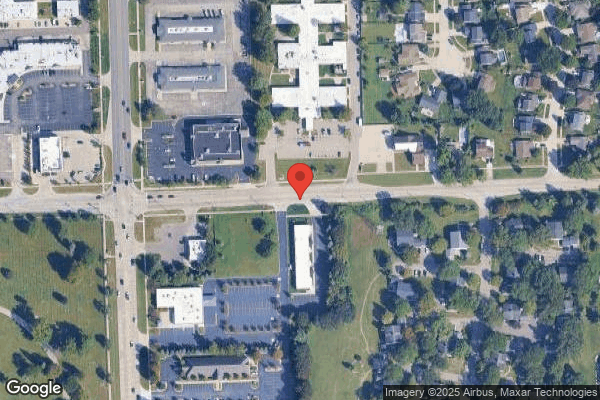
17001 17 Mile Road, Clinton Township, MI 48038 (586) 286-7100
For profit - Corporation 127 Beds MISSION POINT HEALTHCARE SERVICES Data: November 2025
Trust Grade
43/100
#312 of 422 in MI
Last Inspection: June 2025

Inspected within the last 6 months. Data reflects current conditions.

Overview

Mission Point Nursing & Physical Rehabilitation Center has a Trust Grade of D, indicating below-average quality and some concerns about care. It ranks #312 out of 422 facilities in Michigan, placing it in the bottom half, and #27 out of 30 in Macomb County, suggesting limited local options for better care. The facility's performance appears stable, with 12 issues reported both in 2024 and 2025. Staffing is a relative strength, with a turnover rate of 30% that is better than the state average, but there is concerningly less RN coverage than 94% of Michigan facilities, which may affect the quality of care. Notable incidents include a resident being choked by another resident, which indicates serious safety issues, and failures in infection control, such as improperly stored nebulizer masks, raising concerns about hygiene practices. Overall, while there are some strengths, particularly in staffing stability, there are significant weaknesses that families should consider.

Trust Score
D
43/100
In Michigan
#312/422
Bottom 27%
Safety Record
Moderate
Needs review
Inspections
Holding Steady
12 → 12 violations
Staff Stability
○ Average
30% turnover. Near Michigan's 48% average. Typical for the industry.
Penalties
✓ Good
$24,788 in fines. Lower than most Michigan facilities. Relatively clean record.
Skilled Nurses
⚠ Watch
Each resident gets only 16 minutes of Registered Nurse (RN) attention daily — below average for Michigan. Fewer RN minutes means fewer trained eyes watching for problems.
Violations
⚠ Watch
41 deficiencies on record. Higher than average. Multiple issues found across inspections.
★★☆☆☆
2.0
Overall Rating
★★☆☆☆
2.0
Staff Levels
★★★☆☆
3.0
Care Quality
★★☆☆☆
2.0
Inspection Score
Stable
2024: 12 issues
2025: 12 issues

The Good

  • Full Sprinkler Coverage · Fire safety systems throughout facility
  • No fines on record
  • Staff turnover below average (30%)

    18 points below Michigan average of 48%

Facility shows strength in fire safety.

The Bad

2-Star Overall Rating

Below Michigan average (3.1)

Below average - review inspection findings carefully

Staff Turnover: 30%

16pts below Michigan avg (46%)

Typical for the industry

Federal Fines: $24,788

Below median ($33,413)

Minor penalties assessed

Chain: MISSION POINT HEALTHCARE SERVICES

Part of a multi-facility chain

Ask about local staffing decisions and management

The Ugly 41 deficiencies on record

1 actual harm
Jun 2025 12 deficiencies
CONCERN (D) 📢 Someone Reported This

A family member, employee, or ombudsman was alarmed enough to file a formal complaint

Potential for Harm - no one hurt, but risky conditions existed

Deficiency F0578 (Tag F0578)

Could have caused harm · This affected 1 resident

**NOTE- TERMS IN BRACKETS HAVE BEEN EDITED TO PROTECT CONFIDENTIALITY** Based on interview and record review, the facility failed to ensure updated and accurate advance directive (legal documents that...

Read full inspector narrative →
**NOTE- TERMS IN BRACKETS HAVE BEEN EDITED TO PROTECT CONFIDENTIALITY** Based on interview and record review, the facility failed to ensure updated and accurate advance directive (legal documents that allow a person to identify decisions about end-of-life care ahead of time) information was in place for one resident (R57) of one resident reviewed for advance directives. Findings include: A review of R57's medical record revealed they were admitted into the facility on [DATE] with diagnoses which included Cerebral Infarction, Major Depressive Disorder, and Dysphasia. Further review revealed the resident was dependent on staff for transfers and toileting. Upon reviewing the resident's medical record, the resident's code status which was displayed at the top of their medical record revealed the code status of DNR (do not resuscitate). Further review of R57's medical record revealed a document dated and signed by the resident on [DATE] and titled Medical Treatment Decision Form noting a check mark by CPR full resuscitation. I request that in the event my heart and breathing stop, I am given resuscitating measures. On [DATE] at 12:11 PM, an interview was completed with the Nursing Home Administrator (NHA) and was asked about R57's conflicting code status in which the NHA explained the resident changed their mind. On [DATE] at 3:19 PM, an interview was completed with the Director of Nursing (DON) regarding the conflicting code status for R57, and explained the social worker uploaded the new form and failed to notify the nurses so they could update it in the medical record. A review of the facility's Residents' Rights Regarding Treatment and Advance Directives policy revealed the following, .8. Any decision making regarding the resident's choices will be documented in the resident's medical record and communicated to the interdisciplinary team and staff responsible for the resident's care .
CONCERN (D) 📢 Someone Reported This

A family member, employee, or ombudsman was alarmed enough to file a formal complaint

Potential for Harm - no one hurt, but risky conditions existed

Safe Environment (Tag F0584)

Could have caused harm · This affected 1 resident

**NOTE- TERMS IN BRACKETS HAVE BEEN EDITED TO PROTECT CONFIDENTIALITY** Based on observation, interview, and record review, the facility failed to provide a clean and safe environment for one resident...

Read full inspector narrative →
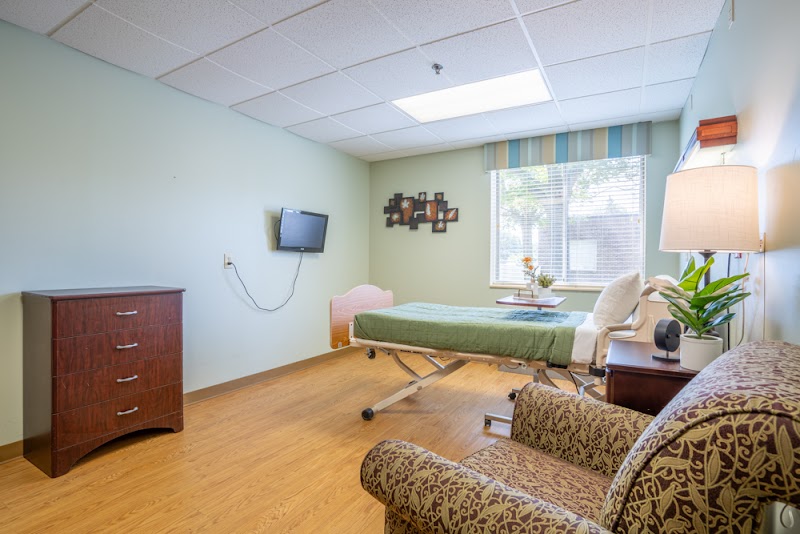
**NOTE- TERMS IN BRACKETS HAVE BEEN EDITED TO PROTECT CONFIDENTIALITY** Based on observation, interview, and record review, the facility failed to provide a clean and safe environment for one resident (R18) of two residents reviewed for homelike environment. Findings include: On 6/02/25 at 10:00 AM, R18 was observed sitting in the wheelchair watching television in their room. A large approximately 12 inch round dark brown stain was noted on the ceiling tile directly above the head of the bed. R18 was asked about the stain and stated that stain was there when he moved there. R18 stated it needs to be fixed and they had mentioned it to someone but nothing had been done. A record review revealed that R18 was admitted on [DATE] with the following medical diagnoses of Hemiplegia and Hemiparesis following Cerebral Infarction and Chronic Obstructive Pulmonary Disease. A review of the Minimum Data Set assessment (MDS) dated [DATE] noted Brief Interview in Mental Status (BIMS) score of 15/15 which indicates intact cognition. On 06/04/25 at 1:40 PM, an observation of R18's room occurred with the Maintenance Director (MD). When asked about the brown stain on the ceiling tile the MD revealed that there was audit ongoing about rooms with concerns. MD stated that their expectation was that resident rooms are in good shape to provide a home like environment. A review of the policy titled Safe and Homelike Environment implemented on 1/21/21 revealed that the facility will provide a safe, clean comfortable and homelike environment, allowing the resident to use his or her personal belongings to the extent possible. Housekeeping and maintenance services will be provided as necessary to maintain a sanitary, orderly and comfortable environment.
CONCERN (D) 📢 Someone Reported This

A family member, employee, or ombudsman was alarmed enough to file a formal complaint

Potential for Harm - no one hurt, but risky conditions existed

PASARR Coordination (Tag F0644)

Could have caused harm · This affected 1 resident

Based on observation, interview, and record reviews the facility failed to follow the recommendation of a OBRA (Omnibus Budget Reconciliation Act) Level II Evaluation for one (R61) of five residents r...

Read full inspector narrative →
Based on observation, interview, and record reviews the facility failed to follow the recommendation of a OBRA (Omnibus Budget Reconciliation Act) Level II Evaluation for one (R61) of five residents reviewed for PASARRs (Preadmission Screen Resident Review). Findings include: A review of R61's medical record revealed they were admitted into the facility on 4/17/23 with diagnoses which included Type II Diabetes, Depression and Hypertension. Further review of the medical record revealed the resident was cognitively intact and independent for transfers. Further review of R61's medical record revealed an OBRA evaluation dated 8/27/24 revealing the following, .O. Recommendations .[R61] would like to move to a senior apartment type setting where [they] could have medical assistance/home healthcare to come in assist [them] with [their] diabetic issues. [R61] appears to have gained insight into the importance of successfully managing [their] diabetes. [R61] wants to live in a less restrictive setting and feels that [they] have gained the skills to be successful. [R61] requires minimal assistance for ADLs (activities of daily living). Lastly, it is recommended that NF (nursing facility) social work staff assist [R61] in searching for a least restrictive setting if the medical team agrees with this plan . Further review of R61's medical record did not reveal documentation that the OBRA recommendations had been addressed or followed up on. On 6/4/25 at 1:25 PM, an interview was completed with R61 regarding their independence and explained that they asked social work about discharging from the facility, and potentially living a more independent life where they would have more freedom. R61 explained that they were, Shot down. R61 explained they feel like everything has been taken from them and would like to experience more joy. On 6/4/25 at 3:21 PM, the Director of Nursing (DON) was asked about the lack of follow-up on the OBRA evaluation recommendations and explained that corporate staff would be looking further into it. No further information was received by the end of the survey. A review of the facility's Resident Assessment - Coordination with PASARR Program policy revealed the following, .b. PASARR Level II - a comprehensive evaluation by the appropriate state-designated authority (cannot be completed by the facility) that determines whether the individual has MD (mental disability), ID (intellectual disability), or related condition, determines the appropriate setting for the individual, and recommends any specialized services and/or rehabilitative services the individual needs .7. Recommendations, such as any specialized services, from a PASARR level II determination and/or PASARR evaluation report will be incorporated into the resident's assessment, care planning, and transitions of care .
CONCERN (D)

Potential for Harm - no one hurt, but risky conditions existed

Deficiency F0657 (Tag F0657)

Could have caused harm · This affected 1 resident

Based on interview and record review, the facility failed to revise a care plan to reflect the resident's current status for one resident (R61), of one resident reviewed for care plan revision. Findin...

Read full inspector narrative →
Based on interview and record review, the facility failed to revise a care plan to reflect the resident's current status for one resident (R61), of one resident reviewed for care plan revision. Findings include: On 6/2/25 at 11:02 AM, R61 was observed sitting up in bed and asked about any concerns they've had in the facility. R61 explained they had a pair of dentures when they first admitted into the facility however, they didn't fit properly. R61 explained they had been seen by the dentist last year in June, in which the dentures were to be realigned however, that has yet to be completed and, they no longer have the dentures. A review of R61's medical record revealed they were admitted into the facility on 4/17/23 with diagnoses which included Type II Diabetes, Depression and Hypertension. Further review of the medical record revealed the resident was cognitively intact and independent for transfers. A review of R61's care plan revealed the following, Focus: I have an ADL (activities of daily living) Self Care Performance Deficit r/t (related to) dx (diagnoses) of mood disorder, DM (Daibetes Mellitus) . type 2, Date Initiated: 04/18/2023 .Inteventions/Tasks: Dentures: I have dentures, please assist me to ensure they fit properly and are securely in place. Date Initiated: 04/18/2023. A review of R61's dental records reveal the following dental exam note dated 6/19/24, .Full impressions taken of ULCD (upper and lower complete dentures) for lab reline .denture was taken to laboratory. Adjust diet PRN (as needed). A review of R61's medical record did not reveal any information regarding the resident's dentures. On 6/4/25 at 3:22 PM, The Director of Nursing (DON) was asked about the resident's dentures, and indicated they had reached out to the previous dental provider and are awaiting a return call. The DON was also asked about the resident's care plan indicating they had dentures but did not, the DON acknowledged the care plan should reflect the resident's current status. A review of the facility's Care Planning policy revealed the following, .5. The comprehensive care plan is developed from the RAI (resident assessment instrument) scheduled and is reviewed and revised by the IDT (interdisciplinary team) as necessary.
CONCERN (D) 📢 Someone Reported This

A family member, employee, or ombudsman was alarmed enough to file a formal complaint

Potential for Harm - no one hurt, but risky conditions existed

ADL Care (Tag F0677)

Could have caused harm · This affected 1 resident

Based on observation, interview, and record review, the facility failed to provide 1:1 feeding assistance for one resident (R47) out of two reviewed for feeding assistance. Findings include: On 6/2/20...

Read full inspector narrative →
Based on observation, interview, and record review, the facility failed to provide 1:1 feeding assistance for one resident (R47) out of two reviewed for feeding assistance. Findings include: On 6/2/2025 at 12:08 PM, R47 was observed eating lunch, unassisted. R47 was observed leaning to their right side and food was on their gown. A review of the meal ticket stated 1:1 feeding assistance. A review of the medical record revealed R47 admitted into the facility on 4/23/2025 with the following medical diagnoses, Multiple Sclerosis and Dysphagia. A review of the most recent Minimum Data Set assessment revealed a Brief Interview for Mental status score of 3/15 indicating an impaired cognition. R47 also required staff assistance with bed mobility and transfers. Further review of the diet order revealed R47 required 1:1 feeding assistance. On 6/3/2025 at 1:14 PM, R47 was noted to be eating lunch unassisted. On 6/4/2025 at 8:56 AM, an interview was conducted with Registered Dietitian (RD) D. RD D indicated that R47 is a 1:1 feed and that they are being followed by Speech Therapy. RD D indicated R47 can feed themselves but does better with 1:1 assist and encouragement. On 6/4/2025 at 9:55 AM, an interview was conducted with the Director of Nursing (DON). The DON reported R47 sometimes eats in the dining room and sometimes in their room. The DON reported the staff pass trays for people that need to be assisted eating last and then assist them with eating. A review of a facility policy titled, Activities of Daily Living noted the following, .3.A resident who is unable to carry out activities of daily living will receive the necessary services to maintain good nutrition, grooming, and personal and oral hygiene.
CONCERN (D) 📢 Someone Reported This

A family member, employee, or ombudsman was alarmed enough to file a formal complaint

Potential for Harm - no one hurt, but risky conditions existed

Pressure Ulcer Prevention (Tag F0686)

Could have caused harm · This affected 1 resident

Based on observation, interview, and record review, the facility failed to implement pressure ulcer (PU) interventions to prevent pressure ulcer reoccurance for one resident (R43) out of two reviewed ...

Read full inspector narrative →
Based on observation, interview, and record review, the facility failed to implement pressure ulcer (PU) interventions to prevent pressure ulcer reoccurance for one resident (R43) out of two reviewed for pressure ulcers. Findings include: On 6/2/2025 at 9:48 AM, R43 was observed in the bed sleeping. R43 was observed laying on their back, heels laying flat on the mattress, no positioning wedges or pillows were noted in the bed. On 6/2/2025 at 11:48AM, R43 was observed to be laying on their back with no positioning devices in place. On 6/2/2025 at 2:03 PM, R43 was observed with their head of bed (HOB) elevated, in a sitting position and sleeping. A review of the medical record revealed R43 admitted in the facility on 11/15/2024 with the following medical diagnoses, Moderate Protein-Calorie Malnutrition and Pressure ulcer of Left Buttock, Stage IV (4- Full-thickness skin and tissue loss with exposed or directly palpable fascia, muscle, tendon, ligament, cartilage or bone in the ulcer). A review of the most recent Minimum Data Set assessment revealed a Brief Interview for Mental Status assessment of 3/15 indicating an impaired cognition. R43 also required staff assistance for bed mobility and transfers. Further review of the most recent wound care note dated 5/28/2025 noted the following, Category: Pressure. Ulcer/Problem Site: Sacral. MDS (Minimum Data Set) Stage:4. Place Acquired. Size in CM (Centimeters) (LXWXD). 2x1.5x1.5 .Preventative Measure in Place .Heels-Offload with heel protectors or Pillow .Repositioning-in the bed and w/chair (wheelchair) as needed, or per facility protocol, if patient cannot do it. On 6/3/2025 at 9:14 AM, 11:06 AM, 12:02 PM, 1:40 PM, R43 was noted to be laying in bed with a positioning wedge on their right side. R43's heels were noted to be laying flat on the mattress. On 6/4/2025 at 9:44 AM, an observation of the wound was completed. On 6/4/2025 at 10:07 AM, an interview was conducted with Unit Manager (UM) B who was also oversaw the wound care program. UM B reported the wound started off as red and when they admitted they put R43 on an air mattress. UM B reported the wound declined rapidly and they put in supplements and have wedges and pads to assist with turning and repositioning. UM B reported they implemented interventions such as turning and repositioning every two hours and wearing heel boots or floating their heels. UM B was informed of the observations of R43 not being turned and repositioned. UM B indicated their expectation is R43 is repositioned frequently depending on the time of day and meals. UM B reports heels should be elevated as tolerated. A review of the facility policy titled, Wound Treatment Management and Documentation noted the following, Policy: To promote wound healing of various types of wounds, it is the policy of this facility to provide evidence-based treatments in accordance with the current standards of practice and physician orders .
CONCERN (D) 📢 Someone Reported This

A family member, employee, or ombudsman was alarmed enough to file a formal complaint

Potential for Harm - no one hurt, but risky conditions existed

Deficiency F0692 (Tag F0692)

Could have caused harm · This affected 1 resident

Based on observation, interview, and record review, the facility failed to implement dietary restrictions for one resident (R45) out of two reviewed for nutrition. Findings include: On 6/1/2025 at 9:5...

Read full inspector narrative →
Based on observation, interview, and record review, the facility failed to implement dietary restrictions for one resident (R45) out of two reviewed for nutrition. Findings include: On 6/1/2025 at 9:51 AM, R45 was observed laying in bed a water cup with a straw was observed next to them dated 6/1/2025 NTL (Nectar Thickened Liquids). A review of the medical record revealed R45 admitted into the facility on 4/29/2025 with the following medical diagnoses, Dysphagia (difficulty swallowing), and Muscle Wasting and Atrophy. A review of the Minimum Data Set (MDS) assessment revealed a Brief Interview for Mental Status score of 9/15 indicating an impaired cognition. R45 also required staff assistance with bed mobility and transfers. A review of the diet order revealed R45 was not to have straws related to Dysphagia. On 6/2/2025 at 10:15 AM, R45 was noted to have a straw in their water cup. On 6/2/2025 at 11:57 AM, R45 was noted to still have a straw in their water cup. A review of their diet ticket also noted no straws. Unit Manager (UM) B was queried as to if R45 should have a straw in their cup. UM B reported they would have to look at the speech orders. On 6/4/2025 at 9:08 AM, an interview was conducted with Occupational Therapist (OT) C. OT C reported R45 is on NTL and can not have a straw and reported if R45 has a straw then they will cough and it's safer to not have a straw to reduce the risk of aspiration (choking). On 6/4/2025 at 9:30 AM, a straw was observed in R45's cup of water. On 6/4/2025 at 9:52 AM, an interview was conducted with the Director of Nursing (DON) and was informed R45 was observed with a straw in their cup. The DON reported they print daily diets and put them on the water carts and they expect for diet orders to be followed. A request for a facility policy addressing special dietary instructions was requested, but not received by end of survey.
CONCERN (D)

Potential for Harm - no one hurt, but risky conditions existed

Respiratory Care (Tag F0695)

Could have caused harm · This affected 1 resident

Based on observation, interview, and record review, the facility failed to safely secure an oxygen cylinder/tank for one sampled resident (R54) of four review for accidents. Findings include: On 6/02...

Read full inspector narrative →
Based on observation, interview, and record review, the facility failed to safely secure an oxygen cylinder/tank for one sampled resident (R54) of four review for accidents. Findings include: On 6/02/25 at 12:15 PM, R54 was observed sitting up in their bed, observed next to the bed was a wheelchair. The wheelchair had an oxygen cylinder/tank that sat in the seat of the wheelchair and leaned on the back of the chair. The oxygen cylinder/tank was observed to have a layer of dust and cobwebs (abandoned spider webs) on it. R54 was asked how long the oxygen cylinder/tank had been in the wheelchair as observed. R54 reported that it has been there a while. R54 was asked to explained a while and R54 was unable to provide a timeline. On 6/4/25 at 9:00 AM, the Director of Nursing (DON) was asked if they were aware of the oxygen cylinder/tank that was in R54's wheelchair. The DON stated, Yes. The DON was asked how oxygen cylinders/tank are to be stored, and explained the tank is to be stored secured in a carrier and once done placed in the oxygen storage room. A review of the facility's policy titled, Oxygen Safety - Gas Storage and Handling dated, 2/25, revealed, Policy: It is the policy of this facility to provide a safe environment for residents, staff, and the public. This policy addresses the use and storage of oxygen and oxygen equipment. Policy Explanation and Compliance Guidelines: 4. Oxygen Storage - a. Oxygen storage locations shall be in an enclosure or within an enclosed interior space of noncombustible or limited-combustible construction, with doors or gates that can be secured against unauthorized entry. b. Storage shall be planned so that cylinders can be used in the order in which they are received from the supplier. Empty cylinders shall be segregated from full cylinders. Empty cylinders will be marked to avoid confusion. c. Cylinders will be properly chained or supported in racks or other fastenings (i.e. sturdy portable carts, approved stands) to secure all cylinders from falling, whether connected, unconnected, full, or empty .
CONCERN (D) 📢 Someone Reported This

A family member, employee, or ombudsman was alarmed enough to file a formal complaint

Potential for Harm - no one hurt, but risky conditions existed

Deficiency F0757 (Tag F0757)

Could have caused harm · This affected 1 resident

**NOTE- TERMS IN BRACKETS HAVE BEEN EDITED TO PROTECT CONFIDENTIALITY** Based on interview and record review, the facility failed to attempt a Gradual Dose Reduction (GDR) for an Antipsychotic (Seroqu...

Read full inspector narrative →
**NOTE- TERMS IN BRACKETS HAVE BEEN EDITED TO PROTECT CONFIDENTIALITY** Based on interview and record review, the facility failed to attempt a Gradual Dose Reduction (GDR) for an Antipsychotic (Seroquel) for one resident (R32) out of one reviewed for GDRs. Findings include: A review of the medical record revealed that R32 admitted into the facility on [DATE] with the following diagnoses, Vascular Dementia and Adjustment Disorder with Anxiety. A review of the most recent Minimum Data Set (MDS) assessment revealed a Brief Interview for Mental Status (BIMS) score of 3/15 indicating a severely impaired cognition. R32 also required staff assistance with bed mobility and transfers. Further review of the active physician orders revealed the following, Seroquel (Antipsychotic) 25 mg (milligrams) by mouth one time a day and Seroquel 50 mg by mouth at bedtime. On 6/4/2025 at 9:22 AM, an interview was conducted with the Nursing Home Administrator (NHA) and a request for any documented GDR attempt was requested but not received by the end of survey. A review of a facility policy titled, Gradual Dose Reduction of Psychotropic Drugs noted the following, Resident's who use psychotropic drugs receive gradual dose reductions and behavioral interventions, unless clinically contraindicated, in an effort to be managed at a lower dose or to discontinue these drugs.
CONCERN (D)

Potential for Harm - no one hurt, but risky conditions existed

Dental Services (Tag F0791)

Could have caused harm · This affected 1 resident

Based on observation, interview, and record review, the facility failed to timely follow-up on dental services related to dentures for one resident (R61) of one resident reviewed for dental services. ...

Read full inspector narrative →
Based on observation, interview, and record review, the facility failed to timely follow-up on dental services related to dentures for one resident (R61) of one resident reviewed for dental services. Findings include: On 6/2/25 at 11:02 AM, R61 was observed sitting up in bed and asked about any concerns they've had in the facility, and explained they had a pair of dentures when they first admitted into the facility however, they didn't fit properly. R61 explained they had been seen by the dentist last year (2024) in June, in which the dentures were to be realigned however, that has yet to be completed and, they no longer have the dentures. R61 explained they were told that a follow-up would occur but hasn't received an update. R61 further explained their jaw has been hurting, making it difficult to chew. A review of R61's medical record revealed they were admitted into the facility on 4/17/23 with diagnoses which included Type II Diabetes, Depression and Hypertension. Further review of the medical record revealed the resident was cognitively intact and independent for transfers. A review of R61's dental records reveal the following dental exam note dated 6/19/24, .Full impressions taken of ULCD (upper and lower complete dentures) for lab reline .denture was taken to laboratory. Adjust diet PRN (as needed). A review of R61's medical record did not reveal any information regarding the resident's dentures. On 6/4/25 at 3:22 PM, the Director of Nursing (DON) was asked about the resident's dentures and indicated they had reached out to the previous dental provider and are awaiting a return call. A review of the Dental Services policy revealed the following, 5. For residents with lost or damaged dentures, the facility will refer the resident for dental services within three days. 6. In the case of an acute dental condition or loss/damage of dentures, the facility will take measures to ensure residents are still able to eat and drink while awaiting dental services. Interventions include, but are not limited to: a. Notifying physician of pain or other needs. b. Modifying diet consistency (i.e. chopped meats). c. Referring to dietician for food preferences during the interim. d. Referral to speech therapist for chewing or swallowing problems .
CONCERN (F) 📢 Someone Reported This

A family member, employee, or ombudsman was alarmed enough to file a formal complaint

Potential for Harm - no one hurt, but risky conditions existed

Staffing Information (Tag F0732)

Could have caused harm · This affected most or all residents

Based on observation, interview, and record review, the facility failed to ensure nurse staffing postings were completed and readily accessible for all 74 residents, families, and visitors in the faci...

Read full inspector narrative →
Based on observation, interview, and record review, the facility failed to ensure nurse staffing postings were completed and readily accessible for all 74 residents, families, and visitors in the facility. Findings include: On 6/4/25 at 2:02 PM, the Nursing Home Administrator (NHA) was requested to provide the daily staff postings for the past 18 months. The NHA provided a 2024 binder and explained they were gathering the 2025 postings. A review of the binder revealed forms dated 11/3/24, 11/6/24, and 7/2/2024 that were incomplete, missing dates, and staffing information. On 6/4/25 at 2:21 PM, the staffing coordinator acknowledged the forms were incomplete. On 6/4/25 at 2:58 PM, the facility provided the 2025 postings for the months of March through June. The postings for January 2025 and February 2025 were not provided by the end of the survey. On 6/4/25 at 2:58 PM, after a review of the postings the NHA was asked about the missing and incomplete forms. The NHA confirmed, the forms were not completed correctly. A review of the facility's policy titled Nurse Staffing Posting Information dated, 3/24, revealed, Policy: It is the policy of this facility to make staffing information readily available in a readable format to residents and visitors at any given time. Policy Explanation and Compliance Guidelines: 1. The nurse staffing information will be posted on a daily basis and will contain the following information: a. Facility name b. The current date c. Facility ' s current resident census d. The total number and the actual hours worked by the following categories of licensed and unlicensed staff directly responsible for resident care per shift: i. Registered Nurses ii. Licensed Practical Nurses/Licensed Vocational Nurses iii. Certified Nurse Aides 2. The facility will post the nurse staffing data at the beginning of each shift . 5. Nursing schedules and posting information will be maintained in the facility for review for at least 18 months or according to state law, whichever is greater .
CONCERN (F) 📢 Someone Reported This

A family member, employee, or ombudsman was alarmed enough to file a formal complaint

Potential for Harm - no one hurt, but risky conditions existed

Infection Control (Tag F0880)

Could have caused harm · This affected most or all residents

Based on observation, interview, and record review, the facility failed to properly store nebulizer masks and a bi-pap mask for three residents (R15, R17, and R25) out of ten reviewed for infection co...

Read full inspector narrative →
Based on observation, interview, and record review, the facility failed to properly store nebulizer masks and a bi-pap mask for three residents (R15, R17, and R25) out of ten reviewed for infection control. Findings include: R15 On 6/2/2025 at 9:53 AM, R15's nebulizer mask was observed sitting on the nightstand with no barrier noted between the mask and the nightstand. R15 explained they use their nebulizer everyday. A review of the medical record revealed that R15 admitted into the facility on 7/9/2024 with the following medical diagnoses, Epilepsy and Personal History of Covid-19. A review of the most recent Minimum Data Set (MDS) assessment revealed a Brief Interview for Mental Status assessment score of 14/15 indicating an intact cognition. R15 also required staff assistance with bed mobility and transfers. R17 On 6/2/2025 at 9:39 AM, R17 was observed in the bed. R17's nebulizer mask and bi-pap mask were observed sitting on the nightstand, no barrier noted between the masks and the nightstand. R17 was asked how often they use the nebulizer and the bi-pap and they replied quite often. A review of the medical record revealed that R17 admitted into the facility on 3/15/2024 with the following medical diagnoses, Hypotension and Anemia. A review of the most recent Minimum Data Set (MDS) assessment revealed a Brief Interview for Mental Status assessment score of 12/15 indicating an intact cognition. R17 also required staff assistance with bed mobility and transfers. R25 On 6/2/2025 at 10:06 AM, R25's nebulizer mask was observed sitting on the nightstand with no barrier noted between the mask and nightstand. A review of the medical record revealed that R25 admitted into the facility on 4/28/2023 with the following medical diagnoses, Dysphagia and Obstructive Sleep Apnea. A review of the Minimum Data Set (MDS) assessment revealed a Brief Interview for Mental Status score of 15/15 indicating an intact cognition. R25 also required staff assistance with bed mobility and transfers. On 6/4/2025 at 10:44 AM, an interview was conducted with the Infection Control Preventionist (ICP) A. ICP A reported that all nebulizer masks should be properly stored in a bag and that bi-pap masks should be cleaned weekly and stored properly in a bag. A review of a facility policy titled, Nebulizer Therapy noted the following, Care of The Equipment .2.Store dry nebulizers mesh bags, clear plastic bag or proper clean storage per the facility's preference.
Aug 2024 1 deficiency
CONCERN (D) 📢 Someone Reported This

A family member, employee, or ombudsman was alarmed enough to file a formal complaint

Potential for Harm - no one hurt, but risky conditions existed

Deficiency F0657 (Tag F0657)

Could have caused harm · This affected 1 resident

**NOTE- TERMS IN BRACKETS HAVE BEEN EDITED TO PROTECT CONFIDENTIALITY** This citation pertains to intake MI00145809. Based on interview and record review the facility failed to ensure the care plan wa...

Read full inspector narrative →
**NOTE- TERMS IN BRACKETS HAVE BEEN EDITED TO PROTECT CONFIDENTIALITY** This citation pertains to intake MI00145809. Based on interview and record review the facility failed to ensure the care plan was updated to reflect the wandering and related fall and bowel and bladder behaviors and document interventions for them. Findings include: A review of an incident report for R901 documented a fall on 06/21/24 and was found at 6:40 AM with a last seen time of 5:30 AM. R901 was sent out to the hospital with a head injury. A physical (rehab) medicine note dated 04/16/24 documented, .evaluated secondary to fall and decline in function . A review of a psychiatric note dated 05/23/24 documented, .Dementia with Behaviors .Last seen by writer 01/31/24, Patient was seen and evaluated and discussed with staff. (R901) is reported to have increased confusion and restlessness .will start risperdal .3/12/24 increased risperdal .noted to wander and can be quite intrusive with peers .per staff the increase in risperdal has not helped .requires constant redirection reported to continue to be impulsive and wanders and intrusive with peers .will initiate depakote (anti seizure medication used for manic episodes in bipolar disease) . A review of the practitioner note dated 06/17/24 documented, .baseline is wandering in particular at night .patient did not answer any questions for examiner . On 08/13/24 at 8:58 AM, a former roommate of R901 reported, R901 had attempted to eat rolled up toilet paper, would go into roommate's closet and take out stuff, walked while in the room, wandered all the time, did have falls, staff would bring resident back to room and not ten minutes later R901 was back out again, did wake up one time with R901's butt hovering over them, R901 often walked around with their pants down and often had pulled up R901's pants. The roommate was asked about incidents with other residents and reported an incident where R901 had a bowel movement all over the bed and laid in it. The roommate further noted R901 had done the same across the hall in another resident's room just before they went out to the hospital on [DATE]. On 08/13/24 at 8:44 AM, Licensed Practical Nurse (LPN) A was asked about R901 and reported, R901 was demented, confused and wandered a lot. LPN A reported R901 was sometimes easy to redirect, often went into other resident rooms taking items and was unsteady when walking. It was also reported R901 would use a wheelchair but sometimes would just get up and walk around and most of residents were familiar, so would they would just tell the staff. On 08/13/24 at 10:03 AM, a visitor reported via the phone that R901 was not monitored well enough and was told different stories by staff and residents about the fall on 06/21/24.The visitor commented they did not feel staff were attentive to R901. On 08/13/24 at 10:58 AM, Certified Nursing Assistant (CNA) B reported R901 had been declining and wandering for months. CNA B reported R901 was a wanderer and would go into other resident's rooms and was sitting on their beds and went into their bathrooms. CNA B reported they had not witnessed this but had heard of incidents of R901 having had bowel incontinence in their own bed. CNA B reported R901 would grab people's stuff and roommates things. CNA B also noted R901 wandered the length of the hall and staff would have to run to catch R901 so they did not fall. On 08/13/24 at 11:00 AM, CNA C reported R901 was a wanderer but easily redirected. On 0/13/24 at 11:05 AM, CNA D reported they had not witnessed any falls and was not aware of any resident to resident incidents that involved R901. CNA D did report R901 was confused and they saw R901 wander into other rooms but was easily redirected. On 08/13/24 at 12:04 PM, Therapy staff F was asked about R901 and reported R901 was often in the hall without a brief on or naked during the evenings and would walk independently and had been on the rehab caseload. Staff F noted R901 would use the furnititure to walk. On 08/13/24 at 1:40 PM, CNA G reported they had worked with R901 off and on and recalled that R901 was confused and wandered but easy to redirect. On 08/13/24 at 3:25 PM, CNA H reported that around 6 AM on 06/21/24, R901 was found next to their bed, seated on the floor with their pants down. CNA reported R901 did not use their call light and that R901's reason for walking around was generally due to the need to use the bathroom. CNA H further reported R901 does roam into other rooms, and gets confused may go out the wrong door of the bathroom and may sit on another resident in their bed. CNA H commented they do try to monitor R901 but that it was kind of hard to be with R901 all the time. On 08/13/24 at 3:45 PM, Social Worker I was asked about R901 and reported they wound see R901 every day. SW I reported R901 was very confused and did have behaviors of getting into their own feces and putting it everywhere. SW I reported R901 just needed eyeballs on them. SW I reported that planning had started for transfer of R901 to a facility with a locked dementia unit but R901 had the fall and was discharged to the hospital. On 08/13/24 at 3:58 PM, the resident involved with R901's defecation on their bed reported R901 had wandered into their room before and they had to direct them back out, but on that day they were out on an appointment. On 08/13/24 at 4:13 PM, the Director of Nursing (DON) was asked about R901 and reported the dementia and roaming had become worse before the incidents and reported they had started to put signs in bathroom to help redirect R901 and put their name in big letters on the door to help R901 find their room. The DON was asked about the fall and reported they think it was related to R901's underlying disease process. The DON was asked about the use of a one to one and reported it had not been considered and that planning had started to have R901 transferred to a locked dementia unit at another facility. A review of the record for R901 revealed R901 was admitted into the facility 01/27/22. Diagnoses on admission included Alzheimer's Disease, Dementia, Muscle Weakness, Difficulty Walking and Hearing Loss. Delirium (per Mayoclinic.org - a serious change in mental abilities resulting in confused thinking and a lack of awareness of ones surroundings) was added 02/09/24. A review of the Minimum Data Set (MDS) assessments revealed, the wandering was not captured on prior assessments. The 05/06/24 nor the 07/04/24 MDS assessments had wandering documented as being present. Cognition was documented as severely impaired. The 05/06/24 MDS documented partial/moderate assitance for toileting hygiene and supervison for transfers and bed mobility. The 07/04/24 MDS documented toileting hygiene, transfer and bed mobility as dependent A review of the active and resolved care plans revealed the care plan Alzheimer's, am at risk for elopement initiated 01/27/22, revised 06/19/24 had Elopement risk assessment on admission, then quarterly and PRN (as needed) as the only intervention and dated 01/27/22. The I am at risk for falls related to unsteady gait . care plan initiated 01/27/22 and revised last 03/07/24 did not documented the wandering behavior. The I use Antidepressant or Mood stabilizer related to Dementia care plan initiated 11/12/23 and last revised 03/07/24 was noted with no new interventions. The care plan did not represent the changes in mobility, wandering and intrusive behaviors identified. On 08/13/24 at 5:37 PM, a care plan and interventions for the indentified wandering and bowel/bladder concerns was requested. The bladder incontinence care plan provided did not identify the inapproriate use of other resident rooms for bowel and bladder needs. The Administrator and DON reported there was not a care plan for the identified concerns. A review of the policy titled, Care Planning implemented 11/2016, revealed, The facility will develop and implement a baseline care plan for each resident that includes the instructions needed to provide effective and person centered care .The comprehensive care plan is developed from the (resident assessment instrument) RAI (MDS) scheduled and is reviewed and revised by the (interdisciplinary team) IDT as necessary.
Apr 2024 10 deficiencies
CONCERN (D) 📢 Someone Reported This

A family member, employee, or ombudsman was alarmed enough to file a formal complaint

Potential for Harm - no one hurt, but risky conditions existed

Deficiency F0578 (Tag F0578)

Could have caused harm · This affected 1 resident

**NOTE- TERMS IN BRACKETS HAVE BEEN EDITED TO PROTECT CONFIDENTIALITY** Based on interview and record review, the facility failed to ensure an Advanced Directive was in place timely for one (R73) of f...

Read full inspector narrative →
**NOTE- TERMS IN BRACKETS HAVE BEEN EDITED TO PROTECT CONFIDENTIALITY** Based on interview and record review, the facility failed to ensure an Advanced Directive was in place timely for one (R73) of four residents reviewed for Advance Directives (AD-legal documents that allows a person to identify decisions about end-of-life care ahead of time), resulting in the potential for a resident's preferences for medical care to not be followed by the facility or other healthcare providers. Findings Include: Review of electronic health record (EHR) on [DATE] at 1:23 p.m. revealed R73 did not have a code status in the banner or a signed advance directive form. Review of an admission Record revealed, R73 originally admitted to the facility on [DATE], and readmitted on [DATE] with pertinent diagnosis which included End Stage Renal Disease and Type 2 Diabetes. Review of a Minimum Data Set (MDS) assessment dated of [DATE] revealed R73 had no cognitive impairment with a Brief interview for Mental Status (BIMS) score of 15 out of 15 and required dialysis. On [DATE] at 8:48 a.m., an Advance Directive was requested for R73. Review of an advance directive dated [DATE] revealed, R73 elected CPR (Cardiopulmonary resuscitation) and yes to all treatment. In an interview on [DATE] at 1:52 p.m., Social Worker (SW) L reported an advance directive should be completed by day three of admission. SW L the reported the AD for R73 was completed today ([DATE]). SW L then reported R73 should have had an advance directive completed prior to today. Review of an Resident's Rights Regarding Treatment and Advance Directives policy revised 3/23 documented the following: Policy: It is the policy of this facility to support and facilitate a resident's right to request, refuse, and/or discontinue medical or surgical treatment and to formulate an advance directive . 1. On admission, the facility will determine if the resident has executed an advance directive . and if not, determine whether the resident would like to formulate an advance directive .
CONCERN (D) 📢 Someone Reported This

A family member, employee, or ombudsman was alarmed enough to file a formal complaint

Potential for Harm - no one hurt, but risky conditions existed

Comprehensive Care Plan (Tag F0656)

Could have caused harm · This affected 1 resident

Based on observation, interview, and record review, the facility failed to initiate a care plan for a newly identified facility acquired pressure ulcer for one resident (R441) of four residents review...

Read full inspector narrative →
Based on observation, interview, and record review, the facility failed to initiate a care plan for a newly identified facility acquired pressure ulcer for one resident (R441) of four residents reviewed for pressure ulcers. Findings include: On 4/23/24 at 9:26 AM, R441 was observed in bed lying on their backside, face grimacing and indicating that they were in pain. On 4/23/24 at 11:37am and 2:23pm, R441 was observed in the same position as they had been earlier that morning. A review of R441's medical record revealed that they were admitted into the facility on 3/5/24 with diagnoses that included Paroxysmal Atrial Fibrillation, Chronic Obstructive Pulmonary Disease, and Depression. Further review of the medical record revealed that the resident was severely cognitively impaired and required total dependence for Activities of Daily Living. Further review of the wound doctor's Visit report for 4/12/24 revealed the following, Wound #1 Sacral is a Stage 3 Pressure Injury Pressure Ulcer and has received a status of Not healed.Sequela wound encounter measurements are 2.2cm (centimeters) length x 2cm width x 0.5cm depth, with an area of 4.4 sq cm (square centimeters) and a volume of 2.2 cubic cm A review of R441's care plan revealed the following, Focus: I am at risk for impaired skin integrity r/t (related to) incontinence. Date initiated: 03/05/2024 . Interventions/Tasks: Assist me to moisturize my skin as needed. Date Initiated: 03/05/2024. Incontinent: Cleanse area and apply barrier cream to buttock/peri area after incontinence episodes, per my preference and as I permit. Date initiated: 03/05/2024 . Further review of the care plan did not reveal a care plan addressing R441's newly acquired pressure ulcer. On 4/25/24 at 2:04 PM, an interview was completed with the Director of Nursing (DON) regarding the lack of implementation of care planned interventions, and she explained that the care plan should reflect the resident's current status. A review of the facility's Skin and Pressure Injury Risk Assessment and Prevention policy revealed the following, 12. Interventions for Prevention and to Promote Healing a. After completing a thorough assessment/evaluation, the interdisciplinary team shall develop a relevant care plan that includes measurable goals for prevention and management of pressure injuries with appropriate interventions. b. Interventions will be based on specific factors indemnified in the risk assessment, skin assessment, and any pressure injury assessment .
CONCERN (D) 📢 Someone Reported This

A family member, employee, or ombudsman was alarmed enough to file a formal complaint

Potential for Harm - no one hurt, but risky conditions existed

Pressure Ulcer Prevention (Tag F0686)

Could have caused harm · This affected 1 resident

**NOTE- TERMS IN BRACKETS HAVE BEEN EDITED TO PROTECT CONFIDENTIALITY** Based on observation, interview and record review the facility failed to ensure one resident (R441) of four residents reviewed w...

Read full inspector narrative →
**NOTE- TERMS IN BRACKETS HAVE BEEN EDITED TO PROTECT CONFIDENTIALITY** Based on observation, interview and record review the facility failed to ensure one resident (R441) of four residents reviewed were repositioned timely and appropriately resulting in an acquired pressure ulcers (damage to skin and underlying tissue over bony areas). Findings include: On 4/23/24 at 9:26 AM, R441 was observed lying on their back. R441 heels were on bed surface with a small foam boot around her right ankle and another small foam boot lying under the left calf. A review of the facility's electronic medical record (EMR) revealed that R441 was admitted on [DATE]. Diagnoses include Atrial Fibrillation, Myocardial Infarction (heart attack), Chronic Obstructive Pulmonary Disease, Anxiety Disorder, Chronic Kidney Disease, Morbid Obesity (severe), Dysphagia, Low Back Pain, and Dementia. R441's Minimum Data Set (MDS) revealed severe cognitive impairment. On 4/23/24 at 11:37 AM and 2:30 PM, R441 was observed lying on their back with heels on surface of bed. No heel protection in place On 4/24/24 at 9:04 AM, R441 was observed lying mostly on their back, slightly turned to the side with a flat pillow partially under left upper body. R441's small foam boots were around lower calf with heels on bed surface. On 4/25/24 at 10:10 AM and 2:15 PM, R441 was observed lying on the right side with a wedge holding R441 off their buttocks. There was no heel protection in place. On 4/25/24 at 10:05 AM, Nurse C was queried regarding R441. Nurse C, when queried about repositioning schedules, documentation of repositioning, or documentation of refusal to reposition could be found, they replied that they did not know where refusal to reposition was documented. Nurse C was asked how they know if resident needs assisted repositioning and if it is being done. Nurse C stated, I would look at the resident as I am passing meds or doing treatments to see if residents are in different positions. On 4/25/24 at 11:19 AM, an interview with Certified Nursing Assistant (CNA), A revealed that she is not a regular on the floor but works on this unit often. CNA A was queried as to how she knows when a resident should be repositioned. CNA A indicated a schedule attached to their ID badge that has a picture for the position assigned when residents are repositioned every 2 hours. On 4/25/24, at 1:04 PM, CNA B was queried regarding where they document refusal to reposition. CNA B stated they were not sure. Then offered to demonstrate the Kiosk documentation where charting is done. They related they tell the nurse when a resident refuses to reposition after a few times. Review of the Electronic Medical Record (EMR) Nurse Practitioner O on 4/3/24, revealed .a stage three pressure ulcer on coccyx today. The note further revealed an order for z-guard (protective cream) and every two hour turns with a follow up for wound care on Friday. Review of the EMR, dated 4/5/24, revealed Wound Care Practitioner H (WCP) evaluated R441's sacral wound as follows: revealed a referral for developed ulcer on the sacrum (buttock area). R441 wanted to be left alone. R441 is on a foam pressure reducing mattress. WCP G documented the following findings: Sacral is a Stage three Pressure Injury Pressure Ulcer (full thickness tissue loss) and has received a status of Not Healed. Initial wound encounter measurements are two-point-five centimeters (cm) length by two centimeters (cm) in width by zero-point-three centimeters (cm) in depth, with an area of five square cubic centimeters. There is a small amount of sero-sanguineous drainage noted. The patient reports a wound pain of level five of a possible 10 on a scale of one to ten, with one being no pain, to ten being excruciating pain. The wound margin is well defined. Wound bed is 26-50% granulation (healthy tissue), 26-50% slough (non-healthy). The periwound (area surrounding the open area of the wound) skin texture, moisture and color is normal. Periwound skin does not exhibit signs and symptoms of infection. Review of the EMR, dated 4/6/24, the weekly Skin Sweep identified a discoloration that was on R441's forehead from a previous fall. The sacral wound was not identified. On 4/25/24, a review of the EMR, dated 4/8/24, a Braden Scale Score (risk prediction for wound development covering six areas, with scores of one to four) of 16 indicating that the resident was at Mild Risk for development of a wound. On 4/2/24, a review of the EMR for R441 revealed a Treatment Administration Record (TAR) indicated the first wound treatment order occurred on 4/11/24. Review of R441's EMR revealed that there was not a care plan for pressure wound care or prevention and there is no care plan addressing floating the heels. Review of R441's [NAME] (a document used by certified nursing assistants to guide the care required) required documentation for floating heels as care planned. The document has three areas for documentation daily. Between 4/12/24 and 4/25/24, there are three incidents of documentation that indicated that the heels were not floated. Those incidents are 4/13/24 at 10:30 PM, 4/14/24 at 2:19 AM and 4/22/24 at 6:09 PM. On 4/25/24 at 1:35 PM, an interview with Director of Nursing (DON) was conducted, and she was inquired about her expectation for repositioning changes. She explained that repositioning should occur regularly based on the residents' needs. When queried regarding documentation of repositioning, the DON revealed that the repositioning schedule indicated by CNA A is not a (facility) practice. When queried further about R441, DON indicated that R441 could stand so did not see the need for this type of care plan. Further query as to where refusals for repositioning are documented, she did not respond. A review of the facility policy titled Skin & Pressure Injury Risk Assessment and Prevention revealed the following, Residents determined as at risk for developing pressure injuries will have the interventions documented in plan of care based on specific factors identified in the risk assessment . Evidence based interventions for prevention will be implemented for residents who are assessed at risk and/or who have a pressure injury present. Basic or routine care interventions could include but are not limited to: Redistribute pressure, provide appropriate, pressure-redistributing, support surface. Evidence-based treatment in accordance with standards of practice will be provided for all residents who have a pressure injury present.
CONCERN (D) 📢 Someone Reported This

A family member, employee, or ombudsman was alarmed enough to file a formal complaint

Potential for Harm - no one hurt, but risky conditions existed

Deficiency F0692 (Tag F0692)

Could have caused harm · This affected 1 resident

**NOTE- TERMS IN BRACKETS HAVE BEEN EDITED TO PROTECT CONFIDENTIALITY** Based on observation, interview, and record review, the facility failed to provide and document weight loss interventions for on...

Read full inspector narrative →
**NOTE- TERMS IN BRACKETS HAVE BEEN EDITED TO PROTECT CONFIDENTIALITY** Based on observation, interview, and record review, the facility failed to provide and document weight loss interventions for one resident (R5) of two residents reviewed for nutrition resulting in weight loss. Findings include: On 4/23/24 at 10:44 AM, R5 was observed lying in bed in a fetal position. R5's appearance was very thin and emaciated (muscle and fat loss) with skeletal appearance and visible bones beneath skin surface, sunken cheeks, and very thin arms and legs. R5's water pitcher was observed with thickened liquid and a straw on his overbed table. A review of the facilities electronic medical record (EMR) revealed that R5 was admitted on [DATE]. R5's diagnoses included Metabolic Encephalopathy, Adult Failure to Thrive, Urinary Tract Infection, Diabetes Mellitus, Intracerebral Hemorrhage, Protein-Calorie Malnutrition, Hypertension, and Dysphagia. A review of the Minimum Data Set (MDS) revealed a severe cognitive impairment. 4/24/24 at 12:16 PM, R5 was observed in bed, with head of bed elevated to 45 degrees while eating pureed lunch foods, no heel boots on, heels on bed surface. Thick opaque liquid in cup with straw. No supplements on tray. On 4/24/24 at 4:53 an interview with the Registered Dietician E (RD) revealed they were aware of the significant weight loss of 17.97% over a 6-month period and confirmed R5 is receiving hospice services. RD E also revealed that R5 was provided supplements in the past with Med Pass (a supplement to be given while medications are passed) of 120 milliliters (ml) given with medication, and Mighty Shakes 120 milliliters (ml) per meal. RD E revealed resident often refused these supplements and they went to waste. They further stated that when R5 changed they're status to hospice, they no longer received supplements. On 4/24/24 at 5:10 PM, the EMR revealed that R5 had an order on September 8, 2023 for Med Pass 120 ml (milliters) and Mighty Shakes, 120 ml with meals. Supplement administration continued thru October 7, 2023, when resident was hospitalized . Further review revealed no incident of refusal to consume the med pass supplement or Mighty Shakes. The med pass and Mighty Shake order was not resumed on R5's return from the hospital. The EMR revealed an order for Hospice upon his return from the hospital. A review of the EMR revealed R5 was discharged to the hospital on [DATE]. The weight on 10/6/23 was 118 pounds. R5 returned to the facility on [DATE]. The next documented weight on 1/8/24 was 110 pounds. A record review revealed a steady decline in R5's weight. -5/7/23 - 136.4 pounds. -6/12/23 - 136.6 pounds. -7/18/23 - 135 pounds. -8/3/23 - 134.8 pounds -9/7/23 - 129 pounds Review of nutritional summary on 1/23/24 revealed that R5 was on a regular puree diet with mild/nectar thick liquids. Care planning was to document daily food acceptance of provided altered texture meals. The summary revealed that R5 was consuming 75% or more of most meals. Caloric needs were revealed to be 1875-2250kcal per day with 75-90 grams of protein. The summary further reveals that R5 has history of non-compliance with his diet order and understands the risks. RD E further revealed that down trending weight loss may be anticipated related to medical diagnosis. A nutritional summary dated 4/24 revealed R5 was consuming about 50% or more of his lunch on that date. The nutritional summary further revealed that R5's appetite fluctuated so that he was consuming 25-100% of his meal. On 4/25/24 an interview with the Director of Nursing (DON) revealed that all residents were to be assessed and receive interventions appropriate to their needs whether or not they are utilizing hospice services.
CONCERN (D) 📢 Someone Reported This

A family member, employee, or ombudsman was alarmed enough to file a formal complaint

Potential for Harm - no one hurt, but risky conditions existed

Tube Feeding (Tag F0693)

Could have caused harm · This affected 1 resident

**NOTE- TERMS IN BRACKETS HAVE BEEN EDITED TO PROTECT CONFIDENTIALITY** Based on observation, interview, and record review, the facility failed to administer a tube feeding in accordance with the phys...

Read full inspector narrative →
**NOTE- TERMS IN BRACKETS HAVE BEEN EDITED TO PROTECT CONFIDENTIALITY** Based on observation, interview, and record review, the facility failed to administer a tube feeding in accordance with the physician's orders for one resident (R81) of one resident reviewed for tube feeding, resulting in the potential for weight loss and dehydration. Findings include: In an observation on 4/23/24 at 9:13 a.m., R81 had a tube feeding pump in room with no feeding running. Review of an admission Record revealed, R81 originally admitted to the facility on [DATE], and readmitted on [DATE] with pertinent diagnosis which included severe protein-calorie malnutrition and dysphagia (difficulty swallowing). Review of a Minimum Data Set (MDS) assessment dated of 1/9/24 revealed R81 had cognitive impairment with a Brief interview for Mental Status (BIMS) score of 00 out of 15 (indicating severely impaired cognition) and required a feeding tube. Review of Physician orders revealed R81 had an order for Jevity 1.5 (tube feeding formula) one time a day to be up at 5pm until dose complete. Review of a Medication Administration Record (MAR) for March through April 2024 revealed Jevity 1.5 not documented as given on 3/1, 3/3, 3/5, 3/17, 3/21, 4/10, 4/11, and 4/19/24. Residual checks not documented as being checked on 3/1, 3/2, 3/8, 3/12, 3/15-3/17, 3/21, 3/24, and 3/25/24. In an interview on 4/24/24 at 12:20 p.m., Licensed Practical Nurse (LPN) M was asked how often is R81's residual checked. LPN M replied residual should be checked before tube feedings and medication administration. LPN M then reported there should be an order to check residual. In an interview on 4/25/24 at 10:26 a.m. the Director of Nursing (DON) was asked about documentation of R81's tube feeding administration. The DON stated, If it's not documented it's not done. The DON then reported the nurse should document after administering the tube feeding. The DON reported the Physician said checking residual is not necessary for residents with tube feedings. The DON then reported in the event a resident is having a problem with the PEG (tube inserted in stomach for nutrition) tube, documenting residuals would be appropriate. In an interview on 4/25/24 at 2:00 p.m., Nurse Practitioner (NP) O reported residents with chronic tube feedings do not require consistent residual checks. NP O then reported residual checks are only required when there is an identified concern with the PEG tube or feeding. Review of a Care and Treatment of Feeding Tubes policy revised 6/23 documented the following: It is the policy of this facility to utilize feeding tubes in accordance with current clinical standards of practice, with interventions to prevent complications to the extent possible. 1. Feeding tubes will be utilized according to physicians orders . 4. Tube placement will be verified before beginning a feeding and before administering medications .
CONCERN (D) 📢 Someone Reported This

A family member, employee, or ombudsman was alarmed enough to file a formal complaint

Potential for Harm - no one hurt, but risky conditions existed

Deficiency F0698 (Tag F0698)

Could have caused harm · This affected 1 resident

**NOTE- TERMS IN BRACKETS HAVE BEEN EDITED TO PROTECT CONFIDENTIALITY** Based on observation, interview, and record review, the facility failed to obtain Physicians orders for dialysis treatment and t...

Read full inspector narrative →
**NOTE- TERMS IN BRACKETS HAVE BEEN EDITED TO PROTECT CONFIDENTIALITY** Based on observation, interview, and record review, the facility failed to obtain Physicians orders for dialysis treatment and to monitor the dialysis site (catheter) for one (R73) of one resident reviewed for dialysis services, resulting in the potential for undetected complications associated with receiving dialysis, including bleeding, infection, and site failure. Findings include: In an interview on 4/24/24 at 9:14 a.m., Licensed Practical Nurse (LPN) M reported R73 has dialysis on Monday, Wednesday, and Fridays. Review of an admission Record revealed, R73 originally admitted to the facility on [DATE], and readmitted on [DATE] with pertinent diagnosis which included End Stage Renal Disease and Type 2 Diabetes. Review of a Minimum Data Set (MDS) assessment dated of 3/1/24 revealed R73 had no cognitive impairment with a Brief interview for Mental Status (BIMS) score of 15 out of 15 and required dialysis. Review of Physician orders revealed R73 did not have an order for dialysis or to monitor the dialysis site. In an interview on 4/24/24 at 11:49 a.m., LPN M reported R73 should have an order for dialysis and it usually pops up in the MAR (Medication Administrtion Record). LPN M and LPN N confirmed there was no order for R73 to receive dialysis. In an interview on 4/24/24 at 11:53 a.m., LPN N reported there should be an order to monitor R73's dialysis site (catheter or fistula). In an interview on 4/24/24 at 11:56 a.m., LPN M reported there is a discontinued order for R73 to receive dialysis on 4/19/24 that was never reactivated when R73 readmitted to the facility. Reviewed of dialysis communication sheets for March and April 2024 revealed R73'dialysis site not assessed or documentded on the form. In an observation on 4/24/24 at 1:34 p.m., R73 was observed with a port in right upper chest. In an interview on 4/25/24 at 10:30 a.m., the Director of Nursing (DON) reported should have an order to receive dialysis. The DON then reported R73's order for dialysis was active before being discharged . and orders were not reactivated. Review of a Dialysis Special Needs Care policy revised 6/23 documented the following: This facility will provide the necessary care and treatment, consistent with professional standards of practice, physician orders . to meet the special medical, nursing, mental, and psychosocial needs of residents receiving dialysis .
CONCERN (D)

Potential for Harm - no one hurt, but risky conditions existed

Deficiency F0761 (Tag F0761)

Could have caused harm · This affected 1 resident

Based on observation, interview, and record review, the facility failed to monitor the temperatures of one of one medication refrigerator that stored drugs and biologicals. Findings include: On 4/25/2...

Read full inspector narrative →
Based on observation, interview, and record review, the facility failed to monitor the temperatures of one of one medication refrigerator that stored drugs and biologicals. Findings include: On 4/25/24 at 9:50 AM, the Station One medication refrigerator was viewed with Licensed Practical Nurse (LPN F). The temperature log for April 2024 had no documentation for the AM shift, and three days missing on the PM shift: 4/23, 4/24, and 4/25. The temperature log for March 2024 was missing multiple days without refrigerator temperature documentation that included no temperatures taken on the AM shift, and no documentation on 3/29, 3/30, and 3/31. The temperature log for February was missing the following temperature documentation for the AM shift: 2/1, 2/2, 2/4, 2/6, 2/8, 2/16, and 2/21-2/29, and no PM temperature documentation for 2/1, 2/2, 2/3, 2/5, 2/9, 2/16, 2/19 and 2/24. The temperature log for January was missing the following temperatures during the AM shift: 1/3, 1/4, 1/5, 1/8, 1/9, 1/11, 1/13, 1/15-1/17, 1/22, 1/23, 1/25. 1/27, 1/31, and no PM temperature documentation on: 1/13, 1/27, and 1/29. Licensed Practical Nurse (LPN) F was asked about the missing documentation, and acknowledged the missing dates, and stated, This is embarrassing. On 4/25/24 at 2:05 PM, the Director of Nursing (DON) was informed of the surveyor's observation in the Station One medication room, and explained that the expectation is that the temperature logs be completed on both the AM and PM shifts. The facility's Storage and Stability of Selected Medications was reviewed and did not address the monitoring of medication refrigerator temperatures.
CONCERN (E) 📢 Someone Reported This

A family member, employee, or ombudsman was alarmed enough to file a formal complaint

Potential for Harm - no one hurt, but risky conditions existed

Deficiency F0680 (Tag F0680)

Could have caused harm · This affected multiple residents

Based on interview and record review, the facility failed to ensure the Activities Director met the required professional qualifications. Findings include: On 04/25/24 at 9:37 AM, the facility Activit...

Read full inspector narrative →
Based on interview and record review, the facility failed to ensure the Activities Director met the required professional qualifications. Findings include: On 04/25/24 at 9:37 AM, the facility Activities Director (AD) was interviewed and reported they had been in the AD position for approximately one month. The AD reported they are a Physical Therapy Assistant (PTA) and they had been working in the facilities therapy department prior to accepting the AD position. The AD reported they planned to take college classes to pursue Therapeutic Recreation-related credentialing but they were not currently participating in this training/education. On 04/25/24 at 1:06 PM, the AD reported they transitioned directly from the therapy dept. to the AD position and they did not have recent/previous experience in an Activities department. On 04/25/24 at 1:30 PM, the facility Administrator (NHA) acknowledged the current AD did not meet the required professional qualifications. The NHA reported the facility had provided the AD with the resources to pursue their credentialing for the position and arranged for the AD to receive mentoring from the AD from a sister facility, however these processes were not completed prior to the AD assuming the positions role and responsibilities in the facility. Review of the facility policy Activities Director Qualifications dated 01/01/24 revealed the Policy statement This facility ' s activities program is directed by a qualified professional. The Policy Explanation and Compliance Guidelines included the following entries: 1. The Activity Director, at a minimum, shall meet the following qualifications: a. Licensed or registered, if applicable, by the State in which practicing; and b. One or more of the following: i. Eligible for certification as a therapeutic recreation specialist or as an activities professional by a recognized accrediting body on or after October 1, 1990; ii. Has 2 years of experience in a social or recreational program within the last 5 years, one of which was full-time in a therapeutic activities program; iii. Is a qualified occupational therapist or occupational therapy assistant; or iv. Has completed a training course approved by the State. 2. Qualifications shall be verified prior to hire as Activity Director.
CONCERN (F) 📢 Someone Reported This

A family member, employee, or ombudsman was alarmed enough to file a formal complaint

Potential for Harm - no one hurt, but risky conditions existed

Deficiency F0679 (Tag F0679)

Could have caused harm · This affected most or all residents

This citation pertains to Intake M100143094. Based on interview and record review, the facility failed to provide adequate, meaningful weekend activities for facility residents including eight anonymo...

Read full inspector narrative →
This citation pertains to Intake M100143094. Based on interview and record review, the facility failed to provide adequate, meaningful weekend activities for facility residents including eight anonymous group participants. Findings include: On 04/24/24 at 2:29 PM, eight anonymous group participants indicated the facility no longer had activities department staff working on the weekends and no organized or meaningful activities were being provided or facilitated. The group participants reported being bored and having nothing to do on weekends. Review of the facility Activities calendar for March and April 2024 revealed all Saturdays stated Independent leisure activities can be found in the dining room and all Sundays stated 10 AM Independent activity and 1:30 PM Afternoon Worship. On 04/25/24 at 9:37 AM, the facility Activities Director (AD) reported the facility no longer employed Activities aides. The AD reported they work a full time day shift schedule and therefore there are no dedicated Activities department employees scheduled on weekends. The AD reported they set up items (board games, coordination games, etc.) in the dining room for residents to use on weekends and the Certified Nursing Assistants (CNAs) and other staff can assist residents to access these items. On 04/25/24 at 1:30 PM, the facility Administrator (NHA) reported the facilities Activities aides positions were eliminated and verified that there are no dedicated Activities department staff scheduled on weekends. The NHA reported in response to these staffing changes the facility has instructed other facility staff such as CNAs and nurses to assist in facilitating activities on the weekends. On 04/25/24 at 2:29 PM, the NHA reported their expectation was non-Activities department staff such as CNAs and nurses would be able to satisfactorily assist residents to participate in meaningful weekend activities in a manner that was not insufficient compared to weekday Activities programming. Review of the facility policy Activities dated 01/01/24 revealed the Policy statement It is the policy of this facility to provide an ongoing program to support residents in their choice of activities based on their comprehensive assessment, care plan, and preferences.
CONCERN (F)

Potential for Harm - no one hurt, but risky conditions existed

Food Safety (Tag F0812)

Could have caused harm · This affected most or all residents

Based on observation, interview, and record review, the facility failed to maintain sanitary conditions in the kitchen. This deficient practice had the potential to affect all residents that consume f...

Read full inspector narrative →
Based on observation, interview, and record review, the facility failed to maintain sanitary conditions in the kitchen. This deficient practice had the potential to affect all residents that consume food from the kitchen. Findings include: On 4/23/24 between 8:45 AM-9:30 AM, during an initial tour of the kitchen, the following items were observed: There was a personal cell phone on the food preparation counter. On 4/23/24 at 11:15 AM, Dietary Manager (DM) P confirmed the cell phone should not have been left on the food preparation counter. According to the 2017 FDA Food Code section 3-307.11 Miscellaneous Sources of Contamination, FOOD shall be protected from contamination that may result from a factor or source not specified under Subparts 3-301 - 3-306. The flour bin located inside the dry storage room was observed with the scoop stored inside the bin, with the handle resting in the flour. On 4/23/24 at 11:17 AM, DM P confirmed the scoop should not have been stored inside the flour. According to the Food & Drug administration (FDA) 2017 Model Food Code, Section 3-304.12 In-Use Utensils, Between-Use Storage, During pauses in food preparation or dispensing, food preparation and dispensing utensils shall be stored: .(B) In FOOD that is not TIME/TEMPERATURE CONTROL FOR SAFETY FOOD with their handles above the top of the FOOD within containers or EQUIPMENT that can be closed, such as bins of sugar, flour, or cinnamon; There was a box of orange juice concentrate stored on the floor, being utilized to prop open the dry storage room door. According to the 2017 FDA Food Code section 3-305.11 Food Storage, 1. (A) Except as specified in (B) and (C) of this section, FOOD shall be protected from contamination by storing the FOOD: 1. (1) In a clean, dry location; 2. (2) Where it is not exposed to splash, dust, or other contamination; and 3. (3) At least 15 cm (6 inches) above the floor. The top surface of the Southbend steamer was observed with a buildup of grease and crumbs. According to the 2017 FDA Food Code section 4-602.13 Nonfood-Contact Surface, Nonfood-contact surfaces of equipment shall be cleaned at a frequency necessary to preclude accumulation of soil residues. There was a wet wiping cloth lying on the food preparation counter. The rag was not stored inside sanitizer bucket, and there were no prepared sanitizer buckets anywhere in the kitchen. According to the 2017 FDA Food Code, Section 3-304.14 Wiping Cloths, Use Limitation, .(B) Cloths in-use for wiping counters and other equipment surfaces shall be: (1) Held between uses in a chemical sanitizer solution at a concentration specified under § 4-501.114; There was dried food splatter on the inside surface of the microwave. According to the 2017 FDA Food Code section 4-601.11 Equipment, Food-Contact Surfaces, Nonfood-Contact Surfaces, and Utensils, .(C) Nonfood-contact surfaces of equipment shall be kept free of an accumulation of dust, dirt, food residue, and other debris. The shelf at the front of the steam table was warped, with large cracks and exposed, porous particle board. The surface of the shelf was no longer smooth and easily cleanable. When queried on 4/23/24 at 11:25 AM, DM P stated a new shelf would be ordered. According to the 2017 FDA Food Code section 4-101.19 Nonfood-Contact Surfaces, NonFOOD-CONTACT SURFACES of EQUIPMENT that are exposed to splash, spillage, or other FOOD soiling or that require frequent cleaning shall be constructed of a CORROSION-RESISTANT, nonabsorbent, and SMOOTH material. Dietary staff members Q and R were observed using the dish machine. When queried about how to check the dish machine for adequate sanitization, Dietary Staff Q stated she was new and did not know. Dietary Staff R stated she would check the dial for the wash and rinse temperature. When queried about checking the chemical sanitizer level for the low temperature, chemical sanitizing dish machine, Staff R stated she did not know how to do that. The log for documenting the sanitization of the dish machine was blank on 4/22 dinner and 4/23 breakfast. According to the 2017 FDA Food Code section 4-501.116 Warewashing Equipment, Determining Chemical Sanitizer Concentration, Concentration of the SANITIZING solution shall be accurately determined by using a test kit or other device. Pf
Mar 2024 1 deficiency
CONCERN (D) 📢 Someone Reported This

A family member, employee, or ombudsman was alarmed enough to file a formal complaint

Potential for Harm - no one hurt, but risky conditions existed

Accident Prevention (Tag F0689)

Could have caused harm · This affected 1 resident

**NOTE- TERMS IN BRACKETS HAVE BEEN EDITED TO PROTECT CONFIDENTIALITY** This citation pertains to Intake MI00141330. Based on interview and record review, the facility failed to follow care plan inter...

Read full inspector narrative →
**NOTE- TERMS IN BRACKETS HAVE BEEN EDITED TO PROTECT CONFIDENTIALITY** This citation pertains to Intake MI00141330. Based on interview and record review, the facility failed to follow care plan interventions to prevent a fall for one resident (R701) of two residents reviewed for falls. Findings include: On 3/6/24 at 10:27 AM, a review of R701's electronic medical record (EMR) revealed the following progress note, 10/28/23 14:37 (2:37 PM): CNA (Certified Nursing Assistant) notified writer resident was on floor laying on their stomach, resident fell out of bed during a check and change, resident stated 'I didn't hit my head during the fall.' On 3/6/24 at 10:30 AM, a Post-fall/Fall Risk Assessment involving R701 was reviewed and revealed the following, Briefly .described what occurred: CNA notified writer resident was on floor lying on their stomach, resident fell out of bed during a check and change, resident stated, 'I didn't hit my head during the fall.' Date and Time of incident: 10/28/23 12:00. Was the resident injured? No injuries observed. On 3/6/24 at 10:40 AM, R701's care plan was reviewed and revealed the following intervention, I require [two person] assist with staff participation for mobility/bed mobility. Date Initiated: 10/24/2023. On 3/6/24 at 10:45 AM, further review of R701's EMR revealed that R701 was admitted to the facility on [DATE] with diagnoses that included, Congestive heart failure and Chronic Obstructive pulmonary disease (COPD) (Lung disease). R901's most recent minimum data set assessment (MDS) dated [DATE] revealed that R701 required, Substantial/maximal assistance to roll left and right on the bed. R701 was discharged from the facility on 11/20/23. On 3/6/24 at 11:00 AM, CNA A was interviewed regarding the fall involving R701 on 10/28/23. CNA A indicated that they rolled R701 away from them to change [R701's] brief and [R701], Rolled out of the bed. CNA A was asked if R701 was a two person assist for bed mobility. CNA A stated, I hope not. On 3/6/24 at 11:55 AM, the Director of Nursing (DON) was interviewed regarding their expectations for staff following interventions on resident care plans. The DON stated, That is the expectation, care plan interventions should be followed. On 3/6/24 at 12:35 PM, a facility policy titled, Fall Reduction Policy Date Reviewed/Revised .4/23 was reviewed and stated the following, Policy: Our residents have the right to be free from falls .Policy Explanation and Compliance Guidelines: 2. The nurse will initiate interventions on the resident's baseline care plan in accordance with the resident's identified risks.
Nov 2023 1 deficiency 1 Harm
SERIOUS (G) 📢 Someone Reported This

A family member, employee, or ombudsman was alarmed enough to file a formal complaint

Actual Harm - a resident was hurt due to facility failures

Free from Abuse/Neglect (Tag F0600)

A resident was harmed · This affected 1 resident

**NOTE- TERMS IN BRACKETS HAVE BEEN EDITED TO PROTECT CONFIDENTIALITY** This citation pertains to intakes MI00140142 and MI00139650. Based on observation, interview and record review, the facility fai...

Read full inspector narrative →
**NOTE- TERMS IN BRACKETS HAVE BEEN EDITED TO PROTECT CONFIDENTIALITY** This citation pertains to intakes MI00140142 and MI00139650. Based on observation, interview and record review, the facility failed to protect the resident's right to be free from physical abuse for one resident (R602) of three reviewed for abuse resulting in R602 being choked by R603, causing small scratch around R602's neck. Findings include: A review of the intake allegation noted, Details: It was reported there was a resident to resident physical abuse incident that did not result in injury. A review of R603's progress notes revealed, 8/14/2023 06:11 Nursing Progress Note Text: Patient is being combative with assigned CNA (Certifed Nursing Assistant). CNA was completing morning rounds and attempted to change patient's clothes, but patient began to become aggressive toward CNA and CNA notified writer. 8/14/2023 20:17 (9:17 PM), Nursing Progress Note Text: Resident came out of room and became physical with another resident (R602). Resident would not let go until staff had to grab [R603]. Resident then became aggressive with CNA. Resident was assisted back to room and Physician notified. ADON (Assistant Director of Nursing) was notified and requested resident be petitioned out. Resident is a one on one until EMS (Emergency Medical Systems) arrives. Family notified that resident cannot return without contacting administrator. On 11/06/23 at 3:08 PM, CNA A was called and asked about the incident with R603 and R602. CNA A stated, I was coming out of a resident's room and I saw (R603) in front of (R602). (R603) grabbed (R602) by the throat, (R603) was close to (R603's) ear saying something, I don't know what (R603) was saying. I took (R603's) hands from around (R602's) throat. CNA A was asked if R603 had a history of being aggressive towards residents or staff. CNA A stated, I don't know, I had not been there long enough, but (R603) did have a foul mouth. CNA A was asked how was R602 after the incident, CNA A explained, R602's face and neck were red. Nurse B was asked about the incident and stated, I was sitting at the desk, and I looked up and saw (R603) with (R602) in a choke hold. I separated them and the CNA took (R603), I took (R602) to assess (R602). Nurse B was asked how was R602 after the incident and stated, (R602) had some redness that was all. A review of R603's care plan revealed, Focus: I [R603] has Potential Safety Risk related to: Decreased Safety Awareness, wandering behavior, impaired cognition, impulsive behavior; current pharmacological interventions. Date Initiated: 02/06/2018. Goal: I will be observed for wandering and elopement behavior and other safety concerns and remain safe within the facility thru next review. Date Initiated: 02/06/2018. Interventions: I will be observed for exit seeking behaviors and provide diversion activities. Date Initiated: 02/06/2018. I will be observed frequently during increased wandering to ensure safety. Date Initiated: 02/06/2018. Further review of R603's medical record noted, 8/14/2023 20:52 (8:52 PM) eINTERACT . Evaluation are/were: Altered mental status Behavioral symptoms (e.g. agitation, psychosis) . Primary Diagnosis is: Relevant medical history is: Dementia . Behavioral Status Evaluation: Physical aggression Verbal aggression Danger to self or others Other behavioral symptoms . Neurological Status Evaluation: Altered level of consciousness (hyperalert, drowsy but easily aroused, difficult to arouse)Nursing observations, evaluation, and recommendations are:Resident will be petitioned to hospital. Primary Care Provider Feedback: Primary Care Provider responded with the following feedback: A. Recommendations: Resident will be petitioned to hospital . A review of the facility's investigation summary revealed that, after a total body skin assessment R602's neck was noted with a small scratch on the left side of the neck. Continued review of the facility's summary noted, Interview with R603 revealed, [R603] was interviewed as to why [R603] did this and stated [R602] stole [their] energy drink. [R603] admitted to putting [their] hands on [R602's] neck and stated [R602] will do it again. [R603] became combative towards the staff and [R603] was petitioned out to the hospital for mental health evaluation and treatment . A review of R603 medical record noted, R603 was admitted to the facility on [DATE] and discharged on 8/14/23 with diagnosis of Encephalopathy. A review of R602 medical record noted R602 was admitted to the facility on Diagnosis of encephalopathy, epilepsy, generalized anxiety disorder. On 11/06/23 at 3:20 PM, the Nursing Home Administrator was asked about the incident and explained they completed a Past Noncompliance (PNC) for this incident. stated that they have a PNC. The identified concern was that the staff failed to recognize behaviors. During the onsite survey, past noncompliance (PNC) was cited after the facility implemented actions to correct the noncompliance which included (interventions/actions to correct the past noncompliance). The facility was able to demonstrate monitoring of the corrective action and maintained compliance. A review of the facility's PNC revealed, Date of Report: 09/15/2023 . Residents Involved: [R603], [R602] Description of Incident: [R603] was combative with his assigned CNA on 8/14/2023 at 6:11am. The resident then had a physical altercation with another resident, [R602] on the same day at approximately 8:30pm. The facility failed to address resident's behaviors which led to resident to resident altercation. An Ad Hoc QAA (Quaility Assessment and Assurance) meeting was conducted on 9/15/23 to review and make any recommendations for the on-going investigation. This serves as the Facility's Plan of Correction in response to the allegation. The following action plan has been implemented. Following review for Quality Improvement: All staff will be educated on identifying resident behaviors and the potential for adverse events. Action taken for resident involved: The resident involved (R602) was evaluated for injury, pain, and psychosocial needs. The resident's care plan has been reviewed and updated. The other resident involved (R603) was petitioned out to the hospital for a psychological evaluation and then placed at another facility. Action taken for the employee involved: N/A Areas identified requiring quality improvement: The DON (designee) will monitor compliance with timely identification of resident behaviors. How facility identified resident(s) affected and residents with potential to be affected: All residents residing in the facility. Quality Improvement measures or systemic changes made: Daily staff huddles during shift change to ensure any/all resident behaviors have been identified and communicated to the assigned nurse. How facility monitors the effectiveness of its quality improvement measures (sustained compliance): The DON/Designee will audit 10% of residents for behavior management weekly X 4 weeks and monthly X 2 months to ensure sustained compliance. The results of the audits will be forwarded to the Quality Assurance and Process Improvement Committee monthly for review and follow up as indicated. The Administrator is responsible for ensuring substantial compliance. Date of completion: 9/19/2023
Sept 2023 3 deficiencies
CONCERN (D) 📢 Someone Reported This

A family member, employee, or ombudsman was alarmed enough to file a formal complaint

Potential for Harm - no one hurt, but risky conditions existed

Quality of Care (Tag F0684)

Could have caused harm · This affected 1 resident

**NOTE- TERMS IN BRACKETS HAVE BEEN EDITED TO PROTECT CONFIDENTIALITY** This citation pertains to intakes MI00137037 and MI00137858. Based on observation, interview, and record review, the facility fa...

Read full inspector narrative →
**NOTE- TERMS IN BRACKETS HAVE BEEN EDITED TO PROTECT CONFIDENTIALITY** This citation pertains to intakes MI00137037 and MI00137858. Based on observation, interview, and record review, the facility failed to document skin treatments per order or complete weekly skin checks, affecting two residents (R908 and R910) of three reviewed, resulting in the potential for unmet care needs, skin breakdown, or ongoing skin issues. Findings include: R908 A review of R908's record revealed the resident was admitted into the facility on 3/3/23 with medical diagnoses of Sepsis due to Methicillin Susceptible Staphylococcus Aureus (MSSA), Idiopathic Chronic Gout with Tophi, Hepatic Failure, Infarction Of Spleen, Dysphagia, Repeated Falls, Respiratory Failure, Urine Retention, Morbid Obesity, Muscle Weakness, and Cognitive Communication Deficit. Further review revealed that R908 was dependent on or required extensive staff assistance for bathing, bed mobility, and transfers. R908 was noted to enter into the facility on 3/3/23 with skin impairments, however, the earliest treatment orders initiated were dated 3/6/23 and was not seen for a wound care consultation until 3/14/23. R908 was also noted to have developed moisture-associated dermatitis on their bilateral buttocks per the wound assessment dated [DATE]. A review of R908's care plan revealed: -Focus: I have actual impairment to skin integrity r/t (related to) infection/open wounds to left medial ankle, right foot and RLE (right lower extremity); recent I/D (incision and drainage) of bilateral feet and ankle (1/23/23); admitted with sutures to sites Date Initiated: 03/05/2023. -Interventions: Follow facility protocols for treatment of injury. Date Initiated: 03/05/2023 .Wound care consultation as ordered. Date Initiated: 03/05/2023 Further review of R908's record revealed the following treatment orders: -Cleanse BLUE (bilateral upper extremity) wounds with wound cleanser. Cover with ABD and kerlix daily and PRN (as needed) every day shift for wound care -Start Date- 03/09/2023 -D/C Date- 03/14/2023. Not documented as completed on the treatment administration record (TAR) on 3/9/23, 3/10/23, or 3/11/23. -Cleanse left lateral foot and left medial ankle with cleanser then apply a betadine-soaked gauze and cover with 4x4, ABD pad and wrap with kerlix daily and PRN every day shift for skin -Start Date- 03/15/2023 -D/C Date- 03/22/2023. Not documented as completed on the TAR on 3/18/23 or 3/20/23. -Dry Non-Adherent Dressing: Cleanse open area Left medial ankle aspect with NSS (normal saline solution). Apply dry non-adherent dressing daily and PRN pending wound consult. every day shift -Start Date- 03/06/2023 -D/C Date- 03/22/2023. Not documented as completed on the TAR on 3/9/23, 3/10/23, 3/11/23, 3/18/23, or 3/20/23. -Dry Non-Adherent Dressing: Cleanse open area Right foot with NSS. Apply non-adherent dressing daily and PRN pending wound consult. every day shift -Start Date- 03/06/2023 -D/C Date- 04/25/2023. Not documented as completed on the TAR on 3/9/23, 3/10/23, 3/11/23, 3/18/23, 3/20/23, 3/22/23, 3/24/23, 3/28/23, 4/1/23, 4/2/23, 4/6/23, 4/10/23, 4/11/23, 4/14/23, or 4/25/23. -Betadine External Solution (Povidone- Iodine) Apply to left medial ankle topically every day shift for wound care Cleanse with wound cleanser or normal saline dry apply betadine soaked gauze cover with border gauze or kerlix. -Start Date- 03/23/2023 -D/C Date- 04/18/2023. Not documented as completed on the TAR on 4/1/23, 4/2/23, 4/6/23, 4/10/23, 4/11/23, or 4/14/23. -Betadine External Solution (Povidone- Iodine) Apply to right knee topically every day shift for wound care Cleanse with wound cleanser or normal saline dry apply betadine soaked gauze cover with border gauze or kerlix. -Start Date- 03/23/2023 -D/C Date- 04/18/2023. Not documented as completed on the TAR on 4/1/23, 4/2/23, 4/6/23, 4/10/23, 4/11/23, or 4/14/23. -Betadine External Solution (Povidone-Iodine) Apply to right lateral foot topically every day shift for wound care Cleanse with wound cleanser or normal saline dry apply betadine soaked gauze cover with border gauze or kerlix. -Start Date- 03/23/2023 -D/C Date- 04/25/2023. Not documented as completed on the TAR on 4/1/23, 4/2/23, 4/6/23, 4/10/23, 4/11/23, or 4/14/23. R910 A review of R910's record revealed that the resident was admitted into the facility on 4/7/23 with medical diagnoses of Gout, Kidney Failure, Hypertension, Obesity, Diabetes, and Pressure Ulcer of Buttock Stage 2 (Partial-thickness loss of skin with exposed dermis, presenting as a shallow open ulcer). Further review revealed that R910 requires moderate assistance from staff for most activities of daily living (ADLs) including bed mobility and bathing. On 9/19/23 at 2:12 PM, R910 was observed lying in bed. R910 stated that they have ongoing skin issues (buttocks, groin) due to having sensitive skin, not being changed/washed frequently enough, and not getting up out of bed on a regular basis. On 9/19/23 at 2:26 PM, an observation of R910's skin was made with Certified Nursing Assistant (CNA) A. R910 had redness along their abdominal fold, in the creases of their groin area, as well as on their buttocks. Some macerated (skin softening and breaking down due to prolonged contact with moisture) areas and areas of irritated skin were noted on the upper left buttock and consistent with moisture-associated skin irritation. R910 complained of discomfort in these areas. R910 said that staff was supposed to wash their skin with soap and water and pat it dry, but that often doesn't happen like it should. CNA A indicated that to her knowledge, R910 has powder and barrier cream applied to their reddened skin areas. A review of R910's admission skin assessment dated [DATE] indicated moisture-related skin problems on the resident's bilateral buttocks. R910 was seen by wound care on 4/11/23 who noted, Patient presents with areas of moisture associated skin damage (MASD) to .left buttocks. Wound care was asked to evaluate and treat .MASD/Stage II . R910's Weekly Skin Sweep dated 4/24/23 indicated that the resident's bilateral buttock maceration continued, and the accompanying wound assessment marked the issue as healable. A weekly skin assessment was not completed again until 5/30/23, which noted a Blanchable Red Area, with no site or description. The next skin assessment, dated 6/8/23, noted redness on R910's coccyx. The subsequent skin assessments were as follows: -6/22/2023 Blanchable Red Area - groin, coccyx. -6/30/2023 Nonblanchable Red Area - groin, coccyx. -7/10/2023 Blanchable Red Area, Rash/excoriation. -7/18/2023 Rash/excoriation - sacrum. -7/25/2023 Rash/excoriation, Excoriation noted on peri and coccyx area red blanchable old area on buttock healed. -8/1/2023 Rash/excoriation (sic) - Abdomen Fold, Bil (bilateral) Arm pit Tx (treatment) in place. -8/8/2023 Rash/excoriation - Abdomen Folds, Buttocks, Groin, Bil Arm Pit, TX in place. -8/15/2023 Rash/excoriation - Abdomen Folds, Buttocks, Groin, Bil Arm Pit, TX in place. -8/23/2023 Rash/excoriation - Redness rashes under arm both, groin, both buttock, L&R (left and right) abdomen fold treatment in place. -8/30/2023 Rash/excoriation - Redness rashes under arm both, groin, both buttock, L&R abdomen fold treatment in place. -9/6/2023 Rash/excoriation - Right lower leg (front) redness rashes, Tx in place., Left lower leg (front) redness rashes, Tx in place .under both arm. -9/13/2023 Rash/excoriation - Rash under right arm and in groin area. -9/19/2023 - Full skin assessment, Is this a new skin condition? No .Rash and excoriation noted under right arm, Groin - Rash .Goals: Healable. A review of R910's care plan revealed: -Focus: I am at risk for further impaired skin integrity r/t bowel/bladder incontinence, functional abilities and disease processes. Date Initiated: 04/07/2023, Revision on: 04/23/2023. -Interventions: Licensed Nurse skin assessment per protocol. Date Initiated: 04/23/2023. On 9/20/23 at 1:20 PM and 2:10 PM, The Nursing Home Administrator (NHA) was interviewed and indicated that the facility had identified a concern with completing weekly skin assessments, and reviewed and addressed the issue through QAPI (Quality Assurance/Performance Improvement). When queried, the NHA indicated that the facility did not identify an issue with missing skin treatment documentation. A review of the facility's policy/procedure titled, Wound Treatment Management and Documentation, revised 03/23, revealed, 1. Wound treatments will be provided in accordance with physician orders. 2. In the absence of treatment orders, the licensed nurse will notify the physician to obtain treatment orders .6. Treatments will be documented on the Treatment Administration Record. A review of the facility's policy/procedure titled, Skin and Pressure Injury Risk Assessment and Prevention, revised 03/23, revealed, A skin assessment will be conducted by a licensed or registered nurse upon admission/re-admission and weekly thereafter. The assessment may also be performed after a change of condition or after any newly identified pressure injury.
CONCERN (D) 📢 Someone Reported This

A family member, employee, or ombudsman was alarmed enough to file a formal complaint

Potential for Harm - no one hurt, but risky conditions existed

Accident Prevention (Tag F0689)

Could have caused harm · This affected 1 resident

**NOTE- TERMS IN BRACKETS HAVE BEEN EDITED TO PROTECT CONFIDENTIALITY** This citation pertains to intake MI00136203. Based on observation, interview, and record review the facility's staff failed to ...

Read full inspector narrative →
**NOTE- TERMS IN BRACKETS HAVE BEEN EDITED TO PROTECT CONFIDENTIALITY** This citation pertains to intake MI00136203. Based on observation, interview, and record review the facility's staff failed to report a fall for one sampled resident (R906), resulting in a delay in treatment for a fractured right hip. Findings included: A review of the intake revealed, Incident Summary Resident (R906) was unable to move [R906] right leg. Physician was notified and a stat xray was ordered. Radiology report identified an intertrochanteric fracture of the proximal right femur with varus deformity. Physician notified of the results and ordered the resident to be sent to the hospital for further evaluation. Investigation of injury of unknown origin immediately initiated. On 9/19/23 at 12:33 PM R906 was observed in bed and was asked if they had a fall. R906 stated, Yes a while ago. R906 was not able to provide details of the fall. R906's bed was observed with the left side against the wall and the right side opened to the room with a floor mat next to the bed. On 9/20/23 at 11:58 AM, R906 was observed in their wheelchair self-propelling on the unit. R906's medical record noted, While receiving care on 4/23/23, a bruise was identified on her left hip and the resident couldn't move [R906] left leg without being in pain. A stat x-ray was ordered and resulted on 4/24/23. The results of the x-ray were as follows: Examination reveals an impacted intertrochanteric fracture with marked varus deformity. The resident's responsible party was informed of the x-ray results and the physician ordered [R906] to be sent to the hospital for further evaluation. Further review noted, Examination Date: 04/25/2023. Radiology Results: Procedure: R (right)-Hip. Findings Right Hip: Examination reveals an impacted intertrochanteric fracture with marked varus deformity. There is also some demineralization and degenerative arthritic changes . R906 was admitted to the facility on [DATE] and readmitted on [DATE] with diagnoses that included nondisplaced intertrochanteric fracture of right femur, abnormalities of gait and mobility, major depressive disorder, unspecified dementia without behavioral disturbance, primary osteoarthritis, and cognitive communication deficit. A review of R906's Minimum Data Set (MDS) assessment dated , 8/01/23 noted R906 with a severely impaired cognition and required assistance by staff to completed activities of daily living. A review of the facility's investigation revealed, The resident did not have any known recent falls or injuries and she was unable to tell us how she injured herself. The x-ray results were immediately reported to the Administrator . All staff assigned to the resident's unit were interviewed to gather details of how the injury may have occurred: [CNA B] stated on 4/21/23, she was charting at the kiosk in the hallway near the resident's room and [CNA A] (the resident's assigned CNA) was next to her with her back to the resident's room. [CNA B] heard a noise that came from the resident's (R906's) room and so she called [CNA A] name to get her attention. [CNA A] turned around to look into the room and said, oh [R906] what did you do and went into the room. [CNA A] leaned over to look into the room and saw [R906] was on the floor. [CNA B] stated she didn't report the fall to the nurse because she assumed [CNA A] did since it is her resident. [CNA A] stated on 4/21/23, she was working on completing her resident showers when [CNA B] called out to her indicating the resident was on the floor. She went into the resident's room and helped [R906] off the ground. She states she didn't report it to the nurse because she assumed [CNA B] did since she was the first to observe the resident on the floor. [Assigned Nurse] stated it was never reported to her that the resident was observed on the floor. On 9/20/23 at 2:08 PM, the Nursing Home Administrator (NHA) was asked about R906's fall and the findings of the CNA's not reporting the fall to the Nurse. The NHA explained that they did find that the CNAs did not report right away and that those CNAs were educated and received a write up. The NHA also stated the facility completed a Past Non-compliance with a compliance date of 5/3/23. The NHA stated, that they reported it to the State Agency as an injury of unknown origin because they didn't know what happened until the investigation. On 9/20/23 at 2:30 PM, Certified Nursing Assistant A (CNA A) was asked about finding R906 on the floor and not reporting to a Nurse. CNA A explained that they were busy and thought the other CNA was going to report it. CNA A was asked the procedure if a resident is observed on the floor and stated, They wrote us up and in-serviced us to get the Nurse right away. CNA A was asked if that was the process that day and stated, Yes. During the onsite survey, past noncompliance (PNC) was cited after the facility implemented actions to correct the noncompliance which included: Date of Report: 4/25/2023 . Resident Name: [R906] Description of Incident: Facility CNA failed to report resident [R906's] fall to the assigned nurse resulting in a delay in treatment. A bruise near the injury and severe pain prompted a stat x-ray which resulted in an impacted intertrochanteric fracture with marked varus deformity. An Ad Hoc QAA meeting was conducted on 4/28/22 to review and make any recommendations for the on-going investigation. This serves as the Facility's Plan of Correction in response to the allegation. The following action plan has been implemented. Following review for Quality Improvement: The nursing staff were reeducated on reporting falls to the resident's assigned nurse as quickly as possible. Action taken for resident involved: The resident involved was sent to the hospital for further evaluation and has since readmitted to the facility. A psychosocial follow up assessment has been completed x 3. The resident's care plan has been reviewed and updated to reflect her current needs to prevent recurrence. Action taken for the employee involved: A write-up has been issued for the CNAs that did not report the fall to the assigned nurse. Areas identified requiring quality improvement: The DON will monitor compliance with timely reporting of falls. How facility identified resident(s) affected and residents with potential to be affected: All residents at risk for falls have the potential to be affected. Quality Improvement measures or systemic changes made: Daily staff huddles during shift change to ensure any/all falls have been communicated to the assigned nurse. How facility monitors the effectiveness of its quality improvement measures (sustained compliance): The DON/Designee will audit the timely reporting of falls weekly X 4 weeks and monthly X 2 months to ensure sustained compliance. The results of the audits will be forwarded to the Quality Assurance and Process Improvement Committee monthly for review and follow up as indicated. The Administrator is responsible for ensuring substantial compliance. Date of completion: 5/3/2022 The facility was able to demonstrate monitoring of the corrective action and maintained compliance.
CONCERN (D) 📢 Someone Reported This

A family member, employee, or ombudsman was alarmed enough to file a formal complaint

Potential for Harm - no one hurt, but risky conditions existed

Medical Records (Tag F0842)

Could have caused harm · This affected 1 resident

**NOTE- TERMS IN BRACKETS HAVE BEEN EDITED TO PROTECT CONFIDENTIALITY** This citation pertains to intake MI00135079. Based on interview and record review, the facility failed to accurately document me...

Read full inspector narrative →
**NOTE- TERMS IN BRACKETS HAVE BEEN EDITED TO PROTECT CONFIDENTIALITY** This citation pertains to intake MI00135079. Based on interview and record review, the facility failed to accurately document medication refusals for one resident (R903) of three reviewed, resulting in an inaccurate representation of the resident's status and a lack of documented rationale for subtherapeutic serum drug levels. Findings include: A review of R903's record revealed the resident was admitted into the facility on [DATE] and discharged to the hospital on 3/6/23. The resident never returned to the facility. R903's medical diagnoses included Epilepsy, Hemiplegia/Hemiparesis (weakness on one side of the body) following Cerebral Infarction (Stroke), Bipolar Disorder, Multiple Sclerosis, Obesity, Dysphagia, and Liver Disease. A review of R903's medication orders included the following anti-seizure medications: -Valproic Acid Solution 250 MG (milligrams)/5ML (milliliters) (Valproate Sodium) Give 10 ml by mouth every 6 hours for Seizure disorder -Start Date- 11/07/2022 -D/C (discontinue) Date- 03/08/2023. -Trileptal Tablet (Oxcarbazepine) Give 450 mg by mouth every 12 hours for Convulsions -Start Date- 11/07/2022 -D/C Date- 03/08/2023. -Levetiracetam (Keppra) Solution 100 MG/ML Give 10 ml by mouth every 12 hours for Seizures -Start Date- 11/07/2022 -D/C Date- 02/03/2023. -Levetiracetam (Keppra)Solution 100 MG/ML Give 15 ml by mouth every 12 hours for Seizures -Start Date- 02/03/2023. A review of R903's January, February, and March 2023 medication administration records (MARs) for the above seizure medication orders revealed no documented refusals until 3/6/23 (day of discharge), and indicated that the medications were administered to the resident. A review of R903's lab results (blood draw) dated 2/2/23 revealed a subtherapeutic Valproic Acid level of 39.8 (normal range is 50-100 ug/mL - microgram per milliliter) and a subtherapeutic Levetiracetam level of 8.3 ug/mL (normal range is 10-40). On 2/3/23, per the above order, R903's Levetiracetam dose was increased at the facility. A review of R903's lab results dated 2/20/23 revealed a subtherapeutic Valproic Acid level of 28.7 ug/mL and a therapeutic Levetiracetam level of 29.9 ug/mL. A review of R903's lab results dated 3/6/23 revealed a subtherapeutic Valproic Acid level of 16.1 ug/mL. A review of R903's progress notes revealed no documentation indicating that R903 had refused their seizure medications. Further review revealed the following: -3/6/2023 14:09 (2:09 PM) Nursing Progress Note .Housekeeper states when she entered the room resident was having a seizure. She informed the unit manager that was in the hall. She states that it last for around 1 minute and .MD notified and new orders for Ativan .PRN (as needed) for seizure activity .will notify family. -3/6/2023 18:22 (6:22 PM) Nursing Progress Note .Resident remains asleep [at] this time .not responding to sternum rub .in a deep sleep .did not eat any .dinner and .refused all .medication so far on this shift .Valproic Acid level was 16.1. MD notified and wants resident to be sent to ER (emergency room). Nurse request maybe to increase medication. She states that patient has a history of seizures that causes [them] to have to go to the hospital. She also said because of the severity of [their] seizures, she did not want to change his seizure medication. That is the reason [doctor informed family] that it is very important for [resident] to go to a neurologist. [Family] was informed the earliest appointment that we could get was April 19, [at] 9:20. Order remain the same transfer to ER. On 9/20/23 at 10:35 AM, Physician C was interviewed regarding R903 and queried regarding the resident's subtherapeutic Valproic Acid level. Physician C indicated that the only cause for the low level would be that the resident was not taking the medication. Physician C added that R903 did not have any malabsorption or medical problems that would cause the level to go down. Physician C stated that she remembered having a discussion with R903's family regarding the resident refusing their medications in general - and recalled being notified by staff that R903 had been refusing medications - but could not remember if she documented that or not. Physician C indicated that she expects nursing staff to document any medication refusals. When queried regarding her decision to not increase R903's seizure medications, Physician C responded that she did not want R903 to receive too much seizure medication, which could cause lethargy or other complications. On 9/20/23 at 10:59 AM, Licensed Practical Nurse (LPN) D was interviewed regarding R903, as she had worked with the resident multiple times during their stay. LPN D indicated that R903 was cognitively impaired and would sometimes fight, staff during medication pass. LPN D explained that R903 would not always refuse to take medications, but at times would push the medications away and shake their head, No. LPN D indicated in the case of R903 refusing, she would not force the resident to take the medications, and claimed she likely documented the refusals when they occurred. On 9/20/23 at 12:46 PM, LPN E was interviewed via phone regarding R903, as she had worked with the resident multiple times during their stay. LPN E indicated that R903 often and consistently refused medications from her and stated, Hopefully I documented those refusals. LPN E further explained that she works midnight shift and the resident frequently refused early morning medications from her (one of them noted to be Valproic Acid). LPN E was asked if R903's physician was notified of the resident's medication refusals. LPN E stated that staff put a note in the doctor's log if R903 was refusing their medications but, Not every single time. LPN E stated that R903 could become agitated, so if the resident was refusing their medications, staff did not want to persist and further agitate the resident. On 9/20/23 at 1:20 PM, the Nursing Home Administrator (NHA) was interviewed. The NHA indicated that resident refusal of medication(s) should be reflected appropriately in the MAR under the proper code and should be documented in the medical record. The facility provided the following policy/procedure information related to medication refusals: Located on page 123 of the pharmacy manual (Pharmscript): .III. Refusals of Medication 1. Residents may actively refuse medications .Nursing should investigate these and other potential reasons for medication refusal or cheeking .5. Medication refusal must be reported to the prescriber after 3 doses are refused, or in accordance with facility policy, and prescriber notification must be documented .
Feb 2023 13 deficiencies
CONCERN (D) 📢 Someone Reported This

A family member, employee, or ombudsman was alarmed enough to file a formal complaint

Potential for Harm - no one hurt, but risky conditions existed

Deficiency F0553 (Tag F0553)

Could have caused harm · This affected 1 resident

**NOTE- TERMS IN BRACKETS HAVE BEEN EDITED TO PROTECT CONFIDENTIALITY** Based on interview and record review, the facility failed to ensure care conferences were completed and/or documented for four r...

Read full inspector narrative →
**NOTE- TERMS IN BRACKETS HAVE BEEN EDITED TO PROTECT CONFIDENTIALITY** Based on interview and record review, the facility failed to ensure care conferences were completed and/or documented for four residents (R48, R56, R69, and R81) out of six reviewed for care conferences, resulting in residents and resident representatives not informed or included in their plan of care. Findings Include: R48 On 2/8/2023 at 10:30 AM, an interview was conducted with R48 regarding their care conferences being held in the facility. R48 stated that they did not who their social worker was and that they had never had a care conference since admitting in the facility. A review of the medical record revealed that R48 admitted into the facility on 5/26/2022 with the following diagnoses, Muscles Weakness and Hypertension. A review of the most recent Minimum Data Set assessment dated [DATE] revealed a Brief Interview for Mental Status score of 3/15 indicating impaired cognition. R48 also required extensive one person assistance with bed mobility and transfers. A review of the progress notes revealed no documented care conferences. R56 On 2/8/2023 at 11:00 AM, an interview was conducted with R56 regarding their care in the facility. R56 stated that they have not had a care conference since they admitted into the facility. R56 stated that they do not feel included in their care at the facility. A review of the medical record revealed that R56 admitted into the facility on 4/6/2022 with the following diagnoses, Generalized Anxiety Disorder, and Insomnia. A review of the most recent Minimum Data Set assessment dated [DATE] revealed a Brief Interview for Mental Status score of 15/15 indicating an intact cognition. R56 also required one person supervision with bed mobility and transfers. A review of the progress notes revealed that R56 had one documented care conference dated 4/7/2022. R69 On 2/8/2023 at 11:15 AM, an interview was conducted with R69 regarding care conferences in the facility. R69 stated that they do not have care conferences as they should and that they could not remember the last time they had one. R69 stated that they would really like to have one to discuss their plan of care and other concerns they have in the facility. A review of the medical record revealed that R69 admitted into the facility on 5/8/2018 with the following diagnoses, Major Depressive Disorder and Reduced Mobility. A review of the most recent Minimum Data Set assessment dated [DATE] revealed a Brief Interview for Mental Status score of 15/15 indicating an intact cognition. R69 also required one-person limited assistance with bed mobility and transfers. A review of the progress notes revealed the last documented care conference for R69 was dated 9/7/2022. R81 On 02/06/23 at 11:23 AM the spouse of R81 reported they had not had or participated in a care plan care conference in the last year. A review of the record for R81 revealed R81 was admitted into the facility on [DATE] and readmitted on [DATE]. Diagnoses included Huntington's Disease, Muscle Wasting, Repeated Falls and Dementia. The care plan initiated 07/19/19 has 22 Focus areas for review. A search for care conference notes documented care conferences on 04/22/21 and 12/29/21. No care conference notes were found for 2022. The care plan had interventions and revisions added in 2022. On 02/08/23 at 2:45 PM, the Administrator confirmed The most recent care conference note we have for (R81) was from 2021. On 2/8/2023 at 1:15 PM, an interview was conducted with Social Work (SW) B regarding care conferences not being completed timely. SW B stated that when they came back to the facility to help, they were in the midst of trying to get the schedule for care conferences together. SW B stated that care conferences are usually documented in the progress note under case conference summary. On 2/8/2023 at 2:58 PM, an interview was conducted with the Nursing Home Administrator (NHA) regarding care conferences in the facility. The NHA stated that they have identified that there have not been care conferences held as they should be. The NHA stated that right now they do not have a full time SW, but they did hire one and they start in a week. The NHA confirmed not having regular resident centered care conferences for the last six months. Review of the policy titled, Care Planning last reviewed on 2/2022 documented, The facility will develop and implement a baseline care plan for each resident that includes the instructions needed to provide effective and person-centered care of the resident that meet professional standards of quality care. Initial care conference will be held within 72 hours of admission and quarterly thereafter.
CONCERN (D) 📢 Someone Reported This

A family member, employee, or ombudsman was alarmed enough to file a formal complaint

Potential for Harm - no one hurt, but risky conditions existed

Deficiency F0625 (Tag F0625)

Could have caused harm · This affected 1 resident

**NOTE- TERMS IN BRACKETS HAVE BEEN EDITED TO PROTECT CONFIDENTIALITY** Based on interview and record review, the facility failed to provide documentation of notice of bed hold policy upon transfer to...

Read full inspector narrative →
**NOTE- TERMS IN BRACKETS HAVE BEEN EDITED TO PROTECT CONFIDENTIALITY** Based on interview and record review, the facility failed to provide documentation of notice of bed hold policy upon transfer to the hospital for one sampled resident (R90) of one resident reviewed for transfers, resulting in the potential for residents and/or resident representatives not being aware of the facility bed hold policy. Findings include: On 2/6/23 at 9:03 AM, R90 was asked about their stay in the facility, and explained that they would prefer to transfer back to the room they resided in prior to their transfer to the hospital in December 2022. R90 explained that they were admitted into the hospital for approximately one week and upon return, was placed in their current room. R90 was asked if they received a bed hold notice upon transfer to the hospital, and they indicated that they did not. A review of R90's medical record revealed that they were initially admitted into the facility on 1/23/22 with diagnoses that included Lymphedema, Sleep Apnea, Hypertension and Hoarding Disorder. A review of the resident's Annual Minimum Data Set assessment dated [DATE] revealed that the resident had a Brief Interview for Mental Status score of 15/15 indicating an intact cognition, and required supervision to limited assistance with Activities of Daily Living. Further review of R90's medical record revealed that the resident was transferred to the hospital from the facility on 12/26/22 where they were residing in a room located on the 300 unit, and upon return from the hospital on [DATE], placed in a room on the 200 unit. Further review of the medical record including progress notes, transfer documentation, and miscellaneous documents did not reveal documentation that R90 was provided with a bed hold notice. On 2/7/23 at 3:30 PM, documentation that R90 received a bed hold notice from their hospitalization was requested from the facility. The facility provided the resident's admission document notifying them of the facility's bed hold policy dated for 1/23/22. The bed hold notice upon transfer to the hospital was not received by the end of the survey. On 2/8/23 at 11:27 AM, an interview was completed with Admissions Director C regarding R90's transfer to a different room upon their return from the hospital. Admissions Director C explained that R90 was originally in a short-term bed on the 300 unit when they should have been in a long-term bed, but from their understanding R90 had refused to move prior to their transfer to the hospital. On 2/8/23 at 2:18 PM, the Director of Nursing (DON) was asked about the process for ensuring residents are receiving notification of bed holds prior to transfers, and she admitted that she was not quite sure, but believed that the admissions or the business office was responsible for the task. On 2/8/23 at 3:04 PM, the Admissions Director C was asked who provides bed hold documentation to residents upon transfer, and they explained that the nurses complete the bed hold notice, and further stated, They keep a stack of them at the nurses' station for when they send the residents out to the hospital. On 2/8/23 at 3:15 PM, the Nursing Home Administrator (NHA) was asked about bed hold notification. The NHA referred to R90 and indicated that they will be moving them back to their preferred room on the 300 unit as soon as it becomes available. The NHA was notified of the interview with admissions regarding long-term beds versus short-term beds, and the reasoning why R90 did not go back to their original room. The NHA explained that there would be a conversation with admissions regarding this, and that she would investigate the process for how bed holds are to be provided to residents upon transfer. On 2/8/23 at 3:47 PM, the NHA sent an email explaining the bed hold process for residents upon transfer, The nurses send the Bed Hold Form with the patient when they go out to the hospital. It's included in the paperwork that is sent with them. A review of the facility's Notification of Bed Hold policy was reviewed and revealed the following, On admission and before transferring out of the facility for medical reasons or therapeutic leave, the facility must inform the resident or responsible party, of provisions for holding the bed until re-admission to the facility. Medicaid will pay for 18 days of Therapeutic leave per year. In case of emergency transfer at the time of transfer means that the family, advocate or representative are provided written notification within 24 hours of the transfer or next business day by various methods that could include email, fax or mailed certified USPS (United States Postal Services) .
CONCERN (D) 📢 Someone Reported This

A family member, employee, or ombudsman was alarmed enough to file a formal complaint

Potential for Harm - no one hurt, but risky conditions existed

Deficiency F0645 (Tag F0645)

Could have caused harm · This affected 1 resident

**NOTE- TERMS IN BRACKETS HAVE BEEN EDITED TO PROTECT CONFIDENTIALITY** R85 A review of R85's medical record revealed that they were admitted into the facility on [DATE] with diagnoses that included V...

Read full inspector narrative →
**NOTE- TERMS IN BRACKETS HAVE BEEN EDITED TO PROTECT CONFIDENTIALITY** R85 A review of R85's medical record revealed that they were admitted into the facility on [DATE] with diagnoses that included Vascular Dementia, Delirium, Adjustment Disorder with Mixed Anxiety and Depressed Mood, and Traumatic Subdural Hemorrhage. Further review of the medical record revealed that R85's PASSAR Level I screening was missing. On 2/7/23 at 3:30 PM, R85's PASSAR Level I screening was requested from the facility, and not received by the end of the survey. R38 A review of R38's medical record revealed that they were admitted into the facility on 5/30/22 with diagnoses that included Dementia and Depression. Further review of the medical record revealed that R38's PASSAR Level I screening was missing. On 2/7/23 at 3:30 PM, R38's PASSAR Level I screening was requested from the facility, and not received by the end of the survey. On 2/7/23 at 3:04 PM, Social Worker (SW B) was asked about the missing PASSARs. SW B explained that she had been covering because the facility did not have a Social Worker. SW B explained that she began covering for the facility on December 1, 2022, and was only coming in a couple days per week. SW B explained that she would look for the missing documents. A review of the facility's Social Services Manager-Master's job description indicated the following, .Coordinates services with psychiatric provides Coordinate Services with OBRA (Omnibus Budget Reconciliation Act OBRA of 1987. Its primary function has been to assure the implementation of those provisions of Preadmission Screening and Annual Review (PASRR) which address the relationship of nursing facilities to persons who are seriously mentally ill and/or have an intellectual/developmental disability (ID/DD).) Based on observation and interview, the facility failed to update a Preadmission Screening and Resident Review (PASARR screening) for two sampled residents (R63, R85, and R38) out of seven residents reviewed for PASARR screenings, resulting in the potential for unmet mental health and psychiatric care needs. Findings Include: R63 A review of R63's PASARR Level I screening dated 12/31/2020 was completed and revealed that Section II, numbers 1 and 2 on the form were checked Yes with the diagnosis of Mental Illness checked and included a diagnosis of Bipolar Disorder, Major Depressive Disorder, Anxiety Disorder, Schizoaffective Disorder. R63 was also taking antipsychotics at the time. On 2/7/23 at 3:30 PM, R63's PASSAR Level I screening for 2021 and 2022 was requested from the facility, and not received by the end of the survey.
CONCERN (D) 📢 Someone Reported This

A family member, employee, or ombudsman was alarmed enough to file a formal complaint

Potential for Harm - no one hurt, but risky conditions existed

Comprehensive Care Plan (Tag F0656)

Could have caused harm · This affected 1 resident

**NOTE- TERMS IN BRACKETS HAVE BEEN EDITED TO PROTECT CONFIDENTIALITY** Based on observation, interview and record review the facility failed to implement skin care interventions per the plan of care ...

Read full inspector narrative →
**NOTE- TERMS IN BRACKETS HAVE BEEN EDITED TO PROTECT CONFIDENTIALITY** Based on observation, interview and record review the facility failed to implement skin care interventions per the plan of care for one sampled resident (R8) out of two residents reviewed for care plan interventions resulting in, the potential for skin integrity concerns. Findings include: On 2/06/23 at 10:09 AM, R8 was observed in bed and asked about the stay at the facility and stated, They are not rubbing me down with lotion. R8's legs and feet were observed with very dry and flaky skin on their legs and feet. Large skin debris were observed laying on the sheet of the bed. On 2/07/23 at 10:51 AM, R8 was observed in bed with their legs and feet in the same condition. On 2/08/23 at 10:28 AM, R8 was asked if staff had put any lotion on their legs and feet today and stated, No. They move so fast. At that time R8's legs were appeared dry and flaky. There were large skin debris were observed laying on the sheet of the bed some brown and white in color. On 2/08/23 at 10:35 AM, the Unit Manager, Licensed Practical Nurse (LPN A) was taken into the room to observe R8's legs and feet and was observed to ask R8 They are not putting lotion on your legs. R8 said, 'No.' LPN A stated, Let me get (unknown person) to put it on. A review of R8's medical record revealed that they were admitted into the facility on 9/5/2018 and readmitted on [DATE] with diagnoses that included Metabolic Encephalpathy, Morbid Obesity, Muscle Weakness, Muscle Wasting and Atrophy. A review of R8's Quarterly Minimum Data Set assessment dated [DATE] revealed an intact cognition, and required extensive assistance from staff for bed mobility, transfers and bathing. Further review of R8's medical record revealed the following care plan: I am at risk for impaired skin integrity r/t (related to) risk for moisture d/t (due to) incontinence, risk for decreased activity d/t bedfast most or all of the time, risk for immobility, risk for shear & (and) friction, my head of bed must be elevated for the majority of day due to a medical condition, Diabetes, non-compliant with incontinent care and refuses to reposition. Date Initiated: 12/02/2022. Revision on: 01/19/2023. Goal: The skin will remain intact through next review. Date Initiated: 12/02/2022. Intervention: Assist me to moisturize my skin as needed. Date Initiated: 12/02/2022. On 02/08/23 at 3:12 PM, the Nursing Home Administrator (NHA) was asked the facility's expectations for R8's legs and feet and explained that should be caught a couple of ways through the facility's guardian angel rounds and during skin sweeps. A review of the facility's policy titled, Skin and Pressure Injury Risk Assessment and Prevention dated 12/20, noted, Policy: It is our policy to perform a skin assessment and pressure injury risk assessment as part of our systematic approach to pressure injury prevention and management. A risk assessment does not always identify who will develop a pressure injury but will determine which residents are more likely to develop a pressure injury. Mission Point Health Systems utilizes the [NAME] & [NAME] Clinical Nursing Skills/Techniques and National Pressure Ulcer Advisory Panel . 9. Residents determined as at risk for developing pressure injuries will have interventions documented in plan of care based on specific factors identified in the risk assessment . 10. Interventions for Prevention and to Promote Healing b. Interventions will be based on specific factors identified in the risk assessment, skin assessment, and any pressure injury assessment (e.g., moisture management, impaired mobility, nutritional deficit, staging, wound characteristics) .
CONCERN (D) 📢 Someone Reported This

A family member, employee, or ombudsman was alarmed enough to file a formal complaint

Potential for Harm - no one hurt, but risky conditions existed

Deficiency F0657 (Tag F0657)

Could have caused harm · This affected 1 resident

**NOTE- TERMS IN BRACKETS HAVE BEEN EDITED TO PROTECT CONFIDENTIALITY** Based on observation, interview, and record review, the facility failed to revise care plans to reflect current status and needs...

Read full inspector narrative →
**NOTE- TERMS IN BRACKETS HAVE BEEN EDITED TO PROTECT CONFIDENTIALITY** Based on observation, interview, and record review, the facility failed to revise care plans to reflect current status and needs for three sampled residents (R10, R85, R34) of four residents reviewed for care plan accuracy resulting in, the potential for unmet care needs. Findings include: R10 A review of R10's medical record revealed that they were admitted into the facility on [DATE] with diagnoses that included Dysphagia, Chronic Kidney Disease, and Diabetes. Further review revealed a Quarterly Minimum Data Set assessment dated [DATE] which revealed a Brief Interview for Mental Status score of 7/15 indicating a severely impaired cognition, and required supervision to extensive assistance for Activities of Daily Living. Further review of the medical record revealed an active care plan addressing the following, .I [R10]smoke cigarettes. Date Initiated: [DATE] .Revision on: [DATE] .Interventions: I require no supervision while smoking. Date Initiated: [DATE] . Instruct me about the facility policy on smoking: locations, times, safety concerns. Instruct me about smoking risks and hazards and about smoking cessation aids that are available. Date Initiated: [DATE]. My smoking supplies are stored in Activities staff to assist. Date Initiated: [DATE]. Notify charge nurse immediately if it is suspected that I has (have) violated facility smoking policy. Date Initiated: [DATE]. The resident requires a no smoking apron while smoking. Date Initiated: [DATE] . A review of Entrance Conference documents revealed that the facility is noted to be a smoke-free facility. On [DATE] at 12:15 PM, R10 was observed sitting in their room, and was asked if they smoke cigarettes. R10 stated, I used to smoke, but not anymore and I don't know why. R85 A review of R85's medical record revealed that they were admitted into the facility on [DATE] with diagnoses that included Vascular Dementia, Delirium, Adjustment Disorder with Mixed Anxiety and Depressed Mood, and Traumatic Subdural Hemorrhage. Further review of the medical record revealed that R85 was enrolled into Hospice on [DATE], and Do-Not-Resuscitate Order was signed by their physician on [DATE]. A review of R85's medical record revealed an active care plan indicating the following, Focus: Advanced Directive established: I wish to be a full code. Date Initiated: [DATE] .Interventions: Review advanced directive and end of life requests with resident/family/responsible party and IDT (interdisciplinary team) periodically to ensure they are current. Provide education as needed. Date Initiated: [DATE] . On [DATE] at 2:27 PM, the Director of Nursing (DON) was interviewed regarding care plan revisions. The DON explained that the Minimum Data Set nurse completes care plan revisions in addition to nursing. They further explained that the expectation is that care plans be revised and should reflect the resident's current status. R34 A review of R34's electronic medical record profile revealed their code status as DNR (do-not-resuscitate order). In addition, the resident's Advance Directives were dated for [DATE] and indicated that their code status was a Full code. A review of R34's progress notes revealed, Encounter Date: 01-19-2023 [DATE] 15:01 Practitioner Progress Notes Late Entry: Note Text: [R34] Chief Complaint: admission to hospice 15 minutes spent in care of this patient HPI (History of Present Illness): This is an elderly [resident] long-term care resident at at [facility] with past medical history of hypotension, COPD, syncope with falls, cognitive impairment, polyneuropathy, low back pain, adjustment disorder with anxiety and depression, remote history of CVA (cerebral vascular accident) with no residual deficits . The patient continued to decline [R34] overall medical condition despite all medical treatments and interventions. admitted to the care of hospice [DATE] with comfort medications ordered Review Of Systems: not able to obtain due to patient medical condition. Currently without fever or chills. Awake and alert in no acute distress. Code Status: DO NOT RESUSCITATE . Assessments/Plans: Encounter for palliative care . Patient with continued decline despite all medical treatments and interventions . Signed onto the care of of [hospice company] on [DATE]. Patient is DO NOT RESUSCITATE. Comfort medications are ordered. Further review R34's care plan revealed the following: Focus: I have a terminal prognosis, end of life and receiving [hospice company] services r/t (related to) diagnosis COPD (Chronic Obstructive Pulmonary Disease). Date Initiated: [DATE]. Revision on: [DATE]. Focus I [R34] choose to have CPR. Full Code Status. Date Initiated: [DATE]. Revision on: [DATE]. Goal: I will have all of my wishes and advanced directives honored until I request otherwise, or until the next review period. Date Initiated: [DATE]. Intervention: Me and my family was educated on Advanced Directives. I have chosen to be Full CODE STATUS Date Initiated: [DATE]. Please provide CPR. Date Initiated: [DATE]. Goal: My comfort will be maintained through the review date. Date Initiated: [DATE] . On [DATE] at 3:33 PM, LPN A (Licensed Practical Nurse) was asked about R34's code status and was shown the observation in the medical record. LPN A was observed to look in a book titled DNR and found the signed DNR form. On [DATE] at 3:09 PM, the NHA was asked about the care plan not being accurate and explained that the care plan should have been changed after a change in status and that the care should reflect the change. A review of the facility's policy titled, Care Planning dated, 2/2022 noted, Policy: The facility will develop and implement a baseline care plan for each resident that includes the instructions needed to provide effective and person-centered care of the resident that meet professional standards of quality care. Initial care conference will be held within 72 hours of admission and quarterly thereafter .
CONCERN (D) 📢 Someone Reported This

A family member, employee, or ombudsman was alarmed enough to file a formal complaint

Potential for Harm - no one hurt, but risky conditions existed

Deficiency F0727 (Tag F0727)

Could have caused harm · This affected 1 resident

Based on interview and record review, the facility failed accurately document the services of a Registered Nurse (RN) for at least 8 consecutive hours a day, 7 days a week, resulting in the potential ...

Read full inspector narrative →
Based on interview and record review, the facility failed accurately document the services of a Registered Nurse (RN) for at least 8 consecutive hours a day, 7 days a week, resulting in the potential for inadequate coordination of care and negative clinical outcomes, affecting all 48 residents currently residing in the facility. Findings include: A review of the facility's provided documentation of 18 months of staff posting revealed the following days marked with 0 or blank for RN scheduled eight hours during a 24 hour period: November 2022 11/01 11/02 11/06 11/08 11/11 11/13 11/14 11/18 11/22 11/26 11/27 11/28 December 2022 12/2 12/11 12/12 12/16 12/17 12/20 12/21 12/25 12/26 12/31 January 2023 1/3 1/9 1/17 1/22 1/23 1/28 1/31 February 2023 2/5 2/6 2/28 On 2/08/23 at 3:14 PM, the Nursing Home Administrator (NHA) was asked about the days that were missing RN coverage and explained she needed to go find out, because agency staff may have not been counted for those days. On 2/8/23 at 3:45 PM, the NHA replied via email noted, We are looking at the RN coverage for those specified days. We believe the agency staff were not included. There was a DON (Director of Nursing) and MDS (Minimum Data Set) Coordinator working during those time frames so they weren't being included either. We believe those postings were not accurate. The NHA did not provide verification of MDS nurse's actual hours worked by the end of the survey. A review of the facility's policy titled, Nurse Staffing Posting Information dated 12/20 noted, Policy: It is the policy of this facility to make staffing information readily available in a readable format to residents and visitors at any given time. Policy Explanation and Compliance Guidelines: 1. The nurse staffing information will be posted on a daily basis and will contain the following information: a. Facility name b. The current date c. Facility's current resident census d. The total number and the actual hours worked by the following categories of licensed and unlicensed staff directly responsible for resident care per shift: i. Registered Nurses ii. Licensed Practical Nurses/Licensed Vocational Nurses iii. Certified Nurse Aides . On 2/8/23 at 2:20 PM, a request for a policy to adress the required in-service for RN coverage was made. On 2/8/23 at 2:53 PM, the Administrator replied via email, We do not have a policy for RN coverage
CONCERN (D)

Potential for Harm - no one hurt, but risky conditions existed

Deficiency F0730 (Tag F0730)

Could have caused harm · This affected 1 resident

Based on interview and record review, the facility failed to ensure that seven Certified Nurse Aides (CNA's F, G, H, I, J, K, and L) whose in-service training files were reviewed, had the required 12 ...

Read full inspector narrative →
Based on interview and record review, the facility failed to ensure that seven Certified Nurse Aides (CNA's F, G, H, I, J, K, and L) whose in-service training files were reviewed, had the required 12 hours annual in-service training within the required time period, resulting in the potential for unmet educational needs and unmet resident care needs. Findings include: On 2/7/23 at 11:01 AM, the Administrator was requested to provide the annual 12-hour in-service education for CNA's F hire date 4/8/1994, G hire date 4/15/2021, H hire date 10/31/1996, I hire date 11/03/2021, J hire date 12/27/2016, K 1/17/1991, L hire date and hire date 3/12/2019. The facility provided in-services for the above CNAs that did not document the duration of each in-service. The documents were titled Pre/Post Test. On 2/08/23 at 11:18 AM, the Administrator was asked for documentation that reflected the durations and dates of the in-services completed by the selected CNAs. The Administrator stated, I will have someone come down and help with that information. On 2/08/23 at 11:30 AM, the Director of Nursing (DON) was explained the documents that were being requested. The DON explained that the Assistant Director of Nursing (ADON) maintains the CNA inservice hours for the facility and that she was out of the facility during the duration of the survey. On 2/8/23 at 11:45 AM, the DON provided a list titled Annual (name of service) Education Schedule the form listed months, titles of the in-services, and durations times of the provided education. The facility also provided additional forms with columns that had employee names, subjects for in-services with dates. The forms did not reveal the required 12 hours needed for the CNA in-service hours. On 2/08/23 at 3:14 PM, the DON was observed to call the ADON. The ADON explained that she had taken this task (maintaining CENA education/training) on about three weeks ago and the documents that were provided was the way she had being tracking the in-services. On 2/8/23 at 2:20 PM, a request for a policy to address the required in-service for CNAs was made. On 2/8/23 at 2:53 PM, the Administrator replied via email, We do not have a policy for . CNA competency .
CONCERN (D) 📢 Someone Reported This

A family member, employee, or ombudsman was alarmed enough to file a formal complaint

Potential for Harm - no one hurt, but risky conditions existed

Drug Regimen Review (Tag F0756)

Could have caused harm · This affected 1 resident

**NOTE- TERMS IN BRACKETS HAVE BEEN EDITED TO PROTECT CONFIDENTIALITY** Based on interview and record review, the facility failed to ensure the attending physician reviewed and acknowledged recommenda...

Read full inspector narrative →
**NOTE- TERMS IN BRACKETS HAVE BEEN EDITED TO PROTECT CONFIDENTIALITY** Based on interview and record review, the facility failed to ensure the attending physician reviewed and acknowledged recommendations and irregularities identified by the consultant pharmacist during medication regimen reviews for one (R32) of five residents reviewed for Medication Regimen Review (MRR). Findings include: R32 Review of the clinical record revealed R32 was initially admitted into the facility on and readmitted on [DATE] readmitted on [DATE] with diagnosis of Delirium due to known Physiological condition, Psychotic Disorder, Major Depressive Disorder, Anxiety Disorder, and Post-Traumatic Stress Disorder. Further review of R32's medical record noted, progress noted, 11/10/22 Psych Services Progress note. AIMS, Med review . ASSESSMENT & PLAN Major depressive disorder, recurrent, moderate . Plan: Patient was seen and evaluated and discussed with staff. [R32] presents as calm, cooperative, and pleasant with underlying confusion noted. [R32]appears less somatically preoccupied and anxious than previously and is noted to be at [R32] baseline by staff and to have no problems beyond baseline and appears to be tolerating [R32] meds (medications). that being said [R32] c/o (complained of) poor sleep onset. Will start melatonin 3mg (milligrams) qhs (daily at bedtime) for sleep onset. will continue melatonin, depakote, risperdal, cymbalta and buspar at current dose . 12/15/2022 12:04 Pharmacy Progress Note Text: Medication Regimen Review .See report for any noted irregularities 1/19/2023 09:24 Pharmacy Progress Note Text: Medication Regimen Review See report for any noted irregularities A review of the pharmacy report dated, 12/15/22 noted, Resident takes Depakote. No valproic acid level in chart. Suggest getting valproic acid level to monitor therapy. Signed (by Physician) undated. A review of the lab results for R32 did not reveal that the above was completed for the recommendation dated, 12/15/22. A review of the pharmacy report dated, 1/19/23 noted, Resident takes Depakote. No valproic acid level in chart. Suggest getting valproic acid level to monitor therapy. Signed and dated. A review of the lab results for R32 revealed the lab was not completed until 1/30/23 (48 days after original request). On 2/08/23 at 1:58 PM, the Director of Nursing (DON) was asked the reason the lab was not completed as per the December recommendation and stated, It (the lab test) should have been draw the next lab date, which would have been Wednesday. The DON was asked the schedule for the lab services and explained, they come in every Monday, Wednesday, and Friday. On 2/08/23 at 3:10 PM, the Nursing Home Administrator (NHA) was asked about the delay with the lab order and explained, it should have been put in place initially. A review of the facility's policy titled Medication Reconciliation dated, 12/20 noted, Policy: This facility reconciles medication frequently throughout a resident's stay to ensure that the resident is free of any significant medication errors. Definitions: Medication reconciliation refers to the process of verifying that the resident's current medication list matches the physician's orders for the purposes of providing the correct medications to the resident at all points throughout his or her stay. Policy Explanation and Compliance Guidelines: . Monthly Processes: Provide pharmacy consultant access to all medication areas and records for completion of pharmacy services activities. Respond to any medication irregularities reported by pharmacy consultant within relevant time frames .
CONCERN (D) 📢 Someone Reported This

A family member, employee, or ombudsman was alarmed enough to file a formal complaint

Potential for Harm - no one hurt, but risky conditions existed

Medication Errors (Tag F0758)

Could have caused harm · This affected 1 resident

**NOTE- TERMS IN BRACKETS HAVE BEEN EDITED TO PROTECT CONFIDENTIALITY** Based on interview, and record review the facility failed to obtain psychotropic medication consent and ensure the appropriate u...

Read full inspector narrative →
**NOTE- TERMS IN BRACKETS HAVE BEEN EDITED TO PROTECT CONFIDENTIALITY** Based on interview, and record review the facility failed to obtain psychotropic medication consent and ensure the appropriate use of and rationale for the use of a PRN (as needed) anti-anxiety medication beyond 14 days for one sampled resident (R85) of five residents reviewed for unnecessary medications resulting in, unnecessary medication use with the increased potential for adverse side effects. Findings include: A review of R85's medical record revealed that they were admitted into the facility on [DATE] with diagnoses that included Vascular Dementia, Delirium, Adjustment Disorder with Mixed Anxiety and Depressed Mood, and Traumatic Subdural Hemorrhage. Further review of the medical record revealed that R85 was severely cognitively impaired, and required extensive assistance for Activities of Daily Living. Further review of the medical record revealed the following physician order, Order Summary: Ativan Tablet 1 MG (Lorazepam). Give 1 mg (milligram) by mouth every 4 hours as needed for agitation. The order was dated for 11/18/22, and was not stopped until 2/6/23 (during the survey). A review of R85's January Medication Administration Record (MAR) revealed that they had been provided 15 administrations of Ativan however, there were no non-pharmacological interventions or indications for its use noted. On 2/7/23 at 3:30 PM, the psychotropic medication consent for R85 was requested from the facility. The email response recevied from the Nursing Home Administrator was as follows, Unfortunately, we were unable to locate the consent for psych medications for [R85]. On 2/8/23 at 2:36 PM, the Director of Nursing (DON) was interviewed regarding R85's PRN anti-anxiety not having a stop date. The DON indicated that there should be a 14 day start and stop date. On 2/8/23 at 3:10 PM, the Nursing Home Administrator (NHA) was asked for her expectations for ensuring PRN medications had 14 day start and stop dates, and she explained that PRN medications are reviewed in their morning clinical meeting so that PRN medications can be stopped. On 2/7/23 at 3:30 PM, a request for the facility's Psychotropic Medication policy was requested however, a document titled, Educational In-Service: PRN Psychoactive Medications was provided and did not address 14 day stop dates for PRN psychotropic medications.
CONCERN (D) 📢 Someone Reported This

A family member, employee, or ombudsman was alarmed enough to file a formal complaint

Potential for Harm - no one hurt, but risky conditions existed

Deficiency F0804 (Tag F0804)

Could have caused harm · This affected 1 resident

Based on observation, interview and record review the facility failed to ensure foods were served in a palatable manner for two residents (R96, and R98) in a census of 113 residents reviewed for food ...

Read full inspector narrative →
Based on observation, interview and record review the facility failed to ensure foods were served in a palatable manner for two residents (R96, and R98) in a census of 113 residents reviewed for food and nutrition, resulting in dissatisfaction with the meal service. Findings include: On 02/06/23 at 10:02 AM and 3:10 PM, R98 and R96 were interviewed. They commented they were always the last unit to be served. R98 and R96 agreed this could be due to the facility being short staffed. On 02/06/23 at 11:40 AM, the lunch tray cart was observed delivered to the 300 hall. The meals were served in white foam clamshell take out style containers. On 02/06/23 at 12:21 PM, the food trays were delivered on the 100 hall. The meal items were served in white foam clamshell containers. R16 reported they felt they received potato, rice or pasta every day. On 02/06/23 at 1:21 PM, R103 was asked about the food and reported, It's like dog food, I order out spending $200.00 dollars a month on food. On 02/06/23 at 1:30 PM, R41 reported the food was often served cold and not appetizing to look at. On 02/06/23 at 2:04 PM, meal trays were observed to be picked up on the one hundred hall. On 2/06/23 at 3:02 PM, R63 was asked about the stay at the facilty and stated, The food can be yucky sometimes. Sometimes it does even come hot. On 02/06/23 at 4:56 PM, the dinner meal tray carts was observed to leave the kitchen and dropped off to the 200 unit. At 5:07 PM tray delivery was observed to be started by a single staff person. At 5:12 PM food delivery continued with a second staff on the 200 hall. On 02/06/23 at 5:09 PM, R103 reported that food trays had not been delivered. At 5:23 PM, the meal tray carts were observed delivered to the 300 unit. Staff commented that all the trays were mixed together for the east and west hall and would take longer to deliver. On 02/06/23 at 5:24 PM, the dinner meal was tested. There was one soft shell (four to six inch tortilla) beef taco and refried beans observed to be served along with lettuce, cheese and tomato. A hamburger (an alternate menu item) was also tested from the tray cart. The refried beans were regular in flavor and as from a can. The tortilla was an appropriate softness and flavor. The taco meat was salty and detracted from the flavor. The lettuce had a few pieces with black and brown edges. The tomato and the cheese was bland. It was served with a prepackaged salsa and sour cream. On 02/06/23 at 5:52 PM, the meal trays were delivered to the 100 hall at 6:02 PM the trays had been delivered. On 02/07/23 at 8:18 AM, a breakfast meal tray was tested. The oatmeal flavor was appropriate and warm to the palate. The two pancakes were cool on the mouth with a firm, stiff (dish sponge like texture) and harder to chew at the edges as compared to the center. The pancake flavor was fairly bland and not improved with syrup and butter. The sausage patty was about two inches in diameter was spicy/peppery and slightly dry but flavored as expected. Plastic utensils were provided and made cutting the pancake and sausage slightly more of an effort. On 02/07/23 at 9:13 AM, R105 reported they had received two orange juice cups and a water and did not received their prune juice. A review of items requested for the menu items dated 02/05 to 02/11 documented a request for one orange juice and one prune juice at breakfast. On 02/07/23 at 12:03 PM, [NAME] E was asked about the food items served. [NAME] E reported the green beans were the alternate for the patients on dialysis or who did not want spinach. It was noted that the chicken came prepped and was baked at the facility. The soup was made at the facility as an alternate menu item. The hamburgers are pre-made but cooked at the facility. The pancakes came from the food service pre-made/pre-cooked and were re-warmed. On 02/07/23 at 12:15 PM, food concerns were reviewed with the Dietary Manager (DM). The DM reported they had started in May of 2022. The DM reported residents had reported some food items as too salty such as the soup and food preferences not always honored such as food items left off the tray. The DM commented that a Food Committee had been created in January to more directly address food concerns and that dietary are to round on the residents each week to check for food satisfaction. At this time a test of the temperature for the lunch meal was then conducted. Twenty minutes post delivery of the last 100 meal tray cart delivered to the floor as the last resident tray had been passed. The spinach temperature was 132.0 Fahrenheit (F); The chicken was 142.0 F. The seasoned potatoes were 111.0 F. Per the DM, hot foods should be kept at 135 (F) or above. On 02/08/23 at 8:23 AM, as the last tray from the 200 cart was pulled for delivery, breakfast items were tested. Items included what appeared to be a precooked fried egg as it was flat, firm and circular, a thin (1/16 inch) slice of deli style ham possibly fried/cooked lightly and a wheat bread english muffin which was not toasted. All items were cool to the mouth. A review of the posted Alternate menu posted on the wall included: hot dog, hamburger, grilled cheese, egg salad sandwich, tuna salad sandwich, chef salad, grilled chicken breast, ham and turkey sandwiches, peanut butter and jelly sandwich and a cottage cheese fruit plate. A review of the facility policy titled, Food Preferences with origination date of 05/20/07 revealed, Purpose: To maintain quality of life and help residents maintain nutritional status .6. Every effort will be made to accommodate resident's individual preferences. 7. The dietary department quality assurance (QA) program will perform food satisfaction surveys to identify more widespread concerns about meal preferences and meals.
CONCERN (D) 📢 Someone Reported This

A family member, employee, or ombudsman was alarmed enough to file a formal complaint

Potential for Harm - no one hurt, but risky conditions existed

Deficiency F0806 (Tag F0806)

Could have caused harm · This affected 1 resident

Based on observation, interview and record review the facility failed to ensure routine food preferences were honored for four residents (R96, R98, and R105) in a census of 113 reviewed for care conce...

Read full inspector narrative →
Based on observation, interview and record review the facility failed to ensure routine food preferences were honored for four residents (R96, R98, and R105) in a census of 113 reviewed for care concerns, resulting in disatisfaction with the meal service. Findings include: On 02/06/23 at 10:02 AM and 3:10 PM, R98 and R96 were interviewed. The residents reported that their meal tickets indicated double portions but did not always get them. R96 commented they had received egg salad with just a single (ice cream scoop size) scoop of the egg salad with the bread and that was it. R98 agreed. They further commented they were always the last unit to be served and have been told the food items had run out or staff could not get them seconds at that time. R98 reported that had asked for peanut butter crackers for nightime snack because they are diabetic but does not always get them. A review of the meal tickets for R96 and R98 documented, Double Portions, Everything in capital letters for each meal. On 02/07/23 at 9:13 AM, R105 reported they had received two orange juice cups and a water and did not received their prune juice. A review of items requested for the menu items dated 02/05 to 02/11 documented a request for one orange juice and one prune juice at breakfast. On 02/07/23 at 12:15 PM, food concerns were reviewed with the Dietary Manager (DM). The DM reported residents had reported some food items as too salty such as the soup and food preferences not always honored such as food items left off the tray. On 02/07/23 at 1:45 PM, R52 reported that staff told them they could not heat up their coffee because members of the State Agency were in the building. On 02/08/23 at 8:46 AM, a review of the breakfast items was completed with R105. R105 commented they had real sliced ham and not the deli ham and the muffin was toasted when it usually is not. R105 also reported they did not rececieve their prune juice again. On 02/08/23 at 8:53 AM, R98 and R96 reported they had received real sliced ham and not the deli style ham and proposed it was due to it having been served for dinner days prior. On 02/08/23 at 9:59 AM, the facility Director of Nursing (DON) reported that the (Interdisciplinary Team) IDT is working on a plan to re-implement normal use of the dining room and that they anticipate resumption of normal dining room use by some time in March. They also reported that residents are allowed to eat in the dining room and that staff are instructed to facilitate residents eating in the dining room if they ask to do so. A policy on the reheating of foods documented, Reheating Food; Implemented 11/17; 1. The facility kitchen can reheat resident foods brought in by family while the kitchen is open. 2. Nursing staff will reheat resident food when the kitchen is closed. 3. Items being reheated will be checked for use-by dates. a. Food beyond use-by date will be discarded. b. Food beyond expiration dates will be discarded. i. Residents will be notified of foods that is being discarded. 4. Food will be covered and placed in a microware for reheating. 5. Using a properly cleaned and sanitized thermometer, the reheated food item will be tempted to make sure it is not above 140 degrees before giving it to the resident. a. Without touching the metal probe, use an alcohol wipe to clean the probe surface. 6. There is no minimum temperature requirement for reheating foods for immediate consumption. 7. Reheating food for hot holding will be heated according to food code requirements. A review of the facility policy titled, Food Preferences with origination date of 05/20/07 revealed, 6. Every effort will be made to accommodate resident's individual preferences. 7. The dietary department quality assurance (QA) program will perform food satisfaction surveys to identify more widespread concerns about meal preferences and meals.
CONCERN (E)

Potential for Harm - no one hurt, but risky conditions existed

Deficiency F0809 (Tag F0809)

Could have caused harm · This affected multiple residents

**NOTE- TERMS IN BRACKETS HAVE BEEN EDITED TO PROTECT CONFIDENTIALITY** Based upon interview and record review, the facility failed to offer/provide HS (hour of sleep) snacks to five (R78, R41, R32, R...

Read full inspector narrative →
**NOTE- TERMS IN BRACKETS HAVE BEEN EDITED TO PROTECT CONFIDENTIALITY** Based upon interview and record review, the facility failed to offer/provide HS (hour of sleep) snacks to five (R78, R41, R32, R98 and R96) of 23 sampled residents resulting in resident dissatisfaction with snack provision. Findings include: Review of the facility record for R78 revealed an admission date of 2/22/22 with diagnoses that included cardiomyopathy and congestive heart failure. Quarterly Minimum Data Set (MDS) assessment dated [DATE] indicated R78 required set up to maximum self care assistance and a Brief Interview for Mental Status (BIMS) score of 15 which indicated intact cognitive function. On 2/06/23 at 11:14 AM, R78 reported that they do not get offered or provided with bedtime snacks and stated, The only time I get a snack at night is if my roommate brings me one back from the nurses' station. On 2/07/23 at 10:03 AM, R78 reported that a snack was not offered or provided by staff the previous night. Review of the facility record for R41 revealed an admission date of 10/15/20 with diagnoses including COPD and heart failure. Quarterly MDS assessment dated [DATE] indicated R41 required set up to supervision self care assistance and a BIMS score of 15 which indicated intact cognitive function. On 2/07/23 at 3:22 PM, R41 reported they are not offered bedtime snacks. R41 reported that they get snacks occasionally at other times but not in the evening. Review of the facility record for R32 revealed an admission date of 3/16/17 with diagnoses that included COPD and Acute Respiratory Failure. Quarterly MDS assessment dated [DATE] indicated R32 required set up to maximum self care assistance and a BIMS score of 13 which indicated intact cognitive function. On 2/07/23 at 3:25 PM, R32 reported that they do not get offered bedtime snacks. R32 stated they used to do that, then about 5 or so months ago it stopped abruptly. Review of the facility record for R98 revealed an admission date of 5/13/22 with diagnoses that included colon cancer and depression. Quarterly MDS assessment dated [DATE] indicated R98 required set up to supervision self care assistance and a BIMS score of 14 which indicated intact cognitive function. On 2/08/23 at 10:41 AM R98 reported that they never get offered snacks near bedtime or after dinner. R98 demonstrated that their weekly menu calendar specified provision of an evening snack for each day. On 2/08/23 at 8:48 AM, the facility Dietary Manager D reported that the expectation for HS snacks is that three trays of snacks are prepared and one tray is delivered to each nurses station. The CNAs (Certified Nurses Aide) are expected to take the trays around and offer snacks to the residents and residents who require individualized snacks/options are supposed to have their snacks individually delivered to them rather than offered from the tray. R96 On 02/06/23 at 10:02 AM and 3:10 PM, R96 was interviewed and reported not having received a regular evening snack. Review of the facility Nourishment/HS Snack policy with the most recent revision date of 1/5/21 reveals the policy statement All residents will be offered a HS snack according to menu, individual needs and preferences.
CONCERN (F) 📢 Someone Reported This

A family member, employee, or ombudsman was alarmed enough to file a formal complaint

Potential for Harm - no one hurt, but risky conditions existed

Social Worker (Tag F0850)

Could have caused harm · This affected most or all residents

**NOTE- TERMS IN BRACKETS HAVE BEEN EDITED TO PROTECT CONFIDENTIALITY** Based on interview and record review, the facility failed to employ a qualified social worker on a full-time basis for one resid...

Read full inspector narrative →
**NOTE- TERMS IN BRACKETS HAVE BEEN EDITED TO PROTECT CONFIDENTIALITY** Based on interview and record review, the facility failed to employ a qualified social worker on a full-time basis for one resident (R85) of six residents reviewed for social service needs to meet the psychosocial, mental, and behavioral health care needs of the residents, resulting in the potential to affect all residents that require the services of a social worker. Findings include: On 2/8/2023 at 10:30 AM, a confidential group meeting was held with six confidential residents. During the confidential group two residents stated that they have never seen a social worker. Confidential group members stated that they have asked to see the social worker on many occasions, and no one ever comes. The group collectively stated that they do not have regular care conferences and don't receive help with things such as discharge planning and obtaining outside resources. On 2/8/2023 at 1:15 PM, an interview was conducted with Social Worker (SW) B regarding their role in the facility. SW B stated that they work part-time at different facilities and fill in when needed. SW B stated that they believe the last social worker left in May and that they came to start helping in December. SW B stated that they did not know who was in the facility as the Social Worker from May to December. On 2/8/2023 at 2:58 PM, an interview was conducted with Nursing Home Administrator (NHA) regarding having a full-time social worker in the facility. The NHA stated that they do not have a full-time social worker in the facility at the time, however they hired someone, and they are supposed to start next week. The NHA stated that they were aware of some gaps in full-time social work employment within the facility. The NHA stated that they would get with human resources and get the exact dates for when there were full-time social workers in the facility. On 2/8/2023 at 3:47 PM, an email was received from the NHA and revealed the following dates for full time social work employment within the facility: -Full time- 9/21/15 - 5/31/22; -Full time-7/25/22 - 9/22/2; -Full time-10/10/22 - 10/14/22; -Full time-10/11/22 - 11/12/22; and -Part time-12/1/2022 - present. A review of a facility job description for Social Services Manager noted the following, The Social Services Manager is responsible to provide medically related social work services so that each resident may attain or maintain the highest practicable level of physical, mental, and psychosocial well-being. This position assesses and treats emotional and behavioral problems related to patient illness. Participates as a member of interdisciplinary team and may assist patients in treatment planning. R85 On 2/6/23 at 12:30 PM, R85 was observed sitting in their wheelchair in front of the nurses' station. Due to cognition and language barrier, attempts to interview R85 were to no avail. A review of R85's medical record revealed that they were admitted into the facility on [DATE] with diagnoses that included Vascular Dementia, Delirium, Adjustment Disorder with Mixed Anxiety and Depressed Mood, and Traumatic Subdural Hemorrhage. Further review of the medical record revealed that R85 was severely cognitively impaired, and required extensive assistance for Activities of Daily Living. Further review of the medical record did not reveal Durable Power of Attorney (DPOA) documentation however, R85 was enrolled into Hospice on 11/17/22, and a Do-Not-Resuscitate Order was signed by their son on 11/21/22, and implemented by the facility per R85's physician order and signature. On 2/7/23 at 3:30 PM, Durable Power of Attorney (DPOA) documentation was requested from the facility for R85. The Nursing Home Administrator (NHA) responded to the request via email on 2/8/23 at 3:47 PM, indicating the following, Unfortunately, we were unable to locate the consent for psych medications for [R85] and the DPOA documentation for [R85] A review of the facility's Social Services Manager-Masters job description revealed the following Principal Duties and Responsibilities, Ensure completion of any required components of DPOA or guardianship paperwork .
Understanding Severity Codes (click to expand)
Life-Threatening (Immediate Jeopardy)
J - Isolated K - Pattern L - Widespread
Actual Harm
G - Isolated H - Pattern I - Widespread
Potential for Harm
D - Isolated E - Pattern F - Widespread
No Harm (Minor)
A - Isolated B - Pattern C - Widespread

Questions to Ask on Your Visit

  • "Can I speak with families of current residents?"
  • "What's your RN coverage like on weekends and overnight?"

Our Honest Assessment

Strengths
  • • 30% turnover. Below Michigan's 48% average. Good staff retention means consistent care.
Concerns
  • • 41 deficiencies on record, including 1 serious (caused harm) violation. Ask about corrective actions taken.
  • • $24,788 in fines. Higher than 94% of Michigan facilities, suggesting repeated compliance issues.
  • • Grade D (43/100). Below average facility with significant concerns.
Bottom line: Trust Score of 43/100 indicates significant concerns. Thoroughly evaluate alternatives.

About This Facility

What is Mission Point Nursing & Physical Rehabilitation Ce's CMS Rating?

CMS assigns Mission Point Nursing & Physical Rehabilitation Ce an overall rating of 2 out of 5 stars, which is considered below average nationally. Within Michigan, this rating places the facility higher than 0% of the state's 100 nursing homes. A rating at this level reflects concerns identified through health inspections, staffing assessments, or quality measures that families should carefully consider.
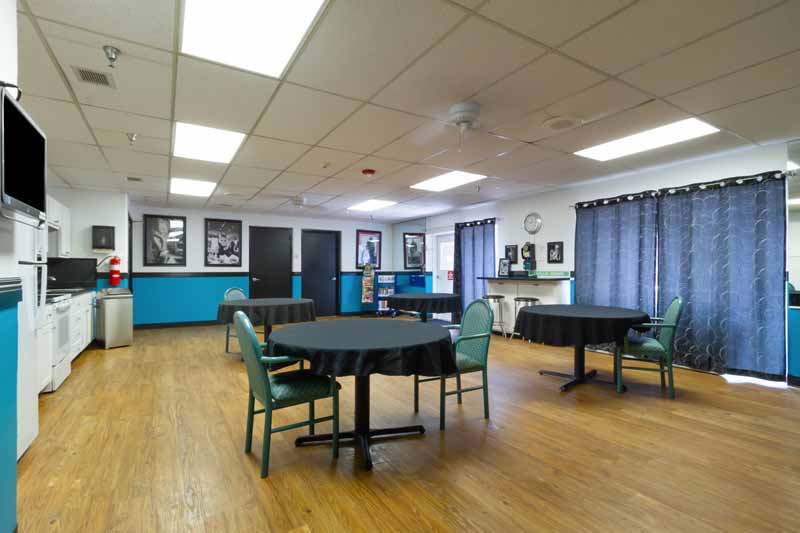
How is Mission Point Nursing & Physical Rehabilitation Ce Staffed?
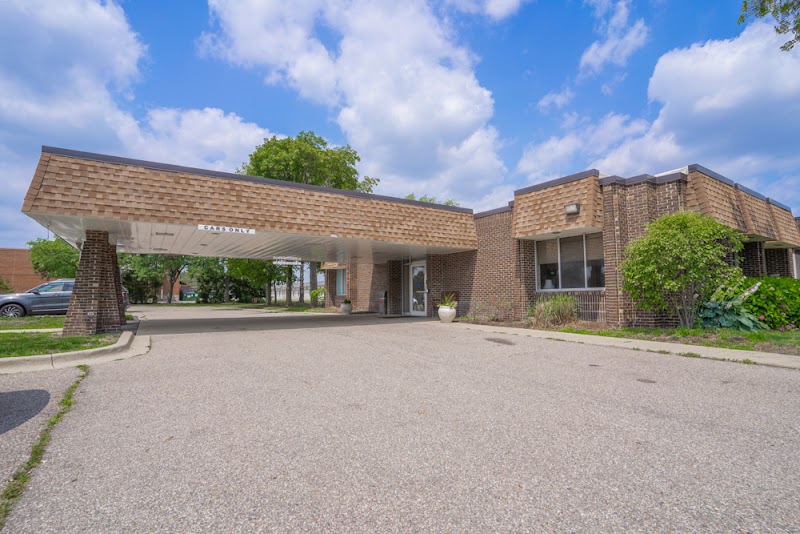
CMS rates Mission Point Nursing & Physical Rehabilitation Ce's staffing level at 2 out of 5 stars, which is below average compared to other nursing homes. Staff turnover is 30%, compared to the Michigan average of 46%. This relatively stable workforce can support continuity of care.

What Have Inspectors Found at Mission Point Nursing & Physical Rehabilitation Ce?

State health inspectors documented 41 deficiencies at Mission Point Nursing & Physical Rehabilitation Ce during 2023 to 2025. These included: 1 that caused actual resident harm and 40 with potential for harm. Deficiencies causing actual harm indicate documented cases where residents experienced negative health consequences.
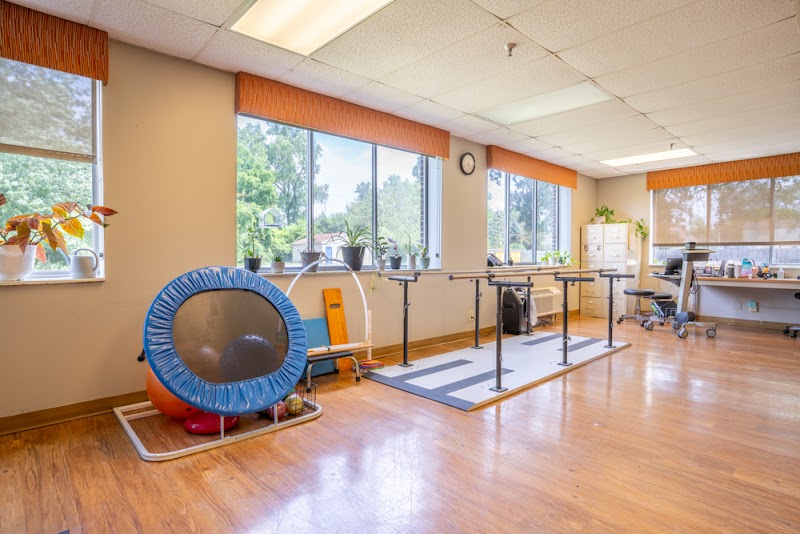
Who Owns and Operates Mission Point Nursing & Physical Rehabilitation Ce?

Mission Point Nursing & Physical Rehabilitation Ce is owned by a for-profit company. For-profit facilities operate as businesses with obligations to shareholders or private owners. The facility is operated by MISSION POINT HEALTHCARE SERVICES, a chain that manages multiple nursing homes. With 127 certified beds and approximately 73 residents (about 57% occupancy), it is a mid-sized facility located in Clinton Township, Michigan.

How Does Mission Point Nursing & Physical Rehabilitation Ce Compare to Other Michigan Nursing Homes?

Compared to the 100 nursing homes in Michigan, Mission Point Nursing & Physical Rehabilitation Ce's overall rating (2 stars) is below the state average of 3.1, staff turnover (30%) is significantly lower than the state average of 46%, and health inspection rating (2 stars) is below the national benchmark.

What Should Families Ask When Visiting Mission Point Nursing & Physical Rehabilitation Ce?

Based on this facility's data, families visiting should ask: "Can you walk me through typical staffing levels on day, evening, and night shifts?" "Can I visit during a mealtime to observe dining assistance and food quality?" "How do you handle medical emergencies, and what is your hospital transfer rate?" "Can I speak with family members of current residents about their experience?" These questions are particularly relevant given the below-average staffing rating.

Is Mission Point Nursing & Physical Rehabilitation Ce Safe?

Based on CMS inspection data, Mission Point Nursing & Physical Rehabilitation Ce has a clean safety record: no substantiated abuse findings (meaning no confirmed cases of resident harm), no Immediate Jeopardy citations (the most serious violation level indicating risk of serious injury or death), and is not on the Special Focus Facility watch list (a federal program monitoring the lowest-performing 1% of nursing homes). The facility has a 2-star overall rating and ranks #100 of 100 nursing homes in Michigan. While no facility is perfect, families should still ask about staff-to-resident ratios and recent inspection results during their visit.

Do Nurses at Mission Point Nursing & Physical Rehabilitation Ce Stick Around?

Mission Point Nursing & Physical Rehabilitation Ce has a staff turnover rate of 30%, which is about average for Michigan nursing homes (state average: 46%). Moderate turnover is common in nursing homes, but families should still ask about staff tenure and how the facility maintains care continuity when employees leave.

Was Mission Point Nursing & Physical Rehabilitation Ce Ever Fined?

Mission Point Nursing & Physical Rehabilitation Ce has been fined $24,788 across 2 penalty actions. This is below the Michigan average of $33,327. While any fine indicates a compliance issue, fines under $50,000 are relatively common and typically reflect isolated problems that were subsequently corrected. Families should ask what specific issues led to these fines and confirm they've been resolved.

Is Mission Point Nursing & Physical Rehabilitation Ce on Any Federal Watch List?

Mission Point Nursing & Physical Rehabilitation Ce is not on any federal watch list. The most significant is the Special Focus Facility (SFF) program, which identifies the bottom 1% of nursing homes nationally based on persistent, serious quality problems. Not being on this list means the facility has avoided the pattern of deficiencies that triggers enhanced federal oversight. This is a positive indicator, though families should still review the facility's inspection history directly.