Westlake Health Campus
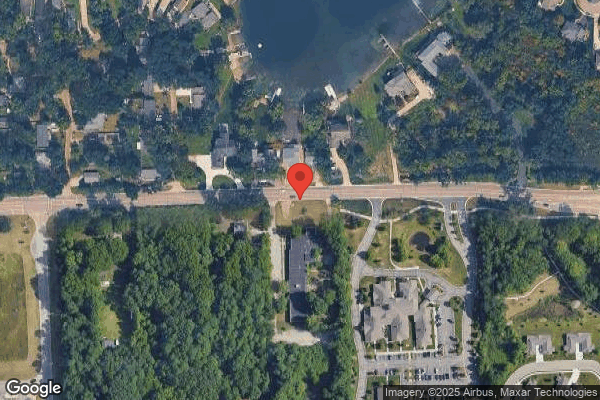
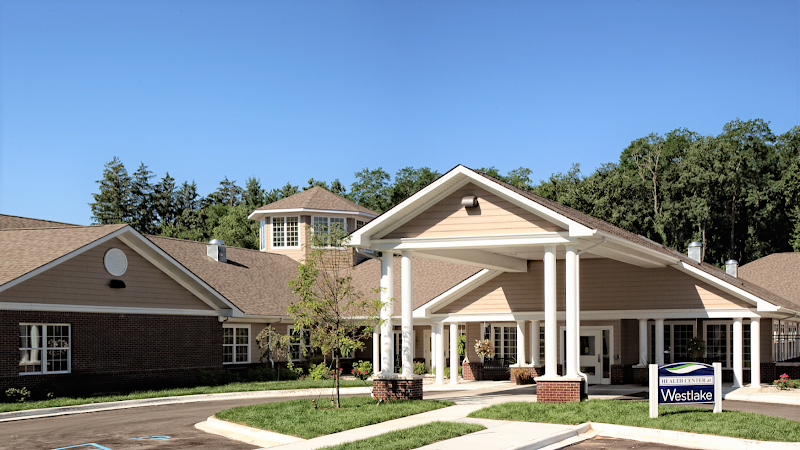
10735 Bogie Lake Road, Commerce, MI 48382 (248) 363-9400
For profit - Corporation 61 Beds TRILOGY HEALTH SERVICES Data: November 2025
Trust Grade
63/100
#261 of 422 in MI
Last Inspection: October 2024

Within standard 12-15 month inspection cycle. Federal law requires annual inspections.

Overview

Westlake Health Campus has a Trust Grade of C+, indicating it is slightly above average but still has room for improvement. It ranks #261 out of 422 nursing homes in Michigan, placing it in the bottom half of facilities statewide, and #16 out of 43 in Oakland County, meaning there are only a few better options nearby. The facility is improving, with the number of issues reported decreasing from five in 2024 to four in 2025. Staffing is a strong point, with a 4/5 star rating and a turnover rate of just 29%, which is well below the state average. However, there are some concerns, such as unsanitary conditions around the dumpster and improper food storage practices, which could affect resident health. Additionally, the facility has been cited for inconsistent infection control practices, which is an area needing attention. Overall, while there are positive aspects, families should weigh these issues when considering this nursing home.
Trust Score
C+
63/100
In Michigan
#261/422
Bottom 39%
Safety Record
Low Risk
No red flags
Inspections
Getting Better
5 → 4 violations
Staff Stability
✓ Good
29% annual turnover. Excellent stability, 19 points below Michigan's 48% average. Staff who stay learn residents' needs.
Penalties
✓ Good
No fines on record. Clean compliance history, better than most Michigan facilities.
Skilled Nurses
✓ Good
Each resident gets 70 minutes of Registered Nurse (RN) attention daily — more than 97% of Michigan nursing homes. RNs are the most trained staff who catch health problems before they become serious.
Violations
⚠ Watch
21 deficiencies on record. Higher than average. Multiple issues found across inspections.
★★★☆☆
3.0
Overall Rating
★★★★☆
4.0
Staff Levels
★★★★☆
4.0
Care Quality
★★★☆☆
3.0
Inspection Score
Stable
2024: 5 issues
2025: 4 issues

The Good

  • 4-Star Staffing Rating · Above-average nurse staffing levels
  • 4-Star Quality Measures · Strong clinical quality outcomes
  • Low Staff Turnover (29%) · Staff stability means consistent care
  • Full Sprinkler Coverage · Fire safety systems throughout facility
  • No fines on record
  • Staff turnover is low (29%)

    19 points below Michigan average of 48%

Facility shows strength in staffing levels, quality measures, staff retention, fire safety.

The Bad

3-Star Overall Rating

Near Michigan average (3.1)

Meets federal standards, typical of most facilities

Chain: TRILOGY HEALTH SERVICES

Part of a multi-facility chain

Ask about local staffing decisions and management

The Ugly 21 deficiencies on record

Sept 2025 3 deficiencies
CONCERN (D) 📢 Someone Reported This

A family member, employee, or ombudsman was alarmed enough to file a formal complaint

Potential for Harm - no one hurt, but risky conditions existed

Grievances (Tag F0585)

Could have caused harm · This affected 1 resident

**NOTE- TERMS IN BRACKETS HAVE BEEN EDITED TO PROTECT CONFIDENTIALITY** This citation pertains to intake: 2570414. Based on observation, interview and record review the facility failed to follow their...

Read full inspector narrative →
**NOTE- TERMS IN BRACKETS HAVE BEEN EDITED TO PROTECT CONFIDENTIALITY** This citation pertains to intake: 2570414. Based on observation, interview and record review the facility failed to follow their policy regarding the follow up of concerns for one (R902) of four residents reviewed for quality of care. Findings include: A review of a complaint submitted to the State Agency (SA) documented multiple concerns verbalized to the facility's staff with no resolution. On 9/9/25 at 11:22 AM, R902 was observed lying on their back in bed. An interview was conducted with the resident at that time. A review of the medical record revealed R902 was re-admitted to the facility on [DATE] with diagnoses that included: acute and chronic respiratory failure, hemiplegia and hemiparesis following cerebral infarction affect left non-dominant side, dysphagia (difficulty swallowing) and required staff assistance for all activities of daily living. R902 was documented to be their own responsible party. On 9/9/25 at 11:45 AM, the facility's Administration was asked to provide all concerns/grievances filed on the behalf of R902 from January to current. A review of the grievances provided revealed the following: On 7/23/25 a family member of R902 was angry and noted Residents daughter had concerns about doctor visit schedule and other medical concerns. The resolution was entered on 7/28/25 that noted Satisfactorily- Provider saw resident and was notified of residents preferences regarding physician visit schedule and got all questions answered.On 7/24/25 a family member of R902 was upset and noted Grooming- Family Member expressed concern regarding the shower schedule and dressing for her mom. The resolution was dated 7/25/25 that noted Satisfactorily- Family and Resident preferences updated, nursing notified and provider notified. Staff educated. SW (social worker) spoke to resident about concerns. Resident pleased with care and no further concerns with showers at this time.A review of a facility policy titled Resident Concern Process review date 12/16/24, documented in part . The facility will provide an open and customer friendly atmosphere for residents and their families and representatives to voice concerns and problems with the assurance that their concerns will be heard and acted upon. All concerns should be entered electronically. The department leader will investigate and discuss the concerns with the team and will implement, or educate to prevent further concerns. the department leader will document the resolution on the concern form. and will follow up with the person reporting the concerns to explain the resolution.The facility staff failed to follow up with the family member that verbalized and reported the above concerns. On 9/10/25 at 1:18 PM, the family member to R902 (FM G) was interviewed. FM G verbalized multiple concerns reported to the facility's SW and Administration staff. FM G explained an incident they reported to the SW regarding a delay in treating an eye infection for R902. FM G also stated they reported an incident to the SW and Administration staff on how they had dressed their mother in a night gown one evening for bed. FM G' stated they returned to the facility the next afternoon for a visit and the resident had on the same night gown that was notably dirty. FM G stated the staff never followed up with them or communicated any resolutions to their concerns. On 9/10/25 at 2:11 PM, the Administrator, Director of Nursing (DON), Clinical Support (CS) and Assistant Director of Social Services (ADSS) C were all interviewed together and asked about the concerns for R902. The documented concerns were reviewed and they were asked why no one had followed up with the family member that reported the concern to discuss and/or inform them of the resolutions. ADSS C stated they followed up with R902 because . the resident is her own person. The facility policy was reviewed regarding the guidance of the follow up to be conducted with the person(s) who verbalized the concern and the Administration staff acknowledged the concern. No further explanation or documentation was provided by the end of the survey.
CONCERN (D) 📢 Someone Reported This

A family member, employee, or ombudsman was alarmed enough to file a formal complaint

Potential for Harm - no one hurt, but risky conditions existed

Incontinence Care (Tag F0690)

Could have caused harm · This affected 1 resident

**NOTE- TERMS IN BRACKETS HAVE BEEN EDITED TO PROTECT CONFIDENTIALITY** This citation pertains to intake: 2599423. Based on interviews and record reviews the facility failed to ensure a physician orde...

Read full inspector narrative →
**NOTE- TERMS IN BRACKETS HAVE BEEN EDITED TO PROTECT CONFIDENTIALITY** This citation pertains to intake: 2599423. Based on interviews and record reviews the facility failed to ensure a physician order was followed for one (R903) of two residents reviewed for catheter care. Findings include: A review of a complaint submitted to the State Agency (SA) noted that R903 was admitted to on 8/15/25 with a foley catheter due to urinary retention. On the morning of 8/21/25 the resident was . eating in the dining room, and he did not feel good. (R903) looked pale, dizzy, and he did not seem like himself. The complainant stated they requested the nurse to check for a UTI (urinary tract infection). The complainant stated the nurse talked to the doctor who stated . (R903) would have to get blood drawn first, and that it would take two days for the results to come back. The complainant then requested to speak to the doctor and was told the doctor was gone for the day. The complainant stated . felt that they had no choice but to take (R903 name) to the hospital at that point. The resident was admitted to the hospital on intravenous antibiotics. A review of the medical record revealed that R903 was admitted to the facility on [DATE], with diagnoses that included : dementia and benign prostatic hyperplasia with lower urinary tract symptoms, urine retention and a foley catheter. A review of a progress note dated 8/21/25 at 10:34 AM, documented . The resident stated being cold and have chills, VSs (vital signs) are WNL (within normal limits), afebrile, denied pain at this time. Family is present in the room. (Doctor name) informed order for CBC (complete blood count), CMP (comprehensive metabolic panel) Stat (immediate) received, Blood collected, lab called for pick up, samples is waiting for pick up. The writer coming back to the floor, informed by (nurse name) that family took resident to the hospital for evaluation. This note was documented by Registered Nurse (RN) E .A review of a nursing note dated 8/21/25 at 3:22 PM, documented . The writer was informed by resident's daughter, that resident was admitted to (hospital name) with UTI diagnosis. This note was also documented by RN E. A review of R903's physician orders revealed the following order:8/15/25 - May dip urine is <sic> s/s (signs/symptoms) of UTI, then may send urine for C&S (culture and sensitivity) if positive for leukocytes. The review of the record revealed no documentation of a dip stick to have been completed or urine obtained for testing. On 9/10/25 at 12:48 PM, RN E was interviewed and asked about the incident of R903 to have been transferred to the hospital by their family. RN E explained the family had approached them and informed them that R903 didn't feel good. RN E stated they went to do vitals on R903 and it was okay and the resident stated he was chilly. RN E explained they contacted the doctor (Physician F) who informed them to do STAT labs. When asked why they had not completed the dip stick order for analysis of the resident's UA to rule out a UTI as the physician order directed, RN E stated they planned to complete the dip stick order when they had returned from their break. RN E went on to explain that when they returned from their break the family had already left to take the resident to the hospital. On 9/10/25 at 2:52 PM, a telephone interview was conducted with Physician F. Physician F was asked during that interview if they were aware of the family to have observed the resident to have been .pale, dizzy, and he did not seem like himself. on the morning of 8/21/25 when the nurse contacted them. Physician F stated it was their understanding that the resident had chills. During the interview Physician F stated if they felt like the resident was going septic and had a change of condition they would have definitely treated the resident. On 9/10/25 at 10:53 AM the interim Director of Nursing (DON) and Clinical Support (CS) B were both interviewed. When asked about the dip urine orders reviewed for R903, the DON explained the facility had a urine order set for all residents. The DON stated if signs/symptoms are observed the nurses are to complete the urine dip stick as ordered. If the dip stick is positive for leukocytes the urinalysis is sent out for testing and to have a culture and sensitivity completed. The DON was asked why RN E had not carried out the order as implemented by the Physician for R903 and the DON stated they could not say why RN E did not complete the order, however their expectation would have been for the nurse to follow the physician orders and the physician directive. No further explanation or documentation was provided by the end of the survey.
CONCERN (E) 📢 Someone Reported This

A family member, employee, or ombudsman was alarmed enough to file a formal complaint

Potential for Harm - no one hurt, but risky conditions existed

Infection Control (Tag F0880)

Could have caused harm · This affected multiple residents

**NOTE- TERMS IN BRACKETS HAVE BEEN EDITED TO PROTECT CONFIDENTIALITY** This citation pertains to intake: MI002570414. Based on observation, interview and record reviews the facility failed to consist...

Read full inspector narrative →
**NOTE- TERMS IN BRACKETS HAVE BEEN EDITED TO PROTECT CONFIDENTIALITY** This citation pertains to intake: MI002570414. Based on observation, interview and record reviews the facility failed to consistently maintain an ongoing Infection Control Surveillance system and ensure to consistently follow the facility's policy for the Infection Prevention and Control Program. This deficient practice had the potential to affect multiple residents residing in the facility, (including R's 902 and 905) two of three residents reviewed for Infection Control Surveillance. Findings include:R902A review of a complaint submitted to the State Agency (SA) documented concerns of the facility's timeliness to treat R902's bilateral conjunctivitis. The complaint also noted multiple concerns with the facility's Infection Control Surveillance. On 9/9/25 at 11:22 AM, R902 was observed lying on their back in bed. An interview was conducted with the resident at that time. A review of the medical record revealed R902 was re-admitted to the facility on [DATE] with diagnoses that included: acute and chronic respiratory failure, hemiplegia and hemiparesis following cerebral infarction affect left non-dominant side, dysphagia (difficulty swallowing) and required staff assistance for all activities of daily living. R902 was their own responsible party. A review of the progress notes revealed the following: A Nurse Practitioner (NP) note dated 6/17/25 at 12:16 AM, documented in part . DATE OF SERVICE: Jun, 16, 2025. Left eye discharge, Right eye discharge. Left exudate, Left eyelid swelling, Right exudate, Right eyelid swelling.A nursing note dated 6/17/25 at 11:29 AM, documented new order for bilat (bilateral) eye conjunctivitis ordered, pharmacy was called, awaiting to deliver it.A nursing note dated 6/17/25 at 11:52 PM, documented Changed order start and stop dates for eyes drops to coordinate with pharmacy delivery. Should come in between 2-3am, to start at 4am.An Infection Event note dated 6/19/25 at 10:19 AM, documented IDT Review: Infection-Resident with bilateral eye conjunctivitis. S/sx (signs/symptoms) of infection include: bilateral eye redness, itchiness, yellow discharge. Resident meets Mcgreer's criteria for infection. Order is for Polymyxin eye drop. for treatment of infection. Contact precautions initiated due to diagnosis. Nursing to monitor for effectiveness of antibiotic and for adverse effects r/t (related to) abt (antibiotic) therapy.A nursing note dated 7/23/25 at 12:36 PM, documented in part . Patient's daughter expressed concern to provider regarding a possible double eye infection, noting redness in both eyes. Following the assessment, the on call provider prescribed new order for Polymyxin ophthalmic drops. The patient and her daughter were informed about the treatment plan, including the correct administration of the eye drops and the importance of adhering to the medication regimen. (This order was documented as a late entry and created on 7/30/25 at 11:46 AM.)A nursing note dated 7/24/25 at 7:58 AM, documented in part . IDT (interdisciplinary team) Review: Resident assessed with bilateral eye purulent drainage, redness on the surrounding skin and sclera and c/o (complaint of) itching to bilateral eyes. Resident meet Mcgreer's criteria for eye infection. Discussed with NP and resident started on Polymyxin 7/23-8/2 for treatment of bilateral conjunctivitis. Resident placed on contact precautions. Nursing to monitor for effectiveness of abt and for adverse effects r/t abt therapy. Goal is for the infection to clear without complication.A NP note dated 7/24/25 at 11:56 AM, documented in part . was evaluated today for bilateral eyes conjunctivitis. Bilateral eyes redness, yellow crusty discharge, watery, and itchiness. Resident states she has been complaining of itcy <sic> eyes couple days ago. Resident has a history of eye conjunctivitis couple weeks ago and she finished the course of antibiotic. Will order polymyxinB-sulfa trimethroprin antibiotic eyes drop q (every) 4 hours needed 8/2. Encourage resident to clean her eyes with room temp clean clothes, and maintain proper hygiene.A review of the June 2025 Medication and Treatment Administration Record (MAR/TAR) revealed the following: Polymyxin B sulf-trimethoprim drops; 10,000 unit- 1mg (milligram)/mL (milliliter); Apply 1 drop in each eye for conjunctivitis. Start date 6/17/25 and End date 6/17/25. Multiple nursing notes documented waiting to arrive. This indicated the pharmacy had not delivered the medication which caused a delay in treatment. A second order for the above eye drops was implemented and started at 4:00 AM on 6/18/25. Two days after the assessment and identification by the NP of the bilateral conjunctivitis for R902 on 6/16/25. The medication was noted to have been completed on 6/27/25. A review of the progress notes revealed no re-evaluation of the effectiveness of the antibiotic eye drops, nor a reassessment of R902's eyes after the completion of the antibiotic eye drop treatment on 6/27/25. A review of the Infection Control Surveillance documentation for June 2025, noted the identification of R902's eye infection, however contained no documentation on whether the infection had resolved or the re-evaluation of the contact precautions for R902. Review of the complaint submitted to the SA documented in part . resident has been waiting with double eye infection to be seen by facility dr (doctor). Upon my arrival to visit (Wednesday 7/23/24) my mother's eyes are so red, crusty and swollen she can barely keep them open. Resident was told on Friday she had to wait to see dr until Monday. The complainant states she spoke to the social worker and the social worker called the doctor and she assessed and treated the resident.The social worker involved in the incident was identified during the survey as the Assistant Director of Social Services (ADSS) C. On 9/9/25 at 1:06 PM, ADSS C was interviewed and asked about the interaction they had with R902's family on 7/23/25 regarding R902's eye infection. ADSS C replied they remembered the incident. ADSS C stated they remembered R902's family member approaching them and stated . her eyes was getting gross and I called the NP. ADSS C went on to explain the NP was in the facility and had come to assess the resident and started treatment. ADSS C was asked if they had informed R902's assigned nurse that day regarding R902's family concerns and ADSS C stated they informed the nurse after they had contacted the NP. ADSS C went on to say, The family was very upset and so I felt it was best to contact the nurse practitioner.The above interview corroborated the reported complaint submitted to the SA and differed from the late entry nursing note created on 7/30/25 and back dated to 7/23/25. R905On 9/10/25 at 10:18 AM, R905 was observed lying on their back sleeping. R905 did not awake with verbal stimuli. A review of the Infection Control Surveillance for July 2025 revealed the following: R905 was treated for an and eye infection with a start date of 7/2/25. Contact precautions were noted and the end date was documented as 7/13/25.There was no documentation of the reassessment of the effectiveness of the medication, reassessment of the eye infection or the reassessment of the need for contact precautions. Further review of the July 2025 Infection Control Surveillance documented on 7/29/25 the resident was again prescribed antibiotic eye drops for an eye infection. The end date was documented as 8/9/25. A review of the progress notes revealed the following: A nursing note dated 7/2/25 at 2:55 PM, documented Resident observed with increased drainage /pus from her left eye. Resident has this infection recurring every month. There is a pocket filled with pus under her eye lid. Resident has been prescribed the same medications for her eye by her eye doctor that has been clearing the infections. NP notified new ordered received to start the resident on Doxycycline (antibiotic) 50 mg BID (twice a day) x 10 days, Diflucan (antifungal) x 10 days and moxifloxacin and Polymycin <sic> (antibiotic combination) eye drops. Orders noted.Further review of the progress notes revealed no documentation of the reassessment of the effectiveness of the above treatment, the reassessment of the resident eyes or the reassessment of the need for contact precautions after the treatment was noted to be completed on 7/13/25. A review of a nursing note dated 7/30/25 at 2:10 PM, documented in part . IDT Review: Infection-Writer assessed resident this morning due to new orders for antibiotics for eye infection. Resident's L (left) eye assessed with purulent drainage and crusting on the eyelid. new orders received. Nursing to monitor for effectiveness and for adverse effects r/t abt therapy. Resident placed on contact precautions due to drainage from eye and diagnosis conjunctivitis. Goal is for the infection to clear without complication.The progress notes again, revealed no documentation of the reassessment of the effectiveness of the treatment, the reassessment of the resident eyes or the reassessment of the need for continued and/or discontinuation of the contact precautions implemented, after the completion of the treatment on 8/9/25. A review of a facility policy titled Infection Prevention and Control Program dated 11/10/17, documented in part . The purpose of this policy is to: To establish and maintain an infection prevention and control program designed to provide a safe, sanitary and comfortable environment and to help prevent the development and transmission of communicable diseases and infections. The campus has a system for preventing, identifying, reporting, investigating, and controlling infections and communicable diseases. Evaluates implementations and effectiveness of recommended actions.INFECTION SURVEILLANCE PROGRAMA review of the July 2025 Infection Control Surveillance revealed an increase of eye infections from one identified resident (in June 2025) to three identified in July 2025. There was no documentation of additional education provided to the facility staff regarding hand hygiene and/or any other additional education. A review of the August 2025 Infection Control Surveillance revealed two residents documented to have eye infections. This did not include or identify R's 902 or 905 who were both identified from their medical records to have been treated for eye infections for the month of August 2025. A review of the August 2025 mapping of infections in the facility failed to identify any of the residents with eye infections in the facility. A review of the August 2025 analysis failed to note any of the residents' treated for eye infections in the facility. On 9/9/25 at 1:12 PM, the facility's Infection Control Preventionist (ICP) D was interviewed and asked about the multiple eye infections for R902 & R905 and whose responsibility it was to monitor the effectiveness of the treatment, reevaluation of the resident eyes/infection and the reevaluation of the implemented contact precautions and ICP D replied the assigned nurses to the resident. On 9/10/25 at 11:15 AM, an interview was conducted with the interim Director of Nursing (DON) and the facility's Clinical Support (CS) B. When asked whose responsibility it was to monitor the effectiveness of the prescribed antibiotic and reassess the resident eyes after the treatment is completed the DON replied they would expect the nurse that administered the last dose to re-evaluate the resident. The DON was asked if the assessment should be documented in the residents record and the DON replied that it should. On 9/10/25 at 1:01 PM, a follow up interview was conducted with ICP D. ICP D was asked who re-evaluates the resident on Contact Precautions to ensure it can be discontinued or the need to be continued, ICP D stated they ordered the precautions to be in place as long as the prescribed antibiotic. The precautions are scheduled to discontinue after the last day of treatment. ICP D was then asked about the lack of education provided to the facility staff during the months of June and July when the Infection Surveillance program revealed an increase in eye infections in the facility. ICP D stated during those months they were verbally educating the staff. ICP D was then asked about the resident identified to have eye infections and to have been treated for eye infections in the month of August 2025 that was not identified on the Infection Surveillance, mapping and the analysis of the facility's infections for the month of August 2025. ICP D explained they only count the facility acquired and not the community acquired infections. ICP D was then asked about both R's 902 and 905 who were facility acquired infections and ICP D stated they did not document it because the infection had carried over from the previous month. Further record review for R902 revealed they were diagnosed with a third eye infection on 8/27/25 and again prescribed antibiotic eye drops. Further review of the facility's policy titled Infection Prevention and Control Program dated 11/10/17, documented in part . a member of the clinical team to monitor the campus IPCP program to perform surveillance to identify, investigate, control and prevent the spread of infection and reporting for the IPCP. Reviews and adopts the corporate Infection Prevention and Control guidelines, recommending additions or revisions as necessary (Hand Hygiene, Standard Precaution, Contact Precautions etc.). Surveillance activities to identify, investigate, control and prevent the spread of infection. Infections shall be tracked per hall/unit, type of infection. Reviews and critiques infection surveillance reports and statistics, recommending appropriate action for Healthcare Associated Infections (HAI) and Community Acquired Infection (CAI). Not limited to, documentation in resident's Electronic Health Record. Involvement in campus QAPI by participating in meetings and reporting resident infections.No further explanation or documentation was provided by the end of the survey.
Jul 2025 1 deficiency
CONCERN (D) 📢 Someone Reported This

A family member, employee, or ombudsman was alarmed enough to file a formal complaint

Potential for Harm - no one hurt, but risky conditions existed

Resident Rights (Tag F0550)

Could have caused harm · This affected 1 resident

**NOTE- TERMS IN BRACKETS HAVE BEEN EDITED TO PROTECT CONFIDENTIALITY** Based on observation, interview, and record review, the facility failed to provide dignified care for one Resident (R500) of fou...

Read full inspector narrative →
**NOTE- TERMS IN BRACKETS HAVE BEEN EDITED TO PROTECT CONFIDENTIALITY** Based on observation, interview, and record review, the facility failed to provide dignified care for one Resident (R500) of four residents reviewed for dignity. Findings include: On 7/23/25 at 12:38 p.m., R500 was observed in their hospital bed wearing a gown. On 7/23/25 at 12:39 p.m., R500 reported earlier in the day Nurse Aide, (NA) C, checked their incontinence brief when they told NA C they did not want to be checked or changed, as their brief was dry. R500 stated NA C checked their brief anyways and said they felt harassed by NA C, as this was intrusive. R500 explained it was their right not to be checked against their wishes, since their brief was dry. On 7/23/25 at 1:21 p.m., NA C was asked what occurred when they checked R500's incontinence brief earlier on 7/23/25. NA C reported they asked R500 if they could check their brief for incontinence, and R500 responded they did not want their brief checked. NA C stated they still checked R500's brief for incontinence, and the brief was dry. When asked why they continued, NA C said they were trained to check a resident's brief every two hours. NA C clarified their job responsibility was to check every resident's brief every two hours as a standard of care. NA C stated, I just wanted to double check (the brief was dry). Review of R500's Minimum Data Set (MDS) assessment, dated 5/13/25, revealed R500 was admitted to the facility on [DATE], with diagnoses including arthritis, depression, and anxiety. The assessment revealed R500 required maximal assistance for transfers and was dependent for toileting. The Brief Interview for Mental Status (BIMS) assessment revealed a score of 15/15, which showed R500 was cognitively intact. The assessment showed no behaviors. Review of R500's Care Plan, accessed 7/23/25, revealed R500's goal was for their preferences were to be honored, with approaches which included Encourage resident to participate in decision making by offering choices.Encourage resident to actively participate in care plan and decision making. The interventions were dated 7/14/25. On 7/23/25 at 5:05 p.m., the concerns related to undignified care by NA C towards R500 were reviewed with the Nursing Home Administrator (NHA), with Clinical Nurse Consultant A, as reported when discovered earlier in the survey. Both reported they understood the concerns related to undignified care and had reeducated NA C regarding dignified care provision and resident rights. Review of the policy, Resident Rights Guidelines, reviewed 12/17/24, revealed, Purpose Statement: The purpose of this policy is to: To ensure resident rights are respected and protected and provide an environment in which they can be exercised. Policy Resident Rights Guidelines Procedure 1. Residents shall not leave their individual personalities or basic human rights behind when they move to a health campus. The following is a list of rights recognized by staff at (the provider): 2. Our residents have a right to. a. Be treated with dignity and respect b. Be given the information necessary to participate in decisions which affect them both individually and corporately.f. Be treated fairly, courteously and with respect by all staff.
Oct 2024 5 deficiencies
CONCERN (D)

Potential for Harm - no one hurt, but risky conditions existed

Transfer Notice (Tag F0623)

Could have caused harm · This affected 1 resident

**NOTE- TERMS IN BRACKETS HAVE BEEN EDITED TO PROTECT CONFIDENTIALITY** Based on interview and record review, the facility failed to notify, in writing, the reason for a discharge out of the facility ...

Read full inspector narrative →
**NOTE- TERMS IN BRACKETS HAVE BEEN EDITED TO PROTECT CONFIDENTIALITY** Based on interview and record review, the facility failed to notify, in writing, the reason for a discharge out of the facility to a representative of the State Long term Care Ombudsman for one (R40) of one residents reviewed for discharges. Findings include: On 10/8/24 the medical record for R40 was reviewed and revealed the following: R40 was initially admitted to the facility on [DATE] and was transferred to the hospital on 8/4/24 and did not return. A review of R40's MDS (minimum data set) with an ARD (assessment reference date) of 7/26/24 revealed R40 needed assistance from facility staff with their activities of daily living. A progress note dated 8/04/2024 at 11:19 a.m., revealed the following: Writer received resident resting in bed with eyes open. Resident is A&O x1(alert and oriented to themselves) with some confusion. Resident vital signs WNL (within normal limits), denies pain. CRCA (Certified Nursing Assistant) informed writer resident refused to let CRCA get her dressed and said she is not going anywhere, and leave her alone. While writer went in room to discharge resident she became very agitated with writer and her husband, stating 'Get my ex-husband out of here', 'I'm not going anywhere'. Resident was to be discharge <sic> home today with husband , she keep saying 'I am not going anywhere' and 'Don't touch me.' Writer contacted provider to inform of resident condition, provider order <sic> resident to be sent out EMS (Emergency Medical System) for further evaluation, due to increase <sic> confusion and agitation. Resident husband and son present at the time. Writer printed and gave CCD (Continuity of Care Document,) and Face sheet to EMS. Further review of R40's medical record revealed no documentation that notification of the transfer to to hospital was provided to the Long term care Ombudsman. On 10/8/24 at approximately 2:47 p.m., the Administrator was informed that the documentation of notification to the Ombudsman was unable to be found in the record and was requested from the facility. On 10/08/24 at approximately 2:59 p.m., Social Worker A (SW A) was queried regarding the documentation of the bed hold notification and ombudsman notification of transfer for R40. SW A. reported that the resident was supposed to discharge home with their family that day but was instead transferred to the hospital from the facility. SW A indicated that the way the information was entered into the medical record was that they were discharged and it did not trigger them to send the notices, so they were not sent. SW A indicated that after reading the notes in the record that the notices of bed hold provision and the transfer for the ombudsman for R40 should have been provided due to R40 being transferred to the hospital from the facility. On 10/9/24 a facility document titled ombudsman notification was reviewed and revealed the following: OVERVIEW-CMS (Centers for Medicare & Medicaid Services) Requirements of Participation, this SOP (standard operating procedures) will detail expectations on communication of facility initiated transfer or discharges to the State Long-Term Care Ombudsman. SOP DETAILS-Federal regulation requires that the facility sends a copy of the notice of transfer or discharge to a representative of the Office of the State Long-Term Care Ombudsman. This applies to facility-initiated discharges. The Director of Social Services, or designee, will email a copy of the notice of transfer or discharge to the Office of the State Long-Term Care Ombudsman at least 30 days before the resident is transferred or discharged . The Director of Social Services, or designee, will complete the Ombudsman Notification Observation in the electronic health record as evidence that the notice was sent to the State Long-Term Care Ombudsman. Exceptions to the 30-day requirement apply when the transfer or discharge is because- 1. The resident's welfare is at risk, and his or her needs cannot be met in the facility (i.e., emergency transfer to an acute care facility); or 2. The health or safety of others in the facility is endangered. In these cases, the Director of Social Services, or designee, will instead send a list of transferred and discharged residents that were exempt from the 30-day requirement on a monthly basis. The Director of Social Services, or designee, will then complete the Ombudsman Notification Observation in the electronic health record as evidence that the notice was sent to the State Long-Term Care Ombudsman. If the Director of Social Services is not present or available, the Executive Director should delegate this task to another team member to assure these notices are sent to the State Long-Term Care Ombudsman within the required time frame and the Ombudsman Notification Observation in the electronic health record is completed.
CONCERN (D)

Potential for Harm - no one hurt, but risky conditions existed

Deficiency F0625 (Tag F0625)

Could have caused harm · This affected 1 resident

**NOTE- TERMS IN BRACKETS HAVE BEEN EDITED TO PROTECT CONFIDENTIALITY** Based on interview and record review, the facility failed to provide a written copy of the bed hold notification to the resident...

Read full inspector narrative →
**NOTE- TERMS IN BRACKETS HAVE BEEN EDITED TO PROTECT CONFIDENTIALITY** Based on interview and record review, the facility failed to provide a written copy of the bed hold notification to the resident/resident's representative, upon acute transfer to the hospital for one (R40) of one residents reviewed for transfers/discharges. Findings include: On 10/8/24 the medical record for R40 was reviewed and revealed the following: R40 was initially admitted to the facility on [DATE] and was transferred to the hospital on 8/4/24 and did not return. A review of R40's MDS (minimum data set) with an ARD (assessment reference date) of 7/26/24 revealed R40 needed assistance from facility staff with their activities of daily living. A progress note dated 8/04/2024 at 11:19 a.m., revealed the following: Writer received resident resting in bed with eyes open. Resident is A&O x1(alert and oriented to themselves) with some confusion. Resident vital signs WNL (within normal limits), denies pain. CRCA (Certified Nursing Assistant) informed writer resident refused to let CRCA get her dressed and said she is not going anywhere, and leave her alone. While writer went in room to discharge resident she became very agitated with writer and her husband, stating 'Get my ex- husband out of here', 'I'm not going anywhere'. Resident was to be discharge home today with husband , she keep saying 'I am not going anywhere' and 'Don't touch me'. Writer contacted provider to inform of resident condition, provider order resident to be sent out EMS (Emergency Medical System) for further evaluation, due to increase confusion and agitation. Resident husband and son present at the time. Writer printed and gave CCD (Continuity of Care Document,) and Face sheet to EMS. Further review of R40's medical record revealed no documentation that a copy of the bed hold notification was provided to the resident or residents representative when transferred to the hospital. On 10/8/24 at approximately 2:47 p.m., the Administrator was informed that the documentation of notification that the bed hold provision to R40 was unable to be found in the record and was requested from the facility. On 10/08/24 at approximately 2:59 p.m., Social Worker A (SW A) was queried regarding the documentation of the bed hold notification and the ombudsman notification of transfer for R40. SW A reported that the resident was supposed to discharge home with their family that day but was instead transferred to the hospital from the facility. SW A indicated that the way the information was entered into the medical record was that they were discharged and it did not trigger them to send either of the notices so they were not sent. SW A indicated that after reading the progress notes in the record, that the notices of bed hold provision and transfer to the to the ombudsman for R40 should have been provided due to R40 being transferred to the hospital from the facility. On 10/9/24 a facility document titled Bed hold notification was reviewed and revealed the following: OVERVIEW -Residents and Responsible Parties have a right to be notified verbally and in writing on reserve bed payment policy per the state plan when someone goes out to the hospital or on a therapeutic leave. Before a nursing facility transfers a resident to a hospital or the resident goes on a therapeutic leave, the nursing facility must provide written information to the resident or resident representative that specifies the duration of the state bed hold policy, if any, during which the resident is permitted to return and resume residence in the nursing facility; the reserve bed payment policy in the state plan if any; the nursing facility's policies regarding bed-hold periods permitting a resident to return. At the time of transfer of a resident for hospitalization or therapeutic leave, a nursing facility must provide to the resident and the resident representative written notice which specifies the duration of the bed hold policy SOP (standard operating procedures)-Before transferring a resident to a hospital or allowing a resident to go on a therapeutic leave, the Nursing designee or other designated staff member should provide written information to the resident and a family member or legal representative of the bed hold and admission policies .In cases of emergency transfers, the notice of bed hold policy under the state plan and facility's bed hold policy should be provided to the resident or resident's representative by nursing designee within 24 hours of the transfer. This may be sent with other papers accompanying the resident to the hospital .During the daily census reconciliation when transfer/discharge information is identified, the BOM will place a phone call to the Responsible Party notifying them of the bed hold policy and the room reserve rate allowing them to direct facility to hold the bed or not .Medicare A and Managed Care Primary - Payers do not cover bed holds when Resident is on a hospital or therapeutic leave over 24 hours. BOM will place a phone call to the Responsible Party. If the Resident/Responsible Party elects not to hold the bed, a discharge census event will be entered. Follow census event guide for instructions. Medicaid primary - If the hospital leave or therapeutic leave extends longer than the state allowed Medicaid bed hold days, BOM will contact the Responsible Party to see if they would like to pay to continue to hold the bed at the Medicaid per diem rate. If they elect not to hold the bed, they will be subject to the next available bed and Responsible Party should make arrangements to remove belongings from the room. IN Only: There will be a 10-day courtesy bed hold per hospital and therapeutic leave. When updating census in MatrixCare, make sure to choose non-billable for both hospital and therapeutic leaves with a status code of 30 still patient to ensure Level of Care is not terminated Once phone call is placed, BOM will make note of conversation and outcome in the Progress Notes section in MatrixCare and complete Resident Bed Hold Authorization Form. Progress Note should be detailed and include person spoken with and notification of whether or not they elected to hold the bed. Resident Bed Hold Authorization form should be completed and Resident/Responsible Party signature obtained by fax, e-mail scan or mailed and returned. Bed Hold Policy should be sent with authorization form .When Resident Bed Hold authorization form is signed it should be scanned in to Resident documents in MatrixCare and filed in the resident AR file. Follow census event guide to enter the correct census event in MatrixCare .
CONCERN (D)

Potential for Harm - no one hurt, but risky conditions existed

Antibiotic Stewardship (Tag F0881)

Could have caused harm · This affected 1 resident

Based on interview and record reviews the facility failed to implement an effective antibiotic stewardship program for three (R302, 192, & 193) of five residents reviewed for infections. Findings incl...

Read full inspector narrative →
Based on interview and record reviews the facility failed to implement an effective antibiotic stewardship program for three (R302, 192, & 193) of five residents reviewed for infections. Findings include: Review of the Center for Disease Control's (CDC) The Core Elements of Antibiotic Stewardship for Nursing Homes, dated 2015: .Improving the use of antibiotics in healthcare to protect patients and reduce the threat of antibiotic resistance is a national priority.Antibiotic stewardship refers to a set of commitments and actions designed to optimize the treatment of infections while reducing the adverse events associated with antibiotic use .Antibiotics are among the most frequently prescribed medications in nursing homes, with up to 70% of residents in a nursing home receiving one or more courses of systemic antibiotics when followed over a year .studies have shown that40-75% of antibiotics prescribed in nursing homes may be unnecessary or inappropriate. Harms from antibiotic overuse are significant for the frail and older adults receiving care in nursing homes. These harms include risk of serious diarrheal infections from Clostridium difficile, increased adverse drug events and drug interactions, and colonization and/or infection with antibiotic- resistant organisms .Infection prevention coordinators have key expertise and data to inform strategies to improve antibiotic use. This includes tracking of antibiotic starts, monitoring adherence to evidence-based published criteria during the evaluation and management of treated infections .Identify clinical situations which may be driving inappropriate courses of antibiotics such as asymptomatic bacteriuria or urinary tract infection prophylaxis and implement specific interventions to improve use . Review of the April, May, & June 2024 infection surveillance logs revealed the following: April - R302 was documented to have a Urinary Tract Infection (UTI) that did not meet McGeer's criteria (a tool utilized to determine if antibiotics are being utilized appropriately). Macrobid (an antibiotic) was prescribed to the resident from 4/4/24 until 4/9/24. May - R192 was documented to have a UTI that did not meet McGeer's criteria. Bactrim DS (an antibiotic) was prescribed to the resident from 5/7/24 until 5/11/24. June- R193 was documented to have a UTI that did not meet McGeer's criteria. Cephalexin (an antibiotic) was prescribed to the resident from 6/25/24 until 7/1/24. Review of the medical records for R's 302, 192 & 193 revealed no documentation that either antibiotic was reviewed for appropriateness. On 10/8/24 at 1:50 PM, a meeting was held with the facility's interim Infection Control Nurse (ICN) B (who also served as the facility's Infection Preventionist). ICN B stated they had recently obtained the duties as the ICN for the last few weeks as an interim. ICN B confirmed when asked that the facility followed the McGeer's criteria for all infections. ICN B was asked the facility's protocol for residents who are admitted with an antibiotic or recently prescribed an antibiotic for an infection that did not meet criteria. ICN B stated they probably should be notifying the providers, however they stated they have not notified the providers of the residents who did not meet criteria. ICN B stated moving forward they would ensure the providers are notified of the residents that did not meet criteria and ensure documentation is kept in the medical records. ICN B was asked about R's 302, 192 & 193 and asked how they ensured the appropriateness of each antibiotic prescribed to the residents if they did not meet criteria of an infection and ICN B stated they would review the records and follow back up. At 2:52 PM, ICN B returned and stated they were unable to provide any additional information or documentation. Review of a facility policy titled Antibiotic Stewardship Guideline reviewed 12/31/23, documented in part . PURPOSE - Optimize the treatment of infections by ensuring that residents who require an antibiotic, are prescribed the appropriate antibiotic . New orders for antibiotic usage will be reviewed . including antibiotics on new admissions from the community .
CONCERN (E)

Potential for Harm - no one hurt, but risky conditions existed

Deficiency F0740 (Tag F0740)

Could have caused harm · This affected multiple residents

**NOTE- TERMS IN BRACKETS HAVE BEEN EDITED TO PROTECT CONFIDENTIALITY** R32 On 10/7/24 at 10:20 AM, R32 was observed in the hall way in a wheel chair. R32 went to their room so they could be asked abo...

Read full inspector narrative →
**NOTE- TERMS IN BRACKETS HAVE BEEN EDITED TO PROTECT CONFIDENTIALITY** R32 On 10/7/24 at 10:20 AM, R32 was observed in the hall way in a wheel chair. R32 went to their room so they could be asked about their stay at the facility the R32 stated their were no issues with the facility and that they enjoyed it here. A record review revealed that R32 was admitted to the facility on [DATE] with the diagnosis of muscle weakness, dysphagia and personal history of behaviors and mental disorders. With a Brief Interview for Mental Status (BIMS) score of 14, which indicated intact cognition. Further review revealed that R32 was prescribed Clonazepam (an antianxiety medication) 0.5mg and sertraline (an antidepressant medication) 100mg. A medication regimen review was completed on 9/26/24 with the recommendation to conduct a gradual dose evaluation for sertraline and clonazepam. The care plan was reviewed and there was no targeted behaviors specific to the resident as to what staff should look for and there were no non-pharmacological interventions in place for the resident. On 10/8/24 at 10:17AM an interview was held with SW A. She was asked when R32 was last evaluated by psychiatric services since the MRR (Medication Regimen Review) stated they (the facility) would obtain an evaluation. SW A said that R32 had refused psychiatric services and the attending physician was supposed to cover and review the medication recommendations. SW A was then asked how would the frontline staff (nurses/certified nursing assistants) know the targeted behaviors were and what are the non pharmalogical interventions in place for R32 to determine whether they need to be medicated. SW A explained that there were no patient specific behaviors documented in the medical record or care plan that would alert the frontline staff of targeted behaviors. R17 On 10/7/24 at 9:22 AM, R17 was observed in the community room sitting in their wheelchair with their eyes closed. R17 did not respond to verbal stimuli. A review of the medical record revealed R17 was admitted to the facility on [DATE] with diagnoses that included: dementia, restlessness, agitation, and adjustment disorder with anxiety. A Minimum Data Set (MDS) assessment dated [DATE] documented a BIMS score of 3 which indicated severely impaired cognition. Review of the physician orders included the following medications: Buspirone 15 mg (milligram) three times a day for anxiety Lorazepam 0.5 mg every 4 hours as needed for anxiety Seroquel 25 mg for increased behaviors and delusions Trazodone 50 mg once a day and 100 mg at bed time for increased behaviors A review of the care plans failed to identify the resident's behaviors, resident specific monitoring of their identified behaviors and resident centered interventions to address the behavioral needs of the resident. R4 On 10/7/24 at 9:36 AM, R4 was observed lying in bed on their back. A review of the medical record revealed R4 was admitted to the facility on [DATE] with diagnoses that included mood disorders. Review of the physician orders revealed the medication of Trazodone 150 mg. There was no indication for use noted. Review of a Social Services note dated 8/25/24 at 12:06 PM, documented in part . DX (diagnosis): delusional disorders, insomnia, mood disorder . Target behavior are in place for depression . Review of the care plans failed to identify the resident's behaviors, resident specific monitoring of their identified behaviors and resident centered interventions to address the behavioral needs of the resident. R35 On 10/7/24 at 9:01 AM, R35 was observed seated on a couch in their room with the lights off. R35 was watching an electronic device on their table. A review of the medical record revealed R35 was admitted to the facility on [DATE] with diagnoses that included: Alzheimer's disease, Dementia, Anxiety disorder, and Depression. Review of the physician orders revealed the following medications: Buspirone 10 mg for anxiety three times a day Escitalopram oxalate 20 mg once a day for depression Risperdal 0.5 mg twice a day for behaviors Wellbutrin XL 450 mg once a day for depression Review of the care plans failed to identify the resident's behaviors, resident specific monitoring of their identified behaviors and resident centered interventions to address the behavioral needs of the resident. On 10/8/24 at 10:13 AM, the Social Worker (SW) A was interviewed and asked what resident specific behaviors were being monitored for R's 17, 4, & 35 and what resident centered interventions were implemented for the behaviors. SW A stated they would review the medical record and follow back up. At 10:27 AM, SW A returned and acknowledged they were unable to provide additional information or documentation. SW A confirmed the facility utilized a generic physician order to monitor residents on psychotropic medications, however the orders were not resident specific. No further information or documentation was provided by the end of the survey. Based on observation, interview and record review, the facility failed to ensure coordination of behavioral health services for five (R4, R17, R35, R32 and R145) of five residents reviewed for behavioral health care, resulting in delayed and/or unmet mental and psychosocial care needs and staff unaware of individualized approaches and targeted behaviors. Findings include: R145 On 10/07/24 at approximately 10:01 a.m., R145 was observed in the hallway/common area sleeping on the couch and was difficult to arouse. On 10/08/24 at approximately 9:25 a.m., R145 was observed in their room, laying in their bed with a nasal cannula that was infusing oxygen at two liters per minutes. R145 appeared to be confused when asking questions regarding the staffing levels in the facility was and providing nonsensical responses. On 10/7/24 the medical record for R145 was reviewed and revealed the following: R145 was initially admitted to the facility on [DATE] with diagnoses that included vascular dementia, unspecified severity, without behavioral disturbance; psychotic disturbance; mood disturbance; and anxiety. A review of R145's MDS (minimum data set) with an ARD (assessment reference date) of 9/18/24 revealed R145 needed assistance from staff with most of their activities of daily living. R145's BIMS score (brief interview for mental status) was eight, indicating moderately impaired cognition. A review of R145's active Psychotropic medications revealed the following: Rexulti (brexpiprazole) (antipsychotic medication) ICD-9 Diagnosis: N/A with a start date of 9/12/24 and Lexapro(escitalopramoxalate) tablet; 5 mg (milligram); amt (amount): 1tab (tablet); oral Special Instructions: Anxiety with a start date of 9/29/24. A review of R145's social service assessment dated [DATE] revealed the following: Psychiatric/Mood/Other Diagnosis: [None of the above] (checked) .Resident's mood is addressed in the plan of care: [No] (checked) .Potential Indicators of Psychosis-Check all that apply-[None of the above] (checked) . A progress note dated 9/29/24 revealed the following: Resident wife informed provider resident was taken Lexapro 5mg Daily at home for anxiety. Writed <sic> contacted [Physician] and okay with resident (taking) medication while at facility. Provider request resident to be seen by Psych. Writer placed new order into EMAR (electronic medication administration record). A review of R145's comprehensive care plan failed to identify the specific resident centered behaviors and symptoms of their individualized behavioral health disease process that would warrant the prescribed antipsychotic and antidepressant medications as well as resident specific monitoring of their identified behaviors. On 10/08/24 at approximately 10:15 a.m., during an interview with Social Worker A (SW A), SW A was Informed of the medical record review for R145 that did not include any documentation of focuses on R145's potential mood or psychosis symptoms as well as no individualized targeted behaviors or resident specific interventions that were not present in record that warranted administering antipsychotic and antidepressant medications. SW A was also queried why R145 did not have a diagnosis for their antipsychotic medication. SW A responded by indicating that they did not have a diagnosis for the medication due to R145 declining facility psychiatric services. SW A then reported that when a resident declined psychiatric services, the attending Physician had to do the evaluation and put in the appropriate diagnoses. SW A was queried who was responsible for talking with the family and the resident to identify the resident's specific behaviors and interventions to appropriately address their behavioral health needs while at the facility and they indicated it was the interdisciplinary team that did them together. At that time, SW A was queried for any further documentation that R145 had resident specific interventions and targeted behaviors for their psychotropic medications and behavioral health needs. No additional information was received before the end of the survey.
CONCERN (F)

Potential for Harm - no one hurt, but risky conditions existed

Garbage Disposal (Tag F0814)

Could have caused harm · This affected most or all residents

Based on observation and interview, the facility failed to maintain the exterior dumpster area in a sanitary manner. This deficient practice had the potential to affect all residents in the facility. ...

Read full inspector narrative →
Based on observation and interview, the facility failed to maintain the exterior dumpster area in a sanitary manner. This deficient practice had the potential to affect all residents in the facility. Findings include: On 10/7/24 at 9:05 AM, 8-10 trash bags were observed on the ground next to the dumpster. There was a brown liquid leaking out onto the ground from one of the bags. Dietary Manager (DM) D stated that the dumpster was probably full, so staff put the bags on the ground. DM D further stated that the dumpster was emptied this morning, but the bags had not yet been transferred into the dumpster.
Sept 2023 7 deficiencies
CONCERN (D)

Potential for Harm - no one hurt, but risky conditions existed

Deficiency F0578 (Tag F0578)

Could have caused harm · This affected 1 resident

On 9/14/23 at 08:50AM, the Director of Social Services (DSW C) was interviewed and asked how does the facility get Advance Directives from residents and stated that on admission, the team gets the Adv...

Read full inspector narrative →
On 9/14/23 at 08:50AM, the Director of Social Services (DSW C) was interviewed and asked how does the facility get Advance Directives from residents and stated that on admission, the team gets the Advance Directives and the code status and explained they also go over it at a meeting (with the family). DSW C stated, If a person has one (an Advance Directive) it's normally left on my desk but who offers it (an explanation of), I'm not sure. On 9/14/2023 at 09:49AM, Customer Service Representative D was interviewed and asked how does the facility get Advance Directives from residents. Customer Service Representative D explained that when a resident gets admitted to the campus, Either myself or someone else will go down to the resident to do the paper work. If they do not have an Advance directive in place, then we educate them and ask if they would like help to get one (an Advance Directive) if they do have one, I give it to the clinical team. But, we currently do not have an observation for this. It's discussed between the teams . On 09/14/2023 at 11:10AM the Director of Nursing, Regional Support Nurse E and Administrators (administrator and administrator A'') were interviewed. The Administrator stated that the process is to document, but its not clear on where it is documented. When asked what system is in place to prove that the education and Advance Directives have been offered? The Administrator stated, First we ask do they have one, if not, we ask if we can get family involved. If not, we go through Guardianship and discuss it. We do not have anything in place to show that its been done or completed but we are discussing it now. Based on observations, interviews, and record reviews the facility failed to consistently educate and offer residents the option to formulate an advance directive and failed to implement an Advance Directive policy that required the facility staff to provide information to the resident and/or resident representative on their rights to formulate an advance directive resulting in the potential for missing information or incorrect wishes for resident's advance directives. Findings include: Review of the facility's policy titled Guidelines for Advance Directives (with a review date of 12/31/22) revealed no documentation to provide information to the resident or resident representative about their rights to formulate an advance directive. On 9/14/23 at 8:50 AM, the facility's Director of Social Work (DSW) C was interviewed and asked about the facility's process in providing new admissions with information and offering them the opportunity to formulate an advance directive and if they choose to formulate an advance directive, what is the facility's protocol. DSW C stated they do confirm the code status of every newly admitted resident, however stated there was no specific document that they would review with the new admissions regarding offering the resident and/or resident representative the option to formulate an advance directive and was unsure of what to do if the resident and/or resident representative wished to formulate an advance directive. DSW C stated they only review the code status with the residents and/or resident representatives. DSW C stated if they already had an Advance Directive in place upon admission the facility's admission personnel would put a copy of it on their desk. When asked if newly admitted residents and/or resident representatives did not already have an Advance Directive in place what is done with those residents, DSW C replied their department does not provide advance directive information or offer the residents and/or representatives to formulate an advance directive. On 9/14/23 at 9:49 AM, the Customer Service Representative (CSR) D (who also serves as the facility's admission personnel) was interviewed and asked their role in providing information to residents and/or resident representatives regarding advance directives and offering them the option to formulate an advance directive and the CSR D replied the facility currently did not have documentation on advance directives and what they would review or educate with the resident and/or representatives. CSR D was asked how are they informing the resident and/or resident representatives on what an advance directive is and their right to formulate an advance directive and the CSR D replied they have discussed it with their team that something has to be in place for the advance directives and stated the facility's team is in the process of trying to put something in place. The CSR D then stated they would have to get their nursing team involved if the resident requested information on formulating an advance directive on admission. CSR D was asked to provide a copy of the advance directive information they currently review with newly admitted residents and/or their representatives and CSR D stated they had no documentation to provide. On 9/14/23 at 10:56 AM, the facility's Director of Nursing (DON), Regional Clinical Support (RCS) E and both Administrators (Administrator and Administrator A) were interviewed and asked about the facility's process in providing residents and/or resident representatives with information on what an advance directive is and if the staff are offering the residents and/or resident representatives the opportunity to formulate an advance directive and the Administrator acknowledged that the facility does not have anything currently in place, however the clinical team is working on it immediately to put something in place to provide information for residents and/or resident representatives regarding advance directives. No further documentation was provided by the end of the survey.
CONCERN (D)

Potential for Harm - no one hurt, but risky conditions existed

Deficiency F0658 (Tag F0658)

Could have caused harm · This affected 1 resident

**NOTE- TERMS IN BRACKETS HAVE BEEN EDITED TO PROTECT CONFIDENTIALITY** R45 On 09/12/23 at 09:59 AM, a cup of pills was observed left in a room. Observed in the cup was an oblong shaped light blue-gre...

Read full inspector narrative →
**NOTE- TERMS IN BRACKETS HAVE BEEN EDITED TO PROTECT CONFIDENTIALITY** R45 On 09/12/23 at 09:59 AM, a cup of pills was observed left in a room. Observed in the cup was an oblong shaped light blue-green pill, a small circle burnt yellow pill, two circle shaped white pills and an oblong white pill. On 09/12/23 at 03:18 PM, Nurse O was asked if R45 can administer medications to himself and stated they would have to look at his assessments, but yes he can, he is alert and can talk. Nurse O stated, He told me that he would take the pills when he was ready. I went back to theroom to check to see if he had taken them. On 09/12/23 at 03:25 PM, the DON was asked to review where the self-administration assessment for R45 was. The DON confirmed there is no observation done for him (to self administer medications) at this time. R35 On 09/13/23 at 09:39 AM, R35 was observed with a nebulizer treatment running while the nurse was rendering care to room [ROOM NUMBER] (a different room than R35). On 09/13/23 at 01:36 PM, Nurse I was asked what the protocol was for residents who self-administer medications? Nurse I read the policy and stated, It's an observation I take of the resident self-administering medications, I give it (the assessment) to the Medical Director and then they write an order based off my observation . On 9/14/23 at 09:32 AM, the DON and Nurse E were asked that if the assessment was not completed, then R45 and R35 should not be self adminstering medications and stated that was correct (they should not be self administering medication). Based on observations, interviews, and record reviews the facility failed to ensure professional standards of practice was consistently implemented by the facility nursing staff (medication administration for R35, R41, R45). Findings include: Medication Administration Observation On 9/13/23 at approximately 8:55 AM, Registered Nurse (RN) L was observed preparing the morning medications for R41. RN L was observed to have administered R41's medications and exited the room. RN L discarded a few needles in the sharps and then stated they were going to obtain the blood pressure of another resident. Review of R41's September 2023 Medication Administration Record (MAR) and Treatment Administration Record (TAR) revealed RN L did not sign R41's morning medications as administered. On 9/13/23 at 10:59 AM, RN L was interviewed and shown R41's September 2023 MAR and TAR and asked why they failed to document the morning medications as administered. RN L stated they didn't know what happened but would follow up immediately. On 9/13/23 at 11:16 AM, the Director of Nursing (DON) was interviewed and informed of the medication administration observation conducted with RN L and shown the September MARs and TARs for R41 that revealed no initials documented for the morning medications for R41. The DON stated they would provide additional education to RN L on the facility's documentation process after the administration of medications. The DON stated the nurse should have signed for all of the medications they administered after the administration of the medications. No further explanation was provided by the end of the survey.
CONCERN (D)

Potential for Harm - no one hurt, but risky conditions existed

Accident Prevention (Tag F0689)

Could have caused harm · This affected 1 resident

**NOTE- TERMS IN BRACKETS HAVE BEEN EDITED TO PROTECT CONFIDENTIALITY** Based on observation, interview, and record review, the facility failed to prevent recurrent skin tears during mechanical lift t...

Read full inspector narrative →
**NOTE- TERMS IN BRACKETS HAVE BEEN EDITED TO PROTECT CONFIDENTIALITY** Based on observation, interview, and record review, the facility failed to prevent recurrent skin tears during mechanical lift transfers for one (R40) of two residents reviewed for accidents. Findings include: On 9/12/23 at 9:45 AM, R40 was observed lying in bed. A fall mattress was observed on both sides of the bed. At that time, R40 did not wish to answer questions. Review of R40's clinical record revealed R40 was admitted into the facility on 9/21/20 with diagnoses that included: hydrocephalus, Type 2 diabetes mellitus, and dementia. Review of a Minimum Data Set (MDS) assessment dated [DATE] revealed R40 had severely impaired cognition, no behaviors, required extensive physical assistance from at least two staff members for bed mobility, and was totally dependent on at least two staff members for transfers. On 2/19/23 at 11:27 AM, the following was documented in a Nursing progress note: During the morning patients care, while resident was transferring by 2 staff members from the bed to the wheelchair by the (mechanical lift), the residents arm touch the (mechanical lift), and scratch the skin off in 3 small areas . On 7/27/23 at 8:22 PM, the following was documented by Registered Nurse (RN) 'H' in a Nursing progress note: During the transferring resident from wheelchair to the bed, residents arm contacted with the (mechanical lift) handles and tear the skin on the right elbow . On 9/5/23 at 4:23 PM, the following was documented by RN 'H' in a Nursing progress note: During the transferring resident from the wheelchair to the bed, residents arm toughed <sic> the (mechanical lift) handle and tear the skin at this area. Skin tear 1cm (centimeter) x 1 cm is located on the left forearm, small amount of fresh blood are noted around at this time . On 9/12/23 at 2:55 AM, all incident reports and associated investigations for R40 were requested from the Administrator for the past six months. Review of an Event Report (incident report) for R40 dated 7/27/23 at 8:18 PM revealed, R40 sustained a skin tear to the right elbow that measured 1 cm in length by 1 cm in width with a small amount of bleeding and mild pain. It was documented that skin tear occurred during transferring. In the notes section, it was documented in an Interdisciplinary Team (IDT) note on 8/10/23 that During the transferring resident from wheelchair to bed, residents arm contacted with the (mechanical lift) handles, tearing skin on right elbow .Intervention is to keep resident's arms close to chest when in (mechanical lift) sling. There was no additional information about who was transferring R40 or how it was determined that R40 sustained a skin tear during a mechanical lift transfer. Review of an Event Report for R40 dated 9/6/23 at 6:03 PM completed by RN 'L' (the progress note was completed the day before by a different nurse, RN 'H' on 9/5/23 at 4:23 PM) revealed, R40 sustained a skin tear to the left forearm that measured 1 cm x 1 cm. The Notes section was blank. The Evaluation section documented, Event still open. On 9/13/23 at 8:46 AM, R40 was observed lying in bed eating breakfast. R40 was asked if he had ever fallen and he reported he fell the previous day. When asked if staff used a mechanical lift to transfer him to and from the bed, R40 reported they did. When queried about whether one or two staff members assisted with the transfers, R40 reported only one person. When queried about how his arms kept getting bumped and sustaining skin tears, R40 stated, It's not their fault. On 9/13/23 at 1:01 PM, a telephone interview was conducted with RN 'H'. When queried about R40 sustaining skin tears during mechanical lift transfers on 7/27/23 and 9/5/23, RN 'H' did not remember who transferred R40 on those dates, but reported R40 impulsively grabbed onto the mechanical lift at times because he became impatient. RN 'H' explained R40's skin was very fragile. When queried about any interventions that were implemented to prevent further skin tears while transferring R40 in the mechanical lift, RN 'H' was not sure. On 9/13/23 at approximately 1:30 PM, a review of R40's care plans revealed no care plans that addressed interventions to prevent injury during mechanical lift transfers based on R40's history. On 9/13/23 at 1:34 PM, an interview was conducted with the Director of Nursing (DON). The DON explained she began working in the facility as the DON on 7/31/23. When queried about what the facility would do if a resident sustained a skin tear during a transfer, the DON reported they would tend to the resident, alert family and the physician, and the nurse would open an event (incident report) that would include measurements of the skin tear, and enter orders to care for the wound. When queried about how the facility would identify the root cause of a skin tear sustained during a transfer, the DON reported they would interview the resident and interview any witnesses. The DON was queried about the Event Reports for R40 dated 7/27/23 and 9/6/23 that indicated R40 sustained a skin tear during a transfer. When queried about who transferred R40 on 7/27/23 and 9/6/23 when he sustained the skin tears, the DON stated, The person who opened the event is who was transferring. When queried about who else was assisting with R40's transfer on 7/27/23, the DON did not know and reported she did not work at the facility on 7/27/23 and she was not in the room on 9/6/23. The DON reviewed the event report and confirmed it did not document who was involved in R40's transfer. When queried about what the facility did to investigate the root cause of why R40 sustained skin tears during transfers on 7/27/23 and 9/6/23, the DON explained that if it was witnessed, they knew what happened and they do not have to look into it. At that time, the DON was asked to provide any additional information that showed any education provided as a result of the incidents, any interventions put into place, or any investigation that was conducted. On 9/14/23 at approximately 1:30 PM, the DON followed up regarding R40's injuries sustained during mechanical lift transfers on 7/27/23 and 9/5/23. The DON provided a sign in sheet for education provided on 8/24/23 titled, CNA (Certified Nursing Assistant) Competency which was explained to have included transfers/mechanical lift education. The education was not provided as a result of R40's injuries on 7/27/23 and 9/5/23. When asked how R40 sustained skin tears if the staff were transferring him appropriately, the DON stated, I have no reason to believe the way they transferred him was incorrect. When queried about how she knew that without investigating their transfer technique, the DON did not offer a response. The DON referred to the Event Report on 7/27/23 and explained that the intervention at that time was to keep R40's hands close to his body while transferring. When asked how that was determined to be an effective intervention without an investigation into the root cause, especially since R40 was injured again on 9/5/23 in the same way and also on 2/19/23 according to the progress notes, the DON did not offer a response. At that time, the Regional Clinical Support Nurse 'E' reported a root cause analysis had to be determined in order to implement appropriate interventions to prevent further injuries during mechanical lift transfers. At that time, R40's care plans were reviewed and did not include any interventions to prevent injury during mechanical lift transfers. On 9/14/23 at 2:06 PM, former interim DON 'I, Regional Clinical Support Nurse 'E' and the DON followed up and reported they did not have any additional information to provide and they understood the concern. Review of an Event Report dated 2/19/23 revealed R40 sustained three skin tears to right forearm during a transfer. An IDT Review dated 2/24/23 documented, .Resident becomes agitated during transfers and will try to grab and bumped his arm . No interventions to address the document behaviors were documented. Review of a facility policy titled, Guidelines for Episodic Event and/or Soft File Investigation, last reviewed 8/22/23, revealed the following, When an incident or area of concern occurs, the following steps should take place: .The investigation should begin immediately .If an incident is deemed to be an Episodic Event .Efforts should be made to begin the process of correcting the incident by the completion of the Episodic plan of action which includes .Establish a root cause .Analyze the root cause .Plan of action which should include .What did you do to ensure correction for the effected resident .What did you put in place for this resident to prevent re-occurrence .Care plan update .Identify all like residents who had the potential to be effected by the .event. Like resident should be re-assessed and care plans updated to ensure safety .
CONCERN (D)

Potential for Harm - no one hurt, but risky conditions existed

Pharmacy Services (Tag F0755)

Could have caused harm · This affected 1 resident

Based on observation, interview, and record review the facility failed to ensure the proper disposal of a controlled medication was completed (for R35) by one (Licensed Practical Nurse - LPN) M of fou...

Read full inspector narrative →
Based on observation, interview, and record review the facility failed to ensure the proper disposal of a controlled medication was completed (for R35) by one (Licensed Practical Nurse - LPN) M of four nurses observed for the medication administration observation. Findings include: On 9/13/23 at 9:18 AM, LPN M was observed preparing the morning medications for R35. LPN M was followed into the unit 100 hallway to obtain a medication from the units' medication storage room. LPN M obtained the needed medication from the storage room and was observed to have dropped four pills from R35's medication cup. The four pills identified were tolterodine 4 mg (milligram) extended-release capsule, potassium chloride 10 mEq ER (extended release) tab, gabapentin 100 mg capsule and docusate sodium 100 mg capsule. LPN M was observed to discard all four medications into the medication cart sharp container and proceeded to obtain another tolerodine capsule, potassium chloride tab, gabapentin capsule and docusate sodium capsule from the medication cart and controlled medication storage. LPN M was observed to have administered R35 their medications shortly after. The gabapentin capsule is classified as a controlled medication and therefore should have been disposed of per the facility's controlled medication disposal policy. Review of a facility policy titled Disposal of Medications and Medication-Related Supplies . revised 11/18 documented in part . Medications included in the Drug Enforcement Administration (DEA) classification as controlled substances are subject to special handling, storage, disposal, and recordkeeping in the facility in accordance with federal and state laws and regulations . When a dose of a controlled medication is removed from the container for administration . or not given for any reason, it is not placed back in the container. It is destroyed in the presence of two licensed facility personnel as permitted by regulations, and the disposal is documented on the accountability record/book on the line representing that dose. The same process applies to the disposal of unused partial tablets . and doses of controlled substances wasted for any reason . On 9/14/23 at 9:34 AM, the Director of Nursing (DON) was interviewed with the Regional Clinical Support (RCS) E in attendance and informed of the observation of the controlled medication disposal made by LPN M and the DON stated they were aware of the observation and have already started educating their staff. The DON confirmed that any controlled medication disposal should be conducted by two nurses and documented on the controlled medication form.
CONCERN (D)

Potential for Harm - no one hurt, but risky conditions existed

Deficiency F0761 (Tag F0761)

Could have caused harm · This affected 1 resident

Based on observation, interview, and record reviews the facility failed to consistently ensure medications were properly secured for two medication carts of four medication carts reviewed. Findings in...

Read full inspector narrative →
Based on observation, interview, and record reviews the facility failed to consistently ensure medications were properly secured for two medication carts of four medication carts reviewed. Findings include: On 9/13/23 at 8:40 AM, an observation was made of the 300-hallway medication cart to have been unlocked and unattended. The medication cart drawers were opened to verify that the cart was unlocked. Observed in the medication cart was the medications for all of the residents that resided on the 300-hallway. At 8:51 AM, Registered Nurse (RN) L returned to the cart and was asked the facility's protocol on locking the medication carts and RN L explained that the cart should be locked when they walk away from it, however they stepped away from the cart briefly to help the aide with resident and forgot to lock the cart. On 9/13/23 at 9:30 AM, an observation was conducted of Licensed Practical Nurse (LPN) M preparing the morning medications to administer to R35. LPN M obtained the prepared cups of medications and left the medication cart unlocked. LPN M was followed into R35's room, LPN M looked around for a glass of water and was unable to locate fluids to administer R35's medications. LPN M exited R35's room and went to their medication cart to obtain a cup of water. At this time, LPN M was directed to their unlocked medication cart and asked if it was their normal practice to walk away from the medication cart with the cart unlocked and unattended. LPN M locked the cart and stated the cart should be locked every time they walk away from it. Review of the facility policy titled Medication Storage In The Facility . revised 10/19 documented in part . Medications and biologicals are stored safely, securely, and properly . The medication supply is accessible only to licensed facility personnel, pharmacy personnel, or facility personnel lawfully authorized to administer medications .
CONCERN (E)

Potential for Harm - no one hurt, but risky conditions existed

Drug Regimen Review (Tag F0756)

Could have caused harm · This affected multiple residents

**NOTE- TERMS IN BRACKETS HAVE BEEN EDITED TO PROTECT CONFIDENTIALITY** Resident #35 On 09/14/23, a record review for R35 revealed a pharmacy review. There was a check box that stated that the Medicat...

Read full inspector narrative →
**NOTE- TERMS IN BRACKETS HAVE BEEN EDITED TO PROTECT CONFIDENTIALITY** Resident #35 On 09/14/23, a record review for R35 revealed a pharmacy review. There was a check box that stated that the Medication Regimen Review (MRR) was completed. The recommendation section was left blank. The information was not accessible (weather there were or were not any recommendations made) within the medical record. The box was checked for yes the MMR are was completed, but no information was included in the medical record for the months of May, June, July and August. Based on observations, interviews, and record reviews the facility failed to consistently ensure the pharmacist findings documented whether an irregularity was identified or not and failed to ensure the physicians review, action and rationale of the identified medication irregularity was documented and maintained in the resident's medical record for five (R's 12, 8, 6, 35 & 27) of five residents reviewed for unnecessary medications. Findings include: R8 On 9/12/23 at 10:40 AM, R8 was observed sitting in their high back wheelchair in the community room in front of the television. R8 was observed picking at a blanket that covered the lower portion of their body. R8 was dressed appropriately and was observed to be well kept. Review of the medical record revealed R8 was admitted into the facility on [DATE] with a readmission date of 2/16/23 and diagnoses that included: dementia, type 2 diabetes mellitus, hypertension, and falls. A Minimum Data Set (MDS) assessment dated [DATE], documented a Brief Interview for Mental Status (BIMS) score of 00 (which indicated severely impaired cognition) and required staff assistance for all Activities of Daily Living (ADLs). Review of the Medication Regimen Reviews (MRR) conducted by the facility's pharmacist consultant revealed the following: July 2023- No documentation in the medical record from the physician regarding a review, action or rationale of a recommendation made by the pharmacist consultant and the facility staff could not provide any documentation of the pharmacist consultant to have documented that no irregularities were identified for this month. 6/17/23- HYDROXYZINE. There are multiple purposes for which this medication can be given. Please specify the reason for use of each order to assist with proper use, monitoring, and care planning. 5/3/23- . currently ordered Humalog and it is non-preferred with insurance. Please consider changing to formulary preferred Novolog . 4/7/23- . LORAZEPAM TAB 0.5MG which has been active since 3/30. Federal regulations require that all PRN (as needed) psychoactives (non-antipsychotics) initially be limited to 14 days . ranolazine for mild pain. This medication is only indicated for angina. It is also typically dosed routine. Please review . 3/7/23 . Please provide/clarify diagnosis in the ICD-10 list for: ranolazine PRN - specify type of pain . 2/14/23 . Instead of the current order of oral diphenhydramine for skin allergies and/or itching, recommend switching diphenhydramine capsule to topical diphenhydramine . Resident is receiving the antipsychotic agent: QUETIAPINE, but lacks an allowable diagnosis to support its use . January 2023- No documentation in the medical record from the physician regarding a review, action or rationale of a recommendation made by the pharmacist consultant and the facility staff could not provide any documentation of the pharmacist consultant to have documented that no irregularities were identified for this month. Review of the medical record revealed no documentation from the physician regarding the review, action, or rationale of the pharmacist consultant's recommendations for February, March, April, May, or June of 2023. Review of the physician orders revealed an order for Gabapentin with no documented indication for use. R6 On 9/12/23 at 10:13 AM, R6 was observed laying on their back in bed. The resident was observed sleeping with their mouth opened. With verbal stimuli, R6 opened their eyes however quickly closed them shortly after. Review of the medical record revealed R6 was initially admitted in the facility on 7/24/19 with diagnoses that included: dementia, anxiety, hypertension, major depressive disorder, and type 2 diabetes mellitus. A MDS assessment dated [DATE], documented a BIMS score of 3 (which indicated severely impaired cognition) and required staff assistance for all ADLs. Review of the MRR's completed by the facility's pharmacist consultant documented the following in part: July 2023- No documentation in the medical record from the physician regarding a review, action or rationale of a recommendation made by the pharmacist consultant and the facility staff could not provide any documentation of the pharmacist consultant to have documented that no irregularities were identified for this month. 6/17/23- . FENTANYL . 50MCG/HR. Appropriate administration of a patch is to remove the old one before applying the new one and place new patch in a dry, clean, hair free area . being sure to rotate appropriate sites and document date of application on the patch. Please consider adding these instructions to the order . May 2023- No documentation in the medical record from the physician regarding a review, action or rationale of a recommendation made by the pharmacist consultant and the facility staff could not provide any documentation of the pharmacist consultant to have documented that no irregularities were identified for this month. 4/19/23- . has an order for quetiapine less than 50mg daily. The starting dose of quetiapine in older adults is usually 50mg/day, increasing at 50mg intervals based upon clinical RESPONSE . If the order is to continue as ordered, please provide rationale as well as the risk/benefits of continuing therapy . March, February, & January 2023- No documentation in the medical record from the physician regarding a review, action or rationale of a recommendation made by the pharmacist consultant and the facility staff could not provide any documentation of the pharmacist consultant to have documented that no irregularities were identified for this month. Review of the medical record revealed no documentation from the physician regarding the review, action, or rationale of the pharmacist consultant's recommendations for June and April 2023. R27 On 9/12/23 at 10:07 AM, R27 was observed lying on their back in bed. The sheet was pulled up to the resident's neck area. R27 was observed with their eyes wide open looking at the ceiling. R27 would glance at the surveyor when spoken to, however continued to stare at the ceiling. R27 did not verbally respond to any of the questions asked. Review of the medical record revealed R27 was initially admitted to the facility on [DATE], with a readmission date of 3/17/21 and diagnoses that included: dementia, atrial fibrillation, type 2 diabetes mellitus, hypertension, and unspecified sequelae of cerebral infarction. A MDS assessment dated [DATE], documented a BIMS score of 00 (which indicated severely impaired cognition) and required staff assistance for all ADLs. Review of the MRR's completed by the facility's pharmacist consultant documented the following in part: July 2023- No documentation in the medical record from the physician regarding a review, action or rationale of a recommendation made by the pharmacist consultant and the facility staff could not provide any documentation of the pharmacist consultant to have documented that no irregularities were identified for this month. 6/17/23- . Please update the target behavior(s) of the following psychoactive medications, since the current behavior may not be measurable: insomnia symptoms treated with trazodone . May 2023- No documentation in the medical record from the physician regarding a review, action or rationale of a recommendation made by the pharmacist consultant and the facility staff could not provide any documentation of the pharmacist consultant to have documented that no irregularities were identified for this month. 4/11/23- . Recommend assessing the PRN (as needed) antipsychotic, HALOPERIDOL TAB 2MG . active order for this medication since 3/27. Federal regulations require that all PRN antipsychotics, regardless of indication, be limited to 14 days . 3/2/23- . now receiving hospice services. Due to change in status, certain medications may no longer be necessary . Please review the following order and if possible, discontinue any of the following to decrease medication load/needle sticks and increase patient comfort: 9/22/22 lab order for CBC (complete blood count), CMP (comprehensive metabolic profile), and TSH (thyroid stimulating hormone), aspirin 81mg, rosuvastatin, trazodone, sertraline, amlodipine, losartan PRN . Please make sure a diagnosis (reason for giving) is added to the MARs . for ALL PRN medications . 1/17/23- . Recommend assessing the psychotropic PRN medication, lorazepam 0.5mg which has been active since 12/15 . Federal regulations require that all PRN psychoactives . be limited to 14 days . Review of the medical record revealed no documentation from the physician regarding the review, action, or rationale of the pharmacist consultant's recommendations for June, April, March, and January 2023. Review of the physician orders revealed no documented indication for use for the Trazodone 100mg at bedtime and Zoloft 50 mg once a day medications. On 9/13/23 at 2:38 PM, the Director of Nursing (DON) was interviewed with the facility's Regional Clinical Support (RCS) E personnel in attendance. The DON was asked why there was no documentation to provide for R's 8, 6, & 27 to show that the pharmacist had reviewed their medications monthly and had no identified irregularities and no recommendations from the pharmacist consultant, the DON explained the facility is able to provide documentation of any identified irregularities by the pharmacist consultant however could not provide documentation for the months when the pharmacy consultant reviewed the resident medications and did not identify any irregularities. The DON was then asked why the physician documentation in response to the pharmacist consultant's recommendations were not maintained in the medical record. The DON explained they would usually call the physician with the pharmacist consultant's recommendations and note the physician response on a separate document that is not apart of the resident's medical record. The RCS E stated they are in process of changing their MRR process to adhere to the federal regulations. The DON was then asked why R's 27 and 8 did not have a documented indication for use for each medication prescribed and the DON stated they would follow up immediately and fix the concern. No further explanation or documentation was provided by the end of the survey. R12 Review of R12's complete active electronic medical record revealed R12 was admitted into the facility on 8/8/23 with diagnoses that included: pulmonary embolism. Review of a Pharmacy Review dated 8/10/23 revealed a MRR was completed on this date, but it did not document whether the pharmacist identified any irregularities or that the review included a review of R12's medical record. Review of a Pharmacy Recommendation dated 8/10/23 provided by the facility and not accessible in R12's electronic medical record revealed the pharmacist documented, (R12) was admitted on apixiban (a medication used to prevent blood clots) .10 mg (milligram) BID (twice a day) without a stop date. Hospital records (MAR - Medication Administration Record) indicate resident should be on the 10mg BID dose through 8/11 and reduce to 5mg (milligrams) BID on 8/12 which aligns with recommended dosing. Please clarify .(R12) has an order for hydralazine TID (three times a day) PRN (as needed). Please 1). add specific parameters for administration and 2) Add a separate order to monitor BP (blood pressure) TID as the current order will DC (discontinue) on 8/11. The form indicates the physician was notified and that they agreed with the recommendation but was not made a part of R12's medical record.
CONCERN (F)

Potential for Harm - no one hurt, but risky conditions existed

Food Safety (Tag F0812)

Could have caused harm · This affected most or all residents

Based on observation, interview, and record review, the facility failed to ensure food in the kitchen was stored in a sanitary manner, food items were labeled and dated when opened or prepared, and pr...

Read full inspector narrative →
Based on observation, interview, and record review, the facility failed to ensure food in the kitchen was stored in a sanitary manner, food items were labeled and dated when opened or prepared, and prepared food and condiments were discarded by their use by dates. This had the potential to affect all residents who eat food from the kitchen. Findings include: On 9/12/23 at 8:50 AM, an observation of the kitchen was conducted with Director of Food Service (DFS) 'K'. The following was observed in the walk-in refrigerator: 1. Corn with a use by date of 9/11/23. 2. Tuna salad prepared by the facility with a use by date of 9/11/23. The following was observed in the reach-in refrigerator that contained beverages: 1. Watermelon juice with a use by date 9/11/23. DFS 'K' reported that all items should be removed and discarded by their use by date. The following was observed in the reach-in refrigerator that contained condiments: 1. 10 single portion cups of mustard with use by date of 9/7/23. 2. 27 single portion mustard with use by date of 9/10/23 3. 8 single portion cups of sour cream with use by date of 9/10/23 4. 4 single portion cups of tartar sauce with no use by date 5. 1 single portion cup of raspberry vinaigrette with a use by date of 9/10/23 6. 1 gallon container of teriyaki Sauce with a use by date of 9/3/23 7. 1 gallon container of Asian ginger sauce with a use by date of 9/11/23 18. 9 single portion cups of french salad dressing with use by date of 9/10/23 At that time, DFS 'K' reported condiments had a three day window after they were removed from the original packaging. The following was observed in the prep station that contained chopped vegetables, cheeses, and meats: 1. 1 green pepper and 1 onion that was cut and not wrapped or contained and was placed loose inside of the prep station At that time, DFS 'K' reported the cut vegetables should not be loose in the prep station. Review of a facility policy titled, Food Labeling and Dating Policy, revised on 4/26/22, revealed, Any food item must have .the use by date for the product .Foods in production need BOTH a production date AND a use by date. Foods are considered to be in production when they have been taken out of the original container AND the seal has been broken .All food items must be properly covered (not exposed to air) prior to being labeled and dated .
Apr 2023 2 deficiencies
CONCERN (D) 📢 Someone Reported This

A family member, employee, or ombudsman was alarmed enough to file a formal complaint

Potential for Harm - no one hurt, but risky conditions existed

Safe Transfer (Tag F0626)

Could have caused harm · This affected 1 resident

**NOTE- TERMS IN BRACKETS HAVE BEEN EDITED TO PROTECT CONFIDENTIALITY** This citation pertains to intake # MI00135023 Based on interview and record review the facility failed to allow one (R901) resid...

Read full inspector narrative →
**NOTE- TERMS IN BRACKETS HAVE BEEN EDITED TO PROTECT CONFIDENTIALITY** This citation pertains to intake # MI00135023 Based on interview and record review the facility failed to allow one (R901) resident of one residents reviewed for transfer/discharge, to return to facility following a hospital stay due a fall at the facility. Findings include: R901 was admitted to the facility on [DATE] with diagnoses that include traumatic subdural hemorrhage after fall, atrial flutter, dementia without behavioral disturbance, and benign prostatic hyperplasia with lower urinary tract symptoms. R901 was living at home with their spouse prior to hospitalization on 12/2/22 due to a fall home. R901 was admitted to facility after hospitalization for skilled rehabilitation and nursing services and their plan was to return home with their spouse. Review of complaint filed with the State Agency dated 3/7/23 states that resident was admitted to the hospital with brain bleed. Resident had become increasingly confused while at facility and had asked the facility to check the resident for a UTI and facility failed to follow up. On 4/26/23, an interview was completed with Family member C at approximately 5PM. During the interview, family member C reported that R901 was admitted to hospital on [DATE] after a fall at the facility, later at night. They had received a voicemail that notified that the facility was transferring R901to the hospital after a fall. They have not received any further communication or follow up from any facility staff member after the initial voicemail message from the nurse. The family member also reported that R901 tested positive for COVID when they were admitted to hospital on [DATE]. Family member reported that hospital social worked had notified that the facility was not able to return to the facility and that facility was not able to care provide the care that R901 needed. Family member C added that they had to find a different facility for R901. On 4/27/23, at approximately 9:45 AM, an interview was completed with the Staff member E regarding their communication with hospital on R901's return to the facility from hospital. Staff member E reported that they had communicated to hospital case management via the case management system after reviewing with the facility team. Staff member E also reported that they had called and followed up on the bed hold on weekend and after hour discharges. The Staff member reviewed their communication with hospital team and shared the following information. Communication with the hospital team started on 1/2/23. Hospital reported back on 1/4/23 that R901 was not ready to return. On 1/8/23 hospital reached out to confirm that R901 could return to the facility as they tested positive for COVID. Staff member had asked if they had a discharge date as they did not have any bed available that day. Hospital had reached out on 1/10/23 and facility had reported back to the hospital that they did not have a bed available. On 1/11/23, hospital had reached out and facility had reported back that they did not have a bed available. An interview was completed with staff member A on 4/27/23, at approximately 12:10 PM. During the interview staff member B was queried, if the facility was able to admit and provide care for residents were at risk for falls, and they reported yes. On 4/27/23, at approximately 1:30 PM, an interview was completed with the ED (Executive Director) regarding the return of R901 to the facility after hospitalization. ED had reported that if they had open beds available R901 could have returned to the facility. An interview with Staff members B and D were completed on 4/2723 at approximately 2:15 PM regarding the R901's return to the facility. Staff members B and D reported that the facility had a COVID outbreak during that time and they did not have bed available for R901 in COVID unit as they were trying to accommodate residents who were residing at the facility during that time. A review of facility census revealed that facility had multiple open beds in the COVID unit/area during this time when R901 was ready to return to facility. Further review also revelated that the facility had admitted residents from the hospital in the COVID unit and other units of the facility between 1/8/23 and 1/15/23. A daily census review from 1/10/23 and 1/15/23 revealed that the facility had beds available between 1/8/23 and 1/15/23. Facility was requested to provide their policy on resident transfer and return. The facility had sent a document titled Health Center and Assisted Living COVID-19 admission / Readmissions / ER Visits with a most recent revision date of 9/28/22. The document at read in part, .ED and DHS may approve admissions in a Designated COVID-19 Positive campus except for residents who: If requires nebulizer during hospital stay, request conversion to alternative method such as an inhaler. If unable to safely change, resident must be able to self-administer nebulizer. Requires more than 6L O2; and/or Significant behaviors, restraints, drug, or alcohol withdrawal. Residents must be admitted and placed in TBP in the Red Zone. Residents must meet CDC criteria for discontinuation of TBP prior to moving out of red zone .
CONCERN (D) 📢 Someone Reported This

A family member, employee, or ombudsman was alarmed enough to file a formal complaint

Potential for Harm - no one hurt, but risky conditions existed

Accident Prevention (Tag F0689)

Could have caused harm · This affected 1 resident

**NOTE- TERMS IN BRACKETS HAVE BEEN EDITED TO PROTECT CONFIDENTIALITY** Intake # MI00135023 Based on interview and record review, the facility failed to monitor effectiveness of interventions and comp...

Read full inspector narrative →
**NOTE- TERMS IN BRACKETS HAVE BEEN EDITED TO PROTECT CONFIDENTIALITY** Intake # MI00135023 Based on interview and record review, the facility failed to monitor effectiveness of interventions and complete a thorough investigation to identify the root/cause/analysis after falls with injuries for one (R901) of two residents reviewed for falls, resulting in transfer a to hospital. Findings include: Review of complaint filed with the State Agency dated 3/7/23 states that resident was admitted to the hospital with brain bleed. Resident had become increasingly confused while at facility prior to the fall. Family member C had asked the facility staff to check R901 for UTI and facility failed to follow up. On 4/26/23, an interview was completed with Family member C at approximately 5PM. During the interview, family member C reported that R901 was admitted to hospital on [DATE] after a fall at the facility, later at night. They had received a voicemail that notified that facility was transferring R901to the hospital after a fall. They have not received any further communication or follow up from any facility staff member after the initial voicemail message from the nurse. R901 was admitted to the facility on [DATE] with diagnoses that include traumatic subdural hemorrhage after fall, atrial flutter, dementia without behavioral disturbance, and benign prostatic hyperplasia with lower urinary tract symptoms. R901 was living at home with their spouse prior to hospitalization on 12/2/22 due to a fall home. R901 was admitted to the facility for skilled rehabilitation and nursing services with a plan to return home with their spouse. R901 had a BIMS (Brief Interview of Mental Status) score of 3, indicative of severe cognitive impairment. Based on the review of the MDS (Minimum Data Set) assessment dated [DATE], R901 required extensive two person staff assistance for their mobility in bed, transferring in and out of bed, and toileting. Review of R901's EMR (Electronic Medical Record) revealed the following documents: An admission observation/assessment dated [DATE], revealed that R901 had weakness in both upper and lower extremities, severe cognitive impairment and was at risk for falls. R901's baseline care plan interventions under Fall Risk Review had approaches that included, call light within reach, personal items within reach, non-skid footwear, floor is free of foreign objects, observe sign of wandering/exit seeking and notify MD (Medical Doctor) as needed, assist with toileting as needed, urinal within reach, monitor changes in mobility and transfers notify therapy and MD as needed, position height of bed to wheelchair height to prevent uneven transfers, assistive devices within reach etc. Review of R901's nursing progress note dated 12/13/22, read, Patient observed multiple times walking without assistance. Staff attempted to educate and remind patient to ask for assistance and wait for help before attempting to transfer or ambulate. Patient continues to ambulate by himself and not wait for assistance, patient doesn't remember . Review of R901's care plan dated 12/20/22 revealed that resident was non-compliant with physician orders, not using their walker and not using the call light for assistance. One of the approach/interventions read, educate resident regarding the physician orders and risk and benefits of compliance (R901 has severe cognitive impairment). Further review of the R901's care plan for safety dated 12/20/22 read, .pay attention to the basic needs and ADL(activities of daily living) care. Provide cues and supervision for decision making . Further review of R901's EMR revealed a practitioner note dated 12/27/23, revealed that R901 was able walk with a wheeled walker for 125 feet, with contact guard assistance (staff member assisting has one or two hands on the body but provides no other assistance to perform a functional mobility task) and needed contact guard assistance with their transfers with verbal guidance. R901's care plan for safety or falls did not reveal any modifications to interventions with the change in their functional status. R901's nursing progress note dated 1/1/23 completed at 1:49 AM read, Resident observed change in elevation, observed on floor in bedroom, CNA (Certified Nurse Assistant) and nurse heard loud thud off door and looked into resident room from across the hall and resident was on back with his head against door. Resident was sent to hospital . Review of nursing progress notes dated 1/1/23 completed prior to the fall at 12 AM, 12:15 AM, 12:30 AM, 1 AM, and 1:30 AM revealed that R901 was observed ambulating unassisted multiple times by the staff members prior to the fall. The progress notes read: 12:00AM - resident observed wandering hall, resident redirected back to room several times by both CNA and Nurse. 12:15AM - Resident observed up walking in room without use of wheelchair or walker resident educated on calling for help as well as using call light system. Resident was redirected to bed by CNA and nurse. 12:30AM - Resident observed exiting room by CNA, without use of any assistance, Resident was assisted back to bed by CNA and Nurse. Resident began to strip in walkway of bedroom however perineal care was provided. Resident was redressed. 1:00AM - Resident observed walking in room without walker, resident educated on using call light system as well as risk of falling. resident redirected back to bed by CNA and Nurse on shift. 1:30AM - Resident observed at sink in bedroom by nurse, resident educated on risk of falling, as well as calling for assistance prior to getting up. Resident denied needs at the moment. Resident was assisted back to bed by staff. Documentation revealed that staff utilized approaches of education, redirection that were already in place, but were ineffective due to R901's severe cognitive impairment. An interview was completed with Staff member A and Staff member B on 4/27/23 at approximately 12:10 PM. During the interview staff member B was queried, if the facility was able to admit and provide care for residents were at risk for falls, and they reported yes. The staff members were queried on the facility's processes for fall risk assessment, plan of care implementation, and monitoring the effectiveness of the interventions. Staff member A and B explained that residents were assessed upon admission and interventions were implemented based on the fall risk assessment; if any of the interventions were not effective the interdisciplinary team reviewed and modified the interventions as needed. Staff members A and B were queried specifically of intervention modification based on the nursing documentation on 12/13/22 that verbal reminders for R901 were no longer an effective intervention and were queried if there were any additional interventions implemented when R901 was had several instances of unassisted transfers and ambulation prior to the fall on 1/1/23. At approximately 1:40 PM, Staff members A and B reviewed R901's records and reported that there were no additional interventions implemented. The facility was requested to provide the incident report for R901's fall on 1/1/23. The facility administrator reported that they did not have any incident report/investigation for R901. Review of the facility document titled Fall Management Program Guidelines with a revision date of 3/16/22, read in part, .recognizes even the most vigilant efforts may not prevent all falls and injuries. In those cases, intensive efforts will be directed toward minimizing or preventing injury . 1. The fall risk assessment is included as part of the admission and Quarterly Nursing Observation and other Events/Observation in EHR (electronic health record): a. Identified risk factors should be evaluated for the contribution they may have to the resident's likelihood of falling. b. Care plan interventions should be implemented that address the resident's risk factors. 2. Should the resident experience a fall the attending nurse shall complete the Fall Event This includes an investigation of the circumstances surrounding the fall to determine the cause of the episode, a reassessment to identify possible contributing factors, interventions to reduce risk of repeat episode and a review by the IDT (Interdisciplinary team) to evaluate thoroughness of the investigation and appropriateness of the interventions .
Sept 2022 3 deficiencies
CONCERN (D)

Potential for Harm - no one hurt, but risky conditions existed

Tube Feeding (Tag F0693)

Could have caused harm · This affected 1 resident

**NOTE- TERMS IN BRACKETS HAVE BEEN EDITED TO PROTECT CONFIDENTIALITY** Based on observation, interview, and record review the facility failed to ensure enteral feeding (intake of food via the gastroi...

Read full inspector narrative →
**NOTE- TERMS IN BRACKETS HAVE BEEN EDITED TO PROTECT CONFIDENTIALITY** Based on observation, interview, and record review the facility failed to ensure enteral feeding (intake of food via the gastrointestinal (GI) tract.) via a feeding tube was provided per Physician's order for one resident (R33) of one resident reviewed for enteral feeding. Findings include: On 9/19/22 at approximately 9:50 am. R33 was observed in their room, laying in their bed. R33 was observed to have multiple containers of Vital 1.5 (enteral nutrition formula) on their sink counter. On 9/19/22 the medical record for R33 was reviewed and revealed the following: R33 was initially admitted to the facility on [DATE] and had diagnoses including Protein-calorie malnutrition and Abnormal weight loss. A review of R33's MDS (Minimum Data Set) with an ARD (Assessment Reference Date) of 7/22/22 revealed R33 needed extensive assistance from facility staff with their activities of daily living. Section K indicated R33 had a feeding tube. A review of R33's Physician orders revealed the following: Order Set TF (Tube Feeding)- Enteral Feeding: Formula: Vital 8 oz TID .Special Instructions: 8oz bolus TID (three times a day); water flush with 200 mL pre/post bolus. Three Times A Day-9:00 AM, 2:00 PM, 9:30 PM. A review of R33's September 2022 MAR (medication administration record) for the administration of R33's bolus enteral feeding revealed R33 was not administered the Vital feeding on 8/31 (9:00AM dose), 9/1 (9:00AM, 2:00PM and 9:30PM doses) and 9/2 (9:30 PM dose). The reason indicated on the MAR was Not Administered: Drug/Item Unavailable. A Dietician note dated 8/17/2022 revealed the following RD (Registered Dietician) Review. Wt (Weight): 116# (8/16/22), BMI (Body Mass Index): 18.17 (Underweight). Diet: Regular, mechanical soft, thin liquids. Special instructions: Regular texture available upon family request. Assistance w/ meals as needed. Also receiving bolus TF (Tube feeding) for nutritional support: 8oz Vital TID w/ 200mL H2O flush pre/post bolus. Provides 1080 kcals, 48g protein, 1747mL fluid, ~75% of needs. Supplement: Ensure Plus BID, 30mL ProStat BID (increased 7/20). Low PO intake for meals. Average consumption of supplements 76-100%. Combination of TF and supplements likely meeting needs. A Nursing note dated 8/28/2022 revealed the following: Spoke to daughter regarding Vital 1.5 feedings not available at this time, asked daughter if patient was ever on Jevity and she reported, yes and it didn't agree with her. [Name of Daughter] ok with resident to receive Ensure via peg tube until we get more in, she has some at home and will bring in .notified that order needs to be placed. A Nursing note dated 9/02/2022 revealed the following: Resident continues to receive Ensure via peg tube as Vital 1.5 is still not available . Further review of R33's medical record revealed no Physician's order for the ensure to be administered as a replacement for the Vital for R33's bolus enteral feedings. Further review of the MAR revealed no documentation of administration of bolus feedings for the times of the missed doses of Vital. On 9/20/22 at approximately 3:17 p.m., The Director of Nursing (DON) was queried regarding the process for changing enteral formula and documenting enteral formula changes. The DON Indicated there should be a new Physician's order for the replacement enteral feeding which would trigger documentation on the MAR that it was to be administered according to the order. At that time, the DON was queried regarding the lack of enteral replacement orders when the Vital was documented as being unavailable for R33 and they indicated they would have to look into it. On 9/21/22 at approximately 9:32 a.m., The DON was queried regarding the follow up of documentation that R33 had their bolus feedings on the dates that the Vital was unavailable. The DON reported there were no new orders for the ensure and no documentation on the MAR that it was administered. The DON indicated that the Nurse should have put in the new order for the ensure bolus feedings so that it would be documented on the MAR as having been administered. On 9/21/22 a facility document titled Enteral and Supplement Order was reviewed and revealed the following: OVERVIEW-To provide consistent nutrition support in the event resident meal and snack intake does not meet their nutrition needs or the resident requires enteral feeding. SOP (standard operating procedure) DETAILS-1. Physician Orders: If a resident is admitted with an oral supplement or enteral product ordered, follow the THS- Enteral and Oral Supplement formulary to insure consistent nutrition and product provision .
CONCERN (D)

Potential for Harm - no one hurt, but risky conditions existed

Medication Errors (Tag F0758)

Could have caused harm · This affected 1 resident

**NOTE- TERMS IN BRACKETS HAVE BEEN EDITED TO PROTECT CONFIDENTIALITY** Based on interview and record review, the facility failed to consistently monitor, document behaviors, and provide non-pharmacol...

Read full inspector narrative →
**NOTE- TERMS IN BRACKETS HAVE BEEN EDITED TO PROTECT CONFIDENTIALITY** Based on interview and record review, the facility failed to consistently monitor, document behaviors, and provide non-pharmacological interventions prior to the use of as needed (PRN) anti-anxiety medications for one (R35) of five sampled residents reviewed for unnecessary medications. Findings include: On 9/19/22 at approximately 9:30 AM, R35 was observed lying in bed. A wander guard was observed on their left arm. The resident was alert, but not able to answer questions asked. A review of R35's clinical record revealed the resident was initially admitted to the facility on [DATE] with diagnoses that included: Type II diabetes, unspecified dementia, chronic pain, and GERD (gastroesophageal reflux disease). The MDS (minimum data set) assessment, dated 7/29/22 indicated cognitive impairment and did not note any hallucinations, delusions, or behavior symptoms. An order dated 6/30/22 noted: Drug Name: Ativan (a medication used to treat anxiety and sleep with a side-effect of feeling sleepy) 1 mg .Once a day PRN (as needed) for behaviors and agitation. Review of R35's MAR (medication administration record) and controlled drug use record revealed the PRN Ativan was administered on the following dates: 6/30/22, 7/1/22, 7/4/22, 7/5/22, 7/11/22 and 7/12/22. Continued review of the MAR noted an Order for Order set target behavior- at the end of each shift mark Frequency -how often behavior occurred & intensity .Intensity Code: 0=Did not occur; 1=Easily Altered .2=Difficult to redirect . The following was noted for 7/1/22: 0 noted for frequency/intensity, 7/4/22: 0 noted for frequency/intensity, 7/5/22: 0 noted for frequency/intensity, 7/11/22: 0 noted for frequency/intensity and 7/12/22: 2 was noted. Progress notes for R35 were reviewed and documented, the following: 6/30/22 (authored by RN D): Resident observed packing her things, wandering the hall and looking for her husband to get her home. Very difficult to redirect the resident, increased agitation noted. Dr. (name redacted) notified and ordered and <sic> for Ativan 1 mg q day PRN given. Order noted. 7/12/22 (authored by RN D): Resident observed in the hallway bare foot looking for her husband .Resident trying to exit from side door .Very hard to redirect .PRN Lorazepam (Ativan) given took a while to work. Resident is resting in her bed sleeping but still appears restless . *It should be noted that there were no progress notes in the resident's record between 6/30/22 and 7/12/22 or any other indication as to why the PRN medication was provided and what non-pharmacological interventions were tried prior to the administration on 7/1/22, 7/2/22, 7/5/22 and 7/11/22. A review of R35's Care plan documented, in part: On Focus: Safety: Resident demonstrates exit-seeking behaviors. Resident may be looking for her children .Approach: offer baby doll to help calm her down. Re-direct away from doors/exits as needed. Encourage .family contact. Evaluate need to secured unit Offer diversional activities as needed . On 9/21/22 at approximately 9:42 AM, an interview was conducted with RN D. RN D was queried as to the protocol for administering PRN controlled medication, including R35's Ativan. RN D reported that the resident would need to be redirected and alternative non-pharmacological interventions should be attempted prior to the administration of the medication. With respect to R35, RN D noted that they were not able to recall the exact details of what occurred on the dates noted above, but believed they tried to redirect the resident. On 9/21/22 at approximately 10:03 AM, an interview and record review were conducted with the Director of Nursing (DON). The DON was queried as to R35's attempt to exit the facility and what interventions should be utilized prior to the administration of the PRN Ativan. The DON verified that documentation for nonpharmacological interventions should be placed in the resident's record. A review of the facility's policy titled Psychotropic Medication Usage and Gradual Dose Reductions revealed, in part: .Orders for PRN medication will have designate purpose for use .Administration of PRN medications will be documented in the eMAR and indicate prior interventions to include non-pharmacological interventions .
CONCERN (E)

Potential for Harm - no one hurt, but risky conditions existed

Deficiency F0761 (Tag F0761)

Could have caused harm · This affected multiple residents

**NOTE- TERMS IN BRACKETS HAVE BEEN EDITED TO PROTECT CONFIDENTIALITY** Based on observation, interview, and record review the facility failed to ensure appropriate storage and securement of pharmaceu...

Read full inspector narrative →
**NOTE- TERMS IN BRACKETS HAVE BEEN EDITED TO PROTECT CONFIDENTIALITY** Based on observation, interview, and record review the facility failed to ensure appropriate storage and securement of pharmaceuticals for one resident (R25) and three medication carts. Findings include: On 9/19/22 at approximately 3:25 p.m., The Nurses medication cart located on the 100 hall was observed unlocked an unattended by any Nursing staff. One resident was in close proximity to the cart. On 9/19/22 at approximately 3:32 p.m., Nurse C was observed returning to the medication cart on the 100 hall and was queried regarding the unlocked cart. Nurse C Indicated that they should have locked it when they left it. On 9/20/22 at approximately 11:01 a.m., The Nursing medication cart in the 200 hall was observed unlocked an unattended by any Nursing staff. Nurse D was observed returning to the cart a few minutes later and they were queried why the cart was unlocked and unattended. Nurse D reported they should have ensured it was locked before going into a resident's room. On 9/21/22 at approximately 8:54 a.m., The Nursing medication cart on the 300 hall was observed unlocked and unattended by any Nursing staff. When Nurse A returned to their cart they were queried regarding the cart being unlocked and they indicated that it should have been locked when they left it. Resident #25 On 9/19/22 at approximately 9:49 a.m., R25 was observed in room, up in bed. R25 was observed to have a tube of biofreeze (a menthol formula that is fast acting, long lasting and provides penetrating pain relief for sore muscles, backaches, sore joints, and arthritis) at the bedside on the night stand. On 9/20/22 at 8:45 a.m., R25 was observed in their room, sitting on their bed eating breakfast. R25 was still observed to have the tube of biofreeze on their nightstand. On 9/21/22 at 9:00 a.m., R25 was observed in their room, sitting on their bed. R25 was observed to have the biofreeze still on the nightstand and an Advair diskus (Bronchodilator medication) next to their sink in their room. On 9/21/22 at approximately 9:05 a.m., Nurse B was queried regarding the biofreeze and advair in the room. Nurse B indicated that they were unaware of the biofreeze being in the room and that they had put advair their because they like it next to their sink and can use it when they feel ready Nurse B was queried if it was their standard process to leave the Advair in the residents room until they take it and they indicated it was not and that they would go collect it until R25 was ready to have it administered. On 9/20/22 the medical record for R25 was reviewed and revealed the following: R25 was initially admitted on [DATE] and had diagnose including Malignant Neoplasm of bone and Muscle wasting. R25's MDS (Minimum Data Set) with an ARD (Assessment Reference date) of 7/15/22 revealed R25 needed extensive assistance with most of their activities of daily living. On 9/21/22 at approximately 9:31 a.m., The Nursing clinical support specialist H (CSS H) was queried regarding the storage of the biofreeze and the advair. CSS H indicated that the medications should not be left in the room unless they have been assessed for the safety of self-administration. CSS H reported that they would have to assess R25 to see if they were able to safely administer the biofreeze and advair. CSS H was queried regarding the multiple observations of the unlocked and unattended medication carts and they indicated that the Nurses should be locking them when they are not present. On 9/21/22 a facility document titled Storage of Medications was reviewed and revealed the following: STORAGE OF MEDICATIONS-Policy-Medications and biologicals are stored safely, securely, and properly, following manufacturer's recommendations or those of the supplier. The medication supply is accessible only to licensed facility personnel, pharmacy personnel, or facility personnel lawfully authorized to administer medications .B. Only licensed nurses, pharmacy personnel, and those lawfully authorized to administer medications (such as medication aides) are permitted to access medications. Medication rooms, carts, and medication supplies are locked when not attended by persons with authorized access .
Understanding Severity Codes (click to expand)
Life-Threatening (Immediate Jeopardy)
J - Isolated K - Pattern L - Widespread
Actual Harm
G - Isolated H - Pattern I - Widespread
Potential for Harm
D - Isolated E - Pattern F - Widespread
No Harm (Minor)
A - Isolated B - Pattern C - Widespread

Questions to Ask on Your Visit

  • "Can I speak with families of current residents?"
  • "What's your RN coverage like on weekends and overnight?"

Our Honest Assessment

Strengths
  • • No major safety red flags. No abuse findings, life-threatening violations, or SFF status.
  • • No fines on record. Clean compliance history, better than most Michigan facilities.
  • • 29% annual turnover. Excellent stability, 19 points below Michigan's 48% average. Staff who stay learn residents' needs.
Concerns
  • • 21 deficiencies on record. Higher than average. Multiple issues found across inspections.
Bottom line: Mixed indicators with Trust Score of 63/100. Visit in person and ask pointed questions.

About This Facility

What is Westlake Health Campus's CMS Rating?

CMS assigns Westlake Health Campus an overall rating of 3 out of 5 stars, which is considered average nationally. Within Michigan, this rating places the facility higher than 0% of the state's 100 nursing homes. This mid-range rating indicates the facility meets federal standards but may have areas for improvement.
How is Westlake Health Campus Staffed?
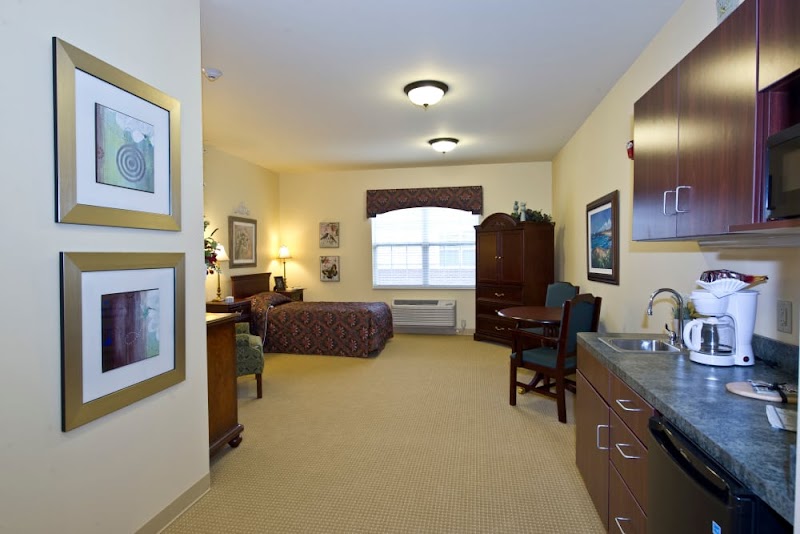
CMS rates Westlake Health Campus's staffing level at 4 out of 5 stars, which is above average compared to other nursing homes. Staff turnover is 29%, compared to the Michigan average of 46%. This relatively stable workforce can support continuity of care.

What Have Inspectors Found at Westlake Health Campus?

State health inspectors documented 21 deficiencies at Westlake Health Campus during 2022 to 2025. These included: 21 with potential for harm.

Who Owns and Operates Westlake Health Campus?

Westlake Health Campus is owned by a for-profit company. For-profit facilities operate as businesses with obligations to shareholders or private owners. The facility is operated by TRILOGY HEALTH SERVICES, a chain that manages multiple nursing homes. With 61 certified beds and approximately 57 residents (about 93% occupancy), it is a smaller facility located in Commerce, Michigan.

How Does Westlake Health Campus Compare to Other Michigan Nursing Homes?

Compared to the 100 nursing homes in Michigan, Westlake Health Campus's overall rating (3 stars) is below the state average of 3.1, staff turnover (29%) is significantly lower than the state average of 46%, and health inspection rating (3 stars) is at the national benchmark.

What Should Families Ask When Visiting Westlake Health Campus?

Based on this facility's data, families visiting should ask: "Can I visit during a mealtime to observe dining assistance and food quality?" "How do you handle medical emergencies, and what is your hospital transfer rate?" "Can I speak with family members of current residents about their experience?"

Is Westlake Health Campus Safe?

Based on CMS inspection data, Westlake Health Campus has a clean safety record: no substantiated abuse findings (meaning no confirmed cases of resident harm), no Immediate Jeopardy citations (the most serious violation level indicating risk of serious injury or death), and is not on the Special Focus Facility watch list (a federal program monitoring the lowest-performing 1% of nursing homes). The facility has a 3-star overall rating and ranks #100 of 100 nursing homes in Michigan. While no facility is perfect, families should still ask about staff-to-resident ratios and recent inspection results during their visit.

Do Nurses at Westlake Health Campus Stick Around?

Staff at Westlake Health Campus tend to stick around. With a turnover rate of 29%, the facility is 17 percentage points below the Michigan average of 46%. Low turnover is a positive sign. It means caregivers have time to learn each resident's needs, medications, and personal preferences. Consistent staff also notice subtle changes in a resident's condition more quickly.

Was Westlake Health Campus Ever Fined?

Westlake Health Campus has no federal fines on record. CMS issues fines when nursing homes fail to meet care standards or don't correct problems found during inspections. The absence of fines suggests the facility has either maintained compliance or corrected any issues before penalties were assessed. This is a positive indicator, though families should still review recent inspection reports for the full picture.

Is Westlake Health Campus on Any Federal Watch List?

Westlake Health Campus is not on any federal watch list. The most significant is the Special Focus Facility (SFF) program, which identifies the bottom 1% of nursing homes nationally based on persistent, serious quality problems. Not being on this list means the facility has avoided the pattern of deficiencies that triggers enhanced federal oversight. This is a positive indicator, though families should still review the facility's inspection history directly.