Autumnwood of Deckerville

3387 Ella Street, Deckerville, MI 48427 (810) 376-2145
For profit - Individual 84 Beds CIENA HEALTHCARE/LAUREL HEALTH CARE Data: November 2025
Trust Grade
40/100
#103 of 422 in MI
Last Inspection: March 2025

Within standard 12-15 month inspection cycle. Federal law requires annual inspections.

Overview

Autumnwood of Deckerville has a Trust Grade of D, indicating below-average performance with some concerning issues. It ranks #103 out of 422 nursing homes in Michigan, placing it in the top half of facilities statewide, and is the best option out of three in Sanilac County. The facility is improving, having reduced the number of health issues from eight in 2024 to four in 2025. Staffing is a strength, with a 4 out of 5 star rating and only 25% turnover, significantly lower than the state's average. However, the facility has accumulated $77,213 in fines, which is higher than 85% of Michigan facilities, raising concerns about repeated compliance problems. Specific incidents from inspections highlight serious issues: one resident suffered a nasal bone fracture due to inadequate supervision and falls, while another resident experienced non-consensual contact from another resident, indicating a failure to protect residents from harm. Additionally, a resident fell out of a wheelchair during transport, resulting in serious injuries, which points to lapses in safety protocols. Overall, while there are notable strengths in staffing and some improvement in health issues, the facility's serious incidents and high fines are concerning.

Trust Score
D
40/100
In Michigan
#103/422
Top 24%
Safety Record
High Risk
Review needed
Inspections
Getting Better
8 → 4 violations
Staff Stability
✓ Good
25% annual turnover. Excellent stability, 23 points below Michigan's 48% average. Staff who stay learn residents' needs.
Penalties
○ Average
$77,213 in fines. Higher than 52% of Michigan facilities. Some compliance issues.
Skilled Nurses
○ Average
Each resident gets 41 minutes of Registered Nurse (RN) attention daily — about average for Michigan. RNs are the most trained staff who monitor for health changes.
Violations
⚠ Watch
24 deficiencies on record. Higher than average. Multiple issues found across inspections.
★★★★☆
4.0
Overall Rating
★★★★☆
4.0
Staff Levels
★★★★☆
4.0
Care Quality
★★★★☆
4.0
Inspection Score
Stable
2024: 8 issues
2025: 4 issues

The Good

  • 4-Star Staffing Rating · Above-average nurse staffing levels
  • 4-Star Quality Measures · Strong clinical quality outcomes
  • Low Staff Turnover (25%) · Staff stability means consistent care
  • Full Sprinkler Coverage · Fire safety systems throughout facility
  • No fines on record
  • Staff turnover is low (25%)

    23 points below Michigan average of 48%

Facility shows strength in staffing levels, quality measures, staff retention, fire safety.

The Bad

Federal Fines: $77,213

Well above median ($33,413)

Moderate penalties - review what triggered them

Chain: CIENA HEALTHCARE/LAUREL HEALTH CARE

Part of a multi-facility chain

Ask about local staffing decisions and management

The Ugly 24 deficiencies on record

5 actual harm
Aug 2025 1 deficiency 1 Harm
SERIOUS (G) 📢 Someone Reported This

A family member, employee, or ombudsman was alarmed enough to file a formal complaint

Actual Harm - a resident was hurt due to facility failures

Accident Prevention (Tag F0689)

A resident was harmed · This affected 1 resident

**NOTE- TERMS IN BRACKETS HAVE BEEN EDITED TO PROTECT CONFIDENTIALITY** This Citation Pertains to Intake Number 1316000. Based on observation, interview and record review, the facility failed to provi...

Read full inspector narrative →
**NOTE- TERMS IN BRACKETS HAVE BEEN EDITED TO PROTECT CONFIDENTIALITY** This Citation Pertains to Intake Number 1316000. Based on observation, interview and record review, the facility failed to provide adequate supervision, ensure comprehensive investigations of falls, and implement meaningful interventions to prevent falls for two residents (# 701 and #702) of three residents reviewed, resulting in falls with injury including nasal bone fractures, the necessity for emergency medical treatment, and unnecessary pain. Findings include: Resident #701:On 8/6/25 at 12:30 PM, Resident #701 was observed in their room in bed with their eyes closed in the locked dementia unit of the facility. The Resident's call light was next to the Resident's bed and not within easy reach.Record review revealed Resident #701 was admitted to the facility on [DATE] with diagnoses which included mood disorder, major depressive disorder, anxiety, and dementia. Review of the Minimum Data Set (MDS) assessment dated [DATE] revealed the Resident was severely cognitively impaired and required set up to moderate assistance to complete Activities of Daily Living (ADLs) including supervision/touching assistance with ambulation.An interview was completed with Registered Nurse (RN) A on 8/6/25 at 12:45 PM. When queried regarding Resident #701, RN A revealed the Resident was in the locked dementia unit because they are very confused and had even tried to break windows and doors to get out. With further inquiry, RN A revealed the Resident has a court appointed guardian. RN A was asked if Resident #701 had any falls while at the facility and stated, Yes, when they first got here. When queried if the Resident was injured from the fall, RN A responded that they had two black eyes. When asked if they were working when Resident #701 fell, RN A responded they were not.At 2:00 PM on 8/26/25, Resident #701 was observed in their room in bed.Review of Resident #701's Electronic Medical Record (EMR) revealed a care plan entitled, (Resident #701) is at risk for fall related injury and falls R/T (related to): Dementia (Created and Initiated: 5/1/25). The care plan included the interventions:- Encourage the resident to wear appropriate footwear as needed. Replace resident's worn out shoes r/t incident 5/4/25 (Created and Initiated: 5/1/25; Revised: 7/18/25)- Keep the resident's environment as safe as possible with: even floors free from spills and/or clutter; adequate lighting; call light within reach, commonly used items within reach, avoid repositioning furniture and keep the bed in the appropriate (Created and Initiated: 5/1/25)- Provide resident with activities that minimize the potential for falls while providing diversion and distraction (Created and Initiated: 5/1/25)- Put the call light within reach and encourage her to use it for assistance as needed (Created and Initiated: 5/1/25)A second care plan entitled, (Resident #701) has a functional ability deficit and requires assistance with self-care/mobility R/T: dementia (Initiated and Revised: 5/1/25). The care plan included the intervention, Ambulation/Walking: Resident Supervision/touching assist with one helper (Initiated and Revised: 5/1/25).Review of Resident #701's Nursing Comprehensive Evaluation dated 5/1/25 at 1:54 PM revealed the Resident was at risk for falls.Review of skin assessment documentation in Resident #701's EMR revealed no documentation of facial bruising.Further review of Resident #701's EMR revealed the following progress notes:- 5/4/25 at 3:15 AM: Nurses Notes. Resident came to nurse's station and stated, ‘I think I fell'. Resident's mouth was bleeding and resident had blood on their hands. Resident was assessed and neuros initiated. Swelling and bruising noted to nose and lower lip. Resident's face and hands were cleansed of blood and upon changing resident's clothing noted resident's shoes were worn and rubber soles were peeling back at the toe area. Resident also c/o (complain of) left knee pain. Noted small abrasion to lateral side of patella and slight bruising to medial side. Care plan updated with intervention to replace resident's worn shoes. Just prior to incident had been observed ambulating towards dining room. Upon this writer's investigation of incident resident was asked what happened and replied, I was chasing the dogs'. This writer and CNA (Certified Nursing Assistant) noted blood on dining room floor and chair shortly after incident.- 5/5/25 at 11:52 AM: Nurses Notes. Facial bruising to both orbits, chin, and swollen bottom lip.- 5/6/25 at 5:49 PM: Nurses Notes Day 3 of incident/fall. Resident has no injuries. has bruising surrounding eyes, but does not complaint of pain. complained that lip was sore, which it is swollen.- 5/8/25 at 11:16 AM: Resident At Risk. being reviewed by the IDT r/t incident that occurred on 5/4/25. shoes were worn with a floppy bottom and where removed and gripper sock provided until new shoes are purchased.- 5/23/25 at 9:15 AM: Psychiatry Follow up -history of Alzheimer's disease dementia with agitation. recent fall with facial bruising .On 8/7/25 at 9:55 AM, Resident #701 was observed standing in the dining/activity room of the locked dementia unit with staff present providing touching assistance. The Resident was wearing sweatpants. The sweatpants were long, and the Resident was walking on the pants with the heel of their shoe. When spoke to, Resident #701 was unable to provide meaningful responses to questions.Facility provided Incident and Accident (I &A) Report for Resident #701 revealed the Resident had one fall on 5/4/25 at 12:30 AM. The report detailed, 3. Describe the position the resident was observed: Resident came to nurses' station and stated, ‘I think I fell'. had blood on hands and face. 4. Fall Summary: Self-reported fall. 5. Fall Location: Dining room/day room. 9. Footwear at time of fall: Shoes. Gripper socks. 19. Were there any changes in the resident's normal routine? (Resident #701) is a new resident and had been observed wandering in unit since admission. pleasantly confused.Recreation of the Last 3 Hours Before Fall: Resident was observed wandering hallway of unit since beginning of shift. has been their normal routine. (Resident) was assisted to bed but stayed there for five minutes and was up walking around again. Root Cause of this Fall: Footwear. Resident's worn-out shoes will not be given to them to wear. Need to be replaced.A phone interview was attempted to be completed with Registered Nurse (RN) C on 8/7/25 at 2:07 PM. A voicemail message with return number was left.An interview was conducted with CNA B on 8/7/25 at 2:14 PM. When queried if they recalled working the midnight shift on 5/3/25 to 5/4/25 when Resident#701 fell, CNA B confirmed they did and stated, It was one of those Saturdays. CNA B was asked what happened and stated, I was at the nurses station, got a drink, and that's when (Resident #701) came up to me with their face all bloody. CNA B was asked what all bloody meant and replied, It was dripping from their nose and by their mouth and got on their shirt. When asked how they knew where the Resident fell, CNA B stated, The nurse figured it out. When asked if they recalled anything else, CNA B stated, I was the only one (CNA) there. It was just me and the nurse there. We tried to get (Resident #701) to bed and they got up. When queried regarding the reason Resident #701 has fell and if they had tripped over anything, CNA B replied, I think it was their shoes. They were split at the sole where it meets the shoe. When queried regarding the Resident's shoes, CNA B revealed they had not checked the Resident's shoes. CNA B was asked where and when Resident #701 has last been observed by staff and revealed they were unsure. CNA B then stated, It is exceptionally hard to keep track of all the residents when there is only one CNA and one nurse in the dementia unit. CNA B elaborated, Everyone who is walking around is so hard to keep track of when we were working really short. When asked how many CNAs normally work in the locked dementia unit on the midnight shift, CNA B replied, Normally have two. When queried if they thought Resident #701 would have fell if they would have had two CNAs working to assist in supervising and monitoring the Residents, CNA B replied, No.An interview and review of Resident #701's I & A was completed with the Administrator on 8/7/25 at 2:29 PM. When queried regarding the root cause of Resident #701's fall on 5/4/25, the Administrator verbalized staff identified the Resident's shoes were coming apart. When asked why the Resident was wearing shoes that were a trip hazard with soles that were separating, the Administrator indicated the Resident was a new admission and those were most likely the shoes they brought to the facility with them. When queried if staff are supposed to check shoes and clothing prior to resident use for safety, the Administrator stated, If they (staff) notice the soles are separate from the shoes then they should not use them. The Administrator was then asked where staff are supposed to chart injuries such as bruising in the EMR and replied, It should be in the skin assessment. When queried why Resident #701's facial bruising/black eyes were not documented in their skin assessments, an explanation was not provided. When queried where the staff were at the time of the fall, the Administrator was unable to provide a response. The Administrator was then asked if the facility/unit was short staffed when Resident #701 fell and replied, Not that I know of. There are always two CNAs and one nurse on the (dementia) unit. When asked why staff stated there was only one CNA working in the dementia unit when Resident #701 fell, the Administrator revealed they would need to review staffing documentation. When queried if one CNA and one nurse on the locked dementia unit would be able to supervise all residents on the unit, considering the resident population who reside on the locked unit, a response was not provided. Staffing documentation was requested from the Administrator at this time.On 8/7/25 at 2:50 PM, a follow-up interview was completed with the Administrator. The Administrator confirmed there was only one CNA and one nurse working in the locked dementia unit when Resident #701 fell. No further explanation was provided.Resident #702:On 8/6/25 at 12:15 PM, Resident #702 was in their room in bed. From the hallway, significant dark purple colored bruising was observed on the Resident's face. The bruising was present around both eyes and their mouth and significant edema was present on the top of their left eye.Record review revealed Resident #702 was admitted to the facility on [DATE] with diagnoses which included depression, anxiety, and dementia with psychotic disturbance. Review of the MDS assessment dated [DATE] revealed the Resident was severely cognitively impaired and required substantial to total assistance for bed mobility, transferring, and mobility. The MDS further detailed the Resident has a history of falls prior to admission and had one fall since admission.Review of Resident #702's EMR revealed a care plan entitled, (Resident #702) is at risk for fall r/t weakness, impaired memory, hx (history) of falls, new environment (Initiated: 7/11/25; Revised: 7/25/25). The care plan included the interventions:- Do not leave resident unattended in bathroom (Initiated: 7/11/25)- Keep within visual proximity of staff when up in wheelchair (Initiated: 7/11/25)- Lock brakes on wheelchair prior to transfers (Initiated: 7/11/25)- Provide resident with activities that minimize the potential for falls while providing diversion and distraction (Initiated: 7/11/25)- Memory Brakes to w/c (wheelchair) (Initiated: 7/11/25; Revised: 7/14/25)- Dysem under the wheelchair cushion (Initiated: 7/22/25)- Recline w/c seat back d/t incident 7/24/25. Sent to ER for Eval: antibiotic started for UTI (Urinary Tract Infection), IV fluids, sutures to left eye (Initiated: 7/24/25; Revised: 7/25/25).Review of documentation in Resident #702's EMR revealed the following:- 7/11/25 at 11:20 AM: Nursing Summary. arrived at 1120 via EMS from Hospital. has dx (diagnosis) of Dementia with behaviors. admitted r/t recent fall at home. Per hospital (Resident #702) laid on floor for 19 hours following fall. 2 assist for transfers and bed mobility. Alert only to self.- 7/11/25 at 10:18 PM: Nurses Notes. (Resident #702) was at table in activity room on A wing. This author looked up to see (the Resident) stand and immediately their wheelchair rolled away behind them. went to eval (the Resident) . noted to be sitting on buttocks with head up. Stated ‘I bonked my head'. Kept within visual proximity.- 7/18/25 at 1:16 PM: Resident At Risk. Fall from w/c 7/11. had a witnessed fall from w/c while attempting to stand and w/c rolled away behind them. Care plan updated for memory brakes to w/c.- 7/22/25 at 2:31 PM: Nurses Notes. Resident was observed on the floor in the activity room with back to her wheelchair and knees slightly bent and right hand in the air with left hand on lap. Resident was wearing gripper socks at time of incident. states slid out of wheelchair. Resident has small abrasion to the middle of back.- 7/24/25 at 12:04 PM: Resident At Risk. On 7/22/2025 at 1330, (Resident #702) was observed on the floor in the activity room. abrasion noted to back. had been sitting in w/c prior. Dycem applied to w/c seat to help prevent sliding.- 7/24/25 at 2:05 PM: Nurses Notes. This writer was by room [ROOM NUMBER] walking towards the A-wing nurses' station, when the resident was observed leaning over the left side of chair. This writer called out to staff that was at the nurses' station but had their back to (Resident) that was going to fall. Staff attempted to intervein but (Resident) was already falling. Resident hit floor. face first with no attempts to cushion fall. was laying facedown. moderate amount of blood on the floor. was gently rolled over and noted to having two lacerations to face, one below left eyebrow and one on the side of left nose. Pressure and ice was applied. was wearing gripper socks, and in a high traffic area in front of the a-wing nurses station by the activity room door. Care plan updated to have wheelchair seat tipped back.On 8/6/25 at 3:45 PM, Resident #702 was observed sitting in a wheelchair at a table in the dining/activity room of the locked dementia unit. The Resident's legs were positioned on the wheelchair leg/footrests. Deep, dark purple colored bruising was present around both the Resident's eyes. The bruising was darker and more prominent under their eyes. There was deep, dark purple colored bruising surrounding the Resident's mouth and on their cheeks with noticeably more bruising on the left side. The left eye upper orbit area was notably and significantly edematous. The dark purple colored bruising was present on the Resident's neck and chest. The visible bruising on the Resident's chest was lighter in color. When asked what happened, Resident #702 did not provide a response. Resident #702 was pleasantly confused and unable to provide meaningful responses to questions.A review of documentation in Resident #702's EMR revealed ER hospital discharge documentation dated 7/24/25. The documentation included the following:- ED Provider Notes. Presents to the ER. reportedly rolled out of wheelchair sustained a laceration to left orbit. Physical Exam. has a proximally 2.5 cm (centimeter) linear laceration to the inferior left lateral orbit. laceration to the bridge of the nose. Both lacerations surrounded by acute contusion changes and mild edema. ED Course. fall. evaluate for traumatic injury. Left orbit laceration is repaired. wound is approximated using multiple sutures. CT images revised. nasal fx (fracture). urinalysis shows evidence of urinary tract infection (UTI). - CT head. Soft tissue edema overlying the nose, left side greater than right with nondisplaced left and right nasal bone fractures with slight right nasal deviation.A review of the facility provided I & A and investigation documentation for Resident #702 revealed the following:- 7/11/25 at 6:25 PM: Fall Description Details. 1. What did the resident they were trying to do just before they fell? Couldn't verbalize. 2. Factors observed at the time of the fall: Wheelchair/bed brakes unlocked. witnessed. 3. Describe the position the resident was observed: Sitting on buttocks hands at side. 4. Fall Summary: Fall to the floor (witnessed). 5. Fall Location: Activity Room. 6. What was the Resident doing during or just prior to fall. attempting to stand up from wheelchair. 9. Footwear at time of fall: Shoes. 13. Continent. Fall Huddle: Brakes weren't locked on w/c. Initial Interventions: Kept within visual proximity of staff in activity room and with nurse. New Intervention after IDT Review. antiroll brakes.- 7/22/25 at 1:30 PM: Fall Description Details. 1. What did the resident they were trying to do just before they fell? Slid out of w/c. 3. Describe the position the resident was observed: Sitting on coccyx with back facing w/c knees slightly bent. 4. Fall Summary: Observed on the floor (unwitnessed). 5. Fall Location: Activity Room. 9. Footwear at time of Fall? Gripper Socks. Re-Creation of Last 3 Hours Before Fall: Resident was down in the dining room for lunch until about 12:15- 12:30 PM and then was in the activity room up until incident. Resident had been toileted just prior to going for lunch. Root Cause of this Fall: Mood or mental status- Slid out of w/c trying to get up w/o assistance. Initial Interventions: Dycem under w/c cushion.- 7/24/25 at 2:05 PM: 1. What did the resident they were trying to do just before they fell? Unable to give description. 2. Factors observed at the time of the fall: Resident lost their balance. Lost strength/appeared weak- leaning over in w/c. 3. Describe the position the resident was observed: Face down with arms at sides and legs straight out towards w/c. 4. Fall Summary: Fall to the floor (witnessed). 5. Fall Location: Hallway. 6. What was the Resident doing during or just prior to fall. attempting to stand up from wheelchair. Re-Creation of Last 3 Hours Before Fall: Resident was down in the dining room for lunch from 11a-12p then was up by nurses station until toileted at 12:49 PM then back by nurses station until incident. Root Cause of the Fall: Vital signs abnormal. Medical status/Physical condition/Diagnoses. Mood or mental status. Describe initial interventions to prevent further falls: Recline w/c seat back. New interventions after IDT review: Sent to ER for Eval - IV (Intravenous) fluids, antibiotic for UTI, Sutures to left eye. 7/24/25 at 8:20 PM: Was sent out to ER again for low O2 (Oxygen saturation). Was transferred to (tertiary hospital) and admitted to ICU (Intensive Care Unit) with Saddle Embolism (uncommon blood clot in the bifurcation of the main pulmonary artery which can lead to sudden hemodynamic collapse and death).This I &A included a typed and unsigned document which detailed, Incident Date: 7/24/25 at 2:05 PM. Reported Incident: Resident was observed leaning over the left side of chair out by nurses' station. Resident was observed falling to the floor face first with no attempts to cushion fall, landing face down. Staff attempted to intervene but did not get to (resident)in time, (Resident) was already falling. moderate amount of blood on the floor. was gently rolled over and noted to (have) two laceration to face, one below left eyebrow and on the side of left nose. Sent to ER for evaluation r/t lacerations and bleeding. Interviews:- RN D was interviewed 7/24/25. I was by room [ROOM NUMBER] walking towards the A-wing nurses' station when the resident was observed leaning over the left side of chair, I called out to staff that was at the nurses' station but (staff) had their back to (resident) that was going to fall. Staff attempted to intervention was (resident) was already falling. Resident hit floor with face first and no attempt to cushion fall. was lying face down.- CNA E was interviewed on 7/24/25. stated I heard (RN D) yell for help. I tried to get to (Resident #702) before they fell but I couldn't get to them in time. fell to the floor on their face.- Licensed Practical Nurse (LPN) F was interviewed on 7/24/25. I was behind the desk charting and did not see (Resident #702) fall.Investigation Conclusion: DON spoke with LPN F evening of 7/24/25, Resident was being sent back from the hospital with 7 sutures in left eye and IV antibiotics for UTI. returned to (facility) at 6:00 PM with orders for IVAB (Intravenous antibiotics), IV fluids for dehydration, vaginal cream for infection.On 8/7/25 at 9:55 AM, Resident #702 was observed sitting at a table in their wheelchair in the dining/activity room of the locked dementia unit of the facility. The bruising on the Resident's face remained unchanged and both their feet were positioned on the wheelchair leg/footrests.An interview was completed with Therapy Staff G and Occupational Therapist (OT) H on 8/7/25 at 11:40 PM. When queried regarding Resident #702's falls in the facility, OT H stated, She was on (therapy) caseload at the time of the fall. When queried if Therapy evaluated and/or recommended Resident #702's wheelchair seat be tilted back following their fall on 7/24/25, OT H replied, No. OT H and Therapy Staff G both verbalized the tilted seat was a nursing intervention and therapy was not involved with the intervention. When queried if therapy services typically evaluates residents was tilted wheelchair seats, Therapy Staff G revealed nursing staff will often implement the intervention to hinder resident's from getting out of the chair by themselves. When queried if Resident #702 was supposed to have footrests in place on their wheelchair all the time when sitting stationary, both OT H and Therapy Staff G responded they were.An interview and review of Resident #702's I & A was completed with the Administrator and Director of Nursing (DON) on 8/7/25 at 12:15 PM. When queried regarding Resident #702's fall on 7/11/25, the Administrator verbalized the Resident attempted to stand up from their wheelchair with the brakes unlocked and fell. When queried where facility staff were when the Resident fell, the Administrator and DON were unable to provide a response. When queried if the Resident was cognitively able to remember to lock the brakes on the wheelchair prior to standing, the Administrator indicated the Resident had just been admitted and anti-roll back brakes were added to the Resident's wheelchair following the fall. When queried if the leg/footrests were present on the Resident's wheelchair at the time of the fall, the Administrator and DON revealed they did not know. The I & A for the fall on 7/22/25 was reviewed next. When asked, the Administrator and DON verbalized the Resident had an unwitnessed fall in the Activity Room. When asked if residents are left unattended in the Activity Room, the Administrator verbalized they are. When queried where the Resident fell in the Activity Room, the Administrator and DON were unable to provide an explanation. When queried if leg/footrests were present on the wheelchair when Resident #702 fell, the Administrator replied, I don't know. When asked how they determined Resident #702 slid out of their wheelchair when the fall was unwitnessed, the Administrator revealed it was from what staff had told them. When queried why that was not included in the fall investigation, an explanation was not provided. When queried regarding the fall on 7/22/25, the Administrator stated the facility staff was unaware Resident #702 had nasal bone fractures when they returned from the ER. When queried if the Resident had leg/footrests in place at the time of the fall, the Administrator and DON were unable to provide an explanation. When queried why Resident #702 was sitting at the nurses' station without any activities, an explanation was not provided. When asked how tilting the wheelchair seat back was an appropriate and effective intervention when the Resident fell over the side of their chair and the inconsistencies between the EMR and I & A documentation but did not provide further explanation. When queried regarding the pattern of the falls, all being from their wheelchair when unattended, the effectiveness of the interventions, and the lack of comprehensive investigation in order to implement meaningful interventions, the Administrator and DON verbalized understanding. No further explanation was provided.A tour of the A unit hall was completed on 8/7/25 at 12:50 PM. room [ROOM NUMBER] was noted to be approximately halfway down the hall, slightly past the angle, between the end of the hall and the nurses' station.On 8/7/25 at 1:20 PM, an interview was conducted with RN D. When queried regarding Resident #702's fall on 7/24/25, RN D stated, (Resident #702) was sitting in front of the nurses' station. A CNA was at the desk (nurses' station) with their back towards the Resident. (LPN F) was on the computer at the nurses' station. RN D continued, (Resident #702) was bent over left side arm of the wheelchair. I was too far away to do anything, and I yelled to (CNA E). RN D verbalized CNA E responded but was not in time. RN D stated, (Resident #702) fell over the arm of the wheelchair. When asked to clarify if they were saying Resident #702 feel over the side and the arm of the wheelchair, RN D confirmed. RN D demonstrated the Resident leaning over the left side of their wheelchair arm and then falling. When asked if the wheelchair tipped when the Resident fell, RN D replied, The wheelchair stayed upright. RN D was asked how the Resident landed and replied, When (Resident #702's) face landed, they went flat. When queried where they were in relation to the wheelchair, RN D replied, Their left hip was where the left front wheel (of wheelchair) would have been. RN D was asked if Resident #702 had foot pedals/leg rests in place on their wheelchair and revealed they did not remember. When queried if they observed blood, RN D revealed there was instantly blood observed on the floor. RN D revealed Resident #702 had a laceration right above their left eye and on the left side of nose. RN D indicated Resident #702 wore glasses and they thought the glasses may have caused the lacerations. When queried if Resident #702's glasses where still on after the fall, RN D stated, No, I don't believe they did. When asked where Resident #702's glasses were, RN D replied, Not sure. When asked if Resident #702 was attempting to stand from their wheelchair when they fell, RN D replied, No. When queried why the I &A report for the fall specified the reason for the fall because the Resident was attempting to stand up, RN D replied, (LPN F) did the paper (I & A) and I did the computer documentation. RN D reiterated the Resident fell out of the side of their wheelchair and stated, It looked like they were reaching for something.An interview was conducted with CNA E on 8/7/25 at 1:34 PM. When queried regarding Resident #702's fall on 7/24/25, CNA E stated, I did not witness it. When asked what happened, CNA E stated, I heard from the room I was in. I was in room [ROOM NUMBER] and I heard (RN D) yell they're gonna fall. When queried regarding RN D stating they were at the nurses' station, CNA E replied, I was not at the nurses' station and indicated they did not know why RN D said that. CNA E was asked what they saw and stated, (Resident #702) next to their wheelchair with their face to the floor. When queried if the foot pedals were on the wheelchair, CNA E replied, I don't recall. CNA D was asked if the Resident was bleeding and stated, Yes, it looked like their glasses sliced under their eye. When queried where the Resident's glasses were after the glass, CNA E was unable to recall. CNA E was asked what direction the Resident was facing when they were sitting in their wheelchair prior to the fall and stated, They were facing directly towards the nurses' station. When queried why Resident #702 was sitting by the nurses' station, CNA E replied, So we could try to prevent a fall because (Resident #702) is one of those who would try to get up. When queried if the Resident was given anything to do and/or occupy themselves with while sitting near the nurses' station, CNA E revealed the Resident did not have an activity or anything to do while sitting near the nurses' station. When asked if there was TV in that area for the Resident to watch, CNA E responded that there was not a TV. When asked if there was a facility activity at that time, CNA E revealed there is one activity staff for an activity, and they cannot closely supervise watch all the residents especially when they are a high fall risk like Resident #702 which is the reason Resident #702 was positioned near the nurses' station. When asked if staff sitting at the nurses station are able to visualize residents over the desk/counter ledge when they are seated, CNA E responded they could not. When queried how beneficial it is to position high fall risk residents near the nurses' station when they are unable to be visualized and without something to occupy them, CNA E verbalized understanding but did not provide further explanation. When queried if they were working when Resident #702 fell on 7/11/25 or 7/22/25, CNA E stated, I think (Resident #702) fell as we were leaving on 7/11/25 and was unable to provide an information pertaining to that fall. CNA E verbalized they were working when the Resident fell on 7/22/25. When asked what happened, CNA E indicated the fall was unwitnessed. When queried what happened, CNA E revealed the Resident was sitting in the dining/activity room and stated, (Resident #702) kept scooching their butt forward (in their wheelchair) and we kept scooting them back. When queried if there are no staff in the dining/activity room when residents are present, CNA E replied, Not always. At that time, we could have been at half-staff because of lunch breaks. CNA E then stated, They do activities in the dining room but activity staff are not present in the room when an activity is not ongoing. When queried if the leg/footrests were in place on Resident #702's wheelchair at the time of the fall, CNA E indicated they were on the wheelchair and stated, I think they were off to the side. When queried how the staff determined the Resident slid off the wheelchair and did not attempt to stand and fall and stated, I imagine (Resident #702) was scootching forward to stand and then fell. CNA E was asked if they recalled any additional information regarding Resident #702's falls and stated, I don't know why they didn't move (Resident #702) after the first or second fall to the (locked dementia) unit. (Resident #702) is someone who needs someone to talk to and to be entertained, or else they are getting up and trying to do something.An interview was completed with LPN F at 2:25 PM on 8/7/25. When queried regarding Resident #702's fall on 7/24/25, LPN F verbalized they were sitting at the nurses' station, were unable to see over the ledge of the nurses' station, and did not see the Resident fall. LPN F indicated they heard RN D yell and stated, Before I could even lift my head up, (Resident #702) had fell and hit their face on the floor. LPN D indicated they responded to the Resident after the fall. When asked if the Resident had leg/footrests in place on their wheelchair when they fell, LPN D revealed they did not remember. When queried why Resident #702 was sitting in their wheelchair in front of the nurses' station, LPN F revealed the Resident was a high fall risk and they were placed there so staff could visualize them. When asked if the Resident had or was given anything to occupy them while sitting near the nurses'
Mar 2025 3 deficiencies
CONCERN (D)

Potential for Harm - no one hurt, but risky conditions existed

Deficiency F0552 (Tag F0552)

Could have caused harm · This affected 1 resident

**NOTE- TERMS IN BRACKETS HAVE BEEN EDITED TO PROTECT CONFIDENTIALITY** Based on interview and record review the facility failed to notify three residents' (#42, #68 & #75) responsible parties of init...

Read full inspector narrative →
**NOTE- TERMS IN BRACKETS HAVE BEEN EDITED TO PROTECT CONFIDENTIALITY** Based on interview and record review the facility failed to notify three residents' (#42, #68 & #75) responsible parties of initiation and changes to their medication regime of five residents reviewed for unnecessary medications. Findings Include: Resident #42: On 3/5/2025 at 9:00 AM, a review was conducted of Resident #42's clinical records and it indicated the resident admitted to the facility on [DATE] with diagnoses that included, Dementia, Adjustment Disorder, Delusional Disorder, Depression, Anxiety and Schizophrenia. Resident #42 was deemed incapable of making decision for herself and a guardian was appointed. Further review was completed of Resident #42's Cymbalta (antidepressant medication) and Buspirone (antianxiety medication) orders and changes since admission which yielded the following: Physician Orders: Buspirone: Started on 2/12/2025. Give 5 mg (milligrams) by mouth two times a day for anxiety. Cymbalta: Started on 10/2/2025. Give one-20 mg capsule by mouth one time a day for depression. Started on 12/18/2025: Give one- 40 mg capsule by mouth one time a day for depression. Started on 1/15/2025. Give one-60 MG capsule by mouth one time a day for depression. Progress Notes: 9/30/2024 at 16:02: (Psychiatric Nurse Practitioner Note): .Will decrease Prozac and use Cymbalta 20 mg qd for mood and pain relief . 10/2/2024 at 13:23: First dose of Cymbalta 20 MG given this am . 12/16/2024 at 16:40: (Psychiatric Nurse Practitioner Note): .increase Cymbalta to 40 MG daily . 1/13/2025 at 15:35 (Psychiatric Nurse Practitioner Note): .Will increase Cymbalta to 60 mg daily to help with crying and yelling episodes . 1/15/2025 at 11:14: .Medication change increase Cymbalta to 60 mg daily dx (diagnosis) depression 2/12/2025 at 14:38: Buspar 5 mg was initiated this am. There have been no adverse effects noted so far . 2/14/2025 at 10:39: Cymbalta increase and Buspar initiated .tolerating increase in Cymbalta and initiation of Buspar with no noted adverse effects . 2/20/2025 at 11:22: (Resident #42) is tolerating increase in Cymbalta and initiation of Buspar with no noted adverse effects. There was no documentation located from facility staff that indicated the guardian consented to the usage of antianxiety and antidepressant medications and their subsequent dosage increases. Resident #68: On 3/4/2025, at approximately 12:30 PM, Resident #68 was observed walking about the hallways of the unit. He was pleasantly confused and unable to hold a conversation due to his disease process. The nurse reported his behaviors are unpredictable at times, but the staff do well with anticipation of his needs and different interventions. On 3/5/2025 at 10:00 AM, a review was conducted of Resident #68's clinical record and it revealed he admitted to the facility on [DATE] with diagnoses that included, Dementia, Adjustment Disorder, Anxiety, Depression and Psychotic Disorder. Resident #68 does not have the capacity to make his own decisions and had a guardian appointed. Further review was conducted of the records and yielded the following: Physician Orders: Haldol (antipsychotic medication) Injection Solution 5 MG (milligrams)/ML (milliliters)- inject 2.5 mg intramuscularly (IM) every 2 hours as needed for severe agitation for 14 days. Ordered on 2/21/25. Progress Notes: 2/21/2025 at 04:09: Resident extremely behavioral towards staff and very aggressive. He began hitting staff, cussing, and disrupting other residents. He was inconsolable and nothing could calm resident down. He would not take any PO meds despite attempt. (contracted psychiatric group) contacted, could not reach. (Nurse Practitioner) contacted and emergency order obtained for haldol 2.5mg IM. administered and awaiting effectiveness. Resident then began chasing staff. 2/21/2025 at 04:08 - Medication Administration Note: Haldol Injection Solution 5 MG/ML. Inject 2.5 mg intramuscularly every 2 hours as needed for severe agitation. 2/27/2025 at 13:53: Reviewed Clinical Indicator .In addition, PCP added Haldol 2.5 mg IM q (every) 2 hours PRN through 3/7/25 for aggression on 2/21/25. He has only required one dose 2/21/25. Seroquel titrated down and discontinued 2/25/25 . There was no documentation located from facility staff that indicated the guardian consented to the usage of the antipsychotic medication or was informed of the events that led to Resident #68 being administered the medication. Resident #75 On 3/5/2025 at 9:30 AM, a review was conducted of Resident #75's medical records and it indicated she admitted to the facility on [DATE] with diagnoses that included, Vascular Dementia, Alzheimer's, Adjustment Disorder, Psychotic Disorder and Depression. Resident #75 was deemed incapable of making decisions and with her daughter as her responsible party. Further review was completed of Resident #75's Lorazepam (antianxiety medication) and Klonopin (antianxiety medication) orders and changes since admission which yielded the following: Physician Orders: Klonopin: Started on 1/22/2025. Given one 0.5 mg tablet by mouth two times a day for anxiety. Started on 2/9/2025. Given one 0.5 mg tablet by mouth three times a day for anxiety. Lorazepam: Started on 2/18/2025: Give one tablet by mouth every 12 hours as needed for Anxiety and restlessness for 14 days. Progress Notes: 1/22/2025 at 09:57: Recent medication changes of starting Klonopin 0.5mg BID. Received first dose this morning . 1/21/2025 at 21:20: Resident to being klonopin 2x/da beginning tomorrow for anxiety. 2/20/2025 at 11:27: .Nursing obtained PRN (as needed) Ativan order from PCP (primary care) x 14 days . 2/18/2025 at 13:25: .Klonopin as ordered helpful with Ativan 0.5 mg q( every) 4 hour as needed . 2/17/2025 at 16:00: (Psychiatric Nurse Practitioner) .Klonopin 0.5 mg tid for anxiety, pacing, fretful, restless, anxious wandering . 2/14/2025 at 10:45: .In addition on call NP (nurse practitioner) increased Klonopin from 0.5 mg BID (twice a day) to 0.5 TID (three times a day) r/t (related to) increased anxiety . There was no documentation located from facility staff that indicated the guardian consented to the usage of antianxiety medications and their subsequent dosage changes. On 3/5/2025 at 11:00 AM, Social Services Director A was asked about Resident #68's Haldol administration and if his guardian was alerted and consented to the medication. Director A explained in this situation the nurse could have contacted the guardian after the fact, but he would follow up regarding this situation. Director A was also queried regarding Resident #75 and Resident #42's medication adjustment without notification to the responsible party. He stated he would look into each resident and follow up. On 3/6/2025 at 10:55 AM, Social Services Director A stated going forward he will take credit for his work as he knows he spoke to all the responsible parties regarding the medication's changes, but it is not documented. He continued he will document them in the Resident at Risk note if they are agreeable or decline the change. A discussion was held that overall it's a process change as one person cannot be wholly responsible to obtain consents or declinations for every medications change. Review was completed of the policy entitled, Notification of Change, revised 2/14/2024. The policy stated, .The facility must inform the resident, consult with the resident practitioner, and notify, consistent with his or her authority, the resident representative (s) when there is a change in status . A need to alert treatment significantly means a need to stop a form of treatment because of adverse consequences, or commence a new form of treatment to seal with a problem .the licensed nurse will document in the resident electronic medical record the notification and information that was provided .
CONCERN (D)

Potential for Harm - no one hurt, but risky conditions existed

PASARR Coordination (Tag F0644)

Could have caused harm · This affected 1 resident

**NOTE- TERMS IN BRACKETS HAVE BEEN EDITED TO PROTECT CONFIDENTIALITY** Based on interview and record review, the facility failed to initiate a change in condition/PASSAR follow up for one resident (R...

Read full inspector narrative →
**NOTE- TERMS IN BRACKETS HAVE BEEN EDITED TO PROTECT CONFIDENTIALITY** Based on interview and record review, the facility failed to initiate a change in condition/PASSAR follow up for one resident (Resident #3) of five residents reviewed for PASSAR's. Findings include: Resident #3: On 3/04/25, at 11:51 AM, a record review of Resident #3's electronic medical record revealed an admission on [DATE] with diagnoses that included Diabetes, Stroke and Mental illness. Resident #3 had impaired cognition and required extensive assistance with Activities of Daily Living. A review of the Preadmission SCREENING (PAS)/ANNUAL RESIDENT REVIEW (ARR) Date 01/03/2025 revealed the Hospital Exemption Discharge was check marked. The boxes for Mental Illness were check marked. A review of the OBRA PASARR CORRESPONDENCE January 21,2025 revealed Based on review of the available information, the recipient was admitted to the nursing facility with a hospital exemption. Although the resident remains at the nursing facility, there is a tentative discharge date scheduled within 2 weeks. Therefore, a level II OBRA assessment will not be initiated at this time. If that plan changes, please notify the local OBRA Office as soon as possible for appropriate follow up. Please retrigger if individual remains past 30 days . On 3/05/25, at 1:30 PM, Social Worker (SW) Designee A was asked to provide any additional documentation the facility had regarding Resident #3's PASSAR correspondence. On 3/05/25, at 3:05 PM, a record review along with The Director of Nursing (DON) was conducted of Resident #3's PASSAR documentation in the electronic medical record. No additional documentation was located and the DON offered they would discuss with SW A and would follow up. On 3/06/2025, at 11:00 AM, an additional record review of Resident #3's electronic medical record/Miscellaneous tab revealed a new PASSAR correspondence Date 03/05/2025. The document revealed the Change in Condition was check marked. On 3/06/2025, at 11:30 AM, SW A was asked to explain the delay for the PASSAR/change in condition and SW A offered, they failed to complete it timely. A review of the facility provided Pre-admission Screening and Guest/Resident Review-PASRR Michigan Policy Last Revised 11/12/2021 revealed The PASSR process was established in 1987, as part of the OBRA ruling . If a person is admitted for a 30 day hospital exemption stay and later intends to remain in the nursing facility longer than 30 days, a Change in Condition is submitted to the local community mental health program for review. (Level 2) .
CONCERN (D)

Potential for Harm - no one hurt, but risky conditions existed

Deficiency F0676 (Tag F0676)

Could have caused harm · This affected 1 resident

Based on observation, interview and record review, the facility failed to initiate a restorative therapy program to provide services to maintain or improve range of motion and mobility for one residen...

Read full inspector narrative →
Based on observation, interview and record review, the facility failed to initiate a restorative therapy program to provide services to maintain or improve range of motion and mobility for one resident (Resident #76) of one resident reviewed for therapy and restorative services. Findings include: Resident #76: A review of Resident #76's medical record, revealed an admission into the facility on 1/23/25 with diagnoses that included adjustment disorder, heart failure, muscle weakness, difficulty in walking, and acquired absence of right toe(s). A review of the Minimum Data Set assessment revealed the Resident had a Brief Interview of Mental Status score of 8/15 that indicated moderately impaired cognition, and the Resident needed partial/moderate assistance with toileting hygiene, bathing, dressing, sit to stand mobility and needed supervision or touching assistance with bed to chair transfer, toilet transfer and walk 10 feet. On 3/4/25 at 11:42 AM, an interview was conducted with Resident #76 and Confidential Person J in Resident #76' room. The Resident was dressed and sitting on the side of the bed. The Resident answered some questions, and the Confidential Person assisted with answering and engaged in conversation. When asked about any concerns regarding the Resident's care, the Confidential Person reported that the Resident was supposed to have therapy to get her stronger and now nothing. The Resident expressed that she did not know why it stopped. The Resident reported she did not know when it stopped but indicated a week or two. The Resident reported not doing much, did not want to do the activities and stayed in bed most of the day. The Resident reported she wanted to keep doing therapy and denied refusing to go to therapy. The Resident was asked if they had started a Restorative Therapy program, and she responded she didn't know what that was. An observation was made of the Resident's walker in the room. When asked if the Resident used the walker, the Resident reported she had been walking with Physical Therapy but does not remember walking since she stopped therapy. On 3/5/25 at 2:28 PM, an interview was conducted with Therapy Manager, (TM) I regarding Resident #76's therapy. Resident #76's therapy records was reviewed by the TM. The TM indicated that the Resident had stopped Physical Therapy (PT) and Occupational Therapy (OT) on 2/21/25 and that the Resident was here to stay as a long-term resident. When asked about the Resident's ability to walk, the TM reported that the Resident liked to stay in the bed a lot and needed a lot of encouragement, was walking as tolerated with pain 100 to 50 feet with stand by assistance to contact guard assistance. When asked if the Resident was a candidate for Restorative Therapy program, the TM stated, I thought we put her on the Restorative Therapy, but I looked and could not find it in (medical record). The TM reported that when a resident was referred to the restorative therapy, the Therapy department would put the plan in the evaluation tab for therapy to restorative and the Restorative Therapy/Unit Manager, Nurse H would review it after the Therapy department writes up the plan. The TM reported that the intention was to put Resident #76 into the Restorative Therapy program and stated, It could have been a miss communication, it was not put into PCC (computer program for medical records). The TM reported they had gotten a referral today regarding weakness and back pain which she had when Therapy worked with her, her knees had really bad arthritis, and she had a decline in transfer. The TM reported they will look into picking her back up on therapy but if they could not pick her up, she would be a candidate for the Restorative Therapy. On 3/5/25 at 2:47 PM, an interview was conducted with Unit Manager/Restorative Therapy Nurse (UM) H regarding Resident #76's lack of transfer from Therapy to the Restorative Therapy program. The UM reported she did the Restorative Therapy for the whole building. The UM reviewed the Resident's medical record and reported the Therapy department had not sent an evaluation in the computer. When asked if the Resident was a candidate for the Restorative Therapy, the UM indicated she was and stated, The only time she came out of her room was to go to therapy. The UM reported that the Therapy department will send a referral, she will review the recommendations and put them in as a task for the Restorative CNA's (certified nursing assistants) and the CNA's will document in the task for each recommended therapy to be continued like range of motion and walking. The UM reported she had not gotten an evaluation Therapy to Restorative Program Plan. On 3/5/25 at 3:29 PM, an interview was conducted with the Director of Nursing (DON) regarding Resident #76's lack of the development of a Restorative Therapy plan. It was reviewed with the DON of the lack of communication for the start of Restorative Therapy and identifying Resident#76's needs for a restorative therapy plan. A review of the facility policy titled, Restorative Nursing, revealed, Purpose: The facility strives to enable the resident to attain and maintain the highest practicable level of physical, mental, and psychosocial well-being. The interdisciplinary team (IDT) works with the resident and family to identify measurable restorative goals and practical interventions that can be implemented and achieved with nursing support. A licensed nurse will help manage the restorative nursing process with assistance of nursing assistants trained in restorative care . Components of the restorative nursing program include, but are not limited to, the following: Interdisciplinary process to identify residents who would benefit from a Restorative Nursing program: referral from skilled therapy services via the Therapy to Restorative Program Plan; At care planning and other guest-focused meeting, e.g. behavior management, resident/nutrition at risk, etc ; During weekly Interdisciplinary Team Meeting (ITM)/Utilization Review Meeting; Morning clinical meeting .
Jul 2024 1 deficiency 1 Harm
SERIOUS (G) 📢 Someone Reported This

A family member, employee, or ombudsman was alarmed enough to file a formal complaint

Actual Harm - a resident was hurt due to facility failures

Free from Abuse/Neglect (Tag F0600)

A resident was harmed · This affected 1 resident

**NOTE- TERMS IN BRACKETS HAVE BEEN EDITED TO PROTECT CONFIDENTIALITY** This Citation pertains to Intake Number MI00145606. Based on observations, interviews and record review, the facility failed to ...

Read full inspector narrative →
**NOTE- TERMS IN BRACKETS HAVE BEEN EDITED TO PROTECT CONFIDENTIALITY** This Citation pertains to Intake Number MI00145606. Based on observations, interviews and record review, the facility failed to protect Resident #2's right to be free from sexual abuse by Resident #1 for one resident (Resident #2) of four residents reviewed for abuse, resulting in Resident #1 being observed to make non-consensual contact with Resident #2's perineal area, with a finger in Resident #2's brief, while Resident #2 was lying in bed, resulting in psychosocial harm, trauma and/or fear using the reasonable person concept and the potential for injury. Findings include: Resident #1: A review of Resident #1's medical record revealed an admission into the facility on 2/5/24 with diagnoses that included stroke, depression, anxiety disorder, adjustment disorder with depressed mood, cognitive communication deficit and intracranial injury. A review of the Minimum Data Set (MDS) assessment revealed the Resident had a Brief Interview of Mental Status (BIMS) score of 15/15 that indicated intact cognition, functional limitation in range of motion with impairment on one side of upper and lower extremity. Further review of the medical record revealed the Resident had a Guardian as the responsible party. On 7/22/24 at 11:55 AM, an observation was made of Resident #1 sitting in his wheelchair in his room. The Resident's hair was disheveled, not combed/brushed and had long facial hair. The Resident was dressed. The Resident was interviewed, answered some simple questions, was difficult to understand, and wandered off topic to talk of his brother. The Resident indicated he could not move his right arm, that was positioned on the side of his thigh, but reported he could move his wheelchair on his own and the Resident moved the wheelchair back from where he was originally seated in his room. After leaving Resident #1's room, an observation was made of Resident #2's room that was down the hall towards the nurses' station and down another hall a short distance from the nurses' station. A review of Resident #1's medical record revealed the following progress notes: -Dated 6/6/24 at 11:08 AM, .3 episodes of yelling with abusive language toward caregivers and 2 episodes of physical aggression toward care givers past week per behavior monitoring log. Individual interventions utilized once and effective per behavior monitoring. Occasional episodes of anger and frustration per nursing notes. He was noted to become angry about his mechanically altered diet and threw his plate on the floor in the dining room [ROOM NUMBER]/3/24 . -Dated 6/28/24 at 8:31 AM, Cena (certified nursing assistant) staff observed resident inside a female room today-he was observed self propelling his wheelchair toward her bed. He has been advised not to be allow in this female resident room several times in the past, but he keep going into her room daily per staff reporting to me. Will continue to monitor. He was taken out of her bedroom into his room and advised that he is not allow in any female room unless is consented. -Dated 6/28/24 at 17:45 (5:45 PM), Behavior Note, Cena staff came to me to report that resident was observed again in the same prior female room than earlier. He was right by her bed side. He was again told that he was not allowed to be in there, and resident got angry and preside to cuz (cuss) f* you B*s, and preside to spit at staff in rage. Staff removed him from her room. -Dated 6/28/24 at 19:45 (7:45 PM), Nurses Notes, Resident was observed sitting at another resident's bedside with hand on brief. Resident was immediately removed from room and return to his room. At this time the resident will be placed on 1 on 1 supervision while awake. Per Resident #1's medical record, the Resident had a room change from room [ROOM NUMBER]-B to room [ROOM NUMBER]-B. Resident #2 resided in room [ROOM NUMBER]-A. Resident #2: A review of Resident #2's medical record revealed an admission into the facility on 6/25/13 with diagnoses that included epilepsy, dementia, anxiety disorder, weakness, hypoxic ischemic encephalopathy and anoxic brain damage. A review of the MDS assessment revealed the Resident had severely impaired cognitive skills, had functional limitation in range of motion with impairment of bilateral upper and lower extremity, and was dependent for activities of daily living and transfers. On 7/22/25 at 12:02 PM, an observation was made of Resident #2 positioned in a Geri-chair, that was reclined, propelled by staff to her room. On 7/22/25 at 12:09 PM, an observation was made of Resident #2 lying in bed with her eyes closed. The Resident did open her eyes when her name was called but did not make eye contact or acknowledge surveyor was in the room. The Resident was covered with a light blanket. Her hands and arms were bent, arms close to her body, fingers bent towards the palm of her hand with two fingers out straight and ridged on one hand. The Resident did not communicate with the surveyor. A review of Resident #2's progress notes in the medical record revealed the following: -Dated 6/28/24 at 14:35 (2:35 PM), Social Services Note, Spoke with father/Guardian (Name) and informed him a male resident has brought (Resident #1's name) flowers and attempted to visit her in her room. The staff have been redirecting the male resident away from (Resident #2's name) room. Her father expressed appreciation at redirecting the male resident and asks the staff continue to do so. (Resident #2's name) has exhibited no s/s (signs/symptoms) of distress. -Dated 6/28/24 at 21:42 (9:42 PM), Behavior Note, I was notified at 1945 (7:45 PM) that (Resident #2's name) had Resident (#1's initials) sitting at her bedside with his hand on top of her brief. (Resident #2) was reported to be sleeping and did not wake up. Social Services made aware. When arriving at the building the resident still remains asleep with no psychosocial distress noted or reported from staff. Will continue to observe. A review of the facility's report of incident revealed the following: -Date of incident: 6/28/24 -Time of incident: 7:45 PM -Reported Incident: At 19:45 PM (7:45 PM) resident (#1's name) was witness in resident (#2's name) room. He was observed by the charge nurse sitting next to her bed with his hand on top of her brief. The witness stated that he had a finger partially present in the brief by her thigh. Resident (#2's name) was asleep when this was observed and did not wake up. The nurse immediately separated the two residents and resident (#1's name) was returned to his room and placed on 1 on 1 supervision. Legal parties were notified along with physician at time of incident. -Interviews: Nurse A: Interview completed with (Nurse A). She stated that at approximately 1945 PM she entered room [ROOM NUMBER]-A. Upon entering the room she noted that resident (#1) was sitting next to Res. (#2)'s bed. He was sitting on the left side of her bed with his wheel chair next to the bed. Resident is flaccid on right side and only has control of his left side due to hemiparesis form TBI (traumatic brain injury). When (Nurse A) entered the room she noted that he was sitting parallel to Res. (#2). Her blanket/sheet was only partially on her. She was lying in bed with her legs spread apart; which is typically for Res. (#2) related to her spasticity from her anoxic brain injury. Resident (#1) had his left hand by (Resident #2)'s left thigh with his index finger in her brief. Res. (#2) was asleep at the time and did not wake up. (Nurse A) immediately separated the two residents. (Resident #1) became upset with (Nurse A) and began calling her a liar. CNA (Certified Nursing Assistant) C: Interviewed (CNA C) about the incident from 6/28/24. (CNA C) stated that his interaction with (Resident #2) occurred after the incident. He stated that he helped him into his room, and getting him ready for bed. He stated that he was saying the word finger and pussy. But was very difficult to understand, and (CNA C) stated that it was difficult to tell if he was stating to him what he was accused of, or what he did . CNA B: Interviewed (CNA B) in regards to incident on 6/28/24. (CNA B) stated that she had been his assigned CNA that shift (7 a-7). She stated that (Resident #1) had made approximately 2 attempts to go into (Resident #2's) room and visit with her. Each time he was intercepted and redirected. (CNA B) stated that they told him he could not visit with her in her room, but that they would bring her out in a public area if he would like to visit. He would become upset and was yelling Fuck Autumnwood and it's my right. (CNA B) stated he was becoming agitated and spitting and yelling at the staff. -Investigation Conclusion: At 19:45 PM resident (#1) was witnessed in resident (#2's) room. He was observed by the charge nurse (Nurse A) sitting next to her bed [parallel] with his hand on her left thigh by her brief area. (Nurse A) also stated he had his left index finger inserted in her brief. Her brief remained intact. Resident (#2) was asleep when this was observed and did not wake up. The nurse immediately separated the two residents. (Nurse A) was attempting to explain to him that he could not be in the room and the resident grew increasing upset and started to yell at the nurse calling her a liar. The resident was removed back to his room. (Resident #2) remained asleep and had no signs of any psychosocial harm . On 7/22/24 at 1:23 PM, an interview was conducted with Social Service (SS) D regarding the incident between Resident #1 and Resident #2 on 6/28/24. The SS was queried regarding Resident #2's communication with others and the SS reported Resident #2 was a vulnerable adult, she can make eye contact, she can let you know her basic needs by yelling out, grunts and groans, and say yes and no. The SS indicated that after the incident occurred, he had been notified of the incident, came into the facility that night, had seen Resident #2, reported Resident #2 had been sleeping, had not woken her up, and covered the first one-to-one shift with Resident #1. The SS was asked about Resident #1 in contact with Resident #2 prior to the incident on 6/28/24 when witnessed at Resident #2's bedside with his hand on her brief and a finger inside the brief. The SS stated, Multiple times he (Resident #1) tried to engage with (Resident #2), and reported another day when Resident #1 was in Resident #2's room. The SS reported he had told Resident #1 that he could not go into her room. When asked about Resident #1 giving a flower to Resident #2 on 6/28/24, the SS reported the Resident had gone out to the courtyard and picked the flowers. The SS reported he had contacted Resident #2's guardian who did not want her alone with Resident #1. The SS reported that when Resident #1 had gone into Resident #2's room before, they had changed Resident #1's room further away from Resident #2's room. A review of Resident #1's census revealed a room change on 6/19/24 from room [ROOM NUMBER] to 106. The SS reported that Resident #1 was angry when we removed him from her room and stated, We wanted to try and keep everyone safe and told him he could not be in her room, when asked why they were alerted to change his room, the SS stated, (Resident #2) was a vulnerable individual and we were trying to prevent him from going into her room. The incident on 6/28/24 was reviewed with the SS. A review of the Resident witnessed with his finger inside her brief, the SS reported that was all they knew had happened and reported they can't go with anything but the facts, we don't know what happened prior but that he was witnessed with his hand on her brief and a finger inside the brief. On 7/22/24 at 2:02 PM, CNA B returned a phone call and was interviewed regarding the incident between Resident #1 and Resident #2 on 6/28/24. The CNA reported she had assigned care of Resident #1 on 6/28/24. The CNA indicated that Resident #1 had made attempts to keep going down to Resident #2's room that day and stated, We had to keep an eye on him. The CNA reported that Dietary staff had brought trays down and said he was in her room, and they had gotten a CNA to go down there and take him out. We were all watching, and he tried multiple times to go down there. The CNA stated, at 6ish he was going into her room, and he got very irate, screaming at me, that it was his right to go down there. The CNA reported she explained it was Resident #2's right for privacy and reported Resident #1 got really upset, swearing at me, started spitting in my face. The CNA reported that she took him out of the room to the Nurse (Nurse A) and told her what happened and left Resident #1 with the nurse. The CNA stated, I was told the next day about it. I heard that he was caught in her room with his hand in her pants. The CNA was asked about Resident #1's interactions prior with Resident #2. The CNA indicated Resident #1 had given Resident #2 a flower and Resident #2 had responded with a smile. When asked if Resident #2 followed simple commands, the CNA stated, Not very well. When asked how Resident #2 communicated, the CNA reported that given time the Resident could give out a short response and reported she hollers out. When questioned about Resident #1's interactions with other Residents, the CNA indicated Resident #1 was not very social person, keeps to himself, had tried one other time with her (Resident #2), passed out [NAME] to staff and to her (Resident #2). On 7/22/24 at 2:52 PM, an interview was conducted with the Administrator (NHA) regarding the incident on 6/28/24 when Resident #1 made sexual contact with Resident #2. The NHA indicated that the Nurse had contacted her immediately and she had come in to get interviews with the people at the facility. When asked if she was aware of multiple attempts of Resident #1 in contact with Resident #2, the NHA stated, Yes, and reported that Resident #1 verbalized that he for any reason, they were very similar, he was in the situation that she was in and felt connected to her, he felt bad for her and wanted to visit with her. The NHA reported that Resident #1 had been in her room before and we had switched his room and moved Resident #1 further from Resident #2. Resident #1 with a history of being in Resident #2's room prior, had multiple attempts to get into Resident #2's room the day of the incident and had emotional outburst with the CNA prior to the incident was reviewed with the NHA. The NHA indicated that Resident #1 had been put on one-to-one staffing to resident but reported had not had any other incidents and had been taken off the one to one. When asked about a lack of documentation of a skin assessment after the incident, the NHA stated, I am sure they did but just didn't document it. Resident #1 was witnessed with a finger in Resident #2's brief and was not witnessed until this point was reviewed with the NHA. The NHA stated, don't really know what happened prior to being discovered, and reported the Nurse should have done and document a skin assessment. When asked about the time period that the Resident #1 was not visualized by staff when he had entered Resident #2's room, the NHA was unsure and reported Nurse A had gone into the nutrition room to talk to a CNA, when they were done, Resident #1 was not insight and she went down there to check Resident #2's room and Resident #1 was in her room and prior to that Resident #1 had been brought to the dining room for dinner after the incident with CNA B. A review of the facility policy titled Abuse Prohibition Policy, effective 10/14/22, revealed, Policy: Each guest/resident shall be free from abuse, neglect, mistreatment, exploitation, and misappropriation of property. Abuse shall include freedom from verbal, mental, sexual, physical abuse . To assure guests/residents are free from abuse, neglect, exploitation, or mistreatment, the facility shall monitor guest/resident care and treatments on an on-going basis. It is the responsibility of all staff to provide a safe environment for the guests/residents . Sexual Abuse is non-consensual sexual contact of any type with a guest/resident. Sexual abuse is defined as non-consensual sexual contact of any type with a guest/resident. Sexual abuse includes, but is not limited to: unwanted intimate touching of any kind especially of breasts or perineal area . C. Prevention: .8. Staff will be instructed to report any signs of stress from family and other individuals involved with the guest/resident that may lead to abuse . and intervene as appropriate .
Mar 2024 7 deficiencies 1 Harm
SERIOUS (G) 📢 Someone Reported This

A family member, employee, or ombudsman was alarmed enough to file a formal complaint

Actual Harm - a resident was hurt due to facility failures

Accident Prevention (Tag F0689)

A resident was harmed · This affected 1 resident

**NOTE- TERMS IN BRACKETS HAVE BEEN EDITED TO PROTECT CONFIDENTIALITY** This Citation Pertains to Intake Number MI00137710. This Citation has two Deficient Practice Statements (DPS). DPS #1: Based on ...

Read full inspector narrative →
**NOTE- TERMS IN BRACKETS HAVE BEEN EDITED TO PROTECT CONFIDENTIALITY** This Citation Pertains to Intake Number MI00137710. This Citation has two Deficient Practice Statements (DPS). DPS #1: Based on observation, interview and record review, the facility failed to ensure that appropriate interventions were in place to secure a resident in a van during a transport to prevent a fall with serious injury for one resident (Resident #8) of 5 residents reviewed for falls and accidents, resulting in Resident #8 falling out of a wheelchair in a facility van and sustaining two right leg fractures. Findings Include: Resident #8: Accidents A record review of the Face sheet and Minimum Data Set (MDS) assessment for Resident #8 revealed the resident was admitted to the facility on [DATE] with diagnoses: history of a brain tumor, morbid obesity, heart disease, fibromyalgia, depression, chronic pain, and neuropathy. The MDS assessment dated [DATE] indicated the resident had full cognitive abilities with a Brief Interview for Mental Status (BIMS) score of 14/15 and the resident needed some assistance with all care; and could feed self and perform oral care with set up assistance. On 3/18/24 at 11:05 AM, during a tour of the facility, Resident #8 was observed awake, lying in bed. The resident stated, I broke my right leg in two places when I was riding in the van going to my doctor's appointment. The resident said a facility Staff member T was driving the van. Resident #8 stated, He forgot to put my seat belt on. My leg is still sore, but it is mostly healed. I'm not walking on it; I broke it in 2 places. The resident said she also had prior falls at the facility. She said she has pain, but pain medicine helps. A review of the Incident and Accident report dated 11/1/2023 and facility investigation revealed Resident #8 was riding in a facility van with Driver T. The driver stepped quickly on the van brakes to avoid a collision, as another car pulled out in front of him and the resident flew forward out of her wheelchair. The resident was tangled between the two front seats. The van driver could not move the resident and drove her to the ER. The facility investigation determined the driver secured the wheelchair to the van floor, but he did not use the seat belt appropriately to secure the resident while she was sitting in the wheelchair. He placed the seat belt straps under the armrests on the wheelchair instead of appropriately around the resident. A review of the progress notes revealed the following: 11/1/2023 3:43 PM a nurses note, Per transportation driver, while on the way to an appointment . they were cut off by another vehicle on the road. Driver hit the brakes in an effort to avoid collision with the other vehicle . However, when he hit the brakes (Resident #8) slid forward out of her wheelchair, with her legs extended out in front of her between the front seats of the van . 11/1/2023 7:53 PM a nurses note, Resident LOA (leave of absence) 0615 am to (doctor) appointment. Returned 1707 (5:07 PM from hospital) . Resident has (diagnosis) Closed fracture Distal end of right Fibula and Tibia. Soft cast in place. Ice applied for comfort to right leg . 11/1/2023 10:46 PM a nurses note, . reported pain 9/10 in bilateral legs . 11/2/2023 at 12:16 PM a resident at risk note, Resident is being reviewed by IDT (interdisciplinary team) related to incident that occurred on 11/1/2023 at 0715 (am) . Intervention implemented: Staff education related to resident positioning and safety devices in the transportation van . 11/3/2023 at 9:50 PM a nurses note, . rates pain at 10 prior to scheduled Tylenol and Norco . 11/14/2023 at 11:26 PM a nurses note, Resident continues to be on scheduled pain medications that has been limited effective per resident . 11/17/2023 at 11:44 PM a nurses note, . residents tibia/fibula x-ray, .Acute distal tibial shaft fracture. Acute distal fibular shaft fracture. Moderate soft tissue swelling seen on the ankle . On 3/19/2024 at 1:00 PM, the facility provided a packet of past non-compliance related to the fall with fracture incident that occurred during van transport for Resident #8. The facility said the incident occurred on 11/1/2023 and they said they provided staff education and attained compliance on 11/10/2023. The packet incident and investigation were further reviewed. This surveyor requested to review the education provided to the staff and to review competencies for Van driver T completed prior to the incident. On 3/19/24 at 4:29 PM the Director of Nursing/ DON was interviewed related to education provided to the Van drivers/ Transporters: CNA/Driver U and CNA/ Q. Driver T did not have education related to proper use of the van seatbelt for residents prior to the incident. On 3/20/2024 at 11:00 AM reviewed the education file for Van Driver T. He did not have education related to proper use of the seatbelt in the van to secure a resident in a wheelchair. A review of the facility provided document titled, Q'straint: Use and Crae Manual-QRT-360 4-Point Wheelchair Securement System, dated 2014 revealed, . Compliant shoulder and pelvic belt restraint must go across occupant's shoulder and pelvic (lap), and not be worn twisted or held away from the occupant's body by wheelchair components A review of the facility policy titled, Transportation of a Resident in Facility Van, dated 12/30/2022 and revised 2/9/2023 provided, Residents will be safely transported via the facility transport van. The transport driver will meet the requirements of the job description for transport van driver. Processes are in place to promote the safety of residents and employees during transport in company vehicles and to minimize resident/employee injury . Keep all seat belts, safety restraints, and wheelchairs secure following the manufacturer's instructions . The driver will have documented wheelchair transportation safety training . The wheelchair is secured following manufacturer's guidelines and facility procedure upon entering the vehicle . Vehicle driver training: 1. An employee may not attempt to transport a wheelchair user in the van without having been instructed on proper operation of wheelchair securement and occupant restraint systems. 2. All vehicle drivers are trained using education materials before transporting resident in the van. 3. Training includes viewing the Q'straint QRT system video (or system specific to the van used), a demonstration of the use of the wheelchair lift and restraint system, completion of the competency checklist and return demonstration. 4. The competency will be completed initially and annually. DPS #2: Based on observation, interview and record review, the facility failed to ensure appropriate interventions were in place and supervision was provided to prevent a fall with injury for one resident (Resident #22) of 5 residents reviewed for falls/accidents, resulting in Resident #22 falling out of a chair, hitting her head and suffering an epidural hematoma. Findings Include: Resident #22: Accidents A record review of the Face sheet and MDS assessment indicated Resident #22 was admitted to the facility on [DATE] with diagnoses: history of a stroke, heart disease, depression, history of delusions, and obesity. The MDS assessment dated [DATE] indicated the resident had moderate cognitive loss with a BIMS score of 10/15 and the resident needed assistance with all care. On 3/18/2024 12:32 PM during a tour of the facility, Resident #22 was observed leaving the main dining room. She was slowly wheeling her wheelchair. Her right eye and forehead were covered in purple, yellow bruises. On 3/19/2024 at 10:15 AM, Resident #22 was observed in her room, sitting in her bedside chair. She said she fell at the facility when she was walking on her own. A lift sling was observed underneath the resident. She said she previously had a stroke and had right sided weakness. Her right hand had a splint on it, It just won't do what I want. A record review of the Incident and Accident reports for Resident #22 revealed she had fallen previously on 10/9/23, 1/9/24 and 3/8/2024: 10/9/2024 at 6:50 PM- Resident in room . Resident room [ROOM NUMBER] A in hallway going to his room and told CENA (certified nursing assistant), Someone is yelling. CENA approached room and observed Resident (#22) sitting on floor at end of her bed. Resident stated, I stood up from my wheelchair and sat down. I was trying to walk to bathroom. Resident did not use call light . Impairment of memory wait for assistance . 1/9/2024 at 6:55 PM- Resident was lying on her back with her knees bent in the middle of her room next to her wheelchair. Resident has skin tear to the top of her right hand . and she has a hematoma to the right side of her forehead . I was trying to clean up my blankets and stuff by the wall and fell out of my chair and hit my head on the floor, I rolled over and tried getting myself up but couldn't . care plan updated to encourage resident to ask for assistance . Predisposing Physiological Factors: confused . impaired memory .weakness . gait imbalance . 3/8/2024 at 4:40 PM- At 1640 (4:40 PM) resident was observed on the floor curled in a slight fetal position on her right side with her feet facing the bathroom door, head & body between the register & bed with top of head facing the register & the right side of her face lying on the floor. Moderate amount of blood noted at head level. Her glasses were beneath her right temporal lobe, one lens was out . There was an immediate golf ball sized nodule with bruising on the right upper forehead. There was a 1.5 cm & a 2 cm linear laceration above the right eye . She stated she was attempting to stand to walk into the bathroom & went down on her right side . order obtained to transfer to (hospital) for evaluation . 1735 (5:35 PM) ambulance arrived for transfer . impaired memory, gait imbalance. Incontinent . orthostatic bp's (blood pressures) were added to the care plan x 3 days . A review of the summary report of the incident for Resident #22 on 3/8/2024: . Report received from nurse at (hospital) stating that resident had a small brain bleed and fracture to the right skull . sent to (another hospital) where CT scan was repeated on 3/9/2024 . hyper dense right frontal scalp hematoma . no skull fracture . A review of the progress notes for Resident #22 identified the following: 2/22/2024 at 3:55 PM a nurses note, This writer was walking past the Internet café and observed the resident sitting in a regular chair next to the table in front of the fish tank, attempting to stand to transfer back into her w/c (wheelchair) . Resident educated on the importance of asking staff for help to move from one chair to another and she replied, Ok, but I can do it myself, I just did. 2/26/2024 at 4:40 PM: This nurse walking past resident entrance door. Noticed resident in her recliner reaching for her wheelchair. Nurse asked, . Do you need help: Resident stated, Yes. I want to get in this wheelchair and go eat. Nurse stayed with resident until mechanical lift available . 3/4/2024 at 12:45 PM: Resident observed . Motioning to self-transfer from her wheelchair to her recliner in her room . CENA's x 2 mechanical lift transfer done from wheelchair to her recliner. 3/8/2024 at 8:26 PM: At 1640 resident was observed on the floor curled in a slight fetal position on her right side . Moderate amount of blood noted at head level . There was an immediate golf ball sized nodule with bruising on the right upper forehead. There was a 1.5 cm and a 2 mm linear line laceration above the right eye . Lying blood pressure was obtained 181/138 & upon being assisted to sitting position on floor she c/o (complained of) dizziness with position change, sitting BP was 181/85. Unable to stand for standing BP . A review of the Care Plans for Resident #22 identified the following: (Resident #22) has the potential for impaired communication related to word finding difficulty at times secondary to CVA (stroke), date initiated 6/2/2023 and revised 9/6/2023 with intervention Anticipate and meet needs as needed, date created and initiated 12/31/2020. (Resident #22) has incontinence of bowel and bladder and is at risk for UTI's and skin breakdown related to cognitive impairment, decreased mobility, date created 1/12/2021 and revised 12/7/2022 with intervention Check resident q 2 hours and prn (as needed) for incontinence . date initiated and revised 1/12/2021. (Resident #22) is at risk for fall related injury and falls related to CVA with right sided deficits, weakness, poor safety awareness, hallucinations and delusions, believes that she is able to self transfer and ambulate independently, date created 12/31/2020 and revised 3/13/2024 with intervention: Tilt wheelchair seat back, 6/29/2022; Refer to psych services related to hallucinations and delusions that may have contributed to fall on 3/8/2024, created and initiated 3/8/2024 and revised 3/13/2024.; Put the residents call light within reach and encourage him/her to use it for assistance as needed, initiated 12/31/2020 and revised 3/13/2024; Note put outside of Resident Bathroom Door Remember to ask for assistance when using bathroom, date initiated 10/9/2023; Increase CENA rounding/offers to go to restroom, date initiated 3/18/2022 and revised 12/16/2022. Resident #22 had repeated attempts to transfer herself from chair to chair, bed to chair or chair to bathroom. The staff documented the resident had poor memory and cognitive decline, but interventions were to remind her to use her call light and a note to ask for assistance. An intervention mentioned increased nurse aide rounding, but it didn't specify how often. The resident's blood pressure was very high (181/138) after falling on 3/8/2024 and then lower (181/85) upon sitting and an intervention on the incident report said to monitor for 3 days; this was when the resident was hospitalized for the head injury. Monitoring did not resume when the resident returned to the facility. The resident's falls were all before or after a meal. This was not addressed by the facility. Resident #22 was observed attempting to stand and transfer self on several occasions prior to the fall with head injury on 3/8/2024 that required hospitalization: 2/22/2024, 2/26/2024, 3/4/2024. There were no additional interventions to aid in preventing the resident's continued falls with injury. On 3/19/24 at 2:00 PM, the DON was interviewed related to Resident #22's recurrent falls. Reviewed the nursing documentation that the resident was repeatedly attempting to stand and transfer self, but interventions were not specific to address the resident's risk for falls. She said the facility was working on falls. A review of the facility policy titled, Fall Management, origination date 5/1/2010 and revised date 9/22/2023 provided, The facility will identify hazards and resident risk factors and implement interventions to minimize falls and risk of injury related to falls. Each resident is assisted in attaining/maintaining his or her highest practical level of function by providing the resident adequate supervision, assistive devices, and/or functional programs as appropriate . A plan of care is developed and implemented .
CONCERN (D) 📢 Someone Reported This

A family member, employee, or ombudsman was alarmed enough to file a formal complaint

Potential for Harm - no one hurt, but risky conditions existed

Resident Rights (Tag F0550)

Could have caused harm · This affected 1 resident

**NOTE- TERMS IN BRACKETS HAVE BEEN EDITED TO PROTECT CONFIDENTIALITY** This Citation pertains to Intake Number MI00138266. Based on observation, interview and record review, the facility failed to en...

Read full inspector narrative →
**NOTE- TERMS IN BRACKETS HAVE BEEN EDITED TO PROTECT CONFIDENTIALITY** This Citation pertains to Intake Number MI00138266. Based on observation, interview and record review, the facility failed to ensure the provision of residents' rights and dignified living conditions for three residents (Resident #11, Resident #12, and Resident #39), out of a sample of 18 residents, resulting in Resident #11 and Resident #12 having strong offensive odors in their room and bathroom and potential lack of availability of the phone for Resident #39 and feelings of embarrassment, shame, frustration, isolation, and loneliness. Findings include: Resident #11: A Review of Resident #11's medical record revealed an admission into the facility on [DATE] with re-admission on [DATE] with diagnoses that included Alzheimer's disease, dementia, psychotic disorder, mood disorder, depression, anxiety and glaucoma. A review of the Minimum Data Set (MDS) assessment revealed the resident had severely impaired cognitive skills for daily decision making and needed moderate assistance with activities of daily living for toileting hygiene, bathing self and dressing. On 3/18/24 at 10:38 AM, an observation was made of Resident #11 lying in bed sleeping. A strong odor of urine was smelled outside the Resident's room in the hallway. A Resident was seated in the hallway sleeping in their wheelchair. Upon entering Resident #11's room, a strong odor of urine was smelled in the bathroom. The bathroom was clean except for the strong urine smell. The floor was sticky in the room near the Resident's bed. On 3/18/24 at 2:09 PM, an observation was made of Resident #11 sitting in a wheelchair propelling herself in the room. The Resident was asked questions but did not answer questions appropriately or engage in conversation. The Resident was clean. The room smelled of urine and the bathroom had a very strong smell of urine. The floor in the room was very sticky. Resident #12: A review of Resident #12's medical record revealed an admission into the facility on 2/12/10 and readmission on [DATE] with diagnoses that included paranoid schizophrenia, dementia, weakness, heart disease and retention of urine. A review of the MDS assessment revealed the Resident had moderately impaired cognition and needed partial/moderate assistance with toileting hygiene and personal hygiene and supervision or touching assistance with toilet transfer. On 3/18/24 at 10:11 AM, during the initial tour of the facility, an odor was noted in the 100 hallway. An observation was made of Resident #12 lying in bed sleeping. The Resident did not arouse at that time. A fan was blowing in the room, directed at the bathroom. There was a strong smell of urine and cleaning liquid in the bathroom and the Resident's room. On 3/18/24 at 12:52 PM, an observation was made of Resident #12 not in his room. The bed is unmade and the pad on bed has a bowel movement smear on it. The room smells of urine and the bathroom had a strong smell of urine. The fan was blowing and directed towards the bathroom. On 3/18/24 at 1:13 PM, an observation was made of Resident #12 dressed and in his room. There was an odor of urine that was noted in the hall outside Resident #12's room. The odor was strong in the room and very strong in the bathroom. The Resident was interviewed, answered questions and engaged in conversation. When asked about showering, the Resident reported that he did not get a shower yesterday (Sunday) and stated, I was supposed to have one, but no one came to get me. He indicated he wanted a shower. On 3/19/24 at 2:10 PM, an observation was made of Resident #12 sitting in his chair in the room. An odor was noted in the hall outside of Resident #12's room, the room had an odor, and the bathroom had an odor. On 3/19/24 at 2:25 PM, an observation was made of housekeeping cleaning Resident #12's room. The Housekeeping Aide K was interviewed regarding cleaning schedules. The Housekeeping Aide indicated the rooms were cleaned once a day every day. When asked about the odor in Resident #12's room, the Housekeeping Aide indicated an ongoing issue with the odor and stated, It smells every day, and reported they try to put something in the water to freshen it up or open a window if nice outside and the Resident was not in the room. On 3/19/24 at 2:55 PM, an interview was conducted with Nurse L and Unit Manager, Nurse N regarding Resident #12's shower that was missed on Sunday. The Nurse reviewed the Resident's medical record and indicated the Resident was documented as getting a shower on Sunday and indicated they would offer one to the Resident today. When asked about the odor in Resident #11 and 12's room, Nurse L indicated housekeeping cleans the rooms daily and deep cleaning was done but the odor was an ongoing issue. Resident #39: A review of Resident #39's medical record revealed an admission into the facility on 1/16/23 with diagnoses that included heart failure, dementia, adjustment disorder with mixed anxiety and depressed mood, and schizoaffective disorder, bipolar type. A review of the MDS, dated [DATE], revealed the Resident had intact cognition with a Brief Interview of Mental Status (BIMS) score of 15/15. The Resident had a Guardian that was the responsible party. On 3/18/24 at 11:13 AM, an observation was made of Resident #39 dressed and sitting in her wheelchair. The Resident answered questions and engaged in conversation. The Resident was asked about issues she had with her care at the facility. The Resident reported she was not allowed to have her phone except on the weekends. The Resident explained that she would call her friend of 28 years and stated, I try to keep the relationship going but I can't, and reported she liked to call her brother and sister-in-law. The Resident reported the staff keep her phone at the nurses' station, she was supposed to be given the phone on Saturday and Sunday and stated, I am supposed to have it all day, but they forget, and I don't get it until late in the day, then they take it away again. The Resident expressed feelings of aggravation and stated, I feel trapped here. An observation was made of no phone on the Resident's table, dressers or bed. A review of Resident #39's care plan revealed a focus (Residents name) has an actual behavior problem R/T (related to): Schizophrenia. She becomes obsessive with calling local agencies, 911, authorities, etc. due to delusional thought process and paranoia. Guardian requests she only have her cell phone on the weekends to call her family members . Interventions included Maintain (Resident's name) cell phone at the nursing station. Provide it to her on the weekend only to call her family per Guardian's wishes r/t past successful plan of care, date initiated 1/16/23. On 3/19/24 at 2:56 PM, an interview was conducted with Nurse L and Unit Manager N regarding Resident #39's concern with lack of phone given to her on the weekends. Nurse L indicated that when she was on the weekend, the phone was given to Resident #39 in the morning with medications. The Nurse and Unit Manager were asked if the Resident had ever called 911 and they indicated they had not had any issues with her calling 911. When asked if the Resident had been given a trial of phone use during the week while at this facility, it was indicated a trial was conducted. The Nurse indicated the Resident had come to this facility with the intervention of getting the phone only on the weekend due to excessive calling of agencies and others. The Unit Manager and Nurse indicated that the Resident had adverse behaviors related to phone use and limiting phone use was helping with the behaviors and mood. When asked about documentation that the Resident actually received the phone on the weekends, the Nurse indicated they do not document when the Resident got the phone. The Unit Manager reviewed the medical record, indicated a lack of documentation of behaviors leading to restricted phone use and when the Resident received the phone on the weekends. The Unit Manager reported she would put it in so there was documentation that the Resident would get her phone on the weekends at specific times. On 3/20/24 at 1:38 PM, an interview was conducted with the Director of Nursing (DON) and Administrator (NHA) regarding Resident #39's restricted phone use. It was reviewed with the DON and NHA of the lack of behaviors documented at the facility for the intervention of restricted phone use, but it was reported the intervention was working for the Resident and the Resident was following the intervention. The lack of documentation of when the Resident received the phone and the Resident's complaint of not receiving the phone as scheduled on the weekends was reviewed with the DON and NHA. A concern with Resident #11 and 12's room odors had been reviewed. The NHA had indicated that the cleaning schedule would be changed to include those rooms to be cleaned by housekeeping twice daily instead of the once daily that was scheduled. A review of facility policy titled, Guest/Resident Rights, effective 5/1/22, revealed, Policy: The facility protects and promotes the rights of each guest/resident. The guest/resident has a right to a dignified existence, self-determination, and communication with and access to persons and services inside and outside the facility .
CONCERN (D)

Potential for Harm - no one hurt, but risky conditions existed

Tube Feeding (Tag F0693)

Could have caused harm · This affected 1 resident

**NOTE- TERMS IN BRACKETS HAVE BEEN EDITED TO PROTECT CONFIDENTIALITY** Based on observation, interview and record review, the facility failed to ensure monitoring of blood glucose levels for one resi...

Read full inspector narrative →
**NOTE- TERMS IN BRACKETS HAVE BEEN EDITED TO PROTECT CONFIDENTIALITY** Based on observation, interview and record review, the facility failed to ensure monitoring of blood glucose levels for one resident (Resident #46), who was admitted back to the facility with a tube feeding of enteral nutrition, and who did not receive the ordered enteral nutrition formulated for a diagnosis of diabetes of one resident reviewed for tube feeding, resulting in blood glucose levels not being monitored and the potential for elevated blood glucose levels to be left untreated which could adversely impact health and well-being. Findings include: Resident #46: On 3/18/24 at 1:48 PM, an observation was made of Resident #46 lying in bed, awake. The Resident was asked questions, but the Resident did not respond with answers and did not engage in conversation. An observation was made of enteral nutrition hanging on a pole with tubing that was in a controller, turned off and not infusing at this time. The enteral nutrition was labeled as Glucerna and had the Resident's name and date on it. A review of Resident #46's medical record revealed an admission into the facility on 4/9/21 and readmission on [DATE] with diagnoses that included dementia, metabolic encephalopathy, pressure ulcer of right heel, and diabetes. The Resident had a PEG tube/G-Tube (percutaneous endoscopic gastrostomy tube-a tube placed in the stomach to administer nutrition) and received enteral nutrition. A review of the Minimum Data Set assessment dated [DATE], revealed the Resident had severely impaired cognitive skills for daily decision making and was dependent of care of activities of daily living. A review of Resident #46's orders revealed an order for Enteral Feed Order one time a day Glucerna 1.5 at 50 ml/hr (milliliters per hour) continuously via PEG tube until 1200 ml infused to provide 1800 Kcal . with a start date on 1/5/24 and hold date 1/4/24 to 1/9/24. Another order for enteral feed, one time a day until Glucerna 1.5 arrives from supplier, provide Jevity 1.5 PEG tube at 50 ml/hr (milliliters per hour) continuously until 1200 ml infused to provide 1800 kcal . with a start date on 1/5/24. A review of the Medication Administration Record (MAR) the Jevity was started on 1/5/24 and continued through 1/10/24. The Glucerna was started on 1/10/24. An order for glucose monitoring revealed an order for Accu Check one time a day every Tues, Thu, Sat for DM (diabetes mellitus) with a start date on 2/15/24 and then changed to one time a day every 7 days with a start date on 3/7/24. A review of Resident #46's Nursing Comprehensive Evaluation dated 1/4/24, revealed, Summary: admitted at 1335 from (hospital name) via EMS. Res was admitted on to (hospice name) services while at the hospital Dx (diagnosis) of Dementia. Res (resident) niece who is his guardian wishes res to be a full code and is discussing with other family, with intentions of changing to a DNR (do not resuscitate). Res is currently NPO (nothing by mouth) and has peg tube, newly placed end of December. Tolerating feeding well . A review of Resident #46's laboratory results revealed and HBA1C (hemoglobin A1C) dated 12/3/23 of 8.6 (high) with a reference range of 4.8-6.0. A review of the hospital Laboratory Discharge Summary Report, revealed blood glucose results for 1/3/24 at 12:49 AM 254 (high); 5:49 AM 236 (high), 12:00 PM 264 (high); 6:10 PM 260 (high); 1/4/24 at 12:34 AM 201 (high) and 5:37 AM 239 (high). Review of the hospital medication record revealed the Resident was administered insulin twice a day and insulin by sliding scale prior to admission into the facility. A review of the hospital record of the dietitian consult dated 1/2/24 revealed the Resident was to have Glucerna 1.5 at 50 ml/hr enteral feeding. A review of Resident #46's medical record revealed a lack of documentation for assessment and monitoring for hyperglycemia and/or blood glucose monitoring while on the enteral nutrition Jevity until the Glucerna was available. On 3/19/24 at 12:48 PM, an interview was conducted with Dietary Manager/Social Services (DM) A regarding the difference between Glucerna and Jevity. The DM indicated that Glucerna was geared towards a Resident that was diabetic and needed enteral nutrition and that Jevity was not typically used for diabetic tube feeding. When asked about availability of the Glucerna, the DM stated, If we don't have it in stock, we give something we do have on hand until it becomes available, we utilize what's on hand. When asked about monitoring the blood glucose when using a tube feeding solution that was not geared for a Resident with diabetes, the DM indicated that they should be keeping a close eye on blood sugars. When questioned about the dieticians' recommendations, a review of Resident #46's medical record revealed the dietician seen the Resident when the tube feeding Glucerna had come in and the Jevity had been discontinued. There was a lack of documentation that the dietician had been contacted regarding monitoring of the blood glucose. On 3/20/24 at 11:43 AM, an interview was conducted with the Unit Manager V regarding Resident #46 enteral nutrition when admitted back to the facility on 1/4/24. The Unit Manager reported the Resident had been unresponsive, transferred to the hospital, was intubated and then had the tube feeding placed. Review of medical record with the Unit Manager revealed the Resident received the Jevity until the Glucerna came in and the blood glucose levels were not monitored. The Unit Manager indicated the lack of blood glucose monitoring was a hospice order for comfort. When asked to assist in finding the order or that the blood glucose monitoring was addressed while on the Jevity when the Glucerna was not available, the Unit Manager was unable to find documentation in the Resident's medical record. When asked why the blood sugars had been monitored in February, the Unit Manager indicated that there was a time period for monitoring of the blood sugars because the dietician wanted them. The Unit Manager reviewed Resident #46's medical record and reported she did not see documentation that addressed on admission or while on the Jevity to monitor or not monitor the Resident's blood glucose levels and revealed the Resident was monitored in the hospital with high blood sugar levels and was on the Glucerna. A review of facility policy titled, Diabetic Management, effective 9/22/23, revealed, Diabetic Management involves both preventative measures and treatment of complications. Upon admission, the interdisciplinary team works together to implement a plan of care to minimize complications. Evaluation: Upon admission the interdisciplinary team evaluates the diabetic resident and implements a plan of care to ensure: Orders are received and are accurate related to blood glucose monitoring and anti-diabetic agents. Blood glucose orders should include parameters to follow and when to notify the physician. Appropriate nutritional orders are in place .
CONCERN (D)

Potential for Harm - no one hurt, but risky conditions existed

Respiratory Care (Tag F0695)

Could have caused harm · This affected 1 resident

**NOTE- TERMS IN BRACKETS HAVE BEEN EDITED TO PROTECT CONFIDENTIALITY** Based on observation, interview and record review the facility failed to maintain respiratory equipment in a sanitary manner for...

Read full inspector narrative →
**NOTE- TERMS IN BRACKETS HAVE BEEN EDITED TO PROTECT CONFIDENTIALITY** Based on observation, interview and record review the facility failed to maintain respiratory equipment in a sanitary manner for one resident (Resident #35) of one resident reviewed for respiratory care, resulting in the potential for exposure to infectious organisms and respiratory decline. Findings Include: Resident #35: Respiratory Care A review of the Face sheet and Minimum Data Set (MDS) assessment for Resident #35 indicated the resident was admitted to the facility on [DATE] and readmitted on [DATE] with diagnoses: Diabetes, chronic kidney disease, end stage renal disease, heart failure, gout, respiratory failure, COPD, morbid obesity, and chronic pain. The MDS assessment dated , 1/23/2024 indicated Resident #35 had full cognitive abilities with a Brief Interview for Mental Status (BIMS) score of 15/15 and the resident needed assistance with care. On 3/18/24 at 10:41 AM, during a tour of the facility, Resident #35 was observed to be out of her room. Next to the bed was an oxygen concentrator with oxygen tubing in a clear bag that was sitting on the floor. A CPAP (Continuous positive airway pressure) machine was sitting on a bedside stand. The glass water container attached to the machine had cloudy water inside and the container was dated change 9/5/23. On 3/18/24 at 12:42 PM, Certified Nursing Assistant/CNA Q was in the room with Resident #35. She said the resident had just returned from dialysis. CNA Q was asked about the water container on the CPAP machine dated 9/5/23 and the CNA said she didn't know why it was dated 9/5/23 or what it meant. Resident #35 said the staff filled the glass water container on the CPAP machine. When asked where they obtained the water from, the resident pointed to the closet. Inside the closet was a distilled water jug dated 2/23/24, sitting on the floor of the closet. The resident said the nurses or aides filled the CPAP water container. She said they were supposed to clean the CPAP every day, But I don't know if they do. I'm gone to dialysis three days a week. On 3/20/24 at 2:53 PM, Infection Prevention/IP Nurses R and S were interviewed in Resident #35's room. They were asked about the water container on the CPAP machine that was still dated 9/5/23. The nurses were asked to look at the water in the container; it was still cloudy. The IP nurses did not know why the water container was dated change 9/5/23 or why the water was cloudy. They did not know about a cleaning schedule for the machine. A review of the facility policy titled, Oxygen administration, long-term care: Lippincott procedures, undated and printed by the facility on 3/20/2024, revealed, . It is recommended open distilled water container be changed weekly . National Council on Aging (NCOA), Dated Sep 08, 2023, How to Clean a CPAP Machine, provided Regularly cleaning your CPAP machine boosts its life span and protect you from certain types of infections . Consult your manufacturer's guide for cleaning tips specific to your CPAP device components . A dirty CPAP machine can make you sick. Keeping it clean reduces your risk of rashes and allergies, along with bacterial, fungal, and respiratory infections . You'll want to replace the water in your humidifier's water chamber daily to prevent bacterial growth. Plan on a weekly deep clean . The Centers for Disease Control and Prevention recommends distilled water in medical devices to reduce your exposure to waterborne pathogens. This makes distilled water ideal for both CPAP humidifier usage and cleaning .
CONCERN (D)

Potential for Harm - no one hurt, but risky conditions existed

Deficiency F0700 (Tag F0700)

Could have caused harm · This affected 1 resident

**NOTE- TERMS IN BRACKETS HAVE BEEN EDITED TO PROTECT CONFIDENTIALITY** Based on observation, interview, and record review the facility failed complete timely assessments after the installment of enab...

Read full inspector narrative →
**NOTE- TERMS IN BRACKETS HAVE BEEN EDITED TO PROTECT CONFIDENTIALITY** Based on observation, interview, and record review the facility failed complete timely assessments after the installment of enabler bar, continue monitoring for the appropriateness of bedrails, and obtain consent prior to use for two residents (Resident #21 and Resident #43) of two residents reviewed for bed mobility resulting in the potential for entrapment and a decline in mobility. Findings Include: Resident #21: During initial tour on 3/18/2024, Resident #21 was observed watching television and enjoying her lunch. She was not able to hold a conversation due to her disease process but did appear to be in good spirits. Observed on her bed was a right sided enabler bar. On 3/18/2024 at approximately 11:45 AM, a review was completed of Resident #21's medical records and it indicated the resident was admitted to the facility on [DATE] with diagnoses that included Dementia, Anxiety, Major Depressive Disorder, Anemia, Alzheimer's, and bipolar disorder. Further review yielded the following: Physician Orders: -Turn assist bar to right side of bed as enabler device to aide with bed mobility and transfers. Ordered on 9/24/2021. Care Plan: .Turn assist bars applied to bed to assist with bed mobility and safe transfers following incident 6/5/2021 . After review of Resident #21's record there was no documentation located regarding the ongoing monitoring and assessment of need of enabler bar, risk versus benefits and informed consent. Resident #43: During initial tour on 3/18/2024, Resident #43 and his roommate were observed enjoying their lunch and chatting with one another. Resident #43 had a left sided enabler bar affixed to his bed. On 3/18/2024 at approximately 12:00 PM, a review was of Resident #43's medical records and it indicated he was admitted to the facility on [DATE] with diagnoses that included, Dementia, Diabetes, Major Depressive Disorder and Chronic Obstructive Pulmonary Disease. Further review revealed: Physician Orders: -Turn left assist bar to bed. Ordered on 9/5/2023. Physical Device Evaluation: -Evaluation was completed two months after left enabler bar was installed. After review of Resident #43's record there was no documentation located regarding the initial assessed reason, risks versus benefits and informed consent for the left sided enabler bar. On 3/19/2024 at 3:57 PM, Maintenance Director C was asked the process for installing enabler bars on resident beds. He reported his department will receive an order from therapy to install the enabler bar (right, left, or bilateral). Monthly, thereafter they complete checks for functionality, tightness, wear/tare. Director C showed this writer their monthly enabler bar safety checks that were completed for all facility residents. On 3/19/2024 at 4:30 PM, the Administrator and DON (Director of Nursing) were interviewed regarding the process for enabler bar installment. They reported the initial assessment is completed by therapy department and if the resident is deemed appropriate, they will place a maintenance request for installation. They were asked where to locate ongoing monitoring and it was explained there would not be any ongoing nursing monitoring once the enabler bars were installed. Consents for enabler bars for Residents #21 and #43 were requested in addition to the bedrail policy. On 03/20/24 at 10:50 AM, the Administrator explained upon an enabler bar being installed, nursing staff will complete their Physical Device Evaluation (PDE). Since the enabler bar did not meet the criteria to be classified as a restraint they would not move forward with any other processes related to assessment/monitoring or consents. The Administrator stated she was unable to locate a consent or any documentation that notification to guardian/responsible party of the implementation of the enabler bars for Residents #21 and #43 was completed. A discussion was held with Administrator regarding the need for ongoing assessment and monitoring of the enabler bars to ensure continued appropriateness and safety. On 3/20/2024 at 2:20 PM, an interview was a conducted with Rehab Services Director D regarding enabler bar assessments. She reported the therapist will evaluate the resident based on their bed mobility and then make a note if they meet criteria for an enabler bar. They will write a quick summary on a form and place in the maintenance mailbox in addition to completing a request in the electronic maintenance system. Director D was asked if they completed ongoing monitoring for the enabler bars and she stated they do complete quarterly therapy assessment on residents that include a portion on bed mobility. If they found the resident was no longer appropriate for assist bars, they would relay that information to nursing and maintenance. But they are not putting documentation into their quarterly evaluations specifically related to enabler bar assessments. On 3/21/2024 a review was completed of the facility policy entitled, Restraint Management, last approved 3/7/2023. The policy stated, .When a guest's/resident's condition necessitates consideration for a restraint, alternative intervention must be attempted and documented on the Physical Device Evaluation and in the care plan. A Physical Device Evaluation will be completed prior to initiating a device by a licensed nurse or the interdisciplinary team. The guest/resident, family member or legal representative will be included in the decision process. They will be fully informed of: How the use of the restraint will treat the guest's/residents medical symptoms .The potential risks and benefits of using a restraint (including side rails); alternatives to restraint use .using a physical restraint or side rails must have a current, signed restraint consent in the medical record .Side rails may be used to treat a guest's/residents medical symptom and only after alternatives have been evaluated and found to be inadequate for guest/resident safety. A Physical Device Evaluation will be completed upon initiation .
CONCERN (D)

Potential for Harm - no one hurt, but risky conditions existed

Deficiency F0740 (Tag F0740)

Could have caused harm · This affected 1 resident

**NOTE- TERMS IN BRACKETS HAVE BEEN EDITED TO PROTECT CONFIDENTIALITY** Based on observation, interview, and record review the facility failed to collaboratively review mental health documentation, co...

Read full inspector narrative →
**NOTE- TERMS IN BRACKETS HAVE BEEN EDITED TO PROTECT CONFIDENTIALITY** Based on observation, interview, and record review the facility failed to collaboratively review mental health documentation, code a Minimum Date Set (MDS) accurately, and add a mental health diagnosis for one resident (Resident #52) of one resident reviewed for behavioral health care, resulting in Resident #52's diagnosis of Schizophrenia not being addressed by the facility until 15 months after admission. Findings Include: Resident #52: During initial tour on 3/18/2024, Resident #52 was observed watching the news in bed. He began to speak about specifics regarding his early adulthood and without hesitation reported he was kidnapped by the facility, and is being kept here against his will. He continued with tangential/hyperverbal speech as this writer listened. He expressed his brother who resided in down state committed suicide but he does not believe that to be true. He owns 41 acres of land and contacted the FBI, NSA, Homeland Security, DEA and other federal agencies allowing them to use it for surveillance or other tasks. He has a defibrillator and upon its expiration he will also expire; his work with abused/neglected children as a Behavioral Psychologist and building 14+ hours in Wisconsin. He then requested this writer contact a lawyer for him. While Resident #52 shared his account he did not appear to be distressed. On 3/19/2024 at approximately 11:15 AM, a review was completed of Resident #52's medical record and it indicated he was admitted to the facility on [DATE] with diagnoses that included, Delusional Disorders, Unspecific Psychosis, Anxiety and Schizoaffective Disorder (added on 1/23/2023). Resident #56 is not able to make his own decisions and was appointed a guardian though the courts. Further review was completed of Resident #56 records, and it yielded the following: MDS (Minimum Data Set) Assessments: Resident #56 diagnosis of Schizoaffective was not coded on his MDS upon his admission to the facility in January 2022. It was not coded on the MDS until March 2023 MDS assessment (15 months after admission). Psychiatric Group Progress Notes: 11/15/2022 at 14:52: .He is in the room lying in bed watching TV. He answer question of depression with no then states I have more education than you, leave. Staff state his mood has been better since medication increased on 10/17/22. 30 day look back shows occasional delusions and paranoia. Staff states he is eating well. No agitation seen in the exam .Perceptual Disturbances: delusions/paranoia .ASSESSMENT & PLAN Paranoid schizophrenia [F 20.0] Plan: add AM dose of Seroquel. Monitor for s/s of psychosis, hallucinations, delusions, paranoia . 1/9/2023 at 14:04: .He is expressing a concern that he is blind in one eye and is frustrated he feels he is held captive. Writer acknowledges pt is in a memory care unit . Pt disregards the information. 30 day chart look back shows one episode of delusions .the doctors at the facility has made him blind. Overall he seems not to be in any distress .Paranoid Schizophrenia Plan: add am dose of Seroquel . Level II PASARR: 2/28/2022: Axis I: Paranoid schizophrenia .He was brother to the ER on [DATE] after he was found wandering by police and taken to the hospital. He was having delusions, confusions . The facility's contracted psychiatric service and local community mental health both supplied documentation that indicated Resident #53 had a Schizophrenia diagnosis and it was not intertwined into his record until over a year after his admission. 03/19/2024 at approximately 1:00 PM, an interview was conducted with Social Work Director A regarding Resident #53's Schizophrenia diagnosis and his current mental health presentation. Director A explained the resident has fixed delusions around his education, property ownership and carpentry abilities. Prior to his admittance he was living in deplorable conditions and APS (Adult Protective Services) and Law Enforcement became involved. This writer and Director A reviewed the PASARR Level II from 2/2022 which indicated the diagnosis of Paranoid Schizophrenia. The Director explained when the Level II PASARR's are received and have new diagnoses he will provide it to MDS to update in the resident's medical record. He was unsure as to how this was overlooked in 2022. On 3/20/2024 at 11:45 AM, an interview was conducted with MDS Coordinator P about addition of diagnoses to resident records. Coordinator P stated Social Services Director A will review their contacted psychiatric services notes and if there is any updated, he will alert her. Coordinator P shared she would not know to look through documentation to ascertain added/ruled out diagnoses if it was not brought to their attention and relies on Director A to alert her. For Resident #52 his diagnoses list was update on 1/23/2023 but not coded on the MDS until 3/2023 due to the lookback period. On 3/22/2024, a review was completed of the facility policy entitled, PASARR, revised 11/12/2021. The policy stated, .If a comprehensive Level 2 screening is preformed, the recommendations are to be included in the plan of care if the physician chooses to adopt the recommendations . On 3/22/2024, a review was completed of the facility policy entitled, Accuracy of MDS, effective 2/22/2023. The policy stated .Each individual that completes a section of the MDS must verify accuracy of the MDS as specified in by the MDS 3.0 Users manual by: Review of the residents record; Observation of the resident; Communication with the resident, direct care staff, physician, family and licensed professionals; any other route by which information needs to be obtained. Prior to signing or completion of a section of the MDS, the interdisciplinary team must review the MDS to ensure that all information is accurately represents the resident's status as of the Assessment Reference Date .
CONCERN (D)

Potential for Harm - no one hurt, but risky conditions existed

Deficiency F0849 (Tag F0849)

Could have caused harm · This affected 1 resident

**NOTE- TERMS IN BRACKETS HAVE BEEN EDITED TO PROTECT CONFIDENTIALITY** Based on observation, interview, and record review the facility failed to ensure proper communication and collaboration with hos...

Read full inspector narrative →
**NOTE- TERMS IN BRACKETS HAVE BEEN EDITED TO PROTECT CONFIDENTIALITY** Based on observation, interview, and record review the facility failed to ensure proper communication and collaboration with hospice services was provided to three residents (Resident #13, Resident #46 and Resident #63) of three residents reviewed for hospice services, resulting in facility staff and residents being unaware of their hospice schedule, specific hospice services, delays in receipt of progress notes and the timely uploads of documentation to resident medical records. Findings Include: Resident #63: During initial tour on 3/18/2024, Resident #63 was observed visiting with his wife. His wife share he recently signed onto hospice due to his decline. On 3/19/2024 at approximately 10:30 AM, a review was completed of Resident #63's medical records and it revealed he was admitted to the facility on [DATE] with diagnoses that included, Dementia, Alzheimer's Disease, Depression and Mood Disorder. Resident #46 was signed onto hospice services on 2/12/2024. Care Plan: While the care plan does have mention of Resident #63's receiving hospice services, it does not indicate the specific disciplines, frequency of visits or hospice agency. Further review completed of Resident #63's medical records and it showed there was no consistency in facility receipt and uploading of hospice visits notes. There had been no hospice documentation uploaded to his chart since shortly after he signed onto hospice services. On 3/20/2024 at 11:20 AM, Nurse B was asked how hospice staff communicate with facility staff upon their arrival. Nurse B stated they check in with the nurses at arrival and prior to them leaving, but they never know when they are coming as there is no schedule provided. Nurse B was asked if there was a hospice book for Resident #63 and she searched for the binder but was unable to locate it on the unit. There were other hospice agency binders that were located but there were no notes from hospice regarding the care provided to those specific residents. Nurse B recalled searching for Resident #46's book last week and being unable to locate and was informed it may be on another unit. On 3/20/2024 at 2:40 PM, an interview was held with Social Services Director A regarding facility collaboration and communication with hospice. Director A stated each resident should have their own hospice binder, on their respective unit where hospice staff where document in after their completed visit. They also check in with the nurse upon arrival and prior to leaving. Each hospice agency has a different method of supplying their progress notes to the facility but upon receipt they are scanned into the resident's chart. This writer and Director A reviewed Resident #63's medical records and saw there were notes from February scanned in, but nothing recent for the resident. Director A was informed the resident's hospice binder was not located on the unit and it was unknown how communication/collaboration occurred when there was no documentation, no calendar, and no indication of which hospice services the resident received. Director A shared he was not aware the binders were not at the nurse's station or that the documents were not being uploaded timely. He expressed understanding of the concern. On 3/20/2024 at 3:35 PM, the DON (Director of Nursing) shared she located Resident #63's hospice binder on another unit. She explained the week prior the binder was visualized on the dementia unit for Resident #63, but unbeknownst to facility staff, hospice combined all their patients into one binder and placed the condensed binder on A-Wing. On 3/21/2024, a review of the facility policy entitled Hospice Care revised 8/4/2023. The policy stated, .Develop a plan of care that identifies the care and services which the facility and hospice agency will provide in order to be responsive to the unique needs of the resident and their expressed desire for hospice care .Hospice IDT notes related to resident's visits and plan of care are to be maintained in the medical record . Resident #13: On 3/18/24 at 2:29 PM, an observation was made of Resident #13 dressed and sitting in his wheelchair in his room. The Resident was interviewed, answered some questions and engaged in limited conversation. The Resident reported having hospice services but did not know the name of the hospice service used, who came to see him and when. When asked about a calendar or communication of who from hospice was coming to visit, the Resident indicated he did not know who or when they were coming, did not have a calendar, and stated, they just come when they come, they just show up, shook his head and reported he did not know who comes or when they come. An observation of the Resident's room revealed no hospice calendar on the walls or on the Resident's tables. A review of Resident #13 medical record revealed an admission into the facility on 3/31/15 with diagnoses that included heart disease, Parkinson's disease, peripheral vascular disease and chronic pain. A review of the Minimum Data Set assessment revealed the Resident had intact cognition, was dependent on staff for activities of daily living of toileting hygiene, bathing, dressing, personal hygiene and transfers, and received hospice services. On 3/19/24 at 2:43 PM, an interview was conducted with Nurse L who was assigned care for Resident #13. Resident #13's hospice binder was reviewed at the nurses' station. There was no calendar of when hospice staff was scheduled to visit and the notes in the binder did not indicate when the Resident was to be seen next or who was coming. When asked about hospice nurse visits, the Nurse indicated she thought the nurse came on Tuesday and Fridays, did not have a CNA that came, and got massage therapy, but reported she did not know when they come for the massages. The Nurse reviewed the hospice binder and reported she did not see when they will be here or when the next massage was. The hospice care plan was in the binder that indicated a social worker, and a clergy person were to see the Resident once every 2 weeks but did not give a day for the visit. It was discussed with the Nurse that the Resident had communication of the visits, he would be able to anticipate the hospice staff coming. The Nurse reported she did not see in the hospice binder for Resident #13, a calendar or information on when the hospice staff would be visiting. Resident #46: A review of Resident #46's medical record revealed an admission into the facility on 4/9/21 and readmission on [DATE] with diagnoses that included dementia, metabolic encephalopathy, pressure ulcer of right heel, and diabetes. A review of the Minimum Data Set assessment dated [DATE], revealed the Resident had severely impaired cognitive skills for daily decision making and was dependent of care of activities of daily living. The Resident was under hospice services. On 3/18/24 at 1:48 PM, an observation was made of Resident #46 lying in bed, awake. The Resident was asked questions, but the Resident did not respond with answers and did not engage in conversation. An observation was made of enteral nutrition hanging on a pole with tubing that was in a controller, turned off and not infusing at this time. The enteral nutrition was labeled as Glucerna and had the Resident's name and date on it. On 3/20/24 at 11:40 AM, staff at the Nurses' Station on the 100 hall was asked for Resident #46's hospice binder, but the Nurse was unable to locate the binder and indicated that it would be at the other Nurses' Station where Unit Manager V was at. On 3/20/24 at 11:43 AM, an interview was conducted with the Unit Manager V regarding Resident #46. The Unit Manager was asked for the Resident's hospice notebook but was unable to find the hospice notebook. The Unit Manager indicated the Resident might not have a notebook and that hospice notes would be uploaded into the electronic medical record. On 3/20/24 at 1:11 PM, a review of Resident #46's medical record revealed no hospice notes for the month of March or a calendar to indicate when hospice staff would be coming to the facility for visits. On 3/20/24 at 1:57 PM, an interview was conducted with the Director of Nursing (DON) and Administrator (NHA) regarding coordination of care for residents receiving hospice care. A review of Resident #46's medical record revealed a lack of documentation of hospice communication/notes of visits made from Resident #46's hospice services. The DON and NHA indicated that the hospice was to leave the notes, but after review of the medical record, indicated they have not been scanned in. When asked about coordination of care and when the staff come to visit, the DON indicated they did not have a calendar for Resident #46. A review of Resident #13's concern of not knowing when hospice staff/services take place during the week, the DON indicated the hospice nurse comes on Tuesday and the Resident gets a massage on Thursday but indicated she had not gotten a calendar prior to yesterday. The DON indicated she had received a calendar for March and April. When asked they just sent the March calendar the DON stated, yes.
Feb 2023 12 deficiencies 2 Harm
SERIOUS (G)

Actual Harm - a resident was hurt due to facility failures

Pressure Ulcer Prevention (Tag F0686)

A resident was harmed · This affected 1 resident

**NOTE- TERMS IN BRACKETS HAVE BEEN EDITED TO PROTECT CONFIDENTIALITY** According to International NPUAP/EPUAP (National Pressure Ulcer Advisory Panel/ European Pressure Ulcer Advisory Panel; a group ...

Read full inspector narrative →
**NOTE- TERMS IN BRACKETS HAVE BEEN EDITED TO PROTECT CONFIDENTIALITY** According to International NPUAP/EPUAP (National Pressure Ulcer Advisory Panel/ European Pressure Ulcer Advisory Panel; a group of experts who serve as the authoritative voice in pressure injuries) defined pressure injury stages. (A) Stage I-nonblanchable erythema. (B) Stage II-partial thickness skin loss with exposed dermis. (C) Stage III-full-thickness skin loss. (D) Stage IV-full-thickness skin and tissue loss. (E) Unstageable pressure injury-obscured full thickness skin and tissue loss. (F) Deep tissue pressure injury-persistent non-blanchable deep red, maroon, or purple discoloration. (2016 NPUAP Pressure Injury Staging Illustrations from http://www.npuap.org/resources/educational-and-clinical-resources/pressureinjurystagingillustrations/. Used with permission of the National Pressure Ulcer Advisory Panel March 2018. © NPUAP.) Nursing and Patient Care Considerations: Prevent Pressure Ulcer Development-1. Provide meticulous care and positioning for immobile patients. (a.) Inspect skin several times daily. (b.) Wash skin with mild soap, rinse, and pat dry with a soft towel. (c.) Lubricate skin with a bland lotion to keep skin soft and pliable. (d.) Avoid poorly ventilated mattress that is covered with plastic or impermeable material. (e.) Employ bowel and bladder programs to prevent incontinence.(f.) Encourage ambulation and exercise. (g.) Promote nutritious diet with optimal protein, vitamins, and iron. Resident #3: According to admission face sheet, Resident #3 was an [AGE] year-old female admitted to the facility on [DATE], readmitted on [DATE], with diagnoses that included Cardiac, Depression, Atrial Fibrillation, Congestive Heart Failure, High Blood Pressure, and other complications. According to Minimum Data Set (MDS) dated [DATE], Resident #3 scored a 15 out of 15 on the Cognition Assessment indicating no cognition impairment. The MDS also coded Resident #3 as requiring extensive two person assist for Bed Mobility, Toileting and Transfers. According to section 'M' skin on MDS, Resident #3 was coded as 'Yes' to having Pressure Ulcers, and 'No' to turning and repositioning. Pressure Ulcer location documented as Coccyx. Review of Resident #3's initial admission MDS, dated [DATE], coded Resident #3 as 'No' to having Pressure Ulcers. Review of MDS dated [DATE], coded Resident #3 as 'Yes' to having a Pressure Ulcer and documented a Stage II. Further Review of MDS's from dates of 9/28/21, through 5/9/22, coded Resident #3 as 'No' to having Pressure Ulcers. (area healed). Review of MDS dated [DATE], coded Resident #3 as 'Yes' to having Pressure Ulcers, as a Stage II, and 'No' to turning and repositioning. Review of MDS dated [DATE], coded Resident #3 as 'Yes' to having Pressure Ulcers, as a Stage II, and 'No', to turning and repositioning. Review of MDS dated [DATE], coded Resident #3 as 'Yes' to Stage III Pressure Ulcer. (worsening/progression from Stage II to Stage III). Review of MDS dated [DATE], coded Resident #3 as 'Yes' to having a Pressure Ulcer and documented a Stage II, and 'No' to turning and repositioning. (The Pressure Ulcer was reversed Staged from a III to a II). Review of Point Click Care (PCC) weekly Skin and Wound-Total Body Skin assessments (tool used by nurses to capture wounds or other skin conditions) was done from a time frame of 5/30/22, through 2/14/23. Review of the Weekly Skin assessments, under the column to Enter the number of New Wounds were all documented as 0 (reflecting no new wounds). Review of the Skin assessments reflected that nursing staff were documenting the assessments as performed, but failed to capture the re-opening of Coccyx wound Stage II or Stage III wound. Review of Skin Policy documented . Under: 11. A weekly total body skin evaluation is completed for each guest/resident by the licensed nurse. The licensed nurse will document findings of the skin evaluation. The CNA's will report any new skin impairment to the licensed nurse that is identified during daily care. 12. If a new area of skin impairment is identified, notify the guest/resident, responsible party, attending physician, DON/designee and treatment team, if applicable. 13. Guest's/resident's with pressure injury and lower extremity ulcers will be evaluated, measured and staged weekly (pressure injury and vascular ulcers only) in accordance with the practice guidelines until resolved. A photo may be initiated unless the guest/resident refuses. 14. The licensed nurse will notify the attending physician with any changes as needed. 15. A Guest/Resident at Risk meeting will be conducted at least monthly by the Interdisciplinary Team (IDT). During the meeting, the IDT will evaluate guest/resident skin changes, review treatment modalities, interventions and will make recommendations as needed. Care plans and guest/resident [NAME] will be updated accordingly. Guests/residents reviewed for skin alterations are as follows: - Newly developed vascular, diabetic/neuropathic and pressure injuries. - Any pressure or non-pressure area that has shown no signs of healing within a two week time frame. - New admissions/readmissions with skin conditions (pressure related, non-pressure related, arterial, venous insufficiency, and/or diabetic/neuropathic, surgical sites, rashes, dermatologic conditions, skin tears, etc.). 16. The DON/designee will document any changes in the care plan/[NAME] at the meeting. 17. Quarterly, a system audit of the Skin Management Guideline is conducted by the DON/designee to ensure ongoing compliance in all areas. Results will be reported to the QAPI committee for trending, analyzing and recommendations. 18. The pressure injury incidence rate is calculated monthly, submitted, and reviewed through QAPI to analyze and identify trends. The DON provided some documentation on a piece of paper with measurements of Resident #3's Pressure Ulcer. According to the documentation, Resident #3 had a Pressure Ulcer on 6/22/22, measuring 0.86 X 0.73 X 0.5 (Length, Width, and Depth). According to the measurements dated: 8/11/22, measurements were 1.08 X 0.67 X 0.4. 10/4/22, measurements were 1.35 X 1.82 X 1.0. (wound is larger). 11/1/22, measurements were 1.37 X 1.41 X 1 and documented as Stage III. Observation of Wound Care for Resident #3 was performed on 2/9/23, at 11:30 AM, with Registered Nurse D and Licensed Practical Nurse H. Resident #3 was 2-person assisted over to her right side, and the old dressing was removed by RN D. The Wound Base appeared deep, dark pink, and at a Stage III, with scant amount of scattered slough, noted to the base. RN D was asked what the Stage of the wound was currently, and indicated it now was a Stage III. RN D continued with the dressing change and verbalized the area looks better than before, and that at one point there had been some tunneling to the wound. RN D was asked about the progression from a Stage II to a Stage III and then a Stage II, documented in the wound evaluation. RN D verbalized she had just recently had the conversation with her Director of Nursing, who educated her on not to reverse stage pressure ulcers. RN D indicated the wounds becomes a healing Stage III not a II and not to reverse Stage a wound. Review of previous treatment dated 1/27/23 - 2/8/23, was After cleaning the coccyx with Normal saline, apply medi-honey, pack Aquacell silver into the wound and cover with Optifoam every shift for a Stage II. Review of the Wound Evaluation dated 2/7/23, by RN D documented on the form a Stage III Pressure Ulcer, In-house Acquired, with a start date of 8/19/22. The measurements documented were: 1.42 X 1.14 X 0.2 cm (centimeters). Review of current active treatment orders reflected an order dated 2/11/23, After cleaning coccyx with Normal Saline, Collagen AG [SIC] and cover with a composite dressing every day shift for a Stage III. The DON was interviewed on 2/16/23, and was shown the Weekly Skin Assessments did not reflect a change in the Pressure Ulcer for Resident #3 or capture the re-opening in 6/2022, and indicated she had seen that. The DON also verbalized Resident #3 does not like to be moved. Based on observation, interview and record review, the facility failed to prevent the development of facility-acquired pressure ulcer injuries for two residents (Resident #3, Resident #66), resulting in facility-acquired (in-house) development of pressure ulcers, pain, discomfort, and the likelihood for prolonged illness or hospitalization. Findings include: Record review of the facility 'Skin Management' policy dated 12/15/2022, revealed it is the policy that the facility should identify and implement interventions to prevent development of clinically unavoidable pressure injuries. Record review of facility provided 'NPIAP (National Pressure Injury Advisory Panel) Pressure Injury Stages' undated 2 pages, revealed a pressure injury is localized damage to the skin and underlying soft tissue usually over a bony prominence or related to a medical or other device. The injury can present as intact skin or an open ulcer and may be painful. The injury occurs as a result of intense and/or prolonged pressure of pressure in combination with shear. Stage 3 Pressure injury- Full-thickness skin loss: Full-thickness loss in skin, in which adipose (fat) is visible in the ulcer and granulation tissue and epibole (rolled wound edges) are often present. Slough and/or eschar may be visible. The depth of tissue damage varies by anatomical location; areas of significant adiposity can develop deep wounds. Undermining and tunneling may occur. Fascia, muscle, tendon, ligament, cartilage and/or bone are not exposed. If slough or eschar obscures the extent of tissue loss is an Unstageable Pressure injury. Unstageable Pressure Injury- Obscured full-thickness skin and tissue loss in which the extent of tissue damage within the ulcer cannot be confirmed because it is obscured by slough or eschar. If slough or eschar is removed, a Stage 3 or Stage 4 pressure ulcer injury will be revealed. Resident #66: Record review of Resident #66's admission assessment dated [DATE] revealed coccyx wound and left medial ankle small scab and skin on bilateral lower extremities dry and scaly. There was no note related to the right heel area. Observation and interview on 02/08/23 at 01:13 PM Resident #66's buttocks area was noted with wound vac in place and occlusive dressing. Right foot dressing to heel is black in color dressing dated 2/8/23. Observation of Resident #66's left outer ankle with dressing dated 2/8/23. Resident #66 stated it (left outer ankle wound) seems bigger. Observation on 02/9/23 at 09:18 AM of Resident #66 seated up in wheelchair in her room, was going to wound clinic today for sacral wound care via transit. At around noon Resident #66 came back from the appointment. Resident #66 wanted to sit up in the wheelchair for noon meal. Record review of wound measurements and interview on 02/9/23 at 10:59 AM of handwritten timeline provided by the Director of Nursing (DON). The DON stated that the coccyx/sacral wound was upon admission [DATE], and the right Heel started on 12/30/2022 was facility acquired. Right medial malleolus facility acquired started on 2/7/2023. Left Calf started on 2/3/23 facility acquired. Record review of Resident #66's electronic medical record revealed that on 12/22/2022 the resident was sent to the hospital. Record review of hospital wound documentation noted on 12/25/2022 right heel pressure injury present upon admission as deep tissue injury. Record review of Resident #66's December 2022 Treatment Administration Record (TAR) revealed that bilateral heels treatment of cleanse with wound cleaner and pat dry every shift (12 hours) started on 12/5/2022. December 13th evening shift and December 15th morning shift were missing documentation of completion. In an interview on 02/10/23 at 8:10 AM of Resident #66 sitting up in wheelchair in room with breakfast tray on bedside table. Bilateral green puff boots on feet. Resident #66 stated that she got the right heel sore from being in the wheelchair and It is painful at times. Resident #66 stated that its black and her left lateral ankle also started at the facility. Resident #66 stated that she came in here to the facility with only the one sore on her butt area, but currently has more than just the one. Resident #66 stated she feels she's falling apart. Observation and interview on 02/10/23 at 12:57 PM with Registered Nurse (RN) M of Resident #66's right heel wound. Resident #66 lying in bed. RN M cut the right heel dressing down the top and lifted the right heel upward. The state surveyor observed blood tint purulent (puss) yellow drainage with odor, running drainage pouring out of heel area as heel was elevated onto the dressing. Right heel is open with drainage and odor. Observation on 02/10/23 01:01 PM of Resident #66's left lateral ankle with open area appears to be Stage III with bloody drainage noted. Observation and interview on 2/14/2023 at 1:25 PM of Resident #66 getting ready for a shower- revealed Certified nurse assistant (CNA) R and CNA S undressed resident. Observation of right heel dressing dated 2/13/2023 and left lateral ankle dressing dated 2/14/2023. Registered Nurse (RN) D entered room to disconnect sacral/coccyx wound vac device. The curtain to the bed was stuck on the far side of the bed close to the walk near the call light wall device. Every time the room door opens the resident is exposed to hallway. Observed the brief removed with BM noted in rectal area. Observed Hoyer transfer with Invacare Reliant 450 Hoyer lift with purple trimmed sling used. Resident was placed into the PVC shower chair. Resident #66 complained of butt/back pain. Resident #66 was covered and taken to A-wing shower room by CNA S. In the shower room came RN D, to remove dressings from lower extremities. Observation of right heel dressing of ABD pad with krelix wrap. Observed right heel with open wound with purulent (Puss) drainage noted, wound is open and skin black in color with noted drainage. RN D stated that a new order needs to be written to add the ABD pad to the dressing. Observation of Resident #66's left lateral ankle dressing removed, observed a 2 x 2 gauze pad with Silver AG (debride) packed into the wound bed. Observed left lateral wound was open with depth. Record review of Resident #66's electronic medical record revealed that the left lateral calf wound started on 2/3/2023 with a skin assessment as in-house acquired.
SERIOUS (G) 📢 Someone Reported This

A family member, employee, or ombudsman was alarmed enough to file a formal complaint

Actual Harm - a resident was hurt due to facility failures

Accident Prevention (Tag F0689)

A resident was harmed · This affected 1 resident

**NOTE- TERMS IN BRACKETS HAVE BEEN EDITED TO PROTECT CONFIDENTIALITY** This Citation Pertains to Intake Numbers MI00127323, MI00127700, MI00127808, MI00133739, and MI00134334. Based on observation, ...

Read full inspector narrative →
**NOTE- TERMS IN BRACKETS HAVE BEEN EDITED TO PROTECT CONFIDENTIALITY** This Citation Pertains to Intake Numbers MI00127323, MI00127700, MI00127808, MI00133739, and MI00134334. Based on observation, interview and record review, the facility failed to implement and operationalize policies and procedures to ensure adequate supervision and implementation of planned, timely, and meaningful interventions to prevent falls and monitoring following falls for six residents (Resident #54, Resident #59, Resident #69, Resident #275, Resident #281, and Resident #282) of nine residents reviewed. This deficient practice resulted in lack of notification of responsible parties, lack of monitoring and assessment following falls, multiple residents experiencing repeated falls including falls with injury, Resident #282 suffering a laceration on their head and finger, Resident #275 falling eight times with various injuries including a right hip fracture, Resident # 54 falling 17 times with subsequent left and right hip fractures, Resident #59 suffering a hip fracture, Resident #281 suffering a laceration to their head requiring emergency medical treatment, unnecessary pain, and the likelihood for decline in overall health status. Findings include: Resident #54: Review of intake documentation revealed two Facility Reported Incidents (FRI) pertaining to Resident #54. One FRI report detailed Resident #54 had an unwitnessed fall in the facility on 3/9/22. This fall resulted in Resident #54 sustaining a left hip fracture. The second FRI report revealed Resident #54 had another unwitnessed fall in the facility on 3/22/22 and suffered a right hip fracture. Both fractures necessitated emergency medical treatment and surgical intervention. On 2/8/23 at 8:40 AM, Resident #54 was observed in the central activity room of the locked memory care unit. The Resident was sitting in a wheelchair with bilateral leg rests in place. The wheelchair was noted to have rollback locks brakes on the wheels (metal section which goes around the back of the wheels which stops the wheelchair from rolling backwards). When spoke to and asked basic questions, Resident #54 did not provide meaningful responses. On 2/8/23 at 9:44 AM, Resident #54 was sitting in the wheelchair in the same place/position as previous observation. An interview was conducted with Registered Nurse (RN) M on 2/8/23 at 9:58 AM. When queried regarding the rollback lock brakes on Resident #54's wheelchair, RN M revealed the facility calls them Memory brakes. RN M was asked the reason for the memory brakes and indicated they had been in place for a while due to Resident #54 falling in the facility. When asked, RN M revealed they were not aware of the Resident having any recent falls with injury but had multiple falls in the past. On 2/8/23 at 11:32 AM, Resident #54 was observed sitting in the same place in the Activity room in their wheelchair. The Resident's head was down, their eyes were closed, and an uneaten food tray was on the table in front of them. Record review revealed Resident #54 was originally admitted to the facility on [DATE] and readmitted on [DATE] with diagnoses which included Chronic Obstructive Pulmonary Disease (COPD), anxiety, and dementia. Review of the Minimum Data Set (MDS) assessment dated [DATE] revealed the Resident was severely cognitively impaired and required extensive, one-to-two-person assistance to perform all Activities of Daily Living (ADL) with the exception of supervision for locomotion. The MDS detailed the Resident did not have any falls since readmitted to the facility. Review of Resident #54's MDS assessment dated [DATE] revealed the Resident required supervision to complete ADL including hygiene, toileting, bed mobility, and locomotion on the unit. The MDS assessment dated [DATE] revealed Resident #54 required extensive assistance to perform all ADL with the exception of eating. Review of documentation in Resident #54's Electronic Medical Record (EMR) and Incident and Accident (I & A) Reports revealed the following pertaining to falls: - 3/1/22 at 1:27 AM: Nurses Notes . 00:55 (12:55 AM) . Resident observed on floor in hallway sitting on buttocks leaning against door of room [ROOM NUMBER]. Nursing staff was alerted to position after the door had been heard slamming open into the metal closet doors in room [ROOM NUMBER]. Resident states was struck by another resident . - 3/1/22: I & A Report . Time: 00:55 (12:55 AM) . Location: Hallway . Observed on floor . Location of Injury: L (left) side of neck . Activity Before: Ambulation . Observed on floor in hallway sitting on buttocks leaned against door . states was struck by another resident (Resident #276) . Interventions Implemented: (Blank) . An undated and unsigned typed investigation summary report was provided in addition to the I and A report. The typed document indicated interviews were completed with Resident #54, Resident #276, and Licensed Practical Nurse (LPN) U. The interviews did not provide any additional, pertinent information regarding the fall. The typed document detailed, Investigation Summary: after interview and investigation, the facility was unable to substantiate that an incident occurred . no witnesses to the alleged incident . - 3/9/22 at 10:31 AM: Nurses Notes . Writer alerted by housekeeper that (Resident #54) was laying on the floor in their room. Writer arrived to resident's room and observed (Resident #54) laying on right side on bedroom floor with knees drawn up to almost fetal position. Resident was in bare feet . When asked what happened, resident stated, 'I was going to the bathroom and lost my balance'. (Resident #54) has an abrasion on their nose . also reporting pain in left hip and guarding left hip. There is a bruise present on left hip . unable to extend left leg r/t (related to) pain . resident transported to (local Hospital) for further evaluation. - 3/9/22: I & A Report . (No Time) . Location: Resident Room . Observed on floor (unwitnessed) . Type of Injury: Abrasion . Fracture? . Bruise . Location of Injury: Abrasion on nose; painful left hip . Activity Before: Ambulation . Observed Resident laying on floor on right side with knees drawn up . abrasion on the end of nose and reports pain to left hip which is guarding and is bruise . Transferred to (hospital) at 11:15 (AM) . Interventions Implemented: Keep w/c next to bed . Documentation of FRI submission and an undated and unsigned typed investigation summary report was also provided with the I and A form. Review of the summary documentation detailed, Reported Incident: On 3/9/22 at approximately 10:30 AM, (Resident #54) was observed on the floor of their bathroom by housekeeping staff . was unable to extend left and had a bruise noted to left hip. Resident was sent to (local hospital) for x-rays of the left hip which revealed a fracture. Resident Protection: (Resident #54) was assessed . noted to be guarding left hip. Nursing staff stayed with (Resident) until EMS arrived and took to (local hospital) where was noted to have sustained a hip fracture during the fall . transferred to (tertiary hospital) for orthopedic intervention . Interviews: (Resident #54) was interviewed on 3/9/22 at the time of the fall . stated 'was trying to go to the bathroom' and lost their balance . Registered Nurse (RN) M was interviewed on 3/9/22 just after the fall . stated that (Resident #54) will stay in bed until around lunch time . said they were heading down to pass (Resident #54) their medication when was alerted by (Housekeeper V) that (Resident #54) was on the floor . Housekeeper V was interviewed on 3/9/22 just after the fall . stated they had cleaned (Resident #54's) room and they were sleeping in bed. (Housekeeper V) left the room and proceeded to clean other rooms nearby. (Housekeeper V) heard a 'thump' sound and went into (Resident #54's) room and observed them on the floor . (CNA W) was interviewed on 3/9/22 just after the fall. (CNA W) stated (Resident #54) was in bed prior to the fall . stated (Resident #54) does not sleep with sock or pants on and had not been to the bathroom yet that day because they were still sleeping. This would explain why (Resident #54) was observed without socks or pants on at the time of the fall . Investigation Conclusion . (Resident #54) is staff supervision for ambulation and will ambulate around the secure unit most of the day . if gets tired, will use a wheelchair for locomotion but doesn't use it very often. (Resident #54) takes themselves to the bathroom independently and does not require staff assistance . was noted to not have pants on or have socks on feet at the time of the fall . has returned to the facility after undergoing orthopedic intervention for fractured hip . - 3/12/22 at 9:07 PM: Resident arrived via ambulance at 1900 (7:00 PM) from (Tertiary Hospital- hospital which provides specialized care and services) Resident is alert with confusion. C/o (complain of) pain to left hip/leg. Dressing to left hip/thigh dry and intact . Pleasant and cooperative with staff . - 3/13/22 at 5:27 PM: Nurses Notes . Observed (Resident #54) laying on the floor next to bed on right side . right arm was folded under head . left arm was at side. Both . legs were bent slightly at the knee. Writer and 2 aids lifted resident back into the bed . has an abrasion on right elbow, 2 small abrasions on right hand and 2 purple areas on right hand at 4th and 5th knuckle. When writer asked (Resident #54) what was trying to do, replied, I don't know. ROM (Range of Motion) WNL (Within Normal Limits) for right leg and bilat arms. Neurochecks initiated and WNL at this time . - 3/13/22: I & A Report . Time: 17:25 (5:25 PM) . Resident room . Observed on floor (unwitnessed) . Type of Injury: Abrasion . Bruise . Location of Injury: Right elbow; right hand abrasions X 2, bruises R hand . Observed resident laying on the floor next to bed on right side on ride side. Abrasion right elbow. Abrasions right hand, bruises X 2 right hand over 4th and 5th knuckles . Abrasions washed with NS. Left open to air . Interventions Implemented: Perimeter guard mattress . - 3/15/22 at 9:11 PM: Nurses Notes . Resident found on floor in front of w/c (wheelchair). No visible injuries . - 3/15/22: I & A Report . Time: 21:00 (9:00 PM) . Activity Room . Observed on floor (unwitnessed) . Activity Before: w/c . Resident fell forward out of w/c . - 3/16/22: I & A Report . Time: 06:30 (AM) . Resident room . Observed on floor (unwitnessed) . Activity Before: Bed . Resident found beside bed laying on right side in a puddle of liquid . Interventions Implemented: Unknown- Resident is confused and forgetful . Note: There were no progress notes related to this fall in Resident #54's EMR - 3/16/22 at 9:42 AM: Nurses Notes . Sent to (local hospital) for x-rays and increase pain r/t (related to) falls . - 3/17/22 at 12:50 AM: Nurses Notes . Resident found on floor beside bed, call light within reach, grippy sox's (sic) on . - 3/17/22: I & A Report . Time: 00:30 (12:30 AM) . Resident Room . Observed on floor (unwitnessed) . Activity before: Bed . Found on floor beside bed laying on R hip. No c/o pain . Interventions Implemented . Resident needs a bed alarm . - 3/17/22 at 12:00 PM: Resident At Risk . Reviewed Clinical Indicator: Resident is being reviewed by the IDT (Interdisciplinary Team) related to incidents this month. (Resident #54) had one on 3/9 and was sent out to the hospital and was readmitted back on 3/12 to the facility. Resident had an incident on 3/13/22 at 1725 (5:25 PM) in room . was lying on the floor next to bed as had rolled out of bed. On 3/15 at 2100 (9:00 PM), resident was in wheelchair when slid forward out of wheelchair. Resident had another incident on 3/16/22 at 0630 (AM) in resident room . was on floor besides bed laying on right side in liquid on the floor. Resident was incont (incontinent) of urine at this time. On 3/17/22 at 0030 (12:30 AM), Resident was on the floor beside bed laying on right side. Action Taken . No injuries were noted for 3/15, 3/16 and 3/17. On 3/13/22 was noted that resident had abrasion to right hand and (bruises) to right hand, was cleansed and treated . - 3/22/22 at 11:48 PM: Nurses Notes . Resident found on floor in Activity room, laying on right side. Rom full, except for left upper leg r/t hip surgery . suggested the use of a lap buddy (restraint device positioned in front of Resident in wheelchair to prevent standing) to remind them to stay seated . - 3/22/22: I & A Report . Time: 2145 (9:45 PM) . Location: Activity Room . Observed on floor (unobserved) . Activity Before: W/C . Resident found laying on right side about 3 (feet) from w/c) . Interventions Implemented: Can we try a lap buddy while in a w/c . - 3/23/22 at 9:30 AM: Nurses Notes . Writer has call out to (Health Care Provider [HCP]) r/t increasing pain in right hip post fall last night, blood in urine with Lovenox (medication administered by subcutaneous injection to prevent blood clots) therapy . - 3/23/22 at 1:35 PM: Nurses Notes . (Resident #54) is experiencing increased pain and decreased ROM (in) right leg s/p (status post) fall 3/22. X-rays have been ordered . - 3/23/22 at 5:00 PM: Nurses Notes . (HCP) notified r/t no results on right hip Xray. (HCP) looked at report and advised hip is fractured and to send resident out for further evaluation. - 3/23/22 at 5:05 PM: Nurses Notes . EMS (Emergency Medical Service) dispatched to transfer resident . At 17:26 (5:26 PM) administrator notified of hip fx (fracture) and that resident being transferred for further treatment. At 17:45 (5:45 PM) resident taken via EMS to ER for further evaluation/treatment . - 3/29/22 at 5:30 PM: Nursing Summary . Resident arrived via EMS at 1730 (5:30 PM) . resident verbalized pain . - 4/8/22 at 2:04 PM: Resident At Risk . Late Entry: Reviewed Clinical Indicator: Resident reviewed by IDT r/t fall that occurred on 3/22/22 at 2145 (9:45 PM) . was observed on lying on right side on the floor of the activity room. Resident stated . was trying to get up and walk. Action Taken . immediately assessed by nurse, with no injury noted. Resident was noted to have c/o pain and decreased ROM in right hip/leg the following day. X-rays showed an acute fracture. Resident sent to hospital for further evaluation. Upon return from hospital, Lap buddy applied to wheelchair. Consent for device obtained . - 4/9/22: I & A Report . Time: 01:10 (AM) . Resident Room . Observed on floor (unobserved) . Activity Before: Bed . Resident found laying on . side about 3 (feet) from bedside . Interventions . Interventions Implemented: Reminded Resident bilateral broken hips need to heal before walking . - 4/9/22 at 3:29 AM: Nurses Notes . Resident found on floor at 0110 (1:10 AM), laying on left side about 3 (feet) from bed . No complaints of pain. Assisted to w/c and placed in Activity room to be watched closer and lap buddy in place. - 4/9/22 at 3:34 AM: Nurses Notes . Resident found on floor in room [ROOM NUMBER] (other residents' room) in the bathroom sitting on bottom . Note: An I and A report for this fall was not provided by the facility. - 4/23/22 at 7:22 AM: Behavior Note . Resident frequently self-transferring throughout shift . was reminded many times that we do not wish for them to fall, but resident has short memory and does not recognize physical limitations. Pain was addressed with minimal effectiveness. (Resident #54) continues to repeat 'please help me, please help me' . - 4/25/22 at 5:00 AM: Nurses Notes . resident has been monitored this shift thus far for poor safety awareness. Attempting multiple times to self-transfer (unsuccessful) while in room and in activity room . - 4/28/220 at 4:46 AM: Nurses Notes . Resident repeatedly self-transferring this night and not asking for assistance. - 5/1/22: I & A Report . Time: 23:20 (11:20 PM) . Location: Resident Bathroom . Observed on floor (unwitnessed) . Activity Before: Bed . Resident found laying on back, beside bathroom door . Interventions Implemented: Observe for fatigue and unsteadiness and encourage rest periods prn (as needed) . - 5/1/22 at 11:42 PM: Nurses Notes . Resident found on floor in front of the bathroom. No visible signs of injuries . - 5/2/22 at 7:45 AM: Nurses Notes . (Resident #54) observed on floor in room [ROOM NUMBER] (not Resident's room) just outside bathroom door sitting on bottom with knees bent and both feet flat on the floor . was assisted to standing position by 2 (Certified Nursing Assistants [CNA]) and put back into w/c . denied any pain . Gripper socks in place. Resident stated, 'I can't remember when asked what was trying to do . will encourage (Resident) to stay in areas that staff are present so staff can assist when needed . - 5/2/22: I & A Report . Time: (Blank) . Location: room [ROOM NUMBER] (not Resident #54's room) . Observed on floor (unwitnessed) Activity Before: Self transferring in/out of bathroom . Interventions Implemented: Encourage to stay in areas where staff continuously present . Place signs on resident's bathroom to direct to their room . - 5/2/22 at 10:54 AM: Resident At Risk Reviewed Clinical Indicator: Resident is being reviewed by the IDT r/t incident that occurred on 5/1/22 at 2320 (11:20 PM). Resident was observed laying on back, beside bathroom door. Gripper socks on. Resident had previously been in bed . Resident does have poor safety awareness. Dx. of Dementia and resides in our Memory Care Unit. Resident frequently self-transfers. Intervention initiated: Resident will change to bed B which will put closer to the bathroom to improve successful self-transferring . - 5/3/22 at 2:01 AM: Nurses Notes . resident observed sitting on the floor between FOB (foot of bed) and room register holding onto the door handle of the BR (bathroom) door. Denies pain, or hitting head . did take off night gown, and only brief and gripper socks on. Brief was dry. No injuries observed or stated by resident. Stated, 'I was trying to go in there to go pee' indicating BR . - 5/3/22: I & A Report . Time: 02:00 (AM) . Location: Resident room . Observed on floor (unwitnessed) . Activity Before: Bed . Observed sitting on the floor between FOB and room register holding onto door handle of the BR (bathroom) door . Interventions Implemented: Bed side commode chair with bed against wall ? under the bed light (sic) . - 5/5/22 at 3:17 PM: Nurses Notes . Resident alert per usual. 0830 am Resident yelling 'Help Me, Help Me' from hallway Nurse at Medication Cart went to where the Noise was and observed Resident sitting halfway out of wheelchair. Nurse with assist of 2 repositioned Resident into wheelchair . noted Resident stated 'I was standing' . - 5/8/22 at 9:33 AM: Nurses Notes . (Resident #54) was observed sitting on the floor in the dining room stated was trying to transfer from/c into dining room chair . sitting on buttocks with feet flat on the floor and knees bent. Gripper socks in place . left hand was up on the dining room chair . right hand was on the floor . right hand has a skin tear at base of fingers between 1st and 2nd fingers. Skin tear washed with NS (Normal Saline), TAO (Triple Antibiotic Ointment) applied and covered area with Band-Aid . assisted to feet x 2 assist . - 5/8/22: I & A Report . Time: (Blank) . Location: Dining room . Observed on floor (unwitnessed) . Injury: Tissue/Skin Tear . Right hand at base of fingers between 1st and 2nd finger . Resident observed sitting on floor in dining room . skin tear right hand Interventions Implemented: Offering restroom more frequently; encourage to sit with staff in Activities/Dining Room . - 5/14/22: I & A Report . Time: 2200 (10:00 PM) . Location: Activity Room . Observed on floor (unwitnessed) . Activity Before: Sitting in activity room watching the ball game . Resident found sitting on floor next to w/c . Interventions Implemented: Resident removed lap buddy. Replaced lap budded and explained that its there to remind them they need help to stand up r/t 2 broken hips . - 5/14/22 at 11:28 PM: Nurses Notes . Resident found sitting upright on the floor. States was going home. States nothing hurts . assisted back into chair by 3 people, and was them taken to bed . - 5/15/22: I & A Report . Time: 2230 (10:30 PM) . Location: Dining Room . Observed on floor (unwitnessed) . Activity Before: W/C . Resident attempted to transfer from w/c Removed lap buddy and attempted to stand beside w/c. Sat on floor when couldn't bear own weight . Interventions Implemented: Remind resident to leave lap buddy on. Remind CNAs to replace lap buddy when off . - 5/15/22 at 11:38 PM: Nurses Notes . Resident was found on the floor again tonight with no injuries . Resident removed lap buddy again . - 6/14/22: I & A Report . Time: 2100 ((:00 PM) . Location: Hallway . Slid out of W/C . Requested Resident to sit back in w/c and they slid forward out of chair on all 4's .Interventions Implemented: Replace lap buddy in w/c . - 6/14/22 at 10:36 PM: Nurses Notes . Resident was in hallway by Nurses cart and put themselves on the floor. (Resident #54) bent forward and went to hands and knees. No injuries . Assisted back into chair by 3 people and continued to roam the halls . - 6/15/22 at 1:28 PM: Behavior Note . (Resident #54) will not leave lap buddy in place . continues to remove lap buddy when staff applies it to w/c . continues with poor safety awareness and requires frequent prompts to not try and stand or transfer independently . - 6/16/22 at 2:54 PM: Resident At Risk . Resident reviewed for incident that occurred on 6/14/22 . Resident observed bending forward in wheelchair and sliding out onto hands and knees. Staff unable to intervene quickly enough to prevent fall . - 7/17/22 at 1:24 AM: Nurses Notes . Observed on floor in Activities R (right) side position. W/C beside them. Head next to the courtyard door. Denies pain . Denies hitting head . Observed blood R wrist. Cleansed area with normal saline and applied x 3 steri-strips at skin tear area. Also observed area where a scab had been taken off and it too was bleeding. Simple dressing then was applied. There was bruising at base R hand #4 and #5 digit that, per staff, had been there previously . - 7/17/22: I & A Report . Time: (Blank) . Location: Activity Room . Observed on floor (unwitnessed) . Injury: Tissue/Skin Tear . Right wrist skin tear, scab removed at approx. same area . Observed on floor, right side position. W/C beside them. Head next to courtyard door. Observed blood at right wrist. Cleansed area with normal saline. 3 steri strips applied, covered with simple dressing . Interventions Implemented: Lap buddy check on TAR (Treatment Administration Record) and Kardex Q (every) S (shift) QD (every day). Nursing will monitor and document . - 1/23/22: I & A Report . Time: 1518 (3:18 PM) . Location: (Resident Room) . Resident was found sitting by side of the bed with back towards the bed with knees up. Resident tried to self-transfer. Wheelchair sitting to the right side. Upon arrival noted call light was on and resident said, 'I need help, are you my helper.' Resident incontinent of urine . Immediate Action Taken: Changed resident and provided with fluids . Predisposing Environmental Factors: Other (not specified) . Predisposing Physiological Factors: Recent Illness, Weakness/Fainted, Hypotensive (low blood pressure), Incontinent, Recent change in medication . Predisposing Situation Factors: During transfer . - 1/23/23 at 4:01 PM: Nurses Notes . Resident found sitting on the floor with back side to the bed. Wheelchair to right side. Resident tried to self-transfer and had (call) light on calling for assistance. Assisted to standing position with 2 assist. Denies any pain. No injuries noted. Resident incontinent of urine . The facility provided I and A Reports for Resident #54 did not contain detailed information regarding the falls, analysis to determine the cause, and/or initial/final interventions to prevent further falls. On 2/9/23 at 2:55 PM, Resident #54 was observed sitting in the Activity Room of the Memory Care unit of the facility in their wheelchair. Resident #54 was unable to provide meaningful responses when asked questions. An interview was completed with the Administrator on 2/10/23 at 3:30 PM. The Administrator was asked if there was any additional documentation pertaining the I and A's for the falls and replied, No. The Administrator indicated they provided all available information. Review of Resident #54's care plans revealed a care plan entitled, (Resident #54) is at risk for fall related injury and falls R/T: decreased safety awareness, weakness. Due to cognitive impairment, (Resident) does not recall they can't get up and ambulate independently . remains at risk for continued falls (Created: 7/7/21; Initiated: 4/6/22; Revised: 5/18/22). The care plan included the interventions: - Encourage the resident to wear appropriate footwear as needed (Created and Initiated: 7/7/21) - Keep the resident's environment as safe as possible with even floors free from spills and/or clutter; adequate lighting; call light within reach, commonly used items within reach, avoid repositioning furniture and keep the bed in the appropriate position (Created and Initiated: 7/7/21) - PT/OT evaluate and treat as ordered or PRN (as needed) (Created and Initiated: 7/7/21) - Provide resident with activities that minimize the potential for falls while providing diversion and distraction (Created and Initiated: 7/7/21; Revised: 7/8/21) - Put the resident 's call light within reach and encourage them to use it for assistance as needed (Created and Initiated: 7/7/21; Revised: 3/13/22) - Lay out resident's clothes for the day at the foot of bed (Created: 8/3/21; Initiated: 4/6/22; Revised: 12/16/22) - Offer assistance, encourage frequent rest periods or using w/c for mobility (Created 11/17/21; Initiated: 4/6/22; Revised: 12/16/22) - Keep wheelchair next to bed to remind to use it (Created: 3/9/22; Initiated: 4/6/22; Revised: 12/22/22) - Color contrasted press pad call light (Created: 3/17/22; Initiated and Revised: 1/24/23) - Perimeter guard mattress (Created: 3/13/22; Initiated: 4/6/22; Revised: 12/16/22) - Pommel (seat cushion with a raised, block area between the legs intended for positioning and posture support- not to restrict freedom of movement) cushion to wheelchair (Created: 3/17/22; Initiated: 4/6/22; Revised: 12/16/22) - Encourage resident to participate in activities that promote exercise, physical activity for strengthening and improved mobility such as: PT/OT as ordered (Created, Initiated, and Revised: 4/9/22) - Room changed to higher traffic area (Created and Initiated: 4/11/22; Revised: 12/16/22) - Observe for fatigue and/or unsteadiness and encourage rest periods as needed (Created and Initiated: 5/1/22) - Place sign on resident's bathroom door to direct back to their room (Created and Initiated: 5/2/22; Revised: 12/16/22) - Resident changed to bed B to make bed closer to the bathroom (Created and Initiated: 5/2/22; Revised: 12/16/22) - Bed placed against wall (Created and Initiated: 5/3/22; Revised:12/16/22) - Press pad alarm pigtailed to call light (Created: 5/3/22; Initiated: 4/6/22; Revised: 12/16/22) - Memory brakes to wheelchair (Created and Initiated: 5/9/22) - Review information on past falls and attempt to determine the root cause of the falls (Created and Initiated: 5/16/22) - Staff education to assist resident to room/bed or high traffic area after meals (Created and Initiated: 5/17/22; Revised: 12/16/22) - Place call bell in activity lounge to enable resident to call for assistance (Created and Initiated: 5/17/22; Revised: 12/16/22) - Dycem to w/c (Created and Initiated: 6/15/22; Revised: 12/16/22) - Tilt wheelchair seat back (Created and Initiated: 7/18/22) - A color contrasted call light was set up in residents' room (Created and Initiated: 1/26/23) The following discontinued interventions were also noted in the care plan: - RESOLVED: Staff will offer toileting every hour and encourage (Resident #54) to stay in activities room or dining room where staff present and can assist him. Fall occurred 5/8/22 (Created and Initiated: 5/8/22; Resolved (discontinued): 5/17/22) - RESOLVED: Resident removed lap buddy. I put lap buddy back on and explained that it is there to remind them that they shouldn't stand without help' (Created and Initiated: 5/15/22; Resolved: 5/17/22) - RESOLVED: Lap buddy to wheelchair (Created: 3/22/22; Initiated and Resolved: 12/21/22) Resident #54 had another care plan entitled, (Resident #54) has an ADL Self Care Performance Deficit and requires assistance with ADL's and mobility r/t: Confusion secondary to dementia, poor safety awareness, weakness, balance deficit, history of BIL (bilateral) hip fractures (Created: 7/8/21; Revised: 8/30/22). The care plan included the interventions: - May use standard wheelchair for locomotion (Created and Initiated: 7/8/21) - Bed Mobility: Resident requires extensive of one staff assist to reposition and turn in bed (Created: 7/9/21; Initiated: 4/5/22; Revised 8/4/22) - Transfer: Resident requires extensive of one staff assist for transfers (Created: 7/9/21; Initiated: 4/5/22; Revised: 8/4/22) - Dressing: Resident requires extensive assistance of one staff for dressing (Created: 7/9/21; Initiated: 4/5/22; Revised: 8/4/22) - Toilet Use: Resident requires extensive assistance of one staff to use toilet (Created: 7/9/21; Initiated: 4/5/22; Revised: 8/4/22) - Ambulation: Resident is able to ambulate with extensive assistance of one staff and a rolling wheeled walker (Created and Initiated: 4/5/22; Revised 8/4/22) Note: A walker was not observed in Resident #54's room and the Resident was not observed ambulating with staff and a walker at any time during the survey. The care plan also included one discontinued intervention which detailed, Resolved: Ambulation: Resident requires supervision of staff to ambulate (Created: 7/9/21; Initiated and Resolved: 4/5/22) On 2/10/23 at 7:56 AM, Resident #54 was observed in their room. The Resident was sitting in their wheelchair with a meal tray in front of them. The Resident's head was down, and their eyes were closed.
CONCERN (D) 📢 Someone Reported This

A family member, employee, or ombudsman was alarmed enough to file a formal complaint

Potential for Harm - no one hurt, but risky conditions existed

Free from Abuse/Neglect (Tag F0600)

Could have caused harm · This affected 1 resident

**NOTE- TERMS IN BRACKETS HAVE BEEN EDITED TO PROTECT CONFIDENTIALITY** This Citation pertains to Intake Numbers MI00126015, MI00127357, and MI00134332. Based on interview and record review, the facil...

Read full inspector narrative →
**NOTE- TERMS IN BRACKETS HAVE BEEN EDITED TO PROTECT CONFIDENTIALITY** This Citation pertains to Intake Numbers MI00126015, MI00127357, and MI00134332. Based on interview and record review, the facility failed to develop and implement interventions to prevent resident-to-resident abuse for two residents (Resident #11 and Resident #278) of 10 residents reviewed for abuse by Resident #276, who repeatedly hit other residents including Resident #11 and Resident #278 14), including hitting Residents #11 and #278 in the face causing injury, the lack of appropriate interventions resulted in the potential for additional instances of abusive behavior towards other residents. Findings Include: Resident #276: Abuse A record review of the Face sheet and Minimum Data Set (MDS) assessment indicated Resident #276 was admitted to the facility on [DATE] with diagnoses: Dementia, delusional disorder, depression, anxiety, history of alcohol dependence and hypertension. The MDS assessment dated [DATE] indicated the resident had moderate cognitive loss with a Brief Interview for Mental Status (BIMS) score of 10/15 and needed some oversight assistance with care. The only behavior documented was wandering. A record review of a Facility Reported Incident/FRI dated [DATE] identified an incident between Resident #276 and Resident #278. The two residents were observed sitting in the dining room by Staff member O, when Resident #276 turned around and hit Resident #278 in the face by his eye with a closed fist. Staff member O said it was unprovoked. In the FRI review Staff member O said it was about 7:00 PM on [DATE], when she entered the dining room where the two residents were. She said she saw Resident #276 raise his fist and punch Resident #278 on the left side of his face. She said she then attempted to separate the residents. The facility interviewed both Residents #276 and #278. Neither resident recalled the incident, although per the interview, Resident #276 appeared upset and said he did not like Resident #278. The facility substantiated the incident occurred and Resident #276 was transferred to a psychiatric hospital on [DATE] for evaluation. Resident #276 received 1:1- staff to resident monitoring for 3 days. A review of the progress notes for Resident #276 revealed that prior to hitting Resident #278 in the face on [DATE] at approximately 6:00 PM -7:00 PM, at 12:55 AM [DATE], a nurse's note provided, . At 00:55, it is alleged that he struck another resident. When asked, resident expressed anger toward the resident . [DATE] at 18:55 (6:55 PM), a behavior note by Nurse N, Resident was in dining room as dinner was finishing up. He was noted to be looking out the window when he walked up to (Resident #278) and punched him on the left side of the face . (Resident #276) verbalized that he knew that man was thieving and conniving . 1:1 at this time. [DATE] at 9:03 AM, a Social Services note (Resident #276) exhibited physical aggression toward another resident [DATE]. The incident was witnessed and it was unprovoked and without warning . Resident #276 was transferred to a psychiatric hospital on [DATE] and returned to the facility [DATE]. A Resident at Risk note dated [DATE] at 11:32 AM, . (Resident #276) has been residing in this facility since [DATE]. Over his course of stay, he has exhibited multiple behaviors . he has also exhibited physical aggression toward other residents during his stay . The resident was noted to have multiple incidents of hitting other residents and at times causing injury. A record review of the Care Plans for Resident #276 indicated he had an ongoing Care Plan for mood and behaviors. The Care Plans were not updated with new interventions after the [DATE] incident at 12:55 AM or after the incident on [DATE] at approximately 6:00 to 7:00 PM. The Care Plans were updated [DATE]. Resident #278: A record review of the Face sheet and MDS assessment indicated Resident #278 was admitted to the facility on [DATE] and readmitted on [DATE] with diagnoses: Dementia, GERD, Diabetes, history of falls, neuropathy, heart disease, asthma, COPD, arthritis, depression anxiety, hypertension, and chronic pain . The MDS assessment dated [DATE] revealed the resident had severe cognitive loss with a BIMS score of 6/15 and needed some assistance with all care. The resident died in the facility on [DATE]. A review of the progress notes for Resident #278 revealed the following: [DATE] at 6:48 PM, a nurses note, Resident was sitting in dining room after dinner when another resident (Resident #276) punched him (Resident #278) on the left side of his face. Staff witnessed and stated she turned her head to see (Resident #276) put his fist up and punched (Resident #278) on the left side of his face. Ice immediately applied. [DATE] at 4:22 AM, Resident up and down till 0300 (3:00 AM) every 15 to 20 minutes, stating he can't sleep . [DATE] at 5:44 AM, . punched in the face. Area red and a little swollen . A review of the Care Plans for Resident #278 does not identify mention of the resident being hit by another resident or the injury received from being punched in the face by Resident #276. On [DATE] at 11:30 interviewed Nurse N on the locked Memory Care/Dementia unit. She was asked about Resident #276. She said he had many incidents of aggressive behavior towards other residents and sometimes staff. An interview on [DATE] at 12:35 PM with the Administrator related to the incident between Resident #276 and Resident #278 revealed, (Resident #276) There were med changes for mood adjustment and 1:1 for 3 days after hitting (#278) in the face. We don't have the capability to have 1:1. He went months without issues, then would just pop someone. The Director of Nursing said the resident's behaviors were discussed in the weekly team meetings, other than medication changes, there were no new specified interventions mentioned to aid in preventing the ongoing aggression and abusive behavior that Resident #276 exhibited towards other residents. The Director of Nursing/DON and Administrator were asked about staffing on the locked Dementia Unit/Memory Care unit where both Resident #276 and #278 resided. The DON said that there were usually 1 nurse and 2 nurse aides on the unit for approximately 26 residents on the day shift and there were 1-2 activity aides. There was no designated unit manager and the nurses were not specifically assigned to the unit. A review of the facility policy titled, Abuse Prohibition Policy, dated origination [DATE] and dated effective [DATE] provided, Policy: Each guest/resident shall be free from abuse, neglect, mistreatment . Abuse shall include . physical abuse . To assure guests/residents are free from abuse, neglect, exploitation or mistreatment, the facility shall monitor guest/resident care and treatments on an ongoing basis. It is the responsibility of all staff to provide a safe environment for the guests/residents . Resident #11: According to admission face sheet, Resident #11 was a [AGE] year old female admitted to the facility on [DATE], with diagnoses that included early onset Alzheimer's, Vascular Dementia, Mood Disorder, Depression, Panic Disorder, Diabetes, and other complications. According to Minimum Data Set (MDS) dated [DATE], Resident #11 received no score on the Cognition Assessment, indicating cognition impairment, and required limited assist with transfers, toileting, and personal hygiene. According to the MDS Resident #11 was coded positive for behaviors-verbal/physical. Resident #276: According to admission face sheet, Resident #276 was a [AGE] year old male admitted to the facility on [DATE], with diagnoses that included Dementia with Behavioral Disturbances, Mood Disorder/Delusions, Depression, ETOH Dependence, Anxiety and other complications. According to Minimum Data Set (MDS) dated [DATE], Resident #276 scored a 5 out of 15 on the on the Cognition Assessment, indicating severe cognition impairment. The Facility reported a Resident-to-Resident altercation to State Agency and completed an investigation. Review of Investigation by the facility, reflected that Resident #11 and Resident #276 were involved in a resident to resident altercation on 2 separate occasions; resulting in Resident #11 being punched in the face and sustaining a black eye and also being slapped on the arm and face while on the Dementia unit. According to Facility investigation, the first altercation took place on [DATE] at 5:45 PM, in the secure Dementia Unit. Resident #276 was witnessed punching Resident #11 in the face, resulting in a hematoma around the right eye (lackeyed) for Resident #11, witnessed by an Activity Aid that was a witness to the incident. According to the investigation, it was dinner time on the unit, and Resident #11 was talking about Resident #276's clothing protector, sitting together after eating dinner. Activity Aid attempted to get Resident #11 away from Resident #276, was not able. Resident #11 tried to removed the cloth protector from Resident #276, resulting in Resident #276 punching Resident #11 in the right eye. Resident #11 stumbled, landed on her bottom in a chair, and then Resident #276 pushed the chair over and then walked out of the Activity room. The second altercation took place on [DATE] at 6:45 PM, in the Dementia unit, when Resident #11 was coming down the hallway and approached Resident #276. Resident #276 hit Resident #11 on the arm, then slapped her on the left side of her face. According to the facility investigation, this incident was not witnessed by the nurse on the Dementia Unit who was at the nurse station. but was witnessed by a staff member who was walking towards the Activity room. According to the report, Resident #276 was standing out side the activity room door, when Resident #11 approached, and seen Resident #276 slap Resident #11 on the left side of her face and then hit her in the left shoulder, unprovoked. The Staff member said 'Hey' in attempt to break up the residents. According to the report, Resident #276 was petitioned out to a Psychiatric Facility. An interview was conducted on [DATE] at 2:50 PM, with the Director of Nursing and Administrator related to the 2 Resident to Resident altercations with Resident #11 and Resident #276. The Administrator verbalized that Resident #11 was trying to yank the cloth protector off of Resident #276. The Administrator verbalized that Resident #11 is very repetitive and does a lot of repeating of various things, and indicated Resident #11 was the first one Resident #276 hit. The Administrator also indicated they had petitioned Resident #276 out several times to Psych Facility. The Psych facility would provide medications and Resident #276 would come back to the facility and was ok for a short time, then with the second interaction, Resident #11 walked past him and he hit her without provocation. The Administrator verbalized Resident #276 was discharged from the facility [DATE].
CONCERN (D)

Potential for Harm - no one hurt, but risky conditions existed

Deficiency F0657 (Tag F0657)

Could have caused harm · This affected 1 resident

**NOTE- TERMS IN BRACKETS HAVE BEEN EDITED TO PROTECT CONFIDENTIALITY** Resident #5: Respiratory Care On 2/09/2023 at 10:03 AM, Resident #5 was observed sleeping in his room. Another resident was obse...

Read full inspector narrative →
**NOTE- TERMS IN BRACKETS HAVE BEEN EDITED TO PROTECT CONFIDENTIALITY** Resident #5: Respiratory Care On 2/09/2023 at 10:03 AM, Resident #5 was observed sleeping in his room. Another resident was observed entering the room and proceeded to the far side, standing and looking around. Upon seeing Staff member K in the hallway, she was asked about the resident standing in the room with Resident #5, she said that resident was not supposed to be in the room. It was not his room. A record review of the Face sheet and Minimum Data Set (MDS) assessment indicated Resident #5 was admitted to the facility on [DATE] with diagnoses: Alzheimer's Dementia, hypothyroidism, depression, Multiple Sclerosis, anxiety, hypertension, asthma, and arthritis. The resident was positive for Covid-19 on 1/27/2023. The MDS assessment dated [DATE] indicated the resident had several cognitive loss with a Brief Interview for Mental Status (BIMS) score of 6/15. The resident ambulated with supervision and needed assistance with hygiene and bathing. A review of the progress notes revealed the following: 1/27/2023 at 9:13 AM, a nurses note, Resident was tested for SARS-COV-2 Covid 19 . positive results at 0657 . 2/3/2023 at 10:58 AM, a Resident at Risk note . recently tested positive for Covid-19, so maintaining Contact Droplet precautions isolation through 2/6/2023 . A review of the Care Plans for Resident #5 revealed the following: Covid 19 (Resident #5) has the potential for developing Covid-19 infection r/t (related to) current pandemic. Has diagnosis of dementia/Alzheimer's with decreased safety awareness and is unable to understand the need for a mask, date initiated, created and revised 4/14/2022 with Interventions: All dated 4/14/2022. The Care Plan was not updated to indicate the resident tested positive for Covid-19 on 1/27/23; was to be in Transmission Based Precautions, had asthma and was at high risk for complications; received Paxlovid from 1/27/2023 to 1/31/2023 and the resident needed to be monitored for potential side effects. (Resident #5) has a potential for difficulty breathing and risk for respiratory complications r/t Asthma, date initiated 4/14/2022 and revised 4/15/2022 with Interventions: All dated 4/14/2022. There was no mention that Resident #5 had recently tested positive for Covid-19. A review of the facility policy titled, Care Planning, dated effective 6/24/2021 and last revised 6/24/2021 provided, Purpose: Every resident in the facility will have a person-centered Plan of Care developed and implemented . The care plan must be specific, resident centered, individualized and unique to each resident and may include: 'It should be oriented toward preventing avoidable declines; How to manage risk factors; Utilize current standards of practice; Treatment objectives should have measurable outcomes .' The care plan and resident [NAME] will be updated . with significant changes. This includes adding new focuses, goals, and interventions . Based on observation, interview and record review, the facility failed to update care plans in a timely manner for two residents (Resident #5, Resident #66) of 46 residents reviewed, resulting in (1) no Covid care plan for Resident #5 and (2) Resident #66's catheter care plan did not have catheter strap intervention, resulting in the likelihood for missed interventions in treatment and monitoring of Covid, and increased catheter discomfort or pain. Findings Include: Record review of the facility provided 'Lippincott procedures- Indwelling urinary catheter (Foley) care and management' of 16 pages with diagrams, revealed; Make sure that the catheter is secured properly, Assess the securement device daily and change it when clinically indicated and as recommended by the manufactures . If a securement device isn't available, use a piece of adhesive tape to secure the catheter . Resident #66: Record review of Resident #66's admission assessment dated [DATE] revealed coccyx wound and left medial ankle small scab and skin on bilateral lower extremities dry and scaly. Indwelling catheter noted for urinary retention. Record review of Resident #66's care plans pages 1-36 revealed the resident was at risk for urinary tract infection and catheter-related trauma. Review of the interventions revealed there was no catheter strap noted to decrease catheter-related trauma. There was no intervention to apply or monitor Foley catheter strap noted. Resident interview on 02/08/23 at 01:09 PM revealed the resident #66 received Pressure ulcer from the previous long term care facility before she came. Observed a Wound vac in place to suction, and a Foley catheter to drain with no catheter strap noted. Observation on 02/08/23 at 01:13 PM with Certified Nurse Assistant (CNA) P and CNA Q of Resident #66 Hoyer transfer from wheelchair to bed. Observation of the buttocks area with wound vac in place and occlusive dressing intact. Right foot dressing to heel is black in color dressing dated 2/8/23. Peri care given for bowel movement. Foley catheter in place with no leg strap in place, Foley catheter was dropped from the bed onto the floor the tubing and drainage bag and drain spout came out of the holder and it all landed on the floor. CNA P picked up the catheter drainage bag and put the spout back into the holder without wiping the spout with alcohol. Observation and interview on 02/10/23 at 8:10 AM Resident #66 sitting up in wheelchair in room with Breakfast tray on bedside table. Bilateral green puff boots on. Resident #66 stated that she got the right heel sore from being in the wheelchair while at the facility and that it is painful at times. Resident #66 stated that its black and that her left lateral ankle also started here. Resident #66 stated that she came in here to the facility with only the one sore on her butt area, but currently has more than just the one. Resident #66 stated she feels she's falling apart. Observation of Certified Nurse Assistant (CNA) R and CNA T into room to Hoyer lift Resident #66 back to bed from wheelchair. Observation done of transfer. Resident #66 Foley catheter with no catheter strap noted. Observation on 2/14/2023 at 1:25 PM observation of Resident #66 getting ready for a shower. Certified Nurse Assistant (CNA) R and CNA S, removed brief, observed Foley catheter with no securing device or leg strap to keep catheter from tugging.
CONCERN (D)

Potential for Harm - no one hurt, but risky conditions existed

ADL Care (Tag F0677)

Could have caused harm · This affected 1 resident

**NOTE- TERMS IN BRACKETS HAVE BEEN EDITED TO PROTECT CONFIDENTIALITY** Based on observation, interview and record review, the facility failed to ensure the provision of bathing and hygiene care for o...

Read full inspector narrative →
**NOTE- TERMS IN BRACKETS HAVE BEEN EDITED TO PROTECT CONFIDENTIALITY** Based on observation, interview and record review, the facility failed to ensure the provision of bathing and hygiene care for one residents (Resident #24) of two residents reviewed, resulting in foul body odors, lack of bathing and showers per Resident preference, and Resident verbalization of dissatisfaction. Findings include: Resident #24: On 2/8/23 at 1:21 PM, Resident #24's room door was observed to be closed, after knocking and entering, a strong, permeating, foul body odor was immediately noted. The Resident was sitting in a wheelchair in their room and had a disheveled appearance. Resident #24's call light was observed on the floor. An interview was completed at this time. When queried regarding care they receive at the facility, Resident #24 revealed they need assistance with ADL care including showering. Resident #24 was then asked how frequently they receive showers and stated, Only shower on Tuesdays. When asked that was good for them, Resident #24 stated, No. Resident #24 then stated, Took as many as I wanted at home. With further inquiry, Resident #24 indicated getting washed up was not the same as taking a shower and wanted more but didn't think there was enough staff for them to get more. While speaking, no teeth were observed in Resident #24's mouth. When asked if they had dentures, Resident #24 revealed they did not. When queried if they had difficulty eating, Resident #24 revealed they did not. A denture cup, with a different Resident's name written on the top, was sitting in their room near the TV. When asked about the denture cup, Resident #24 stated, Some lady gave me them. They don't fit. When asked how long they have had the dentures, Resident #24 was unsure. Observation of the bathroom in the room revealed a large, unflushed bowel movement in the toilet. Record review revealed Resident #24 was admitted to the facility on [DATE] with diagnoses which included anxiety, falls, Chronic Obstructive Pulmonary Disease (COPD), and dementia. Review of the Minimum Data Set (MDS) assessment dated [DATE] revealed the Resident was severely cognitively impaired and required extensive to total assistance to complete all Activities of Daily Living (ADL) with the exception of eating. Review of Resident #24's care plans did not include a care plan and/or intervention pertaining to showers and/or frequency of bathing. An interview was conducted with Resident #24's Family Member X on 2/10/23 at 12:30 PM. When queried regarding the frequency in which Resident #24 receives a shower at the facility, Family Member X stated, Supposed to have a shower two days ago but never got one. When asked if that happened frequently, Family Member X shrugged their shoulders but did not provide a response. A review of ADL care and bathing documentation in Resident #24's Electronic Medical Record (EMR) was completed. The documentation did not distinguish if a shower or bed bath was provided. An interview was completed with the Director of Nursing (DON) on 2/14/23 at 10:41 AM. When queried were staff document showers, the DON indicated it was in the reviewed task documentation area in the EMR. When queried if there was a way to identify/distinguish if a shower or bed bath was given, the DON indicated there was not as it is one section in the documentation. An interview was completed with the Administrator on 2/15/23 at 2:56 PM. The Administrator was asked about shower and bed bath documentation not being separate in the EMR and how the facility identifies when Resident received showers. The Administrator acknowledged charting was together but did not provide further explanation. The Administrator was informed of Resident #24 verbalization of dissatisfaction related to only receiving one shower a week and indicated they would address the concern. Review of facility provided policy/procedure entitled, Activities of Daily Living (ADL) Program (Effective 4/26/22) was related to Restorative Nursing Care Programs and did not address showering, daily care, and/or documentation.
CONCERN (D)

Potential for Harm - no one hurt, but risky conditions existed

Incontinence Care (Tag F0690)

Could have caused harm · This affected 1 resident

**NOTE- TERMS IN BRACKETS HAVE BEEN EDITED TO PROTECT CONFIDENTIALITY** Based on observation and record review the facility failed to complete urinary catheter care per professional standards of pract...

Read full inspector narrative →
**NOTE- TERMS IN BRACKETS HAVE BEEN EDITED TO PROTECT CONFIDENTIALITY** Based on observation and record review the facility failed to complete urinary catheter care per professional standards of practice for one resident (Resident #66), resulting in the likelihood for bladder injury, cross contamination, urinary tract infection and prolonged illness. Findings include: Record review of the facility provided 'Lippincott procedures- Indwelling urinary catheter (Foley) care and management' of 16 pages with diagrams, revealed inappropriate or unnecessary use of an indwelling urinary catheter can result in catheter-associated urinary tract infection (CAUTI). CAUTIs are the most common type of health-care associated infection in adult patients . Provide routine hygiene for meatal care; to avoid contaminating the urinary tract, always clean by wiping away from, never toward- the urinary meatus . clean the periurethral area. Clean the periurethral area carefully to prevent catheter movement and urethral traction, which can increase the risk of CAUTI . Make sure that the catheter is secured properly, Assess the securement device daily and change it when clinically indicated and as recommended by the manufactures . If a securement device isn't available, use a piece of adhesive tape to secure the catheter . Resident #66: Record review of Resident #66's admission assessment dated [DATE] revealed coccyx wound and left medial ankle small scab and skin on bilateral lower extremities dry and scaly. Indwelling catheter noted for urinary retention. Record review of Resident #66's care plans pages 1-36 revealed the resident was at risk for urinary tract infection and catheter-related trauma. Review of the interventions revealed there was no catheter strap noted to decrease catheter-related trauma. Resident interview on 02/08/23 at 01:09 PM revealed the resident #66 received Pressure ulcer from the previous long term care facility before she came. Observed a Wound vac in place to suction, and a Foley catheter to drain with no catheter strap noted. Observation on 02/08/23 at 01:13 PM with Certified Nurse Assistant (CNA) P and CNA Q of Resident #66 Hoyer transfer from wheelchair to bed. Observation of the buttocks area with wound vac in place and occlusive dressing intact. Right foot dressing to heel is black in color dressing dated 2/8/23. Peri care given for bowel movement. Foley catheter in place with no leg strap in place, Foley catheter was dropped from the bed onto the floor the tubing and drainage bag and drain spout came out of the holder and it all landed on the floor. CNA P picked up the catheter drainage bag and put the drain spout back into the holder without wiping the spout with alcohol. Observation and interview on 02/10/23 at 8:10 AM Resident #66 sitting up in wheelchair in room with Breakfast tray on bedside table. Bilateral green puff boots on. Resident #66 stated that she got the right heel sore from being in the wheelchair while at the facility and that It is painful at times. Resident #66 stated that its black and that her left lateral ankle also started here. Resident #66 stated that she came in here to the facility with only the one sore on her butt area, but currently has more than just the one. Resident #66 stated she feels she's falling apart. Observation of Certified Nurse Assistant (CNA) R and CNA T into room to Hoyer lift Resident #66 back to bed from wheelchair. Observation done of transfer. Resident #66 Foley catheter with no catheter strap noted. Observation on 02/10/23 at 12:40 PM of Resident #66's Catheter Care with Certified Nurse Assistant (CNA) T revealed the bed was elevated and Foley catheter emptied of 375 cc yellow urine. CNA T alcohol wiped the drain spout and placed back in spout holder. CNA T left the room to get wash clothes, came back turned on the water, put on blue gloves. CNA T lowered Resident #66's brief observed Foley catheter in place. CAN T used a washcloth with cleansing solution, wiped abdomen fold noted reddened area, and she will let the nurse know. CNA T then wiped the catheter tubing, failed to spread the legs and clean the meatal area. Catheter care was done wiping catheter tubing downward with cleaning clothe and then dried tubing and fold area. There was no catheter strap noted to area. Observation on 2/14/2023 at 1:25 PM observation of Resident #66 getting ready for a shower. Certified Nurse Assistant (CNA) R and CNA S, removed brief, observed Foley catheter with no securing device or leg strap to keep catheter from tugging.
CONCERN (D)

Potential for Harm - no one hurt, but risky conditions existed

Deficiency F0692 (Tag F0692)

Could have caused harm · This affected 1 resident

**NOTE- TERMS IN BRACKETS HAVE BEEN EDITED TO PROTECT CONFIDENTIALITY** Based on observation, interview and record review, the facility failed to implement and operationalize policies and procedures t...

Read full inspector narrative →
**NOTE- TERMS IN BRACKETS HAVE BEEN EDITED TO PROTECT CONFIDENTIALITY** Based on observation, interview and record review, the facility failed to implement and operationalize policies and procedures to ensure adequate hydration for two residents (Resident #69 and Resident #282) of two residents reviewed, resulting in a lack of accessible beverages and the potential for discomfort, thirst, and dehydration. Findings include: Resident #69: On 2/8/23 at 1:02 PM, Resident #69 was observed sitting in their wheelchair in the Activity Room of the locked Memory Care unit of the facility. The Resident was positioned in front of a table with no beverages in reach. Resident #69's lips were noted to have a dry and cracked appearance. When asked questions, Resident #69 was pleasantly confused and unable to provide meaningful responses. Record review revealed Resident #69 was admitted to the facility on [DATE] with diagnoses which included depression, dementia, and Alzheimer's disease. Review of the MDS assessment dated [DATE] revealed the Resident was rarely/never understood and required supervision to total assistance to complete Activities of Daily Living (ADL) including total assistance for eating and drinking. Review of Resident #69's care plans revealed a care plan entitled, Resident is at risk for Nutritional decline r/t . Dementia at risk of weight loss . weight loss . Encourage PO (oral) intake .Provide all beverages in blue mugs with lids d/t difficulty drinking from cups (Created and Initiated: 11/9/22; Revised: 2/2/23). The care plan included the interventions: - Encourage and provide intake of fluids throughout the day (Created and Initiated: 11/9/22) - Provide all beverages in Blue mugs with lids (Created and Initiated: 2/2/23) On 2/10/23 at 7:50 AM, an observation occurred of Resident #69 in the Activity Room. The Resident was sitting in their wheelchair in front of a table with their eyes closed, head down, and a breakfast tray in front of them. The only food on the tray which appeared to have been disturbed was the oatmeal. An interview was completed with Certified Nursing Assistant (CNA) CC as they were picking up resident trays. When queried how much Resident #69 had eaten, CNA CC replied, One bite of oatmeal. With further inquiry, CNA CC indicated the Resident did not typically eat much at breakfast. When queried if they drank, CNA CC shook their head to indicate no. CNA CC proceeded to remove Resident #69's food tray, including all beverages. Resident #69 was left sitting in their wheelchair with no beverage in reach. On 2/10/23 at 12:35 PM, Resident #69 was observed in their room in the facility. The Resident was lying in bed and there were no beverages without their reach. An observation of Resident #69 occurred on 2/14/23 at 11:13 AM in their room. The Resident was in bed and there were no beverages within their reach and/or present in their room. Resident #282: On 2/08/23 at 8:15 AM, Resident #282 was not present in their room in the locked Memory Care unit of the facility. An observation of the Resident's room revealed there were no beverages in the room. On 2/8/23 at 8:22 AM, an interview was completed with Registered Nurse M. When asked where Resident #282 was, RN M looked and pointed out the Resident. Resident #282 was walking in the hallway. On 2/8/22 at 9:28 AM, Resident #282 continued to walk in the hallway of the unit without staff assistance and/or supervision. When spoke to, Resident #282 responded but did not provide meaningful responses to questions. Record review revealed Resident #282 was admitted to the facility on [DATE] with diagnoses which included anxiety, Post Traumatic Stress Disorder (PTSD), and dementia. Review of the MDS assessment dated [DATE] revealed the Resident was severely cognitively impaired and required supervision to extensive assistance to complete ADL's. Review of Resident #282's care plans revealed a care plan entitled, Alteration in nutritional and/or hydration status r/t Dementia, PTSD w/confusion and disorientation, wandering; poor intake of meals w/refusals and significant weight loss . (Created, Initiated, and Revised: 2/3/23). The care plan included the interventions: - Provide diet as ordered . (Created, Initiated, and Revised: 2/3/23) - Offer an alternate when 50% or less of meal is consumed (Created, Initiated, and Revised: 2/3/23) - Assist resident with meals as needed or as will accept, including tray set-up (Created, Initiated, and Revised: 2/3/23) On 2/9/23 at 2:58 PM, Resident #282 was observed sitting in a stationary chair in the Activity Room of the locked Memory Care unit of the facility. The Resident did not have a beverage. An observation of the Resident's room was completed at this time. No beverages were present in the room. At 7:59 AM on 2/10/23, Resident #282 was observed in their room. The Resident was in bed, laying on their back with their eyes closed. An overbed table with nothing on it was positioned near the Resident's bed. There were no beverages present in the room. An interview was completed with CNA CC and CNA W on 2/10/23 at 8:00 AM. The breakfast tray was present in the hallway. When queried if Resident #282 ate breakfast, CNA W stated, No. CNA CC then stated, Only seen them eat ice cream. When queried regarding the facility policy/procedure related to resident beverages, the CNA's indicated the prior shift passes water cups for the day. On 2/10/23 at 12:20 PM, Resident #282 was observed sitting in the common room area of the facility. The Resident's head was down and did not respond when asked questions. There were no beverages present near the Resident. On 2/14/23 at 2:12 PM, Resident #282's room door was open, and the Resident was not present in their room. An untouched lunch tray was observed on the overbed table. An interview was conducted with the facility Administrator on 2/15/23 at 2:10 PM. The Administrator was queried regarding the facility policy/procedure related to hydration and beverages. The Administrator revealed water is passed by staff at a designated times and staff should ensure that Resident's always have beverages available. When queried regarding observations of Resident #69 and Resident #282 not having beverages within reach, the Administrator stated, That's a problem. A policy/procedure related to hydration was requested at this time but not received by the conclusion of the survey.
CONCERN (D)

Potential for Harm - no one hurt, but risky conditions existed

Respiratory Care (Tag F0695)

Could have caused harm · This affected 1 resident

**NOTE- TERMS IN BRACKETS HAVE BEEN EDITED TO PROTECT CONFIDENTIALITY** Based on observation, interview and record review, the facility failed to implement and operationalize policies and procedures t...

Read full inspector narrative →
**NOTE- TERMS IN BRACKETS HAVE BEEN EDITED TO PROTECT CONFIDENTIALITY** Based on observation, interview and record review, the facility failed to implement and operationalize policies and procedures to ensure maintenance and storage of oxygen and respiratory equipment per professional standards of practice for two residents (Resident #24 and Resident #54) of three residents reviewed, resulting in a lack of monitoring and disposal of oxygen tubing, nebulizer delivery equipment being stored in an unsanitary manner, and the likelihood for respiratory illness. Findings include: Resident #24: On 2/8/23 10:06 AM, Resident #24 was not present in their room. An uncover nebulizer mask was observed on the dresser beside the Resident's bed. The nebulizer mask and medication cup were connected to the nebulizer machine. An interview was conducted with Resident #24 in their room on 2/8/23 at 1:21 PM. The nebulizer remained in the same place on the dresser. The mask, medication cup, and tubing were connected. Visible spots of fluid were present in the medication cup of the nebulizer. Resident #24 was asked if the nursing staff assist them with the mask and indicated they give them the treatments. Record review revealed Resident #24 was admitted to the facility on [DATE] with diagnoses which included anxiety, falls, Chronic Obstructive Pulmonary Disease (COPD), and dementia. Review of the Minimum Data Set (MDS) assessment dated [DATE] revealed the Resident was severely cognitively impaired and required extensive to total assistance to complete all Activities of Daily Living (ADL) with the exception of eating. Review of Resident #24's care plans revealed a care plan entitled, (Resident #24) has a potential for difficulty breathing and risk for respiratory complications RT (Related To): COPD (Initiated: 1/3/23). The care plan included the intervention, Administer medication & treatments per physician orders. Monitor for ineffectiveness, side effects and adverse reactions, report abnormal findings to the physician . On 2/9/23 at 8:38 AM, an observation of Resident #24's room revealed the nebulizer remained on the dresser, uncontained and connected with visible fluid in the medication cup. An interview was conducted with Certified Nursing Assistant (CNA) Y on 2/9/22 at 8:44 AM. When queried regarding Resident #24, CNA Y stated, Came in with pneumonia, got Covid here. Resident #54: On 2/8/23 at 9:44 AM, Resident #54 was observed sitting in the Activity Room of the facility in their wheelchair. The Resident was not receiving oxygen therapy but a portable oxygen tank with connected oxygen tubing were present on the back of their wheelchair. The oxygen tubing was dated, 1/31. An observation of Resident #54's room on 2/8/22 at 9:50 AM revealed the Resident did not have an oxygen concentrator in their room. Record review revealed Resident #54 was originally admitted to the facility on [DATE] and readmitted on [DATE] with diagnoses which included Chronic Obstructive Pulmonary Disease (COPD), anxiety, and dementia. Review of the Minimum Data Set (MDS) assessment dated [DATE] revealed the Resident was severely cognitively impaired and required extensive, one-to-two-person assistance to perform all Activities of Daily Living (ADL) with the exception of supervision for locomotion. Review of Resident #54's care plans revealed a care plan entitled, (Resident #54) has a potential for difficulty breathing and risk for respirator complications R/T: COPD (Created: 7/7/21; Initiated: 4/4/22). The care plan included the intervention, Oxygen as ordered . (Created and Initiated: 12/8/21). On 2/9/23 at 2:54 PM and on 2/10/23 at 7:55 AM, Resident #54 was observed sitting in their wheelchair. The portable oxygen tank remained in place on the back of the wheelchair and the tubing was dated 1/31. An interview was completed with the Director of Nursing (DON) on 2/14/22 at 10:41 AM. When queried regarding facility policy/procedure related to nebulizer cleaning and storage, the DON stated, Neb equipment should be cleaned set out to air dry and then put in a bag. The DON was then told about observations of Resident #24's nebulizer. When queried if that was acceptable, the DON stated, No. When queried regarding facility policy/procedure related to oxygen therapy and tubing, the DON stated, Tubing should be changed every seven days. When queried regarding observations of Resident #54's oxygen tubing, the DON revealed Resident #54 received oxygen on an as needed basis but the tubing should be changed. Review of facility provided policy/procedure entitled, Use of Oxygen (Revised 8/17/21) revealed, Policy . I. The O2 (oxygen) cannula or mask should be changed weekly and dated . III . when not in use, should be stored in a clean bag .
CONCERN (D)

Potential for Harm - no one hurt, but risky conditions existed

Deficiency F0725 (Tag F0725)

Could have caused harm · This affected 1 resident

**NOTE- TERMS IN BRACKETS HAVE BEEN EDITED TO PROTECT CONFIDENTIALITY** Based on observation, interview and record review, the facility failed to ensure adequate nursing staff in sufficient numbers to...

Read full inspector narrative →
**NOTE- TERMS IN BRACKETS HAVE BEEN EDITED TO PROTECT CONFIDENTIALITY** Based on observation, interview and record review, the facility failed to ensure adequate nursing staff in sufficient numbers to ensure that Activities of Daily Living (ADL) care was performed, prevent the development of Facility- Acquired Pressure Ulcers, provide adequate supervision to prevent Falls, prevent Abuse from occurring on multiple occasions with different residents, and mitigate the spread of Covid-19 infections, resulting in complaints about showers not provided, facility-acquired Pressure Ulcers, Falls with Injuries, and the spread of Covid-19 in the facility, frustration, unmet needs, with the likelihood to affect all residents residing in the facility. Findings include: Review of Policy Nursing Staffing, dated 10/14/22, documented The nursing service department provides 24-hour nursing services. The facility ensures sufficient nursing staff with the appropriate competencies and skills set to provide nursing and related services to assure guest/resident's safety and attain or maintain the highest practicable physical, mental, and psychosocial well-being of each guest, as determined by each guest's assessments and individual plans pf care .and considering the number of acuity and diagnoses and guest/resident population in accordance with the facility assessment . The Policy directs that Nursing Services are provided by number and type of personnel to ensure that each guest/resident: - Receives treatments, medications, and diets as prescribed; - Receives rehabilitative nursing care as needed; - Receives proper care to maintain their highest level of functioning (prevent decline in function or poor clinical outcomes); - Is kept clean, comfortable, and well-groomed; - Is protected from accidents, injury, and infection; and - Is encouraged, assisted, and trained in self-care and group therapy. Centers for Disease Control and Prevention (CDC), Coronavirus Disease 2019 (Covid-19), Strategies to Mitigate Healthcare Personnel Staffing Shortages, Updated July 17, 2020: . Maintaining appropriate staffing in healthcare facilities is essential to providing a safe work environment for healthcare personnel (HCP) and safe patient care . Healthcare facilities must be prepared for potential staffing shortages and have plans and processes in place to mitigate these, including communicating with HCP about actions the facility is taking to address shortages and maintain patient and HCP safety . Resident #11; According to admission face sheet, Resident #11 was a [AGE] year old female admitted to the facility on [DATE], with diagnoses that included early onset Alzheimer's, Vascular Dementia, Mood Disorder, Depression, Panic Disorder, Diabetes, and other complications. According to Minimum Data Set (MDS) dated [DATE], Resident #11 received no score on the Cognition Assessment, indicating cognition impairment. Resident #276; According to admission face sheet, Resident #276 was a [AGE] year old male admitted to the facility on [DATE], with diagnoses that included Dementia with Behavioral Disturbances, Mood Disorder/Delusions, Depression, ETOH Dependence, Anxiety and other complications. According to Minimum Data Set (MDS) dated [DATE], Resident #276 scored a 5 out of 15 on the on the Cognition Assessment, indicating severe cognition impairment. The Facility reported a Resident to Resident altercation to State Agency and completed an investigation. Review of Investigation by the facility, reflected that Resident #11 and Resident #276 were involved in a resident to resident altercation on 2 separate occasions; resulting in Resident #11 being punched in the face and sustaining a black eye and also being slapped on the arm and face while on the Dementia unit. According to Facility investigation, the first altercation took place on 1/5/22 at 5:45 PM, in the secure Dementia Unit. Resident #276 was witnessed punching Resident #11 in the face, resulting in a hematoma around the right eye (lackeyed) for Resident #11. The second altercation took place on 7/8/22, in the Dementia unit, when Resident #11 was coming down the hallway. Resident #276 hit Resident #11 on the arm, then slapped her on the left side of her face. During an interview on 2/15/23 at 12:33 PM, with Staff G related to staff on the Dementia Unit, it was verbalized that only 2 Nursing Assistants are assigned to work the Dementia Unit. Staff G was asked what happens if there are Residents that require 2 person assist, and no one is out with the residents. Staff G said they do the best they can. Staff G said there is also one or two Activity Aids back there at times. Staff G verbalized there has been only one recently. Staff G was asked how is the Dementia Unit staffed and indicated it is with one nurse and 2 nursing assistants providing care. Staff G was asked how she staffs the building and verbalized 2 nurses on the A and B Wing with 5 Nursing Assistants, and 1 Nurse and 2 Nursing Assistants on the Dementia Unit. Staff G was asked if she has been able to staff the building ideally and said, not always, with Call offs, it is hard. Staff G said that if she can't get volunteers to help, she will work the floor and so does Restorative Aid. Staff G indicated she has not been able to ideally staff the building the way she would like, and had to pull 2 Nursing Assistants to another shift to help train new Aids. Staff G was asked how many times has she worked the floor recently and said about 5-6 times this past month. Staff G was asked how many times Restorative was pulled to work the floor and said at least 10 times in last 30 days. Staff G verbalized that Restorative has worked the floor the whole month of February. Staff G indicated she has a hard time filling the slot of 11 PM until 3 AM, that she can't always get it covered. Staff G was asked if the staff that are taking care of the Covid Residents on the Dementia Unit, also work with other residents too, and said she tries to keep consistent staffing, but is not always able to. Staff G was asked how many Aids work the Dementia Unit and said there are only 2 that are regular. Resident #5: On 2/9/23 at 10:03 AM, during a tour of the facility in the Memory Care/Dementia Unit a resident was observed walking up and down the hallway and then entering a room with Resident #5. The resident was observed standing across Resident #5's room near the windows. Upon asking Staff member K who the resident was, she said it was (Resident #282) and he was not supposed to be in Resident #5's room. It was not his room; she said she didn't know why but he repeatedly wandered into the room. Staff member K said Resident #282 was currently positive for Covid-19. The resident did not have a mask on. The Staff member was asked why the resident was wandering around on his own and into other resident's rooms and she said that was what he did. An interview with Nurse M on 2/9/2023 at 10:25 AM, about Resident #282 wandering into other resident's rooms while being COVID-19 positive revealed, What are we going to do? We've all had it. The nurse was asked about the residents and staff who have not had Covid-19 and she lifted her hands in the air and shrugged. Nurse M was asked about staffing on the unit and said there was one nurse, two nurse aides and an activity aid for approximately 26 residents on the day shift. The nurse was responsible for all 26 residents and the nurse aides had 13 residents apiece. While talking Residents were observed wandering up and down the hallways with many other residents in the hallway. No staff were encouraging Residents to wear a mask or not wander into other resident's rooms. Based on observation, interview and record review, the facility failed to prevent the development of facility-acquired pressure ulcer injuries for two residents (Resident #3, Resident #66), resulting in facility-acquired (in-house) development of pressure ulcers, pain, discomfort, and the likelihood for prolonged illness or hospitalization. Based on observation, interview and record review, the facility failed to implement and operationalize policies and procedures to ensure adequate supervision and implementation of planned, timely, and meaningful interventions to prevent falls and monitoring following falls for six residents (Resident #54, Resident #59, Resident #69, Resident #275, Resident #281, and Resident #282) of nine residents reviewed.
CONCERN (D)

Potential for Harm - no one hurt, but risky conditions existed

Deficiency F0761 (Tag F0761)

Could have caused harm · This affected 1 resident

Based on observation, interview and record review, the facility failed to operationalize policies and procedures to ensure monitoring and disposal of medications and medical supplies, per professional...

Read full inspector narrative →
Based on observation, interview and record review, the facility failed to operationalize policies and procedures to ensure monitoring and disposal of medications and medical supplies, per professional standards of practice, in one of three medication carts and one of three medication rooms resulting in the potential for residents to receive medications with altered efficiency and potency and have medical procedures performed with expired equipment. Findings include: On 2/9/23 at 3:30 PM, a tour of the Memory Care Unit medication cart was completed with Licensed Practical Nurse (LPN) N. The following items were noted in the cart: - An open 100 count tablet bottle of One Daily multivitamin; Expired: 1/23 - An open, 100 count tablet bottle, of Melatonin 3 milligram (mg); The Expiration date on the bottle was worn and unable to be read. When queried if the Multivitamin tablets were expired, LPN N looked at the bottle and confirmed they expired in January 2023. When asked if any Residents were currently receiving the medication, LPN N indicated they were. LPN N was then asked what the expiration date was on the Melatonin tablet bottle. After looking at the bottle, LPN N indicated they were also unable to determine the expiration date. When queried regarding facility policy/procedure related to expired medications and medications with unreadable/unknown expiration dates, LPN N indicated they would dispose of the medications. At 3:48 PM on 2/9/23, a tour of the Memory Care Unit medication room was conducted with LPN N. When queried regarding the items in the medication room, LPN N revealed staff obtained over the counter medications and supplies from the room. The following expired medications and medical supplies were observed: - 16 vacutainer Vacuette 4 milliliter (mL) laboratory specimen collection containers; Expired: 10/11/22 - 20 vacutainer Vacuette 4 mL laboratory specimen collection containers; Expired: 1/31/23 - Indwelling Urinary catheter, 18 French (fr), Expired: 10/28/22 - Indwelling Urinary catheter, 14 fr, Package crinkled and worn with indiscernible expiration date - 1 box, 12 count, acetaminophen rectal suppositories 650 mg; Expired: 1/23 The identified items were reviewed and confirmed with LPN N. When asked about the items, LPN N indicated they would dispose of the items. An interview was conducted with the facility Administrator on 2/10/23 at 4:00 PM. When queried if expired medications and medical supplies should be disposed of, per facility policy/procedure, the Administrator revealed they should. Review of facility policy/procedure entitled, 5.3 Storage and Expiration Dating of Medications, Biological's (Revised: 7/21/22) revealed, Procedure . 4. Facility should ensure that medications and biological's that: (1) have an expired date on the label; (2) have been retained longer than recommended by manufacturer or supplier guidelines . 6. Facility should destroy and reorder medications and biological's with soiled, illegible, worn, makeshift, incomplete, damaged or missing labels or cautionary instructions . 16. Facility should destroy or return all discontinued, outdated/expired, or deteriorated medications or biological's in accordance .
CONCERN (E)

Potential for Harm - no one hurt, but risky conditions existed

Assessment Accuracy (Tag F0641)

Could have caused harm · This affected multiple residents

**NOTE- TERMS IN BRACKETS HAVE BEEN EDITED TO PROTECT CONFIDENTIALITY** A tour of the Locked Memory Care Unit of the Facility occurred on 2/8/23 beginning at 8:00 AM. During the tour, four Residents w...

Read full inspector narrative →
**NOTE- TERMS IN BRACKETS HAVE BEEN EDITED TO PROTECT CONFIDENTIALITY** A tour of the Locked Memory Care Unit of the Facility occurred on 2/8/23 beginning at 8:00 AM. During the tour, four Residents were noted to have Transmission-Based Isolation Precaution signs and carts in place outside of their rooms. An interview was conducted with Registered Nurse (RN) M on 2/8/23 at 8:22 AM. When queried regarding the transmission-based isolation precautions for four Residents on the unit, RN M revealed all the Residents were Covid positive. With further inquiry, RN M revealed two other Residents who reside on the unit were currently in the hospital due to Covid. Review of the facility provided CMS- 802 form revealed no Residents were identified as being in transmission-based isolation precautions and/or being Covid positive. The CMS-802 form further indicated the facility did not have any Resident's with Facility Acquired (FA) pressure ulcers (wounds caused by pressure). Review of the revised CMS- 672 form provided by the facility indicated the facility had one Resident with a (FA) pressure ulcer. An interview was conducted with the Director of Nursing (DON) on 2/8/22 at 12:42 PM. When queried regarding the CMS - 672 form indicating the facility had one FA pressure ulcer and the CMS- 802 not identifying any Residents with a FA pressure ulcer, the DON stated they did not know about designating FA pressure ulcers on the CMS-802 form. When queried why the CMS-802 did not identify the Residents who were Covid positive and/or in transmission- based isolation precautions, the DON was unable to provide an explanation and indicated the Minimum Data Set (MDS) may be able to elaborate. Based on observation, interview and record review, the facility failed to ensure accurate Minimum Data Set (MDS) was completed on the Resident Roster Matrix (CMS 802) documentation for 9 Covid-positive residents of 75 residents, resulting in the likelihood of unmet care needs. Findings include: Record review of the facility 'Care Management Coordinator' job description undated, revealed the Care Management Coordinator provides oversight of the RAI process and conducts assessments and care plan coordination for those residents assigned. Essential functions and responsibilities . Complete the Minimum Data Set (MDS), CAA 's and care plans within regulated time frames, assess the resident through physical assessment, interview and chart review. Communicates with interdisciplinary team new resident care needs . Upon entrance conference on 2/7/2023 the team leader was notified of Covid positive residents within the facility. Observations on 2/9/2023 of the surveyor's self-tour of the A-wing unit revealed that there were transmission-based precaution caddies out in the hallway in front of rooms [ROOM NUMBER] were noted. Record review on 02/9/23 11:55 AM of the facility provided Resident Roster Matrix (CMS 802) dated 2/7/2023 at 2:37 PM did not acknowledge Transmission Based Precautions on Covid positive residents. Record review of a second attempt to get the Resident Roster Matrix (CMS 802) dated 2/8/2023 at 12:50 PM again did not acknowledge Transmission Based Precautions on Covid positive residents. In an interview on 02/14/23 01:14 PM with Registered Nurse (RN) B the Minimum Data Set (MDS) assessment nurse (April 2022), stated that she does prepare the CMS 802 form. Survey started on 2/7/2023, record review of copy of CMS 802 dated 2/8/2023 with the MDS nurse. RN B stated that the facility did currently have Covid positive residents in the building, Review of room [ROOM NUMBER] with 2 residents, #108 one male resident and room [ROOM NUMBER] with one resident, and on the memory/Dementia care unit we had 5 on 2/9/2023 per infection control. The state surveyor questioned why the Transmission Based Precautions not marked on the CMS 802. RN B stated, because- I wasn't thinking of Covid as a transmission Based precautions. RN B stated that her training was down at corporate in Detroit/South Filed area for two days. No prior history as an MDS nurse. RN B was a long-term care floor nurse, and risk management in acute care 10 years.
CONCERN (E)

Potential for Harm - no one hurt, but risky conditions existed

Infection Control (Tag F0880)

Could have caused harm · This affected multiple residents

**NOTE- TERMS IN BRACKETS HAVE BEEN EDITED TO PROTECT CONFIDENTIALITY** Upon entering the facility on [DATE] at approximately 1:00 PM, a sign was present on the exterior door indicating Covid positive...

Read full inspector narrative →
**NOTE- TERMS IN BRACKETS HAVE BEEN EDITED TO PROTECT CONFIDENTIALITY** Upon entering the facility on [DATE] at approximately 1:00 PM, a sign was present on the exterior door indicating Covid positive individuals had been identified. On [DATE] at 1:11 PM, an entrance conference was conducted with the facility Administrator and Director of Nursing (DON). When queried regarding Covid in the building, the Administrator there were currently eight residents who were Covid positive. A tour of the locked dementia unit of the facility was completed on [DATE] beginning at 8:10 AM. Upon entering the unit, a transmission-based isolation cart was noted outside of Resident # 282's room. The Resident's room door was open, but the Resident was not in the room. A sign was present on the door indicating the Resident was in Contact and Droplet precautions. The information on the sign detailed an N-95 respirator, gown, gloves, and eye protection were required to enter the room. Directly across the hall from Resident #282's room, another isolation cart was present in the hallway. This cart was directly outside of the room with Resident #283 and Resident #285's names beside the door. Their room door was also open and neither Resident was present in the room. The unit was noted to be an L shape with the Nurses Station at the bend and the Activity room next to the Nurses' station on the longer hall. Resident #282, 283, and 285's room were on the longer hallway. Multiple residents and one staff member were observed in the Activity room. In the shorter hall of the unit, another transmission-based isolation cart was present outside of Resident #69 and Resident #70's room. Two alcohol-based hand sanitizer dispensers were present in the hallways of the unit, one in the long hall and one in the short hallway. On [DATE] at 8:22 AM, an interview was completed with Registered Nurse (RN) M. When asked where Resident #282 was, RN M pointed at a Resident ambulating in the hallway. The Resident was not wearing a mask and walking the short hall. When queried if Resident #282 was Covid positive, RN M confirmed the Resident currently had Covid-19. When queried regarding facility policy/procedure related to isolation precautions, RN M stated, We can't keep (Resident #282) in their room. When queried regarding Resident #283 and 285, RN M revealed both Resident's were Covid positive. When queried regarding them not being in their room, RN M indicated Resident #283 was sitting in the Activity Room because they were a fall risk and Resident #285 had been transferred to the hospital due to Covid. Review of Resident #282's medical record revealed the Resident was admitted to the facility on [DATE] with diagnoses which included dementia, Alzheimer's disease, and pain. Review of the MDS assessment dated [DATE] revealed the Resident was rarely/never understood and required extensive assistance to complete all ADL's. Further review revealed Resident #283 tested positive for Covid-19 on [DATE] and Contact/Droplet precautions were initiated on that date for 10 days. Resident #282 was observed ambulating in an aimless manner, without a mask, throughout the hallways of the unit from 8:22 AM until 10:14 AM on [DATE]. During the observation, Resident #282 touched multiple items in the unit including walls, handrails, and doorknobs. They passed and spoke to multiple other Residents who were also not wearing masks. The facility staff did not attempt to redirect Resident #282 to their room, assist them to perform hand hygiene, and/or give/encourage them to wear a mask. On [DATE] at 10:56 AM, an interview was completed with Resident #67 in their room. When asked if they had any concerns, Resident #67 revealed they did not like it when other residents try to come in my room and get in my bed. Resident #67 further verbalized they did not like that the shared bathroom door was not always closed to the other room. Resident #67 verbalized they were concerned about getting Covid-19 and did not understand who had it. An observation of Resident #67's bathroom was completed at this time. The bathroom was jack/[NAME] style room containing a toilet and sink. The bathroom was shared with Resident #283 and Resident #285 who were Covid positive. Record review of Resident #67's EMR revealed the Resident was admitted to the facility on [DATE] with diagnoses which included bipolar disorder and dementia. Review of the MDS assessment dated [DATE] revealed the Resident was cognitively intact and was independent with ADL's with the exception of requiring supervision with ambulation/bathing and limited assistance with dressing. Resident #67's EMR further revealed the Resident contracted Covid-19 while at the facility and tested positive on [DATE]. On [DATE] at 1:02 PM, Resident #69 was observed sitting at a table with Activity Staff EE. They were approximately two feet apart and Staff EE was noted to be wearing a procedural mask. Resident #69 was not wearing a mask and multiple other residents were observed sitting in and wandering in and out of the room including Resident #67, Resident #17, Resident #283, and three non-sampled Covid negative Residents. Staff EE was asked if Resident #69 was Covid positive and replied, I think so but they are a fall risk, so we have to keep an eye on them. Resident #67 approached Resident #69 at this time and covered them with a lap blanket and touched their shoulder. Staff EE did not assist Resident #67 to perform hand hygiene. When queried regarding facility policy/procedure related to Personal Protective Equipment (PPE) requirements, Staff EE indicated they had to wear a mask unless they went into a precaution room. Staff EE was asked if Resident #69 was in transmission-based isolation precautions, Staff EE indicated they were. Staff EE was then asked why they did not need to wear PPE sitting next to the Resident in the Activity Room when they needed to wear PPE when they entered the Resident's room. Staff EE indicated it did not make sense but were not able to provide an explanation. Upon exiting the Activity Room, a wall mounted hand sanitizer dispenser was observed on the wall inside of the Activity Room. No sanitizer was dispensed when depressed. Staff EE was asked if the sanitizer was empty and stated, Oh that has remotes. When asked what they meant, Staff EE opened the sanitizer dispenser and revealed the sanitizer dispenser contained TV remotes. When queried why the container did not have sanitizer, Staff EE shrugged their shoulders. When queried where there is sanitizer to complete hand hygiene, Staff EE replied, In the hall. Record review revealed Resident #69 was admitted to the facility on [DATE] with diagnoses which included depression, dementia, and Alzheimer's disease. Review of the MDS assessment dated [DATE] revealed the Resident was rarely/never understood and required supervision to total assistance to complete Activities of Daily Living (ADL). Record review revealed Resident #69 tested positive for Covid on [DATE]. At 1:09 on [DATE], Resident #70 was observed entering the Activity Room in their wheelchair. The Resident was not wearing a mask. Record review revealed Resident #70 tested positive for Covid-19 on [DATE] and had Contract and Droplet isolation precautions in place. An interview was conducted with RN M on [DATE] at 1:50 PM. When queried if Resident #67 and Resident #283 share a bathroom, RN M provided confirmation and indicated most of the rooms on the unit share bathrooms. When asked if both Resident's use the bathroom, RN M specified they did. On [DATE] at 1:52 PM, Resident #282 was observed walking throughout the halls of the unit without a mask. The Resident was visualized wandering in and out of several other Resident rooms (who did not have Covid) and touching items in their rooms. There were no staff in the area providing supervision to the Resident. On [DATE] at 2:56 PM, Resident #283 was observed sitting in the Activity Room of the Memory Care unit without a mask. Another, non-sampled (Covid-negative) resident was sitting in a chair directly next to them. Multiple other Residents, both Covid positive and negative, were in the room. On [DATE] from 2:58 PM to 3:26 PM, Resident #282 was observed moving throughout the Memory Unit and interacting with others. The Resident was first observed sitting in the Activity Room without a mask. There were multiple other Residents who were not Covid positive present in the room. Staff did not attempt to separate the Resident's known to be Covid positive from the Residents who did not have Covid. Resident #282 was observed exiting the Activity Room and walking to the nurses' station where they leaned on the desk and spoke to staff. The staff did not attempt to direct the Resident to their room and did not provide a mask. Resident #282 then began walking down the short hall (away from their room) of the unit and entering other Resident's rooms who did not have Covid. In one room, Resident #282 approached a Covid negative Resident, stood less than two feet away and spoke to them. Resident #282 exited the room at 3:04 PM. Licensed Practical Nurse (LPN) N was present in the hall near the room Resident #282 exited by did not address Resident #282 wandering, not wearing a mask, and entering Covid negative Resident rooms. At 3:26 PM, Resident #282 was standing at the nurses' station eating ice cream. Record review revealed Resident #282 was admitted to the facility on [DATE] with diagnoses which included anxiety, Post Traumatic Stress Disorder (PTSD), and dementia. Review of the MDS assessment dated [DATE] revealed the Resident was severely cognitively impaired and required supervision to extensive assistance to complete Activities of Daily Living (ADL). Resident #282's Electronic Medical Record (EMR) revealed the Resident tested positive for Covid-19 on [DATE]. A Health Care Provider order dated [DATE] which detailed, Contact and Droplet Isolation (Transmission Based Precautions) r/t related to Covid-19 every shift for 10 Days . Review of Resident #282's care plans revealed a care plan entitled, (Resident) is on Contact/droplet isolation precautions related to positive Covid POC (Point of Care) test on [DATE] (Created, Initiated, and Revised: [DATE]). The care plan included the interventions: - Provide education to guest and family regarding type of isolation required as needed (Created and Initiated: [DATE]) - Provide education to guest and visitors related to needed isolation precautions as needed (Created and Initiated: [DATE]) - Provide in room activities (Created and Initiated: [DATE]) - Provide meals in room (Created and Initiated: [DATE]) On [DATE] at 7:50 AM, five Residents, including those with Covid-19, were observed sitting in close proximity in the Activity Room of the Memory Care unit. The Resident's in the Activity Room included Resident #17, Resident #283, and Resident #69. None of the residents were wearing masks. Certified Nursing Assistant (CNA) CC was present in the Activity Room and did not attempt to separate the Residents and/or provide masks. At 8:46 AM on [DATE], Resident #283 was observed sitting in the Activity Room of the unit with multiple other Residents and Activity Staff EE. None of the Residents were wearing masks, physical distancing was not in place, and no attempts to separate Covid positive from Covid negative Residents were observed. On [DATE] at 8:52 AM, while walking past Resident #283's room, the door was noted to be open. The isolation cart containing PPE remained outside of the room but the sign on the door indicating the resident was on contact and droplet precautions was no longer hanging on the door in plain view. Closer inspection revealed the sign was on top of the PPE cart, under a tote containing vital sign monitoring equipment. On [DATE] at 11:55 AM, Resident #282's room door was open, the Resident's wheelchair was observed in the room beside the bed, but the Resident was not present. A housekeeping staff member was in the room. When queried where Resident #282 was, the housekeeping staff member replied, They (nursing staff) tool them to the bathroom. When asked to clarify, the housekeeping staff member revealed they were in the central bath/shower room across from the nurse station. At 11:57 AM on [DATE], the central bath/shower room door was closed. Licensed Practical Nurse (LPN) N was asked where Resident #282 was and indicated they were using the central bathroom with staff. LPN N then knocked on the door and entered the bathroom. LPN N exited and revealed Resident #282 was using the toilet. Observation of the Activity Room at this time revealed multiple Residents without masks sitting together in close proximity and intermingling of both Covid positive and Covid negative status Residents. On [DATE] from 12:00 PM to 12:20 PM, Resident #282 was observed sitting in the Activity Room. The Resident was not wearing a mask and was sitting at the same small table as a non-sampled, Covid negative Resident. Multiple other Residents including Resident #'s 17, 67, 69, 70, and 282 were sitting and/or wandering in and out of the Activity Room as well as a Visitor (Witness DD). None of the Residents and/or the visitor were wearing a mask. On [DATE] at 12:36 PM, Resident #69 was observed in their room. The Resident's room door was open and they were laying in their bed. On [DATE] at 11:10 AM, Resident #282's room door was open. There was no signage present on the door indicating the Resident was on transmission-based isolation precautions. The PPE cart remained outside of the doorway and the tote containing vital sign monitoring equipment was observed sitting on a table in the Resident's room. On [DATE] at 11:15 AM, a transmission-based isolation precaution cart was present in the hallway outside of Resident #17's room. An interview was completed with Activity Staff EE on [DATE] at 11:17 AM. When queried if Resident #282 was still in isolation precautions related to Covid, Staff EE replied, On precautions. When queried regarding the sign being gone and the reason the tote was in the room, Staff EE was unable to provide an explanation. An interview was conducted with Licensed Practical Nurse (LPN) N on [DATE] at 11:24 AM. When queried regarding the transmission-based isolation precaution cart outside of Resident #17's room door, LPN N revealed Resident #17 had Covid - 19. LPN N was asked when the Resident tested positive and replied, I think Sunday. When asked why Resident's who are Covid positive sit in the Activity Room, LPN N revealed the Residents are brought to the Activity Room so they can be watched due to their high risk for falls. When asked how the facility is preventing the spread of Covid-19 when Residents who are positive for Covid-19 are intermingling with Residents who are negative, LPN N did not provide an explanation. Record review revealed Resident #17 was admitted to the facility on [DATE] with diagnoses which included dementia and Alzheimer's disease. Review of the MDS assessment dated [DATE] revealed the Resident was severely cognitively impaired and required limited to extensive assistance to complete ADL with the exception of supervision for eating. Review of documentation in Resident #17's Electronic Medical Record (EMR) revealed the Resident tested positive for Covid-19 on [DATE] and transmission-based isolation precautions were ordered. An interview was completed with Family Member Witness DD on [DATE] at 7:35 PM. When queried if they had visited Resident #17 at the facility on [DATE] in the Activity Room, Witness DD confirmed they had. When asked if they were aware there were other Residents in the dining room who had Covid-19, Witness DD stated, No, I did not. Witness DD was asked if they were wearing a mask during the visit and revealed they were not. When asked if they were offered a mask and/or provided education regarding being in direct proximity of individuals with Covid 19 for greater than 15 minutes, Witness DD revealed they had not been informed. Witness DD then stated, They (facility) called me on Sunday ([DATE]) and let me know (Resident #17) had Covid. Review of facility provided Covid tracking documentation for 2023 revealed 33 Residents had tested positive and 20 of those Residents resided on the Memory Care unit. Three of the 33 Residents were hospitalized , and one died. The tracking document included a Resident room number but did not detail if the Resident had moved rooms and/or if the room change was prior to or after testing positive for Covid. Review of the staff tracking documentation revealed fifteen staff members had tested positive. The documentation form did not detail the staff members title/role in the facility and/or the unit where they worked. An interview was conducted with the Infection Control Nurse/Assistant Director of Nursing (ADON) on [DATE] at 10:06 AM. When queried why the provided Covid tracking documentation did not include any room changes, the ADON indicated they did not understand the question. When asked if the room number indicated on the Covid Tracking documentation was the room the Resident was always in when they had Covid and why Resident #282's room number on the provided Covid documentation was not the room they were currently in, the ADON replied, Oh no. The ADON was asked if they monitored room movement as part of Covid infection tracking and revealed they did not. The ADON stated, I can always look it up. When asked if they tracked whether or not revealed they did not and would need to review and print the facility census for each date to determine if a Covid positive Resident had a roommate. When queried regarding Covid positive staff tracking and if staff work location and role in the facility is included in their infection control tracking, the ADON stated, No. When queried how they were able to complete contract tracking and comprehensive surveillance, the ADON replied, Well, it's on the schedule. When asked if staff were consistently assigned to the same unit/residents, the ADON indicated the facility attempts to maintain consistent staff but that it does not always work. When asked why RN M had worked on the Memory Care unit on [DATE] but was on a different hall on [DATE] which had no Covid positive Residents, the ADON revealed LPN N only worked on the Memory Care unit. Review of Resident #285's medical record revealed the Resident was originally admitted to the facility on [DATE] with diagnoses which included Congestive Heart Failure (CHF), dementia, and Alzheimer's disease. Review of the MDS assessment dated [DATE] revealed the Resident was moderately cognitively intact and required extensive to total assistance to complete ADL with the exception of eating. Review of Resident #285's medical record revealed the Resident tested positive for Covid-19 on [DATE]. Review of Resident #285's progress notes revealed the following: - [DATE] at 10:14 AM: Nurses Notes . Resident test for Covid using the Binax Now nasal swab . - [DATE] at 8:44 AM: Nurses Notes .Resident recently tested positive for Covid. Resident having difficulty breathing this morning. Resident has increased Respirations, 02 (oxygen) stats down, ranging between 73-79% via NC (Nasal Cannula) at 4L (Liters/minute) . Orders received to send resident to (local hospital) . - [DATE] at 9:24 AM: Nurses Notes . Resident sent to (local Hospital) with EMS at 0920 (AM). Resident #285 was transferred from the local hospital to a tertiary hospital due to severity of illness. Review of tertiary hospital medical record documentation for Resident #285 included the following: - [DATE] at 9:17 PM: ED Provider Note . transferred from outlying facility who was diagnosed with Covid 2 to 3 days ago and had been on Paxlovid (oral Covid treatment under FDA emergency use authorization) at the nursing facility had apparently had had increased hypoxia (low oxygen levels) . was found at the ER to have an NSTEMI (Non ST Elevation Myocardial Infarction - heart attack), CHF in addition to the Covid . ED Clinical Course . Patient appears gravely ill, going very poorly. It does not appear they were able to get IV access . patient has been at the outlying facility over 8 hours ago now without any kind of interventions . did confirm with patient's (family) despite the severity of the patient's illness as well as condition . do not want CPR or intubation (tube inserted though mouth to provide respiratory support) . still want ant and all blood work . Central lines,,, and anything else that the patient needs . I did once again try to reiterate severity of the patient condition and how critical appears . Reading the note from outlying facility and it does not appear that . ED physician had conveyed to (family) the grave nature just as I have that the patient may not survive and looks very gravely ill . - [DATE]: Consult Note: Infectious Disease . Problem 1: Covid . Patient is hypoxic on . high glow nasal cannula . Problem 2: Bacterial Infection Problem 3: Acute Respiratory Failure . - [DATE]: Physician Discharge Summary . Concerning . Covid . was started on remdesivir and dexamethasone . also received tocilizumab . was also found to be having prerenal acute kidney injury which was corrected . Now condition is improved and is getting discharged to LTAC (Long Term Acute Care) . was given antibiotics . superimposed bacterial pneumonia . Oxygen needs were weaned down . currently alternating between high flow nasal cannula BiPAP . oxygen needs will likely need more time before being weaned down, therefore will be discharged to LTAC (Long Term Acute Care) . Resident #285 was discharged from the tertiary hospital to the LTAC hospital on [DATE]. An interview was conducted with the Infection Control Nurse/ADON on [DATE] at 4:06 PM. When queried if Resident #67 (Covid negative) shares a bathroom with Resident #283 who is Covid positive, the ADON replied, I don't know. The ADON was informed the bathroom is shared and Resident's in both rooms utilize the restroom per staff. When queried if shared bathrooms are considered during room assignments for Covid positive residents and if that information is including in Covid infection control tracking, the ADON replied, Not sure. The ADON was then asked their thoughts in relation to infection control and standards of practice for a Covid positive resident to share a bathroom with a Covid negative resident and replied, I would need to check. When queried regarding Resident #67's verbalized questions and concerns pertaining to Covid-19, the ADON indicated they were unaware. When asked how many hand sanitizers are present in the hallway of the Memory Care unit, the ADON stated, I don't know. When asked if they thought two wall mounted hand sanitizer dispensers were sufficient for the entire Memory Care unit, the ADON indicated they did not believe they were allowed to have more because of safety. When asked how two were safe but more were not, an explanation was not provided. When asked why they were told it was a safety concern, the ADON indicated the Residents could attempt to ingest the sanitizer. The ADON was then asked when staff should perform hand hygiene and indicated after every resident interaction. When queried how frequently they complete observations of hand hygiene, a response was not provided. When queried regarding the spread of Covid in the Dementia unit, the ADON revealed almost all of the Residents have tested positive at some time. When queried what has been implemented in the Memory Care unit to attempt to stop the spread of Covid, the ADON stated, We can't force them (Residents) to stay in their rooms. When asked if and how they have attempted to stop Covid positive Resident's from wandering, the ADON stated, They have dementia, we can't stop them. The ADON was then asked if the facility had attempted to set up a dedicated area in the unit for Covid positive residents and replied, No. The ADON queried if it was acceptable, per policy and standards of practice, for staff to bring Covid positive residents out of their rooms to the Activity Room where there are Covid negative residents. The ADON stated, Yes, because of safety. When asked if it is safe to have a Resident who does not have Covid sit next to a Resident who is known to be Covid positive, the ADON replied, Well no. When queried why facility were intermingling Covid positive and Covid negative residents if it is not safe, an explanation was not provided. The ADON was then queried regarding Resident #17 testing positive for Covid-19 over the weekend and observations of the Resident being around Covid positive Residents but did not provide an explanation. When asked if Resident #17 had a shared bathroom, the ADON replied, I think so but I don't think (resident in other room) uses the restroom though. When asked if the facility had an ongoing Covid outbreak in the Memory Care unit, the ADON revealed the facility did. When asked if they had identified the reason for the outbreak, the ADON replied, They have dementia. When asked what the facility has don't to mitigate the spread of Covid and stop the outbreak, the ADON replied, Try to get them (residents) to wear masks. The ADON was then asked why this Surveyor had not witnessed any staff provide, attempt, and/or assist a resident on the Memory Care unit to wear a mask but did not provide an explanation. When queried why facility staff brought residents in the Memory Care unit to the smaller Activity Room when the Dining Room at the end of the long hall is larger and would allow for physical distancing, the ADON did not provide an explanation. When queried if the facility had adequate staffing to supervise the Residents on the unit and control/mitigate the spread of Covid, the ADON stated, There are two CNA's and one nurse but did not elaborate further. An interview was conducted with the facility Administrator on [DATE] at 1:39 PM. When asked what actions the facility had taken to prevent and mitigate the spread of Covid-19 in the Memory Care Unit, the Administrator stated, We tried some things. When asked how they were ensuring isolation precautions were maintained and Covid positive residents were not intermingling with Residents who did not have Covid, the Administrator indicated they could not keep Resident's in their rooms. When queried regarding the use of consistent staff, the Administrator revealed the facility attempts to ensure staff are consistent but there are staff who only work in specific units. No further explanation was provided. DPS#2: Based on observation, interview and record review, the facility failed to institute and operationalize appropriate Infection Control practices in accordance with the Centers for Disease Control and Prevention's (CDC's) recommended measures of co-horting Residents with confirmed Covid-19 infection, use of Transmission Based Precautions and source control for Residents with confirmed Covid-19 infection to prevent exposure and transmission of the Covid-19 virus to 33 residents, including 20 residing in the locked Memory Unit, and 15 staff from [DATE] to [DATE]. The failure to maintain infection control practices resulted in lack of transmission-based isolation precautions, ongoing transmission of Covid-19, hospitalization, emergency medical treatment, and the likelihood for decline in resident health status and ongoing outbreak of Covid-19. Findings Include: CDC (Centers for Disease Control and Prevention), 2007 Guideline for Isolation Precautions: Preventing Transmission of Infectious Agents in Healthcare Settings, Last update: [DATE]; [NAME] D. [NAME], MD; [NAME], RN MPH CIC; [NAME], PhD; [NAME] Chiarello, RN MS; the Healthcare Infection Control Practices Advisory Committee: .The Guideline for Isolation Precautions: Preventing Transmission of Infectious Agents in Healthcare Settings 2007 builds upon a series of isolation and infection prevention documents promulgated since 1970 . .Objectives and methods: The objectives of this guideline are to 1. provide infection control recommendations for all components of the healthcare delivery system, including hospitals, long-term care facilities, ambulatory care, home care and hospice; 2. reaffirm Standard Precautions as the foundation for preventing transmission during patient care in all healthcare settings; 3. reaffirm the importance of implementing Transmission-Based Precautions based on the clinical presentation or syndrome and likely pathogens until the infectious etiology has been determined (Table 2); and 4. provide epidemiologically sound and, whenever possible, evidence-based recommendations. This guideline is designed for use by individuals who are charged with administering infection control programs in hospitals and other healthcare settings .Epidemiologically important organisms. Any infectious agents transmitted in healthcare settings may, under defined conditions, become targeted for control because they are epidemiologically important . . Control of SARS (Severe Acute Respiratory Syndrome) requires a coordinated, dynamic response by multiple disciplines in a healthcare setting. Early detection of cases is accomplished by screening persons with symptoms of a respiratory infection for history of travel to areas experiencing community transmission or contact with SARS patients, followed by implementation of Respiratory Hygiene/Cough Etiquette (i.e., placing a mask over the patient's nose and mouth) and physical separation from other patients in common waiting areas . At the time of this publication, CDC recommends Standard Precautions, with emphasis on the use of hand hygiene, Contact Precautions with emphasis on environmental cleaning due to the detection of SARS CoV RNA by PCR on surfaces in rooms occupied by SARS patients . Airborne Precautions, including use of fit-tested NIOSH approved N 95 or higher level respirators, and eye protection 259 . . Type and Duration of Precautions Recommended for Selected Infections and Conditions . Severe acute respiratory syndrome (SARS) Airborne + Droplet + Contact + Standard Duration of illness plus 10 days after resolution of fever, provided respiratory symptoms are absent or improving Airborne preferred; Droplet if AIIR unavailable. N 95 or higher respiratory protection; surgical mask if N 95 unavailable; eye protection (goggles, face shield); aerosol-generating procedures and supershedders highest risk for transmission via small droplet nuclei and large droplets . CDC (Centers for Disease Control and Prevention), Interim Infection Prevention and Control Recommendations for Healthcare Personnel During the Coronavirus Disease 2019 (Covid-19) Pandemic, Updated [DATE] . Patient Placement: Place a patient with suspected or confirmed SARS-CoV-2 infection in a single-person room. The door should be kept closed (if safe to do so). Ideally, the patient should have a dedicated bathroom . If cohorting,[TRUNCATED]
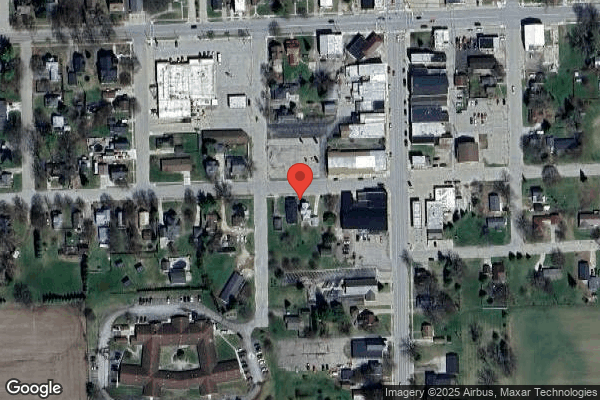
Understanding Severity Codes (click to expand)
Life-Threatening (Immediate Jeopardy)
J - Isolated K - Pattern L - Widespread
Actual Harm
G - Isolated H - Pattern I - Widespread
Potential for Harm
D - Isolated E - Pattern F - Widespread
No Harm (Minor)
A - Isolated B - Pattern C - Widespread

Questions to Ask on Your Visit

  • "Can I speak with families of current residents?"
  • "What's your RN coverage like on weekends and overnight?"

Our Honest Assessment

Strengths
  • • 25% annual turnover. Excellent stability, 23 points below Michigan's 48% average. Staff who stay learn residents' needs.
Concerns
  • • Multiple safety concerns identified: 5 harm violation(s), $77,213 in fines. Review inspection reports carefully.
  • • 24 deficiencies on record, including 5 serious (caused harm) violations. Ask about corrective actions taken.
  • • $77,213 in fines. Extremely high, among the most fined facilities in Michigan. Major compliance failures.
  • • Grade D (40/100). Below average facility with significant concerns.
Bottom line: Trust Score of 40/100 indicates significant concerns. Thoroughly evaluate alternatives.

About This Facility

What is Autumnwood Of Deckerville's CMS Rating?

CMS assigns Autumnwood of Deckerville an overall rating of 4 out of 5 stars, which is considered above average nationally. Within Michigan, this rating places the facility higher than 99% of the state's 100 nursing homes. This rating reflects solid performance across the metrics CMS uses to evaluate nursing home quality.

How is Autumnwood Of Deckerville Staffed?

CMS rates Autumnwood of Deckerville's staffing level at 4 out of 5 stars, which is above average compared to other nursing homes. Staff turnover is 25%, compared to the Michigan average of 46%. This relatively stable workforce can support continuity of care.

What Have Inspectors Found at Autumnwood Of Deckerville?

State health inspectors documented 24 deficiencies at Autumnwood of Deckerville during 2023 to 2025. These included: 5 that caused actual resident harm and 19 with potential for harm. Deficiencies causing actual harm indicate documented cases where residents experienced negative health consequences.

Who Owns and Operates Autumnwood Of Deckerville?

Autumnwood of Deckerville is owned by a for-profit company. For-profit facilities operate as businesses with obligations to shareholders or private owners. The facility is operated by CIENA HEALTHCARE/LAUREL HEALTH CARE, a chain that manages multiple nursing homes. With 84 certified beds and approximately 78 residents (about 93% occupancy), it is a smaller facility located in Deckerville, Michigan.

How Does Autumnwood Of Deckerville Compare to Other Michigan Nursing Homes?

Compared to the 100 nursing homes in Michigan, Autumnwood of Deckerville's overall rating (4 stars) is above the state average of 3.1, staff turnover (25%) is significantly lower than the state average of 46%, and health inspection rating (4 stars) is above the national benchmark.

What Should Families Ask When Visiting Autumnwood Of Deckerville?

Based on this facility's data, families visiting should ask: "Can I visit during a mealtime to observe dining assistance and food quality?" "How do you handle medical emergencies, and what is your hospital transfer rate?" "Can I speak with family members of current residents about their experience?"

Is Autumnwood Of Deckerville Safe?

Based on CMS inspection data, Autumnwood of Deckerville has a clean safety record: no substantiated abuse findings (meaning no confirmed cases of resident harm), no Immediate Jeopardy citations (the most serious violation level indicating risk of serious injury or death), and is not on the Special Focus Facility watch list (a federal program monitoring the lowest-performing 1% of nursing homes). The facility has a 4-star overall rating and ranks #1 of 100 nursing homes in Michigan. While no facility is perfect, families should still ask about staff-to-resident ratios and recent inspection results during their visit.

Do Nurses at Autumnwood Of Deckerville Stick Around?

Staff at Autumnwood of Deckerville tend to stick around. With a turnover rate of 25%, the facility is 21 percentage points below the Michigan average of 46%. Low turnover is a positive sign. It means caregivers have time to learn each resident's needs, medications, and personal preferences. Consistent staff also notice subtle changes in a resident's condition more quickly. Registered Nurse turnover is also low at 23%, meaning experienced RNs are available to handle complex medical needs.

Was Autumnwood Of Deckerville Ever Fined?

Autumnwood of Deckerville has been fined $77,213 across 4 penalty actions. This is above the Michigan average of $33,851. Fines in this range indicate compliance issues significant enough for CMS to impose meaningful financial consequences. Common causes include delayed correction of deficiencies, repeat violations, or care failures affecting resident safety. Families should ask facility leadership what changes have been made since these penalties.

Is Autumnwood Of Deckerville on Any Federal Watch List?

Autumnwood of Deckerville is not on any federal watch list. The most significant is the Special Focus Facility (SFF) program, which identifies the bottom 1% of nursing homes nationally based on persistent, serious quality problems. Not being on this list means the facility has avoided the pattern of deficiencies that triggers enhanced federal oversight. This is a positive indicator, though families should still review the facility's inspection history directly.