The Timbers of Cass County
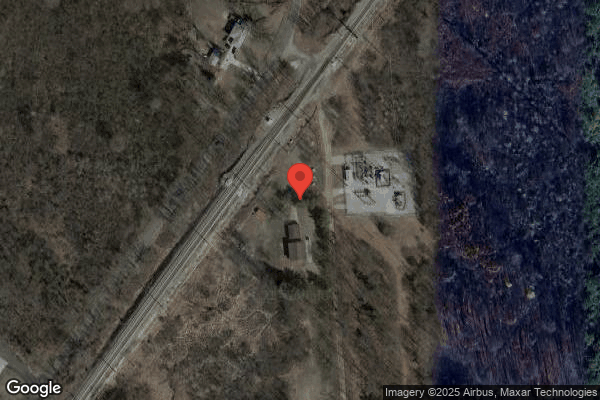
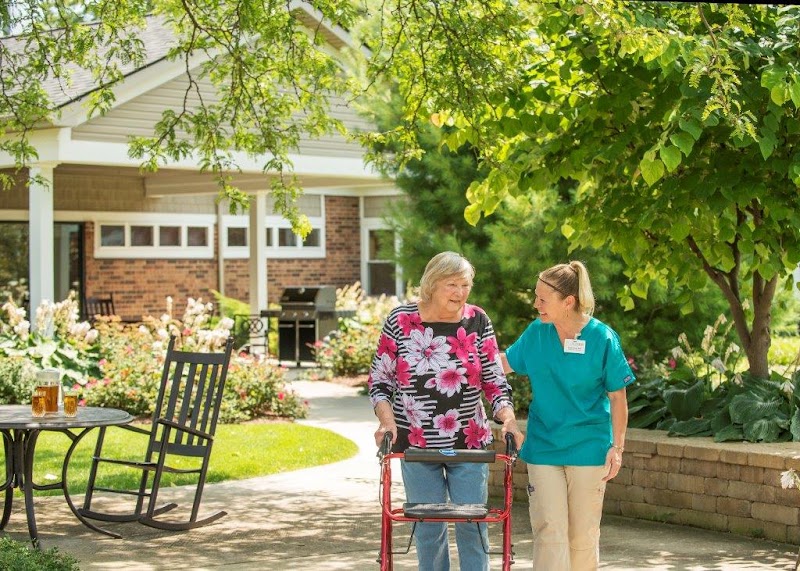
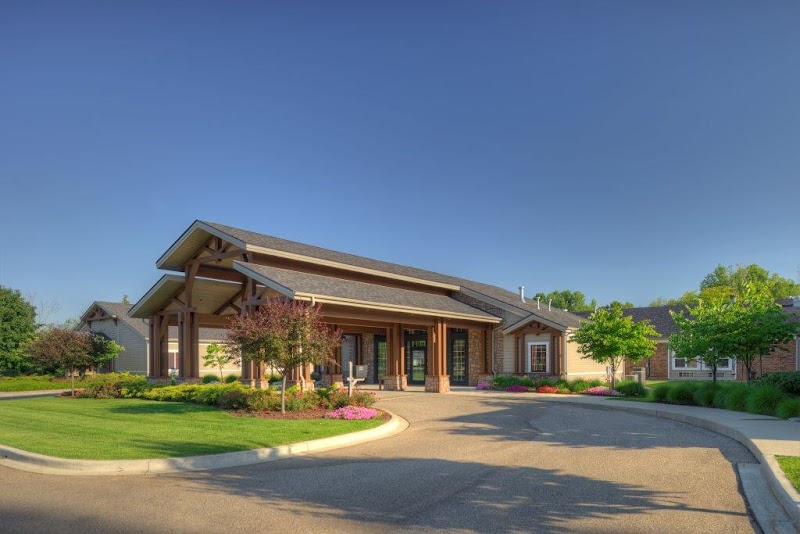
55432 Colby St, Dowagiac, MI 49047 (269) 782-7828
For profit - Corporation 108 Beds ATRIUM CENTERS Data: November 2025
Trust Grade
55/100
#345 of 422 in MI
Last Inspection: October 2024

Within standard 12-15 month inspection cycle. Federal law requires annual inspections.

Overview

The Timbers of Cass County has a Trust Grade of C, which means it is average-right in the middle of the pack for nursing homes. It ranks #345 out of 422 facilities in Michigan, placing it in the bottom half, and #2 out of 2 in Cass County, indicating that there is only one other local option that is better. The facility is improving, having reduced issues from 18 in 2024 to just 4 in 2025. Staffing is a strength, with a rating of 4 out of 5 stars and a low turnover rate of 19%, which is significantly better than the Michigan average of 44%. While there have been no fines recorded, recent inspector findings revealed concerns with food storage and cleanliness, including expired food items and unsanitary conditions in the kitchen, which raised risks for residents consuming food from the facility. Overall, while there are some positive aspects, such as strong staffing and an improving trend, families should be aware of the facility's ongoing cleanliness issues that could impact resident safety.
Trust Score
C
55/100
In Michigan
#345/422
Bottom 19%
Safety Record
Low Risk
No red flags
Inspections
Getting Better
18 → 4 violations
Staff Stability
✓ Good
19% annual turnover. Excellent stability, 29 points below Michigan's 48% average. Staff who stay learn residents' needs.
Penalties
✓ Good
No fines on record. Clean compliance history, better than most Michigan facilities.
Skilled Nurses
✓ Good
Each resident gets 45 minutes of Registered Nurse (RN) attention daily — more than average for Michigan. RNs are trained to catch health problems early.
Violations
⚠ Watch
50 deficiencies on record. Higher than average. Multiple issues found across inspections.
★★☆☆☆
2.0
Overall Rating
★★★★☆
4.0
Staff Levels
★★★★☆
4.0
Care Quality
★★☆☆☆
2.0
Inspection Score
Stable
2024: 18 issues
2025: 4 issues

The Good

  • 4-Star Staffing Rating · Above-average nurse staffing levels
  • 4-Star Quality Measures · Strong clinical quality outcomes
  • Low Staff Turnover (19%) · Staff stability means consistent care
  • Full Sprinkler Coverage · Fire safety systems throughout facility
  • No fines on record
  • Staff turnover is low (19%)

    29 points below Michigan average of 48%

Facility shows strength in staffing levels, quality measures, staff retention, fire safety.

The Bad

2-Star Overall Rating

Below Michigan average (3.1)

Below average - review inspection findings carefully

Chain: ATRIUM CENTERS

Part of a multi-facility chain

Ask about local staffing decisions and management

The Ugly 50 deficiencies on record

Mar 2025 4 deficiencies
CONCERN (D) 📢 Someone Reported This

A family member, employee, or ombudsman was alarmed enough to file a formal complaint

Potential for Harm - no one hurt, but risky conditions existed

Deficiency F0679 (Tag F0679)

Could have caused harm · This affected 1 resident

**NOTE- TERMS IN BRACKETS HAVE BEEN EDITED TO PROTECT CONFIDENTIALITY** This citation pertains to MI00149672, MI00150373, MI00150362, MI00150546 Based on observation, interview, and record review, the...

Read full inspector narrative →
**NOTE- TERMS IN BRACKETS HAVE BEEN EDITED TO PROTECT CONFIDENTIALITY** This citation pertains to MI00149672, MI00150373, MI00150362, MI00150546 Based on observation, interview, and record review, the facility failed to provide individualized activities based on resident preferences, needs, and abilities for 4 of 4 Residents (Resident #100, Resident #101, Resident #102, and Resident#103) reviewed for activities, resulting in a potential for social isolation, decreased connectedness to the resident's environment, and decreased overall well-being. Findings include: Review of Activity Involvement and Quality of Life of People at Different Stages of Dementia in Long Term Care Facilities revealed: Despite resident's cognitive status, their activity involvement was significantly related to better scores on care relationship, positive affect, restless tense behavior, social relations .Conclusion: Activity involvement seems to a small yet important contributor to higher well-being in long-term care residents at all stages of dementia . [NAME] D, de [NAME] J, Willemse B, Twisk J, Pot AM. Aging Ment Health. 2016;20(1):100-9. doi: 10.1080/13607863.2015.1049116. Epub 2015 Jun 2. PMID: 26032736. Review of an anonymous complaint received on 2/24/25 revealed I am a concerned son who is writing to formally report concerns regarding the lack of activities being conducted for the residents at (facility name omitted) in relation to the duties of the activity manager. It's been observed by my mother . that the activity manager has not been implementing or overseeing planned recreational and therapeutic activities in accordance with .facility policy. There has been a notable lack of structured activities planned or implemented by activity managers . my mother is upset and dissatisfied with the absence of activities Resident #100 Review of an admission Record revealed Resident #100 was originally admitted to the facility on [DATE] with pertinent diagnoses which included: hemiplegia (paralysis or loss of movement on one side of the body), legal blindness, reduced mobility and generalized anxiety disorder. Review of a Minimum Data Set (MDS) assessment for Resident #100 with a reference date of 12/3/24, revealed a Brief Interview for Mental Status (BIMS) score of 8/15 which indicated Resident #100 was moderately cognitively impaired. Section F of the MDS revealed Resident #100 reported it was very important for him to listen to the music he likes. Review of a Care Plan for Resident # 100 with a reference date of 2/25/21, revealed a problem/goal/approaches of: Problem: (Resident #100) is blind and prefers activities that identify with prior lifestyle .enjoys listening to old time rock and roll music and using (device name omitted) (cloud based voice activated smart device). During an observation on 3/11/25 at 10:17am, Resident #100 was in bed, appeared to be asleep. In an observation/interview on 3/11/25, at 11:32am, Resident #100 was lying in bed upon approach and when greeted stated Where am I? Resident appeared anxious, rolling back and forth in bed. When informed he was in his room, resident stated I got so mixed up being here by myself, I wasn't sure where I was. Resident #100 reported he normally liked to attend several group activities per week but had not been feeling well and was getting really bored in his room. Resident #100 confirmed he had a cloud based smart device that would allow him to listen to music. However, it was observed that the device did not activate when the resident attempted several times to play his music. Resident #100 reported he had been trying to listen to music but could not do so. In an interview on 3/12/25 at 10:59am, Resident #100 reported his cloud based smart device was still not working. Resident #100 reported he was worried about his ongoing health issues and wanted something to distract himself. Resident #101 Review of an admission Record revealed Resident #101 was originally admitted to the facility on [DATE] with pertinent diagnoses which included: vascular dementia (condition in which there is a progressive decline in cognitive abilities), muscle weakness and major depressive disorder (persistent sad mood impacting daily living). Review of a Minimum Data Set (MDS) assessment for Resident #101 with a reference date of 2/24/25, revealed a Brief Interview for Mental Status (BIMS) score of 5/15 which indicated Resident #101 was severely cognitively impaired. Section F of the MDS revealed Resident #101 reported it was very important to her to read, listen to music of her choosing and participate in religious services. Review of a Care Plan for Resident #101 with a reference date of 9/21/22, revealed a problem/goal/approaches of: (Resident #103) prefers activities that identify with prior lifestyle. She likes to listen to music and watch TV. During an observation on 3/11/25 at 8:49 am, Resident #101 sat in the Evergreen lounge staring ahead blankly. The television was playing quietly. No staff were present, all residents in the lounge sat quietly and did not speak when spoken to. During an observation on 3/11/25 at 10:04 am, Resident #101 sat in the Evergreen lounge with her eyes closed. The television was playing quietly. No staff were present and all residents in the lounge sat quietly, did not speak when spoken to. During an observation on 3/11/25 at 10:17am, Resident #101 was in her bed. Her room was quiet and dark. During an observation on 3/11/25 at 3:00 pm, Resident #101 was asleep in her bed. During an observation on 3/12/25 at 8:43 am, Resident #101 sat in the Evergreen lounge with her eyes cast toward the window. The television was on but not audible, several other residents sat nearby. None spoke when spoken to. During an observation on 3/12/25 at 8:58 am, Activities Director (AD) C entered the Evergreen lounge, said good morning to each resident and exited the room at 9:00 am. In an interview on 3/11/25, at 11:11 am, Family Member (FM) R reported she visited Resident #101 daily. FM R reported most of the activities provided at the facilities were not within Resident #101's abilities due to her advanced dementia. FM R reported one of the remaining leisure activities that Resident #101 could still enjoy was music, but the facility did not make that available to her on a regular basis. FM R reported the facility offered live music occasionally but was scheduled in the afternoon, when Resident #101 preferred to lay down and rest. When queried about the types of activities the facility did provide to Resident #101, FM R stated They bring her popcorn and call that an activity. That's about it. Resident #102 Review of an admission Record revealed Resident #102 was originally admitted to the facility on [DATE] with pertinent diagnoses which included: rhabdomyolysis (a breakdown of muscle tissues that releases damaging proteins into the blood). Review of a Minimum Data Set (MDS) assessment for Resident #102 with a reference date of 1/28/25, revealed a Brief Interview for Mental Status (BIMS) score of 10/15 which indicated Resident #102 was moderately cognitively impaired. Section F revealed Resident #102 reported listening to music and being outside were very important to her, attending group activities and religious services were somewhat important to her as was having pet visits. Review of a Care Plan for Resident #102 with a reference date of 1/28/25, revealed a problem/goal/approaches of: Problem: Resident prefers activities that identify with prior lifestyle such as watching tv and movies she does enjoy social visits. Goal: Resident will express satisfaction with daily routine and leisure activities. Approaches: Encourage resident to become involved with activities such as going for walks as well as bring thing (sic) to her room to do socializing, provide materials of interest such as a movie list as well as a radio to listen to music, provide setting in which activities preferred in her room. During an observation and interview on 3/11/25, at 9:11 am, Resident #102 sat in her bed in her room. No music or her television was playing in her room. Resident #102 was very talkative when approached. Resident #102 described herself as a [NAME] little girl who would talk to anybody. Resident #102 reported she had not been doing anything lately but looking out the window. During an observation on 3/11/25 at 12:09 pm, Resident #102 was in bed on her right side, turned toward her window. The television was on in her room but not in her line of sight. During an observation on 3/12/25 at 9:38 am, Resident #102 was laying in her bed. Her room was quiet. During an observation on 3/12/25 at 1:43 pm, Resident #102 was awake, sitting partially upright in bed, looking into the hallway. In an interview on 3/12/25 at 10:04 am, FM N reported the facility had not contacted her about Resident #102's previous leisure interests and she doubted the resident could accurately identify them herself. FM N reported she visited the resident daily and had not seen her involved in any activities. FM N reported she wanted the facility to provide additional mental stimulation to Resident #102 because she appeared to be becoming disconnected with her surroundings. FM N reported she noticed Resident #102 gazing out the window more and more and sitting unengaged. FM N reported Resident #102 never had pets, never attended organized religious services, was meticulous about cleaning her home, enjoyed watching birds at her birdfeeder prior to coming to the facility. FM N reported something as simple as a bird feeder would give Resident #102 additional stimulation and joy. Resident #103 Review of an admission Record revealed Resident #103 was originally admitted to the facility on [DATE] with pertinent diagnoses which included: cerebral infarction (stroke), major depressive disorder (persistent sad mood impacting daily living), and hemiplegia (paralysis or loss of movement one side of the body). Review of a Minimum Data Set (MDS) assessment for Resident #103 with a reference date of 1/28/25, revealed a Brief Interview for Mental Status (BIMS) score of 15/15 which indicated Resident #103 was cognitively intact. Section F of the MDS revealed Resident #103 reported it was very important to her to pursue her favorite activities. Review of a Care Plan for Resident #103 with a reference date of 2/21/18, revealed a problem/goal/approaches of: Problem: (Resident #103) prefers activities that identify with prior lifestyle. Goal: Resident will not exhibit boredom/isolation as evidenced by doing her own independent activities and groups as interested. Approaches: Allow resident to do therapeutic chores. She is a resident volunteer for the activity store and likes to keep an eye on the merchandise and make sure people pay .encourage resident to become involved with .musical entertainment, special events, arts and crafts .bingo .socials, trivia, resident council . In an interview on 3/11/25, at 3:14 pm, Resident #103 reported the number of activities available had significantly declined in the last 9 months, fewer activities were offered on the weekends, and no evening activities were provided. Resident #103 reported on the weekends she spent time self-propelling her wheelchair around the facility because she was bored. Resident #103 reported she no longer volunteered with the bingo store because the store was nearly empty, and she missed the sense of purpose she felt when she had volunteered. Resident #103 voiced frustration with the current activities program provided and described it as nearly wrecked. Review of an email received on 2/21/25 from Ombudsman S revealed I attended a resident council meeting on 1/28/25 and residents voiced complaints about the resident store. It used to be fully stocked with food items residents could purchase and it was nearly empty. In an interview on 3/12/25 at 2:51 pm, Certified Nursing Assistant (CNA) M reported Resident #103 used to really enjoy volunteering for the facility store but had lost the motivation to do so when the inventory was significantly reduced. In an interview on 3/12/25 at 9:03 am, CNA J reported residents complained about being bored, didn't like some of the activities because they seemed childish and that weekend activities were canceled frequently. CNA J reported she had not seen any activities being provided for resident's who had severe cognitive impairments and had not seen room visits happening regularly. In an interview on 3/12/25 at 9:40 am, Activity Assistant (AA) F reported there she relied on her interactions with the residents to learn what the resident's liked and were capable of participating in. AA F reported she felt there was a need to provide more activities for residents with severe cognitive impairments and she would sometimes just go sit with them on her breaks to provide some socialization. AA F when she provided room visits, she just checked in with anyone she hadn't seen in recent days and asked if they needed any leisure supplies. AA F said there was no formal structure for her to follow with provide 1:1visits. In an interview on 3/12/25 at 11:49 am, AA Q reported the facility offered fewer activities and residents were complaining. AA Q reported she felt the facility needed to provide more activities for the residents who had cognitive impairments, but she was unsure how to provide therapeutic activities for them. AA Q she struggled to provide activities to other residents as well because she had to learn their preferences on her own. AA Q reported AD C did not provide her with any information about each resident's preferences or needs. AA Q stated, I can't provide individualized activities without knowing their information. In an interview on 3/12/25 at 2:13 pm, CNA K reported the facility primarily offered bingo, and a few other activities in the afternoon. CNA K reported no activities were offered to residents after the evening meal and she noticed residents who were not able to provide activities for themselves became more restless in the evenings. CNA K reported several residents had complained to her about the reduced inventory in the bingo store. In an interview on 3/12/25 at 11:03 am, Activities Director (AD) C reported she assumed the responsibility for the role of Activity Director approximately 9 months ago. When asked about the types of activities her program provided for residents who were dependent for leisure involvement, AD C stated I go around and talk to them. AD C did not report any other therapeutic activities the facility provided for those that could not or chose not to participate in traditional activities. AD C confirmed some residents were dependent on the provision of structured leisure activities to meet their needs. When queried about the potential for negative outcomes due to a lack of support for activity involvement, AD C stated isolation could happen if activities weren't' provided based on each resident's needs and preferences. AD C reported the last structured activity of the day began no later than 3:15 pm each day. AD C reported she knew some residents preferred to pursue leisure interests in the evenings, but she did not have a record of each resident's preferences that referred to when planning programs. In an interview on 3/12/25 at 3:17 pm, Nursing Home Administrator (NHA) A reported the facility strived to provide an individualized activities program for each resident to support them remaining engaged in life. NHA A stated things are not the way they should be referring to the current activity program at the facility. NHA A reported he became aware activity assessments were not completed as they should be and confirmed the assessments should be used as a foundation for the care each resident receives. NHA A also confirmed the evening activity programming was not being provided as outlined in the facility policy and that the facility did not currently offer individualized 1:1 activity visits. Review of a Activity Programming facility policy with a reference date of 6/2017 revealed Policy: Activity programs designed to meet the needs of each resident are available on a daily basis. Our activity programs are designed to encourage maximum individual participation and are person-appropriate to the individual resident. Our activity program consists of individual and small and limited large group activities that are designed to meet the needs and interests of each resident and include, as a minimum .at least one evening activity is offered per week .7. Individualized and group activities provided will: reflect the schedules, choices and rights of the residents, are offered at hours convenient to the residents, including evenings .weekends .
CONCERN (D) 📢 Someone Reported This

A family member, employee, or ombudsman was alarmed enough to file a formal complaint

Potential for Harm - no one hurt, but risky conditions existed

Medical Records (Tag F0842)

Could have caused harm · This affected 1 resident

**NOTE- TERMS IN BRACKETS HAVE BEEN EDITED TO PROTECT CONFIDENTIALITY** This citation pertains to intakes MI00150362 & MI00149672. Based on interview, and record review, the facility failed to maintai...

Read full inspector narrative →
**NOTE- TERMS IN BRACKETS HAVE BEEN EDITED TO PROTECT CONFIDENTIALITY** This citation pertains to intakes MI00150362 & MI00149672. Based on interview, and record review, the facility failed to maintain complete and accurate medical records for 1 resident (Resident #103) of 3 residents reviewed for complete and accurate medical records, resulting in the lack of proper documentation of involvement in activities programs. Findings include: According to [NAME], [NAME] A.; [NAME], [NAME] Griffin; Stockert, [NAME]; Hall, [NAME]. Fundamentals of Nursing.High-quality documentation is necessary to enhance efficient, individualized patient care. Quality documentation has five important characteristics: it is factual, accurate, complete, current, and organized . Accessed from: Kindle Locations 24106-24108). Elsevier Health Sciences. Kindle Edition. Resident #103 Review of a Minimum Data Set (MDS) assessment for Resident #103 with a reference date of 1/28/25, revealed a Brief Interview for Mental Status (BIMS) score of 15/15 which indicated Resident #103 was cognitively intact. Section F of the MDS revealed Resident #103 reported it was very important to her to pursue her favorite activities. Review of an Activity Participation Record for Resident #103 revealed the following activity participation was recorded: 3/7/25 Movie, 3/10/25 Social Hour, and 3/11/25 Resident Council. In an interview on 3/12/25 at 2:43pm, Resident #103 reported she was certain she did not watch the facility movie that was provided on 3/7/25. Resident #103 added that she did not attend a social hour or any other social gathering on 3/10/25 because she was showering at that time. Resident #103 reported she specifically recalled not attending the Resident Council meeting documented on 3/11/25. In an interview on 3/12/25 at 2:51pm, Certified Nursing Assistant (CNA) M reported she regularly cared for Resident #103 and was confident the resident consistently recalled information accurately from day to day. CNA M described Resident #103 as cognitively intact. In an interview on 3/12/25 at 11:03am, Activities Director (AD) C reported the facility maintained documentation of each resident's activity participation on a daily basis. AD C reported she reviewed the records and summarized the resident's attendance at care conference meetings. In an interview on 3/12/25 at 11:49am, Activity Assistant (AA) Q reported she noted discrepancies in resident activity participation records at times. In an interview on 3/12/25 at 11:56am, AA F reported she often waits until the end of the day to document resident activity attendance and sometimes it's difficult to remember who came to each activity.
CONCERN (D) 📢 Someone Reported This

A family member, employee, or ombudsman was alarmed enough to file a formal complaint

Potential for Harm - no one hurt, but risky conditions existed

Infection Control (Tag F0880)

Could have caused harm · This affected 1 resident

**NOTE- TERMS IN BRACKETS HAVE BEEN EDITED TO PROTECT CONFIDENTIALITY** Based on observation, interview, and record review the facility failed to implement transmission-based precautions for 1 (Reside...

Read full inspector narrative →
**NOTE- TERMS IN BRACKETS HAVE BEEN EDITED TO PROTECT CONFIDENTIALITY** Based on observation, interview, and record review the facility failed to implement transmission-based precautions for 1 (Resident #104) of 3 residents reviewed for isolation precautions, resulting in the potential for the spread of infection, cross-contamination, and disease transmission for residents residing in the facility. Findings include: Review of CDC's Core Infection Prevention and Control Practices for Safe Healthcare Delivery in All Settings, published 4/12/24 by the Centers for Disease Control and Prevention revealed: Adherence to infection prevention and control practices is essential to providing safe and high-quality patient care across all settings where healthcare is delivered .core practices include: clean and disinfect .frequently touched surfaces .ensure proper use of personal protective equipment .implement additional precautions (i.e., Transmission-Based Precautions) . Resident #104 Review of an admission Record revealed Resident #104 was admitted to the facility on [DATE] with pertinent diagnosis that included: unspecified dementia (progressive condition of decline in cognitive skills). Review of a Nursing Progress Note for Resident #104 with a reference date of 3/12/25 at 10:46am, revealed Resident A/Ox3-4 (alert and oriented to person, place, time, situation) .Resident c/o (complained of) severe sore throat, moist nonproductive cough noted as well .wheezing heard on auscultation (act of listening to heart and lungs) .PA (Physician Assistant) notified of change of condition .check for Influenza A and B .Resident notified of new orders . During an observation on 3/12/25 at 1:50pm, no signage for isolation precautions was present on or near Resident #104's room door. Two housekeeping staff were present in her room, steam cleaning the carpet of the room. The housekeeping staff wore KN95 masks but no other personal protective equipment (PPE). The staff did not perform hand hygiene upon leaving the room. The staff did not remove their face protection, continued down the hall wearing the same mask. During an observation on 3/12/25 at 1:51pm, Activities Director (AD) C entered Resident #104's room while wearing an KN95 mask but no other PPE and invited the resident to attend a large group activity in the dining room. AD C did not perform hand hygiene upon leaving the room. AD C did not remove face protection, continued down the hall wearing the same mask. During an interview on 3/12/25 at 1:53pm, Resident #104 reported she hadn't felt well all day and was told she should stay in her room at this time. During an interview on 3/12/25 at 2:07pm, Registered Nurse (RN) I reported Resident #104 tested positive for the flu and RN I had requested isolation signage and a PPE cart from housekeeping. During an interview on 3/12/25 at 2:10pm, Director of Nursing/Infection Preventionist (DON) B reported when a resident becomes symptomatic of a suspected contagious illness, isolation precautions should be implemented at the onset of the symptoms. Review of an Isolation-Categories of Transmission-Based Precautions facility policy with no reference date revealed In addition to Standard Precautions, implement Droplet Precautions for individual documented or suspected to be infected with microorganisms transmitted by droplets .examples of infections requiring Droplet Precautions include .Influenza. Review of a Center for Disease Control droplet precautions signage revealed Everyone must clean their hands before entering and when leaving the room .Make sure their eyes, nose and mouth are fully covered before room entry. Remove face protection before room exit.
CONCERN (E) 📢 Someone Reported This

A family member, employee, or ombudsman was alarmed enough to file a formal complaint

Potential for Harm - no one hurt, but risky conditions existed

Deficiency F0680 (Tag F0680)

Could have caused harm · This affected multiple residents

**NOTE- TERMS IN BRACKETS HAVE BEEN EDITED TO PROTECT CONFIDENTIALITY** This citation pertains to MI00149672, MI00150373, MI00150362, MI00150996 Based on interview and record review, the facility fail...

Read full inspector narrative →
**NOTE- TERMS IN BRACKETS HAVE BEEN EDITED TO PROTECT CONFIDENTIALITY** This citation pertains to MI00149672, MI00150373, MI00150362, MI00150996 Based on interview and record review, the facility failed to employ an Activity Director who possessed the required qualifications resulting in the potential for unmet met psychosocial needs, feelings of boredom, isolation, and a lack of person-centered activities. This citation has the potential to impact any resident who relies on the activities program to support their leisure involvement. Findings include: Review of certification standards of the National Certification Council for Activity Professionals revealed ADC (Activity Director Certified) Certification ensures an individual has the knowledge and skills to lead and direct an activities and life enrichment department. ADC Certification validates the competencies necessary to be an Activity Director including leadership, management, advocacy, care planning and documentation. Review of Participating in Activities You Enjoy as You Age, published by the National Institute on Aging, 3/28/22, revealed: Research has shown that older adults with an active lifestyle: Are less likely to develop certain diseases. Participating in hobbies and other social activities may lower risk for developing some health problems, including dementia, heart disease, stroke, and some types of cancer . Studies looking at people's outlooks and how long they live show that happiness, life satisfaction, and a sense of purpose are all linked to living longer. Studies suggest that older adults who participate in activities they find meaningful, .say they feel happier and healthier . When people feel happier and healthier, they are more likely to be resilient .Positive emotions, optimism, physical and mental health, and a sense of purpose are all associated with resilience .research suggests that participating in certain activities, such as those that are mentally stimulating or involve physical activity, may have a positive effect on memory - and the more variety the better. Review of a General Orientation Activity Department facility policy with a reference date of 9/2016 revealed Policy: The facility will be staffed with qualified activities personnel .Procedure: The Activities Director will be qualified according to federal and state regulation (certification as an Activity Director or consultant by the National Certification Council for Activity Professionals, NCCAP, or certification as a Therapeutic Recreation Specialist by the National Council for Therapeutic Recreation Certification, NCTRC, or has two years full time experience in a Geriatric activity program within the last five years, or has completed a state approved basic activity director's course or the 90-hour MEPAP course and the 90 hour internship). Review of an anonymous complaint received on 2/24/25 revealed I am a concerned son who is writing to formally report concerns regarding the lack of activities being conducted for the residents at (facility name omitted) in relation to the duties of the activity manager. It's been observed by my mother . that the activity manager has not been implementing or overseeing planned recreational and therapeutic activities in accordance with .facility policy. There has been a notable lack of structured activities planned or implemented by activity managers . my mother is upset and dissatisfied with the absence of activities . Resident #103 Review of an admission Record revealed Resident #103 was originally admitted to the facility on [DATE] with pertinent diagnoses which included: cerebral infarction (stroke), major depressive disorder (persistent sad mood impacting daily living), and hemiplegia (paralysis or loss of movement one side of the body). Review of a Minimum Data Set (MDS) assessment for Resident #103 with a reference date of 1/28/25, revealed a Brief Interview for Mental Status (BIMS) score of 15/15 which indicated Resident #103 was cognitively intact. Section F of the MDS revealed Resident #103 reported it was very important to her to pursue her favorite activities. Review of a Care Plan for Resident #103 with a reference date of 2/21/18, revealed a problem/goal/approaches of: Problem: (Resident #103) prefers activities that identify with prior lifestyle. Goal: Resident will not exhibit boredom/isolation as evidenced by doing her own independent activities and groups as interested. Approaches: Allow resident to do therapeutic chores. She is a resident volunteer for the activity store and likes to keep an eye on the merchandise and make sure people pay .encourage resident to become involved with .musical entertainment, special events, arts and crafts .bingo .socials, trivia, resident council . In an interview on 3/11/25, at 3:14pm, Resident #103 reported the number of activities available had significantly declined in the last 9 months, fewer activities were offered on the weekends, and no evening activities were provided. Resident #103 reported on the weekends she spent time self-propelling her wheelchair around the facility because she was bored. Resident #103 reported seeing more residents sitting in their rooms unengaged. Resident #103 reported several residents expressed feeling bored due to the lack of activities. Resident #103 reported she no longer volunteered with the activity store because the store was nearly empty, and she missed the sense of purpose she felt when she had volunteered for it. Resident #103 voiced frustration with the current activities program provided and described it as nearly wrecked. In an interview on 3/12/25 at 11:03am, Activities Director (AD) C reported she assumed the responsibility for the role of Activity Director approximately 9 months ago. When asked about the types of activities her program provided for residents who were dependent for leisure involvement, AD C stated I go around and talk to them. AD C did not report any other therapeutic activities the facility provided for those that could not or chose not to participate in traditional activities. AD C confirmed some residents were dependent on the provision of structured leisure activities to meet their needs. When queried about the potential for negative outcomes due to a lack of support for activity involvement, AD C stated isolation could happen if activities weren't' provided based on each resident's needs and preferences. AD C reported the last structured activity of the day began no later than 3:15pm each day.AD C reported she knew some residents preferred to pursue leisure interests in the evenings, but she did not have a record of each resident's preferences that referred to when planning programs. AD C reported she relied on use of section F of the MDS to gather all information about a resident's leisure preferences and needs. When asked if she used the facility's initial activity assessment or annual activity assessment form, AD C indicated she was not aware of those forms. In an interview on 3/12/25 at 11:49am, Activity Assistant (AA) Q reported AD C did not provide her with any information about each resident's preferences or needs. AA Q stated, I can't provide individualized activities without knowing their information. In an interview on 3/12/25 at 3:17pm, Nursing Home Administrator (NHA) A reported the facility strived to provide an individualized activities program for each resident and to do so, the Activities Director was expected to have or obtain a certification. NHA A reported AD C did not have a certification as an Activities Director but was hired with the understanding that she would obtain the certification. NHA A reported upon her hire, AD C was expected to obtain a certification as an activity professional but had not been held accountable to ensure she achieved this requirement. NHA A confirmed AD C had not conducted activity assessments as they should have been done and that assessments served as the foundation for individualized care. When further queried, NHA A reported the facility could not provide official verification that AD C had worked full time in a therapeutic activities program for 2 years.
Oct 2024 14 deficiencies
CONCERN (D)

Potential for Harm - no one hurt, but risky conditions existed

Deficiency F0582 (Tag F0582)

Could have caused harm · This affected 1 resident

**NOTE- TERMS IN BRACKETS HAVE BEEN EDITED TO PROTECT CONFIDENTIALITY** Based on interview and record review, the facility failed to provide timely notification of exhaustion of Medicare Part A benefi...

Read full inspector narrative →
**NOTE- TERMS IN BRACKETS HAVE BEEN EDITED TO PROTECT CONFIDENTIALITY** Based on interview and record review, the facility failed to provide timely notification of exhaustion of Medicare Part A benefits in 1 (Resident #90) of 4 residents reviewed for beneficiary notification resulting in Resident #90 being unaware of changes in regard to financial liability, and frustration. Findings include: Resident #90 Review of an admission Record revealed Resident # 90 was originally admitted to the facility on [DATE] with pertinent diagnoses which included difficulty in walking. Review of a Minimum Data Set (MDS) assessment for Resident #90, with a reference date of 10/1/24 revealed a Brief Interview for Mental Status (BIMS) score of 13/15 which indicated Resident #90 was cognitively intact. During an interview on 10/29/24 at 11:41 AM, Resident #90 reported that she had just been informed by the facility that she did not have Medicare coverage, and that she could expect to receive a bill from the facility for an estimated amount of $10,000. Resident #90 reported that this was the first time the facility had made her aware that she did not have coverage to pay for the services she was receiving. Resident #90 was upset and crying and reported that she did not know how she would ever be able to afford the bill. During an interview on 10/31/24 at 12:28 PM, Business Office Manager (BOM) D reported that Resident #90 was admitted to the facility on [DATE] with only 7 days remaining of Medicare Part A coverage. BOM D reported that Resident #90 should have been informed by the admissions team that she only had 7 days of coverage. BOM D did not know if Resident #90 had been made aware that she only had 7 days of Medicare Part A coverage remaining. During an interview on 10/31/24 at 12:33 PM, admission Director (AD) E reported she was not aware when Resident #90 admitted that she had 7 days of Medicare Part A coverage remaining and had learned that Resident #90 was changed to private pay. AD E confirmed that she did not inform Resident #90 that she had 7 days of coverage remaining, and that the facility had not given Resident #90 notice that her benefits were ending. During an interview on 10/31/24 at 2:09 PM, MDS RN M reported that she was the staff member that discovered that Resident #90 had exhausted her Medicare Part A benefits on 10/25/24. MDS RN M confirmed that Resident #90 should have received notice from the facility that her Medicare Part A benefits were exhausted 3 days before Resident #90's benefits were ending, but that the facility had missed this. MDS RN M reported that she was the staff member that would provide the notices to residents and confirmed that she had missed this because she was not aware that Resident #90 did not have Medicare Part A benefits remaining. MDS RN M confirmed that the admission team had missed communicating this to MDS RN M. MDS RN M confirmed that she had calculated an estimate of pending costs for Resident #90 and reported that she had told Resident #90 the bill was estimated to be around $10, 000.
CONCERN (D)

Potential for Harm - no one hurt, but risky conditions existed

Comprehensive Care Plan (Tag F0656)

Could have caused harm · This affected 1 resident

**NOTE- TERMS IN BRACKETS HAVE BEEN EDITED TO PROTECT CONFIDENTIALITY** Based on interview and record review, the facility failed to develop comprehensive care plans for 2 (Resident #53 and Resident #...

Read full inspector narrative →
**NOTE- TERMS IN BRACKETS HAVE BEEN EDITED TO PROTECT CONFIDENTIALITY** Based on interview and record review, the facility failed to develop comprehensive care plans for 2 (Resident #53 and Resident #90) of 20 residents reviewed for care planning resulting in the potential for unmet medical, physical, mental, and psychosocial needs. Findings include: Resident #53 Review of an admission Record revealed Resident #53 was originally admitted to the facility on [DATE] with pertinent diagnoses which included need for assistance with personal care. Review of Resident #53's Orders revealed, Empty left Nephrostomy (artificial opening in the skin to allow urine to drain from the kidney) bag every shift . Review of Resident #53's Care Plan revealed that Resident #53 did not have a care plan developed for his nephrostomy bag. During an interview on 10/31/24 at 12:16, MDS RN M reported that she was the staff member responsible for ensuring care plan orders were in place for residents. MDS RN M confirmed that Resident #53 did not have a care plan in place for his Nephrostomy bag, and this was missed. Resident #90 Review of an admission Record revealed Resident # 90 was originally admitted to the facility on [DATE] with pertinent diagnoses which included type 2 diabetes mellitus (a disease that results in too much sugar in the blood). Review of Resident #90 Orders indicated that Resident #90 had orders for Duloxetine (antidepressant medication), Eliquis (anticoagulant medication), and Olanzapine (antipsychotic medication). Review of Resident #90's Care Plan revealed that Resident #90 did not have a care plan developed for her diabetes diagnosis or anticoagulant and psychotropic medications. During an interview on 10/31/24 at 11:47 AM, MDS RN M reported that she was the staff member responsible for ensuring care plan orders were in place for residents. MDS RN M reported that Resident #90 should have had a care plan in place for her diabetes diagnosis, and use of anticoagulant and psychotropic medications and that this was missed.
CONCERN (D)

Potential for Harm - no one hurt, but risky conditions existed

Deficiency F0658 (Tag F0658)

Could have caused harm · This affected 1 resident

**NOTE- TERMS IN BRACKETS HAVE BEEN EDITED TO PROTECT CONFIDENTIALITY** Based on observation, interview, and record review, the facility failed to ensure residents received care in accordance with pro...

Read full inspector narrative →
**NOTE- TERMS IN BRACKETS HAVE BEEN EDITED TO PROTECT CONFIDENTIALITY** Based on observation, interview, and record review, the facility failed to ensure residents received care in accordance with professional standards in 1 (Resident #353) of 3 residents reviewed for quality of care, resulting in Resident #353 having dysuria (pain with urination) for approximately 7 days and the potential for a decline in overall physical, mental and psychosocial well being. Findings include: Resident #353 Review of an admission Record revealed Resident #353 was originally admitted to the facility on [DATE] with pertinent diagnoses which included need for assistance with personal care. Review of Resident #353's Progress Notes dated 10/24/24 and documented by Registered Nurse (RN) Q revealed, .This evening Res (Resident #353) c/o (complaint of) frequent urination, he thinks he has a UTI (urinary tract infection). Concerned placed in (provider notification) book . Review of Resident #353's Progress Notes dated 10/25/24 and documented by Nurse Practitioner (NP) SS revealed, . (Resident #353) is seen per his request today. He reports that he has increase in urinary frequency and burning with urination . consent for work for UTI . Review of Resident #353's Progress Notes dated 10/27/24 and documented by Nurse Practitioner (NP) SS revealed, .Pending urinalysis from previous visit . Review of Resident #353's Progress Notes dated 10/29/24 and documented by Registered Nurse (RN) Q revealed, .(Resident #353) c/o dysuria (pain with urination). NP (Nurse Practitioner) notified, ordered UA . During an interview and observation on 10/29/24 at 10:22 AM, Resident #353 reported that he had been experiencing pain with urination since 10/25/24 and he was waiting for the facility to obtain a urinalysis (UA) to determine a treatment for him. During an interview and observation on 10/30/24 at 10:59 AM, Resident #353 reported that he was still experiencing pain with urination. Resident #353 reported that the facility had taken a UA sample, but he still had not heard anything about it. During an interview on 10/31/24 at 12:39 PM RN Q reported that Resident #353 had reported discomfort with urination to her on 10/24/24 and that she wrote down the concern in the provider communication book for NP SS to review. RN Q reported that there was a delay with the facility obtaining a UA for Resident #353, but she did not know why. During an interview on 10/31/24 at 1:37 PM, NP SS reported that she had been made aware of Resident #353's concern about pain with urination on 10/24/24. NP SS reported that she had given a verbal order for a UA to Licensed Practical Nurse (LPN) U on 10/24/24. NP SS reported that she was able to place the order herself, but since she was busy, she asked LPN U to do this for her. NP SS reported that she followed up on 10/25/24 with RN Q and was informed that the UA had not been ordered by LPN U and that RN Q was not aware of the order. NP SS reported that she asked staff to place the order again. NP SS confirmed that the order was not placed until 10/29/24. NP SS confirmed that she had not yet reviewed the UA results for Resident #353. NP SS confirmed that she would expect that a resident complaining of pain with urination had a UA completed the same day. NP SS confirmed that Resident #353 had experienced a delay in care for his pain with urination due to the facility not placing an order for an obtaining a UA.
CONCERN (D)

Potential for Harm - no one hurt, but risky conditions existed

Deficiency F0679 (Tag F0679)

Could have caused harm · This affected 1 resident

**NOTE- TERMS IN BRACKETS HAVE BEEN EDITED TO PROTECT CONFIDENTIALITY** Based on observation, interview, and record review, the facility failed to provide individualized activities based on resident p...

Read full inspector narrative →
**NOTE- TERMS IN BRACKETS HAVE BEEN EDITED TO PROTECT CONFIDENTIALITY** Based on observation, interview, and record review, the facility failed to provide individualized activities based on resident preferences, needs, and abilities for 1 of 2 Residents (Resident #55) reviewed for activities, resulting in a potential for social isolation, decreased connectedness to the resident's environment, and decreased overall well-being. Findings include: Review of Activity Involvement and Quality of Life of People at Different Stages of Dementia in Long Term Care Facilities revealed: Despite resident's cognitive status, their activity involvement was significantly related to better scores on care relationship, positive affect, restless tense behavior, social relations .Conclusion: Activity involvement seems to a small yet important contributor to higher well-being in long-term care residents at all stages of dementia . [NAME] D, de [NAME] J, Willemse B, Twisk J, Pot AM. Aging Ment Health. 2016;20(1):100-9. doi: 10.1080/13607863.2015.1049116. Epub 2015 Jun 2. PMID: 26032736. Resident #55 Review of an admission Record revealed Resident #55, was originally admitted to the facility on [DATE] with pertinent diagnoses which included: vascular dementia (chronic condition in which blood flow to the brain is reduced causing impaired thinking, memory, and behavior), and cognitive communication deficit. Review of a Minimum Data Set (MDS) assessment for Resident #55, with a reference date of 7/28/24 revealed a Brief Interview for Mental Status (BIMS) score of 99 which indicated Resident #55 was unable to complete the assessment. Section B of the MDS revealed Resident #55 was rarely/never understood. Section C of the MDS revealed Resident #55 had short- and long-term memory deficits, severely impaired decision-making skills, experienced continuous disorganized thoughts, and was not oriented to staff, the season, or her location. Review of an MDS dated [DATE], which reflected the last time Resident #55's Preferences for Customary Routines and Activities was assessed, revealed Resident #55 enjoyed listening to music, being around pets, and spending time in groups of people. Review of a Care Plan for Resident #55, with a reference date of 11/13/18, revealed a problem/goal/approaches of: Problem: (Resident #55) prefers activities that identify with prior lifestyle .enjoys listening to music, watching, tv, sitting in the day room and interacting with staff and other residents. Goal: (Resident #55) will not exhibit boredom/isolation as evidenced by: doing her own independent activities and groups as interested. Approaches: encourage resident to become involved in activities: socials, musical entertainment, special events .interview resident to determine prior interests .provide pet visits as available .provide occasional visits with resident. Review of an Activity Log for Resident #55 revealed the resident was documented as participating in movies/popcorn and 6 room visits for the month of September 2024. Review of Activity logs for Resident #55, with references dates of 4/24-9/24, revealed Resident #55 did not receive sensory stimulation activities for that 5-month period. In an interview on 10/31/24, at 1:14pm, Activity Assistant (AA) K reported she had about 45 minutes a day to offer room visits to residents who did not regularly attend group activities, and each visit lasted 10-15minutes. When further queried about the content of the room visits, AA KK stated We can only do so much. It's usually just talking. During an observation on 10/29/24 at 10:50am, Resident #55 sat in her wheelchair, flexed at the hips, with her eyes cast toward the floor. Her right index finger was in her mouth. No staff were present as Resident #55, and several other residents of like ability, sat alone in the day room. The residents did not interact with each other. The television was on nearby but Resident #55 did not appear aware of its presence. No music was available. During an observation on 10/30/24 at 9:01am, Resident #55 sat in her wheelchair in the day room area. Resident #55 sat flexed at the hips, with her head hung downward and rested on her right hand. Several other residents of like ability sat nearby, none of the residents interacted and no staff were present. The television was on nearby but Resident #55 did not appear aware of its presence. No music was available. During an observation on 10/30/24 at 11:04am, Resident #55 remained in the same location as previously observed on this day. Resident #55 moaned, held her head in her right hand with her eyes closed. No staff were present. During an observation on 10/31/24 at 9:54am, Resident #55 sat in her wheelchair in the day room. Resident #55 was flexed at the hips, alert, with her eyes cast toward the floor. She made incoherent vocalizations. The television was on but Resident #55 did not appear aware of its presence. No music was available. During an observation on 10/31/24 at 11:42am, Resident #55 sat in the same location as previously observed on this date. Resident #55 was alert with her eyes cast toward the floor as she gripped the collar of her shirt with her right hand. No staff were present. During an observation on 10/31/24 at 1:38pm, Resident #55 sat in her wheelchair in the day room with her eyes closed. No staff were present. No music was available. In an interview on 10/31/24 at 11:23am, Activities Director (AD) J reported residents who don't regularly attend group activities should get room visits 2-3 times a week to meet their social and leisure needs. AD J reported the activity staff provided sensory stimulation activities regularly for residents with severe cognitive impairments. AD J reported each unit had activity supplies for floor staff to provide to the residents, including sensory activities for those who were dependent on staff for assistance to participate in leisure activities, including Resident #55. AD J reported all resident activity participation was documented in the activity logs. When further queried about how staff knew what to leisure activities to assist residents with, AD J reported staff could ask her or use the resident's care plan to know what types of leisure supplies each resident needed/preferred. In an interview on 10/31/24 at 12:01pm, Certified Nursing Assistant (CNA) II reported the facility did not offer many activities for residents who had severe cognitive deficits. CNA II reported nursing staff were diligent about assisting residents with getting up each day, but there's nothing for them to do and they need things to do to maintain their abilities. CNA II reported each unit had coloring pages and a few sensory products for residents but she was not sure which residents used them.
CONCERN (D) 📢 Someone Reported This

A family member, employee, or ombudsman was alarmed enough to file a formal complaint

Potential for Harm - no one hurt, but risky conditions existed

Accident Prevention (Tag F0689)

Could have caused harm · This affected 1 resident

**NOTE- TERMS IN BRACKETS HAVE BEEN EDITED TO PROTECT CONFIDENTIALITY** This intake pertains to intake MI00146328. Based on observation, interview, and record review, the facility failed to prevent e...

Read full inspector narrative →
**NOTE- TERMS IN BRACKETS HAVE BEEN EDITED TO PROTECT CONFIDENTIALITY** This intake pertains to intake MI00146328. Based on observation, interview, and record review, the facility failed to prevent elopement for 1 (R82) of 6 residents reviewed for elopement, resulting in R82 leaving the facility alone, unbeknownst to staff, for an extended period, and was later found under a bush next to the facility resulting in potential for further successful elopements. Findings include: Review of facility policy, Elopement Prevention and Management Program reviewed 01/2024, revealed, This facility ensures that residents who exhibit wandering behavior and/or are at risk for elopement receive adequate supervision to prevent accidents, and receive care in accordance with their person-centered plan of care addressing the unique factors contributing to wandering or elopement risk .Wandering is random or repetitive locomotion that may be goal-directed (appears to be searching for something such as an exit) .Elopement occurs when a resident leaves the premises or a safe area without authorization .Alarms are not a replacement for necessary supervision .The facility shall establish and utilize a systematic approach to monitoring and managing residents at risk for elopement or unsafe wandering including identification and assessment of risk .implementing interventions to reduce hazards and risks, and monitoring for effectiveness and modifying interventions when necessary .Interventions to increase staff awareness of the resident's risk, modify the resident's behavior, or to minimize risks associated with hazards will be added to the resident's care plan and communicated to appropriate staff .Adequate supervision will be provided to help prevent accidents or elopements .Charge nurses and unit managers will monitor the implementation of interventions, response to interventions, and document accordingly . According to the Minimum Data Set (MDS) dated [DATE], R82 scored 10/15 (moderately cognitively impaired) on his BIMS (Brief Interview Mental Status), physically requiring substantial/maximal assistance with the helper doing more than half the effort. The resident had no impairment in his arms. Diagnoses included debility, cardiorespiratory conditions, and dens fracture type II (also known as a type II odontoid fracture, is a break in the base of the dens, the bony projection from the second neck bone, C2 and are considered unstable due to their high rate of non-union. They are most common in the elderly due to an increased risk of falls and decreased bone mineral density. Risk factors include trauma such as a fall. Conservative management includes immobilization in a cervical collar or halo vest). It was noted the resident lived on the Dogwood Unit (400-Hall). Review of R82's admission Elopement Risk Assessment dated 6/22/24, indicated the resident had a history of elopement, was physically capable of eloping out of the facility by walking or using an assistive device such as a wheelchair, and verbalized the desire to leave the facility and/or return home. The resident was searching for his spouse or family. Review of R82's Elopement Risk Assessment dated 8/5/24, indicated the resident was physically capable of eloping out of the facility by waking or using as assistive device such as a wheelchair, did NOT have a history of elopement, and verbalized the desire to leave the facility and/or return home while searching for spouse or family. It was noted, R82 left the building unattended and unnoticed on 8/5/2024. Review of R82's Elopement Risk Assessment dated 9/30/24, indicated the resident was physically capable of eloping out of the facility by walking or using an assistive device such as a wheelchair, did have a history of elopement, did not verbalize the desire to leave the facility or return home to search for spouse or family. Review of R82's Order Summary, dated from 6/21/24 to 10/31/24, there were no orders for 1:1 observation, 15-minute checks, hourly checks, or Elopement Risk Precautions. Review of R82's Care Plan dated 8/5/2024 revealed a focus of At risk for elopement due to exit seeking. The goal for the resident was to not leave building unattended. Interventions to meet the goal included elopement risk assessment upon admit, quarterly, and PRN (as needed), resident to be on 1:1 (8/5/24), 8/6/24 15-minute checks, and 8/7/24 hourly checks. It was noted the intervention to meet the goal were not initiated until after the resident had left the building unattended and unnoticed on 8/5/2024. During an interview on 10/29/24 at 9:36 AM, Receptionist E stated, There is someone at the front desk from 8:30 AM -5 PM Monday through Friday. There is no one at the front desk after 5 PM. Someone is at the front desk Saturday and Sunday from 9 AM to 5 PM. Observed on 10/29/24 at 9:48 AM, the front entrance of the facility had two-sets of doors and a vestibule in between them. The doors leading into the facility front lobby had a 15-second alarm sign with the alarm controlled by magnets. Resident units were separated from the front lobby by a set of French doors. At the end of a short hallway leading away from the French doors was a hall that intersected named Apple Lane (100 Hall). To the right was a hall with resident rooms that went to a 2-way intersection meeting at a nurse station, Cedar Court (300-hall), Birch Street (200-hall) with activities and dining at the other end. To the left of the French door lobby was the remaining resident rooms of Apple Lane meeting at a nurse station intersection of Dogwood Trail (400-hall) to the left and Evergreen (500-hall) to the right. At the intersection of Evergreen and [NAME] (600-hall) was a nursing station with [NAME] leading the Service hall and Main dining room. Observed on 10/29/24 at 11:03 AM, R82 was on the 400-hall looking out the exit door while wearing a neck brace self-ambulating in a wheelchair. During an observation and interview on 10/29/24 12:01 PM, R82 was not in his room. Licensed Practical Nurse (LPN) TT stated, (R82) likes to wheel around on his own. I'm looking for him now to put eyes on him and document in the Elopement book. He needs to be documented on every hour. I've not seen him since the last time I documented on him at 11 am. LPN TT' walked from the Dogwood nursing station to the other side of the facility where she found R82 in the main dining room preparing to eat lunch. During an interview on 10/30/24 at 10:53 AM, Registered Nurse (RN) S stated, I work nights at the facility and was (R82's) nurse the night (8/5/24) he walked out of the building. There was a nurse on Evergreen Hall and Birch Hall. Around 5:20 AM (R82) was in his room. He was delaying my med (medication) pass that morning because he had been exit seeking most of the night. While he was in his room still in his wheelchair, I went to the next resident's room to do a lengthy med pass and he snuck past me while I was working with that resident. The door was shut. When I came out of the room, I went to the med cart, on Dogwood, to get (R82's) meds and noticed he was not in his room. It alerted me, Oh God, where did he go? I went to all the nurses in the building. I went to the Birch nurse first; I was told he was just there, but I did not see him. I got a CNA (Certified Nursing Assistant) and we went to look for him from Birch to Apple to the front. The French doors were closed. No noise was coming from them. The only way I was alerted that (R82) might have left the building was we heard the front door alarm and he might have went out the main entrance. It was pitch dark outside. This was about 5:30 AM. I was scared to death with the highway and river 1/2 mile up the road. (R82) had followed the sidewalk to the other side of the 200- hall wing. He was trucking, (going fast) and it was dark. He turned the corner, and the sidewalk ended. He fell out of the wheelchair onto the grass. His wheelchair was behind him. He had his neck brace on. He has an injury to his neck and could be paralyzed if does not wear it. He was dressed in street clothes with shoes. He does not like to go to bed when you want him to. Sometimes its 3 or 4 AM before he goes to bed. He was not on hourly checks at the time he left the building. At that time, he'd be up for 2 days and exit-seeking on and off. The only reason he got away from me I was in another resident's room. He could read and he read it takes 15 seconds to open the front door and he went out it. He is smart enough to read in the moment, but he cannot tell you what he ate 10 minutes before. The front door alarm was a quiet alarm and no one heard it back on the units. Every resident has the right to go where they want in the facility. At night there is only a couple of staff on the units. When you are in a resident's room, you cannot keep an eye on (R82). That night the CNAs were doing rounds and just could not keep an eye on (R82). It was only 10 minutes; it was 1 time in 10,000 that a resident got away from me. It still scares me that he could get away again. Instead of going back to Birch he went out to the lobby, through the French doors and out the two sets of front doors. The alarm could not be heard. He went as far sidewalk. If the sidewalk kept going he would have kept going. But the wheelchair stopped, and he fell out. During an interview on 10/30/24 at 11:31 AM CNA JJ stated, I work nights. I was the person that found (R82) on August 5th (2024). He had been looking all night for a way out of the building. I worked on another hall and would see him going to exit doors. He was also looking all day the day before trying to get out. On 3rd shift there are not many people to look out for him. The alarm from the front door could not be heard. The French doors were closed that night and staff could not hear the alarm from the front door. On that night, August 5, staff on Dogwood unit started the search for (R82) then came to ask me to find him along with the Dogwood nurse, a few CNAs, and a couple of first shift nurses. I found (R82) by myself by under a tree face down on the grass. He was towards the exit door to the right under the bushes. His wheelchair was next to him. It looked like he tried to walk in the grass and fell a couple of feet away from the wheelchair. It was dark outside with no lights on where he was out. He was awake. He was upset at me when I grabbed him and put him in the wheelchair. I did not know if he was passed out or broke anything when he fell. He wears a neck brace, and I did not know if he was hurt. I just hurried up and got him and put him back in his wheelchair. The other staff was searching in other areas and did not see him. It was hard to see him because it was so dark. I found him sometime after 5:30 AM. I think he went missing sometime after 5:00 AM. During an interview on 10/30/24 at 12:15 PM, Nursing Home Administrator (NHA) A stated, We (the facility) do feel there is a citation for identifying him as an elopement risk in June 2024 and nothing was implemented to prevent elopement that evening and he still got out. Thankfully, the nurse must have increased supervision as she had her med cart at his door, saw him, prepped meds, and went to deliver those meds and when she came back noted he was gone. Then the search began, alarms were sounding, and he was found. During an observation and interview on 10/30/24 12:54 PM with Maintenance DD, the 15-second front door alarm was initiated. Maintenance DD stated, No new alarms have been put on the front door. Corporate approved the alarms two weeks ago, finally, and now the facility is waiting for the alarm company to schedule to install. The current alarm on the front door cannot be heard past the French doors that separate the lobby and resident areas. The French doors are closed every day after 5 pm. When the resident (R82) eloped in August (2024), I bought a Chirper alarm and put it on the French door. When the receptionist leaves at 5 pm, they close the French doors and turn on the Chirper alarm. There is no alternate sounding device installed at the front door, only sounds at the magnet situated on the door. Review of Battery Magnetic Door Alarm provided by Maintenance DD on 10/31/2024, indicated the environmental conditions of sound emission at 120 dB (dB (decibel) is a logarithmic unit used to measure sound level) which can be heard from 3.5 feet away. During an observation and interview on 10/30/24 at 1:08 PM, while exit door alarms were being tested, LPN X stated, I cannot hear the front door alarm, from the 500-halls, or the 200 nursing station. I've never heard the Chirper alarm. The Chirper had been initiated and could not be hear from the LPN or Surveyor at the 200-Hall nursing station, the closest station to the lobby, front door, and French doors. If (R82) is self-ambulating on my unit, I take him back to his unit. That is what staff have always done. During an observation, interview, and record review on 10/31/24 at 10:15 AM, LPN W stated while reviewing R82's documents in an Elopement book, (R82) is to be on one-hour checks and with documentation here. (R82) eloped a few months ago and he needs to be monitored. This monitoring was started after he left the building. Elopement risk assessments are done as needed and I think quarterly. He was an elopement risk before he eloped, but checks were not done on him at that time. Review of R82's Progress Notes indicated the resident had been exit seeking and behavioral tracking as indicated, dated: -6/23/24 at 2:20 PM, indicated the resident was alert and oriented to person, place, and time and was observed propelling his wheelchair in hallway with no difficulty. -6/24/24 at 3:21 AM, indicated the resident had been sitting up in his wheelchair self-propelling around his unit refusing to go to bed stating it was morning. -6/25/24 at 4:48 AM, indicated the resident was on behavioral tracking with some documented behaviors noted. - 6/26/24 at 6:25 AM, indicated the resident was independent with bed mobility, transfers, and propelling self in wheelchair. -6/27/24 at 9:45 AM, indicated the resident was admitted to the facility on [DATE] with diagnoses of dementia and healing fractures from recent falls. -6/29/24 at 2;40 PM, indicated the resident sleeps for a short period of time throughout day/night. -7/11/24 at 9:41 PM, indicated the resident was up later in the evening socializing with other residents. -7/14/24 at 9:00 PM, indicated the resident continues to self-transfer to/from bed/wheelchair without asking or waiting on assistance. -7/16/24 at 6:36 AM, indicated the resident was pleasantly confused, trying to elope twice on the night shift through two different unit's exit doors. Propelling self-ad lib in hallways. It was noted there were no interventions in R82's Care Plan to provide elopement safety interventions. -7/18/24 at 4:36 AM, indicated the resident had been up in his wheelchair the first few hours of the night shift wheeling self about the facility until 2 AM when he went to bed. At about 3:30 AM he was found in another resident's bed. -7/21/24 at 5:58 AM, indicated the resident had not gone to bed during the night shift and had been up in a wheelchair wheeling self about the facility all night. -7/24/24 at 2:34 AM, indicated the resident had been sitting all night in his wheelchair until 2:30 AM. -7/25/24 at 2:01 PM, indicated the resident was visiting different nurse stations while self-propelling in a wheelchair. -7/26/24 at 12:56 PM, indicated the resident verbalized he experienced someone running down the hallway with a dog and wanting to go home. Stated he did not understand how he got to this place because he just went out that morning for breakfast. -7/27/24 at 8:41 PM, indicated the resident was argumentative and confused with family explaining this was usual behavior after a seizure for a few days. Frequent checks were implemented related to the increased confusion as well as the resident sitting at closed doors. Resident was stating his girlfriend is here, his wife has my car and further stating he needed to get to the parking lot to find his care. Resident refused medication poison. It was noted frequent checks were no defined in the resident's Care Plan nor were they ordered. -7/29/24 at 7:25 AM, indicated the resident was exit seeking the entire night shift refusing to go to bed. It was noted there was no resident-specific treatment plan in the resident's Care Plan. -7/30/24, indicated the resident became agitated and argumentative with concerns that someone had stolen my pistol. Roommate reported R82 was rummaging in his drawers looking for a gun. Staff moved R82 to a private room. -8/2/24 at 2:29 AM, indicated the resident complained of being exhausted and not wanting to go to bed. He had been self-propelling around the facility in his wheelchair and at times walking while leaving his wheelchair in the hallway. -8/5/24 indicated the resident was unable to provide accurate information and denied going outside stating he had been in room sleeping. Resident was placed on 1:1 and placed in the elopement book. Care Plans and elopement assessment was completed. It was noted there was no resident-specific interventions placed in the resident's Care Plan prior to this incident. -LATE ENTRY 8/7/24 at 10:40 AM, indicated the resident was on 15-minute checks from 1:1 and continued behavioral tracking. It was noted there was no resident-specific interventions placed in the resident's Care Plan. -8/6/24 at 4:15 PM, indicated the IDT (interdisciplinary team) reviewed R82's incident and changed the resident's level of supervision from 1:1 to his whereabouts every 15 minutes. It was noted there was no resident-specific interventions placed in the resident's Care Plan. -8/7/24 at 4:48 PM, indicated the resident was on hourly checks from 15-minute checks. It was noted there was no resident-specific interventions placed in the resident's Care Plan. -8/7/24 at 8:35 PM, indicated the resident continued 15-minute checks. It was noted at 4:48 PM on 8/7/24 the resident's Progress Note indicated the resident was on hourly checks and no resident-specific interventions placed in the resident's Care Plan. -8/8/24 at 5:48 AM, indicated the resident remained on 15-minute checks. It was noted there was no resident-specific interventions placed in the resident's Care Plan.
CONCERN (D)

Potential for Harm - no one hurt, but risky conditions existed

Deficiency F0692 (Tag F0692)

Could have caused harm · This affected 1 resident

**NOTE- TERMS IN BRACKETS HAVE BEEN EDITED TO PROTECT CONFIDENTIALITY** Based on observation, interview and record review, the facility failed to ensure timely and consistent weight monitoring for one...

Read full inspector narrative →
**NOTE- TERMS IN BRACKETS HAVE BEEN EDITED TO PROTECT CONFIDENTIALITY** Based on observation, interview and record review, the facility failed to ensure timely and consistent weight monitoring for one resident (Resident #76) of 4 residents reviewed for nutritional status resulting in undetected weight loss, nutritional status decline and unmet nutritional needs. Findings include: Resident #76 (R76) Review of the Facesheet and Minimum Data Set (MDS) dated [DATE] revealed R76 admitted to the facility on [DATE] with diagnoses including cerebral infarction with right side hemiplegia and hemiparesis (stroke with right side weakness) and dysphagia (difficulty swallowing). A Brief Interview for Mental Status (BIMS) was not completed due to R76 having severe cognitive impairment. On 10/29/2024 at 2:15 PM, R76 was observed to be lying in bed and looked thin. He was unable to respond to questions. Review of R76's weight record revealed the following weights: 10/20/2024: 121.4 lbs. (pounds) 10/09/2024: 120.6 lbs. 09/13/2024: 126.0 lbs. 08/26/2024: 144.6 lbs. 08/12/2024: 139.4 lbs. The weight on 9/13/2024 was recorded by Dietary Supervisor (DS) Z and the weight on 10/9/2024 was recorded by Registered Dietitian (RD) Y. The weights from 8/26/2024 to 9/13/2024 revealed a 12.8 percent weight loss. Review of the Initial Nutritional assessment dated [DATE] completed by RD Y revealed (R76) continues on his Mechanical Soft + (plus) Large Portions diet that he eats 75-100% (percent) most of the time. His BMI (body mass index) is 21.35 which is normal weight He is already receiving Magic Cup BID (twice a day) with lunch and dinner. There are no concerns/changes at this time. Review of the Quarterly Dietary Review assessment dated [DATE] completed by RD Y revealed .(R76) continues on a Mechanical Soft diet that he eats with assistance and eats 75-100% of his meals. His BMI is 18.6 which is normal weight. He had gone to the hospital and when he returned his weight was within range but his next weight was 18# lower than his return weight. Believe it is wrong unless he had a bout with COVID which would affect his meal intake. Will continue to monitor until his new weight is done, then will re-evaluate. Review of the readmission Nutrition Assessment progress note dated 10/21/2024 completed by RD Y revealed (R76) continues on a Mechanical Soft diet which he is eating at this time 25-50% of his meals. His BMI is 18.45 which is underweight with mild thinness . On 10/30/2024 at 9:34 AM, it was observed that R76 was assisted with his meal in his room and he ate 25% of his breakfast tray. During an interview on 10/30/2024 at 4:31 PM, RD Y stated that she is at the facility one day a month and when she is offsite and notices a weight that is off she calls DM Z and asks her to put the resident on weekly weights. During an interview on 10/30/2024 at 4:38 PM, when asked about the significant change in weight from 8/26/2024 to 9/13/2024 and if a reweight was requested, DM Z stated that she put R76 on the weekly weight sheet that went out to the shower aides on 9/20/2024. She said she did not get the sheet back from them. DM Z acknowledged that the next weight obtained was on 10/9/2024 since a weight was not obtained for the next two weeks after that and she did not follow up on it. DM Z stated that she gets resident preferences but did not attempt to get R76's food preferences again after the weight change. During an interview on 10/31/2024 at 9:18 AM, Minimum Data Set Registered Nurse (MDS) N stated that since there was a significant change in weight on 9/13/2024, a reweight should have been done right away. MDS N noticed that it wasn't done until later. During another interview on 10/31/2024 at 11:23 AM, DM Z stated that she didn't notice the 9/13/2024 weight right away and told someone to get a reweight and she did not follow up on not receiving the weight. During another interview on 10/31/2024 at 11:33 AM, RD Y stated that they have weekly SOC (standards of care) meetings with the interdisciplinary team (IDT) where they discuss significant changes in weight but she does not attend the meetings. DM Z stated that she hasn't been able to attend the weekly SOC meetings many times. RD Y and DM Z reported that they did not follow up with the Director of Nursing (DON) when they didn't receive requested weights. During an interview on 10/31/2024 at 1:27 PM, Nurse Practitioner (NP) SS stated that she did not see R76 for weight loss since she wasn't aware of it. NP SS said that the DM doesn't talk to her about any weight concerns. During an interview on 10/31/2024 at 1:38 PM, DON B stated that he was only made aware of R76's weight loss the day before. When asked about the weekly SOC meetings, DON B said R76's weight loss wasn't brought up since RD Y doesn't attend them and DM Z attends sometimes. DON B said he was not aware that RD Y and DM 'Z weren't receiving requested weights. He stated that he prints the SOC agenda every week before the meeting and the weight area of the report is always blank. Review of R76's nutrition care plan under approach revealed notify Dr. (doctor) of significant change. Review of the Weight Monitoring Policy with a review date of 1/2024 revealed 4. Procedure: Residents will be weighed monthly in a timely manner (at least by the 10th of each month). Those residents that trigger for a significant weight loss ( >5%) from the previous month will be placed on weekly weights. ?Each resident will be reviewed by the IDT committee and appropriate interventions will be put into place. Prior to the end of each month, the facility RD/CDM (certified dietary manager)/RDT (registered dietetic technician) will provide the DON a list of those residents identified and tracked; which residents re-gained the weight and those residents who continue to lose weigh. RD/CDM/RDT must document on weight gains and losses of those residents that experience 5% for 30 days 7.5% for 90 days and 10% for 180 days in the medical record to meet the professional standards for Dietitians. Nursing services is responsible to obtain monthly weights on each resident. Weekly weights will be obtained as indicated. The results are given to the DON, designee or RD/CDM/RDT for input into the computer. A weight report will then be printed indicating the following weight variances: Weight Variances Report for both weight loss and weight gain of 2 % in 1 week, 5 % in 1 month, 7.5 % in 3 months, 10 % in 6 months If a re-weigh is required it should be conducted in the presence of a licensed nurse and the weight recorded with the nurse's initials in the medical record, re-weights should be done within 48 hours of request. Notify MD of significant weight loss of 5%, 7.5%, 10%and Notify Resident Representative The DTR/RD is responsible for reviewing each resident that triggers on the weight variance report, making appropriate interventions and documenting in the medical record. The DTR/RD will discuss each resident with the weight committee, reviewing the interventions recommended, and any additional recommendations from the IDT. Weekly weights will be completed and given to the MDS Coordinator, or designee. The MDS Coordinator or designee will then print a weekly report and give a copy to the DTR/RD and DON. The report will show all residents on weekly weights and the percentage/pounds of weight change from week to week. The DTR/RD will be responsible for reviewing the weight variance report, making additional nutritional recommendations, documenting in the medical record and discussing the weight changes with the weight committee.
CONCERN (D)

Potential for Harm - no one hurt, but risky conditions existed

Medication Errors (Tag F0758)

Could have caused harm · This affected 1 resident

Based on interview and record review, the facility failed to provide documentation of education to the resident/representative on the intended or actual benefit versus potential risk(s) or adverse con...

Read full inspector narrative →
Based on interview and record review, the facility failed to provide documentation of education to the resident/representative on the intended or actual benefit versus potential risk(s) or adverse consequences associated with a psychotropic medication (any drug that affects brain activities associated with mental processes and behavior) for 1 (Resident #35) of 5 residents reviewed for unnecessary medications, resulting in the potential for lack of awareness of medication risks versus benefits. Findings include: Resident #35 Review of an admission Record revealed Resident #35 was a female, with pertinent diagnoses which included: dementia in other diseases classified elsewhere, moderate, with mood disturbance; adjustment disorder with depressed mood; and major depressive disorder, recurrent, unspecified. Review of a Minimum Data Set (MDS) assessment for Resident #35, with a reference date of 8/30/24 revealed a Brief Interview for Mental Status (BIMS) score of 6, out of a total possible score of 15, which indicated Resident #35 was severely cognitively impaired. Review of a Physician's Order for Resident #35 revealed, mirtazapine (an antidepressant, psychotropic medication) tablet; 30 mg (milligrams); amt (amount): 1tab (tablet); oral Special Instructions: Depression Once A Day Prior to Bed (PB) Start Date 03/15/2024 Review of a Physician's Order for Resident #35 revealed, Zoloft (sertraline) (an antidepressant, psychotropic medication) tablet; 50 mg; amt: 50 mg; oral Special Instructions: Depression Once A Day Prior to Bed (PB) Start Date 08/25/2023 Review of a Physician's Order for Resident #35 revealed, Seroquel (quetiapine) (an antipsychotic, psychotropic medication) tablet; 25 mg; amt: 1 tablet; oral Once A Day Prior to Bed (PB) 06/03/2024 A review of Resident #35's medical record was conducted on 10/31/24 at approximately 9:00 AM for documentation that the resident/representative had been provided with education on the intended or actual benefit versus potential risk(s) or adverse consequences associated with Residents #35's psychotropic medications. A psychoactive medication consent form signed by Resident #35 and dated 8/25/23 for the antipsychotic medication Seroquel was located. There was no documentation of education for the prescribed antidepressants Mirtazapine or Zoloft located. In an interview on 10/31/24 at 9:15 AM, Social Services Director (SSD) H was requested to provide evidence that Resident #35/representative received education of the risks versus benefits of her prescribed antidepressant medications. SSD H reported she had been trained that a consent form was only required for the antipsychotic medication. In a follow-up interview on 10/31/24 at 10:12 AM, SSD H reported that the facility reviews the black box warnings (a warning issued by the Food and Drug Administration for drugs that carry specific health risk or adverse effects) with a resident/representative when a psychotropic medication was started but was not sure that was documented. During the interview, SSD H reviewed Resident #35's medical record for documentation of said reviews with resident/representative and reported she could not locate any at that time. At the conclusion of the interview, this surveyor encouraged SSD H to provide additional documentation as evidence that the resident/representative was adequately informed of the risks versus benefits of the antidepressant medications Resident #35 was prescribed prior to survey exit. No such documentation was provided by SSD H prior to survey exit on 10/31/24 at 4:00 PM.
CONCERN (D)

Potential for Harm - no one hurt, but risky conditions existed

Deficiency F0806 (Tag F0806)

Could have caused harm · This affected 1 resident

**NOTE- TERMS IN BRACKETS HAVE BEEN EDITED TO PROTECT CONFIDENTIALITY** Resident #78 Review of an admission Record revealed Resident #78, was originally admitted to the facility on [DATE] with pertine...

Read full inspector narrative →
**NOTE- TERMS IN BRACKETS HAVE BEEN EDITED TO PROTECT CONFIDENTIALITY** Resident #78 Review of an admission Record revealed Resident #78, was originally admitted to the facility on [DATE] with pertinent diagnoses which included: vascular dementia (chronic condition in which blood flow to the brain is reduced causing impaired thinking, memory, and behavior), feeding difficulties, and major depressive disorder (serious mental health condition causing persistent low mood and loss of interests). Review of a Minimum Data Set (MDS) assessment for Resident #78, with a reference date of 09/29/24 revealed a Brief Interview for Mental Status (BIMS) score of 5/15 which indicated Resident #78 was severely cognitively impaired. Section GG of the MDS revealed Resident #78 required supervision, verbal cueing and/or touching assistance for eating. Review of a Care Plan for Resident # 78, with a reference date of 10/5/22, revealed a problem/goal/approaches of: Problem: Alteration in ADLs (activity of daily living) .Goal: (Resident #78) will .participate in cares to her fullest ability. Approaches: Eating: Assist per 1 .offer resident choice in bathing, clothing, bedtime, etc. In an interview on 10/29/24 at 1:10pm, Family Member/Durable Power of Attorney (FM/DPOA) YY reported she assisted Resident #78 with eating everyday and had complained because Resident #78 did not consistently get her preferred drink (chocolate milk) on her meal tray. FM/DPOA YY reported when she spoke to the facility about Resident #78 not getting chocolate milk with her meals, the facility said they were having trouble getting chocolate milk delivered and did not have a solution for the problem. During an observation on 10/30/24 at 12:18pm, Resident #78 sat in the assisted dining room with her lunch in front of her on the table. A pale yellow beverage was present in a juice glass next to Resident #78's plate. No chocolate milk was observed. In an interview on 10/31/24 at 12:01pm, Certified Nursing Assistant (CNA) II reported she regularly assisted Resident #78 with eating. CNA II reported Resident #78's tray often arrived with no chocolate milk and when she followed up with the kitchen, she was told on several occasions there was no chocolate milk. CNA II reported the lack of chocolate milk was significant for Resident #78 because at times, that was the only thing she would accept at mealtime and would otherwise, not take in any nourishment. When further queried, CNA II reported she was aware of several residents who regularly did not receive chocolate milk at mealtime despite it being listed as their beverage of choice on their meal ticket. Based on observation, interview, and record review, the facility failed to ensure residents' food preferences at meals were consistently honored for 2 (Residents #27 and #78) of 18 residents reviewed for food concerns resulting in resident/representative complaints of food choices not being honored and the potential for decreased meal enjoyment, feelings of frustration, and the potential for weight loss and nutritional decline. Findings include: Resident #27 Review of an admission Record revealed Resident #27 was a female, with pertinent diagnoses which included: generalized anxiety disorder, long-term (current) use of oral hypoglycemic (low blood sugar) drugs, depression, and type 2 diabetes mellitus (a condition where the body is not able to properly use sugar from the blood). Review of a Minimum Data Set (MDS) assessment for Resident #27, with a reference date of 10/22/24 revealed a Brief Interview for Mental Status (BIMS) score of 14, out of a total possible score of 15, which indicated Resident #27 was cognitively intact. In an interview on 10/29/24 at 11:36 AM, Resident #27 reported she didn't consistently receive what she ordered on her meal trays. Resident #27 reported there had been times that she hadn't said anything to anyone about it because then she would have had to wait too long for the correct food to be delivered. In an interview on 10/31/24 at 10:38 AM, Certified Nurse Aide (CNA) HH reported Resident #27 had complained to her about not getting the foods that she ordered. CNA HH reported she had observed for herself that Resident #27, as well as other residents had not received the items on their meal trays that they have requested. During a lunch meal trayline observation in the kitchen on 10/30/24 beginning at 11:45 PM, Dietary Assistant (DA) BB was observed at the end of the trayline adding desserts and other cold items to the tray being assembled. Once assembled, DA BB put the meal tray into the meal delivery cart for delivery to resident. During the observation, at approximately 12:00 PM, this surveyor observed DA BB assemble a tray for a resident whose tray ticket included preferences for Magic Cup, 2 Cheeseburgers, and Pudding Daily. DA BB reached into the ice filled bin for pudding to add to the resident tray, was unable to locate pudding, and stated, there's no more pudding. DA BB then placed the tray into the meal delivery cart without any pudding. At approximately 12:12 PM, this surveyor notified Dietary Supervisor (DS) Z of the observation. DS Z confirmed with DA BB that the pudding had not been added to the resident tray because there's no more pudding. DS Z retrieved a can of pudding from the stock room, filled a cup with pudding, and sent it to the resident. Review of Resident Council Minutes for 9/27/24 revealed, New Business .wrong food .not following diets .pay attention to food preferences .
CONCERN (D)

Potential for Harm - no one hurt, but risky conditions existed

Infection Control (Tag F0880)

Could have caused harm · This affected 1 resident

**NOTE- TERMS IN BRACKETS HAVE BEEN EDITED TO PROTECT CONFIDENTIALITY** Based on observation, interview, and record review, the facility failed to follow professional standards of infection control wi...

Read full inspector narrative →
**NOTE- TERMS IN BRACKETS HAVE BEEN EDITED TO PROTECT CONFIDENTIALITY** Based on observation, interview, and record review, the facility failed to follow professional standards of infection control with resident's tube feeding equipment for one of one resident (R50) reviewed for infection control resulting in the potential for harborage and cross-contamination of pathogens in a vulnerable population. Findings include: Review of facility policy, Cleaning/Disinfecting Resident-Care Items reviewed 01/2024, revealed, Resident-care equipment, including reusable items and durable medical equipment will be cleaned and disinfected according to current CDC (Centers for Disease Control) recommendations for disinfection and the OSHA (Occupational Safety and Health Administration) Bloodborne Pathogens Standard . Review of facility policy, Tube Feeding reviewed 01/2024, revealed, To provide nutritionally complete tube or parenteral feedings as ordered by the physician or the nourishment of residents who are unable to eat normally .the nursing department is responsible for all feeding equipment . R50 According to the Minimum Data Set (MDS) dated [DATE], R50 scored 10/15 (moderately cognitively intact) on her BIMS (Brief Interview Mental Status), required total assistance with ADLs (activities-of-daily-living) and diagnoses that included stroke. Review of R50's Order Summary dated 10/1/2024, revealed Osmolite 1.5 liquid; (tube feeding) . feeding tube ( percutaneous endoscopic gastrostomy (PEG) tube feeding tube inserted through the abdomen into the stomach) Special Instructions .Every Shift NOC (night), AM (morning), PM (afternoon). Observed on 10/29/24 at 12:11 PM, R50's tube feeding, Osmolite 1.5, hung and running on a pole with pump at bedside. The tube feeding pole, base, pump, a 3-drawer plastic dresser (located next to pole), and radio (on dresser) had splatters of a dried substance resembling the hanging tube feeding. During an observation and interview on 10/31/24 at 10:38 AM of R50's tube feeding equipment with Licensed Practical Nurse (LPN) W, R50's tube feeding, Osmolite 1.5, hung and running on a pole with pump at bedside. The tube feeding pole, base, pump, a 3-drawer plastic dresser (located next to pole), and radio (on dresser) had splatters of a dried substance resembling the hanging tube feeding. The LPN stated, If the feeding splatters when staff connects or disconnects the feeding, it should be cleaned up right away for infection control purposes. The splatters get sticky and attracts dirt. I am not aware who is in charge of the cleaning of the equipment.
CONCERN (D)

Potential for Harm - no one hurt, but risky conditions existed

Deficiency F0883 (Tag F0883)

Could have caused harm · This affected 1 resident

**NOTE- TERMS IN BRACKETS HAVE BEEN EDITED TO PROTECT CONFIDENTIALITY** Based on interview and record review, the facility failed to ensure residents were screened for eligibility to receive Pneumococ...

Read full inspector narrative →
**NOTE- TERMS IN BRACKETS HAVE BEEN EDITED TO PROTECT CONFIDENTIALITY** Based on interview and record review, the facility failed to ensure residents were screened for eligibility to receive Pneumococcal vaccinations and receive vaccination if eligible for 3 (Resident #18, #35 and #48 ) of 5 residents reviewed for vaccinations, resulting in the potential of acquiring, transmitting, or experiencing complications from pneumococcal pneumonia. Findings include: Resident #18 Review of an admission Record revealed Resident #18 was originally admitted to the facility on [DATE] with pertinent diagnoses which included weakness. Review of Resident #18's MCIR (Michigan Care Improvement Registry) revealed that Resident #18 had last received a Pneumococcal (Prevnar13 ) vaccine on 12/13/2018. Review of Resident #18's Consent for Vaccinations form dated 10/2/23 indicated that Resident #18's legal guardian had consented for Resident #18 to receive the Pneumococcal vaccine. During an interview on 10/31/24 at 9:30 AM, Director of Nursing (DON) B confirmed that Resident #18 had last received a Pneumococcal vaccine in 2018. DON B was not able to provide verification that Resident #18 had been screened for eligibility and offered an updated Pneumococcal vaccine since his admission. DON B confirmed that Resident #18 was due for an updated Pneumococcal vaccine. Resident #35 Review of an admission Record revealed Resident #35 was originally admitted to the facility on [DATE] with pertinent diagnoses which included difficulty walking. Review of Resident #35's MCIR (Michigan Care Improvement Registry) revealed that Resident #35 had not received a Pneumococcal vaccine. Review of Resident #35's Vaccine Consent form dated 8/24/23 revealed that Resident #35 to receive the Pneumococcal vaccine. During an interview on 10/31/24 at 9:30 AM, DON B was not able to provide verification that Resident #35 had been screened for eligibility and offered Pneumococcal vaccine since her admission. DON B confirmed that Resident #35 was due for an updated Pneumococcal vaccine. Resident #48 Review of an admission Record revealed Resident #48 was originally admitted to the facility on [DATE] with pertinent diagnoses which included weakness. Review of Resident #48's MCIR (Michigan Care Improvement Registry) revealed that Resident #48 had last received a Pneumococcal Prevnar 13 vaccine on 12/2/2015 and was due for an updated Pneumococcal vaccine. During an interview on 10/31/24 at 9:30 AM, DON B was not able to provide verification that Resident #48 had been screened for eligibility and offered a Pneumococcal vaccine since her admission. DON B reported that the nurse that admitted a new resident was responsible for screening for eligibility and then letting DON B know so that he could administer the vaccine. DON B confirmed that he was responsible for monitoring resident vaccines and ensuring that residents were offered and given vaccines when they were due, and that he had missed this. Review of the facility's Pneumococcal Vaccine Program policy last revised 9/2024 revealed, Policy: It is our policy to offer residents and staff immunization against pneumococcal disease in accordance with current CDC guidelines and recommendations. Policy Explanation and Compliance Guidelines: 1. Each resident will be assessed for pneumococcal immunization upon admission. Self-report of immunization shall be accepted. Any additional efforts to obtain information shall be documented, including efforts to determine date of immunization or type of vaccine received. 2. Each resident will be offered a pneumococcal immunization unless it is medically contraindicated or the resident has already been immunized. Following assessment for any medical contraindications, the immunization may be administered in accordance with physician-approved standing orders .
CONCERN (D)

Potential for Harm - no one hurt, but risky conditions existed

Deficiency F0887 (Tag F0887)

Could have caused harm · This affected 1 resident

**NOTE- TERMS IN BRACKETS HAVE BEEN EDITED TO PROTECT CONFIDENTIALITY** Based on interview and record review, the facility failed to ensure COVID-19 immunization were offered to 2 (Resident #18 and #4...

Read full inspector narrative →
**NOTE- TERMS IN BRACKETS HAVE BEEN EDITED TO PROTECT CONFIDENTIALITY** Based on interview and record review, the facility failed to ensure COVID-19 immunization were offered to 2 (Resident #18 and #48) out of 5 residents, reviewed for COVID-19 immunizations, resulting in the higher likelihood of infection and complications from COVID-19. Findings include: Resident #18 Review of an admission Record revealed Resident #18 was originally admitted to the facility on [DATE] with pertinent diagnoses which included weakness. Review of Resident #18's MCIR (Michigan Care Improvement Registry) revealed that Resident #18 had last received a Covid-19 immnization on 10/25/22. During an interview on 10/31/24 at 9:30 AM, Director of Nursing (DON) B reported that the facility was not screening and offering Covid-19 immunizations to residents that were eligible at admission or annually. DON B reported that he had been trying to coordinate a Covid-19 immunization clinic since June 2024, but he had gotten busy with other things and was not able to screen and offer Covid-19 immunizations to residents that were eligible and wanted to receive the vaccine. DON B was unable to provide verification that Resident #18 had been screened and offered the Covid-19 vaccine since his admission. DON B reported this was missed. Resident #48 Review of an admission Record revealed Resident #48 was originally admitted to the facility on [DATE] with pertinent diagnoses which included weakness. Review of Resident #48's MCIR (Michigan Care Improvement Registry) revealed that Resident #48 had last received a Covid-19 immunization on 9/20/2022. During an interview on 10/31/24 at 9:30 AM, Director of Nursing (DON) B was not able to provide verification that Resident #48 had been screened and offered the Covid-19 vaccine since her admission. DON B confirmed that this was missed. Review of the Facility's Covid-19 Vaccine Program Policy last revised 9/2024 revealed, Policy: It is the policy of this facility to minimize the risk of acquiring, transmitting or experiencing complications from COVID-19 (SARS-CoV-2) by educating and offering our residents and staff the COVID-19 vaccine .1. It is the policy of this facility, in collaboration with the medical director, to have an immunization program against COVID-19 disease in accordance with national standards of practice .10. COVID-19 vaccinations will be offered to residents when supplies are available, as per CDC and/or FDA guidelines unless such immunization is medically contraindicated, the individual has already been immunized during this time period, or refuses to receive the vaccine .
CONCERN (D)

Potential for Harm - no one hurt, but risky conditions existed

Safe Environment (Tag F0921)

Could have caused harm · This affected 1 resident

**NOTE- TERMS IN BRACKETS HAVE BEEN EDITED TO PROTECT CONFIDENTIALITY** Resident #55 Review of an admission Record revealed Resident #55, was originally admitted to the facility on [DATE] with pertine...

Read full inspector narrative →
**NOTE- TERMS IN BRACKETS HAVE BEEN EDITED TO PROTECT CONFIDENTIALITY** Resident #55 Review of an admission Record revealed Resident #55, was originally admitted to the facility on [DATE] with pertinent diagnoses which included: vascular dementia (chronic condition in which blood flow to the brain is reduced causing impaired thinking, memory, and behavior), and cognitive communication deficit. Review of a Minimum Data Set (MDS) assessment for Resident #55, with a reference date of 7/28/24 revealed a Brief Interview for Mental Status (BIMS) score of 99 which indicated Resident #55 was unable to complete the assessment. During an observation on 10/29/24 at 10:50am, Resident #55 sat in her wheelchair in the common area of her unit. The frame of her wheelchair on both sides was visibly soiled with dried brown and white liquid. Dried crumbs were noted on the locking mechanisms and on the base of the leg rests. Dried white liquid was present on the foam support holding Resident #55's left calf. During an observation on 10/31/24 at 11:42am, Resident #55 sat in her wheelchair in the common area of her unit. The frame of her wheelchair remained thickly coated with dried white and brown liquid in large areas. Dried food crumbs were present on several flat areas of the chair and footrests. Using the reasonable person concept, though Resident #55 could not express her preferences, a reasonable person would likely experience discomfort because their equipment was heavily soiled by dried food crumbs and thickly coated with dried liquids. Based on observation, interview, and record review, the facility failed to ensure clean and sanitary room and equipment conditions for 2 (Resident #27 and #55) of 20 sampled residents reviewed for sanitary conditions resulting in: 1.) a stained and soiled privacy curtain and dusty blinds for Resident #27, and 2.) a visibly soiled wheelchair for Resident #55. Findings include: Resident #27 Review of an admission Record revealed Resident #27 was a female, with pertinent diagnoses which included: secondary pulmonary arterial hypertension (high blood pressure that affects the arteries in the lungs), and type 2 diabetes mellitus (a condition where the body is not able to properly use sugar from the blood). Review of a Minimum Data Set (MDS) assessment for Resident #27, with a reference date of 10/22/24 revealed a Brief Interview for Mental Status (BIMS) score of 14, out of a total possible score of 15, which indicated Resident #27 was cognitively intact. During an observation and interview on 10/29/24 at 11:36 AM, Resident #27 was in her room seated in her recliner chair watching television. The privacy curtain that separated Resident #27's section of the room and the entryway to the room was visibly soiled in multiple areas with dried brown and yellow streaks and stains. When queried as to how often the privacy curtain was changed or cleaned, Resident #27 stated, they never change it out. Resident #27 then directed this surveyor to observe the dust buildup present on the slats of the horizontal blinds on her window and reported they never dust those either. This surveyor confirmed a moderate amount of dust buildup on the slats of the blinds. In an observation on 10/30/24 at 2:56 PM, neither Resident #27's privacy curtain nor her window blinds had been cleaned. In an interview on 10/30/24 at 3:00 PM, Housekeeping/Laundry Aide ([NAME]) FF reported when cleaning a resident room, window blinds were to be dusted, and privacy curtains were supposed to be sprayed down and disinfected daily as part of the room clean. [NAME] FF reported if the privacy curtain appeared dirty or dingy, it should be taken down to laundry to be cleaned or replaced if in disrepair. In an interview on 10/30/24 at 3:04 PM, Housekeeping Supervisor (HS) EE reported the expectation for housekeepers when cleaning resident rooms was that the windowsills and blinds should be dusted if needed and the privacy curtains should be checked for cleanliness and wear and tear. HS EE reported if a curtain was dirty, the expectation was that it would be taken down and washed and replaced with a clean one. On 10/30/24 at 3:08 PM, HS EE accompanied this surveyor to Resident #27's room. After obtaining permission to enter from Resident #27, HS EE observed the privacy curtain with this surveyor and confirmed that the privacy curtain should have been taken down and cleaned. HS EE observed the horizontal blind on Resident #27's window and confirmed it should have been dusted. HS EE confirmed both of those items should have been addressed over the last 24 hours because housekeeping was supposed to clean rooms daily.
CONCERN (E)

Potential for Harm - no one hurt, but risky conditions existed

Deficiency F0561 (Tag F0561)

Could have caused harm · This affected multiple residents

**NOTE- TERMS IN BRACKETS HAVE BEEN EDITED TO PROTECT CONFIDENTIALITY** Based on interview, and record review, the facility failed to honor mealtime preferences for 3 anonymous residents (attending a ...

Read full inspector narrative →
**NOTE- TERMS IN BRACKETS HAVE BEEN EDITED TO PROTECT CONFIDENTIALITY** Based on interview, and record review, the facility failed to honor mealtime preferences for 3 anonymous residents (attending a resident council meeting) and Resident #78, resulting in expressed feelings of discontent and a potential for increased loneliness. Findings include: Resident #78 Review of an admission Record revealed Resident #78, was originally admitted to the facility on [DATE] with pertinent diagnoses which included: vascular dementia (chronic condition in which blood flow to the brain is reduced causing impaired thinking, memory, and behavior), feeding difficulties, and major depressive disorder (serious mental health condition causing persistent low mood and loss of interests). Review of a Minimum Data Set (MDS) assessment for Resident #78, with a reference date of 09/29/24 revealed a Brief Interview for Mental Status (BIMS) score of 5/15 which indicated Resident #78 was severely cognitively impaired. Section GG of the MDS revealed Resident #78 required supervision, verbal cueing and/or touching assistance for eating. Review of a MDS with a reference date of 9/27/23, section F revealed Resident #78 indicated being around groups of people was very important to her. Review of a Care Plan for Resident # 78, with a reference date of 10/5/22, revealed a problem/goal/approaches of: Problem: Alteration in ADLs (activity of daily living) .Goal: (Resident #78) will .participate in cares to her fullest ability. Approaches: Eating: Assist per 1 .offer resident choice in bathing, clothing, bedtime, etc. In an interview on 10/29/24 at 1:10pm, Family Member/Durable Power of Attorney (FM/DPOA) YY reported Resident #78 had not been given the opportunity to eat her evening meals or any weekend meals in the dining room for many months. FM/DPOA YY reported she visited Resident #78 daily in effort to provide the resident with socialization and support with eating. FM/DPOA YY reported she told the facility it was important for Resident #78 to eat all her meals in the communal dining room but was told the facility could not support this preference due to staffing concerns. FM/DPOA YY reported Resident #78 sat in her room most of the day unless she went to the dining room for her meals. FM/DPOA YY reported socialization was important to Resident #78 because she enjoyed being around people. FM/DPOA YY reported going to the dining room was also beneficial for Resident #78 because the setting cued her to initiate feeding herself. In an interview on 10/31/24 at 12:01pm, Certified Nursing Assistant (CNA) II reported the residents had not been given the option to eat their evening meals or any of the weekend meals in the dining room in nearly 2 years. CNA II reported she residents and family members complained several months ago about the resident having to eat their meals in their rooms, but nothing had changed. CNA II reported it was not always possible to ensure the residents had the assistance they needed for eating when they ate in their rooms. In an interview on 10/31/24 at 1:22pm, Director of Nursing (DON) B reported the facility opted to stop communal dining for the evening meal because of staffing issues. DON B reported he was not aware the residents were not being given the opportunity to eat any weekend meals in the dining room, and that it was important the residents were given an opportunity to gather for meals because some residents look forward to it. When further queried, DON B reported the facility was currently fully staffed but the dining restrictions had not been lifted. In a confidential meeting on 10/30/24 at 3:15pm, 4 of 9 resident reported they were frustrated that they were not able to eat in the dining room for their evening and weekend meals. The residents reported they enjoyed getting out of their rooms and socializing in the dining room during meals, and that they were more independent with feeding themselves when seated at a dining table. The residents reported the dining restrictions had been in place for several months. Review of a facility policy titled Self-Determination and Participation, with a reference date of 1/24, revealed: Policy: Our facility respects and promotes the right of each resident to exercise his or her autonomy regarding what the resident considers to be important facets of his or her life. In an interview on 10/29/24 at 10:20 AM, Dietary Supervisor (DS) Z reported the dining rooms were closed for the evening meal and that all the residents at in their rooms at that time. DS Z reported it had been like that for a while and she was not sure why they were closed; she had just been told by management that they were to be closed.
CONCERN (F)

Potential for Harm - no one hurt, but risky conditions existed

Food Safety (Tag F0812)

Could have caused harm · This affected most or all residents

Based on observation and interview, the facility failed to: 1. Properly label/date and securely store food product once opened or prepared; 2. Discard expired food items; and 3. ensure cleanliness of ...

Read full inspector narrative →
Based on observation and interview, the facility failed to: 1. Properly label/date and securely store food product once opened or prepared; 2. Discard expired food items; and 3. ensure cleanliness of food and non-food contact surfaces. These conditions resulted in an increased risk of contaminated foods and an increased risk of food borne illness that affected all residents who consume food/supplement from the kitchen and from nourishment room refrigerators/freezers. Findings include: An initial kitchen/food service tour was conducted on 10/29/24 beginning at 9:35 AM with Dietary Supervisor (DS) Z. The following observations were made: At 9:38 AM in the walk-in cooler: an opened, half empty container of nectar-thickened sweet tea with a manufacturer use by date of 9/9/24 and no label to indicate opened or discard dates; an opened bottle of nectar-thickened cranberry juice that was not labeled with opened or discard dates; and a pitcher of what DS Z reported was maple syrup that was not labeled for contents or opened or discard dates. At 9:45 AM in the reach-in cooler: two opened bottles of vegetable juice that were not labeled with opened or discard dates; and a storage container labeled apple juice with an opened date of 10/16 and a discard date of 10/18. At 9:53 AM, the plate warmer located by the trayline (the area in the kitchen where resident meal trays were assembled) was turned on to warm the plates. The top plate of one of the stacks of plates in the warmer had dried caked food debris on the edges. When DS Z removed that plate from the warmer to be rewashed, the plate underneath was noted to be soiled with food crumbs and debris. There was a divided dish stacked on the opposite stack of plates that had dried food debris in the wells of the plate. At 10:02 AM in the Birch nourishment room: In the refrigerator, there was an opened container of nectar-thickened water that was not labeled with opened or discard dates; 2 containers of resident food (unidentifiable) items that were unlabeled and undated; a Styrofoam container of resident food (spaghetti and meat sauce) that was dated with a single date of 10/24/24. In the freezer, there was a fast-food restaurant name omitted red beverage that was frozen that was not labeled or dated. At 10:07 AM in the Dogwood nourishment room: In the refrigerator, there was an opened container of nutrition supplement drink labeled with an opened date of 10/23 and a discard date of 10/25; there were three clear carafe containers filled with milk, orange juice, and lemonade that were not labeled with opened or discard dates; an opened, half empty container of nectar-thickened sweet tea that was not labeled with opened or discard dates; and an opened, half empty container of honey-thickened cranberry juice that was not labeled with opened or discard dates. There was dried red spillage in the refrigerator and freezer on the doors and there was dirt and debris behind and under the drawers in the refrigerator. At 10:25 AM in the Evergreen nourishment room: In the refrigerator, there was a plastic grocery bag of resident food items that was not labeled or dated; two unlabeled sandwich bags of celery sticks that had become black at the ends and had areas of mold; an unlabeled, opened package of a log of cured snack meat, not securely covered and left opened to air, that was dried, shriveled, and black in color on the opened end; a bag of prepared tamales that was not labeled with prepared or discard dates; a scooped container of coleslaw that was not labeled with prepared or discard dates; an opened, three-fourths empty gallon of pasteurized apple cider that was not labeled with opened or discard dates; and an opened bottle of (brand name omitted) cream-based coffee drink that was not labeled with opened or discard dates. There was dried red spillage on the door of the refrigerator. In a follow-up interview on 10/30/24 at 11:26 AM, DS Z reported dietary staff were responsible for cleaning the nourishment room refrigerators and freezers. DS Z reported staff tried to clean them when they noticed they were dirty and then a deep scrub of the interior was done once a week. DS Z reported the expectation for food labeling and dating was that everything should be labeled and dated at the time it was opened, and resident food items should be labeled and dated by staff when they are brought in. DS Z reported opened drinks should be discarded after 5 days of being opened and prepared foods, including resident foods, should be discarded after 3 days from preparation. A follow-up kitchen/food service tour was conducted on 10/30/24 beginning at 11:30 AM with Dietary Assistant Supervisor (DAS) AA. The following observations were made: At 11:30 AM at the clean pan storage rack, noted 3 half pans that had been stacked together, on top of one another, such that the bottom of the stacked pan fit securely inside the next pan. When unstacked, it was noted that each of the pans was wet. DAS AA reported the pans should not have been put away wet because of the risk of bacterial growth. At 11:35 AM on the bottom shelf of a food preparation table, noted a stock pot that DAS AA reported as being clean and ready for use. Upon inspection, it was noted that the upper edge of interior of the pot had a small patch (the size of a dime) of caked, dried, granular substance that was yellowish in color. DAS AA reported it looked like dried powder from the dish machine and removed the pot to be rewashed. At 11:45 AM, the knife storage rack, on which 4 knives were being stored, was noted to be soiled with dust and debris on the top grates of the rack. During the follow-up kitchen/food service tour on 10/30/24, lunch meal service trayline that began at 11:45 AM was observed. During this observation, at approximately 11:52 AM, it was noted that Dietary [NAME] (DC) CC scooped a serving of gravy into a plastic (brand name omitted) bowl. There was what appeared to be a melted round ring around the interior of the bowl. This surveyor inquired to DC CC what the ring around the inside of the bowl was, to which DC CC reported it was just a stain from oatmeal and placed the bowl of gravy onto a resident meal tray which then went out to the care unit for delivery. DAS AA had stepped away momentarily and on her return, this surveyor queried her as to the process for damaged/stained dinnerware replacement. DAS AA reported when a staff member saw a bowl or other item that was in disrepair or stained, they were supposed to let her know to replace the item with a new one. DAS AA reported the facility had just gotten box of new bowls and the damaged/stained bowl should have been replaced and should not have been sent to a resident.
Jun 2024 4 deficiencies
CONCERN (D) 📢 Someone Reported This

A family member, employee, or ombudsman was alarmed enough to file a formal complaint

Potential for Harm - no one hurt, but risky conditions existed

Report Alleged Abuse (Tag F0609)

Could have caused harm · This affected 1 resident

This citation pertains to intake MI00143214 Based on interview and record review, the facility failed to report timely and accurately to the State Agency a required reportable incident of resident to ...

Read full inspector narrative →
This citation pertains to intake MI00143214 Based on interview and record review, the facility failed to report timely and accurately to the State Agency a required reportable incident of resident to resident abuse in 2 (Resident #104 and Resident #105) of 3 residents reviewed for reportable incidents resulting in the potential for additional reportable incidents go unreported and/or cause a delay in the investigative process. Findings include: Resident #104 Review of a Face sheet revealed Resident #104 had pertinent diagnoses which included: Alzheimer's disease and vascular dementia with behavioral disturbances. Review of a Minimum Data Set (MDS) assessment for Resident #104, with a reference date of 3/9/24 revealed a Brief Interview for Mental Status (BIMS) score of 4/15 which indicated Resident #104 was severely cognitively impaired. Review of Progress Notes for Resident #104 dated 2/28/24 at 7:51 PM., revealed .an incident occurred between Resident #104 and Resident #105 while sitting at the nurse's station, residents were separated, family (daughter) notified Review of Incident Report revealed .type of alleged incident . abuse .date/time of incident discovered 2/28/24 6:50 PM . date/time incident occurred 2/28/24 6:50 PM . incident submission . submitted by Nursing Home Administrator (NHA) A . submitted date/time 2/29/24 8:57 AM . Resident #105 Review of a Face sheet revealed Resident #105 had pertinent diagnoses which included: unspecified dementia, without behavioral disturbance, psychotic disturbance, and anxiety. Review of a Minimum Data Set (MDS) assessment for Resident #105, with a reference date of 5/4/24 revealed a Brief Interview for Mental Status (BIMS) score of 3/15 which indicated Resident #105 was severely cognitively impaired. Review of Progress Notes for Resident #105 dated 2/28/24 9:31 PM., revealed .was in a confrontation with Resident #104. It ended with a skin tear on the backside of this residents left hand approx. ½ cm and on the palm of this residents hand approx. ½ cm .administrator notified, Dr. notified, family notified, corporate nurse notified, and the police were notified and a report taken . Review of Incident Report revealed Resident #105 was named as a resident in the incident .was harmed yes . type of injury/harm: Physical . alleged incident . abuse .date/time of incident discovered 2/28/24 6:50 PM . date/time incident occurred 2/28/24 6:50 PM . incident submission . submitted by NHA A . submitted date/time 2/29/24 8:57 AM . Review of facility policy Abuse Prevention Program 7 Components with a revision date of 1/2024 revealed .all alleged or suspected violation are to be reported immediately to the administrator or Director of Nursing which are responsible to notify required officials, including to the State Survey Agency .all alleged violation involving abuse .are reported immediately, but not later than 2 hours after the allegation is made if the events that cause the allegation involve abuse . A resident-to-resident altercation should be reviewed as a potential situation of abuse . In an interview on 6/21/24 at 10:54 AM., NHA A reported that he did not recall a delay in reporting the resident-to-resident incident with Resident #104 and Resident #105 from 2/28/24. NHA reported that when he was reporting the resident-to-resident incident between Resident #104 and Resident #105 he was using his new laptop computer, from home, and it was the first time he tried to access the State Agency reporting website from that computer. NHA A reported that it was getting late when he tried to submit the report to the State Agency and for some reason it did not go through. NHA A reported that he is required to report allegation of abuse to the State Agency within 2 hours. NHA A reported that he did submit this report to the State Agency the following day after the alleged incident occurred. There was no discussion as to why only the NHA was responsible for reporting incidents although the reporting system allows for up to 6 reporters if needed.
CONCERN (D) 📢 Someone Reported This

A family member, employee, or ombudsman was alarmed enough to file a formal complaint

Potential for Harm - no one hurt, but risky conditions existed

Accident Prevention (Tag F0689)

Could have caused harm · This affected 1 resident

Based on observation, interview, and record review the facility failed to ensure safe transport of a resident in a wheelchair with foot pedals was in place in 1 (Resident #106) of 1 resident reviewed ...

Read full inspector narrative →
Based on observation, interview, and record review the facility failed to ensure safe transport of a resident in a wheelchair with foot pedals was in place in 1 (Resident #106) of 1 resident reviewed for accidents resulting in the potential for injury to the resident. Findings include: Review of an Face sheet revealed Resident #106 had pertinent diagnoses which included: Visual loss, both eyes, muscle weakness, and legal blindness, as defined in USA. Review of a Minimum Data Set (MDS) assessment for Resident #106, with a reference date of 6/2/24 revealed a Brief Interview for Mental Status (BIMS) score of 8/15 which indicated Resident #106 was moderately cognitively impaired. On 6/18/24 at 10:15 AM., Resident #106 was observed being pushed in his wheelchair in the 100 hall and the hallway to the activities room by Activities Aide (AA) I. Resident #106 did not have footrests in place on his wheelchair. Resident #106 was wearing slippers, and his feet were crossed at the ankles and elevated off the floor. AA I was heard saying to Resident #106 Do you have your feet up? Resident #106 was heard saying Yes. During an interview on 6/18/24 at 10:59 AM., AA I reported she was pushing Resident #106 from his room to the activities room without footrests on his wheelchair. AA I reported that he should have had footrests on his wheelchair to be pushed. On 6/18/24 at 1:51 PM., Resident #106 was observed being pushed in his wheelchair without footrests in place on his wheelchair in the 100 hall and the hallway to the dining room by AA I. Resident #106's feet were crossed at the ankles, and he was holding his feet off the floor. On 6/18/24 at 3:14 PM., Resident #106 was observed being pushed in his wheelchair without footrests in place on his wheelchair in the hallway by the dining room by Activities Director (AD) H. AD H stated to this surveyor as she walked by I know, he needs his foot things and this surveyor watched as AD H continued to push Resident #106 through the hallway. In an interview on 6/18/24 at 3:17 PM., AA I reported that she did push Resident #106 to an activity before 2:00 pm today without his footrests on his wheelchair. AA I reported that she looked for Resident #106's wheelchair footrests and the one she found did not fit his wheelchair. AA I reported that Resident #106 has no footrests on his wheelchair listed in his care plan. In an interview on 6/18/24 at 3:21 PM., AD H reported residents were required to have footrests on their wheelchairs if they were being pushed by staff. AD H was asked by this surveyor if she continued to push Resident #106 after she acknowledged that he needed his footrests on his wheelchair to this surveyor and AD H stated Yes, I took his to his room. AD H reported that Resident #106's preference was to not have footrests on his wheelchair. In an interview on 6/20/24 at 11:25 AM., Certified Nurse Assistant (CNA) V reported that wheelchairs need to have footrests in place for residents if they are being pushed in the hallway. CNA V reported that residents that self- propel their wheelchair would not have footrests on their wheelchairs. In an interview on 6/20/24 at 11:28 AM., Registered Nurse (RN) BB reported that Resident #106 is blind and had to have his footrests on his wheelchair when his is being transported. RN BB reported that Resident #106 had to be pushed in his wheelchair, he does not self-propel since he cannot see where he is going. During an observation on 6/20/24 at 12:14 PM., Resident #106's wheelchair was present in his room, next to his bed, and one footrest, the left one, was in place on the wheelchair. In an interview on 6/20/24 at 2:20 PM., Director of Nursing (DON) B reported that he was currently re-educating all staff on the use of footrests on wheelchairs. Review of Care Plan for Resident #106 revealed, .Alteration in ALDs - self care deficit .uses WC (wheelchair) for mobility, started on 2/24/21, .visual function .severely impaired vison .assess the effect of vision loss on Resident's functional status .Transfer status 1 assist with a gait belt . Review of Care Guide for Resident #106 revealed .transport .WC, encourage resident to use foot .
CONCERN (D) 📢 Someone Reported This

A family member, employee, or ombudsman was alarmed enough to file a formal complaint

Potential for Harm - no one hurt, but risky conditions existed

Deficiency F0761 (Tag F0761)

Could have caused harm · This affected 1 resident

Based on observation, interview, and record review, the facility failed to: (1) properly store medications in a secure manner in 3 of 3 treatment carts reviewed and (2) ensure that treatment carts rem...

Read full inspector narrative →
Based on observation, interview, and record review, the facility failed to: (1) properly store medications in a secure manner in 3 of 3 treatment carts reviewed and (2) ensure that treatment carts remained secure resulting in the potential for residents, visitors, and/or staff to access the medication in the facility with a current census of 104 residents. Findings include: Review of facility policy 5.3 Storage and Expiration Dating of Medications, Biologicals with a revision date of 8/7/23 revealed .3.3 Facility should ensure that all medications and biologicals, including treatment items, are securely stored in a locked cabinet/cart or locked medication room that is inaccessible by residents and visitors . In an observation on 6/18/24 at 10:30 AM., a bottle with a pump top labeled Green Pain Gel was noted on the top of the treatment cart behind the Birch nurse's station. Also noted on top of the treatment cart behind the Birch nurse's station was a basket with tubes and bottles of topical treatment creams and ointments with resident specific information on the labels. The treatment cart was noted behind the Birch nurse's station and accessible to anyone on the unit, as no barrier was noted to prevent access. In an observation on 6/18/24 at 10:35 AM., a bottle with a pump top labeled Green Pain Gel was noted on the top of the treatment cart behind the Dogwood nurse's station. The treatment cart was noted behind the Birch nurse's station and accessible to anyone on the unit, as no barrier was noted to prevent access. In an observation on 6/18/24 at 1:50 PM., a bottle with a pump top labeled Green Pain Gel was noted on the top of the treatment cart behind the Birch nurse's station. Also noted on top of the treatment cart behind the Birch nurse's station was a basket with tubes and bottles of topical treatment creams and ointments with resident specific information on the labels. The treatment cart was noted behind the Birch nurse's station and accessible to anyone on the unit, as no barrier was noted to prevent access. In an observation on 6/18/24 at 2:16 PM., a bottle with a pump top labeled Green Pain Gel was noted on the top of the treatment cart behind the Dogwood nurse's station. The treatment cart was noted behind the Birch nurse's station and accessible to anyone on the unit, as no barrier was noted to prevent access. In an observation on 6/18/24 at 4:07 PM., a bottle with a pump top labeled Green Pain Gel was noted on the top of the treatment cart behind the Evergreen nurse's station. Also noted on top of the treatment cart behind the Evergreen nurse's station was a basket with tubes and bottles of topical treatment creams and ointments with resident specific information on the labels. The treatment cart was noted behind the Evergreen nurse's station and accessible to anyone on the unit, as no barrier was noted to prevent access. In an observation on 6/18/24 at 4:32 PM., a bottle with a pump top labeled Green Pain Gel was noted on the top of the treatment cart behind the Birch nurse's station. Also noted on top of the treatment cart behind the Birch nurse's station was a basket with tubes and bottles of topical treatment creams and ointments with resident specific information on the labels. The treatment cart was noted behind the Birch nurse's station and accessible to anyone on the unit, as no barrier was noted to prevent access. In an observation on 6/20/24 at 9:00 AM., a bottle with a pump top labeled Green Pain Gel was noted on the top of the treatment cart behind the Dogwood nurse's station. Also noted on top of the treatment cart behind the Dogwood nurse's station was a basket with tubes and bottles of topical treatment creams and ointments with resident specific information on the labels. The treatment cart was noted behind the Dogwood nurse's station and accessible to anyone on the unit, as no barrier was noted to prevent access. In an interview on 6/20/24 at 9:41 AM., Licensed Practical Nurse (LPN) Q reported that Green Pain Gel was also known as biofreeze and was only given by physician order. LPN Q reported that it was a medication and was topically applied by only licensed nurses. In an observation on 6/20/24 at 10:02 AM., a bottle with a pump top labeled Green Pain Gel was noted on the top of the treatment cart behind the Evergreen nurse's station. Also noted on top of the treatment cart behind the Evergreen nurse's station was a basket with tubes and bottles of topical treatment creams and ointments with resident specific information on the labels. The treatment cart was noted behind the Evergreen nurse's station and accessible to anyone on the unit, as no barrier was noted to prevent access. In an interview on 6/20/24 at 10:10 AM., LPN P reported that Green Pain Gel was a medication, did require a physician order, and could only be applied topically by a nurse. In an observation on 6/20/24 at 12:17 PM., a bottle with a pump top labeled Green Pain Gel was noted on the top of the treatment cart behind the Dogwood nurse's station. Also noted on top of the treatment cart behind the Dogwood nurse's station was a basket with tubes and bottles of topical treatment creams and ointments with resident specific information on the labels. The treatment cart was noted behind the Dogwood nurse's station and accessible to anyone on the unit, as no barrier was noted to prevent access. In an observation on 6/20/24 at 12:21 PM., a bottle with a pump top labeled Green Pain Gel was noted on the top of the treatment cart behind the Evergreen nurse's station. Also noted on top of the treatment cart behind the Evergreen nurse's station was a basket with tubes and bottles of topical treatment creams and ointments with resident specific information on the labels. The treatment cart was noted behind the Evergreen nurse's station and accessible to anyone on the unit, as no barrier was noted to prevent access. In an interview and observation on 6/20/24 at 2:17 PM., Director of Nursing (DON) B reported that all medications should be locked in the carts. DON B reported that Green Pain Gel was a medication and should be locked into the cart. DON B and this surveyor approached the medication cart that was at the Evergreen nurse's station and the medication cart was noted to be unlocked when DON B touched the front doors and lock. DON B stated to this surveyor that the bottle with a pump top labeled Green Pain Gel and the basket with tubes and bottles of topical treatment creams and ointments with resident specific information on the labels that were out on top of the treatment cart should have been locked inside the cart and the cart should have been locked as well. LPN P, who was at the nurse's station at the time, said I'm taking care of it right now. LPN P then began removing the medication items from the top of the treatment cart at the Evergreen nurse's station.
CONCERN (D) 📢 Someone Reported This

A family member, employee, or ombudsman was alarmed enough to file a formal complaint

Potential for Harm - no one hurt, but risky conditions existed

Infection Control (Tag F0880)

Could have caused harm · This affected 1 resident

Based on observation, interview, and record review the facility failed to ensure proper hand hygiene was performed during medication administration in 3 (Resident #107, Resident #108, Resident #109) o...

Read full inspector narrative →
Based on observation, interview, and record review the facility failed to ensure proper hand hygiene was performed during medication administration in 3 (Resident #107, Resident #108, Resident #109) of 3 residents reviewed for hand hygiene during medication administration, resulting in the potential for the spread of infection, cross-contamination, and disease transmission for residents who receive medication while residing in the facility. Findings include: Resident #10 & Resident #108 During an observation on 6/20/24 at 9:17AM., Licensed Practical Nurse (LPN) Q prepared oral medications for Resident #108 at the medication cart outside of Resident #108's room. At 9:31 AM LPN Q entered Resident #108's room, used the vital sign machine to check Resident #108's blood pressure, then handed Resident #108 the cup of medications. Resident #108 took medications and requested a pain medication. At 9:36 AM., LPN Q exited Resident #108's room, retrieved a narcotic medication from the medication cart in the hallway, returned to Resident #108's bedside and administered the pain medication to Resident #108. At 9:40 AM., LPN Q returned to her medication cart in the hallway, used the computer mouse to document administration of Resident #108's medications. During an observation on 6/20/24 at 9:44 AM., LPN Q prepared medications for Resident #107 at the medication cart outside of Resident #107's room. At 9:53 AM., LPN Q entered Resident #107's room, applied gloves and checked Resident #107's blood sugar. (pierced the skin of a fingertip for a drop of blood to be applied to a test strip). LPN Q removed her gloves and handed Resident #107 the medication cup with pills in it. LPN Q returned to the medication cart in the hallway outside of Resident #107's room to prepare Resident #107's insulin injection. LPN Q then went to the medication room to retrieve more insulin for Resident #107. At 9:55 AM., LPN Q returned to the cart and drew into a syringe Resident #107's insulin dose. At 9:57 AM., LPN Q entered Resident 107's room, applied gloves, administered Resident #107's insulin injection, removed gloves and exited the room, returned to the medication cart. LPN Q when at the medication cart, was observed using the computer mouse, computer keyboard, keys to unlock cart, handling Resident #107's insulin vial out of the drawer and back into the drawer. LPN Q then applied gloves and retrieved a Sani-cloth disinfection wipe to cleanse the vial sign machine. At no time during the observation of medication administration for both Resident #108 and Resident #107 was LPN Q observed performing hand hygiene. In an interview on 6/20/24 at 10:25 AM., LPM Q reported that she should perform hand hygiene every other resident when she was not touching a resident during medication administration. LPN Q reported that hand hygiene should be done between each resident and when removing gloves. LPN Q reported that she is unable to use hand sanitizer and she cleanses her hands with the purple wipes/Sani-Cloths instead. In an interview on 6/20/24 at 10:33 AM., Assistant Director of Nursing (ADON) C reported that her expectation was than hand hygiene was to be completed between residents, and before and after gloves are applied or removed. In an interview on 6/20/24 at 11:18 AM., Unit Manager (UM) K reported that Sani-Cloths were intended to be used to cleanse equipment, such as vital machines and hoyer lifts., not intended for personal hand hygiene. In an interview on 6/20/24 at 11:22 AM., ADON C reported that purple/Sani-cloths are not intended for personal hand hygiene, they were to be used to disinfect surfaces. ADON C stated It says on the label not to use on skin. Review of Sani-Cloth Label revealed Not a skin or baby wipe . Resident #109 During an observation and interview on 6/20/24 at 10:10 AM., LPN P prepared Resident #109's oral medication and injection medication. LPN P entered Resident #109's room, applied gloves, obtained Resident #109's blood through a fingerstick for a blood sugar reading, then administered Resident #109's insulin into the back of his left arm, removed gloves, and handed Resident #109 a medication cup with pills in it to swallow. LPN P did not perform hand hygiene during this observation. In an interview on 6/20/24 at 10:15 AM., LPN P reported she should perform hand hygiene between each resident and before and after applying gloves. LPN P reported she should have sanitized her hands after she gave Resident #109 his insulin injection. In an interview on 6/20/24 at 11:06 AM., ADON C reported that during medication administration of more than one route; oral medications and injection medications, hand hygiene should be completed before and after gloves are applied and removed and before entering and when exiting the resident's room. Review of facility policy Hand Washing/Hand Hygiene with a review date of 1/2024 revealed Wash hands and other skin surfaces when .after immediately contaminated with blood .after care of each resident .after removing gloves .before and after nursing treatments or procedures .
Oct 2023 8 deficiencies
CONCERN (D)

Potential for Harm - no one hurt, but risky conditions existed

Deficiency F0625 (Tag F0625)

Could have caused harm · This affected 1 resident

**NOTE- TERMS IN BRACKETS HAVE BEEN EDITED TO PROTECT CONFIDENTIALITY** Based on interview and record review, the facility failed to provide written notification of the facility bed hold policy upon d...

Read full inspector narrative →
**NOTE- TERMS IN BRACKETS HAVE BEEN EDITED TO PROTECT CONFIDENTIALITY** Based on interview and record review, the facility failed to provide written notification of the facility bed hold policy upon discharge to an acute care hospital for 2 ( Resident #1, Resident #72) residents reviewed for emergency hospital transfer resulting in the potential for unanticipated expense or the loss of desired room placement in the facility. Findings include: Resident #1 Review of an admission Record revealed Resident #1 was originally admitted to the facility on [DATE] with pertinent diagnoses which included chronic kidney disease and reduced mobility. Further review of admission record revealed that Resident #1 had an activated guardian. Review of Resident #1's Progress Notes dated 10/4/23 and documented by Registered Nurse (RN) M revealed, (Resident #1) seen by (Nurse Practitioner) in regard to poor intake and elevated sodium levels . N/O (New order) received to send res (Resident #1) to the ER for evaluation and treatment. A call placed to 911 and the EMTs (Emergency Medical Transport) arrived at the facility at 9:45 am. Res left the faciity on a stretcher accompanied by 2 EMTs at 9:50 am. Res' guardian made aware as well as the management. On 10/10/23 at 2:00 PM, this surveyor conducted a Review of Resident #1's medical record and found no evidence that a bed hold notification was provided to Resident #1's guardian for the emergency transfer that occurred on 10/4/23. On 10/10/23 at 2:22 PM, the facility was requested to provide evidence that a bed hold notification was provided to Resident #1's guardian for the emergency transfer that occurred on 10/4/23. On 10/11/23, the facility provided this surveyor with a bed hold policy form that had Resident #1's name on it, but was not completed, dated, or signed by Resident #1's guardian. Review of Resident #1's Progress Notes did not reveal any documentation of a bed hold decision within 24 hours of Resident #1's transfer to the acute care hospital. During an interview on 10/11/23 at 11:06 AM, RN M reported that the nurse caring for the resident was responsible for providing a bed hold policy form to the resident before a resident was sent to the hospital. RN M reported that she was the nurse that had sent Resident #1 to the hospital on [DATE]. RN M could not recall if she had provided a bed hold policy form to Resident #1. RN M reported that it was common for the nurses to forget to provide the bed hold policy. During an interview on 10/11/23 at 11:21 AM, Unit Manager (UM) L reported that the nurse that sent a resident to the hospital was responsible for ensuring the resident received the bed hold policy. UM L reviewed the incomplete bed hold policy form for Resident #1, and reported that she was not able to determine if Resident #1 had received the bed hold policy before discharging to the hospital. UM L reported that she would like the nurses to document in the progress notes that the bed hold policy was provided, but that it was not being documented. UM Lreported that the facility did not have a way to verify that bed hold policies were being given to residents when they were discharged to an acute care hospital. Resident #72 Review of an admission Record revealed Resident #72, was originally admitted to the facility on [DATE] with pertinent diagnoses which included heart failure. Further review of admission record revealed that Resident #72 had power of attorney (POA) for health care decisions paperwork pending. Review of Resident #72's Progress Notes dated 9/30/23 and documented by RN M revealed, (Resident #72) observed c/o (complaining of ) pain when moving the LLE (left lower extremity) and LUE (left upper extremity) during the assessment .(on call provider) notified with the findings. N/O received to send resident to the hospital for further evaluation and treatment. A call placed to 911 and the EMTs arrived on scene. Res left the faciity on a stretcher accompanied by 2 EMTs at 10.20 am. Res' POA (power of attorney) made aware of the res' status and transfer as well as the DON. Report called to the RN (local hospital) . On 10/10/23 at 2:00 PM, this surveyor conducted a Review of Resident #72's medical record and found no evidence that a bed hold notification was provided to Resident #1's guardian for the emergency transfer that occurred on 10/4/23. On 10/10/23 at 2:22 PM, the facility was requested to provide evidence that a bed hold notification was provided to Resident #72 or the Resident #72's pending POA for the emergency transfer that occurred on 10/4/23. On 10/11/23, the facility provided this surveyor with a bed hold policy form that had Resident #72's name on it, but was not completed, dated, or signed by Resident #72 or Resident #72's pending POA. Review of Resident #72's Progress Notes did not reveal any documentation of a bed hold decision within 24 hours of Resident #72's transfer to the acute care hospital. During an interview on 10/11/23 at 11:06 AM, RN M reported that she was the nurse that had sent Resident #72 to the hospital on 9/30/23. RN M could not recall if she had provided a bed hold policy form to Resident #72. RN M reported that it was common for the nurses to forget to provide the bed hold policy. During an interview on 10/11/23 at 11:21 AM, UM L reviewed the incomplete bed hold policy form for Resident #72, and reported that she was not able to determine if Resident #72 had received the bed hold policy before discharging to the hospital. Review of the facility's Bed Hold Policy revealed, . 2. The facility shall provide a bed hold policy Acknowledgement to the resident or the resident representative with any resident initiated therapeutic leave or transfer to alternative healthcare community including hospital admission .3. In the event of an emergency transfer to the hospital, the facility social worker or designee will attempt to contact the resident or resident representative within 24 hours of the transfer and determine whether to the hold the resident's bed. Documentation of the bed hold decision will be completed in the resident's medical record. The facility will document multiple attempts if necessary to reach the resident and/or representative in cases where the facility was unable to notify .
CONCERN (D)

Potential for Harm - no one hurt, but risky conditions existed

Deficiency F0658 (Tag F0658)

Could have caused harm · This affected 1 resident

**NOTE- TERMS IN BRACKETS HAVE BEEN EDITED TO PROTECT CONFIDENTIALITY** Based on observation, interview and record review the facility failed to ensure residents received care in accordance with physi...

Read full inspector narrative →
**NOTE- TERMS IN BRACKETS HAVE BEEN EDITED TO PROTECT CONFIDENTIALITY** Based on observation, interview and record review the facility failed to ensure residents received care in accordance with physician orders in 1 of 20 residents (Resident #73) reviewed for standards of care, resulting in the delay in care and the potential for further health complications. Findings include: Review of a Face Sheet revealed Resident #73 was originally admitted to the facility on [DATE]. Review of a Minimum Data Set (MDS) assessment for Resident #73 , with a reference date of 9/19/23 revealed a Brief Interview for Mental Status (BIMS) score of 13, out of a total possible score of 15, which indicated Resident #73 was cognitively intact. In an interview on 10/09/23 at 12:00 PM, Resident #73 reported that his left eye had been irritated for a few weeks now and the facility said that they were working on getting eye drops for him. Resident #73's left eye was observed drooping and blood shot. Review of Resident #73's Provider Note dated 10/2/23 revealed, .eye redness .Past History: .Facial nerve palsy, subsequent a forceps delivery with associated inability to close his left eye .Assessment and Plan: .unspecified conjunctivitis: left eye with clear drainage but no conjunctiva (eye) erythema (redness). Artificial tears 2 gtts (drops) to left eye TID (three times a day) . Review of Resident #73's Medication Administration Record indicated that Artificial tears (lubricant for dry eyes) were ordered on 10/4/23 to be administered three times a day to Resident #73's left eye. Nursing staff had documented everyday in the MAR from 10-4-23 through 10/9/23 that the medication was not administered, and/or not available. Review of Nurses Notes from 10/4/23 through 10/9/23 revealed no information related to Resident #73's eye drops. In an interview on 10/10/23 at 12:56 PM, Resident #73 reported that he received eye drops that day, and that his eye was already feeling better. In an interview on 10/10/23 at 01:04 PM, Registered Nurse (RN) M reported that Resident #73's eye drops were a new order to treat excessive tearing of his left eye, and stated, .we did not get them until today . RN M reported that Artificial tears are normally a stock medication. In an interview on 10/10/23 at 01:26 PM, Unit Manager (UM) L reported that the nurses are supposed to inform her immediately when stock medications are out. UM L reported that she ordered Artificial tears last week due to low levels in the medication stock rooms, but had gone to a local pharmacy that day when she was informed that Resident #73 had not been receiving the ordered medication. UM L reported that when she put the additional supply in the medication stock room, she noticed that there were already bottles of the medication available on one of the other units. Review of Resident #73's Care Plan did not indicate that Resident #73 had a history of not being able to close his left eye, and/or any information related to his eye condition.
CONCERN (D)

Potential for Harm - no one hurt, but risky conditions existed

ADL Care (Tag F0677)

Could have caused harm · This affected 1 resident

**NOTE- TERMS IN BRACKETS HAVE BEEN EDITED TO PROTECT CONFIDENTIALITY** Based on observation, interview and record review, the facility failed to ensure assistance with Activities for Daily Living (AD...

Read full inspector narrative →
**NOTE- TERMS IN BRACKETS HAVE BEEN EDITED TO PROTECT CONFIDENTIALITY** Based on observation, interview and record review, the facility failed to ensure assistance with Activities for Daily Living (ADL) care was provided for 1 (Resident #9) of 3 residents reviewed for ADL care, resulting in the potential for avoidable negative physical and psychosocial outcomes for Resident #9. Findings include: Review of a Face Sheet revealed Resident #9 was originally admitted to the facility on [DATE], with pertinent diagnoses which included: bilateral below the knee amputation. Review of a Minimum Data Set (MDS) assessment for Resident #9, with a reference date of 6/29/23 revealed a Brief Interview for Mental Status (BIMS) score of 10, out of a total possible score of 15, which indicated Resident #9 was cognitively impaired. Review of the Functional Status revealed that Resident # 9 required extensive assistance from staff for dressing and hygiene, and was totally dependent on staff for transferring out of bed. During an observation and interview on 10/09/23 at 02:01 PM Resident #9 was lying in bed, his fingernails were long with brown substance underneath, he was wearing a gown, and had food crumbs on his face and his lap. Resident #9 reported that he hoped to get out of bed and into his chair that day. Resident #9 reported that he preferred to eat in his chair, but that he usually ends up eating in bed. Resident #9's over the bed table was observed uncleaned from earlier that day. During an observation on 10/10/23 at 03:29 PM Resident #9 was in his wheelchair in the hall, wearing shorts and a shirt. His clothes and lap were covered with food crumbs, and his nails were long with brown substance underneath. In an interview on 10/10/23 at 04:32 PM Resident #9 reported that staff have not been around enough today for him to ask them to cut and clean his nails. Resident #9 reported that he had been up in his chair since 12:00 PM and was waiting to be put back to bed. During an interview and observation on 10/11/23 at 01:59 PM Resident #9 was lying in bed with the HOB (head of bed) at approximately 70 degrees, and still wearing a gown. Resident #9's gown and face were observed with red food substance. Resident #9 reported that he was waiting to get dressed and out of bed. In an interview on 10/11/23 at 02:04 PM, Certified Nursing Assistant (CNA) FFF was sitting at the nurses desk along with 3 other staff members conversing and reported that she had just sat down to chart. CNA FFF stated, .let me guess he (Resident #9) wants to get up .and he still has gown on with food on his face .he is indecisive . CNA FFF then reported that she had already done pericare on Resident #9 that morning and was short on wash cloths. During an observation on 10/11/23 at 02:11 PM CNA FFF and CNA GGG were providing cares for Resident #9 while he was lying in bed. Resident #9 asked for a nail pick to clean his nails, and CNA FFF replied that she would get one and cut his nails also. In an interview on 10/11/23 at 02:51 PM, CNA FFF reported that Resident #9 should have not been wearing a gown still, and left in bed with food on his face after lunch. CNA FFF reported that cleaning residents nails was the responsibility of all staff everyday and stated, .it should have been done before now . According to [NAME], [NAME] A.; [NAME], [NAME] Griffin; Stockert, [NAME]; Hall, [NAME]. Fundamentals of Nursing - E-Book (Kindle Locations 50742-50744). Elsevier Health Sciences. Kindle Edition.Personal hygiene affects patients' comfort, safety, and well-being. Hygiene care includes cleaning and grooming activities that maintain personal body cleanliness and appearance. Personal hygiene activities .promote comfort and relaxation, foster a positive self-image, promote healthy skin, and help prevent infection and disease .
CONCERN (D)

Potential for Harm - no one hurt, but risky conditions existed

Deficiency F0742 (Tag F0742)

Could have caused harm · This affected 1 resident

**NOTE- TERMS IN BRACKETS HAVE BEEN EDITED TO PROTECT CONFIDENTIALITY** Based on observation, interview, and record review the facility failed to adequately monitor and/or track resident's behaviors i...

Read full inspector narrative →
**NOTE- TERMS IN BRACKETS HAVE BEEN EDITED TO PROTECT CONFIDENTIALITY** Based on observation, interview, and record review the facility failed to adequately monitor and/or track resident's behaviors in 2 (Resident #44 and Resident #52) of 20 residents reviewed for behaviors, resulting in the potential for inadequate individualized care, insufficient behavioral data, and the inability to attain their highest practicable mental and psychosocial well-being. Findings include: Resident #44 Review of a Face Sheet revealed Resident #44 had pertinent diagnoses which included acute respiratory failure with hypoxia and adjustment disorder with mixed anxiety and depressed mood. Review of a Minimum Data Set (MDS) assessment for Resident #44, with a reference date of 9/8/23 revealed a Brief Interview for Mental Status (BIMS) score of 15/15 which indicated Resident #44 was cognitively intact. During an interview on 10/9/23 at 1:24 PM, Resident #44 reported that she has been eating chicken noodle soup and juice for lunch and dinner since she had been here. Resident #44 reported she cannot hold anything down. Resident #44 reported that she thinks she lost 70 pounds. Review of Vitals- weight for Resident #44 revealed on 7/10/23 Resident #44 's weight was 162.4 pounds. On 9/8/23 Resident #44's weight was 150.6 pounds. Resulted in a 7.27% weight loss in two months. During an observation and interview on 10/10/23 at 1:35 PM, Resident #44 had a bowl of chicken noodle soup, lemonade, and cake on her bedside table that she was eating. There was a basin on the bed within easy reach for the resident. Resident #44's meal tray was across the room on a dresser, with the lid on the plate and the food untouched. Resident #44 reported that chicken noodle soup and lemonade are what she can keep down. Resident #44 reported that the basin on her bed next to her was for when she had to throw up. Review of Dietary Note from 9/16/23 for Resident #44 revealed . resident has sustained significant wt (weight) loss over the past month .d/t (due to) inconsistent intake .continues on Remeron/Mirtazapine which may supportive appetite . intake continues to be about 25% at most meals .fluoxetine in place to support self-induced vomiting . During an interview on 10/11/23 at 11:33 AM, Licensed Practical Nurse (LPN) S reported that Resident #44 takes an antidepressant, fluoxetine for self-induced vomiting. Review of Physician Orders for Resident #44 revealed . fluoxetine 20 mg tablet, give 3 tablets by mouth once a day for self-induced vomiting. Review of General Provider Note for Resident #44 from 8/4/23 revealed .nursing staff has observed patient self-induced vomiting previously . During an observation and interview on 10/11/23 at 1:53 PM, Resident #44 did not have a behavior log sheet present in the behavior logbook at the nurse's station on Evergreen Unit. Social Services Director (SSD) G reported that self-induced vomiting was a behavior and should be monitored. Resident #44 is not monitored for any behaviors. During an interview on 10/11/23 at 2:38 PM, LPN O reported behavior sheets were put into the behavior logbook by the social worker. LPN O reported that any nursing staff member could start a behavior log sheet for any resident. LPN O reported that Resident #44 was witnessed by staff self-inducing vomiting and that was a behavior. LPN O reported that Resident #44 was not monitored in the behavior logbook or on nursing alert charting. During an interview on 10/11/23 at 3:00 PM, Certified Nurse Assistant (CNA) JJ reported that she did not have instructions to monitor Resident #44 for any behaviors. CNA JJ reported that any nursing staff could start a behavior log for a resident. CNA JJ reported that when a behavior log is started by nursing staff on the floor the floor nurse and social worker should be notified. CNA JJ' reported that self-induced vomiting was a behavior. During an interview on 10/11/23 at 3:10 PM, Certified Nurse Assistant (CNA) BB reported that she did not have instructions to monitor Resident #44 for behaviors. CNA BB reported that Resident #44 made herself vomit today. During an interview on 10/11/23 at 3:15 PM, Certified Nurse Assistant (CNA) Z reported that she did not have instructions to monitor Resident #44 for any behaviors. During an interview on 10/11/23 at 3:30 PM, Certified Nurse Assistant (CNA) U reported that he did not monitor Resident #44 for behaviors. Review of Care Plan dated 9/14/23 for Resident #44 revealed no care plans in place for monitoring behavior nor self-induced vomiting. Resident #52 Review of an admission Record revealed Resident #52 was a female, with pertinent diagnoses which included: cognitive communication deficit and anxiety disorder. Review of a Minimum Data Set (MDS) assessment for Resident #52, with a reference date of 8/5/23 revealed a Brief Interview for Mental Status (BIMS) score of 10, out of a total possible score of 15, which indicated Resident #52 was moderately cognitively impaired. Review of Resident #52's progress note dated 7/18/23 at 10:48 AM revealed, Resident yelling, thinks she sees spider, this nurse has shown her no spiders, still at times yelling Review of Resident #52's progress note dated 7/19/23 at 11:52 PM revealed, Resident has been restless .stating that she is seeing spiders on her ceiling. Resident also states that her ceiling pieces are moving around . Review of Resident #52's consult note from (behavioral health care provider name omitted) dated 7/26/23 revealed, .Complaint: Depression HPI: (history of present illness) Patient is a [AGE] year old female with history of Anxiety, intracranial hemorrhage. Behavior log previous notes reviewed for the past 30 days. Patient with recent episodes of depression. Severity:mild Associated symptoms: No behaviors documented at this time . Review of Resident #52's progress note dated 10/5/23 at 4:01 AM revealed, Resident complaining of heartburn. Resident also stating that she is seeing spiders and at times has thrown her bedding on the floor stating that they are covered in emesis but no emesis noted. Resident also waiting a staff member to sit with her as she states that she is scared . Review of Resident #52's progress note dated 10/5/23 at 2:04 PM revealed, Resident noted to have increased anxiety this am (morning), resident was yelling help me and banging her bed controller on her bedside table. When this nurse went to the room to assess resident, she stated she didn't want to be alone and if someone could just sit down and stay with her, she would quit yelling. Provided emotional support and spoke calmly with resident for a little while providing gentle touch . In an interview on 10/11/23 at 2:04 PM, Social Services Director (SSD) G reported Resident #52 was being followed by (behavioral health care provider name omitted) to help with medication management and for depression. SSD G reported if a resident was hallucinating, that would be something that should be documented on the behavior log by the staff so that social work and behavioral health were made aware of the behavior. SSD G reported if staff don't document on the behavior tracking, how was social work supposed to know about it. In reference to Resident #52, SSD G stated, In the past, it has just been more anxious and yelling out. Seeing spiders is something new. On 10/11/23 at 2:21 PM, this surveyor reviewed the Behavior Tracking Log for October, 2023 located at the nurses' station on the unit where Resident #52 resided. There were no behaviors for Resident #52 documented for October, 2023. Certified Nursing Assistant (CNA) II was at the nurses' station at the time and was queried as to any recent behaviors Resident #52 has had. CNA II looked through the Behavior Tracking Log and reported there were not behaviors documented for Resident #52 for October, 2023. CNA II reported the only recent behavior Resident #52 had been that she had been asking for pain medication more frequently than when it was scheduled to be given. On 10/11/23 at 2:56 PM, the facility was requested to provide Behavior Tracking Logs for Resident #52 from July 1, 2023 - 10/11/2023. On 10/11/23 at 3:54 PM, surveyor received the following electronic correspondence, There were no behaviors in the last 4 months.
CONCERN (D)

Potential for Harm - no one hurt, but risky conditions existed

Infection Control (Tag F0880)

Could have caused harm · This affected 1 resident

**NOTE- TERMS IN BRACKETS HAVE BEEN EDITED TO PROTECT CONFIDENTIALITY** During an observation on 10/9/23 at 12:15 PM, noted a fall mat on the floor next to the bed in room [ROOM NUMBER] that was visib...

Read full inspector narrative →
**NOTE- TERMS IN BRACKETS HAVE BEEN EDITED TO PROTECT CONFIDENTIALITY** During an observation on 10/9/23 at 12:15 PM, noted a fall mat on the floor next to the bed in room [ROOM NUMBER] that was visibly caked with dirt. The plastic fabric covering on the mat was torn and had cracks throughout the entirety of the mat exposing the interior foam. During an observation on 10/10/23 at 1:29 PM, noted a fall mat on the floor next to the bed in room [ROOM NUMBER] that was visibly caked with dirt. The plastic fabric covering on the mat was torn and had cracks throughout the entirety of the mat exposing the interior foam. In an interview on 10/10/23 at 3:00 PM, Housekeeping Supervisor (HS) SS reported housekeeping was responsible for cleaning the fall mats. HS SS reported if a fall mat was cracked and torn, it could not be cleaned properly. HS SS reported there was not a process in place for monitoring the condition of fall mats. HS SS reported didn't know if staff would know to alert her if they noticed a fall mat was in poor condition. This citation has 2 DPS Statements. DPS A Based on observation, interview, and record review, the facility failed to 1.) properly maintain infection control practices in a contact isolation room and 2.) adequately clean frequently touched surfaces, resident use equipment, and ensure general cleanliness in the facility for 3 of 25 residents (Resident #56, # 9 and #35) reviewed for infection control, resulting in the potential for the development and transmission of communicable diseases and infections to a vulnerable population. Findings include: Resident #56 Review of a Face Sheet revealed Resident #56 was originally admitted to the facility on [DATE], with pertinent diagnoses which included: recurrent clostridium difficile (C. diff) (severe bacterial infection in the colon that causes diarrhea, can cause damage to the colon and can be fatal). During an observation on 10/09/23 at 12:13 PM Resident #56's door was closed and there were posted signs on the wall next to the door. The postings on the wall indicated that the resident was on Contact Precautions and that everyone must clean hands before and after care, and that providers and staff use gloves, gowns and dedicated equipment. There was a cart outside of the room with masks and gloves, but it did not contain any gowns. There was no postings indicated the need to wash hands with soap and water after removing gloves. During an observation on 10/10/23 at 09:08 AM there were no gowns in the cart outside of Resident #56's room. In an interview on 10/10/23 at 09:21 AM, Resident #56 reported that the housekeeper (HSK) rarely came into his room and trash doesn't get picked up very often. During an observation and interview on 10/10/23 at 09:37 AM, Registered Nurse (RN) M reported that she needed to get some gowns before she checked Resident #56's catheter. After retrieving gowns, RN M donned gown and gloves and entered Resident #56's room. RN M handled Resident #56's urinary catheter, and checked his leg for the catheter anchor. Two large bags of trash and linen were observed on the floor in the room and there were 2 bins overflowing with gowns and trash. RN M doffed her gown and gloves, and placed them into the overflowing bins. RN M then used the hand sanitizer in the bathroom and exited the room. RN M did not wash her hands with soap and water. In an interview on 10/10/23 at 02:09 PM, DON reported that Resident #56 had tested positive for C. diff shortly after admission in June 2023, and had since been in and out of the hospital multiple times with recurrent C. diff, and was currently under contact precautions. DON reported that staff are required to wear a gown and gloves anytime they are in the residents room, and remove them prior to exiting the room, and stated, .and then wash their hands in the residents room before they leave .hand sanitizer is not acceptable . DON reported that housekeeping staff should keep the cart supplied with gowns and gloves, but that staff have access to additional stock if needed. DON reported that the facility does infection control education upon hire and on the computer; the most recent training was completed online in August 2023. DON reported that he performs audits of facility infection control practices, but the form he uses does not specify which staff or how many staff were audited, just a date of the audit. DON reported that the facility has not performed any specific or re-education related to C. diff since Resident #56 has been in the facility and stated, .they would just have to read the postings by his room . During an observation on 10/11/23 at 11:06 AM the contact precaution postings for Resident #56's room did not include hand washing, instead of hand sanitizer. In an interview on 10/11/23 at 12:34 PM, MDS Nurse J reported that the postings outside of Resident #56's room were directly from the corporate and CDC (Center for Disease Control and Prevention). During an observation on 10/11/23 at 12:43 PM Certified Nursing Assistant (CNA) FF was in Resident #56's room setting up his lunch tray; CNA FF was wearing gloves and a gown and was observed touching surfaces on the bed, table and TV remote. When CNA FF was finished, she doffed her gown and gloves, and exited the room. CNA FF used hand sanitizer that was on the cart outside of Resident #56's room; CNA FF did not wash her hands with soap and water. In an interview on 10/11/23 at 12:58 PM, CNA FF reported that she knows to wash her hands after providing care for a resident with C. diff, but that she had forgotten and stated, .we have not had a refresher about C. diff in a long time .the signs don't remind us to wash our hands . In an interview on 10/11/23 at 01:00 PM, HSK TT reported that for Resident #56's room cleaning he wears a gown and gloves and then uses the hand sanitizer right outside of the door or on the cleaning cart. HSK TT reported that he was not aware of any differences in infection control practices for C. diff. In an interview on 10/11/23 at 01:23 PM, MDS Nurse J reported that for C. diff the contact precaution posting should include washing hands and not using hand sanitizer and stated, .I will go change that right now . Review of the facility Infection Control Education Presentation provided by NHA, revealed no information related to hand washing being required verse hand sanitizer, when providing care for residents with C. diff. According to the CDC .Alcohol-based hand sanitizer does not kill C. difficile. Clostridium difficile or C. diff is a common healthcare-associated infection that causes severe diarrhea. If you have a C. difficile infection, make sure your healthcare providers wear gloves to examine you. You and your loved ones should wash your hands with soap and water to prevent the spread of C. difficile . Resident #9 During an observation on 10/09/23 at 10:36 AM Resident #9's over the bed table was observed with sticky food and dried liquid. During an observation on 10/09/23 at 02:01 PM Resident #9's over the bed table was observed uncleaned from earlier that day. During an observation on 10/11/23 at 01:59 PM Resident #9's over the bed table was uncleaned from the previous observations and now had additional red food smears on it. Resident #35 During an observation on 10/09/23 at 12:16 PM Resident #35 was lying in bed and the fall pad (padded floor covering) next to the bed was observed worn, cracked, and with multiple areas of dried brown substance. During an observation on 10/10/23 at 03:25 PM Resident #35 was lying in bed and the fall pad was observed worn, cracked, and soiled as previously observed. During an observation on 10/11/23 at 11:09 AM Resident #35 was lying in bed and the fall pad was observed in the same poor condition as preciously observed. In an interview on 10/11/23 at 11:09 AM, HSK TT reported that fall pads are supposed to be cleaned everyday and as needed by the housekeeper. Observation of Resident #35's fall pad, HSK TT stated, .there is no cleaning that .it should be thrown out . In an interview on 10/10/23 at 03:02 PM, DON reported that housekeeping was supposed to be cleaning all frequently touched surfaces in resident room on a daily basis or more if needed. DON reported that over the bed tables and fall pads should be cleaned at least once per day by the housekeepers, and more often by staff as needed. During a tour of the environment, at 3:12 PM on 10/9/23, observation of the 300 hall spa room found four towels and wash clothes laying on the counter next to the sink. Further observation of the linen closet found two spray bottles stored above clean linens in this area. During a tour of the 400 hall spa room, at 9:10 AM on 10/9/23, it was observed that four towels and wash clothes were found stored in the spa tub. During a tour of the laundry area, at 9:47 AM on 10/10/23, it was observed that no light shield was present on one of the light fixtures between the washers and dryers. DPS B Based on observation, interview and record review, the facility failed to have an active plan for reducing the risk of Legionella and other opportunistic pathogens of premise plumbing (OPPP). This deficient practice has the increased potential to result in water borne pathogens to exist and spread in the facility's plumbing system and an increased risk of respiratory infection among any or all of the 94 residents in the facility. Findings include: During a tour of the environment, at 3:07 PM on 10/9/23, observation of the 200-hall soiled utility room found the initial water that come out of the hopper was brown and discolored. During an interview with Maintenance Director (MD) QQ, at 9:41 AM on 10/10/23, it was found that there is not a flushing schedule to decrease the risk of contamination from minimal use fixtures. When asked if the facility tests for anything within the water supply, MD QQ stated that he has done lead and copper in the past, but don't have ongoing testing for anything. When asked if there was a team that oversees the water management plan, MD QQ stated it was just him. When asked if there are any specific control limits that are monitored to decrease the presence of Legionella or OPPP, MD QQ was unsure. A review of the facilities Legionella Prevention policy, reviewed 01/2022, found that The facility will have measures in place to reduce the risk for the occurrence of Legionella in the facility's water systems to prevent cases and outbreaks of Legionnaires Disease (LD). A further review of the facilities Water Pathogen Risk Reduction manual, not dated, found each facility will establish a water management team .The team, at a minimum, shall consist of the following representatives: i. Facilities leadership: Administrator ii. Infection Control Coordinator/ Preventionist iii. Site water treatment service provider representative , if applicable iv. Quality Assurance Performance Improvement Committee Staff (QAPI) B. The team will meet at least quarterly
CONCERN (E)

Potential for Harm - no one hurt, but risky conditions existed

Unnecessary Medications (Tag F0759)

Could have caused harm · This affected multiple residents

Based on observation, interview, and record review the facility failed to maintain a medication error rate less than 5% (total error rate of 29.63%) in 3 of 4 sampled residents (Resident #15, Resident...

Read full inspector narrative →
Based on observation, interview, and record review the facility failed to maintain a medication error rate less than 5% (total error rate of 29.63%) in 3 of 4 sampled residents (Resident #15, Resident #70, and Resident #301) reviewed for medication administration, resulting in the potential for reduced medication efficacy, increased risk of adverse reaction and/or side effects, and administration of wrong medications. Findings include: Resident #15 Review of a Face Sheet revealed Resident #15 had pertinent diagnoses which included sepsis, other schizoaffective disorders-schizoaffective schizophrenia, reduced mobility, and cognitive communication deficient. Review of Physician Orders for Resident #15 revealed . aspirin 81 mg delayed release give 1 tablet PO (by mouth) daily . clozapine 50 mg tablet give 1 tablet PO once a day .colace capsule 100 mg give 1 capsule PO once a day . metoclopramide HCL 5 mg tablet give 1 tablet by mouth before meals . pantoprazole delayed release 40 mg tablet give 1 tablet oral twice a day . During an observation on 10/10/23 at 9:30 AM, Licensed Practical Nurse (LPN) Q dispensed aspirin 81 mg chewable tablet, colace 100 mg tablet, metoclopramide HCL 5 mg, pantoprazole delayed release 40 mg tablet, crushed the tablets, mixed with pudding, and administered to Resident #15. During an interview on 10/10/12 at 9:40 AM, LPN Q reported that Resident #15 required his medications to be crushed when administered. LPN Q reported that delayed release aspirin should not be crushed. LPN Q reported that pantoprazole delayed release could be crushed. LPN Q reported that she had to switch the colace 100 mg capsule to a colace 100 mg tablet that could be crushed. LPN Q reported that the metoclopramide HCL 5 mg tablet should be given before breakfast and that Resident #15 had already eaten. LPN Q reported that clozapine 50 mg was not available in the cart or the back-up medication system. LPN Q reported Resident #15 did not receive the scheduled dose of clozapine 50 mg. Resident #70 Review of a Face Sheet revealed Resident #70 had pertinent diagnoses which included type 2 diabetes mellitus, pathological fracture of the right femur, and limitation of activities due to disability. Review of Physician Order for Resident #70 revealed . senokot 8.6 mg tablet give 1 tablet PO BID (two times a day) . During an observation on 10/10/23 at 9:25 AM, LPN R dispensed 1 tablet of senna plus and administered it to Resident #70. During an interview on 10/10/23 at 9:25 AM, LPN R reported that senokot and senna plus were the same medications. LPN R reported that senokot could be crushed and senna plus could not be crushed. During an interview on 10/10/23 at 9:35 AM, Director of Nursing (DON) B reported that senokot and senna plus are not the same drugs, they have different ingredients. During an interview on 10/10/23 at 1:44 PM, DON B reported that senna plus had senokot and colace medication in one tablet. Senna plus was a combination medication. During a telephone interview on 10/10/23 at 3:18 PM, (OP) YY reported that senokot was sennoside 8.6 mg and senna plus is both sennoside 8.6 mg (a laxative) and colace 100 mg, (a stool softener). Senna plus was a combination medication. OP YY reported that senokot and senna plus are not the same medication. Resident #301 Review of a Face Sheet revealed Resident #301 had pertinent diagnoses which included fracture of unspecified part of neck of femur, chronic obstructive pulmonary disease (COPD), and essential hypertension (high blood pressure). Review of Physician Orders for Resident #301 revealed .metoprolol succinate ER 25 mg tablet give 1 tablet PO daily . pantoprazole delayed release 40 mg tablet give 1 tablet oral once a day . During an observation on 10/10/23 at 8:45 AM, LPN Q dispensed metoprolol succinate ER 25 mg and pantoprazole delayed release 40 mg tablet for Resident #301. Resident #301 requested that all her medications be crushed and put into applesauce so she could swallow them better. LPN Q crushed Resident #301's medications, mixed the crushed medications with applesauce and administered them. During an interview on 10/10/23 at 8:45 AM, LPN Q reported that she did not know if metoprolol succinate ER 25 mg tablet and pantoprazole delayed release 40 mg tablet could be crushed. During an interview on 10/10/23 at 3:18 PM, Omni Pharmacist (OP) YY reported that a delayed release medication should not be crushed. OP YY reported a crushed medication was more of an immediate delivery of the medication to the body where a delayed release was delivered over time. OP YY reported that pantoprazole delayed release 40 mg, aspirin 81 mg delayed release, colace 100 mg capsule, and metoprolol succinate ER 25 mg all should not be crushed to maintain effectiveness of the drug. OP YY' reported that extended release or delayed released medications were less effective when crushed. During an interview on 10/10/23 at 4:33 PM, Assistant Director of Nursing (ADON) C reported delayed released medications should not be crushed. ADON C reported the expectation was that the nurse on the floor notified the provider that a resident required their medications to be crushed. The provider would then make any necessary changes to a resident's medication orders. Review of LTC Facility's Pharmacy Services and Procedures Manual dated January 2022 revealed .Facility staff should crush oral medications only in accordance with pharmacy guidelines . prior to administration of medication . verify each time a medication is administered that it is the correct medication .
CONCERN (E) 📢 Someone Reported This

A family member, employee, or ombudsman was alarmed enough to file a formal complaint

Potential for Harm - no one hurt, but risky conditions existed

Deficiency F0804 (Tag F0804)

Could have caused harm · This affected multiple residents

Resident #16 Review of a Minimum Data Set (MDS) assessment for Resident #16, with a reference date of 8/25/23 revealed a Brief Interview for Mental Status (BIMS) score of 12/15 which indicated Reside...

Read full inspector narrative →
Resident #16 Review of a Minimum Data Set (MDS) assessment for Resident #16, with a reference date of 8/25/23 revealed a Brief Interview for Mental Status (BIMS) score of 12/15 which indicated Resident #16 was cognitively intact. During an observation and interview on 10/10/23 at 8:18 AM, Resident #16 was sitting in bed with her over the bed table in front of her with her breakfast tray present. Resident #16 reported the food was cold and Resident #16 then dumped a bowl of oatmeal onto her plate of scrambled eggs. The oatmeal remained in a solid mass in the circular shape of the bowl when it landed on the plate. Resident #16 reported that the milk had ice cubes, the juice tasted watered down, and the food was terrible. During an observation and interview on 10/10/23 at 1:20 PM, Resident #16 was sitting in bed with her over the bed table in front of her with a glass of juice. Resident #16 reported lunch was black beans and rice, tropical pork, and sunshine carrots. No carrots showed up and there was no roll. Resident #16 reported that the ice cream was melted. Resident #16 reported she sent it back. Resident #16's lunch tray was on the dresser across the room, the cover was on the plate and the food was untouched. Based on observation, interview, and record review, the facility failed to provide appetizing and temperature appropriate food products to 3 residents (Resident #53, #57, and #16) of 4 residents reviewed for food palatability, resulting in dissatisfaction with meals, and the potential for decreased food acceptance and nutritional decline. Findings include: Resident #53 Review of a Minimum Data Set (MDS) assessment for Resident #53, with a reference date of 8/23/23 revealed a Brief Interview for Mental Status (BIMS) score of 15, out of a total possible score of 15, which indicated Resident #53 was cognitively intact. In an interview on 10/9/23 at 10:18 AM, Resident #53 reported the food at the facility was terrible. Resident #53 gave the example that rice served the other day was crunchy, the vegetables were often overcooked and mushy, and the food was not served hot when his meal tray was delivered to his room. In a follow-up interview on 10/11/23 at 10:54 AM, Resident #53 reiterated his concerns about the food. At this time, Resident #53 also reported that for breakfast that day he had received a small bowl of cereal, one biscuit, and one hard-boiled egg which was not at all enough food for him.Resident #57 Review of a Minimum Data Set (MDS) assessment for Resident #57, with a reference date of 8/25/23 revealed a Brief Interview for Mental Status (BIMS) score of 15, out of a total possible score of 15, which indicated Resident #57 was cognitively intact. In an interview on 10/09/23 at 12:25 PM, Resident #57 reported that the food is the only concern he has and stated, .it's all processed .its cold by the time it gets to me .I eat a lot of cheese sandwiches .the utensils are ice cold . During an observation on 10/11/23 at 12:37 PM Certified Nursing Assistant (CNA) FF delivered Resident #57's lunch tray to him; the tray contained only applesauce. CNA FF reported that applesauce was all that Resident #57 ordered that day, and that Resident #57 frequently is dissatisfied with the food that is served. A test try was plated and placed as the first tray on the last hall cart (going to the 500 and 600 hall), at 12:49 PM on 10/9/23. The test tray was plated upon an infrared heated base, heated plate, with the main meal of a beef patty, mashed potatoes and gravy, and a non heated cup of hot grilled onions and peppers also placed onto the plate, and covered with an insulated cover. The 500 and 600 hall meal cart was completed with 16 trays and made it to the hall at 1:17 PM on 10/9/23. At 1:33 PM on 10/9/23 the 500 and 600 hall cart was done dispensing trays and the surveyor brought the test tray back to the conference room. The following temperatures were found with the use of a rapid read Thermoworks thermometer: Beef patty was 121F, Mashed potatoes 133F, and the grilled onions and peppers were 130F. An interview with CDM MM, at 1:55 PM on 10/9/23, found that the facility has done test trays in the past. When asked what is looked for when the test trays are pulled, CDM MM stated temperature and presentation. When asked what temperature the facility looks for when evaluating a baseline for hot food to residents, CDM MM stated 140F.
CONCERN (F)

Potential for Harm - no one hurt, but risky conditions existed

Food Safety (Tag F0812)

Could have caused harm · This affected most or all residents

Based on observation, interview, and record review the facility failed to: 1. Ensure general cleaning and general repair of the kitchen; 2. Clean food and non-food contact surfaces to sight and touch;...

Read full inspector narrative →
Based on observation, interview, and record review the facility failed to: 1. Ensure general cleaning and general repair of the kitchen; 2. Clean food and non-food contact surfaces to sight and touch; 3. Maintain an environment free from pests; 4. Properly store food product; and 5. Ensure a convenient number of hand sinks in the kitchen. These conditions resulted in an increased risk of contaminated foods and an increased risk of food borne illness that affected 93 residents who consume food from the kitchen. Findings include: 1. During the initial tour of the kitchen, at 9:55 AM on 10/9/23, it was observed that the perimeter floor juncture of the walk-in cooler, as well as the area around the wheels of the storage racks, were found with an accumulation of crumb and black spotted debris. An interview with Certified Dietary Manager (CDM) MM found that this area should get deep cleaned once a month. During the initial tour of the kitchen, at 10:22 AM on 10/9/23, observation of the dish machine area found heavy accumulation of grime and standing water under the dirty side of the dish area. When asked about the condition of the area with excess moisture and accumulation of debris, CDM MM stated that there is a plumbing issue that has been waiting to get fixed to fully address the cleanliness of the area. During a tour of the kitchen, at 10:24 AM on 10/9/23, it was observed that the floor around the floor drain in the dish area was found to have degraded grout leading to the floor drain. At this time, a small pool of standing water had formed next to the floor drain due the degraded grout. During the initial tour of the kitchen, at 10:25 AM on 10/9/23, an interview with staff regarding excess water on the floor of the dish area found that the atmospheric vacuum breaker (that protects the submerged inlet on the garbage grinder) would leak excessively when the garbage disposal was in use. During a tour of the facility, at 11:45 AM on 10/9/23, it was observed that the second door off the hallway entrance of the kitchen was found to not open and close properly. The top hinge was observed loose from the door, allowing the door to rub against the floor of the entry way and get stuck when it would swing open. An interview with Assistant Dietary Manager NN and Dietary Assistant PP, at 11:55 AM on 10/10/23, found that the vacuum breaker has been an issue for a couple months. According to the 2017 FDA Food Code section 6-501.11 Repairing. PHYSICAL FACILITIES shall be maintained in good repair. According to the 2017 FDA Food Code section 6-501.12 Cleaning, Frequency and Restrictions. (A)PHYSICAL FACILITIES shall be cleaned as often as necessary to keep them clean . 2. During the initial tour of the kitchen, at 10:35 AM on 10/9/23, it was observed that an accumulation of crumb debris was found on the inside drawer containing clean utensils. When asked how often the clean utensils drawers would get cleaned, CDM MM stated once a week. During the initial tour of the facility, at 10:37 AM on 10/9/23, an interview with CDM MM found that maintenance takes care of cleaning the ice machines. When asked when it was done last, CDM MM was unsure and stated usually there is a log located on the side of the machine. Observation of the inside of the ice machine found an accumulation of pink colored slime located inside the unit on the bottom plastic lip where ice falls into the bin after being made. According to the 2017 FDA Food Code section 4-601.11 Equipment, Food-Contact Surfaces, Nonfood-Contact Surfaces, and Utensils. (A) EQUIPMENT FOOD-CONTACT SURFACES and UTENSILS shall be clean to sight and touch. (B) The FOOD-CONTACT SURFACES of cooking EQUIPMENT and pans shall be kept free of encrusted grease deposits and other soil accumulations. (C) NonFOOD-CONTACT SURFACES of EQUIPMENT shall be kept free of an accumulation of dust, dirt, FOOD residue, and other debris. 3. During a tour of the kitchen, at 10:45 AM on 10/9/23, it was observed that numerous amounts of gnats were found in the kitchen, mostly accumulated near and around the dirty dish area. An interview with CDM MM found that they have been an issue through the summer, we have tried putting stuff down the drains, but they keep coming back. When asked what she thought the issue might be, CDM MM stated that she feels its attributed to the leaking water at the vacuum breaker and the garbage disposal. At this time, the floor was observed saturated with water with some small pooling near the closest floor drain, Dozens of gnats were found in this area under the dirty side of the dish area. An observation during lunch service, at 12:15 PM on 10/9/23, found a dozen gnats on the corner wall between the cook and serving areas. According to the 2017 FDA Food Code section 6-501.111 Controlling Pests. The PREMISES shall be maintained free of insects, rodents, and other pests. The presence of insects, rodents, and other pests shall be controlled to eliminate their presence on the PREMISES by: (A)Routinely inspecting incoming shipments of FOOD andsupplies;(B)Routinely inspecting the PREMISES for evidence of pests;(C)Using methods, if pests are found, such as trapping devicesor other means of pest control as specified under §§ 7-202.12,7-206.12, and 7-206.13; and (D)Eliminating harborage conditions. 4. During a tour of the dry storage room, at 11:20 AM on 10/9/23, it was observed that an open and exposed bag of breadcrumbs was found stored on the bottom rack. When asked if this item should be stored in a closed container, CDM MM stated yes. Further review found containers of sugar and thickener stored in bulk containers with no date to indicate discard. According to the 2017 FDA Food Code section 3-305.11 Food Storage. (A) Except as specified in (B) and (C) of this section, FOOD shall be protected from contamination by storing the FOOD: .(2) Where it is not exposed to splash, dust, or other contamination; . 5. During a tour of lunch service, 11:47 AM on 10/9/23, it was observed that water lines and a sewer line were capped off on the wall next to the cook line and steam table. When asked if there was ever a hand sink in this area, staff were unsure. When asked if its convenient for staff on the cook line to use one of the two hand sinks, both located on the other side of the kitchen, CDM MM stated No, its not convenient. When asked if anyone comes and flushes the water lines that used to service the previous fixture that was o the wall, CDM MM was unsure. During a follow up tour of the kitchen, at 11:55 AM on 10/10/23, an interview with Assistant Manager NN, [NAME] OO, and Dietary Assistant PP found that it's not convenient to have to walk across the kitchen to wash their hands when serving or prepping food on the cook line. The kitchen is segmented into three working areas, with only two hand sinks that are located on the opposite half of the kitchen than what most preparation and cooking takes place. Staff stated it would be more convenient to have a hand sink on the cook line (where there is still a cold/hot water connection and a capped waste drain) so staff wouldn't have to walk across the kitchen to wash their hands. According to the 2017 FDA Food Code section 5-203.11 Handwashing Sinks. (A) Except as specified in (B) and (C) of this section, at least 1 HANDWASHING SINK, a number of HANDWASHING SINKS necessary for their convenient use by EMPLOYEES in areas specified under § 5-204.11, and not fewer than the number of HANDWASHING SINKS required by LAW shall be provided. According to the 2017 FDA Food Code section 5-204.11 Handwashing Sinks. A HANDWASHING SINK shall be located: (A) To allow convenient use by EMPLOYEES in FOOD preparation, FOOD dispensing, and WAREWASHING areas .
Feb 2023 2 deficiencies
CONCERN (D) 📢 Someone Reported This

A family member, employee, or ombudsman was alarmed enough to file a formal complaint

Potential for Harm - no one hurt, but risky conditions existed

Deficiency F0657 (Tag F0657)

Could have caused harm · This affected 1 resident

**NOTE- TERMS IN BRACKETS HAVE BEEN EDITED TO PROTECT CONFIDENTIALITY** Resident #100 Review of an admission Record revealed Resident #100 was originally admitted to the facility on [DATE]. Review of...

Read full inspector narrative →
**NOTE- TERMS IN BRACKETS HAVE BEEN EDITED TO PROTECT CONFIDENTIALITY** Resident #100 Review of an admission Record revealed Resident #100 was originally admitted to the facility on [DATE]. Review of a Minimum Data Set (MDS) assessment for Resident #100, with a reference date of 11/23/22 revealed a Brief Interview for Mental Status (BIMS) score of 14, out of a total possible score of 15, which indicated Resident #100 was cognitively intact. Review of the Functional Status revealed that Resident #100 required limited assistance of 1 person of mobility in bed. Review of Resident Resident 100's Care Plan revealed, Problem Start Date: 04/04/2022, Category: Pressure Ulcer, Open area left ankle on admission and noted open area to left buttocks. Approach Start Date: 04/18/2022 Encourage resident to turn and reposition with hands on care, per request, and prn as tolerated. Use wedge cushion as tolerated. Approach Start Date: 04/04/2022 Assess the wound for signs of infection and notify the Physician for treatment, Deliver prescribed treatment, Dietary to assess the residents nutritional needs and implement supplements per order, Keep heels elevated with pillows as tolerated, Measure and assess weekly for progression of healing, Provide weekly skin checks per licensed nurse for other weakened skin areas and notify the Physician for treatment, Use gait belt, Use preventive devices as ordered. The care plan was not revised to reflect specific locations of wounds, stages of ulcers and/or patient-centered approaches. During an observation and interview on 2/21/23 at 2:40 P.M. Resident #100 reported that he originally admitted to the facility in hopes to heal his pressure ulcers, so that he could he could proceed with having the back surgery that he needed and stated, .I am not a good patient .it's very hard to tend to me with the sores .I didn't realize how troublesome bedsore were . Resident #100 reported that he receives therapy outside of the facility and staff will frequently get him up into his chair hours before he leaves for the appointment and stated, .I sit in my wheelchair 3-4 hours before I even leave for the appointment .I don't like sitting for 6-7 hours . Review of Resident #100's Wound Visit dated 2/23/22 revealed, .wound to left buttock present since February 2022, ankle pressure since April 2022, abrasion left great toe since October 2022 .Left buttock is a stage 4 pressure injury .1 cm length x 0.7 cm width x 1.7 cm depth .the wound is deteriorating .Left lateral ankle is a stage 3 pressure injury .0.7 cm x 0.4 cm x 0.2 cm .the wound is deteriorating .Left great toe is a full thickness abrasion .0.5 cm x 0.5 cm .the wound is deteriorating . During an observation on incontinence care and wound dressing changes on 2/22/23 at 10:18 A.M. Resident #100' incontinence brief was heavily saturated with urine and a large BM (bowel movement). Observation of pressure wounds on Resident #100's middle left buttock and left lateral (side) ankle. In an interview on 2/22/23 at 11:44 A.M., Certified Nursing Assistant (CNA) I reported that Resident #100 wounds would not be in the Care Guide because wounds are the responsibility of the nurse and stated, .to prevent wounds we rotate every 2 hours .(Resident #100) does that on his own .we don't have to reposition him . In an interview on 2/23/22 at 1:20 P.M., MDS-Nurse H reported that Resident #100's care plan should have been updated to include specific locations and stages of the wounds. This citation pertains to intake #MI00133273. Based on interview, and record review, the facility failed to complete and revise accurate and comprehensive care plans for 2 of 4 residents (Residents #100 e ) reviewed for care plans, from a total sample of 5 residents, resulting in the potential for physical, mental, and psychosocial unmet needs and harm. Findings Include: Resident #101 Review of an admission Record revealed Resident #101, was originally admitted to the facility on [DATE] with pertinent diagnoses which included: brain injury. Review of a Minimum Data Set (MDS) assessment for Resident #101, with a reference date of 11/24/2022 revealed a Brief Interview for Mental Status (BIMS) score of 99/15 which indicated Resident #101 was cognitively impaired. Review of Resident #101's Care Plan revealed: Problem-Problem Start Date: 08/09/2022 Category: Pressure Ulcer (Resident #101) has unstageable pressure ulcers to sacrum, stage 2 to the hip and bilateral ankles with potential for infection and discomfort to area . During an interview on 2/23/22 at 1:20 PM., MDS-Nurse H reported Resident #101's care plan was not correct for the Problem area of the care plan. MDS H reported she has not updated or revised (Resident #101's) care plan because she has been busy working on auditing care plans. MDS H reported any resident care plans should reflect exactly what problem (such as pressure ulcers, their location, stage) the resident has. MDS H reported (Resident #101's) care plan does not reflect his current problems, or conditions.
CONCERN (E)

Potential for Harm - no one hurt, but risky conditions existed

Deficiency F0883 (Tag F0883)

Could have caused harm · This affected multiple residents

Based on interview and record review, the facility failed to ensure residents who were eligible for recommended vaccines were offered vaccination in a timely manner for 4 residents (Resident #100, #10...

Read full inspector narrative →
Based on interview and record review, the facility failed to ensure residents who were eligible for recommended vaccines were offered vaccination in a timely manner for 4 residents (Resident #100, #102, #103, and #104) out of 5 residents reviewed for immunizations resulting in the potential for developing vaccine preventable disease. Findings include: Resident #100 Review of Resident #100's Consent for Vaccinations dated 9/27/22 revealed, Yes I have received and read the pneumococcal vaccine information, risks and benefits and would like to receive the pneumococcal vaccine as recommended. Review of Resident #100's Immunization Records revealed no record of pneumococcal vaccination. Resident #102 Review of Resident #102's Consent for Vaccinations dated 7/15/21 indicated Yes I would like to receive the Flu vaccine annually. Review of Resident #102's Immunization Records revealed no record of Influenza vaccine during the current season. Influenza vaccine was last administered on 11/15/21. Resident #103 Review of Resident #103 Consent for Vaccinations revealed no document. Review of Resident #103 Immunization Records revealed no documentation of vaccinations. Resident #104 Review of Resident #104 Consent for Vaccinations revealed no document. Review of Resident #104 Immunization Records revealed no documentation of influenza vaccination. In an email interview on 2/23/23 at 9:42 A.M., DON reported that Resident #100 was offered pneumococcal vaccine and consented, but had not received the vaccination, Resident #102, #103, and #104 had not recently been offered vaccinations.
Dec 2022 5 deficiencies
CONCERN (D) 📢 Someone Reported This

A family member, employee, or ombudsman was alarmed enough to file a formal complaint

Potential for Harm - no one hurt, but risky conditions existed

Free from Abuse/Neglect (Tag F0600)

Could have caused harm · This affected 1 resident

**NOTE- TERMS IN BRACKETS HAVE BEEN EDITED TO PROTECT CONFIDENTIALITY** This citation pertains to intake numbers MI00132468 and MI00133065. Based on interview and record review, the facility failed to...

Read full inspector narrative →
**NOTE- TERMS IN BRACKETS HAVE BEEN EDITED TO PROTECT CONFIDENTIALITY** This citation pertains to intake numbers MI00132468 and MI00133065. Based on interview and record review, the facility failed to prevent resident to resident sexual abuse from a resident with known sexual behaviors in 1 of 5 residents (Resident #104) reviewed for abuse, resulting in Resident #104 being abused by Resident #101 and the potential for continued abuse. Findings include: Resident #101 Review of an admission Record revealed Resident #101 was a male with pertinent diagnoses which included dysphagia (impairment in production of speech), aphasia (loss of ability to understand or express speech), speech disturbances, convulsions, dementia, Alzheimer's disease, encephalopathy (disease of the brain that alters brain function or structure), and muscle weakness. Review of current Care Plan for Resident #101, revised on 9/26/2022, revealed the focus, .Resident has social inappropriate/disruptive behavioral symptoms as evidenced by: stripping off his clothes . with the intervention .Assess whether the behavior (s) endangers the resident and/or others .Document any observed behavior(s) in behavior log .Provide 1:1 sessions with resident as needed .When resident begins to become socially inappropriate/disruptive, provide comfort measures for basic needs . Review of Progress Notes dated 9/27/2022 at 6:44 AM, revealed, .Resident exit seeking .Resident redirected multiple times to tv area for snack, or back to his room. Approx 0345 resident was missing from his room, room to room search initiated. CNA found resident in room [ROOM NUMBER] (Resident #104's room), Resident was naked in bed with resident. Resident escorted back to his room, dressed and assisted back into bed. Administrator notified, DON notified, and scheduler notified. Resident 1:1 with staff initiated per Administrator . Note: No documentation was provided to this writer as requested for one-to-one monitoring. Review of History and Physical for Resident #101 completed by (Behavioral Services) on 11/3/22 revealed, .In recent weeks the resident had episodes of disrobing .Nursing notes report on 09/16 resident arrived at the facility, 09/17 resident presents as confused evidenced by being observed by staff sitting on the edge of his bed with no clothes on .0917 continues to remove his clothes and sit at the edge of the bed, 09/20 up several times out of room with no clothes on went into resident room across hall upsetting resident (Resident #100), 09/22 wandering, 09/22 wondering (sic) around nonstop, 09/24 up ad lib (sic) wandering in hallway after supper, 09/24 resident resting in bed at beginning of shift. Resident out of bed and walking across to neighboring resident rooms. (Resident #101) came to nurse desk and stated that There is a naked man in my room. 09/24 wandering without purpose, 09/27 resident exit seeking, redirected multiple times to tv area for snack, or back to his room .Approx 0345 resident was missing from his room, room to room search initiated. CNA found resident in (Resident #104's room), Resident was naked in bed with resident, 09/28 up most of the night in and out of other resident's rooms .10/30 resident has been increasingly difficult to redirect, resident has been exit seeking and entering other resident's rooms without consent .Social Service note 09/20 observed going in and out of others rooms .Administrator was notified .11/02, IDT (Interdisciplinary Team) is currently monitoring his location frequently to ensure safety of self and others . Review of 15 Minute Checks log for September 2022 for Resident #101, revealed, 15 minute checks started on 9/27/2022, time period of 02:15 AM to 06:45 AM it was documented Resident #101 was observed in bed. In an interview on 12/20/22 at 2:35 PM, Licensed Practical Nurse (LPN) K reported Resident #101 had been caught going into another resident's room (Resident #100) with no clothes on and was getting into the bed with the other resident (Resident #100). LPN K reported he had went into other resident's room several times. In an interview on 12/21/22 at 10:19 AM, LPN T reported when a resident was placed on one to one, the monitoring was pretty spotty depending on the staffing levels. Review of medical record revealed no noted contact with Resident #101's durable power of attorney (DPOA) following the resident-to-resident incident. This writer requested Behavior Tracking Log for September 2022 for Resident #101 and was informed by Social Services Director R there was not a log created for the month even though Resident #101 had been experiencing behaviors as noted in medical record. In an interview on 12/21/22 at 9:22 AM, Certified Nursing Assistant (CNA) Q reported on 11/3/22, Resident #101was on one-to-one monitoring and he asked her what the facility thought about homosexuality. Resident #101 went on to further explain him and someone else at the facility had tried to get together a couple times, but people had separated them. Resident #104: Review of an admission Record revealed Resident #104 was a male with pertinent diagnoses which included dementia, palliative care services, reduced mobility, chronic pain, kidney disease stage 4, aphasia (loss of ability to understand or express speech), repeated falls, heart failure, and need for assistance. Review of a Minimum Data Set (MDS) assessment for Resident #104, with a reference date of 9/6/22 revealed a Brief Interview for Mental Status (BIMS) score of 3 out of 15 which indicated Resident #104 was severely cognitively impaired. Review of Resident #104's medical record revealed no documentation of the incident with Resident #101 occurring on 9/27/22. Further review of the medical record for Resident #104 revealed, no Observations, Skin Assessments, Pain Assessments, etc. completed for Resident #104 in the medical record in regards to incident on 9/27/22. In an email on 12/22/22, requested all of Resident #104's Incident and Accident Reports with the complete investigation for the time period of September 1, 2022 to present from Administrator A. Note: Received no incident report and/or investigation for the incident which occurred on 9/27/22 prior to exiting the facility. Review of Resident #104's medical record, dated 9/1/22 to 12/21/22, reflected no mention of a conversation with R104's Durable Power of Attorney related to the resident-to-resident incident which occurred on 9/27/22. In an interview on 12/21/22 at 3:30 PM Administrator A reported the Director of Nursing (DON) was present for the incident on 9/27/22 and he completed the incident documentation. Administrator A reported Resident #101 was on top of the blankets and had a brief on when found and there was no indication any sexual contact had been made between residents. When queried about why there was no documentation in the medical record of progress notes, observations, skin assessments etc. for Resident #104 and only a progress note for Resident #101, Administrator A was unable to provide an answer. In an interview on 12/21/22 at 5:02 PM, Administrator A reported when discovered on 9/27/22, Resident #101 and Resident #104 were sitting on the side of the bed, Resident #101 had a brief on, and made the comment with a giggle, Oh, I guess you caught me. In an interview on 12/21/22 at 4:10 PM, Administrator A reported unable to locate documentation for steps taken to ensure safety of Resident #104 or other residents on hall. Review of Abuse Prevention Program reviewed on 1/2022, revealed, .Each resident has a right to be free from abuse .The facility will provide a safe resident environment and protect residents from abuse .Sexual abuse is defined as nonconsensual sexual contact of any type with a resident .The facility Administrator and or Director of Nursing will initiate an investigation of a potential allegation of abuse between residents. Investigations for potential abuse will not be dismissed in cases where either or both residents have a cognitive impairment or mental disorder .
CONCERN (D) 📢 Someone Reported This

A family member, employee, or ombudsman was alarmed enough to file a formal complaint

Potential for Harm - no one hurt, but risky conditions existed

Report Alleged Abuse (Tag F0609)

Could have caused harm · This affected 1 resident

This citation pertains to intake numbers MI00132468 and MI00133065. Based on interview and record review, the facility failed to immediately report resident to resident allegation of sexual abuse for ...

Read full inspector narrative →
This citation pertains to intake numbers MI00132468 and MI00133065. Based on interview and record review, the facility failed to immediately report resident to resident allegation of sexual abuse for 1 resident (Resident #104) of 5 sampled residents reviewed for abuse, resulting in allegations of abuse that were not reported to the State Agency timely and the potential for further allegations of abuse to go unreported and not thoroughly investigated. Findings include: Resident #101 Review of History and Physical for Resident #101 completed by (Behavioral Services) on 11/3/22 revealed, .In recent weeks the resident had episodes of disrobing .Nursing notes report on 09/16 resident arrived at the facility, 09/17 resident presents as confused evidenced by being observed by staff sitting on the edge of his bed with no clothes on .0917 continues to remove his clothes and sit at the edge of the bed, 09/20 up several times out of room with no clothes on went into resident room across hall upsetting resident (Resident #100), 09/22 wandering, 09/22 wondering (sic) around nonstop, 09/24 up ad lib (sic) wandering in hallway after supper, 09/24 resident resting in bed at beginning of shift. Resident out of bed and walking across to neighboring resident rooms. (Resident #101) came to nurse desk and stated that There is a naked man in my room. 09/24 wandering without purpose, 09/27 resident exit seeking, redirected multiple times to tv area for snack, or back to his room .Approx 0345 resident was missing from his room, room to room search initiated. CNA found resident in (Resident #104's room), Resident (#101) was naked in bed with resident . Resident #104: Review of an admission Record revealed Resident #104 was a male with pertinent diagnoses which included dementia, palliative care services, reduced mobility, chronic pain, kidney disease stage 4, aphasia (loss of ability to understand or express speech), repeated falls, heart failure, and need for assistance. Review of a Minimum Data Set (MDS) assessment for Resident #104, with a reference date of 9/6/22 revealed a Brief Interview for Mental Status (BIMS) score of 3 out of 15 which indicated Resident #104 was severely cognitively impaired. Review of Progress Notes for Resident #104 revealed no documentation of an incident occurring on 9/27/22. No documentation indicated the durable power of attorney for Resident #104 was contacted in regards to the incident. Further review of the medical record for Resident #104 revealed, no Observations, Skin Assessments, Pain Assessments, etc. completed for Resident #104 in the medical record. In an interview on 12/21/22 at 3:30 PM Administrator A reported the Director of Nursing (DON) was present for the incident on 9/27/22 and he completed the incident. Administrator A reported Resident #101 was on top of the blankets and had a brief on when found and there was no indication any sexual contact had been made between residents. When queried about why there was no documentation in the medical record of progress notes, observations, skin assessments etc. for Resident #104 and only a progress note for Resident #101, Administrator A was unable to provide an answer. Administrator A reported the incident occurred at 04:00 AM, the next morning the Interdisciplinary Team discussed the incident and didn't believe it was reportable to the State Agency. In an interview on 12/21/22 at 4:100 PM, Administrator A reported unable to locate documentation for steps taken to ensure safety of Resident #104 or other residents on hall. Administrator A unable to supply documentation of a thorough investigation completed and incident reported to state agency prior to exit from facility. Review of policy, Reportable Incident/Accident Situations reviewed 1/2022, revealed, .Any type of reportable situation will be reported to the Regional and Corporate office .Allegations of abuse including: .Sexual .Resident to Resident conflicts .Any incident that is reportable to State Agencies .
CONCERN (D) 📢 Someone Reported This

A family member, employee, or ombudsman was alarmed enough to file a formal complaint

Potential for Harm - no one hurt, but risky conditions existed

Investigate Abuse (Tag F0610)

Could have caused harm · This affected 1 resident

This citation pertains to intake numbers MI00132468 and MI00133065. Based on interview and record review, the facility failed to thoroughly investigate allegations of abuse for 1 resident (Resident #1...

Read full inspector narrative →
This citation pertains to intake numbers MI00132468 and MI00133065. Based on interview and record review, the facility failed to thoroughly investigate allegations of abuse for 1 resident (Resident #104) of 5 residents reviewed for abuse, resulting in allegations of abuse to not be thoroughly investigated. Findings include: Resident #101 Review of History and Physical for Resident #101 completed by (Behavioral Services) on 11/3/22 revealed, .In recent weeks the resident had episodes of disrobing .Nursing notes report on 09/16 resident arrived at the facility, 09/17 resident presents as confused evidenced by being observed by staff sitting on the edge of his bed with no clothes on .0917 continues to remove his clothes and sit at the edge of the bed, 09/20 up several times out of room with no clothes on went into resident room across hall upsetting resident (Resident #100), 09/22 wandering, 09/22 wondering (sic) around nonstop, 09/24 up ad lib (sic) wandering in hallway after supper, 09/24 resident resting in bed at beginning of shift. Resident out of bed and walking across to neighboring resident rooms. (Resident #101) came to nurse desk and stated that There is a naked man in my room. 09/24 wandering without purpose, 09/27 resident exit seeking, redirected multiple times to tv area for snack, or back to his room .Approx 0345 resident was missing from his room, room to room search initiated. CNA found resident in (Resident #104's room), Resident (#101) was naked in bed with resident . Resident #104: Review of an admission Record revealed Resident #104 was a male with pertinent diagnoses which included dementia, palliative care services, reduced mobility, chronic pain, kidney disease stage 4, aphasia (loss of ability to understand or express speech), repeated falls, heart failure, and need for assistance. Review of a Minimum Data Set (MDS) assessment for Resident #104, with a reference date of 9/6/22 revealed a Brief Interview for Mental Status (BIMS) score of 3 out of 15 which indicated Resident #104 was severely cognitively impaired. During onsite survey, the resident's medical record was reviewed and no documentation of an investigation or follow-up activities for resident assessment, psychosocial assessment, incident reporting, observations or progress notes was located in the record for the incident which occurred on 9/27/22. Review of Progress Notes for Resident #104 revealed no documentation which indicated the durable power of attorney for Resident #104 was contacted in regards to the incident. In an interview on 12/21/22 at 3:30 PM Administrator A reported the Director of Nursing (DON) was present for the incident on 9/27/22 and he completed the incident. Administrator A reported Resident #101 was on top of the blankets and had a brief on when found and there was no indication any sexual contact had been made between residents. When queried about why there was no documentation in the medical record of progress notes, observations, skin assessments etc. for Resident #104 and only a progress note for Resident #101, Administrator A was unable to provide an answer. Administrator A reported the incident occurred at 04:00 AM, the next morning the Interdisciplinary Team discussed the incident and didn't believe it was reportable to the State Agency. All investigations, incident and accident reports, and any documentation pertaining to the incident on 9/27/22 regarding Resident #104 was requested from the Administrator. The Administrator was unable to locate any documentation regarding the incident from 9/27/22. In an interview on 12/21/22 at 3:30 PM Administrator A reported the Director of Nursing (DON) was present for the incident on 9/27/22 and he completed the incident. Administrator A reported Resident #101 was on top of the blankets and had a brief on when found and there was no indication any sexual contact had been made between residents. When queried about why there was no documentation in the medical record of progress notes, observations, skin assessments etc. for Resident #104 and only a progress note for Resident #101, Administrator A was unable to provide an answer. Administrator A reported the incident occurred at 04:00 AM, the next morning the Interdisciplinary Team discussed the incident and didn't believe it was reportable to the State Agency. In an interview on 12/21/22 at 4:10 PM, Administrator A reported unable to locate documentation for steps taken to ensure safety of Resident #104 or other residents on hall. Administrator A unable to supply documentation of a thorough investigation completed and incident reported to state agency prior to exit from facility. Review of policy, Incidents reviewed 1/2022, revealed, .All incidents or accidents occurring on our premises be investigated and reported .3. Immediately following the discovery, complete an assessment to identify necessary treatment/medical attention .Notify the primary physician immediately .Notify the residents family .Document all notifications in the resident's medical record .Complete an Event in resident's medical record .Save all events in the resident medical record .Even will be closed by the Director of Nursing (DON) or Clinical Leaders and a completed Root Cause Analysis to be completed and save in the resident's medical record by next business day .Administrator or DON will conduct a thorough investigation which includes but is not limited to obtaining statements from the resident, other residents, all staff working the unit upon which the accident/incident occurred .Report off to the next or on-coming shift of the event to alert nursing that documentation related to the resident's status following the accident/incident is required every shift for 72 hours .During an investigation, the Administrator, DON, or designee shall review all documentation or materials related to the event, review at next AM morning meeting with the Interdisciplinary Team (IDT) on a daily basis for review, discuss immediate and further possible interventions to prevent reoccurrence of incidents .The administrator will sign off event report form thereby noting he/she has been made aware of the situation .Incident/Accident Events will be reviewed with IDT and Medical Director at next QAPI Committee meeting .The Director of Nursing (DON) or Clinical Leader will be alerted to a possible resident Event by reviewing documentation from the resident's electronic medical record (EMR) and behavior logs during daily AM meetings with IDT. Review of progress notes, observations, events, physician orders will be conducted by DON or Clinical Leader with each AM meetings to be alerted of an incident/accident occurrence. Review of Incident Report Data Collection Checklist received on 12/21/22, revealed, .Collect/Gather Resident records/documents .care guide used day of event .documents related to the event: Skin Event, Pain Assessments, SBAR, observation assessments, Activity Attendance, Behavior Logs .(EMR) Events of Incident Reports from event .Resident Progress Notes from day prior to event to end of investigation .Diary of events: Word doc of chronological events conducted during investigation .Root Cause Analysis report .Completed Investigation Summary, Conclusion .
CONCERN (D) 📢 Someone Reported This

A family member, employee, or ombudsman was alarmed enough to file a formal complaint

Potential for Harm - no one hurt, but risky conditions existed

Deficiency F0657 (Tag F0657)

Could have caused harm · This affected 1 resident

Based on observation, interview, and record review, the facility failed to revise a comprehensive plan of care with new interventions after a change in resident condition/behaviors in 2 of 5 residents...

Read full inspector narrative →
Based on observation, interview, and record review, the facility failed to revise a comprehensive plan of care with new interventions after a change in resident condition/behaviors in 2 of 5 residents (Resident #101 and #104) reviewed for comprehensive care plans, resulting in inaccurate reflection of the resident's status, and the potential for continued resident to resident altercations/abuse, as well as potential for unmet medical, physical, mental, and psychosocial needs. Findings include: Resident #101: Review of an admission Record revealed Resident #101was a male with pertinent diagnoses which included dysphagia (impairment in production of speech), aphasia (loss of ability to understand or express speech), speech disturbances, convulsions, dementia, Alzheimer's disease, encephalopathy (disease of the brain that alters brain function or structure), and muscle weakness. Review of current Care Plan for Resident #101, revised on 9/26/2022, revealed the focus, .Resident has social inappropriate/disruptive behavioral symptoms as evidenced by: stripping off his clothes . with the intervention .Assess whether the behavior (s) endangers the resident and/or others .Document any observed behavior(s) in behavior log .Provide 1:1 sessions with resident as needed .When resident begins to become socially inappropriate/disruptive, provide comfort measures for basic needs . Review of Progress Notes dated 09/27/2022 at 6:44 AM, revealed, .Resident exit seeking .Resident redirected multiple times to tv area for snack, or back to his room. Approx 0345 resident was missing from his room, room to room search initiated. CNA found resident in (Resident #104's room), Resident was naked in bed with resident. Resident escorted back to his room, dressed and assisted back into bed. Administrator notified, DON notified, and scheduler notified. Resident 1:1 with staff initiated per Administrator . Note: No documentation was supplied to this writer of one-to-one documentation when requested on 12/21/22 from Administrator. Review of current Care Plan for Resident #101 revealed, no immedaite or new interventions to address the incident which occurred on 9/27/22 to address resident's behaviors. Resident #104: Review of an admission Record revealed Resident #104 was a male with pertinent diagnoses which included dementia, palliative care services, reduced mobility, chronic pain, kidney disease stage 4, aphasia (loss of ability to understand or express speech), repeated falls, heart failure, and need for assistance. Review of a Minimum Data Set (MDS) assessment for Resident #104, with a reference date of 9/6/22 revealed a Brief Interview for Mental Status (BIMS) score of 3 out of 15 which indicated Resident #104 was severely cognitively impaired. Review of current Care Plan for Resident #104 revealed, no immediate or new interventions to address the incident which occurred on 9/27/22 to address steps taken to ensure safety of Resident #104. Review of policy, Abuse Prevention: 7 Components reviewed on 1/2022 revealed, .Policy for preventing sexual abuse, the identify when, how, and by whom determinations of capacity to consent to a sexual contact will be made and where this documentation will be recorded .Conducting resident assessment, care planning to identify appropriate interventions, and behavior monitoring of resident needs and behaviors .shift report and access to resident information to ensure staff assigned have knowledge of the individual residents' care needs and behavioral symptoms . Review of policy, Comprehensive Care Plans updated 11/28/2017, revealed, .Describe the resident's medical, nursing, physical, mental and psychosocial needs and preferences and how the facility will assist in meeting those needs and preferences .Must include the facilities attempt to fine alternative means to address the identified risk/need .Facility staff will use these objectives to monitor resident progress .The care plan will be oriented toward preventing avoidable declines in functioning or functional levels; attempt to manage risk factors; and build on resident strengths .
CONCERN (D) 📢 Someone Reported This

A family member, employee, or ombudsman was alarmed enough to file a formal complaint

Potential for Harm - no one hurt, but risky conditions existed

Medical Records (Tag F0842)

Could have caused harm · This affected 1 resident

**NOTE- TERMS IN BRACKETS HAVE BEEN EDITED TO PROTECT CONFIDENTIALITY** Based on interview and record review, the facility failed to maintain complete and accurate medical records for 1 residents (Res...

Read full inspector narrative →
**NOTE- TERMS IN BRACKETS HAVE BEEN EDITED TO PROTECT CONFIDENTIALITY** Based on interview and record review, the facility failed to maintain complete and accurate medical records for 1 residents (Resident #104) of 5 sampled residents reviewed for medical records, resulting in the potential for facility staff and providers not having all of the pertinent information to care for residents and trach the history of allegations. Findings include: Resident #101 Review of History and Physical for Resident #101 completed by (Behavioral Services) on 11/3/22 revealed, .In recent weeks the resident had episodes of disrobing . 09/27 resident exit seeking, redirected multiple times to tv area for snack, or back to his room .Approx 0345 resident was missing from his room, room to room search initiated. CNA found resident in (Resident #104's room), Resident (#101) was naked in bed with resident . Resident #104: Review of an admission Record revealed Resident #104 was a male with pertinent diagnoses which included dementia, palliative care services, reduced mobility, chronic pain, kidney disease stage 4, aphasia (loss of ability to understand or express speech), repeated falls, heart failure, and need for assistance. Review of a Minimum Data Set (MDS) assessment for Resident #104, with a reference date of 9/6/22 revealed a Brief Interview for Mental Status (BIMS) score of 3 out of 15 which indicated Resident #104 was severely cognitively impaired. During onsite survey, the resident's medical record was reviewed and no documentation of an investigation or follow-up activities for resident assessment, psychosocial assessment, incident reporting, observations or progress notes was located in Resident #104's record for the incident which occurred on 9/27/22. Review of Progress Notes for Resident #104 revealed no documentation which indicated the durable power of attorney for Resident #104 was contacted in regards to the incident. In an interview on 12/21/22 at 3:30 PM Administrator A reported the Director of Nursing (DON) was present for the incident on 9/27/22 and he completed the incident. When queried about why there was no documentation in the medical record of progress notes, observations, skin assessments etc. for Resident #104 and only a progress note for Resident #101, Administrator A was unable to provide an answer. All investigations, incident and accident reports, and any documentation pertaining to the incident on 9/27/22 regarding Resident #104 was requested from the Administrator. The Administrator was unable to locate any documentation regarding the incident from 9/27/22. According to Legal and Ethical Issues in Nursing, 4th Edition, ([NAME], G, 2006), a major responsibility of all health care providers is that they keep accurate and complete medical records. From a nursing perspective, the most important purpose of documentation is communication. The standards for record keeping attempt to ensure, patient identification, medical support for the selected diagnoses, justification of the medical therapies used, accurate documentation of that which has transpired, and preservation of the record for a reasonable time period. Documentation must show continuity of care, interventions used, and patient responses. Nurses' notes are to be concise, clear, timely, and complete. The medical record is a legal document and is used to protect the patient as well as the professional practice of those in healthcare. Documentation of the care you give is proof of the care you provide .Charting is objective, not subjective. This means chart only what you see, hear, feel, measure, and count - not what you infer or assume. All nurses know that if it wasn't charted, it wasn't done the patient's complete and accurate medical record the most reliable source of information on the care of that patient. Proper nursing documentation prevents errors and facilitates continuity of care. https://www.asrn.org/journal-chronicle-nursing/341-charting-and-documentation.html
Oct 2022 13 deficiencies
CONCERN (D)

Potential for Harm - no one hurt, but risky conditions existed

Safe Environment (Tag F0584)

Could have caused harm · This affected 1 resident

This citation pertains to Intake # MI00128691. Based on observation, interview, and record review the facility failed to maintain a clean comfortable environment for 1 of 19 residents (Resident #22) r...

Read full inspector narrative →
This citation pertains to Intake # MI00128691. Based on observation, interview, and record review the facility failed to maintain a clean comfortable environment for 1 of 19 residents (Resident #22) resulting in unclean/unkempt resident rooms and the potential for cross contamination and bacterial harborage. Findings include: Resident #22: Review of Face Sheet revealed Resident #22 was a female with pertinent diagnoses which include dementia, Alzheimer's disease, need for assistance with personal care, lack of coordination, abnormal posture, history of falling, depression, macular degeneration (eye disease that causes vision loss), muscle weakness, and neuropathy (weakness, numbness, and pain from nerve damage). Review of a Minimum Data Set (MDS) assessment for Resident #22, with a reference date of 7/14/22 revealed a Brief Interview for Mental Status (BIMS) score of 2 out of a total possible score of 15, which indicated Resident #22 was severely cognitively impaired. During an observation on 10/5/22 at 3:05 PM, Resident #22 was observed lying in her bed, fall mat next to her bed which had splatters of dried liquid at various locations over the mat which had dark brown/black material in it which looked like dirt, dust. There were food crumbs scattered on the fall mat as well. The wall on the left side of her bed by the oxygen concentrator was observed to have dark brown splatters on the wall which appeared to be dried food material, streaks of dried liquid which had run down the wall to the baseboard, white spot which had a greasy appearance with greasy streak running down the wall under it. During an observation on 10/06/22 at 2:56 PM, Resident #22 was observed lying in her bed, low bed, fall mat next to bed with dark brown/black splatters on various locations across the mat. The wall on the left side of her bed by the oxygen concentrator was observed to have dark brown splatters on the wall which appeared to be dried food material, streaks of dried liquid which had ran down the wall to the baseboard, white spot which had a greasy appearance with greasy streak running down the wall under it. During an observation on 10/07/22 at 2:46 PM Resident #22 was observed lying in her bed, low bed, fall mat next to bed with dark brown/black splatters on various locations across the mat. The wall on the left side of her bed by the oxygen concentrator was observed to have dark brown splatters on the wall which appeared to be dried food material, streaks of dried liquid which had ran down the wall to the baseboard, white spot which had a greasy appearance with greasy streak running down the wall under it. During an observation on 10/11/22 at 12:19 PM, Resident #22's fall mat next to bed with dark brown/black splatters on various locations across the mat. The wall on the left side of her bed by the oxygen concentrator was observed to have dark brown splatters on the wall which appeared to be dried food material, streaks of dried liquid which had ran down the wall to the baseboard, white spot which had a greasy appearance with greasy streak running down the wall under it. During an observation on 10/12/22 at 10:31 AM, Resident #22's fall mat next to bed with dark brown/black splatters on various locations across the mat. The wall on the left side of her bed by the oxygen concentrator was observed to have dark brown splatters on the wall which appeared to be dried food material, streaks of dried liquid which had ran down the wall to the baseboard, white spot which had a greasy appearance with greasy streak running down the wall under it. In an interview on 10/12/22 at 2:39 PM, Director of Housekeeping (DH) D reported the housekeeping staff has a checklist for regular room cleaning, but it was so comprehensive, and it was a lot to check off. DH D stated .If you see it and it looks dirty my expectation is that you clean it . DH D reported she was working on getting certain areas back to normal like the blinds. DH D reported staff were scheduled to work a specific area for a pay period, two weeks, this allowed for them to gain familiarity with the unit and work cleaning other areas that were not every day cleaning. On 10/12/22 at approximately 2:40 PM, DH D was queried to observe Resident #22's room where she observed the uncleanliness of the wall and the fall mat on the floor. DH D reported the wall and the fall mat were visibly dirty and that both should've been cleaned and with the expectation the mat be moved to vacuum the floor. Review of the policy Cleaning and Disinfecting Residents' Room reviewed 1/2022, revealed, .To provide guidelines for cleaning and disinfection residents' room to ensure sanitary conditions are maintained, to assist in preventing the spread of disease-causing organisms by keeping resident care equipment clean .4. Wall, blinds, and window curtains in resident areas will be cleaned when these surfaces are visibly contaminated or soiled .
CONCERN (D)

Potential for Harm - no one hurt, but risky conditions existed

Deficiency F0655 (Tag F0655)

Could have caused harm · This affected 1 resident

**NOTE- TERMS IN BRACKETS HAVE BEEN EDITED TO PROTECT CONFIDENTIALITY** Based on interview and record review, the facility failed to develop and implement a baseline care plan for 1 (Resident #41) of ...

Read full inspector narrative →
**NOTE- TERMS IN BRACKETS HAVE BEEN EDITED TO PROTECT CONFIDENTIALITY** Based on interview and record review, the facility failed to develop and implement a baseline care plan for 1 (Resident #41) of 18 residents reviewed for care plans, resulting in actual and potential resident needs not being met. Findings include: Resident #41 Review of an admission Record revealed Resident #41, was originally admitted to the facility on [DATE] with pertinent diagnoses which included: Acute respiratory failure with hypoxia. Review of a Minimum Data Set (MDS) assessment for Resident #41, with a reference date of 8/4/22 revealed a Brief Interview for Mental Status (BIMS) score of 10/15 which indicated Resident #41 was mildly cognitively impaired. Review of Resident #41's Care Plan dated 8/1/22 revealed no Focus area to address Resident #41's need for continuous supplemental oxygen. Review of Resident #41's Electronic Medical Record (EMR) revealed Physicians Order- (Resident #41) Oxygen per nasal cannula at 2 Liters continuously. In an observation on 10/4/22 at 1:30 PM., Resident #41's Supplemental Oxygen (O2) was set at 5 Liters. Resident #41 noted to be unable to physically reach, or adjust the O2 concentrators settings. During an interview on 10/12/22 at 2:39 PM., Registered Nurse (RN) O reported (Resident #41) should have had a baseline care plan in place to address her need for continuous supplemental oxygen at 2 Liters. RN O reported clearly there was mistake, and Resident #41's baseline care plan did not reflect her needs and was not initiated. RN O reported any sort of oxygen or treatment of that nature should immediately be addressed for new admissions.
CONCERN (D)

Potential for Harm - no one hurt, but risky conditions existed

Comprehensive Care Plan (Tag F0656)

Could have caused harm · This affected 1 resident

**NOTE- TERMS IN BRACKETS HAVE BEEN EDITED TO PROTECT CONFIDENTIALITY** Based on observation, interview, and record review, the facility failed to implement a comprehensive, person-centered care plan ...

Read full inspector narrative →
**NOTE- TERMS IN BRACKETS HAVE BEEN EDITED TO PROTECT CONFIDENTIALITY** Based on observation, interview, and record review, the facility failed to implement a comprehensive, person-centered care plan for 3 of 3 residents (Residents #22, #41, and #67) reviewed for care plans of a total sample of 19, resulting in a decline in functional abilities, decline in uncommunicated care needs between disciplines and unmet care needs. This deficient practice resulted in the potential for unidentified and unmet individualized care needs. Findings include: Review of the Long-Term Care Facility Resident Assessment Instrument 3.0 User's Manual, v1.16, Chapter 4: Care Area Assessment (CAA) Process and Care Planning, revealed .the comprehensive care plan is an interdisciplinary communication tool. It must include measurable objectives and time frames and must describe the services that are to be furnished to attain or maintain the resident 's highest practicable physical, mental, and psychosocial well-being. The care plan must be reviewed and revised periodically, and the services provided or arranged must be consistent with each resident 's written plan of care . Resident #22: Review of Face Sheet revealed Resident #22 was a female with pertinent diagnoses which include dementia, Alzheimer's disease, need for assistance with personal care, lack of coordination, abnormal posture, history of falling, depression, macular degeneration (eye disease that causes vision loss), muscle weakness, and neuropathy (weakness, numbness, and pain from nerve damage). Review of a Minimum Data Set (MDS) assessment for Resident #22, with a reference date of 7/14/22 revealed a Brief Interview for Mental Status (BIMS) score of 2 out of a total possible score of 15, which indicated Resident #22 was severely cognitively impaired. Review of current Care Plan for Resident #22, revised on 5/13/2020, revealed the focus, .At risk for falls and subsequent injury related to: Dementia, decreased mobility, impaired cognition, HX (history) of falls, hypothyroidism, heart failure and she takes the following medications psychotropic, diuretic and antihypertensive . with the intervention .Place bed against wall. fall mattress reduce to one mattress on 06/25/2020 from two mattresses next to her bed when (Resident #22) is in bed . Revision date of 2/23/2015 .Keep bed in lowest position with brakes locked .Revised on 2/5/2020 .Keep in view of staff .Revised on 10/15/2019 .Tilted wheelchair seat to the back . Review of current Care Plan for Resident #22, revised on 2/21/18, revealed the focus, .Resident's ADL functional abilities and participation level does vary and fluctuate r/t (related to) impaired cognition . with the intervention .Swing pedals out of the way when not assisting resident . Review of Evergreen Care Guide dated 9/28/22, received on 10/12/22, revealed, .(Resident #22) .pummel cushion with foot platform .fall mat next to bed .Keep in view of staff . During an observation on 10/4/22 at 12:58 PM, Resident #22 was observed lying in her bed, fall mat was observed on the floor next to the bed, the head of her bed was about 75 degrees, her bed was not in the lowest position. Review of current Care Plan for Resident #22, revised on 4/15/2020, revealed the focus, .Resident's ADL functional abilities and participation level does vary and fluctuate r/t Impaired Cognition (DX: Alzheimer's Dementia, Macular degeneration, neuropathy, CHF (congestive heart failure), confusion/forgetful, decreased mobility . with the intervention .Assist Resident with Eating at the Nurses Station while COVID 19 protocols in place . During an observation on 10/4/22 at 12:58 PM, Resident #22 was observed in her room with the door shut, lying in her bed in a seated position with head of bed approximately 80 degrees with her lunch in front of her as she was holding the scoop plate up to her mouth and was licking the plate which still had food material on it. Resident #22 had a towel on her chest which contained peas in various folds of the towel. Resident #22 grabbed a portion of the towel and was attempting to chew on it. During an observation on 10/5/22 at 3:05 PM, Resident #22 was observed lying in her bed with the grey fall mat next to her bed, and the bed was not in the lowest position. During an observation on 10/06/22 at 2:56 PM, Resident #22 was observed lying in her bed with a nasal cannula on her face with running oxygen, and a fall mat next to her bed. During an observation on 10/07/22 at 2:46 PM Resident #22 was observed lying in her bed with the grey fall mat next to her bed. During an observation on 10/12/22 at 10:20 AM, Resident #22 was observed in the dining/day room her wheelchair foot pedal was down on the right side, and halfway down on the left side. The pummel cushion was not in place as well as the foot platform. During an observation on 10/12/22 at 12:42 PM, Resident #22 was observed seated in her wheelchair in the dining room/dayroom on the unit. No pummel cushion with foot platform was observed on the wheelchair, right footrest was up and the left footrest was down. In an interview on 10/12/22 at 9:25 AM, MDS Nurse O reported acute care plan changes were completed by nursing. MDS Nurse O reported the interdisciplinary team reviewed the care plans in the standards of care meeting. MDS Nurse O reported it was a group effort to update/revise the care plans and whoever in the room had a computer would make those changes to the care plans. MDS Nurse O created the comprehensive care plan initially but it is the responsibility of each department to update the care plan or during the IDT (Interdisciplinary Team) team meeting. In an interview on 10/12/22 at 10:05 AM, Assistant Director of Nursing (ADON) F reported the nurse would notify the physician of the change in condition, obtain the order or the provider would enter it. This change in condition would be discussed during the morning meeting and any changes to the care plan would take place then during the meeting. In an interview on 10/12/22 at 10:05 AM, Director of Nursing (DON) B reported the update and discontinuation of care plans mainly falls on the MDS nurses but the Interdisciplinary team (IDT) did review care plans as well. The DON reported the facility was working on streamlining the care plan process. Resident #41 Review of an admission Record revealed Resident #41, was originally admitted to the facility on [DATE] with pertinent diagnoses which included: Acute respiratory failure with hypoxia. Review of a Minimum Data Set (MDS) assessment for Resident #41, with a reference date of 8/4/22 revealed a Brief Interview for Mental Status (BIMS) score of 10/15 which indicated Resident #41 was mildly cognitively impaired. During an observation/interview on 10/05/22 at 12:06 PM., Resident #41 was observed hollering out from her bedroom which had the door closed. This surveyor entered with permission from Resident #41. Resident #41 reported her bottom hurts so she was hollering out to get help to be moved over, and or moved (repositioned) so the burning would stop. Resident #41 reported her back and bottom really hurts. Resident #41 reported staff does not come into her room often to turn her. Resident #41 reported she has to scream out to get someone to come in and help me. Resident #41 noted to have a pillow on her right side, but not underneath her. Resident #41's reported she cannot turn on her own. Resident #41 attempted to turn for this surveyor with no noted movement to offload her buttocks, and or the ability to move much of her upper body. Review of Resident #41's Care Plan dated 8/1/22 revealed no Focus are to address Resident #41's risk for but not limited to: pressure related injuries/ulcers, actual pain, activities of daily living (ADLs), activities, psychosocial wellbeing, impaired cognition, risk for falls, communication deficit, risk for urinary tract infections (UTI's) related to indwelling catheter, and reoccurring nausea. During an interview on 10/12/22 at 2:39 PM., MDS-Registered Nurse (RN) O reported (Resident #41) should have had a person centered comprehensive care plan developed to address her needs for continuous supplemental oxygen at 2 Liters, risk for pressure related injuries/ulcers, actual pain, activities of daily living (ADLs), activities, psychosocial wellbeing, impaired cognition, risk for falls, communication deficit, risk for urinary tract infections (UTI's) related to indwelling catheter, and reoccurring nausea. MDS-RN O reported there was mistake, and Resident #41's care plans were never developed by the disciplines responsible for nursing, social services, activities, dietary, among other necessary care needs not addressed in a comprehensive care plan for Resident #41. Resident #67 Review of an admission Record revealed Resident #67, was originally admitted to the facility on [DATE] with pertinent diagnoses which included: congestive heart failure. Review of a Minimum Data Set (MDS) assessment for Resident #67, with a reference date of 8/23/22 revealed a Brief Interview for Mental Status (BIMS) score of 15/15 which indicated Resident #67 was cognitively intact. During an interview on 10/04/22 at 1:07 PM., Resident #67 reported his left great toe is painful due to the new pressure ulcer on the knuckle area. Resident #67 reported it now has a scab, and it's tender to the touch. Resident #67 reported he thinks it is from the sheet rubbing on it. During an observation on 10/4/22 at 1:10 PM., noted Resident #67's left great toe was reddened with a scab on the knuckle area. During an interview/observation on 10/4/22 at 1:20 PM., Licensed Practical Nurse (LPN) BB reported she changed Resident #67's left ankle wound dressing and the dressing for his left buttocks pressure ulcer a little earlier. LPN BB reported she did not notice Resident #67's left great toe knuckle reddened area with a small scab. LPN BB went into Resident #67's room and assessed Resident #67's left great toe and stated it looks like that is from rubbing on the sheet/blanket, I have not noticed anything in (Resident #67's) medical record about the left great toe . Review of Resident #67's Care Plan on 10/4/22 at 1:30 PM., revealed: Problem Start Date: 04/04/2022 Category: Pressure Ulcer Open area left ankle on admission and noted open area to left buttocks. Review of Resident #67's Care Plan on 10/5/22, 10/6/22, and 10/7/22 at 1:10 PM., revealed no development or implementation of a new Problem or add on to the Category: Pressure Ulcer was noted. Review of Resident #67's Progress notes on 10/7/22 at 1:15 PM., revealed no progress/nursing notes about Resident #67's left toe reddened scab area. During an interview/observation on 10/7/22 at 1:30 PM., RN S reported she had not been notified in shift report or Resident #67's care plan or treatment record that there was an open/scabbed area and reddened area on his left great toe. RN S went to assess Resident #67's toe and reported it was from friction/shear most likely due to pressure from the top sheet. Review of Resident #67's nursing progress note dated 10/7/22 at 1:46 PM revealed: progress note dry black scab with redness to surrounding skin noted to great toe on L foot. (Nurse Practitioner) notified. new tx (treatment) order placed for skin prep BID (twice daily). resident aware and agrees to POC (plan of care) . progress note signed by RN S. In an interview on 10/12/22 12:04 PM., Minimum Data Set (MDS) RN O reported care plans should be developed and implemented as new Problems arise. MDS/RN O reported Resident #41's compressive care plan was not developed and was overlooked. MDS/RN O report Resident #67's care plan should have been developed to address the new area of problematic skin on his left great toe the day the skin issue was noted. MDS/RN O reported any nursing staff can update the cares plans and should as in the case of Resident #67's left toe. MDS/RN O reported she was unsure how Resident #41's comprehensive care plan was overlooked.
CONCERN (D)

Potential for Harm - no one hurt, but risky conditions existed

ADL Care (Tag F0677)

Could have caused harm · This affected 1 resident

**NOTE- TERMS IN BRACKETS HAVE BEEN EDITED TO PROTECT CONFIDENTIALITY** Based on observation, interview, and record review, the facility failed to ensure assistance with Activities of Daily Living (AD...

Read full inspector narrative →
**NOTE- TERMS IN BRACKETS HAVE BEEN EDITED TO PROTECT CONFIDENTIALITY** Based on observation, interview, and record review, the facility failed to ensure assistance with Activities of Daily Living (ADL) care including showers, hair washing, and incontinence care, were provided for 3 (Resident #36, #495, and #41) of 19 residents reviewed for ADL care, resulting in the potential for avoidable negative physical and psychosocial outcomes for residents who are dependent on staff for assistance. Findings include: According to [NAME], [NAME] A.; [NAME], [NAME] Griffin; Stockert, [NAME]; Hall, [NAME]. Fundamentals of Nursing - E-Book (Kindle Locations 50742-50744). Elsevier Health Sciences. Kindle Edition.Personal hygiene affects patient's comfort, safety, and well-being. Hygiene care included cleaning and grooming activities that maintain personal body cleanliness and appearance. Personal hygiene activities which as taking a bath or shower and brushing and flossing the teeth also promote comfort and relaxation foster a positive self-image, promote healthy skin, and help prevent infection and disease . Resident #36: Review of Face Sheet revealed Resident #36 was a male with pertinent diagnoses which include paralysis on left side following a stroke, need for assistance with personal care, difficulty in walking, muscle weakness, homonymous bilateral field defects, left side (visual field loss on the left side of the vertical midline of the eye), and chronic pain. Review of a Minimum Data Set (MDS) assessment for Resident #36, with a reference date of 7/20/22 revealed a .Brief Interview for Mental Status (BIMS) score of 14 out of a total possible score of 15, which indicated Resident #36 was cognitively intact. MDS Section G: Functional Status, revealed, Transfer: Extensive Assistance, One-person physical assist; Personal Hygiene: Limited assistance, One-person physical assist; Bathing: Physical help in part of bathing activity, One-person physical assist . Review of current Care Plan for Resident #36, revised on 12/21/2018, revealed the focus, .(Resident #36) was given bathing choice and placed on a schedule per resident's choice, Resident's preferences will be honored to the extent possible . with the interventions .Resident prefers showers 1-2 x per week and prn (as needed) .Resident per choice will receive showers .Prefers to have showers in the evening .Shower resident with adequate assistance for increased safety . Review of Birch Care Guide dated 8/27/22, received on 10/12/22, revealed, (Resident #36) required 1 assist with bathing. In an interview on 10/4/22 at 2:59 PM, Resident #36 reported he hasn't received a shower since last Tuesday (9/27/22) as the shower aide for his room has been out due to being ill with COVID-19. Review of .Shower Schedule received on 10/7/22, revealed, (Resident #36) was to receive showers on Mondays and Wednesdays. Review of the Nursing Assistant Flow Record for October 2022 shows no notation for a shower except on 10/10/22 for time slot 7-3 Resident #36 did not receive a shower at any time, per the flow sheet, from 10/1/22 until 10/10/22 when SH was documented to indicate a shower was provided. Note: Requested Shower skin sheets completed by CNAs/shower aides for the timeframe of 9/26/22 to 10/11/22 and none were provided to this writer prior to exit. In an interview on 10/7/22 at 3:16 PM, Certified Nursing Assistant (CNA) BBB reported when a shower was provided a shower skin sheet would be completed. On this sheet, the person providing the shower would document if the resident refused the shower/bath. CNA BBB reported once the document was completed, the nurse would review and sign off to indicate the sheet was reviewed before the CNA placed the completed document in the binder for the unit/area. CNA BBB reported the shower aide for (Resident #36) had been out due to positive for COVID. In an interview on 10/11/22 at 3:38 PM, CNA SSS reported they were off of work from 9/26/22 to 10/5/22 due to illness. CNA SSS reported they worked on the floor due to being short staffed. CNA SSS reported they provided a shower to Resident #36 on 10/10/22. After reviewing the shower binder, CNA SSS stated .There are no completed sheets for (Resident #36) .and if a bed bath or shower was completed for (Resident #36) it would be documented on the CNA flow record sheet . In an interview on 10/12/22 at 2:22 PM, Unit Manager (UM) Q reported when a shower aide was not scheduled, the CNA assigned to the resident would be required to provide the shower/bath for the resident. UM Q stated, .The staff should make note of it on the CNA flow sheet . During an observation and interview on 10/11/2022 at 12:30 PM R36 was asleep in his wheelchair visible from hallway. Underneath resident's wheelchair was a puddle of liquid resembling urine. The front of his light gray sweatpants was saturated and dripping urine through the wheelchair seat onto floor. No staff were seen in hall or found in other resident rooms on the hall. In an interview on 10/11/22 at 1:17 PM CNA MM was at Apple Lane nursing station stating, I am not assigned to (R36). In an interview on 10/11/22 at 1:20 PM RN U was seen walking down 100 hall. RN stated, I am (R36's) nurse. His CNA is (CNA HH). RN U stated, He is wet. His pants and chair are soaked. In an interview on 10/11/22 at 1:27 PM CNA HH was walking down the 400 hall towards the 300 hall with another CNA. CNA HH stated, I am coming back from lunch and was going to help this other CNA on her hall. I was not going to go down 100 hall toward (R36) yet. I am not sure if another CNA covered the 100 hall or my assignments while I was on lunch. I left for lunch around 11:45-11:50 AM. My lunch is 30 minutes, but I went to go talk with the scheduler as well. So, I was gone for over 30 minutes. For Rounds I will go into a room if the call light is on. I try to check the heavy wetters before every 2 hours. (R36) is considered a heavy wetter. I last saw him around 11:30-11:45 AM today when I passed his lunch tray. I did not ask him then if he was wet or soiled. Therapy got him up and dressed today so I do not know when he was last checked for toileting. CNA HH stated, (R36's) left side is weaker than his right. He can grab hold of the bar and hold himself up in the bathroom while I change him. (R36) looked at Surveyor as he was being taken into his bathroom and stated, I am sorry I made a mess. I do not like to wet myself. Review of policy Activities of Daily Living (ADLs)/Maintain Abilities dated 11/2021, revealed, .The facility to specify the responsibility to create and sustain an environment that humanizes and individualizes reach resident's quality of life by ensuring all staff .honor and support these principles for each resident .The facility will ensure a resident is given the appropriate treatment and services to maintain or improve his or her ability to carry out the activities of daily living .a. Hygiene - bathing, dressing, grooming, and oral care .Elimination - toileting .A resident who is unable to carry out activities of daily living will receive the necessary services to maintain good nutrition, grooming, and personal and oral hygiene . Resident #495 Review of a Face Sheet revealed Resident #495 was a female, with pertinent diagnoses which included diabetes, kidney disease, anxiety, depression, paraplegia (paralysis of the legs and lower body), and weakness. Review of a Minimum Data Set (MDS) assessment for Resident #495, with a reference date of 9/26/22, revealed a Brief Interview for Mental Status (BIMS) score of 15, out of a total possible score of 15, which indicated she was cognitively intact. Review of a current Care Plan for Resident #495 revealed the problem .Alteration in ADLs (Activities of Daily Living) - self care deficit and functional abilities and participation level does vary and fluctuate r/t (related to) Paraplegia, neuropathy (weakness, numbness, and pain from nerve damage) BLE (bilateral lower extremities), weakness, anxiety, depression, malnutrition, neurogenic bladder (a lack of bladder control due to nerve damage), constipation, and pain . with a start date of 10/2/22, and interventions which included .Involve resident in care and decision making as much as possible. Offer resident choice of bathing, clothing, bed time, etc . and .Provide assistance for ADLs, including bathing, dressing, grooming, oral care, toileting, eating, bed mobility, and transfers . both with a start date of 10/2/22. In an interview on 10/5/22 at 1:54 p.m., Resident #495 reported she had only received one shower per week and would prefer two showers. Resident #495 reported she would like to have her hair washed. Noted Resident #495 was currently on transmission-based precautions for COVID-19. Review of a Nursing Assistant Flow Record for October 2022, revealed Resident #495 received a bed bath on 10/1/22, 10/3/22, and 10/5/22. In an observation and interview on 10/7/22 at 2:23 p.m., Resident #495 was noted in bed in her room. Noted Resident #495 was currently on transmission-based precautions for COVID-19. Resident #495 reported she was still waiting to have her hair washed. Resident #495 reported the nursing staff assisted her with a bed bath this morning, but they didn't wash her legs or her hair. Resident #495 reported she hasn't had her hair washed since .last Wednesday (9/28/22) . Resident #495 reported when she asks to have her hair washed, the staff .keep pushing it off, saying someone else is better at it . Observed Resident #495's hair appeared messy and oily/greasy. Resident #495 reported she asked staff multiple times today to have her hair washed. In an interview on 10/11/22 at 1:34 p.m., Resident #495 reported staff did not end up washing her hair on Friday 10/7/22. Resident #495 reported on Saturday, 10/8/22, staff did wash her hair with dry shampoo, but she would have preferred a traditional wash and rinse with water. In an interview on 10/11/22 at 1:57 p.m., Certified Nursing Assistant (CNA) QQ reported residents on transmission-based precautions for COVID-19 are not able to leave their room for a shower, so a bed bath is provided instead. CNA QQ reported hair is generally washed with a bed bath, using a basin and a cup to wet the hair, wash, and rinse. CNA QQ reported staff do not always have time to wash hair with a bed bath, so sometimes hair washing is only completed once per week. In an interview on 10/11/22 at 1:59 p.m., CNA NN reported shower aides generally complete the scheduled showers/bed baths. CNA NN reported hair should be washed with a bed bath, using a basin with water, unless the resident refuses. In an interview on 10/11/22 at 2:38 p.m., CNA PP reported shower aides generally complete the scheduled showers/bed baths. CNA PP reported residents on transmission-based precautions for COVID-19 get bed baths in their rooms. CNA PP reported hair should be washed with a bed bath, using a basin with water, or dry shampoo, depending on the resident's preference. CNA PP reported if the shower aides call off or are not able to complete a scheduled bath/shower, the assigned CNAs are expected to complete the shower/bed bath. CNA PP reported when this happens, the assigned CNAs do not always have time to complete scheduled baths/showers. In an interview on 10/11/22 at 2:52 p.m., Director of Nursing (DON) B reported shower aides are scheduled at the facility Monday through Friday to complete scheduled baths/showers. DON B reported if a shower aide is not available, the resident's assigned CNA may also complete a shower/bed bath. DON B reported hair is washed with a shower, and may be washed with a bed bath .but we don't do that routinely . Resident #41 Review of an admission Record revealed Resident #41, was originally admitted to the facility on [DATE] with pertinent diagnoses which included: Acute respiratory failure with hypoxia. Review of a Minimum Data Set (MDS) assessment for Resident #41, with a reference date of 8/4/22 revealed a Brief Interview for Mental Status (BIMS) score of 10/15 which indicated Resident #41 was mildly cognitively impaired. During an observation on 10/06/22 at 11:15 AM., Resident #41 awake in bed, call light was noted to be not within reach of Resident #41. Resident #41 was naked except for a sheet and thin white blanket. Resident #41's hair was unkept and appeared to be greasy. In an interview on 10/06/22 at 11:23 AM., Resident #41 reported she would like to get up in the morning for about an hour. Resident #41 reported staff will not get her up for just one hour, they tell her that she has to be up for longer than that. Resident #41 reported the staff tells her she has to be up in her wheelchair for 3-4 hours, so they wont get me up because she (Resident #41) does not want to be up that long because its painful. Resident # 41 she doesn't get cleaned up often, and staff does not answer the call light, and the call light is rarely where she can find it, so she (Resident #41) has to yell out for help. In an interview on 10/06/22 at 11:30 AM., Certified Nurse Aide (CNA) RR reported Resident #41 does not get up out of bed daily. CNA RR reported she only wants to be up a short time, and it is difficult to get her up, and then put her back down soon afterwards because she is a 2 person assist. CNA RR reported he would let the nurse know that Resident #41 wants to be up daily for at least an hour. During an observation on 10/7/22 at 10:40 AM., Resident # 41 had not gotten up for or dressed for the day. During an observation on 10/11/22 11:35 AM., Resident #41 was laying in her bed with just a sheet and thin white blanket. Resident #41's face was soiled, and hair appeared greasy. In an interview 10/11/22 at 11:37 AM., Resident #41 reported she wanted to be up out of her bed in the morning for at least an hour, but no-one ever gets her up or asks if she wants to get up. Resident #41 reported she did not get up today or over the weekend. Resident #41 reported she does not get an actual shower, she gets bed baths, and staff does not wash her hair very often. Resident #41 reported no staff asks her if she wants to get up, and they don't leave the call light near her, so she hollers out to get help, and when she is in pain. Review of Resident #41's Electronic Medical Record (EMR) revealed no progress notes indicating Resident #41 wanted to be left in bed, refused to get out of bed, did not wear clothing, or disrobed herself. Further review of Resident #41's EMR revealed Behavior Logs which had no behaviors documented, and no refusals of ADL care. Review of Resident #41's Care Plan revealed a comprehensive care plan was not completed, a person centered care plan was not completed. Resident #41's care plan did not address ADL cares.
CONCERN (D)

Potential for Harm - no one hurt, but risky conditions existed

Quality of Care (Tag F0684)

Could have caused harm · This affected 1 resident

**NOTE- TERMS IN BRACKETS HAVE BEEN EDITED TO PROTECT CONFIDENTIALITY** Based on observation, interview and record review the facility failed to: 1.) follow Physician orders for Supplemental Oxygen fo...

Read full inspector narrative →
**NOTE- TERMS IN BRACKETS HAVE BEEN EDITED TO PROTECT CONFIDENTIALITY** Based on observation, interview and record review the facility failed to: 1.) follow Physician orders for Supplemental Oxygen for 1 resident (Resident #41), and 2.) complete Physician ordered diagnostic testing for 1 resident (Resident #67) out of 19 residents reviewed for quality of care resulting in the lack of assessment, monitoring, and documentation and the potential for worsening of condition, untreated infections and a delay in treatment. Findings include: Resident #41 Review of an admission Record revealed Resident #41, was originally admitted to the facility on [DATE] with pertinent diagnoses which included: Acute respiratory failure with hypoxia. Review of a Minimum Data Set (MDS) assessment for Resident #41, with a reference date of 8/4/22 revealed a Brief Interview for Mental Status (BIMS) score of 10/15 which indicated Resident #41 was mildly cognitively impaired. In an observation on 10/4/22 at 1:30 PM., Resident #41's Supplemental Oxygen (O2) was set at 5 Liters. Resident #41 noted to be unable to physically reach, or adjust the O2 concentrators settings. Review of Resident #41's Electronic Medical Record (EMR) revealed Physicians Order- (Resident #41) Oxygen per nasal cannula at 2 Liters continuously. During an interview on 10/4/22 at 1:40 PM., Certified Nurse Aide (CNA) RR reported nurses are the only staff that should be adjusting O2 supply to the residents. CNA RR reported he was unsure how the O2 concentrator was turned up to 5 Liters instead of 2 Liters. During an interview on 10/04/22 at 1:45 PM., Licensed Practical Nurse (LPN) BB reported Resident #41's O2 order was for 2 Liters. LPN BB reported she was unsure how the O2 was turned up to 5 liters. In an observation on 10/05/22 at 10:45 AM., Resident #41's Supplemental Oxygen (O2) was set at 6 Liters. Resident #41 noted to be unable to physically reach, or adjust the O2 concentrators settings. During an interview on 10/05/22 at 10:50 AM., LPN Z reported Resident #41's O2 order is for the concentrator to be set at 2 Liters continuously. LPN Z reported she was unsure who or how it would have gotten set for 6 Liters. In an observation on 10/06/22 at 2:43 PM., Resident #41's Supplemental Oxygen (O2) was set at 6 Liters. Resident #41 noted to be unable to physically reach, or adjust the O2 concentrators settings. In an interview on 10/06/22 at 2:45 PM., Licensed Practical Nurse (LPN) BB reported LPN BB reported she was unsure how the O2 was turned up to 5 liters. LPN BB reported Resident #41 was physically unable to change the setting on the concentrator herself. LPN 'BB reported somehow it may be moved while staff is repositioning Resident #41 as the concentrator was close to the head of the bed. LPN BB reported she would inform direct care staff about the settings, and follow up. LPN BB reported she had been in Resident #41's room for medication administration and a few other times this day. LPN BB reported she did not check Resident #41's O2 settings when she had passed medications or at any time today until just now when this surveyor asked about Resident #41's order for O2. In an observation on 10/11/22 at 12:20 PM., Resident #41's Supplemental Oxygen (O2) was set at 5 Liters. Resident #41 noted to be unable to physically reach, or adjust the O2 concentrators settings. During an interview on 10/11/22 at 12:30 PM., LPN Z reported Resident #41's O2 order is for the concentrator to be set at 2 Liters continuously. LPN Z reported she was unsure who or how it would have gotten set for 6 Liters. LPN Z reported nurses are to check settings at least once on their shift and whenever they are in the residents rooms. LPN Z reported she did give Resident #41 medications twice already. LPN Z reported she did not check the settings on the O2 concentrator. Resident #67 Review of an admission Record revealed Resident #67, was originally admitted to the facility on [DATE] with pertinent diagnoses which included: congestive heart failure. Review of a Minimum Data Set (MDS) assessment for Resident #67, with a reference date of 8/23/22 revealed a Brief Interview for Mental Status (BIMS) score of 15/15 which indicated Resident #67 was cognitively intact. Review of a Wound Physician Note for Resident #67 dated 8/29/22 revealed Imaging (Recommended) X-ray - 2-3 view pelvis/sacral x-ray for suspected osteomyelitis versus abscess due to non-healing wound of left buttock .Please order a Cat Scan (CT) of the pelvis for possible left ischial osteomyelitis. No contrast Review of Resident #67's EMR Results section revealed no CT appointment or results dated after 8/29/22 noted in Resident #67's EMR. further review of Resident #67's EMR in all areas/documents accessible to this surveyor no appointment or results for a CT scan had been completed. During an interview on 10/12/22 at 2:39 PM., Registered Nurse (RN) O reported (Resident #67) wound doctor did recommended and give an order to obtain a CT with no contrast. RN O reported the CT scan for Resident #67 did not get done, and the wound doctors order/recommendation was overlooked by the facility nursing staff. RN O reported any time another physician and/or outside medical discipline recommends and orders medications, labs, diagnostic testing for a resident, it is the responsibility of the nurse receiving the order to then make sure the order is completed, and or communicated to the appropriate nurse, nurse manager, unit manager or director of nursing to ensure the order gets completed for the proper care and treatment.
CONCERN (D)

Potential for Harm - no one hurt, but risky conditions existed

Deficiency F0688 (Tag F0688)

Could have caused harm · This affected 1 resident

Based on observation, interviews, and record review, the facility failed to ensure interventions were in place to maintain ROM (range of motion) for 1 of 19 sampled residents (Resident #18) reviewed f...

Read full inspector narrative →
Based on observation, interviews, and record review, the facility failed to ensure interventions were in place to maintain ROM (range of motion) for 1 of 19 sampled residents (Resident #18) reviewed for limited ROM, resulting in decreased range of motion and related complications, skin breakdown, worsening of contractures (hardening of the muscles, tendons, and other tissues) and pain. Findings include: Review of Face Sheet revealed Resident #18 was a female with pertinent diagnoses which include multiple sclerosis, muscle weakness, contracture, right hand, fracture of right humerus, and chronic pain. Review of a Minimum Data Set (MDS) assessment for Resident #18, with a reference date of 49/15/22 revealed a Brief Interview for Mental Status (BIMS) score of 8 out of a total possible score of 15, which indicated Resident #18 was moderately cognitively impaired. MDS Section G: Functional Status, revealed, Functional Limitation in Range of Motion: A. Upper extremity=Impairment on both sides; B. Lower extremity=Impairment on both sides .Bed Mobility: Total Dependence- full staff performance, Two+ person physical assist .Eating: Extensive assistance, One person physical assist . Review of current Care Plan for Resident #18, revised on 12/21/2018, revealed the focus, .(Resident #18) has experienced an alteration in ADLs (activities of daily living) - self care deficit r/t (related to) advancing MS (multiple sclerosis) and dementia, general weakness r/t disease process, chronic pain .(Resident #18) has paralysis of BLE (bilateral lower extremities) and significant inability to use her arms . with the interventions .Right hand wrist support when up in wheelchair .Use foam in room, place in hand to help decrease contractures . Review of current Care Plan for Resident #18, revised on 6/8/22, revealed the focus, .Resident has risk for injuries R/T (related to) osteoporosis . with the intervention .Refer to therapy services when necessary to provide exercise via passive ROM . Review of Evergreen Care Guide dated 9/28/22, received on 10/12/22, revealed, .(Resident #18) .caution with RUE (right upper extremity) for positioning with elbow at 90 degree (L shape) across abd (abdomen) .PUT SLING ON IN MORNING TAKE OFF AT DINNER . Note: sling for right arm had been discontinued. During an observation on 10/4/22 at 1:45 PM, Resident #18 was observed lying in her bed. Resident #18's right hand and wrist were contracted inwards towards the inside of her right forearm close to touching. Certified Nursing Assistant (CNA) LL came into the room and provided Resident #18 with a drink in a small 1 oz. plastic cup and placed it in her left hand, which had contraction inward towards her left wrist, with long fingernails with a brown substance under them. In an interview on 10/4/22 at 1:47 PM, Resident #18 reported she does not have a hand brace/splint, a hand carrot/washcloth, or foam inside of her right hand to prevent total closure. During an observation on 10/4/22 at 1:47 PM, no brace or splint was observed on her left wrist/hand to prevent contracture. Review of Occupational Therapy Evaluation dated 6/8/22, revealed, .Musculoskeletal System Assessment: LUE ROM .Shoulder=Impaired, Elbow/Forearm=Impaired, Wrist=Impaired, Hand=Impaired .Contracture: Functional Limitations present due to contracture=Yes, Functional/Limitations as Result of Contracture(s): Bathing, Self-Feeding, UB (upper body) dressing, Interacting with environment and Grasp/release .Will OT treat to address contracture: Yes .Location of contracture: Right hand .Current Orthotic Device= resting hand splint . Recs: Splint/Orthotic Recommendations: It is recommended the patient wear a resting hand splint on right hand for night hours only in order to develop/establish wearing schedule, inhibit abnormal positions, maintain joint integrity, maintain joint mobility and reduce pain caused by joint deformity . In an interview on 10/6/22 at 4:04 PM, Director of Rehabilitation GGG reported Resident #18 had the sling for her right shoulder due to a fracture which she no longer requires use of and she no longer wears the right hand splint at night. Note: no documented refusals in the record or in the therapy progress notes. Review of Occupational Therapy Discharge Summary dated 7/14/22, revealed, .Patient to tolerate wearing right resting hand splint during night hours for contracture management, to decrease pain and to increase quality of life .Discontinue on 7/7/22 . In an interview on 10/06/22 at 4:19 PM, Director of Rehabilitation GGG reported staff would notify rehab with a communication form at the nurse's station or an order either presented to her by the nurse or verbally told to her by the nurse. Rehab Manager GGG was not aware of the contracture of Resident #18's left wrist/hand and reported she would follow up. During an observation on 10/7/22 at 2:48 PM, Resident #18 was lying in a supine position in her bed, no braces/splints, or carrots were observed in left or right hand of the resident. During an observation on 10/11/22 at 12:54 PM, Resident #18 was observed lying in a supine position in her bed with a carrot placed in her right hand. Resident #18 reported, when queried, the carrot does not cause her pain. Resident #18 smiled and appeared happy to have the device in place. As she reported to me on our first encounter, she was right-handed and the contracture prevented her from using her right hand at all. Resident #18 did look at her left hand and reported her fingernails were long and needed to be cut. Also, reported she was not diabetic so the nurse didn't need to cut them. In an interview on 10/12/22 at 10:27 AM, Licensed Practical Nurse (LPN) UUU reported she would assess the affected area, make a progress note regarding the concern as well as monitor the resident and complete a communication form to submit to therapy to come perform an cursory evaluation. In an interview on 10/12/22 at 10:14 AM, Director of Nursing B and ADON F reported if the CNAs noticed a change in the resident's abilities, they would notify the nurse, who would contact the doctor for an order, if needed, to provide services. Typically, a communication form would be submitted to therapy to screen the resident, and if necessary, an order would be requested from the physician and entered for therapy services.
CONCERN (D)

Potential for Harm - no one hurt, but risky conditions existed

Respiratory Care (Tag F0695)

Could have caused harm · This affected 1 resident

**NOTE- TERMS IN BRACKETS HAVE BEEN EDITED TO PROTECT CONFIDENTIALITY** Resident #22: Review of Face Sheet revealed Resident #22 was a female with pertinent diagnoses which include dementia, Alzheime...

Read full inspector narrative →
**NOTE- TERMS IN BRACKETS HAVE BEEN EDITED TO PROTECT CONFIDENTIALITY** Resident #22: Review of Face Sheet revealed Resident #22 was a female with pertinent diagnoses which include dementia, Alzheimer's disease, need for assistance with personal care, lack of coordination, abnormal posture, history of falling, depression, macular degeneration (eye disease that causes vision loss), muscle weakness, and neuropathy (weakness, numbness, and pain from nerve damage). Review of a Minimum Data Set (MDS) assessment for Resident #22, with a reference date of 7/14/22 revealed a Brief Interview for Mental Status (BIMS) score of 2 out of a total possible score of 15, which indicated Resident #22 was severely cognitively impaired. Review of Orders dated 8/29/2021, revealed, .Orders: (Nursing) Oxygen tubing to be changed weekly. Clean oxygen filter weekly .Once A Day on Sun .10:00 PM - 06:00 AM 12/29/2021 (DC (Discontinue) Date) . Review of Progress Notes dated 8/8/22 at 2:33 PM, revealed, .Res alert and oriented, receiving 2L O2, Biox 95%, res has been up in chair in day room . Review of Progress Notes dated 9/4/22 at 7:13 AM, revealed, .Resident remained in bed all night. No verbal and non-verbal indication of exit seeking and pain/discomfort. No apparent distress. Oxygen supplement @ 2L per NC (nasal cannula) . Review of Progress Notes dated 9/23/22 at 2:38 AM, revealed, .Resident currently sleeping soundly in her bed. Supplemental oxygen therapy @ 2L per NC . Review of Progress Notes dated 9/27/22 at 1:40 PM, revealed, .Resident A/O as her normal self, tolerated medications well, remains on oxygen therapy, SPO2 93% on 2 L via NC . Review of Progress Notes dated 10/2/22 at 4:25 AM, revealed, .(Resident #22) has remained in bed resting well this shift, Continues on Q (every) hours visual checks r/t (related to) risk for elopement. Respirations even non labored, continues O2 @ 2 l/nc BIOX 95% . Review of Orders on 10/7/22, revealed, Resident #22 did not have an order for oxygen. Review of Care Plan on 10/5/22, revealed, Resident #22's care plan did not include a focus, goal, or interventions for oxygen therapy following discontinued order on 12/29/21. Review of Treatment Administration Record (TAR) for Resident #22 on 10/11/22 at 3:27 PM, revealed, .Oxygen tubing to be changed weekly, and dated. Clean oxygen filter weekly. Once a day on Monday .10/10/22 open ended .Oxygen per nasal cannula at 2 liters continuous for resident comfort or oxygen saturations below 90%. Every shift, started 10/11/22 . During an observation on 10/4/22 at 12:58 PM, Resident #22 was observed lying in her bed with a nasal cannula for oxygen on, head of bed was about 75 degrees, there was no date on the oxygen tubing connected to the nasal cannula to indicate when the tubing was placed. On her wheelchair was an oxygen tank with tubing running into a plastic bag which neither had a date on them of when the oxygen tubing was changed. During an observation on 10/5/22 at 3:05 PM, Resident #22 was observed lying in her bed with a nasal cannula on her face with running oxygen with no date on the tubing to indicate when it was last changed. During an observation on 10/06/22 at 2:56 PM, Resident #22 was observed lying in her bed with a nasal cannula on her face with running oxygen with no date on the tubing to indicate when it was last changed. In an interview on 10/7/22 at 2:32 PM, Outside Service Provider VVV reported they come in to the facility once a week to check/clean/replace the external and internal filters, set up machines, and make sure the facility had oxygen. They do not date the tubing for oxygen as it is the responsibility of the facility staff. During an observation on 10/07/22 at 2:46 PM Resident #22 was observed lying in her bed with a nasal cannula on her face with running oxygen with no date on the tubing to indicate when it was last changed. During an observation on 10/11/22 at 12:19 PM, Resident #22's oxygen tubing does have a date on it of 10/9/22. In an interview on 10/12/22 at 9:58 AM, Unit Manager (UM) Q reported nurses would contact the doctor to determine if they want the oxygen to continue for the resident. The facility had a standing order for oxygen, but the nurse would contact the doctor to inform them of the resident's condition, their assessment, and to determine if they provide would like to continue with an order for oxygen and how many liters they would prefer. If the resident was continued on oxygen, the MDS nurse would update the care plan. In an interview on 10/12/22 at 10:20 AM, Licensed Practical Nurse (LPN) LLL reported there was a standing order for oxygen at 2 L, would take a whole set of vitals, determine what the reason for the drop in stats, would call the doctor to inform them, obtain an order for continuous use or PRN use, and would create MARs (medication administration records) and TARs (treatment administration records) to monitor the condition. Monitor the vitals, create a progress note for the reason for low saturation and interventions taken, add the new condition to the care plan, and pass the information on the incoming shift. In an interview on 10/12/22 at 10:05 AM, Assistant Director of Nursing (ADON) F reported the nurse would notify the physician of the change in condition, obtain the order for oxygen or the provider would enter it. This change in condition would be discussed during the morning meeting and any changes to the care plan would take place then. In an interview on 10/12/22 at 10:05 AM, Director of Nursing (DON) B reported the update and discontinuation of care plans mainly falls on the MDS nurses but the Interdisciplinary team did review care plans as well. The DON reported the facility was working on streamlining the care plan process. Based on observation, interview and record review the facility failed to maintain oxygen tubing for 2 of 3 sampled residents (Resident #41 and #22), reviewed for respiratory care,resulting in the potential for respiratory infections and exacerbation of respiratory conditions. Findings include: Resident #41 Review of an admission Record revealed Resident #41, was originally admitted to the facility on [DATE] with pertinent diagnoses which included: Acute respiratory failure with hypoxia. Review of a Minimum Data Set (MDS) assessment for Resident #41, with a reference date of 8/4/22 revealed a Brief Interview for Mental Status (BIMS) score of 10/15 which indicated Resident #41 was mildly cognitively impaired. In an observation/interview on on 10/4/22 at 1:30 PM., Resident #41's Oxygen Tubing (O2) appeared to be a brownish color especially near the nasal cannula (nasal area of tubing entering nostrils), noted the tubing was not dated. Resident #41 reported she was unsure when staff changed her O2 tubing. Resident #41 reported it smells bad. During an interview on 10/4/22 at 1:40 PM., Certified Nurse Aide (CNA) RR reported he was unsure how often O2 tubing was suppose to be changed. CNA RR reported the tubing should be clean, and dated. CNA RR reported he thinks the nursing staff changes the tubing. During an interview on 10/04/22 at 1:45 PM., Licensed Practical Nurse (LPN) BBreported Resident #41's O2 should be clean, and dated. LPN BB reported nurses are suppose to change the tubing weekly along with dating the tubing when it is completed.
CONCERN (D)

Potential for Harm - no one hurt, but risky conditions existed

Deficiency F0888 (Tag F0888)

Could have caused harm · This affected 1 resident

Based on interview and record review, the facility failed to ensure properly maintained and monitored COVID-19 infection status for two facility staff members (LPN DD, CNA II) reviewed for COVID-19 va...

Read full inspector narrative →
Based on interview and record review, the facility failed to ensure properly maintained and monitored COVID-19 infection status for two facility staff members (LPN DD, CNA II) reviewed for COVID-19 vaccination status in accordance with their COVID-19 facility staff policy resulting in the facility not knowing the vaccination status of all facility staff, lack of follow through with contingency plan for staff not fully vaccinated, and the potential for transmission of COVID-19 to 93 facility residents, staff and visitors. Findings include: Upon survey entrance, 10/4/2022, review of provided list of Covid-19 positive residents, indicated 22 out of 93 residents were Covid-19 positive. Review of facility's Centers for Disease Control (CDC) NHSN (National Healthcare Safety Network) data (report header): 9/18/2022 with 61.2% completed staff vaccinated. 61.8% staff completed or partial primary vaccinated rate. Review of facility Covid-19 Staff Vaccination Matrix, updated, 10/4/2022, reported 128 total number of staff with 2-partially vaccinated staff, 69-completely vaccinated staff, and 57-granted exemption. Further review of the facility's Covid-19 Staff Vaccination Matrix reported Certified Nursing Assistant (CNA) II and Licensed Practical Nurse (LPN) DD were partially vaccinated. Review of facility staff Covid-19 Staff Vaccination records and vaccine exemptions did not have documentation of CNA II and LPN DD Covid-19 immunization records or vaccine exemption. During an interview on 10/5/2022 at 10:30 AM NHA A stated, (Receptionist I) documents the facility staff's Covid-19 vaccine status. During an interview on 10/05/22 10:42 AM Receptionist I stated, I just started to keep the staff's Covid-19 vaccine records. (NHA A) gives me the information and I put it in the forms. I am not Human Resources. Requested on 10/5/2022 at 3:30 PM from NHA A Covid-19 exemption forms for CNA II and LPN DD. Received documents 10/5/2022 approximately 20 minutes after request. Reviewed DETERMINATION Staff Request: Religious Accommodation from the COVID-19 Vaccine: dated 10/5/2022 for CNA II. The document reported, Accommodation of allowing to work without being vaccinated is Granted. Further stating the CNA understood the risk of being unvaccinated and was offered the vaccine and declined the vaccine for religious exemption. The form was signed by NHA A but not CNA II. Reviewed DETERMINATION Staff Request: Religious Accommodation from the COVID-19 Vaccine: dated 10/5/2022 for LPN DD. The document reported, Accommodation of allowing to work without being vaccinated is Granted. Further stating the LPN understood the risk of being unvaccinated and was offered the vaccine and declined the vaccine for religious exemption. The form was signed by NHA A but not LPN DD. During an interview on 10/5/22 at 3:50 PM LPN DD stated, Last time I worked at the facility was in June (2022). I was not vaccinated. I did not have a religious exemption or any exemption. I did not apply for an exemption while working at the facility. I moved out-of-state but still work PRN (as needed) when I am back in the area. During an interview on 10/5/2022 at 4:26 PM CNA II stated I have not been vaccinated and I did not fill out an exemption form. Review of CNA II Time Punch indicated as of 10/4/2022 the last day worked was 10/2/2022 from 13:45 (1:45 PM) to 22:30 (10:30 PM). Review of LPN DD Time Punch indicated as of 10/4/2022 the last day worked was 6/17/2022 from 05:45 (AM) to 15:00 (3:00 PM). During an interview on 10/5/2022 at 4:45 PM NHA A stated, (CNA II and LPN DD) did not request to have a religious exemption for the Covid-19 vaccine today. They did not fill out the exemption forms. During an interview on 10/12/2022 at 8:30 AM NHA A stated, The two staff that were not fully vaccinated have lost their immunization cards. The LPN no longer works here. He did work here during Covid-19. His card was lost, and we could not get his MCIR record. (Michigan Care Improvement Registry). The CNA lost her card too, and lives in another state so we could not get her MCIR. She still works here. Review of facility policy Covid-19 Staff Vaccine Mandate updated 4/6/2022, revealed, Policy: It is (name of corporation) policy to require all staff to be fully vaccinated against Covid-19 in accordance with the Centers of Medicare and Medicaid Services' (CDC) Covid-19 rules (Vaccine Mandate) .Documentation of Vaccination Status: Documentation that includes .(i) whether an individual is Fully Vaccinated, in the process of becoming Fully Vaccinated, or exempt from vaccination; (ii) proof of vaccination, (iii) the date vaccination dose(s) were administered, including booster dose(s); (iv) requests for exemption and related information; (v) approval or denial of exemption requests; (vi) information relating to any delay of vaccination; and (vii) precautions to be followed by unvaccinated Staff. APPLICABLY: This Policy applies to all Staff. PROCEDURE: (name of corporation) will follow the procedures . to ensure compliance with the Vaccine Mandate: 1. Vaccine Requirements CMS Mandate. Staff will not be permitted to prove care, treatment, or other services for Facility and/or its residents unless they meet the following requirements as applicable in the state in which the facility resides: A. All Staff hired or engaged before January 26, 2022 must have received, at a minimum, the first dose of a primary series ora single dose COVID-19 vaccine by January 27, 2022. B. All Staff hired or engaged before January 26, 2022 must be fully vaccinated against COVID-19 by February 28, 2022. Individuals will be considered Fully Vaccinated if they have received all doses of their vaccination series by February 28, 2022, even if they have not yet completed the 14-day waiting period required for full vaccination. All Staff hired or engaged after January 26, 2022, must have received, at a minimum, the first dose of a two-dose COVID-19 vaccine or a one-dose COVID-19 vaccine prior to Staff providing any care, treatment, or other services for the Facility and/or it's residents. If the individual opts to use a two-dose COVID-19 vaccination, they must promptly complete the two-dose COVID-19 vaccination consistent with guidelines established by the manufacturer and/or the CDC. Vaccination and Booster Status for all Staff as follows: A. Documentation of Vaccination Status shall be kept confidential and stored securely in a file separate from personnel files. Acceptable forms of proof of vaccination shall include: (i) a valid COVID-19 Vaccination Card (or a legible photo of the card), (ii) documentation of vaccination from a health care provider or electronic health record, (iii) state immunization information system record . Responsibility for tracking and maintaining Documentation of Vaccination Status shall be allocated as follows: i. Human Resources shall be responsible for obtaining and tracking Documentation of Vaccination Status for all Staff who are employees and volunteers of Facility .4. Exemptions/Accommodations/Delavs. (name of corporation) will allow for exemptions and temporary delays from the Vaccine Mandate as appropriate under certain limited circumstances. Such exemptions or delays may be available as an accommodation because of a health condition that prevents (and/or delays) Staff from being vaccinated and/or an accommodation for Staffs sincerely held religious belief that prevents Staff from being vaccinated. Individuals who believe they might be eligible for an exemption and/or accommodation for one of these reasons should contact [Human Resources] .B. Accommodation for Sincerely Held Religious Belief Staff: who have a sincerely held religious belief, practice, or observation that prevents them from receiving a COVID-19 vaccine may be entitled to an accommodation and be exempt from mandatory COVID-19 vaccination under this Policy. Staff who wish to request a religious accommodation must complete (name of corporation) standard accommodation request form and submit it to Human Resources .
CONCERN (E)

Potential for Harm - no one hurt, but risky conditions existed

Resident Rights (Tag F0550)

Could have caused harm · This affected multiple residents

**NOTE- TERMS IN BRACKETS HAVE BEEN EDITED TO PROTECT CONFIDENTIALITY** Resident #87: Review of Face Sheet revealed Resident #87 was a female with pertinent diagnoses which include stage 4 breast can...

Read full inspector narrative →
**NOTE- TERMS IN BRACKETS HAVE BEEN EDITED TO PROTECT CONFIDENTIALITY** Resident #87: Review of Face Sheet revealed Resident #87 was a female with pertinent diagnoses which include stage 4 breast cancer, muscle weakness, weakness, difficulty in walking, pressure ulcer of right heel, unstageable, functional urinary incontinence, tripping and stumbling without striking against object, nerve pain usually caused by inflammation, rapid heart rate, and fall on same level. Review of a Minimum Data Set (MDS) assessment for Resident #87, with a reference date of 9/8/22 revealed a Brief Interview for Mental Status (BIMS) score of 12 out of a total possible score of 15, which indicated Resident #87 was moderately cognitively impaired. MDS Section G: Functional Status, revealed, Toilet Use: Supervision, One-person physical assist; Balance During Transitions and Walking: moving from seated to standing position=not steady but able to stabilize .Upper and Lower Extremity: Impairment on one side .MDS Section H: Bowel & Bladder: Urinary Continence: Occasionally incontinent .Bowel Continence: Always continent . In an interview on 10/12/22 at 10:43 AM, Resident #87 reported she had turned on the call light when in the restroom and waited so long she was developing pain in her bottom, thighs, etc. from the pressure of remaining seated on the toilet. Resident #87 reported she had bouts of diarrhea due to the cancer medication and needs to make it to the toilet in a timely manner, but once it has started, I can't stop it .I can only stand for so long until I have to sit back down .I fear falling the bathroom .I have waited a few hours before for them to answer a call light .had to urinate in my pull up (which she stated she has because of the waiting to go to the bathroom) . Resident #25: Review of Face Sheet revealed Resident #25 was a female with pertinent diagnoses which include Parkinson's disease, muscle weakness, abnormal posture, need for assistance with personal care, lack of coordination, COPD, dementia, history of urinary tract infections, and kidney disease. Review of a Minimum Data Set (MDS) assessment for Resident #25, with a reference date of 6/23/22 revealed a Brief Interview for Mental Status (BIMS) score of 14 out of a total possible score of 15, which indicated Resident #25 was cognitively intact. MDS Section G: Functional Status, revealed, Transfer: Extensive Assistance, One-person physical assist; Personal Hygiene: Extensive assistance, One-person physical assist; Bathing: Physical help in part of bathing activity, One-person physical assist .Functional Limitation in Range of Motion: Upper extremity: Impairment on both sides .Lower extremity: Impairment on both sides . Review of current Care Plan for Resident #25, revised on 3/12/2020, revealed the focus, .Alteration in ADLs - self care deficit r/t (related to) general weakness and mobility status . with the intervention .Involve resident in care and decision making as much as possible .Offer resident choice of bathing, clothing, bed time, etc .Provide extensive to total assist with bed mobility, transfers, dressing, toileting, personal hygiene and bathing .Provide incontinence care after each incontinent episode . In an interview on 10/5/22 at 12:27 PM, Resident #25's spouse reported staff would come in and turn off the light and state they would be back and never come back or wouldn't come back for hours. In an interview on 10/12/22 at 2:05 PM, Resident #25's spouse, who shares a room with resident, stated, .The staff will come in and turn off the light, say they have to go get someone to assist with transferring her as she uses the machine there (pointing to the hoyer) and they don't come back and she soils herself in her pants or to place her in bed when she needs to get back into bed . In an interview on 10/12/22 at 2:13 PM, Certified Nursing Assistant (CNA) WWW reported she would turn off the call light and determine what the resident needed. If she wasn't able to fulfill the resident's need, she would inform the resident she would come right back. In an interview on 10/12/22 at 2:16 PM, Assistant Director of Nursing (ADON) F reported she would not turn off the call light until she was able to fulfill the need of the resident. In an interview on 10/12/22 at 2:22 PM, Unit Manager (UM) Q stated, .To be honest, there is no policy on shutting off the call light. If I am able to take care of what the resident needs, I will turn off the light. If I am not able to take care of it, I would leave the light on and have someone else address the need. It is dependent on the situation, if the person is a two person assist, I will leave the light on .If the person would like more water, I would turn off the light as I can address it myself . In an interview on 10/12/22 at 2:27 PM, Assistant Director of Nursing (ADON) F reported the call light would remain on if it was a situation which required the assistance of another staff member or if it was something could address, the call light would be turned off. According to https://journals.lww.com/ regarding call light use, .It is one of the few means by which patients can exercise control over their care on the unit. When patients use the call light, it is usually to summon the nurse .Patients expect that when they push the call light button, a nursing staff member will answer or come to them . This citation pertains to Intake # MI00130720. Based on observation, interview, and record review, the facility failed to provide timely care and services to promote dignity in 5 of 7 residents (Resident #27, #74, #443, #25, & #87) reviewed for dignity/respect, resulting in long call light wait times, episodes of incontinence and feelings of embarrassment, and the potential for feelings of diminished self-worth, sadness, and frustration. Findings include: Review of the policy/procedure Dignity, dated 1/2022, revealed .It is the policy of this facility to care for residents in a manner and in an environment that promotes maintenance or enhancement of each (resident's) quality of life, dignity and respect in full recognition of his or her individuality. Dignity means that in their interactions with residents, staff carries out activities that assist the Resident to maintain and enhance his/her self-esteem and self worth .Social Service will monitor and observe for the following practices .Listening and responding to residents request in a timely manner . Review of the policy/procedure Standards of Nursing Practices, dated 1/2022, revealed .Call Light Response .Staff will respond to residents request for assistance by answering call lights within a reasonable amount of time. It is considered that a reasonable period to arrive to the residents request for assistance is no longer than a 10-minute period of time. It is understood that response time may be delayed due to emergency events, unplanned urgent resident occurrences in which could cause a delay in responses . Resident #27 Review of a Face Sheet revealed Resident #27 was a female, with pertinent diagnoses which included high blood pressure, heart failure, anemia, depression, diabetes, stroke, and muscle weakness. Review of a Minimum Data Set (MDS) assessment for Resident #27, with a reference date of 7/7/22, revealed a Brief Interview for Mental Status (BIMS) score of 14, out of a total possible score of 15, which indicated she was cognitively intact. In an observation and interview on 10/5/22 at 2:36 p.m., Resident #27 was noted in bed in her room. Noted Resident #27 was currently on transmission-based precautions for COVID-19. Resident #27 reported call light response times are often over an hour. Observed Resident #27 was tearful while discussing long call light wait times. Resident #27 reported one morning staff assisted her with a brief change at 6:00 a.m., and then no additional toileting care was provided until second shift (after lunch). Resident #27 reported she asked to be changed earlier as her brief, gown, and blanket were .soaked . with urine, however staff reported they were .too busy . Resident #27 stated the facility .does not have enough staff to take care of the residents . Resident #74 Review of a Face Sheet revealed Resident #74 was a female, with pertinent diagnoses which included a femur fracture, depression, anemia, diabetes, anxiety, high blood pressure, and muscle weakness. Review of a Minimum Data Set (MDS) assessment for Resident #74, with a reference date of 8/18/22, revealed a Brief Interview for Mental Status (BIMS) score of 13, out of a total possible score of 15, which indicated she was cognitively intact. In an interview on 10/5/22 at 1:28 p.m., Resident #74 reported call light response times at the facility are an issue and stated .They (staff) don't come . when the call light is activated. Resident #74 reported one afternoon she waited over an hour for her call light to be answered. Resident #74 reported long call light wait times are .not acceptable . Noted Resident #27 was currently on transmission-based precautions for COVID-19. In an observation and interview on 10/11/22 at 11:56 a.m., Resident #74 was noted in her wheelchair beside her bed, in her room. Noted Resident #27 was currently on transmission-based precautions for COVID-19. Resident #74 reported concerns with long call light wait times, and stated she often had to wait 15-20 minutes for her call light to be answered once activated. Observed Resident #74 appeared frustrated while discussing call light wait times at the facility and spoke with a raised voice throughout the conversation. Resident #443 Review of an admission Record revealed Resident #443, was originally admitted to the facility on [DATE] with pertinent diagnoses which included: history of stroke. Review of a Minimum Data Set (MDS) assessment for Resident #443, with a reference date of 9/16/22 revealed a Brief Interview for Mental Status (BIMS) score of 15/15 which indicated Resident #443 was cognitively intact. In an interview on 10/07/22 at 10:10 AM., Resident #443's Family Member (FM) OOO approached this surveyor at the nurses station. FM OOO asked when someone was going to change (Resident #443) she has been waiting for over an hour. FM OOO reported he has been visiting for at least an hour and a staff came in, turned call light off and said someone would be right in. FM OOO reported no staff has come back in to change (Resident #443). FM OOO reported ( Resident #443) has had a bowel movement and urinated in her brief, and (Resident 443) is getting frustrated. In an observation/interview on 10/07/22 at 10:12 AM., Resident #443 reported she has been waiting on for the staff to come back and change her brief or over an hour. Resident #443 reported one of the aides came in and said she would be right back and shut the call light off. Resident #443 reported she had a bowel movement and urinated in her brief an hour ago. Resident #443 reported she was uncomfortable and embarrassed. Noted Resident #443's brief soiled through with urine, and this surveyor could visually see the back side of Resident #443's brief with a large dark spot (Resident #443) was laying on her right side. Noted a smell of urine and feces. In an interview on 10/07/22 at 10:17 AM., Certified Nurse Aide (CNA) UU reported she was not assigned to Resident #443, but will assist her getting her brief changed. CNA UU reported call lights are to be left on until the residents needs are met. CNA UU reported no resident should have to wait an hour to get assistance, and no resident should be laying in their urine and feces for any length of time. In an interview on 10/07/22 at 11:10 AM., CNA QQ reported we are supposes to leave the call light on until the residents need is met. CNA QQ reported if we go into a room and the resident needs something, and we cannot fulfil that need staff is suppose to leave the call light on so that other staff members are aware and can answer the call light. CNA QQ reported that is our policy and how all staff should be doing answering call lights. CNA QQ reported no resident should wait over 5-10 minutes for a call light to be answered. CNA QQ reported no resident should be left wet and soiled for that length of time. Review of a facility Visitor Sign In/Out log dated 10/7/22 revealed FM OOO signed in at 9:01 AM.
CONCERN (E)

Potential for Harm - no one hurt, but risky conditions existed

Deficiency F0761 (Tag F0761)

Could have caused harm · This affected multiple residents

During an observation on 10/11/22 at 12:27 PM, observed Licensed Practical Nurse (LPN) Z was retrieving items from the treatment cart, walked away, and left the door open to the treatment cart. During...

Read full inspector narrative →
During an observation on 10/11/22 at 12:27 PM, observed Licensed Practical Nurse (LPN) Z was retrieving items from the treatment cart, walked away, and left the door open to the treatment cart. During an observation and interview on 10/11/22 at 12:28 PM, Licensed Practical Nurse (LPN) BB was walking into the nurse's station from the hallway and closed the treatment cart door. When queried about the door, LPN BB reported the treatment cart door should remain closed as residents and staff, who should not have access, would have access to prescription creams and ointments. In an interview on 10/11/22 at 12:46 PM, ADON F reported the door should never be left open when staff are not present and there were treatments and creams in there in which others should not have access to. During an observation and interview on 10/04/22 at 12:14 PM RN GG donned appropriate PPE to enter R74's room and took an Aspart insulin flex pen out of resident's dresser drawer showing it to the Surveyor. The insulin pen was not labeled with resident's name nor dated when opened. RN GG stated, The facility keeps insulin and supplies inside resident rooms on the Covid-19 unit. (R74) receives insulin according to her sliding scale. I do not see a label on this pen nor is there a date when it was opened. The RN administered 2 units of insulin from the pen in R74's left abdomen then placed the pen back into the drawer and exited resident's room. Based on observation, interview, and record review, the facility failed to label and date multi-dose medications with open dates, and securely store medications per facility policy in 2 of 2 residents (Resident #495 & #74) and 1 of 1 treatment cart reviewed for appropriate storage of medications, resulting in the potential for decreased medication efficacy and adverse reactions. Findings include: Review of the policy/procedure General Dose Preparation and Medication Administration, dated 1/1/2022, revealed .Facility staff should not leave medications or chemicals unattended .Facility staff should enter the date opened on the label of medications with shortened expiration dates (e.g., insulins, irrigation solutions, etc.) .Facility should ensure that medication carts are always locked when out of sight or unattended . Resident #495 Review of a Face Sheet revealed Resident #495 was a female, with pertinent diagnoses which included diabetes, kidney disease, anxiety, depression, anemia, and weakness. Review of a Minimum Data Set (MDS) assessment for Resident #495, with a reference date of 9/26/22, revealed a Brief Interview for Mental Status (BIMS) score of 15, out of a total possible score of 15, which indicated she was cognitively intact. Review of a current Care Plan for Resident #495 revealed the problem .Potential for episode(s) of hypo/hyper glycemia (low/high blood sugar levels) r/t (related to) Dx (diagnosis) diabetes . with a start date of 10/2/22. In an observation on 10/7/22 at 2:23 p.m., Resident #495 was in bed in her room. Noted Resident #495 was currently on transmission-based precautions for COVID-19. Noted a cardboard box across from Resident #495's bed, on the top of her dresser area, which contained multiple unused finger stick devices and nine unused insulin syringes. Observed a Lantus (insulin glargine) FlexPen in the box, with an October open date. Observed a bottle of Azelastine nasal spray, with an open date of 9/22/22, and a bottle of Fluticasone Propionate nasal spray, with an open date of 9/22/22. No staff present in room at this time. Review of Resident #495's Active Orders, accessed 10/7/22, revealed no Physician Order for medications to be left at the bedside. In an interview on 10/11/22 at 12:21 p.m., Registered Nurse (RN) U reported resident medications should be stored in the locked medication carts. RN U reported the only exception would be if a resident was on transmission-based precautions, at which point multi-use medications would be stored in the resident rooms. RN U reported when medications are stored in the rooms of residents on transmission-based precautions, they are not locked or secured, but instead stored .out of sight out of mind . In an interview on 10/11/22 at 1:51 p.m., LPN BB reported resident medications should .always . be stored in the locked medication carts. LPN BB reported insulin and needles/insulin supplies should not be left at the bedside or stored in resident rooms. LPN BB stated .The needles and insulin (are) always locked in the cart . In an interview on 10/11/22 at 2:29 p.m., RN W reported multi-use resident medications are stored in the resident rooms for residents on transmission-based precautions. RN W stated .they have the insulin in their rooms . RN W reported open dates should be written on all multi-use resident medications, such as insulin, inhalers, and nasal sprays. In an interview on 10/11/22 at 2:46 p.m., RN T reported resident medications should be stored in the locked medication carts, or in the medication room fridges if applicable. RN T reported medications would only be stored in resident rooms if the resident was alert and there was an order to leave the medication at the bedside. RN T reported all multi-use medications should be labeled with open and use by dates. In an interview on 10/11/22 at 2:52 p.m., Director of Nursing (DON) B reported medications are not stored in resident rooms, unless the resident has been assessed as safe to self-administer the medication and a Physician Order is in place for self-administration of medication. DON B reported for residents on transmission-based precautions for COVID-19, there is a medication cart dedicated to that unit for storage of resident medications. DON B reported insulin, unused needles, and other medications should not be left at the bedside for residents on transmission-based precautions. Resident #74 Review of a Face Sheet revealed Resident #74 was a female, with pertinent diagnoses which included a femur fracture, depression, anemia, diabetes, anxiety, high blood pressure, and muscle weakness. Review of a Minimum Data Set (MDS) assessment for Resident #74, with a reference date of 8/18/22, revealed a Brief Interview for Mental Status (BIMS) score of 13, out of a total possible score of 15, which indicated she was cognitively intact. Review of a current Care Plan for Resident #74 revealed the problem .Potential for episode(s) of hypo/hyper glycemia (low/high blood sugar levels) r/t (related to) Dx (diagnosis) diabetes . with a start date of 10/6/22. In an interview on 10/7/22 at 12:49 p.m., Licensed Practical Nurse (LPN) Y reported Resident #74's insulin pens are stored in the resident's room. In an observation on 10/7/22 at 12:59 p.m., Resident #74 was in bed in her room, sitting up eating her lunch meal. Noted Resident #74 was currently on transmission-based precautions for COVID-19. Observed a NovoLog (insulin aspart) FlexPen and a Lantus (insulin glargine) FlexPen on Resident #74's nightstand, beside her bed, along with multiple unopened insulin syringes and multiple unused finger stick devices. No open dates noted on either insulin pen. No staff present in room at this time. In an observation and interview on 10/7/22 at 1:09 p.m., LPN Y entered Resident #74's room, after donning Personal Protective Equipment (PPE), to check Resident #74's insulin supplies. LPN Y reported all insulin pens/vials should be dated with an opened date. LPN Y reported Resident #74's insulin and insulin supplies are stored in her room because she is on transmission-based precautions for COVID-19. LPN Y reported insulin, syringes, and finger stick devices are normally stored in the locked medication carts. LPN Y reported no open dates were written on Resident #74's NovoLog FlexPen or Lantus FlexPen. LPN Y stated she would have to .guesstimate . the open dates for the insulin pens based on the amount of insulin remaining in each. Observed LPN Y date the NovoLog FlexPen with an open date of 9/18/22, and the Lantus FlexPen with an open date of 10/1/22. In an observation on 10/11/22 at 11:56 a.m., Resident #74 was noted in her wheelchair in her room, beside her bed. Noted Resident #74 remained on transmission-based precautions for COVID-19. Observed a NovoLog FlexPen with an open date of 9/18/22, and a Lantus FlexPen with an open date of 10/1/22 on the nightstand beside Resident #74's bed, along with multiple unused finger stick devices and one unused insulin syringe. No staff present in room at this time. Review of Resident #74's Active Orders, accessed 10/11/22, revealed no Physician Order for medications to be left at the bedside.
CONCERN (E)

Potential for Harm - no one hurt, but risky conditions existed

Deficiency F0804 (Tag F0804)

Could have caused harm · This affected multiple residents

Based on observation, interview, and record review, the facility failed to provide food served at a palatable temperature in 5 of 5 residents (Resident #1, #27, #44, #74, & #495) reviewed for food pal...

Read full inspector narrative →
Based on observation, interview, and record review, the facility failed to provide food served at a palatable temperature in 5 of 5 residents (Resident #1, #27, #44, #74, & #495) reviewed for food palatability, resulting in dissatisfaction with meals, decreased food acceptance, and the potential for nutritional decline. Findings include: In an observation on 10/4/22 at 11:57 a.m., two lunch tray carts were noted beside the nurses' station near the 200 and 300 Halls. No staff observed delivering meal trays at this time. In an observation on 10/4/22 at 12:02 p.m., observed Certified Nursing Assistant (CNA) TT obtain one of the two lunch tray carts from beside nurses' station near the 200 and 300 Halls, and begin lunch tray delivery to resident rooms on the 100 Hall. Noted the second lunch tray cart remained beside the nurses' station near the 200 and 300 Halls, with no trays served from the second cart at this time. In an observation on 10/4/22 at 12:18 p.m., observed Agency CNA RRR standing in the hallway at the end of the 200 Hall, leaning against the wall, near the nurses' station. Noted no meal trays had yet been served on the 200 and 300 Halls. Observed a lunch tray cart beside the nurses' station near the 200 and 300 Halls, with no trays served from the lunch tray cart at this time. Noted the lunch trays within the cart were all foam/disposable containers, and the hall tray cart itself was not insulated. In an observation on 10/4/22 at 12:21 p.m., observed CNA TT return from the 100 Hall with the lunch tray cart and begin meal service on the 200 Hall, with the assistance of Agency CNA RRR. Noted the second lunch tray cart beside the nurses' station, near the 200 and 300 Halls remained untouched, with no trays served from the second lunch tray cart at this time. In an observation and interview on 10/4/22 at 12:43 p.m., Agency CNA RRR opened the second lunch tray cart beside the nurses' station, near the 200 and 300 Halls. Agency CNA RRR reported this lunch tray cart is for the 300 Hall residents. Noted the lunch trays within the cart were all foam/disposable containers. Agency CNA RRR closed the 300 Hall lunch tray cart and went back down the 200 Hall to continue lunch tray service from the first cart. Noted only Agency CNA RRR and CNA TT were serving meal trays on the 200 Hall. No other staff participating in lunch tray delivery. In an observation and interview on 10/4/22 at 12:48 p.m., CNA TT reported she is assigned to residents on the 100 Hall, but is helping with lunch tray delivery on the 200 and 300 Hall today because .it's a lot . Observed CNA TT prepare beverages in the hallway, while Agency CNA RRR donned Personal Protective Equipment (PPE) and delivered lunch trays to residents on the 200 Hall, many of whom are on transmission-based precautions for COVID-19. Observed a third staff member, CNA OO join in delivery of lunch trays on the 200 Hall. Noted the second lunch tray cart beside the nurses' station, near the 200 and 300 Halls remained untouched, with no trays served from the second lunch tray cart at this time. In an observation and interview on 10/4/22 at 12:59 p.m., Agency CNA RRR and CNA TT obtained the second lunch tray cart and began lunch tray delivery to residents on the 300 Hall. Noted more than one hour had passed since the initial observation of this meal cart beside the nurses' station near the 200 and 300 Halls. CNA TT reported meal service on the 200/300 Halls is a .long . process and reported staff from other units generally do not assist with meal tray delivery. CNA TT stated .there's three of us today . to pass lunch trays on the 200 and 300 Halls. In an observation on 10/4/22 at 1:10 p.m., Agency CNA RRR, CNA TT, and CNA OO continued to pass lunch trays to resident rooms on the 300 Hall, many of whom are on transmission-based precautions for COVID-19. Observed Licensed Practical Nurse (LPN) EE seated at the nurses' station near the 200 and 300 Halls. In an observation at 10/4/22 at 1:36 p.m., CNA TT prepared to serve the last lunch tray on the 300 Hall. Noted more than an hour and a half had passed since initial observation of the lunch trays beside the nurses' station near the 200 and 300 Halls. Obtained the final lunch tray just prior to delivery for a check of hot and cold food item temperatures. Noted a 4-ounce cup of peach yogurt with a temperature of 69.4 degrees Fahrenheit, a cup of cottage cheese with a temperature of 69.1 degrees Fahrenheit, a bowl of cream of mushroom soup with a temperature of 92 degrees Fahrenheit, stuffing with a temperature of 83.3 degrees Fahrenheit, and creamed Swiss beef with a temperature of 86.7 degrees Fahrenheit. Review of the 2013 U.S. Public Health Service Food Code, Chapter 3-501.16 Time/Temperature Control for Safety Food, Hot and Cold Holding, revealed .(A) Except during preparation, cooking, or cooling, or when time is used as the public health control as specified under §3-501.19, and except as specified under (B) and in (C) of this section, TIME/TEMPERATURE CONTROL FOR SAFETY FOOD shall be maintained: (1) At 57 (degrees) C (135 (degrees) F) or above, except that roasts cooked to a temperature and for a time specified in 3-401.11(B) or reheated as specified in 3-403.11(E) may be held at a temperature of 54 (degrees) C (130 (degrees) F) or above; or (2) At 5 (degrees) C (41 (degrees) F) or less . Resident #1 Review of a Face Sheet revealed Resident #1 was a male, with pertinent diagnoses which included stroke, diabetes, high blood pressure, heart disease, depression, anxiety, and muscle weakness. Review of a Minimum Data Set (MDS) assessment for Resident #1, with a reference date of 8/29/22, revealed a Brief Interview for Mental Status (BIMS) score of 9, out of a total possible score of 15, which indicated he had moderate cognitive impairment. Review of a current Care Plan for Resident #1 revealed the problem .Resident is at nutritional / hydration risk r/t (related to) recent CVA (stroke), (weight) loss on admission, DM2 (Type 2 Diabetes), episodic N/V (nausea/vomiting), h/o (history of) benign neoplasm of the brain (brain tumor) . with a start date of 12/2/21. In an interview on 10/4/22 at 2:50 p.m., Resident #1 reported the food served at the facility is not good and stated .it could be a lot warmer . when served. Resident #27 Review of a Face Sheet revealed Resident #27 was a female, with pertinent diagnoses which included high blood pressure, heart failure, anemia, depression, diabetes, stroke, and muscle weakness. Review of a Minimum Data Set (MDS) assessment for Resident #27, with a reference date of 7/7/22, revealed a Brief Interview for Mental Status (BIMS) score of 14, out of a total possible score of 15, which indicated she was cognitively intact. Review of a current Care Plan for Resident #27 revealed the problem .(Resident #27) is at nutritional / hydration risk . with a start date of 10/4/21. In an interview on 10/5/22 at 2:36 p.m., Resident #27 reported the meal service yesterday (10/4/22) was .horrible . Resident #27 stated that her breakfast yesterday was cold when served .Like it was taken directly out of the fridge . Resident #27 reported hot foods are often cold by the time the meal trays are delivered to resident rooms. Review of a Progress Note for Resident #27, dated 10/4/22 at 4:40 p.m., revealed .CNA's complained to dietary manager about food being cold. Resident on covid unit was not able to warm food and meal had already been disposed of. Offered resident many other selections resident refused to eat lunch . Resident #44 Review of a Face Sheet revealed Resident #44 was a male, with pertinent diagnoses which included diabetes, depression, pressure ulcers, high blood pressure, and muscle weakness. Review of a Minimum Data Set (MDS) assessment for Resident #44, with a reference date of 8/3/22, revealed a Brief Interview for Mental Status (BIMS) score of 15, out of a total possible score of 15, which indicated he was cognitively intact. Review of a current Care Plan for Resident #44 revealed the problem .(Resident #44) is at nutritional / hydration risk .Increased nutrition needs to support healing . with a start date of 7/30/21. In an interview on 10/6/22 at 2:52 p.m., Resident #44 reported the food served at the facility was his main concern and stated the food .needs some work . Resident #44 reported while on transmission-based precautions for COVID-19, the food was served to his room on foam trays and was no longer hot when served. Resident #74 Review of a Face Sheet revealed Resident #74 was a female, with pertinent diagnoses which included a femur fracture, depression, anemia, diabetes, anxiety, high blood pressure, and muscle weakness. Review of a Minimum Data Set (MDS) assessment for Resident #74, with a reference date of 8/18/22, revealed a Brief Interview for Mental Status (BIMS) score of 13, out of a total possible score of 15, which indicated she was cognitively intact. Review of a current Care Plan for Resident #74 revealed the problem .(Resident #74) is at nutritional / hydration risk r/t (related to) fracture, type 2DM (diabetes), HTN (high blood pressure), anxiety/depression, anemia, hypercholesterolemia (high cholesterol) . In an observation and interview on 10/7/22 at 12:59 p.m., Resident #74 was in bed in her room, eating her lunch meal independently. Observed a lunch tray with meatballs, Brussels sprouts, and noodles in front of Resident #74. Noted Resident #74 was currently on transmission-based precautions for COVID-19. Resident #74 reported the food items were no longer warm when the lunch tray was delivered to her room. Resident #495 Review of a Face Sheet revealed Resident #495 was a female, with pertinent diagnoses which included diabetes, kidney disease, anxiety, depression, anemia, protein-calorie malnutrition, and weakness. Review of a Minimum Data Set (MDS) assessment for Resident #495, with a reference date of 9/26/22, revealed a Brief Interview for Mental Status (BIMS) score of 15, out of a total possible score of 15, which indicated she was cognitively intact. Review of a current Care Plan for Resident #495 revealed the problem .(Resident #495) is at nutritional / hydration risk . with a start date of 9/24/22. In an interview on 10/5/22 at 1:54 p.m., Resident #495 reported the meals are often cold by the time they are delivered to resident rooms. Noted Resident #495 was on transmission-based precautions for COVID-19. Review of the policy/procedure Food Presentation, dated 4/2021, revealed .Meals will be prepared and served in a manner than enhances palatability .Foods will be served at proper temperatures . Review of the policy/procedure Sequence of Trays and Tray Card Control, dated 4/2021, revealed .Meals will be efficiently distributed to residents .The Dietary Manager should coordinate the sequencing of meal trays and dining room service with the Nursing Staff .Arrange the sequencing of trays so they are delivered to the same location in the facility for immediate service .
CONCERN (E)

Potential for Harm - no one hurt, but risky conditions existed

Safe Environment (Tag F0921)

Could have caused harm · This affected multiple residents

**NOTE- TERMS IN BRACKETS HAVE BEEN EDITED TO PROTECT CONFIDENTIALITY** Deficient Practice Statement #2 Based on observation, interview, and record review, the facility failed to ensure a sanitary env...

Read full inspector narrative →
**NOTE- TERMS IN BRACKETS HAVE BEEN EDITED TO PROTECT CONFIDENTIALITY** Deficient Practice Statement #2 Based on observation, interview, and record review, the facility failed to ensure a sanitary environment for 2 residents (Resident #19, #22) from a sample of 18 residents, for resident equipment resulting in the potential for cross contamination, infections, and bacterial harborage. Findings include: Resident #19: Review of Face Sheet revealed Resident #19 was a female with pertinent diagnoses which include dementia, Alzheimer's disease, need for assistance with personal care, muscle weakness, history of falling, depression, diabetes, low back pain, cleft palate, and speech disturbances. Review of a Minimum Data Set (MDS) assessment for Resident #19, with a reference date of 6/15/22 revealed a Brief Interview for Mental Status (BIMS) score of 99 out of a total possible score of 15, which indicated Resident #99 was unable to complete the interview. A Staff Assessment for Mental Status was completed and was determined Resident #19 was severely cognitively impaired. During an observation on 10/4/22 at 1:54 PM, Resident #19 was observed lying in her bed. Her wheelchair was observed to have dirt, dust and debris built up on the frame of the wheelchair. Dirt, dust, and debris in the wheelchair spokes. During an observation on 10/05/22 at 12:41 PM, Resident #19 was observed seated in her wheelchair in the dining room/dayroom being assisted with her lunch and her wheelchair was observed to have dirt, dust, and debris built up on the frame of the wheelchair. Dirt, dust, and debris in the wheelchair spokes. During an observation on 10/6/22 at 10:26 AM. Resident #19 was observed seated in her wheelchair in the dining room/dayroom. Her wheelchair was observed to have dirt, dust, and debris built up on the frame of the wheelchair. Dirt, dust, and debris in the wheelchair spokes. During an observation on 10/11/22 at 12:22 PM, Resident #19 was observed in the dining/day room. Resident #19 wheelchair was observed to have on the right side built up dried food material on it with dried strawberry looking material liquid on the side of it and running down the side, the wheelchair spokes had dirt and debris on them. There was built up tannish dirt like material on the left arm rest. Resident #22: Review of Face Sheet revealed Resident #22 was a female with pertinent diagnoses which include dementia, Alzheimer's disease, need for assistance with personal care, lack of coordination, abnormal posture, history of falling, depression, macular degeneration (eye disease that causes vision loss), muscle weakness, and neuropathy (weakness, numbness, and pain from nerve damage). Review of a Minimum Data Set (MDS) assessment for Resident #22, with a reference date of 7/14/22 revealed a Brief Interview for Mental Status (BIMS) score of 2 out of a total possible score of 15, which indicated Resident #22 was severely cognitively impaired. During an observation on 10/4/22 at 12:58 PM, Resident #22 was observed lying in her bed in a seated position with head of bed approximately 80 degrees. Her wheelchair was on the other side of the room and it had stains on her wheelchair pad, there was food crumbs/dirt/debris on the seat of the wheelchair along the side edges and visible just under the pad, there was streaks of dried liquid material down the inside panel under the arm rest on the left side, the frame of the wheelchair had built up dirt, debris and dust, and the outside of the wheels of the wheelchair had dried food material on them. The brake handle on the right side had built up dried food material on it. During an observation on 10/5/22 at 3:05 PM, Resident #22 was observed lying in her bed with her wheelchair across the room which was covered stains on her wheelchair pad, there was food crumbs/dirt/debris on the seat of the wheelchair along the side edges and visible just under the pad, there was streaks of dried liquidly material down the inside panel under the arm rest on the left side, the frame of the wheelchair had built up dirt, debris and dust, and the outside of the wheels of the wheelchair had dried food material on them. The brake handle on the right side had built up dried food material on it. During an observation on 10/06/22 at 2:56 PM, Resident #22 was observed lying in her bed, low bed. Her wheelchair was not cleaned and had stains on her wheelchair pad, there was food crumbs/dirt/debris on the seat of the wheelchair along the side edges and visible just under the pad, there was streaks of dried liquid material down the inside panel under the arm rest on the left side, the frame of the wheelchair had built up dirt, debris and dust, and the outside of the wheels of the wheelchair had dried food material on them. The brake handle on the right side had built up dried food material on it. During an observation on 10/07/22 at 2:46 PM Resident #22 was observed lying in her bed, low bed, her wheelchair was not cleaned and had stains on her wheelchair pad, there was food crumbs/dirt/debris on the seat of the wheelchair along the side edges and visible just under the pad, there was streaks of dried liquid material down the inside panel under the arm rest on the left side, the frame of the wheelchair had built up dirt, debris and dust, and the outside of the wheels of the wheelchair had dried food material on them. The brake handle on the right side had built up dried food material on it. Review of document observed posted on 10/7/22, revealed, .3rd Shift CNAs: Wheelchairs must be cleaned per the wheelchair cleaning schedule and as needed .Cleaning has not been getting completed .Wheelchairs must be cleaned in the SPA and your Nurse needs to sign off that the wheelchair was cleaned . During an observation on 10/12/22 at 12:42 PM, Resident #22 was observed seated in her wheelchair in the dining room/dayroom on the unit. Her wheelchair was not cleaned and had stains on her wheelchair pad, there was food crumbs/dirt/debris on the seat of the wheelchair along the side edges and visible just under the pad, there was streaks of dried liquidly material down the inside panel under the arm rest on the left side, the frame of the wheelchair had built up dirt, debris and dust, and the outside of the wheels of the wheelchair had dried food material on them. In an interview on 10/12/22 at 2:16 PM, Assistant Director of Nursing (ADON) F reported wheelchair cleaning was to be completed on third shift following the scheduled days for each resident. ADON F reported if there were spills or visible dirt/debris on the wheelchair they should be cleaned as needed. ADON F reported she was aware of the staff not cleaning wheelchairs and it was something the facility was working on. Deficient Practice Statement #1 Based on observations, interviews, and record reviews, the facility failed to effectively clean and maintain the physical plant effecting 93 residents, resulting in the increased likelihood for cross-contamination and bacterial harborage. Findings include: On 10/05/22 at 09:15 A.M., An environmental tour of the facility Laundry Service was conducted with Director of Housekeeping and Laundry Services D. The following items were noted: The Clean Linen Folding Room wall mounted air conditioning unit filters were observed extremely soiled with accumulated dust and dirt deposits. Director of Housekeeping and Laundry Services D stated: The filters will be cleaned today. On 10/05/22 at 10:35 A.M., A common area environmental tour was conducted with Director of Maintenance C. The following items were noted: Evergreen Way (501-514) Soiled Utility Room: The entrance door was observed not closing automatically. Director of Maintenance C indicated he would adjust the pneumatic door closer assembly as soon as possible. Janitor Room: The mop sink basin was observed heavily soiled with accumulated dust and dirt deposits. The flooring surface was also observed soiled with accumulated dust and dirt deposits. Dogwood Unit (401 - 418) Soiled Utility Room: The entrance door was observed not automatically closing completely. The pneumatic door closer assembly was also observed needing adjustment. Occupational Therapy Room: 1 of 2 wall mounted air conditioning unit filters were observed soiled with accumulated dust and dirt deposits. The microwave oven interior was also observed soiled with accumulated and encrusted food residue. Birch Unit (Birch Street 201-208 and Cedar Court 301-308) Soiled Utility Room: The entrance door was observed striking the door jamb and not closing, due to 2 of 3 loose door hinges. Director of Maintenance C indicated he would make necessary repairs as soon as possible. Dining Room: The wall mounted air conditioning unit filters were observed soiled with accumulated dust and dirt deposits. Resident room [ROOM NUMBER]: The bedside nightstand dresser was observed missing 1 of 3 drawer front panels. The missing drawer front panel was also observed resting against the side of the bedside nightstand. On 10/05/22 at 12:10 P.M., an interview was conducted with Director of Maintenance C regarding the facility work order system. Director of Maintenance C stated: We have a manual maintenance request logbook located at each of the three nurse stations. On 10/05/22 at 03:15 P.M., review of the Maintenance Request Log Sheets for the last 60 days revealed no specific entries related to the aforementioned maintenance concerns. On 10/05/22 at 03:30 P.M., review of the Policy/Procedure entitled: Maintenance Services dated (no date) revealed under Policy: It is the policy of this facility to provide a safe, functional, sanitary, and comfortable environment for residents, staff, and the public. Record review of the Policy/Procedure entitled: Maintenance Services dated (no date) further revealed under Procedure: (1) The maintenance department is responsible for maintaining the buildings, grounds, and equipment in a safe and operable manner.
CONCERN (F)

Potential for Harm - no one hurt, but risky conditions existed

Infection Control (Tag F0880)

Could have caused harm · This affected most or all residents

**NOTE- TERMS IN BRACKETS HAVE BEEN EDITED TO PROTECT CONFIDENTIALITY** Deficiency Practice Statement #2 Based on bservation, interview, and record review], the facility failed to properly prevent and...

Read full inspector narrative →
**NOTE- TERMS IN BRACKETS HAVE BEEN EDITED TO PROTECT CONFIDENTIALITY** Deficiency Practice Statement #2 Based on bservation, interview, and record review], the facility failed to properly prevent and/or contain COVID-19 and ensure appropriate COVID -19 infection prevention protocols were in place for 4 of 22 residents (Resident #74, ##15, #39, and #494) reviewed for COVID-19 infection prevention, resulting in the potential for the spread of COVID-19. Findings include: Entered facility 10/4/22 at 11:00 AM Covid-19+ in building per Director of Nursing (DON) B there were 15 residents in 200 and 300 halls that were positive for Covid-19. Review of provided list of Covid-19 positive residents at survey entrance, 10/4/2022, included R74, R15, R52, R39, and R494, with a total of 22 out of 93 residents Covid-19 positive. Review of resident lab results reported: -R74 tested Covid-19 positive on 10/3/2022. Minimum Data Set (MDS) dated [DATE], Resident scored 13/15 (cognitively intact) on her BIMS (Brief Interview Mental Status). -R15 tested Covid-19 positive on 9/26/2022. Minimum Data Set (MDS) dated [DATE], Resident scored 10/15 (moderately cognitively impaired) on her BIMS (Brief Interview Mental Status). -R52 tested Covid-19 positive on 7/27/2022. Minimum Data Set (MDS) dated [DATE], Resident scored 99/15 (severely cognitively impaired) on her BIMS (Brief Interview Mental Status). -R39 tested Covid-19 positive on 9/28/2022. Minimum Data Set (MDS) dated [DATE], Resident scored 6/15 (cognitively impaired) on his BIMS (Brief Interview Mental Status). -R494 tested Covid-19 positive on 10/2/2022 as he was being sent to the ER per Nursing Home Administrator (NHA) A. Minimum Data Set (MDS) dated [DATE], did not have a score to reflect his BIMS (Brief Interview Mental Status). During observation of the designated Covid-19 positive rooms in the 200 and 300 halls revealed: -R74 had an isolation cart outside of room with a sign on door Keep door closed at all Times. No Transmission-Based Isolation Precautions, or CDC signage was seen on resident's door. -R15 and R52 shared a suite that had an isolation cart outside of room with a sign on door Keep door closed at all Times. No Transmission-Based Isolation Precautions, or CDC signage was seen on resident's door. R39 and R494 shared a suite that had an isolation cart outside of room. No Transmission-Based Isolation Precautions, or CDC signage was seen on resident's door. During an observation and interview on 10/04/2022 at 12:14 PM of Registered Nurse (RN) RN G stated, I am the assigned nurse to the designated Covid-19 unit. I have had no training or education on PPE use when I came here. I've worked this unit for a few days now. There should be CDC signage on each resident's door stating what PPE should be worn and how to don and doff it (put on/take off). Not every resident that has Covid-19 has signage on their door stating what type of Transmission-Based Precaution they are on or what type of PPE should be worn when going into their room. There should be signage stating how to don and doff PPE as well (put on/take off). During an interview and observation on 10/04/22 at 1:07 PM Housekeeping EEE was in the service hall with other employees unloading supplies and putting them away. He had on a KN95 under his chin; not covering his mouth or nose. Housekeeping EEE stated, I am not vaccinated. I have a religious exemption. I am supposed to wear my mask when I am around others in the facility. Sorry. Deficiency Practice Statement 3 Based on observation, interview and record review, the facility failed to maintain infection control protocols for hand washing and treatment cart sanitization in 2 of 2 residents (Resident #36 and Resident #67) reviewed for infection control, resulting in the potential for the spread of infection in a vunerable population. Findings include: R36 According to the Minimum Data Set (MDS) dated [DATE], R36 scored 14/15 (cognitively intact), on his BIMS (Brief Interview Mental Status), was able to make needs known, understood others, required extensive physical assistance from one person for toileting, was frequently incontinent of urine, with diagnoses that included end stage renal disease, diabetes, left-sided hemiplegia (partial paralysis) following a stroke, anxiety, and depression. During an observation and interview on 10/11/2022 at 1:27 PM R36 was visible from hallway sitting in his wheelchair saturated in urine. Registered Nurse (RN) U stated, (R36) is soaked. Certified Nursing Assistant (CNA) HH entered room to clean and change resident. CNA donned gloves without performing hand hygiene. When the gloves were pulled on, the left glove ripped at the wrist up to the bottom of the palm of hand. CNA HH continued to do a brief change and clean R36's peri area with compromised integrity of the glove. CNA HH stated, I have been trained on infection control and hand hygiene. During an interview on 10/12/2022 at 12:00 PM Director of Nursing (DON) B stated, I am also the Infection Control Preventionist for the facility. All staff get on-going hand hygiene and infection control training. Hand hygiene education is almost a continuous training. PPE education/training includes when there is a resident put on isolation the facility puts PPE signs on the door. Every resident should have signage on their door when they are on Transmission-Based precautions. Covid halls are the 200 and 300 halls where every Covid-19 positive resident should have signage stating they are on Transmission-Based isolation precautions, what PPE should be worn, how to put it on and take it off. Staff knows this. Review of facility policy Standard Precautions revised 1/2022, revealed, Policy .Standard Precautions will be used in the care of all residents regardless of their diagnoses, or infection status .Wear gloves with fit and durability appropriate to the task . Review of facility policy Hand Washing/Hand Hygiene reviewed 3/2021, revealed, Policy: Practicing hand hygiene is a simple way to prevent infections by preventing the spread of germs .wash hands and other skin surfaces when .before and after removing gloves . Resident #67 Review of an admission Record revealed Resident #67, was originally admitted to the facility on [DATE] with pertinent diagnoses which included: congestive heart failure. Review of a Minimum Data Set (MDS) assessment for Resident #67, with a reference date of 8/23/22 revealed a Brief Interview for Mental Status (BIMS) score of 15/15 which indicated Resident #67 was cognitively intact. During an observation on 10/07/22 at 9:23 AM., Registered Nurse(RN) S and Licensed Practical Nurse (LPN) CC were observed setting up wound care for Resident #67's left buttocks wound. Resident #67 had been having episodes of diarrhea the last week or so. RN S and LPN CC brought into Resident #67's room the wound dressing items needed to perform the task. RN S grabbed a bottle of Dakins solution (wound medication) scissors, foam bordered dressing and a bottle of wound packing strip from the treatment cart which was parked outside Resident #67's room. Observed RN S take the items out of the treatment cart and into Resident #67's room, placing them on his bedside table without a barrier. RN S and LPN CC completed the wound care as ordered. LPN CC then removed the Dakins solution, and bottle of wound packing strip from the bedside table and placed them in the treatment cart in the hallway. RN 'S placed the scissors which were used to cut the wound packing strip into her pocket. During an inspection of the treatment cart used for Resident #67's wound care revealed: the treatment care is a multi-use cart. Inside the cart are separate drawers and bins with items such as but not limited to: individual normal saline, wound bandages, rolled gauze, bottles of liquid wound medications, bottles of wound packing materials, powders, ointments, and creams. Noted in the treatment cart none of the bins were labeled as resident specific items they were stock use items for any residents on that unit to use. The bins and drawers were labeled with items for different types of wound treatments, and overall stock type bandages. Many of the treatment cart bins and drawers were noted to be soiled with dust and debris, and a few had short hair strands in them. During an interview on 10/07/22 at 10:10 AM., LPN CC reported she is unsure who cleans the treatment cart. LPN CC reported the items such as the bottle of Dakins, bottles of wound packing strips, and multi-use products, powders, creams and ointments are used for more than one resident. LPN CC reported she nor RN S cleaned and/or sanitized the bottles of Dakins solution, scissors and bottle of wound packing strips when removing the items to do Resident #67's wound care. LPN CC reported she did not sanitize the bottles after bringing them into Resident #67's room, and then returning the items to the treatment cart. LPN CC reported she did not even think of the transmission of infection, bacteria, or other infectious spores that could be on the bottles. LPN CC reported there should be cleansing wipes on the cart, and the items should be prepared on top of the cart when doing wound care or other treatments. LPN CC reported the the solutions, packing strips, powders and creams should be put into the medication cups, and prepared on the treatment cart prior to the individual residents treatment and not enter any resident rooms with the actual stock treatment items. This deficiency has Three (3) Deficiency Practice Statements Deficient Practice Statement #1 Based on observation, interview, and record review, the facility failed to effectively maintain clean laundry transportation cart covers effecting 93 residents, resulting in the increased likelihood for cross-contamination, bacterial harborage, and reduced infection control. Findings include: On 10/05/22 at 08:56 A.M., Laundry Aide E was observed transporting a clean linen laundry transportation cart, within the Evergreen Way corridor. The clean linen laundry transportation cart blue protective cover was observed extremely (worn, torn, particulate) on 1 of 3 sides, creating a cross-contamination, bacterial harborage, and infection control concern. On 10/05/22 at 09:20 A.M., Director of Housekeeping and Laundry Services D was interviewed regarding the age and condition of the laundry transportation cart protective covers. Director of Housekeeping and Laundry Services D indicated the current covers were at least one year old and needed replacement.
Understanding Severity Codes (click to expand)
Life-Threatening (Immediate Jeopardy)
J - Isolated K - Pattern L - Widespread
Actual Harm
G - Isolated H - Pattern I - Widespread
Potential for Harm
D - Isolated E - Pattern F - Widespread
No Harm (Minor)
A - Isolated B - Pattern C - Widespread

Questions to Ask on Your Visit

  • "Can I speak with families of current residents?"
  • "What's your RN coverage like on weekends and overnight?"

Our Honest Assessment

Strengths
  • • No major safety red flags. No abuse findings, life-threatening violations, or SFF status.
  • • No fines on record. Clean compliance history, better than most Michigan facilities.
  • • 19% annual turnover. Excellent stability, 29 points below Michigan's 48% average. Staff who stay learn residents' needs.
Concerns
  • • 50 deficiencies on record. Higher than average. Multiple issues found across inspections.
  • • Grade C (55/100). Below average facility with significant concerns.
Bottom line: Mixed indicators with Trust Score of 55/100. Visit in person and ask pointed questions.

About This Facility

What is The Timbers Of Cass County's CMS Rating?

CMS assigns The Timbers of Cass County an overall rating of 2 out of 5 stars, which is considered below average nationally. Within Michigan, this rating places the facility higher than 0% of the state's 100 nursing homes. A rating at this level reflects concerns identified through health inspections, staffing assessments, or quality measures that families should carefully consider.
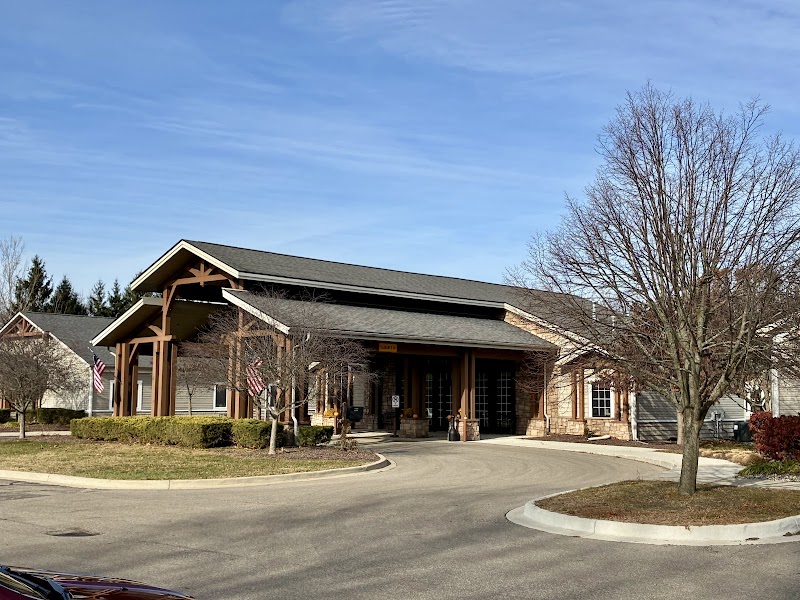
How is The Timbers Of Cass County Staffed?

CMS rates The Timbers of Cass County's staffing level at 4 out of 5 stars, which is above average compared to other nursing homes. Staff turnover is 19%, compared to the Michigan average of 46%. This relatively stable workforce can support continuity of care.

What Have Inspectors Found at The Timbers Of Cass County?

State health inspectors documented 50 deficiencies at The Timbers of Cass County during 2022 to 2025. These included: 50 with potential for harm.

Who Owns and Operates The Timbers Of Cass County?

The Timbers of Cass County is owned by a for-profit company. For-profit facilities operate as businesses with obligations to shareholders or private owners. The facility is operated by ATRIUM CENTERS, a chain that manages multiple nursing homes. With 108 certified beds and approximately 93 residents (about 86% occupancy), it is a mid-sized facility located in Dowagiac, Michigan.

How Does The Timbers Of Cass County Compare to Other Michigan Nursing Homes?

Compared to the 100 nursing homes in Michigan, The Timbers of Cass County's overall rating (2 stars) is below the state average of 3.1, staff turnover (19%) is significantly lower than the state average of 46%, and health inspection rating (2 stars) is below the national benchmark.

What Should Families Ask When Visiting The Timbers Of Cass County?

Based on this facility's data, families visiting should ask: "Can I visit during a mealtime to observe dining assistance and food quality?" "How do you handle medical emergencies, and what is your hospital transfer rate?" "Can I speak with family members of current residents about their experience?"

Is The Timbers Of Cass County Safe?

Based on CMS inspection data, The Timbers of Cass County has a clean safety record: no substantiated abuse findings (meaning no confirmed cases of resident harm), no Immediate Jeopardy citations (the most serious violation level indicating risk of serious injury or death), and is not on the Special Focus Facility watch list (a federal program monitoring the lowest-performing 1% of nursing homes). The facility has a 2-star overall rating and ranks #100 of 100 nursing homes in Michigan. While no facility is perfect, families should still ask about staff-to-resident ratios and recent inspection results during their visit.

Do Nurses at The Timbers Of Cass County Stick Around?

Staff at The Timbers of Cass County tend to stick around. With a turnover rate of 19%, the facility is 26 percentage points below the Michigan average of 46%. Low turnover is a positive sign. It means caregivers have time to learn each resident's needs, medications, and personal preferences. Consistent staff also notice subtle changes in a resident's condition more quickly. Registered Nurse turnover is also low at 18%, meaning experienced RNs are available to handle complex medical needs.

Was The Timbers Of Cass County Ever Fined?

The Timbers of Cass County has no federal fines on record. CMS issues fines when nursing homes fail to meet care standards or don't correct problems found during inspections. The absence of fines suggests the facility has either maintained compliance or corrected any issues before penalties were assessed. This is a positive indicator, though families should still review recent inspection reports for the full picture.

Is The Timbers Of Cass County on Any Federal Watch List?

The Timbers of Cass County is not on any federal watch list. The most significant is the Special Focus Facility (SFF) program, which identifies the bottom 1% of nursing homes nationally based on persistent, serious quality problems. Not being on this list means the facility has avoided the pattern of deficiencies that triggers enhanced federal oversight. This is a positive indicator, though families should still review the facility's inspection history directly.