The Willows At East Lansing
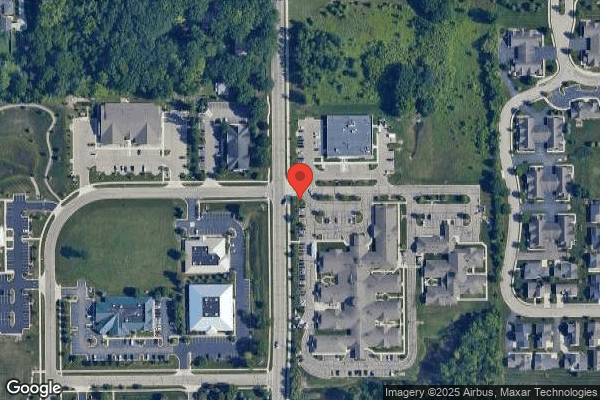
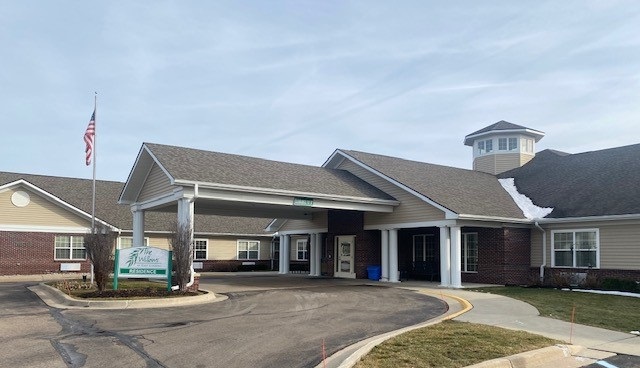
3500 Coolidge Road, East Lansing, MI 48823 (517) 203-4042
For profit - Corporation 65 Beds TRILOGY HEALTH SERVICES Data: November 2025
Trust Grade
80/100
#93 of 422 in MI
Last Inspection: October 2024

Within standard 12-15 month inspection cycle. Federal law requires annual inspections.

Overview

The Willows At East Lansing has a Trust Grade of B+, indicating it is above average and recommended for families considering care options. It ranks #93 out of 422 facilities in Michigan, placing it in the top half, and #1 out of 3 in Clinton County, meaning there are limited local alternatives. The facility is improving, having decreased from 13 issues in 2023 to 10 in 2024, and it has no fines on record, which is a positive sign. Staffing is rated as average, with a turnover rate of 36%, which is better than the state average, and it boasts more RN coverage than 96% of Michigan facilities, ensuring attentive care. However, there have been issues reported, such as a resident being left in urine-soaked clothing and sheets due to staff being too busy to assist, and concerns about the accuracy of care assessments which could lead to unmet needs for some residents. Families should weigh these strengths against the noted deficiencies when considering this facility.
Trust Score
B+
80/100
In Michigan
#93/422
Top 22%
Safety Record
Low Risk
No red flags
Inspections
Getting Better
13 → 10 violations
Staff Stability
○ Average
36% turnover. Near Michigan's 48% average. Typical for the industry.
Penalties
✓ Good
No fines on record. Clean compliance history, better than most Michigan facilities.
Skilled Nurses
✓ Good
Each resident gets 76 minutes of Registered Nurse (RN) attention daily — more than 97% of Michigan nursing homes. RNs are the most trained staff who catch health problems before they become serious.
Violations
⚠ Watch
36 deficiencies on record. Higher than average. Multiple issues found across inspections.
★★★★★
5.0
Overall Rating
★★★☆☆
3.0
Staff Levels
★★★★★
5.0
Care Quality
★★★★☆
4.0
Inspection Score
Stable
2023: 13 issues
2024: 10 issues

The Good

  • 5-Star Quality Measures · Strong clinical quality outcomes
  • Full Sprinkler Coverage · Fire safety systems throughout facility
  • No fines on record
  • Staff turnover below average (36%)

    12 points below Michigan average of 48%

Facility shows strength in quality measures, fire safety.

The Bad

Staff Turnover: 36%

10pts below Michigan avg (46%)

Typical for the industry

Chain: TRILOGY HEALTH SERVICES

Part of a multi-facility chain

Ask about local staffing decisions and management

The Ugly 36 deficiencies on record

Oct 2024 8 deficiencies
CONCERN (D)

Potential for Harm - no one hurt, but risky conditions existed

Comprehensive Care Plan (Tag F0656)

Could have caused harm · This affected 1 resident

**NOTE- TERMS IN BRACKETS HAVE BEEN EDITED TO PROTECT CONFIDENTIALITY** Based on observation, interview and record review, the facility failed to develop and implement comprehensive Care Plans for one...

Read full inspector narrative →
**NOTE- TERMS IN BRACKETS HAVE BEEN EDITED TO PROTECT CONFIDENTIALITY** Based on observation, interview and record review, the facility failed to develop and implement comprehensive Care Plans for one (Resident #5) of 15 reviewed for Care Plans, resulting in the potential for unmet care needs. Findings include: Resident #5 (R5) Review of the medical record reflected R5 was admitted to the facility on [DATE] with diagnosis which included unspecified dementia, unspecified severity, without behavioral disturbance, psychotic disturbance, mood disturbance, and anxiety and dysthymic disorder (persistent depressive disorder). The Minimum Data Set (MDS), with an Assessment Reference Date (ARD) of 07/03/2024, reflected R5's Brief Interview for Mental Status (BIMS) was coded as a 12, indicating moderate cognitive impairment. On 10/15/24 at approximately 9:15 AM, R5 was observed in her room, going through her dresser drawers. R5 expressed frustration with not being able to locate a clothing item and stated that she gets very frustrated with the facility for keeping her here and with people removing her personal property. R5's roommate, who declined to be interviewed, only wanted to share that she had concerns for R5's wellbeing related to an increase in aggressive behaviors. Review of R5's Physician Order revealed an active order dated 6/26/24 for Escitalopram (Lexapro-an antidepressant) 10 mg (milligrams) once daily. Review of a Progress Note dated 8/08/2024 at 12:40 PM stated R5 was being followed by the Interdisciplinary Team for the use of the psychotropic medication. The same Progress Note stated Nursing will monitor resident q [every] shift for adverse effects r/t [related to] medication use and for behaviors. Plan of care is appropriate and up to date . Review of a Progress Note dated 9/08/2024 at 11:03 AM stated Resident [R5] woke up this morning in an extremely agitated state; staff ensured all needs were met and resident remained agitated. Resident tried leaving the building twice this morning and staff was able to redirect her . A Progress Note dated 9/13/2024 at 9:35 PM At about 1945 (7:45 PM) resident noted carrying one of her blanket, her and her dogs pictures, and a book walking out of her room stating that she has gotten all of her belongings she needed and she is going home. Redirection not effective. Her [family member] was in the building trying to redirect resident and not effective. She became very agitated with [family member]. Resident walked towards the front entrance wanting to leave .Multiple staff members approached resident to have her go to her room and not effective . Review of a Progress Note dated 10/10/2024 at 10:39 PM revealed Resident wanted to shut the door and her roommate wanted door open, because it causes her Claustrophobia. resident [R5] became agitated and pull [sic] a chair in front of the door and stared at her resident [sic]. This nurse asked resident if she could move to her chair. Resident stated that I pay enough money to sit where ever I want. Resident remained in chair for approximately 15 minutes, until activities staff help redirect resident and she returned to her recliner . Documentation of a Social Services follow-up could not be located in the electronic medical record (EMR). In an interview on 10/16/24 at 2:04 PM, Licensed Practical Nurse (LPN) K stated that she was working on the day R5 had a disagreement with her roommate regarding the room door. According to LPN K, R5 closed the door to their shared room, but the roommate requested it remain open due to her claustrophobia. R5 became angry, dragged her roommate's chair in front of the door, and stared at her. LPN K made several attempts to redirect R5, but none were successful and only seemed to aggravate R5 further. Eventually, another staff member was able to calm R5. LPN K also mentioned that prior to this incident, R5 had thrown her roommate's shoes in the trash out of anger and during a separate incident, had to have a roommate change back in September due to a conflict with her former roommate. LPN K noted that while R5 typically displays sundown behaviors (the term sundowning refers to a state of confusion that occurs in the late afternoon and lasts into the night. Sundowning can cause various behaviors, such as confusion, anxiety, aggression or ignoring directions. Sundowning also can lead to pacing or wandering), these behaviors had been increasing in frequency over the past few months and R5 was becoming more aggressive. She added that there are no interventions listed to guide staff on how to assist and/or redirect R5 with her aggression. LPN K stated that resident behaviors are documented under the Progress Note's in the EMR. LPN K stated that the Interdisciplinary Team will review the Progress Note's and discuss the behavior concerns in morning meeting. In an interview on 10/16/24 at 3:56 PM, Certified Nursing Assistant (CNA) L stated that she was familiar with R5. CNA L stated that R5 had sundowning behaviors that were more frequent and increasingly aggressive. CNA L stated that she has observed the aggressiveness and that R5 is difficult to redirect. CNA L verified that R5 had to be relocated to a different room last month due to an argument between R5 and her previous roommate. CNA L was unsure of any behavior interventions that were in place for R5. CNA L stated that behaviors are documented under the task section in the EMR. Review of a Physician Order revealed the following active order initiated on 9/18/24 which stated .target behavior-Depression (sadness, tearfulness, and withdrawn). At the end of each shift mark frequent-how often behavior occurred and intensity) . No Physician Order for monitoring any other behaviors and/or behavior related to the increased nighttime delirium were located in the EMR. Review of R5's Care Plan revealed no Care Plan for R5's behavior of increased confusion at night with the potential for aggression and no Care Plan for depression. In an interview on 10/17/24 at 9:45 AM, Social Worker (SW) E and SW F explained that when a resident exhibits behaviors, a Physician Order for behavior tracking is implemented, and a referral for psychiatric services is made if necessary. Social Work discusses these behaviors during interdisciplinary team meetings to develop a Care Plan with individualized interventions. Regarding the recent incident between R5 and her roommate on 10/10/24, SW E and SW F mentioned they were both informed about it only yesterday. SW E and SW F are currently following up on the matter, which includes creating a Care Plan for R5 that specifically addresses the behaviors and provides interventions to assist staff in managing them. Both SW E and SW K acknowledged that they should have been notified about the 10/10/24 incident immediately after it occurred to provide appropriate follow-up and develop a timely Care Plan for R5.
CONCERN (D)

Potential for Harm - no one hurt, but risky conditions existed

Deficiency F0657 (Tag F0657)

Could have caused harm · This affected 1 resident

**NOTE- TERMS IN BRACKETS HAVE BEEN EDITED TO PROTECT CONFIDENTIALITY** Based on observation, interview and record review the facility failed to update a care plan to include detailed person centered ...

Read full inspector narrative →
**NOTE- TERMS IN BRACKETS HAVE BEEN EDITED TO PROTECT CONFIDENTIALITY** Based on observation, interview and record review the facility failed to update a care plan to include detailed person centered needs for one resident (#35) of 15 residents reviewed for care planning. Findings include: Review of the clinical record reflected Resident # 35 (R35) was admitted to the facility on [DATE], Review of the Minimum Data Set (MDS) dated [DATE] reflected a Brief Interview Status Score of (7) severe indicating severe cognitive impairment. The MDS also reflected R35 had a history of falls. On 10/15/24 at 9:30 am, R35 was observed sitting in their room up in a wheel chair, R35 was observed to have a golf ball size abrasion to the top left side of the forehead. R35's family member D was present and reported R35 has had a few falls since admission and aside from the abrasion on the head, R35's left knee also sustained an abrasion. Family member D reported all of R35 falls were from the bed. One floor mat was observed in R35's room. On 10/15/24 at 02:50 pm, R35 was observed resting in bed, a floor mat was observed on left side of bed, family member D in room sitting in chair on left side , R35's bed was observed approximately knee height. Record review reflected R35 fell on [DATE] sustained an abrasion above the left eyebrow, left cheek and temple, left knee abrasion. An unwitnessed fall was documented to have occurred on 09/20/24 at approximately 11:30 pm, R35 sustained a right knee abrasion 1.5 centimeter by 1.5 centimeter. R35's third fall was documented as an unwitnessed fall that occurred on 10/08/2024, the incident and accident report revealed R35 rolled out of bed hit his head and was transferred to the emergency department for further evaluation. Review of R35's fall care plan dated 09/16/24 reflected R35 was at risk for falls and the intervention Fall mat to floor was added on 9/24/24. The care plan was not individualized and did not specify if the floor mat should be placed on the left side or the right side of R35's bed. On 10/16/24 11:42 am, during an interview with Director of Nursing (DON) B, R35's falls and interventions were reviewed. R35's care plan was reviewed with DON B acknowledged R35's fall care plan was not updated to R35's specific need of which side of the bed the floor mat was to be placed. On 10/16/24 at 12:01 pm, during an interview with Certified Nursing Assistant (CNA) H, she reported care was driven by the care plan, CNA H when queried how she knew where/what side of the bed to place a floor mat for a resident she said you have to look at the care plan. When CNA H was queried if the care plan read Fall mat to floor , CNA H stated she wouldn't know where to place the mat, and hoped it was mentioned in report or you would have to guess.
CONCERN (D)

Potential for Harm - no one hurt, but risky conditions existed

Deficiency F0679 (Tag F0679)

Could have caused harm · This affected 1 resident

**NOTE- TERMS IN BRACKETS HAVE BEEN EDITED TO PROTECT CONFIDENTIALITY** Based on observation, interview and record review the facility failed to provide a meaningful, diverse and engaging activity pro...

Read full inspector narrative →
**NOTE- TERMS IN BRACKETS HAVE BEEN EDITED TO PROTECT CONFIDENTIALITY** Based on observation, interview and record review the facility failed to provide a meaningful, diverse and engaging activity program for one resident (#41) of one reviewed for activities. Findings include: Review of the clinical record reflected Resident # 41 (R41) was admitted to the facility on [DATE] with diagnosis that included neurocognitive disorder with Lewy body. Review of the Minimum Data Set (MDS) dated [DATE] reflected R41 scored 00 (severe cognitive impairment) on the Brief Interview for Mental Status (BIMS). Review of R41's activity assessment dated [DATE] reflected R41 enjoyed pet visits, being read to and easy listening music, and family visits. Review of R41's activity care plan dated 8/28/24 revealed R41 enjoyed pet therapy, (which the facility does not offer), catholic services, going outside, bingo, socials and happy hour, easy listening and bluegrass music. Review of the October Calendar revealed catholic services, bingo, bible study, reading groups and socials. Review of R41's activity participation record for October reflected R41 attended 2 sensory activities and one lunch time trivia. Septembers activity participation record reflected 4 activities (no dates) trivia, 1:1, and 2 group readings. The month of August reflected R41 had participated in 2 activities which were 2 episodes of watching television. On 10/15/24 at 10:06 AM, R41 was observed sitting in 100 hall activity/TV area, R41 was sitting, MTV playing on the television but R41 was not watching it. On 10/15/24 at 02:53 PM R41 was observed sitting in front of the television on the 100 hall activity/TV area, R41 was sitting, MTV playing on the television but R41 was not watching it. The volume on the television was low and not audible over the noise of the nearby fish tank motor and alarms sounding on hall. On 10/16/24 at 09:20 AM, R41 was brought into the 100 hall activity/TV area, R41 was instructed by unknown staff to sit on the couch, located in front of the television where MTV was playing a reality show. At 936 AM R41 was observed looking around the room, 2 other unidentified residents were present, sitting in reclining wheel chairs, one whom was asleep the other staring at the ceiling. At 9:47 am an unidentified Certified Nursing Assistant took R41 back to her room without explanation. On 10/16/24 at 11:22 AM R41 was observed in the 100 hall activity/ TV area sitting in a wheelchair in front of the television, head down looking at the floor. MTV playing on the television. The same 2 peers from the 9:20 am observation were present and also not watching MTV. R41 was again observed on 10/16/24 at 12:05 PM and again at 3:01 PM, sitting in front of the television with MTV on. On 10/17/24 at 9:28 am R41 was observed in the 100 hall activity/ TV area sitting in a wheelchair in front of the television, R41's head was down looking at the floor. MTV playing on the television. On 10/17/24 at 9:30 am during an interview with Nursing Home Administrator (NHA) A and Clinical Support Life Enrichment J R41's activity assessment and activity care plan was reviewed. NHA A reported the facility no longer offers pet therapy with the exclusion of some hospice residents receiving pet therapy (R41 is not a hospice resident). NHA A reported the facility has books, and music programs, socials etc . but did not offer any explanation as to why R41 was not invited or encouraged to attend, as there is no documentation that R41 had refused any invitations to group activities.
CONCERN (D)

Potential for Harm - no one hurt, but risky conditions existed

Deficiency F0740 (Tag F0740)

Could have caused harm · This affected 1 resident

**NOTE- TERMS IN BRACKETS HAVE BEEN EDITED TO PROTECT CONFIDENTIALITY** Based on observation, interview and record review the facility failed to ensure one out of one resident (Residents #5) received ...

Read full inspector narrative →
**NOTE- TERMS IN BRACKETS HAVE BEEN EDITED TO PROTECT CONFIDENTIALITY** Based on observation, interview and record review the facility failed to ensure one out of one resident (Residents #5) received the necessary behavioral health care and services to attain or maintain their highest practicable physical, mental, and psychosocial well-being, resulting in the potential for unmet emotional and/or mental well-being care needs. Resident #5 (R5) Review of the medical record reflected R5 was admitted to the facility on [DATE] with diagnosis which included unspecified dementia, unspecified severity, without behavioral disturbance, psychotic disturbance, mood disturbance, and anxiety and dysthymic disorder (persistent depressive disorder). The Minimum Data Set (MDS), with an Assessment Reference Date (ARD) of 07/03/2024, reflected R5's Brief Interview for Mental Status (BIMS) was coded as a 12, indicating moderate cognitive impairment. On 10/15/24 at approximately 9:15 AM, R5 was observed in her room, going through her dresser drawers. R5 expressed frustration with not being able to locate a clothing item and stated that she gets very frustrated with the facility for keeping her here and with people removing her personal property. R5's roommate, who declined to be interviewed, only wanted to share that she had concerns for R5's wellbeing related to an increase in aggressive behaviors. Review of R5's Physician Order revealed an active order dated 6/26/24 for Escitalopram (Lexapro-an antidepressant) 10 mg (milligrams) once daily. Review of a Progress Note dated 8/08/2024 at 12:40 PM stated R5 was being followed by the Interdisciplinary Team for the use of the psychotropic medication. The same Progress Note stated Nursing will monitor resident q [every] shift for adverse effects r/t [related to] medication use and for behaviors. Plan of care is appropriate and up to date . Review of a Progress Note dated 9/08/2024 at 11:03 AM stated Resident [R5] woke up this morning in an extremely agitated state; staff ensured all needs were met and resident remained agitated. Resident tried leaving the building twice this morning and staff was able to redirect her . A Progress Note dated 9/13/2024 at 9:35 PM At about 1945 (7:45 PM) resident noted carrying one of her blanket, her and her dogs pictures, and a book walking out of her room stating that she has gotten all of her belongings she needed and she is going home. Redirection not effective. Her [family member] was in the building trying to redirect resident and not effective. She became very agitated with [family member]. Resident walked towards the front entrance wanting to leave .Multiple staff members approached resident to have her go to her room and not effective . Review of a Progress Note dated 10/10/2024 at 10:39 PM revealed Resident wanted to shut the door and her roommate wanted door open, because it causes her Claustrophobia. resident [R5] became agitated and pull [sic] a chair in front of the door and stared at her resident [sic]. This nurse asked resident if she could move to her chair. Resident stated that I pay enough money to sit where ever I want. Resident remained in chair for approximately 15 minutes, until activities staff help redirect resident and she returned to her recliner . Documentation of a Social Services follow-up could not be located in the electronic medical record (EMR). In an interview on 10/16/24 at 2:04 PM, Licensed Practical Nurse (LPN) K stated that she was working on the day R5 had a disagreement with her roommate regarding the room door. According to LPN K, R5 closed the door to their shared room, but the roommate requested it remain open due to her claustrophobia. R5 became angry, dragged her roommate's chair in front of the door, and stared at her. LPN K made several attempts to redirect R5, but none were successful and only seemed to aggravate R5 further. Eventually, another staff member was able to calm R5. LPN K also mentioned that prior to this incident, R5 had thrown her roommate's shoes in the trash out of anger and during a separate incident, had to have a roommate change back in September due to a conflict with her former roommate. LPN K noted that while R5 typically displays sundown behaviors (the term sundowning refers to a state of confusion that occurs in the late afternoon and lasts into the night. Sundowning can cause various behaviors, such as confusion, anxiety, aggression or ignoring directions. Sundowning also can lead to pacing or wandering), these behaviors had been increasing in frequency over the past few months and R5 was becoming more aggressive. She added that there are no interventions listed to guide staff on how to assist and/or redirect R5 with her aggression. LPN K stated that resident behaviors are documented under the Progress Note's in the EMR. LPN K stated that the Interdisciplinary Team will review the Progress Note's and discuss the behavior concerns in morning meeting. In an interview on 10/16/24 at 3:56 PM, Certified Nursing Assistant (CNA) L stated that she was familiar with R5. CNA L stated that R5 had sundowning behaviors that were more frequent and increasingly aggressive. CNA L stated that she has observed the aggressiveness and that R5 is difficult to redirect. CNA L verified that R5 had to be relocated to a different room last month due to an argument between R5 and her previous roommate. CNA L was unsure of any behavior interventions that were in place for R5. CNA L stated that behaviors are documented under the task section in the EMR. Review of a Physician Order revealed the following active order initiated on 9/18/24 which stated .target behavior-Depression (sadness, tearfulness, and withdrawn). At the end of each shift mark frequent-how often behavior occurred and intensity) . No Physician Order for monitoring any other behaviors and/or behavior related to the increased nighttime delirium were located in the EMR. No Progress Notes or Social Work Assessments could be located in the EMR regarding the recent incident with the roommate or the increase in nighttime agitation. In an interview on 10/17/24 at 9:45 AM, Social Worker (SW) E and SW F explained that when a resident exhibits behaviors, a Physician Order for behavior tracking is implemented, and a referral for psychiatric services is made if necessary. Social Work discusses these behaviors during Interdisciplinary Team meetings to develop a Care Plan with individualized interventions. Regarding the recent incident between R5 and her roommate on 10/10/24, SW E and SW F mentioned they were both informed about it only yesterday. SW E and SW F are currently following up on the matter, which included conducting psychosocial well-being visits with R5 and the roommate. Both SW E and SW K acknowledged that they should have been notified about the 10/10/24 incident immediately after it occurred to provide appropriate follow-up.
CONCERN (D)

Potential for Harm - no one hurt, but risky conditions existed

Medication Errors (Tag F0758)

Could have caused harm · This affected 1 resident

**NOTE- TERMS IN BRACKETS HAVE BEEN EDITED TO PROTECT CONFIDENTIALITY** Based on observation, interview, and record review, the facility failed to justify the increase in an antipsychotic medication f...

Read full inspector narrative →
**NOTE- TERMS IN BRACKETS HAVE BEEN EDITED TO PROTECT CONFIDENTIALITY** Based on observation, interview, and record review, the facility failed to justify the increase in an antipsychotic medication for one (Resident #18) of five reviewed. Findings include: Review of the medical record revealed Resident #18 (R18) was admitted to the facility on [DATE] with diagnoses that included anxiety, major depressive disorder, and vascular dementia with psychotic disturbance. The Minimum Data Set (MDS) with an Assessment Reference Date (ARD) of 8/16/24 revealed R18 scored 2 out of 15 (severe cognitive impairment) on the Brief Interview for Mental Status (BIMS-a cognitive screening tool) and had no behaviors, hallucinations, or delusions during the look back period. On 10/16/24 at 7:33 AM, R18 was observed asleep in bed. On 10/16/24 at 9:17 AM, R18 was observed sitting in the dining room, drinking tea. Review of the Physician's Order dated 12/19/23 revealed an order for Risperidone 0.25 milligrams (milligrams) once a day for hallucinations/delusions. The medication was scheduled to be administered between 6:00 AM and 10:00 AM. Prior to this, R18 was prescribed Risperidone 0.25 mg twice a day. Review of the CAR Review Psychotropic Medication progress note dated 12/26/23 revealed Resident has had a successful GDR [gradual dose reduction] to risperidone [antipsychotic medication] on 6/30/23 and 12/19/23. Review of the Progress Note dated 1/30/24 revealed Resident presents with the following dx's [diagnoses] of Psychotic disorder with hallucinations due to known physiological condition, Unspecified dementia, unspecified severity, without behavioral disturbance, psychotic disturbance, mood disturbance, and anxiety and Major Depressive Disorder. She is currently taking Sertraline [Zoloft/antidepressant medication] 100mg once daily along with Risperidone .25mg once daily. She was last seen by [psychiatry services] on 1/17/2024 stating Plan: continue Zoloft 100mg PO daily. Plan: Continue Risperdal 0.25mg PO q. HS [every day at bedtime] at this time as she had a recent GDR. Evaluate in the next quarter for further GDR. The Risperidone continued to be administered between 6:00 AM and 10:00 AM, despite the note indicating the plan was to administer Risperidone at bedtime. Review of the medical record revealed R18 was transferred to the hospital on 3/21/24 for concerns not related to behaviors or psychiatric well-being. Review of the hospital records revealed the hospital was giving R18 Risperidone 0.25 milligrams twice a day based on an order they had in their system that was dated 8/25/23. The hospital records did not reveal why they did not implement R18's current order of Risperidone once per day. R18 was readmitted to the facility on [DATE] with diagnoses that included urinary tract infection and sepsis. Review of the Physician's Order dated 4/4/24 revealed an order for Risperidone 0.25 mg twice a day for behavioral disorders associated with dementia. Review of the Progress Note dated 8/7/24 revealed She is currently taking Sertraline 200mg once daily along with Risperidone .25mg once daily. Plan: Continue Risperdal [Risperidone] 0.25mg and Sertraline 200mg. Evaluate in the next quarter for further GDR. The note indicated R18 was receiving Risperidone once per day, but she was received the medication twice per day. Review of Behavior Analysis Report dated 10/1/23 to 10/16/24 revealed the following behaviors documented: 12/22/23- Rejection of care; Tried to get resident out of bed 4 times, multiple people also tried to get her out, but she refused all activity for the day. 2/5/24- False beliefs/misperceptions; There were no details documented; redirection was successful 3/10/24- Other behavior; Resident woke up confused thinking it was 1pm rather than 1am. days and nights mixed up. 8/21/24- Other behavior; attempted to change resident but was interrupted. I informed the hairdresser that she will need to be changed before her appointment. The hairdresser stated that she was overdue for a appointment and had the available slot at 9:45 AM and will be quick with her, then wheeled her away. Review of the Progress Note dated 9/18/24 revealed This resident's daughter approached this nurse at this time with concern due to the resident's increased hallucinations. Resident is currently seeing dogs in my room. Resident's daughter concerned with infection due to ureter stents being removed yesterday (09/17/24) . A message was passed on to the rounding providers for evaluation and potential treatment. No new orders at this time. The note did not indicate that the hallucination was distressful to R18. In an interview on 10/16/24 at 9:22 AM, Social Worker (SW) E and SW F reported the behavior tracking was documented in progress notes. When asked why risperidone was increased during and after R18's hospitalization, SW E and SW F were not able to provide a rationale. SW E and SW F were asked to provide any documentation they find. Documentation was not received prior to survey exit. In an interview on 10/17/24 at 9:16 AM with Director of Nursing (DON) B and Clinical Support (CS) I reported R18's Risperidone dose was changed while at the hospital from [DATE] to 4/3/24. Documentation was requested to show the rationale for the increase in Risperidone. Documentation was not received prior to survey exit.
CONCERN (D)

Potential for Harm - no one hurt, but risky conditions existed

Deficiency F0887 (Tag F0887)

Could have caused harm · This affected 1 resident

**NOTE- TERMS IN BRACKETS HAVE BEEN EDITED TO PROTECT CONFIDENTIALITY** Based on interview and record review, the facility failed to offer an updated COVID-19 immunization to two (Resident #7 and Resi...

Read full inspector narrative →
**NOTE- TERMS IN BRACKETS HAVE BEEN EDITED TO PROTECT CONFIDENTIALITY** Based on interview and record review, the facility failed to offer an updated COVID-19 immunization to two (Resident #7 and Resident #18) of five reviewed. Findings include: Resident #7 (R7) Review of the medical record revealed R7 was admitted to the facility on [DATE] with diagnoses that included diabetes, sleep apnea, and vascular dementia. The Minimum Data Set (MDS) with an Assessment Reference Date (ARD) of 7/2/24 revealed R7 scored 10 out of 15 (moderate cognitive impairment) on the Brief Interview for Mental Status (BIMS-a cognitive screening tool). R7 had a guardian. Review of R7's immunization history revealed R7 received their last COVID-19 immunization on 11/11/22. There was no record that R7 was offered the COVID-19 booster for 2023/2024. Resident #18 (R18) Review of the medical record revealed R18 was admitted to the facility on [DATE] with diagnoses that included atrial fibrillation, heart failure, and dementia. The MDS with an ARD of 8/16/24 revealed R18 scored 2 out of 15 (severe cognitive impairment on the BIMS). R18 had a guardian. Review of R18's immunization history revealed R18 received their last COVID-19 immunization on 11/11/22. There was no record that R18 was offered the COVID-19 booster for 2023/2024. In an interview on 10/16/24 at 3:53 PM, Infection Preventionist (IP) C agreed R7 and R18's last COVID-19 immunization was given on 11/11/22. On 10/16/24 at 4:26 PM, IP C reported R7 and R18 both had a COVID infection in November of 2023 and therefore were not eligible for their COVID-19 immunization at that time. On 10/16/24 at 10:22 AM, IP C reported she spoke with the facility's physician who reported R7 and R18 would have been eligible to receive the COVID-19 immunization 90 days after testing positive for COVID. IP C reported the facility did not have documentation that R7 and R18 were offered the COVID-19 immunization in 2023/2024. People who already had COVID-19 and do not get vaccinated after their recovery are more likely to get COVID-19 again than those who get vaccinated after their recovery .If you recently had COVID-19, you still need to stay up to date with your vaccines, but you may consider delaying your vaccine dose by 3 months. (https://www.cdc.gov/covid/vaccines/getting-your-covid-19-vaccine.html#:~:text=When%20you%20can%20wait%20to,vaccine%20dose%20by%203%20months.)
MINOR (B)

Minor Issue - procedural, no safety impact

Transfer Notice (Tag F0623)

Minor procedural issue · This affected multiple residents

**NOTE- TERMS IN BRACKETS HAVE BEEN EDITED TO PROTECT CONFIDENTIALITY** Resident 37 (R37) Review of the medical record revealed R37 was last admitted [DATE]. R37 had been readmitted after a hospitaliz...

Read full inspector narrative →
**NOTE- TERMS IN BRACKETS HAVE BEEN EDITED TO PROTECT CONFIDENTIALITY** Resident 37 (R37) Review of the medical record revealed R37 was last admitted [DATE]. R37 had been readmitted after a hospitalization beginning on 6/11/24 with a diagnosis of Urosepsis (a life-threating complication of urinary tract infection). R37 had previously been readmitted [DATE] after a hospitalization with a diagnosis of Sepsis. The Minimum Data Set (MDS) with an Assessment Reference Date (ARD) of 9/10/24 revealed R37 scored 09 out of 15 (indicating moderate cognitive impariment) on the Brief Interview for Mental Status (BIMS-a cognitive screening tool). R37 was their own responsible party/decision maker. Record review further revealed no indication that R37 received a written notice of transfer upon transfer to the hospital. On 10/16/24 a request to the Nursing Home Administrator (NHA) A for the written notice of transfer was made. A notice for a hospitalization in May was submitted, but none for June. 10/17/24 at 10:40 AM the Clinical Support Nurse T and Director of Nursing (DON) B were interviewed concerning the lack of paperwork (transfer notice) for the hospitalizations in June. Clinical Support I explained that around that time (June 2024) some process changes had been going on and administration was trying to sort through and find out what happened. On 10/17/24 no further documents were submitted prior to the survey exit. Based on interview and record review, the facility failed to provide written notice of transfer for two (Resident #19 and Resident #37) of two reviewed. Findings include: Resident #19 (R19) Review of the medical record revealed R19 was admitted to the facility on [DATE] with diagnoses that included hemiplegia and hemiparesis following cerebral infarction, anxiety, and diabetes. The Minimum Data Set (MDS) with an Assessment Reference Date (ARD) of 7/9/24 revealed R19 scored 13 out of 15 (cognitively intact) on the Brief Interview for Mental Status (BIMS-a cognitive screening tool). R19 was their own responsible party/decision maker. Review of R19's history revealed they were transferred to the hospital on 7/4/24 and returned on 7/5/24, transferred to the hospital on 9/29/24 and returned on 9/30/24, and most recently transferred to the hospital on [DATE]. R19 had not yet returned to the facility. Review of the medical record revealed no indication that R19 received a written notice of transfer upon transfer to the hospital. In an interview on 10/16/24 at 9:22 AM, Social Worker (SW) E reported they were present when R19 transferred to the hospital on [DATE]. SW E reported the only paperwork they provided was the petition to psychiatric services. In an interview on 10/16/24 at 10:58 AM, Registered Nurse (RN) G reported they were assigned to care for R19 on 10/10/24. RN G reported the only paperwork that was provided to R19 was the Continuity of Care Document (CCD), face sheet, and code status. RN G was not aware of a written transfer notice. RN G reported if any additional paperwork was completed, Assistant Director of Nursing (ADON) C would have done that. In an interview on 10/16/24 at 11:13 AM, ADON C reported the only paperwork provided to R19 upon transfer to the hospital was the CCD, face sheet, and the petition to psychiatric services. Clinical Support (CS) I was also present during the interview. CS I and ADON C were unable to provide a written notice of transfer. An email received from Nursing Home Administrator (NHA) A on 10/16/24 at 11:26 AM, revealed The transfer notice can be found in [electronic medical record system] under observations and/or via progress notes. Written transfer notices were not found under observations or progress notes. In an interview on 10/17/24 at 09:16 AM, Director of Nursing (DON) B and CS I reported they were unable to find documentation that R19 was provided with a written notice of transfer for each of the three hospital transfers.
MINOR (B)

Minor Issue - procedural, no safety impact

Deficiency F0625 (Tag F0625)

Minor procedural issue · This affected multiple residents

**NOTE- TERMS IN BRACKETS HAVE BEEN EDITED TO PROTECT CONFIDENTIALITY** Resident 37 (R37) Review of the medical record revealed R37 was last admitted [DATE]. R37 had been readmitted after a hospitali...

Read full inspector narrative →
**NOTE- TERMS IN BRACKETS HAVE BEEN EDITED TO PROTECT CONFIDENTIALITY** Resident 37 (R37) Review of the medical record revealed R37 was last admitted [DATE]. R37 had been readmitted after a hospitalization beginning on 6/11/24 with a diagnosis of Urosepsis (a life-threating complication of urinary tract infection). R37 had previously been readmitted [DATE] after a hospitalization for a diagnosis of Sepsis. The Minimum Data Set (MDS) with an Assessment Reference Date (ARD) of 9/10/24 revealed R37 scored 09 out of 15 (indicating moderate cognitive impariment) on the Brief Interview for Mental Status (BIMS-a cognitive screening tool). R37 was their own responsible party/decision maker. Record review revealed no indication that R37 received a written notice of the bed hold policy upon either transfer to the hospital. On 10/16/24 a request to the Nursing Home Administrator (NHA) A for the written notice of bed hold policy was made. A notice for a hospitalization in May was submitted, but none for June. 10/17/24 at 10:40 AM the Clinical Support Nurse T and Director of Nursing (DON) B were interviewed concerning the lack of paperwork (bed hold policy notification) for the hospitalizations in June. Clinical Support I explained that around that time (June 2024) some process changes had been going on and administration was trying to sort through and find out what happened. On 10/17/24 no further documents were submitted prior to the survey exit. Based on interview and record review, the facility failed to provide written notice of bed hold policy for two (Resident #19 and Resident #37) of two reviewed. Findings include: Resident #19 (R19) Review of the medical record revealed R19 was admitted to the facility on [DATE] with diagnoses that included hemiplegia and hemiparesis following cerebral infarction, anxiety, and diabetes. The Minimum Data Set (MDS) with an Assessment Reference Date (ARD) of 7/9/24 revealed R19 scored 13 out of 15 (cognitively intact) on the Brief Interview for Mental Status (BIMS-a cognitive screening tool). R19 was their own responsible party/decision maker. Review of R19's history revealed they were transferred to the hospital on 7/4/24 and returned on 7/5/24, transferred to the hospital on 9/29/24 and returned on 9/30/24, and most recently transferred to the hospital on [DATE]. R19 had not yet returned to the facility. Review of the medical record revealed no indication that R19 received a written notice of the bed hold policy upon transfer to the hospital. In an interview on 10/16/24 at 9:22 AM, Social Worker (SW) E reported they were present when R19 transferred to the hospital on [DATE]. SW E reported the only paperwork they provided was the petition to psychiatric services. In an interview on 10/16/24 at 10:58 AM, Registered Nurse (RN) G reported they were assigned to care for R19 on 10/10/24. RN G reported the only paperwork that was provided to R19 was the Continuity of Care Document (CCD), face sheet, and code status. RN G was not aware of a written bed hold policy notice. RN G reported if any additional paperwork was completed, Assistant Director of Nursing (ADON) C would have done that. In an interview on 10/16/24 at 11:13 AM, ADON C reported the only paperwork provided to R19 upon transfer to the hospital was the CCD, face sheet, and the petition to psychiatric services. Clinical Support (CS) I was also present during the interview. CS I and ADON C were unable to provide a written notice of bed hold policy. An email received from Nursing Home Administrator (NHA) A on 10/16/24 at 11:26 AM, revealed Residents are provided the bed hold policy upon admission. In an interview on 10/17/24 at 09:16 AM, Director of Nursing (DON) B and CS I reported they were unable to find documentation that R19 was provided with a written notice of bed hold policy for each of the three hospital transfers.
Jul 2024 2 deficiencies
CONCERN (D) 📢 Someone Reported This

A family member, employee, or ombudsman was alarmed enough to file a formal complaint

Potential for Harm - no one hurt, but risky conditions existed

Quality of Care (Tag F0684)

Could have caused harm · This affected 1 resident

**NOTE- TERMS IN BRACKETS HAVE BEEN EDITED TO PROTECT CONFIDENTIALITY** This citation pertains to MI 00145328 Based on observation, interview, and record review the facility failed to thoroughly asses...

Read full inspector narrative →
**NOTE- TERMS IN BRACKETS HAVE BEEN EDITED TO PROTECT CONFIDENTIALITY** This citation pertains to MI 00145328 Based on observation, interview, and record review the facility failed to thoroughly assess or provide treatment for a hot liquid burn for one Resident (#1) out of one reviewed resulting in the potential of medical complications from a hot liquid burn. Findings Included: Resident #1 (R1) Review of the medical record revealed R1 was admitted [DATE] with diagnoses that included cerebral infarction (stroke), fracture of nasal bones, history of falls, urinary tract infection, acute respiratory failure, heart failure, hypertensive heart disease, hypothyroidism (low thyroid hormone), hyperlipidemia (high fat content in blood), diplopia (double vision), dysarthria (slurred speech), anarthria (inability to articulate speech), dysphagia (difficulty swallowing), osteoarthritis, gastro-esophageal reflux, and chronic pain. The most recent Minimum Data Set (MDS), with an Assessment Reference Date (ARD) of 06/17/2024, revealed a Brief Interview for Mental Status (BIMS) of 11 (moderated cognitive impairment) out of 15. During observation and interview on 07/05/2024 at 10:04 a.m. R1 was observed lying down in bed. Bed was observed to be in the lowest position. R1 explained that she had been at the facility since June of 2024. R1 was asked if she had ever spilled hot liquids on herself while at the facility. She had explained that she had but could not recount the date of the incident. Review of R1 medical record revealed a progress note dated 06/18/2024, at 06:30 p.m., which revealed, During dinner, res (Resident) was mixing 2 mild temperature beverages together and spilled them in her lap. She immediately removed her pants and cool compresses were applied. No blistering noted and redness is improving. Res (Resident) requested Tylenol for mild discomfort. Will continue to monitor. spoke with . PA (Physician Assistant). He recommended monitoring are until resolved. R1's medical record also revealed progress note dated 06/19/2024 at 04:40 a.m. Denies any discomfort to the mild redness on anterior thighs area from spilling warm beverage on lap. R1's medical record also revealed progress note dated 06/19/2024 at 02:50 a.m.no blistering noted and redness improving. Review of R1 medical record revealed a progress note dated 06/27/2024 at 02:32 p.m. revealed, Wound note: bilateral thighs, resident has open area on R thigh measuring approximately 0.5cm (centimeters) x (by) 7.5cm. area is read, no drainage, or odor present. States it does not hurt or itch. L thigh open area measuring approximately 0.5cm x 0.5cm area is red, no drainage, or odor present, states area does not hurt or itch. Will continue to monitor. In an interview on 07/05/2024 at 10:30 a.m. Director of Nursing (DON) B explained that R1 had spilled mild liquids on herself that had been provided on her meal tray. She further explained that mild liquids would have been coffee. When asked if R1 had developed blisters after the spill, DON B explained that she was not aware of any blisters. DON B was asked to review progress note dated 06/27/24 at 02:32 p.m. and explain what the open areas on R1's thighs were attributed to. DON B explained that those open areas were related to R1 scratching herself. DON B could not provide an incident report for the open areas. DON B explained that a skin assessment was to be completed every shift for at least 72 hours after the coffee was spilled on R1. DON B could not provide or demonstrate that skin assessments were completed as required. DON B' also explained that an order should have been put into place to monitor the burned area and a treatment should have been provided to the open areas. DON B could not provide documentation of an order for monitoring or documentation of any treatment that had been provided following the burn or for R1's open areas. In an interview on 07/05/24 at 12:46 p.m. Certified Nursing Aide (CNA) E explained that she provides care to R1 on a regular basis. She explained that she had been told that R1 had spilled coffee on herself during a meal. CNA E explained that she had provided care the day after the 'burn. On that day CNA E explained that she had observed blisters and redness on R1's right thigh and had reported her observation to the one of the nursing managers and had also report her observation to the Nursing Home Administrator. During observation and interview on 07/05/2024 at 01:15 p.m. R1 was observed sitting up in chair. R1 was asked if she had developed any blisters after spilling coffee on herself. She stated, yes I did, and a man even took pictures of it. She was asked if any treatments had been applied to the blisters and she explained that no treatments were done on that area. R1 then proceed to get into bed and remove her pants. A red area with approximately 12 cm (centimeters) in length and 1cm in width was observed. Several scabbed areas were observed along the area. Review of R1's June physician orders, medication record, and treatment record did not demonstrate that any treatment or medication had been ordered or applied to the area of R1's burns. R1's medical record did not demonstrate any pictures of the R1's burned areas.
CONCERN (D) 📢 Someone Reported This

A family member, employee, or ombudsman was alarmed enough to file a formal complaint

Potential for Harm - no one hurt, but risky conditions existed

Accident Prevention (Tag F0689)

Could have caused harm · This affected 1 resident

**NOTE- TERMS IN BRACKETS HAVE BEEN EDITED TO PROTECT CONFIDENTIALITY** This citation pertains to MI 00145328 Based observation, interview, and record review the facility failed to prevent accidents (...

Read full inspector narrative →
**NOTE- TERMS IN BRACKETS HAVE BEEN EDITED TO PROTECT CONFIDENTIALITY** This citation pertains to MI 00145328 Based observation, interview, and record review the facility failed to prevent accidents (falls) by not following the plan of care, for one Resident (#1) out of five Residents reviewed resulting in injury related to a fall. Findings Included: Resident #1 (R1) Review of the medical record revealed R1 was admitted [DATE] with diagnoses that included cerebral infarction (stroke), fracture of nasal bones, history of falls, urinary tract infection, acute respiratory failure, heart failure, hypertensive heart disease, hypothyroidism (low thyroid hormone), hyperlipidemia (high fat content in blood), diplopia (double vision), dysarthria (slurred speech), anarthria (inability to articulate speech), dysphagia (difficulty swallowing), osteoarthritis, gastro-esophageal reflux, and chronic pain. The most recent Minimum Data Set (MDS), with an Assessment Reference Date (ARD) of 06/17/2024, revealed a Brief Interview for Mental Status (BIMS) of 11 (moderated cognitive impairment) out of 15. During observation and interview on 07/05/2024 at 10:04 a.m. R1 was observed lying down in bed. Bed was observed to be in the lowest position. R1 explained that she had been at the facility since June of 2024. She explained that she had several falls while at the facility. She explained that her last fall had occurred while she was in the bathroom taking a shower. R1 explained that a certified nursing aide, that was helping her with her shower, had left her alone in the shower. R1 explained that she was reaching for a washcloth and fell off the shower chair. R1 explained that she was taken to the hospital after the fall, at which time she received several sutures to her forehead. R1 explained that she was not to be left alone while she was in the shower because the facility knew she had a history of falling. Review of the facility Event Report dated 07/01/2024, timed at 03:49 p.m., revealed, Resident with fall on 07/01/2024 while in the shower, the resident had requested privacy. Resident states was reaching for a wash cloth that was on the hand rail and slid of the shower chair. Resident was sent to ER (Emergency Room) for further evaluation and treatment. Review R1's progress notes dated 07/01/2024 at 10:10 p.m. revealed . returned from . hospital, received 6 stitches to the laceration on her forehead . In an interview on 07/05/2024 at 10:30 a.m. Director of Nursing (DON) B explained that she was aware of the R1's fall that occurred on 07/01/2024. She explained that R1 had been left alone in the shower, because she had asked for privacy, and feel off the shower bench while reaching for a washcloth. DON B was asked if she had interviewed R1 and she explained that she had not, but the nurse had interviewed R1 after the fall. She explained that Certified Nursing Aide (CNA) D had been interviewed and provided a statement. DON B explained that CNA D had reported that R1 had requested privacy and CNA D was honoring her request. In a telephone interview on 07/05/2024 at 11:10 a.m. Registered Nurse (RN) I had been taking care of R1 on 07/01/2024. RN I explained that Certified Nursing Aide (CNA) D had been assisting R1 with a shower. She explained that CNA D had left her alone because R1 had requested privacy. When R1 was left unattended she fell of the shower bench. RN I was asked if she interviewed R1 and she explained that she had not. RN I explained that the events were told to her by CNA D. During observation and interview on 07/05/2024 at 01:15 p.m. R1 was observed sitting up in her wheelchair. R1 was asked additional details regarding her fall on 07/01/2024. She was asked if she had requested privacy during her shower. R1 explained that she had not asked for privacy during her shower and that the facility understood she was not to be left alone, as she has a history of falling. In a telephone interview on 07/05/2024 at 01:27 p.m. Certified Nursing Aide (CNA) D explained that she was the person taking care of R1 on 07/01/2024. CNA D explained that she was assisting R1 with a shower and R1 had fallen off the shower bench. She explained that she had left R1 alone because she had assumed that she would like some privacy. CNA D was asked if R1 had requested privacy and she responded that R1 had not asked for privacy. CNA D explained that she was aware that R1 was a fall risk and explained that if a resident is a fall risk they should not be left alone. CNA D could not explain why she had assumed that R1 wanted privacy during the shower. CNA D explained that she had received a teachable moment, from the facility after R1's fall, which she was re-educated that resident that are a fall risk are not to be left alone while providing shower care. Review of the facility Teachable Moment document dated 07/03/2024 revealed On 07/02/2024 you were providing a shower for a resident with a history falls when you left the shower room. Resident had requested privacy however due to her impulsivity and history of falls, the resident should have remained near and within vision while providing as much privacy as possible. Going forward resident with a history of falls are not be left unattended in the shower. The Teachable Movement document dated 07/03/2024 demonstrated Certified Nursing Aide's (CNA) D signature.
Sept 2023 11 deficiencies
CONCERN (D)

Potential for Harm - no one hurt, but risky conditions existed

Deficiency F0558 (Tag F0558)

Could have caused harm · This affected 1 resident

**NOTE- TERMS IN BRACKETS HAVE BEEN EDITED TO PROTECT CONFIDENTIALITY** Based on observation and interview the facility failed to ensure a call light was accessible for 1 out of 13 residents (Resident...

Read full inspector narrative →
**NOTE- TERMS IN BRACKETS HAVE BEEN EDITED TO PROTECT CONFIDENTIALITY** Based on observation and interview the facility failed to ensure a call light was accessible for 1 out of 13 residents (Resident #11 ) reviewed, resulting in the potential for resident needs to be unmet. Findings include: Resident #11 Review of an admission Record revealed Resident #11 (R11) admitted to the facility on [DATE] with pertinent diagnoses which included acute kidney failure, Type 2 diabetes mellitus with diabetic chronic kidney disease, Restless legs syndrome, Overactive bladder, and weakness. The admission Minimum Data Set (MDS), with an Assessment Reference Date (ARD) of 3/31/23 reflected R11 scored 13 out of 15 (cognitively intact) on the Brief Interview for Mental Status (BIMS-a cognitive screening tool). The same MDS reflected R11 required extensive assistance of two or more people for transferring and toileting. On 09/18/23 at 09:21 AM, R11 was observed in bed with her eyes closed. R11 greeted me and reported that she was doing okay but was looking for her call light because she needed to go to the bathroom. R11's call light cord was observed twisted around the upper rails of the bed and laying on the floor near the head of the bed. When asked if R11 was able to pull on the call light cord to access the end of the light with the push button, R11 attempted but was unable to obtain her call light. In on observation on 09/18/23 at 3:38 PM, R11 was in bed resting her eyes. R11's call light cord was twisted around the upper rail of the bed and the end with the push button mechanism was on the floor. On 09/18/23 at 3:46 PM, a staff member entered R11's room to distribute medication. After staff exited, the call light appeared to be in the same location as the previous observation In an observation and interview on 09/18/23 at 4:12 PM, R11 attempted to pull the call light so she could again access the push button mechanism at the end. R11 reported that she preferred to have her call light clipped to her blanket but when she attempted to attach the light to her blanket she reported that she was unable to pinch the clip and clip the cord to her blanket. On 09/20/23 at 9:21 AM and 10:53 AM, R11's call light was again hanging out of reach from the resident. In an interview on 09/20/23 at 11:36 AM, Director of Nursing B reported that the expectation for call lights would be ensuring that they are answered in a timely matter and in reach. If noticed that the call light is out of reach or hanging onto the floor, the call light should be returned to the resident.
CONCERN (D)

Potential for Harm - no one hurt, but risky conditions existed

Grievances (Tag F0585)

Could have caused harm · This affected 1 resident

Based on observation and interview, the facility failed to effectively inform 6 of 6 residents from Resident Council of their right to file a grievance, have grievance forms available to the residents...

Read full inspector narrative →
Based on observation and interview, the facility failed to effectively inform 6 of 6 residents from Resident Council of their right to file a grievance, have grievance forms available to the residents and failed to provide effective information on how to file a grievance or a complaint in writing, resulting in grievances not being heard or corrected and the potential for mismanagement of care. Findings include: During the resident council meeting held on 9/19/23 at 10:00 AM, six of the six residents that participated when queried reported if they had filed a grievance to have their needs addressed, six of six participants stated they were not aware this was an option or knew how to go about filing a grievance, who to see about a grievance or where the forms were located. On 09/19/23 at 10:51 AM, a walk through the units and common areas revealed that there were no concern forms accessible to the residents in the facility or signage informing the residents on the process of filling a grievance. In an interview on 09/19/23 11:26 AM, Certified Nursing Assistant (CNA) G reported that when a resident has a concern, staff attempt to resolve the issue or report it to the Nursing Home Administrator. When queried if there was a paper process for complaints, CNA G reported that the paper concern forms are located in a drawer on a unit. In an interview on 09/20/23 at 08:42 AM, Certified Nursing Assistant F replied no idea when asked where the residents could obtain a grievance form. In an interview on 09/20/23 at 9:53 AM, Licensed Practical Nurse (LPN) D stated that paper grievance forms are located in drawers or cupboards on the unit but also accessible on the computer. When queried about how the residents obtain a form, LPN D stated that she has had a couple residents ask for them a while ago but those residents are no longer here. In an interview on 09/20/23 at 11:39 AM, Director of Nursing (DON) B reported that the grievance forms are available in paper version but for the most part the residents tell their concerns to staff and the staff fills out an online grievance form. When asked how residents are informed about the grievance process including where the forms can be located, DON B stated that the residents are told about it during the Resident First meeting which is a meeting held shortly after admission. When asked if the process of informing the resident of the grievance policy was documented, DON B reported that it is not documented. In an observation and interview on 09/20/23 at 11:47 AM, Nursing Home Administrator (NHA) A stated that the signs for the Grievance process were posted at the front and back of the building. NHA A started that each sign has a quick response code (QR code- a barcode that you scan with your cellular phone camera that will redirect you to an online link) which will take you to the grievance form. The sign was observed on the front door, suction cupped to the glass and facing out toward the parking lot. The sign was approximately 5 feet high and read Tell us how we are doing with the QR code on the bottom of the sign. When the QR code was scanned, the form that opened contained questions such as inquiring about how the visit was today, if the user would like to pay any compliments to staff, and the final question was if there were any concerns. The sign did not appear accessible to residents due to the fact that the sign was facing away from the inside of the building and was too high for a resident who required a wheelchair for mobility. Furthermore, the process of utilizing a QR code to scan with a cellphone to access the complaint form may not be a feasible option for all residents that would like to utilize the process of filing a grievance. According to the State Operations Manual Appendix PP, Section 483.10(j), The facility must make information on how to file a grievance or complaint available to the resident . and notify resident(s) individually or through postings in prominent locations throughout the facility of the right to file grievances orally (meaning spoken) or in writing .
CONCERN (D)

Potential for Harm - no one hurt, but risky conditions existed

Assessment Accuracy (Tag F0641)

Could have caused harm · This affected 1 resident

**NOTE- TERMS IN BRACKETS HAVE BEEN EDITED TO PROTECT CONFIDENTIALITY** Based on observation, interview, and record review the facility failed to accurately complete a Minimum Data Set (MDS) assessmen...

Read full inspector narrative →
**NOTE- TERMS IN BRACKETS HAVE BEEN EDITED TO PROTECT CONFIDENTIALITY** Based on observation, interview, and record review the facility failed to accurately complete a Minimum Data Set (MDS) assessment for three residents (#12,#13,#14) of 14 reviewed for MDS assessments resulting in the potential for inaccurate care plans and unmet resident needs. Findings Included: Resident #12 (R12) Review of the medical record revealed R12 was admitted to the facility on [DATE] with diagnoses that included vascular dementia, facial weakness, atrial fibrillation, type 2 diabetes, atherosclerotic heart disease (buildup of plaque on artery walls) , anemia (low blood count), hyperlipidemia (fat in the blood), occlusion and stenosis (narrowing) of carotid artery, cerebral infarction, anxiety, depression, benign prostatic hyperplasia (enlarged prostate), gastro-esophageal reflux, diverticulosis of intestine (bulging pouches develop in the digestive tract), irritable bowel syndrome (IBS), osteoarthritis, low back pain, mood disorder, cognitive communication deficit, altered mental status, encephalopathy (brain disease), hypertension, and chronic kidney disease. The most recent Minimum Data Set (MDS), with an Assessment Reference Date (ARD) of 08/14/2023, had a Brief Interview of Mental Status (BIMS) that was dashed out (was not assessed or could not be assessed). During observation and interview on 09/18/2023 at 09:25 a.m. R12 was observed sitting up in a reclining chair located at the side of his bed. R12 was difficult to understand while attempting verbal communication. Review of R12's medical record revealed a Minimum Data Set (MDS), with an Assessment Reference Date (ARD) of 08/14/23, that his Brief Interview of Mental Status (BIMS) had been dashed out (was not assess or could not be assessed). Section D-Mood of the MDS, with the same ARD, had been dashed out. Section Q-Participation in Assessment and Goal Setting, with the same ARD, had been dashed out Review of R12's medical record revealed an MDS, with an ARD of 06/09/2023, that his BIMS had been assessed and had a value of 00 (resident not able to be understood). Section D-Mood of the MDS, with the same ARD, demonstrated that the resident did not have any mood symptoms present. Section Q- Participation in Assessment and Goal Setting, with the same ARD, demonstrated that R 12 was involved. Resident #14 (R14) Review of the medical record revealed R14 was admitted to the facility on [DATE] with diagnoses that included chronic obstructive pulmonary disease (COPD), calculus of kidney (kidney stones), hydronephrosis (excessive urine in kidneys due to back-up urine), atrial fibrillation, chronic kidney disease, congestive heart failure (CHF), anemia (low blood count), hypothyroidism (low thyroid hormone), hyperlipidemia (high fat content in flood), obstructive sleep apnea, atherosclerotic heart disease (buildup of plaque on artery walls), ischemic cardiomyopathy (damage to heart tissue), orthostatic hypotension (low blood pressure upon rising), depression, hypertension, low back pain, benign prostatic hyperplasia (enlarged prostate), urinary retention, constipation, dysphagia (difficulty swallowing), protein-calorie malnutrition, gastro-esophageal reflux, cognitive communication deficit, arthritis, and obesity, The most recent Minimum Data Set (MDS), with an Assessment Reference Date (ARD) of 08/03/2023, had a Brief Interview of Mental Status (BIMS) that was dashed out (was not assessed or could not be assessed). During observation and interview on 09/18/2023 at 10:35 a.m. R14 was observed setting up in a wheelchair at the side of his bed. R14 appeared well groomed. R14 explained that he had resident at the facility for a couple of years. Review of R14's medical record revealed a Minimum Data Set (MDS), with an Assessment Reference Date (ARD) of 08/03/2023, that his Brief Interview of Mental Status (BIMS) dashed out (was not assessed or could not be assessed). Section D-Mood of the MDS, with the same ARD of 08/03/2023 had been dashed out. Section Q- Participation in Assessment and Goal Setting had been dashed out. Review of R14's medical record revealed a MDS, with an ARD of 05/05/2023, had a BIMS of 14 (cognitively intact) out of 15. Section D-Mood of the MDS, with the same ARD, demonstrated that R14 had demonstrated total severity code of 3 out of 27. Section Q- Participation in Assessment and Goal Setting, with the same ARD, demonstrated that R14 had been involved. In an interview on 09/19/2023 at 08:13 a.m. Minimum Data Set (MDS) Coordinator K explained that she was responsible for the completion of all section of the MDS. She explained that Director of Social Services J was responsible for completing section B, section C, section D, Section E, and section Q of the MDS. She explained that it the sections were not completed by the date that the MDS was due or within the assessment look back period, that section would be dashed out. MDS Coordinator K confirmed that R12's MDS, with an ARD of 08/14/23, section C, D, and Q had been dashed out. MDS Coordinator K confirmed that R14's MDS, with an ARD of 8/3/2023, section C, D, and Q had been dashed out. In an interview on 09/19/2023 at 08:45 a.m. the Director of Social Services J explained that is was her responsibility to complete sections B, C, D, E, and Q of the residents Minimum Data Set (MDS). She explained that she was required to finish those sections or collect that the necessary information for completion of those sections with the MDS look back period. She explained if she could not complete those sections she would need to dash out those sections of the MDS. Director of Social Services J confirmed that R12's MDS, with an ARD of 08/14/23, section C, D, and Q had been dashed out. She also confirmed that R14's MDS, with an ARD of 8/3/2023, section C, D, and Q had been dashed out. Resident #13 (R13): Review of the medical record reflected R13 admitted to the facility on [DATE] and readmitted on [DATE], with diagnoses that included major depressive disorder, anxiety, unspecified intellectual disabilities, hallucinations, unspecified dementia, post-traumatic stress disorder and vascular dementia. The quarterly Minimum Data Set (MDS), with an Assessment Reference Date (ARD) of 8/25/23, reflected there was no assessment of R13's cognitive status. The same MDS reflected R13 did not walk and required extensive to total assistance of one to two or more people for many activities of daily living. Further review of the quarterly MDS, with an ARD of 8/25/23, reflected section B Hearing, Speech, and Vision revealed question B0100. Comatose was answered as No. All remaining questions for section B were answered with Not assessed/no information. Additionally, section C Cognitive Patterns, section D Mood and section E Behavior questions were marked as Not assessed/no information. All sections of the MDS were signed as completed by MDS Coordinator K on 9/8/23. During an interview on 09/19/23 at 08:20 AM, MDS Coordinator K reported she had identified that the Social Services sections of the MDS had not been completed by the ARD. Social Services sections included sections B, C, D, E and Q, according to MDS Coordinator K. During an interview on 09/19/23 at 08:45 AM, Director of Social Services (DSS) J reported she did not know why sections B, C, D and E were incomplete on R13's quarterly MDS, with an ARD of 8/25/23, and she would have to look. On 09/19/23 at 09:28 AM, SSD J indicated R13's MDS was incomplete because the sections were not completed in time (within the seven day look-back period). According to the October 2019 Centers for Medicare & Medicaid Services Long-Term Care Facility Resident Assessment Instrument 3.0 User's Manual, .Observation (Look Back) Period is the time period over which the resident's condition or status is captured by the MDS assessment .The ARD (item A2300) is the last day of the observation/look back period .
CONCERN (D)

Potential for Harm - no one hurt, but risky conditions existed

PASARR Coordination (Tag F0644)

Could have caused harm · This affected 1 resident

**NOTE- TERMS IN BRACKETS HAVE BEEN EDITED TO PROTECT CONFIDENTIALITY** Based on interview and record review, the facility failed to 1) complete a Level II Screening for Mental Illness/Intellectual/De...

Read full inspector narrative →
**NOTE- TERMS IN BRACKETS HAVE BEEN EDITED TO PROTECT CONFIDENTIALITY** Based on interview and record review, the facility failed to 1) complete a Level II Screening for Mental Illness/Intellectual/Developmental Disability/Related Condition Exemption Criteria Certification or refer to Community Mental Health for an OBRA Level II evaluation for one (Resident #13) of three reviewed for PASARR; and 2) complete a Level I Preadmission Screening/Annual Resident Review (PASARR) for one (Resident #19) of three reviewed for PASARR, resulting in the potential for lack of appropriate mental health treatment and services. Findings include: Resident #13 (R13): Review of the medical record reflected R13 admitted to the facility on [DATE] and readmitted on [DATE], with diagnoses that included major depressive disorder, anxiety, unspecified intellectual disabilities, hallucinations, unspecified dementia, post-traumatic stress disorder and vascular dementia. The quarterly Minimum Data Set (MDS), with an Assessment Reference Date (ARD) of 8/25/23, reflected there was no assessment of R13's cognitive status. The same MDS reflected R13 did not walk and required extensive to total assistance of one to two or more people for many activities of daily living. Review of the medical record reflected a PASARR Mental Illness/Intellectual Developmental Disability/Related Conditions Identification Level I Screening (form DCH-3877) was completed on 4/7/23. Section II-Screening Criteria . of DCH-3877 reflected question number one, The person has a current diagnoses [sic] of, was marked Yes, with Mental Illness selected. Question number two reflected, The person has received treatment for, was marked Yes, with Mental Illness selected. Question number three reflected, The person has routinely received one or more prescribed antipsychotic or antidepressant medications within the last 14 days. was marked Yes. Question number four reflected, There is presenting evidence of mental illness or dementia, including significant disturbances in thought, conduct, emotions, or judgement. Presenting evidence may include, but is not limited to, suicidal ideations, hallucinations, delusions, serious difficulty completing tasks, or serious difficulty interacting with others. was marked Yes. Form DCH-3877 reflected, .If any answer to items 1-6 in SECTION II is Yes, send ONE copy to the local Community Mental Health Services Program (CMHSP), with a copy of form DCH-3878 if an exemption is requested . R13's medical record did not reflect that a DCH-3878 Level II Screening had been completed or sent to CMHSP. During an interview on 09/18/23 at 04:24 PM, Director of Social Services (DSS) J reported the process was to complete the PASARR yearly and with significant changes, according to the MDS schedule. On 09/19/23 at 09:55 AM, DSS J reported R13 should have had a DCH-3878 completed (along with the DCH-3877). Resident #19 (R19): Review of the medical record reflected R19 admitted to the facility on [DATE] and readmitted [DATE], with diagnoses that included bipolar disorder, major depressive disorder, psychotic disorder with hallucinations and vascular dementia. The Significant Change in Status MDS, with an ARD of 7/26/23, reflected R19 scored 10 out of 15 (moderate cognitive impairment) on the Brief Interview for Mental Status (BIMS-a cognitive screening tool), did not walk and required extensive to total assistance of one to two or more people for many activities of daily living. R19's medical record did not reflect a current DCH-3877 or DCH-3878. During an interview on 09/18/23 at 04:24 PM, DSS J could not state the last time R19 had a DCH-3877 or DCH-3878 completed. On 09/19/23 at 09:55 AM, DSS J reported she did not see a DCH-3877, DCH-3878 or OBRA Level II evaluation for R19. DSS J reported she was going to contact OBRA to see if there was anything they could look up. No additional information was provided prior to the survey exit on 9/20/23.
CONCERN (D)

Potential for Harm - no one hurt, but risky conditions existed

Deficiency F0645 (Tag F0645)

Could have caused harm · This affected 1 resident

**NOTE- TERMS IN BRACKETS HAVE BEEN EDITED TO PROTECT CONFIDENTIALITY** Based on interview and record review the facility failed to ensure that a Preadmission/Annual Resident Review (PAS/ARR) was accu...

Read full inspector narrative →
**NOTE- TERMS IN BRACKETS HAVE BEEN EDITED TO PROTECT CONFIDENTIALITY** Based on interview and record review the facility failed to ensure that a Preadmission/Annual Resident Review (PAS/ARR) was accurately completed upon admission and failed to ensure an accurate PAS/ARR level one OBRA (Omnibus Budget Reconciliation Act of 1993) was sent to Community Mental Health Services Program (CMHSP) for a level two OBRA evaluation for 1 resident (Resident #48) of 3 residents reviewed for PAS/ARR, resulting in the potential for unmet mental health needs. Findings include: Resident #48(48) According to the clinical record, including the Minimum Data Set (MDS) with an Assessment Reference Date (ARD) of 8/28/23, R48 was admitted to the facility on [DATE] with diagnoses that included Lewy body dementia with behavioral disturbance, psychotic disorder, and anxiety disorder. Further review of the MDS reflected R48 scored 00 out of 15 (severe impairment) on the Brief Interview for Mental Status (BIMS). Record review of the electronic medical record(EMR) reflected R48's Pre admission Screening form reflected it was marked yes for question 1 through 3, indicating that resident R48 had a current diagnoses and received treatment of Mental Illness and Dementia and had routinely received one or more prescribed antipsychotic or antidepressant medications within the last 14 days. The for included instructions, If any answer to items 1 - 6 in SECTION II is Yes, send ONE copy to the local Community Mental Health Services Program (CMHSP), with a copy of form DCH-3878 if an exemption is requested. Review of the EMR reflected no evidence of PAS/ARR level II. During an interview on 9/20/23 at 9:19 a.m., Social Worker (SW) J she reviewed the electronic medical record along with the PAS/ARR form located in the medical record. SW J agreed the PAS/ARR, indicated yes to questions 1 through 3 and reported R48 should have PAS/ARR level II completed in the EMR. SW J reported was unable to say why it was not completed. SW J was unable to answer if OBRA (Omnibus Budget Reconciliation Act of 1993) was not sent to Community Mental Health Services Program (CMHSP) for a level two OBRA evaluation. SW J reported she was going to contact OBRA to see if there was anything they could look up. During an interview on 9/20/23 at 2:00 PM, MDS float staff P verified facility management was unable to located R48 PAS/ARR level II and wound expect R48 to have completed level II PAS/ARR in the EMR. MDS float staff P reported facility Social Worker was responsible for oversight.
CONCERN (D)

Potential for Harm - no one hurt, but risky conditions existed

Deficiency F0657 (Tag F0657)

Could have caused harm · This affected 1 resident

**NOTE- TERMS IN BRACKETS HAVE BEEN EDITED TO PROTECT CONFIDENTIALITY** Resident #30 (R30) Review of the medical record revealed R30 was admitted to the facility on [DATE] with diagnoses that included...

Read full inspector narrative →
**NOTE- TERMS IN BRACKETS HAVE BEEN EDITED TO PROTECT CONFIDENTIALITY** Resident #30 (R30) Review of the medical record revealed R30 was admitted to the facility on [DATE] with diagnoses that included multiple sclerosis, quadriplegia (paralysis of limbs), obesity, anemia (low blood count), vitamin D deficiency, depression, spinal stenosis (spinal narrowing), low back pain, chronic pain, anxiety, hypertension, osteoarthritis, cardiac murmur, edema, constipation, cerebral infarction (stroke), and contractures (shorting or hardening of muscles) of ankles and knees. The most recent Minimum Data Set (MDS), with an Assessment Reference Date (ARD) of 07/13/2023, had a Brief Interview of Mental Status (BIMS) of 15 (cognitively intact) out of 15. During observation and interview on 09/18/2023 at 11:15 a.m. R30 was observed lying down in bed and appeared to be well groomed. R30 explained that she had not had a meeting with the facilities Interdisciplinary Team (IDT) since she had been at the facility. She explained that she had questions regarding her plan of care but had no knowledge of any Care Plan meeting that she had the opportunity to ask questions or to be informed of her plan of care while at the facility. Review of the medical record did not reveal any documentation that an Interdisciplinary Team (IDT) meeting had been conducted with R30 during her stay at the facility. In an interview on 09/18/2023 at 03:45 p.m. Director of Social Services J explained that she was responsible to organize Care Conferences at the facility. She explained that members of the IDT would attend those meetings with the residents and/or the resident's representative of their choice. Director of Social Services J explained that during Care Conferences the IDT would review the plan of care with the residents. She explained that Care Conferences are conducted within 5 days of admission and on a quarterly basis. She explained that documentation was completed on a facility document entitle R1 (resident first meeting). During this interview Director of Social Services J could not demonstrate that an R1 document was in R30's medical record. She could not explain why R30 had not had any Care Conferences during her stay at the facility. In an interview on 09/19/2023 at 09:58 a.m. Nursing Home Administrator (NHA) A explained that resident Care Conferences are called Resident First Meetings, at the facility. She explained that Resident First Meetings are to be conducted within 5 days of admission and at least every quarter thereafter. Review of facility policy entitled Resident's First Meeting Guidelines, with an implementation date of 03?16/2022 and the last revision date of 04/25/2022, demonstrated in the procedure section of the policy 1. Resident First Meeting should be scheduled and held within 5 business days of admission. 2. Subsequent meeting for non-Medicare residents should be conduced at a minimum of quarterly and with significant change. Based on observation, interview and record review, the facility failed to ensure Care Conferences were offered for two (Resident #19 and #30) of 13 reviewed for Care Conferences, resulting in the potential for Residents and/or their Resident Representatives not being involved in the care planning process and/or care preferences not being identified or honored. Findings include: Resident #19 (R19): Review of the medical record reflected R19 admitted to the facility on [DATE] and readmitted [DATE], with diagnoses that included bipolar disorder, major depressive disorder, psychotic disorder with hallucinations and vascular dementia. The Significant Change in Status Minimum Data Set (MDS), with an Assessment Reference Date (ARD) of 7/26/23, reflected R19 scored 10 out of 15 (moderate cognitive impairment) on the Brief Interview for Mental Status (BIMS-a cognitive screening tool), did not walk and required extensive to total assistance of one to two or more people for many activities of daily living. On 09/18/23 at 11:31 AM, R19 was observed in bed and denied having Care Conferences at the facility. During an interview on 09/18/23 at 04:24 PM, Director of Social Services (DSS) J reported Care Conferences were to be held after admission, as well as quarterly and annually. Care Conferences were to follow the MDS schedule, according to DSS J. When asked the date of R19's last Care Conference, DSS J reported it was 7/20/23. Upon review of the Progress Note for 7/20/23, it reflected the note was a CAR (clinically at risk) note and did not reference a Care Conference . DSS J reported there were two different CAR types, one for psychotropic medications and one for falls and other items. DSS J stated CAR meetings were Interdisciplinary Team meetings. R19's medical record did not reflect that a Care Conference had been offered or held in 2023.
CONCERN (D)

Potential for Harm - no one hurt, but risky conditions existed

Deficiency F0679 (Tag F0679)

Could have caused harm · This affected 1 resident

**NOTE- TERMS IN BRACKETS HAVE BEEN EDITED TO PROTECT CONFIDENTIALITY** Based on observation, interview and record review, the facility failed to provide meaningful activities for two Resident (R34 an...

Read full inspector narrative →
**NOTE- TERMS IN BRACKETS HAVE BEEN EDITED TO PROTECT CONFIDENTIALITY** Based on observation, interview and record review, the facility failed to provide meaningful activities for two Resident (R34 and R48) of two residents reviewed for activities. This deficient practice resulted in the increased likelihood for boredom, decreased quality of life, lack of activities and basic stimulation for residents who are dependent on staff for transferring and mobility and the likelihood for depression and feelings of melancholy using the reasonable person concept for all 11 residents that reside on the memory unit. Findings include: Review of the Face Sheet and Minimum Data Set (MDS) dated [DATE], reflected R34 was a [AGE] year old female admitted to the facility on [DATE], with diagnoses that included alzheimers disease, hypertension (high blood pressure), anxiety and depression. The MDS reflected R34 had a BIM (assessment tool) score which indicated her ability to make daily decisions was severely impaired, and she required one person physical assist with bed mobility, transfers, eating, dressing, toileting, and set up assist with locomotion with use of walker on unit, hygiene, and bathing. The Face Sheet reflected R34 had activated Durable Power of Attorney(responsible party). During an observation on 9/18/23 at 8:45 a.m. during the facility tour it was observed a numerical door code was required to enter and exit the 100 memory unit. During an observation on 9/18/23 at 8:48 AM, nine residents, including R34 were in the dining/common room area with nurse standing at medication cart with two residents sitting in reclined chairs with with eyes closed and television on and no other staff observed. During an observation on 9/18/23 at 8:53 AM, Certified Nurse Aid (CNA) F assisted R34 from the dining room to her room with use of walker and stand by assist and was overheard telling R34 she was taking her back to room to to be changed. During an observation on 9/18/23 at 11:58 AM, R34 was sitting in dining room with several residents eating independently with one staff observed in area. During continued observation on 9/18/23 at 1:10 PM, no activities had been observed on the secured memory unit. R34 observed sitting in Dining Room/Common area and appeared fidgety and anxious asking staff, what do I do. CNA F responded to R34, there is nothing for you to do, you can sit and relax. During a telephone interview on 9/18/23 at 1:27 PM, R34 Durable Power of attorney(DPOA) CC reported added hospice services about five months ago to increase interactions for R34. R34's DPOA CC reported R34 enjoyed to observe small group activities only and enjoyed, oldies and piano music, animal visits, one on one visits and outdoor activities but did not think facility had enough time to provided enough activities on memory unit. DPOA CC reported R34 used to really enjoy dancing to the oldies and would enjoy watching that type of activity. DPOA CC reported the memory unit of the facility did not offer the same activities as the rest of the facility and reported R34 preferred small groups. During an observation on 9/18/23 at 4:00 PM, several residents sitting in secure unit common area with eyes closed or not engaged with surroundings with music channel on television with no observed activities. Review of R34 Life Enrichment Assessments, dated 5/10/23 and 5/23/23, reflected R34 preferred one on one visits or small group, pet visits, oldies/piano music, and enjoys being read to. During a surveyor observation on 9/19/23 at 2:59 PM, 4 residents were observed in the common area of the unit. One resident was seated at the table in her wheelchair and had a pile of unfolded laundry in front of her. The resident appeared uninterested in the laundry and was attempting to scoot away from the table in her wheelchair. The wheelchair was locked at the time making the attempt to leave the table unsuccessful. Another observation was made of two different resident seated in a chairs. One resident was seated near the fish tank and was observing the other residents and staff within the vicinity. Another resident continually yelled sir out loud, with no response from staff. Another resident was seen seated in the chair with her hands clasped on her lap. This resident was looking forward toward the wall. Music was playing on the television at the time however, all 4 residents within the vicinity did not appear interested. Resident #48(48) Review of the Face Sheet and Minimum Data Set (MDS) dated [DATE], reflected R48 was a [AGE] year old female admitted to the facility on [DATE], with diagnoses that included Lewy body dementia with behavioral disturbance, psychotic disorder, and anxiety disorder. The MDS reflected R48 had a BIM (assessment tool) score which indicated her ability to make daily decisions was severely impaired, and she required one person physical assist with bed mobility, transfers, eating, dressing, toileting, hygiene, and bathing. The Face Sheet reflected R34 had activated Durable Power of Attorney(responsible party). During an observation on 9/20/23 at 9:30 AM, 10 residents were in the common area of the memory unit including R48 and R34 with country music playing on the television. Five residents had heads down and eyes closed, one resident was eating what appeared to be breakfast, and 4 other residents sitting with chairs pushed up to table with no activities observed. Three of the residents at the table had drinks in area with no observed staff. Continued observation at 9:31 AM, Certified Nurse Aid(CNA) T was observed closing resident door near end of hall, reported was getting ready to assist resident with shower. CNA T reported memory nurse was on another hall and she was the only CNA staff on hall. CNA T reported activity staff should be arriving to unit soon and often came one time in morning and one time in afternoon. Continued to observe 10 residents in common area with no staff present. Continued observation and verified nurse on other unit at 9:37 a.m. At 9:39 a.m., activity staff entered memory unit with cart and place in kitchen area and briefly spoke with one resident who was finishing breakfast. At 9:42 a.m., 4 residents continued to sit at table with eyes closed with no attempts from activity staff to engage any residents. At 9:46 a.m., activity staff exited memory unit with no other staff observed yet in unit. At 9:48 a.m. another resident entered common area, handled items on activity cart, stood at exit door to courtyard for several minutes then sat at table with resident who was eating breakfast. Same resident stood up, and moved to another chair at 9:52 a.m. appeared bored and anxious frequently changing chairs and touching other resident chairs. At 9:54 a.m., a family member entered unit transported a resident to a room and was overheard saying was unable to find staff to let them know they were leaving. At 9:55 a.m., CNA T exited room after resident shower while alarm was sounding after family exited unit with resident. Activity staff returned to unit at 10:02 a.m. with yarn and spoke with one resident to encourage knitting activity. R34 and R48 continued to sitting in common area with unengaged with no attempt to invite in activity. At 10:15 a.m. the nurse entered the unit. Activity staff continued to sit with one(unengaged) of the 10 residents in the common area rolling yarn in a ball. R48 continued to sit at table and star across table with no attempts of staff to engage. Review of R48 Activity Care Plan, dated 10/19/22, reflected, While in this campus, it is important that I have the opportunity to engage in activities and opportunities that are meaningful to me .It is important for me to be able to go outside and get fresh air when the weather is good. Please provide me with opportunities to go outside. I would like to be informed when activity programing is help outside .It is important that I have the opportunity to listen to music. I like easy listening and bluegrass. Please invite me to music programing and live music opportunities .It is important to me to be around animals. Please inform me when there is pet therapy around so I can choose if I would like to visit with them .It is important to me to do things with groups of people. Invite and or engage me in the following group activities that are meaningful to me, Socials, Bingo, Happy Hour, and theme dinners .My faith is important to me, and it is important that I continue to engage in religious services or practices. Please help me do this by informing the catholic service so I can get weekly visits from them . During an interview on 9/20/23 at 11:20 AM, Life Enrichment Director(LED) DD reported memory unit had different activity calendar then the rest of the facility with activities that were more appropriate for the memory unit. LED DD reported activity assessments were completed for all residents on admission, quarterly and annually to determine resident preferences. LED DD provided September activity calendar that included, healthy hands, as a daily activity and reported included cleaning hands prior to lunch. LED DD reported no times were noted on the memory unit activity calendar because activities my only last 10 minutes if residents are not engaged related to dementia diagnosis. LED DD reported activities of often provided in order as listed on calendar. LED DD reported activity staff are expected to provide all residents on the memory unit activities daily and document participation. Requested activity participation documentation for R34 and R48. Review of the facility Memory Care Activity Calendar, dated 9/1/23 through 9/30/23, reflected about 10 items on each day with no times that included: lets take a trip, wacky word Wednesday, funfetti puppy chow, healthy hands, relax and recharge, fall [NAME], bust a move, bingo, healthy hands, flower arranging, and nighttime traditions on 9/20/23(not observed). The calendar reflected several items listed on 9/18/23 that were not observed that included: robot dance, guess the animal and carmel cupcakes offered at the time surveyor was present on unit and not observed. No mention of religious services, pet visits or outdoor activities noted. Review of the facility Health Care Center Activity Calendar, dated 9/1/23 through 9/30/23, reflected several activities of interest including, catholic church services, lemonade on the patio, garden time, crafting, short stories that were not offered on memory unit. During an interview on 9/20/23 at 1:08 PM, LED DD verified had provided 30 day activity reports that reflected 10 documented activities for R34 on six days. LED DD verified had provided 30 day activity report that reflected 6 documented activities for R48 on three days. LED DD verified each resident report included three documented occasions of, healthy hands. LED DD reported would expect activity staff to document all activities offered to residents that included about 10 daily activities. The documented activities for R34 and R48 were not what residents had indicated were important to them on both the activity assessments or the Activity Care Plans.
CONCERN (D)

Potential for Harm - no one hurt, but risky conditions existed

Deficiency F0692 (Tag F0692)

Could have caused harm · This affected 1 resident

**NOTE- TERMS IN BRACKETS HAVE BEEN EDITED TO PROTECT CONFIDENTIALITY** Based on observation, interview, and record review the facility failed to implement nutritional interventions to prevent further...

Read full inspector narrative →
**NOTE- TERMS IN BRACKETS HAVE BEEN EDITED TO PROTECT CONFIDENTIALITY** Based on observation, interview, and record review the facility failed to implement nutritional interventions to prevent further weight loss for one resident (#14) of three residents reviewed resulting in the potential for continued weight loss and decline in nutritional status. Findings Included: Resident #14 (R14) Review of the medical record revealed R14 was admitted to the facility on [DATE] with diagnoses that included chronic obstructive pulmonary disease (COPD), calculus of kidney (kidney stones), hydronephrosis (excessive urine in kidneys due to back-up urine), atrial fibrillation, chronic kidney disease, congestive heart failure (CHF), anemia (low blood count), hypothyroidism (low thyroid hormone), hyperlipidemia (high fat content in flood), obstructive sleep apnea, atherosclerotic heart disease (buildup of plaque on artery walls), ischemic cardiomyopathy (damage to heart tissue), orthostatic hypotension (low blood pressure upon rising), depression, hypertension, low back pain, benign prostatic hyperplasia (enlarged prostate), urinary retention, constipation, dysphagia (difficulty swallowing), protein-calorie malnutrition, gastro-esophageal reflux, cognitive communication deficit, arthritis, and obesity, The most recent Minimum Data Set (MDS), with an Assessment Reference Date (ARD) of 08/03/2023, had a Brief Interview of Mental Status (BIMS) that was dashed out (was not assessed or could not be assessed). During observation and interview on 09/18/2023 at 10:35 a.m. R14 was observed sitting in a wheelchair at the end of his bed holding a piece of bacon. R14 explained that he recently had lost approximately four pounds in a month. He explained that he thinks he is eating enough but that it takes him a long time to finish breakfast, then when it was time to eat lunch that he was just not that hungry. Review of R14's medical record demonstrated a weight of 204 lbs. (pounds) on 07/04/2023. The record also demonstrated a weight of 191.4 lbs. on 08/04/2023, which was a 6.18% weight loss in thirty days. R14's medical record demonstrated that he had continued to lose weight as evidence of a weight of 190.2 lbs. taken on 09/04/2023. R14's most recent Minimum Data Set (MDS), with an Assessment Reference Date (ARD) of 08/03/2023, demonstrated section K-Swallowing/Nutritional Status as showing a weight loss of 5% or greater. R14's medical record demonstrated a progress note, dated 08/09/2023, that stated Nutrition Quarterly Assessment/Sig wt loss note. Ht: 71, Wt: 191.4# (8/4/23),BMI: 26.69-overweight. Significant wt loss of -6.2% seen at 31 days. No sig wt change at 90 or 180 days. Some wt flux anticipated with fluid status. Diet is reg with thin liquids, PO is optimal. Dark urine, possible dehydration noted. Will order reweight as sig wt loss does not seem consistent with resident's PO and current stability. Meds and diagnoses reviewed. No noted N/V, no trouble chewing/swallowing current diet, no new skin impairments. No other interventions to prevent further wt. loss were found in the medical record. In an interview on 09/19/2023 at 09:26 a.m. Registered Dietician (RD) Q explained that she monitored resident's weights to identify significant weight loss or weight gain. She explained that interventions to prevent further weight loss, once identified, could include changing a diet order, fortified shakes (many different kinds), and appetite stimulants. She explained that she was aware of R14's 6.18% weight loss that was identified on 08/04/2023. RD Q explained that she had requested re-weight to be completed on 08/09/2023 and R14's weight was confirmed to be 191.3 lbs. on that date. RD Q could not explain why she had not requested any different interventions from the physician or put any interventions in place to prevent further weight loss of R14. During record review, after the above meeting, R14's medical record demonstrated a progress note entered by RD Q which stated Nutrition note r/t sig wt loss. Ht: 71, Wt: 190.2# (9/4/23), BMI:26.52-overweight. Resident had experienced a significant wt loss in August of-6.2%. Currently no significant wt loss at 30, 90, or 180 days. Wt appears stable. Diet is reg with thin liquids, PO averaging 80% at meals. Current diet and PO intake providing approx 2000kcal and 80g protein. Resident's estimated daily needs are 2025-2430kcal and 81-97g protein. Will send fortified shake once daily to ensure resident's needs are being met.
CONCERN (D)

Potential for Harm - no one hurt, but risky conditions existed

Medication Errors (Tag F0758)

Could have caused harm · This affected 1 resident

**NOTE- TERMS IN BRACKETS HAVE BEEN EDITED TO PROTECT CONFIDENTIALITY** Based on interview and record review, the facility failed to; 1) ensure that accurate informed consents were obtained for psycho...

Read full inspector narrative →
**NOTE- TERMS IN BRACKETS HAVE BEEN EDITED TO PROTECT CONFIDENTIALITY** Based on interview and record review, the facility failed to; 1) ensure that accurate informed consents were obtained for psychotropic medications prescribed for two residents (R34 and R256); and 2) justify the continued PRN (as needed) use and/or provide a duration of use of a psychotropic medication for one (Resident #34) of five reviewed, resulting in residents being administered antipsychotic medication without appropriate consent and risk-versus-benefit analysis of the medications explained to the resident and/or the responsible party with the increased likelihood for serious side effects and adverse effects. Findings include: Resident #34(R34) Review of the Face Sheet and Minimum Data Set (MDS) dated [DATE], reflected R34 was a [AGE] year old female admitted to the facility on [DATE], with diagnoses that included alzheimers disease, hypertension (high blood pressure), anxiety and depression. The MDS reflected R34 had a BIM (assessment tool) score which indicated her ability to make daily decisions was severely impaired, and she required one person physical assist with bed mobility, transfers, eating, dressing, toileting, and set up assist with locomotion with use of walker on unit, hygiene, and bathing. The Face Sheet reflected R34 had activated Durable Power of Attorney(DPOA)(responsible party). During a telephone interview on 9/18/23 at 1:11 p.m., R34's DPOA CC reported had concerns related to facility not informing of changes in medications and had addressed with facility about four months ago and reported concerns were addressed. R34's DPOA CC reported did not recall receiving black box warnings related to medications. Review of the Physician's Order, dated 9/1/23 through 9/18/23, reflected R34 had an order for Ativan (lorazepam) Schedule IV 0.5 mg one tablet every four hours PRN for anxiety with start date 9/12/23 and no evidence of stop date. Continued review reflected an order for Lexapro 10 mg one tablet daily and Remeron 30 mg one tablet at bedtime with no noted diagnosis with start date 5/15/23. Continued review reflected an order for Seroquel (quetiapine) 25 mg one tablet daily for dementia and behaviors with start date 5/24/23. Continued review revealed order for Seroquel 25 mg half tablet(12.5mg) twice daily with no noted diagnosis with start date 9/8/23. Review of the Physician Orders for Ativan, dated 5/1/23 through 9/18/23, reflected R34 had been on Ativan 0.5 mg one tablet every four hours PRN since at least 5/26/23. Review of R34 monthly Pharmacy Recommendations, dated 6/27/23, reflected recommendations that included; A) Recommend assessing the psychotropic PRN medication, Ativan, which has been active since 5/26. Federal regulations require that all PRN psychoactives (non-antipsychotics) initially be limited to 14 days of therapy. The order may be extended, by a prescriber, if the following two conditions are met and documented in the chart: 1) Rationale for extending the order beyond 14 days. 2) How long the order is to remain an active order by providing a stop date. B) [named R34] is receiving the antipsychotic: QUETIAPINE TAB 25MG. An AIMS or DISCUS assessment should be performed at baseline and at least every 6 months. Please complete an assessment at this time. C) Although the reason for use may seem obvious, all PRN orders must contain a specific reason for administration. Please clarify the following orders with specific reasons to administer: Levsin, Ondansetron . The document reflected the physician agreed with recommendations on 7/6/23(orders for changed to include Ativan stop date of 7/20/23 with no mention of justification). Review of R34's Pharmacy Recommendations, dated 7/24/23, reflected recommendations that included; [named R34] is a hospice resident with protocol anxiolytic/hypnotic orders for PRN Ativan. CMS requires a specified stop date regardless of hospice status. Please consider adding a stop date of 14 days and re-evaluate . The document reflected the physician agreed with the recommendations on 7/26/23(orders were changed to include Ativan stop date of 8/4/23 with no mention of justification). Review of R34's Pharmacy Recommendations, dated 8/24/23, reflected recommendations that included; [named R34] is a hospice resident with protocol anxiolytic/hypnotic orders for PRN Ativan. CMS requires a specified stop date regardless of hospice status. Please consider adding a stop date of 14 days and re-evaluate . The document reflected the physician agreed with the recommendations on 8/28/23(orders were changed to include Ativan stop date 9/11/23 with no mention of justification of extended PRN use). Review of the facility Medication Informed Consent, dated 6/2/23, reflected sections for anti-anxiety, anti-depressant, anti-psychotic, and Hypnotic/Sedative/Tranquilizer. The form included R34 was taking Seroqel for anti-depressant(classified as anti-psycotic). The form reflected no evidence of informed consent for Ativan(anti-anxiety) or Lexapro and Remeron(anti-depressants). The form included a note that Social Worker J obtained verbal consent from R34's responsible party with no evidence R34's received accurate informed consent about high risk medications including black pox warnings. Review of the Black box warning label for Seroquel reads: On a prescription for the antipsychotic medication Seroquel (quetiapine) from a national chain pharmacy, the following language appears: WARNING: This medicine is an antipsychotic. It may increase the risk of death when used to treat mental problems caused by dementia in elderly patients. Most of the deaths were linked to heart problems or infection. This medicine is not approved to treat mental problems caused by dementia .Thus, although the medication is used to treat psychosis, great care must be taken when the patient is elderly and psychotic symptoms are caused by conditions such as Alzheimer's and vascular dementia, among others. Psychosis and agitation in dementia is a situation that causes considerable distress to patients and families and may hasten institutionalization in some patients. Because there is a limited number of medications that can treat this condition in these circumstances, your loved one's doctor may still use one or more antipsychotic medications that carry this black box warning. In a situation like this, the doctor will consider whether the potential benefits of using the medication(s) are greater than the risks involved . According to the Geriatric Dosage Handbook, 16th edition, page 813, under Warnings/Precautions: United States Black Box Warning. Elderly patients with dementia-related psychosis treated with antipsychotics are at an increased risk of death compared to placebo. Most deaths appeared to be either cardiovascular (heart failure, sudden death) or infections (pneumonia) in nature. Haloperidol is not approved for the treatment of dementia-related psychosis .May alter cardiac conduction and prolong QT interval: life-threatening arrhythmias have occurred with therapeutic doses of antipsychotics .Use caution or avoid use in patients with .familial long QT syndrome abnormalities or any underlying cardiac abnormality which may also potentiate risk. Monitor ECG [electrocardiogram] for dose-related QT affects .may be potentiated when used with other sedative drugs .Esophageal dysmotility and aspiration have been associated with antipsychotic use - use caution in patients at risk of pneumonia .May cause orthostatic hypotension [a 20 point or more drop in blood pressure 3 minutes after the person stands upright]; use with caution in patients at risk of this effect or those who would not tolerate transient hypotensive episodes (people with cardiovascular disease or other medications which may predispose [some blood pressure meds, for example] .May be associated with neuroleptic malignant syndrome (life-threatening neurological disorder most often caused by an adverse reaction to antipsychotic drugs with symptoms of high fever, sweating, unstable blood pressure, stupor and muscular rigidity; may develop any time during treatment) .Use with caution in the elderly. R34 had increased potential to develop these conditions related to use of Lexapro and Seroqel together and with no evidence of EKG monitoring mentioned in the EMR. Resident #256(R256) Review of the Face Sheet dated 9/19/23, reflected R256 was a [AGE] year old female admitted to the facility on [DATE], with diagnoses that included recent history of falls with fractures, dementia, hypertension (high blood pressure), and heart disease. Review of the Physician orders, 9/2/23 to 9/6/23, reflected R256 had an order for quetiapine 25 mg twice daily. Continued review reflected additional order, dated 9/6/23 to 9/13/23 for quetiapine 25 mg at bedtime. Continued review reflected order, dated 9/7/23 to current(9/20/23), for Seroquel (quetiapine) 50 mg daily and order, dated 9/13/23 to current(9/20/23), for quetiapine 25 mg daily at between 5:00 p.m. and 6:00 p.m.(total daily dose Seroquel 75mg). Review of the Physician orders reflected no diagnosis for use of Seroqel(quetiapine). Review of the hospital records, dated 9/2/23, reflected R256 had orders for Seroquel 25mg twice daily with diagnosis of increase difficulty with adjustment. Review of the facility Medication Informed Consent, dated 9/5/23, reflected sections for anti-anxiety, anti-depressant, anti-psychotic, and Hypnotic/Sedative/Tranquilizer. The form included R256 was taking Seroqel(classified as anti-psycotic) and Zoloft for anti-depressant, and Quetiapine for anti-psychotic for agitation. The form included a note that Social Worker J obtained verbal consent from R 256's responsible party with no evidence R256's received accurate informed consent about high risk medications including black pox warnings. During an interview on 9/20/23 at 8:47 AM, Social Worker(SW) J reported facility had consulted psych group that followed residents on anti-psychotics and monitored and was responsible for gradual dose reductions(GDR) and was unsure of R34 last GDR. SW J verified R34 had orders for PRN Ativan and Pharmacy reviews and made recommendations to add justification for use and add stop date and was unsure why R34 had a current order with no stop date and that nurses were responsible for contacting physicians to make medication changes. SW J verified had completed R34 and R256 consent for medications and agreed was not accurate to reflect use of Seroqel and should have been indicated for antipsychotic use, including R256 use of both brand and generic drug name should have been the same. SW J reported residents should have consent for use for all anti-anxiety, anti-depressants and anti-psychotics in the EMR. SW J reported all medications should have diagnosis for use and nurse was responsible to obtaining. SW J verified medication consents for use were incorrectly completed related to marking, Observe the resident closely for significant side effects and report to the physician, with response of, No on all of the consents on accident. SW J reported R256's daughter gave verbal consent on the Medication Consent and verified R256's Durable Power of Attorney(DPOA) had not been activated at the time and the facility did not have copy of the DPOA on file and reported facility should have obtained resident determination and DPOA at time of admission and verified was note in EMR. During an interview on 9/20/23 at 12:09 PM, Director of Nursing(DON) B reported was provided with two physicians documentation that day(9/20/23), that R256 was not able to make own medical decisions and also obtain copy of DPOA on 9/20/23. DON B reported would expect documents to be obtained sooner than that day(18 days after admission).
CONCERN (D)

Potential for Harm - no one hurt, but risky conditions existed

Deficiency F0761 (Tag F0761)

Could have caused harm · This affected 1 resident

Based on observation, interview, and record review, the facility failed to ensure to date mark opened medications in two of three medication carts reviewed, resulting in the potential for residents to...

Read full inspector narrative →
Based on observation, interview, and record review, the facility failed to ensure to date mark opened medications in two of three medication carts reviewed, resulting in the potential for residents to receive expired medications with altered potency and efficacy. Findings include: On 9/19/23 at 2:59 PM, the 100 hall medication cart was observed with Licensed Practical Nurse (LPN) O present and the following was noted: -An open bottle of Humalog insulin for Resident #15 (R15) was not dated when opened. On 9/20/23 at 7:56 AM, the 200 hall medication cart was observed with RN E and the following was noted: -An open insulin pen containing Levemir for Resident #111 (R111) with an expiration date of 9/14/23. In an observation and interview on 9/20/23 at approximately 8:30 AM, Registered Nurse (RN) O presented the Levemir insulin pen belonging to R111 and showed a label on the inside of the bag that contained the Levemir insulin pen which sated an issued date of 9/12/23. RN O explained that the open date might have mistakenly been written on the expiration date sticker. The label was freely lose in the bag and not attached to the Levemir insulin pen. In an observation and interview on 09/20/23 09:53 AM, Licensed Practical Nurse (LPN) D was observed at the 200 hall med cart. When queried if the Levemir insulin pen for R111 had an opened date marked on the pen, LPN D stated there is not and agreed that the pen appeared to be expired.
CONCERN (D)

Potential for Harm - no one hurt, but risky conditions existed

Deficiency F0847 (Tag F0847)

Could have caused harm · This affected 1 resident

**NOTE- TERMS IN BRACKETS HAVE BEEN EDITED TO PROTECT CONFIDENTIALITY** Based on interview and record review, the facility failed to ensure the Voluntary Binding Arbitration Agreement was reviewed wit...

Read full inspector narrative →
**NOTE- TERMS IN BRACKETS HAVE BEEN EDITED TO PROTECT CONFIDENTIALITY** Based on interview and record review, the facility failed to ensure the Voluntary Binding Arbitration Agreement was reviewed with the Resident and/or their Responsible Party for two (Resident #14 and #256) of three reviewed for arbitration, resulting in the residents and/or their representatives to not be informed of their rights. Findings include: Resident #14 (R14): Review of the medical record reflected R14 admitted to the facility on [DATE] and readmitted [DATE], with diagnoses that included chronic obstructive pulmonary disease (COPD) and heart failure. The quarterly Minimum Data Set (MDS), with an Assessment Reference Date (ARD) of 8/3/23, reflected R14's cognitive status was not assessed. Review of R14's Voluntary Binding Arbitration Agreement reflected it was signed on 7/26/23, by a family member. According to the medical record, R14 was his own responsible party. During an interview on 09/20/23 at 12:31 PM, Director of Social Services (DSS) J reported R14 was his own responsible party and did not have an activated Durable Power of Attorney (DPOA). DSS J reported R14 made his own medical decisions and was to sign documents for himself. Resident #256 (R256): Review of the medical record reflected R256 admitted to the facility on [DATE], with diagnoses that included unspecified dementia. The Admission/Medicare 5-day MDS, with an ARD of 9/5/23, reflected R256 scored zero out of 15 (severe cognitive impairment) on the Brief Interview for Mental Status (BIMS-a cognitive screening tool), did not walk and required limited to extensive assistance of one to two or more people for activities of daily living. Review of R256's medical record reflected the Voluntary Binding Arbitration Agreement was signed on 9/5/23 by a family member, not designated as DPOA. During an interview on 09/20/23 at 11:30 AM, Customer Service Specialist (CSS) M reported being responsible for the facility's Arbitration Agreements. CSS M reported she usually checked the medical record for Guardianship or DPOA paperwork or anything indicating that a resident was not able to make their own decisions. If she did not locate that information, she spoke with nursing and social work. During an interview on 09/20/23 at 12:31 PM, DSS J reported R256 was her own responsible party and did not have a DPOA. DSS J reported the family member that signed the Voluntary Binding Arbitration Agreement should not have signed on behalf of R256. During an interview on 09/20/23 at 01:20 PM, Clinical Support Registered Nurse (RN) N reported R256's DPOA had in fact been activated. RN N confirmed the family member that signed R256's Voluntary Binding Arbitration Agreement should not have signed the document.
Apr 2023 2 deficiencies
CONCERN (D) 📢 Someone Reported This

A family member, employee, or ombudsman was alarmed enough to file a formal complaint

Potential for Harm - no one hurt, but risky conditions existed

Investigate Abuse (Tag F0610)

Could have caused harm · This affected 1 resident

**NOTE- TERMS IN BRACKETS HAVE BEEN EDITED TO PROTECT CONFIDENTIALITY** This citation pertains to intake MI00132644. Based on interview and record review, the facility failed to thoroughly investigate...

Read full inspector narrative →
**NOTE- TERMS IN BRACKETS HAVE BEEN EDITED TO PROTECT CONFIDENTIALITY** This citation pertains to intake MI00132644. Based on interview and record review, the facility failed to thoroughly investigate an allegation of abuse and neglect for one (Resident #3) of three reviewed for abuse, resulting in an allegation of abuse and neglect not being thoroughly investigated and the potential for further allegations not being thoroughly investigated. Findings include: Review of the medical record reflected Resident #3 (R3) was admitted to the facility on [DATE], with diagnoses that included metabolic encephalopathy, sepsis, cellulitis of right lower limb, urinary tract infection, osteoarthritis and an open wound to the right foot. The admission Minimum Data Set (MDS), with an Assessment Reference Date (ARD) of 10/19/22, reflected R3 scored 11 out of 15 (moderate cognitive impairment) on the Brief Interview for Mental Status (BIMS-a cognitive screening tool). The same MDS reflected R3 was coded as having frequent pain, with a highest pain level of 10 out of 10, which made it hard to sleep at night and limited day-to-day activities during the look-back period. Review of a facility investigation file reflected an alleged incident of neglect, which occurred on 10/28/22 at 2:00 PM and was discovered on 10/29/22 at 11:00 AM. According to the investigation, R3's family member called the facility's compliance line to report concerns with late medication administration for R3. The investigation reflected, .I have been waiting over an hour for a nurse to see [R3]. The CNA [Certified Nurse Aide] has been in here 3 time [sic] to turn off the light but still have not seen a nurse this [sic] is borderline abuse!! .Compliance spoke to [family member] this morning, she repeatedly voiced concerns that she feels the nurse was neglectful when it came to giving [R3] the medications, seemed to disappear or was unable to be found by staff . According to the investigation file, Nursing Home Administrator (NHA) A spoke to R3's family member on 10/29/22 at 12:12 PM, to follow-up. According to the investigation, R3's family member felt it was an isolated incident, but it was very upsetting at the time when not getting what they felt was a timely response from the nurse. The facility's investigation file was reflective of staff statements from CNA M and Registered Nurse (RN) N. There was no evidence reflective of additional staff or resident interviews. During an interview on 4/4/23 at 10:24 AM, NHA A reported if a concern was brought to her, she assessed if it was reportable (to the State Agency). She stated this particular instance (pertaining to R3) was a delay in medication, according to the family member, and frustration with that. The reason it was reported to the State Agency was related to the verbiage R3's family member used, as they felt it was neglect. NHA A reported by the end of that day, R3's family member was perfectly fine, and both R3 and their family member were fine with what happened. NHA A stated she did not believe she spoke to any other staff because she was very satisfied with where she landed with R3 and their family member. When asked if she could explain her rationale for not talking to other facility residents, NHA A reported that before that day was closed, R3's family member was happy, and it was not as egregious as it was when the family member called the hotline. NHA A stated R3 was not concerned either, and it was one delayed medication. When asked if she knew for sure that no other residents had a concern, NHA A spoke of rounding on the unit and acknowledged that she did not officially interview other residents, but she spoke to residents on rounds. According to the facility's Abuse and Neglect Procedural Guidelines, with a revision date of 8/29/19, .NEGLECT- is the failure of the facility, its employees or service providers to provide goods and services to a resident that are necessary to avoid physical harm, pain, mental anguish, or emotional distress .Investigation .Identifying and interviewing all involved persons, including the alleged victim, alleged perpetrator, witnesses, and others who might have knowledge of the allegations .Focusing the investigation on determining if abuse, neglect, exploitation, and/or mistreatment has occurred, the extent, and cause .Providing complete & thorough documentation of the investigation .
CONCERN (D) 📢 Someone Reported This

A family member, employee, or ombudsman was alarmed enough to file a formal complaint

Potential for Harm - no one hurt, but risky conditions existed

Accident Prevention (Tag F0689)

Could have caused harm · This affected 1 resident

**NOTE- TERMS IN BRACKETS HAVE BEEN EDITED TO PROTECT CONFIDENTIALITY** This citation pertains to intake MI00132184. Based on observation, interview and record review, the facility failed to 1) implem...

Read full inspector narrative →
**NOTE- TERMS IN BRACKETS HAVE BEEN EDITED TO PROTECT CONFIDENTIALITY** This citation pertains to intake MI00132184. Based on observation, interview and record review, the facility failed to 1) implement interventions to prevent falls for two (Resident #1 and #4) of three reviewed for accidents; and 2) ensure staff utilized a mechanical lift in a manner that prevented injury for one (Resident #1) of three reviewed for accidents, resulting in repeated falls for Resident #4, skin impairment during a lift transfer for Resident #1 and the potential for falls with major injury. Findings include: Resident #1 (R1): Review of the medical record reflected R1 admitted to the facility on [DATE] and readmitted [DATE], with diagnoses that included Alzheimer's and history of falling. The Annual Minimum Data Set (MDS), with an Assessment Reference Date (ARD) of 2/14/23, reflected R1 scored three out of 15 (severe cognitive impairment) on the Brief Interview for Mental Status (BIMS-a cognitive screening tool). The same MDS reflected R1 required extensive to total assistance of one to two or more people for activities of daily living. On 3/30/23 at 11:28 AM, R1 was observed seated in his wheelchair at the dining table. A mechanical lift (hoyer) sling was beneath R1, and he was wearing gripper socks on both feet. Upon attempting to speak to R1, he did not verbalize. At 11:34 AM, R1's room was observed to have floor mats at both sides of the bed. R1's recliner was positioned in the corner to the right side of the bed. On 4/3/23 at 8:37 AM, R1 was observed in bed, with the head of the bed elevated and a clothing protector draped over his chest. The bed was in a low position with floor mats to each side of the bed. No positioning devices were observed. On 4/3/23 at 10:59 AM, R1 was observed in bed, with the head of the bed flat. His eyes were open. He raised his upper torso and head independently and looked towards the TV. Floor mats were observed to both sides of the bed. The bed height was in a low position. A recliner was in the corner near the right side of the bed, and a nightstand was observed to the left of bed. On 4/4/23 at 9:15 AM, R1 was observed lying in bed, with the knee portion of the bed slightly elevated. The bed was in the lowest height, and floor mats were on both sides of the bed. R1 was positioned with his left shoulder at the left edge of the bed, the left side of his head partially off the pillows, his torso towards the left side of the bed and his feet towards the right side of bed. No positioning devices were observed. On 4/3/23 at 9:56 AM, Incident Reports and any investigations for R1 since 10/15/22 were requested from Director of Nursing (DON) B. An Incident Report for 12/24/22 at 3:00 PM reflected R1 had skin impairments documented as oval and friction, measuring approximately three centimeters on the left knee and approximately one centimeter on the right knee, with a scant amount of clear drainage. Are any of the following factors present? reflected, Other - improper transfer. The Interventions section of the Incident Report reflected treatment was implemented. A Progress Note for 12/27/22 at 3:04 PM reflected the skin impairments to both knees developed related to improper transfer. There was no documentation reflective of additional information pertaining to the improper transfer or corrective actions taken regarding improper transfer. An Incident Report for 3/11/23 at 2:15 PM reflected R1 had an abrasion to his forehead, which occurred during a fall. An Incident Report for 3/11/23 at 2:42 PM reflected R1 was observed leaning over the side of the bed, with his head touching the floor. The new intervention/immediate measures taken reflected floor mats next to the bed and wedge/pillow on his side. An attached Progress Note for 3/13/23 at 10:31 AM reflected R1 was to have pillows at his sides while in bed to help him define the space. R1's Care Plan reflected an intervention dated 3/13/23 to position R1 with pillows at his sides when in bed to help him define the space. During an interview on 4/3/23 at 4:34 PM, DON B reported she was not the one who did all the work on the improper transfer, it was Nursing Home Administrator (NHA) A and the former DON who did the interviews. According to DON B, the facility talked to the Certified Nurse Aide (CNA), and she was not doing the sit to stand lift properly. R1's knees were rubbing against the leg guard, causing friction. A request was made for any additional documentation pertaining to the improper transfer and follow-up actions. According to DON B, the abrasion to R1's forehead on 3/11/23 was a result of his fall the same day. Pillows to his sides when in bed were implemented. DON B reported residents were assessed for perimeter mattresses based on what they thought was safest for the resident. During an interview with Registered Nurse (RN) P on 4/4/23 at 9:20 AM, she stated R1 had a fall last month related to the head of his bed being too high. His lower body was in bed, and his torso was over the bed, with his forehead on the carpet. RN P reported R1 had an abrasion to his forehead as a result. RN P stated she thought about a wedge device (for positioning) but had not implemented it. RN P reported she reviewed active orders to know of interventions that were to be in place. RN P reported she did not know how to access Care Plans. In an interview on 4/4/23 at 9:38 AM, NHA A reported she did not believe there was any additional documentation/information pertaining to R1 being improperly transferred. She recalled the former DON talking to CNAs about it. On 4/4/23 at 11:40 AM, NHA A confirmed they did not have any additional documentation or information pertaining to R1's improper transfer and skin injury. During an interview on 4/4/23 at 9:49 AM, CNA R reported staff utilized an electronic text message-type application and Care Plans to determine resident needs and interventions. CNA R reported working R1's unit the afternoon prior (4/3/23). She reported R1 was to have his bed in a low height. She reported he did not have any devices used for positioning when in bed. Resident #4 (R4): Review of the medical record reflected R4 admitted to the facility on [DATE] and readmitted [DATE], with diagnoses that included congestive heart failure, chronic kidney disease, dementia, psychotic disorder with delusions and mood disorder. The annual MDS, with an ARD of 2/21/23, reflected R4 scored 10 out of 15 (moderate cognitive impairment) on the BIMS. According to the MDS, R4 did not walk and required limited to extensive assistance of one person for many activities of daily living. R4 was coded as having two or more falls without injury during the assessment period. On 3/30/23 at 10:46 AM, R4 was observed in bed, with his eyes closed, feet on the floor and shoes on both feet. A wheelchair with rear anti-tip bars and anti-rollback brakes was observed at the bedside. R4 did not open his eyes or respond to being spoken to. On 4/3/23 at 11:08 AM, R4 was observed lying in bed, with his wheelchair locked at the bedside. Rear anti-tip bars and anti-rollback brakes were observed on the wheelchair. An Incident Report for 12/14/22 at 4:02 AM reflected R4 was observed sitting on the floor of his room and was self-transferring prior to the fall. No injuries were noted. A Progress Note for 12/14/22 at 12:15 PM reflected R4's Care Plan was reviewed and updated to reflect anti-rollback brakes on the wheelchair. An Incident Report for 2/11/23 at 1:52 PM reflected R4 fell in his room while self-transferring. No injuries were noted. A Progress Note for 2/11/23 at 2:00 PM reflected, .I was trying to get to my wheelchair, it was not locked and it moved away from me, so I ended up on the floor . According to the note, R4 was lying on his back, with his head leaning against the wall. A Progress Note for 2/13/23 at 2:33 PM, pertaining to R4's fall on 2/11/23, reflected R4 was attempting to self-transfer in his wheelchair but didn't remember to lock the wheelchair, so it rolled back. The intervention was to add anti-rollback brakes to the wheelchair to prevent it from rolling if he forgot to lock it again. R4's Care Plan reflected an intervention for anti-rollback brakes was added on 2/13/23. During an interview with DON B on 4/3/23 at 4:34 PM, R4's falls on 12/14/22 and 2/11/23 were discussed. When asked if anti-rollback brakes were added to R4's wheelchair after the fall on 12/14/22, DON B reported she did not have a good answer for that. She reported the only time she saw anti-rollback brakes on the Care Plan was from 2/13/23. DON B described her process, which included if anti-rollbacks were determined to be an intervention, a work order was put in for maintenance to physically put them on the wheelchair. She would typically do that as high priority to make sure it was done right away. She would verify the request was done, then it would be added to the Care Plan. DON B reported anti-rollback brakes were usually available onsite, and she had never had an issue with them not being done right away.
Oct 2022 13 deficiencies
CONCERN (D)

Potential for Harm - no one hurt, but risky conditions existed

Free from Abuse/Neglect (Tag F0600)

Could have caused harm · This affected 1 resident

**NOTE- TERMS IN BRACKETS HAVE BEEN EDITED TO PROTECT CONFIDENTIALITY** Resident #50 (R50): Review of the medical record reflected R50 was admitted to the facility on [DATE], with diagnoses that inclu...

Read full inspector narrative →
**NOTE- TERMS IN BRACKETS HAVE BEEN EDITED TO PROTECT CONFIDENTIALITY** Resident #50 (R50): Review of the medical record reflected R50 was admitted to the facility on [DATE], with diagnoses that included Alzheimer's, cognitive communication deficit and muscle weakness. The Quarterly Minimum Data Set (MDS), with an Assessment Reference Date (ARD) of 9/9/22, reflected R50 scored 00 out of 15 (severe cognitive impairment) on the Brief Interview for Mental Status (BIMS-a cognitive screening tool). According to the MDS, R50 did not walk and required extensive assistance of one to two or more people for most activities of daily living. On 10/06/22 at 8:01 AM, R50 was observed seated at the dining table, with an empty plate in front of him. When asked a couple times how his breakfast was, he did not respond. At one point, he smiled and made a shh noise. On 10/06/22 at 8:19 AM, R50's spouse was observed pushing him in his wheelchair, from the dining room, back to his room. Footrests were observed on the wheelchair. Review of a facility investigation reflected an incident that occurred on 9/11/22 at 8:30 AM and was discovered 9/11/22 at 8:47 AM. According to the investigation, Certified Nurse Aide (CNA) Q reported going in with CNA V to perform care on R50. CNA Q noticed a phone propped on the bedside table, appearing to be on a video and audio call with CNA V. CNA Q reported finishing care, exiting the room and calling Nursing Home Administrator (NHA) A. Statements were obtained from CNA Q and CNA V. CNA V was suspended, according to the investigation. R50 was assessed and had no recollection of the event. According to CNA Q's statement in the investigation file, R50's roommate was sleeping, and the privacy curtain was pulled between the beds. R50 was lying in bed, wearing a T-shirt and covered with a sheet. She assisted CNA V with removing R50's soiled brief, cleaning him, placing a clean brief on, along with pants and a long sleeve shirt. During repositioning of R50, CNA Q noticed movement from the nightstand. She observed CNA V's cell phone sitting on the table, pointing towards R50's bed. The phone was in an active video call mode. CNA Q did not see a person on the screen but did see a door moving in the background. CNA Q finished assisting with the resident and informed the nurse and NHA. According to the investigation, NHA A and Director of Nursing (DON) B conducted a video/audio interview with CNA V. According to the interview, CNA V reported being in R50's room, and the privacy curtain was closed at approximately 8:30 AM. She was getting R50 ready and dressed for the day, provided pericare and put R50 in sweatpants. She asked for CNA Q to assist. CNA V admitted having her cell phone on while providing resident care. Her child, who was home alone, called with an emergency, so she answered the phone. CNA V admitted it was an audio and video call. According to the interview, CNA V forgot she did not hang up the phone and sat it on the nightstand. CNA V's interview reflected the phone was facing the curtain. CNA Q exited the room, and CNA V realized the phone was still on and turned it off. The interview was reflective of CNA V being asked if she understood the policy of cell phone, video and camera use in resident care areas. According to the interview, CNA V acknowledged that the policy said not in resident care areas, and she would not have answered if it was not an emergency. The phone was facing away from R50, and she did not realize it was not hung up. In an interview on 10/06/22 at 2:22 PM, CNA Q described that while assisting with care, she saw something move out of the corner of her eye. When she looked over, a phone was propped upright on the nightstand, with an active video call. The nightstand was close to the level of the bed, and the phone was facing towards the bed, according to CNA Q. She reported R50 was in bed, and they performed perineal care. CNA Q reported she did not notice (the phone) until they were almost done with care. She saw something move and was not sure if it was a person. She reported leaving the room at the same time as CNA V, then calling NHA A. CNA Q stated she did not see or hear anyone on the call at any point. It was towards the end of care that she saw something move on the screen. CNA Q stated the curtain was closed, but R50 was exposed, at least from the waist down, while the phone was on. She reported the phone was positioned in a manner where care and private areas of the resident could have been viewed. During an interview on 10/06/22 at 9:25 AM, NHA A reported receiving a call at home from CNA Q, regarding noticing a phone on the over-bed table, that was on a video call, while assisting with R50's care. CNA Q noticed the phone when finishing care, left the room and immediately called the NHA. Through their investigation, they validated that CNA V's phone was on a call. R50 had no knowledge of the phone being on. According to NHA A, it was determined that nobody visualized any of the care. Staff were educated on the phone policy and abuse. CNA V was suspended, then terminated based on the incident, according to NHA A. The personnel file for CNA V reflected a Personnel Action Form, dated 9/19/22, which reflected termination, with a comment of .Gross misconduct. An attempt to reach CNA V by phone on 10/07/22 at 1:08 PM was unsuccessful. A message was left, but no return call was received prior to the exit of the survey. This citation pertains to intakes MI00128790 and MI00131554 Based on observation, interview and record review, the facility failed to protect the residents' right to be free from abuse for two (Resident #50 and #66) of six reviewed, resulting in staff to resident physical abuse and exploitation. Findings include: Resident #66 (R66) Review of the medical record revealed R66 was admitted to the facility on [DATE] with diagnoses that included sepsis, pneumonia, acute kidney failure, and dementia. The Minimum Data Set (MDS) with an Assessment Reference Date (ARD) of 5/2/22 revealed R66 scored 00 out of 15 (severe cognitive impairment on the Brief Interview for Mental Status (BIMS). R66 discharged home on 5/27/22. Review of the facility's investigation revealed on 5/9/22, Certified Nursing Assistant (CNA) KK reported that at approximately 5:30 AM he ask [sic] for the nurses assistance on legacy lane for the resident in [room number]. Resident needed incontinent care and assistance with standing, nurse [Licensed Practical Nurse (LPN) JJ] assisted with care. [CNA KK] reports the resident was resistant to care and combative, [LPN JJ] continued to try to assist with care pushing residents' hand away. [LPN JJ] then pushed resident down in the chair using his hand with force close to the neck and chest area, resident spit in the nurses face the nurse then struck the resident on the right side of his face with his hand . The investigation included a signed statement from CNA KK that revealed the same information. Review of the Nurse's Note dated 05/09/2022 at 07:00 AM revealed Resident assessed by this nurse for pain and skin assessment, resident denied pain, resident had a 1 inch x 0.5 inch area on right cheek that was not raised or open but pink in color, resident also had a 1 inch x 0.75 inch reddened area to his right middle finger that is intact, not raised or open, resident pleasantly confused and remains at baseline. In an interview on 10/06/22 at 12:50 PM, LPN LL reported on 5/9/22, she came into the building, got report, and CNA KK pulled her aside to tell her that LPN JJ hit R66 while assisting with care. LPN LL reported she assessed R66 and found pink marks on R66's cheek and finger. Attempts were made to contact CNA KK by telephone on 10/06/22 at 11:16 AM and 10/07/22 at 12:31 PM. Messages were left requesting a return phone call which was not received prior to the survey exit. In a telephone interview on 10/06/22 at 11:25 AM, LPN JJ reported on 5/9/22 he was assisting CNA KK with changing R66. LPN JJ reported R66 was combative at that time, and it was his first encounter with R66. LPN JJ reported he lifted R66 from his wheelchair, without using a gait belt, and R66 spit in his face. LPN JJ reported he told CNA KK to hurry and while sitting R66 back down, R66 spit in his face again. LPN JJ stated I put my hand under his chin to turn his face .I turned his face away. When asked to explain further, LPN JJ stated, I took my finger and thumb under his chin and just turned it, like a L shaped cup. LPN JJ reported his shift started at 10:00 PM and the incident occurred around 3:30 AM or 4:00 AM. LPN JJ reported he was assigned to care for R66 the entire shift, but that was the first time he had provided any care to R66 that shift because he was working on another unit and splitting halls. Review of the Employee Counseling Record dated 5/13/22 revealed LPN JJ's employment was terminated due to substantiated abuse. In an interview on 10/06/22 at 10:00 AM, Nursing Home Administrator (NHA) A reported she was called at home about the incident. NHA A reported R66 did have a light red area to his cheek which faded within one to two hours. NHA A reported the facility substantiated abuse and terminated LPN JJ's employment. NHA A reported CNA KK was no longer employed by the facility.
CONCERN (D)

Potential for Harm - no one hurt, but risky conditions existed

Abuse Prevention Policies (Tag F0607)

Could have caused harm · This affected 1 resident

**NOTE- TERMS IN BRACKETS HAVE BEEN EDITED TO PROTECT CONFIDENTIALITY** This citation pertains to MI00130536. Based on interview and record review the facility failed to ensure that their policies and...

Read full inspector narrative →
**NOTE- TERMS IN BRACKETS HAVE BEEN EDITED TO PROTECT CONFIDENTIALITY** This citation pertains to MI00130536. Based on interview and record review the facility failed to ensure that their policies and procedures reflected current standards for reporting allegations of abuse for one out of six (R31) sampled residents resulting in delayed reporting and the possibility of further allegations to be unreported. Findings include: Resident (R) 31 A review of the electronic record reflected that R31 was admitted to the facility on [DATE] with diagnoses that included stroke with right-sided hemiplegia, dysphagia, aphasia, gout, pulmonary emboli, heart failure, diabetes, anxiety and moderate cognitive impairment. A review of physician's ordes reflected that R31 was prescribed hydrocodone (opioid medication for pain) five milligrams (mg) with Tylenol 325 mg every six hours as needed for pain. According to the facility's document titled Investigative Summary, during the narcotic count between shifts on 6/6/22 at 3:00 pm, two nurses discovered that a card with 30 hydrocodone tablets was missing from the [NAME] Hall medication cart. They were prescribed for R31. The nurses reported this to NHA A, and the investigation was started. The allegation of misappropriation (type or abuse) on 6/7/22 at 2:07 pm, nine hours late. The investigation was completed and licensed nurses educated. The five-day report was due on 6/11/22, but was not reported to the State Agency until 6/16/22. A review of the facility's document titled Abuse and Neglect Procedural Guidelines, revised on 8/29/19, reflected the following: 3.m. Misappropriation of Property - means the deliberate misplacement, exploitation, or wrongful, temporary, or permanent use of a resident's belongings or money without the resident's consent .4.g. Ensure that all alleged violations involving .misappropriation of resident property, are reported immediately. But no later than 2 hours after the allegation is made, if the events that cause the allegation involve abuse or result in serious bodily injury, or not later than 24 hours if the events that caused the allegation do not involve abuser and do not result in serious bodily injury .to the state survey agency. 4.g.iv. A written report of the investigation outcome, including resident response and/or condition, final conclusion and actions taken to prevent reoccurrence, will be submitted to the applicable State Agencies within five days. A review of the federal regulatory regulations at 42 CFR 483.12 (c) stated the following: What needs to be reported - 1) All alleged violations of abuse, neglect, exploitation or mistreatment, including injuries of unknown source and MISAPPROPRIATION [sic] of resident property 2) the results of all investigations of alleged violations. When 1) 2 hours-if the alleged violation involves ABUSE [sic] or results in serious bodily injury 2) 24 hours -if the alleged violation does not involve abuse and does not result in serious bodily injury.
CONCERN (D)

Potential for Harm - no one hurt, but risky conditions existed

Report Alleged Abuse (Tag F0609)

Could have caused harm · This affected 1 resident

**NOTE- TERMS IN BRACKETS HAVE BEEN EDITED TO PROTECT CONFIDENTIALITY** This citation pertains to intake MI00131554 and MI00130536. Based on observation, interview and record review, the facility fai...

Read full inspector narrative →
**NOTE- TERMS IN BRACKETS HAVE BEEN EDITED TO PROTECT CONFIDENTIALITY** This citation pertains to intake MI00131554 and MI00130536. Based on observation, interview and record review, the facility failed to report an allegation of abuse to the State Agency timely for two sampled residents (#31#50) out of six reviewed for abuse resulting in an allegation of abuse not being reported timely and the potential for further allegations not being reported timely. Findings include: Resident #50 (R50): Review of the medical record reflected R50 was admitted to the facility on [DATE], with diagnoses that included Alzheimer's, cognitive communication deficit and muscle weakness. The Quarterly Minimum Data Set (MDS), with an Assessment Reference Date (ARD) of 9/9/22, reflected R50 scored 00 out of 15 (severe cognitive impairment) on the Brief Interview for Mental Status (BIMS-a cognitive screening tool). According to the MDS, R50 did not walk and required extensive assistance of one to two or more people for most activities of daily living. On 10/06/22 at 8:01 AM, R50 was observed seated at the dining table, with an empty plate in front of him. When asked a couple times how his breakfast was, he did not respond. At one point, he smiled and made a shh noise. On 10/06/22 at 8:19 AM, R50's spouse was observed pushing him in his wheelchair, from the dining room, back to his room. Footrests were observed on the wheelchair. Review of a facility investigation reflected an incident that occurred on 9/11/22 at 8:30 AM and was discovered 9/11/22 at 8:47 AM. According to the investigation, Certified Nurse Aide (CNA) Q reported going in with CNA V to perform care on R50. CNA Q noticed a phone propped on the bedside table, appearing to be on a video and audio call with CNA V. CNA Q reported finishing care, exiting the room and calling Nursing Home Administrator (NHA) A. The investigation reflected that on 9/11/22 at 8:47 AM, CNA Q called NHA A to report an allegation of abuse. At approximately 8:30 AM, CNA Q was asked to assist CNA V with R50's care, which included incontinence care and a transfer. As they were finishing care, CNA Q looked towards the over-bed table and noticed a cell phone propped up with an active video call. Review of the State Agency Reporting System reflected the allegation was reported to the State Agency on 9/11/22 at 7:39 PM. During an interview on 10/06/22 at 9:25 AM, NHA A reported receiving a call at home from CNA Q, regarding noticing a phone on the over-bed table, that was on a video call, while assisting with R50's care. CNA Q noticed the phone when finishing care, left the room and immediately called the NHA. Through their investigation, they validated that CNA V's phone was on a call. R50 had no knowledge of the phone being on. According to NHA A, it was determined that nobody visualized any of the care. In an interview on 10/07/22 at 3:21 PM, NHA A reported the incident occurred at 8:30 AM, and she got the call around 8:47 AM. NHA A stated she reported to the State Agency as soon as she hung up the call with CNA Q. NHA A then stated it was later that morning when she reported, as she was working at home and via phone. When it was mentioned that the State Agency's reporting system reflected the incident was submitted at 7:39 PM (on 9/11/22), NHA A stated that was possibly accurate. According to NHA, the situation was a potential of abuse, and it was sticky because the phone that was witnessed did not have another person that was seen during the care that was provided. She reported there was a potential for a HIPAA and privacy violation. When discussing the reporting of abuse allegations, NHA A stated actual abuse would be reported within the hour. Actual harm and things of that nature would be reported within the hour. According to the facility's Abuse and Neglect Procedural Guidelines, with a revision date of 8/29/19, .Reporting/response .Ensure that all alleged violations involving abuse, neglect, exploitation or mistreatment, including injuries of unknown source and misappropriation of resident property, are reported immediately, but not later than 2 hours after the allegation is made, if the events that cause the allegation involve abuse or result in serious bodily injury . Resident (R) 31 A review of the electronic record reflected that R31 was admitted to the facility on [DATE] with diagnoses that included stroke with right-sided hemiplegia, dysphagia, aphasia, gout, pulmonary emboli, heart failure, diabetes, anxiety and moderate cognitive impairment. A review of physician's ordes reflected that R31 was prescribed hydrocodone (opioid medication for pain) five milligrams (mg) with Tylenol 325 mg every six hours as needed for pain. According to the facility's document titled Investigative Summary, during the narcotic count on 6/6/22 at 3:00 pm, two nurses discovered that a card with 30 hydrocodone tablets was missing from the [NAME] Hall medication cart. They were prescribed for R31. The nurses reported this to NHA A, and the investigation was started. The allegation of misappropriation (type or abuse) on 6/7/22 at 2:07 pm, nine hours late. The investigation was completed and licensed nurses educated. The five-day report was due on 6/11/22, but was not reported to the State Agency until 6/16/22. A review of the facility's document titled Abuse and Neglect Procedural Guidelines, revised on 8/29/19, reflected the following: 3.m. Misappropriation of Property - means the deliberate misplacement, exploitation, or wrongful, temporary, or permanent use of a resident's belongings or money without the resident's consent .4.g. Ensure that all alleged violations involving .misappropriation of resident property, are reported immediately. But no later than 2 hours after the allegation is made, if the events that cause the allegation involve abuse or result in serious bodily injury, or not later than 24 hours if the events that caused the allegation do not involve abuser and do not result in serious bodily injury .to the state survey agency. 4.g.iv. A written report of the investigation outcome, including resident response and/or condition, final conclusion and actions taken to prevent reoccurrence, will be submitted to the applicable State Agencies within five days. The times for initially reporting an allegation of abuse was two hours, not 24.
CONCERN (D)

Potential for Harm - no one hurt, but risky conditions existed

Comprehensive Care Plan (Tag F0656)

Could have caused harm · This affected 1 resident

**NOTE- TERMS IN BRACKETS HAVE BEEN EDITED TO PROTECT CONFIDENTIALITY** Resident #50 (R50) Review of the medical record revealed R50 was admitted to the facility on [DATE] with diagnoses that included...

Read full inspector narrative →
**NOTE- TERMS IN BRACKETS HAVE BEEN EDITED TO PROTECT CONFIDENTIALITY** Resident #50 (R50) Review of the medical record revealed R50 was admitted to the facility on [DATE] with diagnoses that included Alzheimer's Disease, dementia with behavioral disturbance, mood disorder, and psychotic disorder with delusions. The Minimum Data Set (MDS) with an Assessment Reference Date (ARD) 0f 9/9/22 revealed R50 scored 00 out of 15 (severe cognitive impairment) on the Brief Interview for Mental Status (BIMS). Review of R50's Physician's Order dated 6/1/22 revealed R50 was prescribed Risperidone (antipsychotic medication) for dementia with behavioral disturbance. Review of R50's psychiatric services progress note dated 7/19/22 revealed R50 was seen for agitated behaviors. The note identified R50's target behavior as verbal agitation (yelling out); physical agitation ([NAME] [sic] arms). The goal was to reduce undesirable behavior. Interventions listed included provide gentle redirection and short commands .when trying to provide care, provide short, clear commands. If [patient] is not responsive, leave [patient] and return later to try again, continue to monitor the current medication regime for effectiveness. The psychiatric services note dated 6/21/22 also identified the same target behavior and interventions. Review of R50's care plans revealed the target behavior and interventions listed by the psychiatric services provider were not listed on the care plans. In an interview on 10/07/22 at 11:05 AM, Director of Nursing (DON) B reported the Interdisciplinary Team (IDT) and MDS updated care plans. In an interview on 10/07/22 at 11:28 AM, MDS Nurse T reported the Social Worker would be the one to review the psychiatric services progress notes and update the care plan with listed target behaviors and interventions. In an interview on 10/07/22 at 11:56 AM, Social Worker (SW) CC reported target behaviors should be listed in the physician's orders. SW CC reviewed R50's medical record and reported the target behavior and interventions listed by the psychiatric services provider were not listed in the orders or the care plans. Based on interview and record review the facility failed to ensure that comprehensive care plans were developed for 3 (#35, #50, #56) of 16 residents sampled for care plans resulting in the potential for care needs not being met and lost hearing aides. Findings include: Resident (R) 35 A review of the electronic medical record reflected, R35 was admitted to the facility on [DATE] with diagnoses that included diabetes, obesity, major depression, post-traumatic stress disorder (PTSD) anxiety, stroke, intellectual disabilities, hallucinations, recurrent urinary tract infections, hemichorea (jerky involuntary movements affecting especially the shoulders, hips, and face), hemiballismus (violent involuntary limb movements on one side of the body) and ataxic movements (poor muscle control that causes clumsy voluntary movements). A review of the neurologist's progress notes, risperdal (antipsychotic) was prescribed on 3/21/20 for R35's movement disorders. The neurologist believes the movement disorders to come from a stroke. A review of physician's orders reflected for R35 reflected the facility physician prescribed risperdal 0.5 milligrams (mg) two times daily on 7/28/22 for hallucinations, behaviors and PTSD. A review of the plan of care for R35 reflected interventions for anti psychotic drug use. The problem statement was, Resident is at risk for adverse consequences R/T [related to] receiving antipsychotic medication for hallucinations. Not mentioned was that a neurologist originally prescribed the risperdal for R37's involuntary movements. Interventions included AIMS test (screens for involuntary movements) per guidelines, gradual dose reductions in two separate quarters the first year the antipsychotic is supplied, then yearly unless clinically indicated, attempt to give the lowest dose possible, observe and report signs of sedation, anticholinergic and/or extrapyramidal symptoms, pharmacy consultant review as needed and review for continued need at least quarterly. There was no mention of the target behaviors and hallucinations and how they affect R37. For Falls, the problem statement was, Resident is at risk for falling R/T hx [related to history] of multiple falls prior to admission, DM with neuropathy, HTN [hypertension], anxiety, depression, use of psychotropic medications, hemiballismus/hemichorea, incontinence, and weakness. There are no interventions on how to maintain R35's safety due to the body movements mentioned. For Activities of Daily Living (ADL) the problem statement was, Resident has potential for decline in ADL's R/T hemiballismus/hemichorea, and cognitive impairment. There were no interventions about the movement disorders and how they might affect R37's ability to help with her ADLs. There was no plan of care for Diabetes despite R37 being on two types of insulin. There were no interventions for R37 losing their hearing aides and how to prevent this from happening. On 10/07/22 at 9:57 am Social Services Director CC was interviewed. They said they would be responsible for plans of care for antipsychotics, especially for Target behaviors, Target harmful hallucinations and interventions for PTSD. Resident 56 (R 56) A review of the electronic medical record reflected that R56 was admitted to the facility on [DATE] for diagnoses that included kidney failure with hemodialysis, history of fall with fractured hip and fractured cervical vertebrae #2 and #3, heart failure, peripheral vascular disease, diabetes and protein/calorie malnutrition. A review of the plan of care reflected R56 went to dialysis three times weekly. There were no specific interventions for dialysis such as the exchange of paperwork to be completed for the dialysis center, what type and location of the dialysis site was present, checking a bruit or thrill in the dialysis site, and monitoring a dressing on the site after dialysis.
CONCERN (D)

Potential for Harm - no one hurt, but risky conditions existed

Deficiency F0657 (Tag F0657)

Could have caused harm · This affected 1 resident

**NOTE- TERMS IN BRACKETS HAVE BEEN EDITED TO PROTECT CONFIDENTIALITY** Based on observation, interview and record review, the facility failed to ensure the Care Plan accurately reflected the status o...

Read full inspector narrative →
**NOTE- TERMS IN BRACKETS HAVE BEEN EDITED TO PROTECT CONFIDENTIALITY** Based on observation, interview and record review, the facility failed to ensure the Care Plan accurately reflected the status of one (Resident #50) of 16 reviewed for Care Plans, resulting in the potential for unmet care needs. Findings include: Review of the medical record reflected R50 was admitted to the facility on [DATE], with diagnoses that included Alzheimer's, cognitive communication deficit and muscle weakness. The Quarterly Minimum Data Set (MDS), with an Assessment Reference Date (ARD) of 9/9/22, reflected R50 scored 00 out of 15 (severe cognitive impairment) on the Brief Interview for Mental Status (BIMS-a cognitive screening tool). According to the MDS, R50 did not walk and required extensive assistance of one to two or more people for most activities of daily living (ADLs). On 10/06/22 at 8:01 AM, R50 was observed seated at the dining table, with an empty plate in front of him. When asked a couple times how his breakfast was, he did not respond. At one point, he smiled and made a shh noise. On 10/06/22 at 8:19 AM, R50's spouse was observed pushing him in his wheelchair, from the dining room, back to his room. Footrests were observed on the wheelchair. R50's Care Plan, with a problem start date of 9/20/22, reflected a potential for mouth pain related to poor dental condition and refusing to allow staff to provide oral care. An intervention, dated 9/20/22, reflected to check dentures for a proper/comfortable fit. R50's ADL Care Plan, with a problem start date of 5/20/21, reflected an intervention for 6/7/21, which noted that R50 had natural teeth present. An intervention dated 5/20/21 reflected, Ambulates independent without device, supervision and assist as needed. During an interview on 10/06/22 at 1:52 PM, Registered Nurse (RN) K reported R50 had declined since admission. R50 used to walk and was more responsive. RN K reported R50 transferred with an EZ stand (mechanical lift). During an interview on 10/06/22 at 4:01 PM, CNA DD reported R50 used to walk. R50 transferred with the assistance of two people using the EZ stand. Sometimes transfers for R50 required three people, according to CNA DD. During a phone interview on 10/07/22 at 9:57 AM, CNA O reported R50 had his own teeth and no dentures or partials. During an interview on 10/07/22 at 11:28 AM, MDS Nurse T reported the interdisciplinary team reviewed and updated Care Plans. She did a quarterly review of Care Plans and made sure the Care Plans matched the orders and status of the patient. She also made sure the Profile Care Guide matched as well. When discussing the discrepancies in R50's Care Plan, MDS Nurse T stated R50's ADL Care Plan and documentation of dentures on the Care Plan were a mistake.
CONCERN (D)

Potential for Harm - no one hurt, but risky conditions existed

Deficiency F0660 (Tag F0660)

Could have caused harm · This affected 1 resident

**NOTE- TERMS IN BRACKETS HAVE BEEN EDITED TO PROTECT CONFIDENTIALITY** This citation pertains to intake MI00129527 Based on interview and record review, the facility failed to develop and implement a...

Read full inspector narrative →
**NOTE- TERMS IN BRACKETS HAVE BEEN EDITED TO PROTECT CONFIDENTIALITY** This citation pertains to intake MI00129527 Based on interview and record review, the facility failed to develop and implement an effective discharge planning process for one (Resident #1) of one reviewed, resulting in an unnecessary hospitalization. Findings include: Review of the medical record revealed Resident #1 (R1) was admitted to the facility on [DATE] with diagnoses that included fracture of unspecified part of neck of left femur, presence of left artificial hip joint, fall, chronic obstructive pulmonary disease (COPD), diabetes, dementia, delirium, and insomnia. The Minimum Data Set (MDS) with an Assessment Reference Date (ARD) of 6/20/22 revealed R1 scored 14 out of 15 (cognitively intact) on the Brief Interview for Mental Status (BIMS) 14 and required limited assistance of one person for Activities of Daily Living (ADLs). In a telephone interview on 10/6/22 at 10:20 AM, Family Member (FM) EE reported they met with quite a few staff on 6/24/22 regarding R1 needing 24-hour supervision due to R1's dementia progressively getting worse and it not being safe for R1 to go back home. FM EE reported on 6/24/22, she was told that Social Work could have R1's mental capacity evaluated to determine if R1 was competent to make his own decisions. FM EE reported emailing Social Worker (SW) FF on 6/24/22 expressing concerns and asking for a physician to evaluate R1's capacity to make his own medical decisions. FM EE reported SW FF did not reply to the email, but instead called FM EE on 6/29/22. FM EE reported R1 was evaluated by a psychologist on 6/30/22 at which time the psychologist had expressed concerns with R1's ability to make his own decisions. FM EE reported they never saw a report or were notified if a second physician had evaluated R1. FM EE reported on 6/29/22, SW FF notified them that R1 was discharging from therapy on 7/1/22 as the last day covered by insurance would be 6/30/22. FM EE reported they were notified that room and board would be $359 per day starting 7/1/22. FM EE reported she got a call from SW FF on 7/1/22 saying R1 was discharging that day. FM EE reported R1 was supposed to discharge from therapy, but not discharge home. FM EE reported she thought R1 was staying at the facility and that the family was going to pay $359 per day while they explored long term care options and Medicaid. FM EE reported they were notified that they either needed to pick up R1 by 1:00 PM that day or show up to the facility with $359 by 1:00 PM that day. FM EE reported they were scrambling and did not have enough time to set up 24 hour care for R1 at home. FM EE reported they also called Nursing Home Administrator (NHA) A and Business Office Manager (BOM) GG on 7/1/22. FM EE reported they were told R1 could leave the facility if he wanted since he was his own person. FM EE reported the plan was to keep R1 in the facility for 24 hours as long as he was willing to stay. FM EE reported the agreement was for the facility to call FM EE if R1 wanted to leave so that FM EE could make sure there was a plan in place and pick up R1 from the facility. FM EE stated I even agreed to sign something to give $359 that day so we could make sure we had a plan in place. FM EE reported they never signed anything, but gave the verbal that they would pay $359. FM EE reported this was the plan, the call ended, and then R1's wife called FM EE at 4:00 PM that day (7/1/22) and said R1 was at the doorstep. FM EE reported the facility transport bus transported R1 home and two people had to carry R1 up the stairs. FM EE reported R1 was weak, lethargic, confused, in pain, and almost fell. FM EE reported they called an ambulance and R1 was transferred to the hospital, admitted , discharged to another long term care facility, and did not return home. Review of a resident note dated 6/24/22 revealed R1's family will be seeking out a lawyer to help with Medicaid. Review of Physician Determination of Mental Capacity revealed physician #1 deemed R1 incompetent on 6/29/22. Physician #2 signed the form on 7/14/22, but indicated the assessment was completed on 6/30/22 Review of the psychiatric services note dated 6/30/22 revealed the form was printed 1:25 PM Jun 30, 2022, User Location: [facility name]. The note revealed Resident was referred on order of the PCP [primary care physician] and at the request of SW [Social Work] for an evaluation to determine decision making capacity. Resident is being seen today for that purpose via telehealth. The document further revealed In terms of decision making, limited bedside evaluation suggests impairments in memory and overall functioning supporting use of surrogate decision maker .was not aware that he was in a medical facility .Recommend use of surrogate decision maker as resident LACKS capacity at this time. Facility form signed per request. The note was electronically signed on 6/30/22 at 1:25 PM. The note was emailed to the facility on 7/8/22. There was no indication in the medical record that the facility reached out to the provider for there determination prior to discharging R1 home. Review of the Social Services Note dated 7/1/22 revealed DSS [Director of Social Services] contacted [Family Member EE] regarding her father's discharge, notice was previously given to them and Resident, as resident is their own person to discharge home. [FM EE] verbalized her father is not able to go home and did not make any other plans as previously discussed via phone and in person when she and her mother visited the campus. DSS left message with [FM EE] to encourage her to speak with the Business Office Manager to make arrangements for alternative care. Review of the Nurse Note dated 7/1/22 revealed Resident discharged to home with [facility] staff taking him home. Discharge instructions gone over, resident acknowledged understanding and signed our copy. All belongings sent home with resident. Review of the Administrative Note dated 7/01/2022 at 04:12 PM, revealed Spoke with daughter [FM EE] she shared with me her father was home, and that she had sent him to [NAME] hospital. I did offer our care and services if she wanted her father to return to us, [FM EE] responded he is at [hospital name] I will be having psych looking at him. I reassured [FM EE] we are happy to assist any way we can. On 10/6/22 at 12:18 PM and 10/7/22 at 12:33 PM, a message was left for former SW FF, requesting a call back. SW FF did not return the call prior to the survey exit. In an interview on 10/06/22 at 12:28 PM, BOM GG stated, We had it set up where we were going to apply for Medicaid for him [R1]. BOM GG stated, All of a sudden, he was gone. BOM GG reported she was shocked when FM EE called and reported R1 was at home. BOM GG reported the intent was to apply for Medicaid and R1 to stay in the facility. BOM GG stated, I had given the daughter the application and everything. In an interview on 10/06/22 at 01:01 PM, NHA A reported the facility's former SW FF was working with R1's family and BOM GG. NHA A reported she recalled speaking with FM EE on the phone because FM EE was going to apply for Medicaid for R1. NHA A reported herself and BOM GG were trying to work it out with FM EE for R1 to stay in the facility while the Medicaid application was taken care of. NHA A stated That was the agreement at that time. NHA A reported the phone call ended, and then a little bit later NHA A got a call saying R1 was home. NHA A reported she did not know R1 was on the bus to go home. NHA A reported the plan was for R1 to stay while the Medicaid application was pending.
CONCERN (D)

Potential for Harm - no one hurt, but risky conditions existed

ADL Care (Tag F0677)

Could have caused harm · This affected 1 resident

**NOTE- TERMS IN BRACKETS HAVE BEEN EDITED TO PROTECT CONFIDENTIALITY** Resident #50 (R50): Review of the medical record reflected R50 was admitted to the facility on [DATE], with diagnoses that inclu...

Read full inspector narrative →
**NOTE- TERMS IN BRACKETS HAVE BEEN EDITED TO PROTECT CONFIDENTIALITY** Resident #50 (R50): Review of the medical record reflected R50 was admitted to the facility on [DATE], with diagnoses that included Alzheimer's, cognitive communication deficit and muscle weakness. The Quarterly Minimum Data Set (MDS), with an Assessment Reference Date (ARD) of 9/9/22, reflected R50 scored 00 out of 15 (severe cognitive impairment) on the Brief Interview for Mental Status (BIMS-a cognitive screening tool). According to the MDS, R50 did not walk and required extensive assistance of one to two or more people for most activities of daily living. On 10/06/22 at 8:01 AM, R50 was observed seated at the dining table, with an empty plate in front of him. When asked a couple times how his breakfast was, he did not respond. At one point, he smiled and made a shh sound. R50's teeth appeared clean. No obvious debris or plaque was able to be observed at that time. Review of a dental consult, dated 9/8/22, reflected R50 was to be referred to oral surgery for extraction of tooth #2. The consult reflected tooth #2 was fractured and required extraction. According to the consult, there was a hopeless prognosis for tooth #2 due to limited tooth structure. A Progress Note for 10/6/22 at 11:18 PM reflected, Resident had surgically extracted right upper molar tooth #2 on 10/6/22 per first shift report. No bleeding, swelling, bruise, discoloration, pain, or discomfort noted at this time. Will follow the instruction given following oral surgery . During an interview on 10/06/22 at 8:05 AM, Certified Nurse Aide (CNA) DD reported that while brushing R50's teeth, he bit down on the toothbrush and swallowed. She reported that sometimes, R50 did not open his mouth for his teeth to be brushed. At times, R50 would open his mouth, but she could only get a couple brushes in. At times, she was unable to brush R50's back teeth. CNA DD reported there were times when she did not have help, so she could not get R50 up and do his morning routine until after lunch. During an interview on 10/06/22 at 9:25 AM, Nursing Home Administrator (NHA) A reported R50's Family Member had voiced some concerns pertaining to R50's oral care, including inquiring how staff could brush R50's teeth and not notice an issue in the back. NHA A explained that it could be challenging to look in the back. During an interview on 10/06/22 at 1:52 PM, Registered Nurse (RN) K reported R50 had a bad tooth pulled that day. Some days R50 allowed oral care, and some days he would turn his head and clamp his mouth closed. At times, R50 would do some oral care on his own. RN K reported staff were not able to provide adequate oral care due to R50's behaviors. During a phone interview on 10/07/22 at 9:57 AM, CNA O reported day shift was not brushing teeth when getting residents up. CNA O reported being told by another CNA that they did not brush teeth because they did not have time. The other CNA reportedly said it was hard to brush R50's teeth, and he would not allow it. According to CNA O, you had to approach R50 with enthusiasm. During an interview on 10/06/22 at 8:40 AM, CNA L reported R50 required two people for care. At times, R50 would not open his mouth or would bite the toothbrush and not let go. Sometimes trying to calm R50 by talking to him helped. CNA L reported having to get R50's attention, and speak to him nicely, then he would allow oral care. Resident #26 (R26) Review of the medical record revealed R26 was admitted to the facility on [DATE] with diagnoses that included diabetes, hemiplegia and hemiparesis following cerebral infarction affecting left non-dominant side, major depressive disorder, and anxiety disorder. The Minimum Data Set (MDS) with an Assessment Reference Date (ARD) of 8/16/22 revealed R26 scored 14 out of 15 (cognitively intact) on the Brief Interview for Mental Status (BIMS) and required the physical help of two people for bathing. Review of the Activities of Daily Living (ADL) care plan revealed R26 needed assistance with bathing, dressing, toileting, and bed mobility. On 10/04/22 at 01:53 PM, R26 was observed sitting in a chair in his room. R26 reported he was supposed to get showers on Tuesdays and Fridays, but that did not always happen. R26 reported staff sometimes told him they were busy and did not have enough time to assist with all the showers. Review of the shower/bathing documentation for last three months provided by Nursing Home Administrator (NHA) on 10/6/22 at 9:08 AM revealed R26 had a shower on 7/26/22, 8/2/22, 8/12/22, 8/16/22, 8/19/22, 8/23/22, 8/26/22, 8/30/22, 9/2/22, 9/6/22, 9/13/22, 9/20/33, and 9/30/22. There were no documented refusals of showers on the missed days. Review of the shower schedule R26's room was scheduled for showers on Tuesdays and Fridays during day shift In an interview on 10/05/22 at 01:32 PM, Registered Nurse (RN) AA reported if R26 did not get his shower, he gets mad .if he doesn't get it, you will hear about it. In an interview on 10/05/22 at 02:35 PM, Certified Nursing Assistant (CNA) BB reported when staff have to split hall assignments, they will have 20 to 21 residents to care for. CNA BB reported it was difficult to meet all the needs on time and residents missed showers because everything cannot be done. In an interview on 10/06/22 at 12:34 PM, Director of Nursing (DON) B reported R26's documentation reflected he received a shower one time per week. When asked why, DON B reported R26 refused and reported the refusals should be documented. Based on observation, interview and record review the facility failed to ensure that three (#26, #50, #169) of 16 residents sampled for activities of daily living received showers and their teeth brushed resulting in the potential for care needs not being met. Findings include: Resident (R) 169 A review of the electronic medical record reflected that R169 was admitted on [DATE] with diagnoses that included Stroke with difficulty swallowing, dementia with behavioral disturbance, delusional disorders, hallucinations, repeated falls and altered mental status. A review of the baseline plan of care and the comprehensive care plan, both dated 10/4/22, reflected no interventions for ADLs. On 10/4/22 at 1:45 pm, R169 was interviewed. They were dressed and seated in a recliner in their room. The beard was very long. R169 said he's supposed to do it himself, but no one came after they said they would. Recently, when he asked for help to take a shower, the Certified Nurse Assistant told them there wasn't enough time for showers. I haven't had a shower since coming to this facility. A review of the shower schedule reflected R169 was scheduled on Tuesday and Friday. A review of the shower/bathing documentation reflected R169 had not received a shower or bed bath since admission. There were no refusals documented. On 10/7/22 at 10:12 pm, CNA HH was interviewed. They said R169 was an evening shower. When a shower was missed, we report to the charge nurse or the Director of Health Services. Some aides just don't like to do showers. R169 has lived in the assisted living part for a long time and has always been very cooperative during showers.
CONCERN (D)

Potential for Harm - no one hurt, but risky conditions existed

Accident Prevention (Tag F0689)

Could have caused harm · This affected 1 resident

**NOTE- TERMS IN BRACKETS HAVE BEEN EDITED TO PROTECT CONFIDENTIALITY** Based on observation, interview and record review, the facility failed to prevent a fall for one (Resident #60) of five reviewed...

Read full inspector narrative →
**NOTE- TERMS IN BRACKETS HAVE BEEN EDITED TO PROTECT CONFIDENTIALITY** Based on observation, interview and record review, the facility failed to prevent a fall for one (Resident #60) of five reviewed for accidents, resulting in R60 falling out of bed during care. Findings include: Review of the medical record reflected Resident #60 (R60) was admitted to the facility on [DATE], with diagnoses that included unspecified fracture of shaft of right tibia, unspecified dementia and history of falls. The admission Minimum Data Set (MDS), with an Assessment Reference Date (ARD) of 9/22/22, reflected R60 scored 12 out of 15 (moderate cognitive impairment) on the Brief Interview for Mental Status (BIMS-a cognitive screening tool). According to the MDS, R60 did not walk and required extensive to total assistance of one to two or more people for most activities of daily living. R60's medical record reflected they passed away at the facility on 10/5/22. On 10/04/22 at 2:13 PM, R60 was observed in bed, with his eyes closed. An air mattress was observed on the bed. A Progress Note for 9/27/22 at 12:52 AM reflected R60's emergency call light was on, and upon entering the room, R60 was lying on his right side, on the floor. R60's head was touching the dresser, and an abrasion was observed to the right side of his forehead. A skin tear was observed to the back of R60's right hand. According to the note, the Certified Nurse Aide (CNA) reported R60 was being checked for incontinence care and repositioning. The bed was raised at a height for repositioning, and as R60 was being repositioned, he rolled out of bed, onto the floor. R60 was sent to the hospital for evaluation. A Progress Note for 9/27/22 at 8:00 AM reflected R60 returned from the hospital. R60 was documented to have an abrasion to the right side of his forehead and a skin tear on his right hand. The note reflected R60 would require two people present for bed changes. During a phone interview on 10/07/22 at 11:49 AM, CNA S reported that while changing R60's brief, he rolled off the bed. CNA S reported trying to catch R60 but being unable to do so. According to CNA S, R60 was in the spot she wanted him to be in, but he continued to move. She reported telling R60 it was enough, but he kept rolling. CNA S stated it was her first time working with R60, and she did not receive in report that he did not comprehend. According to CNA S, the bed height was near her abdomen for care, and R60 was being rolled away from her. CNA S stated R60's level of assistance changed after the fall to have two people for changing him in bed. CNA S denied receiving any discipline or education pertaining to R60's fall.
CONCERN (D)

Potential for Harm - no one hurt, but risky conditions existed

Deficiency F0692 (Tag F0692)

Could have caused harm · This affected 1 resident

**NOTE- TERMS IN BRACKETS HAVE BEEN EDITED TO PROTECT CONFIDENTIALITY** This citation pertains to intake MI00127249. Based on observation, interview and record review, the facility failed to 1) provid...

Read full inspector narrative →
**NOTE- TERMS IN BRACKETS HAVE BEEN EDITED TO PROTECT CONFIDENTIALITY** This citation pertains to intake MI00127249. Based on observation, interview and record review, the facility failed to 1) provide cues and encouragement at meals for one (Resident #24); and 2) follow-up on documented weight loss timely for one (Resident #50) of five reviewed for nutrition, resulting in the potential for poor nutritional intake and untimely identification and intervention for weight loss. Findings include: Resident #24 (R24): Review of the medical record reflected R24 was admitted to the facility on [DATE], with diagnoses that included Alzheimer's, dementia with behavioral disturbance, major depressive disorder, anxiety, unspecified hearing loss and history of falling. The Quarterly Minimum Data Set (MDS), with an Assessment Reference Date (ARD) of 8/10/22, reflected R24 scored six out of 15 (severe cognitive impairment) on the Brief Interview for Mental Status (BIMS-a cognitive screening tool). The same MDS reflected R24 performed activities of daily living with independence to supervision. On 10/06/22 at 11:47 AM, R24 was observed seated at the dining table, consuming lunch independently. She was observed to have a hot dog on a bun, french fries, orange slices and a small bowl of vegetables. At 11:55 AM, R24 was observed to pick up the bowl of orange slices and look at the pieces, which had all been consumed. She was then observed beginning to eat a french fry. On 10/06/22 at 11:59 AM, R24 had not been observed making further attempts to consume her food. She tapped the shoulder of the resident to her left side and said, How do you eat it? Staff were not observed to encourage her to consume her food or provide any assistance to that point. CNA DD was seated at a desk in the dining area. Another staff member was providing feeding assistance to a resident seated at another table. At 12:01 PM, R24 was observed taking a bite of her hot dog independently. She then took a bite of a french fry. Review of documentation on 10/07/22 at 12:08 PM, reflected R24's lunch intake for 10/6/22 was documented as 1-25% at 9:20 AM on 10/6/22. Lunch intake documentation for 10/7/22 was documented as 26-50% at 10:09 AM on 10/7/22. On 10/07/22 at 12:13 PM, R24 was observed seated at the dining table, with lunch still in front of her. Review of R24's weight history reflected the following over a six month period: 4/3/22: 132.4 pounds (#) 4/4/22: 134.8# 5/4/22: 134.6# 5/5/22: 134# 6/1/22: 135# 7/4/22: 136# 8/4/22: 130# 9/4/22: 135.2# 10/2/22: 135# 10/4/22: 123.6# On 10/02/2022, R24 weighed 135 lbs. On 10/04/2022, R24 weighed 123.6 pounds which is a -8.44 % loss in two days. Review of R24's medical record on 10/06/22 at 8:38 AM did not reflect that there had been any follow-up on recorded weight loss that was documented on 10/4/22. During an interview on 10/06/22 at 12:05 PM, Certified Nurse Aide (CNA) DD reported R24 loved dessert, cookies and snacks. R24 would eat a little bit of food, then say she was hungry later and that staff did not feed her lunch. According to CNA DD, R24 was no longer eating as much. R24 would eat about half of her food, or less, then say she was full. Approximately ten minutes later, R24 would say she was hungry. CNA DD reported R24 would not allow staff to assist with eating and would sometimes ask what the food was. During an interview on 10/06/22 at 1:52 PM, Registered Nurse (RN) K reported R24 had poor intake, would pick at her food, then say she was hungry ten minutes later and ask for a cookie. RN K reported they had been cutting up R24's food. If she was served a finger food, it did not click. When discussing monitoring for weight changes, RN K reported a significant weight loss or gain flagged in red and was flagged as an abnormal vital sign. If a weight flagged, they would reweigh to ensure accuracy. Regarding the timing of reweighing, RN K reported it was immediately, as soon as realizing the discrepancy. RN K believed she entered R24's weight of 123# on 10/2/22. RN K stated it would have flagged as abnormal/out of range. Most times they would reweigh, look at the trend, then possibly weigh the resident again in a couple days. During an interview on 10/06/22 at 3:17 PM, Registered Dietitian (RD) P reported she had access to weight reports and pulled them at least once but often times twice a month. RD P reported she had just looked at R24 that day, as she popped up as a significant weight loss. R24's intake was good, and she was showing as a -8.2% loss in two days. RD P stated she ordered a reweigh for R24. R24 was normally eating 50% or more of her food, so the weight of 123# was probably not correct, according to RD P. When asked when the follow-up weight was to be done, RD P stated hopefully in the next day or two. When queried about the timing of reweighs, RD P stated something may have been going on with the scale on the 100 unit hallway, as she ordered several reweighs on the hall that day. Resident #50 (R50): Review of the medical record reflected R50 was admitted to the facility on [DATE], with diagnoses that included Alzheimer's, cognitive communication deficit and muscle weakness. The Quarterly MDS, with an ARD of 9/9/22, reflected R50 scored 00 out of 15 (severe cognitive impairment) on the BIMS. According to the MDS, R50 did not walk and required extensive assistance of one to two or more people for most activities of daily living. During a dining observation on 10/4/22 at 12:13 PM, R50 was observed receiving feeding assistance from a staff member. On 10/06/22 at 8:01 AM, R50 was observed seated at the dining table, with an empty plate in front of him. When asked a couple times how his breakfast was, he did not respond. At one point, he smiled and made a shh sound. During an interview on 10/06/22 at 1:52 PM, Registered Nurse (RN) K reported R50 was supposed to get double portions at meals, and a couple times that did not happen. RN K reported staff would go to the kitchen to get more food if double portions were not provided. During an interview on 10/06/22 at 4:01 PM, CNA DD reported R50 was supposed to have large portions at meals, and it was on his tray ticket. CNA DD did not believe R50 was served a large portion at breakfast that morning, but it was cut up, per her report. CNA DD stated R50 did not always eat the large portions. Review of R50's weight history from 1/1/22 to 10/6/22 reflected: 1/14/22: 190.2# 1/20/22: 201.2# 2/15/22: 196# 2/16/22: 166# (30# weight loss in one day) 3/4/22: 161# (35# weight loss in 17 days) 3/7/22: 161# 3/23/22: 202.6# (41.6# weight gain in 16 days) 3/29/22: 199# 4/5/22: 201# 4/12/22: 200.4# 4/19/22: 198.3# 5/3/22: 197.6# 5/4/22: 197.6# 6/3/22: 196.4# 6/15/22: 197.2# 7/11/22: 206.6# 7/20/22: 206.4# 8/5/22: 215.6# 9/28/22: 214.6# 10/1/22: 217.6# 10/4/22: 211# A Quarterly Nutrition Evaluation, dated 2/25/22 reflected a loss of 5% or more in the last month or loss of 10% or more in the last 6 months was marked, Yes, not on physician-prescribed weight-loss regimen. The associated Progress Note reflected, .Resident continues to trigger for significant wt [weight] loss .Wt: 166# (2/16/22), Wt history: 190.2# (1/14/22), 211# (11/14/21), showing significant loss of -12.7% in 33 [days] and -21.3% in 94 days. Reweight ordered 2/22/22. PO [oral] continues to be suboptimal, averaging 46% . Review of R50's weight history reflected a reweigh was not documented for 2/22/22, as recommended. A Quarterly Nutrition Evaluation, dated 6/11/22, reflected a gain of 5% or more in the last month or gain of 10% or more in last 6 months was marked as, Yes, on physician-prescribed weight-gain regimen. The Nutritional Note reflected, Showing significant 22% weight gain in past 90 days. Questionable weight change with weights as follows: 3/7: 161# and 3/23: 202.6#. Weight on 6/3: 196.4# . An associated Progress Note, dated 6/30/22 reflected, in reviewing weights from 2/16, 3/4, and 3/7 observed weights as invalid entries. Weight has remained stable. R50's medical record did not reflect any further rationale as to why the weights on 2/16/22, 3/4/22 and 3/7/22 were deemed invalid. During an interview on 10/06/22 at 3:17 PM, RD P reported documentation would be in the Progress Notes and Quarterly Nutrition Evaluations. RD P stated it did not appear that they had addressed R50's weight change with any helpful information on why the weights (2/2022 and 3/2022) were so low and out of sorts with his other weights. When queried if R50 was on large portions or double portions, RD P stated he was not, as it would have been in his orders. R50's tray ticket was reflective of large portions.
CONCERN (D)

Potential for Harm - no one hurt, but risky conditions existed

Medication Errors (Tag F0758)

Could have caused harm · This affected 1 resident

**NOTE- TERMS IN BRACKETS HAVE BEEN EDITED TO PROTECT CONFIDENTIALITY** Based on observation, interview, and record review, the facility failed to ensure adequate monitoring with the use of an antipsy...

Read full inspector narrative →
**NOTE- TERMS IN BRACKETS HAVE BEEN EDITED TO PROTECT CONFIDENTIALITY** Based on observation, interview, and record review, the facility failed to ensure adequate monitoring with the use of an antipsychotic medication for one (Resident #50) of five reviewed, resulting in the potential for adverse reactions. Findings include: Review of the medical record revealed Resident #50 (R50) was admitted to the facility on [DATE] with diagnoses that included Alzheimer's disease, dementia with behavioral disturbance, psychotic disorder with delusions, and mood disorder. The Minimum Data Set (MDS) with an Assessment Reference Date (ARD) of 9/9/22 revealed R50 scored 00 out of 15 (severe cognitive impairment) on the Brief Interview for Mental Status (BIMS). On 10/06/22 at 8:01 AM, R50 was observed seated at the dining table, with an empty plate in front of him. When asked a couple times how his breakfast was, he did not respond. At one point, he smiled and made a shh sound. Review of the Physician's Order dated 6/1/22 revealed R50 was prescribed Risperidone (antipsychotic medication) 0.25 milligrams (mg) in the morning and 0.5 mg at bedtime for dementia with behavioral disturbance. Review of the psychiatric services note dated 8/17/22 revealed monitor lipids and A1c every 6 months with Risperdal. Review of the Pharmacy Recommendation dated 9/26/22 revealed It is recommended that A1c and Fasting Lipid Profile labs are completed annually to monitor possible adverse effects associated with antipsychotic therapy. Please consider obtaining A1c and Fasting Lipid Profile at this time (or with next blood draw) and annually to monitor therapy. May also consider CMP, CBC, and TSH labs due to Oxcarbazepine use. Review of the Social Services note dated 9/26/22 revealed Resident continues to be followed by [psychiatric services] was last seen 8/17/22 and stated resident is doing well overall on his psychotropic medication. Monitor lipids and A1C q 6 months with Risperdal .Resident's POA [Power of Attorney], NP [Nurse Practitioner], and MD [Physician] are in agreement with current plan of care. Staff to continue to monitor and document all changes in mood or behaviors. In an interview on 10/07/22 at 11:05 AM, Director of Nursing (DON) B reported pharmacy recommendations were usually followed up on within ten days. DON B reviewed R50's medical record and reported she was not able to find that the laboratory tests were completed as recommended by psychiatric services and the pharmacist.
CONCERN (E)

Potential for Harm - no one hurt, but risky conditions existed

Assessment Accuracy (Tag F0641)

Could have caused harm · This affected multiple residents

**NOTE- TERMS IN BRACKETS HAVE BEEN EDITED TO PROTECT CONFIDENTIALITY** Based on observation, interview, and record review, the facility failed to accurately completed Minimum Data Set (MDS) assessmen...

Read full inspector narrative →
**NOTE- TERMS IN BRACKETS HAVE BEEN EDITED TO PROTECT CONFIDENTIALITY** Based on observation, interview, and record review, the facility failed to accurately completed Minimum Data Set (MDS) assessments for five (Resident #7, #27, #30, #45, #50) of 17 reviewed, resulting in inaccurate assessments and the potential for unmet care needs. Findings include: Resident 7 (R7) A review of the electronic medical record reflected R7 was admitted on [DATE] with diagnoses that included dementia with behavior disturbance, severe depression and anxiety. A review of multiple Minimum Data Sets (MDS-resident assessment) reflected incorrect responses to questions in Section B Hearing, Speech and Vision, questions B0200 Ability to hear with hearing aide (or other appliances if normally used) and B0300 Hearing Aide. On the MDS dated [DATE], 0200 Ability to Hear was checked at #2 Moderate Difficulty - speaker has to increase volume and speak distinctly. For 0300 Hearing Aide no was checked. On the MDS dated [DATE] 0200 was answered at #1 Minimal difficulty - difficulty in some environments (e.g. when person speaks softly or setting is noisy) and 0300 was not answered. On the MDS dated [DATE] both areas were not answered. Resident #27 (R27) Review of the medical record revealed R27 was admitted to the facility on [DATE] with diagnoses that included Alzheimer's Disease. Review of the quarterly Minimum Data Set (MDS) with an Assessment Reference Date (ARD) of 8/17/22 revealed R27's BIMS assessment should be conducted; however, the assessment was coded as not assessed. Resident #30 (R30) Review of the medical record revealed R30 was admitted to the facility on [DATE]. Review of the quarterly MDS with an ARD of 8/11/22 revealed R30's Brief Interview for Mental Status (BIMS) assessment should be completed; however, the assessment was not completed. Review of the previous MDS with an ARD of 5/11/22 revealed R30 scored 15 out of 15 (cognitively intact) on the BIMS. Resident #45 (R45) Review of the medical record revealed R45 was admitted to the facility on [DATE] with diagnoses that included benign prostatic hyperplasia (BPH-enlarged prostate gland). On 10/4/22 at 12:16 PM, R45 was observed asleep in bed. Indwelling catheter tubing and a catheter bag were observed. On 10/04/22 at 01:16 PM, R45 reported he has had his catheter for four years. Review of the physician's orders revealed R45 had a catheter care order in place since 2019. Review of the quarterly MDS with an ARD of 9/6/22 revealed R45 was not coded as having an indwelling urinary catheter. Resident #50 (R50) Review of the medical record revealed R50 was admitted to the facility on [DATE] with diagnoses that included Alzheimer's Disease, dementia with behavioral disturbance, mood disorder, and psychotic disorder with delusions. Review of the MDS with an ARD of 9/9/22 revealed R50 received an antipsychotic medication for 7 of the last 7 days; however, section N0450 was coded as 0. No-Antipsychotics were not received. Further questions regarding a gradual dose reduction (GDR) were not completed. Review of the previous MDS with an ARD of 6/10/22 revealed the MDS was coded the same as the MDS with an ARD of 9/9/22. Review of the medical record revealed R50 had been taking Risperidone (antipsychotic medication) since 5/18/22. In an interview on 10/07/22 at 11:28 AM, MDS Nurse T reported R45 had a catheter at the time of the MDS assessment with an ARD of 9/6/22. MDS Nurse T reported the MDS was coded incorrectly. MDS Nurse T reported at the time of R27 and R30's MDS assessments, the facility had a new social worker, and the BIMS assessments may not have been completed timely during the assessment lookback period. MDS Nurse T reported R50's MDS assessments with ARDs of 6/10/22 and 9/9/22 were coded incorrectly and that R50 was taking Risperidone.
CONCERN (E)

Potential for Harm - no one hurt, but risky conditions existed

Deficiency F0725 (Tag F0725)

Could have caused harm · This affected multiple residents

**NOTE- TERMS IN BRACKETS HAVE BEEN EDITED TO PROTECT CONFIDENTIALITY** Resident #27 (R27): During a phone interview on 10/05/22 at 10:49 AM, Visitor F reported visiting R27 after a fall, and R27 was ...

Read full inspector narrative →
**NOTE- TERMS IN BRACKETS HAVE BEEN EDITED TO PROTECT CONFIDENTIALITY** Resident #27 (R27): During a phone interview on 10/05/22 at 10:49 AM, Visitor F reported visiting R27 after a fall, and R27 was wet with urine. There was dried urine on R27's bed sheets and clothing. Visitor F reported asking the nurse to get new bed sheets and clean R27 up. According to Visitor F, the nurse stated they had just arrived at work, were too busy to assist, and R27 would have to wait. Resident #50 (R50): Review of the medical record reflected R50 was admitted to the facility on [DATE], with diagnoses that included Alzheimer's, cognitive communication deficit and muscle weakness. The Quarterly Minimum Data Set (MDS), with an Assessment Reference Date (ARD) of 9/9/22, reflected R50 scored 00 out of 15 (severe cognitive impairment) on the Brief Interview for Mental Status (BIMS-a cognitive screening tool). According to the MDS, R50 did not walk and required extensive assistance of one to two or more people for most activities of daily living. During an interview on 10/06/22 at 8:05 AM, Certified Nurse Aide (CNA) DD reported she did not have help sometimes, so she was unable to get R50 up until after lunch. CNA DD reported R50's spouse became upset over that, which she understood. According to CNA DD, sometimes R50 did not get his morning routine (care) until after lunch, due to staffing. She always had to have another person with her for R50's care, which took 30 to 45 minutes. CNA DD reported she was frequently the only CNA on the hallway (Dementia Unit), and the nurse split the hall (worked two hallways). According to CNA DD, there were 11 to 12 residents on the Dementia Unit. If Registered Nurse (RN) K was not working, she did not get breaks, including lunch. When she needed assistance, she had to get a staff member from another hallway. During an interview on 10/06/22 at 1:52 PM, Registered Nurse (RN) K reported there was not always enough staff on Legacy Lane (Dementia Unit) to provide care and get residents up for the day. If the nurse was able to stay down there, it went a lot better, per her report. During an interview on 10/06/22 at 4:01 PM, CNA DD reported when she came in at 6:00 AM, there were times that only a nurse was on the Dementia Unit, passing medications and providing care. A lot of times, beds needed to be changed (from incontinence) due to staffing. During a phone interview on 10/07/22 at 9:57 AM, CNA O reported there was usually only one CNA scheduled for the locked unit (Dementia Unit). CNA O reported they needed two CNAs or one CNA and one nurse on the unit. According to CNA O, she did not get breaks. If she came in around 4:00 PM or 6:00 PM, she did not get a break until 2:00 AM, depending on who the nurse was. CNA O stated there was nobody to watch the residents on the unit when they were in a room or providing a shower. Showers took ten to 15 minutes, and the residents of the locked unit were alone during those times. The nurse did not come to the unit when a shower needed to be done and .half the time, they (nurse) are nowhere to be found . CNA O reported the nurse split the Rehab Unit and Dementia Unit. CNA O reported day shift was not brushing teeth when getting residents up. CNA O reported being told by another CNA that they did not brush teeth because they did not have time. The other CNA reportedly said it was hard to brush R50's teeth, and he would not allow it. According to CNA O, you had to approach R50 with enthusiasm. This citation pertains to MI00127151 and MI00127967 Based on observation, interview, and record review the facility failed to provide sufficient nursing staff for seven (Resident #9, #21, #26, #27, #30, #50, #61) resulting in extended call light response times and needs not being met timely. Findings include: Resident #9 (R9) Review of the medical record revealed R9 was admitted to the facility on [DATE] with diagnoses that included end stage renal disease, dependence on renal dialysis, depression, and hemiplegia and hemiparesis following cerebral infaction. The Minimum Data Set (MDS) with an Assessment Reference Date (ARD) of 7/12/22 revealed R9 scored 11 out of 15 (moderate cognitive impairment) on the Brief Interview for Mental Status (BIMS) and required extensive assist of two staff for Activities of Daily Living (ADLs) and was frequently incontinent of bowel and urine. On 10/04/22 at 12:43 PM, R9 was observed lying in bed and reported the facility did not have enough staff. R9 reported he had to wait for so long for staff to respond to his request to use the bahtroom and reported it caused him to be incontinent. R9 reported this happened often and stated he used to feel bad in the beginning, but now I'm used to it. Resident #26 (R26) Review of the medical record revealed R26 was admitted to the facility on [DATE] with diagnoses that included diabetes, hemiplegia and hemiparesis following cerebral infarction affecting left non-dominant side, major depressive disorder, and anxiety disorder. The MDS with an ARD of 8/16/22 revealed R26 scored 14 out of 15 (cognitively intact) on the Brief Interview for Mental Status (BIMS) and required the physical help of two people for bathing. Review of the Activities of Daily Living (ADL) care plan revealed R26 needed assistance with bathing, dressing, toileting, and bed mobility. On 10/04/22 at 01:53 PM, R26 was observed sitting in a chair in his room. R26 reported he was supposed to get showers on Tuesdays and Fridays, but that did not always happen. R26 reported staff sometimes told him they were busy and did not have enough time to assist with all the showers. R26 also reported the facility did not have enough staff and stated you go without .just have to sit and wait to get your brief change. R26 reported he liked to go outside, but there was never enough staff available to assist him outside. R26 reported an average wait time for assistance was 30 to 45 minutes. R26 reported if he waited too long, he pulled the call light out of the wall to get staff's attention. Review of the shower/bathing documentation for last three months provided by Nursing Home Administrator (NHA) on 10/6/22 at 9:08 AM revealed R26 had a shower on 7/26/22, 8/2/22, 8/12/22, 8/16/22, 8/19/22, 8/23/22, 8/26/22, 8/30/22, 9/2/22, 9/6/22, 9/13/22, 9/20/33, and 9/30/22. There were no documented refusals of showers on the missed days. Review of the shower schedule R26's room was scheduled for showers on Tuesdays and Fridays during day shift. In an interview on 10/05/22 at 01:32 PM, Registered Nurse (RN) AA reported if R26 did not get his shower, he gets mad .if he doesn't get it, you will hear about it. In an interview on 10/05/22 at 02:35 PM, Certified Nursing Assistant (CNA) BB reported when staff have to split hall assignments, they will have 20 to 21 residents to care for. CNA BB reported it was difficult to meet all the needs on time and residents missed showers because everything cannot be done. In an interview on 10/06/22 at 12:34 PM, Director of Nursing (DON) B reported R26's documentation reflected he received a shower one time per week. When asked why, DON B reported R26 refused and reported the refusals should be documented. Resident #30 (R30) Review of the medical record revealed R30 was admitted to the facility on [DATE] with diagnoses that included diabetes and dementia. The MDS with an ARD of 8/11/22 revealed R30's BIMS was not assessed and R30 required extensive assist of one staff with bed mobility, transfers, and toileting. The MDS with an ARD of 5/1/22 revealed R30 scored 15 out of 15 (cognitively intact) on the BIMS. On 10/04/22 at 01:07 PM, R30 was observed sitting in a wheelchair in her room. R30 reported the facility did not have enough staff and because staff had to split hallways, she often had to wait more than 20 minutes for assistance. Resident #61 (R61) Review of the medical record revealed R61 was admitted to the facility on [DATE] with diagnoses that included chronic obstructive pulmonary disease (COPD), congestive heart failure (CHF), and overactive bladder. The MDS with an ARD of 9/26/22 revealed R61 scored 15 out of 15 (cognitively intact) on the BIMS and required extensive assist of two staff for ADLs. On 10/04/22 at 01:28 PM, R61 was observed sitting in a motorized wheelchair in her room. R61 reported the facility did not have enough staff and reported she had to wait a long time for assistance. R61 reported she had waited up to an hour for assistance at times. Resident #21 (R21) Review of the medical record revealed R21 was admitted to the facility on [DATE] with diagnoses that included Alzheimer's disease, COPD, chronic pain syndrome, and major depressive disorder. The MDS with an ARD of 8/2/22 revealed R21 scored 15 out of 15 (cognitively intact) on the BIMS and required limited assist of one for toileting, extensive assist of one for hygiene, and was frequently incontinent of urine and bowel. On 10/04/22 at 01:24 PM, R21 was observed lying in bed watching television. R21 reported the facility did not have enough staff and it often took 30 minutes for staff to answer her call light. R21 reported the extended wait time had caused her to be incontinent while waiting. R21 reported approximately 15 minutes ago, she saw a staff member in the hallway and asked for her brief to be changed. R21 reported her brief had not been changed yet. On 10/04/22 at 01:37 PM, R21 reported the staff member still had not come back to change her brief. In an interview on 10/06/22 at 09:02 AM, CNA M reported R21 usually ate lunch in the dining hall around 12:00 PM. CNA M reported R21 transported herself back to her room after lunch and liked to be changed after lunch, between 12:30 and 1:00 PM. CNA M was unable to recall what time she changed R21 after lunch on 10/4/22. In an interview on 10/05/22 at 01:48 PM, CNA DD reported [NAME] hallway never had an aide and nurse assigned specifically to that hallway. CNA DD reported aides and nurses from other hallways had to cover their assignment plus pick up an assignment on [NAME] hallway. CNA DD reported R30 had concerns with the timeliness of care when staff had to split hallway assignments (work assignments on two different hallways). CNA DD stated It would take me time to get to her. CNA DD stated who wouldn't be upset if they had to go to the bathroom. CNA DD reported there were a few residents on [NAME] and [NAME] hallway whose care took 20 to 30 minutes each. When asked what happened if a resident required two staff for assistance, CNA DD stated we are supposed to go find help, but I wil be honest, it doesn't always happen. CNA DD reported there was only one aide assigned to the locked dementia unit. CNA DD reported the nurse assigned to the dementia unit also had an assignment on another hallway. CNA DD reported facility management only stepped in to assist staff when the State Agency was in the building. In an interview on 10/06/22 at 08:35 AM, CNA L reported when they had to split hallway assignments on a Tuesday, Wednesday, or Friday, it's rough to get the showers done. CNA L reported the split assignment on Wednesday had 5 showers, but they were only able to complete 4 showers. CNA L reported Tuesday and Friday's shower schedule included two residents who required a lot of help and took a lot of time. CNA L stated staff were definitely not getting all the showers done. CNA L reported management was aware and told staff that there were other ancillary staff available to assist, but the assistance was usually not received. In an interview on 10/07/22 at 10:42 AM, Staff Development CNA R reported he was also the facility's scheduler. Staff Development R reported staffing goes by census .I have a template I use that tells me who works where, and I adjust accordingly due to census. Staff Development R reported DON B was also involved in the scheduling decisions. In an interview on 10/07/22 at 10:58 AM, DON B reported staffing was based on census and resident needs. DON B reported staff do split hallways for assignments but reported she had not heard that needs were not being met timely.
MINOR (C)

Minor Issue - procedural, no safety impact

Infection Control (Tag F0880)

Minor procedural issue · This affected most or all residents

Based on interview and record review, the facility failed to provide a water management policy/procedure and conduct a risk assessment, resulting in unmonitored water sources and the potential for gro...

Read full inspector narrative →
Based on interview and record review, the facility failed to provide a water management policy/procedure and conduct a risk assessment, resulting in unmonitored water sources and the potential for growth of water borne pathogens. This deficient practice has the potential to affect all residents and staff. Findings include: On 10/5/22 at 2:09 PM, during a review of the facility's water management plan, Maintenance Director PP provided legionella test results, but could not locate any other policies or supporting documents for the water management plan. At this time, Regional Director of Maintenance QQ stated that they will have to rebuild their water management plan using their preventative maintenance program. On 10/5/22 at 2:35 PM, Maintenance Director PP shared a rough draft of a water management plan and stated that they just put it together and will type it up later.
Understanding Severity Codes (click to expand)
Life-Threatening (Immediate Jeopardy)
J - Isolated K - Pattern L - Widespread
Actual Harm
G - Isolated H - Pattern I - Widespread
Potential for Harm
D - Isolated E - Pattern F - Widespread
No Harm (Minor)
A - Isolated B - Pattern C - Widespread

Questions to Ask on Your Visit

  • "Can I speak with families of current residents?"
  • "What's your RN coverage like on weekends and overnight?"

Our Honest Assessment

Strengths
  • • Grade B+ (80/100). Above average facility, better than most options in Michigan.
  • • No major safety red flags. No abuse findings, life-threatening violations, or SFF status.
  • • No fines on record. Clean compliance history, better than most Michigan facilities.
  • • 36% turnover. Below Michigan's 48% average. Good staff retention means consistent care.
Concerns
  • • 36 deficiencies on record. Higher than average. Multiple issues found across inspections.
Bottom line: Generally positive indicators. Standard due diligence and a personal visit recommended.

About This Facility

What is The Willows At East Lansing's CMS Rating?

CMS assigns The Willows At East Lansing an overall rating of 5 out of 5 stars, which is considered much above average nationally. Within Michigan, this rating places the facility higher than 99% of the state's 100 nursing homes. This rating reflects solid performance across the metrics CMS uses to evaluate nursing home quality.
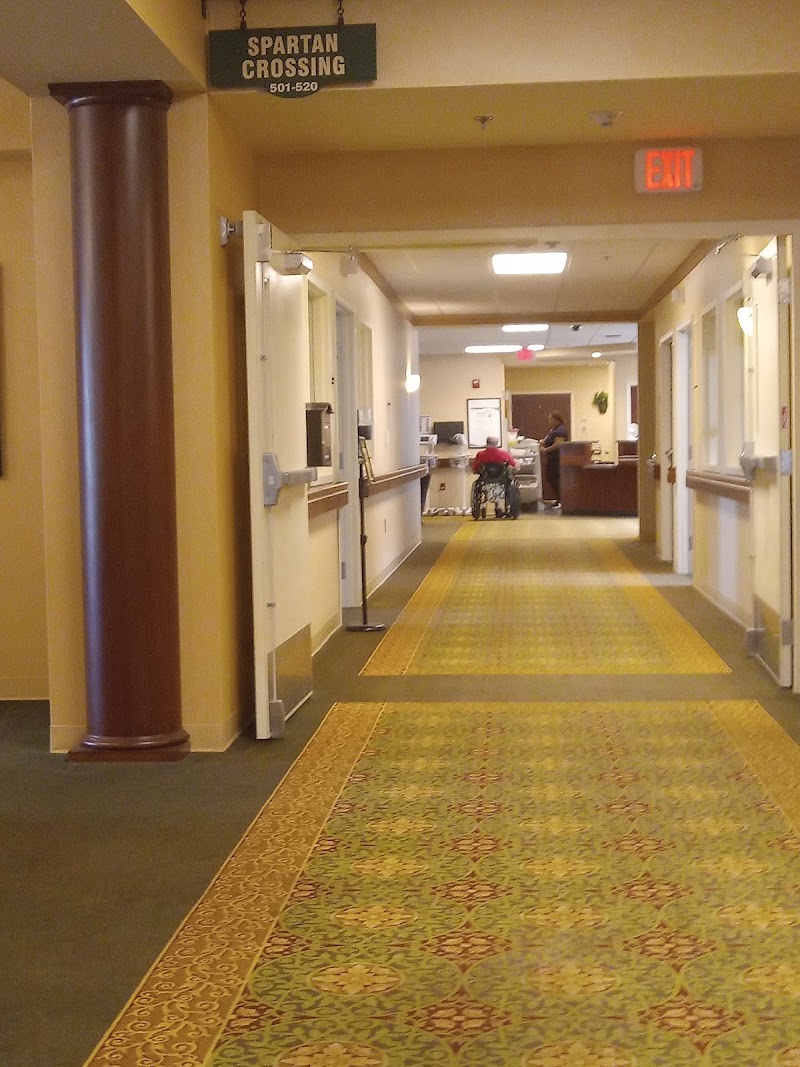
How is The Willows At East Lansing Staffed?
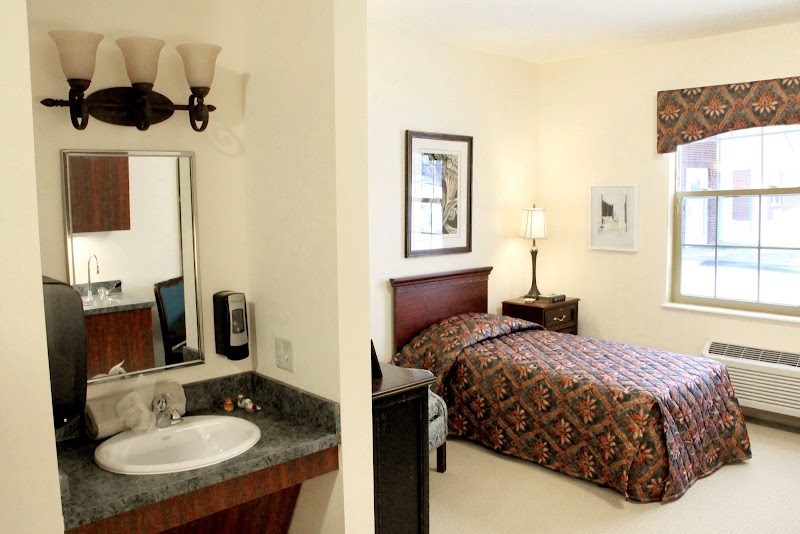
CMS rates The Willows At East Lansing's staffing level at 3 out of 5 stars, which is average compared to other nursing homes. Staff turnover is 36%, compared to the Michigan average of 46%. This relatively stable workforce can support continuity of care.

What Have Inspectors Found at The Willows At East Lansing?

State health inspectors documented 36 deficiencies at The Willows At East Lansing during 2022 to 2024. These included: 33 with potential for harm and 3 minor or isolated issues.

Who Owns and Operates The Willows At East Lansing?

The Willows At East Lansing is owned by a for-profit company. For-profit facilities operate as businesses with obligations to shareholders or private owners. The facility is operated by TRILOGY HEALTH SERVICES, a chain that manages multiple nursing homes. With 65 certified beds and approximately 61 residents (about 94% occupancy), it is a smaller facility located in East Lansing, Michigan.

How Does The Willows At East Lansing Compare to Other Michigan Nursing Homes?

Compared to the 100 nursing homes in Michigan, The Willows At East Lansing's overall rating (5 stars) is above the state average of 3.2, staff turnover (36%) is significantly lower than the state average of 46%, and health inspection rating (4 stars) is above the national benchmark.

What Should Families Ask When Visiting The Willows At East Lansing?

Based on this facility's data, families visiting should ask: "Can I visit during a mealtime to observe dining assistance and food quality?" "How do you handle medical emergencies, and what is your hospital transfer rate?" "Can I speak with family members of current residents about their experience?"

Is The Willows At East Lansing Safe?

Based on CMS inspection data, The Willows At East Lansing has a clean safety record: no substantiated abuse findings (meaning no confirmed cases of resident harm), no Immediate Jeopardy citations (the most serious violation level indicating risk of serious injury or death), and is not on the Special Focus Facility watch list (a federal program monitoring the lowest-performing 1% of nursing homes). The facility has a 5-star overall rating and ranks #1 of 100 nursing homes in Michigan. While no facility is perfect, families should still ask about staff-to-resident ratios and recent inspection results during their visit.

Do Nurses at The Willows At East Lansing Stick Around?

The Willows At East Lansing has a staff turnover rate of 36%, which is about average for Michigan nursing homes (state average: 46%). Moderate turnover is common in nursing homes, but families should still ask about staff tenure and how the facility maintains care continuity when employees leave.

Was The Willows At East Lansing Ever Fined?

The Willows At East Lansing has no federal fines on record. CMS issues fines when nursing homes fail to meet care standards or don't correct problems found during inspections. The absence of fines suggests the facility has either maintained compliance or corrected any issues before penalties were assessed. This is a positive indicator, though families should still review recent inspection reports for the full picture.

Is The Willows At East Lansing on Any Federal Watch List?

The Willows At East Lansing is not on any federal watch list. The most significant is the Special Focus Facility (SFF) program, which identifies the bottom 1% of nursing homes nationally based on persistent, serious quality problems. Not being on this list means the facility has avoided the pattern of deficiencies that triggers enhanced federal oversight. This is a positive indicator, though families should still review the facility's inspection history directly.