Bishop Noa Home for Senior Citizens
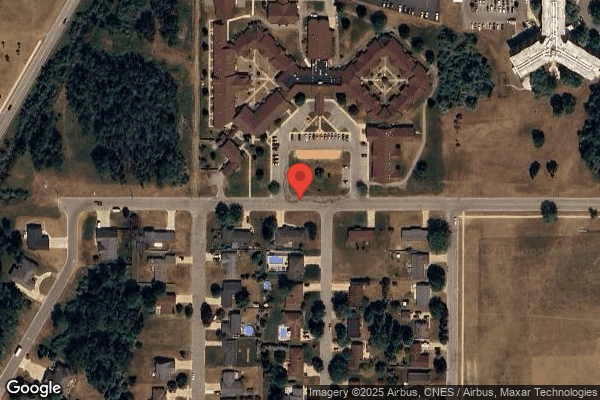
2900 Third Avenue South, Escanaba, MI 49829 (906) 786-5810
Non profit - Other 81 Beds Independent Data: November 2025
Trust Grade
88/100
#8 of 422 in MI
Last Inspection: March 2025

Within standard 12-15 month inspection cycle. Federal law requires annual inspections.

Overview

Bishop Noa Home for Senior Citizens has a Trust Grade of B+, which indicates it is above average and recommended for potential residents. It ranks #8 out of 422 nursing homes in Michigan, placing it in the top half of facilities statewide, and is the best option among the three homes in Delta County. The facility is showing improvement, with the number of issues decreasing from seven in 2024 to six in 2025. Staffing is a strong point, boasting a 5/5 star rating with a turnover rate of just 29%, well below the state average, indicating that staff are likely to stay and build relationships with residents. However, there are some concerns, including incidents of food safety violations where potentially hazardous items were not properly labeled, and lapses in quality assurance meetings, which could affect the overall care coordination for residents. Additionally, there was an influenza A outbreak noted, highlighting the importance of timely communication and precautions. Overall, while there are strengths in staffing and a good ranking, families should be aware of these issues when considering this facility.

Trust Score
B+
88/100
In Michigan
#8/422
Top 1%
Safety Record
Low Risk
No red flags
Inspections
Getting Better
7 → 6 violations
Staff Stability
✓ Good
29% annual turnover. Excellent stability, 19 points below Michigan's 48% average. Staff who stay learn residents' needs.
Penalties
✓ Good
No fines on record. Clean compliance history, better than most Michigan facilities.
Skilled Nurses
✓ Good
Each resident gets 64 minutes of Registered Nurse (RN) attention daily — more than 97% of Michigan nursing homes. RNs are the most trained staff who catch health problems before they become serious.
Violations
⚠ Watch
15 deficiencies on record. Higher than average. Multiple issues found across inspections.
★★★★★
5.0
Overall Rating
★★★★★
5.0
Staff Levels
★★☆☆☆
2.0
Care Quality
★★★★☆
4.0
Inspection Score
Stable
2024: 7 issues
2025: 6 issues

The Good

  • 5-Star Staffing Rating · Excellent nurse staffing levels
  • Low Staff Turnover (29%) · Staff stability means consistent care
  • Full Sprinkler Coverage · Fire safety systems throughout facility
  • No fines on record
  • Staff turnover is low (29%)

    19 points below Michigan average of 48%

Facility shows strength in staffing levels, staff retention, fire safety.

The Bad

No Significant Concerns Identified

This facility shows no red flags. Among Michigan's 100 nursing homes, only 1% achieve this.

The Ugly 15 deficiencies on record

May 2025 1 deficiency
CONCERN (D) 📢 Someone Reported This

A family member, employee, or ombudsman was alarmed enough to file a formal complaint

Potential for Harm - no one hurt, but risky conditions existed

Accident Prevention (Tag F0689)

Could have caused harm · This affected 1 resident

**NOTE- TERMS IN BRACKETS HAVE BEEN EDITED TO PROTECT CONFIDENTIALITY** This citation pertains to intake MI00152541 Based on interview and record review, the facility failed to provide adequate superv...

Read full inspector narrative →
**NOTE- TERMS IN BRACKETS HAVE BEEN EDITED TO PROTECT CONFIDENTIALITY** This citation pertains to intake MI00152541 Based on interview and record review, the facility failed to provide adequate supervision for one Resident #1 (R1) of one resident reviewed for elopement. This deficient practice resulted in R1 leaving the facility unattended with the potential for fall and injury. Findings include: Resident #1 (R1) Review of Minimum Data Set (MDS) assessment dated [DATE], revealed admission to the facility on [DATE] with active diagnoses that included: Alzheimer's disease and dementia. Section C of the MDS revealed R1's cognitive skills for daily decision making were severely impaired. The MDS also indicated R1 rarely or never made decisions and was rarely or never understood. Review of a facility document titled R1-elopement 4/18/25 at 16:20 (4:21 p.m.) read in part, .at 16:20 resident stood up from the table and waved goodbye to everyone who was present, R1 then exited the dining room to the left. Resident proceeded down the hall an exited the facility at 1621 .resident exited the facility at 1621 (4:21 p.m.) and returned at 1634 (4:34 p.m.); elopement verified. During an interview on 4/30/25 at 9:56 a.m., Registered Nurse (RN) A reported R1 went all over the facility during the day, constantly wandered throughout the day, and tries to go out of the exit doors. During a follow-up interview at 10:25 a.m., RN A reported R1 tries to leave the facility and is not picky about which door R1 wants to exit. During a phone interview on 4/30/25 at 10:37 a.m., Licensed Practical Nurse (LPN) C reported R1 tries to exit the facility and wanders all over the facility. We constantly redirect [R1] away from the exit doors. LPN C stated she reported concerns over R1 eloping from the facility to a supervisor, but nothing has changed. LPN C stated I am very concerned about what could happen to [R1]. Review of a witness statement on 4/30/25 at approximately 11:15 a.m., revealed the following: (LPN B) said on 4/18/25 at around 16:20 (4:20 p.m.) the alarm for door 2 was going off. (LPN B) walked down to a room and met (Certified Nursing Assistant [CNA] F). (CNA F) didn't see anyone go out the door .a visitor, who does (R1's) hair said that (R1) was walking on the sidewalk in the parking lot. Then (RN D) and (CNA J) went running outside after (R1). During an interview on 4/30/25 at 11:24 a.m., LPN B reported the alarms went off on 4/18/25 when R1 eloped from the facility. LPN B stated they went to the front of the facility with CNA F and then went back to the nurse's station. LPN B stated they were going back to the nurse's station when a visitor told her R1 was out in the parking lot. LPN B said, I can't imagine how far (R1) could have gone down the street if the visitor had not told us.) Review of a witness statement on 4/30/25 at 1:00 p.m. revealed the following: (CNA F) said that on 4/18/25 door 2 was alarming. (CNA F) went to the door and looked outside, and didn't see anyone . (CNA F) told (LPN B) that she did not see anyone outside. During a phone interview on 4/30/25 at 1:12 p.m., CNA F was asked if she went outside to look for the resident. CNA F reported, I looked at the small parking lot and then went back inside the facility. I didn't look around the side of the facility or down the street. I really didn't know what to do. I was never trained about what to do if a resident elopes outside of the facility. During a phone interview on 4/30/25 at 1:27 p.m., CNA J stated he had worked on the day of the elopement. CNA J indicated he came out of the nurse's lounge and then a visitor came in and told the staff R1 was walking away from the facility. CNA J said, . then we ran outside to catch the resident. The resident was about half a block or so from the facility. During a phone interview on 4/30/25 at 1:36 p.m., RN D reported being in the purchasing office and did not hear the door alarm when it went off. RN D said, I went back to the nursing station area and a visitor told us they saw (R1) outside. I went outside and ran to the edge of the street as I didn't see (R1) in the parking lot. I looked down the street and (R1) was walking away from me. (R1) was easily redirected to return to the facility. It was quite a distance, so it took us several minutes to walk back into the facility. Review of policy titled, [Facility Name] Policy and Procedure Prevention of Wandering and Elopement last updated 4/24, read in part, .It is the policy of [Facility Name] to provide an environment that keeps residents safe and free of injury .Elopement is defined by the State Operations Manual as follows: when a resident leaves the premises or safe area without authorization .and/or any necessary supervision to do so. A resident who leaves a safe area may be at risk of (or has the potential to experience) heat or cold exposure, dehydration and/or other medical complication, drowning, or being struck by a motor vehicle.
Mar 2025 5 deficiencies
CONCERN (D)

Potential for Harm - no one hurt, but risky conditions existed

Safe Environment (Tag F0584)

Could have caused harm · This affected 1 resident

**NOTE- TERMS IN BRACKETS HAVE BEEN EDITED TO PROTECT CONFIDENTIALITY** Based on observation, interview, and record review the facility failed to ensure resident shared equipment was properly cleaned ...

Read full inspector narrative →
**NOTE- TERMS IN BRACKETS HAVE BEEN EDITED TO PROTECT CONFIDENTIALITY** Based on observation, interview, and record review the facility failed to ensure resident shared equipment was properly cleaned and sanitized. Findings include: On 3/4/25 at 4:10 PM., a sit to stand lift was observed parked outside of room [ROOM NUMBER]. The base of the lift (where residents plant their feet) was noted to be heavily soiled with dirt, debris and food crumbs. The padded knee area (where residents shins are pressed against for stability) beige in color was noted to be soiled with dried, crusted stuck on substances. The padded arms (beige in color) were also noted to be soiled with grime, the mechanical body of the lift had a heavy accumulation of dust and overall the sit to stand was noticeably soiled. On 3/5/25 at 9:19 AM., a Hoyer lift was observed near room [ROOM NUMBER]. There were blue pads located on the lift and base which were visibly soiled with dried crusted substances, dust and debris. A medication cart next to room [ROOM NUMBER] was observed with a pill crusher on it, which was heavily soiled with white crushed pill dust, dirt and grime in the crevasses. There was a brown dried substance on the sides of the pill crusher. On 3/05/25 at 9:24 AM, a sit to stand lift was observed near room [ROOM NUMBER]. The base of the lift was soiled with dust, debris and food crumbs. The padded handles which were beige in color were noticeably soiled with dirt and grime. In an interview on 3/5/25 at 9:30 AM., Licensed Practical Nurse (LPN) D reported Certified Nurse Aides (CNA's) and any staff using lifts and resident shared equipment (such as lifts, scales, vital machines) were responsible for sanitizing the shared equipment after each use, and when noticeably soiled. LPN D reported the sanitizing wipes were located in the medication storage room, or soiled linen rooms. LPN D reported the CNA's have to ask a nurse to get wipes from the medication storage rooms because they are locked. LPN D reported the soiled linen rooms were locked but the CNA's and most staff have the key codes to get into those rooms. LPN D reported she was rarely asked to get sanitizing wipes for anyone from the medication storage rooms. On 3/5/25 at 9:36 AM., a sit to stand lift was observed parked outside of room [ROOM NUMBER]. The base of the lift was noted to be heavily soiled with dirt, debris and food crumbs. The padded knee area beige in color was noted to be soiled with dried, crusted stuck on substances. The padded arms were also noted to be soiled with grime, the mechanical body of the lift had a heavy accumulation of dust and overall the sit to stand was noticeably soiled. On 3/5/25 at 10:34 AM., a sit to stand lift was observed near room [ROOM NUMBER]. The base of the lift was soiled with dust, debris and food crumbs. The padded handles which were beige in color were noticeably soiled with dirt and grime. On 3/5/25 at 2:28 PM., a sit to stand lift was observed parked outside of room [ROOM NUMBER]. The base of the lift was soiled with dirt, debris and food crumbs. The padded knee area was noted to be soiled with dried, crusted stuck on substances. The padded arms were also noted to be soiled with grime, and the overall sit to stand was noticeably soiled. On 3/5/25 at 2:34 PM., a sit to stand lift was observed parked outside of room [ROOM NUMBER]. The base of the lift was soiled with dirt, debris and food crumbs. The padded knee area was noted to be soiled with dried, crusted stuck on substances. The padded arms were also noted to be soiled with grime, and the overall sit to stand was noticeably soiled. On 3/5/25 at 2:31 PM., a sit to stand lift was observed in room [ROOM NUMBER] with the beige pads and base soiled. An unidentified staff member brought the lift out of room [ROOM NUMBER] and parked it outside the door. The unidentified staff member left the lift without cleaning it and/or using sanitizing wipes which were located in the bag on the lift. The base was observed soiled and the legs of the lift were visibly soiled with dust, and grime. The frame was observed soiled in various areas with dried stuck on substances and an overall soiled/dingy appearance with food crumbs on base. There were no sanitizing wiped observed in the resident's room and none were observed in bathroom or under bathroom vanity sink. On 3/5/25 at 3:15 PM., a Hoyer lift was observed near room [ROOM NUMBER]. The blue padded handle covers were noted to be soiled with dirt and grime. The legs/base of the lift were noted to have an accumulation of thick dust, and dried spillage on various areas of the base and legs of the Hoyer lift. On 3/6/25 at 9:25 AM., during an interview, Patient Care Aide (PCA) G reported staff are supposed to clean any resident shared equipment before and after use. PCA G reported the facility has purple wipes available for use and they are usually stored in the soiled linen rooms. PCA G reported it would be nice if they were closer to the equipment, or in bags attached to the equipment. PCA G reported she thought that would help staff who might forget about wiping the equipment after use if they are busy. On 3/6/25 at 10:11 AM., a sit to stand lift was observed near room [ROOM NUMBER]. The base of the lift was soiled with dust, debris and food crumbs. The padded handles which were beige in color were noticeably soiled with dirt and grime. On 3/6/25 at 10:20 AM., a sit to stand lift was observed near room [ROOM NUMBER]. The base of the lift was soiled with dust, debris and food crumbs. The padded handles which were beige in color were noticeably soiled with dirt and grime. On 3/6/25 at 10:25 AM., a sit to stand lift was observed near room [ROOM NUMBER]. The base of the lift was soiled with dust, debris and food crumbs. The padded handles which were beige in color were noticeably soiled with dirt and grime. Review of a facility Policy & Procedure-Cleaning and Disinfecting of Resident Share Equipment with a revision date of 6/2024 revealed: Policy- Resident-care equipment, including reusable items and durable medical equipment will be cleaned and disinfected according to current CDC recommendations for disinfection and the OSHA (Occupational Safety Health Administration) Bloodborne Pathogens Standard Procedure:1. The following categories are used to distinguish the levels of sterilization/ disinfection necessary for items used in resident care: a. Critical items consist of items that carry a high risk of infection if contaminated with any microorganism. Objects that enter sterile tissue (e.g., urinary catheters) or the vascular system (e.g., intravenous catheters) are considered critical items and must be sterile. b. Semi-critical items consist of items that may come in contact with mucous membranes or non-intact skin (e.g., respiratory therapy equipment). Such devices should be free from all microorganisms, although small numbers of bacterial spores are permissible. (Note: Some items that may come in contact with non-intact skin for a brief period of time (e.g., hydrotherapy tanks, bed side rails) are usually considered non-critical surfaces and are disinfected with intermediate-level disinfectants.) c. Non-critical items are those that come in contact with intact skin but not mucous membranes. 1. Non-critical resident-care items include but limited to bedpans, blood pressure cuffs, walkers and computers. 2. Most non-critical reusable items can be decontaminated where they are used (as opposed to being transported to a central processing location). a. Reusable items are cleaned and disinfected or sterilized between residents. 1. Single resident-use items are cleaned/disinfected between uses by a single resident and disposed of afterwards. a. Single-use items are disposed of after a single use. 2. Critical and semi-critical items will be sterilized/disinfected in a central processing location and stored appropriately until use. Equipment to be processed will be labeled with at least the following information: a. That the equipment is contaminated, b. The address to which the equipment is to be shipped, c. The address from which the equipment was removed (including telephone number); d. The name of the person labeling the equipment; and e. The date and time the label was affixed to the equipment. 2. Durable medical equipment (DME) must be cleaned and disinfected before reuse by another resident. 3. Reusable resident care equipment will be decontaminated and or sterilized between residents according to manufacturers' instructions .
CONCERN (D)

Potential for Harm - no one hurt, but risky conditions existed

Deficiency F0604 (Tag F0604)

Could have caused harm · This affected 1 resident

Based on observation, interview, and record review, the facility failed to ensure appropriate assessments, physician orders, and medical justification, for restraints that were in place for one Reside...

Read full inspector narrative →
Based on observation, interview, and record review, the facility failed to ensure appropriate assessments, physician orders, and medical justification, for restraints that were in place for one Resident (R49) of one resident reviewed for restraints. Findings include: Resident #49 (R49) On 3/6/25 at 10:25 a.m., R49 was observed in a merry walker (a four wheeled walker with a seat and frame/crossbar locking the resident in the walker) ambulating down the hallway. R49's merry walker strap was observed attached to the back frame of the merry walker. R49 was observed attempting to enter another resident's room at the time and was redirected by staff. Review of R49's Electronic Medical Record (EMR) revealed admission to the facility on 8/21/24 with primary diagnoses of vascular dementia with agitation. A quarterly Minimum Data Set (MDS) assessment completed on 1/29/25 documented R49 as having short-term and long-term memory impairment with severely impaired cognitive skills for daily decision making. The MDS coded the use of a chair that prevents rising restraint less than daily for R49. There was no physician's orders for a merry walker. The Director of Nursing (DON) was interviewed on 3/6/25 at 10:51 a.m. The DON was asked about restraint assessments, physician orders and resident representative consent for the use of R49's merry walker. The DON confirmed R49 was first trialed and given a merry walker in November 2024 and that there was no resident representative consent signed until January 2025. The DON also stated that there was a delay in R49's care plan for the use of the merry walker, and R49 had no completed assessments. Review of the facility's Restraints and Seclusions policy dated 12/12/24 read, in part, It is the policy of this facility that each resident shall attain and maintain his/her highest practicable well-being in an environment that prohibits the use of restraints and seclusion for discipline, coercion, retaliation or convenience and limits restraint use to circumstances in which the resident has medical symptoms that warrant the use of restraints . The policy did not discuss how the facility will determine the need for a physical restraint, physician order, assessments, consents, or care plans.
CONCERN (D)

Potential for Harm - no one hurt, but risky conditions existed

Deficiency F0661 (Tag F0661)

Could have caused harm · This affected 1 resident

Based on interview and record review, the facility failed to ensure a recapitulation of stay was completed for one Resident (#66) out of one resident reviewed for for discharge to the community. Findi...

Read full inspector narrative →
Based on interview and record review, the facility failed to ensure a recapitulation of stay was completed for one Resident (#66) out of one resident reviewed for for discharge to the community. Findings Include: Resident #66 (R66) Review of R66's electronic medical record (EMR) revealed admission to the facility on 1/14/25 for surgical aftercare following an intestinal obstruction. R66 was discharged from the facility on 1/30/25 following a short-term rehabilitation stay. Review of R66's EMR revealed no discharge plan, recapitulation of stay, nor reconciliation of pre- and post-discharge medications. On 3/6/25 at 9:28 AM, an interview was conducted with Registered Nurse (RN) M regarding discharge expectations. RN M stated each discipline was supposed to include a discharge progress note in the EMR. RN M was unsure why R66 did not have the expected discharge summaries in their EMR. On 3/6/25 at 9:34 AM, an interview was conducted with Licensed Practical Nurse (LPN) H regarding the discharge process. LPN H stated facility staff were required to review medications with the resident and complete discharge progress notes by discipline in the EMR. On 3/6/25 at 9:42 AM, an interview was conducted with the Director of Nursing (DON) regarding R66's discharge process. The DON confirmed a discharge summary by discipline was expected and was unsure why R66 did not have such in their EMR. The DON stated an official recapitulation of stay was not part of the facility's discharge process. However, the regulation explicitly stated one was required for such a discharge. Review of the facility policy titled, Discharge/Transfer, reviewed 6/2024, read, in part: .nursing staff will provide education and information to prepare resident for discharge .resident will be provided with education regarding medications that are ordered by the physician on discharge .
CONCERN (D)

Potential for Harm - no one hurt, but risky conditions existed

Respiratory Care (Tag F0695)

Could have caused harm · This affected 1 resident

Based on observation, interview, and record review, the facility failed to ensure sanitary storage and proper cleaning of respiratory equipment for one Resident (#59) of one resident reviewed for resp...

Read full inspector narrative →
Based on observation, interview, and record review, the facility failed to ensure sanitary storage and proper cleaning of respiratory equipment for one Resident (#59) of one resident reviewed for respiratory services. Findings include: Resident #59 (R59) Review of R59's electronic medical record (EMR) revealed initial admission to the facility on 2/1/24 with diagnoses including obstructive sleep apnea and asthma. Review of R59's most recent Minimum Data Set (MDS) assessment, dated 1/8/25, revealed a Brief Interview for Mental Status (BIMS) score of 15/15, indicative of intact cognition. On 3/4/25 at 3:12 PM, a continuous positive airway pressure (CPAP) mask and tubing were observed placed on R59's dresser with no protective covering. Supplemental oxygen tubing, including the nasal cannula, was also observed attached to a concentrator near the dresser, in direct contact with the floor. On 3/5/25 at 11:53 AM, R59's CPAP mask and tubing were again observed on the dresser with no protective covering. The supplemental oxygen tubing and cannula continued to be in direct contact with the floor. When asked about cleaning expectations, R59 stated the respiratory equipment was supposed to be cleaned daily but staff did not routinely clean the respiratory equipment. On 3/6/25 on 9:57 AM, R59's CPAP mask and tubing was again observed on the dresser with no protective covering. The supplemental oxygen tubing and cannula continued to be in direct contact with the floor. Review of R59's EMR revealed the following order, initiated 5/3/24: .CPAP machine with oxygen concentrator 2.5 L/m [liters/minute] use as directed .Apply at bedtime, remove at AM [morning]. Clean machine per manufactures instructions. On 3/6/25 at 10:31 AM, an interview was conducted with Certified Nursing Assistant (CNA) O regarding respiratory equipment storage expectations. CNA O was unfamiliar with the facility's cleaning or storage policy. On 3/6/25 at 10:35 AM, an interview was conducted with Registered Nurse (RN) N regarding CPAP and oxygen equipment storage expectations. RN N indicated the CPAP hose was supposed to be cleaned with water after every use and then hung to dry. RN N was unaware of a policy regarding storage of respiratory equipment when not in use. When asked what the manufacturer instructions for the cleaning of R59's respiratory equipment per physician's orders meant, RN N was unaware. On 3/6/25 at 10:49 AM, an interview was conducted with the Director of Nursing (DON) regarding the facility's respiratory cleaning and storage policies. The DON stated the CPAP tubing should be cleaned after each use and more thoroughly one time per week, unless otherwise indicated in the physician's orders. After reviewing R59's orders, the DON stated, clean per manufacturer's instructions is unclear and floor staff would not have access to such information. The DON indicated both the CPAP mask and oxygen cannula in direct contact with the dresser and floor, respectively, was an infection control concern as it would increase the risk of respiratory illness. Review of the facility policy titled, CPAP Equipment Cleaning Instructions, reviewed 1/23/25, read, in part: It is the policy of [Facility Name] to promote a clean environment by reducing and/or eliminating the risk for infection through proper cleaning of the equipment being used . the CPAP equipment will be cleaned on a regular basis . Review of the facility policy titled, Cleaning Oxygen Concentrators and Changing Oxygen Accessories, reviewed 6/2019, read, in part: .all tubing will be placed in a plastic bag attached to oxygen system when not in use .
CONCERN (E)

Potential for Harm - no one hurt, but risky conditions existed

Infection Control (Tag F0880)

Could have caused harm · This affected multiple residents

**NOTE- TERMS IN BRACKETS HAVE BEEN EDITED TO PROTECT CONFIDENTIALITY** Based on observation, interview and record review, the facility failed ensure personal protective equipment (PPE) was worn by st...

Read full inspector narrative →
**NOTE- TERMS IN BRACKETS HAVE BEEN EDITED TO PROTECT CONFIDENTIALITY** Based on observation, interview and record review, the facility failed ensure personal protective equipment (PPE) was worn by staff as required when caring for 1 Resident (#21) of 3 residents, reviewed for Enhanced Barrier Precautions (EBP). This deficient practice resulted in the potential for infection, communicable disease and multi-drug resistant organism transmission. Findings include: Resident #21 (R21) Review of the admission Record for R21 revealed an original admission date to the facility on 9/7/23 with diagnoses including: Amyotrophic Lateral Sclerosis (ALS-progressive and fatal neurological disorder). Review of a Minimum Data Set (MDS) assessment for R21, with a reference date of 1/21/25 revealed a Brief Interview for Mental Status (BIMS) score of 15/15 which indicated R21 was cognitively intact. Review of a facility Enhanced Barrier document on 3/6/25 at 9:04 AM., was noted on the outside wall/doorway of R21's room stating . CHECK WITH NURSE BEFORE ENTERING-STOP . In addition to Standard Precautions- High-Contact Resident Care Activities: ENHANCED BARRIER PRECAUTIONS (boxed checked) .(Activities on the sign were listed as follows) . Dressing, Bathing, Providing Hygiene, Caring for Devices (central lines, urinary catheters, feeding tubes, tracheostomy) . Transferring, Changing Linens, Toileting, Wound Care on the sign there were boxes with computerized images (a sink with water, a gown, gloves, a medical mask, stethoscope etc .) The boxes checked for R21's room were: Hand Hygiene, Gown and Gloves, and Not restricted to room . On 3/6/25 at 9:10 AM., 2 CNA staff were observed inside R21's room. CNA F was observed placing a Hoyer lift sling underneath R21 while lying in bed. CNA E walked into R21's room with a Hoyer lift which had been parked outside R21's room, near room [ROOM NUMBER]. CNA E did not sanitize the lift prior to entering R21's room. CNA F and CNA E were not wearing gowns, and CNA E was not wearing gloves. CNA F and CNA E proceeded to sit R21 up in her bed, adjust the lift sling, and CNA E moved the Hoyer into position to clip on the sling straps and attach them to the Hoyer lift with the help of CNA F. CNA F and CNA E adjusted R21 into the Hoyer lift and completed the transfer with the Hoyer lift from R21's bed into her electric wheelchair. CNA F and CNA E unclipped the sling from the Hoyer lift, and CNA E moved the Hoyer lift out of R21's bedroom into the hall and parked it near room [ROOM NUMBER]. CNA E did not wipe down the lift, perform hand hygiene or use hand sanitizer prior to exiting R21's room. CNA E re-entered R21's room and again, did not perform hand hygiene. On 3/6/25 at 9:23 AM., during an interview, CNA E acknowledged when transferring R21 both her and (CNA F) should have had sanitized the Hoyer lift before and after using it. CNA E confirmed all staff are required to perform hand hygiene either by use of soap and water for 20 seconds with the sink or use an approved hand sanitizer. CNA E acknowledged she did not follow proper infection control procedures. On 3/6/25 at 9:33 AM., during an interview, LPN H reported R21 was on EBP because she has a feeding tube. LPN H reported all staff providing care to R21 should use proper hand hygiene, gloves, and a gown. LPN H reported staff must wear a gown even if transferring to and from any equipment, bed to chair, shower, and toileting. LPN H reported resident shared equipment such as vital machines, lifts, and commonly touched surfaces should be wipes down with the sanitizing wipes, and after each use, and/or when visibly soiled. Review of R21's Physicians Orders dated 1/1/24 revealed: Change syringe for g-tube daily. Place date and time changed on new syringe when replacing every night shift for infection control . On 3/6/25 at 9:30 AM., during an interview, CNA F reported she should have been wearing a gown when doing morning care for R21. CNA F reported she was unsure exactly why the EBP was in place for R21, but thought it was because she (R21) had a feeding tube. CNA F reported she didn't think of putting on the gown, and she had not paid attention to the signage on the outside of the wall. CNA F reported she felt very bad that she didn't pay attention to the EBP sign and knows how important it is to protect the residents from possible infections. CNA F reported the facility has had many training's for the EBP protocol, but it had just slipped her mind today. CNA F stated I don't think I will ever forget to put it on again . CNA F stated that unfortunately sometimes mistakes were good, so that they learn from them, and they really give staff opportunities to improve.
Dec 2024 1 deficiency
CONCERN (D) 📢 Someone Reported This

A family member, employee, or ombudsman was alarmed enough to file a formal complaint

Potential for Harm - no one hurt, but risky conditions existed

Deficiency F0602 (Tag F0602)

Could have caused harm · This affected 1 resident

**NOTE- TERMS IN BRACKETS HAVE BEEN EDITED TO PROTECT CONFIDENTIALITY** This citation pertains to Intake:MI00147670 Based on observation, interview, and record review, the facility failed to prevent t...

Read full inspector narrative →
**NOTE- TERMS IN BRACKETS HAVE BEEN EDITED TO PROTECT CONFIDENTIALITY** This citation pertains to Intake:MI00147670 Based on observation, interview, and record review, the facility failed to prevent the misappropriation of narcotic medication for one Resident (R1) of six residents reviewed for misappropriation. Findings include: Review of the Minimum Data Set (MDS) assessment dated [DATE], revealed admission to the facility on [DATE] with diagnoses including cancer, malignant neoplasm of unspecified ovary, malignant neoplasm of left kidney, cervical disc degeneration, and chronic pain. R1 scored a 7 of 15 on the Brief Interview for Mental Status (BIMS) assessment reflective of severe cognitive impairment. Review of R1's Medication Administration Record (MAR), revealed the following: Morphine Sulfate (concentrate) oral solution 100 mg/ml (milligrams/milliliter). Give 0.5 ml every hour as needed for hospice care patient for air hunger or moderate/severe pain .start date 10/4/24. Review of the Facility Reported Incident (FRI) submitted on 10/13/24 at 6:32 p.m. revealed the following: Incident Summary: Nurse noted morphine solution was discolored. Morphine set aside for pharmacy analysis. Doctor notified and new vial obtained immediately from back up. Resident does not appear to be in uncontrolled pain. No physical pain or mental anguish apparent outside of typical behavior for this resident. To protect residents the suspect nurse has been removed from the schedule. Review of Facility investigation report submitted on 10/21/24 at 12:19 p.m., read in part . I [Director of Nursing (DON)] was contacted by . RN [Registered Nurse E] supervisor via phone . (R1's) Morphine 100 mg/5 ml concentrate looked tampered with, the color is clear and should be blue . I updated administrator (Nursing Home Administrator [NHA]). (NHA) contacted and updated . (Local Police) of possible drug diversion . I arrived at (the facility). I and (RN F) removed the possibly tampered Morphine 100 mg/5 ml concentrate from the Narcotic box. I . inspected the Morphine contents with (RN F) and noted the concentration to be clear in color. I . DON inspected all other bottles of Morphine concentrate within the building . Resident (R1) was found to be without increase in pain and showing normal behavior for the resident at this time. Resident's (R1's) mother/DPOA (Durable Power of Attorney) was notified of the discrepancy, as well as (local) Public Safety was notified and updated . To protect residents, the suspect nurse, (Licensed Practical Nurse [LPN D]) was removed from schedule . camera footage was reviewed . from 10/11/24 at 7:00 p.m. through 10/13/24 at 7:00 a.m. Which revealed (LPN D) taking the morphine vial, syringes, and medication cups and going into the nurses lounge/bathroom or hall bathroom numerous times and then replacing the vial of morphine in the top drawer of the medication cart. (R1) is the only resident that has Morphine ordered on (unit). Her (R1's) medication administration record (MAR) was reviewed and no charting of receipt of Morphine was administered during the viewed hours of the camera footage. Suspect nurse (LPN D) had no need to obtain the Morphine bottle or syringes. Placement of the bottle and syringes in (LPN D's) pocket and in the top drawer of the medication cart, along with multiple trips to the bathroom, and tampered bottle, lead the facility to conclude that (LPN D), diverted medication. Following the viewed camera footage, (LPN) D was terminated. An attempt to reach (LPN) D by telephone was conducted on 12/17/24 at 3:52 p.m., no connection was made and unable to leave a voicemail. During an interview on 12/17/24 at 3:19 p.m., the NHA acknowledged the facility concluded LPN G diverted morphine. During an interview on 12/17/24 at 4:08 p.m., the DON acknowledged LPN G diverted morphine and stated, The vial of morphine was supposed to be blue and you could see it was clear .the video footage shows that (LPN G) took the vial of morphine out of the medication cart and placed it in her pocket . This Surveyor reviewed video footage received from the Facility and confirmed LPN G obtained a vial out of the medication cart and syringes and placed them in her pocket and then went into the nurses lounge or hallway bathroom and then returned to the medication cart and placed the vial back into the medication cart. Review of facility policy titled [Facility] Freedom from Abuse, Neglect, Mistreatment, Misappropriation or Exploitation last reviewed 5/24, read in part .any allegations or suspicions of abuse, neglect, or misappropriation of property .will be reviewed by the Quality Assurance and Performance Improvement (QAPI) committee for potential education improvements or policy changes.
Mar 2024 6 deficiencies
CONCERN (D)

Potential for Harm - no one hurt, but risky conditions existed

Unnecessary Medications (Tag F0759)

Could have caused harm · This affected 1 resident

Based on observation, interview, and record review, the facility failed to maintain a medication error rate less than 5 percent when eight medication errors were observed out of 25 medication pass opp...

Read full inspector narrative →
Based on observation, interview, and record review, the facility failed to maintain a medication error rate less than 5 percent when eight medication errors were observed out of 25 medication pass opportunities. This deficient practice resulted in a 32 percent medication error rate, the potential for medication to not be administered, and medications provided in a manner that was inconsistent with physician orders. Findings include: Resident R3 Medication pass was observed on 3/19/24 at 8:12 a.m., when Licensed Practical Nurse (LPN) D prepared medications for R3, including 17 grams of polyethylene glycol (a medication used in the management and treatment of constipation) mixed in a cup with water and a straw. LPN D entered R3's room and placed the small cup filled with the clear liquid on R3's over-bed table. Resident R3 was not offered, encouraged, or assisted to consume the polyethylene glycol, and no mention was made of the medication left on the over-bed table. During an interview on 3/19/24 at 8:23 a.m., LPN D was asked if R3 had been assessed as capable of self-administration of medications. LPN D stated, That is a good question. When asked if R3 was cognitively intact and able to make their own decisions, LPN D said R3 was not cognitively intact. LPN D reviewed R3's Electronic Medical Record (EMR) and said an assessment to determine R3's ability to self-administer medications was not found. During an interview on 3/19/24 at 8:28 a.m., the Director of Nursing (DON) was asked if R3 had an assessment to allow for self-administration of medications. The DON stated, No [they] do not. No residents are (able to) self-administer (medications) in the building at this time. Review of the Medication Self-Administration Policy, dated 3/2021, revealed the following, in part: These residents who request to self-administer medications will be assessed by a nurse and the assessment will be documented in the resident's EMR. The medication self-administration assessment along with the doctor's medical determination of the resident will determine whether the resident is appropriate to safely self-administer medications. Procedure: 1. Self-administration will be allowed only for those residents who . Have demonstrated minimal cognitive, visual, and physical abilities as determined by the nurse completing the assessment and the doctor's medical determination. Has a written physician's order allowing self-administration. Have a secure area for storage of medications so that other residents do not have access . 4. Nurse will document the medication taken by resident on the MAR, when resident informs the nurse of self-administration of a medication . Resident's care plan will reflect the self-administration of the medications. Resident R17 During an observation of medication pass on 3/19/24 at 10:18 a.m., Registered Nurse (RN) F crushed tablets and/or opened capsules in preparation of administration of R17's medications through an enteral feeding tube. The following medications were crushed and added to approximately 120 mL (milliliters) of apple juice: 1. Acetaminophen 325 mg (milligrams), 2 tablets. 2. Fexofenadine HCL (hydrochloride) 180 mg, one tablet. 3. Fluoxetine 20 mg, one capsule. 4. Januvia 50 mg, one tablet. 5. Lisinopril 2.5 mg, one tablet. 6. Multivitamin, one tablet. 7. Polyethylene glycol, 17 grams (powder) in a separate cup of apple juice. Medications one through six were crushed and/or opened and mixed with apple juice in a small, plastic cup, and the polyethylene glycol was mixed in another cup of apple juice and all medications were administered by pushed injection by RN D through R17's feeding tube on 3/19/24 at approximately 10:25 a.m. Review of R17's Physician Orders related to medication administration revealed the following, in part: May administer all medications as prescribed all together via G-tube (Gastronomy tube). Dilute in 120 mL of water. Administer via gravity two times a day related to amyotrophic lateral sclerosis (ALS diagnosis). Prescriber Written. Order Date: 3/19/24, Start Date: 3/19/24. During an interview on 3/20/24 at 11:11 a.m., the Director of Nursing (DON) was asked if the physician order specified gravity for the method of medication administration through R17's G-tube, could nursing staff administer medications by pushed injection into the feeding tube? The DON stated, It has to be gravity. When asked about the use of apple juice for the liquid used to dissolve the crushed medications, the DON stated, I would have to get an order (physician order) for apple juice for (R17). When asked if failure to gravity feed the medications, and the administration of the enteral medications in apple juice rather than the water in the physician order would be considered a medication error, the DON agreed each of those medications would be considered a medication administration error. Review of Medication Administered through an Enteral Tube policy, revision date April 2022, revealed the following, in part: .If the physician/prescriber and the interdisciplinary care team have evaluated the resident and determined that the administration of crushed medication as a single bolus outweighs the risk of administering the crushed medications individually, the physician/prescriber should . assure the bolus administration of crushed medications is addressed in the resident's care plan . Allow medications to flow down the medication syringe via gravity. Do not push medications through a tube. Flush after each dose with at least 15 mL of water .
CONCERN (D)

Potential for Harm - no one hurt, but risky conditions existed

Deficiency F0761 (Tag F0761)

Could have caused harm · This affected 1 resident

**NOTE- TERMS IN BRACKETS HAVE BEEN EDITED TO PROTECT CONFIDENTIALITY** Based on observation, interview, and record review, the facility failed to ensure insulin pens were not stored past the 28-day m...

Read full inspector narrative →
**NOTE- TERMS IN BRACKETS HAVE BEEN EDITED TO PROTECT CONFIDENTIALITY** Based on observation, interview, and record review, the facility failed to ensure insulin pens were not stored past the 28-day manufacturer storage recommendation in one medication cart out of two carts reviewed for medication storage. This deficient practice resulted in the administration of expired insulin, and the potential for reduced effectiveness and elevated blood sugars. Findings include: Observation of the medication cart on Pod 1, staffed by Registered Nurse (RN) C on [DATE] at 8:13 a.m., found two insulin pens for R24 stored in sealed plastic baggies in the top drawer of the cart, which included: Pen 1 - A [long-acting Name Brand insulin pen], dated as opened for use on [DATE]. Pen 2 - A [long-acting Name Brand insulin pen] dated as opened for use on [DATE]. During an interview on [DATE] at 8:15 a.m., RN C confirmed both pens should be removed from the cart as they were to be discarded 28 days from the date opened. Review of R24's Physician Orders for insulin Pen 2 revealed the following, in part: [Long-acting Name Brand] Subcutaneous Solution Pen-injector 100 unit/ML (Insulin Glargine), Inject 12 units subcutaneously one time a day related to Type 2 Diabetes Mellitus without complications. Order Date: [DATE], Start Date: [DATE]. No current physician order for insulin Pen 1 was found within the [DATE] Physician Order Summary. Both manufacturer instructions were accessed via the internet on [DATE] and included the following recommendations for storage for the insulin pens: Pen 1 - .Instructions for Use revised: [DATE] . Do not use your Pen past the expiration date printed on the Label or for more than 28 days after you first start using the Pen . Throw away the Pen you are using after 28 days, even if it still has insulin left in it. Pen 2 - Package Insert, Revision date [DATE] . Shelf life after first use of the pen: The medicinal product may be stored for a maximum of 4 weeks (28 days) not above 30 (degrees) C (Celsius) and away from direct heat or direct light. Pens in use must not be stored in the refrigerator . Review of R24's [DATE] Medication Administration Record (MAR) revealed Pen 2, the second [long-acting Name Brand] insulin pen, with an open date of [DATE] was administered on [DATE]th, past the 28th day of recommended use. The expiration date of the insulin pen (based on date opened) was [DATE] (28 days from date opened). During an interview on [DATE] at 11:10 a.m., the Director of Nursing (DON) was asked for the facility policy and/or practice of insulin pen storage in facility medication carts. The DON stated, Insulin pens are stored for 28 days (then discarded).
CONCERN (D)

Potential for Harm - no one hurt, but risky conditions existed

Deficiency F0849 (Tag F0849)

Could have caused harm · This affected 1 resident

. Based on interview and record review the facility failed to ensure communication/documentation between the facility and the hospice provider occurred to ensure coordination of care for one Resident ...

Read full inspector narrative →
. Based on interview and record review the facility failed to ensure communication/documentation between the facility and the hospice provider occurred to ensure coordination of care for one Resident (R26) of one Resident reviewed for hospice services. This deficient practice resulted in the potential for a lack of coordination of comprehensive services and unmet needs. Findings include: Resident #26 (R26) A review of the medical record for R26 revealed an admission date to the facility with hospice services on 10/24/23. The Minimum Data Set (MDS) assessments dated 10/28/23 and 1/23/24 indicated R26 continued to receive hospice services. The Resident Roster printed on 3/18/24 denoted R26 was currently receiving hospice services. During an interview on 3/19/24 at 3:50 PM, Registered Nurse (RN) I was asked about R26's care. RN I stated R26 was receiving hospice care, but she was unsure when the hospice staff visited. RN I said, I would say Thursdays, but she was not sure if it was every Thursday. RN I was unsure when the last visit from hospice took place or when the hospice staff were expected to return. RN I reviewed the binder with hospice paperwork, but no documentation of dates or services provided was found. RN I was not certain if a hospice RN visited or if a Certified Nurse Aide visited R26. RN I stated the hospice staff came in and performed care services for R26 and exited with a facility staff member when finished, but there was not a written report left and RN I said, It is probably something they could send us. On 3/19/24 at 4:03 PM, RN I entered R26's room where R26 was resting and searched the room but could not find a hospice record of any hospice visits. During an interview on 3/20/24 at 7:39 AM, the Nursing Home Administrator (NHA) stated she was unaware there was not written documentation of visits or documentation of upcoming visits to promote continuity of care. The Hospice contract was reviewed and read in part: Quality Improvement .The Facility and Hospice shall each designate a representative to communicate with each other . the Hospice will also document that all services provided by Hospice and facility to Hospice patients hereunder have been provided in accordance with the terms of this Agreement . .
CONCERN (F)

Potential for Harm - no one hurt, but risky conditions existed

Food Safety (Tag F0812)

Could have caused harm · This affected most or all residents

. Based on observation, interview, and record review, the facility failed to store food in accordance with professional standards for food service safety as evidenced by failing to ensure that potenti...

Read full inspector narrative →
. Based on observation, interview, and record review, the facility failed to store food in accordance with professional standards for food service safety as evidenced by failing to ensure that potentially hazardous food was labeled, dated, and cooled according to facility policy and food code guidelines. This deficient practice had the potential to result in food borne illness among any or all the 57 residents in the facility. Findings include: During a tour of the facility dietary department with Dietary Manager (Staff H) on 3/18/24 at 11:06 AM, the following observations were made: In the reach-in refrigerator: - A container of ranch salad dressing was found with an expired use by date of 3/11/24. - A zipper sealed gallon baggie housed 11 hard-boiled eggs without a preparation date, nor a use by date. Staff H stated he expected, If it is out of the original container, dates would be on the product. - A zipper sealed baggie with a type of meat (identified by Staff H due to lack of a label) had an expired use by date of 3/17/24. - An unsealed, open to air, gallon baggie of hashbrowns (identified by Staff H) had no label, and no use by date. In the walk-in freezer there was a large bin with multiple zipper sealed bags of product. The bottom of the bin had debris and dried food particles. The bin contents included: - A partial bag of Fiesta corn mix which was not labeled with an opened date. There was a use by date as stamped by the manufacturer revealing the product had expired on 8/8/23. - An unsealed, open to air, partial bag of frozen diced rutabaga did not have an opened date or a use by date. - An unsealed, open to air, partial bag of frozen brussel sprouts did not have an opened date or a use by date. The walk-in freezer also contained: - A large cardboard box with the top open exposing an open plastic bag with green beans. No date marking was evident. - A cart with several steam table pans of foods including one marked Ribbets with a use by date of 3/8. - A large cardboard box with the top open exposing an open plastic bag of frozen uncooked chicken pieces. No date marking was evident. - A large plastic bin containing a variety of partially filled plastic bags of product out of the original manufacture's containers including: - 6 pancakes in an unsealed plastic bag. No date marking was evident. - Cinnamon rolls in a plastic bag. No date marking was evident. - French toast in several bags (one bag was open with exposed french toast). No date marking was evident. Staff H again explained he would expect all items out of the original manufacturer's containers to be labeled, dated when opened, and dated with a use by date. Approximately 20 unlabeled, uncovered small bowls of a tri-colored product were observed in the walk-in freezer. Staff H was asked to identify the product. He replied, I don't know. (It) looks like leftovers. He stated he would expect such items to be covered, labeled, and dated. On 3/18/24 at 11:45 AM, the cooling process was requested. Staff H indicated the cooling process was part of a daily sheet of paper filled out by the staff. The sheets were in multiple stacks of papers in Staff H's office. One sheet dated across the top 3/1/24 had a lower portion of the page labeled FOOD COOLING LOG filled in with Pepper Steak. The date on this portion was blank. The initial time was blank. The start temperature was blank. No follow up times were noted, only 70 and 39 were recorded. When asked about the process, Staff H replied, They (Dietary Staff) are not really capturing the data appropriately. The undated facility policy titled: Labeling and Dating of Food Items was received and read in part: .All foods taken out of the original packaging will be placed in a sealed container or bag to include the date the item was opened, the contents of the item, with a use by or discard date. All food items must be properly labeled, dated and stored using the FIFO (First In First Out) method. The undated facility policy titled: Cooling of Foods was received and read in part: .Cooling TCS (temperature control for safety) foods from 135F (Fahrenheit) to 41F or lower within 6 hours. Pathogens grow rapidly between 125F and 70F .Cool food from 135F to 70F within two hours. Then cool foods to 41F within the next four hours . Foods that are cooled for future service are to be monitored on the cooling record sheet . The FDA Food Code 2017 states: 3-501.14 Cooling. (A) Cooked TIME/TEMPERATURE CONTROL FOR SAFETY FOOD shall be cooled: (1) Within 2 hours from 57ºC (135ºF) to 21ºC (70°F); and (2) Within a total of 6 hours from 57ºC (135ºF) to 5ºC (41°F) or less The FDA Food Code 2017 states: 3-501.17 Ready-to-Eat, Time/Temperature Control for Safety Food, Date Marking. (A) Except when PACKAGING FOOD using a REDUCED OXYGEN PACKAGING method as specified under § 3-502.12, and except as specified in (E) and (F) of this section, refrigerated, READY-TO-EAT, TIME/TEMPERATURE CONTROL FOR SAFETY FOOD prepared and held in a FOOD ESTABLISHMENT for more than 24 hours shall be clearly marked to indicate the date or day by which the FOOD shall be consumed on the PREMISES, sold, or discarded when held at a temperature of 5ºC (41ºF) or less for a maximum of 7 days. The day of preparation shall be counted as Day 1. .
CONCERN (F)

Potential for Harm - no one hurt, but risky conditions existed

Deficiency F0868 (Tag F0868)

Could have caused harm · This affected most or all residents

. Based on interview and record review, the facility failed to ensure that the Quality Assurance and Performance Improvement (QAPI) committee met at least quarterly with the required committee members...

Read full inspector narrative →
. Based on interview and record review, the facility failed to ensure that the Quality Assurance and Performance Improvement (QAPI) committee met at least quarterly with the required committee members. This deficient practice resulted in the potential for ineffective coordination of medical care and delayed resolution of facility issues, placing all 57 residents in the facility at risk for quality care concerns. Findings include: During an interview on 3/20/24 at 8:40 AM, the Nursing Home Administrator (NHA) reviewed the QAPI policy and the attendance for the quarterly QAPI meetings. The QAPI meeting sign in sheets revealed: - 1/17/24 The NHA, Medical Director, Infection Preventionist, DON (Director of Nursing) and more than two others were present. - 10/12/23 The NHA, Medical Director, Infection Preventionist, DON and more than two others were present. - 7/13/23 The Medical Director, Infection Preventionist, DON and more than two others were present but the NHA (or other in a leadership role) was not present. - 4/13/23 The NHA, Infection Preventionist/DON and more than two others were present, but the Medical Director was not present. - 1/19/23 The NHA, Infection Preventionist, DON and more than two others were present, but the Medical Director was not present. The facility QAPI Program was reviewed and read in part: QAPI FRAMEWORK . The QAPI Committee will consist of the facility Administrator, Medical Director, Director of Nurses . .
CONCERN (F)

Potential for Harm - no one hurt, but risky conditions existed

Infection Control (Tag F0880)

Could have caused harm · This affected most or all residents

**NOTE- TERMS IN BRACKETS HAVE BEEN EDITED TO PROTECT CONFIDENTIALITY** On [DATE] at 11:00 a.m. a posting was observed on the building entrance door stating the facility was experiencing an outbreak o...

Read full inspector narrative →
**NOTE- TERMS IN BRACKETS HAVE BEEN EDITED TO PROTECT CONFIDENTIALITY** On [DATE] at 11:00 a.m. a posting was observed on the building entrance door stating the facility was experiencing an outbreak of influenza A. The DON conveyed eight residents had been diagnosed with influenza A, and said the outbreak began on [DATE]. On [DATE] at 3:05 p.m., signage was observed posted outside the doors of Resident #21's (R21) room and Resident #31's (R31) room. A sign for EBP was posted on R21's door; the sign was not present when the room was initially observed during initial observation at 12:02 p.m. R31's door had a sign posted for Droplet Precautions that was not present when the room was observed during an initial tour at 12:02 p.m. On [DATE] at 3:15 p.m., the DON was asked regarding the posting on R21's door indicating EBP. The DON said R21 was on EBP due to having an indwelling urinary catheter. When asked why the sign wasn't posted until today, the DON said, It (the sign) should have been posted when (R21) was admitted but it (the sign) didn't get posted until today ([DATE]). The DON was asked why the sign appeared on R31's door. The DON said there had been a posting on R31's door for Droplet precautions due to Influenza A but they took it (the posting) down because they thought 7 days had elapsed since R31 tested positive for Influenza A. The DON stated, we realized today that the 7 days of precautions won't be over until tomorrow ([DATE]) so we put the sign back up. The DON was asked if R31 had resolution of symptoms or if R31 remained symptomatic. The DON replied that she would have to review the record to see. When asked if any residents had died or were hospitalized with influenza, the DON said there were no influenza-related deaths and one resident, Resident #205 (R205), went to the hospital with influenza-related illness. Review of R205's record revealed a laboratory-confirmed diagnosis of influenza A on [DATE]. A nurses note on [DATE] at 1:00 a.m. read, The resident was sent to [name of hospital]. Vital signs Blood pressure 92/52 Pulse 122 Temp 98.9 respirations are 40 oxygen is 88% @ (at) room air. The resident is non-responsive with sternal rub. R205 was admitted to the hospital with a primary diagnosis of Influenza A. Hospital Records documented R205 experienced hospitalization for acute respiratory failure and acute encephalopathy with hypoxia with bacterial pneumonia and septic shock in setting of Influenza A infection. R205 was re-admitted back to the facility on comfort care measures on [DATE]. During an interview on [DATE] at 10:46 a.m., IP E was asked about the absence or delay in posting EBP and Droplet Precautions signs on the doors to resident rooms. IP E said, the nurses were taught but they aren't always getting the signs put up. When asked if she audited as part of IP duties to ensure postings were placed and accurate, and if she conducted any monitoring to ensure staff were adhering to precaution expectations, IP E replied, No. IP E reported there were eight laboratory-confirmed cases of influenza for residents, and three cases of staff influenza. Review of the facility infection log revealed the following residents had been diagnosed with Influenza A: Resident #13 (R13) diagnosed [DATE], R205 diagnosed [DATE], Resident #32 (R32) diagnosed [DATE], R31 diagnosed [DATE], R33 diagnosed [DATE], R16 diagnosed [DATE], R47 diagnosed [DATE], and R42 diagnosed [DATE]. IP E was asked why the residents who tested positive were not placed in private rooms or cohorted with the same illness. IP E stated, I don't know. I don't have a good answer to your question. IP E said the first identified case in the outbreak was Resident #13 (R13). IP E was asked regarding contact tracing or source investigation, correlation of illness or analysis to determine the initial source of the infectious organism. IP E said she had not attempted to determine the initial source. When asked the reason the illness was spreading to other hallways in the building, IP E shrugged her shoulders and said, I don't know. I assume from visitors. IP E was asked the expectation for the privacy curtains in the rooms and the door to the rooms being open for residents with Influenza. IP E said, the curtain should be pulled but we don't close the door due to safety concerns - but the curtain should always be pulled. IP E confirmed there were no care plans developed for residents with influenza nor were there any physicians' orders for the residents with Influenza to be placed in isolation. When asked how staff would know the appropriate interventions with no care plan, IP E shrugged and did not provide an answer. When asked how active daily surveillance was being conducted, IP E replied, It's not. IP E suggested the nurses were surveilling through resident observations. When asked if those observations included resident assessments such as obtaining vital signs, respiratory assessment, temperature, documenting signs or symptoms of influenza, or obtaining pulse oximetry, IP E stated, No. Just observing the residents. IP E was questioned regarding staff illnesses during and preceding the outbreak. IP E said there were three staff members who had influenza. IP E said staff who called off work with respiratory symptoms were tested for COVID-19, influenza, and Respiratry Syncytial Virus (a contagious viral infection of the respiratory tract that can cause severe lung infections). A list of employee call-offs from work for illnesses for the month of [DATE] through [DATE] was reviewed. According to the employee illness call-off log, Staff J, a Personal Care Attendant, called off work on [DATE] due to influenza. CNA K called off work on [DATE] due to Influenza A. CNA L called off work on [DATE] for Influenza. Staff M called off work due to Influenza on [DATE]. CNA N called off work on [DATE] due to having Influenza A. Staff O called off work on [DATE] due to Influenza A. A total of six staff members diagnosed with influenza were documented on the illness log from [DATE] through [DATE]. This information conflicted with the number reported by IP E as three employees. The employee call-off log for [DATE] included 23 employee call-offs for work. Six of the call-offs were for influenza. Fifteen of the 23 call-offs were employees experiencing one or more symptom of influenza but were not tested for Influenza. Two of the call-offs received testing for Influenza. IP E was asked why symptomatic employees weren't tested for influenza as IP E had previously told the surveyor they would have been. IP E stated, I can't force them to do that. When asked if the symptomatic staff members were encouraged to test or if education on influenza was provided, IP E replied, no. IP E confirmed she was not tracking symptom-resolution dates for employees. IP E said she was not tracking return to work dates for employees who called off work with confirmed influenza or symptoms of influenza and she was not tracking symptom-resolution for employees who were ill. IP E was asked why infection control documentation did not include correlation of illness between staff and residents. IP E did not provide an answer. IP E said, They (symptomatic staff or staff with diagnosed influenza) couldn't return to work until they were fever-free for 24 hours. When asked duration of isolation for residents diagnosed with Influenza, IP E stated, residents are on isolation for 7 days and are removed from isolation on day 8 unless their fever hasn't resolved. When asked if everyone who has the flu has a fever, IP E responded, yes. According to the Centers for Disease Control (CDC): Influenza can cause mild to severe illness, and at times can lead to death. People who have flu often feel some or all of these symptoms: fever* or feeling feverish/chills, cough, sore throat, runny or stuffy nose, muscle or body aches, headaches, fatigue, some people may have vomiting and diarrhea, *it's important to note that not everyone with flu will have a fever. Flu Symptoms & Complications | CDC According to the CDC Interim Guidance for Influenza Outbreak Management in Long-Term Care and Post-Acute Care Facilities | CDC: Droplet Precautions should be implemented for residents with suspected or confirmed influenza for 7 days after illness onset or until 24 hours after the resolution of fever and respiratory symptoms, whichever is longer, while a resident is in a healthcare facility. Examples of Droplet Precautions include: placing ill residents in a private room. If a private room is not available, place (cohort) residents suspected of having influenza residents with one another. The guidance from CDC includes: Active surveillance for additional cases should be implemented as soon as possible once one case of laboratory-confirmed influenza. When 2 cases of laboratory-confirmed influenza are identified within 72 hours of each other in residents on the same unity, outbreak control measures should be implemented as soon as possible. The facility policy '[facility name] Policy and Procedure Prevention and Control of Seasonal Influenza' dated 3/2024 read in part: It is the policy of [facility name] to provide for the residents, staff and visitors a safe and health environment by identifying, treating, and controlling the spread of Influenza in the facility. Droplet Precautions: 1. Droplet precautions will be implemented for residents with suspected or confirmed influenza for seven (7) days after illness onset or until 24 hours after the resolution of fever and respiratory symptoms, whichever is longer. 2. In some cases, droplet precautions may be applied for longer periods based on clinical judgment. 3. Residents with suspected or confirmed influenza will be placed in a private room or area, when possible. When a single resident room is not available, the IP and/or designee will assess the risks associated with other resident placement options (e.g., cohorting .) 5. Residents under droplet precautions will be discharged from care when clinically appropriate, not based on the period of potential virus shedding or recommended duration of droplet precautions. Based on observation, interview, and record review, the facility failed to implement an infection prevention and control program to prevent the hospitalization of one Resident (R205) and prevent the spread of infectious organisms for eight Residents (R16, R47, R42, R13, R205, R32, R31, and R33) of eight residents reviewed for infection prevention and control as evidenced by failure to: 1. Post isolation precaution signage timely for residents with indwelling medical devices and/or wounds. 2. Post isolation precautions procedures in accordance with facility policy and/or standards of practice for residents with known contagious illnesses. 3. Post appropriate Personal Protective Equipment (PPE) information for residents diagnosed with infectious illnesses. 4. Develop care plans for residents with known contagious, infectious illness. 5. Adhere to facility policy and standards of practice for placing residents with infectious, contagious illness in private rooms or cohorting residents with the same infection. 6. Ensure staff donned appropriate PPE when providing care to residents. 7. Adhere to policy and standards of practice for active daily surveillance of infections. 8. Correlate staff illness with resident infections. 9. Determine duration of isolation based on facility policy and accepted standards. This deficient practice resulted in harm when Resident #205 (R205) was hospitalized with Influenza A that resulted in acute respiratory failure and acute encephalopathy with hypoxia, bacterial pneumonia and septic shock. Findings include: During an observation on [DATE] at 12:16 p.m., Certified Nurse Aide (CNA) A wore a surgical mask with a face shield, gown, and gloves into Resident R47's room. Posted outside of R47's room was a sign that read: CHECK WITH NURSE BEFORE ENTERING - STOP: In addition to standard precautions: Droplet precautions (box was checked). Hand hygiene (before entering room and after leaving room), Gown, Gloves, Mask N95, Protective Eyewear (Face shield or goggles) and Dedicated equipment . boxes were checked as required Personal Protective Equipment (PPE) for entry into R47's room. CNA A exited R47's room wearing just a surgical mask at 12:21 p.m. On [DATE] at approximately 12:22 p.m., CNA A entered the room of R33, who was on droplet precautions for influenza, and roommate R9, who was not positive for influenza, wearing only a surgical mask. The room door was open and the privacy curtains between the roommates was not pulled closed. During an interview on [DATE] at 12:23 p.m., when asked what type of mask staff needed to wear into R47's droplet precaution room (shared with another resident), CNA A stated, A surgical mask. CNA A said they were unaware that they needed to wear an N95 mask into the droplet precaution rooms. When asked to review the droplet precaution signage posted on R47's and R33's room doors which had written instructions to wear an N95 mask into the room, CNA A looked at the signage and stated, I was not aware that we were supposed to wear N95 masks in the influenza positive rooms. I will do that from now on. During an interview on [DATE] at 12:46 p.m., the Director of Nursing (DON) was asked about the use of an N95 mask for both the Influenza A positive and negative roommates. The DON stated, They (facility staff) don't have to wear an N95 mask if they are in a shared room. When asked about the droplet precaution signs posted outside of the Influenza A positive residents' doors, the DON stated, If the sign says N95 mask then they should be wearing an N95 mask. I would have to ask Infection Preventionist (IP) E, and I would hope that she did not tell him otherwise. We put the signs up for a reason .I hope she (IP E) didn't tell them they didn't have to wear N95 masks in the influenza positive rooms . During an interview on [DATE] at 12:58 p.m., IP E reviewed the droplet precaution signage posted outside the room door of Residents positive for Influenza A. IP E said because it was an Influenza A outbreak a surgical mask would be appropriate. When asked if facility staff would be expected to follow the directions provided for proper PPE posted outside Influenza A positive Resident doors, IP E stated, I would have updated that sign if I had known it was wrong. When asked about allowing Residents who tested positive for Influenza A to stay in the room with a roommate who was not positive, IP E stated, (We are) trying to keep the curtain pulled. There should be a pulling of the curtains between the residents. If the curtain isn't pulled, I would have to look into that further . (the) curtain doesn't matter - we like to keep it pulled for an extra layer of protection. IP E confirmed R47 and R33 were two of the Residents who were positive for Influenza A. During an interview on [DATE] at 1:17 p.m., IP E reviewed the droplet precaution signage posted on the room doors of R47 and R33, who were both positive for Influenza A. IP E confirmed the sign indicated Droplet Precautions and Mask: N95 was marked with an X. IP E said the Influenza outbreak within the resident population was first identified on [DATE]th, 2024. IP E said they were not the person who had placed the isolation precaution signage on resident room doors as Influenza A spread within the facility. When asked if the same isolation precaution signage had been on the room doors of Residents positive for Influenza A since the beginning of the outbreak, IP E acknowledged she had not checked the room door isolation precaution signage on Residents positive for Influenza A, to ensure they were providing accurate PPE information to facility staff since [DATE]. During an observation on [DATE] at 8:01 a.m., CNA B was observed in Influenza A positive R42's room. The room door was open, the privacy curtain between the roommates was not pulled, and CNA B wore a gown, gloves, and surgical mask. No face shield or eye protection was present on CNA B's face as he provided personal care for R42. As CNA B exited R42's room, he wore only the surgical mask. When asked about the absence of a face shield or eye protection as instructed on the precaution signage posted at R42's room door entrance, CNA B said they normally would have worn a face shield, but they had forgotten. CNA B performed hand hygiene with alcohol-based hand rub located just outside R42's room door. CNA B's surgical facemask was positioned down below his nose, and CNA B used his bare hands four times to pull the front of the surgical mask up over his nose. CNA B said the surgical masks do not stay up on his nose because of facial hair. When asked where the surgical mask was removed and discarded after use in an Influenza A positive room, CNA B stated, I wait til I get to the nurses' station (approximately half-way down the resident hallway), and I'll remove my mask and get a new one (at the nurses' station). CNA B was observed to walk to the nurses' station with the contaminated surgical mask on his face, sanitize hands, get new mask from the box, remove the used, contaminated mask, and place a new mask on his face with potentially contaminated hands. During an interview on [DATE] at approximately 8:10 a.m., Registered Nurse (RN) F was asked to verify the PPE required, per the signage, for entry into R42's room. RN F confirmed R42 was positive for Influenza A and the droplet precaution signage instructed protective eyewear (face shield or goggles) were to be worn with a surgical mask. (All precaution signage on [DATE] had been changed from the previous days ([DATE]) observation which required an N95 mask.) Resident R21 During catheter care observation for R21 on [DATE] at 9:00 a.m., CNAs A and G entered the room wearing surgical masks, performed hand hygiene and donned gloves. Signage outside of R21's room door instructed staff to wear Enhanced Barrier Precaution PPE, including the following items: gown and gloves. CNA A and CNA G did not wear gowns for R21's catheter/peri care. Resident R17 During medication pass observation for R17 on [DATE] at 10:18 a.m., RN F administered six medications through R17's feeding tube while wearing gloves. RN F did not wear a gown in compliance with the facility's Enhanced Barrier Precaution policy and signage. Review of the Centers for Disease Control and Prevention (CDC), Enhanced Barrier Precautions signage, revealed the following: . Providers and Staff must also: Wear gloves and a gown for the following High-Contact Resident Care Activities. Dressing, Bathing/Showering, Transferring, Changing Linens, Providing Hygiene, changing briefs or assisting with toileting, Device care or use: central line, urinary catheter, feeding tube, tracheostomy, Wound Care: any skin opening requiring a dressing . Review of the [Facility Name] PPE (personal protective equipment) Policy, dated 5/23, revealed the following, in part: POLICY: It is the policy of the [Facility Name] to provide a safe, sanitary and comfortable environment and to help prevent the development and transmission of disease and infection through the proper use of PPE . Masks - Required when entering a room under droplet or airborne precautions, when staff have s/sx (symptoms) of respiratory illness and/or as directed by IP or designee . Eyewear - Goggles or Face shield, required when entering a room under droplet or airborne precautions, when there is the potential for blood or body fluids to splash into eyes and/or as directed by IP or designee. 4. A supply of PPE is maintained in designated areas. Employees who fail to use PPE as necessary may receive disciplinary action. 5. Visitors of residents who are under transmission-based precautions will be educated on and provided the proper PPE. Review of the [Facility Name] Transmission Based Precautions Policy, dated 5/2023, revealed the following, in part: .In all instances of TBP: Signs will be posted outside the room that indicate type of precautions, PPE will be available outside resident room and trash can will be placed for easy disposal of PPE . DROPLET PRECAUTIONS: 1. Implemented for residents with suspected or confirmed infection with a microorganisms transmitted by droplets (large particle, greater than 5 microns in size) that are generated by coughing, sneezing, talking or performance of procedures, such as suctioning. 2. Examples of Infections requiring Droplet Precautions . Influenza . Resident Placement: a. Place in a private room, if possible. b. If private room is unavailable, may cohort with other residents with the same infection with the same microorganism. c. When unable to cohort, keep room divider curtain closed as able and maintain at least 3 feet of distance between the infected resident and other residents and visitors. d. An alarmed stop sign will be added to the room door to remind resident to stay in their room and to alert staff if the resident is leaving their room as needed. 4. Masks and Face shield: a. Must be worn in addition to gloves and gown. b. Must don a minimum of a surgical mask before entering room, higher grade mask (N95) may be required as directed. c. Goggles or face shield must be donned before entering room. 5. Resident Transport: a. Limited movement of resident from the room to essential purposes. b. If transport from room is necessary, place mask on resident and encourage respiratory hygiene/cough etiquette as within residents' ability to comprehend. ENHANCED BARRIER PRECAUTIONS: 1. Infection control interventions designed to reduce transmission of MDRPs that uses targeted gown and glove use during high contact resident cares. 2. May be indicated for: a. Residents with non-acute wounds (Pressure injuries) or indwelling medical devices, such as: central line, urinary catheter, feeding tube and tracheostomy, regardless of MDRO colonization status. b. Residents that are colonized with MDRO. 3. High-contact care activities: a. Dressing, bathing/showering, transferring, providing hygiene, changing linens, changing briefs, or assisting with toilet/commode use, device care and wound care.
Dec 2023 1 deficiency
CONCERN (E) 📢 Someone Reported This

A family member, employee, or ombudsman was alarmed enough to file a formal complaint

Potential for Harm - no one hurt, but risky conditions existed

Accident Prevention (Tag F0689)

Could have caused harm · This affected multiple residents

Based on observation, interview, and record review, the facility failed to ensure safe wheelchair securement in the transport van for one Resident (R2) of three residents reviewed for safety and super...

Read full inspector narrative →
Based on observation, interview, and record review, the facility failed to ensure safe wheelchair securement in the transport van for one Resident (R2) of three residents reviewed for safety and supervision. This deficient practice resulted in the potential for injury when resident wheelchairs were not properly secured, per manufacturer's instructions, in the facility transport van. This deficiency has the potential to affect all residents transported via wheelchair in the facility van. Findings include: This deficiency pertains to Intake MI00138461. During a telephone interview on 12/26/23 at 4:38 p.m., confidential Complainant A said nursing staff were not properly trained to secure resident wheelchairs in the transportation van. Complainant A said nursing staff did not observe or demonstrate the correct method to restrain wheelchairs in the van. They were asked to sign a piece of paper saying they had been trained. During an interview on 12/27/23 at 11:31 a.m., when asked about training of facility staff for proper securement of wheelchairs in the transportation vans, Maintenance Director (Staff) J stated, I think [Transporter E] was the one that went through the training on transporting. All CNAs and all maintenance staff have been trained . I believe they have the training records in the front office for both maintenance and nursing (staff). Facility transport training records and manufacturer's instructions for wheelchair securement in the transport vans were requested from Staff J at this time. During an interview on 12/27/23 at 11:49 a.m., Resident [R4] was asked about safety in the transport van. R4 stated, Once it (wheelchair securement) was kind of loose and I felt like I was going to tip over. R4 said Staff E usually handled getting her hooked into the van (in the wheelchair). On 12/27/23 at 12:45 p.m., Staff E was observed to secure R2 into a white [Name Brand] minivan. R2 was wheeled up a ramp into the back of the minivan and the front of the wheelchair was secured with automatic retractable security strapping between the vehicle and the wheelchair frame. The back security straps were manually retracted, with the left wheelchair security strap observed twisted twice prior to attachment to the wheelchair. When Staff E was asked if the left security strap should be twisted with proper installation of R2's wheelchair, Staff E stated, I don't know, but I can move it . When asked about training of facility Certified Nurse Aides to secure wheelchairs in the transport van, Staff E stated, Well, I didn't train all of them. When asked which CNAs were trained, Staff E stated, I don't remember. During an interview on 12/27/23 at 1:10 p.m., the Nursing Home Administrator (NHA) was asked about staff training for proper securement of residents in the facility transport van. The NHA said maintenance staff was all trained and CNAs were trained in the event a maintenance person was not available for a transport. When asked which CNAs were trained the NHA said she was not aware of which CNAs were trained but the facility Scheduler (Staff L) would know who was trained. Staff L said she was unaware of who was trained for correct installation of wheelchairs in the transport van and had no list to provide to this Surveyor. On 12/27/23 at approximately 2:35 p.m., the NHA provided the [Facility Name] Van, Education List, April 2023, list of 21 individuals who were trained for correct installation of wheelchairs in the facility minivan. The NHA crossed off nine names from the list that were either maintenance staff or staff no longer employed by the facility, leaving 12 names remaining, which included three Registered Nurses, and one Personal Care Attendant. CNA K was number 18 on the list that included eight CNAs. Review of the Staff List provided by the facility revealed 41 CNAs listed as current facility staff on 12/27/23. On 12/27/23 at 2:52 p.m., CNA K was asked to independently install a wheelchair in the white, facility minivan. The wheelchair was positioned in the back of the minivan by CNA K with both the front and back security straps applied at a 15-20% angled, as determined and stated by Staff J. When asked about the angle of the security straps placed between the vehicle floor and the wheelchair (near the wheels), CNA K stated, I have been told the S-clips (used to secure the strapping to the wheelchair) were to be placed on a fixed point but was never told any specific angle that the belts should be at when applied to the wheelchair. Staff J agreed wheelchair security straps were not applied at a 45 degree angle, and added, No where near that angle. The security straps remained near the floor and were not placed near the seat (higher up on the wheelchair). When asked what angle he felt the security straps were placed, Transporter E stated, 45 degrees, until that answer was refuted by Staff J. When Transporter E was asked what the manufacturer's instructions said in regard to the angle the security belts should be applied to the wheelchair, Transporter E stated, I really don't know. Both CNA K and Transporter E acknowledged they had not watched any training video's that visually demonstrated the proper application of the security strapping between the facility minivan and the resident wheelchairs. Review of the [Name Brand] wheelchair securement Manufacturer's Use Instructions, revealed the following, in part: A: Secure Wheelchair .Attach the four tie-down hooks to solid frame members or weldments, near seat level. Ensure tie-downs are fixed at approximately 45 degrees, and are within angles shown in (Fig.2) . WARNING: Do not allow webbing to get twisted inside retractors .
May 2023 1 deficiency
CONCERN (D)

Potential for Harm - no one hurt, but risky conditions existed

Pressure Ulcer Prevention (Tag F0686)

Could have caused harm · This affected 1 resident

**NOTE- TERMS IN BRACKETS HAVE BEEN EDITED TO PROTECT CONFIDENTIALITY** Resident #32 (R32) Review of R32's electronic medical record (EMR), revealed an original admission to the facility on 8/2/2022 w...

Read full inspector narrative →
**NOTE- TERMS IN BRACKETS HAVE BEEN EDITED TO PROTECT CONFIDENTIALITY** Resident #32 (R32) Review of R32's electronic medical record (EMR), revealed an original admission to the facility on 8/2/2022 with medical diagnoses of atrial fibrillation (an irregular heartbeat), polyneuropathy (damage or disease affecting peripheral nerves), and fracture of the left femur (a break in the thigh bone). Review of R32's (MDS) quarterly assessment, dated 2/9/23, under section C - Cognitive Pattern revealed a (BIMS) of 15 out of 15, which indicated R32 was cognitively intact, section E - Behaviors documented no behavior exhibited for rejection of cares, section G revealed a staff assistance of one for bed mobility as extensive assistance and Section M - Skin Conditions documented a risk of developing pressure ulcers. On 5/2/23 at 12:19 PM, an interview was conducted with Certified Nurse Aide (CNA) E. CNA E was asked why R32 was under enhanced barrier precautions and replied, She has an open area on her buttocks and has been on precautions for a few weeks. On 5/2/23 at 1:58 PM, an observation was made of R32 sitting in her room in her recliner with an incontinence pad underneath her buttocks. No pressure relieving device was observed underneath her buttocks while she was sitting in her recliner. On 5/2/23 at 2:00 PM, an interview was conducted with R32. R32 was asked if she had any sores on her bottom and responded, Yes. The dressing bunches up and it bothers me. R32 was asked if she was able to move and shift her weight and responded, I try, but it is not easy. admission progress note in the EMR for R32, dated 8/2/22 at 00:01 (12:01 AM) late entry, read in part, .Skin: Skin warm & dry, skin color WNL (within normal limits) and turgor is normal. Skin Issue: #001: New. Issue type: Surgical wound. Location: Left hip . Turn and reposition at least q (every) 2 hours . No other skin issues noted with assessment. Progress note in the EMR for R32, dated 4/3/23 at 19:09 (7:09 PM), read in part, Stage 2 pressure injury discovered by CNA during peri-cares being provided this evening. Area located left upper inner gluteal fold measuring 1 x 0.5 cm (centimeter)/immeasurable depth at this time. Wound bed pink with white slough border .House protocol initiated. Review of R32's physician orders, read in part, Measure pressure injury to left gluteal weekly, one time a day every Friday for standing order pressure injury stage 2 with start date of 4/7/2023. R32's EMR, revealed a Braden Scale assessment for predicting pressure ulcer risk evaluation, dated 8/2/23, indicated R32 was at risk for the development of pressure ulcers. Review of R32's care plan, dated 2/14/23, read in part, .Focus: The resident has potential for impaired skin integrity r/t (related to) impaired mobility, pain, RLS (restless leg syndrome), kyphosis (abnormally curved spine). Stage 2 pressure injury left gluteal measuring 0.5 x 0.5 cm on 4/12/23. Periodic redness to back; spinal related to Kyphosis. Braden score of 19 on 2/8/23 .Intervention: Skin tear and Pressure injury care per policy. Pressure reducing cushion to recliner and w/c (wheelchair). The resident needs encouragement to turn/reposition at least every 2 hours, more often as needed or requested . On 5/3/23 at 3:00 PM, review of R32's assessments for skin only evaluations revealed, a lack of documented assessments on 4/14/23 and 4/28/23. On 5/3/23 at 4:00 PM, an interview was conducted with Registered Nurse (RN) F. RN F when asked how often residents receive skin assessments, RN F stated, They get them weekly by the CNAs on their shower day. RN F was asked if the CNAs find a concern how this is documented and replied, The CNAs report verbally to the nurse, the nurse observes the skin concern, and then documents it in the EMR under skin evaluation assessment. On 5/3/23 at 4:20 PM, an interview was conducted with Licensed Practical Nurse (LPN) G. LPN G when asked if she had any concerns with how the skin assessments were being performed, LPN G stated, Communication is a big part. Most of the time things get communicated, but sometimes they do not. I feel it would be beneficial to go into the shower room to see the resident's skin on their shower days as a nurse. On 5/3/23 at 4:25 PM, an interview was conducted with CNA H. CNA H when asked how she completes the documentation of skin assessments on shower days, CNA H stated, I let the nurse know if there are any concerns and I document it in the [EMR] under skin observations. CNA H was asked to show this Surveyor where she does the documentation for skin concerns and was unable to find the documentation area in the [EMR] as she previously described. On 5/3/23 at approximately 4:45 PM, an observation was made of R32 sitting in her room in her recliner. R32 was sitting in her recliner on an incontinence pad. During this observation RN I was in R32's room and confirmed R32 was not sitting on a cushion. On 5/4/23 at 7:45 AM, an interview was conducted with the Director of Nursing (DON). The DON when asked what her expectations were for documenting weekly skin observations on pressure ulcer injuries, the DON stated, I expect them to be measured and documented weekly. Review of facility policy titled, Wound Care, dated 3/2023, read in part, Standard: To promote the prevention of pressure injury, other skin injury and to heal existing pressure injury and other skin injury. Policy: To provide a high quality of wound care through assessment and intervention that is consistent with best practice and evidence-based guidelines. Procedure: . 4. If a Resident is within a risk level on the Braden Scale, Pressure Injury risk reduction interventions will be initiated as appropriate. 5. If a Resident develops a Pressure Injury the Licensed staff will complete the following: a. Skin only evaluation. b. Determine Pressure Injury Stage .e. Initiate pressure relief interventions .j. Skin only evaluation weekly and update Provider . Based on observation, interview, and record review, the facility failed to provide comprehensive pressure injury care and services to prevent the development of pressure injuries for two Residents (R17 & R32) of three residents reviewed for pressure injuries. This deficient practice resulted in the development of facility acquired pressure injuries, potential for delayed treatment and healing, and increased risk of wound contamination and infection. Findings include: Resident #17 (R17) R17's Minimum Data Set (MDS) assessment, dated 3/29/23, revealed R17 was re-admitted to the facility on [DATE] with active diagnoses that included: heart failure, cerebrovascular accident (stroke), peripheral vascular disease (PVD), and hemiplegia (paralysis of one side of the body). R17 score 12 of 15 on the Brief Interview for Mental Status (BIMS) reflective of moderate cognitive impairment, had clear speech and was able to understand others and be understood. R17 required extensive, one-person assistance with bed mobility, dressing, eating, and personal hygiene. Section M - Skin Conditions, identified one unstageable pressure ulcer documented for R17 on the 3/29/23 assessment. During an observation of wound care on 5/3/23 at 1:45 p.m., R17 was in bed, with both Licensed Practical Nurse (LPN) B and Certified Nurse Aide (CNA) C present in the room. CNA C said R17's buttock wound dressings came off during the midnight shift, and because R17 was scheduled for a shower that day the wound dressing was not replaced on the midnight shift, nor on the day shift. When asked if R17 sat in urine and/or stool for the last 24 hours, LPN B and CNA C both acknowledged that was a possibility. LPN B performed incontinence care for R17 and used the same dirty gloves. LPN B failed to perform hand hygiene or re-don new gloves before picking up the wound measurement grid. LPN B touched the front and back (skin side) surface of the grid and placed the, now dirty, grid directly on R17's right medial, upper buttock wound. When asked if the right, upper buttock wound blanched, LPN B used her dirty, gloved finger to press on the wound and said the wound did blanch, but blanching was not visible to this Surveyor. When asked if the right buttock wound was healed, LPN B stated, There is no way I would consider that wound healed. LPN B touched the wound dressing as she picked it up and cut it in half with the same dirty gloves, set the dressing down on a barrier, doffed the dirty gloves and went to R17's bathroom to obtain new gloves. No audible sound of running water to wash hands was heard. When LPN B returned to R17's bedside, she was asked if hand hygiene had been performed. LPN B stated, Oh, no, as she returned to R17's bathroom, turned on the water (heard running) and washed her hands. When asked about the failure to wash or use alcohol-based hand rub (ABHR), LPN B acknowledge she should have washed her hands, and confirmed there would be potential contamination of the wound with touching of the wound with the dirty wound measurement grid and dirty, gloved fingers. Review of R17's Physician Order Summary revealed the following order, in part: Protective Duoderm to L (left) and R (right) medial buttock. Use adhesive remover wipe to remove. Cleanse area with soap and NSS (Normal Saline Solution), rinse with NSS and pat dry. Cut Duoderm in half lengthwise. Place ½ of Duoderm to each side medial buttocks lengthwise to cover area of moisture associated excoriation. Change every 5-7 days and PRN. Check for placement every shift. Start Date 4/12/23. During an interview on 5/3/23 at 2:11 p.m., when asked about floor staff deciding to not reapply R17's bilateral buttocks dressings when observed as missing by the midnight shift staff , the Director of Nursing (DON) said the dressings should have been replaced by the night nursing staff. The DON stated, Whatever shift it happened on, they should be replacing it. That is not good (lack of prompt dressing reapplication) - because she (R17) is declining, and her nutrition is declining, and we are trying to keep her skin intact. The DON agreed LPN B should have washed her hands and replaced her gloves prior to donning clean gloves, touching the wound measurement grid, and application of the wound dressing. During an interview on 5/3/23 at 2:29 p.m., the DON said pressure injuries were discussed in the morning meetings, and the DON had been informed that R17's pressure injury was healed. She was unaware R17 had any open pressure injury at that time. During an observation of R17's bilateral buttocks on 5/4/23 at 8:50 a.m., Assistant Director of Nursing (ADON) D confirmed the presence of a Stage 2 pressure injury on R17's medial, upper right buttocks, measured by ADON D at 0.4 centimeters (cm) x (by) 1.4 cm in the presence of the DON. The DON and ADON D both confirmed this pressure injury was new, and noted the previous right buttock pressure injury was on the lower right buttock. The DON and ADON D agreed leaving the wound open without protection of the dressing placed the wound at risk for further skin trauma and delayed wound healing. Review of the Hand Washing/Hand Hygiene Policy and Procedure, revised 2/2023, revealed the following, in part: Policy: Hand washing is the single most important measure used to prevent the spread of infection. It is the policy of the [facility] that hand hygiene will be completed according to the recommendations of the Centers for Disease Control and Prevention (CDC) . 6. Use an alcohol-based hand rub containing at least 70% alcohol; or alternatively, soap (antimicrobial or non-antimicrobial) and water for the following situations (this is not an all-inclusive list) .f. Before handlings clean or soiled dressings, gauze pads, etc.; g. Before moving from a contaminated body site to a clean body site during resident care; h. After handling used dressings, contaminated equipment, etc.; i. After removing gloves .
Understanding Severity Codes (click to expand)
Life-Threatening (Immediate Jeopardy)
J - Isolated K - Pattern L - Widespread
Actual Harm
G - Isolated H - Pattern I - Widespread
Potential for Harm
D - Isolated E - Pattern F - Widespread
No Harm (Minor)
A - Isolated B - Pattern C - Widespread

Questions to Ask on Your Visit

  • "Can I speak with families of current residents?"
  • "What's your RN coverage like on weekends and overnight?"

Our Honest Assessment

Strengths
  • • Grade B+ (88/100). Above average facility, better than most options in Michigan.
  • • No major safety red flags. No abuse findings, life-threatening violations, or SFF status.
  • • No fines on record. Clean compliance history, better than most Michigan facilities.
  • • 29% annual turnover. Excellent stability, 19 points below Michigan's 48% average. Staff who stay learn residents' needs.
Concerns
  • • 15 deficiencies on record. Higher than average. Multiple issues found across inspections.
Bottom line: Generally positive indicators. Standard due diligence and a personal visit recommended.

About This Facility

What is Bishop Noa Home For Senior Citizens's CMS Rating?

CMS assigns Bishop Noa Home for Senior Citizens an overall rating of 5 out of 5 stars, which is considered much above average nationally. Within Michigan, this rating places the facility higher than 99% of the state's 100 nursing homes. This rating reflects solid performance across the metrics CMS uses to evaluate nursing home quality.

How is Bishop Noa Home For Senior Citizens Staffed?

CMS rates Bishop Noa Home for Senior Citizens's staffing level at 5 out of 5 stars, which is much above average compared to other nursing homes. Staff turnover is 29%, compared to the Michigan average of 46%. This relatively stable workforce can support continuity of care.

What Have Inspectors Found at Bishop Noa Home For Senior Citizens?

State health inspectors documented 15 deficiencies at Bishop Noa Home for Senior Citizens during 2023 to 2025. These included: 15 with potential for harm.

Who Owns and Operates Bishop Noa Home For Senior Citizens?

Bishop Noa Home for Senior Citizens is owned by a non-profit organization. Non-profit facilities reinvest revenue into operations rather than distributing to shareholders. The facility operates independently rather than as part of a larger chain. With 81 certified beds and approximately 67 residents (about 83% occupancy), it is a smaller facility located in Escanaba, Michigan.

How Does Bishop Noa Home For Senior Citizens Compare to Other Michigan Nursing Homes?

Compared to the 100 nursing homes in Michigan, Bishop Noa Home for Senior Citizens's overall rating (5 stars) is above the state average of 3.2, staff turnover (29%) is significantly lower than the state average of 46%, and health inspection rating (4 stars) is above the national benchmark.

What Should Families Ask When Visiting Bishop Noa Home For Senior Citizens?

Based on this facility's data, families visiting should ask: "Can I visit during a mealtime to observe dining assistance and food quality?" "How do you handle medical emergencies, and what is your hospital transfer rate?" "Can I speak with family members of current residents about their experience?"

Is Bishop Noa Home For Senior Citizens Safe?

Based on CMS inspection data, Bishop Noa Home for Senior Citizens has a clean safety record: no substantiated abuse findings (meaning no confirmed cases of resident harm), no Immediate Jeopardy citations (the most serious violation level indicating risk of serious injury or death), and is not on the Special Focus Facility watch list (a federal program monitoring the lowest-performing 1% of nursing homes). The facility has a 5-star overall rating and ranks #1 of 100 nursing homes in Michigan. While no facility is perfect, families should still ask about staff-to-resident ratios and recent inspection results during their visit.

Do Nurses at Bishop Noa Home For Senior Citizens Stick Around?

Staff at Bishop Noa Home for Senior Citizens tend to stick around. With a turnover rate of 29%, the facility is 17 percentage points below the Michigan average of 46%. Low turnover is a positive sign. It means caregivers have time to learn each resident's needs, medications, and personal preferences. Consistent staff also notice subtle changes in a resident's condition more quickly. Registered Nurse turnover is also low at 24%, meaning experienced RNs are available to handle complex medical needs.

Was Bishop Noa Home For Senior Citizens Ever Fined?

Bishop Noa Home for Senior Citizens has no federal fines on record. CMS issues fines when nursing homes fail to meet care standards or don't correct problems found during inspections. The absence of fines suggests the facility has either maintained compliance or corrected any issues before penalties were assessed. This is a positive indicator, though families should still review recent inspection reports for the full picture.

Is Bishop Noa Home For Senior Citizens on Any Federal Watch List?

Bishop Noa Home for Senior Citizens is not on any federal watch list. The most significant is the Special Focus Facility (SFF) program, which identifies the bottom 1% of nursing homes nationally based on persistent, serious quality problems. Not being on this list means the facility has avoided the pattern of deficiencies that triggers enhanced federal oversight. This is a positive indicator, though families should still review the facility's inspection history directly.