Corewell Health Rehab & Nursing Center-Commons Far
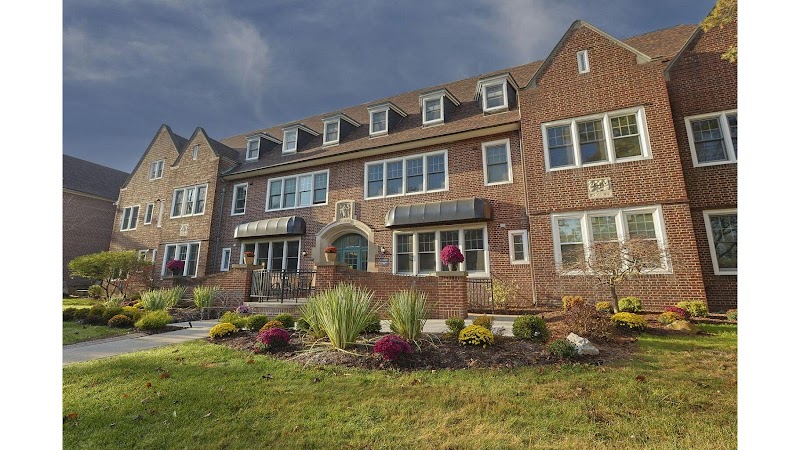
21450 Archwood Circle, Farmington Hills, MI 48336 (248) 477-7400
Non profit - Corporation 179 Beds COREWELL HEALTH Data: November 2025
Trust Grade
35/100
#194 of 422 in MI
Last Inspection: October 2024

Within standard 12-15 month inspection cycle. Federal law requires annual inspections.

Overview

Corewell Health Rehab & Nursing Center-Commons Far has received a Trust Grade of F, indicating significant concerns about the level of care provided. They rank #194 out of 422 facilities in Michigan, placing them in the top half, but their overall performance raises red flags. While the facility is improving, with a decrease in issues from 15 in 2024 to 6 in 2025, it still reported serious incidents, including a resident developing an avoidable Stage III pressure ulcer and another suffering a fall that resulted in multiple fractures. Staffing is a strength, with a rating of 4 out of 5 stars and slightly above-average turnover at 53%, and they provide more RN coverage than 87% of Michigan facilities, which is a positive sign. However, the facility has concerning fines totaling $91,971, higher than 76% of others in the state, suggesting ongoing compliance problems.

Trust Score
F
35/100
In Michigan
#194/422
Top 45%
Safety Record
High Risk
Review needed
Inspections
Getting Better
15 → 6 violations
Staff Stability
⚠ Watch
53% turnover. Above average. Higher turnover means staff may not know residents' routines.
Penalties
○ Average
$91,971 in fines. Higher than 55% of Michigan facilities. Some compliance issues.
Skilled Nurses
✓ Good
Each resident gets 70 minutes of Registered Nurse (RN) attention daily — more than 97% of Michigan nursing homes. RNs are the most trained staff who catch health problems before they become serious.
Violations
⚠ Watch
54 deficiencies on record. Higher than average. Multiple issues found across inspections.
★★★☆☆
3.0
Overall Rating
★★★★☆
4.0
Staff Levels
★★★★★
5.0
Care Quality
★★☆☆☆
2.0
Inspection Score
Stable
2024: 15 issues
2025: 6 issues

The Good

  • 4-Star Staffing Rating · Above-average nurse staffing levels
  • 5-Star Quality Measures · Strong clinical quality outcomes
  • Full Sprinkler Coverage · Fire safety systems throughout facility
  • No fines on record

Facility shows strength in staffing levels, quality measures, fire safety.

The Bad

3-Star Overall Rating

Near Michigan average (3.1)

Meets federal standards, typical of most facilities

Staff Turnover: 53%

Near Michigan avg (46%)

Higher turnover may affect care consistency

Federal Fines: $91,971

Well above median ($33,413)

Moderate penalties - review what triggered them

Chain: COREWELL HEALTH

Part of a multi-facility chain

Ask about local staffing decisions and management

The Ugly 54 deficiencies on record

3 actual harm
Aug 2025 2 deficiencies 1 Harm
SERIOUS (G) 📢 Someone Reported This

A family member, employee, or ombudsman was alarmed enough to file a formal complaint

Actual Harm - a resident was hurt due to facility failures

Pressure Ulcer Prevention (Tag F0686)

A resident was harmed · This affected 1 resident

**NOTE- TERMS IN BRACKETS HAVE BEEN EDITED TO PROTECT CONFIDENTIALITY** This citation pertains to Complaint #2575124.Based on observation, interview, and record review, the facility failed to thorough...

Read full inspector narrative →
**NOTE- TERMS IN BRACKETS HAVE BEEN EDITED TO PROTECT CONFIDENTIALITY** This citation pertains to Complaint #2575124.Based on observation, interview, and record review, the facility failed to thoroughly assess and implement timely treatment for a shearing injury for two (R801 and R803) of three residents reviewed for pressure ulcers, resulting in R801 developing an avoidable Stage III (Full-thickness skin loss) pressure ulcer that worsened to an Unstageable (Obscured full-thickness skin and tissue loss) pressure ulcer. Findings include:A review of R801's clinical record revealed R801 was admitted into the facility on 6/13/25 and discharged on 7/18/25 with diagnoses that included: spinal stenosis. A review of a Minimum Data Set (MDS) assessment dated [DATE] revealed R801 had intact cognition, required substantial/maximal assistance for bed mobility and transfers, was always incontinent of urine and stool, was at risk for developing pressure ulcers, and did not have any unhealed pressure ulcers at the time of the assessment.A review of an admission Assessment dated 6/14/25 (the day after R801 was admitted into the facility) revealed R801's skin was intact. A review of R801's Shower Skin Assessments conducted on 6/21/25, 6/25/25, and 6/28/25 revealed R801 did not have any new skin issues. The next Shower Skin Assessment was dated 7/9/25, 11 days after the previous assessment, and indicated R801 did not have any new skin issues. A review of R801's progress notes revealed the following:A Nurses Note dated 6/27/25 documented, .dry dressing in place.family notified of situation.wound consult in place. There was nothing documented that indicated where the dry dressing was located, what the situation was, or why a wound consult was needed.A Skin/Wound Note dated 6/30/25, three days later, documented, Resident seen for wound consult r/t (related to) wound to coccyx, wound measuring 4.0 x 2.0 cm (centimeters), pink bed, serosanguinous drainage. Area cleared with ns (normal saline), pat dry, Medihoney (wound dressing) and dry dressing applied. Treatment orders in place. A Skin/Wound Note dated 7/2/25 revealed Resident seen for wound consult (on 7/1/25) r/t wound to coccyx, wound measuring 4.0 x 1.0, pink bed, serosanguinous drainage.A review of R801's physician's orders revealed an order dated 6/27/25 for wound consult: opened area to coccyx area. There was no treatment order for the wound until 7/1/25 which was ordered by the contracted wound provider, Physician ‘B'.A review of a Wound/Vascular Consult written by Physician ‘B' on 7/1/25 revealed R801 was seen for an initial consult for a coccyx ulcer. It was documented in the consult that R801 had a Stage 3 coccyx ulcer that measured 4.0 x 1.0 cm, and the wound bed was pink with slough (non-viable yellow, tan, gray, green or brown tissue). The treatment recommendations were for Medihoney to the ulcer every day. Further review of R801's clinical record revealed the next time R801's coccyx ulcer was evaluated by Physician ‘B' was on 7/15/24, 14 days after the last consult mentioned above. There were no other assessments of the wound documented in the clinical record between 7/2/25 and 7/15/25. A review of a Wound/Vascular Consult dated 7/15/25 revealed R801's coccyx ulcer was Unstageable and measured 4.0 x 2.5 cm and necrotic (dead or devitalized tissue that is hard or soft in texture; usually black, brown, or tan in color, and may appear scab-like, usually firmly adherent to the base of the wound). A review of an incident report dated 6/26/25, written by Licensed Practical Nurse (LPN) ‘A' revealed, Aid <sic> made Nurse aware of a small skin tear on pts (patient's) butoxy <sic> while she was changing her brief.writer applied barrier cream to area.A review of an Injury of Unknown Origin - Investigation Report signed off by the Director of Nursing (DON) on 7/1/25 revealed a skin tear to the coccyx area was found on R801 on 6/26/25 (it should be noted that there was no documentation of any skin impairment in the clinical record on that date). It was documented that a dry dressing and barrier cream was applied, R801 was to have a wound consultation, offloading as possible, the area kept clean and dry, and barrier cream applied. It was documented R801 was seen for a wound consultation, five days later, on 7/1/25 and the wound was identified as a Stage 3 pressure ulcer. It was documented the pressure ulcer started as shearing (When layers of skin rub against each other or when the skin remains stationary and the underlying tissue moves and stretches and angulates or tears the underlying capillaries and blood vessels causing tissue damage).Further review of R801's clinical record revealed R801 did not have any ordered treatment in place between 6/26/25 when the skin tear was first identified and 7/1/25 when Physician ‘B' assessed the wound to be a Stage 3 pressure ulcer. There was no further assessment of the skin impairment to R801's coccyx after it was identified as a skin tear on 6/26/25 until the Skin/Wound Note documented on 6/30/25 that did not mention any slough as assessed by Physician ‘B' on 7/1/25. No impairment to R801's skin was identified on any Shower Skin Assessments.A review of R801's care plans revealed a care plan created on 6/13/25 that read, I am at risk for skin breakdown. Interventions included: Daily skin inspections by CNA (Certified Nursing Assistant), Notify treatment nurse of any skin abnormalities, and skin barrier after each cleanse. There were no care plans that addressed R801's new skin impairments including shearing and the development of pressure ulcers. R803On 8/14/25 at 11:58 AM, R803 was observed on his back in bed. R803 reported he had wounds, but did not wish to be interviewed further regarding them.A review of R803's clinical record revealed R803 was admitted into the facility on 7/2/25 and readmitted on [DATE] after a hospital stay that began on 7/9/25. R803 had diagnoses that included: spinal stenosis, aneurysm, and sepsis. A review of a MDS assessment dated [DATE] revealed R803 had intact cognition and was dependent on staff for bed mobility and transfers.A review of an admission Assessment dated 7/25/25 (after R803 returned from the hospital) revealed R803 had a skin tear to sacrum. A review of R803's Skin/Wound Notes revealed no assessment of the sacrum/coccyx skin tear until 7/29/25. A review of a Skin Wound Note dated 7/29/25 revealed R803 had a Coccyx ulcer stage II (partial-thickness skin loss) measuring 11.0 x 11.0 cm. It was documented that Medihoney would be applied daily.A review of R803's Physician's Orders revealed an order with a start date of 8/1/25 for Medihoney Wound/Burn Dressing Gel to the coccyx every day shift. The order instructed to cleanse the area with normal saline, apply Medihoney, and cover with dry dressing. It should be noted that a skin tear was identified and documented six days prior to the area being assessed and a treatment implemented.A review of a Skin/Wound Note dated 8/12/25, 14 days after the previous assessment on 7/29/25, revealed the Stage II ulcer to R803's coccyx measured 14.0 x 7.0 cm. A review of R803's Wound/Vascular Consults conducted by Physician ‘B' revealed R803 was seen by Physician ‘B' on 7/29/25 and it was documented R803 had a Stage II pressure ulcer that measured 11 x 11 cm. R803 was seen by Physician ‘B' on 8/12/25 and it was documented the wound measured 14 x 7 cm.On 8/14/25 at 2:38 PM, an interview was conducted with the facility's Wound Care Coordinator, Registered Nurse (RN) ‘C'. When queried about the facility's protocols for monitoring residents' skin for new skin impairments or worsening skin impairments, RN ‘C' reported on admission, the primary nurse conducted a skin assessment and RN ‘C' did a second assessment. Additionally, the nurses assessed resident's skin during showers two times a week. When queried about the protocol when a new skin impairment was identified, RN ‘C' referred to a document titled, Wound Identification and Follow-Up Checklist and explained it was recently implemented after identified concerns with wounds. A review of the document revealed the following, 1. When a wound is initially identified, it is the responsibility of the Nurse first observed the wound to assess the area, location, size, depth, exudate, etc.2. Document the findings in the Nurse's notes, and 24 Hour Report.3. Notify the Physician of the assessment findings, obtain appropriate Treatment orders based on facility treatment protocols.4. Document the notification of the Physician, and any new orders in the Nurses Notes.6. Follow-up with the Physician's Orders.7. Initiate the Treatment order and document.8. Communicate the new area and treatment orders to the Wound Care Nurse.10. The Wound Care Nurse will update the plan of care with the Current stage and location of the wound. RN ‘C' explained that Physician ‘B' came to the facility once a week to evaluate all skin impairments, including pressure ulcers. When queried about R801, RN ‘C' reported she was not the Wound Care Coordinator at that time. When queried about when the new skin tear to R803's coccyx was assessed, RN ‘C' reported it was evaluated by Physician ‘B' on 7/29/25 and at that time it was a Stage II pressure ulcer. When queried about how the wound first presented upon readmission from the hospital on 7/26/25 and if it should have been assessed when it was identified, RN ‘C' reported it should have so that a treatment could be implemented right away. On 8/14/25 at 3:40 PM, an interview was conducted with the Director of Nursing (DON) regarding R801. When queried about the incident report for R801 dated 6/26/25 that indicated R801 had a skin tear to the buttock and when the skin tear was assessed, the DON said it was assessed at the time of the incident report. When queried about where the assessment was documented to include the size and appearance of the wound, the DON reviewed R801's clinical record and confirmed there was no documented assessment prior to the note on 6/30/25 and Physician ‘B's consult on 7/1/25. When queried about any assessment of the wound, which was classified as a Stage 3 pressure ulcer on 7/1/25, between 7/1/25 and 7/15/24 when Physician ‘B' next evaluated R801, the DON reported there was no documented assessment. When queried about the Shower Skin Assessments and how none of them document any impairment to R801's skin, the DON reported they only document new skin impairments. When queried about whether they should identify worsening wounds on the skin assessments, the DON reported that would likely be identified by the treatment nurse, not the person doing the skin assessment. When queried about any physician's orders for treatment to R801's coccyx prior to 7/1/25, the DON reviewed the clinical record and confirmed there was no ordered treatment until 7/1/25. A review of a facility policy titled, Pressure Injury: Assessment, Prevention and Care, dated 4/21/24, revealed, in part, the following: .Skin Assessment.Head to toe visual examination of all skin surfaces and mucous membranes, monitoring temperature, turgor, color, moisture level and skin integrity, paying special attention to all bony prominences. Performed on admission and weekly. Complete documentation of wounds and pressure injuries will be completed by the nurse on a weekly basis. Dressing condition and dressing care must be documented and may include: .Location.Condition of surrounding tissue and wound edges.Tissue base (majority).Exudate(s) type and odor (if present).Vertical length (longest length) - weekly documentation at minimum.Horizontal Width (widest width) - weekly documentation at minimum.Depth (deepest part of wound or injury).Tunneling/Undermining (if present).Wound bed type and color.Pain prior to and after wound care.Condition of dressing must be documented with every skin assessment, including type, intactness, drainage, and surrounding skin.Documentation of pressure injuries will be done at least once a week by the Nursing Supervisor or designee.Plan of Care: the plan of care will be updated with individualized interventions to address identified risk factors and maximize potential to heal any current pressure injuries.
CONCERN (D) 📢 Someone Reported This

A family member, employee, or ombudsman was alarmed enough to file a formal complaint

Potential for Harm - no one hurt, but risky conditions existed

Quality of Care (Tag F0684)

Could have caused harm · This affected 1 resident

**NOTE- TERMS IN BRACKETS HAVE BEEN EDITED TO PROTECT CONFIDENTIALITY** This citation pertains to Complaint #2575124.Based on observation, interview, and record review, the facility failed to effectiv...

Read full inspector narrative →
**NOTE- TERMS IN BRACKETS HAVE BEEN EDITED TO PROTECT CONFIDENTIALITY** This citation pertains to Complaint #2575124.Based on observation, interview, and record review, the facility failed to effectively monitor residents' skin, identify new skin impairments in a timely manner, thoroughly assess and determine the root cause of new skin impairments, and implement treatment in a timely manner for two (R802 and R803) of three residents reviewed for wounds. Findings include:R802On 8/14/25 at 12:05 PM, R802 was observed lying in bed. R802 had a dressing dated 8/13/25 applied to the top part of her left lower leg. The skin surrounding the dressing was observed with dark, purple discoloration. When queried about what happened to her leg, R802 stated, Nothing exciting. R802 appeared confused with further questioning. On 8/14/25 at 2:06 PM, R802 was observed lying in bed on her back. When queried about when treatment is completed on her leg, R802 reported the wound nurse said she would do it at 2:30 PM. R803 said, Be ready for some screaming! and reported it was painful when the bandage was removed. On 8/14/25 at approximately 2:06 PM, an observation of wound care to R802's left leg was conducted with the Wound Care Coordinator, Registered Nurse (RN) ‘C'. RN ‘C' confirmed with R802 and their assigned nurse that R802 received pain medication one hour prior to wound care. RN ‘C' said R802 screamed out with all care and treatments but was cooperative with having the treatment rendered. RN ‘C' removed the wound dressing. A small open area was observed on the top of R802's left lower leg with dark, purple discoloration surrounding the open area. A review of R802's clinical record revealed R802 was admitted into the facility on 6/2/23 and readmitted on [DATE] with diagnoses that included: dementia and congestive heart failure. A review of a Minimum Data Set (MDS) assessment dated [DATE] revealed R802 had severely impaired cognition, was dependent on staff for bed mobility and transfers and did not walk. During that assessment, R802 did not have any non-pressure related skin impairments. On 8/14/25 at 1:44 PM, any incident reports for the past three months for R802 were requested. The DON reported R802 did not have any incident reports for the past three months. A review of R802's progress notes revealed on 6/11/25, R802 had a small pinpoint abrasion on left lower leg. A review of Physician's orders revealed an order for treatment was put into place on 6/12/25 and discontinued on 6/26/25 when it was documented the skin impairment was resolved on 6/24/25. Further review of R802's clinical record revealed no assessment of the pinpoint abrasion to R802's left lower leg.A review of R802's Shower Skin Assessments dated 6/30/25, 7/3/25, 7/10/25, 7/14/25, 7/17/25, 7/21/25, 7/24/25, 7/28/25, 7/31/25, 8/4/25, 8/7/25, and 8/11/25 revealed R802 had skin discoloration to the front of her right and left lower leg and no new wounds. A review of a Skin/Wound Note dated 8/1/25 revealed, Upon inspection of skin during treatment for coccyx PI (pressure injury), left lower leg with bruising with 2 open wound areas were discovered. Distal (farthest from the center of the body) wound measuring 1.1 x 1.5 cm (centimeters) and proximal (closest to the center of the body) wound measuring 0.5 x 0.6 cm. Nurse.reported that this has been present for some time, but no wound care orders nor incident report were found. Treatment orders now in place. (It should be noted that it was documented the previous skin impairment to R802's left lower leg was resolved as of 6/24/25).Further review of R802's clinical record revealed no documentation of how R802 sustained open areas with surrounding discoloration to the left lower leg. A review of R802's active Physician's Orders revealed an order with a start date of 8/2/25 for Medihoney to the left lower leg every day shift. On 8/14/25 at 2:38 PM, an interview was conducted with the facility's Wound Care Coordinator, Registered Nurse (RN) ‘C'. When queried about the facility's protocols for monitoring residents' skin for new skin impairments, RN ‘C' reported on admission, the primary nurse conducted a skin assessment and RN ‘C' did a second assessment. Additionally, the nurses assessed resident's skin during showers two times a week. When queried about the protocol when a new skin impairment was identified, RN ‘C' referred to a document titled, Wound Identification and Follow-Up Checklist and explained it was recently implemented after identified concerns with wounds. A review of the document revealed the following, 1. When a wound is initially identified, it is the responsibility of the Nurse first observed the wound to assess the area, location, size, depth, exudate, etc.2. Document the findings in the Nurse's notes, and 24 Hour Report.3. Notify the Physician of the assessment findings, obtain appropriate Treatment orders based on facility treatment protocols.4. Document the notification of the Physician, and any new orders in the Nurses Notes.6. Follow-up with the Physician's Orders.7. Initiate the Treatment order and document.8. Communicate the new area and treatment orders to the Wound Care Nurse.10. The Wound Care Nurse will update the plan of care with the Current stage and location of the wound. RN ‘C' explained that Physician ‘B' came to the facility once a week to evaluate all skin impairments. When queried about R802's skin impairment on the left lower leg and what happened, RN ‘C' reported she did not know what happened. RN ‘C' explained she had only begun working in the facility as the Wound Care Coordinator a short time ago and identified the area when doing skin assessments of all the residents. When queried about whether R802 was evaluated by the contracted wound provider, Physician ‘B', RN ‘C' reported Physician ‘B' saw R802 on 8/12/25, but did not come to the facility the previous week. RN ‘C' reported she did an assessment of R802's wound in Physician ‘B's absence. At that time, a review of a Wound/Vascular Consult dated 8/12/25 revealed Physician ‘B' evaluated R802 and documented she had a Lt (left) leg wound that measured 1.2 cm x 1.3 cm and documented, pink. There was no further description of the wound on R802's leg or the surrounding skin. On 8/14/25 at 3:40 PM, an interview was conducted with the DON regarding wound care in the facility. When queried about what happened to R802's left lower leg, the DON reported she did not know. The DON reported RN ‘C' should have completed an incident report when she first identified the open areas and discoloration on 8/1/25 so that an investigation could have been started. At that time, Physician ‘B's evaluation of R802's left leg was reviewed with the DON. When queried about whether the evaluation was thorough with only measuring the wound and calling it nothing but a wound, the DON stated, It could be more descriptive. R803On 8/14/25 at 11:58 AM, R803 was observed lying in bed on his back. When queried about any wounds, R803 reported he had some, but did not wish to answer questions. A review of R803's clinical record revealed R803 was admitted into the facility on 7/2/25 and readmitted on [DATE] after a hospital stay that began on 7/9/25, with diagnoses that included: spinal stenosis, aneurysm, and sepsis. A review of a MDS assessment dated [DATE] revealed R803 had intact cognition and was dependent for bed mobility and transfers. A review of an admission Assessment dated 7/25/25 revealed R803 had a skin tear to sacrum and discoloration to right anterior arm. A review of R803's Physician's Orders revealed orders that started on 8/5/25 for Medihoney to the left and right posterior (back) lower legs every day shift. A review of a Skin/Wound Note dated 8/5/25 revealed, Resident seen today by wound team for measurements and evaluation of multiple wounds.right posterior leg wound measuring 2.5 x 5.0 cm.left posterior lower leg wound measuring 5 x 1.3 cm with pink base with some yellow slough (non-viable yellow, tan, gray, green or brown tissue).A review of a Shower Skin Assessment dated 8/6/25 revealed the following documentation, right and left lower rear leg. Previous skin assessments and progress notes prior to 8/5/25 did not note any impairment to the right or left posterior legs. On 8/14/25 at approximately 2:30 PM, an observation of R803's posterior lower leg wounds were conducted with RN ‘C'. A small open area, pink in color was observed on the right lower leg and a small open area that appeared slightly deeper with a darker center was observed on the back of R803's left lower leg. On 8/14/25 at 2:38 PM, an interview was conducted with RN ‘C'. When queried about what type of wounds were on the backs of R803's bilateral lower legs and how he developed wounds there, RN ‘C' reported she did not know. RN ‘C' identified the wounds when doing skin assessments of all the residents. RN ‘C' said she was not sure if they were pressure ulcers or if maybe R803 injured them in the wheelchair. RN ‘C' further reported R803 was evaluated by Physician ‘B' on 8/12/25 and provided the consultation. At that time, a review of a Wound/Vascular Consult done by Physician ‘B' on 8/12/25 revealed documentation that R803 had a Rt (right) leg wound that measured 2.3 cm x 0.3 cm and a Lt leg wound that measured 2.3 cm x 1.5 cm. There was no further description of the wounds included in the assessment.On 8/14/25 at 3:40 PM, an interview was conducted with the DON. When queried about what happened to the backs of R803's lower legs, the DON did not offer a response. When queried about who determined the type of wounds, the DON reported Physician ‘B'. At that time, Physician ‘B's wound consultation for R803 was reviewed with the DON who said it should be more descriptive. When queried about how further breakdown could be prevented if they were not aware of how R803 got the wounds, the DON reported the facility had problems with wounds and they recently hired RN ‘C' to be the Wound Care Coordinator, as they did not previously have one. A policy regarding Skin Management of Non-Pressure Wounds was requested. However, only a policy regarding Pressure Ulcers was provided.
Apr 2025 4 deficiencies
CONCERN (D) 📢 Someone Reported This

A family member, employee, or ombudsman was alarmed enough to file a formal complaint

Potential for Harm - no one hurt, but risky conditions existed

Quality of Care (Tag F0684)

Could have caused harm · This affected 1 resident

**NOTE- TERMS IN BRACKETS HAVE BEEN EDITED TO PROTECT CONFIDENTIALITY** This citation pertains to Intake Number(s): MI00151450. Based on interview and record review, the facility failed to conduct acc...

Read full inspector narrative →
**NOTE- TERMS IN BRACKETS HAVE BEEN EDITED TO PROTECT CONFIDENTIALITY** This citation pertains to Intake Number(s): MI00151450. Based on interview and record review, the facility failed to conduct accurate and thorough sepsis screening for one (R902) of one resident reviewed for a change in condition. Findings include: A review of R902's clinical record revealed admission to the facility on 1/30/25 and R902 was discharged to the hospital on 3/10/25. Diagnoses included: metastatic cancer (prostate and bone), chronic obstructive pulmonary disease (COPD), and chronic respiratory failure. A review of R902's Minimum Data Set (MDS) assessment dated [DATE] revealed R902 had moderately impaired cognition. A review of the Progress Notes for R902 revealed they tested positive for influenza A on 3/1/25. A review of the Physician's Orders revealed R902 was placed on droplet precautions (isolation precautions used to prevent the spread of respiratory illnesses transmitted via droplets) from 3/5/25 through 3/12/25. The physician's orders indicated R902 was prescribed Tamiflu (an antiviral medication) from 2/26/25 through 3/8/25. On 4/2/25 at approximately 1:00 PM, an interview was conducted with the facility's Infection Control Preventionist, Registered Nurse (RN) F. When queried about how the facility monitored residents for sepsis, RN 'F' explained residents were screened for seven days on admission and when a resident had an infection that was treated with an antibiotic or antiviral medication, they were screened for sepsis throughout the duration of the illness (end of antibiotic/antiviral and end of isolation precautions). RN 'F' reported residents were monitored for sepsis by completing the Severe Sepsis Screening Tool assessment which nurses were required to complete according to the instructions on the form. A review of the Severe Sepsis Screening Tool assessments for R902 from 3/1/25 through 3/8/25 (onset of influenza A though the end of isolation precautions/antiviral treatment) revealed the following: On 3/1/25 and 3/2/25, yes was documented in the sections that indicated whether or not the resident had a suspected or documented infection and antibiotic therapy, which according to the instructions on the form, the next section should have been completed to determine if there was evidence of SIRS - Systemic Inflammatory Response Syndrome developing, and based on those answers if there was Organ Dysfunction. Other than indicating R902 had an infection and was on an antibiotic, the rest of the form was left blank. On 3/3/25, it was documented R902 had a suspected or documented infection, and no was documented in the section that indicated whether the resident received antibiotic therapy (or antiviral therapy according to RN 'F'). The rest of the form was left blank and no further assessment was documented. On 3/4/25, 3/5/25, 3/6/25, 3/7/25, and 3/8/25, it was documented R902 did not have a suspected or documented infection and was not on antibiotic therapy. A review of the Infection Control surveillance information provided by the facility, revealed R902 was considered to have an active influenza infection as evidenced by a positive test, was receiving antiviral therapy, and was on isolation precautions. On 4/2/25 at 2:33 PM, an interview was conducted with the Director of Nursing (DON). The above record review was discussed and the DON did not offer a response. A review of a facility policy titled, Sepsis, dated 10/15/24, revealed, in part, the following, .All newly admitted , re-admitted and with an infection must be monitored for signs/symptoms of sepsis .Monitoring period .Infections - length of antibiotic therapy .The nurse must .Complete a Severe Sepsis Screening Tool .Using the current shift complete vital signs .and renal output .
CONCERN (D) 📢 Someone Reported This

A family member, employee, or ombudsman was alarmed enough to file a formal complaint

Potential for Harm - no one hurt, but risky conditions existed

Respiratory Care (Tag F0695)

Could have caused harm · This affected 1 resident

**NOTE- TERMS IN BRACKETS HAVE BEEN EDITED TO PROTECT CONFIDENTIALITY** This citation pertains to Intake Number(s): MI00151450. Based on interview and record review, the facility failed to appropriate...

Read full inspector narrative →
**NOTE- TERMS IN BRACKETS HAVE BEEN EDITED TO PROTECT CONFIDENTIALITY** This citation pertains to Intake Number(s): MI00151450. Based on interview and record review, the facility failed to appropriately monitor the respiratory status of one (R902) of one resident reviewed for a change in condition. Findings include: A review of the clinical record revealed R902 was admitted into the facility on 1/30/25 and discharged to the hospital on 3/10/25. Diagnoses included: influenza A, chronic obstructive pulmonary disease (COPD), metastatic cancer of the prostate spread to the bone, obstructive sleep apnea, and chronic respiratory failure. A review of a Minimum Data Set (MDS) assessment dated [DATE] revealed R902 had moderately impaired cognition and did not require oxygen therapy on admission. A review of the Progress Notes revealed R902 tested positive for influenza A on 3/1/25. A review of the results of a chest X-ray for R902, completed on 3/5/25 revealed, Mild prominent bilateral hilar (wedge shaped middle portion of lungs) markings (may indicate inflammation or congestion). A review of R902's Physician's Orders revealed an order dated 3/5/25 for Oxygen at 2 L (liters) PRN (as needed) for SOB (shortness of breath). A review of R902's Medication Administration Record (MAR) and Treatment Administration Record (TAR) revealed no order for the PRN oxygen and no place to document when the oxygen was administered. Further review of R902's progress notes from 3/5/25 through 3/10/25 revealed the following documentation: On 3/10/25 at 9:58 AM it was noted R902's oxygen saturation was 94 percent on two liters of oxygen via nasal cannula. There was no documentation noting what R902's oxygen saturation was prior to administering the oxygen. On 3/10/25 at 7:33 PM, it was noted R902 had labored breathing with wheezing and rales (fine high pitched crackling lung sounds). At that time it was documented R902's oxygen saturation was 91 percent on oxygen. There were no other progress notes that indicated R902 required PRN oxygen. A review of a change in condition progress note dated 3/10/25 at 5:55 AM noted R902's oxygen saturation was 95% with oxygen via nasal cannula on 3/10/25 at 6:02 AM. There were no notes documenting R902's oxygen saturation prior to applying the oxygen. A review of R902's O2 (oxygen) sats (saturation) Summary from 3/5/25 through 3/10/25 revealed R902's O2 sats were taken while receiving oxygen via Nasal Cannula) on the following dates and times: 3/6/25 at 6:30 AM 3/7/25 at 12:39 AM, 2:22 AM, and 10:12 AM 3/8/25 at 9:56 AM and 6:34 PM 3/9/25 at 6:14 AM, 10:09 AM, and 5:23 PM 3/10/25 at 6:02 AM, 7:23 AM, 9:30 AM, 7:17 PM, and 9:20 PM. At 9:20 PM, R902's O2 sats were 85% while on oxygen therapy. There was no documentation of R902's oxygen saturation levels prior to the administration of oxygen. On 4/2/25 at 2:33 PM, an interview was conducted with the Director of Nursing (DON). When queried about where PRN oxygen administration was documented, the DON reported either on the MAR/TAR or in a progress note. The DON reported if PRN oxygen was required, the nurse should document what the oxygen level was prior to administration. R902's clinical record was reviewed with the DON who then reported she would look into it to see if R902's oxygen levels were documented somewhere else. On 4/2/25 at 4:01 PM, during a follow-up interview, the DON reported she was unable to find any further information or documentation regarding R902's oxygen monitoring. A policy regarding respiratory therapy was requested. However, it was reported the facility did not have a policy regarding monitoring resident's respiratory status for PRN oxygen.
CONCERN (E) 📢 Someone Reported This

A family member, employee, or ombudsman was alarmed enough to file a formal complaint

Potential for Harm - no one hurt, but risky conditions existed

Safe Environment (Tag F0584)

Could have caused harm · This affected multiple residents

**NOTE- TERMS IN BRACKETS HAVE BEEN EDITED TO PROTECT CONFIDENTIALITY** This citation pertains to Intakes: MI00151714, MI00150739 Based on observation and interview, the facility failed to maintain a ...

Read full inspector narrative →
**NOTE- TERMS IN BRACKETS HAVE BEEN EDITED TO PROTECT CONFIDENTIALITY** This citation pertains to Intakes: MI00151714, MI00150739 Based on observation and interview, the facility failed to maintain a safe, clean and comfortable environment, resulting in the potential to affect the entire resident population. Findings include: The State Agency received a complaint of an allegation the facility failed to maintain a comfortable clean, homelike environment On 4/2/25 at 8:42 AM, The Second-floor hallway was observed with scattered white colored straw wrappers, crumbs, and debris. The floors in rooms 255, 252, 253, and 250 were observed with straw wrappers, moderate amounts of debris, and scattered crumbs of food. Dried red food matter was noted on the wall in front of room [ROOM NUMBER]. Partition curtains in rooms [ROOM NUMBER] were all observed soiled and unkempt. On 4/2/25 at 9:25 AM, A cabinet in the residential dining room of Dayroom [ROOM NUMBER] was observed with a white clear bag containing red colored clothing and a red purse. RN A opened the bag which contained a red [NAME] Lemon Jacket and a red colored MCM purse. Certified Nurse Assistant (CNA) C walked over and claimed it was their belongings and was observed removing them off the unit. RN A confirmed staff should not be storing personal items amongst residential common areas. On 4/2/25 at 9:30 AM, The third-floor dining room was observed with three moderate sized circled patterned, dried food spillages on the carpet area adjacent to dining tables. The carpet was observed heavily soiled near medication cart in front of room R354. The entrance to room [ROOM NUMBER], had hardwood flooring observed with scattered debris, food crumbs, and straw wrappers. room [ROOM NUMBER], was observed with wrappers from plastic utensils and moderate amount of food crumbs noted on the floor. The common hallway carpeting in front of room [ROOM NUMBER] was observed soiled with a large spill of liquid and brown liquid dripping on the wall was observed. The common hallway carpeting in front of room [ROOM NUMBER] was observed with old food matter and appeared to be run over by a wheel. On 4/2/25 at 12:53 PM, an interview and tour of the facility was conducted with Environmental Services Supervisor (ESS) D who was shown the flooring, walls, and curtains in rooms. ESS D acknowledged the areas of dried food on the carpet and dried spillage of food on the walls should have been identified and spot cleaned. The resident rooms were just vacuumed at the time of the tour with ESS D, who was informed based on earlier observations, the carpet in the residents' rooms and hallway appeared cluutered with various debris and not vacuumed for some time. The partition curtains in rooms [ROOM NUMBER], were also shown to ESS D who acknowledged they were soiled and should have been cleaned and/or replaced. The facility policy for environment and housekeeping was requested and was not available by time of exit.
CONCERN (E) 📢 Someone Reported This

A family member, employee, or ombudsman was alarmed enough to file a formal complaint

Potential for Harm - no one hurt, but risky conditions existed

Food Safety (Tag F0812)

Could have caused harm · This affected multiple residents

**NOTE- TERMS IN BRACKETS HAVE BEEN EDITED TO PROTECT CONFIDENTIALITY** Based on observation and interview, the facility failed to ensure resident food items brought in from the outside were labeled a...

Read full inspector narrative →
**NOTE- TERMS IN BRACKETS HAVE BEEN EDITED TO PROTECT CONFIDENTIALITY** Based on observation and interview, the facility failed to ensure resident food items brought in from the outside were labeled and dated resulting in the potential of foodborne illness and had the potential to affect all residents who store and consume food from the 2107 Dayroom community residential refrigerator. Findings include: On 4/2/25 at 9:10 AM, The refrigerator in Dayroom [ROOM NUMBER] was opened and the following items were observed no resident identifier or dates: A brown paper bag from (fast food restaurant), a black three compartment container with a clear lid containing cornbread, and a small clear container containing what appeared to be a white dressing located in the door section. The left bottom crisper revealed a white Styrofoam cup/lid containing a brown colored liquid. The freezer was observed storing a container of vanilla ice cream and a Styrofoam cup/lid with an unidentified frozen substance. Review of the facility policy titled Food Brought in by Others for Residents dated 3/2018 documented. .Any food brought in for residents should be identified to the charge nurse .a label to mark the food item with the resident's name and the date it was brought into the facility . On 4/2/25 at 9:15 AM, Unit Manger Registered Nurse (RN) B was shown the observations and acknowledged the items should have been labeled with residential identifiers and dates.
Oct 2024 15 deficiencies
CONCERN (D)

Potential for Harm - no one hurt, but risky conditions existed

Deficiency F0558 (Tag F0558)

Could have caused harm · This affected 1 resident

**NOTE- TERMS IN BRACKETS HAVE BEEN EDITED TO PROTECT CONFIDENTIALITY** R7 On 10/28/24 at approximately 12:00 PM, prior to entering R7's room it was noted to have a Droplet isolation sign located near...

Read full inspector narrative →
**NOTE- TERMS IN BRACKETS HAVE BEEN EDITED TO PROTECT CONFIDENTIALITY** R7 On 10/28/24 at approximately 12:00 PM, prior to entering R7's room it was noted to have a Droplet isolation sign located near the room number sign on the wall. Upon entering R7's room they were observed to be asleep in bed, on their back. R7's call light was observed to be on the floor, several feet from their bed, out of reach of R7. Based on its location it did not appear to have fallen from their bed. On 10/28/2024 at 12:08 PM, LPN (Licensed Practical Nurse) HH was observed entering R7's room. When queried where the call light was found, LPN HH confirmed it was on the floor upon entering the room and was placed within the residents reach upon exiting. Review of the clinical record revealed R7 was admitted into the facility on 8/12/24 with diagnoses that included: muscle weakness, unsteadiness on feet and chronic obstructive pulmonary disease. It further revealed resident was in isolation for Covid-19. According to the Minimum Data Set (MDS) assessment dated [DATE], R7 scored 12/15, indicating moderate cognitive impairment. R333 On 10/28/2024 at 11:43 AM prior to entering R333's room it was noted to have a Droplet isolation sign located near the room number sign on the wall. Upon entering R333's room they were observed to be asleep in bed, leaning onto their right side. R333's call light was noted to be on the floor, on the side of their nightstand opposite of their bed, out of reach. Based on its location it did not appear to have fallen from her bed. CNA (Certified Nursing Assistant) II was notified of the call light being out of reach, confirmed it was and reported to have placed it within reach of the resident. Review of the clinical record revealed R333 was admitted into the facility on [DATE] with diagnoses that included: Covid-19 and dependence on oxygen. It further revealed resident was in isolation for Covid-19. Based on observation, interview, and record review, the facility failed to ensure call lights were easily accessible and within reach for three (R7, R8 and R333) of four residents reviewed for call light placement, resulting in the inability to summons help when needed. Findings include: According to the facility's policy titled, Call Light, Answering dated 12/19/2023: .When the resident is in bed or confined to a chair be sure the call lights is within easy reach of the resident . R8 On 10/28/24 at 11:06 AM, R8 was observed laying in bed, pulling at the hospital gown they wore. The room was observed to be warmer in temperature and when asked if they were hot, R8 replied, Uh huh. The call light was observed out of reach, draped across the end of the footboard of the bed. On 10/29/24 at 7:42 AM, R8 was observed laying in bed on their back, asleep. The call light was tucked behind the wall and lower end of the bottom of the mattress completely out of reach near the footboard. Review of the clinical record revealed R8 was admitted into the facility on [DATE] and readmitted on [DATE] with diagnoses that included: muscle wasting and atrophy and Alzheimer's disease with late onset. According to the quarterly Minimum Data Set (MDS) assessment dated [DATE], R8 had severe cognitive impairment, had physical behavioral symptoms directed towards others which occurred one to three days during this assessment period of seven days, and was always incontinent of bowel and bladder. On 10/29/24 at 8:00 AM, an interview was conducted with the Director of Nursing (DON). When asked about the placement of the call lights, the DON reported the call lights should be within reach. They were informed of the multiple observations from 10/28/24 - 10/29/24, the DON reported they would have to follow-up with staff to re-educate.
CONCERN (D)

Potential for Harm - no one hurt, but risky conditions existed

Deficiency F0578 (Tag F0578)

Could have caused harm · This affected 1 resident

**NOTE- TERMS IN BRACKETS HAVE BEEN EDITED TO PROTECT CONFIDENTIALITY** Based on observation, interview, and record review, the facility failed to follow appropriate protocols to change residents' tre...

Read full inspector narrative →
**NOTE- TERMS IN BRACKETS HAVE BEEN EDITED TO PROTECT CONFIDENTIALITY** Based on observation, interview, and record review, the facility failed to follow appropriate protocols to change residents' treatment preferences for code status for three (R32, R52 and R63) of four residents reviewed for advance directives. Findings include: R32 On [DATE] at 10:15 AM, R32 was observed lying in bed. R32 was able to engage in conversation, but appeared slightly confused as R32 reported being hungry while having their breakfast tray in front of them, partially eaten. A review of R32's clinical record revealed R32 was admitted into the facility on [DATE] with diagnoses that included: Alzheimer's Disease. A review of a Minimum Data Set (MDS) assessment revealed R32 had a Brief Interview for Mental Status (BIMS - an evaluation to assist in determining a person's cognitive status) score of six which indicated R32 had severely impaired cognition (A score of 0-7 indicates severely impaired cognition). A review of R32's resident profile in the Electronic Medical Record (EMR) revealed R32's code status as No CPR (Cardiopulmonary Resuscitation). On [DATE] at 2:46 PM, a review of R32's full EMR (electronic medical record) was conducted. A form titled, Medical Directives signed by R32's Legal Guardian 9/2023, that indicated Yes for CPR in the section that noted, If our staff walks up to you and noticed that your heart and breathing has stopped, should out staff initiate CPR? If this treatment is not received when the heart stops, it will result in death. Even with this treatment, a person may or may not be revived. CPR involves pushing down on the chest bones two inches about the xyphoid bone and providing ventilation through the mouth, both in a rhythmic pattern. This procedure is continued until the ambulance arrives to transport you to the hospital for further treatment. Further treatment may involve giving medicines through an intravenous line, electric shock, or placing a tube through your mouth, down the back of the throat and into the lungs and attaching you to a machine that will breathe for you. A review of a Care Conference Note dated [DATE] revealed, .Advance Directive is CPR/Transfer to hospital. Pt's (patient) nephew .is the guardian . A review of a Social Work Note dated [DATE] revealed, .met with family/guardian for telephone care conference. Guardian requesting to change resident to DNR (Do-Not-Resuscitate) . There was no evidence, R32 was included in the conversation regarding a change to their code status. Review of clinical record - R32 was admitted into the facility on [DATE] with diagnoses that included: dementia, adult failure to thrive. MDS [DATE] - BIMS = 4, physical behaviors. Bilateral Upper and Lower extremity impairment, eating (setup assistance), supervision for lying to sitting. At risk for pressure ulcer development. No pressure ulcers. Pressure reducing device for bed. No hydration concerns identified. R63 On [DATE] at approximately 10:30 AM, R63 was observed lying in bed. An interview was attempted but R63 appeared confused and just said people here don't like me. On [DATE] at 3:19 PM, a review of a Medical Directives form for R63 that was scanned into the EMR revealed R63's legal guardian signed the form which indicated Yes for CPR. A review of R63's resident profile in the EMR indicated No CPR. Further review of R63's clinical record revealed R63 was admitted into the facility on [DATE] with diagnoses that included: dementia. A review of R63's MDS assessment dated [DATE] revealed R32 had a BIMS score of 4, which indicated severely impaired cognition. A review of a Care Conference Note dated [DATE] revealed, .Legal Guardian .elected to change residents advance directive. No CPR . There was no evidence R63 was included in the conversation about a change in code status. R52 Review of the clinical record revealed R52 was admitted into the facility on [DATE] with diagnoses that included: unspecified dementia with other behavioral disturbance and functional quadriplegia. According to the MDS assessment dated [DATE], R52 had severe cognitive impairment. Review of the resident's profile information identified only two daughters as R52's durable power of attorney and emergency contacts. Review of the code status section of the electronic medical record (EMR) revealed a physician order from [DATE] and code status alert that read, No CPR/ May send to hospital, Would consider Hospice care, Would consider pallitive <sic> care, Would consider Tube feeding. Review of R52's facility Medical Directives form dated [DATE] had circles around DMPOA (Durable Medical Power of Attorney), NO for CPR, and YES for Transfer to an acute care hospital, Tube Feeding, Palliative Care, and Hospice Care. This form was signed by Social Services (Staff 'D'), another illegible witness signature, and was noted as Verbal Consent by R52's Daughter 'EE'. Review of the only power of attorney documentation available in R52's clinical record was a General Durable Power of Attorney Effective on Execution created on [DATE]. This document was strictly for financial decisions and did not include the resident's wishes about resuscitation, or give permission for anyone to withhold treatment, such as CPR. There was no DMPOA included in the EMR. Review of a facility form for physician certification of capacity was completed on [DATE] and [DATE] (following completion of the DNR order that was placed on [DATE]). Further review of the physician and extender documentation included conflicting statements regarding the resident's code status as discussed with R52's niece. The documentation included: An entry on [DATE] by Physician Assistant 'CC' documented, in part: .Code Status List: DNR .Patient admitted to facility yesterday. She has history of dementia with has advanced to functional quadriplegia requiring total care. Patient is being seen with her niece at bedside .Patient is nonverbal and unable to make her needs known .I confirmed today that the patient's Advance Care Plan is documented in the medical record either by discussing and documenting the patient's Advance Care Plan, confirming that the patient's surrogate decision maker is documented in the medical record, or confirming that the patient's Advance Care Plan is presently documented . At the time of this entry by PA 'CC' and review of the EMR during survey, there was no documentation available as referenced in their advance care plan statement. The resident had not yet been declared incompetent by two Physician's or a Physician and Psychologist as required to activate a medical power of attorney. PA 'CC' referenced a niece had been present during their evaluation, however the only contact information on the profile information were two daughters. Additionally, review of R52's Physician History & Physical dated [DATE] by Physician 'DD' documented, in part: .Code Status List: Full Scope of Treatment (which meant provide all treatment, including resuscitation) .She has history of dementia which has advanced to functional quadriplegia requiring total care. Patient is being seen with her niece at bedside .Patient is nonverbal and unable to make her needs known . As of this review, there were no further documented discussions of R52's code status by the Physician/extender, in-person signed medical directive forms, or proof of medical power of attorney documents provided. On [DATE] at 8:41 AM, an interview was conducted with Social Services Staff (Staff 'D'). When queried about the facility's process when a resident's legal representative wished to change a resident's code status, Staff 'D' explained the legal representative signed off on the Medical Directives form, the form was placed into a binder on the unit where the resident resided, and the nurse updated the EMR with the code status. Staff 'D' reported the process was the same whether the code status was changed to a full code (CPR) or no CPR. They further reported the medical directive forms in the books on the unit are not formally loaded into the EMR and if there were some in there, that was prior to 2023 or 2024 as they no longer did that. Staff 'D' explained the medical provider was sometimes involved in the process when a legal representative wanted to change a resident to no CPR, but it was not necessarily documented. When queried about who was permitted to determine or change a resident's code status, Staff 'D' reported a resident's legal guardian or a Durable Power of Attorney for Healthcare (DPOA - a person designated by the resident to make healthcare treatment decisions on their behalf in the event they were no longer able to make them). When queried about how it was determined if a resident was unable to make their own healthcare decisions, Staff 'D' reported they would consider the DPOA activated if a resident had a BIMS score below 11 (A score of 8-12 indicates moderately impaired cognition and a score of 0-7 indicates severely impaired cognition). Staff 'D' further reported that some residents received a competency evaluation by a physician and a psychologist to determine if they were competent to make healthcare decisions. On [DATE] at 9:15 AM, Staff 'D' provided the binders from the units that contained what was explained to be the current Medical Directive forms. A review of a Medical Directive form for R32 indicated No for CPR and was dated [DATE]. There was no signature from R32's Legal Guardian and verbal consent was documented along with Staff 'D's signature and one other person. When queried about the verbal consent, Staff 'D' reported it was discussed during a care conference that was conducted via the telephone and indicated no further follow up was made to obtain a signature from R32's legal guardian. A review of R63's Medical Directive form from the binder revealed No was chosen for CPR and was dated [DATE]. There was no signature from R63's legal guardian. The legal guardian's name was printed and via telephone was documented. The form was signed by Staff 'D' and another person. When queried about the verbal consent for R63, Staff 'D' reported they talked to R63's legal guardian all the time, but did not reach out to have them sign the medical directive form. At that time, Staff 'D' was asked about why there were only verbal consents obtained for the medical directive forms and they reported they were typically reviewed at care conferences and since most of those care conferences were done by phone, they took the verbal request from the family member and documented in on the medical directive form. On [DATE] at 4:26 PM, Staff 'D' was asked to review R52's medical directive documentation, including the documents available in the EMR, Staff 'D' confirmed there was no medical POA. Staff 'D' further reported they would be the one to cross-check' the DPOA paperwork. When asked why Daughter 'EE' was allowed to give a verbal consent for DNR prior to verification they were legally authorized, prior to the resident being deemed incompetent, and prior to verification of prior wishes, Staff 'D' was unable to offer any further explanation. Staff 'D' reported they would see if they had any additional documentation such as a medical POA, but there was no additional documentation provided by the end of the survey. On [DATE] at 5:07 PM, an interview was conducted with the Director of Nursing (DON). When asked to explain the facility's process for reviewing and completing advance directives, the DON reported the provider (Physician) had a discussion with the resident and if able to make that decision, there was a form the Physician usually signed off on and made a note to be able to change the code status. When asked who facilitated that discussion, the DON reported when the family told the facility, but nursing and social work discussed it in their interdisciplinary meetings. When asked if they had the resident/representative sign the form, the DON reported they did sign the forms and that medical directive form was kept in binders on the units. When asked if a verbal consent was acceptable, the DON reported a witnessed verbal request should only be temporary, then the family should sign it in person. The DON was asked who was responsible for following-up if an advance directive form was only verbally witnessed, the DON reported it was all of our responsibilities. When asked who was responsible for entering the physician order, the DON reported they took the signed paper and made orders based on what was signed, and the orders were placed in the computer so the Nurses were aware of the code status. Upon review of the above residents' advance directive documentation, the DON acknowledged the concerns.
CONCERN (D)

Potential for Harm - no one hurt, but risky conditions existed

Deficiency F0658 (Tag F0658)

Could have caused harm · This affected 1 resident

**NOTE- TERMS IN BRACKETS HAVE BEEN EDITED TO PROTECT CONFIDENTIALITY** Based on observation, interview and record review, the facility failed to ensure insulin administration was performed according ...

Read full inspector narrative →
**NOTE- TERMS IN BRACKETS HAVE BEEN EDITED TO PROTECT CONFIDENTIALITY** Based on observation, interview and record review, the facility failed to ensure insulin administration was performed according to professional nursing standards of practice for one (R332) of one residents reviewed. Findings include: On 10/28/24 at 10:27 AM, R332 was observed sitting up in bed. R332 expressed concern regarding getting their breakfast tray late (which they defined as 9AM or later) and receiving their AM insulin dose hours before. They reported this has been happening since their arrival to the facility. On 10/29/24 at 10:09 AM, R332 reported receiving her breakfast tray that morning around 9:00 AM. Review of the clinical record revealed R332 was admitted into the facility on [DATE] with diagnoses that included: Type 2 Diabetes Mellitus and encounter for orthopedic aftercare following surgical amputation. A review of the administration times (provided by the facility) for R332's morning dose of Humalog insulin revealed the following administration times: 10/26/24 at 6:23 AM, 10/27/24 at 5:32 AM, 10/28/24 at 5:33 AM and 10/29/24 at 5:24 AM. It further revealed that the scheduled time for the AM dose is daily at 6 AM. A review of the facility's meal delivery schedule revealed that breakfast trays for 2 south (the unit R332 resides on) are scheduled for 8:30 AM (2.5 hours after the scheduled time for R332's AM insulin dose). A review of R332's physician orders revealed an order for Humalog KwikPen Subcutaneous Solution 100 units/ml per sliding scale four times per day. A review of the manufacturer's website revealed the following product information related to administration, When you are ready to inject: inject Humalog or Insulin Lispro Injection, under your skin within 15 minutes before or right after you eat a meal. On 10/30/24 at 11:26 AM, the DON was queried on the facility's policy for short acting insulin administration. The DON reported that it should be given closer to mealtime. The DON was notified of the administration times listed above (2-3 hours prior to meal delivery time) and the targeted delivery time for breakfast trays on 2 south (8:30AM).
CONCERN (D)

Potential for Harm - no one hurt, but risky conditions existed

Quality of Care (Tag F0684)

Could have caused harm · This affected 1 resident

Based on observation, interview, and record review, the facility failed to identify, assess, and determine the root cause of bilateral arm bruising for one (R37) of two residents reviewed for skin con...

Read full inspector narrative →
Based on observation, interview, and record review, the facility failed to identify, assess, and determine the root cause of bilateral arm bruising for one (R37) of two residents reviewed for skin conditions. Findings include: On 10/28/24 at 12:23 PM, R37 was observed seated in a wheelchair, sleeping, in the dining room of the 3 North unit. R37's left arm was exposed and revealed three small fading circular purple discolorations to the left lower arm under the elbow and a larger discolored area on the top of the left lower arm that resembled a bruise. A review of R37's clinical record revealed R37 was admitted into the facility on 5/22/24 with diagnoses that included: Alzheimer's disease. A review of R37's progress notes revealed no documentation of any recent skin impairments. A review of R37's care plans revealed no care plans related to bruising easily. A review of R37's Physician's Orders revealed R37 was not prescribed any medications that put R37 at higher risk of bleeding and bruising (blood thinners). A review of R37's weekly skin assessments revealed no documentation of any skin impairments for the month of October 2024. On 10/29/24 at 10:22 AM, the facility was asked to provide any incident reports for R37 for the past three months. A review of incident reports provided revealed no incidents of discoloration to R37's left lower arm. On 10/29/24 at 5:24 PM, an interview was conducted with the Director of Nursing (DON). When queried about the facility's protocol if skin impairments, such as bruising, were identified on a resident, the DON reported an incident report was completed and it would be looked into to determine the cause. The DON reported she was not aware of any bruising to R37's arms and if any skin impairment was identified, it should be reflected on the weekly skin assessments that were completed during showers or in a progress note. On 10/30/24 at 8:20 AM, an observation of R37's bilateral arms was conducted with Licensed Practical Nurse (LPN) 'A'. The following was observed: On R37's left arm, there was a large discoloration on the lower, top inner part of the arm, a large discoloration on the top of the left hand, and three faded circular discolorations on the lower arm below the elbow. On R37's right arm there was an area of discoloration on the top of the lower arm. LPN 'A' did not have an explanation for the discolorations. Further review of R37's clinical record on 10/30/24 revealed a progress note written on 10/29/24 that noted, Skin discoloration observed while resident was in the dining room .Resident was unable to explain what happened . No further assessment of the discoloration was documented in R37's clinical record. On 10/30/24 at 8:25 AM, a follow up interview was conducted with the DON. The DON reported she was looking into R37's skin impairment because the manager thinks it's from a nutritional deficiency. When queried about whether that would be documented on a care plan and diagnosed and documented by a medical provider, the DON reported it would be. On 10/30/24 at 9:10 AM, the DON followed up and provided an incident report dated 7/1/24 (almost four months prior) that documented R37 sustained a skin tear to the left hand, but did not indicate there was any bruising on the lower arms. The DON reported she did not have anything else to provide.
CONCERN (D)

Potential for Harm - no one hurt, but risky conditions existed

Deficiency F0685 (Tag F0685)

Could have caused harm · This affected 1 resident

**NOTE- TERMS IN BRACKETS HAVE BEEN EDITED TO PROTECT CONFIDENTIALITY** Based on observation, interview and record review, the facility failed to timely coordinate vision services for one (R6) of one ...

Read full inspector narrative →
**NOTE- TERMS IN BRACKETS HAVE BEEN EDITED TO PROTECT CONFIDENTIALITY** Based on observation, interview and record review, the facility failed to timely coordinate vision services for one (R6) of one resident reviewed for vision services. Findings include: On 10/28/24 at 10:09 AM, R6 was observed sitting up in bed. R6 reported that their glasses were lost prior to admission to the facility and that they only have reading glasses, which they were observed wearing. R6 reported being without their glasses since July and that the facilities social worker was aware. R6 further stated that they have been getting headaches and eye pain, is unable to read what is on the television, and cannot play bingo. On 10/29/24 at 12:16 PM, social services employee D was queried about their involvement in and knowledge of R6 being without prescription glasses. Social services employee D reported they were recently asked to place R6 on the ancillary services list but not specifically for vision services. Social services employee D reported that vision services providers are in house once per quarter and should be in the facility in November. Social services employee D denied being aware of R6 not having prescription glasses or R6's report of headache, eye pain, not being able to read the words on the television or being able to play Bingo due to not having their glasses. Review of R6's progress notes revealed a social work progress note written by social services employee D dated 7/19/24 at 10:07 AM which stated in part .wears prescription glasses, but only has readers at this time, as she lost her other glasses in the hospital . Review of the clinical record revealed R6 was admitted into the facility on 7/18/24 with diagnoses that included: bipolar disorder, depression and anxiety. According to the Minimum Data Set (MDS) assessment dated [DATE], R6 scored 15/15, indicating intact cognition.
CONCERN (D)

Potential for Harm - no one hurt, but risky conditions existed

Pressure Ulcer Prevention (Tag F0686)

Could have caused harm · This affected 1 resident

**NOTE- TERMS IN BRACKETS HAVE BEEN EDITED TO PROTECT CONFIDENTIALITY** Based on observation, interview, and record review, the facility failed to implement preventative pressure ulcer interventions a...

Read full inspector narrative →
**NOTE- TERMS IN BRACKETS HAVE BEEN EDITED TO PROTECT CONFIDENTIALITY** Based on observation, interview, and record review, the facility failed to implement preventative pressure ulcer interventions and administer treatment according to physician's orders for one (R70) of three residents reviewed for pressure ulcers. Findings include: On 10/28/24 at 9:46 AM, R70 was observed laying in bed on their back, asleep and their right hand was observed with tremors. The mattress was observed to be a low air loss mattress. Their feet were observed tucked under a brightly colored fleece blanket directly covering their lower extremities (added pressure to the tips of the feet/toes). There were no pressure-relieving boots observed in use, or available for use in the room. The bedside table was observed to have a small Styrofoam disposable tray with several wound care supplies which included: a bandage that was dated 10-27-24 [Nurse G's initials redacted]; a small wood stick still in plastic; a small four ounce cup with gauze and clear liquid; and a small medicine cup with a honey-like substance. At approximately 9:48 AM, Certified Nursing Assistant (CNA 'O') entered the room and began removing items from the top of the resident's bedside dresser. They were asked about the wound care supplies and reported they weren't sure and deferred to the nurse. They began to attempt to remove the wound care supplies and were asked to leave until a discussion was made with the Nurse. CNA 'O' was asked about R70's care and they reported the resident usually needed more assistance in the mornings and didn't like turning on their sides. They were not aware of whether the resident used any protective boots at this time. On 10/28/24 at 10:15 AM, Nurse Manager (Nurse 'N') was asked to verify the wound care supplies on the resident's bedside dresser and they confirmed the same. Nurse 'N' reported they would see if the treatment had been done and they were asked to observe R70's wounds before any further treatments were removed/changed. (Quick review of the Treatment Administration Record/TAR revealed Nurse 'G' documented via their initials on 10/27/24 that the treatment had been marked as completed.) On 10/28/24 at 10:40 AM, Nurse 'N' arrived to the resident's room with the treatment cart. Nurse 'L' (Nurse assigned to R70) arrived shortly after Nurse 'N' and they proceeded to both pull wound care supplies from the treatment cart. Neither Nurse 'N' nor Nurse 'L' assessed the resident for pain or offered the resident to be pre-medicated with pain medication prior to starting the wound care. Nurse 'N' was asked about R70's wounds and they reported they were not sure of the exact status since they had been off work for a while prior to today. Nurse 'L' reported the resident had an area on the left toe and coccyx. Nurse 'L' re-entered the room with the wound care treatments, donned gloves, then immediately began to open drawers on the bedside dresser indicating they were trying to locate a barrier for the wound care supplies. Nurse 'L' then raised the bed up using the bed remote control. Nurse 'N' removed the blankets and yellow grippy socks from R70's feet and removed the treatment to the left toe which was dated 10/27. There were no protective boots in use and both feet were directly touching the mattress. The resident's bilateral feet were observed very swollen, edematous and the ankles had significant indents from the top band of the grippy socks on both feet. Nurse 'N' reported the swelling was normal for the resident. Nurse 'L' then proceeded to open the wound care supplies with the same gloves used to touch the multiple surfaces and began to clean R70's left big toe with gauze and normal saline solution. While Nurse 'L' was cleaning the area, R70 began wincing and yelling out loudly, Ay, ay, ay, ay, ay. The tip of the toe was covered in a large dark area with surrounding yellowing colored skin, there was no depth visible. Nurse 'L' proceeded to continue wiping the area and placing the new dressing while the resident yelled out continuously Ay, ay, ow, ow, ow, ow. Nurse 'N' then asked R70 if they needed something for pain and the resident stated Yes. Nurse 'L' then removed their disposable gloves and used a marker to date the outside of the wound dressing. Nurse 'N' was informed that another Surveyor (Nurse) would be taking over for the wound care observation to R70's coccyx. On 10/28/24 at approximately 11:15 AM, the Nurse Surveyor reported the following observation of R70's coccyx wound care: Nurse 'L' returned to R70's room and explained she had to call the doctor to get an order for Tylenol (the resident did not have current orders for Tylenol as needed) and that their medication cart did not have Tylenol in it and they had to go and get a bottle. Nurse 'L' then administered the Tylenol to R70. Immediately after the Tylenol was administered (without waiting for medication to have effect), Nurse 'L' and Nurse 'N' rolled R70 onto their left side. The dressing on R70's coccyx wound was dated 10/26/24. After removal of the old dressing, Nurse 'L' picked up several 4x4 gauze sponges to clean the wound. Nurse 'N' told Nurse 'L' to change their gloves and discard the 4x4 gauze sponges Nurse 'L' had touched with the same gloves they had on when they removed the old dressing. Continued observations throughout 10/28/24 to 10/29/24 revealed the resident's feet were both observed directly resting on the mattress without any protective boots or suspended from the mattress, and the brightly colored fleece blanket directly covered (added pressure to the tips of the feet/toes) their lower full lower extremities. Review of the clinical record revealed R70 was admitted into the facility on 9/3/24 with diagnoses that included: other pulmonary embolism without acute core pulmonale, acute kidney failure, tremor, Alzheimer's disease, Parkinson's Disease without dyskinesia, without mention of fluctuations, acute embolism and thrombosis of unspecified deep veins of right lower extremity, localized edema, and pneumonia unspecified organism. According to the admission Minimum Data Set (MDS) assessment dated [DATE], R70 had severe cognitive impairment, had clear speech, usually understands others and is usually understood, uses a wheelchair for mobility, was dependent for lower body dressing, putting on/taking off footwear, requires substantial/maximal assistance for rolling left and right, sit to lying, lying to sitting on side of bed, sit to stand, chair/bed-to-chair transfer, toilet transfer, tub/shower transfer, is always incontinent of bowel and bladder, not on a program, receives no scheduled, prn (as needed), or non-medication intervention for pain, had no pain presence, does not have a pressure ulcer/injury, scar over bony prominence, or a non-removable dressing/device, but is at risk for developing pressure ulcers/injuries, has no unhealed pressure ulcers/injuries and had no other wounds, ulcers, or skin problems .the skin and ulcer/injury treatments included pressure reducing device for chair and bed. Review of R70's orders since admission included: Ordered 10/10/24: Venelex External Ointment (Balsam Peru Castor Oil) Apply to Left great toe topically as needed for wound care. Ordered 10/10/24, Venelex External Ointment (Balsam Peru Castor Oil) Apply to left great toe topically every day shift for wound care at 7:00 AM. Ordered 10/9/24, low air loss mattress. Ordered 10/4/24, Assess for pain and offer PRN medication before wound dressing change every day shift for wound care. Ordered 9/30/24, Medihoney Wound/Burn Dressing Gel (Wound Dressings) Apply to coccyx topically as needed for wound care Cleanse area with normal saline and apply medihoney and cover with dry dressing. Ordered 9/29/24, Medihoney Wound/Burn Dressing Gel (Wound Dressings) Apply to coccyx topically every day shift for wound care Cleanse area with normal saline and apply medihoney and cover with dry dressing. AND Apply to coccyx topically as needed for wound care Cleanse area with normal saline and apply medihoney and cover with dry dressing. Ordered 9/18/24, suspend heels while in bed. Ordered 9/3/24, Monitor pain every shift: Scale 1-10 or PAINAD (Pain assessment in Advanced Dementia) Scale every shift for assessment. Review of the Braden Scale Scores (assessment used to determine risk for skin breakdown) included two since admission: [DATE] = 14.0 (Moderate Risk) and 9/29/24 = 14.0. Review of R70's skin/wound progress notes revealed these wounds (left toe and coccyx) were not present on admission and developed while in the facility. The most recent wound documentation documented, in part an entry on 10/29/24 at 2:57 PM by Nurse 'E', .Resident seen by wound care team for measurements and evaluations of Coccyx has a stage II pressure ulcer (a partial thickness skin loss that appears as an open sore, blister, or abrasion) measuring 1.0 x 0.5cm (centimeters), pink bed, no drainage. Treatment of medihoney will be applied daily. left Great left toe DTI (Deep Tissue Injury - Persistent non-blanchable deep red, maroon or purple discoloration - intact skin with localized area of persistent non-blanchable deep red, maroon, purple discoloration due to damage of underlying soft tissue) measuring 1.5 x 1.0cm, necrotic bed, venelex will be applied to left great toe daily . According to the pressure ulcer care plan, the Stage II ulcer to the coccyx was identified on 9/29/24 and the left great to DTI was identified on 10/9/24. Care plan interventions included: Encourage me to shift weight every 15 minutes Notify treatment nurse of any skin abnormalities. Pressure reduction mattress. RESOLVED: Skilled Care Boots on while in bed. (Revision on 9/18/24) Treatment as ordered by physician. Turn and reposition minimum of every 2 hours while in bed (30 degree lateral when side lying) using positioning wedge. Further review of the resident's progress notes included an entry on 9/18/24 at 10:27 PM by Nurse 'FF' that read, skilled care boots D/C'd (discontinued). Resident has been getting up and walking around unassisted & having the skilled care boots can increase falls. This had not been re-implemented as of this review. On 10/29/24 at 8:00 AM, an interview was conducted with the Director of Nursing (DON). When asked if they were made aware of the concerns regarding R70's wound care from 10/28/24, the DON reported they were, and had already spoken to Nurse 'G'. When asked when should wound care be documented as completed, the DON reported best practices were to sign out after it was completed. The DON was informed of the concerns with lack of hand washing and using clean technique during wound care and they reported that should not have occurred and was part of their training the facility provided to all nurses. On 10/30/24 at 1:24 PM, an interview was completed with Wound Nurse 'E' who reported they were familiar with R70's pressure ulcer/injuries. When asked about R70's pressure ulcers, Wound Nurse 'E' reported they had seen the resident this morning and they now had boots on and had gotten premedicated before the treatments were completed. When asked how the staff were to implement the current physician order to ensure heels were suspended while in bed since 9/18/24, but the care plan and nursing note indicated the protective boots had been discontinued on 9/18/24, Wound Nurse 'E' reported the staff should be using the boots to ensure the toes and heels were protected (to prevent further pressure to those areas). They were not aware that order and care plan intervention for the protective boots had been discontinued. They were further informed none of those interventions had been observed in place, until identified as a concern by the surveyor during the survey.
CONCERN (D)

Potential for Harm - no one hurt, but risky conditions existed

Deficiency F0692 (Tag F0692)

Could have caused harm · This affected 1 resident

**NOTE- TERMS IN BRACKETS HAVE BEEN EDITED TO PROTECT CONFIDENTIALITY** DPS #2 Based on observation, interview and record review the facility failed to ensure accurate assessment and adequate monitori...

Read full inspector narrative →
**NOTE- TERMS IN BRACKETS HAVE BEEN EDITED TO PROTECT CONFIDENTIALITY** DPS #2 Based on observation, interview and record review the facility failed to ensure accurate assessment and adequate monitoring of weight loss for one (R61) of two residents reviewed for nutrition. Findings include: On 10/28/24 at 10:17 AM, R61 was observed lying in bed. A jar of peanut butter was observed on R61 ' s tray table. R61 was asked about the food at the facility. R61 explained they did not like the food, did not like the way it was seasoned. When asked if they had lost weight at the facility, R61 explained they had lost a lot of weight. Review of the clinical record revealed R61 was admitted into the facility on [DATE] with diagnoses that included: stroke with paralysis, vascular dementia and heart disease. According to the Minimum Data Set (MDS) assessment dated [DATE], R61 was cognitively intact. The MDS assessment also indicated R61 required the supervision or touching assistance of staff for eating. Review of R61's ADL (activities of daily living) care plan revised 11/30/23 read in part, .Set-up tray and assist with feeding as needed . Review of R61's weights revealed in one year, R61 lost 11.4 % of their body weight. On 10/7/23, R61 weighed 208.8 pounds (lbs), and on 10/3/24, R61 weighed 185.0 lbs. On 10/29/24 at 10:39 AM, R61 was observed lying in bed. R61 was asked about their breakfast. R61 explained there had been blueberry pancakes, but they did not like blueberry pancakes, they did like peanut butter and banana pancakes . also they had a package of turkey sausage that was kept in the resident refrigerator, but they had been pilfered even though they knew their name had been on the package. Review of a FEDERALLY MANDATED VISIT progress note by Physician Assistant (PA) CC dated 3/27/24 read in part, .Patient has had an approximate 12 pound weight loss over the last couple of months . Staff reports his p.o. (by mouth) intake is fair to good at most meals . In the DIAGNOSIS, ASSESSMENT AND PLAN section, there was no plan documented for monitoring of R61's weight loss. Review of a Nutritional Assessment dated 5/24/24 read in part, .Supplements: N/A (not applicable) . Complaints about taste of food: 2. No . Appetite: a. Good . Comments: .Anticipate he is at risk for malnutrition with MNA-SF (Mini Nutritional Assessment-Short Form) score=8 (risk of malnutrition) d/t (due to) wt (weight) loss of >3kg (greater than 3 kilograms - 6.6 lbs) in past 3 months . Recommend continue with poc (plan of care) . Review of a FEDERALLY MANDATED VISIT (AMENDED) progress note by PA CC dated 7/29/24 read in part, .He is noted to have had an approximate 15 pound weight loss over the last couple of months . Review of a Nutritional Assessment dated 9/6/24 read in part, .Weight trend past 6 months: b. Wt. loss . Complaints about taste of food: 2. No . Appetite: a. Good . P.O. Intake: c. 51-75% . New Nutritional Diagnosis: Unintentional weight loss related to variable appetite/intake as evidenced by 9.2% weight loss x 6 months . Monitoring & Evaluation: Weight loss stabilizing x 1 month. Is likely meeting estimated needs with current intake. Recommend continue current nutrition interventions as tolerated . On 10/30/24 at 9:11 AM, Registered Dietician (RD) Z was interviewed and asked about R61's weight loss. RD Z explained she had only been at the facility since August 2024, and R61 had not been on her list to monitor for weight loss due to the last Nutritional assessment dated [DATE] that documented R61 had a good appetite and their weight was stabilizing since Ensure clear was added to every meal in July 2024. When informed R61 did not like the food at the facility and was not eating their meals, RD Z expressed concern that the assessment was correct. On 10/30/24 at 1:54 PM, R61 was observed sitting in a wheelchair in their room. Their lunch tray was observed to have a piece of baked fish that had a bite or two taken out of it, a bowl of soup with a spoon in it, but most of it was still in the bowl, and vegetables that looked like they had not been touched. R61 explained they felt they should be a gentleman and offer some of the food, but felt they would be more of a gentleman if they did not offer any. R61 was asked about their breakfast that morning. R61 explained they had two plain pancakes that they had put their peanut butter on. R61 was asked if they had concerns about the weight loss they had while at the facility. R61 explained they were concerned that they would have to buy new clothes to have something to fit, because they did not have the money to buy new clothes. On 10/30/24 at 1:56 PM, the Director of Nursing (DON) was interviewed and told of concerns with R61 ' s weight loss and the lack of documentation that it was being monitored. The DON explained she would look into it. Review of R61 ' s Certified Nursing Assistant (CNA) documentation of NUTRITION - Amount Eaten revealed on 10/30/24 for the lunch meal 76% - 100% had been marked by CNA Y . On 10/30/24 at 3:15 PM, CNA Y was interviewed and asked about the documentation of how much R61 ate of their lunch meal. CNA Y explained R61 never eats the facility ' s lunch, they always get a peanut butter sandwich, and since they ate all their sandwich, she marked 100% eaten. When asked if R61 ate much of the food at the facility, CNA Y explained they would eat breakfast if it was pancakes, but for lunch they try to give it away, or say they are trying to poison them. No additional information was provide prior to the end of the survey. Review of a facility policy titled, Nutrition Screening, Assessment and Monitoring revised 1/2023 read in part, .The dietitian will monitor regularly to ensure residents maintain acceptable parameters of nutritional status . Interval assessment/progress note will be completed for the following but are not limited to: .Resident with insidious weight loss (gradual unintended progressive weight loss over an extended time) . Other nutritional concerns such as poor intake of food/fluid, refusal to eat . R63 On 10/28/24 at 10:23 AM, R63 was observed lying in bed. A full cup of water was observed on top of R63's night stand which was next to the bed. The cup was on the end of the night stand furthest from R63 and was dated from the midnight shift. When asked if they were able to reach the cup of water, R63 said they could not. On 10/28/24 at 11:20 AM, a new cup of water was observed out of reach of R63 on the end of the night stand furthest from R63. R63 was observed lying in bed. On 10/28/24 at 2:25 PM, R63 was observed lying in bed. The water cup remained on the night stand placed on the end furthest from R63. The water cup was full. On 10/29/24 at 8:06 AM, R63 was observed sleeping in bed. A full cup of water labeled that it was from the midnight shift was observed on the night stand on the end furthest from the resident, not within reach. A review of R63's clinical record revealed R63 was admitted into the facility on 3/30/24 with diagnoses that included: dementia and adult failure to thrive. A review of R63's MDS assessment dated [DATE], revealed R63 had severely impaired cognition and required setup assistance for eating. A review of R63's care plans revealed, I am at risk for dehydration or potential fluid deficit r/t (related to) diuretic use .ensure I have fresh water within my reach . This citation has two deficient practice statements (DPS). DPS#1 Based on observation, interview and record review, the facility failed to provide fresh water at bedside, within reach, and offer it throughout the shift for two (R8 and R63) of six residents reviewed for hydration, resulting in the potential for continued dehydration and electrolyte imbalances. Findings include: According to the facility's policy titled, Water Distribution to Residents dated 12/15/2023: .Each resident will have their own styrofoam cup and straw labeled with name and date each day .Each resident's cup will be filled with water each shift and more frequently unless medically contraindicated .Outdated cups will be disposed of each day on midnight shift .It shall be the responsibility of the Director of Nursing, and the Nursing Management team to ensure that clean, fresh water is given to all residents on a 24-hour basis according to the above policy. R8 On 10/28/24 at 11:06 AM, R8 was observed laying in bed, pulling at the hospital gown they wore. The room was observed to be warmer in temperature and when asked if they were hot, R8 replied, Uh huh. There was a large white Styrofoam cup dated 10/27 MN (Midnight) placed on the window sill ledge that was behind the head of the bed and out of resident's reach. The water cup was full with no ice and warmer (room temperature-like) water. There was an IV (intravenous) pole on wheels near the dresser, with no IV fluids or other treatments attached. R8 was asked about the pole and was unable to offer any further response verbally. On 10/28/24 at 11:30 AM, R8 was now observed laying in bed with a therapy staff providing range of motion exercises. The same water cup remained in the same spot on the window sill ledge. On 10/28/24 12:14 PM, R8 was now observed seated in a reclined high-backed wheelchair with a cushion around their neck in the lounge area just outside of their room. The resident was asleep and dressed in a fuchsia colored top and gray pants. Another observation of the resident's room revealed now there was no water available in the room, nor placed near the resident in the lounge area. On 10/28/24 at 1:00 PM, Nurse Manager 'N' was observed setting up fresh water cups for the day shift to pass. On 10/29/24 at 7:42 AM, R8 was observed laying in bed on their back, asleep. The water cup (undated) was full with no ice and warmer (room temperature-like) water. The cup was placed on an overbed tray table that was approximately four feet away from the bed and out of the resident's reach. Review of the clinical record revealed R8 was admitted into the facility on [DATE] and readmitted on [DATE] with diagnoses that included: muscle wasting and atrophy and Alzheimer's disease with late onset. According to the quarterly Minimum Data Set (MDS) assessment dated [DATE], R8 had severe cognitive impairment, and had no weight loss or gain. Review of the resident's physician orders included multiple recent orders to encourage oral increase of fluids, including insertion of a peripheral IV for fluids due to dehydration, Nausea;Vomiting;Diarrhea and also multiple IV antibiotics for a Urinary Tract Infection. R70's physician orders included: Encourage Increase PO (oral) fluids intake of 240ml (milliliters) on every shift, every shift for UTI (Urinary Tract Infection) for 7 Days. This was an active order since 10/28/24. Increase PO fluid intake 1500 ml daily. This was ordered on 5/6/24, and discontinued on 10/28/24. insert hypodermoclysis at 60cc (cubic centimeter)/hr (hour) of 0.9 sodium chloride one time only for Nausea;Vomiting;Diarrhea for 1 Day. This was ordered on 10/23/24. Intake of IV fluids every shift for assessment. This was ordered on 10/24/24 and completed on 10/27/24. Intake of IV fluids every shift for assessment for 1 Day. This was ordered 10/23/24 and completed on 10/24/24. 0.9% Sodium Chloride Use 60 ml (milliliter)/hr intravenously every shift for Nausea;Vomiting;Diarrhea for 1 Day. This was ordered on 10/23/24 and completed on 10/24/24. Ceftriaxone Sodium Injection Solution Reconstituted 1 GM (Ceftriaxone Sodium - an antibiotic medication) Inject 1 gram intramuscularly one time only for infection for 1 day. This was ordered on 10/24/24 and completed on 10/25/24. Dextrose Intravenous Solution 5 % (Dextrose) Use 100 ml/hr intravenously one time only for Hypernatremia for 2 Days for 2 L (Liters) total. This was ordered on 10/24/24 and completed on 10/26/24. Dextrose Intravenous Solution 5% (Dextrose) Use 75 ml/hr intravenously one time only for Dehydration for 1 Day. This was ordered on 10/25/24 and completed on 10/26/24. Normal Saline Flush Intravenous Solution 0.9% (Sodium Chloride Flush) Use 1000 ml intravenously one time only for Nausea;Vomiting;Diarrhea for 2 Day Give one liter of 0.9 normal saline via hypodermoclysis at 60cc/hr. This was ordered on 10/24/24 and completed on 10/24/24. Review of the resident's labs included the following abnormal results: A CBC w/Diff (Complete Blood Count with Differential) dated 10/24/24 included: White Blood Bell: 21.5 H (High); reference range was 3.3-10.7 Sodium: 150 H; reference range was 135-145 Chloride: 114 H; reference range was 98-111 Blood Urea Nitrogen (BUN): 40 H; reference range was 7-25 Creatinine: 1.20 H; reference range was 0.50-1.10 Review of the care plans revealed there were none implemented to address resident's recent dehydration, nausea, vomiting, diarrhea, or need to encourage fluids as identified in the physician orders. Review of the progress notes included: An entry on 10/25/24 at 11:17 PM read, On call physician notified, followed physicians orders and gave resident 1 Liter D5W (5% dextrose in water - an intravenous fluid that replenishes fluids and provides minimal carbohydrates) in L arm to relieve dehydration. No s/s (signs/symptoms) of pain or discomfort noted. No drainage or leaking noted. Resident had a soft bowel movement, so enema was held. An entry on 10/24/24 at 1:05 PM read, Writer received abnormal lab results, NP (Nurse Practitioner) made aware and new orders obtained and carried out. Ceftriaxone 1 GM (Gram) mixed with 2.1 ml (milliliters) of Lidocaine given in left Deltoid. Hypodermoclysis discontinued and D5 @ 60cc/hr x 2 Liters started with IV in left upper arm .Writer performed a dip test on urine . Review of an assessment from Speech Therapist (ST 'GG') dated 10/15/24 documented, in part .nursing notes pt (patient) holding food in mouth with dinner meal, pt did clear mouth of bolus with cues/encouragement, no coughing, choking noted. Pt has taken 2 meals today without difficulty. SLP (Speech Language Pathologist) attempted eval, unable to complete evaluation pt refused all po (oral) offered, pt refused liquid from cup/straw, refused po from spoon, hand fed. Rec. (recommend) continue current diet, monitor tolerance of po intake, nursing down grade diet and inform SLP if oral hold persists. Review of the the provider notes revealed the most recent uploaded note was from 10/16/24 in which they noted, .Staff has reported new pocketing of food during meal time. SLP (Speech-language pathologist) consulted. She requires 1:1 assistance with all meals . There were no additional provide notes provided since 10/16/24. The facility was requested to provide provider documentation however, review of the documentation provided included a hand-written note that read, FYI (For Your Information): The provider has note that are in the process of being uploaded. There was no further documentation provided by the end of the survey. On 10/29/24 at 8:00 AM, an interview was conducted with the Director of Nursing (DON). When asked about the facility's process to ensure water was fresh, available for offering to residents, and within reach, the DON reported water pass should occur within the first four hours of the shift and if needed, upon last rounds so staff can refresh and top them up. They were informed of the observations with the lack of fresh water being passed, refreshed, or within reach, as well as the concerns regarding recent dehydration for R8 and need for IV fluids. The DON reported that should not have occurred and would have to follow-up with staff.
CONCERN (D)

Potential for Harm - no one hurt, but risky conditions existed

Deficiency F0697 (Tag F0697)

Could have caused harm · This affected 1 resident

**NOTE- TERMS IN BRACKETS HAVE BEEN EDITED TO PROTECT CONFIDENTIALITY** Based on observation, interview, and record review, the facility failed to ensure two (R32 and R70) of two residents reviewed fo...

Read full inspector narrative →
**NOTE- TERMS IN BRACKETS HAVE BEEN EDITED TO PROTECT CONFIDENTIALITY** Based on observation, interview, and record review, the facility failed to ensure two (R32 and R70) of two residents reviewed for pain, were assessed, treated, and interventions implemented timely to prevent unnecessary pain. Findings include: R32 On 10/28/24 at 10:52 AM, R32's door was observed to be closed. R32 was heard yelling and crying loudly and uncontrollably from the hallway. Upon entrance to R32's room, R32 was observed seated in a shower chair with an open seat, wrapped in towels. R32 yelled, It hurts! It hurts! and was yelling to get out of the shower chair. At that time, Certified Nursing Assistant (CNA) 'B' left the room to get Licensed Practical Nurse (LPN) 'C' to assist with transferring R32 into the bed. R32 was interviewed and reported pain where I sit and said she wanted out of the chair. At 11:04 AM, R32 was heard from the hallway behind a closed door yelling out and crying. At approximately 11:07 AM, LPN 'A' entered R32's room where CNA 'B' and LPN 'C' were located. At 11:15 AM, R32 was observed lying in bed. R32 stated, That chair hurts so bad. I don't know why they use that one. R32's hair was observed to be dry. When queried about whether she received a shower, R32 reported she was unable to get a complete shower because she was in so much pain. On 10/28/24 at 12:32 PM, an interview was conducted with CNA 'B'. When queried about why R32 was screaming and crying earlier that day, CNA 'B' reported it was due to the shower chair and the way she was positioned. CNA 'B' reported she was unable to shower R32 because of the pain she was in. When queried about why the chair was causing pain to R32, CNA B' reported she did typically work on that unit and that was what was available. A review of R32's clinical record revealed R32 was admitted into the facility on 3/17/21 with diagnoses that included: Alzheimer's Disease, flaccid hemiplegia, and osteoarthritis. A review of a Minimum Data Set (MDS) assessment dated [DATE] revealed R32 had severely impaired cognition, was dependent on staff for transfers and showers. On 10/30/24 at 10:45 AM, further review of R32's clinical record revealed no documentation regarding the pain R32 experienced on 10/28/24 during the shower room incident and no new interventions regarding the shower chair. A review of R32's Pain Summary revealed documentation that R32 did not experience any pain on the day shift on 10/28/24 which was documented by LPN 'A', R32's assigned nurse for that day. On 10/30/24 at 11:00 AM, an interview was conducted with LPN 'A' who was R32's assigned nurse on 10/28/24 during the day shift. When queried about what was done to address R32's pain on 10/28/24 when she was screaming and crying during the shower, LPN 'A' stated, That's a behavior. She just does that. When queried about what was done to address the behavior and where it was documented, LPN 'A' did not offer a response. At that time, the observation of R32 yelling out and crying uncontrollably and expressing pain due to the shower chair was discussed. LPN 'A' reported she did not know R32 experienced any pain on that day. LPN 'A' reported R32 did not scream during the skin assessment and nobody notified her that she had pain. At that time, LPN 'A' called LPN 'C' (who was a nurse in training) and asked, What did we do for pain for (R32)? and LPN 'C' stated, Gave Tylenol. When queried about whether any additional interventions were implemented to prevent pain from occurring during showers in the future, LPN 'A reported nothing additional was put in place. On 10/30/24 at 11:13 AM, an interview was conducted with the Director of Nursing (DON). When queried about what the nursing staff should do if a resident was expressing pain, the DON reported the CNA should make the resident comfortable and notify the nurse. The nurse should assess the resident to try to identify the location of the pain, the severity of the pain, and the cause of the pain to determine what interventions should be implemented and whether the physician needed to be contacted or additional interventions put into place. A review of a facility policy titled, Pain Assessment and Management dated 12/15/23, revealed, in part, the following, .Resident receiving wound care will be assessed for the need of PRN or scheduled medication prior to receiving care/services to maximize resident's comfort level . R70 On 10/28/24 from 9:45 AM to 10:40 AM, during observations of R70's room, there was no nurse observed entering the room throughout this time. On 10/28/24 at 10:40 AM, an observation of R70's wound care of the left great toe was completed with Nurse Manager (Nurse 'N') and Nurse 'L' (nurse assigned to R70). Nurse 'N' arrived to the resident's room with the treatment cart. Nurse 'L' arrived shortly after Nurse 'N' and they proceeded to both pull wound care supplies from the treatment cart. Neither Nurse 'N' nor Nurse 'L' assessed the resident for pain or offered the resident to be pre-medicated with pain medication prior to starting the wound care. Nurse 'N' was asked about R70's wounds and they reported they were not sure of the exact status since they had been off work for a while prior to today. Nurse 'L' reported the resident had an area on the left toe and coccyx. The resident's bilateral feet were observed very swollen, edematous and the ankles had significant indents from the top band of the grippy socks on both feet. Nurse 'N' reported the swelling was normal for the resident. Nurse 'L' then proceeded to open the wound care supplies with the same gloves used to touch the multiple surfaces and began to clean R70's left big toe with gauze and normal saline solution. While Nurse 'L' was cleaning the area, R70 began wincing and yelling out loudly, Ay, ay, ay, ay, ay. The tip of the toe was covered in a large dark area with surrounding yellowing colored skin, there was no depth visible. Nurse 'L' proceeded to continue wiping the area and placing the new dressing while the resident yelled out continuously Ay, ay, ow, ow, ow, ow. Nurse 'N' then asked R70 if they needed something for pain and the resident stated Yes. Nurse 'L' then removed their disposable gloves and used a marker to date the outside of the wound dressing. Nurse 'N' was informed that another Surveyor (Nurse) would be taking over for the wound care observation to R70's coccyx. On 10/28/24 at approximately 11:15 AM, the Nurse Surveyor reported the following observation of R70's coccyx wound care: Nurse 'L' returned to R70's room and explained she had to call the doctor to get an order for Tylenol (the resident did not have current orders for Tylenol as needed) and that their medication cart did not have Tylenol in it and they had to go and get a bottle. Nurse 'L' then administered the Tylenol to R70. Immediately after the Tylenol was administered (without waiting for medication to have effect), Nurse 'L' and Nurse 'N' rolled R70 onto their left side. The dressing on R70's coccyx wound was dated 10/26/24. After removal of the old dressing, Nurse 'L' picked up several 4x4 gauze sponges to clean the wound. Nurse 'N' told Nurse 'L' to change their gloves and discard the 4x4 gauze sponges Nurse 'L' had touched with the same gloves they had on when they removed the old dressing. Review of the clinical record revealed R70 was admitted into the facility on 9/3/24 with diagnoses that included: other pulmonary embolism without acute core pulmonale, acute kidney failure, tremor, Alzheimer's disease, Parkinson's Disease without dyskinesia, without mention of fluctuations, acute embolism and thrombosis of unspecified deep veins of right lower extremity, localized edema, and pneumonia unspecified organism. According to the admission Minimum Data Set (MDS) assessment dated [DATE], R70 had severe cognitive impairment, had clear speech, usually understands others and is usually understood, receives no scheduled, prn (as needed), or non-medication intervention for pain, had no pain presence, does not have a pressure ulcer/injury, scar over bony prominence, or a non-removable dressing/device, but is at risk for developing pressure ulcers/injuries, has no unhealed pressure ulcers/injuries and had no other wounds, ulcers, or skin problems .the skin and ulcer/injury treatments included pressure reducing device for chair and bed. Review of R70's physician orders and Medication Administration Records (MARs) and Treatment Administration Records (TARs) since admission revealed: Ordered 10/4/24, started on 10/5/24, Assess for pain and offer PRN (as needed) medication before wound dressing change every day shift for wound care. As of 10/28/24 at 9:55 AM, all MAR entries were marked with a check mark, except for blank entries on 10/15/24 and 10/28/24. Ordered 9/3/24, Monitor pain every shift: Scale 1-10 or PAINAD (Pain assessment in Advanced Dementia) Scale every shift for assessment. As of 10/28/24 at 9:55 AM, all 9:00 AM medications had been documented as completed. Further review of these MARs revealed the pain monitoring for this specific order was not completed yet for 10/28/24, but all entries from 10/1/24 - 10/27/24 were 0. There were no physician orders or documented administrations of any pain medication (scheduled or PRN) documented on the MARs or TARs. The most recent wound documentation documented, in part an entry on 10/29/24 at 2:57 PM by Nurse 'E', .Resident seen by wound care team for measurements and evaluations of Coccyx has a stage II pressure ulcer (a partial thickness skin loss that appears as an open sore, blister, or abrasion) measuring 1.0 x 0.5cm (centimeters), pink bed, no drainage. Treatment of medihoney will be applied daily. left Great left toe DTI (Deep Tissue Injury - Persistent non-blanchable deep red, maroon or purple discoloration - intact skin with localized area of persistent non-blanchable deep red, maroon, purple discoloration due to damage of underlying soft tissue) measuring 1.5 x 1.0cm, necrotic bed, venelex will be applied to left great toe daily . According to the pain care plan created on 9/3/24: I have diagnosis or risk factors that may indicate pain: Pain in right foot, Gout. The only two interventions included: Relaxation technique. Repoisitioning<sic>/ROM (Range of Motion). There was no pain interventions included on the care plan for R70's pressure ulcers which indicated the Stage II ulcer to the coccyx was identified on 9/29/24 and the left great to DTI was identified on 10/9/24. The pain care plan was not updated to address pain in the left great toe wound until 10/30/24 (after identified as a concern by the surveyor during survey). On 10/29/24 at 8:00 AM, an interview was conducted with the Director of Nursing (DON). When asked if they were made aware of the concerns regarding R70's wound care from 10/28/24, the DON reported they were, and had already spoken to the nurse. When informed of the observation during the wound care and lack of treatment once R70 exhibited verbal and non-verbal signs of pain, the DON reported they would follow-up. There was no additional follow-up provided by the end of the survey. On 10/30/24 at 1:24 PM, an interview was completed with Wound Nurse 'E' who reported they were familiar with R70's pressure ulcer/injuries. When asked about R70's pressure ulcers, Wound Nurse 'E' reported they had seen the resident this morning and they now had boots on and had gotten pre-medicated before the treatments were completed. Wound Nurse 'E' was asked how they assessed the resident for pain and they reported, normally they would ask the resident if that hurts and the resident will respond either yes or no. They also reported they normally pre-medicated the resident. When asked how this was since there were no orders to pre-medicate until after the observation of the wounds on 10/28/24, and no documentation on the MARs/TARs that this had occurred prior to 10/28/24, Wound Nurse 'E' was unable to offer any further explanation. When Wound Nurse 'E' was informed of the observations of wound care and the resident's visible and audible response of pain when the toe was cleaned, Wound Nurse 'E' reported if that was them, the would've just stopped. They further reported the resident will jerk their foot up and that's also how they'll know to stop. According to the facility's policy titled, Wound Care: Dressing, Moist dated 12/15/2023: .if resident experiences sudden, new or progressing pain, notify physician .
CONCERN (D)

Potential for Harm - no one hurt, but risky conditions existed

Deficiency F0745 (Tag F0745)

Could have caused harm · This affected 1 resident

**NOTE- TERMS IN BRACKETS HAVE BEEN EDITED TO PROTECT CONFIDENTIALITY** Based on interview and record review, the facility failed to provide medically related social services which effectively monitor...

Read full inspector narrative →
**NOTE- TERMS IN BRACKETS HAVE BEEN EDITED TO PROTECT CONFIDENTIALITY** Based on interview and record review, the facility failed to provide medically related social services which effectively monitored, identified, and implemented individualized treatment and behavioral interventions for a resident receiving psychotropic medication for one (R70) of four residents reviewed for social services. Findings include: According to the facility's policy titled, Bio-Psycho-Social Wellness Program dated 11/14/16: .Identify and refer residents displaying difficult behaviors to the Social Worker .The Social Worker will review the resident's chart, focusing on factors in the following order: a. Physiological factors b. Environmental factors c. Psychiatric factors .Revise all approaches as necessary .Review resident's progress: monthly, if behavior is monitored via Point of Care documentation .quarterly, if mood is monitored via the PHQ-9 depression Test .per psychiatric evaluation; or .per supportive therapy session .Once mood/behavior is stable, review resident's mood/behavior within the structure of the resident's quarterly care conference. Review of the clinical record revealed R70 was admitted into the facility on 9/3/24 with diagnoses that included: psychotic disorder with delusions due to known physiological condition, adjustment disorder with disturbance of conduct, mood disorder due to known physiological condition with depressive features, Parkinson's disease, and dementia in other diseases with other behavioral disturbance. According to the admission Minimum Data Set (MDS) assessment dated [DATE], R70 had severe cognitive impairment (scored a 0/15 on Brief Interview for Mental Status Exam/BIMS), had physical and verbal behavioral symptoms directed towards others which occurred four to six days during this assessment period of seven days, rejection of care which occurred one to three days, received antipsychotic and antidepressant medication and had not had a gradual dose reduction (GDR) attempted and references Physician documentation GDR was clinically contraindicated on 9/9/24. Review of R70's current physician orders included: Lexapro (an antidepressant medication) Oral Tablet 10 MG give 1 tablet by mouth one time a day for Mood Disorder (started 9/10/24). Mementine HCl (Hydrochloride) (a cognitive enhancer medication) Oral Tablet 10 MG give 1 tablet by mouth two times a day for Alzheimer's (started 9/3/24). Risperdal (an antipsychotic medication) Oral tablet 0.5 MG give 1 tablet by mouth every morning and at bedtime related to psychotic disorder with delusions due to known physiological condition (started 9/17/24). Review of R70's care plans for mood/behaviors/use of psychoactive meds included: 1. I am/have, potential to demonstrate physical behaviors (Specify) r/t (related to) Anger, Poor impulse control created 9/18/24 by Staff 'D'. The only two interventions were: Cognitive assessment created 9/18/24, and Psychiatric/Psychogeriatric consult as indicated. created 9/18/24. 2. I have, delirium or an acute confusional episode r/t Change in environment created 9/18/24 by Staff 'D'. Interventions included: Consult with family and interdisciplinary team, review chart to establish baseline level of functioning. created 9/18/24. 3. I am currently on a psychotropic medication: I am on Seroquel oral tablet 25 mg (Milligram) one time a day Seroquel oral tablet 50 mg at bedtime I have a diagnosis of: Restlessness and agitation created by Nurse 'G' on 9/3/24. The only goal was It is my goal that: I will show improvement in mood/behavior. Inventions included only one which read, Administer medications as ordered. Monitor/document for side effects and effectiveness. There was no care plan for the resident's use of antidepressant medication, or any resident-specific behaviors including the specific targeted behaviors to support use of the antipsychotic medication. The care plan had also not been updated to reflect the changes in antipsychotic medication (no longer on Seroquel). Review of the task section of the electronic medical record (EMR) (which was what the facility used for documenting/monitoring of Behaviors) for the past 30 days included one documentation on 10/4/24 at 8:59 PM of yelling/screaming. Review of the social service documentation included an admission assessment and progress note both dated 9/4/24 which did not identify any resident-specific details of historical information from the family such as how long the resident had been on psychotropic medication, what were the specific targeted behaviors such as delusions/concerns of why they were prescribed. The assessment denied symptoms of delirium and identified mood factors of distressed mood, anxiety or uneasiness, and adjustment to environment. The section for behavior factors was left blank (none identified). Further review of the progress notes included multiple nurse entries of R70 exhibiting behaviors which included: abusive language, yelling/screaming, pinching, scratching, hitting in which they all noted Social work to eval. Review of the social work documentation revealed there was no follow-up from social work to address these requests for social work to eval. The behavior committee documentation for R70 dated 10/16/24 only addressed the resident's use of dementia medication and did not address the antipsychotic and antidepressant medication, nor did it identify any of the specific behaviors identified by nursing and as reflected for social work to evaluate for. Review of the psych consultations included two since admission: On 9/9/24, the psych consultation identified an antipsychotic (Seroquel) was started per the wife during the resident's recent hospitalization and identified behavioral notes on 9/4, 9/5, 9/6, 9/7, and 9/8 for physical and verbal aggression towards staff during patient care and intermittent refusal of medications. They also reported the family denied any psychiatric issues relevant to this examination. This consultation further documented that a gradual dose reduction for the Seroquel medication was contraindicated based on Target symptoms have not been sufficiently relived <sic> by non-pharmacological interventions . There was no documentation in the clinical record that the facility, or the consulting psych provider identified any resident-specific targeted behaviors and what the non-pharmacological interventions were. The psych practitioner also increased the Seroquel from 50 MG to 100 MG every evening for Psychotic disorder with delusions due to known physiological condition [F06.2] (new) . The most recent psych consultation from 9/23/24 further documented, .Pt (patient) was calm, cooperative and pleasant during the visit .Per staff his sleep and appetite are good. Mood remains at his baseline, with no recent concerns for depression and hallucinations. Behavioral notes triggered on 9/10 for yelling/screaming, 9/11 combative with increased agitation during care, 9/12 increased agitation, physical/verbal aggression during care, 9/14 & 9/15 agitation/aggression during care. No other issues or concerns noted or reported by staff. Pt was last seen by writer on 9/9/24 and aricept was d/ced (discontinued) Seroquel was increased to 100mg qhs and Lexapro (an antidepressant) 10mg daily was started. On 9/17 Seroquel was d/ced (discontinued) and Risperdal 0.5mg BID (twice daily) and ativan 0.5mg BID for 14 days were started by writer. Pt appeared to be in no obvious distress during the visit .ASSESSMENT & PLAN Adjustment disorder with disturbance of conduct [F43.24] (acute) Plan: Pt appears to be at his baseline. Continues to have episodes of anxiety/agitation/aggression primarily with care-which has been improving. Has tolerated Lexapro and d/c of Seroquel and switch to Risperdal. No indication to adjust his medications at this time. Continue Lexapro, Risperdal and PRN Ativan There was no identification of what non-pharmacological interventions or resident-specific behaviors were identified or discussed with the facility. On 10/20/24 at 2:15 PM, an interview was conducted with Staff 'D'. They reported they had been employed at the facility as a Social Worker since the end of January 2024 and was currently the only social worker. When asked about how they completed their social service assessments and whether they obtained historical information from the resident and/or their family in regards to mood/behaviors and psychotropic medication, Staff 'D' reported they did not include that as part of their initial assessment and usually referred everyone to their contracted psych provider. They further reported the Psychiatrist and Nurse Practitioner would follow up with them after the resident was seen and will advise if the spoke to the family regarding whether medication changes were done and they (Staff 'D') would document that in the progress notes. When asked what occurred if a resident was admitted with antipsychotic medication and who was responsible for identifying the resident-specific targeted behaviors and interventions to address the specific reasons they were receiving psychotropic medication, Staff 'D' reported they would review the hospital documentation and then the nursing assistants and nurses would document in the EMR behavior alerts for the patient. Staff 'D' then explained those were the specific behaviors they would address. When asked to clarify, who identified the specific behaviors to alert staff what to look for, specifically for each resident, Staff 'D' reported they did not and explained the above process again. When asked how direct care staff would know what resident-specific behaviors to look out for or what approaches might be used to assist with provision of care, Staff 'D' reported that would be up to the Psych NP and further reported they reviewed the full chart, took verbal assessments from the nurses and were notified of any alerts Staff 'D' received. When asked to clarify what did the facility do to identify these, Staff 'D' reported they did not, that was deferred to the contracted psych provider. When asked what they had done to address the multiple entries of nurses documenting social work to eval, Staff 'D' reported when they got those alerts, they did not document or follow-up with the resident, they notified the psych provider. When asked to explain about their role in the facility's behavior committee including who was involved and what was discussed, Staff 'D' reported that was held monthly with themselves, a nurse manager or nurse on the floor and they discussed outstanding concerns, or changes they had been following or monitoring. They also reported the pharmacist attended as well (however they were not included in the signature for R70). When asked why the only documentation for R70 was to address their use of the dementia medication and did not address the other behaviors or specifics for the use of the psychotropic medication, including the antipsychotic and antidepressant medication, and no documented details of interventions/approaches, Staff 'D' reported they were unable to offer any further explanation. When asked how it was determined what R70's specific targeted behaviors were and what non-pharmacological approaches were identified if that was not completed by Staff 'D' and the psych consultations indicated they were unable to reach out to the family or find documentation in the EMR, Staff 'D' reported they were not able to offer any further explanation. When asked who was responsible for implementing care plans to address the resident's specific targeted behaviors and interventions/approaches, Staff 'D' reported that was interdisciplinary, so everyone could do that. Upon review of R70's care plans, Staff 'D' confirmed there were none for the resident's specific targeted behaviors implemented and the care plan for the use of antipsychotic medication still had the previous antipsychotic medication listed and had not been updated to reflect the changes. When asked about the medication change, Staff 'D' reported the resident's spouse didn't want him on Seroquel. When asked for what was identified as the need for the resident to be on the antipsychotic medication, Staff 'D' reported in his case, he was getting up earlier, having to get dressed and eat breakfast which was a change for him. When asked if the facility had considered altering their routine to give the resident time to adjust to a new facility, in lieu of using medication to address behaviors, Staff 'D' offered no further explanation. On 10/30/24 at 9:15 AM, an interview was conducted with the Director of Nursing (DON). When asked about their role in supervision for Staff 'D' as part of the clinical portion, the DON reported they utilized an interdisciplinary approach. When asked to explain about the facility's behavior committee program, the DON reported the team met on a monthly basis. Upon review of R70's only behavior committee document from 10/16/24, the DON identified that was done with the Psych NP, Nurse Manager (from another floor R70 resided on), and Staff 'D'. The DON confirmed the resident's documentation during this review identified diagnoses of delusional and anxiety, the section for triggered behaviors read, Behaviors Have Stabilized; and the section for psychoactive medication only included the dementia medication, not the antipsychotic or antidepressant medication, as well as the lack of details and revisions on the care plans. The DON further acknowledged the lack of documentation and concern and was unable to offer any further explanation.
CONCERN (D)

Potential for Harm - no one hurt, but risky conditions existed

Drug Regimen Review (Tag F0756)

Could have caused harm · This affected 1 resident

**NOTE- TERMS IN BRACKETS HAVE BEEN EDITED TO PROTECT CONFIDENTIALITY** R44 A review of the Clinical record for R44 revealed R44 was admitted into the facility on [DATE], with diagnoses that included:...

Read full inspector narrative →
**NOTE- TERMS IN BRACKETS HAVE BEEN EDITED TO PROTECT CONFIDENTIALITY** R44 A review of the Clinical record for R44 revealed R44 was admitted into the facility on [DATE], with diagnoses that included: unspecified dementia and mood disorder due to known physiological condition with depressive features A review of R44's drug regimen reviews revealed that the Consultant Pharmacist reviewed medications on 8/12/24 and noted a recommendation at that time. A Note to Attending Physician/Prescriber dated 8/19/24 noted, (R44) has received Lexapro 10 mg daily for over one year. Patient's Hospice status is noted, but not exempt from CMS regulations. Recommendation: Please consider a gradual dose reduction, perhaps decreasing to Lexapro 5mg daily while concurrently monitoring re-emergence of target and/or withdrawal symptoms. If therapy is to continue at the current dose, please provide rationale describing why a dose reduction is clinically contraindicated. Under the Physician/Prescriber Response it is noted that the facility provider checked the box indicating they agreed, with a hand written note stating pts (patient) meds are managed by hospice. A review of R44's physician's orders revealed an active order for Lexapro 10 mg, with a start date of 3/16/23. A review of R44's progress notes did not include a note from the Hospice provider indicating whether or not they agreed or disagreed with the pharmacist's recommendation. On 10/30/24 at 11:32 PM, the Director of Nursing (DON) was asked if they were aware of any communication from the Hospice provider regarding R44's August Pharmacist recommendation regarding their Lexapro. The DON indicated they would look into it and communicate their findings. On 10/30/24 at 3:26 PM, an email was received from the DON, stating Hospice will be evaluating the Lexapro tomorrow for (R44), indicating that this had not already been completed. It should be noted that the recommendation was made by pharmacy over two months ago, on 8/12/24. Based on interview and record review, the facility failed to ensure monthly drug regimen reviews conducted by the consultant pharmacist were reviewed by the medical provider for recommendations to act upon for two (R51, R44) of five residents reviewed for unnecessary medications. Findings include: R51 A review of R51's drug regimen reviews revealed the Consultant Pharmacist reviewed R51's medications on 3/8/24 and 4/8/24 and 7/3/24 noted irregularities or recommendations. A review of R51's clinical record revealed no report that indicated what the identified irregularities or recommendations were. On 10/30/24 at 1:12 PM, the Director of Nursing (DON) was asked to provide the documentation of recommendations made by the pharmacist on the above dates for R51. On 10/30/24 at 4:01 PM, the DON reported the pharmacist's recommendations from 3/8/24, 4/8/24, and 7/3/24 were not reviewed by the medical provider and provided the following: A Note to Attending Physician/Prescriber dated 3/8/24 that noted, (R51) receives a proton pump inhibitor, Protonix, and does not have a magnesium concentration documented in the resident record within the previous year. Recommendation: Please consider monitoring a serum magnesium concentration on the next convenient lab day and then annually thereafter. Rationale for Recommendation: Proton Pump inhibitor (PPI) drugs may cause or contribute to low serum magnesium concentrations if taken for prolonged periods of time .Low serum magnesium levels can result in serious adverse events including muscle spasm .irregular heartbeat .and convulsions . The section for Physician/Prescriber Response was left blank and not signed. A Note to Attending Physician/Prescriber dated 4/8/24 that noted, (R51) has received Protonix 40 mg (milligrams) daily for over six months. Recommendation: Please consider a 50% dose reduction to Protonix 20 mg daily while monitoring for symptoms . The section for Physician/Prescriber Response was left blank and not signed. A Note to Attending Physician/Prescriber dated 7/3/24 that noted, (R51) recently had a dose titration of her synthoid (changed to 88 mcg (micrograms) daily on 05/24/2024) but a TSH (thyroid stimulation hormone) re-check was not found in the patient medical record. Recommendation: Please consider monitoring a TSH level on the next convenient lab day to assess current therapy . The section for Physician/Prescriber Response was left blank and not signed. Further review of R51's clinical record revealed R51's magnesium level was not checked until 5/21/24, over two months after it was recommended by the pharmacist to monitor it. R51's Protonix dose was not reduced to 20 mg until 6/19/24, two months after the pharmacist made the recommendation. R51's TSH level (thyroid-stimulating hormone) was not checked until 10/1/24, three months after the pharmacist made the recommendation, at which time the level was abnormally high and required a change in dosage of the synthroid. Further review of R51's clinical record revealed R51 was admitted into the facility on [DATE] and readmitted on [DATE] with diagnoses that included: hypothyroidism and a history of a gastrointestinal bleed. A review of a facility policy titled, Medication Regimen Review dated 12/15/23 revealed, in part, the following, .The pharmacist must report any irregularities to the attending physician, the facility's medical director and the director of nursing on a separate, written report within 24 hours if urgent or within 7 days is not urgent .The attending physician or designee will document that the identified medication irregularity has been reviewed and all appropriate actions in the medical record .If changes are not made based on the pharmacist's recommendation, the attending physician should document their rationale in the resident's permanent medical record .
CONCERN (D)

Potential for Harm - no one hurt, but risky conditions existed

Medication Errors (Tag F0758)

Could have caused harm · This affected 1 resident

**NOTE- TERMS IN BRACKETS HAVE BEEN EDITED TO PROTECT CONFIDENTIALITY** Based on observation, interview, and record review, the facility failed to provide justification for the use of antipsychotic me...

Read full inspector narrative →
**NOTE- TERMS IN BRACKETS HAVE BEEN EDITED TO PROTECT CONFIDENTIALITY** Based on observation, interview, and record review, the facility failed to provide justification for the use of antipsychotic medications with residents with dementia, identify targeted behaviors and symptoms, develop and implement individualized non-pharmacological interventions, and monitor for continued use for one (R37) of five residents reviewed for unnecessary medications. Findings include: R37 On 10/28/24 at approximately 10:05 AM, R37 was observed in bed sleeping. At 11:19 AM, R37 remained sleeping in bed. At 12:23 PM, R37 was observed sleeping in a wheelchair in the dining room of the 3 North Unit. At 2:32 PM, R37 was observed sleeping in a wheelchair in the dining room. On 10/29/24 at approximately 11:50 AM, R37 was observed sleeping in a wheelchair in the dining room. At 2:39 PM, R37 was observed sleeping in the wheelchair in the dining room. A review of R37's clinical record revealed R37 was admitted into the facility on 5/22/24 with diagnoses that included: Alzheimer's Disease, psychotic disorder, adjustment disorder, major depressive disorder, and generalized anxiety disorder. A review of R37's Minimum Data Set (MDS) assessment dated [DATE] revealed R37 had severely impaired cognition, no psychosis including hallucinations or delusions, no behaviors, was prescribed an antipsychotic medication on a routine basis, and a gradual dose reduction (GDR) was attempted on 8/26/24. The MDS also noted a GDR was clinically contraindicated on 8/26/24. A review of R37's active Physician's Orders revealed the following orders: Rexulti (an antipsychotic medication) 0.5 mg (milligrams) daily for dementia, agitation, delusion. Rexulti 1 mg at bedtime for dementia, agitation, delusion. A review of R37's Behavior Management Committee Meeting Minutes revealed the following: On 6/3/24, R37's diagnoses were noted as adjustment do (disorder), psychotic do, MDD (major depressive disorder), dementia, Alzheimer's, anxiety. The section for triggered behavior was left blank. R37's psychoactive medications were listed as Rexulti 0.5 mg and Rexulti 1 mg. It was documented that a GDR of Rexulti would be looked into. On 7/22/24, R37's diagnoses were noted as adjustment do, unspecified dementia. No triggered behaviors were identified. Rexulti was not listed as a psychoactive medication. On 10/26/24, the form was left blank in all sections. Further review of R37's Physician's Orders revealed no GDR of Rexulti had been attempted as mentioned in the Behavior Management Meeting Minutes on 6/3/24. A review of R37's progress notes since their admission on [DATE] revealed upon admission, on 5/23/24, R37 had an episode of frequent yelling and using abusive language. Further review of R37's progress notes revealed the following: On 6/5/24, it was documented R37 used abusive language, social work to eval (evaluate). On 6/5/24, rejection of care, social work to eval. On 6/5/24, yelling/screaming, social work to eval. On 7/6/24, abusive language. On 7/18/2024, the following was documented, .Writer attempted to administered morning medications. Resident refused x3 attempts, she began yelling 'I don't want them, I don't want them.' several times getting louder with each sentence. On 9/7/24, kicking/hitting - doesn't want to be bothered. On 9/18/24, abusive language during am care. On 9/18/24, yelling/screaming occurred. On 10/7/24, rejection of care, grabbing, abusive language, threatening behaviors There was no documented evidence of psychotic symptoms in the clinical record. A review of R37's evaluations by the consulting psychiatry provider revealed the following: On 6/3/24, .this was the clinician's first contact with the patient at this facility .calm, cooperative and pleasant during the visit .able to make her needs known .sleep and appetite are good .denies anxiety, depression, hallucinations .reports a hx (history) of depression/anxiety diagnosed many years ago .currently prescribed .Rexulti .started 9/2023 for hx of dementia with agitation. No behavioral notes since admission. No issues of concerns noted or reported by staff .GDR Contraindicated Risk & Benefit statement: Target symptoms have not been sufficiently relieved by non-pharmacological interventions .resident is NOT a candidate for Gradual Dose Reduction at the resident time (this was documented for Rexulti 1 mg tablet and Rexulti 0.5 mg tablet) . It should be noted that no target symptoms were identified at the time of the evaluation. On 8/26/24, .Pt was calm, cooperative and pleasant .sleep and appetite are good - noted that pt (patient) occasionally refuses her meals .denies anxiety, depression, hallucinations .No behavior notes with the last 30 days. Staff report that pt has intermittent episodes of agitation/aggression with care. It was documented that a GDR of Rexulti was contraindicated despite no documented psychotic symptoms. On 10/28/24, .At baseline pt can be verbally aggressive with staff and has episodes of agitation with care. Behavior note triggered on 10/7 for agitation during care. No other issues or concerns noted or reported by staff . A review of R37's care plans revealed a care plan that documented, I have potential to demonstrate verbally abusive behaviors r/t (related to) dementia. I am frequently telling and using abusive language toward staff. Interventions were noted as Evaluate for side effects of medications and Monitor and document observed behavior and attempted interventions in behavior log. A second care plan noted, I am currently on a psychotropic medication: I am on Rexulti .I have a diagnosis of: delusions and agitation. Interventions were noted as, Administer medications as ordered .Monitor/record/report .side effects .Monitor my mood state/behavior and record .Psych consult as needed. There were no individualized triggered behaviors or symptoms noted on the care plans and no specific interventions to address them. On 10/30/24 at 2:17 PM, an interview was conducted with Social Services Staff (Staff 'D'). When queried about how the facility monitored residents with dementia who were prescribed antipsychotic medications to ensure the necessity of continued use, Staff 'D' reported they were referred to the contracted behavioral health agency who advised on the medications. When queried about how the facility identified targeted behaviors, developed non-pharmacological interventions, and monitored the residents for effectiveness of the medications, Staff 'D' reported the Certified Nursing Assistants (CNAs) documented and behaviors in the behavior alert section of their electronic charting system and nurses wrote progress notes. Staff 'D' further explained that the Interdisciplinary Team (IDT) identified targeted behaviors and interventions. When queried about the Behavior Monitoring Committee, Staff 'D' reported herself, the nurse practitioner (NP), and a nurse discussed any residents with behaviors who were taking psychotropic medications and any concerns or changed that needed to be made. When queried about when GDRs were conducted with residents who were prescribed antipsychotic medications, Staff 'D' reported they were not attempted unless there was a specific reason or trigger we noticed, the medication will remain in place. When queried about the progress notes that documented behaviors and noted that social work would evaluation the resident, Staff 'D' reported they followed up with the psychiatric NP and did not document their own assessment of the resident. At that time, Staff 'D' was queried about why R37 was prescribed an antipsychotic medication (Rexulti). Staff 'D' reported R37 was admitted into the facility on the medication. R37 did not have an explanation as to why a GDR was not attempted as discussed in the Behavior Committee Meeting on 6/3/24. When queried about what was done to address the behaviors documented in the progress notes for R37, such as yelling, refusing care, using abusive language and what the root cause of those behaviors were and what interventions were put in place to address them, Staff 'D' reported R37 was followed by psych. On 10/30/24 at 9:15 AM, an interview was conducted with the Director of Nursing (DON). When queried about who was responsible to monitor behaviors and develop and implement interventions for residents with dementia who were prescribed antipsychotic medication, the DON reported it was an interdisciplinary approach. When queried about the facility's behavior committee program, the DON reported the team met on a monthly basis. R37's Behavior Management Committee Meeting Minutes were discussed with the DON and the DON reported they should be addressing targeted behaviors during those meetings. The DON was unable to offer explanation for why R37 did not have individualized interventions and/or targeted behaviors identified for behaviors that were indicative of symptoms of dementia versus psychotic symptoms that required antipsychotic medications.
CONCERN (D)

Potential for Harm - no one hurt, but risky conditions existed

Medical Records (Tag F0842)

Could have caused harm · This affected 1 resident

**NOTE- TERMS IN BRACKETS HAVE BEEN EDITED TO PROTECT CONFIDENTIALITY** Based on interview and record review, the facility failed to maintain complete and accurate medical records for two (R28 and R52...

Read full inspector narrative →
**NOTE- TERMS IN BRACKETS HAVE BEEN EDITED TO PROTECT CONFIDENTIALITY** Based on interview and record review, the facility failed to maintain complete and accurate medical records for two (R28 and R52) of four residents whose clinical records were reviewed for advance directives, resulting in the increased potential for delayed and/or omitted involvement of the resident/legal representative in decision making regarding medical directives, and conflicting physician/extender documentation of medical directives. Findings include: According to the facility's policy titled, Advance Care Planning dated [DATE]: .During the intake assessment or rooming procedure, a healthcare team member looks for Advance Directive .When a patient has indicated that they have an Advance Directive, this is noted in the Electronic Health Record .and a copy is requested for the patient's record. DPOAH (Durable Power of Attorney for Health) cannot be followed without a copy being present in the patient's medical record .[Facility name redacted] employees that are not on the care team may sign the OOH (Out of Hospital) DNR form as one (1) witness .If an individual is unable to participate in medical treatment decisions, the individual's lack of medical decision making capacity must be documented by two physicians including the activation of the DPOAH if present .DPOAH document must have an acceptance signature of the appointed Patient Advocate and any successor Patient Advocate(s) if applicable .The named Advocate is then contacted to make medical treatment decisions on the patient's behalf . .Continuing Care - Rehab and Nursing Centers Regulatory Requirements .Determine on admission whether the resident has an advance directive .Identify the primary decision-maker .Establish mechanisms for documenting and communicating the resident's choices to the interdisciplinary team and to staff responsible for the resident's care .Discussions by providers regarding advance directives are documented in the resident's medical record . R28 Review of the clinical record revealed R28 was admitted into the facility on [DATE]. R28 had previously been a resident at the facility from [DATE] to [DATE]. Diagnoses included: hypoglycemia, acute respiratory failure with hypoxia, unspecified bacterial pneumonia, type 2 diabetes mellitus with diabetic neuropathy, generalized anxiety disorder, major depressive disorder recurrent, encounter for surgical aftercare following surgery on the nervous system, nontoxic single thyroid nodule, diverticulitis of large intestine without perforation or abscess without bleeding, wedge compression fracture of T7-T8 vertebra, and obstructive sleep apnea. According to the admission Minimum Data Set (MDS) assessment dated [DATE], R28 had intact cognition. Further review of the electronic medical record (EMR) revealed a medical directive form signed by R28 from their previous admission from [DATE] - [DATE]. There was no current documentation in the EMR that the resident had completed a medical directive regarding decisions for code status since their admission on [DATE]. On [DATE] at 8:45 AM, Social Services (Staff 'D') was asked to explain the process if a resident or their family chooses not to have CPR. Staff 'D' reported if someone wanted a DNR, they used the medical directive form and then physically document DNR into the EMR. They further reported the medical directive forms were kept in binders on each unit were not formally loaded into the EMR and if there were some in there, that was prior to 2023 or 2024 as they no longer did that. When asked why that wasn't included as part of the EMR, as the facility indicated their records were maintained fully via EMR, Staff 'D' was unable to offer any further explanation. R52 Review of the clinical record revealed R52 was admitted into the facility on [DATE] with diagnoses that included: unspecified dementia with other behavioral disturbance and functional quadriplegia. According to the Minimum Data Set (MDS) assessment dated [DATE], R52 had severe cognitive impairment. Review of the resident's profile information identified only two daughters as R52's durable power of attorney and emergency contacts. Review of the code status section of the electronic medical record (EMR) revealed a physician order from [DATE] and code status alert that read, No CPR/ May send to hospital, Would consider Hospice care, Would consider pallitive <sic> care, Would consider Tube feeding. There was no medical directive form available for review in the current EMR. Upon further review of the medical directive binder provided by Staff 'D', R52's medical directive form dated [DATE] had circles around DMPOA (Durable Medical Power of Attorney), NO for CPR, and YES for Transfer to an acute care hospital, Tube Feeding, Palliative Care, and Hospice Care. This form was signed by Social Services (Staff 'D'), another illegible witness signature, and was noted as Verbal Consent by R52's Daughter 'EE'. Review of the only power of attorney documentation available in R52's clinical record was a General Durable Power of Attorney Effective on Execution created on [DATE]. This document was strictly for financial decisions and did not include the resident's wishes about resuscitation, or give permission for anyone to withhold treatment, such as CPR. There was no DMPOA included in the EMR. Review of a facility form for physician certification of capacity was completed on [DATE] and [DATE] (following completion of the DNR order that was placed on [DATE]). Further review of the physician and extender documentation included conflicting statements regarding the resident's code status as discussed with R52's niece. The documentation included: An entry on [DATE] by Physician Assistant 'CC' documented, in part: .Code Status List: DNR .Patient admitted to facility yesterday. She has history of dementia with has advanced to functional quadriplegia requiring total care. Patient is being seen with her niece at bedside .Patient is nonverbal and unable to make her needs known .I confirmed today that the patient's Advance Care Plan is documented in the medical record either by discussing and documenting the patient's Advance Care Plan, confirming that the patient's surrogate decision maker is documented in the medical record, or confirming that the patient's Advance Care Plan is presently documented . At the time of this entry by PA 'CC' and review of the EMR during survey, there was no documentation available as referenced in their advance care plan statement. The resident had not yet been declared incompetent by two Physician's or a Physician and Psychologist as required to activate a medical power of attorney. PA 'CC' referenced a niece had been present during their evaluation, however the only contact information on the profile information were two daughters. Additionally, review of R52's Physician History & Physical dated [DATE] by Physician 'DD' documented, in part: .Code Status List: Full Scope of Treatment (which meant provide all treatment, including resuscitation) .She has history of dementia which has advanced to functional quadriplegia requiring total care. Patient is being seen with her niece at bedside .Patient is nonverbal and unable to make her needs known . As of this review, there were no further documented discussions of R52's code status by the Physician/extender, in-person signed medical directive forms, or proof of medical power of attorney documents provided. On [DATE] at 5:07 PM, an interview was conducted with the Director of Nursing (DON). When asked to explain the facility's process for reviewing and completing advance directives, the DON reported they have the provider (Physician) have a discussion with the resident and if able to make that decision, there was a form the Physician usually signs off on and makes a note to be able to change the code status. When asked who usually facilitates that discussion, the DON reported when the family tells the facility, but nursing and social work will usually discuss in their interdisciplinary meetings. When asked where those forms were kept, the DON reported the medical directive forms were kept in binders at each unit. When asked if those were also uploaded into the EMR, the DON reported they were not as that the facility used that paperwork to make orders so the orders where then placed into the computer so the nurse was aware of the code status. The DON was asked why there was no actual documentation on the current medical directive forms from the Physicians/extenders, and they reported they were not aware of that. When asked to review R52's discrepancies between Physician Assistant (PA 'EE' and Physician 'DD) as well as not having confirmation of a medical power or attorney available in the medical record, the DON acknowledged the concern and reported they would have to address that immediately. On [DATE] at 8:45 AM, Staff 'D' was asked to explain the process if a resident or their family chooses not to have CPR. Staff 'D' reported if someone wanted a DNR, they used the medical directive form and then physically document DNR into the EMR. When asked who was responsible for entering that information into the EMR, Staff 'D' reported the nurses put that in and the nurse managers simultaneously did audits with them in which they audited by pulling the medical directive book on every unit, check to see if the papers in the book match what's on the EMR chart. They further reported the medical directive forms in the books on the unit are not formally loaded into the EMR and if there were some in there, that was prior to 2023 or 2024 as they no longer did that. On [DATE] at 4:26 PM, Staff 'D' was asked to review R52's medical directive documentation, including the documents available in the EMR, Staff 'D' confirmed there was no medical POA. Staff 'D' further reported they would be the one to cross-check' the DPOA paperwork. When asked why Daughter 'EE' was allowed to give a verbal consent for DNR prior to verification they were legally authorized, prior to the resident being deemed incompetent, and prior to verification of prior wishes, Staff 'D' was unable to offer any further explanation. Staff 'D' reported they would see if they had any additional documentation such as a medical POA, but there was no additional documentation provided by the end of the survey.
CONCERN (E)

Potential for Harm - no one hurt, but risky conditions existed

Social Worker (Tag F0850)

Could have caused harm · This affected multiple residents

Based on interview and record review, the facility failed to employ a qualified Social Worker on a full time basis to meet psychosocial, mental and behavioral heath care needs of residents resulting i...

Read full inspector narrative →
Based on interview and record review, the facility failed to employ a qualified Social Worker on a full time basis to meet psychosocial, mental and behavioral heath care needs of residents resulting in the potential for unmet needs. Findings include: During the recertification survey conducted from 10/28/24 - 10/30/24, multiple concerns were identified in regard to the facility's social work practices, including mood/behavior management, psychotropic medication, psychosocial assessments, and processes for completion of advance directives and coordination of decision-makers. On 10/29/24 at 8:00 AM, during an interview with the Director of Nursing (DON), when asked if Staff 'D' was the only Social Worker, the DON reported they were. On 10/29/24 at 8:38 AM, an interview was conducted with Staff 'D'. They reported they had worked in their role as a Social Worker since the end of January 2024, but had been with the company since 2023. When asked if there were any other Social Workers Staff 'D' reported they were by themselves. When asked if they were licensed as a Social Worker Staff 'D' reported they were not licensed at this time. When asked when they were last licensed, they reported It's been since 2019. On 10/29/24 at 9:00 AM, the Administrator was requested via email to provide the names, dates of employment, and credentials/license verifications for the Social Workers that were employed since their last recertification survey (12/5/23). On 10/29/24 at 2:16 PM, an interview was conducted with the Administrator. When asked if they were aware Staff 'D' was not a licensed social worker, but was hired for the title of Social Worker, the Administrator reported they had checked with other facilities and their corporate team since a concern with social work qualifications were previously cited in 2022 and was told they didn't need to be licensed. The Administrator confirmed the facility was licensed for 179 beds. The Administrator further reported although they were Staff 'D's manager, the DON provided the oversight for clinical needs. The Administrator confirmed the last licensed Social Worker was on 7/5/24. Since then, Staff 'D' had been working by themselves. On 10/30/24 at 2:00 PM, the Administrator was informed of the concerns identified throughout the survey of the facility's social work practices, and concerns regarding the facility's hiring of a non-licensed staff specifically for the role of a Social Worker. The Administrator expressed difficulty with filling the role of social worker but acknowledged they understood the concern identified as well.
CONCERN (E)

Potential for Harm - no one hurt, but risky conditions existed

Infection Control (Tag F0880)

Could have caused harm · This affected multiple residents

**NOTE- TERMS IN BRACKETS HAVE BEEN EDITED TO PROTECT CONFIDENTIALITY** R23 On 10/28/24 at 11:25 AM LPN HH was observed entering R23's room (which was clearly marked as Droplet isolation) with only t...

Read full inspector narrative →
**NOTE- TERMS IN BRACKETS HAVE BEEN EDITED TO PROTECT CONFIDENTIALITY** R23 On 10/28/24 at 11:25 AM LPN HH was observed entering R23's room (which was clearly marked as Droplet isolation) with only the N-95 mask they had been wearing in the hallway, no additional PPE (personal protective equipment) was donned prior to entering. Upon exit LPN HH was asked if they should have donned any additional PPE, at that time they looked at the PPE cart and the Droplet isolation sign and stated they should have donned additional PPE. At 11:27 AM LPN HH went back into R23's room after donning a gown and gloves, no face shield or goggles. LPN HH reported that they did not believe they needed to wear a face shield or goggles. On 10/28/24 at approximately 11:35 AM R23 was observed sitting in a wheelchair, watching the television. The trash can for discarded PPE was observed to be within 6 inches of the resident. No trash can was available near the exit (where there was ample room). Upon exiting the room, LPN HH was queried about where they discarded their used PPE and where the trash can should be located. LPN HH reported that they used the trash can in the room and acknowledged that the trash can should be placed inside the room, closest to the door. R333 On 10/28/24 at approximately 11:43 AM CNA II was observed entering R333's room after donning a gown and gloves (CNA II already had an N-95 mask on which they had been wearing in the hallway), no goggles or face shield were worn. Upon exit from R333's room, CNA II was asked if they should be wearing a face shield or goggles, they reported that those supplies had recently been re-stocked, when asked again if they should have had a face shield or goggles on CNA II responded I guess. Review of the facilities policy titled Isolation: Droplet Precautions updated 11/20/23, documented in part .Examples of conditions requiring Droplet Isolation Precautions include influenza, meningococcal meningitis, SARS COV-2, pertussis and mumps .A surgical mask should be worn by personnel and visitors in the patients room or care environment .For patients with pertussis or other emerging respiratory illness, wear both protective eyewear (goggles or face shield) and respiratory protection (a surgical mask) for all patient care activities . On 10/29/24 at 10:12 AM, Infection Preventionist (IP) P was queried what the facility's policy is regarding PPE for Droplet isolation. IP P stated that staff should don gown, gloves, N-95 mask and either a face shield OR goggles. I notified IP P of my observations of staff not donning appropriate PPE for Covid positive rooms/Droplet isolation. IP P reported that they would follow up with staff and provide additional education. Based on observation, interview and record review, the facility failed to ensure adequate infection control practices during wound care and implement Enhanced Barrier Precautions (EBP) for one (R70) of three residents reviewed for pressure ulcer/injuries, and ensure adequate infection control practices and implementation of Personal Protective Equipment (PPE) for residents on droplet precautions for two (R23 and R333) of two residents observed for transmission-based precautions related to COVID-19, resulting in the increased potential for wound contamination, delayed healing, and spread of infection. Findings include: According to the facility's policy titled, Enhanced Barrier Precautions dated 10/9/2023: Enhanced Barrier Precautions expand the use of PPE (Personal Protective Equipment) beyond situations in which exposure to blood and body fluids is anticipated and refer to the use of gown and gloves during high-contact resident care activities that provide opportunities for transfer of MDROs (Multi Drug Resistant Organisms) to staff hands and clothing .Examples of high-contact resident care activities requiring gown and glove use for Enhanced Barrier Precautions include .Wound care: any skin opining <sic> requiring a dressing . According to the facility's policy titled, Wound Care: Dressing, Moist dated 12/15/2023: .Wash hands. Gather equipment and gloves. [NAME] gloves .Carefully remove the soiled dressing .if resident experiences sudden, new or progressing pain, notify physician .Using aseptic technique, cleanse the wound with normal saline from the clean area to the dirty areas .Change gloves. Apply clean dressing . R70 From 10/28/24 at 9:46 AM to 10/29/24 at 10:00 AM, R70 who was identified as having two pressure ulcer/injuries was observed to have no EBP precautions in place, or utilized during wound care. On 10/28/24 at 10:40 AM, observation of R70's wounds were completed with Nurse Manager (Nurse 'N') and Nurse 'L' (Nurse assigned to R70). Nurse 'L' and Nurse 'N' proceeded to both pull wound care supplies from the treatment cart. Nurse 'N' was asked about R70's wounds and they reported they were not sure of the exact status since they had been off work for a while prior to today. Nurse 'L' reported the resident had an area on the left toe and coccyx. Nurse 'L' exited, then re-entered the room with the wound care treatments, donned gloves (without washing hands/or using hand sanitizer), then immediately began to open drawers on the bedside dresser indicating they were trying to locate a barrier for the wound care supplies. Nurse 'L' then raised the bed up using the bed remote control. Nurse 'N' removed the blankets and yellow grippy socks from R70's feet and removed the treatment to the left toe which was dated 10/27. The resident's bilateral feet were observed very swollen, edematous and the ankles had significant indents from the top band of the grippy socks on both feet. Nurse 'N' reported the swelling was normal for the resident. Nurse 'L' then proceeded to open the wound care supplies with the same gloves used to touch the multiple surfaces and began to clean R70's left big toe with gauze and normal saline solution. While Nurse 'L' was cleaning the area, R70 began wincing and yelling out loudly, Ay, ay, ay, ay, ay. The tip of the toe was covered in a large dark area with surrounding yellowing colored skin, there was no depth visible. Nurse 'L' proceeded to continue wiping the area and placing the new dressing while the resident yelled out continuously Ay, ay, ow, ow, ow, ow. Nurse 'L' then removed their disposable gloves and used a marker to date the outside of the wound dressing. Nurse 'N' was informed that another Surveyor (Nurse) would be taking over for the wound care observation to R70's coccyx. On 10/28/24 at approximately 11:15 AM, the Nurse Surveyor reported the following observation of R70's coccyx wound care: Nurse 'L' returned to R70's room and explained she had to call the doctor to get an order for Tylenol (the resident did not have current orders for Tylenol as needed) and that their medication cart did not have Tylenol in it and they had to go and get a bottle. Nurse 'L' then administered the Tylenol to R70. Immediately after the Tylenol was administered (without waiting for medication to have effect), Nurse 'L' and Nurse 'N' rolled R70 onto their left side. The dressing on R70's coccyx wound was dated 10/26/24. After removal of the old dressing, Nurse 'L' picked up several 4x4 gauze sponges to clean the wound. Nurse 'N' told Nurse 'L' to change their gloves and discard the 4x4 gauze sponges Nurse 'L' had touched with the same gloves they had on when they removed the old dressing. Review of the clinical record revealed R70 was admitted into the facility on 9/3/24 with diagnoses that included: other pulmonary embolism without acute core pulmonale, acute kidney failure, tremor, Alzheimer's disease, Parkinson's Disease without dyskinesia, without mention of fluctuations, acute embolism and thrombosis of unspecified deep veins of right lower extremity, localized edema, and pneumonia unspecified organism. According to the admission Minimum Data Set (MDS) assessment dated [DATE], R70 had severe cognitive impairment, had clear speech, usually understands others and is usually understood, uses a wheelchair for mobility, was dependent for lower body dressing, putting on/taking off footwear, receives no scheduled, prn (as needed), or non-medication intervention for pain, had no pain presence, does not have a pressure ulcer/injury, scar over bony prominence, or a non-removable dressing/device, but is at risk for developing pressure ulcers/injuries, has no unhealed pressure ulcers/injuries and had no other wounds, ulcers, or skin problems .the skin and ulcer/injury treatments included pressure reducing device for chair and bed. The most recent wound documentation documented, in part an entry on 10/29/24 at 2:57 PM by Nurse 'E', .Resident seen by wound care team for measurements and evaluations of Coccyx has a stage II pressure ulcer (a partial thickness skin loss that appears as an open sore, blister, or abrasion) measuring 1.0 x 0.5cm (centimeters), pink bed, no drainage. Treatment of medihoney will be applied daily. left Great left toe DTI (Deep Tissue Injury - Persistent non-blanchable deep red, maroon or purple discoloration - intact skin with localized area of persistent non-blanchable deep red, maroon, purple discoloration due to damage of underlying soft tissue) measuring 1.5 x 1.0cm, necrotic bed, venelex will be applied to left great toe daily . Review of R70's orders since identification of the first pressure ulcer on the resident's coccyx was on 9/29/24. There were no physician orders, or care plans initiated for EBPs as of this review on 10/29/24. During the observations of the wound care on 10/28/24, the Nurses performing the wound care did not identify or implement EBP for R70. On 10/29/24 at 8:00 AM, an interview was conducted with the Director of Nursing (DON). When asked if they were made aware of the concerns regarding R70's wound care from 10/28/24, the DON reported they were, and had already spoken to the nurse. The DON was informed of the concerns with lack of hand washing and using clean technique during wound care and they reported that should not have occurred and was part of their training the facility provided to all nurses. When asked who makes the determination to place residents on EBP, including obtaining physician orders and initiating care plans, the DON reported that was their Infection Preventionist (IP Nurse 'P'). When asked why EBP were not implemented or observed during the wound care, the DON reported they would have to follow-up. Orders for EBP and care plan were not implemented by IP Nurse 'P' until after the concerns were identified during the survey.
CONCERN (F)

Potential for Harm - no one hurt, but risky conditions existed

Food Safety (Tag F0812)

Could have caused harm · This affected most or all residents

Based on observation, interview, and record review, the facility failed to maintain the kitchen in a sanitary manner, and failed to ensure potentially hazardous food items were properly cooled. This d...

Read full inspector narrative →
Based on observation, interview, and record review, the facility failed to maintain the kitchen in a sanitary manner, and failed to ensure potentially hazardous food items were properly cooled. This deficient practice had the potential to affect all residents that consume food from the kitchen. Findings include: On 10/28/24 between 8:45 AM-9:30 AM, during an initial tour of the kitchen with Director of Dining Services BB, the following items were observed: The handwashing sink located near the entry door to the kitchen, was observed with several gnats flying about. The trash can for the hand sink was observed with no liner, and when the lid was opened, numerous gnats flew out of the can. There were gnats observed in various other areas of the kitchen as well. According to the 2017 FDA Food Code section 6-501.111 Controlling Pests, The PREMISES shall be maintained free of insects, rodents, and other pests. The presence of insects, rodents, and other pests shall be controlled to eliminate their presence on the PREMISES by: .4. (D) Eliminating harborage conditions. According to the 2017 FDA Food Code section 5-402.13, (B) Soiled receptacles and waste handling units for REFUSE, recyclables, and returnables shall be cleaned at a frequency necessary to prevent them from developing a buildup of soil or becoming attractants for insects and rodents. In the walk-in cooler, there was milk pooled on the floor underneath the milk crates, an opened cooked ham with a use-by date of 10/24, an undated sliced onion, a tub of ricotta with a use-by date of 10/25, and raw turkey stored on a rack over top of raw beef. Director of Dining Services BB confirmed the turkey should not have been stored above the beef. According to the 2017 FDA Food Code section 3-302.11 Packaged and Unpackaged Food - Separation, Packaging, and Segregation, (A) Food shall be protected from cross contamination by: .(2) Except when combined as ingredients, separating types of raw animal foods from each other such as beef, fish, lamb, pork, and poultry during storage, preparation, holding, and display by: .(b) Arranging each type of food in equipment so that cross contamination of one type with another is prevented,. According to the 2017 FDA Food Code section 3-501.17: Ready-to-eat, potentially hazardous food prepared and held in a food establishment for more than 24 hours shall be clearly marked to indicate the date or day by which the food shall be consumed on the premises, sold, or discarded when held at a temperature of 41 degrees Fahrenheit or less for a maximum of 7 days. Refrigerated, ready-to- eat, potentially hazardous food prepared and packed by a food processing plant shall be clearly marked, at the time the original container is opened in a food establishment and if the food is held for more than 24 hours, to indicate the date or day by which the food shall be consumed on the premises, sold, or discarded, and: (1) The day the original container is opened in the food establishment shall be counted as Day 1; and (2) The day or date marked by the food establishment may not exceed a manufacturer's use-by date if the manufacturer determined the use-by date based on food safety. In the walk-in cooler, there were 2 pans of cooked pork butt covered tightly with foil. The pans were dated 10/27-11/1. Director of Dining Services BB confirmed the pork had been cooked on 10/27 and then placed in the walk-in cooler. When queried if cooling logs were utilized, Director of Dining Services BB stated they did use cooling logs. Review of the cooling log revealed an entry on 10/27 that noted: 10/27 Pork 7:00 PM. There were no temperatures recorded on the cooling log for the pork. The internal temperature of the pork was measured to be between 50-53 degrees Fahrenheit. According to the 2017 FDA Food Code section 3-501.14 Cooling, 1. (A) Cooked POTENTIALLY HAZARDOUS FOOD (TIME/TEMPERATURE CONTROL FOR SAFETY FOOD) shall be cooled: 1. (1) Within 2 hours from 57ºC (135ºF) to 21ºC (70°F); P and 2. (2) Within a total of 6 hours from 57ºC (135ºF) to 5ºC (41°F) or less. According to the 2017 FDA Food Code section 3-501.15 Cooling Methods, (A) Cooling shall be accomplished in accordance with the time and temperature criteria specified under § 3-501.14 by using one or more of the following methods based on the type of FOOD being cooled: (1) Placing the FOOD in shallow pans; (2) Separating the FOOD into smaller or thinner portions; (3) Using rapid cooling EQUIPMENT; (4) Stirring the FOOD in a container placed in an ice water bath; (5) Using containers that facilitate heat transfer; (6) Adding ice as an ingredient; or (7) Other effective methods. (B) When placed in cooling or cold holding EQUIPMENT, FOOD containers in which FOOD is being cooled shall be: (1) Arranged in the EQUIPMENT to provide maximum heat transfer through the container walls; and (2) Loosely covered, or uncovered if protected from overhead contamination as specified under Subparagraph 3-305.11(A)(2), during the cooling period to facilitate heat transfer from the surface of the FOOD. The dish machine was observed with a heavy buildup of limescale on the exterior. The interior components of the dish machine were observed with limescale buildup. The digital display noted De-lime recommended. According to the 2017 FDA Food Code section 4-601.11 Equipment, Food-Contact Surfaces, Nonfood-Contact Surfaces, and Utensils, .(C) Nonfood-contact surfaces of equipment shall be kept free of an accumulation of dust, dirt, food residue, and other debris. The ice machine was observed with an accumulation of dust on the side vents. The underside of the door to the ice machine was observed with black stains. According to the FDA Food Code section 4-602.11 Equipment Food-Contact Surfaces and Utensils, (E) Except when dry cleaning methods are used as specified under § 4-603.11, surfaces of utensils and equipment contacting food that is not potentially hazardous (time/temperature control for safety food) shall be cleaned: .(4) In equipment such as ice bins .: (a) At a frequency specified by the manufacturer, or (b) Absent manufacturer specifications, at a frequency necessary to preclude accumulation of soil or mold. In the dry storage room, the flooring underneath the racks was observed with cobwebs, food debris, and a leaking can of soda. The flooring underneath the ice machine was observed with debris, a juice cup and an ice cream cup. The floor drain located in front of the ice machine was observed with a heavy accumulation of food debris and grease buildup. Director of Dining Services BB confirmed the floor drain was in need of cleaning. According to the 2017 FDA Food Code section 6-501.12 Cleaning, Frequency and Restrictions, (A) Physical facilities shall be cleaned as often as necessary to keep them clean. On a lower shelf of the steam table, there was a bin of thickener, with large amounts of the white powder scattered on the shelf. There was a soiled toaster next to the bin of thickener, and a heavy buildup of crumbs mixed with standing water on the shelf surface. According to the 2017 FDA Food Code section 4-602.13 Nonfood-Contact Surface, Nonfood-contact surfaces of equipment shall be cleaned at a frequency necessary to preclude accumulation of soil residues.
Dec 2023 15 deficiencies
CONCERN (D)

Potential for Harm - no one hurt, but risky conditions existed

Deficiency F0554 (Tag F0554)

Could have caused harm · This affected 1 resident

**NOTE- TERMS IN BRACKETS HAVE BEEN EDITED TO PROTECT CONFIDENTIALITY** Based on observation, interview, and record review the facility failed to ensure a self-administration assessment was completed ...

Read full inspector narrative →
**NOTE- TERMS IN BRACKETS HAVE BEEN EDITED TO PROTECT CONFIDENTIALITY** Based on observation, interview, and record review the facility failed to ensure a self-administration assessment was completed for one (R68) of one resident reviewed for medications observed at the bedside. Findings include: Review of the medical record revealed R68 was admitted to the facility on [DATE] with diagnoses that included: Alzheimer's disease, dementia, and acute cystitis. On 12/3/23 at 9:10 AM, R68 was observed sleeping in bed. Observed on R68's bedside table was a tube of hydrocortisone cream maximum strength and two containers of nystatin powder. Review of the medical record revealed no assessment completed for the resident to self-administer their hydrocortisone and Nystatin medications. On 12/3/23 at 2:50 PM, the Infection Control Nurse (ICN) A (who also covered as the Director Of Nursing - DON- for the survey) was asked to come in R68's room. Once in the room, ICN A observed the hydrocortisone cream and two nystatin containers and removed all of the medications from R68's room. When asked ICN A stated the medications should not be stored at the bedside unless the resident had a self-administration of medication assessment completed. Review of a policy titled Medication: Administration, Self dated 3/29/05, documented in part . Our facility permits residents to self-administer their drugs and medications unless such practice for the resident is deemed unsafe . The care planning team will assess each resident's mental, physical, and visual ability to determine if the resident is capable of self-administration of drugs and medications . Until a decision is made by the care planning team, drug will continue to be administered in accordance with facility policies governing the administration of medications . Appropriate documentation as to whether or not the resident made a choice about self-administration of drugs will be filed in the resident's medical record .
CONCERN (D)

Potential for Harm - no one hurt, but risky conditions existed

Deficiency F0561 (Tag F0561)

Could have caused harm · This affected 1 resident

**NOTE- TERMS IN BRACKETS HAVE BEEN EDITED TO PROTECT CONFIDENTIALITY** Based on observation, interview and record review, the facility failed to ensure a resident's personal choices were honored for ...

Read full inspector narrative →
**NOTE- TERMS IN BRACKETS HAVE BEEN EDITED TO PROTECT CONFIDENTIALITY** Based on observation, interview and record review, the facility failed to ensure a resident's personal choices were honored for one (R70) resident reviewed for choices. Findings include: On 12/3/23 at 9:24 AM, R70 was observed in bed watching TV. An observation of the room was made and the TV closest to the door was very loud. An interview was conducted with R70 to see if the care being rendered at the facility was that of satisfaction, however R70 stated that due to the loud volume of roommates television he was unable to hear. R70 stated that he can't even think most of the time, and stated that their physical well-being has improved but the mental and emotional part is a struggle. R70 was asked if they ever made a complaint about the volume of roommate's television to anyone, R70 explained that they had to several people but no one has addressed it. Record review revealed that R70 was admitted to the facility on [DATE] with the diagnosis of vascular dementia, muscle wasting atrophy and polyneuropathy, had a Brief interview for Mental Status(BIMs) score of 14 dated for 8/25/23, indicating an intact cognition. On 12/3/23 at 3:24 PM, an interview was conducted with certified nursing assistant (CNA) C to see if R70 had ever complained to her about the volume of the roommate's TV. CNA C replied, Yes and explained that R70 had complained and that she informed the nurse of complaints but she is not for sure what they have done with the information. On 12/3/23 at 3:40 PM, Nurse D was interviewed to see of the volume of R70 roommate's TV was reported as an issue. Nurse D stated that she was aware and that when the roommate was transferred to the room she asked the roommate if they could keep the volume at a lower level and the roommate verbally agreed she stated. On 12/4/23 at 8:57 AM, an interview with the Director of Nursing(DON) was conducted on the knowledge she had on the complaint R70 made about the roommate's TV volume, the DON stated that they are aware and social work would look into it. No additional information was provided by exit of survey.
CONCERN (D)

Potential for Harm - no one hurt, but risky conditions existed

Deficiency F0658 (Tag F0658)

Could have caused harm · This affected 1 resident

**NOTE- TERMS IN BRACKETS HAVE BEEN EDITED TO PROTECT CONFIDENTIALITY** Based on observation, interview, and record review the facility failed to ensure services provided consistently met professional...

Read full inspector narrative →
**NOTE- TERMS IN BRACKETS HAVE BEEN EDITED TO PROTECT CONFIDENTIALITY** Based on observation, interview, and record review the facility failed to ensure services provided consistently met professional standards of nursing practice for one (R333) of one resident reviewed for nursing services. Findings include: On 12/3/23 at 9:47 AM, R333 was observed sitting in their wheelchair in their room. R333 complained of their eyes being irritated and uncomfortable. R333 stated they told the nurse earlier that they needed their eye drops. R333 stated in part . the nurse gives it (eye drops) whatever time she wants to . A few minutes later the nurse (later identified as Registered Nurse - RN F) entered the room with a breakfast tray for R333's roommate. Before RN F exited the room, RN F was asked if they were the nurse for R333 and RN F replied they were. RN F was then informed of R333's complaints of eye discomfort and irritation and stated, R333's eye drops were scheduled. RN F was asked if the eye drops were scheduled to be given this morning and RN F stated no, the eye drops were not due at this time. Review of the medical record revealed R333 was readmitted to the facility on [DATE], with diagnoses that included: transient cerebral ischemic attack, abnormalities of gait and mobility, hemiplegia and hemiparesis affecting left non-dominant side. Review of the medical record revealed the following order: Lubricant Eye Drops, Ophthalmic Solution 0.1-0.3%, Instill 2 drops in both eyes as needed for dry eyes 4 times daily. This indicated that RN F was able to administer the eye drops to R333, instead of having allowed the resident to have continued discomfort and irritation to their eyes and to have reported to the surveyor that R333 could not have their eye drops at the time due to the eye drops to have a scheduled time. On 12/3/23 at 2:47 PM, the covering Director of Nursing (DON) who also served as the facility's Infection Control Nurse ICN A, was informed of the interview with RN F regarding R333's eye drops, the resident complaints, and the record review to have revealed the as needed eye drop order and the ICN A stated they will follow up and educate the nurse.
CONCERN (D)

Potential for Harm - no one hurt, but risky conditions existed

ADL Care (Tag F0677)

Could have caused harm · This affected 1 resident

**NOTE- TERMS IN BRACKETS HAVE BEEN EDITED TO PROTECT CONFIDENTIALITY** Based on observation, interview, and record review, the facility failed to provide timely and appropriate assistance with Activi...

Read full inspector narrative →
**NOTE- TERMS IN BRACKETS HAVE BEEN EDITED TO PROTECT CONFIDENTIALITY** Based on observation, interview, and record review, the facility failed to provide timely and appropriate assistance with Activities of Daily Living (ADL) for one (R4) of one Resident reviewed for ADL care with potential for negative physical, psychosocial outcomes, and potential loss of dignity for residents who are dependent on staff for assistance. Findings include: A facility provided document titled, Quality of Care, dated 6/15/23, read in part, (Facility Name Omitted) will provide or arrange for the provision of necessary care and services to attain or maintain practicable physical, mental, and psychosocial well-being of residents in accordance with the Comprehensive Assessment and Plan of Care subject to the resident's right of Self-Determination. A. Activities of Daily Living 1.By provision of treatment and services, that an individual resident's ability to perform activities of daily living (ADL) does not diminish, except as the unavoidable consequence of the resident's condition. Such ADLs include, but are not necessarily limited to, the resident's ability to: Bathe, dress, and groom; Transfer and ambulate; Toilet; Eat and Use speech, language, or other functional communication systems. 2.In cases where a resident is unable to perform specific ADLs, provide all necessary services designed to promote and/or maintain good grooming, personal and oral hygiene . R4 R4 was recently re-admitted to the facility on [DATE] after hospitalization. R4 was a long-term resident of the facility. R4's admitting diagnoses included stroke with right hemiplegia (right sided weakness), urinary retention, dysphagia (difficulty or inability to swallow), and heart failure. R4 was receiving nutrition through a PEG (feeding tube - Percutaneous Endoscopic Gastrostomy tube in which a tube is placed into a patient's stomach through the abdominal wall, most commonly to provide a means of feeding and hydration). R4 needed extensive staff assistance with their Activities of Daily Living (ADL - dressing, bathing, grooming etc.). R4 had a Brief Interview for Mental Status (BIMS) score of 00/15, indicative of severe cognitive deficits. An initial observation was completed on 12/3/23, at approximately 9:45 AM. R4's room door was kept closed. When entered the room, the room had a strong offensive odor. R4 was lying in their bed with their eyes closed. A second observation was completed later that day, at approximately 12 PM. R4 was observed sitting up in their high-back wheelchair. R4's family member/guardian was in the room. R4's room had the same strong offensive odor, slightly better than the initial observation. It must be noted that R4 also had a roommate. An interview with R4's guardian was completed during this observation. Guardian was queried about R4's care. The guardian reported that they were visiting R4 multiple times a week and that R4 had not been getting their showers and they had to call the facility to made sure that R4 received their showers. R4 was scheduled to receive two showers every week. Also, the guardian added that they had to ask the staff to assist R4 to get out of bed and sit up in their wheelchair. The guardian reported that they had brought up their concerns with nursing administration prior and there were inconsistencies, and these concerns were still ongoing. R4's guardian also reported that they were very involved with the care and available to assist. Two subsequent observations were completed later that day at approximately 3 PM and 4:15 PM. R4 was observed sitting in their wheelchair during these observations. The room had a strong offensive odor. Staff member G was queried about the odor. Staff member G reported that R4 was on antibiotics for an infection, and they might need a brief change and reported that they would follow up with their staff. A final observation was completed on 12/4/23, at approximately 9 AM and 9:35AM. R4 was lying in their bed. The room had an offensive odor. R4 communicated that they needed assistance. A review of R4's Electronic Medical Record (EMR) revealed a care plan for ADL's that read, I am dependent on staff from my incontinence care I am totally dependent on staff to provide a shower twice a week. The document also revealed that R4 refused showers at times because he had thought that the shower was not large enough and staff were providing a bed bath. A review R4's bath/shower records for 30 days revealed that R4 had received 2 showers. A review of R4's shower skin assessment documentation revealed that R4 had received 3 showers between 9/12/23 and 12/4/23 (approximately over 70 days). There was one documented shower refusal from R4. An interview with Staff member A who was covering for the Director of Nursing (DON) was completed on 12/4/23, at approximately 10:30 AM. Staff member A was queried on R4's showers and consistent strong offensive odor in their room during all these observations. Staff member A reported that residents are scheduled to receive two showers a week. If a resident refused showers, nursing assistants would follow up with the nurse. The nurses would document on the shower skin assessment and would follow up as needed. Staff member A was queried specifically on why R4 had only received 2 showers in 30 days. Staff member A reviewed the EMR for R4 and reported that they understood the concern and they would follow up with their staff.
CONCERN (D)

Potential for Harm - no one hurt, but risky conditions existed

Deficiency F0688 (Tag F0688)

Could have caused harm · This affected 1 resident

**NOTE- TERMS IN BRACKETS HAVE BEEN EDITED TO PROTECT CONFIDENTIALITY** Based on observation, interview and record review the facility failed to ensure a left hand splint was applied for one resident ...

Read full inspector narrative →
**NOTE- TERMS IN BRACKETS HAVE BEEN EDITED TO PROTECT CONFIDENTIALITY** Based on observation, interview and record review the facility failed to ensure a left hand splint was applied for one resident (R20) of one resident reviewed for positioning/mobility. Findings include: On 12/03/23 at approximately 10:02 a.m., R20 was observed in their room, laying in their bed. R20 was observed to have a contracture of their left hand. No splint/brace was observed to be applied. R20 was queried if the staff had recently put any splints on their hand and they reported that they sometimes do, but it has been a while and the staff probably forgot. On 12/4/23 at approximately 8:47 a.m., R20 was observed in their room, laying in their bed. R20's left hand was not observed to contain any brace/splints. R20 was queried if anyone had recently applied their splint and they reported nobody had put it on. R20 was queried if they knew where the brace was and they reported they did not. On 12/4/23 at approximately 10:53 a.m., R20 was observed in their wheelchair, in the common area and did not have any splints applied to their left hand. On 12/4/23 at approximately 3:58 p.m. R20 was again observed in their wheelchair in the common room. R20 was observed without their splint applied. R20 was queried if anyone had offered to apply their splint that day and they shook their head no. On 12/5/23 at approximately 8:28 a.m., R20 was observed in their room, laying in their bed. R20 was observed not to have their splint applied. R20 was queried when the last time their splint was put on and they indicated that it has been a long time and thinks they lost the splint. On 12/5/23 at approximately 10:19 a.m., R20 was observed in their room, laying in their bed. R20 was observed without their left resting hand splint. R20 was queried if anyone offered it to him and he indicated that nobody had. On 12/3/23 the medical record for R20 was reviewed and revealed the following: R20 was initially admitted to the facility on [DATE] and had diagnoses including Dementia, Hemiplegia affecting left nondominant side, and Muscle wasting and Atrophy. A review of R20's MDS (Minimum Data Set) with an ARD (Assessment Reference Date) of 8/18/23 revealed R20 needed extensive assistance from facility staff with most of their activities of daily living. R20's BIMS score (brief interview for mental status) was eight, indicating moderately impaired cognition. A Physicians' order dated 10/22/20 revealed the following: Splint: Left resting hand splint to be worn 6 hours daily or as tolerated. Monitor skin for signs of redness or skin irritation upon removal of splint. A review of the CNA (Certified Nursing Assistant) task documentation for the application of R20's left resting hand splint for the prior 30 days revealed R20 had their brace applied on only 14 days out of the 30. No documentation of R20 refusing the splint was noted. A review of R20's comprehensive careplan revealed the following: Focus---I require extensive to total assistance with ADL's (dressing, bed mobility, bathing, grooming, transfers and tolieting) related to : dementia and hx (history) of CVA (stroke) with left sided weakness I will sometimes refuse a shower, but might allow a bed bath. Sometimes I refuse all bathing for that day.Toileting Program: revealed that the best program would be a check and change program q-3 (every 3 hours) hours and as needed-Rvw (revision) 1/20 .Interventions--SPLINT: I have a resting hand splint for my left hand. I should wear my splint for 6 hours daily or as I tolerate. Sometimes I don't want to wear the splint. Remind me why it is important for preventing contractures in my hand. Please monitor my skin for any redness or irritation when the splint is removed . On 12/5/23 at approximately 10:20 a.m., Nurse J was queried regarding the resting hand splint for R20's left hand and indicated that it should be applied every day. At that time, Nurse J was queried where the splint was located and they were observed digging through R20's drawers and it was located at the bottom of the drawer. Nurse J indicated that R20 does not usually refuse the splint but if they did, it would be documented in the progress notes and they would have to talk with the Certified Nursing Assistants about putting it on. Further review of R20's medical record did not documented any significant amount of refusal to wear the left resting hand splint. On 12/5/23 a facility document titled Splint Application was reviewed and revealed the following: PURPOSE: To ensure that residents using splints have them applied as ordered and that the splints are appropriate .PROCEDURE: 1. When a resident has been identified as needing a splint, the physical/occupational therapist will assess the resident and order the appropriate splint for usage. A care plan will be placed in the resident ' s medical record identifying the goal and interventions for usage. 2. A physician ' s order will be obtained for the splint usage. Nurses will follow physician ' s orders .8. That after discharge from restorative, nursing will maintain splint application. CLINICAL DATA/DOCUMENTATION The Restorative Aide or Certified Nursing Assistant will document the splint application in the Point of Care module of the Electronic Medical Record .
CONCERN (D)

Potential for Harm - no one hurt, but risky conditions existed

Accident Prevention (Tag F0689)

Could have caused harm · This affected 1 resident

**NOTE- TERMS IN BRACKETS HAVE BEEN EDITED TO PROTECT CONFIDENTIALITY** Based on observation, interview and record review the facility failed to ensure appropriate resident supervision was provided fo...

Read full inspector narrative →
**NOTE- TERMS IN BRACKETS HAVE BEEN EDITED TO PROTECT CONFIDENTIALITY** Based on observation, interview and record review the facility failed to ensure appropriate resident supervision was provided for two residents (R52 and R71) of four residents reviewed for accidents. Findings include: R52 On 12/3/23 at approximately 10:08 a.m., R52 was observed in their room, laying in their bed. R52 was queried if they had any concerns with their care in the facility and they reported that R71 wanders into their room almost daily and takes their things and touches all their stuff and they have to yell out for help so the staff can remove them. R71 On 12/03/23 at approximately 9:40 a.m., R71 was observed in their room, laying in their bed. R71 was observed to have their bed next to the wall with a fall mat on the other side with a wander guard on their ankle. On 12/4/23 at approximately 10:54 a.m., R71 was observed in their room, dressed and sitting on regular chair in the middle of room. Multiple other rooms on R71's hall were noted to have their doors open. On 12/4/23 at approximately 11:59 a.m., R71 was observed up in the day room, self ambulating and wandering without a noted purpose. No staff were observed in the day room providing supervision. At that time, R71 was observed entering R52's room which was observed to have their door open, without any staff knowing they had entered the room. On 12/4/23 at approximately 12:01 p.m., R71 was observed in R52's room, laying on R52's bed with them in it. R52 was overheard yelling out for help. On 12/4/23 at approximately 12:03 p.m., Certified Nursing Assistant I (CNA I) was queried regarding R71's wandering behavior. CNA I reported that they wander into other resident rooms almost every day and is tough to watch. On 12/4/23 the medical record for R71 was reviewed and revealed the following: R71 was initially admitted to the facility on [DATE] and had diagnoses including Dementia and altered mental status. A review of R71's MDS (Minimum Data Set) with an ARD (Assessment Reference Date) of 8/31/23 revealed R71 needed extensive assistance from facility staff with personal hygiene. R71's BIMS score (brief interview for mental status) was zero indicating severely impaired cognition. A Review of R71's plan of care revealed the following: Focus-I am,an elopement risk/wanderer AEB (as evidenced by) Impaired safety awareness, Resident wanders aimlessly .Distract resident from wandering by offering pleasant diversions, structured activities, food, conversation, television, book. Resident prefers: classical music . Further review of R71's plan of care revealed the following: Focus-I am at risk for falls Antidepressant use, Dementia, Poor safety awareness, wandering, removing my shoes and keeping my hands down my pants. 5/24/23- when I was walking, I tip over the Hoyer lift causing me to lose my balance and fall. readmitted [DATE]; 7/8/23 fall in room [ROOM NUMBER]. 8/29/2023 fall in room [ROOM NUMBER]; 9/13/23 fall in dining room hallway. 9/23/23: Fall without apparent injury. 11/30/23 fall in bed .Interventions-7/8/23 Keep resident's room doors closed that has mattress at bedside if resident is not in room .Fall 8/29/23. Keep in common area and out of other resident rooms A review of R71's progress notes pertaining to them wandering and falling in other resident rooms revealed the following: 11/21/2023-Behavior of wandering occurred- Social work to eval (evaluate). resident wanders down the hallways and into other resident bedrooms .11/11/2023-Behavior of wandering occurred- Social work to eval, Resident often wanders hallway with both hands in brief, often taking things from others bedroom, picking up anything putting it in his mouth. Resident requires redirection such as giving snacks and providing gentle back rubs .9/23/2023 Behavior of wandering occurred- Social work to eval: Resident is alert mental status at baseline; res was found on the floor on his buttocks in room [ROOM NUMBER] (another resident room) next to the safety floor mattress located in that room .8/29/2023-Resident observed on floor by oncoming staff and informed writer of fall. Writer entered room [ROOM NUMBER] (another residents room) and observed resident on the floor, sitting in a slightly upright position . On 12/4/23 at approximately 3:25 p.m., A review of R71's wandering behavior was conduced with Social Worker E (SW E). SW E was queried how staff were supervising R71 when they have had multiple falls and occurrences of wandering into other resident rooms and they indicated they would have to look and come back. On 12/05/23 at approximately 8:32 a.m., during a follow up conversation with SW E, SW E was queried regarding the interventions for supervision for R71. SW E Stated that nobody had made them aware of R71 going into R52's room on 12/4/23. SW E indicated that staff should be watching R71 and redirecting him before entering other resident rooms. SW E indicated they may have to put a stop sign across R52's door to keep them from entering it. On 12/5/23 a facility document titled Quality of Care was reviewed and revealed the following: Policy Statement-[NAME] Rehabilitation and Continuing Care Center will provide or arrange for the provision of necessary care and services to attain or maintain practicable physical, mental, and psychosocial well-being of residents in accordance with the Comprehensive Assessment and Plan of Care subject to the resident's right of Self-Determination A. Accident Prevention .2. Provide that each resident receives adequate supervision and assistance or assistive devices in order to prevent accidents or injury .
CONCERN (D)

Potential for Harm - no one hurt, but risky conditions existed

Drug Regimen Review (Tag F0756)

Could have caused harm · This affected 1 resident

**NOTE- TERMS IN BRACKETS HAVE BEEN EDITED TO PROTECT CONFIDENTIALITY** Based on interview and record review, the facility failed to identify and/or report medications prescribed/administered in exces...

Read full inspector narrative →
**NOTE- TERMS IN BRACKETS HAVE BEEN EDITED TO PROTECT CONFIDENTIALITY** Based on interview and record review, the facility failed to identify and/or report medications prescribed/administered in excessive doses and durations for one (R12) resident reviewed of five residents reviewed for unnecessary medications resulting in the potential for prolonged use of medications. Findings include: On 12/3/23 at 8:45 AM, R12 in room lying in bed an interview was attempted but due to R12 cognition it was not effectively conducted. A record review revealed that R12 was admitted to the facility on [DATE] with the medical diagnosis of vascular dementia, muscle weakness, anxiety disorders with a Brief Interview for Mental Status (BIMs) score of 3 (indicating a severely impaired cognition) dated for 11/17/23. A further review of the record, revealed that R12 was ordered Clonazepam 0.5 milligrams(mg) 1 tab by mouth 3 times a day for anxiety on 9/13/21, and was prescribed Clonazepam 0.5 mg 1 tab by mouth every 6 hours as needed (PRN) on 9/22/23 with an end date of 12/21/23. There was a request made for the facility to provide MMR's for 6 months (dated from 8/9/23 to 11/12/23), and the pharmacist identified no irregularities. On 12/4/23 at 12:00 PM, an interview was conducted with the Director of nursing (DON) to see how long an PRN order for antipsychotics should last for, the DON responded 14 days and a new order would be given if a continuation is needed. No additional information was given during the exit of survey
CONCERN (D)

Potential for Harm - no one hurt, but risky conditions existed

Medication Errors (Tag F0758)

Could have caused harm · This affected 1 resident

**NOTE- TERMS IN BRACKETS HAVE BEEN EDITED TO PROTECT CONFIDENTIALITY** R12 On 12/3/23 at 8:45 AM, R12 in room lying in bed an interview was attempted but due to R12 cognition it was not effectively c...

Read full inspector narrative →
**NOTE- TERMS IN BRACKETS HAVE BEEN EDITED TO PROTECT CONFIDENTIALITY** R12 On 12/3/23 at 8:45 AM, R12 in room lying in bed an interview was attempted but due to R12 cognition it was not effectively conducted. A record review revealed that R12 was admitted to the facility on [DATE] with the medical diagnosis of vascular dementia, muscle weakness, anxiety disorders with a Brief Interview for Mental Status (BIMs) score of 3 (indicating a severely impaired cognition) dated for 11/17/23. A further review of the record revealed that R12 was ordered Clonazepam 0.5 milligrams(mg) 1 tab by mouth 3 time a day for anxiety on 9/13/21. And was prescribed Clonazepam 0.5 mg 1 tab by mouth every 6 hours as needed (PRN) on 9/22/23 with an end date of 12/21/23. On 12/4/23 at 12:00 PM, an interview was conducted with the Director of nursing (DON) to see how long an PRN order for antipsychotics should last for, the DON responded 14 days and a new order would be given if a continuation is needed. On 12/5/23 at 8:37 AM an interview with the Social Service was conducted to see if there was a rationale for the excessive time frame on a PRN medication. The social service member stated she would have to look into it. On 12/5/23 at 10:33 AM, an interview was conducted with the Physician assistant (PA) to see why the order was set beyond the 14 day period without any reevaluations. The PA revealed that R12 needed the medication at the current scheduled dose 3 times a day as well as the PRN dose. The PA stated that she was unaware that the mediation had to be reviewed every 14 days but that it could be done every 30 days with supporting reasons. The PA was then asked why she prescribed the PRN medication for 4 months with out any reevaluations. The PA replied she needs the medication for behaviors and that she evaluated R12 when the facility did a Medicare review. No additional information was provided by exit of survey. Based on observation, interview, and record review, the facility failed to ensure as needed psychotropic medication orders were written with a stop date, resident centered target behaviors were identified, and non-pharmaceutical interventions were implemented prior to the use of as needed psychotropic medications for two residents (R#'s 60 and 12) of five residents reviewed for unnecessary medications. Findings include: A request for a policy for behavior monitoring and as needed use of psychotropic medications was made, however; the facility only provided an untitled, undated piece of paper with three typed lines that read, PRN (as needed) Antipsychotics are written for 14 days and evaluated by Psych. Discontinued if non-use <sic> If being used a new order is written by Psych for 14 days. On 12/4/23 at approximately 1:15 PM, R60 was observed seated at their bedside preparing to eat lunch. R60 appeared calm, quiet, and carried on casual, appropriate conversation. On 12/4/23 at 2:09 PM, a review of R60's clinical record was conducted and revealed they admitted to the facility on [DATE] with diagnoses that included: dementia, major depressive disorder, generalized anxiety disorder, and psychotic disorder with delusions. R60's most recent Minimum Data Set assessment dated [DATE] revealed R60 had severe cognitive impairment. A review of R60's physician ordered medications was conducted and revealed an order dated 11/14/23 for klonopin (a benzodiazepine, anti-anxiety medication) 1 mg with instructions that read, .Give one tablet by mouth every 24 hours as needed for Anxiety with all ADL care related to GENERALIZED ANXIETY DISORDER . It was noted the as needed medication did not contain a stop date. Continued review of R60's clinical record included a review of the November 2023 Medication Administration Record and it revealed R60 had been given a dose of the as needed klonopin medication on 11/24/23. A review of R60's progress notes did not reveal a note regarding the justification to administer the medication, or any evidence of non-pharmacological interventions attempted prior to the administration of the medication on 11/24/23. A review of R60's Certified Nursing Aide behavior task for a 30-day look-back period was conducted and for each day (including 11/24/23) the task documented no behaviors observed. On 12/4/23 at 3:30 PM and 12/5/23 at approximately 10:00 AM, interviews were conducted with Social Worker 'E'. They reported R60 is cooperative with care if approached in an appropriate manner. They further explained there should have been a stop date for the klonopin and documentation of the behaviors exhibited and attempts at non-pharmacological interventions should have been documented prior to the administration of the klonopin.
CONCERN (D)

Potential for Harm - no one hurt, but risky conditions existed

Deficiency F0805 (Tag F0805)

Could have caused harm · This affected 1 resident

Based on observation, interview, and record review, the facility failed to provide the ordered altered diet to one resident (R63) during medication administration resulting in the potential for aspira...

Read full inspector narrative →
Based on observation, interview, and record review, the facility failed to provide the ordered altered diet to one resident (R63) during medication administration resulting in the potential for aspiration. Findings include: On 12/3/2023 at 08:51 AM, Registered Nurse G was observed for medication administration task. During medication preparation for R63, this surveyor observed granulated powered MiraLAX (medication used to treat occasional constipation) mixed with water dispensed from a carafe on the medication cart into a clear plastic cup with a white plastic straw. On 12/3/2023 at approximately 09:00 AM, this surveyor observed RN G administer R63 prepared MiraLAX from a clear plastic cup with a white plastic straw. R63 demonstrated difficulty swallowing as evidenced by a frequent wet audible cough. R63 also demonstrated periodic facial movements imitating chewing in-between coughing. It was observed while R63 was coughing, RN G gently rubbed the back and right shoulder of R63 and verbalized, Just take your time, it is OK. Record review on 12/4/2023 of the Active Order Summary Report revealed the following: Dietary Order: Nectar thickened liquids via Provale cup or spoon sips only. Order Other: Adaptive Equipment: No Straws. Provale small sips cup with 10 ml(miles) (brown)lid Minimum Data Set (MDS) revealed R63 admitted to this facility February 15, 2022. Brief Interview for Mental Status (BIMS) score 04 (indicating cognitive impairment) diagnoses including: Dysphagia (difficulty swallowing food or liquid) Barrett's Esophagus (tissue lining the throat is replaced by tissue lining the intestines), Cerebral Vascular Disease (problem with adequate blood flow to the brain), Aphasia (lack of ability to comprehend or communicate). On 12/05/2023 at 09:32AM, this surveyor discussed the above observation and record review with Infection control/Acting Director of Nursing (DON) A at which time made a written note of findings and did not provide an explanation. On 12/05/2023 at 12:35PM, a requested policy for thickened liquids received from Administrative Service Coordinator B stated, Thickened Liquids Policy #D211 Date Issued 6/99 Date Revised 1/23 . Thickened liquids will be available for those who have difficulty swallowing thin liquids. Liquids will be thickened to the degree specified in the physician or designee's orders. Liquids that are not commercially thickened will be prepared by personnel per community specific process.
CONCERN (E)

Potential for Harm - no one hurt, but risky conditions existed

Resident Rights (Tag F0550)

Could have caused harm · This affected multiple residents

Based on observation, interview, and record review, the facility failed to ensure dignified treatment for four residents (R#'s 2, 32, 39, and 47) of four residents reviewed for dignity. Findings inclu...

Read full inspector narrative →
Based on observation, interview, and record review, the facility failed to ensure dignified treatment for four residents (R#'s 2, 32, 39, and 47) of four residents reviewed for dignity. Findings include: A review of a facility provided policy titled, Quality of Life: Dignity dated 7/19/23 was reviewed and read, Each resident shall be cared for in a manner that promotes and enhances quality of life, dignity, respect and individuality . 12/4/23 from 8:50 AM until 9:30 AM, and from 12:40 PM until 1:15 PM, observations of the breakfast and lunch meals were conducted. R#'s 2, 32, 39, and 37 were observed in the 3 North dining room and were observed to need one-to-one assistance with dining. During the observations, Certified Nurse Aide 'N' and Nurse 'M' were overheard multiple times to refer to residents who needed one-to-one dining assistance as feeders. On 12/4/23 at approximately 3:45 PM, the dining observations and use of the term feeder were shared with the facility's acting Director of Nursing and they indicated that it was not appropriate to use that term.
CONCERN (E)

Potential for Harm - no one hurt, but risky conditions existed

Safe Environment (Tag F0584)

Could have caused harm · This affected multiple residents

**NOTE- TERMS IN BRACKETS HAVE BEEN EDITED TO PROTECT CONFIDENTIALITY** Based on observation and interview, the facility failed to provide a clean, comfortable, safe, and home-like environment to ensu...

Read full inspector narrative →
**NOTE- TERMS IN BRACKETS HAVE BEEN EDITED TO PROTECT CONFIDENTIALITY** Based on observation and interview, the facility failed to provide a clean, comfortable, safe, and home-like environment to ensure that resident room floors, windows, and common area windows were clean and in good repair affecting multiple residents (R4, 54, 70, 78) and Resident Rooms 202, 243, 309 and 353 throughout the facility resulting in an unclean physical environment, resident dissatisfaction, and complaints regarding the lack of cleanliness and drafty windows. Findings include: R4 R4 was recently re-admitted to the facility on [DATE] after a hospitalization. R4 was a long-term resident of the facility and had been at the facility since 7/23/2018. R4's admitting diagnoses included stroke with right hemiplegia (right sided weakness), urinary retention, dysphagia (difficulty or inability to swallow), and heart failure. R4 was receiving nutrition through a PEG (feeding tube - Percutaneous Endoscopic Gastrostomy tube in which a tube is placed into a patient's stomach through the abdominal wall, most commonly to provide a means of feeding and hydration). R4 needed extensive staff assistance with their Activities of Daily Living (ADL - dressing, bathing, grooming etc.). R4 has Brief Interview for Mental Status (BIMS) score of 00/15, indicative of severe cognitive deficits. An initial observation was completed on 12/3/23, at approximately 9:45 AM. R4's room door was kept closed. When entering the room, the room had a strong offensive odor. R4 was lying in their bed with their eyes closed. The room had a needle cover and debris on the floor. There was no trash can next to the bed. There was a thick dried-up liquid stain on the night stand next to the bed. A second observation was completed later that day, at approximately 12 PM. R4 was observed sitting up in their high-back wheelchair. R4's family member/guardian was in the room. R4's room had the same offensive odor, slightly better than the initial observation from the AM. It must be noted that R4 also had a roommate. During this observation the needle cover and debris were still on the floor. The dried-up stain was still on the nightstand. The room did not have any personal items or pictures for R4. The bathroom in R4's room had a soiled towel on the floor. The floors were not clean, and were sticky. The bed was stripped and had no linens on the mattress. An interview was completed with the guardian during this observation. During the interview, the Guardian reported that they had brought some pictures from home and showed the pictures were behind the TV stand and on the floor behind the door (not in view). Two subsequent observations were completed later that day at approximately 3 PM and 4:15 PM. R4 was observed sitting in their wheelchair during these observations. The room had a strong offensive odor. The bed did not have any linens. The needle cover and other debris were still on the floor. The soiled towel on was on the bathroom floor. Staff member G was queried about the odor. Staff member G reported that R4 was on antibiotics for an infection, and they might need a brief change. Staff member G reported that they would follow up with their staff. A final observation was completed on 12/4/23, at approximately 9 AM and 9:35AM. R4 was lying in their bed. The room still had a strong offensive odor. The needle cover and other debris were still on the floor. The dried-up liquid stain on the nightstand was not cleaned. An interview was completed with the manager of environmental services (staff member P) on 12/4/23, at approximately 9:45 AM. Staff member P was queried how often resident rooms were getting cleaned. Staff member reported that Resident rooms were cleaned daily. Staff member was queried specifically about R4's room condition. Staff member P reported that they had received a report from their staff on 12/3/23 that room needed cleaning and they were not sure why the assigned staff member had not cleaned the room. Staff member P reported that they understood the concern and they would clean the room. On 12/5/23, at approximately 7:30 AM, the Administrator reported that they are following up with staff to mount the pictures and that most of them were provided by the facility. The Administrator also reported that they understood the cleanliness concerns with R4's room. R54 R54 was a long-term resident of the facility, initially admitted on [DATE]. R54 had Brief Interview for Mental Status (BIMS) score of 11/15, indicative of moderate cognitive impairment, based on BIMS assessment completed on 11/3/23. An initial observation was completed on 12/3/23, at approximately 10:45 AM. R54 was lying in their bed. R54's bed on the left side was positioned closer to the window, with a few inches between the bed and window. There was blanket folded up on the windowsill across the entire length. R54 was queried about the blanket. R54 reported that they had placed the blanket to block off the draft from that window. Reported it gets cold and asked the surveyor to feel the window. R54 reported that they had the blanket for a long time. Two subsequent observations were completed later that day at approximately 3:20 PM and 4 PM. R54 was observed sitting in their wheelchair next to bed. The blanket was on the windowsill. Reported that they could feel the cold air coming from the window. On 12/4/23, at approximately 9:30 AM, R54 was observed in their bed eating breakfast. The blanket was on the windowsill. Reported again that they had to keep that blanket to stop the cold air from the window. Safe, Clean Comfortable homelike environment for multiple resident. FACILITY Environment On 12/04/23 between 11:00 AM-11:30 AM, the following observations were made: room [ROOM NUMBER] There was cold air blowing in through the bottom edge of the window. The shade was observed blowing back and forth from the air coming in through the bottom edge of the window. The resident's family member stated they have to keep the shade closed all the way to help block the cold air coming in. room [ROOM NUMBER] There was medical tape observed covering the bottom edge of the window. Cold air could still be felt coming into the room. 3 North dining room: There was cold air blowing into the dining room along the bottom edges of the windows. room [ROOM NUMBER] There were blankets observed across the window sill. Resident 70 was interviewed regarding if the windows were drafty and stated drafty for sure. room [ROOM NUMBER] There were blankets observed across the window sill. Cold air could still be felt coming in along the bottom edge of the windows. On 12/4/23 at 2:40 pm Resident 78 stated because of the drafty windows, that it was terrible when the temperatures dropped. On 12/4/23 at 2:45 pm, Maintenance Supervisor Q was queried regarding the drafty windows and stated they are old wooden windows that have warped. Staff Q stated he is trying to get approval to fix them, but did not address what was being done in the meantime to address the cold air that is coming in.
CONCERN (E)

Potential for Harm - no one hurt, but risky conditions existed

Pressure Ulcer Prevention (Tag F0686)

Could have caused harm · This affected multiple residents

**NOTE- TERMS IN BRACKETS HAVE BEEN EDITED TO PROTECT CONFIDENTIALITY** Based on observation, interview, and record review the facility failed to timely implement wound care treatment as ordered by th...

Read full inspector narrative →
**NOTE- TERMS IN BRACKETS HAVE BEEN EDITED TO PROTECT CONFIDENTIALITY** Based on observation, interview, and record review the facility failed to timely implement wound care treatment as ordered by the wound practitioner for one (R49) of three residents reviewed for pressure ulcers. Findings include: On 12/3/23 at 11:51 AM, R49 was observed sitting in their wheelchair at a table in the community room with a book in their hand. A brief interview was conducted with the resident at that time. Review of the medical record revealed R49 was admitted into the facility on [DATE] with diagnoses that included: Parkinson's disease, dementia, and the need for assistance with personal care. Further review of the medical record revealed R49 developed a stage III pressure wound to the coccyx area while residing in the facility. Review of a Nurses Note dated 1/9/23 at 6:41 PM, documented in part . resident stated to that nurse she had an area on her bottom. Nurse assessed the area, then asked writer to look at it. Resident stated she doesn't know when she started feeling as if something was on the skin. Writer noted non blanching redness. Barrier cream applied; wound consult entered. Review of a Nurses Note dated 1/9/23 at 6:48 PM, documented in part . CNA (Certified Nursing Assistant) stated resident had a shower on 1/6/23 and the nurse (nurse name) was notified of resident redness on her bottom. Resident also stated the nurse was notified and seen her bottom . Further review of the medical record revealed no notification to the physician and no treatment implemented for the identified skin changes to R49's bottom (coccyx) area. Review of a wound consultation dated 1/10/23, documented in part . Initial Consult . Coccyx . 4.0 x 3.0 cm stage II . MediHoney QD (everyday) . Review of the January 2023 Medication Administration Record (MAR) and Treatment Administration Record (TAR) revealed the facility staff failed to order and implement the MediHoney treatment to the coccyx wound timely. Further review January 2023 MAR and TAR documented on 1/26/23 (16 days after the wound practitioner initially ordered it). Review of the medical record revealed no documentation on why the treatment was delayed to the coccyx area. Review of a wound consultation dated 2/7/23, documented in part . Follow up evaluation . Coccyx ulcer . 1.5 cm x 1.5 cm . Stage III . Slough . This indicated the wound had worsened. On 12/4/23 at 3:28 PM, an observation of R49's coccyx and buttocks was conducted with R49's assigned nurse. Observed was a wound to the coccyx area, less than a dime in size, depth was observed, however unable to measure. On 12/5/23 at 9:02 AM, an interview was conducted with the facility's Wound Care Nurse (WCN) H. When asked, WCN H explained they rounded with the wound physician weekly and implemented the new orders from the wound physician as the wound physician ordered. WCN H was asked why R49's Medihoney order to the coccyx was not ordered and implemented timely as ordered by the wound physician on 1/10/23 and why the order was delayed and implemented on 1/26/23, 16 days after the initial order. WCN H explained they were not employed with the facility at the time but would check into it and follow back up. No further explanation or documentation was provided by WCN H by the end of the survey. On 12/5/23 at 9:29 AM, an interview was conducted with the facility's Infection Control Nurse (ICN) A (who resumed the role as the facility's Director of Nursing/DON in the absence of the DON). ICN A was asked why R49's Medihoney order to the coccyx was not ordered and implemented timely as ordered by the wound physician on 1/10/23 and why the order was delayed and implemented on 1/26/23, 16 days after the initial order. ICN A stated they would check into it and follow back up. No further explanation or documentation was provided by WCN H by the end of the survey.
CONCERN (E)

Potential for Harm - no one hurt, but risky conditions existed

Deficiency F0865 (Tag F0865)

Could have caused harm · This affected multiple residents

Based on observation, interview, and record review the facility Quality Assurance and Quality Improvement (QAPI) program failed to identify a repeated issue regarding the facility's prescribing and im...

Read full inspector narrative →
Based on observation, interview, and record review the facility Quality Assurance and Quality Improvement (QAPI) program failed to identify a repeated issue regarding the facility's prescribing and implementation of unnecessary psychotropic medications (R12 and R60), the QA committee/program failed to identify this issue and implement their QAPI plan to address the repeated psychotropic concerns, potentially affecting the health, safety, and quality of life for all residents who resided in the facility. Findings include: Review of the facility's CASPER report revealed the facility was cited for Unnecessary Psychotropic Medications in 2018, 2021, 2022 and again in 2023. Based on observations, interviews and record reviews R's 12 & 60 were identified to have been prescribed unnecessary psychotropic medications for the 2023 survey. On 12/5/23 at 10:31 AM, a meeting was held with the facility's Administrator to discuss the priority and ongoing issues that the facility's Quality Assurance committee had identified and was working on to improve. The Administrator verbalized various areas of concern that the facility QA committee had currently been working on, however failed to mention the identification of unnecessary psychotropic medications to have been an area of non-compliance. The facility CASPER 3 report was reviewed with the Administrator and the concerns regarding R's 12 & 60 were discussed. The Administrator acknowledged and verbalized the missed opportunity of the QA committee to have identified and began corrective measures for the ongoing concern of unnecessary psychotropic medications. The Administrator stated the QA would immediately follow up on this ongoing concern. Review of the facility Quality Assurance Performance Improvement Plan revised 10/13/22, documented in part . Quality Assurance Performance Improvement (QAPI) program is a resident -focused approach to continuous quality improvement . The program is intended to . Identify and prioritize problems and opportunities based on observation, performance indicator data; resident . services provided to residents . The QAPI plan is designed to be ongoing, comprehensive and to address all systems of care and management practice including clinical care, quality of life . The QAPI program is integrated into care and service areas of the organization through the QAPI Plan . Adverse events, high risk, high volume, problem-prone areas are identified and prioritized for improvement . Work of the QAA Committee includes . Identify and prioritize quality deficiencies . Track and measure performance . Establishing goals and thresholds for performance improvement . Develop and implement error reduction strategies to target system changes . Monitor and/or evaluate the effectiveness of error reduction strategy .
CONCERN (F)

Potential for Harm - no one hurt, but risky conditions existed

Food Safety (Tag F0812)

Could have caused harm · This affected most or all residents

Based on observation, interview, and record review, the facility failed ensure sanitary practices during food service for two residents (R20 and R55) as well maintain sanitary conditions in the kitche...

Read full inspector narrative →
Based on observation, interview, and record review, the facility failed ensure sanitary practices during food service for two residents (R20 and R55) as well maintain sanitary conditions in the kitchen which has the potential to effect all residents who consume food from the kitchen. Findings include: On 12/3/23 between 8:45 AM-10:00 AM, during an initial tour of the kitchen, the following items were observed with Chef L 1. A tray of bacon was observed in the walk-in refrigerator unsealed without any opened or used by date. 2. A ham was wrapped in plastic wrap with no opened or used by date. 3. Three containers of chicken were observed thawing in refrigerator without a use by date or received date on the container. 4. The reach in refrigerator was observed to contain a bowl of egg salad and a bowl of tuna salad which were both undated. 5. Dried hanging utensils were observed to contain a white substance on them. 6. The hot box, oven and steam machine were all observed to have food debris with dried grease covering the tops of the appliances. 7. Multiple drain flies were observed in the wash area. Dirty dishes with food debris were observed on the clean and drying rack. Chef L was queried regarding the labeling and dating of the unlabeled food items and indicated they should all be labeled with an opened and use by date so staff know when to discard the items. Chef L was queried regarding the cleaning of the utensils and the tops of the appliances and indicated that they should have been cleaned but had minimal staffing and wanted to make sure food got out to the residents. R20 On 12/04/23 at approximately 8:47 a.m., R20 was observed in their room, laying in their bed. R20 was observed being served the breakfast meal which consisted of muffin, toast and scrambled eggs. At that time, Certified Nursing Assistant O (CNA O) was observed setting up R20's meal tray. CNA O was observed holding a banana with their bare hand while cutting the banana with a knife and touching the banana with their thumb using it as a backstop while cutting the banana. According to the 2017 FDA (Food and Drug Administration) Food Code section 3-501.17: Ready-to-eat, potentially hazardous food prepared and held in a food establishment for more than 24 hours shall be clearly marked to indicate the date or day by which the food shall be consumed on the premises, sold, or discarded when held at a temperature of 41 degrees Fahrenheit or less for a maximum of 7 days. Refrigerated, ready-to- eat, potentially hazardous food prepared and packed by a food processing plant shall be clearly marked, at the time the original container is opened in a food establishment and if the food is held for more than 24 hours, to indicate the date or day by which the food shall be consumed on the premises, sold, or discarded, and: (1) The day the original container is opened in the food establishment shall be counted as Day 1; and (2) The day or date marked by the food establishment may not exceed a manufacturer's use-by date if the manufacturer determined the use-by date based on food safety. According to the 2017 FDA Food Code section 6-501.12 Cleaning, Frequency and Restrictions, (A) Physical facilities shall be cleaned as often as necessary to keep them clean. According to the 2017 Food Code section 3-301.11 Preventing Contamination from Hands. 1. (B) Except when washing fruits and vegetables as specified under § 3-302.15 or as specified in (D) of this section, FOOD EMPLOYEES may not contact exposed, READY-TO-EAT FOOD with their bare hands and shall use suitable UTENSILS such as deli tissue, spatulas, tongs, single-use gloves, or dispensing EQUIPMENT. On 12/4/23 at 8:50 AM and 12:40 PM, observations of breakfast and lunch in the 3 North dining room were conducted. Certified Nurse Aide 'N' was observed preparing food for R55 at each of the meals and in the process of setting up R55's tray, they were observed to handle and manipulate the eating utensils by the end used for eating and not the handle of the utensils. On 12/04/23 at 11:30 AM, there were stacks of wet stainless steel pans observed on the clean dishware rack. When the top pan was lifted up, water was observed dripping out of the inside of the pan. Regional staff R confirmed the dishware should be dry before stacking. According to the 2017 FDA Food Code section 4-903.11 Equipment, Utensils, Linens, and Single-Service and Single-Use Articles, .(B) Clean equipment and utensils shall be stored as specified under (A) of this section and shall be stored: (1) In a self-draining position that allows air drying; and (2) Covered or inverted. There was a slow water drip observed underneath the garbage grinder located on the soiled side of the dish machine. There was standing water on the floor underneath the leak, and black mold-like stains on some of the tiles and grout. According to the 2017 FDA Food Code section 5-205.15 System Maintained in Good Repair, A plumbing system shall be: (A) Repaired according to law; P and(B) Maintained in good repair. According to the 2017 FDA Food Code section 6-501.12 Cleaning, Frequency and Restrictions, (A) Physical facilities shall be cleaned as often as necessary to keep them clean.
MINOR (C)

Minor Issue - procedural, no safety impact

Staffing Information (Tag F0732)

Minor procedural issue · This affected most or all residents

Based on interview and record review the facility failed to ensure the daily nurse staff postings were updated daily and reflected the staffing at the facility potentially affecting all residents and ...

Read full inspector narrative →
Based on interview and record review the facility failed to ensure the daily nurse staff postings were updated daily and reflected the staffing at the facility potentially affecting all residents and visitors at the facility. Findings include: On 12/3/23 at approximately 8:27 a.m., A review of the facility's daily Nursing staffing posting was reviewed and revealed a staffing posting dated 12/1/23. At that time, receptionist at the entrance was queried who was responsible for maintaining the updated staffing posting and they reported it was the staffing coordinator who does not work on weekends. On 12/05/23 at approximately 9:09 a.m., an interview with the facility staffing coordinator K (SC K) was conducted. SC K was queried regarding the incorrect daily staffing posting dated 12/1/23 observed on 12/3/23 and they reported they update the postings during the week and that the weekend postings should be updated by the Nursing supervisors on the weekends. SC K indicated that the Saturday and Sunday Nursing supervisors forgot to post the updated staffing posting. On 12/5/23 a facility document titled Staffing was reviewed and revealed the following: POLICY: The facility provides adequate staffing to meet needed care and services for our resident population .4. The facility will maintain compliance with staffing reporting requirements under the Requirements of Participation .
Aug 2023 1 deficiency 1 Harm
SERIOUS (G) 📢 Someone Reported This

A family member, employee, or ombudsman was alarmed enough to file a formal complaint

Actual Harm - a resident was hurt due to facility failures

Accident Prevention (Tag F0689)

A resident was harmed · This affected 1 resident

**NOTE- TERMS IN BRACKETS HAVE BEEN EDITED TO PROTECT CONFIDENTIALITY** Based on interviews and record review the facility failed to ensure that safe transfer techniques were implemented based on the ...

Read full inspector narrative →
**NOTE- TERMS IN BRACKETS HAVE BEEN EDITED TO PROTECT CONFIDENTIALITY** Based on interviews and record review the facility failed to ensure that safe transfer techniques were implemented based on the physician order and assessment for one (R907) resident of one reviewed for accidents, resulting in a fall, with right intertrochanteric/femoral neck (hip) fracture, right maxillary sinus orbital floor (facial bone) fracture, and right nasal bone fracture which required a transfer to hospital and surgical intervention and pain. Findings include: R907 was a long-term care resident of the facility. R907's diagnoses included dementia, anxiety disorder, muscle weakness, spinal cord injury (C5 level), and cervical disc disorder with myelopathy (compression of the spinal cord at the cervical level that can cause weakness/numbness in hands and arms, loss of balance and coordination etc.). R907 had a Brief Interview for Mental Status (BIMS) score of 12/15, indicative of moderate cognitive impairment based on the Minimum Data Set (MDS) assessments dated 7/21/23 and 4/21/23. Based on the 7/21/23 MDS assessment, R907 needed extensive staff assistance with their mobility and Activities of Daily Living (ADL). Review of the MDS assessment also revealed that R907 needed extensive assistance of 2 staff members with their transfers (moving between surfaces including to and from bed, chair, or wheelchair) due to their diagnoses, comorbidities, and functional limitations. A review of the investigative overview on a facility reported incident on R907 read in part, on August 12, 2023, while participating care, (R907 name omitted) was sitting fine on the edge of the bed following a sit to stand transfer. (R907 name omitted) unexpectedly reached down to catch slipping pant and fell off the side of (R907 gender omitted) . (R907 name omitted)'s agency (contract) nursing assistant (staff member H name omitted) was present and moving the sit to stand transfer equipment out of the way .The unexpected movement, leaning down caused (R907 name omitted) to fall forward and to the side of bed. The investigation report included an interview statement from the agency (contract) staff member H, that read, While putting the resident to bed, she fell off the side of the bed. Resident was sitting upright on the bed and tilted falling on the floor, hitting dresser on the way down. There was an attempt to catch resident from completely falling but wasn't successful. The investigation report had a statement from the supervisor, staff member I. The statement from staff member I read in part, . I was sitting on the side of the bed and my pants started to slip down. I reached down to my leg and tumbled off of the bed . There was no indication on the investigation report if there was a second staff member assisting staff member H with the transfer of R907 using the mechanical sit to stand lift. The report did not reveal any further investigation on why a second staff member was not assisting with the mechanical lift transfer as ordered by the physician. The conclusion of the report read in part, The incident was caused by an unexpected movement of (R907 name omitted) while participating in (R907 gender omitted) care. Review of R907's Electronic Medical Record (EMR) revealed a Physician order dated 4/27/23 that read, Transfer status: Mechanical sit to stand lift transfer with 2 person. As noted above, the MDS assessment dated [DATE] indicated that R907 needed extensive assistance from 2 staff members to assist with their transfers. A review of [NAME] (electronic communication of resident specific plan of care) for Certified Nursing Assistant (CNA) to care for the residents revealed the transfer task dated 4/27/23 that read ADL: Transfer Status: Mechanical sit to stand lift transfer with 2 person assist. Further review of R907's transfer task history revealed the following: ADL-Transfer status: Mechanical sit to stand lift transfer with 2 person assist effective as of 4/27/23, recommended after PT evaluation on 4/27/23. Prior to this, there was a recommendation to use mechanical total body lift (Hoyer) with 2 person assist on 4/27/23, due to recent decline in R907's status and difficulty to use mechanical sit to stand lift for transfers. R907 was referred for physical therapy evaluation to assess if R907 was able to safely use mechanical sit to stand lift for transfers. Functional assessment summary on Physical Therapy evaluation dated 4/27/23 revealed that R907 needed total assistance from the staff with their transfers to use sit to stand lift. On 4/27/23, based on the physical therapy evaluation a physician order was obtained to have two staff members assist R907 with transfers using sit to stand lift safely. Further review of R907's EMR revealed that staff were inconsistent in following the physician orders and recommendations for safe transfers with assistance from two staff members to use the mechanical sit to stand lift. A progress note dated 6/17/23 at 14:23, read in part, ., transfer by sit to stand, one person. resident is assisted with toileting per request. A progress note dated 6/4/23 at 18:45 read in part, .Resident is transfer by sit-stand, one person assist. Resident is assist with toileting q (every) 2 hour or request . A progress note dated 5/10/23 at 12:49, read in part, .transfer by sit to stand, one person. Resident is assisted with toileting per request . A progress noted dated 4/2/23 at 17:58 revealed that R907 sustained a skin tear and the note read, .CNA (staff member name omitted) stated she was lifting the resident up on the sit to stand when the resident moved her hand out from the holding position and that's when the skin tear happen. Writer also asked resident what happen, she stated she hurt her hand on the sit to stand. Writer cleaned the area with normal saline, applied TAO (Triple Antibiotic Ointment), and two steri strips. Review of R907's care plan for transfers read assist with transfers. Sit to stand for transfers (encore lift) with no other specifics on staff assistance, date of intervention was initiated, review date etc. An interview with Rehab Manager (staff member G) was completed on 8/24/23 at approximately 1:15 PM. Staff member G reported that they had been at the facility for approximately 2 years, and they were familiar with R907. Staff member G had completed the physical therapy (PT) evaluation on 4/27/23. Staff member G was queried on the physical therapy referral for R907 in April 2023 and their recommendations after assessment. Staff member G reported that R907 was referred to PT as they had difficulty using the sit to stand lift. R907 was assessed and recommendations were made to sit to stand lift with assistance from two staff members to perform the transfers safely. Staff member G confirmed that the physician orders were obtained for level of staff assistance needed to safely assist residents with transfers after evaluation and it reflected on the [NAME]. Staff member G reported that the sit to stand lift assisted R907 to maintain their level of continence. An interview with Staff member F was completed on 8/24/23 at approximately 1 PM. Staff member Freported that they were seasonal staff and assisted as needed. Staff member F reported that they were assisting as supervisor for the unit on the day of interview. Staff member F was queried on the facility protocol to use the sit to stand lift and reported that staff members used the appropriate straps for the lift and assisted the resident. Staff member F reported that facility staff members were using the level of staff assistance (one or two person for sit to stand mechanical lift) as indicated on the resident's plan and order to perform the transfer. Staff member F was queried specifically on R907's order and plan of care with their transfers. Staff member F reviewed R907's EMR and confirmed that R907 needed two-person assistance for transfers with the sit to stand lift. On 8/24/23 at approximately 2:15 PM, an interview with agency staff (staff member H) was completed. Staff member H confirmed that they were assigned to care for R907 on 8/12/23 and they were assisting the resident with the transfer. Staff member H reported that it was their first day working at the facility. Staff member H was queried how they had obtained the information they needed to care for their residents. Staff member H reported by observation and verbal report from the facility staff. Staff member H was queried specifically if they had reviewed the [NAME] prior to providing care for the residents, staff member H reported they were going by the verbal report they were provided by the staff. Staff member H reported that they received a verbal report that R907 used a sit to stand lift but did not receive a report that R907 needed two staff members to assist with transfers with the lift. Staff member H also reported that they did not review the [NAME]. Staff member H confirmed that there was not a second staff member assisting them with the transfer when the incident happened. Staff member H also reported that they assisted R907 without assistance from a second staff member, prior to the incident on the same shift from wheelchair to toilet and back to wheelchair. Staff member H reported that they thought R907 would be able to transfer without the second person assistance based on the previous transfers and reported that they moved R907 from wheelchair to bed and they were moving the lift away so they could assist in moving R907's legs to bed. During this time R907 reached over and fell. On 8/24/23 at approximately 3:45 PM, an interview with afternoon supervisor, staff member I was completed. Staff member I confirmed that they were present on the day of fall incident for R907. Staff member I was queried on how they had completed the facility orientation for the agency staff. Staff member I shared the agency staff orientation check list and packet. Staff member I reported that packets were sent ahead of time at times and the rest of the time agency staff were reviewing prior to shift and completing the packet. Staff member I was queried on who was responsible for the reviewing and completing the facility orientation packet with the agency staff and they reported that it was completed either by the supervisor or the nurse on duty, whoever was available. Staff member I was queried R907's incident on 8/12/23. Staff member I reported that R907 was on 2 North unit. The unit was typically staffed with 2 CNA's and a nurse, and the 2 South unit was staffed with 3 CNAs and 1 nurse. Staff member I reported that the unit had enough staff members available to assist, but staff member H did not ask for any assistance with R907's transfer. Staff member I reviewed the EMR and confirmed that R907 needed the second staff member to assist with the sit to stand lift transfer. Staff member I added that having the assistance from the second staff member would have prevented the incident. Staff member H did ask for assistance and followed the order. An interview with Director of Nursing (DON) was completed on 8/24/23 at approximately 4:15 PM. DON was queried on how the information was shared with the CNAs on how to care for their residents. DON reported that outgoing staff rounded with their oncoming staff to share information and resident specific care information was available on [NAME]. DON was queried on facility's orientation process for the agency staff. DON reported that the agency staff were expected to arrive an hour prior to their shift time to complete a facility orientation. Supervisors or charge nurses were assisting with the orientation process. The DON was queried on R907's fall incident on 8/12/23 and the recommendations for assistance from two staff members and why that was not followed. DON reported that they would question the accuracy of [NAME] and R907 needed assistance from two staff members for toileting. DON was queried on physical therapy evaluation due to difficulty in using the sit to stand lift, recommendations, and the physician order for assistance from two staff members. The DON was also notified of the interview from the staff member H who reported of assistance R907 to toilet without any assistance from a second staff member. No further explanation was provided prior to the exit. A facility provided document titled Back Injury Prevention Program dated, 11/29/18, read in part, Residents will be transferred in a safe and appropriate manner. Policy Implementation: 1. The Education and Training Coordinator will be responsible for the overall training, scheduling, of new employees and continuing education in the safe operation of all mechanical lifting devices. 2. The Manager, Rehabilitation Services will be responsible for completing the initial Lift Assessment for Patients to determine which is the most appropriate lift to be used for the resident. The Manager, Rehabilitation Services will inform the Nurse Manager of their recommendation of which lift is to be used. The Nurse Manager will ensure: the placement of a color-coded sticker to the name plate at the doorway entrance to the resident's room, and update the residents care card, care plan lift precautions and recommendations. 3. The Nurse Manager of the respective floor is responsible for keeping the mandatory lift information up to date. The Manager, Rehabilitation Services and/or Nurse Manager will decide adding or removing a resident from the mandatory status. Valuable assessment input will be necessary from CNAs, licensed professionals, nursing supervisor, physical and occupational therapists. The Manager, Rehabilitation Services and/or therapist will be responsible for contacting the Sub-acute Nurse Manager of any changes or updates of residents on rehab caseload. The Chronic and Dementia Nurse Managers quarterly will review the status of the long-term residents and appropriateness of the assigned lift .
Mar 2023 3 deficiencies
CONCERN (E) 📢 Someone Reported This

A family member, employee, or ombudsman was alarmed enough to file a formal complaint

Potential for Harm - no one hurt, but risky conditions existed

Report Alleged Abuse (Tag F0609)

Could have caused harm · This affected multiple residents

**NOTE- TERMS IN BRACKETS HAVE BEEN EDITED TO PROTECT CONFIDENTIALITY** This citation pertains to intake(s): M00I134149, MI00134959, & MI00135093. Based on observation, interview, and record review, ...

Read full inspector narrative →
**NOTE- TERMS IN BRACKETS HAVE BEEN EDITED TO PROTECT CONFIDENTIALITY** This citation pertains to intake(s): M00I134149, MI00134959, & MI00135093. Based on observation, interview, and record review, the facility failed to develop and/or implement policies and procedures for ensuring the reporting of a reasonable suspicion of a crime in accordance with section 1150B of the Act for three (R802, R804, R806) of three residents reviewed for abuse, resulting in the State Agency (SA) to not have been informed of the abuse/neglect/injury of unknown origin allegations in a timely manner, and the potential for further allegations of abuse, neglect, and injury of unknown origin to go unreported and not thoroughly investigated. Findings include: R804 Review of a complaint submitted to the SA documented an allegation of the facility to have failed to provide adequate supervision and appropriate care for a R804 who had a fall and the assigned nurse (later identified as Licensed Practical Nurse- LPN A) to have been unavailable to provide appropriate care. Review of a document submitted by the facility with a Facility Reported Incident (FRI) for a different resident that was involved with an abuse allegation documented the following allegation in part, . I was on the floor by myself the whole night. (Licensed Practical Nurse- LPN A) went out and was nowhere to be found when the patients needed (LPN A) . when (R804 name and room number) fell, I tried to get (R804) up, and I could not. I called (LPN A), but (LPN A) was not present By the time (LPN A) came back, the patient was on the floor for one hour. The time of their departure is between 2 until 4:50 - 5:00 AM . The allegation goes on to indicate that LPN A left the residents on the unit without nursing coverage to care for the residents needs. This allegation of neglect was not reported to the SA by the facility. The Certified Nursing Assistant (later identified as CNA B) typed a letter on December 28th, 2022 - and emailed the letter to the Director of Nursing (DON) on December 29th, 2022, Per the Overview submitted to the SA by the facility. Review of a facility's Abuse Prohibition Program dated June 2021, documented in part . (facility name) will maintain an environment free from abuse and neglect. The resident has the right to be free from abuse, neglect . Residents will not be subjected to abuse by . anyone serving the resident on behalf of the facility . Neglect: is the failure of the facility, its employees or service providers to provide goods and services to a resident that are necessary to avoid physical harm, mental anguish, or emotional distress . Any employee who becomes aware of abuse has <sic> responsibility to report the matter immediately to the Nursing Home Administrator . to other officials (including to the State Survey Agency . Required State Survey Agency notification will be made within 2 hours or within 24 hours as required . Review of the medical record revealed R804 was admitted to the facility on [DATE] with diagnoses that included: altered mental status, hypertension, diabetes mellitus type 2, chronic kidney disease stage 3, and difficulty in walking. A Minimum Data Set (MDS) assessment dated [DATE], documented a Brief Interview for Mental Status (BIMS) score of 14, which indicated intact cognition and required staff assistance for all Activities of Daily Living (ADLs). Review of the medical record revealed R804 had a fall at the facility on 11/7/22. This indicated an allegation of neglect was identified on 11/7/22 and not reported to the facility's Administration staff until 12/29/22, more than a month after CNA B identified the alleged allegation of neglect. Review of an anonymous video sent to the SA, showed a staff member to have recorded a three minute and four second video with their cellphone of R804 sitting on the floor of their room. The video also shows the room mate of R804. The aide (later identified as CNA B) is heard saying they are trying to find the nurse to help get R804 up off of the floor. R804 is seen and heard saying you're going to leave me on the floor? as the staff continued to video record the resident. The video ends at the three minute and four second mark. On 3/29/23 at 11:48 AM, CNA B was interviewed via telephone and asked about the alleged allegation of LPN A leaving the unit for hours on the night of 11/6/22 into the morning of 11/7/22. CNA B stated in part, . (LPN A) left outside and left and the patient fell . (R804) was on the floor and she was saying hello, help me. She hurt her whole back . I couldn't find (LPN A). (LPN A) was no where on the floor. (LPN A) was gone for hours . CNA B was asked who they reported this to, and CNA B stated they informed their unit manager that night. CNA B then repeated they had been on the unit all night by themselves while LPN A was nowhere to be found. CNA B stated residents needed pain medications and they could not get them and that R804 fell on the floor and was on the floor for some time. CNA B was then asked about the anonymous video they recorded and sent to the SA. CNA B admitted to recording R804 and stated they sent the video to their supervisor cellphone to show them that LPN A was no where to be found when R804 fell on the floor. When asked if any administration staff followed up with them regarding the recording from their personal cellphone of R804 and their roommate, CNA B stated no administration staff ever followed up with them regarding the recording. On 3/29/23 at 12:48 PM, Unit Manager (UM) F (the unit manager assigned to the second floor and the manager LPN A stated they were informed the morning of 11/7/22 regarding LPN A to have left the floor) was interviewed. When asked if they remembered CNA B to have contacted them on 11/7/22 regarding LPN A to have left the unit for hours when R804 fell and CNA B was unable to get the resident off of the floor by themselves, UM F stated they remembered the call. When asked if it was reported to the Administration staff and/or the Abuse Coordinator, UM F stated it was not. When asked if an investigation had been conducted regarding the allegation of neglect made by CNA B, UM F stated, an investigation was not completed. UM F stated they asked LPN A how long they were off the floor, and they stated a couple of minutes. UM F was then asked about the video recording of R804, and their roommate taken by CNA B on their personal cellphone and sent to UM F on 11/7/22. UM F stated they did receive a video from CNA B of R804 on the floor. UM F stated they told CNA B that it was against HIPAA (Health Insurance Portability and Accountability Act) and to delete the recording. UM F stated they did not inform the Administration staff and/or Abuse Coordinator of the video. Review of a facility policy titled Personal Electronic, Cellular and Bluetooth Devices dated 8/27/2021, documented in part . The use of Cellular phone and personal electronic devices . are prohibited in resident areas of the facility. Prohibited areas include all areas that are designated for resident use and/or considered part of their home . This includes resident rooms . The use of the camera feature of cell phones is prohibited in the facility . Review of the abuse policy contained no guidance regarding staff photographing or video recording residents and distributing to others. On 3/30/23 at 10:55 AM, the Administrator (who also serves as the facility's Abuse Coordinator) and Director of Nursing (DON) was interviewed and asked why the allegation of neglect involving LPN A to have allegedly been missing from the unit (allegedly for hours) when R804 fell and other residents needed their pain medications. The Administrator and DON denied having been told of the allegation. When informed that the documentation the facility submitted to the SA revealed the allegation of the nurse to have allegedly been missing off the unit for a few hours the DON stated they went paragraph by paragraph reviewing the 11-page letter submitted by CNA B and they did not see that allegation. The DON stated CNA B provided them with a different letter and will provide it to the surveyor for further review. The DON and Administrator both stated they were unaware of the video recording CNA B had taken of R804 and their roommate. The Administrator stated the video should have never happened and that cameras were not allowed in the facility. At the end of the survey additional information was provided. The DON provided an additional letter received by CNA B that was submitted to the DON. Review of the documentation provided revealed the same allegation of LPN A allegedly leaving the unit with no nurse for hours. R802 Review of an FRI submitted by the facility to the SA documented an allegation of sexual abuse by a facility staff (later identified as LPN A) and R802. Review of a typed letter completed by CNA B dated 12/28/22, documented in part . late in the shift 6:40am I went to change (R802's room number and initial) after I did, I washed my hands, 6:45 am. I made (R802) a fresh cup of thickening water. I returned to the room. (LPN A) opened (R802's) diaper touching between her legs. I was shocked. I asked, what is happening here, what is going on? (LPN A name), what are <sic> doing? (LPN A) was panicking, he replied, um, ah, I thought she was wet? How can she get wet? I spoke. You were here on with (R802's roommate bed number) 5 minutes ago you saw I changed her, and I went to throw the trash away. I just went to get her a <sic> of thickening water. He had not expected me or anyone. (LPN A) panicking close (R802) legs and (LPN A) is too comfortable with patient vaginas. I left went to South (unit). I was disbelieving (LPN A) behavior. December 20, 2022 . Review of the medical record revealed R802 was readmitted to the facility on [DATE], with diagnoses that included: dementia, hemiplegia and hemiparesis affecting right dominant side and aphasia. A Minimum Data Set (MDS) assessment dated [DATE], documented a Brief Interview for Mental Status (BIMS) score of 00 (which indicated severely impaired cognition) and required staff assistance for all Activities of Daily Living (ADLs). The typed letter was submitted to the facility's DON and received on 12/29/22 per the facility's overview follow up investigation report submitted to the SA. This report indicated an allegation of sexual abuse that was identified by CNA B on 12/20/22 (later identified 12/19/22 as the correct date of the alleged incident) and CNA B failed to report the allegation to the Abuse Coordinator, Administration Staff or Law Enforcement, until 12/29/22. Review of a facility's Abuse Prohibition Program dated June 2021, documented in part . Any employee who becomes aware of abuse has <sic> responsibility to report the matter immediately to the Nursing Home Administrator . to other officials (including to the State Survey Agency . Required State Survey Agency notification will be made within 2 hours or within 24 hours as required . CNA B failed to report the allegation immediately per the facility's policy. Review of an Overview document submitted to the SA by the facility documented that the facility had received the 11-page letter from CNA B which documented the allegation of the staff (LPN A) to resident (R802) alleged allegation of sexual abuse. This indicated the facility was aware of the allegation on 12/29/22, however reported to the SA a week later on January 5th, 2023. The facility failed to follow the facility's policy for the time frame to report abuse. On 3/30/23 at 10:55 AM, the Administrator and DON was interviewed and informed of the concern of the facility staff to have not followed the facility's policy on reporting allegations of abuse. The Administrator and DON acknowledged the concern and stated that was the reason CNA B was terminated from the facility. The Administrator and DON was then asked who was the first to receive CNA B's letter and the DON stated they were and immediately forwarded the message to the Administrator. When asked about the facility to have received the letter on 12/29/22 of the allegation of abuse and why it took a week to report the allegation to the SA, the Administrator stated after they interviewed CNA B they called the allegation into the SA. The facility documented CNA B to have been interviewed by the facility on 1/5/23. When asked the time frame for reporting abuse allegations, the DON replied, within two hours. R806 Review of a complaint submitted to the SA documented a concern that R806 had a bruise and swelling to the left side of their face and the facility had not provided adequate details to the family on how it occurred. Review of the medical record revealed R806 was admitted to the facility on [DATE], with a readmission date of 2/23/17 and diagnoses that included: dementia, hemiplegia affecting left non dominant side, epilepsy, chronic kidney disease, Alzheimer disease and muscle wasting and atrophy. Review of a MDS assessment dated [DATE], documented a BIMS score of six which indicated severely impaired cognition and required staff assistance for all ADLs, which included a two-person physical assist for all transfers. Review of the progress notes revealed two late entries both dated for 2/19/23. One was documented at 6:04 AM, (this note was crossed out in the progress notes). The note was documented on 3/7/23 at 6:09 AM, and back dated to 2/19/23 at 6:04 AM, by Licensed Practical Nurse (LPN) L. The note documented in part, . Cena (aide) reported staff member that resident has a fall on the floor. Cena placed resident back in the bed without assistance from writer. ROM (Range of Motion) were within normal range. Doctor and daughter were notified. Unit manager was also notified. Resident in the bed with mat in place. Denied any discomfort or pain. This note was crossed out and labeled incomplete documentation. Review of the second late entry which was back dated for 2/19/23 at 7:16 AM, documented in part . Resident observed on floor mat by cena. Resident was placed back to bed. Body assessment performed with no injuries . This note was documented on 3/9/23 at 7:18 AM, by LPN L. Review of an Incident/Accident Witness Statement dated 2/21/23, documented by LPN L and provided to the facility documented in part . Agency cena claims that resident fell on mat and she picked him up without any assistance from nurse. Cena also states that she did inform me. I am not aware of any such incident. I was told later on in the day that cena told another cena . This indicated that despite LPN L to have documented two late entries for 2/19/23, LPN L was not informed of R806 to have fallen from their bed on 2/19/23 and LPN L did not complete a body assessment, nor identified any injuries with R806. On 3/29/23 at 10:08 AM, LPN L was interviewed via telephone regarding the discrepancy of their two late entries documented in R806's progress notes, compared to their statement provided to the facility regarding the R806's alleged fall. LPN L stated in part, . I kept telling them that I didn't know anything about a fall . they told me to write the progress notes . When asked who told them to write the progress notes, LPN L stated Unit Manager (UM) M. When asked why they would write a progress note that they were informed of a fall, completed a body assessment, and notified all responsible parties when indeed they denied of ever being informed of a fall, completing a body assessment, or informing the parties involved, LPN L repeated they were told to write the progress notes. LPN L then stated R806 did not have any injuries when they gave report to the morning nurse. LPN L stated the injuries could have occurred to R806 after their shift. On 3/29/23 at 9:40 AM, an attempt to interview the Agency CNA K who allegedly found R806 on their floor mat next to their bed on 2/19/23 at 4 AM, was unsuccessful. A message was left for Agency CNA K to return the call. A return phone call was not received by the end of survey. Review of a typed statement dated 2/19/23, with the Agency CNA K name on it, documented in part . At around 4am I entered (room number) and (R806's name) was laying on the bed mat placed beside his bed, which the bed was at its lowest position. I asked him what happened, and he preceded to say he was trying to get his sister from under the bed. I then went to place him back in bed by positioning myself behind him and placing him on the bed. I then pulled the mattress pad to slide his bottom back onto the bed. He had a large bowel movement, so I changed his brief. I let my nurse know he was on the mat, and I had changed him. Earlier he was yelling saying something about a fish was under his cover. I did walking rounds with the oncoming cnas for dayshift and didn't observe anything out of norm (normal) . This statement does not identify any injury to the left side of R806's face. Further review of the typed statement documented that CNA K transferred the resident back to bed by themselves. R806 required a two-person assistance for all transfers. It is unknown if the identified injury to R806's face could have potentially occurred during this unsafe transfer. Review of a written statement documented by CNA P the first person to identify the injury to R806 on 2/19/23, documented in part . Upon given care at 0730 (R806's room number). I noticed on his left cheek with dried blood and his left side cheek was swollen also. I notified nurse in our unit . Review of a Nursing note dated 2/19/23 at 11:22 AM, documented in part . Received resident at 7am with skin tear and bruising on left cheek . Review of a Nursing note dated 2/19/23 at 10:48 PM, documented in part . Resident observed to have some swelling to the left side of face. Resident also had some discoloration to left side of face . Review of a Nursing note dated 2/21/23 at 2:44 AM, documented in part . Resident has discoloration to left side of face with a small, scratched area . Review of a Post Fall Analysis and Investigation completed by UM M documented in part . Date of Fall: 2/19/23 . Go back to the scene of the fall for further investigation. What further issues are identified? Resident getting out of bed unassisted. Resident was trying to get his sister from under the bed . No new information was discovered . Resident was placed back into be <sic>. ADL care rendered . Follow-up: Resident noted with a small abrasion to left cheek. No drainage noted. Area left open to air . Root Cause . Impaired cognition and poor safety awareness . Conclusion & Recommendations: Continue with mattress at bedside and redirect as needed . The facility's investigation failed to clarify the witness statements considering the discrepancy of a fall to have occurred and the resident to have sustained any injuries from the alleged fall. The facility failed to thoroughly investigate how & when the injury of unknown origin could have occurred. Review of a facility policy titled Abuse Prohibition Program dated June 2021, documented in part Forms of Abuse Definitions . Injuries of suspicious origin . An injury should be classified as an injury of unknown source when both the following conditions are met: The source of the injury was not observed by any person, or the source of the injury could not be explained by the resident; and The injury is suspicious because of the extent of the injury (e.g. the injury is located in an area not generally vulnerable to trauma) . Any employee who becomes aware of abuse has responsibility to report the matter immediately to the Nursing Home Administrator . The facility failed to report the injury of unknown origin to the SA. On 3/29/23 at 10:29 AM, UM M was interviewed and asked how they concluded that R806 obtained a facial swelling, a scratch and bruising from being identified on a mat next to their bed. UM M stated because they had interviewed the CNA from the agency who stated the resident rolled out of bed onto the mat. UM M was asked how that was possible when the Agency CNA statement identified a supposed unwitnessed fall on to the bedside mat. UM M' did not have a response. UM M was then asked the root cause of the injury considering the resident was found on a mat next to their bed, UM M was asked how R806 obtained swelling, bruising and a scratch to the left side of their face. UM M replied R806 could have obtained it while looking under the bed for his sister. UM M was asked how they ruled out the potential cause of injury resulting from the unsafe improper transfer completed by one person when R806 required a two person for all transfers, UM M stated they know because of the way the Agency CNA told them that they had transferred R806 back to bed. UM M was then asked why they instructed LPN L to complete a late entry and back date it to 2/19/23, when their written statement documented that they were not informed of a fall for R806, UM M denied that they informed LPN L to complete a late entry of the supposed fall. UM M was asked if they reported the injury of unknown origin to the Abuse Coordinator and UM M stated they did not. On 3/30/23 at 11:36 AM, the Administrator (who also serves as the facility Abuse Coordinator) was interviewed and asked about the discrepancy in the witness statements obtained by the facility and the root cause identified of R806's facial injury, the Administrator replied they were unaware of the discrepancies of the witness statements and stated it was concerning. No further explanation or documentation was received by the end of survey.
CONCERN (E) 📢 Someone Reported This

A family member, employee, or ombudsman was alarmed enough to file a formal complaint

Potential for Harm - no one hurt, but risky conditions existed

Quality of Care (Tag F0684)

Could have caused harm · This affected multiple residents

**NOTE- TERMS IN BRACKETS HAVE BEEN EDITED TO PROTECT CONFIDENTIALITY** This citation pertains to intake: MI00133258. Based on interview and record review the facility failed to timely identify and i...

Read full inspector narrative →
**NOTE- TERMS IN BRACKETS HAVE BEEN EDITED TO PROTECT CONFIDENTIALITY** This citation pertains to intake: MI00133258. Based on interview and record review the facility failed to timely identify and inform the physician of a change of condition, closely monitored abnormal vitals, and complete a respiratory assessment for one (R808) of three residents reviewed for quality of care, resulting in the resident family member to have demanded the resident to be transferred to the hospital due to labored breathing for a higher level of care. Findings include: Review of a complaint submitted to the State Agency (SA) which documented in part, . I received a call from the nursing staff that (R808 name) had a gurgling sound in her chest, not an emergency. The staff advised me they would do an x-ray to rule out pneumonia. I was contacted on 10/28/22 and advised she didn't have pneumonia and they were going to give her medicine for the congestion. I checked back on (R808) about 10:45pm I ask how she was. I was told she was fine and not in any distress . I was told her vitals were fine and she was not in distress . I went out to check on her and she was breathing so hard and loud you could hear as you entered the room. I called for the nurse on duty and requested that (R808 name) be sent to the hospital, the nurse on duty looked at me and said, 'she's declining'. I repeated myself and said I want her to be sent to the hospital! The nurse said, 'now I will have to do a lot of work' about a half an hour passed she came back passed the room and informed me that 911 had been called . Review of the medical record documented R808 was initially admitted to the facility on [DATE] with a readmission date of 4/6/22, with diagnoses that included: dementia, muscle wasting and atrophy, muscle weakness, and malignant neoplasm of the colon. A Minimum Data Set (MDS) assessment dated [DATE], documented Severely impaired cognitive skills for daily decision making and required staff assistance for all Activities of Daily Living (ADLs). Review of an Internal Medicine Progress Note . dated 10/27/22 (late entry), documented in part . Reason For Visit: Chest congestion . Seen and examined, nursing concerned about chest congestion and gurgly breath sounds. On exam she does not appear to be in any respiratory distress but does have significant amount of rhonchorous breath sounds throughout. Vital signs are stable . Likely aspiration due to high risk from her frail and debilitated state. She is at high risk as she is <sic> tends to slide down the elevated bed . 97.3 (temperature) . Respiratory: Nonlabored, scattered rhonchi throughout, no rales or wheezing, no use of accessory muscles, even and equal expansion, no focal consolidation . Chest congestion, Single view PA chest x-ray, Monitor 02 status, provide 02 support as needed . Review of a Temperature Summary dated 10/29/22 at 3:45 PM, documented a 99.4 temperature .Warning- High of 99.0 exceeded . Further review of the medical record revealed no retake of the temperature completed by the staff, no notification to the physician of the low-grade temperature and no medications administered to decrease the residents low grade temperature. Review of a Nursing note (by Licensed Practical Nurse- LPN D) dated 10/29/22 at 11:01 PM, documented in part . Spoke with (physician name) at 9:00 pm. He agreed with (R808's guardian name) that (R808 name) should be sent to the hospital due to labored breathing. EMS (Emergency Medical Services) was called and at 9:25 (R808 name) was sent to (hospital name). Review of a facility policy titled Change in a Resident's Condition or Status dated 1/13/2020, documented in part . The charge nurse shall promptly notify the resident, his or her attending physician, and properly assess the resident for further care needs . The Charge Nurse will record in the resident's medical record any changes in the resident's medical condition or status . Review of the medical record revealed no identification of labored breathing identified by the facility staff prior to R808's guardian to have asked the nurse to send R808 to the hospital. Further review of the medical record revealed no Vital signs or respiratory assessment completed or obtained by the nurse once R808 was identified to have labored breathing or the low-grade temperature earlier that day. Review of an EMS report dated 10/29/22 at 9:20 PM, documented in part . Arrive on the scene . patient sitting in her hospital bed with audible crackles. Patient's (family member) is on scene and states that (R808) is having [NAME] (difficulty in breathing). Staff also states that she has been like this for about 4 days. FD (Fire Department) asked why they had waited so long to call and staff states 'I don't know.' Patient's daughter expressed her displeasure with staff and them not having her transported earlier. (Family member) also states that the patient normally doesn't talk but is not acting right . Patient is very hot and barely responsive to pain with an SP02 of 93%. Patient placed on 02 via NRB (non-rebreather) mask @ 10 Lpm (liters per minute). R808 was then transferred to the hospital and admitted with a right lower lobe infiltrate secondary to aspiration pneumonia. On 3/28/23 at 1:54 PM, the Director of Nursing (DON) was interviewed and asked the protocol at the facility if the staff identifies a low-grade temp of 99.4 and if they identify a resident having labored breathing and the DON stated they should assess the resident, retake their vitals, complete a respiratory assessment, provide oxygen if needed and contact the physician for further directive. The DON was asked why R808 temperature was not retaken on 10/29/22 after the resident temperature was documented at 99.4 at 3:45 PM, that day. The DON was also asked why the facility nurse failed to retake R808's temperature and timely identify the labored breathing that was reported by R808's family when they demanded that the resident be sent to the hospital. The DON stated they would look into it and follow back up. On 3/28/23 at 1:58 PM, LPN D was called to conduct an interview. A message was left for LPN D to return the call. On 3/29/23 at 9:56 AM, LPN D returned the call and was interviewed via telephone. LPN D was first asked about R808's 99.4 temperature on 10/29/22 and why it was not closely monitored or retaken, LPN D responded they did not remember the resident. LPN D stated usually they would recheck the resident's temp themselves if a 99.4 temperature was reported to them. LPN D stated usually the aides would complete the vitals and then provide the sheets to the nurses, however LPN D stated they could not remember this incident. LPN D was then asked about the timely identification of R808's labored breathing, reporting to the physician the change of condition and any monitoring completed of the resident's respiratory status before R808's family came to the facility and found the resident in distress and brought it to their attention when the family asked that the R808 be sent to the hospital. LPN D again stated they could not remember the resident or the incident. LPN D stated they would normally recheck the breathing, do a respiratory assessment, give oxygen, and call the physician, but again stated they did not remember the resident. Review of the hospital record revealed R808 was admitted to the hospital with a diagnosis of Pneumonia of right lower lobe due to infectious organism . No further explanation or documentation was provided by the end of survey.
CONCERN (E) 📢 Someone Reported This

A family member, employee, or ombudsman was alarmed enough to file a formal complaint

Potential for Harm - no one hurt, but risky conditions existed

Pressure Ulcer Prevention (Tag F0686)

Could have caused harm · This affected multiple residents

**NOTE- TERMS IN BRACKETS HAVE BEEN EDITED TO PROTECT CONFIDENTIALITY** This citation pertains to intake: MI00133258. Based on interview and record review the facility failed to consistently implemen...

Read full inspector narrative →
**NOTE- TERMS IN BRACKETS HAVE BEEN EDITED TO PROTECT CONFIDENTIALITY** This citation pertains to intake: MI00133258. Based on interview and record review the facility failed to consistently implement accurate wound treatments as ordered by the wound physician for one (R808) of one resident reviewed for wounds. Findings include: Review of a complaint submitted to the State Agency (SA) documented in part concerns of the facility to have failed to provide adequate wound care to the resident's right foot. Review of the medical record documented R808 was initially admitted to the facility on [DATE] with a readmission date of 4/6/22, with diagnoses that included: dementia, muscle wasting and atrophy, muscle weakness, and malignant neoplasm of the colon. A Minimum Data Set (MDS) assessment dated [DATE], documented Severely impaired cognitive skills for daily decision making and required staff assistance for all Activities of Daily Living (ADLs). Review of an admission Assessment dated 2/10/22 at 7:20 PM, documented in part . L (left) chest- Pacemaker . Bilateral arms/hands- Bruising . L arm- edema . Coccyx- open area . Fluid filled blisters on L arm & LLE (left lower extremity). Old scar on lower abdomen. Non blanchable redness/purple on R (right) ankle, R outer/inner foot, R foot great toe, 2nd, 4th, 5th toe, L foot bunion, 2nd & 3rd toes . Review of the physician orders and February 2022 Medication & Treatment Administration Record (MAR & TAR) revealed the following orders: Cavilon No Sting Barrier Film . Apply to Bilateral heels topically every day shift every other day for stage 1 Cleanse with NS (Normal Saline), Pat dry, wipe area with cavilon skin prep and apply dry dressing . (Start date 2/12/22). Cavilon No Sting Barrier Film . Apply to Rt (right) lat (lateral) and Med (medial) foot topically every day shift every other day for DTI (Deep Tissue Injury- Intact skin with localized area of persistent non-blanchable deep red, maroon, purple discoloration due to damage of underlying soft tissue) Cleanse with NS, Pat dry, wipe area with cavlion skin prep and apply dry dressing . (Start date 2/12/22). Review of a Wound Consultation dated 2/15/22, documented in part . Initial Consult . multiple ulcers . Rt (right) Foot ulcer . Measurements: L (length) 8.0, W (width) 2.0, D (depth) unstageable (unstageable- Full-thickness skin and tissue loss in which the extent of tissue damage within the ulcer cannot be confirmed because the wound bed is obscured by slough or eschar) . Rt Heel ulcer . Measurements: L 3.0, W 2.5 . Rt medial foot ulcer . Measurements: L 5.0, W 2.0 . Treatment Recommendations: MediHoney to ulcers QD (every day) . Skin Prep to Blisters QD . Review of a Nursing note dated 2/15/22 at 5:12 PM, documented in part . See today per wound care provider for measurement and evaluation of wounds. Has a multitude of pressure areas and pressure ulcers to (R808) feet . Will use skin prep on all the heels and DTI's and wrap with kerlix . The nurses note did not reflect the wound physician's recommendations. The orders were not implemented as prescribed by the physician or as documented by the nurse. Review of the physician orders and the February 2022 MAR and TAR revealed the wound physician recommendations were not implemented for the right foot ulcers as ordered by the wound physician. Review of the medical record revealed no documentation on why the wound physician recommendations was not implemented as ordered. Further review of the medical record revealed the facility staff continued to apply the Cavilon orders instead of the recommended MediHoney and Skin Prep ordered by the wound Physician. Cavilon is not an adequate treatment for an unstageable wound. Review of the medical record revealed the facility staff continued to apply the Cavilon orders instead of the treatment ordered by the wound physician for R808's right foot until the resident was transferred to the hospital on 2/24/22 for Pneumonia. Further review of the medical record documented on 3/4/22 at 3:05 PM, the resident was readmitted back to the facility and the Cavilon orders was reimplemented to the right foot instead of the treatment ordered by the wound physician on 2/15/22. Review of a Wound Consultation dated 3/8/22, documented in part . Rt lat Foot ulcer . Measurements: L 7.4, W 1.5 . Necrotic . Rt Heel . Measurements: L 2.0, W 1.0 . DTI . Rt Lat Ankle Ulcer . Measurements: L 2.0, W 1.5 . Treatment Plan Recommendations . Santyl to all but heels QD . Skin Prep to Heels QD . Review of the physician orders and the March 2022 MAR and TAR revealed the wound physician recommendations were not implemented for the right foot ulcers or right heel as ordered by the wound physician. Review of the March 2022 MAR and TAR revealed the facility staff continued to apply the Cavilon No Sting Barrier Film Liquid, cleaning the feet with normal saline, applying the Cavlion and Kerlix dressings daily. The facility staff did not implement the Santyl or skin prep as ordered by the wound physician. Review of the medical record revealed the facility staff continued to apply Cavilon No Sting Barrier Film Liquid instead of the treatment ordered by the wound physician for R808's right foot until the resident was transferred to the hospital on 3/29/22 for an Altered Mental Status. Further review of the medical record documented on 4/6/22 at 8:43 PM, the resident was readmitted back to the facility and the nurse's reimplemented the Cavilon orders to the right foot instead of the treatment ordered by the wound physician on 3/8/22. Review of the record revealed the facility staff continued to apply the incorrect treatment to R808's right foot until August 30th, 2022. This indicated the facility failed to apply the correct wound treatment to the resident's right foot from 2/15/22 until 8/30/22. On 3/28/23 at 1:39 PM, the Wound Nurse (WN) E and the Director of Nursing (DON) was interviewed and asked the facility's protocol for implementing the wound care recommendations when the Wound Physician consults with the residents. WN E explained they round with the wound physician weekly, after the rounds WN E stated they will review all of the wound consultations and put the orders in place (the wound physician recommended treatment) for each resident. WN E and DON was then asked why the wound treatment was not implemented as ordered by the wound physician for R808's right foot for the dates of 2/15/22 and 3/8/22. WN E and the DON stated they would look into it and follow back up. At 3:07 PM, WN E and the DON returned, however was not able to provide an explanation or documentation on why the orders were not implemented as ordered by the wound physician. The DON then stated technically R808 was readmitted from the hospital on 3/4/22 and 4/6/22 and at that time R808's primary physician (Physician C) had reimplemented the same treatment that was in place before the resident transferred to the hospital, so it is considered a new order. The DON was then asked had R808 had been on the correct wound treatment that was recommended by the wound physician prior to being transferred to the hospital then upon readmission the resident would have had the correct orders reimplemented, correct? The DON did not respond. On 3/30/23 at 10:39 AM, Physician C (R808's primary physician at the facility) was interviewed via telephone and informed that the facility had not implemented the wound physician recommended treatment to R808's right foot on the dates of 2/15/22 and 3/8/22, which resulted in the facility to continue to apply the wrong treatment to R808's right foot. It was explained that when the facility staff was asked why the treatment was not changed as recommended by the wound physician, the facility did not provide an explanation however stated that R808 was sent to the hospital and readmitted on [DATE] and 4/6/22 and technically Physician C ordered the treatment that was implemented prior to the resident being transferred to the hospital. Physician C was asked would they have implemented the correct orders had they known that the wound physician changed them prior to the resident being sent to the hospital. Physician C stated they would have obviously implemented what the wound physician ordered. Physician C stated they would have never reimplemented the same order after the resident was readmitted back to the facility had they known the wound physician had changed the treatments to the right foot. Physician C stated, It appears the staff generated the same orders without running it by me. Physician C stated they consult with the wound physician because it is their specialty and would have certainly followed their recommendations. Physician C then stated, I would have never reordered an inadequate treatment, had I known the recommendations had changed. No further explanation or documentation was provided before the end of survey.
Nov 2022 14 deficiencies 1 Harm
SERIOUS (G) 📢 Someone Reported This

A family member, employee, or ombudsman was alarmed enough to file a formal complaint

Actual Harm - a resident was hurt due to facility failures

Deficiency F0760 (Tag F0760)

A resident was harmed · This affected 1 resident

**NOTE- TERMS IN BRACKETS HAVE BEEN EDITED TO PROTECT CONFIDENTIALITY** This citation pertains to intake #MI00131354. Based on interview and record review, the facility failed to ensure the placement ...

Read full inspector narrative →
**NOTE- TERMS IN BRACKETS HAVE BEEN EDITED TO PROTECT CONFIDENTIALITY** This citation pertains to intake #MI00131354. Based on interview and record review, the facility failed to ensure the placement of a transdermal medication patch for blood pressure control for one resident (R272), of one resident reviewed for appropriate use of transdermal patches, resulting in elevated blood pressure and transfer to the hospital for treatment. Findings include: A request was made for a policy regarding transdermal patches, however; the provided policy was specifically written for the use of Fentanyl (narcotic pain medication) patches. The policy provided, did read, .18. If patch becomes dislodged notify physician date patch was placed on resident for further instructions for replacing On 11/28/22 at 3:21 PM, an interview was conducted with the complainant and they explained R272 experienced a change of condition with decreased level of consciousness, low grade fever, and elevated blood pressure. They further explained they requested the resident be transferred to the emergency room and when R272 was assessed in the emergency room they were found without their catapress (blood pressure medication) transdermal patch. On 11/29/22 at 3:03 PM, a review of R272's closed clinical record revealed they admitted to the facility on [DATE], discharged to the emergency room on 7/10/22, returned to the facility on 7/20/22, discharged again to the emergency room on 7/25/22 and did not return back to the facility. R272's diagnoses included: Hypertensive urgency (added 7/20/22), high blood pressure, heart disease, stroke, diabetes, and dementia. A review of R272's progress notes was conducted and revealed a note dated 7/10/22 that read, .writer went to administer medication .blood sugar was 60 (normal is 60-100), BP (blood pressure) 146/10 <sic> (the blood pressure documented in the vitals tab around the time of the note was 146/101) T (temperature) 99.7 .attempted to administer medication and resident was lethargic, unresponsive to name and unable to take medication .contacted daughter @ 1200 (12 PM) to inform her of resident change in condition, family requested that resident be transferred to hospital .EMS (Emergency Medical Services) received resident @ 1246 (12:46 PM) . A review of R272's blood pressures documented in the record on 7/10/22 was conducted and included the following values: 217/65, 203/61, 146/101, and 203/61 (normal blood pressure readings are less than 120/80). Continued review of R272's clinical record included a review of the physician's orders and medication administration record. It was discovered R272 had an order for catapress 0.2 mg blood pressure patch to be applied to the skin one time per week. The MAR documented R272 had the patch placed on 7/7/22, prior to their discharge to the hospital on 7/10/22. It was noted there was no documentation on the MAR or in the progress notes that indicated nurses had been routinely checking for the placement of the patch. A review of R272's hospital records from their admission to the emergency room on 7/10/22 was conducted and read, .Chief Complaint, AMS (altered mental status), hypertension (high blood pressure) .ED Course Vitals: 230/107 .T (temperature) 99 .Patient started on nitro drip for hypertension .PLAN Hypertensive emergency .on arrival BP is 230/107 .Clonidine (catapress) patch applied Patient with decreased mental status, likely encephalopathy (altered brain function) from uncontrolled hypertension. Will start nitroglycerin drip and reinitiate medications for hypertensive emergency. Patient normally on Catapres patch but was not wearing it upon presentation . On 11/30/22 at 10:15 AM, an interview was conducted with the facility's DON (Director of Nursing) regarding routine checking of placement of transdermal patches. The DON said they didn't believe every resident had an order to check for the placement of patches, but would be adding it to the MAR to check every shift.
CONCERN (D)

Potential for Harm - no one hurt, but risky conditions existed

Deficiency F0578 (Tag F0578)

Could have caused harm · This affected 1 resident

**NOTE- TERMS IN BRACKETS HAVE BEEN EDITED TO PROTECT CONFIDENTIALITY** Based on interview and record review, the facility failed to ensure the code status of a resident without an advance directive w...

Read full inspector narrative →
**NOTE- TERMS IN BRACKETS HAVE BEEN EDITED TO PROTECT CONFIDENTIALITY** Based on interview and record review, the facility failed to ensure the code status of a resident without an advance directive was determined by an authorized representative on behalf of the resident for one (R16) of six residents reviewed for Advance Directives. Findings include: On [DATE] at 8:51 AM and 10:05 AM, R16 was observed lying in bed sleeping. On [DATE] at approximately 11:00 AM, R16 was observed up in a geriatric wheelchair. R16 did not respond when spoken to. Review of R16's clinical record revealed R16 was admitted into the facility on [DATE] and readmitted on [DATE] with diagnoses that included: Alzheimer's disease. Review of a MDS assessment dated [DATE] revealed R16 had severely impaired cognition. Further review of R16's clinical record revealed R16 was signed on to hospice services on [DATE] by a family member. Review of a Do-Not-Resuscitate (DNR) form revealed the same family member signed a Do-Not-Resuscitate Order for R16. The document noted, I authorize that in the event the declarant's (R16) heart and breathing should stop, no person shall attempt to resuscitate the declarant . The form was signed by one witness and not two as required on the form. Review of the home page of R16's electronic medical record revealed the family member who signed the DNR order for R16 was listed as R16's Durable Power of Attorney (DPOA - a person appointed by the resident to make medical decisions for them if they were to become incapacitated). Review of R16's medical record revealed no documented evidence that the family member who signed was designated by R16 as their DPOA. On [DATE] at 2:11 PM, an interview was conducted with Nurse 'C', who was identified as the facility's social services designee in the absence of a qualified social worker. When queried about who was allowed to change a resident's code status to DNR, Nurse 'C' explained that if they had a DPOA for healthcare and they were deemed incompetent by a capacity examination, the person who had DPOA could change the resident's code status. At that time, Nurse 'C' was asked to provide any evidence that R16 had a DPOA and R16's capacity examination. Nurse 'C' reported residents' current code status information was kept in binders at each nursing station. Review of a document titled, Medical Directives obtained from a binder at the nursing station of the unit where R16 resided, revealed the family member who signed the hospice paperwork and DNR order was identified as R16's DPOA. The following decisions were made by the family member on [DATE] and two witnesses also signed the form: CPR - No, Transfer to acute care hospital - Yes, Tube Feeding - No, Palliative Care - Yes, Hospice Care - Yes. On [DATE] at 1:15 PM, Nurse 'C' provided a document titled, General Power of Attorney (not a durable power of attorney for healthcare) that indicated R16 designated the family member who signed the above as the general power of attorney. However, the form did not include any directive related to healthcare decision making. On [DATE] at 1:45 PM, an interview was conducted with the Director of Nursing (DON). When queried about why R16's family member was making healthcare decisions for her when he did not have legal authority to do so, the DON reported she had a document to provide. On [DATE] at 2:14 PM, Nurse 'C' provided a form titled, (state name other than the state R16 currently resided in) Medical Orders for Scope of Treatment signed by another family member and not the resident and appeared to be from another facility in another state. At that time, Nurse 'C' was asked what the facility did to ensure R16 had a decision maker that had legal authority to make decisions for her and Nurse 'C' did not offer a response. Nurse 'C' provided a form titled, Physician Certification of Capacity for R16, which was signed by a psychologist on [DATE] and a physician on [DATE] and indicated R16 had Diminished capacity to participate in medical treatment decision making due to impaired cognition. Further review of R16's electronic medical record revealed the last comprehensive social services assessment was completed on [DATE] and the last documented social work review in the progress notes was dated [DATE]. On [DATE] at 2:10 PM, an interview with the DON was conducted. When queried about when social services assessments were completed, the DON reported annual, admission, and readmission assessments were completed by the social services designee and quarterly reviews were done by the MDS coordinator, but not a social worker.
CONCERN (D) 📢 Someone Reported This

A family member, employee, or ombudsman was alarmed enough to file a formal complaint

Potential for Harm - no one hurt, but risky conditions existed

Grievances (Tag F0585)

Could have caused harm · This affected 1 resident

This citation pertains to intake #MI00131354 Based on observation, interview, and record review, the facility failed to address a grievance for one resident (R272) of one resident reviewed for grieva...

Read full inspector narrative →
This citation pertains to intake #MI00131354 Based on observation, interview, and record review, the facility failed to address a grievance for one resident (R272) of one resident reviewed for grievances, resulting in verbalized complaints, frustration, and a delay in receiving personal property from facility custody. Findings include: A review of a facility provided policy titled, Grievance Program dated 1/31/18 was conducted and read, .4. Grievances may be registered with the facility orally or in writing .5. The facility will initiate an investigation following the receipt of a grievance .6. A written response will be delivered to the Grievant following the investigation (as soon as possible or within 30 days . On 11/28/22 at 3:21 PM, an interview was conducted with R272's Durable Power of Attorney (DPOA) and they explained R272 discharged from the facility on 7/25/22 and did not return. They further explained they attempted to retrieve some of R272's belongings from the security department (including cash money of $167) on 9/23/22. R272's DPOA said they arrived at the facility after hours and were presented with a plastic bag that listed the contents of the bag. The DPOA said the security officer instructed them to sign the bag so they could take the belongings. The DPOA said they reviewed the list on the bag and it didn't match the contents, so they refused to sign the bag and subsequently were not allowed to take any of the items. The DPOA further explained the items listed but not contained in the bag they had already received back from the facility (a black purse and a watch), but they still did not want to sign the bag for any items they were not physically taking. The DPOA said they reached out to the facility via phone calls and a lengthy e-mail to the Director of Nursing on 9/24/22, but no one from the facility had addressed their concerns. On 11/28/22 at 4:05 PM, an interview was conducted with Facility Supervisor 'A' and they were asked if any of R272's belongings still remained in the facility's custody after they were not released to R272's DPOA on Friday, 9/23/22. Supervisor 'A' said they were and provided a plastic bag from the facility safe. An observation of the bag was conducted and some items written on the bag (a watch and a black purse) were not contained in the bag. A review of the contents of the bag revealed $167 in cash, a state ID card for R272 and R272's insurance card. They were asked why the black purse and the watch were written on the bag, but not contained in it, and Supervisor 'A' said they believed those items had been given back to R272 during their extended stay at the facility, but had not been crossed off the list. They were asked why the cards and the $167 were not returned to R272's DPOA on 9/23/22 and said it was because R272 only wanted the $167 from the bag, not the ID or the insurance card and the security officer who handled the situation on 9/23/22 thought it was suspicious. Facility Supervisor 'A' was asked if they had taken any additional steps in order to resolve the situation and return the property and said the last time, they reached out to the DPOA was sometime in September, (they could not recall the exact date) but they would be following up.
CONCERN (D)

Potential for Harm - no one hurt, but risky conditions existed

PASARR Coordination (Tag F0644)

Could have caused harm · This affected 1 resident

**NOTE- TERMS IN BRACKETS HAVE BEEN EDITED TO PROTECT CONFIDENTIALITY** Based on interview and record review the facility failed to ensure a level one-(change in condition) OBRA screening (Omnibus Bud...

Read full inspector narrative →
**NOTE- TERMS IN BRACKETS HAVE BEEN EDITED TO PROTECT CONFIDENTIALITY** Based on interview and record review the facility failed to ensure a level one-(change in condition) OBRA screening (Omnibus Budget Reconciliation Act) was sent to the Community Mental Health Services Program (CMHSP) for a level two evaluation for one resident (R35) of one residents reviewed for PASAR (Preadmission screening/resident review). Findings include: On 11/28/22 the medical record for R35 was reviewed and revealed the following: R35 was originally admitted on [DATE] and last readmitted on [DATE]. R35 had diagnoses including Mood disorder due to known physiological condition with depressive features and Dementia. R35's MDS (Minimum Data Set) with an ARD (Assessment Reference Date) of 8/11/22 revealed R35 needed extensive assistance from facility staff with their activities of daily living. R35's BIMS score (brief interview of mental status) was 3 indicating severely impaired cognition. A level one pre-admission screening (PAS) from the hospital dated 7/12/22 was reviewed which indicated All No checks were indicated for section II indicating R35 did not have Dementia or a mental illness and was not prescribed any antidepressant medications. A Psychiatric evaluation completed by the facility's contracted provider of Psychiatric services dated 8/22/22 was reviewed and revealed the following: Complaint-Increased Depression .seen today for follow-up psychiatric evaluation at the request of the primary team and social work, to evaluate acute psychiatric symptoms and assess the effectiveness of the current psychotropic drug regimen in relation to these acute symptoms. At the previous psychiatric evaluation, no psychotropic medication changes were made. The patient has developed a significant new problem which requires immediate attention. She has been demonstrating symptoms of increased depression over the last month. She is more negative and not very interested in facility activities. Has an increased flat affect and seems to be sleeping more throughout the day .Current Medications: Remeron (antidepressant medication) 7.5mg QHS (at bedtime) for appetite .Dementia in other diseases classified elsewhere without behavioral disturbance (unchanged) Mood disorder due to known physiological condition with depressive features (new) . A psychiatric evaluation dated 9/26/22 was reviewed and revealed the following: Complaint: Depression .evaluated today for: effectiveness of psychotropic medication use, monitoring of medication adverse side-effects, and the appropriateness of a GDR (Gradual Dose Reduction); all representing medical necessity as defined by the standards of care which require that such evaluations be performed on a regular basis. At the previous psychiatric evaluation, no psychotropic medication changes were made. The patient currently receives the following psychotropic medications: Remeron .Disposition: A gradual dosage reduction (GDR) of the patient's Remeron was carefully considered and determined to be contraindicated at this time. Risks and benefits were evaluated and members of the IDT were consulted. The resident has a specific non-dementia related psychiatric diagnosis. The continued use of this medication for this condition at its present dosage is consistent with current standards of practice and in my professional opinion, any level of dosage reduction at this time would unnecessarily expose the resident to a risk of relapse and harm.; On 11/29/22 at approximately 1:51 p.m. Nurse C (social service designee) was queried for a level one screening reflecting the change in condition for R35 indicating they were on an antidepressant medication and had a diagnosis of dementia and mood disorder. Nurse C indicated they did not have an updated screening reflecting the antidepression medication and subsequent diagnoses. Nurse C was queried if an updated level one screening had been sent to the CMHSP for review of a possible level two evaluation and they reported that nobody had updated anything and nothing had been sent in. Nurse C indicated that they were not responsible for review of the level one screenings. Nurse C was queried who was responsible to maintain and update the forms and they indicated they did not know. On 11/30/22 at approximately 10:49 a.m., during a conversation with the Director of Nursing (DON), the DON was queried who was responsible for ensuring updated level one (change in condition) screenings are completed and sent in to the CMHSP for review and they indicated it was usually the social services department or admissions department. On 11/30/22 a facility document titled Pre-admission screening was reviewed and revealed the following: The facility will coordinate assessments with the pre-admission screening and resident review program under Medicaid in part 483, subpart C to the maximum extent practicable to avoid duplicative testing and efforts.Further review of the document did not indicate who was responsible for completing the annual resident review (ARR) or change in condition (CIC) level one screenings and sending it the CMHSP for review.
CONCERN (D)

Potential for Harm - no one hurt, but risky conditions existed

Comprehensive Care Plan (Tag F0656)

Could have caused harm · This affected 1 resident

**NOTE- TERMS IN BRACKETS HAVE BEEN EDITED TO PROTECT CONFIDENTIALITY** Based on interview and record review, the facility failed to develop and implement a comprehensive care plan for use of anticoag...

Read full inspector narrative →
**NOTE- TERMS IN BRACKETS HAVE BEEN EDITED TO PROTECT CONFIDENTIALITY** Based on interview and record review, the facility failed to develop and implement a comprehensive care plan for use of anticoagulants, antiplatelet,and diuretics for one (R65) of five residents reviewed for unnecessary medications. Finding include: Review of the clinical record revealed that R65 was admitted to the facility on [DATE]. Diagnoses include stroke, unspecified occlusion or stenosis of unspecified cerebellar artery, congestive heart failure (CHF), atrial fibrillation (A Fib). The admission Minimum Data Set (MDS) assessment dated [DATE] indicated that R65 is cognitively intact. The medications section of the MDS indicated that R65 received an anticoagulant four days and a diuretic seven days in the seven-day assessment period. Review physicians' orders revealed that R65 received following medications: Plavix (an antiplatelet) 75 milligram (mg) tablet once a day for cerebral infarction due to unspecified occlusion or stenosis of unspecified cerebellar artery, Eliquis (an anticoagulant) 2.5 mg twice a day for A Fib; Lasix (a diuretic) 40 mg one tab daily for CHF. Review of R65's comprehensive care plan, undated, revealed no care plan for anticoagulant, antiplatelet, and diuretic medications. On 11/30/22 at 10:25 AM, an interview was conducted with the Director of Nursing (DON). When asked about use of anticoagulants, antiplatelet, and diuretics as they relate to resident care plans, DON explained that care plans should include information for the use of anticoagulants and diuretics. When asked who is responsible for this portion of a resident's care plan, the DON explained that the admission nurse initiates to care plan and the floor manager reviews it. DON explained that the MDS nurse and/or the interdisciplinary team (IDT) can also initiate the care plan. When DON was informed that R65's care plan did not contain this information, the DON said it should. Review of facility's policy titled Care Plan, effective 1/26/2018, read in part, .An interdisciplinary assessment team, in coordination with the resident and his/her family or representative (sponsor), will develop and maintain a comprehensive care plan for each resident within twenty-one (21) days of admission .The comprehensive care plan has been designed to: a. Incorporate identified problem areas, b. Incorporate risk factors associated with identified problems .
CONCERN (D)

Potential for Harm - no one hurt, but risky conditions existed

Deficiency F0658 (Tag F0658)

Could have caused harm · This affected 1 resident

Based on observation, interview and record review, the facility failed to ensure medications were administered per professional standards of practice for residents in semi-private rooms. Findings incl...

Read full inspector narrative →
Based on observation, interview and record review, the facility failed to ensure medications were administered per professional standards of practice for residents in semi-private rooms. Findings include: On 11/28/22 at 8:53 AM, Licensed Practical Nurse (LPN) D was observed preparing morning medications. Two medication cups were observed on a disposable foam tray, one cup had medications in it already, and LPN D explained she needed to prepare the medications for the roommate of the resident whose medications were in the first cup. LPN D proceeded to place medication in the second cup on the disposable tray. When finished, LPN D walked into a semi-private room and administered medications to both residents in the room. Upon exiting the room, LPN D was asked if she always prepared more than one resident's medication at a time. LPN D explained she always prepared both roommate's medications to take in a room. On 11/28/22 at 9:35 AM, LPN D was observed to enter another semi-private room with two medicine cups of medications on a disposable tray and give each resident medication from one of the medicine cups. On 11/30/22 at 9:29 AM, the Director of Nursing (DON) was interviewed and asked if a nurse could prepare both residents in a semi-private room medications at the same time and give them both their medications. The DON explained a nurse should prepare one resident's medications, give the medication to that resident, document the medications given, then prepare the next resident's medications, not prepare more than one resident's medications at a time. Review of a facility policy titled, Medication Administration dated 4/19/17 read in part, .Medications may not be set up in advance .
CONCERN (D)

Potential for Harm - no one hurt, but risky conditions existed

Quality of Care (Tag F0684)

Could have caused harm · This affected 1 resident

**NOTE- TERMS IN BRACKETS HAVE BEEN EDITED TO PROTECT CONFIDENTIALITY** Based on observation, interview and record review the facility failed to ensure appropriate skin management for one resident wit...

Read full inspector narrative →
**NOTE- TERMS IN BRACKETS HAVE BEEN EDITED TO PROTECT CONFIDENTIALITY** Based on observation, interview and record review the facility failed to ensure appropriate skin management for one resident with skin alterations (R10) of one residents reviewed for non-pressure skin impairments. Findings include: Resident #10 On 11/28/22 at approximately 9:45 a.m., R10 was observed in bed in their room, laying in their bed. R10 was observed to have multiple reddened abrasions on their neck fold. R10 was queried how they obtained the abrasions and they indicated that they were a picker and picked their dry skin. R10 was queried how long they have had the abrasions and they reported that it had been like that for a few weeks. On 11/29/22 at approximately 10:41 a.m., R10 was observed in their room, laying in their bed. R10 was observed to still have multiple abrasions on their neck fold. R10 was queried if any of the Nursing staff have applied any treatments for them and they indicated they have not. On 11/30/22 at approximately 10:09 a.m., R10 was observed in their room, laying in their bed. R10 was still observed to have multiple reddened abrasions on their neck fold. R10 was queried if any Nursing staff have assessed them or offered to provide any treatment and they reported that nobody had. On 11/30/22 at approximately 10:12 a.m., Nurse E was queried regarding the observed abrasions on R10's neck. Nurse E reported that they were from the R10 scratching the area and they get reddened. Nurse E was queried how long R10 has had the abrasions and they estimated they had them on their neck for a few weeks. Nurse E was queried if there was any documentation on the abrasions and they indicated they did not know. Nurse E was queried if the skin abrasions were being treated and they reported they did not think they were, but did not know. On 11/29/22 the medical record for R10 was reviewed. R10 was initially admitted to the facility on [DATE] and had diagnoses including Anxiety and Borderline Personality Disorder. A review of R10's MDS (Minimum Data Set) with an ARD (Assessment Reference Date) of 9/15/22 revealed R10 needed extensive assistance from facility staff with most of their activities of daily living. Further review of R10's medical record did not reveal any documentation of R10's skin abrasions on their neck fold. On 11/30/22 at approximately 10:49 a.m., The Director of Nursing was queried regarding the process for documenting and assessing residents who have skin impairments. The DON indicated that the Nurse should be informed of any skin impairments and then the Nurse does a skin report, notifies the family and the Physician for any new orders. At that time, the medical record was reviewed by the DON to see if R10's skin abrasions had been identified and they indicated that nothing was in the record addressing any of the abrasions that had been identified on the previous observations. ON 11/30/22 at approximately 1:39 p.m., A document titled Skin Tear dated 11/30/22 at 11:15 a.m., was provided by Nurse L was reviewed and revealed the following: Incident Description: Resident has abrasion X 3 (times three) and redness to chin. Area dry .Immediate Action Taken: Area cleanse with normal saline, area cover with half mepiplex border to get resident from picking area. On call NP (Nurse Practitioner) was notified regarding incident. Received order for Hydrocortisone Cream 1%. Cream to be affected chin topically two times a day for skin irritation for seven days Unit Manager and POA (power of attorney) notified as well .
CONCERN (D)

Potential for Harm - no one hurt, but risky conditions existed

Deficiency F0692 (Tag F0692)

Could have caused harm · This affected 1 resident

**NOTE- TERMS IN BRACKETS HAVE BEEN EDITED TO PROTECT CONFIDENTIALITY** Based on observation, interview and record review, the facility failed to ensure ongoing assessment and monitoring of weights fo...

Read full inspector narrative →
**NOTE- TERMS IN BRACKETS HAVE BEEN EDITED TO PROTECT CONFIDENTIALITY** Based on observation, interview and record review, the facility failed to ensure ongoing assessment and monitoring of weights for accuracy and weight loss for one (R65) of two residents reviewed for weight loss. Findings include: On 11/28/22 at 10:18 AM, R65 was observed lying in bed with a tray of breakfast food on the tray table across the bed. R65 was asked about the food at the facility. R65 explained he did not like the food at all. When asked if he had lost weight while at the facility, R65 explained he had and figured it was about 30 pounds (Lbs). Review of the clinical record revealed R65 was originally admitted into the facility on 1/28/22 and readmitted on [DATE] with diagnoses that included: stroke, congestive heart failure (CHF) and pulmonary hypertension. According to the Minimum Data Set (MDS) assessment dated [DATE], R65 was cognitively intact and required the extensive to total assistance of staff for activities of daily living (ADL's). Review of R65's nutritional care plan, undated, revealed an intervention, undated, that read, I will allow staff to weigh me at a similar time of day and record weight: weigh me daily due to CHF, and as needed, unless otherwise ordered. Review of weights revealed the last documented weight of R65's first admission was 197.0 Lbs on 2/15/22. R65's weights documented from the most recent admission revealed: 9/10/22 at 1:59 PM, 197.2 Lbs by Standing Lift 9/11/22 at 2:59 PM, 179.0 Lbs by Total Lift 9/12/22 at 9:22 AM, 179.1 Lbs by Sanding Lift 9/13/22 at 1:45 PM, 179.1 Lbs by Standing Lift No progress note or assessment from any discipline documenting the 18.2 Lbs weight loss from the admission weight on 9/10/22 and the weight on 9/11/22 was found. R65 continued to be weighted daily, mostly by Standing Lift. The weights slowly trended upwards to 185.5 Lbs by Standing Lift on 10/3/22 at 10:07 AM. Then next weight on 10/4/22 at 2:51 PM was 173.0 Lbs by Standing Lift. No progress note or assessment documenting the 12.5 Lbs weight loss was found. R65's daily weights continued to be extremely consistent, never more than 1 Lbs difference, until: 11/6/22 at 11:34 AM, 178.0 Lbs by Standing Lift 11/6/22 at 3:30 PM, 162.0 Lbs by Standing Lift 11/7/22 at 8:29 AM, 162.2 Lbs by Standing Lift No progress note or assessment documenting the 16 Lbs weight loss was found. R65's daily weights continued, the weights appeared extremely consistent, to show on 11/19/22 at 11:10 AM, 162.2 Lbs by Standing Lift. On 11/29/22 at 2:36 PM, Registered Dietician (RD) F was interviewed and asked about R65's 16 Lbs weight loss in four hours on 11/6/22. RD F explained he did not monitor weights. RD F was asked who then did monitor resident's weights. RD F explained the doctors were monitoring the daily weights. When asked who informed the doctors if there was a weight loss, RD F explained he assumed the nurses did. On 11/29/22 at 2:54 PM, Certified Nursing Assistants (CNA's) G and H, who worked as Restorative CNA's, were interviewed and asked about weighing residents. CNA G explained the floor CNAs would do the daily weight and CNA H did the monthly weights. CNA's G and H were asked if either had weighed R65. CNA H explained she had done the monthly weight on 11/6/22 at 3:30 PM. When asked why there was a 16 Lbs weight loss between the weight earlier that day and hers, CNA H explained she usually used a different scale than the floor CNA's. CNA H was asked if that would explain the consistent weights after the 16 Lbs drop. CNA H had no answer. CNA's G and H were asked to weigh R65. On 11/29/22 at 3:00 PM, an observation of R65's weight revealed CNA H brought a Standing Lift, located in the unit hallway into R65's room. CNA H zeroed the scale on the lift and CNA G assisted R65 onto the lift. The scale on the lift did not register R65 weight, it stayed at 0.0. CNA G assisted R65 off the lift and CNA H explained she would go get the scale she usually used. CNA H returned with a different Standing Lift, with a sign on it labeling it as the Restorative scale. Again, CNA H zeroed the scale and CNA G assisted R65 onto the lift. R65's weight registered as 156.4 Lbs, 5.8 Lbs less than the weight documented earlier that day. R65 was asked if he had been weighted every day. R65 explained he had not. When asked if he had been weighed earlier that day, R65 said no. On 11/29/22 at 3:15 PM, CNA I, who had documented R65's weight as 162.2 at 11:10 AM, was interviewed and asked if she had weighed R65 that day. CNA I explained she had weighed him as he was a daily weight. CNA I was asked if she could see previous weights when she documented a current weight in the computer. CNA I explained she could see the last weight that had been documented. On 11/29/22 at 3:25 PM, the Director of Nursing (DON) was interviewed and informed of the irregularities in R65's weights and asked for any documentation R65's weights had been monitored by anyone at the facility. The DON explained she would look into it. Review of R65's daily weight dated 11/30/22 revealed at 7:41 AM, 156.7 Lbs by Standing Lift. On 11/30/22 at 9:29 AM, the DON explained one reason the weights could differ was because different scales weight differently. The DON was asked if one scale weighed heavy, and then a different scale was used, that weighed lighter, shouldn't the original scale when used again weigh the same as it did, and not the lighter weight of the different scale. The DON agreed. When asked why then did R65's weight remain extremely consistent with the new lower weight. The DON had no answer. On 11/30/22 at 11:25 AM, Dr. J, R65's physician, was interviewed by phone and asked if he was monitoring R65's weights. Dr. J explained he watched the weight trends more than the daily weights. When informed of the irregularities in R65's weights, Dr. J explained in CHF residents, like R65, he was more concerned with weight gain than weight loss. Review of a facility policy titled, Weight Monitoring dated 7/15/04 read in part, .Weights will be obtained as ordered and interventions implemented as needed to ensure the optimal outcome for the resident .
CONCERN (D)

Potential for Harm - no one hurt, but risky conditions existed

Medication Errors (Tag F0758)

Could have caused harm · This affected 1 resident

**NOTE- TERMS IN BRACKETS HAVE BEEN EDITED TO PROTECT CONFIDENTIALITY** Based on observation, interview, and record review, the facility failed to ensure proper justification for use of antipsychotic ...

Read full inspector narrative →
**NOTE- TERMS IN BRACKETS HAVE BEEN EDITED TO PROTECT CONFIDENTIALITY** Based on observation, interview, and record review, the facility failed to ensure proper justification for use of antipsychotic and as needed antianxiety medications, attempt non-pharmacological interventions prior to administering antianxiety medications, and perform a gradual dose reduction of an antipsychotic medication for two (R32 and R45) of five residents reviewed for unnecessary medications. Findings include: Review of a policy titled, Quality of Care, effective 5/10/07, revealed, in part, the following: .The Medical and Nursing Services Department will .Provide that residents are kept free from unnecessary drugs or medications. Ensure that any resident who does not use antipsychotic drugs is not given such drugs except as an unavoidable consequence of the resident's clinical condition .Provides for use of psychotropic drugs, except in emergencies, only as an integral part of a resident's comprehensive care plan and only after other alternative methods for treating the condition or symptoms have been tried and failed .Provide that any resident who uses antipsychotic drugs receives gradual dose reductions, drug holidays and/or behavioral programming, unless clinically contraindicated, in an effort to discontinue the resident's dependence upon these drugs and to assist the resident to attain and maintain optimum physical and emotional functioning . Resident #32 On 11/28/22 at 9:16 AM, 10:14 AM, and 12:10 PM, R32 was observed in their room sleeping. Review of R32's clinical record revealed R32 was admitted into the facility on 5/10/18 and readmitted on [DATE] with diagnoses that included: COVID-19 (Coronavirus Disease 2019), cerebral infarction, major depressive disorder, dementia without behavioral disturbance. No diagnoses of anxiety disorder were listed on the diagnoses page of the medical record. Review of R32's Minimum Data Set (MDS) assessment dated [DATE] revealed R32 had severely impaired cognition and no behaviors. Review of R32's Physician's Orders revealed an order for Ativan (a medication used to treat anxiety) 0.5 milligrams (mg) to be given every four hours as needed (PRN) for agitation. The order had a start date of 11/8/22 and did not include a stop date. Review of R32's November 2022 Medication Administration Record (MAR) revealed R32 received Ativan on the following dates and times: 11/9/22 at 6:01 PM - No observed behaviors or non-pharmacological interventions were documented on the MAR. Review of R32's progress notes revealed no documentation of specific behaviors R32 exhibited at the time of the Ativan administration and whether non-pharmacological interventions were attempted prior to administration of the Ativan. 11/18/22 at 1:43 AM - It was documented that there were NO behaviors observed and the documented non-pharmacological interventions were 1 and 13 (according to a Non-Pharmacological Intervention Codes document 1 meant redirect and 13 meant Medication. It should be noted that giving medication is not a non-pharmacological intervention). Review of R32's progress notes revealed R32 was trying to get out of bed and was agitated at the time of the Ativan administration. It was documented that redirection was ineffective. 11/19/22 at 12:50 AM, 11:56 AM, and 11:30 PM - It was documented that R23 had observed behaviors (indicated by documentation of YES) and that redirection and medication were the non-pharmacological interventions attempted. Review of R32's progress note revealed no documentation of specific behaviors exhibited by R32 and the non-pharmacological interventions attempted prior to administration of Ativan. On 11/30/22 at 12:02 PM, an interview was conducted with Nurse 'C' who was identified as the social services designee. When queried about their responsibilities as the social services designee, Nurse 'C' reported she did not monitor residents who were prescribed psychotropic medications and they were followed by a contracted behavioral health agency. Nurse 'C' reported a template was used to develop care plans for residents on psychotropic medications and that she was not part of developing person centered non-pharmacological interventions for residents. On 11/30/22 at 12:31 PM, an interview was conducted with the Director of Nursing (DON). When queried about the facility's process for monitoring residents prescribed PRN antianxiety medications, the DON reported PRN antianxiety medications required a review after 14 days and the order should include a stop date until the resident was reviewed to determine the need for continued use. When queried as to why R32's Ativan order did not include a stop date, the DON reported she would look into it to see if there was documentation by the physician or psychiatrist that indicated R32 required it indefinitely. No additional information regarding the stop date for R32's Ativan was provided prior to the end of the survey. The DON explained the interdisciplinary team worked together to identify targeted behaviors and develop non-pharmacological interventions to address the behaviors. When queried about the lack of documentation of specific behaviors exhibited by R32 and non-pharmacological interventions attempted prior to administration of Ativan on 11/9/22, 11/18/22, and 11/19/22, the DON reported the reason for administration should be documented and the specific intervention attempted should be documented. Resident #45 On 11/28/22 at 8:51 AM, 10:15 AM, and 12:12 PM, R45 was observed lying in bed sleeping. R45 did not wake up when verbally addressed. On 11/29/22 at 8:27 AM, R45 was observed lying in bed sleeping. On 11/29/22 at approximately 11:00 AM, R45 was observed seated in a wheelchair at a table in the dining area. R45 was observed to be sleeping in the wheelchair. On 11/29/22 at 12:10 PM, R45 was observed lying in bed and wound care was observed. R45 remained drowsy throughout the wound treatment. Review of R45's clinical record revealed R45 was admitted into the facility on [DATE] and readmitted on [DATE] with diagnoses that included: dementia with behavioral disturbance and psychotic disorder with delusions. Review of R45's MDS assessment dated [DATE] revealed R45 had severely impaired cognition, physical behaviors and rejection of care. Review of R45's Physician's Orders revealed an active order started on 9/27/22 for risperidone (an antipsychotic medication) 0.25 mg at bedtime for psychotic disorder with delusions. A previous order started on 2/25/22 and discontinued on 9/27/22 noted R45 was prescribed risperidone 0.25 mg at bedtime for dementia with behavioral disturbance. Review of R45's care plans revealed the following: A care plan that noted, I have potential to resist care and demonstrate physical behaviors r/t (related to) dementia. A care plan that noted, I am currently on psychotropic medication: I am on risperidone .I have a diagnosis of psychotic disorder with delusions. Interventions included: Administer medications as ordered .Consult with pharmacy, MD to consider dosage reduction when clinically appropriate .Monitor my mood state/behavior and record . A care plan noted, I have impaired cognitive function or impaired thought processes r/t Alzheimer's disease, Dementia. On 11/29/22 at 1:15 PM, an interview was conducted with Nurse 'C', who was identified as the social services designee. When queried about how residents with dementia who were prescribed antipsychotic medications were monitored, Nurse 'C' reported she made sure they had a psychiatric consultation by the facility's contracted behavioral health agency. Nurse 'C' reported Certified Nursing Assistants (CNAs) and nurses documented any behaviors in the electronic medical record. When queried about what R45's targeted behaviors to justify the use of an antipsychotic medication were and when the last time a gradual dose reduction (GDR) was completed, Nurse 'C' reported she would look into it. Nurse 'C' reported she was not responsible to monitor when GDR attempts were required. Nurse 'C' was also asked to provide any documented behaviors since R45 was started on the risperidone on 2/25/22. On 11/29/22 at approximately 3:00 PM, Nurse 'C' provided the following Nurses Notes and explained it was documentation of behaviors exhibited by R45 to justify the use of an antipsychotic medication: On 9/28/22 at 1:31 PM, a nurse documented, .staff assisted resident with am (morning) care but resident refused to get out of bed and displayed combative behavior. Staff attempted several times but unsuccessful . On 9/29/22 at 3:01 AM, a nurse documented, .Resident is alert and verbally with increased agitation with care .resident resting quietly at this time . On 10/18/22 at 8:02 AM, a nurse documented, .Resident often interferes with care, refusing to allow staff to provided <sic> care and is often becoming combative towards staff and is unable to re-direct .staff is instructed to allow resident time when behaviors are present . Nurse 'C' was queried about whether the root cause of R45's agitation or refusal to get out of bed was identified. Nurse 'C' reported she did not know. When queried about whether R45 exhibited any delusions as documented in his diagnosis, Nurse 'C' reported she would look into it. Nurse 'C' reported a GDR of R45's risperidone had not been conducted because the psychiatrist documented it was clinically contraindicated. Further review of R45's progress notes from 11/1/21 through 11/29/22 revealed prior to starting risperidone on 2/25/22 it was documented that R45 exhibited rejection of care and combativeness during care which continued to be documented after implementation of risperidone. There were no progress notes that indicated any psychotic symptoms or delusions, but that he became combative when there was something he did not want to do. On 11/30/22 at 12:57 PM, a telephone interview was conducted with psychiatric Physician Assistant (PA) 'K'. When queried about the justification for use of risperidone for R45, PA 'K' reported it was started by Psychiatrist 'R'. When queried about any psychotic symptoms exhibited by R45, PA 'K' reported Psychiatrist 'R' would be able to answer that better. PA 'K' reported R45 was prescribed a mood stabilizer due to aggression and combative behaviors. When queried about whether R45 every had a GDR of the risperidone, PA 'K' reported he did not think a dose reduction had been attempted. On 11/30/22 at 2:35 PM, a telephone interview was attempted with Psychiatrist 'R' and the voice mail system was not set up to leave a message. Psychiatrist 'R' was unavailable for an interview prior to the end of the survey. Review of a psychiatric consult conducted by PA 'K' on 4/4/22 revealed, Complaint: Pharmacy Consultation Request for Psychotropic Medications - Risk vs (versus) Benefit needed for (risperidone) .seen today to evaluate for: effectiveness of psychotropic medication use and monitoring of adverse side-effects, and/or the appropriateness of a GDR .The pharmacy requested review (with recommendations) of the following medications: (risperidone) use .Psychotic disorder with delusions .Plan: (risperidone) .A gradual dosage reduction (GDR) of the patient's (risperidone) was carefully considered and determined to be contraindicated at this time . The consultation did not document any evidence of psychotic behaviors or symptoms. Review of a psychiatric consult conducted by PA 'K' on 7/18/22 revealed, Complaint: Dementia and Mood .seen today .to be evaluated for: effectiveness of psychotropic medication use and monitoring of adverse side-effects, and/or the appropriateness of a GDR .The patient currently receives the following psychotropic medications: Aricept, Namenda, Depakote, Paxil (risperidone was not listed) .No behavioral issues as he's headed in the past. He had previously demonstrated significant to agitation and aggression with staff but that has now come under control .Psychotic disorder with delusions .Plan: Risperdal (risperidone) .Disposition: A gradual dosage reduction (GDR) of the patient's Aricept, Namenda, Depakote, Paxil (risperidone was not included in the disposition) was carefully considered and determined to be contraindicated at this time . Review of a psychiatric consult conducted by PA 'K' on 10/17/22 revealed, Complaint: Dementia with behaviors and delusions .seen today to evaluate for: effectiveness of psychotropic medication use and monitoring of adverse side-effects, and/or the appropriateness of a GDR .He is functioning quite well at this time. No reports of any excessive behaviors or issues noted. He is not demonstrating his typical aggressive behaviors as he was in the past .Psychotic disorder with delusions .Plan: Risperdal .Disposition: A gradual dosage reduction (GDR) of the patient's .(risperidone) was carefully considered and determined to be contraindicated at this time . It should be noted that there had been no documentation of any psychotic or distressing symptoms or behaviors.
CONCERN (D)

Potential for Harm - no one hurt, but risky conditions existed

Medical Records (Tag F0842)

Could have caused harm · This affected 1 resident

**NOTE- TERMS IN BRACKETS HAVE BEEN EDITED TO PROTECT CONFIDENTIALITY** Based on observation, interview, and record review, the facility failed to accurately document interventions for one (R45) of on...

Read full inspector narrative →
**NOTE- TERMS IN BRACKETS HAVE BEEN EDITED TO PROTECT CONFIDENTIALITY** Based on observation, interview, and record review, the facility failed to accurately document interventions for one (R45) of one resident reviewed for accuracy of medical records. Findings include: Review of a facility policy titled, Medical Record Documentation, effective 8/4/22, revealed, in part, the following: .A medical record shall be initiated and maintained on every individual assessed or treated. Medical records shall be maintained consistent with Federal and State regulations and accreditation standards .Medical Record Content. The medical record shall contain sufficient information to identify the patient; support the diagnosis; justify the treatment; document the course and results; and promote continuity of care among providers . On 11/28/22 at 8:51 AM, R45 was observed in bed, positioned on their back. An alternating pressure mattress was observed, but the machine was not powered on. No heel protector boots were observed on R45's feet. A positioning wedge was observed on the nightstand by the foot of the bed. On 11/28/22 at approximately 10:15 AM, staff were observed leaving R45's room after providing care. At 10:16 AM, R45 was observed in bed, positioned on their back as they were during the previous observation. The alternating pressure mattress was not powered on. On 11/28/22 at approximately 12:12 PM, R45 was observed in bed, positioned on their back as they were during the previous observations. The alternating pressure mattress was not powered on. On 11/29/22 at 8:27 AM, R45 was lying in bed on their back. A positioning wedge was observed on the nightstand across from the foot of the bed. R45's heels were not floated and made direct contact with the mattress. R45 was not wearing heel protector boots. The alternating pressure mattress was not powered on. Review of Certified Nursing Assistant (CNA) tasks revealed staff documented R45 was turned and repositioned on 11/28/22 at 10:13 AM and 11:45 AM despite the above observations of R45 being positioned on his back. It was documented that R45's pressure relieving mattress was on the bed when R45 was in it on 11/28/22 at 5:54 AM and 1:14 PM despite consistent observations of the mattress being powered off. Review of R45's clinical record revealed R45 was admitted into the facility on [DATE] and readmitted on [DATE] with diagnoses that included: protein calorie malnutrition, dementia, and type 2 diabetes. Review of a Minimum Data Set (MDS) assessment dated [DATE] revealed R45 had severely impaired cognition and required extensive physical assistance for bed mobility and transfers. The MDS revealed R45 was at risk of developing pressure ulcers and had an unhealed unstageable (obscured full-thickness skin and tissue loss) deep tissue injury (DTI - persistent non-blanchable deep red, maroon or purple discoloration) that was not present on admission. On 11/29/22 at 11:30 AM, the Director of Nursing (DON) was interviewed. When queried about CNA documentation of interventions such as turning and repositioning and the pressure relieving mattress, the DON reported the CNAs should document when they turn or reposition the resident and when they ensured the pressure relieving mattress was on and not just attached to the bed. The above observations and documentation was discussed with the DON and the DON reported staff should accurately document the care they provide.
CONCERN (E)

Potential for Harm - no one hurt, but risky conditions existed

Pressure Ulcer Prevention (Tag F0686)

Could have caused harm · This affected multiple residents

**NOTE- TERMS IN BRACKETS HAVE BEEN EDITED TO PROTECT CONFIDENTIALITY** R31 On 11/28/22 at 8:53 AM, R31 was observed in bed and not responsive to attempts at verbal communication. R31's bed was observ...

Read full inspector narrative →
**NOTE- TERMS IN BRACKETS HAVE BEEN EDITED TO PROTECT CONFIDENTIALITY** R31 On 11/28/22 at 8:53 AM, R31 was observed in bed and not responsive to attempts at verbal communication. R31's bed was observed to have a pump for a low air loss mattress attached to the footboard. The pump's power switch was observed to be off. R31 was not observed to have soft heel boots (to prevent pressure on the bony prominence of the heels) in place. On 11/28/22 at 10:14 AM, R31's low air loss mattress power switch remained in the off position. On 11/28/22 at 12:00 PM, 2:59 PM, and 4:44 PM, R31 was observed up in their room in their geri-chair. R31 was not observed to have soft heel boots in place, nor were their heels floated and the heels were observed pressed into the reclining foot rest of the geri-chair. Soft heel boots were observed in the corner of the room behind a reclining chair. On 11/29/22 at 8:11 AM, R31 was observed in their bed asleep. R31's low air loss mattress was not observed to be on and functioning. On 11/29/22 at 8:31 AM, a review of R31's clinical record revealed the most recently re-admitted to the facility on [DATE] with diagnoses that included: end stage glaucoma, sepsis, dysphasia, failure to thrive, protein calorie malnutrition, dementia, quadriplegia and pressure ulcers. A review of their most recent MDS assessment dated [DATE] indicated severe cognitive impairment and extensive to total assistance from one to two staff members for all activities of daily living. A review of R31's most recent Braden Score (a score that calculates the risk for pressure ulcer development) on 11/15/22 was 12.0, a High Risk for pressure ulcer development. R31's physician's orders were reviewed and revealed orders dated 6/9/22 for a low air loss mattress and soft heel boots in place. R31's active care plan was reviewed and revealed interventions for the prevention of skin breakdown that read, .elevate heels off surface using a pillow .float heels when in bed .pressure reduction mattress .Skilled Care boots (soft heel boots) on while in bed . R31's Certified Nursing Aide task list included a task dated 2/5/20 that read, Apply pillow underneath legs while up in wheelchair for comfort . R42 On 11/28/22 9:30 AM and 12:08 PM, R42 was observed in their room up to their geri-chair. R42 appeared to have foot drop, no heel boots were in place, and their heels were pressed into the reclining foot rest of the geri-chair. R42 was not responsive to attempts at verbal communication. On 11/28/22 at 4:47 PM, R42 was observed in bed. R42's bed was observed to have a pump for a low air loss mattress attached to the footboard. The pump's power switch was observed to be off. R42 was not observed to have soft heel boots in place, their heels were not floated, and were pressed into the surface of the mattress. On 11/29/22 at 8:16 AM and 10:12 AM, R42 was observed in bed, the low air loss mattress was not on, R42 did not have heel boots in place and their heels were observed pressed into the surface of the mattress. On 11/29/22 at 11:23 AM, a review of R42's clinical record revealed R42 admitted to the facility on [DATE] with diagnoses that included: urinary tract infection, altered mental status, Alzheimer's disease, pneumonia, failure to thrive, protein calorie malnutrition, and presence of a feeding tube. R42's MDS assessment dated [DATE] indicated R42 had severe cognitive impairment, was non-ambulatory and required extensive to total assistance from one to two staff members for all activities of daily living. A review of R42's most recent Braden Score on 11/24/22 was 12.0, a High Risk for pressure ulcer development. R42's physician orders were reviewed and revealed orders dated 10/29/21 for R42 to have a low air loss mattress and their heels suspended off the surface of the bed. R42's care plan for a risk for skin breakdown included an undated intervention that read, .Skilled Care boots on while in bed . R51 On 11/28/22 at 9:04 AM, R51 was observed in their bed. A low air loss mattress pump was observed on the foot of the bed, but was not powered on. Further observation of the pump revealed a non-functioning toggle switch and the pump could not be powered on. R51 was not observed to have soft heel boots on their feet and their heels were not floated. On 11/28/22 at 12:04 PM, R51 was observed in bed, the low air loss mattress was not powered on, no heel boots were on R51's feet and their heels were not floated off the mattress surface. On 11/28/22 at 3:04 PM, R51 was observed up to their geri-chair in common area. R51 was not observed to have soft heel boots on their feet, their heels were not floated and were observed pressed into the reclining foot rest of the geri-chair. On 11/28/22 at 4:45 PM R51 was observed back in their bed. The low air loss mattress was not powered on, no heel boots were on their feet, and their heels were observed pressed into the mattress surface. At that time, it was observed soft heel boots were on the floor in the corner of the room behind an oxygen concentrator. On 11/29/22 at 8:13 and 10:10 AM, R51 was observed in bed, at those times, the low air loss mattress was not observed to be powered on, R51 had no soft heel boots on their feet, and their heels were not observed to be floated off the mattress surface. On 11/29/22 at 10:38 AM, a review of R51's clinical record revealed the admitted to the facility on [DATE] with diagnoses that included: Alzheimer's disease, falls, diabetes, and traumatic brain injury. R51's most recent MDS assessment dated [DATE] indicated severe cognitive impairment, and total to extensive assistance from one to two staff members for activities of daily living. A review of R51's Braden Score calculated on 11/7/22 was 13.0, or a Moderate Risk for pressure ulcer development. A review of R51's CNA tasks was conducted and revealed tasks for heel boots in place and monitoring the function of the low air loss mattress signed off as completed for three shifts on 11/28/22 and one shift on 11/29/22, despite the observations of the non-functioning mattress and R51 not having their heel boots in place. R51's care plan was reviewed and included undated interventions for at risk for skin breakdown for heels to be floated in bed, pressure reduction mattress, and soft heel boots. Based on observation, interview, and record review, the facility failed to ensure interventions to prevent development or worsening of pressure ulcers were consistently implemented for four (R45, R31, R42, and R51) of six residents reviewed for pressure ulcers. Findings include: Review of a facility policy titled, Pressure Ulcer Prevention, effective 1/4/17, revealed, in part, the following: .Implement the following interventions to prevent ulcers and maintain intact skin: .Utilize q (every) 2 hours turning schedule while residents are in bed .Use positioning devices such as pillows, foam wedges to keep bony prominences from direct contact with each other .Use air mattresses: checking proper inflation each shift .CNA (certified nursing assistant) must check resident's air mattress at the beginning of each shift and inflate as needed and ensure mattress is plugged into the electrical outlet and is not on stand-by .Protect heels .Elevate heels off the bed with pillows, or apply skill care boots . Resident #45 On 11/28/22 at 8:51 AM, R45 was observed in bed, positioned on their back. An alternating pressure mattress was observed, but the machine was not powered on. No heel protector boots were observed on R45's feet. A positioning wedge was observed on the nightstand by the foot of the bed. On 11/28/22 at approximately 10:15 AM, staff were observed leaving R45's room after providing care. At 10:16 AM, R45 was observed in bed, positioned on their back as they were during the previous observation. The alternating pressure mattress was not powered on. On 11/28/22 at approximately 12:12 PM, R45 was observed in bed, positioned on their back as they were during the previous observations. The alternating pressure mattress was not powered on. On 11/29/22 at 8:27 AM, R45 was lying in bed on their back. A positioning wedge was observed on the nightstand across from the foot of the bed. R45's heels were not floated and made direct contact with the mattress. R45 was not wearing heel protector boots. The alternating pressure mattress was not powered on. Review of R45's clinical record revealed R45 was admitted into the facility on [DATE] and readmitted on [DATE] with diagnoses that included: protein calorie malnutrition, dementia, and type 2 diabetes. Review of a Minimum Data Set (MDS) assessment dated [DATE] revealed R45 had severely impaired cognition and required extensive physical assistance for bed mobility and transfers. The MDS revealed R45 was at risk of developing pressure ulcers and had an unhealed unstageable (obscured full-thickness skin and tissue loss) deep tissue injury (DTI - persistent non-blanchable deep red, maroon or purple discoloration) that was not present on admission. Review of R45's Physician's Orders revealed orders with start dates of 9/28/22 for Bilateral skilled boots on while in bed as tolerated and Turn and reposition Q2 hours and as needed using wedge and/or pillow for positioning as tolerated. Review of a Skin/Wound Note dated 11/15/22 revealed R45 had an unstageable pressure ulcer to the right heel that measured 6 centimeters (cm) by 5 cm and moisture associated skin damage (MASD) to the bilateral buttocks. Further review of R45's clinical record revealed R45 had previous pressure ulcers to the coccyx and buttocks that healed. Review of R45's care plans revealed a care plan that documented, I am at risk for skin breakdown .Redness on coccyx .Resident admitted with an unstageable to right heel and .superficial opening on bilateral buttock and sacral coccyx . The following interventions were documented: Float heels while in bed, Pressure reduction mattress, Skilled Care boots on while in bed, Turn and reposition minimum of every 2 hours while in bed. An intervention dated 10/17/22 noted, Nurse manager re-applied mattress pump to bed. Review of the CNA documentation for 11/28/22 revealed staff documented all interventions, including repositioning, heel boot application, and functioning of the alternating pressure mattress were completed. However, the above observations did not reveal the same. On 11/29/22 at 11:30 AM, the Director of Nursing (DON) was interviewed. The DON reported the facility did not have a consistent wound care nurse at that time. When queried about how the facility ensured care planned and/or physician ordered interventions for pressure ulcers were implemented by the nursing staff, the DON reported the nurse managers and treatment nurses typically conducted audits and rounds to ensure interventions were in place. The observations of R45's pressure alternation mattress being powered off, heel boots not applied, and repositioning not occurring every two hours, the DON reported she would have to look into it, but the staff should implement the interventions. On 11/29/22 at 1:44 PM, an interview was conducted with Registered Nurse (RN), Nurse 'N'. Nurse 'N' explained she worked contingently in the facility and was familiar with residents who had pressure ulcers. Nurse 'N' was not aware that R45's alternating pressure mattress was not powered on and reported she would look into it. On 11/29/22 at approximately 2:45 PM, Nurse 'N' reported R45's alternating pressure ulcer mattress was not functioning properly and she identified additional pressure reducing mattresses that were not powered on.
CONCERN (E)

Potential for Harm - no one hurt, but risky conditions existed

Deficiency F0745 (Tag F0745)

Could have caused harm · This affected multiple residents

**NOTE- TERMS IN BRACKETS HAVE BEEN EDITED TO PROTECT CONFIDENTIALITY** Based on interview and record review the facility failed to ensure medically related social services were provided for six resid...

Read full inspector narrative →
**NOTE- TERMS IN BRACKETS HAVE BEEN EDITED TO PROTECT CONFIDENTIALITY** Based on interview and record review the facility failed to ensure medically related social services were provided for six residents (R#'s 3, 32, 35, 42, 45 and 51) of seven residents reviewed for social services. Findings include: Resident #35 On 11/28/22 the medical record for R35 was reviewed and revealed the following: R35 was originally admitted on [DATE] and last readmitted on [DATE]. R35 had diagnoses including Mood disorder due to known physiological condition with depressive features and Dementia. R35's MDS (Minimum Data Set) with an ARD (Assessment Reference Date) of 8/11/22 revealed R35 needed extensive assistance from facility staff with their activities of daily living. R35's BIMS score (brief interview of mental status) was 3 indicating severely impaired cognition. A level one admission screening (PASR) from the hospital dated 7/12/22 was reviewed which indicated All No checks were indicated for section II indicating R35 did not have Dementia or a mental illness and was not prescribed any antidepressant medications. A Psychiatric evaluation completed by the facility's contracted provider of Psychiatric services dated 8/22/22 was reviewed and revealed the following: Complaint-Increased Depression .seen today for follow-up psychiatric evaluation at the request of the primary team and social work, to evaluate acute psychiatric symptoms and assess the effectiveness of the current psychotropic drug regimen in relation to these acute symptoms. At the previous psychiatric evaluation, no psychotropic medication changes were made. The patient has developed a significant new problem which requires immediate attention. She has been demonstrating symptoms of increased depression over the last month. She is more negative and not very interested in facility activities. Has an increased flat affect and seems to be sleeping more throughout the day .Current Medications: Remeron (antidepressant medication) 7.5mg QHS (at bedtime) for appetite .Dementia in other diseases classified elsewhere without behavioral disturbance [F02.80] (unchanged) Mood disorder due to known physiological condition with depressive features [F06.31] (new) . A psychiatric evaluation dated 9/26/22 was reviewed and revealed the following: Complaint: Depression .evaluated today for: effectiveness of psychotropic medication use, monitoring of medication adverse side-effects, and the appropriateness of a GDR (Gradual Dose Reduction); all representing medical necessity as defined by the standards of care which require that such evaluations be performed on a regular basis. At the previous psychiatric evaluation, no psychotropic medication changes were made. The patient currently receives the following psychotropic medications: Remeron .Disposition: A gradual dosage reduction (GDR) of the patient's Remeron was carefully considered and determined to be contraindicated at this time. Risks and benefits were evaluated and members of the IDT were consulted. The resident has a specific non-dementia related psychiatric diagnosis. The continued use of this medication for this condition at its present dosage is consistent with current standards of practice and in my professional opinion, any level of dosage reduction at this time would unnecessarily expose the resident to a risk of relapse and harm.; On 11/29/22 at approximately 1:51 p.m. Nurse C (social service designee) was queried for a level one screening reflecting the change in condition for R35 indicating they were on an antidepressant medication and had a diagnosis of dementia and mood disorder. Nurse C indicated they did not have an updated screening reflecting the antidepression medication and subsequent diagnoses. Nurse C was queried if an updated level one screening had been sent to the CMHSP for review of a possible level two evaluation and they reported that nobody had updated anything and nothing had been sent in. Nurse C indicated that they were not responsible for review of the level one screenings. Nurse C was queried who was responsible to maintain and update the forms and they indicated they did not know. On 11/30/22 at approximately 10:49 a.m., during a conversation with the Director of Nursing (DON), the DON was queried who was responsible for ensuring updated level one (change in condition) screenings are completed and sent in to the CMHSP for review and they indicated it was the social services department.R3 On 11/30/22 at 11:05 AM, a review of R3's clinical record was conducted and revealed the last Social Work note that documented assessment information was dated 1/6/22 and the only Social Work Assessments in the record were dated 6/6/19 and 11/3/20. R42 On 1/30/22 11:15 AM, a review of R42's clinical record was conducted and revealed the last Social Work note that documented assessment information was dated 6/17/20 and the only Social Work Assessments in the record was an admission assessment dated [DATE] R51 11/30/22 at 10:52 AM, a review of R51's clinical record was conducted and revealed no social work notes from 11/23/21 to 9/7/22. R51's Social Work Assessments were reviewed and the most recent assessment in the record was dated 11/8/19. A facility provided document indicating the duties of the Social Worker was reviewed and revealed the following: POSITION TITLE: Manager, Social Services LTC .GENERAL SUMMARY: Ensures that all residents receive the services needed to achieve and maintain the highest level of physical, emotional, mental and social well-being. Responsible for supervising and managing all associated duties and tasks of the Social Work department. Develops and manages budgets for the department. Works closely with physicians to coordinate care, support and medical and non-medical interventions related to behavior management. AREAS OF RESPONSIBILITY: Social Services-ESSENTIAL DUTIES: 1. Develops implements and maintains comprehensive Social Services and program to meet the needs of the residents and their families. 2. Develops the departments operating budgets and maintains necessary controls to assure compliance with budgeted expenses, resources and staff projections. 3. Designs and implements new programming to meet the bio-psychosocial needs of residents and families as needs are identified (i.e., Dementia programming, Changes in Medicaid & Medicare, etc.) 4. Responsible for ensuring regulatory compliance pertaining to the bio-psychosocial well-being of residents and their families and credentialing requirements for the Social Services Department. 5. Plans, evaluates and interprets statistical and narrative analytical reports of department services relative to resident needs. 6. Ensures adequate staffing levels. Selects, trains, evaluates subordinates and initiates personnel actions in accordance with Human Resources policies and organization philosophy. 7. Collaborates with Administrator, medical staff and other department heads in planning social service participation in the organization's services and educational programs (including new hire orientation). 8. Develops and maintains working relationship with nursing and other departments in addressing and intervening on mental health issues of residents and families (reporting of MH issues, unnecessary Rx, interventions, behavior modification) 9. Promotes interdisciplinary efforts and atmosphere of Social Services Department in daily life of facility and residents through interdisciplinary team, care conferences, specialized meetings, etc. 10. Plans and directs fieldwork programs for social service students stimulates and assists in research projects undertaken by department staff and other department heads and community agencies. 11. Provides 24/7 on-call coverage for needs of residents and staff regarding mood/behavior/psychosocial needs, abuse & neglect reporting as required to the state. 12. Represents the facility on committee and in system meetings (i.e., PAC Revenue Cycle, Ethics, Level of Care, System Forums, etc.) Co-chairs Behavior and Pain Management weekly meetings and ensures follow through of recommendations. 13. Completes required continuous training and education including department specific requirements. Resident #32 Review of R32's clinical record revealed R32 was admitted into the facility on 5/10/18 and readmitted on [DATE] with diagnoses that included: cerebral infarction, major depressive disorder, and Alzheimer's disease. There were no diagnoses of anxiety disorder despite Physician ordered antianxiety medication (Ativan) prescribed every four hours as needed (PRN). Further review of R32's medical record revealed R32 received Ativan on 11/9/22, 11/18/22, and 11/19/22 without documented symptoms or behaviors to justify the administration of the medication and without documented specific non-pharmacological interventions attempted prior to administration. Review of R32's comprehensive social services assessments revealed the last assessment was conducted on 11/8/19. On 11/30/22 at 12:02 PM, an interview was conducted with Nurse 'C' who reported they conducted social service assessments annually or at admission or readmission. Nurse 'C' reported she did not monitor residents on psychotropic medications or develop or ensure implementation of non-pharmacological interventions. On 11/30/22 at 12:31 PM, an interview was conducted with the DON. The DON explained the interdisciplinary team developed resident centered non-pharmacological interventions to address behaviors, they should be attempted prior to administering PRN antianxiety medications, and all behaviors should be documented in the residents' medical record to show the reason it was needed. Resident #45 Review of R45's clinical record revealed R45 was admitted into the facility on [DATE] and readmitted on [DATE] with diagnoses that included: dementia with behavioral disturbance and psychotic disorder with delusions. Review of a MDS assessment dated [DATE] revealed R45 had severely impaired cognition and behaviors that consisted of physical behaviors and rejection of care. Further review of R45's clinical record revealed he was prescribed an antipsychotic medication (risperidone) on 2/25/22 and currently had an active order at the same starting dose (0.25 milligrams at bed time for psychosis with delusions). Review of progress notes revealed no documented symptoms of psychosis. Review of psychiatric consults revealed a gradual dose reduction (GDR) had not been attempted since R45 was started on risperidone in 2/25/22. It was documented a GDR was clinically contraindicated. However, no attempt was made to reduce the dose to see if the symptoms were maintained at a lower dose. Review of R45's comprehensive social services assessments revealed the last assessment was conducted on 9/29/22. However, prior to that date, a comprehensive assessment was not completed since 11/27/19, three years prior.
CONCERN (F)

Potential for Harm - no one hurt, but risky conditions existed

Food Safety (Tag F0812)

Could have caused harm · This affected most or all residents

Based on observation, interview, and record review, the facility failed to ensure potentially hazardous food items were dated, failed to maintain the kitchen in a sanitary manner, and failed to ensure...

Read full inspector narrative →
Based on observation, interview, and record review, the facility failed to ensure potentially hazardous food items were dated, failed to maintain the kitchen in a sanitary manner, and failed to ensure dishware was sanitized before re-use. This deficient practice had the potential to affect all residents that consume food from the kitchen. Findings include: On 11/28/22 between 8:45 AM-9:25 AM, during an initial tour of the kitchen, the following items were observed: In the walk-in cooler, there was a rack with several bags of undated food items: a bag with 2 undated sausage breakfast sandwiches, an undated container of pasta and shrimp, a bag with undated lunch meat and a container of raw chicken, and an undated container of apple crisp dessert. Also in the walk-in cooler, there was a 5-pound container of cottage cheese that was opened and undated, 2 opened, undated bags of whipped topping, and a 3.5-quart container of hoisin sauce dated 10/20-11/20. The snack cart located inside the walk-in cooler was observed with 4 undated bowls of chef salads and several undated slices of pie. On 11/28/22 at 9:15 AM, Dietary Production Manager P confirmed the undated items in the walk-in cooler should have been dated. According to the 2017 FDA Food Code section 3-501.17: Ready-to-eat, potentially hazardous food prepared and held in a food establishment for more than 24 hours shall be clearly marked to indicate the date or day by which the food shall be consumed on the premises, sold, or discarded when held at a temperature of 41 degrees Fahrenheit or less for a maximum of 7 days. Refrigerated, ready-to- eat, potentially hazardous food prepared and packed by a food processing plant shall be clearly marked, at the time the original container is opened in a food establishment and if the food is held for more than 24 hours, to indicate the date or day by which the food shall be consumed on the premises, sold, or discarded, and: (1) The day the original container is opened in the food establishment shall be counted as Day 1; and (2) The day or date marked by the food establishment may not exceed a manufacturer's use-by date if the manufacturer determined the use-by date based on food safety. The handle on the walk-in freezer door, was partially detached and hanging from the door. The gasket on the ice machine door was observed to be partially detached, and hanging down at the front of the unit. According to the 2017 FDA Food Code section 4-501.11 Good Repair and Proper Adjustment, (A) Equipment shall be maintained in a state of repair and condition that meets the requirements specified under Parts 4-1 and 4-2. (B) Equipment components such as doors, seals, hinges, fasteners, and kick plates shall be kept intact, tight, and adjusted in accordance with manufacturer's specifications. On the spice rack in the main kitchen, there was an unlabeled 8-quart container of a white powder, a 12-quart container of rice with a heavy buildup of crumbs and a sticky substance on top of the lid, an opened, undated bag of pork gravy mix that was open and not sealed, and an opened, undated bag of country gravy mix. There were 2 large rolling bins of flour and panko bread crumbs with soiled/sticky lids. Review of the undated kitchen policy Cleaning Procedures for Food Storage Bins noted: Cleaning frequency: Daily: Lid and exterior. Dietary Staff Q' was observed at the 3-compartment sink washing dishes. The wash and rinse compartment were filled, but the sanitizer bin was empty. Dietary Staff Q was observed washing and rinsing dishware, placing them on a cart to dry, and then bringing the cart out into the main kitchen. The dishware was not properly sanitized before use. On 11/28/22 at 9:20 AM, Dietary Production Manager P was queried about the use of the 3-compartment sink, and confirmed that the dishware should be sanitized before re-use. According to the 2017 FDA Food Code section 4-703.11 Hot Water and Chemical, After being cleaned, equipment food-contact surfaces and utensils shall be sanitized in: .(C) Chemical manual or mechanical operations, including the application of SANITIZING chemicals by immersion, manual swabbing, brushing, or pressure spraying methods, using a solution as specified under § 4-501.114. Contact times shall be consistent with those on EPA-registered label use instructions by providing: . (3) A contact time of at least 30 seconds for other chemical SANITIZING solutions, or(4) A contact time used in relationship with a combination of temperature, concentration, and pH that, when evaluated for efficacy, yields SANITIZATION as defined in Subparagraph 1-201.10(B). In the dry storage room, the ceiling vent cover was observed to be soiled with dust. The 3 ceiling ventilation covers located directly above the food tray carts, were observed to be coated with dust. According to the 2017 FDA Food Code section 6-501.14 Cleaning Ventilation Systems, Nuisance and Discharge Prohibition, (A) Intake and exhaust air ducts shall be cleaned and filters changed so they are not a source of contamination by dust, dirt, and other materials. There was a red bucket with sanitizer liquid and a wiping cloth on the lower shelf under the steam table. The solution was tested with a quaternary ammonia test strip, and was found to contain no detectable chemical sanitizer.
CONCERN (F)

Potential for Harm - no one hurt, but risky conditions existed

Social Worker (Tag F0850)

Could have caused harm · This affected most or all residents

Based on interview and record review, the facility failed to ensure a qualified social worker was employed by the facility on a full-time basis. Findings include: On 11/29/22 at approximately 1:13 p....

Read full inspector narrative →
Based on interview and record review, the facility failed to ensure a qualified social worker was employed by the facility on a full-time basis. Findings include: On 11/29/22 at approximately 1:13 p.m., Nurse C was queried if the facility had a licensed social worker to oversee the Social Services Department. Nurse C indicated the facility has not had a Social Worker since they began working as a social service designee in August 2022. Nurse C reported they have been doing the initial social service assessments and discharge planning. Nurse C was queried what level of education they had completed and they indicated they had an associate's degree in Nursing (ADN). On 11/29/22 at approximately:44 p.m., The facility Administrator was queried if they had a full-time social worker in the facility and they reported they did not. The Administrator reported they have had trouble finding a Social Worker and that Nurse C has been performing the social service duties. The Administrator was queried how many beds the facility was licensed for and they reported it was 179. On 11/29/22 at approximately 3:05 p.m. The Administrator was queried regarding the qualified social worker position and they indicated the last time they had employed a full time licensed Social Worker in the building was in May 2022. On 11/30/22 a review of the facility assessment with a revised date of 8/30/22 revealed the following: Resident Profile-1) Census. a. Total Licensed Beds - 179 i. 1st Floor - 59 beds, Medicare certified, short stay/rehab ii. 2nd Floor - 60 Medicare/Medicaid certified beds, long term chronic care iii. 3rd Floor - 60 Medicare/Medicaid certified beds, long term care, focus on residents living with Dementia .3) Staffing Plan-The building configuration supports resident centered care with 3 wings per floor. Each wing has a nursing station and a dining room. Staffing plan is developed around each wing. Included planning consideration for surge and staffing has been included. Emergency staffing is provided by (Name of Health System) to the extent that staff is available through lay off, etc. Facility utilizes supplemental agency staffing for licenses nurses and nursing assistants .Position: Social Work. Range of Needs-(2) . On 11/30/22 a facility document titled POSITION TITLE: Manager, Social Services LTC (long term care) . GENERAL SUMMARY: Ensures that all residents receive the services needed to achieve and maintain the highest level of physical, emotional, mental and social well-being. Responsible for supervising and managing all associated duties and tasks of the Social Work department. Develops and manages budgets for the department. Works closely with physicians to coordinate care, support and medical and non-medical interventions related to behavior management. AREAS OF RESPONSIBILITY: Social Services. ESSENTIAL DUTIES: 1. Develops implements and maintains comprehensive Social Services and program to meet the needs of the residents and their families. 2. Develops the departments operating budgets and maintains necessary controls to assure compliance with budgeted expenses, resources and staff projections. 3. Designs and implements new programming to meet the bio-psychosocial needs of residents and families as needs are identified (i.e., Dementia programming, Changes in Medicaid & Medicare, etc.) 4. Responsible for ensuring regulatory compliance pertaining to the bio-psychosocial well-being of residents and their families and credentialing requirements for the Social Services Department. 5. Plans, evaluates and interprets statistical and narrative analytical reports of department services relative to resident needs. 6. Ensures adequate staffing levels. Selects, trains, evaluates subordinates and initiates personnel actions in accordance with Human Resources policies and organization philosophy. 7. Collaborates with Administrator, medical staff and other department heads in planning social service participation in the organization's services and educational programs (including new hire orientation). 8. Develops and maintains working relationship with nursing and other departments in addressing and intervening on mental health issues of residents and families (reporting of MH issues, unnecessary Rx, interventions, behavior modification) 9. Promotes interdisciplinary efforts and atmosphere of Social Services Department in daily life of facility and residents through interdisciplinary team, care conferences, specialized meetings, etc. 10. Plans and directs fieldwork programs for social service students: stimulates and assists in research projects undertaken by department staff and other department heads and community agencies. 11. Provides 24/7 on-call coverage for needs of residents and staff regarding mood/behavior/psychosocial needs, abuse & neglect reporting as required to the state. 12. Represents the facility on committee and in system meetings (i.e., PAC Revenue Cycle, Ethics, Level of Care, System Forums, etc.) Co-chairs Behavior and Pain Management weekly meetings and ensures follow through of recommendations. 13. Completes required continuous training and education including department specific requirements . STANDARD QUALIFICATIONS-To perform this job successfully, an individual must be able to perform each essential duty satisfactorily. The requirements listed below are representative of the knowledge, skill and/or ability required. Reasonable accommodations may be made to enable individuals with disabilities to perform the essential duties. A. Education / Training: Bachelor's Degree in social work, Master's Degree in Social Work or appropriate program. B. Work Experience: Minimum 3 years' experience in long term care facility; 1 year of supervisory/management experience C. Certification, Licensure, Registration: Current license/certification in State of Michigan .
Understanding Severity Codes (click to expand)
Life-Threatening (Immediate Jeopardy)
J - Isolated K - Pattern L - Widespread
Actual Harm
G - Isolated H - Pattern I - Widespread
Potential for Harm
D - Isolated E - Pattern F - Widespread
No Harm (Minor)
A - Isolated B - Pattern C - Widespread

Questions to Ask on Your Visit

  • "Can I speak with families of current residents?"
  • "What's your RN coverage like on weekends and overnight?"

Our Honest Assessment

Strengths
  • • Licensed and certified facility. Meets minimum state requirements.
Concerns
  • • Multiple safety concerns identified: 3 harm violation(s), $91,971 in fines, Payment denial on record. Review inspection reports carefully.
  • • 54 deficiencies on record, including 3 serious (caused harm) violations. Ask about corrective actions taken.
  • • $91,971 in fines. Extremely high, among the most fined facilities in Michigan. Major compliance failures.
  • • Grade F (35/100). Below average facility with significant concerns.
Bottom line: Trust Score of 35/100 indicates significant concerns. Thoroughly evaluate alternatives.

About This Facility

What is Corewell Health Rehab & Nursing Center-Commons Far's CMS Rating?

CMS assigns Corewell Health Rehab & Nursing Center-Commons Far an overall rating of 3 out of 5 stars, which is considered average nationally. Within Michigan, this rating places the facility higher than 0% of the state's 100 nursing homes. This mid-range rating indicates the facility meets federal standards but may have areas for improvement.

How is Corewell Health Rehab & Nursing Center-Commons Far Staffed?
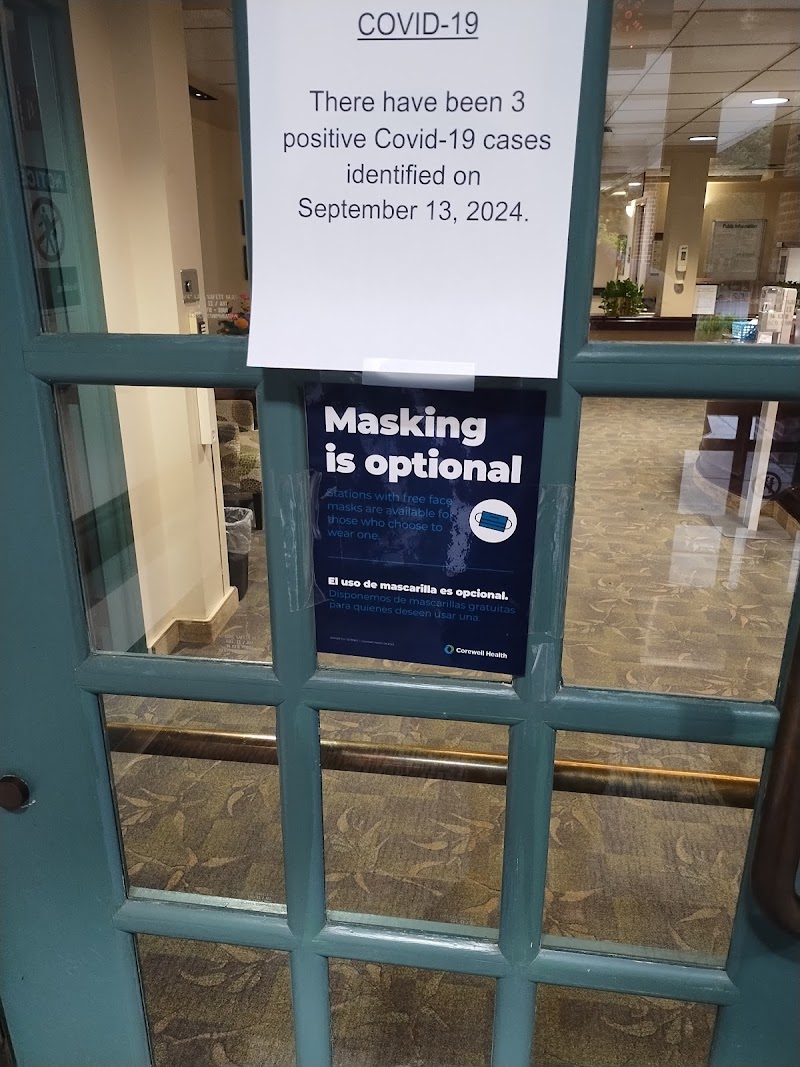
CMS rates Corewell Health Rehab & Nursing Center-Commons Far's staffing level at 4 out of 5 stars, which is above average compared to other nursing homes. Staff turnover is 53%, compared to the Michigan average of 46%.

What Have Inspectors Found at Corewell Health Rehab & Nursing Center-Commons Far?

State health inspectors documented 54 deficiencies at Corewell Health Rehab & Nursing Center-Commons Far during 2022 to 2025. These included: 3 that caused actual resident harm, 50 with potential for harm, and 1 minor or isolated issues. Deficiencies causing actual harm indicate documented cases where residents experienced negative health consequences.

Who Owns and Operates Corewell Health Rehab & Nursing Center-Commons Far?

Corewell Health Rehab & Nursing Center-Commons Far is owned by a non-profit organization. Non-profit facilities reinvest revenue into operations rather than distributing to shareholders. The facility is operated by COREWELL HEALTH, a chain that manages multiple nursing homes. With 179 certified beds and approximately 94 residents (about 53% occupancy), it is a mid-sized facility located in Farmington Hills, Michigan.

How Does Corewell Health Rehab & Nursing Center-Commons Far Compare to Other Michigan Nursing Homes?

Compared to the 100 nursing homes in Michigan, Corewell Health Rehab & Nursing Center-Commons Far's overall rating (3 stars) is below the state average of 3.1, staff turnover (53%) is near the state average of 46%, and health inspection rating (2 stars) is below the national benchmark.

What Should Families Ask When Visiting Corewell Health Rehab & Nursing Center-Commons Far?

Based on this facility's data, families visiting should ask: "Can I visit during a mealtime to observe dining assistance and food quality?" "How do you handle medical emergencies, and what is your hospital transfer rate?" "Can I speak with family members of current residents about their experience?"

Is Corewell Health Rehab & Nursing Center-Commons Far Safe?

Based on CMS inspection data, Corewell Health Rehab & Nursing Center-Commons Far has a clean safety record: no substantiated abuse findings (meaning no confirmed cases of resident harm), no Immediate Jeopardy citations (the most serious violation level indicating risk of serious injury or death), and is not on the Special Focus Facility watch list (a federal program monitoring the lowest-performing 1% of nursing homes). The facility has a 3-star overall rating and ranks #100 of 100 nursing homes in Michigan. While no facility is perfect, families should still ask about staff-to-resident ratios and recent inspection results during their visit.

Do Nurses at Corewell Health Rehab & Nursing Center-Commons Far Stick Around?

Corewell Health Rehab & Nursing Center-Commons Far has a staff turnover rate of 53%, which is 7 percentage points above the Michigan average of 46%. Moderate turnover is common in nursing homes, but families should still ask about staff tenure and how the facility maintains care continuity when employees leave.

Was Corewell Health Rehab & Nursing Center-Commons Far Ever Fined?

Corewell Health Rehab & Nursing Center-Commons Far has been fined $91,971 across 2 penalty actions. This is above the Michigan average of $33,999. Fines in this range indicate compliance issues significant enough for CMS to impose meaningful financial consequences. Common causes include delayed correction of deficiencies, repeat violations, or care failures affecting resident safety. Families should ask facility leadership what changes have been made since these penalties.

Is Corewell Health Rehab & Nursing Center-Commons Far on Any Federal Watch List?

Corewell Health Rehab & Nursing Center-Commons Far is not on any federal watch list. The most significant is the Special Focus Facility (SFF) program, which identifies the bottom 1% of nursing homes nationally based on persistent, serious quality problems. Not being on this list means the facility has avoided the pattern of deficiencies that triggers enhanced federal oversight. This is a positive indicator, though families should still review the facility's inspection history directly.