The Manor of Farmington Hills
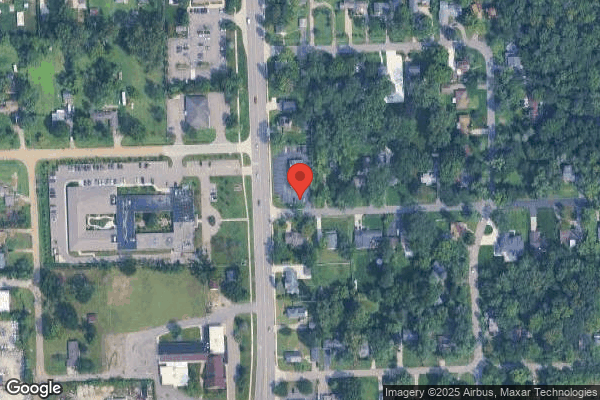

21017 MIDDLEBELT RD, FARMINGTON HILLS, MI 48336 (248) 476-8300
For profit - Individual 127 Beds CIENA HEALTHCARE/LAUREL HEALTH CARE Data: November 2025 1 Immediate Jeopardy citation
Trust Grade
0/100
#414 of 422 in MI
Last Inspection: August 2024

Within standard 12-15 month inspection cycle. Federal law requires annual inspections.

Overview

The Manor of Farmington Hills has received a Trust Grade of F, indicating significant concerns about the quality of care provided, which is the lowest rating possible. It ranks #414 out of 422 facilities in Michigan, placing it in the bottom half of state options, and #38 out of 43 in Oakland County, suggesting very few local alternatives are better. However, the facility shows an improving trend, with issues decreasing from 39 in 2024 to 9 in 2025. Staffing is rated average at 3 out of 5 stars, but the turnover rate is concerning at 57%, higher than the state average of 44%. They have incurred $192,040 in fines, which is higher than 92% of Michigan facilities, indicating ongoing compliance problems. While the nursing home does have some positives, like a decent quality measures rating of 4 out of 5, there are serious weaknesses. Notable incidents include a resident being abandoned at a chemotherapy appointment for five hours, which raises serious neglect concerns, and another resident experiencing a heart attack due to delayed medical response. Additionally, inadequate wound care for residents has been documented, highlighting ongoing issues with patient safety and care quality. Families should carefully weigh these factors when considering this facility.

Trust Score
F
0/100
In Michigan
#414/422
Bottom 2%
Safety Record
High Risk
Review needed
Inspections
Getting Better
39 → 9 violations
Staff Stability
⚠ Watch
57% turnover. Above average. Higher turnover means staff may not know residents' routines.
Penalties
○ Average
$192,040 in fines. Higher than 63% of Michigan facilities. Some compliance issues.
Skilled Nurses
⚠ Watch
Each resident gets only 26 minutes of Registered Nurse (RN) attention daily — below average for Michigan. Fewer RN minutes means fewer trained eyes watching for problems.
Violations
⚠ Watch
78 deficiencies on record. Higher than average. Multiple issues found across inspections.
★☆☆☆☆
1.0
Overall Rating
★★★☆☆
3.0
Staff Levels
★★★★☆
4.0
Care Quality
★☆☆☆☆
1.0
Inspection Score
Stable
2024: 39 issues
2025: 9 issues

The Good

  • 4-Star Quality Measures · Strong clinical quality outcomes
  • Full Sprinkler Coverage · Fire safety systems throughout facility
  • No fines on record

Facility shows strength in quality measures, fire safety.

The Bad

1-Star Overall Rating

Below Michigan average (3.1)

Significant quality concerns identified by CMS

Staff Turnover: 57%

11pts above Michigan avg (46%)

Frequent staff changes - ask about care continuity

Federal Fines: $192,040

Well above median ($33,413)

Significant penalties indicating serious issues

Chain: CIENA HEALTHCARE/LAUREL HEALTH CARE

Part of a multi-facility chain

Ask about local staffing decisions and management

Staff turnover is elevated (57%)

9 points above Michigan average of 48%

The Ugly 78 deficiencies on record

1 life-threatening 11 actual harm
Aug 2025 3 deficiencies 1 Harm
SERIOUS (G) 📢 Someone Reported This

A family member, employee, or ombudsman was alarmed enough to file a formal complaint

Actual Harm - a resident was hurt due to facility failures

Quality of Care (Tag F0684)

A resident was harmed · This affected 1 resident

**NOTE- TERMS IN BRACKETS HAVE BEEN EDITED TO PROTECT CONFIDENTIALITY** This citation pertains to intake #2573641Based on interview and record review the facility failed to timely assess, treat, notif...

Read full inspector narrative →
**NOTE- TERMS IN BRACKETS HAVE BEEN EDITED TO PROTECT CONFIDENTIALITY** This citation pertains to intake #2573641Based on interview and record review the facility failed to timely assess, treat, notify the physician, and facilitate a transfer to the emergency room after an acute change of condition for one resident (R905), of three residents reviewed for change of condition, resulting in a transfer to the emergency room with a diagnosis of a heart attack requiring surgical intervention. Findings include: On [DATE] at 9:45 AM, a phone call was placed to the complainant, and they reported the facility failed to appropriately treat R905 for signs and symptoms of a heart attack. They said R905 requested to go to the hospital when they experienced chest pain, but the facility did not send them in a timely manner. When R905 got to the hospital it was discovered they suffered a massive heart attack requiring surgical intervention. They went on to say R905 was placed in the intensive care unit but was alert and talking to them postoperatively, however; after the surgery R905 suffered cardiac arrest and expired.On [DATE] at 10:05 AM, a review of R905's closed clinical record was conducted and revealed they admitted to the facility on [DATE] with diagnoses that included: heart disease, diabetes, pneumonia, and major depressive disorder. R905's most recent Minimum Data Set assessment indicated they had intact cognition.A review of R902's progress notes was conducted and revealed the following:A note entered into the record by Nurse ‘B' on [DATE] at 2:52 AM that read, Resident with complaint of chest pain. Nitro given x2 with no relief .Tylenol for generalized discomfort around 2100 (9 PM) .MD (medical doctor) called and voice message left. Resident requesting to go to hospital.A note entered into the record by Nurse ‘B' on [DATE] at 3:56 AM that read, NP (nurse practitioner) notified at 0339 (AM). Informed of above. Received order to transfer to ER (emergency room) for evaluation. 911 called at 0346 (3:46 AM).EMS (emergency medical services) arrived at 0355 (3:55 AM) and took over care. Transferred to ER at (Hospital Name) at 0406 (4:06 AM).A review of R905's documented vital signs did not indicate they were obtained at the time R905 complained of chest pain and requested a transfer to the emergency room.A review of R905's physician orders for nitroglycerin (a medication used for the treatment of chest pain) read, Give 1 tablet sublingually (under the tongue) every 5 minutes as needed for Chest Pain X 3 doses. If no relief, call MD). R905's MAR (medication administration record) was reviewed and revealed they only received one dose of the nitroglycerin, however; Nurse ‘B's documentation indicated they administered two.On [DATE] at 8:30 AM a review of a facility provided investigation from the Director of Nursing regarding the incident was conducted and read, .On [DATE] the Resident (R905).with history of coronary artery disease with past Percutaneous Coronary Intervention (a procedure to treat narrowed or blocked coronary arteries), CHF (congestive heart failure), Chronic <sic> kidney disease.was transferred to the hospital related to chest pain. The resident was admitted to the ICU status post STEMI (heart attack) with cardiac catheterization with 100% occlusion of the distal LAD (left anterior descending artery), angioplasty (a procedure to open blocked or occluded arteries) performed.Per hospital records, patient was placed on mechanical ventilation on [DATE] at 12:49 AM. On [DATE], the facility was informed the resident had coded and expired at 0526 am. Upon review of the resident's medical record at (Facility Name), it was noted the assigned nurse failed to: (1) Properly assess an acute change in condition of chest pain by not obtaining vital signs at the time of complaint. (2) Properly administer nitroglycerin.as ordered. (3) Documented 1 PRN (as needed) nitro (nitroglycerin) given on the MAR and documented 2 nitro given in a progress note. Order was for 3 nitro to be given 5 minutes apart, notify physician of ineffective after 3 doses. (4) Notify Physician in a timely manner, first dose of Nitro given at 0242 am, NP (Nurse Practitioner) documented as notified at 0339 am on [DATE]. (5) Transfer the resident to acute care setting immediately per resident request when administered nitroglycerin ineffective to relive chest pain.Nurse call 911 at 0346 am per her documentation.An interview was conducted with the Director of Nursing (DON) on [DATE] at 9:10 AM and they were asked how they identified the concern to prompt their investigation. They said they routinely reviewed resident transfers to the hospital to see if anything different could have been done and they identified concerns regarding R905's documented complaints of chest pain and Nurse ‘B's response. The DON went on to say that if the nitroglycerin had been administered properly per the physician's order (three doses, five minutes apart) and the chest pain had not resolved, the physician should have been notified and R905 should have been sent to the emergency room sooner based on timing.During the onsite survey, past noncompliance (PNC) was cited after the facility implemented actions to correct the noncompliance which included: (1) Suspension of Nurse ‘B' with consultation with Human resources for further recommendations, (2) Identification of residents affected and residents with the potential to be affected, (3) Chart reviews for acute changes of condition and adherence to physician's orders, (4) Re-education for all nurses on medical emergency management, significant change of condition, notification of change, medication administration and documentation expectations, (5) Review of 24 and 72 hour reports, and (6) Audits conducted to monitor the corrective actions. The facility was able to demonstrate monitoring of the corrective action and maintained compliance.
CONCERN (D) 📢 Someone Reported This

A family member, employee, or ombudsman was alarmed enough to file a formal complaint

Potential for Harm - no one hurt, but risky conditions existed

Deficiency F0635 (Tag F0635)

Could have caused harm · This affected 1 resident

**NOTE- TERMS IN BRACKETS HAVE BEEN EDITED TO PROTECT CONFIDENTIALITY** This citation pertains to intake #2573641 and #1249526Based on interview and record review, the facility failed to ensure timely...

Read full inspector narrative →
**NOTE- TERMS IN BRACKETS HAVE BEEN EDITED TO PROTECT CONFIDENTIALITY** This citation pertains to intake #2573641 and #1249526Based on interview and record review, the facility failed to ensure timely admission orders and assessments were completed for two residents (R#'s 902 and 905), of three residents reviewed for admissions, resulting in complaints of missed medications. Findings include: R902 On 8/5/25 a concern submitted to the State Agency for reviewed alleged R905 was not provided their medications and was not properly assessed when the day they were admitted to the facility. On 8/5/25 the medical record for R902 was reviewed and reveled the following: R902 was initially admitted to the facility on [DATE], discharged on 6/14/25 and had diagnoses including Type 2 Diabetes and Congestive heart failure. A review of R902’s census data revealed R902 was admitted to the facility on [DATE] and discharged home on 6/14/25. A review of R902’s Hospital After Visit Summary (Discharge Orders) were reviewed and revealed the following medication administration orders: BD Pen Needle Nano U/F-One each six times daily, Duloxetine 30mg (milligrams) delayed release capsule (AM), Furosemide 40 mg tablet (AM), Ibprofen 800mg tablet-TID (three times daily), Lantus SoloStar 100 unit/ml pen-injector-Inject 26 units under the skin nightly (HS), Linaclotide 145 mcg (micrograms) capsule-take one capsule by mouth daily, macitentan 10mg tabs-take one tablet by mouth once daily, Pregabalin 150 mg capsule-take one capsule by mouth two times daily (BID), Sildenafil 20 mg tablet-Take one tablet by mouth TID, carvedilol 6.25 mg tablet-take one tablet by mouth BID, metformin 500 mg tablet-take two tablets by mouth twice daily before breakfast and dinner, Omeprazole 40mg delayed-release capsule-take one capsule by mouth once daily before breakfast, rosuvastatin 20 mg tablet-take one tablet by mouth once every night (HS). A review of R902's Physican Order Summary revealed the following medications that were transcribed for administration: DULoxetine HCl Oral Capsule Delayed ReleaseSprinkle 30 MG (Duloxetine HCl) Give 1 capsule by mouth one time a day for depression and Furosemide Oral Tablet 40 MG (Furosemide) Give 1 tablet by mouth one time a day for fluid retention A review of R902's July 2025 medication administration record revealed R902 was not administered any medications while they were at the facility. A review of R902's admission Nursing Assessments revealed R902 was never assessed by the Nurse during their admission to the facility. On 8/5/25 at approximately 3:57 p.m., during a conversation with the Director of Nursing (DON), the DON was queried why R902 did not have a Nursing assessment or the medications from the hospital transcribed timely/accurately into their record upon admission and they indicated they did not know but that it was their expectation that Nursing staff complete an initial assessment shortly after residents are admitted to the facility along with transcribing their medication list from the hospital so they can get their medications administered appropriately. R905 A complaint received by the State Agency alleged the resident did not get evening medications when they admitted to the facility on [DATE]. On 8/5/25 at 10:05 AM, a review of R905's closed clinical record was conducted and revealed they admitted to the facility on [DATE] at 6:09 PM per the census data entered into the record by Nurse 'A'. R905's diagnoses included: pneumonia, diabetes, heart disease and high blood pressure and their most recent Minimum Data Set assessment indicated they had intact cognition. A review of R905's hospital discharge medications dated 7/15/25, facility physician's orders, and medication administration records was conducted and revealed the following: An order for atorvastatin (cholesterol medication) with instructions to give the medication at night-time (per hospital discharge instructions) with the last dose given 7/14/25 in the hospital, ordered at the facility on 7/15/25 to begin on 7/16/25 at 9 PM. An order for Lantus (long acting insulin) 14 units with instructions to give the medication nightly (per hospital discharge instructions) with the last dose given on 7/14/25 in the hospital, ordered at the facility on 7/15/25 to begin on 7/16/25 at 9 PM. On 8/5/25 at 3:57 PM, an interview was conducted with the facility's Director of Nursing regarding admission orders. They said they did not know exactly why the orders were put in on 7/15/25 with start dates to begin on 7/16/25 and explained when the orders were put in the computer system it may have generated the start dates for the next day. They further went on to say given R905 admitted to the facility at 6:09 PM, they should have received their scheduled night-time medications on 7/15/25 despite the computer generated start dates.
CONCERN (D) 📢 Someone Reported This

A family member, employee, or ombudsman was alarmed enough to file a formal complaint

Potential for Harm - no one hurt, but risky conditions existed

Deficiency F0919 (Tag F0919)

Could have caused harm · This affected 1 resident

**NOTE- TERMS IN BRACKETS HAVE BEEN EDITED TO PROTECT CONFIDENTIALITY** This citation pertains to intake #1249414Based on observation, interview and record review, the facility failed to ensure a call...

Read full inspector narrative →
**NOTE- TERMS IN BRACKETS HAVE BEEN EDITED TO PROTECT CONFIDENTIALITY** This citation pertains to intake #1249414Based on observation, interview and record review, the facility failed to ensure a call system was operational for one resident (R901) of three residents reviewed for call systems. Findings include:On 8/5/25 a concern submitted to the State Agency was reviewed which alleged R901's call light (a system used to notify staff of the need for assistance) was not being answered. On 8/5/25 the medical record for R901 was reviewed and reveled the following: R901 was initially admitted to the facility on [DATE] and least readmitted on [DATE] and had diagnoses including Dysphagia, End stage renal disease and Congestive heart failure. A review of R901's MDS (minimum data set) with an ARD (assessment reference date) of 6/18/25 revealed R901 needed assistance from facility staff with most of their activities of daily living. R901's BIMS score (brief interview of mental status) was 15 indicating intact cognition. On 8/5/25 at approximately 11:24 a.m., R901 was observed in their room, laying up in their bed. R901 was queried regarding their call light being answered timely if they needed assistance and they reported that nobody ever answers them on time and sometimes had to wait hours or it is never answered. At that time, R901 turned on their call light for staff to refill their water cup with cold water. On 8/5/25 at approximately 12:16 p.m., R901's call light was observed to still be on with no staff having entered the room to see what R901 was requesting assistance with for the previous 45 minutes. A check to see if R901's call was functioning properly was conducted which revealed the indicator light over R901's doorway was not on. CNA C (Certified Nursing Assistant C) was queried regarding the reason nobody had assisted R901 with their request for assistance and they indicated that the call light button was working but that the light was out, so nobody knew that R901 needed help. CNA C reported that R901's call light had been broken all weekend, and nobody was available to fix it. CNA C was queried regarding the process for having Maintenace fix equipment on the weekend and they reported they weren't aware of any because there were not any maintenance personnel that work on weekends. On 8/5/25 at approximately 3:01 p.m., the Maintenance Director (MD) was queried regarding the call lights not functioning for rooms 116, 118 and 120 and they reported that the batteries on the call light system were out of energy and needed to be replaced. The MD was queried when the maintenance department had become aware of the malfunctioning call light system, and they reported that it had been that morning around 11:00AM. the MD was queried regarding maintenance being available on the weekend to fix broken essential equipment and they reported that they are on call but that nobody had called them regarding the issue. The MD indicated that had they been made aware of the issue then they could have replaced the batteries and fixed the system. The MD indicated the process is for staff to call them if they need something and nobody had notified them of the concern until that morning (8/5/25). On 8/6/25 a facility document titled Call Lights was reviewed and revealed the following: Policy-Call lights will be placed within the resident's reach and answered in a timely manner. Procedure: 1. New residents will be informed about the location of the call light at the bedside and in the bathroom/shower room. 2. Demonstrate how the call light works, 3. When a resident is in bed or confined to a chair ensure the call light is within easy reach of the resident. 4. Notify maintenance if a call light is not working .
Jun 2025 1 deficiency
CONCERN (D) 📢 Someone Reported This

A family member, employee, or ombudsman was alarmed enough to file a formal complaint

Potential for Harm - no one hurt, but risky conditions existed

Deficiency F0583 (Tag F0583)

Could have caused harm · This affected 1 resident

**NOTE- TERMS IN BRACKETS HAVE BEEN EDITED TO PROTECT CONFIDENTIALITY** This citation pertains to Intake MI00153376 Based on observation, interview and record review the facility failed to protect Pro...

Read full inspector narrative →
**NOTE- TERMS IN BRACKETS HAVE BEEN EDITED TO PROTECT CONFIDENTIALITY** This citation pertains to Intake MI00153376 Based on observation, interview and record review the facility failed to protect Protected Health Information (PHI) for all residents residing on the 300 Hall on May 24, 2025, resulting in the potential for unauthorized disclosure without consent of resident protected health information. Findings include: On 5/28/25, an anonymous complaint was filed with the State Agency alleging residents' health information was not kept private as a staff member identified as Licensed Practical Nurse (LPN) D had their daughter present on 5/24/25 while preparing medications, administering medications, and taking care of residents. On 6/18/25, a record review of the facility's schedule and room assignment from 5/24/25 was reviewed. Per the Nursing Home Administrator (NHA) the 300 Unit is a short stay rehabilitation unit and LPN D was assigned to Cart 5 which assigned them to rooms 301-318. The 300 Unit resident census from 5/24/25 was compared to the 300 Unit census from 6/18/25 and no Residents were identified as still residing at the facility. On 6/18/25 at 11:48 AM, an interview with Certified Nurse assistant (CNA) C who was the assigned CNA on the 300 Unit on 5/24/25 and confirmed they were introduced to LPN D's daughter and witnessed her escorting LPN D into room [ROOM NUMBER] to administer medications. On 6/18/25 at 11:36 AM, a telephone interview with LPN E was conducted, who was assigned to Cart 5 (rooms 319-339) and confirmed they were introduced to LPN D's daughter, was told they wanted to be a Nurse, and was observed following LPN D around the Unit that evening. LPN E commented they overheard being told by LPN F they cannot have their daughter there. On 6/18/25 at 12:42 PM, LPN D arrived in the facility and inquired about the investigation being conducted. LPN D confirmed on May 24, 2025, at the end of their shift (around 6:30 PM), their [AGE] year-old daughter who wants to be a Nurse, was present while they took care of their assigned residents. LPN D acknowledged they took their daughter into a female resident's room (room [ROOM NUMBER] or 319) and inquired if they would permit her daughter to observe their blood pressure being taken. LPN D confirmed there was a male resident in the hallway, and they allowed their daughter to observe medication preparation and administration. LPN D stated another nurse named LPN F was introduced to their daughter, mentioned she (my daughter) watched me pass a medication to a resident and was told I shouldn't be doing that because it could be against HIPAA (Health Insurance Portability and Accountability Act, establishes standards for privacy and security of health information). When questioned if it was appropriate and professional for them to have their daughter present while they provided resident care, LPN D admitted it was not appropriate, it was a violation of HIPPA and apologized. On 6/18/25, a request of video footage from 5/24/25 from 5-7:30 PM was reviewed with The Director of Nursing (DON) and Nursing Home Administrator (NHA) and revealed the following: 5/24/25 at 6:39 PM, LPN D and daughter were observed standing together at the medication cart while medications were prepared. 5/24/25 at 6:42 PM, LPN D and daughter observed walking away from the medication cart and the daughter was observed standing next to LPN D as they (LPN D) administered medications to a male resident sitting in a wheelchair in the hallway. 5/24/25 at 6:45, LPN D and daughter were observed walking back then standing at the medication cart. 5/24/25 at 6:57 PM, LPN D was observed with daughter returning to the Nurse's station where the daughter was observed following LPN D behind the desk. The daughter was observed standing behind the desk, retrieved their cell phone, and holding their cell phone. The NHA acknowledged LPN D having their daughter present and observing resident care was not appropriate and had the potential to be a violation of HIPAA.
May 2025 1 deficiency 1 Harm
SERIOUS (G) 📢 Someone Reported This

A family member, employee, or ombudsman was alarmed enough to file a formal complaint

Actual Harm - a resident was hurt due to facility failures

Quality of Care (Tag F0684)

A resident was harmed · This affected 1 resident

**NOTE- TERMS IN BRACKETS HAVE BEEN EDITED TO PROTECT CONFIDENTIALITY** This citation pertains to intake# MI00152482 Based on observation, interview and record review, the facility failed to prevent n...

Read full inspector narrative →
**NOTE- TERMS IN BRACKETS HAVE BEEN EDITED TO PROTECT CONFIDENTIALITY** This citation pertains to intake# MI00152482 Based on observation, interview and record review, the facility failed to prevent new wounds from developing, provide wound care and complete/accurately document new skin impairments for two residents (R302 and R303) of three residents reviewed for wounds, resulting in R303's wound care not being completed per Physician's orders and R302's wounds including their right lateral hip, right heel, right toe, right lateral ankle and right lateral foot not being identified and treated in a timely manner. Findings include: On 5/15/25 a concern submitted to the State Agency was reviewed which alleged R302's wounds were not appropriately cared for and nobody knew about them. On 5/15/25 the medical record for R302 was reviewed and revealed the following: R302 was initially admitted to the facility on [DATE], discharged on 4/30/25 and had diagnoses including Peripheral Vascular Disease, Dementia and Protein-Calories Malnutrition. A review of R302's MDS (minimum data set) with an ARD (assessment reference date) of 4/10/25 revealed R302 needed assistance with facility staff. R302's cognition was documented as severely impaired. A review of R302's comprehensive plan of care revealed the following: Focus-[R302] is at risk for impaired skin integrity/pressure injury R/T (related to): weakness, incontinence, malnutrition,fragile skin. Date Initiated: 06/05/2023 .Interventions: Conduct weekly head to toe skin assessments, document and report abnormal findings to the physician. Date Initiated: 06/05/2023 .Observe skin with showers/care. Notify nurse immediately of any new areas of skin breakdown: Redness, Blisters, Bruises, discoloration noted during bath or daily care. Date Initiated: 06/13/2023 . A review of R302 weekly skin assessment titled Total Body Skin Assessment dated 3/15/25 revealed R302 had no newly identified skin impairments. A review of R302's weekly skin assessment dated [DATE] revealed a struck out assessment that was entered in error. No further weekly Nursing skin assessments were noted in the record until 3/28/25. A review of R302's shower documentation for 3/26/25 indicated they had no skin impairments. A review of R302's weekly skin assessment dated [DATE] documented R302 had one newly identified skin impairment. A skin/wound progress note completed by the facility wound care coordinator dated 3/28/25 revealed the following: Skin/Wound Progress Note-Residents daughter came in to facility to speak with writer and view resident. Writer went in with daughter to complete and <sic> assessment, right foot dorsal/lateral/heel observed blackened, left outer ankle observed with non blanchable redness, right buttock observed with discolored edges and peeling skin, b/l (bilateral) hips are intact with preventative dressings in place A review of R302's shower documentation for 3/29/25 documented R302 had no skin impairments. A wound evaluation/assessment completed by the wound care medical provider on 4/3/25 revealed the following: Wound #1 Right, Lateral Hip is an acute Unstageable Pressure Injury Obscured full-thickness skin and tissue loss Pressure Ulcer and has received a status of Not Healed. Initial wound encounter measurements are 5cm (centimeters) length x 3cm width x 0.1 cm depth, with an area of 15 sq cm (square centimeters) and a volume of 1.5 cubic cm There is a Moderate amount of serosanguineous drainage noted which has no odor. The patient reports a wound pain of level 0/10. The wound margin is undefined Wound bed has no, granulation, 100% slough; . Wound #2 Right Heel is an acute Partial Thickness Vasculitic Ulcer and has received a status of Not Healed. Initial wound encounter measurements are 5.3cm length x 2.3cm width with no measurable depth, with an area of 12.19 sq cm Wound #5 Right All toes is an acute Eschar covered Vasculitic Ulcer acquired on 04/01/2025 and has received a status of Not Healed. Initial wound encounter measurements are 4.2cm length x 1. lcm width with no measurable depth, with an area of 4.62 sq cm The wound margin is undefined Wound bed has no, granulation, 100% eschar; . Wound #6 Right, Lateral Ankle is an acute Eschar covered Vasculitic Ulcer and has received a status of Not Healed. Initial wound encounter measurements are 6cm length x 5cm width with no measurable depth* with an area of 30 sq cm The wound margin is attached to wound base Wound bed has no, granulation, 100% eschar; . Wound #7 Right, Lateral Foot is an acute Eschar covered Vasculitic Ulcer and has received a status of Not Healed. Initial wound encounter measurements are 17cm length x 3.4cm width with no measurable depth, with an area of 57.8 sq cm The wound margin is attached to wound base Wound bed has no, granulation, 100% eschar; . A review of R302's weekly skin assessment dated [DATE] revealed R302 had no newly identified skin impairments. A review of R302's Physician orders revealed no treatment orders to treat any of R302's identified wounds previous to 3/28/25. A review of R302's treatment administration record (TAR) for March 2025 revealed no treatments were documented as being completed for R302's wounds until 3/29/25. On 5/16/25 at approximately 10:30 a.m., the DON (Director of Nursing) and Wound Care Nurse A (WCN A) were queried regarding R302's wounds all being initially identified on 3/28/25 with no documentation or treatments having been initiated prior and WCN A reported R302's wounds should have been identified earlier when they first started to develop. WCN A reported the facility has had problems with completing skin assessments on time and accurately. WCN A indicated that they should have been notified of the wounds so treatments could have been initiated and accurate documentation could have been completed and a wound consult been ordered for an evaluation by the medical Wound Care Provider. WCN A reported that in April they identified an issue with reporting changes of condition to management and were working to correct the deficiency. R303 On 5/15/25 at 10:57 AM, R303 was observed lying on their back in bed. A brief interview was conducted with the resident. Review of a complaint submitted to the State Agency (SA) documented concerns regarding the facility's care for R303 pressure wounds. Review of the medical record revealed R303 was admitted to the facility on [DATE], with diagnoses that included: Multiple sclerosis and was dependent on staff assistance for all ADLs (Activities of Daily Living). A review of the Skin & Wound Evaluation(s) revealed the resident had a Stage 4 pressure (Full-thickness skin and tissue loss with exposed or directly palpable fascia, muscle, tendon, ligament, cartilage or bone in the ulcer) wounds to the Sacrum and Left Gluteal Fold and a Stage 3 (Full-thickness loss of skin, in which subcutaneous fat may be visible in the ulcer and granulation tissue and rolled edges are often present) pressure wounds to the Right Gluteal Fold and Left Gluteus Lateral. Review of the Medication and Treatment Administration Records (MAR/TAR) revealed the following: March 2025- 13 omitted treatments. April 2025- 11 omitted treatments. May 2025 (as of 5/15/25)- three omitted treatments. A review of a facility policy titled Skin Management revised 8/14/2024, documented in part . Resident with wounds and/or pressure injury and those at risk for skin compromise are identified, evaluated and provided appropriate treatment to promote prevention and healing . On 5/16/25 at 10:27 AM, the Wound Nurse (WN) A and Director of Nursing (DON) were both interviewed. WN A was asked if they were the responsible staff for the wound care treatments in the facility and WN A replied they initially were responsible for all stage 3 and 4 wounds, however had most recently been responsible for all wounds with the exception of skin tears and preventative creams. WN A was asked if they were ever pulled to work the units as a floor nurse and WN A stated they were. WN A stated on the days they are pulled to work the floor, the assigned nurses to the resident with wounds are responsible for doing the wound treatment. WN A was asked if they noticed that some floor nurses were not completing the wound treatment whenever they (WN A) were unable to do them and WN A stated they had noticed that lately the nurses have not been doing the wound treatments when they were supposed to. WN A and the DON was then asked about the identified omitted treatments for March, April & May 2025 for R303. WN A stated they noticed the treatments becoming a problem lately and started putting the residents with wound treatments due on the home screen for all nurses to review and on the facility's communication board. The DON explained that the facility had recently terminated nurses they were having care issues with. No further explanation or documentation was provided by the end of the survey.
Mar 2025 1 deficiency
CONCERN (D) 📢 Someone Reported This

A family member, employee, or ombudsman was alarmed enough to file a formal complaint

Potential for Harm - no one hurt, but risky conditions existed

Accident Prevention (Tag F0689)

Could have caused harm · This affected 1 resident

**NOTE- TERMS IN BRACKETS HAVE BEEN EDITED TO PROTECT CONFIDENTIALITY** This citation pertains to Intake# MI00150024 Based on observation, interview and record review the facility failed to ensure a r...

Read full inspector narrative →
**NOTE- TERMS IN BRACKETS HAVE BEEN EDITED TO PROTECT CONFIDENTIALITY** This citation pertains to Intake# MI00150024 Based on observation, interview and record review the facility failed to ensure a resident was turned properly per their needs to prevent accidents and ensure they were fully assessed following the accident for one (R702) of three residents reviewed for falls/accidents. Findings include: A complaint was filed with the State Agency (SA) that alleged the staff was turning R702 and they hit their head against the wall. On 3/4/25 at approximately 10:03 AM, R702 was observed lying in bed. The resident was alert and able to answer questions asked. When asked about the incident that occurred on or about 1/28/25, R702 reported that one Certified Nursing Assistant (CNA) pushed them against the wall when they were changing them and they hit their head. R702 further reported that the CNA pushed again and they hit their head a second time. The resident noted that they did not believe the CNA intended to hurt them, it was just that they should have used a second person to help. R702 could not recall the name of the CNA but was able to describe what they looked like and noted that the CNA is not allowed to care for them anymore. Further, R702 stated going forward they will make sure that they hold onto a large stuffed animal to ensure they protect their head. A review of the Incident/Accident (IA) report provided by the facility documented, in part, the following: .Investigation Summary .On 1/28/25 the administrator was made aware of an incident with respect to R702. Resident alleges staff member assigned hit her head on the wall .The administrator interviewed R702 .resident stated while have <care> provided, the staff member upon turning her hit her head against the wall on purpose .when asked if she <inform> the staff member that she hit her head against the wall the resident replied yes The Administrator interviewed the assigned staff member regarding this alleged incident. Per the staff member, she stated she had provided care to the resident without injury noted. Upon providing care to her roommate, she could hear R702 saying my head hurts. She said, I think you hit my head when you turned me over .Investigation Conclusion: .After completion of this investigation, the facility was able to determine the resident complained of a headache .the resident has a lot of items on her bed .bed is against the wall and turning the resident was evident of the potential for the staff member to have hit her head unintentional .One to One Inservice Record: Staff Name (CNA H) .Topic of Discussion . Providing care related to the POC (plan of care) .Employee will be able to follow the plan of care to provide care without injury . A review of R702's clinical record revealed the resident was initially admitted to the facility on [DATE] with diagnoses that included: limitation of activities due to disability, weakness, and acquired absence of left leg below knee. A review of the residents most recent Minimum Data Set (MDS) revealed the resident had Brief Interview for Mental Status (BIMS) score of 13/15 (intact cognition). Continued review of R702's clinical record revealed the following: Care Plan: Focus: R702 has a functional ability deficit and requires assistance with self-care and mobility (4/13/23) Intervention:Bed Mobility: Resident requires total assistance <of> times two people to reposition and turn in bed (4/17/23) .Transfer: Resident requires Hoyer lift assistance with transfers with two person assist to operate the Hoyer lift . eMar(electronic medication administration record)Medication (1/28/25): Res c/o (complains of) headache. Social Services Note (1/28/25): SW (social worker) met with R702 today to follow-up on care concern that she reported to the nurse yesterday. [R702] informed SW what transpired last night with her CNA .SW asked [R702] if she felt safe at the facility. [R702] stated, I don't know whether I do or not . *Attempts were made to locate additional notes and assessments pertaining to the accident that occurred on 1/28/25 and possible 1/27/25 as the SW notes refers to concerns on 1/27/25. None were noted in the electronic clinical record. On 3/4/25 at approximately 2:11 PM, a phone interview was conducted with CNA H. CNA H reported that they are a part-time worker at the facility and usually work every other weekend. CNA H was queried as to the incident involving R702. CNA H reported that they turned the resident on their side during care and they then went over to assist R702's roommate with care and heard R702 complaining that their head hurt as they were turned into the wall. CNA H noted that they told Nurse I. When asked if R702 was a one person or two-person assist, CNA H noted they were a one person assist. When asked how they determined residents, including R702's, bed mobility and transfer status, they noted that they just go based on resident observation. CNA H was asked about the in-service they received and noted that they could not recall specifically, but stated it had something to do with turning and repositioning. On 3/4/25 at approximately 2:13 PM, an attempt was made to contact Nurse I via the phone. A voice message was left. No return call was received prior to the end of the Survey. On 3/5/25 at approximately 8:33 AM, an interview and record review were conduced with the Administrator and the Director of Nursing (DON) regarding R702. Both the Administrator and DON were asked as to the R702's transfer and bed mobility status. The Administrator noted that they investigated the incident involving the resident hitting their head to ensure the resident was not abused but did not fully address their bed mobility/transfer status/assessments. When asked as to the facility protocol regarding an assessment for a resident who hits their head, the Administrator/DON reported that neurological assessments should be completed and placed in the resident's record. With respect to R702 the Administrator noted the nurse did give the resident Tylenol for pain. However, they noted that no assessment documents were in R702's record. A partially completed paper document noting some neurochecks were provided at the end of the Survey. A review of the facility policy titled, documented, in part: .A neurological assessment is an indispensable tool for evaluating a resident's neurologic status .A focused neurologic assessment is necessary after a fall if the resident may have sustained a head injury .
Jan 2025 3 deficiencies
CONCERN (D) 📢 Someone Reported This

A family member, employee, or ombudsman was alarmed enough to file a formal complaint

Potential for Harm - no one hurt, but risky conditions existed

Pressure Ulcer Prevention (Tag F0686)

Could have caused harm · This affected 1 resident

**NOTE- TERMS IN BRACKETS HAVE BEEN EDITED TO PROTECT CONFIDENTIALITY** R902 Review of a complaint submitted to the State Agency (SA) documented concerns of the facility's failure to provide adequate ...

Read full inspector narrative →
**NOTE- TERMS IN BRACKETS HAVE BEEN EDITED TO PROTECT CONFIDENTIALITY** R902 Review of a complaint submitted to the State Agency (SA) documented concerns of the facility's failure to provide adequate and appropriate care to prevent a pressure wound for R902. A review of the medical record revealed R902 was readmitted to the facility on [DATE] with diagnoses that included: end stage renal disease and dependence on renal dialysis. On 1/14/25 at 10:55 AM, R902 was observed sitting up in bed eating breakfast. A brief interview was conducted with R902 at that time. At 11:17 AM, an observation of R902's buttocks was conducted with the assistance of Unit Nurse Manager (UNM) A. A pink wound dressing, no date noted was observed on the right side of R902's buttocks. On the left side was an identified open area with maceration. There was no treatment applied to the left buttocks. UNM A confirmed the left side opening and stated treatment should be applied to that area. Shortly after, an observation of the facility's treatment cart was conducted and the wound dressing observed on R902 was identified as an Allevyn dressing. A review of the medical record revealed no documentation of the identification of the left buttock skin impairment and no treatment implemented for the left buttock. A review of a Skin & Wound assessment completed 1/13/25 documented no new skin impairments identified for R902. Review of R902's January 2025 Medication Administration Record (MAR) and Treatment Administration Record (TAR) documented the following order: Cleanse with Normal Saline, pat dry, apply Triad Hydrophillic Wound Dressing every shift also apply Allevyn Gentle Border dressing Q3 (every three) days and PRN (as needed) for Skin Abrasion to right upper buttocks every shift for Skin Abrasion Cleanse with NS (Normal Saline) pat dry, apply Triad Hydrophillic Wound Dressing. Start Date 1/4/25. This order was signed as completed twice a day. A second order documented: Cleanse with Normal Saline, pat dry, apply Triad Hydrophillic Wound Dressing every shift also apply Allevyn Gentle Border dressing Q3 days and PRN for Skin Abrasion to right upper buttocks every 72 hours for Skin Abrasion Cleanse with NS pat dry apply Allevyn Dry Dressing. Start Date 1/4/25. This order was signed as completed every three days. Both orders were for the same area, the right upper buttocks. A review of the medical record revealed no documentation of the identification of the duplicate orders or clarification on the correct treatment that should have been implemented for the right buttocks. On 1/14/25 at 12:44 PM, an interview was conducted with the Wound Care Nurse (WCN) B. WCN B was asked if they were informed of the skin impairment to R902's left buttocks and WCN B replied they were not. WCN B stated the staff should notify them of any skin issues identified on the residents. WCN B was asked about the two duplicate treatment orders for the right buttock area that was being applied by staff twice a day and every three days and asked to clarify what the order should be. WCN B stated they were unaware of the two implemented treatment orders but would look into it and follow back up. At 1:38 PM, WCN B returned and stated R902 was assessed and excoriation was identified on the left buttock and staff was in the process of notifying the physician for treatment orders. WCN B stated R902 orders were reviewed and is now fixed to reflect the correct order. At 1:48 PM, the Director of Nursing (DON) was interviewed and asked about R902's skin observation, the unidentified skin impairment to the left buttocks and the two treatments implemented for the right buttocks, without the error to have been identified by the staff and clarified. The DON replied that all breaks in the residents' skin should be reported to the physician and have treatment in place. The DON stated the treatment dressing that was observed on the right buttock should have been dated by the staff. The DON confirmed R902's treatment orders had been reviewed and should have been identified and clarified with the physician to reflect the correct treatment order. No further explanation or documentation was provided by the end of the survey. This citation pertains to intakes #'s MI00149299 and MI00149193. Based on observation, interview and record review the facility failed to implement effective interventions including accurate wound treatments and completing accurate assessments for two residents with pressure injuries (R901 and R902) of two residents reviewed for Pressure Ulcers. R901 On 1/14/25 a concern submitted to the Stage Agency was reviewed which alleged R901's skin had broken down while at the facility. On 1/14/25 the medical record for R901 was reviewed and revealed the following: R901 was initially admitted on [DATE] and had diagnoses including Diseases of biliary tract and Limitations of activities due to disability. A review of R901's MDS (minimum data set) with an ARD (assessment reference date) of 12/27/24 revealed R901 needed assistance from staff with most of their activities of daily living. R901's BIMS score (brief interview for mental status) was 15 indicating intact cognition. A facility form titled Nursing Comprehensive Evaluation dated 12/20/24 revealed the following: Section K Skin: 16. left antecubital-The fold has rashes and it pink. 14. Abdomen-Stitches from surgery in 3 places. 21. Right iliac crest (rear)-Scrabe <sic> (scrape). A progress note dated 12/20/24 revealed the following: she has scrabe at the back and sacrum on the left armfold she has rashes, at the abdomen there is stitches in three places from her surgery . A Braden Scale for Predicting Pressure Sore Risk dated 12/22/24 revealed R901 had a score of 14 indicating moderate risk of skin break down. A Skin/Wound progress note dated 12/24/24 revealed the following: Resident ADM (admitted ) 12/20/24. Resident wears reading glasses, lives alone in home, sits up to sleep in a chair at home, is incontinent of bowel and bladder. Resident required writer and additional two staff to assist with repositioning and turning, resident is unable to lift or move legs. Skin alterations noted are as follows: B/L (bilateral) arm bruising, redness in b/l folds to arms, abdomen, breast, and legs, 4 small surgical incisions with surgical tape in place, redness with no drainage or warmth observed, healed incision to right lateral foot,b/l foot/heels blanchable redness, b/l Lelymphedema, open abrasion to sacrum. Area cleaned and dressed A Skin and Wound Evaluation dated 12/24/24 revealed the following: Describe: 15. Pressure .Stage: Stage 3-Full thickness skin loss. Location: Sacrum. Acquired: Present on admission .Wound Measurements: Area-2.7 CM2 (centimeters squared). Length-3.0 CM. Width-1.3 CM .2a. % Granulation-100% of wound filled .Exudate: 1. Amount-3. Moderate. Type: 2. Type-4. Serosanguineous .Orders: 1. Goal of Care-2. Slow to Heal: wound healing is slow or stalled but stable, little/no deterioration . Further review of the medical record revealed no treatment orders for R901's sacrum wound were implemented until 12/24/24 which revealed the following: Clean sacrum abrasion with NS, pat dry, apply triad foam, 4x4 gauze, foam border/ABD (abdominal) pad and secure with tape every day shift every Tue, Thu, Sat for wound care. A review of R901's treatment administration record (TAR) and medication administration record (MAR) for December 2024 revealed no treatments were documented as completed on R901's sacrum until 12/26/24. On 1/14/25 at approximately 12:45 pm., Wound Care Nurse B (WCN B) was interviewed regarding R901's pressure ulcer. WCN B reported that R901 admitted with the pressure ulcer and when they assessed it, it was a Stage 3 sacrum wound. WCN B was queried why no treatment orders were implemented for the wound upon admitting to the facility and they reported that the admitting Nurse should have had a treatment ordered for it but that they were working on educating the Nursing staff on obtaining wound treatments upon admission and not having to wait until WCN B had assessed them. WCN B reported that a treatment should have been ordered and completed after R901 had been assessed by the admitting Nurse on the day they arrived. On 1/14/25 at approximately 1:50 p.m., during a conversation with the Director of Nursing (DON), the DON as asked what the process was for ensuring wound dressing are ordered and they reported that the Nurse doing the admission assessment should be contacting the Doctor and implementing a treatment order to treat the wound until they are assessed by the wound care team.
CONCERN (D) 📢 Someone Reported This

A family member, employee, or ombudsman was alarmed enough to file a formal complaint

Potential for Harm - no one hurt, but risky conditions existed

Deficiency F0692 (Tag F0692)

Could have caused harm · This affected 1 resident

**NOTE- TERMS IN BRACKETS HAVE BEEN EDITED TO PROTECT CONFIDENTIALITY** This citation pertains to intake: MI00149193. Based on observation, interview and record review the facility failed to accuratel...

Read full inspector narrative →
**NOTE- TERMS IN BRACKETS HAVE BEEN EDITED TO PROTECT CONFIDENTIALITY** This citation pertains to intake: MI00149193. Based on observation, interview and record review the facility failed to accurately obtain and monitor weights for one (R902) of one resident reviewed for weight loss. Findings include: During an interview conducted with the complainant on 1/14/25 at 9:50 AM, the complainant verbalized concerns of weight loss and the facility staff not providing assistance for meals for R902. A review of the medical record revealed R902 was readmitted to the facility on [DATE] with diagnoses that included: end stage renal disease and dependence on renal dialysis. On 1/14/25 at 10:55 AM, R902 was observed sitting up in bed eating eggs with their fingers. A white towel covered the front of their chest area, with eggs observed all over the towel. R902's tray consisted of ham, eggs, toast and oatmeal. There was no staff observed in the room. When asked if staff offered to help them with their meal, R902 stated they had but they declined their offer. A review of a Weight Summary for R902 documented the following: 11/7/24 - 126 lbs. (pounds) 10/4/24 - 162.1 lbs. 9/27/24 - 160.3 lbs. A review of the dialysis communication forms for R902 revealed the following weights: 9/30/24 - 127.2 lbs. 10/2/24 - 129.4 lbs. This revealed a big discrepancy when compared to the weights obtained by the facility staff. Record review revealed R902 had amputations completed of the right and left legs in July and September 2024. This affected the baseline weights for R902, which was not identified by the facility staff and reflected in the weights obtained until November 2024. This indicated the facility staff failed to obtain and document the accurate weights for R902. On 1/14/25 an interview was conducted with the Director of Nursing (DON) and the DON was asked how it went unidentified that the facility staff failed to obtain accurate weights for R902 for September and October 2024. The DON was asked why no one reviewed and compared the weights obtained by the dialysis center of R902 which was provided to the facility weekly. The DON stated they identified inaccurate weights to have been obtained by the facility staff and was in the process of implementing a strategy to ensure the weights obtained are accurate and consistent. The DON was asked the date of when the facility identified this to have been a concern and the DON was unsure of the date. No further explanation or documentation was provided.
CONCERN (D) 📢 Someone Reported This

A family member, employee, or ombudsman was alarmed enough to file a formal complaint

Potential for Harm - no one hurt, but risky conditions existed

Deficiency F0694 (Tag F0694)

Could have caused harm · This affected 1 resident

This citation pertains to intake: MI00149193. Based on observation, interview and record review the facility failed to ensure the assessment and monitoring of an Intravenous (IV) catheter and Permacat...

Read full inspector narrative →
This citation pertains to intake: MI00149193. Based on observation, interview and record review the facility failed to ensure the assessment and monitoring of an Intravenous (IV) catheter and Permacath site, for one (R902) of one resident reviewed for wounds. Findings include: On 1/14/25 at 11:17 AM, a partial skin assessment was completed with the assistance of Unit Nurse Manager (UNM) A. Observed on the right side of R902's chest was a split catheter, colored red and the other blue with a dressing dated 12/31/24. On the left side of R902's chest was an IV port covered with a white gauze at the insertion site, no date was noted. A review of the medical chart revealed no documentation, physician orders or care plan that identified the type of each catheter nor the location. Further review of the medical record revealed no orders or care plans implemented for the monitoring and assessment of the catheter sites. A review of the physician orders contained the following order: Change Transparent dressing to PICC every day shift every 7 day(s) for IV maintance <sic>. Ordered 12/17/24. At 1:48 PM, the Director of Nursing was interviewed and asked about the assessment, monitoring and care of the right and left catheter devices observed on the chest of R902. The DON was asked to clarify each catheter device. The DON replied that staff should follow the policies on the care and each IV dressing should be dated. The DON stated they would look into it and follow back up. At 2:42 PM the DON returned and stated they are following up on the access site care now. No additional explanation or documentation was received by the end of the survey. An additional review of the progress notes, noted a physician visit on the day of the survey that noted in part, . has IV catheter to the right anterior chest wall-clean dry and intact. Permacath to the left anterior chest wall-clean dry and intact . No further explanation or documentation was provided by the end of the survey.
Dec 2024 2 deficiencies
CONCERN (D) 📢 Someone Reported This

A family member, employee, or ombudsman was alarmed enough to file a formal complaint

Potential for Harm - no one hurt, but risky conditions existed

Deficiency F0688 (Tag F0688)

Could have caused harm · This affected 1 resident

**NOTE- TERMS IN BRACKETS HAVE BEEN EDITED TO PROTECT CONFIDENTIALITY** This citation pertains to intake MI00147820. Based on observation, interview and record review, the facility failed to provide a...

Read full inspector narrative →
**NOTE- TERMS IN BRACKETS HAVE BEEN EDITED TO PROTECT CONFIDENTIALITY** This citation pertains to intake MI00147820. Based on observation, interview and record review, the facility failed to provide appropriate treatment and interdisciplinary collaboration to prevent further decrease in range of motion for one resident (R902) of two reviewed for range of motion. Findings include: A review of a complaint reported to the State Agency on 11/1/24 included an allegation the facility failed to apply the residents hand brace/splint. Record review revealed R902 was admitted to the facility on [DATE] with a history of stroke, limitations of activities due to disability, right hand contracture, heart failure, diabetes, and respiratory failure. Psychological history includes depression, schizophrenia, and generalized anxiety disorder. Most recent BIMS (Brief Interview for Mental Status) assessed 11/11/24 was 11/15 indicating R902 was moderately cognitively impaired. On 12/2/24 at 9:40 AM, R902 was observed in their room in a wheelchair with their right hand contracted in a fist resting on their lap. A blue colored brace/splint was observed on the tray table. When inquired about the splint/brace, R902 replied with frustration that they (facility) had not had the brace/splint applied since they were transferred from their previous facility. When inquired why it was not applied, R902 replied in frustration, I cannot put it on myself, I ask but the staff don't help put it on. R902 was observed taking their left hand to open their right contracted hand, and commented, I cannot open my hand like I used to. Record review of the care plan created on 4/25/24 by Unit Manager A (UM A) documented R902 had a diagnosis of contracture to their right hand and was at risk for pain. Record review revealed on 6/21/24 an order was placed for a right-hand splint to be donned daily as tolerated. Further review confirmed the order for the brace was not included in Care plan Interventions and review of the Treatment Administration Record (TAR) from June, July, August, September, October, and November 2024 revealed no documentation of the right-hand splint. On 12/2/24 at 3:00 PM, The Director of Nursing (DON) and UM A entered the room and R902 informed UM A and the DON that they have not had the brace applied since admission. The resident commented that the last time it was on, was at their previous facility. The DON and UM A were observed looking at the brace and watching R902 point to their contracted right hand and appeared muddled R902 had the splint, and commented they will look into it. On 12/3/24 at 10:30 AM, a record review revealed Occupational Therapist C assessed R904 for the right-hand splint and created an order 12/3/24 at 9:50 AM. Review of the facilities Policy titled; Brace and Splint Program dated 4/2024 documented: .Communicate individualized interventions to the direct care providers. Provide specific directions as needed .Update Care plan and [NAME] .
CONCERN (D) 📢 Someone Reported This

A family member, employee, or ombudsman was alarmed enough to file a formal complaint

Potential for Harm - no one hurt, but risky conditions existed

Incontinence Care (Tag F0690)

Could have caused harm · This affected 1 resident

**NOTE- TERMS IN BRACKETS HAVE BEEN EDITED TO PROTECT CONFIDENTIALITY** This citation pertains to intake #MI00147667. Based on interview and record review the facility failed to ensure Physician order...

Read full inspector narrative →
**NOTE- TERMS IN BRACKETS HAVE BEEN EDITED TO PROTECT CONFIDENTIALITY** This citation pertains to intake #MI00147667. Based on interview and record review the facility failed to ensure Physician orders were transcribed and implemented for bowel movements for one resident (R903) of of two residents reviewed for bowel and bladder. Findings include: On 12/2/24 a complaint submitted to the State Agency was reviewed which alleged the facility was not monitoring and treating a change in condition for R903. On 12/2/24 the medical record for R903 was reviewed and revealed the following: R903 was initially admitted to the facility on [DATE] and had diagnoses including Constipation and Colostomy status. A review of R903's comprehensive plan of care revealed the following: Focus-[R903] is at risk for altered elimination pattern, altered body image, fluid imbalance, skin breakdown and pain: has a colostomy. Date Initiated: 10/28/2019 .Interventions-Observe for diarrhea, constipation, dehydration, pain Q (every) shift and report if indicated. Date Initiated: 04/25/2018 .Ostomy care as ordered and PRN (as needed). Date Initiated: 04/25/2018 . A Nurse Practitioner Evaluation dated 9/27/24 revealed the following: REASON FOR VISIT: Evaluation and management of abdominal pain. CHIEF COMPLAINT: abdominal pain .Nursing staff notified reported patient has been complaining of abdominal pain. Patient confirms she is endorsing abdominal pain,especially to palpation .ABDOMEN: firm. distended. tender to palpation. Bowel sounds hypoactive. No peritoneal signs. Colostomy is patent and functioning ASSESSMENT/PLAN: #Abdominal pain: -check abdominal XR (X-ray) -monitor vital signs q (every) shift -monitor intake and output -check CBC (complete blood count) , CMP (comprehensive metabolic panel) . A Nursing note dated 9/27/24 revealed the following: .Noted abdomen bloated and firm to touch physician in house new orders for vitals now. stat abdominal xray and cbc,cmp ordered and noted A Nursing note dated 9/28/24 revealed the following: Writer contacted [R903's Physician]regarding resident's abdomen. Resident's abdomen is distended. Bowel sounds present to LLQ (left lower quadrant),RLQ (right lower quadrant), RUQ (right upper quadrant). LUQ (left upper quadrant) presents with no bowel sounds at this time. MD (Medical Doctor) gave orders to give hypodermoclysis at 60ml (milliliters.)/hour. MD also gave order for bisacodyl 5mg (a stimulant laxative to treat constipation) to be inserted into stoma for constipation. Writer gave prn milk of magnesia, 30 ml. Medication was ineffective. Resident has not had any output from stoma. X-ray was completed yesterday, MD made aware. Labs were ordered yesterday by Unit manager. Lab have not yet been drawn. Hypodermocylsis is running at this time. Resident is tolerating well at this time. Resident stated that her stomach was not hurting her at this time. Resident refused breakfast and lunch. Resident drank supplement drinks provided by dietary A Nursing note dated 9/29/24 revealed the following: Patient was noted as unresponsive @ 0540 by CNA (Certified Nursing Assistant). Writer was notified and 911 was called immediately. Fire, police, and ambulance arrived at 0548. Patient is a DNR (do-not-resuscitate). Physician, guardian, and DON (Director of Nursing) notified. A review of R903's Physician ordered medications did not reveal any entered orders for the bisacodyl 5mg to be inserted into stoma for constipation. A review of R903's Medication Administration Record (MAR) for September 2024 was conducted and did not reveal any documentation that R903 received administration of the bisacodyl 5mg into their stoma. On 12/3/24 at approximately 10:39 a.m., R903's death was reviewed with the Director of Nursing (DON), the DON was asked for any documentation that the Physician's order for the biscodyl 5mg via stoma was administered per their order and they indicated they could not find any documentation that it was administered in the medical record. The DON was asked what the process was for implementing a Physicians order and they indicated that the biscodyl order was an order for a different dose and route that what R903 already had and a new order should have been entered into the record, documented and administered. On 12/3/24 at approximately 11:26 a.m., R903's progress notes were reviewed with Physician C and they were asked if the Nurse should have implemented their orders including the bisacodyl 5mg and they reported they should have. No documentation that R903 was administered their bisacodyl 5mg via stoma on 9/28/24 was received before the end of the survey.
Oct 2024 1 deficiency 1 Harm
SERIOUS (G) 📢 Someone Reported This

A family member, employee, or ombudsman was alarmed enough to file a formal complaint

Actual Harm - a resident was hurt due to facility failures

Quality of Care (Tag F0684)

A resident was harmed · This affected 1 resident

**NOTE- TERMS IN BRACKETS HAVE BEEN EDITED TO PROTECT CONFIDENTIALITY** This citation pertains to intake: MI00146970. Based on interview and record review, the facility failed to continuously ensure ...

Read full inspector narrative →
**NOTE- TERMS IN BRACKETS HAVE BEEN EDITED TO PROTECT CONFIDENTIALITY** This citation pertains to intake: MI00146970. Based on interview and record review, the facility failed to continuously ensure orders were implemented for supplemental oxygen and for a CPAP (continuous positive airway pressure) machine, failed to implement care plans for chronic hypoxic and hypercapnic respiratory failure, failed to implement interventions for supplemental oxygen and the use of a CPAP machine, failed to provide the correct settings for the non-invasive ventilation as ordered by the Pulmonologist, failed to administer antibiotics as prescribed, and failed to provide the necessary CPAP/BiPAP (bilevel positive airway pressure) ventilation as needed for one R707 of two residents reviewed for falls, resulting in multiple incidents of respiratory distress and a change of condition that resulted in a fall, an acute corner fracture of the C5 vertebral body anteriorly and inferiorly, ultimately resulting in the residents death. Findings include: Review of a complaint submitted to the State Agency documented concerns of the care the facility provided to the resident (R707) who had a fall, fractured their back and ultimately died from their injuries. A review of the medical record revealed R707 was admitted to the facility on [DATE] with an admitting diagnosis of acute and chronic respiratory failure and additional diagnoses of chronic obstructive pulmonary disease (COPD) and asthma. Review of the hospital referral provided to the facility upon R707's admission included the following: A Pulmonary consultation dated [DATE] at 9:42 AM, . Acute on chronic hypoxic and hypercapnic respiratory failure . Acute exacerbation of COPD . At discharge can resume home ICS (inhaled corticosteroids)/[NAME] (long-acting beta agonists)/[NAME] (long-acting muscarinic antagonist) . Would benefit from home NIV (non-invasive ventilation) given severe chronic hypercapnia. Recommend continued to use QHS (every hour of sleep) & naps . Wean fio2 (fraction of inspired oxygen) for goal SPO2 (saturation of peripheral oxygen) 88-92%. Currently on his baseline 3L (liters) nc (nasal cannula) . appears high risk for recurrent exacerbations given severe disease at baseline . continue all aggressive care at this time . A review of the hospital After Visit Summary (dated [DATE]) provided to the facility at R707's admission documented the following: . New Pap Machine & Supplies. Follow up with CPAP facility and pulmonology. Estimated Length of Need: Lifetime . Type of machine: CPAP, Heated Humidifier?: Yes, Type of Mask: Full Face Mask 1 per 3 months. CPAP 5 cm (centimeters), Tidal volume 480, rate 18, inspiratory time 1.2, max (maximum) pressure 37, min (minimal) pressure 7 . SPECIAL DISCHARGE INSTRUCTIONS . Very important to make sure you wear CPAP during sleep and with naps. Maintain nasal cannula throughout the rest of the day . A review of the Nursing admission note dated [DATE] at 6:55 PM, documented in part . Resident arrived to the facility via ambulance . With 02 at 3 L/m (liters/minute), at 91% saturation . Resident has CPA machine brought in by RT (Respiratory Therapist) but verbalized refusal to use it . Review of the medical record revealed no documentation of a physician order for the use of a CPAP as recommended by the hospital and no orders for oxygen administration. A review of a Nursing note dated [DATE] at 7:55 PM, documented in part . RT arrived with resident's CPAP. RT verbalized that she is unable to reach prescribed IPAP calibration of 37 but put it at 30. RT verbalized that 30 is the maximum calibration and that he would need a non invasive ventilator for the prescribed CPAP dosing which would be harder to acquire. Resident however declined to use CPAP and verbalized that he does not want to use it as it is uncomfortable for him and has caused bruising and abrasion on his nose. Review of the medical record revealed no notification to the Physician or interdisciplinary team to inform them of the CPAP machine settings concern and no notification of R707's refusal to wear the CPAP. Further review revealed no documentation of discussions for interventions to help prevent the CPAP nasal discomfort and no documentation of potential alternative methods and/or treatments. There was also no documentation of education provided to the resident regarding the refusal of the CPAP as ordered by the Pulmonologist. A review of the medical record revealed no documented assessment or evaluation completed by the RT that delivered the CPAP machine. Further review of the medical record revealed no implementation of care plans/interventions for R707's CPAP machine or Oxygen administration. Review of a Nursing note dated [DATE] at 5:51 AM, documented R707 had a change of condition Respiratory Arrest and was transferred to the hospital. Review of the hospital records for [DATE] to [DATE] hospitalization revealed the following: An Internal Medicine consult dated [DATE] at 1:33 PM, documented in part . PMHX (primary history) COPD on 3L NC (nasal cannula) at baseline . presented . for hypoxia. Patient was noted to have SpO2 saturations at 60% on 10L NC, patient was then placed on a non-rebreather en route with improvement to SpO2 100%. Patient noted to initially be in respiratory distress upon arrival. Initially in ED (emergency department), patient minimally responsive, not responding to questions or commands . Active Hospital Problems . AMS (altered mental status) secondary to hypercapnia, Acute on Chronic hypoxic respiratory failure with hypercapnia, Severe emphysema/COPD . The resident was admitted to the Intensive Care Unit (ICU). Review of a Pulmonary & Critical Care Specialists consult dated [DATE] at 8:57 AM, documented in part . presented . with a complaint of hypoxia, noted as low as 60s% . has end stage COPD, recently admitted to the ICU for a severe exacerbation, requiring many days of near-total BIPAP dependence . He is conversationally dyspneic and difficult to hear while on BIPAP. He is complaining of being thirsty. Per ED/IM (emergency department/internal medicine) notes he was saturating adequately on NRB (non-rebreather) but still felt dyspneic and asked to be placed on PAP which some improvement after this . ASSESSMENT AND PLAN: Acute on chronic hypoxic and hypercapnic respiratory failure, mostly chronic but very severe COPD . Recommendations: Will need maximal nebulized bronchodilator support (schedule Xopenex+Atrovent (respiratory medications) q4 (every four hours) along with Pulmicort (respiratory medication). Needs to be maintained on triple therapy [NAME]/[NAME]/ICS in outpatient if he can ever be stable enough to be maintained there. Would continue home azithro (azithromycin- antibiotic) MWF (Monday, Wednesday, Friday) along with singular (respiratory medications). Continue NIPPV (noninvasive positive pressure ventilation) (AVAPS- average volume-assured pressure support) qHS (every hour of sleep) and with naps- need to ensure long enough breaks to avoid worsening skin breakdown on nose . Only managed to reside outside of hospital environment for 3 days, he is very dependent on NIPPV . A review of an Internal Medicine consult dated [DATE] at 10:56 AM, documented in part . showing some improvement of his condition. He is more alert. Able to answer questions although does seem weak and fatigued. He has been transitioned to nasal cannula. Continue to wear BiPAP at night as he has high propensity for CO2 (Carbon Dioxide) retention and narcosis . Review of a hospital Pulmonary Teaching Service Progress Note dated [DATE] at 8:08 AM, documented in part . Patient seen and examined . Doing fairly on 3L (3 liters of oxygen) . arrangements made for SAR (Sub Acute Rehab) at 1pm today . Recommendations . Continue home azithro (antibiotic) MWF along with singular, Continue NIPPV (AVAPS) qHS and with naps- need to ensure long enough breaks to avoid worsening skin breakdown on nose - if AVAPS not available at facility and patient still wanting to try BIPAP usage can be put on 20/8 IPAP/EPAP (otherwise if transitioning into Hospice then patient can be given nasal cannula and dyspnea can be treated with morphine primarily rather than PAP . he is very dependent of NIPPV; agree with palliative care following case given recurrence admissions with end stage disease burden, agree with taking some palliative steps such as adding morphine for air hunger. Current plan is that patient would like to try going back to SAR 1 more time, but if failing again then he would like to go to a hospice facility . instead of coming back to hospital . Overall they feel patient is reaching a better/more realistic understanding of his poor prognosis . Review of an Internal Medicine consult dated [DATE] at 9:30 AM, documented in part . awake and resting comfortably in bed on 3 L of oxygen through nasal cannula. He is aware of discharge . Patient with end-stage emphysema and would be hospice appropriate however he is not ready to partake of hospice services . We are moving him to subacute rehabilitation today . He is leaving in improved condition. A review of a Nursing note dated [DATE] at 2:22 PM, documented in part . Nurse received resident in room by 2 ems (emergency medical services) drivers from (hospital initials) . RESIDENT A&OX3 (alert and oriented times three) . Resident is total dependent 2 person assist with all adl care . Resident is a fall risk due to overseeing limits and weakness . Resident lung sounds show expiratory wheezing in bilat (bilateral) anterior and posterior lungs . Resident in room resting eyes closed with no s/s (signs/symptoms) of distress at this time . This note was documented by Registered Nurse (RN) E. Review of the referral packet provided to the facility on [DATE] at 10:30 AM, contained the pulmonologist consult that documented the recommendations of . Continue NIPPV (AVAPS) qHS (hour of sleep) and with naps - need to ensure long enough breaks to avoid worsening skin breakdown on nose . The referral also contained the Internal Medicine consult that documented in part . remains on BiPAP mask . Patient with end-stage emphysema and continues to have oxygenation issues including CO2 retention and hypoxia . Review of the medical record revealed no documentation of the recommended CPAP or BIPAP applied while the resident was resting as documented above. Further review of the medical record revealed no physician orders for a CPAP, BiPAP or oxygen administration via NC ordered for R707. Review of the [DATE] Medication and Treatment Administration Record (MAR/TAR) revealed on [DATE] at 12:56 PM, a nebulizer treatment was provided to R707 for copd/sob (shortness of breath). Further review of the [DATE] MAR/TAR revealed the facility staff failed to administer the resident's antibiotic (Azithromycin 250 mg- milligrams) on [DATE] and [DATE], as prescribed by the physician. Review of the hospital discharge documents provided to the facility on [DATE] documented in part . Azithromycin 250 mg (milligram) . take 1 tablet . 3 times per week Monday, Wednesday Friday for COPD . Last time this was given: 500 mg on [DATE] - 4:28 PM . A review of a Physician note dated [DATE] at 3:00 PM, documented in part . hospitalized at (hospital name) from [DATE] through [DATE] . The patient is status post-hospitalization for hypoxia and respiratory failure. He was noted to by hypoxic on 60% on 10 liters. The patient had a previous hospitalization from [DATE] to [DATE] for chronic obstructive pulmonary disease exacerbation and atrial fibrillation with rapid ventricular response. The patient has recurrent hypercapnia. The patient requires BiPAP and he is noncompliant . He is awake. He is alert. He is oriented x3. Insight and judgment is intact . Continue supplemental oxygen . Continue BiPAP at h.s . Azithromycin every Monday, Wednesday, and Friday . Review of the medical record revealed no ordered supplemental oxygen or an order for the BiPAP and/or CPAP to be provided. Further review of the medical record revealed no documentation of noncompliance with the CPAP or BiPAP for the second inpatient readmission. All documentation of noncompliance was identified for the residents first admission into the facility on [DATE]. The resident was sent out to the hospital on [DATE] and educated by the hospital providers on the need for the CPAP and/or BiPAP when asleep at night and for naps. The facility failed to provide these services and care as directed. A review of a Nursing note dated [DATE] at 5:51 AM, documented in part . 95%NC (oxygen saturation level via nasal cannula). Pt has a severe case of anxiety which causes him to mouth breath more frequently. No other concerns at this time . It is unknown as to the liters of oxygen that was provided to the resident on [DATE], as there was no order implemented for the supplemental oxygen. Review of a Nursing note dated [DATE] at 12:40 PM, documented in part . Writer called to room by therapy. Writer entered room and noted resident appeared short of breath and lethargic O2-89% via nasal cannula. Writer contacted primary physician . ordered to place resident on bipap and monitor for any additional changes. Once bipap was placed resident appeared less lethargic . Further review of the record revealed no documentation of the liters of oxygen that was provided via nasal cannula and no documentation of a bipap to have been delivered to the facility and no documentation of the settings the bipap and/or CPAP was set to. The medical record revealed no order for the BiPAP/CPAP or settings for either machine. A review of a note documented a few hours later noted in part . 4:15 p.m. Summoned to room by Nurse Manager. Resident was observed lying in supine position on the floor non responsive to verbal, tactile and painful stimulus, with his head near the oxygen concentrator. Noted laceration to the right side forehead with small amount of bleeding . B/p (blood pressure) 89/50, O2 sat at 60% . 911 was called . resident was transferred out of the facility to (hospital name) . Review of a facility provided Post Fall Evaluation dated [DATE] at 4:15 PM, documented in part . Fall Description Details . Non-responsive . Lost strength/appeared weak . lying on supine position on the floor with head near the oxygen concentrator . Observed on the floor (unwitnessed) . What was the guest/resident doing during or just prior to fall? On the bed . resident's usual mental status- usually alert + responsive . Were temperature, pulse, respirations and/or O2 Sat out of normal range for this guest/resident? (not answered and left blank) . root cause- non-responsive respiratory distress . sent to the hospital for further evaluation . Review of the hospital medical record revealed the following: An Emergency Medicine consult dated [DATE] at 4:38 PM, documented in part . Chief Complaint Patient presents with - Unresponsive . arrived to ED (emergency department) . Suspected fall, Pt (patient) found on the ground unresponsive to verbal or painful stimuli . Patient on the ground at his nursing facility unresponsive to painful stimuli and saturating at 60%. Patient arrived and was being bagged by EMS in the low 90s . He is in acute distress . Noted hematoma to patient's right parietal region . Pupils equal but unreactive . Patient mechanically ventilated . Capillary refill takes more than 3 seconds . Skin is cyanotic, mottled and pale . He is unresponsive . CT Trauma Protocol Head/Brain w/o IV contrast . Impression . Right frontal soft tissue hematoma . Standard CT of the cervical spin was obtained . Impression: Acute corner fracture of the C5 vertebral body anteriorly and inferiorly Critical findings . Patient was started on fentanyl and propofol drip . Patient to remain intubated until family gets to the bedside. However, patient's family is out of town and will not be back for a couple of hours. At this time patient was admitted to ICU . A Nursing note dated [DATE] at 11:02 PM, documented in part . Decision made by family to extubate pt. See orders. Family at bedside . A Nursing note dated [DATE] at 12:25 AM, documented in part . RN (registered nurse) paged ICU resident (Doctor name) regarding declining heart rate and respirations. (Doctor name) at bedside to assess pt.(patient) TOD (Time of Death) called 0025 (12:25 AM). On [DATE] at 1:25 PM, an interview was conducted with RN E (the nurse that readmitted R707 on [DATE]) with the Director of Nursing (DON) in attendance. When asked if they were aware that R707 was supposed to be on a CPAP/BiPAP machine for naps and sleep at night, RN E replied they were not aware. RN E explained it was their first time being assigned to R707 at the facility. RN E explained they reviewed the discharge paperwork and didn't see anything on there. RN E stated they were not aware that (R707) was on a CPAP until days later when staff was looking for the CPAP machine that was located in the medication room. RN E was asked if they reviewed the referral packet sent from the hospital with the pulmonologist instructions to ensure R707 had the CPAP/BiPAP on when taking naps and at hour of sleep and RN E stated they did not receive or review the referral packet. The DON was then asked the facility's protocol on receiving and the reviewal of the referral packet to ensure the facility is equipped to provide the services and have the equipment that is needed to provide care for the resident once the resident is accepted for admission. The DON explained they have a centralized admission personnel who reviews the packet and they (the DON) also reviews the packet as well to ensure the resident is appropriate and the facility have all the required equipment and supplies. The DON was then asked if they were aware that the RT was unable to provide the settings for the CPAP/BiPAP machine as ordered by the hospital pulmonologist for R707's initial admission to the facility and the DON stated they did not recall being informed. The DON was asked if they were aware of the staff/physician failure to ensure orders were implemented for the necessary supplemental oxygen and CPAP/BiPAP for both inpatient stays for R707, the DON stated they were not aware however would look into that and follow back up. The DON stated they were able to review the readmission discharge orders for the [DATE] readmission and it did not note an order for a CPAP/BiPAP. The referral was pointed out to the DON that was provided to the facility on [DATE], which contained the documentation of R707 to be dependent on the CPAP/BiPAP and to be utilized during naps and sleeping at night. It was also brought to the DON's attention that the supplemental oxygen was not ordered on the readmission discharge orders either, however the facility staff provided it because they knew R707 required it, just as R707 required the use of a CPAP/BiPAP for naps and sleeping at night. The DON was asked why the staff provided supplemental oxygen if it wasn't on the hospital discharge orders and they did not have a current order to provide it and failed to provide the necessary CPAP/BiPAP, the DON acknowledged the concern. The DON was then asked why there was no plan of care/interventions implemented for the primary diagnosis of this resident for acute and chronic respiratory failure and the use of supplemental oxygen and CPAP/BiPAP. The DON stated they would look into it and follow back up. The DON was also asked why the resident had not received their antibiotic as ordered on [DATE] and [DATE], the DON stated they would look into it and follow back up. At 2:33 PM, the DON returned and stated they were unable to find the requested care plans and physician orders for the supplemental oxygen and CPAP/BiPAP machine. The DON acknowledged the omission of the resident's antibiotic on [DATE] and [DATE]. The DON stated they had plans to implement measures and to provide additional education to prevent this from occurring in the future. No further explanation or documentation was provided by the end of the survey.
Aug 2024 21 deficiencies
CONCERN (D)

Potential for Harm - no one hurt, but risky conditions existed

Grievances (Tag F0585)

Could have caused harm · This affected 1 resident

Based on interview and record review, the facility failed to address grievances for one resident (R31), of one resident reviewed for grievances, resulting in unresolved concerns. Findings include: On...

Read full inspector narrative →
Based on interview and record review, the facility failed to address grievances for one resident (R31), of one resident reviewed for grievances, resulting in unresolved concerns. Findings include: On 8/19/24 at 10:13 AM, an interview was conducted with R31 in their room and they said, I need some antibiotics. When queried about the need for antibiotics R31 said the facility was not regularly supplying them with new, sterile, intermittent straight urinary catheters. They further explained they had been re-using catheters and believed they developed a urinary tract infection (UTI). They were asked if they made the facility aware of their concerns with a possible UTI and re-using catheters and they said they had. They were then asked if they filled out any type of complaint/grievance form and said they did not. On 8/19/24 at 11:49 AM, a review of a progress note dated 8/14/2024 at 12:50 PM entered into the record by Nurse 'J' read, .While in care conference Resident c/o (complains of pain) pain in groin area and upon urinating also stating having a discharge from his penial <sic> area informed nurse and UN (Unit nurse) resident needs a UA (urinalysis) and order from physician and to follow up . A review of R31's active, completed, and discontinued orders was conducted and did not reveal an order for a urinalysis. A review of R31's laboratory testing was also conducted and revealed no recent results for a urinalysis. On 8/20/24 at 10:15 AM, a follow-up interview was conducted with R31. R31 said staff did not provide them with a new catheter in the morning and they re-used one from the previous night. They further revealed they had two used catheters in their nightstand drawer and said they were kept in case staff did not bring them a new one when requested. They were then asked if they experienced any signs or symptoms of a urinary tract infection and said their urine was cloudy and they had pain and burning with urination. On 8/20/24 at 11:05 AM, an interview was conducted with Nurse 'J' regarding their progress note. Nurse 'J' said they recalled R31 expressing concern about possibly having a UTI. They asked what they did with that information and said said they informed the unit managers, left a note in the physician's communication book, and, thought they filled out a resident concern/grievance form. On 8/20/24 at 11:08 AM, an interview was conducted with Unit Manager 'E'. They were asked if anyone reported R31's concerns about a UTI and re-using catheters to them and said no one had. On 8/21/24 at 12:55 PM, an interview was conducted with the facility's Director of Nursing (DON) regarding the delay in addressing R31's concerns. The DON said the concerns should have been communicated and addressed. A review of a facility provided policy titled, Federal & State - Resident Rights & Facility Responsibilities was conducted and read, .j. Grievances .2. The resident has the right to and the facility must make prompt efforts by the facility to resolve grievances the may have, in accordance with this paragraph .
CONCERN (D) 📢 Someone Reported This

A family member, employee, or ombudsman was alarmed enough to file a formal complaint

Potential for Harm - no one hurt, but risky conditions existed

Deficiency F0676 (Tag F0676)

Could have caused harm · This affected 1 resident

**NOTE- TERMS IN BRACKETS HAVE BEEN EDITED TO PROTECT CONFIDENTIALITY** This citation pertains to intake #MI00145754 Based on observation, interview, and record review, the facility failed to provide...

Read full inspector narrative →
**NOTE- TERMS IN BRACKETS HAVE BEEN EDITED TO PROTECT CONFIDENTIALITY** This citation pertains to intake #MI00145754 Based on observation, interview, and record review, the facility failed to provide necessary care and services consistent with the residents needs and choices. Findings include: A review of a complaint reported to the State Agency included an allegation the facility staff failed to provide adequate and appropriate care based on the patient's needs. Clinical record review revealed R47 was admitted to the facility on [DATE] for hypertension, heart disease, peripheral vascular disease, diabetes, and multiple myeloma. R47 underwent debridement of nonviable tissue and a partial calcanectomy (removal of heel bone) of the left foot. A Vacuum assisted closure pump (Wound VAC) was applied to the left foot on 6/7/24 and required infectious disease for antibiotic treatment. R47 is care planned as a decline in ambulation, coordination, and strength related to falls and application of wound healing appliance. R47 required substantial/maximal assistance with one helper, including rolling side to side, lying to sitting on side of bed, and requires assistance with self-care. A Brief Interview for Mental Status (BIMS) score totaled 12/15 indicating R47 had moderate cognitive impairment. On 8/19/24 at 10:25 AM, R47 was observed lying in bed, wearing a food-stained hospital gown and their general appearance was unkept with patchy facial hair, hair appeared unclean and disheveled. R47 stated he has not had a bath in a long time. R47 commented that since admission to the facility, he has not been able to get up independently and relies on the staff, but the staff will not get him up. R47 explained that the only time they are out of the bed, dressed, and cleaned up, is when attending an outside doctor's appointment. R47 admitted that getting into a shower is difficult because of the Wound VAC but has made multiple unsuccessful requests to have water and soap set up so they could clean up themselves while sitting at side of the bed. R47 commented they had an electric razor is in the bedstand and would shave, but the staff never get it out for him. On 8/19/24 at 4:00 PM, R47 was observed lying in bed with the same appearance as noted at 10:25 AM. R47 stated an unfamiliar staff member told R47 we must get you up out bed, because The State is here. R47 said to the staff member, I ask all the time to get up, and now that the State is here, you are getting me up. A Progress note dated 8/19/24 at 10:48 by Certified Nurse Assistant (CNA) X documented .The resident was offered to get up by staff at 10:48 AM and refused to get of bed . R47 was questioned by this note and replied with frustration; when asked at 10:48 AM, I did not refuse, I was just finishing up breakfast and requested to the staff member to do it later. On 8/20/24 at 1:47 PM, The Director of Nursing (DON) was observed at R47's bedside and informed by resident that the offer to be cleaned up on 8/19/24 never happened and still has not been assisted. The DON asked nursing to assist with getting R47's razor and assist with a bedside bath. On 8/20/24 at 02:03 PM, R47 was observed lying in bed with a towel laying under their chin on their chest. When asked if he was cleaned up, R47 said the brief was changed, but still not cleaned up. Registered Nurse (RN) Z entered R47's bedside and informed they would have a CNA come back and assist. On 8/20/24 at 2:24 PM, R47 stated, The lady who picked up my Kleenex box (DON) came and told me my cleanup will be done this afternoon. A Record review of the Facility's Shower/Bathing Task revealed documentation on 7/29/24 at 12:31 PM, 8/1/24 at 12:11 PM, and 8/5/24 at 2:59 PM nursing documented Not Applicable Further documentation revealed on 8/19/24 at 22:59 Both columns were checked Yes and No and identified the author as CNA AA On 8/20/24 at 3:55 PM , Charge Nurse LPN E When provided the shower/bath task check off, LPN E acknowledged this was not acceptable documentation. Documentation from 8/19 by CNA AA was reviewed and at 22:59 both Yes & No were marked. CNA AA was questioned what documentation was correct, and CNA AA confirmed a bed bath was performed. R47 confirmed this morning, this was never done and R47 was not clean. CNA AA and LPN E went to R47's bedside, and when asked if CNA AA provided bedside clean up last night, R47 shook his head no and said I never got cleaned up yesterday. When asked by LPN E when the last time he was cleaned, he stated at least a week ago. On 8/20/24 at 4:18 PM, R47 commented I can't believe they told you I had bed bath! On 8/20/24 4:40 PM, The DON was updated on the delay of R47's bedside bath and documentation made by CNA AA , the DON acknowledged this was not appropriate.
CONCERN (D)

Potential for Harm - no one hurt, but risky conditions existed

ADL Care (Tag F0677)

Could have caused harm · This affected 1 resident

**NOTE- TERMS IN BRACKETS HAVE BEEN EDITED TO PROTECT CONFIDENTIALITY** Based on observation, interview, and record review, the facility failed to provide meal set-up and one-to-one feeding assistance...

Read full inspector narrative →
**NOTE- TERMS IN BRACKETS HAVE BEEN EDITED TO PROTECT CONFIDENTIALITY** Based on observation, interview, and record review, the facility failed to provide meal set-up and one-to-one feeding assistance for one resident (R89) of four residents reviewed for activities of daily living. Findings include: On 8/19/24 at 11:28 AM, R89 was observed in their bed asleep with a breakfast tray that appeared to be approximately 25% consumed. It was observed with food and beverage spilled on the plate and tray. At that time, R89's roommate said R89 was legally blind. They were asked if staff ever assisted R89 with eating and said staff set the tray up but do not assist them with eating. On 8/19/24 at 1:38 PM, R89 was observed in their bed attempting to consume their lunch meal. R89 was observed to be picking at their meal with their fingers and had food spilled on the tray, on their clothing, and in their bed. R89's roommate and roommate's family said the resident could not see and was legally blind. During the observation, R89 was observed struggling to open with plastic container containing cake. R89's roommate's family member assisted R89 by opening up the container and giving R89 the cake. A review of R89's meal ticket on the tray was conducted and indicated R89 required one-to-one assistance with eating. On at 8/19/24 at 1:40 PM, Certified Nurse Aide (CNA) 'I' was observed to enter the room and place a clothing protector over R89's soiled clothing. CNA 'I' was not observed to assist R89 with consuming their meal and R89 continued to eat with their fingers including dipping their fingers in soup and licking them. On 8/20/24 at 8:40 AM, R89 was observed in their bed eating their breakfast meal. R89 was observed eating yogurt with their fingers, no staff were present to offer assistance. On 8/20/24 at 12:50 PM, R89 was observed in their bed eating their lunch meal. It was observed food had been spilled on the bedside table, meal tray, and down the front of R89's clothing. R89 was observed to be eating refried beans with their fingers, staff were not present in the room to offer assistance. At that time, R89 was asked if they needed assistance eating and said, Sometimes. They were then asked if staff ever assisted them with eating and said they did not. On 8/20/24 at 2:10 PM, an interview was conducted with R89's family member. They were asked if staff ever assisted R89 with eating and said the assistance was not given with any regularity. They further reported they tried to schedule their visits around meal times so they could assist R89 with eating. In addition R89's family member expressed concerns saying staff should let R89 know the tray is there, what foods are on the tray and where the food items were located on the tray. On 8/21/24 at 11:15 AM, an interview was conducted with Dietician 'H' regarding who was responsible for giving one-to-one feeding assistance. Dietician 'H' said CNA's were supposed to provide 1:1 feeding assistance if indicated by the meal ticket. A review of R89's clinical record was conducted and revealed they originally admitted to the facility 11/2022 and most recently re-admitted to facility on 10/13/23 with diagnoses that included: dysphagia, stroke, falls, and legal blindness. A Minimum Data Set assessment dated [DATE] revealed R89 had severe cognitive impairment and was dependent eating. A review of R89's care plan included the following: an intervention for activities of daily living that read, .EATING: Resident requires 1;1 assistance with meals, initiated 7/12/24, an intervention for alteration in nutrition that read, .Assist resident with meals, explain food on trays in a clockwise manner, assist as needed initiated 11/2022, and an intervention for vision that read, .Identify type and location of food on plate . On 8/20/24 at 4:46 PM, an interview was conducted with the facility's Director of Nursing regarding observations of R89 not having their meal trays set up or being provided with one-to-one assistance and said assistance should have been provided. On 8/20/24 at 3:34 PM, a request for a policy on one-to-one feeding assistance was made via e-mail, however; it was not provided by the end of the survey.
CONCERN (D) 📢 Someone Reported This

A family member, employee, or ombudsman was alarmed enough to file a formal complaint

Potential for Harm - no one hurt, but risky conditions existed

Pressure Ulcer Prevention (Tag F0686)

Could have caused harm · This affected 1 resident

**NOTE- TERMS IN BRACKETS HAVE BEEN EDITED TO PROTECT CONFIDENTIALITY** This citation pertains to intake #MI00145754. Based on observation, interview, and record review, the facility failed to provide...

Read full inspector narrative →
**NOTE- TERMS IN BRACKETS HAVE BEEN EDITED TO PROTECT CONFIDENTIALITY** This citation pertains to intake #MI00145754. Based on observation, interview, and record review, the facility failed to provide consistent monitoring and assessment of changes in skin, and implementation of pressure-relieving interventions for two (R47 and R96) of five residents reviewed for pressure ulcer management. Findings include: A review of a complaint reported to the State Agency included an allegation the facility staff failed to provide adequate and appropriate care to prevent and/or treat pressure sores. R47 Clinical record review revealed R47 was admitted to the facility on [DATE] for hypertension, heart disease, peripheral vascular disease, diabetes, and multiple myeloma. R47 underwent debridement of nonviable tissue and a partial calcanectomy (removal of heel bone) of the left foot. A Vacuum assisted closure pump (Wound VAC) was applied to the left foot on 6/7/24 and required infectious disease for antibiotic treatment. R47 is care planned as a decline in ambulation, coordination, and strength. R47 required substantial/maximal assistance with one helper, including rolling side to side, lying to sitting on side of bed, and required assistance with self-care. A Brief Interview for Mental Status (BIMS) score totaled 12/15 indicating R47 had moderate cognitive impairment. On 8/19/24 at 4:00 PM, R47 was observed lying in bed, with a wound vac on the left lower extremity. R47 denied pain with the left foot but indicated recent burning pain on his lower back/buttock area and was concerned. R47 commented that since admission to the facility, he has not been able to get up independently and relies on the staff, but the staff will not get him up. R47 explained that the only time they are out of the bed, dressed, and cleaned up, is when attending an outside doctor's appointment. R47 further voiced concerns of sores developed on his lower back, buttock area and has been feeling burning pain sensation. R47 confirmed nursing was made aware of this concern, and nothing has been done. On 8/20/24, A clinical record review revealed the facility identified on a skin assessment dated [DATE] bilateral buttock non blanchable redness. Stage 1 non-blanchable erythema of intact skin. Further wound/skin progress notes did not identify any other monitoring or evaluate the progress of the wound since 6/18/24. On 8/20/24 at 2:35 PM, an interview was conducted with the facility's Wound Care Nurse (Licensed Practical Nurse/LPN Y). When asked about the lack of further documentation of the Stage 1 Pressure Sore on R47's sacral area identified on 6/18/24, LPN Y stated there were no concerns with the area and did not document any assessments. LPN Y was asked to observe R47's skin. On 8/20/24 at 2:40 PM, during a skin observation with LPN Y, R47 was placed on their left side exposing the sacral buttock area and revealed an intact pink foam dressing dated 8/20 with initials from LPN Y. Removal of the dressing revealed scant areas of [NAME] (moisture barrier) creme and two open areas. The lower sacral area right buttock revealed two open areas, one measuring 2x2 Centimeter (cm) oval shaped and actively bleeding bright red blood. The second wound measuring 3x3 cm elongated area was noted open, colored bright pink, and appeared macerated. LPN Y acknowledged the areas have developed into stage 2 pressure Ulcers. (Stage 2 Pressure Ulcer: Partial-thickness skin loss with exposed dermis Partial-thickness loss of skin with exposed dermis, presenting as a shallow open ulcer. The wound bed is viable, pink or red, moist, and may also present as an intact or open/ruptured blister) and were unable to offer any further explanation. On 8/20/24 at 4:45 PM, the Director of Nursing (DON) was informed that R47 had developed a worsening pressure sore, and there was no documentation of nursing evaluation and monitoring available by the facility prior to concerns identified by the survey team. Review of the facility policy titled; Skin Management dated 8/2024 documented: .Residents with wounds and/or pressure injury and those at risk for skin compromise are identified, evaluated and provided appropriate treatment to promote prevention and healing. R96 On 8/19/24 at 11:16 AM, 8/20/24 at approximately 12:00 PM, and 8/21/24 at 10:20 AM, R96 was observed laying in bed, positioned on their back and their limbs were very contracted into a fetal position. At each of these observations, the resident was awake and only responded to simple, one-word communication. Additionally, during each of these observations, there were no heel protectors observed in use. The positioning of the resident revealed their bilateral feet were directly on the mattress and there were no heel protectors observed in place. Review of the clinical record revealed R96 was admitted into the facility on 6/27/24 with diagnoses that included: attention-deficit hyperactivity disorder combined type, vascular dementia unspecified severity with agitation, mixed receptive-expressive language disorder, and other seizures. According to the MDS assessment dated [DATE], R96 has severe cognitive impairment, had impairment on one side of their upper extremity, impairment on both sides of their lower extremities, and used a wheelchair for mobility. The resident was documented as dependent for most aspects of care, were at risk for developing pressure ulcers/injuries, and had two venous and arterial ulcers present. Review of the resident's physician orders included wound care treatments to address the resident's bilateral venous/arterial ulcers. Review of the care plans included an actual impairment to skin integrity that was initiated on 6/27/24 which identified pressure-relieving interventions which read, Soft heel protector boots. (Initiated on 8/1/24) by the Wound Care Nurse. On 8/21/24 at 10:30 AM, CNA 'BB' was asked about R96 and reported they were not assigned to that resident but asked what they could help with. When asked if they had seen R96 with boots to their heels, they reported No. On 8/21/24 at 10:32 AM, review of the staffing assignments revealed CNA 'BB' was assigned to the room set which included R96. When asked why they reported they were not assigned when they were, CNA 'BB' reported they weren't sure why they said that. When asked to review the [NAME], they pulled up the information via the wall monitor which also indicated R96 was to use soft heel boots. When asked about why the resident didn't have any in place, CNA 'BB reported they were not aware that was there. On 8/21/24 at 10:39 AM, an interview was conducted with Unit Manager (Nurse 'A'). When asked to observe the resident's feet, they reported they could help. Nurse 'A' confirmed there were no heel protectors in place and then asked this surveyor if those were the ones in the medication room. Nurse 'A' was asked if they wanted to show what they meant and proceeded to pull out a new package of foam heel protectors. When asked why they were not in already implemented since the intervention had been added to the care plan on 8/1/24, Nurse 'A' offered no further explanation.
CONCERN (D)

Potential for Harm - no one hurt, but risky conditions existed

Incontinence Care (Tag F0690)

Could have caused harm · This affected 1 resident

**NOTE- TERMS IN BRACKETS HAVE BEEN EDITED TO PROTECT CONFIDENTIALITY** R15 Clinical record review revealed R15 was admitted to the facility on [DATE] and managed under Hospice Services. Medical diagn...

Read full inspector narrative →
**NOTE- TERMS IN BRACKETS HAVE BEEN EDITED TO PROTECT CONFIDENTIALITY** R15 Clinical record review revealed R15 was admitted to the facility on [DATE] and managed under Hospice Services. Medical diagnoses include: hypertension, hypothyroidism, dementia, Alzheimer's, and chronic kidney disease. R15 is identified at risk and has a history of frequent urinary tract infections related to history of neurogenic bladder dysfunction and required a suprapubic catheter (surgical tube placed into the bladder to drain urine). A Brief Interview for Mental Status (BIMS) scored totaled three denoting R15 had severe cognitive impairment. On 8/19/24 at 11:09 AM, R15 was observed with a urine catheter container bag and drainage tubing was observed containing cloudy, white milky sediment urine. On 8/19/24 at 2:56 PM, R15 was awake and replied to conversation with their eyes closed. The urine catheter container bag drainage tubing was observed containing cloudy, white milky sediment. On 8/20/24 at 1:30 PM, R15 was observed asleep, urine catheter bag was hanging on bed with the tubing containing cloudy, white milky sediment. On 8/21/24 at 11:21 AM, Observation of the catheter was conducted with Licensed Practical Nurse (LPN) F and acknowledged the tubing of the catheter presented with abnormal white cloudy sediment. The urine container bag was observed with dark amber urine and LPN F commented: looks like R15 is dehydrated. Record review of the Hospice documentation revealed the catheter was changed on 8/13/24 by Hospice without complication and no signs or symptoms of infection. Record review of interventions from R15's care plan for nursing to Observe/record/report to physician for S/SX [sic] UTI (urinary Tract Infection): cloudiness, deepening of urine color. Unit Manager LPN R arrived to the bedside and was informed of the urine catheter urine observations. LPN R reviewed the treatment record and was informed order to monitor urinary output and record every shift was signed off by nursing, but no documentation was noted of physician notification on the observations made from 8/19/24, 8/20/24, and 8/21/24. LPN R acknowledged the physician should have been notified of white cloudy sediment in the tubing. Based on observation, interview, and record review, the facility failed to ensure assessment, monitoring, and provision of supplies for two residents (R#'s 31 and 15) who used urinary catheters, of two residents reviewed for urinary catheters, resulting in the potential for the development of urinary tract infections. Findings include: R31 On 8/19/24 at 10:13 AM, an interview was conducted with R31 in their room and they said, I need some antibiotics. When queried about the need for antibiotics R31 said the facility was not regularly supplying them with new, sterile, intermittent straight urinary catheters. They further explained they had been re-using catheters and believed they developed a urinary tract infection (UTI). At that time, no catheter kits were observed in the resident's room. On 8/19/24 at 11:49 AM, a review of a progress note dated 8/14/2024 at 12:50 PM entered into the record by Nurse 'J' read, .While in care conference Resident c/o (complains of pain) pain in groin area and upon urinating also stating having a discharge from his penial <sic> area informed nurse and UN (Unit nurse) resident needs a UA (urinalysis) and order from physician and to follow up . A review of R31's clinical record revealed a physician's note dated 5/3/24 that read, .Paraplegia 2/2 (secondary) remote gunshot wound in th <sic> 1970s <sic> .Urinary incontinence (self catherizes) <sic> . R31's care plan was reviewed and read, .Focus: .Is at risk for urinary tract infection and catheter-related trauma: Self straight caths <sic> for urinary output .Interventions .Resident is able to properly perform self straight catheterization using a sterile technique . On 8/20/24 at 10:15 AM, a follow-up interview was conducted with R31. R31 said they requested a catheter earlier in the morning but staff did not provide them with a new catheter and they re-used one from the previous night. They further revealed they had two used catheters in their nightstand drawer and said they kept them in case staff did not bring them a new one when requested. At that time, there were no catheter kits observed in the resident's room. On 8/20/24 at 10:45 AM, an observation of the central supply closet and and the three medication rooms that contained supplies were conducted with Central Supply Staff 'P'. During the observations it was observed there were 14 straight catheter kits stocked in the facility. Staff 'P' was asked about additional supplies and said the facility had an offsite storage space approximately a three minute drive away where additional supplies were stored should more need to be retrieved. On 8/20/24 at 11:08 AM, an interview was conducted with Unit Manager 'E'. They were asked if anyone reported R31's concerns about re-using catheters to them and said no one had. They were asked why R31 couldn't be provided a couple of catheter kits in their room as opposed to having to ask each time they needed one, and said there was no reason why they couldn't have a couple kits stored in their room. A review of a facility provided policy titled, Catheter Associated Urinary Tract Prevention, revised 8/2021 was conducted and read, .4. Catheters are inserted using aseptic technique and sterile equipment .
CONCERN (D)

Potential for Harm - no one hurt, but risky conditions existed

Deficiency F0692 (Tag F0692)

Could have caused harm · This affected 1 resident

**NOTE- TERMS IN BRACKETS HAVE BEEN EDITED TO PROTECT CONFIDENTIALITY** Based on observation, interview and record review facility failed consistently monitor weights for one (R29) of two residents re...

Read full inspector narrative →
**NOTE- TERMS IN BRACKETS HAVE BEEN EDITED TO PROTECT CONFIDENTIALITY** Based on observation, interview and record review facility failed consistently monitor weights for one (R29) of two residents reviewed for nutrition resulting in the potential for undetected weight loss, and overall decline in functional status. Findings include: R29 was a long-term resident of the facility. R29 was originally admitted to the facility on [DATE]. R29 most recently was hospitalized and readmitted to the facility on [DATE]. R29's admitting diagnoses included seizures, hemiplegia (stroke), diabetes, and dysphagia (difficulty swallowing) and chronic pain. Based on the Minimum Data Set (MDS) assessment dated [DATE], R29 had a Brief Interview for Mental Status (BIMS) score of 7/15, indicative of severe cognitive impairment. R29 needed extensive staff with their mobility in bed and their Activities of Daily Living (ADLs) such as transfers, dressing, toileting, etc. An initial observation was completed on 8/19/24 at approximately 10:30 AM. This surveyor observed staff delivering the breakfast approximately 15 minutes prior in the hallway where R29 resided. R29 was observed sitting in their wheelchair and had their breakfast tray. The meal ticket read that they were on a mechanical soft diet. R29 had the following items on their tray: French toast, minced sausage/meat, a cup of oatmeal, glass of orange juice and milk. The drink glasses were empty. R29 did not eat any of their breakfast. When the surveyor queried, R29 reported that they were not hungry and they were done with their breakfast. Review of R29's progress revealed that R29 had significant weight loss and had a recent change in skin condition. A dietary progress note dated 7/26/24 at 12:00 read in part, Weight warning: Value: 183.4. A (-16.4%) loss over 180 days and (-5.7%) loss in 30 days. There was no updated plan. The note read see nutrition quarterly evaluation 7/9/24. Review of R29's weight record revealed the following entries. Significant weight variation from the previous weight were calculated and noted next to the entries from clinical record: 8/10/24 192.4 lbs. (pounds) Variance from the previous weight ->(+9 lbs.) 7/9/24 183.4 lbs. Variance from the previous weight -> (- 5 lbs.) 6/25/24 188.4 lbs. 6/19/24 188.8 lbs. Variance from the previous weight ->(-7.1 lbs.) 6/12/24 181.7 lbs. Variance from the previous weight -> (-12 lbs.) 6/10/24 193.7 lbs. Variance from the previous weight -> (+11.3 lbs.) 5/30/24 182.4 lbs. Variance from the previous weight -> (-19.4 lbs.) 5/27/24 201.8 lbs. 5/10/24 201.7 lbs. Variance from the previous weight -> (-14.6 lbs.) 4/24/24 216.3 lbs. Variance from the previous weight -> (+9.2 lbs.) 4/17/24 207.1 lbs. 4/10/24 208.3 lbs. Resident was readmitted from the hospital on 4/3/24 and an initial re-admission weight was completed on 4/10/24 (7 days after readmission to the facility). Clinical record revealed multiple entries with significant weight variation (loss or gain) from - 19 lbs. up to +9 lbs. between 4/1724 and 8/10/24 with no timely follow-up with re-weights to ensure the accuracy of weights and address the significant weight variations. Review of progress notes from 4/19/24 revealed an RD (Registered Dietician)'s note dated 6/4/24 after multiple weight variation triggers. The note revealed in part, Remains at risk for wt. (weight) loss r/t (related to) side effects of psych meds question CBW (Current Body Weight), likely not 19 lbs. wt. loss .weight of 201.7 is a 91.6 lbs. loss in 90 days .Awaiting new weight to confirm CBW ). There was no timely follow-up or re-weight completed and weight entry on 6/10/24 (6 days) after the RD note. The weight variations since the readmission until 6/4/24 were not addressed timely by Registered Dietician (RD) and or the Interdisciplinary Team. Further review revealed an RD note dated 7/7/24 that read in part, RD review for significant weight loss. CBW 188.4 lb. on 6/25/24 - 14 # (lbs.) /7% x 30 days, -24 #/11% x 90 days, -45#/19% x 180 days). Awaiting July weights . Remains at increased risk for weight loss .). Review of 7/9/24 weight entry revealed 183.4 lbs. (loss of 5 lbs. more from the previous weight). There was no further timely follow up by RD, Physician, or IDT and there was no evidence of re-weight. There were no orders or plan in monitoring R29's weight more frequently due to significant loss. There were no other dietary progress notes with change in interventions between 7/9/24 and 8/19/24. Review of R29's care plan revealed updated goals to main their weight on 7/9/24. Further review of plan/intervention reveled the most recent update dated 2/27/24 that read provide diet/supplements as ordered. R29 was at risk for compromised skin integrity related to their limited mobility and nutritional risk. An order dated 8/3/24 that read wound care practitioner to eval and treat as indicated for buttocks. Review of R29's order revealed an order dated 7/7/24 that read Med pass 2.0 two times a day for wound 240 ml (milliliters) PO (by mouth) BID (twice a day). ' An interview was completed with RD H' on 8/20/24 at approximately 4:10 PM. RD was queried about the facility process about ensure weight accuracy and how they had followed up timely. They reported that once the weights are completed and they would review and any variation of 5 lbs. from the previous weight required a re-weight and they would follow up with nursing team to ensure they were completed and documented on residents Electronic Medical Record (EMR). If there were significant loss or gain RD, interdisciplinary team and physician would address the variation and monitor weights more frequently weekly or daily as needed. RD H was queried about R29's weight loss, why there was not timely follow up to re-weigh accuracy and address the variations. RD H reported that the facility scales were recently calibrated and added that that they were aware that R29 had weight fluctuation and has lost some weight during recent hospitalization. RD H reported that they were questioning the accuracy of some of the weights they did not input and did not provide any further explanation. They were queried why R29 who was at high risk with significant weight variations was not weighed more frequently and monitored closely and they did not provide any further explanation. An interview was completed with the Director of Nursing (DON) on 8/21/24 at approximately 10:15 AM. The DON was queried about their weight monitoring and re-weight process. They reported that the RD and IDT (interdisciplinary team) reviewed the resident diagnosis and risk and followed up as needed to monitor their nutrition, weights and labs as needed based on physician orders. The DON was notified of the concerns with R29's significant weight loss and RD's concern about accuracy with no timely re-weights and timely follow up by the RD and IDT. The DON reported that they understood the concern and they would follow up. A request for facility weight monitoring policy/protocol via e-mail was sent on 8/21/24 at 8:28 AM and was not received prior to survey exit.
CONCERN (D)

Potential for Harm - no one hurt, but risky conditions existed

Laboratory Services (Tag F0770)

Could have caused harm · This affected 1 resident

**NOTE- TERMS IN BRACKETS HAVE BEEN EDITED TO PROTECT CONFIDENTIALITY** Based on interview and record review, the facility failed to order laboratory tests timely for one resident (R31) who experience...

Read full inspector narrative →
**NOTE- TERMS IN BRACKETS HAVE BEEN EDITED TO PROTECT CONFIDENTIALITY** Based on interview and record review, the facility failed to order laboratory tests timely for one resident (R31) who experienced signs and symptoms of a Urinary Tract Infection (UTI) and obtain physician ordered routine labs for one (R87) of two residents reviewed for laboratory service. Findings include: R87 Review of the clinical record revealed R87 was a long-term resident of the facility. R87 was originally admitted to the facility on [DATE]. R87's admitting diagnoses included osteoarthritis, bipolar disorder, anxiety disorder, and heart failure. Based on the Minimum Data Set (MDS) assessment dated [DATE], R87 had a Brief Interview for Mental Status (BIMS) score of 15/15, indicative of intact cognition. R87 needed extensive staff assistance with their mobility in bed, transfers, and Activities of Daily Living (ADLs) such as grooming, dressing, toileting etc. Review of R87's clinical record revealed a physician order for Depakote oral tablet delayed release 125 mg (milligrams) two times a day. Further review of the record revealed a physician order dated 12/20/23 that read valproic acid lab draw on next lab day. Redraw every 6 months and 1 week after any dosage changes. Review of R87's lab results revealed a lab report dated 12/27/23 for valproic acid level. There was no evidence in R87's clinical record that follow-up/6-month valproic acid level were completed in June-2024 or after. An interview was completed with LPN F on 8/21/24 at approximately 1 PM. LPN F was queried about R87's lab results for valproic acid level that were due in June-2024. They checked the Electronic Medical record (EMR) for R87 and reported that they did not find any results and they were not able to log to the facility's laboratory portal and they would have another nurse or manager assist them. An interview was conducted with Unit Manager (UM) R on 8/21/24 at approximately 1:25 PM. They were queried about R87's lab results for valproic acid level that were due in June-2024. They had checked the EMR and reported they did not find any results. UM R also had other managers check the facility's lab portal and later they reported that they ordered lab for valproic acid level were not completed in June and they were contacting the physician to get stat (immediate) order to complete the test. R31 On 8/19/24 at 10:13 AM, an interview was conducted with R31 in their room and they said, I need some antibiotics. When queried about the need for antibiotics R31 said the facility was not regularly supplying them with new, sterile, straight urinary catheters. They further explained they had been re-using catheters and believed they developed a urinary tract infection (UTI). On 8/19/24 at 11:49 AM, a review of a progress note dated 8/14/2024 at 12:50 PM entered into the record by Nurse 'J' read, .While in care conference Resident c/o (complains of) pain in groin area and upon urinating also stating having a discharge from his penial <sic> area informed nurse and UN (Unit nurse) resident needs a UA (urinalysis) and order from physician and to follow up . A review of R31's active, completed, and discontinued orders was conducted and did not reveal an order for a urinalysis. A review of R31's laboratory testing was also conducted and revealed no recent results for a urinalysis. On 8/20/24 at 10:15 AM, a follow-up interview was conducted with R31. R31 said staff did not provide them with a new catheter in the morning and they re-used one from the previous night. They were then asked if they experienced any signs or symptoms of a urinary tract infection and said their urine was cloudy and they had pain and burning with urination. Finally, R31 was asked if they knew if the facility collected a urine specimen to send to the the lab for testing and said they did not. On 8/20/24 at 11:05 AM, an interview was conducted with Nurse 'J' regarding their progress note. Nurse 'J' said they recalled R31 expressing concern about possibly having a UTI. They said they informed the unit managers and left a note in the physician's communication book. On 8/20/24 at 11:08 AM, an interview was conducted with Unit Manager 'E'. They were asked if anyone reported R31's concerns about a UTI to them and said no one had. At that time, Unit Manager 'E' was asked to provide any labs for R31. Unit Manager 'E' provided two lab results, one dated for May 2024 and dated June 2024. On 8/20/24 at 11:15 AM, a review of the physician's communication binders on the unit was conducted and revealed a written communication entry for 8/14/24 that indicated R31 had experienced signs and symptoms of a UTI. On 8/20/24 at 11:28 AM, a follow-up interview was conducted with Unit Manager 'E' regarding the delay of notifying the physician and ordering labs. Unit Manager 'E' said the information should have been reported to them and they would have called the physician for an order. On 8/21/24 at 12:55 PM, an interview was conducted with the facility's Director of Nursing (DON) regarding the delay. The DON said the concern should have been communicated and the physician should have been notified for an order for labs. A request for a policy on laboratory services was made, however; it was not provided by the end of the survey.
CONCERN (D)

Potential for Harm - no one hurt, but risky conditions existed

Deficiency F0776 (Tag F0776)

Could have caused harm · This affected 1 resident

**NOTE- TERMS IN BRACKETS HAVE BEEN EDITED TO PROTECT CONFIDENTIALITY** Based on interview and record review the facility failed to obtain and/or coordinate radiology services for an MRI (Magnetic Res...

Read full inspector narrative →
**NOTE- TERMS IN BRACKETS HAVE BEEN EDITED TO PROTECT CONFIDENTIALITY** Based on interview and record review the facility failed to obtain and/or coordinate radiology services for an MRI (Magnetic Resonance Imaging) for one (R42) of one resident reviewed for radiology/other diagnostic services, resulting in verbalized concerns of the delay in obtaining the MRI, and the potential for delayed identification of any abnormalities which may require additional medical/treatment intervention. Findings include: On 8/19/24 at 11:38 AM, an interview was conducted with R42. When asked if they had any concerns, R42 reported they had pain all over, especially their left thigh and arm. They reported concerns with the lack of scheduling and coordination of an MRI and stated their cancer doctor wanted them to have an MRI done for their left thigh. The resident reported they gave that information to the facility to coordinate, but no one has contacted them about if/when that was scheduled. R42 was worried about their cancer diagnosis and also expressed concern that another part of their thigh is hurting. The resident reported they were trying to put it out of their mind cause they didn't want to worry, but they are worried. Review of the clinical record revealed R42 was admitted into the facility on 5/10/4, and readmitted on [DATE] with diagnoses that included: chronic respiratory failure with hypoxia, rheumatoid arthritis, type 2 diabetes mellitus without complications, lymphedema, chronic kidney disease state 3, chronic diastolic (congestive) heart failure, malignant neoplasm of connective and soft tissue of left lower limb, including hip, neoplasm of unspecified behavior of bone, soft tissue, and skin, and personal history of pulmonary embolism. According to the Minimum Data Set (MDS) assessment dated [DATE], R42 had no communication concerns and had intact cognition. Review of the resident's physician orders included an active order that started on 7/10/24 which read, MRI left femur with and without contrast. Please schedule with [name of local hospital] within 48 hours. There was no documentation in the clinical record that this had been completed as of this review. On 8/20/24 at 10:39 AM, an interview was conducted with the Director of Nursing (DON). When asked about the facility's process for ensuring coordination for appointments for an MRI, the DON reported those appointments were done by the scheduler/ward clerk. When asked if documentation should be reflected in the clinical record of whether those were scheduled or completed, the DON reported the nurse should proceed with any instructions and if an appointment needs to be scheduled, that information is turned over to Staff 'W'. On 8/20/24 at 11:04 AM, an interview was conducted with Staff 'W' who was responsible for the facility's nurse scheduling, medical records, and ward clerk duties. They reported they started doing ward clerk duties and medical records back in October 2023 and had another ward clerk (Staff 'P') that also performed central supply duties. When asked about whether the facility's process of scheduling appointments, Staff 'W' reported generally they received an order and will make an appointment. When asked to confirm whether R42 had an appointment for an MRI, Staff 'W' reviewed their documentation and reported they were waiting for the hospital to return their call, but they didn't put a date on when they had called the hospital. Staff 'W' was asked if there was any other follow-up done since the initial call to the hospital and they reported they gave the follow up to the nurse to do. They were unable to identify which nurse, or when that occurred. Staff 'W' further confirmed the only scheduled appointment they could see for R42 was with a cardiologist on 9/3/24. Staff 'W' was asked to see if they could find any additional documentation regarding the MRI for R42, however there was no further documentation or clarification provided by the end of the survey. Review of the documentation provided by the facility for coordination of outside providers included a policy titled, Social Services Referral to Outside Providers dated 10/27/2023 did not address the coordination of radiology services.
CONCERN (E)

Potential for Harm - no one hurt, but risky conditions existed

Resident Rights (Tag F0550)

Could have caused harm · This affected multiple residents

**NOTE- TERMS IN BRACKETS HAVE BEEN EDITED TO PROTECT CONFIDENTIALITY** DPS#2 Based on observation, interview, and record review the facility failed to ensure a resident's right to personal possession...

Read full inspector narrative →
**NOTE- TERMS IN BRACKETS HAVE BEEN EDITED TO PROTECT CONFIDENTIALITY** DPS#2 Based on observation, interview, and record review the facility failed to ensure a resident's right to personal possessions for one resident, (R22) of one resident reviewed for use of personal possessions resulting in verbalized complaints and frustration of not being allowed to have and use their own belongings. Findings include: On 8/19/24 at 10:40 AM, an interview was conducted with R22. R22 said, Staff here are not fair. They were asked to explain what they meant and said recently they purchased a plastic, three drawer, storage bin and the facility told them they were not allowed to have it. R22 demonstrated the room was large enough to accommodate the bin and said they did not understand why they were not allowed to keep it. They were asked if they knew where the bin was and said it was up at the receptionist's desk. On 8/19/24 at 4:14 PM, a plastic, three drawer, storage bin was observed behind the receptionist's desk. At that time, Receptionist 'C' was asked if they knew anything about the bin. They said the bin belonged to R22 and their son was supposed to come to the facility to pick it up. Social Worker 'D' also happened to be at the desk and both Social Worker 'D' and Receptionist 'C' were asked if they knew why R22 could not have the bin. Neither staff member knew and directed further inquiries about the bin to the facility's Administrator. 8/19/24 at 4:30 PM, an interview was conducted with the facility's Administrator regarding R22 not being allowed to have the bin. They said R22 had, hoarding tendencies and because the bin was not on wheels it was an infection control issue as far as cleaning around it. They were asked how housekeeping staff cleaned around the facility provided night stands and free standing closets that were not on wheels; and had no rebuttal. On 8/19/24 at 4:45 PM, an observation of room [ROOM NUMBER] and 112 was conducted and each room contained similar plastic bins with drawers not equipped with wheels. A review of a facility provided document titled, Federal & State - Resident Rights & Facility Responsibilities revised 5/2024 was conducted and read, .e. Respect and dignity .2. Personal Possessions. The right to retain and use personal possessions, including furnishing, and clothing, as space permits, unless to do so would infringe upon the rights or health and safety of other residents . This citation has two deficient practice statements (DPS). DPS#1 Based on observation, interview and record review, the facility failed to ensure residents were treated in a dignified manner for one (R34) of one resident reviewed for dignity, and multiple residents observed during dining. Findings include: According to the facility's policy titled, Federal & State - Resident Rights & Facility Responsibilities dated 5/14/2024: .A facility must treat each resident with respect and dignity and care for each resident in a manner in an environment that promotes maintenance or enhancement of his or her quality of life .A resident is entitle to know who is responsible for and who is providing his or her direct care . R34 On 8/19/24 at 12:15 PM, R34 was observed attempting to self-propel in their wheelchair from their room doorway into the hall. The wheelchair brakes were engaged as R34 grunted and attempted to propel themselves forward. Numerous staff were observed to pass by R34 without assisting them to disengage the wheelchair brakes. Nurse 'G' was observed to stop at R34 and adjust their clothing as R34 continued to attempt to propel themselves forward, but Nurse 'G' did not disengage the wheelchair brakes. Finally at 12:25 PM, a staff member observed R34 struggling to move their wheelchair forward and disengaged the brakes. R34 then easily propelled themselves towards the dining room. On 8/20/24 from 8:22 AM to 8:45 AM, Certified Nursing Assistant (CNA 'B') was observed not wearing any name badge and proceeded to remove meal trays from the food cart on the 300 halls and enter in and out of resident rooms without knocking, or announcing themselves before entering the rooms. On 8/20/24 at 8:43 AM, CNA 'B' was also observed entering room [ROOM NUMBER] in response to the activated call light, but did not knock or announce themselves prior to entering the room. The resident was overheard talking to CNA 'B' about how upset they were that another staff came in the room about a half hour earlier and didn't pull them up, change them and had not been back. The resident also indicated they were wet and asked how they were supposed to eat like that? On 8/20/24 at 8:45 AM, CNA 'B' was observed observed re-entering the room with a Nurse, but neither knocked or announced themselves before entering the room. On 8/20/24 at 10:45 AM, an interview was conducted with the Director of Nursing (DON). When asked about whether staff should be knocking and announcing themselves before entering the residents' rooms, the DON reported they should be doing that and have been educated on that. The DON was informed of the multiple observations during the survey of staff entering rooms without knocking or announcing themselves and reported that should not have happened. When asked if staff should be wearing name badges to ensure residents and visitors were aware of who they were, the DON reported some staff have stickers and at times come off easily. They further reported they had a lot of new staff and some don't have permanent badges for 90 days, but staff should be going to the front desk to get a name badge. The DON was informed of multiple staff not wearing name badges.
CONCERN (E) 📢 Someone Reported This

A family member, employee, or ombudsman was alarmed enough to file a formal complaint

Potential for Harm - no one hurt, but risky conditions existed

Deficiency F0558 (Tag F0558)

Could have caused harm · This affected multiple residents

**NOTE- TERMS IN BRACKETS HAVE BEEN EDITED TO PROTECT CONFIDENTIALITY** R34 On 8/19/24 at 11:00 AM, R34 was observed in their bed fidgeting with their blanket and overbed table. R34's foam cup of wat...

Read full inspector narrative →
**NOTE- TERMS IN BRACKETS HAVE BEEN EDITED TO PROTECT CONFIDENTIALITY** R34 On 8/19/24 at 11:00 AM, R34 was observed in their bed fidgeting with their blanket and overbed table. R34's foam cup of water was observed to be at the foot of the bed on the night stand approximately six feet from their reach. On 8/20/24 at 8:20 AM, R34 was observed in their bed asleep. R34's foam cup of water was observed to be at the foot of the bed on the night stand approximately six feet from their reach. On 8/20/24 at 12:21 PM, a review of R34's clinical record revealed they had severe cognitive impairment, was not ambulatory, required maximal assist with transferring but was independent with wheelchair mobility and eating. R76 On 8/19/24 at 11:08 AM, R76 was observed in bed awake and alert but did not engage in attempts at a verbal interview. R76's foam water cup was observed at the foot of their bed on the television stand, approximately six feet from their reach. On 8/19/24 at 12:31 PM, R76 was observed in their bed and their water approximately six feet from their reach. R76 water remains out of reach, with no date on it. On 8/20/24 at 2:00 PM, R76 was up at the bedside in their wheelchair. R76 had no water or other fluids for drinking observed at their bedside. R89 On 8/20/24 at 10:40 AM, R89 was observed in their bed asleep. R89's foam cup of water was observed on the nightstand approximately five feet out of their reach and slightly behind the head of the bed. On 8/21/24 at 9:49 AM, R89 was observed in bed with their foam cup of water on the nightstand approximately five feet out of their reach and slightly behind the head of the bed. It was further noted the cup of water had no lid or straw and no ice was observed in the cup. An interview was conducted with Unit Manager 'E' on 8/20/24 at 2:15 PM regarding the observations of water out of reach and said it should be within the resident's reach. Based on observation, interview and record review, the facility failed to provide reasonable accommodation of resident needs and preferences (including bed length and water in reach) for four (R34, R76, R89, and R170) of eight residents reviewed for accommodation of needs, resulting in residents complaining of being uncomfortable, frustrated over loss of independence with grooming or being able to get out of bed, and residents unable to hydrate with or without staff assistance. Findings include: R170 On 8/19/24 at 11:04 AM, R170 was observed lying in bed with no clothing on their upper body and the top blanket covering over their lower extremities. The resident's feet were extended out of the blankets and hung over the end of the bed to the left side of the footboard. The footboard was observed pushed out and down slightly. When asked if they were comfortable as they currently were, they reported No, no I'm not. When asked if the bed was too short, they reported Yes. When asked if anyone else had asked them about the bed, they reported No. On 8/20/24 at 8:48 AM, R170 was observed lying in bed with their feet now pressed directly up against the bottom of the footboard. The resident reported they were uncomfortable and felt the bed was too small for them. Review of the clinical record revealed R170 was admitted into the facility on 8/8/24 with diagnoses that included: unilateral primary osteoarthritis right knee, type 2 diabetes mellitus without complications, cerebrovascular disease, hemiplegia affecting right dominant side, and chronic kidney disease. According to the Minimum Data Set (MDS) assessment dated [DATE], R170 had intact cognition and was dependent upon staff for mobility and most activities of daily living, weighed 241 pounds and was 74 inches tall. On 8/20/24 at 10:45 AM, an interview was conducted with the Director of Nursing (DON). When asked what their facility's process was if staff were to identify a concern with a resident's bed being too small (short), the DON reported that should be brought to the nurse's attention and the Nurse or CNA (Certified Nursing Assistant) should be communicating that to the administrative team. The DON reported they were not made aware of any similar concerns until now.
CONCERN (E)

Potential for Harm - no one hurt, but risky conditions existed

Deficiency F0583 (Tag F0583)

Could have caused harm · This affected multiple residents

**NOTE- TERMS IN BRACKETS HAVE BEEN EDITED TO PROTECT CONFIDENTIALITY** Based on observation, interview and record review the facility failed to secure resident health information from being displayed...

Read full inspector narrative →
**NOTE- TERMS IN BRACKETS HAVE BEEN EDITED TO PROTECT CONFIDENTIALITY** Based on observation, interview and record review the facility failed to secure resident health information from being displayed in a manner viewable to anyone that passed by the nursing station for five (R119, R120, R121, R122, and R123) of five residents reviewed for privacy. Findings include: On 8/20/24 at 8:24 AM, an observation of the 300 hall nursing station revealed there was a piece of paper taped to the top of the nursing desk facing towards the outside of the desk to the hallway. This paper contained personal resident information which included room numbers, names, current weights and type of scales used to weight R119, R120, R121, R122, and R123. Record reviews included: R119 Review of the clinical record revealed R119 was admitted into the facility on 8/9/24 with diagnoses that included: displaced fracture of olecranon process without intraarticular extension of left ulna, dysphagia, malignant neoplasm of esophagus, and unspecified severe protein-calorie malnutrition. R120 Review of the clinical record revealed R120 was admitted into the facility on 8/9/24 with diagnoses that included: unspecified fracture of T11-T12 vertebra, hypo-osmolality and hyponatremia, anemia, and morbid (severe) obesity due to excess calories. R121 Review of the clinical record revealed R121 was initially admitted into the facility on [DATE], and readmitted on [DATE] with diagnoses that included: type 2 diabetes mellitus with ketoacidosis without coma, chronic kidney disease stage 3, acute kidney failure, hyperkalemia, dysphagia oral phase, obesity, malignant neoplasm of prostate, and malignant neoplasm of lingual tonsil. R122 Review of the clinical record revealed R122 was admitted into the facility on 8/9/24 with diagnoses that included: heart failure, moderate protein-calorie malnutrition, difficulty in walking, and type 2 diabetes mellitus without complications. R123 Review of the clinical record revealed R123 was admitted into the facility on 8/17/24 with diagnoses that included: syncope and collapse, chronic obstructive pulmonary disease, muscle wasting and atrophy, gout, anemia, chronic kidney disease, and transient cerebral ischemic attack. On 8/20/24 at 8:30 AM, an interview was conducted with Unit manager (Nurse 'A') who reported they had been in their role since 8/12/24. When asked about the posting of resident information in a manner that anyone passing the desk could read, Nurse 'A' reported that should not have been left like that. According to the facility's policy titled, Federal & State - Resident Rights & Facility Responsibilities dated 5/14/2024: .The resident has a right to personal privacy and confidentiality of his or her personal and medical records .The resident has a right to secure and confidential personal and medical records .
CONCERN (E)

Potential for Harm - no one hurt, but risky conditions existed

Respiratory Care (Tag F0695)

Could have caused harm · This affected multiple residents

**NOTE- TERMS IN BRACKETS HAVE BEEN EDITED TO PROTECT CONFIDENTIALITY** Based on observation, interview and record review, the facility failed to ensure a physician order for use of supplemental oxyge...

Read full inspector narrative →
**NOTE- TERMS IN BRACKETS HAVE BEEN EDITED TO PROTECT CONFIDENTIALITY** Based on observation, interview and record review, the facility failed to ensure a physician order for use of supplemental oxygen was obtained, including monitoring of the resident's respiratory status and maintaining the humidifier secured to the oxygen concentrator for one (R42) of one resident reviewed for respiratory care. Findings include: R42 On 8/19/24 at 11:38 AM, R42 was observed laying in bed. The resident reported they had been at the facility since May 2024 when they transferred from another nursing home that was closing. R42 reported they were receiving supplemental oxygen via nasal cannula from an oxygen concentrator with humidified air. The rate of the oxygen flow was set to 4 liters. R42 was asked if they had recently started on oxygen and reported they used their oxygen continuously and had since admission. The container secured to the oxygen concentrator which held water for humidification was empty. R42 was asked who ensured the water was maintained and they reported they had to keep reminding the staff to fill it and their nose gets super dry and hurts. On 8/20/24 at 11:55 AM, R42 was observed seated in the wheelchair exiting their bathroom. At that time, the humidifier secured to the oxygen concentrator was observed to remain empty. When asked if anyone had identified the need to add more water, R42 reported No. That's probably why my nose is so sore! Review of the clinical record revealed R42 was admitted into the facility on 5/10/4, and readmitted on [DATE] with diagnoses that included: chronic respiratory failure with hypoxia, lymphedema, chronic diastolic (congestive) heart failure, malignant neoplasm of connective and soft tissue of left lower limb, including hip, neoplasm of unspecified behavior of bone, soft tissue, and skin, and personal history of pulmonary embolism. According to the MDS assessment dated [DATE], R42 had intact cognition and received continuous oxygen therapy since admission. Review of the physician orders for oxygen since admission revealed there were none as of this review on 8/20/24 at 2:45 PM. On 8/20/24 at 12:04 PM, an interview was conducted with the Nurse 'K' who was assigned to R42. When asked about who monitors the humidifier on the oxygen concentrators, Nurse 'K' reported that would be the nursing staff. When asked if they had observed that earlier, should they have ensured there was water filled, Nurse 'K' reported they did not notice that but they should have and would do that now. Nurse 'K' was informed that observations and interviews with the resident revealed the humidifier had been empty since yesterday, and they reported they should've identified that. On 8/20/24 at 2:57 PM, an interview was conducted with the Unit Manager (Nurse 'L'). At that time, Nurse 'L' was asked to confirm R42's orders for use of oxygen, and monitoring of respiratory care. Nurse 'L' reviewed the resident's electronic clinical record and reported there were no orders in place for the use of or monitoring of the resident's pulse ox since their admission. When asked who should be monitoring the level of humidification on the oxygen concentrator, they reported that would be the nurses. Review of the facility's documentation provided for respiratory care, revealed a policy that did not address resident respiratory care, but was for fit testing and requirements for staff.
CONCERN (E)

Potential for Harm - no one hurt, but risky conditions existed

Deficiency F0698 (Tag F0698)

Could have caused harm · This affected multiple residents

**NOTE- TERMS IN BRACKETS HAVE BEEN EDITED TO PROTECT CONFIDENTIALITY** Based on interview and record review the facility failed to provide ensure consistent dialysis communication documentation and a...

Read full inspector narrative →
**NOTE- TERMS IN BRACKETS HAVE BEEN EDITED TO PROTECT CONFIDENTIALITY** Based on interview and record review the facility failed to provide ensure consistent dialysis communication documentation and assessments were completed for two residents (R94 and R270), and failed to provide meals prior to hemodialysis appointment for one (R269) of three residents reviewed for dialysis. Findings Include: R94 R94 was long-term resident of the facility. R94 was originally admitted to the facility on [DATE]. R94's admitting diagnoses included end stage renal disease, atrial fibrillation, and diabetes. Based on the Minimum Data Set (MDS) assessment dated [DATE], R94 had a Brief Interview for Mental Status (BIMS) score 15/15 indicative of intact cognition. Review of R94's Electronic Medical Record (EMR) revealed that R94 was scheduled for hemodialysis 3 days per week since they were admitted to the facility. Review of R94's care plan dated 4/8/24 that read, For hemodialysis: facility will utilize the dialysis communication form to communicate with the dialysis center. Send the dialysis communication book to the dialysis center with each appointment. Upon return from the dialysis center, review the communication book including any progress notes. Provide an update to the physician and any staff member/disciplines as needed. Further review of R94's EMR did not reveal any recent dialysis communication forms between the facility and hemodialysis center. The document section had one communication document from dated 3/22/24 (approximately 5 months ago). An interview was completed with Licensed Practical Nurse (LPN) F' on 8/21/24 at approximately 10 AM. They reported that they worked part time and they had been at the facility for a few months. They were queried about the dialysis communication process between the facility and dialysis center. They reported that forms were sent with the residents in their book and when residents returned from dialysis the nurse would review, chart, follow up with the physician as needed. The forms get filed for scanning into EMR. When queried about the communication forms for R94, LPN F checked the EMR and reported that they did not find it and confirmed that was the only document on R94's EMR. R270 A record review revealed R270 was a long-term resident of the facility. R270 was originally admitted to the facility on [DATE] and they were recently hospitalized and readmitted to the facility on [DATE]. R270's admitting diagnoses included end stage renal disease, peripheral vascular occlusive disease (blockage of blood vessels) and osteomyelitis of right heel. R270 had a recent left above knee amputation. Based on MDS assessment dated [DATE], R270 had BIMS score of 14/15, indicative of intact cognition. R270 was on hemodialysis 3 days/week at an offsite location. Review R270's EMR revealed multiple comorbidities. R270 had multiple hospitalizations in the recent past. A physician progress note dated 8/20/24 read in part, Reason for visit: Skilled visit, evaluation and management of comorbidities to reduce hospitalization. Review of R270's care plan revealed an intervention dated 9/12/23 that read, For hemodialysis: facility will utilize the dialysis communication form to communicate with the dialysis center. Send the dialysis communication book to the dialysis center with each appointment. Upon return from the dialysis center review the communication book including any progress notes. Provide an update to the physician and any staff member/disciplines as needed. Further review of R270's EMR did revealed a dialysis communication form dated 1/18/24 (approximately seven months ago). The EMR did not have any other evidence of dialysis communication forms. An interview was completed with the Unit Manager (UM) R on 8/21/24 at approximately 10:10 AM. They were notified of the concerns on dialysis communication not on R94 and R270's EMR. They were also notified that the nurse had checked the EMR and they were not able to locate any communication documents. UM R reported that they would check and report back in 20 minutes and did not provide any further updates. An interview was completed with Scheduler/Med Rec. Assistant (SM) W on 8/21/24 at approximately 11:30 AM. When queried about dialysis communication forms, they reported that they were behind scanning the documents. When queried about R94 and R270's communication forms they reported that they did not handle scanning for that unit. They were responsible only for unit 3 and the unit where R94 and R270 resided were handled by staff member who handled the Central Supplies (CS) P. An interview was completed with staff member handling the Central Supply (CS) P on 8/21/24 at approximately 11:45 AM. They were queried about the dialysis communication for R94 and R270 and if they were responsible for scanning and if they knew where the forms were. CS P reported that they did not know where the form was and they were not responsible for scanning them. They also added that they helped medical records assistant SM W when they had asked for help with scanning and that was not part of the role. An interview was completed with Director of Nursing (DON) on 8/21/24 at approximately 10:15 AM. The DON was queried about the facility process to maintain consistent communication with the dialysis provider and the identified concerns of missing communication for R94 and R270 over an extended period of time. The DON reported that they understood the concern and they also added they were aware of the concerns with communication with dialysis providers. They reported that communication forms should have been scanned into residents' EMR. They would check and provide additional information. No additional information was provided prior to exit. R269 R269 was admitted to the facility on [DATE] for short-term skilled nursing and rehabilitation needs after recent hospitalization. R269's admitting diagnoses included end stage renal disease, type 2 - diabetes, asthma and gout. R269 was on dialysis 3 days/ week at an offsite location. R269 was living in the community prior to hospitalization. Review of physician progress note dated 8/14/24 and a practitioner note dated 8/13/24 revealed that R269 lived alone in the community and had intact cognition. An initial attempt to interview R269 was made on 8/19/24 at approximately 10:35 AM. Staff notified that R269 was at dialysis. Later that day at approximately 1:00 PM, R269 was observed sitting on the bed. They reported that they were very upset and had not eaten anything since last night. When queried further they reported that they had asked staff to get their lunch bag before going to dialysis and staff did not listen. Their pick up time was at 5:45 AM and they have not had anything to eat and stated, hungry man is angry man. Review of R269's EMR revealed a physician order dated 8/8/24 that read at nutritional risk. Review of nursing progress note dated 8/19/24 at 5:45 AM read, LOA (leave of absence) to dialysis with footrests on wheelchair. An interview was completed with Registered Dietician (RD) H on 8/20/24 at approximately 4:15 PM. They were queried about R269's concerns about missed breakfast/meal on 8/19/24. RD H reported that they were of aware of the concern. R269 had a care conference and they and had mentioned during the meeting. When queried about the process and what had happened, they reported the bagged meals/snacks were prepared the night before by the kitchen staff and they were left in the fridge in the kitchen. Nursing staff picked up the bag and handed to residents before the pick up and they were not sure what had happened. A facility policy/protocol for residents who were on dialysis was requested via e-mail to facility administrator on 8/21/24 at 11:31 AM and was not received prior to exit.
CONCERN (E)

Potential for Harm - no one hurt, but risky conditions existed

Deficiency F0761 (Tag F0761)

Could have caused harm · This affected multiple residents

**NOTE- TERMS IN BRACKETS HAVE BEEN EDITED TO PROTECT CONFIDENTIALITY** On 8/21/24 at 11:41 AM, an observation was made on Medication Cart #6 of a transdermal lidocaine patch (topical anesthetic used ...

Read full inspector narrative →
**NOTE- TERMS IN BRACKETS HAVE BEEN EDITED TO PROTECT CONFIDENTIALITY** On 8/21/24 at 11:41 AM, an observation was made on Medication Cart #6 of a transdermal lidocaine patch (topical anesthetic used to treat pain) dated 8/20/24 and initialed. Licensed Practical Nurse (LPN) K was observed away from the cart, conversing with a colleague and then provided care to a resident in the room. LPN K returned to the cart and when asked if the patch was their initials, LPN K confirmed that the patch was opened and dated by self and left on top of the medication cart because the resident was in the shower. LPN K acknowledged that medications should not be left unattended. On 8/20/24 at 11:46 AM, an observation of an orange round pill stamped 44227 (pill identifier confirmed being 325 milligram of aspirin) lying on top of a white plastic trash shield on Medication Cart #5. LPN CC commented that the pill was not disposed by them and replied was not sure how it ended up there, removed, and disposed into the trash receptacle on the cart. On 8/21/24 at 1:05 PM, The Director of Nursing was informed of the above observations and acknowledged that medications should not be left unattended. Based on observation, interview, and record review, the facility failed to properly label, store, and discard expired medications and biologicals in four of seven medication carts reviewed, resulting in the potential for misuse and decreased efficacy of medications. Findings include: A review of a facility provided policy titled, Storage and Expiration Dating of Medications and Biologicals revised 8/2024 was conducted and read, .3. Facility should ensure that food is not to be stored in the refrigerator, freezer, or general storage areas where medications and biologicals are stored .5. Facility should ensure that all medications and biologicals, including treatment items, are securely stored in a locked cabinet/cart or locked medication room that is inaccessible by residents and visitors .8. Facility should ensure that test reagents, germicides, disinfectants, and other household substances are stored separately from medications .10. Facility should ensure that medications and biologicals that: (1) have an expired date on the label; (2) have been retained longer than recommended by manufacturer or supplier guidelines; or (3) have been contaminated or deteriorated, are stored separate from other medications until destroyed. 11. Once any medication or biological package is opened, facility soul follow manufacturer/supplier guidelines with respect to expiration dated for opened medications. Facility staff should record the date opened on the primary medication container .16. Facility should ensure that medications and biologicals are stored at their appropriate temperatures .16.2 Refrigeration: 36-46 F (Fahrenheit) . On 8/20/24 at 10:58 AM, a medication cart on Unit 2 was observed unattended. The top of the medication cart contained a Breo Ellipta inhaler. On 8/21/24 at 9:53 AM, medication cart #6 was reviewed with Unit Manager 'A'. The cart was observed to contain the following: fish oil supplements with an expiration date of 6/2024, [NAME] oil supplements with an expiration date of 7/2024 and a bottle of COVID-19 test reagent stored with oral medications. A bag of potato chips was observed stored in the bottom left drawer of the cart. On 8/21/24 at 10:06 AM, a medication cart on the 100 unit was observed unattended with two vials of albuterol inhalation solution stored on top of the cart. On 8/21/24 at 10:08 AM, an observation of medication cart #3 was conducted with Nurse 'F'. The bottom right drawer of the cart was observed to have bleach disinfecting wipes stored with oral medications. On 8/12/24 at 10:20 AM, medication cart #1 was conducted with Unit Manager 'E'. The cart was observed to contain the a vial of Aplisol Tuberculin Purified Protein Derivative (a medication used to aide in the diagnosis of tuberculosis) with an open date of 8/18/24. The box containing the vial was observed to read, Store between 36-46 Fahrenheit. The cart further contained packaged iron supplements stored in a box with rectal suppositories. The bottom right drawer of the cart was observed to contain a small, open cosmetic bag. Contents of the bag included: a tube of Anbesol (oral pain reliever) with an expiration year of 2022 and a tube of muscle rub that expired 12/2020. A review of the pharmacy package insert for Aplisol Tuberculin Purified Protein Derivative was reviewed and revealed the medication was to be stored in refrigerator between 36-46 degrees Fahrenheit. On 8/21/24 at 10:35 AM, medication cart #2 was conducted with nurse 'G'. The cart revealed a Levemir insulin flex pen with no open date stored in a plastic bag that read, Refrigerate, and a Lantus insulin flex pen with no open date.
CONCERN (E)

Potential for Harm - no one hurt, but risky conditions existed

Deficiency F0806 (Tag F0806)

Could have caused harm · This affected multiple residents

Based on observation, interview, and record review, the facility failed to ensure menu items listed on meal tickets were provided for seven residents (R#'s 12, 101, 64, 34, 89, 59, and 100) of 28 resi...

Read full inspector narrative →
Based on observation, interview, and record review, the facility failed to ensure menu items listed on meal tickets were provided for seven residents (R#'s 12, 101, 64, 34, 89, 59, and 100) of 28 residents reviewed for dining resulting in the potential for disappointment with meals. Findings include: On 8/19/24 at 1:20 PM, an observation of the lunch meal was conducted in the facility dining room and the following was observed: R12's meal ticket revealed they were to be provided a nutritional juice supplement, it was not observed the nutritional juice was provided to them during the meal service, R101's meal ticket revealed they were to be provided a magic cup supplement, no magic cup was observed to be provided to them during the meal service, R64's meal ticket indicated they were to be provided a double dessert and a nutritional juice supplement, the dessert provided was a single serving and no nutritional juice was observed as provided during the meal service. On 8/19/24 at approximately 1:45 PM, an observation of R34's meal ticket on the tray at their bedside revealed they were to be provided a cup of hot tea and a nutritional juice supplement, neither item listed on the ticket was provided on the meal tray. On 8/20/24 from 8:20 AM until 9:05 AM, observations of the breakfast meal served on the 100 unit was conducted. It was observed the top of the meal cart contained a carafe of coffee and a carafe of hot water. A caddy on top of the cart also contained creamer, sugar, tea bags, and plastic coffee cup lids. It was not observed there were coffee mugs or disposable foam cups for service of hot coffee or tea. Further observations revealed the following: R12 and R89's meal tickets indicated they were to receive coffee, no coffee was observed to be provided to them, R59, R100, and R34's meal tickets indicated they were to receive hot tea, no hot tea was observed to be provided with their meals. On 8/20/24 at 12:45 PM, R100 was observed in their room eating their lunch meal. Their meal ticket indicated they were to receive a carton of nutritional juice, the juice was not observed to be provided on the meal tray. On 8/21/24 at approximately 9:00 AM, R34 was observed in their bed eating their breakfast meal. R34's meal ticket indicated they were to receive hot tea, hot tea was not observed to be provided with the meal. On 8/21/24 at 11:15 AM, an interview with Dietician 'H'. They were asked if residents should receive the meal items such as magic cups and nutritional juices listed on the meal tickets and said they should have been placed on the trays from the dietary department during the tray line. They were then asked about numerous residents who were not provided with coffee or tea. They explained coffee and tea were provided at the point of service by the Certified Nurse Aides and if the ticket had those items listed they should have been provided. A review of a facility provided policy titled, Food Preferences revised 11/2021 was reviewed but did not address the facility's responsibility to provide food/beverages per resident preferences.
CONCERN (E)

Potential for Harm - no one hurt, but risky conditions existed

Deficiency F0807 (Tag F0807)

Could have caused harm · This affected multiple residents

Based on observation, interview and record review, the facility failed to ensure fresh water and assistance with consuming fluids for four residents (R#'s 59, 34, 89, and 100) of four residents review...

Read full inspector narrative →
Based on observation, interview and record review, the facility failed to ensure fresh water and assistance with consuming fluids for four residents (R#'s 59, 34, 89, and 100) of four residents reviewed for hydration, resulting in the potential for dehydration. Findings include: On 8/19/24 at 11:05 AM, R59 was observed in bed, asleep. A foam cup full of water, with no ice and felt room temperature to the touch was observed on the bedside table. It was observed the cup was not dated and the top of the straw was contained in it's paper wrapper. On 8/20/24 at 8:20 AM, R34 was observed in their bed. A foam cup full of water with, 8/20 11-7 (Date/midnight shift time) written on the cup was observed. The cup felt room temperature to the touch and the top of the straw was contained in it's paper wrapper. On 8/20/24 at 10:40 AM, R89, R59, and R100's water cups were observed dated 8/20 with 11-7 written on them. The cups all felt warm to the touch and none contained ice. The top of the straw in R59's cup was observed to be contained in it's paper wrapper. On 8/20/24 at 12:45 PM and 2:00 PM, R34 was observed in bed, asleep. A foam cup full of water with no ice was observed on the bedside table. It was further observed the top of the straw in the cup remained in it's paper wrapper. On 8/20/24 at 2:00 PM, the following was observed: R89, R100 and R59's water cups were observed at the bedside dated 8/20 11-7. The cups felt room temperature to the touch and none contained ice. It was further observed the top of the straw in R59's cup remained in it's paper wrapper. On 8/20/24 at 2:10 PM, an interview was conducted with Unit Manager 'G'. They were asked about the process of providing drinking water and said the midnight shift provided the cups and they were refreshed with ice and water throughout the day. An observation of several room temperature cups with no ice in them were shared with Unit Manager 'G', and they said staff were supposed to be refreshing them throughout their shift. They were then asked about the straw wrappers remaining in place and acknowledged a concern residents were not being given assistance with drinking fluids if the wrappers remained in place from the midnight shift up until 2 PM the next day. A review of a facility provided policy titled, Oral Hydration revised 11/2021 was conducted and read, Policy: It is the policy of this facility to assist guests/residents to maintain adequate hydration whenever possible .
CONCERN (E)

Potential for Harm - no one hurt, but risky conditions existed

Deficiency F0809 (Tag F0809)

Could have caused harm · This affected multiple residents

A confidential Resident group meeting was conducted with five residents on 8/20/24 at approximately 11:30 AM. During the meeting, all five residents reported that they were not served meals timely on ...

Read full inspector narrative →
A confidential Resident group meeting was conducted with five residents on 8/20/24 at approximately 11:30 AM. During the meeting, all five residents reported that they were not served meals timely on many occasions. When asked what time they ate their breakfast, Anonymous Resident 1 stated today was 9 AM, tomorrow it may be 9:30 AM, another day it may be after 10 AM. They added that meal times were dependent on who is cooking in the kitchen. When queried if it was any specific meal or day, they reported No, it is the same for lunch and dinner. Additional residents in the group were in agreement with the extent of meal time concerns. R39 An interview was completed with R39 on 8/20/24 at approximately 4:25 PM. During the interview R39 reported that it was few weeks ago they were served late lunch and dinner. They reported that lunch was served between 2:30 PM and 3 PM and dinner was served around 8 PM. An interview was completed with a family member on 8/19/24 at approximately 1:00 PM. The family member had reported that were in the facility on most days. They had reported that a few weeks lunch was served between 2:30 and 3:00 PM and dinners were served around 8:00 PM and added it was not just one day. An interview was completed with Certified Dietary Manager (CDM) O on 8/20/24 at approximately 4 PM. During the interview when queried about the resident concerns about meals not being served on time on multiple occasions, CDM O reported that they had staffing challenges. If there was call off for breakfast then that delayed all the whole process for that entire day. They reported that they understood the concerns with the delayed meal times, and they had been working on it. Based on observation, interview, and record review, the facility failed to ensure meals were served in a timely manner and in accordance with the scheduled mealtimes for the residents (including R39), resulting in late meals and resident dissatisfaction. Findings include: Review of an undated facility policy Meal Times noted: Tray line/Room trays/Dining room: Lunch 12:30 pm. All times are within +/- 10 minutes. On 8/19/24 at 1:05 pm, the first lunch cart left the kitchen to be delivered to the resident rooms. On 8/19/24 at 1:55 pm, the last lunch cart left the kitchen to be delivered to the resident rooms. On 8/19/24 at 2:00 pm, Certified Dietary Manager O was queried about the late lunch meal delivery and stated that they had a call-in for the morning shift, and that it put them behind for the rest of the day.
CONCERN (E)

Potential for Harm - no one hurt, but risky conditions existed

Infection Control (Tag F0880)

Could have caused harm · This affected multiple residents

**NOTE- TERMS IN BRACKETS HAVE BEEN EDITED TO PROTECT CONFIDENTIALITY** Based on observation, interview and record review, the facility failed to utilize appropriate infection control standards and pr...

Read full inspector narrative →
**NOTE- TERMS IN BRACKETS HAVE BEEN EDITED TO PROTECT CONFIDENTIALITY** Based on observation, interview and record review, the facility failed to utilize appropriate infection control standards and practices including adherence to implementation of and donning proper Personal Protective Equipment (PPE) specific to Enhanced Barrier Precautions (EBP) (R172), proper hand hygiene, and unsafe disposing of human waste (R15), resulting in the potential for spread of infection that could potentially affect all residents in the facility. On 8/21/24 at 7:46 AM, Licensed Practical Nurse (LPN X) was observed during medication administration not performing hand hygiene. LPN X donned gloves to administer eye drops, and when the residents telephone fell to the ground, LPN X picked the phone up off the floor, hands remained gloved, placed the phone back to the resident, and attempted to administer eye drops without changing gloves and performing hand hygiene. When prompted, LPN X acknowledged hand hygiene should have been performed and gloves changed. Resident 15 Clinical record review revealed R15 was admitted to the facility on [DATE] and managed under hospice services. Medical diagnoses include hypertension, hypothyroidism, dementia, Alzheimer's, and chronic kidney disease. R15 is identified at risk and has a history of frequent urinary tract infections related to history of neurogenic bladder dysfunction and required a suprapubic catheter (surgical placed tube into the bladder to drain urine). A Brief Interview for Mentals Status (BIMS) exam score totaled three denoting R15 had severe cognitive impairment. On 8/21/24 at 11:36 AM, LPN F was observed manipulating R15's suprapubic catheter without proper personal protective equipment as indicated per Enhanced Barrier Precaution guidelines (gown). When questioned if the proper PPE was donned, LPN F replied ah gotcha then acknowledged a gown was not worn. LPN F was identified before and after care of the resident's catheter and care of the resident not performing hand hygiene and required prompting to do so. LPN F acknowledged hand hygiene was not performed. On 8/21/24 at 11:51 AM, LPN F was then observed entering the room of R15, donned gloves then took a urine catheter bag filled with urine and placed into the trash container. LPN F removed their gloves, and did not perform hand hygiene. LPN F then took the same trash bag, and walked to the 300 Unit, passing the dining room, with trash containing the resident's urine. When questioned why the trash was disposed on another unit, LPN F responded she did not know of any other area to throw the garbage out. On 8/21/24 at 1:05 PM, The Director of Nursing (DON) and LPN Unit Manager R acknowledged hand hygiene should be performed before and after resident care, and PPE should be maintained with residents on EBP. The trash filled with urine was not to be disposed in that manner and stated that one on one education would be conducted with LPN F. R172 On 8/19/24 at 11:23 AM, R172 was heard yelling out for the main nurse over and over. Upon entering the room, the resident was observed lying in bed with the head of the bed elevated up and there was an intravenous (IV) line attached to a pole that went to a midline in the resident's right upper arm. When asked about the reason for the IV antibiotics, R172 reported they had no idea. There was no signage or Personal Protective Equipment (PPE) to identify if the resident was on any enhanced barrier precautions (EBP). Continued observations of the resident from 8/19 - 8/20/24 revealed no staff were utilizing any PPE for R172. On 8/19/24 at 11:32 AM, R172's Nurse (Nurse 'K') was asked why the resident had the IV and what medication was being administered. Nurse 'K' reviewed the physician orders and reported the medication was not an antibiotic, but was IV Potassium. Review of the clinical record revealed R172 was admitted into the facility on 8/15/24 with diagnoses that included: late syphilis, latent and acute on chronic diastolic (congestive) hear failure. Review of the physician orders included multiple orders for the care of R172's midline catheter for IV maintenance and wound care for open skin areas that were present upon admission. There were no physician orders implemented as of this review for R172 to be placed on enhanced barrier precautions (EBP) due to the midline catheter IV and wounds. Additionally, the antibiotic order actually read, Penicillin G Potassium Injection Solution Reconstituted Use 4 million units intravenously every 4 hours for neurospyhilis until 8/19/2024 21:00. On 8/20/24 at 8:30 AM, an interview was conducted with Unit manager (Nurse 'A') who reported they had been in their role since 8/12/24. When asked about R172's lack of EBP and whether he should have had one due to having a Midline and open wounds, Nurse 'A' reported they had spoken about his diagnosis yesterday but didn't hear back. When asked who they spoke to they reported the Infection Control Nurse and the Director of Nursing (DON) but confirmed R172 had not been placed on EBP since their admission. When asked what the process would be to identify if EBP was needed upon admission, Nurse 'A' reported that would be the nurse handling the admission and was unable to offer any further explanation of why that wasn't done for R172. On 8/20/24 at 10:40 AM, an interview was conducted with the Director of Nursing (DON) and the Infection Preventionist (IP). When asked about whether R172 should have been placed on any infection control precautions for their use of a midline IV and open wounds, the DON reported EBP should've been placed upon admission. The DON reported they thought the resident may have come to the facility on Friday evening, but the IP Nurse indicated the resident had come on Thursday evening. When asked regardless of when the resident arrived, should the nursing staff have known to implement EBP for the resident and the DON reported the floor nurses initially do the nursing admission comprehensive assessment and the nurse's should know to automatically put the resident on precautions. The DON further reported outside of that, management staff which is normally the nurse manager would go through and make sure everything is completed. According to the facility's policy titled, Enhanced Barrier Precautions (EBP) dated Effective 4/1/2024: .Enhanced Barrier Precautions are indicated for residents with any of the following .a wound or indwelling medical device .Indwelling medical devices include central lines .Post signage for precautions on the door or wall outside of the residents room indicating the type of precautions and required PPE (e.g. gown and gloves) .Health care personnel caring for residents on Enhanced Precautions should wear gloves and gowns during high-contact resident care .dressing .bathing/showering .Providing hygiene .Changing briefs or assisting with toileting .Device care or use .wound care .
CONCERN (E)

Potential for Harm - no one hurt, but risky conditions existed

Deficiency F0924 (Tag F0924)

Could have caused harm · This affected multiple residents

Based on observation and interview the facility failed to ensure all corridor areas used by residents were provided with safe and secure hand rails. This deficient practice has the potential to affect...

Read full inspector narrative →
Based on observation and interview the facility failed to ensure all corridor areas used by residents were provided with safe and secure hand rails. This deficient practice has the potential to affect all residents who are independently ambulatory with, or without an assistive device. Findings include: Observations conducted during survey between 8/19/24 - 8/20/24 at 3:00 PM revealed concerns regarding the facility's handrails. These concerns included multiple sections of the handrails and hard plastic corner caps/molding were observed to have broken, jagged, missing pieces which exposed the sharp plastic and/or metal underneath throughout the 100 and 200 hallways. Additionally, the handrail near the exit hallway closest to the kitchen was observed pulled away and down from the wall slightly. On On 8/20/24 at 3:06 PM, an interview and observation of the 100 and 200 hallways was done with the Maintenance Director (Staff 'S'). When asked if the conducted any audits of the facility's handrails, Staff 'S' reported they didn't do anything like a monthly audit, but checked once every blue moon. When asked to observe the handrails, Staff 'S' reported they were aware there were several areas closer to the flooring of the same faux wood plastic material that were broken and confirmed those during the walk-through. On the 200 hallway, the handrail leading to the exit door near the dish room was observed to be broken, with sharp plastic and the entire handrail hung down slightly. At that time, Staff 'S' confirmed the same and reported they were not aware of that and would have to fix asap (as soon as possible). They were informed that was observed on the first day of the survey. When asked what their process was for staff to inform of issues observed such as broken handrails, they reported there was an electronic system staff could report to and they would follow-up.
CONCERN (F) 📢 Someone Reported This

A family member, employee, or ombudsman was alarmed enough to file a formal complaint

Potential for Harm - no one hurt, but risky conditions existed

Deficiency F0582 (Tag F0582)

Could have caused harm · This affected most or all residents

**NOTE- TERMS IN BRACKETS HAVE BEEN EDITED TO PROTECT CONFIDENTIALITY** This citation pertains to intake # MI00145991. Based on interview and record review the facility failed to ensure that the Notic...

Read full inspector narrative →
**NOTE- TERMS IN BRACKETS HAVE BEEN EDITED TO PROTECT CONFIDENTIALITY** This citation pertains to intake # MI00145991. Based on interview and record review the facility failed to ensure that the Notice of Medicare Non-Coverage (NOMNC) and a Skilled Nursing Facility Advance Beneficiary Notice of Non-Coverage (SNFABN) were provided and completed for four (R169, R27, R42, and R62) of four residents reviewed for beneficiary notification, resulting in complaints of not being informed timely of private pay charges for continued services at the facility, and the inability to file an appeal. Findings include: Review of an allegation reported to the State Agency included concerns that the resident and/or representative was not provided with a timely notice for insurance end dates. On 8/19/24 during the entrance conference, the Administrator reported they were currently in transition with their Business Office Manager (BOM) as the former BOM was no longer employed at the facility and had been gone about a week. They were currently having alternating corporate staff fill-in temporarily. On 8/20/24 at 1:28 PM, the facility was requested to provide any NOMNC/SNFABN forms to review for R27, R42, and R62. Additionally, the facility was requested on 8/21/24 at 9:45 AM to provide any billing and NOMNC/SNFABN forms for review for R169 (there was no NOMNC/SNFABN forms provided by the end of the survey). Review of the documentation of beneficiary notices provided by the facility revealed multiple concerns that residents were not provided with the notices timely, or at all affecting all residents reviewed. These included: R169 Review of the clinical record revealed R169 was admitted into the facility on 6/19/24 and discharged on 7/30/24 with diagnoses that included: displaced intertrochanteric fracture of left femur, opioid dependence, unspecified severe protein-calorie malnutrition, chronic obstructive pulmonary disease, unspecified fall, and essential hypertension. According to the profile section of the EMR (electronic medical record), R169 was their own responsible party. Further review of the documented payor source information in the electronic clinical record revealed R169 admitted into the facility on 6/19/24 under Medicare A, became private pay on 7/23/24, and discharged on 7/30/24. There was no documentation of any discussion of costs of care, or details of the residents bill available for review in the clinical record. Review of the billing information provided by the facility documented R169 had a current Amount Due of $5,306.00. R27 Review of R27's NOMNC form indicated the resident's services ended on 8/7/24. The resident signed the NOMNC on 8/8/24. The section of the form which read, Additional Information (Optional): read, On 8/6/24 at 3p (3:00 PM), I [ name of Nurse 'M'] spoke with [R27] and financial liability will begin on 8/8/24 . The staff signature was documented as 8/8/24. The resident's signature on this NOMNC was 8/8/24. Also, the SNFABN was not signed by the resident until 8/8/24. This form read, Beginning on 8/8/26 <sic>, you may have to pay out of pocket for this care if you do not have other insurance that may cover these costs . Review of the clinical record revealed R27's census information included: the resident was admitted into the facility on 7/19/24, had a payor change from Medicare A to Private Pay on 8/8/24. Diagnoses included: chronic obstructive pulmonary disease, malignant neoplasm of unspecified part of bronchus or lung, and breast. According to the Electronic Medical Record (EMR), R27 was their own responsible party. These forms were not provided timely to afford the resident the opportunity to request an appeal if desired. R42 Review of R42's NOMNC form indicated the resident's services ended on 6-25-2027 <sic> (meant to read 6/25/2024). The resident signed the NOMNC on 6/25/24. There was no documentation on this form to identify the resident had been notified in advance. Also, the SNFABN was not signed by the resident, nor was there documentation that reflected the resident had refused to sign. This form read, Beginning on June 26, 2024, you may have to pay out of pocket for this care if you do not have other insurance that may cover these costs . These forms were not provided timely to afford the resident the opportunity to request an appeal if desired. Review of the clinical record revealed R42's census information included: the resident was admitted into the facility on 5/10/24 under Medicaid, discharged on 5/18/24, readmitted on [DATE] under Medicare A and changed back to Medicaid on 6/26/24. Diagnoses included: chronic respiratory failure with hypoxia, rheumatoid arthritis, type 2 diabetes mellitus without complications, lymphedema, chronic kidney disease state 3, chronic diastolic (congestive) heart failure, malignant neoplasm of connective and soft tissue of left lower limb, including hip, neoplasm of unspecified behavior of bone, soft tissue, and skin, and personal history of pulmonary embolism. According to the profile section of the EMR, R42 was their own responsible party. R62 Review of R62's NOMNC and SNFABN forms documented: A check mark by No for Was a SNF ABN, Form CMS-10055 provided to the resident?. The explanation under Other read, Previous BOM (Business Office Manager) No Longer Employed. A check mark by No for Was a NOMNC, Form CMS-10123 provided to the resident?. The explanation under Other read, Previous BOM No Longer Employed. Review of the clinical record revealed R62's census information included: the resident was initially admitted into the facility on [DATE], discharged to hospital on 1/14/24 and readmitted on [DATE] under Medicare A, then changed to Medicaid on 3/14/24. According to the profile section of the EMR, R62 was their own responsible party. On 8/21/24 at 9:09 AM an interview was conducted with the Administrator. When informed of the concerns with the beneficiary notices for all residents reviewed, the Administrator reported their former business office manager had been put on a pip (personal improvement plan) and corporate had been in conducting audits and identified issues with the beneficiary notices. The Administrator was informed of the continued concerns with the beneficiary notices. On 8/21/24 at approximately 1:30 PM, an interview was conducted with the Corporate Business Office (Staff 'N'). When asked about R169's billing and lack of NOMNC and SNFABN, they reported they were not able to locate any NOMNC or SNFABN and also was not able to explain what the charges included. They reported concerns with communication of financial information between the former business office staff and clinical staff and were not able to offer any further explanation regarding R169's billing situation. A request was made for the facility's policy regarding beneficiary notices on 8/21/24 at 8:56 AM, however there was no documentation provided by the end of the survey.
CONCERN (F) 📢 Someone Reported This

A family member, employee, or ombudsman was alarmed enough to file a formal complaint

Potential for Harm - no one hurt, but risky conditions existed

Deficiency F0725 (Tag F0725)

Could have caused harm · This affected most or all residents

**NOTE- TERMS IN BRACKETS HAVE BEEN EDITED TO PROTECT CONFIDENTIALITY** R47 Clinical record review revealed R47 was admitted to the facility on [DATE] for hypertension, heart disease, peripheral vascu...

Read full inspector narrative →
**NOTE- TERMS IN BRACKETS HAVE BEEN EDITED TO PROTECT CONFIDENTIALITY** R47 Clinical record review revealed R47 was admitted to the facility on [DATE] for hypertension, heart disease, peripheral vascular disease, diabetes, and multiple myeloma. R47 underwent debridement of nonviable tissue and a partial calcanectomy (removal of heel bone) of the left foot. A Vacuum assisted closure pump (Wound VAC) was applied to the left foot on 6/7/24 and required infectious disease for antibiotic treatment. R47 is care planned as a decline in ambulation, coordination, and strength related to falls and application of wound healing appliance. R47 required substantial/maximal assistance with one helper, including rolling side to side, lying to sitting on side of bed, and requires assistance with self-care. A Brief Interview Mental Status (BIMS) score totaled 12/15 indicating R47 had moderate cognitive impairment. On 8/19/24 at 10:25 AM, R47 was observed lying in bed, wearing a food-stained hospital gown and general appearance was unkept, patchy facial hair, hair appeared unclean and disheveled. R47 stated he has not had a bath in a long time. R47 commented that since admission to the facility, he has not been able to get up independently and relies on the staff, but the staff will not get him up. R47 explained the only time out of the bed, dressed, and cleaned up, is when attending an outside doctor's appointment. R47 admitted that getting into a shower is difficult because of the Wound VAC but has made multiple unsuccessful requests to have water soap set up and could clean up self-sitting at side of the bed. R47 commented an electric razor is in the bedstand and would shave self, but the staff never get it out for him. On 8/19/24 at 4:00 PM, R47 was observed lying in bed with the same appearance as noted at 10:25 AM. R47 stated an unfamiliar staff member told R47 we must get you up out bed, because The State is here. R47 said to the staff member, I ask all the time to get up, and now that the State is here, you are getting me up. A Progress note dated 8/19/24 at 10:48 by Certified Nurse Assistant (CNA) X documented .The resident was offered to get up by staff at 10:48 AM and refused to get out of bed . R47 was questioned by this note and replied with frustration; when asked at 10:48 AM, I did not refuse, I was just finishing up breakfast and requested to the staff member to do it later. On 8/20/24 at 1:47 PM, The Director of Nursing (DON) was observed at R47's bedside and informed by resident that the offer to be cleaned up on 8/19/24 never happened and still has not been assisted. The DON asked nursing to assist with getting R47's razor and assist with bedside bath. On 8/20/24 at 02:03 PM, R47 was observed lying in bed with a towel laying under chin on chest. When asked if he was cleaned up, said the brief was changed, but still not cleaned up. Registered Nurse (RN) Z entered R47's bedside and informed they would have a CNA come back and assist. On 8/20/24 at 2:24 PM, R47 stated that the lady who picked up my Kleenex box (DON) came and told me my cleanup will be done this afternoon. A Record review of the Facility's Shower/Bathing Task revealed documentation on 7/29/24 at 12:31 PM, 8/1/24 at 12:11 PM, and 8/5/24 at 2:59 PM nursing documented Not Applicable Further documentation revealed on 8/19/24 at 22:59 Both columns were checked Yes and No and identified the author as CNA AA On 8/20/24 at 3:55 PM , Charge Nurse LPN E When provided the shower/bath task check off, LPN E acknowledged this was not acceptable documentation. Documentation from 8/19 by CNA AA was reviewed and at 22:59 both Yes & No were marked. CNA AA was questioned what documentation was correct, and CNA AA confirmed a bed bath was performed. R47 confirmed this morning, this was never done and was observed appearance was evident R47 was not clean. CNA AA and LPN E went R47's bedside, and when asked if CNA AA provided bedside clean up last night, R47 shook his head no and said I never got cleaned up yesterday When asked by LPN E time he was last cleaned, he stated at least a week ago. On 8/20/24 at 4:18 PM, R47 commented I can't believe they told you I had bed bath! On 8/20/24 4:40 PM, The DON was updated on the delay of R47's bedside bath and documentation made by CNA AA The DON acknowledged this was not appropriate. This citation pertains to intake #s MI00145754 and MI00146358. Based on observation, interview, and record review facility failed to provide sufficient number of staff based on their facility assessment to meet the needs of residents who were dependent of staff for their care needs, including 12 residents (R31, R27, R28, R65, R67, R76, R93, R41, R42, R47, R77, R170 and R171 and other anonymous residents who attended the confidential Resident group meeting). This deficient practice has the potential to affect all 112 residents of the facility. Findings include: A confidential Resident group meeting was conducted on 8/20/24 at approximately 11:30 AM. Five residents attended the meeting. During this meeting anonymous Resident-1 reported that the facility did not have enough staff on weekends and they added that they did not know if the issue was because of staffing calling off or facility not scheduling adequate staff. Anonymous Resident-1 also added that hallways were empty because most of the residents stayed in bed. They added that that were several occasions that they had to wait between 1-2 hours for the staff to respond to call lights and some staff say, I have 29 residents. They added that the facility needed to hire more people. They added some of the residents waited all day for staff to assist them to get out of bed. They also added that there is more help on day shift on weekdays with the management staff onsite and they leave around 5PM and they did not have enough help during afternoon and midnight shifts. Anonymous Resident-2 reported that on weekends they had to wait longer for staff to assist them to get out of bed. They added we don't want to be confined to bed, I stayed in bed all day Saturday and Sunday because they did not have enough people (to get me up). They also added on weekends they had observed several call lights blinking in the hallway for an extended period of time. When queried if it was an isolated weekend they reported that it happened on most of the weekends and they had missed showers because of not having enough staff. Anonymous Resident-3 reported the facility did not have enough staff and agreed with the staffing concerns reported by anonymous Resident 1 and Resident 2. Two other anonymous residents who were present at the meeting were queried about the staffing concerns and one resident reported that they concurred with the facility staffing concerns reported by other residents in the group. One resident reported that they had noticed some improvements however, they had ongoing staffing concerns. Review of Resident Council meeting minutes from February-2024 to July-2024 revealed ongoing staffing and call light concerns reported by the residents. The meeting notes from most recent Resident Council meeting dated 7/25/24 read, Residents state call lights on mid-nights are not being answered in a timely manner. The meeting note dated 6/27/24 read, Residents state call lights on mid-nights are not being answered in a timely manner. Review of Facility assessment dated [DATE] revealed the following: Under QAPI (Quality Assessment and Performance Improvement) Action/Plan Summary under Function, Acuity, and Cognitive sections read in part, Together with our recruitment, recruiter, sign-on-bonuses, and incentives (shift pick up bonus) to fill in the gaps, and potential gaps as needed, overall analysis of the MDS driven resident profile assist in obtaining positive outcomes. Review of the facility submitted staffing report from 1/1/24 to 3/31/24 revealed that the facility's weekend staffing was excessively short during this period. An interview with CNA T was completed on 8/20/24 at approximately 1:15 PM. They reported that they were a full-time employee. They were queried about the staffing and they reported that they ongoing staffing concerns. On a holiday they reported that they were assigned 42 residents. Reported that they usually had 28-32 residents and the schedule that was put was not always accurate. When queried about the accuracy concern they added that staff who were on time off or the ones who did not commit to work were added on the schedule. When queried how they provided the care including the showers, they reported that they prioritized and did their best. They provided bed baths instead of showers. When queried about the support from the facility and nursing leadership team, they reported that they did not get enough support. They added it would run well if every day they would have had the same staffing as today. An interview was completed with a CNA U on 8/21/24 at approximately 12:50 PM. They reported that they had over 21 residents or more to care for depending on day. When queried if they were able to provide the care they needed for their residents, they added I do the best I can. An interview was completed with a CNA V on 8/20/24 at approximately 4:30 PM. They were queried about the staffing. They reported that they needed more staff. They added that they had between 22-24 residents to care for during their shift and some their residents needed Hoyer lift (a total body mechanical lift used to transfer patients). When queried if they were able to provide the care their residents needed, they stated, I do my best and they added that they had to skip showers and do bed baths if they needed a Hoyer lift. An interview was completed with Staffing Coordinator (SC) W on 8/21/24 at approximately 11:40 AM. They were queried about the facility's current staffing situation, how they had covered the shifts, and number of open positions etc. They reported the facility had staffing challenges and been trying to hire more staff and they were offering incentives for new hires and current staff. When queried about the weekend staffing they reported that the on-call managers handled the weekend staffing concerns that came up. They reported that they had 9 nurse openings and 14 CNA openings across all shifts for full/part time positions. An interview was completed with Director of Nursing (DON) on 8/21/24 at approximately 10:30 AM. The DON reported that they were trying to address the staffing challenges and had been hiring new staff. They also reported that they were working on staff retention and attributed most of their staffing challenges and turnover were related staff attendance issues. An interview was completed with the Administrator on 8/21/24 at approximately 11:50 AM. They reported that they were offering incentives and trying to hire new staff and they were also working on retention. The Administrator was notified of the concerns from resident's group meeting and observations. They reported that staffing was getting better and they understood the concerns. R31 On 8/19/24 at 10:13 AM, an interview was conducted with R31. R31 said the facility was short of staff. When asked what types of things happened to make them believe the facility was short staffed they said they activated their call light on the night shift and no one answered it so they kept pushing the button. They further said when they saw the nurse in the morning around 7 AM they asked if they were short staffed on the night shift and said the nurse told them they were. R28 On 8/19/24 at 10:50 AM an interview was conducted with R28 and they said the facility did not have enough staff. When asked why they believed the facility was under staffed they said staff take too long to answer the call light when they have to go to the bathroom and they suffered from incontinent episodes. R67 On 8/19/24 at 11:28 AM, R67 was asked about staffing in the facility and said, The aides are lazy. They further reported they have to wait a long time for their call light to be answered. R27 & R93 On 8/19/24 at 12:13 PM, an interview was conducted with R27 and R93 regarding staffing. They said the facility, Needed more people to ensure quality of care. Both R27 and R93 said they had not had given regularly scheduled showers. R65 On 8/19/24 at 12:33 PM, R65 was asked about facility staffing and said they were , Sometimes low. When asked why they thought they facility was understaffed they said, Because no one checks in on you for a couple of hours. Anonymous Family Member On 8/19/24 at 1:15 PM, an interview was conducted with a family member who wished to remain anonymous. They said weekends were typically very understaffed and their loved one remained in wet incontinence briefs for extended periods of time. On 8/19/24 at 3:30 PM, an interview was conducted with Nurse 'G'. They were asked how many resident's were assigned to them on the day shift and said they had 29 residents. They said they had half of the 100 unit and some residents on the 200 unit. They said three different nurses shared an assignment and the medication cart on the 200 unit. They said they had difficulty tending to their residents because one of the other nurses would always be on the cart. They were asked if the unit that was split between the three nurses could justify an additional nurse and they said it should. R76 On 8/20/24 at 8:57 AM, R76 was observed tearful, crying, and making guttural distressed sounds. Nurse 'G' was observed on the hallway at the medication cart, two Certified Nurse Aides were observed wheeling a resident on a shower gurney down the hall for a shower, and CNA 'I' was passing breakfast trays. Nurse 'G' was overheard to ask CNA 'I' what was going on with R76 and CNA 'I' told Nurse 'G' R76 was hungry but she couldn't go into the room at that time to give one-to-one feeding assistance because she still had breakfast trays to pass. When CNA 'I' finished passing the trays they retrieved R76's tray from the cart, but as they were pulling the tray from the cart, R28 called out into the hallway they had to use the bathroom. CNA 'I' placed R76's tray back in the cart and went to assist R28. R41 On 8/19/24 at 11:12 AM, the resident was observed laying in bed with supplemental oxygen via nasal cannula from an oxygen concentrator. When asked if they had any concerns with lack of sufficient nursing staff, R41 reported concerns with not having enough at times and having to wait long periods of time before staff will respond to their needs. They further reported it seemed like staffing was worse on the weekends. R42 On 8/19/24 at 11:38 AM, the resident was interviewed at bedside. When asked if they felt there was sufficient staffing to meet their needs, R42 reported they need to hire more people all around and couldn't get their pain pill this morning. They further reported at times they waited for help longer than 30 minutes. R77 On 8/19/24 at 12:50 PM, the resident was observed seated on the side of their bed. They reported they had transferred from another nursing facility about five months ago and their top concern since coming to this facility was there were not enough aides on afternoons and midnight shift. They expressed concern with late medications due to short staffing of nurses and felt it was getting worse, not better. They reported they were very vocal about their concerns in the resident council meetings and staffing concerns had been a continuous discussion in those meetings without any improvement. R170 On 8/19/24 at 11:04 AM, the resident was observed laying in bed. When asked if they had any concerns regarding sufficient nursing staff, they reported they had concerns and felt there wasn't enough staff and had to wait long times for assistance with getting up, and getting their medications on time. R171 On 8/19/24 at 12:22 PM, R171 was interviewed at bedside. When asked how they felt their care was going, the resident reported they were frustrated. When asked to explain further, R171 reported just this morning they pressed their call light three times for help to get dressed and to get pain medication before therapy. They reported staff would come in and turn the light off but not help them. After an hour, then two hours the therapist came in to assist with dressing them. They weren't sure what the reason was for the delay but were very frustrated and fed up. They further reported this was their second time as a resident of the facility in a short time after breaking their hip two times and this time it was much more painful. The resident reported at times they have to wait a long time to get their pain medication when they request it.
Jul 2024 1 deficiency
CONCERN (D) 📢 Someone Reported This

A family member, employee, or ombudsman was alarmed enough to file a formal complaint

Potential for Harm - no one hurt, but risky conditions existed

Deficiency F0725 (Tag F0725)

Could have caused harm · This affected 1 resident

**NOTE- TERMS IN BRACKETS HAVE BEEN EDITED TO PROTECT CONFIDENTIALITY** This citation pertains to intake: MI00145663. Based on observations, interviews and record reviews the facility failed to ensur...

Read full inspector narrative →
**NOTE- TERMS IN BRACKETS HAVE BEEN EDITED TO PROTECT CONFIDENTIALITY** This citation pertains to intake: MI00145663. Based on observations, interviews and record reviews the facility failed to ensure sufficient staffing was provided to ensure adequate care was provided for two (R's 303 & 304) of three residents reviewed for Activities of Daily Living (ADLs) and Staffing. This deficient practice had the ability to affect multiple residents that resided in the facility. Findings include: Review of a complaint submitted to the State Agency (SA) included the following concerns: the facility is short staffed on all shifts, residents are being left wet/soiled for extended periods of time and residents are not being showered. On 7/24/24 at 10:34 AM, R303 was observed sitting on their bed watching television. When asked about the facility's staffing R303 stated they don't get their showers regularly because they don't have enough staff. R303 pointed out their facial hair and stated they preferred not to have any facial hair, however the aides never have time to shave them because they were always rushing with their care to get to the next person. R303 stated the facility is short staffed. R303 stated they have talked to the nurses and unit managers about their concerns with staffing. At 10:40 AM, R304 was observed sitting in their wheelchair in their room. When asked, R304 stated it takes a long time for staff to answer their call light. R304 stated there is usually only two aides on duty and they understood the heavy workload that each aide had, however it affected their care. R304 stated in part . I have my right mind so I'm able to speak on this and tell you. My wound on my bottom is slowly healing because I have to sit in urine for hours. The staff are good, there just isn't enough of them . The resident repeated their only issue regarding their care was having to sit in their urine for hours due to the facility being short staffed. At 12:07 PM, the facility's staffing personnel (SP) A was interviewed and asked how they determine staffing levels needed daily and on the weekends. SP A stated they have standing numbers they follow for each shift. SP A was asked if those standing numbers changed based on the census or acuity of the facility and SP A stated No. SP A stated No matter the census or acuity the numbers stay the same. SP A stated the standard numbers they follow are: Midnight- Nurses- 5 Aides- 7-8, Day- Nurses-6 Aides- 10-12, and Evening- Nurses- 6 Aides- 8-9. SP A was asked if staff had ever approached them regarding their workload and staffing concerns and SP A stated they had not. SP A was asked to provide the facility's open positions for Nurses' and Aides. Review of the facility's assessment dated [DATE], documented in part . Staffing Coordinator reviews the census and staffing needs under the direction of the DON to ensure the staffing number meets the needs of the residents. In addition to maintaining compliance with state and federal regulations as it relates to staffing . The interview with SP A revealed they were not following the documentation of the facility assessment. SP A verbalized they were not scheduling the facility needs based off the acuity or census, but rather the standard numbers that was provided for them to follow. At 12:30 PM, Certified Nursing Assistant (CNA) B was interviewed and asked if the facility's administration provided adequate staffing for them to safely do their job duties and to provide quality care. CNA B stated in part . No, even the residents know we don't have enough staff . CNA B stated the staff have informed the Nursing Administration and SP A. CNA B was asked to confirm that they have discussed their concerns with SP A and CNA B stated they talked to SP A almost every day about the staffing concerns. When asked, CNA B stated they do the best they can during their shift but some things such as showers may not get done due to the lack of staff. At 12:43 PM, CNA C was interviewed and asked if the facility's administration provided adequate staffing for them to safely do their job duties and to provide quality care. CNA B replied No. CNA B stated they are overworked and try to finish their assignments before their shift but the workload is overwhelming. A review of the facility's available Nursing and Aide positions, provided by SP A revealed the facility had 12 opened positions for Aides. Six full time evening positions and three part time positions for both days and evenings. At 2:28 PM, Director Of Nursing (DON) was interviewed and asked if they were aware of the facility's staffing concern and the DON stated the facility's staffing had improved since their employment at the facility. The DON stated they are continuously working on staffing and how to retain staff. No further explanation or documentation was provided by the end of the survey.
May 2024 2 deficiencies 1 IJ
CRITICAL (J) 📢 Someone Reported This

A family member, employee, or ombudsman was alarmed enough to file a formal complaint

Immediate Jeopardy (IJ) - the most serious Medicare violation

Free from Abuse/Neglect (Tag F0600)

Someone could have died · This affected 1 resident

This citation pertains to intake #'s MI00138702 and MI00144605. Based on observations, interviews and record review, the facility failed to protect the Resident's (R611) right to be free from neglect,...

Read full inspector narrative →
This citation pertains to intake #'s MI00138702 and MI00144605. Based on observations, interviews and record review, the facility failed to protect the Resident's (R611) right to be free from neglect, including the provision of medical assistance, activities of daily living (ADL) assistance, medication administration and nursing supervision/monitoring for one of three reviewed for neglect, resulting in the resident to have been abandoned at a chemotherapy appointment, waiting approximately five hours for family to pick them up and having to pay for an overnight motel room until the resident was able to go to the hospital for medical care. Findings include: The immediate jeopardy (IJ) began on 5/17/24, it was identified by the survey team on 5/21/24 and the facility was notified of the IJ on 5/21/24, and a removal plan was requested. On 5/22/24, the State Agency completed onsite verification that the Immediate Jeopardy was removed on 5/22/24, however the facility remained out of compliance at a scope of isolated and severity of potential for more than minimal harm that is not Immediate Jeopardy due to sustained compliance that has not been verified by the State Agency. On 5/20/24 the State agency received a complaint in regard to R611 being abandoned at a chemo therapy appointment, not being accepted back into the facility and requiring hospitalization due to a lapse in nursing care. On 5/21/24 at 9:30AM, R611 was contacted via cell phone and asked how they were doing and where were they located, R611 responded that they were doing better and was at the hospital. R611 was then asked what happened on 5/17/24 the entire day, R611 stated that they went to their chemo appointment and when it was over they called the transportation company to come and get them and transportation stated we don't have an order to get you and hung up (the phone) on them. R611 continued and stated they then called the facility and asked them were they going to come and get them and the Nurse they spoke too stated that R611 had been discharged and couldn't come back there. R611 stated that they told the facility that they didn't have any clothes and all their items were in their room still and the nurse told R611 that they would have someone pack them up and someone could come and get it for them later. R611 then stated that they called their sister to help them, and R611's niece was then able to come and get them around 10 PM and they had to stay in a motel for the night because they had no where to go. R611 then asked could I call their sister so she could tell me the rest of what happened. On 5/21/24 at 10:00AM an interview with the Administrator was held and the Director of Nursing (DON) was present. The Administrator was asked how many residents the facility can hold and what is the current census, the Administrator stated they could hold 127 residents, and they were currently at 104. The Administrator was then asked how many beds they had available she stated about 23 or so and there was no female beds left and had about four male beds left the rest were Medicaid certified only. The Administrator was further questioned if someone was discharged could they take the resident back, the Administrator explained that they would not be able to take a female resident because they did not have any long term beds. The Administrator was asked why couldn't R611 come back to the facility after a chemo appointment and the Administrator, We don't have any female beds and she was discharged to the hospital. This Surveyor reviewed the progress note with the Administrator that stated that R611 was sent to a chemo appointment and would go to the hospital after the appointment. The admin stated, No, she was discharged to the hospital that morning due to aggressive behaviors and pain. The Administrator stated she would check with the admissions to see where R611 was and if they had been discharged (from the hospital) because that's how they had it in the system. The Administrator came back and stated that [Name of transport company] transportation was to take her to her chemo appointment and then was to take her to the hospital. The Administrator was informed that R611 stated that they were stranded at the chemo appointment and had no one to pick them up until 10PM that night because transportation stated they didn't have an order (to pick the resident back up from the chemo appointment). The Administrator then stated the transportation company should have picked them up and took them to the hospital and stated she would follow up. On 5/21/24 at 10:32AM, [Transportation company] was contacted and asked did R611 have any upcoming appointments scheduled, they replied, No. [Transportation company] was then asked can they look back and see what R611's route was for 5/17/24. FT replied that R611 had a round trip but on that morning, Nurse B called and canceled the return trip back to the facility. [Transportation company] was asked did Nurse B state why they canceled transportation, [Transportation company] stated, Because she said they were discharged . On 5/21/24 at 10:35 AM, the administrator was notified about the findings from [Transportation company] and stated she would follow up and see who that nurse was. This indicated the facility set up transportation for R611 to attend their scheduled chemotherapy appointment. The facility then canceled the return transportation and discharged the resident from the facility while they attended their chemotherapy appointment, leaving them stranded without transportation, shelter, or medical care. On 5/21/24 at 11AM, during a telephone conversation with R611's Family Member C and D, they reported they were notified by R611 that the facility had discharged them and were not going to allow them to return after their Chemotherapy (chemo) appointment had concluded (. They reported that R611 was left outside of the Chemo center in their wheelchair for almost five hours without any food, drink, medication, or medical supervision after receiving chemotherapy. Family Member C indicated they had R611's niece (Family Member D)pick R611 up after driving out of state and took R611 to a motel. At that time, R611 had an episode of incontinence and was in severe pain. Family Member C reported that R611 was in extreme pain during the night at the motel and subsequently had to go to the emergency room due to their untreated pain and not being able to receive their anticoagulant medication and was scared they would have a stroke. Family member C also stated that after she had gotten off the phone with Nurse B the morning of 5/17/24 she (Nurse B) then called R611 and told them that they were being discharged from the facility and asked R611 if they wanted to go to the emergency department. R611 stated, No after my chemo, I just want to go back to the facility and lay down. Family member D stated that she was on her way out of town when they received a call to come and pick up R611 . Family member D stated she had to turn around and come back to get R611 around 10 PM. Family Member D took R611 to their daughter's house but the apartment could not accommodate R611 needs (because of the stairs) so she got a motel room for the night and R611 stayed in the motel room with their daughter until the next morning when R611 was in so much pain she had to take them to the emergency department. On 5/21/24 at 12:15 PM, the administrator was interviewed along with the Unit Manager (UM) and asked why R611 was not permitted back to the facility if they were transported to a scheduled doctors appointment, why was the transportation canceled for the resident to return to the facility, and how they expected the resident to get back to the facility or the emergency department if their means of transportation was canceled. The Administrator replied, She was supposed to go to the hospital and because we don't have any available beds, she couldn't return. This surveyor asked for the bed hold policy and if R611 was offered one, the Administrator stated they would follow up. On 5/21/24, a record review revealed that R611 was admitted into the facility on 1/26/24 with the diagnoses of Malignant neoplasm of breast, cerebrovascular disease and hemiplegia and hemiparesis of the right Side. According to the most recent Minimum Data Set (MDS) assessment, R611 had a Brief Interview for Mental Status score of 12, indicating moderate cognitive deficits. On 5/22/24 at 9:47AM, an interview with Nurse B was conducted. She was asked how long they had worked at the facility and what unit did she typically work on. Nurse B replied they had been at the facility for about three weeks and usually worked on unit 1 but was on unit 2 today. Nurse B stated she was contingent (works less that part time) stated she floats (moves from unit to unit). She was then asked about the incident with R611, Nurse B explained R611 had aggressive behaviors, was following her up and down the hallway and cursed me out stating they were in pain. I asked (R611) to go to their room because I was taking care of another resident at that time. Nurse B was asked who ordered R611 to be transported to the hospital? Nurse B replied their Doctor had ordered it, but R611 had left the facility for an appointment. When I called the Doctor to make him aware of their behaviors, the doctor stated (R611) could go to the hospital once they finished the chemo appointment. Nurse B stated she was not aware that R611 had an appointment so around the time she completed the e-transfer assessment the resident was already out of the facility and at their appointment. Nurse B was asked how she didn't know that R611 was out of the facility and that they had a chemotherapy appointment since they were assigned to care for R611. Nurse B replied, Morning activities came and took [R611] to the front of the building and there is a communication located in [Electronic Medical Record] called the dashboard where all appointments and important information can be found. Nurse B was asked if they reviewed the dashboard prior to the incident with R611 and Nurse B acknowledged they had not. Nurse B was asked if she communicated with the resident about the order to send them to the hospital, Nurse B replied, No, I spoke with the family to let them know I was sending them out. Nurse B was asked why transportation for back to the facility was canceled. Nurse B was informed at that time that [Transportation company] provided this Surveyor her name stated that Nurse B had canceled the ride. Nurse B replied, Then I guess I did if that is what they told you. Nurse B was asked did she receive an education, trainings or follow up from the Administration staff regarding the incident with R611 and Nurse B replied no. Nurse B was asked why they called the physician for orders to send R611 to the hospital and Nurse B explained it was because the resident was cursing at them because they wanted their pain medication. Nurse B was asked why they didn't administer R611's pain medication to them and Nurse B stated they were going to help another resident first. Nurse B was then asked why they called the physician to send R611 to the hospital if they were not a threat to themselves and/or others and was no longer in the building and on their way to their chemotherapy appointment, and Nurse B stated at the time, they didn't know that R611 had an appointment that morning. On 5/22/24 at 10:00AM, R611 was observed resting in their bed with their eyes closed. On 5/22/24 at 10:07AM, the Social Worker (SW) was interviewed and asked did she complete a petition for R611 to be sent to hospital for a psychiatric evaluation, SW stated no. The SW was then asked what she knew in regards to R611 on 5/17/24, and the SW stated there was a new nurse that approached her with Unit Manager stated that R611 was being verbally abusive and that sounds like a situation where the administration needs to be involved. The Admin was present and stated that she would handle the situation so I did not get involved further. The SW was then asked was she aware the return transportation was canceled for R611, and the SW replied no. The SW was then asked was this a usual or typical behavior for R611. The SW stated, No, I have never experienced that behavior but there was concerns that the cancer may have spread to their brain and other parts of the body. On 5/22/24 at 10:39AM The director of Nursing(DON) was interviewed and asked what happened with R611 and Nurse B. The DON replied, [Nurse B] came to me and stated that she did not like how [R611] was speaking to her and felt that [R611] was drug seeking and that it was too early for [R611] to receive their pain medication. I told [Nurse B] not to take it personal and when it was time to administer the medication to give it to [R611]. The DON was informed that after review of the medical record, it revealed that R611 was due for their pain medication. The DON was asked if R611 was in pain and wanted their pain medication before their chemotherapy appointment, why didn't the nurse administer it to deescalate the situation with R611 and the DON stated they were not aware that R611 could receive their pain medication because they were told by Nurse B that (R611) medication was not due yet. The DON was asked how the Administrator got involved, and explained that the nurse must have went to the Administrator after we had spoken.The DON stated they saw the Administrator was handling the situation and that there was no need for both of them to handle the situation. DON stated she did receive a call from staff on Saturday to see if they could accept R611 back from the hospital. The DON stated, I contacted the Administrator to see if we could accept the resident back and that's when the Administrator told me that we did not have any more female beds available. I called the nurse back and relayed the message.The DON was then asked how a resident that goes to their chemotherapy appointment gets discharged from the facility while at the appointment, who is not informed of the discharge and/or transfer by the facility staff, and who also had their return transportation canceled, no longer has their bed/room at the facility and the DON explained they were under the understanding that R611 had returned back to the facility after their chemotherapy appointment and was transferred to (hospital name) after their return from their chemotherapy appointment. On 5/22/24 at 11:04 AM, Unit Manager(UM) A was interviewed and asked about the incident that occurred with R611 and Nurse B, UMA explained that it started on Thursday 5/16/24 and that the resident was cursing the nurse out about receiving their medications and following Nurse B from room to room. UM A stated, [R611] began to curse me out and I went ahead and gave her the medications for Nurse B. I asked the SW to come out and assist and the Administrator ended up being present and they stated that they would handle it. On 5/22/24 at 3:20PM Nurse B was re-interviewed and asked for clarification on the date of the behavior incident that occurred with themselves and R611, and Nurse B stated, It happened Thursday 5/16/24. Nurse B was then asked actually happened the next day on 5/17/24 when they called the doctor to send the resident out to the hospital and Nurse B replied, [R611] was just cursing at them on 5/17/24. Nurse B was then asked if the incident happened on 5/16/24, why did they call the physician on 5/17/24 to obtain an order to send R611 to the hospital if R611 was not a treat to themselves and/or others on 5/17/24 the day of their chemotherapy appointment and Nurse B explained that R611 was still verbally aggressive. The Immediate Jeopardy that began on was removed on when the facility took the following actions to remove the immediacy. [Facility] submits the following Credible Allegation of Compliance outlining the measures it has completed to abate the findings of immediate jeopardy. [Facility] believes that as 5/21/24 at 5:30 pm the measures it has implemented demonstrate compliance. 1. Resident identified to be affected by the alleged deficient practice. Resident # 611 is scheduled to return 5/21/24 at 5:30 pm. The Administrator has been suspended pending investigation. 2. Residents with the potential to be affected by the alleged deficient practice. The facility currently has 104 residents residing in the facility, the administrative nurses reviewed residents with scheduled appointments to ensure transportation was set/confirmed to ensure residents are returned back to the facility on 5.21.24. In addition, newly admitted residents or re-admitted residents, will be reviewed M-F during the clinical meetings; to ensure residents who requires transportation to scheduled appointments are set/confirmed to ensure residents are being returned back to the facility safely. As well as, communicated on the dashboard. 3. Systematic Measures The License Professional Nurses education began on 5.21.24 at 4:14 pm and they were re-educated on the facility's Routine Resident Care Policy, Medication Administration Policy, and the Standard of Nursing Practice Policy to residents' needs are met. There are 44 Licensed Nurses who will be in-serviced on Routine Resident care Policy, Medication Administration Policy and Standards of Nursing Practice Policy. As of 5pm on 5/21/24, 40 nurses have been in-serviced and in-servicing continues. This will be on-going until all licensed nurses have been re-educated. The remaining nurses will receive education on the above policies on or before their next scheduled day. The Certified Nursing Assistances (CNA/CENA) education began on 5.21.24 at 4:14 pm and they were re-educated on the facility's Routine Resident Care Policy to ensure residents' needs are met. There are 46 CENA'S who will be in-serviced on the Routine Resident Care Policy. As of 5pm on 5/21/24, 38 CENA'S have been in-serviced and in-servicing continues. This will be on-going until all licensed nurses have been re-educated. The remaining CENA'S will receive education on the above policies on or before their next scheduled day. Scheduler, Receptionist, and Central Supply was educated on residents who have scheduled appointments will ensure transportation is set/confirmed to ensure residents are returned back to the facility. The DON/Admin Nurses reviewed the appointment book to ensure upcoming scheduled appointments, were confirmed for pick-up and return trip to the facility. Any areas of concern will be addressed. Finding will be taken to the monthly QAPI (quality assurance process improvement) meeting for further review and recommendations. The DON is responsible obtaining and maintaining compliance. DON will sustain and maintain compliance.
CONCERN (D) 📢 Someone Reported This

A family member, employee, or ombudsman was alarmed enough to file a formal complaint

Potential for Harm - no one hurt, but risky conditions existed

Employment Screening (Tag F0606)

Could have caused harm · This affected 1 resident

Based on interview and record review, the facility failed to ensure two of six staff members reviewed for criminal background checks were screened for eligibility to work in a nursing home, resulting ...

Read full inspector narrative →
Based on interview and record review, the facility failed to ensure two of six staff members reviewed for criminal background checks were screened for eligibility to work in a nursing home, resulting in the potential for abuse or neglect to occur. This has the potential to affect all residents who reside in the facility. Findings include: On 5/22/24 at 8:30AM the facility was asked to provide the personnel file, all educations, trainings. Disciplines and background checks for six employees. On5/22/24 at 10:10AM a follow up request was initiated for employee's information. On 5/22/24 at 12:32PM The facility provided the files with completed background checks, educations and trainings for all employees except for two. The facility provided a personnel file for Nurse H, this file was not requested, however was reviewed due to identification of a missing background check clearance. A third request for Nurse B's file was made to the Administration staff. Nurse H's file was reviewed and it was missing educations, training, a background check with finger print results. On 5/22/24 at 2:00PM the facility provided additional documentation for Nurse B and Nurse H personnel files however the fingerprint background results were not included. At this time the Administration and corporate personnel was asked to provide fingerprint results for both Nurse B and H. On 5/22/24 at 2:30PM the facility provided a background check for Nurse B that was dated 5/22/24 (the day of the request) and one for Nurse H dated 10/24/18. The facility was then asked to provide the Hire dates for these two nurses . The hire dates for both nurses needs to be documented in this paragraph. Also, It should be noted that Nurse B was allowed to work in the facility without the results of the background fingerprint check to have been obtained by the facility and without signing a conditional letter of employment document, pending the results of their fingerprint check. It should note that Nurse H was a former employee who had left the facility and was rehired on (date) and was allowed to work in the facility without a current fingerprint background check completed upon their rehire. The director of Nursing (DON) and Human Resources (HR) was then asked can a person work without having a clearance to work they responded no and stated the staff should have one completed before working their shifts. On 5/22/24 at 3:45PM a follow up explanation and/or documentation was made for background clearances and hire dates to the Administration and Corporate staff- Identifiers. The facility was not able to provide any further explanation or documentation. No additional information was received by the exit of survey.
Apr 2024 3 deficiencies
CONCERN (D) 📢 Someone Reported This

A family member, employee, or ombudsman was alarmed enough to file a formal complaint

Potential for Harm - no one hurt, but risky conditions existed

Notification of Changes (Tag F0580)

Could have caused harm · This affected 1 resident

**NOTE- TERMS IN BRACKETS HAVE BEEN EDITED TO PROTECT CONFIDENTIALITY** Based on interview and record review, the facility failed to notify the resident's guardian of changes of condition for one (R70...

Read full inspector narrative →
**NOTE- TERMS IN BRACKETS HAVE BEEN EDITED TO PROTECT CONFIDENTIALITY** Based on interview and record review, the facility failed to notify the resident's guardian of changes of condition for one (R702) of two residents reviewed for notification of changes. Findings include: A complaint was filed with the State Agency (SA) on 3/14/24 that alleged in part, .no one called to tell me that (R702) had pulled his feeding tube out . found out when I was visiting him and happened to touch his stomach . (R702) had also been put on an IV (intravenous fluids) and I only found out because my friend was coming to visit him . Review of the closed record revealed R702 was admitted into the facility on [DATE] with diagnoses that included: diabetes, depression and stroke. According to the Minimum Data Set (MDS) assessment dated [DATE], R702 had severely impaired cognition and required the assistance of staff for activities of daily living (ADL's). Review of R702's January 2024 Medication Administration Record (MAR) revealed four Enteral Feed Orders (feeding through a tube into the gastrointestinal tract) that were all discontinued 1/22/24. Review of R702's progress notes revealed: A nursing note dated 1/23/24 at 5:26 PM that read in part, Remove suture from PEG (percutaneous endoscopic gastrostomy - enteral feeding tube) insertion site per physician order. Suture removed by writer . A physician note dated 2/5/24 at 11:02 AM read in part, .Pulled out PEG last month . Further review of R702's progress notes revealed: A nursing note dated 1/29/24 at 8:23 PM that read, hypodermacloysis [sic] (the infusion of fluids into subcutaneous tissue) started at 1900 (7:00 PM) A nursing note dated 1/30/24 at 10:08 PM read in part, .resident has hypodermoclysis to right abdomen running at 70cc/hr (cubic centimeters per hour) per 1L (liter) of NS (normal saline) 0.9% (percent) . Continued review of the clinical record revealed no documentation of how R702's PEG tube was removed, who removed the PEG tube, when the PEG tube was removed, or that R702's guardian was notified of the removal. There was also no documentation of R702's guardian was notified, or consented to R702 receiving fluids through hypodermoclysis. On 4/3/24 at 11:51 AM, the Director of Nursing (DON) was interviewed and asked if a resident's guardian should be notified when a PEG tube was removed or before hypodermoclysis was started. The DON agreed a guardian should be notified. When informed no documentation could be found regarding the removal of R702's PEG tube or hypodermoclysis, the DON explained she would look into it. On 4/3/24 at 2:24 PM, Licensed Practical Nurse (LPN) I was interviewed and asked about R702's PEG tube. LPN I explained when she had gone into R702's room, the PEG tube was lying on the table, R702's doctor was at the facility at the time and he said not to put it back in. LPN I was asked if she had documented about the PEG tube removal, or the doctor's orders to leave the PEG tube out. LPN I explained she had not. When asked if she had notified R702's guardian of the PEG tube's removal, LPN I explained she had not. No further information about R702's guardian being notified or giving consent for the hypodermoclysis was received prior to the end of the survey. Review of a facility policy titled, Notification of Change revised 2/14/24 read in part, .The facility must inform the resident; consult with the resident's practitioner; and notify, consistent with his or her authority, the resident representative(s) when there is a change in status . A change in status would include the following: . A need to alter treatment significantly (that is, a need to discontinue an existing form of treatment due to adverse consequences, or to commence a new form of treatment) .
CONCERN (D) 📢 Someone Reported This

A family member, employee, or ombudsman was alarmed enough to file a formal complaint

Potential for Harm - no one hurt, but risky conditions existed

Grievances (Tag F0585)

Could have caused harm · This affected 1 resident

**NOTE- TERMS IN BRACKETS HAVE BEEN EDITED TO PROTECT CONFIDENTIALITY** This citation pertains to intake #MI00143505 Based on interview and record review, the facility failed to document and address r...

Read full inspector narrative →
**NOTE- TERMS IN BRACKETS HAVE BEEN EDITED TO PROTECT CONFIDENTIALITY** This citation pertains to intake #MI00143505 Based on interview and record review, the facility failed to document and address resident grievances for one resident (R705) of one residents reviewed for grievance resolution, resulting in verbalized complaints and frustration. Findings include: On 4/2/24 a complaint submitted to the Stage Agency was reviewed which indicated R705 had been left wet and soiled and nobody from facility administration had followed up with R705's family pertaining to the verbalized concerns. On 4/2/24 at approximately 12:27 p.m., during a conversation with family member J (FM J), FM J reported that they had concerns about the care in the facility for R705 pertaining to being left wet and soiled for five hours of time and not being placed back into bed and being left in their wheelchair for hours. FM J reported that that they had discussed their concerns with Social Work Director K (SWD K) and that SWD K was going to let the Director of Nursing (DON) know about the concerns so that they could follow up with them regarding resolution. FM J reported they never heard back from any facility administration regarding their concerns that were discussed with SWD K. On 4/2/24 the medical record for R705 was reviewed and revealed the following: R705 was initially admitted on [DATE] and discharged on 3/18/24. A review of R705's MDS (minimum data set) with an ARD (assessment reference date) of 3/7/24 revealed R705 had a BIMS score (brief interview for mental status) of 15 indicating intact cognition. R705 was documented as needing partial/moderate assistance with personal hygiene. On 4/3/24 at approximately 9:45 a.m., during a conversation with SWD K, SWD Kwas queried if they had a conversation with R705's family member J pertaining to the Nursing concerns that included being left wet and soiled and they reported that they did but did not remember what date they had the conversation and would have to look in their documentation. At approximately 10:12 a.m., during a follow up conversation with SWD K, SWD K indicated that they did have a conversation with R705's family member and that they had brought the concerns verbally to the Director of Nursing but did now know if any follow-up had been done because the DON stopped working at the facility shortly afterwards. SWD K was queried if they had documented FM J's concerns down on the grievance/concern form per the facility policy and they indicated they had not. SWD K was queried on the process for concern/grievance resolution and was to document on the form for the appropriate documentation of concerns and facility follow-up and they indicated that it was and would be more diligent about putting concerns down on the grievance form in the future. On 4/3/24 at approximately 10:20 a.m., a request from the facility Administrator was made for any grievance/concern forms for R705 or their family members pertaining to the concerns of R705's care and had been discussed with SWD K. On 4/3/24 At approximately 10:43 a.m., The facility administrator indicated they did not have any grievance/concern forms for R705 and provided the policy/procedures on grievance documentation for review. On 4/3/24 a facility document titled Facility Compliance Program was reviewed and revealed the following: Facility Compliance Program-Purpose: The Compliance Program provides a mechanism for the facility to comply with applicable statutes and regulations and government and private pay healthcare programs, thereby significantly reducing the risk of unlawful or improper conduct. Matters reported to the Facility Compliance Officer (FCO) allege substantial violations of compliance policies Policy Statement or federal health care program statutes are regulations and should be documented and investigated promptly to determine their veracity. It is the policy of the facility to comply with all applicable Federal and State regulations. To help accomplish this goal and assist associates in providing the highest quality of care to its guests/ residents, the facility has implemented a Compliance Program. The Facility Compliance Officer will oversee and monitor the program .A. Reporting: 1. Upon discovering an issue, problem, or event where non-compliance is reasonably suspected, the individual must report such concern to the Facility Compliance Officer (FCO). Failure to report may result in progressive disciplinary action or termination .2. The concerns will be communicated as soon as discovered to the FCO for investigation .B. Tracking 1. The Facility Compliance Officer will track all concerns reported through the Compliance Program. 2. The Guest Satisfaction Concern/Suggestion Form .and the Guest/Resident Assistance Form - MI will be faxed to [NAME] after the investigation is completed to assist with tracking for reporting to the QAPI (Quality Assurance Process Improvement) Committee No documentation or investigations regarding family member J's care concerns pertaining to R705 were provided by the end of the survey.
CONCERN (D) 📢 Someone Reported This

A family member, employee, or ombudsman was alarmed enough to file a formal complaint

Potential for Harm - no one hurt, but risky conditions existed

Quality of Care (Tag F0684)

Could have caused harm · This affected 1 resident

**NOTE- TERMS IN BRACKETS HAVE BEEN EDITED TO PROTECT CONFIDENTIALITY** This citation pertains to Intake #MI00142508 and Intake #MI00142954 Based on interview and record review, the facility failed t...

Read full inspector narrative →
**NOTE- TERMS IN BRACKETS HAVE BEEN EDITED TO PROTECT CONFIDENTIALITY** This citation pertains to Intake #MI00142508 and Intake #MI00142954 Based on interview and record review, the facility failed to accurately complete assessments for one resident (R703) of three reviewed for change in condition resulting in R703 developing intense pain from a blood clot requiring hospitalization. Findings include: A Clinical record review revealed R703 was admitted to the facility on [DATE] for rehabilitation from back surgery performed on 1/5/24. Medical history includes, chronic obstructive pulmonary disease (COPD), hypertension, diabetes, chronic pain, morbid obesity, and overactive bladder. Brief Interview of Mental Status (BIMS) score total is 15/15 indicating R703 was cognitively intact. On 4/2/24 at 9:38 AM, a telephone interview was conducted with R703 and they reported on 01/17/24 around 1:00-2:00 AM they woke up with severe intense pain, swelling, and warm sensation in the left leg. The call light was pressed, and nobody came in. R703 placed their self into the wheelchair and saw a staff member sitting at the desk and asked to please have someone help. R703 stated a Nurse came in and provided ordered pain medications. After receiving the pain medication, the Nurse was informed the medication was ineffective and the pain and swelling was increasing. R703 indicated that the nurse never pulled down the covers, never looked at my leg. The nurse then stated the doctor would assess the leg in the morning. R703 reported they insisted the Nurse to call Emergency Medical Service (EMS) and get them to the hospital. R703 was subsequently admitted to the hospital on [DATE] and was diagnosed with a blood clot in the left leg which required surgery to remove it. A clinical record review of the medication administration record (MAR) was conducted on 4/3/24 which revealed administration on 1/17/24 at 2:51 AM, and documented pain medication was ineffective. The Situation, Background, Appearance, and Review (SBAR) Evaluation from 1/17/24 at 3:08 AM, was reviewed and revealed that the change in condition was reported as follows: Change in skin color or condition. Skin Evaluation on evaluation was blank. The SBAR Evaluation form revealed no records specific to R703's leg pain, or assessment. Further review of the record indicated no further documentation of assessments, progress notes, or transfer via EMS to a hospital. An interview with the Administrator (NHA) and Interim Director of Nursing (DON) was requested. On 4/3/24 at 11:35 AM, an interview was conducted with the NHA and the DON. The NHA and DON were informed of attempt to contact LPN L for an interview and still had no return call. When asked how the facility conducts a pain assessment, the DON replied the number scale is used to rate the pain, the intensity, the description of the pain, and the area of the body where the pain is located should be assessed and documented. When informed of R703's claim of sudden, intense leg pain and swelling after a back operation, the DON replied that nursing should have assessed for a concern of a possible blood clot. On 4/3/24, The NHA confirmed there was no further documentation related to the above incident, no communication was noted between the Nurse, Physician, and EMS transfer. On 4/4/24 at 3:00PM, a clinical record review of requested hospital documentation revealed R703 had arrived at the Emergency Department (ED) on 1/17/24 at 4:30 AM. Per ED assessment, R703 stated the pain woke her up from her sleep. Stated it felt tight, swollen, and had a squeezing sensation. A consented photograph of the left leg was reviewed, and documentation read.Patient has purple discoloration of the skin extending proximally (closest) above the knee. Left lower leg swelling, and pain . Further review of the record revealed on 1/17/24 at 6:38 AM, A doppler (ultrasound of leg) diagnosed an extensive blood clot in the left leg. Heparin Medication (blood thinning medication) was started, and vascular surgery was consulted for an emergent thrombectomy (surgery to remove blood clot from the vein) and placement of an Inferior Vena Cava (IVC) Filter (filter placed into the body to stop blood clots from going up into the lungs). The facilities Pain Management Policy Origination 5/1/2010, Last Revised 4/11/2023, .The facility will evaluate and identify residents for pain, determine the type, location, and severity. Additionally, residents will be monitored for the presence of pain and evaluated when there is a change in condition and whenever new pain, or an exacerbation of pain is suspected .
Feb 2024 5 deficiencies 2 Harm
SERIOUS (G) 📢 Someone Reported This

A family member, employee, or ombudsman was alarmed enough to file a formal complaint

Actual Harm - a resident was hurt due to facility failures

Deficiency F0657 (Tag F0657)

A resident was harmed · This affected 1 resident

**NOTE- TERMS IN BRACKETS HAVE BEEN EDITED TO PROTECT CONFIDENTIALITY** This citation pertains to intake #: MI00142528 Based on interview and record review facility failed to implement and revise care...

Read full inspector narrative →
**NOTE- TERMS IN BRACKETS HAVE BEEN EDITED TO PROTECT CONFIDENTIALITY** This citation pertains to intake #: MI00142528 Based on interview and record review facility failed to implement and revise care plan interventions timely for one (R901) of three residents reviewed for care plan, resulting in development of two stage 3 (Full thickness tissue loss. Subcutaneous fat may be visible, but bone, tendon, or muscle is not exposed. Slough may be present but does not obscure the depth of tissue loss) pressure ulcers, undeteced weight loss, and admission to hospital for surgical debridement of the wound and PEG (Percutaneous Endoscopic Gastrostomy tube - a tube directly placed on stomach to provide nutrition and hydration) tube placement. Findings include: R901 R901 was admitted to the facility on [DATE] after hospitalization for fall at home. R901's admitting diagnoses included: Contusion of scalp, osteoarthritis, metabolic encephalopathy, and history of achondroplasia. R901 was living at home with their spouse prior to this fall and hospitalization. Based on Minimum Data set Assessment (MDS) dated [DATE], R901 had Brief Interview for Mental Status (BIMS) score of 15/15, indicative of intact cognition. R901 had limited range of motion on both upper extremities, and they were totally dependant on staff assistance for eating and needed extensive assistance with their mobility in bed. R901 was transferred to hospital on 1/26/23 for further weight loss and PEG (Percutaneous Endoscopic Gastrostomy tube - a tube directly placed on stomach to provide nutrition and hydration) tube and worsening wounds. A complaint received by the State Agency read in part, (R901- Name omitted) had a fall which is why he was put in a nursing home. (R901) also can 't use his hands, and he needs to be fed. (R901- Name omitted) was taken to the hospital. (Gender Omitted) had three bedsores .(R901- Name omitted) was put on three antibiotics. (R901 Gender Omitted) also had a feeding tube put in . (R901- Name omitted) is now fragile. A review of R901 ER (Emergency Room) records read in part, EMS is unsure why patient was sent for PEG tube, as patient does not have one. Staff at the facility were unable to explain why they are requesting a PEG tube. Patient denies any complaints at this time and any history or complaints of dysphagia. Patient does complain of sacral decubitus ulcers. A review of admission Braden Scale (score to predict pressure sore risk) dated 11/15/23, revealed a score of 12, indicating that R901 was at higher risk for developing pressure ulcer. A review of R901's Electronic Medical Record (EMR) revealed admission nursing assessment dated [DATE]. The nursing assessment revealed R901 had weakness on both upper and lower extremities with limited range of motion. R901 was admitted with a reddened area in sacrum and the description read reddened area near coccyx. The assessment summary had a note that read, .Patient has a reddened area on (gender omitted) near coccyx will put in for wound care to look at the resident .Patient is a one-on-one feed due to limited mobility hands. Review of R901's EMR also revealed a comprehensive Minimum Data Set (MDS) assessment was completed with an Assessment Reference Date (ARD) of 11/18/23. Review of R901's comprehensive care plan revealed a care plan for skin integrity/risk for pressure sore with interventions that included: Weekly skin assessments and Braden assessments per facility protocol. No other preventative measures to maintain skin integrity were in place during this time frame. A review of admission nutrition assessment dated [DATE] revealed that R901 was at risk for alteration in nutrition and hydration and the interventions included: provide diet and supplements as ordered; offer alternates when less than 50% of meal was consumed; and observe and report significant weight changes to the physician. The facility also completed another MDS assessment (Interim Payment Assessment) with an ARRD date of 11/29/23. Further review of EMR revealed multiple progress note reveal concerns with R901's appetite and food acceptance. R90 had tested positive for Covid on 11/22/23. A rehab practioner note dated 11/22/23 at 15:43 revealed that R901 was referred to speech therapy due to modified (mechanical soft) diet. Practioner note dated 11/27/23 had the same recommendation for RD and speech therapy to follow up related to hypoalbuminemia, protein calorie malnutrition, decreased intake and resident receiving modified diet consistency. There was no speech therapy assessment/care plan on R901's clinical record and it was confirmed by the therapy program manager C that R901 did not receive any speech therapy services. A practioner progress dated 11/29/23 at 9:52 read in part, patient has not been eating or drinking well per nurse reports. (Gender Omitted) reports decreased appetite. Unit manager and patient's nurse reported today wounds have been observed on heels, buttocks, and coccyx. Practitioner assessment included poor intake, pressure sores and plan included wound care consult for multiple acquired pressure sores and RD consult. Further review of R901's wound assessment for sacrum dated 11/29/23 revealed a stage 3 pressure ulcer with the following measurements: Area of 5.7 cm2 with x 8.9 cm (length) x 1.7 cm (width) and 0.2 cm (depth). Review of R901's care plan to maintain skin integrity after stage 3 pressure ulcer, right lateral foot vascular ulcer did not have any new interventions to promote healing and prevent any further skin impairments. A care plan intervention to complete weekly skin assessments that was already in place, since 11/11/23 had a revision date of 11/29/23. EMR did not have any evidence of additional resident specific intervention/care plan implementation after R901 had developed a stage 3 pressure ulcer at the facility. A review of dietary care plan after the identification of facility acquired stage 3 pressure ulcer revealed no additional nutritional interventions to address the decreased appetite and food acceptance. R901 had lost 23.6 lbs. in approximately 45 days after admission to the facility. A dietary care plan revision dated 11/29/23 had updated goals to maintain nutrition, hydration, and monitoring labs with no additional resident specific interventions to achieve the established goals. An interview was completed with facility Dietitian B was completed on 2/27/24, at approximately 1:45 PM. Dietician B was queried about RD consult for R901. They reviewed the EMR and confirmed that R901 had an initial assessment on 11/14/23 and a consult on 1/9/24. Dietician B was queried on the communication/notification process between nursing and dietary. Dietician reported they were receiving copies of order if a Resident had an order. They also reported that they had also discussed during the morning clinical meeting if they were able to attend. Dietician was queried on they were getting notified if they no RD at clinical meeting and no further explanation a provided. Dietician was queried on there was no timely RD follow up and implementation of interventions after R901 had weight loss and had developed pressure sores. Dietician reported that based on the record review there were probably no notifications to RD completed and added that had there been a timely notification they would have followed up. An interview with wound care nurse LPN F was completed on 2/27/23 at approximately 9:30 AM. LPN F was queried about R901 and their process. LPN F explained that they had completed an initial assessment after admission, typically within 24-72 hours after the admission nurse assessment. LPN F was queried on their initial assessment and plan for R901. They reviewed EMR and reported that R901 did not have reddened area as noted on admission nursing assessment, so they did not complete a wound assessment after admission. LPN F reported that they completed wound treatments on weekdays and floor nurses were completing on weekends. LPN F was queried who was responsible to update skin/wound care plans. LPN F reported that they were updating the wound care plans if they identified any concerns. LPN F was queried what was updated for R901 after the facility had identified a stage 3 pressure ulcer on 11/29/23. LPN F reviewed the clinical record and reported that turning and repositioning frequently and to moisture barrier cream was after incontinence episodes were initiated. When queried why turning and repositioning was not in place when they were identified as high risk and no further explanation was provided. An initial interview with Director of Nursing (DON) was completed on 2/26/24, at approximately 11:30 AM. DON was queried on the facility's weight protocol. DON was queried about R901's risk on admission and timeliness with the interventions. DON reported that R901 had multiple comorbidities and had interventions in place. DON reported that they were not sure of the timeliness of the interventions, and they would check. No other information was provided prior to exit. A review of the facility provided document titled Care Planning with a revision date of 6/24/21 read in part, every resident end the facility will have a person centered plan of care developed and implemented that is consistent with the residents rights, based on comprehensive assessment that includes measurable objectives and time frames to meet a residence medical nursing and mental and psychosocial needs identified in the comprehensive assessments and prepared by the interdisciplinary team who includes but not limited to attending physician and I just to a nurse who's responsible for the resident a nurse aide a member of food or nutrition services the resident or the representative therapy staff has required and any other ancillary staff. Additional resources will be utilized to ensure that any additional needs or risk areas are identified. Procedure: 1. Residents will be assessed as they are admitted and readmitted to the nursing facility to determine their physical, psychological, emotional, medical, and psychosocial needs. The results of interdisciplinary assessment will be used to develop, review and revise resident's comprehensive care plans. 2. The care plan must be specific, resident centered, individualized and unique to each resident and may include: It should be oriented toward preventing avoidable decline. How to manage risk factors. Address/include resident strengths. Current standards of practice. Treatment objectives should have measurable outcomes. Respect the residence right to refuse treatment. If the resident has refused treatment, does the care plan reflect the facility's effort to find alternative means to address the problem? Place an interdisciplinary approach to include certified nurse aide. Involved the family\ representatives if possible. Involve and communicate the needs of the resident with the direct care staff .
SERIOUS (G) 📢 Someone Reported This

A family member, employee, or ombudsman was alarmed enough to file a formal complaint

Actual Harm - a resident was hurt due to facility failures

Deficiency F0692 (Tag F0692)

A resident was harmed · This affected 1 resident

**NOTE- TERMS IN BRACKETS HAVE BEEN EDITED TO PROTECT CONFIDENTIALITY** This citation Pertain to Intake#: MI00142528 Based on record review and interviews facility failed to timely identify and addres...

Read full inspector narrative →
**NOTE- TERMS IN BRACKETS HAVE BEEN EDITED TO PROTECT CONFIDENTIALITY** This citation Pertain to Intake#: MI00142528 Based on record review and interviews facility failed to timely identify and address the nutritional needs; and monitor weights for one (R901) of three high risk residents reviewed for nutrition and weight loss. This deficient practice resulted in, undetected weight loss, further decline in nutritional status, developed two stage three pressure ulcers during their stay at the facility and transferred to hospital for PEG (Percutaneous Endoscopic Gastrostomy tube - a tube directly placed on stomach to provide nutrition and hydration) tube placement and surgical debridement of the wound. Findings include: R901 was admitted to the facility on [DATE] after hospitalization for fall at home. R901's admitting diagnoses included: Contusion of scalp, osteoarthritis, metabolic encephalopathy, and history of achondroplasia. R901 was living at home with their spouse prior to this fall and hospitalization. Based on Minimum Data set Assessment (MDS) dated [DATE], R901 had Brief Interview for Mental Status (BIMS) score of 15/15, indicative of intact cognition. R901 had limited range of motion on both upper extremities, and they needed moderate staff assistance for eating and extensive assistance with their mobility in bed. R901 was transferred to hospital on 1/26/23 for further weight loss and PEG (Percutaneous Endoscopic Gastrostomy tube - a tube directly placed on stomach to provide nutrition and hydration) tube and worsening wounds. A complaint received by the State Agency read in part, (R901- Name omitted) had a fall which is why he was put in a nursing home. (R901-Name ommitted) also can 't use his hands, and he needs to be fed. (R901- Name omitted) was taken to the hospital. (Gender Omitted) had three bedsores .(R901- Name omitted) was put on three antibiotics. (R901 Gender Omitted) also had a feeding tube put in . (R901- Name omitted) is now fragile. A review of R901 ER (Emergency Room) records read in part, EMS is unsure why patient was sent for PEG tube, as patient does not have one. Staff at the facility were unable to explain why they are requesting a PEG tube. Patient denies any complaints at this time and any history or complaints of dysphagia. Patient does complain of sacral decubitus ulcers. Review of R901's hospital admission records and Discharge summary dated [DATE] revealed that that R901 was admitted to the hospital with advanced and infected pressure ulcer to the sacrum/coccyx (tail bone) area that extended to the bone. The infected wound needed surgical removal of unhealthy tissues. R901 had also developed another stage 3 pressure ulcer on the right hip area with exposed fat layer. R901 also had surgery for a PEG tube placement to receive nutrition and hydration due weight loss and protein calorie malnutrition. Further review of hospital records revealed a surgery note that read, depth of the wound: muscle. Size of the wound debrided 10 cm. x 14 cm. with eschar and 4 cm. undermining .3 cm. x 4 cm. wound inferior and right to the sacral wound. The infectious disease specialist note dated 1/27/24 revealed that R901 received three different antibiotics that were administered intravenously. Review of Nutrition consult from hospital dated 1/30/24 read in part, Wife reported pt with significantly decreased PO intake at nursing home . Reported pt only eat a few bites per day. Pt confirms this. States that he was previously eating regular food when he lived at home with his wife, but when he moved to a facility they placed him on pureed diet. He didn't like the food-tastes bad. Additionally he states that he tried supplements but they made him use the bathroom .'. A review of R901's code status from the facility dated 12/27/23 revealed that R901's wishes were to remain full code. A physician admission progress dated 1113/23 at 9:46 read in part, The patient has been deemed competent to make decisions on their behalf. In the course of discussing risk benefits, and alternatives to the advance care directive options were reviewed with patient. This decision included CPR (Cardiopulmonary Resuscitation), PEG tube placement ventilator support. Patient desires to be a full code. A Review of R901's Electronic Medical Record (EMR) from the facility revealed a physician order dated 1/26/24 read, Transfer to hospital related to failure to thrive and worsening wounds and another order that for 1/26/24 that read, New order from MD to send resident to hospital for PEG tube placement and coccyx wound evaluation. Further review of physician orders and discharge summary from the hospital revealed that R901 was admitted with regular diet that was changed to mechanical soft consistency on 11/21/23. A review of R901's progress notes revealed an admission nutrition assessment dated [DATE]. R901's admission weight was 115 lbs. The RD (Registered Dietician) summary and recommendations read in part, .admitted for rehab S/p hospitalization for multiple falls, failure to thrive .PO (eating by mouth) 51% - 100%, which may be suboptimal at times .will provide 2 times/day 18 gm protein. No edema noted, no open areas, coccyx red .nitration goal is for no weight loss, PO to meet >75% of nutrition needs skin to be intact. A review of R901's weight record revealed the following weight entries: 11/13/23 at 14:59 - 115.8 lbs. 12/29/23 at 10:02 - 92.2 lbs. (23.6 lb. weight loss) 1/11/24 at 16:24 - 96.4 lbs. The weight records did not reveal any periodic and consistent weight monitoring for R901 after admission weight. After the initial weight, the 2nd weight was completed approximately 45 days after the admission weight. A physician orders dated 11/17/23 read, Dietary consult, please reevaluate patient for hypoalbuminemia and another order administer 1 liter 0.9 normal saline via hypodermoclysis (administering fluids through skin for hydration) at rate of 60 ml. per hour. Further review of R901's progress note did not reveal any RD consults or follow up after the initial nutrition assessment. An RD progress note dated 1/9/24 at 10:09 read in part, Approached by wound nurse concerning new wound right ischial tuberosity stage 3 (pressure sores that extend past the dermis, the skin's second layer and reached the tissue fat layers beneath), continues with sacrum stage 3 and arterial R heel. Diet of mechanical soft frozen nutrition treat BID (2 times per day) and pro-stat 30 ml. QD (one time /day) .recommend ensure plus BID for additional 750 kcal (kilocalories) 26 gm protein .logged for weight loss recommendations for physician. A nursing progress note dated 11/22/23 revealed that R901 tested positive for COVID, and they were placed on isolation under droplet precautions. A review of the practioner note dated 11/22/23 revealed that R901 reported poor appetite and multiple recommendations that included Dietary to evaluate protein calorie malnutrition, push PO fluids as tolerated. The recommendations were not followed and there were no RD follow ups completed. A rehab practioner note dated 11/22/23 at 15:43 revealed that R901 needed 1:1 feeding assistance and referred to speech therapy due to modified diet. Practioner notes (x 2) dated 11/27/23 had the same recommendation for RD and speech therapy to follow up related to hypoalbuminemia, protein calorie malnutrition, decreased intake and resident receiving modified diet consistency. There was no speech therapy assessment or follow up on R901's clinical record and it was confirmed by the therapy program manager C. A practioner progress dated 11/29/23 at 9:52 read in part, patient has not been eating or drinking well per nurse reports. (Gender Omitted) reports decreased appetite. Unit manager and patient's nurse reported today wounds have been observed on heels, buttocks, and coccyx. Practitioner assessment included poor intake, pressure sores and plan included wound care consult for multiple acquired pressure sores and RD consult. Review of R901's Care plan revealed that R901 the following nutritional interventions implemented on admission due to their diagnoses and risk that included, observe and report to physician significant weight changes 3% in 1 week, 5% in month, 7.5% in 3 months, >10% in 6 months; offer an alternate when less than 50% of the meal is consumed; provide and serve supplements as ordered dated 11/14/23. The care plan also revealed that R901 needed total staff assistance with eating due to their limited range of motion on their upper extremities. A progress note titled e-Interact SBAR Summary for providers, revealed that change in condition were reported due to weight loss and pressure ulcer and R901 was transferred to hospital. An interview with complainant was completed on 2/20/24 at approximately 10:10 AM. During the interview they reported that R901 was at home prior to hospitalization for the fall. R901 was using a walker, and they were assisting at home. They also reported that R901 was not getting the assistance they needed with eating. R901 did not like when the diet was changed. Complainant also reported that R901 did not have any sores prior to the admission to the facility. R901 developed multiple sores during their stay at the facility. The complainant reported that they saw the pictures of the sores and they were deep. The complainant reported that they were able to visit R901 at the facility only on weekends due to their health condition. An initial interview with Director of Nursing (DON) was completed on 2/26/24, at approximately 11:30 AM. DON was queried on the facility's weight protocol. DON reported that they completed weight on admission and then weekly x 4 weeks. The residents were weighed monthly after 4 weeks unless their interdisciplinary team assessment indicated otherwise. A follow-up interview was completed on 2/26/24 at approximately 6:20 PM. DON reported the R901 was had contractures and other comorbidities, tested positive for covid on 11/22/23 and lost appetite. They had RD consult and diet changes. DON was queried about R901's risk on admission and timeliness with the interventions. DON reported that they were not sure of the timeliness, and they would check. No additional information was provided prior to the exit. An interview was completed with facility Dietitian B was completed on 2/27/24, at approximately 1:45 PM. During the interview Dietician B was queried if they had completed the assessment and follow up for R901. They reported that Dietitian who completed the assessment no longer worked for the facility, and they were covering the facility. They also reported that they worked part time and had picked up additional days to assist and there were 2 other RD assisting. Dietician B was queried about RD consult for R901. They reviewed the EMR and confirmed that R901 had an initial assessment on 11/14/23 and a consult on 1/9/24. They had reviewed the R901's weight record and confirmed that there were only 3 entries. Dietician B was queried on the communication/notification process between nursing and dietary. Dietician reported they were receiving copies of order if a Resident had an order. Dietician also reported that the interdisciplainary team had discussed during the morning clinical meeting, if they were able to attend the meeting. Dietician was queried on how they were getting notified if the RD did not attend the clinical meeting; no further explanation a provided. Dietician was queried on why there were no timely RD follow up after R901 had weight loss and had developed pressure sores. Dietician reported that based on the record review there were probably no timely notifications from nursing team to RD and added that if there had timely notifications dietician would have followed up. An interview with Therapy Program Manager C was completed on 2/27/24, at approximately 11:10 AM. During this interview Therapy Manager C reviewed EMR and confirmed that R901 did not receive any speech therapy services. A review of the facility provided document titled Weight Change with a revision date of 9/22/23 that read in part, Residents will be monitored for significant weight changes on a regular basis. Residents are expected to maintain acceptable parameters of nutritional status, such as usual body weight and protein levels; unless the resident clinical condition demonstrates that is not possible. Since ideal body weight charts have not been validated for institutionalized elderly, weight loss (or gain) is a guide for determining nutritional status. Therefore, the evaluation of significant weight gain or loss over a specific period of time is an important part of the evaluation process. Practice guidelines: 1. All residents will have a baseline evaluation of their nutritional status within seven days of admission/readmission. The evaluation will identify risk factors for altered nutritional status. 2. Residents will be weighed upon admission slash readmission; Weekly times 4, then monthly or as indicated by the physician and/or the medical status of the resident and document the results in the medical record .
CONCERN (D) 📢 Someone Reported This

A family member, employee, or ombudsman was alarmed enough to file a formal complaint

Potential for Harm - no one hurt, but risky conditions existed

Deficiency F0637 (Tag F0637)

Could have caused harm · This affected 1 resident

**NOTE- TERMS IN BRACKETS HAVE BEEN EDITED TO PROTECT CONFIDENTIALITY** This citation pertains to intake#: MI00142528 Based on interview and record review, the facility failed to ensure the timely com...

Read full inspector narrative →
**NOTE- TERMS IN BRACKETS HAVE BEEN EDITED TO PROTECT CONFIDENTIALITY** This citation pertains to intake#: MI00142528 Based on interview and record review, the facility failed to ensure the timely completion and submission of a comprehensive assessment after significant change in status for one resident (R901) of one reviewed for resident assessments, resulting in the potential for unmet care needs. Findings include: R901 was admitted to the facility on [DATE] after hospitalization for a fall at home. R901's admitting diagnoses included: Contusion of scalp, osteoarthritis, metabolic encephalopathy, and history of achondroplasia. R901 was transferred to hospital on 1/26/23 for further weight loss and PEG (Percutaneous Endoscopic Gastrostomy tube - a tube directly placed on stomach to provide nutrition and hydration) tube placement and worsening wounds. Review of R901's Electronic Medical Record (EMR) revealed a Minimum Data Set (MDS) comprehensive Assessment with an Assessment Reference Date (ARD) of 11/18/23. Section K (nutrition and swallowing section) of the MDS assessment revealed R901's weight was 115 lbs. Section M (skin conditions section) of the MDS assessment revealed R901 was at risk for pressure ulcers, and they did not have any pressure ulcers that were stage 1 or higher during this time frame. Facility completed an MDS assessment that was an Interim Payment Assessment IPA, with an ARD of 11/29/23. Section K of MDS assessment for weight loss was marked as 0 indicating that there was no weight loss, or it was unknown. Section K of the MDS assessment revealed that R901 did not have pressure ulcers that were stage 1 or higher. Further review of R901's EMR did not reveal any weight measurement that was completed during this assessment period. Multiple nursing and practioner progress notes revealed that R901 had poor appetite and decreased food acceptance. A practioner progress dated 11/29/23 at 9:52 read in part, patient has not been eating or drinking well per nurse reports. (Gender Omitted) reports decreased appetite. Unit manager and patient's nurse reported today wounds have been observed on heels, buttocks, and coccyx. Practitioner assessment included poor intake, pressure sores and plan included wound care consult for multiple acquired pressure sores and RD consult. The facility's wound nurse had completed a wound assessment dated [DATE], which was also ARD date for this MDS assessment, and it did not reflect on this MDS assessment. Based on the wound assessment from 11/29/23, R901 had a developed a stage 3 (Full thickness tissue loss. Subcutaneous fat may be visible, but bone, tendon, or muscle is not exposed. Slough may be present but does not obscure the depth of tissue loss) pressure ulcer on the sacrum. Further review of weight record revealed a weight completed on 12/29/24 and R901 weighed 92.2 lbs. R901 had lost 23.6 lbs. in approximately 45 days. R901 had remained in the facility even after identification of 23.6 lbs. (20.4%) weight loss. Further record review revealed R901 developed a second stage 3 pressure ulcer on the R Ischium (hip area) on 1/5/24. R901 was transferred to hospital on 1/26/24. R901's EMR did not have any evidence that facility completed a Significant Change in Status Assessment based on the Resident Assessment Instrument (RAI) guidelines. RAI guidelines on determining Significant Change of Status Assessment includes the following criteria: Decline in two or more of the following: Resident's decision-making changes from 0 or 1 to 2 or 3. Emergence of sad or anxious mood pattern as a problem that is not easily altered. Any decline in an ADL physical functioning area where a resident is newly coded as 3, 4, or 8 (Extensive assistance, Total dependency, Activity did not occur). Emergence of unplanned weight loss problem (5% change in 30 days or 10% change in 180 days). Emergence of a pressure ulcer at Stage II or higher when no pressure ulcers were previously present at Stage II or higher .
CONCERN (D) 📢 Someone Reported This

A family member, employee, or ombudsman was alarmed enough to file a formal complaint

Potential for Harm - no one hurt, but risky conditions existed

Pressure Ulcer Prevention (Tag F0686)

Could have caused harm · This affected 1 resident

**NOTE- TERMS IN BRACKETS HAVE BEEN EDITED TO PROTECT CONFIDENTIALITY** Based on observation, interview, and record review facility failed to assist with repositioning/off-loading to relieve prolonged...

Read full inspector narrative →
**NOTE- TERMS IN BRACKETS HAVE BEEN EDITED TO PROTECT CONFIDENTIALITY** Based on observation, interview, and record review facility failed to assist with repositioning/off-loading to relieve prolonged pressure for two (R906 and R907) of two Residents, with multiple pressure ulcers, who were dependent upon staff for turning/repositioning, during multiple observations. This deficient practice has the potential to result in worsening of pressure ulcers with decline in overall health condition and hospitalization. R906 R906 is a long-term resident of the facility. R906 was originally admitted to the facility on [DATE] and had recent hospitalization and they were readmitted back to the facility on 1/9/24. R906's admitting diagnoses included multiple sclerosis, decubitus ulcers (pressure sores), and paraplegia (paralysis of both legs). Based on the Minimum Data Set (MDS) assessment dated [DATE], R906 had a Brief Interview for Mental Status (BIMS) score of 15/15, indicative of intact cognition. R906 needed extensive (2 -person) assistance to assist with their mobility in bed, turning and repositioning. R906 was receiving part of their nutrition through PEG (Percutaneous Endoscopic Gastrostomy tube - a tube directly placed on stomach to provide nutrition and hydration) tube. An initial observation was completed on 2/26/24 at approximately 1:30 PM. R906 was observed in the bed, lying flat on their back. R906 was in a gown (hospital), had two pillows under their head and had heel boots on. There were no additional pillows or positioning devices in their bed during this observation. R906's lunch tray was on the bedside table. R906 had a Geri-chair with a cushion parked in the room. An interview with R906 was completed during this observation. R906 reported that they had three pressure sores on their bottom, two on right side and one on left side. R906 reported that they got a new mattress a few months ago after the other mattress went flat. R906 was queried on their position in their back. Reported that they needed staff help to move or turn in bed. When queried how often and how consistent they were getting staff assistance to turn and reposition in bed, R906 reluctantly reported that they were not getting the assistance to turn/reposition as often and consistent as they should from the facility staff. Reported that they were seen by wound care practioner once a week. A second observation was completed at approximately 3PM. R906 was observed lying flat on their back in the same position as before. This observation was completed from the doorway. At approximately 3:10 PM, a third observation was completed. R906 was observed on lying on their back in the same position. R906 was queried specially when they a staff member was in the room to assist them today. R906 reported that no one had come to reposition them. R906 added that that they had not moved or changed positions since that morning. When queried further to assist with their toileting, R906 reported they had a colostomy and had foley catheter and they would call if they needed assistance with colostomy bag. Reported that in past they had to wait longer during more than one instance and the bag leaked and it was a mess. Later the same day another observation was completed at 5:15 PM. R906 was observed lying on their back in the same position. During this observation R906 was queried if any staff member had come in to reposition, R906 stated I am in the still in the same position. R906 reported that they were waiting for their shower and nurse would change their wound dressings after shower. R906 did not have any pillows or positioning devices on their bed during all the observations. At approximately 6:30 PM a final observation for the day was completed from the doorway. R906 was observed lying flat on their back in the same position. On 2/27/24, at approximately 8:05 AM, an observation was completed. R906 was observed lying on their back. At approximately 10:35 AM a follow up observation was completed. R906 was observed lying on their back. There were no additional pillows or any positioning devices in bed. R906 was queried when the last time was they were turned or repositioned in bed, and they reported that they had been in the same position since their shower last night. R906 reported that they the wound dressings were changed after their shower. Later during the day two observations were completed and R906 was observed with one regular pillow placed half-way under the upper back that was effectively off-loading or relieving pressure on areas where R906 had pressure sores. Review of R906's Electronic Medical Record (EMR) revealed a wound care consult practioner note dated 2/12/24. The consult read Patient is being evaluated at the behest of the wound care nurse for wounds that they are not healed. The wound assessment revealed 3 pressure ulcers. A chronic stage 4 pressure ulcer on the sacrum, measuring 6.2 cm length x 7.8 cm x width x 2 cm depth; a stage 3 pressure ulcer on the right gluteal fold, measuring 2.1 cm length x 3.2 cm width x 1 cm depth; and a stage 3 pressure ulcer on the left gluteal fold measuring 5 cm length x 1.8 cm width x 2 cm depth. The practioner additional orders in addition to wound treatment included orders for off-loading that read Turn/reposition every 2 hrs.; avoid direct pressure to wound site; facility pressure injury prevention/relief protocol . Further review of R906's EMR revealed the weekly wound assessments. The weekly assessment dated [DATE] for sacrum stage 4 pressure ulcer revealed that it was acquired during their stay at the facility, had been present since 7/12/22. The measurements for sacral wound read 7.3 cm length x 10.8 cm width x 2.7 cm depth. The wound measurements dated 2/27/24 for right rear thigh (gluteal fold as noted in wound practioner note) were 2.2 cm length x3 cm width x 2.5 cm depth and for left rear thigh (gluteal fold) were 4.5 cm length x 2.0 cm width x 2.6 cm depth. A review of R906's care plan revealed that R906 needed extensive 2-person staff assistance for turning and repositioning. An intervention/plan dated 1/11/23 read, apply pressure relief devices to protect skin while in bed. Another intervention with a most recent revision date of 9/22/23 read, turn and re-position every 2 hours side to side avoiding extended pressure to wounds and PRN. R906 had a pressure relief mattress ROHO mattress that was initiated on 1/10/24. A review of R906's [NAME] (plan of care for Certified Nursing Assistants) that included frequent and PRN turning/repositioning and turning every 2 hours to side to side to avoid extended periods of pressure to the wounds. R907 R907 was originally admitted to the facility on [DATE] and had multiple hospitalizations. R907 was most recently readmitted back to the facility on 2/6/24. R907's admitting diagnoses included pneumonia, respiratory failure, pressure ulcers, and dysphagia (difficulty swallowing). R906 was had tracheostomy (a surgical procedure done to help air and oxygen reach lungs by creating an opening on the windpipe outside of the neck) to assist with their breathing. Based on the Minimum Data Set (MDS) assessment dated [DATE], R907 was non-verbal and was totally dependent for staff assistance with their mobility in bed. An initial observation was completed on 2/26/24 at approximately 11 AM, during rounding on the unit from the hallway. R907 was observed in their room on their back with head of bed elevated. At approximately 2 PM an observation was completed in R907's room. R907 was lying flat on their back, with head of bed elevated, approximately 30 degrees. R907 had their eyes closed and did not respond to any verbal commands. R907 was in a regular size bed (approximately 36 inches in width); positioned in the middle of the bed on a pressure relieving mattress and had heel boots on. R907 appeared moderately built and had approximately 10 inches of room on either side of their bed. R907 was receiving their nutrition and hydration through PEG tube. The PEG tube pump was on the left side of the bed, and they had nightstand on the right side of the bed with supplies for tracheostomy care. The room did not have any additional positioning wedges/pillows. At approximately 3:15 PM a follow up observation was completed. R907 was observed in lying on their back with eyes closed, in the same position as before. Later that afternoon two more observations were completed. At approximately 5:15 PM, R907 was observed lying on their back in the same position with 2 pillows under their head with eyes closed. There were no devices/pillows to position in R907's room. At approximately 6:15 PM during another observation, R907 was in the same position lying on their back. Ons 2/28/24 R907 at approximately 10:25 AM, R907 was not in their room and staff member reported that R907 was transferred to hospital earlier that morning. Review R907's EMR revealed of a wound care practitioner note dated 1/26/24 revealed R907 had multiple pressure ulcers on their back. The note revealed R907 had a stage 4 pressure ulcer on the sacrum; stage 4 pressure ulcer on the left lateral (outside) of thigh; stage 3 pressure ulcer on the left thorax (midback); and stage 3 pressure ulcer on the right thorax areas and they were receiving wound care services. Additional orders from the wound care practioner note included, turn/reposition every 2 hours. Avoid direct pressure to wound site. Review of R907's care plan dated 8/1/23 revealed that R907 had impaired vision and they were legally blind, that did not reflect on any of the MDS assessments completed by the facility. Further review of EMR revealed multiple nursing progress note dated 2/25/24. The progress notes revealed that R907 was ordered to receive intravenous antibiotics for questionable pneumonia. A nursing progress note dated 2/27/24 at 8:39 AM revealed that R907 was non-responsive, and they were transferred to hospital. An interview was completed with staff member O on 2/27/24 at approximately 10:25 AM. Staff member O reported that they regularly worked on the side of the hall when R907 resided. Staff member was queried on how they were positioning R907 in the bed to relieve pressure from the back in that bed. Staff member explained how they had cleaned and changed the resident and kept them dry, did not provide any specifics on how they had positioned. An interview was completed with Director of Nursing (DON) on 2/28/24 at approximately 10:45 AM. DON was queried on their facility protocols and expectations for staff when caring for residents with pressure ulcers and residents' who were at a higher risk of developing one. DON reported that they were new to the facility. Based on their experience they would ensure that the resident had a pressure relief mattress, heel boots, turning and repositioning, monitoring intakes and ordering supplements etc. DON was queried on turning and repositioning when residents were using pressure relief mattresses. DON reported that residents needed to be repositioned every 2 hours or as needed even if they were using a special mattress and nurses should monitor and report. DON was notified of the concerns with multiple observations that were completed for R906 and R907. A facility provided document titled Skin Management with a revision date 7/14/21 read in part, it is the policy that the facility should identify and implement interventions to prevent development of clinically unavoidable pressure injuries. Practice Guidelines: 1. Upon admission/readmission all guests/residents are evaluated for skin integrity by completing A baseline total body skin evaluation documented in the electronic medical record. 2. The Braden scale will be completed upon admission/readmission, weekly for four weeks, quarterly and with a significant change of status by a licensed nurse to determine the risk of pressure injury development. 3. Appropriate preventative measures will be implemented on guests/residents identified at risks and the interventions are documented on the care plan. 4. Guests/residents admitted with any skin impairment will have: Appropriate interventions implemented to promote healing. A physician's order for treatment, and wound location, measurements and characteristics documented .
CONCERN (D) 📢 Someone Reported This

A family member, employee, or ombudsman was alarmed enough to file a formal complaint

Potential for Harm - no one hurt, but risky conditions existed

QAPI Program (Tag F0867)

Could have caused harm · This affected 1 resident

This citation Pertain to Intake#: MI00142528 Based on interview and record review, the facility failed to: 1) implement appropriate action to correct quality deficiencies; and 2) sustain a system to e...

Read full inspector narrative →
This citation Pertain to Intake#: MI00142528 Based on interview and record review, the facility failed to: 1) implement appropriate action to correct quality deficiencies; and 2) sustain a system to ensure corrective measures related to prevention and treatment of pressure ulcers/injuries for two (R906 and R907) of three residents reviewed. Findings include: The facility's QAPI (Quality Assurance and Performance Improvement) failed to identify quality issues as evidenced by facility's failure to effectively implement and consistently monitor preventative measures for pressure ulcer prevention for R906 and R907. R906 and R907 needed extensive staff assistance with their repositioning/off-loading in bed. Staff failed to assist with repositioning/off-loading to relieve prolonged pressure on the area with wounds for R906, during seven different observations completed during this survey. R906 had multiple pressure ulcers that included a facility acquired a stage 4 pressure ulcer. Staff also failed to assist with repositioning/offloading R907 during five different observations. R907 had multiple stage 3 and one stage 4 pressure ulcer. An interview was completed with the facility Administrator on 2/28/24, at approximately 10 AM. During the interview Administrator reported that QAPI met monthly, and they had been reviewing their processes, audits, and the outcomes; and made changes as needed. Administrator was queried specifically on the ongoing pressure ulcer prevention audits from the most recent survey and the multiple observations of ongoing non-compliance with preventative measures for residents with multiple pressure ulcers during this survey. Administrator reported that they understand the concerns and they had made some recent changes in facility leadership. Some of their staff were not comfortable moving/repositioning patients who had tracheostomy. Also added that the facility had ordered some positioning wedges; they would educate staff and implement a system to monitor to ensure that staff were consistently repositioning/turning residents. A facility provided document titled Quality Assurance Performance Improvement Committee with a revision date of 9/19/22 read in part, The QAPI committee meets quarterly are more often as necessary to: To develop and implement a QAPI plan excellent to modify the QAPI plan on as needed basis. Make decisions and guide our day-to-day operations. Address all systems of care and management practices. Include clinical care quality of life and resident choice. Focus on systems and processes. Regularly review and analyze data, including all data collected under the QAPI program and data resulting from drug regimen reviews, and act on available data to make improvements. Develop and implement appropriate plans of action to correct quality deficiencies. The committee determines what performance data will be monitored and the scheduled frequency for monitoring the data. The committee consists of the director of nursing, the medical director, or his/ her designee, at least three members of the facility staff, at least one who must be the administrator, owner, a board member or the individual in a leadership role and the infection control and prevention officer. The administrator may assign individuals to the committee if appropriate. The committee collects and maintains all audits, reports, and worksheets containing confidential resident data and clinical issues . The QAPI committee (or subcommittee) will collect and analyze data about the facilities performance and present findings to the committee. Following the collection and analysis of the data by the QAPI committee resulting in the identification of root causes which led to the confirmed quality concern, the committee will prioritize and develop a performance improvement plan based on the collective analysis of the QAPI committee. The QAPI committee's performance improvement plans to address concerns may be implemented in a variety of ways including staff training new equipment and deployment of changes to procedures. The QAPI committee shall monitor the performance improvement plans effectiveness and revised plans that are not achieving or sustaining desired outcomes in order to ensure substantial compliance. Communicate quality initiatives and results to the facility's staff/guest slash resident and family councils. Next slide at least annually and are more often as necessary, review and provide written approval for new/revised policy and procedure documents used in the facility. Orient new employees and routinely provide in services on QAPI committee and facilities activities .
Jan 2024 4 deficiencies 2 Harm
SERIOUS (G) 📢 Someone Reported This

A family member, employee, or ombudsman was alarmed enough to file a formal complaint

Actual Harm - a resident was hurt due to facility failures

Quality of Care (Tag F0684)

A resident was harmed · This affected 1 resident

**NOTE- TERMS IN BRACKETS HAVE BEEN EDITED TO PROTECT CONFIDENTIALITY** Deficient Practice #2 This deficient practice pertains to intake #MI00139866, and #MI00141946. Complaints were made to the Stat...

Read full inspector narrative →
**NOTE- TERMS IN BRACKETS HAVE BEEN EDITED TO PROTECT CONFIDENTIALITY** Deficient Practice #2 This deficient practice pertains to intake #MI00139866, and #MI00141946. Complaints were made to the State Agency that alleged the facility failed to appropriately monitor blood glucose levels. Based on interview and record review, the facility failed to document blood glucose readings for one resident (R702) of two residents reviewed for blood glucose monitoring resulting in the potential for unknown deviations from normal blood glucose levels. Findings include: On 1/16/23 at 11:05 AM, a review of R702's closed clinical record was conducted and revealed they admitted to the facility on [DATE] and discharged on 1/29/23. R702's diagnoses included: heart failure, diabetes, high blood pressure, and stage IV chronic kidney disease. A review of R702's physician's orders and medication administration record (MAR) for January 2023 was conducted and revealed they received 63 units of long acting insulin every night at bedtime as well as had an order for blood sugar monitoring every eight hours at 6 AM, 2 PM, and 10 PM. The MAR revealed check marks for the blood glucose monitoring being done every 8 hours on 1/26/23 thru 1/29/23, however; there were no documented values of the blood glucose levels. Continued review of R702's closed clinical record included a review of R702's vital signs that included a section to document blood glucose levels. It was noted there was only one value documented for R702's blood glucose levels. On 1/17/23 at 10:58 AM, an interview was conducted with the Director of Nursing (DON) regarding documentation of blood glucose levels. They said the values should have been documented on the MAR underneath where it was checked off the monitoring had been done. A review of a facility provided policy titled, Diabetic Management revised 9/22/23 was conducted and read, .Orders are received and are accurate related to blood glucose monitoring and anti-diabetic agents. Blood glucose orders should include parameter to follow and when to notify the physician .Blood glucose measurements are taken per the physician order. Results outside of ordered parameters are communicated to the physician immediately .Documentation .Results of blood testing . This citation pertains to Intake(s): MI00141146 This citation has two deficient practice statements (DPS). DPS #1 Based on interview and record review, the facility failed to assess and treat a surgical wound according to physicians orders for one (R705) of one resident reviewed for non-pressure wounds, resulting in a hospital transfer when R705's foot was observed to be swollen, warm, with surgical hardware embedded into the skin. Findings include: Review of a complaint submitted to the State Survey Agency revealed an allegation that the facility neglected to change the resident's surgical bandages as ordered resulting in the resident's foot becoming swollen and the inserted pin shifting and being displaced .resident had to be sent back to the hospital as a result .bandage .was only changed one time in 11 days . Review of R705's clinical record revealed R705 was admitted into the facility on [DATE] and discharged to the hospital on [DATE] with diagnoses that included: displaced fracture of right foot and cutaneous abscess of right foot. Review of a Minimum Data Set (MDS) assessment dated [DATE] revealed R705 had intact cognition, received intravenous antibiotics, and did not have any surgical wounds. Review of a Nurses Note dated 11/25/23 revealed the following documentation, At approximately 1030 (10:30 AM) resident (R705) stated she needed to have her dressing changed to her right foot wound. Informed resident that the dressing would be changed today by writer. Old dressing removed at approximately 1300 (1:00 PM) observed swelling from right foot to the right ankle. Sutures intact, along with 3 surgical pins. One of the pins was embedded into the skin. Resident's foot warm, not hot, pink in color, with some areas of dried blood noted. Resident stated her foot did not look like that before that it was not swollen and the pin was sticking out not embedded .Writer called resident's sister/guardian .Stated she had seen residents foot in the hospital and the pin was not embedded but sticking out like the others and the foot had not been swollen (Physician 'L' ) notified of resident's current condition, ordered to transfer resident out to the hospital . Review of R705's After Visit Summary provided to the facility by the hospital revealed the following discharge instructions: Wound/Incision Care .Wound VAC (vacuum assisted wound closure - a type of wound care that uses a suction pump, tubing, and a dressing to remove excess drainage and promote healing of complicated wounds) to be changed twice a week - 125 mmHG (millimeters of mercury - a measurement of pressure) of continuous pressure. Small black foam within dorsal medial (top inside) wound. Incision site wounds to be changed every other day consisting of flushing the wounds with saline, applying with Betadine (antiseptic), 4 x 4 gauze, Kerlix (bandage roll), and reapplying a well padded (with web roll) posterior splint . Review of R705's Physicians Orders revealed the following orders: An order dated 11/14/23 with a start date of 11/17/23 (four days after R705 was admitted into the facility) for Wound Care order: Right dorsal (medial) foot every day shift every Mon (Monday), Wed (Wednesday), Fri (Friday) for Wound Cleanse with normal (saline), pat dry. Cut black foam to size of wound, apply occlusive dressing (wound dressing that seals out air, fluids, and contaminants) over the black foam to secure in place. Connect tubing. Turn on wound vac (at) 125 mmHG, low continuous suction and ensure seal is secure. Wrap over with kerlix AND as needed for Wound. If unable to maintain suction or vac malfunction: Disconnect vac. Clean area with normal saline, dry, apply saline soaked gauze to area, cover with 4 x 4 gauze and ABD pad, wrap in kerlix. An order dated 11/14/23 with a start date of 11/15/23 for Wound Care Order: Right foot (dorsal lateral - top outer and plantar medial - bottom inside) every day shift for surgical wound. Cleanse area with normal saline, dry, apply adaptic to surgical site, then betadine impregnated gauze to surgical line, cover with 4 x 4 gauze, ABD pad, wrap with kerlix and secure with tape. Apply splint and ACE wrap. The same order was also ordered on an as needed (PRN) basis. Review of R705's Treatment Administrator Record (TAR) for November 2023 revealed the wound vac treatment ordered every Mon, Wed, Fri to the right dorsal medial foot was done one time on 11/17/23 and was not administered on 11/20/23, 11/22/23, and 11/24/23. The daily treatment to the right dorsal lateral and plantar medial foot was not administered on 11/15/23, 11/16/23, 11/18/23, 11/19/23, 11/20/23, 11/21/23, 11/22/23, and 11/24/23. Review of a Nursing Comprehensive Evaluation completed on 11/13/23 upon R705's admission revealed R705 had a right ankle (inner) wound. There was no further description of the wound. Review of R705's progress notes revealed the following: A Skin/Wound Progress Note dated 11/14/23 that documented, Skin assessment completed .The following skin alterations were noted during assessment .Right foot 3 surgical sites noted, see Skin & Wound evaluation for wound details. Dressing change completed by writer (It should be noted that there was no active wound care orders on 11/14/23) . A Nurses Notes progress note dated 11/25/23 that documented, Transfer resident out to hospital for evaluation of right foot surgical wound. There were no progress notes that documented an assessment of R705's surgical wounds to the right foot. Review of R705's Skin & Wound Evaluations revealed incomplete wound assessments started on 11/14/23 that were in progress as of 1/16/24. Review of a Skin & Wound Evaluation for R705's Right Dorsum Foot, dated 11/14/23 revealed R705 had a surgical wound to that area with dehiscence - partial or complete separation of the outer layers of the joining incision. The assessment was incomplete and was not signed. There was no documentation in R705's clinical record that indicated the dehiscence was discussed with and/or evaluated by a medical provider. Review of a second Skin & Wound Evaluation for the right dorsal foot indicated R705 had two sutures. The assessment was incomplete and not signed. Review of a Skin & Wound Evaluation for R705's right medial foot dated 11/14/23 was incomplete, unsigned and documented there were 4 sutures to the area. Further review of R705's full clinical record revealed no additional assessment or evaluation of R705's surgical wounds. Review of a care plan initiated for R705 on 11/13/23 and revised by Wound Care Nurse 'M' on 11/14/23 revealed, (R705) has actual skin impairment to skin integrity r/t (related to) surgical wound to right foot. Interventions initiated on 11/14/23 did not address the wound vac or any specifics related to the surgical wounds. On 1/17/24 at 11:42 AM, the Administrator explained Wound Care Nurse 'M' was unavailable for interview. On 1/17/24 at 1:12 PM, an interview was conducted with the Director of Nursing (DON). When queried about the facility's skin management program, the DON reported if a resident was admitted with a wound, it was identified by the admitting nurse who conducted the head to toe skin assessment and Wound Care Nurse 'M' came behind to do a full assessment of the wound within a few days. The admitting nurse was responsible for entering the treatment order based on the hospital discharge records. The DON further explained wound assessments were completed on a weekly basis by Wound Care Nurse 'M' and the staff nurses did head to toe skin assessments weekly. When queried about who was responsible to provide wound treatments, the DON explained the staff nurses did treatments unless it was a complicated wound, then Wound Care Nurse 'M' did the treatments. When queried about how it was known if a treatment was done per the orders, the DON reported the nurse signed off on the TAR. When queried about who did wound VAC treatments, the DON reported Wound Care Nurse 'M'. When queried about how the facility ensured treatments were done according to orders, the DON reported she expected Wound Care Nurse 'M' to monitor. When queried about R705, the DON reported she did not recall that resident. When queried about the missed treatments and incomplete and missing wound assessments for R705, the DON reported they were aware the facility had some concerns with wounds and they were working on it. Review of a facility policy titled, Skin Management, last revised 7/14/21, revealed, in part, the following: .Guests/residents admitted with any skin impairment will have appropriate interventions implemented to promote healing, a physician's order for treatment, and wound location, measurements and characteristics documented .
SERIOUS (G) 📢 Someone Reported This

A family member, employee, or ombudsman was alarmed enough to file a formal complaint

Actual Harm - a resident was hurt due to facility failures

Pressure Ulcer Prevention (Tag F0686)

A resident was harmed · This affected 1 resident

**NOTE- TERMS IN BRACKETS HAVE BEEN EDITED TO PROTECT CONFIDENTIALITY** This citation pertains to Intake Number(s): MI00140078, MI00140084, and MI00141881 Based on observation, interview, and record r...

Read full inspector narrative →
**NOTE- TERMS IN BRACKETS HAVE BEEN EDITED TO PROTECT CONFIDENTIALITY** This citation pertains to Intake Number(s): MI00140078, MI00140084, and MI00141881 Based on observation, interview, and record review, the facility to assess newly developed facility acquired pressure ulcers in a timely manner, perform accurate and timely ongoing assessments of wounds and perform treatments per physician's orders for two residents (R#'s R703 and 706) of four residents reviewed for pressure ulcers, resulting in the worsening of a stage III (full thickness tissue loss. Subcutaneous fat may be visible, but bone, tendon, or muscle is not exposed. Slough may be present but does not obscure the depth of tissue loss) pressure ulcer to a stage IV (full thickness tissue loss with exposed bone, tendon, or muscle. Slough or eschar may be present on some parts of the wound bed, often includes undermining and tunneling) pressure ulcer with exposed bone and suspected osteomyelitis (bone infection). Findings include: R703 Review of R703's clinical record revealed R703 was admitted into the facility on [DATE] and was discharged on 10/22/23 with diagnoses that included: intracerebral hemorrhage and emphysema. Review of a Minimum Data Set (MDS) assessment dated [DATE] revealed R703 had severely impaired cognition, was totally dependent on staff for bed mobility, transfers, and all activities of daily living, was always incontinent of urine and stool, had significant weight loss and weighed 70 pounds, was at risk of developing pressure ulcers, and had no unhealed pressure ulcers. Review of R703's Total Body Skin Assessments revealed the following: On 8/29/23 it was documented R703 had one new wound. On 9/7/23 it was documented R703 had one new wound. On 9/14/23 it was documented R703 had one new wound. There was no documentation that described the new wounds documented on the skin assessments. Review of R703's progress notes revealed the following: A Nurses Note dated 8/25/23 that read, Resident has an open wound bed to sacrum. Resident has red area to right hip. Resident has red areas to right buttock. Writer cleaned sites with normal saline, applied santyl (a wound dressing used to remove dead tissue from a wound) ointment and border gauze for protection. Wound care notified. Tx (treatment) order placed for resident. There was no description of the wound or diagnosis of the type and stage of the wound. An Encounter progress note written by the physician on 9/4/23 (nine days after the sacral wound was first identified) revealed, .sacral wound .She usually would lay in bed need assistance with all ADL (activities of daily living) care and transfers .Staff reported pt (patient) having new sacral wound unstageable (wound is obscured by devitalized/dead tissue) . There was no documented description of the wound and no measurements. A Total Body Skin Assessment progress note dated 9/7/23 documented, Open wound bed previously reported. The location and description of the wound was not documented. A Nurses Note dated 9/10/23 documented, .Dressing on sacral area done. Writer requested a wound consult for her sacral area . A Nurses Note dated 9/11/23 documented, .Resident has a open wound bed that presents with slough (devitalized tissue) and odor .MD (Medical Doctor) stated that she would place an order for crushed (antifungal medication) to wound bed until wound care MD can assess wound . A Nurses Note dated 9/26/23 documented, Resident has new open wound bed to right elbow .Wound care notified . Review of a Skin & Wound Evaluation for R703 dated 9/19/23 revealed R703 was assessed to have a Stage 4 pressure ulcer to the sacrum that was acquired in the facility. The date the pressure ulcer was identified was not documented. It was documented the pressure ulcer was staged by Wound Care Clinic and measured 3.0 centimeters (cm) in length by 4.0 cm in width by 1.5 cm in depth with 2.5 cm of undermining (destruction of issue extending under the skin edges so that the pressure ulcer is larger at its base than at the skin surface) and 90 percent slough. It was documented that the primary physician was contacted and the wounds were unavoidable due to resident's decline. However, the wound was first documented on 8/25/23 with no assessment completed until 9/19/23, 25 days after it was first identified per the progress notes. Review of a Skin & Wound Evaluation for R703 dated 9/19/23 revealed R703 was assessed to have a Stage 3 pressure ulcer to the left lateral malleolus (outer ankle) that was acquired in the facility. It was documented the wound had been present since 9/19/23. It was documented the wound was staged by Wound Care Clinic and measured 1.8 cm) by 1.1 cm with 40 percent of the wound filled with slough. Review of physicians orders revealed on 9/15/23, an order to cleanse the left ankle with normal saline and cover with dry dressing was started. However, there was no documentation of when the wound was first identified or what the initial assessment of the wound was when treatment was started on 9/15/23. The first documented assessment of R703's left ankle was when the wound was a stage 3 pressure ulcer. Review of a Skin & Wound Evaluation for R703 dated 10/2/23 revealed R703 was assessed to have a Stage 3 pressure ulcer to the right elbow that was acquired in the facility, six days after it was documented in the progress notes that R703 had an open area to the elbow. There was no date documented to indicate how long the wound was present. It was documented that the wound measured 1.6 cm x 2.5 cm and was 100 percent filled with slough. Further review of the clinical record revealed no prior documentation of an assessment of the open wound to R703's right elbow prior to it being assessed with a stage 3 pressure ulcer on 10/2/23. On 1/17/24 at 1:12 PM, an interview was conducted with the Director of Nursing (DON). When queried about the facility's process when a resident developed a new pressure ulcer, the DON reported the nurse entered a treatment order and notified Wound Care Nurse 'M'. The DON explained Wound Care Nurse 'M' was expected to assess the wound within 48 to 72 hours. R706 On 1/16/23 at 9:00 AM, a review of R706's closed clinical record was conducted and revealed they admitted to the facility on [DATE] and discharged on 12/27/23. A review of R706's progress notes dated 9/8/23 revealed a re-opening of a stage III (Full thickness tissue loss, subcutaneous fat may be visible, but bone, tendon, or muscle is not exposed. Slough may be present but does not obscure the depth of tissue loss) pressure ulcer. A review of R706's treatment administration records (TAR) for 12/2023 was conducted and revealed missed daily treatments to the ulcer on 12/4/23, 12/7/23, 12/11/23, 12/14/23, 12/16/23, 12/20/23, 12/20/23, 12/22/23, 12/25/23, and 12/26/23. Continued review of R706's clinical record revealed only two wound care consultant forms dated 12/8/23 and 12/22/23, it was noted there was no consult for the week of 12/10/23 thru 12/16/23. It was further noted their was no evidence R706 received any assistance for turning and repositioning or had been transferred to their wheelchair. The consult dated 12/8/23 read, .Wound #1 Sacral is a chronic Stage 3 Pressure Injury Pressure Ulcer .measurements are 3.2 cm (centimeter) length x 1.5 cm width x 1.2 cm depth .No tunneling has been noted .No undermining has been noted. There is a Moderate amount of of serous drainage noted which has no odor . The consult dated 12/22/23 read, .Wound #1 Sacral is a chronic Stage 4 (Full thickness tissue loss with exposed bone, tendon, or muscle, slough or eschar may be present on some parts of the wound bed, often includes undermining and tunneling) Pressure Ulcer .measurements are 2.3 cm length x 1.1 cm width x 3 cm depth .Bone is exposed. Suspected Osteomyelitis (bone infection): Awaiting Results .Undermining has been noted at 12:00 and ends at 4:00 with a maximum distance of 3 cm .The wound is deteriorating . On 1/17/24 at 1:05 PM, an interview was conducted with the facility's Director of Nursing (DON) regarding the facility's treatment of pressure ulcers with regards to missing treatments and interventions to prevent the development and worsening of pressure ulcers. The DON indicated they had recognized concerns with pressure ulcers and had been working on it. A review of a facility provided policy titled, Skin Management revised 7/14/21 was reviewed and read, .It is the policy that the facility should identify and implement interventions to prevent the development of clinically unavoidable pressure injuries .Guests/residents with wounds and/or pressure injury and those at risk for skin compromise are identified, evaluated and provided appropriate treatment to promote prevention and healing. Ongoing monitoring and evaluation are provided to ensure optimal guest resident outcomes .
CONCERN (D) 📢 Someone Reported This

A family member, employee, or ombudsman was alarmed enough to file a formal complaint

Potential for Harm - no one hurt, but risky conditions existed

Free from Abuse/Neglect (Tag F0600)

Could have caused harm · This affected 1 resident

This citation pertains to intake #MI00139090 Based on interview and record review, the facility failed to protect the resident's (R701) right to be free from physical abuse by Certified Nurse Aide 'C'...

Read full inspector narrative →
This citation pertains to intake #MI00139090 Based on interview and record review, the facility failed to protect the resident's (R701) right to be free from physical abuse by Certified Nurse Aide 'C'. On 1/17/24 at 11:00 AM, a review of a facility reported incident investigation file provided by the facility was conducted. The file contained a typed document that summarized the incident and read, .On 6.21.23 the administrator was made aware of an incident involving (R701) and staff member (CNA, Certified Nurse Aide 'C'). The staff member allegedly struck (R701) in the face .The administrator interviewed the assigned staff member (CNA 'C') regarding this alleged allegation .When asked if she hand <sic> touched the resident in her face, or near her face in anyway <sic>? She replied 'no'. She continued I take care of my residents .The administrator interviewed (Nursing student 'D') a nursing student who is in her clinical rotation, was training with the assigned staff member (CNA 'C'). (Nursing Student 'D') reported, that (R701) .motion as if she was going to hit and spit on her (CNA 'C') She alleges, the staff member reacted and struck the resident on her cheek, and said do not spit on me .The administrator interviewed (Nursing Student 'E') a nursing student who is in her clinical rotation, was training with the assigned staff member (CNA 'C'). Per (Nursing Student 'E') (R701)motion <sic> as if she was going to hit and spit on the staff person (CNA 'C') .She (Nursing Student 'E') alleges, the staff member struck the resident in <sic> her face, and said do not spit on me . Continued review of the file revealed a document titled, Conclusion of Investigation that read, The facility has determined that an uneventful event happened, but there was not willful intent to cause bodily harm, but out of an instinctive reaction. However, the facility was able to substantiate the event occurred . On 1/17/24 at 1:55 PM, an interview was conducted with the facility's Administrator. They were asked about the incident and said Nursing Students 'D' and 'E' reported to their nursing instructor they witnessed CNA 'C' hit R701 on the face. The Administrator said the nursing instructor reported the incident to the Director of Nursing (DON) who reported it to them. They said they interviewed Nursing Student's 'D' and 'E' who said they both witnessed CNA 'C' hit R701. The Administrator then said they interviewed CNA 'C' who denied the allegation. The Administrator said they told CNA 'C' they were going to be suspended pending the investigation and said CNA 'C' told the Administrator they didn't have to investigate anything because they (CNA 'C') quit. A review of a facility provided policy titled, Abuse Prohibition Policy revised 9/9/22 was conducted and read, .Each guest/resident shall be free from abuse, neglect, mistreatment, exploitation, and misappropriation of property. Abuse shall include freedom from verbal, mental, sexual, physical abuse, corporal punishment .
CONCERN (D) 📢 Someone Reported This

A family member, employee, or ombudsman was alarmed enough to file a formal complaint

Potential for Harm - no one hurt, but risky conditions existed

Accident Prevention (Tag F0689)

Could have caused harm · This affected 1 resident

**NOTE- TERMS IN BRACKETS HAVE BEEN EDITED TO PROTECT CONFIDENTIALITY** This citation pertains to Intake Number(s): MI00141886 and MI00141946 Based on interview and record review, the facility failed ...

Read full inspector narrative →
**NOTE- TERMS IN BRACKETS HAVE BEEN EDITED TO PROTECT CONFIDENTIALITY** This citation pertains to Intake Number(s): MI00141886 and MI00141946 Based on interview and record review, the facility failed to implement interventions to prevent falls in a timely manner for one (R707) of one resident reviewed for falls. Findings include: Review of R707's clinical record revealed R707 was admitted into the facility on [DATE] and discharged home on [DATE] with diagnoses that included: encephalopathy and dementia. Review of a Minimum Data Set (MDS) assessment dated [DATE] revealed R707 had severely impaired cognition and required partial/moderate assistance for transfers and to walk 10 feet. The MDS revealed R707 had a history of falls prior to admission and had two or more falls since he was admitted into the facility. Review of R707's progress notes revealed he fell on [DATE] and 12/9/23. On 1/17/24 at 12:21 PM, an interview was conducted with Licensed Practical Nurse (LPN) 'G' via the telephone. When queried about R707 and the fall documented on 12/9/23, LPN 'G' stated, He fell many times so I can't remember the specific day. LPN 'G' reported that R707 would be seated in the wheelchair and stand up unassisted and walk and due to his impulsiveness and quickness it made him at risk for falling. LPN 'G' explained that it was difficult to supervise R707 and although he was brought to the nurses station at night, often there was nobody directly supervising him. On 1/17/24 at 10:22 AM, an interview was conducted with LPN 'H'. When queried about R707 and the fall documented on 12/7/23, LPN 'H' reported R707 was at the nurses station while she was admitting another resident. R707 stood up from the wheelchair and she had to lower him to the ground when assisting him back into the wheelchair. Review of incident reports for R707 revealed the following: On 12/7/23 at 7:43 PM, an incident report noted Resident began to stand and walk. While standing writer noticed resident was standing and went to assist resident with getting back into chair. While attempting to get in chair resident began to slide to the floor. Writer assisted resident to floor . An incident report was completed on 12/9/23 at 3:00 PM that noted, Resident was sitting in his WC (wheelchair) in front of the Nurse's Station. He suddenly stood up, lost his balance and fell to the floor. On his way down, he hit the right side of his head and right shoulder on the bedside table that was next to him .Alert and oriented (to person only) with moderate confusion. Repeatedly stands from his wheelchair and begins ambulating with a very quick, unsteady gait. Very difficult to redirect . Review of a Post Fall Evaluation signed on 12/11/23 documented the nurse witnessed the fall and the initial intervention to prevent future falls was staff assisted resident. No new interventions were documented. The form was signed by multiple members of the interdisciplinary team (IDT). There was no Post Fall Evaluation provided for the 12/7/23 fall. Review of R707's care plans revealed a care plan initiated on 12/6/23 that was not created until 12/20/23 that noted, (R707) is at risk for fall related injury and falls . No interventions were initiated until 12/20/23 despite R707 having two falls, one on 12/7/23 (the day after he was admitted into the facility) and a second one on 12/9/23. On 1/17/24 at 12:47 PM, an interview was conducted with the Director of Nursing (DON). When queried about the facility's fall prevention protocols, the DON explained if a resident experienced a fall in the facility, the nurse assessed the resident for injuries, notified the physician, family, and DON, attempted to determine the cause of the fall, and to prevent additional falls. The DON further explained the IDT (interdisciplinary team) discussed each fall to determine the root cause and new interventions were implemented to prevent additional falls. The DON reported new interventions were documented on the resident's care plan. Review of a facility policy titled, Fall Management, last revised 9/22/23, revealed, in part, the following: .The IDT will review all resident falls within 24-72 hours at the stand-up/clin-ops meeting to evaluate/investigate the circumstances and probable cause for the fall, review/modify the plan of care to minimize repeat falls and link to the resident's [NAME] as needed .
May 2023 14 deficiencies
CONCERN (D)

Potential for Harm - no one hurt, but risky conditions existed

Deficiency F0554 (Tag F0554)

Could have caused harm · This affected 1 resident

**NOTE- TERMS IN BRACKETS HAVE BEEN EDITED TO PROTECT CONFIDENTIALITY** Based on observation, interview and record review the facility failed to complete a self-administration of medication assessment...

Read full inspector narrative →
**NOTE- TERMS IN BRACKETS HAVE BEEN EDITED TO PROTECT CONFIDENTIALITY** Based on observation, interview and record review the facility failed to complete a self-administration of medication assessment for one (R241) of one resident reviewed for the self-administration of medications. Findings include: On 5/21/22 at 10:17 AM, R241 was observed in their wheelchair in their room. A tube of triamcinolone acetonide was observed on the bedside table next to R241's bed. When asked, R241 stated they are supposed to have it applied to their left leg, however the staff have not consistently applied it. On 5/22/23 at 11:57 AM, R241 was not observed in their room, however the tube of triamcinolone acetonide was still observed on the resident bedside table. Review of the medical record revealed R241 was admitted to the facility on [DATE] with a diagnosis that included cellulitis of the left lower limb. Review of the physician orders documented in part . Triamcinolone Acetonide External Ointment 0.1%, Apply to LLE (Lower Left Extremity) topically every shift for cellulitis . Review of the care plans revealed no intervention that identified the application of the Triamcinolone Acetonide External Ointment. On 5/22/23 at 2:26 PM, the Director of Nursing (DON) was interviewed and asked where all treatments should be stored, the DON replied the medication cart. When asked if a resident is allowed to self-administer or apply their own medications/treatments what should be in place? The DON replied a self-administration assessment, and it should be care planned. The DON was then informed of the surveyor's observations of R241's cream and the DON stated they would follow up. No further explanation or documentation was provided at exit.
CONCERN (D)

Potential for Harm - no one hurt, but risky conditions existed

Deficiency F0561 (Tag F0561)

Could have caused harm · This affected 1 resident

**NOTE- TERMS IN BRACKETS HAVE BEEN EDITED TO PROTECT CONFIDENTIALITY** R37 A review of the medical record for R37 revealed that R37 was a long-term resident of the facility. R37 was originally admitt...

Read full inspector narrative →
**NOTE- TERMS IN BRACKETS HAVE BEEN EDITED TO PROTECT CONFIDENTIALITY** R37 A review of the medical record for R37 revealed that R37 was a long-term resident of the facility. R37 was originally admitted to the facility on [DATE], recently readmitted after hospitalization on 4/28/23. R37's diagnoses included Multiple Sclerosis and metabolic encephalopathy (a disease process that alters the structure and function of the brain). R37 had a Brief Interview of Mental Status (BIMS) score of 14/15, indicative of intact cognitive function based on the Minimum Data Set assessment completed on 5/5/23. R37 needed extensive staff assistance to get in and out of their bed. An initial observation was completed on 5/21/23, at approximately 10 AM. R37 was observed lying on their bed. An interview was completed during this observation. During this interview R37 reported that they would like to get out of their bed and sit in their recliner chair. R37 was asked how often they get out of bed their bed. R37 reported they rarely got out of their bed, and they did not remember when they had gotten up the last time. A subsequent observation and interview were completed later that day at approximately 3 PM. R37 was observed in their bed. During that interview R37 reported that they received a new air mattress last week and they got of out of bed that day. On 5/22/23, an observation was completed at approximately 10:20 AM. During this interview R37 reported that they had asked the staff members to get them out of bed and did not get assistance when they had asked for it. R37 also added that they had even asked staff to get them out of bed between 1 and 2 PM so they could stay up for two hours and the next shift staff could assist them back to their bed. R37 reported that they would like to get out of bed at least a few days every week. R37 also added that a staff member reported that they would get assistance to get out of bed so they could enjoy the nice weather. Multiple observations were completed throughout the day. During these observations R37 was observed in their bed. On 5/22/23, at approximately 12:10 PM, an interview was completed with staff member Q. Staff member Q was queried about the cushion R37 had in their recliner/Geri chair. R37 checked and reported they would get a different cushion for the chair. Staff member was how often R37 got out of their bed. Staff member Q reported that R37 were getting out of bed that often and that they remembered that R37 were up in their chair one time. On 5/22/23, at approximately 4 PM, R37 was observed in their bed. R37 was asked if they received assistance to get out of bed. R37 reported that when they had asked staff members, the staff member responded that the next shift would assist them. Staff member R was interviewed on 5/22/23, at approximately 4:30 PM. Staff member R was queried why R37 was not getting assistance to get out of their bed. Staff member R reported that afternoon shift was going to assist them. Staff member R was queried why R37 was not getting out of bed regularly and why they had been waiting since this AM to get out of bed. Staff member R reported that R37 was up in their chair last week when they had switched their mattress and did not provide any further explanation. Staff member R also reported that they would assist R37. A facility policy titled A facility policy titled Federal & State - Guest/Resident Rights & Facility Responsibilities with a revision date of 4/18/22, read in part, Planning and Implementing Care. The guest/resident has the right to be informed of, and participate in, his or her treatment, including Information Regarding Health Status. The right to be fully informed in language that he or she can understand of his or her total health status, including but not limited to, his or her medical condition. Participation in Plan of Care. The right to participate in the development and implementation of his or her person-centered plan of care, including but not limited to: The right to participate in the planning process, including the right to identify individuals or roles to be included in the planning process, the right to request meetings and the right to request revisions to the person-centered plan of care . Based on observation, interview and record review the facility failed to ensure choices was provided for two (R's 240 & 37) of three residents reviewed for choices. Findings include: On 5/21/23 at 9:41 AM, R240 was observed sitting in their wheelchair in their room, an interview was conducted with the resident at that time. During the interview, R240 picked up a meal ticket from their breakfast tray and stated . Look, they have me down as eats in room, they didn't ask me! It just says eat in room . I'm sociable. I would love to eat in the dining room . Review of the medical record revealed R240 was admitted into the facility on 5/12/23 with diagnoses that included depression. Review of a Diet History/Food Preferences dated 5/18/23, documented Breakfast, Lunch & Dinner, and the Location of the resident preferences. This section was left blank for all three meals. On 5/22/23 at 3:59 PM, Dietician B was interviewed and asked who assesses the resident preference for dining options as it pertains to eating in their room or dining room. Dietician B stated, the activities aide, the culinary team and Dietician. Dietician B reviewed the Diet History/Food Preferences assessment completed on 5/18/23 and stated the facility's other dietician completed the assessment and left the location preferences blank. When asked why R240 was not given an option to eat in the dining room versus their room, Dietician B stated they could not answer that question as the admission preference assessment was completed by the corporate dietician. Dietician B stated they would follow up with R240.
CONCERN (D)

Potential for Harm - no one hurt, but risky conditions existed

Safe Environment (Tag F0584)

Could have caused harm · This affected 1 resident

Based on observation and interview, the facility failed to provide a safe and comfortable home like environment for one of one resident (R3) resulting in the potential for resident dissatisfaction wit...

Read full inspector narrative →
Based on observation and interview, the facility failed to provide a safe and comfortable home like environment for one of one resident (R3) resulting in the potential for resident dissatisfaction with their living conditions. Findings include: A record review revealed R3 was a long-term resident of the facility. An initial observation was completed on 5/21/23 at approximately 1:35 PM. R3 was observed in their room, lying on their bed. R3 reported that they needed help in getting back to their home. The Nurse assigned to care for R3 was notified. During this observation two large holes measuring approximately over five inches were observed behind R3's bed on the dry wall. The holes were visible from the sides of the R3's bed. A second observation was completed approximately two hours later that day. On 5/22/23 three observations were completed at approximately 8:30 AM, 1:00 PM, and 3:30 PM. R3 was observed in their room, in their bed. Two large holes on the wall were visible from the sides and were not fixed. On 5/23/23, at approximately 7:30 AM, the facility Administrator was notified on the environmental concerns in R3's room. The Administrator reported that they would follow up with facility maintenance team. On 5/23/23, at approximately, 8:20 AM, staff member M reported that they were fixing the holes on the dry wall in R3's room. Later that day staff member L was queried on the large holes on wall and why they were not fixed prior. Staff member L reported that they had discussed it during their meeting and they were waiting for the construction vendors to fix the wall. Staff member L was queried how the facility staff was able today after it was brought to their attention and why R3 was not provided another room if they were waiting for an outside vendor to fix the wall, no further explanation was provided. A facility policy titled Federal & State - Guest/Resident Rights & Facility Responsibilities with a revision date of 4/18/22, read in part, .Guest/Residents Rights. The guest/resident has a right to a dignified existence, self-determination, and communication with and access to persons and services inside and outside the facility, including those specified in this section. Dignity, Respect & Quality of Life. A facility must treat each guest/resident with respect and dignity and care for each guest/resident in a manner and in an environment that promotes maintenance or enhancement of his or her quality of life, recognizing each guest's/resident's individuality. The facility must protect and promote the rights of the guest/resident .
CONCERN (D)

Potential for Harm - no one hurt, but risky conditions existed

Deficiency F0657 (Tag F0657)

Could have caused harm · This affected 1 resident

**NOTE- TERMS IN BRACKETS HAVE BEEN EDITED TO PROTECT CONFIDENTIALITY** Based on interview and record review the facility failed to ensure regular care planning review conferences were held with the l...

Read full inspector narrative →
**NOTE- TERMS IN BRACKETS HAVE BEEN EDITED TO PROTECT CONFIDENTIALITY** Based on interview and record review the facility failed to ensure regular care planning review conferences were held with the legally authorized resident representative for one resident (R64) of one residents reviewed for Comprehensive Care plans. Findings include: On 5/21/23 at approximately 11:42 a.m., R64 was observed in their room up in their wheelchair with R64's legal guardian at the bedside who indicated they have not had a care conference (a meeting with the interdisciplinary team to review the comprehensive plan of care) in a long time. On 5/22/23 the medical record for R64 was reviewed and revealed the following: R64 was last admitted to the facility on [DATE] and had diagnoses including Dementia, Muscle weakness and Muscle wasting. A review of R64's MDS (minimum data set) with an ARD (assessment reference date) of 2/14/23 revealed R64 needed extensive assistance from facility staff with most of their activities of daily living. R64's BIMS score (brief interview for mental status) was four, indicating severely impaired cognition. Further review of the medical record revealed the last Interdisciplinary care conference was dated 5/24/22. On 5/22/23 at approximately 12:36 p.m., Social Worker C (SW C) was queried how often care conferences are done to review the plan of care with the resident/resident representative and the interdisciplinary team and they indicated that care conferences are done on a quarterly basis. SW C was queried as to the lack of care conferences that were provided to R64. At that time, R64's medical record was reviewed for documentation that R64 has had quarterly care conferences and the plan of care have been reviewed with their legal guardian. SW C indicated that they had no documentation that R64 has had a care conference since 5/24/22 and reported that it is scheduled by the MDS coordinator and that they have had 2-3 MDS coordinators come and go and that was where the ball was dropped. SW C indicated they will speak with the MDS coordinator and attempt to get a care conference scheduled for R64 and their legal guardian. On 5/23/23 a facility document titled Care Planning Conference was reviewed and revealed the following: Purpose : On Admission, Quarterly, Annually, with a Significant Change and as needed, the interdisciplinary team will hold a care planning conference with the resident, family or representative in participation. The Care Conference will be used to identify the resident's potential or actual problems, needs, goals and discharge plans. Procedure 1. Interdisciplinary Care Conference will be held for the following reasons: Admission, Annually , Quarterly, Significant Change, Discharge as needed, As needed. 2. A written invitation will be sent to the resident and/or family at least a week prior to care conference or as much in advance as possible. 3. Efforts will be made to increase family/resident participation such as telephone conference calls, in room conferences etc. Ensure privacy and HIPAA (Health Insurance Portability and Accountability Act) regulations are adhered to. 4. In addition to the advance invitation, the resident will be notified and invited to attend the care conference on the care conference date. A staff member will assist the resident to the care conference room as needed. 5. Each discipline is responsible for updating his/her care plans and [NAME]. IDT (interdisciplinary team) members should have their information updated prior to the care conference to assist with timeliness. 6. The following items will be brought to the Care Planning Conference: Laptop or available computer, Any other pertinent documents. 7. The recommended members of the interdisciplinary team care conference may include: Nursing Representative, Social Services, Activities, Dietary, Nurse Assistant, Resident, Family and/or responsible party, Therapy as needed, Other members of the IDT as needed. staff member(s). 8. The members of the IDT will introduce themselves; explain the purpose of the meeting in the time allotted. If extra time is needed, an additional meeting may be arranged with the appropriate 9. This is an interdisciplinary process, so each discipline should discuss his/her areas. 10. Make sure issues and goals related to falls, restraints, skin breakdown, pain, psychotropic medications, weight loss, medication changes, therapy needs, discharge planning and any other vital areas are discussed as well and that effective interventions are implemented. 11. Review what has happened with the resident since the last assessment. Recent changes in medications and physician orders. Review each care plans focus, goals and interventions/tasks with the resident. Make any revisions as needed. Review the care plans and ensure the interventions/tasks to direct resident care are linked to the [NAME]. If an LOCD (MI only) was completed on the resident - Review to ensure the resident meets the criteria for continued stay. Proceed with any necessary Discharge Planning if criteria are no longer met. If necessary submit a new LOCD if required. 12. If the family is in attendance, review the face sheet contacts, phone numbers as applicable to maintain accuracy. 13. Documentation and notes will be taken on the Interdisciplinary Care Conference assessment in PCC. 14. Care Plan Signature page can be printed from PCC print options on the Care Plan. All attending parties will sign and then this page will be scanned into the residents EHR (electronic health record) in the Misc. tab. 15. IDT member will ask if there are any other areas that need to be addressed that were not already reviewed. 16. Any areas that require further attention will be communicated to the appropriate staff member for follow-up utilizing the Resident, Employee, Family Member Visitor Concern Form 17. A summary of the residents plan of care will be provided to the resident &/or resident representative .
CONCERN (D)

Potential for Harm - no one hurt, but risky conditions existed

ADL Care (Tag F0677)

Could have caused harm · This affected 1 resident

**NOTE- TERMS IN BRACKETS HAVE BEEN EDITED TO PROTECT CONFIDENTIALITY** Based on observation, interview, and record review, the facility failed to provide timely and appropriate assistance with Activi...

Read full inspector narrative →
**NOTE- TERMS IN BRACKETS HAVE BEEN EDITED TO PROTECT CONFIDENTIALITY** Based on observation, interview, and record review, the facility failed to provide timely and appropriate assistance with Activities of Daily Living (ADL) grooming, feeding assistance and showers for two (R36 and R54) of three Residents reviewed for ADL care resulting in the potential for negative physical, psychosocial outcomes, and potential loss of dignity for residents who are dependent on staff for assistance. Findings include: R36 R36 was a long-term resident of admitted to the facility on [DATE]. R36's diagnoses included Dementia and difficulty with walking. R36 had a Brief Interview of Mental Status (BIMS) score of 8, indicative of moderate cognitive deficits. R36 needed staff assistance with dressing and personal hygiene. On 5/21/23 at approximately 2:35 PM or 36 was observed in bed. R36 disheveled, had dry and flaky skin on their face and arms, facial hair not shaved, with long hair, not groomed. R36 was wearing a pajama pant and a white T-shirt with stains on it. Multiple observations were made throughout the day and R36 was in their room with the same clothes not groomed. On 5/22/23 at approximately 8:15 AM, R36 was observed in their bed with their eyes closed. At approximately 9:45 AM, R36 was observed sitting up on their bed and was drinking their juice. R36 looked disheveled and not groomed. R36 reported that they had breakfast. A third observation was completed later the same day at approximately 12:15 PM. R36 was wearing a pajama pant and white T-shirt. R36 was queried about their hair. During this interview, R36 reported that did not like the long hair and they needed a haircut. R36 touched their face with the palm of their hand and reported that they needed a shave and did not like their facial hair. On 5/22/23, at approximately 12 PM, an interview was completed with staff member S. Staff member S was queried about the hair and facial hair. Staff member S reported that they will assist with the facial hair and that the facility used to have a beauty salon and they did not have these services available any longer. A few facility staff members assisted with resident haircuts as much as they could. An interview with staff member C was completed on 5/22/23, at approximately 2:25 PM. Staff member C was queried regarding the barber/salon services for their long-term residents. Staff member C reported that a few facility staff members had been assisting with haircuts. Staff member C also reported that they believed that facility is looking for someone (to cut residents hair). On 5/23/23, at approximately, 2 PM, the facility Administrator was queried regarding the beautician services for the residents. The Administrator reported that did not have anyone providing the services at this time. Some of the facility staff members are providing the services for any residents who request services. They were having difficulty finding provider after the pandemic and facility is looking for a different provider. Review of R36's Electronic Medical Record (EMR) revealed that R36 was needed staff assistance with their personal hygiene and other Activities of Daily Living (ADL). R36's EMR also revealed the preferred to be shaved as needed and they had an electric razor in their room. A facility policy titled Routine Resident Care with a revised date of 3/7/23, read in part, Residents receive the necessary assistance to maintain good grooming and personal/oral hygiene. Steps are taken to ensure that a resident's capacity for self-performance of these activities does not diminish unless circumstances of the resident's clinical condition demonstrate the decline is unavoidable. Care is taken to ensure resident safety at all times. GUIDELINES 1. Residents who are capable of performing their own personal care are encouraged to do so. 2. Showers, tub baths, and/or shampoos are scheduled according to person centered care or state specific guidelines; Bed linens are changed at this time. Additional showers are given as requested. 3. Daily personal hygiene minimally includes assisting or encouraging residents with washing their face and hands, shaving, nail care, combing their hair each morning, and brushing their teeth and/or providing denture care. Any concerns will be reported to the nurse. 4. Residents are encouraged or assisted to dress in appropriate clothing and footwear daily (appropriate to season and weather, clean and in good repair) R54 On 5/21/23 at approximately 10:05 AM, breakfast was served to R54. At 10:15 AM, R54 was observed seated in bed with an over bed table positioned in from of them. On the table, a plate with two different brown pureed foods was observed untouched. When queried about whether they were able to eat without assistance from the staff, R54 reported they need help. At 10:25 AM, R54 had not received any assistance with eating. At 10:27 AM, Certified Nursing Assistant (CNA) 'V' entered R54's room and removed the plate of food without interacting with the resident. The food on the plate was untouched. At that time, CNA 'V' was interviewed and asked if R54 required assistance with eating. CNA 'V' reported they did not require assistance and stated, He won't eat that. He doesn't like it. At no time, was CNA 'V' observed to assist, encourage, or offer different food items to R54. On 5/21/23 at 1:50 PM, R54 was observed in bed with staff at their bedside providing one on one feeding assistance. R54 was observed accepting the assistance and almost all of the food served was consumed. On 5/21/23 at 3:10 PM, an interview was conducted with R54. When queried about meals for that day, R54 confirmed that they ate lunch with assistance from the staff. When queried about why they did not eat breakfast, R54 reported it was because they did not help him. Review of R54's Kardex (care guide for CNAs) revealed, CNA will provide 1:1 feeding assistance with meals .Eating: 1:1 feeding assistance . On 5/22/23 at 9:44 AM, R54 was observed in a wheelchair in their room. Breakfast was served and no staff were observed to be assisting R54. Review of R54's meal ticket revealed, .Pureed diet .1:1 feeding assistance . On 5/22/23 at 12:56 PM, R54 was observed seated in the dining room for the lunch meal. No staff were observed assisting R54 with eating. Unit Manager, Nurse 'R' and one other staff member were observed assisting other residents with eating. Review of R54's meal ticket revealed, 1:1 feed assistance. On 5/22/23 at 3:53 PM, review of CNA documentation for Eating and Amount Eaten revealed CNA 'X' documented R54 was Independent with eating. On 5/22/23 at 4:15 PM, an interview was conducted with Registered Dietitian (RD) 'B'. When queried about what it meant when a resident's care plan indicated they required one to one feeding assistance, RD 'B' reported it meant the staff should feed the resident throughout the meal. When queried about R54 and their need for 1:1 feeding assistance, RD 'B' reported they fluctuated with the amount of assistance needed. When queried about how the CNAs would know when to assist and when it was not required, RD 'B' did not offer a response. Review of a facility policy titled, Feeding, long-term care, dated 12/30/21, revealed, in part, the following: .Feeding a resident in a respectful and patient manner, engaging in pleasant conversation, and offering undivided attention help to enhance the resident's nutritional status and psychosocial well-being .Position a chair next to the resident's bed so you can sit comfortably if you need to provide cues or maximal assistance with feeding .Set up the resident's meal tray .If the resident has dementia, the resident may not recall the steps in eating or may become easily distracted and, as a result, will not consume enough food. Guide such a resident with one-step directions in each step of the eating process .Demonstrate or provide physical cues .If you must provide assistance with initiating the movement of the utensil, instruct the resident to hold the utensil, place your hand over the resident's hand, and then guide it from the plate to the mouth .
CONCERN (D)

Potential for Harm - no one hurt, but risky conditions existed

Quality of Care (Tag F0684)

Could have caused harm · This affected 1 resident

**NOTE- TERMS IN BRACKETS HAVE BEEN EDITED TO PROTECT CONFIDENTIALITY** Based on observation, interview and record review the facility failed to ensure wound care was completed per Physician's orders ...

Read full inspector narrative →
**NOTE- TERMS IN BRACKETS HAVE BEEN EDITED TO PROTECT CONFIDENTIALITY** Based on observation, interview and record review the facility failed to ensure wound care was completed per Physician's orders for one resident (R56) of three residents reviewed for wound care. Findings include: On 5/21/23 at approximately 11:55 a.m., R56 was observed in their room up in bed. R56 was observed with dressings on their bilateral feet. The dressings on the left and right feet were dated 5/18/23. R56 was queried how often the Nursing staff are completing their wound dressings and they reported staff were supposed to do new dressings every other day, but have not. R56 indicated they have not had their dressings changed since they moved to their new room. On 5/21/23 the medical record for R56 was reviewed and revealed the following: R56 was initially admitted to the facility on [DATE] and had diagnoses including Urinary tract infection, Adult failure to thrive and Morbid obesity. A review of R56's MDS (Minimum Data Set) an ARD (Assessment Reference Date) of 5/3/23 revealed R56 needed extensive assistance with most of their activities of daily living. R56's BIMS score was 15 indicating intact cognition. A review of Physician orders for R56's wound dressings revealed the following: RIGHT FOOT- Cleanse with normal saline, apply zeroform to lateral foot, apply Abd (5 x 9 wound dressing) and wrap with kerlix. every day shift every other day. Start date 5/8/23. LEFT FOOT- Cleanse with normal saline, apply zeroform to lateral foot and surgical incision, opticell to medial great toe wound, Abd and wrap with kerlix. as needed AND every day shift every other day. Start date 5/6/23. A review of R56's Treatment administration record (TAR) for May 2023 revealed the last documented treatment completed on both of R56's heels was on 5/20/23. A review of R56's careplan revealed the following: Focus-Actual skin: [R56] has actual impairment to skin integrity r/t (related to) diabetic wounds to both lateral feet, surgical incision to left great toe and lateral toe. Focus-At risk skin: [R56] is at risk for impaired skin integrity/pressure in jury r/t (related to) impaired mobilty .Interventions-follow facility policies/protocols for the prevention/treatment of impaired skin integrity. On 5/22/23 at approximately 9:59 a.m., both of R56's foot dressings were observed with Nurse H which still had the date of 5/18/23 on the dressings. Nurse H was queried why the dressings on the feet were dated 5/18/23 when the May 2023 MAR indicated the dressing were done on 5/20/23 and they indicated that they would have to let the Nurse manager know. On 5/23/23 at approximately 11:10 a.m., during a conversation with the Director of Nursing (DON), the DON was queried regarding R56's foot wound treatments being documented as being done on 5/20/23 when the dressings were observed to be dated for 5/18 on 5/21 and 5/22. The DON reported that they had questioned the Nurse that documented the treatments were done on 5/20 and asked them if they actually did R56's treatments and the Nurse reported they did not. The DON indicated they had informed the Nurse they could not document the treatments as being completed when they were not done. On 5/23/23 a facility document titled Skin Management was reviewed and revealed the following: Overview: Guests/residents with wounds and/or pressure injury and those at risk for skin compromise are identified, evaluated and provided appropriate treatment to promote prevention and healing. Ongoing monitoring and evaluation are provided to ensure optimal guest/resident outcomes .
CONCERN (D)

Potential for Harm - no one hurt, but risky conditions existed

Incontinence Care (Tag F0690)

Could have caused harm · This affected 1 resident

**NOTE- TERMS IN BRACKETS HAVE BEEN EDITED TO PROTECT CONFIDENTIALITY** Based on observation, interview and record review the facility failed to ensure appropriate catheter care, monitoring and docume...

Read full inspector narrative →
**NOTE- TERMS IN BRACKETS HAVE BEEN EDITED TO PROTECT CONFIDENTIALITY** Based on observation, interview and record review the facility failed to ensure appropriate catheter care, monitoring and documentation was completed for three residents (R56, R80 and R190) of three residents who were reviewed for catheter care/Urinary tract infections. Findings include: Resident #56 On 5/21/23 at approximately 11:55 a.m., R56 observed in their room up in their bed. R56 was queried if they had any concerns regarding their care in the facility and they reported they were having a problem with their catheter and they were having urinary burning. On 5/21/23 the medical record for R56 was reviewed and revealed the following: R56 was initially admitted to the facility on [DATE] and had diagnoses including Urinary tract infection, Adult Failure to thrive and Morbid obesity. A review of R56's MDS (Minimum Data Set) an ARD (Assessment Reference Date) of 5/3/23 revealed R56 needed extensive assistance with most of their activities of daily living. R56's Brief Interview for Mental Status (BIMS) score was 15, indicating intact cognition. Section H indicated that R56 had an indwelling catheter. A review of R56's Physician order's pertaining to their catheter revealed the following: 5/2/23-Indwelling Foley catheter 16FR (french)100cc (cubic centimeters) balloon r/t (related to) wound. Further review of the Physician orders did not reveal any orders for monitoring/assessment of R56's catheter. A review of R56's careplan revealed the following: Focus-[R56] is at risk for urinary tract infection and catheter-related trauma: has Indwelling Catheter r/t wound, acute cystitis. Date Initiated: 04/27/2023 .Interventions-Change catheter and tubing per facility policy .Observe/document for pain/discomfort due to catheter .Position catheter bag and tubing below the level of the bladder . Check tubing for kinks each shift .Provide catheter care per policy. Further review of CNA (Certified Nursing Assistant) task documentation and Nursing documentation revealed no documentation that the careplan interventions were being completed on a regular basis. Resident #190 On 5/21/23 at approximately 11:39 a.m., R190 was observed in their room, laying in their bed. R190 was observed to have an indwelling catheter with sediment sticking on the catheter tubing leading into the drainage bag. The urine in the catheter tubing was observed to be cloudy. On 5/22/23 at approximately 8:55 a.m., R190 was observed in their room, laying in bed. R190 was observed to have an indwelling catheter draining into the drainage bag. R190's catheter tube was still observed to have cloudy urine on the inside and the sticky sediment on the outside of the tubing. On 5/22/23 at approximately 1:54 p.m., R190 was was observed in their room, laying in their bed eating lunch. R190 was observed to have their catheter in the privacy bag. R190 was still observed to have cloudy sediment in their catheter tubing and sticky sediment on the outside of the tubing. On 5/21/23 the medical record for R190 was reviewed and revealed the following: R190 was initially admitted to the facility on [DATE] and had diagnoses including Urinary tract infection, Dementia and Need for assistance with personal care. A review of R190's MDS (minimum data set) with an ARD (assessment reference date) of 5/26/23 revealed R190 had an indwelling catheter. A Nursing evaluation dated 5/19/23 revealed R190 had an indwelling catheter. A review of R190's Physician orders was conducted and did not reveal any Physician orders for R190's catheter. Further review of the medical record did not reveal any CNA documentation of catheter care monitoring or care being provided. On 5/22/23 at approximately 2:20 p.m., during a conversation with the Director of Nursing (DON), the DON was queried regarding Physician orders for the daily care and monitoring of R56's and R190's indwelling catheter. The DON reported that the daily monitoring and care of their catheter's should be in the CNA task documentation and that the Physician's order in the medical record should note the type of catheter, size and the diagnosis. At that time, the medical record for R56 and R190 was reviewed with the DON, and the DON was queried if there was any any documentation of daily monitoring/assessment or that catheter care was being performed and they indicated there was not any and that some CNA tasks would have to be implemented in the record to que the CNA's to provide the daily catheter care and documentation. The DON was queired if R190 had a Physician's order for an indwelling catheter and they indicated that their was not one in the record and would have to be put in. R80 On 5/21/23 at 9:30 AM, R80 was observed in bed with enteral feeding (nutrition delivered through a surgically placed opening in the stomach) infusing. An indwelling urinary catheter bag was observed hanging on the side of R80's bed. When asked how they were doing, R80 stated, I need water. There was no water observed at R80's bedside and no fluids hung with the enteral feeding formula. On 05/21/23 at 9:45 AM, Certified Nursing Assistant (CNA) 'V' entered R80's room. R80 asked for some water. On 5/21/23 at 11:44 AM, R80 was lying in bed. R80 asked for more water. An observation of R80's indwelling urinary catheter drainage bag revealed a small amount of urine, less than 100 cc (cubic centimeters). On 5/22/23 at 8:00 AM, R80 was observed in bed. R80 asked for water. No fluids were hung with the enteral feeding formula. At that time, R80 pressed their call light. An observation of R80's urinary catheter drainage bag revealed a very small amount of urine, less than 100 cc. On 5/22/23 at 8:25 AM, an interview was conducted with Assistant Director of Nursing (ADON) 'A'. When queried about who emptied residents' urinary catheter drainage bags and how often, ADON 'A' explained the CNAs emptied catheter bags every shift and as needed. On 5/22/23 at 9:49 AM, an observation was made of R80's urinary catheter drainage bag with Unit Manager, Nurse 'R'. There was a very small amount of urine in the bag, less than 100 cc. Nurse 'R' confirmed CNAs emptied catheter drainage bags one time per shift. On 5/22/23 at 12:25 PM, R80 was observed to shake an empty cup to indicate they wanted more water. At 12:30 PM, an observation of R80's urinary catheter drainage bag was conducted with Nurse 'T'. There was a very small amount of urine in the bag, less than 100 cc. Nurse 'T' said to R80, You have to drink some fluids. On 5/22/23 at 2:40 PM, less than 100 cc of urine was observed in R80's urinary catheter drainage bag, confirmed by Nurse 'R'. On 5/22/23 at 4:00 PM, review of CNA documentation for R80's Urine Output revealed CNA 'X' documented Not applicable for the day shift. At that time, Nurse 'T' was interviewed and another observation of R80's urinary catheter drainage bag was conducted, which remained with less than 100 cc of urine the same amount as the prior two observations. At that time, Nurse 'T' lifted up R80's sheet and stated, I need to contact the physician. When queried about whether the CNA notified them of R80's lack of urine output, Nurse 'T' reported they were not notified and were unaware. On 5/22/23 at 5:02 PM, an interview was conducted with the Director of Nursing (DON). When queried about what should be done if a resident had no urine output throughout the day, the DON reported the CNA was responsible to notify the nurse if they noticed low urine output and the nurse would assess and contact the physician if needed. When queried about R80 and the lack of urine output throughout that day (5/22/23), the DON stated, Sometimes his suprapubic catheter (a device inserted into the bladder to drain urine) leaks. When queried about whether it should be documented by the nurse if a resident had a leaking catheter, the DON reported it should be documented. On 5/23/23 at approximately 11:00 AM, the DON reported they spoke with Nurse 'T' who said R80 had wet briefs the prior day. When queried about where that was documented, the DON reported if the nurse felt there was a concern, the physician should have been contacted for recommendation and orders and it should have been documented in the electronic medical record. When queried about what the nurse did to address the leaking catheter and what was the cause of it, the DON reported she did not know. On 5/23/23 at 11:15 AM, the DON wrote a progress note that noted spoke with charge nurse last night, reported resident is having wet briefs past his suprapubic catheter. Writer spoke with physician today and ordered one time replacement of suprapubic catheter. There was no documentation in R80's medical record that indicated R80's lack of output was addressed or that there were identified concerns with their catheter leaking prior to 5/23/23 at 11:15 AM. Review of R80's clinical record revealed R80 was admitted into the facility on [DATE] and readmitted on [DATE] with diagnoses that included: neuromuscular dysfunction of bladder. Review of a MDS assessment dated [DATE] revealed R80 had severely impaired cognition and an indwelling urinary catheter. Review of R80's care plans revealed a care plan initiated on 12/24/22 and revised on 1/23/23 that noted, (R80) is at risk for urinary tract infection and catheter-related trauma: has suprapubic catheter r/t (related to) Neurogenic bladder . Documented interventions included: .Observe/document intake and output as per facility policy .Observe/record/report to physician .no output . On 5/23/23, a facility document pertaining to indwelling catheters was reviewed and revealed the following: Inspect the periurethral area for signs of inflammation and infection. Make sure that the catheter is secured properly. Assess the securement device daily and change it when clinically indicated and as recommended by the manufacturer. If a new securement device is necessary, connect it to the catheter before applying the device to the skin. If a securement device isn't available, use a piece of adhesive tape to secure the catheter. If you're using tape, retape the catheter on the opposite side of the body to where it was to prevent skin hypersensitivity and irritation. Clinical alert: Provide enough slack before securing the catheter to prevent tension on the tubing, which could injure the urethral lumen and bladder wall. Monitor intake and output, as ordered. Monitor for changes in urine output, including volume and color. Notify the practitioner of abnormal findings. Empty the drainage bag regularly when it becomes one-half to two-thirds full to prevent undue traction on the urethra from the weight of urine in the bag. Use a separate collecting container to empty the drainage for each patient. During emptying, avoid splashing and don't allow the drainage spigot to come in contact with the nonsterile collecting container. Keep the catheter and drainage tubing free from kinks and avoid dependent loops to allow the free flow of urine. Keep the drainage bag below the level of the patient's bladder to prevent backflow of urine into the bladder, which increases the risk of CAUTI (community acquired urinary tract infection). However, don't place the drainage bag on the floor to reduce the risk of contamination and subsequent CAUTI. Return the bed to the lowest position to prevent falls and maintain the patient's safety. Discard used supplies in appropriate receptacles. Remove and discard your gloves and, if worn, other personal protective equipment. Perform hand hygiene. Document the procedure .Documentation associated with indwelling urinary catheter care and management includes: indication for continued catheter use maintenance care provided assessment findings any specimens collected collection method used teaching provided to the patient and family (if applicable) their understanding of that teaching any need for follow-up teaching .
CONCERN (D)

Potential for Harm - no one hurt, but risky conditions existed

Deficiency F0692 (Tag F0692)

Could have caused harm · This affected 1 resident

**NOTE- TERMS IN BRACKETS HAVE BEEN EDITED TO PROTECT CONFIDENTIALITY** Based on observation, interview and record review the facility failed to ensure adequate monitoring of weights for one resident ...

Read full inspector narrative →
**NOTE- TERMS IN BRACKETS HAVE BEEN EDITED TO PROTECT CONFIDENTIALITY** Based on observation, interview and record review the facility failed to ensure adequate monitoring of weights for one resident with weight loss (R64) of six residents reviewed for Nutrition. Findings include: On 5/21/23 at approximately 11:42 a.m., R64 was observed in their room up in their wheelchair with R64's legal guardian at the bedside who indicated that R64 was not eating and had experienced weight loss. On 5/22/23 the medical record for R64 was reviewed and revealed the following: R64 was last admitted to the facility on [DATE] and had diagnoses including Dementia, Muscle weakness and Muscle wasting. A review of R64's MDS (minimum data set) with an ARD (assessment reference date) of 2/14/23 revealed R64 needed extensive assistance from facility staff with most of their activities of daily living. R64's BIMS score (brief interview for mental status) was four, indicating severely impaired cognition. Section K indicated that R64 had weight loss of 5% or more in the last month or loss of 10% more in the last 6 months. A review of R64's careplans revealed the following: Focus-[R64] has alteration in nutritional and/or hydration status r/t (related to) Hx (history). significant weight loss/ gains r/t hip fracture, altered labs. Variable oral intake, Dementia, advanced age. Regular, mechanical soft diet. High pro/ cal supplement, snacks, tray toppers .6/2022 Sig (significant) loss X 90 days r/t (related to) thyroid d/o (disorder) with adj (adjustment) in meds, variable PO (by mouth) intake r/t dementia .11/13/22 Underweight BMI (body mass index) <18. Needs cueing to complete meals . 2-2-23: CBW (current body weight) 78#, BMI 17 .3/18/23 CBW 73.4# BMI 15.9 .4-22-23 weight loss significant 30/90/180 days . A review of R64's recorded weights revealed the following: 4/20/23-71.2 lbs, 3/23/23-75.4, 3/3/23-73.4, 2/2/23-71.4, 1/30/23-78.1, 11/29/22-80.8, 10/4/22-89.6 Lbs (pounds). A dietician note dated 4/22/23 revealed the following: Weight Change Note- .RD (Registered Dietician) review r/t continued weight loss , monthly weight 71.2# down 5.6% X 30 days, down 8.9% X 90 days and down 11.2% X 180 days, significant changes. UBW (usual body weight) range of 78-85#. BMI (body mass index) 15.4, indicating underweight. Prescribed Regular, mechanical soft diet, thin liquids diet. frozen nutrition treat BID (twice daily) and house supplement TID (three times a day). Per MAR intake of supplements 75% . Has milk q (every) meal and tray extras. [R64] is ambulatory in WC (wheelchair) on the units Intake variable 25-75% per FAR (food acceptance record). She is provided snacks BID Dx (diagnosis). of Alzheimer's Dementia .Skin remains intact. Meds reviewed. No new lab data. Weight continues to decline . Nutrition needs re assessed to 1165-1277( MSJ wt gain )33-38 1065 rec min 1500 ml (milliliters) /day. Intake of meals/ supplements approx 1490-1650, 75-90 g pro > 1500 ml . Refer to physician for underlying causes and possible intervention of alternative nutrition , palliative or hospice care . A Nurse Practitioner evaluation dated 4/24/23 revealed the following: REASON FOR VISIT: Evaluation and management of three or more chronic medical conditions that requires regular monitoring to prevent decline, evaluation and management of weight loss .HPI (History of present illness): [R64 demographics]. The patient was noted to have weight loss with 4 pounds in the past 30 days. Her p.o. (by mouth) intake varies from 25% to 50% of mechanical soft texture food. Current body weight is 71.2 pounds. She is a poor historian. She has multiple comorbidities noted for gait instability, osteoporosis, cerebral atherosclerosis, acquired hypothyroidism, hypomagnesemia, hypertension, and vitamin D deficiency. Today she denies pain, she reports drinking ensures. PO intake has decreased per nurse reports .ASSESSMENT: 1. Weight loss 2. Poor PO intake 3. Frailty with sarcopenia. 4. Benign essential hypertension. 5. Acquired hypothyroidism. 6. Cerebral atherosclerosis. 7. Osteoporosis. 8. Hypomagnesemia. 9. Vitamin D deficiency. PLAN: -[various labs] Vit D, Mg, B12 - Dietary consultation for nutritional optimization - Monitor weekly weights . A Physician's note dated 2/5/23 revealed the following: REASON FOR VISIT: Evaluation and management of three or more chronic medical conditions that requires regular monitoring to prevent decline, evaluation and management of gait dysfunction and weight loss .[R64 demographics] .The patient was noted to have weight loss with 4 pounds in the past 30 days. Her p.o. intake varies from 25% to 75% of mechanical texture food. Current body weight is 74.2 pounds. The patient does propel herself in her wheelchair through the facility. She is a poor historian. She has multiple comorbidities noted for gait instability, osteoporosis, cerebral atherosclerosis, acquired hypothyroidism, hypomagnesemia, hypertension, and vitamin D deficiency .PLAN: 1. Check a [various labs] 2. Monitor weekly weights. 3. Continue nutritional supplements . On 5/23/23 at approximately 11:40 a.m., during a conversation with Registered Dietician B (RD B), R64's weight loss was reviewed. RD B reported that R64 is on weekly weights for monitoring trends for their weight loss. At that time, R64's documented weights were reviewed with RD B in which no weights were done since 4/20/23. A review of the Physician and Nurse Practitioner notes with RD B that confirmed that the plan was to monitor weekly weights and RD B indicated that they did not have the weekly weights to monitor and that they should have them. On 5/23/23 a facility document titled Weight Management was reviewed and revealed the following: Weight Management-Guests/residents will be monitored for significant weight changes on a regular basis. Guests/residents are expected to maintain acceptable parameters of nutritional status, such as usual body weight and protein levels; unless the guest's/resident's clinical condition demonstrates that this is not possible .Since ideal body weight charts have not yet been validated for the institutionalized elderly, weight loss (or gain) is a guide for determining nutritional status. Therefore, the evaluation of significant weight gain or loss over a specific time period is an important part of the evaluation process. Any guest/resident with unintended weight loss/gain will be evaluated by the interdisciplinary team and interventions will be implemented to prevent further weight loss/gain .Practice Guidelines-1. All guests/residents will have a baseline evaluation of their nutritional status within 7 days of admission/ readmission. The evaluation will identify risk factors for altered nutritional status. 2. Guests/residents will be weighed upon admission/readmission; weekly x 4, then monthly or as indicated by the physician and/or the medical status of the guest/resident and document the results in the medical record. Dialysis guests/residents dry weight will be used. 3. Re-weights are initiated for a five-pound variance if the guest/resident is > than 100 lbs and for a three-pound variance if < than 100 lbs. If a guest/resident's weight is > than 200 lbs. a reweight will be done for a weight loss or gain of 3% or consult with the Dietary Manager or RD/ designee. Re-weights will be done within 48-72 hours. 4. Monthly weights will be completed by the 10th day of each month and documented in the medical record. 5. Guests/residents determined to be at risk or have significant weight changes will be weighed on a weekly basis. Guests/residents at risk are: a. Guests/residents receiving total parenteral nutrition (TPN) for one month or until weights have stabilized b. Newly tube fed guests/residents c. Guests/residents receiving a tube feeding with significant weight changes d. Any tube fed guest/resident that is started on oral trial feedings e. All new admits/re-admits for 4 weeks f. Guests/residents with insidious weight loss and; 5% in one month 7.5% in three months 10% in six months g. Guests/residents with the following clinical condition may also be at risk, this is determined by the IDT (interdisciplinary team), Refusing to eat, Cancer, Diabetes, Depression, Dialysis, COPD, Malnutrition, Infection, Dehydration, Alzheimer's/dementia, Constipation, Diarrhea, Bedfast, Dependent eating skills, Pressure Ulcers, Abnormal labs, Medication usage such as Diuretics, Laxatives, Cardiovascular agents, Poor oral health status, Mechanically altered diets. h. Guests/residents deemed necessary by the physician, Director of Nursing, Registered Dietitian, or interdisciplinary team .
CONCERN (D)

Potential for Harm - no one hurt, but risky conditions existed

Tube Feeding (Tag F0693)

Could have caused harm · This affected 1 resident

**NOTE- TERMS IN BRACKETS HAVE BEEN EDITED TO PROTECT CONFIDENTIALITY** Based on observation, interview, and record review, the facility failed to ensure enteral feeding (nutrition delivered from a su...

Read full inspector narrative →
**NOTE- TERMS IN BRACKETS HAVE BEEN EDITED TO PROTECT CONFIDENTIALITY** Based on observation, interview, and record review, the facility failed to ensure enteral feeding (nutrition delivered from a surgically placed tube in the stomach) was provided according to physicians orders for one (R80) of three residents reviewed for enteral feeding and one (R15) additional resident. Findings include: R80 On 5/21/23 at 9:30 AM, R80 was observed in bed. When asked how they were doing, R80 stated, I need water. There were no cups observed at R80's bedside. When R80 opened their mouth, a tan substance was pooled at the front of their mouth. R80 was receiving nutrition via a PEG (Percutaneous Endoscopic Gastrostomy - a tube surgically inserted into the stomach used to deliver nutrition). A bottle of Glucerna 1.5 was hung on the tube feeding pole and it was infusing at 65 milliliters per hour (ml/hr) according to the tube feeding pump. The label on the Glucerna bottle indicated the tube feeding was started at 6:00 PM on 5/20/23 and the rate was documented as 75 ml/hr. At that time, 809 ml had been delivered to R80. There was no water hung on the tube feeding pole. On 5/21/23 at 9:45 AM, Certified Nursing Assistant (CNA) 'V' entered R80's room. R80 asked for water and CNA 'V' provided R80 with a cup of water. When queried, CNA 'V' reported R80 was able to drink liquids by mouth. On 5/21/23 at 11:44 AM, R80's tube feeding continued to be infused at 65 ml/hr with no fluids hung. An observation of R80's urinary catheter drainage bag had less than 100 cc (cubic centimeters) of urine in it. Review of R80's clinical record revealed R80 was admitted into the facility on [DATE] and readmitted on [DATE] with diagnoses that included: dysphagia (difficulty swallowing), acquired absence of right leg above knee and left leg below knee, type 2 diabetes, acute respiratory failure with hypoxia, hemiplegia, and gastrostomy (PEG tube) status. Review of a Minimum Data Set (MDS) assessment dated [DATE] revealed R80 had severely impaired cognition, required extensive to total physical assistance for all activities of daily living (ADLs), experienced significant weight loss during the assessment period, and had a feeding tube. Review of R80's Physicians Orders and Medication Administration Record (MAR) for May 2023 revealed the following: An active order for Enteral feed one time a day for Glucerna 1.5 via dual flow pump @ 75ml/hr x 18 hours or until 1350 ml infused/2025kcal with a start date of 5/18/23. Nurse 'D' signed the MAR on 5/20/23 at 6:00 PM which indicated this order was carried out. It should be noted that the tube feeding pump was not running at a rate of 75 ml/hr per that order. An active order for for Autoflush (water) 120mL q (every) 2 hours x 18 hours or until 1080ml total volume infused. Nurse 'D' signed the MAR on 5/20/23 at 6:00 PM to indicate this order was carried out. It should be noted that there was no water hung in R80's room and the pump did not appear to have a dual function to allow autoflushes. On 5/22/23 at 8:00 AM, R80 was observed in bed. R80 asked for water. There was no water observed at R80's bedside. R80's tube feeding was infusing at 65 ml/hr and the pump indicated 853 ml had been delivered to the resident. The label on the formula bottle documented the bottle was hung at 6:00 PM on 5/21/23. At that time, R80 was interviewed. R80 appeared to understand the questions asked and answered by nodding their head to indicate 'Yes' and shaking their head from side to side to indicate 'no'. When asked if they received water through their PEG tube, R80 shook their head 'no'. When asked if they ever received fluids via the PEG tube, R80 nodded their head 'yes'. An observation of R80's urinary catheter drainage bag revealed a very small amount of urine, less than 100 cc. On 5/22/23 at 8:25 AM, Assistant Director of Nursing (ADON) 'A' was interviewed. When queried about whether fluids should be hung with the tube feeding formula if there was an order for autoflushes, ADON 'A' reported fluids needed to be hung. When queried about R80's tube feeding pump running at a rate of 65 ml/hr when the physicians order was for 75 ml/hr, ADON 'A' reported the tube feeding rate should match the physicians order. Review of R80's MAR for May 2023 revealed Nurse 'U' documented R80's tube feeding was hung at 6:00 PM on 5/21/23 at a rate of 75 ml/hr via a dual pump. Nurse 'U' documented R80 received autoflushes at that time, as well. Review of a Resident at Risk progress note dated 5/18/23 revealed R80 lost 13 percent of their body weight over 90 days. On 5/22/23 at 4:13 PM, Registered Dietician (RD) 'B' was interviewed. When queried about how they monitored residents to ensure they received their tube feeding and hydration according to physicians orders, RD 'B' reported they reviewed the nursing documentation. RD 'B' reported R80 had some weight loss recently after having some episodes of nausea and vomiting. RD 'B' reported they adjusted R80's tube feeding on 5/18/23 to shorten the time of infusion. RD 'B' reported R80 received hydration via the PEG tube and drank fluids by mouth. On 5/23/23 at 9:00 AM, a phone interview was conducted with Nurse 'D' who was assigned to R80 on 5/20/23. When queried about the documentation on R80's MAR that indicated R80 received autoflushes via their PEG tube, Nurse 'D' reported they flushed it manually. When asked for clarification, Nurse 'D' stated, If we are not provided with the proper equipment we have to do it manually. When queried about who they notified when they discovered R80 did not have the proper tube feeding equipment, Nurse 'D' did not offer a response. Nurse 'D' reported they did not document the manual flushes in R80's medical record. When asked how they could show that it was done every two hours per the physician's order, Nurse 'D' stated, I just did it. When queried about the total amount of fluid R80 received on 5/20/23, Nurse 'D' did not know. On 5/23/23 at 9:15 AM, an interview was conducted with Unit Manager, Nurse 'R'. When queried about why the proper tube feeding pump was not hung when R80's order changed on 5/18/23, Nurse 'R' reported they did not know the order changed until it was brought up during the survey on 5/22/23. Nurse 'R' explained when the order changed on 5/18/23, the nurse should have changed out the pump if the other one was unable to provide autoflushes. If an appropriate pump was not available, the nurse should have called the dietician and/or the physician for further instructions. Nurse 'R' reported they had to change the type of pump once it was brought to their attention on 5/22/23 that R80 had not received autoflushes per physicians orders because the previous pump was not equipped for dual functions. On 5/23/23 at 9:29 AM, a phone interview was conducted with Nurse 'U' who was assigned to R80 on 5/21/23. When queried about why they signed off that R80 received autoflushes via their PEG tube on 5/21/23 when there was no water hung and the pump did not have the capabilities to provide autoflushes, Nurse 'U' reported they never hung water for R80 and only flushed the tube with water when they administered medications. When queried about how much water R80 received on 5/21/23, Nurse 'U' reported they did not know. Nurse 'U' stated, I didn't realize he was supposed to get autoflushes. When queried about whether they read the physicians order before hanging the tube feeding, Nurse 'U' reported they did not verify the order and just signed off on it. Nurse 'U' stated, Honestly, I just go with whatever was previously hung. Nurse 'U' reported they did not think the facility had dual function pumps. When asked if they contacted the dietitian or physician, Nurse 'U' reported they did not and repeated that they just went with whatever was hung previously. On 5/22/23 at 5:02 PM, an interview was conducted with the Director of Nursing (DON). The DON reported they were made aware of R80's authoflushes not being done. The DON explained that Nurse 'R' switched out the pump and started the autoflushes. The facility was not aware of R80 having the incorrect pump until 5/22/23 when it was identified during the survey. Review of R80's care plans revealed a care plan initiated on 1/4/23 and revised on 5/18/23 that read, (R80) has alteration in nutritional and/or hydration status .significant weight loss .episodes of nausea/vomiting h/o (history of) aspiration pneumonia .Increased nutritional needs .Insidious/significant weight loss noted throughout stay r/t hold in tube feeding .poor/suboptimal PO (by mouth) intake .5/18 TF (tube feeding) adjusted . Documented interventions included: .Tube feeding as ordered .Administer tube feeding and water flushes per MD (physician) orders . R15 On 05/22/23 at 9:50 AM and 10:20 AM, R15 was observed lying in bed, flat on their back receiving enteral feeding. On 5/22/23 at 10:20 AM, Nurse 'T' was interviewed and an observation of R15 was made. Nurse 'T' reported R15 should not have been laying flat while the tube feeding was running. On 5/22/23 at 10:25 AM, ADON 'A' was interviewed. ADON 'A' explained residents should be positioned at least at a 30 to 45 degree angle when in bed and should never lie flat while tube feeding was infusing. Review of R15's clinical record revealed R15 was admitted into the facility on 5/10/21 and readmitted on [DATE] with diagnoses that included: cerebral palsy, dysphagia, and gastrostomy status. Review of a MDS assessment dated [DATE] revealed R15 had intact cognition, required extensive physical assistance for bed mobility, and had a feeding tube. Review of R15's care plans revealed a care plan initiated on 5/19/21 and revised on 10/14/21 that read, (R15) is unable to tolerate nutritionally adequate food and/or fluids by mouth requiring the use of a feeding tube. Documented interventions included: Elevate the HOB (head of bed) 30-45 degrees during and thirty minutes after tube feed. Review of a facility policy titled, Enteral Nutrition, last revised 6/24/22, revealed, in part, the following, .the nurse administers the enteral feeding regimen according to formula, system type, and method of delivery ordered by the physician .The guest/resident should be in a semi-Fowler's position (30 to 45 degree angle) during administration and for 30 minutes to one hour afterward to prevent aspiration .
CONCERN (D)

Potential for Harm - no one hurt, but risky conditions existed

Deficiency F0725 (Tag F0725)

Could have caused harm · This affected 1 resident

Based on observation, interview, and record review, the facility failed to ensure there was sufficient nursing staff to provide care and services to the residents. This had the ability to affect all r...

Read full inspector narrative →
Based on observation, interview, and record review, the facility failed to ensure there was sufficient nursing staff to provide care and services to the residents. This had the ability to affect all residents in the facility. Findings include: On 5/21/23 at 8:44 AM, during a tour of the facility, Nurse 'Y' was asked about staffing in the facility. Nurse 'Y' reported the facility had an ongoing problem with adequately staffing the night shift. Nurse 'Y' stated, If you look at the schedule for last night they had four aides for the whole building and we usually have eight aides. Nurse 'Y' further reported that due to inadequate staffing it was difficult to provide quality care. On 5/22/23 at approximately 11:05 AM, during the group interview, the group was queried if they had any concerns regarding staffing in the facility. A resident who preferred to remain anonymous reported there were not enough Certified Nursing Assistants (CNAs) during the midnight shift and on the weekends and the aides that do show up to work were overworked. The anonymous resident indicated that during the night shift they fill up all their urinals and nobody was around to empty them. The anonymous resident indicated that they had a wet bed on occasion because nobody could answer the call light light or they took too long to answer the call light. Review of a Payroll Based Journal (PBJ) Staffing Report (a staffing report based off staffing information provided to Centers for Medicare and Medicaid by the facility) for fiscal year (FY) Quarter 1 2023 (October 1 - December 31) revealed the facility triggered for excessively low weekend staffing based off the data submitted by the facility. On 5/21/23 at 4:39 PM, the daily nursing staffing schedules of who actually worked and who called off of their shifts for October 2022, November 2022, and December 2022 was requested from the Administrator. On 5/23/23 at 2:19 PM, an interview was conducted with the Director of Nursing (DON) who was identified as the staffing coordinator for the facility. The DON reported they had been in that role for the past year. When queried about how staffing levels were determined to meet the needs of each resident, the DON reported they used the daily census to determine staffing levels. The DON reported that when the facility was more in a crisis, they used nursing staff from staffing agencies to supplement the loss of staff. The DON reported the staffing levels were reassessed on a daily basis and there was no change in staffing levels on weekdays and weekends. When queried about how call-ins were handled, the DON reported they contacted employees to see if they could pick up a shift and if it was a weekend, managers came in to assist. The DON reported they were contacted when staff called in for their shift. When queried about why the facility triggered for excessively low weekend staffing from October-December 2022 based on the PBJ, the DON reported the facility transitioned out of using agency staff in October and only used facility employees. When queried as to why they stopped using agency staff at that time if there was not enough staff, the DON reported they started hiring more staff and had consistent staff that worked every other weekend. The DON reported the Administrator would have additional information regarding the PBJ. Review of a Daily Staffing Sheet provided by the facility dated 5/20/23 revealed four CNAs worked the 11:00 PM-7:00 AM (midnight) shift. The census from that day was 98 residents. There were two additional CNAs listed on the daily staffing sheet for the midnight shift on 5/20/23. However, when compared with the time punches from that date, those two CNAs did not clock in. On the afternoon shift, two CNAs called in, leaving a total of six CNAs instead of the eight scheduled. Review of Daily Staffing Sheets (that the facility confirmed were who actually worked on the specified days) provided by the facility dated 10/1/23, 10/2/23, and 10/3/23 revealed the following: On 10/1/22, four of six scheduled CNAs worked the day shift (7:00 AM-3:00 PM). There were six CNAs scheduled for that shift. Three CNAs were scheduled and worked the afternoon shift (3:00 PM-11:00 PM) with one extra staff member who worked from 3:00 PM until 5:00 PM to answer call lights and pass water. Four CNAs were scheduled and worked the midnight shift. The census for 10/1/22 was 96 residents. On 10/2/22, four of five scheduled CNAs worked the day shift for 96 residents. On 10/3/22, three CNAs were scheduled and worked the afternoon shift for 98 residents. On 5/23/23 at 1:28 PM, the Administrator was asked to provide time punches for all nursing staff who worked on 10/1/22, 10/2/22, and 10/3/22. 50 of 137 pages of time punches were provided and therefore all staff worked were unable to be verified. On 5/23/23 at approximately 3:45 PM, the Administrator was interviewed about the excessive low weekend staffing for fiscal year quarter 1. The Administrator reported they did not have any additional information. Review of the Facility Assessment, signed on 9/29/22 by the Administrator, revealed the facility had the following acuity level: 34 residents with dementia, 62 residents who required staff assistance and 23 who are dependent with dressing and bathing, 59 residents who required staff assistance and 23 who were dependent with transferring, 62 residents who required staff assistance and 22 who were dependent with eating, and 55 residents who required staff assistance and 27 who were dependent with toileting. The staffing plan indicated the average number of nurse aides needed in a 24 hours period was 18 (On 10/1/22, there were 11 nurse aides in a 24 hour period, according to the Daily Staffing Sheet. On 10/2/22, there were 14 nurse aides. On 10/3/22, there were 15 nurse aides. Review of a facility policy titled Nursing Staffing, revised 9/9/23, revealed in part, the following, .The facility ensure sufficient nursing staff .to assure guest/resident safety and attain or maintain the highest practicable physical, mental, and psychosocial well-being of each guest/resident .
CONCERN (D)

Potential for Harm - no one hurt, but risky conditions existed

Deficiency F0761 (Tag F0761)

Could have caused harm · This affected 1 resident

Based on observation, interview and record review the facility failed to ensure expired medications, Pneumococcal vaccines and a TB solution was removed from the facility's medication rooms and discar...

Read full inspector narrative →
Based on observation, interview and record review the facility failed to ensure expired medications, Pneumococcal vaccines and a TB solution was removed from the facility's medication rooms and discarded for two of three medications storage rooms reviewed and failed to ensure a treatment cart was secured/locked of three carts reviewed. Findings include: On 5/21/23 at 8:41 AM, the treatment cart located on Unit 1 was observed to be unlocked. The cart contained various topical medications used to treat wounds. At approximately 8:45 AM, Nurse 'F' exited a resident's room. When queried about the treatment cart being unlocked, Nurse 'F' reported it should have been locked. On 5/23/23 at 8:33 AM, an observation of the medication storage room on Unit 1 was completed with the Assistant Director Of Nursing (ADON) A. Upon review of the medication storage room four bottles of the slow-release iron 21 century slow-release mineral supplement was identified to have expired in April of 2023, however still remained in the facility medication supply. Further observation of the medication storage room identified 15 single dose of 0.5 ml (milliliter) vials of Pneumococcal Pneumovax 23 observed in the medication refrigerator with an expiration date of March 25, 2023. ADON A was then asked what is the facility's protocol regarding expired medications and vaccines? ADON A replied the vaccines should have been sent back to the pharmacy and the expired medications should have been removed from the storage supply and destroyed. At 9 AM, Unit 3 medication storage room was observed with ADON A. Identified in the medication refrigerator was a Tuberculin purified protein derivative Aplisol that was dated March 15, 2023 with an estimated one dose left in the vial. ADON A stated staff should have discarded the vial after 30 days. At this time, the facility's policy on medication storage was requested. Review of facility policy titled Medication Management (last revised 10/1/2019) documented in part, . Medications are stored, dispensed, and destroyed in a manner to ensure safety and conformance with state and federal laws .
CONCERN (D)

Potential for Harm - no one hurt, but risky conditions existed

Medical Records (Tag F0842)

Could have caused harm · This affected 1 resident

**NOTE- TERMS IN BRACKETS HAVE BEEN EDITED TO PROTECT CONFIDENTIALITY** Based on observation, interview, and record review, the facility failed to maintain accurate documentation in the residents' med...

Read full inspector narrative →
**NOTE- TERMS IN BRACKETS HAVE BEEN EDITED TO PROTECT CONFIDENTIALITY** Based on observation, interview, and record review, the facility failed to maintain accurate documentation in the residents' medical records for one (R56) resident. Findings include: On 5/21/23 at approximately 11:55 a.m., R56 was observed in their room up in bed. R56 was observed with dressings on their bilateral feet. The dressings on the left and right feet were dated 5/18/23. R56 was queried how often the Nursing staff are completing their wound dressings and they reported staff were supposed to do new dressings every other day, but have not. R56 indicated they have not had their dressings changed since they moved to their new room. On 5/21/23 the medical record for R56 was reviewed and revealed the following: R56 was initially admitted to the facility on [DATE] and had diagnoses including Urinary tract infection, Adult failure to thrive and Morbid obesity. A review of R56's MDS (Minimum Data Set) an ARD (Assessment Reference Date of 5/3/23 revealed R56 needed extensive assistance with most of their activities of daily living. R56's Brief Interview for Mental Status (BIMS) score was 15 indicating intact cognition. A review of Physician orders for R56's wound dressings revealed the following: RIGHT FOOT- Cleanse with normal saline, apply zeroform to lateral foot, apply Abd (5x9 wound dressing) and wrap with kerlix. every day shift every other day. Start date 5/8/23. LEFT FOOT- Cleanse with normal saline, apply zeroform to lateral foot and surgical incision, opticell to medial great toe wound, Abd and wrap with kerlix. as needed AND every day shift every other day. Start date 5/6/23. A review of R56's Treatment administration record (TAR) for May 2023 revealed the last documented treatment completed on both of R56's heels was on 5/20/23. On 5/22/23 at approximately 9:59 a.m., both of R56's foot dressings were observed with Nurse H which still had the date of 5/18/23 on the dressings. Nurse H was queried why the dressings on the feet were dated 5/18/23 when the May 2023 MAR indicated the dressing were done on 5/20/23 and they indicated that they would have to let the Nurse manager know. On 5/23/23 at approximately 11:10 a.m., during a conversation with the Director of Nursing (DON), the DON was queried regarding R56's foot wound treatments being documented as being done on 5/20/23 when the dressings were observed to be dated for 5/18 on 5/21 and 5/22. The DON reported that they had questioned the Nurse that documented the treatments were done on 5/20 and asked them if they actually did R56's treatments and the Nurse reported they did not. The DON indicated they had informed the Nurse they could not document the treatments as being completed when they were not done. The DON was queried if it was their expectation that documentation in the medical record by the Nursing staff was to be accurate and they indicated it was. The DON reported it was standard practice to document completion of treatments in the record after the treatments have been completed. On 5/23/23 a facility document titled Documentation Expectations was reviewed and revealed the following: Documentation Expectations-Healthcare personnel will complete documentation requirements as outlined by the company and recorded in the medical record using accepted principles of documentation. Integrity-Aspects of resident care such as observations and assessments, administration of medications, and services or treatments performed must be documented in the resident medical record according to company policy. Only authorized, credentialed individuals may document in the medical record. Resident identification information (Resident name and medical record number) must be on all pages of the medical record that contain information. (This includes front and back of pages and forms, paper and computerized forms, and all pages of multi-page documents.) Credibility- Be Specific. Entries should reflect factual statements. Do not speculate or provide opinion. Avoid generalizations. (Examples to avoid: appears, seems, apparently, I think.) Be Objective. Document only what can be seen, heard, touched, felt or smelled. Document the resident's response to care where appropriate. Use quotation marks when quoting a resident. Be Complete. All facts and pertinent information related to an event, course of treatment, resident condition, response to care, and deviation from standard treatment (including the reason for the deviation) must be documented. If an original entry is incomplete, follow guidelines for making a late entry, addendum, or clarification .CRITICAL: All entries are considered final upon completion and may not be altered or removed. Willful Falsification-Knowingly documenting untrue statements, making false entries, deliberately omitting information from the record, or altering any portion of the medical record are considered willful acts of falsification resulting in disciplinary action. Any employee who discovers or suspects willful falsification must report it to the Administrator. General-1. Chart events as they occur and maintain chronological order. 2. The person providing the service enters the information into the medical record. Entries should not be signed by someone other than the author of the entry. 3. Progress notes must include the date (month, date, year), specific time [use AM and PM, or 24-hour clock (military-type)] that the entry was made, note and signature with credentials. Entries should never be pre-dated/timed or post-dated/timed. Do NOT chart time as a block; for example, 5-7. 5. Medication and Treatment Records: When a medication or treatment is administered the nurse initials the appropriate box on the Medication Administration Record or Treatment Administration Record. If a medication or treatment is not administered as ordered, the nurse circles the appropriate box and enters the reason for the omission per facility policy. If the medication or treatment is an as necessary (PRN) order, the nurse initials the appropriate box and documents the reason for administration in the appropriate section per facility policy as well as the resident's response to the medication or treatment. If an electronic medication/ treatment administration record is utilized, nurse initials, omissions, or other documentation relating to the administering of a medication/treatment will be documented in an electronic format per the electronic medication/treatment administration record software .7. Nursing Assistant Documentation: Flow sheets are generally used for nursing assistant documentation. Flow sheets should be audited regularly by the licensed nurse to assure completeness and accuracy. This includes documentation that may be completed by nursing assistants in an Electronic Medical Record format. Charting errors and/ or Omissions-1. If an error is made while recording the information in the medical record, line through the error with a single line and correct the error. Place your signature or initials next to the mistaken entry followed by the date. When space does not exist for making a legible correction, crossreference the note to an addendum .2. No erasures or deletions shall be made in the medical record. Correction fluid shall not be marker to mark through or cross out an entry. Do not write over an original entry to correct. 3. If it is necessary to change or add information in the resident's medical record, it shall be completed by means of an addendum. a. Using the next available line, enter the current date and time. b. Write clarification or addendum and state the reason and refer back to the entry being amended. c. Sign the addendum. 4. If a late entry is necessary: a. Identify the new entry as a late entry. b. Enter the current date and time. c. Identify or refer to the date and incident/events for which the late entry is written. d. Complete a late entry as soon as possible. There is no time limit to writing a late entry, but memory becomes less reliable as time passes. 5. Omissions on Flow sheets: a. It is considered willful falsification and illegal to go back and complete and/or fill in holes on any type of flow sheet. b. If an omission occurs with total recall by the person providing the service/ medication/treatment, narrative documentation explaining the omission can be completed in the progress notes or on the narrative response section on the back of the flow sheet/record. c. Current date and time must be used following guidelines for late entry documentation .
CONCERN (E)

Potential for Harm - no one hurt, but risky conditions existed

Infection Control (Tag F0880)

Could have caused harm · This affected multiple residents

**NOTE- TERMS IN BRACKETS HAVE BEEN EDITED TO PROTECT CONFIDENTIALITY** Based on observation, interview, and record review, the facility failed to ensure adequate infection control measures were in pl...

Read full inspector narrative →
**NOTE- TERMS IN BRACKETS HAVE BEEN EDITED TO PROTECT CONFIDENTIALITY** Based on observation, interview, and record review, the facility failed to ensure adequate infection control measures were in place to 1) ensure proper disposal of soiled Personal Protection Equipment (PPE) for two (R239 and R241) and 2) proper hand hygiene was performed after removal of soiled PPE for residents (R241) who were observed for transmission-based precautions. These deficient practices have the potential for spread of infections to all residents residing in the facility. Findings include: R241 R241 was admitted to the facility on [DATE] for short-term rehabilitation and skilled nursing services. R241's admitting diagnoses from the hospital included cellulitis of left leg, hepatitis-C. R241 tested positive for COVID-19 on 5/22/23 during their stay at the facility. An observation was completed on 5/23/23 at approximately 8:45 AM, R241's room had signages outside the room indicating that they were on transmission-based precautions. A PPE cart was observed outside the door in the hallway. An open trash can with several soiled gowns was observed next to the PPE cart in the hallway. R239 R239 was admitted to the facility on [DATE] after hospital stay for skilled nursing and rehabilitation services. R239's admitting diagnoses included acute kidney failure, colitis (inflammation of colon), and congestive heart failure. An observation was completed on 5/23/23 at approximately 8:45 AM, R239's room had signages outside the room indicating that they were on transmission-based precautions. A PPE cart was observed outside the door in the hallway. An open trash can with several soiled gowns was observed next to the PPE cart in the hallway. On 5/23/23, at approximately 9:00 AM, an observation was completed from the nurse's station across R241's room. Staff member N was observed donning PPE and delivering breakfast tray to R241. Staff member N was observed serving the breakfast to R241 and attended to their other needs. Approximately in less than ten minutes later staff member N came out of the room into the hallway with soiled PPE and discarded all the soiled PPE on the trash bin that was placed next to the clean PPE storage cart. The trash bin was full and the discarded N95 mask was on the floor in the hallway. The soiled N95 mask was on hallway floor next to the trash until it was brought to the attention of another staff member. Staff member N used an Alcohol Based Hand Sanitizer after discarding the soiled PPE. Staff member N was interviewed at approximately 9:15 AM. Staff member was queried on their infection prevention practices for residents who are on transmission-based precautions. Staff member N reported that they put all the PPE on based on the precautions prior to providing care and once the care was provided, they removed all their PPE in the appropriate order, and perform hand hygiene. Staff member N was queried specifically about their hand hygiene practice after providing services for residents on transmission-based precautions and after removing soiled PPE, staff member N reported that they only washed hands if they were visibly soiled. Assistant Director of Nursing (Staff member A) was at the nurse's station. Staff member A was queried about the set-up of open trash bins with soiled PPEs in the hallway, next to the PPE storage carts, outside of R241 and R239's rooms. Staff member A reported that this was not their practice and trash bin with soiled PPEs should not be out in the hallway. Staff member A was also queried about the staff hand hygiene practice after providing services for residents who are on transmission-based precautions. Staff member A reported that staff should discard PPE and wash hands before exiting the room and reported that they would follow up with the staff. Staff member A then proceeded to clean the trash bins (soiled PPEs) in the hallway. On 5/23/23, at approximately 10:35 AM, Director of Nursing (DON) and Infection Preventionist (Staff member O) were queried on the hand hygiene and infection prevention practices for residents who were on transmission-based precautions. DON reported that staff members should wash hands prior to putting on the PPE, remove PPE, discard, wash hands before exiting the room, and perform hand hygiene after exiting the room. A facility policy titled Multi Route Transmission Based Precautions with an effective date 11/22/22, read in part, Contact Precautions: Ensure appropriate guest/resident placement in a single room if available. Use PPE appropriately, including gloves and gown for all interactions that may involve contact with the guest/resident or the guests/residents environment. Donning PPE prior to entering the room and doffing and properly discarding before exiting the room. Limit the transport and movement of the guests/residents outside of their room to medically necessary purposes only. If transport or movement is necessary, cover or contain the infected or colonized area of the guests/resident's body . Droplet Precautions: Use droplet precautions for guests/residents with known or suspected to be infected with pathogens transmitted by respiratory droplets that are generated by a guest/resident who is coughing, sneezing or talking. This can include, but is not limited to: Influenza, N. Meningitides, group A strep, COVID-19 and pertussis. Source control: put a mask on the guest/resident during all employee/guest/resident interactions. Ensure appropriate placement of guest/resident in a single room if possible. Use PPE appropriately, [NAME] mask upon entry into the guests/resident's room. Limit transport and movement of guests/residents outside of their room to medically necessary only. If movement or movement is necessary, instruct the guest/resident to wear a mask and follow respiratory hygiene/cough etiquette .
CONCERN (F)

Potential for Harm - no one hurt, but risky conditions existed

Food Safety (Tag F0812)

Could have caused harm · This affected most or all residents

Based on observation, interview and record review, the facility failed to store, prepare, and serve food in accordance with professional standards for food service safety as evidenced by: 1. Failing t...

Read full inspector narrative →
Based on observation, interview and record review, the facility failed to store, prepare, and serve food in accordance with professional standards for food service safety as evidenced by: 1. Failing to label and date food in the walk in cooler and freezer and failing to discard expired food items timely and 2. Failing to discard kitchen refuse in appropriate trash/refuse receptacles. These deficient practices have the potential to result in food borne illness among any or all the 98 residents of the facility. Findings include: An initial kitchen tour was completed with the staff member I on 5/21/23, at approximately, 8:45 AM. Dietary management team was not present at the facility and initial kitchen observation was completed in the presence of Staff member I. The following observations were made during the initial kitchen rounds: 1. Observed a carton of opened milk in the refrigerator in which dairy products were stored. Observed two containers, one with blueberry jelly and the other one with strawberry jelly that expired on 5/19/23 in a different refrigerator. 2. Observed a tray with multiple individual packs of potato salad with no date. Staff member I reported that facility had an event that week and staff members had stored the leftovers and had missed to date them. Staff member I discarded all the expired and undated items during the rounds. 3. The next refrigerator had a bag of doughnuts expired on 5/20/23 and tray of ham and cheese sandwiches expired on 5/20/23. 4.The freezer had a box of frozen pancakes with use by date 5/15/23. An open cardboard box with food and trash was located next to the trash can. Observation of the kitchen environment revealed an open cardboard box with trash was located on top of the kitchen equipment unit next to the 3-compartment sink. Staff members B and J arrived after the initial kitchen observation was completed. Findings were shared with staff members. Staff member B reported that items should have been dated expired items should have been discarded. The FDA (Food and Drug Administration) Food Code 2017 states under Food Code 3-501.17 that Ready-to-eat, potentially hazardous food prepared and held in a food establishment for more than 24 hours shall be clearly marked to indicate the date or day by which the food shall be consumed on the premises, sold, or discarded when held at a temperature of 41 degrees Fahrenheit or less for a maximum of 7 days. Refrigerated, ready-to- eat, potentially hazardous food prepared and packed by a food processing plant shall be clearly marked, at the time the original container is opened in a food establishment and if the food is held for more than 24 hours, to indicate the date or day by which the food shall be consumed on the premises, sold, or discarded, and: (1) The day the original container is opened in the food establishment shall be counted as Day 1; and (2) The day or date marked by the food establishment may not exceed a manufacturer's use-by date if the manufacturer determined the use-by date based on food safety. FDA Food Code 5-501.13 on Receptacles also States. (A) Except as specified in (B) of this section, receptacles and waste handling units for refuse, recyclables, and returnables and for use with materials containing food residue shall be durable, cleanable, insect- and rodent-resistant, leakproof, and nonabsorbent. (B) Plastic bags and wet strength paper bags may be used to line receptacles for storage inside the food establishment, or within closed outside receptacles. 5-501.113 Covering Receptacles. Receptacles and waste handling units for REFUSE, recyclables, and returnables shall be kept covered: (A) Inside the FOOD ESTABLISHMENT if the receptacles and units: (1) Contain FOOD residue and are not in continuous use . A facility policy titled Food purchasing and storage with a last revised date of 11/11/21 read in part, Food stored in the refrigerator or freezer will not be overcrowded, allowing adequate air circulation. Foil or other material that prevents air circulation will not be used on shelving. When possible, metal shelving will be used. Leftover foods should be put in the Refrigerator in shallow pans (2-4 inches deep) so the interior temperature of the food chills quickly to 41°F. They will be covered, dated, and labeled. They will not be mixed with fresh foods . All food items in refrigerators will be properly dated, labeled, and placed in containers with lids, will be wrapped, or stored in sealed food storage bags .
Mar 2023 1 deficiency 1 Harm
SERIOUS (G) 📢 Someone Reported This

A family member, employee, or ombudsman was alarmed enough to file a formal complaint

Actual Harm - a resident was hurt due to facility failures

Pressure Ulcer Prevention (Tag F0686)

A resident was harmed · This affected 1 resident

**NOTE- TERMS IN BRACKETS HAVE BEEN EDITED TO PROTECT CONFIDENTIALITY** Based on interview and record review the facility failed to timely evaluated and implement effective and accurate treatments for...

Read full inspector narrative →
**NOTE- TERMS IN BRACKETS HAVE BEEN EDITED TO PROTECT CONFIDENTIALITY** Based on interview and record review the facility failed to timely evaluated and implement effective and accurate treatments for one (R704) of two residents reviewed for pressure ulcers, resulting in R704 not being evaluated by wound care and/or treated for their pressure ulcer for approximately 15 days causing a worsening of the wound on the resident's coccyx and a noted increase in pain. Findings include: A Complaint was filed with the State Agency (SA) that alleged that the facility failed to treat R704's Stage IV pressure ulcer upon admission and for several weeks thereafter. The Complainant further alleged that the facility expressed to them that the ulcer was unavoidable and could not be resolved. Complaint indicated that despite a diagnosis of an unavoidable ulcer the facility failed to initiate any treatment on admission and provide a low air loss mattress to the resident for approximately two weeks. The facility policy titled, Skin Management (12/15/22) was reviewed and documented, in part: Policy: It is the policy that the facility should identify and implement interventions to prevent development of clinically unavoidable pressure injuries .residents with wounds and/or pressure injury and those at risk for skin compromise are identified, evaluated and provided appropriate treatment to promote prevention and healing. Ongoing monitoring and evaluation are provided to ensure optimal guest/resident outcomes .upon admission .all residents are evaluated for skin integrity .the Braden scale will completed upon admission .Appropriate prevention measures will be implemented and the interventions are documented on the care plan .residents admitted with any skin impairment will have: Appropriate interventions implemented to promote healing, a physician's order for treatment, and wound location measurements and characteristics documented . A review of R704's clinical record revealed the resident was admitted to the facility on [DATE] with diagnoses that included: urinary tract infection, type II diabetes, dementia and protein calorie malnutrition and obesity due to excess calories. A review of the resident's Minimum Data Set (MDS) indicated the resident was severely cognitively impaired and required extensive one to two person assist for most Activities of Daily Living (ADLs). An initial Nursing Comprehensive Evaluation dated 12/14/22 documented, in part: Is this a new admission (Yes) .Bed Mobility: Total assist .K. Skin .Does the resident have any skin conditions? (Yes) .Actual Skin Breakdown Care Plan: Interventions. Apply pressure relieving mattress .Location of skin condition .Coccyx .wound . A Braden score completed on 12/15/22 noted that the resident was at Moderate Risk for pressure sores with a score of 13. An order dated 12/14/22 noted: Wound Care Practioner to eval and treat as indicated . A Skin and Wound Evaluation dated 12/14/22 with a lock date on 12/28/22 (completion date and signed by Wound Nurse A on 12/28/22) documented, in part: .Type .15. Pressure .Unstageable .present on admission .wound measurements .Area 5.4 cm (centimeters) .length 3.1 cm .width .2.5 cm .Goal of Care. 2. Slow to Heal: wound healing is slow or stalled but stable, little/no deterioration .Additional Care .Heel suspension, incontinence management .Mobility .Moisture PAIN SCORE .6 .barrier .Moisture .control .Nutritional .supplementation .turning repositioning.Progress . stable . *It should be noted that there were no documents that noted the size, width, description of the wound upon entry to the building (12/14/22) until noted in the evaluation dated 12/28/22. Further there was no initial order as to a mattress either air loss or with pump noted in the evaluation. A Skin and Wound Evaluation (12/29/22) documented in part: .Type .Pressure .Stage: Unstageable .Location .Coccyx .present on admission .Area 8.9 cm .Length 4.2 cm .Width .3.3 cm .PAIN SCORE -9 .Goal of Care: Slow to heal; wound healing is slow or stalled but stable .Mattress with Pump added to Addition care. R704's Care Plan documented, in part: R704 is at risk for impaired skin integrity/pressure .Decreased mobility .(12/14/22): .interventions .conduct weekly head to toe skin assessments (12/14/22) follow policies/protocols for the preventions/treatment of impaired skin (12/14/22) .Observe dressing frequently (12/30/22) .pressure reduction cushion to w/c (12/30/22) .pressure reduction mattress to bed (low air loss) (12/30/22) .transfer/reposition every two hours(12/14/22) .Wedge .to aide in repositioning (12/14/22) . Attempts to obtain orders pertaining to the treatment of R704 wound to the coccyx were made while reviewing the clinical record. The first order found in the resident's record was as follows: Santyl Ointment 250 Unit .Apply to sacrum topically every day shift for Wound Care Sacrum .Cleanse with NS pat dry, lightly pack with Maxorb AG Santyl oint cover with 4x4 gauze securing with foam dressing . (12/29/22). A review of the residents Medication Administration (MAR)/Treatment Administration Record (TAR) documented the first treatment to the resident's wound was on 12/20/22. Physician Wound Care Note (1/3/2023) authored by Wound Nurse Practitioner (WNP) B documented, in part: .the patient was seen today as a consultation for evaluation of the patient's wounds .this information was obtained from the resident's chart .Pressure ulcer to sacral region, unspecified stage .Wound #1 sacroccyx/bilateral buttocks is a kenndy <sic> Terminal Ulcer (generally starts as a small bruise that is reddish or brown that quickly grows in a short period of hours ) encounter measurements are 10.4 cm length x 5.7 cm width x 2cm depth with an area of 59.28 sq cm and a volume of 118.56 cubic cm. There is a moderate amount of drainage noted with a strong odor .Treatment Orders .Calmoseptine QD (daily) and PRN (as needed) to the peri wound base .Crushed Flagyl (eliminates odors) and Hydrogel daily and PRN for 7 days .cleanse wound with Dakin's ¼ strength additional orders . ROHO mattress . Physician Wound Care Note (1/10/23) authored by WNP B documented, .buttocks is a Kennedy terminal ulcer . measurements are 11.1cm length x 7.7 cm width x 2cm depth with an area of 85.4 sq cm and a volume of 170.95 cubic cm . An additional treatment of Triad Past QD and PRN was added to the treatment plan. On 3/14/23 at approximately 2:30 PM, an interview was conducted with Wound Nurse A. Nurse A reported that they have been working as the facility wound nurse since July 2022. When asked as to the facility protocol for residents who enter the facility with wounds, Nurse A reported that the admitting nurse is to do an initial assessment and ensure that the resident is seen by wound care including the wound physician. Nurse A indicated that the wound physician team is in the buildings on Tuesday. When asked about R704, Nurse A reported that they were out on leave when the resident was admitted on [DATE] and did not return to the facility until 12/28/22. When asked if they were not in the facility who was in charge of ensuring wound care assessments, treatments, etc. were conducted, Nurse A stated that nursing staff, including the Director of Nursing (DON), are able to assess residents and contact the wound care physician/wound nurse practitioner. When asked when the first time the wound physician was notified, Nurse A reported that the facility did not report any concerns to the wound physician and stated that they reported the concern upon their return (12/28/22). When asked if a failure to treat the resident's wound could cause the increase in size and possible increase in pain, Nurse A reported that it could. On 3/14/23 at approximately 2:45 PM, an interview was conducted with the DON. When asked why R704 did not begin treatment for their wound until Nurse A returned to the facility on or about 12/28/23, the DON reported that the facility should have initiated the order for a wound care consult to ensure treatments were in place. When asked as to why the resident did not receive a pressure reducing mattress/low-air-loss mattress until 12/30/22 as noted in the resident's care plan, the DON reported that the facility generally uses non-powered, air-filled mattresses. On 3/14/23 at approximately 3:51 PM, a phone interview was conducted with WNP B. When queried as to R704, WNP B noted that the first time they saw R704 was on 1/3/23. They noted at that time the resident's wound had a strong odor indicating infection and based on their observation noted the wound to be a [NAME] Ulcer. When asked if they were aware R704 was admitted to the facility with what was noted as a pressure sore to the coccyx noted as unstageable with significant smaller depth and width, WNP B reported that it is up to the facility to indicate a resident is to be evaluated as to their wounds. WNP B was asked if the facility should have contacted them per the 12/14/22 order for a wound consult to ensure treatment/interventions for the resident were implemented timely, WPN B noted that they should have.
Jan 2023 6 deficiencies 2 Harm
SERIOUS (G) 📢 Someone Reported This

A family member, employee, or ombudsman was alarmed enough to file a formal complaint

Actual Harm - a resident was hurt due to facility failures

Accident Prevention (Tag F0689)

A resident was harmed · This affected 1 resident

**NOTE- TERMS IN BRACKETS HAVE BEEN EDITED TO PROTECT CONFIDENTIALITY** Based on interview and record review the facility failed to consistently identify the root cause of a fall, review, modify and i...

Read full inspector narrative →
**NOTE- TERMS IN BRACKETS HAVE BEEN EDITED TO PROTECT CONFIDENTIALITY** Based on interview and record review the facility failed to consistently identify the root cause of a fall, review, modify and implement effective interventions to prevent further falls for one (R704) of three residents reviewed for falls, resulting in a transfer to the hospital and required multiple staples to repair a laceration to the scalp. Findings include: Review of the medical record revealed R704 was admitted to the facility on [DATE], with diagnoses that included: Parkinson's disease, bipolar disorder and anxiety disorder. A Minimum Data Set (MDS) assessment dated [DATE], documented a Brief Interview for Mental Status (BIMS) of 15 which indicated intact cognition and required staff assistance for all Activities of Daily Living (ADLs). Review of the preadmission hospital paperwork provided to the facility documented in part, . presenting to the ED (Emergency Department) after an unwitnessed fall today and yesterday. Patient is a poor historian . pt.(patient) is not at his baseline for mentation .seems more confused . Review of a Nursing note dated 11/30/22 at 7:41 PM, documented in part . Patient told family member that (R704) has been falling on the floor since they arrived to the facility and getting up by .self. Writer not made aware of the falls until family came and mentioned it. Patient is confused . Review of a facility Incident and Accident Report dated 11/30/22, documented in part . Patient told family member (R704) has been falling on the floor and getting up w/o (without) assistance and w/o telling somebody . Encourage resident to report falls and not get up without examination . INTERVENTIONS IMPLEMENTED . educated Pt (patient) to call for assistance and to wait for assistance. Also educated pt. that if .does fall to let a nurse or staff member know . The Intervention implemented is not effective for a confused resident. Further review of the medical record revealed multiple notes that documented the resident had some confusion. Review of a care plan titled . is at risk for fall related injury and falls R/T (related to): history of falls, Parkinson's, unaware of safety needs, impulsive Initiated 11/26/22, documented no new interventions or modification of interventions after the unwitnessed falls were reported. Review of the medical record revealed no documentation of the Interdisciplinary team to have identified the root cause of the resident falls or reviewed the interventions in R704's care plan to ensure effective and individualized interventions were implemented to prevent further falls. Review of a Nursing note dated 12/2/22 at 1:15 PM, documented in part . At approximately 1:15 PM writer was passing medications to resident and observed (R704) self ambulating with the wheelchair as a walker. Writer attempted to redirect resident to sit down as (R704) was looked <sic> unstable and was shaking, resident fell backwards and hit .head. Writer observed laceration to the back of .scalp, attempted to provide wound care . recommendation to be sent to ER (Emergency Room) for further evaluation and possible stitches . Resident continued to attempt to stand and self-ambulate despite encouragement by staff to stay stationary until EMS (Emergency Medical Services) arrived . Review of an Incident and Accident Report dated 12/2/22, documented in part . Resident was walking with .wheelchair as a walker and fell on the floor. Patient hit .head . Physician requested that we send the patient to the ER (Emergency Room) . INTERVENTIONS IMPLEMENTED . Educated the patient to use the walker to assist when walking. Also, educated to use the call button for assistance and to wait for assistance to come for assistance . Review of a hospital After Visit Summary dated 12/2/22, documented in part . Laceration Repair With Staples . Follow up with (Hospital name) Emergency Department in 5 days . For staple removal . Diagnoses . Fall . Laceration of scalp . Review of a physician order dated 12/3/22, documented in part Monitor scalp laceration for s/s (signs/symptoms) of Infection, notify physician of any changes . Further review of the medical record revealed the staff failed to document the number of sutures R704 received to repair the laceration to their scalp. On 1/3/23 at 1:17 PM, an interview was conducted with R704's Family Member (FA) A who stated the following, . We received a call on 12/2 saying that (R704) was at [hospital name] because (R704) had fallen and I was upset . I was there a few days before and told them about previous undocumented falls at the facility . I asked for the Incident reports from the falls . She (DON) told me I couldn't have a copy of it. I told her that I don't understand because we are just trying to understand how (R704) fell so that we can prevent it from happening again . I got two different accounts on how (R704) fell on 12/2 . (R704) had 8 staples in their head . Review of a facility policy titled Fall Management last approved on 8/18/22, documented in part . The facility will identify hazards and guest/resident risk factors and implement interventions to minimize falls and risk of injury related to falls . Each guest/resident is assisted in attaining/maintaining his or her highest practical level of function by providing the guest/resident adequate supervision, assistive devices, and/or functional programs as appropriate to minimize the risk for falls . If a fall occurs, the interdisciplinary team conducts an evaluation to ensure appropriate measures are in place to minimize the risk of future falls .
SERIOUS (G) 📢 Someone Reported This

A family member, employee, or ombudsman was alarmed enough to file a formal complaint

Actual Harm - a resident was hurt due to facility failures

Deficiency F0742 (Tag F0742)

A resident was harmed · This affected 1 resident

**NOTE- TERMS IN BRACKETS HAVE BEEN EDITED TO PROTECT CONFIDENTIALITY** Based on observation, interview and record review, the facility failed to identify and assess behavioral changes (that included ...

Read full inspector narrative →
**NOTE- TERMS IN BRACKETS HAVE BEEN EDITED TO PROTECT CONFIDENTIALITY** Based on observation, interview and record review, the facility failed to identify and assess behavioral changes (that included increased agitation, frustration, a decline in mental and psychosocial well-being), staff failed to follow care plan interventions and notify the physician of changes in the resident condition for one (R704) of one resident reviewed for a death, resulting in the failure of the facility staff to not have provided timely interventions and adequate supervision to R704 who was able to coordinate and carry out their suicide attempt in the facility. Findings include: Review of an Investigation Summary submitted by the facility to the State Agency (SA) documented in part, . the administrator conducted a complete and thorough investigation. The findings of the facility, the resident had a purposeful/deliberated agenda to cause/inflict self-injury. The staff had no knowledge or precursor that resident wanted to bring harm to himself. The resident's demeanor remained unchanged, (R704) was upbeat and there were no changes to their cognition or activities of daily living . The facility followed its abuse policy and self-reported this unforeseen event . Review of the medical record revealed R704 was admitted to the facility on [DATE], with diagnoses that included: Parkinson's disease, bipolar disorder and anxiety disorder. A Minimum Data Set (MDS) assessment dated [DATE], documented a Brief Interview for Mental Status (BIMS) score of 15 which indicated intact cognition and required staff assistance for all Activities of Daily Living (ADLs). Review of the preadmission hospital paperwork provided to the facility documented the resident presented to the Emergency Department after a fall at home. Further review of the hospital paperwork revealed an Assessment PT (Physical Therapy) Forms that documented in part, . Pt (patient) presents well below baseline, unsafe for home dc (discharge), anticipate structured rehab at dc . The resident was admitted to the facility for rehab and expected to be discharged back home. Review of a Nursing note dated 12/7/22 at 5:31 PM, documented in part . At approximately 415pm writer observed resident self-propelling back and forth in the hallway in their wheelchair. Writer asked resident if there was anything they needed or anything that I could do for (R704) and (R704) said no. (R704) proceeded back into their room. About 15 minutes later writer was walking past residents room and saw resident on their knees in front of their closet. Writer went in to assess and observed resident with wireless phone cord wrapped around their neck and (R704) was hanging from closet bar. Writer called for help. Cut cord wrapped around residents neck and assisted to the floor. With assistance of other nurses, CPR initiated and 911 called . On 1/3/23 at 12:29 PM, a telephone interview was conducted with Family Member (FA) A (Family to R704) when asked if they had any concerns regarding the death of R704, FA A stated in part, . We have a lot of concerns involving (R704) death . My dad left at 2 PM (left the facility from visiting R704) . I got a call at 4:15 PM . (R704 name) is unresponsive and .is being transported to the hospital . We asked for the video and medical records from 2 PM to 4:15 PM . the police officer had been talking to us and they said in the report that he (R704) was agitated and wanted to go home and (the Director of Nursing- DON- name) denies it. It was all of this conflicting reports . On 1/3/23 at 2:27 PM, a message was left for the detective assigned to R704's death, however a return phone call was not received by the end of survey. On 1/3/23 at 3:23 PM, the administrator was asked to provide the facility's video footage for the date of 12/7/22 from 2 PM until the time of the incident. On 1/4/23 at 8:35 AM, the Administrator prepared video footage for the date of 12/7/21 from 2:23 PM until EMS left the facility to transfer R704 to the hospital. An observation and review of the video footage was completed and revealed the following in part: At 2:23 PM, R704 is observed in the hallway with a grey shirt on and blue pants. The resident was observed propelling and wheeling themselves in the hallway. Shortly after the resident is seen putting an object on the housekeepers cart. A staff member walks by and picked up the object from the cart and puts it back down and continued to walk down the hallway. At 2:35 PM, the housekeeping staff (later identified as housekeeping staff B) was observed to have picked up the object from their cart and gave it back to R704. From 2:37 PM until 2:49 PM, R704 is observed talking to a staff member in the hallway, going to the ice cooler in the hallway and entering and exiting their room multiple times. At 3:01 PM, a staff member enters the resident room (later identified as Physical Therapist- PT D) and exits the room with the resident. The resident appears agitated as they are observed circling in their wheelchair around this staff member in the hallway. The staff and R704 re-enters back into R704's room. At 3:02 PM, R704 is observed leaving their room with the staff member behind them. The staff member is seen talking to the resident in the hallway. R704 begins to follow the staff member to another hallway at 3:03 PM. At 3:07 PM, R704 is again observed on the hallway camera with the PT D holding the back of R704's shirt with the resident ambulating while pushing their wheelchair and entered back into R704's room. At 3:09 PM, a Certified Nursing Assistant (CNA) is observed to have enter the room and at 3:10 exited R704's room. At 3:12 PM, PT D exits R704's room. At 3:25 PM, a staff member enters in to R704's room and then exits a minute later. At 3:26 PM to 3:33 PM, the resident is again observed in their wheelchair in the hallway, talking to a staff member, going to the ice cart and standing up at the ice cart in the hallway, a staff member observes R704 standing up and briefly holds the back of R704's wheelchair up to the resident and at 3:33 PM, the resident enters into their room. A minute later at 3:34 PM, the resident wheels themselves back into the hallway and talks to a staff member. The resident re-enters their room at 3:36 PM. The resident is observed on the hallway camera a few seconds later at 3:36 PM, wheeling themselves to the middle of the hallway then re-enters into their room at 3:37 PM. At 3:41 PM, R704 is observed in their wheelchair in the hallway, two staff members are seen by the resident it appears the staff are talking to the resident. R704 is then observed propelling themselves up the hallway. At 3:45 PM, a staff member stops and talks to R704. R704 begins to propel themselves backwards in their wheelchair up the hallway and is no longer visible on the camera. At 3:46 PM, R704 is again observed on the hallway camera propelling themselves backward in their wheelchair to their room. Two minutes later at 3:48 PM, the resident exits their room and again re-enters into their room. At 3:57 PM, R704 is observed exiting their room into the hallway, with what appears to be a white towel on their lap. The resident is seen to have talked to two staff members in the hall and appears to grab another towel and propels themselves up the hallway out of the camera's view. At 4:00 PM, R704 is observed propelling themselves backwards in their wheelchair up the hall then turns the wheelchair around the correct way and uses the hallway wall bar to help wheel themselves in the hall. R704 is observed to have dropped a towel in the hallway. At 4:01 PM, a staff member picks up the towel and provides R704 with a new towel. R704 is observed in front of their room door, shaking a towel, drops a towel and covers their head with another towel. At 4:03 PM, R704 is seen propelling themselves in the hallway with a towel over their head. At 4:04 PM, a staff member stops and talks to the resident and leaves. At 4:05 PM, the resident enters their room with the staff member and the staff member exits out of the room at 4:06 PM. The staff member is then seen picking up the dropped towel from the floor. At 4:10 PM, a staff (later identified as Certified Nursing Assistant- CNA E) enters into the room and exits the room at 4:11 PM. At 4:38 PM, the nurse enters into the room and runs out of the room. The nurse re-enters the room at 4:38 PM, with another staff member and runs out again at 4:39 PM, the nurse is then observed grabbing the phone in the hallway and goes to the medication cart, bangs on the cart with their hand while reviewing the computer screen at the medication cart. The nurse is then observed running down the hall way and grabs the crash cart while running back to R704's room. From 4:39 PM from 5:18 PM, multiple staff members are observed running to R704's room, the Emergency Medical Services (EMS) arrives and at 5:18 PM, EMS is seen transporting R704 via stretcher in the hallway and out the exit door. On 1/4/23 at 12:16 PM, HS B was interviewed and asked about the interaction with R704 on 12/7/22, when R704 was observed to have put an object on HS B housekeeping cart and HS B picked up the object and handed it back to R704 as observed from the facility's video footage and HS B stated in part they were about to clean R704's room and R704 told HS B to throw the picture away. HS B stated (R704) said I don't want it (R704) used the F word . (R704) said F*** the picture . When asked what was identified on the picture, HS B stated it was a family picture with like four people in the picture . When asked if they told anyone about R704's attempting to throw away their family picture and stating F*** that picture, HS B replied no. HS B was asked if they thought it was a red flag that R704 was trying to throw away or give away their family picture and HS B stated it didn't register at the time, but the next day when they heard what happened with R704 it registered. HS B stated they did not inform anyone of the conversation with R704 until the next day when he heard what happened with the resident. When asked how R704 appeared to be that day, HS B stated usually he would see R704 in their room but this was the first day that they seen R704 was out of their room and in the hallways. HS B stated It was different. On 1/4/23 at 12:37 PM, Occupational Therapy Assistant (OTA) C was identified as one of the staff members that interacted with R704 in the hallway on 12/7/22. OTA C was interviewed and asked about their interactions with R704 on 12/7/22 and OTA C stated that day the resident was pretty agitated and said (R704) had business to deal with and (R704) couldn't deal with us right now. OTA C stated they asked the resident if they wanted to go to the therapy room and they said No, I have business to deal with. OTA C stated they asked the resident if they wanted to talk and R704 replied No. OTA C then stated . (R704) was in the hallway rolling their wheelchair. (R704) was agitated about something and wouldn't tell me about it. I had not seen them like that before . OTA C stated they attempted to work with R704 twice that day but the resident refused. When asked if they told R704's nurse or anyone about the increased agitation and refusal to complete their OT exercises, OTA C stated they did not tell anyone. OTA C stated I did talk to the Certified Nursing Assistant (CNA) and asked what happened in R704's room because the nursing assistant was in the room cleaning up something and the CNA stated they didn't know but was cleaning it up. OTA C then stated they did inform their supervisor at the end of the day that they were unable to get my therapy minutes in with the resident. When asked why they didn't inform R704's nurse of the residents increased agitation, OTA C replied . (R704) was down at the nurses station and they (nurses) were standing out there, so I thought they saw (R704) and knew what the agitation was about. The nurses were just talking to (R704). (R704) was quite noticeable and very agitated . OTA C stated R704 liked a particular exercise machine in the therapy room so they tried to encourage the resident to come to the therapy room and see if it would relax (R704) and talk to them but (R704) said no, (R704) said they had business. OTA C stated this was the first time that R704 refused to do therapy with them, . (R704) kept talking about business that (R704) had to do . On 1/4/23 at 1:27 PM, PT D (the staff member observed on the facility's video footage holding the back of R704's shirt with the resident observed ambulating while pushing their wheelchair) was interviewed via telephone and asked about their interactions and therapy session completed with R704 on 12/7/22 and PT D stated they had worked with R706 the day before (12/6/22) and a little on (12/7/22) but R704 stopped at the gym door on 12/7/22 and said I don't want to go in there I have some business to take care of . I asked if (R704) was sure and they said yes. PT D stated R704 then jumped out of the wheelchair and ambulated while using the wheelchair which is unsafe so they held the back of the residents shirt while they walked. PT D stated the resident did not give them time to utilize a gait belt nor would R704 get back into their wheelchair. PT D stated they did see R704 a little later in the hallway but they couldn't understand what the resident was trying to say to them. PT D stated in part, . it seems like the effects of Parkinson's (R704) was having a hard time with speech and seemed frustrated . When asked if they informed R704's nurse or any administration staff of R704 frustration and refusal to complete their PT session, PT D stated in part . I tried to look for the nurse to tell her that I tried to attempt to see them and t(R704) seemed frustrated and I couldn't see them for therapy . but PT D stated they could not find R704's nurse that day. PT D stated they did talk to OTA C and told the therapist that they attempted to see them but (R704) didn't want to be seen and said they had to take care of business and OTA C stated they were trying to see R704 as well. PT D then stated . (R704)'s mood and behavior was much different that day, (R704) seemed was trying the best they could the day before doing all of the exercises that they could do and they walked back with a roll walker from the gym. It was like day and night as far as behavior . PT D then stated, . (R704) was trying to communicate, but I couldn't understand them and they seemed frustrated. I was confused because I thought it could be a side effect from Parkinson's because (R704) was real shaky . On 1/4/23 at 2:44 PM, Certified Nursing Assistant (CNA) E (Identified as the aide assigned to R704 on the evening of 12/7/22 and also the aide observed on the video footage going in and out of R704's room) was interviewed via telephone. When asked about their interactions and R704's mood on the day of 12/7/22, CNA E stated their shift started at three that day and they felt R704 was frustrated because they wanted to do therapy. CNA E stated prior to going to therapy R704 knocked over their food and water on their bedroom floor so they had to clean it up. CNA E stated when R704 came back from therapy they asked R704 what was wrong and R704 stated . I want to go home. CNA E stated R704 headed to the facility's exit door and they were able to talk to them and the nurse grabbed the back of the wheelchair and redirected (R704). CNA E stated . (R704) was between all of us and (R704) said I want to go home . I told (R704) let's at least eat dinner (this is one of the observations that was reviewed on the video footage when three staff members are seen around the resident, however the ice cart blocked a part of this observation on the facility's video footage). When asked if it was alarming that the resident was trying to leave, CNA E replied Yea, it was but (R704) was known for trying to leave before . I don't know what led to the agitation from dayshift, I don't know. I see them have a few episodes before were (R704) was agitated or just kind of shut down so it wasn't different for me . CNA E was asked if they were sure that R704 had other incidents of trying to leave the facility, agitation or withdrawal because there was no prior episodes documented in the record and CNA E stated that they had witnessed prior incidents. When asked about their interaction with R704 when they entered the resident's room at 4:10 PM on 12/27/22 (as seen on the video footage), CNA E stated . (R704) had threw water and food on the floor so I knew (R704) was agitated so I wanted to peek and see what (R704) was doing. CNA E stated the resident was observed in their wheelchair by the end of the bed watching tv. On 1/4/23 at 3:23 PM, Director of Social Services (DOSS) G was interviewed and asked if they talked to, assessed or had any interactions with R704 on 12/7/22 and DOSS G replied they did not. DOSS G stated they peeked in the resident's room after lunch and the resident was taking a nap so they didn't disturb them. When asked if they were informed of R704's increased agitation and abnormal mood and behavior on 12/7/22, DOSS G denied being informed. When asked if they were informed of R704 to have requested to go home, DOSS G stated they were. When asked who informed them of R704's request to go home, DOSS G could not recall. When asked if they talked to the resident to see if they wanted to be discharge DOSS G stated they did not talk to the resident but they did talk to R704's sister. When asked why they talked to R704's sister regarding the resident request to go home especially if R704 is their own responsible party and DOSS G stated they usually will talk to the family and also the resident, however the resident was sleeping when they peeked into their room. When asked if they were informed of R704 request for the second time in the evening to go home, DOSS G denied they were informed of R704's request. Review of the medical record revealed no documentation of R704 to have consented for DOSS G to have discuss with their sister their request to leave the facility and be discharged home. Review of a behavioral consult dated 12/7/22, documented in part . Complaint: Initial evaluation for psychiatric symptoms and medications . Pt (patient) says (R704) is tired today but mood is OK but a little anxious 7/10 currently. (R704) feels the medications help with mood and that the clonazepam helps with anxiety . Review of the CONTROLLED SUBSTANCES PROOF OF USE for R704's clonazepam 0.5 mg (milligram) tablet, give 1 tablet by mouth every 8 hours around the clock (anxiety medication which was scheduled for 9 AM, 1 PM & 9 PM) revealed on 12/7/22, the residents 9 AM dose was given at 11:37 AM (Two hours and thirty-seven minutes late) and their 1 PM dose was administered at 1:24 PM, not even two hours from the last dose. A medication that was needed around the clock to manage R704's anxiety was administered late on 12/7/22 and the behavioral consult that was conducted on the morning of 12/7/22 had already documented the resident's anxiety at 7 out of 10. It was verified by the facility's Director of Social Services (DOSS) G that the resident was seen by the behavioral group the morning of 12/7/22. On 1/4/23 at 3:49 PM, Licensed Practical Nurse (LPN) F (the nurse assigned to R704 on the evening of 12/7/22) was interviewed. When asked how R704 was the day of 12/7/22, LPN F stated in part . (R704) was antsy. I went on break and came back and (R704) was red and hot. I took their temperature but it was normal. (R704) kept going in the ice bucket and getting ice. The LPN F stated R704 was antsy even before they went on their break which they estimated was around 2:30 PM. When asked about R704 to have stated they wanted to go home, LPN F stated R704 was going up and down the hall and they redirected them a couple of times that day. When asked why R704 couldn't leave the facility if they wanted, LPN F stated they weren't sure. LPN F was asked if they notified the Social Worker, DON or Physician to inform them that the resident wanted to leave, LPN F stated No. LPN F stated . when (R704) was in the hallway they stated they wanted to go home. When asked if anyone asked R704 why they wanted to leave, LPN F stated they didn't remember why. LPN F stated R704 was not their own responsible party and would not be able to leave without family's approval. When asked why R704's anxiety medication was administered late the day of 12/7/22, LPN F explained it was a busy day with two discharges and wound care that had to be done before they finished administering the medications. When asked if they identified a change in R704's behavior on 12/7/22, LPN F stated . (R704) was off that day. (R704) was definitely off that day. Yes, I noticed changes in their behavior . At that time the typed Interview Statement which was submitted to the SA by the facility was read to LPN F, which documented in part, . [LPN F] . The administrator interviewed the charge nurse (LPN F) regarding this event . The administrator asked the charge nurse had she noticed any changes in the resident's behavior. She replied no . LPN F was asked if their statement was accurate and LPN F stated the typed statement was not accurate and LPN F stated again they had noticed changes in R704's behavior and stated . I'm pretty sure that I told the Administration that (R704) was off that day . When asked if they had informed the physician of R704's behavioral changes, LPN F stated they had not. LPN F was then asked to recall the time they found R704 unresponsive and LPN F stated in part, . I was walking by and I saw the lower part of the body. I entered the room I turned the first thing I saw was (R704) in their phone charger . (R704) was hanging from the front . and it was attached to the bar from both sides . LPN F stated with the help of other staff they lowered R704 to the floor and began CPR. Review of a care plan titled MOOD . has the potential for fluctuations in mood R/T (related to) . BiPolar DO (disorder), Adjustment D/O with mixed Anxiety and Depression Initiated 12/5/22, documented the following interventions . Administer medications as ordered. Observe for ineffectiveness and side effects, report abnormal finding to the physician . Encourage resident to express feelings and provide time to talk as needed . If resident . experiences mood fluctuations or increased anxiety; attempt to rule out potential causes . Observe and report to SW and/or physician prn acute changes in mood or behavior; feelings of sadness; increased anxiety/agitation, depression, withdrawal/loss of pleasure and interest in activities . diminished ability to concentrate . how resident interacts with others . Multiple facility staff failed to implement the interventions documented on the resident's care plan. Review of the medical record revealed a prescription dated 12/7/22, documented in part . Xanax 0.5 mg QHS (every hour of sleep) PRN (as needed) for anxiety . Further review of the medical record revealed the staff did not implement the order and there was no documentation that noted why the Xanax was prescribed. On 1/5/23 at 10:45 AM, the Director of Nursing (DON) was interviewed and was asked if they were informed that R704 refused OT and PT on 12/7/22, which was abnormal for R704 according to staff who stated all R704 wanted to do was therapy to get stronger and go home. The DON stated they were not informed. The DON was then asked if they were informed of the identified mood and behavioral changes with R704 on 12/7/22 and the DON stated they were not informed. When asked if they were informed that R704 requested to go home the DON stated a staff member did tell them, when asked what staff the DON could not recall. The DON stated they remember after being informed going to the resident's room and talking to the resident. The DON stated when they went to the resident's room R704's father was in the room and it was discussed that they wanted the resident to have a safe discharge and wanted to work on the goal of safely getting in and out of tub (which the resident had at home), the DON stated the resident was in agreement with staying at the facility to continue therapy and get stronger. When asked if they were informed later in the evening of the resident requesting to go home again, the DON stated they were not informed. When asked about the R704's anxiety medications to have been administered late when his anxiety level was already documented at a 7 out of 10 per the behavioral consult that was conducted on the morning of 12/7/22, the DON stated they were not aware that the medication had been administered late. When asked about the prescription found in the resident's chart for Xanax the DON explained when they talked to R704's sister the day of 12/7/22, and the sister stated if R704 doesn't get enough sleep they have changes in their behavior. The DON asked the sister what the resident took at home to help them sleep and the sister stated Xanax. The DON stated they talked to the doctor to obtain the order for the PRN Xanax. It was identified R704 requested to go home sometime before 2 PM (which is the estimated time R704's father left the facility from visiting R704) and again on evening shift when CNA E was on duty. R704 stated twice on the day of 12/7/22 that they wanted to go home. On 1/4/23 at 5:15 PM, the Administrator was interviewed and asked about the differences identified with the investigation summary submitted to the SA by the facility when compared to the staff actual interviews with multiple staff to have identified changes in R704's mood and behavior on 12/7/22 prior to the resident suicide attempt and the Administrator stated they had no idea why the staff would say one thing to them and another to the surveyor. The Administrator was then asked about the multiple staff to have identified the changes in R704's behavior and mood on 12/7/22, with the addition of the resident to have attempted to throw or give away a family portrait, decline OT and PT services which the resident had never done in the past (according to the facility staff) and the failure of staff to follow the interventions documented on the plan of care and notify the physician for additional interventions to be implemented as well as increased monitoring of the resident and the Administrator did not reply but acknowledged the concern. On 1/5/23 at 12:54 PM, Physician H was interviewed and asked if they were notified by the facility staff regarding the behavioral and mood changes of R704 on the day of 12/7/22 and Physician H replied they were not informed. Physician H was then asked if staff informed them on 12/7/22 that R704 requested to leave the facility and Physician H stated they could not recall having been informed. On 1/5/23 at 1:04 PM, the Administrator was re-interviewed and asked if they were notified by any of the facility staff regarding the mood and behavioral changes with R704 on 12/7/22 and the Administrator stated no. When asked if they were informed that R704 requested to leave the facility and go home twice that day, the Administrator stated they were not informed. The Administrator stated they believe their staff are remembering things in hindsight now looking back at the situation, which the Administrator believed was the reasoning for the differences noted in the investigation submitted to the SA when compared to the staff interviews with the surveyor. The Administrator stated the facility will be completing suicide education with their staff.
CONCERN (D) 📢 Someone Reported This

A family member, employee, or ombudsman was alarmed enough to file a formal complaint

Potential for Harm - no one hurt, but risky conditions existed

Resident Rights (Tag F0550)

Could have caused harm · This affected 1 resident

**NOTE- TERMS IN BRACKETS HAVE BEEN EDITED TO PROTECT CONFIDENTIALITY** Based on interview and record review the facility failed to ensure R704's rights were exercised and a physician was notified of ...

Read full inspector narrative →
**NOTE- TERMS IN BRACKETS HAVE BEEN EDITED TO PROTECT CONFIDENTIALITY** Based on interview and record review the facility failed to ensure R704's rights were exercised and a physician was notified of the resident request to go home for one of three residents reviewed for resident rights. Findings include: Review of the medical record revealed R704 was admitted to the facility on [DATE], with diagnoses that included: Parkinson's disease, bipolar disorder and anxiety disorder. A Minimum Data Set (MDS) assessment dated [DATE], documented a Brief Interview for Mental Status (BIMS) of 15 which indicated intact cognition and required staff assistance for all Activities of Daily Living (ADLs). Review of a Social Services note dated 12/7/22 at 5:07 PM (documented after the resident was found unresponsive in the facility) documented in part, . SW (Social Worker) was informed that [R704] requested to discharge home. SW called and left a VM (voicemail) message with the sister (sister name) this afternoon. She had called back and said she was on the phone with the DON, and she also told her that [R704] was requesting to go home. The sister expressed the family wanted the Resident to stay and get stronger, and to keep encouraging and redirecting them to do so. SW had explained in previous conversations that we couldn't keep [R704] here. [R704] was seen by [behavioral group] for capacity and was noted to be capable and able to make his informed decision . On 1/4/23 at 2:44 PM, Certified Nursing Assistant (CNA) E (Identified as the aide assigned to R704 on the evening of 12/7/22) was interviewed via telephone. When asked, CNA E stated when R704 came back from therapy and they asked R704 what was wrong and R704 stated . I want to go home. CNA E stated R704 headed to the facility's exit door and they were able to talk to them and their nurse (Licensed Practical Nurse- LPN- F) grabbed the back of their wheelchair and redirected (R704). CNA E stated . (R704) was between all of us and .said 'I want to go home' . I told (R704)' let's at least eat dinner.' When asked if it was alarming that the resident was trying to leave, CNA E replied Yea, it was but (R704) was known for trying to leave before . I don't know what led to the agitation from dayshift, I don't know. I seen (R704) have a few episodes before where (R704) was agitated or .just kind of shut down so it wasn't different for me . CNA E was asked if they were sure that R704 had other incidents of trying to leave the facility, agitation or withdrawal because there was no prior episodes documented in the medical record and CNA E stated that they had witnessed prior incidents. On 1/4/23 at 3:49 PM, Licensed Practical Nurse (LPN) F (the nurse assigned to R704 on the evening of 12/7/22) was interviewed. When asked about R704 to have verbalized that they wanted to go home, LPN F stated R704 was going up and down the hall and they redirected them a couple of times that day. When asked why R704 couldn't leave the facility if they wanted, LPN F stated they wasn't sure. LPN F was asked if they notified the Social Worker, DON or Physician to inform them that the resident wanted to leave, LPN F stated No. LPN F stated . when (R704) was in the hallway they stated they wanted to go home. When asked if anyone asked R704 why they wanted to leave, LPN F stated they didn't remember. LPN F stated R704 was not their own responsible party and would not be able to leave without family's approval. Review of the medical record revealed R704 was their own responsible party. On 1/4/23 at 3:23 PM, Director of Social Services (DOSS) G was interviewed and asked if they were informed of R704's request to go home, DOSS G stated they were. When asked who informed them of R704's request to go home, DOSS G could not recall. When asked if they talked to the resident to see if they wanted to be discharged , DOSS G stated they did not talk to the resident but they did talk to R704's sister. When asked why they talked to R704's sister regarding the resident request to go home especially if R704 is their own responsible party and DOSS G replied they usually will talk to the family and also the resident, however the resident was sleeping when they peeked into their room. When asked if they were informed that R704 requested for the second time in the evening of 12/7/22 to go home, DOSS G denied they were informed of R704's request. Review of the medical record revealed no documentation of R704 to have consented for DOSS G to have discuss with their sister their request to leave the facility and be discharged home. On 1/5/23 at 10:45 AM, the Director of Nursing (DON) was interviewed and asked if they were informed that R704 requested to go home on [DATE] and the DON stated a staff member did tell them. When asked what staff the DON could not recall. The DON stated they remembered after being informed they went to the resident's room to talk to the resident and R704's father was present in the room. The DON stated, they discussed with the resident and their father that the facility staff wanted the resident to have a safe discharge. The DON went on to say they discussed with R704 the goal of safely getting in and out of a tub (which the resident had at home). The DON stated the resident was in agreement with staying at the facility to continue therapy and get stronger. When asked if they were informed later in the evening of the resident to have requested to go home for the second time that day, the DON stated they were not informed. On 1/5/23 at 12:54 PM, Physician H was interviewed and asked if they were informed of R704 request to go home on [DATE] and Physician H replied they did not have a recollection of being notified that R704 wanted to leave the facility. Review of the facility policy titled Discharge Against Medical Advice (AMA) dated 9/2013, documented in part . When a resident or family member demands discharge against medical advice, notify the physician immediately .
CONCERN (D) 📢 Someone Reported This

A family member, employee, or ombudsman was alarmed enough to file a formal complaint

Potential for Harm - no one hurt, but risky conditions existed

Pressure Ulcer Prevention (Tag F0686)

Could have caused harm · This affected 1 resident

**NOTE- TERMS IN BRACKETS HAVE BEEN EDITED TO PROTECT CONFIDENTIALITY** This citation pertains to Intake: MI00131041. Based on observation, interview and record reviews the facility failed to ensure t...

Read full inspector narrative →
**NOTE- TERMS IN BRACKETS HAVE BEEN EDITED TO PROTECT CONFIDENTIALITY** This citation pertains to Intake: MI00131041. Based on observation, interview and record reviews the facility failed to ensure treatment was started timely and consistently applied for one (R711) of one resident reviewed for pressure wounds. Findings include: Review of a complaint submitted to the State Agency (SA) documented an allegation of wound care not being consistently provided as ordered by the physician. On 1/3/22 at 3:11 PM, R711 was observed sitting up in their wheelchair next to their bed. The resident eyes were closed and the resident did not respond to verbal stimuli. An inflated blue boot was noted on the floor by the left foot. There was no inflated boot observed on the right foot. Review of the medical record revealed R711 was admitted to the facility on [DATE], with diagnoses that included: hypertension, cerebral infarction, diabetes mellitus type 2 and heart failure. A Minimum Data Set (MDS) assessment dated [DATE] documented a Brief Interview for Mental Status (BIMS) score of 7 which indicated severely impaired cognition and required staff assistance for all Activities of Daily Living (ADLs). Review of three Skin & Wound Evaluation forms dated 1/3/23, documented pressure wounds to the left thigh (rear- stage 3), groin (stage 3) and left heel (Deep Tissue Injury- DTI) for R711. Review of a Nursing note dated 12/26/22 at 2:10 PM, documented in part . Moisture skin tears on scrotum, around rectal area, and left buttock area. Areas cleansed and dried off very well, Barrier cream applied and dressing put over skin to skin sites . Will put in for wound care evaluation . Review of a December 2022 Medication and Treatment Administration Record (MAR/TAR) revealed the following order . Left buttock/Gluteal . honey gel cover with 4x4 gauze securing with foam dressing every day shift . to start on 12/29/22, however the order was not signed off as administered on 12/29/22 and the first initial application of the treatment was on 12/30/22 (four days after the identification of the buttock wound). Further review revealed no treatment ordered for the scrotum and rectal area identified. Review of the January 2023 MAR and TAR revealed staff failed to complete the Left Heel- Cleanse with NS (normal saline) pat dry, cover with 4x4 gauze and ABD (abdominal) pad and wrap with kerlix . for the dates of 1/1/23 and 1/3/23. Further review revealed staff failed to complete the Left buttock/Gluteal- Cleanse with NS (normal saline) pat dry apply Thera honey gel cover with 4x4 gauze securing with foam dressing every day shift . for the dates of 1/1/23 and 1/3/23. On 1/5/23 at 11:20 AM, the Director of Nursing (DON) was interviewed and asked when treatment should be implemented for an identified wound and the DON replied treatment should be implemented that day. When asked if treatment should be completed per the physicians order, the DON stated it should. When asked about the above concerns regarding the wound care for R711 the DON stated they would look into it and follow back up. At 12:20 PM, the DON returned with Wound Care Nurse (WCN) I. WCN I was asked about the delayed implementation of wound treatment and the missed treatment for R711. WCN I stated they would look into it and follow back up. Shortly after, WCN I returned and stated the delay implementation of treatment must have been an error on their part. WCN I also stated they know that wound care was done when they were on shift. When asked how the facility ensured R711's wound treatment was completed on the days WCN I was not on duty, WCN I did not have a reply. Review of a facility policy titled Skin Management dated 12/15/22, documented in part . residents with wounds and/or pressure injury and those at risk for skin compromise are identified, evaluated and provided appropriate treatment to promote prevention and healing. Ongoing monitoring and evaluation are provided to ensure optimal guest/resident outcomes .
CONCERN (D) 📢 Someone Reported This

A family member, employee, or ombudsman was alarmed enough to file a formal complaint

Potential for Harm - no one hurt, but risky conditions existed

Deficiency F0688 (Tag F0688)

Could have caused harm · This affected 1 resident

**NOTE- TERMS IN BRACKETS HAVE BEEN EDITED TO PROTECT CONFIDENTIALITY** This citation pertains to intake #MI00129875 Based on observation, interview, and record review the facility failed to provide a...

Read full inspector narrative →
**NOTE- TERMS IN BRACKETS HAVE BEEN EDITED TO PROTECT CONFIDENTIALITY** This citation pertains to intake #MI00129875 Based on observation, interview, and record review the facility failed to provide appropriate mobility equipment for one resident (R708) of one resident reviewed for mobility, resulting in dissatisfaction with care and the potential for decreased self care ability. Findings include: Review of medical record revealed that R708 was readmitted to the facility on [DATE] with diagnoses that included: non-traumatic intracerebral hemorrhage, left hemiparesis and muscle wasting. On 1/3/23 at 12:10 PM, R708 was sitting in their wheelchair in their room. An interview was completed during the observation. When asked about the care concerns at the facility, R708 reported that they need assist bars to assist with mobility in bed and that the facility removed the bars a few months ago. R708 also reported that they use their right arm and right leg to adjust and reposition with the bars. R708 stated that their spouse had spoken with the facility staff (regarding the need for assist bars). On 1/3/23 at 12:25 PM, R708's spouse was interviewed. R708's spouse stated, (R708) needs the bars on bed. R708's Spouse reported that R708 uses the bars to adjust or reposition in bed. While interviewing R708's spouse, R708 stated I don't want my-----(spouse) to get any sores and does not understand why the assist bars were removed. On 1/4/23 at 9:30 AM, R708 was observed in bed. R708's bed was against the wall on the left side (of resident) with no assist bars. R708 was asked about the amount of help they need in bed. R708 reported that they can do some things and attempted to demonstrate. R708 started to reach towards the mattress with their right arm and tried to roll to the left side. R708 was able to move their arm and forearm without any assistance and pulled part of right upper body to the left. While demonstrating, R708 stated they felt that they could do more for themselves with the assist bar. A review of the most recent MDS (Minimum Data Set) assessment dated [DATE] for R708 revealed a BIMS (Brief Interview for Mental Status) score of 12, indicating a mild cognitive impairment. R708 needed one-person extensive assistance for bed mobility. A review of R708's capacity form signed by the physician and psychologist dated 8/25/22 revealed that R708 maintains the capacity to make informed decisions independently. A review of physical therapy progress notes dated 12/30/22 revealed that (R708) had right upper extremity strength of 4-/5 (able to move through a full range against gravity and slight to moderate resistance) and lower extremity strength of 3+/5 (able to move full range against gravity and minimal resistance then relaxes suddenly) which indicates that resident can use her right upper and lower extremity to assist with mobility in bed. A review of the facility's grab bar/assist bar informed consent dated 3/10/22 (signed by R708 and facility representative) revealed that assist bars on both sides of the bed were provided to assist resident in turning/repositioning while in bed; assist resident with transfers to/from bed; assist the resident with stabilization while sitting on the side of the bed; promote safety while resident is in bed. Not a restraint. A review of physical device evaluation dated 3/10/22 for R708 revealed assist bar/enabler bar for repositioning and bed mobility due to muscle weakness . A review of R708's care plan revealed R708 is at risk for impaired skin integrity/pressure injury related to impaired mobility, incontinence of bowel and bladder, left hemiparesis. Intervention-bilateral assist bars to aide with positioning. A review of R708's visual [NAME] report (care plan that nurse aides utilize) as of 1/3/22 listed bilateral assists bars to bed under resident care area. On 1/3/23 at 1:35 PM, the Rehabilitation (Rehab) Manager was interviewed regarding the assessment process for adding/removing assist bars. The Rehab Manager reported that the therapy team screens every resident admitted to the facility and therapy screens are initiated based on referrals from nursing staff or resident or family. When queried about the screening process, the Rehab Manager reported that screening is not an assessment and stated, It is a hands-off process, based on observation and communication with nursing staff. An evaluation gets completed based on the screen. When queried specifically about the assessment process for assist bars, the Rehab Manager reported that the facility no longer uses assist bars due to a recent change in process. Currently, therapy will make recommendation to the interdisciplinary team (IDT) after an assessment when there is a need to add or discontinue the use of devices. On 1/3/23 at 2:00 PM, the Director of Nursing (DON) was interviewed in regard to the addition and removal of assistive devices and stated that an assessment will be completed for addition or removal of assistive devices. Additional documentation was requested to provide clinical rationale for discontinuation of assist bars for R708. The facility provided a restraint reduction assessment dated [DATE], completed by a restorative nurse. The assessment revealed that R708 uses the bars for mobility with recommendations to discontinue. A review of the interdisciplinary therapy screen dated 1/4/23 for R708 revealed the following: severe contracture at LUE/LE (left upper extremity/lower extremity) and weakness and due to UE (upper extremity) contractures resident required extensive assist for bed mobility. The screen also stated the assist bar was not beneficial due to severe contractures and weakness. The screen did not indicate the current functional abilities of the resident right upper and right lower extremity. Further review of physical therapy progress note dated 12/30/22 revealed that R708 can use right extremities for functional mobility and can propel wheelchair to 75 feet with right extremities.
CONCERN (D) 📢 Someone Reported This

A family member, employee, or ombudsman was alarmed enough to file a formal complaint

Potential for Harm - no one hurt, but risky conditions existed

Deficiency F0711 (Tag F0711)

Could have caused harm · This affected 1 resident

**NOTE- TERMS IN BRACKETS HAVE BEEN EDITED TO PROTECT CONFIDENTIALITY** This citation pertains to intake: MI00129902. Based on interview and record review the facility failed to ensure the physician ...

Read full inspector narrative →
**NOTE- TERMS IN BRACKETS HAVE BEEN EDITED TO PROTECT CONFIDENTIALITY** This citation pertains to intake: MI00129902. Based on interview and record review the facility failed to ensure the physician for R709 accurately reviewed the resident's total program of care (which included the review of the resident diagnoses and medications) for one (R709) of four residents reviewed for medications ordered by the physician, resulting in R709 to have been administered insulin without having a diagnosis or history of being diagnosed as a diabetic. Findings include: Review of a complaint submitted to the State Agency (SA) documented the resident received insulin while admitted at the facility although the resident had never been diagnosed as a diabetic and never was prescribed insulin in their past. The complainant discussed their concern with the facility nursing staff and the resident assigned physician at the facility who both acknowledged that R709 was not a diabetic. An onsite investigation was conducted regarding the complainants allegations. Review of the medical record revealed R709 was admitted to the facility on [DATE] and discharged from the facility on 7/19/22. R709 was admitted with diagnoses that included: Parkinson's Disease, chronic obstructive pulmonary disease and chronic systolic and diastolic congestive heart failure. A Minimum Data Set (MDS) assessment dated [DATE], documented a Brief Interview for Mental Status (BIMS) score of 12 which indicated moderately impaired cognition and required staff assistance for all Activities of Daily Living (ADLs). Further review of the medical diagnoses documented . Type 2 Diabetes Mellitus without complications . Admitting Dx (Diagnosis) . Review of a Physician note dated 7/3/22 at 9:06 AM, documented in part . Diabetes type 2 . Levemir (Insulin) 14 units at bedtime . Review of the physician orders documented in part, . Ordered 7/1/2022 . Insulin Glargine . Pen . Inject 14 unit subcutaneously in the afternoon every Tue (Tuesday), Thu (Thursday) Sat (Saturday), Sun (Sunday) for diabetes inject 14 units once a day . Review of the July 2022 Medication Administration Record (MAR) documented the Insulin Glargine 14 units was administered to R709 six times while admitted at the facility. Review of the medical record revealed no laboratory work completed by the facility physician to support the diagnosis of diabetes. Review of the hospital preadmission paperwork provided to the facility upon R709's admission revealed no documentation of the resident to have ever been administered Insulin while in patient at the hospital or prior to their hospitalization. Further review of the hospital paperwork revealed no diagnosis of diabetes for this resident. On 1/4/23 at 11:55 AM, the Director of Nursing (DON) was interviewed and asked where the facility physician had obtained the diagnosis of R709 to have been a diabetic and why Insulin was prescribed to the resident when they were not receiving Insulin while admitted at the transferring hospital. The DON stated they were not present in the facility at the time of R709 admission, however, would look into it and follow back up. At 2:08 PM, the DON returned and stated they could not find any supporting documentation of the resident to have been a diabetic or the need of the Insulin medication. The DON stated they would follow up with the physician for clarity on the situation. On 1/5/23 at 12:57 PM, Physician H was interviewed and asked where they had obtained the diagnosis of diabetes for R709 and asked why insulin was prescribed to the resident. Physician H replied they had a chance to briefly look into the medical record and what they believed happen was the facility had two admission with an hour that day from the same hospital and believe that the records may have gotten mixed up. Physician H stated they remembered to have talked to R709's daughter at discharge and told them to discontinue the insulin.
Mar 2022 9 deficiencies 1 Harm
SERIOUS (G)

Actual Harm - a resident was hurt due to facility failures

Accident Prevention (Tag F0689)

A resident was harmed · This affected 1 resident

**NOTE- TERMS IN BRACKETS HAVE BEEN EDITED TO PROTECT CONFIDENTIALITY** This Citation pertains to Intake #MI00126220 Based on observation, interview and record review the facility failed to ensure fal...

Read full inspector narrative →
**NOTE- TERMS IN BRACKETS HAVE BEEN EDITED TO PROTECT CONFIDENTIALITY** This Citation pertains to Intake #MI00126220 Based on observation, interview and record review the facility failed to ensure fall prevention safety for one resident (R69) of four residents reviewed for accidents/falls, resulting in R69 falling forward out of their wheelchair and sustaining severe bruising and a laceration to the forehead that required nine sutures. Findings Include: A complaint was filed with the State Agency (SA) that alleged an incident occurred where Certified Nursing Assistance (CNA) Q flipped a resident who fell and sustained injury to their eye and head. The facility Fall Management Policy (revised 7/14/21) documented, in part: Policy: The facility will identify hazards and guest/resident risk factors and implement interventions to minimize falls. Overview: Each guest/resident is assisted in attaining/maintaining his or her highest practical level of function by providing the guest/resident adequate supervision, assistive devices, and/or functional programs as appropriate to minimize the risk for falls .Fall Defined: Fall refers to unintentionally coming to rest on the ground, floor . On 3/21/22 at approximately 11:02 AM, R69, who is a double above the knee amputee, was observed sitting in a wheelchair in their room. A scar was noted on their left forehead. When asked about falls in the facility, R69 reported that in January they were in their wheelchair in the hallway, fell forward, hit their head, and had to go to the hospital and received several stiches to their forehead and had some bruising. The resident later reported that a CNA had attempted to pull his shorts up when he was in his wheelchair causing him to fall forward out of the wheelchair on to the floor. The resident stated that his wheelchair was not locked and considered the incident an accident. A review of R69's clinical record revealed the resident was initially admitted to the facility on [DATE] with diagnoses that included: acquired absence of right and left leg above knee, peripheral vascular disease, diabetes type II and hypertension. A review of the resident Minimum Data Set (MDS) noted the resident was cognitively intact and was not able to ambulate on their own. Continued review of the resident's clinical record documented, in part, the following: A progress note dated 1/25/22: Resident was in hall in his w/c. The CNA (Q) was pulled <sic>up his pants from the back of the w/c and resident fell forward onto the floor. Turned over to his back by nursing and found laceration to let side of forehead and abrasions to left hand knuckles. He was alert and oriented but very upset .EMS was called .to transfer to (name redacted) Hospital. Hospital Records dated 1/25/22: ED (emergency department) .Medical Decision Making: Patient .evaluated after a fall with forehead laceration .laceration was sutured, 9 sutures placed .Patient was instructed to return in 5 days for removal of stitches . An Encounter (physician) note dated 1/26/22: .Visit Type: Follow Up .Recent fall with laceration to the left forehead, extensive bruising laceration to the nose status post trip to ER and sutures .Patient .fell forward while pulling his pants up .he was restless and had to be sent out to the ER .Patient's face is severely bruised and has traumatic ecchymosis (discoloration of skin) . A review of the facility Incident and Accident (IA) report revealed: .Person Involved (R69) .Date of Occurrence 1/25/22 .Type of A/I: fall: Location of Injury: Laceration of L side of forehead, bleeding and swelling .sitting in hallway outside of room .Describe the nature of the Accident .Resident fell out of w/c while CNA Q was in the back of w/c and was pulling his pants up and he fell forward onto the floor- face first. Urinated on the floor @ time of fall .send to hospital .Post Fall Evaluation: 9 bil (bilateral) leg amputee .Resident was up in wheelchair in hallway, wanted shorts adjusted, fell forward as assistance was provided . *It should be noted that the facility reported that there were no further investigation documents other than the I/A. On 03/23/22 at approximately 9:53 AM, an interview was conducted with CNA Q. CNA Q reported that on the morning of 1/25/22, R69 was in his w/c in the hallway and observed that his shorts were not fully pulled up and his stomach, that was large, was showing. She then asked R69 if he wanted his shorts pulled up and he told her that he did. CNA Q stated that she went behind the resident's w/c and pulled up his shorts and at the same time the resident fell forward and hit his head on the floor. When asked if she had received training on fall prevention and was familiar with R69, a double amputee patient, CNA Q stated that she did receive fall prevention training and often was assigned to R69. When asked if pulling a resident's shorts from behind, especially for a double amputee resident was appropriate, CNA Q stated that she probably should have asked for assistance or used a gait belt to ensure he remained stable in his w/c. On 3/23/22 at approximately 10:38 AM, an interview was conducted with the Director of Nursing (DON). When asked about R69's fall, the DON stated that if the CNA Q had asked for assistance, the fall could have been prevented. On 3/23/22 at approximately 03:23 PM and interview was conducted with Physical Therapist Manager (PT) R regarding R69's balance and the fall that occurred on 1/25/22. PT Manager R stated that as the resident is very top heavy and an amputee, the CNA should have requested assistance to ensure the resident's safety.
CONCERN (D)

Potential for Harm - no one hurt, but risky conditions existed

Report Alleged Abuse (Tag F0609)

Could have caused harm · This affected 1 resident

**NOTE- TERMS IN BRACKETS HAVE BEEN EDITED TO PROTECT CONFIDENTIALITY** This Citation pertains to Intake #MI00126220 Based on interview and record review, the facility failed to immediately report all...

Read full inspector narrative →
**NOTE- TERMS IN BRACKETS HAVE BEEN EDITED TO PROTECT CONFIDENTIALITY** This Citation pertains to Intake #MI00126220 Based on interview and record review, the facility failed to immediately report allegations of abuse for one (R18) of four residents sampled for abuse. Findings include: Review of R18's clinical record documented the resident was admitted to the facility on [DATE] with diagnoses that included: acute embolism and thrombosis, type II diabetes, heart failure and COVID19. A review of the Minimum Data Set (MDS) noted that R18 had a Brief Interview for Mental Status (BIMS) score of 15/15 (cognitively intact) and required extensive two person assist for bed mobility and transfers. A progress note dated 3/20/22 indicated that the resident was transferred to the hospital due to a change in condition and had not returned prior to the end of the survey. A request was made for any grievances and/or investigation pertaining to R18. A form titled Resident, Family, Employee and Visitor Assistance Form was provided and documented, in part: Name (R18) .Information about your concern: Last night her assigned CNA was unnecessarily rough while changing brief. Resident asked CNA to get nurse and she did not. Also put 2 briefs on .When did the problem or incident occur? 12/31/21 at 5:30 AM. Who else knows about the problem (CNA T) .How can we address your issues? To not have last night's CNA assigned. *The signature portion of the document was not signed and was dated 12/31/21. The second page of the form noted above documented, in part: Interviewed resident to determine who was caring for her, stated agency CNA did not take time when rolling to provide care, care was performed, and needs met. Prefers facility staff .Action to be taken: Reached out to agency, if agency CNA returns to facility, knows not to care for resident per preference. Signed by the DON and dated 1/3/22. Facility Response (1/3/22) . Interviewed resident to determine who was caring for her, stated agency CNA did not take time when rolling to provide care, care was performed, and needs met. Prefers facility staff that knows preferences .Action to be taken .Reached out to agency if agency CNA returns knows not to care for resident per preference . On 3/23/22 at approximately 10:52AM an interview was conducted with the Director of Nursing (DON) regarding the grievance noted above as well as the facility policy on reporting/investigating allegations of abuse. The DON reported that it is the policy of the facility to report all allegations of abuse to the abuse coordinator and State Agency withing two hours. The DON stated they believe they were not told about the allegation until 1/3/22 but did not report the allegation following an interview with the resident. When asked who completed the initial allegation form and whether it should have been reported to the Abuse Coordinator, the DON reported it should have been reported, but was not sure if they were told by the resident until 1/3/22. The DON stated that it was most likely Nurse S who completed the form. A phone interview was conducted with Nurse S on 3/23/22 at approximately 11:54 PM. Nurse S reported that she believed she completed the form on 1/3/22 after she was either told by the DON or the Administrator to talk with the resident. When asked if she could provide the name of the CNA who allegedly provided rough treatment, Nurse S stated she did not. When asked when allegations of abuse should be reported, Nurse S stated either immediately or within two hours. Review of the facility policy titled, Abuse Prohibition Policy documented, in part: Each resident shall be free from abuse .Allegations by anyone who becomes aware of verbal, physical .neglect must immediately report it to his/her Administrator .
CONCERN (D)

Potential for Harm - no one hurt, but risky conditions existed

ADL Care (Tag F0677)

Could have caused harm · This affected 1 resident

**NOTE- TERMS IN BRACKETS HAVE BEEN EDITED TO PROTECT CONFIDENTIALITY** Based on observation, interview and record review the facility failed to ensure dependent residents were assisted with and provi...

Read full inspector narrative →
**NOTE- TERMS IN BRACKETS HAVE BEEN EDITED TO PROTECT CONFIDENTIALITY** Based on observation, interview and record review the facility failed to ensure dependent residents were assisted with and provided consistent grooming/hygiene needs for one (R68) of two residents reviewed for Activities of Daily Living (ADLs). Findings include: On 3/21/22 at 10:58 AM, R68 was observed laying on their back in bed. R68's fingernails were observed to be long, thick, curved, yellow/tan in color, with debris and/or fungus located under the nails. The resident's facial hair was observed to be untamed all over the resident's face. On 3/22/22 at 9:35 AM, R68 was observed laying on their back in bed. Nails were observed to still be long, curved with debris/fungus under the nail bed. The resident's facial hair was still untamed and noted to be long enough to enter the resident's mouth. When asked, R68 stated they would prefer to be shaved, but the facility staff haven't shaved them. Review of the medical record revealed R68 was admitted into the facility on 5/19/21 with a readmission date of 2/23/22 and diagnoses that included: Gastrostomy status, abnormal posture, and short stature due to endocrine disorder. A Minimum Data Set (MDS) assessment dated [DATE] documented total dependence on staff for personal hygiene and bathing care. On 3/22/22 at 2:59 PM, the Director of Nursing (DON) was asked when personal hygiene for nail and facial care are expected to be provided for dependent residents. The DON stated nail and facial care is expected to be provided during the resident's shower days. The DON was then asked to observe the nails and facial hair of R68. The DON stated they would follow up with the resident.
CONCERN (D)

Potential for Harm - no one hurt, but risky conditions existed

Deficiency F0698 (Tag F0698)

Could have caused harm · This affected 1 resident

**NOTE- TERMS IN BRACKETS HAVE BEEN EDITED TO PROTECT CONFIDENTIALITY** Based on observation, interview and record review, the facility failed to coordinate dialysis care services for one (R1) of one ...

Read full inspector narrative →
**NOTE- TERMS IN BRACKETS HAVE BEEN EDITED TO PROTECT CONFIDENTIALITY** Based on observation, interview and record review, the facility failed to coordinate dialysis care services for one (R1) of one resident reviewed for dialysis services. Findings include: On 3/21/22 at 9:20 AM, R1 was observed lying in bed, a port covered with medical tape (dated 3/19/22) was noted on the right side of the resident's chest. R1 reported that he received dialysis on Monday, Wednesday and Fridays and was having some irritation at the port site and was often very itchy. Review of the clinical record revealed R1was admitted into the facility on 8/21/19 and readmitted on [DATE] with diagnoses that included: hypertensive chronic kidney disease, personal history of covid 19 (2/22/22), end stage renal failure and type II diabetes. Review of the quarterly Minimum Data Set (MDS) assessment documented the resident had intact cognition (scored 15/15 on brief interview for mental status exam) and received dialysis while a resident. Continued review of the resident's record documented the last communication between the facility and the dialysis service was dated 11/21/21. On 3/23/22 at approximately 8:37 AM, the Director of Nursing was asked to provide any dialysis communication forms for dates after 11/21/21 to 3/23/22. The DON reported that she believed most of the documents were sent to (name redacted) storage center and had not been scanned into R1's clinical record. The DON was able to provide communication documentation forms for 3/11/22, 3/14/22, 3/16/22, 3/18/22 and 3/21/22. It was noted that the form dated 3/16/22 had not been completed by the facility upon exit and entry. On 3/23/22 at 10:06 AM, an interview was completed with the Director of Nursing (DON) to discuss the facility's process for dialysis communication to ensure coordination of services. At that time, the DON reported that they needed to work on securing the documents were either scanned into the resident's record or being kept on site. Review of the facility's policy titled, Hemodialysis (revised 10/1/19) documented, in part: .Guest/residents receiving hemodialysis will be assessed pre and post treatment, and receive necessary interventions .Hemodialysis is a potentially life-saving procedure .used for guests/residents with acute reversible renal failure, or long term for chronic end stage renal disease .Guidelines: .the facility completes the appropriate section of the hemodialysis communication form prior to guest/resident receiving each dialysis session and again when the guest/resident returns from hemodialysis .
CONCERN (D)

Potential for Harm - no one hurt, but risky conditions existed

Unnecessary Medications (Tag F0759)

Could have caused harm · This affected 1 resident

Based on observation, interview and record review the facility failed to ensure a medication error rate of less than 5 percent. A total of four medication errors were observed out of 39 opportunities ...

Read full inspector narrative →
Based on observation, interview and record review the facility failed to ensure a medication error rate of less than 5 percent. A total of four medication errors were observed out of 39 opportunities for three residents of five residents observed during the medication administration observation, resulting in omitted medications, errors in the dose of medications administered and an error rate of 10.26%. Findings include: On 3/22/22 at 8:29 AM, a medication administration observation was conducted observing Registered Nurse (RN) B. RN B was observed removing a Lantus Solostar insulin pen (prefilled insulin pen) from the medication cart for R2. RN B attached the needle to the pen, dialed 5 units on the insulin pen and proceeded to enter the room and administer the insulin to R2. RN B failed to prime the pen as recommended by the manufacturer. Review of the Lantus Solostar insulin pen instruction leaflet documented in part, . Dial a test dose of 2 units . Hold the pen with needle pointing up. Then gently tap the reservoir so the air bubbles rise to the needle . Press the injection button all the way in . and check to see that insulin come out of the needle . The test dose primes the insulin pen to ensure the insulin pen is working correctly. Failing to prime the insulin pen before each injection, may result in too much or too little insulin being administered. Review of a facility policy titled Insulin Vials and Pens no date noted, documented in part . Prime (Air Shot) insulin pens prior to each administration with 2 units or manufacturer's recommendations. Hold the pen with the needle up, tap to move any air bubbles to the top. The medication administration observation continued with RN B. RN B proceeded to prepare the morning medications for R40. RN B was observed to have pulled one tablet of Vitamin D. Review of the Vitamin D bottle documented 25 mcg equivalent to 1000 UT (international units). RN B was observed to enter the room of R40 and administered the medications to R40. Before concluding the observation, it was confirmed with RN B that all the morning medications for R40 was administered as prescribed and RN B confirmed that it was. Review of R40's physician orders revealed the following Vitamin D order: Cholecalciferol 50 MCG tablet (2000 UT), give 1 tablet by mouth one time a day for vitamin D deficiency. The amount of Vitamin D administered by RN B was not equivalent to the physician ordered dose. Further review of the physician orders during the medication reconciliation revealed the omission of Prostat AWC 30 ml (milliliters) PO (by mouth) BID (twice a day) for wound healing. On 3/22/22 at 8:51 AM, the medication administration observation continued with RN B. RN B began to prepare the morning medications for R33. RN B failed to administer the ordered Breo Eliipta Aerosol for Asthma with Chronic Obstructive Pulmonary Disease (COPD). RN B stated they would have to order more because the resident inhaler was not in supply. RN B then prepared the rest of the morning medications and entered the room to administer R33's medications. RN B failed to sign for the administered medications before proceeding to the next resident. Before concluding the medication administration observation, it was confirmed with RN B that all the morning medications for R33 was administered as prescribed and RN B confirmed that it was. Review of the medication cart revealed the Breo inhaler for R33 on supply in the section of the resident inhalers. R33 inhaler was in supply, however, was overlooked by RN B and not administered at the time of the medication administration observation. Review of the physician orders during the medication reconciliation revealed the omission of the R40's Losartan Potassium 50 MG tablet, to be given twice a day for hypertension. Review of a facility policy titled Medication Administration last revised 12/16/2021 documented in part, . Guest/resident medications are administered in an accurate, safe, timely, and sanitary manner . Medications are prepared, administered, and recorded only by licensed nursing . Medications are administered in accordance with written orders .
CONCERN (D)

Potential for Harm - no one hurt, but risky conditions existed

Antibiotic Stewardship (Tag F0881)

Could have caused harm · This affected 1 resident

Based on interview and record review the facility failed to implement an effective antibiotic stewardship program that included consistent implementation of protocols for appropriate antibiotic use fo...

Read full inspector narrative →
Based on interview and record review the facility failed to implement an effective antibiotic stewardship program that included consistent implementation of protocols for appropriate antibiotic use for two (R's 231 and 233) of 5 residents. Findings include: According to the Center for Disease Control's (CDC) The Core Elements of Antibiotic Stewardship for Nursing Homes, dated 2015: .Improving the use of antibiotics in healthcare to protect patients and reduce the threat of antibiotic resistance is a national priority. Antibiotic stewardship refers to a set of commitments and actions designed to optimize the treatment of infections while reducing the adverse events associated with antibiotic use .Antibiotics are among the most frequently prescribed medications in nursing homes, with up to 70% of residents in a nursing home receiving one or more courses of systemic antibiotics when followed over a year .studies have shown that 40-75% of antibiotics prescribed in nursing homes may be unnecessary or inappropriate. Harms from antibiotic overuse are significant for the frail and older adults receiving care in nursing homes. These harms include risk of serious diarrheal infections from Clostridium difficile, increased adverse drug events and drug interactions, and colonization and/or infection with antibiotic- resistant organisms .Infection prevention coordinators have key expertise and data to inform strategies to improve antibiotic use. This includes tracking of antibiotic starts, monitoring adherence to evidence-based published criteria during the evaluation and management of treated infections .Identify clinical situations which may be driving inappropriate courses of antibiotics such as asymptomatic bacteriuria or urinary tract infection prophylaxis and implement specific interventions to improve use . The Core Elements of Antibiotic Stewardship for Nursing Homes (cdc.gov) Review of the facility's Infection Control Log revealed on 1/4/22, R231 was started on Cephalexin 500 MG (milligram) for Urinary Tract Infection (UTI). There was no signs or symptoms noted. Review of the clinical record revealed R231 was prescribed the antibiotic at the hospital. Further review of the medical record revealed no signs and symptoms documented or laboratory documentation to support if the antibiotic met criteria. Review of the clinical record revealed no documentation of the appropriateness of the antibiotic. Review of the facility Infection Control Log revealed on 5/21/21, R233 was prescribed Keflex 500 mg every six hours, for a suspected UTI. Further review of the log failed to document if the resident met criteria for antibiotic use. Review of the clinical record revealed R233 was prescribed the antibiotic at the hospital. Further review of the record revealed no documentation of the antibiotic being reviewed for appropriateness. On 3/23/22 at 12:10 PM, the Director of Nursing (DON) and Infection Control Nurse (ICN) P was interviewed and confirmed that the facility utilized McGeer Surveillance Criteria for Long-Term Care Facilities (a professionally recognized set of criteria) to determine the presence of infection and guide appropriate antibiotic use. The DON and ICN P were asked how R's 231 and 233 met criteria for infection and the appropriateness of the antibiotics prescribed. The DON and ICN P nursed stated they would look into it and follow up. At 3:48 PM, the ICN P nurse stated R231 returned from the hospital on the antibiotic, however, could not provide documentation for the review of infection criteria being met or the appropriateness of the antibiotic. ICN P then stated R233 was prophylactically treated for a UTI by the hospital. ICN P did not provide documentation of the review of the infection meeting criteria or review of the appropriateness of the antibiotic. Review of a facility policy titled Infection Control Antibiotic Stewardship & MDROs last revised 10/13/2021, documented in part . Antibiotic stewardship refers to coordinated interventions designed to improve and measure the appropriate use of antimicrobials . Protocols will be developed and followed that promote health & wellness through responsible use of antimicrobials in an effort to prevent unnecessary treatment and resultant antibiotic resistance . The program will encourage appropriate prescribing . The medical director and director of nursing will use his/her influence as medical and nursing leaders to help ensure antibiotics are prescribed only when appropriate . The use of prophylactic antibiotic treatment . should be discouraged . The facility will communicate with the physician based on guest/resident history, evaluation, signs and symptoms, and diagnostic tests if applicable of suspected guest/resident infections to determine the best course of treatment .
CONCERN (E)

Potential for Harm - no one hurt, but risky conditions existed

Deficiency F0658 (Tag F0658)

Could have caused harm · This affected multiple residents

Based on observation, interview and record review the facility failed to ensure medications were administered per professional standards of practice for three (R15, R40 and R56) of 18 sampled resident...

Read full inspector narrative →
Based on observation, interview and record review the facility failed to ensure medications were administered per professional standards of practice for three (R15, R40 and R56) of 18 sampled residents reviewed for services meeting professional standards of practices. Findings include: R40 & R15 On 3/22/22 at 8:29 AM, a medication observation was conducted observing Registered Nurse (RN) B. RN B was observed preparing R40's morning medications. 30 cc (cubic centimeter) of Lactulose solution was poured into a medication cup. Observation of the Lactulose label revealed the lactulose bottle belonged to another resident residing at the facility, R15. Review of a facility policy titled Medication Administration last revised 12/16/2021 documented in part, . Guest/resident medications are administered in an accurate, safe, timely, and sanitary manner . Verify the medication label against the medication administration record for guest/resident name, time, drug, dose, and route . Never administer medications supplied for one guest/resident to another guest/resident . On 3/22/22 at 8:51 AM, RN B was observed preparing the medications for R33. RN B was observed going through the section of the medication cart that contained the resident's inhalers. Once completed, RN B explained they would have to reorder the resident Breo Ellipta Aerosol Powder Breath Activated inhaler, given for Asthma with Chronic Obstructive Pulmonary Disease (COPD) because they did not have it in stock. RN B was observed to administer R33's medications and then proceeded to prepare medications for the next resident. Review of the medication cart revealed the Breo inhaler for R33 on supply in the section of the resident inhalers. R33 inhaler was in supply, however, was overlooked by RN B and not administered at the time of the medication administration observation. R56 On 3/22/22 at 9:15 AM, R56 was observed lying in bed on their back. When asked R56 stated I feel sick, she (assigned nurse) didn't give me my Xanax this morning. The resident then stated they knew for sure they didn't receive their medication because they always feel sick when they didn't take it at home. R56 stated I know what I get . she didn't give me my Xanax Review of R56's Medication Administration Record (MAR) for March 2022 documented an order for Xanax 0.25 MG (Milligram) tablet by mouth every 8 hours for anxiety, Administration times 6 AM, 2 PM and 10 PM. The 6 AM dose for 3/22/22 was noted as not administered. On 3/22/22 at 9:31 AM, Licensed Practical Nurse (LPN) A (assigned nurse for R56) was interviewed and asked to open the medication cart and provide the Xanax medication for R56 for review. LPN A stated there was none on hand and they just reordered the medication. When asked if the medication should have been ordered before the resident's supply was finished, LPN A stated yes. On 3/22/22 at 2:50 PM, the Director of Nursing (DON) was interviewed and asked if staff should wait for a standing ordered medication to run out before ordering more and the DON stated No. The DON then explained that the nurses had an option to reorder the medication through their electronic system or by peeling off a sticker from the medication packet and sending it to the pharmacy.
CONCERN (E)

Potential for Harm - no one hurt, but risky conditions existed

Pharmacy Services (Tag F0755)

Could have caused harm · This affected multiple residents

Based on observation, interview and record review, the facility failed to ensure pharmacy services were provided to ensure prescribed medication was available for administration in accordance with phy...

Read full inspector narrative →
Based on observation, interview and record review, the facility failed to ensure pharmacy services were provided to ensure prescribed medication was available for administration in accordance with physician orders for one (R136) of eight residents whose medication was reviewed. Findings include: According to the facility's pharmacy contract dated 9/1/21: .During the term of this Agreement, Pharmacy shall .provide Pharmacy Products to Facility and its residents in a prompt and timely manner in accordance with Applicable Law, and the performance standards set forth on Exhibit C . Routine deliveries will arrive at the Facility not later than two (2) hours after the delivery time established by the Facility and Pharmacy . According to the facility policy titled, Medication Administration dated 12/16/21: .Medications are administered in accordance with written orders of the attending physician .Document the interaction with the physician in the progress notes and elsewhere in the medical record, as appropriate .Begin new medication orders timely. Begin routine orders on the same day ordered, unless the next dose would be normally given the next day . According to the facility's policy titled, New Orders for Schedule II Controlled Substances dated 1/1/22: .Physicians/Prescribers should provide Pharmacy with verbal authorization for Schedule II controlled substances in cases of an Emergency Situation. An Emergency Situation is one in which the prescribing practitioner determines that .Immediate administration of the Schedule II controlled substance is necessary for proper treatment of the intended ultimate user; and .There is no appropriate alternative treatment available, including administration of a medication that is not a Schedule II controlled substance and .It is not reasonable for Physician/Prescriber to provide a written prescription to be presented to the person dispensing the Schedule II controlled substance prior to the dispensing .When providing a written or verbal prescription to the pharmacy, the physician/prescriber should provide a verbal telephone order to the facility nurse or enter the order in the resident's electronic clinical record . Review of the clinical record revealed R136 was admitted into the facility on 3/17/22 with diagnoses that included: encephalopathy, tremor, fibromyalgia, Parkinson's disease, epilepsy, rheumatoid arthritis, and anxiety disorder. On 3/21/22 at 10:45 AM, R136 was observed lying in bed. The resident responded to simple questions with slightly delayed responses which included mostly Yeah responses and was unable to participate in a complete interview. On 3/21/22 at 1:50 PM, an interview was conducted with R136's responsible party/RP. When asked about R136's care and if they had any concerns since admission, R136's RP became tearful and expressed concern over R136's increased confusion and loss of function since hospitalization and reported just prior to hospitalization, the resident was alert and functioning and they were not able to figure out what was going on to cause their decline. The RP further reported the hospital indicated it could be a mini stroke, seizure, or progression of Parkinson's disease but they were not sure. Review of R136's physician orders and Medication Administration Records (MARs) since admission revealed multiple missed administrations due to medications not being available from the pharmacy. These missed medication administrations included: Carbidopa-Levodopa ER Tablet Extended Release (a medication used to treat Parkinson's disease) 50-200 MG (milligrams) Give 2 tablet by mouth at bedtime for Parkinson's Disease due to start on 3/17/21 at 9:00 PM. The MAR was coded as 5 (which meant hold/see nurse note) on 3/17/21. Carbidopa-Levodopa Tablet 15-100 MG Give 1.5 tablet by mouth four times a day for Parkinson's due to start on 3/17/22 at 5:00 PM and to be administered at 9:00 AM, 1:00 PM, 5:00 PM, and 9:00 PM. The MAR was coded as 5 on 3/17 at 5:00 PM, 9:00 PM, and 3/20 at 9:00 PM. Clonazepam (a medication used to treat seizures, and anxiety) Tablet 0.5 MG Give 3 tablet by mouth at bedtime for behavior disorder take three tabs to equal 1.5 MG due to start on 3/17/22 at 9:00 PM. The MAR was coded as 5 on 3/17, 3/18, 3/19, 3/20, and 3/21. Gabapentin (a medication used to treat seizures and pain) Capsule 100 MG Give 2 capsule by mouth in the morning for Nerve pain due to start on 3/19/22 at 6:00 AM. The MAR was coded as 5 on 3/19, 3/20 and 3/22. On 3/21 was coded as 11 (which was not included as an option to choose on the MAR and was unable to be explained by staff). Gabapentin Capsule 100 MG Give 2 capsule by mouth in the morning for pain due to start on 3/18/22 at 6:00 AM, this medication was discontinued on 3/19/22. The MAR was coded as 5 on 3/18. Gabapentin Capsule 300 MG Give 1 capsule by mouth in the afternoon for Nerve pain due to start on 3/19/22 at 2:00 PM. The MAR was coded as 5 on 3/19, 3/20, and 3/21. Gabapentin Capsule 300 MG Give 1 capsule by mouth in the afternoon for pain due to start on 3/18/22 at 2:00 PM, this medication was discontinued on 3/19/22 at 3:05 AM. The MAR was coded as 5 on 3/19. Gabapentin Capsule 400 MG Give 1 capsule by mouth at bedtime for Nerve pain due to start on 3/19/22 at 9:00 PM, this was coded as 5 on 3/19, coded as 11 on 3/20, and coded as 5 on 3/21. Gabapentin Capsule 400 MG Give 1 capsule by mouth at bedtime for pain due to start on 3/17/22 at 9:00 PM, this medication was discontinued on 3/19/22 at 3:04 AM. The MAR was coded as 5 on 3/17, and 3/18. Hydroxychloroquine Sulfate (a medication used to treat arthritis) Tablet 200 MG Give 1 tablet by mouth every shift for RA (Rheumatoid Arthritis) due to start on 3/17/22 at 7:00 PM, this medication was discontinued on 3/19/22 at 3:09 AM. The MAR had two entries for administration for 12HR (two shifts each day - first 12HR shift and second 12HR shift). On 3/17, the first 12HR shift was documented as administered (via check mark on MAR entry), however the second 12 HR shift on 3/17 and the first and second 12HR shifts on 3/18 were all coded as 5. Hydroxychloroquine Sulfate Tablet 200 MG give 1 tablet by mouth two times a day for RA due to start on 3/19/22 at 9:00 AM and to be administered at 9:00 AM and 5:00 PM. The MAR was coded as 5 on 3/19 at 9:00 AM and 5:00 PM. Keppra (a medication used to treat seizures) Tablet 1000 MG (levetiracetam) Give 1 tablet by mouth two times a day for seizures due to start 3/17/22 at 5:00 PM and to be administered at 9:00 AM and 5:00 PM. The MAR was coded as 5 on 3/17 at 5:00 PM. Prochlorperazine Maleate (a medication used to treat nausea, vomiting, anxiety and schizophrenia) Tablet 10 MG give 3 tablet by mouth three times a day for behaviors due to start on 3/17/22 at 9:00 PM, discontinued on 3/18/22 at 3:48 PM. The MAR was coded as 5 on 3/17 at 9:00 PM, and 3/18 at 1:00 PM. According to the ekit medication list, there were two tablets of 10 MG available for use. Prochlorperazine Maleate Tablet 10 MG give 1 tablet by mouth three times a day for behaviors due to start on 3/18/22 at 9:00 PM and to be administered at 9:00 AM, 1:00 PM and 9:00 PM. The MAR was coded as 5 on 3/18 at 9:00 PM, 3/19 at 9:00 AM, and 1:00 PM. Further review of the available documentation for the above missed medication entries included multiple entries that they were on order, unavailable, awaiting pharmacy, pending pharmacy, waiting on CT (Controlled Substance) script from the doctor or had no documentation noted despite being coded to refer the nurse's note. On 3/22/22 at 10:56 AM, an interview was conducted with the Director of Nursing (DON). The DON was informed of the discussion with R136's RP about their change in condition and concern regarding increased confusion and loss of functional status. The DON was also informed that upon review of the resident's medications since admission, there were several that had not been administered or were delayed, including those for Parkinson's disease, seizures, anxiety, behavior and nerve pain. When asked about whether the facility had a back-up medication system, the DON reported they did and that was available at the Unit 1 nursing station. When asked if Nurse Practitioners were able to sign forms for pharmacy for controlled substance medications, the DON reported they were. The DON was asked when medications would be expected to be available for a resident that was admitted into the facility and the DON reported at least within 24 hours. When asked if they had been notified by either nurses, Physician, or pharmacy staff regarding concerns that R136's medications were not available for administration prior to this discussion, the DON reported they were not aware of this before now. The DON reported they would follow up with Physician 'O' regarding R136's orders. When asked if there was a process in place for someone to monitor medications for residents upon admission, the DON reported the Unit Manager usually reviewed that but was unable to offer any further explanation at this time. On 3/22/22 at 2:10 PM, the DON reported that Physician 'O' was following up with pharmacy and they had reported they sent several scripts and was not sure what was going on but was going to try to find out. On 3/23/22 at 9:18 AM, the DON, Administrator and Interim Administrator were requested via email to provide any documentation of the communication requests between the facility and the pharmacy regarding R136's medication authorizations and attempts since admission (to include all medication). On 3/23/22 at 10:51 AM, the DON reported they had spoken to Physician 'O' for any documentation of proof they had called the pharmacy with a verbal authorization for medications, but that Physician 'O' reported that was no longer in their cell phone to provide. The DON further reported they had faxed all of R136's scripts to the pharmacy yesterday (3/22/22) at 11:00 AM but those did not go through, and the medications still were not coming. The DON expressed they were not sure what the issue was and had spoken to pharmacy again this morning and would follow up. When asked if Nurse Practitioner (NP 'N') had seen R136 on 3/17/22 to review medication, would they have completed the controlled substance forms for pharmacy, the DON reported they were not sure but would follow up. When asked if the medications could have been pulled from the ekit (medication backup system), the DON reported if there was an issue with the controlled substance forms with pharmacy, the nurses would not have been able to obtain authorization to pull from back-up. The DON further reported they were not sure why there was such a problem with R136's medications as these were common medications. Review of the documentation provided by the DON of the facility's documentation to the pharmacy for medication authorization included four pages of handwritten prescriptions dated 3/22/22 with a fax sent report dated 3/22/22 at 11:45 AM and a nurse's progress note on 3/19/22 at 1:48 AM which read, Writer contacted pharmacy; spoke with (pharmacy staff name) R/T (related to) Gabapentin 100mg, 300mg 400 mg and Clonazepam 0.5 mg. Rep (Representative) stated meds were not on resident's profile and C2 is needed. Meds will be reentered into the compute <sic> and PCP (Primary Care Physician) will be contacted. Oncoming nurse will be notified. On 3/23/22 at 2:50 PM, an interview was conducted with Nurse 'C' who was one of the nurses that documented R136's medication was not available on 3/19/22. When asked if they could recall any details as to why they did not administer the medication as ordered, Nurse 'C' reported they had received report from the night shift nurse that the pharmacy was waiting on a script from the physician. Nurse 'C' further reported they did not pull any medication from back-up since there was no authorization for that. Nurse 'C' reported they worked 12 hours shifts and started usually at 7:00 AM. When asked if they had done anything during this time, such as contact the Physician or pharmacy, Nurse 'C' reported they did not follow up with anyone and had passed along to the nurse on the next shift. On 3/23/22 at 2:56 PM, a phone interview was conducted with the DON and Pharmacy Consultant (Staff 'M') as they Staff 'M' indicated their company's policy did not allow them to speak to the survey team unless the Administrator or DON were present for the interview. Staff 'M' was requested to provide any documentation of the facility's request for medication. Staff 'M' reported they were currently driving but would send the DON an email of the documentation requested and would have the DON provide for review. Staff 'M' further reported they had discussed the concern with R136's medications on 3/22/22 and they were working on getting that documentation. The DON was asked about why the medication authorizations were not done when R136 was seen by NP 'N' on 3/17/22 and they reported they were not able to explain. The DON reported that Physician 'O' reported they had given a verbal order to pharmacy on Thursday (3/17/22) and Friday (3/18/22) and insists they spoke directly with the pharmacist, so they were no not sure where the ball dropped. The DON further reported their understanding after talking with several nurses was, they were sending pharmacy notes to pull (from back-up supply/ekit) and being told there was no script to pull from back-up. The DON was informed of the interview with Nurse 'C' and the concern that they did not follow up with the pharmacy or the physician regarding R136's medications and the DON reported that was not their process. On 3/23/22 at 4:03 PM, NP 'N' was attempted to be called for an interview and a message was left to return the call. There was no response from NP 'N' as of 3/24/22 at 5:20 PM. On 3/23/22 at 5:25 PM, the DON forwarded the emailed response from Staff 'M' which read Please see below from pharmacy regarding communication and timeline of when orders were received. The only order we received on 3/17 for Gabapentin but it was not a valid order, it was a faxed copy of the order entered into (name of electronic medical record) so pharmacy did not send it. I checked with the pharmacy and while we track phone calls and faxes from facilities, we do not track ones from outside numbers so we can't say with 100% certainty he did not call the scripts in.
CONCERN (E)

Potential for Harm - no one hurt, but risky conditions existed

Infection Control (Tag F0880)

Could have caused harm · This affected multiple residents

Based on observation, interview, and record review, the facility failed to ensure appropriate use of personal protective equipment (PPE) in a transmission-based precaution room for one (R135) of resid...

Read full inspector narrative →
Based on observation, interview, and record review, the facility failed to ensure appropriate use of personal protective equipment (PPE) in a transmission-based precaution room for one (R135) of residents reviewed for infection control. Findings include: According to the facility's policy titled, Multi Route Transmission Based Precautions dated 8/17/21: .Contact Precautions .Use PPE appropriately, including gloves and gown for all interactions that may involve contact with the guest/resident or the guests/residents environment. Donning PPE prior to entering the room and Doffing and properly discarding before exiting the room .Droplet Precautions: Use droplet precautions for guests/residents with known or suspected to be infected with pathogens transmitted by respiratory droplets that are generated by a guest/resident who is coughing, sneezing or talking. This can include, but is not limited to .COVID-19 .Source control: put a mask on the guest/resident during all employee/guest/resident interactions .Use PPE appropriately . On 3/21/22 at 10:49 AM, a PPE storage bin was observed in the hallway just outside of R135's room. A sign on the storage bin indicated that R135 was on droplet and contact precautions. On 3/22/22 at 8:07 AM, R135 continued to have the PPE bin and signage indicating they were on droplet and contact precautions. Nurse 'L' was observed at R135's bedside handling the intravenous (IV) pole that next to the resident who way lying in bed. R135 was not observed to wear a mask. Nurse 'L' was not observed to be wearing an N95 facemask and face shield, there were no gloves or gown donned. Nurse 'L' was then observed to use the sink in the room to wash their hands and proceeded to close the door slightly while at the sink. When Nurse 'L' exited the room, they were asked if R135 was on isolation precautions and confirmed they were. When asked what PPE should be worn while in the room, Nurse 'L' stated, Wear a visor (face shield) and mask and gown. When asked if gloves should be worn as well, Nurse 'L' stated Yes. When asked why there was no gown or gloves donned prior to entering the room, Nurse 'L' stated, The machine (IV pump) was beeping, so I ran in. Review of the resident's clinical record revealed R135 was admitted into the facility on 3/18/22 with diagnoses that included: osteomyelitis, type 2 diabetes mellitus without complications, and bacteremia. As of this review, the COVID-19 vaccination status was unknown. Review of the physician orders included, Contact and Droplet Isolation (Transmission Based Precautions) r/t COVID-19. This order had been active since 3/18/22. Review of the care plans included, COVID-19: (R135) has the potential for developing COVID-19 infection r/t Current pandemic date initiated 3/18/22. There were no specific interventions for PPE use included. On 3/22/22 at 10:56 AM, an interview was conducted with the Director of Nursing (DON). When informed of the observation with Nurse 'L', the DON reported that should not have occurred and would follow up to re-educate on proper PPE use.
Understanding Severity Codes (click to expand)
Life-Threatening (Immediate Jeopardy)
J - Isolated K - Pattern L - Widespread
Actual Harm
G - Isolated H - Pattern I - Widespread
Potential for Harm
D - Isolated E - Pattern F - Widespread
No Harm (Minor)
A - Isolated B - Pattern C - Widespread

Questions to Ask on Your Visit

  • "What changes have you made since the serious inspection findings?"
  • "Why is there high staff turnover? How do you retain staff?"
  • "Can I speak with families of current residents?"
  • "What's your RN coverage like on weekends and overnight?"

Our Honest Assessment

Strengths
  • • Licensed and certified facility. Meets minimum state requirements.
Concerns
  • • Multiple safety concerns identified: 1 life-threatening violation(s), 11 harm violation(s), $192,040 in fines. Review inspection reports carefully.
  • • 78 deficiencies on record, including 1 critical (life-threatening) violation. These warrant careful review before choosing this facility.
  • • $192,040 in fines. Extremely high, among the most fined facilities in Michigan. Major compliance failures.
  • • Grade F (0/100). Below average facility with significant concerns.
Bottom line: Trust Score of 0/100 indicates significant concerns. Thoroughly evaluate alternatives.

About This Facility

What is The Manor Of Farmington Hills's CMS Rating?

CMS assigns The Manor of Farmington Hills an overall rating of 1 out of 5 stars, which is considered much below average nationally. Within Michigan, this rating places the facility higher than 0% of the state's 100 nursing homes. A rating at this level reflects concerns identified through health inspections, staffing assessments, or quality measures that families should carefully consider.
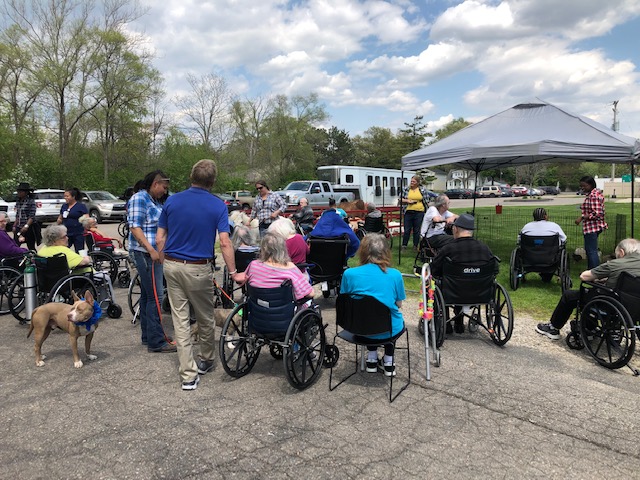
How is The Manor Of Farmington Hills Staffed?

CMS rates The Manor of Farmington Hills's staffing level at 3 out of 5 stars, which is average compared to other nursing homes. Staff turnover is 57%, which is 11 percentage points above the Michigan average of 46%. High turnover can affect care consistency as new staff learn residents' individual needs. RN turnover specifically is 65%, which is notably high. RNs provide skilled clinical oversight, so turnover in this role can affect medical care quality.

What Have Inspectors Found at The Manor Of Farmington Hills?

State health inspectors documented 78 deficiencies at The Manor of Farmington Hills during 2022 to 2025. These included: 1 Immediate Jeopardy (the most serious level, indicating potential for serious harm or death), 11 that caused actual resident harm, and 66 with potential for harm. Immediate Jeopardy findings are rare and represent the most serious regulatory concerns. They require immediate corrective action.
Who Owns and Operates The Manor Of Farmington Hills?

The Manor of Farmington Hills is owned by a for-profit company. For-profit facilities operate as businesses with obligations to shareholders or private owners. The facility is operated by CIENA HEALTHCARE/LAUREL HEALTH CARE, a chain that manages multiple nursing homes. With 127 certified beds and approximately 94 residents (about 74% occupancy), it is a mid-sized facility located in FARMINGTON HILLS, Michigan.

How Does The Manor Of Farmington Hills Compare to Other Michigan Nursing Homes?

Compared to the 100 nursing homes in Michigan, The Manor of Farmington Hills's overall rating (1 stars) is below the state average of 3.1, staff turnover (57%) is significantly higher than the state average of 46%, and health inspection rating (1 stars) is much below the national benchmark.

What Should Families Ask When Visiting The Manor Of Farmington Hills?

Based on this facility's data, families visiting should ask: "What changes have been made since the serious inspection findings, and how are you preventing similar issues?" "How do you ensure continuity of care given staff turnover, and what is your staff retention strategy?" "Can I visit during a mealtime to observe dining assistance and food quality?" "How do you handle medical emergencies, and what is your hospital transfer rate?" These questions are particularly relevant given the facility's Immediate Jeopardy citations and the facility's high staff turnover rate.

Is The Manor Of Farmington Hills Safe?

Based on CMS inspection data, The Manor of Farmington Hills has documented safety concerns. Inspectors have issued 1 Immediate Jeopardy citation (the most serious violation level indicating risk of serious injury or death). The facility has a 1-star overall rating and ranks #100 of 100 nursing homes in Michigan. Families considering this facility should ask detailed questions about what corrective actions have been taken since these incidents.

Do Nurses at The Manor Of Farmington Hills Stick Around?

Staff turnover at The Manor of Farmington Hills is high. At 57%, the facility is 11 percentage points above the Michigan average of 46%. Registered Nurse turnover is particularly concerning at 65%. RNs handle complex medical decisions and coordinate care — frequent RN changes can directly impact care quality. High turnover means new staff may not know residents' individual needs, medications, or preferences. It can also be disorienting for residents, especially those with dementia who rely on familiar faces. Families should ask: What is causing the turnover? What retention programs are in place? How do you ensure care continuity during staff transitions?

Was The Manor Of Farmington Hills Ever Fined?

The Manor of Farmington Hills has been fined $192,040 across 5 penalty actions. This is 5.5x the Michigan average of $34,999. Fines at this level are uncommon and typically indicate a pattern of serious deficiencies, repeated violations, or failure to correct problems promptly. CMS reserves penalties of this magnitude for facilities that pose significant, documented risk to resident health or safety. Families should request specific documentation of what issues led to these fines and what systemic changes have been implemented.

Is The Manor Of Farmington Hills on Any Federal Watch List?

The Manor of Farmington Hills is not on any federal watch list. The most significant is the Special Focus Facility (SFF) program, which identifies the bottom 1% of nursing homes nationally based on persistent, serious quality problems. Not being on this list means the facility has avoided the pattern of deficiencies that triggers enhanced federal oversight. This is a positive indicator, though families should still review the facility's inspection history directly.