WellBridge of Fenton
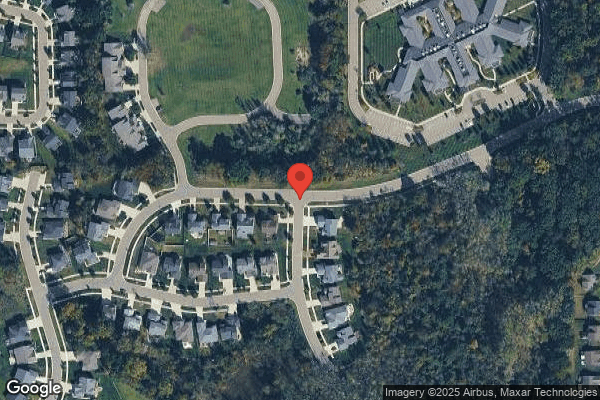
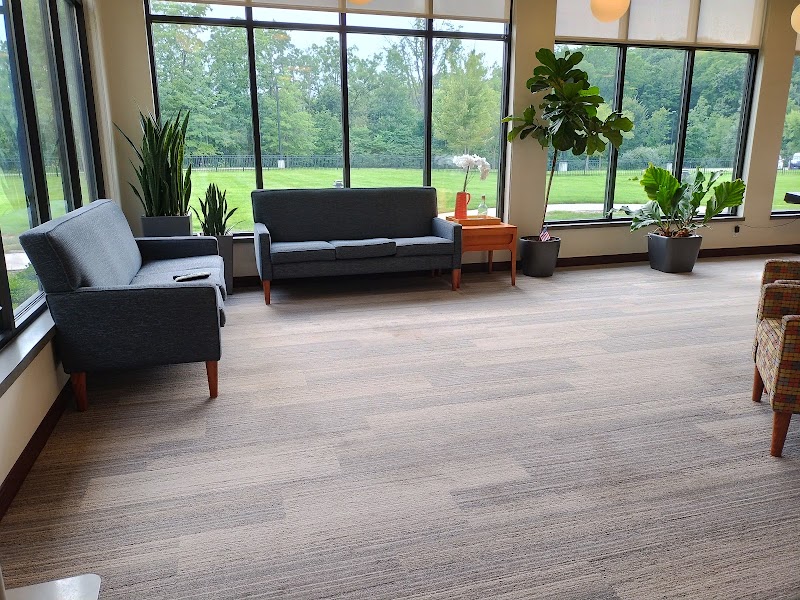
901 Pine Creek Drive, Fenton, MI 48430 (810) 616-4100
For profit - Individual 100 Beds THE WELLBRIDGE GROUP Data: November 2025
Trust Grade
35/100
#351 of 422 in MI
Last Inspection: December 2024

Within standard 12-15 month inspection cycle. Federal law requires annual inspections.

Overview

WellBridge of Fenton has received a Trust Grade of F, indicating significant concerns and overall poor performance compared to other facilities. It ranks #351 out of 422 in Michigan, placing it in the bottom half of all nursing homes in the state, and #11 out of 15 in Genesee County, suggesting there are better local options available. While the facility is showing signs of improvement, with a decrease in reported issues from 19 in 2023 to 18 in 2024, it still faces serious challenges. Staffing is average, rated at 3 out of 5 stars, but the turnover rate is concerning at 55%, which is above the state average. The facility also has substantial fines totaling $49,030, which is higher than 75% of Michigan facilities, indicating ongoing compliance issues. Specific incidents include a failure to properly assess and treat pressure ulcers, leading to serious health declines for residents, as well as inadequate fall prevention measures that resulted in residents suffering broken ribs from falls. These issues highlight significant weaknesses in care, despite some strengths in quality measures rated at 4 out of 5 stars. Families should weigh these factors carefully when considering this facility for their loved ones.
Trust Score
F
35/100
In Michigan
#351/422
Bottom 17%
Safety Record
Moderate
Needs review
Inspections
Getting Better
19 → 18 violations
Staff Stability
⚠ Watch
55% turnover. Above average. Higher turnover means staff may not know residents' routines.
Penalties
⚠ Watch
$49,030 in fines. Higher than 95% of Michigan facilities. Major compliance failures.
Skilled Nurses
○ Average
Each resident gets 41 minutes of Registered Nurse (RN) attention daily — about average for Michigan. RNs are the most trained staff who monitor for health changes.
Violations
⚠ Watch
50 deficiencies on record. Higher than average. Multiple issues found across inspections.
★★☆☆☆
2.0
Overall Rating
★★★☆☆
3.0
Staff Levels
★★★★☆
4.0
Care Quality
★★☆☆☆
2.0
Inspection Score
Stable
2023: 19 issues
2024: 18 issues

The Good

  • 4-Star Quality Measures · Strong clinical quality outcomes
  • Full Sprinkler Coverage · Fire safety systems throughout facility
  • No fines on record

Facility shows strength in quality measures, fire safety.

The Bad

2-Star Overall Rating

Below Michigan average (3.1)

Below average - review inspection findings carefully

Staff Turnover: 55%

Near Michigan avg (46%)

Higher turnover may affect care consistency

Federal Fines: $49,030

Above median ($33,413)

Moderate penalties - review what triggered them

Chain: THE WELLBRIDGE GROUP

Part of a multi-facility chain

Ask about local staffing decisions and management

The Ugly 50 deficiencies on record

2 actual harm
Dec 2024 10 deficiencies
CONCERN (D)

Potential for Harm - no one hurt, but risky conditions existed

Deficiency F0657 (Tag F0657)

Could have caused harm · This affected 1 resident

**NOTE- TERMS IN BRACKETS HAVE BEEN EDITED TO PROTECT CONFIDENTIALITY** Resident # 55 (R55): R55 was [AGE] years old, admitted to the facility on 4//26/24 with the diagnosis of Chronic Diastolic Conge...

Read full inspector narrative →
**NOTE- TERMS IN BRACKETS HAVE BEEN EDITED TO PROTECT CONFIDENTIALITY** Resident # 55 (R55): R55 was [AGE] years old, admitted to the facility on 4//26/24 with the diagnosis of Chronic Diastolic Congested Heart Failure (CHF), Severe Morbid Obesity, Chronic Obstructive Pulmonary Disease, Acute Respiratory Failure with hypoxia in addition to other diagnoses. R55's Minimum Data Set (MDS), dated [DATE], revealed a BIMS (Brief Interview for Mental Status) score of 13/15, which indicates that a person's cognition is intact. Section GG of the MDS, dated [DATE], revealed that R55 required Substantial/ Maximal assistance with the following activities: Toileting Hygiene, shower, and upper body dressing. However, the assessment dated [DATE] also revealed that R55 was dependent on lower body dressing, bed mobility, toilet transfers, and wheelchair ambulation. Dependent means that the helper does all of the effort to complete the task or activity. During a wound care observation on 12/10/24 at 1:45 PM, five nursing staff were inside R55's room to assist. R55 was found to have developed an excoriation on the folds that measured approximately 14 inches across her lower back from the left side to the right side of the lower lumbar area of R55's back. The area appeared extremely red, raw, raised, irritated, and tender to the touch. When NurseU was asked, he described the area as having MASD (Moisture-Associated Skin Damage) and was newly developed. Nurse U provided the standard treatment per facility skin care protocol. On 12/10/24 at approximately 2:10 PM, after the skin care observation, A review of R55's clinical record revealed no treatment, assessment, or updated care plan related to the lower back area skin impairment observed. It was a newly observed skin impairment. However, the following morning, on 12/11/24 at 10:30 AM, R55's clinical record revealed no nurse's notes indicating the skin assessment of the lower back skin excoriated MASD, no treatment entry from 12/10/24 was documented, and no physician order was documented for the lower back skin impairment. No updates in the care plan were found related to the lower back MASD. The following day, on 12/11/24 at 11:32 AM, R55's nurse's notes, skin/wound assessment, and treatment record (TAR) were reviewed. No documentation was found in the nurse's notes, and no updated skin assessments or treatment orders for the observed skin impairment were found on 12/10/24. The care plan was reviewed on 12/10/24 and 12/11/24, and no updates nor revisions of the lower back excoriation were found by the facility staff on 12/10/24. On 12/11/24 at 11:35 AM, CRN W and CRNX were queried regarding why there was no documentation of R55's lower back excoriated area observed on 12/10/24. CRN W and CRN X agreed that the observed skin impairments should have been documented. However. Both CRNW and CRN' X indicated that they thought the Nurse Manager (Nurse V) would do the documentation and stated: We will get them there. The Nurse Manager (Nurse V) was queried on 12//11/24 at 12:11 PM. She stated that I assumed Nurse U did the follow-up documentation because he did the assessment and provided the care that day. Nurse V revealed that she left the room before R55's skin evaluation on 12/10/24. Nurse U was queried on 12/22/24 at 1:30 PM. He did not explain why the assessment and treatment on 12/10/24 were not documented. Based on interview and record review, the facility failed to ensure that two resident's (Resident's #28, and #55) care plans were updated and individualized, resulting in the potential for unsupervised outdoor activity, falls, and not meeting residents' needs. Findings Include: Resident #28: Review of the Face Sheet, fall report dated 1/22/24, nurse's note's dated 6/24 through 12/10/24, and care plans dated 10/23, revealed Resident #28 was [AGE] years old, alert with confusion, admitted to the facility on [DATE], had an extensive history of falls at the facility and required staff assistance with all Activities of Daily Living, and transfers. The resident's diagnosis included vascular dementia with cognitive, cancer of breast and uterine, and undergoing treatment, intracerebral bleed, malnutrition, chronic lung disease and dependent on oxygen, cystic disease of liver, chronic pain, anemia (low iron), back fracture, osteoporosis, osteoarthritis, muscle wasting, major depression, adjustment disorder, anxiety disorder, limited activities due to disability and double vision wearing an eye patch which limited vision field. On 3/16/24, the resident tipped over her wheelchair outside while alone on the sidewalk and was hospitalized with a left hip fracture. Review of the hospital emergency room note dated 3/16/24, stated She was using her wheelchair to go outside when she caught her wheel on something resulting in her wheelchair flipping, causing her to land on her left side; at this time, she endorses left hip pain. Hip is shortened and extremely rotated. X-ray of the left hip, there is a displaced intertrochanteric femur fracture. The resident was admitted to the hospital for treatment. Review of the nursing notes, Incident Report and resident statement dated 3/16/24, revealed the resident went outside to smoke without supervision, fell on the ground in the parking lot off the curb and was found by a visitor walking in the parking lot. Review of the facility Occupational Therapy Evaluation notes dated 3/21/24, stated Functional Cognition=Needed Some Help, Mobility Performance Raw Score=4 (Poor mobility). Review of the facility Physical Therapy Evaluation notes dated 1/23/24, stated Eye patch R (right) eye due to double vision, fall risk, no ambulation due to risk for fx (fracture). During an interview done on 12/10/24 at 2:00 p.m., Occupational Therapist/Rehab Manager L stated She (Resident #28) needs to be kept an eye on; given her history of fall's she should not be outside by herself. She has poor mobility, that includes wheelchair, a very low functional mobility. During an interview done on 12/10/24 at 2:10 p.m., Administrative Assistant K who is at the front desk during first shift, stated She (Resident #28) can go outside, she is her own person. Review of all facility care plans dated 11/9/22 through 11/13/24, including the Risk for Falls (dated 11/9/22) revealed no documentation of Resident #28 requiring assistance or supervision when going outside the facility. Review of the Cognitive loss care plan dated 11/13/24, stated CVA (stroke), vascular dementia, BIMS (cognitive assessment tool) score 3/13 (decreased cognitive score). After the incident on 3/16/24, no intervention was added regarding supervision or visualization while outside the facility with no family member with her. During an interview done on 12/10/24 at 3:15 p.m., MDS Coordinator G and this surveyor went through all of the resident's care plans together and no documentation of supervision while outside was found. MDS Coordinator G stated When she came back (from the hospital after her fall outside on 3/16/24), when she was re-admitted we should have caught it in the morning meeting, I am going to change the care plan. Review of the facility Comprehensive Care Plans policy dated 2001, stated As individualized comprehensive care plan that includes measurable objectives and timelines to meet the resident's medical, nursing, mental and psychological needs is developed for each resident. Care plan interventions are designed after careful consideration of the relationship between the resident's problem areas and their causes.
CONCERN (D)

Potential for Harm - no one hurt, but risky conditions existed

Quality of Care (Tag F0684)

Could have caused harm · This affected 1 resident

**NOTE- TERMS IN BRACKETS HAVE BEEN EDITED TO PROTECT CONFIDENTIALITY** Based on observation, interview, and record review, the facility failed to ensure comprehensive skin care (assessments, treatmen...

Read full inspector narrative →
**NOTE- TERMS IN BRACKETS HAVE BEEN EDITED TO PROTECT CONFIDENTIALITY** Based on observation, interview, and record review, the facility failed to ensure comprehensive skin care (assessments, treatment order, and documentation) for one resident (R#55) of 2 residents reviewed for skin and wound care of 41 total samples, resulting in the potential for severe pain, infection, and further delay in appropriate treatment. Findings include: Resident# 55 (R55): R55 was [AGE] years old, admitted to the facility on 4//26/24 with the diagnosis of Chronic Diastolic Congested Heart Failure (CHF), Severe Morbid Obesity, Chronic Obstructive Pulmonary Disease, Acute Respiratory Failure with hypoxia in addition to other diagnoses. R55's Minimum Data Set (MDS), dated [DATE], revealed a BIMS (Brief Interview for Mental Status) score of 13/15, which indicates that a person's cognition is intact. Section GG of the MDS, dated [DATE], revealed that R55 required Substantial/ Maximal assistance with the following activities: Toileting Hygiene, shower, and upper body dressing. However, the assessment dated [DATE] also revealed that R55 was dependent on lower body dressing, bed mobility, toilet transfers, and wheelchair ambulation. Dependent means that the helper does all of the effort to complete the task or activity. On 12/9/24 at approximately 12:15 PM, R55 was interviewed during an initial tour. R55 complained of pain and discomfort because her bed was too small and not comfortable. R55 indicated she had a sore but did not know how it looked because she could not see what the staff did behind her. Among her complaints was that her bed was too small, which caused her to limit her movement from side to side because she was afraid to fall out of bed. R55 explained that because of her limited movement, R55 indicated she developed a sore on her back and is currently receiving treatments. R55 revealed that she had complained about the bed being too small, but nothing had been done. She expressed difficulty with repositioning and was not comfortable. During a wound care observation on 12/10/24 at 1:45 PM, five nursing staff were inside R55's room to assist. The five staff members that were present consisted of one nurse (Nurse U), one (nursing assistant, one (1) nurse manager (NURSE V), and two (2) corporate clinical staff (CRN W and CRN X). The four positioned themselves on each side of the standard bed (42 inches), and the nurse manager (Nurse V) left the room. R55 was turned by staff from side to side to assess and provide treatment. R55 was found to have developed an excoriation on the folds that measured approximately 14 inches across her lower back from the left side to the right side of the lower lumbar area of R55's back. The area appeared extremely red, raw, raised, irritated, and tender to the touch. When NurseU was asked, he described the area as having MASD (Moisture-Associated Skin Damage) and was newly developed. Nurse U provided the standard treatment per facility skin care protocol. During the wound/skin care observation on 12/10/24 at 2:40 PM, Corporate Nurse 1 (CRN W) confirmed that R55 skin condition on the lower back was extremely red, painful, and raw that runs across her lumbar area of the back from one side to another. On 12/10/24 at approximately 2:10 PM, after the skin care observation, A review of R55's clinical record revealed no treatment, assessment, or updated care plan related to the lower back area skin impairment observed. It was a newly observed skin impairment. However, the following morning, on 12/11/24 at 10:30 AM, R55's clinical record revealed no nurse's notes indicating the skin assessment of the lower back skin excoriated MASD, no treatment entry from 12/10/24 was documented, and no physician order was documented for the lower back skin impairment. No updates in the care plan were found related to the lower back MASD. On 12/10/24 at 02:30 PM, the nurse manager was interviewed and stated a bariatric bed was available now, and we could switch it if R55 wanted it. We offered it to her before, but she refused it. When the nurse manager was queried whether she knew why R55 refused it, the nurse manager stated that she was in the smaller room and would be too tight for the bariatric bed and the Hoyer lift to fit. Now she is in a bigger room by herself. We have not offered it to her since she moved to a wider room. The following day, on 12/11/24 at 11:32 AM, R55's nurse's notes, skin/wound assessment, and treatment record (TAR) were reviewed. No documentation was found in the nurse's notes, and no updated skin assessments or treatment orders for the observed skin impairment were found on 12/10/24. The care plan was reviewed on 12/10/24 and 12/11/24, and no updates nor revisions of the lower back excoriation were found by the facility staff on 12/10/24. On 12/11/24 at 11:35 AM, CRN W and CRNX were queried regarding why there was no documentation of R55's lower back excoriated area observed on 12/10/24. CRN W and CRN X agreed that the observed skin impairments should have been documented. However. Both CRNW and CRN X indicated that they thought the Nurse Manager (Nurse V) would do the documentation and stated: We will get them there. The Nurse Manager (Nurse V) was queried on 12//11/24 at 12:11 PM. She stated that I assumed Nurse U did the follow-up documentation because he did the assessment and provided the care that day. Nurse V revealed that she left the room before R55's skin evaluation on 12/10/24. Nurse U was queried on 12/22/24 at 1:30 PM. He did not explain why the assessment and treatment on 12/10/24 were not documented. A written request sent to the administrator for the facility policy for Skin Care and Wound Management and Standing Orders on 12/11/24 at 8:57 AM. The facility did not provide the policy requested at the date and time of exit.
CONCERN (D)

Potential for Harm - no one hurt, but risky conditions existed

Accident Prevention (Tag F0689)

Could have caused harm · This affected 1 resident

**NOTE- TERMS IN BRACKETS HAVE BEEN EDITED TO PROTECT CONFIDENTIALITY** Based on observation, interview and record review, the facility failed to implement policies and procedures to mitigate risk of ...

Read full inspector narrative →
**NOTE- TERMS IN BRACKETS HAVE BEEN EDITED TO PROTECT CONFIDENTIALITY** Based on observation, interview and record review, the facility failed to implement policies and procedures to mitigate risk of injury during wheelchair transport for one resident (Resident #45) of five residents reviewed for accidents resulting in the potential for injury. Findings include: Resident #45: On 12/11/24 at 1:30 PM, Resident #45 was observed being pushed down the hallway in a wheelchair by Certified Nursing Assistant (CNA) S. The wheelchair did not have footrests, and the Resident was attempting to hold their legs up. Resident #45's feet were observed getting closer to the floor the further they were pushed. An interview was completed with CNA S on 12/11/24 at 1:40 PM. When queried if they were pushing Resident #45 in the hallway without footrests, CNA S confirmed they were. CNA S was then asked about the facility policy/procedure related to pushing residents in wheelchairs without footrests and replied, We do. CNA S then stated, Not really supposed to but they (residents) want help and don't have footrests. With further inquiry, CNA S verbalized most residents do not have footrests available for their wheelchairs and will ask to be pushed in their wheelchair due to the size of the facility. CNA S stated they were surprised when they came to work at the facility because of the lack of wheelchair footrest availability and use when being pushed by staff. When asked why they were surprised, CNA S revealed it was a requirement at other facilities they had worked at because of resident safety. Record review revealed Resident #45 was admitted to the facility on [DATE] with diagnoses which included dementia, chronic kidney disease, hallucinations, and repeated falls. Review of the Minimum Data Set (MDS) assessment dated [DATE] revealed the Resident was moderately cognitively impaired and required moderate assistance from staff to stand and transfer from a sitting position. Review of Resident #45's Electronic Medical Record (EMR) revealed the Resident fell seven times in the facility on 7/13/24, 8/11/24, 8/28/24, 9/1/24, 10/21/24, 11/4/24, and 12/5/24 and was a moderate risk for falls. Resident #45 had a care plan entitled, Risk for falls r/t (related to) dementia with behavioral disturbance . fall . (Initiated: 7/8/24; Revised: 10/24/24). The care plan included the intervention, Transfer/Ambulation: 1 PA (Person Assist) with 2ww (wheeled walker); WBAT (Weight Bearing As Tolerated) (Initiated: 7/8/24, Revised: 9/26/24). Resident #45 did not have a care plan in place pertaining to footrest use while being pushed in a wheelchair by staff. An interview was completed with Clinical Registered Nurse (RN) F on 12/11/24 at 1:55 PM. When queried regarding facility policy/procedure related to pushing residents in wheelchairs without footrests, RN F revealed the need for footrests while being pushed was based on each individual resident. When queried if the facility had a policy/procedure related to wheelchair mobility and foot pedal use, RN F replied, No. A policy/procedure pertaining to wheelchair transport of residents was requested from the facility Administrator on 12/11/24 at 1:50 PM but not received by the conclusion of the survey.
CONCERN (D)

Potential for Harm - no one hurt, but risky conditions existed

Incontinence Care (Tag F0690)

Could have caused harm · This affected 1 resident

**NOTE- TERMS IN BRACKETS HAVE BEEN EDITED TO PROTECT CONFIDENTIALITY** Based on interview and record review the facility failed to ensure that a physician's order was in place for indwelling catheter...

Read full inspector narrative →
**NOTE- TERMS IN BRACKETS HAVE BEEN EDITED TO PROTECT CONFIDENTIALITY** Based on interview and record review the facility failed to ensure that a physician's order was in place for indwelling catheter changes and that the indwelling catheter changes were documented for one resident (R69) of one resident reviewed for catheters, resulting in the absence of a physician's order for indwelling catheter changes and the absence of documentation of indwelling catheter changes. Findings include: Resident #69 (R69): R69 is [AGE] years old and admitted to the facility on [DATE] with diagnoses that include kidney failure, depression, hypertension and encounter for surgical aftercare following surgery on the genitourinary system. On 12/10/24 at 03:37 PM, record review revealed that there was a care plan in place for the use of the catheter, an order is present to care for the catheter every shift with the size of the catheter and catheter balloon size. There was no order present for intervals for changing the catheter. On 12/10/24 at 03:50 PM, R69 was asked when the last time their catheter had been changed. R69 stated that they believed the catheter was changed last week. R69 stated they were in the therapy gym and the staff noticed the catheter was leaking. R69 stated they were returned to their room and had the catheter changed. On 12/11/24 at 09:20 AM, record review revealed there was no documentation present in the electronic medical record (EMR) to indicate the catheter had been changed. On 12/11/24 at 09:34 AM, an interview was conducted with registered nurse (RN) F. RN F was asked if there should be a physician's order to change catheters in the EMR and should the nursing staff document when a catheter had to be changed, if it was necessary to change the catheter. RN F stated that at minimum, there should be an as needed order to change the catheter. RN F also stated, yes, there should be a progress note or an area to document that the catheter has been changed if it was needed and why it had to be changed. Review of the policy titled, Catheter Care, Urinary, revised October 2010 revealed: Changing Catheters: 1. Changing indwelling catheters or drainage bags at routine, fixed intervals is not recommended. Rather, it is suggested to change the catheters and drainage bags based on clinical indications such as infection, obstruction, or when the closed system is compromised. Documentation: 1. The date and time that catheter care was given. 2. The name and title of the individuals giving the catheter care. 3. All assessment data obtained when giving catheter care. 4. Character of urine such as color, clarity and odor. 5. Any problems noted at the catheter-urethral junction during perineal care such as drainage, redness, bleeding, irritation, crusting, or pain. 6. Any problems or complaints made by the resident related to the procedure. 7. How the resident tolerated the procedure. 8. If the resident refused the procedure, the reason(s) why and the intervention taken. 9. The signature and titled of the person recording the data.
CONCERN (D)

Potential for Harm - no one hurt, but risky conditions existed

Deficiency F0698 (Tag F0698)

Could have caused harm · This affected 1 resident

**NOTE- TERMS IN BRACKETS HAVE BEEN EDITED TO PROTECT CONFIDENTIALITY** Based on interview and record review the facility failed to enter a physician's order timely for dialysis perma-cath care and fo...

Read full inspector narrative →
**NOTE- TERMS IN BRACKETS HAVE BEEN EDITED TO PROTECT CONFIDENTIALITY** Based on interview and record review the facility failed to enter a physician's order timely for dialysis perma-cath care and follow a physician's order to complete dialysis documentation for one resident (R289) of one resident reviewed for dialysis care, resulting in incomplete and missing dialysis record forms and the absence of documentation of the dialysis perma-cath site being monitored. Findings include: Resident #289 (R289): R289 is [AGE] years old and admitted to the facility on [DATE] with diagnoses that include, acute kidney failure, chronic kidney disease, congestive heart failure and dependence on renal dialysis. R289 has brief interview for mental status (BIMS) score of 14, indicating that R289 is cognitively intact. On 12/09/24 at 03:27 PM, record review revealed that R289 attends dialysis at [NAME] Davita on Tuesdays, Thursdays and Saturdays with a chair time of 02:15 PM. On 12/10/24 at 01:48 PM, record review revealed a physician's order to monitor the dialysis perma-cath to the right chest wall every shift. The order was entered on 12/09/24 at 14:14 PM. R289 admitted to the facility on [DATE] and R289 attended dialysis on 12/05/24 and 12/07/24 prior to order entry. On 12/10/24 at 01:51 PM, record review revealed a physician's order to complete the Wellbridge Dialysis Assessment, the top portion of the form is to be completed and sent with the guest to Davita [NAME] Dialysis, upon returning, fill out the bottom portion under the assessment, sign and lock. The order is dated 12/04/24. On 12/10/24 at 01:54 PM, record review revealed that a Wellbridge Dialysis Assessment was started on 12/05/24 at 09:45 AM and was incomplete on the bottom of the form, not signed or locked. There was no evidence of a form from 12/07/24 when R289 would have attended dialysis as well. On 12/10/24 at 01:57 PM, an interview was conducted with Infection Control Nurse (IC) M. IC M was asked if R289 should have had the Wellbridge Dialysis Form completed for 12/05/24 and 12/07/24. IC M stated, yes, R289 should have had both been completed. IC M was asked if R289 should have had a physician's order to monitor the dialysis perma-cath site prior to 12/09/24, after already receiving dialysis. IC M stated, yes, the order should have been entered and was missed. Record review of the policy titled, End-Stage Renal Disease, Care of a Resident with, revealed: Scope of Training: 2. Education and training of staff includes, specifically: a. The nature and clinical management of End Stage Renal Disease (ESRD) (including infection prevention and nutritional needs) b. The type of assessment data that is to be gathered about the resident's condition on a daily or per shift basis. c. Signs and symptoms of worsening condition and/or complications of ESRD. d. How to recognize and intervene in medical emergencies such as hemorrhages and septic infections. e. How to recognize and manage equipment failure or complications (according to the type of equipment used in the facility) f. Timing and administration of medications, particularly those before and after dialysis: g. The care of grafts and fistulas: and h. The handling of waste.
CONCERN (D)

Potential for Harm - no one hurt, but risky conditions existed

Food Safety (Tag F0812)

Could have caused harm · This affected 1 resident

Based on observation, interview and record review, the facility failed to 1) Maintain food preparation and kitchen equipment in a sanitary and good working condition, and 2) Ensure proper maintenance ...

Read full inspector narrative →
Based on observation, interview and record review, the facility failed to 1) Maintain food preparation and kitchen equipment in a sanitary and good working condition, and 2) Ensure proper maintenance of kitchen equipment (dishwasher), resulting in an increased likelihood for food borne illness with hospitalization, and cross contamination affecting 81 residents who consumed oral nutrition from the facility kitchen of a total census of 82 residents. Findings Include: Review of the Public Health Service 2009 Food Code, adopted by the Michigan Food Law, effective October 1, 2012, Chapter 4-501.14 directs that equipment cleaning frequency is to be throughout the day at frequency necessary to prevent recontamination of equipment and utensils. On 12/9/24 at 10:05 a.m., during the initial tour of the kitchen accompanied by Culinary Specialist H and Executive Chief I, the following was observed: -At 10:07 a.m., the inside door of the ice machine was found to have a build-up of calcium-like hard white substance coating the door gasket on the left side, directly over the ice when the door was shut. Review of the Service Invoice dated 10/25/24, revealed the facility identified the ice machine door gasket concern and had ordered new ones; however, the ice machine door gasket was still a concern on 12/9/24. -At 10:09 a.m., two clean and ready for use knifes were found in the knife rack with dried on food particles on the blades. -At 10:15 a.m., four clean and ready for use silver metal pans were found on the clean pan rack with water inside and dried food particles inside. The pans were stacked inside of one another. Chief I immediately removed them and directed staff to re-wash them and stated, they should not be wet. Review of the handwritten Employee Corrective Action sheet dated 12/9/24, stated It is expected that pans are dry before being stacked and put on shelves. Review of the facility kitchen education given on 12/9/24 at 11:45 a.m., revealed staff were inservice on wet nesting, the practice of stacking wet dishes, pots or pans on top of each other, which prevents them from drying and can lead to the growth of microorganisms. -At 10:25 a.m., in front of the dishwasher was observed an excessive amount of standing water on the floor. Culinary Specialist H took a large squeegee and push the water toward the drain under the dishwasher. When requested to turn the dishwasher on, a constant dripping/leaking was noted under the dishwasher from the drain trap. During an interview done on 12/9/24 at 10:28 a.m., Dietary Aide J stated Sometimes it leaks all over, bothers me. -At 10:35 a.m., a large silver spatula was observed in with clean silverware, and it had dried on food particles on it. During an interview done on 12/11/24 at approximately 10:15 a.m., the cooperate Infection Control Consultant A was asked if the facility Infection Control Nurse toured the kitchen and she stated, I totally trust my staff, I one hundred percent trust my staff: Infection Control Consultant A said she did have Infection Control nurse do the walk through in the kitchen. During an interview done on 12/11/24 at approximately 2:10 p.m., the facility Infection Control Nurse M was asked if she was shown or given directions on how to do a kitchen infection control tour, and she stated, I didn't get shown what to look for. Infection Control Nurse M was new to the role of Infection Control at the facility. Review of the facility Interdepartmental Infection Control Rounds sheets dated 9/24, 10/24, and 11/24, revealed no documentation (check list questions) of dishwasher, nor ice machine.
CONCERN (D)

Potential for Harm - no one hurt, but risky conditions existed

Infection Control (Tag F0880)

Could have caused harm · This affected 1 resident

Based on observation, interview and record review, the facility failed to implement and ensure hand hygiene per professional standards of practice during medication administration for two residents (#...

Read full inspector narrative →
Based on observation, interview and record review, the facility failed to implement and ensure hand hygiene per professional standards of practice during medication administration for two residents (#32 and #48) of six residents reviewed during medication pass observation resulting in the potential for cross contamination and spread of microorganisms. Findings include: A medication pass observation for Resident #32 was completed with Registered Nurse (RN) Q on 12/10/24 at 1:50 PM. RN Q did not perform hand hygiene prior to entering Resident #32's room and/or preparing the Resident's medications. Following completion of medication pass administration, RN Q exited Resident #32's room without completing hand hygiene. RN Q did not complete hand hygiene prior to entering Resident #48's room at 2:00 PM on 12/10/24. RN Q was observed obtaining Resident #48's medications from the in-room medication cabinet and then administering the medications without performing hand hygiene. An interview was completed with Clinical RN F on 12/11/24 at 11:23 AM. When queried regarding hand hygiene prior to and after medication administration, RN F stated, They (staff) should do their hand hygiene. RN F was informed of observations of RN Q not performing hand hygiene and confirmed hand hygiene should have been completed. Review of facility policy/procedure entitled, Preparation and General Guidelines . Medication Administration . (Dated: 9/1/23) revealed, Procedures: A. Preparation . Handwashing and hand Sanitization. The person administering medications adheres to good hand hygiene which includes washing hands thoroughly: - before beginning a medication pass, - prior to handling any medication, - after coming into direct contact with a resident, - before and after administration .
CONCERN (E)

Potential for Harm - no one hurt, but risky conditions existed

Resident Rights (Tag F0550)

Could have caused harm · This affected multiple residents

**NOTE- TERMS IN BRACKETS HAVE BEEN EDITED TO PROTECT CONFIDENTIALITY** Resident #68 (R68): R68 is [AGE] years old and admitted to the facility on [DATE] with diagnoses that include a femur fracture, ...

Read full inspector narrative →
**NOTE- TERMS IN BRACKETS HAVE BEEN EDITED TO PROTECT CONFIDENTIALITY** Resident #68 (R68): R68 is [AGE] years old and admitted to the facility on [DATE] with diagnoses that include a femur fracture, falls, type two diabetes and benign prostatic hyperplasia (BPH). R68 has a brief interview for mental status (BIMS) score of 12, indicating moderate cognitive impairment. On 12/09/24 at 01:38 PM, an interview was conducted with R68. R68 was asked if their call light is in reach and if the staff answers it in a timely fashion. R68 stated the call light is in reach at all times. R68 stated that they don't use the call light a lot, but they are really slow to answer when they do use it. Resident #281 (R281): R281 is [AGE] years old and admitted to the facility on [DATE] with diagnoses that include pulmonary embolism, chronic obstructive pulmonary disease, congestive heart failure and depression. On 12/09/24 at 11:35 AM, an interview was conducted with R281. R281 was asked if their call light is in reach and if the staff answer it timely. R281 stated the call light is always in reach, sometimes they might answer in 20 minutes or it might be 12 hours. R281 stated you never really know how long it will be, but it is a long time. Resident #66: On 12/10/24 at 3:11 PM, while walking down the hallway in the facility with Unit Manager Registered Nurse (RN) U, a visitor was observed standing in the center hub area of the hallway near the 600-hallway entrance. The visitor was loudly requesting staff assistance and stated, Who's (Resident #66's) aide? Several staff were observed standing on the other side of the hub area of the hallway talking to each other. The staff did not respond to the visitor. Unit Manager RN U got the staff attention and asked who (Resident #66's) aide was. One of the staff standing in the hub replied, Not me, I just got here. None of the staff who were standing in the hub area went to assist the visitor. The Visitor then loudly stated, (Resident #66's) been in the bathroom for 16 minutes and I had to help put her on the toilet. Is there no body working down here? A corporate clinical staff went to assist the visitor at this time. RN U was queried why the staff standing in the hub had not assisted the visitor/Resident and an explanation was not provided. Record review revealed Resident #66 was admitted to the facility on [DATE] with diagnoses which included Alzheimer's disease, dementia, cerebral infarction (stroke), and lower extremity fractures. Review of the MDS assessment dated [DATE] revealed the Resident was severely cognitively impaired and required substantial/maximum assistance to complete toileting hygiene. Review of Resident #66's Electronic Medical Record (EMR) revealed a care plan entitled, Risk for falls r/t left ankle fracture, neck muscle strain, fall . (Initiated: 1/25/24; Revised: 8/2/24) included the intervention, Transfers: 2PA (Person Assist) with 2WW (Wheeled walker) WBAT (Weight Bearing As Tolerated); Ambulation: Non-ambulatory (Initiated: 1/25/24; Revised: 8/2/24). Based on observation, interview and record review, the facility failed to ensure dignity for 4 residents (Resident's #66, #73, #68, and #281) and 5 of 7 confidential Resident Council group meeting (held on 12/10/24) residents, regarding call lights within reach and the timely answering of the call lights. Findings Include: Resident #73: Review of the Face Sheet, care plans dated 10/29/24, nursing note's dated 11/24 through 12/10/24, and physician orders dated 12/24, revealed Resident #73 was 68 years-old, alert with memory deficient and confusion, and had a feeding tube; he was admitted to the facility on [DATE]. The resident was an 1 person assist with 2 persons for walker, and he has a history of falls at the facility and respiratory impairments with oxygen dependency. The resident's diagnosis includes, stroke, Aphasia (communication deficit), hemiplegia, hemiparesis with left sided weakness, Dysphagia (swallowing deficit), chronic respiratory failure, diabetes, congestive heart failure, Dementia, memory deficit, major depression, pneumonia, and dependent on oxygen. Observation was made on 12/9/24 at 11:14 a.m., of residents call light hanging over the breathing machines black tubing on the dresser next to the residents bed, When this surveyor asked him if he knew were his call light was and could he reach it, he could not find it and when location pointed out, he was not able to reach it. At the time the resident was sitting in his recliner chair. Confidential Resident Council group meeting: During the confidential Resident Council group meeting that was held on 12/10/24 at 10:07 a.m., 5 of 7 alert resident's verbally complained of staff taking an excessive amount to time to answer call lights on second shift primarily. One alert confidential resident stated I soiled myself because it took them (staff) over an hour to answer my light. Another confidential resident stated I had 2 aides this morning (on 12/20/24, first shift) come in my room and they were talking to each other and I did not get dressed, had to go to breakfast not dressed. A resident stated They (staff) talk on their phones in my room. 3 of 7 resident's revealed they had accident's because staff would not answer their call lights timely. Review of the facility Dignity policy dated 10/2009, stated Each resident shall be cared for in a manner that promotes and enhances quality of life, dignity, respect and individually. Treated with Dignity means the resident will be assisted in maintaining and enhancing his or her self-esteem and self-worth. Promptly responding to the resident's request for toileting assistance. Review of the facility Call Light policy dated 11/2019, stated Be sure the call light is within easy reach of the resident; answer the resident's call as soon as possible,
CONCERN (E)

Potential for Harm - no one hurt, but risky conditions existed

Unnecessary Medications (Tag F0759)

Could have caused harm · This affected multiple residents

Based on observation, interview and record review, the facility failed to ensure that the medication error rate was less than 5% when six medication errors were observed from a total of 29 opportuniti...

Read full inspector narrative →
Based on observation, interview and record review, the facility failed to ensure that the medication error rate was less than 5% when six medication errors were observed from a total of 29 opportunities for three residents (#'s 28, 34, and 288) of six residents reviewed. This deficient practice resulted in a medication error rate of 20.69% and the potential for adverse medication effects and decreased medication efficacy. Findings include: Resident #34: On 12/11/24 at 7:52 AM, medication pass observation for Resident #34 was completed with Licensed Practical Nurse (LPN) O. Upon entering Resident #34's room, a breakfast food tray with all food eaten was observed in the room. LPN O was observed checking the Resident's blood glucose level at the bedside. The blood glucose level result was 428. LPN O reviewed the Resident's Medication Administration Record (MAR) and verbalized the Resident needed 10 units of insulin based on the blood glucose level. The MAR showed Resident #34 had a documented blood glucose level of 254 on 12/11/24 at 5:19 AM. LPN O obtained the Resident's Insulin Aspart (short acting insulin) pen, set it to administer 10 units of insulin without priming the pen, and prepped the skin with an alcohol pad. Prior to administering the insulin, LPN O was stopped. When asked if they had primed the insulin pen, LPN O responded, No. LPN O then primed the insulin pen and reset the pen to administer 10 units of insulin. LPN O administered the insulin into the Resident's left abdomen and held the pen in place for four seconds prior to removing from the skin. Review of Resident #34's Health Care Provider Orders and MAR was completed with LPN O following medication administration. The MAR revealed: - NovoLOG Injection Solution 100 unit/mL (Insulin Aspart) Inject as per sliding scale . subcutaneously before meals and at bedtime (Start Date: 12/10/24) Resident #288: A medication pass observation for Resident #288 was completed with LPN O on 12/11/24 at 8:36 AM. LPN O was observed preparing a Lidocaine 4% and Menthol 1% topical patch for administration by writing their initials and date on the patch. When LPN O lifted the Resident's shirt to place the patch on the Resident's back, the prior patch was observed on the Resident's back. The prior patch was not fully adhered to the Resident's skin and was dated 12/11/24 with no initials. LPN O removed the prior patch and placed the new patch. LPN O was then observed handing Resident #288 a Symbicort inhaler (inhaled medication used to treat asthma and chronic obstructive pulmonary disease [COPD]) for the Resident to self-administer. After inhaling two puffs of the medication, Resident #288 handed the inhaler back to LPN O. LPN O did not assist and/or instruct the Resident to rinse their mouth following administration of Symbicort. Review of Resident #288's Health Care Provider Orders and MAR was completed with LPN O following medication administration. The MAR revealed: - Lidocaine External Patch 4% . Apply to back topically one time a day for pain and remove per schedule (Start: 12/4/24). The MAR detailed the patch was to be applied at 8:00 AM and removed at 8:00 PM. Per the MAR, the patch was removed on 12/10/24 at 8:00 PM and LPN O applied the patch on 12/11/24 during the medication pass observation. - Symbicort Inhalation Aerosol 160-4.5 mcg (micrograms)/Act (actuation) 2 puff inhale orally two times a day. Oral rinse and spit after medication administration (Start: 12/3/24) When queried regarding the patch they removed from Resident #288's back, LPN O verbalized it was a Lidocaine patch. With further inquiry, LPN O revealed the patch was supposed to have been removed the prior night. LPN O confirmed the patch was dated 12/11/24 and indicated the staff who applied the patch on the previous day must have written the wrong date on the patch. When queried why they administered a Lidocaine 4% with Menthol 1% patch when the order was for a Lidocaine 4% patch with no menthol, LPN O revealed the facility did not have plain Lidocaine 4% patches. When queried what Resident #288 was supposed to receive per their order, LPN O verbalized the Resident's order was for Lidocaine only. When queried regarding rinsing and spitting following Symbicort administration, LPN O confirmed they did not instruct/assist the Resident to rinse and spit following administration. LPN O was then queried how long an insulin pen should be held in place during administration and replied, 10 seconds. When asked if they knew how long they held the insulin pen in place during administration for Resident #34, LPN O revealed they were not sure. When asked why they only held the insulin pen in place for four seconds and did not prime the pen prior to being stopped by this surveyor, LPN O responded that they were nervous. When queried why Resident #28's blood glucose was checked and insulin administered after they already ate their breakfast, LPN O revealed they did not have an opportunity to check the Resident's blood glucose previously because they were assisting to pass breakfast trays. Resident #28: On 12/11/24 at 9:12 AM, a medication pass observation was completed with Registered Nurse (RN) P for Resident #28. RN P administered one drop of Dorzolamide HCI 2% Ophthalmic Solution (medication used to treat increased pressure in the eye) into the Resident's right eye at 9:13 AM. RN P immediately proceeded to administer one drop of Prednisolone Acetate 1% Ophthalmic (medication used to reduce inflammation in the eye) solution into the Resident's right eye at 9:13 AM. Directly after, RN P administered 1 drop of Brimonidine Tartrate 0.2% ophthalmic solution (medication used to reduce pressure in the eye) into Resident #28's right eye directly. RN P did not apply pressure to the tear duct and/or instruct the Resident to close their eyes following administration of any of the three eye drop medications. An interview was completed with RN P after exiting Resident #28's room. When queried if different medication eye drops are supposed to be administered back-to-back, RN P replied, They are all scheduled for the same time (on the MAR). RN P was queried regarding procedure and technique for eye medication administration, RN P did not provide further explanation. An interview was completed with Clinical RN F on 12/11/24 at 11:23 AM. When queried regarding administration of different eye drop medications, RN F stated, Have to wait between different eye drop medication administration. RN F verbalized they heard about that and would address with education. When queried what should occur following administration of Symbicort inhaler, RN F stated, Rinse and spit. RN F was informed of observation of Resident #288 not being instructed/assisted to rinse and spit following administration of Symbicort, RN F verbalized understanding of error. When queried if insulin pens have to be primed prior to administration, RN F confirmed they did. When asked how long insulin pens have to be held in place to ensure administration of intended dose, RN F verbalized insulin pens needed to be held in the skin for 10 seconds. When queried regarding observation of insulin pen not being primed and being held in place for four seconds, RN F verbalized understanding. RN F revealed the staff needed and would receive education. Review of facility policy/procedure entitled, Specific Medication Administration Procedures . Eye Drop Administration (Dated: 9/1/23) revealed, To administer ophthalmic solution/suspension into the eye in a safe, accurate, and effective manner . Procedures . H. Instruct resident to close eyes slowly to allow for even distribution over surface of the eye . should also refrain from blinking or squeezing eyes shut. I. While the eye is close, use one finger to compress the tear duct in the inner corner of the eye for 1-2 minutes . Alternately, the resident may keep his/her eyes closed for approximately three minutes . K. If another dop of the same or different medication is prescribed for administration in the same eye at the same time, wait 10 minutes, then repeat procedure . Upon request for a policy/procedure related to insulin pen administration, a policy/procedure entitled, Specific Medication Administration Procedures . Injectable Medication Administration (Dated: 9/1/23) did not include insulin pen administration.
CONCERN (E)

Potential for Harm - no one hurt, but risky conditions existed

Deficiency F0761 (Tag F0761)

Could have caused harm · This affected multiple residents

**NOTE- TERMS IN BRACKETS HAVE BEEN EDITED TO PROTECT CONFIDENTIALITY** Resident #34 (R34): R34 is [AGE] years old and admitted to the facility on [DATE] with diagnoses that include acute kidney failu...

Read full inspector narrative →
**NOTE- TERMS IN BRACKETS HAVE BEEN EDITED TO PROTECT CONFIDENTIALITY** Resident #34 (R34): R34 is [AGE] years old and admitted to the facility on [DATE] with diagnoses that include acute kidney failure, major depressive disorder, paraplegia and hypertension. R34 has a brief interview for mental status (BIMS) score of 6, indicating severe cognitive impairment. On [DATE] at 11:05 AM, a bottle of iodine was observed sitting on the dresser of R34. R34 was asked if they knew why the bottle of iodine was sitting out in the room. R34 stated it didn't belong to them and they are not sure how it got there. This surveyor located the nurse that was working on the hall and had them come to R34's room. Licensed Practical Nurse (LPN) N was asked if the iodine should be locked up in a secure medicine cabinet and not left out in the room. LPN N stated, yes it should be. LPN N stated they did not know why the iodine was left out, but that the night nurse must've left it in there after wound care from the previous shift. LPN N placed the iodine in a secure medicine cabinet in the room. Based on observation and interview, the facility failed to implement and operationalize policies and procedures to ensure appropriate labeling, storage, and disposal of medications and medical supplies, per professional standards of practice for two of two medication storage rooms in the 400 hallway and in two residents' rooms, resulting in medications left unattended and unsecured, lack of dating of medications with a shortened expiration date after opening, storage of contaminated medications and medical supplies with new medications and medical supplies. Findings include: On [DATE] at 1:45 PM, an interview was completed with Registered Nurse (RN) Q. When queried regarding storage of resident controlled and narcotic medications, RN Q revealed all controlled substances are stored in a locked cabinet at the front of the hall, near the center hub. An observation and tour of the 500-hall narcotic locked storage wall box was completed with RN Q at this time. Upon opening the wall box, two oral medication syringes were observed on the top shelf. There was a pink colored substance present in end of the syringe. When queried if the syringes had been used, RN Q responded they were, and that staff will sometimes use the oral syringe again as it is for a hospice resident who is frequently receiving liquid morphine. RN Q was asked if the facility did not have an adequate supply of oral syringes to use a new one for each medication administration and indicated they did. RN Q proceeded to dispose of the two used syringes. When queried regarding infection control considerations, due to multiple resident medications being contained in the narcotic cabinet, RN Q did not provide an explanation. A tour of the 500 and 600 Hall Medication Storage Room was completed with RN Q on [DATE] at 2:04 PM. The following items were present in the medication storage room: - A vial of CoaguChek XS PT Test strips was noted to be open - Seven Addipak 5 mL containers of 0.9% sterile saline solution, Expired 8/24 - Open 8 fluid ounce (fl. oz.) container of Iodine. The top of the container was visibly soiled with dark brown colored, crusted material. A tour of the Main (400 hall) medication room was completed with Unit Manager RN R. A box of call bells and an empty plastic container were noted in the cabinet under the sink. When queried regarding storage of items under the sink, RN R stated nothing should be stored under the sink. The following items were observed: - Open and undated vial of Tuberculin purified protein it 5 TU (Tuberculin Unit)/ 0.1 mL testing solution Multiple open and undated bottles of over-the counter medications were present in the medication room. When queried regarding facility policy/procedure related to dating and storage of over-the-counter medications, RN R revealed over the counter (OTC) medications are not dated when opened and the manufacturer expiration date is used. When asked if opened OTC medications are supposed to be stored in the medication room, RN R stated, No. They are in the in-room med cabinets. You can't but them back (in med room). That's gross. When queried regarding the open OTC medications in the medication room, RN R stated, I'm so upset because we have trained them (nursing staff) to not put med's back and to send them home with the resident. When asked about the training which had been completed, RN R revealed facility staff had received training to not return medications to the med room previously because of prior concerns. On [DATE] at 4:10 PM, RN R indicated they wanted to discuss the open medications in the medication room and an interview was completed. RN R stated, I was told they pulled them (open OTC med's) from the hall cabinets. When queried who told them that, RN R verbalized they were informed by facility corporate staff. RN R was asked what hall cabinets they were referring to and revealed there are in wall locked cabinets in each the open room/cubby on each hall which are no longer used. With further inquiry, RN R stated, We shut those down a year ago. I didn't think anyone was still using them. When asked what medications were removed from the hallway cabinets, RN R revealed they did not know. When asked if there was a list, RN R stated there was not. When queried if some of the open medications may have been from resident in room cabinets, as there was not a list and/or documentation of the medications removed from in hall cabinets, RN R confirmed but did not provide further explanation. A policy/procedure related to all medication storage including testing equipment and vaccine solutions was requested from the facility Administrator on [DATE] at 10:46 AM but not received by the conclusion of the survey.
Oct 2024 6 deficiencies
CONCERN (D) 📢 Someone Reported This

A family member, employee, or ombudsman was alarmed enough to file a formal complaint

Potential for Harm - no one hurt, but risky conditions existed

Quality of Care (Tag F0684)

Could have caused harm · This affected 1 resident

**NOTE- TERMS IN BRACKETS HAVE BEEN EDITED TO PROTECT CONFIDENTIALITY** This Citation pertains to Intake Numbers MI00146860 and MI00147441. Based on interviews and record review, the facility failed t...

Read full inspector narrative →
**NOTE- TERMS IN BRACKETS HAVE BEEN EDITED TO PROTECT CONFIDENTIALITY** This Citation pertains to Intake Numbers MI00146860 and MI00147441. Based on interviews and record review, the facility failed to monitor and inform the physician promptly regarding the declining status post-fall for one resident (Resident #5), resulting in the delay in treatment and hospitalization for Resident #5, who sustained a brain bleed post-fall. Findings include: Resident #5 (R5): According to the review of records conducted on 1023/24 at 10:00 AM, R5 was [AGE] years old and admitted to the facility on [DATE], with the primary diagnosis of Atrial Fibrillation, Anxiety, Depression, and Chronic Respiratory Failure in addition to other diagnoses. R5 was discharged from the hospital after a fall on 8/6/24. The resident was assessed, alert, and oriented according to records on the 8/4/24 Incident Report. The list of medication orders dated August 2024 revealed that R5 was taking an anticoagulant (Eliquis) for a history of Atrial Fibrillation as a diagnosis. R5 Care plan interventions dated 8/31/2023 were noted under anticoagulant therapy: Report to the physician any signs and symptoms of anticoagulant complications: blood tinged of flank blood in urine, black, tarry stools, dark or bright red blood in stools, sudden severe headaches nausea, vomiting, diarrhea, muscle joint pain, lethargy, bruising, blurred vision, SOB (Shortness of breath), loss of appetite, sudden changes in mental status, and significant or sudden changes in v/s (vital signs). Date initiated on 8/31/2023. R5 Fall on 8/4/24 and 8/7/24 was reviewed on 10/23/24 at 3:00 PM. Fall #1: A Fall Incident Report, written, occurred on 8/4/24, at approx. 14:45 (2:45 PM) The nursing Description noted, R5 was found laying on the floor in room by wheelchair and chair in room. The fall was unwitnessed. However, R5 was described as alert and oriented to person and place. No injuries were observed post-incident. Fall # 2: Occurred on 8/6/24, written at approximately 06:19 AM. The incident (I/A) was described: The CENA (nursing assistant) was doing rounds when she noticed guest on the side of the bed. She immediately came to notify me . Guest stated she did not hit her head . No injuries observed at the time of the incident. However, R5's mental status: The nurse indicated that R5 was oriented, with the place was noted. Nurse Manager Z was interviewed on 10/24/24 at 10:50 AM. She stated that R5 was admitted to the facility almost a year ago and at first denied that Nurse Manager Z was not working on 8/6/24. She stated, I was not notified until I got back in. She further stated: I was not working on both falls (8/4/24 and 8/6/24). The Nurse Manager Z, after verifying the nurse's notes documentation, indicated that Nurse Manager Z had entered notes on 8/6/24 regarding the status- post fall. Nurse manager Z continued to describe that R5 fell on 8/6/24 and went to see R5 in the room with her daughter present in the room. She further explained it was at around 8:00 AM when she assessed and made sure R5 was ok after the fall Nurse Manager Z described what happened during the fall, reading the incident report that stated: R5 rolled out of bed, neuro checks were done, and was normal baseline during interview at that time in the morning at around 8:14 AM on 8/6/24 was when Nurse Manager z assessment was but she documented it at a later time at 15:17 (3:17 PM). From my assessment in the afternoon, compared to the morning, Nurse Manager Z felt something was not right with R5. R5 was more sluggish and lethargic and described as more tired than usual. The nurse practitioner (NP) was notified and made aware of the incident but ordered Covid testing and precautions. Nurse Manager Z denied observing any respiratory distress, coughing, or shortness of breath. However, R5 was declining for months. R5's Covid test was done and was negative. The nurse practitioner recommended a Covid test and put her on precautions for 3 days. The Nurse Manager Z denied testing R5 for UTI because it was not discussed and not recommended to be tested by the NP (Nurse Practitioner). Nurse Manager Z stated that she had assessed R5 just before she left at 3:30 PM that day on 8/6/24. The nurse Manager stated that she had talked to the daughter, who was present in the room at about 8:30 AM on 8/6/24 and discussed hospice services. The daughter said that she would discuss the recommendation with the family. The daughters were hands-on with R5. She must have gotten a call from the nurse about the fall, and she got a call from the nurse, so she immediately came at 8:00 AM. Nurse Manager Z stated she was unsure about Anticoagulant Orders: Eliquis. I observed at around 3:00 PM that something was off on her mental status. R5's family was present in the facility, and they wanted her to be sent out to the hospital. The nurse sent her on 8/6/24 at approximately 6:30 PM because the family insisted. R5 was described in the progress notes as: tired, weak, and a little confused. The family was at the bedside. Something was off, and she was not her usual. R 5 family was present. R5's family triggered her to be sent out. Nurse 2 was interviewed on 10/24/24 at 10:30 AM and stated that she was not R5's nurse but was walking by when the family approached her and asked if she could assess R5. She said she had taken care of R5 and knew R5's baseline. Nurse 2 revealed that the resident was difficult to arouse and had a one-sided weakness. Nurse 2 stated, It was very apparent and definitely not R5's usual state of self and mental state. After assessment, when the family asked if R5 needed to be treated and evaluated at the hospital, Nurse 2 stated: I did say yes after discussing with the nurse assigned to R5. Hospital records dated August 6, 2024 revealed: R5 was received nonresponsive to voice or touch but is breathing and in no acute distress. The Hospital admission Diagnosis revealed Brain Bleed. CT Brain performed on 8/6/24 at 20:46 (8:46 PM) FINDINGS: Acute intraparenchymal hemorrhage in the left occipital and posterior parietal lobes surrounding low-attenuation edema. The intraparenchymal hemorrhage measures about 3.0 x 5.4 cm in the axial plane and about 3.7 cm in CC length. Mild mass effect in the region, effacement of sulci in the region . IMPRESSION: 3.0 x 5.4 x 3.7 cm intraparenchymal hemorrhage in the posterior left parietal and occipital lobes. Surrounding low-attenuation edema with mild regional mass effect. A posterior parafalcine hemorrhage is also present, probably a thin left parafalcine subdural . A verbal report was called to the emergency room, and the case was discussed at 2050 (8:50 PM) hours. Electronically signed on 8/6/24 at 9:04 PM EDT. Hospital Course indicated: . Patient is a [AGE] year-old female with a past medical history of atrial fibrillation maintained with Eliquis, admitted with hemorrhagic CVA after a fall at her facility. No interventions recommended by neurosurgery, and patient was transitioned to comfort measures in the emergency department 8/7 . The patient is breathing but not responding to voice. Not responsive to touch. No sternal rub as she is comfort measures. Noted notes on Hospital Discharge summary, dated [DATE] at 14:07 (2:07 PM). The nurse's progress note dated 8/6/24 at 6:30 PM revealed: Guest was tired, weak, a little confused. The family was at the bedside. The nurse practitioner (NP) was interviewed on 10/24/24 at 10:35 PM, and she stated that she received a call in the morning regarding R5's fall. There was no indication of any neurological status changes at that time. The NP denied evaluating R5 in person. NP indicated that she was not present at the facility, nor was the primary physician on 8/6/24, to assess R5 post-fall. Instead, she ordered Covid Testing and Precautions for 3 days. The NP did not order her to go to the hospital because she was reported to be in her baseline. She added that regarding R5 taking Eliquis, it is not an indication to be sent to the hospital unless there are signs and symptoms. She was unaware of any changes and did not get a follow-up call. The Fall Policy entitled: Fall Reduction Program, revised on 9/25/2016, revealed the fall program's purpose: To provide a safe environment for residents, modify risk factors, and reduce risk of fall-related injury. Procedure: . 3.1 Initiate safety interventions and update care plan as applicable 3.2 Charge nurse to monitor for delayed consequences of incident utilizing the following. Physical assessment and documentation Neurological Assessment per directions, as applicable .
CONCERN (D) 📢 Someone Reported This

A family member, employee, or ombudsman was alarmed enough to file a formal complaint

Potential for Harm - no one hurt, but risky conditions existed

Pressure Ulcer Prevention (Tag F0686)

Could have caused harm · This affected 1 resident

**NOTE- TERMS IN BRACKETS HAVE BEEN EDITED TO PROTECT CONFIDENTIALITY** This Citation pertains to IntakeNumber MI00146582 Based on observation, interview and record review the facility failed to enter...

Read full inspector narrative →
**NOTE- TERMS IN BRACKETS HAVE BEEN EDITED TO PROTECT CONFIDENTIALITY** This Citation pertains to IntakeNumber MI00146582 Based on observation, interview and record review the facility failed to enter a physician's order for wound care and update a skin integrity care plan timely for one resident (Resident #7) of three residents reviewed for pressure ulcers, resulting in late physician's orders for wound care and late revision of a skin integrity care plan. Findings include: R7 is [AGE] years old and admitted to the facility on [DATE] with diagnoses that include cerebral infarction, contractures, dementia and age-related physical debility. R7 has a BIMS (Brief Interview for Mental Status) score of 0, indicating R7 has a severe cognitive impairment and during the survey was not observed to communicate with anyone and would occasionally moan out in pain during care. On 10/23/24 at 12:00PM, R7 was observed sleeping in bed, dressings were noted to the left and right elbows. Bilateral elbows were propped up on pillows for pressure reduction, pressure reduction mattress was in place and functioning. On 10/23/24, record review revealed that R7 has a Stage 3 pressure ulcer (full thickness loss of the skin) on the left medial elbow and a Stage 2 pressure ulcer (partial thickness loss of the skin) on the right medial elbow, both are in-house acquired and developed on 10/17/24. Record review revealed a care plan is in place that addresses the pressure ulcers on the bilateral elbows. The care plan was updated on 10/23/24. Orders were not placed for wound care on the bilateral elbows until 10/21/24. Current dressings dated 10/24 on bilateral elbows. On 10/23/24 at 01:25PM, an interview was conducted with LPN (Licensed Practical Nurse) A. LPN A was asked, if you identified a wound, when would you expect a treatment to be put in place. LPN A stated they would enter the order as quickly as possible, preferably the same day that it was identified. LPN A was asked what the process is if you were performing a skin assessment and identified a new wound. LPN A stated they would notify the unit manager, DON (Director of Nursing) and the physician, either in person or via tiger text. LPN A stated they would take pictures of the wound and get them in PCC (Point Click Care, electronic medical record), then I would expect a treatment order to be given by the physician and I would put it in place. On 10/24/24 at 01:14PM an interview was conducted with RN (Registered Nurse) B. Based on record review RN B is the nurse that identified the new pressure injuries on the bilateral elbows. RN B was asked what the steps are that you take when you identify new wounds. RN B stated there is an algorithm they follow if you identify a wound. RN B was asked when they identified the wound, if they put a treatment in place and if they notified anyone about the new pressure wounds. RN B stated it was near the end of their shift, RN B put a foam dressing in place and passed it on to the next shift and let management know there were new areas. RN B stated they took pictures of the elbows and put them into PCC. RN B was asked if they put an order for the wound care into PCC for the newly identified area. RN B stated they put a dressing on R7, but did not enter an order into PCC. RN B was asked who is responsible for updating the care plans and how quickly they should be updated. RN B stated that nurses on the floor could update the care plans and feels that 24 hours is a reasonable time to update the care plan. RN B states they don't always feel comfortable updating the care plans, so they let management know it needs to be updated. Review of the policy titled, Pressure Ulcers/Skin Breakdown-Clinical Protocol revised October 2010, revealed: Treatment/Management: 1. The physician will authorize pertinent orders related to wound treatments, including pressure reduction surfaces, wound cleansing and debridement approaches, dressings (occlusive, absorptive, etc.) and application of topical agents. Review of the policy titled, Care Plans-Comprehensive revised October 2010, revealed: Revisions: 8. Assessments of residents are ongoing, and care plans are revised as information about the resident and the resident's condition change. Reviewing and Updating: 9. The care planning/interdisciplinary team is responsible for the review and updating of care plans: a. When there has been a significant change in the resident's condition; b. When the desired outcome is not met; c. When the resident has been readmitted to the facility from a hospital stay; and d. At least quarterly.
CONCERN (D) 📢 Someone Reported This

A family member, employee, or ombudsman was alarmed enough to file a formal complaint

Potential for Harm - no one hurt, but risky conditions existed

Respiratory Care (Tag F0695)

Could have caused harm · This affected 1 resident

**NOTE- TERMS IN BRACKETS HAVE BEEN EDITED TO PROTECT CONFIDENTIALITY** Based on observation, interview and record review the facility failed to store nebulizer equipment per facility policy and follo...

Read full inspector narrative →
**NOTE- TERMS IN BRACKETS HAVE BEEN EDITED TO PROTECT CONFIDENTIALITY** Based on observation, interview and record review the facility failed to store nebulizer equipment per facility policy and follow a physician's orders for oxygen administration for two residents (R3, R10) of three residents reviewed for nebulizer equipment, resulting in nebulizer equipment being stored on a bedside table and the medication chamber having fluid in it and not receiving the physician's ordered amount of oxygen administration. Findings include: Resident #3: R3 is [AGE] years old and admitted to the facility on [DATE] with diagnoses that include CHF (Congestive Heart Failure) chronic respiratory failure, pulmonary hypertension and major depressive disorder. R3 has a BIMS (Brief Interview for Mental Status) score of 15 indicating they are cognitively intact. On 10/23/24 at 11:30AM, R3 was observed sitting in a wheelchair in the room and watching television. R3 was observed to be receiving oxygen at 3 liters per minute via a nasal cannula and a nebulizer machine was sitting on the nightstand with liquid in the medication chamber. R3 was asked what the liquid was in the medication chamber, and they replied the nurse put it in there at 9am when they gave me my pills, it is my breathing treatment. R3 state they get nebulizer treatments 2-3 times a day. R3 was asked about using oxygen, R3 stated they only use it in the building and that is about it. R3 was asked if they use in continuously in the building and they replied yes. On 10/23/24 at 11:45AM, an interview was conducted with LPN D. LPN D was asked if they could tell me why R3 has fluid in his nebulizer chamber. LPN D stated they took over for another nurse at 9:00am and did not give morning medications to R3, LPN D stated they don't know why there would be fluid in the chamber already. This surveyor and LPN D verified there is fluid in the chamber. LPN D emptied out the chamber and went to retrieve a new nebulizer mask for R3. On 10/23/24 at 12:15PM, record review revealed a physician's order for nebulizer treatments four times a day for chronic respiratory failure. Record review also revealed a physician's order for continuous oxygen at 2 liters per minute and an at risk for respiratory impairment care plan with interventions that included O2 (oxygen) via NC (nasal cannula) at 2 Liters per minute. On 10/24/24 at 12:15PM, an interview was conducted with LPN D. LPN D was asked to verify the current rate of oxygen R3 is supposed to receive. LPN D stated they believe R3 is supposed to be receiving oxygen at 2 liters per minute. LPN D and this surveyor observed the concentrator of R3 running at 3 liters per minute. LPN D stated that sometimes residents will have orders to increase oxygen up to 5 liters per minute to maintain oxygen saturation above 90%. LPN D verified the order and adjusted the oxygen amount to 2 liters per minute. Resident #10: R10 is [AGE] years old and admitted to the facility on [DATE] with diagnoses that include pneumonia, anxiety, repeated falls and Alzheimer's disease. R10 has a BIMS score of 4, indicating severe cognitive impairment. On 10/23/24 at 01:12PM, during a tour of R10's room, a nebulizer mask setup was observed sitting on an overbed table with fluid still in the medication chamber. R10 was not present in the room at this time. On 10/23/24 at 01:15PM, an interview was conducted with LPN A. LPN A was alerted by this surveyor the nebulizer sitting on the bedside table with fluid in the medication chamber. LPN A stated you don't have to say anything, I already know what is wrong. LPN A then disposed of the nebulizer and went to retrieve a new one. On 10/23/24, record review revealed a physician's order for nebulizer treatments four times a day. Review of the October MAR (medication administration record) revealed the nebulizer had last been signed out at 0800. Review of the policy titled; Nebulizer, revised 09/25/2016 revealed: Equipment Cleaning: 10. Following medication administration, disconnect nebulizer cup/mask/mouthpiece from tubing, rinse equipment with hot water and place on paper towel to completely air dry. 11. Remove gloves and wash hands. 12. Once nebulizer cup/mask/mouthpiece is completely dried place in storage bag. Review of the policy titled; Oxygen Administration revised October 2010 revealed: Preparation: 1. Verify that there is a physician's order for this procedure. Review the physician's orders or facility protocol for oxygen administration. 2. Review the resident's care plan to assess for any special needs of the resident. 3. Assemble the equipment and supplies as needed.
CONCERN (D) 📢 Someone Reported This

A family member, employee, or ombudsman was alarmed enough to file a formal complaint

Potential for Harm - no one hurt, but risky conditions existed

Deficiency F0711 (Tag F0711)

Could have caused harm · This affected 1 resident

**NOTE- TERMS IN BRACKETS HAVE BEEN EDITED TO PROTECT CONFIDENTIALITY** This Citation pertains to Intake Number MI00146860. Based on Interviews and record review, the facility failed to obtain Physic...

Read full inspector narrative →
**NOTE- TERMS IN BRACKETS HAVE BEEN EDITED TO PROTECT CONFIDENTIALITY** This Citation pertains to Intake Number MI00146860. Based on Interviews and record review, the facility failed to obtain Physician visit documentation of one resident (Resident #5) in a timely manner of three residents reviewed for physician visits, resulting in delayed implementation of treatment orders and the potential for inappropriate physician's orders. Findings include: Resident # 5 (R5): According to the review of records conducted on 1023/24 at 10:00 AM, R5 was [AGE] years old and admitted to the facility on [DATE], with the primary diagnosis of Atrial Fibrillation, Anxiety, Depression, and Chronic Respiratory Failure in addition to other diagnoses. R5 was discharged from the hospital after a fall on [DATE]. R5 medication orders reviewed revealed that she was taking an anticoagulant (Eliquis) for the history of Atrial Fibrillation as a diagnosis. R5 Care plan interventions dated [DATE] were noted under anticoagulant therapy. Resident R5 fell twice on [DATE] and [DATE]. R5 was sent to a nearby emergency room after the fall on [DATE] and returned from the hospital with a diagnosis of brain bleed. R5 was enrolled in hospice services upon her return on [DATE] and expired on [DATE]. A review of R5's Nurse Practitioner and physician progress notes in the Electronic Medical Record (EMR) conducted on [DATE] at 1:0:30 AM revealed that R5 was seen by a provider on the following dates: [DATE], [DATE], [DATE], [DATE], [DATE], [DATE] and [DATE] R5 was seen by a practitioner on the dates indicated above. There was a noted gap between [DATE] and [DATE] for the physician's visit. The Nurse practitioner was queried during an interview conducted on [DATE]. According to the Nurse Practitioner (NP) in an interview on [DATE] at 11:50 AM, she tries to see residents alternate with the physician in a routine regulatory visit. On [DATE], she recalled getting a call from a nurse that R5 fell but did not see and examine R5 on [DATE] post-fall. NP recalled ordering a Covid test and Covid Precaution for 3 days. She denied ordering a urine test to rule out UTI post-fall on [DATE]. The family often called for anything and recalled discussing hospice services. NP did not recommend sending her out because the report received because the symptoms described mostly were her baseline. Eliquis was not an automatic criterion for sending the resident out to the hospital after every fall. The NP stated that there were no abnormal neurologic signs and symptoms presented in the report given to her. When the surveyor stated what the nurse had described during the assessment in the afternoon at around 5:00 PM, such as lethargy, nonresponsive and flaccid one-sided weakness, the NP indicated that If there were neurological symptoms that developed later that were reported to her that she would have sent her to the hospital. R5 returned from the hospital on [DATE], and hospice service was considered. The NP was asked if the gap between [DATE] and [DATE] was over 60 days and that R5 did not receive physician services. She explained the protocol and, between the physician and her visits, agreed that there were more than 60 days that the resident did not receive a practitioner visit. The facility's Physician Visit Policy, dated [DATE], was reviewed on [DATE] at 1:30 PM. It revealed: .PURPOSE: To provide physicians services to ensure the availability of attending, consulting, and emergency medical services. PROCEDURE: 1. Accountability: The Attending Physicians are under the supervision and authority of the Medical Director and are responsible to the Medical Director with regard to the quality of medical care and for the ethical and professional provision of medical services in the facility. 2. Appointment: Privileges shall be granted to serve as an Attending Physician by the Medical Director and the Administrator of his/her designee based upon review of appropriate credential/information and in accordance with all state and federal regulations. 3. Review the resident's total program of care, including medications and treatments. 4. Write, sign, and date progress notes. 5. See the resident at least once every 30 days for the first 90 days after admission and at least once every 60 days thereafter. On [DATE] at approximately 3:00 PM, the NP returned to the surveyor and presented a physician visit note effective [DATE]. However, the note presented was recently dictated with a Dictated Date (DD)on [DATE], and the recently dictated progress note was not reviewed. It also reflected that the late entry visit note was locked on 10 24/24. When the NP was queried about why the dictated date (DD) and locked date were [DATE] and not [DATE], the NP replied, I don't know. You have to ask the doctor about that.
CONCERN (D) 📢 Someone Reported This

A family member, employee, or ombudsman was alarmed enough to file a formal complaint

Potential for Harm - no one hurt, but risky conditions existed

Infection Control (Tag F0880)

Could have caused harm · This affected 1 resident

**NOTE- TERMS IN BRACKETS HAVE BEEN EDITED TO PROTECT CONFIDENTIALITY** Based on observation, interview and record review the facility failed to follow facility policy for EBP (enhanced barrier precau...

Read full inspector narrative →
**NOTE- TERMS IN BRACKETS HAVE BEEN EDITED TO PROTECT CONFIDENTIALITY** Based on observation, interview and record review the facility failed to follow facility policy for EBP (enhanced barrier precautions) for one resident (R7) of one resident reviewed for EBP, resulting in the nurse performing wound care without the required PPE (personal protective equipment) for a resident on EBP. Findings include: Resident #7 (R7): R7 is [AGE] years old and admitted to the facility on [DATE] with diagnoses that include cerebral infarction, contractures, dementia and age-related physical debility. R7 has a BIMS (Brief Interview for Mental Status) score of 0, indicating R7 has a severe cognitive impairment and during the survey was not observed to communicate with anyone and would occasionally moan out in pain during care. On 10/24/24, record review revealed a physician's order for Enhanced Barrier Precautions as directed. This includes gowns and gloves for high-contact resident care activities. Specify why: foley, peg tube, pressure wound. The order was dated 9/5/24. On 10/24/24, wound care was observed for R7 with RN B, a hospice caregiver was present as well and provided support to RN B. RN B gathered supplies for wound care, washed their hands, applied gloves, removed the soiled foam dressing on the right trochanter, removed gloves, applied new gloves, cleansed the wound, put the gauze packing in the wound, applied foam dressings and dated the dressing for 10/24 and placed their initials on the dressing. RN B and the hospice aide were not wearing PPE for EBP due to the wound care. Upon completion of the wound care, RN B was informed that R7 is on EBP for high contact care. RN B was asked what they should have done before providing wound care. RN B replied they should have gowned up and put on PPE since the resident was on EBP. On 10/24/24, an interview with IC (infection control) Nurse C. IC Nurse C was asked what their expectations were with EBP and staff providing care. IC Nurse C stated that nursing staff should follow the signs on the doors related to EBP for residents with catheters, wounds, bathing and transfers to therapy. IC Nurse C stated they should have gowns and gloves on for high contact care. IC Nurse C was asked what kind of education the staff receives on EBP. IC Nurse C stated they do education each month, if there is a specific issue such as COVID they will address it. IC Nurse C stated that staff education is completed on donning/doffing PPE, IC Nurse C does spot checks at the rooms of people on EBP and educates staff at that moment if it is necessary. Review of the policy titled, Enhanced Barrier Precautions revised April 1, 2024, revealed: DEFINITIONS: Enhanced Barrier Precautions: Expand the use of PPE and refer to the use of gown and gloves during high-contact resident care activities that provide opportunities for transfer of MDROs to staff hands and clothing. High-Contact Resident Care Activities include: -Dressing -Bathing/showering -Transferring -Providing hygiene -Changing linens -Changing briefs or assisting with toileting -Device care or use: central line, urinary catheter, feeding tube, tracheostomy/ventilator -Wound care: any skin opening requiring a dressing
CONCERN (E) 📢 Someone Reported This

A family member, employee, or ombudsman was alarmed enough to file a formal complaint

Potential for Harm - no one hurt, but risky conditions existed

Resident Rights (Tag F0550)

Could have caused harm · This affected multiple residents

**NOTE- TERMS IN BRACKETS HAVE BEEN EDITED TO PROTECT CONFIDENTIALITY** On 10/24/24 at 9:46am medication administration was observed with LPN D. LPN D entered room [ROOM NUMBER]-A to administer medica...

Read full inspector narrative →
**NOTE- TERMS IN BRACKETS HAVE BEEN EDITED TO PROTECT CONFIDENTIALITY** On 10/24/24 at 9:46am medication administration was observed with LPN D. LPN D entered room [ROOM NUMBER]-A to administer medication. LPN D verified the resident, washed their hands, retrieved the medication and signed the medication out in the EMR (electronic medical record) LPN D then asked the resident if they would like their pills all at once or one at time. The resident stated they would take them one at a time and did so until they were done. LPN D did not explain to the resident what medications they were receiving. Review of the policy titled, Medication Administration revised 01/21, revealed: Medication Administration: 13. Explain to the resident the type of medication being administered and the procedure. This Citation pertains to Intake Numbers MI00146582, MI00146860, and MI00147441. Based on observation, interview and record review, the facility failed to ensure Residents were treated with respect and dignity by not ensuring call lights were in reach and answered timely, ensure respectable customer service and ensure the provision of Resident rights with care planning that included Resident representative input/awareness of resident's care, for Residents (#1, 3, 6, 7, 8, and 10) of eight reviewed for call lights, abuse, and resident rights, resulting in care needs not met timely, lack of Resident/resident representative awareness in Resident's received care, feelings of frustration and anger and the potential for unmet care needs and lack of psychosocial wellbeing. Findings include: Resident #1: A review of Resident #1's medical record revealed an admission into the facility on 9/22/23 with re-admission on [DATE] with diagnoses that included stroke, hemiplegia and hemiparesis following a stroke affecting the right dominant side, and gastro-esophageal reflux disease. A review of the Minimum Data Set (MDS) assessment revealed Brief Interview of Mental Status (BIMS) score of 15/15 that indicated intact cognition, and the Resident needed substantial/maximal assistance with toileting hygiene, bathing, lower body dressing, sit to stand mobility and bed to chair transfers. On 10/22/24 at 1:43 PM, an observation was made of Resident #1 lying in bed with the head of the bed elevated. The Resident was awake, answered questions and engaged in conversation. The Resident had a basin on the bedside table near her and inside the basin was an emesis bag. The Resident indicated she felt sick to her stomach like she was going to throw up. The Resident was asked if she had a call light in reach. The Resident stated, I can't find it. An observation was made of the call light at the top corner of the pillow with the push apparatus of the call light partially covered by the top corner of the pillow. The Resident reported she could not reach up there and could not see it. The Resident stated, It doesn't matter, they don't come to answer it. When asked to explain the Resident reported that it takes a long time or not at all and indicated she has had to wait longer than 30 minutes to have someone come or longer at times when used the call light. Resident #3: A review of Resident #3's medical record revealed an admission into the facility on 7/12/24 and re-admission on [DATE] with diagnoses that included heart failure, chronic respiratory failure, lymphedema and chronic pain. A review of the MDS dated [DATE] revealed the Resident had a BIMS score of 15/15 that indicated intact cognition and the Resident on admission needed partial/moderate assistance with toileting hygiene, bathing, upper and lower body dressing and with most mobility/transfers. On 10/22/24 at 2:50 PM, an observation was made of Resident #3 sitting in a wheelchair in his room. The Resident was asked about any issues regarding care at the facility. The Resident reported attitudes of aides. When asked to explain the Resident reported that some of the aides had bad attitudes when they come in to assist the Resident and stated, not very nice to you. The Resident reported call lights not answered timely, and indicated he could get himself to the toilet but needed help with hygiene and getting off the toilet. The Resident reported an aide came in over the weekend to answer the light and stated, she came in and said she was busy and left. The Resident said she didn't come back, and he had to put the light on again. The Resident reported he gave up on having them answer the call light quickly and reported he just started to yell out for help. The Resident stated, They leave me on the toilet too long and my legs go to sleep, legs hurt when left there and Can't stand on them then when getting off the toilet. The Resident stated, they shut it off, ask what I want, leave again and I have to put it back on. The Resident reported having to wait for 30 minutes or more when in the bathroom and ends up yelling out for help. The Resident stated, Biggest issue, damn call light not answered! A review of the document Resident Grievance/Complaint Form for Resident #3 revealed date on 8/13, Date the incident occurred: during stay, Describe the nature of the grievance/complaint (be specific): Call light times, Document the actions taken to remedy the situation. Call light answered, Investigation Summary: Cena (Certified Nursing assistant) and nurse educated on timely responses needed. Resident #6: A review of Resident #6's medical record revealed an admission into the facility on 8/24/24 with diagnoses that included aftercare following joint replacement surgery, erosive osteoarthritis and chronic obstructive pulmonary disease. A review of the MDS dated [DATE] revealed a BIMS score of 15/15 that indicated intact cognition, and the Resident needed partial/moderate assistance with toileting hygiene, bathing and personal hygiene, sit to stand and lying to sitting mobility and needed substantial/maximal assistance with lower body dressing, lying to sitting on side of bed and chair/bed to chair transfers. On 10/23/24 at 12:04 PM, an interview was conducted with Confidential Person (CP) G regarding Resident #6's care at the facility. The CP indicated the Resident had complained of the call light not answered timely, she would press the call light, and it took hours before staff would check on her or respond to her, and reported having incontinence, could not hold it, that long. The CP reported that a CNA (Certified Nursing Assistant) was verbally and physically abusive to Resident #6. The CP explained that a CNA had yelled in her face when she was getting up to the bathroom that she was taking too long and stated, She (Resident #6) had never had anyone yell at her like that before. The CP reported that the Resident had reported that a CNA had been physically abusive when she had grabbed her gown and stated, She kicked her out of her room and didn't want her touching her again. The CP reported the Resident had told her about the incident the next day. The CP reported she had tried to get a hold of someone at the Nursing home and had finally got to talk to the Social Worker, and had reported it to her. The CP reported the Resident did not want to stay there, that she didn't feel comfortable or safe. Confidential Person G reported that they had asked for a list of medications to see what the Resident was receiving, and one was not supplied. The CP reported that a care conference was held, and the family was to attend by phone due to living a distance away from the facility. The CP reported that the phone the facility was using kept dropping the call and stated, we were supposed to talk to the nurse, PT (physical therapist) and the social worker. The CP reported they missed the whole meeting and only talked to the social worker afterwards and stated, None of my questions got answered, and reported the Resident was in a lot of pain, was not progressing in therapy, and they did not know what medications were being given. The CP reported talking to the Resident about her medications who told the CP that she did not know what they were giving her and stated, She said they just tell me to take them. Confidential Person G reported that the Resident was to move to a different facility, but the new facility wanted the Resident to be evaluated at the hospital because they felt something was not right. The CP reported they requested the Resident go to the hospital where they found a fracture at the head of the femur and that was causing severe pain. The CP reported they found out at the hospital what medications the Resident was administered at the facility which included a medication the Resident had issues with bleeding when taken before. The CP reported had the facility given the list to the family or the Resident, they would have known that she had been taking the medication Celebrex (Celecoxib-a nonsteroidal anti-inflammatory drug used to treat pain) and reported the Resident had almost died before after taking that medication. The CP reported the Resident had to go for surgery to fix the fractured femur and could not take an anticoagulant due to developing GI (gastrointestinal) bleed and bleeding from the kidneys, and reported the Resident died from complications of bleeding in the bowel and a pulmonary embolism. A review of the facility document titled Resident Grievance/Complaint Form, for Resident #6, dated 8/28/24, revealed, Date the incident occurred: 8/27/24, Describe the nature of the grievance/complaint (be specific). Guest stated to SW (Social Worker) the Cena used her shirt to turn and/or reposition her in bed, Investigation Summary: Unable to educate Cena on the appropriate ways to reposition guests. Termed on 8/27/24 due to attendance. A review of progress notes for Resident #6 included the following: -Dated 8/29/24 at 7:29 PM, On 8/28/24 Care conference held with guest in room and teleconference with daughters. Therapy reported Wt (weight) bearing as tolerated. Mod A (moderate assistance) w(with)/transfers/bed mobility. Supervision w/UB (upper body) dressing and Mod A w/LB (lower body) dressing. SW (Social Worker) informed insurance determines length of stay and informed if not ready to dc (discharge) home options of paying privately . Family addressed some care issues and sw addressed with unit manager. Daughters at this point would like to transfer to facility in (name of town) as she was there in May ., author Social Worker F. -Dated 8/30/24 at 4:11 PM, Guest was discharged to9 (to) the hospital per guest request. Guest stated that her left ankle was in pain, and she needed to be sent out o (to) the hospital. Guest was scheduled to be discharged from facility today. All belongings, medications, and discharge instructions were given to guest before dismissal. On 10/24/24 at 11:30 AM, an interview was conducted with Social Worker F regarding concerns for Resident #6. The Resident was admitted into the facility on 8/24/24 and the care conference was held on 8/28/24. The Social Worker reported that the initial care conferences were usually held within 48 hours after admission and depended on what was convenient with the Resident's representatives, but did not have documentation of why the care conference was set for the 28th. The Social Worker was asked what happened with the equipment failure during the care conference. The Social Worker reported issues with the phone she had been using and could not connect with the daughters for the care conference, reported she connected with them later and gave an update on what the Resident needed for assistance, managed care, determination of care, length of stay and appeal. When asked if the family requested a list of medication or if one had been given, the Social Worker did not remember giving a list of medications. Review of the medical record revealed no documentation that a list of medications had been given to the Resident or representative. The Social Worker reported they discussed the transfer to another facility. The Social Worker reported the daughter had discussed response of call light time and stated, not in a timely manner, I don't remember the length of time. The Social Worker reported the daughter reported care with how the CNA had handled her to transfer her. When asked if the daughter or Resident had talked about abuse physical and/or verbal, the Social Worked reported for the daughter it was a disappointment of the standard of care, the CNA had grabbed the top of her shirt and did not remember a discussion of verbal abuse. When asked if it was considered abuse, the Social Worker reported she was unsure and went to the Unit Manager at that time to share the information. The Social Worker reported it had upset the Resident and she did not want that CNA taking care of her. On 10/24/24 at 3:45 pm, an interview was conducted with Clinical Care Coordinator/Unit Manager, Nurse E regarding Resident #6. The Unit Manager reported she had talked to the guest regarding someone had grabbed her shirt to reposition her. The Unit Manager reported she had talked to the daughter who was upset, and the Unit Manager indicated she didn't think it was intentional. When asked if the daughter indicated abuse, the Unit Manager reported that she would have been on top of that, we don't hurt or disrespect people, treat them with dignity. When asked if the Resident was upset, the Unit Manager reported the Resident didn't know why the CNA had grabbed her like that. When asked if the daughter reported verbal abuse, the Unit Manager indicated she had not. Unit Manager, Nurse E was asked about call lights not answered timely. The Unit Manager reported call lights were to be answered within 10 minutes, they monitor how long call lights were on and reported that during meal pass they tend to be longer, trying to pass out food and at change of shifts and stated, I would expect no more than 15 minutes. The call lights not in reach during the initial tour of the facility was reviewed. The Unit Manager reported all call lights should be in reach for all residents. On 10/24/24 at 4:17 PM, an interview was conducted with the Unit Manager E regarding medication list being given to Resident #6 and to their Representative. The Unit Manager reported that they would have given the hospital discharge instructions back to the Resident that had the Celebrex listed as a new medication and reported they would reach out to the Resident of POA (power of attorney) for discrepancies if there were any. When asked how allergies were recorded, the Unit Manager reported that they would be taken from the hospital discharge records and indicated they don't ask about allergies but go off the hospital records. The Unit Manager reported the family could have reviewed the medications during the care conference, but the family was not able to be in the conference due to poor phone connection. Resident #7: A review of Resident #7's medical record revealed an admission into the facility on 8/23/24 with diagnoses that included stroke, dementia, anxiety disorder, contracture and gastrostomy status. A review of the MDS revealed a BIMS score of 00/15 that indicated severely impaired cognition, and the resident was dependent with activities of daily living and mobility. On 10/22/24 at 1:46 PM, an observation was made of Resident #7 lying in bed. The Resident was awake, moved her arms and had padding (used for contractures of the hands) inside her hands. The Resident did not engage in conversation. An observation was made of the Resident's call light hung on the bedframe of the bed with the call apparatus positioned under the mattress hanging towards the floor and not in reach for the Resident. Resident #8 A review of Resident #8's medical record revealed an admission into the facility on [DATE] and re-admission on [DATE] with diagnoses that included osteomyelitis of left ankle and foot, diabetes, chronic obstructive pulmonary disease, and anxiety disorder. A review of the Resident's MDS dated [DATE] revealed a BIMS score of 14/15 that indicated the Resident had intact cognition and the Resident needed partial/moderate assistance with toileting hygiene, upper and lower body dressing and needed substantial/maximal assistance with chair/bed to chair transfer, sit to stand and toilet transfer. A review of the facility document titled Resident Grievance/Complaint Form, for Resident #8, dated 8/16/24, revealed, Describe the nature of the grievance/complaint (be specific). Reported Cena enters room and says, what do you want, Document the actions taken to remedy the situation. Cena spoken to, Investigation Summary: staff termed for cursing @ (at) the ED (executive director) during conversation. On 10/24/24 at 9:35 AM, an observation was made of Resident #8 sitting in her wheelchair in her room. The Resident was interviewed, answered questions and engaged in conversation. The Resident was asked about the care she received. The Resident discussed some CNAs attitudes as being snotty and mean and stated, They don't have to like me, but they should be kind, and reported she had talked to the Social Worker about it. When asked about call light response times, the Resident reported having some issues with not answering the call light, having diarrhea and sitting too long with bowel movement and stated, I had skin breakdown in my lady parts. It was so painful, and reported more than 30 minutes or longer sometimes to have the call light answered. The Resident reported a Resident across the hall who yells for help, reported the resident will start screaming and people walk by and ignore her screaming, did not know if her call light was on or not, but she screams for a long time, yells her butt hurts and that she has to get off the toilet. On 10/24/24 at 11:30 AM, an interview was conducted with the Social Worker F regarding Resident #8's concern of how she was addressed by the CNA. The Social Worker reported Resident #8 had come to her with a few issues with some CNAs, the Resident had asked for some towels, they asked to take a minute, and she got upset with them. The Social Worker reported it was the approach, customer service. When asked if it was poor customer service, the Social Worker indicated yes and getting assistance with care. Resident #10: A review of Resident #10's medical record revealed an admission into the facility on [DATE] and re-admission on [DATE] with diagnoses that included senile degeneration of brain, dementia, anxiety disorder and repeated falls. A review the MDS dated [DATE] revealed a BIMS score of 4/15 that indicated severely impaired cognition, and the Resident was dependent with activities of daily living and mobility. On 10/22/24 at 1:46 PM, an observation was conducted of Resident #10 sleeping in bed. The call light cord was hanging straight down the wall between the wall and mattress and the call light apparatus was not in reach for the resident. A review of Resident #10's care plan revealed a focus for risk for falls with an intervention Clip call light to guest clothing while in bed, with revision on 8/12/24. A review of facility policy titled, Resident Rights, revealed, Policy Statement: Employees shall treat all residents with kindness, respect, and dignity . 3. Our facility will make every effort to assist each resident in exercising his/her rights to assure that the resident is always treated with respect, kindness, and dignity . A review of facility policy titled, A review of facility policy titled, Answering the Call Light, revealed, Purpose: The purpose of this procedure is to respond to the resident's requests and needs . 5. When the resident is in bed or confined to a chair be sure the call light is within easy reach of the resident . 8. Answer the resident's call as soon as possible. 9. Be courteous in answering the resident's call .
Aug 2024 1 deficiency
CONCERN (D) 📢 Someone Reported This

A family member, employee, or ombudsman was alarmed enough to file a formal complaint

Potential for Harm - no one hurt, but risky conditions existed

Accident Prevention (Tag F0689)

Could have caused harm · This affected 1 resident

**NOTE- TERMS IN BRACKETS HAVE BEEN EDITED TO PROTECT CONFIDENTIALITY** This Citation pertains to Intake Numbers MI00143332 and MI00146115. Based on interview and record review the facility failed to ...

Read full inspector narrative →
**NOTE- TERMS IN BRACKETS HAVE BEEN EDITED TO PROTECT CONFIDENTIALITY** This Citation pertains to Intake Numbers MI00143332 and MI00146115. Based on interview and record review the facility failed to document post-fall monitoring, complete neurological checks and implement appropriate interventions for two residents (Resident #701 and Resident #703) of two residents reviewed for falls, resulting in, Resident #701 sustaining a fall without facility post-fall monitoring and neurological checks and Resident #703 sustaining three falls with subsequent injuries, one day apart, without meaningful interventions implemented, consistent neurological checks and post-fall monitoring/documentation. Findings Include: Resident #701: On 8/21/2024 at approximately 2:00 PM, a review was completed of Resident #701's medical record. It revealed the resident completed a hospice respite stay from 1/12/2024 to 1/15/2024 with diagnoses that included, Alzheimer's Disease, Dementia, Seizures and Anorexia. Resident #701 required the assistance of staff for ADL (Activities of Daily Living)'s and had severe cognitive impairment. Further review revealed the following: Progress Notes: 1/12/2024 at 19:47: Guest admitted for 5 day respite care, Skin intact and bony prominences checked with no skin breakdown or wounds noted. Call light in reach, water placed within reach and diet order in. Assessments completed, VSS. Resident resting comfortably in bed at this time with no signs of distress noted. 1/15/2024 at 19:29: Guest picked up by ems (Emergency Medical Services) at 7 PM. discharged to home with hospice. All belongings and medications sent with guest. There was no denotation of any falls that may have occurred with the resident or subsequent monitoring documented in the resident's chart (that this writer had access too). On 8/21/2024 at approximately 3:45 PM, the DON (Director of Nursing) provided the fall incident ad accident report for Resident #701. The document indicated the following: -The resident fell on 1/14/2024 at approximately 16:07. CNA (Certified Nursing Assistant) informed nurse that the resident was found on left side of bed. Resident appeared to have rolled out of bed. Last seen napping in bed approx. 1 hour prior, bed in transfer position .no injuries observed post incident . It can be noted there were no neurological checks completed post fall, progress notes entered, or documentation related to any marks/bruises that may have appeared prior to the resident's discharge home on 1/15/2024. Resident #703 On 8/21/2024 at approximately 9:30 AM, an interview was conducted with Family Member J regarding Resident #703's falls at the facility. Resident #703 had three falls back-to-back at the facility as they were not toileting her appropriately. From one of the falls the resident sustained a lump that protrudes from her head, and still has multiple bruises in different stages of healing, and a cut by her right eye. Each fall Resident #703 was attempting to go to the bathroom, as even with her dementia she recognized when she had the urge, but the facility failed to toilet her and would direct her to urinate in her brief. On 8/21/2024 at approximately 10:00 AM, a review was completed of Resident #703's records that revealed she readmitted to the facility on [DATE] with diagnoses that included, Diabetes, Alzheimer's Disease, Dementia, Anxiety and Macular Degeneration. She required the assistance of staff for ADL's and was severely cognitively impaired. Further review was completed of Resident #703's August 2024 falls and yielded the following: 8/2/2024 at 5:15 AM: .guest observed laying on floor next to bed while in rounds. Guest stated that she was trying to go to the bathroom. [NAME] was at bedside .I just fell when I was trying to get up and go to the bathroom .bruising to head .Neuro checks initiated. Intervention added after fall was to clip call light to blanket. Neuro's were not completed within the appropriate timeframe's. Resident #703 sustained a bruise on her front scalp that was 1.97cm (centimeters) x 2.2cm x 1.18cm and deep purple in color. 8/3/2024 at 2:30 AM: Writer observed guest laying on floor next to bed during med pass. Room was free from clutter and brief was clean and dry. [NAME] was next to bed .Overbed light was not on. Trying to go to bathroom it was dark and I just couldn't see where I was going . Knot was forming on guest head . orders given to send to ED (Emergency Department) for further evaluation . Intervention add was to ensure adequate lighting. Resident #703 sustained a goose bump to the right side of her forehead that was 3.62cm x 2.55cm x 1.88 cm in size. She returned from the emergency room and there was no documentation located regarding monitoring of the sustained injures or details regarding her return from the hospital and any further follow up required. 8/4/2024 at 12:15 PM: Upon entering the room guest was at the foot of bed in- between the med cabinet and the bed. Guest had bowel movement on the floor and on her clothing. Guest asking for help to get up .Guest then assisted off of the floor back to bed to get cleaned up . Neuro checks began .guest educated on the importance of using call light when in need of assistance. There were no neuro checks completed after this fall. Resident #703 sustained three falls, three days in a row and sustained injuries with two of the falls. With each fall the resident was attempting to go to the bathroom and the facility failed to implement meaningful interventions post fall, consistent neuro checks and monitoring of sustained injuries. On 8/22/2024 at 12:08 PM, an interview was conducted with the DON and Unit Manager L regarding Resident #703's falls. They reported on 8/2/2024 the resident was attempting to go to the bathroom and sustained a scalp bruise and was transferred to the emergency room later that morning and they implemented clipping her call light to her blanket. The Unit Manager was asked the frequency of neuro checks post fall and she advised they are Q(every)15 minutes x 1 hour, Q hour x 4 hours, Q 2 hours x 4 hours and Q shift x 24 hours. We reviewed the neuro checks from this fall from 5:15 AM until transfer to hospital and many were not able to be located in the chart. On 8/3/2024, the resident was again attempting to go to the bathroom when she fell and sustained a goose egg on her forehead. The facility implemented leaving her overhead sink light on at night. Resident #703 was transferred to the hospital and upon their return there were no progress notes or any monitoring regarding her sustained injuries. On 8/4/2024, the resident for the third time fell while attempting to go to the restroom and was found to have bowel movement on her feet, legs and clothing. Upon review of the neuro's, it was found there were none completed for this fall. It was discussed with the DON and Unit Manager L that accessibility to the call light is not a meaningful intervention given that it was already an expectation of the facility. Furthermore, the lack thereof of monitoring and documentation following Resident #703's falls with sustained injuries and inconsistency of neuro's were discussed. They expressed understanding of the above concerns. On 8/22/2024 at approximately 3:30 PM, a review was conducted of the facility policy entitled, Falls Reduction Program, revised 9/25/2016. The policy stated, To provide a safe environment for residents, modify risk factors, and reduce risk of fall- related injury . If fall occurs Charge Nurse to complete the following . Neurological Assessment, as applicable with any known or suspected head trauma . Charge nurse to monitor for delayed consequences of incident utilizing the following. Physical assessment and documentation .
Mar 2024 1 deficiency
CONCERN (D) 📢 Someone Reported This

A family member, employee, or ombudsman was alarmed enough to file a formal complaint

Potential for Harm - no one hurt, but risky conditions existed

Deficiency F0740 (Tag F0740)

Could have caused harm · This affected 1 resident

**NOTE- TERMS IN BRACKETS HAVE BEEN EDITED TO PROTECT CONFIDENTIALITY** This Citation Pertains to Intake #'s: MI00142837, MI00142926 Based on observation, interview and record review, the facility fai...

Read full inspector narrative →
**NOTE- TERMS IN BRACKETS HAVE BEEN EDITED TO PROTECT CONFIDENTIALITY** This Citation Pertains to Intake #'s: MI00142837, MI00142926 Based on observation, interview and record review, the facility failed to ensure communication between clinical services and social services to develop a person-centered care plan for one resident (Resident #501) of 4 residents reviewed for behavioral care, resulting in unmet care needs and a lack of individualized approaches to care with the likelihood of emotional and behavioral care needs being unassessed. Findings Include: Resident #501: A review of the Face sheet and Minimum Data Set (MDS) assessment for Resident #501 revealed the resident was admitted to the facility on [DATE] with diagnoses: history of a brain bleed, schizophrenia, GERD, visual loss, urinary retention and hypertension. The MDS assessment dated [DATE] indicated the resident had full cognitive abilities with a Brief Interview for Mental Status (BIMS) score of 14/15 and the resident needed some assistance with most care. A record review of the progress notes revealed Resident #501 was transferred to the hospital on 2/17/2024: 2/17/2024 at 4:22 AM, a skilled charting note, Resident does not allow the healthcare staff to care for her. Guest has upcoming appointment with psychology. She is combative with care. Resident screams, kicks and scratches when the nursing staff attempts to change her . she still believes the nursing staff is out to get her. I will continue to offer care for this patient throughout my shift. 2/17/2024 at 5:47 AM, a skilled charting note, Resident is not cooperative with care. She is highly agitated and continues to yell, punch and scratch at nursing staff. Guest has feces on her body . will continue offering assistance to this resident. 2/17/2024 at 8:10 AM, a skilled charting note, On call MD (physician) was notified of the guests behavior throughout the night. MD advised us to call 911 and send her out to the hospital . 2/17/2024 at 8:30 AM, a skilled charting note, Care passed over from nursing staff to EMT's. 2/17/2024 at 12:45 PM, a skilled charting note, Guest returned to facility via EMS . 2/18/2024 at 8:00 PM, a skilled charting note, CNA (certified nursing assistant) approached guest to assist to (bathroom) . Guest (resident) yelling at CNA to stay away from her and yelling for her to get out of room. Guest yelling this nurses name . Guest upset and yelling that only a nurse can help her . 2/19/2024 at 6:56 AM, Guest is walking around room moving wheel chair, opening closet door, bending down refusing care, tried to redirect . She closed her door. I reopened it for her safety and she got upset. 2/20/2024 at 2:08 PM, a physician progress note, Medical management, (follow up) ED visit. Pt (patient) is a [AGE] year old female . (after) hospitalization for fall at home with unspecified down time. Was found to have left parietal hemorrhage (brain bleed) . Patient is alert and oriented but does not process with a linear thought process . Pt did go to ED over the weekend for AMS (acute mental status change). Pt returned with no new orders. Psych to follow . Schizophrenia, stable but not at treatment goal psych to follow . 2/21/2024 at 11:52 AM, a skilled charting note, Guest left facility with Sister. Resident #501 was returned to the facility on 2/17/2024 from the emergency room and was transferred to another facility per her and her Guardian's request on 2/21/2024. During an interview with Nurse K, on 3/12/2024 at 1:15 PM, she said she had cared for Resident #501 at times, during the residents stay at the facility. She said the resident liked her and would ask for her and let her care for the resident. She said the resident would often ask for a Nurse to care for her, not an aide or other caregivers, but she also wouldn't allow all nurses to care for her. Nurse K said the resident had difficulty seeing and needed assistance with all ADL's but could feed herself when you handed her the silverware. The nurse said sometimes the resident would say her food was poisoned. Nurse K said several days prior to Resident #501 transferring to the hospital, she had been repeatedly refusing care. She wouldn't let anyone touch her. She said it wasn't the first time the resident had feces on her, but she would let Nurse K or a few other staff help her if the were working that day. On 3/12/2024 at 2:39 PM, the Director of Nursing/DON was interviewed about Resident #501 she said the resident would take off her clothes, walk around her room, try to scratch, bite, hit staff. The DON said the staff would try to reapproach, use 2 aides with care, if one aide had issues they would try another aide. She said Resident #501 would specifically ask for a nurse to care for her and stated, We set her up to be seen by psych. We were waiting for psych to see her. On 3/13/2024 at 9:42 AM, during a phone interview with Confidential Person H, she said Resident #501 was diagnosed with schizophrenia at age [AGE] years old and had lived at home with her parents and didn't go anywhere. She said after that, for the past 12 years, she lived in an apartment by herself and never left the apartment. Resident #501 would not leave the apartment. She had everything that she needed brought in to her. The Confidential Person H said the resident had fallen at her apartment and was taken to the hospital where they found she had a brain bleed/stroke. She was then transferred to the nursing home/facility. She said the resident was having a very hard time at the facility, because she was not used to being out of her home or around all of the people that she didn't know. She said the resident had limited vision after the stroke and acted differently. She said her short term memory was poor after the stroke. Confidential Person H said the resident would walk around on her own at the facility and was refusing care at times. On 3/13/2024 at 9:56 AM, Confidential Person I was interviewed on the phone, she said Resident #501 arrived in the ER from the facility and the resident was saying she was in the bathroom and couldn't get out. She said she couldn't see. She said the EMS personnel had assisted the resident with care prior to the arrival in the ER and the resident did not have feces on her when she arrived. On 3/13/2024 at 10:15 AM, Nurse Aide D was interviewed and said the resident would often refuse care from the staff and would ask for a nurse or doctor. She said the staff would try to come back at a later time and approach the resident again and she would refuse. There were no additional interventions tried. On 3/13/2024 at 11:00 AM, Nurse B was interviewed and said she usually worked on the 500 and 600 halls and had cared for Resident #501. Nurse B stated, She didn't like a whole lot of people. She was blind and didn't trust anybody. She didn't want other people toileting her, but she did like me. Nurse B said it depended on the resident's mood. She stated, She sometimes let me and not the aides. Sometimes she had it in her head that she wanted an RN. She said she worked the morning the resident was sent to the hospital and the Night Nurse A was in the process of completing the paperwork to send her to the hospital, because she wouldn't let anyone care for her. She said shortly after EMS arrived and were in the resident's room a long time. On 3/13/2024 at 11:30 AM, Nurse C was interviewed, she said she worked on the unit Resident #501 was on and was familiar with her. Nurse C stated, (Resident #501) was blind. She was here for skilled care. She had behaviors. I spoke with the doctor and asked if we could refer her to (behavioral services). She would scream, refuse care and treatment and kick people out of her room. She was very angry. She liked Nurse K. She didn't do well with most of the staff. Nurse C said she worked the morning Resident #501 was transferred to the hospital, I came into her hall and the CNA's said she had feces all over her and refused care. The next shift CNA's came on and tried to help her and she refused. (Nurse A) seemed frustrated. I went in the room and (Resident 3501) was in the bathroom with the door open. She was standing in the bathroom. She said she didn't feel safe. On 3/13/2024 at 11:50 AM, during an interview with Social Services F, she said during the admission process she got to know the resident a little bit. She said the resident really wanted to go home. Social Services F stated, I knew she had some quirks, was argumentative, but no behaviors. On 3/13/2024 at 12:15 PM, Social Worker G was interviewed about Resident #501, she said Social Services F saw Resident #501 more than she did. She said she read in the medical record that Resident #501 was having behaviors. She said she made a referral for behavior services for the resident, but they usually came to the facility every 2 weeks. A review of the physician orders revealed there was no order for a referral for behavior services. Further review of the progress notes identified a social services note dated 2/16/2024 at 1:28 PM, . SW (social worker) referred guest to (behavioral health services) for eval regarding safety awareness and untreated schizophrenia . Resident #501 had resided in the facility for 10 days with continued behavioral issues, prior to mention of a behavioral health evaluation. Additionally, there were progress notes almost daily referencing the residents behaviors, not wanting certain staff in her room, refusing care and combativeness. The resident discharged to another facility on 2/21/2024. A review of the Care Plans for Resident #501 provided the following: Actual ADL/Mobility deficit related to intracerebral hemorrhage, fall . schizophrenia . visual loss . date initiated 2/7/2024 with interventions that identified the resident needing assistance with hygiene, toileting, bathing/showers, dressing, nail care, oral care. All interventions dated 2/7/2024. Bowel elimination . date initiated 2/7/2024 with interventions: encourage fluids .treatment per physician orders .notify physician of any changes in bowel function . all interventions dated 2/7/2024. Independent leisure pursuits only . date initiated 2/7/2024 with interventions that were all generic and not specific for the residents such as: Encourage resident to eat meals in the dining room to engage in social opportunities . Encourage residents to participate in common area activities for group activities . At risk for behavior symptoms r/t new environment . dated 2/7/2024 with interventions: Inform of ADL (activities of daily living) that is required ahead of time; Observe for mental status/behavior changes, notify physician if noted; Obtain labs as ordered; Psych referral as needed; all dated 2/7/2024; Resident assessed on admission for Trauma care needs and does not have any concerns (dated 2/9/2024). Potential for alteration in psychosocial well-being related to, new environment, dated 2/7/2024 with interventions including, Offer words of encouragement and positive feedback . Guest can appear agitated if questions are too fast, personal or numerous. Dated 2/9/2024. All other interventions were generic. At risk for changes in mood related to new environment with recent hospitalization, schizophrenia, date initiated 2/7/2024 with interventions: 1:1 conversation with social worker, per guest request; Encourage out of room activities; Guest responds well to calm, reassuring conversation. Can appear agitated if questions are too fast or numerous. (date initiated 2/9/2024); Psychiatric evaluation for changes in mood, date initiated 2/7/2024. The care plan did not offer specific resident centered interventions. The staff repeatedly tried to reapproach the resident with care, but alternate methods of approach or interventions were not mentioned. The resident was admitted with diagnosis schizophrenia on admission, per the provider the resident was not at treatment goal and the facility was waiting for behavior services (2/20/2024). The resident continued to have difficulty and was not receiving the care that they needed. An interview with Emergency Medical Services (EMS) ambulance staff was conducted on 3/12/24 at 12:07 PM. EMS Staff L reported that they responded to a dispatch placed at approximately 8:07 am and arrived at the scene at 8:20 am. EMS Staff L described that there was no staff that met them to ask when they arrived. They (EMS Staff L and EMS Staff M) proceeded to R501's room and found R501 inside the bathroom. EMS Staff L revealed that the door to the bathroom was closed but not locked, and the bathroom light was turned off so it was dark. R501 was observed pacing around the bathroom. EMS Staff L expressed great concern because R501 was visually impaired and was left in the dark. No other person was in the room with her, and no staff members were around when the R501 was found. EMS Staff L described that R501 was covered with feces and was soiled. EMS Staff L stated, She smelled and looked like she hadn't received a bath for days. When asked about R501's affect and demeanor, EMS Staff L indicated that R501 was alert, oriented X 4 (person, place, time, and event), pleasant and cooperative. EMS Staff L further described that R501 did not show any aggressive behavior nor showed physical violence to either of the EMS staff. R501 did not have behavior that indicated verbally abusive nor was refusing care offered. EMS Staff L indicated that they (EMS staff L and EMS staff M) cleaned R501 and got her ready for hospital transfer for evaluation. Furthermore, EMS L revealed that R501 was observed to be emotionally upset, scared, and crying. The EMS calmed R501 down and cleaned her up before they left for the hospital. On 3/13/24 at 11:00 am, a review of the EMS Run Sheet dated 2/17/24 was conducted. It revealed, . a 76 Y/O F with a c/c of psychiatric behavior. (Facility name) staff made the call to 911. No lights or sirens used in responding to the scene. Upon arrival at the scene, facility staff were nowhere to be found. The crew arrived to pts room, 607, to find the patient locked in the bathroom with lights off, covered in feces, feces all over the floor, and soiled linen thrown in the corner of her room. Pt was showing no signs of AMS or psychiatric behavior towards the crew; pt was A/O x 4 with a GCS of 15. When the crew went to find staff, another staff member directed us to pts nurse (in his office on laptop), and 2 other staff members came out of another resident's room at the end of the 600 hallway. Crew questioned pts nurse, (LPN A name identified), as to WHY pt was left alone, locked in the dark, in these conditions? (LPN' A name) walked away at this point with no explanation. Another staff member with paperwork (LPN B name identified) was trying to justify this by stating, PT was up all night terrorizing staff, scratching them and hitting them. We explained that her behavior did not constitute what they did. (LPN B name) walked away at this point as well. Crew obtained the paperwork while cleaning up feces on pt. Photos of conditions were obtained after the crew started cleaning up pt. After reviewing paperwork, it was noted that pt was a fall risk and did have appropriate equipment in room for this (paperwork states padding next to bed was not present). Paperwork also stated pt is partially blind and can only see a couple inches in front of her face; this is why pt was walking around in feces in her bathroom because she could not see where to get out. On 3/13/24 at 11:15 am, the photos attached with the EMS Run Sheet dated 2/17/24 were reviewed. EMS Staff M was interviewed on 3/12/24 at 12:15 PM. EMS Staff M indicated that they had found R501 alone in her room inside the bathroom in the dark and was covered in feces. R501 was wearing tops and just underwear with feces in it. EMS Staff M revealed that although R501 was crying, she cooperated and did not show physical aggression while being cleaned. EMS Staff M indicated R501 was not verbally abusive nor heard R501 said any cuss words. EMS Staff M indicated that R 501 was left alone inside the bathroom in the dark when she was blind. The facility staff did not clean her up. Feces was all over R501's body, floor, her bed, bathroom floor, and linens. A review of the facility policy, Resident Rights, dated revised August 2011 provided, . Federal and state laws guarantee certain basic rights to all residents of this facility. These rights include the resident's right to: . Choose a physician and treatment and participate in decisions and care planning .
Dec 2023 15 deficiencies
CONCERN (D) 📢 Someone Reported This

A family member, employee, or ombudsman was alarmed enough to file a formal complaint

Potential for Harm - no one hurt, but risky conditions existed

Deficiency F0551 (Tag F0551)

Could have caused harm · This affected 1 resident

**NOTE- TERMS IN BRACKETS HAVE BEEN EDITED TO PROTECT CONFIDENTIALITY** This Citation pertains to Intake Number MI00138923. Based on observation, interview, and record review, the facility failed to e...

Read full inspector narrative →
**NOTE- TERMS IN BRACKETS HAVE BEEN EDITED TO PROTECT CONFIDENTIALITY** This Citation pertains to Intake Number MI00138923. Based on observation, interview, and record review, the facility failed to ensure that one resident's (Resident #22 [R#22]) authorized financial representative was able to make decisions regarding their choice for ancillary health insurance of one resident reviewed for rights exercised by representatives, resulting in the feeling of fear of exploitation and that the facility failed to uphold the resident's rights and ensure that the resident was protected from financial exploitation and/or misappropriation. Findings Include: Resident #22 (R#22): A record review was conducted on 11/29/23 at 4:30 PM. According to the Electronic Medical Record (EMR), R#22 was admitted to the facility on [DATE]. According to the most recent PASARR (dated 7/29/23), R#22 had the following diagnoses: adjustment disorder with depressed mood, Generalized Anxiety Disorder, Dementia, Alzheimer's Disease, Psychotic Disorder with Delusions in addition to other diagnoses and was receiving treatment of Seroquel for mental disorder and Zoloft for depression. The EMR of R#22's Pre-admission Screening Annual Resident Review (PASARR) Level One Screening, also known as DCH 3877, dated 03/20/2017, and Michigan Department of Health and Human Services Mental Illness/Intellectual Disability/Related Condition Exception Criteria Certificate also known as DCH 3878, dated 3/20/2017, R#22 was diagnosed with Dementia. A most recent PASARR (DCH 3877) dated 07/29/23 revealed that R#22 was diagnosed and was receiving treatment for Mental Illness and Dementia. An official Omnibus Budget Reconciliation Act (OBRA) PASARR Correspondence Letter from the community health systems dated August 28, 2023, was sent to notify the facility that R#22 may be admitted to or remain in the nursing facility and receive mental services. R#22 Brief Interview for Mental Status (BIMS) score dated 5/08/23 was 10/15. Which indicated moderately impaired cognition at a score of 10. On 8/8/2023, R#22's BIMS score was changed to 14/15, That indicated intact cognition. A review of R#22's EMR on 12/01/2023 at 11:00 am, revealed that R#22 had the next of kin (daughter) designated as the financial representative (Attorney-in-Fact). All bills and financial transactions had been sent to the daughter's address since the admission on [DATE]. R#22 was observed in the room, sitting in her wheelchair propelling herself independently ambulating in her room on 11/15/23 at 11:00 AM. R#22 was observed walking a few steps from the wheelchair to transfer to the (Lazy Boy) chair. During the interview with R#22, the resident told the surveyor that bugs were crawling all over the resident's skin, but the doctor had told the resident they thought it was just a hallucination. R#22 expressed that the physician's findings made her feel upset. R#22 continued to explain that those bugs turned into white powder on the skin and scalp where the resident said the bugs were harboring. R#22 was scratching on the skin and scalp and showing the surveyor where the bugs lived. R#22 then switched topics and discussed the Christmas decorations in the room and the Christmas family tradition. The Resident Representative (RR) L interview was conducted on 11/29/23 at 1:30 PM. RR L stated that no one had contacted the family regarding R#22's change in insurance policy. It was reported that the designated financial representative noticed a discrepancy with the August (2023) bill received by mail. The family question about who changed R#22's insurance. It indicated, It raised a red flag, and the representative started to inquire. RR L queried and learned that R#22 told them a lady whom the resident did not know came to the room one day and asked to sign some documents. The RR L stated that R#22 did not understand what the stranger discussed. R#22 reported to RR L that the lady did not seem to work for the facility and had never seen that lady before. The RR L expressed that they were shocked to learn about this and how the facility allowed a resident with dementia to meet with the insurance agent and had R#22 sign documents when R#22 had a designated person to run her financial and business transactions. Upon learning about what R#22 said, on 08/08/2023, the RR L called and emailed the facility to cease the consent for enrollment for ancillary services signed by R#22. According to RR L the facility claimed to be unaware of the signed consent and transaction between R#22 and the ancillary service company. However, the facility reassured the family that they would stop the ancillary services immediately. The RR L felt the facility failed to protect the resident by allowing a stranger to enter the resident's room, having them sign documents, and making an enrollment decision without the financial representative. The RR L reported that the facility failed to protect its residents by not ensuring they knew who the visitors were and the purpose of the visit to prevent them from being taken advantage of. RR L explained that R#22 has had a financial representative since 2017, and all bills go directly to the financial representative. A Visitors Policy was requested on 11/16/23, 11/30/23, and 12/01/23 and was not provided as indicated by the Administrator due to the facility's website issues. The Visitor's Policy was requested numerous times from the Administrator but was not received prior to exit. The Administrator was interviewed on 11/30/23 at 12:40 PM. She stated she knew of the incident but did not keep an investigation on file because the resident was not billed for it. The Administrator recalled that they did not consider reporting it to the state because they did not consider it possible abuse, exploitation, or misappropriation. The Administrator stated that R#22 was cognitively intact with the BIMS of 14 and, therefore, was allowed to sign and consent. When asked about the facility's Visitor Policy, the Administrator stated, we don't screen visitors here, and the (ancillary service) company is our company. The Administrator indicated the ancillary service provided services such as eyes, ear-nose throat (ENT), and podiatry services for their residents. The Business Office Manager (BOM) K was interviewed on 12/5/23 at 1:45 PM. The BOM K stated that R#22 had a financial representative, and any business or billing-related issues were discussed with the financial representative. The BOM K further explained that R#22's family (daughter) was the designated person to consent and sign for R#22's financial's because she paid all the bills and was the financial representative. When asked about the incident, BOM K explained receiving a call from the daughter who was very angry that they made R#22 sign up for the insurance policy and that a stranger came into R#22's room and had R#22 sign the consent to enroll. When the surveyor asked about the insurance agent's contact information, BOM K stated that agent was no longer an employee of the insurance company that provided the ancillary services to the residents. The Social Worker (SW) D was Interviewed on 12/5/23 at 3:00 PM. She recalled hearing that the family was upset and complained about R#22 signing up to enroll in an ancillary services policy. The SW D validated that R#22's BIMS changed from 10 to 14 on August 8, 2023, which was the exact date that the complaint came in from the financial representative, RR L. When asked why the BIMS evaluation was performed the same day the complaint was received at the facility, SW D did not answer. SW D confirmed that R#22 has a diagnosis of Dementia and Mental illness consistent with her PASARR evaluation yearly. R#22 had been receiving treatment for the diagnosis since 2018, when she was initially admitted . When queried why the ancillary service company had access to all residents' EMR, the SW D did not know and emphasized that the referral list did not come from her. The Director of Nursing (DON) was interviewed on 12/5/23 at 2:30 PM. The DON denied knowing what happened and why the agent of ancillary services went to R#22's room and asked R#22 to sign an insurance policy. The DON explained what the ancillary insurance was indicated for and further, it explained that if a resident needed a dentist, an Ear-Nose-Throat ENT specialist, an Ophthalmology (Eyes) service, or podiatry, our social worker sent the referral for these services. The DON explained that the ancillary services carry these services and come to the facility to see residents enrolled under their policy. The DON did not know who gave the list of residents to the company and who gave referrals for enrollment. The DON was aware of the incident and that services were canceled. The DON admitted that the facility did not audit the residents who may have signed the policy similar to R#22, who had a financial representative or a Durable Power of Attorney (DPOA), because no one else complained and stated, only R#22's family complained, so we did not look at others. On 12/1/23 at 11:45 am, a review of R#22's legal document entitled, Durable Power of Attorney, subtitle, Principal and Attorney-in-Fact, was conducted. It revealed that R#22 had a legally appointed Attorney-in-Fact effective date on 4/24/17. An Attorney-in-Fact according to Investopedia, was defined as: a person who has been legally appointed to act on behalf of another person in a legal or business matter. In R#22's case, the next of kin (daughter) was appointed responsible for all financial action for R#22. This legal document specified the powers of Attorney-in-Fact as: To the extent permitted by law, my attorney-in-fact may act in my name, place, and stead in any way that I could concerning the following that matters: .Insurance and Annuity Transactions: Obtain, modify, renew, convert, rescind, pay the premium on, or terminate insurance annuities of all types for myself and for my family and other dependents . Exercise all powers concerning insurance annuity transactions that I could if present and under no disability. (Continued .) .Government Benefits Claim and collect benefits from the Social Security Administration, including, but not limited to, retirement benefits, supplemental social security, and social security disability benefits and Medicare, Medicaid, or state, local, and other government programs . All parties signed, witnessed, and notarized the Durable Power of Attorney document on April 24th, 2017. The facility's Resident's Rights Policy (undated) was reviewed on 12/01/23 at 12:00 PM. Under Exercise of Rights, it revealed, You have the right to exercise your rights as a resident of the facility and as a citizen or resident of the United States . You have the right to designate a representative, in accordance with state law, and any legal surrogate so designated may exercise the resident's rights to the extent provided by the state law.
CONCERN (D)

Potential for Harm - no one hurt, but risky conditions existed

Deficiency F0645 (Tag F0645)

Could have caused harm · This affected 1 resident

**NOTE- TERMS IN BRACKETS HAVE BEEN EDITED TO PROTECT CONFIDENTIALITY** Based on interview and record review the facility failed to ensure that a Preadmission Screening and Resident Review (PASARR), L...

Read full inspector narrative →
**NOTE- TERMS IN BRACKETS HAVE BEEN EDITED TO PROTECT CONFIDENTIALITY** Based on interview and record review the facility failed to ensure that a Preadmission Screening and Resident Review (PASARR), Level 1 and Level 2, was completed for one resident (Resident #13) of two residents reviewed, resulting in the potential for inappropriate admissions and the absence of available services for mental disorders or intellectual disability. Findings Include: Medicaid.gov: Preadmission Screening and Resident Review: Preadmission Screening and Resident Review (PASARR) is a federal requirement to help ensure that individuals are not inappropriately placed in nursing homes for long term care. PASARR requires that Medicaid-certified nursing facilities: 1. Evaluate all applicants for ser Evaluate all applicants for serious mental illness (SMI) and/or intellectual disability (ID) 2. Offered all applicants the most appropriate setting for their needs (in the community, a nursing facility, or acute care settings) 3. Provide all applicants the services they need in those settings PASARR is an important tool for states to use in rebalancing services away from institutions and towards supporting people in their homes, and to comply with the Supreme Court decision, [NAME] vs L.C. (1999), under the Americans with Disabilities Act, individuals with disabilities cannot be required to be institutionalized to receive public benefits that could be furnished in community-based settings. PASARR can also advance person-centered care planning by assuring that psychological, psychiatric, and functional needs are considered along with personal goals and preferences in planning long-term care. In brief, the PASARR process requires that all applicants to Medicaid-certified nursing facilities be given a preliminary assessment to determine whether they might have SMI or ID. This is called a Level I screen. Those individuals who test positive at Level I are then evaluated in depth, called Level II PASARR. The results of this evaluation result in a determination of need, determination of appropriate setting, and a set of recommendations for services to inform the individual's plan of care. Resident #13: PASARR: A record review of the Face sheet and Minimum Data Set (MDS) assessment indicated Resident #13 was admitted to the facility on [DATE] with diagnoses: history of stroke, left-sided weakness, aphasia, dementia, GERD, depression, psychosis, kidney disease, hypertension, and hypothyroidism. The MDS assessment dated [DATE] indicated the resident had moderate cognitive loss and needed assistance with all care. A record review revealed the last PASARR screening for Resident #13 was dated 4/14/2023 and completed by the hospital prior to transfer to the facility. There was no Level 2 screening identified in the medical record. The Level 1 document Section II answered Yes to 3 questions #'s 1, 2 and 3. #1 and 2 identified mental illness and dementia and #3 indicated Resident #13 had routinely received antipsychotic or antidepressant medications in the last 14 days. The Level 1 document provided: If any answer to items 1-6 in Section II is Yes, send one copy to the local Community Mental Health Services Program (CMHSP), with a copy of form DCH-3878 (Level 2) if an exemption is requested. The nursing facility must retain the original in the patient record and provide a copy to the patient or legal representative. A reassessment for Level 1 was completed by the facility on 7/2/2023 for a Significant Change and again indicated Resident #13 had Mental Illness and Dementia as well has had routinely received an antipsychotic medication or antidepressant in the last 14 days. On 11/30/23 at 9:48 AM, the facility Social Worker/Director Social Services D was interviewed about the Level 1 (3877) screening dated 4/14/2023 and she stated, I think that was done by the hospital. When I went and checked in the system, I don't think it populated. I will check on that. The facility had not followed-up on the initial 3877 to determine if a Level 2/3878 screening was needed. On 11/30/23 at 11:53 AM, Social Work Director D was interviewed again, and she provided a letter from OBRA titled OBRA PASARR CORRESPONDENCE: Do not remove from record, dated 7/3/23. It was received after she completed the Significant Change, Level 1/3877 screening on 7/2/2023. It indicated there was no serious mental illness and no need for a further Level 2/3878 screening. However, it provided, The recipient may be admitted to or remain in the nursing facility and receive mental health services . The document said the facility should continue with yearly Level 1 screenings. A policy for PASARR screening and completion was requested from the facility. On 12/6/2023 they provided an outdated excerpt from the SOM dated 1/7/2011 referencing an F tag no longer in use.
CONCERN (D)

Potential for Harm - no one hurt, but risky conditions existed

ADL Care (Tag F0677)

Could have caused harm · This affected 1 resident

**NOTE- TERMS IN BRACKETS HAVE BEEN EDITED TO PROTECT CONFIDENTIALITY** Based on observation, interview and record review, the facility failed to provide timely assistance with Activities of Daily Liv...

Read full inspector narrative →
**NOTE- TERMS IN BRACKETS HAVE BEEN EDITED TO PROTECT CONFIDENTIALITY** Based on observation, interview and record review, the facility failed to provide timely assistance with Activities of Daily Living (ADL) showers and nail care for one resident ( Resident #25) of five residents reviewed for ADL's, resulting in Resident #25 not receiving showers/baths as scheduled or nail care. The lack of care caused the resident to feel frustrated, discouraged and lowered their quality of life. Findings Include: Resident #25: Activities of Daily Living: A record review of the Face Sheet and the Minimum Data Set MDS) assessment indicated Resident #25 was admitted to the facility on [DATE] and readmitted on [DATE] with diagnoses: Dementia, congestive heart failure, Crohn's disease, COPD, Atrial fibrillation, anxiety, chronic pain, history of strokes, hypothyroidism, GERD. The MDS assessment, dated 9/24/2023, revealed the resident had moderate cognitive loss with a Brief Interview for Mental Status (BIMS) score of 10/15. The resident was able to feed self but needed assistance with all other ADL's. During a tour of the facility on 11/28/23 at 10:17 AM, Resident #25 was observed lying in bed, awake, alert, and talkative. Her fingernails and toenails were observed to be very long. Her thumbnail was ~2 inches long and jagged. Her toenail on the large left foot large toe was pointing up and was very long. On 11/30/23 at 11:02 AM, Resident #25 nails were observed to still be very long, and soiled. The resident stated I asked them about it. They said I couldn't have a nail file. I didn't ask them that. They said yesterday they were putting in for a podiatrist. I've been asking for someone to take care of it. I don't know. On 11/30/23 at 11:09 AM interviewed Nurse M was asked about the lack of nail care for Resident #25 and stated, I will have to check on that for you. I know there is podiatry. Nurses and aides can cut hand nails. If diabetic nurses would cut them. On 11/30/23 at 11:33 PM, interviewed Nursing Unit Manager N related to nail care- she said the staff do nail rounds every other week and if they are very soiled they will be a special project; showers twice a week, sometimes have an extra shower person, otherwise a nurse aide on the floor completes the showers. A record review of the documented Tasks in the electronic medical record revealed Resident #25 received showers less than weekly. There was no documentation of nail care in the medical record. The [NAME] for Resident #25 said, Keep fingernails short, and Provide nail care as needed. A review of the Care plan for Resident #25 identified the following: Potential/Actual ADL (activities of daily living)/Mobility deficit . Date initiated 8/25/2023 and revised 11/28/2023 with Interventions: Assist the (resident) with showers/bed baths, date initiated 8/25/2023; Assist with dressing, hygiene and toilet needs, date initiated 8/25/2023; Provide nail care as needed, date initiated 8/25/2023. The resident has potential for impairment to skin integrity relate to fragile skin . date initiated 8/26/2023 and revised 11/28/2023 with Interventions: . keep fingernails short, date initiated 8/26/2023. A new Emergency Podiatry Care Request, document for Podiatry care was completed on 11/29/23 and indicated, Toenails need to be cut/trimmed; Indicate if any of these symptoms are present: (Pain and Swelling were checked for the right and left feet) . A review of the facility policy titled, Assisting the Nurse in Examining and Assessing the Resident, . As you provide the resident with personal care needs, you should note: The type of bath the resident likes . Assistance needed with bathing, hair and nail care .
CONCERN (D)

Potential for Harm - no one hurt, but risky conditions existed

Quality of Care (Tag F0684)

Could have caused harm · This affected 1 resident

**NOTE- TERMS IN BRACKETS HAVE BEEN EDITED TO PROTECT CONFIDENTIALITY** Based on observation, interview and record review, the facility failed to ensure that wounds were assessed, monitored, wound car...

Read full inspector narrative →
**NOTE- TERMS IN BRACKETS HAVE BEEN EDITED TO PROTECT CONFIDENTIALITY** Based on observation, interview and record review, the facility failed to ensure that wounds were assessed, monitored, wound care was provided and appropriate interventions were in place for one resident (Resident # 25) of 9 residents reviewed for wounds, resulting in Resident #25 developing a wound on the right knee and left ankle with no treatment or monitoring ordered after identification. Findings Include: Resident #25: A record review of the Face sheet and Minimum Data Set (MDS) assessment indicated Resident #25 was admitted to the facility on [DATE] and readmitted on [DATE] with diagnoses: Dementia, congestive heart failure, Crohn's disease, COPD, Atrial fibrillation, anxiety, chronic pain, history of strokes, hypothyroidism, GERD. The MDS assessment dated [DATE] revealed the resident had moderate cognitive loss with a Brief Interview for Mental Status (BIMS) score of 10/15. The resident was able to feed self but needed assistance with all other ADL's. During a tour of the facility on 11/28/23 at 10:11 AM, Resident #25 was observed lying in bed, with a gauze dressing on her right knee and another gauze dressing above her left inner ankle both dated 11/17/23. She said she had asked for them to be checked, but they had been left on for 11 days. Two ACE wraps were observed lying on the floor by the wall in her room. On 11/28/2023 at 1:00 PM, the Director of Nursing/DON was interviewed related to the dressings dated 11/17/2023 on Resident #25's left ankle and right knee, he said he would look into it. A review of the physician orders revealed the resident did not have a current order for a gauze dressing to her legs on 11/17/2023. There were several discontinued orders on the Medication Administration Record/Treatment Administration Record (MAR/TAR) for November 2023 as follows: Monitor right knee and left lower shin sites for signs and symptoms of infections. Report to HCP (healthcare provider). Wash with wound wash. Pat dry. At bedtime every Sat for wound care, start date 11/18/2023 with a discontinue date of 11/17/2023. There was no documentation that this was started. An order was written on 11/28/2023: Wound care: LLE (left lower extremity) weeping, cleanse with NS (normal saline), pat dry. Place ABD pad, wrap with kerlix. Notify MD of acute changes. At bedtime for protection, start date 11/28/2023 and discontinue date 11/29/2023. There was no documentation that it was enacted. There was another order for Wound Care: LLE weeping, cleanse with NS, pat dry. Place ABD pad, wrap with kerlix. Notify MD of acute changes. Every 2 hours as needed if soiled or dislodged, start date 11/28/2023 and discontinue date 11/29/2023. The treatment was not documented as enacted. There was an order for ACE Bandages: Wrap bilateral lower extremities with ACE bandages to reduce swelling and inflammation and promote adequate blood flow. On in AM, Off at HS (nighttime). Two times a day, start date 10/6/2023 and discontinue date 11/21/2023. On 11/30/23 at 11:00 AM, Resident #25 was observed in her room sitting on her bed there was no dressing on her right knee or left lower leg. The resident said she refused it today. Her right knee identified a healing scabbed area very small ~0.25 cm. The left lower inner leg had a very small, scabbed area. There were no open areas. Both legs were very dry and scaly. The resident said she had not had lotion applied, but thought she had some lotion. On 11/30/23 at 11:09 AM, Nurse M was interviewed about the wound dressings for Resident #25 and she stated, The dressing is a night time thing. I do wrap her legs with Kling. We wrap her legs, but she often refuses. There is no daytime treatment. Her left lower extremity was weeping. She very likely had that last night, but she takes them off. A review of the wound care charting in the electronic medical record identified an a wound picture dated 11/17/23 that read, Wounds: #1 - Abrasion: Patella: Status resolved- 12 days old; Last Evaluated On: [DATE]. There were no additional skin sites. A Skin and Wound Evaluation, dated 11/17/2023 for Resident #25 revealed, . Abrasion; Location: Patella; In-house acquired; New; . 0.8 cm length by 0.6 cm width . epithelial . bleeding . Surrounding tissue: Fragile: Skin that is at risk for breakdown; . Generic wound cleanser . Primary dressing: Foam . Progress resolved . The Wound evaluation dated 11/17/2023 was unclear as to if the wound needed a dressing or not, or if one was applied. Then it said resolved. The resident had 2 dressings dated 11/17/23 when observed on 11/28/2023. There was a lack of documentation and monitoring for both areas in the medical record. It was unclear why the dressings were left in place for 11 days and if the sites were monitored. A progress note dated 11/26/2023 at 9:00 PM titled Skilled Charting provided, Guest noted to have 2+ pedal edema to left foot with decreasing up leg to trace at just below knee. Guest reports discomfort with any touching of leg . Guest requesting provider to see her tomorrow . A provider's note was dated 11/28/2023 at 5:23 PM, . dependent edema to (bilateral lower extremities) . scant area of weeping to (left lower leg) . A review of the Care Plans for Resident #25 identified the following: The resident has potential for impairment to skin integrity related to fragile skin, CHF, renal disease, Bilateral lower extremity edema/dependent edema, date initiated 8/26/2023 and revised 11/28/2023 with Interventions: Monitor/document location, size and treatment of skin injury. Report abnormalities . date initiated 8/26/2023. A review of the facility policy titled, Dressing Change (Clean), origination date July 1, 2014, and revision date 7/12/19, Purpose: 1. To protect wound; 2. To prevent irritation; 3. To prevent infection and spread of infection; 4. To promote healing . Explain procedure .Document per facility protocol.
CONCERN (D) 📢 Someone Reported This

A family member, employee, or ombudsman was alarmed enough to file a formal complaint

Potential for Harm - no one hurt, but risky conditions existed

Accident Prevention (Tag F0689)

Could have caused harm · This affected 1 resident

**NOTE- TERMS IN BRACKETS HAVE BEEN EDITED TO PROTECT CONFIDENTIALITY** This Citation Pertains to Intake Number MI00140875. Based on observation, interview and record review, the facility failed to en...

Read full inspector narrative →
**NOTE- TERMS IN BRACKETS HAVE BEEN EDITED TO PROTECT CONFIDENTIALITY** This Citation Pertains to Intake Number MI00140875. Based on observation, interview and record review, the facility failed to ensure appropriate interventions were in place and supervision was provided after a fall with injury for one resident (Resident #2) of 4 residents reviewed for falls, resulting in Resident #2 falling out of bed while reaching for the call light, hitting her head and suffering a femur fracture. Findings Include: Resident #2: Accidents: A record review of the Face sheet and Minimum Data Set (MDS) assessment indicated Resident #2 was admitted to the facility on [DATE] with diagnoses: Cerebral Palsy, Diabetes, asthma, depression, bipolar disorder, hypertension, Chronic pain syndrome, GERD, and anxiety. The MDS assessment, dated 09/05/2023 indicated that the resident had full cognitive abilities, with a Brief Interview for Mental Status (BIMS) score of 14/15 and was able to feed self and needed assistance with all other care. The resident was readmitted on [DATE] after hospitalization for a fall with fracture to the left femur on 10/29/2023 with hospitalization from 10/30/2023-11/2/2023. On 11/28/23 at 11:15 AM, during a tour of the facility, Resident #2 was observed lying in bed. She said she had fallen out of bed and fractured her left leg stating, I was trying to get the call light, it was on the floor, one of the aides, unclipped it and clipped it to the bed control, wires were jumbled up. I have to untangle them daily. I fell out of bed; right out of the bed I went. It was October 29th; I hit my head on the floor; rug burns on my forehead. The doctor didn't think I needed to go to the hospital it happened about 4:00 PM. I had X-rays about 7:00 PM and about 8:00 PM they told me I had to go to the hospital. My leg wasn't right and I had pain in it. During the interview with Resident #2 on 11/28/2023 at 11:15 AM, the resident showed a brace on her left leg. The left leg was externally rotated out. The resident stated, If it doesn't heal, they will have to do surgery. The resident said she now takes Oxycodone every 4 hours but did not take it previously. She said before that she took Norco 10/325 mg every 4 hours, I have cerebral palsy. While talking to the resident, it was observed she did not have her call light. The resident was asked where her call light was and she said she didn't know. This surveyor walked around to the left side of the bed and observed the call light hanging tangled with other cords. It was hanging almost to the floor. The resident was not able to reach it. Resident #2 was looking over the side of the bed and said they used to clip it to the bed and it wouldn't get tangled in the other cords. A record review of the progress notes identified the following: 10/29/2023 at 3:00 PM, Skilled Charting: Guest was in bed and rolled out face first onto the floor . Guest stated that she was trying to reach for the phone and somehow rolled out of bed onto the floor. Upon entering the room guest was observed face down to left side of the bed on the floor, She did hit her head and has significant rug burn mid forehead . Guest complained of left knee pain . stated 'I'm just worried about my knee right now . stat x-ray was ordered . 10/30/2023 at 7:41 AM, Skilled Charting: Resident left building at 7:25 AM via 2 EMS personnel due to falling out of bed. Resident fell yesterday 10/29/23 suspected broken femur. Dated 10/30/2023 at 12:16 PM and written 11/3/2023 by the Director of Nursing/DON: Investigative Summary: . Guest Alert and Oriented x 4 at baseline. Guest BIMS score of 15 . On 10/29/2023 at approximately 1530 (3:30 PM), Nurse responded to call for help, upon entering room observed guest lying face down on the ground on the left-hand side of her bed . Call light clipped to bed sheet not active at this time. Nurse had been in guest room approximately 1430 (2:30 PM) . call light within reach at this time. Guest reported that she was lying in bed when she reached across her body using her right hand to obtain her cell phone off of her bedside table to the left-hand side of the bed resulting in her rolling off the side of her bed . The note continued to detail the resident's pain, x-rays and transfer to the hospital. 11/3/2023 at 10:17 AM, Guest admitted from hospital on [DATE]. Guest was sent to ER due to fall OOB/out of bed resulting in femur (fracture) . Guest reports feelings of frustration and anxiety related to medical condition . A review of an Incident Report, dated 10/29/2023 at 3:30 PM, and written by Nurse M identified the following: Fall: (Resident #2) Nurse responded to call for help, upon entering room observed guest lying face down on the ground on the left-hand side of her bed. Bed at guest preferred transfer height, call light clipped to bed sheet not active at this time . Guest reported that she was lying in bed when she reached across her body using her right hand to obtain her cell phone off of her bedside table to the left-hand side of the bed resulting in her rolling off the side of her bed . Licensed nurse completed a body assessment . guest reports moderate pain to left knee . Abrasion noted to mid forehead with scant bleeding noted . Fall assessment at moderate risk . Other info: Reaching cross body for personal belongings resulting in fall from bed . No witnesses A review of the Fall Scene Investigation Report, dated 10/30/2023 identified Guest reaching cross body for personal item resulting in fall from bed. Guest educated to utilize call light . A review of the Hospital documents for Resident #2 revealed, 10/30/2023: Admit as Inpatient to Ortho Neuro . Admit dx (diagnosis) Fracture, femur, distal . On 11/30/23 at 3:11 PM, Nurse M was interviewed about Resident #2's fall. She said she was the resident's nurse that day (October 29, 2023). Nurse M said Resident #2 was alert and oriented and routinely used her call light, and bed controls. The resident would adjust the bed for comfort. She said the resident had a routine. She liked her meds on time, right around 3:00 PM. Nurse M said she had given Resident #2 her medications sometime after 2:00 PM. She said she gave the resident her call light and pinned the call light to her shirt. She said it wasn't with the bed control. Nurse M said she then went to lunch outside of the building. Nurse M said as she was walking back into the building, she was told Resident #2 had a fall and stated, I heard it was her; she was still on the floor. She said several people were already aware when she entered the room; they were going to find a Hoyer (electronic lift) to get her up. Nurse M stated, I grabbed the vitals machine. She told us she put the bed all the way up and was reaching for something on the left side and rolled off the bed. Flat on the floor; that is what she told us. She had a mark on her head. Her left knee was hurting. One CNA (Certified Nursing Assistant) thought her knee was rotated out more. The resident was worried about her leg. It was included in the verbal call to the doctor. (The nurse said it wasn't the resident's regular doctor). Nurse M said she mentioned the resident hit her head and the resident's leg was rotated out, and stated They didn't feel necessary to send her out due to no blood thinners and she didn't lose consciousness. They ordered an X-ray stat; it was done. She said her leg was hurting more than usual. The X-ray was around 7:00 PM; I assisted with the positioning. I was not present when the results came back. The night shift had the results and then she went to the hospital. During the interview with Nurse M on 11/30/2023 at 3:15 PM, Nurse M was asked about Resident #2's call light and said the call light was under the resident when they turned her. She said the resident would sometimes call the front desk when she was looking for her call light. Nurse M was asked about the Nurse's note, dated 10/29/2023, that said the resident was reaching for her phone prior to falling. She said she didn't know for sure because she wasn't in the room when the resident was initially found on the floor yelling for help. When asked if the resident told her she was reaching for her phone, she said she wasn't sure. On 12/1/2023 at 10:30 AM, Resident #2 was interviewed about the fall she had on 10/29/2023, the resident said she was upset that the facility was saying she was reaching for her phone when she fell, she said she was not. She stated, I was reaching for my call light. On 12/01/23 at 1:30 PM, the Director of Nursing/DON was interviewed related to the fall Resident #2 had on 10/29/2023. The DON said he said he completed an investigation and documented it in a summary written on 11/03/2023 and dated 10/30/2023. He said the nurse caring for the resident was Nurse M. He said he interviewed the nurse about the fall, as she was the one who found the resident on the floor. He said he did not interview the nurse aide caring for the resident. The DON was asked who the nurse aide was and he said he did not know. Reviewed with him that Nurse M said she was assigned to the resident, but was out of the building, when the resident fell and the nurse was told by another staff member, as she entered the building that the resident had fallen. He said he did not know that; he thought she found the resident on the floor. He did not know who found the resident on the floor. Reviewed with the DON the investigation summary which stated that the resident fell from the side of the bed while reaching for a cell phone- the resident denied reaching for a cell phone and said she was reaching for her call light which was tangled in the cord for the bed control on the floor. He said he was told the resident was reaching for the cell phone, reviewed with the DON that the resident is upset that staff are saying she reached for her cell phone when she was reaching for the call light. The investigative summary of Resident #2's fall did not include identified interviews of staff caring for the resident that day or the staff member who first answered the resident's calls for help. During the interview on 12/01/2023 at 1:30 PM with the DON, it was reviewed with the DON that on 11/28/23 during initial tour, the resident's call light was observed entangled in the cord for the bed control and both were hanging off the left side of the bed about 1 inch from the floor. When the resident was asked where her call light was she said she didn't know and then started reaching over the side of the bed for the call light; she was assisted to return the call light to her. Asked if there was a plan to ensure the resident's call light was available to her, he said there was not. There was a new intervention on the care plan that education was provided to the resident to use the call light, it did not address to ensure it was kept in reach. The DON was asked if there were physician's orders or a plan of care to address the resident's left leg brace that was applied in the hospital for the left femur fracture. He reviewed the care plans and orders and said there was not anything mentioning the left leg brace, assessment of the left leg, pressure points, skin integrity under the brace, how long should the resident wear the brace daily and overall for how long she would need it. He said there wasn't anything, and there should be. When asked if there were interviews with the staff related to the fall, he said he had no specific interviews, he had a summary. When asked if the unwitnessed fall with major injury was reported to the state, he said no, that he reported it to his Administrator. A review of the physician's orders indicated there was no mention of the left leg brace worn by Resident #2 after the fall with the left femur fracture until 12/01/2023 at 6:00 PM: 12/1/2023: NWB :LLE (non-weight bearing left lower extremity) wearing knee hinge brace locked at 20 degree flexion, Hoyer transfer, non-ambulatory. 12/1/2023: Monitor Skin at edges of LLE knee brace where visible. Notify MD of acute changes. A review of the Care Plans for Resident #2 identified the following: ADL/Mobility deficit, r/t (related to) Cerebral Palsy, impaired mobility . left femur fracture, date initiated 7/28/2021 and revised 12/1/2023. There was no mention of the resident's call light or that she now wore a left knee immobilizing brace. Risk for falls r/t Cardiovascular diagnosis, impaired balance/poor coordination . left femur fracture, date initiated 7/28/2021 and revised 12/4/2023 with Goals: Minimize risk for falls; with Interventions: Guest educated to utilize calling for assistance in the event personal belongs are not within immediate reach . date initiated 10/29/2023; Prefers to have call light clipped by itself. Do not clip it with other cords unless the resident states she changes her mind, date initiated 12/1/2023; Reinforce need to call for assistance, date initiated 1/30/2020; Resident transfers via 2 PA (two person assist) Hoyer; Non-ambulatory. NWB LLE wearing knee hinge brace locked at 20 degree flexion, date initiated 6/13/2023 and 12/1/2023. A review of the Pain Care Plan for Resident #2 indicated left femur fracture was added on 12/01/2023, but there were no additional interventions related to assessing for pain for pain related to the fracture or potential discomfort from wearing the left leg brace. The Skin Care Plan was updated on 12/01/2023 to include Left femur fracture without surgical intervention, brace in place to LLL (left lower leg). There were no interventions to address assessment and monitoring of the left leg skin under the brace and potential for skin breakdown. There were no new interventions on the skin care plan. The Care Plans were updated on 12/01/2023 almost 30 days after the resident had fallen and sustained the left leg femur fracture. The intervention for the call light was not addressed until after the facility was asked about it. Resident #2 said she had been having trouble with the call light and other cords becoming entangled on several occasions. The issue had not been addressed by the facility prior to the resident's fall. This was also observed on 11/28/2023 during the initial interview with the resident. On 12/05/2023 at 12:27 PM, a document was received from the facility. It was a typed note, dated 12/01/2023, which identified 2 administrative staff as interviewing the resident. They and the resident signed the document. It included the following: The resident stated she had her call light clipped on her and somehow it fell off. The call light was clipped with 3 other cords and it fell towards the ground . (Resident #2) reached with her left arm over her left side and when she did that she tumbled towards the ground, face down . A review of the facility policy titled, Answering the Call Light, dated revised October 2010, The purpose of this procedure is to respond to the resident's requests and needs . When the resident is in bed or confined to a chair be sure the call light is within easy reach of the resident . A review of the facility policy titled, Falls Reduction Program, origination date July 1, 2008 and revision date 9/25/2016, revealed Purpose: To provide a safe environment for residents, modify risk factors, and reduce risk of fall-related injury . Identify/analyze resident risk for fall . Implement and indicate individualized interventions on Care Plan/[NAME] . If fall occurs Charge Nurse to complete the following: . Immediate interventions as identified by physical assessment and environmental observation . Initiate Safety Interventions . Determine the need for ongoing assessments/interventions .
CONCERN (D)

Potential for Harm - no one hurt, but risky conditions existed

Deficiency F0694 (Tag F0694)

Could have caused harm · This affected 1 resident

**NOTE- TERMS IN BRACKETS HAVE BEEN EDITED TO PROTECT CONFIDENTIALITY** Based on observation, interview and record review, the facility failed to ensure that the integrity of the intravenous (IV) tubi...

Read full inspector narrative →
**NOTE- TERMS IN BRACKETS HAVE BEEN EDITED TO PROTECT CONFIDENTIALITY** Based on observation, interview and record review, the facility failed to ensure that the integrity of the intravenous (IV) tubing was maintained during administration of IV antibiotics, flush a Midline IV while the Midline IV was not in use and document the changing of the dressing and measurements for the Midline IV for one resident (Resident #221) of one resident reviewed for IV care, resulting in the potential for infection, malfunction of the PICC line and lack of documentation of performed procedures in the medical record. Findings include: Resident #221: A review of Resident #221's medical record revealed an admission on [DATE] with diagnoses that included diabetes, acute respiratory failure, acute kidney failure, cellulitis of right lower limb, and Methicillin resistant Staphylococcus aureus infection. A review of the Minimum Data Set assessment dated [DATE], revealed the Resident had a Brief Interview of Mental Status (BIMS) score of 14/15 that indicated intact cognition and the Resident needed supervision or touching assistance with toileting hygiene, shower/bathe and lower body dressing. Further review of the medical record revealed the Resident had a Midline IV catheter and was receiving IV antibiotics. A review of the Medication Administration Record (MAR) revealed the order to Flush Midline with 10 ml (milliliters) saline and heparin 100u/ml BID (twice a day) for maintenance flush. Two times a day, was not completed on 11/22/23 and 11/23/23 for the PM flush scheduled. The order to Change Midline dressing every 7 days and infection caps. Measure upper arm circumference (33.5 cm) and catheter length (12.5 cm) at this time. At bedtime every 7 day(s) was not documented as completed on 11/22/23. Record review for Resident #221 revealed the following progress notes regarding the Midline IV: -11/22/23 at 10:13 PM, note text: Flush Midline with 10 ml (milliliters) saline and heparin 100u/ml BID (twice a day) for maintenance flush. Two times a day. Patient is not on IV therapy. -11/22/23 at 10:16 PM, note text: Change Midline dressing every 7 days and infection caps. Measure upper arm circumference (33.5 cm) and catheter length (12.5 cm) at this time. At bedtime every 7 day(s) Patient is not on IV therapy. -11/23/23 at 9:55 PM, note text: Flush Midline with 10 ml (milliliters) saline and heparin 100u/ml BID (twice a day) for maintenance flush. Two times a day. Not on IV therapy. On 12/1/23 at 9:03 AM, an observation was made of Resident #221 sitting on the side of her bed. An observation was made of Nurse O doing medication administration. An IV pole with Vancomycin IV bag was on the IV pole and had tubing connected to the IV bag. Nurse O checked the tubing for air bubbles in the tubing. The Nurse took off the cap from the tubing hub and flushed out the remaining air bubbles from the IV tubing. The Nurse did not cap the IV hub and hung the tubing over the arm of the IV pole where the exposed hub came in contact with the tubing that was hanging on the arm of the IV pole. The Nurse got an alcohol swab and wiped the midline catheter with the alcohol swab and then grabbed the IV end of the tubing with the exposed hub. The exposed hub came in contact with the Nurses gloved hand. Prior to inserting the IV into the Resident's Midline catheter, the Nurse was asked to stop due to cleanliness of the hub with integrity compromised when in contact with the tubing hanging on the IV pole and when the uncapped, exposed hub was in the Nurses hand. The Nurse obtained new tubing and maintained sterility of the IV tubing hub when connecting the IV tubing to the Resident's Midline catheter. On 12/1/23 at 11:02 AM, an interview was conducted with the Director of Nursing (DON) regarding the dressing change not completed on the Midline catheter on 11/22/23 and the lack of flushing the catheter that was not completed on 11/22/23 and 11/23/23 for the PM flush scheduled. After record review, the DON indicated that when the IV was not in use, it would still need to be flushed. The DON indicated that the dressing change was identified with the 24 hour look back and was unable to explain why the dressing change and measurements to the Midline catheter were not completed. The IV administration with the compromised integrity of the exposed IV tubing hub was reviewed with the DON. Further review of Resident #221's medical record on 12/1/23 revealed the following: -Late entry documentation with a created date 12/1/23 at 11:57 AM, for an effective date on 11/23/23 at 7:55 AM, note text: Guest refused HS dressing change. Writer spoke with guest about previous refusal. Education provided rt (related to) infection control. Guest agreed to IV change at this time. It was completed without concerns. The upper arm circumference and catheter length was not documented. A review of facility policy titled, Intravenous Fluid and Drug Administration General Policies, revealed, .7. The nurse is accountable for achieving effective delivery of the prescribed therapy, and for evaluating and documenting deviations from an expected outcome, including the implementation of corrective action .
CONCERN (D)

Potential for Harm - no one hurt, but risky conditions existed

Respiratory Care (Tag F0695)

Could have caused harm · This affected 1 resident

**NOTE- TERMS IN BRACKETS HAVE BEEN EDITED TO PROTECT CONFIDENTIALITY** Based on observation, interview and record review, the facility failed to store nebulizer treatment equipment in a clean and san...

Read full inspector narrative →
**NOTE- TERMS IN BRACKETS HAVE BEEN EDITED TO PROTECT CONFIDENTIALITY** Based on observation, interview and record review, the facility failed to store nebulizer treatment equipment in a clean and sanitary manner for one resident (Resident #222) of two residents reviewed for oxygen therapy, resulting in the potential exposure to infectious organisms, respiratory infection and deterioration of health and well-being. Findings include: Resident #222: A review of Resident #222's medical record revealed an admission into the facility on [DATE] with diagnoses that included acute and chronic respiratory failure, acute pulmonary edema, cardiac arrest, diabetes, heart failure, sepsis, pneumonia, bacteremia, and acute and subacute infective endocarditis. A review of the Minimum Data Set assessment, dated 11/26/23, revealed the Resident had intact cognition and needed partial/moderate assistance with eating, oral hygiene, and personal hygiene and was dependent on staff for toileting hygiene, bathing, and dressing upper and lower body. A review of Resident #222's Medication Administration Record (MAR) revealed scheduled medication Acetylcysteine Inhalation Solution 20% [Acetylcysteine] 4 ml (milliliters) inhale orally four times a day for respiration therapy with a start date on 11/20/23, scheduled at 9:00 AM, 12:00 PM, 5:00 PM, and 9:00 PM. Further review revealed, Ipratropium-Albuterol Inhalation Solution 0.5-2.5 [3] mg(milligrams)/3ML [Ipratropium-Albuterol] 1 dose inhale orally four times a day for respiratory distress, with a start date on 11/20/23, scheduled at 9:00 AM, 12:00 PM, 5:00 PM, 9:00 PM and PRN (as needed). On 11/29/23 at 11:06 AM, an observation was made of Resident dressed and sitting in his wheelchair. The Resident was interviewed, answered questions and engaged in conversation. An observation was made of a nebulizer machine on the bedside table. The tubing was connected to the machine and a mask was observed wrapped in a loose-fitting bag. The medication chamber of the nebulizer was observed to be moist inside the apparatus. When queried, the Resident reported the last breathing treatment was last night. On 11/30/23 at 1:41 PM, an interview was conducted with the Director of Nursing (DON) regarding Resident #222's nebulizer and BiPAP equipment. The DON and this surveyor made an observation in Resident #222's room, of the nebulizer equipment wrapped in a bag and assembled together. The medication chamber was visibly wet inside, and the inside of the mask was moist. When queried, the DON reported the nebulizer equipment should not be stored wet and removed the tubing, nebulizer and mask from the Residents nebulizer machine. On 11/30/23 at 2:05 PM, Nurse S who was the Nurse assigned care of Resident #222, was interviewed regarding the storage of the nebulizer equipment for Resident #222, wet and not set to air dry after use. The Nurse indicated she had been dealing with an emergency and had not gone back in to clean the equipment. The Nurse articulated that the nebulizer equipment was to be dried prior to being stored. The policy was requested for nebulizer storage but was not received prior to exit.
CONCERN (D)

Potential for Harm - no one hurt, but risky conditions existed

Deficiency F0757 (Tag F0757)

Could have caused harm · This affected 1 resident

**NOTE- TERMS IN BRACKETS HAVE BEEN EDITED TO PROTECT CONFIDENTIALITY** Based on observation, interview and record review, the facility failed to monitor sedating medications for one resident (Residen...

Read full inspector narrative →
**NOTE- TERMS IN BRACKETS HAVE BEEN EDITED TO PROTECT CONFIDENTIALITY** Based on observation, interview and record review, the facility failed to monitor sedating medications for one resident (Resident #41) of 5 residents reviewed for unnecessary medications, resulting in Resident #41 repeatedly requesting not to take the medications and having lethargy and falls. Findings Include: Resident #41: Unnecessary Meds, Psychotropic Meds, and Med Regimen Review A record review of the Face sheet and Minimum Data Set (MDS) assessment indicated Resident #41 was admitted to the facility on [DATE] with diagnoses: Dementia, diabetes, heart disease, hypertension, hypothyroidism, cardiac defibrillator, anxiety history of falls with right fibula fracture prior to admission, and pain left hip. The MDS assessment dated [DATE] revealed the resident had full cognitive ability with a Brief Interview for Mental Status (BIMS) score of 15/15 and the resident needed some assistance with all care. On 11/29/2023 at 12:19 PM, during a tour of the facility, Resident #41 was observed with her door closed. There was a Transmission Based Precautions sign on the door and Personal Protection Equipment (PPE) in a cart outside the door. Nurse O was beginning to prepare medications for the resident: 1.) Oxycodone oral tablet 5 mg every 4 hours; 2. Tylenol arthritis extended release 650 mg tablet, 1 tablet by mouth 4 times a day; and 3. Novolog Insulin Aspart- 6 units subcutaneous for a blood sugar of 251 per sliding scale. Nurse O said the resident was in precautions because she had Covid-19. During the observation on 11/29/2023 at 12:19 PM, Resident #41 was observed sleeping. When the nurse asked her if she wanted her pain medication, she tried to open her eyes, they fluttered and stayed closed; the resident mumbled, Yes. Nurse O was asked if the resident was always groggy, she said that sometimes the resident was more alert. A record review of the physician orders for Resident #41 identified the following medications: Neurontin oral capsule 100 mg (gabapentin/ for nerve pain): Give 2 capsules by mouth two times a day related to sciatica (sciatic nerve pain), start date 11/10/2023. Alprazolam (Xanax) oral tablet 0.25 mg: Give 1 tablet by mouth three times a day related to Anxiety disorder, start date 11/12/2023. Oxycodone (pain medication) oral tablet 5 mg: Give 1 tablet by mouth every 4 hours for pain, start date 11/10/2023. Fluoxetine (Prozac/an antidepressant) oral tablet 20 mg: Give 2 capsules by mouth in the morning related to anxiety disorder, start date 11/10/2023. Trazadone (an antidepressant): Give 1.5 tablets by mouth at bedtime related to anxiety disorder, start date 11/9/2023. Each of the medications for pain and anxiety had sedating properties. In addition to the 5 medications above the resident received 17 additional medications routinely for a total of 22 medications daily. A review of the progress notes revealed the following: 11/9/2023 at 4:07 PM: admission Summary: Resident arrived by stretcher and ambulance; . Here for rehab following a fall and right ankle fracture . A&O (alert and oriented) x 4 . 11/11/2023 at 12:52 AM: Skilled Charting: . Guest was alert and oriented x 3 . Guest denies any pain at this time and stated that she does not want scheduled pain medicine at this time . 11/13/2023 at 12:29 AM: Skilled Charting: . Guest denies any pain at this time and stated that she does not want scheduled pain medicine at this time . 11/16/2023 at 12:27 AM: Skilled Charting: When this nurse entered room, Guest observed laying on her stomach half in bathroom and half in her bedroom with her head in the bedroom . She reports that she hit her head on the bathroom floor. She is developing a lump to the left side of her forehead with faint bruising starting. She reports pain of 6 out of 10 to Right foot and head . 11/16/2023 at 2:00 PM: Skilled Charting: . Guest experiencing hyperglycemia with increased drowsiness and presents as diaphoretic . family and guest requesting to e sent out at this time for further evaluation . 11/16/2023 at 2:17 PM: SBAR Summary for Providers: Situation: The Change in Condition reported . are/were: Altered mental status. At the time of evaluation resident patient vital signs, weight and blood sugar were: Blood pressure 93/58 (low) . Pulse Oximetry 94.0% room air . Blood glucose: 569 (very high) . Guest was confused and lethargic around lunch time. I checked her vitals and her blood pressure was dropping . 11/16/2023 at 9:40 PM: Skilled Charting: Guest returned to facility via EMS . Guest reports she has had no medicine or food since she left facility. BP 189/93 recheck other arm 168/92 . phoned hospital to get report and the nurse there reported that he couldn't pull up records anymore but did report that 'Yeah, her scans were all good and no she didn't get food or medicine. She should see her kidney doctor and take her meds the same. It was probably her oxy (oxycodone) . Received order to continue medications as previous . 11/17/2023 at 10:45 AM: Skilled Charting: Guest sleepy, but orientated this AM . Narcotics given as scheduled . 11/17/2023 at 11:18 PM: Skilled Charting: . Guest was alert and oriented x 4. Guest stated she had 4/10 pain in her right leg but refused her oxycodone stating it makes her feel out of it and not herself. Guest did take Tylenol . 11/18/2023 at 7:42 AM: Skilled Charting: Guest more awake alert orientated this AM. Sleepy but awakened for medications . Narcotics given as scheduled. After taking medications, guest states, 'We need to adjust these medications. I feel like a zombie.' Informed guest that we would hold her narcotics and Xanax and only give as needed- already received AM dose . 11/18/2023 at 10:32 AM: Skilled Charting: At 9:45 this am told by CENA (nurse aide) that guest was found on bathroom floor . 11/18/2023 at 11:00 PM: Skilled Charting: . Guest was alert and oriented x 3. Guest had 0/10 pain but did state that she had some tenderness to the left side of her forehead where she hit when she fell again this AM . 11/19/2023 at 7:59 AM: Skilled Charting: Guest was alert and oriented x 4 this morning. Narcotics and [NAME] (Xanax) held as requested . 11/19/2023 at 9:05 PM: Medication administration note: Oxycodone . Guest didn't want medication tonight due to maker her feel out of it. 11/19/2023 at 9:09 PM: Medication administration note: Alprazolam (Xanax) . Guest didn't want mediation tonight due to her feeling out of it. 11/21/2023 at 7:58 AM: Medication administration note: Oxycodone . Guest refused stating her pain has subsided. MD aware. 11/28/2023 at 8:12 AM: Skilled Charting: (Social Worker) as doing room rounds and seen guest on floor facing the bathroom door. Guest expressed that she did not know what happened . 12/1/2023 at 8:44 AM: Medication Administration Note: Alprazolam . Held for sleepiness guest is in agreeance win skipping does will reeval next dose. 12/1/2023 at 12:09 PM: Skilled Charting: Guest very sleepy while (Hospice) nurse came to interview her . 12/3/2023 at 4:43 AM: Skilled Charting: .Guest was very shaking and when attempting to take a step, fell right to the ground landing on her left side . 12/3/2023 at 5:49 PM: Skilled Charting: Spoke with unit manager who received verbal orders for STAT CBS BMP and IV fluids . 12/3/2023 at 8:06 PM: Medication administration note: Alprazolam . Guest stated she wants to take a break on this med to see if this is what is causing her to feel more drowsy. A Basic Metabolic Panel and Complete Blood Count were obtained for Resident #41 on 12/3/2023 with results on 12/4/2023. The resident's BUN was 55 (high) and Creatinine 1.62 (High). This was compared to her hospital records prior to admission to admission to the facility on [DATE], where her BUN was 25 normal and Creatinine was 1.25 slightly high. On 12/4/2023 AND 12/5/2023 the resident continued to refuse oxycodone and alprazolam (Xanax) for each refusal there was a note MD aware. On 11/30/23 at 10:45 AM, Nurse M' was interviewed about Resident #41's condition that morning and stated, She didn't seem groggy. Not real sleepy, but a little confused; She has pain in her back, probably chronically. I think she came with those orders. Every time she moves, she grimaces. Further review of the progress notes indicated Resident #41 fell four times at the facility: 11/16/2023, 11/18/2023, 11/28/2023 and 12/3/2023. A review of the Medication Administration Record identified Resident #41 had refused her Oxycodone that was scheduled every 4 hours (6 times a day) greater than 30 times from 11/10/2023 to 11/29/2023 out of 115 possible doses. The resident refused the Alprazolam (Xanax) that was scheduled 3 times a day 17 times from 11/12/2023 to 11/29/2023 out of 50 possible doses. The resident fell four times while taking the medications and repeatedly requested not to receive them so often. There was no provider or nursing documentation that the narcotic and antianxiety medications were reviewed and that the resident was repeatedly refusing the medication due to the side effects of sedation and she did not feel right when taking them. The orders for the medications were not changed. The nurses repeatedly documented that the resident was refusing and why and on several occasions that the MD was aware. A review of the Care Plans for Resident #41, including the Pain Care Plan did not identify the resident's refusal of the medications, how they were making her feel, and that she continued to fall while taking them. On 12/05/23 at 1:02 PM, Resident #41 was observed eating lunch in her room. She was awake, alert, and talkative. She was asked about previously being sleepy/groggy and she said she was no longer taking her pain medication They were giving me oxycodone, Xanax and something starting with a g (gabapentin). I was groggy for 2 weeks. I swore off it. I was taking the pain medication because I fell at home and broke my ankle. They were giving me stuff automatically. I was out of it. I was having [NAME] dreams-[NAME] mouse floating around. I feel better now. On 12/05/23 at 1:55 PM, the DON was interviewed related to Resident #41's medications including oxycodone, Xanax and gabapentin. A review of the December 2023 Medication Administration Record/MAR indicated the medications were still scheduled routinely. Reviewed documentation in the medical record with the DON, the resident had been refusing the medications with several nurses note related to this, as the resident said it made her sedated. There was no follow up from provider or nursing resident and the resident fell repeatedly. On 12/3/23 the resident's increased BUN (blood urea nitrogen/shows kidney function) increased from 25-55 and the Creatinine was 1.62 both showing possible dehydration. Reviewed the Hospital discharge summary with the DON; It listed medications for the resident to receive once she was admitted to the facility. Both oxycodone and Xanax were ordered as needed in the hospital. The DON said he would check on it. A review of a document received from the facility titled, Rights of Residents in Michigan Nursing Facilities, dated 11/28/2016 revealed, As a resident of a Michigan nursing facility, you have extensive rights guaranteed under federal and state law. These rights are reflected by the policies and staff of this nursing facility. All residents of this facility are encouraged and assisted, throughout their stay, to exercise their rights as residents and citizens . The right to participate in the development and implementation of your person centered plan of care . The right to request, refuse, and /or discontinue treatment . You have a right to a safe, clean, comfortable and homelike environment, including but not limited to receiving treatment and supports for daily living safely .
CONCERN (D)

Potential for Harm - no one hurt, but risky conditions existed

Unnecessary Medications (Tag F0759)

Could have caused harm · This affected 1 resident

Based on observation, interview and record review, the facility failed to ensure a medication administration error rate of less than 5% when 2 medication errors were observed from a total of 28 opport...

Read full inspector narrative →
Based on observation, interview and record review, the facility failed to ensure a medication administration error rate of less than 5% when 2 medication errors were observed from a total of 28 opportunities for two residents (Resident #221 and Resident #223) of four residents observed for medication administration, resulting in an error rate of 7.14% with the potential for adverse reactions, uncontrolled pain and the change in medication regimen related to the omission of the 4% Lidocaine patch (topical medication used to help relieve pain, works as a local anesthetic and can be used for nerve pain) for Resident #223 and the medication Tramadol (medication used for moderate to severe pain) 50 mg (milligrams) not given at the appropriate time for Resident # 221. Findings include: On 12/1/23 at 9:03 AM, an observation was made of Nurse O during medication administration for Resident #221. The medications were given as ordered except for the Tramadol was not given with the other ordered medications at this time. On 12/1/23 at 9:15 AM, an observation was made of Nurse O during medication administration for Resident #223. The medications were given except for the 4% Lidocaine patch. The Nurse indicated that it was not available and would look in the back-up medication dispenser for the patch. On 12/1/23 at 9:50 AM, Nurse O was observed during medication administration to get Tramadol from the medication dispensing machine with the Corporate Clinical Nurse Q for Resident #221. The Corporate Clinical Nurse reported that the Lidocaine 4% patch was not in the back up medication system and the one they had was a 5%. The Corporate Clinical Nurse indicated that another Nurse was working on obtaining an order for Icy Hot instead of the Lidocaine patch and reported that dosage was equivalent to the 4% Lidocaine patch for Resident #223. Nurse O was observed to administer the Tramadol 50 mg to Resident #221. A review of Resident #221's orders revealed Tramadol HCl oral Tablet 50 MG [Tramadol HCl]. Give 1 tablet by mouth every 4 hours related to Type 2 diabetes mellitus with diabetic autonomic [poly] neuropathy, with a start date 11/20/23 with scheduled time for 0000 (12:00 AM), 0400 (4:00 AM), 0800 (8:00 AM), 1200 (12:00 PM), 1600 (4:00 PM) and 2000 (8:00 PM). Review of Resident #223's orders revealed an order for Lidocaine External Patch 4% [Lidocaine]. Apply to lower back topically two times a day for back pain, with a start date on 11/26/23 and discontinued date on 12/1/23 at 9:35 AM. Further review of the orders revealed, Cold/Hot Pain Relief Therapy External Patch 5% [Menthol [topical analgesic]]. Apply to lower back topically two times a day for Pain with a start date 12/1/23 at 5:00 PM. The topical analgesic was documented as given on the MAR at the 1700 (5:00 PM) scheduled time. The Cold/Hot Pain Relief Therapy medication did not include the ingredients of Lidocaine. On 12/1/23 at 11:40 AM, an interview was conducted with the Director of Nursing regarding the omission of the 4% Lidocaine patch for Resident #223 and the medication Tramadol 50 mg given at 9:50 when the medication was scheduled to be given at 8:00 AM. After record review of the medication Tramadol, the medication was scheduled for 0000 (12:00 AM), 0400 (4:00 AM), 0800 (8:00 AM), 1200 (12:00 PM), 1600 (4:00 PM) and 2000 (8:00 PM). When asked about the administration times for the Tramadol that was given today, after record review, the DON indicated the 0800 dose was documented as given at 9:52 AM and the next dose due at 1200 was given at 11:21 AM. When asked why the medication was given late and the next dose due was given at 11:21, approximately one and a half hours apart, the DON indicated that it would be at the discretion of the practitioner if they wanted the same schedule and continue with the medication administration as already set. Resident #223 not having the 4% Lidocaine patch available that was ordered was reviewed with the DON. The DON indicated that the order had been changed to Icy Hot and that it was an equivalent substitution. It was reviewed with the DON that the Resident was scheduled for the Lidocaine patch, that's what had been ordered for medication administration and when it was not available the Resident had a medication regimen change due to the medication not being available during the survey Medication Administration task and discussed about issues with not ordering medication when stock runs low for the Lidocaine patch and the Tramadol. A review of the facility policy Medication Administration General Guidelines, with a date of 01/21, revealed, .Medication Administration: 1. Medications are administered in accordance with written orders of the prescriber . 14. Medications are administered within 60 minutes of scheduled time, except before or after meal orders, which are administered based on mealtimes .
CONCERN (D) 📢 Someone Reported This

A family member, employee, or ombudsman was alarmed enough to file a formal complaint

Potential for Harm - no one hurt, but risky conditions existed

Deficiency F0760 (Tag F0760)

Could have caused harm · This affected 1 resident

Deficiency Text Not Available

Read full inspector narrative →
Deficiency Text Not Available
CONCERN (E) 📢 Someone Reported This

A family member, employee, or ombudsman was alarmed enough to file a formal complaint

Potential for Harm - no one hurt, but risky conditions existed

Resident Rights (Tag F0550)

Could have caused harm · This affected multiple residents

**NOTE- TERMS IN BRACKETS HAVE BEEN EDITED TO PROTECT CONFIDENTIALITY** Resident Council: During the Resident Council task of the annual survey on 11/29/23 at 1:00 AM the surveyor inquired about conce...

Read full inspector narrative →
**NOTE- TERMS IN BRACKETS HAVE BEEN EDITED TO PROTECT CONFIDENTIALITY** Resident Council: During the Resident Council task of the annual survey on 11/29/23 at 1:00 AM the surveyor inquired about concerns of the survey team. The inquired subject of Call lights longer than 30 minutes was responded to by 7 out of 7 residents who attended the group meeting as being longer than 30 minutes, and some stated they have waited over one (1) hour or longer. The subject of short staffing and/or consistent staffing was responded to as the staffing is not consistent and there are a lot of call-ins of both nurses and Certified Nurse Assistance (CNA). On 11/29/23 at 1:15 PM, a group seven Confidential Residents were interviewed during the survey task for Resident Council. Meeting minutes for past Council meetings were reviewed prior to the group meeting. The group was asked about issues that had not been resolved from past meetings. 7 of 7 residents agreed that call lights had been discussed in prior meetings and continued to be an issue. -The group voiced an issue with staff using their personal phones while providing care. 7 of 7 raised their hands experiencing more than 30 minutes wait after they pressed their call light. The residents indicated that they were not mostly due to short of staff. There were times they hear in the background that staff were heard giggling, mingling, and talking sharing their personal stories in the hallway while residents wait. A group of confidential residents also revealed experiencing staff had their phone with them. Residents expressed concerns when staff were talking on their phone especially with the tube in their ear. Resident H stated, I answered her but she said she wasn't talking to me, and indicated the CNA was talking on her phone while providing care. Resident F stated I was shushed (told to stop talking) while trying to respond the staff because she wasn't talking to me. It was a unanimous consensus that staff were using their personal phones while working. Resident E, Resident F, Resident G and Resident H indicated that the delay in response usually happens at the end of the shift in the afternoons and especially evenings or when there are a lot of activities going on at the same time. The confidential residents all agreed that staff heard the call lights but instead of responding to their needs, staff are giggling while talking on their personal cell phone, or ear thing (ear buds). Resident F recalled an instance where the call light was on for over 30 minutes at the least. A staff comes but turn off the light and forget to return. Resident F recalled requesting a medication for breathing. The staff turned off the call light and said they will let the nurse know but never came back to give the requested medication for breathing. Resident F stated it happened couple times. Resident F continued to say that one day there was short of staff. A staff member did not come to work (absent). So then another staff member was telling the residents: if someone needs help, they will have to wait. This Citation pertains to Intake Numbers MI00138923 and MI00139581. Based on interview and record review, the facility failed to 1) Ensure that four residents' (Residents #6, Resident #19, Resident #56, and Resident #323) call lights were answered timely, and 2) Ensure that food was served warm for one resident (Resident #19), and 6 of 6 confidential residents from the Resident Council group meeting (held on 11/29/23) verbalizing complaints regarding staff answering their call lights, resulting in verbalizations of not wanting to eat cold food, embarrassment, accidents due to not being able to get to a toilet in time, shame and the potential of unmet care needs. Findings Include: Review of the facility Resident Rights/Dignity policy (un-dated), revealed all residents have the right to receive services in the facility with reasonable accommodation of their needs and preferences. Review of the facility Answering the Call Light policy (un-dated) reported, Answer the resident's call light as soon as possible. If you promised the resident you will return with an item or information, do so promptly. If assistance is needed when you enter the room, summon help using the call signal. During a phone interview done on 11/30/23 at 10:00 a.m., the Director of Nursing/DON stated, An acceptable benchmark (resident call light answer time) would be 10 minutes (for staff to answer call lights). Resident #6: Review of the Face Sheet, Physician's orders, dated 10/1/23, and current care plans, dated 10/2/23, revealed that Resident #6 was [AGE] years old, admitted to the facility on [DATE], alert, responsible for self, and required staff assistance with Activities of Daily Living (ADL). The resident's diagnoses included, chronic lung disease, Bipolar Disorder, Anxiety Disorder, and Diverticulitis with perforation. Review of the resident's Cognitive care plan, dated 10/02/23, revealed staff were to address needs as they arise. During an interview done on 11/28/23 at 10:14 AM, Resident #6 said it takes over an hour to answer her call light. She had her ostomy explode because they don't answer it (call light) and change it. The resident said she was embarrassed. Resident #19: Review of the Face Sheet, Physician's orders, dated 11/18/23, and current care plans, dated 11/19/23, revealed that Resident #19 was [AGE] years old, admitted to the facility on [DATE], alert and responsible for self, and required staff assistance with ADL's. The resident's diagnoses included, acute embolism of left femoral vein, Disorders of the Brain (benign neoplasm), chronic kidney disease, high blood pressure, heart failure, anxiety disorder and Major Depression Disorder. Review of the resident's actual skin impairment care plan, dated 11/19/23, revealed staff were to keep skin clean and dry. During an interview done on 11/18/23 at 10:49 a.m., the resident said her food was often cold. She said if residents eat in their rooms, their food is delivered cold. She said she did not ask for them to warm it up because it takes too long. Resident #56: Review of the Face Sheet, Physician's orders, dated 9/26/23, and current care plans, dated 9/26/23, revealed that Resident #56 was [AGE] years old, admitted to the facility on [DATE], alert responsible for self, and required staff assistance with ADL's. The resident's diagnoses included, history of multiple sites cancer (including brain), respiratory failure, chronic lung disease with lung removal due to cancer, Diabetes, urine retention, edema and received Hospice services. Review of the resident's ADL's care plan, dated 9/26/23, revealed staff were to provide daily care needs (including toileting and use of urinal). During an interview done on 11/28/23 at 10:56 a.m., the resident stated They (staff members) take 35 to 45 minutes to come (to answer the call light); so he said he just didn't use his call light anymore. Resident #323: Review of the Face Sheet, Physician's orders, dated 11/14/23, and current care plans, dated 11/14/23, revealed that Resident #323 was [AGE] years old, admitted to the facility on [DATE], alert responsible for self, and required staff assistance with all ADL's. The resident's diagnoses included, pneumonia, respiratory failure, heart failure, emphysema, diabetes, age related physical debility, kidney failure, and dependent on use of mechanical lift. Review of the resident's Fall care plan, dated 11/14/23, revealed that staff were to reinforce need to call for assistance. During an interview done on 11/28/23 at 10:02 a.m., the resident stated It takes maybe 15 to 20 minutes (to answer his call light). It's a good thing I have a diaper on. At home I have no problem at all. Normally around 4 to 5 a.m., they don't answer it right away.
CONCERN (E)

Potential for Harm - no one hurt, but risky conditions existed

Deficiency F0555 (Tag F0555)

Could have caused harm · This affected multiple residents

Based on interviews and record review, the facility failed to provide the residents an opportunity to choose their own attending physician and failed to honor their choice for an alternate physician f...

Read full inspector narrative →
Based on interviews and record review, the facility failed to provide the residents an opportunity to choose their own attending physician and failed to honor their choice for an alternate physician for five of seven confidential residents during the Resident's Council group meeting, resulting in a lack of confidence and trust in health and medical decisions, lack of information and follow-up about their health status, feelings of intimidation and hopelessness on their rights to choose an attending physician for their best health and wellbeing. Findings include: On 11/29/23 at 1:15 PM, a group of seven Confidential Residents were interviewed during the survey task for the Resident Council. Meeting minutes for past Council meetings were reviewed before the group meeting. The group was asked about individual issues and concerns not brought to the Resident Council meetings. Five of seven confidential residents expressed dislike and frustration with their assigned attending physician. During the meeting, five residents queried the surveyor about how to go about getting a physician of their choice from outside of the facility and reported that they were not given a choice of an attending doctor and had asked to change to a different doctor but were turned down by the facility because there was no other doctor available besides who they already had. All five confidential residents agreed that the reason they requested to have another physician was because of the following: they verbalized that the doctor (1) didn't have time to listen to them and answer questions pertaining to their medical condition, (2) does not follow-up on the results of the examination and laboratory results done, and (3) they felt that the doctor does not treat them with respect. The five confidential residents indicated that they did not have the doctor's contact information to ask about the results of their health condition or they were not given information on what day the doctor came to the facility to follow up on their health status inquiries. -Confidential Resident E was cognitively intact per medical record and was their own responsible person. Resident E, was admitted to the facility under the attending physician assigned by the facility. Resident E was the first to bring up the issue of wanting to choose their own attending physician because the current doctor does not communicate effectively with the resident regarding test results and follow up on their current health status. Resident E further described that the doctor would order several tests without discussing the results. Resident E did not have the doctor's contact information, nor have any idea what happened to those tests completed. According to Resident E, the attending doctor seemed too busy, didn't have time, and didn't care about the resident's concerns or inquiry. -Confidential Resident F was admitted under the attending physician by the facility. According to the facility face sheet, Resident F was their own responsible person. Although Resident E had expressed wanting to switch with their previous primary doctor outside the facility, Resident F indicated they were denied of the request. -Family member J, who attended the council meeting with the council approval, inquired if the residents could choose their previous primary doctor instead of having the facility-assigned physician. Family member J indicated that the resident would prefer the last primary physician prior to admission to the facility, but the facility verbally denied this request. - Confidential Resident G was admitted to the facility under the attending physician assigned by the facility. Resident G according to the medical record, was their own responsible person. Resident G recalled the incident when Resident G suggested an alternative choice of treatment with the attending physician. Resident G reported that the physician told Resident G, 'It won't matter. It would not do any good to you.' Resident G expressed they felt disrespected and mistreated. Resident G indicated they had asked the facility to change to a different attending physician but were denied. The Confidential Resident G said they disliked their current attending doctor and described the doctor to be arrogant. - Confidential Resident H was admitted under the facility-assigned attending physician. Resident H was cognitively intact and was their own responsible person. During the resident council meeting, Resident H with four other confidential residents, raised their hand when asked if they had issues with the attending physician and indicated that they were not given an opportunity to choose their physician because there were no other physicians to choose from. Immediately after the Resident Council meeting, the Administrator was interviewed on 11/29/23 at 2:20 pm. The Administrator confirmed that there was no other attending physician in the facility. The Administrator explained that there has always been only one attending physician in this facility. The attending physician has nurse practitioners and reported that they had no alternate attending physician for residents to choose from. The Administrator stated, It has always been like that. The same attending physician sees all our residents, and none of them go to a different physician of choice. The Business Office Manager (BOM) K was interviewed on 12/5/23 at 1:45 pm. When asked about honoring the resident's physician choice, BOM K replied, We don't have other doctors to choose from in this facility. We only have one attending physician. Our guests (referring to the residents) are automatically assigned to our attending physician. On 12/5/23 at 2:30 PM, the Director of Nursing (DON) was interviewed. The DON stated, We only have one attending physician in our facility. We currently don't have residents under a different primary doctor. All our residents are seen by the same physician at this time. The Social Worker (SW) D was interviewed on 12/5/23 at 2:45 pm. SW D stated: We always have one attending physician in this facility. SW D explained that the process of residents wanting to choose a different physician other than the facility doctor is not known. SW D further reported that we tell our residents that there are no alternate doctors to choose from. SW D did not recall of any resident under a different physician in the facility. When queried about what they do to residents wishing to change their attending doctor, she stated, We tell residents we only have one doctor to choose from. On 12/1/2023 at 11:45 AM, the facility's policy entitled Rights of Residents in Michigan Nursing Facilities (undated) was reviewed. The policy revealed: . You have the right to be informed of, and participate in, your treatment, including: a. The right to be informed in language that you can understand of your total health status, including but not limited to, your medical condition. b. The right to participate in the development and implementation of your person-centered plan of care . c. The right to be informed, in advance, of the care to be furnished and the type of caregiver or professional that will furnish care. d. The right to be informed in advance, by the physician or other practitioner or professional, of the risk and benefits of proposed care, of treatment and treatment alternatives or treatment options and to choose the alternative or option he or she prefers. e. The right to request, refuse and or discontinue treatment, to participate in or refuse to participate in experimental research, and to formulate an advanced directive. f. The right to self-administer medications if the interdisciplinary team has determined that this practice is clinically appropriate. Choice of Attending Physician You have the right to choose your attending physician. If the physician chosen refuses to or does not meet requirements, the facility may seek alternative physician participation.
CONCERN (E)

Potential for Harm - no one hurt, but risky conditions existed

Pharmacy Services (Tag F0755)

Could have caused harm · This affected multiple residents

**NOTE- TERMS IN BRACKETS HAVE BEEN EDITED TO PROTECT CONFIDENTIALITY** Based on interview and record review, the facility failed to ensure that medication was supplied from the pharmacy or that the m...

Read full inspector narrative →
**NOTE- TERMS IN BRACKETS HAVE BEEN EDITED TO PROTECT CONFIDENTIALITY** Based on interview and record review, the facility failed to ensure that medication was supplied from the pharmacy or that the medication dispensing system was utilized to obtain the needed intravenous (IV) medication, Vancomycin, for one resident (Resident #221) of one resident reviewed for IV medication administration, resulting in IV medication not given as ordered, an interruption in the antibiotic treatment of an infection, with the potential for worsening of an infection and deterioration of health and well-being. Findings include: Resident #221: A review of Resident #221's medical record revealed an admission on [DATE] with diagnoses that included diabetes, acute respiratory failure, acute kidney failure, cellulitis of right lower limb, and Methicillin resistant Staphylococcus aureus (MRSA) infection. A review of the Minimum Data Set assessment dated [DATE], revealed the Resident had a Brief Interview of Mental Status (BIMS) score of 14/15 that indicated intact cognition and the Resident needed supervision or touching assistance with toileting hygiene, shower/bathe and lower body dressing. Further review of the medical record revealed the Resident had a Midline IV catheter and was receiving IV antibiotics. A review of Resident #221's hospital discharge records revealed the document from the Infectious Disease Specialty with date of service on 11/16/23. The document revealed: -Problem/Assessment Plan: Problem 1: Diabetic infection of left foot. Plan 1: Associated with left foot diabetic ulcer/fat exposed MRI showed Moderate cellulitis diffusely throughout the dorsum of the foot. Worst within/surrounding a nonhealing soft tissue ulcer overlying the 5th metatarsal head dorsolaterally. Suspect very early/mild osteomyelitis distal half 5th metatarsal bone. Culture with MRSA . Addendum pharmacist contacted me with the new dosing will be 1750 mg (milligrams) vancomycin daily first dose to be 8 AM 11/17/2023 . -Hospital Discharge Instructions of medications revealed: Vancomycin 1500 mg intravenous with instructions 1500 milligrams intravenous every 18 hours till 12/21, Next Dose Due Date/Time 17-Nov-2023 2:00 AM, Comments dose changed to 1750 mg. A review of the Medication Administration Record (MAR) for Resident #221, revealed an order Vancomycin HCl Intravenous Solution 1750 MG/350ML (milliliters). Use 1750 mg intravenously every 18 hours related to Methicillin Resistant Staphylococcus Aureus Infection as the cause of diseases classified elsewhere .Pharmacy to dose, with a start date on 11/17/2023 at 9:15 AM (the same order with a start date on 11/17/23 at 9:30 AM and another order with the dosage of 1500 mg with a start date on 11/17 at 2:00 AM). The IV Vancomycin ordered was not documented as given with a check mark that the follow up codes indicate as Administered, but had a 9 which indicated, Other/See Nurses Notes. A review of the Progress Note dated 11/17/23 at 3:46 AM, revealed Stock unavailable. An interview with the Director of Nursing (DON) regarding Resident #221's IV antibiotic Vancomycin not given on 11/17/23 was reviewed. The DON was queried regarding the date and time the Resident was admitted into the facility. The DON reviewed the medical record and reported the Resident was admitted on [DATE] at about 3 PM. A review of the MAR and the orders for Vancomycin with the DON was conducted. The DON indicated the Vancomycin was not given and that it should have been started on the 17th. The DON was asked about pharmacy delivery and reported the first delivery comes in at 10 or 11 o'clock at night and that it should have arrived at the facility. The DON was asked about the medication dispensing machine and if the Vancomycin was available in the stocked medications. The DON was unsure and indicated he would check the inventory of the Vancomycin. The DON indicated that if it was available, the Nurse should be pulling it out and administering the medication. On 12/5/23 at 12:24 PM, an interview was conducted with Pharmacist - from the facility pharmacy. The Pharmacist was queried about the order time and acquisition of IV Vancomycin to the facility. The Pharmacist reported that if the medication was not in the medication dispensing machine that the facility would order it STAT and the arrival of a minimum of four hours to get it to the facility. The Pharmacist reported they should have the medication available in the stocked medication and that a pharmacist restocks the dispensing machine twice a week. On 12/5/23 at 3:07 PM, an interview was conducted with Unit Manager, Nurse - regarding the IV Vancomycin not given as ordered on 11/17/23. The Unit Manager was asked about pharmacy response times on getting medication. The Unit Manager indicated that it could be ordered as STAT, and it would arrive in a couple hours or sometimes it's a longer time depending on the medication. When asked about the Vancomycin, the Unit Manager indicated that if it was available in the stocked medication dispensing machine, they should pull it from there. When asked about the Nursing staff feeling comfortable about preparing the IV medication, the Unit Manager indicated they could go to a Unit Manager or the DON to assist with any problems and stated, It's teamwork. A review of the facility document titled, Fenton (Medication Dispensing Machine name) Medication List, revealed Vancomycin 1 GM (gram) vial (10) were available. A policy was requested for the Medication Dispensing Machine but was not received prior to exit. A review of facility policy titled, Emergency Pharmacy Service and Emergency Kits [E-Kits], revealed Policy: Emergency pharmaceutical service is available on a 24-hour basis. Emergency needs for medication are met by using the nursing care center's approved emergency medication supply or by special order from the provider pharmacy. Emergency medications and supplies are provided by the pharmacy I compliance with applicable state and federal regulations .
CONCERN (E)

Potential for Harm - no one hurt, but risky conditions existed

Deficiency F0761 (Tag F0761)

Could have caused harm · This affected multiple residents

**NOTE- TERMS IN BRACKETS HAVE BEEN EDITED TO PROTECT CONFIDENTIALITY** Based on observation, interview and record review the facility failed to store and handle medications in accordance with accepta...

Read full inspector narrative →
**NOTE- TERMS IN BRACKETS HAVE BEEN EDITED TO PROTECT CONFIDENTIALITY** Based on observation, interview and record review the facility failed to store and handle medications in accordance with acceptable pharmaceutical standards of practice: 1.) for one medication room, one narcotics cupboard and 2 resident rooms (Resident #1 and Resident #41); 2.) ensure medication refrigerator temperatures outside of acceptable parameters were addressed; 3.) ensure narcotic keys for the 100 hall were secured; 4.) ensure two nurses sign that they completed a shift to shift narcotics count; 5.) ensure medications stored in a resident's room are not returned to the medication room for use on other residents, resulting in the potential for contamination of medications, incorrect administration of medications, a lack of therapeutic benefits necessary to promote healing for residents, increased potential for adverse effects, and resident, staff or visitor access to unsecured medications. Findings Include: FACILITY Medication Storage and Labeling On 11/28/23 at 1:57 PM, during a tour of the facility, Resident #1 was observed to have wound dressings and wound cleansing agents scattered on top of his dresser out in the open. There was also an opened normal saline container that was not dated when opened. The resident was asked about the medications/ointments on top of his dresser and said they had been there awhile. A record review of the Face sheet indicated Resident #1 was originally admitted to the facility on [DATE] and readmitted on [DATE] with diagnoses: Diabetes, chronic pain, neuropathy, cellulitis of the lower extremities, varicose veins of the lower extremities, hypothyroidism, depression and anxiety. On 11/29/2023 at 12:05, observed medication administration with Nurse O for Resident #41. The resident received insulin regular Aspart; the insulin vial was not labeled with the resident's name, nor was the insulin box labeled with the resident's name. Underneath the resident's bed were 3 empty medication administration cups. Nurse O said she did not know why they were under the bed on the floor. A record review of the Face sheet and Minimum Data Set (MDS) assessment indicated Resident #41 was admitted to the facility on [DATE] with diagnoses: Dementia, diabetes, heart disease, hypertension, hypothyroidism, cardiac defibrillator, anxiety history of falls with right fibula fracture prior to admission, and pain left hip. On 12/05/23 at 9:52 AM, the main medication room (med room) on the 400 hall was toured with Unit Manager Nurse N. There were two refrigerators in the med room: one was dedicated for the Medication Dispensing system and the other was facility refrigerator for additional medications. The first refrigerator contained insulins and vaccinations. The second refrigerator contained: insulin 8 vials; 2 syringes Aranesp (a medication for anemia in chronic kidney failure- it is very expensive- FDA (Food and Drug Administration): Store in the refrigerator and between 36' F to 46'F), 1 vial Aranesp, 1 vial Procrit (a medication used to treat anemia in serious kidney disease, cancer patients receiving chemotherapy and patients receiving HIV treatment to be stored in the refrigerator between 36' F-46' F) ; 2 bottles Acetylcysteine (breathing treatment-Store at room temperature until opened-store in refrigerator after opening at 36' F to 46'F) ; 4 vials insulin (FDA Stored unopened in a refrigerator at 36'F to 46'F);1 eye drop latanoprost (FDA: Store unopened bottle under refrigeration at 36'F to 46'F). A review of the Refrigerator Temp Log for refrigerator number #2 identified the temperatures ranged from 42'F to 48'F from December 1st, 2023-December 5th 2023: 12/1/2023 42'F; 12/2/2023 46'F; 12/3/2023 48'F; 12/4/2023 47'F; 12/5/2023 47'F. The document included Temp range should be 36-46 degrees Fahrenheit (Aim for 40). There was a Corrections Taken column after the column that the temperatures were recorded in. The Corrections Taken column was blank. There was no explanation for the high temperatures or identification of measures taken to correct the high temperatures. There was no indication someone was notified about the high temperatures. A review of the December 1st, 2023 Refrigerator Temp Log for the refrigerator housing the vaccinations, indicated the temperatures were not taken twice daily. On 12/5/2023 at 9:55 AM during the tour of the medication room, Nurse N was asked about the high refrigerator temperatures and she said she did not know why there was no corrective action taken for the high temperatures and she said the medications would have to be removed for use. During the 400 hall medication room observation with Nurse N on 12/5/2023 at 10:00 AM, it was observed the100 Hall medication cart keys were hanging on a hook in the medication room. Nurse N was asked if the set of keys included the narcotics key for 100 hall and she said it did. Each hallway 100, 200, 300,, 400, 500, 600 had a narcotics box in the wall on the hall. Nurse N said the nurse assigned to the hall had the medication keys for that hall, but the 100 hall was assigned to 2 nurses (they shared the hall) and the keys were kept on the wall of the med room until the nurse needed them. Any nurse entering the medication room would have access to the narcotic keys on the 100 hall not just the nurses assigned to that hall. Further review of the medication room on 12/5/2023 at 10:05 AM, there were stock medications stored on an open metal shelf right next to the sink (within approximately 1 inch from the sink). The cart limited full access to the sink and water splash as probable. The ability to use the sink for hand hygiene was limited due to shelf placement/metal shelf open ends. During the medication room review with Nurse N on 12/5/2023 at 10:10 AM, the medication cabinet above the sink was observed to be full of medication bottles hanging over the side of the shelves. Nurse N said when a resident is discharged the nurse would take the unopened floor stock meds from the resident's room medication cabinet (each resident had a medication cupboard in their room with their ordered medications- There was no medication cart on the hall) and put them back on the shelf in the med room. There were medications on the storage shelves in the 400 hall medication room that were opened and had resident names on them and room numbers. They were stored with general stock medications that were unopened. The used medications were a potential contamination issue for the clean medication room. Nurse N was asked if the resident's were billed for the medications with their names and room numbers on them; she wasn't sure. On further review of the 400 hall medication room with Nurse N there was observed opened hydrocortisone ointment dated 11/30/2023; Benadryl dated 8/13/23 and opened; 6 bottles of tums opened; vision support plus vitamin opened; 2 vitamin B12 tabs opened, cranberry tabs opened, a resident room number on opened Folic acid and on the shelf; stool softener 9/1/23 opened on shelf; gas relief opened, Imodium opened; cough dm opened not dated on shelf. Many medications were opened and not dated when opened. The ointments were used. On 12/05/23 at 11:12 AM, during a review of the 100 hall narcotic cupboard and Narcotics log book with Nurse N, the narcotics log book Controlled Medications Shift Change Sign Out Sheet, was incomplete. Nurse N said 2 nurses were supposed to complete a shift to shift accounting of the narcotics and they would each sign that it was completed. She said this was performed at the beginning and end of every shift between the oncoming and off going nurses. A review of the Controlled Medications Shift Change Sign Out Sheets identified the nurses were not consistently signing that they had completed the narcotics count. The September, October, November and December 2023, documents were reviewed with Nurse N and there were discrepancies for September 2023, October 2023 and November 2023. September 2023: There were 19 instances that nurses did not sign that they had completed the narcotics count with another nurse. October 2023: There were 17 instances that nurses did not sign that they had completed the narcotics count with another nurse. November 2023: There was one missing signature between 11/3/2023 and 11/15/2023. There was no data received for 11/16/23-11/30/2023. A review of the facility policy titled, Medication Storage, dated 01/21 provided, Medications and biologicals are stored properly, following manufacturer's or provider pharmacy recommendations, to maintain the integrity and to support safe effective drug administration .Internally administered medications are stored separately from medications used externally . Medications requiring refrigeration or temperatures between 2'C (36'F) and 8'C (46'F) are kept in a refrigerator with a thermometer to allow temperature monitoring . A temperature log or tracking mechanism is maintained to verify that temperature has remained within accepted limits. The temperature of any refrigerator that stores vaccines should be monitored and record twice daily . Outdated, contaminated, discontinued or deteriorated medications and those in containers that are cracked, soiled, or without secure closures are immediately removed from stock, disposed of according to procedures for medication disposal . Medication storage should be kept clean, well lit, organized and free of clutter. Mediation storage conditions are monitored on a regular basis . A review of the facility policy titled, Medication Administration General Guidelines, dated 01/21 provided, . Medications supplied for one resident are never administered to another resident . During administration of medications, the medication cart is kept closed and locked when out of sight of the medication nurse. No medications are kept on top of the cart .
CONCERN (F)

Potential for Harm - no one hurt, but risky conditions existed

Infection Control (Tag F0880)

Could have caused harm · This affected most or all residents

Deficiency Text Not Available

Read full inspector narrative →
Deficiency Text Not Available
Jun 2023 4 deficiencies 2 Harm
SERIOUS (G) 📢 Someone Reported This

A family member, employee, or ombudsman was alarmed enough to file a formal complaint

Actual Harm - a resident was hurt due to facility failures

Pressure Ulcer Prevention (Tag F0686)

A resident was harmed · This affected 1 resident

**NOTE- TERMS IN BRACKETS HAVE BEEN EDITED TO PROTECT CONFIDENTIALITY** This Citation Pertains to Intake Numbers MI00131094, MI00135961, and MI00136144. Based on observation, interview and record rev...

Read full inspector narrative →
**NOTE- TERMS IN BRACKETS HAVE BEEN EDITED TO PROTECT CONFIDENTIALITY** This Citation Pertains to Intake Numbers MI00131094, MI00135961, and MI00136144. Based on observation, interview and record review, the facility failed to implement and operationalize a comprehensive skin assessment and wound care program to ensure ongoing, accurate, and consistent assessment, treatment completion, treatment revision, and documentation per professional standards of practice for two residents (Resident #701 and Resident #707) reviewed, resulting in lack of assessment, treatment, and clear documentation of pressure ulcers (wounds caused by pressure), Resident #707 developing two unstageable DTI (Deep Tissue Injury) pressure ulcers, lack of treatment and assessment for Resident #701's right heel unstageable DTI pressure ulcer, gluteal and sacrum pressure ulcers worsening and infection, unnecessary pain, hospitalization, surgical intervention, and decline in overall health status. Findings include: Review of the facility provided CMS- 672 form revealed there were four Residents in the facility who had pressure ulcers. Of the four Residents with pressure ulcers, two developed at the facility. The CMS- 802 Resident Matrix form included that there were three Residents with pressure ulcers with one being facility acquired. Resident #701: Review of intake documentation, received 3/30/23, revealed Resident #701 had been transferred to the hospital due to wounds, infection, and lack of appropriate care. The intake documentation detailed, (Resident #701) had several wounds on their bottom. The facility never had a wound doctor to look at their wound . The nurses were just changing the dressing but are not trained in any wound care. The wound was starting to smell. The wound is now infected and is green. A week ago, they finally sent (Resident #701) to a wound clinic. The wound was so bad that (Resident #701) was transferred to a hospital. A second intake pertaining to Resident #701, dated as received on 4/24/23. Review of this intake documentation detailed Resident #701 presented with wounds from their waist down, including on their legs and buttocks at the hospital wound care clinic on 3/23/23. Per the intake documentation, The wounds are from neglect as if never turned at the nursing home. It was reported that (Resident #701) refused being moved; however, (Resident #701) commented that they never said this. The wounds are infected with gray ooze/pus coming the wounds. The wounds smell. (Resident #701) bones are visible in some of the wounds . The intake revealed the Resident was transferred to the hospital directly from the wound care clinic due to emergent medical concerns related to the pressure ulcers. An interview was conducted with Wound Care Registered Nurse (RN) A on 6/6/23 at 10:45 AM. When queried regarding Resident #701, RN A revealed the Resident was treated at the Wound Care Clinic three times. When asked, RN A revealed Resident #701 was first seen at the clinic on 3/23/23 and they were sent directly to the hospital ER following the visit due to wound care staff concerns of Resident #701 being neglected at the facility and not receiving appropriate wound care treatment causing the wounds to worsen and Resident #701 developed a severe infection. When queried if the Resident was treated at the wound care clinic after 3/23/23, RN A indicated the Resident was treated one other time and sent to the ER again due to their condition. Review of Resident #701's face sheet revealed the Resident was originally admitted to the facility on [DATE] with diagnoses which included Multiple Sclerosis (MS), quadriplegia (paralysis of all four extremities), lower extremity contracture, and diabetes mellitus. Review of the Minimum Data Set (MDS) assessment dated [DATE] revealed the Resident was cognitively intact, required extensive to total assistance to complete all Activities of Daily Living (ADL) with the exception of eating, and had three pressure ulcers including one stage four (full thickness tissue loss with exposed bone, tendon, and/or muscle), one unstageable, and one DTI. Review of Resident #701's care plans revealed a care plan entitled, The resident has potential for and actual impairment to skin integrity r/t (related to) . MS, immobility, poor nutritional habits, prefers to lay in bed and resists turning and repositioning and wound care/assessments. R (Right) buttock stage 4 pressure ulcer s/p (status post) surgical closure, L buttock stage 3 ulcer s/p surgical closure, R heel UTD (Unable to Determine) pressure ulcer, DTI to sacrum, scattered scabs to lower extremity in various stages of healing. Often declines to use heel protector boots--prefers floating with pillows. Osteomyelitis of sacrum (Initiated: 1/7/23; Revised: 6/1/23). The care plan included the interventions: - Braden Scale per order (Initiated: 1/7/23) - Encourage good nutrition and hydration in order to promote healthier skin (Initiated: 1/7/23) - Encourage guest to use heel boots while in bed to prevent breakdown. Provide assistance turning as tolerated (Created/Initiated: 5/9/23) - Encourage to consult with the wound clinic (Initiated: 3/8/23) - Follow facility protocols for treatment of injury (Initiated: 1/7/23) - Identify/document potential causative factors and eliminate/resolve where possible (Initiated: 5/9/23) - Monitor for side effects of the antibiotics and over-the-counter pain medications: gastric distress, rash, or allergic reactions which could exacerbate skin injury (Initiated: 1/7/23) - Monitor/document location, size and treatment of skin injury. Report abnormalities, failure to heal, s/sx (signs/symptoms) of infection, maceration etc. to MD (Medical Doctor) (Initiated: 1/7/23) - Obtain blood work . and C&S (Culture and Sensitivity) of any open wounds as ordered by Physician (Initiated: 1/7/23) - Pressure reducing cushion to protect the skin while up in chair (Initiated: 1/7/23) - Resident transfers via hoyer (mechanical device to lift people) and 2 PA (Person Assist) (Initiated and Revised: 1/7/23) - Pressure reducing mattress/ air mattress to protect the skin while in bed (Initiated: 1/7/23; Revised: 4/2/23). Care Plan History detail revealed air mattress was added to care plan on 4/2/23 when it was revised. - Skin Assessments per order (Initiated: 1/7/23) - Use caution during transfers and bed mobility to prevent striking arms, legs, and hands against any sharp or hard surface (Initiated: 1/7/23) A second care plan entitled, Resistive/noncompliant with care or treatment (Turning, wound care, wound documentation) r/t (related to) guest stating does not need these interventions performed. Guest often refuses care and acknowledges risk to worsening of wounds and overall health from refusal (Initiated: 3/31/23; Revised: 5/8/23). This care plan included the interventions: - Inform of ADL that is required ahead of time (Initiated: 3/31/23; Revised: 4/25/23) - Provide education about risk of not complying with therapeutic regimen (Initiated: 3/31/23) - Reapproach at a later time (Initiated: 3/31/23) - Offer Choices (Initiated: 3/31/23) - Meet with Social Services 1:1 as needed (Initiated: 3/31/23) An interview was conducted with Resident #701 in their room on 6/7/23 at 9:45 AM. The Resident was in bed, positioned slightly on their right side with the head of their bed elevated at approximately 45 degrees. When queried regarding the level of assistance they require from facility staff, Resident #701 revealed they are unable to walk or move very much without someone helping them. When queried if they have wounds and/or pressure ulcers, Resident #701 confirmed they did. Resident #701 stated, I have drains in my wounds, getting them out today. With further inquiry, Resident #701 revealed they had a doctor appointment with a physician outside of the facility this morning related to their pressure ulcers and were hoping to have the drains removed. When asked why and how long they had drains in the wounds, Resident #701 revealed they had surgery to try to help heal the wounds and that is when the drains were placed. When asked if they had the pressure ulcers when they were admitted to the facility, Resident #701 stated, I had some when I came. Resident #701 was asked if they had developed additional pressure ulcers at the facility and revealed they were unsure as they could not see the wounds. When queried the location of their pressure ulcers, Resident #701 replied, My bottom and right heel. An alternating air mattress was present on the bed. When asked how long they have had the alternating air mattress, Resident #701 revealed they had a regular mattress when they first arrived at the facility. The Resident was unable to recall the specific date the air mattress was applied but stated, Not that long. When asked if they are able to turn and reposition themselves in bed, Resident #701 indicated they required assistance. Resident #701 was then asked how frequently staff reposition them in bed, Resident #701 revealed it was usually a couple times a shift. Resident #701 was queried regarding more frequent repositioning due to their wounds and indicated it takes two staff members reposition them which makes it more difficult for the staff. Resident #701 had black colored heel boots in place on both of their lower extremities. When asked how long they have had the heel boots, Resident #701 stated, Just got them at the hospital. Resident #701 was queried if staff had kept their heels elevated or used a different type of heel protection device prior to getting the boots from the hospital, the Resident revealed staff would sometimes elevate their legs on a but that they did not have any other boots/devices. Resident #701 was then asked when wound care treatments are typically completed and indicated they are done by the night shift nurses. When asked if the treatments are completed at the ordered frequency, Resident #701 replied, Mostly and indicated their wound care treatments are not always completed. When queried if they ever refused to have the wound dressings changed or to be repositioned in bed, Resident #701 replied, Sometimes because of pain. With further inquiry, Resident #701 revealed they hurt so bad from their wounds and there are times when they just can't take it (pain). When queried if they informed nursing staff about their pain, Resident #701 indicated they had and stated, They want to do it when they have time and that doesn't always work because they are in pain. Resident #701 revealed they wanted the wounds to heal and to get better so they can get into the chair and out of the bed. Review of Resident #701's wound documentation in the Electronic Medical Record (EMR) revealed the Resident had the following Active wounds: - #24 Right Heel: Unstageable Pressure Ulcer - #21 Sacrum: Deep Tissue Pressure - #9 Right Gluteus: Stage 4 Pressure Ulcer - #20 Right Gluteus: Surgical Sutures (9) - #22 Left Medial (inner) Thigh: Surgical Sutures (11) The wound documentation also included the multiple Resolved wounds including: - #14 Right Heel: Unstageable Pressure Ulcer- Last Evaluated on 4/23/23 - #13 Left Heel: DTI Pressure Ulcer - Last Evaluated on 4/23/23 - #12 Left Lateral (outside) Thigh: Stage 2 Pressure Ulcer from Medical Related Device- Last Evaluated on 4/15/23 - #6 Sacrum: DTI Pressure Ulcer- Last Evaluated on 4/23/23 - #23 Right Thigh (front): Open Lesion- Last Evaluated 5/17/23 - #15 Medial Right Foot: Open Lesion- Last Evaluated 4/1/23 - #4 Left Medial Thigh: Pressure Ulcer- Stage 3- Last Evaluated 4/23/23 - #7 Right Lateral Thigh: Open Lesion- Last Evaluated 5/19/23 Resident #701's wound documentation did not clearly identify which pressure ulcers/wounds were present on admission and/or if the Resident developed additional pressure ulcers at the facility. Review of census documentation for Resident #701 detailed the following: - admitted : 1/5/23 - discharged : 3/23/23 - readmitted : 3/31/23 - discharged : 4/26/23 - readmitted : 5/8/23 Review of Resident #701's Discharge- Return Anticipated MDS assessment, dated 3/23/23, detailed the Resident had three pressure ulcers including one stage two, one stage three, and one stage four. Review of Resident #701's Entry Tracking MDS assessment, dated 3/31/23, did not include any information pertaining to Skin Conditions. Review of Resident #701's 5-Day Scheduled MDS assessment, dated 4/6/23, revealed the Resident had six pressure ulcers including one stage two, one stage three, one stage four, one unstageable, and two DTIs. Review of Resident #701's Discharge- Return Anticipated MDS assessment, dated 4/26/23, detailed the Resident had three pressure ulcers including one stage three, one stage four, and one unstageable. Review of Resident #701's 5-Day Scheduled MDS assessment, dated 5/14/23, specified the Resident had one stage four, one unstageable, and DTI pressure ulcers. Review of Resident #701's Health Care Provider (HCP) orders revealed the following active orders: - Check functional status of air pressure mattress two times a day (Ordered: 5/9/23) - Guest to use heel boots while in bed to prevent breakdown. Provide assistance turning as tolerated every 2 hours (Ordered: 5/8/23) - Apply betadine-soaked gauze to right heel wound, apply non-adherent Adaptic gauze, cover with dry 4x4 gauze, ABD pad, wrap with non-compressive Kerlix and reinforce with tape at bedtime for wound care (Ordered: 5/8/23) - Chamosyn Ointment to bilateral buttocks, monitor and notify MD of acute changes two times a day for protection (Ordered: 5/25/23) - Posterior Left Thigh Incisions (with sutures): 1. Cleanse gently with wound cleanser, pat dry. 2. Leave OTA (Open to Air) unless wound has drainage or if clothing causes friction. 3. Monitor for signs of infection, notify MD of acute changes two times a day (Ordered: 5/25/23) - Clean Bilateral JP (Jackson Pratt- wound care drain) drain site with N.S (Normal Saline) pat dry. Monitor for s/s (signs/symptoms) of infection and dislodgment . Record output two times a day (Ordered: 5/8/23) - Clean sacrum with wound cleanser, pat dry, apply aquacel foam dressing as needed (Ordered: 5/25/23) - Clean sacrum with wound cleanser, pat dry, apply aquacel foam dressing in the morning every other day for pressure injury (Ordered: 5/25/23) - Left heel preventative treatment: Apply aquacell foam to left heel for pressure reduction at bedtime (Ordered: 5/8/23) - Right gluteus Incisions (near sutures) Clean with wound cleanser, pat dry, apply medihoney, cover with nonadherent dressing **Only apply medihoney to area with slough** in the morning (Ordered: 5/25/23) Review of Resident #701's Health Care Provider (HCP) orders revealed the following discontinued orders: - APM (Alternating Pressure Mattress) (Ordered and Discontinued: 1/10/23) - Silver sulfadiazine External Cream 1% . Apply to Lower legs topically at bedtime related to cellulitis of right lower . left lower limb (Ordered: 1/5/23; Discontinued: 3/31/23) - Change leg dressings Wash gently with soap and water. Apply Silvadene and Adaptic dressing, cover with gauze wrap and ace bandage at bedtime every Tue, Thu, Sat for wound care (Ordered: 1/24/23; Discontinued: 1/26/23) - Change leg dressings Wash gently with soap and water. Apply Silvadene and Adaptic dressing, cover with gauze wrap and ace bandage in the morning every Tue, Thu, Sat for wound care (Ordered: 1/26/23; Discontinued and Re-ordered: 2/28/23; Discontinued: 3/31/23) - Collagenase External Ointment (wound ointment used to remove dead tissue) (250 unit/gm (grams) Apply to Buttock topically at bedtime for Wound care (Ordered: 1/5/23; Discontinued: 3/31/23) - Wound care for wounds #7, #6 and #4 at bedtime every 3 day(s)Cleans wounds with wound cleanser, dry, cover with water-based gel, cover with mepilex (tape) (Ordered: 1/10/23; Discontinued: 2/8/23) - Wound care for wound #9 on coccyx at bedtime Clean with wound cleanser . NS gauze, cover with ABD pad and secure with tape (Ordered: 1/10/23; Discontinued: 2/8/23) - Wound care for wounds #9, #7, #6 and #4 at bedtime every 3 day(s) Cleans wounds with wound cleanser, dry, cover with water-based gel, cover with mepilex (Ordered: 2/8/23; Discontinued: 3/1/23. Re-ordered: 3/1/23; Discontinued: 3/31/23) - Coccyx wound: Cleanse with NS, pat dry, Skin Prep peri-wound Apply TRIAD paste to wound bed, Cover with Aquacel Foam padded dressing Seal edges of dressing with skin prep at bedtime every other day (Ordered: 4/1/23; Discontinued: 5/8/23) - Coccyx wound: Cleanse with NS, pat dry, Skin Prep peri-wound Apply TRIAD paste to wound bed, Cover with Aquacel Foam padded dressing Seal edges of dressing with skin prep at bedtime every 12 hours as needed for if soiled or dislodged (Ordered: 4/1/23; Discontinued: 5/8/23) - Cleanse surgical incision (Coccyx) with NS, pat dry, OTA. Monitor for s/sx of infection at bedtime for wound care (Ordered: 5/8/23; Discontinued: 5/9/23) - Left posterior thigh/buttock wound: cleanse with NS, pat dry skin prep peri-wound place Aquacel Foam dressing Seal edges of Aquacel with skin prep as needed (Ordered: 4/1/23; Discontinued: 4/20/23) - Left posterior thigh/buttock wound: cleanse with NS, pat dry skin prep peri-wound place Aquacel foam dressing Seal edges of Aquacel with skin prep at bedtime for protection (Ordered: 4/1/23; Discontinued: 4/20/23) - Left posterior thigh/buttock wound: cleanse with NS, pat dry skin prep peri-wound place Aquacel Foam dressing Seal edges of Aquacel with skin prep at bedtime every 3 day(s) for protection (Ordered: 4/20/23; Discontinued: 5/8/23) - Left posterior thigh/buttock wound: cleanse with NS, pat dry skin prep peri-wound place Aquacel Foam dressing Seal edges of Aquacel with skin prep every 12 hours as needed for if soiled or dislodged (Ordered: 4/20/23; Discontinued: 5/8/23) - Right and left heel wounds: Swab with Iodine, let dry cover with ABD pad and wrap with kerlix at bedtime . (Ordered: 4/1/28; Discontinued: 4/8/23) - Right and left heel wounds: Swab with Iodine, let dry cover with ABD pad and wrap with kerlix every 12 hours as needed for if soiled or dislodged (Ordered: 4/1/28; Discontinued: 4/8/23) - Monitor heel wounds, notify MD of acute changes two times a day (Ordered: 4/1/23; Discontinued: 5/8/23) - Right and left heel wounds: Swab with Iodine, keep open to air, elevate heels in bed two times a day . (Ordered: 4/8/23; Discontinued: 5/8/23) - Left heel: Apply non-adherent Adaptic gauze, cover with dry 4x4 gauze, ABD pad, wrap with non-compressive Kerlix and reinforce with tape at bedtime (Ordered: 5/13/23; Discontinued: 5/18/23) - Right Buttock wound: Cleanse with NS, pat dry Skin prep to peri-wound loosely pack wound with NS moistened kerlix place ABD pad two times a day (Ordered: 4/1/23; Discontinued: 4/20/23) - Right Buttock wound: Cleanse with NS, pat dry Skin prep to peri-wound loosely pack wound with NS moistened kerlix place ABD pad at bedtime every 12 hours as needed for if soiled or dislodged (Ordered: 4/1/23; Discontinued: 5/8/23) - Right Buttock wound: Cleanse with NS, pat dry Skin prep to peri-wound loosely pack wound with NS moistened kerlix place ABD pad at bedtime every 3 day(s) for wound care (Ordered: 4/20/23; Discontinued: 4/20/23) - Right Buttock and Posterior Left Thigh Incisions (with sutures): 1. Cleanse gently with wound cleanser, pat dry. 2. Leave OTA unless wound has drainage or if clothing causes friction. 3. Monitor for signs of infection, notify MD of acute changes two times a day (Ordered: 5/9/23; Discontinued: 5/25/23) - Right Buttock Incisions (near sutures) Clean with wound cleanser, pat dry, apply medihoney, cover with nonadherent dressing **Only apply to area with slough** in the morning (Ordered and Discontinued: 5/25/23) Review of Resident #701's EMR revealed the following documentation: - 1/5/23 at 9:27 PM: Skin & Wound - Total Body Skin Assessment . Number of New Wounds . Five . The assessment did not identify the location of the wounds. - 1/7/23 at 1:56 AM: Wound Evaluation . #9 Pressure- Stage 3 . Location Not Set .Length: 5.62 cm, Width 4.11 cm . Wound Bed . Epithelial: Yes . Granulation: Yes . Slough: Yes . Eschar: Yes . Evidence of Infection: None . The evaluation included an image of the wound. The wound had visible depth but measurement of the depth of the wound was not included in the evaluation. Note: Wound #9 was later identified as being on the Resident's right gluteus and right buttocks - 1/30/23 at 11:09 AM: Skilled Charting . Dx (diagnoses) cellulitis of right lower limb . - 2/4/23: Wound Evaluation . #9 Pressure- Stage 3 . Right Gluteus . Length: 6.85 cm, Width 5.22 cm . Wound depth not documented. - 3/18/23 at 11:52 PM: Wound Evaluation . #9 Pressure- Stage 3 . Right Buttocks . Length: 7.0 cm; Width: 3.5 cm . Wound Bed . Granulation: Yes . Slough: Yes . Hypergranulated . Exudate: Light . Sanguineous/Bloody . Odor after Cleansing: Moderate . Periwound . Rolled Edges . The image of the wound included on the evaluation showed significant depth to the wound bed, but depth measurements were not included. - 3/21/23 at 11:22 AM: Weight Change Note . Continues to trigger for decrease in weight . Skin: Stage II (L) thigh, Stage III (R) buttock, Deep tissue injury Sacrum, Open Lesion (R) thigh . Will attend wound care clinic weekly . - 4/1/23: Wound Evaluation . #9 Pressure- Stage 3 . Right Gluteus . Length: 5.81 cm, Width 5.81 cm . No depth measurements were included. - 4/1/23 at 7:39 PM: Skilled Charting . readmit . Wound care rendered, bed bath given, family in to visit. - 4/8/23: Wound Evaluation . #9 Pressure- Stage 4 . Right Gluteus . Length: 4.97 cm, Width 4.12 cm, Depth: 1 cm . - 4/11/23 at 7:46 AM: Skilled Charting . Writer contacted provider regarding Resident's wounds d/t (due to) moderate - large, green purulent drainage from the Right buttocks. Per provider order (laboratory blood tests) and place resident in book to be seen by the provider. Resident has several areas of very dry skin on BLE (Bilateral Lower Extremities) that is creating red/irritated and open areas that this writer has requested the provider also evaluate. Writer also informed day shift during report. - 4/13/23 at 10:12 AM: Lab . reviewed and no new orders. - 4/15/23: Wound Evaluation . #9 Pressure- Stage 4 . Right Gluteus . Length: 5.72 cm, Width 3.77 cm, Depth: 2.2 cm . - 4/16/23 at 3:07 PM: eMar - Medication Administration Note . Right and left heel wounds: Swab with Iodine, keep open to air, elevate heels in bed two times a day for protection. Sock stuck to Rt heel. NS (Normal Saline) used to soak sock off. Iodine applied and Rt heel covered with gauze to protect from sock but allow air to heel. - 4/16/23 at 3:09 PM: eMar - Medication Administration Note . Right Buttock wound . Large amt (amount) of sanguineous drainage with small amounts of green purulent drainage noted . - 4/21/23 at 1:36 AM: eMar - Medication Administration Note . Right Buttock wound .Dressing loose and soaked with drainage. Drainage noted to be green tinted with foul odor . - 4/21/23 at 1:38 AM: eMar - Medication Administration Note . Left posterior thigh/buttock wound . Dressing saturated with serosanguinous drainage. Wound cleansed per orders and new dressing applied. - 4/23/23 at 9:22 PM: Wound Evaluation . #14 - Pressure - Unstageable (Slough and/or eschar) . Right Heel . Length 3.64 cm; Width 4.94 cm . Wound Bed . Eschar . Scab . Progress: Resolved. Notes: Edge of eschar loosening and bleeding coming from edge of eschar that is loose. Note: The wound was documented as resolved but the image in the evaluation clearly showed a non-healed unstageable pressure ulcer. - 4/23/23 at 9:26 PM: Wound Evaluation . #6 - Pressure Deep Tissue Injury . Sacrum. Resolved- 4 months ago . Length 4.2 cm . Width 1.28 cm . Wound Age: 1 week . Exudate . Light . Serous . Treatment: Turning/repositioning program . Progress: Resolved . The image attached to the evaluation showed two distinct open wounds with apparent depth over Resident #701's sacrum and the surrounding skin was reddened and excoriated. The wounds were notably larger than 4.2 cm by 1.28 cm and it is unclear what was measured from the evaluation documentation. Additionally, the evaluation did not include wound depth measurements. - 5/8/23 at 2:24 PM: Wound Evaluation . #21 - Pressure- Deep Tissue Injury . Sacrum . Length 8.39 cm; Width 7.48 cm . Wound Bed . Epithelial: Yes . Granulation: Yes . No dressing applied . The wound image revealed the pressure ulcer was in the same place as wound #6 had been documented previously and per the image, the pressure ulcer appeared to be improved and healing in comparison to the documentation and image on 4/23/23. - 5/8/23 at 2:25 PM: Wound Evaluation . #22 -Surgical - Sutures (11) . Left Thigh Medial .Length 6.61 cm; Width 0.96 cm . New . - 5/8/23 at 3:15 PM: Skilled Charting . Guest admitted from Hospital post-surgical debridement and closure of coccyx wound, placement of JP (Jackson Pratt - type of wound drain) drains x 2, and colostomy. Guest has PICC (Peripherally Inserted Central line - used for longer term IV therapy) line in place for IV antibiotics. Guest oriented to room and cleaned with the assistance of nurse aid. JP drains have minimal drainage noted to be bright red per report. Foley catheter in place . - 5/8/23 at 4:15 PM: Wound Evaluation . #24 Pressure- Unstageable . Right heel . New . Length: 4.97 cm . Width . 1.74 cm . Wound Bed . Epithelial . Eschar . Progress: New . - 5/9/23 at 11:52 AM: Physician Progress Note . s/p (status post) hospitalization for osteomyelitis (infection in the bone) of sacrum due to pressure injuries. Pt with functional quadriplegia . Pt reports pain is not well controlled with current oxy dose at this time. Requesting oxycodone (narcotic pain medication) to be increased; discussed options of pain management . discussed risk of dependence and side effects. Will schedule pain management at this time . Continues on IV abx for osteomyelitis . Skin: Inspection and palpation: Multiple surgical incisions to bil (bilateral) buttocks, + JP drains to surgical sites, + serosanguinous drainage. Pt with bil. Heel wounds, Unstageable . Patient with pressure ulcer closure on 5/5; monitor surgical incisions, monitor drains. Follow up with surgeon. Continue wound care to incisions and bil. Heel wounds. Monitor for s/sx of infection . - 5/13/23 at 3:22 AM: Skilled Charting . During wound care, left hip surgical wound with JP drain: noted drain to still be in place and suture remains intact. Also noted that tip of the white internal part of drain is visible at the puncture site. This was not visible during wound care last night. Drain continues to produce output and Guest denies any changes in pain to area. On call provider notified. - 5/18/23 at 3:01 PM: Physician Progress Note . pt seen and examined . Multiple surgical incisions to bil buttocks. + JP drains to surgical sites, + serosanguinous drainage. Pt with bil. Heel wounds, Unstageable . Note: There was no documentation of a current left heel pressure ulcer in Resident #701's wound evaluations/assessments. - 5/19/23 at 6:27 AM: Skilled Charting . Guest continues on IV abx for osteomyelitis . Surgical incisions to right and left buttock areas both well approximated with stitches intact. Scant amt of serosanguinous drainage noted when cleansing incisions. JP drains to both areas intact. Left side JP drain continues to have minimal output 5mL (milliliters) or less of dark brownish red fluid . Right side JP drain continues to have decreasing drainage approx. 10-15 mL per shift of dark brownish red fluid . continues to have excoriated periwound skin and also open pressure area to sacrum . Clear yellow drainage noted at times on bed pad, unable to determine source, as when cleansing wounds, no yellow drainage noted to any of the wounds . Wounds to bilateral heels remain dry and without drainage. Guest tolerating all dressing changes well. This nurse timing dressing changes to coincide with administration of scheduled analgesic. Reassurance given often of wound conditions. Guest expresses many concerns r/t the healing of wounds . - 5/19/23 at 7:47 AM: eMar - Medication Administration Note . Guest to use heel boots while in bed to prevent breakdown. Provide assistance turning as tolerated every 2 hours. - 5/19/23 at 7:47 AM: eMar - Medication Administration Note . Chamosyn Ointment (non-prescription moisture barrier cream) to Sacrum DTI . two times a day for protection - 5/19/23 at 1:40 PM: Skilled Charting . had a scheduled follow up appointment with Infectious Disease physician for evaluation of wounds, treatment orders, and continuation of IV antibiotics. Upon transportation arrival stated . would not like to go today due to the fact that would be in too much pain during the transportation . - 5/23/23 at 11:36 AM: Skin & Wound Evaluation . Pressure . Deep Tissue Injury . Sacrum . Present on admission . How long has the wound been present? New . Length: 6.7 cm . Width: 4.7 cm . Depth: 0.1 cm . Wound Bed . Eschar . 10% of wound filled . Image included with evaluation displayed a large, irregularly shaped, open wound. The wound bed was beefy red in color with minimal eschar. The tissue surrounding the wound was not intact, excoriated, and discolored. - 5/23/23: Wound Evaluation . Pressure . Stage 4 . Right Gluteus . Length: 2.08 cm . Width: 2.09 cm . Width: 1.24 cm . - 5/23/23 at 11:50 AM: Skin & Wound Evaluation . Surgical . Sutures . 11 . Left Thigh Medial . Present on admission . New . Length: 5.1 cm . Width: 3.5 cm . - 5/23/23 at 5:32 PM: eMar - Shift Level Administration Note . Updated buttock wound assessment, noted changes. Educated and encouraged guest to turn and reposition from side to side to offload pressure and promote healing with verbalized understanding. Educated guest on the repercussions of pressure injury since just had surgery at the wound clinic. Assisted this afternoon with wound care and positioned guest to right side . - 5/24/23 at 3:38 PM: Skin & Wound Evaluation . Pressure . Unstageable . Right Heel . Present on admission .[TRUNCATED]
SERIOUS (G) 📢 Someone Reported This

A family member, employee, or ombudsman was alarmed enough to file a formal complaint

Actual Harm - a resident was hurt due to facility failures

Accident Prevention (Tag F0689)

A resident was harmed · This affected 1 resident

**NOTE- TERMS IN BRACKETS HAVE BEEN EDITED TO PROTECT CONFIDENTIALITY** This Citation Pertains to Intake Numbers MI00133898 and MI00134745. Based on observation, interview and record review, the faci...

Read full inspector narrative →
**NOTE- TERMS IN BRACKETS HAVE BEEN EDITED TO PROTECT CONFIDENTIALITY** This Citation Pertains to Intake Numbers MI00133898 and MI00134745. Based on observation, interview and record review, the facility failed to operationalize policies and procedures for fall prevention including analysis for two residents (Resident #703 and Resident #708) of three residents reviewed resulting in lack of implementation of meaningful and planned implementation of interventions, lack of thorough analysis of falls to determine root cause, Resident #703 experiencing fractured ribs from a fall, Resident # 708 falling and suffering a fracture of their right humeral neck (bone in upper arm), emergency medical treatment/care, unnecessary pain, and the likelihood for decline in overall health and well-being. Findings include: Resident #703: An interview was completed with Witness I on 6/6/23 at 11:18 AM. When queried, Witness I revealed Resident #703 had a fall with injury in February 2023 at the facility. Witness I revealed the Resident suffered two broken ribs from the fall. When asked what occurred, Witness I responded, (Resident #703) was getting up to go to the bathroom and their walker wasn't in reach. With further inquiry, Witness I revealed the Resident is very unsteady without their walker and facility staff do not put it next to them when they are in bed. When asked if that had spoke to staff about the walker not being next to the Resident, Witness I revealed they spoke to staff multiple times, but the walker was still not next to the Resident when they visited. Witness I was queried regarding staff response when they spoke to them regarding their concern and replied, They say it's (walker) in the way. Witness I then stated, (Resident #703) ended up there (facility) because they fall and broke their hip at home and the staff were aware the Resident was at risk for falls. When queried what interventions were in place to prevent falls prior to the Resident falling and fracturing their ribs, Witness I replied that the walker was supposed to be next to them. When queried what interventions were implemented following the Resident's fall in February, Witness I stated, They put up signs in the room about the walker. Record review revealed Resident #703 was most recently admitted to the facility on [DATE] with diagnoses which included macular degeneration, left eye glaucoma, hypotension (low blood pressure), Chronic Obstructive Pulmonary Disease (COPD), diabetes mellitus, and falls. Review of the Minimum Data Set (MDS) assessment dated [DATE] revealed the Resident was severely cognitively impaired and required limited to extensive, one-person assistance for all Activities of Daily Living (ADLs) with the exception of eating. The MDS specified the Resident had zero falls since admission, reentry, or prior assessment. On 6/6/23 at 4:12 PM, Resident #703's room door was closed. This Surveyor knocked on the door and heard sounds but was unable to discern what the Resident was saying. Upon opening the door slightly, Resident #703 stated they were in the bathroom. When asked if there was a staff member in the room, Resident #703 replied, No. When queried if they needed staff assistance, Resident #703 indicated they were okay and just in the bathroom. There were no facility staff present in the hallway. Review of Resident #703's care plans revealed a care plan entitled, Risk for falls r/t related to x (diagnoses) of Right femur fracture . HX (history): Falls, incontinence, weakness, impaired mobility (Initiated: 6/14/21; Revised: 5/23/23). The care plan included the interventions: - Ambulation order: 1 PA (person assistance) using a walker (Initiated: 6/14/21; Revised: 9/3/21) - Evaluate lab tests (Initiated: 2/2/21) - Evaluate X-rays (Initiated: 2/2/21) - Keep walker next to bed in front of med cabinet (Initiated: 2/2/23) - Orders made to make sure guest has walker next to bed at all times (Initiated: 2/1/23) - Reinforce need to call for assistance (Initiated: 2/2/21) - Resident transfers via 1 PA (Initiated: 8/21/21; Revised: 2/1/23) - Weight Bearing Status: WBAT (Weight Bearing As Tolerated) (Initiated: 2/2/21) On 6/8/23 at 8:40 AM, Resident #703 room door was closed. After knocking and entering the room, Resident #703 was observed in bed, positioned on their back with the room lights off. The TV was off, and the room was quiet and dim. Resident #703's walker was positioned approximately three to four feet away from their bed, directly against the wall next to the bathroom door. Their push pad call light was clipped to the sheet, positioned above their head, and not within the Resident's line of sight and/or feel. An interview was completed at this time. Resident #703 was pleasantly forgetful. When queried where their call light is if they need help from staff, Resident #703 began looking and feeling all around their bed and stated, I can't find it, never can find it. I don't know where they put it. Resident #703 then stated, Will you help me find it? When asked if staff assist them to get up to go to the bathroom, Resident #703 replied, No. I don't know where they are. They aren't coming in here. When queried if they had fallen at the facility, Resident #703 revealed they don't remember. Review of progress note documentation in Resident #703's Electronic Medical Record (EMR) revealed: - 2/1/23 at 1:56 PM: Skilled Charting . Guest was found on the floor by a nurse bringing lunch to room. Guest was sitting on the floor, leaning up against the bed with feet out in front of them. (Resident #703) said tripped and fell and did not hit head. Guest is complaining of right hip pain 5 out of 10, I notified provider and recommended a STAT x ray of the right hip. Guest was wearing appropriate footwear and non-slip socks. Room was free of clutter and well lit. Notified family of incident. Vital signs right after fall . 154/99 (1230 PM [elevated]) with pulse of 70 . (Authored by Registered Nurse [RN] L) - 2/1/23 at 3:08 PM: eINTERACT SBAR Summary for Providers . Situation . Falls . Outcomes of Physical Assessment . Functional Status Evaluation: Fall . Pain Status Evaluation: Does the resident/patient have pain? Yes . Neurological Status Evaluation: (Blank) . Nursing observations, evaluation, and recommendations are: (Blank) . Primary Care Provider responded with the following . Recommendations: Complete x-ray, family insisted on resident going to ED . Out to ED . (Authored by RN K) - 2/1/23 at 4:17 PM: Skilled Charting . Investigation Summary Note: Guest had a noted fall on 2/1/23. Nurse description of the event is reported as: Guest was found on the floor by a nurse bringing lunch to room. Guest was sitting on the floor, leaning up against the bed with feet out in front of them. (Resident #703) said they tripped and fell and did not hit head. Guest is complaining of right hip pain 5 out of 10, I notified provider . recommended a STAT x-ray of the right hip. Guest was wearing appropriate footwear and non-slip socks. Room was free of clutter and well lit. Notified family of incident. Vital signs right after fall . 154/99 (12:30 PM- elevated) with pulse of 70, not her vital signs are 117/71 (1400- 2:00 PM) with pulse of 68 . After hip x-ray guest complained of rib pain and the family wanted to resident to be evaluated at (hospital) ED. Guest was sent to ED. Root cause has been determined to be transferring without assistance/misunderstanding of limitations. IDT met and care plan has been reviewed. New intervention added to keep walker next to bed and a sign on the medication cabinet to keep walker there. - 2/3/23 at 6:33 PM: eMar - Shift Level Administration Note . Guest expresses is experiencing pain, post fall. A review of facility provided employee list revealed neither RN K nor RN L were listed as facility employees. Upon request of Incident and Accident (I and A) report and any related investigation document to Resident #703's fall in the facility on 2/1/23, the Administrator provided the following: - I and A form, dated 2/1/23, which detailed, Fall . Nursing Description: Guest was found on the floor by a nurse bringing lunch to room. Guest was sitting on the floor, leaning . feet out in front of them. (Resident #703) said tripped and fell and did not hit head. Guest was wearing . non-slip socks. Room was free of clutter and well lit . Resident Description: (Resident #703) said tripped and fell and did not hit head . complaining of right hip pain 5 out of (10) . Resident Taken to Hospital: Y (Yes) . Injuries Observed at Time of Incident . Unable to determine . Right trochanter (hip) . Level of Pain . 5 (out of 10) . Mobility: Ambulatory with Assistance . Mental Status: Orientated to Person . Injuries Report Post Incident . No Injuries Observed Post Incident . Predisposing Physiological Factors: Confused . Weakness . Gait Imbalance . Impaired Memory . Predisposing Situational Factors . Ambulating without Assist . Predisposing Situational Factors . Using [NAME] . (Authored by RN K) Review of Resident #703's Hospital diagnostic testing reports dated 2/1/23 revealed: - 2/1/23: CT Chest/Abd (abdomen) Pelvis . Impression: Acute fractures of the lateral right 11th and 12th ribs . - 2/1/23 XR (x-ray) Hip Right . Impression: Partially healed incomplete nondisplaced periprosthetic fracture proximal right femur. No evidence of acute injury . An interview was completed with Certified Nursing Assistant (CNA) J on 6/8/23 at 1:24 PM. When queried regarding Resident #703's required level of assistance for ambulation and to use the bathroom, CNA J indicated the Resident requires one assist but gets up on their own. When queried if the Resident ever uses their call light for assistance, CNA J replied, Sometimes. When queried if the Resident is confused, CNA J revealed they were. When asked if the Resident was cognitively able to utilize the call light when it is within their reach, CNA J stated, Yes and continued that the Resident's family is usually present and assists with care. CNA J was queried regarding the signs in Resident #703's room specifying their walker needed to be next to the bed and the reason for the signs. CNA J replied the [NAME] needed to be by their bed was so they could use it when they get up. When queried why they were getting up without one person assist if that is what they require, CNA J did not provide an explanation. When queried regarding the call light not being in reach and the walker not being next to the bed during observation on 6/8/23 at 8:40 AM, a reasonable justification was not provided. When asked if the Resident is able to be left unattended in the bathroom, CNA J reiterated the Resident will get up on their own. When queried regarding observations of Resident #703's room door being closed and the reason the door is closed when care is not being provided, CNA J disclosed resident doors are closed for privacy and to maintain a home-like feel. When queried regarding Resident #703 getting up on their own, risk for falls, and how staff observe the Resident when they are in the room with their door closed, CNA J did not provide an explanation. Additional review of Resident #703's care plans revealed the following care plans revealed the following: - Alteration/at risk for musculoskeletal problems r/t HX (history) of right femur fracture (Initiated: 6/14/21; Revised: 5/23/23). The care plan included the intervention, Anticipate and meet needs. Be sure call light is within reach and respond promptly to all requests for assistance (Initiated: 2/2/21). - Actual ADL/Mobility deficit, hx of Right femur fracture, Alzheimer's dementia . HX: Falls, incontinence, weakness, impaired mobility . Guest unable to utilize call light related severe cognition impairments. Staff to anticipate needs (Initiated: 8/30/21; Revised: 5/23/23). Review of Resident #703's EMR revealed the current active order, Hydrocodone-Acetaminophen (Norco- narcotic pain medication for severe pain) Oral Tablet 5-325 mg (milligram) . Give 1 tablet by mouth every 6 hours for pain due to recent FX (fracture) of ribs (Start Date: 2/20/23). Per the Resident's Medication Administration Record (MAR) for June 2023, they were still receiving the medication for rib pain from their fall with fracture. An interview and review of Resident #703's fall was completed with the Director of Nursing (DON) on 6/9/23 at 11:55 AM. When queried what intervention was implemented following the fall with subsequent rib fracture, the DON replied, Keep walker next to bed. When asked where the Resident's walker was in the room when they fell on 2/1/23, the DON was unable to provide a response. When queried the last time the Resident had been observed by staff prior to finding them on the floor, the DON was unable to provide a time. When queried if Resident #703 is supposed to have assistance from staff to transfer and ambulate, per their orders/care plan, the DON confirmed they are. The DON was then queried regarding the root cause of the fall, per the investigation summary note, being transferring without assistance, and how the intervention was going to ensure the Resident received the required staff assistance, the DON did not elaborate. When queried regarding observation of the Resident, in bed with the door closed, call light not in reach, and walker not next to them, the DON denoted they were unaware. When queried if the facility had any additional investigation information pertaining to the Resident's fall, the DON revealed they would check. Resident #708: Record review revealed Resident #708 was most recently re-admitted to the facility on [DATE] with diagnoses which included dementia, kidney disease, intracerebral hemorrhage (brain bleed), stroke, weakness, difficulty walking. Review of the MDS assessment dated [DATE] revealed the Resident was moderately cognitively intact and required limited one person assistance for transferring, dressing, and toileting. The MDS further indicated the Resident had one with no injury and one fall with major injury. On 6/8/23 at 11:15 AM, Resident #708 was observed sitting in a wheelchair at an empty table in the dining room of the facility. When spoke to, Resident #708 was pleasantly confused and unable to provide meaningful responses to questions asked regarding falls in the facility. At 1:15 PM on 6/8/23, Resident #708 was observed sitting at the same table as previously observed in the dining room. The Resident was eating their lunch at this time. Review of Resident #708's care plans revealed a care plan entitled, Risk for falls r/t dementia, intracerebral hemorrhage . poor safety awareness (Initiated: 4/13/22; Revised: 2/2/23). The care plan included the interventions: - During transfers, remind/encourage guest to change positions slowly 1/31/23 (Initiated: 2/2/23) - Frequent rounds on resident when in room to make sure needs are met (Initiated: 2/2/23) - Neuro checks per protocol (Initiated: 4/13/22) - Reinforce need to call for assistance (Initiated: 4/13/22) - Resident transfers via 1pa ambulation with 1pa 2WW (two wheeled walker) (Revised: 2/1/23) - Set Guest on dining table while sitting on wheelchair when in dining room for meals (Initiated: 8/23/22) - Use shower chair when giving a shower (Initiated: 2/3/23) - Wear gripper socks at all times as resident allows (Initiated: 10/17/22) The care plan also included the discontinued intervention, Resolved: Requires 2PA for ambulation (Initiated: 4/13/22; Revised and Resolved: 2/1/23) A second care plan entitled, Actual ADL/Mobility deficit d/t . RUE (Right Upper Extremity) fx (fracture) (Initiated: 4/13/22; Revised: 2/2/23) was noted in the Resident's EMR. This care plan included the Resolved intervention, Sling to RUE at all times (Initiated: 2/2/23; Resolved: 3/26/23). Review of Resident #708's progress note documentation in the EMR revealed the following: - 8/23/22 at 6:29 PM: Skilled Charting .Resident observed sitting on floor near table in dining room, no injuries. Resident states . was trying to get out of chair back into wheelchair. Assist off floor with 2-person assist . Will continue with plan of care . - 8/23/22 at 7:05 PM: Skilled Charting . Observed on floor in dining room near table. Resident states . was trying to get out of chair to get back into wheelchair. Assist off floor with 2-person assist . Will continue with plan of care. - 8/23/22 at 9:14 PM: Incident Note . Investigative Summary r/t incident on 8/23/22. Nurse was called by staff to dining room, upon arrival, nurse observed Guest on floor in dining room near table. Resident states was trying to get out of chair to get back into wheelchair. Nurse assist Guest off floor with 2-person assist . Root cause: guest self-transferred from dining chair to w/c (wheelchair) without assistance. Intervention: Guest will be assisted on dining table on w/c ensuring no dining chair is closed to guest. - 10/14/22 at 8:15 AM: Skilled Charting . LATE ENTRY . (CNA) notified nurse that guest was found on the left side of the bed (bed in lowest position) sitting on the floor . was wearing socks and shoes and the room was free of clutter. Guest was helped into bed and relaxed for a little while before being assisted into chair . Guest was found to have high blood pressure and I notified provider on call, they recommended giving guest scheduled blood pressure medications and to recheck blood pressure in an hour. Blood pressure was rechecked in an hour and blood pressure in now WNL (Within Normal Limits) . Guest is resting in chair . Guest said . slipped out of bed and hit head but is only complaining of 3 out of 10 left shoulder pain. Remind guest to call for help for assistance. - 10/17/22 at 11:28 AM: Skilled Charting . Investigation Summary . Resident was found next to bed with regular socks on, care plan updated to have the resident wear gripper socks at all times as allowed. - 1/31/23 at 7:08 PM: Incident Note . Certified Nursing Assistant [CNA] N) called for help, and (Licensed Practical Nurse [LPN) O] went in to help . asked for more assistance. All the nurses went in to assist. Guest was laying in the shower on the floor on belly and left side. The CNA stated that (Resident #708) stood up from the shower bench to transfer to wheelchair and fell slowly down as (CNA) tried to brace them. The CNA stated that (Resident #708) did not hit their head. (Resident #708) said . did hit head. Neuros were started and a complete head to toe assessment was completed . had minor scratches to Left thigh and knee . complaining of left hip and right shoulder pain. 8/10 . no bruising or swelling to area. Guest has active ROM. Guest able to squeeze nurse's fingers and hold when nurse pushes back and forth. VS taken. BP: 78/48 (low), HR: 95, RR: 15. Guest complains it hurts more with movement. All nurses safely assisted guest to wheelchair. Once in wheelchair guest vomited and had a BM . safely assisted back to bed. On-call (Provider) called and notified . said to continue neuros and get an x-ray of right shoulder and left hip . - 2/1/23 at 12:15 AM: Skilled Charting . Nurse called x-ray and they stated that it was dispatched out so someone would come out and do it before 6am. Tylenol was given earlier for pain . (Resident #708) is able to squeeze my fingers and hold steady while I push and pull. Complaining more of pain with movement. No swelling or bruising to area . - 2/1/23 at 6:53 AM: Skilled Charting . X-Ray still has not showed up. Called them and they said they pushed it to morning. (Resident #708) is able to squeeze my fingers and hold steady while I push and pull. Complaining more of pain with movement. No swelling or bruising to area . On call (Provider) aware . - 2/1/23 at 8:34 AM: Skilled Charting . Waiting on x-ray to arrived (sic) around 9:40AM to Xray R shoulder and L hip. Doctor is aware that we are waiting until x-ray gets here to x-ray patient. once results are in, will notify on call provider for further instruction. - 2/1/23 at 9:00 AM: Skilled Charting . Incident notes: Guest is still complaining of pain. We got the results back from x ray . sending guest to the hospital . - 2/1/23 at 10:50 AM: Skilled Charting . Results came in for right shoulder x ray and relayed results to on call provider. Guest will be transferred to the hospital per doctor . - 2/1/23 at 9:41 PM: Skilled Charting . Guest returned tonight from Hospital via an ambulance with a fractured right humerus post fall wearing a sling. Guest needs to wear the sling at all times for good healing and only take a sponge bath until seen by the doctor . - 2/3/23 at 2:01 PM: Skilled Charting . Investigation Summary Note: Guest had a noted fall on 1/31/23. Nurse description of the event is reported as: (CNA N) called for help, and LPN (LPN) O went in to help. (LPN O) then asked for more assistance. All the nurses went in to assist. Guest was laying in the shower on the floor on belly and left side. The CNA stated that (Resident #708) stood up from the shower bench to transfer to wheelchair and fell slowly down as (CNA) tried to brace them. The CNA stated that (Resident #708) did not hit their head. (Resident #708) said . did hit head. Neuros were started and a complete head to toe assessment was completed . had minor scratches to Left thigh and knee was complaining of left hip and right shoulder pain. 8/10. There was no bruising or swelling to area. Guest has active ROM. Guest able to squeeze nurses fingers and hold when nurse pushes back and forth. VS (Vital signs) taken. BP: 78/48, HR: 95, RR: 15. Guest complains it hurts more with movement. All nurses safely assisted guest to wheelchair. Once in wheelchair guest vomited and had a BM . assisted back to bed. On-call called and notified . said to continue neuros and get an x ray of right shoulder and left hip . X-ray later showed a hairline fracture non-displaced, resident sent to (Hospital) ED. Guest was given a sling and to attend a follow up appointment with orthopedics. Root cause has been determined to be transferring without assistance/misunderstanding of limitations. IDT met and care plan has been reviewed. New intervention added to use shower chair when giving a shower . - 2/3/23 at 12:14 AM: Skilled Charting . Incident notes . Guest rated pain 5/10 - 2/3/23 at 6:30 PM: eMar - Shift Level Administration Note . Guest is not getting up out the bed like normal, states is in pain. - 2/4/23 at 3:00 PM: Nursing Progress Note . Subjective: Fall from bed . Objective: Patient had a fall from bed, patient was lying in bed prior to the fall, no room clutter noted, patient had nonslip socks on, provider and family to be notified, no new orders at this time. Assessment: No apparent injury noted, and patient has full ROM. Plan: No new orders at this time. - 2/4/23 at 4:40 PM: Physician Progress Note . Pt (patient) sp (status post) left (sic) up (upper) ext (extremity) fracture . Pt instructed needs to ask for help when trying to transfer. ER paperwork reviewed. X Ray reviewed. Ortho consult ordered by ER . - 2/7/23 1:14 PM: Skilled Charting . Investigation Summary Note: Guest had a noted fall on 2/4/23. Nurse description of the event is reported as: Patient rolled out of bed and landed on knees with no apparent injury and no hitting of head, patient has no change to range of motion . placed back into bed and updated care plan. Neuros WNL PERRLA, vitals WNL, ROM WNL with fracture shoulder. Patient had a fall from bed, patient was lying in bed prior to the fall, no room clutter noted, and patient had nonslip socks on . Assessment: No apparent injury noted, and patient has full ROM. Root cause has been determined to be transferring without assistance/misunderstanding of limitations. IDT met and care plan has been reviewed. New intervention added to keep bed in lowest position . - 2/7/23 at 10:11 PM: Skilled Charting . Incident note . Guest is complaining of 5/10 pain in shoulder . Resident #708's care plans were reviewed again. No active and/or resolved care plan and/or intervention were present related to maintaining the Resident's bed in the lowest position. Review of Resident #708's Health care provider orders revealed the following active and discontinued orders: - Discontinued . Transfers 2PA with walker Ambulation therapy only (Discontinued: 2/1/23) - Transfers 1 PA Ambulation 1 PA with 2WW (Ordered: 2/1/23) Review of Neuro Assessment documentation for Resident #708 revealed the form contained a section titled, Neurological Assessment . A1. Which Neurological Schedule is being performed? 1) Q (every) 15 min. x 1 hour 2) Q hour x 4 hours 3) Q 2 hours x 4 hours 4) Q shift x 24 hours . Neuro assessment documentation following their fall on 1/31/23 revealed neuro assessments were not completed four times for the first hour following the fall. Neurological assessments were completed on 1/31/23 at 7:20 PM, 7:35 PM, 7:50 PM, 8:50 PM, 9:50 PM, 10:50 PM, and 11:50 PM and 2/1/23 at 1:50 AM, 3:50 AM, 8:30 AM, and 9:55 PM. Review of Resident #708's Fall Risk Assess documentation dated 2/1/23 detailed, Reason for Assessment Request . Recent Falls . History of Falls within last six month . 1-2 times . Memory and Recall Ability: In the last 7 days: recalls three out of four of the following: current season, that he/she is in a nursing home, location of room, staff names/faces . Sometimes . Confined to a Chair: If resident cannot walk even when assisted by staff are they . Confined to a chair and oriented . Gait Analysis . Requires hands-on assistance to move from place to place . Uses an assistive device . Intervention/Comment: Remind guest to call for help for assistance . Upon request for all I and A forms and documentation for Resident #708 since the last annual, the Administrator provided the following: - 10/14/22, I and A form: Fall . Nursing Description: CNA notified nurse that gues was found on the left side of the bed . wearing socks and shoes . Resident Description . slipped out of bed and hit head but is only complaining of 3 out of 10 left shoulder (pain) . Injuries Observed at time of Incident: No injury Left shoulder (rear) . Level of Pain: 3 . Mental Status: Orientated to Person .Orientated to Situation . Notes: Guest claims . has 3 out of 10 pain in left shoulder, no visible injury, ROM (Range of Motion) intact . Predisposing environmental Factors . Other . Predisposing Physiological Factors . Weakness . Guest said slipped out of bed, bed was in lowest position . No Witnesses . - 1/31/23, I and A form: Fall . Nursing Description: CNA N called for help, and LPN O went in to help . then asked for more assistance . Guest was laying in the shower on the floor on belly and left side . fell slowly down as (CNA) tried to brace them. Resident Description: I tried to move over by myself and I fell . Immediate Action Taken: Neuros started . guest found at baseline . minor scratches Complaining of left hip and right shoulder pain 8/10 . no bruising or swelling to area . Taken to Hospital: N (No) . Injuries Observed at time of Incident: Abrasion: Left thigh . Abrasion: Left knee . Level of Pain: 8 . Mobility: Wheelchair bound . Mental Status: Orientated to Person . No Injuries Observed Post Incident . Predisposing environmental Factors . Wet floor . Predisposing Physiological Factors . Weakness . Gait Imbalance . Impaired Memory . Predisposing Situational Factors . Ambulating without Assist . During Transfer . - 2/4/23 at 2:15 PM, I and A form: Fall . Nursing Description: Guest found on knees next to bed with no apparent injury and denies hitting head . Resident Unable to give Description . Immediate Action Taken . Guest assessed for signs of injury and denies any pain at this time . assisted safely into bed. ROM intact . updated care plan . Injuries Observed at time of Incident: No injury . Mental Status: Orientated to Person . Predisposing Physiological Factors . Weakness . Impaired Memory . Predisposing Situational Factors . Ambulating without Assist . No Witnesses Review of Resident #708's Radiology Results Report dated 2/1/23 at 10:23 AM and reviewed 2/1/23 at 1:51 PM detailed, Shoulder Complete . 2V (2 View) . Reason for Study . Pain in Right Shoulder . Findings . There is a hairline, nondisplaced surgical neck fracture of the right humerus . Visualized right hemithorax (collection of blood between the chest wall and lung) is clear . Conclusion: Acute surgical neck fracture right humerus . On 6/9/23 at 7:55 AM, Resident #708's room door was closed. Upon knocking and entering, Resident #708 was observed on their back in their bed with their eyes closed. The right side of the bed was positioned directly against the wall and their overbed table was positioned next to the left side of the bed. The bed was approximately waist high and not in low position. An interview and review of Resident #708's falls was completed with the Director of Nursing (DON) on 6/9/23 at 11:55 AM. The DON was queried regarding Resident #708's fall on 10/14/22 and interventions implemented following the fall. The DON reviewed the Resident's EMR and stated the intervention implemented following the fall was, Gripper socks. The DON was asked if the Resident was wearing socks and shoes when they fell and confirmed they were. When queried how gripper socks were different than shoes for fall prevention, the DON was unable to provide an explanation. When asked the rationale and appropriateness of that intervention related to the fall, given the Resident was wearing shoes, the DON replied, I agree. It doesn't make sense. When asked why the IDT Investigation note following the fall indicated the Resident was wearing regular socks when the nurses note and I and A specified the Resident was wearing shoes and socks, the DON was unable to explain the discrepancy. When queried if wearing non-slip footwear including gripper socks and/or shoes was a standard intervention for fall prevention, the DON confirmed it was. When queried if the Resident was at risk for falls prior to falling, the DON verified they were. The DON was then asked why the intervention was not already in place, the DON did not elaborate. The DON was then asked to clarify what time Resident #701 fell on 1/31/23, the DON was unable to provide a specific time. When queried what occurred when Resident #708 fell on 1/31/23 and fractured their humerus, the DON revealed the Resident had just finished receiving a shower when the fall occurred. When asked if the CNA was present when the Resident fell, the DON replied, Yes.&quo[TRUNCATED]
CONCERN (D) 📢 Someone Reported This

A family member, employee, or ombudsman was alarmed enough to file a formal complaint

Potential for Harm - no one hurt, but risky conditions existed

Deficiency F0688 (Tag F0688)

Could have caused harm · This affected 1 resident

**NOTE- TERMS IN BRACKETS HAVE BEEN EDITED TO PROTECT CONFIDENTIALITY** This Citation Pertains to Intake Numbers MI00133898 and MI00134745. Based on observation, interview and record review, the facil...

Read full inspector narrative →
**NOTE- TERMS IN BRACKETS HAVE BEEN EDITED TO PROTECT CONFIDENTIALITY** This Citation Pertains to Intake Numbers MI00133898 and MI00134745. Based on observation, interview and record review, the facility failed to institute and operationalize a Restorative Nursing Program including ongoing assessment, care planning, staff education, and accurate documentation for two residents (Resident #703 and Resident #705) of three residents reviewed for Range of Motion (ROM), resulting in a lack of timely implementation and completion of Restorative Nursing tasks, lack of staff training, knowledge, and accurate documentation of ROM and Restorative Nursing Services, lack of resident-centered care planning with meaningful/measurable goals, Resident #705 developing reduction in ROM, and the likelihood for further functional decline, diminished mobility, and preventative pain. Findings include: Review of intake documentation detailed concerns related to Resident #703 not receiving Restorative Nursing Services. Per the intake documentation, Resident #703 was placed in a wheelchair by staff when they have the ability to walk with the assistance of a walker and staff not providing Restorative Nursing Services. Per the intake documentation, the Resident's legs are getting weaker from not walking and staff have been asked to walk with the Resident but continue to utilize a wheelchair and not ambulate and provide Restorative Nursing Services to the Resident. Review of CMS 672, Census and Condition Form, dated 6/2/23, provided by the facility revealed nine residents had contractures. Of the nine contractures in the facility, six were present upon admission and three developed at the facility. Resident #703: An interview was completed with Witness I on 6/6/23 at 11:18 AM. When queried regarding Resident #703's mobility and Restorative Nursing Services, Witness I relayed that facility staff do not provide Restorative Nursing Services to the Resident. Witness I revealed the Resident is not assisted to ambulate and also fell in the facility and fractured their ribs ambulating to the bathroom by themselves without their walker because it was not in reach. With further inquiry, Witness I stated the staff do not assist Resident #703 to change their clothes and stated, (Resident #703) is wearing the same shirt day and day. Record review revealed Resident #703 was most recently admitted to the facility on [DATE] with diagnoses which included Alzheimer's disease, dementia, macular degeneration, hypotension (low blood pressure), Chronic Obstructive Pulmonary Disease (COPD), diabetes mellitus, right femur fracture, and falls. Review of the Minimum Data Set (MDS) assessment dated [DATE] revealed the Resident was severely cognitively impaired and required limited to extensive, one-person assistance for all Activities of Daily Living (ADLs) with the exception of eating. The MDS further detailed the Resident received Training and Skill Practice in . Transfer . Dressing and/or grooming . as a Restorative Nursing Program. On 6/7/23 at 11:41 AM, Resident #703 was not in their room. The Resident's walker was present in the room and not near their bed. At 12:45 PM on 6/7/23, Resident #703 was observed sitting in a wheelchair in the dining area of the facility eating lunch. Review of Resident #703's Electronic Medical Record (EMR) revealed a care plan entitled, Guest will experience no decline in ambulation (Initiated: 7/9/21; Revised: 5/23/23). The care plan included the interventions: - Guest will maintain current level of function through next review (Initiated: 7/9/21) - Ambulate in hallway with 1pa (person assist) and 2ww (2 wheeled walker) once daily (Initiated: 7/9/21; Revised: 3/16/23) - Will participate in upper body dressing and oral care 2x/daily per restorative guidelines (Initiated: 7/9/21; Revised: 3/16/23) A review of Resident #703's EMR documentation revealed no note documentation related to Restorative Nursing Services and no documentation of Restorative Referral from Therapy Services. An interview was completed with Therapy Director W and the Director of Nursing (DON) on 6/7/23 at 4:00 PM. When queried if the facility has dedicated Restorative Nursing staff, the DON revealed they do not and indicated CNA staff complete Restorative Nursing tasks. When queried who was the licensed staff in charge of the Restorative program, the DON stated, I guess that would be me. When queried regarding the facility policy/procedure related to Restorative Nursing Services and Therapy Services involvement, Director W stated, I give a Restorative Form to (DON). When asked what happens after the Restorative referral is received, the DON stated, I add the task in the EMR. When queried where the referral forms are located, the DON replied, Form not scanned into EMR. When queried how staff document completion of Restorative tasks, such a repetition for ROM, etc., the DON stated, Minutes. Resident #703's Restorative Referral form was requested at this time as well as a list of all Residents with contractures. On 6/8/23 at 8:40 AM, Resident #703 room door was closed. After knocking and entering the room, Resident #703 was observed in bed, positioned on their back with the room lights off. The TV was off, and the room was quiet and dim. Resident #703's walker was positioned approximately three to four feet away from their bed, directly against the wall next to the bathroom door. Their push pad call light was clipped to the sheet, positioned above their head, and not within the Resident's line of sight and/or feel. An interview was completed at this time. The Resident was wearing the same shirt as they were wearing during lunch on 6/7/23. Resident #703 was pleasantly confused and able to respond to questions appropriately. When asked if they were receiving Restorative Nursing, Resident #703 indicated they did not know what that meant. Resident #703 was then asked if the staff walk assist them to walk in the hallway with their walker, Resident #703 stated, No, they (staff) haven't done that. Resident #703 was then asked if facility staff assisted them to get dressed and brush their teeth and replied, No. When queried if they brushed their teeth today, Resident #703 replied, No and revealed they have Dentures. A denture cleaning cup was not observed in the Resident's room. When asked if staff assist them to remove and clean their dentures, Resident #703 indicated they did not. On 6/8/23 at 8:52 AM, a review of Resident #703's POC Response History documentation for the prior 30 days was completed. Review reviewed the following: Restorative Nursing Task, Nursing Rehab: Will participate in upper body dressing and oral care twice daily . Amount of minutes spent training and skill practice in dressing or grooming. Per the documentation, the task was completed: - 15 minutes during the day shift on 5/23/23 and 5/24/23. - 15 minutes during the day shift and 15 minutes during the afternoon/night shift on 5/12/23, 5/13/23, 5/15/23, 5/16/23, 5/17/23, 5/18/23, 5/19/23, 5/20/23, 5/21/23, 5/22/23, 5/25/23, 5/26/23, 5/29/23, 5/30/23, 5/31/23, 6/1/23, 6/2/23, 6/3/23, 6/4/23, 6/5/23, 6/6/23, and 6/7/23. - 15 minutes during the day shift and 10 minutes during the afternoon/night shift on 5/10/23, 5/11/23, and 5/14/23. - 20 minutes during the day shift and 10 minutes during the afternoon/night shift on 5/27/23. - 20 minutes during the day shift and 15 minutes during the afternoon/night shift on 5/28/23. Restorative Nursing Task entitled, Nursing Rehab: Ambulate in hallway using 1PA and 2ww once daily as tolerated . Amount of minutes spent training and skill practice in transfer. Per the documentation, the task was completed: - 15 minutes during the day shift and 10 minutes during the afternoon/night shift on 5/10/23, 5/11/23, 5/14/23, and 5/27/23. - 15 minutes during the day shift and 15 minutes during the afternoon/night shift on 5/12/23, 5/13/23, 5/15/23, 5/16/23, 5/17/23, 5/18/23, 5/19/23, 5/20/23, 5/21/23, 5/22/23, 5/23/23, 5/24/23, 5/25/23, 5/26/23, 5/28/23, 5/29/23, 5/30/23, 5/31/23, 6/1/23, 6/2/23, 6/3/23, 6/4/23, 6/5/23, 6/6/23, and 6/7/23. Note: Restorative Nursing documentation for both tasks were documented on the same date/time for each date. On 6/8/23 at 1:24 PM, an interview was completed with Certified Nursing Assistant (CNA) J. When queried regarding Resident #703's required level of assistance for ambulation and to use the bathroom, CNA J indicated the Resident requires one assist but gets up on their own. When queried regarding the frequency in which the Resident is assisted to ambulate, CNA J replied, Family usually here and help (Resident) walk to toilet. CNA J was then queried regarding Resident #703's oral care. When asked if the Resident had their own teeth, CNA J stated, Yes. When queried regarding the facility procedure for the provision of Restorative Nursing and if the facility has dedicated Restorative staff, CNA J revealed the facility did not have dedicated Restorative staff and tasks are completed by completed by CNAs working on the hallway. CNA J was then asked what Resident #703 receives for Restorative and stated, Walk with a wheelchair. CNA J was asked what they meant and indicated the Resident walks in hall with their walker and someone pushes the wheelchair behind them in case they need to sit. CNA J then stated, (Resident #703's) daughter does it in the afternoons. CNA J was asked if that is the day shift ambulation and indicated it was. When queried how long the Resident is assisted to ambulate in the hall, CNA J replied, We do 15 minutes. When asked if they document when the Resident walks in the hallway with their daughter as completion of the Restorative Nursing task, CNA J confirmed they do. When asked how they know how long the Resident ambulated if they are not completing the task, a response was not provided. Review of Resident #703's Restorative Referral form detailed, Date: 3/16/23 . Pick Two . Participate in dressing (circled) . 2X/daily (circled) . UB (Upper Body) . Ambulate daily (2X was scribbled out and X 1 was written on the form) . Oral Care 2X daily . Device: 2WW/Standard . Resident #705: An interview was completed with Resident #705 on 6/6/23 at 4:15 PM in their room. The Resident was in bed, positioned on their back. When queried how regarding the level of assistance they require from staff to get out of bed and complete daily tasks, Resident #705 revealed they are unable to get out of bed without assistance. When asked how often staff assist them to get out of bed, Resident #705 revealed they rarely get out of bed because of staffing. Resident #705 stated, When you ask to get up, (staff) say I don't have time. We are short today. Resident #705 continued, I'm so tired of it so I don't bother getting up. Record review revealed Resident #705 was originally admitted to the facility on [DATE] and readmitted to the facility on [DATE] with diagnoses which included cerebral palsy, diabetes mellitus, seizures, pain, and ileus (obstruction of bowel). Review of Resident #705's MDS assessment, dated 3/10/23, revealed the Resident was cognitively intact and required extensive-to-total, two-person assistance for bed mobility, transferring, dressing, toileting, and bathing. The MDS further revealed the Resident had functional limitation in ROM on both sides of their lower extremities and was receiving a Restorative Nursing Program which consisted of Active ROM (AROM) twice in the previous seven days and training and skill practice in dressing and/or grooming once in the prior seven days. Review of Resident #705's EMR revealed a care plan entitled, Guest participates in Restorative Nursing program (Initiated: 5/5/21; Revised: 5/14/23). The care plan included the interventions: - Guest will maintain current level of function through next review (Initiated: 3/19/20) - Passive ROM (PROM) to all extremities 2x/daily (Initiated and Revised: 3/9/23) - Will participate in upper body dressing 2x/daily per restorative guidelines (Initiated and Revised: 3/16/23) A second care plan entitled, Actual ADL/Mobility deficit, r/t (related to) Cerebral Palsy, impaired mobility . Guest LE's (lower extremities) in extended position with limited ROM to knees. Currently wearing brace to right knee for support (Initiated: 7/28/23; Revised: 5/14/23). The care plan included the intervention, ROM with care daily (Initiated: 1/30/20). The care plan did not include any active interventions related to a brace but did contain the discontinued intervention, Resolved: Brace to right knee for support- Visualize skin under brace during cares and PRN (as needed) (Initiated and Resolved: 4/16/21). Review of Resident #705's Health Care Provider Orders revealed the active order, Guest may participate in Nursing Restorative Program (Ordered: 5/14/23). The same order was previously ordered and discontinued multiple times prior to the current order. The most recent discontinued order was in place from 3/16/23 to 5/9/23. A review of Resident #705's POC Response History documentation for the prior 30 days revealed the following: - Nursing Rehab: Passive ROM to all extremities BID (twice a day) as tolerated . Amount of minutes spent providing Range of Motion (active). The documentation detailed the task was completed on 6/7/23 at 9:49 PM for 10 minutes and on 6/8/23 at 10:47 AM for 15 minutes. - Nursing Rehab: Participate in upper body dressing BID as tolerated . Amount of minutes spent training and skill practice in dressing or grooming. The documentation detailed the task was completed on 6/7/23 at 9:49 PM for 10 minutes and on 6/8/23 at 10:47 AM for 15 minutes. Note: Both tasks were documented as completed on the same date/time and for the same duration. Review of Resident #705's discontinued/resolved tasks revealed the task, Nursing Rehab: Passive ROM in BUE (Bilateral Upper Extremities). Evaluation of the task history detailed the task was ordered on 8/25/22 and discontinued on 9/16/22. On 6/8/23 at 4:46 PM, Resident #705's therapy evaluation and discharge documentation with ROM measurements was requested from the facility Administrator via email. On 6/9/23 at 8:00 AM, Resident #705 was observed in bed, positioned on their back. When queried if they were receiving Restorative, Resident #705 replied, No. When asked if the staff assisted and/or completed ROM on their arms and legs to move and stretch their joints, Resident #705 replied, No, they don't do anything. Resident #705 continued that sometimes the CNA will rub their feet when they hurt. When asked if they are able to move and bend all the joints in their arms and legs, Resident #705 stated, No, they are stiff. Resident #705 was asked if the stiffness and decreased mobility has gotten worse since they have been at the facility and replied, Yes. A review of requested list of all Resident's receiving Restorative Nursing Services in the facility was requested. Review of the reviewed list revealed 54 of the 70 total Residents in the facility were currently receiving Restorative Nursing. An interview was completed with Certified Nursing Assistant (CNA) X on 6/8/23 at 6:03 PM. When queried if they always work in the same area/hall of the facility, CNA X replied, No. With further inquiry regarding not having consistent assignments, CNA X stated, It's hard to get the routine down. CNA X was then queried how many Residents they typically cared for during their shift, CNA X indicated there were 15 Residents on the 100 and 12 on the 200 hallway which they split with another CNA on the day shift. When asked how many of the 27 Residents who resided on the 100 and 200 hallways received Restorative Nursing services, CNA X revealed they did not know. CNA X was then queried regarding Restorative Nursing task completion and documentation. CNA X stated, We just count the time that we are in the room helping them (residents) for their Restorative. When asked if they were referring to Restorative tasks related to dressing and/or ADL care for clarification, CNA X confirmed that is what they were referring to. CNA X was then asked about resident's who have AROM and/or PROM as part of their Restorative Nursing program. CNA X replied, ROM like moving their arm up and down? AROM was explained as the Resident moving and stretching a joint without physical assistance from staff and PROM was explained as when a staff member stretches the joint through the residents available ROM. CNA X revealed they did not know the difference between the terms. When asked if they document the total amount of time that AROM and/or PROM, per the Resident's care plan, is completed, CNA X stated, We just document the total time in the room. CNA X was then queried what they would document for Restorative Nursing Services if they entered a Resident's room to perform incontinence care, assisted the Resident to roll and position in bed, and provided five repetitions of PROM to their lower extremities, CNA X revealed they document the total amount of time they were in the room. When queried if they complete AROM and/or PROM for 15 minutes during their shift, CNA X replied, No. When asked if they received training and/or education at the facility related to performing ROM exercises and Restorative Nursing services, CNA X revealed they did not. An interview was completed with CNA Y on 6/8/23 at 7:00 PM. When queried if they are usually assigned to work on a specific unit/hallway, CNA Y revealed no one works on the same unit. CNA Y continued, We have a lot of call ins and indicated that makes it difficult to maintain consistent staff/unit assignments. When queried if they perform tasks as part of the facility Restorative Nursing program, CNA Y replied, With meals. When asked what they meant, CNA Y disclosed they were referring to assisting Residents who require help to eat. CNA Y was then asked if any Resident's receive ROM as part of their Restorative Nursing Program and stated, I can thing of a couple that come to mind. When queried regarding Restorative Nursing for Resident #705, CNA Y stated, I make sure I'm moving their legs when I'm changing (providing incontinence care) them. CNA Y was asked what joints they move and if they stretch the joint and stated, Lift their legs straight up five time. When queried if they bend the Resident's knee, move their hip joints to the side, and move their ankle/foot up and down to their maximum range, CNA Y stated, No. CNA Y then stated, Nothing to the side. When queried regarding the length of time they spend lifting the Resident's leg, CNA Y indicated it takes less than two minutes. When queried if they had cared for Resident #705 in the past thirty days, CNA Y confirmed they had. When asked what they documented in regard to minutes completed for Restorative Nursing task completion, CNA Y stated, Document how long in room providing care. When asked to clarify if the total number of minutes they document for the Restorative Nursing task reflected the total amount of time spent in the Resident room or the number of minutes they actually spend completing the designated Restorative Nursing task with the Resident, CNA Y stated, The total amount of time in the room. CNA Y was asked why they documented the total amount of time they were in the room instead of the amount of time they were providing/assisting with completion of purposeful Restorative Nursing tasks, CNA Y disclosed that was what they were instructed to do. When asked if that was how they documented Restorative minutes completed for all Residents, CNA Y confirmed it was. When asked if they spent 30 minutes per day/shift, on average, completing Resident #705's Restorative Nursing tasks, CNA Y replied, No. CNA Y was then queried if they were familiar with and/or had provided care to Resident #703 and confirmed they had. When asked if they spent 30 minutes per day/shift, on average, completing Restorative Nursing tasks of ambulation and dressing with Resident #703, CNA Y replied, No. When queried regarding the reason both tasks were documented as completed at the same time and by and generally for the same number of minutes per shift, CNA Y reiterated they document the total amount of time they spend with the Resident completing any ADL care as the number of minutes for all Restorative tasks. When asked if they ambulated Resident #703 in the hallway, CNA Y replied, No. When asked if they documented minutes for ambulation under the Restorative Nursing task, CNA Y confirmed they had. When queried regarding the number of Residents who had a Restorative Nursing task for CNAs to complete, CNA Y indicated the majority of Residents not currently receiving Therapy did. CNA Y was then queried how many residents they are typically assigned to care for during their shift and revealed two CNAs are assigned to two hallways and indicated each hallway has a different number of residents. When queried how many CNAs are typically working on day shift, CNA Y replied, Five or Six. As the current census is 70, CNA Y was asked if between 12 to 14 Residents was a reasonable estimate of the number of residents they are assigned to care for and indicated it was. When queried how long their shift is, CNA Y revealed the CNA staff work eight-hour shifts. When asked if it was reasonable to assume 10 of the 12-14 residents had Restorative Nursing Task orders, CNA Y indicated it was. When queried how they can provide all necessary care and completed all tasks if they spend 30 minutes providing restorative services to 10 Residents for a total of 5 hours, CNA Y replied, Can't. It takes two hours to pass (food) trays. On 6/8/23 at 8:45 PM, an interview was completed with CNA Z. When queried regarding the Restorative Nursing Program at the facility and task completion, CNA Z stated, We (floor CNAs) do it (Restorative Tasks). CNA Z revealed there was no Restorative Aide at the facility which was different from other facilities they worked at. When queried what participation in upper body dressing and oral care meant as a Restorative task, CNA Z replied, Just that they (resident) help put on their shirt and brush teeth. When queried what they do when a Resident has AROM or PROM ordered as part of their Restorative program, CNA Z replied, Move their arm or leg. When queried how they document Restorative task completed, CNA Z revealed tasks are documented in minutes. When queried if the number of minutes they document for Restorative is the total number of minutes spent completing the Restorative task or the total number of minutes spent in the Resident's room providing care, CNA Z hesitated and then stated, Document time in the room. That is what I was told to do. CNA Z was then asked if they received training from the facility regarding how to properly complete and assist with AROM and PROM as part of the Restorative Nursing Program and replied, No. When queried what participation in upper body dressing and oral care meant as a Restorative task, CNA Z replied, Just that they (resident) helps put on their shirt and brush their teeth. When asked if assisting a Resident to put on their shirt and brush their teeth typically takes 15 minutes, CNA Z replied, No. On 6/9/23 at 10:30 AM, an interview was completed with Therapy Director W and the DON. When queried regarding therapy evaluation, discharge, and Restorative referral documentation for Resident #705, Director W provided paper copies of the documentation. Review revealed the following: - Restorative Referral form detailed, Date: 5/16/23 . Pick Two . ROM 2x/daily . Passive (circled) . UE . LE . Participate in ADLs . Dressing (circled) UB (upper body- written) 2x/daily . - Physical Therapy . Evaluation & Plan of Treatment dated 5/26/22, detailed, Musculoskeletal System Assessment . RLE (Right Lower Extremity) ROM = Impaired; LLE (Left Lower Extremity) ROM = Impaired . ROM Right Hip = Impaired; Knee = Impaired; Ankle = Impaired . ROM Left Hip = Impaired; Knee = Impaired; Ankle = Impaired . AROM - (R) Hip Flexion = NA; Extension = NA . RLE Strength = Impaired . LLE Strength = Impaired . Contracture Functional Limitations Present due to Contracture = Yes . inability to (bend) the knee or ambulate . had a CP related increased tone both LE; Will PT (Physical Therapy) treat to address Contracture impairment? = No, Nursing is managing patient's contracture impairment . - Occupational Therapy . Evaluation & Plan of Treatment dated 10/31/22 revealed, Musculoskeletal System Assessment . RUE ROM = Impaired; LUE ROM = Impaired . RUE ROM Shoulder = Impaired; Elbow / Forearm = WFL (Within Functional Limits); Wrist = WFL; Hand = WFL; LUE ROM Shoulder = Impaired; Elbow / Forearm = WFL; Wrist = WFL; Hand = WFL . AROM - (R) Shoulder Flexion = 135° (normal 180 degrees); Extension = 55°; Abduction = 120° (normal 180 degrees) . AROM - (L) Shoulder Flexion = 130°; Extension = 35°; Abduction = 120° . RUE Strength = Impaired . LUE Strength = Impaired .RUE Strength Shoulder = Impaired; Elbow / Forearm = WFL; Wrist = WFL . (R) Shoulder Strength . Flexion = 3/5 (able to move muscle against gravity); Extension =3/5 . LUE Strength Shoulder = Impaired; Elbow / Forearm = WFL; Wrist = WFL . (L) Shoulder Strength Flexion = 3/5; Extension = 3/5 . Functional Limitations Present due to Contracture = No . Spine . Core ROM = Impaired . Spine . Core Strength = Impaired . - Physical Therapy . Evaluation & Plan of Treatment dated 5/16/23 detailed, Initial Assessment / Current Level of Function & Underlying Impairments . Medical Factors Precautions: Non-ambulatory . Did Patient Receive Therapy Previously? = No . Prior Living Description . long term resident who has 24-hour care, facility provides assist meals . total assist for dressing, bathing, grooming . Hoyer lift to the w/c . Musculoskeletal System Assessment . RLE (Right Lower Extremity) ROM = Impaired; LLE (Left Lower Extremity) ROM = Impaired . ROM Right Hip = Impaired; Knee = Impaired; Ankle = Impaired . ROM Left Hip = Impaired; Knee = Impaired; Ankle = Impaired . AROM - (R) Hip Flexion = NA; Extension = NA . AROM - (R) Knee Flexion = 30° (normal is 135-150 degrees); Extension = WNL (Within Normal limits) . AROM - (R) Ankle Dorsiflexion = -6° (normal is 30 degrees); Plantar Flexion = 4° (normal is 40 degrees) (L) Hip Flexion = NA; Extension = NA . AROM - (L) Knee Flexion = 10° (normal is 135-150 degrees); Extension = WNL; AROM - (L) Ankle Dorsiflexion = NA; Plantar Flexion = NA . RLE Strength = Impaired . LLE Strength = Impaired . RLE Strength Hip = Impaired; Knee = Impaired; Ankle = Impaired . (R) Hip Strength Flexion = 1/5 (Manual muscle testing [MMT] - muscle strength not strong enough to lift against gravity with contraction noted); Extension = DNT (Did Not Test) . (R) Knee Strength Flexion = 1/5; Extension = 1/5 . (R) Ankle Strength Plantar Flexion = 1/5; Dorsiflexion = 2/5 (cannot move the body part fully against gravity but muscle able to contract) . LLE Strength Hip = Impaired; Knee = Impaired; Ankle = Impaired (L) Hip Strength Flexion = 1/5; Extension = DNT . (L) Knee Strength Flexion = 1/5; Extension = 1/5 . (L) Ankle Strength Dorsiflexion = 1/5; Plantar Flexion = 1/5 . Contracture Functional Limitations Present due to Contracture = No . - Occupational Therapy . Evaluation & Plan of Treatment dated 5/16/23 detailed, Musculoskeletal System Assessment . RUE ROM = Impaired; LUE ROM = Impaired . RUE ROM Shoulder = Impaired; Elbow / Forearm = WFL (Within Functional Limits); Wrist = WFL; Hand = WFL; LUE ROM Shoulder = Impaired; Elbow / Forearm = WFL; Wrist = WFL; Hand = WFL . AROM - (R) Shoulder Flexion = 110° (normal 180 degrees); Extension = 50°; Abduction = 90° (normal 180 degrees) . AROM - (L) Shoulder Flexion = 90°; Extension = 50°; Abduction = 80° . RUE Strength = Impaired . LUE Strength = Impaired RUE Strength Shoulder = Impaired; Elbow / Forearm = WFL; Wrist = WFL . (R) Shoulder Strength . Flexion = 3/5 (able to move muscle against gravity); Extension = (blank) . LUE Strength Shoulder = Impaired; Elbow / Forearm = WFL; Wrist = WFL . (L) Shoulder Strength Flexion = 3/5; Extension = 3/5 . Contracture Functional Limitations Present due to Contracture = No . Spine ROM Core ROM = Impaired . Spine Strength Core Strength = Impaired . Clinical Impressions/Reason for Skilled Services: Pt seen for evaluation secondary to Hosp admission . remains a total assist for all dressing, transfers, incont. for bowel and bladder, has a high back w/c . no further tx (treatment) recommended at this time . When queried if UE and LE PROM in Resident #705's referral mean all joints, Director W indicated it did. When asked how staff know how many repetitions to complete for each joint, both the DON and Director W specified that number of repetitions is not included Restorative referrals and the facility documents minutes. When queried what of motion, such as abduction, flexion, and/or extension, staff are supposed to complete for each joint when it is not identified in the referral and/or care plan, an explanation was not provided. When queried how staff know what they are specifically supposed to do for Restorative without instructions and goals, the staff indicated a frequency is included. Director W was asked if therapy services work with and educate CNAs completing Restorative Nursing tasks and replied, If there is a brace or something but otherwise no. When queried if the CNA staff receive any training related to the completion and documentation of ROM, Director W replied, They (CNAs) have that and indicated they receive training in the course taken to obtain certification. The DON added that CNAs receive training during their orientation and work with another CNA. When queried if Resident #705 had a PT evaluation completed prior to 5/26/22, Director W revealed the facility had changed therapy companies and they were unable to access prior documentation and the DON confirmed. When queried how Resident #705 had a contracture on 5/26/22 but did not on 5/16/23, Therapy Director W replied, It doesn't say there[TRUNCATED]
CONCERN (E) 📢 Someone Reported This

A family member, employee, or ombudsman was alarmed enough to file a formal complaint

Potential for Harm - no one hurt, but risky conditions existed

Deficiency F0679 (Tag F0679)

Could have caused harm · This affected multiple residents

**NOTE- TERMS IN BRACKETS HAVE BEEN EDITED TO PROTECT CONFIDENTIALITY** This Citation Pertains to Intake Numbers MI00133898 and MI00134745. Based on observation, interview and record review, the facil...

Read full inspector narrative →
**NOTE- TERMS IN BRACKETS HAVE BEEN EDITED TO PROTECT CONFIDENTIALITY** This Citation Pertains to Intake Numbers MI00133898 and MI00134745. Based on observation, interview and record review, the facility failed to ensure provision of an ongoing, resident-centered activities program for five residents (Resident #701, Resident #702, Resident #703, Resident #705, and Resident #707) of six residents reviewed, resulting in the lack of the provision and documentation of activities and the likelihood of feelings of isolation and decreased quality of life. Findings include: Review of intake documentation detailed that residents, who had dementia and/or required assistance from staff to get out of bed, did not receive resident-centered activities. Resident #701: Review of Resident #701's face sheet revealed the Resident was originally admitted to the facility on [DATE] with diagnoses which included Multiple Sclerosis (MS), quadriplegia (paralysis of all four extremities), lower extremity contracture, and diabetes mellitus. Review of the Minimum Data Set (MDS) assessment, dated 5/14/23, revealed the Resident was cognitively intact, required extensive to total assistance to complete all Activities of Daily Living (ADL) with the exception of eating, and had three pressure ulcers. Review of Resident #701's Electronic Medical Record (EMR) revealed a care plan entitled, Guest enjoys pets, card games, bingo, cooking/baking, news, being outdoors, music, puzzles, TV viewing and socializing with others. Guest stated interest in independent leisure pursuits only at this time . (Initiated: 1/7/23). The care plan included the interventions: - Assist guest with technology as needed/requested (Initiated: 1/7/23) - Assist in planning and/or encourage to plan own leisure time activities (Initiated: 1/7/23) - Encourage guest to eat meals in the dining room to engage in social opportunities as desired (Initiated: 1/9/23) - Encourage residents to participate in common area activities for group activities (Initiated: 1/9/23) - Honor guest leisure preferences (Initiated: 1/7/23) - Offer activities consistent with resident's own interest (Initiated: 1/7/23) - Offer monthly activities calendar (Initiated: 1/7/23) - Provide in room leisure supplies as needed/requested (Initiated: 1/7/23) - Respect guest right to refuse group leisure intervention (Initiated: 1/7/23; Revised: 2/22/23) Another care plan entitled, Potential for alteration in psychosocial well-being related to, New environment: watching TV and crocheting (Initiated: 1/5/23; Revised: 5/8/23). The care plan included the interventions: - Encourage family support as needed (Initiated: 1/5/23) - Encourage family to bring in items from home (Initiated: 1/5/23) - Encourage participation in activities (Initiated: 1/5/23) - Encourage resident to make choices in daily routine (Initiated: 1/5/23) - Provide opportunity for recreation/leisure opportunities (Initiated: 1/5/23) On 6/7/23 at 9:45 AM, Resident #701 was observed in their room, laying in bed. An interview was conducted at this time. When queried regarding the level of assistance they require from facility staff, Resident #701 revealed they are unable to walk or move very much without someone helping them. When queried regarding activities at the facility, Resident #701 indicated they do not participate in activities. When asked why, Resident #701 replied, Really can't get out of bed. Resident #701 then stated they just play on their phone. When queried if staff ask them if they want to participate in activities, Resident #701 stated, No. Review of Resident #701's EMR revealed no Health Care Provider (HCP) orders pertaining to activities. Resident #701's EMR contained one progress note related to activities dated 1/9/23 at 10:48 AM. The note detailed, AD (Activities Director) met with guest to welcome to the community. Guest agreed to discuss likes/dislikes. Guest is alert and able to make leisure needs known. Guest enjoys pets, card games, bingo, cooking/baking, news, being outdoors, music, puzzles, TV viewing and socializing with others. Guest stated interest in both independent and group leisure pursuits at this time. Guest has good family support. Guest declined additional materials at bedside and expressed leisure content. Review of Resident #701's tasks revealed no documentation of activities and/or activity participation. Resident #702: Record review revealed Resident #702 was admitted to the facility on [DATE] with diagnoses which included Chronic Obstructive Pulmonary Disease (COPD), kidney disease, hypertension, and bipolar disorder. Review of the MDS assessment, dated 3/9/23, revealed that the resident was cognitively intact and required extensive assistance to complete all ADL's with the exception of eating. An interview was conducted on 6/9/23 at 7:45 AM with Resident #702 in their room. When queried if they participate in activities at the facility, Resident #702 stated, If they get me up and it's something I'm interested in. When asked what they meant about getting up, Resident #702 revealed it takes an average of 20 minutes for staff to answer their call light and do not always provide requested assistance in a respectful manner when they do respond to their call light. Review of Resident #702's EMR detailed a care plan entitled, Guest enjoys activities such as pet and animal visits, some crafts, card and board games, cooking and baking, keeping up to date with current events, physical activities, outdoor activities, listening to music, puzzles and word games, reading, being social, traveling, and watching television. Guest is Catholic. Favored activity is morning word games (Initiated: 12/3/21; Revised: 3/15/23). The care plan included the interventions: - Assist in planning and/or encourage to plan own leisure time activities (Initiated: 6/6/23) - Encourage residents to participate in common area activities for group activities such as word games and crafts (Initiated: 12/3/21; Revised: 6/17/22) - Honor guest leisure preferences (Initiated: 12/3/21) - Offer activities calendar (Initiated and Revised: 12/3/21) - Offer activities consistent with resident's own interest (Initiated: 12/3/21) - Provide in room leisure supplies as needed/requested (Initiated: 12/3/21) A second care plan entitled, Potential for alteration in psychosocial well-being related to new environment. Guest adjusting to living environment. Guest yells at for help. SW (Social Work) reviewed, guest stable. No changes (Initiated: 12/2/21). The care plan included the interventions: - Encourage family support as needed (Initiated: 12/2/21) - Encourage family to bring in items from home (Initiated: 12/2/21) - Encourage participation in activities (Initiated: 12/2/21) - Encourage resident to make choices in daily routine (Initiated: 12/2/21) - Provide opportunity for recreation/leisure opportunities (Initiated: 12/2/21) Review of Resident #702's EMR revealed no HCP orders pertaining to activities. The following progress note documentation was present in the EMR: - 6/7/22 at 9:31 AM: Activity Note . writer reviewed guests likes and dislikes regarding their leisure preferences. Guests states that all likes and dislikes have made no changes and remain the same. - 12/7/22 at 10:23 AM: Activity Note . Quarterly note: Guest remains alert and able to make leisure needs known. Guest enjoys many activities and participates in group activities of interest. Guest's activity of choice is watching TV. Guest needs lots of encouragement to come out to the common areas. Guest expressed leisure content. - 3/3/23 at 9:02 AM: Activity Note . Quarterly note: Guest continues to be alert and able to make leisure needs known. Guest participates in some leisure activities of interest. Guest may need some encouragement to participate in group activities. Guest declined additional materials at bedside and expressed leisure content. - 6/4/23 at 7:49 PM: Activity Note . Quarterly note: Guest remains alert and able to make leisure needs known. Guest participates in some leisure activities of interest. Guest may need some encouragement to participate in group activities. Guest declined additional materials at bedside and expressed leisure content. Review of Resident #702's task documentation in the EMR revealed no documentation of activities and/or activity participation. Resident #703: Record review revealed Resident #703 was most recently admitted to the facility on [DATE] with diagnoses which included Alzheimer's disease, dementia, macular degeneration, hypotension (low blood pressure), Chronic Obstructive Pulmonary Disease (COPD), diabetes mellitus, right femur fracture, and falls. Review of the MDS assessment, dated 3/12/23, revealed that the resident was severely cognitively impaired and required limited-to-extensive, one-person assistance to complete all ADL's with the exception of eating. Review of Resident #703's EMR revealed the care plan, Enjoys activities such as pet and animal visits as able, crafts with assistance, card and board games, cooking and baking demonstrations, exercise activities, outdoor activities as able, enjoys listening to all music, some puzzles and word games, being social, and watching television in room. The guest is Catholic and has great family support (Initiated: 5/14/22; Revised: 5/23/23). The care plan included the interventions: - Encourage guest to eat meals in the dining room to engage in social opportunities as desired (Initiated: 11/21/22) - Encourage residents to participate in common area activities for group activities such as crafts, outdoor activities, and games (Initiated: 5/14/22; Revised: 5/31/22) - Honor guest leisure preferences (Initiated: 2/4/21) - Offer activities consistent with guest's own interest (Initiated: 2/4/21) Review of Resident #703's task documentation in the EMR revealed no documentation of activities and/or activity participation. Review of Resident #703's progress note documentation in the EMR: - 11/15/22 at 5:07 PM: Activity Note . Quarterly note: Guest continues to be alert and able to make their leisure needs known. Guest continues to enjoy both independent and group recreational pursuits. Guest has good family support and enjoys being around others. Guest may need some assistance with certain activities of interest. - 12/2/22 at 4:27 PM: Care Transition Note . Care Conference held today with (family). Dietary reviewed meal preferences and family request guest dines in dining room for all meals. SW reviewed guest pleasant her BIMS score (cognition severe impairment), Mood, Code Status, DPOA (Durable Power of Attorney) . escorted to Activities program. SW expressed appears stable this past quarter. Family expressed multiples concerns re: care, housekeeping, activities, care conferences . - 2/10/23 at 10:04 AM: Activity Note . Quarterly note: Guest continues to be alert and able to make their leisure needs known. Guest continues to enjoy both independent and group recreational pursuits. Guest has good family support and enjoys being around others. Guest may need some assistance with certain activities of interest. - 5/9/23 at 2:33 PM: Activity Note . Quarterly note: Guest continues to be alert and able to make their leisure needs known. Guest continues to enjoy both independent and group recreational pursuits. Guest has good family support and enjoys being around others. Guest may need some assistance with certain activities of interest. On 6/8/23 at 8:40 AM, Resident #703's room door was closed. After knocking and entering the room, Resident #703 was observed in bed, positioned on their back with the room lights off. The TV was off, and the room was quiet and dim. The resident had a push pad call light positioned above their head on the bed and not within their line of sight and/or reach. An interview was completed at this time. Resident #703 was pleasantly confused and able to respond to questions appropriately. When queried regarding activities at the facility, Resident #703 did not provide a direct response but indicated their family assist them more than the facility staff. Resident #705: An interview was completed with Resident #705 on 6/6/23 at 4:15 PM in their room. The resident was in bed, positioned on their back. When queried how regarding the level of assistance they require from staff to get out of bed and complete daily tasks, Resident #705 revealed they are unable to get out of bed without assistance. When asked how often staff assist them to get out of bed, Resident #705 revealed they rarely get out of bed because of staffing. Resident #705 stated, When you ask to get up, (staff) say I don't have time. We are short today. Resident #705 continued, I'm so tired of it so I don't bother getting up. When queried regarding activities in the facility, Resident #705 revealed they are unable to participate because they cannot get out of bed without assistance from staff and reiterated staff do not have time to assist them. When queried if the facility had a Resident Council, Resident #705 replied, Yeah. Resident #705 then stated, They (facility) don't put it on the calendar anymore and only give you 15-minute notice. Record review revealed Resident #705 was originally admitted to the facility on [DATE] and readmitted to the facility on [DATE] with diagnoses which included cerebral palsy, diabetes mellitus, seizures, pain, and ileus (obstruction of bowel). Review of Resident #705's MDS assessment, dated 3/10/23, revealed that the resident was cognitively intact and required extensive-to-total, two-person assistance for bed mobility, transferring, dressing, toileting, and bathing. Review of Resident #705's EMR revealed a care plan entitled, Guest enjoys activities such as, pet and animal visits, some arts and crafts, card and board games, physical activities with therapy, outdoor activities as able, listening to music on cell phone, utilizing cell phone in room, socializing with family and friends, and watching television . Guest wears name badge and is part of the welcoming committee for new guests. This includes making new cards for newly admitted patients as able (Initiated: 5/7/21; Revised: 5/23/23). The care plan included the interventions: - Assist in planning and/or encourage to plan own leisure time activities (making welcome cards for new guests) (Initiated and Revised: 5/16/22) - Encourage guest to eat meals in the dining room to engage in social opportunities as desired (Initiated: 2/6/20; Revised: 11/3/20) - Encourage guest to get up daily in wheelchair and make cards for new guests; this brings satisfaction to guest (Initiated: 8/29/22) - Encourage guest to participate in common area activities for group activities (Initiated: 2/6/20; Revised: 11/3/20) - Honor guest leisure preferences (Initiated: 2/6/20) - May have alcohol with special facility activities (Initiated: 2/6/20) - Offer activities calendar (Initiated and Revised: 6/10/21) - Provide in room leisure supplies as requested (Initiated and Revised: 6/17/22) Review of Resident #705's progress note documentation revealed the following: - 12/13/22 at 12:50 PM: Activity Note . Guest remains alert and able to make leisure needs known. Guest expressed leisure content at this time. Enjoys playing games on cell phone in room. Communicates w/ family through phone and visits. Watches television in room regularly. Will attend some activities of interest. Review of Resident #705's task documentation in the EMR revealed no documentation of activities and/or activity participation. Resident #707: Record review revealed Resident #707 was originally admitted to the facility on [DATE] with diagnoses which included falls, left femur fracture with surgical repair, neuropathy (damage to nerves causing pain, numbness, loss of sensation), ankylosing spondylitis (inflammatory arthritis affecting the spine and causing vertebral fusion, decreased Range of Motion [ROM], and pain), and weakness. Review of the MDS assessment dated [DATE] revealed the Resident was cognitively intact and required extensive to total assistance to complete all ADL's with the exception of eating. On 6/8/23 at 9:00 AM, Resident #707 was observed in their room in bed. An interview was completed at this time. When queried regarding activities in the facility, Resident #707 revealed they were not really aware of the activities and the time they were not in their room was spent with therapy. Review of Resident #707's EMR revealed a care plan entitled, Guest enjoys pets, card games, bingo, cooking/baking, news, music, puzzles, reading, travel, TV viewing and socializing with others. Guest stated interest in independent leisure pursuits only (Initiated: 4/29/23; Revised: 5/26/23). The care plan included the interventions: - Assist guest with technology as needed/requested (Initiated: 4/29/23) - Assist in planning and/or encourage to plan own leisure time activities (Initiated: 4/29/23) - Encourage guest to eat meals in the dining room to engage in social opportunities as desired (Initiated: 4/29/23) - Encourage residents to participate in common area activities for group activities (Initiated: 5/3/23) - Honor guest leisure preferences (Initiated: 4/29/23) - Offer activities consistent with resident's own interest (Initiated: 4/29/23) - Offer monthly activities calendar (Initiated: 4/29/23) - Provide in room leisure supplies as needed/requested (Initiated: 4/29/23) Review of Resident #707's EMR revealed a an Activity Note, dated 5/3/23 at 5:09 PM. The note detailed, AD met with guest to welcome to the community. Guest is alert and able to make leisure needs known. Guest agreed to discuss likes/dislikes. Guest enjoys pets, card games, bingo, cooking/baking, news, music, puzzles, reading, travel, TV viewing and socializing with others. Guest stated interest in independent leisure pursuits only. Guest declined additional materials at bedside and expressed leisure content. Review of Resident #707's task documentation in the EMR revealed no documentation of activities and/or activity participation. On 6/7/23 at 3:05 PM, an interview was conducted with Activity Director AA. When queried regarding facility activity staff, Director AA revealed they have two staff who assist with facility activities. When queried regarding activities for bedbound and/or dependent residents including one-on-one activities, Director AA stated, Have a lot of one-on-one. Director AA was asked how many Residents received one on one activities and revealed they estimated there were 10. When queried regarding participation in facility activities, Director AA replied, We have regulars who attend activities. Director AA was then asked where activities participation is documented, Director AA replied, Have a book for one-on-one (activities). When asked where activity participation that is not one-on-one is documented, Director AA stated, Don't document participation in activities. When queried how they monitored and assessed participation in activities, Director AA did not respond. The facility activity calendar was reviewed with Director AA at this time. When queried which residents had attended Bingo the prior week, Director AA stated, I don't know. When asked how many Residents typically attend activities, other than Bingo, Director AA stated, 10. With further inquiry, Director AA revealed the Residents who attended were the same 10 regular residents. When queried regarding Resident #705, Director AA stated, (Resident #705) refuses most activities. They were making cards for new admissions and had a name tag but stopped. When asked the reason Resident #705 stopped, Director AA stated, (Resident #705) said they hadn't been feeling up to it. When queried how long it had been since the Resident had participated in any activities, Director AA replied, Probably two months. Director AA was asked how they knew without documentation of participation and revealed they did not know for sure, but it had been at least two months. When queried if they had spoke to the Resident and/or communicated the change in participation to the interdisciplinary team, Director AA revealed they had not. When asked about Resident #701, Director AA stated, Not on the one-on-one (activity) list. When queried if the Resident participated in group activities, Director AA revealed they did not recall the Resident participating. Director AA then stated, I was going to look at (Resident #701) and see about one-to-one activities. When asked, Director AA was unable to recall which residents had participated in provided activities and/or if materials were provided to specific residents for independent activities. When queried regarding the similarity in the interventions identified in Resident activity care plans and how the care plans were implemented, personalized and resident centered when the staff did not know if the resident was participating in any activities, an explanation was not provided. When asked how they were ensuring that residents who would benefit from one-to-one and independent activities were receiving them without documentation to monitor and assess participation, Director AA revealed they had not considered the importance of documentation previously. An interview was completed with the facility Administrator on 6/7/23 at 4:30 PM. When queried regarding the facility not documenting activity participation for any residents who were not receiving one-to-one activities, the Administrator stated, Did not know that was a requirement. When asked how they knew which Residents participated in Activities, identified trends, and monitored/assessed for potential changes in condition, the Administrator indicated they understood the importance and stated, It makes complete sense. No further explanation was provided. Review of facility policy/procedure entitled, Activity Assessment (Revised October 2009) did not address documentation and/or ongoing monitoring and assessment of activity participation. A policy/procedure related to the facility Activity Program was requested from the facility Administrator via email on 6/8/23 at 7:57 AM but not received by the conclusion of the survey.
Jun 2022 13 deficiencies
CONCERN (D)

Potential for Harm - no one hurt, but risky conditions existed

Deficiency F0583 (Tag F0583)

Could have caused harm · This affected 1 resident

**NOTE- TERMS IN BRACKETS HAVE BEEN EDITED TO PROTECT CONFIDENTIALITY** Resident #16: According to admission face sheet, Resident #16 was a [AGE] year-old female, admitted to the facility on [DATE], w...

Read full inspector narrative →
**NOTE- TERMS IN BRACKETS HAVE BEEN EDITED TO PROTECT CONFIDENTIALITY** Resident #16: According to admission face sheet, Resident #16 was a [AGE] year-old female, admitted to the facility on [DATE], with diagnoses that included: Hemiplegia (paralysis on one side of the body) following Cerebral Infarction (stroke) affecting Left non-dominant side, Epilepsy, high blood pressure, difficulty swallowing and Major depressive disorder. According to Minimum Data Set (MDS) dated [DATE], Resident #16 was scored 3 on the Cognition Assessment, indicating Severe Cognitive Impairment. Resident #16 required two staff assistance with transfer, bed mobility and toileting. On 6/27/22 at 09:00 AM Resident #16 was observed in her bed, laying on her back with one leg bent and sheet pulled to the side so her brief was visible. The door to the resident's room was opened. On 06/28/22 at 10:25 AM Resident #16 was observed in her bed positioned on her right side with a pillow. Staff nurse D and CENA (Competency Evaluated Nursing Assistant) F, were asked for assistance. Upon entrance of the room, staff was focused on the Resident #16's care and left window blinds open, therefore not providing full privacy for the resident. Resident #16 was positioned on her left side and her brief was unfastened. The buttocks area was exposed for skin and wound assessments and the buttocks were visible from the window. Based on observation, interview, and record review, the facility failed to provide privacy during personal care for two residents (Resident #7 and Resident #16) resulting in potential exposure of private body parts and the resultant embarrassment, humiliation, anxiousness, and shame. Findings include: According to the facility issued handbook that residents received upon admission to the facility, provided by the Nursing Home Administrator upon survey entrance, published by the Health Care Association of Michigan, dated 11/28/16, in the section Your Rights Under Michigan Law, You are entitled to privacy, to the extent feasible, in treatment and in caring for personal needs with consideration, respect, and full recognition of your dignity and individuality. Resident #7: According to the admission Record, printed 6/29/2022, Resident #7 was a [AGE] year old female admitted to the facility on [DATE], with diagnoses that included dementia, shortness of breath, anemia, type 2 Diabetes Mellitus, major depressive disorder, high blood pressure, anxiety, a stroke, with right sided weakness, and difficulty swallowing. On 06/29/22 at 10:13 AM, Registered Nurse (RN) D and RN O were observed as they rolled, turned, changed the incontinent brief, and changed the dressing on her buttock wound while she was in her bed in her room. The window of her room looked out into the parking lot and cars were visible. The blinds of the window were not closed during the care, not even when the nurses rolled her so her bare back and buttocks were facing the window. This observation was shared with the nurses upon completion of the task, neither had any comment.
CONCERN (D)

Potential for Harm - no one hurt, but risky conditions existed

Transfer Requirements (Tag F0622)

Could have caused harm · This affected 1 resident

**NOTE- TERMS IN BRACKETS HAVE BEEN EDITED TO PROTECT CONFIDENTIALITY** Based on interview and record review the facility failed to provide a safe discharge plan for one resident (Resident #48), resul...

Read full inspector narrative →
**NOTE- TERMS IN BRACKETS HAVE BEEN EDITED TO PROTECT CONFIDENTIALITY** Based on interview and record review the facility failed to provide a safe discharge plan for one resident (Resident #48), resulting in Resident #48 being unsafely discharged home with an inadequate plan of care and resources. Findings Include: Resident #48: On 6/27/22 at 3:30 PM, a review was completed of the system selected discharge record for Resident #48. Resident #48 was admitted to the facility on [DATE] with diagnoses that included Cellulitis, Methicillin Resistant Staphylococcus Aureus (MRSA) infection, left pubis fracture, Peripheral Vascular Disease and High Cholesterol. Further review of the record revealed the following: Progress Notes: 6/6/2022 at 05:31 AM: .Head to toe skin assessment performed by writer thick, brown scales noted to BLE (bilateral lower extremities) with odor r/t [related to] Cellulitis. BLE cleaned with normal saline, ABD (thick dressing) pads applied and wrapped with Kerlix. Prescribed and scheduled med.[medication] admin.[administration] including ABT [antibiotic] for Cellulitis to BLE .She is incontinent of urine, kept clean and dry, able to make her needs known, Uses call light for assistance. Safety measures are in place. She has required one person assistance with ADL's [activities of daily living] . 6/6/2022 at 12:01 PM: Guest lives in an apartment alone on the first floor with no steps at the main entry. Guest has a neighbor that helps and assist guest and checks on her daily. Guest owns a 2WW (two wheeled walker) and a wheelchair . 6/23/2022 at 4:00 PM Writer reached out to *** home health care regarding home health services for guest upon discharge. Guest has refused all home health care and indicated to (home health care representative) that she could do her own wound care and also did not have a PCP [primary care physician]. Guest is discharging per guests' choice and the facility including writer and therapy and BOM [business office manager]indicated to guest that this would be a unsafe discharge and guest stated her neighbor helps her out. Discharge Instruction Form, dated 6/24/22: The discharge form indicated Resident #48 to, Follow up with PCP within two weeks of discharge. It can be noted Resident #48 did not have a PCP upon discharge and there was no other documentation located regarding the resident's discharge on ce it was deemed unsafe by the facility. On 6/28/22 at 11:40 AM, an interview was conducted with BOM (Business Officer Manager) B and Director of Social Services C regarding Resident #48's discharge. It was explained Resident #48 had Medicare insurance and no secondary insurance. After her 21st day at the facility, Medicare would only cover 80% of her stay at the facility and the resident would be responsible for remaining 20% co-pay which was about $188 per day. BOM and Director C reported spoke with the resident regarding this and offered to assist her in applying for Medicaid, but she declined and wanted to be discharged from the facility. Director C stated she completed a referral to Home Health Care (HHC) for the resident, but she refused their services, stated she could do her own wound care and did not have a PCP. Director C expressed she was not aware the resident did not have PCP until the HHC representative informed her (day prior to discharge). Director C and this writer viewed the Discharge Summary Form, and she was asked why it stated Resident #48 was to follow up with her PCP if she did not have one. Director C reported she was unsure who inputted that information, even though under Staff Signatures Director C's name was listed. BOM and Director C reported Resident #48 utilized her male next-door neighbor to assist her as she did not have any natural supports. They were asked if they spoke to the neighbor or attempted to put anything else in place for the resident prior to her discharge on [DATE]. Director C stated they were unaware of who Resident #48's friend was, nor did they make any attempts to find the friend or check on her wellbeing (after discharge). They reported making a complaint with APS (Adult Protective Services) three days after she was discharged home. This writer asked if they had checked the resident's admission paperwork for additional contacts and they reported no. This writer, BOM and Director C reviewed Resident #48's hospital discharge paperwork from her admission and there were three physicians listed on her discharge instruction and the male friends phone number. This writer expressed concern that the facility assessed the discharge as unsafe and failed to make any active efforts to put safeguards in place for the resident. On 6/29/22 at 2:47 PM, an interview was conducted with Therapy Manager E regarding Resident #48. Manager E stated the resident was evaluated by PT (Physical Therapy) and OT (Occupational Therapy) upon her admission to the facility and added she was in isolation due to MRSA in her wounds. He reported she required substantial assistance for many of the assessed areas. Upon her discharge she had improved, and she could only walk about 30 feet with a caregiver standing by. Manager E reported they informed the resident she needed assistance at home and PT recommended 24-hour care and stand by assist for all functional activities. Review was completed of Physical Therapy Discharge summary, dated [DATE]: Discharge Recommendations: 24-hour care and Assistive device for safe functional mobility (2WW). Recommend SBA (stand by assist)/CGA (contact guard assist) for all functional activities. On 6/29/22 at 3:16 PM, an interview was conducted with Social Services Director C regarding Resident #48's discharge. Director C reported she had a discussion with the resident on June 20, 2022, about the Medicare notification of non-coverage and she gave her the notice on 6/21/22. Director C was asked why APS was not contacted until Monday (6/27/22) when the resident was discharged on Friday (6/24/22). Director C reported the resident discharged later in the day and by the time Director C left work (shortly after lunch) the resident was still at the facility. Director C and The Interim DON (Director of Nursing), Staff A, were asked about the residents ability to complete her dressing changes and if return demonstration was completed prior to her discharge. The interim DON A expressed the resident was living at home and her legs had been in that condition for some time as she refused vascular treatment. She further stated the resident was a nurse and attorney and she assumed Resident #48 would be able to complete her dressing changes. The interim DON A reported there was no return demonstration completed that she was aware of. It can be noted Resident #48 was unsafely discharged home and the facility made no efforts to contact the only community support she identified, ensure she had the functionality to complete dressing changes on her wounds and make a timely referral APS or other agency to check her wellbeing. It is unknown if the resident was discharged with the necessary medical supplies to complete her wound care as there was no progress note detailing when she discharged on 6/24/22. Furthermore, there was ample time for the facility to complete a safe discharge as they were aware of the resident's wishes on 6/21/22 and she was discharged home three days later. On 7/5/22 at 9:00 AM, a review was completed of the facility policy entitled, Discharge or Transfer of Resident, revised 8/5/2021. The policy stated, .To provide safe departure from the Center, and provide sufficient information for after care of the resident .The resident/guest and family legal representative should be informed of the risk involved, the benefits of staying at the facility and alternatives to do both. The MD should be notified and encouraged to speak with the resident .Document in the Medical Record of the resident/guest wishes and how they left the facility. Social Services Department should document any discussions they had with the family if present. Notify Adult Protective Services, or any other entity, as appropriate if self-neglect is suspected and document as needed .
CONCERN (D)

Potential for Harm - no one hurt, but risky conditions existed

Deficiency F0655 (Tag F0655)

Could have caused harm · This affected 1 resident

**NOTE- TERMS IN BRACKETS HAVE BEEN EDITED TO PROTECT CONFIDENTIALITY** Based on observation, interview and record review, the facility failed to develop and implement baseline care plans to meet the ...

Read full inspector narrative →
**NOTE- TERMS IN BRACKETS HAVE BEEN EDITED TO PROTECT CONFIDENTIALITY** Based on observation, interview and record review, the facility failed to develop and implement baseline care plans to meet the needs of newly admitted Resident #306, who was admitted into the facility with a Midline catheter, intravenous access device, for one Resident (#306), of seven residents reviewed for baseline care plans, resulting in the failure to provide instruction to staff for effective and person-centered care of a Midline catheter for the administration of antibiotic therapy and the potential for unmet care needs. Findings include: Resident #306: A review of Resident #306's medical record revealed an admission on [DATE] with diagnoses that included an irregular heartbeat, heart disease, multiple sclerosis, difficulty swallowing, acute osteomyelitis of left ankle and foot, personal history of other venous blood clots and lymphedema, swelling caused by poor circulation. A review of the Minimum Data Set assessment, dated 6/20/2022, revealed the Resident had severely impaired cognition and needed extensive assistance with bed mobility, transfer, dressing, toilet use and personal hygiene. On 6/28/22 at 9:24 AM, an observation was made of Resident #306 lying in bed. The Resident was observed to have an IV (intravenous) line in his right upper arm. The dressing was curled at the corners and the date changed was not readable. The Resident was asked about the IV line. The Resident indicated he gets medicine through it and that the dressing was loose but was unable to remember when it had been changed. A review of Resident #306's orders in the medical record revealed the following: -Order date 6/14/22, start date 6/15/22, Change Midline dressing every 7 days and injection caps. Measure upper arm circumference and catheter length at this time, at bedtime every 7 days. -Order date 6/14/22, Flush Midline with 10 milliliters (ml) saline and heparin 100 units per milliliter (u/ml) BID for maintenance flush. Two times a day . -Order date 6/14/22, start date 6/15/22, Cefepime HCl Solution Reconstituted 1 GM. Use 1 gram intravenously every 8 hours for lymphedema until 7/5/2022 . A review of the Medication Administration Record (MAR) for June 2022, revealed, the order to Change Midline dressing every 7 days and injection caps. Measure upper arm circumference and catheter length at this time. At bedtime, every 7 days, was documented as completed on 6/15/22 and 6/22/22 but lacked measurements of the arm circumference and catheter length. A review of the progress notes revealed a lack of documentation of the catheter length or arm circumference. A review of the Resident #306's care plan revealed a lack of a care plan with a focus for the Midline catheter used for the administration of antibiotic therapy, although infection of cellulitis of the left lower extremity was mentioned in the care plan, there was no care plan with a focus, goal or interventions that listed the care and maintenance of the Midline catheter. An example of an expected goal would be to prevent complications and infection with interventions regarding dressing changes, administration of antibiotics, assessment with measurements of the arm circumference and external length of the catheter. On 6/28/22 at 12:16 PM, an interview was conducted with the Interim Director of Nursing A (IDON) regarding Resident #306's intravenous (IV) catheter. The IDON indicated that the Resident came in with a Power Midline catheter. The IDON reported that there should be documentation of the measurement of the arm circumference, length of the catheter and documentation of the new catheter that was placed. The IDON was asked about the baseline care plan when the Resident admitted into the facility with the IV catheter and antibiotic therapy. The IDON indicated the baseline care plan should include the care of the Midline catheter and administration of antibiotic therapy. The IDON reviewed the care plan for Resident #306 and indicated the care plan lacked focus, goals and interventions regarding the Midline catheter and antibiotic therapy. A review of the facility policy titled, Baseline Care Plans, dated 11/9/2017, revealed, Policy: 1. The facility must develop and implement a baseline care plan for each resident that includes the instructions needed to provide effective and person-centered and care of the resident that will meet professional standards of quality care. The baseline care plan must- (i) Be developed within 48 hours of a resident's admission. (ii) Include the minimum healthcare information necessary to properly care for a resident including, but not limited to (A) Initial goals based on admission orders. (B) Physician orders . 2. The facility may develop a comprehensive care plan in place of the baseline care plan if the comprehensive care plan -(i) Is developed within 48 hours of the resident's admission .
CONCERN (D)

Potential for Harm - no one hurt, but risky conditions existed

Deficiency F0657 (Tag F0657)

Could have caused harm · This affected 1 resident

**NOTE- TERMS IN BRACKETS HAVE BEEN EDITED TO PROTECT CONFIDENTIALITY** Based on observation, interview and record review, the facility failed to review and revise care plans with resident's changes, ...

Read full inspector narrative →
**NOTE- TERMS IN BRACKETS HAVE BEEN EDITED TO PROTECT CONFIDENTIALITY** Based on observation, interview and record review, the facility failed to review and revise care plans with resident's changes, and to ensure interventions necessary for care and services were provided for one resident (Resident #7) of 18 residents reviewed for care plans, resulting in the potential for unmet care needs. Findings include: Resident #7: According to the admission Record, printed 6/29/2022, Resident #7 was a [AGE] year old female admitted to the facility on [DATE], with diagnoses that included dementia, shortness of breath, anemia, type 2 Diabetes Mellitus, major depressive disorder, high blood pressure, anxiety, a stroke with right sided weakness, and difficulty swallowing. On 06/28/22 at 12:05 PM, the Interim Director of Nursing (IDON) Staff A stated that Resident #7 was going home on this Thursday to live with her daughter. Resident #7 did not have an order, or a care plan that described the preparations being made for her transfer, the medical equipment that would be needed to care for her at home, or coordination with the hospice agency. Resident #7 had a care plan in place, dated as initiated 12/24/2021 and revised on 1/3/2022, that focused on Discharge Planning has been initiated upon admission with a goal of Guest is staying here at WBF [Wellbridge of [NAME]] hospice-end of life. The interventions included to Hold care conference within 10 days of admission and Preadmission Screening and Annual Review recommendations are followed as recommended, both initiated on 12/24/2021. On 6/28/2022 the Discharge Planning care plan was revised to a goal to Guest to discharge home on 6/30 with *** Hospice who is providing durable medical equipment. The interventions were updated to Assisted/Independent living arrangements made, Durable Medical Equipment (DME) has been ordered,. Education provided to care giver in order for guest to meet goals to return to home setting, Inform guest and family of tentative discharge date and update them immediately if changes are made, and Interdisciplinary team to discuss need for DME/Home health.
CONCERN (D)

Potential for Harm - no one hurt, but risky conditions existed

Deficiency F0660 (Tag F0660)

Could have caused harm · This affected 1 resident

**NOTE- TERMS IN BRACKETS HAVE BEEN EDITED TO PROTECT CONFIDENTIALITY** Based on observation, interview and record review, the facility failed to review and revise care plans with resident's changes, ...

Read full inspector narrative →
**NOTE- TERMS IN BRACKETS HAVE BEEN EDITED TO PROTECT CONFIDENTIALITY** Based on observation, interview and record review, the facility failed to review and revise care plans with resident's changes, and to ensure interventions necessary for care and services were provided for one resident (Resident #7) of 18 residents reviewed for care plans, resulting in the potential for unmet care needs. Findings include: Resident #7: According to the admission Record, printed 6/29/2022, Resident #7 was a [AGE] year old female admitted to the facility on [DATE], with diagnoses that included dementia, shortness of breath, anemia, type 2 Diabetes Mellitus, major depressive disorder, high blood pressure, anxiety, a stroke with right sided weakness, and difficulty swallowing. On 06/28/22 at 12:05 PM, the Interim Director of Nursing (IDON) Staff A stated that Resident #7 was going home on this Thursday to live with her daughter. Resident #7 did not have an order, or a care plan that described the preparations being made for her transfer, the medical equipment that would be needed to care for her at home, or coordination with the hospice agency. Resident #7 had a care plan in place, dated as initiated 12/24/2021 and revised on 1/3/2022, that focused on Discharge Planning has been initiated upon admission with a goal of Guest is staying here at WBF [Wellbridge of [NAME]] hospice-end of life. The interventions included to Hold care conference within 10 days of admission and Preadmission Screening and Annual Review recommendations are followed as recommended, both initiated on 12/24/2021. On 6/28/2022 the Discharge Planning care plan was revised to a goal to Guest to discharge home on 6/30 with *** Hospice who is providing durable medical equipment. The interventions were updated to Assisted/Independent living arrangements made, Durable Medical Equipment (DME) has been ordered,. Education provided to care giver in order for guest to meet goals to return to home setting, Inform guest and family of tentative discharge date and update them immediately if changes are made, and Interdisciplinary team to discuss need for DME/Home health.
CONCERN (D)

Potential for Harm - no one hurt, but risky conditions existed

Quality of Care (Tag F0684)

Could have caused harm · This affected 1 resident

**NOTE- TERMS IN BRACKETS HAVE BEEN EDITED TO PROTECT CONFIDENTIALITY** Based on observation, interview and record review, the facility failed to assess, monitor, and treat skin conditions and edema f...

Read full inspector narrative →
**NOTE- TERMS IN BRACKETS HAVE BEEN EDITED TO PROTECT CONFIDENTIALITY** Based on observation, interview and record review, the facility failed to assess, monitor, and treat skin conditions and edema for one resident (Resident #12) of three residents reviewed for skin conditions resulting in lack of assessment, monitoring, and interventions for effective management of skin conditions, likelihood for worsening and deterioration, causing pain and suffering for the resident. Findings include: Resident #12: According to admission face sheet, Resident #12 was an [AGE] year-old female, admitted to the facility on [DATE], with diagnoses that included: Chronic Diastolic Congestive Heart Failure (CHF), Chronic Obstructive Pulmonary Disease (COPD) (lung disease), Acute Respiratory failure with hypoxia (low blood oxygen), high blood pressure, Osteoarthritis, Edema (swelling), Dementia, Bipolar disorder and other complications. According to Minimum Data Set (MDS) dated [DATE], Resident #12 was scored 15 on the Cognition Assessment, indicating no Cognitive Impairment. Resident #12 required two staff assistance with transfer, bed mobility and toileting. On 06/26/22 at 02:37 PM Resident #12 was observed in her room, sitting up in bed. Left-over lunch was noticed sitting on a tray next to the resident. No pillows were noted on either side. Resident #12's legs were positioned straight on the bed with heels on the mattress. When asked how she was doing Resident #12 stated she was doing ok. When queried if she hurt anywhere, she stated that she has a sore down on her bottom, and it hurts. Resident said that staff does not get her up in a chair as often as she likes. She shared that she spoke with the social worker and she was assured by the social worker that staff would help her with getting out of bed more often. Resident #12 mentioned that it takes two staff to get her up with a mechanical lift. She felt like staff did not have time for it. When asked if she had prescribed skin treatments for the sore she mentioned, she stated no. Also, Resident #12 shared that none of the providers (physician/nurse practitioner) had visited her in a past month or looked at her sores. She lifted her bed sheet and showed her legs. She said they hurt to touch. Resident #12's bilateral lower extremities (below the knees) looked swollen, with red and brown, flakes in some areas, tight, shiny skin with multiple blisters around her shins. Resident #12 said that no treatment had been completed to her legs. On 06/28/22 at 10:00 AM during Resident #12's skin assessment with nurses G and D both extremities were observed, and skin inspected. Resident #12's legs were positioned straight on the bed, no pillow for elevation was in use, +2 pitting edema was noted on both feet. Resident #12 voiced it was very painful when her feet were being touched. Lower legs were covered with dark flaking skin, with small blisters, skin was tight and shiny, and left open to air with no dressing. During interview with interim DON A on 06/29/22 at 11:30 AM, she stated that Resident #12's skin conditions were identified on 6/28/22 during this surveyor's observations. No orders were in place to treat edema or skin conditions on Resident #12's lower extremities that she was aware of. She stated that the resident preferred Vaseline applications to skin after showers or baths. When queried how residents with CHF were assessed for edema or change in condition, the IDON A stated that nursing staff was expected to do daily assessments and document by exception resident's lung sounds, skin, edema, and vital signs per physician order. Record review on 6/26/22 revealed Resident #12's Care Plan with following documentation: Focus: Cardiac [heart] disease: Angina [pain], hyperlipidemia [high cholesterol], CHF, HTN[high blood pressure] (initiated on 8/9/21) Goal: Blood pressure will remain within resident's normal parameters (initiated on 12/14/18, revision on 7/9/21) Interventions: -Assist with activities as needed (initiated on 12/14/18) -Diet consult as necessary (initiated on 12/14/18) -Give medication as ordered (initiated on 12/14/18) -Obtain vital signs and weight as ordered (initiated on 4/27/20) -Report to physician any signs or symptoms of CAD (Coronary artery disease): chest pain or pressure, especially with activity, heartburn, nausea and vomiting, shortness of breath, excessive sweating, dependent edema, changes in capillary refill, color/warmth of extremities (initiated on 4/27/20) Next section of Care Plan had the following: Focus: Edema/excess fluid volume as related to Cardiac disease (initiated on 8/9/21) Goal: Will be free of complications related to edema/excess fluid volume (initiated on 4/3/19, revision on 7/9/21) Interventions: -Administer medication and oxygen per physician orders (initiated on 4/3/19) -Guest prefers to sit up in a wheelchair throughout the day despite ongoing edema (initiated on 11/03/19) -Report any signs or symptoms of edema/fluid volume overload, and any skin integrity issues (initiated on 4/3/19) Resident #12 medical records review revealed provider's order: Skin Assessment every 7 days during stay. Start on 2/10/22. Treatment administration record review showed that the task of skin assessment was completed every 7 days in May and June. No nursing notes were noted with assessment and documentation of Resident #12's bilateral pitting edema of both legs. No new treatments orders were noted in the medical records for edema and bilateral lower extremities skin condition treatments for Resident #12 for June 2022. Resident#12's Care plan was not updated since 7/9/21 to reflect and address the resident's current condition. Facility was asked to provide policy/procedure pertaining to care and monitoring of residents with CHF and disease related conditions (like pitting edema). DON stated that there is no specific policy that facility follows, just a standard of practice, routine nursing assessment/monitoring, and physician's orders.
CONCERN (D)

Potential for Harm - no one hurt, but risky conditions existed

Pressure Ulcer Prevention (Tag F0686)

Could have caused harm · This affected 1 resident

**NOTE- TERMS IN BRACKETS HAVE BEEN EDITED TO PROTECT CONFIDENTIALITY** Based on observation, interview and record review, the facility failed to properly assess, manage, document, and prevent develop...

Read full inspector narrative →
**NOTE- TERMS IN BRACKETS HAVE BEEN EDITED TO PROTECT CONFIDENTIALITY** Based on observation, interview and record review, the facility failed to properly assess, manage, document, and prevent development of pressure injuries for three residents (Resident #12, Resident #16, and Resident # 299) of four residents reviewed for pressure injury resulting in residents developing Stage 2 facility-acquired pressure injury (Residents #16 and 299), and developing Moisture associated skin damage (Resident #12,) suffering pain and requiring treatments. Findings include: Resident # 12: According to admission face sheet, Resident #12 was an [AGE] year-old female, admitted to the facility on [DATE], with diagnoses that included: Chronic Diastolic Congestive Heart Failure (CHF), Chronic Obstructive Pulmonary Disease (COPD) (lung disease), Acute Respiratory failure with hypoxia (low blood oxygen levels), Hypertension (high blood pressure), Osteoarthritis, Edema (swelling), Dementia, Bipolar disorder, and other complications. According to Minimum Data Set (MDS) dated [DATE], Resident #12 was scored 15 on the Cognition Assessment, indicating no Cognitive Impairment. Resident #12 required two staff assistance with transfer, bed mobility and toileting. On 06/26/22 at 02:37 PM Resident #12 was observed in her room, sitting up in bed. Left-over lunch was noticed sitting on a tray next to the resident. No pillows were noted on either side. Resident #12's legs were positioned straight on the bed with heels on the mattress. When asked how she was doing Resident #12 stated she was doing ok. When queried if she hurt anywhere, she stated that she has a sore down on her bottom, and it hurts. Resident said that staff does not get her up in a chair as often as she likes. She shared that she spoke with the social worker and she was assured by the social worker that staff would help her with getting out of bed more often. Resident #12 mentioned that it takes two staff to get her up with a mechanical lift. She felt like staff did not have time for it. When asked if she had prescribed skin treatments for the sore she mentioned, she stated no. Also, Resident #12 shared that none of the providers (physician/nurse practitioner) had visited her in a past month or looked at her sores. She lifted her bed sheet and showed her legs. She said they hurt to touch. Resident #12's bilateral lower extremities (below the knees) looked swollen, with red and brown, flakes in some areas, tight, shiny skin with multiple blisters around her shins. Resident #12 said that no treatment had been completed to her legs. On 06/28/22 at 10:00 AM during Resident #12's skin assessment with nurses G and D both legs were observed, and skin inspected. During assessment Resident #12 was repositioned on her right side. On left upper medial thigh there was a moisture associated skin damage noted, with red wound base and dark and white skin discoloration around the base. No dressing was noted, it was open to air. Nurse G applied Vaseline to resident's sacrum and thigh with open skin area. According to nurse G treatments were provided per order. Upon review Resident #12's chart on 6/28/22 at 11:00 AM no ordered treatments for open skin to the left thigh were found. No left medial upper thigh skin assessments or documentation of skin impairment were found in Resident #12's chart upon the review. During interview with interim DON A on 06/29/22 at 11:30 AM she stated that Resident #12's skin conditions were identified on 6/28/22 at 10:00 AM during this surveyor's observations. Record review on 6/26/22 revealed Resident #12's Care Plan: Focus: Urinary incontinence related to impaired mobility, neurogenic bladder (initiated on 8/9/21) Goal: Will attain/maintain as clean and dry dignified state as possible (initiated on 12/14/18, revision on 7/9/21) Interventions: -Provide incontinent care/products as needed (initiated on 12/14/18) -Report changes and amount, frequency, color or odor of urine, skin integrity to nurse (initiated on 12/14/18) -Report signs and symptoms of urinary tract infection; fever, flank pain, hematuria, change in mentation to MD [physician] as needed (initiated on 12/14/18) Focus: The Resident has potential impairment to skin integrity r/t (related to) fragile skin, edema, incontinence, limited mobility. History of chronic fungal rash to groin (initiated on 8/9/21, revision on 1/24/22) Goal: The Resident will have no complications r/t skin through the review date (initiated on 12/13/18, revision on 7/9/21) Interventions: -Braden scale per order (initiated on 12/13/18) -Encourage good nutrition and hydration in order to promote healthier skin (initiated on 11/12/19) -Encourage to float bilateral heels while in bed (initiated on 12/14/18) -Follow facility protocols for treatment of injury (initiated on 11/15/19) -Frequent turning and repositioning with guest while in bed (initiated on 8/11/20) -Guest prefers to have a sheet or pillowcase over the bed pads. Guest is aware of increased risk of skin breakdown with extra linens under her (initiated 7/19/19) -Guest to wear pants or leg sock under brace to left leg at all times (initiated on 2/4/19) -Keep skin clean and dry. Use lotion on dry skin (initiated on 12/13/18) -May have pressure reducing cushion to protect the skin while up in chair (initiated on 12/13/18, revision on 11/15/19) -Monitor for side effects of the antibiotics and over the counter pain medications: gastric distress, rash, or allergic reactions which could exacerbate skin injury (initiated on 11/15/19) -Pressure reducing mattress to protect the skin while in bed (initiated on 1/20/19) -Skin Assessment per order (initiated on 12/13/18) Upon review of Resident #12's Care Plan for skin integrity no recent revisions were noted to address current skin condition for the resident. The following physician's orders were found in Resident #12's electronic medical records: 1) Skin assessment every 7 days during stay at bedtime. Start 2/10/22. According to Resident #12's treatment administration record for May and June 2022 this task was completed as ordered. 2) Weekly assessment, measurement, and document of wounds at bedtime every 7 days. Start 2/10/22. According to Resident #12's treatment administration record for May and June 2022 this task was completed as ordered. 3) Barrier cream to buttocks every shift two times a day. Start 5/10/22. According to Resident #12's treatment administration record for May and June 2022 this task was not completed on 5/20/22 at 9:00 AM, 6/2/22 at 9:00 AM, 6/10/22 at 9:00 AM, 6/14/22 at 9:00 AM, 6/24/22 at 9:00 AM, and 6/26/22 at 9:00 AM. There was a Skin and Wound Evaluation documented in Resident #12's record on 6/28/22 at 10:30 AM: Left thigh (medial) wound, measures 2.3 x 2.1 x 0.1 centimeter (cm), wound bed with 50% epithelial and 50% granulation tissue. Status-new. Resident #16: According to admission face sheet, Resident #16 was a [AGE] year-old female, admitted to the facility on [DATE], with diagnoses that included: Hemiplegia (paralysis on one side of the body) following Cerebral Infarction (stroke) affecting Left non-dominant side, Epilepsy, Hypertension (high blood pressure), Dysphagia (difficulty swallowing), Major depressive disorder, and other complications. According to Minimum Data Set (MDS) dated [DATE], Resident #16 was scored 3 on the Cognition Assessment, indicating Severe Cognitive Impairment. Resident #16 required two staff assistance with transfer, bed mobility and toileting. On 06/28/22 at 10:25 AM Resident #16 was observed in her bed positioned on her right side with a pillow. Staff nurse D and nurse aid F, were asked for assistance. Upon entrance of the room staff was focused on the Resident #16's care and left window blinds open, therefore not providing full privacy for the resident. Resident #16 was positioned on her left side and her brief was unfastened. Upon skin assessment with nurse D Resident #16 had a Stage 2 sacral pressure wound covered with dressing. Skin around the wound was flaking off, red wound base was visible. Wound was measured approximately 3 x 4 cm of open area with red discoloration, un-blanchable area around the wound was about 10 x 15 cm. nurse aid F stated that she takes care of resident often and said that wound just opened 3 days ago. She did notify nursing staff about it. Resident #16's electronic medical records review revealed the following skin assessments: On 6/20/22 at 6:29 PM- pressure wound, deep tissue injury, sacrum, new, measurements 4.8 x 3.7 x 0.1 cm, 90% of the wound bed had epithelial and 10% granulation tissue. On 6/22/22 at 5:38 AM- pressure wound, deep tissue injury, sacrum, new, measurements 1.9 x 1.4 cm, surrounding tissue- discoloration (black/blue), erythema: redness of the skin, intact (unbroken skin). On 6/26/22 at 6:14 PM- pressure wound, deep tissue injury, sacrum, in house acquired, has been present for 2 weeks, measurement 5.3 x 12.7 x 0.2 cm, wound bed had 70% epithelial, 20% granulation and 10% slough tissue; surrounding tissue- erythema (redness of the skin), excoriation (superficial loss of tissue), fragile (skin that at risk for breakdown). Review of Skin and Wound Evaluation dated 6/26/22 at 6:14 PM there was an assessment: Pressure wound, Stage 2, sacrum, in-house acquired, wound measurement 5.3 x 12.7 x 0.2 cm, wound bed had 70% epithelial, 20% granulation and 10% slough tissue. Resident #16's Care Plan in medical records revealed the following documentation: Focus: The Resident has actual impairment to skin integrity, guest has fragile skin and reduced mobility, peg tube site (initiated on 6/1/21, revision on 3/10/22) Goal: The Resident will have no complication r/t impaired skin integrity (initiated on 1/27/21, revision on 2/2/22) Interventions: -Assist and encourage turning as repositioning as guest allows/tolerates (initiated 3/23/21) -Assist guest to float heels as she tolerates (initiated 2/23/22, revision on 3/1/22) -Braden scale per order (initiated 9/2/21) -Educate resident/family/caregivers of causative factors and measures to prevent skin injury (initiated 9/2/21) -Encourage good nutrition and hydration in order to promote healthier skin (initiated on 9/2/21) -Encourage resident to keep split gauze around peg tube site to prevent excoriation, the resident will remove split gauze on her own (initiated 11/23/21) -Follow facility protocols for treatment of injury (initiated 9/2/21) -Heel protector to Right heel (initiated 3/11/22) -Identify/document potential causative factors and eliminate/resolve where possible (initiated 9/2/21) -Monitor for side effects of the antibiotics and over the counter pain medications: gastric distress, rash, or allergic reactions which could exacerbate skin injury (initiated on 11/27/21) - Pressure reducing cushion to protect the skin while up in chair (initiated on 1/27/21) -Pressure reducing mattress to protect the skin while in bed (initiated on 1/27/21) -Skin Assessment per order (initiated on 1/27/21) -Use caution during transfers and bed mobility to prevent striking arms, legs, and hands against any sharp or hard surface (initiated on 3/23/21). Review of Resident#16's Care Plan did not reveal recent changes to address new facility acquired skin condition of the resident. The following physician order was found in Resident #16's electronic medical records: Wound care to sacral area; cleanse with wound cleanser, gently pat dry and apply Aquacell foam dressing every 48 hours and as needed when soiled. AT bedtime for wound care. Start on 6/26/22. Review of facility provided Pressure Ulcer Risk Assessment Policy, dated October 2010, revealed the following: Skin will be assessed for the presence of developing pressure ulcers on a weekly basis or more frequently if indicated. Staff will maintain a skin alert, performing routine skin inspections daily or every other day as needed. Nurses are to be notified to inspect the skin if skin changes are identified. Nurses will conduct skin assessment at least weekly to identify changes. Because a resident at risk can develop a pressure ulcer within 2 to 6 hours of the onset of pressure, the at-risk resident needs to be identified and have interventions implemented promptly to attempt to prevent pressure ulcers. Resident #299: A review of Resident #299's medical record revealed an admission into the facility on 8/25/22 with a re-admission on [DATE] with diagnoses that included fracture of left lower leg, malignant neoplasm (cancer) of extrahepatic bile duct and pancreatic duct, diabetes, heart disease, depressive disorder, chronic obstructive pulmonary disease, bipolar disorder, abnormalities of gait and mobility, muscle weakness, limitation of activities due to disability, and anemia. A review of the Minimum Data Set assessment (MDS) revealed intact cognition and the Resident needed extensive assistance with transfers, dressing, and toilet use. The MDS, dated [DATE], indicated the resident was at risk of developing pressure ulcers/injuries and did not have one or more unhealed pressure ulcers/injuries upon admission. A review of Resident #299's electronic medical record of the facility acquired pressure ulcer to the right buttock included the following: -Skin and Wound Evaluation, dated 6/23/22, Type: Pressure; Stage: Stage 2: Partial-thickness skin loss with exposed dermis; Location: Right Buttock; Acquired: In-House Acquired; Exact Date: 6/23/2022; Wound Measurements Area 30.0 cm2 (centimeters squared), Length 8.0 cm (centimeters), Width 5.7 cm, Depth less than 0.1 cm; Wound Bed: Slough, % Slough 20% of wound filled; Wound Pain: 7; Pain Frequency: Intermittent. - Skin and Wound Evaluation, dated 6/27/22, Type: Pressure; Stage: Stage 2: Partial-thickness skin loss with exposed dermis; Location: Right Buttock; Acquired: In-House Acquired; Exact Date: 6/23/2022; Wound Measurements Area 1.3 cm2 (centimeters squared), Length 1.7 cm (centimeters), Width 1.1 cm, Depth Not Applicable; Wound Bed: epithelial, % Epithelial 100% of wound covered. On 6/26/22 at 11:47 AM, an observation was made of Resident #299 in his wheelchair, propelling himself in the room by using his feet and moving the wheelchair by the wheels with his hands. The Resident had a cast on one leg and foot that was wrapped in an ace bandage. The Resident was asked about any wounds to his bottom. The Resident reported he had an area that staff was watching on his buttock. When asked about pain to the area, the Resident reported the area was irritated, sore and that they put cream on it. On 6/29/22 at 12:20 PM, an interview was conducted with the Director of Nursing (DON) and the Interim DON A regarding the facility acquired pressure ulcer for Resident #299. The measurements of the wound to Resident #299's right buttock with an area of 30.0 cm2 on 6/23/22 and an area of 1.3 cm2 on 6/27/22 was reviewed. The pictures in the medical record revealed the reddened area over the buttock and coccyx area was measured on 6/23/22 that included the smaller opened area on the buttock and the assessment completed on 6/27/22 measured the smaller open area and did not include the reddened area over the coccyx and buttock. The IDON A was queried regarding the difference in the measurements within a 4 day time span and the accurate monitoring of wounds. The Interim DON A indicated that the one picture and measurements were from the whole reddened area and that included the Stage 2 open area and the other assessment was of the measurements of just the Stage 2 pressure ulcer and did not encompass the reddened area. The Interim DON A reported the data was not valid data and needed to educate the nurses on measuring the two areas, the MASD (moisture associated skin damage) and the Stage 2 pressure ulcer. The Interim DON A was queried about interventions prior to the development of the pressure ulcer. The Interim DON A indicated the Roho cushion and air mattress were initiated after the breakdown occurred. On 6/29/22 at 2:09 PM, an interview was conducted with the Interim DON A regarding the assessment of the pressure ulcer measurements on Resident #299. The Interim DON A indicated that the area that was to be measured was the whole area that encompassed the reddened area, and that staff will be re-educated on wound measurements.
CONCERN (D)

Potential for Harm - no one hurt, but risky conditions existed

Accident Prevention (Tag F0689)

Could have caused harm · This affected 1 resident

**NOTE- TERMS IN BRACKETS HAVE BEEN EDITED TO PROTECT CONFIDENTIALITY** Based on observation, interview and record review, the facility 1) Failed to perform a Neurological Assessment post-fall, 2) Fai...

Read full inspector narrative →
**NOTE- TERMS IN BRACKETS HAVE BEEN EDITED TO PROTECT CONFIDENTIALITY** Based on observation, interview and record review, the facility 1) Failed to perform a Neurological Assessment post-fall, 2) Failed to provide a safe environment to prevent falls and 3) Failed to implement fall prevention/safety interventions to prevent falls for three residents (Resident #7, Resident #42 and Resident #46), of four residents reviewed for falls, resulting in pain and suffering of residents, and leading to the likelihood of not recognizing serious changes in Level of Consciousness (LOC) or other Neurological changes after falls and prevent further falls with injuries. Findings include: Resident #46: According to admission face sheet, Resident #46 was a [AGE] year-old female, admitted to the facility on [DATE], with diagnoses that included: Cerebral Palsy, Epilepsy, Polyneuropathy (multiple peripheral nerves malfunction), Restless leg syndrome, Major Depressive disorder, schizoaffective disorder, and other complications. According to Minimum Data Set (MDS) dated [DATE] Resident #46 was scored 6 on the Cognition Assessment, indicating moderate Cognition Impairment. Resident #46 required no staff assistance with bed mobility, transfers, or walking, and only set up assistance with eating and toileting. During dining observation on 06/26/22 at 12:30 PM, Resident #16 was seen eating her lunch. After she finished eating, she attempted to pour the leftover of her drink into her tumbler, and spilled the majority of it on the table. Staff member, while passing food trays, noticed her struggle and came to clean up the table. Resident pulled her walker closer, got up, placed her cup in a walker, and began walking towards her room. Staff member stayed behind to clean up after the resident left. On 06/26/22 at 02:30 PM Resident #46 was observed in her room, resting in bed. She said she is happy with her care. When asked if there is anything else she would like to share, Resident #46 stated she fell in a shower some time ago but does not remember if she told anyone about it. She stated she just helped herself up. An observation was made of no bruising noted on resident's visible skin. On 06/27/22 at 12:55 PM, Resident #46 was observed in a dining room eating lunch. She got up after finishing eating and was seen walking across the room with her walker. On 06/28/22 at 10:00 AM, Resident #46 was observed walking the hallway with her walker to her room. Review of Resident #46's records on 06/28/22 at 12:26 PM, revealed the following notes: Note dated 6/27/2022 at 1:30 PM: Called to the 100 hallway by the CENA (nurse aid), the resident was laying on the floor over her walker. Resident stated she took one misstep and fell over. Resident stated that she is in no pain, and that she did hit her head. Resident ROM (range of motion) checked and is WNL (within normal limits), no obvious injuries noted. Resident assisted to her feet with 2 staff and walked to her room. Eyes PERRLA (pupils equal and reactive to light and accommodation), neurological assessment WNL, vitals WNL, skin check revealed no injuries. No marks or bumps on the resident's head. Note dated 6/14/22 at 12:05 PM: Fall Investigation Summary: Guest had a witnessed fall on 06/13/2022. Nurse stated that the resident appeared to be experiencing seizure-like activity while sitting at the activity table, her head was shaking back and forth. The resident then fell out of her chair onto the floor. Resident did not hit her head during the fall, and it was witnessed. During the seizure-like activity the resident stated that she was having a seizure. When the resident fell on the floor, she stated she was fine. Resident was assisted by 2 staff into wheelchair, full ROM (range of motion), neuro assessment completed, and vitals are WNL (within normal limits). Seizure stopped. Lab work was ordered per MD (physician) orders. IDT (inter-disciplinary team) met to review guest's care. Note dated 5/6/2022 at 2:57 PM: Guest had a fall around 11:30 AM today witnesses stated she fell backwards and hit her head on the floor. She was complaining of a headache and left hip pain. Guest was evaluated by Director of Nursing (DON) and Assistant Director of Nursing (ADON), vitals were taken, family was notified, and Dr. also was notified. Guest was sent out to hospital for a cat scan (CT), X-ray, and to be examined more. Dr. was ok to send her out to get further testing. Note dated 3/17/2022 at 8:55 PM: Investigative summary: Guest reported to staff that she fell to floor exiting her room. Staff did not observe her on the floor. She was wearing shoes and using her walker when she reported the fall. Guest requires frequent reminders to slow down. She is currently receiving Physical Therapy services for ambulation. Note dated 2/28/22 at 9:25 AM: Resident attempted to stand up and leave the breakfast table without walker, became unsteady, lost her balance, and fell to the floor. Resident is frequently observed without using her walker. Plan of care will be adjusted to praise resident when proper use of medical assistive device (walker) is used. Note dated 2/12/22 at 11:32 AM: Resident #46 fell at 11:32 AM, in a lobby area interacting with another resident. Resident #46 went to give another resident a hug without using her walker and fell. Resident did have on proper footwear. Immediate action taken- Neurochecks initiated. Reminders given to guest to be sure to use her walker at all times. Note dated 1/22/22 at 2:04 PM: Resident #46 was observed in dining room sitting on the floor on her buttocks in a puddle of pop. [NAME] was behind her, and proper footwear was being worn. Guest was last observed five minutes prior sitting in a dining room chair eating by another nurse that was in a dining room. Resident stated she was trying to put her drink in a cup holder on walker and when she turned around somehow, she slipped. Resident was transferred by two persons assist into dining room chair. Vitals, ROM to all extremities completed with no difficulty. Fall was witnessed by another nurse and did not hit head. Skin assessments completed and abrasion on left knee with no bleeding noted. Guest had no complaints of pain. Brief mental interview for mental status:7, Care Plan reviewed and updated. Note dated 12/31/21 at 11:00 AM: This writer was approached by the resident (#46) in the common area wanting to show me her back. This writer asked resident what happened, and she stated she fell in a shower two days ago. This writer asked resident if she told anyone she had a fall or if anyone was with her. She stated no, she went in there by herself and fell, then she got up and forgot to tell anyone. She stated she sat on a shower chair and then fell. Re-enactment of the event the shower chair being lowered will help. Immediate action taken- head to toe assessment completed at this time. Bruise on right posterior hip 4 x 5 centimeters (cm) light blue purple in color. ROM completed and within normal limits. No other complaints or abnormalities noted. Shower chair lowered at this time. Note dated 12/2/21 at 4:30 PM: I was informed that guest (Resident #46) has fallen in a bedroom. The lights in the bedroom were on and non-slip socks were on. The call light was activated, and the bedroom was free of clutter. Guest (Resident#46) stated that she was walking to her walker and lost balance and fell on her bottom, she also hit her neck on the sink. She stated she did not hit her head. She reported no pain. Immediate intervention- reminded guest it is important to use her walker at all times. Care plan reviewed and updated. According to the Resident #46's record review she fell 9 times in the facility between 12/2/21 and 6/28/22 (period of 7 months). Resident #46's Care Plan was reviewed and revealed the following documentation: Focus: Resistive/noncompliant with care or treatment r/t (related to) Cognitive impairment- attempts to self-transfer/ ambulate (date initiated 8/11/21, revision on 12/1/21). Goal: Will remain free from injury (date initiated 11/30/19, revision on 5/6/22). Interventions: -Inform of ADL [Activites of Daily Living] that is required ahead of time (initiated on 11/30/19) -Meet with Social services one to one as needed (initiated on 11/30/19) -offer choices (initiated on 11/30/19) -Provide education about risk of not complying with therapeutic regimen (initiated on 11/30/19) -Psych consult as needed (initiated on 11/30/19) -Reapproach at a later time (initiated on 11/30/19) -Frequent checks and offers for assistance r/t noncompliant self-transfer/ambulation (initiated on 2/6/20) -Guest frequently refuses padded hipsters put on place as a safety intervention for falls, continue to encourage and document refusal (initiated on 6/29/20) -Staff to provide stand by assist when guest is observed ambulating to activities, meals and room (initiated on 5/6/22) Next section of Care Plan had the following: Focus: Risk for falls r/t History of falls, impaired balance/poor coordination, muscle weakness, polyneuropathy, seizure history, restless leg syndrome, neuropathy, impaired cognition, poor safety awareness. Noncompliant to self-transfer from wheelchair, guest refuses to wear hipsters, guest is impulsive, will often walk away from her walker in her room and other areas, guest feels she is safe to ambulate without assistance. Guest will often take herself to the bathroom without using her call light for assistance. Guest often ambulates with her walker independently and refuses staff assistance (initiated on 8/11/21, revision on 6/29/22). Goal: -Minimize risk for injury r/t to falls (initiated on 11/30/19, revision on 5/6/22) -Minimize risk for falls (initiated on 11/30/19, revision on 5/6/22) -Decreasing number of falls (initiated on 10/12/20, revision on 5/6/22) Interventions: -Administer medication as ordered by physician (initiated on 11/30/19) -Ambulation: 1 PA (person assist) with 2ww (2-wheel walker) (initiated on 11/30/21, revision on 6/14/22) -Assist guest and supply her with linen/utensil bin in dining room (initiated on 3/1/22) -Decorate guest walker per her preferences to highlight its preference and increase the use of it (initiated on 8/15/20) -Encourage and assist guest to wear shower shoes and use shower bench while in shower with staff present (initiated on 10/15/20, revision on 10/16/20) -Encourage and remind guest to keep her walker near her while in sitting in common area (initiated on 10/12/21) -Encourage guest and her family to hug and kiss while in a sitting position (initiated on 8/9/21) -Encourage guest to stand up slow with walker in hand (initiated on 4/4/21) - Encourage guest to use walker when ambulating as guest is noncompliant with using walker (initiated on 5/9/20, revision on 6/29/20) -Encourage guest to wear shoes/non-slip footwear as tolerated while out of bed (initiated on 3/20/21) -Explore seizures warning signs. Bed in low position, Assure safety, lower guest to the ground if sitting in chair, supporting head/neck/back. Position guest on their side to reduce the risk of aspiration (initiated on 11/30/19) -Guest to be offered assistance back to room after meals as tolerated (initiated on 12/3/21, revision on 6/29/22) -If guest is noted to be approaching visitors assist with social distancing and cueing reminders for safety (initiated on 8/8/21) -If guest is observed assisting other guest in dining room redirect and reassure guest staff will assist the guest with care (initiated on 4/12/21, revision on 4/15/21) -Obtain labs after seizure activity (initiated on 6/14/22) -Offer and assist me with toileting during rounds and PRN (as needed) (initiated on 11/29/21) -Offer guest to sit and visit with staff when guest is active and ambulating to allow for short rest periods (initiated 6/29/22) -Offer to refill cup with beverage of choice after meals and place in her walker cup holder for her (initiated on 1/28/22) Praise guest daily for using her walker (initiated on 2/15/22) -Remind and encourage guest to maintain adequate speed when walking with walker as well as remind guest to take seated breaks between destinations (initiated on 6/29/22) -Therapy services as indicated for balance and ambulation with walker (initiated on 3/17/22) -Transfer: 1 PA (person assist) with 2ww (2-wheel walker) (initiated on 2/15/22) -Visual reminders added to remind guest to utilize walker before leaving her room (initiated on 8/16/21) -Weight bearing status: WBAT (as tolerated) (initiated on 11/30/19) Review of Resident #46's provider orders revealed: 1) Orthostatic blood pressure monthly. One time a day every 1 month. Start on 4/1/21. 2) Transfer and Ambulation: 1 PA (person assist) using 2ww (2-wheel walker). Start on 2/17/22. Record review of Resident #46's Blood pressure (BP) monitoring records indicated no monthly orthostatic blood pressure measurements recorded within 1 and 3 minutes since the order date on 4/1/21. (Per Centers for Disease Control and Prevention, STEADI. Stopping Elderly Accidents, Deaths and Injuries. July 26, 2021. Retrieved July 7, 2022, from http://www.cdc.gov/steadi/), recommendations orthostatic BP measurements needs to be done while patient lying down and after standing 1 and 3 minutes. No sitting BP required). There was a nursing note dated 3/2/22 at 9:44 AM: Orthos lying 132/82 pulse 71, sitting 130/70 pulse 69, standing BP 138/88, pulse 69. No other nursing notes with orthostatic BP measurements were found. On 06/29/22 at 11:30 AM during interview with Interim Director of Nursing (IDON) A regarding Resident #46's Care Plan and interventions to prevent/minimize falling, the IDON Astated that she was still investigating what caused resident's last fall, on 6/27/22. The IDON A also said that she will revise Resident #46's Care Plan and include encouraging of staff to monitor resident closer, remind resident to slow down, and be mindful of environment. Furthermore, the IDON A stated she will remind staff to assist resident per Care plan interventions. She also agreed that a review of medications might help with falls. When asked about Resident #46's Care plan interventions and orders that have already been in place, with one person assist with ambulation, she stated that the resident does sometimes exhibit behaviors and refuses help, however, she would like staff to be more involved in the resident's care and promote safety. Fall Policy was requested and provided by facility with revision dated on 9/25/16. The purpose of the policy was stated as follows: To provide a safe environment for residents, modify risk factors, and reduce risk of fall-related injury. In the procedure section as a statement: Implement and indicate individualized interventions on Care Plan/Kardex. Resident #42: A review of Resident #42's medical record revealed an admission into the facility on 6/8/22 with diagnoses that included encounter for palliative care, cirrhosis of liver, encephalopathy, urinary tract infection, dementia, history of traumatic brain injury, psychosis, anxiety disorder, chronic pain, fibromyalgia and history of falling. A review of the Minimum Data Set (MDS) assessment, dated 6/14/2022, revealed the Resident had severely impaired cognitive skills for daily decision making and needed extensive assistance of two persons physical assist with bed mobility, transfers, and toilet use. Further review of the MDS revealed the Resident's balance during transitions and walking indicated the Resident #42 was not steady, only able to stabilize with staff assistance for moving from seated to standing position, moving on and off toilet and surface-to-surface transfer (transfer between bed and chair or wheelchair). A review of Resident #42's falls in the facility revealed the following: -Dated 6/9/22 at 5:00 PM, Guest was in the bathroom with husband. Call light was not activated. Non-slip shoes were worn. Guest had a witnessed fall and fell onto her left side. Husband reports that she did not hit her head and guest does not complain of any pain . Immediate Action Taken: Description: Spoke with doctor and we added Ativan to the regimen [sic] . No injuries observed at time of incident . -Dated 6/10/22 at 9:47 PM, Nursing Description: The patient was found on floor next to bed. Pt was attempting to self transfer, fall was not witnessed, started nuerochecks, pt denies pain at this time, no visible injuries, ROM (range of motion) normal, .[vital signs normal, family notified, physician notified. Resident Description: Patient stated she was trying to get up . Predisposing Physiological Factors: Confused, Incontinent, Gait Imbalance. Predisposing Situation Factors: Ambulating without Assist . -Dated 6/28/22 at 7:13 PM, The change in conditions (CIC) report for Providers, Situation: The Change In Condition/s reported on this CIC Evaluation are/were: Falls Nursing observations, evaluation, and recommendations are: Neuro checks initiated. Two person Hoyer placed resident back in bed. -Dated 6/29/22 at 6:54 AM, Incident Note, Guest had a fall on 6/28 at 1905 (7:05 PM). Neuro checks done through the night. Guest slept through the night. Frequently checked by staff. Hospice on call service was called to follow up. A review of Resident #42's care plan revealed a focus Risk for falls r/t (related to) History of falls, impaired balance/poor coordination, stiffness, dx (diagnosis) of Cirrhosis with confusion, new envioronment [sic], incontinence, dementia, date initiated 6/8/22, revision on 6/14/22. The Interventions were as follows: Administer medications as ordered by physician, date initiated 6/8/22; ambulation 2 PA (two person assist), initiated 6/8/22; Evaluate lab tests, initiated 6/9/22; Evaluate x-rays, initiated 6/9/22; medication review, new orders noted, initiated 6/9/22, revision on 6/14/22; Neuro checks per protocol, initiated 6/9/22; Reinforce need to call for assistance, initiated 6/8/22; Resident transfers via 2 assist, initiated 6/8/22; Staff to offer assistance transferring guest into bed during sleeping hours. If guest chooses to stay up in chair, staff will reassess guest readiness to return to bed, initiated 6/11/22. On 6/29/22 at 11:56 AM, an interview was conducted with the Interim Director of Nursing A (IDON) regarding Resident #42's three falls since admission on [DATE]. The care plan was reviewed with the IDON regarding the focus of Risk for falls. The IDON was queried regarding the lack of interventions of safety for example, what footwear the Resident was to have on, did the Resident have a low bed and if there was other interventions to mitigate falls. The IDON indicated that the plan of care for Resident #42 would be revised to add in interventions to lay down the Resident before visitors leave as needed or at HS (nighttime), and that she normally wears shoes or should have grippy socks on and proper footwear was to be part of the care plan. The IDON reported they would add toileting to her schedule before rising and before and after meals to anticipate toileting needs for the Resident. Resident #7: According to the admission Record, printed 6/29/2022, Resident #7 was a [AGE] year old female admitted to the facility on [DATE], with diagnoses that included dementia, shortness of breath, anemia, type 2 Diabetes Mellitus, major depressive disorder, high blood pressure, anxiety, a stroke, with right sided weakness, and difficulty swallowing. Resident #7 had a care plan with a focus of Risk for falls related to change in medical condition, impaired balance/poor coordination, pain, dementia, stroke with right sided weakness and paralysis, epilepsy, and anxiety, initiated on 12/24/2021. The goal was to Decreasing number of falls, initiated on 12/24/2021. The Falls Reduction Program, dated 9/25/2016, had a stated purpose To provide a safe environment for residents, modify risk factors, and reduce risk of fall-related injury. The following were to be completed as appropriate or applicable, a physical assessment and documentation, a neurological assessment, a therapy screen, and notify the pharmacist via Request for Medication Regime Review form. The incident reports were requested for all of her falls since her admission. The falls occurred on 12/24/2021 at 6:26 PM, 12/26/2021 at 2:20 PM, 3/9/2022 at 11:25 PM, 3/13/2022 at 5:16 PM, and 5/3/2022 at 1:46 PM. The 12/24/2021 incident report had not been completed with her mental status left blank, there were no checks for any of the four orientation levels: person, place, situation or time. The level of mobility was left blank, although the care plan indicated she required assistance from two staff to ambulate at that time. The predisposing environmental factors were blank, no checks were made on any preprinted items, the predisposing physiological factors had only Impaired Memory checked, the predisposing situation factors had no checks even though the options of admitted within last 72 hours was available and Ambulating without Assist was available. No other interventions or assessments were performed according to the report. There was no referral made to therapy department or the pharmacist for a medication review. The 12/26/2021 incident had no checks for any of the four orientation levels: person, place, situation or time. The level of mobility was left blank, although the care plan indicated she required assistance from two staff to ambulate at that time. There was no referral made to therapy department or the pharmacist for a medication review. The 3/9/2022 incident report made no referral to the therapy department or the pharmacist for a medication review. The 3/13/2022 incident report had no mental status evaluation, there was no checked boxes for the orientation to person, place, situation, or time. There was no referral to the therapy department or the pharmacist for a medication review. No neurological assessment was made, although the incident report stated there were no witnesses and the resident was unable to give a description of the event. The 5/3/2022 incident had no corresponding neurological assessment, although the incident report stated there were no witnesses and the resident was unable to give a description of the event. There was no referral to the therapy department or the pharmacist for a medication review. On 06/28/22 at 03:57 PM, an interview was held with Staff A, the interim Director of Nursing, who also did not find a neurological check for the falls on 3/13/22 or 5/3/22.
CONCERN (D)

Potential for Harm - no one hurt, but risky conditions existed

Deficiency F0694 (Tag F0694)

Could have caused harm · This affected 1 resident

**NOTE- TERMS IN BRACKETS HAVE BEEN EDITED TO PROTECT CONFIDENTIALITY** Based on observation, interview and record review, the facility failed to provide assessment/monitoring of a Midline Catheter (a...

Read full inspector narrative →
**NOTE- TERMS IN BRACKETS HAVE BEEN EDITED TO PROTECT CONFIDENTIALITY** Based on observation, interview and record review, the facility failed to provide assessment/monitoring of a Midline Catheter (an intravenous catheter inserted in the upper arm for the administration of intravenous medication) consistent with professional standards of practice and as ordered for one resident (Resident #306) of one resident reviewed for vascular access devices, resulting in the potential for complications to go undetected and untreated that included the potential of a mal-positioned catheter and/or thrombosis (blood clot). Findings include: A review of the procedure for Intravenous and Vascular Access Therapy, from the Perry and [NAME], Clinical Nursing Skills and Techniques, 9th Edition, revealed, . Steps: 3. Insertion site care and dressing change: .f. Inspect catheter, insertion site, and surrounding skin. Measure external CVAD (central venous access device) length and compare to measurement from insertion if dislodgement is suspected. For PICC (Peripherally inserted central catheter) and Midlines, measure upper arm circumference 10 cm (centimeters) above antecubital fossa (elbow) if clinically indicated and compare to baseline. Rationale: Insertion sites require regular inspection for early detection of signs and symptoms of IV (intravenous)-related complications. Measurement of external catheter length provides comparison to determine dislodgement; arm measurement with a 3-cm increase can indicate thrombosis . Resident #306: A review of Resident #306's medical record revealed and admission on [DATE] with diagnoses that included paroxysmal atrial fibrillation (irregular heart beat), heart disease, multiple sclerosis, dysphagia (difficulty swallowing), acute osteomyelitis (bone infection) of left ankle and foot, personal history of other venous thrombosis (blood clots) and embolism (small globule of fat) and lymphedema. A review of the Minimum Data Set assessment, dated 6/20/22, revealed the Resident #306 had severely impaired cognition and needed extensive assistance with bed mobility, transfer, dressing, toilet use and personal hygiene. On 6/28/22 at 9:24 AM, an observation was made of Resident #306 lying in bed. The Resident was observed to have an IV (intravenous) line in his right arm. The dressing was curled at the corners and the date changed was not readable. The Resident was asked about the IV line. The Resident indicated he gets medicine through it and that the dressing was loose but was unable to remember when it had been changed. A review of Resident #306's medical record revealed eMar-Medication Administration Note, dated 6/15/22 at 1:00 AM, .Patient pulled IV midline out, awaiting IV access and awaiting IV ABT (antibiotic) to arrive . and an order for Cefepime HCl 1 GM (gram), use 1 gram intravenously every 8 hours related to lymphedema until 7/4/22. Further review of the medical record revealed the following: -Skilled Charting, dated 6/15/22 at 1:27 AM, Patient A&Ox 1 (alert and oriented times 1), verbal, no s/s (signs or symptoms) of distress at this time, denies pain, pt (patient) pulled out IV midline, notified physician, pt stated he did not need it anymore, called IV access per physician order, awaiting personnel to arrive, called STAT (immediately) IV ABT delivery, pt tolerated . -Physician Progress Note, dated 6/16/22 at 1:40 PM, .Pt pulled his midline IV access out due to confusion . - admission summary, dated [DATE] at 1:32 PM, .ABX (antibiotic) via IV, afebrile. Midline single lumen on RUE (right upper extremity) intact . A review of Resident #306's orders in the medical record revealed the following: -Order date 6/14/22, start date 6/15/22, Change Midline dressing every 7 days and injection caps. Measure upper arm circumference and catheter length at this time, at bedtime every 7 days. A review of the Medication Administration Record (MAR) for June 2022, revealed, the order to Change Midline dressing every 7 days and injection caps. Measure upper arm circumference and catheter length at this time. At bedtime, every 7 days, was documented as completed on 6/15/22 and 6/22/22 but lacked measurements of the arm circumference and catheter length. A review of the progress notes revealed a lack of documentation of the catheter length or arm circumference. Further review of the medical record revealed a lack of documentation of measurements of arm circumference and catheter length of the Midline the Resident admitted into the facility with and after he pulled the catheter out, if the tip of the catheter was intact and assessment of site, bleeding from site or dressing applied. The medical record lacked identification of the new catheter that was placed and when the catheter was placed and lacked measurements after placement of the catheter. On 6/28/22 at 12:16 PM, an interview was conducted with the Interim Director of Nursing A (IDON) regarding Resident #306's intravenous catheter. The IDON reviewed the medical record and was unable to find documentation of measurements of Resident #306's arm circumference or length of the catheter and stated, I see where it (dressing change) was signed off but there are no measurements. When asked about the Resident removing the catheter himself and if the tip of the catheter was intact, the IDON indicated she would call the Nurse and find out if she had observed the tip or if there were any side effects after the Resident pulled out the catheter. The IDON was asked what kind of catheter the Resident had at the present time. After review of the medical record, the IDON was unable to determine which catheter was placed and indicated that radiology does the lines, but was unable to find documentation in the medical record of when it was placed and what line was used. The IDON indicated that the Resident came in with a Power Midline catheter. The IDON reported that there should be documentation of the measurement of the arm circumference, length of the catheter and documentation of the new catheter that was placed on or about 6/15/2022. A policy for Midline placement, monitoring and flush was requested. An observation was made of Resident #306 laying in bed. An observation of the catheter to the right upper arm revealed the catheter had Midline on the catheter that was exposed from the Resident's arm. A review of facility policy received, Section IV: Midline Catheter Infusion Therapy, did not have guidance regarding dressing changes and the measurements of the arm circumference or length of the catheter. A review of facility policy titled, Charting and Documentation, revised 4/2008, revealed, Policy Statement. All services provided to the resident, or any changes in the resident's medical or mental condition, shall be documented in the resident's medical record . 6. Documentation of procedures and treatments shall include care-specific details and shall include at a minimum: a. The date and time the procedure/treatment was provided; b. The name and title of the individual(s) who provided the care; . The assessment data and/or any unusual findings obtained during the procedure/treatment; d. How the resident tolerated the procedure/treatment .
CONCERN (D)

Potential for Harm - no one hurt, but risky conditions existed

Deficiency F0697 (Tag F0697)

Could have caused harm · This affected 1 resident

**NOTE- TERMS IN BRACKETS HAVE BEEN EDITED TO PROTECT CONFIDENTIALITY** Based on observation, interview and record review the facility failed to ensure that residents received pain medication as order...

Read full inspector narrative →
**NOTE- TERMS IN BRACKETS HAVE BEEN EDITED TO PROTECT CONFIDENTIALITY** Based on observation, interview and record review the facility failed to ensure that residents received pain medication as ordered for two residents (Resident #4 and Resident #44) of 5 residents reviewed for pain, resulting in the potential for increased pain and decreased quality of life. Findings Include: Resident #4: A record review of the Face Sheet and Minimum Data Set (MDS) assessment revealed an admission date of 3/16/2021 and diagnoses: Diabetes, Morbid Obesity, Peripheral vascular disease (poor circulation), COPD (lung disease), history of cellulitis, depression, anxiety, chronic kidney disease, heart failure, hypertension (high blood pressure), hypothyroidism, Gout, atrial fibrillation (irregular heart beat), and pain. The MDS assessment dated [DATE] indicated the resident had full cognitive abilities with a Brief Interview for Mental Status (BIMS) score of 15/15. The resident received oversight assistance with care. A review of the 3/23/22 MDS assessment section J provided- At any time in the last 5 days, has the resident: A- Been on a scheduled pain medication regimen? It was marked Yes; Section B- Received PRN (as needed) pain medications? It was marked Yes; The section J0200. Should Pain Assessment Interview be Conducted? It was marked Yes; The section J0400- A: Pain Frequency- 1. Almost Constantly; The section J0500- Pain effect on Function- Has made it hard for you to sleep at night- Yes; B: Have you limited your day to day activities because of pain? Yes; The section J0600: Pain Intensity- A. Numeric Rating Scale (0-10): 08. On 6/26/22 at 12:01 PM, during a tour of the facility, Resident #4 was observed lying in bed, awake, watching TV. During an interview about pain management, she stated I don't feel like I can discuss it here. I was in an accident years ago, rubs left leg; Tramadol does zero, I told them I can't get any relief from that. I asked for something stronger. I try not to make waves. I try not to make a big fuss. The resident said Oxycodone 5 mg routinely every 12 hours didn't help. The resident said she was supposed to receive the pain medication in the early morning and at night. Resident #4 stated Tramadol- I get 2 at a time and they only bring me one whenever I have a new nurse; and Oxycodone- The other day I didn't get my oxycodone. A review of physician orders for Resident #4- Tramadol 50 mg, Give 2 tablets by mouth (100 mg) every 6 hours related to pain, start date 1/3/2022; Oxycodone 5 mg capsule, Give one capsule by mouth two times a day related to pain, start date 12/31/2021; Gabapentin 300 mg capsule, Give 1 capsule by mouth every 8 hours related to pain, start date 12/31/2021; Acetaminophen (Tylenol) 325 mg; Give 2 tablets by mouth every 4 hours as needed for pain, start date 12/31/2021. Reviewed the Medication Administration Records (MAR) for May and June 2022. The May 2022 MAR indicated Resident #4 received the Oxycodone 5 mg capsule two times a day (0900/9:00 AM and 2100/9:00 PM) as ordered. The resident received the Gabapentin 300 mg 1 capsule at 0600/6:00 AM, 1400/2:00 PM, and 2200/10:00 PM as ordered. The resident received Tramadol 50 mg 2 tabs (100 mg) at 0000/12:00 AM, 0600/6:00 AM, 1200/12:00 PM, and 1800/6:00 PM, as scheduled except for 1 day (5/25/22 at 6:00 PM) there was no documentation that the resident was provided the medication. The resident received the as needed Tylenol one time on 5/4/22 at 10:13 PM. The June 2022 MAR indicated the Oxycodone 5 mg capsule, two times a day was given as ordered 9:00 AM and 9:00 PM from 6/1/22 to 6/28/22. The Gabapentin was also given as ordered 300 mg 1 capsule every 8 hours (6:00 AM, 2:00 PM, 10:00 PM) from 6/1/22- 6/28/22. The Tramadol dose was not documented as administered 4 times in June 2022- all at 6:00 PM- 6/4, 6/6, 6/14, and 6/24. There was no documentation that it was held or the resident refused the medication. A review of the resident's Individual Resident's Controlled Substance Records, (the individual sign out sheets the nurses are required to sign and account for each dose) for Tramadol HCL (hydrochloride) 50 mg tablet (Ultram 50 mg tablet): Give 2 tablets by mouth every 6 hours, identified 10 documents dated from the following: 1.)5/23/22 12:00 AM to 5/26/22 12:00 PM- ok **There was no Individual Resident's Controlled Substance Record, for 5/26/22 6:00 PM to 5/30/22 12:00 AM. 2.) 5/30/22 6:00 AM to 6/2/22 at 6:00 PM- ok **3.) 6/3/22 12:00 AM to 6/6/22 12:00 PM; On 6/5/22 at 2100 Nurse L took an extra fifth dose of Tramadol (2 tablets)- there was no documented 12:00 AM dose removed and the next dose was removed at 0600 6/6/22. On 6/4/22 at 1800/6:00 PM, Nurse K documented she removed 2 Tramadol tablets- there was no documentation on the June 2022 MAR that Resident #4 received them. 4.) 6/6/22 6:00 PM to 6/10/22 6:00 AM; On 6/6/22 at 1800/6:00 PM, Nurse M documented that 2 Tramadol tablets were removed, but there was no documentation on the June 2022 MAR that Resident #4 received them. **5.) 6/10/22 (NO TIME documented x 2 entries) to 6/14/22 12:00 AM; 6.) 6/14/22 6:00 AM to 6/17/22 at 6:00 PM On 6/14/22 at 1800/6:00 PM, Nurse K documented that she removed 2 tablets of Tramadol, but there was no documentation on the June 2022 MAR that Resident #4 received them. 7.) 6/18/22 at 12:00 AM to 6/21/22 at 12:00 PM- ok 8.) 6/21/22 6:00 PM to 6/25/22 6:00 PM- overlap with the next document #9 **9.) 6/23/22 12:00 PM to 6/29/22 12:00 AM. 2 doses of Tramadol were crossed off 6/23/22 1200 and 6/23/22 1800 both by Nurse K. Then Nurse J pulled doses from two different Individual Resident's Controlled Substance Records, for the same resident and medication on 6/24/22 at 1800 and documented wasted on one form. On 6/24/22 at 1800/6:00 PM, Nurse J removed 2 doses of Tramadol per the Individual Resident's Controlled Substances Record, but there was no documentation on the June 2022 MAR that Resident #4 received them. Several nurses had discrepancies of Narcotics doses removed from the narcotics drawer and narcotics doses given to Resident #4. The narcotics sheets had many crossed off entries, scratched out times and illegible writing, some doses were missing times for the entries. There were instances where nurses were using multiple different Controlled substance forms and were not documenting chronologically when they removed a narcotic. 10.) 6/29/22 12:00 AM to 6/29/22 6:00 AM- ok On 6/29/22 at 9:00 AM, during an interview with Resident #4, she was asked if she always received her pain medication as ordered and she said, No, sometimes I don't. Discussed with the resident that upon reviewing the Medication Administration Records for June 2022 that there were several days with missing documentation that Tramadol was given to her as ordered. She had previously said that the medication did not appear to work for her, but she did not always receive it. On 6/29/22 at 9:30 AM, interview with the Director of Nursing in Training (DON) related to the narcotic documentation discrepancies and Resident complaints of not receiving their pain medication as ordered. He said he would look into it. Resident #44: On 6/27/22 at 8:54 AM, Resident #44 was observed lying in bed, coughing. The resident stopped coughing, was alert, but not able to answer questions. A review of the Face sheet and Minimum Data Set (MDS) assessment for Resident #44 indicated an admission dated of 9/2/2020 and readmission date of 3/19/2021 with diagnoses: History of a stroke, gastrostomy tube (a tube inserted into the stomach through the abdomen), dysphagia (difficulty swallowing), aphasia (communication disorder), cognitive deficits, atrial fibrillation (irregular heart beat), hypertension (high blood pressure), and COPD (chronic lung disease). The MDS assessment dated [DATE] revealed the resident had severe cognitive impairment and needed total 1-2-person assistance with all care. 6/27/22 at 3:25 PM, observed Nurses H and I during preparation for medication pass with Resident #44. Nurse I said the resident was to receive one medication - hydrocodone/acetaminophen 7.5/325 milligram (mg)/15 milliliter (ml) every 4 hours for pain. The medication was a narcotic and was stored in a locked storage cabinet in the wall in the hall where Resident #44 resided. Nurse I was observed signing out the amount of medication to be given and volume remaining in the medication bottle prior to pouring the medication in to a graduated medication cup. Nurse I documented 105 ml remaining in the bottle of liquid hydrocodone-acetaminophen; on observation the bottle showed 150 ml, asked the nurses how much the bottle showed and they stated, 150 ml. Reviewed the resident's Individual Resident's Controlled Substance Record, for the Hydrocodone/Acetaminophen 7.5-325/15 ml. The document read, Give 15 ml(s) via PEG (gastric tube) tube every 4 Hour(s). The document showed the most recent entry dated 6/27/22 at 1523 (3:23 PM) was signed by Nurse I; it said the Amount on hand was 120 ml, Amount given was 15 ml and Amount remaining was 105 ml. Reviewed with Nurse I the previous entries- there were 12. Each entry included the Amount on hand, Amount given and Amount remaining. Each entry showed Amount given was 15 ml. The document was initially signed by Nurse I on 6/21/22 and he documented 300 ml as the Amount received. Each of the 13 entries following the full bottle with 300 ml was subtracted correctly for a total of 195 ml (that was given). However, the bottle showed 150 ml remaining in the bottle (45 ml or 3/15 ml doses) too much in the bottle. Nurse I said he had not yet removed the 15 ml of Narcotic from the bottle and after doing so, there would be 135 ml remaining in the bottle. The nurse then poured 15 ml of the Hydrocodone-Acetaminophen 7.5-325 mg/15 ml into a graduated medication cup. Nurses I and H were asked how much was in the bottle and each said 150 ml. Nurse I was asked if he looked at the amount remaining in the bottle or did he just add it on the paper and he said he was supposed to look at the amount in the bottle. He was asked what he does when the narcotic count is off and he said, If it is off, I would tell the Supervisor or the DON. The bottle of narcotic had 30 ml more than what was documented on the Controlled Substance Record; this would be 2- 15 ml doses of pain medication. In the Narcotics Cabinet were two additional brand new/full bottles of the same medication/Hydrocodone-Acetaminophen 7.5-325 mg/15 ml for Resident #44. Each bottle had 300 ml. The Individual Resident Controlled Substance Record, for each bottle was reviewed and each said the Amount on Hand in each bottle was 300 ml. Nurses I and H confirmed the amount in the full bottles. On 6/27/22 at 3:50 PM, Nurses I and H went to speak with the DON in training. The DON was shown the Individual Resident Controlled Substance Record, for Resident #44 and reviewed with him there was a discrepancy between the amount of medication in the bottle and amount written on the paper and the DON said he or a supervisor should be notified right away. On 6/27/22 at 3:55 PM, The Individual Resident's Controlled Substance Record, for Resident #44 was reviewed with the Interim DON A and the DON in Training; 13 doses were documented as given, but there was 30 ml extra still remaining in the bottle. The Interim DON said the bottle might have been too full to start with. However, there were two additional new bottles of the same medication for the resident, and both started with 300 ml. Each had a controlled substance sheet that said 300 ml. The current controlled substance record also started at 300 ml and was signed in from the pharmacy by Nurse I. Reviewed with the Interim DON and DON in Training that it appeared the resident did not receive two doses of medication. They were signed out, but not poured from the bottle. Requested the policy for pain management, medication administration and controlled substance administration. Reviewed the MAR for June 2022 for Resident #44. There was no missing documentation of doses of Hydrocodone-Acetaminophen 7.5-325 mg/15 ml. They were documented as given, but the count in the bottle of narcotic was incorrect. On 6/29/22 at 9:35 AM, interviewed the DON in training and Corporate Nurse N related to the discrepancy in the narcotic count for Resident #44's pain medication. Nurse N said the pharmacy could have sent too much in the bottle. The DON in training opened the Narcotics cabinet and the two full bottles of the same medication for Resident #44 were observed to have 300 ml in each bottle. Neither had any doses removed from the bottles. Discussed whether Resident #44 was receiving pain medication as ordered, as the third bottle of the resident's pain medicine had a discrepancy. Resident #44 was unable to answer questions about her medication and pain management. A review of the Care Plans for Resident #44 revealed, Alteration in pain secondary to: terminal prognosis cerebral atherosclerosis, RA (rheumatoid arthritis), to collaborate with Hospice services, date initiated 6/7/2021, revision 5/11/2022 with Interventions: Pre-medicate for pain prior to activity to optimize participation, date initiated 9/3/2020; Administer pain medication as ordered, date initiated 9/3/2020. Michigan Public Health Code (Excerpt): Act 368 of 1978: 333.20201 Policy describing rights and responsibilities of patients or residents . Sec. 20201 A health facility or agency that provides services directly to patients or residents and is licensed under this article shall adopt a policy describing the rights and responsibilities of patients or residents admitted to the health facility or agency A patient or resident is entitled to adequate and appropriate pain and symptom management as a basic and essential element of his or her medical treatment . A review of a facility policy titled, Medication Monitoring: Monitoring of Medication Administration, dated 01/20 provided, Medications are administered at the frequency and times indicated in the prescriber orders . Administration of medications is documented .
CONCERN (D)

Potential for Harm - no one hurt, but risky conditions existed

Unnecessary Medications (Tag F0759)

Could have caused harm · This affected 1 resident

Based on observation, interview, and record review, the facility failed to have a medication error rate of less than 5% with errors for two residents (Resident #6 and Resident #306) of eight residents...

Read full inspector narrative →
Based on observation, interview, and record review, the facility failed to have a medication error rate of less than 5% with errors for two residents (Resident #6 and Resident #306) of eight residents reviewed for medication pass resulting in a medication error rate of 5.88% and the potential for adverse side effects. Findings include: Resident #306: On 6/27/22 at 2:15 PM, Licensed Practical Nurse (LPN) M was observed as she administered an intravenous (IV) medication to Resident #306. Resident #306 had a midline IV catheter in his right upper arm. LPN M first flushed the midline IV with 10 cubic centimeters (ccs) of normal saline before administering the antibiotic. When the administration observed was checked with the orders written by the physician, there was no order found for the normal saline flush. On 06/29/22 at 12:33 PM, Staff A, the interim Director of Nursing was asked about a normal saline order for flush with medication, before and after, and was looking. Staff A stated she would clarify the order with the physician as she did not see it ordered either and it needs to be written together. Resident #6: Resident #6 was observed to receive his medications on 6/29/2022 at 8:10 AM by Registered Nurse (RN) O. RN O administered a Zyrtec (Cetirizine) 10 milligrams (mg) orally. When the orders were verified by reviewing the physician's orders, the order was for Claritin (Loratidine), 10 mg 1 tablet one time a day for allergies. This order had been written on 6/24/2022. While they are both antihistamines, they are different medications. On 06/29/22 at 10:59 AM, RN O was informed of the error, and stated she would inform the physician. According to the policy Medication Administration, dated 01/21, the procedure included Prior to administration, review and confirm medication orders for each individual resident on the Medication Administration Record [MAR]. Compare the medication and dosage schedule on the resident's MAR with the medication label. If the label and MAR are different, and the container is not flagged indicating a change in directions, or if there is any other reason to question the dosage or directions, the prescriber's orders are checked for the correct dosage schedule. Apply a direction change sticker to label if directions have changed from the current label.
CONCERN (D)

Potential for Harm - no one hurt, but risky conditions existed

Deficiency F0760 (Tag F0760)

Could have caused harm · This affected 1 resident

**NOTE- TERMS IN BRACKETS HAVE BEEN EDITED TO PROTECT CONFIDENTIALITY** Based on observation, interview and record review the facility failed to monitor and notify the physician of Resident #199's con...

Read full inspector narrative →
**NOTE- TERMS IN BRACKETS HAVE BEEN EDITED TO PROTECT CONFIDENTIALITY** Based on observation, interview and record review the facility failed to monitor and notify the physician of Resident #199's consecutive high risk medication refusals, resulting in over twenty consecutive refusals of insulin (Levemir and Novolog) over the course of 8 days and the potential for a hyperglycemic (high blood sugar) episode or death. Findings include: Resident #199: On 6/28/22 at 12:30 PM, during inspection of Resident #199's medication cabinet with the DON (Director of Nursing) two vials of insulin (Novolog and Levemir) were observed. The Novolog did not have an open date on the bottle and the Levemir was new, unused bottle being stored in the cabinet. The DON reported the Novolog should have been dated and the Levemir was stored improperly (based on the manufacture guidelines listed on the box). On 6/28/22 at approximately 3:40 PM, the DON explained Resident # 199 had been refusing his insulin and the nurse pulled the Levemir from the medication refrigerator and once he refused the medication it should have been discarded. On 6/28/22 at approximately 4:15 PM, a review was completed of Resident #199's records and it revealed the resident was admitted to the facility on [DATE] with diagnoses that included: Diabetes Mellitus 2 with hyperglycemia, Acute Kidney injury, Dyslipidemia (abnormal blood cholesterol), Hypertension (high blood pressure), and Heart Disease. Further review of Resident #199's records yielded the following: Physician Orders: Insulin Aspart Solution 100 Unit/ML (milliliter) - Inject subcutaneously before meals and at bedtime for BS (blood sugar) Levemir Solution 100 Unit/ML (Insulin Detemir) - Inject 7 unit subcutaneously in the morning for blood sugar Care Plan: Focus: The resident has type 2 Diabetes Mellitus Interventions: Diabetes medications as ordered by doctor .Obtain blood sugar results as ordered by MD (physician). Notify MD of any abnormal results. Follow diabetic protocol as per MD order. Notify MD if any abnormal occur . MAR (Medication Administration Record): Levemir Solution 100 Unit/ML (administered once per day in the morning) - From 6/21/22 to 6/29/22 Resident #199 refused eight consecutive doses. He received one dose of insulin on 6/29/22. Insulin Aspart Solution (administered three times a day) - From 6/21/22 to 6/29/22 Resident #199 refused 24 consecutive doses of his insulin. He was administered one dose on 6/29/22. Resident #199's blood sugars were typically over 230 , with the highest being 376. According to Healthline.com, the average blood sugar should be 80 to 130 and two hours after meals, lower than 180. Progress Notes: There was no documentation located until 6/28/22 that indicated facility nurses contacted the physician when Resident #199 was continually refusing his Levemir and Novolog for 8 days. 6/28/22 at 10:12 AM: .Physician notified of refusal (Insulin Aspart) 6/28/22 at 10:13 AM: .Physician notified of refusal (Levemir) Physician Progress Notes: 6/22/22: .He is asking to go back on his oral hypoglycemics . 6/27/2022: .Type 2 DM [Diabetes Mellitus]: cont [continue] metformin, insulins, glipizide . On 06/29/22 at 2:51 PM, the interim DON A was asked about Resident #199's refusal of insulins (both Levemir and regular Novolog) as there was no physician notification. The interim DON reported she thought she saw the notification in a tiger text and will check and get back to the surveyors. On 06/29/22 at 2:56 PM, interim DON A showed the surveyor tiger texts related to Resident #199. The DON was asked if the tiger texts were a part of his permanent medical record. She explained facility staff chart it (physician notification) in the MAR. The IDON was asked again where the documentation of physician notification for Resident #199's insulin refusals, in his permanent record were. The IDON stated there were progress notes on 6/28/22 at 10:11 AM and 6/27/22 at 11:16 AM of physician notification but nothing prior to that. On 7/6/22 at 9:10 AM, a review was completed of the facility policy entitled, Medication Administration, dated 1/21. The policy stated, If two consecutive doses of a vital medication are withheld or refused, the physician is notified .
CONCERN (E)

Potential for Harm - no one hurt, but risky conditions existed

Deficiency F0761 (Tag F0761)

Could have caused harm · This affected multiple residents

**NOTE- TERMS IN BRACKETS HAVE BEEN EDITED TO PROTECT CONFIDENTIALITY** Based on observation, interview, and record review, the facility failed to assure that medications and glucometer strips were da...

Read full inspector narrative →
**NOTE- TERMS IN BRACKETS HAVE BEEN EDITED TO PROTECT CONFIDENTIALITY** Based on observation, interview, and record review, the facility failed to assure that medications and glucometer strips were dated when opened, stored appropriately, and disposed of expired medical supplies, resulting in the potential for medications and medical supplies to lose potency, contamination, and a lack of efficacy. Findings Include: On [DATE] at 8:45 AM, room [ROOM NUMBER] Medication cabinet was inspected in the presence of Nurse I and there was no open date on the glucometer strips. On [DATE] at 11:50 AM, room [ROOM NUMBER] Medication cabinet was inspected in the presence of Nurse H and there was no open date on the glucometer strips. On [DATE] at 12:30 PM, a subset of the 200 and 300 Hall medication cabinets were inspected in the presence the DON (Director of Nursing). The following was found: room [ROOM NUMBER]- Glucometer test strips with no open date room [ROOM NUMBER]- Glucometer test strips with no open date room [ROOM NUMBER]- Olopatadine Hydrochloride Ophthalmic HCI eyedrops with no open date room [ROOM NUMBER]-A- Artificial tears with no open date room [ROOM NUMBER]-B- Novolog (Insulin Aspart Solution) with no open or use by date - Unopened vial of Levemir On [DATE] at approximately 3:40 PM, the DON reported the Artificial Tears was being used by the resident but has since been discontinued and should have been thrown away. The DON further explained Resident #199 had been refusing his insulin and the nurse pulled the Levemir from the medication refrigerator and once he refused the medication it should have been discarded. The DON reported the other items, including the glucometer test strips, observed should have been dated. On [DATE] at approximately 10:40 AM, the Medication Storage room was inspected in the presence of the DON (Director of Nursing). The following was found to be expired: - IV Start Kit- expired [DATE] - (two) Minilock Safety Infusion Kits- expired [DATE] On [DATE] at 2:00 PM, a review was completed of the facility policy entitled, Storage of Medications, dated 1/21. The policy stated, .Insulin products should be stored in the refrigerator until opened .Outdated, contaminated, discontinued or deteriorated medications and those in containers that are cracked, soiled or without secure closures are immediately removed from stock . On [DATE] at 2:10 PM, a review was completed of the facility policy entitled, Medication Administration, dated 1/21. The policy stated, The nurse shall place a date opened sticker on the medication if one is not provided by the dispensing pharmacy and enter the date opened. Certain products or packages types such as multi-dose vials and ophthalmic drops have specified shorted end-of-use dating, to ensure medication purity and potency .American Society of Ophthalmic Registered Nurses and American Society of Cataract & Refractive Surgery state that multi-use eye drops and ointments should be disposed of in 28 days after initial use .
Understanding Severity Codes (click to expand)
Life-Threatening (Immediate Jeopardy)
J - Isolated K - Pattern L - Widespread
Actual Harm
G - Isolated H - Pattern I - Widespread
Potential for Harm
D - Isolated E - Pattern F - Widespread
No Harm (Minor)
A - Isolated B - Pattern C - Widespread

Questions to Ask on Your Visit

  • "Can I speak with families of current residents?"
  • "What's your RN coverage like on weekends and overnight?"

Our Honest Assessment

Strengths
  • • Licensed and certified facility. Meets minimum state requirements.
Concerns
  • • 50 deficiencies on record, including 2 serious (caused harm) violations. Ask about corrective actions taken.
  • • $49,030 in fines. Higher than 94% of Michigan facilities, suggesting repeated compliance issues.
  • • Grade F (35/100). Below average facility with significant concerns.
Bottom line: Trust Score of 35/100 indicates significant concerns. Thoroughly evaluate alternatives.

About This Facility

What is Wellbridge Of Fenton's CMS Rating?

CMS assigns WellBridge of Fenton an overall rating of 2 out of 5 stars, which is considered below average nationally. Within Michigan, this rating places the facility higher than 0% of the state's 100 nursing homes. A rating at this level reflects concerns identified through health inspections, staffing assessments, or quality measures that families should carefully consider.
How is Wellbridge Of Fenton Staffed?

CMS rates WellBridge of Fenton's staffing level at 3 out of 5 stars, which is average compared to other nursing homes. Staff turnover is 55%, compared to the Michigan average of 46%.

What Have Inspectors Found at Wellbridge Of Fenton?

State health inspectors documented 50 deficiencies at WellBridge of Fenton during 2022 to 2024. These included: 2 that caused actual resident harm and 48 with potential for harm. Deficiencies causing actual harm indicate documented cases where residents experienced negative health consequences.
Who Owns and Operates Wellbridge Of Fenton?

WellBridge of Fenton is owned by a for-profit company. For-profit facilities operate as businesses with obligations to shareholders or private owners. The facility is operated by THE WELLBRIDGE GROUP, a chain that manages multiple nursing homes. With 100 certified beds and approximately 95 residents (about 95% occupancy), it is a mid-sized facility located in Fenton, Michigan.

How Does Wellbridge Of Fenton Compare to Other Michigan Nursing Homes?

Compared to the 100 nursing homes in Michigan, WellBridge of Fenton's overall rating (2 stars) is below the state average of 3.1, staff turnover (55%) is near the state average of 46%, and health inspection rating (2 stars) is below the national benchmark.

What Should Families Ask When Visiting Wellbridge Of Fenton?

Based on this facility's data, families visiting should ask: "Can I visit during a mealtime to observe dining assistance and food quality?" "How do you handle medical emergencies, and what is your hospital transfer rate?" "Can I speak with family members of current residents about their experience?"

Is Wellbridge Of Fenton Safe?

Based on CMS inspection data, WellBridge of Fenton has a clean safety record: no substantiated abuse findings (meaning no confirmed cases of resident harm), no Immediate Jeopardy citations (the most serious violation level indicating risk of serious injury or death), and is not on the Special Focus Facility watch list (a federal program monitoring the lowest-performing 1% of nursing homes). The facility has a 2-star overall rating and ranks #100 of 100 nursing homes in Michigan. While no facility is perfect, families should still ask about staff-to-resident ratios and recent inspection results during their visit.

Do Nurses at Wellbridge Of Fenton Stick Around?

WellBridge of Fenton has a staff turnover rate of 55%, which is 9 percentage points above the Michigan average of 46%. Moderate turnover is common in nursing homes, but families should still ask about staff tenure and how the facility maintains care continuity when employees leave.

Was Wellbridge Of Fenton Ever Fined?

WellBridge of Fenton has been fined $49,030 across 1 penalty action. The Michigan average is $33,569. While any fine indicates a compliance issue, fines under $50,000 are relatively common and typically reflect isolated problems that were subsequently corrected. Families should ask what specific issues led to these fines and confirm they've been resolved.

Is Wellbridge Of Fenton on Any Federal Watch List?

WellBridge of Fenton is not on any federal watch list. The most significant is the Special Focus Facility (SFF) program, which identifies the bottom 1% of nursing homes nationally based on persistent, serious quality problems. Not being on this list means the facility has avoided the pattern of deficiencies that triggers enhanced federal oversight. This is a positive indicator, though families should still review the facility's inspection history directly.