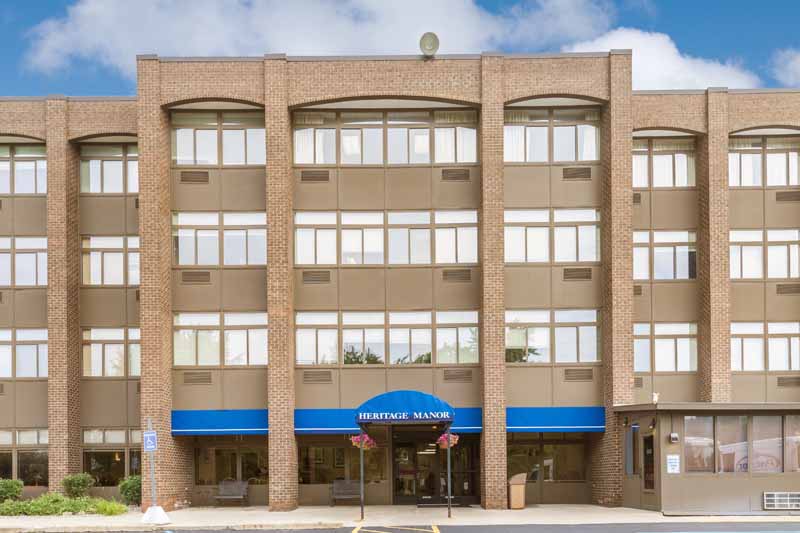
Mission Point Nursing & Physical Rehab Center of F

G 3201 Beecher Rd, Flint, MI 48532 (810) 732-9200
For profit - Corporation 167 Beds MISSION POINT HEALTHCARE SERVICES Data: November 2025 1 Immediate Jeopardy citation
Trust Grade
0/100
#391 of 422 in MI
Last Inspection: May 2025

Inspected within the last 6 months. Data reflects current conditions.

Overview

Mission Point Nursing & Physical Rehab Center of Flint currently holds a Trust Grade of F, indicating significant concerns about the quality of care provided. With a state rank of #391 out of 422 facilities in Michigan, they are in the bottom half, and they rank last in Genesee County at #15 out of 15 facilities. On a positive note, the facility's trend is improving, as the number of issues reported declined from 45 in 2024 to 22 in 2025. However, they have received a concerning $389,612 in fines, which is higher than 95% of Michigan facilities, signaling ongoing compliance problems. Staffing is a weak point with a rating of 2/5 stars and a turnover rate of 46%, which is average for the state, but there are serious incidents, including a critical failure to provide necessary tracheostomy care for residents and a serious incident involving a resident falling due to malfunctioning equipment, resulting in multiple fractures. While some quality measures are rated 4/5 stars, the facility has a lot of room for improvement in staffing and compliance to ensure resident safety and well-being.

Trust Score
F
0/100
In Michigan
#391/422
Bottom 8%
Safety Record
High Risk
Review needed
Inspections
Getting Better
45 → 22 violations
Staff Stability
⚠ Watch
46% turnover. Above average. Higher turnover means staff may not know residents' routines.
Penalties
✓ Good
$389,612 in fines. Lower than most Michigan facilities. Relatively clean record.
Skilled Nurses
○ Average
Each resident gets 32 minutes of Registered Nurse (RN) attention daily — about average for Michigan. RNs are the most trained staff who monitor for health changes.
Violations
⚠ Watch
101 deficiencies on record. Higher than average. Multiple issues found across inspections.
★☆☆☆☆
1.0
Overall Rating
★★☆☆☆
2.0
Staff Levels
★★★★☆
4.0
Care Quality
★☆☆☆☆
1.0
Inspection Score
Stable
2024: 45 issues
2025: 22 issues

The Good

  • 4-Star Quality Measures · Strong clinical quality outcomes
  • Full Sprinkler Coverage · Fire safety systems throughout facility
  • No fines on record

Facility shows strength in quality measures, fire safety.

The Bad

1-Star Overall Rating

Below Michigan average (3.1)

Significant quality concerns identified by CMS

Staff Turnover: 46%

Near Michigan avg (46%)

Higher turnover may affect care consistency

Federal Fines: $389,612

Well above median ($33,413)

Significant penalties indicating serious issues

Chain: MISSION POINT HEALTHCARE SERVICES

Part of a multi-facility chain

Ask about local staffing decisions and management

The Ugly 101 deficiencies on record

1 life-threatening 9 actual harm
Sept 2025 1 deficiency
CONCERN (E) 📢 Someone Reported This

A family member, employee, or ombudsman was alarmed enough to file a formal complaint

Potential for Harm - no one hurt, but risky conditions existed

Safe Environment (Tag F0921)

Could have caused harm · This affected multiple residents

**NOTE- TERMS IN BRACKETS HAVE BEEN EDITED TO PROTECT CONFIDENTIALITY** This citation pertains to Intake Number 2597296.Based on observation, interview and record review, the facility failed to ensure...

Read full inspector narrative →
**NOTE- TERMS IN BRACKETS HAVE BEEN EDITED TO PROTECT CONFIDENTIALITY** This citation pertains to Intake Number 2597296.Based on observation, interview and record review, the facility failed to ensure that air conditioning units were operational and that the environment was clean and comfortable for eight residents (1, 2, 4, 5, 6, 7, 8 and 9) of nine residents reviewed for a comfortable environment.Findings include:On 9/12/25 at 12:25 PM, an observation was made of the 200-hall common area/dining area. There were six residents in the dining area and two staff. The room felt hot, and the air conditioning units were not running. There was a single stand-up fan, but it was not running. CNA E was asked about the temperature in the room. The CNA indicated that the air was not turned on at that time. The wall unit that controlled the heating/cooling unit was turned on by the CNA. The wall unit read 83 degrees. When asked about the high temperature in the room, the CNA reported that it had gotten hot recently. The CNA turned the stand-up fan on, but upon inspection of the fan with the surveyor of built-up debris on the back, front and on the blades, the CNA stated, Needs to be cleaned, and turned it back off. When asked if Residents in the room were comfortable, the Resident from room [ROOM NUMBER] spoke up and stated, Its hot in here! On 9/12/25 at 12:35 PM, an interview was conducted with Nurse C regarding the common area feeling warm and at a temperature of 83 degrees. The Nurse indicated they have had issues with air conditioning for a couple months. The Nurse asked some Residents if they wanted the fan on, a couple Resident's indicated they did want a fan running and a couple said they didn't or didn't care, a couple did not answer. The Nurse went to the fan to turn it on and upon inspection with the Nurse, it was not turned on due to debris on the fan and indicated they will get it cleaned. On 9/12/25 at 1:13 PM, observations were made of Resident rooms. Resident #1's room had his door closed and was not in the room at the time. The room was observed to be very warm. The Resident did have a free-standing fan in the room. The wall unit displayed a temperature of 86 degrees; the unit was set on cool. The unit by the window was running a fan but cool air was not coming from the air conditioning unit. An observation was made of Resident #2's room. The Resident was sleeping and did not answer when their name was called. The wall unit indicated the room was 90 degrees, with the fan set on auto. The fan on the unit was not running. The Resident did not have a free-standing fan in the room. The room felt stuffy and hot. On 9/12/25 at 1:20 PM, observations were made on the 3rd floor halls. An observation was made of Resident #4's room. The Resident was not in the room at that time. The unit on the wall read 83 degrees, the system was set to cool with the fan set to on. The unit by the window was not working at all. The Resident had a lunch tray on the overbed table and there was food debris on the floor that was not from the lunch meal. The room smelled bad and was warm. There was no free-standing fan in the room. In Resident #5 and 6's room, an observation was made of the wall unit with the temperature of 81 degrees. The unit system was set on cool with the fan set on Auto. An observation was made of the unit by the window not functioning. Resident #6 was interviewed, answered questions and engaged in conversation. The Resident was sitting in front of a fan that was on a bedside table. The fan was dirty with debris on the back of the fan and light debris on the front. The Resident was asked if the room temperature was uncomfortable. Resident #6 exclaimed about the room being uncomfortable and would like the room to be cooler in temperature. The Resident stated, They called someone to fix it, the first guy couldn't fix it, and reported they said someone else was coming. Resident #5 was asked questions but answered questions by nodding yes or no. The Resident was asked if the room felt hot and nodded yes. The Resident was lying in bed with the curtain pulled more than halfway and the fan was not positioned to assist the Resident with cooling down. The Resident was asked if she could feel the fan and nodded no. An observation was made in Resident #7 and 8's room. Both Resident's were present in the room. The wall unit read 81 degrees with the system set on cool and the fan on Auto, the fan on the unit by the window was running. When asked about being comfortable in the room, Resident #7 stated, yeah it's hot. Resident #8 stated, It's too hot! Just blows hot air, indicating the air conditioning unit and reported it was too hot in the room and was not comfortable with the temperature in the room at 81 degrees. Resident #8 had a stand-up fan near him and reported it was his fan. The fan had debris on it. Resident #8 stated, I try to clean it myself. An observation was made in Resident #9's room. The wall controller temperature read 79 degrees; the system was set on cool at 70 degrees and the fan was running but was not producing cool air. The Resident was present in the room, was interviewed, answered questions and engaged in conversation. The Resident was asked about comfort of the temperature in her room. The Resident stated, I like 73 (degrees), and talked about having a hard time sleeping and not comfortable with the temperature of the room more than 73 degrees. The Resident reported that it has been over a month that the room unit has not been working. On 9/12/25 at 3:00 PM, an interview was conducted with the Director of Nursing (DON) and Regional Director of Operations (RDO) A regarding the lack of air conditioning in the facility. The DON and RDO reported that the cooling system of the building was down and was to be repaired and that many of the individual cooling units (called PTAC) in the Resident rooms were not working. The RDO reported that quotes had been approved for the room units and that 32 units had been ordered, but the units had not been received. The RDO returned with the PTAC estimate for 32 units. The RDO reported that an acceptable range for temperatures throughout the building was 72 to 81 degrees and stated, We try to stay in those parameters, and reported that fans were in place if requested. The DON and RDO were asked when the main building system was to be fixed and reported that the company was supposed to come out last Friday and now it was reset for Tuesday. When asked how long the main system had been out, they indicated that it had been out for a month or 2 for the main system and the other units in the Resident rooms were the secondary system but did not indicate how long the room units had been out of working order. A list of rooms without working units were requested. The DON was asked if the residents' room temperatures were monitored and they would check with maintenance department. When asked how residents that were non-interviewable monitored for adverse effects of the lack of air conditioning, the DON reported that it would depend on nursing and CNA (certified nursing assistants) assessment, they would look for lethargy and room temperatures. On 9/12/25 at 4:00 to 4:42 PM, observations were made with the Maintenance Director (MD) F of multiple resident rooms on the three floors where residents reside. The MD was asked for the list of rooms that did not have working air conditioning units that were to be replaced. The MD reported he did not have a list of the rooms. When asked how the facility monitored the rooms daily for unacceptable room temperatures, the MD reported that he had not been monitoring the temperatures in the individual resident rooms.A review of random rooms with the MD included some of the following room temperatures:-room [ROOM NUMBER], wall unit indicated 85 degrees, fan was set to on, and the temperature was set at 55 degrees. The MD indicated the unit was not working and the room needed a new unit put in. The MD had a digital temperature gun and temped the room at 87 degrees.-room [ROOM NUMBER], wall unit indicated 86 degrees, and the MD temped the room at 85 degrees.-room [ROOM NUMBER], wall unit says 82 degrees, MD temped the room at 78 and 80 degrees. The room unit was checked and was not functioning correctly.-room [ROOM NUMBER], wall unit says 82 degrees. The MD temped the room at 79 and 80. The wall unit was set for cool with the fan on auto. The fan was blowing from the unit, but it was not cool air. The MD reported the unit needed to be replaced.-room [ROOM NUMBER], wall unit indicated 82 degrees, MD temped the room at 82 degrees. The air conditioning unit was turned on but was not functioning or turning on at all. The MD indicated that the unit needed to be replaced.-room [ROOM NUMBER], wall unit indicated 81degrees, the MD temped the room at 81 degrees. The wall unit was turned on with auto fan, system on cool and temperature was set at 68 degrees. The MD stated, They need a new unit.-room [ROOM NUMBER], MD temped the room at 83 degrees, the unit had a running fan but was not cool air coming from the unit. The MD indicated that he could tell that it needed to be replaced because the compressor on the unit was not running.-room [ROOM NUMBER], wall unit indicated 82 degrees, the MD temped the room on the floor at 81 degrees. The unit was turned on, but the compressor did not go on.-room [ROOM NUMBER], wall unit indicated 82 degrees, and the MD temped the room floor at 81 degrees. The unit was turned on and the fan worked but the compressor did not activate.-room [ROOM NUMBER], wall unit indicated 81 degrees, the MD temped the room at 82 degrees and unit was not blowing cool air.-room [ROOM NUMBER], wall unit indicated 82 degrees, and the MD temped the room at 83 degrees. The system was turned on and set for cool air, but the system was not functioning. The MD was asked why some residents had stand-up or portable fans and others did not. The MD reported that they were out of fans and that he would go and get more for the Residents who wanted the fans. When queried that there were no available fans for the Residents who asked for them, the MD reported all the extra fans were in use. When asked how long the units had been out, the MD reported they have been going out for throughout the summer. When asked how long the main unit had been out, the MD indicated it had been out for about two months. When queried regarding monitoring the resident room that did not have working units, the MD reported they had not been monitoring the temperatures and would get a list together of the rooms that did not have working units of the computer systems that the facility used for maintenance work. Maintenance Director F was queried about the 2nd floor dining room/common area fan that had built up debris. The MD was unaware that there was a problem with the fan. An observation was made of the fan in the 2nd floor common area/dining area. The fan was turned on and running. The MD shut the fan off and stated, I will take core of that. There was multiple Residents in the dining area, but no one was eating at the time. The MD reported he would make sure the fan was cleaned. On 9/16/25 at 10:50 AM, an interview was conducted with the State Ombudsman G and was queried if there had been any received complaints regarding comfortable temperatures in the building. The Ombudsman reported they did receive complaints when they had been out at the facility. The Ombudsman reported they had spoken with a couple residents with concerns that it was too warm inside the building and resident rooms. The Ombudsman indicated they could tell it was very warm in the building. On 9/16/25 at 12:58 PM, an observation was made of Resident #1 in their room. The temperature on the wall read 88 degrees. The Resident was in the room and was interviewed and needed extra time to answer questions. When asked if the room temperature was at a comfortable range the Resident stated, It's too hot in here! The Resident had two fans now and indicated the fans helped and stated, but it's too hot. On 9/16/25 at 12:55 PM, an observation was made in Resident #2's room with a wall unit temperature that indicated 88 degrees. The Resident was sleeping at the time and was not disturbed. On 9/16/25 at 1:09 PM, an observation was made in Resident #4's room with the wall unit temperature that indicated 83 degrees. The Resident was interviewed and answered questions. The Resident complained about the room being very warm. On 9/16/25 at 1:21 PM, an observation was made of Resident #5 and 6's room with the wall unit that read 80 degrees. Resident #5 was not in the room and Resident #6 was sitting in front of her fan. An observation was made of another stand-up fan in the room that was oscillating. The Resident was questioned about the comfort of the room temperature and reported it was too hot and stated, They gave us another fan, and reported that the extra fan helps and it reaches to her roommate that was not in the room at the time. On 9/16/25 at 1:30 PM, an observation was made I Resident #9's room with the wall unit that read 78 degrees. When asked about the comfort of her room temperature and Resident stated, It's still hot, but now I have a fan, and it helps. On 9/16/25 at 3:09 PM, an interview was conducted with the Maintenance Director F regarding the date the main building air-conditioning unit had ceased to work. The MD reported the beginning of August or end of July, reported they came out and got it working, but they had to come out again. The MD indicated that a company was out to fix it today. When asked about the list of rooms, the MD reported that he had gotten a list together on Friday (9/12/25). When asked about monitoring the temperatures in the rooms without the working AC units, the MD reported taking temperatures in common areas but not in all the Resident rooms. A review of the facility's Service Quotes for the service revealed a date on 7/28/25 that revealed, .Found the coated microchannel condensing coil punctured from a broken fan blade. We will need to replace the condensing coil, and recharge with virgin refrigerant. We will also need to replace the condensing fan blade. A review of the facility's Service Quotes for the service revealed a date on 8/14/25 that revealed, .Found the coated microchannel condensing coil punctured from a broken fan blade. We will need to replace the condensing coil, and recharge with virgin refrigerant. We will also need to replace the condensing fan blade.The facility indicated that the repair company had been scheduled to come out a couple weeks ago, had changed the date to 9/16/25, and indicated that the service was out on 9/16/25 for repairs. The Service Quotes indicated a two-day repair. A review of the facility's documentation titled, Estimate for the PTAC units, dated 8/15/25, revealed a quantity of 32 units. The RDO reported that quotes had been approved for the room units and that 32 units had been ordered but had not been received. A review of the facility document for Temperatures: Test and log air temperatures, completed by Maintenance Director F dated 9/13/25, revealed the following, Steps: All buildings are required to maintain an ambient temperature throughout resident and patient areas in a temperature range of 71 to 81 degrees Fahrenheit or at a more restrictive range required by state or local requirements. Exceptions to this range may be available for brief periods of unseasonably warm or cold temperatures; however, the variance in temperatures must not adversely affect resident or patient health and safety. Instructions: 1. Take environmental temperature readings approximately 36 (inches) from the floor. 2. Using a digital thermometer take random location temperatures throughout the building. 3. The time of day that the temperatures are taken should vary to ensure that the desired temperature range is achieved under a variety of conditions. 4. While meeting the requirement for the indoor air temperature, it is also important to consider the effective air temperature and the impact that humidity and sir movement in the building may be having on comfort. 5. If air temperature monitoring test are not within acceptable ranges, immediately create a high priority TELS work order. The log included the following: Area; 9/13/25, 9/14/25, 9/15/25, 9/16/25 (with temperature degrees Fahrenheit):1st floor; 79, 79, 79 792nd floor; 78, 78, 78, 793rd floor;78, 78, 79, 804th floor; 79, 80, 79, 80233; 79, 81, 82, 83433; 90, 81, 80, 83333; 79, 80, 81, 81406; 80, 82, 82, 83The facility document of the requested list of rooms that needed the PTAC units replaced included rooms: 214, 233, 224, 225, 312, 319, 322, 326, 328, 323, 332, 333, 334, 404, 406, 407, 409, 410, 411, 414, 419, 420, 427, 430, 431, and 433.
Aug 2025 1 deficiency
CONCERN (D) 📢 Someone Reported This

A family member, employee, or ombudsman was alarmed enough to file a formal complaint

Potential for Harm - no one hurt, but risky conditions existed

Free from Abuse/Neglect (Tag F0600)

Could have caused harm · This affected 1 resident

**NOTE- TERMS IN BRACKETS HAVE BEEN EDITED TO PROTECT CONFIDENTIALITY** This Citation pertains to Intake Number 2584838.Based on observation, interview and record review, the facility failed to protec...

Read full inspector narrative →
**NOTE- TERMS IN BRACKETS HAVE BEEN EDITED TO PROTECT CONFIDENTIALITY** This Citation pertains to Intake Number 2584838.Based on observation, interview and record review, the facility failed to protect Resident 101 (R101) and Resident 102 (R102)'s rights to be free from verbal and physical abuse and Resident 103 (R103) and Resident 104 (R104)from physical abuse during two resident-to-resident altercations, for four (R101, R102, R103, R104) of four residents reviewed for abuse, resulting in the potential for feelings of disrespect for R102; fear of an impending threat for R104 and an emergency room (ER) visit for R101 and R103 related to injuries sustained during the resident-to-resident altercations. Resident #103: A record review of the Face sheet and Minimum Data Set, indicated Resident #103 was admitted to the facility on [DATE] with diagnoses: History or a stroke, dementia, diabetes, right and left leg amputations below the knee, acquired absence of right fingers, peripheral vascular disease, neuropathy, depression, rosacea, folliculitis (a skin condition), adjustment disorder with mixed disturbance of emotions/conduct, mild cognitive impairment and alcohol abuse. The resident was discharged to the hospital emergency room on 8/11/2025. A review of the progress notes for Resident #103 identified the following: 8/11/2025 at 4:35 PM, a nursing progress note, “Resident observed in the main lobby of the first floor with a bag of medications. Explained to resident that he could not have the medication in his room and they would need to be given to the nurse. Resident became very agitated and attempted to swat at writer with his hand… Medications taken from the resident and placed on the floor with nurse.” 8/11/2025, a late entry for 4:58 PM, a nursing progress note, “UM (unit manager) retrieved a bag of medications from resident after coming in from an LOA (leave of absence) to assist with verifying the medication with the physician and floor nurse.” On 8/11/2025 at 5:12 PM, an “Interact SBAR Summary for Providers” assessment document listed the following: “Situation: The Change In Condition reported on this (assessment) are/were: Skin wound or ulcer (not specified); At the time of evaluation resident/patient vital signs, weight, and blood sugar were: (The blood pressure, pulse respiratory rate and Temperature were all dated 6/27/2025). Weight was 137 lbs. dated 7/1/2025 and there was no blood sugar recorded. Most of the questions were blank on the “Interact SBAR Summary for Providers” assessment dated [DATE] except for the “Nursing observations, evaluation, and Recommendations are: Resident was involved in an altercation with another resident resulting in injuries to left eye, and lip…. Provider ordered resident to be monitored…” On 8/11/2025 at 5:27 PM, a Discharge Emergent Note revealed, “Was a physician order obtained for transfer/discharge? ‘Yes’; What is the reason for resident transfer/discharge? ‘Evaluation post incident/altercation.” A review of the Care Plans for Resident #103 included the following: Behaviors: I have a history of leaving facility and being gone all day, come back intoxicated I have been verbally inappropriate with staff; I recently was observed intoxicated coming back to the floor and physically aggressive with staff…” date initiated 12/18/2024, revised 3/13/2025 with Interventions including: “Increase my supervision when observed to be intoxicated/under the influence as needed,” date initiated 6/5/2025. “I have (moderate/severe) impaired cognitive function or impaired thought processes related to dementia diagnosis,” date initiated 12/18/2024 with Interventions including: “Report to Social Services and Nurse any changes in cognitive function, specifically changes in: decision making ability, memory, recall and confusion,” date initiated 12/18/2024 and revised 1/9/2025. “I have the potential for mood difficulties and/or adjustment concerns related to (diagnosis) depression,” date initiated and revised 12/18/2024 with Interventions including: “Provide me with Behavioral health consults as needed,” date initiated 12/18/2024. All of the Care Plans were discontinued on 8/19/2025 after the resident was discharged . On 8/20/2025 at 1:30 PM, during an interview with the Administrator and Director of Nursing, the Administrator said Resident #103 and Resident #104 had an incident where both of them were physically aggressive with each other. Resident #103 had a swollen left eye with a laceration and his lip was bleeding and Resident #104 had a red mark on his chest, his shirt was stretched out of shape, and he had a red mark on his cheek. The Administrator said Resident #103 was transferred to the hospital and did not return. She said Resident #103 smelled like he had been drinking alcohol at the time of the incident and had a history of alcohol abuse. The Administrator said Resident #103 had returned to the facility from picking up his medications from the pharmacy prior to the incident. The Administrator said Resident #103 did not return to the facility after transferring to the hospital on 8/11/2025. Resident #104 continued to reside at the facility. Resident #104: A record review of the Face sheet and Minimum Data Set/MDS indicated Resident #104 was admitted to the facility on [DATE] with diagnoses: Paraplegia, history of physical injury/gunshot, nerve pain, and peripheral vascular disease. A review of the progress notes for Resident #104 identified the following: 8/12/2025 at 2:34 PM, a nursing progress note provided, “Impaired Skin Integrity was documented. Resident has no open areas noted. Skin is intact. Resident has some scratches/redden area to his right cheek and chest area.” There was no mention in the progress notes of the incident between Resident #103 and Resident #104, or that Resident #104 hit Resident #104 in the face on 8/11/2025, until 8/14/2025. 8/14/2025 no time documented, a general note, “Attempted to see pt (patient) due to need for re-sending of controlled substances and due to hx (history) of altercation with another resident. Pt is LOA (leave of absence) from the facility at this time…” A Late Entry Practitioner note dated for 8/15/2025 at 6:47 PM provided, “… Patient had an altercation with another resident. No acute injuries… He self-propels his wheelchair and independently performs his ADL’s (activities of daily living) and transfers. Over the past 60 days has had no falls or hospitalizations: however, episodes involving in-room vaping and verbal altercations with another resident have been documented… Residential institutional living problems; Chronic/unstable. Counsel on appropriate in-facility behavior, Monitor interactions with peers, Encourage positive coping and recreational participation. 8/18/2025 at 10:23 AM, a Nursing Incident note, “Report Type: Incident/Accident, Description of what occurred: Resident received physical aggression from another resident. Immediate Intervention implemented: separated resident’s.” On 8/20/2025 at 2:30 PM, Resident #104 was interviewed. He said he was involved in an incident with Resident #103. Resident #104 said he was trying to sign out at the reception desk on the 1st floor to go outside, when he heard a commotion by the doors. He said some nurses were telling Resident #103 that he couldn’t have his bag of medications and they were trying to take them from him. He said Resident #103 became very upset and was yelling. Resident #104 said the nurses took the medications and went into the conference room and shut the door. He said Resident #103 continued to yell and wave his arms. Resident #104 said he was trying to go towards the front door to go out and Resident #103 “got into his space”. He said he told Resident #103 to “get out of my way” and Resident #104 stated, “He grabbed my shirt. I pushed him back away and he started swinging his arms. I defended myself. I just punched. Staff came out and broke it up. The police came.” Resident #104 was asked if he had been involved in any other incidents at the facility and he said no, but he said he felt vulnerable being in a wheelchair and if someone tried to come at him he would defend himself again. Resident #104 was asked if he would hit someone again and he said he would if he felt threatened. A review of the Care Plans for Resident #104 identified the following: “I have potential to demonstrate behaviors verbally inappropriate and interjecting myself into others conversations related to ineffective coping skills, Mental/Emotional illness, Poor Impulse control… I will inform staff or leadership of any inappropriateness from anyone and not attempt to take matters in my own hands…” date initiated 7/14/2024 and revised 6/23/2025, with Interventions including: “Staff to document my observed behavior and attempted interventions on my POC (plan of care),” date initiated,” date initiated and revised 7/14/2024; “When I become agitated: Intervene before agitation escalates; Guide away from source of distress; Engage calmly in conversation; If response is aggressive, staff to walk calmly away, and approach later,” date initiated 8/26/2024 and revised 6/16/2025. The Care Plan had not been reviewed or revised after Resident #104 had an altercation with Resident #103 and Resident #103 was transferred to the hospital. A review of the Facility Reported Incident/FRI dated 8/11/2025 involving Resident #103 and Resident #104 was reviewed. The “Summary of incident,” included the following: “The administrator was informed that resident #1 (Resident #3) and resident #2 (Resident #104) were involved in a physical confrontation in the lobby area. Resident #1 was in the lobby vociferously shouting and verbally menacing the staff. When Resident #2 attempted to exit, he requested Resident #1 to vacate the doorway, as he was obstructing it, and to refrain from bothering this writer and the staff. Resident #1 invaded the personal and facial space of resident #2, refusing to withdraw, and began speaking rapidly, causing saliva to project towards resident #2’s face. He then extended his hand to push resident #2 away, resulting in mutual physical contact between them… The facility contacted 911 to request assistance from the police… Officers: The resident #1 is recommended to go to hospital as he refuses to allow the facility nursing staff to assess him A review of a “(facility) Interview Form” dated 8/11/2025 for an interview with Resident #104 and written by Nurse “J” provided the following, “I came out of the main dining, receptionist asked me to sign out. As I got to the clipboard to sign out, I saw (Resident #103) and he seemed agitated and I told him to back up and get out of my personal space and put my arm up to keep him away. (Resident #103) then spit as he was talking and kept coming towards me and then we had an altercation.” A review of a “Statement” from Resident #103 written by Nurse “J” dated 8/11/2025 provided, “Resident was entering the building with his medication from (the pharmacy) to take to the floor and Unit managers stopped him stated “We need to take those medications, and you can not have those.” The other resident came out of the dining room and hit me. I tried to rip his shirt off.” On 8/18/2025 the facility provided “De-escalation Training” for staff beginning 8/18/2025 and continuing through 8/20/2025. There was no identification of education or counseling for Resident #103 or Resident #104 related to their aggressive and combative behaviors. Resident #104 received visits from the facility Social Worker to see how he was coping, but there was no mention of his aggressive behavior. On 8/21/2025 at 9:40 AM, Nurse Manager “K” was interviewed about the altercation between Resident #103 and Resident #104 and stated, “I didn’t see the incident. I was in here (the conference room) doing some work. When I came out the residents were separated. One staff member had (Resident #103) and one had (Resident #104), someone said they hit each other. (Resident #103) his face was red his eye swollen; (Resident #104) had redness on his chest and cheek. His shirt collar was stretched out like someone had been pulling his shirt. (Resident #103) had some blood on his lip or nose.” Nurse Manager “K” was asked if Resident #103 had talked to the Nurse Manager’s before the incident and stated, “We had been getting off the elevator and he had just came back from LOA/leave of absence and he had a bag of medications, and we said ‘You can’t take them up to your room. You have to give them to the nurse, and they will give them to you.’ I can’t remember who reached for the medications first, but I ended up with them. We told him he could take them to the nurse, and he said, ‘No’. He was upset when someone reached for them. He let us get the meds. Then he wheeled towards the elevator. I didn’t see exactly where he went. We came back in here (the conference room). Afterward, we called the Police. They interviewed him and said he needed to go to the hospital because he needed to receive treatment because of his injuries.” During an interview with Nurse Manager “J” on 8/21/2025 at 10:03 AM, she stated “Initially when the incident happened, I was in here (conference room), Me (the DON, and Nurse Manager “K”). We were packing up to leave. When he (Resident #103) came through the door we talked to him because he had his meds in a pharmacy bag. He did not have a self-administration (ability to self-administer his own medications). He was intoxicated. You could smell it and he told us he had a drink. I usually go up and get them from the pharmacy for him. This was a new order, and he was anxious to get them and did not want to wait. He kept saying something about it days prior and he asked me about it. It was a dermatology order. He becomes really headstrong about his dermatology appointment. He gave them to (Nurse Manager “K”). We came back in the conference room and got ready to go and heard he had a scuffle with (Resident #104). (Resident #104) had some redness to his chest, [NAME] marks on his face. (Resident #103’s) face was red, lip, eye red and swollen. I think his lip was bleeding. When he drinks he gets belligerent to staff. When he was sober he was the perfect resident.” Nurse Manager “J” was asked if other residents drank alcohol outside the building and she stated, “Some other residents drink outside and come back, some get drunk. Usually when we are not in the building.” Nurse Manager “J” was asked if Resident #103 went to the hospital after the incident and she stated, “He wanted to go to the hospital. The ambulance came here with the police.” On 8/21/2025 at 10:30 AM, the Director of Nursing/DON was interviewed, and said she was in the conference room with Nurse Managers “J and K” when she heard a commotion in the hall. She said staff were pulling Resident #103 and #104 apart from each other in their wheelchairs. On 8/21/2025 at 10:59 AM, the Administrator was interviewed about the incident between Resident #103 and Resident #104 and said she was not aware of the incident until she left the day room and entered the hall and the DON said there had been an altercation between the residents. The Administrator said she interviewed both residents. She said Resident #103 was very upset and she tried to calm him down. She said both residents said they hit each other. The Administrator said Resident #103 had swelling around his left eye and some bleeding on his face. She said the police came and interviewed the residents. She said there was no police report. During the interview with the Administrator on 8/21/2025 at 10:59 AM, reviewed with her the conversation this surveyor had with Resident #104, and he said he would hit again if he felt threatened. The Administrator was asked what interventions were in place to prevent the altercation from happening between Resident’s #103 and #104, as both residents had a history of aggressive behavior verbally or physically, prior to the incident and Resident #104 said he would do it again. She said Resident #104 was seen on 8/12/2025 by a psychiatric practitioner, this was prior to the resident saying he would hit again; the Administrator stated, “We are going to continue to round, if we see something we are going to jump in, it is our plan to keep everyone safe. We offered ‘De-escalation’ techniques for everyone.” Social Worker “E” was interviewed on 8/21/2025 at 1:42 PM about the incident between Resident #103 and #104. She said she did not see it and heard about it the next day. She said she did not speak to Resident #103 about the incident because he did not return from the hospital. The Social Worker said she had met several times with Resident #104, and he said he felt safe in the building. She said she referred Resident #104 to the psychiatric practitioner, and he saw someone once on 8/12/2025. She said she was not aware that the resident said he would hit someone again, if he felt threatened; but she said she understood why he said that. She was asked if the resident received education related to not hitting other residents, as most also use a wheelchair and are vulnerable and some have dementia, confusion or mental illness. The Social Worker said she thought education had been provided for some residents last year. She provided a copy of an undated document indicating Resident #103 had been talked to about inappropriate behavior, but there was nothing for Resident #104. A review of the hospital records for Resident #103 identified the following: 8/11/2025 at 6:00 PM, “Chief Complaint: Assault Victim: Pt (patient) states he was assaulted by someone, unsure who and was hit in face, has swelling and small lac (laceration) to left orbit (eye). Positive ETOH (alcohol) and smells of urine… Presents with soft tissue swelling and abrasion to the left cheek… He is clinically sober… Patient was asking for something to eat and drink which were provided… the patient reported that he had been assaulted by another resident (at the facility) … He stated his wheelchair and personal belongings remain at (the facility), but he is unable to return there and is unsure why, given that he was the one assaulted. (Social Worker) contacted (the facility) and spoke with staff member, who reported that the patient voluntarily discharged himself due to an unwillingness to follow facility rules…” A record review for Resident 101’s (R101) quarterly Minimum Data Set (MDS) assessment revealed a Brief Interview of Mental Status (BIMS) score of 3 that indicated severe cognitive impairment and indicated a need for comprehensive assistance and specialized care approaches. Further record review of R101’s medical record revealed, medical diagnoses that included: Schizophrenia (a mental health condition that affects thinking abilities, memories, and senses often have hallucinations, delusions and disorganized thinking), vascular dementia, Schizo-affective bipolar type (a mental health condition that is marked by a mix of schizophrenia symptoms, such as hallucinations and delusions, and mood disorder symptoms, such as depression, mania and a milder form of mania called hypomania. Hallucinations involve seeing things or hearing voices that others don't observe. Delusions involve believing things that are not real or not true), asthma, heart failure and general weakness. R101 was admitted to hospice services on 06/11/2025. A record review for Resident 102’s (R102) quarterly MDS assessment revealed and a BIMS score of 8, indicated moderate cognitive impairment and may need additional support and monitoring. Further record review of R102’s medical record revealed medical diagnoses included: Schizo-affective bipolar type, stroke, dysphasia (partial impairment of various aspects of communication of speech, comprehension, reading and writing), congestive heart failure, anxiety, depression and trauma related to military history. According to a record review of the facility reported incident (FRI) 5-day investigation summary, “(R101) was seated on the bed of his roommate, (R102) upon entering the room. (R102) repeatedly requested that (R101) vacate his bed but (R101) declined to comply after several appeals. (R102) reported that (R101) struck him in the facial area with the Bible and stated, “God told me to tell you that you are a nigger”. (R102) stated that he extended his arm to retrieve a shoehorn, and upon raising it up for self-defense, (R101) abruptly rose from his bed and moved away, resulting in contact with the top of his head, which caused a laceration. According to (R102), (R101) fell to the ground while in a hurry to exit the room”. A record review indicated that R101 and R102 were roommates on 07/21/2025, the date of the above FRI. On 08/20/2025 at 3:25 PM, an observation was made of R102 in the dining/activity room of the unit he resides, he was sitting in his wheelchair watching TV, he appeared to be in a pleasant mood. He was asked if he minded if we went back to his room to talk privately, and he agreed. On 08/20/2025 at 3:27 PM An interview was conducted with R102 in his room, at which time he was asked if and what he could recall about the incident that occurred on 07/21/2025 with his old roommate R101. He reported that he remembered and then R102 stated, “I hit him”. R102 was asked if he hit R101 more than once and he replied, “I hit him three times”. R102 was asked what prompted you to hit R101 and his response was, “He (R101) was on my bed, he was calling me everything under the sun, he (R101) was waving the bible around saying, God and his son told me to tell you you’re a nigger”, and “I told him that’s not true”. R102 said, “I have a bible right there and it don’t say that. He (R101) told me that I must have the wrong book then”. R102 stated, “He (R101) raised the bible at me” and “I told him to stop and that I would whoop his ass if he didn’t”. R102 stated “he swatted it at me, so I hit him, I hit him three times and he fell”. R102 was asked what he hit R101 with, he replied, “the thing I use to put my shoes on” (confirmed as a shoehorn). R102 was asked, if R101 hit him or if he himself was injured and he responded, “Nah”. R102 was asked if he ever had any issues with R101 before this incident and he replied, “Everyday”. R102 was asked what the issues were, and he said, “He (R101) is always walking with and talking about the bible and said things that are not true” and “I don’t like that”. R102 was asked if he had ever asked to be moved to another room or change roommates because of this, his reply was “Everybody know how he (R101) is”. R102 was asked what he meant when he said, “how he (R101) is” and he responded, that “he (R101) walked the bible around and said things that were not true”. R102 continued, “I told them I was in Vietnam, and I can handle him”. R102 was asked specifically who he had told this to, and he said, “Everybody”. R102 was asked what was different on the day of the altercation and he stated, “He (R101) was on my bed, he would not get off it”, and that “He (R101) swatted the bible in my face”, and “He (R101) said God and his son said I am a nigger” and “I know that ain’t true; I don’t like that”. R102 was asked if he requested help from staff, he responded, “I am not sorry I hit him; I would do it again” and “I heard he (R101) is on (another) floor now”. He continued, “I have a bible right there” (R102 pointed at his bible on the stand) “That how I know he is wrong”. R102 was re-asked if he requested help from staff and he replied, “Didn’t need too”. On 08/20/2025 at ~3:37 PM, an interview with CNA “B”, when asked about R102’s demeanor and behaviors he stated, “I call him Mr. Smiley he is usually a happy guy, but if you make him mad then he will let you know”. On 08/21/2025 at 10:15 AM, an observation of R101 who was resting in his bed. Attempted to conduct and interview, an introduction was made and R101was asked if it would be ok if we talked. He said, “No, I do not want to talk”. R101 was then asked if we could talk later and R101 shook his head side to side, (indicating no). On 08/21/2025 at 10:17 AM, an interview with CNA “C” who had assigned care of R101, she was asked if she is familiar with the resident and she stated, “Yes, I have been taking care of him since he moved to my floor”. CNA “C” was asked, “why did he (R101) get moved?” and she stated, “He (R101) had an altercation with another resident”. CNA “C” was asked what she knew about that incident, and she stated, “He (R101) was hit on the head, got a cut and he went to the hospital for stitches”. CNA “C” was asked if R101 had any aggressive behaviors and she said, “No”. CNA “C” was asked if she had any knowledge of any additional incidents with R101 and she stated, “No, he is pretty much like you just saw, he is quiet, has a bible with him most of the time”. On 8/21/2025 at 10:51 AM, a phone interview was conducted with CNA “D”, who worked on the residents’ floor 07/21/2025. Asked if she could recall what happened on that date between R101 and R102. She reported, “I was working and was at the desk on the (floor on the incident) floor, When I saw (R101) came walking down the hall with blood all on his shirt, I did not know what was going on, I thought he had fallen” and I said, “oh my gosh (R101) what happened”. R101 said “He (R102) beat me, (R102) beat me with a club”. She continued, “So, I got up and grabbed a chair in the hallway, I sat him down and grabbed some towels and applied pressure, the other CNA (“CNA “F”) called out on the overhead for any nurse to come and assist”. CNA “D” was asked if she knew who or where the nurse working on that floor was and she stated, “I am not sure they don’t always wear name tags”, and “I think maybe she was passing medications”. She stated, “(R102) came out of the room, and he (R102) said, “I hit him (R101), I hit him with my shoe thing because he was in my bed”, and then “I (CNA “C”) told him (R102) you cannot hit people”. CNA “D” was asked if R102 was injured or did she see any injury and she stated, “I don’t think so”, but “both (R101 and R102) had blood on their clothes”. According to a record review of CNA “D’s” statement in the 5-day report: “I was sitting at the desk charting when (R101) was observed walking out of his room bleeding, stating “He beat me, I want to press charges” …, (R102) came out of the room shortly after with blood on his clothing. I asked him what happened, and he stated, “I told him to get out of my bed”.” On 08/21/2025 at 11:33 AM, during an Interview, the Administrator (NHA) stated that the facility had a unique and diverse set of residents ranging in age, demographics, medical diagnoses, trauma, and cognitive status at our facility and that can be challenging. The NHA was asked about the process and policy for determining roommate placement due to her stated diverse group of residents and she reported, the facility did not have a policy, and the placement process was done through gathering information from intake and hospital admissions. She stated, “we know our residents, and we consider demographics, progress notes, discharge needs and evaluate their placement, we are very good at that”, and “We use a bed board to track open beds”. The interdisciplinary team (IDT) team will review any issues. The NHA was asked if she assessed that R101 and R102 were an appropriate fit from this process, and she reported they had not had any problems in the past with each other. For clarification the NHA was asked and if either R101 or R102 had any previous issues from 07/21/2025 altercation regardless of it was with each other or separate and she stated, “R101 has had no other incidents, R102 has had a reportable (a prior altercation with staff or resident) about 6 months ago”. The NHA was asked about the extent of R101’s injuries as referenced both in the emergency room notes and the summary of incident when R101 returned to facility in the 5-day report as a laceration repair to scalp, a fractured right shoulder and a fractured right humerus with the summary of the incident in the 5-day report stated report of, “R101 rose abruptly… resulting in contact with the top of his head, which caused the laceration”, She was asked if the injuries sounded consistent she stated, “You can’t say that happened here”, asked for clarification on what that meant, she stated, “The shoulder and arm, that could have happened anywhere, in the ambulance or at the hospital, there is nothing in our notes saying that happened here”. The NHA was asked if he (R101) had a history of a fractured right arm before the incident and she again said it was not in their notes. The NHA was asked about the police involvement and if there was a report for the officer referenced in the 5-day investigation report and she said there were no charges pressed and that she had tried to get a copy of it but was told that there was no report. A record review of the change of condition assessment for R101 under “functional status evaluation” revealed, “functional status change: general weakness” and “signs and symptoms: can ambulate independently”, and under the heading of “the skin assessment relevant to change in condition being reported: (on the body map) Area 1 is top of scalp laceration needing sutures; Area 17 right elbow with red/purple bruise new. Other …”. The assessment also revealed in “Pain status evaluation” indicated, “Rate pain…8 (was marked)”. (the pain scale of 0-10 was noted as 0 = no pain, 4-5 = moderate pain, 10 = excruciating pain) On 08/21/2025 at 1:15 PM, a voicemail was left for CNA “F” asked to return phone call about an investigation from an incident on 7/21/2025 at the facility. According to a record review of CNA “F’s” statement in the progress note provided by the DON stated, “I was standing at the nurses’ station, (R101) came out of his room, yelling help. I went to the resident and got a chair to sit him down and out (put) a towel on his head to stop the bleeding. I called the receptionist to have all (the) nurses to come to the floor. I stayed with the resident until nurses made it to him”. On 08/21/2025 at 1:17 PM, a voicemail was left for RN “G” asking for a return phone call about an investigation from an incident on 7/21/2025 at the facility. On 08/21/2025 at 1:47 PM, an interview was conducted with the Social Worker (SW) “E”, she was asked about IDT committee and what her role as the SW was in roommate placement and compatibility. She stat
Jun 2025 1 deficiency
CONCERN (D) 📢 Someone Reported This

A family member, employee, or ombudsman was alarmed enough to file a formal complaint

Potential for Harm - no one hurt, but risky conditions existed

Accident Prevention (Tag F0689)

Could have caused harm · This affected 1 resident

**NOTE- TERMS IN BRACKETS HAVE BEEN EDITED TO PROTECT CONFIDENTIALITY** This Citation Pertains to Intake#: MI00153447 Based on observation, interview and record review, the facility failed to ensure a...

Read full inspector narrative →
**NOTE- TERMS IN BRACKETS HAVE BEEN EDITED TO PROTECT CONFIDENTIALITY** This Citation Pertains to Intake#: MI00153447 Based on observation, interview and record review, the facility failed to ensure a wheelchair was safe and in good working condition for one resident (#1) of 3 residents reviewed for safety. Findings Include: Resident #1 A review of the Face sheet and Minimum Data Set/MDS assessment indicated Resident #1 was admitted to the facility on [DATE] with diagnoses: Diabetes, peripheral vascular disease, right and left below the knee amputations, COPD, alcohol abuse, Dementia, absence of 4 right fingers, depression, hypertension, and muscle weakness. The MDS assessment dated [DATE] revealed the resident had a Brief Interview for Mental Status/BIMS score of 15/15- full cognition and the resident needed some assistance with care. He was able to transfer self and motor his own wheelchair. On 6/5/2025 at 1:19 PM, Resident #1 was observed sitting outside in his wheelchair smoking a cigarette with other residents. The resident said he used to have his own wheelchair, but when he came to the facility someone from the Therapy department gave him a wheelchair. He said he didn't like the wheelchair because it didn't have a brake. The resident pointed to the right-side front area of the wheelchair. There was no brake on the right side, but there was a brake on the left side of the wheelchair. The resident was asked why the right-side brake was missing and he said he didn't know. Resident #1 said he was upset about this because he liked to ride the public transportation bus and the bus driver would not let him ride because he was missing a brake. He said the bus driver said his wheelchair wasn't safe. Resident #1 said he liked to ride the bus to visit friends and now he couldn't do that. He was not sure how long it had been broken. On 6/5/2025 at 2:40 PM, Therapist B was interviewed in the therapy gym. She was asked about Resident #1's wheelchair and said the Therapy department provided wheelchairs for resident's who did not already have one. The therapist was asked if she was aware the brake was missing on the right side of Resident #1's wheelchair, and she said she would look it up to see if there was a work order for the wheelchair. Therapist B said the Therapy Manager A might have more information about it. On 6/5/2025 at 3:31 PM, Therapy Manager A was interviewed about Resident #1's wheelchair. She said the therapy department provided wheelchairs for the residents who did not already have one. She said the therapy department provided Resident #1 with his wheelchair. The Therapy Manager was asked if she was aware the wheelchair was missing a brake on the right hand side. She said Therapist B said a work order to fix his wheelchair had been placed. Therapy Manager A said she was not aware that the brake was missing, but she would look at the wheelchair. A review of the Care Plans for Resident #1 identified the following: I am at increased risk for falls related to bilateral amputee, medication side effects; Incident in the community, date initiated 10/8/2024 and revised 6/5/2025 with Interventions including: Educate resident on the importance of using the appropriate wheelchair based on the incident in the community; and Remind me to lock my wheelchair prior to transfer, date initiated 10/8/2024. The Director of Nursing and Administrator were interviewed on 6/5/2025 at 4:40 PM related to Resident #1's wheelchair. They said the Therapy department provided the residents a wheelchair if needed, but they were not sure who inspected the wheelchairs to ensure they were in safe working order.
May 2025 18 deficiencies
CONCERN (D)

Potential for Harm - no one hurt, but risky conditions existed

Deficiency F0578 (Tag F0578)

Could have caused harm · This affected 1 resident

**NOTE- TERMS IN BRACKETS HAVE BEEN EDITED TO PROTECT CONFIDENTIALITY** Based on interview and record review, the facility failed to ensure the accuracy of advance directives for one resident (R315) o...

Read full inspector narrative →
**NOTE- TERMS IN BRACKETS HAVE BEEN EDITED TO PROTECT CONFIDENTIALITY** Based on interview and record review, the facility failed to ensure the accuracy of advance directives for one resident (R315) of two residents reviewed for advance directives, resulting in the potential for unmet life sustaining needs. Findings include: Resident #315 (R315): R315 is [AGE] years old and originally admitted to the facility on [DATE] and most recently readmitted to the facility on [DATE] with diagnoses that include chronic obstructive pulmonary disease (COPD), dementia, major depressive disorder and dependence on supplemental oxygen. On 05/19/25 at 11:55AM, review of the electronic medical record (EMR) revealed that R315 had a physician's order for a full code dated 05/13/25. Review of the documents of the EMR revealed R315 had a signed do not resucitate (DNR) form dated 02/25/25. On 05/19/25 at 01:25 PM, an interview was conducted with Unit Manager (UM) A. UM A was asked if the nurses station had a code status book they used to know the code status of the residents. UM A replied that they use a binder located at the desk, because the code status is in the medcation administration record (MAR). A binder of the resident's MAR's was given to the surveyor, review of the MAR for R315 revealed a DNR order and it is dated 10/15/24-10/21/24. UM A was informed that the binder had the MAR's from resident and it was for the week of 10/15/24-10/21/24. UM A was asked who is responsible for updating this binder so it stays accurate. UM A stated, I guess I am ultimately responsible for that. UM A was asked why R315 had a discrepancy between the code status in the binder, what was ordered in the EMR and the signed form in documents. UM A stated that R315 was recently readmitted and when residents readmit we make them a full code until we get paperwork saying otherwise. On 05/20/25 at 10:40AM, an interview was conducted with Social Worker (SW) B. SW B was asked why R315 has a discrepancy between what is ordered and the signed document. SW B stated that because R315 has a guardian, when R315 came back to the facility we made them a full code by default until we get the documentation back on her from the guardian. SW B stated we need the signature of the physician and the guardian on the document and sometimes the guardians take a long time to respond. Review of the policy titled, Resident's Rights Regarding Treatment and Advance Directives, revealed: Policy Explanation and Compliance Guidelines: 3. Upon admission, should the resident have an advance directive, copies will be made and placed on the chart as well as communicated to the staff. 8. Any decision making regarding the resident ' s choices will be documented in the resident ' s medical record and communicated to the interdisciplinary team and staff responsible for the resident ' s care.
CONCERN (D)

Potential for Harm - no one hurt, but risky conditions existed

Investigate Abuse (Tag F0610)

Could have caused harm · This affected 1 resident

**NOTE- TERMS IN BRACKETS HAVE BEEN EDITED TO PROTECT CONFIDENTIALITY** Based on interviews and record review, the facility failed to thoroughly and accurately conduct an investigation of a fall, whic...

Read full inspector narrative →
**NOTE- TERMS IN BRACKETS HAVE BEEN EDITED TO PROTECT CONFIDENTIALITY** Based on interviews and record review, the facility failed to thoroughly and accurately conduct an investigation of a fall, which resulted in hospital admission for one resident (Resident #70) of three sampled residents reviewed for the fall. Findings include: The Incident Report (IR), dated 4/17/25, was reviewed on 5/19/25 at 12:00 PM. The incident occurred on 4/17/25 at 8:00 PM. Nursing Description: Nursing did not witness the event. Resident Description: Resident stated that he fell at the bus [NAME] while waiting on the bus and covered his face with his left arm to protect himself from hitting his forehead. Injuries Observed at the Time of Incident: Bruise Left Lower Leg (Front), Bruise Right ankle (inner), bruised Right forearm, Bruise left toe (s), Bruise left forearm, Hematoma Right lower leg (front), hematoma right forearm, scratch left lower leg (front). The IR (Post Incident) described: No injuries observed Post Incident. Page 2 of 3 of the IR was not filled, and all boxes were left empty. On page 3 of 3, the IR was partially filled out; all boxes were left empty. The witness statements indicated, No statement found. People notified: Physician (Name mentioned). Date notified: 4/25/25 at 10:00 AM. The IR was filled out by Nurse C. Nurse C, during the interview on 5/21/25 at 10:00 AM, revealed that she was assigned to write an incident report and based the report on the resident's statement only. Nurse C stated that she did not fill the entire IR because it was unwitnessed and did not happen in the facility. Nurse C admitted they did not get statements from other staff. Nurse C indicated that she did it on 4/25/25 for the incident on 4/17/25. R70 fell and went to the hospital. The IR was done after he returned from hospital on 4/22/25. R70 went to the hospital immediately when he fell outside the facility at the bus [NAME] while on LOA (Leave of Absence). He had some big bumps and bruising from the fall. The ambulance came to respond and immediately sent him to the hospital. Nurse C admitted that she did not further investigate the accuracy of the date and time of the incident and did not interview any staff (assigned CNA and Nurse) for R70 when the actual fall occurred. Nurse C admitted she only interviewed the resident (R70) and no one else. She agreed that the IR was incomplete and inaccurate. Resident #70: R70 was interviewed on 5/20/2025 at 10:01 AM. R70 pointed at some scabbed areas on his left shin and a hematoma on his arm caused by a fall that happened last month when he fell outside of the facility. R70 further described the incident occurred because he was angry at the nurse who withheld his pain medication. R70 continued to say, The nurse kept on ignoring me when my pain was 8-10 scale. I waited, but then forty-five minutes went by, and still no Percocet. I had enough of it, so I just left the facility. I did not sign out the LOA (Leave of Absence) book but told the receptionist (R70 mentioned the receptionist's name) that I was leaving because I was pissed. After all, I was in a lot of pain. I was walking it off and waited at the bus [NAME], but then I fell. It is about 150 yards from the facility driveway. I called 911, they came and brought me to the hospital and kept me there for 5-6 days.There was something wrong with my cardiac and was in the ICU (Intensive care Unit). I left the facility because I was angry that they did not give me my medication for pain for my recent back surgery. I needed my Percocet for the pain but the nurse did not give me my medicine. On 5/21/25 at 1:30 PM, A review of R70's Electronic Medical Record (EMR) was conducted. It revealed that R70 was [AGE] years old and readmitted to the facility on [DATE] after R70 was sent to the hospital on 4/16/25. Records showed R70 was initially admitted to the facility on [DATE] with the diagnosis of Atrial Fibrillation, Chronic Obstructive Pulmonary Disease with acute exacerbation, protein-calorie malnutrition, emphysema, chronic Diastolic congestive heart failure, and a history of alcohol dependence in addition to other diagnoses. R70's Brief Interview of Mental Status (BIMS) Score assessed on March 18, 2025, was 15/15, which means R70 was cognitively intact. The Minimum Data Set MDS dated [DATE] showed section GG showed independence with transfers and mobility. However, R70 was assessed to be occasionally incontinent with a bladder elimination pattern. R70's care plan for pain management due to a recent back surgery was last revised on 1/22/2025, and the risk for fall care plan was revised on 9/23/2024. No updates or entries for interventions after 9/23/2024 were noted. On 5/20/25 at 12:30 PM, A review of the Nurse's Progress notes dated 4/16/25 and 4/17/25 were as follows: The Nursing Progress note dated 4/16/25 at 16:59 (4:59 PM) revealed, Note Text: Resident just returned to the floor after being LOA, CNA went into the room to give water and smelled alcohol on his breath. No PRN pain medication will be given at this time. The Nursing Progress Note dated 4/17/25 at 05:46 AM revealed, Note text: (Name of Hospital mentioned) Hospital called a doctor (name of doctor mentioned) who called at 5:30 AM to notify staff that he(R70) had called 911 and took him to the hospital (name of hospital mentioned). Meds were verified with the physician, and they will medicate him and send him back to the facility (name of facility mentioned). Earlier this shift at H.S., this nurse observed that the resident was not in his room. The building was searched. The manager on call was called and texted DON . The Director of Nursing (DON) confirmed on 5/21/25 at 9:45 AM that the IR was written after the resident returned to the hospital. The DON agreed that the date and time of the fall were entered inaccurately. The DON identified the Nurse who took care of the resident on 4/16/25 and the Nurse who created the incident report. The Administrator confirmed on 5/20/25 at 10:40 AM that the date and time of the incident report was entered wrong. According to the incident report, R70 left the facility via ambulance on 4/16/25 and not on 4/17/25. R70 was readmitted to the facility on [DATE], but the incident report was not created until 4/25/25. The nurse who did the incident report must have based it on R70's story and did not further investigate. The hospital record showed that R70 was at the hospital on 4/16/25. After reviewing all documents with the surveyor, the Administrator confirmed that the date of the incident/fall was entered inaccurately and the incident occurred on 4/16/25 and not on 4/17/25. The Incident/Accident Report Policy was requested on May 20, 2025, at 3:52 PM. According to the Incident Reporting -Accidents and Supervision Policy, date reviewed/revised on 8/24: .6. Documentation- The purpose of the Incident/Accident report is to provide a standardized, systematic process to ensure that all accidents and incidents are promptly identified, reported, and investigated and that measures addressing causes are implemented to reduce reoccurrence. An Incident/Accident is any situation that involves harm or potential harm .
CONCERN (D)

Potential for Harm - no one hurt, but risky conditions existed

Deficiency F0658 (Tag F0658)

Could have caused harm · This affected 1 resident

**NOTE- TERMS IN BRACKETS HAVE BEEN EDITED TO PROTECT CONFIDENTIALITY** Resident #70 (R70): Self-Administration of Medication On 5/19/25 at 10:15 AM, Nurse M was observed in R70's room and placed a wh...

Read full inspector narrative →
**NOTE- TERMS IN BRACKETS HAVE BEEN EDITED TO PROTECT CONFIDENTIALITY** Resident #70 (R70): Self-Administration of Medication On 5/19/25 at 10:15 AM, Nurse M was observed in R70's room and placed a white sheet with a date written on the piece of white sheet. Nurse M put them on R70's bedside table. R70 looked at the white sheet and asked Nurse M for an additional tape. The surveyor asked Nurse M as she was leaving R70's room, and Nurse M explained that the white sheet was R70's Lidocaine Patch due for back pain. Nurse M then proceeded to leave the room. Nurse M was briefly interviewed and asked about R70 in a self-administered medication program. Nurse M stated we often leave the patch to him to apply when he is ready. Nurse M acknowledged that R70 has a roommate, and she feels it is ok to leave the Lidocaine patch for R70 to apply on himself whenever he is ready. Nurse M was not sure if there was a care plan or an assessment that took place to determine the appropriateness to self-administering his medication or treatment. According to Clevelandclinic.org, the lidocaine dermal patch must be used with caution in individuals with the following conditions: Heart Disease, a history of irregular heartbeat, Liver Disease, skin conditions, or sensitivity .When applied, side effects of the patch can be breathing problems, chest pain or tightness, and dizziness. On 5/21/25 at 1:30 PM, A review of R70's Electronic Medical Record (EMR) was conducted. It revealed that R70 was [AGE] years old and readmitted to the facility on [DATE] after R70 was sent to the hospital on 4/16/25. Records showed R70 was initially admitted to the facility on [DATE] with the diagnosis of Atrial Fibrillation, Chronic Obstructive Pulmonary Disease (COPD) with acute exacerbation, protein-calorie malnutrition, emphysema, chronic Diastolic congestive heart failure, and a history of alcohol dependence in addition to other diagnoses. R70's Brief Interview of Mental Status (BIMS) Score assessed on March 18, 2025, was 15/15, which means R70 was cognitively intact. The Minimum Data Set MDS dated [DATE] showed section GG showed independence with transfers and mobility. However, R70 was assessed to be occasionally incontinent with a bladder elimination pattern. R70's care plan for pain management due to a recent back surgery was last revised on 1/22/2025. No IDT Assessment was found pertaining to self- administration of Medication. On 5/20/25 at 10:01 AM, R70 was interviewed. R70 stated that he was taking medication for pain due to a recent back surgery and was in the hospital last month for A-Fib (Atrial Fibrillation). According to R70, he received Percocet for pain as scheduled around the clock and some heart medications. A review of R70's May 1, 2025, Physician's orders was conducted on 5/19/25 at noon. The following was ordered for pain: Morphine Sulfate Oral Tablet 15 mg Percocet Oral Tablet 10-325 mg (oxycodone with acetaminophen) No Lidocaine Patch was found in the Physician's orders (Last reviewed on May 1, 2025 Physician orders.) R70 did not have an order to self-administer any medications Upon review of R70's Care Plan on 5/21/25 at 12:05 PM, no care plan and IDT (Interdisciplinary Team) assessment were found to self-administer any medications, especially applying a lidocaine patch. The facility's policy entitled, Resident Self-Administration of Medication (Date Revised on 6/2024) was reviewed on 5/21/25 at 11:00 AM. It revealed: It is the policy of this facility to support each resident's right to self-administer medication. A resident may only self-administer medications after the facility's interdisciplinary team has determined which medications may be self-administered safely .Policy Explanation and Compliance Guidelines: 1.) Each resident who self-administers medication will have an assessment completed. 2.) The IDT will determine if the resident can safely self-administer medications ., 4.) Residents administering their therapy shall be reviewed quarterly or sooner upon the discretion of the IDT .6.) Bedside medication storage is permitted only when it does not present a risk to confused residents who wander into the other residents' rooms or to confused roommates of the resident who self-administers medication .11. The care plan must reflect resident self-administration and storage arrangements for such medications Based on observation, interview and record review, the facility failed to ensure medications were administered per standards of practice for 2 residents (R#60 and R#70) reviewed for medication administration, resulting in the administration of medications outside of the physician-prescribed orders for Resident #60 and Resident #70 who were left to self-administer without an appropriate self administering of medication assessment from IDT and careplans, which could lead to adverse effects. Findings Include: Medication Administration Resident #60: A record review of the Face sheet and Minimum Data Set/MDS assessment for Resident #60 indicated admission to the facility on 4/30/2019 with diagnoses: Diabetes, chronic kidney disease, right below the knee amputation, protein-calorie malnutrition, peripheral vascular disease, history of seizures, and heart disease. The MDS assessment dated [DATE] indicated the Resident had full cognitive abilities with a Brief Interview for Mental Status/BIMS score of 15/15 and the resident was independent with most care. On 5/18/2025 at 10:24 AM, Resident #60 was interviewed in his room. He said he was having a problem with the nurses not administering his evening medications on time. He said sometimes the medications were given late at night. Resident #60 said he usually received his medications around 8:00 PM, but sometimes the nurses would give them several hours late; even as late as 1:00 AM or 2:00 AM. The resident said he was worried about this because he was diabetic and had a heart condition and needed his medication on time. Resident #60 said he usually went to bed early and did not want his medications given so late. A record review of the Medication Administration report for May 1, 2025 to May 19, 2025, that included the times that the medication was administered, identified multiple days when the resident's medications were given several hours late. In addition, there were many days when the day shift medications including insulin and heart medications were not given when ordered and sometimes the medications ordered to be given multiple times a day, were documented as given very close to or the same time together, as identified by the following: 5/1/2025: 7:00 AM -Insulin Glargine 18 units to be given twice daily was documented on the Medication Administration Record/MAR at 1:01 PM and said it was given at 8:00 AM. 5/1/2025: 7:00 PM- Insulin Glargine, Coreg (heart medication), Tamsulosin were documented as given at 11:45 PM. 5/1/2025: 8:00 PM Catapress (heart medication) was documented as given at 11:48 PM. 5/1/2025: 9:00 PM Bentyl (for loose stools), and Atorvastatin documented as given at ~ 11:42 PM. 5/5/2025: 9:00 AM Catapress given at 6:16 PM. 5/5/2025: 4:00 PM Catapress given at 6:14 PM (2 minutes prior to the 9:00 AM dose). 5/5/2025: 8:00 AM Bentyl given at 6:14 PM. 5/5/2025: 12:00 PM Bentyl given at 1:36 PM (given prior to the 8:00 AM dose). 5/5/2025: 5:00 PM Bentyl given at 4:51 PM (given prior to the 8:00 AM dose). 5/7/2025: 8:00 AM Bentyl given at 12:29 PM. 5/7/2025: 12:00 PM Bentyl given at 12:29 PM (given the same time as the 8:00 AM dose). 5/7/2025: 7:00 AM- All of the medications at 7:00 AM documented as given approximately 12:30 PM. 5/7/2025: 8:00 PM Catapress given at 12:50 AM. 5/7/2025: 9:00 PM Bentyl given at 12:50 AM. 5/7/2025: 7:00 PM Insulin Glargine given at 12:50 AM. 5/7/2025: 7:00 PM Coreg (heart medication) given at 12:50 AM. 5/8/2025: 7:00 AM Insulin glargine given at 12:33 PM. 5/8/2025: 7:00 PM Insulin glargine given at 9:51 PM. 5/8/2025: 7:00 PM Coreg given at 10:23 PM. 5/9/2025: 7:00 AM and 8:00 AM meds, including Insulin glargine documented as given at approximately 11:15 AM. 5/10/2025: 7:00 AM Insulin glargine given at 12:28 PM. 5/12/2025: 9:00 PM Insulin glargine, Atorvastatin, and Bentyl documented by the nurse on 5/13/2025 at 7:24 AM as given the night before at 8:00 PM. 5/13/2025: 7:00 PM meds including Insulin glargine, Coreg and Bentyl given at 11:05 PM. 5/13/2025: 8:00 PM Catapress given at 11:05 PM. 5/15/2025: 12:00 PM Bentyl given at 4:05 PM. 5/17/2025: 7:00 AM Insulin glargine given at 12:24 PM. 5/18/2025: 7:00 AM medications documented as given at approximately 12:30 PM: included heart medications- amlodipine and Coreg. Also, Insulin glargine. 5/18/2025: 9:00 AM Catapress given at 12:26 PM. 5/18/2025: 7:00 PM Coreg given at 11:06 PM. 5/18/2025: 8:00 PM Catapress given at 11:06 PM. A review of the May 2025 MAR for Resident #60 indicated the following: Catapress was to be given at 9:00 AM, 4:00 PM and 8:00 PM. Bentyl was to be given before meals and at bedtime: 8:00 AM, 12:00 PM, 5:00 PM and 9:00 PM. Insulin Glargine was to be given upon rising in the morning and at bedtime in the evening. A review of the facility policy titled, Medication Administration, date implemented 2/9/25 provided, Policy: Medications are administered by licensed nurses or competent medication technicians as ordered by the physician and in accordance with professional standards of practice . Ensure that the six rights of medication administration are followed: Right resident, right drug, right dosage, right route, right time, right documentation . Sign MAR after administered . On 5/20/2025 at 2:00 PM, the Director of Nursing/DON was interviewed about Resident #60 receiving medications late. She reviewed the Medication Administration reports and said some of the nurses were no longer working at the facility. She said the medications should have been administered as ordered or the physician should have been notified as to why they were not given. Reviewed there was not supporting documentation as to why they were late. On 5/21/2025 at 9:45 AM, Resident #60 was interviewed about the findings of the Medication Administration report that there were several instances where his medications, including in the evening were given late. Resident #60 stated, That's what I told you. Thank you.
CONCERN (D)

Potential for Harm - no one hurt, but risky conditions existed

ADL Care (Tag F0677)

Could have caused harm · This affected 1 resident

**NOTE- TERMS IN BRACKETS HAVE BEEN EDITED TO PROTECT CONFIDENTIALITY** Based on observation, interview and record review, the facility failed to ensure that activities of daily living (ADL) care was ...

Read full inspector narrative →
**NOTE- TERMS IN BRACKETS HAVE BEEN EDITED TO PROTECT CONFIDENTIALITY** Based on observation, interview and record review, the facility failed to ensure that activities of daily living (ADL) care was completed for one dependent resident (R17) of five residents reviewed, resulting in long dirty fingernails and a splint not being applied as ordered. Findings include: Resident #17 (R17): Resident #17 is [AGE] years old and admitted to the facility on [DATE] with diagnoses that include multiple sclerosis, paraplegia, muscle weakness and adjustment disorder with mixed anxiety and depressed mood. On 05/18/25 at 10:41AM, R17 was observed to have long, dirty nails on both hands. R17 was also observed to have a right-hand contracture, no splint in place, R17 opened his right hand with his left hand and revealed the palm of his right hand to be dirty. R17 was asked if anyone had performed nail care on him or applied his splint recently and he stated no. R17 was asked if he refuses to have his splint put on or his fingernails cut, he stated no. On 05/18/25 at 11:47AM, an interview was conducted with Unit Manager (UM) A. UM A was asked if R17 has a splint for his right-hand contracture. UM A stated, I will check the orders. This surveyor and UM A verified the palm of his contracted hand is dirty and his nails are long and dirty. UM A, then stated Yes, he does have one and he has an order and a certified nursing assistant (CNA) task for placing the splint. The nurses are also tasked with verifying if it is completed. On 05/19/25 at 01:39PM, an interview was conducted with UM A in the room of R17. UM A was asked if R17 refuses nail care and having his splint applied to his right hand. UM A stated that R17 is care planned to refuse care, which includes nail care, beard and hair care, treatments and wound care. R17 does not have his splint brace in place currently. On 05/20/25 at 10:12AM, record review revealed that the task for nail care was signed out as completed on 05/16/25. The growth and dirt on the nails did not indicate that they had been taken care of on 05/16/25. On 05/20/25 at 10:17AM, record review revealed that the CNA staff are signing out the resident had his splint in place. On 05/18/25 and 05/19/25 R17 did not have his right-hand splint in place during the day shift despite the CNA's signing them out. Review of the policy titled, Activities of Daily Living (ADL's), revealed, Policy: The facility will, based on the resident's comprehensive assessment and consistent with the resident's needs and choices, ensure a resident's abilities in ADLs do not deteriorate unless deterioration is unavoidable. Care and services will be provided for the following activities of daily living: 1. Bathing, dressing, grooming and oral care; 2. Transfer and ambulation; 3. Toileting; 4. Eating to include meals and snacks; and 5. Using speech, language or other functional communication systems. Policy Explanation and Compliance Guidelines: 3. A resident who is unable to carry out activities of daily living will receive the necessary services to maintain good nutrition, grooming, and personal and oral hygiene.
CONCERN (D)

Potential for Harm - no one hurt, but risky conditions existed

Deficiency F0692 (Tag F0692)

Could have caused harm · This affected 1 resident

**NOTE- TERMS IN BRACKETS HAVE BEEN EDITED TO PROTECT CONFIDENTIALITY** Based on observation, interview and record review, the facility failed to ensure breakfast was offered, prior to leaving for dia...

Read full inspector narrative →
**NOTE- TERMS IN BRACKETS HAVE BEEN EDITED TO PROTECT CONFIDENTIALITY** Based on observation, interview and record review, the facility failed to ensure breakfast was offered, prior to leaving for dialysis, to one resident (Resident #75) of 8 residents reviewed for food and nutrition, resulting in Resident #75 buying his own food for breakfast which led to feelings of frustration and anger. Findings Include: Resident #75: Nutrition A record review of the Face sheet and Minimum Data Set/MDS assessment indicated Resident #75 was admitted to the facility on [DATE] and readmitted on [DATE] with diagnoses: Diabetes, End stage renal disease, dependence on dialysis, pressure ulcers, peripheral vascular disease, right below the knee amputation, anemia, hypertension, respiratory failure, and pneumonia. The MDS assessment dated [DATE] revealed the resident had full cognitive ability with a Brief Interview for Mental Status/BIMS score of 13/15 and the resident needed some assistance with care. On 5/19/2025 at 9:28 AM, Resident #75 was not observed in his room. A breakfast meal tray was observed on the bedside table uneaten, and two boxes of cereal were on the dresser. Nurse K was interviewed on 5/19/2025 at 9:30 AM, she said Resident #75 was at dialysis. The nurse said he went to dialysis on Monday, Wednesday and Friday and the transport service picked him up about 5:00 AM and he returned about 9:30 AM. She said the breakfast tray was just delivered, but the resident was not there. On 5/19/2025 at 4:20 PM, Unit Manager L was interviewed about Resident #75 receiving breakfast on dialysis days. She said the dietary department would either send an early tray before the resident went to dialysis at 5:00 AM, or they would send him a lunch sack to take with him. On 5/19/2025 at 4:30 PM, Resident #75 was interviewed with Unit Manager/UM L present. The resident said no one brings him breakfast before dialysis or a sack lunch to take with him. He said he bought his own box of cereal because he said he wouldn't get to eat otherwise. Resident #75 said he used a Styrofoam drink cup and added milk for the cereal. A review of the Tasks: Amount Eaten documentation in the electronic medical record/emr for Resident #75 from 4/20/2025 to 5/19/2025 revealed breakfast intake was not documented for the resident on dialysis days: Monday, Wednesday and Friday. On some days the staff documented Resident not available. On some days it appeared they documented two lunches. A review of the Nutrition at Risk notes for Resident #75 identified the following: 5/15/2025 at 3:08 PM, Reason for Risk: Wounds, dialysis. Receives Renal diet. Intakes typically average ~ 75-100% of most meals. May consume less at times. Wt. remains stable at this time. May fluctuate related to HD/med dx (diagnosis). Receives supplements for additional nutritional support & to support skin integrity . Abscess to coccyx, right heel has resolved. Left stump improved. Wound care continues to follow . 5/8/2025 at 3:05 PM, a Late Entry written on 5/15/2025 was the same note as the 5/15/2025 note but wounds were documented as Abscess to coccyx, right heel and left stump . The remainder of the note was the same. There was no mention of the resident receiving breakfast or a sack lunch on dialysis days to ensure Resident #75 was receiving the necessary nutrition to promote health and healing of his wounds. On 5/19/2025 at 5:04 PM, Certified Dietary Manager/CDM N was interviewed about Residents who received dialysis offsite in the morning. He said night staff would make sack lunches for the residents who had dialysis in the morning and the morning dietary staff would deliver them to the floors. He said the residents should be getting one prior to leaving for dialysis. The CDM was asked what time the morning dietary staff delivered the food for residents receiving dialysis in the morning and he said it would be about 5:45 AM. Discussed with the CDM that Resident #75 left for dialysis at 5:00 AM. Reviewed with the CDM that Resident #75 had boxes of cereal at the bedside because he said no one brought him breakfast or a sack lunch on dialysis days. The CDM stated, It doesn't sound like he was getting one. CDM N said a sack lunch would include banana, cookie, chips, sandwich, juice cup. He said the nurses would communicate with the kitchen for who received dialysis. The CDM was asked who monitored the resident's intake and how much they had eaten. He said Registered Dietitian/RD J was at the facility on Mondays and Tuesdays and would monitor the resident's intake and weight. On 5/20/2025 at 9:53 AM, Registered Dietitian/RD J was interviewed. He said he rounded on the floor weekly to meet with the residents. When asked about Resident #75 receiving breakfast prior to leaving for dialysis on Monday, Wednesday and Friday, the RD said the resident was receiving a sack lunch to take to dialysis. Reviewed with the RD that the resident said he was not receiving a breakfast or sack lunch and CDM N said staff were not at the facility at 5:00 AM to provide a breakfast or sack lunch to the resident prior to dialysis. Also reviewed with the RD, that staff were not documenting that Resident #75 was receiving breakfast on dialysis days. He said he would meet with the resident. A review of the Care Plans for Resident #75 identified the following: I have the potential for a nutritional/hydration problem related to (past medical history) of acute respiratory failure, sepsis, pneumonia, myocardial infarction (heart attack), hypertension, diabetes, ESRD (end stage renal disease), pressure ulcer, anemia . I receive HD (hemodialysis) & may experience weight changes related to fluid shifts. date initiated 3/24/2025 and revised 4/17/2025 with Interventions including: Coordinate my care with my dialysis center, date initiated 3/24/2025; Document my daily food acceptance, date initiated 3/24/2025; Feeding Techniques I require: Assistance as needed, dated initiated and revised 3/24/2025; My diet orders are: Renal, Reg, Thin, date initiated 3/24/2025. The Care Plan did not mention providing the resident with breakfast or a sack lunch to take with him on dialysis days. A review of the facility policy titled, Frequency of Meals, date revised 01/21 provided, The facility will ensure that each resident receives at least three meals daily without extensive time lapses between meals . Alternative meal times will be specified in a resident's plan of care in accordance with the resident's needs, preferences, and requests .
CONCERN (D)

Potential for Harm - no one hurt, but risky conditions existed

Respiratory Care (Tag F0695)

Could have caused harm · This affected 1 resident

**NOTE- TERMS IN BRACKETS HAVE BEEN EDITED TO PROTECT CONFIDENTIALITY** Based on observation, interview and record review, the facility failed to ensure that oxygen orders were followed as ordered and...

Read full inspector narrative →
**NOTE- TERMS IN BRACKETS HAVE BEEN EDITED TO PROTECT CONFIDENTIALITY** Based on observation, interview and record review, the facility failed to ensure that oxygen orders were followed as ordered and oxygen therapy care plans were updated for one resident (R315) of two residents reviewed for respiratory care, resulting in the resident receiving the incorrect amount of oxygen and an inaccurate care plan. Findings include: Resident #315 (R315): R315 is [AGE] years old and readmitted to the facility on [DATE] with diagnoses that include chronic obstructive pulmonary disease (COPD), atrial fibrillation, anxiety disorder and peripheral vascular disease. On 05/18/25 at 12:58PM, R315 was observed lying in bed, complaining of a headache. R315 was observed to be receiving 8L of oxygen via a nasal cannula. On 05/19/25 at 08:37AM, review of the electronic medical record revealed a physician's order for oxygen to be administered at 3 Liters Per Minute, dated 05/13/2025. Record review revealed a care plan for oxygen therapy that revealed R315 was to receive 4L of oxygen, last updated 07/08/2024. On 05/19/25 at 01:29PM, R315 was observed lying in bed, watching television. R315 was observed receiving 8L of oxygen via a nasal cannula. An interview was conducted with Unit Manager (UM) A. UM A was asked to verify the current rate of oxygen administration on the concentrator. UM A verified that R315 was receiving 8L of oxygen. UM A was asked what the ordered rate of oxygen is supposed to be for R315. UM A stated she believed R315 was supposed to be receiving 4L of oxygen but would need to verify the order. R315 stated that she was supposed to be receiving 3L of oxygen. R315 stated that the nurse providing care is the one who set the rate of oxygen on the concentrator and that she didn't adjust it herself. On 05/19/25 at 01:45PM, UM A stated that R315 will change the rate of oxygen administration on the concentrator, her order is for 3L/Min we are titrating her down. UM A was made aware that the care plan states the resident is on 4L of oxygen. UM A stated they (the nurses) can update the care plans for oxygen administration on the floor. UM A asked R315 if they had messed with their concentrator settings, and R315 said no. UM A stated that the resident is not supposed to be on 8L of oxygen and that she will change it. UM A adjusted the oxygen concentrator to 3L and updated the care plan for oxygen administration. R315 was observed in bed and not in reach of her oxygen concentrator to adjust it. Review of the policy titled, Oxygen Administration and Concentrator Policy, revealed: Policy Explanation and Compliance Guidelines: 1. Oxygen is administered under orders of a physician, except in the case of an emergency. In such case, oxygen is administered and orders for oxygen are obtained as soon as practicable when the situation is under control. 3. The resident's care plan shall identify the interventions for oxygen therapy, based upon the resident's assessment and orders, such as, but not limited to: a. The type of oxygen delivery system. b. When to administer, such as continuous or intermittent and/or when to discontinue. c. Equipment setting for the prescribed flow rates. d. Monitoring of SpO2 (oxygen saturation) levels and/or vital signs, as ordered. e. Monitoring potential complications associated with the use of oxygen.
CONCERN (D)

Potential for Harm - no one hurt, but risky conditions existed

Deficiency F0698 (Tag F0698)

Could have caused harm · This affected 1 resident

**NOTE- TERMS IN BRACKETS HAVE BEEN EDITED TO PROTECT CONFIDENTIALITY** Based on interview and record review, the facility failed to: 1). ensure dialysis communication forms were complete and included...

Read full inspector narrative →
**NOTE- TERMS IN BRACKETS HAVE BEEN EDITED TO PROTECT CONFIDENTIALITY** Based on interview and record review, the facility failed to: 1). ensure dialysis communication forms were complete and included pre-dialysis and post-dialysis assessment for 1 resident (#75); and 2.) accommodate the resident's medication regimen with the dialysis treatment schedule for 1 Resident (# 27) of 2 residents reviewed for Dialysis care, resulting in the potential for a decline in condition and the inability for a prompt response to care needs, medication not given as prescibed and exacerbation of medical conditions. Findings Include: Dialysis Resident #75: On 5/19/2025 at 9:28 AM, Resident #75 was not observed in his room. A breakfast meal tray was observed on the bedside table. Nurse K was interviewed on 5/19/2025 at 9:30 AM, she said Resident #75 was at dialysis. The nurse said he went to dialysis on Monday, Wednesday and Friday and the transport service picked him up about 5:00 AM and he returned about 9:30 AM. A record review of the Face sheet and Minimum Data Set/MDS assessment indicated Resident #75 was admitted to the facility on [DATE] and readmitted on [DATE] with diagnoses: Diabetes, End stage renal disease, dependence on dialysis, pressure ulcers, peripheral vascular disease, right below the knee amputation, anemia, hypertension, respiratory failure, and pneumonia. The MDS assessment dated [DATE] revealed the resident had full cognitive ability with a Brief Interview for Mental Status/BIMS score of 13/15 and the resident needed some assistance with care. A review of the Hemodialysis Communication Forms for Resident #75, used to communicate clinical assessment findings from the facility to the Dialysis Center and from the Dialysis Center to the facility to aid in providing necessary care for the resident, were noted to be incomplete. Each Hemodialysis Communication Form had a section for the Nursing home to complete that included vital signs, changes in clinical condition and medications and dietary concerns. The Dialysis Unit section included weights- pre and post dialysis, vital signs post dialysis, medications given during dialysis, complications during dialysis, and problems or comments. Incomplete Hemodialysis Communication Forms included the following: 4/4/2025: the form was missing post dialysis weights. 4/7/2025: the dialysis unit did not provide the vital signs post treatment. 4/21/2025: post dialysis weights were missing. 5/5/2025: pre and post dialysis weights were missing; the Dialysis center did not sign the form. 5/12/2025: post dialysis weight and vital signs were missing. 5/16/2025: post dialysis weight was missing. Forms dated 5/2/2025, 5/7/2025, 5/8/2025 and 5/9/2025 were blank. On 5/19/2025 at 4:45 PM, Unit Manager L was interviewed about dialysis communication forms. She said the nurse would start the form and filled out the assessment information and the dialysis center was to complete their section of the form and return the information to the facility. Nurse L was asked if the nurses were assessing the resident upon their return to the facility and she said they were supposed to. On 5/21/2025 at 10:45 AM, the Director of Nursing and Administrator/DON were interviewed about the absence of assessment information on the Hemodialysis Communication Forms. The DON said the nurses were to complete the pre-dialysis assessment information and the dialysis center was to return the form with post dialysis assessment information. A review of the Care Plans for Resident #75 identified the following: I have renal insufficiency r/t (related to) Dialysis port (due to) end stage renal failure, My weight fluctuates due to dialysis, date initiated 3/21/2025 and revised 4/24/2025 with Interventions including: Coordinate my care with dialysis center. Utilize the (facility) Dialysis Communication Form to communicate care between the nursing facility and the dialysis center, date initiated 3/21/2025. Resident #27: A review of Resident #27's medical record revealed an admission into the facility on 1/24/25 with diagnoses that included metabolic encephalopathy, heart failure, seizures, schizoaffective disorder, depression, end stage renal disease and dependence on renal dialysis. A review of the Minimum Data Set assessment revealed the Resident had intact cognition and needed setup or clean-up assistance with bathing, personal hygiene and partial/moderate assistance with putting on/taking off footwear, lying to sitting on side of bed and transfers. Further review of the medical record revealed the Resident went out of the facility for dialysis treatments on Monday, Wednesday and Friday. A review of the Medication Administration Record for April 2025 and May 1-19th 2025 for Resident #27, revealed the following medications not given with documentation on the MAR of 3 that indicated Absent from home. The medications were schedule in the AM or Upon Arising. -Aspirin 325 mg (milligrams), give one time a day for heart health. Not given on 4/9, 4/11, 4/16, 5/2, 5/5, 5/9, 5/12 and marked not given on 4/2 documented 9 that indicated Other/see Nurse Notes, 2/28 documented as 9 and nurse note indicated dialysis. -Plavix 7 mg, give in the morning for CAD (carotid artery disease). Not given on 4/9, 4/11, 4/16, and on 4/29 marked as 9 with nurse note that indicated dialysis; 5/2, 5/5, 5/9, and 5/12. -Sennosides 8.6 mg, give in the morning for bowel regimen. Not given on 4/9, 4/11, 4/16, 5/2, 5/5, 5/9, and 5/12, and on 4/29 marked as 9 with nurse note that indicated dialysis. -Budesonide-Formoterol Fumarate Inhalation Aerosol, 2 puff inhale orally two times a day for asthma, upon arising and bedtime. The AM dose was documented as not given on 4/9, 4/11, 4/16, 4/18, 4/29, 5/2, 5/9, and 5/12. -Ferrous Fumarate 150 mg, two times a day for supplement, scheduled at upon arising. Not given on 4/9, 4/11, 4/16, 5/2, 5/5, 5/9, and 5/12. -Keppra 500 mg, give two times a day for seizures scheduled at upon arising. Documented as not given on 4/9, 4/11, 4/16, 4/18, 5/5, 5/9, and 5/12. On 5/19/25 at 4:51 PM, an interview was conducted with the Unit Manager, Nurse C regarding Resident #27's medication regimen not coordinated with the Resident's dialysis schedule. The Unit Manager (UM) was asked what times the Resident goes out for dialysis and return. The UM indicated the Resident goes about 8:30 AM and was back about 5:30 PM, Monday, Wednesday and Friday. The UM reported the Resident eats breakfast before he leaves, takes a sack lunch to dialysis, and is back for dinner. A review of Resident #27's MAR revealed the resident missed multiple medications due to being out of the facility. It was also reviewed of the Resident refusing multiple medications prior to leaving the facility for dialysis but often was administered medication earlier in the morning. When asked about the morning medication pass in the AM verses Upon arising, the UM indicated that the AM medication pass was earlier about 6 or 6:30 AM. A review of the medication in the AM pass, the Resident was documented at taking the medication almost regularly. When asked if the Resident could be offered the medications that he missed due to the times when he was out for dialysis to accommodate dialysis treatment times, the UM stated, The AM pass 6 AM, yes they could.
CONCERN (D)

Potential for Harm - no one hurt, but risky conditions existed

Deficiency F0804 (Tag F0804)

Could have caused harm · This affected 1 resident

**NOTE- TERMS IN BRACKETS HAVE BEEN EDITED TO PROTECT CONFIDENTIALITY** Based on the observation, interview and record review, the facility failed to ensure food temperature and palatability were main...

Read full inspector narrative →
**NOTE- TERMS IN BRACKETS HAVE BEEN EDITED TO PROTECT CONFIDENTIALITY** Based on the observation, interview and record review, the facility failed to ensure food temperature and palatability were maintained for 3 Residents (Res.#6, Res.# 70, & Res.# 74) of 6 residents reviewed for food temperature and palatability. Findings include: Resident #6 (R6): Food R6 R6 was admitted to the facility on [DATE] with the diagnosis of spondylolysis lumbar region, sarcopenia, Chronic Obstructive Pulmonary Disease (COPD), bipolar disorder, and morbid (severe) obesity due to excess calories. R6 Brief Interview for Mental Status BIMS Score dated 3/31/2025 was 15/15. A score of 15 means the individual is cognitively intact. Although the Minimum Data Set (MDS) Section GG dated 3/31/25 revealed that R6 depended on staff with most Activities of Daily Living (ADLS), especially with toileting, hygiene, and showers. Still, she required set-up and clean-up assistance from staff with eating. During a brief interview on 05/18/25 at 01:05 PM, R6 revealed that the facility's food is an issue. It is not hot or even warm when it is supposed to be hot. It is often cold. R6 was observed by the surveyor eating cereal. When asked why, she revealed that she did not like what was served for lunch and that there were not a lot of choices. So, she decided to have cereal instead. Resident #70 (R70): Food R70 On 05/19/25 at 09:46 AM during the initial tour, R70's room was observed with his breakfast untouched, and food was thrown out in the trash. When asked why he did not touch his breakfast tray this morning, R70 revealed he did not care for the food at the facility. When asked what he did not like about the food served, he indicated that he did not care for the taste; the food is often served cold, and when you ask for other choices, it is the same every day. There was no variety. He further stated, I don't like the food here. R70 pointed at the tray with the plate full of food not put away, and food visible inside the trash can at the bedside. On 5/21/25 at 1:30 PM, A review of R70's Electronic Medical Record (EMR) was conducted. It revealed that R70 was [AGE] years old and was readmitted to the facility on [DATE] after R70 was admitted to the hospital on [DATE]. Records showed R70 was initially admitted to the facility on [DATE] with the diagnosis of Atrial Fibrillation, Chronic Obstructive Pulmonary Disease with acute exacerbation, protein-calorie malnutrition, emphysema, chronic Diastolic congestive heart failure, and a history of alcohol dependence in addition to other diagnoses. R70's Brief Interview of Mental Status (BIMS) Score assessed on March 18, 2025, was 15/15, which means R70 was cognitively intact. Resident #74 (R74): Food R74 During the initial tour on 05/18/25 at 1250 PM, R74 expressed that the food tasted horrible. He revealed that he had to ask his family to bring food cooked from home. The wife was observed at his bedside serving him warm food brought from home. The wife indicated she had to bring them immediately while it was still hot. R74 stated, There is no hot water, and the staff in the kitchen don't serve hot food here. Food is always cold, served cold, eaten cold. A review of R74's electronic medical record on 5/20/25 at 11:40 AM indicated R74 was initially admitted on [DATE] with the diagnosis of Chronic Obstructive Pulmonary Disease (COPD), Type 2 Diabetes Mellitus, Acute Chronic Systolic (Congestive) Heart Failure, and Schizoaffective Disorder Bipolar Type in addition to other diagnoses. R74's care plan indicated the focus on the potential for nutritional/hydration problems related to PMH of COPD, schizoaffective, major depression, PTSD, benign neoplasm . I may receive food/snacks from outside the building I may experience weight changes related to fluid shifts. Interventions/Task specified: Report any significant weight changes I have to my physician and me/DPOA/Guardian (initiated date 9/30/24). A review of R74's weight record on 5/20/25 at 11:35 AM revealed no recorded weights were found in November 2024 and none recorded for February 2025. Food Temperature Logs: A deficient practice at F-812 was identified during a review of the kitchen on 5/18/25 at 10:00 AM, that included a lack of monitoring of food temperatures prior to serving. On 5/18/25 at 10:00 AM, a review of the kitchen area was started with facility [NAME] W. At approximately 10:30 AM, Dietary Manager came into the facility and proceeded with the tour of the kitchen. An observation was conducted of food temperature documentation for 5/17/25 that revealed no temperatures completed for the dinner meal. [NAME] W reported that food temperatures should be taken at every meal. A review of the meal temperature logs for May 11-15 included the following lack of temperatures recorded for meals prior to serving. 5/11/25-No dinner temps recorded. 5/12/25-No pureed temps for dinner recorded. 5/14/25-No dinner temps recorded. 5/15/25-Missing multiple dinner item temperatures. A copy of a month of meal temperature logs were requested but were not received prior to the exit of the survey. A review of facility policy titled, Food usage and Temperature Monitoring, revealed, Policy: Food usage and temperature monitoring will be completed for each meal served. Purpose: To maintain safe food handling and minimize the risk of food borne illness. Procedure: .2. Food temperatures will be taken and recorded on a food usage log prior to serving each meal. a. Temperature monitoring include final cook temperature and holding temperatures .
CONCERN (D)

Potential for Harm - no one hurt, but risky conditions existed

Deficiency F0813 (Tag F0813)

Could have caused harm · This affected 1 resident

Based on observation, interview and record review, the facility failed to follow facility policy of storing food brought into the facility by family, visitors and/or residents affecting residents usin...

Read full inspector narrative →
Based on observation, interview and record review, the facility failed to follow facility policy of storing food brought into the facility by family, visitors and/or residents affecting residents using the 2nd, 3rd, and 4th floor refrigerators out of a census of 108 residents. Findings include: On 5/18/25 at 10:46 AM, the floor unit refrigerators were reviewed with Dietary Manager (DM) N. Starting on the 4th floor, an observation was made of a refrigerator in the common area that was locked. The DM retrieved the keys and opened the refrigerator. There was a Gatorade that was open and partially consumed that did not have an open date, use by date or name. The DM indicated that he did not know who it belonged to and that it could be staff. When asked if staff were to keep items in this refrigerator, the DM reported items in the refrigerator should have a name on it. There was a Cracker Barrel bag with food inside the bag, but there was no date of when the food came in and when it should be used. Ranch dressing was opened but did not have an open date, use by date or resident name on the bottle. The DM indicated that it was not something from the facility and that it probably belonged to a resident. There was an open juice with no open date or use by date and no resident name on the container. On the 3rd floor, an observation was made of a refrigerator in the common area that was locked. The DM opened the refrigerator. An observation was made of multiple food containers in the refrigerator, two of the containers had a name on it but no date the food was brought in, a bag with food inside the bag that did not have a name or a date of when the food was brought in. There was a dried spill in the bottom of the refrigerator. A soda was opened and partially consumed but did not have a name or date of when it was opened, and dill pickles with no name or date on the jar. The Dietary Manager was asked about the facility policy on food labeling of the items in the refrigerators on the different floors. The DM reported that kitchen staff date the food that they bring up and staff were to write the name and the date with items brought in. On the 2nd floor, an observation was made of a refrigerator in the common area that was locked. The DM opened the refrigerator. An observation was made of yogurt that was not from the facility, but it did not have a name on it. There was a cup of liquid with a straw, there was no name or date on the cup. A review of facility policy titled, Use and Storage of Food Brought in by Family or Visitors, reviewed/revised 1/21 revealed, Policy: It is the right of the residents of this facility to have food brought in by family or other visitors, however, the food must be handled in a way to ensure the safety of the resident . 2. All food items that are already prepared by the family or visitor brought in must be labeled with resident name and date. A. The facility may refrigerate labeled and dated prepared items in the nourishment refrigerator. B. The prepared food must be consumed by the resident within 3 days. C. If not consumed within 3 days, food will be thrown away by facility staff. D. The facility will not be responsible for maintaining any reusable items .
CONCERN (D)

Potential for Harm - no one hurt, but risky conditions existed

Infection Control (Tag F0880)

Could have caused harm · This affected 1 resident

Based on interview and record review, the facility failed to analyze and respond to elevated Legionella water sample levels per Infection Prevention and Control Standards of Practice, resulting in the...

Read full inspector narrative →
Based on interview and record review, the facility failed to analyze and respond to elevated Legionella water sample levels per Infection Prevention and Control Standards of Practice, resulting in the potential for an unidentified outbreak of infectious illness for a facility census of 108 residents. Findings Include: Based on interview and record review, the facility failed to analyze and respond to elevated Legionella water sample levels per Infection Prevention and Control Standards of Practice, resulting in the potential for an unidentified outbreak of infectious illness for a facility census of 108 residents. Findings Include: FACILITY Infection Control Centers for Disease Control and Prevention (CDC): Developing a Water Management Program to Reduce Legionella Growth & Spread in Buildings- A Practical Guide To Implementing Industry Standards, dated June 24, 2021, Legionnaires' disease is a serious type of pneumonia caused by bacteria, called Legionella, that live in water. Legionella can make people sick when they inhale contaminated water from building water systems that are not adequately maintained. Unfortunately, Legionnaires' disease is on the rise in the United States. To reverse this trend, we are asking for your help to manage the risk of exposure to Legionella from water in your building. Your building may need a water management program to reduce the risk for Legionnaires' disease associated with your building water system and devices. This water management program should identify areas or devices in your building where Legionella might grow or spread to people so that you can reduce that risk. Legionella water management programs are now an industry standard for large buildings in the United States (ASHRAE 188: Legionellosis: Risk Management for Building Water Systems June 26, 2015. ASHRAE: Atlanta) . . Legionella can grow in many parts of building water systems that are continually wet, and certain devices can then spread contaminated water droplets. Examples include: o Hot and cold water storage tanks o Water heaters o Water-hammer arrestors o Expansion tanks o Water filters o Electronic and manual faucets* o Aerators o Faucet flow restrictors o Showerheads* and hoses o Pipes, valves, and fittings o Centrally-installed misters*, atomizers*, air washers*, and humidifiers* o Non-steam aerosol-generating humidifiers* o Infrequently used equipment, including eyewash stations* o Ice machines* o Hot tubs* o Decorative fountains* o Cooling towers* o Medical devices* (such as CPAP machines, hydrotherapy equipment, bronchoscopes) *These devices can spread Legionella through aerosols or aspiration . Certain skills . are needed to develop and implement your water management program. These skills would typically be provided by a combination of people, some of whom may have multiple skills . Healthcare Facilities: The team should also include: o Someone who understands accreditation standards and licensing requirements o Someone with expertise in infection prevention o A clinician with expertise in infectious diseases o Risk and quality management staff . Building water systems are dynamic. You should plan for your monitoring results to vary over time and be prepared to apply corrective actions. Corrective actions are taken in response to systems performing outside of control limits . On 5/20/2025 at 10:45 AM during a review of the Infection Prevention and Control Program with Infection Prevention and Control Nurse/IPC Nurse A she was asked if she received information about the facility's Water Management Program and Legionella monitoring. She said the Maintenance Director I handled the Water Management Program and the water monitoring. She said she provided an Infection Control report monthly at the QAPI (Quality Assurance Process Improvement) meeting. When asked if it included any information about water testing for Legionella, IPC Nurse A said Maintenance Director I would provide that. On 5/20/2025 at 12:20 PM, Maintenance Director I provided copies of the facility's water testing results for Legionella for March 2025. When asked if there were other test results, he said the facility tested quarterly and he would look for the results. On 5/20/2025 at 1:30 PM, Maintenance Director I provided additional Legionella water testing results for (May 2024, June 2024, July 2024: reviewed during the prior year Recertification survey) and November 2024. Upon review of the Legionella water testing report titled, Legionella Summary Sheet for November 18, 2024 (specimen collected) and analyzed and reported on 12/2/2024 it was identified the Sample Location HW was high; the result was 2.0 CFU/ml (colony forming units per milliliter) and the Legionella Isolated via culture was Legionella pneumophila Serogroup 1. On 5/20/2025 at 2:30 PM, Maintenance Director I was asked about the abnormal results for the November 18, 2024 Legionella water testing report. He said the HW represented Hot water recirculation. The Maintenance Director was asked what measures were enacted in response to the high Legionella level detected in the Hot water specimen. He said he thought something was done, but he would have to check on it. On 5/20/2025 at 3:00 PM, Maintenance Director I provided a typed document, undated that provided a response to an abnormal Legionella water test. The Maintenance Director was asked which result it pertained to and he pointed at the May 2024 abnormal water tests that were addressed in a prior survey. He was asked if there was any documentation for the response to the abnormal water test result in November 2024 and he said he wasn't sure. Further review of the March 11, 2025 water testing report titled, Legionella Summary Sheet indicated the HW hot water recirculation was not retested. On 5/21/2025 at 10:30 AM, IPC Nurse A was interviewed and asked if she was aware that the facility had an abnormal Legionella water test result in November 2024, and she said she was not aware. On 5/21/2025 at 10:45 AM, during an interview with the Administrator, Director of Nursing/DON and IPC Nurse A, the abnormal Legionella water test results were reviewed. Also reviewed a documented response to the abnormal water test was not identified by the Maintenance Director. There was no remediation for the abnormal result or retest of the Hot water recirculation on the March 2025 water test or sooner between November 2024 to March 2025.
CONCERN (E) 📢 Someone Reported This

A family member, employee, or ombudsman was alarmed enough to file a formal complaint

Potential for Harm - no one hurt, but risky conditions existed

Resident Rights (Tag F0550)

Could have caused harm · This affected multiple residents

**NOTE- TERMS IN BRACKETS HAVE BEEN EDITED TO PROTECT CONFIDENTIALITY** FACILITY Resident Council During the resident council meeting held on 05/19/25 at 01:13 PM, the majority (7 of 12) of the confid...

Read full inspector narrative →
**NOTE- TERMS IN BRACKETS HAVE BEEN EDITED TO PROTECT CONFIDENTIALITY** FACILITY Resident Council During the resident council meeting held on 05/19/25 at 01:13 PM, the majority (7 of 12) of the confidential group of residents indicated that: 1. HS (bedtime) snacks are not distributed to those who need them, especially for residents with Diabetes. Some take more, and there is not enough left for others. Staff take snacks, and there is nothing left for residents. The kitchen is closed, and the snack refrigerator is locked. Three residents raised their hands and revealed that they had Diabetes. 2. Medications were administered late; sometimes, residents did not receive their meds. A resident reported that a nurse said, If you were asleep, you are not in pain. As a result, you wake up in extreme pain because you missed a dose a couple of hours ago. They don't give them once they are missed. 3. Just so you know, call lights are not answered right away. One resident expressed that he had been waiting for 6 hours before they got to him, and another revealed a long wait of 3 to 4 hours for call light response time. 4. Food is served cold when it is supposed to be hot or warm, so choices are limited. The food choices picked are not available. The food is not palatable. They have a side of mashed potatoes when the main dish is pizza or a hot dog, not in a bun with rice on the side. Once food is delivered on the floor, they won't heat it for you. There is not enough help. We go hungry, or cereal is usually the best alternative. 5. Staff come to work with a bad attitude. There are not enough staff. Sometimes there is only one nurse per floor instead of two nurses. The Resident Council Meeting ended on 05/19/25 at 02:18 PM. Resident #6 (R6) Dignity R6 R6 was admitted to the facility on [DATE] with the diagnosis of spondylolysis lumbar region, sarcopenia, Chronic Obstructive Pulmonary Disease (COPD), bipolar disorder, and morbid (severe) obesity due to excess calories. R6 Brief Interview for Mental Status BIMS Score dated 3/31/2025 was 15/15. A score of 15 means the individual is cognitively intact. Although the Minimum Data Set (MDS) Section GG dated 3/31/25 revealed that R6 depended on staff with most Activities of Daily Living (ADLS), especially with toileting, hygiene, and showers. Still, she required set-up and clean-up assistance from staff with eating. During a brief interview on 05/18/25 at 01:05 PM, R6 revealed that the facility's food is an issue. It is not hot or even warm when it is supposed to be hot. It is often cold. R6 was eating cereal. When asked why, she revealed that she did not like what was served for lunch and that there were not a lot of choices. So, she decided to have cereal instead. Resident #70 (R70) Dignity R70 On 05/19/25 at 09:34 AM, R70 was observed in his room sitting at the edge of his bed, and there was a urinal on the floor half filled with urine. When R70 was asked who it belonged to, he replied that it had been sitting on the floor since last night and admitted it was his urinal. He stated, I could have dumped them into the toilet, but I am hooked to my oxygen. I've been having trouble breathing since I returned from the hospital. I wish the aides would do their job. The 3rd shift did not even come here all night. The Midnight staff don't do their job. This urinal thing happens all the time. Any staff member can put away and clean the urinal. Sometimes, he does it when he does not need to be on oxygen. R70 expressed feelings of retaliation from staff and sometimes nervousness about reporting to staff. On 5/21/25 at 1:30 PM, A review of R70's Electronic Medical Record (EMR) was conducted. It revealed that R70 was [AGE] years old and was readmitted to the facility on [DATE] after R70 was sent to the hospital on 4/16/25. Records showed R70 was initially admitted to the facility on [DATE] with the diagnosis of Atrial Fibrillation, Chronic Obstructive Pulmonary Disease with acute exacerbation, protein-calorie malnutrition, emphysema, chronic Diastolic congestive heart failure, and a history of alcohol dependence in addition to other diagnoses. R70's Brief Interview of Mental Status (BIMS) Score assessed on March 18, 2025, was 15/15, which means R70 was cognitively intact. The Minimum Data Set MDS dated [DATE] showed section GG showed independence with transfers and mobility. However, R70 was assessed to be occasionally incontinent with a bladder elimination pattern. R70's care plan for pain management due to a recent back surgery was last revised on 1/22/2025, and the risk for fall care plan was revised on 9/23/2024. On 05/19/25 at 09:42 AM, the nurse picked up R70's urinal from the floor in the middle of the room and poured its contents into the toilet. The nurse agreed that the urinals should not be left there without being emptied for prolonged periods. On 5/20/25 at 10:00 AM, the urinal was observed on the floor in the R70s room. The urinal was full, approximately about ¾ full to the brim. R70 stated, No one came to put it away again. My oxygen was on at all times. Without it, I get tired and wear out easily. Resident #14 On 5/18/25 at 12:13 PM, an observation was made of Resident #14 lying in bed. The call light was observed to be on the other side of the privacy curtain positioned over the arm of the chair that was next to the roommate. The Resident was interviewed but did not answer very many questions but did give her first name. When asked where her call light was, the Resident indicated she did not have it. Resident #21 A review of Resident #21's medical record revealed an admission into the facility on 2/22/23 and readmission on [DATE] with diagnoses that included stroke affecting right dominant side, chronic obstructive pulmonary disease, diabetes, low back pain, and osteoarthritis. A review of the Minimum Data Set assessment revealed a Brief Interview of Mental Status score of 14/15 that indicated intact cognition, and the Resident needed substantial/maximal assistance with bathing, upper body dressing and was dependent on a helper for lower body dressing, personal hygiene and transfers. On 5/19/25 at 9:31 AM, an observation was made of Resident #21 laying in bed. The Resident was interviewed, answered questions and engaged in conversation. The Resident reported he had a stroke, that their right side does not work and needed assistance from staff to assist with hygiene after incontinence, and to bring medication. The Resident reported being in pain from arthritis and not getting pain medication timely and stated, When I ask for it, they don't give it to me. When asked about staff response to call lights, the Resident expressed frustration of using the call light to get his pain medication and stated, I use the call light so I can get pain medication, but they don't come. When asked if he waits more than 30 minutes, the indicated yes, when asked if he had to wait an hour, the Resident stated with frustration, Yeah! wait two hours, yes! They don't come. The Resident reported not having enough assistance from staff to help with putting his heel boots on. The Resident reported he had a wound on his heel, was supposed to have the boots on all the time in bed, could not get them on himself, and stated, they don't always help with getting them on. On 5/19/25 at 9:40 am, Certified Nursing Assistant (CNA) T came in to answer the Resident's call light that was on. The Resident asked to get out of bed. An observation was made of hygiene care completed with Resident #21. The CNA with the help of another CNA, rolled the Resident onto their side for incontinence care. An observation was made of two briefs on the Resident, both saturated through with urine and onto the pad underneath the Resident. After completing care, CNA T was asked about the double briefing of Resident #21. The CNA reported they do not double brief and stated, Not suppose to but they can put in a liner, if they urinate large quantities, and reported the Resident might be care planned to have two briefs. Record review of Resident #21 revealed a care plan with a Focus: I experience bladder and bowel incontinence . with Interventions for Brief use: I use disposable incontinence products. Change daily, when soiled and PRN. Review of the care plan lacked documentation for the Resident to be double briefed. Resident #31 On 5/19/25 at 9:16 AM, an observation was made of Resident #31 lying in bed and appeared to be sleeping. The Resident did not respond to his name being called. An observation was made of the call light on the floor near the head of the bed and lying next to the wall on the floor. The call light was not in reach of the Resident. An observation was made of no clip on the call light cord to keep it secured to the bed. Resident #59 On 5/18/25 at 11:47, an observation was made of Resident #59 lying in bed. The Resident was interviewed, answered questions and engaged in conversation. The Resident was asked if they used the call light and how long does staff take to respond. The Resident stated, Call light? Five minutes to two hours, and explained he had incontinence and has had to wait for two hours before staff came to assist with their care. When asked which shift he had to wait two hours for staff to answer their call light, the Resident stated, All shifts, most of the time I am waiting for them to answer. When asked if they had let anyone know their concerns, the Resident indicated they have reported it and stated, You can complain but it does no good. Based on observation, interview and record review the facility failed to ensure that residents were treated in a dignified manner for five residents (R6, R14, R21, R31, R36, R45, R59, R70) and a confidential group of residents, resulting in residents being cold due to no blankets on the bed, soiled pillows, call lights not in reach, call lights not answered timely, needs not met timely and frustration Findings include: Resident #45 R45 is [AGE] years old and admitted to the facility on [DATE] with diagnoses that include dementia, reduced mobility, major depressive disorder and mood disorder. R45 is mostly non-verbal and will nod their head yes or no to certain questions. On 05/18/25 at 11:22AM, R45 was observed in bed, there was no blanket on the bed, there was a thin fitted sheet, and a top sheet bundled up in his hands, R45 was wearing only a gown and had no socks on. R45 had a soiled pillow under his ankles, it was stained yellow and red. R45 was observed shaking and his teeth were chattering as if he was cold. R45 is in the bed near the air conditioner and the air conditioner was running. On 05/18/25 at 11:49AM, an interview was conducted with the Unit Manager (UM) A. UM A was asked if R45 was cold and why his pillow under his ankles is soiled. UM A stated that R45 shakes normally and bundles up his blankets a lot. UM A stated they are not sure where the pillow is from, but thinks it could be from his sister. On 05/19/25 at 10:59AM, an interview was conducted with the step daughter of R45. The step daughter was asked if R45 often shakes and chatters their teeth. The step daughter stated they don't believe R45 shakes at all. On 05/21/25 at 11:29AM, R45 was observed visibly shaking and his teeth were chattering, there was no blanket or top sheet on the bed, the same soiled pillow was observed under his heels, he was in a gown and had no socks on his feet. R45 was asked if he was cold and he shook his head yes. R45 was holding on to the curtain dividing the room and attempting to pull it over as a blanket. At this time UM A was brought into the room, UM A asked R45 if he was cold and R45 shook his head yes and also stated yes he was cold. UM A provided R45 with a blanket and the shaking and teeth chattering subsided. UM A was asked why R45 didn't have a sheet or blanket on his bed. UM A stated that R45 will bundle up his sheet and blanket and throw them on the floor. UM A inspected the area around the bed and conld not locate a sheet or a blanket. On 05/21/25, record review of the care plan for R45 revealed a focus area that they are cognitively impaired and not able to verbalize their wants and needs. The care plan also states that R45 will answer yes and no during conversations, but that they will not further elaborate during the conversations. R45 has a care plan focus area that states they have a communication problem related to aphasia, dementia and chronic obstrucitve pulmonary disease (COPD). Interventions include to anticipate and meet needs.
CONCERN (E)

Potential for Harm - no one hurt, but risky conditions existed

Safe Environment (Tag F0584)

Could have caused harm · This affected multiple residents

**NOTE- TERMS IN BRACKETS HAVE BEEN EDITED TO PROTECT CONFIDENTIALITY** Based on observation, interview, and record review the facility failed to provide a clean, comfortable and home like environment...

Read full inspector narrative →
**NOTE- TERMS IN BRACKETS HAVE BEEN EDITED TO PROTECT CONFIDENTIALITY** Based on observation, interview, and record review the facility failed to provide a clean, comfortable and home like environment to ensure that residents' rooms on the 300 hall and 400 hall including room [ROOM NUMBER], were clean without foul odors, uncluttered, and in good repair, resulting in an unclean physical environment, resident dissatisfaction and complaints regarding the lack of cleanliness. Findings Include: FACILITY Environment On 5/18/2025 at 10:46 AM during a tour of the facility, the 400 hallway near room [ROOM NUMBER] had a strong ammonia smell of urine. Upon entering room [ROOM NUMBER], the smell was much more intense. The first bed in the room nearest the doorway was empty, with the top sheet and blankets pulled back in a pile near the footboard. The bed had visible urine stains on the bottom sheet and the blanket and top sheet. The smell was overwhelmingly foul. On 5/18/2025 at 10:49 AM, Nurse Aide Q entered the room and was asked about the smell of urine, and she pointed at bed-1. She said the resident who was in bed 1 had been transferred to the hospital the day before on the second shift (5/17/2025). Neither the staff from the day before or that day had removed the soiled linen and taken it to the laundry. A review of the facility policy titled, Resident Rights, date revised 2/25 provided . The facility will ensure that all direct care and indirect care staff members, including contractors and volunteers, are educated on the rights of resident and the responsibility of the facility to properly care for its residents . The resident has the right to a dignified existence . Safe Environment: The resident has a right to a safe, clean, comfortable and homelike environment . 3rd Floor/300 Unit On 5/18/25 at 11:46 AM, an observation was made of the 300 Unit hallway for rooms 301 to 313. There was a foul odor of urine in the hallway. On 5/18/25 at 11:47 AM, an observation was made in room [ROOM NUMBER] of a urinal on the bedside table, positioned on its side with urine inside the urinal. The urinal was next to and touching a cup of condiments and there was other food on the table near the urinal. On 5/18/25 at 12:21 PM, an observation was made in room [ROOM NUMBER] or a strong odor of urine. There were two residents that resided in the room. Inside the bathroom, it was noted to have a strong foul odor of urine and had a dozen counted flies/gnats flying around in the bathroom and positioned on the counter, walls, and mirror. The toilet had cleaning agent in the toilet bowl. Housekeeper U was at the room next to room [ROOM NUMBER]. When asked about the flies and odor, the Housekeeper reported it was from wet briefs and clothes that were in a basin on the counter and stated, It needs a deep clean that's for sure. An observation was made, with the Housekeeper, of resident's personal items and basins in the bathtub. The Housekeeper was asked about storage and the Housekeeper stated, They should not be in there. When asked about the toothbrush and toothpaste positioned behind the faucet handles of the sink, the Housekeeper indicated that the CNAs (certified nursing assistants) should be putting those items away. There were multiple basins in the bathtub on the floor and on the sink that did not have Resident identifying information to determine which Resident the items belonged to. The Housekeeper reported that one of the Residents in the room would get up on his own and stated, He needs help, someone to look after him. On 5/19/25 at 9:13 AM, an observation was made in the 300 Unit hallway of rooms 301 to 313 of a foul urine odor. On 5/19/25 at 9:25 AM, an observation was made in room [ROOM NUMBER] of the bathroom. The bathroom had a foul odor and 9 counted flies/gnats were in the bathroom. On 5/19/25 at 10:13 AM, an observation was made of Resident in room [ROOM NUMBER]-2 lying in bed, covered by a blanket/sheet. The Resident appeared to be sleeping. The tile above the Resident was discolored and wet looking over about half or more of the length of the tile. The tile was bowing down and looked as though it could fall on the Resident. CNA T was asked about the tile and reported it might have been from the recent rains over the weekend, and stated, so it might still be wet then. The Maintenance personnel was asked to come up to the 300 Floor Unit. The [NAME] from over the window had stains of wet marks running down the [NAME] front. The [NAME] looked dry, and drips of water were not dripping from the [NAME] at this time. On 5/19/25 at 10:19 AM, an observation was conducted in bathroom of 315. Two residents resided in the room. The bathroom had multiple wash basins in the bathroom that were not labeled with resident identification to indicate which basin belonged to which resident. On 5/19/25 at 10:26 AM, Maintenance Director I took out the ceiling tile from room [ROOM NUMBER]. When asked about the tile, the Maintenance Director reported the tile was wet. When asked if the Maintenance Department had been notified of the wet tile prior, the Maintenance Director reported the concern had not been relayed to the Maintenance department until just now. The Maintenance Director reported that staff could contact them directly and/or put a request in the computer. When asked if they had gotten any request on the computer the Maintenance Director reported they had not received any requests regarding a leak in room [ROOM NUMBER]. On 5/19/25 at 10:33 AM, an observation was made in 319 bed 1 of a mattress that was stripped of linen. The mattress had an area where the plastic/rubber coating of the mattress had come off. There were multiple flies/gnats (12 counted) on the mattress area that was deteriorated. The pillow was stripped of a pillowcase and over much of the pillow were cracks in the plastic coating of the pillow. The rubber bumpers around the footboard and headboard were coming off the wood of the board and hanging. The room has a foul odor. On 5/20/25 at 11:16 AM, environmental concerns were reviewed with the Director of Nursing (DON). When asked about the labeling of wash basins for Residents, the DON indicated she would have to look at the policy before answering. The DON reported that many Residents like to keep food in their room and that may be attracting the flies. After review of the ceiling tile in 305, the DON reported that staff should be reporting it immediately, follow the process of putting it in the computer for notification of environment concerns and call immediately.
CONCERN (E)

Potential for Harm - no one hurt, but risky conditions existed

Deficiency F0679 (Tag F0679)

Could have caused harm · This affected multiple residents

**NOTE- TERMS IN BRACKETS HAVE BEEN EDITED TO PROTECT CONFIDENTIALITY** Based on observation, interview and record review the facility failed to ensure meaningful activities were provided to one resid...

Read full inspector narrative →
**NOTE- TERMS IN BRACKETS HAVE BEEN EDITED TO PROTECT CONFIDENTIALITY** Based on observation, interview and record review the facility failed to ensure meaningful activities were provided to one resident (Resident #36) of one resident reviewed for activities, resulting in Resident #36 lying in bed without attending activities programs. Findings Include: Resident #36: Activities On 5/18/2025 at 12:15 PM, Resident #36 was observed in his room lying in bed, awake and talkative. When asked if he attended any of the facility's Activity programs, he said no one asked him if he would like to go. He said he likes bingo and would like to go to bingo. Resident #36 said he would like to go and talk and meet new people. When asked if he normally gets out of bed, he said he had not been up lately. A record review of the Face sheet and Minimum Data Set/MDS assessment indicated Resident #36 was admitted to the facility on [DATE] and readmitted on [DATE] with diagnoses: Acute respiratory failure, COPD, pneumonia, history of a heart attack, diabetes, chronic kidney disease, heart failure, muscle weakness, fatigue and chronic viral hepatitis. The MDS assessment dated [DATE] revealed the resident had full cognitive abilities with a Brief Interview for Mental Status/BIMS score of 13/15 and the resident needed assistance with all care. A review of the Tasks: 1:1 Activity PRN (as needed) tab in the electronic medical record/emr indicated the resident received 5 activities from 4/20/2025 to 5/19/2025. The topic was Resident Focused Conversation on: 4/21/2025, 4/23/2025, 5/15/2025 and 5/19/2025. The Tasks documentation also revealed Resident #36 had not attended any group activities for the past 30 days. On 5/20/2025 at 8:49 AM, Activities Director O was interviewed about Resident #36 wishing to attend Bingo. She said the facility offered a Bingo activity, but she said Resident #36 doesn't come out of his room. She said they offered him activities in his room. Reviewed with the Activities Director O that the resident had 5 activities documented for the past 30 days. She said she would check into that. On 5/20/2025 at 9:25 AM, during an interview Activities Director O, she said the activities staff were supposed to provide 1:1 visits with Resident #36 twice a week. On 5/20/2025 at 9:45 AM, Activities Director O was interviewed she said she spoke with Resident #36 and asked him if he wanted to go to Bingo and he said he did not. The Activities Director O was asked if he was ever asked if he wanted to go to Bingo previously and she said he was provided with a monthly activities calendar and newsletter; she said it was reviewed with him at the time it was delivered. The Activities Director was asked about staffing in the activities department and she said there were 3 activity aides working in the department and Activity Aide P normally visited the 4th floor. Activities Director O said Resident #36 was in the hospital for about 10 days and no activities would have been documented for that time. A record review of the electronic medical record Census tab indicated Resident #36 was in the hospital from [DATE] to 5/7/2025- 10 days. A review of the Activities documentation in the Tasks charting revealed no activities were offered upon return from 5/8/2025 to 5/14/2025. On 5/20/2025 at 10:08 AM, Activities Aide P was interviewed and said she had worked in activities at the facility since January 2025. She said she delivered mail and packages, delivered snacks, provided activities on a cart, arts and crafts, games, sensory activities, tablet for music, coloring pages, and helped with parties, and transport to and from the activities. When asked about Resident #36, she said he was in the hospital recently but usually slept. She said if he was awake, she would try to talk to him. She said she usually tried to visit him around 11:00 AM. She said he had never mentioned going to Bingo. Activities Aide P said Bingo was usually twice a week in the Main 1st floor dining room. A review of the Care Plans for Resident #36 identified the following: I am here for long term care and will be invited to participate in the activity program. I am verbal and able to make my needs and wants known. I spend most of my time in my room watching tv per my choice. I enjoy talking with others as well as accepting items off of the activity cart when activity staff comes by to visit with me, mainly food items. I also enjoy goo food. I require set up assistance with some materials, date initiated 3/1/2023 and revised 10/30/2024 with Interventions including: If I do choose to attend a group activity, I need to be escorted to and from the activity, date initiated 4/28/2023 and revised 6/22/2024. A review of the facility policy titled, Activities, dated implemented 1/1/2024 provided, It is the policy of this facility to provide an ongoing program to support residents in their choice of activities based on their comprehensive assessment, care pan, and preferences. Facility-sponsored group, individual, and independent activities will be designed to meet the interests of each resident, as well as support their physical, mental, and psychosocial well-being. Activities will encourage both independence and interaction within the community .
CONCERN (E)

Potential for Harm - no one hurt, but risky conditions existed

Quality of Care (Tag F0684)

Could have caused harm · This affected multiple residents

**NOTE- TERMS IN BRACKETS HAVE BEEN EDITED TO PROTECT CONFIDENTIALITY** Based on observation, interview, and record review, the facility failed to ensure wound dressings were completed for three resid...

Read full inspector narrative →
**NOTE- TERMS IN BRACKETS HAVE BEEN EDITED TO PROTECT CONFIDENTIALITY** Based on observation, interview, and record review, the facility failed to ensure wound dressings were completed for three residents (Res.#17, Res.#21, and Res.#45) and failed to ensure that the resident was assessed and provided pain relief for one resident (Res.#70) who had recently underwent back surgery of four residents reviewed for quality of care resulting in the potential for wound infection, delay in wound treatment, and Res.#70 experiencing a delay in evaluation, and treatment and unnecessary pain. Findings include: Resident #70: Pain During an interview on 05/19/25 at 09:49 AM, R70 indicated that he fell from around the property by the bus [NAME] near the facility parking lot. He called 911 and went over to the hospital emergency room. R70 showed a bump on his left arm and scabs on his knee due to the recent fall. R70 stated, My legs gave up and came under me. When asked where he was going and what happened before the fall, R70 stated, I was upset because the nurse did not give me my pain medication, so I decided to walk out of the facility, and I fell. I called 911 on my phone after my fall, and the ambulance brought me to the emergency room. They kept me at the hospital for a few days for A fib (Atrial Fibrillation). I was admitted to the ICU. I did not break anything from the fall. Just scuff on my left arm, bumps, scabs, and bruises. On 5/21/25 at 1:30 PM, A review of R70's Electronic Medical Record (EMR) was conducted. It revealed that R70 was [AGE] years old and readmitted to the facility on [DATE] after R70 was sent to the hospital on 4/16/25. Records showed R70 was initially admitted to the facility on [DATE] with the diagnosis of Atrial Fibrillation, Chronic Obstructive Pulmonary Disease with acute exacerbation, protein-calorie malnutrition, emphysema, chronic Diastolic congestive heart failure, and a history of alcohol dependence in addition to other diagnoses. R70's Brief Interview of Mental Status (BIMS) Score assessed on March 18, 2025, was 15/15, which means R70 was cognitively intact. The Minimum Data Set MDS dated [DATE] showed section GG showed independence with transfers and mobility. However, R70 was assessed to be occasionally incontinent with a bladder elimination pattern. R70's care plan for pain management due to a recent back surgery was last revised on 1/22/2025, and the risk for fall care plan was revised on 9/23/2024. No updates or entries for interventions after 9/23/2024 were noted. The physician's orders/Medication Administration Record for pain management dated April 2024was reviewed and were as follows: > Morphine Sulfate oral tablet by mouth 2 times a day. 4/16/2025: in AM 3 (means absent-not in facility) NSJ in BedTime 3 (means absent-not in facility) DNIX 4/17/2025: 6 (means at the hospital) 6 (means at the hospital) > Pain Assessment: 4/16/25: 7a-7p 7/10 score NSJ 7p-7a 3 (Absent) DNIX 4/17/25 7a-7p 6 (means at the hospital) 7p-7a 6 (means at the hospital) > Percocet oral tablet 2-0-325 mg (Oxycoodone with Acetamenophen) Give 2 tabs by mouth every 6 hours as needed. 4/16/25 0223 in AM 8/10 score [NAME] 0936 in AM 7/10 score NST E No entries 4/17/25 No entries There were no pain assessment (verbal or facial expression) recorded by staff on 4/16/25 after 4 pm when R70 returned from LOA. No pain medication was administered. No evidence of provider/physician notification was done on 4/16/25. The incident report (IR), dated 4/17/25, was reviewed on 5/19/25 at 12:00 PM. The incident occurred on 4/17/25 at 8:00 PM. Nursing Description: Nursing did not witness the event. Resident Description: Resident stated that he fell at the bus [NAME] while waiting on the bus and covered his face with his left arm to protect himself from hitting his forehead. Injuries Observed at the Time of Incident: Bruise Left Lower Leg (Front), Bruise Right ankle (inner), bruised Right forearm, Bruise left toe (s), Bruise left forearm, Hematoma Right lower leg (front), hematoma right forearm, scratch left lower leg (front). The IR (Post Incident: No injuries observed Post Incident. Page 2 of 3 of the IR was not filled, and all boxes were left empty. On page 3 of 3, the IR was partially filled out; all boxes were not filled. The witness statements indicated, No statement found. People notified: Physician (Name mentioned). Date notified: 4/25/25 at 10:00 AM. The IR was filled out by Nurse C. The Incident Report was reviewed with the Administrator on 05/20/25 at 10:48 AM. The accuracy of the date and time of the incident was questioned. The incident report was dated 4/17/25 at 20:00 (8:00 PM), and the fall happened outside the facility with no witnesses. Based on the Nurse's Progress Notes, the Administrator confirmed that R70 was at the hospital on 4/17/25 at 5:00 AM. The date and time of the incident was 4/17/25 at 8:00 PM, which was confirmed to be inaccurate. According to the Nurse's Progress notes, It was confirmed by the hospital physician on 4/17/25 at 5:51 AM that R70 was admitted . R70's Leave of Absence (LOA) Log was reviewed with the Administrator on 5/20/25 at 11:00 AM. There was only one entry for 4/16/25. R70 signed out at 12:45 PM on 4/16/25 and returned on 4/16/25 at 4:00 PM. No other LOAs were noted on 4/16/25 after 4 PM. The next LOA date was 4/23/25 after R70 returned from the hospital. The facility did not have a record of a resident leaving the facility on LOA on 4/16/25 after 4:00 PM. There was no record of his whereabouts from 4/16/25 at 1702 (5:02 PM) until a call from a doctor from the hospital was received to confirm his medications on 4/17/25 at 5:51 AM. Approximately 12 hours of R70 left the facility past midnight with no medicines, clinical status, or whereabouts. On 5/20/25 at 12:30 PM, A review of the Nurse's Progress notes dated 4/16/25 and 4/17/25 were as follows: According to the nurse notes dated 4/16/25 at 17:02 (5:02 PM), Resident just returned to the floor after being LOA. CNA went into the room to give water and smelled alcohol on his breath. No PRN pain medication will be given at this time. The Nurse's Notes dated 4/17/25 at 5: 51 AM were reviewed. It stated, Hospital (name mentioned) called a Dr. (name of doctor mentioned) who called at 5:30 AM to notify staff that he had called 911 and took him to the hospital (hospital name specified). Meds were verified with the physician, and they are going to medicate him and send him back to the facility (facility initials mentioned). Earlier this shift at H.S., this nurse observed that the resident was not in his room. Building was searched Manager on call was called and texted. DON was called msg left via V/M . Nurse R was interviewed on 05/20/2025 at 12:20 PM. She recalled on 4/16/25, R70 had returned from LOA. R70 left in the morning and returned in the afternoon. She admitted that R70 missed pills within the time he was gone out on LOA, including his pain medication. This particular day, Nurse R revealed that R70 had asked for his pain medication, and his pain level was an 8/10. The pain was coming from his post-surgical site on the lower back. A Level 8 pain is intense, limiting physical activity and even making conversation very difficult. The nurse asked R70 if he had been drinking alcohol because the staff could smell it on him, but R70 kept denying it. R70 requested two (2 tablets) of Percocet and Morphine Sulfate. The Morphine was due at 2:00 PM, and it was at around 5:00 PM. So I told him, I don't feel comfortable giving you both Morphine and Percocet. R70 was very upset, saying I did not want to give him his medicine, but me and my aide had confirmed that the smell of alcohol was too strong. I told him, If you come back from LOA with your drinking, I can't give it to you. R70 continued to deny it. Nurse R was told by R70 that he planned to go to the hospital for pain relief. The nurse offered Tylenol, but R70 refused. R70 did not get any medication, and Nurse R left without giving him any at 7:30 PM that night. Nurse R was asked if she had called the doctor to hold the medication. Nurse R said yes. Nurse R was asked what other assessment findings she gathered. Nurse R stated: I also could tell by the way he talked that he had been drinking. Nurse R and the surveyor searched for the order to hold if suspected of intoxication. They did not find the order for R70. No assessments were recorded in the progress notes. A review of R70's progress notes conducted on 5/20/25 at 12:30 PM revealed that no Nurse Practitioner (NP), Physician Assistant (PA), or Primary Physician notes were found regarding instructions related to holding R70 pain medication. No further assessment was noted other than the smell of alcohol in the nurse's notes dated 4/16/25. Physician S was contacted by phone on 5/21/25 at 9:36 AM about the incident on 4/16/25. He reviewed the progress notes and stated there were no entry notes from physicians and nurse practitioners on 4/16/25. If any staff member is in the building or was called, they would put them in the progress notes, especially holding scheduled or PRN (as needed) pain regimen. Physician S stated, There was no reason to hold the pain medication if the nurse suspects alcohol smell. A smell of alcohol is not an indication, and the nurse should have noted other assessments. The nurse should also write down if a provider has been contacted regarding holding pain medication. There are different ways, such as cutting the dose amount or changing/adjusting frequencies. They should have called any of us for orders that afternoon. Withdrawals could be something we avoid in this situation. Otherwise, the smell of alcohol does not indicate holding the resident's pain medication, especially when he missed the scheduled pain medication dosage and the pain level was intense. He expressed, They should have called me. Hospital Discharge Summary Notes dated 4/22/25 were reviewed on 5/21/25 at 10:30 AM and indicated: Signed by the Physician Assistant (PA), dated 4/22/25, Patient (R70) was admitted on [DATE] and discharged on 4/22/25 with an admission diagnosis (at the hospital): Respiratory Distress, COPD Exacerbation, Atrial Fibrillation RVR, Chronic Midline Back Pain. Hospital Course described: Patient (R70) is a [AGE] year-old male with PMH (Past Medical History) of ETOH (Ethyl alcohol) abuse, BPH (Benign Prostatic Hyperplasia), CAD (Coronary Artery Disease), COPD (Chronic Obstructive Pulmonary Disease) (on 5 liters at home), HTN (Hypertension), HLD (hyperlipidemia), tobacco abuse and chronic opioid use due to back pain who presented to ED from Facility (name mention) on 4/17 due to severe back pain. The patient had recent lumbar back surgery, presumably a diskectomy or laminectomy . The patient was prescribed Percocet for post-op pain but was denied a dose at the facility (name mentioned) due to concern of alcohol intoxication. The patient called EMS with reports of tremors, emesis, and diarrhea. Work up in ED (emergency room Department) significant for UDS + benzodiazepines, THC and Opiates. Ethanol negative. The patient received a dose of Home IR (immediate-release) morphine and Xanax. While in ED, the patient became increasingly tachycardic and was noted to be Afib (Atrial Fibrillation) with RVR (Rapid Ventricular Response) on EKG (electrocardiogram), rates 130s .He was admitted to the ICU for further treatment of Afib RVR and COPD exacerbation with CIWA Protocol for concerns of impending DTs. While in ICU, the patient was started on antibiotics for tracheobronchitis. The patient's rate was better controlled; it remained Afib. Oxygen requirements improved to home wall flow. CIWA discontinued. The patient clinically improved and transferred to ICCU as a step-down level of care . Policy for Leave of Absence dated 6/23 was reviewed on 5/20/25 at 3:30 PM. It indicated: Policy: The facility will promote the resident's right to a dignified existence in providing for freedom of movement outside the facility. Policy Explanation and Compliance Guidelines: .2. A physician's order is required for any resident to leave the facility with or without supervision . On 5/20/25 at 3:35 PM, Upon record review, R70's Physician's order did not include an order that R70 may leave the facility with or without supervision. The facility's admission Contract Part 2 2025 page 11/20, was reviewed on 5/20/2025 at 3:35 PM. It indicated that, . (o) A patient or resident is entitledto adequate and appropriate pain and symptom management as a basic and essential element of his or hermedical treatment. Resident 21: A review of Resident #21's medical record revealed an admission into the facility on 2/22/23 and readmission on [DATE] with diagnoses that included stroke affecting right dominant side, chronic obstructive pulmonary disease, diabetes, low back pain, and osteoarthritis. A review of the Minimum Data Set assessment revealed a Brief Interview of Mental Status score of 14/15 that indicated intact cognition, and the Resident needed substantial/maximal assistance with bathing, upper body dressing and was dependent on a helper for lower body dressing, personal hygiene and transfers. On 5/19/25 at 9:31 AM, an observation was made of Resident #21 lying in bed. The Resident was interviewed, answered questions and engaged in conversation. The Resident was asked if he had any concerns. The Resident stated, I don't get good care, no nurse has been in to look at my heel, it's been many days now. When asked to elaborate, the Resident indicated he had a wound on his heel, a dressing was applied last week, and no staff had looked at it or changed the dressing. The Resident complained that he has had pain in his heel and that he had a blister on it. The Resident had heel boots while in bed, and he reported, sometimes they put the boots on and stated, It needs to be on all the time, while in bed and I need help getting them on. I had a stroke; right side does not work. The Resident had the call light on during the interview. On 5/19/25 at 9:40 AM, CNA (Certified Nursing Assistant) T came in to answer the Resident's call light and the Resident expressed he wanted to get out of bed. After removing the heel boots from the Resident's feet, the CNA removed the socks that had betadine color soaked through the sock but was dried. The heel and foot area were covered with gauze wrap and the heel was soaked through with a betadine coloring. The dressing was dried. The tape holding the dressing in place had the date 5/14. CNA T was asked if the date on the dressing was 5/14 and the CNA confirmed the date. A review of Resident #21's medical record of the Treatment Administration Record (TAR) revealed an order for a dressing change to cleanse left heel with NSS (normal saline solution), pat dry, apply betadine and abd pad, wrap with kerlix and secure with tape every day shift for wound care, with a start date on 5/14/25 and documented as completed on 5/14/25. A wound care order revealed, Wound care-Left heel-Cleanse area, pat dry, apply betadine soaked gauze to wound bed, cover with abd, wrap with kerlix and secure. Change daily and as needed. Every day shift for wound care, with a start date on 5/15/25. The TAR revealed the dressing was documented as completed on 5/15 and 5/17 and marked as 3 that indicated Absent from home on 5/16 and 5/18. There were no as needed dressing changes that were documented as completed. On 5/19/25 at 4:21 PM, an observation was made with Unit Manager/Wound Care Nurse (WCN) C changing resident #21's left heel dressing. The Resident was seated in a wheelchair and indicated he was ok with an observation of the left heel dressing. The Resident's shoe was removed and the sock had dried betadine colored to the heel. The sock was removed and the dressing had dried betadine colored soaked through to the heel area. The date on the dressing was 5/14. The WCN was asked who's initials with on the dressing and reported those were her initials and she had last changed the dressing last Wednesday. At 4:30 PM, WCN was going to change the dressing with assistance of another staff to help hold the resident's leg up. The old dressing was dried onto the heel and the nurse had to spray the wound cleanser multiple times to loosen the dressing. The Resident complained of pain while the dressing was being removed. After the dressing change was completed, a review of the TAR was conducted with the WCN. It was reviewed that two days the dressing was marked as completed and two days as the Resident was not available, but the dressing that was removed today was the dressing that you applied on 5/14, and the WCN stated, yes. The WCN indicated that the wound was found on 5/13 and that she was told about the wound on 5/14 and stated, that was the first assessment of the wound. It was a blister. When asked when the dressing should be changed, the WCN indicated the dressing should be done daily. When asked what happens if the Resident was not in their room when the dressing was due to be changed, the WCN stated, They should tell the next nurse to do it then. There is a prn (as needed) order so they can mark it there. Resident #17: Resident #17 is [AGE] years old and admitted to the facility on [DATE] with diagnoses that include multiple sclerosis, paraplegia, muscle weakness and multiple pressure ulcers. On 05/18/25 at 10:43AM, R17 was observed lying in bed watching tv. R17 was observed to have wound dressings on the left and right foot, the dressings are dated 5/14/25. On 05/18/25 at 11:41AM, an interview was conducted with Unit Manager (UM) A. UM A verified that the wound dressings are dated 5/14/25. UM A was asked how often these dressings should be changed. UM A stated they did not know and will review orders for R17 and let me know. On 05/18/25 at 11:55AM, a review of physician's order for R17 revealed two orders for wound dressing changes: Wound care-Left medial plantar feet-Cleanse area, apply medihoney to wound bed, cover with dry dressing. Change daily and as needed, every day shift for wound care Monitor for pain, premedicate as needed. Wound care-Right medial foot distal aspect-Cleanse area, pat dry, apply medihoney to wound bed, cover with dry dressing. Change daily and as needed. every day shift for Wound care Monitor for pain, premedicate as needed. Review of the May 2025 Treatment Administration Record (TAR) revealed that the nurses had signed out that the dressing change was completed on 05/16/25, 05/17/25 and 05/18/25. On 05/19/25 at 01:33PM, an interview was conducted with UM A. UM A was again asked how often the dressings should be changed. UM A stated they are a daily dressing change. UM A was asked why the dressings weren't changed for R17. UM A stated that R17 often refuses dressing changes, but there is no documentation to support that he refused. UM A was asked why the nurses continued to sign out the dressing change as completed. UM A again reiterated that R17 will refuse dressing changes, but that there is no documentation to support it. UM A stated that R17 tends to say you can change the dressings and then stops when it gets to the dressings on the feet. Resident #45: R45 is [AGE] years old and admitted to the facility on [DATE] with diagnoses that include dementia, reduced mobility, major depressive disorder and mood disorder. R45 is mostly non-verbal and will nod their head yes or no to certain questions. On 05/18/25 at 11:21AM, R45 was observed with a wound dressing on the right foot dated 5/14/25, the dressing is no longer in place, it is hanging on by one side, the wound is exposed. Drainage is present on the dressing. On 05/18/25 at 11:48AM, UM A was present in the room of R45 with this surveyor. UM A was asked to verify the date on the dressing, UM A verified the date on the dressing is 5/14/25. UM A stated they would remove the dressing to get it changed. UM A was asked how often this dressing should be changed. UM A stated they did not know but would check the order and get back with me. On 05/18/25 at 12:05PM, a review of physician's orders revealed an order for wound care. Wound care-Right dorsal foot-Cleanse area, pat dry, apply medihoney to wound bed, cover with dry dressing. Change daily and as needed. as needed for wound care, dated 05/07/2025. Review of the May 2025 TAR revealed that nursing staff signed out the dressing change as completed from 05/07/25-05/18/25. On 05/19/25 at 01:30PM, an interview was conducted with UM A. UM A was asked when the dressing is supposed to be changed. UM A stated the dressing is supposed to be changed daily. UM A was asked if they knew why they weren't changed. UM A stated I am certain the initials on the dressing are KG and I know she worked on Friday; I think she might have put the wrong date on them. UM A did state that even if it was changed on Friday that still means it was not being changed daily as ordered. Review of the policy titled, Wound Treatment Management and Documentation, revealed, Policy Explanation and Compliance Guidelines: 1. Wound treatments will be provided in accordance with physician orders. 3. Dressing changes may be provided outside the frequency parameters in certain situations: a. The dressing has disrupted. b. The dressing is soiled or is wet. 6. Treatments will be documented on the Treatment Administration Record.
CONCERN (E)

Potential for Harm - no one hurt, but risky conditions existed

Deficiency F0730 (Tag F0730)

Could have caused harm · This affected multiple residents

Based on interview and record review, the facility failed to complete performance evaluations every 12 months for three certified nursing assistants (CNA, F, CNA G, CNA H) of five reviewed. Findings ...

Read full inspector narrative →
Based on interview and record review, the facility failed to complete performance evaluations every 12 months for three certified nursing assistants (CNA, F, CNA G, CNA H) of five reviewed. Findings include: On 05/20/25 at 02:45PM, the human resources director provided the records of five CNA's for review. CNA D: No performance evaluation due to not being in the facility a year yet. CNA E: No performance evaluation due to not being in the facility a year yet. CNA F: No record of a performance evaluation. CNA G: No record of a performance evaluation. CNA H: No record of a performance evaluation. On 05/21/25 at 10:14AM, an interview was conducted with the Director of Nursing (DON). The DON was asked if they are currently doing yearly performance evaluations for the nursing staff. The DON replied that human resources (HR) usually does the evaluations, but currently there aren't any being done. The DON was asked if they had completed any performace evaluations for their staff. The DON replied no, the facility is not completing yearly evaluations.
CONCERN (E)

Potential for Harm - no one hurt, but risky conditions existed

Deficiency F0809 (Tag F0809)

Could have caused harm · This affected multiple residents

**NOTE- TERMS IN BRACKETS HAVE BEEN EDITED TO PROTECT CONFIDENTIALITY** FACILITY Resident Council: During the resident council meeting held on 05/19/25 at 01:13 PM, the majority (7 of 12) of the confi...

Read full inspector narrative →
**NOTE- TERMS IN BRACKETS HAVE BEEN EDITED TO PROTECT CONFIDENTIALITY** FACILITY Resident Council: During the resident council meeting held on 05/19/25 at 01:13 PM, the majority (7 of 12) of the confidential group of residents indicated that: > HS (bedtime) snacks are not distributed to those who need them, especially for residents with Diabetes. Some take more, and there is not enough left for others. Staff take snacks, and there is nothing left for residents. The kitchen is closed, and the snack refrigerator is locked. Three residents raised their hands and revealed that they had Diabetes. > Food is served cold when it is supposed to be hot or warm, so choices are limited. The food choices picked are not available. The food is not palatable. They have a side of mashed potatoes when the main dish is pizza or a hot dog, not in a bun with rice on the side. Once food is delivered on the floor, they won't heat it for you. There is not enough help. We go hungry, or cereal is usually the best alternative. According to the resident council, the facility failed to ensure evening (HS) snacks were distributed to appropriate residents needing the nutritive value. The Resident Council Meeting ended on 05/19/25 at 02:18 PM. Based on interview and record review, the facility failed to ensure that HS (evening/night time) snacks were provided on a regular basis to one resident (Resident #60) and a Confidential Group of Residents, resulting in residents verbalizing feelings of anger, frustration, going to bed hungry, and diabetic residents having the potential for low blood glucose levels. Findings Include: Nutrition Snacks Resident #60: A record review of the Face sheet and Minimum Data Set/MDS assessment for Resident #60 indicated admission to the facility on 4/30/2019 with diagnoses: Diabetes, chronic kidney disease, right below the knee amputation, protein-calorie malnutrition, peripheral vascular disease, history of seizures, and heart disease. The MDS assessment dated [DATE] indicated the Resident had full cognitive abilities with a Brief Interview for Mental Status/BIMS score of 15/15 and the resident was independent with most care. On 5/18/2025 at 10:21 AM, Resident #60 was observed lying in bed in his room. He said he was diabetic and sometimes there were no snacks in the 400 hall refrigerator in the evening. He said he needed to have a snack at night and he worried about his blood sugar (blood glucose levels) stating, I need an evening snack. The resident said it was not the first time he had voiced his concern with not receiving an HS snack. On 5/18/2025 at 11:45 AM, the 400-hall refrigerator was observed in the 400-hall dining room and it had a pad lock on it with a key sitting on top of the refrigerator. On 5/20/2025 at 10:04 AM, Registered Dietitian/RD J was interviewed about HS snacks for the residents. He said the dietary department had worked on ensuring snacks were made and sent to the units. He said they were placed in the refrigerator and the staff were supposed to distribute them. Reviewed with the RD J that Resident #60 was not consistently provided an evening snack and he was worried about it because he was diabetic and received insulin daily. RD J said he would speak to the resident about the snacks. On 5/21/2025 at 9:45 AM, Resident #60 was interviewed in his room. He said he had met with RD J about the snacks and the facility was now placing his evening snack on his meal tray so that he would receive it. He said he liked the plan, but they had him sign a document. He said he was not sure what it was. On 5/21/2025 at 11:45 AM, the Director of Nursing provided a copy of a grievance report that had been initiated for Resident #60's complaints about snacks. She showed that the resident had signed the document agreeing with the plan to fix the problem. Reviewed that the resident wasn't sure what he had signed, and she said she would review it with him.
CONCERN (E)

Potential for Harm - no one hurt, but risky conditions existed

Food Safety (Tag F0812)

Could have caused harm · This affected multiple residents

Based on observation, interview and record review, the facility failed to ensure that a clean, sanitary kitchen was maintained and monitor food temperatures prior to serving. This deficient practice c...

Read full inspector narrative →
Based on observation, interview and record review, the facility failed to ensure that a clean, sanitary kitchen was maintained and monitor food temperatures prior to serving. This deficient practice could affect all Residents that eat meals served from the facility kitchen of a census of 108. Findings include: On 5/18/25 at 10:00 AM, a review of the kitchen area was started with facility [NAME] W. At approximately 10:30 AM, Dietary Manager N came into the facility kitchen and proceeded with the tour of the kitchen. The items identified prior to the Dietary Manager arrived were reviewed. The following observations were made in the kitchen: -Condiments in a bin under the coffee makers. There was no date on the mayonnaise, ketchup, and salad dressings. There was no receive by date or use by date for the condiments. -Hot cocoa mix in a stained box that was not labeled with an open or use by date and there was not a manufacture's use by date on the box. [NAME] W was asked about the procedure for labeling the condiments and hot cocoa mix but was unsure of the facility policy. -Robot Coupe puree machine was assembled and was wet inside. [NAME] W indicated that it was ready to use. -Multiple rectangular pans were stacked with some debris and multiple pans were stacked wet. -Multiple square pans stacked wet. -Paper clipped together and positioned on the venting system over the oven area. An observation was made of the paper over top pots that were on the stove with an open flame. There were two sets of papers, one was the Resident Counts, and the other were Food Temperature charting. -A review of Saturdays food temperatures for 5/17/25 revealed no temperatures (temps) completed for the dinner meal. [NAME] W reported that food temperatures should be taken at every meal. -A drainpipe from the steam oven was sunk into the floor drain and not raised above the drain. -A plastic container holding plastic cups and tops had debris in the bottom of the container and a couple of the cups had lids on but there was moisture inside the cups. -A review of some of the meal temperature logs for May 11-15 included the following lack of temperatures recorded for meals. 5/11/25-No dinner temps recorded. 5/12/25-No pureed temps for dinner recorded. 5/14/25-No dinner temps recorded. 5/15/25-Missing multiple dinner item temperatures. A copy of a month of meal temperature logs were requested at this time but were not received prior to the exit of the survey. On 5/18/25 at 10:46 AM, a review of the 4th floor nutrition refrigerator was conducted with Dietary Manager N. There was a facility salad with a use by date on 5/17 and the seal of the door was broken. A review of facility policy titled, Food usage and Temperature Monitoring, revealed, Policy: Food usage and temperature monitoring will be completed for each meal served. Purpose: To maintain safe food handling and minimize the risk of food borne illness. Procedure: .2. Food temperatures will be taken and recorded on a food usage log prior to serving each meal. a. Temperature monitoring include final cook temperature and holding temperatures . A review of facility policy titled, Food Safety Requirements, revealed, Policy: .Food will also be stored, prepared and served in accordance with professional standards for food service safety . 1. Food safety practices shall be followed throughout the facility's entire food handling process. This process begins when food is received from the vendor and ends with delivery of the food to the resident. Elements of the process including the following: .e. Equipment used in the handling of food, including dishes, utensils, mixers, grinders, and other equipment that comes in contact with food .
CONCERN (E)

Potential for Harm - no one hurt, but risky conditions existed

Deficiency F0925 (Tag F0925)

Could have caused harm · This affected multiple residents

**NOTE- TERMS IN BRACKETS HAVE BEEN EDITED TO PROTECT CONFIDENTIALITY** Based on observation, interview and record review, the facility failed to ensure that residents' rooms were free from flying ins...

Read full inspector narrative →
**NOTE- TERMS IN BRACKETS HAVE BEEN EDITED TO PROTECT CONFIDENTIALITY** Based on observation, interview and record review, the facility failed to ensure that residents' rooms were free from flying insects for three rooms on the 3rd floor, potentially affecting the residents who reside on the 3rd floor/300 Unit, resulting in the potential for pest-transmitted diseases to a vulnerable population. Findings include: On 5/18/25 at 12:21 PM, an observation was made in room [ROOM NUMBER] or a strong odor of urine. There were two residents that resided in the room. Inside the bathroom, it was noted to have a strong foul odor of urine and had a dozen counted flies/gnats flying around in the bathroom and positioned on the counter, walls, and mirror. Housekeeper U was at the room next to room [ROOM NUMBER]. When asked about the flies and odor, the Housekeeper reported it was from wet briefs and clothes that were in a basin on the counter and stated, It needs a deep clean that's for sure. An observation was made, with the Housekeeper, of resident's clothing in a basin on the sink and basins in the bathtub. The basins were not labeled with which of the two residents that resided in the room that the basins belonged to. The Housekeeper reported that one of the Residents in the room would get up on his own and stated, He needs help, someone to look after him. On 5/19/25 at 9:25 AM, an observation was made in room [ROOM NUMBER] of the bathroom. The bathroom had a foul odor and 9 counted flies/gnats were in the bathroom. On 5/19/25 at 10:13 AM, an observation was made of Resident in room [ROOM NUMBER]-2 lying in bed, covered by a blanket/sheet. The Resident appeared to be sleeping. An observation was made in the bathroom of room [ROOM NUMBER] of flying gnats in the bathroom. On 5/19/25 at 10:26 AM, an interview and observation were conducted with Maintenance Director I regarding the flies in the Resident rooms/bathrooms. The Maintenance Director reported issues with Residents and the food that they had in their rooms. When asked about pest control, the Maintenance Director reported that they have a company come in regularly. When asked if the company had addressed the flies/gnats in the Resident rooms and bathrooms, the Director stated, They have not addressed the gnats, no one has complained. When asked if any requests were made in the computer system for reporting to maintenance department, the Director reported they have not had any requests regarding the gnats. On 5/19/25 at 10:33 AM, an observation was made in 319 bed 1 of a mattress that was stripped of linen. The mattress had an area where the plastic/rubber coating of the mattress had come off. There were multiple flies/gnats (12 counted) on the mattress area that was deteriorated. There were multiple flies/gnats positioned on the wall above the head of the bed and flies/gnats flying around in the room. The Resident in bed 2 was asked about the flies and it was reported that flies were around all the time and swished her hand back and forth in the air. On 5/20/25 at 11:16 AM, an interview was conducted with the Director of Nursing (DON) regarding environmental concerns. The observation of flies in the Resident rooms and bathrooms were reviewed with the DON. The DON reported that many Residents like to keep food in their room and that may be attracting the flies. The DON reviewed the computer system for reporting concerns to maintenance department. A review of facility policy titled, Pest Control Program, date implemented 1/11/2021, revealed, Policy: It is the policy of this facility to maintain an effective pest control program that eradicates and contains common household pests and rodents . 4. Facility will utilize a variety of methods in controlling certain seasonal pests, i.e. flies. These will involve indoor and outdoor methods that are deemed appropriate by the outside pest service and state and federal regulations .
Mar 2025 1 deficiency
CONCERN (D) 📢 Someone Reported This

A family member, employee, or ombudsman was alarmed enough to file a formal complaint

Potential for Harm - no one hurt, but risky conditions existed

Quality of Care (Tag F0684)

Could have caused harm · This affected 1 resident

**NOTE- TERMS IN BRACKETS HAVE BEEN EDITED TO PROTECT CONFIDENTIALITY** This Citation pertains to Intake Numbers MI00151112 and MI00151113. Based on observation, interview, and record review, the fac...

Read full inspector narrative →
**NOTE- TERMS IN BRACKETS HAVE BEEN EDITED TO PROTECT CONFIDENTIALITY** This Citation pertains to Intake Numbers MI00151112 and MI00151113. Based on observation, interview, and record review, the facility failed to provide adequate and appropriate wound care: Percutaneous Endoscopic Gastrostomy (PEG) tube site, assess, monitor, document wound status, and provide interventions as care planned for three residents (R#501, R#502 and R#503) of 4 residents reviewed for wound care, treatments and interventions. Findings include: Resident #501 (R501): During wound observation on 3/18/25 at 1:45 PM, the Wound Nurse (RN A) was observed while providing R501's unstageable wound area, measured as 0.4 cm (in length) and 0.2 cm (in width). The wound depth was not measured. R501 was lying in bed, and her bare feet were cold and exposed, not in an elevated position, and she had no preventive protectors as care was planned to prevent pressure ulcers from developing. There were no pillows under her lower extremities to keep both heels off the pressure.R501's Percutaneous Endoscopic Gastrostomy (PEG)Tube site was the dressing was dated 3/14/25. Nurse Aide (CNA B) confirmed the date written on the PEG Tube dressing was 3/14/25. The Wound Nurse A (RN A) confirmed the PEG dressing was dated 3/14/25. When asked about their policy and procedure on PEG site dressing changes, RN A stated that it should be a daily dressing change for the PEG tube site. She further explained that the nurses on the floor do daily dressing changes, and the PEG tube site is a daily dressing change. A review of resident R501's Electronic Medical Record on 3/18/25 revealed that R501 was admitted with no wounds on 1/3/2019. R501 was [AGE] years old and admitted with a diagnosis of hemiplegia and hemiparesis following cerebral infarction affecting the left non-dominant side, adjustment disorder with mixed anxiety and depressive mood, with Percutaneous Endoscopic Gastrostomy (PEG), and dysphagia in addition to other diagnoses. R501 was non-verbal and dependent on staff for all Activities of daily Living (ADLs).R501 was dependent on Eating, mobility, bathing, oral and personal hygiene, dressing, transfers, and toileting. She is incontinent with bowel and bladder elimination patterns. According to the wound nurse A in an interview on 3/18/25 at 1:45 PM, R501 developed a Facility Acquired Stage III pressure ulcer on the left ischial area on 9/24/2024. Wound Nurse RN A stated, Her wound is getting better. She verified that the PEG tube wound dressing on R501 was dated 3/14/25. RN A revealed that the facility's policy for the PEG tube site was a daily change. The floor nurses do the daily dressing changes. A review of R501's care plan for the PEG Tube site conducted on 3/18/25 at 3:00 PM, has the enhanced Barrier Precaution but no mention of the daily change of dressing as part of the care plan. R501's at risk for impaired skin integrity specified to: 1.) Assist in positioning the body with pillow/support devices and protecting bony prominences. 2.) Assist/encourage to elevate heels off the bed. 3.) Licensed Nurse skin assessment per protocol. A review of the PEG Tube order on 3/18/25 at 3:00 PM revealed a treatment order of: Change tube dressing daily at bedtime for enteral feeding start date at 3/13/25. Nurses signed off as checked, indicating that it was done on the dates 3/13/25, 3/14/25, 3/15/25, 3/16/25, and 3/17/25. But the dressing remained dated 3/14/25, validated by RNA and CNA B on 3/18/25 at 1:45 PM. There was no treatment order to apply measures to prevent pressure from developing for both feet and ankles specified in R501's plan of care. Resident #502 (R502): On 3/18/25, at 1:59 PM, R502 was observed in his room lying in bed. He indicated his preference for the surveyor to observe his wound care the next day because of his wound treatment for the day. R502 was noted with scabs scattered on both feet, but both legs had no socks, no protective device such as Prafo boots, and both feet were elevated. The order was verified on 3/18/25 at 3:00 PM; Prafo boots to bilateral lower extremities are to be on daily while in bed. The order was active with a start date of 11/9/2024. During wound care observation on 3/19/25 at 10:30 AM, the Wound Nurse (RN A) was observed cleansing and measuring the Unstageable wound to the coccyx. It measured 1.10 centimeters (length) by 0.4 centimeters (width); wound depth was not measured. RN A following the measurement of R502's coccyx wound, RN A did not change her gloves and did not was hands nor sanitize after using her gloved hand to take pictures of R502's wound on the coccyx area RNA then proceed to apply the treatment: Xeroform gauze and wound sponge dressing on top of the xeroform dressing. There were scabs on both feet, but no treatment was applied on R502. They were not elevated before and after wound care while R502 was in bed. The staff did not elevate, and no prafo boots were applied according to his plan of care. R502 was [AGE] years old, admitted to the facility on [DATE], with a diagnosis of a displaced fracture of the fourth cervical vertebra, quadriplegia, adjustment disorder with depressed mood, and Percutaneous Endoscopic Gastrostomy (PEG Tube) in addition to other diagnoses. R502 was interviewable and was his own responsible party. R502's plan of care required total assistance with Activities of daily living (ADLs), specifically for bathing, bed mobility, oral and personal hygiene, dressing, toileting, transferring, and eating due to quadriplegia and impaired visual function. R502 was incontinent for both bowel and bladder elimination patterns. The wound physician was interviewed on 3/19/25 at 10:40 AM regarding multiple scabs found on both feet. The doctor did not comment on treating R502's on either foot. A review of R502's care plan on 3/18/25 at 3:00 PM revealed R502's Care Plan for At risk for skin integrity . was initiated on 11/04/2024, with revision date was 11/14/2024, R502's skin care plan initiated on 11/14/2024 and revised on 12/31/2024, specified, Prafo boots to bilateral lower extremities to be on daily while in bed. There were no progress notes nor indication of any refusal to PRAFO Boots on the daily treatments in the Treatment Administration Record (TAR). Resident #503 (R503): R503 was recently readmitted after hospital discharge on [DATE]. A review of Electronic Medical Records on 3/19/25 at 10:30 AM revealed that R503 was diagnosed with Parapalegia, Hydronephrosis with nephrostomy, and Malignant Neoplasm of the Prostate in addition to other diagnoses. According to the 3/11/2025 Minimum Data Set assessment, R503 has a BIMS (Brief Interview of Mental Status) score of 15/15. This indicates that R503 is cognitively intact. Section GG of the MDS assessed on 3/17/2 indicated that R503 was dependent on staff with Toileting, showers, upper and lower body dressing, and personal hygiene activities. R503's [NAME] indicated extensive two-person assistance with toileting and transferring. On 3/19/25 at 1:00 PM, R503 was in bed and stated he was comfortable and experiencing no pain. R503's Prafo boots were found on top of his wheelchair. When R503 was interviewed, he revealed, They did not put them on me. Sometimes they do, and sometimes they don't. I'm supposed to have them on me when I'm in bed. Treatment Administration Record dated 3/9/25 revealed a wound care order to cleanse the coccyx area and apply medihoney to the wound bed. The order was discontinued the following day on 3/10/25. According to the Electronic Medical Record review, R503 left the faciity on 3/7/25 and returned on 3/18/25. RNA stated on 3/19/25 at 1:25 PM and revealed that during rounds with the nurse practitioner on 3/7/2025, they discovered a stage III wound on the right lumbar area. It was facility-acquired. It was the first time it was observed because they wanted us to assess his nephrostomy tube site and drain. The drain had a greenish discharge from the tube and the drainage bag. R503 was sent to urgent care for evaluation and treatment. In R503's wound summary dated 3/7/25, the wound nurse noted that an active stage III note on 3/7/2025 was pink or red, non-granulating 100%. There was the presence of a scant serous exudate 9.0 cm )(length X 3.50 cm (width and 0.40 depth Facility Acquired Pressure ulcer. There was no treatment documented in progress notes nor on the resident's Treatment Administration Record dated 3/7/25. According to the Nurse Practitioner's progress notes draft initiated on 3/9/25 and signed by the nurse practitioner on 3/10/25, she noted: L89.133 Decubitus Ulcer of right lower back, Stage 3 secondary to nephrostomy tubing. The patient was educated on tubing positioning regarding his clothing positioning. The wound was cleansed with normal saline, xeroform, and gauze covering applied. The patient is being transferred to the ER (Emergency Room)and will reassess the wound upon return from the hospital for a dressing recommendation. This progress note referred to when R503 was sent to the ER on [DATE]. The resident returns to the facility on 3/18/25. When RNA was queried, she stated that she assessed, evaluated, and treated R503's R503's wound when it was first discovered on 3/07/25 but did not document it in the nursing progress notes. And did not document that there was treatment. When asked if she documented anywhere else, she stated that she documented the wound measurements but did not note that she gave any treatment. No treatment was recorded in the Treatment Administration Record (TAR), in the Progress notes, or in R503's Wound Summary dated 3/07/25. The Facility's Care and Treatment of Feeding Tubes Policy (date reviewed and revised 2/25) was reviewed on 3/19/25 at 12:15 PM. The policy specified: It is the policy of this facility to utilize feeding tubes in accordance with current clinical standards of practice, with interventions to prevent complications to the extent possible. The facility's policy on Wound Treatment Management and Documentation (Revised date: 2/2024) Policy: To promote wound healing of various types of wounds, it is the policy of the facility to provide evidence based treatments in accordance with current standards of practice and physician's orders. MPHS utilizes the [NAME] & [NAME] Clinical Nursing skills/Techniques and National Pressure Ulcer Advisory Panel. Policy Explanation and Compliance Guidelines: Wound treatments will be provided in accordance with physicians orders . 6. Treatments will be documented on the Treatment Administration Record . 8. Wound Assessments are documented upon admission, weekly, and as needed if the resident or wound condition deteriorates. Wound treatments are documented at the time of each treatment . 9. The following elements are documented as part of a complete wound assessment: a. Type of wound (pressure injury, surgical, etc.) and anatomical location. b. Stage of the wound if pressure injury (stage 1, 2, 3, 4, unstageable, deep tissue injury) c. Measurements: height, width, depth, undermining, tunneling d. Description of wound characteristics: i. Color of the wound bed ii. Type of tissue in the wound bed (i.e. granulation, slough, eschar, epithelium) iii. Condition of the peri-wound skin (dry, intact, cracked, warm, inflamed, macerated) iv. Presence, amount, and characteristics of wound drainage/exudate v. Presence or absence of odor vi. Presence or absence of pain.
Dec 2024 2 deficiencies
CONCERN (D) 📢 Someone Reported This

A family member, employee, or ombudsman was alarmed enough to file a formal complaint

Potential for Harm - no one hurt, but risky conditions existed

Accident Prevention (Tag F0689)

Could have caused harm · This affected 1 resident

**NOTE- TERMS IN BRACKETS HAVE BEEN EDITED TO PROTECT CONFIDENTIALITY** This citation pertains to Intake Number MI00148880 Based on interview and record review the facility failed to contrive a plan t...

Read full inspector narrative →
**NOTE- TERMS IN BRACKETS HAVE BEEN EDITED TO PROTECT CONFIDENTIALITY** This citation pertains to Intake Number MI00148880 Based on interview and record review the facility failed to contrive a plan to maintain the safety of one resident ((Resident #704) of one resident reviewed for wandering, after his Wanderguard was removed resulting in him eloping from the facility six days later. Findings Include: Resident #704: On 12/12/2024 at 11:15 AM, Resident #704 was observed sleeping peacefully in bed, hisWanderguard was affixed to his right ankle. On 12/12/2024 at approximately 12:00 PM, record review was completed of Resident #704's chart and it revealed he admitted to the facility on [DATE] with diagnoses that included, Vascular Dementia, Diabetes, Hypertension, Mood Disorder and Diabetes. Further review was completed of Resident #704's records and it yielded the following: Physician Orders: Wanderguard order was initiated in July 22, 2024 Care Plan: I am at risk for elopement r/t (related to): Resident makes statements regarding wish to leave, go home, or actions such as packing their belongings ad walking to the front door unsupervised .Wanderguard placed on left ankle . Expiration 12/2026 . initiated on 7/22/2022. Progress Notes: 11/30/2024 19:56: Confirm Wanderguard placement on right ankle. HE7ETG Exp:10/27 every day and night shift for confirm Wanderguard placement Confirm wanderguard placement on right ankle. HE7ETG Exp:10/27 every day and night shift for confirm wander guard placement. Removed temporarily for swelling and patient complaint of pain. 12/1/2024 10:49: Confirm Wanderguard placement on right ankle. HE7ETG Exp:10/27 every day and night shift for confirm Wanderguard placement No, Removed by 7PM-7A nurse due to due to swelling of lower extremities. 12/3/2024 at 16:25: Confirm Wanderguard placement on right ankle. HE7ETG Exp:10/27 every day and night shift for confirm Wanderguard placement resident refusing to wear. 12/3/2024 20:06: Check function of Wanderguard every night shift every night shift for Wanderguard in place resident refused placement of device. 12/4/2024 10:02: Confirm Wanderguard placement on right ankle. HE7ETG Exp:10/27 every day and night shift for confirm Wanderguard placement Attempt made to replaceWanderguard . Resident ref, yelling, NO. Nurse informed by hospice nurse, resident has ref other attempts @ replacing Wanderguard . 12/4/2024 23:42: Confirm Wanderguard placement on right ankle. HE7ETG Exp:10/27 every day and night shift for confirm wanderguard placement NOT ON RESIDENT. 12/6/2024 at 4:14: Administrator and DON clarified that resident went outside on the front porch without staff accompanying him. Resident is returned to building/assigned floor and safe. Assessments process in place. All parties notified. Elopement Risk Scores: 7/12/2024: At risk for elopement 7/22/2024: At risk for elopement 9/10/2024: At risk for elopement On 12/12/2024 at 1:40 PM, an interview was conducted with Housekeeper J regarding Resident #704's elopement. She was not expecting anyone to be downstairs around 6:00 AM but saw Resident #704 prying open the first set of double doors. She attempted to redirect him but was unsuccessful and given his stature, she made the decision to quickly go upstairs to alert his nurse. Upon alerting his floor staff his CNA (Certified Nursing CNA) came right down to intercept him. Housekeeper J was asked if there was a receptionist that morning or if the alarms sounded and she responded, No, to both questions. On 12/12/2024 at 2:15 PM, Unit Manager B was interviewed regarding her involvement with Resident #704's elopement. Manager B stated she assisted after the incident occurred in putting interventions in place. Manager B reported some days prior his Wanderguard was removed as his ankle was swollen and when he eloped from the facility, he did not have his Wanderguard in place. Their intervention after the fact was replacing his Wanderguard for continued safety due to his wandering. Manager 'B explained Resident #704 had unsteady gait and while he utilized a wheelchair he would walk away from it. So, placing the mechanism on his wheelchair was not the best option for him. Review was completed of Resident #704's records and it was documented his Wanderguard was cut off on 11/30/2024 due to swelling and some attempts were made to put it back on, but were unsuccessful. Manager B stated it does not appear that any additional safety interventions were put in place for Resident #704 to monitor his safety. On 12/12/2024 at 2:40 PM, Transportation Aide L shared while backing in her vehicle she observed Resident #704 sitting in his wheelchair outside by the therapy gym. She initially thought it was another resident but when she yelled for the resident to put on a coat and they did not respond she decided to get out her vehicle. She then saw it was Resident #704 and told him lets go in and get your coat and he swung at her, but Aide L was still able to get him inside of the building. When taking him back into the facility, the Wanderguard alarm did not sound. Upon reaching the elevator his CNA was getting off to come and get him. Aide L explained when she initially arrived to work and clocked-in, there was no one in the lobby and it was about five-seven minutes for her to clock- in and then go to her vehicle. She reported she does not believe that he was outside for an extended amount of time. Review was completed of the FRI (Facility Reported Incident) investigation completed by the facility into Resident #704's elopement: Timeline for December 6, 2024: 06:37 am- a resident is observed leaving his room and then heads to the elevator alongside another resident 06:38 am- residents get on to the elevator. 06:38am- residents are in the lobby . resident (#704) heads towards the front door. 06:39 am- a resident is seen going out the front door. The housekeeper (J) is standing in the service hall door watching him as he goes out the door. 06:39 am- resident is outside sitting in his wheelchair by the brown, brick wall. 06:41 am the driver of the facility van (L) was parking her vehicle sees him and yells go back in and get your coat. She stated that she thought it was another resident . With her eyes on him, she walked over to him and realized it was a different resident and hurriedly escorted him back into the building and to his floor. 06:41 am- CNA (D) met the resident (#704) and staff person (L) at the elevator. 06:43 am- resident in the day room with the nurse for an assessment and placed a wander guard device on his right leg. The resident was stable, and no issues or concerns noted or observed. 06:50 am- resident in the day room and then rolls himself back into the hallway. Analysis: From a systems perspective, before the incident, the nursing staff removed the wander guard device at the resident's request, who reported that the device was overly constrictive and observed swelling in that area, with the intention of loosening the band and replacing it promptly. The residents' physical aggression and unmanagability prevented the staff from intervening at that moment. Following the recent incident, the facility has replaced the wander guard device at a manageable level to guarantee sufficient security and continuous supervision for the resident. CNA D Statement 12/6/2024: I was in another room at the time and was told that the resident was downstairs. She didn't say that he had gotten out but that he was combative as she was trying to keep him from getting out. She told me that he was downstairs, and I just went downstairs and saw him with (Transportation Aide L) and brought him back up to the floor. I was told by the nurse that he was fighting and did not have a wander guard on. When residents get close to the elevator and alarm goes off and realized he did not have his device on. Me and the nurse put it back on. While taking care I kept my eye on him. Nurse M Statement 12/6/2024: l spoke with laundry lady who stated that the resident was downstairs in the front lobby and going out the front door. I asked the CENA to go and get him while I stayed on the floor to watch the floor. As soon as he got back to the floor, I assessed him and placed the wander guard on his right ankle. He was kicking and closing his hand fist to lifted his hands towards me. He then stayed in the day room for a bit. Housekeeper J Statement 12/6/2024: l saw (Resident #704) in the front lobby and wondered what he was doing down there. I tried to get him back upstairs; he motioned his arm as if to make me move out of his way. I stepped back and he would not go back upstairs. I ran up the elevator to get help and told the nurse and CNA that he was downstairs. They went to go and get him back upstairs. I then spoke to the administrator and told her what happened. Transportation Aide L Statement 12/6/2024: l carne into the building at 6:36 am to clock in and then exited the building to go and get the facility Van ready for 6:45 am dialysis residents. As I was getting into my vehicle, I noticed a resident sitting outside on the front porch area by the therapy window sitting in his wheelchair. I yelled out, go and put on a coat as I thought it was one of the residents who go out to smoke. I then got the van and pulled up to him and said lets go in and get a coat for right now. He was hitting, swinging at me and I said to him we need to get your coat and he then mumbled something and allowed me to take him in. On 12/16/2024 at 10:00 AM, Nurse Practitioner K was queried regarding Resident #704's elopement. She reported given hisWanderguard was not currently in place at the time of the incident, he could have been placed on frequent checks to ensure safety until the Wanderguard was able to be replaced. On 12/16/2024 at 1:46 PM, an interview was conducted with the Administrator regarding Resident #704's elopement. The Administrator shared his Wanderguard was removed by nursing staff at the end of November due to swelling and attempts were made to replace it, but the resident would not allow staff to do so. She stated they found through their investigation that management staff was never made aware of this fact and the nursing staff communicated amongst themselves regarding replacement of the Wanderguard . The Administrator agreed that while it was not problematic the Wanderguard was removed due to swelling, a plan could have been enacted for enhanced monitoring when out of his room given it was not able to be replaced timely. Review was completed of the facility policy entitled, Elopements and Wandering Residents, revised 5/24. The policy stated, .This facility ensures that residents who exhibit wandering behavior and/or are at risk for elopement receive adequate supervision to prevent accidents and receive care in accordance with their person centered plan of care addressing the unique factors contributing to wandering or elopement risk . Adequate supervision will be provided to help prevent accidents or elopements. Staff will monitor the implementation of interventions, response to interventions, and document accordingly .
CONCERN (D) 📢 Someone Reported This

A family member, employee, or ombudsman was alarmed enough to file a formal complaint

Potential for Harm - no one hurt, but risky conditions existed

Incontinence Care (Tag F0690)

Could have caused harm · This affected 1 resident

**NOTE- TERMS IN BRACKETS HAVE BEEN EDITED TO PROTECT CONFIDENTIALITY** This citation pertains to Intake Number MI00148300. Based on observation, interview and record review, the facility failed to do...

Read full inspector narrative →
**NOTE- TERMS IN BRACKETS HAVE BEEN EDITED TO PROTECT CONFIDENTIALITY** This citation pertains to Intake Number MI00148300. Based on observation, interview and record review, the facility failed to document a urinary catheter change and follow up on a positive urinalysis for one resident (Resident #706) of three residents reviewed for urinary catheters, resulting in a positive urinalysis, bluish purple tinged Foley catheter tubing and urinary drainage bag. Findings include: Resident #706: On 12/12/24, at 12:03 PM, Resident #706 was resting in their bed. There was a strong smell of urine in the room. Their urinary catheter tubing was bluish purple in color. The urinary collection bag was hooked to the bed with white clips. The bag manufacture name of Medline was on the bag. Nurse E entered the room. Nurse E removed the dignity cover to reveal the entire bag to be bluish purple in color. The area where the urine drained into the collection bag was a deeper blue color. Nurse E was asked how they assess the color of the urine and Nurse E stated, you can't see the urine until you dump it. On 12/12/24, at 3:31 PM, an observation of Resident # 706's catheter bag with Infection Control Nurse (IC) F was conducted. IC Nurse F was asked why the tubing and collection bag was discolored bluish purple and IC Nurse F was unsure but thought that they were supplied by the residents insurance company and came that way. IC Nurse F was asked to provide the company name and contact number for the catheter supplies. On 12/16/24, at 8:30 AM, a record review of Resident #706 's electronic medical record revealed an admission on [DATE] with diagnoses that included Multiple Sclerosis, Paraplegia and Neuromuscular Dysfunction of Bladder. Resident #706 required extensive assistance with all Activities of Daily Living and had intact cognition. A review of the URINARY CATHETER care plan revealed . I will be free of catheter related complications . Interventions . Monitor for potential complications of indwelling catheter use such as redness, irritation, signs/symptoms of infection, obstruction, urethral erosion, bladder spasms, hematuria, or leakage around the catheter and ensure the bag is upright and not laying flat. Date Initiated: 07/23/2019 . Observe/document/report to MD PRN for s/sx of UTI, Frequency, urgency, malaise, foul smelling urine, dysuria, fever, N/V, flank pain, supra-pubic pain, hematuria, cloudy urine, altered mental status, loss of appetite, behavioral changes Date Initiated: 09/09/2019 . Super Pubic catheter 18F 10 cc balloon. Change for leakage and blockage. Document in progress note once completed. One time a day, every month/PRN Date Initiated: 09/09/2019 . A review of the MEDICATION ADMINISTRATION RECORD 12/1/2024 - 12/31/2024 revealed Super Pubic catheter 18F 10 cc balloon to be changed ever 30 days and PRN every day shift every 30 day(s) -Start Date- 03/11/2024 Fri 6 was check marked that the catheter had been changed. There was no correlating progress note documenting the catheter change or assessment of the catheter. A review of the urinalysis results from 11/7/24 revealed numerous bacteria were detected. A review of the progress notes revealed 11/7/2024 20:11 Nursing Progress Note . Provider notified about results regarding patient urine dip. Results are as follows: Leukocytes 500+, Nitrates +, proteins is +, PH of 6, blood is -, SG 1.005, Ketones 5+, Bilirubin 1(17+), Glucose -, Writer is waiting on return call with further instructions regarding urine specimen. A review of the progress notes from 11/7/2024 to survey date revealed no additional notes from nursing, the Physician nor Nurse Practitioner (NP) K of any follow up regarding the positive urinalysis result. On 12/16/24, at 9:48 AM, NP K entered the conference room and offered that the blue tinge tubing was normal. NP K offered, they ordered a blood test for Resident #706 just to be sure as the resident had not met McGreers criteria for a Urinary tract infection. A record review along with NP K of Resident #706's electronic medical record revealed a positive urinalysis result collected on 11/7/2024. NP K offered that it was most likely a contamination or a colonization of the bacteria. A review of the progress notes revealed no follow up assessment by the Physician or NP K. NP K was asked why and NP K stated, that they must have missed that. NP K logged into the laboratory portal, downloaded the final urinalysis culture and uploaded into Resident #706's electronic medical record. On 12/16/24, at 10:20 AM, an observation of the facility urinary catheter supplies in the medication room with IC Nurse F was conducted. The supplies were clear plastic and had Medline manufacturer name on them. IC Nurse F offered Resident #706's supplies come from Dynarex and that they come blue tinged. IC Nurse F offered that they called American Medical Technologies for information but hadn't heard back from the company. IC Nurse F further offered Resident #706 had a urinalysis done on 12/13/2024. On 12/16/24, at 10:30 AM, an observation of Resident #706's urinary catheter tubing and collection bag was conducted with IC Nurse F. The collection bag had the Medline manufacturer name on it and appeared to be the same size and shape of the Medline bag in the supply closet which was clear plastic. On 12/16/24, at 11:00 AM, a record review of the Urinalysis Collection Date: 12/13/2024 revealed . clarity Result turbid . Leukocytes Result Large . Nitrite . Positive . On 12/16/24, at 11:05 AM, a phone interview with Lab Staff N was conducted. Lab Staff N was asked if the result for the urinalysis was positive and Lab Staff N offered, yes and that the urine was sent to North [NAME] on 12/16/24 for a final culture to be done. A review of Medline.com revealed the drainage bags were all clear plastic, and no urinary catheter supplies come blue or purple. According to National Library of Medicine . Purple urine bag syndrome is a rare clinical presentation of urinary tract infection, which results in purple discoloration of urine bag and tube. It mostly indicates ongoing urinary tract infection, where certain bacteria produce enzymes that metabolize tryptophan into indigo (blue) . According to Wikipedia.com, Purple urine bag syndrome is a medical syndrome where purple discoloration of urine collection bag occurs in people with urinary catheters and co existent urinary tract infections .
Aug 2024 2 deficiencies 1 Harm
SERIOUS (G) 📢 Someone Reported This

A family member, employee, or ombudsman was alarmed enough to file a formal complaint

Actual Harm - a resident was hurt due to facility failures

Accident Prevention (Tag F0689)

A resident was harmed · This affected 1 resident

**NOTE- TERMS IN BRACKETS HAVE BEEN EDITED TO PROTECT CONFIDENTIALITY** This Citation pertains to Intake Numbers MI00144801, MI00146247, MI00146288 and MI00146298. Based on observation, interview, and...

Read full inspector narrative →
**NOTE- TERMS IN BRACKETS HAVE BEEN EDITED TO PROTECT CONFIDENTIALITY** This Citation pertains to Intake Numbers MI00144801, MI00146247, MI00146288 and MI00146298. Based on observation, interview, and record review, the facility failed to provide equipment (mechanical lift) which was safe and ensure that it was in good repair to transfer residents for one resident (Resident #12) of three residents reviewed for falls, resulting in a fall, while being transferred using a mechanical lift, resulting in multiple fractures at T11, L1, L2, L3, L4, and L5 and left shoulder dislocation, requiring hospitalization, pain control management for severe pain, surgical intervention, and potential for complications and a decline in medical condition. Findings include: Resident #12 (R12): A review of the Facility's Incident and Accident (I/A) Report dated 8/8/24, noted as follows: -Date and time of incident: 8/8/24 10:20 AM . -Nursing Description: CENAs (Certified Nursing Assistants) was getting her up with Hoyer Lift (mechanical lift) when the strap broke resident fell on her back, cenas notified . -Resident Description: resident stated strap broke and she fell out of lift . -Immediate Action: writer sent guest to hospital (hospital name mentioned) . -The facility described the incident as: Malfunction Hoyer lift. On 8/9/24, a review of the facility investigation revealed the facility identified areas during the facility investigation related to R12's fall sustaining multiple injuries as follows: 1. Hoyer slings were fraying, holes and/or malfunctions after laundry. 2 CNAs witnessed (R12's name) fall and described the fall happened so quickly. They revealed that the sling used during (R12's name) transfer was defective and ripped from the seam, causing the sudden fall straight down, landing on her bottom and lying down across the legs of the lift in an awkward position with (R12's) back (Shoulder) on one of the lifts leg and her hips on the other leg of the lift. 2. Employees are to receive education/ training on the proper use of Hoyer lifts before using the Hoyer lift. 3. Residents requiring a Hoyer lift for transfers were audited for using the appropriate of the sling. On 8/14/24 at 4:00 PM, a review of R12's Emergency Department/Hospital Records revealed: -(R12's name) arrived at the Emergency Department (ED) on 8/8/24 at 10:33 am and presented as a Fall (approximately 4 feet from the ground) at her facility. Following the fall, the patient was reporting mid and low back pain. Patient admitted for pain control with: Chief complaint: Fall patient was in Hoyer lift at (facility named). Fall from a height greater than 3 feet caused by the strap on Hoyer lift broke, and the patient fell to floor . -During the course at ED on 8/8/24, Radiology revealed the following: Computed Tomography or CT of the thoracic and lumbar spine revealed an oblique fracture involving the anterior half of the T11 vertebral body without significant height loss or retropulsion. Additionally, there is a fracture involving the right transverse of L1, L2, L3, L4, through L5. - Xray Left shoulder and Left Humerus 8/8/24 at 17:30. Final Result revealed: Indication: left shoulder pain .Impression: Antero-inferior left shoulder dislocation. On 8/14/24 at 7:45 am, R12's Electronic Medical Record (EMR) was reviewed. R12 was [AGE] years old admitted to the facility on [DATE] with the following diagnosis: Hemiplegia and Hemiparesis following Cerebral Infarction affecting the left non-dominant side, Type 2 Diabetes Mellitus with Hyperglycemia, and Chronic Obstructive Pulmonary Disease with acute Exacerbation in addition to other diagnoses. R12's Care Plan was reviewed, revealing that R12 has an ADL (Activities of Daily Living) Self Care Performance Deficit related to Hemiplegia S/P CVA. Interventions and tasks specified extensive assistance, particularly for personal hygiene and grooming, extensive assistance in bathing and dressing, needed two to extensive assistance with bed mobility, and was totally dependent on two staff using mechanical lift with two staff assistance with transfers initiated on 5/17/2024. R12's Brief Interview of Mental Status BIMS Score=15/15 assessment dated on 7/25/24 that indicated intact cognition. The facility's Nursing Progress Notes dated 8/8/24 at 9:15 AM revealed: Date of Fall 8/8/24. Pain assessment:10. Vitals B/P=205/167, P-97, R-20, T97.88, O2 Sat 98% The facility's Practitioner Progress Notes dated 8/8/24 at 10:30 AM revealed: Provider received a phone call from the nursing manager and was made aware that the patient had a fall from the Hoyer sling. A verbal order was given to transfer the patient to the ER for evaluation. According to the Director of Nursing (DON) on 8/13/24 at 11:00 am, the DON indicated that R12 fell on 8/8/24 while on a Hoyer lift, and the sling was defective and broke while transferring R12 from the bed to the wheelchair. The DON described how R12 fell, which was that R12 fell out of the sling and landed on top of the legs of the Hoyer lift. There were 2 CENAS, and two nurses were called in the room after the fall. The strap of the sling broke and the Resident fell on the floor. The DON further explained that the fall was caused by a defective sling used in the Hoyer lift for R12. The strap of the sling ripped while the resident was on the lift and R12 fell out of the lift. The Administrator, on 8/13/24 at 11:12 am, explained that: The deficiency was that the staff did not inspect and look at the condition of the sling before they used it on a resident. As a result, R12 fell and was sent to the hospital for further evaluation and severe pain. We later learned that R12 sustained a fracture of T11, L1 up to L5. The Administrator explained, we looked at the incident and the root cause. We assessed every sling in the building and identified the ones to be defective. R12 weight 273. 2 lbs. with total dependence on staff during transfers and mobility was reviewed. When the Administrator was asked if they had kept the sling that R12 was on before falling, she said that they had discarded the sling used during R12's fall and got rid of most of the damaged slings found to be defective and unsafe. CENA A was interviewed on 8/13/24 at 11:57 am. CENA A recalled that she assisted CENA B in transferring R12 from the bed to the wheelchair, and R12 was already lying on top of the sling by the time CENA A arrived to help CENA B at the scene. CENA A positioned herself by the Hoyer lift post and operated the remote, while CENA B was by R12 as the Resident was lifted. When CENA B turned R12 towards the chair, the strap broke, and R12 slid and fell out of the sling. It just ripped. When CENA A was queried if she had observed or inspected the condition of the sling used before the transfer, she said: I did not see the condition of the sling that was used because (R12) was already on the sling when I got there. I went and got the nurses, and they came to assess (R12) after she had already fallen. The sling ripped from the seam of the sling. (R12) was screaming in pain while she was laying uncomfortably on both legs of the lift. (R12) was crying. The CENA indicated she did not recall any recent Hoyer Lift in-service education but had it when she first started 5 years ago and annually. An interview with CENA B was conducted. CENA B revealed on 8/13/24 at 11:30 am that she was assigned to R12 when she was getting ready to get R12 up at around 9:00 am on 8/8/24. CENA B has asked another CENA (CENA A) for assistance. CENA B explained that she was a newly hired CENA who had started about two weeks ago. The other CENA (CENA A) was doing the remote and stand by. CENA B recalled that the sling R12 was in ripped, and the resident fell. CENA B was asked how high R12 was on the lift when she fell. The CENA reported, it was high enough above the bed, and as R12 was turned, the sling ripped, and R12 fell so quickly, landed on her bottom first, and then fell on her left side with R12's shoulders and hips positioned across both legs of the lift. CENA B recalled that R12 was screaming in pain and they called for the nurses right away. Nurse C, during an interview conducted on 8/13/24 at 11:13 am, stated: We were called to (R12's name) room and found (R12) was laying across the two legs of the Hoyer Lift when we got there. One of the lift straps broke, and (R12) fell from the lift. (R12) was yelling in pain. Upon arrival at the scene, (R12) was assessed at the pain scale level of 10/10 on her lower and mid back. We found her lying on the floor with her shoulder and hips resting on both Hoyer Lift legs. (R12) was yelling out in pain. Nurse C recalled that although R12 was screaming in pain at a 10/10 level, Nurse C did not administer any pain medications. Nurse C said she was worried about why the ambulance took so long to arrive and was calling R12's emergency contact. Nurse C indicated the sling was defective and ripped from the seam. Nurse C further stated that the sling must have been ripped before but was not inspected before R12 was lifted. Nurse C indicated that during the audit after the fall, they found more damaged, frayed slings with some having tears and holes on the slings. Nurse D was interviewed on 8/13/24 at 11:46 am. Nurse D revealed she was passing medications assigned to her when Nurse C asked for help with R12. R12 was not assigned to Nurse D at the time of the incident. Nurse D described how R12 was found on the floor when both nurses arrived at the scene. R12's shoulders and thighs were positioned on the Hoyer lift's legs (across the 2 bars)and R12 was crying in pain and discomfort. Nurse D assessed R12, and when she asked what had happened, Nurse D reported that R12 pointed at the broken strap and was saying, I'm hurt repeatedly. R12 was removed from the uncomfortable Hoyer legs and used a different sling transfer her back to bed. Once the transfer was completed, Nurse D left to continue with the medication administration. When Nurse D was asked how R12 fell, Nurse D stated that: I was not there and did not see what happened. Nurse D, however, indicated that she asked the resident what happened and R12 pointed at the strap of the lift, which was broken. An observation was conducted at the facility to find slings on 8/13/24 from 1:00 PM to 1:30 PM. Nurse C with the surveyor, went around the facility to search for slings from the laundry room on the 1st floor to every floor from the 2nd floor, 3rd floor, and 4th floor linen storage rooms and residents' area, but there were no slings available at the entire facility found. The residents were on their slings individually, and the surveyor could not inspect the condition of the slings because the residents were sitting on them. The surveyor asked the nursing manager and the Administrator for any slings in the facility that were currently not in use. No slings were available at the time. The facility policy on mechanical lifts was not the same brand and model used at the facility. The lift that was found in R12's room was colored Blue with LINAK Brand Type: CBJX00XWE112171 ITEM: CBJ2026-02, LINAK Designed in [NAME] DK-6430 Nordborg Type: BAJ100001XX1, Item: BAJ1010-00 Date 01/16/2023 W/O # 805304-011.The lifts at the facility were observed and noted as not a Sunshine Manufacturer/Brand. They were incompatible with the operator's manual used to provide education/in-service to the facility staff. When queried, the Administrator 8/13/24 at 2:30 PM revealed they did not have a facility policy on the use of mechanical lifts. They use the Sunshine Medical (Brand) Mechanical Lift as a reference for the staff during post-incident/fall education after the 8/8/24 fall incident. The Administrator confirmed that the facility used the same reference manual even if the mechanical lifts are from different manufacturers. They do not currently have the manufacturer/product manual for the Linak Mechanical Lift or the Agiliti Mechanical Lift, which is presently used at the facility for residents requiring mechanical lifts for safe transfers. The Administrator stated that they reached out to the Hoyer Lift companies for the procedure/product manual and waiting for reply. A review of the Mechanical Lift Reference Manual revealed the following: .Company/Product Name: Hoyer Heavy Duty Patient Lift Manufactured for Sunrise Medical Model Number: HPL 600 Date of Manual: undated Important Safeguards/ Warning: . Hoyer floor lifts are specifically designed for Hoyer slings and accessories. Slings and accessories designed by any other manufacturer are prohibited and will void Sunrise Medical's warranty. Use only Hoyer slings and accessories to maintain user safety and product utility . . Hoyer lifts must be used by a caregiver with proper training to work with the person to be transferred . . Do not use a sling that is not recommended for the lift . .Never use a damaged, torn, or frayed sling . A review of the Facility Incident Report dated 8/8/24 at 10:20 am revealed: Nursing Description: CENAS was getting her up with the Hoyer lift when the strap broke. The resident fell on her back, CENAS notified .Resident Description: The strap broke and fell out of the lift .Immediate Action: Sent guest (R12) to the Hospital . Pain: (Numerical) 10 .Injuries Report Post Incident: Unable to determine . Nurse C confirmed on 8/13/24 at 11:13 am that she had filled out the I/A Report and sent R12 to the hospital. However, Nurse C revealed that she did not provide the resident pain relief despite the complaint of 10/10 pain. When asked why, Nurse C justified that she got busy getting R12 ready for the ER and calling the emergency contact. The facility Policies submitted were reviewed on 8/13/24 at 3:00 PM: -Incident Reporting- Accident and supervision (Revised date: 6/23) -Fall Reduction Policy-( Revised date: 4/23) -General Washing Procedure for Slings Sling & Chemical or Heat Sensitive Item Laundering Procedures (not dated) -Hoyer Heavy Duty Patient Lift Model HPL600 (Installation and Instruction Manual (undated) The policies submitted above did not contain the specific educational content to correct the deficiency of ensuring the use of proper slings according to the mechanical lift manufacturer's brand and staff checking the condition of the slings and appropriateness prior to patient use.
CONCERN (D) 📢 Someone Reported This

A family member, employee, or ombudsman was alarmed enough to file a formal complaint

Potential for Harm - no one hurt, but risky conditions existed

Pressure Ulcer Prevention (Tag F0686)

Could have caused harm · This affected 1 resident

**NOTE- TERMS IN BRACKETS HAVE BEEN EDITED TO PROTECT CONFIDENTIALITY** This Citation pertains to Intake Number MI00144608. Based on observation, interview and record review, the facility failed to pr...

Read full inspector narrative →
**NOTE- TERMS IN BRACKETS HAVE BEEN EDITED TO PROTECT CONFIDENTIALITY** This Citation pertains to Intake Number MI00144608. Based on observation, interview and record review, the facility failed to prevent the development of a pressure wound and implement timely interventions and documentation for two residents (Resident (#9 and Resident #10) of three residents reviewed for pressure ulcers, resulting in Resident #10 developing an unstageable facility-acquired pressure wound to the left plantar foot and the potential for worsening of wounds, infection, pain and decline in overall well-being for Resident #9 and Resident #10. Findings include: Resident #10: A review of Resident #10's medical record revealed an admission into the facility on 4/29/22 and readmission on [DATE] with diagnoses that included heart failure, diabetes, and acquired absence of right great toe. A review of the Minimum Data Set (MDS) assessment, dated 4/30/24, revealed the Resident had moderately impaired cognition and the Resident was dependent on helper for toileting hygiene, bathing, lower body dressing, mobility and transferring. The MDS revealed the Resident was at risk for developing pressure ulcers/injuries but did not have one or more unhealed pressure ulcers/injuries. A review of Resident #10's MDS dated [DATE], revealed type of assessment, significant change in status, and under Section M-Skin Conditions, the Resident had one unhealed pressure ulcers/injuries, Staged as Unstageable-Deep tissue injury. The progress note dated 7/18/24 revealed, .Nursing observations, evaluation, and recommendations are: Resident observed to have a quarter sized area on left plantar foot of a non blanchable area. Resident foot was cleansed and dressing was applied. Provider informed . A review of Resident #10's wound care visits revealed the following: -Dated 7/24/24, .During nursing skin assessment the patient was noted to have a left plantar foot wound. Wound care was asked to evaluate and treat. Patient does have a history of right plantar foot wound .Wound Location: Left plantar foot, [NAME]: Deep tissue injury, Description: Wound base shows deep purple/violaceous coloration. There is no open areas. There is no odor or exudate. Area is nontender. Periwound area is dry and scaly. There is no sign of abscess at this time. No sign of infection. Dimensions: 0.8 cm (centimeters) x (by) 0.8 cm . Plan: .Please keep patient's feet from pressing the bed foot board . -Dated 8/7/24, .Description: Wound base shows deep purple/violaceous coloration. There is no open areas. There is no odor or exudate. Area is nontender. Periwound area is dry and scaly. There is no sign of abscess at this time. No sign of infection. Dimensions: 0.5 cm x 0.3 cm . Plan: .Please keep patient's feet from pressing the bed footboard . On 8/8/24 at 1:20 PM, an observation was made of Resident #10 lying in bed on his back with the head of the bed elevated. The Resident was asked questions, answered questions and engaged in limited conversation. When asked about wounds, the Resident indicated one on the left foot. The foot was up against the footboard that was covered with a blanket. When asked about getting out of bed, the Resident reported they did not have a wheelchair for him. When asked about repositioning, the Resident reported doing it themselves. When asked if he repositioned every two hours or more often, the Resident stated, So-so. On 8/12/24 at 1:43 PM, an observation was made with Unit Manager, Nurse H of Resident #10's dressing on his left foot. The Nurse reported providing wound care later in the morning. An observation was made of Resident #10's foot at the footboard of the bed. The Nurse reported the Resident liked to push against the footboard of the bed. The dressing was clean and intact and dated for 8/12/24. The Resident was lying in bed on his back with the head of the bed elevated, a pillow under his lower legs and his feet were at the footboard of the bed. On 8/12/24 at 2:37 PM, an interview was conducted with Director of Nursing (DON) regarding Resident #10's pressure wound to the left foot. The DON reviewed the Resident's medical record and reported the origination of the wound to be on 7/18/24 with measurements of a quarter and indicated the area should be measured accurately. The DON confirmed the wound was a facility acquired pressure injury and had a history of a pressure wound to the right foot. Review of the wound care documentation revealed the area was assessed on 7/24/24 by the wound care team with measurements of .8 cm x .8 cm. On 8/14/24 at 4:07 PM, an interview was conducted with Wound Care Nurse J regarding Resident #10's pressure injury to the left foot. The Nurse reported the wound was acquired while the Resident was in the facility. When asked about the Resident putting his feet on the footboard of his bed, the Nurse indicated the Resident would scoot down in the bed and reported staff need to make sure he was positioned up further in the bed. The Nurse reported that they had gotten the Resident a longer bed and that staff need to boost him up and flex the knees up on the bed, so it prevents the Resident from scooting down. The Nurse reported no padding to the footboard and reported putting extra padding of the ABD (dressing) pad because he likes to snuggle down. A review of Resident #10's care plan revealed a focus I am at risk for impaired skin integrity r/t (related to): Incontinence Decreased bed mobility, DM II (diabetes), revision on 7/31/24. Interventions included: -Assess for and encourage adequate hydration, date initiated 7/31/24. -Assist me to moisturize my skin as needed, date initiated 2/25/23. -Assist me to turn &/or reposition routinely during CNA rounds while in bed and frequently redistribute my weight if/when I am up in my chair, date initiated 7/31/24. -Assist/encourage me to elevate my heels off the bed, date initiated 7/31/24. -Incontinent: Cleanse area and apply barrier cream to buttock/periarea after incontinence episodes, per my preference and as I permit, date initiated 2/25/23. -Inspect skin daily with care-Report any concerns to nurse, date initiated 7/31/24. -Licensed Nurse skin assessment per protocol, date initiated 2/25/23. -Please lift, do not slide me. Utilize an assistive device as applicable to decrease friction, date initiated 2/25/23. -Pressure reducing cushion in wheelchair, date initiated 7/31/24. -Pressure reducing mattress on bed, date initiated 7/31/24. Further review of Resident #10's care plan revealed a Focus: Resident preference is to not have a footboard on his bed, date initiated 6/16/23 and revision on 7/31/24, with a Goal Resident will be provided with bed, without footboard, date initiated 6/16/23 and revision on 8/8/24. Resident #9 (R9): R9 was [AGE] years old and admitted to the facility on [DATE]. A review of Electronic Medical Record (EMR) on 8/12/24 revealed that R9 was admitted with the diagnosis of Acute Respiratory Failure with Hypoxia, Dysphagia, and Lymphedema in addition to other diagnoses. R9's Brief Interview of Mental Status (BIMS) Assessment done on July 31,2024 was zero. A score of zero means the person's cognition was severely impaired. The admission skin assessment was performed on 8/6/2024 at 22:46. No description, measurement, or characteristics were provided during the skin admission assessments dated 8/6/24. During observation conducted on 8/12/24 at 1:20 PM, R9 was awake but was non-verbal, lying in bed in her room with no evidence of an attempt to offload both her ankles. Nurse E was asked if the wound nurse was available to do treatment but Nurse E stated treatment was already done in AM. R9 care plan initiated on 7/8/2024 revealed an actual impairment to skin integrity: coccyx, bilateral heels, left thigh, right ankle, nose, right forehead (dried scabbed area). Interventions to the skin care plan were initiated dated 7/08/2024: 1. Follow facility protocols for treatment of injury. 2. Monitor/document location, size, and treatment of skin injury. Report abnormalities., failure to heal, s/sx of infection, maceration, etc., to MD 3. Practice proper infection control interventions 4. Wound care consultant as ordered. On 8/12/24 at 1:15, a review of Progress notes revealed R9's Wound Progress notes that were noted as Late Entries by the wound nurse on the following dates: 1. Effective date: 7/3/24 at 13:11 Created date: 7/10/24 at 13:27 (LATE ENTRY) Created by Wound Nurse (signed electronically) Type: Weekly Wound Note Location/Type/Stage: Left Heel -Blister- 0.5 CM X 0.5 CM Right Lateral ankle -Excoriation- 0.3 CM X 0.3 CM Right Hip -Deep Tissue Injury 3.5 CM X 2.8 CM Left Hallux- Excoriation- 0.6 CM X 0.8 CM Coccyx- MASD- 2.5 CM X 3.5 CM X 0.0 CM . 2. Effective date: 7/17/24 at 13:19 Created date: 7/21/24 at 13:34 (LATE ENTRY) Created by the Wound Nurse (signed electronically) Type: Weekly Wound Note Location/Type/Stage: Left heel/lateral ankle Blister- 0.8CM X 0.8 CMX 0.0 cm Right lateral ankle- excoriation - 0.2 CM X 0.2 CM X 0.0 CM Right Hip-Deep tissue injury- -2.0 CM X 1.0 CM X 0.4 CM Left Hallux -Excoriation- 0.3 CM X 0.3 CM X 0.1 CM Coccyx-MASD - 2.0 CM X 4.0 CM 0.0 CM . 3. Effective Date 7/24/24 at 3:36 PM Created Date 8/8/2024 15:50 (LATE ENTRY) Created by the Wound Nurse (signed electronically) Type: Weekly Wound Notes Location/ Type/Stage: Left Heel -Blister- 0.5 CM X 0.5 CM Right Lateral ankle -Excoriation- 0.2 CM X 0.2 CM Right Hip -Deep Tissue Injury 3.5 CM X 1.0 CM X 0.2 CM Coccyx- MASD- 3.5 cm X 4.0 CM X 0.1 CM Left Ischium- 2.5 CM X 1.0 CM * (New developed) On 8/14/24 at 15:00, a review of the Wound Care Progress Notes dated 7/31/24, Created by the wound doctor (signed electronically) Assessments: 1. Deep Tissue Injury Right Hip 2. Dermatitis associated with Moisture Coccyx, Left Ischium, Excoriation wound on left lateral ankle Right knee Right Ischium Right Lateral Ankle 3. Decreased Independence with bed mobility 4. Incontinence Plan: Wound Treatments 1. Cleanse open areas with normal saline or wound cleansing solution and dry. 2. Right hip, left lateral ankle - apply betadine soaked to the wound surface and cover with kerlix gauze dressing or border foam dressing change QOD/PRN 3. Right Ischium, Right Knee, and left Ischium ---RESOLVED. Please Paint these areas with betadine and cover daily week post-resolution. 4. Coccyx, Left Ischium--- Please Apply Santyl to the wound surface and cover with normal Saline moistened gauze. Cover dressing with kerlix gauze dressing. Please change daily/PRN. 5. Please apply foam wedges or pillows to offload pressure, reposition frequently, and provide nutritional support and hydration. Follow-up visit next week. E-signed by Wound Physician 7/31/24 at 3:36 PM On 8/12/24 at 1:00 PM, the August 2024 Treatment Administration Record was reviewed. It was noted that the Wound Physician addressed the treatment for the Right Ischium and the Left Ischium area consult dated 7/31/24. The new treatment recommendations were not included in the August TAR. Therefore, the wound specialist/Physician's recommendations were not followed as ordered. It was also noted that R9's Care Plan for R9's wounds was not updated as they resolved, new wounds developed, or existing wounds worsened. During an interview with the Director of Nursing (DON) on 8/12/24 at 2:20 PM, she explained that if it is not documented in the Treatment Administration Record (TAR), It did not happen. When asked about the consistent pattern of at least one week delay in entering the weekly wound documentation as a Late Entry, the DON agreed that there was indeed a delay in the documentation, assessment, and skin sweep not completed, and is an issue for wound care. The facility's policy on Wound Treatment Management and Documentation (Revised date: 2/2024) Policy: To promote wound healing of various types of wounds, it is the facility's policy to provide evidence-based treatments in accordance with current standards of practice and physician's orders. MPHS utilizes the [NAME] & [NAME] Clinical Nursing Skills/Techniques and the National Pressure Ulcer Advisory Panel. Policy Explanation and Compliance Guidelines: 1. Wound treatments will be provided in accordance with physician's orders . 6. Treatments will be documented on the Treatment Administration Record . 8. Wound Assessments are documented upon admission, weekly, and as needed if the resident or wound condition deteriorates. Wound treatments are documented at the time of each treatment . 9. The following elements are documented as part of a complete wound assessment: a. Type of wound (pressure injury, surgical, etc.) and anatomical location. b. Stage of the wound if pressure injury (stage 1, 2, 3, 4, unstageable, deep tissue injury) c. Measurements: height, width, depth, undermining, tunneling d. Description of wound characteristics: i. Color of the wound bed ii. Type of tissue in the wound bed (i.e., granulation, slough, eschar, epithelium) iii. Condition of the peri-wound skin (dry, intact, cracked, warm, inflamed, macerated) iv. Presence, amount, and characteristics of wound drainage/exudate v. Presence or absence of odor vi. Presence or absence of pain. On 8/12/24 at 3:54 PM, it was discussed with the Administrator and the DON that R9's record revealed some issues with the implementation of treatment as ordered by the wound physician, delayed documentation and assessments, and the wound/skin care plan was not updated and revised.
May 2024 32 deficiencies 2 Harm
SERIOUS (G)

Actual Harm - a resident was hurt due to facility failures

Free from Abuse/Neglect (Tag F0600)

A resident was harmed · This affected 1 resident

**NOTE- TERMS IN BRACKETS HAVE BEEN EDITED TO PROTECT CONFIDENTIALITY** Based on observation, interview and record review, the facility failed to protect a resident's right to be free from neglect for...

Read full inspector narrative →
**NOTE- TERMS IN BRACKETS HAVE BEEN EDITED TO PROTECT CONFIDENTIALITY** Based on observation, interview and record review, the facility failed to protect a resident's right to be free from neglect for one resident (Resident #46), of one resident reviewed for neglect, resulting in Resident #46 having necessary medications, including narcotics, withheld without his knowledge or his physician's approval, which lead to pain, suffering, distress, and the potential for narcotic diversion. Findings Include: Resident #46: A review of the Face sheet and Minimum Data Set (MDS) assessment for Resident #46 indicated the resident was readmitted to the facility on [DATE] and again on 8/16/2023 with diagnoses: history of a stroke, dysphagia, irritable bowel syndrome, epilepsy, dementia, depression, hypertension diabetes, atrial fibrillation, bipolar disorder, COPD, gastrostomy tube, asthma, chronic pain, acquired absence of left leg below knee, GERD and heart disease. The MDS assessment dated [DATE] indicated the resident had moderate cognitive loss with a Brief Interview for Mental Status (BIMS) score of 11/15 and the resident needed assistance with all care. During a tour of the facility on 5/19/24 at 11:39 AM, Resident #46 was observed rubbing his legs, especially his left upper leg. The resident was asked if he was having pain and he stated, My knee and hip are killing me and have been for the last week, but especially today. The resident was asked if he normally received pain medication and he said he usually received pain medication. When asked if he received it that morning, he said he didn't know. On 5/19/2024 at 11:40 AM, Nurse K was observed outside the door of Resident #46 with her medication cart. The nurse was asked if the resident received pain medication and she said Resident #46 was scheduled to receive a Norco/oxycodone-acetaminophen at 12:00 noon. Nurse K said she would give it to him soon. Discussed with Nurse K that the resident appeared very uncomfortable and was repeatedly rubbing his legs. The Nurse said Resident #46 was to receive the Norco every 4 hours via a feeding tube/peg tube. During the interview with Nurse K on 5/19/2024 at 11:40 AM, the surveyor asked Nurse K to review the narcotics log for Resident #46's Norco pain medication. The narcotics log showed the Norco was signed out on 5/19/2024 at 8:00 AM and 11:00 AM. The nurse was asked if she already gave Resident #46 the pain medication and she said she was going to give it. Nurse K was asked if she signed the narcotic pain medication Norco for Resident #46 out at 11:00 AM (40 minutes prior) and she then scribbled out the 11:00 AM and changed the time to 12:00 PM. Nurse K was asked how she could change the time to 12:00 PM when she had already taken the narcotic out at 11:00 AM. The nurse did not have a response. The surveyor asked Nurse K to see the narcotic cassette that contained the Norco for Resident #46; it was in a locked drawer inside the medication cart. The nurse unlocked the drawer and lifted the medication cassette out. Nurse K showed the cassette for the Norco for Resident #46 and it showed 14 pills remained in the cassette. The narcotics log was reviewed for the resident's Norco and it also showed 14 pills were documented as remaining in the cassette after Nurse K signed that she took one out at 11:00 AM. Nurse K was asked where the Norco pill was if she already took it out of the cassette but did not give it to the resident. The nurse did not respond and then pointed at the top drawer of the medication cart. It was unclear what she was pointing at. She then removed a small medication cup from the back of the drawer and the medication cup read 16-2. The nurse said the resident was in room [ROOM NUMBER]-2. There were approximately 10 pills in the cup. Nurse K was asked if it contained the Norco and she said it did. The Norco pills in the medication cassette were compared to the pills in the medication cup and it was confirmed there were 2 Norco in the cup, plus a variety of other medications. The resident had not received his morning medications, including the Norco. On 5/19/2024 at 11:50 AM, Nurse K took the resident's medications including the 2 Norco, crushed them and administered them to Resident #46 via the feeding tube/peg tube. On 5/19/2024 at 12:20 PM, the Director of Nursing/DON was interviewed related to Nurse K removing Resident #46's medications including narcotic pain medication and not providing them to the resident. He said he was not aware of that. He said Nurse K was a Nurse Manager and had picked up an extra shift 5/19/2024 (Sunday). Reviewed with the DON that Nurse K had signed Resident #46's narcotics out of the double-locked medication drawer, placed them into a single-locked drawer and chose not to give them to the resident, until she was repeatedly asked where the medication was. He said that was not acceptable and he would look into it. The DON was asked for a copy of the Medication Administration Record with times administered for Resident #46 on 5/19/2024. The Medication Admin Audit Report for Resident #46 was received on 5/22/2024. The report identified what time the resident's medications were to be administered/Schedule Date and Time; Administration Time and what time they were documented as given to the resident/Doc'd Time. Further review of the Medication Admin Audit Report for Resident #46 revealed the resident was to receive the following medications at 7:00 AM: Omeprazole 20 g capsule for GERD; Sertraline 50 mg tablet for Depression; Lactobacillus Capsule for nutritional supplement; Aripiprazole 5 mg tablet for Bipolar disorder; Aspirin 81 mg for his heart; Metoprolol 100 mg for hypertension; Multaq 400 mg tablet for a heart dysrhythmia; Docusate 100 mg capsule for constipation. The Resident was supposed to receive one medication: Hydrocodone-Acetaminophen (Norco) 5-325 mg tablet at 8:00 AM. Resident #46 was to receive one medication at 12:00 PM: Hydrocodone-Acetaminophen (Norco) 5-325 mg tablet. The 7:00 AM medications were all documented on the Medication Admin Audit Report as given at 9:30 AM, but they were still in the medication cup in the top drawer of the medication cart at 11:40 AM, as confirmed with Nurse K. The 8:00 AM Norco was documented as given at 9:24 AM, but it was also in the medication cup. The 12:00 PM Norco was documented as given at 11:47 AM. This was the time Nurse K was observed giving all of the morning and noon medications. A review of the nurses' notes on 5/19/2024 and on 5/22/2024 indicated the nurse had not notified the physician that she had withheld two doses of Resident #46's narcotic pain medication and did not provide the resident with his medications as ordered. On 5/29/2024 at 8:45 AM, the Administrator was interviewed about Nurse K intentionally not providing Resident #46 with his medications, including his narcotic pain medication. The Administrator said Nurse K walked out of the facility and quit on 5/22/2024 in the middle of her shift. A review of the facility policy titled, Abuse, Neglect and Exploitation, dated reviewed/revised 6/23 provided, It is the policy of this facility to provide protections for the health, welfare and rights of each resident by developing and implementing written policies and procedures that prohibit and prevent abuse, neglect, and exploitation and misappropriation of property . Neglect means failure of the facility, its employees, or service providers to provide goods and services to a resident that are necessary to avoid physical harm, pain, mental anguish, or emotional distress . A review of the facility policy titled, Resident Rights, dated reviewed/revised 2/24 provided, The facility will inform the resident both orally and in writing, in a language that the resident understands of his or her rights .All residents will be treated equally . The facility will ensure that all direct care and indirect care staff members, including contractor and volunteers, are education on the rights of the residents and the responsibility of the facility to properly care for its residents . The right to receive the services and/or items included in the plan of care . A review of the facility policy titled, Administration Procedures for All Medications, effective date 09-2018 and revision date 08-2020 provided, Medication will be administered in a safe and effective manner . A review of the facility policy titled, Medication Storage in the Facility, dated June 2019 provided, Medications included in the Drug Enforcement Administration (DEA) classification as controlled substances are subject to special handling, storage, and record keeping in the facility in accordance with federal, state and other applicable laws and regulations . Schedule II-IV controlled substances and other medications subject to abuse or diversion are stored in a permanently affixed, double-locked compartment separate from all other medications .
SERIOUS (G)

Actual Harm - a resident was hurt due to facility failures

Deficiency F0697 (Tag F0697)

A resident was harmed · This affected 1 resident

**NOTE- TERMS IN BRACKETS HAVE BEEN EDITED TO PROTECT CONFIDENTIALITY** Based on interview and record review, the facility failed to ensure that a resident's pain medication was administered as ordere...

Read full inspector narrative →
**NOTE- TERMS IN BRACKETS HAVE BEEN EDITED TO PROTECT CONFIDENTIALITY** Based on interview and record review, the facility failed to ensure that a resident's pain medication was administered as ordered to treat pain for one resident (Resident #46 ) of 1 resident reviewed for pain management, resulting in the resident's verbalizations of unrelieved pain, frustration and helplessness. Findings Include: A review of the facility policy titled, Pain Management, date reviewed/revised 1/24 provided, The facility must ensure that pain management is provided to residents who require such services, consistent with professional standard of practice, the comprehensive person-centered care plan, and the resident's goals and preferences .The facility utilizes a systematic approach for recognition, assessment, treatment, and monitoring of pain .To help a resident attain or maintain his/her highest practicable level of well-being and to prevent or manage pain, the facility should: Recognize when the resident is experiencing pain . The interventions for pain management will be incorporated into the components of the comprehensive care plan .As general reference, unless otherwise specified, when a numerical scale is utilized to evaluate level or severity of pain, consider the scale as below: a. Mild Pain (#1-3); Moderate Pain (#4-7); Severe Pain (#8-10) . Resident #46: Pain Management A review of the Face sheet and Minimum Data Set (MDS) assessment for Resident #46 indicated the resident was readmitted to the facility on [DATE] and again on 8/16/2023 with diagnoses: history of a stroke, dysphagia, irritable bowel syndrome, epilepsy, dementia, depression, hypertension diabetes, atrial fibrillation, bipolar disorder, COPD, gastrostomy tube, asthma, chronic pain, acquired absence of left leg below knee, GERD and heart disease. The MDS assessment dated [DATE] indicated the resident had moderate cognitive loss with a Brief Interview for Mental Status (BIMS) score of 11/15 and the resident needed assistance with all care. During a tour of the facility on 5/19/24 at 11:39 AM, Resident #46 was observed rubbing his legs, especially his left upper leg. The resident was asked if he was having pain and he stated, My knee and hip are killing me and have been for the last week, but especially today. The resident was asked if he normally received pain medication and he said he usually received pain medication. When asked if he received it that morning, he said he didn't know. On 5/19/2024 at 11:40 AM, Nurse K was observed outside the door of Resident #46 with her medication cart. The nurse was asked if the resident received pain medication and she said Resident #46 was scheduled to receive a Norco/oxycodone/acetaminophen at 12:00 noon. Nurse K said she would give it to him soon. Discussed with Nurse K that the resident appeared very uncomfortable and was repeatedly rubbing his legs. The Nurse said Resident #46 was to receive the Norco every 4 hours via a feeding tube/peg tube. During the interview with Nurse K on 5/19/2024 at 11:40 AM, the surveyor asked Nurse K to review the narcotics log for Resident #46's Norco pain medication. The narcotics log showed the Norco was signed out on 5/19/2024 at 8:00 AM and 11:00 AM. The nurse was asked if she already gave Resident #46 the pain medication and she said she was going to give it. Nurse K was asked where the Norco pill was if she already took it out of the cassette but did not give it to the resident. The nurse did not respond and then pointed at the top drawer of the medication cart. It was unclear what she was pointing at; she then removed a small medication cup from the back of the drawer; the medication cup said 16-2. The nurse said the resident was in room [ROOM NUMBER]-2. There were approximately 10 pills in the cup. Nurse K was asked if it contained the Norco and she said it did. The Norco pills in the medication cassette were compared to the pills in the medication cup and it was confirmed there were 2 Norco in the cup, plus a variety of other medications. The resident had not received his morning medications, including the Norco at 8:00 AM or 12:00 PM. On 5/19/2024 at 11:50 AM, Nurse K took the resident's medications including the 2 Norco, crushed them and administered them to Resident #46 via the feeding tube/peg tube. A review of the physician orders for Resident #46 revealed he had an order for Hydrocodone-Acetaminophen tablet 5-325 mg every 4 hours, revision date 4/1/2024 and start date 4/1/2024. A review of the May 2024 Medication Administration Record for Resident #46, identified the following: Hydrocodone-Acetaminophen 5-325 mg: Give 1 tablet by mouth every 4 hours for pain, start date 4/1/2024. This included a Pain Level assessment to be completed every 4 hours when the resident received his pain medication. On 5/19/2024 the resident had the following Pain Level ratings on a scale of 0-10 with 10 being the highest level of pain experienced: 12:00 AM = 0; 4:00 AM = 4; 8:00 AM = 0; and 12:00 PM = 8. The resident's pain scores were usually between 0-5. The resident was asked what his pain level was based on the 0-10 scale and then the nurse recorded it. On 5/19/2024 at approximately 12:00 PM, Resident #46 rated his pain a high score of 8. He had not received his 8:00 AM or 12:00 PM doses of pain medication. On 5/19/2024 at 12:20 PM, the Director of Nursing/DON was interviewed related to Nurse K removing Resident #46's medications including narcotic pain medication from the narcotics drawer and not providing them to the resident. He said he was not aware of that. He said Nurse K was a Nurse Manager and had picked up an extra shift 5/19/2024 (Sunday). Reviewed with the DON that Nurse K had signed Resident #46's narcotics out of the double locked medication drawer, placed them into a single locked drawer and chose not to give them to the resident, until she was repeatedly asked where the medication was. He said that was not acceptable and he would look into it. The DON was asked for a copy of the Medication Administration Record with times administered for Resident #46 on 5/19/2024. Resident #46's 7:00 AM medications were all documented on the Medication Admin Audit Report as given at 9:30 AM, but they were still in the medication cup in the top drawer of the medication cart at 11:40 AM, as confirmed with Nurse K. The 8:00 AM Norco was documented as given at 9:24 AM, but it was also in the medication cup. The 12:00 PM Norco was documented as given at 11:47 AM. This was the time Nurse K was observed giving all of the morning and noon medications. A review of the nurses notes on 5/19/2024 and on 5/22/2024 indicated the nurse had not notified the physician that she had withheld two doses of Resident #46's narcotic pain medication and did not provide the resident with his medications as ordered. An MDS note dated 5/17/2024 identified the following: Interview and assessment done, resident is alert and able to make needs known . Resident states frequent left hip pain over last 5 days and rates it an 8 on zero to 10 scale, states that pain meds help to relieve pain . A review of the Care Plans for Resident #46 provided: I am at risk for pain related to diabetes, COPD, PVD(peripheral vascular disease), CAD(coronary artery disease), phantom pain left limb status post below the knee amputation, date initiated 8/17/2023 and revised 5/21/2024, with Interventions including: Administer analgesia as per orders. Give ½ hour before treatments of care, date initiated 5/21/2024; Anticipate my need for pain relief and respond immediately to any complaint of pain, date initiated 8/17/2023 and revised 5/21/2024. On 5/29/2024 at 8:45 AM, the Administrator was interviewed about Nurse K intentionally not providing Resident #46 with his medications, including his narcotic pain medication. The Administrator said Nurse K walked out of the facility and quit 5/22/2024 in the middle of her shift. A review of the facility policy titled, Resident Rights, dated reviewed/revised 2/24 provided, The facility will inform the resident both orally and in writing, in a language that the resident understands of his or her rights .All residents will be treated equally . The facility will ensure that all direct care and indirect care staff members, including contractor and volunteers, are education on the rights of the residents and the responsibility of the facility to properly care for its residents . The right to receive the services and/or items included in the plan of care .
CONCERN (D)

Potential for Harm - no one hurt, but risky conditions existed

Deficiency F0578 (Tag F0578)

Could have caused harm · This affected 1 resident

**NOTE- TERMS IN BRACKETS HAVE BEEN EDITED TO PROTECT CONFIDENTIALITY** Based on interview and record review, the facility failed to ensure Code Status was assessed, documented and accessible in the m...

Read full inspector narrative →
**NOTE- TERMS IN BRACKETS HAVE BEEN EDITED TO PROTECT CONFIDENTIALITY** Based on interview and record review, the facility failed to ensure Code Status was assessed, documented and accessible in the medical record for 2 residents (#'s 35 and 55) of 3 reviewed for Advance Directives, resulting in the potential for the resident's lack of informed knowledge related to options for code status and miscommunication of code status which could lead to a lack of appropriate interventions for care. Findings Include: Resident #35 Advance Directives A record review of the Face sheet and Minimum Data Set (MDS) assessment indicated Resident #35 was admitted to the facility on [DATE] with diagnoses: Diabetes, COPD, anxiety, depression, hypertension and cataracts. The MDS assessment dated [DATE] revealed the resident had full cognitive abilities with a Brief Interview for Mental Status (BIMS) score of 14/15 and the resident was independent with most care, needing some assistance with showers, and supervision mobility. A review of the Medical Treatment Decision Form, for Resident #35 identified Full Code but it was not signed by the resident and was dated 6/16/23. On 5/20/2024 at 11:58 AM, Resident #35 was interviewed about his Code status preferences and he said he did not agree with Full Code. He said he would not want to be a vegetable. Resident #35 said he did not sign the code status form because he did not recall anyone talking to him about it. On 5/22/24 at 11:03 AM, Social Worker M was interviewed about Resident #35's code status preferences and his Medical Treatment Decision Form, was dated but not signed for Full Code. The Social Worker stated, I wasn't here then and I don't know why that is like that. He is due to be updated. Resident #55 Advance Directives A record review of the Face sheet and Minimum Data Set (MDS) assessment indicated Resident #46 was admitted to the facility on [DATE] and readmitted on [DATE] with diagnoses: Multiple sclerosis, severe protein-calorie malnutrition, chronic osteomyelitis (bone infection), Stage 2 and Stage 4 pressure ulcers, unstageable pressure ulcer, sepsis infection, contracture unspecified joint, and underweight. The MDS assessment dated [DATE] revealed the resident had full cognitive abilities with a Brief Interview for Mental Status (BIMS) score of 13/15 and the resident needed assistance with eating and was dependent with all other care. A record review of the Medical Treatment Decision Form for Resident #55 indicated it was signed by the resident on10/4/22. It designated the resident chose DNR/Do Not Resuscitate. The Face sheet in the electronic medical record said Full Code. A review of the physician orders for Resident #55 revealed an order for: Full Code, dated 5/3/2024. A review of the Care Plans for Resident #55 identified I choose DNR . dated 10/4/22. On 5/22/24 at 10:55 AM, Director of Social Work M was interviewed about the Code Status for Resident #55, as there was conflicting information in the medical record. The Social Worker stated, He has been a DNR since he came here. He went to the hospital April 24th, 2024 and when he came back they made him a Full Code by default. The nurse should have assessed on readmission. They did not put the right code status in. I usually check to see if anything changed for him and it didn't. I will have to check on that. On 5/22/2024 at 3:30 PM, Social Worker M provided a copy of a Medical Treatment Decision Form, dated 5/22/2024. Resident #55 signed he chose Full Code. The Social Worker said the Care Plan would be updated with his preference. A review of the facility policy titled, Residents' Rights Regarding Treatment and Advance Directives, date implemented 5/17/2006 and reviewed/revised 3/23 provided, It is the policy of this facility to support and facilitate a resident's right to request, refuse and/or discontinue medical or surgical treatment and to formulate an advance directive . On admission , the facility will determine if the resident has executed an advance directive, which can designate a DPOAH and/or future healthcare treatment preferences, and if not, determine whether the resident would like to formulate an advance directive . Any decision making regarding the resident's choices will be documented in the resident's comprehensive care plans .
CONCERN (D)

Potential for Harm - no one hurt, but risky conditions existed

MDS Data Transmission (Tag F0640)

Could have caused harm · This affected 1 resident

**NOTE- TERMS IN BRACKETS HAVE BEEN EDITED TO PROTECT CONFIDENTIALITY** Based on interview and record review the facility failed to complete and transmit a discharge minimum data set (MDS) assessment ...

Read full inspector narrative →
**NOTE- TERMS IN BRACKETS HAVE BEEN EDITED TO PROTECT CONFIDENTIALITY** Based on interview and record review the facility failed to complete and transmit a discharge minimum data set (MDS) assessment timely for one resident (#60) of one resident reviewed for MDS assessments, resulting in the late completion and transmission of an MDS discharge assessment. Findings include: Record review revealed that R60 is [AGE] years old and admitted to the facility on [DATE] with diagnoses that include chronic obstructive pulmonary disease, acute respiratory failure, depression and hypoxemia. R60 discharged from the facility on 12/04/23. On 05/21/24 at 11:30 AM, record review revealed a discharge MDS assessment was completed late on 04/30/24 and not transmitted to the Centers for Medicare and Medicaid Services (CMS) for R60. R60 discharged from the facility on 12/04/23. On 05/21/24 at 11:54 AM, and interview was conducted with MDS Coordinator 'D'. MDS Coordinator 'D' was asked why the discharge MDS assessment was completed late and not transmitted for R60. MDS Coordinator 'D' stated that they just started this role in the facility at the beginning of May 2024 and they were unsure why it wasn't completed or transmitted timely. MDS Coordinator 'D' stated it appears as if the MDS assessment was not added to a batch for submission somehow and therefore not submitted. The MDS Coordinator 'D' and corporate MDS Coordinator 'E' stated they would get the discharge MDS assessment transmitted as soon as possible. On 05/21/24 at 12:00 PM record review revealed that the MDS assessment was submitted on 05/21/24 and has been accepted by CMS. Record review of the CMS Resident Assessment Instrument (RAI) Version 3.0 Manual reveals that discharge assessments are to be completed no later than 14 days after the discharge date and transmitted no later than 14 days after the completion of the MDS assessment.
CONCERN (D)

Potential for Harm - no one hurt, but risky conditions existed

Deficiency F0645 (Tag F0645)

Could have caused harm · This affected 1 resident

**NOTE- TERMS IN BRACKETS HAVE BEEN EDITED TO PROTECT CONFIDENTIALITY** Based on interview and record review, the facility failed to complete yearly PASARR (Pre-admission Screening/Annual Resident Rev...

Read full inspector narrative →
**NOTE- TERMS IN BRACKETS HAVE BEEN EDITED TO PROTECT CONFIDENTIALITY** Based on interview and record review, the facility failed to complete yearly PASARR (Pre-admission Screening/Annual Resident Review) Level II Screening and/or exemption criteria certification for one Resident #6 of two reviewed for PASARR documentation, resulting in the lack of yearly follow-up PASARR and the possibility for the Resident to forgo specialized behavior/mental health services. Findings include: A review of Resident #6's medical record revealed an admission into the facility on 2/20/18 and readmission on [DATE] with diagnoses that included schizophrenia, major depressive disorder and unspecified dementia, severe, with other behavioral disturbance. A review of Resident #6 medical record revealed a PASARR dated 6/26/22, Form DCH-3877 that revealed Section II-Screening Criteria that marked Yes for The person has a current diagnoses of Mental Illness and Dementia and Yes for The person has received treatment for Mental Illness and Dementia with instruction to Explain any Yes DX (diagnosis): Dementia, Schizophrenia. The bottom of the form instructed, Distribution: If any answer to items 1-6 in Section II is Yes, send one copy to the local Community Mental Health Services Program (CMHSP), with a copy of form DCH-3878 if an exemption is requested. The nursing facility must retain the original in the patient record and provide a copy to the patient or legal representative. A review of Resident #6 medical record revealed a PASARR dated 2/9/23, Form DCH-3877 that revealed Section II-Screening Criteria that marked Yes for The person has a current diagnoses of Mental Illness and Dementia , Yes for The person has received treatment for Mental Illness and Dementia, Yes The person has routinely received one or more prescribed antipsychotic or antidepressant medications within the last 14 days and Yes There is presenting evidence of mental illness or dementia, including significant disturbances in thought conduct, emotions, or judgment. Presenting evidence may include, but is not limited to, suicidal ideations, hallucinations, delusions, serious difficulty completing tasks, or serious difficulty interacting with others. Instruction to Explain any Yes DX (diagnosis): Dementia, Schizophrenia. Meds: Seroquel. The bottom of the form instructed, Distribution: If any answer to items 1-6 in Section II is Yes, send one copy to the local Community Mental Health Services Program (CMHSP), with a copy of form DCH-3878 if an exemption is requested. The nursing facility must retain the original in the patient record and provide a copy to the patient or legal representative. A review of Resident #6 medical record revealed a PASARR dated 2/7/24, Form DCH-3877 that revealed Section II-Screening Criteria that marked Yes for The person has a current diagnoses of Mental Illness and Dementia , Yes for The person has received treatment for Mental Illness and Dementia, Yes The person has routinely received one or more prescribed antipsychotic or antidepressant medications within the last 14 days and Yes There is presenting evidence of mental illness or dementia, including significant disturbances in thought conduct, emotions, or judgment. Presenting evidence may include, but is not limited to, suicidal ideations, hallucinations, delusions, serious difficulty completing tasks, or serious difficulty interacting with others. Instruction to Explain any Yes DX (diagnosis): Dementia, MDD (major depressive disorder), Schizophrenia. Meds: Risperdal, Trazodone. The bottom of the form instructed, Distribution: If any answer to items 1-6 in Section II is Yes, send one copy to the local Community Mental Health Services Program (CMHSP), with a copy of form DCH-3878 if an exemption is requested. The nursing facility must retain the original in the patient record and provide a copy to the patient or legal representative. Further review of the medical record revealed no DCH-3878 exemption form or a Level II Evaluation for the years 2022, 2023 and 2024. On 5/21/24 at 1:34 PM, an interview was conducted with the Social Worker (SW) M regarding Resident #6's PASARR documentation and lack of yearly Form DCH-3878 or Level II Evaluation by the local community mental health services. The SW reviewed the DCH-3877 forms and reported that the Residents 2024 form was waiting to be signed. When asked if that was for February 2024, the SW stated, Yes I can see it, but it has not been signed yet, and indicated the doctor was to sign and stated, I don't do the (Form) 78. It's the doctor that needs to sign them. When asked if the Resident needed a Level II Evaluation or exemption criteria (Form-3878), the SW stated, I know my Level II people, he is not one of them. When asked that the Resident should have the Form-3878 completed, the SW indicated Yes. When asked if it had been done for the last couple years, the SW did not answer. On 5/21/24 at 2:01 PM, an interview was conducted with the Director of Nursing (DON). The lack of multiple years of the PASARR Form-3878 not completed for Resident #6 was reviewed with the DON. The DON indicated they would look into it. On 5/22/24, the facility provided the Mental Illness/Intellectual Disability/Related Condition Exemption Criteria Certification, Level II Screening for Resident #6, dated 5/21/24 and signed by the Nurse Practitioner. Instructions of the form revealed, The patient being screened shall require a comprehensive Level II evaluation unless any of the exemption criteria below is met and certified by a physician's assistant, nurse practitioner or physician.
CONCERN (D)

Potential for Harm - no one hurt, but risky conditions existed

Comprehensive Care Plan (Tag F0656)

Could have caused harm · This affected 1 resident

**NOTE- TERMS IN BRACKETS HAVE BEEN EDITED TO PROTECT CONFIDENTIALITY** Based on observation, interview and record review the facility failed to ensure comprehensive care plans were developed and impl...

Read full inspector narrative →
**NOTE- TERMS IN BRACKETS HAVE BEEN EDITED TO PROTECT CONFIDENTIALITY** Based on observation, interview and record review the facility failed to ensure comprehensive care plans were developed and implemented for two residents (#41,#62) of 23 residents reviewed for comprehensive care plans resulting in incomplete care plans, dignity concerns and potential for unmet care needs. Findings include: Resident #41 On 05/20/24 at 11:24 AM, observation revealed a catheter bag uncovered and full of urine. On 05/20/24 at 04:09 PM, record review revealed there was no care plan in place for the catheter. On 05/21/24 at 09:50 AM, observation revealed the catheter bag was uncovered with urine present in it. On 05/21/24 at 09:56 AM, an interview was conducted with the Licensed Practical Nurse (LPN) 'L' providing care for R41. LPN 'L' was asked about the indwelling catheter that R41 has in place. LPN 'L' was asked if there was a diagnosis, order or a care plan for the catheter. LPN 'L' stated they believe the resident had some issues with urinary retention but could not locate an order, diagnosis or care plan. LPN 'L' was asked if the resident should have an order and care plan in place for the indwelling catheter. LPN 'L' stated yes and that they would enter an order and create a care plan. LPN 'L' was asked how the Certified Nursing Assistants (CNA's) know to provide catheter care for residents. LPN 'L' stated CNA's would see the task on their point of care charting after the care plan is created. On 05/21/24 at 11:33 AM, record review revealed an order for the catheter size and care dated 5/21/24. No care plan is present. The entry minimum data assessment (MDS) dated [DATE] does not indicate the presence of an indwelling catheter. Record review of the policy titled Care Planning, revised 06/23, revealed: 4.If the comprehensive assessment and comprehensive care plan identified a change in the resident's goals, or physical, mental, or psychosocial functioning, which was otherwise not identified in the baseline care plan, those changes shall be incorporated into an updated summary provided to the resident and his or her representative, if applicable. 5. The comprehensive care plan is developed from the RAI scheduled and is reviewed and revised by the IDT as necessary. Resident #62 A review of Resident #62's medical record revealed an admission into the facility on 3/5/21 and readmission on [DATE] with diagnoses that included Parkinson's disease, acute respiratory failure, tracheostomy status, diabetes, muscle weakness and gastrostomy. A review of the Resident's Minimum Data Set assessment revealed a BIMS score of 14/15 that indicated intact cognition and was dependent for self-care that included bathing, dressing, and using the toilet. The Resident had a tracheostomy tube (a curved tube placed through a surgical opening through the neck into the trachea (windpipe)) and PEG tube (Percutaneous Endoscopic Gastrostomy tube-a tube surgically placed through the abdominal wall and into the stomach to administer enteral nutrition, fluids and/or medication). On 5/19/24 at 11:12 AM, an observation was made of Resident #62 lying in bed, awake. The Resident had a tracheostomy but was able to answer questions during interview. An observation was made of humidification connected to and Easy Air machine with a tracheostomy oxygen collar connected to it but was not on the Resident. There was suction equipment on the cart that held tracheostomy supplies that had been used and placed back into the suction catheter wrapper. A yanker was observed to be opened and was not dated with an open date. The Resident had tube feeding tubing on a controller that was not connected to the PEG tube. Syringe and canister were open and not dated, stored on the cart for supplies. There was no emergency tracheostomy equipment that was visible on the cart of supplies. A review of Resident #62's care plan revealed a Focus for altered respiratory status difficulty breathing r/t (related to) s/p (status post) acute respiratory failure with tracheostomy placement, revision date 5/9/24. The interventions included Change/Clean Nebulizer Equipment tubing, filters and mouthpiece per facility protocol, Change/Clean O2 equipment tubing, filters, bags, nasal cannulas and masks per facility protocol and as ordered, Monitor for s/sx (signs/symptoms) of respiratory distress and report to MD (doctor) PRN (as needed) ., and O2 sats per facility protocol and as ordered. The Care Plan lacked interventions specific to care of Resident #62's tracheostomy and maintaining the wellbeing of the tracheostomy itself. Further review of Resident #62's care plan revealed no comprehensive care plan developed for the care of the PEG tube.
CONCERN (D) 📢 Someone Reported This

A family member, employee, or ombudsman was alarmed enough to file a formal complaint

Potential for Harm - no one hurt, but risky conditions existed

Quality of Care (Tag F0684)

Could have caused harm · This affected 1 resident

**NOTE- TERMS IN BRACKETS HAVE BEEN EDITED TO PROTECT CONFIDENTIALITY** Based on observation, interview and record review, the facility failed to promptly identify changes in skin, complete accurate s...

Read full inspector narrative →
**NOTE- TERMS IN BRACKETS HAVE BEEN EDITED TO PROTECT CONFIDENTIALITY** Based on observation, interview and record review, the facility failed to promptly identify changes in skin, complete accurate skin and wound assessments, and implement timely interventions for one resident (Resident #5) of one resident reviewed for non-pressure injury wounds, resulting in the lack of assessment, monitoring and potential worsening of the condition and delayed healing. Findings include: Resident #5 (R5): On 7/22/24 at 3:38 PM, R5 was observed laying in bed on their back, with a thin top sheet covering them. Their feet were crossed at the ankles and both feet were observed barefoot with heavily flaking, dry skin. The top second toe of the right foot was observed to have a large, dried scab about the size of a nickel, and the third toe had a smaller scab area on top of the toe. There was no treatment observed in place. The resident responded by looking when addressed, but responses were very difficult to understand. Certified Nursing Assistant (CNA 'G') was observed entering in and out of the room to pass meal trays to R5 and their roommate. On 7/23/24 at 8:34 AM, R5 was observed laying in bed in the same manner as observed on 7/22/24. Their feet appeared to have less flaking, but the scabs on the tops of the toes remained and the bottom of their feet and toes were observed very yellowish-orange in color. There was no treatment observed in place. On 7/23/24 at 8:46 AM, Hospice Nurse 'GG' was observed at the resident's bedside and reported they were there to complete a face to face visit for hospice recertification. When asked about R5's feet and whether they were made aware of any changes in condition such as the large scab and multiple smaller scabs, Hospice Nurse 'GG' reported they were not. At that time, Hospice Nurse 'GG' observed the wounds to R5's feet and reported that could've been from the resident crossing their feet (pressure) or touching the bottom of the footboard (pressure). Hospice Nurse 'GG' further reported that since they were doing the face to face visit with the Physician, they would show that to them. Review of R5's skin assessments on 7/7/24 and 7/15/24 both documented the resident's skin as Skin Intact. The skin assessment completed on 7/23/24 at 7:01 AM was noted as Skin Impaired and the only mention of detail was Scratch. There were no documented details of where the scratch was, or any identification on the picture of the body (left blank). There was no identification of any concerns with the resident's right toes. Further review of the clinical record revealed R5 was admitted into the facility on 1/28/20 and signed onto hospice on 2/23/24 (per physician orders) with diagnoses that included: type 2 diabetes mellitus without complications, unspecified protein-calorie malnutrition, paranoid schizophrenia, anxiety disorder, major depressive disorder recurrent, unspecified dementia severe with other behavioral disturbance, colostomy status, and delusional disorders. According to the Minimum Data Set (MDS) assessment dated [DATE], R5 had severe cognitive impairment, sometimes understood others, sometimes made themselves understood, did not have a pressure ulcer but was at risk, and had no other non-pressure ulcer wounds or skin concerns. Review of the resident's physician orders, Medication and Treatment Administration records revealed no orders for treatments to R5's foot. There was an order for started on 7/18/24 on for Hydrocortisone External Cream 1% Apply to Left upper lateral back topically two times a day for dermatitis. The only other treatment order was for an as needed (PRN) preventative cream to the resident's buttocks which had no documented PRN administrations. Review of the care plans revealed there were none for any actual skin concerns. Review of the progress notes revealed no documentation of an skin concerns for R5 since 7/8/24. There was a monthly follow up of chronic medical conditions note completed by Nurse Practitioner (NP 'HH') dated 7/22/24 at 8:21 AM that read, .No acute concerns from nursing .Review Of Systems .Skin/Breast: No rashes or skin breakdown .Physical Exam .Arterial: Normal pedal pulses. Skin: warm, dry, skin color appropriate for ethnicity, no erythema or ecchymosis . (This assessment indicated no skin issues, yet was observed by this surveyor on 7/22/24.) On 7/24/24 at 8:05 AM, review of the clinical record revealed there was no additional documentation regarding R5's skin concerns following discussion on 7/23/24 with Hospice Nurse 'G's attention. Further review of Hospice Nurse 'G's documentation from 7/23/24 at 10:21 AM read, PATIENT IS BEING RECERTED TO HOSPICE. ASSESSMENT WAS PERFORM AND F2F (Face to Face). REMERON WILL BE INCREASED FROM 15 MG (Milligrams) TO 30 MG HS (at bedtime). There was no mention that the resident's skin had been assessed and/or reviewed as they had indicated. There was no mention that the facility had been communicated with about the concerns with the resident's foot wound. On 7/24/24 at 8:23 AM, an interview was conducted with the current Director of Nursing (DON). When asked about their process for monitoring resident's changes in skin conditions, especially given they were recently out of compliance for concerns with assessment and interventions for pressure ulcers, the DON reported they had been doing random audits of about 15 residents and reviewed their treatments and care plans. The DON was requested to observe R5's feet. On 7/24/24 at 8:30 AM, observation of R5's feet were completed with the DON and confirmed there were multiple areas of dry, yellow skin that were coming off from the bottom of the resident's feet and there were two areas on the tops of the toes (second and third). The DON reported they would have the wound care physician evaluate the resident today. The DON was informed of the observations and discussions with the Hospice Nurse on 7/23/24 and concern that nothing further had been documented, or followed up. The DON acknowledged that should have occurred. The DON was asked if the direct care staff are providing care and notice changes, what should occur, the DON reported they should notify the nurse and then they would assess and implement interventions. The DON confirmed they were not aware of any concerns with R5's skin and was unable to identify when it first occurred. On 7/24/24 at 8:35 AM, during discussion with the DON, CNA 'G' entered the room and was asked about R5's foot wounds. CNA 'G' reported they thought that was how it usually was and was unable to offer any further explanation. On 7/24/24 at 2:55 PM, a phone interview was conducted with Wound Care Nurse (Nurse 'FF') who confirmed they had assessed R5's skin today with the Wound Care Physician (Physician 'T') at the request of the DON. When asked to describe what they saw, Nurse 'FF' reported when they took off her sock, there was a scab on the second, third, and fourth toe. They reported Physician 'T' took off the third and fourth toe scab, but left the second to on and put moistened betadine. Wound Nurse 'FF' further reported they put an order in now for the treatment. When asked if the wound was considered a pressure ulcer, Wound Nurse 'FF' reported Physician 'T' called it excoriation. When asked what they thought the cause was from, Wound Care Nurse 'FF' reported they didn't know but would guess she likes to cross their legs and maybe from the sock being on. When asked if this was something that should've been assessed or identified on a skin assessment, Would Nurse 'FF' reported that should've. When informed of the concern the assessment from 7/23/24 did not identify this (yet was observed during survey on 7/22/24 in the same manner as 7/24/24), Wound Nurse 'FF' reported Yes, they should've noted anything on the skin. When asked if they knew the date of origination, Wound Nurse 'FF' reported since it's scabbed, that usually takes time. When asked if that was something that wound care would normally follow, Wound Nurse 'FF' reported yes, anyone with new wound concerns the staff should let them know. When asked when they were first notified of R5's wound concerns, Wound Care Nurse 'FF' reported they were notified today. When asked about when the measurements were completed, they reported the first measurements were the one completed today, with Physician 'T'. (It should be noted that Wound Care Nurse 'FF' was in the facility and assigned to work a med cart on 7/23/24, and available for notification by staff of skin concerns, however this was not done.) On 7/24/24 at 3:01 PM, a phone interview was conducted with Physician 'T'. When asked about their assessment of R5's toes, Physician 'T' reported the resident had some excoriation wounds. One had formed eschar tissue in scabbing formation and the first time they saw the resident was this morning. When asked what they felt might have caused the wounds, Physician 'T' reported the resident may have scraped on top of toes, or end of footboard. When asked if this was their first time seeing the resident, and when they were first notified to evaluate, Physician 'T' reported they had been notified this morning during their rounds. When asked if they thought the wounds had been there a while, Physician 'T' reported they thought maybe three to four days, maybe less. Physician 'T' was informed of the wounds looking the same on 7/22/24 as they did on 7/24/24. When asked how they could determine the scabs were only three to four days when they remained the same in appearance as first seen by this surveyor on 7/22/24 as on 7/24/24, Physician 'T' reported they weren't able to identify the origination. When asked if the staff should've identified this on a skin assessment, Physician 'T' reported yes, staff should be monitoring and assessing for changes like that. When asked if they were planning to come see the resident again, they reported they would. According to the facility's policy titled, Wound Treatment Management and Documentation dated 2/2024: .In the absence of treatment orders, the licensed nurse will notify the physician to obtain treatment orders .Treatments will be documented on the Treatment Administration Record .The effectiveness of treatments will be monitored through assessment of the wound .Wound assessments are documented upon admission, weekly, and as needed if the resident or wound condition deteriorates. Wound treatments are documented at the time of each treatment .The following elements are documented as part of a complete wound assessment .Type of wound (pressure injury, surgical, etc.) and anatomical location .Stage of the wound if pressure injury .Measurements: height, width, depth, undermining, tunneling .Description of wound characteristics .Color of the wound bed .Type of tissue in the wound bed .Condition of the peri-wound skin .Presence, amount, and characteristics of wound drainage/exudate .Presence or absence of odor .Presence or absence of pain .
CONCERN (D)

Potential for Harm - no one hurt, but risky conditions existed

Pressure Ulcer Prevention (Tag F0686)

Could have caused harm · This affected 1 resident

**NOTE- TERMS IN BRACKETS HAVE BEEN EDITED TO PROTECT CONFIDENTIALITY** Resident #101 R101 is [AGE] years old and admitted to the facility 04/01/24 with diagnoses that include quadriplegia, pressure u...

Read full inspector narrative →
**NOTE- TERMS IN BRACKETS HAVE BEEN EDITED TO PROTECT CONFIDENTIALITY** Resident #101 R101 is [AGE] years old and admitted to the facility 04/01/24 with diagnoses that include quadriplegia, pressure ulcer of sacral region and non-pressure chronic ulcer of right heel and midfoot. R101 has a BIMS score of 15 indicating they are cognitively intact. On 05/19/24 at 11:07 AM, R101 was asked about the pressure injuries they have. R101 stated that they had pressure injuries on admission to the facility and they believe the wounds have gotten worse in the facility. R101 was observed lying supine in bed and has pressure relieving boots on both feet. A wedge cushion for repositioning was observed sitting on the window sill. On 05/21/24 10:32 AM, R101's wound care was observed with the wound nurse 'K'. R101 was positioned supine upon entering the room, pressure relieving boots were in place and a wedge cushtion was observed to be laying on the window sill. On 05/21/24 at 10:50 AM, an interview was conducted with the wound nurse 'K'. Wound nurse 'K' was asked if the staff should be using the wedge cushion that was sitting in the window sill to reposition the resident. Wound nurse 'K' stated yes, the staff should be placing the wedge cushion under R101 it will help his wounds heal. Wound nurse 'K' placed the wedge cushion under the left side of the resident upon the completion of the wound care. On 05/21/24 at 11:15 AM, record review of care plans revealed to assist R101 with repositioning with body pillows/support devices, protect bony prominences as allowed. On 05/22/24 at 08:51 AM, R101 was observed laying supine in bed, sleeping. Pressure relieving boots were in place and the wedge cushion was sitting in the window sill again. On 05/22/24 at 10:46 AM, wound care was observed with the wound nurse 'K' and the wound care physician. At the completion of the wound care, R101 was positioned supine in bed and staff exited the room. Wedge cushion was not placed under R101. On 05/28/24 at 10:33 AM, R101 was observed lying supine in bed, no pillows or devices for repositioning were observed, wedge cushion for repositioning was observed on the floor under the bed. R101 was asked how often the staff place the wedge cushion under him. R101 stated that the staff doesn't place it under them very often and that they were not having a great day and were in pain, surveyor asked R101 if they had notified the nurse and R101 said yes and the nurse was coming to help. Upon exiting the room this surveyor notified the nurse that the residents wedge cushion was under the bed. Based on observation, interview and record review, the facility failed to ensure appropriate interventions were in place to prevent facility acquired pressure ulcers for 2 residents (#'s 31 and 55) and interventions were utilized as ordered to promote prevention and healing for 3 resident (#31, #55 and #101) of 5 reviewed for skin and pressure ulcers, resulting in Resident's # 31 developing a pressure ulcer on his toe; Resident #55 developing multiple pressure ulcers and Resident #101 lacking positioning devices to aid in pressure ulcer prevention. Findings Include: Resident #31 Pressure Ulcer/Injury A record review of the Face sheet and Minimum Data Set (MDS) assessment for Resident #31 indicated admission to the facility on 8/2/2023 with diagnoses: Diabetes, kidney disease, left ankle pressure ulcer Stage 3, spine disorder, depression, history of seizures, prostate enlargement, right leg amputation below the knee, hypertension, and anemia. The MDS assessment dated [DATE] revealed the resident had moderate cognitive decline with a Brief Interview for Mental Status (BIMS) score of 9/15 and needed some assistance with eating and hygiene and dependence with all other care. On 5/19/24 at 10:09 AM, Resident #31 was observed lying in bed watching TV. He was lying on his back and his feet were up against the foot board of the bed. He was wearing heel boots that covered his foot and left the toes open. Certified Nurse's Aide S entered the room and assisted to remove the resident's left sock. Resident #31's left foot great toe had a dark purple mushy area at the tip of the toe: above the toenail. The dark purple area was about 1.5 cm in length x 0.25 cm width. The resident was also noted to have an area above the left ankle; it was a dark purple/red oval area with dry skin around it and bright red skin on the outside. There was no dressing or treatment present on the ankle or toe areas. On 5/21/24 at 9:45 AM, the resident was observed lying in bed with his left foot up against the foot board of the bed. The heel boot was on. He said no one had looked at his left great toe dark purple area. A record review of a Skin sweep assessment dated [DATE] did not mention any skin issues. A record review of the physician orders for Resident #31 revealed the following: Ensure resident is wearing booties and left lower limb is pressure off-loaded, date revised and started 12/29/2023. Skin, pressure ulcer & wound treatment protocol- May follow facility protocol, date revised 12/12/2023 with no start date. There were no orders addressing the left outer ankle or left great toe. A review of the May 2024 Medication Administration Record/Treatment Administration Record (MAR/TAR) for Resident #31 revealed the following: Ensure resident is wearing booties, and left lower limb is pressure off-loaded. Every day and night shift for Wound care, start date 12/29/2023. The entry had a documentation line for days and nights for the nurse to initial and a line above each reading Beh.O. There was no explanation. On the dayshift between 5/1/2024 and 5/19/2024 the nurse charted Yes 19 times. On the night shift between 5/1/2024 and 5/18/2024 the nurse charted No 14 times, Yes 3 times and one day had no charting (5/11/2024 on the night shift). It was unclear whether the resident was wearing the heel boots. There was an entry on the May 2024 MAR/TAR for Resident #31 for wound care of the left lateral ankle: Left lateral ankle-Cleanse wound with normal saline, dry, apply betadine-soaked gauze dressing over wound, and cover with border foam gauze or kerlex gauze. Every day shift every Mon, Wed, Fri for wound care, start date 4/8/2024 and discontinue date 5/7/2024. A review of a provider wound note by Physician T revealed . EXT: Right BKA, decreased range of motion left leg. Left foot deformity .Wound: Location- Left lateral ankle proximal aspect- Type: Pressure stage III .resolved; Wound #2 . left lateral ankle distal aspect-Type: Pressure stage III . closed . Strongl recommend booties with wedge. Please monitor pressure off-loading booties meticulously. Please apply foam wedge or pillows to off-load pressure. Reposition frequently . On 5/22/24 at 8:45 AM, during an interview with Wound Physician T and Wound nurse K about Resident #31, the physician said the resident's ankle wounds were resolved. Physician T was asked about the dark purple area on Resident #31's left great toe and Physician T said he did not know about that, That's new. I will look at it. A physician wound note dated 5/22/2024 identified the following: Wound Care Consultation: . there is area of concern appreciated to the patient's right (it was the left) distal hallux (toe) . right BKA (below the knee amputation) . Wound base shows a partially attached thin dark brown eschar which was easily removed without discomfort to the patient. The wound base shows a beefy red granulation tissue without odor or exudate. Surrounding tissue is clear . Dimensions: 0.7 cm x 0.5 cm x0.0 cm . Please apply betadine soaked to wound surface and cover with Kerlix gauze dressing or border foam dressing. Change Monday, Wednesday and Friday (and as needed) . Please apply foam wedge or pillows to off-load pressure, reposition frequently. Nutritional support and hydration . A review of the Care Plans for Resident #31 revealed the following: I am at risk for Impaired skin integrity related to : incontinence, immobility, date initiated 12/12/2023 and revised 12/14/2023 with Interventions including: Inspect skin daily with care-Report any concerns to nurse, date initiated 12/14/2023. I have a Pressure Injury, Stage 3 developed in facility, date initiated 2/16/2024 and revised 3/31/2024. There was no mention of the left ankle wounds or the left great toe. Resident #55 Pressure Ulcer/Injury On 5/19/24 at 12:04 , Resident #55 was observed lying in bed, awake. The resident said he was waiting for lunch. The resident was observed to have no water at the bedside, when asked about it he stated, Why don't they bring me water anymore. He had an empty clear cup on the bedside table. A record review of the Face sheet and Minimum Data Set (MDS) assessment indicated Resident #46 was admitted to the facility on [DATE] and readmitted on [DATE] with diagnoses: Multiple sclerosis, severe protein-calorie malnutrition, chronic osteomyelitis (bone infection), Stage 2 and Stage 4 pressure ulcers, unstageable pressure ulcer, sepsis infection, contracture unspecified joint, and underweight. The MDS assessment dated [DATE] revealed the resident had full cognitive abilities with a Brief Interview for Mental Status (BIMS) score of 13/15 and the resident needed assistance with eating and was dependent with all other care. On 5/20/24 at 11:06 AM, Resident #55 was observed lying in bed, He was asked if he had any wounds or pressure ulcers and he said he was not sure. A review of a hospital note dated 4/28/2024 indicated Resident #31 was admitted to the hospital on [DATE] for altered mental status and sepsis (a whole body response to infection that can lead to organ failure and death) related to infected pressure ulcers. The resident was treated in the hospital with IV antibiotics and returned to the facility on 5/1/2024. A review of a Wound note dated 5/15/2024 provided, Left hip unstageable: resolved; left buttocks unstageable resolved; right lateral foot resolved; left medial leg Pressure ulcer stage II- 8.0 cm (length) x 3.0 cm (width) ; Right foot dorsum 5.7 cm x 4.2 cm x 0.2 cm (depth): Pressure Stage III; right buttocks Pressure Stage III- 6.0 cm x 4.5 cm x0.2 cm; . On 5/22/24 at 8:39 AM, during an interview Wound nurse K and Wound physician T about Resident #55's wounds, the Wound physician said the resident had multiple wounds including the right dorsal foot stage 2, left lower leg medial stage 2 both pressure, right lower leg stage 3, sacrum stage 3, some were present on admission and some were facility acquired. A review of the physician orders for Resident #55 identified the following: Santyl (a debriding agent for dead skin tissue) external ointment 250 units/gm: apply to right dorsal foot . date revised 5/24/2024 and started 5/25/2024. Cleanse right heel with normal saline, pat dry apply maxorb wound dressing to surface, cover with ABD pad wrap with kerlix, every shift . start date 5/3/2024. Cleanse right dorsum foot, right lower leg, right ischium, right buttocks and left medial leg with normal saline, pat dry. Apply Santyl to wound surfaces and cover with normal saline moistened gauze. Cover with kerlix gauze dressing and or border foam. Change daily and (as needed), start date 5/21/2024. A review of the May 2024 MAR/TAR for Resident #55 revealed numerous instances when the nurses did not complete the physician ordered wound care for the resident. Cleanse right heel with normal saline, pat dry apply maxorb wound dressing to surface, cover with ABD pad wrap with kerlix every shift for wound care- Do not use wound cleanser, start date 5/3/2024. There were 7 instances the wound care was not documented as completed. Cleanse right lateral foot with normal saline, pat dry apply maxorb wound dressing to surface, cover with ABD pad wrap with kerlix; every shift for wound care; cleanse right lateral foot with normal [NAME], pat dry apply maxorb wound dressing to surface cover with ABD pad wrap with kerli, start date 5/3/2024 and discontinue date 5/21/2024. There were 5 instances the wound care was not documented as completed. Cleanse right lateral malleolus (ankle) with normal saline, pat dry, apply xeroform dressing, cover with border foam or kerlix gauze every shift for wound care, start date 5/2/2024 and discontinue date 5/21/2024. There were 5 instances the wound care was not documented as completed. Santyl external ointment 250 unit/gm Apply to left buttock topically every shift for wound care cleanse left buttock with normal saline, pat dry and apply Santyl moistened gauze, apply border gauze, start date 5/3/2024 and discontinue date 5/21/2024. There were 5 instances the wound care was not documented as completed. Santyl external ointment 250 unit/gm: Apply to left medial leg topically every shift for wound care, start date 5/2/2024. There were 6 instance the wound care was not documented as completed. Santyl external ointment 250 unit/gm Apply to right dorsal foot topically every shift for wound care, cleanse right dorsal foot with normal saline, pat dry, apply Santyl saline moistened gauze to wound bed, secure with border foam dressing, start date 5/3/2024 and discontinued 5/24/2024. There were 6 instances the wound care was not documented as completed. A review of the Care Plans for Resident #55 identified the following: I have actual impairment to skin integrity related to pressure ulcer right heel, pressure ulcer left ischium, pressure ulcer to right hip, date initiated 11/12/2022 and revised 4/18/2024 with Interventions including: Follow facility protocols for treatment of injury, date initiated 11/12/2022. The skin care plans had not been updated with the resident's current condition and wounds. A review of the facility policy titled, Wound Treatment Management and Documentation, date implemented 8/11/06 and reviewed and revised 2/24 provided, To promote wound healing of various types of wounds, it is the policy of this facility to provide evidence-based treatments in accordance with current standards of practice and physician orders . Wound treatment will be provided in accordance with physician orders . Dressings will be applied in accordance with manufacturer recommendations . Treatments will be documented on the Treatment Administration Record . Wound assessments are documented upon admission, weekly, and as needed . Wound treatments are documented at the time of each treatment .
CONCERN (D)

Potential for Harm - no one hurt, but risky conditions existed

Deficiency F0688 (Tag F0688)

Could have caused harm · This affected 1 resident

**NOTE- TERMS IN BRACKETS HAVE BEEN EDITED TO PROTECT CONFIDENTIALITY** Based on observation, interview and record review, the facility failed to identify and implement interventions, to address chang...

Read full inspector narrative →
**NOTE- TERMS IN BRACKETS HAVE BEEN EDITED TO PROTECT CONFIDENTIALITY** Based on observation, interview and record review, the facility failed to identify and implement interventions, to address changes in Range of Motion/ROM for one resident (#31) of one reviewed for range of motion, resulting in Resident #31 developing limited movement in 4 fingers and his thumb on the right hand. Findings Include: Resident #31 Position, Mobility A record review of the Face sheet and Minimum Data Set (MDS) assessment for Resident #31 indicated admission to the facility on [DATE] with diagnoses: Diabetes, kidney disease, left ankle pressure ulcer Stage 3, spine disorder, depression, history of seizures, prostate enlargement, right leg amputation below the knee, hypertension, and anemia. The MDS assessment dated [DATE] revealed the resident had moderate cognitive decline with a Brief Interview for Mental Status (BIMS) score of 9/15 and needed some assistance with eating and hygiene and dependence with all other care. On [DATE] at 10:17 AM Resident #31 was observed lying in bed watching TV. He showed his left hand; his fingers were curled under. He said he could partially uncurl them. He grabbed his left hand fingers with his right hand and slowly opened the left hand fingers. When he released the fingers, they closed towards the palm of his left hand. When asked if he had a brace or splint, or some type of device to aid in preventing the fingers from contracting, he said he did not. The resident was asked if he received any type of exercise program for his left hand and he said he did not, but he would like some. On [DATE] at 9:33 AM, Resident #31 was observed lying in bed watching TV. He showed his left hand and it continued with the fingers curled under. When he opened it with his right hand, it looked like a claw. A review of the physician orders for Resident #31 revealed orders for Physical Therapy/PT, and Occupational Therapy/OT x 12 weeks beginning [DATE]. It also identified BUE/BLE (bilateral upper extremity/bilateral lower extremity) PROM/AROM (passive range of motion/active range of motion as tolerated during self care tasks; FMP (Functional maintenance program): 2-3 x wee for 12 weeks, beginning [DATE]. (This order had ended on [DATE]). A review of the Care Plans for Resident #31 revealed the following: I have an ADL (activities of daily living) Self Care Performance deficit related to: Metabolic encephalopathy, weakness, history of acute respiratory failure, GERD, hypertension, date initiated [DATE] and revised [DATE] with Interventions including: BUE/BLE PROM/AROM as tolerated during self care tasks, FMP: 2-3x week for 12 weeks, date initiated [DATE]. This intervention was expired. There was no mention of the resident's impaired function of his left hand and no interventions mentioning it. On [DATE] at 8:45 AM, Therapy Manager P was interviewed about Resident #31's left hand. She was asked if the facility had a Restorative Nursing program and she said there was no Restorative Nursing program. She said the facility had a Functional Maintenance program. She said the staff caring for the resident were supposed to provide passive or active range of motion, with the resident during care. The therapist reviewed the resident's orders and therapy notes and said the resident received therapy from [DATE]-[DATE]. She said it was 3 times a week for 12 visits: both PT and OT. The Therapy Manager was asked about the resident's left hand contracture; she said she didn't think he had one. She said there was no word of a splint or brace, therapist said she would go see him now. On [DATE] at 9:45 AM, Nurse Q was interviewed while speaking with Resident #31. The resident showed his left hand; his fingers were curled under. He said no one provided exercises to his hand, not the aides or therapists. He said he would like something. Nurse Q said Resident #31 had trouble using his left hand. On [DATE] at 10:15 AM, the Therapy Manager provided a copy of the following note: Pt (patient) assessed for reported concern of contracture LUE. Pt upon assessment demo the following: . LUE (left upper extremity) digit WNL (within normal limits) for Flexion of digits with PROM and WNL for extension of digits with PROM ( the resident could open and extend his left hand fingers when someone else assisted or the resident using his other hand assisted him) . Demo tightness at DIP ( no explanation) with PROM . There was no plan to provide the resident with services to aid in restoring function to his left hand or preventing it from worsening. A review of the facility policy titled, Restorative Nursing Programs, date implemented 5/12 and reviewed/revised 6/23 provided, It is the policy of this facility to provide maintenance and restorative services designed to maintain or improve a resident's abilities to the highest practicable level .
CONCERN (D)

Potential for Harm - no one hurt, but risky conditions existed

Incontinence Care (Tag F0690)

Could have caused harm · This affected 1 resident

**NOTE- TERMS IN BRACKETS HAVE BEEN EDITED TO PROTECT CONFIDENTIALITY** Based on observation, interview and record review the facility failed to assess and maintain an indwelling urinary catheter for ...

Read full inspector narrative →
**NOTE- TERMS IN BRACKETS HAVE BEEN EDITED TO PROTECT CONFIDENTIALITY** Based on observation, interview and record review the facility failed to assess and maintain an indwelling urinary catheter for three residents (#30, #41, #55) of three residents reviewed for indwelling catheters, resulting in unmet care needs, missing dignity bags and the potential for infection. Findings include: Resident #41 Record review revealed that R41 is [AGE] years old and admitted to the facility on [DATE] with diagnoses that include chronic obstructive pulmonary disease, chronic kidney disease, peripheral vascular disease and type 2 diabetes. On 05/20/24 at 11:24 AM, observation revealed that R41 had an indwelling catheter, the catheter bag was uncovered and full of urine. R41 was asked about the indwelling catheter and how long they had it in for. R41 would not respond to the surveyor. On 05/20/24 at 04:09 PM, record review revealed no physicians order, no care plan, no justification and no certified nursing assistant (CNA) tasks in the electronic health record (EHR) for the indwelling catheter. On 05/21/24 at 09:50 AM, observation revealed R41's catheter bag was uncovered and there was urine present in it. On 05/21/24 09:56 AM, an interview was conducted with Licensed Practical Nurse (LPN) 'L' about the indwelling catheter that R41 has in place. LPN 'L was asked if they knew why R41 had an indwelling catheter and if there was a diagnosis, order or a care plan for the catheter. LPN 'L' stated they believe R41 had some issues with urinary retention but they weren't completely sure of that. LPN 'L' could not locate an order, diagnosis or care plan in the EHR. LPN 'L' was asked if there should be an order, diagnosis and care plan in the EHR for R41's indwelling catheter. LPN 'L' stated yes, all of that should be in the EHR and said they would take care of the missing items in the EHR. LPN 'L was asked how would the CNA's know to provide catheter care if there isn't a task for them in the EHR. LPN 'L' stated CNA's would see the task on their point of care (POC) charting after the care plan is created. LPN 'L' was unable to locate a task for the CNA's to provide catheter care. Record review revealed a progress note dated 4/26/24 from the nurse practitioner. The progress note indicated that R41 is being seen for a follow up after being hospitalized recently with a urinary tract infection (UTI) and the note indicates that R41 has an indwelling catheter present. Record review revealed that a physicians order for the indwelling catheter and indwelling catheter care was entered in the EHR on 5/21/24. Resident #55 Urinary Catheter or UTI On 5/19/24 at 12:04 , Resident #55 was observed lying in bed, awake. The resident said he was waiting for lunch. The resident was observed to have no water at the bedside, when asked about it he stated, Why don't they bring me water anymore. He had an empty clear cup on the bedside table. The resident said he had a catheter. A urinary catheter (foley) was observed foley lying on its side in a basin on the floor. The urine was dark orange to red in the catheter bag and tubing; the urine was not flowing freely. A record review of the Face sheet and Minimum Data Set (MDS) assessment indicated Resident #46 was admitted to the facility on [DATE] and readmitted on [DATE] with diagnoses: Multiple sclerosis, severe protein-calorie malnutrition, chronic osteomyelitis (bone infection), Stage 2 and Stage 4 pressure ulcers, unstageable pressure ulcer, sepsis infection, contracture unspecified joint, and underweight. The MDS assessment dated [DATE] revealed the resident had full cognitive abilities with a Brief Interview for Mental Status (BIMS) score of 13/15 and the resident needed assistance with eating and was dependent with all other care. On 5/19/2024 at 12:35 PM, the Director of Nursing was interviewed about Resident #55's catheter lying flat on its side in a basin, preventing it from flowing freely. He said he would look into it, but it should not be lying flat. A review of the physician orders for Resident #55 identified the following: Indwelling catheter 16 fr with 10 cc balloon to bedside drainage: every shift, date revised 5/21/2024 and started 5/21/2024. Monitor for potential complications of indwelling urinary catheter use such as redness, irritation, signs/symptoms of infection obstruction, urethral erosion, bladder spasms, hematuria (blood in urine), or leakage around the catheter, date revised 5/21/2024 and started 5/21/2024. A review of the Medication Administration Record/MAR for May 2024 revealed there was no documentation of monitoring or maintenance of the urinary catheter until 5/21/2024. A review of the Care Plans for Resident #55 identified the following: I have an indwelling catheter related to aggressive wound care management to my buttocks and hip area, date initiated 5/7/2024 and revised 5/7/2024, with Interventions including: Position catheter bag and tubing below the level of the bladder and covered for dignity, date initiated 12/29/2023; Check catheter tubing for kinks throughout the shift, date intiated12/29/2023. There was no mention of not laying the catheter flat on it's side or monitoring for discoloration of the urine in the tubing or bag. A review of the facility policy titled, Care and removal of an indwelling catheter, dated 2017 provided, In an indwelling catheter is in place, ongoing monitoring for signs of UTI (urinary tract infection) and proper cleansing of the external portion of the catheter and the patient's perineum are necessary to reduce the risk of infection. The maintenance of a closed drainage system is also essential . Resident #30 (R30) Suprapubic Catheter or UTI Resident #30, on 5/20/24 at 12:52 PM, was observed with a suprapubic catheter attached to a urinary tubing that has a drainage bag. The drainage bag was not secured in a dignity bag. The drainage bag showed yellowish-colored urine, and whitish and cloudy sediments were observed in the tubing. Although R30 did not have complaints of pain, discomfort, or signs of infection, R30 stated that he had urinary Tract Infections (UTI) before but not recently. The surveyor noticed a new urinary drainage bag and tubing on the bed and sheets. When R30 was asked when and how often his urinary bag and tubing were changed, he indicated that he could not recall but said, Maybe once a month. R30 was [AGE] years old and admitted to the facility on [DATE] with the diagnosis of Paraplegia, Hepatitis C, Chronic Pain Syndrome, Stage III pressure Ulcer of the sacrum, and Protein-calorie malnutrition in addition to other diagnoses. He is alert and oriented with a Brief Interview for Mental Status score of 15/15. A score of suggests the resident is cognitively intact. A request for records related to any recent urinary or blood test from the laboratory that may indicate an infection or no infection was not received from the Director of Nursing at the date and time of exit. R30's care plan for Suprapubic Catheter dated1/18/24 was reviewed. No updates on interventions were noted. Recent progress notes dated 5/01/24 to 5/22/24 did not reflect any observations or notes about the whitish, cloudy sediments in the catheter tubing. No laboratory testing was ordered for potential UTIs.
CONCERN (D)

Potential for Harm - no one hurt, but risky conditions existed

Deficiency F0692 (Tag F0692)

Could have caused harm · This affected 1 resident

**NOTE- TERMS IN BRACKETS HAVE BEEN EDITED TO PROTECT CONFIDENTIALITY** Based on observation, interview and record review the facility failed to ensure interventions were enacted to promote nutrition ...

Read full inspector narrative →
**NOTE- TERMS IN BRACKETS HAVE BEEN EDITED TO PROTECT CONFIDENTIALITY** Based on observation, interview and record review the facility failed to ensure interventions were enacted to promote nutrition and prevent weight loss for two residents (# 30 and #70) and provide hydration for one resident (#55), of 7 reviewed for food, nutrition, and hydration, resulting in Resident # 30 developing significant weight loss, #70 developing weight loss and Resident #55 lacking access to fresh water, which could lead to a decline in condition and a decreased quality of life. Findings Include: Resident #55 Hydration On 5/19/24 at 12:04 , Resident #55 was observed lying in bed, awake. The resident said he was waiting for lunch. The resident was observed to have no water at the bedside, when asked about it he stated, Why don't they bring me water anymore. He had an empty clear cup on the bedside table. A record review of the Face sheet and Minimum Data Set (MDS) assessment indicated Resident #46 was admitted to the facility on [DATE] and readmitted on [DATE] with diagnoses: Multiple sclerosis, severe protein-calorie malnutrition, chronic osteomyelitis (bone infection), Stage 2 and Stage 4 pressure ulcers, unstageable pressure ulcer, sepsis infection, contracture unspecified joint, and underweight. The MDS assessment dated [DATE] revealed the resident had full cognitive abilities with a Brief Interview for Mental Status (BIMS) score of 13/15 and the resident needed assistance with eating and was dependent with all other care. A Nutritional Assessment, dated 5/8/2024 for Resident #55 revealed the resident received a regular diet, nutritional supplements Proheal and Medpass; needed set up assistance with meals Extensive 1-person assist/fed by staff. Must be at 30 degree angle while eating; appetite was 25-50% of meals; preferred beverage was water; noted to have pressure ulcers; I have the potential for a nutritional/hydration problem . My Nutrition goal, while I am here, is to tolerate my diet & consume at least ~50% of my meals . A review of the Care Plans for Resident #55 identified the following: I have the potential for a nutritional/hydration problem related to: osteomyelitis ankle and foot, Multiple Sclerosis, diabetes ., date initiated 5/8/2024 with Interventions including: Monitor me for signs and symptoms of poor hydration, date initiated 10/7/2022; Document my daily food acceptance, date initiated 10/72022; My preferred beverage between meals is water, date initiated 9/27/2023; On 5/28/24 at 9:52 AM, during a tour of the facility, Resident #55 was observed to have no water at the bedside. On 5/28/24 at 9:55 AM, the Director of Nursing/DON was interviewed about the residents on the 400 hall, including Resident #55 not receiving routine water passes. The DON approached both nurse aides on the 400 hall and asked them to please begin a water pass and provide water to the residents. The DON was asked if the staff were to routinely provide water for the residents and he said they were supposed to. A review of the facility policy titled, Hydration, date reviewed/revised 1/21 provided, The facility offers each resident sufficient fluid, including water and other liquids, consistent with resident needs and preferences to maintain proper hydration and health . Resident #30 (R30) During the record review conducted on 05/22/24 at 11:32 AM, it revealed that R30, On 04/19/2024, weighed 118 lbs. On 05/18/2024, the R30 weighed 110 pounds. This indicated that there is a recorded 6.78 % weight loss. R30 was [AGE] years old, admitted to the facility on [DATE] with the diagnosis of Paraplegia, Hepatitis C, Chronic Pain Syndrome, Stage III pressure Ulcer of the sacrum, and Protein-calorie malnutrition in addition to other diagnoses. He is alert and oriented with a Brief Interview for Mental Status BIMS score of 15/15. A score of suggests the resident is cognitively intact. An interview with R30 was conducted on 05/22/24 at 11:43 AM. R30 revealed that he does not eat that much and lost weight since he had an infection. R30 could not recall the date of infection but claimed it was just recently, sometime this year. According to the medical director, (MDA), during an interview on 05/22/24 at 02:01 PM, MD A reviewed R30's chart and indicated that R30 is stable. MD A also explained the notification process of abnormal findings to each resident through the nurse practitioner, who updates, does assessments, and makes recommendations. The MD A was queried regarding the recorded five percent (5%) significant weight loss. MD stated he was not made aware. R30's Care Plan for the potential for a nutritional/hydration problem dated 1/11/24, as reviewed on 5/2021 at 10:30 AM. One of the interventions was: Report any significant weight changes I have to my physician and Me/DPOA/Guardian. Date Initiated: 01/11/2024 Created by: (Dietician) No further updates and revisions were noted. According to the Regional Dietician on 5/22/24 at 11:00 AM. A significant weight loss of 5% or more when triggered would mean that the department would evaluate and make changes to the plan of care. The RD stated he received no referral and has not evaluated R30. Resident #70 (R70) R70, during the tour observation and interview on 5/20/24 at 09:47 AM, complained about the food served being cold and not hot when it was supposed to be. R70 indicated that an example was potpie, which was still cold in the middle but warm on the sides. The food is always cold and never cold. When queried, R70 denied wanting a desired weight loss. A record review of R70 revealed that R70, on 04/25/24, weighed 281 pounds (lbs). On 05/18/2024, the R70 weighed 270.0 pounds. This indicated a 7.41 percent (%) weight loss in less than four weeks. R70 was admitted to the facility on [DATE] with a diagnosis of unspecified foreign body in the respiratory tract, urinary tract infection, type 2 diabetes, hemiplegia, and hemiparesis following cerebral infarction affecting left non-dominant side in addition to other diagnoses. A nutritional assessment and a nutritional care plan dated 5/11/24 for the potential for a nutritional/hydration problem were conducted. No updates were noted for the significant 7.41 % weight loss dated 5/18/24. An interview with the Regional Dietician AA was conducted on 05/22/24 at 11:00 AM. RD revealed that any significant weight loss is triggered in the system, for example, a significant change of 5% in 1 month. When it is triggered, the RD assesses and talks to the resident. RD stated he was not referred despite a 7.41 % weight loss. No referral was received. The facility's Weight Monitoring Policy with the revised date of 1/2024 was reviewed on 5/22/24 at 11:30 AM. The policy noted: . Policy: Based on the resident's comprehensive assessment, the facility will ensure that all residents maintain acceptable parameters of nutritional status, such as usual body weight or desirable body weight range and electrolyte balance, unless the resident's clinical condition demonstrates that this is not possible or resident preferences indicate otherwise. Compliance Guidelines: Weight can be a useful indicator of nutritional status. Significant unintended changes in weight (loss or gain) or insidious weight loss (gradual unintended loss over a period of time) may indicate a nutritional problem. . 6. Weight Analysis: The newly recorded resident weight should be compared to the previous recorded weight to determine if a re-weight is necessary. 7. A significant change in weight is defined as: a. 5% change in weight in 1 month (30 days) b. 7.5% change in weight in 3 months (90 days) c. 10% change in weight in 6 months (180 days).
CONCERN (D)

Potential for Harm - no one hurt, but risky conditions existed

Tube Feeding (Tag F0693)

Could have caused harm · This affected 1 resident

**NOTE- TERMS IN BRACKETS HAVE BEEN EDITED TO PROTECT CONFIDENTIALITY** Resident #62 A review of Resident #62's medical record revealed an admission into the facility on 3/5/21 and readmission on [DAT...

Read full inspector narrative →
**NOTE- TERMS IN BRACKETS HAVE BEEN EDITED TO PROTECT CONFIDENTIALITY** Resident #62 A review of Resident #62's medical record revealed an admission into the facility on 3/5/21 and readmission on [DATE] with diagnoses that included Parkinson's disease, acute respiratory failure, tracheostomy status, diabetes, muscle weakness and gastrostomy. A review of the Resident's Minimum Data Set assessment revealed a BIMS score of 14/15 that indicated intact cognition and was dependent for self-care that included bathing, dressing, and using the toilet. The Resident had a tracheostomy tube (a curved tube placed through a surgical opening through the neck into the trachea (windpipe)) and PEG tube (Percutaneous Endoscopic Gastrostomy tube-a tube surgically placed through the abdominal wall and into the stomach to administer enteral nutrition, fluids and/or medication). On 5/19/24 at 11:10 AM, an observation was made of Resident #62 lying in bed, awake. The Resident had a tracheostomy but was able to answer questions during interview. An observation was made of the Residents tracheostomy tube and dressing that was partially not in place around the stoma and trach tube. The Resident had a cart next to the bed that had drawers with supplies and supplies on top of the cart with oxygen machine, suction machine. The Resident had a tube feeding that was hanging and a label was not found on the bottle of enteral nutrition and the tubing of the administration set was not labeled with a date that it was started. The partially used enteral nutrition was turned off and the end of the tubing was draped over the machine and not capped with tube feeding solution noted on the machine and pole. The feeding pump was dirty with dried tube feeding that had turned brown. There was a yanker suction or oral suctioning that was open, had been used and not dated with an open date. The tube feeding syringe and canister on the overbed table was not labeled with a date of when the equipment was opened and another syringe that was not dated was on top of the equipment cart. On 5/19/24 at 2:25 PM, an observation was made of Resident #62's room with the Director of Nursing (DON) and Nurse L. The enteral nutrition hanging was reviewed, the DON and Nurse took down the tube feeding and there was a sticker on the nutrition bottle. The DON indicated the tubing set should be dated. The date on the tube feeding was 5/17/24. When queried if the solution was only good for 24 hours, the Nurse indicated that the Resident had been refusing his tube feeding due to eating his meals. The DON indicated it should have been taken down. The DON threw out the syringes and canister that were not dated. On 5/21/24 at 1:27 PM, a record review of Resident #62's Medication Administration Record and Treatment Administration Record revealed an order Enteral Feed Order every shift for nutrition Glucerna 1.5 at 60 CC/hr per g-tube with a start date on 5/3/24 that was documented on 5/3/24 on the 7am-7pm shift. There was no other documentation of the when the enteral tube feeding was administered, taken down, or refused by the Resident. The progress notes lacked documentation of the Resident refusing the tube feeding or that the practitioner was notified. On 5/21/24 at 2:01 PM, an interview was conducted with the Director of Nursing (DON) regarding Resident #62's lack of documentation of when the tube feeding had been administered or when the Resident had refused the tube feeding. There was no documentation found of how much tube feeding the Resident had received or when he had refused it. The DON reported there should be documentation that it was getting hung or when the resident refused and stated, No, there is none (documentation). The DON indicated that the enteral feeding and tubing should be dated and was good for 24 hours and that the syringe should be dated and discarded daily. On 5/22/24 at 11:46 AM, an observation was made of Resident #62 lying in bed with the head of the bed elevated. The tube feeding was infusing at 70 milliliters per hour on the controller that was clean. The Glucerna enteral nutrition was dated and the tubing set was dated. The syringe and graduated container was not dated with a date and time of when it had been opened. A review of facility policy titled, Care and Treatment of Feeding Tubes, reviewed/revised 6/23, revealed, Policy: It is a policy of this facility to utilize feeding tubes in accordance with current clinical standards of practice, with interventions to prevent complications to the extent possible . b. Disposable equipment to be replaced daily . Based on observation, interview and record review, the facility failed to ensure 1. Enteral nutrition (tube feeding/nutrition through a feeding tube into the stomach or intestines) was provided as ordered for Resident #46; 2. the feeding tube was managed and documentation provided per standards of care for 1 resident # (62); and 3. Enteral feeding equipment was properly labeled for Resident #62, resulting in Resident #46 receiving the wrong dose of Enteral feeding, Resident's #62 lacking documentation of care of the Enteral feeding and Resident #62 had unlabeled/dated equipment that could lead to infection. Findings Include: Resident #46 Tube Feeding A review of the Face sheet and Minimum Data Set (MDS) assessment for Resident #46 indicated the resident was readmitted to the facility on [DATE] and again on 8/16/2023 with diagnoses: history of a stroke, dysphagia, irritable bowel syndrome, epilepsy, dementia, depression, hypertension diabetes, atrial fibrillation, bipolar disorder, COPD, gastrostomy tube/feeding tube, asthma, chronic pain, acquired absence of left leg below knee, GERD and heart disease. The MDS assessment dated [DATE] indicated the resident had moderate cognitive loss with a Brief Interview for Mental Status (BIMS) score of 11/15 and the resident needed assistance with all care. During a tour of the facility on 5/19/24 at 11:34 AM, Resident #46 was observed lying in bed, awake. He was observed to have an IV pole with a tube feeding pump and a bottle of enteral/tube feeding hanging on the pole. The bottle of enteral feeding was labeled Glucerna 1.5 and was dated 5/19/24 at 0600 (6:00 AM). The rate to be administered was written on the bottle label as 70 ml/hr. The tube feeding pump was set at 85 ml/hr with 1829 ml infused and a water flush of 65 ml every hour and 1301 ml infused. On 5/20/24 at 10:04 AM, Resident #46 was observed sleeping in bed. The tube feeding was running and the bottle of Glucerna 1.5 was labeled to be given at 80 ml/hr. The tube feeding pump was set at 85 ml/hr. A review of the physician orders on 5/20/2024 indicated the following: Enteral feed: in the evening, Glucerna 1.5 @ 70 ml/hr x 20 hr= 1400 ml (2100 kcal); up @ 5 pm until dose complete. Auto flush (with water) 45 ml/hr x 20 hr = 900 ml/H2O (water); up @ 5pm until dose complete, dated revised 5/13/2024 and start date 5/13/2024. On 5/21/24 at 8:59 AM, Resident #46 was observed sleeping in bed. The enteral feeding Glucerna 1.5 was running via pump at 85 m/hr. On 5/22/24 at 8:40 AM, Unit Manager I was observed outside Resident #46's room, she came into the resident's room with the surveyor and looked at the tube feeding, settings and pump. She confirmed the tube feeding pump was running at 85 ml/hr and the tube feeding bottle said 85 ml hr. Nurse O was assigned to care for the resident that day and she went to her medication cart and showed the Medication Administration Record/MAR entry for Resident #46 on the computer; it said Glucerna 1.5 at 70 ml hr, she said it was running at the wrong dose and should be 70 ml hr not 85 ml hr. She said the tube feeding goes up (is started) at 5:00 pm and is supposed to be finished by 1:00 PM each day. A review of the MAR with Nurse O identified an entry for the tube feeding to be documented at 5:00 PM each day, beginning 5/13/2024 and no one had documented on it. On 5/22/24 11:45 AM , Registered Dietitian J was interviewed about Resident #46's enteral feeding. He said the order was updated on 5/13/2024 for Glucerna 1.5 to run at 70 ml/hr with a 65 ml/hr water flush. He was asked if he was aware that the Nurses were administering the Glucerna at 85 ml/hr and he said he was not aware of that. He said he was usually in the building two days a week and if there was a problem they could also contact him. A review of the Care Plans for Resident #46 identified the following: I have the potential for a nutrition/hydration problem . date initiated 9/28/2021 and revised 5/13/2024 with Interventions including: Provide TF (tube feeding) and water flushes per order, date initiated 8/17/2023. I am unable to meet nutritional needs by mouth as evidenced by: dysphagia (difficulty swallowing), need for tube feeding . date initiated 11/14/2022 and revised 8/17/2023 with Interventions including: Administer tube feeding as ordered, date initiated 5/21/2024. A review of the facility policy titled, Enteral tube Medication Administration, dated revised January 2018 provided, The facility assures the safe and effective administration of enteral formulas and medications via enteral tubes .
CONCERN (D)

Potential for Harm - no one hurt, but risky conditions existed

Respiratory Care (Tag F0695)

Could have caused harm · This affected 1 resident

**NOTE- TERMS IN BRACKETS HAVE BEEN EDITED TO PROTECT CONFIDENTIALITY** Resident #33 Resident #33 is [AGE] years old and was admitted to the facility on [DATE] with diagnoses that include asthma, obst...

Read full inspector narrative →
**NOTE- TERMS IN BRACKETS HAVE BEEN EDITED TO PROTECT CONFIDENTIALITY** Resident #33 Resident #33 is [AGE] years old and was admitted to the facility on [DATE] with diagnoses that include asthma, obstructive sleep apnea, chronic obstructive pulmonary disease and hypertension. On 05/19/24 at 11:46 AM, R33's nebulizer was observed intact, sitting on the bedside table. There was no barrier under it and there was visible residue still in the medication cup. R33 was asked if the staff leaves their nebulizer on the bedside table like that after completion. R33 said yes, the staff leaves it there often. On 05/21/24 at 10:00 AM, R33's nebulizer was observed on the bedside table, intact, no barrier under it and residue noted in the medication cup. On 05/21/24 at 08:52 AM, record review of the medication administration record (MAR) for R33 revealed the last documented administration of a nebulizer treatment was on 05/21/24 was at 0400. On 05/21/24 at 09:46 AM, an interview was conducted with the nurse for R33. Licensed Practical Nurse (LPN) 'L' was asked about how nebulizer treatments should be stored after residents are done using them. LPN 'L' stated that the nebulizers should be separated, rinsed out, stored on a barrier until they dry and then placed in a bag. LPN 'L' and this surveyor went to R33's room and observed that there was a used nebulizer treatment on the bedside table. LPN 'L' removed the used nebulizer from the bedside table and discarded it in the garbage. 05/21/24 09:46 AM Nebulizer Therapy Policy Revised 6/23. Read: 12. Disassemble and rinse the nebulizer and allow to air dry. 1. Disassemble parts after every treatment. 2. Store dry nebulizers mesh bags, clear plastic bag or proper clean storage per the facility's preference. 3. Replace nebulizer tubing, cup, and mouthpiece weekly and as needed. 4. Periodically disinfect unit and replace applicable filters per manufacturer's recommendations. Based on observation, interview and record review, the facility failed to ensure 1.) emergency tracheostomy equipment was readily available at the Resident's bedside, ensure tracheostomy equipment was properly dated and oxygen humidification and tracheostomy equipment was discarded timely for Resident #62 and 2.) nebulizer equipment was stored in a sanitary manner for Resident #33, of four reviewed for tracheostomy and respiratory care, resulting in tracheostomy cannula not readily available for emergent use for decannulation and the potential for respiratory distress, exposure to infectious organisms, and respiratory infections. Findings include: Resident #62 A review of Resident #62's medical record revealed an admission into the facility on 3/5/21 and readmission on [DATE] with diagnoses that included Parkinson's disease, acute respiratory failure, tracheostomy status, diabetes, muscle weakness and gastrostomy. A review of the Resident's Minimum Data Set assessment revealed a BIMS score of 14/15 that indicated intact cognition and was dependent for self-care that included bathing, dressing, and using the toilet. The Resident had a tracheostomy tube (a curved tube placed through a surgical opening through the neck into the trachea (windpipe)) and PEG tube (Percutaneous Endoscopic Gastrostomy tube-a tube surgically placed through the abdominal wall and into the stomach to administer enteral nutrition, fluids and/or medication). On 5/19/24 at 11:10 AM, an observation was made of Resident #62 lying in bed, awake. The Resident had a tracheostomy but was able to answer questions during interview. An observation was made of the Residents tracheostomy tube and dressing that was partially not in place around the stoma and trach tube. The Resident had a cart next to the bed that had drawers with supplies and supplies on top of the cart with oxygen machine, suction machine. The water for humidification on the oxygen machine was dated 5/9/24 that had a trach collar connected to tubing that was not dated. Another container of oxygen humidification was opened and placed on the bottom shelf of the cart that was not dated. There was a small plastic bag with white powder substance inside of it. The bag was sealed. Connected to the suction machine was a used tracheostomy suction tubing that was placed back into the opened packaging and did not have a date on it. Oral suctioning Yanker was opened with out a date of when the equipment was opened. A suction catheter tray kit on the bottom shelf of the supplies cart had splashed brown substance on the packaging. An observation was made of the tracheostomy equipment that lacked readily accessible emergency equipment of an outer cannula in case of decannulation. On 5/19/24 at 2:25 PM, an observation was made of Resident #62's room with the Director of Nursing (DON) and Nurse L. The equipment for the tracheostomy was reviewed with the DON. When asked if tracheostomy suction catheters were reused, the DON stated, No, they should be getting a new one each time and discard after use, and threw out the used suction catheter and yanker that was not dated and indicated it should be dated when opened. The DON indicated that the humidification for the tracheostomy oxygen was to be changed weekly. The date on the humidification was 5/9/24. The DON and Nurse was asked what the white substance was in the sealed package. Neither knew what it was, and it was discarded. The DON and Nurse were asked where the emergency equipment was located. The DON and Nurse reviewed the top of the supplies cart and inside the cart and were unable to find the emergency equipment of the outer cannula. The Nurse indicated the Resident took a size 6. The DON indicated he knew the Resident had one on Friday due to being called up to the floor regarding trach issues. The DON indicated that the emergency equipment should be easily accessible. The DON looked in the medication cart and in the storage room and was unable to find the necessary emergency equipment. The DON left the floor to retrieve the trach equipment and in the meantime the Unit Manager, Nurse I reported the emergency trach cannula had fallen behind the equipment cart that was in the room. The emergency equipment was reviewed and was the correct size. When the DON arrived, he indicated it would be taped to the wall by the Resident's bed. A review of facility policy titled, Tracheostomy Care, reviewed/revised 1/24, revealed, . 2.) Purpose: Tracheostomy and stoma care are essential to prevent infections and to preserve the patency of the airway. Clean technique may be use to remove and replace the inner cannula, but sterile technique must be used for all contact inside the tracheostomy tube, e.g., cleaning the inner cannula, suctioning, etc .
CONCERN (D)

Potential for Harm - no one hurt, but risky conditions existed

Deficiency F0698 (Tag F0698)

Could have caused harm · This affected 1 resident

**NOTE- TERMS IN BRACKETS HAVE BEEN EDITED TO PROTECT CONFIDENTIALITY** Based on observation, interview and record review the facility failed to ensure coordination of dialysis care for one Resident (...

Read full inspector narrative →
**NOTE- TERMS IN BRACKETS HAVE BEEN EDITED TO PROTECT CONFIDENTIALITY** Based on observation, interview and record review the facility failed to ensure coordination of dialysis care for one Resident (#2) of 1 reviewed for Dialysis services, resulting in a lack of assessment for the left arm Dialysis fistula, dressing and site, resulting in the potential for unidentified complications. Findings Include: Resident #2 Dialysis A record review of the Face sheet and Minimum Data Set (MDS) assessment indicated Resident #2 was admitted to the facility on [DATE] and readmitted on [DATE] with diagnoses: Respiratory failure (5/14/2024), COPD, end stage renal disease, dependence on renal dialysis, heart disease, anemia, atrial fibrillation, pain, depression, hypothyroidism, history of venous thrombosis and GERD. The MDS assessment dated [DATE] indicated the resident had moderate cognitive loss with a Brief Interview for Mental Status (BIMS) score of 10/15 and the resident needed some assistance with all care. On 5/20/24 at 9:22 AM, during a tour of the facility, Resident #2 was observed lying in bed with her meal tray on the bedside table in front of her. She said she was supposed to leave for dialysis but wanted to finish her tea and a muffin. The resident fell asleep while trying to drink her tea. The Emergency Medical Services transport staff entered the room and said the resident had a change of condition. They said she usually wasn't like that. She was usually awake, alert and talking with them. On 5/21/24 at 9:14 AM, Resident #2 was observed lying in her bed alert and talkative. She said she felt much better. The resident said for the past 3 weeks she had been very tired and sleepy. She said it sometimes happened to her and she did not know why. She said she had a bad cough for a long time and stated, The last time I was in the hospital, I had breathing medicine 6 times a day. It cleared me up. She said she went to dialysis 3 times a week on Monday, Wednesday and Friday. She said she took a packet of papers with her and the dialysis center cent a packet back with her and she gave them to the nurse. A review of the Hemodialysis Communication, forms for Resident #2 indicated there was no mention of the dialysis access site. It did not identify the type of dialysis access site, whether it was a fistula or IV dialysis catheter. It did not mention the location of the access site, if there were any complications such as discoloration, redness, bruising, drainage, pain etc. Neither the facility or dialysis facility documented the resident's dialysis access site on the Hemodialysis Communication form. On 5/21/2024 during a review of the physician orders, it indicated there were no orders for monitoring of the resident's dialysis site until 5/21/24: Monitor Fistula to (right) site for bruit and thrill. Document in (progress notes) and notify MD of any abnormal findings: Bleeding, redness, swelling, warmth, drainage, edema, pain, numbness/tingling, no thrill, or change in sound of bruit, dated 5/21/2024 and started 5/21/2024. An order dated revised 5/14/2024 but never started said: D-if AV (arteriovenous) fistula/graft site is bleeding apply pressure and notify MD/Physician if bleeding does not stop. Resident requires services at dialysis center. Renal physician to manage treatment at the center. Treatment days are Monday, Wednesday and Friday, dated 5/14/2024 with no start date. A review of Resident #2's Medication Administration Records/MAR for May 2024 indicated there were no entries for monitoring the resident's dialysis access device, site or dressing until 5/21/2024. The resident was admitted to the facility on [DATE] and was receiving dialysis services since then. A review of the progress notes indicated Resident #2 was transferred to the hospital on 5/2/2024 for increased confusion, bilateral lung sounds diminished in all four quadrants, blood pressure 90/76 (low). The resident readmitted to the facility on [DATE]. On 5/28/24 at 9:35 AM, Resident #2, was observed lying in bed, talking with her roommate. The resident said she had a bruise on her left upper arm and pulled up the sleeve of her gown. Her left upper arm above the dialysis fistula dressing had a large lump and dark purple bruising/approximately 4 inches in width and 3 inches in length. When asked what happened, she said she did not have a fall. A review of the progress notes revealed an: Summary for Providers, note dated 5/21/2024 at 12:00 PM, Situation: . Change in skin color or condition . Discoloration . Recommendations: soft tissue ultrasound ordered for left upper extremity . On 5/28/24 at 9:55 AM, The Director of Nursing was interviewed about the dialysis forms not mentioning the dialysis access site. Reviewed Resident #2 had a left arm fistula with no orders to monitor the site until 5/21/24. The DON said he input the order (5/21/2024), but there was nothing prior. Also reviewed the dialysis forms did not have an area to document related to the access site: there was no documentation of the resident's dialysis site until 5/21/24; ultrasound ordered 5/21/24 and there were no nurses notes related to the raised/bruised area on the resident's left arm. There was no indication when it occurred. A policy for hemodialysis was requested and not received prior to exit. The next note that mentioned the bruising and lump on Resident #2's arm was dated 5/28/2024, a Nursing progress note, dated 5/28/2024 at 6:38 PM, Monitored fistula site no redness or drainage, no edema, no bleeding, no warmth, no numbness or tingling, no change in bruit sound or thrill noted. There was no description of the resident's left upper arm. A review of the Care Plans for Resident #2 revealed the following: I need Hemodialysis due to end stage renal disease, date initiated 5/15/2024 and revised 5/15/2024, with Interventions: After dialysis my pressure dressing removal instructions are as ordered, date initiated 2/14/2024. There was no information about the dressing. Do not draw my blood or take my blood pressure in (right) arm with graft, date initiated 5/21/2024. The resident's fistula was in her left arm.
CONCERN (D)

Potential for Harm - no one hurt, but risky conditions existed

Drug Regimen Review (Tag F0756)

Could have caused harm · This affected 1 resident

**NOTE- TERMS IN BRACKETS HAVE BEEN EDITED TO PROTECT CONFIDENTIALITY** Resident #42 R42 is [AGE] years old and admitted to the facility on [DATE] with diagnoses that include dementia, bipolar disorde...

Read full inspector narrative →
**NOTE- TERMS IN BRACKETS HAVE BEEN EDITED TO PROTECT CONFIDENTIALITY** Resident #42 R42 is [AGE] years old and admitted to the facility on [DATE] with diagnoses that include dementia, bipolar disorder, major depressive disorder, generalized anxiety disorder and adjustment disorder. On 05/22/24 at 10:05 AM, record review revealed there were irregularities noted on medication regimen reviews (MRR) for R42 on 5/12/23, 7/15/23, 10/20/23, 11/12/23, 2/14/24 and 3/14/24. On 05/22/24 at 10:15 AM, record review revealed there was no documentation of the acknowledgement of the irregularities and no documentation of what the irregularities were for R42 on 5/12/23, 7/15/23, 10/20/23, 11/12/23, 2/14/24 and 3/14/24. On 05/22/24 at 10:40 AM, an interview was conducted with the Director of Nursing (DON), the DON was asked where the pharmacy irregularities in the electronic health record (EHR) were located, the DON stated the signed pharmacy reviews will be located in the scanned documents area in the EHR. The DON and this surveyor reviewed the scanned documents and were unable to locate the documents. The DON stated they would contact the facility nurse practitioner (NP), the DON said the NP handles all of the reviews and they should have them. On 05/22/24 at 01:30 PM, the DON was able to locate MRR irregularity reviews for 10/19/23, 11/11/23, 2/12/24 and 3/11/24, the reviews on 10/19/23 and 11/11/23 were not signed by the practitioner. No MRR irregularity reports were able to be located for 5/12/23 and 7/15/23. On 05/22/24 at 01:42 PM, the MRR irregularities for 10/19/23 and 11/11/23 were both for Pristiq (a medication that treats depression) 50mg, they were not signed and the gradual dose reduction (GDR) recommendattion was not completed until 12/19/23. Based upon interview and record review, the facility failed to act upon recommendations regarding medication irregularities timely and produce pharmacy recommendation reports from monthly medication regimen reviews for two Residents (#42 and 49), of five reviewed for unnecessary medication regimen reviews, resulting in the potential for inadequate monitoring, missed gradual dose reductions of psychotropic medications, medication side effects and adverse reactions. Findings include: Resident #49 A review of Resident #49's medical record revealed an admission into the facility on 6/6/23 and re-admission on [DATE] with diagnoses that included acute respiratory failure, diabetes, altered mental status, depression, neurocognitive disorder with lewy bodies, bipolar disorder, anxiety and dementia. A review of Resident #49's prescription medication orders, in the Order Summary Report, revealed the Resident was on Duloxetine for depression, gabapentin for neuropathy, insulin for diabetes, Lamictal that did not have a diagnoses listed, (an anti-epileptic medication used to treat seizures and bipolar disorder), Quetiapine that did not have a diagnoses listed with the order (an atypical antipsychotic medication used to treat schizophrenia, bipolar disorder, and major depressive disorder). A review of Resident #49's Medication Regimen Reviews revealed a Pharmacy Progress Note that indicated to See report for any noted irregularities for 3/22/24, 1/13/24, and 12/14/23. Review of the electronic medical record revealed no pharmacy report of noted irregularities was found. On 5/29/24 at 1:21 PM, the Director of Nursing was asked for the Pharmacy reports of irregularities found on the Medication Regimen Reviews. On 5/29/24 at 1:44 PM, the Director of Nursing reported the Pharmacy reports of irregularities was not located for the dates requested.
CONCERN (D)

Potential for Harm - no one hurt, but risky conditions existed

Deficiency F0883 (Tag F0883)

Could have caused harm · This affected 1 resident

**NOTE- TERMS IN BRACKETS HAVE BEEN EDITED TO PROTECT CONFIDENTIALITY** Based on observation, interview, and record review the facility failed to ensure residents were 1) consistently assessed for Inf...

Read full inspector narrative →
**NOTE- TERMS IN BRACKETS HAVE BEEN EDITED TO PROTECT CONFIDENTIALITY** Based on observation, interview, and record review the facility failed to ensure residents were 1) consistently assessed for Influenza, Pneumococcal and COVID-19 immunization on admission, 2) offered Influenza, Pneumococcal and COVID-19 vaccinations, , 3) documented the vaccinations were accepted or declined for one (Resident #2), of 5 residents reviewed for respiratory care and immunizations, resulting in a potential for widespread Influenza, Pneumonia and COVID-19 exposure and infection throughout the facility. Findings Include: FACILITY Infection Control Resident #2 A record review of the Face sheet and Minimum Data Set (MDS) assessment indicated Resident #2 was admitted to the facility on [DATE] and readmitted on [DATE] with diagnoses: Respiratory failure (5/14/2024), COPD, end stage renal disease, dependence on renal dialysis, heart disease, anemia, atrial fibrillation, pain, depression, hypothyroidism, history of venous thrombosis and GERD. The MDS assessment dated [DATE] indicated the resident had moderate cognitive loss with a Brief Interview for Mental Status (BIMS) score of 10/15 and the resident needed some assistance with all care. On 5/20/24 at 9:22 AM, during a tour of the facility, Resident #2 was observed lying in bed with her meal tray on the bedside table in front of her. She said she was supposed to leave for dialysis but wanted to finish her tea and a muffin. The resident fell asleep while trying to drink her tea. The Emergency Medical Services transport staff entered the room and said the resident had a change of condition. They said she usually wasn't like that. She was usually awake, alert and talking with them. On 5/21/24 at 9:14 AM, Resident #2 was observed lying in her bed alert and talkative. She said she felt much better. The resident said for the past 3 weeks she had been very tired and sleepy. She said it sometimes happened to her and she did not know why. She said she had a bad cough for a long time and stated, The last time I was in the hospital, I had breathing medicine 6 times a day. It cleared me up. She said she went to dialysis 3 times a week on Monday, Wednesday and Friday. She said she took a packet of papers with her and the dialysis center cent a packet back with her and she gave them to the nurse. On 5/21/24 at 11:17 AM, the Infection Prevention and Control program was reviewed with the Director of Nursing IC DON and the new Infection Prevention and Control/IPC Nurse I. They said the nurses assessed the residents for Flu and Pneumonia on admission and the IPC nurse provided the vaccinations. A record review of the immunizations for Resident #2 documented in the electronic medical record revealed the following information: Influenza Not Eligible (undated). PPV23 11/30/2017 Historical SARS-COV-2 (COVID-19) (Dose 1) -Immunization Req. PCV20 Immunization Req. The immunization documentation was incomplete. It said Resident #2 was not eligible for the Influenza vaccination, but did not say why or when it was assessed. It indicated PCV20 vaccination was required, but there was no acceptance or declination indicating why it wasn't provided. The SARS-COV-2 (Covid-19) vaccination was identified as required, but there was no acceptance or declination form. There was no documentation explaining why the resident was not provided the vaccinations. A review of the facility policy titled, Infection Prevention and Control Program, date implemented 4/17 and revised 1/24 provided, This facility has established and maintains an infection prevention and control program designed to provide a safe, sanitary, and comfortable environment and to help prevent the development and transmission of communicable diseases and infections as per accepted national standards and guidelines . Influenza and Pneumococcal Immunization: . Residents will be offered the influenza vaccine each year between October 1 and March 31, unless contraindicated or received the vaccine elsewhere during that time . Residents will be offered the pneumococcal vaccines recommended by the CDC (Centers for Disease Control and Prevention), upon admission, unless contraindicated or received the vaccines elsewhere . Education will be provided to the residents and /or representatives regarding the benefits and potential side effects . Documentation will reflect the education provided and details regarding whether or not the resident received the immunizations . Residents and staff will be offered the COVID-19 vaccine . Residents and staff will be screened prior to offering the vaccination for prior immunization . Education about the vaccine, risks, benefits, and potential side effects will be given . Documentation will reflect that education was provided .
CONCERN (E) 📢 Someone Reported This

A family member, employee, or ombudsman was alarmed enough to file a formal complaint

Potential for Harm - no one hurt, but risky conditions existed

Resident Rights (Tag F0550)

Could have caused harm · This affected multiple residents

**NOTE- TERMS IN BRACKETS HAVE BEEN EDITED TO PROTECT CONFIDENTIALITY** On 5/20/24 at 12:22 PM, Resident #72 was waiting in the dining room and exclaimed, I don't know why it's taking so long to get t...

Read full inspector narrative →
**NOTE- TERMS IN BRACKETS HAVE BEEN EDITED TO PROTECT CONFIDENTIALITY** On 5/20/24 at 12:22 PM, Resident #72 was waiting in the dining room and exclaimed, I don't know why it's taking so long to get the food up here, I could eat an elephant. On 5/20/24 at 12:28 PM, Resident's #72, #71, #48, and #102 were observed to be in the 3rd floor dining room. Resident #72 repeated that they were hungry and Registered Nurse (RN) U offered individual chip bags to the residents. Resident #71 proceeded to grab a bag of chips and RN U stated, You can't have that. At this time, RN U didn't offer Resident #71 an alternative snack to meet their diet needs. A review of Resident #71's medical record shows an order for dysphagia puree for diet texture. Resident #71 had a Brief Interview for Mental Status score of 4 and was non-interviewable. On 5/20/24 at 12:32 PM, a transportation representative entered the 3rd floor to take Resident #102 to an appointment. Resident #102 was waiting for lunch in the dining room and was unaware of the scheduled appointment, just as they received their lunch tray. At this time, Resident #102 stated to Nurse F, Save my tray, I'm hungry. Nurse F proceeded to place Resident #102's tray in their room. No preparations were observed to accommodate Resident #102's meal around their appointment. During an interview on 5/28/24 at 11:16 AM, Dietary Manager Y was made aware of the finding of Resident #102 missing their meal time and stated, I guess she should have had a to-go box. Based on observation, interview and record review, the facility failed to ensure Residents dignity was maintained for Resident #'s (5, 16, 49, 58, 59, 62, 71, 72, 102,104 and R#223) and a group of Residents that attended a Resident group meeting, of a sample of 25, resulting in thread bare gowns, long call light wait times, Residents not provided a snack when the meal was late, unaware of an appointment, lack of snacks available, frustration, positioned in bed with the head of the bed lower than feet with no bed controller, call light in reach, and the potential for unmet care needs, hunger and embarrassment. Findings include: Resident Group Meeting On 5/21/24 at 10:02 AM, a group meeting was held with 10 Confidential Residents. The group was asked about care provided with dignity. The group indicated that personal phone use was an issue with staff watching a movie on their phone while giving medication. Two Residents indicated that staff use ear buds in their ears and talk to someone, one Resident said she was answering the staff and were told that they were not talking to them and had stated, They said 'No, I am talking on the phone'. It was a group consensus that staff on their phone was an issue with staff on their phone at the Nurses station, in the dining room and when in the hallway. The group was asked about call light response times and the majority rarely use the call light due to being able to take care of themselves. One Resident had an issue and reported when he does not get a response with his call light on, he will go out into the hallway and find staff to take care of his needs. A couple of Residents indicated that they hear other Residents yelling for help over and over and they are not attended to timely. Two Residents reported that call lights will go off over a Residents' doorway and not answered timely with one Resident that stated, I see the lights beeping a lot, takes a while to answer. The group was asked about nighttime snacks being available. The Residents expressed that snacks were not consistently brought up and that other Residents would raid the snacks leaving nothing left for others. A couple of the Residents voiced that they were diabetics, and a substantial snack was not always available before they went to bed due to other Residents raiding the snacks and taking out an armful from the refrigerator. A couple Residents expressed that on the weekends sometimes the snacks would not be brought up. The Residents expressed that there was a long period between the evening meal and breakfast the next morning with 15 hours between meals and stated, That's too long, you get hungry, the diabetics need something, and they are not getting what is needed, and some take 5 or 6 snacks at a time and shoot out of there. The Residents expressed frustration with not having available substantial nighttime snacks. A Resident stated there were vending machines but they take your money without getting the snack and they cost too much from the vending machine. Another concern the group brought up was the lack of linen available at night and the poor condition of the linen. Three Residents complained of linen that was very thin, threadbare. It was the consensus of the group that there was not enough linen brought up at night. When asked what linen was not available, they indicated bottom and top sheets, blankets, and towels. One Resident stated, You have to wait until somethings come up, from the laundry and that it may not come up until the morning and one Resident stated, You have to deal with what you have, and indicated you can not get clean linen until it comes from laundry or some one goes to get it for you. On 5/22/24 at 12:46 PM, an interview was conducted with Nurse Unit Manager I regarding snacks provided at HS (nighttime). A review of the concern that Residents were taking multiple snacks at a time and then not enough snacks were provided to other residents including Residents with a diagnosis of diabetes. The Unit Manager indicated that they have had to replace the lock on the fridge because the lock had been broken off. An observation was made of the refrigerator located in the common area on the 3rd floor of the snack bin in the refrigerator that had multiple packages of crackers and a couple cookies and some condiments. The sheet that indicated the snacks had been sent up and signed for was reviewed. The last weekend had a signature that the snacks had been sent but there was no signature that they had been received. The Unit Manager indicated the nurse must forgot to sign. Resident #5 A review of Resident #5's medical record revealed an admission into the facility on 1/28/20 with diagnoses that included diabetes, dysphagia, paranoid schizophrenia, anxiety disorder, depression, dementia, delusional disorders and malnutrition. A review of the Minimum Data Set (MDS) assessment revealed a Brief Interview of Mental Status (BIMS) score of 7/15 that indicated severely impaired cognition and was independent with eating and rolling from side to side, required supervision or touching assistance with oral hygiene and was dependent on staff for toileting hygiene, bathing, dressing and personal hygiene. On 5/19/24 at 11:56 AM, an observation was made of Resident #5 lying in bed. The Resident was interviewed but did not answer most questions appropriately. The Resident had a gown draped over her body that was very thin and thread bare. The Resident had a sheet that was on her lower legs and feet. An observation was made of the Resident's call light under the head of the bed and not in reach for the Resident. On 5/20/24 at 9:12 AM, an observation was made of Resident #5 lying in bed with the head of the bed down in a Trendelenburg position with the feet higher than the head. The Resident had a perimeter mattress on the bed. The Resident did not have a bed controller in reach to position herself and the call light was not in reach for the resident. Nurse F came into the room, was asked about the Resident in Trendelenburg position, indicated the head of the bed should be up, was unable to find a bed controller for the Resident, finds controls on the footboard of the bed and raises the head of the bed and the Resident acknowledges comfort. CNA G comes in and when asked about the Resident's position, the CNA indicated the Resident likes it that way and will put it down, but the Resident does not have a controller to adjust the bed. The CNA was alerted of the call light not in reach and places the call light in reach for the Resident. The call light does not have a clip on the cord to keep it in reach. On 5/22/24 at 11:55 AM, an observation was made of Resident #5's lying in bed with the Resident positioned in a Trendelenburg position. The Resident did not have a controller in reach to adjust the bed and the call light was positioned on a chair about a foot away from the bed with briefs piled on top. The call light was not in reach for the Resident. On 5/22/24 at 12:55 PM, an interview was conducted with CNA H regarding Resident #5's position. When queried about the Trendelenburg positioning of the Resident, the CNA reported the Resident liked it that was. When asked if the Resident had a bed controller to position the bed the way she wants, the CNA stated, No, there is no controller for her, I looked the other day. An observation was made with the CNA of Resident #5 lying in bed adjusting her gown and sheet that covered her. The CNA indicated that the controls for bed mobility were on the foot board of the bed. When asked if the Resident could reach it, the CNA stated, No. The CNA raises the bed and goes too high and the Resident winces, the CNA lowers the bed with the head of the bed approximately 30 degrees and the Resident motions that she was comfortable. When asked about the call light that remained on the chair and covered with briefs, the CNA reported the Resident will throw the call light over there. The CNA places the call light in reach and the Resident throws it to the corner top of the bed, the CNA assisted the Resident and wrapped the call light around the top corner of the bed. The Resident puts her hands down then reaches up for the call light and pats it when she felt it there. The call light did not have a clip on it to keep it in place. On 5/29/24 at 10:45 AM, Resident #5 was observed to be lying in bed. A CNA was observed to leave the room prior to the surveyor going into the room. The Resident was lying with the bed flat. The call light was observed to be on the floor. The call light did not have a clip on it. On 5/29/24 at 11:11 AM, an interview was conducted with Nurse Unit Manager, I regarding Resident #5's positioning. When asked about the multiple observations of the Resident in Trendelenburg position and the CNAs were using the positioning as a restraint, the Unit Manager indicated the Resident should not be in Trendelenburg position. The multiple observations of the call light not within reach for the Resident was reviewed with the Unit Manager. The Unit Manager indicated she would look into getting a clip for the call light and will make sure her position is appropriate. The concern of staff personal phone use was reviewed with the Unit Manager. When queried regarding facility policy, the Unit Manager stated, They are not supposed to be on their cell phone. Will monitor for that. Resident #16 A review of Resident #16's medical record revealed an admission into the facility on 8/22/22 with diagnoses that included paranoid schizophrenia, dysphagia, dementia, diabetes, depression and malnutrition. A review of the Resident's MDS assessment revealed a BIMS score of 5/15 that indicated severely impaired cognition and the Resident needed substantial/maximal assistance with toileting hygiene, dressing, personal hygiene, bed mobility and transferring. On 5/19/24 at 11:48 AM, an observation was made of Resident #16 lying in bed with a sheet covering the Resident that was very thin and see through. The Resident had a shirt on. The Resident was interviewed but answers were not reliable. An observation was made of the Resident with a call light touch pad for a call light that was positioned on the floor under the head of the bed and not within reach for the Resident. On 5/19/24 at 12:11 PM, an observation was made of Resident #16 eating lunch. The meal was on the tray that was on the overbed table. An observation was made of Resident #12's call light touch pad that remained on the floor. Resident #49 A review of Resident #49's medical record revealed an admission into the facility on 6/6/23 and re-admission on [DATE] with diagnoses that included acute respiratory failure, diabetes, altered mental status, fracture of the left humerus, difficulty in walking, dementia, falls and weakness. A review of the Resident's MDS assessment revealed a BIMS score of 14/15 that indicated intact cognition and the Resident needed setup assistance with eating, supervision or touching assistance with oral hygiene was dependent on bathing, toileting hygiene and dressing. On 5/20/24 at 9:48 AM, an observation was made of Resident #49 in their room, dressed and in a wheelchair. The Resident was interviewed, answered questions and engaged in conversation. The Resident was asked about care provided by staff with dignity. The Resident responded that they observed staff on their personal phone and stated, I see it happening every day. Talking on the phone in the hallway, not communicating with the residents. Resident #62 A review of Resident #62's medical record revealed an admission into the facility on 3/5/21 and readmission on [DATE] with diagnoses that included Parkinson's disease, acute respiratory failure, tracheostomy status, diabetes, muscle weakness and gastrostomy. A review of the Resident's Minimum Data Set assessment revealed a BIMS score of 14/15 that indicated intact cognition and was dependent for self-care that included bathing, dressing, and using the toilet. On 5/19/24 at 11:30 AM, an observation was made of Resident #62 lying in bed, awake. The Resident had a tracheostomy but was able to answer questions during interview. An observation was made of the Resident in a hospital gown. He lifted the gown around his chest area and shakes his head back and forth. The gown was so thin and was see through. An observation was made of the Resident's call light clipped to his pillow. When asked about response time when he used the call light, the Resident stated, depends. When asked if he had to wait more than a half an hour, the Resident stated, Yes, when asked if he had to wait more than an hour the Resident nodded and stated, Uh-huh. Resident #104 A review of Resident #104's medical record revealed an admission into the facility on 1/16/24 with diagnoses that included heart disease, chronic obstructive pulmonary disease, diabetes, bipolar disorder, and need for assistance with personal care. A review of Resident #104's MDS revealed a BIMS score of 12/15 that indicated moderately impaired cognition and the Resident needed maximal assistance with toileting hygiene, mobility and transfers. On 5/19/24 at 12:19 PM, an observation was made of Resident #104 in their room in bed. The Resident was interviewed, answered questions and engaged in conversation. The Resident had his call light positioned inside a bedside table drawer. When asked if he could reach it, the Resident indicated it was in reach for him. The Resident was asked if he used his call light, the Resident indicated that he does use it when he needs something. The Resident was asked about call light response times when he used the call light. The Resident stated, It all depends, if you call at three in the morning, you will be waiting a while. When asked if he had to wait more than 30 minutes, the Resident stated, Oh yeah. When asked if he has had to wait an hour, the Resident stated, Yes, queried if had to wait for call light response up to two hours, the Resident stated, Yes it has been that long. A review of facility policy received regarding Cell Phone use, revealed, Cell Phones & Text Messaging: Cell phones have become a valuable tool in managing our professional and personal lives. However, cell phones raise a number of issues involving safety, security, and privacy. Employees should confine personal cell phone calls and text messaging o lunch breaks or other rest period breaks. Excessive use of a cell phone at work for texting and other purely social purposes is not permitted . A review of facility policy titled, Promoting/Maintaining Resident Dignity, reviewed 2/2024, revealed, Policy: It is the practice of this facility to protect and promote resident rights and treat each resident with respect and dignity as were as care for each resident in a manner and in an environment, that maintains or enhances resident's quality of life by recognizing each resident's individuality. Compliance Guidelines: 1. All staff members are involved in providing care to residents to promote and maintain resident dignity and respect resident rights . 5. When interacting with a resident, pay attention to the resident as an individual. 6. Respond to requests for assistance in a timely manner . 8. Conversation should be resident focused, and resident centered . 12. Maintain resident privacy . A review of facility policy titled, Call Lights System, reviewed/revised 12/20, revealed, Policy: The purpose of this policy is to assure the facility is adequately equipped with a call light at each residents' bedside, toilet, and bathing facility to allow residents to call for assistance. Call lights will directly relay to a staff member or centralized location to ensure appropriate response . 1. Staff will have knowledge of the resident call system, including how the system works and ensuring resident access to the call light . 5. With each interaction in the resident's room or bathroom, staff will ensure the call light is within reach of resident and secured, as needed . Resident #58 (R58) On 05/22/24 at 12:15 PM, R58 was observed in his room on the ground with his face on the floor, torso on the floor mat, and his hips and bilateral post-amputated legs positioned on top of the bed. R58 was wearing a shirt with only an incontinence pad and no pants. The privacy curtain was not drawn, and R58 was exposed as you entered his room. He was incontinent with bowel and bladder and was soiled upon the date and time of the observation. On 5/22/24 at 1:30 PM, a review of the record for R58 revealed he was not interviewable with a Brief Interview Mental Status (BIMS) Score of 01 on 2/01/2024. A BIMS score of zero to seven points suggests severe cognitive impairment. R58 was admitted to the facility with a primary diagnosis of Type 2 Diabetes with Hyperglycemia, Paraplegia, Hepatitis C, and Polyneuropathy in addition to other diagnoses. R58's Minimum Data Set, dated [DATE] assessment revealed that R58 was always incontinent with both bowel and bladder elimination patterns, always dependent on lower body dressing, showers, and personal hygiene. The care plan was reviewed and did not indicate R58's preferences of wearing just the incontinence pad. The assigned CNA R, was interviewed on 5/22/24 at 12:19 PM. CNA R indicated that he went to lunch at 11:40 PM and recalled that the last time he cared for R58 was before 11:00 AM. R58 was lying on his bed. CNA R revealed he did not have another staff member assigned to take his place when he was gone on his lunch break. When queried about how R58 was found in his incontinence pad only and with no pants, CNA R did not say why he left R58 wearing an incontinence pad only. The incident report (I/A) was reviewed on 5/27/24 at 12:00 PM. The I/A noted that on 05/22/2024 at 12:00 PM. Staff informed resident was On the floor, in his room. Upon entering his room, the nurse observed the resident lying on his stomach on his bed with his head resting on the floor mat next to the bed. Resident awake & alert, moving all extremities without S/S of pain. PROM without S/S of pain or discomfort. Resident lifted to bed via Hoyer lift, & several staff members. Resident room [ROOM NUMBER] (R223) R223, during the initial tour observation on 05/19/24 at 10:33 AM, she was found in her room, finishing breakfast, and noticed that she was wearing a shirt top and incontinence pad only without pants, a blanket to cover her legs while sitting in her wheelchair. During R223's interview on 5/19/24 at 10:35 AM, the surveyor asked if it was her choice to wear only her incontinence pad. She stated, No. Then, the surveyor asked if she wished to wear pants over her incontinence pad. She nodded, indicating, Yes. R223 further stated that she had pants in her closet and was unsure why the staff had not put them on her this morning. R223 appeared sad and indicated that she felt embarrassed. R223 pointed out where her closet was and allowed the surveyor to examine if clean pants were available. It was confirmed that at least two clean pants were found in the first drawer. On 5/20/24 at 1:30 AM, a review of the Electronic Medical Record (EMR) revealed that R223 was a [AGE] year-old with a primary diagnosis of Huntington's Disease, a progressive neurologic disease. According to the Minimum Data Set (MDS) assessment completed on 3/30/24, R223 had a Brief Interview for Mental Status BIMS score of 15/15. A score of 15 suggests R223 is cognitively intact. According to MDS Section GG, R223 requires maximum assistance during Activities of Daily Living (ADLs) such as toileting, oral hygiene, upper and lower body dressing, personal hygiene, and putting footwear on and off. R223 was occasionally incontinent with a bladder elimination pattern. However, she was continent with the bowel elimination pattern. The care plan was reviewed and did not indicate of any preferences of wearing just the incontinence pad.
CONCERN (E) 📢 Someone Reported This

A family member, employee, or ombudsman was alarmed enough to file a formal complaint

Potential for Harm - no one hurt, but risky conditions existed

Deficiency F0558 (Tag F0558)

Could have caused harm · This affected multiple residents

Based on observation, interview, and record review, the facility failed to ensure that call lights were easily accessible and within reach for three residents (Resident #16, Resident #46, and Resident...

Read full inspector narrative →
Based on observation, interview, and record review, the facility failed to ensure that call lights were easily accessible and within reach for three residents (Resident #16, Resident #46, and Resident #55) of four residents reviewed for call light placement, resulting in the inability to summons help when needed. Findings include: R16: On 7/22/24 at 3:40 PM, R16 was observed laying in bed. The adaptive call light was observed placed on the upper right side of the bed (near their head) and when asked if they were able to reach the call light if they needed assistance, the resident attempted to use their arms to reach up and stated they couldn't reach it. R46: On 7/23/24 at 9:05 AM, the resident was observed seated in bed with HOB elevated. Tube Feeding was running via a pump. The resident's call light was observed clipped to the tube feeding pole that was approximately three feet away from the bed. When asked if they needed to call for assistance, could they reach the call light and R46 began to search around their body and along the mattress and reported they couldn't see (blind) and they didn't know where it was. R55: On 7/23/24 at 9:13 AM, R55 was observed laying in bed. There was no other resident residing in the room with R55. An intravenous (IV) pump was observed next to the bed for administration of antibiotics. R55 reported they weren't sure what that was for (recent hospitalization for an infection). The call light was observed clipped to the wall unit that plugged into the wall approximately 3 feet away and out of reach. When asked if they needed to call for help, how would they do that and R55 attempted to look around the bed and reported they weren't sure. On 7/24/24 at 8:50 AM, another observation of R46 was conducted with the Director of Nursing (DON). At that time, R46 was seated upright in bed with tube feeding running via pump. The resident's call light was observed hung up and around the tube feeding pump, out of reach in the same manner it was on 7/23/24. When asked about the placement and informed of the other observations, the DON reported those should be kept within reach and staff had been educated over and over but was still a concern. According to the facility's policy titled, Call Lights System dated 12/2020: .With each interaction in the resident's room or bathroom, staff will ensure the call light is within reach of resident and secured, as needed .
CONCERN (E) 📢 Someone Reported This

A family member, employee, or ombudsman was alarmed enough to file a formal complaint

Potential for Harm - no one hurt, but risky conditions existed

Safe Environment (Tag F0584)

Could have caused harm · This affected multiple residents

**NOTE- TERMS IN BRACKETS HAVE BEEN EDITED TO PROTECT CONFIDENTIALITY** Resident #33 (R33): Resident #33 is [AGE] years old and was admitted to the facility on [DATE] with diagnoses that include asthm...

Read full inspector narrative →
**NOTE- TERMS IN BRACKETS HAVE BEEN EDITED TO PROTECT CONFIDENTIALITY** Resident #33 (R33): Resident #33 is [AGE] years old and was admitted to the facility on [DATE] with diagnoses that include asthma, obstructive sleep apnea, chronic obstructive pulmonary disease and hypertension. R33 has a Brief Interview for Mental Status (BIMS) score of 14 indicating they are cognitively intact. On 05/19/24 at 11:45 AM, observation revealed R33's room had a strong odor of urine, the garbage can was full of old briefs and trash and the floor was sticky. Observation of the bathroom revealed the garbage can was full with trash and wipes with bowel movement on them. It was observed that R33's bed was unmade, there were no sheets or blankets present. R33 was observed sitting by the window in a rolling walker. R33 was asked about the cleanliness of her room and if her bed is usually not made at this point in the day. R33 stated that the facility often runs out of garbage bags so they let the garbage can get full before they empty it. R33 stated that her bed is often not made and they have to lay on the bare mattress when they want to rest. On 05/21/24 at 08:48 AM, observation revealed that R33's bed was unmade and there was a strong odor of urine. R33 was observed sitting by the entry door to the room. R33 was asked about the lack of linens on the bed. R33 stated they had just taken the linen off of the bed and were waiting for the staff to make the bed. On 05/21/24 at 01:55 PM, observation revealed that R33's bed was still not made. R33 was observed sleeping on the mattress with no linen. On 05/22/24 at 08:41 AM, observation revealed that R33's bed was not made. On 05/22/24 at 09:05 AM an interview was conducted with Certified Nursing Assistant 'B', CNA 'B' was asked when they would make a residents bed or change out the linen. CNA 'B' responded that they change the linens when the residents get up for a shower or if their bed is visibly dirty and needs to be changed. CNA 'B' was asked why R33 still had an unmade bed after being out of it most of the morning. CNA 'B' stated they were not the aide responsible for R33 but that they would look into why the bed was not made. This Citation pertains to Intake Number MI00144249. Based on observation, interview, and record review the facility failed to provide a clean, comfortable and home like environment to ensure that hallways, resident rooms, floors and other facility areas were clean, uncluttered, and in good repair for one Resident #33 and four resident rooms (401, 410, 413, 421), resulting in an unclean physical environment, resident dissatisfaction and complaints regarding the lack of cleanliness. Findings Include: FACILITY Environment A record review of the Face sheet and Minimum Data Set (MDS) assessment for Resident #31 indicated admission to the facility on 8/2/2023 with diagnoses: Diabetes, kidney disease, left ankle pressure ulcer Stage 3, spine disorder, depression, history of seizures, prostate enlargement, right leg amputation below the knee, hypertension, and anemia. The MDS assessment dated [DATE] revealed the resident had moderate cognitive decline with a Brief Interview for Mental Status (BIMS) score of 9/15 and needed some assistance with eating and hygiene and dependence with all other care. On 5/19/2024 at 10:14 AM, during a tour of the facility room [ROOM NUMBER]-1 was observed to be very cluttered with garbage on the floor and the under bed. There were items piled in chairs in boxes and around the room. Resident #31 said nobody had time to help him put it away. The room had 2 closet areas and they had space to store some items in each. On 5/19/2024 at 10:47 AM , during a tour of the facility, room [ROOM NUMBER] was listed as empty. The bed was made, but there were partially empty drink containers sitting on the floor, Gatorade on the bedside table, and a coffee cup on the floor. On 5/19/2024 at 11:20 AM, during a tour of the facility, room [ROOM NUMBER]-2 was observed to have an unmade bed with a mattress with a large brown stain, and rips and tears. On 5/28/24 at 9:05 AM, room [ROOM NUMBER] was observed to have silverware, papers and debris on the floor; it appeared very dirty, with smeared sticky dirt on the floor. A review of the facility policy titled, Resident Rights, date implemented 11/10/07 and reviewed/revised 2/24 provided, . The resident has a right to a dignified existence . The right to reside and receive services in the facility with reasonable accommodation of resident needs and preferences .
CONCERN (E)

Potential for Harm - no one hurt, but risky conditions existed

Deficiency F0657 (Tag F0657)

Could have caused harm · This affected multiple residents

**NOTE- TERMS IN BRACKETS HAVE BEEN EDITED TO PROTECT CONFIDENTIALITY** Resident #62 A review of Resident #62's medical record revealed an admission into the facility on 3/5/21 and readmission on [DAT...

Read full inspector narrative →
**NOTE- TERMS IN BRACKETS HAVE BEEN EDITED TO PROTECT CONFIDENTIALITY** Resident #62 A review of Resident #62's medical record revealed an admission into the facility on 3/5/21 and readmission on [DATE] with diagnoses that included Parkinson's disease, acute respiratory failure, tracheostomy status, diabetes, muscle weakness and gastrostomy. A review of the Resident's Minimum Data Set assessment revealed a BIMS score of 14/15 that indicated intact cognition and was dependent for self-care that included bathing, dressing, and using the toilet. On 5/19/24 at 11:12 AM, an observation was made of Resident #62 lying in bed, awake. The Resident had a tracheostomy but was able to answer questions during interview. The Resident was observed to have a tracheostomy and a PEG tube (Percutaneous Endoscopic Gastrostomy tube) but did not have a foley catheter. A review of Resident #62's care plan revealed a Focus I have a condom/intermittent/indwelling suprapubic catheter r/t, with a Goal and Interventions/Tasks related to catheter care, initiated 5/2/24. On 5/29/24 at 11:35 AM, an interview was conducted with Unit Manager, Nurse I regarding Resident #62 and the care plan for a urinary catheter. The Unit Manager reported she did not think that the Resident had a urinary catheter. An observation was made with the Unit Manager of Resident #62 lying in bed and without a urinary catheter. The Unit Manager reported he had one at one time but was unable to find when it was removed and stated, that is old in the care plan. On 5/9/24 at 11:43, Nurse N was asked about the Resident's care plan for a urinary catheter. The Nurse indicated that the Resident had one, but it was removed and he was voiding just fine. When asked about updating the care plan, the Nurse stated, I didn't think of that. I will remove it, from the care plan. Based on observation, interview and record review, the facility failed to review and revise care plans with resident changes, to ensure interventions necessary for care and services were provided for seven residents (#12, #30, #31, #46, #55, #62,#70) of 29 residents reviewed for care plans, resulting in the potential for unmet care needs. Findings Include: Resident #31 Position, Mobility A record review of the Face sheet and Minimum Data Set (MDS) assessment for Resident #31 indicated admission to the facility on 8/2/2023 with diagnoses: Diabetes, kidney disease, left ankle pressure ulcer Stage 3, spine disorder, depression, history of seizures, prostate enlargement, right leg amputation below the knee, hypertension, and anemia. The MDS assessment dated [DATE] revealed the resident had moderate cognitive decline with a Brief Interview for Mental Status (BIMS) score of 9/15 and needed some assistance with eating and hygiene and dependence with all other care. On 5/19/24 at 10:17 AM, Resident #31 was observed lying in bed watching TV. He showed his left hand; his fingers were curled under. He said he could partially uncurl them. He grabbed his left-hand fingers with his right hand and slowly opened the left-hand fingers. When he released the fingers, they closed towards the palm of his left hand. When asked if he had a brace or splint, or some type of device to aid in preventing the fingers from contracting, he said he did not. The resident was asked if he received any type of exercise program for his left hand and he said he did not, but he would like some. A review of the Care Plans for Resident #31 revealed the following: I have an ADL (activities of daily living) Self Care Performance deficit related to: Metabolic encephalopathy, weakness, history of acute respiratory failure, GERD, hypertension, date initiated 12/14/2023 and revised 3/31/2024 with Interventions including: BUE/BLE PROM/AROM as tolerated during self-care tasks, FMP: 2-3x week for 12 weeks, date initiated 1/24/2024. This intervention was expired. There was no mention of the resident's impaired function of his left hand and no interventions mentioning it. Pressure Ulcer/Injury On 5/19/24 at 10:09 AM, Resident #31 was observed lying in bed watching TV. He was lying on his back and his feet were up against the foot board of the bed. He was wearing heel boots that covered his foot and left the toes open. Certified Nurse's Aide S entered the room and assisted to remove the resident's left sock. Resident #31's left foot great toe had a dark purple mushy area at the tip of the toe: above the toenail. The dark purple area was about 1.5 cm in length x 0.25 cm width. The resident was also noted to have an area above the left ankle; it was a dark purple/red oval area with dry skin around it and bright red skin on the outside. There was no dressing or treatment present on the ankle or toe areas. On 5/21/24 at 9:45 AM, the resident was observed lying in bed with his left foot up against the foot board of the bed. The heel boot was on. He said no one had looked at his left great toe dark purple area. On 5/22/24 at 8:45 AM, during an interview with Wound Physician T and Wound nurse K about Resident #31, the physician said the resident's ankle wounds were resolved. Physician T was asked about the dark purple area on Resident #31's left great toe and Physician T said he did not know about that, That's new. I will look at it. A physician wound note dated 5/22/2024 identified the following: Wound Care Consultation: . there is area of concern appreciated to the patient's right (it was the left) distal hallux (toe) . right BKA (below the knee amputation) . Wound base shows a partially attached thin dark brown eschar which was easily removed without discomfort to the patient. The wound base shows a beefy red granulation tissue without odor or exudate. Surrounding tissue is clear . Dimensions: 0.7 cm x 0.5 cm x0.0 cm . Please apply betadine soaked to wound surface and cover with Kerlix gauze dressing or border foam dressing. Change Monday, Wednesday and Friday (and as needed) . Please apply foam wedge or pillows to off-load pressure, reposition frequently. Nutritional support and hydration . A review of the Care Plans for Resident #31 revealed the following: I am at risk for Impaired skin integrity related to : incontinence, immobility, date initiated 12/12/2023 and revised 12/14/2023 with Interventions including: Inspect skin daily with care-Report any concerns to nurse, date initiated 12/14/2023. I have a Pressure Injury, Stage 3 developed in facility, date initiated 2/16/2024 and revised 3/31/2024. There was no mention of the left ankle wounds or the left great toe. The Care Plan was not specific to the resident's concerns. Resident #46 Activities of Daily Living A review of the Face sheet and Minimum Data Set (MDS) assessment for Resident #46 indicated the resident was readmitted to the facility on [DATE] and again on 8/16/2023 with diagnoses: history of a stroke, dysphagia, irritable bowel syndrome, epilepsy, dementia, depression, hypertension diabetes, atrial fibrillation, bipolar disorder, COPD, gastrostomy tube/feeding tube, asthma, chronic pain, acquired absence of left leg below knee, GERD and heart disease. The MDS assessment dated [DATE] indicated the resident had moderate cognitive loss with a Brief Interview for Mental Status (BIMS) score of 11/15 and the resident needed assistance with all care. During a tour of the facility on 5/19/24 at 11:34 AM, Resident #46 was observed lying in bed. The resident appeared unkempt. His hair appeared as if it hadn't been washed. The resident was asked if he received assistance with his care and he stated, I haven't had a shower. I never had a mustache and beard and now I do. I would like to get shaved. I would like my hair washed. On 5/21/2024 at 09:30 AM, there was a strong smell of urine noted in the hallway near the Resident #46's room. The smell worsened upon entering the resident's room; there was a strong smell of urine near the resident. When asked if his bed was wet, he said he did not think so. The resident showed his brief, it was very wet. The Nurse aides were with a different resident. The Housekeeper was in the hall and she was asked if she could identify where the smell was coming from, she pointed toward Resident #46's room. A review of the Care Plans for Resident #46 identified the following: (Resident #46) has an ADL (activities of daily living) self-care performance deficit related to: Type II diabetes, muscle wasting, cerebral infarction, seizures, date initiated and revised 8/17/2023 with Interventions including: Bathing/showering: Dependent x 1 staff; shower's 2 times weekly and as necessary, date initiated 8/17/2023 and revised 5/21/2024. There was no mention of assisting the resident with shaving. Resident #55 Urinary Catheter or UTI On 5/19/24 at 12:04 , Resident #55 was observed lying in bed, awake. The resident said he was waiting for lunch. The resident was observed to have no water at the bedside, when asked about it he stated, Why don't they bring me water anymore. He had an empty clear cup on the bedside table. The resident said he had a catheter. A urinary catheter (foley) was observed foley lying flat on its side in a basin on the floor. The urine was dark orange to red in the catheter bag and tubing; the urine was not flowing freely. A record review of the Face sheet and Minimum Data Set (MDS) assessment indicated Resident #46 was admitted to the facility on [DATE] and readmitted on [DATE] with diagnoses: Multiple sclerosis, severe protein-calorie malnutrition, chronic osteomyelitis (bone infection), Stage 2 and Stage 4 pressure ulcers, unstageable pressure ulcer, sepsis infection, contracture unspecified joint, and underweight. The MDS assessment dated [DATE] revealed the resident had full cognitive abilities with a Brief Interview for Mental Status (BIMS) score of 13/15 and the resident needed assistance with eating and was dependent with all other care. A review of the Care Plans for Resident #55 identified the following: I have an indwelling catheter related to aggressive wound care management to my buttocks and hip area, date initiated 5/7/2024 and revised 5/7/2024, with Interventions including: Position catheter bag and tubing below the level of the bladder and covered for dignity, date initiated 12/29/2023; Check catheter tubing for kinks throughout the shift, date intiated12/29/2023. There was no mention of not laying the catheter flat on it's side or monitoring for discoloration of the urine in the tubing or bag. Resident #12 Accidents On 5/28/24 at 12:30 PM, R12's Electronic Medical Record (EMR) revealed that he was admitted on [DATE] with a diagnosis of Aphasia secondary to Cerebral Infarction, Hemiparesis, and Hemiplegia affecting the dominant left side and Dementia in addition to other diagnoses. The Brief Interview for Mental Status (BIMS) Score dated 5/21/24 assessment was four. A score of zero to seven indicates the person is severely impaired. R12's Determination of Decision-Making Ability, signed on 2/15/2024 by the attending physician and psychologist, determined that R12 was NOT able to make decisions to participate in medical treatment decisions and handle his own financial affairs. Smoking Assessment according to review of records on 5/21/24 at 12:30, R12's Smoking Assessment was last performed dated 8/22/22. No recent assessment was done after 8/22/22. A review of R12's Care Plan date created on12/19/2019 revised dated 08/19/2021 revealed: .Focus: I am a supervised smoker. Interventions: 1. I wear a smoking apron. 2. Instruct (Resident's name) about smoking risks and hazards and about smoking cessation aids that are available. 3. Smoking assessment per facility policy. 4. The resident requires SUPERVISION while smoking . There are no updates, revisions on R12's smoking interventions since 8/19/2021. Resident #30 Nutrition During the record review conducted on 05/22/24 at 11:32 AM, it revealed that R30, On 04/19/2024, weighed 118 lbs. On 05/18/2024, the R30 weighed 110 pounds. This indicated that there is a recorded 6.78 % weight loss. R30 was [AGE] years old, admitted to the facility on [DATE] with the diagnosis of Paraplegia, Hepatitis C, Chronic Pain Syndrome, Stage III pressure Ulcer of the sacrum, and Protein-calorie malnutrition in addition to other diagnoses. He is alert and oriented with a Brief Interview for Mental Status BIMS score of 15/15. A score of suggests the resident is cognitively intact. An interview with R30 was conducted on 05/22/24 at 11:43 AM. R30 revealed that he does not eat that much and lost weight since he had an infection. R30 could not recall the date of infection but claimed it was just recently, sometime this year. According to the medical director, MD, during an interview on 05/22/24 at 02:01 PM, MD reviewed R30's chart and indicated that R30 is stable. MD also explained the notification process of abnormal findings to each resident through the nurse practitioner, who updates, does assessments, and makes recommendations. The MD was queried regarding the recorded five percent (5%) significant weight loss. MD stated he was not made aware. R30's Care Plan for the potential for a nutritional/hydration problem was reviewed on 5/2021 at 10:30 AM. One of the interventions was: Report any significant weight changes I have to my physician and Me/DPOA/Guardian. Date Initiated: 01/11/2024 Created by: (Dietician) No further updates and revisions were noted. According to the Regional Dietician on 5/22/24 at 11:00 AM, A significant weight loss of 5% or more when triggered would mean that the department would evaluate and make changes to the plan of care. The RD stated he received no referral and has not evaluated R30. Resident #70 Nutrition Resident#70 (R70), during the tour observation and interview on 5/20/24 at 09:47 AM, complained about the food served being cold and not hot when it was supposed to be. R70 indicated that an example was potpie, which was still cold in the middle but warm on the sides. The food is always cold and never cold. When queried, R70 denied wanting a desired weight loss. A record review of R70 revealed that R70, on 04/25/24, weighed 281 pounds (lbs). On 05/18/2024, the R70 weighed 270.0 pounds. This indicated a 7.41 percent (%) weight loss in less than four weeks. R70 was admitted to the facility on [DATE] with a diagnosis of unspecified foreign body in the respiratory tract, urinary tract infection, type 2 diabetes, hemiplegia, and hemiparesis following cerebral infarction affecting left non-dominant side in addition to other diagnoses. A Nutritional assessment and a nutritional care plan dated 5/11/24 for the potential for a nutritional/hydration problem were conducted. No updates were noted for the significant 7.41 % weight loss dated 5/18/24. During an interview with the Regional Dietitian on 05/22/24 11:00 AM, A significant weight loss of 5% in one month will trigger the system. The dieticians then will clinically assess the resident, talk to staff and make recommendations. He stated there were no referrals received therefore no interventions in place to address the significant weight loss.
CONCERN (E) 📢 Someone Reported This

A family member, employee, or ombudsman was alarmed enough to file a formal complaint

Potential for Harm - no one hurt, but risky conditions existed

ADL Care (Tag F0677)

Could have caused harm · This affected multiple residents

**NOTE- TERMS IN BRACKETS HAVE BEEN EDITED TO PROTECT CONFIDENTIALITY** Resident #22 R22 is [AGE] years old and admitted to the facility on [DATE] with diagnoses that include multiple sclerosis, parap...

Read full inspector narrative →
**NOTE- TERMS IN BRACKETS HAVE BEEN EDITED TO PROTECT CONFIDENTIALITY** Resident #22 R22 is [AGE] years old and admitted to the facility on [DATE] with diagnoses that include multiple sclerosis, paraplegia, major depressive disorder and contractures of the right and left knee. R22 has a Brief Interview for Mental Status (BIMS) score of 12 indicating moderate cognitive impairment. On 05/19/24 at 10:13 AM, R22 was observed laying in bed with food in their beard, dressed in a gown, body odor was present. On 05/19/24 at 10:18 AM, R22 stated that they would like to get out of bed and be in their wheelchair, but says the staff won't get them out of bed. R22 stated that they just want to get out of bed and go to the vending machine. When asked why staff won't get them out of bed, R22 states the staff always say they are going to find help to get them up and then never come back or they'll wait for the second or third shift to do it and first shift is the only one that will get them out of bed. On 05/20/24 at 08:41 AM, R22 was asked if they got out of bed the day before and they said no despite asking the staff multiple times. R22 was asked what the staffs response was when he asked to get up, R22 stated the staff said they would get help and come back. R22 stated the staff members never came back. On 05/20/24 at 10:47 AM, R22 was observed laying in bed, dressed in a gown and a strong odor of urine was present in the room. On 05/21/24 at 08:55 AM, R22 was observed again laying in bed wearing the same gown from the previous day. R22 stated that he did not get out of bed yesterday. R22 stated he asked the first shift staff multiple times and they never got him up On 05/21/24 at 11:05 AM, an interview was conducted with wound nurse 'K' as they were exiting R22's room after completing wound care. Wound nurse 'K' was informed that R22 wants to get out of bed more often. Wound nurse 'K' stated they were unaware that staff was not getting R22 up. Wound nurse 'K' was asked if R22 needs assistance getting out of bed and they stated yes, R22 needs a hoyer lift to get out of bed. Wound nurse 'K' stated they are going to put in an order to ensure staff offer and try to get the resident up and out of bed. On 05/22/24 at 08:47 AM, R22 was observed laying in bed and eating breakfast. R22 stated they did not get out of bed yesterday. On 05/22/24 at 08:48 AM, an interview was conducted with CNA 'B'. CNA 'B' stated they are one of a few people that can get R22 to get out of bed. CNA 'B' states that today R22 is going to get out of bed. CNA 'B' was asked if R22 refuses to get out of bed. CNA 'B' stated that R22 has a tendency to vary if they want to get out of bed. CNA 'B' stated that sometimes R22 will wait until 2:55pm-2:59pm and then ask to get out of bed. CNA 'B' stated they tell R22 they will let the next shift know that they want to get out of bed. On 05/22/24 at 12:21 PM, observation revealed that R22 was still laying in his bed. A review of R22's care plans revealed that they require assistance of two staff members and a hoyer lift to transfer. Resident #101 R101 is [AGE] years old and admitted to the facility 04/01/24 with diagnoses that include quadriplegia, pressure ulcer of sacral region and non-pressure chronic ulcer of right heel and midfoot. R101 has a BIMS score of 15 indicating they are cognitively intact. On 05/19/24 at 11:06 AM, R101 was observed postioned supine in bed and dressed in a gown. R101 stated they want to get out of bed but the staff says they need to get help and then they never come back. R101 was asked how often this happens. R101 stated it happens all the time. A review of R101's care plans revealed they require total assistance of two staff and a mechanical lift to transfer. On 05/20/24 at 10:35 AM, R101 was observed sleeping in bed and positioned supine. On 05/21/24 at 09:14 AM, R101 stated they haven't gotten out of bed in days. R101 was asked if they had asked the staff to get out of bed today. R101 stated that they asked the nursing staff to assist them to get out of bed and the staff say they don't have enough help. R101 was positioned supine in bed. On 05/21/24 at 10:46 AM, an interview was conducted with wound nurse 'K'. Wound nurse 'K' was asked if the staff should be turning and repositioning R101 based on the wounds he has on his back. Wound nurse 'K' stated that the certified nursing assistants (CNA's) should be turning R101 every 2 hours, but they are not. This surveyor, wound nurse 'K' and R101 were all present in the residents room. R101 told wound nurse 'K' that they have asked to get up all week and last week too but no one ever helps them get out of bed. R101 was asked if they get assistance from the staff to turn and reposition in bed to offload pressure on their coccyx wound. R101 stated that the staff does not provide assistance to turn and reposition. R101 stated they spend a lot of time laying on their back. Wound nurse 'K' stated they would put an order in to ensure R101 is getting turned and out of bed daily or at least being offered to turn and get up. Record review of the policy titled Activities of Daily Living (ADL's), implemented 2/25/24, revealed: Care and services will be provided for the following activities of daily living: 1. Bathing, dressing, grooming and oral care 2. Transfer and ambulation 3. Toileting 4. Eating to include meals and snacks; and 5. Using speech, language or other functional communication systems. Policy Explanation and Compliance Guidelines: 3. A resident who is unable to carry out activities of daily living will receive the necessary services to maintain good nutrition, grooming, and personal and oral hygiene. Resident #16 A review of Resident #16's medical record revealed an admission into the facility on 8/22/22 with diagnoses that included paranoid schizophrenia, dysphagia, dementia, diabetes, depression and malnutrition. A review of the Resident's MDS assessment revealed a BIMS score of 5/15 that indicated severely impaired cognition and the Resident needed substantial/maximal assistance with toileting hygiene, dressing, personal hygiene, bed mobility and transferring. On 5/19/24 at 11:48 AM, an observation was made of Resident #16 lying in bed. The Resident answered some questions but was unreliable with answers. An observation was made of the Resident nails very long and unclean under the nail beds. On 5/20/24 at 9:20 AM, an observation was made of Resident #16 lying in bed. An observation was made of the Resident's nails long with debris underneath the nails. Thumbnail was cracked and had a jagged edge. The Resident was asked if they allowed staff to trim their nails. The Resident stated, yes they can if they come in to do it. A review of Resident #16's the Task for Nail Care in the medical record revealed no documentation of nail care provided in the past 30 days. The question in the task was Did you complete nail care as care planned? the options included yes, no, Resident not available, and Resident refused. There was no documentation for nail care. A review of the care plan for the focus of ADLs (activities of daily living) revealed an intervention/task of Bathing/showering: Check nail length and trim and clean on bath day ad as needed and (Resident's name) may occasionally resist nail care, staff to continue to encourage . On 5/29/24 at 11:14 AM, an interview was conducted with Unit Manager, Nurse I regarding Resident #16's nail care. The Unit Manager reported the Resident refuses nails to get trimmed but would let staff clean them. The Unit Manager indicated staff should be documenting if they did the nail care or if she refused. Resident #27 A review of Resident #27's medical record revealed an admission into the facility on 2/22/23 and re-admission on [DATE] with diagnoses that included stroke, hemiplegia and hemiparesis following a stroke affecting right dominant side, diabetes, dementia and arthritis. A review of Resident #27's MDS assessment revealed a BIMS score of 14/15 that indicated intact cognition and the Resident needed substantial/maximal assistance with oral hygiene and dressing and was dependent with toileting hygiene, bathing self. On 5/20/24 at 9:31 AM, an observation was made of Resident #27 lying in bed. The Resident was interviewed, answered questions and engaged in conversation. The Resident was upset because they were not out of bed yet and reported they like to get up earlier than this. The Resident reported not being able to use his right arm and needed help with bathing. The Resident indicated he would prefer a shower over a bed bath and stated, Got only two showers since I been her. When asked why he got a cleaned up in the room over going down to get a shower, the Resident stated, They don't ask really. Don't follow a schedule, and reported they were to get bathed on certain days, but it was not followed by staff. The Resident reported he like to be clean shaven when queried about the observed facial hair growth. The Resident indicated he needed help with his shaver. The Resident was observed to have long fingernails and they reported staff not trimming his nails. On 5/29/24 at 11:05 AM, an interview was conducted with Unit Manager, Nurse I regarding Resident #27's preference of a shower over a bed bath. The Unit Manager was unsure if the Resident refused showers and a review of the documentation did not indicate regular refusals of showers. The Unit Manager reported the CNA should offer a shower first then if refused, offer the bed bath. When asked about the Resident's preference documented in the care plan, the Unit Manager reviewed the Resident's care plan and reported the preference was not listed and that it indicated bathing on Tuesday and Saturday. The Unit Manager reported due to the right arm flaccid, the Resident would need help with ADL care. The Unit Manager indicated that they would have Activities staff do nail care for him. A review of the task for nail care, with the Unit Manager, revealed no documentation that nail care had been provided. Resident #49 A review of Resident #49's medical record revealed an admission into the facility on 6/6/23 and re-admission on [DATE] with diagnoses that included acute respiratory failure, diabetes, altered mental status, fracture of the left humerus, difficulty in walking, dementia, falls and weakness. A review of the Resident's MDS assessment revealed a BIMS score of 14/15 that indicated intact cognition and the Resident needed setup assistance with eating, supervision or touching assistance with oral hygiene was dependent on bathing, toileting hygiene and dressing. On 5/20/24 at 9:48 AM, an observation was made of Resident #49 in their room, dressed and in a wheelchair. The Resident was interviewed, answered questions and engaged in conversation. The Resident was asked about bathing. The Resident reported they needed help to set her up for a shower and reported they were supposed to get a shower on Saturday (5/18/24) but no staff came to get her to so she could shower. The Resident indicated she preferred to have a shower. The Resident stated, They don't do showers on Sunday, when asked if she didn't get one on Saturday, why not the next day, Sunday. The Resident indicated she would have taken one on Sunday, but that they don't give showers on Sundays. The Resident reported they were supposed to get a shower today (Monday, 5/20/24). On 5/28/24 at 1:10 PM, a record review was conducted for Resident #49's bathing activities. The Task for bathing indicated the Resident had refused bathing on 5/15/24, had received a bed bath on 5/18/24 and the next shower documented on 5/22/24. The Resident had last showered on 5/11/24 then not until 5/22/24. The task was documented on 5/18 as a bed bath and no documentation that the Resident had refused a shower on that day. The Resident had indicated during the interview with the surveyor that staff had not come to get her for a shower on 5/18, and it was not documented that the Resident had gotten the shower on Monday, 5/20 and the shower not given until 5/22/24. On 5/9/24 at 11:02, an interview was conducted with Unit Manager, Nurse I regarding Resident #49's shower preference. The Unit Manager indicated that the Resident needed set up assistance for a shower. The documented task for bathing was reviewed with the Unit Manager. The Unit Manager indicated that staff were to chart refusals and a plan for the refusals, accommodate when the Resident preferred to get a shower and indicated they should adjust the time and day for the resident's preference. On 5/29/24, an interview was conducted with the Director of Nursing (DON) regarding concerns regarding nail care, shaving and bathing activities. The concerns were reviewed with the DON for Resident #16, 27 and 49. The DON reported that any Resident requesting a shower or ADL care should be receiving it and stated, We can give a shower on Sundays, (Resident #49) should have gotten her shower on Sunday. Based on observation, interview and record review, the facility failed to provide timely assistance with activities of daily living (ADL's) including showers, bathing, dressing, transferring to wheelchair, nail care and shaving for 8 residents (#16, #22 #27, #35, #40, #46, #49, and #101), from a sample of 12 residents reviewed for ADL care, resulting in residents' feelings of frustration, discouragement, and embarrassment. Findings Include: Resident #35 Activities of Daily Living A record review of the Face sheet and Minimum Data Set (MDS) assessment indicated Resident #35 was admitted to the facility on [DATE] with diagnoses: Diabetes, COPD, anxiety, depression, hypertension and cataracts. The MDS assessment dated [DATE] revealed the resident had full cognitive abilities with a Brief Interview for Mental Status (BIMS) score of 14/15 and the resident was independent with most care and needed some assistance with transfer and showers, and supervision with mobility. On 5/19/24 at 10:56 AM, Resident #35 was interviewed and stated, I went a long time without a shower; it comes and goes. It was supposed to be twice a week Tuesday and Friday, I did have a shower Friday. The schedule says twice a week, but it doesn't usually happen. On 5/21/24 at 9:32 AM, reviewed with Resident #35 that in the electronic medical record/emr it was documented that he received a shower on Saturday (5/18/2024). The documentation showed he had 1 shower in 30 days. Resident #35 stated, They do not ask me for a shower. They stay away from me. I don't want a shower in my bathroom, water is all over the floor when they do that in there. It even came all over my room. I prefer to have a shower in the shower room; they don't want to do that. They tried to give me a shower last Tuesday and dropped me. I need 2 people with transfer, they were trying to transfer me to the rolling chair. A review of a nurses note on 5/21/2024, dated 5/3/2024 by Nurse Q indicated Resident #35 was to have his showers changed to Wednesday and Saturday. The note said this was reviewed with the resident. It said the resident would refuse a shower in the evening if he wsa already in bed. His shower time was to be changed to morning. There was still only 1 documented shower x 30 days; the last shower was documented on 5/10/24 at 8:00 PM. A review of the activities of daily living (ADL) Care Plan for Resident #35 identified, Shower/Bathing/Bed Bath scheduled Wed, Sat mornings; extensive two person assist with behaviors and anxiety, dated revised 5/3/2024. It did not mention the resident did not want to be showered in his bathroom shower. Resident #40 Activities of Daily Living A record review of the Face sheet and MDS assessment indicated Resident #40 was admitted to the facility on [DATE] with diagnoses: Heart failure, dementia, obesity, depression, anxiety, hypertension, anemia and a history of DVT (deep vein thrombosis) of the lower extremity. The MDS assessment dated [DATE] indicated the resident had moderate cognitive loss with a BIMS score of 9/15 and the resident needed some assistance with all care. On 5/20/24 at 9:10 AM, during an interview with Resident #40, she stated It takes an hour or longer sometimes for them to answer your call light. Today they still haven't changed my brief. They dropped off my breakfast and left. I have the same brief on that I had on all night. The girl came in at 4:00 am and said I was dry. If you ring your light they will ask you what you want and leave and it will be 2 hours before they come back. I asked for ice water this morning and they still haven't brought it. This is the same water I got last night. I have a breakout on my neck and it is itching. The nurse said he would call the doctor but I never heard anything else. On 5/20/2024, the Resident put her call light on again at 9:20 AM. The staff were in to assist her with her brief at 9:55 AM. On 5/28/24 at 9:39 AM, Resident #40 was interviewed, she said she had a shower about once a week. A record review of the Tasks documentation in the electronic medical record/emr, identified Resident #40 as having 1 shower documented in the past 30 days. There were 4 bed baths documented from 5/9/2024-5/27/2024. There were none documented the first week of May 2024. Resident #46 Activities of Daily Living A review of the Face sheet and Minimum Data Set (MDS) assessment for Resident #46 indicated the resident was readmitted to the facility on [DATE] and again on 8/16/2023 with diagnoses: history of a stroke, dysphagia, irritable bowel syndrome, epilepsy, dementia, depression, hypertension diabetes, atrial fibrillation, bipolar disorder, COPD, gastrostomy tube/feeding tube, asthma, chronic pain, acquired absence of left leg below knee, GERD and heart disease. The MDS assessment dated [DATE] indicated the resident had moderate cognitive loss with a Brief Interview for Mental Status (BIMS) score of 11/15 and the resident needed assistance with all care. During a tour of the facility on 5/19/24 at 11:34 AM, Resident #46 was observed lying in bed. The resident appeared unkempt. His hair appeared as if it hadn't been washed. The resident was asked if he received assistance with his care and he stated, I haven't had a shower. I never had a mustache and beard and now I do. I would like to get shaved. I would like my hair washed. The resident said his vision was poor and he needed assistance. On 5/21/2024 at 09:30 AM, there was a strong smell of urine noted in the hallway near the Resident #46's room. The smell worsened upon entering the resident's room; there was a strong smell of urine near the resident. When asked if his bed was wet, he said he did not think so. The resident showed his brief, it was very wet. The Nurse aides were with a different resident. The Housekeeper was in the hall and she was asked if she could identify where the smell was coming from, she pointed toward Resident #46's room. A review of the Tasks Shower documentation in the emr for Resident #46 revealed he had 2 showers documented in the past 30 days. On 5/28/24 at 9:05 AM, Resident #46 was observed in bed, awake. He said he had not been assisted with shaving- As you can see, they still haven't done it. Resident rubbed his face. Nurse Q said all showers and bathing were documented in the computer. If he received it, then it should have been documented. A review of the Kardex for Resident #46 identified an entry for Bathing: Shower/Bed bath scheduled Tues, Fri pm; Dependent x1 staff. There was no mention of assisting the resident with shaving.
CONCERN (E)

Potential for Harm - no one hurt, but risky conditions existed

Accident Prevention (Tag F0689)

Could have caused harm · This affected multiple residents

**NOTE- TERMS IN BRACKETS HAVE BEEN EDITED TO PROTECT CONFIDENTIALITY** On 5/20/24 at 2:00 PM, the water temperature of the hand sink in room [ROOM NUMBER] was observed to be 126 degrees F, measured b...

Read full inspector narrative →
**NOTE- TERMS IN BRACKETS HAVE BEEN EDITED TO PROTECT CONFIDENTIALITY** On 5/20/24 at 2:00 PM, the water temperature of the hand sink in room [ROOM NUMBER] was observed to be 126 degrees F, measured by a digital probe thermometer. At this time, Maintenance Director CC was made aware of the finding. The boiler system set point, located on the roof, was found to be heating water to 125.6 degrees. No mixing valve was observed within the system to temper down the water temperature. Maintenance Director CC proceeded to adjust the boiler set point to 120 degrees. On 5/22/24 at 3:54 PM, the water temperature of the hand sink in room [ROOM NUMBER] was observed to be 125 degrees F, measured by a digital probe thermometer. At this time, the boiler set point was back to 125 degrees F. Maintenance Director CC stated that the temperature jumps up and that it hasn't been adjusted by anyone. During an interview on 5/22/24 at 4:26 PM, The Administrator was made aware of the hot water findings and stated they will call a boiler company to inspect the boiler system. The Administrator continued to say they will audit all the rooms for resident safety. A review of the facility's Hot Water Temperature Log, dated 2024, it notes five entries (4-22, 121 degrees; 4-29, 120 degrees; 5-6, 120 degrees; 5-13, 120 degrees; 5-20, 120 degrees) with no designation of room number or corrective action for temperatures exceeding 120 degrees. Additionally, the log is noted to be a dietary policy with the following instructions, Instructions: -Take temperature of hot water directly from the tap at the pot wash sink. - Hot tap water must be 120[degrees]F or above at all times ., contradicting the requirements of safe water temperatures for residents. Based on observation, interview and record review, the facility failed to 1.) correctly document a fall timely and complete neurological monitoring for Resident #104, who had a fall with a head injury; 2.) ensure fall prevention interventions were in place for Resident #58; 3.) ensure supervision and safety interventions were in place for Resident #12, who went out of the facility to smoke; and 4.) ensure safe water temperatures, of four reviewed for accident and falls and one reviewed for smoking safety, resulting in the lack of documentation accuracy in the medical record and the potential for signs and symptoms of a head injury to not be detected or treated, falls to reoccur, injury, burns and pain. Findings include: Resident #104 A review of Resident #104's medical record revealed an admission into the facility on 1/16/24 with diagnoses that included heart disease, chronic obstructive pulmonary disease, diabetes, bipolar disorder, and need for assistance with personal care. A review of Resident #104's MDS revealed a BIMS score of 12/15 that indicated moderately impaired cognition and the Resident needed maximal assistance with toileting hygiene, mobility and transfers. On 5/19/24 at 12:19 PM, an observation was made of Resident #104 in their room in bed. The Resident was interviewed, answered questions and engaged in conversation. The Resident was asked about falls and he had reported having multiple falls and that he had fallen out of be three of four weeks ago, and reported it took two or three hours before they came and got me. A review of Resident #104's medical record revealed the following: -Type: eInteract SBAR Summary for Providers with an effective date 5/12/24 at 4:30 AM, created by Nurse - with a Created Date: 5/14/24 at 12:11 PM. The progress note revealed the Resident had a fall on 5/12/24, Skin Evaluation: Bruise under right eye, and name of family/health care agent notified: Attempted to call guardian without success. Listed phone number is out of service Date: 5/12/24 Time: 4:30 AM. The SBAR progress note and SBAR Summary was documented two days after the fall documented on 5/12/24. -Dated 5/13/2024 at 8:08 AM, Nursing Progress Note: Note Text: Resident was heard yelling out help from hallway. CNA (Certified Nursing Assistant) entered room and the resident was observed on the floor face down, lying on his stomach in a prone position. He had a small dark red bruise noted underneath his right eye, nearest cheek. I want to ask what he was doing prior to the fall, he stated I was adjusting my position and before I knew it I slid to the floor. Otherwise no injuries noted. Neurochecks initiated per protocol. DON (Director of Nursing), administrator, and NP (Nurse Practitioner, Name) notified of eyewitness fault (unwitnessed fall). Will continue to monitor. -Type: Nursing: Antigravity Team Note, effective date 5/15/24 at 11:35 AM, revealed date of fall on 5/12/24 with a new intervention: floor mat. A review of the facility Incident and Accident report revealed a fall on 5/12/24 at 4:30 AM with a Nursing Description: - Resident was heard yelling out help in the hallway by CNA. Upon entering the room, resident was observed on the floor on his stomach in a prone position. He sustained a small bruise underneath his right eye. He stated that he was trying to change his position in bed, and started slipping out of the bed. HX (history) of CVA (stroke) with residual, ROM (range of motion) x4 extremities performed, no complaints of pain and ROM within normal limits. Neurochecks were initiated per protocol. Resident was transferred back into bed via Hoyer lift. DON, administrator, and nurse practitioner notified. Will pass on in shift report and continue to monitor. A review of Resident #104's Neurological Assessment Flow Sheet revealed neuro checks dated 5/13/24 at 4:30 AM. The documentation revealed directive For head injury or unwitnessed fall complete neuro checks: q (every) 15 (minutes) x (times) 4, q30 x4, q2 hrs (hours) x 4 hours, q shift x2 days, q day x2 days. The Neurological Assessment Flow Sheet was not filled out for the monitoring for two 2 hour checks, the midnight shift and the day shift monitoring. This left a lack of neurological monitoring from the last check on 5/13/24 at 7:30 AM to 5/15/24 at 12:00 AM. On 5/28/24 at 2:49 PM, an interview was conducted with Unit Manager, Nurse I regarding Resident #104's fall. The discrepancy in the documentation of the fall. The Unit Manager was asked about the late entry done on 5/14/24 that documented the fall on 5/12/24 and the progress note dated 5/13/24. The Unit Manage indicated that facility policy was to document the fall as soon as able and before leaving the shift and reported that the Nurse had not documented at the time of the fall or directly after the fall. The neurological monitoring was started on 5/13/24 not 5/12/24. The Unit Manager attempted to call the Nurse but was not answered. The Unit Manager indicated she would follow up and find out what day the fall had actually happened. The Neurological Assessment Flow Sheet was reviewed, and the Unit Manager indicated that the assessments were to be completed and staff had not completed the monitoring on Resident #104 after the fall with bruising to his face. On 5/29/24 at 10:51 AM, Unit Manager, Nurse I reported that Resident #104's fall had occurred on 5/13/24 not 5/12/24. When asked about the documentation of the Incident and Accident report of the Agencies/People Notified with the Legal Guardian not notified until 5/15/24 at 11:34 AM, Physician notified on 5/12/24 at 4:30 AM, Administrator at 5/12/24 at 4:30 AM and DON at 5/12/24 at 4:16 AM, the Unit Manager did not have an answer except that the SBAR should have been filled out after the fall occurred, not on 5/14/24. The Unit Manager reported contacting the Legal Guardian on 5/15/24 and reported she will call when they have not been called and/or do a follow-up phone call with the responsible party. Resident #12 Accidents 05/28/24 11:20 AM, the surveyor observed a group of smokers smoking at the gazebo. There were 15 residents at the Peaceful Garden where residents were designated to smoke outside the facility. Three staff members were outside, RN U, CNAV, and CNA W, overlooking the 15 smokers. R12 was among the 15 residents. The CNA lighted his cigarette, and R12, while smoking, was observed with an apparent left-sided weakness. R12 was not wearing an apron, and the nearest staff member was approximately 12 steps away from R12. When queried. CNA V' stated they did not have the list of unsafe smokers with them and would not be able to know who were the safe and unsafe smokers from the group. The surveyor asked if she knew R12's smoking status. CNA W revealed that R12 was an unsafe smoker. However, she indicated that she forgot about putting on their aprons for unsafe smokers. The list and the aprons were stored behind the reception desk. RN U revealed that she was not assigned to watch the smoker and had no idea who the safe smokers were and who needed supervision. . The Director of Nursing (DON), 05/28/24 11:32 AM, was queried about the staff's responsibilities if assigned to watch the smokers. The DON explained that the policy is to ensure safety for the identified unsafe smokers, and that means to make sure they wear their aprons if they are care planned as unsafe smokers. On 5/28/24 at 12:30 PM, R12's Electronic Medical Record (EMR) revealed that he was admitted on [DATE] with a diagnosis of Aphasia secondary to Cerebral Infarction, Hemiparesis, and Hemiplegia affecting the dominant left side and Dementia in addition to other diagnoses. The Brief Interview for Mental Status (BIMS) Score dated 5/21/24 assessment was four. A score of zero to seven indicates the person is severely impaired. R12's Determination of Decision-Making Ability, signed on 2/15/2024 by the attending physician and psychologist, determined that R12 was NOT able to make decisions to participate in medical treatment decisions and handle his own financial affairs. A review of R12's Care Plan date created on12/19/2019 revealed: .Focus: I am a supervised smoker. Interventions: 1. I wear a smoking apron. 2. Instruct (Resident's name) about smoking risks and hazards and about smoking cessation aids that are available. 3. Smoking assessment per facility policy. 4. The resident requires SUPERVISION while smoking. The facility's Smoking Policy dated 06/2023 was reviewed on 5/22/24. It was noted: This facility provides a safe and healthy environment for residents, visitors, and employees, including smoking-related safety. Safety protections apply to smoking and non-smoking residents. Policy Explanation and Compliance Guidelines: . 6. Any resident who is deemed safe to smoke, with or without supervision, will be allowed to smoke in designated smoking areas (weather permitting), at designated times, and in accordance with his/her care plan . Resident #58 Accidents On 05/22/24 at 12:15 PM, R58 was observed in his room on the ground with his face on the floor, torso on the floor mat, and his hips and bilateral post-amputated legs positioned on top of the bed. R58 was wearing a gown with only an incontinence pad and no pants. The privacy curtain was not drawn, and R58 was exposed as you entered his room. He was incontinent and soiled with bowel and urine at the time of the observation. On 5/22/24 at 1:30 PM, a review of the record for R58 revealed he was not interviewable with a Brief Interview Mental Status (BIMS) Score of 01 on 2/01/2024. A BIMS score of zero to seven points suggests severe cognitive impairment. R58 was admitted to the facility with a primary diagnosis of Type 2 Diabetes with Hyperglycemia, Paraplegia, Hepatitis C, and Polyneuropathy in addition to other diagnoses. R58's Minimum Data Set, dated [DATE] assessment revealed that R58 was always incontinent with bowel and bladder elimination patterns, always dependent on lower body dressing, showers, and personal hygiene. The assigned Certified Nurses Aide (CNA R) was interviewed on 5/22/24 at 12:19 PM. CNA R indicated that he went to lunch at 11:40 PM and recalled that the last time he cared for R58 was before 11:00 AM. R58 was lying on his bed. CNA R revealed he did not have another staff member assigned to take his place when he left for lunch. The incident report (I/A) was reviewed on 5/27/24 at 12:00 PM. The I/A noted that on 05/22/2024 at 12:00 PM. Staff informed resident was On the floor, in his room. Upon entering his room, the nurse observed the resident lying on his stomach on his bed with his head resting on the floor mat next to the bed. Resident awake & alert, moving all extremities without S/S of pain. PROM without S/S of pain or discomfort. Resident lifted to bed via Hoyer lift, & several staff members. R58's Care Plan was reviewed on 5/27/24 at 12:05 PM and revealed that it was not updated based on the recent fall on 5/22/24. On 5/22/24 at 11:55 AM, Nurse RW stated that R58's CNA was on the smoker's duty at 11:00 AM and then went for lunch. Nurse RW revealed that R58 was found soiled, there was no staff to keep an eye on him, and he was unsure when he was last checked or changed. On 5/22/24 at 12:05 PM, the nurse manager revealed that she had gone down to the laundry room to find a clean Hoyer lift sling, which was why getting him off the floor and back to his bed took longer. The nurse manager explained that R58 required a mechanical lift for safe transfers, and they did not have the sling readily available anywhere, so she had to find them on all floors. On 5/27/24 at 12:00 PM, a review of the Facility's Incident Report dated 5/22/24 was conducted. The incident report reflected: .Date of Fall: 5/22/24 Root Cause(s) of Fall: Resident was soiled and requires assistance. Prior Interventions: Fall mat placed on the left side of bed for extra safety. I have been provided with a calendar of scheduled activities and will be notified of any changes. I have been provided with the facility wifi. I require set up assistance with some activity task. I will be invited and encouraged to participate in activities for social stimulation. Resident to be offered sensory activities such as aroma therapy, music, and food activities. New Interventions: Check and change me frequently. The Facility Fall Reduction Policy, dated 04/2023, was reviewed on 5/27/2024 at 12:15 PM. It clearly noted: .a. Interventions will be monitored for effectiveness. b. The plan of care will be revised as needed. 4. When any resident experiences a fall, the facility will: a. Assess the resident. b. Complete a Post-Fall Assessment. c. Complete a Risk Management Incident Report. d. Notify the physician and responsible party. e. Review the event as an interdisciplinary team. f. Implement (or revise) new fall prevention intervention(s) .
CONCERN (E) 📢 Someone Reported This

A family member, employee, or ombudsman was alarmed enough to file a formal complaint

Potential for Harm - no one hurt, but risky conditions existed

Pharmacy Services (Tag F0755)

Could have caused harm · This affected multiple residents

Based on observation, interview and record review, the facility failed to reconcile narcotic medication storage, maintain accurate and legible documentation of four medication cart Narcotic Count Shee...

Read full inspector narrative →
Based on observation, interview and record review, the facility failed to reconcile narcotic medication storage, maintain accurate and legible documentation of four medication cart Narcotic Count Sheets of four carts reviewed for narcotic storage and ensure narcotics were secured in the medication refrigerator on the third-floor medication room of two medication rooms reviewed, resulting in the potential for narcotic diversion. Findings include: On 7/23/24 at 1:20 PM, the medication room on the 3rd floor was observed for medication storage with Nurse U. An observation was made of lorazepam (benzodiazepine-antianxiety, sedative-hypnotic medication that was a DEA Schedule IV controlled substance) in the medication room refrigerator and was in a hard plastic box. When asked about the key to the narcotic box, Nurse U explained that the key was in the back-up medication system and had to be signed out in the system computer. The box was not secured in the refrigerator and could be removed from the refrigerator. There was an injectable vial of lorazepam and an oral liquid solution of lorazepam in the box. When queried how they ensure the medication was not removed, the Nurse reported that it was accounted for during narcotic counts at each narcotic count at the change of shifts. The Nurse retrieved the narcotic count sheet from the 3rd [NAME] medication cart Narcotic Count Sheet. A review of the Narcotic Count Sheet was reviewed with Nurse U. The Nurse explained that the incoming nurse would sign on the line and the outgoing nurse would sign on the line above as the outgoing nurse. The Nurse explained at the end of the shift she would sign on the same line that she signed coming in but as the outgoing nurse when leaving. It was verified that the same line should be signed by the same nurse, and Nurse U indicated yes. A review of the month of July signatures revealed that some of the signatures did not match on the same line which indicated that the incoming nurse did not sign as the outgoing nurse on some of the days. Nurse U explained that sometimes there was a split shift and they might not have counted when a Nurse might have picked up a four-hour shift. The Nurse was asked if every nurse needs to do a narcotic count and sign before they leave or when the narcotic keys are acquired, the Nurse indicated they need to count and sign and stated, They may not have counted, and indicated the discrepancy of the names. The date on 7/12 was reviewed and the proceeding date was 7/15 that indicated there was two days that the narcotic count was not completed. The 3rd floor East Hall was requested and there were signatures and times missing of narcotic counts. Both the [NAME] Hall and East Hall Narcotic Count Sheets were illegible on multiple entries of signatures and one line on the East Hall Narcotic Count Sheet had a line through the entry. The narcotic counts for the 3rd floor [NAME] Hall were counted with Nurse U and no discrepancies were noted. On 7/23/24 at 1:41 PM, an interview was conducted with Unit Manager, Nurse I regarding the illegible entries and the names that did not match incoming and outgoing nurses and the lack of documentation that the narcotic count was completed from the entry on 7/12 with the next entry on 7/15. The Unit Manager indicated she was aware that the narcotic count had not been completed and had a list of the nurses that were responsible for counting the narcotics. The Unit Manager was asked about facility policy for counting narcotics and indicated the Nurses were to count at the beginning of their shift and before they leave. When asked about the lorazepam in the removable box from the refrigerator in the medication room that was locked, narcotics to be stored under a two-lock system, the Unit Manager stated, We should get a lock on the refrigerator. On 7/23/24 at 2:01 PM, an interview was conducted with the Director of Nursing (DON) regarding the name discrepancies on the Narcotic Count Sheets. The Narcotic Count Sheets had been received from the 3rd floor East and [NAME] halls and the 2nd floor East and [NAME] halls. There was a sheet from the 3rd floor East Hall Narcotic Count Sheet that was not available in the medication cart narcotic book for the 3rd floor East Hall from 7/8/24 (date of alleged compliance) to 7/13/24. A review of the names not matching as the incoming nurse and then outgoing nurse was reviewed. The DON reported he was unsure if they were filling the sheets out correctly and would check with their pharmacy. The DON indicated that a narcotic count was to be completed at the change of shift. A review of the number of med containers and number of count sheets went from 16 on 7/12 to 15 on 7/15 and not accounted for due to a lack of narcotic counts was reviewed. The DON indicated he would look into it. On 7/23/24 at 3:06 PM, the DON had the Narcotic Count Sheet for the 3rd floor East Hall to review from 7/8/24 to 7/13/24. A review of the 3rd floor East Hall Narcotic Count Sheet revealed the following: -Lack of seven entries of the time the outgoing nurse had counted. -Two signatures for the outgoing nurse that did not sign. -One line crossed out. -One line with two incoming nurse signatures. -Eight signatures that did not match as incoming nurse then outgoing nurse or was illegible. A review of the 3rd floor [NAME] Hall narcotic count Sheet revealed the following: -Lack of eight entries of the time the outgoing nurse had counted. -On 7/8, the meds and sheets were not counted, no signature for the outgoing nurse and a discrepancy of the #med container/#count sheets with the next count, going from 14 to 16 and no documentation of received items or emptied/transferred/returned items. -Lack of documented narcotic counts on 7/13 and 7/14 with the #med container/# count sheets at 16, then 15 on the next count. There was no entry of medications received or taken out/emptied. -Three signatures that did not match as incoming nurse then outgoing nurse or was illegible. A review of the 2nd floor [NAME] Hall narcotic count Sheet revealed the following: -Lack of two entries of the time the count was conducted. -Lack of one incoming nurse signature and two outgoing nurse signatures. -Lack of four meds/sheet counts not documented. A review of the 2nd floor East Hall narcotic count Sheet revealed the following: -Lack of four meds/sheet counts not documented as counted. -Lack of two outgoing nurse signatures and two incoming nurse signatures. -Three signatures that did not match as incoming then outgoing nurse or was illegible. On 7/24/24 at 2:30 PM, an interview was conducted with Corporate Nurse LL regarding narcotic reconciliation. The Narcotic Count Sheets and the discrepancies identified were reviewed with the Corporate Nurse. The Corporate Nurse had the cards/med count discrepancies accounted for and showed the Controlled Substance Proof-of-Use records. When queried if the counts should be identified at the time the narcotic counts done, the Corporate Nurse indicated they had started education with the Nurses. The Corporate Nurse reported that they started yesterday with education with the proper way to fill out the narcotic sign-out sheets. A review of facility policy titled, Medication Storage in the Facility, ID2: Controlled Substance Storage, dated June 2019, revealed, Policy: Medications included in the Drug Enforcement Administration (DEA) classification as controlled substances are subject to special handling, storage, disposal, and recordkeeping in the facility in accordance with federal, state and other applicable laws and regulations. Procedures: .B. Schedule II-V controlled substances and other medications subject to abuse or diversion are stored in a permanently affixed, double-locked compartment separate from all other medications . C. Controlled substances that require refrigeration are stored in a locked box in the refrigerator. This box must be attached to the inside of the refrigerator . E. At each shift change or when keys are transferred, a physical inventory of all controlled substances, including refrigerated items, is conducted by two licensed nurses and is documented .
CONCERN (E)

Potential for Harm - no one hurt, but risky conditions existed

Deficiency F0761 (Tag F0761)

Could have caused harm · This affected multiple residents

Secured and Locked medication cart and treatment cart On 5/21/24 at 8:55 AM, an observation was made of the treatment cart unattended and not locked on the 3rd floor. A Nurse was seen passing medicati...

Read full inspector narrative →
Secured and Locked medication cart and treatment cart On 5/21/24 at 8:55 AM, an observation was made of the treatment cart unattended and not locked on the 3rd floor. A Nurse was seen passing medication with a medication cart down the hall from the treatment cart and her back turned towards the treatment cart. An observation was made of Resident's propelling themselves in the hallway. At 9:00 AM, Nurse X was queried regarding the unsecured treatment cart. The treatment cart had prescription ointments, wound and skin treatments and dressing supplies in the cart. The Nurse stated, It should be locked, and secured the treatment cart. On 5/22/24 at 12:04 PM, an observation was made of Nurse Z during the medication administration task of the survey doing blood glucose monitoring. After the observation was made of the Nurse doing the blood glucose testing, an incident occurred on the floor where a Resident had fallen. The Nurse was called to the Residents room. Nurse Z was not assigned care of the Resident that had fallen. An observation was made of the medication cart that the Nurse had been at was left unlocked, and not attended by a nurse. Residents were observed to be in the hallway and within vicinity of the medication cart. Based on observation, interview, and record review the facility failed to store and handle medications in accordance with acceptable pharmaceutical standards of practice: 1.) for three of three (3 or 3) medication rooms 2.) ensure medication refrigerator temperatures outside of acceptable parameters were addressed; 3.) ensure medication carts and treatment carts were secured and locked when unattended; 4.) ensure medications were not expired in all three medication (med) storage room and med carts; and 5.) ensure the freezer in the 4th floor med room was maintained regularly without ice build-up, resulting in the potential for contamination of medications, incorrect administration of medications, a lack of therapeutic benefits necessary to promote healing for residents, increased potential for adverse effects, and resident, staff or visitor access to unsecured medication cart. Findings Include: During the observation tour on the Fourth (4th) Floor on 05/21/24 at 09:52 AM, the following were observed: Fourth Floor 4th Floor Med Storage Room: On 5/21/24 at 09:52, during an observation tour of the med storage room on the 4th Floor, it was observed that the Refrigerator #1 storing medications had a temperature reading of 40 degrees Fahrenheit. These medications were Lantus, other liquid prescription formulations, insulin pens, TB (tuberculosis) skin test vials, and other medicines stored in the 4th Floor medication room refrigerator. Inside the refrigerator were five (5) ampules of Insulin (lispro) found with an expiration date of 4/2024. Nurse BB validated that the expiration date was 4/2024, and when asked, she revealed that she did not know whose medication it belonged to and why it was stored in the refrigerator when it had expired last month. Med Storage Room Refrigerator The 4th-floor refrigerator had a freezer compartment. The freezer did not have a door to separate the freezer compartment from the refrigerator section. The opening of the freezer is all covered with ice build-up. No one can see the contents or what is inside the freezer because of too much ice accumulation in the freezer section. Nurse BB was questioned about the refrigerator maintenance policy and the freezer ice build-up. Nurse BBdid not answer. The rest of the medication, OTCs, supplies, and supplements on the shelves were examined. Here are the rest of the findings: > Needles (hypodermic) used for labs stored in the med room had an expiration date printed in 2018. Other medications found in the med storage room were: > 4 Bisacodyl rectal suppository (Individually packed) -Expired 02/24 > Folic Acid 400 mcg 01/24 > Folic Acid 800 mcg open date 10/28/22 Exp 03/24 > Vit D 10 mcg 3/23 > Zinc 50 mg 1/24 > Glucosamine Sulfate 500 mg open date 2/2022 Exp 3/24 > Vit D open date 4/28/23 Exp 11/23 4-East Med Cart: The following were found during the med cart observation for Med Cart-4 East conducted on 5/21/24 at 9:52 AM: > Several multi-dose over-the-counter OTC medication containers/bottles were found in the 4 East Medcart with the seal tampered, opened, and used that did not have an open date written. > The omeprazole bottle had no printed expiration date on the manufacturer's label. > Calcium Carbonate 500 mg. was found with an expiration date of 6/23. The written open date was noted: 7/18/2022 > A multi-dose bottle of liquid Geri-Lanta (regular strength) with an expiration date of 02/24 on the manufacturer's label. The open date written was 12/17/2023. The License Practical Nurse LPN (Q) was asked regarding the open date policy. LPN Q indicated that she was unsure of the open-date policy because it is an over-the-counter (OTC) medication. LPN Q continued by asking, Should we follow the expiration date as indicated on the label? On 05/21/24 at 10:49 AM, the Director of Nursing (DON) came up to the 4th Floor and verified the findings of expired medications and the built-up ice in the freezer inside the storage room refrigerator. All these findings were also validated by the 4th-floor nurses: Nurse Q and LPN BB on 05/21/24 at 10:59 AM 2nd Floor During the observation tour on the 2nd Floor on 05/21/24 at 11:02 AM, the following were observed: 2nd Floor Med Storage Room: RN F proceeded to the 2nd Floor Med Storage room. The refrigerator temperature reading was 44 degrees Fahrenheit (According to the log, the temperature guide must be maintained within 31-41 degrees temp). RN was asked what the safe temperatures they need to keep it. RN F stated 42 or below. During the observation, on 5/21/24 at 11:05 AM, the Temperature checklist (log) was not found for the 2nd Floor Med storage room Refrigerator. In the Med storage room, on 5/21/24 at 11:10 AM, a bag of prescription medication with a patient's name on each container was found inside the Med room. RN F indicated they did not have a patient with that name currently and did not know why it was kept in the med storage room. A Paliperidone ER 6 mg, an antipsychotic prescription medication, was found with a discard after the date of 3/31/24. Nurse F indicated that it is an expired medication that needs to be discarded. 2-East Med Cart: Agency Nurse (RN F) on 5/21/24 at 11:03 AM, RN F left the 2East-MedCart unlocked as he was headed to the med storage room. Some residents were near the hallway close to the medcart. When reminded by the surveyor. Nurse F immediately walked back and locked the medcart. On 05/21/24 at 11:20 AM, the 2 East Med Cart on the 2nd Floor was assessed and found the following expired items: At the bottom drawer: UA Vaccullette for Urinalysis (UA) 4 ml package label had an expiration date: 10/7/2022. Inside the OTCs drawer: Vit D 10 mcg best by date: 3/23 Gericare Aspirin 325 mg Expiration date: 01/24 Aspirin 325 Expiration date: 6/23 On 05/21/24 at 11:52 AM, Nurse F verified that best by date means it is considered the expiration date and must be discarded. 2nd Floor Medstorage Refrigerator On 5/21/24 at 11:55 AM, two nurses looked for the temperature log in the 2nd-floor med room. The med room Refrigerator Temp log sheet was missing. None of the nurses found the May 2024 Temperature Log in the 2nd-floor med room. 3rd Floor Med Storage Room: The two nurses were Nurse X and Nurse U. During the observation tour on the 3rd Floor on 05/21/24 at 1:41 PM, the following was observed: 3rd Floor Medstorage Room Refrigerator On 5/21/24 at 01:57 PM, the thermometer inside the refrigerator was 50 degrees according to both nurses X and U. Upon query, both Nurses X and U were unsure what Temperature the refrigerator needed to be maintained at. Although they have identified that the Temperature was hitting 50 degrees Fahrenheit, they have not called the maintenance to have the refrigerator checked. Meds such as insulin pens and other medications needing refrigeration were found inside the 3rd Floor Medstorage refrigerator. The May 2024 3rd Floor Refrigeration Checklist (Temperature Log) revealed: May 10, 2024, 47 degrees AM/ 47 degrees PM, signed by SS May 11, 2024, 47 degrees AM/ 45 degrees PM, signed by SS (note: adjusted Temperature) May 12, 2024, 42 degrees AM/ 42 degrees PM, signed by SS May 13, 2024, 43 degrees AM/ 45 degrees PM signed initials not legible May 14, 2024, 47 degrees AM/ 47 degrees PM, signed by SM May 15, 2024, (blank) AM/ 44 degrees PM (note: adjusted Temp 1252) May 21, 2024, 50 degrees AM/50 degrees PM signed initials not legible (Noted: adjusted) The Refrigeration Checklist noted: Temperature must be maintained at or below 41 degrees. 3-East MedCart: On 05/21/24 at 01:16 PM, Nurse X, who was the nurse assigned to 3 East MedCart, found the following: Prostat15 g of protein, one (1) fl. oz open date of 5/17/24 written, showed a manufacturer's expired date of 5/5/24. Nurse X revealed it was given to residents today. ASA (Aspirin Chewable 81 MG had no expiration date on the manufacturer's label, was opened, and in the med cart accessible to administer to residents. Regular ASA (enteric-coated) 81 MG had no expiration date on the manufacturer's label, was opened and in the med cart accessible to administer to residents. Upon query, Nurse X validated she has given these medications to residents today during her shift. The Director of Nursing (DON) was notified of the findings on 5/21/24 at 2:00 PM. The expired medications and medical supplies were pulled out from storages and medcarts and placed in a bag. The bag with the expired contents was submitted to the DON at that time. The facility's refrigerator checklist (temperature log) Policy in the Med storage room and Labeling and Storage of Medication Policy were requested. The Administrator was notified of the findings during the QAPI Meeting on 5/22/24 at 12:30 PM.
CONCERN (E)

Potential for Harm - no one hurt, but risky conditions existed

Deficiency F0809 (Tag F0809)

Could have caused harm · This affected multiple residents

**NOTE- TERMS IN BRACKETS HAVE BEEN EDITED TO PROTECT CONFIDENTIALITY** Based on observation, interview and record review, the facility failed to ensure a substantial evening snack was consistently of...

Read full inspector narrative →
**NOTE- TERMS IN BRACKETS HAVE BEEN EDITED TO PROTECT CONFIDENTIALITY** Based on observation, interview and record review, the facility failed to ensure a substantial evening snack was consistently offered to one Resident (#55) and a group of confidential residents that attended the Resident group meeting, potentially affecting all residents who receive meals in the facility with 14 or more hours between the last evening meal and breakfast the next day, resulting in Resident dissatisfaction, frustration and potential uncontrolled blood sugars, signs and symptoms of hypoglycemia, feelings of hunger, and weight loss. Findings include: Resident Group Meeting On 5/21/24 at 10:02 AM, a group meeting was held with 10 Confidential Residents. The group was asked about nighttime snacks being available. The Residents expressed that snacks were not consistently brought up and that other Residents would raid the snacks leaving nothing left for others. Three of the Residents voiced that they were diabetics, and a substantial snack was not always available before they went to bed due to other Residents raiding the snacks and taking out an armful from the refrigerator. One Resident reported that their blood sugar would drop and they needed something without a substantial snack available late at night. A couple Residents expressed that: not enough snacks were brought up; crackers or a cookie was not always enough of a snack; and that on the weekends sometimes the snacks would not be brought up. Some of the Residents expressed that dinner comes at 5:30 PM, with some saying earlier or later and that breakfast does not get there until 8:30 AM with one saying 8:00 and others saying 9:00 in the morning. The Residents expressed that there was a long period between the evening meal and breakfast the next morning with up to15 hours between meals and stated, That's too long, you get hungry, the diabetics need something, and they are not getting what is needed, and some take 5 or 6 snacks at a time and shoot out of there. The Residents expressed frustration with not having available substantial nighttime snacks. A Resident stated there were vending machines but they take your money without getting the snack and they cost too much from the vending machine. On 5/22/24 at 12:46 PM, an interview was conducted with Unit Manager I regarding snacks provided at HS (nighttime). A review of the concern that Residents were taking multiple snacks at a time and then not enough snacks were provided to other residents including Residents with a diagnosis of diabetes. The Unit Manager indicated that they have had to replace the lock on the fridge because the lock had been broken off. An observation was made of the refrigerator located in the common area on the 3rd floor of the snack bin in the refrigerator that had multiple packages of crackers and a couple cookies and some condiments. The sheet that indicated the snacks had been sent up and signed for was reviewed. The last weekend had a signature that the snacks had been sent but there was no signature that they had been received. The Unit Manager indicated the nurse must forgot to sign. The Unit Manager was asked about the facility procedure on getting snacks to the Residents with a diagnosis of diabetes or that require a HS snack. The Unit Manager reported they used to have snacks set aside for diabetics that were put in the medication room refrigerator and reported that right now, nothing comes up specifically for the diabetics. On 5/28/24 at 11:17 AM, an interview was conducted with Dietary Manager (DM) Y regarding the provision of HS snacks. The Dietary Manager reported they had no issues with dietary staff getting the snacks to the floor, even on the weekends. A review of Resident complaints of not enough snacks provided or that some Residents were raiding the refrigerator, the DM stated, We send enough snacks up for everyone, all the Residents. The DM indicated that the refrigerators had locks on the doors or if the staff were leaving the refrigerator open at night, that's out of my hands. The DM indicated that especially the diabetics those are really important, to get their HS snack. The DM reported the dietary department was sending up snacks but did not designate specific snacks for the Resident's with a diagnosis of diabetes and stated, We are sending up extra, monitoring has to do with the CNAs and Nurses. A review of facility policy titled, Nourishments/HS Snacks, revised 1/5/2021, revealed, I. Policy: All residents will be offered a HS snack according to menu, individual needs and preference. II. Purpose: To provide snacks and promote quality of life. III. Procedure: .diebetic resident will be offered a protein source with their HS snack in accordance with their individual preference . Resident #55 On 5/19/24 at 12:04 , Resident #55 was observed lying in bed, awake. The resident said he was waiting for lunch. A record review of the Face sheet and Minimum Data Set (MDS) assessment indicated Resident #46 was admitted to the facility on [DATE] and readmitted on [DATE] with diagnoses: Multiple sclerosis, severe protein-calorie malnutrition, chronic osteomyelitis (bone infection), Stage 2 and Stage 4 pressure ulcers, unstageable pressure ulcer, sepsis infection, contracture unspecified joint, and underweight. The MDS assessment dated [DATE] revealed the resident had full cognitive abilities with a Brief Interview for Mental Status (BIMS) score of 13/15 and the resident needed assistance with eating and was dependent with all other care. A Nutritional Assessment, dated 5/8/2024 for Resident #55 revealed the resident received a regular diet, nutritional supplements Proheal and Medpass; needed set up assistance with meals Extensive 1-person assist/fed by staff. Must be at 30 degree angle while eating; appetite was 25-50% of meals; preferred beverage was water; noted to have pressure ulcers; I have the potential for a nutritional/hydration problem . My Nutrition goal, while I am here, is to tolerate my diet & consume at least ~50% of my meals . A review of Resident #55's Tasks documentation in the electronic medical record/emr,HS (night time) Snack Offered, from May 1, 2024 - May 27, 2024 revealed the facility staff documented the resident received an HS snack 14 of the 27 days. A review of the Care Plans for Resident #55 identified the following: I have the potential for a nutritional/hydration problem related to: osteomyelitis ankle and foot, Multiple Sclerosis, diabetes ., date initiated 5/8/2024 with Interventions including: Monitor me for signs and symptoms of poor hydration, date initiated 10/7/2022; Document my daily food acceptance, date initiated 10/72022; My preferred beverage between meals is water, date initiated 9/27/2023; On 5/22/24 at 11:30 AM, Registered Dietitian J was interviewed and said all residents able to eat should be offered a bed time snack.
CONCERN (E)

Potential for Harm - no one hurt, but risky conditions existed

Antibiotic Stewardship (Tag F0881)

Could have caused harm · This affected multiple residents

Based on interview, and record review the facility failed to ensure that resistance patterns of infectious organisms were identified, analyzed and reviewed in the Antibiotic Stewardship Program, poten...

Read full inspector narrative →
Based on interview, and record review the facility failed to ensure that resistance patterns of infectious organisms were identified, analyzed and reviewed in the Antibiotic Stewardship Program, potentially affecting all residents with exposure to unnecessary medications, antibiotic resistance and infection. Findings Include: FACILITY Infection Control On 5/21/24 at 11:17 AM, the Infection Prevention and Control program was reviewed with the Director of Nursing/DON and the new Infection Prevention and Control/IPC Nurse I. The DON said IPC Nurse I was new to the role and had been working in it about 1 month. He said over the past year, there had been 3 or 4 staff in the role. During the interview, the DON said the facility used McGeer's Criteria for surveillance of infections, to determine a Healthcare Associated Infection/HAI vs a Community Acquired Infection/CAI. He said they had identified that some providers were ordering antibiotic treatment for resident infections, but the nurses weren't documenting signs and symptoms of the infections. The DON said the facility met monthly for QAPI (Quality Assurance and Performance Improvement) meetings; the Infection Control Committee/ICC meeting was monthly prior to the QAPI meetings. He said the Antibiotic Stewardship Program included ensuring antibiotic use met McGeer's criteria and if it didn't the provider had to explain their risk vs benefit for using the antibiotic. The DON was asked if the facility provided a monthly summary report analyzing antibiotic use, resident infections, and antibiotic culture reports and he said they did not. When asked if the facility utilized an Antibiogram (a summary of antimicrobial susceptibility rates for select microbial pathogens that aids in identifying resistance patterns), he said they did not. A review of the monthly infection surveillance from June 2023- May 2024 revealed there were no summary reports of infection data or antibiotic stewardship including resistance patterns. The DON was asked about this during the IPC program review, 5/21/2024 at 11:50 AM. He said he had been at the facility for 1 month, but he thought this would have been discussed in the monthly Infection Control Committee meeting. He said there were no written reports, but they would have talked about it. Upon further review of the monthly infection surveillance/Line listings, there were none for October 2023, November 2023 and December of 2023. The DON was asked about this, and he stated, That is all we have. I wasn't here then. The facility was not able to analyze data for trends because there were limited monthly infection line listings. Each month from June 2023-May 2024 had individual resident Infection Reports for some of the residents, but most were incomplete. There was no information received for March or April 2024. There were a few antibiotic lists in some of the months, but they did not match with the resident Infection Reports or Line lists if present that month. The antibiotics were not compared to resident infections, or documented if they were appropriate or effective. There was no documentation that the facility was monitoring for Multi-drug Resistant Organisms. A review of the CDC (Centers for Disease Control and Prevention) Core Elements of Antibiotic Stewardship for Nursing Homes, dated March 18, 2024 revealed the following: .Improving the use of antibiotics in healthcare to protect patients and reduce the threat of antibiotic resistance is a national priority. Antibiotic stewardship refers to a set of commitments and actions designed to optimize the treatment of infections while reducing the adverse events associated with antibiotic use . recommends that all nursing homes take steps to improve antibiotic prescribing practices and reduce inappropriate use . Tracking and Reporting Antibiotic Use and Outcomes: Nursing homes monitor both antibiotic use practices and outcomes related to antibiotics in order to guide practice changes and track the impact of new interventions. Data on adherence to antibiotic prescribing policies and antibiotic use are shared with clinicians and nurses to maintain awareness . A review of the facility policy titled, Infection Prevention and Control Program, date implemented 04/17 and reviewed and revised 1/24 provided, . a System of surveillance is utilized for prevention, identifying, reporting, investigating, and controlling infections and communicable diseases . Antibiotic Stewardship: a. An antibiotic stewardship program will be implemented as part of the overall infection prevention and control program .
CONCERN (E)

Potential for Harm - no one hurt, but risky conditions existed

Safe Environment (Tag F0921)

Could have caused harm · This affected multiple residents

**NOTE- TERMS IN BRACKETS HAVE BEEN EDITED TO PROTECT CONFIDENTIALITY** On 05/19/24 at 9:55 AM, an initial tour of the 200 unit was conducted: -It was noted the 200 unit had a strong smell of urine up...

Read full inspector narrative →
**NOTE- TERMS IN BRACKETS HAVE BEEN EDITED TO PROTECT CONFIDENTIALITY** On 05/19/24 at 9:55 AM, an initial tour of the 200 unit was conducted: -It was noted the 200 unit had a strong smell of urine upon exiting the elevator near the nurses station. -room [ROOM NUMBER] had a strong scent of urine, no resident was present during observation. The hallway outside of room [ROOM NUMBER] had a strong smell of air freshener to mask the urine smell. -room [ROOM NUMBER]-1 had a mattress in poor condition, the top coating was cracked and chipping off. -room [ROOM NUMBER]-2 had a bedside table in poor repair, the top of it was bubbled and peeling. There was mold noted on the floor by the bathtub. -room [ROOM NUMBER]-2 had a mattress in poor condition, the top coating was cracked and peeling. The bathroom needs drywall repair over the toilet. the toilet was turned on an angle and not secured to the floor, no bag in the garbage can. -The second floor shower room revealed no bag in the garbage can and no paper towels in the holder by the sink. -One of the elevators had cracked moulding near the floor with a visible hole and a picture on the back wall with a broken frame. On 5/20/24 at 10:11 AM, the window valance, located in room [ROOM NUMBER], was observed to be approximately 75% stained with an unknown substance. Additionally, the bathroom floor of room [ROOM NUMBER] was observed to be soiled behind the toilet. On 5/20/24 at 10:14 AM, the 2nd floor shower room was observed to be missing a toilet paper holder next to the toilet, and no toilet paper was available. On 5/20/24 at 12:07 PM, dust and lint accumulation was observed on the floor in the 2nd floor clean linen room. On 5/20/24 at 12:14 PM, a box of foam cups was observed stored on the floor in the 3rd floor clean utility room. On 5/20/24 at 12:16 PM, the sink basin was observed not properly set into the bathroom vanity in room [ROOM NUMBER], leaving a half-inch gap around the sink basin. On 5/20/24 at 12:18 PM, the closet door, provided for room [ROOM NUMBER], bed 1, was observed to be hanging off of the hinges. On 5/20/24 between 1:55 PM and 2:43 PM, during an environmental tour, assisted by Maintenance Director CC, the following observations were made: - Three stains were observed in the ceiling tile in room [ROOM NUMBER]. Two stains were observed in the ceiling tile in the hall outside room [ROOM NUMBER] and 434. - An oxygen canister, located in the 4th floor clean utility room, was observed to not be secured properly to prevent tipping, and was leaning against a wire rack. At this time, Maintenance Director CC informed nursing staff of the unsecured oxygen canister. - Lint and dust accumulation was observed on the floor in the 4th floor clean linen room. Maintenance Director CC confirmed the finding and stated that housekeepers are supposed to be cleaning the clean linen room floors. - Broken bed frame parts were observed stored leaning against the bathroom wall of room [ROOM NUMBER]. Additionally, the bath tub spout was dripping water and a pink biofilm was accumulating around the tub drain. - The hand rail, located in the hall near the 3rd floor clean linen room, was observed pulled out of the wall and unable to support minimal weight. - The closet door of room [ROOM NUMBER] was observed to be unattached from the closet and stored in the bathroom. Maintenance Director CC confirmed the finding and stated that staff didn't report the issue into the electronic maintenance management program. - During an interview at 2:00 PM, Resident 82 was queried if they have any issues with their room and stated that their over-bed light hasn't been working for a few months. Resident 82 proceeded to demonstrate the light not working. - The sink basin of room [ROOM NUMBER] was observed to not be properly set into the bathroom vanity top, leaving a half-inch gap around the edge of the sink basin. -During an interview at 2:34 PM, Housekeeper DD was queried on what rooms were cleaned on the 2nd level at this time, to which Housekeeper DD pointed to a wing and stated those rooms were cleaned. room [ROOM NUMBER] (cleaned room) was observed to have a large, dried spill under the bedside table of Bed 2, and the floor was observed to have food debris throughout. Additionally, the bathroom of room [ROOM NUMBER] was observed to have a dried yellow substance on the floor around the toilet. - A working spray bottle, located in the laundry room, was observed to not have a label to identify the contents. Maintenance Director CC confirmed the finding. Based on observation, interview and record review, the facility failed to ensure a safe, functional, sanitary and comfortable environment on the 2nd, 3rd and 4th floors with furniture/fixtures/walls/flooring in disrepair, ventilation system with dust and debris, unsecured oxygen tank stored in a Resident's room, odors in rooms/hallways, and a wet floor in the 2nd floor common area. This deficient practice has the potential to affect all Resident's residing in the facility with a census of 118, resulting in the potential for accidents, fall or injury, respiratory illness, infection and dissatisfaction of living conditions. Findings include: Initial tour of the facility On 5/19/24 at 10:58 AM, an observation was made on the 2nd floor common area with a large wet area near the two air conditioners. Residents were observed to be coming in and out of the common area. A round table in the middle of the room that was positioned on a pedestal that was loose or broken causing the table to have an extreme wobble. Staff had come into the room and were not aware of the puddle of water that extended across the back portion of the room. On 5/19/24 at 11:06 AM, during the initial tour of the facility, an observation was made in room [ROOM NUMBER]. The room had an odor of urine. An observation was made of a brief discarded in the garbage in the room with lines on the brief that indicated it was wet. On 5/19/24 at 11:53 AM, an observation was made in the bathroom of 307 of the bathroom floor broken at the entrance with a piece missing out of the flooring. There is a bedpan stored on the counter next to the sink with paper towels in the indention of the bedpan. The bedpan looks as if has been used. On 5/19/24 at 12:05 PM, an interview was conducted with a Resident in room [ROOM NUMBER]. An observation was made of an oxygen tank set by the bedside of bed A. The Resident indicated she did not use oxygen and did not know why it was there. The oxygen tank was partially full, standing upright and not in a holder. On 5/19/24 at 12:32 PM, an observation was made of room [ROOM NUMBER] during the initial tour of the facility. The bathroom smelled like urine. A bedpan was positioned on a chair in the bathtub. The bedpan looked like it had been used due to scant amount of debris on the inside edge. A pair of jeans were folded and placed inside the bedpan. There were no paper towels in the towel paper dispenser and no paper towels on or around the sink area. On 5/19/24 at 12:48 PM, an observation was made during the initial tour of the facility of the bathroom in room [ROOM NUMBER]. The sink is not secured in the hole in the counter and the cut edge of the counter can be seen around the edge of the sink. On 5/19/24 at 2:21 PM, an interview and observation were conducted with the Director of Nursing (DON) regarding the free-standing oxygen tank in room [ROOM NUMBER]. The DON indicated that an oxygen tank needed to be in a holder. The DON retrieved an oxygen tank holder with wheels and removed the oxygen tank from the room. On 5/20/24 at 9:39 AM, an observation was made in the bathroom of room [ROOM NUMBER]. The bathroom had a strong odor of urine. A brief that was used for incontinent episode was in the bathroom wastebasket. The jeans remained in the bedpan that was on a chair in the bathtub that was observed on 5/19/24. On 5/20/24 at 11:16 PM, an observation was made in room [ROOM NUMBER] of a door on the closet that was off the hinge and loose on the other hinge making the closet door sit at an angle. On 5/20/24 at 11:19 PM, an observation was made in room [ROOM NUMBER] of the bed closest to the door to have a foot board on the end of the bed held on with two bolts on one side and no bolts on the other side. The footboard was loose and wobbly. On 5/20/24 during the initial tour of the facility, the vent near the elevator on the 2nd and 3rd floors, positioned on the wall next to the wall where the elevators were located, had very thick dust and debris that covered the venting area and visible through the vent covering.
CONCERN (F) 📢 Someone Reported This

A family member, employee, or ombudsman was alarmed enough to file a formal complaint

Potential for Harm - no one hurt, but risky conditions existed

Deficiency F0725 (Tag F0725)

Could have caused harm · This affected most or all residents

**NOTE- TERMS IN BRACKETS HAVE BEEN EDITED TO PROTECT CONFIDENTIALITY** This Citation pertains to Intake Number MI00144249. Based on observation, interview and record review the facility failed to pro...

Read full inspector narrative →
**NOTE- TERMS IN BRACKETS HAVE BEEN EDITED TO PROTECT CONFIDENTIALITY** This Citation pertains to Intake Number MI00144249. Based on observation, interview and record review the facility failed to provide sufficient staffing levels, including days with less than eight hours of Registered Nurse (RN) coverage, to meet the residents' needs for the facility census of 118, 6 residents (#27, #33, #49, #62, #101, #104) and a Confidential Group of residents, resulting in late medication administration, long call light wait times and unmet care needs. Findings include: On 05/28/24 at 10:57 AM, record review of nurse staffing assignments and time cards revealed that there were multiple days where the facility had less than eight hours of RN coverage. Reviewed staffing for eight hours of RN coverage: -01/01/24 5.51 hrs -01/15/24 0 hrs An interview was conducted with the Nursing Home Administrator (NHA). The NHA was asked why the facility did not have an RN in the building on those days and if they were aware of this. The NHA stated they were unsure why there were less than eight hours of RN coverage for these two days listed. Scheduler 'C' provided additional information to the surveyor that confirmed there were less than eight hours of RN coverage on 01/01/24 and 01/15/24. Resident #33 Resident #33 is [AGE] years old and was admitted to the facility on [DATE] with diagnoses that include asthma, obstructive sleep apnea, chronic obstructive pulmonary disease and hypertension. R33 has a Brief Interview for Mental Status (BIMS) score of 14 indicating they are cognitively intact. R33 resides on the 200 unit of the facility. On 05/19/24 at 11:47 AM, R33 was asked if the staff answers their call light in a timely fashion. R33 stated that the staff is slow to answer call lights and they didn't receive water from the aides. R33 thinks the facility is short of staff and sometimes there is one nurse for up to fifty people. Resident #101 Resident #101 is [AGE] years old and admitted to the facility 04/01/24 with diagnoses that include quadriplegia, pressure ulcer of sacral region and non-pressure chronic ulcer of right heel and midfoot. R101 has a BIMS score of 15 indicating they are cognitively intact. R101 resides on the 200 unit of the building. On 05/19/24 at 11:01 AM, R101 was asked how long it takes the staff to answer the call light when they turn it on. R101 stated that most times it takes 30 minutes on average for the call light to be answered. Resident Group Meeting On 5/21/24 at 10:02 AM, a group meeting was held with 10 Confidential Residents. The group was asked about call light response times and the majority rarely use the call light due to being able to take care of themselves. One Resident had an issue and reported when he does not get a response with his call light on, he will go out into the hallway and find staff to take care of his needs. A couple of Residents indicated that they hear other Residents yelling for help over and over and they are not attended to timely. Two Residents reported that call lights will go off over a Residents' doorway and not answered timely with one Resident that stated, I see the lights beeping a lot, takes a while to answer. The Residents were asked about sufficient staffing to meet Resident needs. Seven of the 10 Residents reported that there was not enough staff, and they would benefit from more nurse and CNA coverage. The group indicated that third shift needed another nurse and discussed late medication pass, call lights going off for long periods of time, Residents yelling out for help and one Resident reported seeing a Resident crying and staff did not attend to her right away. Call Lights Resident #27 A review of Resident #27's medical record revealed an admission into the facility on 2/22/23 and re-admission on [DATE] with diagnoses that included stroke, hemiplegia and hemiparesis following a stroke affecting right dominant side, diabetes, dementia and arthritis. A review of Resident #27's MDS assessment revealed a BIMS score of 14/15 that indicated intact cognition and the Resident needed substantial/maximal assistance with oral hygiene and dressing and was dependent with toileting hygiene, bathing self. On 5/20/24 at 9:29 AM, an interview was conducted with Resident #27 who answered questions and engaged in conversation. When asked about call light response times, the Resident stated, They don't have enough help, and reported he has had to wait one hour or longer at times. When asked if he has had to wait two hours, the Resident report he has waited that long and stated, They avoid it. They don't like this light, and indicated his call light. Resident #49 A review of Resident #49's medical record revealed an admission into the facility on 6/6/23 and re-admission on [DATE] with diagnoses that included acute respiratory failure, diabetes, altered mental status, fracture of the left humerus, difficulty in walking, dementia, falls and weakness. A review of the Resident's MDS assessment revealed a BIMS score of 14/15 that indicated intact cognition and the Resident needed setup assistance with eating, supervision or touching assistance with oral hygiene was dependent on bathing, toileting hygiene and dressing. On 5/20/24 at 9:48 AM, an observation was made of Resident #49 in their room, dressed and in a wheelchair. The Resident was interviewed, answered questions and engaged in conversation. The Resident was asked about call light response times and reported that call lights take a long time to get answered, and reported 30 minutes to an hour or more. Resident #62 A review of Resident #62's medical record revealed an admission into the facility on 3/5/21 and readmission on [DATE] with diagnoses that included Parkinson's disease, acute respiratory failure, tracheostomy status, diabetes, muscle weakness and gastrostomy. A review of the Resident's Minimum Data Set assessment revealed a BIMS score of 14/15 that indicated intact cognition and was dependent for self-care that included bathing, dressing, and using the toilet. On 5/19/24 at 11:30 AM, an observation was made of Resident #62 lying in bed, awake. The Resident had a tracheostomy but was able to answer questions during interview. An observation was made of the Resident in a hospital gown. He lifted the gown around his chest area and shakes his head back and forth. The gown was so thin and was see through. An observation was made of the Resident's call light clipped to his pillow. When asked about response time when he used the call light, the Resident stated, depends. When asked if he had to wait more than a half an hour, the Resident stated, Yes, when asked if he had to wait more than an hour the Resident nodded and stated, Uh-huh. Resident #104 A review of Resident #104's medical record revealed an admission into the facility on 1/16/24 with diagnoses that included heart disease, chronic obstructive pulmonary disease, diabetes, bipolar disorder, and need for assistance with personal care. A review of Resident #104's MDS revealed a BIMS score of 12/15 that indicated moderately impaired cognition and the Resident needed maximal assistance with toileting hygiene, mobility and transfers. On 5/19/24 at 12:19 PM, an observation was made of Resident #104 in their room in bed. The Resident was interviewed, answered questions and engaged in conversation. The Resident had his call light positioned inside a bedside table drawer. When asked if he could reach it, the Resident indicated it was in reach for him. The Resident was asked if he used his call light, the Resident indicated that he does use it when he needs something. The Resident was asked about call light response times when he used the call light. The Resident stated, It all depends, if you call at three in the morning, you will be waiting a while. When asked if he had to wait more than 30 minutes, the Resident stated, Oh yeah. When asked if he has had to wait an hour, the Resident stated, Yes, queried if had to wait for call light response up to two hours, the Resident stated, Yes it has been that long.
CONCERN (F)

Potential for Harm - no one hurt, but risky conditions existed

Food Safety (Tag F0812)

Could have caused harm · This affected most or all residents

On 5/20/24 at 10:46 AM, during an inspection of the kitchen, assisted by Dietary Manager Y, the dish machine sanitizer concentration was tested using color indicating test strips and no chlorine sanit...

Read full inspector narrative →
On 5/20/24 at 10:46 AM, during an inspection of the kitchen, assisted by Dietary Manager Y, the dish machine sanitizer concentration was tested using color indicating test strips and no chlorine sanitizer was detected after the first cycle. A second wash cycle was done, and a faint color change was indicated on the test strips, less that 25 parts per million. At this time, Dietary Manager Y stated that they will use the three-compartment sink while they wait for a technician to inspect the dish machine. According to the 2017 FDA Food Code Section According to the 2017 FDA Food Code Section 4-501.114 Manual and Mechanical Warewashing Equipment, Chemical Sanitization - Temperature, pH, Concentration, and Hardness. A chemical SANITIZER used in a SANITIZING solution for a manual or mechanical operation at contact times specified under 4-703.11(C) shall meet the criteria specified under §7-204.11 Sanitizers, Criteria, shall be used in accordance with the EPA-registered label use instructions, P and shall be used as follows: (A) A chlorine solution shall have a minimum temperature based on the concentration and PH of the solution as listed in the following chart; P Concentration Range (mg/L) 25-49, 50-99, 100 Minimum Temperature pH 10 or less [Celsius] ([Fahrenheit]) 49 (120), 38 (100), 13 (55) Minimum Temperature pH 8 or less [Celsius] ([Fahrenheit]) 49 (120), 24 (75), 13 (55) On 5/20/24 at 11:02 AM, a large dried spill and food debris accumulation was observed on the floor in the walk-in cooler. Additionally, an accumulation of a white mold-like substance was observed on the wire racks in the walk-in cooler. At this time, Dietary Manager Y stated they need to take the time to take the racks out back to wash them. According to the 2017 FDA Food Code Section 6-501.12 Cleaning, Frequency and Restrictions. (A) PHYSICAL FACILITIES shall be cleaned as often as necessary to keep them clean. (B) Except for cleaning that is necessary due to a spill or other accident, cleaning shall be done during periods when the least amount of FOOD is exposed such as after closing. On 5/20/24 at 11:50 AM, the ice machine drain line was observed to have a small leak with water accumulating on the floor. According to the 2017 FDA Food Code Section 5-205.15 System Maintained in Good Repair. A PLUMBING SYSTEM shall be: (A) Repaired according to LAW; P and (B) Maintained in good repair. Based on observation, interview and record review, the facility 1) Failed to maintain a sanitary kitchen by not properly cleaning and drying cookware/food containers/food trays/hot plate dispenser prior to stacking/storing, and ensuring dish machine sanitation of washed items; 2) Failed to dispose of expired food items; 3) Failed to ensure that plates were safe for use; and 4) Failed to maintain sanitary and safe cereal containers, resulting in the potential contamination of food, bacterial harborage, the increased potential for food borne illness and injury from chipped plates. This deficient practice had the potential to affect all residents that consume food prepared in the kitchen. Findings include: On 5/19/24 at 9:55 AM, an initial tour of the kitchen was conducted with Dietary Manager Y. The following observations were made: -Stacked dirty plastic food storage containers. The Dietary Manager was asked if the stacked items were ready for use, and he indicated they were and removed the items with debris on them. -Large drink dispenser containers, wet inside, not allowed to air dry and had tops on the containers. -Crock pot with a lid on that was stored wet inside. The Dietary Manager reported the large drink dispensers, and the crock pot was items from the Activities department. When asked when they were last used, the Dietary Manager was unsure. -Plate lids stacked and some of them wet. -A review of the hot plate dispenser revealed debris on the sides and bottom where the plates are stored. Many of the plates were chipped along the edge. The edges of the chipped plates were sharp in areas when a finger was rubbed on the edge. The Dietary Manager indicated that they had received new plates due to the condition of the plates seen in the plate warmer, but staff had not gotten them into circulation yet. The Dietary Manager was asked why the plates that needed to be replaced were not taken out of circulation if they were a risk for injury. -Metal top to steam table food container, stacked ready for use but had food debris on it. -Inside the walk-in freezer, bowls of ice cream were set on trays and were not covered to protect the food product. -Plastic containers for cereal storage had cracked and broken plastic tops to the containers leaving air gaps and potential plastic to fall into the cereal. The Dietary Manager reported that they had ordered new containers but had not gotten them in yet. -In the dry storage area, sub buns were found to have mold on the bread. Fourteen bags of sub buns were removed that had visible mold on the bread. The packages did not have a date when the sub buns were received, did not have a use by date or a manufacturer expiration or use by date on the packaging. The bread and croissants had no date of when the items were received into the facility and did not have an expiration or use by date on the packaging. On 5/28/24 at 11:33 AM, an interview was conducted with the Dietary Manager Y. The Dietary Manager reported a system of labeling and that the sub buns were not labeled at the time the initial tour of the kitchen was conducted. On 5/28/24 at 11:53 PM, an interview was conducted with Dietician AA regarding concerns during the initial tour of the facility. The Dietician indicated that education would be provided to dietary staff regarding drying of dishes and cookware. The Dietician indicated that an audit was performed in the kitchen about a week prior and that new dishes (plates) had arrived but had not yet been put into service. It was discussed that once the plates were identified as an issue, they were not removed from service as also the case with the plastic cereal containers. A review of facility policy titled, Food Storage, reviewed/revised 1/2024, revealed, Policy: Food storage areas shall be maintained in a clean, safe and sanitary manner . a. Food items in dry storage not in the original delivery box will be dated upon receiving with month, day and year . 7. Food items that are opened shall be put into sealable container or bag, labeled and dated with open and use-by-date . A facility documents titled, Food Dating, revealed, .Bread Use By or Best By date if un-opened on packaging. Bread with no used by date, 7 days from delivery (delivery day as day 1), 7 days once removed from freezer . A review of facility policy titled, Cleaning Equipment and Utensils, revised 1/2024, revealed, Policy: Equipment and utensils will be properly cleaned and sanitized to prevent contamination. Purpose: Safe food handling and minimize the risk of cross contamination. Procedure: 1. Equipment that comes in direct contact with food (counters, blenders, slicers, toasters, mixers, etc.) a. Clean with hot soapy water, b. After cleaning, rinse equipment with clean water, c. Allow equipment to air dry .
CONCERN (F)

Potential for Harm - no one hurt, but risky conditions existed

Infection Control (Tag F0880)

Could have caused harm · This affected most or all residents

**NOTE- TERMS IN BRACKETS HAVE BEEN EDITED TO PROTECT CONFIDENTIALITY** Deficient Practice Statement #2: Based on observation, interview, and record review, the facility failed to monitor and remediat...

Read full inspector narrative →
**NOTE- TERMS IN BRACKETS HAVE BEEN EDITED TO PROTECT CONFIDENTIALITY** Deficient Practice Statement #2: Based on observation, interview, and record review, the facility failed to monitor and remediate Legionella presence in premise plumbing, resulting in the potential for increased respiratory disease, for 13 residents (#2, #19, #31, #41, #49, #62, #90, #93, #101 and 4 supplemental residents (S1, S2, S3 and S4) and potentially affecting all residents in the facility. Findings include: A record review of Legionella Summary Sheet, from [certified laboratory], dated [DATE], noted 8 of 16 water samples taken from the facility had Legionella isolated with multiple serogroups detected, ranging from 0.4 to 12.0 colony forming units (CFU). A record review of Legionella Summary Sheet, from [certified laboratory], dated [DATE], noted 3 of 16 water samples taken from the facility had Legionella isolated with multiple serogroups detected, ranging from 0.5 to 4.0 CFU's. According to the CDC's Routine Legionella testing: A multifactorial approach to performance indicator interpretation, at https://www.cdc.gov/control-legionella/media/pdfs/Control-Toolkit-Routine-Testing.pdf, Figure 1, it notes, Concentration indicates that Legionella growth appears: Uncontrolled - (equal to or greater than) 10 CFU/mL in potable water, and Poorly Controlled - 1.0 - 9.9 CFU/mL in potable water . During an interview on [DATE] at 3:00 PM, Maintenance Director CC was queried on the water management plan legionella testing frequency and stated that a contracted company comes out around each quarter to draw water samples to test for legionella. Maintenance Director CC was then queried on what remediation efforts occurred after the positive legionella samples were identified and stated that they had increased flushing at those positive sample locations. When asked if the legionella positive water samples were re-sampled, Maintenance Director CC stated they were not. During an interview on [DATE] at 3:04 PM, the Administrator was queried on facility control measures to reduce legionella in premise plumbing and stated they flush water fixtures in resident rooms daily and flush the legionella positive water sources for a longer period. When asked why the facility didn't re-sample the positive legionella water sources after the extended flushing, the Administrator stated that they determined those areas were not high risk, and if residents are exhibiting symptoms of legionellosis, they are tested if they go to the hospital. According to the U.S. Center for Disease Control and Prevention (CDC), Clinical Overview of Legionnaires' Disease, at https://www.cdc.gov/legionella/hcp/clinical-overview/index.html, it notes, Risk factors for legionellosis include: - Age [equal to or over] 50 years - Chronic lung disease (such as emphysema or COPD) - Immune system disorders due to disease or medication - Smoking (current or historical) - Systemic malignancy - Underlying illness such as diabetes, renal failure, or hepatic failure A review of 30 hospital laboratory reports for residents tested for Legionnaires' disease show that all laboratory tests were Legionella Urinary Antigen test and no cultures of lower respiratory secretions were tested. According to the result comments in the Laboratory Report [Hospital], it notes, Infection can't be ruled out since the antigen present in the sample may be below the detection limit of the test. Additionally, this test will not detect infections caused by other Legionella pneumophilia serogroups or by other Legionella species. According to the CDC's What Clinicians Need to Know about LEGIONNAIRES' DISEASE, at https://www.cdc.gov/legionella/downloads/fs-legionella-clinicians.pdf, it notes, .The preferred diagnostic test for Legionnaires' disease are culture of lower respiratory secretions (e.g., sputum, bronchoalveolar lavage) on selective media and the Legionella urinary antigen test. Serological assays can be nonspecific and are not recommended in most situations. Best practice is to obtain both sputum culture and a urinary antigen test concurrently. Sputum should ideally be obtained prior to antibiotic administration, but antibiotic treatment should not be delayed to facilitate this process. The urinary antigen test can detect Legionella infections in some cases for days to weeks after treatment. The urinary antigen test detects Legionella pneumophila serogroup 1, the most common cause of Legionnaires' disease; isolation of Legionella by culture is important for detection of other species and serogroups and for public health investigation. Molecular techniques can be used to compare clinical isolates to environmental isolates and confirm the outbreak source. During an interview on [DATE] at 2:16 PM, Medical Director A was queried if they were aware of the presence of Legionella in the water system and stated, I didn't even know there was Legionella in the water. When the Surveyor referred to the CDC's Routine Legionella testing: A multifactorial approach to performance indicator interpretation, document indicating poorly controlled Legionella growth, Medical Director A stated, I agree. Legionella On [DATE] at 11:17 AM, the Infection Prevention and Control program was reviewed with the Director of Nursing/DON and the new Infection Prevention and Control/IPC Nurse I. The DON said IPC Nurse I was new to the role and had been working in it about 1 month. He said over the past year, there had been 3 or 4 staff in the role. During the interview the DON and IPC were asked about the facilities Water Management Program, they said the Maintenance Director handled that. Reviewed with them the importance of the IPC and Maintenance department working together to identify presence of Legionella in the facilities water. They said they were aware. On [DATE] at 3:00 PM, during a review of the facilities water test analysis Legionella Summary Sheet, for [DATE] and [DATE]. They indicated positive Legionella results in the facilities water in various sites tested in the building, including the following: [DATE]: Resident Rooms- 214, 303, 334 and 426. The results for Legionella were also high in the Hot water recirculating line. [DATE]: Resident Rooms- 333, 420 and 426. When the positive Legionella samples were identified in the water in the residents' rooms, additional resident rooms were not tested to see if they also had high levels of Legionella in the water. A review of the monthly infection surveillance data for [DATE]-[DATE] indicated no mention of Legionella in the water or monitoring residents for signs and symptoms of Legionellosis (including Legionnaires disease or Pontiac fever). A review of the CDC's guidelines for Legionella ([DATE]) identified the following list of potential signs and symptoms of illness from the bacteria: . Legionnaires disease and Pontiac fever are two illnesses caused by bacteria called Legionella. They present differently in terms of clinical features, symptoms, and complications. The organism can be isolated in Legionnaires' disease cases, but not for Pontiac fever . Legionnaires disease is characterized by illness with pneumonia . Pontiac fever is a milder, self-limiting illness without pneumonia . Legionnaires disease: Clinical symptoms may vary but include acute onset of lower respiratory illness with fever or cough. Additional symptoms may be present: Chest discomfort, headache, malaise, nausea, diarrhea, or abdominal pain. Pontiac fever: Symptoms include- Chills, fatigue, fever, headaches, malaise, myalgia, nausea or vomiting . Legionnaires disease: Hospitalization is common . For healthcare associated infections, the case-fatality rate averages 25%. Pontiac fever: Hospitalization is uncommon. The case-facility rate is extremely low. During resident reviews, it was identified there were residents with respiratory signs and symptoms, including pneumonia who were transferred to the hospital from [DATE]- [DATE]; this included 13 residents (#'s 2, 19, 31, 41, 49, 62, 90, 93, 101 and 4 supplemental residents (S1, S2, S3 and S4). Resident #2: room [ROOM NUMBER] A record review of the Face sheet and Minimum Data Set (MDS) assessment indicated Resident #2 was admitted to the facility on [DATE] and readmitted on [DATE] with diagnoses: Respiratory failure ([DATE]), COPD, end stage renal disease, dependence on renal dialysis, heart disease, anemia, atrial fibrillation, pain, depression, hypothyroidism, history of venous thrombosis and GERD. The MDS assessment dated [DATE] indicated the resident had moderate cognitive loss with a Brief Interview for Mental Status (BIMS) score of 10/15 and the resident needed some assistance with all care. On [DATE] at 9:22 AM, during a tour of the facility, Resident #2 was observed lying in bed with her meal tray on the bedside table in front of her. She said she was supposed to leave for dialysis but wanted to finish her tea and a muffin. The resident fell asleep while trying to drink her tea. The Emergency Medical Services transport staff entered the room and said the resident had a change of condition. They said she usually wasn't like that. She was usually awake, alert and talking with them. On [DATE] at 9:14 AM, Resident #2 was observed lying in her bed alert and talkative. She said she felt much better. The resident said for the past 3 weeks she had been very tired and sleepy. She said it sometimes happened to her and she did not know why. She said she had a bad cough for a long time and stated, The last time I was in the hospital, I had breathing medicine 6 times a day. It cleared me up. A record review indicated Resident #2 was transferred to the hospital 5 times between [DATE]-[DATE]: [DATE], [DATE], [DATE], [DATE], [DATE]. Each times was for hypoxia (shortness of breath) and a change of condition. Resident #2's room in the facility was 423. It was not tested for presence of Legionella in the water. The additional 12 residents were each transferred to the hospital for acute changes of condition with changes in respiratory status. Resident #19 was transferred to the hospital on [DATE] with a change of condition. She was unable to eat or drink. Resident #31: room [ROOM NUMBER] A record review of the Face sheet and Minimum Data Set (MDS) assessment for Resident #31 indicated admission to the facility on [DATE] with diagnoses: Diabetes, kidney disease, left ankle pressure ulcer Stage 3, spine disorder, depression, history of seizures, prostate enlargement, right leg amputation below the knee, hypertension, and anemia. The MDS assessment dated [DATE] revealed the resident had moderate cognitive decline with a Brief Interview for Mental Status (BIMS) score of 9/15 and needed some assistance with eating and hygiene and dependence with all other care. Resident #31 was transferred to the hospital on [DATE] with respiratory distress. He was in room [ROOM NUMBER]. Resident #41: room [ROOM NUMBER] Resident #41 was transferred to the hospital on [DATE] and [DATE] with changes of condition including respiratory issues. Resident #49: room [ROOM NUMBER] A review of Resident #49's medical record revealed an admission into the facility on [DATE] and re-admission on [DATE] with diagnoses that included acute respiratory failure, diabetes, altered mental status, fracture of the left humerus, difficulty in walking, dementia, falls and weakness. The resident was transferred to the hospital for a change of condition on [DATE]. Resident #62: room [ROOM NUMBER] A review of Resident #62's medical record revealed an admission into the facility on [DATE] and readmission on [DATE] with diagnoses that included Parkinson's disease, acute respiratory failure, tracheostomy status, diabetes, muscle weakness and gastrostomy. The Resident had a tracheostomy tube (a curved tube placed through a surgical opening through the neck into the trachea (windpipe). The resident was transferred to the hospital on [DATE] with a fever, low blood pressure and a change in respiratory status. Resident #90: room [ROOM NUMBER] A review of the Face sheet indicated Resident #90 was admitted to the facility on [DATE] and readmitted [DATE] with diagnoses: COPD exacerbation, heart disease, a pulmonary nodule depression, anxiety, hypertension and atrial fibrillation. Resident #90 was transferred to the hospital on [DATE] for shortness of breath. Resident #93: room [ROOM NUMBER] A review of the Face sheet and progress notes indicated Resident #93 was admitted to the facility on [DATE] and readmitted on [DATE] with diagnoses: diabetes, bipolar disorder, kidney disease, right ankle osteomyelitis (bone infection), and right knee pain. The resident was transferred to the hospital on [DATE] with a change of condition, tiredness, weakness and a headache; and on [DATE] with changes in breathing. Resident #101: room [ROOM NUMBER] Resident #101 was readmitted to the facility on [DATE] with diagnoses: quadriplegia, pressure ulcer of sacral region and non-pressure chronic ulcer of right heel and midfoot. Resident #101 was transferred to the hospital on [DATE] for a change of condition. Supplemental Resident #1 Supplemental Resident #1 was admitted to the facility on [DATE] with diagnoses: history of pneumonia, weakness, dysphagia, history of head, face and neck cancer, and heart disease. Supplemental Resident #1 was transferred to the hospital on [DATE] with shortness of breath, and unresponsiveness. Supplemental Resident #2 was transferred to the hospital on [DATE] for swollen glands and did not return prior to exit on [DATE]. Supplemental Resident #3 Supplemental Resident #3 was readmitted to the facility on [DATE] with diagnoses: COPD, diabetes, morbid obesity, acute cough ([DATE]), hypertension, depression, heart failure and chronic pain. The resident was transferred to the hospital on [DATE] with pneumonia, decreased mentation, difficult to arouse. The resident did not return to the facility. Supplemental Resident #4 was admitted to the facility on [DATE] and readmitted on [DATE] with diagnoses: history of a stroke, COPD, heart disease, history of a myocardial infarction and anxiety. The resident was transferred to the hospital on [DATE] with a change of condition. Supplemental Resident #5 Supplemental Resident #5 was admitted to the facility on [DATE]. The resident was transferred to the hospital on [DATE] for an acute change in respiratory status and died that day. The residents did not have their rooms tested for Legionella in the water. The facility had the hospitals perform urine antigen tests for Legionella when the residents were transferred to the hospital, but they were only able to detect L. pneumophila serogroup 1 antigen and some of the prior rooms and facility samples had tested positive for other serogroup types. The tests were not considered diagnostic for Legionellosis. On [DATE] at 2:25 PM, during the interview with Medical Director A, he was asked what he would do for the resident's that had signs and symptoms of potential Legionellosis and he said he would have ordered the urine antigen tests and sputum samples; he would have monitored them differently. He said he did not know that the facility continued to test positive for Legionella in the water. This Citation has 2 Deficient Practice Statements (DPS): Deficient Practice Statement #1: Based on interview and record review, the facility failed to follow Standards of Practice for Infection Control, including collection of infection surveillance data, analysis of surveillance data to identify trends and patterns, and routine reporting of the surveillance findings to aid in preventing the spread of infection, which could result in infectious illness and unidentified outbreaks. Findings Include: FACILITY Infection Control On [DATE] at 11:17 AM, the Infection Prevention and Control program was reviewed with the Director of Nursing/DON and the new Infection Prevention and Control/IPC Nurse I. The DON said IPC Nurse I was new to the role and had been working in it about 1 month. He said over the past year, there had been 3 or 4 staff in the role. During the interview, the DON said the facility used McGeer's Criteria for surveillance of infections, to determine a Healthcare Associated Infection/HAI vs a Community Acquired Infection/CAI. The DON said the facility met monthly for QAPI (Quality Assurance and Performance Improvement) meetings; the Infection Control Committee/ICC meeting was monthly prior to the QAPI meetings. The DON was asked if the facility provided a monthly summary report analyzing infection surveillance data and he said they did not have a report. He said they reported it verbally at the monthly ICC meeting. A review of the monthly infection surveillance from [DATE]- [DATE] revealed there were no summary reports of infection data, including types of infections, infectious organisms, trends or resistance patterns. The DON was asked about this during the IPC program review, [DATE] at 11:50 AM. He said he had been at the facility for 1 month, but he thought this would have been discussed in the monthly Infection Control Committee meeting. He said there were no written reports, but they would have talked about it. Upon further review of the monthly infection surveillance/Line listings for [DATE]-[DATE], revealed there were no infection surveillance Line listings for [DATE], [DATE] and December of 2023. The DON was asked about this, and he stated, That is all we have. I wasn't here then. The facility was not able to analyze data for trends because there were limited monthly infection line listings. Each month from [DATE]-[DATE] had individual resident Infection Reports for some of the residents, but most were incomplete. There was no information received for March or [DATE]. There were a few antibiotic lists in some of the months (, but they did not match with the resident Infection Reports or Line lists if present that month. The antibiotics were not compared to resident infections, or documented if they were appropriate or effective. There was no documentation that the facility was monitoring for Multi-drug Resistant Organisms. The Infection Surveillance Line Listings for [DATE]- [DATE] and [DATE] had incomplete information, some only included type (such as UTI) and antibiotic, some identified HAI or CAI and some did not. There were no culture results to identify infectious organisms on the Line listings; many did not identify signs or symptoms of illness. When there was a skin infection, it did not identify where. There were numerous entries Systemic but there was no clarification what this was, no signs or symptoms: only the antibiotic prescribed. There was no Line Listing for [DATE]. There were several residents listed as having pneumonia, but no signs or symptoms were identified on the Line Listings. There was no analysis to compare where the residents were located in the facility or if there were contributing factors. The Line Listings were not a working tool to assist the IPC Nurse in identifying infections and trends to aid in preventing continued infections or outbreaks. A review of the Centers for Disease Control and Prevention's CDC's Core Infection Prevention and Control Practices for Safe Healthcare Delivery in all Settings, dated [DATE] provided the following: Adherence to infection prevention and control practices is essential to providing safe and high quality patient care across all settings where healthcare is delivered . APIC (Association for Professional in Infection Control and Epidemiology) Text: Surveillance, revised publication [DATE] provided, . Surveillance can be defined as a comprehensive method of measuring outcomes and related processes of care, analyzing the data, and providing information to members of the healthcare tea to assist in improving those outcomes. Surveillance is an essential component of an effective IPC program. Infection surveillance is a process that includes review of both laboratory data and clinical data to allow for identification of specific infection types . A review of the facility policy titled, Infection Prevention and Control Program, date implemented 04/17 and reviewed and revised 1/24 provided, . a System of surveillance is utilized for prevention, identifying, reporting, investigating, and controlling infections and communicable diseases . Antibiotic Stewardship: a. An antibiotic stewardship program will be implemented as part of the overall infection prevention and control program .
CONCERN (F) 📢 Someone Reported This

A family member, employee, or ombudsman was alarmed enough to file a formal complaint

Potential for Harm - no one hurt, but risky conditions existed

Deficiency F0925 (Tag F0925)

Could have caused harm · This affected most or all residents

**NOTE- TERMS IN BRACKETS HAVE BEEN EDITED TO PROTECT CONFIDENTIALITY** On 07/23/24 at 9:30 AM, a tour was completed on the 200 unit. Observation revealed that gnats were present in the hallway, showe...

Read full inspector narrative →
**NOTE- TERMS IN BRACKETS HAVE BEEN EDITED TO PROTECT CONFIDENTIALITY** On 07/23/24 at 9:30 AM, a tour was completed on the 200 unit. Observation revealed that gnats were present in the hallway, shower room and outside of resident rooms. On 07/23/24 at 10:00 AM, a tour of the 300 unit was conducted. Observation revealed that gnats were present in the hallways and the dining area located across from the nurses station and in multiple resident rooms. On 07/23/24 at 10:30 AM, a tour of the 400 unit was conducted. Observation revealed that gnats were present in the hallway and the resident dining area. On 07/24/24 between 9:00 AM and 10:00 AM a tour was conducted of the 200, 300 and 400 units. Observation revealed that gnats were still present on all three units in the hallways. On 7/23/24 at 10:54 AM, an observation was made of the kitchen area for the revisit. An observation was made of a couple gnats/fruit flies near the stove area. On 7/23/24 at 12:53 PM, an observation was made in room [ROOM NUMBER]. The Resident was in bed eating lunch seated up right with the head of the bed elevated and the overbed table had the lunch tray positioned in front of the Resident. While the resident was eating, an observation was made of two house flies that were landing on the Resident's bed and table and five or six fruit flies that were flying around the Resident as she ate. The Resident shoed the flies away multiple times. When asked about the flies the Resident stated, They are here a lot. When asked if they were present every time she ate, the Resident stated, No, not every time. Based on observation, interview and record review, the facility failed to maintain an effective pest control program, resulting in uncontrolled pests throughout the entire facility, affecting all residents. Findings include: During the revisit survey conducted 7/22/24 to 7/24/24, countless gnats were observed throughout the entire facility, including resident rooms, hallways, dining rooms, offices, and conference rooms. Additionally, observations included drain flies and houseflies, some of which were observed on and around resident's bare skin, wounds, tracheostomy, and bedding. Observations included: room [ROOM NUMBER]: On 7/22/24 at 3:40 PM, there were several large gnats flying around the room and the resident laying in bed. room [ROOM NUMBER]: On 7/23/24 at 8:50 AM, the resident was observed seated in a wheelchair, eating breakfast. There were multiple gnats observed flying around the room, as well as landing on the resident's food. The resident reported that was an issues that had been going on for a while. room [ROOM NUMBER]-1: On 7/22/24 at 3:45 PM, the resident was observed with Nurse 'U' to confirm placement of the emergency inner cannula for the resident's tracheostomy. At that time, there were several gnats positioned on the pillow near the resident's head. When asked about the gnats, Nurse 'U' reported they were a problem and seemed to be more frequent this week. room [ROOM NUMBER]-1 On 7/22/24 at approximately 3:45 PM, the resident was observed lying in bed. On the bedside table next to the resident were several gnats covering the top of the table and on top of water cups. Several others where noted on the floor and on other furniture. The resident who resided in the room noted that the gnats had been swarming in the room for several days. At the time of the interview, Nurse II entered the room. When asked about the gnats that were observed in the residents room and also throughout the third floor, Nurse II reported that they were aware of the problem. room [ROOM NUMBER]: On 7/23/24 at 9:13 AM, the resident was observed laying in bed. There were several gnats observed throughout the room and also outside of the room in the hallway. room [ROOM NUMBER]-2: On 7/23/24 at 9:05 AM, the resident was observed seated in bed while tube feeding was running via a pump. The resident's right foot was observed to have a clean bandage dated 7/23/24 and there was a large fly observed moving around directly on the resident's skin and bandage. Additionally, there were several gnats flying near the bed. A second observation of room [ROOM NUMBER]-2 was conducted with the Director of Nursing on 7/24/24 at 8:50 AM. At that time, there were several house flies observed on outer clothing near the resident's stomach and on their bedding. The DON confirmed the same observation. On 7/24/24 at 8:38 AM, the Administrator reported they switched pest control companies and the new company is slated to be at the facility on 7/25/24. The Administrator was requested to provide documentation of the most recent pest control service provided. On 7/24/24 at 10:33 AM, the Administrator reported a pest consultant was in the facility yesterday regarding gnats, but the technician reported their company does not professionally treat for gnats. A review of the pest control documentation provided by the facility revealed the last service date was 4/9/24, which was also confirmed by the Administrator. A request was made to review of the facility's maintenance care logs (computer system to report issues including pests/equipment/etc.) since June 2024. There was no documentation provided for July by the end of the survey. Review of the documentation provided revealed no identification of concerns with pests. On 7/24/24 at 1:21 PM, the Administrator confirmed there had been no pest control services provided since 4/9/24. According to the facility's policy titled, Pest Control Program dated 1/11/2021: .It is the policy of this facility to maintain an effective pest control program that eradicates and contains common household pests and rodents Effective pest control program is defined as measures to eradicate and contain common household pests (e.g., bed bugs, lice, roaches, ants, mosquitos, flies, mice and rats) .Facility will maintain a written agreement with a qualified outside pest service to provide comprehensive pest control services on a regular and scheduled basis .Facility will ensure that appropriate chemicals are used to control pests but can be used safely inside the building .Facility will maintain a report system of issues that may arise in between scheduled visits with the outside pest service and treat as indicated .Facility will utilize a variety of methods in controlling certain seasonal pests, i.e. flies .Facility will ensure that outside pest service also treats the exterior perimeter of the facility and any outlying buildings or structures, i.e. dumpster area, etc.
MINOR (C)

Minor Issue - procedural, no safety impact

Staffing Information (Tag F0732)

Minor procedural issue · This affected most or all residents

Based on observation and interview the facility failed to ensure that nurse staffing information was posted in a prominent area of the building that is accessible to residents and visitors. Findings i...

Read full inspector narrative →
Based on observation and interview the facility failed to ensure that nurse staffing information was posted in a prominent area of the building that is accessible to residents and visitors. Findings include: On 05/19/24 at 02:21 PM, observation revealed that nurse staffing information was not posted in the building. An empty, hard plastic sheet protector was observed on the wall by the front desk. On 05/20/24 at 08:51 AM, observation revealed that nurse staffing information was not posted in the building. On 05/20/24 at 04:16 PM, an interview was conducted with scheduler 'C'. Scheduler 'C' was asked where the nurse staffing posting would be and they responded that the posting is usually located on the wall by the front desk.Scheduler 'C' was observed holding the current nurse staffing posting for 05/20/24 in their hand and they were posting it by the front desk. Scheduler 'C' was asked who is responsible for posting the nurse staffing on the weekends. Scheduler 'C' replied that they print the nurse staffing information on the Friday before the weekend and the staff on duty make sure they are posted. Scheduler 'C' was informed there was no posting up yesterday 5/19/24 or this morning 5/20/24. Scheduler 'C' stated they were unsure why there wasn't a posting yesterday or this morning.
Apr 2024 8 deficiencies 2 Harm
SERIOUS (G) 📢 Someone Reported This

A family member, employee, or ombudsman was alarmed enough to file a formal complaint

Actual Harm - a resident was hurt due to facility failures

Free from Abuse/Neglect (Tag F0600)

A resident was harmed · This affected 1 resident

**NOTE- TERMS IN BRACKETS HAVE BEEN EDITED TO PROTECT CONFIDENTIALITY** This Citation pertains to Intake Number MI00143932 Based on observation, interview, and record review the facility failed to: 1....

Read full inspector narrative →
**NOTE- TERMS IN BRACKETS HAVE BEEN EDITED TO PROTECT CONFIDENTIALITY** This Citation pertains to Intake Number MI00143932 Based on observation, interview, and record review the facility failed to: 1. Assess, monitor, and document after witnessed resident fall for Resident #127 and 2. Ensure competency of agency staff working in the facility, resulting in Resident #127 sustaining a fall on 3/24/24 at approximately 12:05 AM, without facility intervention until 3/26/24 at approximately 10:15 (56 hours), which resulted in a hip fracture that required surgical intervention and undue suffering due to neglect of duties. The agency nurse assigned to Resident #127 admitted she failed to complete required assessments/documents and that they lacked orientation/training from the facility prior to scheduled shifts. Findings Include: Resident #127: On 4/16/2024, a review was completed of Resident #127's medical records and it indicated she readmitted to the facility on [DATE] with diagnoses that included, Fracture of right femur, Wedge compression fracture of fifth lumbar vertebra, Major Depressive Disorder, Anxiety and Dementia. Prior to Resident #127's fall she was ambulatory, wandered the floor consistently, and cognitively impaired. On 4/17/2024 at 8:20 AM, an interview was conducted with CNA (Certified Nursing Assistant) O regarding Resident #127's fall. CNA O stated the day after the fall Resident #127 slept most of the day but that was not alarming as there were times she would sleep this long. She checked on the resident, provided her with her meals and coffee and she had no complaints at that time. Two days after the fall she went into Resident #127's room to assist her to the restroom and found that she was incontinent which was uncommon for her. As she attempted to help her out the bed she started screaming in pain and said it was her leg. CNA O alerted the nurse, and the Nurse Practitioner assessed the resident and sent her to the hospital for evaluation for possible fracture. CNA O reported they were never informed Resident #127 fell and that is pertinent information that would have been passed along in shift change. On 4/17/2024 R 8:36 AM, an interview was conducted with Nurse Q regarding Resident #127. Nurse Q stated the resident is typically ambulatory, independent with eating and toileting. On 3/26/2024 Nurse Q heard Resident #127 call out and asked CNA O to go into room to meet her need. Shortly after, the CNA informed Nurse O that Resident #127 was not able to get out of bed and was incontinent. Nurse O stated this was a change in condition and she called their Nurse Practitioner who was already in the building to assess. After assessment it was found Resident #127's right hip was swollen, she was unable to move nor was she able to tell them what occurred. The resident was transferred the hospital an underwent surgery for her fractured hip. Nurse O stated they were not aware the resident had a fallen a few days prior as there was no documentation nor passed along in report. On 4/17/2024 at approximately 10:05 AM, Resident #127 was observed sitting in her wheelchair working with therapy. On 4/17/2024 at 2:40 PM, an interview was conducted with Nurse W regarding Resident #127's fall on 3/24/2024. Nurse W is an agency nurse and had worked in the facility three or four times prior to this incident. Nurse W reported Resident #127 fell during her shift and it was witnessed by one of the aides. She was informed the resident was washing her hands at the sink in the day room and as she was getting a paper towel, her legs buckled, and she fell on her left side. Nurse W assessed Resident #127 and she had complaints right side pain but stated it was not from the fall and pain medication was administered. Nurse W reported she denied pain to the left side (which is the side she fell on). Nurse W reported after the resident was assessed and back in bed, she did not complete the necessary fall documentation (it can be noted there was no documentation from Nurse W in Resident #127's chart regarding the fall). Nurse W stated she was simultaneously dealing with another resident that had a steep change in condition and that resident consumed her time as she was concerned about the resident's rapid decline. Nurse W admitted she did not completed neuros, notify the provider, management or family, complete subsequent documentation (progress notes, assessments, fall incident and accident report). Nurse W stated while she understands these were nursing standards that should have been completed, she was not properly trained by the facility. The nurse expressed there was no protocol provided regarding where to access their fall I&A's, for the other resident she was not able to locate medical equipment for an hour and other facility nurses were unavailable to assist. Nurse W stated there was no onboarding provided by the facility to familiarize agency staff with the facility and their policies/procedures. Further review of Resident #127's records yielded the following: Progress Notes: 3/27/2024 at 12:10: Event occurred on 3/26/2024 at 10:16 AM. Resident unable to get out of bed on own, staff went into check, resident unable to move without pain. Resident did report shed had fallen. Physician and responsible party notified. 3/26/2024 at 11:12: Event occurred on 03/26/2024 10:16 AM. Resident unable to get out of bed on own, staff went into check, resident unable to move without pain. Resident did report she had fallen .Physician and responsible party notified. 3/26/2024 at 00:00: .She is being seen today at request of nursing. Nursing reports that the resident is not her usual self this AM, she is not getting up out of bed and has been incontinent of urine. At baseline she is continent of bladder and bowel and ambulates independently. On exam at this time, she is resting in bed. She is oriented to her name. Pleasantly confused. She reports pain in right leg and is rubbing extremity. RLE presents slightly internally rotated. There is noted edema at left hip and upper thigh. No bruising. Patient hollers out with any slight movement of extremity . Acute pain of right lower extremity suspected fracture of RLE/hip based on presentation and report of fall . Risks versus benefits evaluated for imaging at facility vs transfer to ER, due to patient's RLE internal rotation, severe pain associated with movement and nursing reports of patient no longer ambulating, will send patient to ER for further evaluation to reduce delay in care . 4/1/2024 at 12:05: Resident returned from (hospital) via ems with 2 personnel. resident is currently sleeping. no signs of distress noted. no signs of pain observed. resident was able to be aroused easily. will continue to monitor resident. NP notified of resident arrival. resident will be seen today. There was not nursing documentation completed by the Nurse W the night of Resident #127's fall on 3/24/24 at approximately 12:05 AM. readmission Assessment 4/1/2024: .Right trochanter (hip) surgical incision 15 cm (centimeter) .2 staples right outer surgical incision . FRI (Facility Reported Incident) and PNC (Past Non-Compliance) Investigation: FRI Investigation: Summary Incident: .The administrator and DON (Director of Nursing) were informed by a physician that the resident was being send to the hospital due to swelling and pain in her right hip and leg area. During the clinical chart review it was learned that the resident had an intertrochanteric fracture of the right femur .DON was informed that the resident had a fall prior in the day room on the 2nd floor Description of Incident (PNC): Resident had a witnessed fall while in the day room. Per witnesses, the resident was at the sink and when she returned to go back to her room, it appeared as if her leg gave out on her. The resident fell to the floor and safely returned to her room. The nurse did not follow proper procedures for documenting Change in Condition. Interviews: Nurse W: The DON was informed by nurse that the resident had a fall while in the day room. The nurse reported that the Cena's reported to her that the resident was observed walking into the day room and going to the sink area and when she turned to go back to her room, as she turned it appeared as if her leg have out on her and she fell to the floor .The resident was placed in her wheelchair and safely returned to her room back to bed. CNA V: (Resident #127) was walking around in the dining room towards the exit, she went to turn around and as soon as her foot hit the ground it looked as if her leg gave out and (Resident #127) fell on the floor .The nurse and I helped (Resident #127) into her wheel chair and wheeled her into her room and the nurse and I helped (Resident #127) into her bed .She did say she had pain in her right thigh as she was grabbing at it. CNA X: .The resident came out of her room into the day room. She went to the sink are and when she went to walk away from the sink she just dropped. I thought her leg gave out on her .Then we got the nurse. she came in and assessed her ad we all got her up into the wheelchair and back into her room safely . CNA X (interviewed a 2nd time): .She stayed in the bed most of the night. On this night she yelled out and moaning as if she was uncomfortable. I was thinking it was because of the fall from yesterday. Nurse BB: .The resident was cursing loudly which is her norm, saying she is cold. When she is shouting and exhibiting these behaviors, I would ask her if she was in pain. She is either in pain, wants a snack or cup of coffee. I had even gone to get her a cup of coffee before going into her room. Her room was a little chilly. She then pointed to her back area and grimaced. I asked her if she was in pain and she said, yes. I gave her PRN pain medication and I turned on the heat and covered her with blankets . Video Review: The resident is seen leaving her room on 3/24/2024 at 12:05 am and going into the day room. It appeared as if the resident had a cup in her hand. The resident went toward the sink area and is observed turning around from the sink and falling onto the floor on her left side . Radiology Report 3/26/2024: .Intertrochanteric proximal right femoral fracture . In Conclusion: The facility has concluded that there is no evident of abuse associated with the incident based on the evident presented .The radiological reports support .that the resident suffered a wedge compression fracture ad superolateral apex angulation from a fracture through the intertrochanteric proximal right femur . The facility's investigation and subsequent PNC failed to address/interview the nurse regarding reasoning for not completing any assessments, notifications or documentation related to Resident #127's fall. The interview with Nurse W lacked thoroughness and hindered the ability of the facility to locate other potential facility deficiencies. Nurse W expressed to their writer there was no training prior to working and was unprepared to complete their documentation as they did not know where to access it. Resident #127 went approximately 58 hours without the facility recognizing she had fallen and subsequently fractured her hip. On 4/18/2024 at 2:04 PM, an interview was conducted with the DON (Director of Nursing) regarding agency staff competency prior to working in their facility. The DON reported agency staff should have an orientation that includes competency evaluation and training on the floor to acclimate them to where things are. Prior to them working in the facility they complete an online zoom session through the corporation that provided education on their policies/procedures. The DON was asked to provide documentation that Nurse W completed the online zoom session, competency evaluation, floor training and any agency training. The DON explained Resident #127 fell on 3/24/2024 but the facility was not aware of the fall until 3/26/2024. Through their investigation they were able to pinpoint when the fall occurred and that the nurse failed to do what was required post fall to include neurological checks, progress notes, assessments, notifications, and Fall I&A. The DON was asked why the nurse was not interviewed on what occurred during her shift that she neglected Resident #127 following her fall. The DON reviewed Nurse W's statement and reported while it is not documented he believed the nurse stated she was in middle of transferring another resident to the hospital and as time passed, she forgot to do what was required for a fall. A discussion was held with the DON regarding the lack of thoroughness of the PNC investigation and the missed opportunities due to their investigation. The DON was alerted their PNC would not be accepted. It can be noted Nurse W training documents were requested from the facility during the interview with the DON and upon exit on 4/18/2024. There was no documentation received from the facility that proved Nurse W was provided with appropriate training prior to working in their facility. Resident #127 fell on 3/24/2024 per staff and video accounts and post fall there was no documented action taken by facility staff until over 56 hours later. Per staff accounts the resident expressed pain but given they were unaware of the fall on 3/24/2024 they treated the pain with medications as needed and no further evaluation. Review was completed of facility policy entitled, Change in Condition, revised 7/20. The policy stated, It is the policy of this facility to inform residents/legal representative, attending physician or designee of a change in the resident's condition .The facility will inform the resident; consult with the residents physician: and notify, consistent with his or her authority, the resident representatives when there is- a. An accident involving the resident which results in injury and has the potential for requiring physician intervention . Review was completed of facility policy entitled, Fall Reduction Policy, revised 4/23. The policy stated, .When any resident experiences a fall the facility will: a. assess the resident; b. Complete a Post-Fall Assessment; c. Complete a Risk Management Incident Report; d. Notify physician and responsible party . Review was completed of facility policy entitled, Abuse,Neglect and Exploitation, revised 6/23. The policy stated, .Neglect means failure of the facility, its employee, or service providers to provide goods and services to a resident that are necessary to avoid physical harm, pain. mental anguish, or emotional distress .
SERIOUS (G) 📢 Someone Reported This

A family member, employee, or ombudsman was alarmed enough to file a formal complaint

Actual Harm - a resident was hurt due to facility failures

Deficiency F0692 (Tag F0692)

A resident was harmed · This affected 1 resident

**NOTE- TERMS IN BRACKETS HAVE BEEN EDITED TO PROTECT CONFIDENTIALITY** Resident #129: On 4/16/24, at 9:18 AM, Resident #129 was lying flat in their bed eating their breakfast meal. There was no heal...

Read full inspector narrative →
**NOTE- TERMS IN BRACKETS HAVE BEEN EDITED TO PROTECT CONFIDENTIALITY** Resident #129: On 4/16/24, at 9:18 AM, Resident #129 was lying flat in their bed eating their breakfast meal. There was no health shake on their tray. There was no staff assistance with the breakfast meal. On 4/17/24, at 1:00 PM, a record review of Resident #129's electronic medical record revealed an admission on [DATE] with diagnoses that included Paranoid Schizophrenia, Dementia and Protein-Calorie Malnutrition. Resident had severely impaired cognition and required extensive assistance with all Activities of Daily Living. A review of the Physician orders revealed House Supplement with meals . Start Date 2/23/2024 . A review of the [NAME] revealed . Eating/Nutrition EATING: The resident requires extensive one person assist . A review of the Nutritional Assessment Date: 4/2/2024 revealed . 91.8 lbs . requires mechanically altered diet . 1:1 feeding assistance with meals . neuropsychological problems severe Dementia or Depression . Res to continue w/POC . On 4/18/2024, at 12:42 PM, Resident #129 was lying flat in their bed with their lunch meal. There was no health shake provided on the meal tray. There was no staff member assist offered for the lunch meal. Resident #130: On 4/16/24, at 9:18 am, Resident #130 was lying in their bed. Their breakfast meal was provided and set on their bedside table. There was no health shake provided on their tray. There was no staff assistance for the breakfast meal. On 4/16/2024, at 10:30 AM, RD B was questioned regarding the definition of supervision with meals and what that meant and RD B offered, that would be supervising by the CNA. On 4/17/24, at 1:30 PM, a record review of Resident #130's electronic medical record revealed an admission on [DATE] with diagnoses that included protein-calorie malnutrition, dementia, and schizoaffective disorder. A review of the Physician orders revealed House Shake 4 oz (ounce) with meals health shake tid (three times a day) . Start Date 1/23/2024 . A review of I have the potential for a nutritional/hydration problem r/t (related to) paranoid schizophrenia, dysphagia, dementia. Mechanically altered diet r/t dysphagia, is edentulous, BMI is underweight, I receive supplementation to help with gradual weight gain/stability . Date Initiated: 01/22/2024 . Revision on: 04/02/2024 . Interventions/Tasks . My supplement/s is/are: MedPass, HealthShakes Date Initiated: 04/02/2024 . A review of Resident #130's weights revealed a 16 pound weight loss: 12/21/2023 101.9 lbs (pounds) 1/3/2024 95.6 lbs 1/31/2024 87.7 lbs 2/1/2024 89.3 lbs 2/7/2024 91.0 lbs 3/7/2024 87.4 lbs 3/28/2024 87.3 lbs 4/3/2024 88.3 lbs 4/9/2024 85.6 lbs 4/10/2024 85.6 lbs A review of the Nutritional Assessment Date: 4/2/2024 revealed . Body Mass Index 15 . requires a mechanically altered diet . set up assistance and supervision with meals. Needs prompting/encouragement . Neuropsychological problems Severe Dementia or Depression . My nutrition goals while here are: is to maintain fair-good appetite, consuming at least 50% or more of most meals. To have weight gain towards BMI of >18.5, as medically feasible . Wt appears to be stable near 87 lbs (pounds) w/slight fluctuations . Res continues w/HealthShakes TID (240 Kcal, 112 g/pro per serving . for added nutritional support & to promote wt stability . On 4/18/24, 12:42 PM, Resident #130 was lying in their bed. The lunch meal was provided to the bedside table. There was no health shake provided. There was no staff assistance provided for the lunch meal. On 4/18/2024, at 12:55 PM, Nurse staff T was questioned regarding Resident #130's ability to feed themselves and Nurse staff T stated, that with set up assistance they do pretty good and that they have been feeding themselves. On 4/18/24, at 12:50 PM, an observation of the 4th floor refrigerator revealed no health shakes. Nurse H offered that the facility was using health shakes in place of medication pass a couple weeks prior as they were out of medication pass supplement. On 4/18/24, at 12:55 PM, an observation of 3rd floor refrigerator revealed no health shakes. Staff I, S and T all mentioned they hadn't seen health shakes on the trays in quite a while which was defined as more than a week by the staff members. On 4/18/24, at 1:00 PM, Kitchen cook J was asked if the kitchen provided the health shakes on the meal trays and Kitchen [NAME] J stated, yes, the kitchen does but they were out. Kitchen cook J was asked to explain why there wasn't any in the building and Kitchen [NAME] J stated, apparently (Kitchen L) does the ordering and sends the list to another manager at another location to be sent it and/or maybe they didn't come on the truck. On 4/18/24, at 1:05 PM, an observation along with Kitchen staff K of the freezer and walk-in cooler was conducted. There were no health shakes in the freezer nor the walk-in cooler. On 4/18/24, at 1:30 PM, the Director of Nursing (DON) was asked to provide a list of all residents who had health shakes ordered and the DON, offered that (kitchen staff L) was out with the credit card to purchase Ensure at the local warehouse store. Based on interview and record review, the facility failed to: (1.) Re-weigh and update interventions on the nutritional care plan timely for one resident (Resident #116), who had a significant weight loss and (2.) Follow Physician orders and care plans for two residents (Resident #129, Resident #130) for meal assistance and supplements, resulting in weight loss not being identified and the likelihood for further weight loss and a decline in overall health and likelihood of hospitalization. Findings include: Record review of the facility 'Weight Monitoring' policy dated 1/2021 revealed that compliance guidelines: Weight can be a useful indicator of nutritional status. Significant unintended changes in weight (loss or gain) or insidious weight loss (gradual unintended loss over a period) may indicate a nutritional problem. (6.) Weight analysis: The newly recorded resident weight should be compared to the previous recorded weight to determine if a re-weight is necessary. (7.) A significant change in weight is defined as: (a.) 5% change in weight in 1 month (30 days). (b.) 7.5% change in weight in 3 months (90 days). (c.) 10% change in weight in 6 months (180 days). Resident #116: Record review of Resident #116's weight log from July 2023 through April 2024 was reviewed. Weight recorded on 12/3/2023 at 12:09 PM was 244.8 pounds with mechanical lift. Weight recorded on 1/3/2024 at 2:59 PM was 196.6 pounds. 244.8 minus 196.6 = 48.2 pounds loss in one month. Both weights were noted to be performed by the same staff person. Significant weight loss of 7.5% weight change in one month. Resident #116 was not re-weighted until 1/17/2024 (14 days later) at 11:44 AM weighing 195.5 confirming actual weight loss of 49.3 pounds. In an interview on 4/15/24 at 3:04 PM with the corporate Registered dietitian (RD) B electronic record review of Resident #116's weight logs revealed that the weight on 12/3/2023 was 244.8 pounds and then on 1/3/2024 was 196.6 pounds, that was a loss of 48.2 pounds. Why no re-weight done? RD B stated 'I have no comment.' Nutrition note was not done until 1/18/2024 that was 15 days after the weight loss. Record review of Resident #116's January 2024 Medication Administration Record and Treatment Administration Record (MAR/TAR) revealed that on 1/18/2024 at 9:00 PM Med Pass 2.0 three times a day of 120 milliliters was started and on 1/24/2024 an order to obtain weight every day shift Wednesday for monitoring for 4 administrations was added to the MAR/TAR. Record review of the Resident #116's December 2023 progress notes only noted a pharmacy medication regimen review note. Record review of the Resident #116's January 2024 progress notes noted: -On 1/2/2024 at 8:43 PM the Nursing Home Administrator visited with the resident as he was being extremely negative and verbal. The administrator was noted to take the resident a bag of chips. -The next progress note was dated 1/5/2024 at 8:09 AM revealed that the writer noted making rounds at 5:45 AM in resident's room. Resident was observed asleep and at 8:00 AM noted resident watching television. There was no mention of weight change. -Progress note dated 1/8/2024 at 9:01 AM noted that the resident stated that his call light had not been answered. Staff was in the resident's room with management on the phone and the resident declined to answer yes or no to if his call light was answered. There was no mention of weight change. -Progress note dated 1/9/2024 at 4:14 PM written by social worker noted a wellness check on resident and a behavioral noted dated 1/9/2024 at 4:32 written by the same social worker about misconstruing information related to his care. Again, no mention of weight loss. -Progress note dated 1/9/2024 at 4:37 PM the Nurse manager met with resident to discuss his skin. -Progress note dated 1/10/2024 at 3:51 PM the social worker noted a wellness check. -Progress note dated 1/11/2024 at 3:58 PM the social worker noted a wellness check. -Progress note dated 1/12/2024 at 12:17 PM the social worker noted a wellness check. -Progress note dated 1/13/2024 at 9:29 PM pharmacy medication regimen review with irregularities. -Progress note dated 1/16/2024 at 11:15 AM the social worker noted speaking to resident about psych medication management. -Progress note dated 1/18/2024 at 12:49 PM nutrition risk note revealed significant weight loss of 10% change over 180 days (21.0%, 52.0) Record review of Resident #116's dietary progress note dated 1/18/2024 at 12:49 PM noted a significant weight change 10% change over 180 days (21.0%, 52.0). Weight loss of 48 pounds in one month does not seem feasible. Resident receives Lasix 20 mg (diuretic) every day for edema, however dose has not changed since 7/29/2023. Per FAR's (Food Acceptance Records) resident consuming 100% of most meals. Spoke with resident in room. Resident does feel that he has lost weight. When asked why, he said that he does not like the food here. Lunch tray observed at bedside with one bite taken Will add med pass supplement 120 milliliters three times daily to provide 720 kilo Cals per day, 30 grams protein daily. Will follow on weakly weights. In an interview on 4/16/2024 at 10:46 AM with Registered Dietitian (RD) B of Resident #116's weight loss: yes, there was a 48-pound weight loss, but he was care planned that he refused weights/to get out of bed. He had behaviors, refused to get out of bed. Should there have been a note that the resident refused or documented? We only have the former dietitian's nutritional note on the 1/18/2024. He was weight 4 times in January- the policy for Weight monitoring is what we would follow. The State surveyor noted weight procedure step #6. On the policy: The newly recorded resident weight should be compared to the previous recorded weight to determine if a re-weight is necessary. Weights 12/3/2023 244.8 pounds and on 1/3/2024 196.6 a total loss of 48.2 pounds. Yes, that is more than a 10% change in 30 days. We tracked the food acceptance, and the dietitian can see the weights on the computer, and it's flagged as a weight loss significant change. It triggers/flags a change in weight and then when the nutrition note is put in that deletes' the trigger/flags. Record review of the Weight log revealed weights of 1/17/24 195.5, 1/24/2024 195.5, 2/1/2024 196.5 pounds.
CONCERN (D) 📢 Someone Reported This

A family member, employee, or ombudsman was alarmed enough to file a formal complaint

Potential for Harm - no one hurt, but risky conditions existed

Deficiency F0694 (Tag F0694)

Could have caused harm · This affected 1 resident

**NOTE- TERMS IN BRACKETS HAVE BEEN EDITED TO PROTECT CONFIDENTIALITY** Based on interview and record review, the facility failed to assess and monitor a Percutaneous Inserted Central Catheter (PICC) ...

Read full inspector narrative →
**NOTE- TERMS IN BRACKETS HAVE BEEN EDITED TO PROTECT CONFIDENTIALITY** Based on interview and record review, the facility failed to assess and monitor a Percutaneous Inserted Central Catheter (PICC) for one resident (Resident #122), resulting in no ongoing documented assessments, flushes and dressing changes for the PICC with the likelihood of complications going unnoticed. Findings include: Resident #122: On 4/16/2024, at 11:00 AM, a record review of Resident #122's electronic medical record revealed an admission on [DATE] and a discharge on [DATE] with diagnoses that included Sepsis, endocarditis and Intravenous drug use. Resident #122 had intact cognition and was independent with all Activities of Daily Living. A review of the Admission/readmission Assessment Date: 2/29/2024 revealed . Does the resident have a vascular access device? (PICC .) a. Yes . Any signs of infection at insertion site? B. No Dressing is clean, dry and intact? A. Yes Length of catheter (PICC) 38 Number of lumens: 1 . A review of the admission Note 2/29/2024 14:40 (2:40 PM) revealed Resident arrived to facility in stable condition . Resident will receive abx (antibiotics) therapy while at facility for renal infection. Resident has a 1 lumen PICC that was placed at hospital in the right upper arm, no signs of infection at the site . A review of the MEDICATION ADMINISTRATION RECORD (MAR) 02/01/2024 - 02/29/2024 revealed Nafcillin Sodium in Dextrose Solution 2 GM (grams) /100 ML (milliliters) Use 2 gram intravenously every 4 hours for renal infection -Start Date- 02/29/2024 -D/C Date- 03/03/2024 . there were nurse initials showing the doses given. A review of the MEDICATION ADMINISTRATION RECORD 03/01/2024 - 03/31/2024 revealed Nafcillin Sodium in Dextrose Solution 2 GM (grams) /100 ML (milliliters) Use 2 gram intravenously every 4 hours for endocarditis, sepsis until 03/25/2024 -Start Date- 03/03/2024 -D/C Date- 03/25/2024 . There were nurse initials for the times orders for the doses given. There was no documentation on the MAR for February or March the PICC was assessed, dressing was changed, or the catheter was flushed. A review of the TREATMENT ADMINISTRATION RECORD for both February and March revealed no PICC line assessment, dressing changes or catheter flushes. On 4/16/24, at 8:20 AM, a record review along with the Director of Nursing (DON) was conducted of Resident #122's medical record. The DON was asked where in the medical record was there documented assessments, flushes and dressing changes for Resident #122's PICC line/site and the DON offered that the Nurse Practitioner mentioned the PICC on 3/1/2024. The DON was asked to review the physician orders for orders for dressing changes and flushes and the DON offered, I don't see anything. The DON was asked to review the medical record from admission to discharge for PICC assessments, PICC dressing changes and PICC flushes and the DON offered I don't see anything. It was not noted in the record if Resident #122 had their PICC removed before discharging of if they went home with it still in their arm.
CONCERN (D) 📢 Someone Reported This

A family member, employee, or ombudsman was alarmed enough to file a formal complaint

Potential for Harm - no one hurt, but risky conditions existed

Pharmacy Services (Tag F0755)

Could have caused harm · This affected 1 resident

Based on interview and record review, the facility failed to provide Physician-ordered medications timely for one resident (Resident #120), resulting in complaints of late medications, pain and disapp...

Read full inspector narrative →
Based on interview and record review, the facility failed to provide Physician-ordered medications timely for one resident (Resident #120), resulting in complaints of late medications, pain and disappointment with the likelihood of ongoing symptoms of health conditions such as pain, wheezing, and gastrointestinal complaints. Findings include: Resident #120: On 4/17/24, at 9:00 AM, a record review of Resident #120's electronic medical record revealed an admission on a 2/08/2024 at 1:48 PM with diagnoses that included Hypertension, Cauda Equina Syndrome, and Low back pain. Resident #120 had intact cognition. On 4/18/2024, at 9:00 AM, Resident #120 was interviewed regarding their concerns with not getting their mediations timely. Resident #120 complained they didn't get their pain medication until the second day being in the facility and was in pain. Resident #120 complained they ultimately decided to go home and complained of disappointment in getting their medications late. A review of the physician orders revealed the above medication were ordered to start 02/08/2024 and/or 02/09/2024. A review of the MEDICATION ADMINISTRATION RECORD (MAR) 2/1/2024 - 2/29/2024 revealed: Celexa Oral Tablet 20 MG (milligrams) Give 1 tablet by mouth one time a day for Pain -Start Date- 02/09/2024 . Cyanocobalamin Oral Tablet 500 MCG (micrograms) Give 1 tablet by mouth one time a day for Supplement -Start Date- 02/09/2024 . hydrochlorothiazide Oral Tablet 25 MG Give 1 tablet by mouth one time a day -Start Date - 02/09/2024 . IlaCLOtide oral Capsule 145 MCG Give 1 tablet by mouth one time a day for Irritable bowel syndrome -Start Date- 02/09/2024 . Magnesium Oxide Oral Tablet 400 MG Give 1 tablet by mouth one time a day for Supplement -Start Date- 02/09/2024 . Bedesonide-Formoterol Fumurate Inhalation Aerosol 80-4.5 MCG/ACT 2 puff inhale orally two times a day for Wheezing -Start Date- 02/08/2024 . Diclofenac Sodium External Gel 3 % Apply to both legs topically two times a day for pain -Start Date- 02/09/2024 . Gabapentin Oral Capsule 300 MG Give 1 capsule by mouth three times a day for Nerve Pain -Start Date- 02/08/2024 . Pantoprazole Sodium Oral Tablet Delayed Release 20 MG Give 1 tablet by mouth before meals for Acid reflux -Start Date- 02/08/2024 The medications not given timely had 9=Other/See Nurse Notes documented on the MAR. A review of the Active inventory for (the facility) (the back up medications in the facility at all times) revealed the following medications could have been given as ordered: Bedesonide Citalopram (Celexa) Hydrochlorathizide Gabapentin Pantoprazole A review of Nurse Notes revealed the above medications were not given timely and were documented by the nurses as . on order . There was no documentation calling the pharmacy requesting a timely delivery of the medications. There was no documentation of the nurses removing the medications from the back up storage.
CONCERN (D) 📢 Someone Reported This

A family member, employee, or ombudsman was alarmed enough to file a formal complaint

Potential for Harm - no one hurt, but risky conditions existed

Medication Errors (Tag F0758)

Could have caused harm · This affected 1 resident

**NOTE- TERMS IN BRACKETS HAVE BEEN EDITED TO PROTECT CONFIDENTIALITY** Based on record review, the facility failed to provide a 14 day stop date for a PRN (as needed) psychotropic drug (Alprazolam) f...

Read full inspector narrative →
**NOTE- TERMS IN BRACKETS HAVE BEEN EDITED TO PROTECT CONFIDENTIALITY** Based on record review, the facility failed to provide a 14 day stop date for a PRN (as needed) psychotropic drug (Alprazolam) for one resident (Resident #123), resulting in the ongoing PRN use of the medication and unassessed ongoing need longer than 14 days. Findings include: Resident #123: On 4/16/24, at 10:00 AM, a record review of R#123's electronic medical record revealed a readmission on [DATE] with diagnoses that included Quadriplegia, Depression and Anxiety. Resident #123 had intact cognition and required extensive assistance with all Activities of Daily Living. A review of the Physician's orders revealed ALPRAZolam Oral Tablet 0.25 MG (milligrams) Give 1 tablet by mouth every 8 hours as needed for anxiety Start Date 04/01/2024. There was no stop date. A review of the MEDICATION ADMINISTRATION RECORD 4/1/2024 - 4/30/2024 revealed the resident received 15 doses starting on 4/2/24 through 4/17/24.
CONCERN (E) 📢 Someone Reported This

A family member, employee, or ombudsman was alarmed enough to file a formal complaint

Potential for Harm - no one hurt, but risky conditions existed

Quality of Care (Tag F0684)

Could have caused harm · This affected multiple residents

**NOTE- TERMS IN BRACKETS HAVE BEEN EDITED TO PROTECT CONFIDENTIALITY** This Citation pertains to Intake Number MI00142019. Based on observation, interview and record review the facility failed to adm...

Read full inspector narrative →
**NOTE- TERMS IN BRACKETS HAVE BEEN EDITED TO PROTECT CONFIDENTIALITY** This Citation pertains to Intake Number MI00142019. Based on observation, interview and record review the facility failed to administer medications timely for one resident (Resident #126), resulting in Resident #126 being administered more than twenty-five medications over ten hours late. Findings Include: Resident #126: On 4/16/2024 at approximately 11:30 AM, an interview was conducted with Resident #126 regarding medication administration and staffing. Resident #126 explained her medications are frequently late when there is only one nurse for their floor. She indicated when a nurse works the 7 PM-11 PM their medications are timelier. On Sunday, the resident waited from 7:30 PM to 10:30 PM to be changed as there were only two aides working. Resident #126 stated she was saturated with urine by the time they arrived she had urinated two more times. On 4/16/2024 at approximately 1:30 PM, a review was completed of Resident #126's medical records and it indicated she was admitted to the facility on [DATE] with diagnoses that included, Sarcopenia, Heart Failure, Lymphedema, Anxiety Disorder, Bipolar Disorder, Peripheral Vascular Disease and Dissociative Identity Disorder. Resident #126 was cognitively intact and able to make her needs known. Further review was completed and yielded the following results: Care Plan: .Give medications as ordered . Medication Admin Audit Report 1/5/2024-1/7/2024: 1/5/2024: Lasix Tablet 20 MG (milligram)- scheduled at 07:00 administered at 17:17 Saline Nasal Spray Solution- scheduled at 07:00 administered at 17:17 Biofreeze External Gel 4%- scheduled at 07:00 administered at 17:17 Fluticasone Propionate Suspension 50 MCG/ACT- scheduled at 07:00 administered at 17:17 Potassium Chloride ER Capsule Extended release 10 MEQ- scheduled at 07:00 administered at 17:17 Pyridoxine HCI Tablet 1-MG- scheduled at 07:00 administered at 17:17 Allopurinol Tablet 100 MG- scheduled at 07:00 administered at 17:17 Zyrtec Allergy Tablet 10 MG- scheduled at 07:00 administered at 17:17 Venlafaxine HCI ER Capsule Extended Release 24 hour 150 MG- scheduled at 07:00 administered at 17:17 Aspirin Tablet 81 MG- scheduled at 07:00 administered at 17:17 Multi-Day Tablet- scheduled at 07:00 administered at 17:17 Lopressor Tablet 50 MG- scheduled at 07:00 administered at 17:17 Cyclobenzaprine HCI Tablet 5 MG- scheduled at 13:00 administered at 17:17 Benztropine Mesylate Tablet 1 MG- scheduled at 13:00 administered at 17:17 Neurontin Capsule 300 MG- scheduled at 13:00 administered at 17:17 1/6/2024 Diclofenac Sodium Gel 1% - scheduled at 19:00, administered at 04:27 on 1/7/2024 1/7/2024 Potassium Chloride ER Capsule 10 MEQ- scheduled at 19:00, administered on 1/8/2024 at 06:34 Allopurinol Tablet 100 MG- scheduled at 19:00, administered on 1/8/2024 at 06:34 Lopressor Tablet 50 MG- scheduled at 19:00, administered on 1/8/2024 at 06:34 Biofreeze External Gel 4%- scheduled at 19:00, administered on 1/8/2024 at 06:34 Saline Nasal Spray Solution- scheduled at 19:00, administered on 1/8/2024 at 06:34 Symbicort Inhalation Aerosol 80-4.5 MCG/ACT- scheduled at 19:00, administered on 1/8/2024 at 06:34 Fluticasone Propionate Suspension 50 MCG/ACT - scheduled at 19:00, administered on 1/8/2024 at 06:34 Lasix Tablet 20 MG- scheduled at 19:00, administered on 1/8/2024 at 06:34 Benztropine Mesylate Tablet 1 MG- scheduled at 21:00, administered on 1/8/2024 at 06:32 Ropinirole HCI Tablet 0.25 MG- scheduled at 21:00, administered on 1/8/2024 at 06:32 Neurontin Capsule 300 MG- scheduled at 21:00, administered on 1/8/2024 at 06:32 Topamax Tablet 25 MG- scheduled at 21:00, administered on 1/8/2024 at 06:32 Cyclobenzaprine HCI Tablet 5 MG- scheduled at 21:00, administered on 1/8/2024 at 06:32 Vitamin D-3 Oral Tablet-Give 1000 unit- scheduled at 21:00, administered on 1/8/2024 at 06:32 It can be noted over the course of three days, Resident #126 received multiple medications over 10 hours late. There was no documentation to the physician that these medications were administered well outside facility parameters. On 4/17/2024 at approximately 9:00 AM, Resident #126 was observed finishing breakfast. She was informed this writer reviewed medication administration times and they were indeed 10 hours + late at times. The resident reported as morning shift comes on the nurse would rush into her room to administer night medications. There have been times when she had received her night medications at 2 AM or 3 AM The resident stated untimely medication is a regular occurrence. Review was completed of the facility policy entitled, Medication Administration -General Guidelines, dated June 2019. The policy stated.Medications are administered in accordance with written orders of the prescriber .A schedule of routine medication administration times is established by the facility, and unless others specified by the prescriber, routine medications are administered according to this schedule. Medications are administered within 60 minutes of the scheduled time .If a dose of regularly scheduled medication is withheld, refused, or given at a time other than the scheduled time the space provided on the front of the MAR for that dosage administration is initialed and circled. If eMAR is used, documentation of the dose . is completed as instructed by procedures for use of the eMAR system.
CONCERN (F) 📢 Someone Reported This

A family member, employee, or ombudsman was alarmed enough to file a formal complaint

Potential for Harm - no one hurt, but risky conditions existed

Deficiency F0761 (Tag F0761)

Could have caused harm · This affected most or all residents

Based on observation, interview and record review, the facility 1) Failed to store and reconcile narcotics properly and legibly for the facility and 2) Failed to ensure proper disposal of discontinued...

Read full inspector narrative →
Based on observation, interview and record review, the facility 1) Failed to store and reconcile narcotics properly and legibly for the facility and 2) Failed to ensure proper disposal of discontinued narcotics, resulting in narcotic counts not reconciled accurately, undated and scribbled counts, unsigned reconciliation documents and 1919.5 doses of various narcotics disposed of with no documented proof and the likelihood of narcotic diversion going unnoticed. Findings include: On 4/17/24, at 8:20 AM, an observation along Nurse EE of the 3rd Floor medication room refrigerator was conducted which revealed a clear plastic locked box with 2 bottles of Ativan one being oral consumption and the other being injectable. The clear plastic box was not affixed to refrigerator and was quickly pulled out. Nurse P offered that the Ativan in the refrigerator was for back up stock. Nurse P was asked to provide the narcotic reconciliation document for the Ativan in refrigerator and Nurse P offered, it's not for a certain resident and we don't count it. Nurse P was asked who reconciled the narcotics at shift change and Nurse P stated, that they counted both carts and was sure they didn't count the Ativan. On 4/17/2024, at 9:00 AM, a review of the narcotic reconciliation document for the 3rd east medication cart revealed the Facility and Station were left blank. A further review revealed numerous scribble marks, no dates and missing nurse signatures. On 4/17/2024, at 9:05 AM, the facility was asked to provide the Narcotic reconciliation policy and the narcotic destruction logs for review. On 4/17/2024, at 9:45 AM, a record review of the facility provided Record of Disposal for Medications revealed no nurse signatures and some with the former DON signing but no second nurse witness of destruction. On 4/17/2024, at 10:00 AM, a review of the former DON's office along with the DON revealed that all shelves, cabinets and drawers were observed to have no stored Narcotics. On 4/17/2024, at 11:18 AM, The administrator and DON were alerted of the Narcotic disposal documents review and that they needed to provide the storage/location of any stored narcotics that were in the building and/or proof the narcotics were disposed properly. The DON offered that some documents were duplicates and that the one copy had been signed. The DON was alerted that there were numerous disposed Narcotics on the documents with no signatures at all. On 4/17/24, at 11:23 AM, the former DON HH called into the facility and offered that they did destroy the narcotics but forgot to sign the destruction logs. On 4/17/24, at 11:45 AM, the DON entered the conference room with a clear plastic bag full of discontinued narcotics for multiple residents. The DON was asked where they were being stored and the DON stated, in the (administrator's) office. On 4/17/24, at 11:50 AM, the Administrator was interviewed regarding the discontinued narcotics being stored in their office. The Administrator offered that they were stored in their filing cabinet once the MDS Nurse GG grabbed them and we put them in my filing cabinet. The Administrator had a lanyard around their neck with the filing cabinet key. The administrator used the key, unlocked the filing cabinet, and then locked it back up. The Administrator assured that when they are out of their office, the door is always locked. The Administrator was asked to provide both Pharmacy contracts as the previous Pharmacy contract ended in March 2024. On 4/17/24, at 2:12 PM, an observation of destruction of the discontinued narcotics in the clear plastic bag was conducted. The DON and Nurse A destroyed the discontinued narcotics and provided a copy of the disposal log. A review of the disposal logs along with the DON revealed the medications/resident names did not match the disposal documents previously reviewed with no nurse signature. The DON was asked what they hypothesized regarding the lack of proof of the narcotic disposal on and The DON offered, that maybe the nurses cut the label with the residents name off and threw the narcotics away. A review of the Record of Disposal for Medications . (pharmacy) Portal on 11/30/2023 2:04:26 PM revealed a total Quantity Destroyed totaled 1205 Narcotic doses destroyed. The document was signed by the former DON HH on 11-30-23. There was not a second nurse signature on the document. A review of the Record of Disposal for Medications . Portal on 12/5/2023 2:04:35 PM revealed a total Quantity Destroyed totaled 57 Narcotic doses destroyed. The document was signed on 12/5/23 by the former DON HH. There was not a second nurse signature on the document. A review of Record of Disposal for Medications . (pharmacy) Portal on 9/26/2023 2:25:52 PM revealed a total Quantity Destroyed totaled 343.5Narcotic doses destroyed. The document was not signed. A review of the Record of Disposal for Medications . (pharmacy) Portal on 9/26/2023 2:24:41 PM revealed a total Quantity Destroyed totaled 314 Narcotic doses destroyed. The document was not signed. The DON confirmed there was no signature. The total number of Narcotics destroyed without proper proof of two nurse signatures totaled 1919.5 doses of multiple strengths and formulas of the following different Narcotics: Hydrocodone Suboxone Gabapentin Oxycodone Lorazepam Fentanyl Phenobarbital Morphine Alprazolam Lacosamide Tramadol Dronabinol Oxycontin The DON was asked if there should be two nurses' signatures on the Narcotic disposal logs and the DON stated, yes, there should be. A record review along with the DON of the NARCOTIC COUNT SHEETS for all narcotics that are presently stored in the building was conducted which revealed the following: A review of the 3rd Floor [NAME] NARCOTIC COUNT SHEET along with the DON revealed on 4/16 there was no OUTGOING NURSE signature. A review of the 2 [NAME] NARCOTIC COUNT SHEET' along with the DON revealed there were 7 lines of reconciliation with no date in the date column. A review of the 3rd Floor East NARCOTIC COUNT SHEET along with the DON revealed on 3/29, 4-3, 4/10 and 4/14 there were scribbled over numbers in the columns # Med Container and # Count Sheets and was illegible. For the date 4/16 7 PM there was no nurse signature for the INCOMING NURSE. For the date 4-2, 4/8, 4/16 there was no signature for the INCOMING OR OUTDOING NURSE. There were multiple lines that were left undated with some not signed by a nurse. The total count revealed 31 or 37 and offered they would have all the narcotics in the building reconciled at that time. The DON was unaware of the discrepancies in the Narcotic storage/counts in the facility. On 4/17/24, at 3:57 PM, an observation of the 3rd Floor West narcotic reconciliation along with UM G and Nurse P was conducted with a total narcotic count of 23. Nurse P stated, it's 23 now because they added the two Ativan's that were in the refrigerator in the medication room. A review of the NARCOTIC COUNT SHEET revealed a column REMARKS +2 in Fridge. On 4/18/2024, at 9:30 AM, a record review along with UM G was conducted of the 3 East Narcotic reconciliation form. UM G was asked to review the document and provide the total number of narcotics that were reconciled and UM G stated 34. UM G was asked to count total narcotics from the top of the page down to the bottom and UM G offered, the total number was now 37. UM G was asked to provide the documentation of the discrepancy from the total of 34 and now is 37. UM G offered they would investigate the discrepancy and figure it out. On 4/18/2024, at 11:33 AM, UM G and Nurse P entered the conference room and provided that they found 3 narcotic sheets that were completed and not deleted from the total narcotic count for 3 East and with the 3 deleted from the total of 37 the actual narcotic count for the 3 East medication cart is 34. Nurse P further stated, with looking back they found that on 4/7/24 that 30 was the total when actually 29 was the total documented for 4/7/24. UM G and Nurse P were asked to provide an observation of the narcotic reconciliation for the 3 East medication cart. On 4/18/2024, at 11:50 AM, an observation of narcotic reconciliation of the 3 East narcotics was conducted. UM G and Nurse P reconciled the narcotics appropriately. They removed another completed narcotic cartridge along with the corresponding form and the total came to 33'. A review of the facility provided MEDICATION STORAGE IN THE FACILITY . CONTROLLED SUBSTANCE STORAGE September 1, 2023 revealed . The Director of Nursing, in collaboration with the Consultant Pharmacist, maintains the facility's compliance with federal and state laws and regulations in the handling of controlled substances . Controlled substances that require refrigeration are stored in a locked box in the refrigerator. This box should be attached to the inside of the refrigerator . At each shift change or when keys are transferred, a physical inventory of all controlled substances, including refrigerated items, is conducted by two licensed nurses and is documented . Any discrepancy in controlled substance counts is reported to the Director of Nursing immediately. The Director of Nursing or designee investigates and makes every reasonable effort to reconcile all reported discrepancies. The Director of Nursing documents irreconcilable discrepancies and the Consultant Pharmacist is notified . A review of the CONTROLLED SUBSTANCE DISPOSAL Revised December 2022 revealed The facility complies with federal and state requirements for the disposal of medications included in the Drug Enforcement Administration's (DEA) classification of controlled substances . Controlled medications are disposed of in a manner which minimized the risk of accidental exposure and/or diversion. All controlled substances remaining in the facility after a resident has been discharged or the order is discontinued are disposed of: 1) In the facility by two licensed nurses or a licensed nurse and a pharmacist, OR 2) By returning the controlled substance to the Drug Enforcement Administration (DEA); OR 3) By retaining the controlled substance for destruction by an agent of the DEA . The nurse (s) and/or pharmacist witnessing controlled substance destruction ensures that the following information is entered on the controlled substance count sheet: 1) Date of destruction 2) Resident's name 3) Name and strength of medication 4) Prescriber number 5) Quantity of medication destroyed 6) Signatures of witnesses .
CONCERN (F) 📢 Someone Reported This

A family member, employee, or ombudsman was alarmed enough to file a formal complaint

Potential for Harm - no one hurt, but risky conditions existed

Food Safety (Tag F0812)

Could have caused harm · This affected most or all residents

Based on observation, interview and record review, the facility 1) Failed to maintain a sanitary kitchen and resident dining room, Failed to maintain the plumbing system, 3) Failed to ensure an air ga...

Read full inspector narrative →
Based on observation, interview and record review, the facility 1) Failed to maintain a sanitary kitchen and resident dining room, Failed to maintain the plumbing system, 3) Failed to ensure an air gap for the ice machine, and 4) Failed to maintain cleanliness of food contact surfaces and appliances, resulting in sewage back up on the kitchen floor, dirty blenders and cooking appliances, unkept walls, no air gap to the ice machine with an increased risk of contamination of waterborne and foodborne illnesses and /or hospitalization. Findings include: On 4/15/2024, at 10:00 AM, an observation of bed blankets laying on the floor at the base of the wall in the main dining room. Multiple residents complained that the kitchen had been leaking into the dining room. There were 2 white blankets that appeared stained with dirty water stains. There was a yellow wet floor sign notes near the blankets. On 4/15/2024, at 10:20 AM, an observation of the kitchen along with Kitchen [NAME] J was conducted. There was active water on the floor upon entering the kitchen door near the cooking appliances and prep tables. The floor had numerous footprints noted in the standing water. There were two medal carts against the wall near the floor drain. There was standing water under the legs and wheels of both carts. There was an approximate 1-foot square area to the wall just above the floor behind the medal carts that was noted to be black with the drywall scraped off. Kitchen [NAME] J was asked where the water was leaking from and Kitchen [NAME] J stated, the floor drain. An observation was made of a floor drain with a rusty discharge pipe to the center of the drain. The drain was in the corner of the kitchen near the wall opposite of the blankets in the dining room. Kitchen [NAME] J was asked if the water leaking into the residents' dining room was from the back up from the floor drain and Kitchen [NAME] J stated, yes. Above the leaking floor drain, there was approximately a 5-inch square area that was noted to have black residue and the outer paint and drywall chipped off. On the same wall just above the drain, there was a large area with paint and wall material flaking off. The flakes appeared loose and curled. Kitchen [NAME] CC was asked how long had the floor drain been backing up into the kitchen and Kitchen [NAME] CC stated, it leaks when we use the steamer. An observation of the steamer which was next to the main cooking oven revealed standing water in the front collection area that was cloudy and with numerous food particles floating within the water. An observation of the main ice machine revealed an active leak. The back of the ice machine had a 3-inch white pipe that had was draining down an back up into the wall behind the ice machine. The ice machine hoses were shoved inside below the top of the pipe. The water was actively leaking overtop of the pipe onto the floor. The leak was approximately 10 inches wide and 4 feet long draining into a floor drain in the walkway in front of the 3-compartment sink with a stream like appearance. Kitchen [NAME] J was asked how long the ice machine drain had been overflowing and Kitchen [NAME] J stated, a couple weeks or so and that vinegar sometime helped. The ice machine was noted to have a large amount of lime build up on the outside. An observation of the flattop cooking surface revealed numerous areas of rusty residue. The blender base had a large amount of food debris present. The toaster had bread crumb build up. On 4/15/2024, at 11:41 AM, The Administrator was asked if they had assessed the kitchen leaks and the Administrator stated, they were waiting for (Maintenance staff D), who was due to the facility shortly. On 4/14/2024, at 11:50 AM, an observation of the Kitchen was conducted. The water spillage on the floor near the cooking appliances and meal preparation counters remained the same and appeared un-mopped. On 4/14/2024, at 12:04 PM, Maintenance D was asked if they were aware of active sewage leaks in the kitchen and Maintenance D stated, I was just made aware last night of about the drain near the flattop and thought that it was clogged. Maintenance staff D was asked if they were made aware of the ice machine backflow leak onto the floor and Maintenance staff D stated, that they were just made aware of that that morning. On 4/15/2024, at 12:50 PM, an observation of the kitchen was conducted. The kitchen floor remained in the same condition although had numerous more footprints noted tracked throughout. The ice machine leak was still active overflowing onto the floor. An observation of the mop bucket which was located inside a closet next to the 3-compartment sink. The mop bucket had dark brown dirty water inside. There was a mop located in the ringer mechanism. The mop appeared dirty and brown in color. On 4/15/2024, at 1:07 PM, Kitchen staff DD was asked if they mopped the kitchen floor and Kitchen staff DD stated, they had mopped the whole floor earlier that morning. Kitchen staff DD was asked how often they change the mop water and Kitchen staff DD offered that they change it out each time and empty the mop bucket when they are finished. ON 4/15/2024, at 2:00 PM, an interview with Registered Dietician (RD) was conducted of findings in the kitchen. RD B was asked if they were aware of the backflow leaks in the kitchen and RD B stated, the drain itself is having issues. RD B was asked if the flat top should have rusty residue and RD B stated, no. RD B was shown a picture of the dirty mop bucket water and RD B offered that they must not have emptied the water. RD B planned to assess the kitchen and discuss findings with the kitchen staff. On 4/15/2024, at 2:30 PM, the kitchen was observed along with RD B. Upon entering the kitchen, the floor had standing water noted in the walkway in front of the cooking appliances near the food preparation tables. There was a push squeegee leaning on the counter near the doorway in the standing water. The area of standing water was approximately a 4-foot by 8-foot area with numerous footprints noted throughout the food prep area. Kitchen [NAME] J offered that they threw some water on it. RD B was asked if the kitchen floor should be that wet and RD B stated, I think they just mopped. RD B was asked what the black residue was on the wall near the flat top and RD B rubbed their finger in it and denied that it appeared as mold. RD B was alerted of the dirty cloudy water in the steamer. Maintenance staff D was observed working on the backflow leak on the ice machine and offered they had to purchase a second pump. RD B offered they would ensure the ice machine would be cleaned of the lime build up. On 4/15/2024, at 2:52 PM, RD B entered the conference room and offered that the flat top is cleaned of rust but had not been used and was not operational. RD B offered that they educated the kitchen staff on how and what to clean. RD B was asked if there should be standing water on the floor and RD B offered that the staff had just mopped the floor. RD B was asked if they noticed the squeegee leaning against the counter in the standing water during the kitchen observation and RD B did not answer. RD B was again asked if there should be standing water in on the kitchen floor and RD stated, I would say, No. On 4/16/24, at 8:10 AM, the Administrator was interviewed regarding the kitchen. The Administrator offered that they attempted to fix the leaks with their maintenance staff although had to call in a commercial plumber and assured the drains were fixed. A record review of the receipt of service from (plumbing company) revealed they were present in the building on 4/15/2024 and had repaired and unclogged the drains. On 4/16/2024, at 3:40 PM, an observation of the kitchen with Kitchen [NAME] J revealed the floor drain near the cooking appliances was dry. The paint chips remained to the wall near the drain. The large blender lid was open and there was a large amount of black speckled items inside the blender. The outside had food debris on the base and blender bowl. Kitchen [NAME] J stated, I think they used it last night. The ice machine remained with the lime buildup. The ice machine still had a small leak that appeared to be coming from the new pump that was installed. Kitchen [NAME] J will alert Maintenance. A review of the facility provided Cleaning Equipment and Utensils REVISED DATE: 01/2024 revealed Equipment and utensils will be properly cleaned and sanitized to prevent contamination . Equipment that comes in direct contact with food (counters, blenders, slicers, toasters, mixers, etc.) a. Clean with hot soapy water . 5. All dietary staff will be in-serviced on cleaning and sanitizing equipment.
Feb 2024 1 deficiency
CONCERN (D) 📢 Someone Reported This

A family member, employee, or ombudsman was alarmed enough to file a formal complaint

Potential for Harm - no one hurt, but risky conditions existed

Accident Prevention (Tag F0689)

Could have caused harm · This affected 1 resident

**NOTE- TERMS IN BRACKETS HAVE BEEN EDITED TO PROTECT CONFIDENTIALITY** This Citation pertains to Intake Numbers MI00142411 and MI00142450. Based on observation, interview, and record review the facil...

Read full inspector narrative →
**NOTE- TERMS IN BRACKETS HAVE BEEN EDITED TO PROTECT CONFIDENTIALITY** This Citation pertains to Intake Numbers MI00142411 and MI00142450. Based on observation, interview, and record review the facility failed to provide monitoring and supervision to prevent the elopement from the facility of one resident (Resident #701) of three residents reviewed for wandering/elopement, resulting in Resident #701 exiting the facility with the independent smokers unbeknownst to facility staff. Facility residents alerting facility staff he had eloped from the facility. The facility is being cited at Past Non-Compliance. The Compliance Date is [DATE]. Findings Include: Resident #701: On [DATE], a review was conducted of Resident #701's medical records and it revealed he was admitted to the facility on [DATE] with diagnoses that included, Cerebral Infarction, Adjustment Disorder and Dementia. Resident #701 has a guardian and was assessed as being cognitively impaired. Further review of Resident #701's records revealed the following: Progress Notes: [DATE] at 15:30: Nurse was informed that resident was sitting in wheelchair rolling out of the front door and on sidewalk towards the side of the building. Resident states, he misses his mother and wanted to visit her but then he remembered she died. Resident also states'' he has no intentions of leaving the grounds and doesn't plan to leave the facility . [DATE] at 16:56: Administrator spoke with guardian and informed her that resident went outside the front doors to the side of the building reporting that he wanted to go and see his mother. He shortly realized that his real mom is deceased and decided that he would come back inside the building. Informed guardian that resident reported that he misses his family and reminisced on the family times . On [DATE] at 1:20 PM, an interview was conducted with Nurse A regarding Resident #701 eloping from the facility. Nurse A explained Resident #701 can verbalize his needs to staff and they never had any prior indication that he would elope. The day of the incident she answered a call light and another resident alerted her that someone (Resident #701) was outside. Nurse A' looked out the window and observed Resident #701 on the side of the building, in the smaller parking lot watching the cars pass by. Nurse A left the room to bring the resident back into the facility and was informed another CNA (Certified Nursing Assistant) was already enroute get Resident #701. Nurse A was asked if facility staff knew Resident #701 had left the building and she reported they had not, nor had he signed out like the independent smokers would do. Once Resident #701 was back in the facility, he stated he missed his family and was going to see his mom but realized she had passed away. Nurse A reported he seemed to have a bout of confusion when he eloped and was unaccounted for about 30 minutes. On [DATE] at approximately 8:00 AM, a review was completed of the FRI (Facility Reported Incident) investigation for Resident #701's elopement [DATE]. The investigation stated the following: In this report, the elopement incident involving (Resident #701) that took place .on [DATE] at 1:40 PM .The resident informed Godmother .management, and the facility he felt compelled to go check on his biological mother and soon realized she had passed away many years ago . 12:40 PM- resident is observed leaving his room with his coat on his lap, headed to and getting on 3rd floor elevator. 12:41pm-resident is observed getting off the elevator in the front lobby, stops and puts his coat and rolls into the main floor dining room. 12:56om: resident come out of the main floor dining room, sits in lobby along with other residents. The resident is then observed going out of the front door with the smokers. -per the resident he went to the right of the front entrance door and down the sidewalk while other went toward the gazebo area. He then rolled to the side of the building as he was thinking he wanted to go and see his biological mother. The resident states that as he was sitting on the right-west side of the building, he begun to remember that his biological mother is dead and thought oh, I better get back inside of the building. as he was sitting there on the side of the building, two residents noticed him while looking outside their of their window and alerted the nurse and Cena . 1:23pm-Once facility staff were alerted of the resident being outside, and elopement protocols were started. CNA C Statement: I was in room [ROOM NUMBER], taking care of (Witness B) when she told me that she sees a man sitting in wheelchair next to the trash cans. I looked out and realized it was (Resident #701), I took off running down the stairs and went outside and got him. I took him to the third flood and reported it to the nurse. He told me he was trying to home and see his mother. Nurse A Statement: Per nurse, was informed by resident that she saw another resident (Resident #701) outside of her window in the parking lot sitting watching the cars roll by. He was back towards the building. I then went downstairs to and saw that the (CNA C) had already brought him back in the building. Nurse D Statement: .A resident called to the 4th floor and said there is a resident who reported seeing another outside by the dumpster wheeling in his wheelchair. It was (Resident #701). I then went to look out the window and saw him and questioned weather he was able to be outside. Spoke with his aide and sent her outside to get him and brought him back into the building . Witness B Statement: .I saw him wheeling himself down the front sidewalk to the side of the building by the dumpster's and was in the middle of the parking lot. He then turned towards [NAME] Rd and then I saw (CNA C) get him and bring him back into the building . Witness E Statement: After coming back in from smoking a cigarette around 1:40 PM, I noticed resident (Resident #701) going out along side of the group of supervised smokers, he veered to the right going down the sidewalk. I was then already on the elevator headed back to my floor. Conclusion: The cause of the elopement is attributed to residents Change in Condition which is his altered mental status, increased period of confusion and delusional thought (brief out of touch with reality) process of wanting to visit his biological mother who has been deceased for many years and supervision . On [DATE] at 12:28 PM, Resident #701 was observed watching television in bed. This writer asked the resident what occurred a few weeks ago and he stated he was trying to go home. He mentioned something about an aunt and someone passing away, but some words were inaudible. When asked if he still felt that urge, he stated he did not. On [DATE] at 12:55 PM, an interview was conducted with Witness B (Resident that observed Resident #701 outside the facility and staff purview). Witness B was asked about the day she observed Resident #701 in the parking lot. Witness B stated they happened to look out the window and saw Resident #701 come around the curve and onto the blacktop of the parking lot. He tuned in his wheelchair toward the road and was watching the cars pass by. The witness stated Resident #701 never went outside so they knew something was awry and immediately alerted CNA C. CNA C quickly put on her coat and went downstairs to retrieve Resident #701. Witness B explained Resident #701 was able to get out the building with the safe smokers. On [DATE] at 2:57 PM, an interview was conducted with Nurse D regarding Resident #701's elopement. Nurse D shared upon being alerted Resident #701 had eloped, she went downstairs and found that CNA C was on her way outside to retrieve him. Resident #701 was found on the left side of the building, in the parking lot area. He reported he wanted to go see his mother and later remember she was deceased . During their investigation they found he wheeled out the building as another resident was coming back into the facility. But this was at the same time their independent smokers were headed outside to the gazebo area. Shortly before Resident #701's elopement there were changes made to the front reception desk hours and there no longer was someone at the desk on Sunday's (the day Resident #701 eloped). On [DATE] at 2:43 PM, an interview was conducted with CNA C regarding Resident #701's elopement. CNA C explained as she was headed to the elevator a resident alerted her that Resident #701 was outside in the parking lot by the kitchen. She went downstairs to retrieve the resident and brought him back into the facility without any incident. CNA C stated the resident does not typically go outside but was dressed appropriately. She was unable to recall what his reasoning was for leaving the facility. On [DATE] at 3:19 PM, an interview was conducted with the Administrator and DON (Director of Nursing) regarding Resident #701's elopement. On Sunday [DATE], there was no one at the reception desk due to new corporate implementation. The independent smokers were in the lobby waiting for staff to open the lobby doors. Resident #701 left the facility with the group of smokers, veered to the right, and continued down the sidewalk, turned the corner and sat in the parking lot by the kitchen (facing the road). He informed staff he was going to see his mother but later realized she was decreased. A few residents whose windows faced that parking lot alerted staff that Resident #701 was sitting there. He was outside for about 30 minutes without staff supervision. The Administrator and DON affirmed the resident required supervision if he wanted to go outside. Review was completed of Facility policy entitled, Elopements and Wandering Residents, revised/reviewed 4/23. The policy stated, .E411 elopement occurs when a resident leaves the premises or safe area without authorization and/or any necessary supervision to do so . Past Non-Compliance: During the onsite survey, past noncompliance (PNC) was cited after the facility implemented actions to correct the noncompliance which included: -The resident was brought back into the facility by assistance from staff and a wander guard was placed. -Skin and pain assessment was conducted on [DATE] to rule out injury with no abnormal findings. -Doors and alarms were assessed for proper functioning. -Reassessed all facility residents for elopement to ensure accurate assessment. -Completed elopement drill. -Ongoing audits for Wanderguards and checked all Wanderguard devices for placement and functionality. -Ad hoc resident council meeting completed to inform residents of incident and encourage residents to practice enhanced safety measures as well as informing facility staff of any concerns. -Staff and management reeducated on elopement and wandering policies/procedures and change in condition. -Contacted IT for quote for additional intercom system inside lobby area. -Facility leadership will rotate supervising front desk on Sunday's. The facility was able to demonstrate monitoring of the corrective action and maintained compliance. Therefore, Past Noncompliance will be granted with the compliance date of [DATE].
Oct 2023 2 deficiencies 1 Harm
SERIOUS (G) 📢 Someone Reported This

A family member, employee, or ombudsman was alarmed enough to file a formal complaint

Actual Harm - a resident was hurt due to facility failures

Accident Prevention (Tag F0689)

A resident was harmed · This affected 1 resident

**NOTE- TERMS IN BRACKETS HAVE BEEN EDITED TO PROTECT CONFIDENTIALITY** This Citation pertains to Intake Number MI00139583 Based on observation, interview, and record review the facility failed to pre...

Read full inspector narrative →
**NOTE- TERMS IN BRACKETS HAVE BEEN EDITED TO PROTECT CONFIDENTIALITY** This Citation pertains to Intake Number MI00139583 Based on observation, interview, and record review the facility failed to prevent a fall with fracture for one resident (Resident #502), that resulted in a clavicle fracture and multiple rib fractures when an inappropriate level of assistance was utilized during incontinence care. Findings Include: Resident #502: On 9/28/2023 at 12:26 PM, Resident #502 was observed to have a sling on his left arm while resting in bed. When asked what occurred for him to need to the sling, he shared he dislocated his arm when he rolled out of bed and onto the floor while being changed. Resident #502 was asked how many CNA (Certified Nursing Assistant's) there were when he fell and he stated, one. He further stated during incontinence care there is normally only one CNA completing it and this day was no different. The CNA was on the left side of the bed, rolled him toward the right and he just continued to roll and landed on the tile floor. On 9/29/23 at approximately 9:30 AM, a review was completed of Resident #502's medical record. The resident was admitted to the facility on [DATE] with diagnoses that included, Myocardial Infarction, Diabetes, Major Depressive Disorder, Cerebrovascular Disease, Hemiplegia and Hemiparesis following Cerebral Infarction affecting left side. Per MDS (Minimum Data Set) assessment Resident #502 required two-person physical assist for bed mobility. Further review of Resident #502's record revealed the following: Care Plan: Focus: (Resident #502) has an ADL self-care performance deficit r/t: CVA with Hemiplegia . Tasks: .Bed Mobility: (Resident #502) extensive two person assist. Revision on 5/20/2021 .Toilet use: (Resident #502) is extensive assist with 2 staff. Initiated on 1/3/2018 . Progress Notes: 9/4/2023 at 23:15: CNA notified nurse @1945 that resident had rolled out of bed during a brief change, upon arrival resident is observed on his back, resident was asked if he was hurt, resident states my leg hurts c/o pain 6/10 (PRN Norco given @1952),resident verbalizes that he rolled off the bed & hit his head on the floor, skin assessed for injury;quarter size hematoma present above left eye brow, perimeter drawn to monitor enlargement . resident is able to move all extremities to baseline (Left side deficit related to stroke hx), resident placed back to bed with Hoyer lift, bed placed in lowest position, call light placed within reach . 9/4/2023 at 09:54: Date of Fall: 9/4/2023 Root Cause(s) of Fall:: Resident rolled out of bed, while receiving ADL care. Prior Interventions:: call light within reach Educate [NAME] to ask staff for assistance Non skid shoes/slipper while up New Interventions:: Staff educated on following [NAME] when performing ADL care . 9/5/2023 at 18:48: Resident continues neuro checks for fall. Resident is able to move right side range of motion without discomfort. Resident complains of pain to left shoulder no edema observed to right hand or bruising NP notified resident receives order for x-ray. Pain medication administered as ordered. 9/6/2023 at 13:42: X-ray tech at bedside completing x-rays at this time. 9/6/2023 at 21:00: X-ray report reviewed by this provider .Acute left clavicular fracture with slight displacement. Left sided rib fractures noted, has a current order for PRN Norco and Tylenol for pain control. Mild subluxation of left humeral head, unable to determine if acute or chronic process as no prior imaging is available for comparison. Will utilize sling for immobilization, recommend repeat X-ray in 6 weeks for re-evaluation. Imaging Results: Acute fracture of the distal left clavicle, with slight displacement of the distal component. Several left rib fractures are seen .Slightly displaced acute distal left clavicular fracture . Review was completed of CNA K Human Resource File and included the following: - Counseling notice dated 9/7/2023 that stated, On September 4, 2023 at 7:45 PM while providing care to resident in 419-1, he rolled out of bed on the opposite side from you. Which resulted in patient sustaining a hematoma over left eyebrow and leg pain. 9/7/2023 facility was notified resident having acute fracture of the distal left clavicle, with slight superior displacement of distal fracture component and several left rib fractures. Employee was suspended on 9/7/2023, pending further investigation. - Counseling notice dated 9/11/2023 stated, Employee's employment at (facility) was terminated on September 11, 2023. On 9/29/2023 at 11:33 AM, Resident #513 (Resident #502 roommate) was interviewed regarding his roommate's fall. He reported the aide came in to change his roommate and was on the left side of the room. The CNA pulled up on the draw sheet to roll Resident #502, but he kept rolling and fell underneath his bed. He continued the bed was about waist height of the CNA when he rolled out and he added it was only one CNA in the room changing Resident #502. On 9/29/2023 at 1:30 PM, an interview was conducted with DON (Director of Nursing) and Administrator regarding Resident #502's fall. The DON stated Resident #502 was a two-person assist since April 2021 and there were other staff available, but CNA K did not go retrieve them. The DON explained CNA K preformed incontinence care on Resident #502, and as she utilized the draw sheet to turn him toward the right, he continued to roll and fell onto the floor. The DON stated CNA K was truthful and stated she turned the resident away from her, the bed was at the CNA's waist level (whom is taller) and she did not have on hand on Resident #502 when she turned him. We all agreed there were multiple issues with the incident beginning when CNA K completed incontinence care alone, turned the resident away from her and did not secure him during the turn. The Administrator and DON shared that after this incident they completed education with all staff on using the assessed level of assistance during resident care, return demonstration of incontinence care on a mannequin, ad hoc checks on CNA's during resident care, updated all fall assessments, ensured residents care plans, [NAME]'s and tasks list matched, audits and ongoing monitoring in QA. On 9/29/2023 at 2:16 PM, CNA K was interviewed regarding Resident #502 rolling off the bed while she performed incontinence care. CNA K shared Resident #502 requested to be changed and at that time one CNA was on break, the other was outside with resident smokers and the nurses were completing shift change. CNA K reported she attempted to wait for one of aides to return to the floor but Resident #502 had a bowel movement and it was smeared up his back. CNA K stated she made the decision to change him. CNA K reported she is 5'10'' in height and his bed was positioned at her waist-level, she undressed the resident and cleaned him. As she continued to stand on the left side of the resident, she placed the brief underneath him and used the pad (underneath him) to roll him away from her, but he continued to roll and ultimately fell. CNA K reported she was able to grab his feet prior to him falling but was not able to pull him back onto the bed before he hit the floor CNA K was queried if she was holding him when she rolled him, and she stated she was not. CNA K stated Resident #502 was laying on his left side and was complaining of pain in his arm. CNA K immediately retrieved the nurse who assessed the resident, and he was placed back into bed with the mechanical lift. Review was completed of the Facility's Investigation related to this incident: Summary of Incident: The administrator was informed that on September 4, 2023, the resident was receiving ADL Care and during the care process he rolled out of the bed onto the floor. The staff utilized the Hoyer lift to place the resident back in bed safely. During neuro checks the staff noticed a hematoma developing in the area above the resident's left eyebrow. The resident was treated accordingly .The next day, September 5, 2024, the resident expressed pain in both the left shoulder and leg. An X-Ray was ordered related to expressed pain areas. The x-ray findings revealed an Acute fracture of the distal left clavicle, with slight superior displacement of the distal fracture component. The left acromioclavicular joint remains intact. There is subluxation of the left humeral head with narrowing of the sub-acromial space. Several left rib fractures are seen. Visualized portions of the left upper thorax are otherwise unremarkable. No gross soft tissue abnormalities are appreciated . Witness Statements: Per roommate, he observed the Aide cleaning the resident up and changing him. And when she pulled the pad underneath him over a little he rolled out the bed on the floor. The staff came in and assessed the resident for injuries and asked him questions about his pain and if was hurt. CNA K: The DON spoke with the cena staff person regarding the residents fall. The staff person informed the DON while she was providing ADL care the resident turned over and rolled over too far and onto the floor. Cena was standing on the opposite side of the resident and unable to secure his position while in the bed. Cena called for the nurse to ensure the resident was safely placed in the Hoyer lift and back into his bed. The resident was then assessed by staff. Nurse T: (Nurse T) stated she assessed the resident while on the floor and completed ROM, observed a small hematoma on the resident's forehead over brow area and patient expressed leg one in the Hoyer lift. Conclusion: During the interview process, the resident maintained that he got out of bed and walked across the room and tripped, hit his foot, toe ad fell onto the floor. The facility understands that the resident has a diagnosis of cerebrovascular disease which includes variety of medical conditions that affect the blood vessels of the brain and cerebral circulation. This may cause confusion at times and physical deficiencies such as with the resident above with cerebral infraction affecting an unspecified side. The facility has determined that the resident had a fall during care and sustained injuries to both the left shoulder and several rib fractures to the left side. Therefore, the investigation is substantiated for neglect. During the onsite survey, past noncompliance (PNC) was cited after the facility implemented actions to correct the noncompliance which included the below interventions/actions to correct the past noncompliance. On 9/29/2023, a review was completed of the facility's timeline for their process change which included the following: The following plan has been implemented for compliance: - Review of Incident and Accidents over the past 7 days to ensure ADL status in the EMR. - Fall Audit completed on 9/8/2023 by Administrator. - Review and update as needed fall assessment for all residents requiring extensive, 2-person assistance during ADL care to ensure current. - Nursing staff to be re-educated on providing ADL Care to residents and following the current [NAME], Task List, and Care Plan for guidance for all residents requiring extensive 2-person assistance during ADL care. - There will be random ADL care audits and Ad Hoc return demonstration with training with nursing staff. Areas identified requiring quality improvement: Nursing staff were re-educated by DON or designee on [NAME] clinical skills and techniques, Safety and Comfort, and Safe Patient Handling and Mobility including return demonstration for providing ADL care to residents and deemed appropriate. Also, following the Care Plan, [NAME], and Task List. ADL care for residents requiring extensive 2-person assistance will be monitored by DON/Clinical IDT and reviewed in daily morning clinical meetings to ensure staff are maintaining compliance, Any identified concerns will be addressed immediately. Actions to prevent Occurrence/Reoccurrence: The Director of Nursing/Designee will complete audits of Incident & Accidents related to falls weekly x 4 weeks to ensure process was followed accordingly and ADL status was updated in EMR as required. Results of audits will be reported to QAPI committee monthly for review and further recommendations. The Regional Clinical Director will review the audit process monthly x 3 for sustained compliance. The facility was able to demonstrate monitoring of the corrective action and maintained compliance. Therefore, Past Noncompliance will be granted with the Compliance Date of 09/15/2023.
CONCERN (D) 📢 Someone Reported This

A family member, employee, or ombudsman was alarmed enough to file a formal complaint

Potential for Harm - no one hurt, but risky conditions existed

Deficiency F0602 (Tag F0602)

Could have caused harm · This affected 1 resident

**NOTE- TERMS IN BRACKETS HAVE BEEN EDITED TO PROTECT CONFIDENTIALITY** This Citation pertains to Intake Number MI00139793 Based on observation, interview, and record review the facility failed to pre...

Read full inspector narrative →
**NOTE- TERMS IN BRACKETS HAVE BEEN EDITED TO PROTECT CONFIDENTIALITY** This Citation pertains to Intake Number MI00139793 Based on observation, interview, and record review the facility failed to prevent misappropriation and exploitation of one resident (Resident #512) by Certified Nursing Assistant (CNA) J, resulting in CNA J allowing Resident #512 to believe they were in a relationship with one another to incentivize him to complete daily care tasks and accepting gifts from the resident with a high probability of decline in current quality of life and psychosocial harm. The surveyor confirmed by observation, interview, and record review that the deficient practice was corrected on 09/26/2023, prior to the start of the survey, and, therefore, past noncompliance was granted. Findings Include: Resident #512: On 9/28/2023 at approximately 4:15 PM, a review was completed of Resident #512's medical records, and it revealed the resident was admitted to the facility on [DATE] with diagnoses that included, Metabolic Encephalopathy, Diabetes, Major Depressive Disorder and Schizophrenia. Resident #512 was assessed to have cognitive impairments and had a guardian making all decisions regarding his medical care. Further review was completed of Resident #512's medical records which yielded the following: Progress Notes: 9/21/23 at 14:47: Administrator spoke with .guardians from family service agency regarding the resident purchasing a ring and gifting it to a CENA. Initially, resident informed the administrator that the ring was in the amount of $300.00. Administrator later learned that the ring was in the amount of $14.99. The guardians stated they purchase items for the resident and usually send them to the building. The guardians stated they did not ask the resident who he purchased the ring for. They agreed to communicate with the building in the future related to purchases as needful. Review was completed of investigation completed by the facility into the situation between Resident #512 and CNA J: Summary of Incident: On September 21, 2023, The Administrator was informed by the social worker that there was a picture on Facebook of a CENA (J) wearing a diamond looking heart ring on her left ring finger. The verbiage posted by this CENA stated, Awww, one of my residents is in love with me he always making me gifts or having my coworker buying him gifts to give them to me aww I love it. The social worker stated, is this not appropriate? The Administrator responded with yes. The administrator instructed the social worker to interview the resident to determine if he purchased and gave this staff (CNA J) the ring that is visual in her Facebook posting. The social worker followed up with this Administrator and reported in the presence of a witness . the resident stated that he gave the CENA (CNA J) the ring and stated the cost of the ring was $300.00. The resident acknowledged this purchase and gift in written format. The Administrator phoned the Corporate Compliance Officer and Regional Staff to present the scenario. After consultation with leadership. this administrator phoned the staff person to question her regarding the allegation and her statement was, I already know why you are calling me. Yes, he did give me the ring, and I have been wearing it every day just to please him and make sure he is cooperative with daily care. I have never taken it home. I return it to him before I go home and put it back in his room sneakily. Sometimes, my co-workers will put the ring back in his room for me unbeknownst to him. He always gives me gifts, money, things he bought from activities, and from other people. This Administrator asked the staff person to come into the building the following day to discuss the allegation. Staff person agreed to meet at the facility and asked that the Union be represented as well. On September 22, 2023, staff person (CNA J) met at the facility to discuss the allegation .During the meeting, the staff person stated that she knew she was not supposed to accept gifts, monies, or anything from residents, or family members. Also, staff person stated she has been educated on Abuse, Neglect, and Exploitation Policy, and knows that she should not have posted the picture of this ring on Facebook and mentioned a resident was in love with her .at the end of the discussion the staff person was suspended pending investigation. Receipt Order: Delivered September 13, 2023 to (Resident #512) .PAVOI Gold Plated Heart Halo Ring for Women Promise Rings for Her (White Gold, 8) . Facebook Post from CNA J: Awww one of my residents is in love with me he always making me gifts or having my coworker buying him gifts to give them to me aww I love it. The message had an attached picture of CNA J s hand with a silver-colored heart shaped ring on. Witness Statements: CNA J: The resident went to the nurse (O) with a bag from Walmart and said it was a ring on September 4, 2023, it was early in the morning right before lunch time. She said, Oh I bought the ring for my girlfriend (CNA J), I didn't think he purchased it for me at first, but then I said, aww, look at this it is a pretty, Another cena purchased the resident a man ring. I put the ring on and took a picture and posted the picture on Facebook while I was here at work. He also purchased me a candle from the dollar store .he also makes me things in activities to give to me. He is always having another coworker to buy me things . I have had various cena's who when I wear the ring every day will put it back into his room [NAME] for me cause I don't take It home. I wear it to please the resident to encourage him to complete ADL care and help him and keep him motivated to do things he wasn't doing for a long time .(Nurse) who have heard me say I can't wear the ring home and witnessed me putting the ring back. I went to the room to get the ring and put it on myself many times just to please the resident into his room. Every day, I get the ring and wear it every day and then I put it back before I go home every day. I also give it back to my coworkers daily to put back, I agree that he is not thinking or aware that I am not taking it home every day. I have had abuse training and am aware that I cannot accept gifts, so I did not take the ring home every day, I left the ring In the building and went to his room and got it and put It on daily since he gave it to me. Resident #512: I (Resident #512), purchased a ring valuing $300 for CNA (J). Resident #512's Guardians: Administrator spoke with both guardians .regarding the incident of giving a staff person a ring that he stated was $300.00 The guardians confirmed that the ring was ordered by their office and was in the amount of $14.99. The guardians stated they did not ask the resident who he purchased the ring for. However, they agreed to connect with the facility when the resident asks for items to ensure needful. The guardians were apologetic regarding the purchase of the ring and did not know that he was giving it to a staff person. Due to the severity of the above Category Il and Category Ill Work Rules violation, the company made a report to the State of Michigan. As a result of this investigation, the facility has deemed this incident terminable with no eligibility for rehire .(CNA J) accepted a ring on September 4th, 2023, from (Resident #512). She also created a post on the social media website Facebook to reference the said action and stated, Awww, one of my residents is in love with me he always making me gifts or having my coworker buying him gifts to give them to me aww I love it. Further, the staff person admitted to receiving multiple gifts from the resident that are unaccounted or. The value of these gifts is unable to be determined. He said staff person further admitted that she is aware of the company policy related to Abuse, Neglect, and Exploitation. Additionally, admitted to her prior knowledge that staff are not to accept gifts from residents and family members. Conclusion: The facility determined that that staff person (CNA J) did accept the ring as pictured and posted on Facebook, money by her own verbal admission, and gifts admissions and gifts based on her Facebook posting. Therefore, the investigation is substantiated for Abuse-Misappropriation/Exploitation. Since the incident . On 9/29/2023 at approximately 10:25 AM, an interview was conducted with CNA L regarding Resident #512 and any gifts given to another facility staff. CNA L shared Resident #512 had purchased the ring for CNA J, sometime ago and there were times at work where CNA J did have the ring on. CNA L stated CNA J had asked her on a few occasions to sneak the ring back into Resident #512's room because she did not want to take it home. She added Resident #512 had purchased pop, candy, and other small items for CNA J in the past. She continued Resident #512 called CNA J his girlfriend, was fixated on her and asked about her daily. CNA L stated they are not allowed to accept gifts from residents. On 9/29/23 at 10:40 AM, an interview was conducted with CNA U, regarding Resident #512 and any gifts he had provided to CNA J. CNA U explained Resident #512 and CNA J had matching bubblegum rings and everyone knew and laughed about it. She stated on Monday, CNA J showed her the post she made on Facebook with the picture of her wearing the ring Resident #512 purchased for her. CNA U stated she questioned CNA J on why she would post it on social media. CNA U reported Resident #512 talked about CNA J all the time and in the past, he had given her earrings and a bracelet he made while in activities. She stated Resident #512 would ask staff if he should marry CNA J and CNA J would play along with the resident. CNA U shared Resident #512 wanted to purchase CNA J a ring because he said it was his girlfriend and he wanted to marry her. On 9/29/23 at 11:55 AM, Resident #512 was observed in the entry way of his room as a CNA was attempting to persuade him into taking a shower but was having some difficulty. This writer asked Resident #512 if he had purchased a ring for any facility staff and Resident #512 responded, CNA J got fired because of that ring. He continued he bought the ring because they were getting married, and he admitted to purchasing her other items in the past. Resident #512 shared he bought her earrings that CNA J has taken home in the past. He then asked this writer if the facility was able to do that to her. The discussion with Resident #512 gave the impression the resident believed he and CNA J were in a relationship with one another and because he proposed, she lost her employment and he will no longer be able to see her. On 9/29/23 at approximately 1:00 PM, an interview was conducted with Administrator regarding this incident. She reported they understood the possible psychosocial effects this could have on Resident #512 going forward. She added once they were made they aware of the incident all involved parties were interviewed and CNA J was suspended pending investigation. On 9/29/23 at 2:34 PM, an interview was conducted with CNA J regarding the ring Resident #512 gifted to her. CNA J stated when she began at the facility, she worked on the 2nd floor but was moved to the 3rd floor. One day Resident #512 came to the desk, and he called her beautiful and said she was his girlfriend. Since then, he had frequently referred to her as his girlfriend. In activities they made bracelets, and the Activity Aides would give them to her on Resident #512 behalf. CNA J recalled purchasing a ring for herself and Resident #512 at 5 Below and shortly after facility staff informing her it turned his finger green. She continued prior to establishing a work relationship with Resident #512, he was on hospice, isolating himself, refused medications and daily care but since she had been going along with Resident #512, he is no longer on hospice, accepts his medications, socializes daily, and is easily coaxed into daily cares. Now, when he would refuse a shower CNA J stated to him, (Resident #512) I don't' want no dirty boyfriend, and he would then accept the shower from his assigned aide. CNA J shared last week Resident #512 approached her and stated, Hunny, I got you ring we go get married. She said throughout that shift she was back and forth as she had the split but she would hear Resident #512 telling other staff he got a ring for his girlfriend. Nurse O opened the box for Resident #512 and gave the ring to CNA J. The CNA stated she put the ring on, took a picture of it on her hand and proceeded to post it on Facebook. CNA J was aware they could not accept gifts from residents and stated she never took the ring home and would place it back in Resident #512's room before the end of her shift. CNA J expressed she initially thought another aide had brought in the ring for Resident #512 to give to her and was not aware it had been purchased by his guardians from Walmart. She continued there was no malice behind her actions and she simply wanted to maintain Resident #512's quality of life given the state he was in when she initially started on the 3rd floor. She maintained the ring never left the facility, multiple staff members knew Resident #512 considered her his girlfriend and that she went along with it as they saw the positive change in Resident #512's mood. On 9/29/23 at 4:00 PM, an interview was conducted with Social Worker F, regarding the incident with Resident #512. Social Worker F shared as they were walking down the hallway Resident #512 stated he got his girl a ring and when the Social Worker inquired on who his girl was the resident used a nickname for CNA J. As the day progressed, she heard a aide on a different floor state CNA J posted a picture of the ring Resident #512 purchased for her on Facebook. Social Worker J searched Facebook and found CNA J did, in fact post a picture of the ring (Resident #512 gifted her), the ring was placed on her ring finger and the post was on her personal Facebook page. Social Worker F circled back to Resident #512 and asked him where he received the money to purchase the ring and he told the social worker he wasn't' telling her all of that. After this encounter the social worker observed CNA J exiting room [ROOM NUMBER] with the ring Resident #512 gifted her on her ring finger. Social Worker J stated now that she had all the pieces, she immediately reported it to the Administrator. She further confirmed with Resident #512 confirmed he purchased a heart shaped ring for CNA J who had red locks. This writer and Social Worker F had a conversation regarding ongoing psychosocial needs for Resident #512, given he was under the impression he was in a relationship with CNA J, and how it will affect him based on the outcome of the investigation. Social Worker F stated she would provide extra support and consult their psychiatric group at an attempt to minimize any possible negative outcomes. On 9/29/23 at 4:24 PM, an interview was conducted with Nurse O, regarding the ring Resident #512 gifted to CNA J. Nurse O, stated Resident #512 handed her a shipping box and requested she open it. Upon opening the box, it was a ring and the resident stated the ring was for his girlfriend. Nurse O was queried if she knew who the resident was referring to as his girlfriend and she stated it was CNA J. She continued he had been referring to CNA J as his girlfriend for sometime now. Nurse O shared he gifted the ring to CNA J in front of everyone in the hallway and the CNA put the ring on once he gave it to her. Nurse O, explained prior to Resident #512 believing CNA J, was his girlfriend he had given up on life, he refused to shower and would not take him medications. Now, CNA J was given him another chance on life. Nurse O, believed it started out harmless but as it progressed it was evident it could end up being harmful for Resident #512 in the end, as he thought they would get married. Nurse O shared that she informed Resident #512 he could not purchase gifts for employees, and he responded, But, she's my girlfriend. Nurse O reported everyone was aware Resident #512 referred to CNA J as his girlfriend. Nurse O, shared CNA J had Resident #512's best interest at heart and wanted to improve his quality of life. On 10/10/2023 at 4:00 PM, a review was completed of the facility policy entitled, Social Media, dated 8/4/2022. The policy stated, .Employees are absolutely prohibited from using social media in any way that would violate HIPAA or other disclose or compromise resident PHI .Should a facility be made aware of an inappropriate post or photo, the facility will initiate an investigation to determine the scope and severity of the post or photo . On 10/10/2023 at 4:15 PM, a review was completed of the facility policy entitled, Gifts, dated 2/11/2021. The policy stated, .Employees shall not; accept any gift, hospitality or entertainment in any amount or on behalf of a facility resident; and shall not accept any other person any cash or cash equivalents, any nominal value from nay person or entity. Moreover, any hospitality or entertainment might influence the employee's independent judgment in transactions involving the facility of its source value. It any gift is received, the employee shall notify their immediate supervisor promptly . During the onsite survey, past noncompliance (PNC) was cited after the facility implemented actions to correct the noncompliance which included the below interventions/actions to correct the past noncompliance: On 9/29/2023, a review was completed of the facility's timeline for their process change which included the following: The following plan has been implemented for compliance: - Education with all staff concerning all areas of abuse including misappropriation and exploitation and not accepting gifts or money. - Education on Abuse, Neglect, and Exploitation and Gifts polices. The systemic change will be that residents will be queried during guardian angel rounds about gifting staff or staff asking for items from them. - Audits of the residents will be audited weekly x 3 weeks during guardian angel rounds. The facility was able to demonstrate monitoring of the corrective action and maintained compliance. Therefore, Past Noncompliance will be granted with the compliance date of 9/26/2023.
Apr 2023 19 deficiencies 1 IJ
CRITICAL (J)

Immediate Jeopardy (IJ) - the most serious Medicare violation

Respiratory Care (Tag F0695)

Someone could have died · This affected 1 resident

**NOTE- TERMS IN BRACKETS HAVE BEEN EDITED TO PROTECT CONFIDENTIALITY** This Citation contains two Deficient Practice Statements (DPS). Deficient Practice Statement #1: Based on observation, interview...

Read full inspector narrative →
**NOTE- TERMS IN BRACKETS HAVE BEEN EDITED TO PROTECT CONFIDENTIALITY** This Citation contains two Deficient Practice Statements (DPS). Deficient Practice Statement #1: Based on observation, interview and record review, the facility is placed in Immediate Jeopardy for its 1) Failure to provide extra Tracheostomy (TRACH) tubes at bedside for three residents (Resident #37, Resident #48, and Resident #101) out of three residents reviewed for Tracheostomy care; 2) Failure to ensure that Trachesotomy follow-up care was provided and ensure a person-centered care plan for one resident (Resident #37), 3) Failure to ensure that competent nursing staff could provide Tracheostomy care, 4) Failure to store and clean respiratory equipment for two residents (Resident #30 and Resident #101), and 5) Failure to ensure that oxygen was provided and managed per physician's order for one resident (Resident #48), resulting in unsafe Tracheostomy care, respiratory masks exposed to contaminants, lack of respiratory assessments, and Tracheostomy/Respiratory care needs not met with the likelihood of respiratory complications going unnoticed or untreated. Immediate Jeopardy: Immediate Jeopardy began on 02/17/2023. Immediate Jeopardy was identified on 04/20/2023. The Nursing Home Administrator (NHA) was notified of the Immediate Jeopardy on 004/20/2023 at 12:39 PM. Immediate Jeopardy was abated or removed on 04/20/2023. Findings include: Resident #30: On 4/18/23, at 12:15 PM, Resident #30 was lying in their bed. Their CPAP/BiPap mask was lying face down on their bedside table. On 4/19/23, at 11:30 AM, Resident #30 was lying in their bed, Their mask was lying on top of the bedside table with the face side up. The mask was uncovered. Resident #30 stated, Yes, when asked if they wear it at night. On 4/20/23, at 12:31 PM, a record review of Resident #30's electronic medical record revealed an admission on [DATE] with diagnoses that included Congestive Heart Failure, Stroke, urinary tract infection and Sleep apnea. Resident #30 was alert and orientated with some confusion and required assistance with all Activities of Daily Living. A review of the physician orders revealed no order to maintain, clean or manage all the components of the CPAP/BiPap machine including the mask and tubing. A review of the progress notes revealed 3/30/23 . admission . Note Text: Late entry . Resident arrived via stretcher . BiPap was delivered for bedtime . Resident #37: On 4/19/23, at 8:57 AM, Resident #37 was lying in their bed. Nurse Y entered the room. Nurse Y was asked where they kept the emergency tracheostomy supplies and Nurse Y began to search in the drawers. Nurse Y stated, they typically are up here but you caught me stocking. Resident #37's tracheostomy was surrounded by bunched up gauze that appeared wet. Resident #37 agreed to allow Nurse Y to complete tracheostomy care later at 10:30 AM. On 4/19/23, at 9:03 AM, Infection Control Nurse (IC Nurse) B entered the floor with a replacement tracheostomy tube for Resident #37. Nurse Y entered Resident #37's room and placed it on the table. Resident #37 agreed along with Nurse Y an observation of tracheostomy care. On 4/19/23, at 9:20 AM, a record review of Resident #37's electronic medical record revealed an readmission on [DATE] with diagnoses that included ruptured abdominal aortic aneurysm, Tracheostomy status and anxiety disorder. Resident #37 required assistance with Activities of Daily Living and had intact cognition. A review of the progress notes revealed no mention of follow up appointments offered with the pulmonologist or surgeon who placed the tracheostomy tube. A review of the care plans revealed Focus I have Tracheostomy Date Initiated: 02/17/2023 . Interventions/Tasks . Keep extra trach tube and obturator at bedside Date Initiated: 02/17/2023 . There was no personalized details regarding resident's anxiety with the tracheostomy care, what type of tracheostomy care needed, what type of tube the resident had and who was following up with the tracheostomy tube care and/or removal. On 4/19/23, at 11:31 AM, Resident #37 was lying in bed. Nurse Y was standing over the resident tightening their tracheostomy collar and placing a split sponge around the tube. IC Nurse B was on the left side of the bed. There were supplies on the bedside table on top of a barrier. There was a pile of 3 pairs of nonsterile gloves half on the table and half on the barrier leaning against a drink cup. The right side of the sterile barrier was touching a dirty urinal that had 300 milliliters of urine inside. There were no sterile glove packages opened or closed noted on the table nor in the garbage can under the table. Nurse Y removed their right-hand dirty glove placed it into their left hand and used their right hand to look through the supplies in the room for an inner cannula as they quietly stated, I must have changed it already. IC Nurse B stated to Nurse Y, It's on the tray. Nurse Y then put her dirty glove they were holding in their left hand back onto their right hand and picked up the inner cannula. Nurse Y while holding the inner cannula in their right hand leaned over Resident #37 inspecting the tracheostomy tube opening. Resident #37 was not coughing nor had any secretions that needed suctioning at the time and appeared to have a tracheostomy tube that was permanent. The tracheostomy tube opening did not have a clipped inner cannula that was removable. Nurse Y had the inner cannula end approximately a half centimeter from the opening and Nurse Y was asked if they had already removed the inner cannula and IC Nurse B was overheard stating to Nurse Y, there's already one in there. At this time, Nurse Y was asked to stop and go get their Director of Nurses. IC Nurse B remained in Resident #37's room. On 4/19/23, at 11:57 AM, IC Nurse B began to clean up the supplies on the table. IC Nurse B was asked where the peroxide or sterile gloves were and IC Nurse B stated, we do have kits with peroxide. IC Nurse B was unable to find peroxide or sterile gloves in the room. IC Nurse B left out of the room. On 04/19/23, at 12:07 PM, Resident #37 stated, that's why I don't want anyone touching it because they don't know what they're doing. Resident #37 stated, it scares me. Resident #37 stated, the doctor told me not to let anyone change it ever. Resident #37 denies having a follow up appointment with the doctor who placed the tracheostomy tube and wondered if they even needed anymore. On 4/19/23, at 1:52 PM, the DON entered the conference room and offered that they had called numerous supply companies because it looked like Resident #37 had a tracheostomy tube that appeared permanent and needed it changed at the doctors. The DON further offered that they were trying to figure out why the resident was ever admitted with that type of tracheostomy tube. The DON was asked to explain why they thought it was a permanent tracheostomy tube and the DON stated, that they went to look at it and it doesn't appear the cannula is removable. The DON planned to call the respiratory doctor who placed the tracheostomy tube to find out the care needed. The DON also stated, that they had called numerous nurses that worked with the resident in the facility and nobody had changed cannula. The DON was asked to clarify and DON stated, I have not talked to one nurse that had changed it yet. The DON was asked what they planned to do next, and the DON stated, they planned to call the doctor who put the trach in so they could educate the nurses on how to care for it. On 4/19/23, at 2:16 PM, while in the conference room, the DON called Nurse Practitioner (NP) LL and discussed with NP LL that Resident #37 appeared to have a permanent tracheostomy tube and asked what they would expect the facility to do if Resident #37's tracheostomy tube dislodged and NP LL stated, you could always go smaller referring to replacement of the tracheostomy tube into the neck opening. NP LL ordered the DON to have Resident #37 follow up with their pulmonologist. On 4/19/23, at 3:22 PM, The DON entered the conference room and called Resident #37's pulmonologist (MD) SS. The phone was on speaker. MD SS stated, the size was 6. The DON alerted MD SS that there was no way to remove the inner cannula (Shiley) and appeared the tube was permanent and MD SS stated, the resident needs to follow up and to get the tracheostomy tube removed. MD SS was asked if the tube was dislodged what the facility should do until EMS arrived and MD SS stated, to intubate the resident or place a smaller tracheostomy tube; a 4 or a 6 would be fine. MD SS ordered the DON to make follow up appointments for Resident #47's tracheostomy assessment and care prior to ending the call. The DON was asked if the facility should have assessed Resident #47's tracheostomy needs prior to admitting the resident and the DON stated, yes. On 4/20/23, at 8:41 AM, an interview with Staffing Coordinator DD in their office was conducted regarding Nurse competencies. Staffing Coordinator DD was asked where the Nurse Competencies are filed and Staffing Coordinator DD stated, in their personnel files. Staffing Coordinator DD was asked to provide the personnel files for Nurse Y, AA and B. Staffing Coordinator DD began looking through two stacks of manila folders and in two file cabinets. Staffing Coordinator DD continued to search for the three nurses personnel files and offered that Nurse Y is from the float pool and stated, generally in orientation they hand out the competency form, the nurses get it filled out and then they hand it to her or put it in her mailbox. On 4/20/23, at 8:52 AM, Staffing Coordinator DD located the personnel file for Nurse Y and Nurse B. On 4/20/23, at 8:53 AM, a record review of both Nurse Y' and Nurse B's personnel file revealed no Nurse Competency documentation. On 4/20/23, at 8:58 AM, Staffing Coordinator DD continued to search in the file cabinets and the piles on top of the filing cabinets for the Nurse Competencies and the remaining Nurse AA''s personnel file. Staffing Coordinator DD was asked to provide copies of Nurse Competency check list they handed out on hire. While standing at the copy machine with Staffing Coordinator DD, the Administrator walked up and was alerted that Staffing Coordinator DD was having a hard time finding the nurse competency requested and the Administrator stated to check with (Scheduler EE.) Staffing coordinator DD walked back to their office, picked up the phone and called Scheduler EE who answered and was asked if they had nurse competencies in their office. Scheduler EE stated, no. On 4/20/23, at 9:03 AM, an observation of Staffing Coordinator DD's mail box along with Staffing Coordinator DD revealed no Nurse competency forms for any nurse. On 4/20/23, at 09:20 AM, a record review along with The DON was conducted of a power point document left in the conference room and the DON stated, I don't know what that is. I did an in-service on tracheostomy care and used the facility policy last night with both shifts and got as many nurses as they could. The DON was asked to provide the education and any sign in sheets on the tracheostomy care in-service. On 4/20/23, at 9:22 AM, IC Nurse B explained that they started with the facility in January 2023. IC Nurse B was asked if they assisted with any of the Nurse Competencies and IC Nurse B stated, that they did watch the nurses for hang hygiene, donning and doffing personal protective equipment. On 4/20/23, at 9:23 AM, Regional Clinical Director Z offered that the nurse competencies are in the old DON's office. Regional Clinical Director Z stated that they will have to look in the old DON's office and will have to wait for the key. The DON walked up, and surveyor offered to go along with the DON and Regional Clinical Director Z to the old DON's office to look for the Nurse Competency files. The DON stated, that they had cleaned the office and Regional Clinical Director Z clarified that the office was cleaned and that no nurse competencies were in the DON's office. On 4/20/23, at 9:26 AM, a record review along with Regional Clinical Director Z of the Initial Competency Checklist Charge Nurse RN and Initial Competency Checklist Charge Nurse LPN revealed no detailed education regarding tracheostomy care. On 4/20/23, at 9:30 AM, along with Regional Clinical Director Z, Staffing Coordinator DD was asked to provide the General Orientation Agenda which revealed no detailed education regarding tracheostomy care. On 4/20/23, at 10:50 AM, the DON offered a sign in sheet for education on tracheostomy care and stated there wasn't any detailed education listed as they educated on the facility tracheostomy policy. On 4/20/23, at 11:47 AM, Resident #47 was in their room and was asked how they felt about the tracheostomy care the day prior and Resident #47 offered, it was scary and was disappointed. Resident #47 offered that they were going to the doctors to have it looked at later that day. On 4/25/23, at 8:30 AM, a further record review of Resident #37's physician orders revealed TRACH: Bag Lavage as needed . Start Date 4/20/2023 TRACH: Shiley #6, no inner cannula . TRACH: Ambubag and spare trach at head of bed for emergency purposes every shift for Dislodged trach . Start Date 4/20/2023 . Trach Care twice a per day . Appointment scheduled for 3:00 pm on 4/20/2023 with . pulmonologist . Schedule appointments with . surgeon assessment of trach and . for respiratory assessment and possible removal of trach . Resident #101: On 4/19/23, at 8:30 AM, an observation of Resident #101 who was in their bed. Their tracheostomy tubing looped under the bed. Approximately 3 feet of the tubing was resting on the floor. On 4/19/23, at 8:44 AM, an observation of Resident #101's tracheostomy supplies was conducted along with Nurse AA. Nurse AA was asked to located the emergency tracheostomy supplies for Resident #101. Nurse AA looked in all the drawers and looked on all the shelves on the rolling cart that was draped closed with a blue flap. Nurse AA pulled out her phone and alerted the nurse manager there was no emergency tracheostomy supplies in Resident #101's room. Nurse AA left the room. On 4/19/23, at 8:51 AM, Infection Control Nurse (IC Nurse) B entered Resident #101's room with a box in their hand. IC Nurse B was asked what they had in their hand and IC Nurse B stated, 6.5 is his size. IC Nurse B placed the box with the emergency tracheostomy tube on the bedside tray. On 4/19/2023, at 9:45 AM, a record review of Resident #101's electronic medical record revealed a readmission on [DATE] with diagnoses that included Acute Disseminated Demyelination, Tracheostomy status and quadriplegia. Resident #101 required extensive assistance with all Activities of Daily Living and had severely impaired cognition. On 4/19/23, at 1:38 PM, Nurse M was interviewed via a phone call regarding Resident #101's emergency with the tracheostomy tube coming out of his neck on 3/19/2023. Nurse M explained that Resident #101 was on the edge of the bed. Their tracheostomy tube was hanging out of their neck and when they rolled him over it completely fell out. Nurse M explained that they attempted to put the tracheostomy tube back in although was unable to, so they called 911 sent the resident to the hospital. Resident #48: A review of Resident #48's medical record revealed an admission into the facility on [DATE] and re-admission on [DATE] with diagnoses that included chronic obstructive pulmonary disease with exacerbation, diabetes, obesity, acute and chronic respiratory failure, epilepsy, hypoxemia, cellulitis, nicotine dependence, stroke, and tracheostomy status. A review of the Minimum Data Set assessment, dated 2/28/23, revealed a Brief Interview of Mental Status score of 13/15 that indicated intact cognition and needed extensive assistance with activities of daily living in transfers, bed mobility, dressing, toilet use and personal hygiene. Further review of the medical record revealed the Resident had a tracheostomy and required tracheostomy care. A review of Resident #48's care plan revealed a Focus: I have Tracheostomy r/t (related to) impaired breathing mechanics, date initiated 11/11/22, and an intervention of: Keep extra trach tube and obturator at bedside, date initiated 11/11/22 and Shiley size 4 MM, revision on 4/20/23. A review of Resident #48's medical record, dated 4/7/23 at 7:49 AM, Nursing Progress Note, Resident observed in her bathroom with trach in her hand, and bright red blood in toilet. Emergency trach was observed to be opened as well. SpO2-89%. 911 called for respiratory distress and trach removal. The Resident was transferred to a nearby hospital and returned to the facility the same day. On 4/18/23 at 4:27 PM, an observation was made of Resident #48's room. The Resident had equipment for oxygen connection to a tracheostomy (trach) tube and cleaning supplies for cleaning of the tracheostomy tube at the bedside. The oxygen concentrator was functioning and the tubing that connects to the tracheostomy tube was sitting in a chair. The Resident was not in the room at the time. Nurse N was asked where the Resident was and indicated that she goes outside to smoke and removes herself off the oxygen. The Nurse was asked where the emergency tracheostomy tube was to be located in the room and indicated they usually keep it at the bedside or taped on the wall above the Resident's bed. The Nurse searched the room and was not able to find any spare emergency tracheostomy tube that would be used for dislodgement of the trach tube. On 4/18/23 at 4:41 PM, Nurse P who was the other nurse on the 200 hall, came to the hallway were Resident #48 resided. The Nurse was asked about emergency equipment for dislodgement of the trach tube for Resident #48. The Nurse indicated that it was on the wall last week and she took it out and I replaced it. Nurse N indicated that she usually checks for the spare trach equipment but that today she had not checked for the emergency spare trach. Nurse N was asked about the size of tracheostomy tube the Resident had. The Nurse indicated that the Resident had decannulated herself about a week and a half ago and came back from the hospital with a size 4 trach tube and reported prior to that the Resident was a size 6. Nurse N indicated they should have the spare size 4 trach tube at the bedside. On 4/18/23 at 4:45 PM, an observation was made with Nurse N of the supply room for the 200 hall floor. Staff W Healthcare Coordinator who indicated she took care of central supply and stocking the floors with equipment was in the supply room where Nurse N reported extra trach equipment was stored. Staff W was asked about trach equipment and a size 4 trach tube for Resident #48. The Staff reported she had taken trach supplies down and was not aware they needed a size 4 for Resident #48. The Staff indicated they would be back with the equipment. On 4/18/23 at 5:01 PM, Staff W had not returned to the 200 hall. The Director of Nursing (DON) was in the area and an interview was conducted. The lack of available emergency tracheostomy tube for Resident #48, with the equipment not at the bedside or on the 200 hall and history of recent dislodgement of the tube and emergency transfer to the hospital of Resident #48 was reviewed with the DON. The DON indicated they should have the equipment at the bedside. The DON indicated she would check on the status of the size 4 trach tube for Resident #48. On 4/18/23 at 5:05 PM, the DON returned to the 200 hall and reported they did not have any size 4 tracheostomy tubes in-house. The DON indicated that the Resident had dislodged her cannula recently and returned with a size 4 and the facility had not gotten any trach tubes that size in. The DON indicated they were calling around to nearby hospitals and nursing homes to get a size 4 tracheostomy tube in-house. On 4/18/23 at 5:25 PM, the Administrator was aware of the need for the emergency tracheostomy tube for Resident #48 and the DON reported that a nearby hospital had the supplies and they would pick it up. On 4/18/23 at 5:49 PM, the Administrator sent confirmation that the emergency tracheostomy tube size 4DCFS was in the facility for Resident #48. On 4/19/23 at 8:50 AM, an observation was made of Resident #48 lying in bed sleeping with oxygen collar overtop the Resident's tracheostomy tube. The trach dressing was clean and dry. The emergency supplies of the size 4 tracheostomy tube was present and taped above the Resident's head of bed on the wall. There was also an ambu bag and suction equipment in the room. On 4/19/23 at 11:56 AM, an observation was made of Resident #48 lying in bed and was awake. The Resident was interviewed, was able to answer questions by plugging her trach tube and conversed in simple conversation. The Resident had her left thumb and hand wrapped kerlix but was able to plug her trach tube to make her voice heard. The Resident was asked about the recent dislodgement of the tracheostomy tube. The Resident indicated the whole tube had come out and she tried to place it back in herself, but the nurse came and helped her get the tube back in. The Resident indicated that dislodgment had happened multiple times. The Resident indicated she had blood around the trach area and had difficulty breathing, she had gone to the emergency room of a nearby hospital, and they had placed another trach tube in. On 4/20/23 at 12:24 PM, the Immediate Jeopardy was presented to the facility Administrator. The facility-provided an abatement plan that was reviewed and accepted on 4/20/23 by State Agency Survey Manager. The Immediate Jeopardy was abated on 4/20/23, based on the facility's implementation of the removal plan as verified onsite. The Abatement Plan was as follows: Identification of Residents Affected or Likely to be Affected: -Residents #37, #48, #101 are the affected residents and any current resident with a tracheostomy have the potential to be affected. The facility currently has 3 residents with tracheostomy as identified above. -The availability of replacement tracheostomy tubes for the three residents was verified by the Regional Director of Clinical Operations on 4/20/23. -On 4/20/23, the 3 identified resident were assessed by the DON/designee for an acute change in condition. No potentially relatable issue identified at this time. -On 4/20/23, the facility leadership determined the root cause analysis of the event is the licensed nurse's lack of policy knowledge. Actions to Prevent Occurrence/Recurrence: -On 4/20/23, the Tracheostomy Care Policy was reviewed. -The Medical Director was notified of the facility Immediate Jeopardy event and the removal plan on 4/20/23. -On 4/20/23, the DON received education of facility Tracheostomy Care Policy, including the need to ensure the availability of replacement tracheostomy tubes. -Beginning on 4/20/23, the DON/designee reeducated the licensed nurses, including contracted nurses, on the Tracheostomy Care Policy and the need to ensure the availability of replacement tracheostomy tubes. Any licensed nurse who has not received education by the end of the day 4/20/23 will be educated prior to their next shift. -On 4/20/23, the facility Quality Assurance & Performance Improvement Committee held an ad hoc meeting to discuss the root cause analysis, the plan to remove immediacy, and plan to sustain policy compliance. -A systemic measure the facility will initiate on this date is the utilization of standing tracheostomy order sets. Date Facility Asserts Likelihood for Serious Harm No Longer Exists: 04/20/2023. Deficient Practice Statement #2: Based on observation, interview and record review the facility failed to ensure sanitary storage of respiratory equipment for 2 residents (Resident #30 and Resident #38)) and ensure that oxygen was ordered and care planned for 1 resident (Resident #38) of 5 residents reviewed for respiratory care, resulting in the potential for exposure to infectious organisms for Resident #30 and Resident #38 and inappropriate treatment with respiratory decline for Resident #38. Findings Include: Resident #38: Respiratory Care A record review of the Face Sheet and Minimum Data Set (MDS) assessment for Resident #38 indicated an admission to the facility on 2/11/2022 with Diagnoses: Diabetes, heart failure, depression , history of kidney failure, COPD, hypertension and peripheral vascular disease. The MDS assessment dated [DATE] identified a mild cognitive loss with a Brief Interview for Mental Status (BIMS) score of 12/15. The resident also needed some assistance with all care. On 4/18/23 at 2:35 PM, during a tour of the facility, Resident #38 was observed lying in bed in her room. She was receiving oxygen via an oxygen concentrator at 4 liters/minute. The oxygen tubing did not have a date that indicated when it was last replaced. Upon asking the resident when the tubing was last changed, she said it had not been changed recently, I've never seen them change it. A review of the physician orders for Resident #38 revealed the following: Oxygen at 4 l/nc (4 liters/nasal cannula), No directions specified . date revised 1/14/2023. Change 02 tubing and bag weekly. Do not date the tubing or bag, document on the MAR (medication administration record), in the afternoon every Thursday, start date 10/13/2022. A review of the Medication Administration Record and Treatment Administration Record (MAR/TAR) for April 2023 for Resident #38, identified two separate entries for changing the oxygen tubing. One entry was dated 10/13/2022, Change 02 tubing and bag weekly. Do not date the tubing or bag, document on the MAR. In the afternoon every Thursday for Prophylaxis. The other entry was dated 2/12/2023, Change oxygen tubing weekly and prn if damaged or soiled. Every night shift every Sunday related to Chronic Obstructive Pulmonary Disease with Acute Exacerbation. A review of the resident's care plan titled, I have Emphysema/COPD r/t Physiological atrophy, date initiated 3/2/2022 with Interventions: Give oxygen therapy as ordered by the physician, date initiated 3/2/2022. On 4/25/23 at 8:10 AM, met with the Director of Nursing/DON and reviewed the conflicting oxygen orders. She said the oxygen tubing is supposed to be dated- reviewed the 2 different orders on the MAR/TAR related to changing the oxygen tubing. She said she would check into it. No further clarification. A review of the facility policy titled, Oxygen Administration and Concentrator Policy, dated implemented 05/06 and reviewed/revised 12/20, provided, Policy: Oxygen is administered to residents who need it, consistent with professional standards of practice, the comprehensive person-centered care plans, and the resident's goals and preferences . Oxygen is administered under orders of a physician . The resident's care plan shall identify the interventions for oxygen therapy, based upon the resident's assessment and orders: The type of oxygen delivery system; When to administer, such as continuous or intermittent and/or when to discontinue; equipment setting for the prescribed flow rates; Monitoring of (oxygen saturation) levels and/or vital signs, as ordered; Monitoring for complications . Change oxygen tubing and mask/cannula weekly and as needed . Resident #30: On 4/18/23, at 12:15 PM, Resident #30 was lying in their bed. Their CPAP/BiPap mask was lying face down on their bedside table. On 4/19/23, at 11:30 AM, Resident #30 was lying in their bed, Their mask was lying on top of the bedside table with the face side up. The mask was uncovered. Resident #30 stated, Yes, when asked if they wear it at night. On 4/20/23, at 12:31 PM, a record review of Resident #30's electronic medical record revealed an admission on [DATE] with diagnoses that included Congestive Heart Failure, Stroke, urinary tract infection and Sleep apnea. Resident #30 was alert and orientated with some confusion and required assistance with all Activities of Daily Living. A review of the physician orders revealed no order to maintain, clean or manage all the components of the CPAP/BiPap machine including the mask and tubing. A review of the progress notes revealed 3/30/23 . admission . Note Text: Late entry . Resident arrived via stretcher . BiPap was delivered for bedtime .
SERIOUS (G)

Actual Harm - a resident was hurt due to facility failures

Pressure Ulcer Prevention (Tag F0686)

A resident was harmed · This affected 1 resident

**NOTE- TERMS IN BRACKETS HAVE BEEN EDITED TO PROTECT CONFIDENTIALITY** Based on observation, interview and record review the facility failed to initiate pressure relief interventions prior to wound d...

Read full inspector narrative →
**NOTE- TERMS IN BRACKETS HAVE BEEN EDITED TO PROTECT CONFIDENTIALITY** Based on observation, interview and record review the facility failed to initiate pressure relief interventions prior to wound development and timely assess skin/wound for one resident (Resident #81), resulting in Resident 81 developing a left heel, Stage III wound (sore that has broken through the top two layers of skin and into the fatty tissue below) at the facility and the potential for worsening of pressure ulcers, pain and delayed wound healing. Findings include: Resident #81: Resident #81 was observed during initial tour on 4/19/2023, the resident was in good spirits as she was visiting with her sister and preparing to be transported to dialysis. On 4/20/2023 at approximately 9:15 AM, a review was completed of Resident #81's medical records and it revealed the resident was admitted to the facility on [DATE] with diagnoses that included Hyperkalemia, Pressure Ulcer of Left Heel Stage 3, Major Depressive, Heart Failure, Diabetes and Kidney Disease. Resident #81 is cognitively intact and able to make her needs known to staff but she is dependent on staff for Activities of Daily Living (ADL). Further review of Resident #81's records showed the following: Care Plan: .I am at risk for impaired skin integrity r/t risk for immobility. Stage III Unstageable to left heel . Assist me to position body with pillows/support devices, protect bony prominences, as I allow .Assist/encourage me to elevate my heels off the bed .Bed mobility- I need extensive 2 person assist .Bed mobility-I require weight bearing assistance, lifter sheet, trapeze to turn and reposition . Resident #81's care plan as it related to her Stage III pressure ulcer was initiated on 4/11/2023. TAR (Treatment Administration Record) March 2023: Resident #81 wound care treatment was not completed for five days in March 2023 and she was hospitalized on [DATE] Hospital Discharge Records: .Pressure injury of left heel stage 3 present upon admission .wound location: left heel. Cleanse/irrigate with NS (normal saline). Apply skin prep periwound. Apply Triad cream to wound bed. Wipe off only soiled area then reapply Triad paste, do not Scrub off all Triad if not soiled. Cover with NS moistened gauze 4x4's and secure with kerlix and tape . Physician Notes: 12/30/2022 at 3:57 PM: .Seen regarding left leg edema . there is much less edema of both feet but much more on the left foot and more than usual . 2/5/2023 at 3:27 PM: .There is much less edema of both feet but much more on the left foot and more than usual .left sided weakness mainly the left lower extremity .She now has wound of the left heel that is being treated and improving . 3/7/2023 at 6:10 PM: .Seen regarding left leg edema . left sided weakness mainly the left lower extremity. She now has wound of the left heel that is being treated and improving . 4/15/2023 at 4:01 PM: .She has another ulcer on the left leg. It is stable . Progress Notes: 12/28/2022 at 12:36 PM: .Skin injury to left heel and sacrum per last skin sheet . 1/19/2023 at 6:17 AM: resident states Can you look at my heel, its hurting, observed medium size hard black raise area, left heel, up on pillow. 1/20/2023 at 4:38 PM: Notified by staff resident has a wound on left heel. resident assessed. Unstageable pressure wound noted. Measurements: 13cm x 5.5cm x 0, with 95% eschar noted with scant amt of s/s (signs and symptoms) drainage noted. Cleansed with n.s (normal saline)., pat dried, betadine gauze to area, covered with abd. and wrapped with kerlix . The first mention of left heel skin injury was on 12/28/2023 and there was no assessment or interventions put in place to address it. About 3 weeks later Resident #81 complained of pain and staff observed an unstageable pressure wound to her left heel. Wound Care Physician Notes: 1/25/2023: .Patient has developed an wound which was noted during skin assessment. The wound is located on left heel .large ruptured blister appreciated to the heel. There is necrotic tissue appreciated which is easily removed revealing pale pink granulation tissue .There is serous exudate appreciated to scant to moderate .No sign of infection or deep tissue injuries at this time .Dimensions: 4 x 5 cm (centimeters) x 4.3 cm . 2/1/2023: .patient has a ruptured blister appreciated to the heel. There is necrotic tissue appreciated which is easily removed revealing pale pink granulation tissue . There is serous exudate appreciated to scant to moderate .No sign of infection or deep tissue injuries at this time .Dimensions: 4.0 cm x 3.5 cm . 2/8/2023: .patient has a ruptured blister appreciated to the heel. There is necrotic tissue appreciated which is easily removed revealing pale pink granulation tissue .There is now dry without exudate .no sign of infection or deep tissue injuries at this time. Essentially however the area is mildly indurated and a darker red-pink hue is appreciated. Dimensions: Wound status improved; 3.5 cm x 3.5 cm . 2/15/2023: .patient has a ruptured blister appreciated to the heel. There is necrotic tissue appreciated which is easily removed revealing pale pink granulation tissue .There is now dry without exudate .no sign of infection or deep tissue injuries at this time .Dimensions; 3.0 cm x 3.0 cm . 2/22/2023: .patient has a ruptured blister appreciated to the heel. There is necrotic tissue appreciated which is easily removed revealing pale pink granulation tissue .Dimensions; 3.0 cm x 3.0 cm by dry stable eschar. No tunneling or undermining . 3/8/2023: .Wound base is now developed a new mature thickened eschar. The area is nontender. The area remains dry without exudate. There is no odor .Dimensions: 2.5 cm x 3.0 cm . 3/15/2023: .Wound base is now developed a new mature thickened eschar. The area is nontender .no sign of infection or deep tissue injuries at this time . 3/22/2023: .The eschar noted showing signs of serous exudate without odor at the edges of eschar. The edges are slightly lifted. Use sharp dissection without discomfort to the patient there is partially removed (70%) without discomfort to the patient. Underneath the eschar there is granular tissue red in color .There was moderate serosanguineous exudate post dissection . 4/12/2023: .She was last seen 2 weeks ago. In the interim the patient had been hospitalized due to renal dialysis access .While in the hospital the wound was once again debrided. Hospital wound care described this wound as stage III .Wound base shows early formation of soft eschar. Wound edges are partially attached. There is no odor of exudate .Dimensions: 3.0 cm x 3.2 cm . 4/18/2023: .stage III .wound base shows early formation of soft eschar. Wound edges are partially attached. There is no odor or exudate. There is also a heterogenous mixture of fax and granulation tissue at the wound bed. There are no signs of abscess or infections .Dimensions: 2.5 cm x 4.1 cm . On 4/21/2023 at 12:03 PM, an interview was held with Unit Manager/Infection Preventionist B regarding Resident #81's left heel wound. Manager B stated upon Resident #81's readmission to the facility the hospital classified her wound at Stage III, but their wound physician noted DTI (Deep Tissue Injury). Nurse stated the wound was facility acquired as the resident had dialysis for long periods of time with no offloading. On 4/21/2023 at 12:30 PM, this writer observed Resident #81's left heel wound in the presence of Unit Manager B and AA. Resident #81 reported prior to wound development her heels were not being floated, and she was in bed most of the time or at dialysis. Unit Manager B and AA, reported they took over wounds about a month ago after their wound care nurse did not return. The wound was observed on the left outer aspect of her foot, there was no odor, drainage or infection noted. The heel had an area approximately 3.5 cm wide and appeared to be 1 to 1.5 cm deep. On 12/28/2022 a progress note indicated skin injury to the left heel, on 1/19/2023, Resident #81 complained of pain and on 1/20/2023 the resident was assessed by the facility wound nurse and wound treatments put in place. There was a two-week gap between development and when the facility enacted a treatment. Resident #81 is dependent upon staff and indicated they were no interventions in place to prevent development of wounds on her heel.
CONCERN (D) 📢 Someone Reported This

A family member, employee, or ombudsman was alarmed enough to file a formal complaint

Potential for Harm - no one hurt, but risky conditions existed

Deficiency F0655 (Tag F0655)

Could have caused harm · This affected 1 resident

**NOTE- TERMS IN BRACKETS HAVE BEEN EDITED TO PROTECT CONFIDENTIALITY** Based on interview and record review, the facility failed to develop and implement baseline care plans to guide the care provide...

Read full inspector narrative →
**NOTE- TERMS IN BRACKETS HAVE BEEN EDITED TO PROTECT CONFIDENTIALITY** Based on interview and record review, the facility failed to develop and implement baseline care plans to guide the care provided to two residents (Resident #220 and Resident #221) of 67 residents reviewed for care plans, resulting in the failure to provide instructions to the staff for effective and person-centered care to promote well-being and manage the nutritional status for Resident #220 and provide a plan for showers and bathing for Resident #221. Findings Include: Resident #220: Nutrition: On 4/18/23 during a tour of the facility at 1:10 PM, Resident interviewed in his room, he was eating lunch, chicken potatoes, greens, he said lunch was ok today, but it had not been every day and he was losing weight. Resident #220 said he has been in the facility for about 3 weeks. He said he went from about 140 lbs. to 115 lbs. He showed his shoulders, arms, stomach, and he appeared very thin. He said he was worried. A record review of the Face sheet and Minimum Data Set (MDS) assessment indicated Resident #220 was admitted to the facility on [DATE] with diagnoses: non-Hodgkin lymphoma, polyneuropathy, recent acute (RSV) Acute Syncytial Virus, Kwashiorkor (severe protein deficiency), abnormal weight loss, heart disease, recent urinary tract infection, and weakness. The resident had full cognitive abilities and needed some assistance with activities of daily living. A review of the weights for Resident #220 revealed he was not weighed until 4/13/2023 and he weighed 115.4 lbs. There was no weight documented for the day of admission. There were no additional weights documented. A review of the Care Plans for Resident #220 indicated the Nutrition Care Plan was not created or initiated until 4/13/2023; seven days after admission. There was no Baseline Care Plan for Nutrition created within the first 48 hours of the resident's admission to aid in monitoring the residents' weight and nutritional needs. Resident #221: Activities of Daily Living: A record review of the Face Sheet and MDS assessment for Resident #221 indicated the resident was admitted to the facility on [DATE] and discharged on 3/3/2023 with diagnoses: recent acute lung infection, Cerebral Palsy, history of epilepsy, acute pain due to trauma, spondylosis, scoliosis, history of deep vein thrombosis (blood clots/dvt), cognitive communication deficit, GERD, and hypertension. The MDS assessment dated [DATE] indicated the resident had a Brief Interview for Mental Status (BIMS) score of 12/15 indicating she had moderate cognitive impairment and needed 1-person extensive assistance with hygiene and 2-person assistance with bathing. On 4/20/23 at 10:30 AM, during an interview with Confidential Person BB, she said Resident #221 was able to verbalize she was not receiving baths/showers as needed. She said the resident was told staff did not have time or not enough towels to have a shower. A review of the Care Plans for Resident #221 identified a Baseline Care Plan titled I have an ADL (activities of daily living) Self Care Performance Deficit r/t (related to) there was no explanation as to what it was related to. The Care Plan was initiated on 2/13/2023, but some of the interventions were dated 2/10/2023, including Shower/Bathing/Bed Bath Scheduled- Total two person assist. There was no clarification for when the resident would be showered or how often. The Care Plan was also not updated prior to the resident's discharge to clarify when she would receive a shower. On 4/25/2023 at 1:35 PM, the MDS Nurse D was interviewed about Baseline Care Plans. She said the Baseline Care Plan was started on admission by the admitting nurse. Nurse D said the Care Plan would be initiated and dated within the first 48 hours.
CONCERN (D)

Potential for Harm - no one hurt, but risky conditions existed

Quality of Care (Tag F0684)

Could have caused harm · This affected 1 resident

**NOTE- TERMS IN BRACKETS HAVE BEEN EDITED TO PROTECT CONFIDENTIALITY** Resident #46: On [DATE], at 2:00 PM, Resident #46 was lying in bed with their eyes closed. There was a box on the dresser with R...

Read full inspector narrative →
**NOTE- TERMS IN BRACKETS HAVE BEEN EDITED TO PROTECT CONFIDENTIALITY** Resident #46: On [DATE], at 2:00 PM, Resident #46 was lying in bed with their eyes closed. There was a box on the dresser with Resident #46's hospital name label attached. The box was empty and there was no heart monitor seen in the room. On [DATE], at 11:10 AM, Resident #46 was lying in bed resting with their eyes closed. The box remained on the dresser and no heart monitor was observed in the room. On [DATE], at 1115 AM, Nurse L was asked if Resident #46 was supposed to have a heart monitor and Nurse L was unsure. Nurse L looked through all the dresser drawers and all the bags in the closet for the heart monitor. Nurse L was asked if they found the heart monitor as they were searching the room and Nurse L stated, No, I don't see it. On [DATE], at 8:15 AM, a record review of Resident #46's electronic medical record revealed an admission on [DATE] with a readmission on [DATE] with diagnoses that included stroke, Atrial Fibrillation and muscle weakness. Resident #46 required assistance with Activities of Daily Living and had impaired cognition. A review of the care plans revealed Focus I have a Boston Heart Monitor to be plugged in at bed side at all times. Date Initiated: [DATE] . Goal For Boston Heart Monitor to work remotely between scheduled office visits. Date Initiated: [DATE] . Interventions/Tasks Call Doctor if the Icon is yellow (flashing or solid). The communicator is unable to download Data from your implanted device or send data to clinician website. Date Initiated: [DATE] . A review of the physician's orders revealed no order for the Boston Heart Monitor. A review of the progress notes revealed no mention of the missing Boston Heart Monitor. On [DATE], at 1:58 PM, further observation of Resident #46's room revealed no heart monitor and the box remained in the room empty. Based on interview and record review, the facility 1) Failed to assess, monitor, and provide timely interventions for one resident (Resident # 118) reviewed for a change of condition and 2) Failed to ensure that a Boston Heart Monitor was at bedside and in use for one resident (Resident #46) from a census of 117, resulting in unassessed Heart Rhythm and in Resident's #118 developing vomiting and diarrhea without nursing assessments, monitoring or interventions to aid in identifying the cause or relieving discomfort. Findings Include: Resident #118: A record review of the Face sheet and Minimum Data Set (MDS) assessment indicated Resident #118 was initially admitted to the facility on [DATE] and readmitted on [DATE] with diagnoses: Bipolar disorder, diabetes, arthritis, asthma, dementia, schizophrenia, hypertension, and syncope and collapse. The MDS assessment dated [DATE] revealed the resident had a Brief Interview for Mental Status Score (BIMS) of 10/15 moderate cognitive decline and needed supervision with all activities of daily living except for dressing/1-assist, personal hygiene/1-assist, and bathing 1-assist. The resident died at the facility on [DATE]. A review of the progress notes identified the following: [DATE] at 10:50 AM, a nursing progress note, written by Nurse VV, At approximately 1002 this am, CENA (Certified Nursing Assistant) entered room and found resident face down on bed with legs hanging off . started CPR . called 911 . (Nurse Practitioner and Physician) present throughout code . Medics pronounced death at 10:56 (AM) . The next prior note was [DATE] at 4:55 PM by Nurse Y, Physician notified of resident experiencing vomiting and diarrhea. There was no additional documentation or assessment of Resident #118 to identify when the vomiting and diarrhea began, if there was a causative factor, treatment or if it stopped. Nurse Y indicated she contacted the physician, but documented no additional assessment of the resident, except for a blood sugar at 5:30 PM. A review of the vital signs on the Medication Administration Record/Treatment Administration Record (MAR/TAR) and on the Weights and Vital Sign tab indicated the last full set of vital signs (blood pressure, pulse, respirations, and oxygen saturation levels) was taken on [DATE]: BP 132/76, Pulse 62 beats/minute, Respirations 18/minute, Temperature 97.6 and Oxygen Saturation 98%. The vital signs were not abnormal for the resident. Resident #118's Blood sugars were taken four times a day at 8:30 AM, 12:30 PM, 5:30 PM and 9:00 PM. They were recorded on the MAR/TAR. On [DATE] at 5:30 PM, the blood sugar was documented on the February 2023 MAR/TAR as 271; this is high and required 6 units of regular insulin to be administered. It was documented as given at that time by Nurse Y. This was a higher reading than normal at 5:30 PM, but the resident would frequently run in the 200's at 9:00 PM. On [DATE] at 9:00 PM the blood sugar was 226 and 4 additional units of regular insulin was administered. The next blood sugar was obtained on [DATE] at 8:30 AM and was 201. Usually the resident's blood sugar was in the 100's at this time of day, but occasionally was in the 200's. There were no additional blood sugars after 8:30 AM on [DATE]. Resident #118 was found unresponsive at 10:02 AM on [DATE]. A review of the physician orders for Resident #118 identified an order for Ondansetron HCl tablet 4 mg, Give 1 tablet by mouth every 6 hours as needed for Nausea and Vomiting, start date [DATE] at 4:35 PM. A review of the MAR/TAR for February 2023 indicated the medication was not signed out as given to the resident. A review of the assessments, progress notes, vital signs, MAR/TAR and physician orders revealed there was no documentation that there was additional assessment of Resident #118's Vomiting and Diarrhea. Nurse Y obtained an order for a medication to treat nausea but did not administer it to the resident. A review of the Care Plans for Resident #118 did not identify mention of the resident having nausea and vomiting. A review of the Initial Competency Checklist/Charge Nurse LPN, undated revealed the following: This checklist outlines the information the employee needs to know to perform the responsibilities of the position of Charge Nurse LPN . Change in Patient Status . Notifications: Physician, Family, Guardian etc, Management. Documentation . Shift to Shift Report, 24 hour report, Resident Rounds . On [DATE] at 10:00 AM Nurse NN was interviewed about Resident #118 and said she was very surprised when she heard he had died. She said she wasn't working with him that day. A review of the facility policy titled, Change in Condition, date implemented 04/02 and revised 07/20 provided, Policy: It is the policy of this facility to inform resident/legal representative, attending physician or designee of a change in the resident's condition . The facility provided an additional policy titled, Change of Condition and Physician notification. Neither policy addressed nursing assessment with a resident's change of condition.
CONCERN (D)

Potential for Harm - no one hurt, but risky conditions existed

Deficiency F0688 (Tag F0688)

Could have caused harm · This affected 1 resident

**NOTE- TERMS IN BRACKETS HAVE BEEN EDITED TO PROTECT CONFIDENTIALITY** Based on observation, interview and record review, the facility failed to ensure that Restorative Nursing services and the manag...

Read full inspector narrative →
**NOTE- TERMS IN BRACKETS HAVE BEEN EDITED TO PROTECT CONFIDENTIALITY** Based on observation, interview and record review, the facility failed to ensure that Restorative Nursing services and the management and monitoring of a left arm brace were provided to one resident (Resident #76) of one resident reviewed for range of motion, resulting in Resident #76 lacking consistent placement of the brace and monitoring to determine if it was meeting the resident's needs. Findings Include: Resident #76: Position, Mobility A record review of the Face sheet and MDS assessment indicated Resident #76 was admitted to the facility on [DATE] with diagnoses: history of a stroke, left side weakness, difficulty swallowing, heart disease, and depression. The MDS assessment dated [DATE] revealed the resident had moderate cognitive loss and needed extensive 2-person assistance with transfers and 1-person assistance with bed mobility, dressing, eating, hygiene, showers, and toileting. On 4/18/23 at 2:48 PM, during a tour of the facility, Resident #76 was observed lying in bed in her room. She patted her left arm with her right hand and pulled back the blanket to show she had a splint on her left arm. The resident said she wore it because she had a stroke and her arm wouldn't move. On 4/19/23 at 9:49 AM, during a tour of the facility, Resident #76 said she had removed the splint from her left arm, because it was bothering her. She said staff said she could remove it after it had been on 4 hours. The resident was asked if she received any type of assistance with exercises for her left arm and she said she did not. On 4/25/23 at 8:17 AM, Resident #76 was observed lying in bed. She said she did not have the splint on her arm and she pointed with her right hand to the chair in the corner of the room. The splint was lying on it. She said she needed help to place it on her left arm. Resident #76 stated, I can't straighten out my fingers without my brace. I was supposed to wear it daily. The resident said she had the device for a couple weeks. On 4/25/2023 at 8:30 AM, Certified Nursing Assistant (CNA) PP entered Resident #76's room and picked up the left arm brace. She said she wasn't sure how to put it on the resident and that she would need to ask therapy. She said therapy usually came and put it on and took it off. On 4/25/2023 at 8:40 AM, Nurse NN was asked about Resident #76's splint and said she thought she had heard the resident received a splint. The nurse was asked about the facilities restorative nursing program and she stated, I don't know. A review of the progress notes and assessments revealed there was no mention of restorative nursing services for Resident #76. There was not a Restorative nursing assessment or notes. A review of the [NAME] for Resident #76 indicated there was no mention of a splint or brace. In addition the care sections for bed mobility, hygiene, transferring and toileting were blank. There was no mention of range of motion exercises or restorative nursing services. A review of the Resident's Care Plan revealed the following: , I have an ADL self-care performance deficit related to: Impaired cognition, hemiplegia and hemiparesis (left side) following (a stroke), muscle weakness, difficulty walking, lack of coordination, respiratory impairment, date initiated 3/17/2019 and revised 10/7/2019. There was no mention that the resident was to wear a left arm splint/brace. A review of each of the resident's care plans did not identify mention of a left arm splint or brace, nor mention of restorative nursing services. A review of the electronic medical record Tasks tab, revealed there was no entry for splints or braces, range of motion or restorative services. On 4/25/23 at 12:20 PM, interviewed Therapy Manager QQ about Resident #76's left arm splint. She said the therapy department had seen the resident and provided her a new splint for her left arm. Reviewed with her that the staff were unsure how to apply the splint and there was no documentation in the resident's medical record that guided staff in providing the care. The Therapy Manager said the staff had been trained in how to apply the splint. The manager was asked for a copy of the documentation for who was educated on the splint and when this occurred. The Therapy Manager said there should be documentation in the Tasks related to when to apply the splint/brace. Reviewed that nothing was mentioned about the device for Resident #76 in the [NAME], Tasks or Care Plan. There was no order for the device either. The Therapy Manager provided a document titled, Therapy to Nursing Communication Form, for Resident #76 dated 3/24/22 with the following information: Special Instructions/Comments: Splinting/Bracing Devices: Left hand splint, 2-4 hours, by Therapist RR. There was no additional instructional information or if staff had been educated on the process for applying the splint. A review of the facility policy titled, Promoting/Maintaining Resident Dignity, date implemented 11/10/07 and reviewed 12/20 provided, Policy: It is the practice of this facility to protect and promote resident rights and treat each resident with respect and dignity as well as care for each resident in a manner and in an environment, that maintains or enhances resident's quality of life by recognizing each resident's individuality. All staff members are involved in providing care to residents to promote and maintain resident dignity and respect resident rights . explain care or procedures . Each resident will be provided equal access to quality care .
CONCERN (D)

Potential for Harm - no one hurt, but risky conditions existed

Accident Prevention (Tag F0689)

Could have caused harm · This affected 1 resident

**NOTE- TERMS IN BRACKETS HAVE BEEN EDITED TO PROTECT CONFIDENTIALITY** Resident #61: A review of Resident #61 medical record revealed an admission into the facility on [DATE] and readmission on [DATE...

Read full inspector narrative →
**NOTE- TERMS IN BRACKETS HAVE BEEN EDITED TO PROTECT CONFIDENTIALITY** Resident #61: A review of Resident #61 medical record revealed an admission into the facility on [DATE] and readmission on [DATE] with diagnoses that included heart attack, weakness, dysphagia, reduced mobility, diabetes, schizophrenia, panic disorder, anxiety disorder, acquired absence of right and left leg below knee and repeated falls. A review of the Minimum Data Set assessment revealed the resident had moderately impaired cognitive skills for daily decision making and needed extensive assistance with two persons physical assist for bed mobility, transfer, and toilet use. A review of Resident #61's Nursing Progress Notes, dated 3/27/23, revealed, Resident observed on floor by CNA. Resident unable to communicate with staff about what took place. Pain, skin, and ROM (range of motion) assessed completed before assisting resident back into bed. Resident has no injuries noted and no signs of any pain. Bed has been lowered to the ground and call light within reach. Will continue to monitor. There was lack of follow-up assessment of the Resident after the fall and an incident and accident report was not received from the facility for the fall on 3/27/23. There were no neurological monitoring documentation in the medical record after the fall on 3/27/23. On 4/25/23 at 1:10 PM, an interview was conducted with the Director of Nursing (DON) regarding Resident #61's fall on 3/27/23. Resident's fall on 3/27/23 was reviewed with the DON. The DON was unaware of the fall on 3/27/23. After review of the fall as documented in the progress notes, the DON indicated that the resident communicated and can let his needs be known. A review of the Resident with moderately impaired cognition and per the progress note that the Resident was unable to communicate with staff about what took place, the DON indicated that neurological checks should have been started after the fall. The DON was asked for the neuro checks but was unable to locate the documentation. A review of the facility document titled, Neurological Assessment Flow Sheet, revealed directions For head injury or unwitnessed fall complete neuro checks: q (every) 15 (minutes) x (times) 4, q30 x 4, q2 hrs (hours) x 4, q shift x 2 days, q day x 2 days. Based on observation, interview and record review, the facility failed to ensure that appropriate interventions were enacted and supervision was provided to prevent a fall with injury for one resident (Resident #19) and neurological assessments were completed after a fall for one resident (Resident #61) of 4 residents reviewed for falls, resulting in Resident #19 falling out of bed and sustaining a femur fracture and Resident #61 with the potential for serious complications or injury. Findings Include: Resident #19: Accidents: A record review of the Face sheet and Minimum Data Set (MDS) assessment for Resident #19 indicated she was admitted to the facility on [DATE] with diagnoses: history of a stroke, history of myocardial infarction, peripheral vascular disease, left leg above the knee amputation, right leg above the knee amputation, morbid obesity, heart disease, depression, hypertension, GERD, and Bipolar disorder. The MDS assessment dated [DATE] revealed the resident had mild cognitive loss with a Brief Interview for Mental Status Score (BIMS) of 13/15 and needed 1-person extensive assistance with bed mobility, dressing, toileting and hygiene; total 1-person assistance with bathing and 2-person total assistance with transfers. The resident did not ambulate. The MDS section J revealed the resident had fallen since the prior assessment (11/11/2022) and suffered a Major Injury. During a tour of the facility on 4/19/23 at 10:43 AM, Resident #19 was observed sitting up in bed in her room and stated, I had one fall and I got hurt. The Incident and Accident Report/I&A, dated 11/22/2022 at 7:42 AM, revealed that Resident #19 fell out of bed during care on 11/22/2022 at 5:28 AM and was witnessed by Certified Nursing Assistant (CNA) UU: Nursing Progress Note, 11/22/2022 at 7:52 AM, While receiving AM care resident was turned to the side and slid out of the bed on to the floor. Resident was assessed with no bruising or skin tears. Resident complained of pain in right knee; PRN (as needed) medication given. Dr. notified and requested x ray- ordered. Guardian notified voicemail left, written by Nurse TT. Nursing Description: Resident was receiving morning care, turned in a side position and slid out of bed, written by Nurse TT. Resident Description: Resident states she fell out of bed when turning to receive AM care, written by Nurse TT. Description of Action Taken: Resident was assessed and placed back into bed, written by Nurse TT. A review of the Fall Investigation Verification of Investigation report dated completed on 11/23/2022: . the resident had a fall during care . turned over too far to the side and slid out of bed . Nurse TT interview: . while receiving AM care resident was turned to the side and slid out of the bed onto the floor . CNA UU interview: . while he was providing care the resident rolled over too far and slid on the floor . called for the nurse and the resident was assisted back to bed. The resident was then assessed by staff. Further review of the progress notes revealed the following: 11/22/2022 at 6:28 AM, a nursing progress note, Event occurred on 11/22/2022 5:28 AM. Resident was AM care, resident turned to the side and slid off the bed into a sitting position . resident did complain of pain in the right leg. States she cannot move the right leg . 11/22/2022 at 7:15 AM, SBAR summary for providers, Situation: . Change of condition . falls . Nursing observations, evaluation, and recommendations are: make sure resident is in the center of bed before turning or two person assist when providing resident care . New Testing orders: x-ray . The next progress note was dated 11/28/2022: 11/28/2022 at 3:59 PM a provider note/physical medicine initial eval, . referred to therapy for recent fall . The patient is high risk for functional impairment . Patient was reportedly sitting at the edge of her bed and fell onto b/l (bilateral) stumps . has been having severe right hip and leg/stump pain. She rates 10/10 in intensity and states it is a deep aching pain that is constant . XR (x rays) were taken however limited due to body habitus but no overt fracture on XR . Given recent fall with severe RLE (right lower extremity) pain/hip pain. I think it is reasonable to obtain CT hip and femur to (rule out) occult fracture . 11/29/2022 at 9:30 AM, On 11/28/2022 resident c/o pain, Right side area, Resident pointed to right hip area. Pain med given. Dr. aware. X-rays of bilateral hips/femurs ordered stat. Ultra Imaging notified via fax at 3:05 PM . X-ray tech in @ approx. 5:30-6 PM to obtain X-rays. X-ray results observed showed right femur (fracture) . The resident was identified to have a right femur fracture on 11/29/2023: 7 days after she fell from bed. An appointment with an Orthopedic doctor was arranged for 11/30/2022 at 10:00 AM. A Physical Medicine and Rehab follow up, note dated 11/29/2022 at 12:28 PM, referred to therapy for recent fall . She is stating that her pain is intermittently 10/10 in intensity . significant swelling to RLE . XR reviewed and showing a comminuted displaced femur fracture . 12/1/2022 . seen regarding a right proximal femur fracture . had a recent fall onto the ends of her stumps. She developed severe pain to the point of crying. She had been mobilizing independently in her wheelchair around the facility with her upper extremities . seen by ortho and no surgery is planned . increased the Norco . 12/5/2022 at 1:17 PM a Physical Medicine and rehab follow up note, . Holding on therapy for now given new femur fracture . 4/4/2023 at 10:30 AM, Resident returned from Ortho appt . Report of [NAME] states resident can begin Physical Therapy as Pain allows. Follow up with Ortho PRN . A review of the April 2023 Medication Administration Record (MAR) for Resident #19 revealed: Norco tablet 5-325 mg (Hydrocodone- acetaminophen), Give 1 tablet by mouth every 6 hours for pain, start date 12/2/2022. The resident's pain was assessed every 6 hours and ranged from 0-8 in intensity on a scale of 0 to 10. The pain was usually higher at the 6:00 AM assessment. A review of the physician orders revealed, May begin Physical Therapy as Pain Allows. Follow up with Ortho MI PRN, date ordered 4/4/2023. A review of the Care Plans for Resident #19 provided: ADL (activities of daily living): I require assistance from staff with my ADL relate to: bilateral (above the knee amputations), generalized weakness, osteoarthritis, PVD, history of a stroke, dementia, depression . heart disease, date initiated 12/16/2015 and revision on 10/22/2019. The ADL care plan did not mention the resident's fracture and limitations with movement related to the pain. It was updated with one intervention after her fall, Resident to be evaluated for therapy service appropriateness, dated initiated 11/22/2022. There was no additional mention of the procedure for turning the resident in bed to ensure her safety. The Care Plan Falls: I am at risk for falls related to: Personal history of falls, dementia, neuropathy, bilateral above the knee amputations, osteoarthritis, PVD, decreased mobility, rheumatic heart disease, date initiated 12/16/2015 and revised 10/22/2019 with Interventions: Anticipate and meet the resident's needs, updated 4/21/2023; CNA to be educated on proper AM care technique, dated 11/22/2022 and revised 4/24/2023. There was no specification on what the proper AM care technique was. They were the only interventions since the resident fell. The Care Plan Pain: I am at risk for pain . initiated 12/16/2015 and revised 12/17/2022 with one new intervention after the resident fell, Notify staff of any unresolved pain requests. On 4/21/2023 at 2:00 PM, reviewed Resident #19's fall with the Administrator, she said the fall occurred during morning care when the CNA UU was attempting to clean up the resident and change the resident's sheets on the bed, while she was in it. She said the CNA was standing on one side of the bed and the resident rolled towards the other side to aid in changing the sheets and when she did there was no one standing next to her and she rolled off the bed onto the floor. She said the resident would grab the bar (side rail bar) and assist in turning herself. The Administrator said the CNA UU received additional education on the proper procedure for turning a resident safely in bed. Requested to view the document. Also asked the Administrator if all staff caring for resident's while they reposition in bed received additional education so that this didn't happen again to this resident or someone else. Only CNA UU received the education. On 4/25/2023 at 10:45 AM, interviewed Nurse NN related to Resident #19's fall; she said she wasn't working that day but cared for her after that. She said the resident had been having pain since the fall. The nurse said the resident takes Norco and it helps with the pain but the resident no longer wants to get out of bed. A review of the facility policy titled, Promoting/Maintaining Resident Dignity, date implemented 11/10/07 and reviewed 12/20 provided, Policy: It is the practice of this facility to protect and promote resident rights and teat each resident with respect and dignity as well as care for each resident in a manner and in an environment, that maintains or enhances resident's quality of life . All staff members are involved in providing care to residents . the provision of care and care plans will be revised . Each resident will be provided equal access to quality care .
CONCERN (D)

Potential for Harm - no one hurt, but risky conditions existed

Incontinence Care (Tag F0690)

Could have caused harm · This affected 1 resident

**NOTE- TERMS IN BRACKETS HAVE BEEN EDITED TO PROTECT CONFIDENTIALITY** Based on observation, interview and record review, the facility failed to assess, monitor and care for a urinary catheter per st...

Read full inspector narrative →
**NOTE- TERMS IN BRACKETS HAVE BEEN EDITED TO PROTECT CONFIDENTIALITY** Based on observation, interview and record review, the facility failed to assess, monitor and care for a urinary catheter per standards of practice for one resident (Resident #30) of two residents reviewed for urinary catheters, resulting in no documented assessment or care of the catheter with the likelihood of signs or symptoms of catheter associated infection or problems going unnoticed. Findings include: Resident #30: On 4/18/23, at 12:14 PM, Resident #30 was resting in their bed. There was urinary catheter tubing dangling out of the blanket. The tubing had a mucus cloudy appearance with what appeared to be dried white particles (sediment) to the inside of the tubing. The urinary collection bag had a large amount of dried white sediment to the inside of the bad where the urine drains in. The urine color was amber yellow and cloudy. On 4/20/23, at 11:30 AM, an observation of Resident #30's catheter and tubing was conducted along with Nurse A. Nurse A pulled back the blanket to reveal the catheter tubing which had large amounts of white sediment. Nurse A was asked what they saw and Nurse A stated, that is sediment and cloudy urine. Nurse A was asked how often Resident #30's catheter was changed and Nurse A stated, I planned to tend to it today because I did notice all the sediment in there. On 4/20/23, at 12:31 PM, a record review of Resident #30's electronic medical record revealed an admission on [DATE] with diagnoses that included Congestive Heart Failure, Stroke, urinary tract infection and Sleep apnea. Resident #30 was alert and orientated with some confusion and required assistance with all Activities of Daily Living. A review of the task list revealed no documentation that catheter care was completed. A review of the physician orders revealed no order to manage, clean or assess the urinary catheter. On 4/20/23, at 1:30 PM, Nurse A was further interviewed regarding Resident #30's catheter. Nurse A was asked why Resident #30's electronic medical record revealed no documented catheter care and Nurse A stated, there should be standing orders but planned to put orders in for Resident #30's urinary catheter management. On 4/25/23, at 8:15 AM, a further record review of Resident #30's electronic medical record revealed: Nursing Progress Note 4/20/2023 19:26 (7:26 PM) . 16F/10cc foley catheter changed per sterile technique. Adequate output of urine after catheter changed. The resident tolerated the procedure will without any difficulty . Order . Maintain 16 FR/10 ML (french/milliliters) foley catheter to straight drainage. Change PRN (as needed) for infection, obstruction, or when the closed system is compromised Directions as needed for urinary drainage . Start Date 4/20/2021 . On 4/25/23, at 1:30 PM, the facility was asked to provide the policy on urinary catheters'. On 4/25/23, at 2:00 PM, the facility was asked to provide the policy on urinary catheter care. The facility did not provide the policy on catheter care prior to exit.
CONCERN (D)

Potential for Harm - no one hurt, but risky conditions existed

Tube Feeding (Tag F0693)

Could have caused harm · This affected 1 resident

**NOTE- TERMS IN BRACKETS HAVE BEEN EDITED TO PROTECT CONFIDENTIALITY** Resident #46: On 4/20/23, at 8:15 AM, a record review of Resident #46's electronic medical record revealed an admission on [DATE...

Read full inspector narrative →
**NOTE- TERMS IN BRACKETS HAVE BEEN EDITED TO PROTECT CONFIDENTIALITY** Resident #46: On 4/20/23, at 8:15 AM, a record review of Resident #46's electronic medical record revealed an admission on [DATE] with a readmission on [DATE] with diagnoses that included stroke, Atrial Fibrillation and muscle weakness. Resident #46 required assistance with Activities of Daily Living and had impaired cognition. A record review of the April, 2023 treatment administration record (TAR) revealed No Order data found for TREATMENT ADMINISTRATION RECORD. There were no treatments for Resident #46 completed for the entire month of April, 2023. A record review of the physician orders revealed no order to care for the peg tube site. On 4/25/23, at 9:15 AM, Resident #46 was sitting up in bed. Resident #46 stating he was getting a shower. On 4/25/23, at 9:20 AM, an observation along with Infection Control Nurse (IC) B was conducted of Resident #46's skin. Resident #46 had a percutaneous gastrostomy tube to their abdominal wall. There was a split sponge dressing to the site that was dated 4/23/23. There was a moderate amount of dried dark bloody drainage circling the tube dried on the dressing. IC Nurse B was asked what date was on the dressing and IC Nurse B stated, 4/23. On 4/25/23, at 10:15 AM, Resident #46 was sitting up in bed. IC Nurse B had removed the dressing to their peg tube site. There was a small amount of bloody drainage noted to their abdominal wall. Resident #50: During initial tour on 4/19/2023, Resident #50 was observed resting in bed as the housekeeper began to clean her room. There was visible dried tube feed formula splattered on the wall and the enteral feeding pump also had a dried substance on the device. The Jevity formula was not infusing at the time, but was still hanging and about half full. On 4/19/2023 at 11:35 AM, this writer and Regional Dietitian J observed Resident #50's Jevity formula bottle in her room. Dietitian J stated there was about 500 ML (milliliters) left in the bottle, when it should have been about 100 ML left after infusing was completed. It was unable to be ascertained what time the formula was hung as there was no labeling on the tubing or bottle. Dietitian J was questioned regarding Resident #50's tube feed order as it reads two times a day .up at 4 PM or until 900 ML infused. Dietitian J explained the twice a day order was from their old order set and agreed the order as written was confusing and they would correct it. It can be noted Resident #50's tube feed should be hung at approximately 4:00 PM, it appeared the tube feed was still in the room from the day prior. It was unknown if the resident received their entire 900 ML as ordered. On 4/19/2023 at 11:53 AM, an interview was conducted with the DON (Director of Nursing) regarding Resident #50's tube feed. The DON reported she observed the pump, and it showed the resident received 887 ML, as there was prior concern if Resident #50 received the ordered amount of enteral nutrition. The DON reported it was believed staff utilized the remaining half of another Jevity formula bottle and spiked a new one to complete the tube feed for Resident #50. The DON was queried if this was acceptable practice for their facility. The DON expressed once the appropriate amount has been infused, it should be disposed of and not used as a part of the next feeding. The formula has been opened and sitting in the resident's room for hours until the next feeding. On 4/20/2023 at approximately 8:45 AM, a review was completed of Resident #50's medical records and it revealed the resident was admitted to the facility on [DATE] with diagnoses that included, Huntington's Disease, Dysphagia, Schizophrenia and Bipolar Disorder. The resident is dependent on staff for all her care needs and is nonverbal. Further review of Resident #50's records revealed the following: Physician Orders: Two times a day Jevity 1.5 at 50 ml (milliliters)/hr (hour) x 18 hours per g (gastrostomy)-tube, up at 4pm or until 900ml infused. TF (tube feed) provides 1350kcals (kilocalorie), 57g (grams) protein. Care Plan: Focus: .I receive 100% of my nutrition through EN via PEG . On 4/27/23 at 9:00 AM, a review was completed of the facility policy entitled, Care and Treatment of Feeding Tubes, revised 12/20. The policy stated, Tube feeding and medication administration: a. Date bottle/bag of enteral formula . Based on observation, interview and record review, the facility failed to ensure that 1) Enteral nutrition (tube feeding/nutrition through a feeding tube into the stomach or intestines) formula was provided as ordered for Resident #50, 2) The feeding tube was managed per standards of care and the facility policy for Resident #8 and 3) Dressing changes were performed at the feeding tube insertion site into the abdomen as ordered for Resident #46 of 4 residents reviewed for enteral nutrition, resulting in the potential for Resident #50 to not receive the appropriate amount of Enteral formula and Residents #8 and Resident #46 to experience adverse effects from a lack of management of the feeding tube. Findings Include: Resident #8: Tube Feeding A record review of the Face Sheet and Minimum Data Set (MDS) assessment indicated Resident #8 was originally admitted to the facility in 2015 and readmitted [DATE] with diagnoses: history of a stroke, dementia, left sided weakness, history of seizures, difficulty swallowing, has a feeding tube, GERD, malnutrition, a history of septic shock, depression, hypertension and chronic pain. The MDS assessment dated [DATE] revealed the resident had severe cognitive decline, with a Brief Interview for Mental Status (BIMS) score of 3/15 and the needed 2-person total assistance with bed mobility and transfers 1-person total assistance with eating, dressing, toileting, hygiene and bathing. On 4/20/2023 at 11:30 AM, Resident #8's was observed while Nurse NN was administering medications via a feeding tube. The nurse administered the medications, but was unable to administer the water flush after the medication. She used the syringe to try to push the fluids into the tube and the tube ballooned out on the sides. This was attempted multiple times. Nurse NN said the tube had also clogged previously. The nurse was asked if she had attempted to let the water flow into the tube via gravity instead of trying to push it through the syringe and she said, No, it won't go. During the medication observation for Resident #8 on 4/20/2023 at 11:30 AM, Nurse D came to assist Nurse NN. The feeding tube remained clogged. Nurse D retrieved a packaged device Declogger- a small tube to go inside the feeding tube. The device was still clogged. The nurses then obtained a can of soda pop (Coke) and placed that into the feeding tube. It eventually declogged and they flushed the tube with water by gravity. On 4/20/2023 at 1: 50 PM, the Director of Nursing was interviewed related to the feeding tube and a policy for Enteral feeding tubes was requested. A record review of the facility policy titled, Enteral Tube Medication Administration, date effective 09-2018 and revised 08-2020 revealed, Policy: Medications will be administered in a safe and effective manner . Pour dissolved/diluted mediation in the syringe and unclamp tubing, allowing medication to flow by gravity; Flush e tube with 15 ml (or the prescribed amount) of water between each medication. Pinch the tubing below the syringe tip when each volume of liquid clears the syringe o avoid excessive air entering the stomach . If complications occur during administration, manage them as necessary; Check to confirm that the tube is not kinked; If the feeding tube becomes clogged, intervene immediately. Flushing with warm water should be attempted first. If the tube is clogged after flushing with warm water: Gently milk the tube from top to bottom to release any clog that may be in this part of the tube; Do not force-flush the tube or use a rigid object in an attempt to clear the tube. If the clog is persistent, contact the MD . A review of a facility document titled, Skill 32.4 Administering Enteral Nutrition: . Unexpected Outcomes: Feeding tube becomes clogged- Attempt to flush tube with water . do not use carbonated beverages and juices. Hold feeding and notify health care provider. Contact pharmacist to change medications to liquid form . A review of the progress notes indicated the physician had been contacted on 4/20/2023 at 12:58 PM, after the nurse infused soda into the feeding tube. The physician provided an order to change one of the resident's medications to liquid from pill form. The note did not discuss the clogged feeding tube. A review of the physician orders for Resident #8 revealed the following: Enteral Feed: every shift for Enteral feeding 30ml water- flush water before and after meds with 10 ml between meds, start date 9/10/2022. There was no mention of how to unclog the feeding tube. A review of the Care Plans for Resident #8 identified, I have the potential for a nutritional/hydration problem related to . dementia, dysphagia, convulsions, depression, GERD . Follow my NPO (nothing by mouth) diet order related to dysphagia & for my enteral diet order, history of weight loss, date initiated 12/14/2021 and revised 12/8/2022. I am unable to meet nutritional needs by mouth as evidenced by: Dysphagia and NPO status, date initiated and revised 9/14/2022 with Interventions: Administer tube feeding as ordered; I am dependent with tube feeding and water flushes . I have a G-tube (gastric) . all dated 9/14/2022. There was no mention of the feeding tube becoming clogged or the process for addressing the situation.
CONCERN (D) 📢 Someone Reported This

A family member, employee, or ombudsman was alarmed enough to file a formal complaint

Potential for Harm - no one hurt, but risky conditions existed

Deficiency F0697 (Tag F0697)

Could have caused harm · This affected 1 resident

**NOTE- TERMS IN BRACKETS HAVE BEEN EDITED TO PROTECT CONFIDENTIALITY** This Citation pertains to Intake Number MI00135512. Based on observation, interview and record review, the facility failed to ad...

Read full inspector narrative →
**NOTE- TERMS IN BRACKETS HAVE BEEN EDITED TO PROTECT CONFIDENTIALITY** This Citation pertains to Intake Number MI00135512. Based on observation, interview and record review, the facility failed to administer prescribed narcotic medication as ordered by the physician and ensure effective pain management to alleviate pain from an infection of the left hand and lancing of the area, for one resident (Resident #48) of one resident reviewed for pain management, resulting in a lack of pain assessment and administration of narcotic medication with the potential for unrelieved pain and discomfort. Findings include: Resident #48: A review of Resident #48's medical record revealed an admission into the facility on [DATE] and re-admission on [DATE] with diagnoses that included chronic obstructive pulmonary disease with exacerbation, diabetes, obesity, acute and chronic respiratory failure, epilepsy, hypoxemia, cellulitis, nicotine dependence, stroke, and tracheostomy status. A review of the Minimum Data Set assessment, dated 2/28/23, revealed a Brief Interview of Mental Status score of 13/15 that indicated intact cognition and needed extensive assistance with activities of daily living in transfers, bed mobility, dressing, toilet use and personal hygiene. Further review of the medical record revealed the Resident had a tracheostomy and required tracheostomy care. On 4/19/23 at 11:56 AM, an observation was made of Resident #48 lying in bed and was awake. The Resident was interviewed, was able to answer questions by plugging her trach tube and conversed in simple conversation. The Resident had her left thumb and hand wrapped with kerlix that was clean and dry. When asked about the thumb, the Resident reported it was doing better now but it had been swollen and she went to the emergency room where they opened it up to relieve the pressure. When asked about pain, the Resident indicated she had a lot of pain, but the pain was getting better though indicated she still had some pain and the Norco (Hydrocodone-Acetaminophen, narcotic pain medication) she was taking was helping. A review of Resident #48's progress notes included the following: -Dated 4/12/23 at 9:24 AM, Hydrocodone-Acetaminophen Oral Tablet 5-325 MG (milligram). Give 1 tablet by mouth every 6 hours as needed for Pain, thumb pain. -4/12/23 at 12:36 PM, Contacted provider regarding resident asking for her prn (as needed) Norco consistently for pain management. Provider ordered resident Norco to be scheduled. -4/14/23 at 11:57 PM, Hydrocodone-Acetaminophen Oral Tablet 5-235 MG. Give 1 tablet by mouth every 6 hours for Pain Management. New scripts needs to be sent to pharmacy to be refilled. NP notified. Will continue regimen upon arrival, author Nurse Q. -4/15/23 at 1:21 AM, Hydrocodone-Acetaminophen Oral Tablet 5-235 MG. Give 1 tablet by mouth every 6 hours for Pain Management. New scripts needs to be sent to pharmacy to be refilled. Unable to pull from back up, NP notified. Will continue regimen upon arrival, author Nurse Q. -4/15/23 at 22:01 PM, eINtERACT SBAR Summary for Providers. Situation: .Edema [new or worsening] New or Worsening Pain . Pain Status Evaluation: Does the resident/patient have pain? Yes . Nursing observations, evaluation, and recommendations are: increase swelling and pain in left hand, warm to touch, turning color at tip of thumb, swelling has increased over the past several days, currently on oral antibiotics clindamycin, appears that patient is not responding to current treatment, since started on 04/10/2023, swelling in fingertip tissue left thumb after speaking with provider recommend sending patient out for further evaluation to avoid decrease in circulation with the possibility of causing ischemia . Recommendations: send patient out for further evaluation, possible drainage needed . Author Director of Nursing (DON) and Nurse, LPN O. -4/15/23 10:22 PM, Hydrocodone-Acetaminophen Oral Tablet 5-235 MG. Give 1 tablet by mouth every 6 hours for Pain Management. On order, author Nurse Q. -4/16/23 at 1:00 PM, patient returned from the hospital at 10:30 am she has new orders for a different antibiotic her finger was drained to alleviate the pressure physician is aware will continue to monitor. -4/16/23 at 9:46 PM, Hydrocodone-Acetaminophen Oral Tablet 5-235 MG. Give 1 tablet by mouth every 6 hours for Pain Management. On ordwe (order), unable to pull from back up. Will continue regimen upon arrivsl (arrival), author Nurse Q. -4/17/23 at 9:58 AM, Hydrocodone-Acetaminophen Oral Tablet 5-235 MG. Give 1 tablet by mouth every 6 hours for Pain Management. Checking status of order, author Nurse N. A review of the Medication Administration Record (MAR) for Resident #48 revealed Hydrocodone-Acetaminophen 5-325 MG (Norco) scheduled at 2:00 AM, 8:00 AM, 2:00 PM and 8:00 PM. The Norco was not documented as given on 4/14/23 at 8PM, 4/15/23 at 2AM, 4/15/23 at 8PM, 4/16/23 at 2PM, 4/16/23 at 8PM, 4/17/23 at 2 AM and 4/17/23 at 8AM. The Resident was out of the facility at the emergency room for the dose scheduled on 4/16/23 at 2AM and 8AM. The Norco had been given on 4/15/23 for the 8 AM and 2PM doses. The Norco was not administered for seven doses with documentation that the Resident had increased swelling and was sent to the emergency room for incision and drainage of the thumb and evaluation of cellulitis. The order for the Norco to be given every 6 hours for pain management was prescribed on 4/12/23. A review of the Cubex Inventory on Hand medications revealed the Cubex had Hydrocodone-Acetaminophen 5-325 MG available in the back-up medication system. On 4/20/23 at 9:31 AM, an interview was conducted with Nurse Q regarding Resident #48's pain management and the prescription for Norco every 6 hours for pain. The Nurse was questioned why the Norco had not been given starting with the dose on 4/14/23 at 8 PM. The Nurse indicated that there was no Norco that was available from pharmacy and a new script was required and she had contacted the NP. The Nurse was questioned regarding multiple doses of the Norco not administered and indicated that pharmacy had not sent the medication and it was not available. The Nurse was asked about the pharmacy Cubex system with an interim supply of medications. The Nurse indicated that she did not have an access code for the Cubex system and to take out narcotic medication, the Cubex system required two nurses to sign out the narcotic medication and reported that on the nightshift, there were one nurse for each floor and difficult to have a nurse come down to sign out medication. The Nurse indicated that the Resident had not been complaining of pain. On 4/21/23 at 11:20 AM, an interview was conducted with Pharmacist MM who worked with Quality Assurance for the pharmacy service used by the facility. The Pharmacist was asked about new prescriptions for the Norco for Resident #48. The Pharmacist indicated they could call the Provider and get the order and as soon as they get the order, it would be verified by the pharmacy and then available in the back-up system for the Nurse to get the medication out and the Norco would be available through the back-up system until the medication arrives from pharmacy. On 4/21/23 at 12:25 PM, an interview was conducted with the Director of Nursing and Nurse B regarding the Cubex system for back-up medication supply. Nurse B reported that all nurses, including agency nurses were given a code to get into the Cubex system and that she has a list at home so if Nurses forget their codes, they can call her for there number to get into the system. The DON and Nurse B confirmed that two Nurses were needed to get controlled substances as narcotic medication out from the Cubex. The DON reported that if a new prescription were needed for the Norco, it would be verified by the Pharmacy and then retrieved from the Cubex for administration. On 4/21/23 at 2:59 PM, an interview was conducted with the Nurse Practitioner LL regarding Resident #48's medications for the cellulitis of the left finger with incision and drainage of the left thumb performed in ER. The NP was questioned about pain and the order for Norco. The NP indicated the Resident had swelling and redness to the left hand, had seen the Resident on the 4/10/23, started on clindamycin antibiotic, was called on Saturday 4/15/23, sent the Resident out to the ER for evaluation and incision and drainage of the thumb after it was reported to her of increase in swelling and pain in the thumb area. When asked about the Norco change and orders, the NP indicated she had changed the order from as needed to every 6 hours for pain control due to increased pain. When asked about reordering a new script, the NP indicated that as soon as she was aware a new order was needed, she made sure one was completed and had reordered a new refill on the weekend 4/15/23. A review of facility policy titled, Controlled Substances, revision date 8/2020, revealed, . 8. All controlled medications are requested when a minimum of a five-day supply remains, or in accordance with facility policy, to allow time for acquisition and transmittal of the required original written prescription to the provider pharmacy, if necessary. A review of facility policy titled, Electronic Interim Box-Cubex, revision date 8/2020, revealed, Policy: PharmScript will utilize a Cubex electronic interim box to provide an interim supply of medications for use in emergency and non-emergency dosing for nursing facility residents until the Provider Pharmacy is able to provide a regular supply of medication to the nursing facility resident .
CONCERN (D)

Potential for Harm - no one hurt, but risky conditions existed

Laboratory Services (Tag F0770)

Could have caused harm · This affected 1 resident

**NOTE- TERMS IN BRACKETS HAVE BEEN EDITED TO PROTECT CONFIDENTIALITY** Based on observation, interview and record review, the facility 1) Failed to follow policy on performing/monitoring quality cont...

Read full inspector narrative →
**NOTE- TERMS IN BRACKETS HAVE BEEN EDITED TO PROTECT CONFIDENTIALITY** Based on observation, interview and record review, the facility 1) Failed to follow policy on performing/monitoring quality control of glucometers for three glucometers on the 200 Hall, 2) Failed to label glucometer control solutions when opened, failed to dispose of expired glucometer control solutions and 3) Failed to perform glucose monitoring consistent with professional standards of practice that would provide the most accurate results of blood glucose monitoring for Resident #27, affecting residents who reside on the 200 Hall needing glucose monitoring, resulting in the potential for inaccurate test results and inappropriate or lack of treatment governed by the test results. Findings include: Resident #27: A review of Resident #27's medical record revealed an admission into the facility on [DATE] with diagnoses that included multiple sclerosis (MS), muscle weakness, paraplegia, diabetes, depression, and dementia. A review of the Minimum Data Set assessment, dated [DATE], revealed a Brief Interview of Mental Status score of 15/15 that indicated intact cognition and the Resident needed extensive assistance with bed mobility, transfers, dressing, personal hygiene and was total dependent of one-person physical assist for bathing. On [DATE] at 12:01 PM, an interview was conducted with Resident #27 who answered questions and conversed in conversation. During the interview, Nurse P came into the room with medication in a pill cup and glucose monitor. The Nurse set the medication on the bedside table and performed the glucose testing. The Nurse was observed as she performed the blood glucose testing. The Nurse was observed to wipe the Resident's finger with an alcohol pad, perform lancing of the finger with a lancet, wipe the first drop of blood off with the alcohol pad and obtain a drop of blood to the glucose monitor strip. The Nurse did not allow drying time between wiping the finger with the alcohol wipe, lancing the finger, wiping again with alcohol, and obtaining the blood sample. On [DATE] at 11:29 AM, an observation was made during medication labeling and storage task of the survey with Nurse H of the East Medication Cart on the 200 Hall. An observation was made of the glucometer test strips opened and not dated with an open date. The Nurse was questioned if the test strips were to be dated when opened and Nurse H stated, Yes they should be dated. An observation was made of one bottle of glucometer control solution that was not in a box, had been opened and not dated. Nurse H indicated the bottle should be dated. When asked where the other control solution was, the Nurse looked in the drawer and did not see the second control solution. When asked why there was only one control solution when two controls were to be completed when checking the function of the glucose monitor, the Nurse reported that the nightshift nurses do the controls. The Nurse was asked for the April glucometer control documentation. The Nurse found the April glucometer check sheet from the west med cart binder that had no controls tests filled in for month. Nurse H indicated that the control tests should be run every night on a daily basis. On [DATE] at 12:06 PM, an observation was made of Nurse O passing medication from the medication cart and was asked to see the glucometer control solutions for the glucose monitor in the medication cart. The Nurse indicated the cart was Medication Cart 1 on the 200 Hall. An observation was made of glucometer control solutions that were opened, not dated with an open date and the manufacturing expiration date of [DATE]. When asked about the facility policy regarding labeling the glucometer control solutions with an open date and how long was the control solutions good for once opened, Nurse O stated, This is not my cart, I don't work this cart, and did not answer the questions. An observation was made of the glucometer test strips, opened, and not dated with an open date. An observation was made of two glucometers in the medication cart. The Nurse was asked about a glucometer control log for April for both monitors but did not know where the logs were kept. On [DATE] at 2:02 PM, an interview was conducted with the Director of Nursing (DON) regarding the glucose control solutions outdated and the lack of glucometer check logs for the three glucometers on the 200 Hall. The DON was asked for the Glucometer Check Logs for each glucometer. A review of the document Glucometer Check Log for [DATE] given by Nurse H was reviewed with the DON of no documented entries. The DON indicated she was unsure where the logs were stored but would look for them. On [DATE] at 3:00 PM, the DON reported that all she could find was the [DATE] Glucometer Check Log with no entries documented except for one glucose test strip lot number on 4/6. The DON indicated that Nursing should be conducting controls on the glucometers. The DON was asked if there are two glucometers on one cart, were both monitors to have the controls done? The DON reported the monitor might have been taken from another area, and indicated each medication cart should have one monitor. The facility policy for glucometer testing of blood glucose and monitoring controls for the glucometers were requested but not received prior to exit of the survey. The facility document titled, Glucometer Check Log, revealed a month/year to be filled out and an area for Station to be filled out. The columns included: Date; Low Results Level 1; High Results Level 2; Glucose Test Strip Lot No.; Normal Control Solution Lot No.; High Control Solution Lot No.; Initials; and Comments.
CONCERN (E)

Potential for Harm - no one hurt, but risky conditions existed

Safe Environment (Tag F0584)

Could have caused harm · This affected multiple residents

**NOTE- TERMS IN BRACKETS HAVE BEEN EDITED TO PROTECT CONFIDENTIALITY** Based on observation and interview, the facility failed to maintain a sanitary, home-like environment, resulting in the potentia...

Read full inspector narrative →
**NOTE- TERMS IN BRACKETS HAVE BEEN EDITED TO PROTECT CONFIDENTIALITY** Based on observation and interview, the facility failed to maintain a sanitary, home-like environment, resulting in the potential contamination of the facility and equipment, and a non-home-like environment, affecting the residents on the 2nd and 3rd floors. Findings include: On 4/18/23 at 2:10 PM, the floor, at the bathroom entrance of room [ROOM NUMBER], was observed to be peeling up and chipped. On 4/18/23 at 2:11 PM, the floor by Bed 2, of room [ROOM NUMBER], was observed to be soiled with debris. The wall by the headboard of Bed 2 was observed to have an unknown dried splatter. Additionally, the bathroom of room [ROOM NUMBER] was observed to have brown staining on the toilet paper holder. On 4/18/23 at 2:23 PM, the bathtub faucet, in the bathroom of room [ROOM NUMBER], was observed to be running and could not be turned off. Additionally, the bathroom hand sink drain line was observed to be leaking, with water accumulating on the floor. On 4/18/23 at 2:24 PM, the walls near Bed 1 of room [ROOM NUMBER] were observed to be scraped up. On 4/18/23 at 2:28 PM, a two inch hole was observed in the wall in room [ROOM NUMBER] underneath the right side window. On 4/18/23 at 2:30 PM, the floor of room [ROOM NUMBER] was observed to be soiled throughout, with debris accumulating underneath both beds. On 4/18/23 at 2:39 PM, the cove base and floor in room [ROOM NUMBER] was observed to be soiled throughout the room and underneath the bathroom sink. On 4/19/23 at 10:14 AM, the bathtub faucet in the bathroom of room [ROOM NUMBER] was observed to be steadily leaking. Additionally, the walls in the bathroom were observed to be have etching in the paint. On 4/19/23 at 10:16 AM, a used accucheck cartridge was observed in the residents trash can in room [ROOM NUMBER]. At this time, Laundry/Houskeeping Supervisor F said that staff are supposed to dispose of the used accuchecks in a sharps disposal container. On 4/19/23 at 10:23 AM, the 3rd floor housekeeping closet was observed to have a working spray container with no label to identify the contents. On 4/19/23 at 10:32 AM, Housekeeper JJ stated that she had cleaned rooms [ROOM NUMBER]. The floor of room [ROOM NUMBER] was observed to still be soiled with food debris and wrappers. The floor of room [ROOM NUMBER] was observed to have food debris throughout and a disposable glove on the bathroom floor. The floor of room [ROOM NUMBER] was observed to be soiled with food debris. On 4/19/23 at 10:41 AM, the 2nd floor clean utility room was observed to have a drinking water dispenser that was leaking water on to the floor. On 4/19/23 at 10:43 AM, the exhaust fan grid, in the 2nd floor shower room, was observed to be caked with dust. On 4/19/23 at 10:51 AM, a working spray bottle, located in the laundry room, was observed to not have a label to identify the contents. At this time, the folding table in the laundry room was observed to have two employee beverages. Laundry/Housekeeping Supervisor F instructed staff to remove the beverages from the table. On 4/19/23 at 10:53 AM, a box of disposable cups was observed to be stored on the floor in the service hall. During initial tour on 4/19/2023 on the 2nd and 3rd floor there were multiple environmental concerns observed. Many resident bathrooms had water streaming from their bathtub faucets, soiled floors, soiled bathtubs, water damage on the ceiling and walls, amongst other concerns. The following was observed during tour: room [ROOM NUMBER]: Resident was resting in bed with a visitor, the visitor expressed while they are happy with the care being provided to the resident the cleanliness of the facility is poor. They expressed the floor is visibly soiled with multiple black scuff marks. Normally, there is debris on the floor and the floor is sticky. This writer did observe multiple black markings on the floor, the stickiness of the floor and the room itself was very cluttered. The resident bathtub was filled and overflowing with miscellaneous items, overtop of the bathtub drain were decorative napkins and the bathtub faucet had a steady stream of water coming from it. There was a brown steak leading from the ceiling to the faucet and the ceiling area above the bathtub and the wall were puckering from water damage. There were multiple large puckering pouches in the drywall and new areas of damage forming. A CNA (Certified Nursing Assistant) reported the bathtub faucet has been actively running for a while. room [ROOM NUMBER]: Resident's bathtub faucet was leaking and the area around his toilet was a rusted orange/brown color. room [ROOM NUMBER]: Resident's bathtub faucet had a steady stream of water flowing from it. room [ROOM NUMBER]: Resident was resting in bed as the housekeeper began to clean her room. There was visible dried tube feed formula splattered on the wall. The resident's enteral feeding pump also had a dried substance on the device and the resident's bathtub was visibly soiled. room [ROOM NUMBER]: Resident's floor was extremely sticky and as this writer walked in the room their shoes were somewhat stuck to the floor. The resident's bathtub faucet was also leaking. room [ROOM NUMBER]: The resident's room has a hole in the wall between the soap dispenser and hand sanitizer dispenser. room [ROOM NUMBER]: Resident's bathtub faucet is dripping. On 4/21/2023 at 10:00 AM, an interview was conducted with Interim Maintenance Director C regarding multiple environmental concerns observed over the course of the survey. He reported the building is older and there is not a shut off water valve for each room. Director C stated they were aware of some of the bathtub faucets leaking for a few weeks, but they were not flowing continuously like room [ROOM NUMBER]. He continued they compiled a list of all the faucets that were leaking to ensure they fixed each one as it was a lengthy process. He reported there is a rubber seal inside each faucet that pulls the water away from the main faucet opening. Once the faucet is tuned on that rubber seal allows the water to flow into the bathtub. The rubber seals inside the faucets were worn down and therefore the water was able to flow. Director C stated it took about three hours, but they were able to fix all the faucets that were leaking. On 4/18/23 at 12:15 PM, an initial tour of the facility was conducted. The following observations were made: -At 12:15 PM, an observation was made in room [ROOM NUMBER] of dirt and food debris on the floor and concentrated under the Resident's bed in bed 2. There is a pillow on the floor underneath the bed. Under the pillow was an accumulation of food debris. In the bathroom was a urinal that was positioned on the back of the toilet with urine left in the bottom and in the handle of the urinal. The bathroom smelled of urine. The bathtub has debris in it and has a continuous drip of water from the spout. -At 1:00 PM, an observation was made in room [ROOM NUMBER] with a wall guard that was off in a section and laid on the floor in pieces. The wall was banged up and marred. The floor had debris of food on the floor. -At 1:12 PM, an observation was made in room [ROOM NUMBER] bed 1 and bed 2 with scattered debris on the floor and concentrated at the edges of where the floor and walls meet. An observation was made in the bathroom of room [ROOM NUMBER] that was shared by the two Residents. On the sink area were three wash basins stacked inside of each other. One bin had identifying information for bed one and a second bin was identified as bed 2 and the third bin had writing that was unreadable. -At 1:45 PM, an observation was made in room [ROOM NUMBER] bed 1 and bed 2. The room was cluttered with resident belongings stacked on the floor with many items not in bins or containers. Food items were stored on the floor. A container of water for a CPAP machine, mostly empty, was stored on the floor. The floor was dirty with scattered dirt and food debris. -At 2:15 PM, an observation was made in the bathroom of room [ROOM NUMBER], where two residents resided, with wash basins labeled with each Resident identifier, items inside the basins and stacked on top of each other. There is a box of wrapped straight catheters inside a box, positioned behind the sink up against the handles to turn on the water. -At 2:35 PM, an observation was made with the Director of Nursing (DON) of a pill on the floor in room [ROOM NUMBER] and a lancet for blood glucose monitoring on the floor near the wastebasket. The DON identified the medication pill as Eliquis (an anticoagulant used to lower the risk of strokes and blood clots). The DON disposed of the medication and lancet. The DON reviewed the proper disposal of lancet in the sharps container that was in the Resident's bathroom or on the side of the medication cart. On 4/19/23 at 12:17 PM, an observation was made of Resident in room [ROOM NUMBER]-2 in bed. An observation was made of the Resident with a urine collection bag hanging on the side of the bed. There was a mostly dried puddle of urine from under the Residents bed and across the floor to the other side of the room. An observation was made of Housekeeper FF starting to clean the puddle. When asked if that was urine the Housekeeper indicated that it was. When asked how long it had been there due to it being dried, the Housekeeper just shook her head. On 4/19/23 at 11:42 PM, an observation was made of the bathroom in room [ROOM NUMBER] that had two residents residing. The bathtub faucet had a small steady stream of water and the tub had debris inside. On 4/21/23 at 1:47 PM, an observation was made of Resident in room [ROOM NUMBER]-2. The floor in the room was dirty with light scattering of food debris. Under the bed frame was the same colored debris that was previously seen with the floor cleaned around the area and looked as though the bed was not moved to clean underneath the frame that was close to the floor between the wheels near the head of the bed. On 4/18/2023 at 12:40 PM, during a tour of the facility, room [ROOM NUMBER] was observed to be soiled with dried on food and debris in all corners and throughout the room. The tiles were stained dark yellow. The bathroom floor was also soiled with stains in the tub and around the toilet. As the tour continued, the following was observed. room [ROOM NUMBER]: The floor and walls were soiled with gouges out of the walls. The bathroom was very soiled with stains on the floor and gouges in the walls. room [ROOM NUMBER]: The room was very cluttered with many items on the floor. Water was heard running and was observed to be running full force in the bathroom. A nurse aide, nurse and maintenance all attempted to turn it off and it would not turn off; the water was hot. On 4/18/2023 at 1:00 PM, the Maintenance interim Director was interviewed and he said the water would not shut off. He said the main water valve to the building would need to be turned off to repair the bathtub faucet. room [ROOM NUMBER]: The room was very cluttered with items stored on the floor. room [ROOM NUMBER]: The floor had a sticky, dirty substance stuck to it. room [ROOM NUMBER]: The floor was stained and soiled. room [ROOM NUMBER]: The floor was soiled with stuck on dirt and debris. During a tour of the facility on 4/19/2023 at 10:29 AM the following was observed: room [ROOM NUMBER]: The room smelled overwhelmingly like urine and appeared unkept. room [ROOM NUMBER]: Food was stored on the floor and the room was very unkept. room [ROOM NUMBER]: The floor was stained with stuck on dirt.
CONCERN (E)

Potential for Harm - no one hurt, but risky conditions existed

Deficiency F0657 (Tag F0657)

Could have caused harm · This affected multiple residents

**NOTE- TERMS IN BRACKETS HAVE BEEN EDITED TO PROTECT CONFIDENTIALITY** Based on interview and record review, the facility failed to review and revise care plans with resident-centered changes, to ens...

Read full inspector narrative →
**NOTE- TERMS IN BRACKETS HAVE BEEN EDITED TO PROTECT CONFIDENTIALITY** Based on interview and record review, the facility failed to review and revise care plans with resident-centered changes, to ensure that interventions necessary for care and services were provided for 2 residents (Resident #8 and Resident #20) of 67 residents reviewed, resulting in the potential for unmet care needs. Findings Include: Resident #8: Activities of Daily Living: A record review of the Face Sheet and Minimum Data Set (MDS) assessment indicated Resident #8 was originally admitted to the facility in 2015 and readmitted [DATE] with diagnoses: history of a stroke, dementia, left sided weakness, history of seizures, difficulty swallowing, has a feeding tube, GERD, malnutrition, a history of septic shock, depression, hypertension and chronic pain. The MDS assessment dated [DATE] revealed the resident had severe cognitive decline, with a Brief Interview for Mental Status (BIMS) score of 3/15 and the needed 2-person total assistance with bed mobility and transfers 1-person total assistance with eating, dressing, toileting, hygiene and bathing. On 4/20/2023 at 11:30 AM, Resident #8's finger nails were observed while a nurse was administering medications via a feeding tube. The nails were very long and soiled, and discolored tan. On 4/25/2023 at 10:45 AM, the resident was observed to have his nails clipped a little shorter, but they were still soiled, discolored and did not appear to have been cleaned. A review of the electronic medical record (EMR) Task tab for nail care revealed no documentation that nail care had been completed for 30 days from 3/19/23 to 4/18/23. There were no refusals. A review of the EMR Task tab for showers/bathing indicated the resident had two bed baths and one bath from 3/21/2023 to 4/19/2023. There was one refusal. A review of the Care Plans for Resident #8 identified (Resident #8) has an ADL (activities of daily living) self-care performance deficit r/t: seizure disorder, (hypertension, diabetes), generalized weakness; need for assistance and encourage from staff to assist/complete my ADL's, such as showering/bathing because I often will refuse to, date initiated 8/21/2015 and revised 11/26/2019. The Interventions included: Bathing: Total two person assist with bathing, date initiated 8/8/2022; Encourage me to shower; Notify licensed nurse of refusals, Document all showers, date initiated 7/6/2017; . May occasionally resist nail care, staff to continue to encourage . date initiated 2/7/2018 and revised 4/13/2022; Shower 2x (times) weekly, needs total assist with 1 assist, date initiated 8/21/2015 and revised 4/13/2022. This contradicts the earlier intervention that said he needed two-person assistance with bathing. The Care Plan had not been updated to reflect the resident needs. It also did not identify interventions to aid the resident with showering and nail care. It did not indicate if he was more likely to accept care in the morning, afternoon or evening or identify any additional specific interventions to encourage showers/bathing/nail care. The resident had resided in the facility for many years and was know to the staff. Resident #20: Activities of Daily Living: On 4/19/2023 at 10:33 AM, during a tour of the facility, Resident #20 was observed lying in bed. The room was dark and smelled overwhelming like urine. On 4/19/2023 at 10:40 AM, Certified Nursing Assistant (CNA) KK was interviewed and she said the resident refused care and became aggressive if anyone tried to insist that he needs assistance with hygiene or baths. She said he refused baths and showers. A record review of the Face sheet and MDS assessment indicated Resident #20 was admitted to the facility on [DATE] with diagnoses: history of traumatic brain injury, thyroid disorder, Dementia and generalized weakness. The MDS assessment dated [DATE] revealed Resident #20 needed extensive 1-person assistance with bed mobility, dressing, toileting, and hygiene and total 1-person assistance with bathing. The resident had limitations in range of motion in both lower extremities and had not transferred or ambulated during the assessment timeframe. A review of the provider progress notes revealed the following: 11/10/2022 a Practitioner Progress Note, provided . (Resident #20) . seen today complained of redness/blistering around the scrotal area. He was lying in bed . states that he doesn't want to be bothered much . reports left hip pain . refused to let me examine . A nurse aide was called, as he had a good relationship with her . he lets her examine him but refuses me . 4/8/2023 a Nursing Progress Note, provided Resident is refusing ADL care during rounds . CENA (Nurse Aide) tried to redirect the resident and was unsuccessful . A review of the Care Plans for Resident #20 revealed the following: I have an ADL (activities of daily living) Self Care Performance Deficit r/t: . pain, disorder of thyroid, altered mental status, Personal history of traumatic brain, Dementia . muscle weakness, date initiated 10/21/2021 and revised 11/1/2021. The interventions address how much assistance the resident needs for care including, Bathing- I am dependent on staff to bath me. I often times refuse my showers and personal hygiene, date initiated 2/9/2022 and revised 3/4/2022; Shower/bathing/bed bath scheduled Tues-Fri am and prn (as needed) 1-person assist, date initiated 10/21/2021 and revised 10/22/2022. A review of the electronic medical record Task Shower/bathing/bed bath schedule indicated the resident had not received a shower/bath or bed bath in the past 30 days- 3/19/2023 to 4/20/2023. I am at risk for impaired skin integrity r/t: incontinence, muscle weakness, refuses all and incontinent care at times, refuses showers and bed baths at times, date initiated 10/21/2021 and revised 1/4/2023 with interventions: Encourage me to receive incontinence care, skin assessments and showers, date initiated 8/25/2022. I am at risk for pain r/t: decreased mobility, muscle weakness, date initiated 10/21/2021 and revised 11/1/2021. There was only one interventions: Notify physician if interventions are unsuccessful or if current complaint is a significant change form residents past experience of pain, date initiated 10/21/2021. I have potential to demonstrate behaviors verbally r/t: refusing . vitals . wound care . Trash removed . allow staff to clean him . date initiated 2/8/2022 and revised 1/17/2023 . with Interventions: Analyze key times, places, circumstances, trigger, and what de-escalates behavior and document . date initiated 2/8/2022. I have potential to demonstrate physical behaviors . date initiated and revised 11/15/2022 with Interventions: Analyze key times, places, circumstances, trigger, and what de-escalates behavior and document . date initiated 11/15/2022. The physician had documented that Resident #20 cooperated better with certain staff. The care plans did not mention this anywhere. The staff documented there were behaviors and sometimes refusals of care, but there was no reassessment of the interventions to determine if they were effective or if new interventions needed to be tried to aid in improving the residents quality of life. On 4/24/2023 at 2:30 PM, the Director of Nursing was asked who was responsible for completing resident care plans and she said the nurses started them on admission and both the nurses and MDS nurse updated them.
CONCERN (E) 📢 Someone Reported This

A family member, employee, or ombudsman was alarmed enough to file a formal complaint

Potential for Harm - no one hurt, but risky conditions existed

ADL Care (Tag F0677)

Could have caused harm · This affected multiple residents

**NOTE- TERMS IN BRACKETS HAVE BEEN EDITED TO PROTECT CONFIDENTIALITY** Resident #27: A review of Resident #27's medical record revealed an admission into the facility on 2/15/18 with diagnoses that i...

Read full inspector narrative →
**NOTE- TERMS IN BRACKETS HAVE BEEN EDITED TO PROTECT CONFIDENTIALITY** Resident #27: A review of Resident #27's medical record revealed an admission into the facility on 2/15/18 with diagnoses that included multiple sclerosis (MS), muscle weakness, paraplegia, diabetes, depression, and dementia. A review of the Minimum Data Set assessment, dated 3/10/23, revealed a Brief Interview of Mental Status score of 15/15 that indicated intact cognition and the Resident needed extensive assistance with bed mobility, transfers, dressing, personal hygiene and was total dependent of one-person physical assist for bathing. On 4/18/23 at 11:46 AM, an observation was made of Resident #27 lying in bed and dressed in a gown. The Resident is interviewed, answered questions and conversed in conversation. The Resident was asked about bathing. The Resident indicated he gets bed baths but would prefer showers and reported they just come in and do the bed bath. The Resident was asked about nail care and an observation was made of the Resident's right hand in a fist. The Resident was able to spread his hand outwards by using his left hand and an observation was made of long jagged nails. When the right hand was not held open by the left hand, the right hand went back into a fist position and was unable to take care of the right hand nails. The Resident stated, Its been a long time since last cut. The Resident indicated that his left hand nails he takes care of by biting them. A Nurse entered the room, and the Resident requested repositioning and his nails get clipped. The Nurse responded to the Resident and indicated she would have the CNA (certified nursing assistant) come in and get them done. CNA U came into the room and repositioned the Resident but did not clip the Resident's nails. On 4/21/23 at 1:47 PM, an observation was made of Resident #27 lying in bed with a gown on. The Resident was asked about showering and the Resident indicated he had a bed bath a couple days ago. The Resident was asked if nail care was done on his right hand. The Resident indicated his nails were not clipped on the right hand and an observation was made of long jagged nails on his right hand that was balled up in a fist. A review of Resident #27's [NAME] revealed under Bathing, Bathing: total care with 1 staff (Resident's name) prefers to have showers instead of a bed bath, My preference is to have my shower Tuesday and Friday after breakfast, and Shower/Bathing/Bed Bath Scheduled Mon-Thur (Monday-Thursday) am. For nail care the [NAME] indicated, Encourage me to keep my nails trimmed. A review of the Care Plan revealed a Focus I require assistance with ADLs related to: MS, diabetic neuropathy, Cardiovascular impairment, Generalized weakness, Decreased mobility, Medication use with interventions Bathing: total care with 1 staff (Resident's name) prefers to have showers instead of a bed bath, My preference is to have my shower Tuesday and Friday after breakfast, and Provide assistance as required for completion of ADL tasks. A review of Resident #27 documented tasks for the last 30 days revealed the following: -Task: Shower/Bathing/Bed Bath Scheduled Mon-Thur am with a bed bath documented on 3/29, 4/12 and 4/19 and a bath given on 4/5. -Task: Shower/Bath/Bed Bath-PRN with a bed bath documented as given on 4/9, 4/14, and 4/17. Review of the tasks revealed no documented showers and a review of the progress notes revealed a lack of documentation of refusals of taking a shower. A review of Resident #27's Task: Nail Care revealed no documentation of nail care performed for the look back of 30 days. This Citation, in part, pertains to Intake Number MI00135512. Based on observation, interview and record review, the facility failed to provide timely assistance with Activities of Daily Living (ADL), showers and nail care for seven residents (#8, #20, #27, #38, #53, #76, and #221) from a census of 117 residents, resulting in residents not receiving showers/baths as scheduled and residents not receiving nail care with showers/baths. The lack of care caused the residents to be frustrated, discouraged and lowered their quality of life. Findings Include: Resident #8: Activities of Daily Living A record review of the Face Sheet and Minimum Data Set (MDS) assessment indicated Resident #8 was originally admitted to the facility in 2015 and readmitted [DATE] with diagnoses: history of a stroke, dementia, left sided weakness, history of seizures, difficulty swallowing, has a feeding tube, GERD, malnutrition, a history of septic shock, depression, hypertension and chronic pain. The MDS assessment dated [DATE] revealed the resident had severe cognitive decline, with a Brief Interview for Mental Status (BIMS) score of 3/15 and the needed 2-person total assistance with bed mobility and transfers 1-person total assistance with eating, dressing, toileting, hygiene and bathing. On 4/20/2023 at 11:30 AM, Resident #8's finger nails were observed while a nurse was administering medications via a feeding tube. The nails were very long and soiled, and discolored tan. A review of the [NAME] for Resident #8 provided: Bathing: Total two person assist with bathing; Encourage me to shower; Shower 2 times weekly, needs total assist with 1 assist; Shower/bathing/bed bath scheduled Wednesday and Saturday AM. A review of the electronic medical record (emr) Task tab for nail care revealed no documentation that nail care had been completed for 30 days from 3/19/23 to 4/18/23. There were no refusals. A review of the emr Task tab for showers/bathing indicated the resident had two bed baths and one bath in 30 days from 3/21/2023 to 4/19/2023. There was one refusal. A review of the Care Plans for Resident #8 identified (Resident #8) has an ADL (activities of daily living) self-care performance deficit r/t: seizure disorder, (hypertension, diabetes), generalized weakness; need for assistance and encourage from staff to assist/complete my ADL's, such as showering/bathing because I often will refuse to, date initiated 8/21/2015 and revised 11/26/2019. The Interventions included: Bathing: Total two person assist with bathing, date initiated 8/8/2022; Encourage me to shower; Notify licensed nurse of refusals, Document all showers, date initiated 7/6/2017; . May occasionally resist nail care, staff to continue to encourage . date initiated 2/7/2018 and revised 4/13/2022; Shower 2x (times) weekly, needs total assist with 1 assist, date initiated 8/21/2015 and revised 4/13/2022. This contradicts the earlier intervention that said he needed two-person assistance with bathing. The Care Plan had not been updated to reflect the resident needs. It also did not identify interventions to aid the resident with showering and nail care. It did not indicate if he was more likely to accept care in the morning, afternoon or evening or identify any additional specific interventions to encourage showers/bathing/nail care. The resident had resided in the facility for many years and was known to the staff. On 4/25/2023 at 10:45 AM, the resident was observed to have his nails clipped a little shorter, but they were still soiled, discolored and did not appear to have been cleaned. Resident #20: Activities of Daily Living A record review of the Face sheet and MDS assessment indicated Resident #20 was admitted to the facility on [DATE] with diagnoses: history of traumatic brain injury, thyroid disorder, Dementia and generalized weakness. The MDS assessment dated [DATE] revealed Resident #20 needed extensive 1-person assistance with bed mobility, dressing, toileting, and hygiene and total 1-person assistance with bathing. The resident had limitations in range of motion in both lower extremities and had not transferred or ambulated during the assessment timeframe. On 4/19/2023 at 10:33 AM, during a tour of the facility, Resident #20 was observed lying in bed. The room was dark and smelled overwhelmingly like urine. On 4/19/2023 at 10:40 AM, Certified Nursing Assistant (CNA) KK was interviewed and she said the resident refused care and became aggressive if anyone tried to insist that he needs assistance with hygiene or baths. She said he refused baths and showers. A review of the provider progress notes revealed the following: 11/10/2022 a Practitioner Progress Note, provided . (Resident #20) . seen today complained of redness/blistering around the scrotal area. He was lying in bed . states that he doesn't want to be bothered much . reports left hip pain . refused to let me examine . A nurse aide was called, as he had a good relationship with her . he lets her examine him but refuses me . 4/8/2023 a Nursing Progress Note, provided Resident is refusing ADL care during rounds . CENA (Nurse Aide) tried to redirect the resident and was unsuccessful . A review of the Care Plans for Resident #20 revealed the following: I have an ADL (activities of daily living) Self Care Performance Deficit r/t: . pain, disorder of thyroid, altered mental status, Personal history of traumatic brain, Dementia . muscle weakness, date initiated 10/21/2021 and revised 11/1/2021. The interventions address how much assistance the resident needs for care including, Bathing- I am dependent on staff to bath me. I often times refuse my showers and personal hygiene, date initiated 2/9/2022 and revised 3/4/2022; Shower/bathing/bed bath scheduled Tues-Fri am and prn (as needed) 1-person assist, date initiated 10/21/2021 and revised 10/22/2022. A review of the electronic medical record Task Shower/bathing/bed bath schedule indicated the resident had not received a shower/bath or bed bath in the past 30 days- 3/19/2023 to 4/20/2023. I am at risk for impaired skin integrity r/t: incontinence, muscle weakness, refuses all and incontinent care at times, refuses showers and bed baths at times, date initiated 10/21/2021 and revised 1/4/2023 with interventions: Encourage me to receive incontinence care, skin assessments and showers, date initiated 8/25/2022. I have potential to demonstrate behaviors verbally r/t: refusing . vitals . wound care . Trash removed . allow staff to clean him . date initiated 2/8/2022 and revised 1/17/2023 . with Interventions: Analyze key times, places, circumstances, trigger, and what de-escalates behavior and document . date initiated 2/8/2022. I have potential to demonstrate physical behaviors . date initiated and revised 11/15/2022 with Interventions: Analyze key times, places, circumstances, trigger, and what de-escalates behavior and document . date initiated 11/15/2022. The physician had documented that Resident #20 cooperated better with certain staff. The care plans did not mention this anywhere. The staff documented there were behaviors and sometimes refusals of care, but there was no reassessment of the interventions to determine if they were effective or if new interventions needed to be tried to aid in improving the residents quality of life. A review of the electronic medical record Tasks for Showers/Bath/Bed Bath- Monday and Thursday AM, revealed Resident #20 had not had a shower in the past 30 days from 3/21/2023 to 4/20/2023. The resident had 1 bed bath during that time frame. There were 6 documented refusals: 3/23/2023, 3/27/2023, 3/30/2023, 4/6/2023, 4/10/2023 and 4/20/2023. The resident had not been offered a bath or shower from 3/30/2023 until 4/6/2023 (1 week). A review of the electronic medical record Task for Nail Care revealed there was no documented nail care in the past 30 days. 3/21/2023 to 4/20/2023. A review of the progress notes for each day that care was refused indicated there was no note to explain why the resident refused, if he was reapproached at a later time, what time would be agreeable to the resident or anything else to encourage the resident receive a shower and adl care. Resident #38: A record review of the Face Sheet and Minimum Data Set (MDS) assessment for Resident #38 indicated an admission to the facility on 2/11/2022 with Diagnoses: Diabetes, heart failure, depression , history of kidney failure, COPD, hypertension and peripheral vascular disease. The MDS assessment dated [DATE] identified a mild cognitive loss with a Brief Interview for Mental Status (BIMS) score of 12/15. The resident needed some assistance with all care and was receiving Hospice services. On 4/18/23 at 2:23 PM, during a tour of the facility, Resident #38 was observed lying in bed in her room. Water was heard running in the resident's bathroom. The water in the bath tub was observed running at full blast and was hot. The resident said the water had been running like that for days. The resident said she had not had a bath in a while. A nurse aide, nurse and maintenance staff all came to the resident's room and attempted to turn off the running water in the bathtub. It would not turn off. On 4/20/2023 the bathroom fixture was repaired. A review of the electronic medical record Tasks for Shower/Bath/ Bed Bath for 3/19/2023 to 4/20/2023 revealed the resident had not had a shower or bath. A review of the electronic medical record Tasks for Nail care for 3/19/2023 to 4/20/2023 revealed no documented nail care. A review of the Hospice notes identified the last Hospice Aide note dated 3/23/2023. It indicated Resident #38 had her hair washed that day, mouth care, cleaned her nails, soaked her feet, but did not have a bath. There was no further documentation in the medical record that the resident received a shower or bath. A review of the physician orders for Resident #38 did not identify any orders for showering/bathing/nail care. A review of the [NAME] for Resident #38 provided: Bathing: I need extensive 1-person assist to bathe; Check nail length and trim and clean on bath day and as necessary. Report any changes to the nurse; Shower/bathing/bed bath Scheduled Monday and Thursday PM. A review of the resident's Care Plan titled, I have an ADL Self Care Performance Deficit related to: Diabetes, depression, COPD, CHF . incontinence, date initiated 2/11/2022 and revised 3/2/2022 with Interventions: Bathing: I need extensive 1-person assist to bathe, date initiated 3/2/2022 and revised 8/26/2022; Bathing: Check nail length and trim and clean on bath day and as necessary. Report any changes to the nurse, date initiated 3/2/2022; Shower/bathing/bed bath scheduled Monday and Thursday PM, date initiated 2/11/2022 and revised 1/17/2023. Resident #53: Activities of Daily Living A record review of the Face sheet and MDS assessment indicated Resident #53 was admitted to the facility on [DATE] with diagnoses: Alzheimer's disease, bipolar disorder, morbid obesity, epilepsy, hemiplegia, history of a stroke and muscle weakness. The MDS assessment dated [DATE] revealed the resident had full cognitive abilities with a BIMS score of 14/15 and needed 2-person assistance with bed mobility, transfers, and toileting and 1-person assistance with eating, dressing hygiene and bathing. On 4/19/23 at 3:04 PM, during a tour of the building, Resident 353 was interviewed and said she thought her last shower was about 3 weeks ago; I should have it twice a week. They are few and far between. They are fighting over who should give me a shower. A record review of the physician orders did not identity an order for showers/nail care. A review of the [NAME] for Resident #53 provided, Bathing/showering: Check nail length and trim and clean on bath day and as necessary. Report any changes to the nurse; Bathing/showering: The resident is totally dependent on 1 or 2 staff to provide bath and showers 2 times weekly and as necessary; Shower scheduled Wednesday/Saturday nights (11-7). A review of the electronic medical record Tasks for Showers indicated Resident #53 had not received a shower in the past 30 days. On 4/3/2021 a staff member documented Not applicable. A review of the electronic medical record Tasks for Nail care indicated Resident #53 had not received nail care in the past 30 days. A record review of the progress notes did not identify mention of the resident refusing showers. A review of the Care Plans for Resident #53 provided: I have an ADL self-care performance deficit related to my CVA (stroke) with left sided weakness . require assistance from staff, date initiated 5/3/2019 and revised 7/8/2019, with Interventions: Bathing/showering: The resident is totally dependent on 1 or 2 staff to provide baths and showers 2 times weekly and as necessary, date initiated 5/17/2019 and revised 3/28/2023; and Bathing/showering: Check nail length and trim and clean on bath day and as necessary. Report any changes to the nurse, dated initiated 5/3/2019 and revised 5/4/2022. Resident #76: Activities of Daily Living A record review of the Face sheet and MDS assessment indicated Resident #76 was admitted to the facility on [DATE] with diagnoses: history of a stroke, left side weakness, difficulty swallowing, heart disease, and depression. The MDS assessment dated [DATE] revealed the resident had moderate cognitive loss and needed extensive 2-person assistance with transfers and 1-person assistance with bed mobility, dressing, eating, hygiene, showers and toileting. On 4/18/23 at 2:48 PM, during a tour of the facility, Resident #76 was observed lying in bed in her room. Her hair was greasy, and her finger nails were very long and soiled. The resident stated, They are yellow right now because of everything I have been into- foods, dirt. I scrape my chin it gets stuff under my nails. My bath is supposed to be once a week or twice a week. I asked them yesterday and they said I wasn't scheduled. I used to bathe every morning at home. It feels like it has been a few weeks. Wound Physician Consult: red inner thighs, peri area; scales and redness back of scalp; redness and pain above tailbone, start dated 1/23/2023. There was no mention of when the resident was to be bathed/showered. A review of the [NAME] for Resident #76 provided, Bathing: Shower/bathing/bed bath scheduled Tuesday and Friday AM. Toileting, Transferring, Personal hygiene and bed mobility were blank. A review of the Resident's Care Plan revealed the following: I have an ADL self-care performance deficit related to: Impaired cognition, hemiplegia and hemiparesis (left side) following (a stroke), muscle weakness, difficulty walking, lack of coordination, respiratory impairment, date initiated 3/17/2019 and revised 10/7/2019 with Interventions: Bathing/showering: I require extensive 1-2 person assist with bathing/showering, date initiated 6/14/2021 and revised 3/28/2023; I like to get dressed in my own clothes daily, date initiated 3/23/2021 and revised 6/14/2021. A record review of the electronic medical record Tasks for Shower/bathing/ bed bath Scheduled Tuesday and Friday AM, Resident #76 had not received a shower in the past 30 days from 3/19/2023 to 4/18/2023. She had received 6 bed baths and 1 bath. Resident #76 wanted a shower. A record review of the electronic medical record Tasks for Nail Care indicated the resident had not received nail care in the past 30 days 3/19/2023 to 4/18/2023. Resident #221: Activities of Daily Living A record review of the Face Sheet and MDS assessment for Resident #221 indicated the resident was admitted to the facility on [DATE] and discharged on 3/3/2023 with diagnoses: recent acute lung infection, Cerebral Palsy, history of epilepsy, acute pain due to trauma, spondylosis, scoliosis, history of deep vein thrombosis (blood clots/dvt), cognitive communication deficit, GERD, and hypertension. The MDS assessment dated [DATE] indicated the resident had a Brief Interview for Mental Status (BIMS) score of 12/15 indicating she had moderate cognitive impairment and needed 1-person extensive assistance with hygiene and 2-person assistance with bathing. On 4/20/23 at 10:30 AM, during an interview with Confidential Person BB she said Resident #221 was able to verbalize she was not receiving baths/showers as needed. She said the resident was told staff did not have time or not enough towels to have a shower. A review of the Care Plans for Resident #221 identified a Care Plan titled I have an ADL (activities of daily living) Self Care Performance Deficit r/t (related to) there was no explanation as to what it was related to. The Care Plan was initiated on 2/13/2023, but some of the interventions were dated 2/10/2023, including Shower/Bathing/Bed Bath Scheduled- Total two person assist. There was no clarification for when the resident would be showered or how often. The Care Plan was also not updated prior to the resident's discharge to clarify when she would receive a shower. On 4/20/2023 at 9:30 AM, during an interview with Confidential Person OO, they were asked about residents receiving showers and she stated, Sometimes we have a shower aide. The Confidential Person OO was asked if staff had time to ensure the residents received their showers and replied, Not always. When asked about nail care the Confidential Person did not answer. On 4/20/2023 at 4:00 PM, during an interview with the Administrator, the lack of appropriate hygiene, including showers and nail care was reviewed. The Administrator said the Director of Nursing was new and they were working on it. A review of the facility policy titled, Promoting/Maintaining Dignity, date implemented 11/10/07 and reviewed 12/20 provided, Policy: It is the practice of this facility to protect and promote resident rights and treat each resident with respect and dignity as well as care for each resident in a manner and in an environment, that maintains or enhances resident's quality of life by recognizing each resident's individuality. All staff members are involved in providing care to residents to promote and maintain resident dignity and respect resident rights . The resident's former lifestyle and personal choices will be considered when providing care and services to meet the resident's needs and preference . pay attention to the resident as an individual . respond to requests for assistance in a timely manner . Groom and dress resident's according to resident preference .
CONCERN (E)

Potential for Harm - no one hurt, but risky conditions existed

Deficiency F0692 (Tag F0692)

Could have caused harm · This affected multiple residents

**NOTE- TERMS IN BRACKETS HAVE BEEN EDITED TO PROTECT CONFIDENTIALITY** Based on observation, interview and record review the facility failed to assess and monitor weight changes, implement timely nut...

Read full inspector narrative →
**NOTE- TERMS IN BRACKETS HAVE BEEN EDITED TO PROTECT CONFIDENTIALITY** Based on observation, interview and record review the facility failed to assess and monitor weight changes, implement timely nutritional interventions for weight loss, complete nutritional assessment and obtain weights per facility policy for three residents (Resident #50, Resident #63 and Resident #220) reviewed for nutrition, resulting in, substantial weight loss, lack of assessment and interventions for Resident #50 and Resident #63 and failure to obtain weekly admission weights for Resident#220 with the potential for continued weight loss, facility inaction and death. Findings include: Resident #50: During initial tour on 4/19/2023, Resident #50 was observed resting in bed as the housekeeper began to clean her room. The resident did not appear to be any distress and was well groomed. On 4/20/2023 at approximately 8:45 AM, a review was completed of Resident #50's medical records and it revealed the resident was admitted to the facility on [DATE] with diagnoses that included, Huntington's Disease, Dysphagia, Schizophrenia and Bipolar Disorder. The resident is dependent on staff for all her care needs and is nonverbal. Further review of Resident #50's records revealed the following: Weights: 11/26/2022: 109.4 Lbs (pounds) 12/9/2022: 91.0 Lbs 12/23/2022: 91.6 Lbs 1/6/2023: 98.4 Lbs 1/10/2023: 90.4 Lbs 1/20/2023: 89.0 Lbs 1/26/2023: 87.6 Lbs 1/31/2023: 90.0 Lbs 2/3/2023: 89.4 Lbs 4/13/2023: 77.5 Lbs Resident #50 loss 11.9 pounds with her documented weight on 4/13/23 and the facility did not address her weight loss in an assessment or progress note. There were no notes regarding her weight loss until this writer brought it to their attention. Furthermore, the resident was not reweighed by the facility until this writer expressed concern. Progress Notes: 10/24/2022 at 11:19 AM: Current weight reflects a change of 4.2# since 10/5 (101.4). Resident's tube feeding running without concerns . 12/13/2022 at 1:21 PM: Resident triggers for a significant weight loss this month. Previous weight gain noted which was identified post hospital stay. Weight history: 109.4 on 11/23, 99.7 on 11/2 . 1/18/2023 at 1:28 PM: .My weight history is .90.4, BMI 16.3 ~ underweight. Triggers for a significant wt loss x 1 month, however previous wt gain/fluctuations are noted. Wt history: 98.4 on 1/6, 91 on 12/9, 99.7 on 11/2 . 2/14/2023: (Resident #50) is NPO and her weight is 89 lbs. Current TF (tube feed) and POC remain appropriate for needs, see TF and flush orders. Further decline may be unavoidable and is anticipated . [NAME] is dependent on staff for all ADL'S . 3/24/2023 at 1:54 PM: Continues with NPO (Nothing by Mouth) and tube feedings for her nutritional needs . No s/s (signs and symptoms) of intolerance with tube feedings noted at this time .Will continue to provide TF at rate that is tolerable. Proceed to the plan of care and monitor for changes . On 4/21/2023 at 10:45 an interview was conducted with Regional Dietitian J and Dietitian K regarding Resident #50's weight loss, lack of assessment and interventions. They reported the resident is declining due to her disease process. It was further explained they weigh residents monthly unless they are a new admission or being followed by at risk committee. Regional Dietitian J explained Resident #50 was being followed by their risk committee but no longer is. He continued it was historically not advisable to alter her current tube feed rate due to her intolerance. They were asked when the last time Resident #50 was trialed on a higher tube feed rate, the last time she showed intolerance to a rate increase and who advised her rate should not be altered. It was reported hospice conveyed this information to the facility (resident is not currently on hospice) and they were unsure when the last time her rate was alerted and if she showed an intolerance. Regional Dietitian J and Dietitian K were further queried if her weight loss that was documented on 4/13/2023 had been addressed and they stated it had not been assessed by the facility, but it should have been. A discussion was held with Regional Dietitian J and Dietitian K regarding Resident #50's weight loss and them utilizing her historical intolerance to not add appropriate interventions or assess the reasons for the intolerance. Regional Dietitian J and Dietitian K expressed understanding of the concern and this writer stated they would accept any documentation provided related to this concern. At the conclusion of the survey there was no other substantial documentation provided to disprove this writers concern regarding the inaction of the facility related to Resident #50's weight loss. Resident # 63: On 4/19/2023 at approximately 10:15 AM, a review was completed of Resident #63's medical record and it revealed he was admitted to the facility on [DATE] with diagnoses that included, Chronic Obstructive Pulmonary Disorder, Dementia, Aphasia and Mood Disorder. Facility staff aided the resident during each meal. Further review was completed of Resident #63's records and it revealed the following: Weights: 4/13/2023 11:57 148.1 Lbs 2/1/2023 12:13 157.2 Lbs 12/28/2022 11:26 156.8 Lbs 12/9/2022 09:13 158.6 Lbs 11/7/2022 11:37 164.0 Lbs 11/2/2022 12:36 164.0 Lbs 10/2/2022 22:09 163.9 Lbs FAR (Food Acceptance Record): 30-day look back period was reviewed, and it showed the resident regularly ate 75-100% of his meals and a few times he only ate 25-50% of his meals. Physician orders: Resident #68 began receiving Med Pass 2.0 for his weight loss on 4/21/2023, which was the same day this writer expressed concern regarding his weight loss and lack of interventions. Care Conference Note: 2/22/2023 at 12:00 PM: .(Resident #63) weight is 157 lbs. he is on a regular, regular texture, thin liquids . intake averages 75-100% of most meals which appears to meet actual needs. 1:1 assist with meals. No chewing or swallowing difficulties. Food preferences honored . Care Plan: Resident is at nutritional risk r/t PMH: COPD, dementia, cognitive communication deficit, hydrocephalus, mood d/o, aphasia . No significant weight changes x 30/180 days;Tolerate my diet as ordered; PO intake >75% of most meals . Observe and record PO intake with each meal . Obtain weights per facility policy . Provide setup assistance at meals . Nutrition Assessment: 7/26/2022: .Appetite 75-100% .Quarterly Nutrition Assessment .Diet is regular .PO intake averages 75-100% of most meals which appear to meet actual needs, 1:1 assist with meals. No chewing or swallowing difficulties .Nutritional status is stable . The facility did not complete another documented Nutrition assessment until 4/21/2023 after this writer expressed concern related to Resident #68's weight loss. Resident #63 loss 9.1 pounds with his documented weight on 4/13/23 and the facility did not address the weight loss in an assessment or progress note. The resident was not reweighed, or interventions implemented by the facility until this writer expressed concern. Review was continued of Resident #63's records and it showed his Nutrition Assessments were not being completed at the appropriate time frequency. His last assessment was in July 2022. On 4/21/2023 at 11:18 AM, an interview was conducted with Regional Dietitian J and Dietitian K regarding resident #63's 5.28% weight loss since February (as he was not weighed in March) and interventions/assessment they have completed related to this. They reported they did miss the weight in March, and it was possible the weight was inaccurate on 4/13/2023. They reported he eats 75-100% of meals with staff assistance and his daughter brings in snacks for him. They were unable to explain why he had weight loss and they did not assess the resident further after his weight was documented on 4/13/2023 and there were no implementation of interventions. Resident #220: Nutrition: On 4/18/23 during a tour of the facility at 1:10 PM, Resident interviewed in his room, he was eating lunch, chicken potatoes, greens, he said lunch was ok today, but it had not been every day and he was losing weight. Resident #220 said he has been in the facility for about 3 weeks. He said he went from about 140 lbs. to 115 lbs. He showed his shoulders, arms, stomach, and he appeared very thin. He said he was worried. A record review of the Face sheet and Minimum Data Set (MDS) assessment indicated Resident #220 was admitted to the facility on [DATE] with diagnoses: non-Hodgkin lymphoma, polyneuropathy, recent acute (RSV) Acute Syncytial Virus, Kwashiorkor (severe protein deficiency), abnormal weight loss, heart disease, recent urinary tract infection, and weakness. The resident had full cognitive abilities and needed some assistance with activities of daily living. A record review of the Hospital Patient Summary: Discharge Instructions, orders and Medications, dated 4/6/2023 for Resident #220 revealed, Discharge Diagnosis: Non-Hodgkin lymphoma; Weakness; Anemia; Acute UTI; RSV bronchitis; Peripheral neuropathy; Physical debility; Severe Malnutrition. The admission Nutritional Assessment, was not completed until 4/13/2022: 8 days after the resident was admitted . The assessment revealed, Weight History: Appears thin, resident c/o (complained of) weight loss. Was 64 kg (140 lbs.) at the hospital. States he's 72 inches tall . At Nutritional Risk due to: . Regular diet is tolerated; appetite and intake are inadequate to meet nutritional needs at this time . The weight section was blank with no admission weight. The weight on 4/13/2023 had not been taken at the time of the assessment. There were also several blank sections of the assessment. A review of the weights for Resident #220 revealed he was not weighed until 4/13/2023 and he weighed 115.4 lbs. There was no weight documented for the day of admission. There were no additional weights documented for follow up. A review of the physician orders for Resident #220 identified an order for a nutritional supplement Med Pass 2.0, to be administered four times a day (120 ml). It was ordered on 4/13/2023 after the resident was weighed for the first time. He had resided in the facility for 8 days before he was weighed. A review of the Care Plans for Resident #220 indicated the Nutrition Care Plan was not created or initiated until 4/13/2023; seven days after admission. There was no Baseline Care Plan for Nutrition created within the first 48 hours of the resident's admission to aid in monitoring the residents' weight and nutritional needs. On 4/21/23 at 1:04 PM, the Registered Dietitian (RD) K was interviewed. Reviewed the nutrition assessment was not complete. It was not started until 4/13/2023. There was only one weight in the resident's chart. The RD said the weight should have been obtained on admission and weekly x 4. Discussed the resident's weight loss and his concerns. The RD said a supplement was ordered for him on 4/13/2023 and he was drinking it. She said she would follow up with the resident.
CONCERN (E) 📢 Someone Reported This

A family member, employee, or ombudsman was alarmed enough to file a formal complaint

Potential for Harm - no one hurt, but risky conditions existed

Deficiency F0726 (Tag F0726)

Could have caused harm · This affected multiple residents

This Citation, in part, pertains to Intake Number MI00135512. Based on interview and record review, the facility failed to ensure that licensed nurses and Certified Nursing Assistants (CNA) received y...

Read full inspector narrative →
This Citation, in part, pertains to Intake Number MI00135512. Based on interview and record review, the facility failed to ensure that licensed nurses and Certified Nursing Assistants (CNA) received yearly training/competencies to assure resident care and safety, and attain or maintain the highest practicable physical, mental and psychosocial well-being of residents in accordance with the facility assessment and residents' plans of care for two nurses and five CNA's reviewed for yearly competencies, affecting all 117 Residents residing in the facility, resulting in potential nursing staff lacking necessary training and competencies to adequately care for the needs of the residents residing in the facility and unmet resident needs. Findings include: Based on interview and record review, the facility failed to ensure licensed nurses and certified nursing assistants (CNAs) received yearly skills evaluation and competencies for four nurses of four reviewed and four CNAs of five reviewed for education and yearly competencies, resulting in the potential for nursing staff to lack the necessary qualifications and training to adequately care for the needs of all 120 residents residing at the facility and the potential of unmet resident needs. Findings include: A review of the facility document titled, Facility Assessment Tool, date assessment reviewed 4/18/23, revealed special treatments and conditions of the Resident populations included: oxygen therapy, suctioning, tracheostomy care, BiPAP and CPAP respiratory treatments; behavioral health needs, active or current substance use disorders; injections, dialysis, ostomy care, hospice care, and isolation or quarantine for active infectious diseases. The Facility Assessment Tool revealed Staff training/education and competencies . Consider the following competencies [this is not an inclusive list]: Person-centered care - This should include but not be limited to person-centered care planning, education of resident and family /resident representative about treatments and medications, documentation of resident treatment preferences, end-of-life care, and advance care planning. Activities of daily living - bathing (e.g., tub, shower, sitz, bed), bed-making (occupied and unoccupied), bedpan, dressing, feeding, nail and hair care, perineal care (female and male), mouth care (brushing teeth or dentures), providing resident privacy, range of motion (upper or lower extremity), transfers, using a gait belt, using mechanic lifts Disaster planning and procedures - active shooter, elopement, fire, flood, power outage, tornado Infection control- hand hygiene, isolation, standard universal precautions including use of personal protective equipment, MRSA/VRE/CDI precautions, environmental cleaning. Medication administration - injectable, oral, subcutaneous, topical Measurements: blood pressure, orthostatic blood pressure, body temperature, urinary output including urinary drainage bags, height and weight, radial and apical pulse, respirations, recording intake, and output, urine test for glucose/acetone Resident assessment and examinations - admission assessment, skin assessment, pressure injury assessment, neurological check, lung sounds, nutritional check, observations of response to treatment, pain assessment Caring for persons with Alzheimer's or dementia Specialized care - catheterization insertion/care, colostomy care, diabetic blood glucose testing, oxygen administration, suctioning, pre-op and post-op care, trach care/suctioning, ventilator care, tube feedings, wound care/dressings, dialysis care Caring for residents with mental and psychosocial disorders, as well as residents with a history of trauma and/or post-traumatic stress disorder, and implementing nonpharmacological interventions Yearly our education consultant does competencies for nurses in different areas of training. Yearly competencies for CENA's. On 4/20/23 at 12:24 PM, an Immediate Jeopardy (IJ) had been identified and presented to the facility. The IJ notification included the following: -The facility 1) Failed to provide tracheostomy care according to professional standards of practice and facility policy , 2) Failed to ensure that nurses performing tracheostomy care were competent in providing tracheostomy care, and 3) Failed to ensure the availability of replacement tracheostomy tubes for the three facility residents (Resident #37, Resident #48, and Resident #101) who have tracheostomies. -On 04/19/2023 observation of two nurses providing tracheostomy care revealed that it was not being done correctly or in accordance with professional standards of practice. The nurses were trying to insert a new inner cannula without first attempting to remove the old one and without realizing that the tracheostomy was permanent. There was no replaceable inner cannula. On 4/20/23 at 8:41 AM, an interview was conducted with Human Resources Manager DD regarding competencies for Nurse Y and Nurse B and specifically for tracheostomy care. The HR Manager was unable to verify with documentation of competencies completed in the past year for Nurse Y and Nurse B. On 4/25/23 at 11:54 AM, an interview was conducted with Human Resources (HR) Manager DD during the survey task for sufficient and competent nursing staffing review. A review of Nurse O who was a Nurse from an agency the facility used to staff nurses and Nurse Q who was from the facility corporation float pool of Nurses used to staff the facility. Both Nurses were reviewed for competencies but lacked documentation of competencies with the HR files. The HR Manager indicated she would be the one to collect and keep the paperwork for the competencies once completed. The HR Manager indicated she had not completed the agency onboarding checklist from Nurse O and did not have a competency for the Nurse and indicated the Nurse had not turned it in. The HR was asked how the facility knew that the Nurse was competent prior to taking an assignment in the facility. The HR indicated that the Nurse came from the agency and assumed they had competency through the agency. When asked if the facility had requested Nurses that come from the agency to provide a competency, the HR Manager indicated she had not. Nurse Q's documentation was reviewed and revealed no competencies within the Nurse's documentation. The HR Manager indicated they were waiting to get her competencies back from the Nurse. The HR Manager indicated that the Nurse had worked at the facility and recently started in the float pool on 2/21/23. The HR Manager indicated that both Nurses had been assigned to Resident care and stated, They should have a competency available before they have an assignment, that makes sense. There was no documentation of Nursing competencies prior to going in the staff pool or after taking a position in the staff pool. A review was conducted with HR Manager DD of Certified Nursing Assistant (CNA) S documentation of evaluation of skills and competencies. There were no evaluations of skills or competencies in the personnel folder for the last year. The HR Manager produced a competency for 2019 but had no documentation of competencies evaluated since then. A review was conducted with HR Manager DD of Certified Nursing Assistant (CNA) T documentation of evaluation of skills and competencies. There were no evaluations of skills or competencies in the personnel folder for the last year. A review was conducted with HR Manager DD of Certified Nursing Assistant (CNA) U documentation of evaluation of skills and competencies. There were no evaluations of skills or competencies in the personnel folder for the last year. The HR Manager produced a competency dated 4/21/21 but had no documentation of skills and competencies evaluated since then. A review was conducted with HR Manager DD of Certified Nursing Assistant (CNA) V documentation of evaluation of skills and competencies. There were no evaluations of skills or competencies in the personnel folder for the last year. The HR Manager produced a competency dated for 2019 but had no documentation of skills and competencies evaluated since then. On 4/25/23 at 1:31 PM an interview was conducted with the Director of Nursing (DON). The lack of skills evaluation and competencies for Nursing staff was reviewed with the DON. When asked how was the facility confident the Nurses were competent? The DON indicated that the facilities company has their own agency and are setting all that up so they have everything completed when they come in. The DON indicated she was new to the position and indicated they had discussed a skills fair, but they have not got it going yet. The DON indicated that all Nursing staff, would go through at the same time and everyone will be completed and stated, I don't know what they did before I got here but that is the plan.
CONCERN (E) 📢 Someone Reported This

A family member, employee, or ombudsman was alarmed enough to file a formal complaint

Potential for Harm - no one hurt, but risky conditions existed

Pharmacy Services (Tag F0755)

Could have caused harm · This affected multiple residents

**NOTE- TERMS IN BRACKETS HAVE BEEN EDITED TO PROTECT CONFIDENTIALITY** On 4/20/23, at 11:36 AM, during medication storage task, [NAME] side 4th floor cart narcotic reconciliation binder was observed ...

Read full inspector narrative →
**NOTE- TERMS IN BRACKETS HAVE BEEN EDITED TO PROTECT CONFIDENTIALITY** On 4/20/23, at 11:36 AM, during medication storage task, [NAME] side 4th floor cart narcotic reconciliation binder was observed along with Nurse A. There was noted blank lines and missing signatures for the month of April, 2023. Nurse A was asked to provide copies of the narcotic reconciliation forms for the month of April, 2023. It was noted that there were numerous reconciliation forms with nurses signatures stuffed in the front of the binder. Nurse A was asked why there were completed forms being stored in the binder and Nurse A stated, I think the DON (Director of Nursing) comes and gets them. On 4/25/23, at 10:00 AM, Scheduler EE was asked to provide the staffing sheets for the first week in April, 2023. On 4/25/23, at 1:39 PM, a record review of the NARCOTIC COUNT SHEET for the beginning of the month of April, 2023 for the 4th floor west hall medication cart was conducted along with Infection Control Nurse (IC Nurse) B. IC Nurse B was asked to explain how the nurses reconciled the narcotics and IC Nurse B stated that each nurse signs when they are leaving and when they are starting the shift on each line IC Nurse B was asked to review the first seven lines of the document and read out load which read the following: 4/1/23 # Med Containers 27 Count Sheets 27 TIME 7pm SHIFT 7p-7A INCOMING NURSE (signed by Nurse CC) Rec'd from Pharmacy or Unit Transfer Meds 0 Sheets 0 Emptied/Transferrd or Ret'd to DON Meds 1 Sheets 1 = # Med Container 26 # Count Sheets 26 Time 7am OUTGOING NURSE (Signed by Nurse CC) #Med Containers 26 Count Sheets 26 TIME 7 AM SHIFT 7A-7p INCOMING NURSE (signed by Nurse O Rec'd from Pharmacy or Unit Transfer Meds ZERO Sheets ZERO Emptied/Transferred or Ret'd to DON Meds 1 Sheets 1 # Md Container 25 # Count Sheets 25 TIME 7pm OUTGOING NURSE (signed by Nurse O) REMARKS removed 6IC Nurse B was asked to explain why the 25 appears to be 20 but then it appears scribbled out and IC Nurse B stated, she must hae made a mistake. IC Nurse B was asked where the second nurse signature was to clarify the mistake and IC Nurse B stated, there isn't one. IC Nurse B read the next line that clarified that there should have been # Med Container 25 and did not account for the 6 that the nurse removed during their shift. The next two lines appear to be reconciled at 25 total med containers although the lines were not dated leaving the document undated between the dates of 4/1/23 and 4/4/23. The sixth line read, # med Container 26 and the nurse signatures were blank leaving no explanation why 25 total med containers is now 26 total med containers. On 4/25/23, at 1:50 PM, the DON entered the conference room and was asked if they check the accuracy of the narcotic count sheets and the DON stated, not unless they need me to but Now, I will be. On 4/25/23, at 2:30 PM, a record review of the Pharmacy provided MEDICATION STORAGE IN THE FACILITY June 2019 revealed . The Director of Nursing and the Consultant pharmacist maintain the facility's compliance with federal and state laws and regulations in the handling of controlled substances . Any discrepancy in controlled substance counts is reported to the Director of Nursing immediately. The Director of Nursing or designee investigates and makes every reasonable effort to reconcile all reported discrepancies . Resident #68: On 4/19/2023 at approximately 10:40 AM, it was reported by Survey Team Sanitarian that during environmental rounds with Laundry and Housekeeping Supervisor F there was a Melatonin (insomnia medication) and Xanax (anti-anxiety medication) pill found in Resident #68's room. The Melatonin was found on the floor and the Xanax was found on the bedside table. Nurse G reported they were able to ascertain the medications were Resident #68's nighttime medications. On 4/20/2023 at approximately 11:30 AM, a review was completed of Resident #68's medical records and it revealed the resident was admitted to the facility on [DATE] with diagnoses that included, Cerebral Infarction, Dementia, Major Depressive Disorder, and Encephalopathy. Further review of Resident #68's medical record yielded the following results: MAR (Medication Administration Record): April 2023: Melatonin Tablet 15 MG (milligrams)- give one tablet by mouth at bedtime for sleep aid. - Medication was administered on the at 9:00 PM on 4/18/2023. Alprazolam (Xanax) 0.5 MG tablet- give one tablet by mouth every 8 hours for R/T (related to) anxiety. - Medication was administered at 5:00 AM on 4/19/2023. Progress Notes: 4/19/2023 at 10:10 AM: Melatonin 5mg tab and a Xanax 1mg tab found on floor in resident's room. (Physician) was notified resident, remains stable, no change in condition . Controlled Substance Form: - Resident #68's controlled substance form was reviewed for Xanax. It showed Xanax 0.5 mg was administered on 4/20/2023 at 5:00 AM to the resident and there were 22 Xanax tablets remaining. There was no account of the medication being destroyed by two nurses after it was found in Resident #68's room. The date listed on the narcotic sheet was inaccurate as the error occurred on 4/19/23 not 4/20/23. On 4/20/2023 at 10:10 AM, an interview was conducted with Nurse H regarding Resident #68's controlled substance record. Nurse H reported if they had to waste a medication, they place the medication in the drug buster, but two nurses have to be present during this process. Additionally, it would be documented on the controlled substance form that the medication was wasted and both nurses would sign., This writer and Nurse H reviewed the Xanax controlled substance sheet for Resident #68, and it was not documented the medication was wasted. Resident #35: During initial tour on 4/19/2023, Resident #35 expressed frustration with receiving her Depakote late on Monday night. The resident reported the medication should be administered at 8-9 PM but she received it close to midnight. On 4/20/2023 at approximately 11:40 AM, a review was completed of Resident #35's medical records and it revealed the resident was admitted to the facility on [DATE] with diagnoses that included, Diabetes, Major Depressive Disorder, Chronic Obstructive Pulmonary Disease, Lymphedema and Heart Failure. Resident #35 is cognitively intact and able to make her needs known. Further review was completed of Resident #35's records and the following was noted: Medication Administration Audit Report: 4/16/2023: Depakote Tablet - Due at 7:00 PM and administered at 11:15 PM Benztropine Mesylate Tablet - Due at 7:00 PM and administered at 11:15 PM Metoprolol Tartrate - Due at 7:00 PM and administered at 11:15 PM Oxcarbazepine Tablet - Due at 7:00 PM and administered at 11:15 PM Metformin HCI Tablet - Due at 7:00 PM and administered at 11:15 PM Guaifenesin Tablet - Due at 7:00 PM and administered at 11:15 PM Apixaban Oral Tablet - Due at 7:00 PM and administered at 11:15 PM 4/17/2023: Metoprolol Tartrate - Due at 7:00 PM and administered at 11:51 PM Benztropine Mesylate Tablet - Due at 7:00 PM and administered at 11:51 PM Depakote Tablet - Due at 7:00 PM and administered at 11:51 PM Guaifenesin Tablet - Due at 7:00 PM and administered at 11:51 PM Oxcarbazepine Tablet - Due at 7:00 PM and administered at 11:51 PM Metformin HCI Tablet - Due at 7:00 PM and administered at 11:51 PM Apixaban Oral Tablet - Due at 7:00 PM and administered at 11:51 PM It can be noted seven of Resident #35's medications on the night of 4/16/2023 and 4/17/2023 were administered close to midnight, as the resident stated. Resident #1: During Resident Council on 4/19/2023, Resident #1 expressed frustration that his night medications were administered at 11:00 PM on 4/17/2023. On 4/20/2023 at 9:30 AM, a review was conducted of Resident #1's medical records and it reveled the resident was admitted to the facility on [DATE] with diagnoses that included, Metabolic Encephalopathy, Diabetes, Aphasia, Dysphagia, Dementia and Traumatic Brain Injury. Review was completed of Resident #1's Medication Administration Record from 4/16/2023-4/18/2023 and it yielded the following results: 4/16/2023: Depakote Tablet - Due at 7:00 PM and administered at 10:56 PM 4/17/2023: Depakote Tablet - Due at 7:00 PM and administered at 10:33 PM 4/18/2023: Depakote Tablet - Due at 7:00 PM and administered at 10:26 PM Resident 1's Depakote was administered late three days in a row. On 4/26/2023 at 4:20 PM, a review was completed of the facility policy entitled, Preparation and General Guidelines, dated June 2019. The policy stated, .Medication are administered within 60 minutes of the scheduled time . The resident is always observed after medication administration to ensure that the dose was completely ingested . On 4/26/20234 at 4:25 PM, a review was completed of the facility policy entitled, Controlled Substance Disposal, revised 8/2020, the policy stated, .When a dose of controlled substance is removed from the container for administration but refused by the resident or not given for any reason, it is not placed back in the container. It is destroyed in the presence of two licensed nursing personnel .the disposal is documented on the accountability records on the line representing that dose . Resident #27: A review of Resident #27's medical record revealed an admission into the facility on 2/15/18 with diagnoses that included multiple sclerosis (MS), muscle weakness, paraplegia, diabetes, depression, and dementia. A review of the Minimum Data Set assessment, dated 3/10/23, revealed a Brief Interview of Mental Status score of 15/15 that indicated intact cognition and the Resident needed extensive assistance with bed mobility, transfers, dressing, personal hygiene and was total dependent of one-person physical assist for bathing. On 4/18/23 at 12:01 PM, an interview was conducted with Resident #27 who answered questions and conversed in conversation. During the interview, Nurse P came into the room with medication in a pill cup and glucose monitor. The Nurse set the medication on the bedside table and performed the glucose testing. The Nurse told the Resident the results of the test and then left the room. The Nurse did not have the Resident take his medication that was left on the bedside table. After a couple minutes, the Nurse did not come back and the Resident took the pill cup and placed all the pills into his mouth. The Resident used only his left arm and hand and did not have use of his right hand. The Resident's water cup was not within reach and the Resident struggled to get his water with the pills already in his mouth. The Resident was angered by not being able to get to his water timely with the pills already in his mouth and indicated that wasn't good. Resident #48: A review of Resident #48's medical record revealed an admission into the facility on [DATE] and re-admission on [DATE] with diagnoses that included chronic obstructive pulmonary disease with exacerbation, diabetes, obesity, acute and chronic respiratory failure, epilepsy, hypoxemia, cellulitis, nicotine dependence, stroke, and tracheostomy status. A review of the Minimum Data Set assessment, dated 2/28/23, revealed a Brief Interview of Mental Status score of 13/15 that indicated intact cognition and needed extensive assistance with activities of daily living in transfers, bed mobility, dressing, toilet use and personal hygiene. Further review of the medical record revealed the Resident had transferred to the nearby emergency room on 4/15/23 after 10:00 PM for increased swelling and pain to the left hand and returned on 4/16/23 at 10:30 AM after incision and drainage of the left thumb. On 4/19/23 at 11:56 AM, an observation was made of Resident #48 lying in bed and was awake. The Resident was interviewed, was able to answer questions by plugging her trach tube and conversed in simple conversation. The Resident had her left thumb and hand wrapped with kerlix that was clean and dry. When asked about the thumb, the Resident reported it was doing better now but it had been swollen and she went to the emergency room where they opened it up to relieve the pressure. When asked about pain, the Resident indicated she had a lot of pain, but the pain was getting better though indicated she still had some pain and the Norco (Hydrocodone-Acetaminophen, narcotic pain medication) she was taking was helping. A review of Resident #48's emergency department medical records revealed the Resident had a final diagnosis of Cellulitis of abdominal wall; Cellulitis of hand: Felon of finger. The discharge instructions revealed the Resident was to have Cephalexin 500mg capsules four times a day for 7 days and levofloxacin 500mg daily. A review of Resident #48's orders for Keflex revealed the order date 4/18/23 at 8:24 AM for Keflex oral capsule 500 MG (milligrams) with order summary of Give 500mg via PEG-tube four times a day for Left thumb felon infection for 7 days. The Audit Details revealed it was created by Nurse Practitioner LL dated 4/18/23 at 8:30 AM; Confirmed by Nurse N on 4/18/23 at 3:22 PM. The schedule for medication administration was 12:00 AM, 6:00 AM, 12:00 PM and 6:00 PM. A review of the Medication Administration Record (MAR) revealed the first dose of medication was not given until the 6:00 PM dose. Further review of the MAR revealed the medication was not given on 4/19/23 at the 6:00 AM dose. A review of the progress note, dated 4/19/23 at 5:31 AM, revealed, Keflex Oral Capsule 500 MG. Give 500 mg via PEG-Tube four times a day for left thumb felon infection for 7 Days. Medication order has not been filled. Pharmacy states it is on the 7am drop an will be delivered today 4/19/2023, Author Nurse Q. A review of the Cubex Inventory on Hand medications revealed the Cubex had Cephalexin 500mg, Keflex, available in the back-up medication system. On 4/20/23 at 9:31 AM, an interview was conducted with Nurse Q regarding Resident #48's infection to the hand and the prescription for Keflex 500 mg every 6 hours for the infection. The Nurse was questioned why the Keflex had not been given on 4/19/23 for the 6:00 AM dose. The Nurse indicated that the Keflex was available from pharmacy and would arrive later in the morning. The Nurse was asked about the pharmacy Cubex system with an interim supply of medications. The Nurse indicated that she did not have an access code for the Cubex system and was unable to access the medication. On 4/21/23 at 11:20 AM, an interview was conducted with Pharmacist MM who worked with Quality Assurance for the pharmacy service used by the facility. The Pharmacist was asked about the prescription for Keflex for Resident #48. A review of the medication ordered on 4/18/23 at 8:24 AM and the medication was not provided by the pharmacy until 4/19/23 later in the morning. The Pharmacist indicated that they had not received the order until 15:22 (3:22 PM on 4/18/23) to get the medication there on 4/18/23. The Pharmacist indicated that had they received the order by 11:00 AM, it would be on the second medication delivery on 4/18/23. When asked why it was not received when the order was written at 8:24 AM, the Pharmacist indicated that the order would have to be verified by the nurse prior to the pharmacy getting the order and since it was not verified until after 3 PM, then it was not sent out on the second delivery on that day. On 4/21/23 at 12:25 PM, an interview was conducted with the Director of Nursing (DON) and Nurse B regarding the Cubex system for back-up medication supply. Nurse B reported that all nurses, including agency nurses were given a code to get into the Cubex system and that she has a list at home so if Nurses forget their codes, they can call her for their number code to get into the system. A review of the order for Keflex from the emergency department discharge instructions when the Resident returned on 4/16/23 at 10:30, Keflex order transcribed on 4/18/23 at 8:24 AM but not verified by until 3:22 PM, which was about a 7 hour time lapse, the medication not given at 12:00 on 4/18/23 when the order had been put in at 8:24 AM on 4/18/23 and the medication not taken out of the pharmacy back-up system and not administered when the medication was available in the facility on 4/19/23 for the 6:00 AM dose. Nurse B indicated that the Keflex had not been ordered upon return due to an allergy to penicillin. The DON indicated that the orders should be addressed timely and the Nurse should have access to the Cubex system and given the Keflex if it had not arrived from pharmacy. It was reviewed that had the medication been verified prior to 11:00 AM, if would have arrived to the facility on the second delivery that day from pharmacy. On 4/21/23 at 2:59 PM, an interview was conducted with the Nurse Practitioner (NP)LL regarding Resident #48's medications for the cellulitis of the left finger with incision and drainage of the left thumb performed in ER. The NP indicated the Resident had swelling and redness to the left hand, had seen the Resident on the 4/10/23, started on clindamycin antibiotic, was called on Saturday 4/15/23, sent the Resident out to the ER for evaluation and incision and drainage of the thumb after it was reported to her of increase in swelling and pain in the thumb area. The NP was questioned regarding the emergency discharge orders to start cephalexin (Keflex) when the Resident returned to the facility on 4/16/23 at 10:30 and the medication was not ordered until 4/18/23. The NP indicated that the Resident had an allergy to penicillin, and she wanted to check on the allergy status before ordering the medication. A review of facility policy titled, Preparation and General Guidelines IIA2: Medication Administration-General Guidelines, revised 1/2018, revealed, . B. Administration: .5) The person who prepares the dose for administration is the person who administers the dose . 8) At least 4 ounces of water or other acceptable liquid are given with oral medications . 14) The resident is always observed after medication administration to ensure that the dose was completely ingested . A review of facility policy titled, Electronic Interim Box-Cubex, revised 8/2020, revealed, Policy: PharmScript will utilize a Cubex electronic interim box to provide an interim supply of medications for use in emergency and non-emergency dosing for nursing facility residents until the Provider Pharmacy is able to provide a regular supply of medication to the nursing facility resident . This Citation, in part, pertains to Intake Number MI00135512. Based on observation, interview and record review, the facility failed to ensure appropriate narcotic medication practices including: destruction of narcotics, administering medications late, storage of narcotics with the nurses personal belongings, medications found unattended on the floor, administration of back up medication, and nursing failure to observe the resident consume medication, for five residents (Resident #1, Resident #27, Resident #35, Resident #48 and Resident #68) and residents on the 2nd and 4th floors from a census of 117 residents, resulting in the potential for resident, staff and visitor access to medications including narcotics, residents not receiving medications as ordered, and a lack of therapeutic effect or adverse side effects. Findings Include: Medication Administration: On 4/20/2023 at 9:40 AM, during a medication administration observation with Nurse O, the nurse opened the narcotics drawer to remove a narcotic for administration and quickly shut the drawer. The nurse was asked to reopen the drawer for inspection and counting of the narcotics. When she reopened the drawer, a black purse was observed inside the drawer. It was about 12 inched long and 8 inches tall with a long strap. The nurse was asked who's purse it was and she grabbed it and said, It's mine. Is it not supposed to be in there? Nurse O continued and said when she came to the floor that morning, a resident needed help and she put her purse in the narcotics drawer and went to help the resident. The nurse was asked if it was an emergency and she said No. Nurse O placed the purse strap over her shoulder and asked this surveyor not to report to the facility administration that her purse was found in the narcotics drawer. On 4/20/23 at 10:00 AM, during an interview with the Director of Nursing/DON, she was asked if she was aware that Nurse O stored her purse in the narcotics drawer and she said she was not. The DON said the purse should not be stored in the narcotics drawer and the nurses had a locker room to store their personal belongings. Requested a policy for narcotic administration and narcotic storage from DON and Administrator. On 4/20/23 at 1:00PM the DON and Administrator said there was no narcotic administration policy; again requested a narcotics storage policy. On 4/21/23 at 10:25 AM, the facilities pharmacy was called, however the pharmacy Consultant pharmacist WW said the facility no longer contracts with this pharmacy and they have a new pharmacy. ON 4/21/21 at 10:30 AM called the new pharmacy and spoke with Pharmacist MM who said the pharmacy provided online policies as well as a policy manual to the facility. Received several policies from the pharmacy. A review of the facility policy titled, Controlled Substances, effective date 09-2018 and revised 08-2020 provided, Policy: Medications classified as controlled substances b the Drug Enforcement Administration (DEA) are subject to special handling, storage, and record keeping in the facility in accordance with state and federal laws and regulations . The Director of Nursing and the consultant pharmacist collaborate to maintain the facility's compliance with federal and state laws and regulations regarding the handling of controlled medications . All controlled substances, Schedule II-V, are stored and maintained in a locked cabinet or compartment . Accurate inventory of all controlled medications is maintained at all times .
CONCERN (E) 📢 Someone Reported This

A family member, employee, or ombudsman was alarmed enough to file a formal complaint

Potential for Harm - no one hurt, but risky conditions existed

Deficiency F0761 (Tag F0761)

Could have caused harm · This affected multiple residents

Based on observation, interview and record review, the facility failed to 1) Ensure proper labeling of medications, 2) Maintain clean and sanitary medication storage, and 3) Dispose of expired medicat...

Read full inspector narrative →
Based on observation, interview and record review, the facility failed to 1) Ensure proper labeling of medications, 2) Maintain clean and sanitary medication storage, and 3) Dispose of expired medication and medical supplies for two medication carts, one medication room and one treatment cart on the 200 Halls reviewed for medication labeling and storage, resulting in the lack of clean space to store and prepare medications, and the potential for residents to receive expired medication with altered potency and efficacy and medical procedures completed with outdated supplies. Findings include: On 4/20/23 at 11:29 AM, an observation was made during medication labeling and storage task of the survey with Nurse H of the East Medication Cart on the 200 Hall. An observation was made of Novolog insulin opened and used without a date when the insulin was opened. The Nurse was asked how long the insulin was good for after opening and the Nurse responded with 21 to 28 days depending on the insulin and indicated they should be labeled with an open date. A review of liquid stock medication was reviewed with some bottles with open dates and others without, when asked why some had open dates and others did not, the Nurse indicated they should all have open dates on them. An observation of an inhaler without an open date, the Nurse indicated they should have an open date on the box or on the medication. A review of the cleanliness of the cart revealed 4 whole pills and 2 half pills in the bottom of the drawer where Resident medication was stored. On 4/20/23 at 1:44 PM, an observation was made during the medication labeling and storage task of the survey with Nurse O. The Nurse indicated the cart was Medication Cart 1. An observation was made of Senna syrup liquid, bottle very sticky with the medication that had run down the sides of the bottle with some inside the bottom of the drawer, the expiration date was 2/2023; an open bottle of iron without an open date and the expiration date was not readable; and heartburn relief tablets with an expiration date on 6/2022. The Director of Nursing (DON) was in the area and took over for Nurse O. An observation was made with the DON of the Resident medication storage area of the medication cart with 2 half pills and 10 whole pills loose in the bottom of the drawers; Vitamin D, stock bottle, with an expiration date on 3/2023; and simethicone medication with an expiration date on 2/2023. On 4/20/23 at 2:02 PM, an observation was made with the DON and Nurse D of the 2nd floor treatment cart. The following observations were made: Dermasyn hydrogel dressing had brown dried substance on the tube and was in with other Resident medication treatments and ointments; Lidocaine ointment tube was cut in half and in the drawer with other treatments and triple antibiotic ointment packages with the remaining ointment in the tube with potential exposure with the other items; stock medication of hemorrhoidal ointment with an expiration date on 12/2020; mineral crème dated when opened on 10/22/21, but the expiration or discard date was unreadable; Eucerine cream with a discard date on 1/22/23. On 4/20/23 at 2:38 PM, an observation was made with Nurse D of the medication room on the 2nd floor. The following observations were made: fecal specimen collection with an expiration date on 10/5/22; wound culture swabs with an expiration date on 4/15/23; blood specimen containers of multiple-colored tubes with expiration dates of 2022; multiple culture tubes with expiration date in 2022; PICC line dressing set with expiration date of 3/19/23. Nurse D removed all expired items from the medication room that was identified as expired. A review of facility policy titled, Medication Storage in the Facility ID1: Storage of Medications, revealed, . G. Outdated, contaminated, or deteriorated medications and those in containers that are cracked, soiled, or without secure closures are immediately removed from the medication supply, disposed of according to procedures for medication disposal and reordered from OneCare Pharmacy . H. Medication storage areas are kept clean, well-lit, and free of clutter and extreme temperatures and humidity Expiration Dating: . E. All expired medications well be removed from the active supply and destroyed in the facility or returned to OneCare Pharmacy for destruction .
CONCERN (F)

Potential for Harm - no one hurt, but risky conditions existed

Food Safety (Tag F0812)

Could have caused harm · This affected most or all residents

Based on observation, interview, and record review, the facility failed to maintain the dish machine, maintain a sanitary kitchen, and maintain nourishment refrigerators, resulting in the potential co...

Read full inspector narrative →
Based on observation, interview, and record review, the facility failed to maintain the dish machine, maintain a sanitary kitchen, and maintain nourishment refrigerators, resulting in the potential contamination of food and equipment, affecting all residents who consume food from the kitchen. Findings include: On 4/18/23 at 11:52 AM, a leak was observed behind the dish machine, with water accumulating on the floor. At this time, Dietary Manager HH stated that the dish machine was new and they will have the service technician out to fix it. Additionally, the exhaust hood for the hot water sanitizing dish machine was observed to not be functioning. Steam was observed to be rolling out from the dish machine during the wash cycle. According to the 2017 FDA Food Code Section 5-205.15 System Maintained in Good Repair. A PLUMBING SYSTEM shall be: (A) Repaired according to LAW; P and (B) Maintained in good repair. On 4/18/23 at 12:00 PM, the shelf underneath the coffee machine was observed to have dry coffee stains and splashes. Additionally, coffee carafes stored under the coffee machine were observed to be stored under the drain line of the coffee machine. On 4/18/23 at 12:03 PM, excessive food debris accumulation was observed on the tray holding the juice compressor unit. At this time, Registered Dietician II replaced the tray with a clean one. On 4/18/23 at 12:06 PM, approximately 20 plates were observed to be stored wet on a wire rack shelf, not in a position to air dry. At this time, Registered Dietician II ran the plates back through the dish machine to re-wash. According to the 2017 FDA Food Code Section 4-903.11 Equipment, Utensils, Linens, and Single-Service and Single-Use Articles. (A) Except as specified in (D) of this section, cleaned EQUIPMENT and UTENSILS, laundered LINENS, and SINGLE-SERVICE and SINGLEUSE ARTICLES shall be stored: (1) In a clean, dry location; (2) Where they are not exposed to splash, dust, or other contamination; and (3) At least 15 cm (6 inches) above the floor. (B) Clean EQUIPMENT and UTENSILS shall be stored as specified under (A) of this section and shall be stored: (1) In a self-draining position that allows air drying; and (2) Covered or inverted. On 4/18/23 at 12:12 PM, food debris accumulation was observed in the plastic tote holding chaffing pan lids. On 4/18/23 at 12:33 PM, the 4th floor nourishment refrigerator was observed to have three deli sandwiches with no expiration label, two portioned pudding cups with no expiration date label, and one med pass shake with no open date label. The manufacturers label of the med pass shake stated to discard product within 4 days of opening. On 4/18/23 at 12:38 PM, the 3rd floor nourishment refrigerator was observed to have a deli sandwich dated 4/10 - 4/13, two disposable plates of food with no date label, and one disposable to-go container of food with no date label. According to the 2017 FDA Food Code 3-501.17 Ready-to-Eat, Time/Temperature Control for Safety Food, Date Marking. (A) Except when PACKAGING FOOD using a REDUCED OXYGEN PACKAGING method as specified under § 3-502.12, and except as specified in (E) and (F) of this section, refrigerated, READY-TO-EAT, TIME/TEMPERATURE CONTROL FOR SAFETY FOOD prepared and held in a FOOD ESTABLISHMENT for more than 24 hours shall be clearly marked to indicate the date or day by which the FOOD shall be consumed on the PREMISES, sold, or discarded when held at a temperature of 5ºC (41ºF) or less for a maximum of 7 days. The day of preparation shall be counted as Day 1. Pf
CONCERN (F)

Potential for Harm - no one hurt, but risky conditions existed

Infection Control (Tag F0880)

Could have caused harm · This affected most or all residents

Based on interview and record review, the facility failed to specify testing protocols and acceptable ranges for control measures for the Water Management Plan and document the results of testing and ...

Read full inspector narrative →
Based on interview and record review, the facility failed to specify testing protocols and acceptable ranges for control measures for the Water Management Plan and document the results of testing and corrective actions taken when control limits are not maintained, resulting in potential resident exposure to Legionella bacteria, affecting all residents in the facility. Findings include: During an interview on 4/19/23 at 3:18 PM, Interim Maintenance Director C was queried on the facility's control measures to reduce the risk of Legionella growth in the domestic water supply and stated that they flush the water at sinks and tubs once a month and monitor water temperatures. When asked if they document the control measure efforts, Interim Maintenance Director C stated, No, I don't have a system to get into yet. During an interview on 4/20/23 at 10:32 AM, Retired Maintenance Director, GG was queried on the routine Legionella test and stated that they test quarterly and treat the domestic water system with chemicals as needed. A review of a Legionella test result provided by [Laboratory], date analyzed 2/16/23, noted a positive Legionella test result of 2 CFU/mL (colony forming units/milliliter) at the laundry sink. During an email correspondence on 4/20/23 at 12:45 PM, the Nursing Home Administrator was queried on what the action level is for Legionella tests, and when corrective actions are done. On 4/24/23 at 2:31 PM, the Nursing Home Administrator stated that corrective action is only based on the criteria listed in the attached document. The attached Legionella test result document from [Laboratory], under heading titled Action Criteria for Legionella, notes, Suggested Remedial Action: Potable Water . Legionella/ mL 1-9 (CFU's/mL) . Level 3: Implement action 2. Conduct review of premises for the direct and indirect bioaerosols contact with occupants and health risk status of people who may come in contact with bioaerosols. Depending on the results of the review of the premises, action related to cleaning and/or biocide treatment of the equipment may be indicated. This level of Legionella represents a low but increased level of concern. According to the CDC Performance indicators and suggested response for routine Legionella test results . If >1 CFU/mL for potable water or if >10 CFU/mL for cooling towers, conditions may allow for Legionella growth. Implement suggested response activities listed below . Suggested activities to be implemented when Legionella laboratory results are not indicative of well-controlled growth per performance indicators above: 1. Review sample collection, handling, and testing for potential errors. 2. Confirm that system equipment is in good working order and functioning as intended. 3. Review records to confirm that the WMP was implemented as designed (verification). 4. Review assumptions about operating conditions, such as physical and chemical characteristics of incoming water. 5. Re-evaluate fundamental aspects of the WMP, including analysis of hazardous conditions, cleaning, maintenance procedures, chemical treatment, and other aspects that could affect Legionella testing. 6. Adjust WMP as necessary to address any deficiencies identified. 7. Consider whether remedial treatment is needed only after completion of the above. 8. If remedial treatment was performed, wait at least 48 hours after the system returns to normal operating conditions and retest a set of representative samples to confirm the effectiveness of the response. If Legionella growth does not appear well controlled in healthcare facilities or facilities with populations at increased risk for Legionnaires' disease, consider implementing immediate control measures to protect people from exposure to water aerosols while implementing the guidance above. During an email correspondence on 4/24/23 at 2:31 PM, the Nursing Home Administrator did not specify that any corrective action efforts were made, when queried about the positive Legionella test result.
Jan 2023 12 deficiencies 1 Harm
SERIOUS (G) 📢 Someone Reported This

A family member, employee, or ombudsman was alarmed enough to file a formal complaint

Actual Harm - a resident was hurt due to facility failures

Accident Prevention (Tag F0689)

A resident was harmed · This affected 1 resident

**NOTE- TERMS IN BRACKETS HAVE BEEN EDITED TO PROTECT CONFIDENTIALITY** Resident #638: A review of Resident #638's medical record, revealed an admission into the facility on 5/15/21 with a readmission...

Read full inspector narrative →
**NOTE- TERMS IN BRACKETS HAVE BEEN EDITED TO PROTECT CONFIDENTIALITY** Resident #638: A review of Resident #638's medical record, revealed an admission into the facility on 5/15/21 with a readmission on [DATE] with diagnoses that included encephalopathy, osteoarthritis, alcohol abuse, cirrhosis of liver, atrial fibrillation, thrombocytopenia, anxiety disorder, hallucinations, and fracture of left femur. A review of the Minimum Data Set assessment dated [DATE], revealed a Brief Interview for Mental Status of 12/15, which indicated moderately impaired cognition. Further review of the MDS revealed the Resident needed extensive assistance for bed mobility, transfer, dressing, eating, toilet use and personal hygiene. A review of Resident #638's facility 5 Day Investigation Report: Injury of Unknown Origin, revealed the following Allegation and Interviews/Investigation: -Allegation: On 8/22/22 it was reported to the administrator that (Resident #638) was displaying signs and symptoms of pain. A Doppler and x-ray was ordered. Doppler was negative, while X-ray revealed angulated displaced sub capital left hip fracture. -(Resident #638): stated that she recalls being on her floor mat but doesn't recall falling. She reported to the physician that she walked without her walker. -(CNA KK) stated that while doing walking rounds she observed (Resident #638) on the floor next to the window. The patient had both feet still up on the bed and had all of her blankets wrapped around her. The aide called her name, but she didn't respond, she just looked at me. I informed the nurse and after the nurse assessed her, we used the mechanical lift to place the patient back in the bed. -(Nurse HH) (stated) (CNA KK) notified me that (Resident #638) was on the floor. I observed the patient lying on her right side on the floor mat next to her bed. I completed the assessment and observed a skin tear to her right upper extremity. I cleaned the skin tear and applied a dressing. Resident denied pain. We used the Hoyer to transfer the patient back into bed. -Conclusion: Based on the Interviews conducted, (facility name) does not substantiate that any form of abuse occurred nor is the injury of unknown origin. The patient had a fall which resulted in her displaced hip. Upon readmission to the facility, the IDP will review the patient's status and update care plans accordingly . -Text message from CNA GG, .On August 21, 2022 Sunday morning . Resident pain was still the same from Saturday. I told the nurse that she was in pain . -Interview with Nurse II on 8/22/2022, Did the patient complain of pain-No; Did the patient display signs of pain-No; Do you know if the patient received a shower that day-I don't think so; Did the patient receive care that day? I would assume I was not in the room with anyone; Does patient use her call light-I've never seen her use her call light; Do you think if the patient would have fallen, she could get herself back up-I don't think so; How was the patient's demeanor that day-Sleepy; Worked Saturday and cared for patients on this day from 7a-7p; Are you aware of her having a fall-No . signed by the Nurse. -Written statement from CNA KK, While doing walking rounds I observed (Resident #638) on the floor next to the window. She had both feet still up on the bed. She had all her blankets wrapped around. I called her name 3x (three times) and she didn't respond just looked at me. I came down got the blood pressure cuff and informed the nurse. Grabbed the lift and sling with the nurses help went back into the room. The nurse looked her over while still on the floor. She had a skin tear on her right lower arm . signed on 8/23/22. -Typed statement that was not dated or signed. (CNA FF) states he had the resident during 3rd shift. He states the resident had a skin tear on her R forearm and a bruise on her L lower leg between the knee and ankle. He states the resident was yelling out with care and he asked her was she in pin and she said no -Typed statement, not dated when the statement was written or who typed the statement, On 8/20/22 at 2315 (11:15 PM), (CNA KK) had this nurse check on (Resident #638). Resident observed laying on her right side on the floor mat next to her bed. Assessment done. Sin tear to RUE (right upper extremity). RUE cleaned and tegaderm applied. Resident denies pain. 2 person assist with Hoyer lift transfer back into bed, signed by Nurse HH but was not dated. -Document titled 1:1 (one to one) Education Record, dated 8/23/22, Employee (Nurse HH), Topic: All falls must be reported and documentation must be completed at the time of fall. A review of the Incident report, date unable to be read from the document sent by the facility, revealed Nurse Description: (CNA KK) reported to this nurse resident observed laying on her back fall mat on floor next to bed, resident laying on her right side on fall mat next to her low bed. Further review of the document revealed the Resident was Alert with mental status Oriented to Person, injuries of No Injuries Observed Post Incident and predisposing physiological factors of the Resident Confused. The document revealed the Witnesses documented as No Witnesses found, and Agencies/People Notified No Notifications found. Review of Resident #638's X-Ray, dated 8/22/22, revealed the following: -History: Pain in left hip, Pain in left knee, Pain in left leg. -Impression: 3 view left hip: There is an angulated displaced subcapital left hip fracture. A review of Resident #638's progress note revealed the following: -Nursing Progress Note by Nurse HH: Created Date: 8/23/2022 at 7:06 AM, Effective Date: 8/20/2022 at 11:15 PM, Event occurred on 8/20/2022 at 11:15 PM. (CNA KK) reported to this nurse resident observed laying on her back fall mat on floor next to bed. This nurse observed resident laying on her right side on fall mat next to her low bed Physician and responsible party notified. The Post-fall/Fall Risk Assessment document in the medical record revealed the same documentation in the Information section. The document in the Information section in red capital letters revealed, UNWITNESSED FALL OR HEAD INJURY, INITIATE NEURO CHECKS. There were no neuro checks found in the medical record and when asked for the neurological assessment, the facility did not present the assessments. -Nursing Progress Note by Nurse HH: Created Date: 8/23/2022 at 7:12 AM, Effective Date: 8/20/22 at 11:15 AM, (CNA KK), reported to this nurse resident observed laying on her back fall mat on floor next to bed. This nurse observed resident laying on her right side on fall mat next to her low bed Responsible party notified, Physician notified, Administrator notified, DON notified -Provider Follow Up Note with date of service 8/22/2022 9:48 AM, .Patient is evaluated today . at the request of the attending physician for ongoing rehabilitation needs . Pt (patient) c/o (complains of) L (left) LE (lower extremity) pain-biofreeze applied, Pt has a bruise on her L leg just below the knee and has difficulty moving the leg today 2/2 pain . -Practitioner Progress Notes, dated 8/22/2022 at 4:09 PM, .Upon speaking with the patient, patient explained in a very slow response that she had attempted to walk without a walker. Patient reporting having left leg pain and weakness. Pain that was radiating from her hip down. Patient was unable to move her left leg but was able to feel sensation in her leg. Patient denied any kind of loss of consciousness or hitting her head. Patient has been getting her Eliquis (anticoagulant medication) but mentioned that she did not have any kind of increased bleeding besides the bruising on her left lower leg and some on her arm region . Speaking with the pt's nurse, pt had received a Doppler US (ultrasound) of the lower extremities which was negative for any acute issue. Pt also had multiple x-rays pending at the time we evaluated pt. Pt complained of increasing pain as well as difficulty ambulating which was worse than before. Pt was agreeable to going to the hospital for further evaluation of possible left hip fracture . On further review of results pt's x-ray which resulted later in the day, showed an angulated, displaced sub capital left hip fracture . Discussed with patient's nurse. Patient will benefit with hospital admission for worsening weakness along with left hip fracture . -Nursing Progress Note, dated 8/22/22 at 4:46 PM, Nurse summon to room by therapist who states resident is yelling in pain. Resident assessed and told therapist not to do any PT (physical therapy) with resident today. Resident has bruising to shin and skin tear on right arm. Resident physician in building and order received for Stat x-ray to left hip tibia and fib and Doppler study. Resident given Tylenol to relieve discomfort. Residents pain is observed on movement. Will continue to monitor. Review of the Post-fall/Fall Risk Assessment document, Date: 8/20/2022 23:15 (11:15 PM) and Lock Date: 8/23/2022 07:06 (7:06 AM) in the medical record revealed the same documentation in the Information section as the Nursing Progress Note: Created Date: 8/23/2022 at 7:06 AM, Effective Date: 8/20/2022 at 11:15 PM, Event occurred on 8/20/2022 at 11:15 PM. (CNA KK) reported to this nurse resident observed laying on her back fall mat on floor next to bed. This nurse observed resident laying on her right side on fall mat next to her low bed Physician and responsible party notified. The incident was documented as unwitnessed. The document in the Information section in red capital letters revealed, UNWITNESSED FALL OR HEAD INJURY, INITIATE NEURO CHECKS. There were no neuro checks found in the medical record and when asked for the neurological assessment, the facility did not present the assessments. The Post-fall/Fall Risk Assessment revealed date and time physician notified, 8/22/2022 at 1800 (6:00 PM) and responsible party notified 8/22/2022 at 1850 (6:50 PM). Further review of Resident #638's medical record revealed no documentation of assessments of range of motion to extremities after the fall occurred on 8/20/22 or on 8/21/22. A review of the Medication Administration Record revealed the scheduled Pain Assessment every shift revealed no pain documented on 8/21/22 on the 7A-7P shift or on the 7P-7A shift. The medical record revealed no documentation of neuro checks. On 1/11/23 at 8:50 AM and 4:50 PM, a phone call was made to Nurse HH regarding Resident #638's fall on 8/20/22. The Nurse did not answer and a message was left to return the call. The Nurse was called again multiple times on 1/12/23, with no answer and no return phone call. The facility had indicated that the Nurse no longer worked at the facility. On 1/11/23 at 9:44 AM, an interview was conducted with CNA GG regarding Resident #638's fall on 8/20/22. The CNA indicated she was assigned care of Resident #638 on 8/21/22 on the day shift. The CNA indicated that the CNA she got report from indicated the Resident had fallen and was found on the side of the bed. When asked if the Resident had complained of pain on 8/21/22, the CNA reported the Resident had pain in her hip and complained of pain every time I turned her, and she yelled out in pain that was at her hip. The CNA stated, I told the Nurse. When asked about the Resident's activity that day, the CNA indicated the Resident did not get up because she was in too much pain and reported the Resident usually got up and went out to smoke. The CNA indicated that was out of the Resident's normal activity routine. When asked if the Resident was alert and oriented, the CNA indicated she remembered the Resident knew her name but that she was acting confused and stated, she was back and forth with it (confusion). On 1/12/23 at 10:38 AM, Nurse EE was called regarding assigned care of Resident #638 on 8/21/22, but there was no answer, a message was left and there was no return call. On 1/12/23 at 11:45 AM, an interview was conducted with the Director of Nursing (DON) and the Regional Clinical Director (RCD) A regarding Resident #638's fracture to the left hip. The DON reported she was not the Director of Nursing at the time of the incident and the Administrator was also new to the facility. Review of the investigation report revealed the investigation was initiated for the complaints of pain from the resident. When asked when they were notified of the fall, the RCD stated, We can't determine that. When asked if the Nurse had not documented the fall until 8/23/22, the RCD reported that they couldn't determine that. After going into the computer system with the DON and RCD, it was determined that the date on the Post-fall/Fall Risk Assessment document was changeable to a date put in and that the lock date was when the note would be transferred to the progress note section of the electronic medical record. The RCD indicated there was no way to tell what time the Risk assessment had actually been opened. Further review of the investigation report revealed the education provided to Nurse HH for: Topic: All falls must be reported and documentation must be completed at the time of fall. When asked if the Nurse had not reported the fall to the oncoming shift and had not documented the fall, how would the oncoming nurse be aware to do a post fall assessment and how would the staff be aware of a potential injury? The RCD indicated that they were not able to determine that after review of the investigation report. When asked about facility policy for assessments after a fall, the RCD indicated the nurse would do three days of post assessments. When asked if any of the three day post assessments were completed, the RCD stated, Well she goes out to the hospital. Review of the medical record revealed a lack of nursing assessment post fall. Review of documented physician notification of the fall on 8/22/22 was reviewed with the DON and the RCD. The DON indicated that the DON and the Physician should be notified of a resident falling at the time of the fall when able to after assessment of the resident. When asked why the physician was not notified at the time of the fall the RCD indicated that was not able to be determined when the Nursing note did not indicate a time that the physician was notified. When asked if per facility policy, were neuro checks needed to be completed, the RCD indicated they should be completed and further review of the medical record revealed a lack of documented neuro checks. The lack of pain documentation in the MAR on 8/21/22 was reviewed with the DON and RCD. When asked if the Nurses should have done an assessment when CNA FF had indicated in the statement that the Resident was yelling out with care and CNA GG had indicated in her interview that the Resident had pain and she had notified the Nurse. The RCD and the DON indicated that Residents with pain should be assessed by the nurse. Further review of the investigation report revealed a lack of documented interviews from the Nurse that had passed medications to the Resident on 8/21/22. The RCD was unable to ascertain through the investigation report and assignment sheets of the Nurse assigned care and reported that the Nurse passing the medication is usually the one assigned care. There was no documented interviews from the Nurse EE who passed medication to the Resident on 8/21/22. On 1/12/23 at 1:50 PM, an interview was conducted with the Administrator (NHA) regarding the concerns with Resident #638's fall, lack of reporting of the fall on 8/20/22 and follow-up assessments to monitor for changes, the Resident complaining of pain, x-rays completed on 8/22/20 with results of a dislocated fracture in the left hip with a delay in treatment when the Resident was transferred to the hospital on 8/22/22 resulting in surgery. A review of the facility policy titled, Fall Reduction Policy, reviewed 8/2021, revealed, Policy: Our residents have the right to be free from falls, or to sustain no or minimal injury from falls . 5. When any resident experiences a fall, the facility will: a. Assess the resident. b. Complete a post-fall assessment, c. Complete an incident report. d. Notify physician and family, e. IDT review of the resident's care plan and update as indicated, f. Document assessments and actions, g. Obtain witness statements as needed . This Citation pertains to Intake Number MI00133669. Based on observation, interview and record review, the facility 1) Failed to provide a safe, monitored environment to prevent falls with serious injury for two residents (Residents #630 and Resident #638), 2) Failed to assess and monitor for serious injury after a fall for Resident #638, and 3) Failed to ensure that neurological assessments (neuro checks) were completed per Standards of Practice after unwitnessed resident falls or with a head injury for Resident #630 and Resident #638 of 2 residents reviewed for falls, resulting in Resident #630 falling and hitting their head with no documented neurological assessment and Resident #638 falling and sustaining a left hip fracture with a delay in evaluation/treatment, pain and surgery. Findings Include: Resident #630: A record review of the Face sheet and Minimum Data Set (MDS) assessment indicated Resident #630 was admitted to the facility on [DATE] with diagnoses: history of a stroke, left lower extremity deep vein thrombosis, Dementia, encephalopathy, depression, anxiety, and hypertension. The MDS assessment dated [DATE] revealed the resident had severe cognitive decline with a Brief Interview for Mental Status (BIMS) score of 6/15. The MDS assessment also identified the resident needing one-person supervised assistance with bed mobility, transfers, walking in her room and hallway, and eating. The resident needed on-person extensive assistance with dressing toileting and personal hygiene and total on-person assistance with bathing. On 1/11/2023 at 10:45 AM, Resident #630 was observed sitting on a chair behind the nurses desk with a drink. No staff were in attendance. After several minutes staff arrived and sat with the resident. They said the resident enjoyed being with the staff. A review of the electronic medical record progress notes indicated Resident #630 fell 4 times between 10/1/2022 and 12/1/2022- 10/4/2022, 10/9/2022, 10/10/2022, and 11/16/2022: 10/4/22 at 6:57 PM, a nurses note provided, Resident was found on floor. Vital sign stable . Denies any pain. Will continue to monitor . 10/4/22 at 7:01 PM, a nurses note provided, Event occurred on 10/4/2022 10:51 AM. Resident found on floor by housekeeping staff. Resident was found at the side of bed on her buttocks sitting straight up . 10/5/2022 at 10:51 AM, a nurses note, Resident has had a fall documented. Please monitor closely for changes/additional falls . 10/9/2022 at 4:50 PM, Event occurred on 10/9/2022 at 1:30 PM, Was reported to writer that resident appeared to be relaxed and comfortable just laying on floor . Staff will monitor closely . 10/9/2022 at 4:57 PM, an SBAR Summary for Providers, Situation: The change in condition reported on this CIC Evaluation are/were: 'Tired, weak, confused or Drowsy'. At the time of evaluation resident/patient vital signs, weight and blood sugar were: 'Blood Pressure: BP 147/88 10/9/2022 10:57 AM; Position: Sitting/left arm; Pulse: 'P 61-10/9/2022 10:57 AM; Pulse type: Regular'; RR (respiratory rate) 'R 18.0- 10/8/2022 2:54 PM'; Temp: 'T 98.1- 10/8/2022 2:54 PM, Route: Forehead'; . Pulse Oximetry: 'O2 98%- 10/8/2022 2:54 PM, Method: Room Air'; Blood Glucose assessment/blank . Mental Status Evaluation: 'Increased Confusion'; Pain status evaluation: blank; Neurological Status Evaluation: blank; Nursing observations, evaluation and recommendations are: 'Resident seems to be confused due to dementia. Resident will be closely monitored . Resident vital signs stable and no injuries noted . Recommendations: Hospice team will take note . and follow-up. The resident's vital signs included in the assessment were not taken at the time of the fall on 10/9/2022 at 1:30 PM. The Blood pressure and pulse were obtained on 10/9/2022 at 10:57 AM and the respiratory rate, temperature and Pulse Oximetry (oxygen saturation rate) were obtain the day prior to the incident on 10/8/2022 at 2:54 PM. The facility did not provide an assessment of the resident immediately after the resident fell. The resident's fall on 10/9/2022 at 1:30 PM, was not observed when it occurred. The resident was found on the floor after the incident. There was no neurological assessment completed after the fall, but per the SBAR report dated 10/9/2022 at 4:57 PM, the resident had increased confusion. 10/10/2022 at 6:20 PM, a nurses note, Event occurred on 10/10/2022 6:20 PM. Resident was sitting in the dining room eating . when resident attempted to stand up the resident slipped and fell onto the ground . 10/10/2022 7:29 PM, SBAR Summary for Providers, . Evaluation are/were: Tired, weak, Confused or Drowsy. At the time of evaluation resident/patient vital signs, weight and blood sugar were: 'Blood Pressure: BP 134/88- 10/10/2022 6:53 PM, Position: Sitting/left arm . Pulse Oximetry: O2 98%-10/8/2022 2:54 PM, Method: Room Air; Blood glucose: blank . Mental Status Evaluation: 'Increased confusion'; Neurological Evaluation: blank; Nursing observations, evaluation, and recommendations are: 'Recommend one on one care between busy hours, 1-8 PM; closely monitor . Hospice will send nurse out . After the first 2 falls closely together, the facility had not obtained a blood pressure in the standing position (sitting only): orthostatic blood pressures were not mentioned. The oxygen saturation rate for the 10/10/2022 SBAR assessment did not have a current oxygen saturation rate; The 02 saturation rate was from 10/8/2022 at 2:54 PM. There was no current assessment after the fall on 10/9/2022 or 10/10/2022. There was no neurological assessment. 11/16/2022 11:21 AM, a nurses note Observed resident standing at nursing station, resident fell back and hit her head on the ground. Resident was lying flat on her back with her legs outstretched. Attempted to talk to resident, resident mumbled but did not respond using words, resident did respond to pain. Observed the back of resident head and there was a laceration and a bump on the back of her head. Resident vitals were obtained, and vitals were within normal limits. EMS (emergency medical services) contacted . 11/17/2022 5:53 AM, a nurses note Resident had a fall 11/16/22. Transported to ER due to her injuries. Return with sutures to the back of head . blood stains on pillow coming from wound . Spoke with doctor he instructed for pressure to get applied to wound . A review of the Post-fall/Fall Risk Assessment V2, forms for 10/4/2022. 10/9/2022, 10/10/2022 and 11/16/2022 revealed the following: 10/4/2022 7:01 PM, Resident found on floor by housekeeping staff. Resident was found at the side of the bed on her buttocks. Date & Time of incident: 10/4/2022 10:51 AM; Was the Fall witnessed: No. 'Unwitnessed fall or head Injury, Initiate Neuro checks' .Orthostatic Blood Pressures: (lying and sitting blood pressures were listed/ there was no standing blood pressure) . Intervention: State immediate intervention (new or revised) implemented to help prevent additional accidents: 'Rt. (resident) was assessed and assisted back in bed after evaluation skin, pain. Responsible parties notified,' Placed intervention in the Fall Risk Care Plan/[NAME]. Nurse Now add the intervention to the communication board for all to see.' (This was unchecked) . The residents fall on 10/4/2022 was unwitnessed and there were no neuro checks completed; There was no mention of an intervention to prevent future falls. 10/9/2022 Dated 10/9/2022 4:50 PM with a Lock date of 12/22/2022 (2 months after the incident), Was reported to writer that Resident appeared to be relaxed and comfortable just laying on floor . Was the Fall witnessed: No. 'Unwitnessed fall or head Injury, Initiate Neuro checks' .Interventions put in place. Staff will monitor closely and check residents vitals. Date and time of incident 10/9/2022 (1:30 PM) . Orthostatic Blood Pressures: (lying and sitting blood pressures were listed/there was no standing blood pressure) . Check any care planned safety devices that were in place at the time of the fall: Close monitoring and redirect . State immediate intervention (new or revised) implemented to help prevent additional accidents: 'Resident pain, skin, vitals assessed and redirected to room. Responsible parties notified' . Placed intervention in the Fall Risk Care Plan/[NAME]. Nurse: Now add the intervention to the communication board for all to see .' The resident's fall on 10/9/2022 was unwitnessed and there were no neuro checks completed. There was no intervention mentioned to prevent additional falls and there was no checkmark to indicate an intervention was placed on the Fall Risk Care Plan, [NAME] or Communication board. 10/10/2022 6:20 PM, Resident was sitting in the dining room eating cheese balls . when resident attempted to stand up the resident slipped and fell onto the ground Date and time of incident: 10/10/2022 6:20 PM . Was the Fall witnessed: Yes. 'Unwitnessed fall or head Injury, Initiate Neuro checks' . Orthostatic Blood Pressures: (Lying, sitting, standing blood pressures and pulse were taken with no abnormalities) . Last time resident was toileted: '10/10/2022 11:00 AM' (over 7 hours before the resident fell) . State immediate intervention (new or revised) implemented to help prevent additional accidents: (there were no interventions listed). Placed intervention in the Fall Risk Care Plan/[NAME]. Nurse: Now add the intervention to the Communication Board for all to see: (this was blank) . 11/16/2022 (Date) 12:01 PM and Locked 12/9/2022 3:58 PM, Resident standing at nursing station, resident fell back and hit her head on the ground. Resident was lying flat on her back with her legs outstretched . resident mumbled but did not respond using words, resident did respond to pain. Observed the back of resident head and there was a laceration, and a bump on the back of her head . Date and time of incident: 11/16/2022 4:00 PM. Was the fall witnessed: 'Yes'. Unwitnessed Fall or Head Injury, Initiate Neuro Checks. Was the resident injured: 'Yes'. Site: 'Top of scalp, sent to ER' . When was the last time the resident was toileted: 11/16/2022 11:00 AM . State immediate intervention (new or revised) implemented to help prevent additional accidents: 'Resident will be redirected if drowsy/sleepy to room/comfortable place'. Placed intervention in the Fall Risk Care Plan/[NAME]. Nurse: Now add the intervention to the Communication Board for all to see . This was blank. A review of the Care Plans for Resident #630 revealed the following: I am at an increased risk for falls related to: Wandering, antipsychotic medication; I had a fall without injury on 10/4/2022; I had a fall without injury on 10/9/2022; I had a fall without injury on 10/10/2022, Date initiated 6/21/2022 and revised 11/4/2022. There was no mention on the Care Plan of the resident's fall with a head laceration on 11/16/2022. Per nursing notes and the Fall Risk Assessment Resident #630 was standing at the nurse's desk when she fell backwards and hit her head. The Care Plan had an updated intervention on 11/17/2022 To consult with Hospice for medication for terminal restlessness. The resident was already receiving medications that could cause sedation when taken in combination. A review of the October 2022 Medication Administration Record (MAR) identified the following medications: Mirtazapine for depression, Celexa for depression, Quetiapine and antipsychotic medication, Depakote an anticonvulsant medication for mood. A review of the November 2022 MAR identified the following medications: Celexa, Mirtazapine, Quetiapine, and Depakote. The 11/17/2022 Care Plan intervention for Resident #630 was requesting an additional medication that could further predispose the resident to falling. There were no additional interventions after the 11/17/2022 fall to aid in preventing future falls for Resident #630. On 1/10/2023 at 2:00 PM, the Administrator was asked for all Incident and Accident (I&A) reports for Resident #630 for October 2022 to the time of survey 1/10/2023. The facility provided I&A reports for 10/4/2022, 10/10/2022 and 11/16/2022. After review of the documents, the facility was asked if there was an I&A report/investigation for 10/9/2022, as a nurses note indicated Resident #630 had fallen that day. On 1/13/2023 an I&A report for 10/9/2022 was received from the facility. On 1/13/2023 the Administrator and Interim Director of Nursing (DON) were asked if there were Neuro check assessments after Resident #630 had unwitnessed falls and a fall with head injury. Reviewed with the Administrator and DON there were no Neuro checks in the medical record. No Neuro check assessments were received from the facility prior to exit on 1/13/2023 at 1:00 PM. A review of the facility policy titled, Incident Reporting-Accidents and Supervision, date implemented 06/2002 and last revised 12/20 revealed, Policy: The resident environment remains as free of accident hazards as is possible; and each resident receives adequate supervision and assistive devices to prevent accidents. This includes: 1. Identifying hazards and risks; 2. Evaluating and analyzing hazards and risks; 3. Implementing interventions to reduce hazards and risks; 4 Monitoring for effectiveness and modifying interventions when necessary . Documentation- The purpose of the Incident/Accident report is to provide a standardized, systematic process to ensure that all accidents and incidents are promptly identified, reported and investigated, and that measures addressing causes are implemented to reduce recurrence .
CONCERN (D) 📢 Someone Reported This

A family member, employee, or ombudsman was alarmed enough to file a formal complaint

Potential for Harm - no one hurt, but risky conditions existed

Free from Abuse/Neglect (Tag F0600)

Could have caused harm · This affected 1 resident

**NOTE- TERMS IN BRACKETS HAVE BEEN EDITED TO PROTECT CONFIDENTIALITY** This Citation Pertains To Intake Numbers MI00133640 and MI00133654. Based on interview and record review, the facility failed to...

Read full inspector narrative →
**NOTE- TERMS IN BRACKETS HAVE BEEN EDITED TO PROTECT CONFIDENTIALITY** This Citation Pertains To Intake Numbers MI00133640 and MI00133654. Based on interview and record review, the facility failed to prevent resident-to-resident abuse for two residents (Resident #623 and Resident #633) of 27 residents reviewed for abuse, resulting in Residents #623 and #633 having their arms grabbed and twisted and receiving scratches by Resident #619. Findings Include: A record review of two Facility Reported Incidents (FRI's) indicated Resident #619 grabbed Resident #623 by the forearms in the day room on 5/2/2022. Resident #623 developed redness and scratches on her right arm. The second FRI identified an incident on 7/16/2022 between Resident #619 and Resident #633; Resident #619 was observed by staff twisting Resident #633's arm, as they were both entering the day room and wouldn't let go. Resident #633 sustained scratches to her left arm. Resident #619: A record review of the Face sheet and Minimum Data Set (MDS) assessment for Resident #619 revealed multiple admissions to the facility, with an initial admission of 4/14/2015 and the most recent admission of 6/9/2022 with diagnoses: Dementia, history of a stroke, history of seizures, Bipolar disorder, schizophrenia, history of falls. The MDS assessment dated [DATE] identified that Resident #619 had moderate cognitive decline with a Brief Interview for Mental Status (BIMS) score of 9/15 and needed one-person limited assistance with bed mobility and transfers, supervision with eating and ambulation on the unit, extensive one-person assistance with dressing, hygiene and toileting and total one-person assistance with eating. The resident was discharged to the hospital from the facility on 7/18/2022 due to repeated aggressive behaviors. A record review of the progress notes for Resident #619 revealed there were multiple documentation entries related to Resident #619's aggressive behavior. 5/2/2022 at 5:30 AM, an incident note, Observed resident grabbing another resident's forearms tightly (#623). There was no further documentation related to what interventions were enacted to attempt to prevent the resident from grabbing other residents. 7/16/2022 at 1:38 PM, a nurses note, (Resident #619) grabbed the arm of another resident (#633) that was attempting to enter the dining room. The resident began to yell and scream which caught the attention of myself and the off going nurse. It took several people to get (Resident #619) to release the resident . (Resident #619) is cursing at staff and other residents, physically combative with staff and one other resident. She is refusing to allow other residents to enter into the dining room. She kicks at people trying to pass by her. She stood up out of her (wheelchair) and threatened to bust/bash the resident head into the wall if she came by her . Per review of the progress notes, the resident was transferred to the emergency room on 7/16/2022 after the incident and returned the same day. The Hospital emergency room called the facility and said the resident would return and was to have 1:1 care (one staff member to be with the resident at all times to provide care) immediately upon return. On 7/18/2022 the resident again became physically and verbally abusive and was transported to the hospital with EMS (emergency medical services) and police assist. The resident did not return to the facility. Resident #623: A record review of the Face sheet and MDS assessment indicated Resident #623 was admitted to the facility on [DATE] with diagnoses: History of tremors, morbid obesity, falls, thrombocytopenia (a blood disorder), hypertension, Covid-19, hypothyroidism, schizophrenia, atrial fibrillation and weakness. The MDS assessment dated [DATE] revealed the resident had full cognitive abilities with a BIMS score of 14/15 and the resident did not walk, but used a wheelchair and needed assistance with all care. A review of a note dated, 5/2/2022 8:01 AM (for incident at 5:30 AM), Resident (#623) went into dining room, staff heard resident say she grabbed me. Staff went into dining area observed another resident with hands on this resident's forearms. Both were separated by staff immediately. Resident then returned to room, arm were cleaned with soap and water. 5/2/2022 7:30 AM, a skin assessment for Resident #623- Weekly Skin Sweep: . Discoloration . Scratch .Site: Right forearm and hand, left forearm and hand . 5/9/2022 6:59 AM, Weekly Skin Sweep (for Resident #623): . Rash/excoriation . Site: Left arm redness and scratches, Right arm redness and scratches . On 1/12/2023 Resident #623 was interviewed. She said she remembered someone grabbing her and said she had not had any issues since then. Resident #633: A record review of the Face sheet and Minimum Data Set (MDS) assessment indicated Resident #633 was admitted to the facility on [DATE] with diagnoses: Dementia, depression, and polyneuropathy. The MDS assessment dated [DATE] revealed Resident #633 had severe cognitive decline with a Brief Interview for Mental Status (BIMS) score of 1/15 and the resident needed total 1-2-person assistance with all care. The resident was discharged from the facility on 8/15/2022 and did not return. A record review of the Nursing Assessment for Resident #633 on the day of the incident 7/16/2022 revealed the following: Resident was propelling in w/c (wheelchair) outside of dining room around 9:30 am, myself and off going nurse were doing narc count, we heard a scream, we immediately rushed to the area to observe (Resident #633) being held by her left arm by a resident (#619). The 2 were immediately separated . Was the resident injured? 'Yes' . Site: Left antecubital, scratch/imprints .State immediate intervention (new or revised) implemented to prevent additional occurrence: Residents separated, aggressor has a 1:1. Placed intervention in Care Plan and [NAME] (was not checked). Further review of the Facility Reported Incident investigations revealed the following for the 5/2/2022 incident between Resident #619 and Resident #623. On 5/2/2022 it was reported to the administrator that (Resident #619) was observed grabbing (Resident #623) by the forearms as they sat in the day room . Immediately following the event (Resident #623) says that as she sat in the day room (Resident #619) came over to her and just started grabbing and scratching her. She yelled for staff to come and assist . (Resident #619) will remain on 1:1 supervision . Staff education has been initiated on behavior interventions and 1:1 supervision . Further review of the physician orders provided, 1:1 temporary . active, order date 12/28/2021. Further review of the progress notes indicated use of a 1:1 caregiver for Resident #619 was not documented as being performed. On 5/10/2022 at 12:42 PM, a provider note mentioned Patient continues with 1:1 staff for recent behaviors of aggression. A review of the Medication Administration Record and Treatment Administration Records (MARTAR) for May 2022 did not indicated any documentation that 1:1 care was being provided to Resident #619. Further review of the Facility Reported Incident investigations revealed the following for the 7/16/2022 incident between Resident #619 and Resident #633. . 1:1 supervision was re-initiated on (Resident #619) post allegation . (Resident #619) was sent to the hospital for evaluation-1:1 remained in place upon her return . Staff were re-educated that they are to remain within an arm-length away at all times during 1:1 assignment . A document dated 7/18/2022 discussed education with the staff related to 1:1 assignments with residents. Attention staff when you are assigned to a 1:1 you should not be any more than an arms length away. If the patient starts to become restless or agitated you should remove from stimulation even if that means taking the patient back to his or her room to avoid any opportunity for resident to resident altercations. We have had too many resident/resident altercations where these individuals have been with a one on one. You should not be distracted on your telephones while placed with a 1:1 . A statement by a Staff member for 7/16/2022 and dated 7/19/2022 revealed, I heard yelling, turned around to find (Resident #619) with (Resident #633) arm in her hand twisting aggressively back and forth. Upon attempting to separate . (Resident #619) continued to try to grab at the resident and staff members as well. There was no mention that a 1:1 caregiver was with the resident at the time of this incident. A review of the MAR/TAR's for July 2022 indicated there was no documentation that a 1:1 caregiver was assigned to Resident #619. On 1/12/2023 1:21 PM, during an interview with the Administrator, Social Worker B and the Interim Director of Nursing, the Social Worker said Resident #619 Had an influx of behaviors.Medication reviews, redirection, reasoning with her, take her away from stimuli. The staff interviewed were asked what interventions were in place to try and prevent Resident #619 from abusing other residents and stated, The Administrator was asked about the 1:1 caregiver for Resident #619 as mentioned in the medical record and investigation report and she stated, 1:1- she had it sometimes. They needed to stay at arms length, follow her, direct her. 1:1 is not forever. There could have been a time when she did not have 1:1. The Administrator discussed a nursing schedule dated 7/16/2022, it identified a 1:1 caregiver was assigned to the resident. During the interview on 1/12/2023 at 1:21 PM, the Administrator was asked about the assigned 1:1 caregiver for Resident #619, as they were not interviewed in the investigation nor mentioned that the staff member was with the resident at the time of the incident on 7/16/2022. Also, upon review of the Care Plans and [NAME] for Resident #619, a 1:1 caregiver was not documented until 7/18/2022 the day Resident #619 was transferred to the hospital and did not return to the facility. The Administrator, Director of Nursing and Social Worker were asked if staff documented that they were providing the services of a 1:1 caregiver and no one could provide a documentation location . The facility had an order for an intervention to potentially prevent resident to resident abuse and injuries by Resident #619, but it was not enacted. A review of the facility policy titled, Abuse, Neglect and Exploitation, date implemented 1/28/2002 and reviewed/revised 06/22 provided, Policy: It is the policy of this facility to provide protections for the health, welfare and rights of each resident by developing and implementing written policies and procedures that prohibit and prevent abuse . Establishing a safe environment. Identifying, correcting and intervening in situations in which abuse . is more likely to occur . Identifying and interviewing all involved persons . The facility will make efforts to ensure all residents are protected from physical and psychosocial harm . Taking necessary actions as a result of the investigation .
CONCERN (D) 📢 Someone Reported This

A family member, employee, or ombudsman was alarmed enough to file a formal complaint

Potential for Harm - no one hurt, but risky conditions existed

Investigate Abuse (Tag F0610)

Could have caused harm · This affected 1 resident

**NOTE- TERMS IN BRACKETS HAVE BEEN EDITED TO PROTECT CONFIDENTIALITY** This Citation pertains to Intake Number MI00133669. Based on interview and record review, the facility failed to complete a thor...

Read full inspector narrative →
**NOTE- TERMS IN BRACKETS HAVE BEEN EDITED TO PROTECT CONFIDENTIALITY** This Citation pertains to Intake Number MI00133669. Based on interview and record review, the facility failed to complete a thorough systemic investigation of pain of unknown origin with bruising for one resident (Resident #638) of three residents reviewed for falls, resulting in the Resident sustaining a fall and a fracture to the left hip, an incomplete investigation, and the potential for injuries to go unrecognized and untreated. Findings include: Resident #638: A review of Resident #638's medical record, revealed an admission into the facility on 5/15/21 with a readmission on [DATE] with diagnoses that included encephalopathy, osteoarthritis, alcohol abuse, cirrhosis of liver, atrial fibrillation, thrombocytopenia, anxiety disorder, hallucinations, and fracture of left femur. A review of the Minimum Data Set assessment dated [DATE], revealed a Brief Interview for Mental Status of 12/15, which indicated moderately impaired cognition. Further review of the MDS revealed the Resident needed extensive assistance for bed mobility, transfer, dressing, eating, toilet use and personal hygiene. A review of Resident #638's facility 5 Day Investigation Report: Injury of Unknown Origin, revealed the following Allegation and Interviews/Investigation that included: -Allegation: On 8/22/22 it was reported to the administrator that (Resident #638) was displaying signs and symptoms of pain. A Doppler and x-ray was ordered. Doppler was negative, while X-ray revealed angulated displaced sub capital left hip fracture. -(Resident #638): stated that she recalls being on her floor mat but doesn't recall falling. She reported to the physician that she walked without her walker. -(CNA KK) stated that while doing walking rounds she observed (Resident #638) on the floor next to the window. The patient had both feet still up on the bed and had all of her blankets wrapped around her. The aide called her name, but she didn't respond, she just looked at me. I informed the nurse and after the nurse assessed her, we used the mechanical lift to place the patient back in the bed. -(Nurse HH) (stated) (CNA KK) notified me that (Resident #638) was on the floor. I observed the patient lying on her right side on the floor mat next to her bed. I completed the assessment and observed a skin tear to her right upper extremity. I cleaned the skin tear and applied a dressing. Resident denied pain. We used the Hoyer to transfer the patient back into bed. -Conclusion: Based on the Interviews conducted, (facility name) does not substantiate that any form of abuse occurred nor is the injury of unknown origin. The patient had a fall which resulted in her displaced hip. Upon readmission to the facility, the IDP will review the patient's status and update care plans accordingly . -Text message from CNA GG, .On August 21, 2022 Sunday morning . Resident pain was still the same from Saturday. I told the nurse that she was in pain . -Interview with Nurse II on 8/22/2022, Did the patient complain of pain-No; Did the patient display signs of pain-No; Do you know if the patient received a shower that day-I don't think so; Did the patient receive care that day? I would assume I was not in the room with anyone; Does patient use her call light-I've never seen her use her call light; Do you think if the patient would have fallen, she could get herself back up-I don't think so; How was the patient's demeanor that day-Sleepy; Worked Saturday and cared for patients on this day from 7a-7p; Are you aware of her having a fall-No . signed by the Nurse. -Written statement from CNA KK, While doing walking rounds I observed (Resident #638) on the floor next to the window. She had both feet still up on the bed. She had all her blankets wrapped around. I called her name 3x (three times) and she didn't respond just looked at me. I came down got the blood pressure cuff and informed the nurse. Grabbed the lift and sling with the nurses help went back into the room. The nurse looked her over while still on the floor. She had a skin tear on her right lower arm . signed on 8/23/22. -Typed statement that was not dated or signed. (CNA FF) states he had the resident during 3rd shift. He states the resident had a skin tear on her R forearm and a bruise on her L lower leg between the knee and ankle. He states the resident was yelling out with care and he asked her was she in pin and she said no -Typed statement, not dated when the statement was written or who typed the statement, On 8/20/22 at 2315 (11:15 PM), (CNA KK) had this nurse check on (Resident #638). Resident observed laying on her right side on the floor mat next to her bed. Assessment done. Skin tear to RUE (right upper extremity). RUE cleaned and tegaderm applied. Resident denies pain. 2 person assist with Hoyer lift transfer back into bed, signed by Nurse HH but was not dated. -Document titled 1:1 (one to one) Education Record, dated 8/23/22, Employee (Nurse HH), Topic: All falls must be reported and documentation must be completed at the time of fall. A review of the Incident report, date unable to be read from the document sent by the facility, revealed Nurse Description: (CNA KK) reported to this nurse resident observed laying on her back fall mat on floor next to bed, resident laying on her right side on fall mat next to her low bed. Further review of the document revealed the Resident was Alert with mental status Oriented to Person, injuries of No Injuries Observed Post Incident and predisposing physiological factors of the Resident Confused. The document revealed the Witnesses documented as No Witnesses found, and Agencies/People Notified No Notifications found. Review of Resident #638's X-Ray, dated 8/22/22, revealed the following: -History: Pain in left hip, Pain in left knee, Pain in left leg. -Impression: 3 view left hip: There is an angulated displaced subcapital left hip fracture. A review of Resident #638's progress note revealed the following: -Nursing Progress Note by Nurse HH: Created Date: 8/23/2022 at 7:06 AM, Effective Date: 8/20/2022 at 11:15 PM, Event occurred on 8/20/2022 at 11:15 PM. (CNA KK) reported to this nurse resident observed laying on her back fall mat on floor next to bed. This nurse observed resident laying on her right side on fall mat next to her low bed Physician and responsible party notified. The Post-fall/Fall Risk Assessment document in the medical record revealed the same documentation in the Information section. The document in the Information section in red capital letters revealed, UNWITNESSED FALL OR HEAD INJURY, INITIATE NEURO CHECKS. There were no neuro checks found in the medical record and when asked for the neurological assessment, the facility did not present the assessments. -Nursing Progress Note by Nurse HH: Created Date: 8/23/2022 at 7:12 AM, Effective Date: 8/20/22 at 11:15 AM, (CNA KK), reported to this nurse resident observed laying on her back fall mat on floor next to bed. This nurse observed resident laying on her right side on fall mat next to her low bed Responsible party notified, Physician notified, Administrator notified, DON notified -Provider Follow Up Note with date of service 8/22/2022 9:48 AM, .Patient is evaluated today . at the request of the attending physician for ongoing rehabilitation needs . Pt (patient) c/o (complains of) L (left) LE (lower extremity) pain-biofreeze applied, Pt has a bruise on her L leg just below the knee and has difficulty moving the leg today 2/2 pain . -Practitioner Progress Notes, dated 8/22/2022 at 4:09 PM, .Upon speaking with the patient, patient explained in a very slow response that she had attempted to walk without a walker. Patient reporting having left leg pain and weakness. Pain that was radiating from her hip down. Patient was unable to move her left leg but was able to feel sensation in her leg. Patient denied any kind of loss of consciousness or hitting her head. Patient has been getting her Eliquis (anticoagulant medication) but mentioned that she did not have any kind of increased bleeding besides the bruising on her left lower leg and some on her arm region . Speaking with the pt's nurse, pt had received a Doppler US (ultrasound) of the lower extremities which was negative for any acute issue. Pt also had multiple x-rays pending at the time we evaluated pt. Pt complained of increasing pain as well as difficulty ambulating which was worse than before. Pt was agreeable to going to the hospital for further evaluation of possible left hip fracture . On further review of results pt's x-ray which resulted later in the day, showed an angulated, displaced sub capital left hip fracture . Discussed with patient's nurse. Patient will benefit with hospital admission for worsening weakness along with left hip fracture . -Nursing Progress Note, dated 8/22/22 at 4:46 PM, Nurse summon to room by therapist who states resident is yelling in pain. Resident assessed and told therapist not to do any PT (physical therapy) with resident today. Resident has bruising to shin and skin tear on right arm. Resident physician in building and order received for Stat x-ray to left hip tibia and fib and Doppler study. Resident given Tylenol to relieve discomfort. Residents pain is observed on movement. Will continue to monitor. Review of the Post-fall/Fall Risk Assessment document, Date: 8/20/2022 23:15 (11:15 PM) and Lock Date: 8/23/2022 07:06 (7:06 AM) in the medical record revealed the same documentation in the Information section as the Nursing Progress Note: Created Date: 8/23/2022 at 7:06 AM, Effective Date: 8/20/2022 at 11:15 PM. The Post-fall/Fall Risk Assessment revealed date and time physician notified, 8/22/2022 at 1800 (6:00 PM) and responsible party notified 8/22/2022 at 1850 (6:50 PM). On 1/11/23 at 8:50 AM and 4:50 PM, a phone call was made to Nurse HH regarding Resident #638's fall on 8/20/22. The Nurse did not answer, and a message was left to return the call. The Nurse was called again multiple times on 1/12/23, with no answer and no return phone call. The facility had indicated that the Nurse no longer worked at the facility. On 1/11/23 at 9:44 AM, an interview was conducted with CNA GG regarding Resident #638's fall on 8/20/22. The CNA indicated she was assigned care of Resident #638 on 8/21/22 on the day shift. The CNA indicated that the CNA she got report from indicated the Resident had fallen and was found on the side of the bed. When asked if the Resident had complained of pain on 8/21/22, the CNA reported the Resident had pain in her hip and complained of pain every time I turned her, and she yelled out in pain that was at her hip. The CNA stated, I told the Nurse. When asked about the Resident's activity that day, the CNA indicated the Resident did not get up because she was in too much pain and reported the Resident usually got up and went out to smoke. The CNA indicated that was out of the Resident's normal activity routine. When asked if the Resident was alert and oriented, the CNA indicated she remembered the Resident knew her name but that she was acting confused and stated, she was back and forth with it (confusion). On 1/12/23 at 10:38 AM, Nurse EE was called regarding assigned care of Resident #638 on 8/21/22, but there was no answer, a message was left and there was no return call. On 1/12/23 at 11:45 AM, an interview was conducted with the Director of Nursing (DON) and the Regional Clinical Director (RCD) A regarding Resident #638's fracture to the left hip. The DON reported she was not the Director of Nursing at the time of the incident and the Administrator was also new to the facility. Review of the investigation report revealed the investigation was initiated for the complaints of pain from the resident. When asked when the Administrator and/or the DON were notified of the fall, the RCD stated, We can't determine that. When asked if the Nurse had not documented the fall until 8/23/22, the RCD reported that they couldn't determine that. After going into the computer system with the DON and RCD, it was determined that the date on the Post-fall/Fall Risk Assessment document was changeable to a date put in and that the lock date was when the note would be transferred to the progress note section of the electronic medical record. The RCD indicated there was no way to tell what time the Risk assessment had actually been opened. Further review of the investigation report revealed the education provided to Nurse HH for: Topic: All falls must be reported, and documentation must be completed at the time of fall. When asked if the Nurse had not reported the fall to the oncoming shift and had not documented the fall, how would the oncoming nurse be aware to do a post fall assessment and how would the staff be aware of a potential injury? The RCD indicated that they were not able to determine that after review of the investigation report. Review of documented physician notification of the fall on 8/22/22 was reviewed with the DON and the RCD. The DON indicated that the DON and the Physician should be notified of a resident falling at the time of the fall or when able to after assessment of the resident. When asked why the physician was not notified at the time of the fall the RCD indicated that was not able to be determined when the Nursing note did not indicate a time that the physician was notified. Further review of the investigation report revealed a lack of documented interviews from the Nurse that had passed medications to the Resident on 8/21/22. The RCD was unable to ascertain through the investigation report and assignment sheets of the Nurse assigned care and reported that the Nurse passing the medication was usually the one assigned care. There was no documented interviews from the Nurse EE who passed medication to the Resident on 8/21/22. On 1/12/23 at 1:50 PM, an interview was conducted with the Administrator (NHA) regarding the concerns with Resident #638's fall, lack of reporting of the fall on 8/20/22 and follow-up assessments to monitor for changes, the Resident complaining of pain, x-rays completed on 8/22/20 with results of a dislocated fracture in the left hip with a delay in treatment when the Resident was transferred to the hospital on 8/22/22 resulting in surgery. The NHA was asked about the lack of interviews of staff that had taken care of the Resident from the time the Resident had fallen on 8/20/22 to transfer to the hospital on 8/22/22 with the fracture to the left hip. The NHA indicated that all staff involved in the Resident's care should be interviewed when an investigation was being done regarding the Resident's care and possible injuries. The NHA indicated they had reached out to the past Administrator but have not heard back from her. On 1/13/23 at 12:02 PM, an interview was conducted with Administrator (NHA) LL who was the NHA that completed the investigation on Resident #638. The NHA indicated that all staff involved in care of a resident who was being investigated for a facility reported incident should be interviewed. The NHA was unable to recall the incident with Resident #638 or details of the investigation. A review of the facility policy titled, Abuse, Neglect and Exploitation, reviewed/revised 6/22, revealed, .V. Investigation of Alleged Abuse, Neglect and Exploitation . B. Investigations may include but not limited to: .4. Identifying and interviewing all involved persons, including the alleged victim, alleged perpetrator, witnesses, and others who might have knowledge of the allegations; 5. Focusing the investigation on determining if abuse, neglect, exploitation, and/or mistreatment has occurred, the extent, and cause; and 6. Providing complete and thorough documentation of the investigation . VII. Reporting/Response . 3. Taking necessary actions as a result of the investigation, which may include, but are not limited to, the following: a. Analyzing the occurrence(s) to determine why abuse, neglect . occurred, and what changes are needed to prevent further occurrences; c. Training of staff on changes made and demonstration of staff competency after training is implemented .
CONCERN (D) 📢 Someone Reported This

A family member, employee, or ombudsman was alarmed enough to file a formal complaint

Potential for Harm - no one hurt, but risky conditions existed

Transfer Requirements (Tag F0622)

Could have caused harm · This affected 1 resident

**NOTE- TERMS IN BRACKETS HAVE BEEN EDITED TO PROTECT CONFIDENTIALITY** Based on interview and record review, the facility failed to obtain a physician's order for discharge to another facility and co...

Read full inspector narrative →
**NOTE- TERMS IN BRACKETS HAVE BEEN EDITED TO PROTECT CONFIDENTIALITY** Based on interview and record review, the facility failed to obtain a physician's order for discharge to another facility and complete discharge assessments and documentation for one resident (Resident #633) of one resident reviewed for discharge, resulting in the potential for unmet care needs. Findings Include: Resident #633: A record review of the Face sheet and Minimum Data Set (MDS) assessment indicated Resident #633 was admitted to the facility on [DATE] with diagnoses: Dementia, depression, and polyneuropathy. The MDS assessment dated [DATE] revealed Resident #633 had severe cognitive decline with a Brief Interview for Mental Status (BIMS) score of 1/15 and the resident needed total 1-2-person assistance with all care. Upon review of the Electronic Medical Record (EMR) category Census, it indicated Resident #633 was discharged from the facility on 8/15/2022. There was no documentation to where the resident was transferred to. A review of the emr progress notes, revealed the last documented note was dated 8/11/2022 was a nursing note, No BM (bowel movement) for 3 days-9th shift is to assess bowel sounds . There were no notes after the entry. Immediately prior to the progress note entry on 8/11/2022 was a Late Entry Practitioner note dated 8/10/2022 with no mention of a discharge. The practitioner revealed . Continue to monitor. Plan of Care reviewed. The next most recent progress note was dated 8/8/2022 and was another No BM . note. There was no mention of the resident discharging from the facility. A record review of the Assessments and Documents tabs in the emr revealed there were no assessments or documents indicating Resident #633 was no longer residing in the facility. The physician orders had not been discharged and the orders showed they were still active. On 1/10/2023 at 11:30 AM, the Administrator was asked about Resident #633, as it was unclear where she was discharged to and when. The Administrator said she was no longer residing at the facility and was discharged to a Sister facility within the corporation. On 1/10/2023 at 3:40 PM, the Administrator provided copies of two documents: One was a copy of an Admission/Discharge To/From Report, dated Discharges 8/15/2022-10/10/2022. The document revealed, Discharges: To: Type- Nursing home, Other Nursing Home (Resident #633), 08/15/2022. The second document was a copy of a 'Progress Note report for Resident #633 dated 8/15/2022. The note was from the facility that Resident #633 had transferred to; It indicated the resident arrived to the other facility on 8/15/2022 at 12:58 PM. A review of the Care Plans for Resident #633 provided, I wish to return to the community, date initiated 6/23/2022 with 1 intervention: Coordinate with the IDT (interdisciplinary team) to determine caregiver skill and availability to perform required care upon discharge, dated 6/23/2022. All of the resident's care plans were discontinued on 8/25/2022. On 1/10/2023 at 3:45 PM, after reviewing the notes, the Administrator was asked why there was no documentation of any kind in Resident #633's medical record indicating she had been discharged . There was no assessment, notification to responsible party or physician. Upon review of the physician orders, there was no order to transfer the resident. The Administrator did not have an explanation for the lack of a discharge planning process. A review of the facility policy titled, Discharge Summary and Plan of Care, date implemented 08/89 and reviewed/revised 8/21 revealed, Policy: It is the policy of this facility to ensure that a discharge planning process is in place which addresses each resident's discharge goals and needs, including caregiver support and referrals to local contact agencies . Upon discharge of a resident (other than emergency to hospital or death) a discharge summary will be provided . An overview of the resident's stay . A final summary of the resident's status at the time of discharge . Reconciliation of all pre-discharge medications . A physician's order is required to discharge a resident from the facility .
CONCERN (D) 📢 Someone Reported This

A family member, employee, or ombudsman was alarmed enough to file a formal complaint

Potential for Harm - no one hurt, but risky conditions existed

Deficiency F0692 (Tag F0692)

Could have caused harm · This affected 1 resident

**NOTE- TERMS IN BRACKETS HAVE BEEN EDITED TO PROTECT CONFIDENTIALITY** This Citation pertains to Intake Number MI00126386 Based on interview and record review, the facility failed to monitor weight, ...

Read full inspector narrative →
**NOTE- TERMS IN BRACKETS HAVE BEEN EDITED TO PROTECT CONFIDENTIALITY** This Citation pertains to Intake Number MI00126386 Based on interview and record review, the facility failed to monitor weight, offer timely interventions, and document food/hydration acceptance for one resident (Resident #613), resulting in a twenty-pound weight loss without appropriate interventions. Findings Include: On 1/11/2023 at 10:45 AM, an interview was conducted with Complainant X regarding their concerns related to Resident #613's weight loss and facility communication. Complainant X stated upon the admission the resident was 126 pounds give or take and in February 2021 he was 104 pounds. Complainant X stated the facility was only aware of the weight loss because he brought it to their attention. He continued in January 2021, Resident #613 was not weighed and they were not providing any interventions to prevent his weight loss. Resident #613: On 1/11/2023 at approximately 1:15 PM, a review was completed of Resident #613's medical record was completed, and it revealed the resident was admitted to the facility on [DATE] with diagnoses that included Chronic Obstructive Pulmonary Disease, Dysphagia, Diverticulosis and Dementia. Resident #613 was assessed as having a cognitive impairment and required assistance from facility staff for ADL (Activities of Daily Living)'s and feeding assistance. Further review yielded the following results: Weight: 11/21/2021: 125.5 pounds 12/22/2021: 123.5 pounds 2/01/2022: 104.5 pounds 02/06/2022: 106.8 pounds 02/10/2022: 102.6 pounds 02/12/2022: 102.6 pounds 02/15/2022: 100.7 pounds Care Plan: Focus: - I have an ADL self-care performance deficit r/t disease process . - I have a potential nutrition problem r/t PMH: COPD, dysphagia, cognitive communication deficit, HTN, diverticulosis, HLD, dementia, encephalopathy. I am on a mechanically altered diet per ST recommendations r/t chewing difficulty. I have my own teeth, but I am missing many. I do not have dentures .I require 1:1 extensive assistance at meal time . Interventions: - .For meals resd, requires 1:1 assist due to visual impairment . - Observe and record PO intake with each meal . Obtain weights per facility policy .: Provide setup assistance at meals . Progress Notes: 2/1/2022 at 13:09: Weight Warning: Value: 104.5 .MDS: -10% change over 180 days .No change in PO intake, 75% of most meals. Recommend obtaining reweight. 2/9/2022 at 12:58: .Significant weight loss of 20.9# x ~6 weeks. ~20% weight loss x 6 months. Diet is regular, dysphagia advanced texture, thin liquids. PO intake averages 50-75% of most meals. 1:1 feeding assistance. Chocolate milk with meals . 2/14/2022 at 11:01: Presenting Problem: Weight changes Request from patient's son and nursing home administrator to see patient due to weight loss . Unintentional weight change . Follow-up with dietitian. Less oral intake. Explained to patient son and therapist. Explained to administrator . 2/17/2022 at 10:24: Care Conference Summary: IDT team met with resident to discuss his plan of care . (Resident #613) is on a dysphagia mechanical soft diet. Suspect weight loss is a result of advancing dementia. Receives health shake q day, will increase to TID. Recommend weekly weights x 4 weeks. Will monitor PO intake, weights, labs, and skin . Review was completed or Resident #613's FAR (Food Acceptance Record) and it showed facility staff were not documenting his meal intake daily. FAR: December 12/01/2021-12/30/2021: - No documentation for 44 meals - 7 instances where the amount eaten was not documented - 1 refusal December 31, 2021 -January 15, 2022: Of the 48 meal opportunities for Resident #613 there were: - No documentation for 15 meals - 9 instances where the amount eaten was not documented - 1 refusal January 16, 2022-January 31, 2022: Of the 48 meal opportunities for Resident #613 there were: - No documentation for 13 meals - 13 instances where the amount eaten was not documented - 1 refusal Nutritional Assessment: 11/09/2021: .Remain stable x past quarter, CBW of 125.5# (11/2) . 02/09/2022: .significant weight loss of 20.9# .~20% weight loss x 6 months .PO intake averages 50-75% of most meals, 1:1 feeding assistance . It can be noted it unknown how the Registered Dietitian ascertained that Resident #613 ate 50-75% of his meals, when his food acceptance was not documented consistently. On 1/11/2023 at 1:35 PM, an interview was conducted with Senior Director of Food and Nutrition Services Y. Director Y explained Resident #613's weight was steady at the 126 range. On 1/19/2022 he tested positive for COVID and was not weighed in January 2022. On 2/1/2022 he was weighed and was 104 pounds, reweights were completed his family and practitioner were notified. They increased Resident #613's health shake to three times a day and continued his chocolate milk with every meal. There were no interventions implemented prior to 2/1/2022. Director Y and this writer reviewed Resident #613's FAR's together and saw there were many days when it was not completed, or staff did not input the amount eaten. Director Y reported the resident was not eating well and was recovering from COVID. Director Y was asked what the facility policy on weights were and it was clarified residents should be weighed monthly unless they are at risk, then it is weekly. Director Y expressed her understanding with the concern of FAR documentation, timely interventions, and weights. On 1/18/2023 at 4:30 PM, a review was completed of the facility policy entitled, Weight Monitoring, reviewed 1/21. The policy stated, Based on the residents' comprehensive assessment, the facility will ensure that all the residents maintain acceptable parameters of nutritional status, such as usual body weight or desirable body weight range .Weight will be obtained upon admission, readmission and weekly for the first four weeks after admission ad at least monthly unless ordered by the physician .A significant change in weight is defined as: a. 5% change in weight in 1 month (30 days); b. 7.5% change in weight in 3 months (90 days); c. 10% change in weight in 6 months (180 days).
CONCERN (D) 📢 Someone Reported This

A family member, employee, or ombudsman was alarmed enough to file a formal complaint

Potential for Harm - no one hurt, but risky conditions existed

Deficiency F0727 (Tag F0727)

Could have caused harm · This affected 1 resident

Based on interview and record review, the facility failed to provide a Registered Nurse to serve as the Director of Nursing (DON) on a full-time basis, resulting in the likelihood of inadequate coordi...

Read full inspector narrative →
Based on interview and record review, the facility failed to provide a Registered Nurse to serve as the Director of Nursing (DON) on a full-time basis, resulting in the likelihood of inadequate coordination of staff education and resident care with negative clinical outcomes, affecting all 113 residents currently residing in the facility. Finding include: On 1/5/23, at 4:30 PM, a record review of the facility provided document revealed the nurse responsible for the infection control was the DON. The record revealed Infection Prevention and Control Program (DON). On 1/10/22, at 10:30 AM, an interview with the DON was conducted. The DON was asked if they worked full-time and the DON stated, yes. The DON was asked if they were responsible for the Infection Control program and the DON stated, yes that they were and spends equal amounts of time on their DON duties and Infection Control duties. The DON then clarified that they spend 75% of their work week on DON duties. The DON was asked to provide any education they provided to their nursing staff on hand hygiene, medical equipment cleaning, donning and doffing Personal Protection Equipment (PPE.) On 1/10/22, at 3:10 PM, Corporate staff A entered the conference room and offered that the DON is presently the interim DON and that they will have to apply for the open DON position.
CONCERN (D) 📢 Someone Reported This

A family member, employee, or ombudsman was alarmed enough to file a formal complaint

Potential for Harm - no one hurt, but risky conditions existed

Deficiency F0760 (Tag F0760)

Could have caused harm · This affected 1 resident

**NOTE- TERMS IN BRACKETS HAVE BEEN EDITED TO PROTECT CONFIDENTIALITY** This Citation pertains to Intake Numbers MI00128425 and MI00132059. Based on interview, and record review, the facility failed t...

Read full inspector narrative →
**NOTE- TERMS IN BRACKETS HAVE BEEN EDITED TO PROTECT CONFIDENTIALITY** This Citation pertains to Intake Numbers MI00128425 and MI00132059. Based on interview, and record review, the facility failed to provide ceFAZolin intravenous (IV) antibiotics per physician's order for one resident (Resident #609) of five residents reviewed for medication administration, resulting in three missed doses of the IV antibiotic, with the likelihood of worsening infection, antibiotic resistance, and overall decreased health. Findings include: Resident #609: On 1/4/23, at 4:00 PM, a record review of Resident #609's electronic medical record revealed an admission on [DATE] with diagnoses that included infective endocarditis with removal of AICD (automatic internal cardiac defibrillator) and Acute Cystitis with hematuria. A review of the AFTER VISIT SUMMARY 9/3/2022 - 10/3/2022 from Resident #609's hospital stay discharge instructions revealed . ceFAZolin (2 gram/100ml (milliliters)) pgbk (piggy back) Commonly know as Ancef inject 100 mls into the vein every 8 (eight) hours for 24 days Last time this was given: 2,000 mg on October 3, 2022 12:48 PM . The next dose due was 8:48 PM on 10/3/2022. A review of the MEDICATION ADMINISTRATION RECORD 10/1/2022-10/31/2022 revealed ceFAZolin Sodium Solution Reconstituted 2 GM Use 100 ml intravenously every 8 hours related to Acute Cystitis with Hematuria for 24 days -Start Date- 10/04/2022 2100 (9pm) The resident went an entire 24 hours with a dose of the CeFAZolin. A review of the progress notes revealed 10/9/2022 20:21 . what is the reason for resident transfer/discharge?: worsening edema and pt (patient) request . There was no progress note that explained why the ceFAZolin was not given for the first 24 hours in the facility.
CONCERN (E) 📢 Someone Reported This

A family member, employee, or ombudsman was alarmed enough to file a formal complaint

Potential for Harm - no one hurt, but risky conditions existed

Deficiency F0678 (Tag F0678)

Could have caused harm · This affected multiple residents

**NOTE- TERMS IN BRACKETS HAVE BEEN EDITED TO PROTECT CONFIDENTIALITY** This Citation pertains to Intake Number MI00128425 Based on interview and record review the facility failed to ensure that thei...

Read full inspector narrative →
**NOTE- TERMS IN BRACKETS HAVE BEEN EDITED TO PROTECT CONFIDENTIALITY** This Citation pertains to Intake Number MI00128425 Based on interview and record review the facility failed to ensure that their nursing staff (to include agency nurses) Cardio-Pulmonary Resuscitation (CPR) certifications were valid, resulting in, approximately 10 nurses' CPR certifications being invalid because only the examination portion was completed and two of three oxygen tanks on the crash carts were empty with the potential for delay in emergency basic life support. Findings Include: On [DATE] at 2:40 PM, Nurse C was queried as to their crash cart procedures. Nurse C explained night shift is supposed to check and restock the cart if needed. She reported they do not have an AED (Automatic External Defibrillator) in the facility. This writer and Nurse C inspected the 2nd Floor crash cart and found the pen light needed a battery and the oxygen tank was empty. Review was completed with Nurse C of the Crash Cart Supply List monthly form for [DATE] and there were 12 days when the crash cart was not checked for supplies needed for basic life support efforts. Nurse C was queried if the facility provided their nurses with CPR certification, and it was reported they did not and nurses sought out their own certification renewals. Nurse C expressed the program they completed was online and no practical portion was included but the facility accepted their credentials. On [DATE], at 3:00 PM, an observation of the 3rd floor crash cart along with Unit Manager (UM) L was conducted. The oxygen tank was hooked to the right side of the crash cart with the needle dialed to the red zone. UM L was asked what they saw and UM L stated, yeah, it's empty. UM L then dialed the oxygen tank on and off which revealed the tank was completely empty of oxygen. On [DATE] at approximately 3:30 PM, a review was completed of the 2nd Floor Crash Cart Supply List from [DATE]- [DATE]. It was found they were consistently not being completed on night shift as indicated on the form, Cart to be checked for supplies nightly. Please notify unit manager if anything missing. On [DATE] at approximately 3:45 PM, a review was completed of the 3rd Floor Crash Cart Supply List from [DATE]- [DATE] and [DATE]. It was found they were consistently not being completed on night shift and in October and [DATE] the carts were checked less than 5 times within each month. On [DATE] at approximately 2:30 PM, an audit was completed of CPR Certifications for the facility nurses (to include agency nurses). The facility provided a list of their current staff, agency nurses and their CPR certifications. After review it was revealed the majority of their nurses CPR Certifications were not valid as they only completed the examination portion of the CPR course. It can be noted it took an extended amount of the time for the facility to gather and organize the CPR cards. Further review yielded the following: Agency Nurses: The facility provided a list of 13 agency nurses that have worked in their facility the week of [DATE] to [DATE]. Of the 13 nurses the following was found: o 4 nurses only completed the examination portion of the CPR class Facility Nurses The facility provided a list of 13 facility nurses. Of the 13 nurses the following was found: o 6 nurses only completed the examination portion of the CPR class On [DATE] at approximately 1:00 PM, the facility provided the names of their last two codes as Resident #644 and Resident #645. Further review was completed of both residents and found when both residents coded both nurses who initiated CPR, certifications were invalid. During both codes there was one nurse in the building who was CPR certified, but they were not the ones that preformed CPR in the two instances below. Resident #644: Resident #644 admitted to the facility on [DATE] with diagnoses that included, Acute Kidney Failure, Congestive Heart Failure, Atrial Fibrillation and Dementia. Further review of the records yielded the following: Progress Notes: [DATE] at 18:21: Resident arrived at 4pm by patient ambulance with two attendants. writer went in after ambulance put him in bed resident was breathing, placed oxygen on resident then writer went back to desk to put resident back in system then aid went to check on resident then she called me back to residents room, I checked his pause, their was no pulse writer started CPR at 4:15 EMS took over at 4:25 4:44 1st epée administered, then again at 4:48 CPR continued. [DATE] at 18:39: At 5:10 resident had a pluse ems transported resident back to (hospital). 6;35 (hospital). called and said resident did not make it. family and dr. aware. Both progress notes were entered by Nurse C who completed her CPR training through an online course, with no practical piece to the training per their own admission. Her certificate stated, .successful course completion and examination. On [DATE] at 3:35 PM, an interview was conducted with Nurse C regarding Resident #645. Nurse C expressed when he readmitted that was her first time meeting the resident. She stated she settled the resident and went to the computer to finish putting in his medications. Nurse C stated part way through she went to check on him and he was blue in color with no pulse. She reported she had another staff call 911 while she started CPR, paramedics arrived a few minutes after she began CPR as they had just dropped the resident off. Nurse C stated they were able to resuscitate him. Resident #645: Resident #645 was admitted to the facility on [DATE] with diagnoses that included, Prostate Cancer, Diabetes and Anxiety. Further review of the records yielded the following: Progress Notes: [DATE] at 19:39: Resident was admitted . Resident alert to name. Vital signs taken, skin assessment completed. (Physician) made aware of admission .Hospice to follow. Was into see briefly tonight, nurse to return tomorrow. [DATE] at 07:50: Guest found unresponsive by CNA upon doing bed check. CPR initiated on guest, paramedics arrived to take over with resuscitation, unable to resuscitate .hospice notified of patient status and will call back to facility with instructions for remains. [DATE] at 07:06: Called to room to pronounce the resident, No Pulse, No heart rate noted, No respiration, carotid pulse absence. Nurse BB performed CPR on Resident #645 when he was found unresponsive by an aide. Nurse BB CPR certification in [DATE] was invalid. On [DATE] at 3:30 PM, an interview was conducted with [NAME] President of Clinical Operations Z regarding the findings after the audit. It was explained almost half of their facility nurses and four agency nurses are not CPR certified as they did not complete the practical portion of the CPR class which is a federal requirement. [NAME] President Z explained at least one person on each shift should be certified and the concern was brought forth regarding the weekend and ensuring appropriate staff certifications. [NAME] President Z reported they will be conducting a CPR training tomorrow to ensure all staff are appropriately trained. She was also alerted to the ill stocked crash carts and supply list not being checked as directed. She expressed understanding of the concern. On [DATE] at 9:45 AM, the Administrator was fully apprised regarding the issues with their crash carts and nurses (agency and facility) CPR certification. The Administrator reported she was aware, and they were actively working on correcting the deficiency. On [DATE] at 1:30 PM, a review was completed of the facility policy entitled, Cardiopulmonary Resuscitation (CPR)- Adult, reviewed 12/21. The policy stated, .In the event a resident is identified unresponsive and upon through assessment determines that there is no pulse or respiratory activity and the resident has declared full code status, a BLS certified staff member will . The facility did not have a, Crash Cart Policy or CPR Certification Policy.
CONCERN (E) 📢 Someone Reported This

A family member, employee, or ombudsman was alarmed enough to file a formal complaint

Potential for Harm - no one hurt, but risky conditions existed

Infection Control (Tag F0880)

Could have caused harm · This affected multiple residents

**NOTE- TERMS IN BRACKETS HAVE BEEN EDITED TO PROTECT CONFIDENTIALITY** Based on observation, interview and record review, the facility 1) Failed to provide an annual review of the infection control p...

Read full inspector narrative →
**NOTE- TERMS IN BRACKETS HAVE BEEN EDITED TO PROTECT CONFIDENTIALITY** Based on observation, interview and record review, the facility 1) Failed to provide an annual review of the infection control program and 2) Failed to implement and operationalize a comprehensive infection control program incorporating thorough processes and outcome surveillance for all 113 residents, resulting in staff not wearing Personal Protective Equipment (PPE), not performing hand hygiene and not cleaning medical equipment appropriately. This deficient practice resulted in a lack of comprehensive line listing documentation, a lack of analysis of resident infections and trends of infections, and a lack of tracking staff illnesses with the likelihood for unidentified infections and trends, cross contamination, and the spread of infections including COVID-19. Findings include: On 1/4/23, during entrance conference, the Administrator was asked to provide the COVID-19 line listing. On 1/5/23, at 3:50 PM, the Administrator was asked again for the COVID-19 line listing. A binder was offered which was the Infection Control line listing with the months of April through September, 2022 being blank. The Administrator was asked if there were any other binders and the Administrator stated that they would call the Director of Nursing and ask. The Administrator denied the observation of the DON's office for additional infection control data/binders. The Administrator was asked to provide a copy of the Infection Control line listing for the year 2022 and all COVID-19 data for the year 2022. On 1/5/23, at 4:08 PM, The Administrator was sitting in their office and was asked if they had found any additional infection control data and the Administrator stated, no. The Administrator was asked again for a copy of the Infection Control line listing/binder. The Administrator was again asked to provide the facility's COVID-19 line listing for the year of 2022 and the Administrator looked on their shelf and found a binder that housed cases of COVID-19 for the year 2022 although did not have an ongoing list of COVID-19 infections. On 1/5/23, at 4:50 PM, the Administrator was alerted that the Infection Control Data did not have a COVID-19 line listing and was asked to provide COVID-19 line list and the Administrator stated, if it's not there then we don't have it. ON 1/10/23, at 8:00 AM, a record review of the facility provided line listing for October through December, 2022 completed by the present DON was conducted which revealed the following: Reporting Period 10-4-22 to 10-31-22 revealed a total of seventeen infections with no organism or culture documented and the columns for community or HAI (health care acquired infection) being left blank for 16 out of the 17 infections listed. One of the infections list on the October line list was dated 11-12-2022. Reporting Period 11-1-22 to 11-30-22 revealed nine infections with no organism or culture documented and the columns for community or HAI being left blank. There were 3 antibiotics given for preventative with the body site being left blank. Reporting Period 12-1-22 to 12-31-22 revealed eight infections with the column for . organism . community HAI . all being left blank. The analysis of data (trends, clusters, etc.) for all three months reviewed revealed: hand written no trends noted The Corrective Actions Taken: revealed: N/A The Preventative Measures Taken: revealed: N/A On 1/10/23, at 8:30 AM, The DON entered the conference room and offered the COVID-19 binder. The binder now housed a case line list for 2022. A record review of the COVID-19 line list along with the DON revealed cases listed that were not in chronological date order and the DON was asked to explain. The DON stated, that they just found the list and provided it. The two cases for 1/5/23 were noted in between the dates of 11/17/2022 and 5/30/2022. On 1/10/23, at 10:30 AM, an interview with the DON was conducted. The DON was asked if they worked full-time and the DON stated, yes. The DON was asked if they were responsible for the Infection Control program and the DON stated, yes that they were and spends equal amounts of time on their DON duties and Infection Control duties. The DON then clarified that they spend 75% of their work week on DON duties. The DON was asked to provide all infection control staff education and audits for hand hygiene, Personal Protection Equipment (PPE), donning and doffing and cleaning medical equipment. On 1/10/23, at 1:30 PM, Nurse P was observed at their medication cart. Nurse P opened two boxes, removed the eye drops and walked into room [ROOM NUMBER]. Nurse P did not perform hand hygiene or put on any gloves. There was a red stop sign on the door that read STOP!! PLEASE SEE THE NURSE BEFORE ENTERING THE ROOM. There was a copied black and white paper sign taped to the wall that read . Hand Hygiene Gown Gloves On ALL room entries, regardless of anticipated patient contact . Nurse P left the door open and was observed standing at the bedside handing the eye drops to the resident and then taking them back from the resident. Nurse P left out of the room, did not perform hand hygiene and walked directly to the medication cart. Nurse P then entered their right pocket with their right hand, gathered their medication cart keys and unlocked the medication cart. Nurse P then opened the drawer, grabbed the plastic bag, placed the eye drops inside their boxes inside the plastic bag and then placed them back inside the medication cart before closing the drawer. Nurse P then walked over to the nurse station, charted on the computer, answered the phone, and then pushed the elevator button and left the floor all without performing hand hygiene. On 1/10/23, at 3:00 PM, Nurse H was observed coughing. Nurse H was asked if they felt well and Nurse H stated, I'm sick and I called off yesterday. Nurse H was asked if the DON or anyone followed up with them after calling off sick the day prior and Nurse H stated, No. Nurse H stated, that they did a COVID-19 self-test after they arrived and it was negative. Nurse H was asked what their symptoms were and Nurse H stated, stuffy head, stuffy nose, cough but didn't think they had a fever. On 1/10/23, at 3:10 PM, Corporate Nurse A entered the conference room and was alerted of the infection control concerns and again was asked for any additional staff education related to Infection Control and Corporate Nurse A stated, that if it wasn't in the binder than there isn't any. On 1/10/23, at 4:00 PM, an observation of the contact isolation sign for room [ROOM NUMBER] was conducted along with the DON which revealed a yellow sign with red stop signs on it. The DON stated, that is the contact isolation sign the facility uses. On 1/10/23, at 4:05 PM, an observation of the contact isolation sign for room [ROOM NUMBER] was conducted along with the DON. The DON was asked why the signs did not match and the DON stated, I see what they did they must have copied a sign to use. On 1/11/23, at 8:35 AM, Nurse CC was observed donning PPE and entering a contact isolation Room (room [ROOM NUMBER]) with a rollable vitals machine. Nurse CC obtained blood pressure, rolled the vitals machine to the doorway, removed their PPE and washed their hands. Nurse CC then rolled the vitals machine to their medication cart, entered their right pocket with their right hand, obtained their keys and unlocked the medication cart. Nurse CC then took out a cleaning wipe from the bottom drawer and cleaned the face of the vitals machine, the handle and the BP cuff that attaches to the arm. Nurse CC did not disinfect the tubing or any other surface on the vitals machine. On 1/13/23, at 10:45 AM, the DON was asked if there were any other cases of COVID-19 and the DON stated, yes, another staff member tested positive since 1/5/23. The DON was asked what process the facility utilized for COVID-19 testing and the DON stated, we are in outbreak so both staff and residents are all tested twice weekly. The DON was asked if they were doing any contact tracing and the DON stated, NO, because they were testing everyone. The DON was asked to provide their outbreak investigation summary for the ongoing COVID-19 outbreak which the DON denied having. The DON was asked if they were keeping track of other staff illness not COVID-19 and the DON could not answer. On 1/13/23, at 11:00 AM, a record review of the facility provided Policy Infection Prevention and Control Program Date Reviewed/Revised: 12/20 Reviewed By: . VP of Clinical Operations revealed that the program policy had not been reviewed for the years of 2021 and 2022. The Policy revealed Policy: This facility has established and maintains an infection prevention and control program designed to provide a safe, sanitary, and comfortable environment and to help prevent the development and transmission of communicable diseases, ectoparasites and infections. The designated Infection Preventionist is responsible for oversight of the program . Surveillance: A system of surveillance is utilized for prevention, identifying, reporting, investigating, and controlling infections, ectoparasites and communicable diseases for all residents, staff, volunteers, visitors, and other individuals providing services under a contractual arrangement based upon a facility assessment and accepted national standards. The Infection Preventionist serves as the leader in surveillance activities, maintains documentation of incidents, findings, and any corrective actions made by the facility and reports surveillance findings to the facility's QAPI committee . Hand hygiene shall be performed in accordance with our facility's established hand hygiene procedures. All staff shall use personal protective equipment (PPE) according to established facility policy governing the use of PPE . Staff Education: All staff shall receive training, relevant to their specific roles and responsibilities, regarding the facility's infection prevention and control program, including policies and procedures related to their job function . Staff shall demonstrate competence in relevant infection control practices . The facility will conduct an annual review of the infection prevention and control program .
CONCERN (F) 📢 Someone Reported This

A family member, employee, or ombudsman was alarmed enough to file a formal complaint

Potential for Harm - no one hurt, but risky conditions existed

Deficiency F0558 (Tag F0558)

Could have caused harm · This affected most or all residents

**NOTE- TERMS IN BRACKETS HAVE BEEN EDITED TO PROTECT CONFIDENTIALITY** This Citation pertains to Intake Numbers MI00128425, MI00131970, and MI00132423. Based on observation, interview and record revi...

Read full inspector narrative →
**NOTE- TERMS IN BRACKETS HAVE BEEN EDITED TO PROTECT CONFIDENTIALITY** This Citation pertains to Intake Numbers MI00128425, MI00131970, and MI00132423. Based on observation, interview and record review, the facility failed to provide a clean, comfortable home-like environment and provide enough clean linen for personal care for all 113 residents, resulting in resident complaints of having to wait for clean linen, and staff running out of wash cloths and towels and unkempt dirty common residential areas. Findings include: On 1/4/23, at 3:15 PM, an observation of room [ROOM NUMBER] was conducted. The room had a strong urine odor. The base board on in the bathroom was peeled off which exposed a black residue underneath. The floor was visibly soiled of dried liquid and debris. On 1/4/23, at 3:20 PM, the day room was observed to have 2 high back cushioned chairs. The chairs did not have seat cushions and both chairs had dried urine-soaked stains to the bottoms. There was a resident sitting in one chair on top of the dried urine-soaked stain. The floor had dark brown residue along the base boards. The paint to the sink base was peeled off which exposed the particle board beneath which was fallen apart. On 1/4/23, at 3:25 PM, an observation along with Aide N was conducted of the clean linen storage. There were no wash clothes nor any hand towels noted. Aide N was asked when the linen got restocked and Aide N stated, they bring it up at the first of the shift but we run out about lunch time. Aide N was asked if they had incontinent wipes for perineal (peri) care and Aide N stated, no. Aide N was asked how they offer timely peri care if a resident is in need and there are no wash clothes or towels and Aide N stated, how can we. On 1/4/23, at 3:40 PM, Aide AA was asked if they ever run out of linen and Aide AA shook their head yes and stated, daily. On 1/4/23, at 3:45 PM, an observation of Aide O who stated, they were going down stairs to grab linen was observed. Shortly after, Aide O was observed exiting the elevator with a clear bag of linen. Aide O was asked where the linen came from and Aide O stated, laundry and it was wash clothes and towels. Aide O was asked if laundry restocks the linen throughout the day and Aide O stated, usually 3:30 but they needed it now. On 1/5/23, at 10:40 AM, an observation the 3rd floor linen room was conducted along with Aide Q. There were 15 wash clothes; a hand full of which were cut up towels. There were no towels and only 3 bed pads (pads placed under residents.) Aide Q was asked if they run out of linen and Aide Q stated, we run out about 1 or so and it is every day. On 1/5/23, at 10:50 AM, House Keeper T was interviewed regarding the facility's linen process. House Keeper T stated, (laundry worker) delivers at 7:30 AM and again at 9:00 AM for day shift and then at 3:30 PM for second shift. House Keeper T stated, the staff can call her or laundry if they need linen. On 1/5/23, at 11:00 AM, an observation of the 4th floor clean linen closet was conducted with House Keeper T which revealed no wash clothes. House Keeper T was asked if they see any washcloths and House Keeper T stated, no. On 1/5/23, at 11:10 AM, an observation of the 2nd floor clean linen closet along with House Keeper T was conducted. There were no wash clothes. House Keeper T was asked if they seen any wash clothes and House Keeper T stated, no. House Keeper T offered that they needed to check the residents rooms because they felt the staff were taking the linen into the rooms. House Keeper T stated, that they order wash clothes every month but was not sure what is happening to them all. On 1/5/23, at 12:35 PM, an observation of the laundry room along with House Keeper T was conducted. There are two washing machines; one is running with laundry and the other one had 2 handwritten 8 by 11 inch paper signs taped to the outside that read out of order. House Keeper T stated, they had the representative coming out as the machines were rented but the one machine was not level and needed fixed before they could use it again. On 1/5/23, at 12:40 PM, an observation of the outside locked storage along with House Keeper T was conducted which revealed no stock pile of wash clothes or towels. House Keeper T was asked to provide the last 3 months of linen invoices as they stated, they order them every month. On 1/10/23, at 3:00 PM, Resident #640 was in their room lying in their bed. Resident #640 was asked if they had any concerns with linen and Resident #640 stated, that they had to buy their own towels because the facility runs out of linen every day. Resident #640 further offered that they were waiting on some clothes for about a month now and it was because there is only one washing machine for the whole building. There was a brand-new bundle of towels noted in their chair in their room. On 1/10/23, at 3:15 PM, Nurse G was observed in the 4th floor linen closet. Nurse G had gathered up a hand full of gripper socks and stated, I'm not on this floor but we ran out of gripper socks. On 1/10/23, at 4:00 PM, a record review along with House Keeper T of linen orders was conducted. House Keeper T was asked if they felt one washer machine was adequately supplying the facility with clean linen and House Keeper T stated, yes. House Keeper T was asked why they had to order wash clothes monthly and House Keeper T stated, that they didn't think the nursing staff was using the dirty linen hoppers as the laundry department had to throw wash clothes away because they are full of bowel movement. ON 1/13/23, at 9:20 AM, Resident #607 was lying in their bed receiving incontinence care. Resident #607 complained that the wash cloths are rough and that they are always running out because there is only one washer. On 1/13/23, at 9:30 AM, the Administrator was asked if both washing machines were working and the Administrator stated they knew one machine needed calibrated and offered that they were aware that they still used it for smaller loads. The Administrator was alerted there were out of order signs on the washer. The Administrator offered that they would follow up although did not offer an explanation prior to exit. On 1/13/23, at 10:30 AM, an observation of the 3rd floor sink base remained the same. Just prior to exit, the COO sent an email that revealed . the sinks in the day room on each floor will be addressed/replaced .
CONCERN (F) 📢 Someone Reported This

A family member, employee, or ombudsman was alarmed enough to file a formal complaint

Potential for Harm - no one hurt, but risky conditions existed

Deficiency F0698 (Tag F0698)

Could have caused harm · This affected most or all residents

**NOTE- TERMS IN BRACKETS HAVE BEEN EDITED TO PROTECT CONFIDENTIALITY** This Citation pertains to Intake Number MI00133457. Based on observation, interview, and record review, 1) Corporate executives ...

Read full inspector narrative →
**NOTE- TERMS IN BRACKETS HAVE BEEN EDITED TO PROTECT CONFIDENTIALITY** This Citation pertains to Intake Number MI00133457. Based on observation, interview, and record review, 1) Corporate executives failed to remit timely payments to the facility's transportation company and failed to communicate to facility-level administrative staff regarding the arrearages and the cancellation of transportation services for dialysis recipients and 2) The facility failed to effectively (a) Coordinate alternative transportation services, (b) Identify all residents who were effected, (c) Assess and monitor the affected residents, and (d) Notify the physicians and/or responsible parties for four residents (Resident #603, Resident #606, Resident #614 and Resident #639). These deficient practices resulted in Resident #603, Resident #614 and Resident #639 not receiving dialysis on 8/22/2022; Resident #603, Resident #606, and Resident #639 not receiving dialysis on 11/30/2022; Resident #614 arriving an hour late for dialysis treatment on 11/30/2022 because family had to transport him. The facility was also unaware of other affected residents, all of whom faced the prospect of uremia and possible death due to the halting of crucial transportation for vulnerable residents' medical needs. Findings Include: On 1/4/23 at 2:40 PM, Nurse C was queried if any residents had missed dialysis due to transportation issues. Nurse C stated a few months ago their transportation service would only pick up residents for dialysis if their insurance covered it, as the facility had not paid their invoices. The nurse reported there were a few residents that missed dialysis due to the payment issues. On 1/4/2023 at 3:00 PM, Resident #606 was observed resting in bed watching television. He reported he is transported to dialysis by the local ambulance service on Monday, Wednesday, and Friday's at 6:00 AM. Resident #606 explained a few months ago he went to the nurse's station and was informed to go back to his room as the transportation service was not picking anyone up . Later in the week he asked the transportation service why he was not picked up and it was explained the facility did not pay their bill. The resident reported there were no extra assessments completed by nursing staff. On 1/4/2023 at 3:30 PM, an interview was conducted with Resident #603 regarding dialysis transportation. Resident #603 expressed there were two incidents last year where she missed dialysis because the facility failed to make payment to the transportation service. The resident reported there were no extra assessments completed by nursing staff. On 1/5/2023 at 11:40 AM, a discussion was held with COO (Chief Operating Officer) D regarding their process for account payments. COO D explained every morning they have a meeting and review priority tasks as it related to payment of accounts across 30 buildings. They recently implemented a weekend process to ensure any pertinent expenditures that arise can be taken care of versus waiting until Monday. COO D stated there are four corporate level executives that are notified via email of any issues, and they now have corporate credit cards to remit payment. He continued with taking over management of 30 buildings, with separate accounts they had to put a process in place to ensure they were meeting the needs of their facilities as they did run into reimbursement issues as their finances were tight. COO D reported they did have issues with transportation for dialysis but stated that was a while ago. He reported they have built a priority list of bills to ensure their invoices were paid timely so facility services/care was not interrupted. He expressed the corporation is responsible for majority of payment for transportation services and they have streamlined their process to ensure it does not occur again. He does recall the incident and they ensured the residents that were affected were assessed to make sure there were no adverse reactions from not receiving dialysis treatments. COO D reported he worked with the transportation company to coordinate payment to ensure this did not occur again. On 1/10/2023 at approximately 11:15 AM, Resident #614 was observed resting comfortably in his room. He reported he has missed dialysis twice due to nonpayment by the facility to their transportation service. He explained he got up for dialysis and no one showed up to pick him up. He stated he was informed by the transportation company there was a problem with them getting paid which is why he was not picked up for dialysis. Resident #614 believed the most recent incident occurred in November 2022 but could not recall the month of the 2nd incident. On 1/10/2023 at 4:10 PM, the Administrator and Corporate Clinical Nurse A reported there was only one resident (#639) that did not receive dialysis due to nonpayment to their transportation service on 11/30/22. They reported there was a progress note in the chart that assessed the resident for adverse reactions. This writer reviewed the progress note provided and it was dated for 12/1/2022 (the day after the resident missed dialysis) and the note was vague and failed to express the reasoning for the assessment. The Administrator and Nurse A were informed there were other residents that failed to receive dialysis on that day, and they reported they were not aware of any other residents. This writer informed them Resident #606 and #603 missed dialysis as well. On 1/10/2023 at approximately 4:25 PM, a discussion with held with the head of Transportation Company (Representative W) the facility contracts with. It was explained upon the facility being acquired there have been some concerns with payments. Representative W expressed he believed during the last incident they were in the middle of sending payment, but residents were not transported to dialysis as payment was not rendered timely. On 1/11/2023 at 8:30 AM, an interview was conducted with Resident #614, #639 and #603's Dialysis Center Staff E. It was reported there were a few times where the residents did not receive dialysis because of transportation issues. Staff E reported on 11/30/22, Residents #639 and #603 did not show for dialysis because of facility transport. Resident #614's chair time is at 5:30 AM but he arrived an hour later because his family member transported him. Staff E added on 8/22/2022, Residents #614, #639 and #603 all did not have their scheduled dialysis due to facility transportation. On 1/11/2023 at 8:40 AM, Dialysis Center Staff F reported Resident #606 did not receive dialysis on 11/30/22 because of facility transportation issues. On 1/12/2023 at 3:20 PM, Resident #614 reported on the two days he missed dialysis the facility staff did not conduct any additionally assessments. He added nurses did not even inform him that he could not go because of transportation issues, he found out on his own. On 1/12/2023 at 3:15 PM, Resident #639 reported at 5:15 AM he was downstairs waiting for his transport to arrive as his chair time was at 6:15 AM. He reported he waited for over an hour and no one came. Resident #639 went back upstairs and had staff call the transportation service and was informed they were not coming to pick him up. He reported he found out later the reason he wasn't picked up was due to the facility not paying their bills. He reported this occurred on 11/30/2022 and there were no extra assessments completed on him to ensure no adverse reaction from not receiving dialysis. Resident #603: On 1/12/2023 at 6:30 AM, a review was completed of Resident #603's medical record and it revealed the resident was initially admitted to the facility on [DATE] with diagnoses that included Diabetes, Chronic Kidney Disease, Respiratory Failure and End Stage Renal Disease. The resident was cognitively intact and able to make his needs known Further review yielded the following results: Care Plan: Focus: I require dialysis 3x a week r/t to ESRD M/W/F . Interventions: Auscultate and palpate right AV Shunt, check bruit and thrill x 2 in 8 hours post- return fro (from) dialysis. Every day shift every Mon, Wed, Fri for monitor. Dialysis Communication Record is sent to the dialysis center with each appointment, and return of form is ensured after appointment is completed .observe/document /report s/sx of renal insufficiency: changes in level of consciousness, changes in skin turgor, oral mucosa, changes in heart and lung sounds . Physician Orders: - Dialysis pick up at 6:45 for 7:20 chair time M W F - Resident has dialysis on 11-29-2022 at 6 am. Pickup at 5:30 am . ordered entered on 11/28/2022 as a one time order. Dialysis Communication Sheets: 8/24/2022: .Pt needs to make up missed treatment; fluid control. 11/25/2022: .Needs vasc. Appt; not running well; frequent alarms. Progress Notes: 11/27/2022: Patient was readmitted from the hospital patient was admitted because her av fistula was occluded . There was no other documentation located in Resident #603's record that indicated their physician or responsible were alerted of her missed dialysis sessions on 8/22/2022 and 11/30/2022. There were no assessments documented that showed the facility's continued assessment for adverse reaction monitoring, attempt to locate alternate transportation nor contact with the dialysis center. Resident #606: On 1/12/2023 at 6:45 AM, a review was completed of Resident #606's medical records and it revealed the resident was admitted to the facility on [DATE] with diagnoses that included End Stage Renal Disease, Depression, Anxiety, Dependence on Real Dialysis. The resident was cognitively intact and able to make his needs known Further review yielded the following: Physician Orders: - (Dialysis center) .Mon, Wed, Fri . Care Plan: Focus: I require hemo dialysis 3x a week r/t renal failure. Interventions: Monitor me and document/report to MD any peripheral edema. Evaluate reports or signs of pain, numbness/tingling, note swelling distal to access .Monitor me and document/report top MD s/sx of the following: Bleeding, Hemorrhage, Bacteremia, septic shock . There was no other documentation located in Resident #606's record that indicated their physician was alerted of his missed dialysis session on 11/30/2022. There were no assessments documented that showed the facility's continued monitoring for adverse reactions, attempt to locate alternate transportation nor contact with the dialysis center. Resident #614: On 1/12/2023 at 7:00 AM, a review was completed of Resident #614's medical records and it revealed the resident was admitted to the facility on [DATE] with diagnoses that included End Stage Renal Disease, Ataxia, Dependence of Renal Dialysis and Hypertension. The resident was cognitively intact and able to make his needs known. Further review of Resident #614's record yielded the following: Physician Orders: - Hemodialysis per physician order Mon-Wed-Fri .4:45 am p/u time for 5:30 am chair time. Care Plan: Focus: I need dialysis hemo r/t renal failure . Interventions: .Monitor me and document/report to MD PRN for s/sx of the following: Bleeding, Hemorrhage, Bacteremia, septic shock . There was no other documentation located in Resident #614's record that indicated their physician was alerted of his missed dialysis session on 8/22/2022 and late arrival on 11/30/2022 as his family had to transport him. There were no assessments documented that showed the facility's continued assessment for adverse reaction monitoring, attempt to locate alternate transportation nor contact with the dialysis center. Resident #639: On 1/12/2023 at 7:15 AM, a review was completed of Resident #639's medical records and it revealed the resident was admitted to the facility on [DATE] with diagnoses that included Diabetes, End Stage Renal Disease and Syncope and Collapse. The resident was cognitively intact and able to make his needs known. Further review of Resident #639's medical record yielded the following: Physician Orders: - Diabetes is scheduled Mon, Wed, Fri at (Dialysis Center) p/u time 5:15 am, chair time 6:15-10 am. Progress Notes: 8/22/2022 at 10:10 AM: .Per pt his dialysis was canceled today . Care Plan: Focus: I need Hemodialysis r/t: ERSD .Dialysis M-W-F. Interventions: .Coordinate my care with dialysis center, Utilize the .Dialysis Communication from .Monitor me and document/report to MD PRN for s/sx of the following: Bleeding, Hemorrhage, Bacteremia, septic shock . There was no other documentation located in Resident #639's record that indicated their physician was alerted by the facility of his missed dialysis sessions on 8/22/2022 and 11/30/2022. There were no assessments documented that showed the facility's continued assessment for adverse reaction monitoring, attempt to locate alternate transportation nor contact with the dialysis center. On 1/13/2023 at approximately 10:00 AM, an interview was conducted with the Administrator and DON (Director of Nursing) regarding the residents missed dialysis sessions. The Administrator reported they were only aware of the missed dialysis appointment for Resident #639 on 11/30/2022. The Administrator explained upon arriving to work that morning she was informed by the DON. At the time the DON alerted her, they were not aware the resident did not attend was because of nonpayment to the transportation service. The DON reported when she arrived to work Resident #639's nurse informed her he did not go to dialysis and but was not aware that it was due to payment concerns. The DON was asked once she was alerted, did they review all facility residents that had dialysis on 11/30/2022, complete assessments, alert their physician and/or responsible party, attempt to secure alternative transportation or next day dialysis for them (Resident #639, #603 and #606). The DON reported they did not do that. The DON and Administrator were queried if their corporate office alerted them that payment had not been rendered to their transportation service and would interrupts residents' dialysis appointments. The DON and Administrator reported there was no communication received from the corporate office related to this issue. The reiterated that Resident #614 did receive dialysis on 11/30/2022. Although they are accurate in that claim it can be noted he was an hour late to his appointment, as his family was gracious enough to take him that morning. A discussion that it was still the facility's responsibility to ensure reliable transportation to/from dialysis. They both were not aware of the missed dialysis sessions for Resident #614, Resident #603, and Resident #639 on 8/22/2022 nor were they aware Resident #603 and #606 missed dialysis as well on 11/30/2022. They both expressed understanding of the concern. On 1/18/2023 at 2:00 PM, a review was completed of the facility policy entitled, Care Planning Special Needs- Dialysis, reviewed on 12/20. The policy stated, This facility will provide the necessary care and treatment, consistent with professional standards of practice, physician orders, the comprehensive person-centered plan .Nursing staff will provide a report to the dialysis provider regarding the resident's condition and treatment provisions each dialysis treatment day, and as needed . According to the SOM (State Operations Manual), .The nephrologist/dialysis team, the resident's attending practitioner must be notified of the canceled or postponed dialysis treatment and responses to the change in treatment must be documented in the resident's medical record. If dialysis is canceled or postponed, the nursing home and dialysis staff should provide or obtain ongoing monitoring and medical management for changes such as fluid gain, respiratory issues, review of relevant lab results, and any other complications that occur until dialysis can be rescheduled based on resident assessment, stability and need .
CONCERN (F) 📢 Someone Reported This

A family member, employee, or ombudsman was alarmed enough to file a formal complaint

Potential for Harm - no one hurt, but risky conditions existed

Food Safety (Tag F0812)

Could have caused harm · This affected most or all residents

Based on observation, interview, and record review, the facility failed to maintain a sanitary kitchen and practice good hand hygiene, resulting in the potential for pest harborage conditions and cont...

Read full inspector narrative →
Based on observation, interview, and record review, the facility failed to maintain a sanitary kitchen and practice good hand hygiene, resulting in the potential for pest harborage conditions and contamination of equipment and food. These deficient practices affect all residents who consume food from the kitchen. Findings include: On 1/10/23 at 10:28 AM, food debris and soil were observed to be accumulating under the dish machine drain boards. Additionally, the base of the dish machine was observed to be soiled. On 1/10/23 at 10:32 AM, a frozen spill was observed inside the reach-in freezer. At this time, Dietary Manager U stated that he will have the spill cleaned. On 1/10/23 at 10:38 AM, food debris and soil were observed to be accumulating under the oven at the cookline, next to the steamer. On 1/10/23 at 11:52 AM, heavy accumulation of dust was observed on the wall-mounted fan above the clean equipment storage rack. Chunks of dust were observed to have fallen on clean equipment and the storage rack. At this time, Dietary Manager U stated that they will have maintenance clean the fans. On 1/10/23 at 12:00 PM, Dietary Staff DD was observed to touch their face mask with their hand, then proceed to place utensils and napkins on tray. On 1/10/23 at 12:13 PM, Dietary Staff DD was again observed to touch their face mask and continue to place utensils on tray, without washing their hands. According to the 2017 FDA Food Code Section 6-501.12 Cleaning, Frequency and Restrictions. (A)PHYSICAL FACILITIES shall be cleaned as often as necessary to keep them clean. According to the 2017 FDA Food Code Section 2-301.14 When to Wash. FOOD EMPLOYEES shall clean their hands and exposed portions of their arms as specified under § 2-301.12 immediately before engaging in FOOD preparation including working with exposed FOOD, clean EQUIPMENT and UTENSILS, and unwrapped SINGLE-SERVICE and SINGLE-USE ARTICLESP and: (A) After touching bare human body parts other than clean hands and clean, exposed portions of arms; P (B) After using the toilet room; P (C) After caring for or handling SERVICE ANIMALS or aquatic animals as specified in 2-403.11(B); P (D) Except as specified in 2-401.11(B), after coughing, sneezing, using a handkerchief or disposable tissue, using tobacco, eating, or drinking; P (E) After handling soiled EQUIPMENT or UTENSILS; P (F) During FOOD preparation, as often as necessary to remove soil and contamination and to prevent cross contamination when changing tasks; P (G) When switching between working with raw FOOD and working with READY-TO-EAT FOOD; P (H) Before donning gloves to initiate a task that involves working with FOOD; P and (I) After engaging in other activities that contaminate the hands.P
Dec 2022 1 deficiency 1 Harm
SERIOUS (H) 📢 Someone Reported This

A family member, employee, or ombudsman was alarmed enough to file a formal complaint

Actual Harm - a resident was hurt due to facility failures

Deficiency F0603 (Tag F0603)

A resident was harmed · This affected multiple residents

**NOTE- TERMS IN BRACKETS HAVE BEEN EDITED TO PROTECT CONFIDENTIALITY** This Citation pertains to Intake Number MI00131037. Based on observation, interview and record review, the facility failed to d...

Read full inspector narrative →
**NOTE- TERMS IN BRACKETS HAVE BEEN EDITED TO PROTECT CONFIDENTIALITY** This Citation pertains to Intake Number MI00131037. Based on observation, interview and record review, the facility failed to develop, implement, and operationalize policies and procedures to ensure that eight residents (Resident #701, Resident #702, Resident #703, Resident #704, Resident #705, Resident #706, Resident #707, and Resident #708) of eight residents reviewed and 32 additional Residents residing on the third floor of the facility were assessed for appropriate placement in a locked unit of the facility and provided immediate access for visitation. This deficient practice resulted in the third floor of the facility being converted to a locked unit without Resident/representative involvement in care planning, assessment and documentation of appropriate clinical justification or criteria, including procurement of a Health Care Provider (HCP) order, means for independent egress, involuntary seclusion, psychosocial distress, and residents' verbalizations of feelings of discontentment, loss of freedom, fear, and frustration and anxiety, including feeling they are in jail. Findings include: Review of intake documentation detailed, The 3rd floor of the facility is on lock down because (Resident #701) tried to escape the facility on 9/6/22 and 9/7/22 . residents are now required to have an aide (Certified Nursing Assistant [CNA]) accompany them to the elevator and swipe the key access card to get the elevator to work, but the aides are busy doing care and don't have time to take residents to the elevator to go downstairs or outside . On 11/28/22 at 1:30 PM, an interview was completed with the facility Administrator. When queried if there were any locked units and/or codes required to enter units in the facility, the Administrator stated, The third floor. You have to have a card to go up and down the elevator. The Administrator was queried if the card system to access the third floor of the facility was new and replied, No. When queried regarding a card not being required to reach the third floor during previous surveys, the Administrator did not provide an explanation. Resident #701: Record review revealed Resident #701 was originally admitted to the facility on [DATE] and readmitted on [DATE] with diagnoses which included diabetes mellitus, hypertension, and dementia without behavioral disturbance. Review of the Minimum Data Set (MDS) assessment dated [DATE] revealed the Resident was severely cognitively impaired and required supervision to extensive assistance to complete all Activities of Daily Living (ADL) with exception of eating. The MDS further revealed the Resident displayed inattention, disorganized thinking, wandering every one to three days, and daily verbal behaviors directed towards others. Review of Resident #701's Active, Completed, Discontinued, On hold, Pending Clinical Review, Pending Confirmation, Struck out HCP orders in the Electronic Medical Record (EMR) revealed the Resident did not have an order for placement on a locked/secured unit of the facility. Resident #701 did have the following active order dated 11/9/22, Wander guard . Please check daily every shift for functioning and placement Located on walker every shift for safety. Review of Resident #701's care plans revealed a care plan entitled, I exhibit Exit seeking behavior r/t (related to) dementia with behavior disturbance. Resident is to be escorted by staff when leaving off the unit (Initiated: 12/20/21; Revised: 10/9/22). The care plan included the interventions: - Distract me from wandering by offering pleasant diversions; I prefer group activities (Initiated: 4/8/22) - Document any behaviors or attempts to leave the facility and attempted diversional interventions on my POC (Plan Of Care), including statements regarding attempting or threatening to leave (Initiated: 4/8/22) - I need direct supervision while outside the facility (Initiated: 4/8/22) - Need to be escorted and supervised when leaving the unit (Initiated: 8/16/22) A second care plan entitled, I use anti-psychotic medications r/t Behavior management (Initiated: 1/3/22) was noted in Resident #701's EMR. This care plan included the interventions: - Monitor me and record occurrence of target behaviors and attempted nonpharmacological interventions on the POC (Initiated: 1/3/22; Revised: 6/7/22) - Related to behaviors resident will be on 15-minute checks (Initiated: 8/8/22) Resident #701 did not have a care plan and/or care plan intervention including wander guard use and/or monitoring. On 11/28/22 at 3:42 PM, Resident #701 was observed in their room. A wander guard was not observed on the Resident's person and/or walker. An interview was completed at this time. Resident #701 was pleasantly confused and shifted topics randomly during the interview. When queried if the facility staff had placed a bracelet (wander guard) on their ankle or walker, Resident #701 replied, I took it off because it was cutting into me. With further inquiry regarding the wander guard, Resident #701 stated, They (staff) told me I have to put it on when I am downstairs. I said no and came back upstairs. When asked about the elevator, Resident #701 stated, It's a hazard to be here because the elevator don't move when you get on it. Resident #701 then stated, They need to be investigating themselves in this damn place. I don't want to be here. I just want to leave. During the interview, Resident #701 revealed they smoke. The Resident indicated they used to allowed to go outside to smoke but are not allowed to anymore. An interview was completed with Licensed Practice Nurse (LPN) G on 11/28/22 at 4:00 PM. When asked, LPN G revealed they were not Resident #701's assigned nurse but were familiar with the Resident. When queried regarding Resident #701 including behaviors, LPN G revealed the Resident is confused, does not want to be at the facility, and exhibits exit seeking behaviors. LPN G was queried regarding the elevator being inaccessible to all Residents on the third floor without staff assistance and revealed the prior Administrator had maintenance staff enable the swipe card functionality a couple months ago. When asked the reason, LPN G indicated it was related to Resident #701's behaviors. On 11/28/22 at 4:24 PM, an interview was conducted with LPN F. When queried, LPN F revealed they were Resident #701's assigned nurse. When queried regarding Resident #701 not having a wander guard in place, LPN F stated, I don't know when but (Resident #701) threw it away and wouldn't let me put it back on. When queried regarding the elevator requiring a staff member badge for all residents on the third floor to leave the floor, LPN F stated, Before (elevator required staff badge access), (Resident #701) would hold up the elevator because they would get in with the wander guard and no one could use the elevator. When asked to explain, LPN F revealed Resident #701 had a wander guard and before the elevator was changed to card swipe for everyone for the third floor, staff had to enter a code for the elevator to move when a Resident with a wander guard got on the elevator. When queried why facility staff did not enter the elevator code and accompany Resident #701 on the elevator if that was the reason the floor was secured and elevator changed for all Residents, LPN F was unable to provide an explanation. An interview was completed with Social Worker B on 11/28/22 at 4:30 PM. When queried the date the third-floor elevator was secured and only accessible with a staff badge, Social Worker B stated, Active since September. When queried the reason the elevator was changed and the third floor was secured, Social Worker B indicated it was due to Resident #701's exit seeking behaviors. Review of Resident #701's progress notes in the EMR revealed the following: - 1/2/22 at 6:51 PM: Nursing Progress Note . Refusing to get off elevator. Sitting on elevator with walker. Instructed that only one elevator is in use. Eventually went downstairs. 3/2/22 at 5:45 PM: Nursing Progress Note . Resident petitioned out for psych eval after going outside for a supervised smoking break and refusing to come back into the building. Unit manager and social work intervened and were unable to get resident to return to the building. Resident is stating that wants to go home, and wants the 'band' off leg, which is wander guard. Resident is visibly agitated and hostile. Physician and guardian company has been notified - 3/7/22 at 9:46 PM: Nursing Progress Note . Resident continues to get on elevator. Wander guard in place and working. Redirection ineffective. Safety measures in place . - 3/18/22 at 11:45 AM: Nursing Progress Note . Patient attempted to get onto elevator twice within the last ten minutes. Resident was not easily redirected. Staff was able to assist resident off of the elevator. Resident provided with education. - 3/18/22 at 2:17 PM: Nursing Progress Note . Pt (patient_ began kicking the trash can near the elevator. Staff redirected patient. Patient went on the elevator and began pressing the emergency elevator button. Staff unable to assist resident off of the elevator . - 4/24/22 at 5:07 PM: Nursing Progress Note . Resident was observed getting onto the elevator. Nurse informed patient that it was not time to go outside. Nurse also informed resident that they needed staff to assist them outside. Resident became combative and started to yell . attempted to hit staff with walker. Resident was redirected by activities staff off the elevator. Activity staff informed resident that it was not time to go outside. Resident apologized and stated, '(they) had times mixed up' . - 6/1/22 at 3:39 AM: Nursing Progress Note . Patient stated to CNA that was sick and needed to have nurse check BS (Blood Sugar) . Checked BS 59 (low) . Gave patient orange juice and a yogurt . rechecked BS after 15 minutes BS 79, CNA gave patient a sandwich due to patient stating that they still felt sick and needed something to eat. Patient became very aggressive and calling nurse names attempting to go downstairs to get something from the vending machine. Nurse advised patient per note at nurse desk patient can't leave floor alone. Patient placed their foot in doorway of elevator stating wasn't going to let elevator alarm go off and wake everyone up. This went on from 3- 3:30 AM until 6:00 AM. Patient then apologized nurse and went to room after taking 6 AM medication . - 6/29/22 at 4:36 PM: Medication Administration Note . Pt upset about not being able to go outside for a smoke break at 4pm because refused to come in after the last smoke break. Pt was yelling at staff, being disrespectful to nurse, using profanity, threatening the nurse, getting in the elevator trying to go downstairs multiple times, causing disruption and refused her medications, redirection unsuccessful - 8/10/22: Psychiatric Service Progress Note . LATE ENTRY . Complaint: Medication review, follow up physically aggressive behavior, recent incident, and evaluation per social worker request . last assessed in July 2022. Resident is seen today for follow up of medication review, use of antipsychotics, follow up recent physically aggressive behavior. Resident is up in her chair . exhibits some irritability as well as confusion throughout the evaluation. Resident indicates to me that is very angry and down about being here in a nursing home . 'just wants to leave.' With regard to recent incident, resident relates that another resident was in the elevator with them, and the elevator bumped their leg. Subsequently they hit the resident . - 8/26/22 at 3:16 PM: Social Service Progress Note . SW (Social Work) met with resident this afternoon as displayed eloping behaviors. Resident was not redirectable while hollering on the elevator. Staff was unable to accommodate needs. SW shared with resident that due to behaviors, it is not safe for staff to let them outside for smoking times. SW agreed with resident that once behaviors subside, they would be able to begin going back outside. This is to protect themselves and the facility against any danger associated with them going outside and possibly not returning. SW left a message with guardian re this matter. - 8/29/22 at 2:13 PM: Nursing Progress Note . Resident experienced tantrum. Attempted to open door to stairwell while yelling and cursing. She tried to hit her walker against door stating, 'I need to go to my doctor's appt.' Reoriented resident away from door. Educated resident cannot leave the floor by staircase. - 8/30/22 at 9:30 AM: Social Service Progress Note . SW (Social Work) met with resident this morning re: elopement activity . SW informed resident that would not be permitted outside until behaviors could subside. SW explained the risk and barriers to being outside and practiced some coping skills to smoking. Resident was reluctant but receptive to information given. - 9/8/22 at 8:11 PM: Nursing Progress Note . Resident in hallway screaming I'm going to be a DOA (Dead On Arrival). I'm going to kill myself. (Doctor) present for behavior. Resident cussing at staff, screaming profanities. Received new order for Ativan (antianxiety medication) IM (intramuscular injection). Injection administered. Spoke with MD regarding resident suicidal thoughts. States no need to send to hospital tonight due to recent hospital stay for same behaviors. Will follow up with (social services) on 9/9 so resident can be seen by (Behavioral Health Services Provider) . -9/8/22 at 10:54 PM: Nursing Progress Notes . Upon arrival resident was agitated and stated to the unit manager that . would jumped out the window and the dead body would be on them. Doctor was in visiting residents and heard resident. A order was put in for IM Ativan and administered. Resident did calm down after 45 mins . There was no documentation of Social Services and/ Psychiatric Service follow up. - 9/19/22 at 2:34 PM: Behavior Notes . Upon returning from lunch, cart 1 nurse said that resident was trying to elope by turning doorknob to stairwell waiting for the door to unlock. When writer went to check on resident, (Resident #701) was yelling and cursing at social worker. This went on for approximately 20 minutes. What was happening before the behavior occurred? Resident wanted to go outside but was told by unit manager and social worker that could not . then wanted to call daughters and neither daughter answered. - 9/19/22 at 2:43 PM: Social Service Progress Note . sw approached resident this afternoon as attempted to elope the floor. nurse stood in front of exit as resident ranted on about leaving the facility. resident was not redirectable and began to speak derogatory in front of other residents. SW shared that leaving the floor is not safe for resident at this time. SW left a VM with guardian re: sustaining from smoking to promote safety for resident. - 9/26/22 at 9:10 AM: Activity Participation Summary . Resident will occasionally attend bingo and exercise and food activities. Resident will go outdoors with staff and refuse to come back in. Resident is verbal and able to make needs known . - 10/14/22 at 10:30 PM: Behavior Notes . Resident was smoking in bathroom . What non-pharmacological Interventions were attempted? This writer asked the resident to stop smoking, then resident place the tip of cigarette in the toilet to turn it off then drops it in the trash can. This writer asked for the cigarettes box and lighter that resident was holding but resident refused . - 10/20/22 at 1:07 AM: Nursing Progress Note . Patient exhibit mood disturbance threatening to leave out of facility via elevator staff could not redirect resident. Client proceed toward exit on unit pulling fire alarm and attempting to leave down back stairs. Resident threatened bodily harm to staff nurse while assisting patient to safety. Physician DON (Director of Nursing), guardian notified (via voicemail) of status. Order in place to transfer to hospital. Client transport to hospital via stretcher . An interview was completed with the facility Administrator on 11/29/22 at 9:00 AM. The Administrator provided Resident #701's Incident and Accident (I and A) forms. There were no I and A forms related to elopement and/or exit seeking behaviors provided. When queried if an I and A form should be completed if Resident exhibits exit seeking and/or disruptive behaviors, the Administrator indicated an I and A would not be completed unless an actual elopement occurred. An interview was conducted with Social Worker B on 11/29/22 at 10:52 AM. When queried regarding Resident #701, Social Worker B stated, (Resident #701) is an angry, demented person. (The Resident) yells a lot and curses out staff. Social Worker B was then asked about interventions implemented related to Resident #701's behaviors including exit seeking and revealed that the elevator was card access only due to Resident #701's behaviors. When queried what other interventions had been implemented and/or attempted, Social Worker B reviewed the care plan and stated, Have to go through the building with staff. There is a note at the nurses' station that they are not to go off the unit. Social Worker B was asked when the intervention was implemented and stated, 10/9/22 after reviewing the care plan. When queried regarding the note they authored in Resident #701's EMR on 8/30/22 and if the Resident had eloped from the facility, Social Worker B stated, No, someone had eyes on (Resident #701) the entire time. When asked what had occurred, Social Worker B stated, (Resident #701) tried to take off down the street. When asked the date and/or who was working or with the Resident at the time of the occurrence due to lack of documentation in the EMR, Social Worker B replied, I think I was here, but I don't remember. I don't remember, (Resident #701) try to elope so many times. When asked about their note detailing that they told Resident #701 that they would not be permitted outside until their behaviors ceased, Social Worker B replied, I let (Resident #701) know they couldn't go outside alone. When queried why their note stated Resident #701 was not permitted outside, regardless of whether or not they were accompanied by staff, Social Worker B did not provide an explanation. When asked if the Resident went outside without staff prior to 8/30/22, Social Worker B replied, (Resident #701) was allowed to go outside before. Social Worker B did not provide clarification when asked. When asked why their note stated Resident #701 was not permitted outside, regardless of whether or not they were accompanied by staff, Social Worker B did not provide an explanation. Social Worker B was then queried regarding Behavioral Health Services and recommendations regarding interventions and stated, Med changes but nothing non-pharmacologic. When asked what non-pharmacological interventions were attempted prior to changing the elevator to badge access, Social Worker B replied, Offer activities. Social Worker B was then asked if Resident #701 needed to be a locked unit and if this was the best setting for the Resident and replied that the facility does offer a locked unit. When queried Social Worker B confirmed they were referring the third floor being converted to a locked unit. When queried how many Residents resided on the third floor of the facility, Social Worker B stated, 39 total. When asked how many of the 39 Residents were cognitively intact, Social Worker B reviewed the facility census and stated, 19. An interview was completed with Activities Director C on 11/29/22 at 1:46 PM. When queried regarding Resident #701's activity participation, Director C revealed Resident #701 will typically come to special events. When asked the location of special events for activities, Director C revealed they are typically held in the first-floor dining room. Director C was then asked about participation in regular events and stated, Used to come to bingo but don't not come no more. When asked why the Resident stopped attending bingo, Director C was unable to provide an explanation. Resident #702: Record review revealed Resident #702 was originally admitted to the facility on [DATE] and readmitted to the facility on [DATE] with diagnoses which included heart failure, depression, chronic pain, and dementia. Review of the MDS assessment dated [DATE] revealed the Resident was cognitively intact and required extensive to total assistance to complete ADL with the exception of supervision with eating. The MDS further revealed the Resident did not display any behaviors. On 11/28/22 at 4:35 PM, an interview was completed with Resident #702 in their room. The Resident was asked if they had any concerns related to the facility and/or the care they receive and stated, Can't get down the elevator because of one person (Resident #701). When asked what they meant, Resident #702 explained that Resident #701 had tried to elope and drove the staff nuts sitting on the elevator so they (facility staff) locked the elevator so no one can get on it without a staff member swiping their badge card. With further inquiry, Resident #702 revealed Resident #701 had a wander guard and would take it off. Resident #702 continued, I think it should go back to the way it was. When queried how the elevator functioned prior to the change, Resident #702 replied, Used to be able to go up and down whenever you wanted. Resident #702 elaborated that if a resident had a bracelet (wander guard) the staff would have to enter a code for the elevator to move but indicated that occurred infrequently. Resident #702 was asked when the facility locked the elevator and replied, Changed about two to three months ago. (Prior Administrator) had them put the key card up here. Resident #702 then stated, Don't none of the smokers like it. Someone gotta swipe it again once inside. Resident #702 was queried what they meant and revealed a staff member has to swipe their badge for the elevator to open when they are on the third floor and a badge also has to swiped to access the third floor. When queried how that effects their daily life, Resident #702 revealed they miss things including activities because there is no one to let them on the elevator and it is like being in jail. With further inquiry, Resident #702 stated, If all the aides and nurses is busy then we gotta wait to go. I always need someone to take me. It effects everybody. The Aides don't like it either. When asked if they had expressed their concerns to facility staff, Resident #702 stated, I talked to the Social Worker, and they are the one who told me to call the State. Resident #702 then stated, It ain't right that we (third floor residents) are being punished for one person. Review of Resident #702's Elopement Risk Assessment documentation in the EMR from April 2021 to November 2022 revealed the Resident was not at risk for elopement. Review of Resident #702's documentation in the EMR revealed no documentation, including HCP documentation, of clinical criteria and need to be placed in a locked/secured unit of the facility. Review of Resident #702's care plans revealed the Resident did not have a care plan pertaining to being on a locked unit in the facility. An interview was conducted with Social Worker B on 11/29/22 at 10:45 AM. When queried regarding Resident #702, Social Worker B indicated they did not understand the question. Social Worker B was then asked if Resident #702 had verbalized concerns to them related to the third floor being locked and not being able to get on the elevator to go to a different floor and/or move throughout the facility as they previously had. Social Worker B replied, (Resident #702) just said we should be able to come up and down the elevator. Social Worker B continued, (Resident #702) ranted on in the hall and I gave them the number to the State. With further inquiry, Social Worker B stated, I actually just walked into the rant. When asked what they meant when they said the Resident was ranting, Social Worker B indicated the Resident was having a fit and going on and on about it. When queried if they asked if there was anything they could do to help Resident #702 and/or address their concerns, Social Worker B stated, I did not. I let my patients do what my patients do. When queried if they documented their interaction and Resident #702's verbalization of concerns in the EMR, Social Worker B indicated they did not recall. Social Worker B was asked to review the EMR at this time. After review of Resident #702's EMR, Social Worker B stated, There is no note in there for that. When queried if any other residents had verbalized concerns and/or talked to them about not being able to access the elevator freely, Social Worker B replied, I don't understand the question. When queried if they had heard anything about the elevator from any other residents, Social Worker B replied, I don't remember. An interview was conducted with Resident #702 on 11/30/22 at 10:05 AM. When queried regarding the elevator no longer requiring a staff badge for access, Resident #702 stated, Thank you Jesus! Resident #702 revealed facility staff had not informed them that the elevator required a staff member badge to enable movement. When queried if they had spoke to the Administrator regarding their concerns about the floor being locked and not being able to use the elevator, Resident #702 revealed they had only talked to Social Worker B. When asked why they did not speak to the Administrator, Resident #702 replied, Don't think they do nothing about it. Resident #703: Record review revealed Resident #703 was admitted to the facility on [DATE] with diagnoses which included cerebral infarction (stroke) with resulting dysphagia (difficulty swallowing). Review of the MDS assessment dated [DATE] revealed the Resident was cognitively intact and required supervision to extensive assistance to perform ADL. The MDS further revealed the Resident did not display any behaviors including but not limited to wandering. Review of Resident #702's documentation in the EMR revealed no documentation, including HCP documentation, of clinical criteria and need to be placed in a locked/secured unit of the facility. Review of Resident #703's Active, Completed, Discontinued, On hold, Pending Clinical Review, Pending Confirmation, Struck out HCP orders in the Electronic Medical Record (EMR) revealed the Resident did not have an order for placement on a locked/secured unit of the facility. The Resident did have an active order, dated 4/22/22, for a wander guard. Review of Resident #703's Elopement Risk Assessments dated 7/22/22 and 10/22/22 revealed the Resident was not at risk for elopement. Resident #704: Record review revealed Resident #704 was admitted to the facility on [DATE] with diagnoses which included diabetes mellitus, hypertension, and right great toe amputation. Review of the MDS assessment dated [DATE] revealed the Resident was cognitively intact, required supervision to perform all ADL, and displayed no behaviors including wandering. Review of Resident #704's Elopement Risk Assessment documentation since admission to the facility revealed the Resident was not a risk for elopement. Review of Resident #704's documentation in the EMR revealed no documentation, including HCP documentation, of clinical criteria and need to be placed in a locked/secured unit of the facility. The Resident also did not have a HCP order for placement in a locked/secured unit. An interview was conducted with Resident #703 and Resident #704 in their room (on the third floor) on 11/29/22 at 1:59 PM. When queried if they had any concerns related the elevator, both Residents verbalized concerns pertaining to not being able to get on the elevator and leave the floor without asking for staff assistance. Resident #703 stated they have had to wait 20 minutes for a staff member to swipe their badge so they could get on the elevator. Resident #704 added, It's hard because we gotta catch people and have them swipe it (badge). It's made it bad on us (residents). Resident #703 verbalized agreement and then stated, Some of the nurse aides say it's an inconvenience and Resident #704 added, A real inconvenience. When queried if it bothered them, both Residents stated, Yes, Resident #704 then stated, We are being punished because of other people. When asked, Resident #703 indicated they also felt as though they were being punished. When asked if having to have a staff member in order to operate the elevators limited their mobility in the facility, Resident #703 replied, Very much. Resident #704 added, Make it real bad for us. You would think they would move the person who caused the problem but not punish us. At this time Resident #703 stated, Its real inconvenient for visitors too. When asked what they meant, Resident #703 revealed they were supposed to be able to have visitors but the people who visit can't get to or off the floor without a staff member. Resident #703 revealed their visitors have had to wait and it is delayed/reduced the time they get to spend with the family as well as disrupted their visitors' schedules. Resident #704 then verbalized concerns about an emergency or a fire and not being able to utilize the elevators. Resident #704 stated, What are we supposed to do, just die up here? Resident #703 then stated, I feel completely trapped up here. Resident #704 stated, I do feel like that (trapped). When asked if they had verbalized their concerns to staff, both Residents indicated they had spoke to facility CNA's and nursing staff about their concerns but were unable to recall names. Resident #704 then stated, We brought it up at the council and they said they are working on it but nothing ever happens. The Resident's were then asked about the location of the dining and activities were in the facility and both revealed the dining room was on the first floor and that was also the location of the majority of activities. When asked if not being able to utilize the elevator without staff assistance effected dining and/or activities and both Residents replied, Yes. Both Residents revealed they have missed times to go outside and activities because they could not get off the floor. Resident #703 revealed they feel like they are in jail. Resident #705: On 11/30/22 at 10:00 AM, Resident #705 was observ[TRUNCATED]
Understanding Severity Codes (click to expand)
Life-Threatening (Immediate Jeopardy)
J - Isolated K - Pattern L - Widespread
Actual Harm
G - Isolated H - Pattern I - Widespread
Potential for Harm
D - Isolated E - Pattern F - Widespread
No Harm (Minor)
A - Isolated B - Pattern C - Widespread

Questions to Ask on Your Visit

  • "What changes have you made since the serious inspection findings?"
  • "What safeguards are in place to prevent abuse and neglect?"
  • "Can I speak with families of current residents?"
  • "What's your RN coverage like on weekends and overnight?"

Our Honest Assessment

Strengths
  • • Licensed and certified facility. Meets minimum state requirements.
Concerns
  • • Multiple safety concerns identified: Federal abuse finding, 1 life-threatening violation(s), Special Focus Facility, 9 harm violation(s), $389,612 in fines, Payment denial on record. Review inspection reports carefully.
  • • 101 deficiencies on record, including 1 critical (life-threatening) violation. These warrant careful review before choosing this facility.
  • • $389,612 in fines. Extremely high, among the most fined facilities in Michigan. Major compliance failures.
  • • Grade F (0/100). Below average facility with significant concerns.
Bottom line: This facility has a substantiated abuse finding. Extreme caution advised. Explore alternatives.

About This Facility

What is Mission Point Nursing & Physical Rehab Center Of F's CMS Rating?

CMS assigns Mission Point Nursing & Physical Rehab Center of F an overall rating of 1 out of 5 stars, which is considered much below average nationally. Within Michigan, this rating places the facility higher than 0% of the state's 100 nursing homes. A rating at this level reflects concerns identified through health inspections, staffing assessments, or quality measures that families should carefully consider.

How is Mission Point Nursing & Physical Rehab Center Of F Staffed?

CMS rates Mission Point Nursing & Physical Rehab Center of F's staffing level at 2 out of 5 stars, which is below average compared to other nursing homes. Staff turnover is 46%, compared to the Michigan average of 46%. This relatively stable workforce can support continuity of care.

What Have Inspectors Found at Mission Point Nursing & Physical Rehab Center Of F?

State health inspectors documented 101 deficiencies at Mission Point Nursing & Physical Rehab Center of F during 2022 to 2025. These included: 1 Immediate Jeopardy (the most serious level, indicating potential for serious harm or death), 9 that caused actual resident harm, 90 with potential for harm, and 1 minor or isolated issues. Immediate Jeopardy findings are rare and represent the most serious regulatory concerns. They require immediate corrective action.

Who Owns and Operates Mission Point Nursing & Physical Rehab Center Of F?

Mission Point Nursing & Physical Rehab Center of F is owned by a for-profit company. For-profit facilities operate as businesses with obligations to shareholders or private owners. The facility is operated by MISSION POINT HEALTHCARE SERVICES, a chain that manages multiple nursing homes. With 167 certified beds and approximately 110 residents (about 66% occupancy), it is a mid-sized facility located in Flint, Michigan.

How Does Mission Point Nursing & Physical Rehab Center Of F Compare to Other Michigan Nursing Homes?

Compared to the 100 nursing homes in Michigan, Mission Point Nursing & Physical Rehab Center of F's overall rating (1 stars) is below the state average of 3.1, staff turnover (46%) is near the state average of 46%, and health inspection rating (1 stars) is much below the national benchmark.

What Should Families Ask When Visiting Mission Point Nursing & Physical Rehab Center Of F?

Based on this facility's data, families visiting should ask: "What changes have been made since the serious inspection findings, and how are you preventing similar issues?" "What safeguards and monitoring systems are in place to protect residents from abuse or neglect?" "Can you walk me through typical staffing levels on day, evening, and night shifts?" "Can I visit during a mealtime to observe dining assistance and food quality?" These questions are particularly relevant given the facility's Immediate Jeopardy citations, the substantiated abuse finding on record, and the below-average staffing rating.

Is Mission Point Nursing & Physical Rehab Center Of F Safe?

Based on CMS inspection data, Mission Point Nursing & Physical Rehab Center of F has documented safety concerns. The facility has 1 substantiated abuse finding (meaning confirmed case of resident harm by staff or other residents). Inspectors have issued 1 Immediate Jeopardy citation (the most serious violation level indicating risk of serious injury or death). The facility is currently on the Special Focus Facility watch list (a federal program monitoring the lowest-performing 1% of nursing homes nationwide). The facility has a 1-star overall rating and ranks #100 of 100 nursing homes in Michigan. Families considering this facility should ask detailed questions about what corrective actions have been taken since these incidents.

Do Nurses at Mission Point Nursing & Physical Rehab Center Of F Stick Around?

Mission Point Nursing & Physical Rehab Center of F has a staff turnover rate of 46%, which is about average for Michigan nursing homes (state average: 46%). Moderate turnover is common in nursing homes, but families should still ask about staff tenure and how the facility maintains care continuity when employees leave.

Was Mission Point Nursing & Physical Rehab Center Of F Ever Fined?

Mission Point Nursing & Physical Rehab Center of F has been fined $389,612 across 4 penalty actions. This is 10.5x the Michigan average of $36,975. Fines at this level are uncommon and typically indicate a pattern of serious deficiencies, repeated violations, or failure to correct problems promptly. CMS reserves penalties of this magnitude for facilities that pose significant, documented risk to resident health or safety. Families should request specific documentation of what issues led to these fines and what systemic changes have been implemented.

Is Mission Point Nursing & Physical Rehab Center Of F on Any Federal Watch List?

Mission Point Nursing & Physical Rehab Center of F is currently an SFF Candidate, meaning CMS has identified it as potentially qualifying for the Special Focus Facility watch list. SFF Candidates have a history of serious deficiencies but haven't yet reached the threshold for full SFF designation. The facility is being monitored more closely — if problems continue, it may be added to the official watch list. Families should ask what the facility is doing to address the issues that led to this status.