
Willowbrook Manor

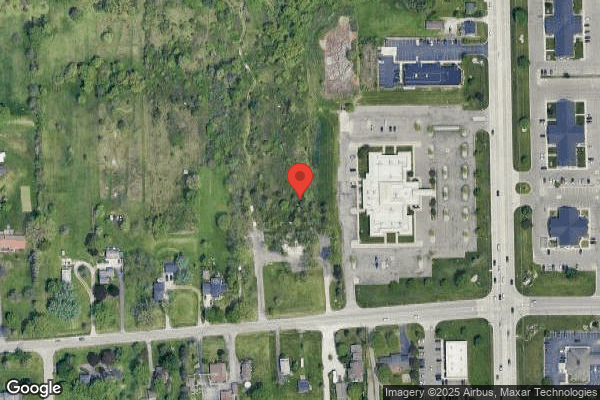
G-4436 Beecher Road, Flint, MI 48532 (810) 733-0290
For profit - Corporation 130 Beds CIENA HEALTHCARE/LAUREL HEALTH CARE Data: November 2025
Trust Grade
20/100
#355 of 422 in MI
Last Inspection: June 2025

Inspected within the last 6 months. Data reflects current conditions.

Overview

Willowbrook Manor in Flint, Michigan has a Trust Grade of F, indicating significant concerns about the care quality and overall environment. With a state rank of #355 out of 422 facilities, they fall in the bottom half of Michigan nursing homes, and their county rank of #12 out of 15 suggests that only a few local options are better. Despite these challenges, the staffing rating is a relative strength at 4 out of 5 stars, with a turnover rate of 41%, which is better than the state average. However, the facility has a concerning $147,365 in fines, which is higher than 89% of Michigan facilities, reflecting repeated compliance issues. Recent inspections revealed serious incidents, including failures to manage pressure ulcers and monitor a resident’s blood glucose, which led to severe health complications. While there are some positive aspects, such as good staffing levels, families should be aware of the significant issues affecting resident care.

Trust Score
F
20/100
In Michigan
#355/422
Bottom 16%
Safety Record
High Risk
Review needed
Inspections
Getting Better
18 → 9 violations
Staff Stability
○ Average
41% turnover. Near Michigan's 48% average. Typical for the industry.
Penalties
○ Average
$147,365 in fines. Higher than 71% of Michigan facilities. Some compliance issues.
Skilled Nurses
○ Average
Each resident gets 41 minutes of Registered Nurse (RN) attention daily — about average for Michigan. RNs are the most trained staff who monitor for health changes.
Violations
⚠ Watch
48 deficiencies on record. Higher than average. Multiple issues found across inspections.
★★☆☆☆
2.0
Overall Rating
★★★★☆
4.0
Staff Levels
★★★★☆
4.0
Care Quality
★★☆☆☆
2.0
Inspection Score
Stable
2024: 18 issues
2025: 9 issues

The Good

  • 4-Star Staffing Rating · Above-average nurse staffing levels
  • 4-Star Quality Measures · Strong clinical quality outcomes
  • Full Sprinkler Coverage · Fire safety systems throughout facility
  • No fines on record
  • Staff turnover below average (41%)

    7 points below Michigan average of 48%

Facility shows strength in staffing levels, quality measures, fire safety.

The Bad

2-Star Overall Rating

Below Michigan average (3.1)

Below average - review inspection findings carefully

Staff Turnover: 41%

Near Michigan avg (46%)

Typical for the industry

Federal Fines: $147,365

Well above median ($33,413)

Significant penalties indicating serious issues

Chain: CIENA HEALTHCARE/LAUREL HEALTH CARE

Part of a multi-facility chain

Ask about local staffing decisions and management

The Ugly 48 deficiencies on record

3 actual harm
Jun 2025 8 deficiencies
CONCERN (D)

Potential for Harm - no one hurt, but risky conditions existed

Deficiency F0578 (Tag F0578)

Could have caused harm · This affected 1 resident

**NOTE- TERMS IN BRACKETS HAVE BEEN EDITED TO PROTECT CONFIDENTIALITY** Resident #43: Advance Directives A record review was conducted on [DATE] at 10:15 AM. According to the Electronic Medical Recor...

Read full inspector narrative →
**NOTE- TERMS IN BRACKETS HAVE BEEN EDITED TO PROTECT CONFIDENTIALITY** Resident #43: Advance Directives A record review was conducted on [DATE] at 10:15 AM. According to the Electronic Medical Record (EMR), R43 was [AGE] years old, admitted to the facility on [DATE], with the primary diagnosis of Cerebral Infarction, dysphagia Type 2 Diabetes Mellitus, Hemiplegia, and Hemiparesis affecting Right dominant side and vascular dementia in addition to another diagnosis. R43 was enrolled in hospice services and has an appointed guardian. R43's Minimum Data Set (MDS) assessed on [DATE] revealed that her Brief Interview for Mental Status score is 00/15. A score of zero generally indicates severe cognitive impairment. MDS section GG indicated that R43 was dependent on all Activities of Daily Living (ADLs), especially personal hygiene tasks and mobility. A care plan related to dementia revealed that the guardian was in place for all medical and treatment decisions, as R43 is no longer able to follow directions and does not communicate with others. A Care Plan for DNR and Hospice services was initiated on [DATE]. On [DATE] at 10:15 AM, during a review of R43 Advanced Directives status, R43 was a Do-Not-Resiscitate status., R43 has a legal guardian-signed DNR (Do Not Resuscitate) Order form that expired on [DATE]. The currently uploaded DNR Order Form, dated [DATE], in R43's medical record, was also reviewed. The DNR Order Form dated [DATE] was found to lacked a physician's signature which was required. The physician's signature line was blank and undated. An interview with the assigned social worker was conducted on [DATE], at 2:00 PM. The social worker agreed that R43's DNR order was not signed by the physician as of [DATE]. After reviewing R43's records, the social worker indicated that the last DNR order form was signed on [DATE], had expired, and according to the facility policy, it must be done annually. The MD did not sign the form; therefore, there was no current DNR order. The social worker explained that it is their responsibility to ensure that all DNR Order forms are accurately filled out and signed. The facility policy dated [DATE] entitled Advanced Directives was reviewed on [DATE] at 2:15 PM. The policy revealed: . B. Obtain Documents. Copies of all advance directives will be obtained from the Resident and/or family and placed in the medical record. If applicable, a DNR Order will be signed and placed in the medical record.D. Code Status Form. If the initial facility cognitive evaluation (Nursing Comprehensive Evaluation and/or BIMS) indicates cognition to be intact, a Code Status Form will be completed by the resident and a DNR order signed by the resident, 2 witnesses and the physician, if a DNR is requested. Additionally, the same facility policy for Advanced Directives specified: Cognitively Impaired Resident Unable to make Medical Decisions with Duly Executed Advance Directives and/or DNR. > Code Status Form completed with the legal decision-maker > Complete a DNR form if necessary. > Place copies of all paperwork in the Resident's chart. > Review the Resident's advance directives quarterly and capacity at least annually and with any significant mental status changes. >If a DNR was requested it is re-signed annually, if still requested. Based on interview and record review, the facility failed to ensure Code Status was assessed, documented and accessible in the medical record for one resident (#209)) and signed by the physician for one resident (#43) of 4 residents reviewed for Advance Directives, resulting in the potential for the resident's lack of informed knowledge related to options for code status and miscommunication of code status which could lead to a lack of appropriate interventions for care. Findings Include: Resident #209: Advance Directives A record review of the Face sheet t indicated Resident #209 was admitted to the facility on [DATE] with diagnoses: History of a stroke, right sided weakness, hypertension, weakness, anxiety, aphasia (difficulty with speech), and dysphagia (difficulty swallowing). The Minimum Data Set assessment was not yet completed. On [DATE] at 12:07 PM, Resident #209 was observed sitting in a chair in her room. She was alert and talkative. A review of Resident #209's electronic medical record revealed the following: Full Code on the Face sheet. Full Code on the Medication Administration Record/MAR and Treatment Administration Recor/TAR for [DATE]. A review of the Care Plans for Resident #209 identified there was no Care Plan for Code Status. It did not indicate the resident wanted to be a Full Code (if the resident were to stop breathing and/or their heart stopped beating, CPR/ Cardiopulmonary resuscitation would be provided). A review of the Documents tab in the electronic medical record/emr did not include a document/assessment for Code Status preferences. On [DATE] at 1:47 PM, Social Worker C was interviewed related to lack of an assessment for Code Status for Resident #209. The Social Worker identified she had placed a Code Status assessment in the Documents tab of the emr that day [DATE] The form said Full Code but was not signed by the resident; the Social Worker had signed it and dated it [DATE]. The Social Worker was asked who was responsible to complete the Code status assessment form and she said either nursing or Social Work. When asked when the Code status assessment should be completed, she stated, Within 5-7 days of admission. It was missed. On [DATE] at 2:30 PM, Unit Manager B was interviewed about the Code status assessment forms, and she said the nurse would look at the admission documents from the hospital and copy the code status into the nurses admission assessment. Then the Social Worker talked to the resident, reviewed the code status with the resident and had them choose their option, Full code or DNR/Do Not Resuscitate and then signed the assessment form. On [DATE] at 12:11 PM, during an interview with the Director of Nursing/DON related to resident Code status, she said nurses would ask the resident on admission. The DON said many of the admissions were in the evening and the resident would often be full code by default until the form was reviewed with them. She said the Social Worker would do that. A review of the facility policy titled, Advance Directives- Michigan origination date [DATE] provided, . On admission, the Facility will determine whether the Resident has executed advance directives and if not, whether the Resident would like to execute advance directives. The Facility will also determine whether there was a DNR Order signed in another setting and whether the Resident would like a DNR Order issued while in the facility. A Code Status Form will be signed to reflect the decision regarding CPR/DNR .
CONCERN (D)

Potential for Harm - no one hurt, but risky conditions existed

Quality of Care (Tag F0684)

Could have caused harm · This affected 1 resident

**NOTE- TERMS IN BRACKETS HAVE BEEN EDITED TO PROTECT CONFIDENTIALITY** Based on observation, interview and record review, the facility failed to ensure that blood pressure medications were administer...

Read full inspector narrative →
**NOTE- TERMS IN BRACKETS HAVE BEEN EDITED TO PROTECT CONFIDENTIALITY** Based on observation, interview and record review, the facility failed to ensure that blood pressure medications were administered as ordered for one resident (#209) of 6 residents reviewed for medications and a wound treatment was administered per physician's recommendation for one resident (#42) with a facility acquired wound of 2 residents reviewed for skin conditions. Findings Include: Resident #42: Pressure Ulcer/Injury A record review of the Face sheet and Minimum Data Set/MDS assessment indicated Resident #42 was admitted to the facility on [DATE] with diagnoses: Osteomyelitis (bone infection) of the right foot and ankle, Pressure ulcer sacrum unstageable, history of lung cancer, COPD, Morbid obesity, weakness, Chronic pancreatitis, and Gout. The MDS assessment dated [DATE] revealed the resident had a Brief Interview for Mental Status/BIMS score of 12/15 indicating mild cognitive loss and the resident needed assistance with care. On 6/24/2025 at 10:25 AM, Resident #42 was observed lying in bed, awake and readily answered questions. He said he had sores on his ankles, heels, legs, and on his sacrum. The resident said he had some when he was admitted to the facility, but the ones on his left foot were new since admission. Resident #42 said he had been receiving IV antibiotics for infected wounds on admission. On 6/25/2025 at 1:55 PM, Unit Manager B was interviewed about Resident #42's wounds. She said the nurses on the floor performed the routine wound care, but Wound Nurse D saw the resident's weekly with the Wound Care Practitioner. On 6/25/2025 at 1:57 PM, Wound Nurse D was interviewed about Resident #42's wounds. She said the resident had several wounds present on admission, including the Sacral wound Stage 3 pressure ulcer and the right foot wound/ right heel Stage 3 pressure ulcer. The Wound Nurse said the resident had a facility acquired wound on the left lateral malleolus/ankle. Th Wound Nurse D said Resident #42 had been going to a Wound Clinic weekly since admission for the right foot and sacral wounds. She said the Wound Clinic would assess, debride (remove dead tissue from) the wounds, and make treatment recommendations for the wounds. On 6/25/2025 at 2:00 PM, wound care for Resident #42 was observed with Wound Nurse D. She said she had recently changed the dressings on the resident's feet and sacrum. His feet were observed in heel boots while the resident was in bed. Both feet were wrapped with kerlix that was dated 6/25/2025. She said the treatment recommended by the Wound clinic was a collagen silver combination, but the facility was not able to consistently complete the dressing as ordered because they had only received a small supply of the collagen/silver dressing. The Wound Nurse said the supplier had said there was a shortage of the product. The Wound Nurse was asked if the Wound Clinic placed a collagen/silver treatment on the resident when they changed his dressing and she said they did. Wound Nurse D said the Wound clinic had said if they were unable to obtain the combination product then a collagen product without silver could be used. Resident #42 said he was worried about this because he was worried his wounds would not heal. On 6/25/2025 at 2:25 PM, Wound Nurse D was further interviewed about the collagen/silver treatment for Resident #42's facility acquired pressure ulcer on the left lateral malleolus. She was asked if the facility had attempted to obtain the treatment from a different supplier and she said she didn't know. A review of the progress notes identified the following: 5/28/2025 at 10:13 AM, a Nurses Note, Spoke with . Wound Clinic and ok to use collagen sheets until collagen and silver are delivered. Orders updated per consultation sheet after getting clarification on specific orders. 6/5/2025, a Wound Care Note, . being seen today for follow-up on wound care assessment and evaluation . Wounds are being managed by Wound Clinic Continue orders as prescribed from wound care clinic . Left lateral malleolus; Treatment: Prism according to wound care clinic . Location: Left Lateral malleolus; Stage: unstageable; Type: pressure . Length: 1.85 cm; Width: 0.94 cm; Drainage Type: sanguineous bloody Drainage; Amount: light; Granulation: Slough, 50 . 6/12/2025, a Wound Care Note, . seen and examined at the bedside for wound care evaluation and treatment. Continue wound care orders as prescribed by Wound Clinic . Location: Left Lateral Malleolus; Stage: unstageable; Type: pressure . Length: 1.92 cm; Width 0.92 cm; Drainage type: serosanguineous; Drainage amount: light . 6/18/2025, a Progress Note, Patient is a [AGE] year old male being seen today for pain . Pt (patient) reports shooting sharp pain in LLE (left lower extremity). He states it started a couple days ago after wound clinic assessed and dressed his wounds to left foot. Pt states pain is intermittent . 6/19/2025, a Wound Care Note, . Location: left Lateral Malleolus . Length: 2.31 cm; Width: 1.40 cm . 6/26/2025, a Wound Care Note, . Location: left Lateral Malleolus . Length: 1.69 cm; Width: 0.84 cm . A review of the June 2025 Medication Administration Record/MAR and Treatment Administration Record/TAR for Resident #42 identified the following: Left lateral Malleolus: Cleanse the area with wound cleanser and allow to dry. Apply calcium alginate with silver to the wound bed. Cover with gauze and wrap with Kerlix. Daily and PRN (as needed) every day shift for Wound Care, start date 5/29/2025. This was not a collagen treatment. A review of the Wound Clinic consultation reports revealed the following: 5/27/2025 at 9:30 AM, (Resident #42); Note: Findings and Recommended Treatment- . left ankle (malleolus)- Calcium alginate w/silver, gauze and Kling daily . 6/2/2025 at 9:00 AM, (Resident #42); Note: Findings and Recommended Treatment- . Left ankle (malleolus) Prisma (collagen/silver) gauze, ABD and wrap daily . Silver Collagen: Cut to the size of wound and apply directly to wound base . Change dressing every day: dressing supplies for 30 days . 6/16/2025 at 8:30 AM, (Resident #42) Continue with Prisma (collagen/silver) . Wound #2 Left Ankle: Silver Collagen . Change Dressing Every Day; dressing supplies for 30 days . On 6/2/2025 and 6/16/2025, both Wound Consultations indicated the treatment for the resident's left Lateral ankle/malleolus was to be Prisma a collagen/silver combination dressing. Both consultations also said, dressing supplies for 30 days. The facility continued with the orders for Calcium Alginate with silver (a seaweed-based dressing) vs. a Collagen/silver dressing per the Wound Clinics recommendations. It was unclear if the Wound Clinic had provided a 30-day supply of the recommended dressings. A review of the Care Plans for Resident #42 identified the following: (Resident #42) has actual impairment r/t (related to) Right foot osteomyelitis, sacral decub (pressure ulcer), left heel, left lateral malleolus, left lateral lower leg, left second toe, left thigh, right second toe, right lateral fourth toe, right third toe, created and initiated 5/9/2025 and revised 6/25/2025 with Interventions including: Treatment to skin impairment per order, date initiated 5/26/2025. On 6/27/2025 at 12:45 PM, during an interview with the Director of Nursing/DON, she was asked about Resident #42's facility acquired pressure ulcer and the facilities inability to obtain the recommended wound treatment. She said she wasn't sure if the facility had tried different vendors. The DON was asked if the facility contacted other corporate facilities to see if they had the collagen/silver treatment and she said she didn't know. Resident #209 A record review of the Face sheet indicated Resident #209 was admitted to the facility on [DATE] with diagnoses: History of a stroke, right sided weakness, hypertension, weakness, anxiety, aphasia (difficulty with speech), and dysphagia (difficulty swallowing). The Minimum Data Set assessment dated [DATE] revealed the resident needed some assistance with care. On 6/24/2025 at 12:07 PM, Resident #209 was observed sitting in a chair in her room. She was alert and talkative. She said one of her medications ran out. She said she was told by the nurse that they did not have it. Resident #209 said she was receiving the medication 4 times a day and then it stopped, and stated I'm worried about that. It is for my blood pressure. I've been waiting 2 days for that. The resident started to cry, A record review of the June 2025 Medication Administration Record/MAR identified a medication Nifedipine oral Capsule 100 mg; Give 3 capsule by mouth four times a day for HTN (hypertension/high blood pressure). Hold if SBP (systolic blood pressure/top number) less than 110 or HR/heart rate below 60, start date 6/10/2025. The blood pressure medication for Resident #42 was documented by the nurses as not given on 6/10/2025, 6/11/2025, 6/12/2025, 6/13/2025, 6/23/2025, 6/24/2025, 6/25/2025. A record review of the progress notes identified the following: 6/10/2025, a Nurses Note from pharmacy related to the dosing of the Nifedipine. notes, 6/10/2025 at 6:32 PM, an eMAR Note, Waiting on pharmacy not in backup notified NP (Nurse Practitioner) and family. 6/10/2025 at 9:43 PM, an eMAR Note, Nifedipine . medication is not available, and not in back up. 6/11/2025, an Advance Care Planning Note, . Essential (Primary) Hypertension: Continue BP medications; monitor blood pressure . 6/11/2025, a Progress Note, General: Patient is a [AGE] year old female with past medical history of Intracranial hemorrhage (bleeding) CVA (stroke) with hemiplegia and hemiparesis right side, HTN (hypertension) . Patient was recently hospitalized and treated for intracranial hemorrhage . Patient was transferred to (the facility) for continuation of care and rehab services . Essential Hypertension: Monitor BP. Continue . Nifedipine . 6/11/2025, Encounter note, Telehealth . Situation: Nifedipine Oral Capsule 10 mg (Nifedipine) not available. BP 155/91, HR 64. Treatment: hold until pharmacy delivers. Clonidine 0.1 mg PO (by mouth) x1 dose., by Nurse Practitioner/NP E The resident had nine additional notes from 6/11/2025-6/25/2025 related to Nifedipine being unavailable and waiting for pharmacy to deliver it. On 6/25/2025 at 10:03 AM, a Nurses Note, Elevated BP- pharmacy did not send nifedipine (10 mg). The pharmacy stated it has already been requested to be sent to the facility stat. On 6/25/2025 at 3:40 PM Nurse F and Unit Manager B were interviewed about the Nifedipine for Resident #209. Unit Manager B stated, The pharmacy said it would be here tonight about 9pm. Nurse F said she had made several notes and contacted the pharmacy. Unit Manager B said the medication had to be ordered by the pharmacy because the capsule was not in a common dose that the pharmacy had on stock. Reviewed that this had been ongoing since admission and the resident was upset about it. Nurse F said if the medication did not arrive that night, it would arrive early in the morning. A record review of the Care Plans for Resident #209 identified the following: (Resident #209) is at risk for complications r/t (related to) recent intracranial hemorrhage, date created and initiated 6/18/2025 with Interventions including: Observe/document/report to nurse/physician s/sx (signs and symptoms) of CVA (stroke) such as: . elevated blood pressure . (Resident #209) is at risk for cardiac complications r/t HTN (high blood pressure) . date created and initiated 6/10/2025 and revised 6/11/2025 with Interventions including: Administer medications per order . date created and initiated 6/10/2025. On 6/27/2025 at 9:10 AM, Unit Manager B was interviewed about Resident #209's blood pressure medication Nifedipine; she said the resident's medication was delivered to the facility the night of 6/25/2025. She said the resident received the first dose on 6/26/2025 in the morning; reviewed the June 2025 MAR with the Unit Manager B. On 6/27/2025 at 9:15 AM, Resident #209 was interviewed. She said she received her medication. When asked if she knew why she did not receive it, she said no one told her, just that it was ordered. On 6/27/2025 at 12:35 PM, during an interview with the Director of Nursing, she was asked about Resident #209 not receiving her blood pressure medication Nifedipine. She said she had just become aware of it and the resident should have received her medication.
CONCERN (D)

Potential for Harm - no one hurt, but risky conditions existed

Deficiency F0692 (Tag F0692)

Could have caused harm · This affected 1 resident

**NOTE- TERMS IN BRACKETS HAVE BEEN EDITED TO PROTECT CONFIDENTIALITY** Resident #81: Nutrition A record review of the Face sheet and Minimum Data Set/MDS assessment indicated Resident #81 was admitt...

Read full inspector narrative →
**NOTE- TERMS IN BRACKETS HAVE BEEN EDITED TO PROTECT CONFIDENTIALITY** Resident #81: Nutrition A record review of the Face sheet and Minimum Data Set/MDS assessment indicated Resident #81 was admitted to the facility on [DATE] with diagnoses: Heart failure, COPD, mild protein-calorie malnutrition, anxiety, and difficulty walking. On 6/24/2025 at 11:20 AM, Resident #81 was observed sitting in his room in bed. When asked about his meals at the facility, he said he was supposed to receive double portions of meat, but did not always receive them. He said he had talked to the Nurse Practitioner/NP and Unit Manager about it, but it didn't change anything. During the interview with Resident #81 on 6/24/2025 at 11:20 AM, he said the previous night, there were no hotdogs or hamburgers as an alternative to the regular menu. He said he was told by the staff they were out of them. The resident said he had to eat very greasy, grilled cheese. He said they gave him 2 grilled cheese, but he could only eat 1, because of the grease. The resident read the menu for 6/24/2025 and stated, Tonight they are having noodle casserole. How am I supposed to get double meat with that? The resident said he did not need double noodles, because he had low albumin levels and needed more protein. A review of the physician orders for Resident #81 identified a diet order dated 6/5/2025: Regular diet, regular texture, Thin Consistency, Large Protein portions, cranberry juice x 2. On further review the order was modified on 6/6/2025 to include Double protein portions then again modified on 6/6/2025 to indicate Large protein portions and on 6/9/2025 cranberry juice x2 was added. A review of the document scanned into the Documents tab in the electronic medical record titled Baseline Care Plan did not mention additional protein in the resident's diet, Dietary-Diet: Type: Regular; Texture: Regular; Consistency: Thin. A review of the Comprehensive Care Plan for Resident #81 identified the following: (Resident #81) has alteration in nutritional and/or hydration status r/t (related to) dx (diagnoses): heart disease, CHF (congestive heart failure), GERD, COPD, blind right eye, date initiated and created 6/6/2025 and revised 6/11/2025. A goal included, (Resident 381) will maintain adequate nutritional status as evidenced by maintaining weight within 2% of 220 (lbs.) and Albumin levels to be WNL (within normal limits), through review date, date created and initiated 6/6/2025 and revised 6/18/2025. Care Plan Interventions included: Provide diet as ordered: Regular diet, regular texture, thin liquids, Large portion protein, dated created and initiated 6/6/2025; Obtain weekly weights x 4 weeks, then monthly, if stable, date created and initiated 6/6/2025; Obtain lab/diagnostic work as ordered. Report abnormal results to MD and follow up as indicated, dated created and initiated 6/6/2025; Offer an alternate when 50% or less of meal is consumed, date initiated and created 6/6/2025; Obtain and honor food preferences within dietary parameters, dated created and initiated 6/6/2025. A review of the weights for Resident #81 indicated 3 weights in the electronic medical record Weights and Vitals tab. The weights were dated 6/5/2025 at 6:30 PM: 218.8 lbs., 6/6/2025 at 9:24 PM: 218.8 lbs., and 6/6/2025 at 11:50 PM: 218.8 lbs. Each weight was exactly the same. There were no additional weights. A review of the lab results for Resident #81 identified 2 results for Albumin levels: 6/9/2025- 3.2 low (normal 3.50-5.70) and 6/18/2025- 2.9 low. The residents Albumin levels were declining while in the facility. A review of a Nutritional Evaluation dated 6/11/2025 for Resident #81 identified the following: Summary/Recommendations: Resident admitted with dx: heart disease, CHF, GERD, COPD, blind right eye. Receives a regular diet with large portions. Eating 75-100% of meals. Skin is intact. Labs reviewed. RD (Registered Dietitian) to follow. The evaluation did not mention extra portions of protein. A review of the progress notes indicated one progress note addressing Resident #81's concern about not receiving double portions of protein: a nurses note, dated 6/25/2025 at 11:13 AM provided, . (the resident's significant other) also expressed concern that the resident was not receiving double portions of protein, as requested. Dietary was notified to ensure the resident is receiving double portions of protein servings per his preference . On 6/25/2025 at 4:27 PM interviewed Registered Dietitian/RD A about Resident #81's diet, she said he was supposed to receive double portions of food, reviewed resident said his albumin was low and he was concerned it would be lower without extra protein. RD said she was not aware of his recent albumin levels, reviewed most recent was 2.9 (6/18/2025) and prior 3.2 (6/9/2025)- both obtained at the facility. She said she would further review his chart. On 6/25/2025 at 5:05 PM, the RD was interviewed about Resident #81's diet. She provided information that protein does not help low Albumin levels, asked if this had been explained to the resident. She said she didn't know. Reviewed the resident was very focused on his albumin levels and asked if his physician could have encouraged him to increase his protein intake. She said she didn't know. Reviewed the progress notes and assessments. There was no dietary note and one Nutritional Eval dated 6/11/2025. The RD provided a copy of the Diet order used for meal preparation in the kitchen; it indicated Give double meat, Large portion entrée. On 6/27/2025 at 8:55 AM, Resident #81 was observed lying in bed, awake. His Breakfast tray was on the bedside table. He said he received eggs, a cinnamon roll, oatmeal, carton of milk, cranberry juice. He said there was no meat. It's the first day they didn't give me any meat for breakfast. He said someone from dietary came to talk to him about his diet orders to explain about the extra protein, but he said he prefers the meat. Asked the resident about his albumin levels and he said his albumin had been low for years and he was told he was supposed to eat more protein. On 6/27/2025 at 9:10 AM, Unit Manager B was interviewed about the resident's diet and his belief that he is to receive double portions of protein vs. the diet that said large portions of protein. Reviewed that the resident is upset and worried about this, as he feels it could prevent him from getting better if he does not receive the extra protein. Unit Manager B said she had spoken to the resident on 6/25/2025, during the survey, about this and documented a note. Reviewed the resident was concerned about his breakfast and wanted to talk to someone about it. A review of the facility policy titled, Resident Rights, dated origination 9/1/2013 and revised 5/14/2024 provided, Policy: The facility protects and promotes the rights of each resident. The resident has a right to a dignified existence, self-determination, and communication with and access to persons and services inside and outside the facility . Based on interview and record review the facility failed to ensure that dietary care plans were revised for weight loss and failed to follow dietary orders for two residents (R36, R81) of seven residents reviewed for nutrition, resulting in the potential for continued weight loss. Findings include: Resident #36: R36 is [AGE] years old and admitted to the facility on [DATE] with diagnoses that include major depressive disorder, hyperlipidemia, congestive heart failure and anxiety. On 06/24/25 at 11:07AM, an interview was conducted with R36. R36 was asked if she has lost weight while at the facility. R36 stated she has lost weight and is concerned with as fast as she is losing it. On 06/26/25 at 09:43AM, record review of weights revealed that R36 weighed 224lbs on 12/17/24 and weighed 203.4lbs on 6/11/25. This represents a 10.1% weight loss in six months. On 06/26/25 at 9:45AM, review of dietary progress notes revealed that significant weight loss triggered on 3/19/25. On 06/26/25 at 09:48AM, record review revealed there was no care plan present that addresses actual weight loss. A care plan was present with a focus of, R36 has potential for alterations in nutritional/hydration status, it was last revised on 04/11/2024. On 06/26/25 at 01:43PM, an interview was conducted with Registered Dietitian (RD) A. RD A was asked if there should be a care plan for actual weight loss? RD A stated, yes there should be. Typically, I would add it to my weight loss care plan. I see it says potential for and doesn't say anything about actual weight loss. RD A was asked what interventions were put in place to help slow down the weight loss. RD A stated, I would update preferences when I speak with her and during the at-risk meeting. I don't believe I put anything additional in place for her. I updated her preferences and added her to weekly weights and the weight loss has slowed a bit. Review of the policy titled, Weight Management, revealed: 6. An initial care plan is developed upon admission and a comprehensive care plan should include: -Identified causes of impaired nutritional status -Reflects the resident's goals and choices -Identifies resident-specific interventions and a time frame -Parameters for monitoring 11. A Resident at Risk meeting will be conducted at least monthly by the Interdisciplinary Team and any changes documented in the care plan at the meeting. Residents that will be reviewed during the meeting are as follows (the following criteria is also up to the discretion of the clinician, supported by clinical documentation as to why a resident is not being reviewed in IDT meeting and a care plan with current interventions): -Residents identified with significant weight changes as determined by the CDM, RD, and/or diet tech -Residents with slow steady weight changes as determined by the CDM, RD, and/or diet tech -Residents receiving TPN or a tube feeding that do not have a stable weight -Any other resident identified by the IDT
CONCERN (D) 📢 Someone Reported This

A family member, employee, or ombudsman was alarmed enough to file a formal complaint

Potential for Harm - no one hurt, but risky conditions existed

Deficiency F0790 (Tag F0790)

Could have caused harm · This affected 1 resident

This Citation pretains to Intake Number MI00153408. Based on observation, interview and record review, the facility failed to obtain dental services timely for a Resident who received a partial dentur...

Read full inspector narrative →
This Citation pretains to Intake Number MI00153408. Based on observation, interview and record review, the facility failed to obtain dental services timely for a Resident who received a partial denture for the bottom teeth that were ill-fitting, and unable to be used by the resident who had problems with chewing some foods for one resident (#84) of two residents reviewed for dental services. Findings include: Resident #84: On 6/24/25 at 12:27 PM, an interview was conducted with Resident #84 who was in his room, seated in a wheelchair. The Resident was asked about food services and reported he had issues with eating some of the foods that included chicken and hamburgers. The Resident was asked about issues with eating and the resident reported he had dentures that were made for the bottom teeth that when he received them, they did not fit properly. The Resident reported he can not wear the dentures at all because They don't fit. An observation was made of the resident's mouth with two teeth observed and the Resident explained that the denture was to fit around the remaining teeth, but they never fit from the time he first got them. When asked how long ago he had the dentures, the Resident was unsure but thought it was around December or before that and it had been a problem since last year. When asked if they modified his diet to adjust for not having teeth on the bottom, the Resident reported he was on a regular diet, but there were foods he could not eat that was served to him. The Resident reported that staff knew he did not wear the bottom denture. The Resident reported that the dentist was supposed to make adjustments, but they never came back to do that. A review of Resident #84's medical record revealed an admission into the facility on 2/13/23 with diagnoses that included dementia, contracture and hemiplegia and hemiparesis following a stroke affecting left non-dominant side. A review of the Minimum Data Set assessment revealed a Brief Interview of Mental Status score of 13/15 that indicated intact cognition, and the Resident needed setup or clean-up assistance with eating, and substantial/maximal assistance with toileting hygiene, shower/bathe self, upper body dressing, mobility and transfers. A review of Resident #84's dental group visit documents revealed the following: -Exam date 8/5/24, Treatment notes, .does not wear his lower partial denture due to discomfort . lower partial denture is painful to wear, he does not wear it at all -Exam Date 2/18/25, Treatment notes, .He states I can't eat. I've been waiting 20 years for dentures. He told me at the last prophy that his lower partial denture was too painful to wear . patent is requesting dentures. -Exam Date 3/13/25, Reason for visit: RTBS by Hygienist; Initial Exam; lower partial is too tight. Treatment notes, . Requesting PA's (xray)to determine if teeth are restorable. Decay appears to be superficial. Patient's lower partial does not fit and needs relief around both teeth he has not worn it in so long and the teeth have shifted since then. Before adjustment, waiting on xrays, because perhaps the teeth are not restorable and need to come out and be replaced with an LCD. Patient is fine with that treatment plan, should it be needed. S-ray was scheduled for 3/14/25. -Exam Date 4/7/25, Reason for visit: XRAY. Treatment notes, .2 PA's taken of tooth #22 and #27 . On 6/26/25 at 1:14 PM, an observation was made of Resident #84 in his room with the lunch meal tray on the table. The Resident complained that he did not get enough protein that he could eat. The Resident reported he had chicken that he could not chew that was still on his plate. The Resident reported not always having soft foods that he could chew. The Resident reported that he wanted the dentures on the bottom fixed and that it had been an issue for a long time. On 6/26/25 at 2:49 PM, an interview was conducted with the Registered Dietitian (RD) G regarding Resident #84's dental concerns of the lower partial denture not fitting and difficulty eating some foods. When asked if she was aware that the Resident was not wearing his dentures and had difficulty eating, the RD stated, I don't have that he told me that. If he told me he was having issues, then I would have offered a soft diet. The RD reported that she might have been told that he was not wearing them (dentures) in the care conference, but she would have asked him if he wanted a diet change. When asked if she would get the dental visit notes, the RD stated, I don't get them straight to me, but I do have access to them. On 6/26/25 at 3:21 PM, the Registered Dietitian G reported that she had spoken to Resident #84 and stated, He is good with changing his diet to ground meats. On 6/26/25 at 3:23 PM, an interview was conducted with Unit Manager, Nurse H (UM) regarding dental services for Resident #84. A review of the August 2024 dental notes was reviewed of the issues with the dentures not fitting and the Resident not wearing the dentures. When asked what the facility should have done, the UM stated, He should have been added to see the dentist at that point and seen by dietary. The Unit Manager was asked if the XRAYs were completed and she reported they had been done on April 7th. When asked about feedback on the x-rays or a plan set up, the UM stated, just that they were completed. When asked if the dentist has seen the resident since the March dental visit, the UM reviewed Resident #84's medical record and stated, I don't see a consult from him. When asked if the dentist had been in since the x-rays were taken, the UM was unsure. It was reviewed with the UM of the time from August 2024 with the identification of issues with the partial denture for Resident #84, and the dentures had not been adjusted or fixed to meet the Resident's needs in the span of 10 months. On 6/27/25 at 10:47 AM, a list of dental visits made to the facility was received by the facility. The document listed Dentist with the dates of 8/13/24, 9/6/24, 10/30/24, 11/11/24, 12/19/24, 2/4/25, 2/28/25, 3/13/25, 3/17/25, 4/18/25, 5/13/25 and 6/4/25. A review of facility policy titled, Dental Services, effective 11/4/2024, revealed, Policy: The facility will provide or obtain from an outside resource, routine and twenty-four (24) hour emergency dental services to meet the needs of the resident and also when requested by the resident . 7. Within three (3) days of lost or damaged dentures/partials, the social worker/designee will make a referral for dental services. 8. If a consult is not completed within three (3) days following the report of lost/damaged dentures, the CDM/RD/therapy will document in the medical record to ensure that the resident is able to eat and drink in an adequate and safe manner while awaiting dental services, and what circumstances led to the delay. The residents diet will be adjusted as necessary . 10. The social worker/designee will maintain contact with dental services, the resident, and/or the resident representative until the problem is resolved and the dentures are replaced. Documentation must reflect this communication and the verification that the resident is able to eat and drink adequately in the interim . F. The residents' physician, family, and/or resident representative should be informed of the results of the service and any recommendations should be reviewed with the physician. A physician's order is obtained for changes in the plan of care . H. Follow up visits will be scheduled as needed.
CONCERN (E)

Potential for Harm - no one hurt, but risky conditions existed

Resident Rights (Tag F0550)

Could have caused harm · This affected multiple residents

**NOTE- TERMS IN BRACKETS HAVE BEEN EDITED TO PROTECT CONFIDENTIALITY** Based on observation, interview, and record review, the facility failed to ensure residents are treated in a dignified manner by...

Read full inspector narrative →
**NOTE- TERMS IN BRACKETS HAVE BEEN EDITED TO PROTECT CONFIDENTIALITY** Based on observation, interview, and record review, the facility failed to ensure residents are treated in a dignified manner by timely call light response by staff and accessible to residents, maintain food palatability for two (2) Residents #58, #21, and a confidential group of residents resulting in residents needs not met, frustration, embarrassment and potential for skin impairment from being left soiled and wet for prolonged periods. Findings include: FACILITY Resident Council FACILITY On June 25, 2025, at 11:00 AM, a Resident Council Meeting was held. According to nine (9) members of a group of confidential residents, on June 25, 2025, at 11:05 AM, the Resident Council meets on the last Friday of every month. They requested to remain anonymous and to keep their identities confidential. One confidential resident stated that the issues brought up by the council do not get resolved and said, It does not go anywhere. It seemed that the concerns were not followed up on. No one gets back at us. The following grievances were brought up by the confidential group of residents during the meeting held on June 25, 2025, from 11:00 AM to 12:05 PM. 1. Prolonged wait times for Call Light response averaging from 30 minutes (at least). 9 out of 9 groups of confidential residents agreed; occasionally, during call light response, staff may turn off the call light and claim they are coming back with the request, but they don't. Some staff members are helpful, while others are not. They talk to other staff very loudly or on their cell phone while residents needing assistance have to wait. Staff ignore the lights because we see them at the nurse's station gathering, talking, or on their phones. 2. Palatability of the Food Menu. Residents complained that the food does not taste good, is repetitive, and lacks variety. One resident stated: They repeat the same menu more often. It seems like every 2 weeks. It used to be every four to six weeks. A lot of cold sandwiches, whatever the alternative, can be the leftovers from previous meals that they did not like to begin with. 3. No HS (Bedtime) Snacks are provided or are not distributed appropriately to residents. Residents revealed that they don't receive them unless they walk or wheel themselves to the nurse's station. 4. Staff often make up reasons, such as equipment being unavailable or not being found, as the reason why they don't return immediately, but the equipment is available. We have identified the location of the equipment, and we know where it was stored. An example was the sit-to-stand lift. Staff would say it took them a long time to find them. Meanwhile, they've been soaking wet from waiting for prolonged periods. The Resident Council (RC) Meeting ended on 06/25/25 at 12:03 PM. The Activities Director and an Assistant Activities staff member were present during the meeting. A review of the RC Meeting Minutes from December to May 2025 was conducted on June 25, 2025, at 10:30 AM. The Resident Council Minutes revealed that the March 2025 meeting minutes were missing. There were no notes and no follow-up on previous issues discussed in the old business notes. There were no noted resolutions to some of the residents' concerns listed in the minutes from December to May. The monthly Resident Council Meeting Minutes revealed: > December 2024 RC Meeting Minutes, dated January 24, 2025, at 11:00 AM, were reviewed and did not discuss any old or new business. Old Business, according to their minutes, refers to the list of follow-up items from last month's minutes, and Issues not resolved are moved to New Business. The Old Business section was left empty, and the New Business section was noted. See the attached form. The council discussed Nursing, Dietary, and activities concerns. The council suggested some ideas for future activities, and events were noted. > January 2025 RC Meeting Minutes, dated January 24, 2025, at 11:00 AM, were reviewed and did not discuss any old or new business, and the sections were left blank. > February 2025 RC Meeting Minutes, held on February 28, 2025, at 11:00 AM, revealed discussions about concerns regarding requesting a meeting with the Dietary Manager, including the menu, snacks sitting out and never being distributed, and the call light response on the 3rd shift being too long. The old business section was left empty. > March 2025- The facility did not have a March 2025 RC Meeting Minutes. When queried, the Administrator stated that the council did not meet due to the COVID-19 outbreak. When asked if the concerns and issues were resolved or followed up? The Administrator revealed there was no documentation. > April 2025 RC Meeting Minutes, dated April 25, 2025, at 11:00 AM, were reviewed. Issues not resolved from the February meeting were noted. Additional concerns include staff being too loud, dissatisfaction with the food quality, and repetitive meals. > May 2025 RC Meeting Minutes, dated May 30, 2025, at 11:00 AM, were reviewed. The minutes revealed that unresolved issues, such as staff being too loud and disruptive to residents who are resting during shift changes or in the break room, as well as concerns about food quality, nursing staffing assignments, and group activities, continued to persist. On June 25, 2025, at 4:15 PM, the Administrator was interviewed. When queried about whether she was aware of the concerns and how to address them, she indicated that she was unaware that she was allowed to attend the council meeting. The Administrator asked the surveyor if the regulation had changed. When asked about the lack of Resident Council Meeting Minutes in March 2025, the Administrator explained that a COVID-19 outbreak had occurred in March, and therefore, they were unable to hold the meeting. When asked if they met with the RC President or if the meeting was documented as being postponed. The Administrator stated, No, it was not documented. Was there an attempt to resolve some of the issues brought up by the council? The Administrator did not reply. The Administrator indicated that the Activities Director is new in her position, so there is still much need for improvement. Resident #58 (R58) Dignity An interview with R58 was conducted on June 25, 2025, at 1:44 PM. R58 complained of delayed staff response to call light, and there was always a long wait for assistance in Activities of Daily Living (ADLs). When asked about how long the wait time usually was? R58 stated, On average, over 30 minutes. At times, more so, due to staff attitude. There are times staff don't come back after shutting the call light off. R58's clinical record was reviewed on 6/25/25 at 2:30 PM and revealed R58 was admitted to the facility on [DATE] with the diagnosis of Chronic Embolism and Thrombosis Generalized Muscle Weakness and spastic Hemiplegia affecting the right dominant side and pharyngoesophageal phase dysphagia in addition to other diagnoses. R58 Brief Interview for Mental Status BIMS Score assessed on 5/15/25 was 15/15. A score of 15 means R58 was cognitively intact. Further review of R58's care plans indicated: R58's Careplan: Dysphagia Obtain and honor food preferences with dietary parameters. Assist with meals as needed, including setting up trays. Observe and report to physician PRN for s/sx of dysphagia: Pocketing, Choking, coughing-Drooling, Holding food in the mouth, Several attempts at swallowing, and pain in swallowing. R58's Careplan: Alteration in Musculoskeletal status r/t history rib fracture, spinal stenosis Attempt to anticipate and meet needs. Call Light is within reach and respond promptly to all request for assistance. Observe and document to identify the risk of falls. Educate resident, family/caregivers on safety measures that needs to be taken in order to reduce risk of fals. R58's Careplan: Risk for fall related injury and falls r/t decreased mobility, spinal stenosis, medication side effects. Put resident's call light within reach and encourage him/her to use it for assistance as needed. Resident #21( R21) Dignity On June 24, 2025 at 2:46 PM, R21 was observed in his room talking alone, saying, it's not right! I can't get anything done here. No one helps me around here. R21 was asked if he tried pressing his call light for help. He replied, I don't know where it is. When the surveyor searched around R21's room, it was noted that R21's call light button was on the floor, between R21's bed and the roommate's bed, and not within R21's reach from his seated position. Meanwhile, the housekeeping staff went in and out of the room but did not notice that the call light was on the floor. CNA K. On 6/24/25 at 3:00 PM, Nurse Aide K entered the room and acknowledged that R21's call light was on the floor and clipped the call light on his pillow.
CONCERN (E)

Potential for Harm - no one hurt, but risky conditions existed

Grievances (Tag F0585)

Could have caused harm · This affected multiple residents

Based on interview and record review, the facility failed to provide prompt efforts to resolve complaints pertaining to prolonged call light response times, food palatability, bedtime (HS) snack distr...

Read full inspector narrative →
Based on interview and record review, the facility failed to provide prompt efforts to resolve complaints pertaining to prolonged call light response times, food palatability, bedtime (HS) snack distribution, group activities, and staff availability and attitude to assist and to ensure the process to address grievances was understood for nine (9) confidential group of residents resulting in unresolved grievances and potential for further frustration. Findings include: Resident Council: FACILITY On June 25, 2025, at 11:00 AM, a Resident Council Meeting was held. According to nine (9) members of a group of confidential residents, on June 25, 2025, at 11:00 AM, the Resident Council meets on the last Friday of every month. They requested to remain anonymous and to keep their identities confidential. One confidential resident stated that the issues brought up by the council do not get resolved and said, It does not go anywhere. It seemed that the concerns were not followed up on. No one gets back at us. A confidential group of residents expressed a lack of awareness about the grievance process and were unaware of a grievance form that could be filled out. Any complaint or issue raised by a group or individual must be filed using the designated form. Depending on the type of concern or issue, it is handled, followed up on, and addressed during the next group meeting or individually. The group of confidential residents stated that this was the first time they had heard about the process and wondered where the forms could be obtained and to whom they should report their grievances. They were unaware of the process for putting concerns in writing using a grievance form. When the Grievance form was presented and read to the council, some residents indicated that they had never seen the grievance form or had any idea it existed. The following were grievances brought up by the confidential group of residents during the meeting held on 6/25/25, from 11:00 AM to 12:05 PM: 1. Regarding activities, they have not had a field trip since the COVID-19 pandemic. The council went into specific details about the facility, sold the bus, and since they don't have transportation for group activities. Activities have been redundant, and choices were limited and not individual-centered. This was asked for in previous council meetings. 2. Prolonged wait times for Call Light response averaging from 30 minutes (at least). 9 out of 9 groups of confidential residents agreed; occasionally, during call light response, staff may turn off the call light and claim they are coming back with the request, but they don't. Some staff members are helpful, while others are not. They talk to other staff very loudly or on their cell phone while residents needing assistance have to wait. Staff ignore the lights because we see them at the nurse's station gathering, talking, or on their phones. 3. Palatability of the Food Menu. Residents complained that the food does not taste good, is repetitive, and lacks variety. One resident stated: They repeat the same menu more often. It seems like every 2 weeks. It used to be every four to six weeks. A lot of cold sandwiches, whatever the alternative, can be the leftovers from previous meals that they did not like to begin with. 4. No HS (Bedtime) Snacks are provided or are not distributed appropriately to residents. Residents revealed that they don't receive them unless they walk or wheel themselves to the nurse's station. The Resident Council expressed concern for other residents who were unable to reach the nurse's station or could not speak on their behalf. One resident with a diagnosis of diabetes never received an HS snack and was unaware that one was available. 5. Staff often make up reasons, such as equipment being unavailable or not being found, as the reason why they don't return immediately, but the equipment is available. We have seen where the equipment is kept, and we know its location. An example was the sit-to-stand lift. Staff would say it took them a long time to find them. Meanwhile, they've been soaking wet from waiting for prolonged periods. The Resident Council Meeting ended on 06/25/25 at 12:03 PM. The Activities Director and the Assistant Activities staff member were present during the meeting. The Activities Director, on June 25, 2025, at 12:05 PM was interviewed. She indicated that there had been no field trip activities because the group lacked a means of transportation. They only have a van that could fit only two wheelchairs. They don't go on field trips for that reason. A review of the RC Minutes from December to May 2025 was conducted on June 25, 2025, at 10:30 AM. It was revealed that the March 2025 RC Meeting Minutes were missing. There were no notes and no follow-up on previous issues discussed in the old business notes. There were no noted resolutions to some of the residents' concerns listed in the minutes from December to May. The monthly Resident Council Meeting Minutes revealed: > The December 2024 RC Meeting Minutes, dated January 24, 2025, at 11:00 AM, were reviewed and did not discuss any old or new business. Old Business, according to their minutes, refers to the list of follow-up items from last month's minutes, and Issues not resolved are moved to New Business. The Old Business section was left empty, and the New Business section was noted. See the attached form. The council discussed Nursing, Dietary, and activities concerns. The council suggested some ideas for future activities, and events were noted. > The January 2025 RC Meeting Minutes, dated January 24, 2025, at 11:00 AM, were reviewed and did not discuss any old or new business. Old Business, according to their minutes, refers to the list of follow-up items from last month's minutes, and Issues not resolved are moved to New Business. The Old Business section and the New Business were left empty. The Activities Director noted that the Council approved the Administrator's attendance at the February meeting. > The February 2025 RC Meeting Minutes, held on February 28, 2025, at 11:00 AM, revealed discussions about concerns regarding requesting a meeting with the Dietary Manager, including the menu, snacks sitting out and never being passed, and the call light response on the 3rd shift being too long. The old business section was left empty, and the new business is indicated to see the attached form. > March 2025 RC Meeting Minutes were unavailable. When queried, the Administrator stated that the council did not meet due to the COVID-19 outbreak. When asked if the concerns and issues were resolved or followed up? The Administrator stated there was no documentation. > The April 2025 RC Meeting Minutes, dated April 25, 2025, at 11:00 AM, were reviewed. Issues not resolved from the February meeting were noted. Additional concerns include staff being too loud, dissatisfaction with the food quality, and repetitive meals. Various activities are suggested by the residents to be included in the activities calendar. > The May 2025 RC Meeting Minutes, dated May 30, 2025, at 11:00 AM, were reviewed. The minutes revealed that old business, such as staff being too loud and disruptive to residents who are resting during shift changes or at the breakroom, Food Quality, Nursing staff assignments, and group activities, continued to be unresolved. Residents requested outings requiring transport to and from. On June 25, 2025, at 4:15 PM, the Administrator was interviewed. When queried about whether she was aware of the concerns and how to address them, she indicated that she was unaware that she was allowed to attend the council meeting or that she had invited herself to discuss and find appropriate solutions to some of the council's concerns. The Administrator asked the surveyor if that was something new or if the regulation had changed. When asked about the lack of Resident Council Meeting Minutes in March 2025, the Administrator explained that a COVID-19 outbreak had occurred in March, and therefore, they were unable to hold the meeting. When asked if they met one-on-one with the RC President or if the meeting was documented as being postponed. The Administrator stated, No, it was not documented. Was there an attempt to resolve some of the issues brought up by the council? The Administrator did not reply. The Administrator indicated that the Activities Director is new in her position, so there is still much need for improvement.
CONCERN (E)

Potential for Harm - no one hurt, but risky conditions existed

Deficiency F0809 (Tag F0809)

Could have caused harm · This affected multiple residents

Based on interviews and record review, the facility failed to ensure that a substantial HS (evening) snack was consistently offered and appropriately distributed to a group of confidential residents t...

Read full inspector narrative →
Based on interviews and record review, the facility failed to ensure that a substantial HS (evening) snack was consistently offered and appropriately distributed to a group of confidential residents that attended the Resident Council Meeting, potentially affecting all residents who receive meals in the facility with 14 or more hours between last evening meal and breakfast the following day, resulting in resident dissatisfaction, frustration and potential for uncontrolled blood sugars, signs and symptoms of hypoglycemia, feeling of hunger, and weight loss. Findings include: FACILITY Resident Council: On June 25, 2025, at 11:00 AM, a Resident Council Meeting was held. According to nine (9) members of a group of confidential residents, on June 25, 2025, at 11:00 AM, the Resident Council meets on the last Friday of every month. They requested to remain anonymous and to keep their identities confidential. There were numerous grievances brought up by the confidential group of residents during the meeting held on 6/25/25, from 11:00 AM to 12:05 PM. One of the issues brought up was pertaining to HS (Bedtime) Snacks were not provided or are not distributed appropriately to residents. Residents at the meeting revealed that they don't receive them unless they walk or wheel themselves to the nurse's station. The Resident Council expressed concern for other residents who were unable to reach the nurse's station or could not speak on their behalf. One resident with a diagnosis of diabetes never received an HS snack and was unaware that one was available. The Resident Council Meeting ended on 06/25/25 at 12:03 PM. The Activities Director and the Assistant Activities staff member were present during the meeting. A review of the RC Minutes from December to May 2025 was conducted on June 25, 2025, at 10:30 AM. It was revealed that the March 2025 RC Meeting Minutes were missing. Upon review, there were no notes and no follow-up on previous issues discussed in the old business notes. There were no noted resolutions to some of the residents' concerns listed in the minutes from December to May. The Resident Council Meeting Minutes held on February 28, 2025, at 11:00 AM, revealed discussions about concerns regarding requesting a meeting with the Dietary Manager, including the menu, snacks sitting out and never being passed, and the call light response on the 3rd shift being too long. There was no follow-up noted the following month in March 2025 because there was no meeting held in March 2025. No notes or documentationfrom the facility that the February 2025 concerns and issues were addressed followed up or any efforts of resolutions were implemented. On June 25, 2025, at 4:15 PM, the Administrator was interviewed. When queried about whether she was aware of the concerns and how to address them, she indicated that she was unaware that she was allowed to attend the council meeting or that she had invited herself to discuss and find appropriate solutions to some of the council's concerns. The Administrator asked the surveyor if that was something new or if the regulation had changed. When asked about the lack of Resident Council Meeting Minutes in March 2025, the Administrator explained that a COVID-19 outbreak had occurred in March, and therefore, they were unable to hold the meeting. When asked if they met one-on-one with the RC President or if the meeting was documented as being postponed. The Administrator stated, No, it was not documented. The Administrator was asked if there was an attempt to resolve some of the issues brought up by the council last February meeting? The Administrator did not reply. The Administrator however, indicated that the Activities Director is new in her position, so there is still much need for improvement.
CONCERN (E)

Potential for Harm - no one hurt, but risky conditions existed

Food Safety (Tag F0812)

Could have caused harm · This affected multiple residents

Based on observation, interview and record review, the facility failed to maintain a clean and sanitary kitchen that included: 1.) outdated food in the refrigerator; 2.) maintaining proper temperature...

Read full inspector narrative →
Based on observation, interview and record review, the facility failed to maintain a clean and sanitary kitchen that included: 1.) outdated food in the refrigerator; 2.) maintaining proper temperature of refrigerators and freezers; 3.) proper labelling of food items with a use by date; 4.) ensure dented cans were removed from supply; 5.) ice scooper not placed appropriately at the ice machine; and 6.) ensure the temperature log for refrigerator and freezer were not documented in advance. This deficient practice has the potential to affect all residents who consume food prepared by the facility of a census of 108. Findings include: Kitchen: On 06/24/25 10:05 AM, during Initial tour with the Dietary Manager (CDM) I. The following observations were validated with the Dietary Manager: 1. The walk-in refrigerator temperature was at 40 degrees farenheit as shown in the digital screen. Inside the refrigerator there was a bin containing pre-made sandwiches labeled with used by date and some did not have a label at all. Seven sandwiches were found with use by date that varied from 6/19/25- 6/23 and were removed from the sandwich bins. The CDM removed and discarded the sandwiches that were over the discard date and the ones with no label. The CDM revealed that the staff should be checking on the dates everyday. 2. In the walk-in freezer an observation was made of several cooked foods that were expired: a. Dish #1: A metal baking tray with frozen dish (unidentified) labeled with a use by date of 5/20/25 noted. The CDM reported he could not tell what dish it was. The unidentified dish #1 was observed in a metal baking pan without a tight seal cover/lid. Although it had a plastic clear cling wrap that was not entirely covering the top of the baking metal dish all the way. b. Dish 2: The second dish observed was also in a metal pan, also an unidentified cooked dish (#2) with a use by date 6/20/25 on the sticker. c. Polish/sausage links were in a plastic container with a used by date of 6/3/25. d. A labeled tray Mac & Cheese was dated 6/19/25 and use by date of 6/22/25. All these frozen food items were gathered by the CDM as they were found and verified by the CDM that he will discard them immediately because they were all out of date. 3. The Walk-in Freezer Temperature screen (outside thermostat) was 10 degrees Farenheit and inside Freezer thermometer was between 6-7 degrees Farenheit. The CDM revealed he was unaware it was not reading below 0 degrees Farenheit. When asked for the June Freezer Temp. Log, the CDM gave the surveyor the log hanging on the posted board in the kitchen. The June Freezer Temperature Log posted on the board was examined and the log was not filled completely. The Facility Name, Uni/ Location and Month/Year were left blank. Findings were: all days in June were noted zero (0) degrees or less EXCEPT: 6//7/25 AM shift 10 degrees 6/8/25 AM shift 6 degrees 6/12/25 AM shift 18 degrees *comment: Tells (a system to inform the maintenance department of an issue). 6/15/25 PM shift 10 degrees * comment: Tells 6/17/25 PM shift 6 degrees The Freezer Log instruction was noted that Freezer should be less or equal to zero (0) degrees Farenheit. Report Abnormal temperatures to the dietary manager or dietitian immediately. 4. Dented cans observed. There were 3 dented cans found: one of corn beef hash 10 ounces can was mixed with the other cans that were not dented. 2 were on the counter and were put away by the CDM immediately to be discarded. 5. Two ( 2) scoopers, one was in a case on top of the ice machine and the second one (blue) was placed on top of the ice machine bare (no cover) set on top of the machine. 6. Temperatures in the temperature log for the Refrigerator and the Freezers wer filled in before the shift started. At 10:15 am, 6/24/25 the evening shift temperature were already filled. The CDM did not have an explanation. 7. A spider on a web was found on the top of the grill during hot tray observation at 11:48 AM on 6/24/25. During tray line, the cook was shocked when she saw the spider and called the CDM attention. All concerns had been discussed with the CDM during the observation on 6/24/25 between 10:00-12:00 noon. Policies were requested and reviewed for Temperature monitoring for both freezer and refrigerator, leftover food, Kitchen sanitation. On 6/24/25 at12:15 PM. The surveyor discussed the kitchen findings to the Administrator regarding all the findings noted above.
Mar 2025 1 deficiency
CONCERN (D) 📢 Someone Reported This

A family member, employee, or ombudsman was alarmed enough to file a formal complaint

Potential for Harm - no one hurt, but risky conditions existed

Deficiency F0697 (Tag F0697)

Could have caused harm · This affected 1 resident

**NOTE- TERMS IN BRACKETS HAVE BEEN EDITED TO PROTECT CONFIDENTIALITY** This Citation pertains to Intake Number MI00150954. Based on interview and record review the facility failed to timely obtain ne...

Read full inspector narrative →
**NOTE- TERMS IN BRACKETS HAVE BEEN EDITED TO PROTECT CONFIDENTIALITY** This Citation pertains to Intake Number MI00150954. Based on interview and record review the facility failed to timely obtain new prescription to reorder pain medication for one resident (#801) of two residents reviewed for pain management and pharmacy procedures, resulting in, Resident #801 going without her patch for three days and increased pain. Findings include: Resident #801: On 3/18/2025 at approximately 11:15 AM, a review was conducted of Resident #801's clinical record and it indicated she admitted to the facility on [DATE] with diagnoses that included, Acute Respiratory Failure, Depression, Hypertension and Amyloidosis. Resident #801 is cognitively intact and able to make her needs known to staff. On 3/18/2025 at 12:50 PM, Resident #801 reported her Fentanyl patch is supposed to be changed every three days but at the beginning of March she went without it for a few days, and no one could explain to her why. The resident shared the patch had fallen off and typically they would apply a new patch and change the application/removal schedule. During this time period her pain was increased as she did not have the patch, and she expressed frustration with the facility given the lack of communication regarding this matter. On 3/18/2025 at 4:05 PM, the DON (Director of Nursing) reported Resident #801's pain patch was applied on 3/2/2025 and was due to be replaced on 3/5/2025. On 3/4/2025 the patch had fallen off and there was not another patch to put on her as it was on order. On 3/7/25 it was found there were no more refills on Resident #801's patches and a new prescription was needed. The nurse reached out to on call who completed a onetime order, and the patch was pulled from back up and applied on 3/7/2025. The DON was unable to ascertain why a new script was not requested and refilled prior to 3/7/2025. Review was conducted of the Controlled Substance Proof of Use Log for Resident #801. It indicated on 2/10/2025 the facility received five Fentanyl 12 MCG (microgram)/HR (hour) patches for the resident. The first patch was applied on 2/18/2025 and the last patch (from the batch) applied on 3/2/2025. After application of the patch on 3/2/2025, Resident #801 would have been due for a new one on 3/5/2025. Physician Orders: Fentanyl Transdermal Patch 72 hours 12 MCG/HR - apply 1 patch every 3 days for pain and remove per schedule. March 2025 MAR (Medication Administration Record) -Patch applied on 3/2/2025 at 9:00 AM and 3/7/2025 at 7:00 PM. Resident #801's Fentanyl patch fell off on 3/4/2025 and was not reapplied for three days. Progress Notes: 3/4/2025 at 00:00: nurse reports residents Fentanyl patch came off and patient requested could tomorrows' dose be applied tonight. Nurse reports patient has PRN (as needed) pain medication to get through the night and new Fentanyl patch can be applied at 9 AM . 3/4/2025 at 23:02: Resident reported Fentanyl patch came off and was not able to locate it and resident requested a new one. Notified on call .who advised waiting until next dose in the morning. Resident informed no acute distress noted . 3/5/2025 at 09:49: unable to remove, patch fell off on 3/4/2025, noted by prior nurse. 3/7/2025 at 18:55: Resident daughter spoke with ADON regarding Fentanyl patch. Stating mother needs this and is concerned that she might go into withdraw. ADON spoke with writer via telephone asking for writer to contact on call for a new RX so resident will have patch over the weekend. Writer contacted oncall .who agreed to send RX over. Writer received auth to pull for patch and administered. 3/8/2025 at 18:55: Patch reapplied 3/7/25 at 1900. New order from NP. There was no other documentation located regarding contact with the pharmacy or provider regarding Resident #801's Fentanyl and the inherent delay. On 3/7/2025 at 6:35 PM, Nurse A was provided authorization from the pharmacy to pull the Fentanyl patch out of backup for Resident #801. The patch was pulled at 6:47 PM. Review was completed of the facility medications that are accessible in the back up box. The list had the following available: -Fentanyl 12 MCG/HR PAT (patch)-1 in back up. On 3/19/2025 at the DON explained, the pharmacy process is for them to either send a re-order form to the facility or contact the physician directly for a new script. The nurse re-ordered the Fentanyl patches on 3/5/25 through pharmacy, but there was not a valid script to process the refill. The pharmacy attempted to contact the provider directly multiple times for the script and was unsuccessful and a from was not sent to the facility.
Oct 2024 1 deficiency
CONCERN (D) 📢 Someone Reported This

A family member, employee, or ombudsman was alarmed enough to file a formal complaint

Potential for Harm - no one hurt, but risky conditions existed

Deficiency F0694 (Tag F0694)

Could have caused harm · This affected 1 resident

**NOTE- TERMS IN BRACKETS HAVE BEEN EDITED TO PROTECT CONFIDENTIALITY** This Citation pertains to Intake Number MI00147318. Based on observation, interview and record review the facility failed to ass...

Read full inspector narrative →
**NOTE- TERMS IN BRACKETS HAVE BEEN EDITED TO PROTECT CONFIDENTIALITY** This Citation pertains to Intake Number MI00147318. Based on observation, interview and record review the facility failed to assess and monitor intravenous medication therapy per professional healthcare standards and a provider's order for two residents (Resident #702 and Resident # 703) of two residents reviewed for intravenous antibiotic therapy, resulting in Resident #703 being administered two doses of Vancomycin after elevated levels were received and a lack of monitoring and dosing of Resident #702's Vancomycin. Findings Include: Resident #702: On 10/15/2024 at approximately 4:00 PM, a review was conducted of Resident #702's medical records and it revealed the resident admitted to the facility on [DATE] with diagnoses that included, Necrotizing Fasciitis, Hypertension, Peripheral Vascular Disease, Stage 3 Kidney Disease and Supraventricular Tachycardia. Resident #702 was alert and able to make his needs known to staff. Further review was completed and yielded the following results: Physician Orders: Vancomycin HCI Intravenous Solution 1500 MG (milligram)/15ML (milliliter)- use 1500 mg intravenously in the morning for necrotizing fasciitis & osteomyelitis BLE (bilateral lower extremities) for 32 days until finished. Initiated on 9/12/2024 and first dose administered on 9/13/2204. Pharmacy to dose Vancomycin - initiated on 9/12/2024 Practitioner Notes: 9/16/2024 at 00:00: .nursing to notify pharmacy for dosing purposes. 9/23/2024 at 00:00: .Continue with IV Ertapenem and IV Vancomycin- pharmacy to dose Vancomycin (nursing to notify pharmacy of Vancomycin level 14.7) . 9/26/2024 at 00:00: .Continue with IV Ertapenem and IV Vancomycin - pharmacy to dose Vancomycin (Nursing to notify pharmacy of Vancomycin level 14.7) . 10/9/2024 at 00:00: .He is being seen today to follow-up on recent lab results from 10/4 . Vancomycin level continues to be subtherapeutic at 13.7 (down from 15) without change in dosing. Order in PCC for pharmacy to dose. Provider called Omnicare infectious disease pharmacy and spoke with pharmacist. No order for pharmacy to dose has been received via fax; order faxed again today . Progress Notes: 9/13/2024 at 03:46: Resident was bring in by EMS (Emergency Medical Service) resident alert x 4, able to make needs known, resident has life vest .Numerous ulcer. The left heel is completely open all the way to the bone it had to be packed due to debridement after surgery to remove infection it's the entire left foot heel. The right heel is closed but also compromised, discoloration, Wound team is needed for numerous necrotizing fasciitis. Resident is on IV (intravenous) vanco, Invanz Also there is an moderate size open area left buttocks, open area. The PICC line in right arm upper . Vancomycin Laboratory Results: Normal Vancomycin levels per the facility's laboratory is 20.00-40.00. 9/13/2024: 17.1- indicated on report as low 9/20/2024: 14.7- indicated on report as low 9/27/2024: 15.5- indicated on report as low 10/4/2024: 13.7- indicated on report as low It can be noted there was no documentation located that the facility contacted the pharmacy when Resident #702's Vancomycin levels resulted, until the practitioner followed up on 10/9/2024. On 10/26/2024 at 10:10 AM, discussion was held with Pharmacist F from the IV Department at the facility's contracted pharmacy. Pharmacist F explained when facility residents are prescribed Vancomycin, they have it set up in their system to call the facility to check on laboratory results if they have not been received. Their systems for laboratory results are not interfaced with the facility and they rely on the facility to provide the results. Pharmacist F was queried regarding Resident #702 Vancomycin order and dosing. It was explained they had communication with the facility regarding it, but they did not receive the order to dose his Vancomycin until 10/9/2024. When asked what prompted the change Pharmacist F stated its possible when his laboratory values were 13.7 the facility practitioners thought it was low and wanted pharmacy to dose going forward. It was explained to Pharmacist F that in the facility documentation prior to 10/9/2024 it stated pharmacy was dosing. Pharmacist F stated they did not have the orders to dose Resident #702's Vancomycin so until their orders were received the facility practitioners were responsible dosing. On 10/16/2024 at 3:10, the DON stated they were not aware the pharmacy was not dosing Resident #703's Vancomycin as there was an order that was in his medical chart. The facility was under the impression that the pharmacy was dosing Resident #702's Vancomycin, while the pharmacy asserted, they never received an order to dose until approximately 4 weeks after initiation of the antibiotic. Resident #703: On 10/15/2024 at approximately 3:30 PM, a review was completed of Resident #703's medical records and it indicated the resident was admitted to the facility on [DATE] and readmitted on [DATE] with diagnoses that included Acute Kidney Failure, Cerebral Infarction, Heart Failure, Diverticloisis, Vascular Dementia and Hypertension. Further review of her chart yielded the following: Physician's Orders: Vancomycin 1000 MG/10 ML- use 1 gram intravenously two times a day for osteomyelitis R (right) heel. Cefepime HCI Intravenous Solution- use 2 grams intravenously every 8 hours for Osteomyelitis. Laboratory Values: Reference range values for Vancomycin, creatinine and BUN (blood urea nitrogen) are as follows: BUN Reference: 7.00-25.00 Creatinine Reference: 0.60-1.30 Vancomycin Reference: 20.00-40.00 7/10/2024: BUN: 22 Vancomycin: 19 Creatinine: 0.78 no changes made 7/15/2024: BUN: 22 Creatinine: 0.71 Vancomycin: 30.3 7/23/2024: BUN :26- indicated at high Creatinine: 0.75 Vancomycin: 34.1 No facility documentation located that levels were communicated to the pharmacy 7/24/2024: BUN: 27- indicated at high Creatinine: 0.76 Vancomycin: 33.7 No facility documentation that levels were communicated to the pharmacy 7/29/2024: Bun: 39- indicated as high Creatinine: 1.18 Vancomycin: 44.4 -indicated as high The laboratory results were reported to the facility on 7/29/2024 at 13:49. Facility staff contacted the pharmacy 24 hours labs related to results. 7/31/2024: BUN: 54- indicated as high Creatinine: 1.86- indicated as high Vancomycin: 64.2- indicated as high No facility documentation that levels were communicated to the pharmacy July 2024 MAR (Medication Administration Record): Review was conducted of the MAR, and it showed Resident #703 was administered Vancomycin the evening of 7/29/24 and morning of 7/30/24, without prior communication to their pharmacy regarding the elevated Vancomycin levels. Contact was made with the pharmacy on 7/30/2924 at 14:24 (24 hours after results were received) after the levels resulted. Once pharmacy was alerted to her levels, an order was received to hold further administration of the antibiotic. On 10/15/2024 at 4:40 PM, an interview was conducted with the DON (Director of Nursing) regarding Resident #703. She reported when labs result, they show on the home board and if they are critical the laboratory would call them. Pharmacy doses their resident's Vancomycin and once the results were received the staff would fax them to pharmacy. She stated for them to receive Vancomycin they have to fax the physical copy of the order to the pharmacy. On 10/15/2024 at 5:08 PM, an interview was conducted with Nurse G regarding procedures when residents are prescribed Vancomycin. Nurse G explained they do not a plethora of residents that are prescribed Vancomycin. If the lab is critical, they will receive a phone call from the laboratory, otherwise they have to check the chart for the results. Upon receiving the results, they would contact the pharmacy with the results. Nurse G reviewed Resident #703's Vancomycin laboratory results from 7/29/2024 and her documentation of administrating the Vancomycin on the morning of 7/30/2024. Nurse G was asked if she called pharmacy with the laboratory results prior to administration of the Vancomycin or if it was received in report that pharmacy had been contacted. The nurse stated she did not receive any information in report that she can recall and was not sure why she did not contact pharmacy with the results prior to administration. On 10/16/2024 at 10:50 AM, an interview was conducted with the DON, she stated the nursing staff receive education regarding Vancomycin upon hire and additional education is provided if needed. The DON was asked when their last Vancomycin training was and it was reported she did not believe their had been one. She stated they complete spot education for specialty concerns. The DON further shared their phlebotomist is responsible for multiple buildings but is there daily for lab draws. Upon completing the draws a courier will pick up the specimens and deliver them to the laboratory. The DON further expressed they do not believe the times listed on the laboratory results are accurate, and they are working to see where the problem is. A discussion was held that the facility was unaware of the timing issue prior to survey and those times are documented in his chart. On 10/16/2024 at approximately 11:20 AM, Resident #703 was observed sleeping in her room, she was well groomed and did not appear to be in any distress. On 10/16/2024 at 2:20 PM, ADON (Assistant Director of Nursing)/Infection Preventionist explained when a resident is admitted on Vancomycin the admitting nurse will input the initial orders and she will review them for accuracy and add any other additional orders required. For the facility to receive the Vancomycin they have to print the order and then fax it to the pharmacy. The pharmacy to dose order has to be faxed as well. Upon the Vancomycin labs resulting the nurse could either fax to the pharmacy or call to alert them to the values and receive dosing orders, if applicable. For Resident #702, the ADON stated she inputted the order for pharmacy to dose but could not recall if she was the one that faxed it to pharmacy or if it handed to the nurse to do so. It is not standard practice to upload fax confirmations pages or complete a progress note once these tasks are completed. The ADON stated at their facility the pharmacy always doses their Vancomycin and was uncertain how this incident occurred. On 10/16/2024 at 10:10 AM, Pharmacist F was queried regarding Resident #703 Vancomycin dosing. They reported on 7/30/24 is when the facility reported her 44.4 levels, and this was when the antibiotic was placed on hold due to her elevated levels. The Administrator and DON stated there was no facility policy for Intravenous medications or a policy/procedure when residents are prescribed Vancomycin.
Sept 2024 2 deficiencies
CONCERN (D) 📢 Someone Reported This

A family member, employee, or ombudsman was alarmed enough to file a formal complaint

Potential for Harm - no one hurt, but risky conditions existed

Quality of Care (Tag F0684)

Could have caused harm · This affected 1 resident

This Citation pertains to Intake Numbers MI00145623 and MI00145776. Based on observation, interview and record review, the facility failed to ensure that wounds were assessed, monitored, and appropria...

Read full inspector narrative →
This Citation pertains to Intake Numbers MI00145623 and MI00145776. Based on observation, interview and record review, the facility failed to ensure that wounds were assessed, monitored, and appropriate interventions were in place for one resident (Resident #3) of 3 residents reviewed for wounds, resulting in Resident #3 developing a wound on the left foot great toe, left foot third toe and right foot third toe. Findings Include: Resident #3: On 9/16/2024 at 4:00 PM, Resident #3 was observed lying in bed in her room. She was awake, alert and very talkative. The resident was observed to have thick socks on. A review of the Face sheet and Electronic Medical Record (EMR) indicated that Resident #3 was admitted to the facility with the following diagnoses: Chronic kidney disease Stage 4, anemia, history of falls, fracture left ankle, diabetes, depression, history of seizures, anxiety, hypothyroidism, Dementia, and hypertension. A record review of an Orthopedic consult for Resident #3, dated 8/29/2024 at 10:00 AM, identified the following: Continue wound care for pressure sore on Left 1st digit . A review of the physician orders for Resident #3 indicated there was no mention of a wound on the resident's left foot 1st digit. A review of Resident #3's Medication Administration Record/Treatment Administration Record for September 2024, revealed there was no mention of a wound on the resident's left great toe. On 6/18/2024 at 9:45 AM, during an interview with Wound Nurse B, Resident #3 was observed in her room lying in bed awake. Wound Nurse B removed the resident's socks and showed a blackened necrotic (dead tissue) wound approximately 1.5 cm x 1.5 cm underneath and beside the resident's left great toe. The Wound Nurse said the resident was diabetic and it appeared to be a diabetic ulcer. There was also a small, red, abraded area on top of the resident's left foot 3rd toe. The toe was raised at the joint directly below the wound. The Wound Nurse said it was blanchable. On the resident's right foot 3rd toe, was another small area, dark with a scab. The 3rd toe was also raised at the joint. The resident commented that everyone wanted to look at her toes today. On 6/18/2024 at 10:05 AM, after observing Resident #3's feet and toes, with Wound Nurse B, the nurse was asked why there was no assessment of the wounds or interventions for prevention of the wounds occurring or worsening, as the Ortho provider mentioned the wound on 8/29/2024 during the resident's appointment. She said the consult was missed, and an assessment was started 9/16/2024. The Wound Nurse was asked if the resident's skin was routinely assessed and she said the nurses performed a weekly skin assessment but did not identify the wounds. On 9/18/2024 at 11:00 AM, a review of a Skin & Wound Evaluation, dated In progress: 9/16/2024 at 5:14 PM, ( it was incomplete), identified a Diabetic wound on Resident #3's Left Plantar- 1st Digit and was In-House Acquired. The wound was dated as occurring on 9/16/2024, but the Orthopedic provider had already identified it on 8/29/2024. The area was measured as 1.3 cm length x 1.5 cm width and depth of <0.1 cm. The rest of the Skin and Wound Evaluation, was blank. There was no description of the blackened area or surrounding area of the toe. There was no mention of the other wounds on the residents left foot 3rd toe and right foot 3rd toe. A review of the Care Plans for Resident #3 identified the following: (Resident #3) is at risk for fluctuation in blood sugar levels (related to) r/t: diabetes . date initiated and revised 10/13/2019 with Interventions: Check body for breaks in skin during care/showers and treat promptly as ordered by physician. Inspect feet during care/showers for open areas, sores, pressure areas, blister, edema, or redness; Provide proper foot care as needed. Observe for changes in circulation. Observe for changes in skin integrity to the feet. Document findings and report any abnormal findings to the physician . date initiated 8/9/2023. (Resident #3) is at risk for impaired skin integrity/pressure injury . created on 10/11/2029 and revised and initiated 2/19/2022 with Interventions: Conduct weekly head to toe skin assessments, document and report abnormal finding to the physician, date initiated 10/11/2019. On 9/18/2024 at 11:15 AM, during an interview with the Director of Nursing/DON the blackened area on Resident #3's left great toe, and the scabbed areas on the resident's left and right 3rd toes was discussed. Reviewed the Orthopedic consultant physician identified the left great toe wound, but it was not mentioned in Resident #3's medical record. The DON said the wound should have been identified and documented. She said the wounds on the left and right foot 3rd toes would be further assessed, but also had not been identified. A review of the facility policy titled, Skin Management, origination date 5/1/2010 and revised 8/14/2014 provided, . Residents with wounds and/or pressure injury and those at risk for skin compromise are identified, evaluated and provided appropriate treatment to promote prevention and healing. Ongoing monitoring and evaluation are provided to ensure optimal guest/resident outcomes . appropriate preventative measures will be implemented on residents identified at risk and the interventions are documented on the care plan . skin impairment location, measurements and characteristics documented . The licensed nurse will initiate documentation . document weekly until the area is resolved . A review of the facility policy/protocol titled Change in status, identifying and communicating, long-term care, revised: August 19, 2024 provided the following, . Communicate the change in the resident's status to the appropriate practitioner .
CONCERN (D) 📢 Someone Reported This

A family member, employee, or ombudsman was alarmed enough to file a formal complaint

Potential for Harm - no one hurt, but risky conditions existed

Incontinence Care (Tag F0690)

Could have caused harm · This affected 1 resident

**NOTE- TERMS IN BRACKETS HAVE BEEN EDITED TO PROTECT CONFIDENTIALITY** This Citation pertains to Intake Number MI00145623. Based on observation, interview and record review, the facility failed to pr...

Read full inspector narrative →
**NOTE- TERMS IN BRACKETS HAVE BEEN EDITED TO PROTECT CONFIDENTIALITY** This Citation pertains to Intake Number MI00145623. Based on observation, interview and record review, the facility failed to provide necessary management of an indwelling urinary catheter for one resident (Resident #4) of 3 residents reviewed for urinary catheters, resulting in staff being unaware if Resident #4 had a urinary catheter. Findings Include: Resident #4: A record review of the Face sheet and Minimum Data Set (MDS) assessment, indicated Resident #4 was admitted to the facility on [DATE] and readmitted [DATE] with diagnoses: Heart disease, Bipolar disorder, diabetes, left leg below the knee amputation, peripheral vascular disease, COPD, asthma, history of seizures, hypertension, neuromuscular dysfunction of the bladder, chronic pain, depression and anxiety. The MDS assessment dated [DATE] indicated the resident had full cognitive abilities and needed some assistance with care. The MDS section H identified the resident had an indwelling urinary catheter. A review of the physician orders for Resident #4 revealed the following: Pt. (patient) has a 14 fr. Catheter and unit to be changed every 30 day or as needed, date initiated 3/20/2024. Change foley catheter as needed, date initiated 5/25/2024. D/C (discontinue) Indwelling foley, order date 8/27/2024. A review of the August 2024 Medication Administration Record and Treatment Administration Record- MAR/TAR revealed the following: Foley catheter care q (every) shift, start date 3/22/2024 and D/C date 8/29/2024. The nurses documented that Foley (urinary indwelling catheter) care was completed each shift (3 times a day) and was stopped on 8/29/2024. A review of the September 2024 MAR/TAR identified the following: Change foley catheter as needed, start date 5/25/2024. Pt. has a 14 fr. Catheter and unit to be changed every 30 days or as needed for change if patient is not voiding, start date 3/20/2024. The orders for an indwelling urinary catheter had not been discontinued after the catheter was removed on 8/27/2024. A review of the progress notes provided the following: 8/27/2024 at 10:58 AM, a nurses note Resident indwelling foley removed per order . 8/29/2024 a provider note, . Pt had catheter discontinued a couple days ago . 9/12/2024 an encounter note, . recently was able to have indwelling catheter removed. Pt is noted with some episodes of incontinence . A review of the Tasks documentation by the nurse aides for 8/19/2024 to 9/17/2024 identified the following: Indwelling catheter: the options were Yes or No. After the indwelling catheter was removed on 8/27/2024 there were 12 entries for Yes the resident had an indwelling catheter. Was indwelling catheter care performed per the resident's plan of care? After the catheter was removed on 8/27/2024, the staff documented 34 times that they had performed catheter care. The orders for a urinary catheter were still in the resident's orders and the staff continued to document the resident had the urinary catheter after it was removed. A review of the Care Plans for Resident #4 revealed: (Resident #3) is at risk for urinary tract infection and catheter-related trauma: has Indwelling Catheter (related to) neurogenic bladder, 14 Fr., date initiated 2/20/2023 and revised 6/14/2023. There was no mention the indwelling urinary catheter had been removed on 8/27/2024. On 9/17/2024 at 1:05 PM, Infection Preventionist/IP A was interviewed about Resident #4 having a urinary catheter; she said the resident no longer had a catheter. Reviewed with the Nurse that the orders still said she did and the staff were documenting that she had a urinary catheter. Entered the resident's room with IP A and viewed Resident #4 did not have a urinary catheter. On 9/17/2024 at 4:00 PM, reviewed with the Director of Nursing/DON that Resident #4 no longer had an indwelling urinary catheter, but there were still orders for the catheter and the staff continued to document there was a urinary catheter. The DON said the resident did not have a urinary catheter and she was looking into why the staff were documenting that she did. A review of the facility policy titled, Indwelling urinary catheter (Foley) care and management, dated 12/19/2023 revealed there was no mention of discontinuation/removal of the urinary catheter.
Jun 2024 12 deficiencies
CONCERN (D)

Potential for Harm - no one hurt, but risky conditions existed

Deficiency F0578 (Tag F0578)

Could have caused harm · This affected 1 resident

**NOTE- TERMS IN BRACKETS HAVE BEEN EDITED TO PROTECT CONFIDENTIALITY** Resident #88 (R88): Review of the medical record revealed Resident #88 (R88) was initially admitted to the facility on [DATE] an...

Read full inspector narrative →
**NOTE- TERMS IN BRACKETS HAVE BEEN EDITED TO PROTECT CONFIDENTIALITY** Resident #88 (R88): Review of the medical record revealed Resident #88 (R88) was initially admitted to the facility on [DATE] and re-admitted on [DATE] with diagnoses that included Syncope (fainting) and Collapse, Adjustment Disorder with mixed Anxiety and Depressed Mood, Dysphagia (difficulty swallowing), Muscle Wasting and Atrophy, Difficulty with walking, and Unsteady on Feet. According to Resident #88 (R88)'s Minimum Data Set (MDS) dated [DATE], revealed R88 scored 15 out of 15 (cognitively intact) on the Brief Interview for Mental Status (BIMS- a cognitive screening tool) and had behaviors. R88 needs minimal to no assist with toileting, showering/bathing, getting dressed and personal hygiene. Record review revealed Advanced Directive where R88 was listed as a Do Not Resuscitate (DNR), was not witnessed by two people and dated 02/23. A new Advanced Directive had not been completed for 02/2024 yet as required by Michigan. During an interview on [DATE] at 09:01 AM, Social Worker (SW) K stated R88 Advanced Directives must not have been scanned in his medical records yet. Writer asked whose responsibility it was to see that this was done, she stated SW. Writer asked why 02/23 Advanced Directives for DNR did not have 2 witness signatures as required. SW K stated she would go look for it. During an interview on [DATE] at 10:50 AM, SW K stated the Advanced Directives were scanned in the medical record when she looked. Writer asked what date they were scanned in, and SW K stated she did not know, it was in the medical record when she looked in it. Record review revealed that the Advanced Directives for DNR was filled out on [DATE] during the survey and scanned into R88's medical record. Based on observation, interview, and record review the facility failed to ensure that accurate advance directive information was in place for two residents (Resident #88, Resident #182) of two residents reviewed for advance directives (legal documents that allow a person to identify decisions about end-of-life care ahead of time) from a total sample of 24 residents, resulting in potential for a resident's preferences for medical care not to be followed by the facility. Findings Include: Resident #182 (R182): Review of the medical record revealed R182 was admitted to the facility on [DATE] with diagnoses that included adult failure to thrive, repeated falls, dementia, pain in right leg, peripheral vascular disease (PVD), heart failure, hyperlipidemia (high fat content in blood), hypothyroidism (low activity of thyroid gland), muscle weakness, and anemia (low red blood cells). The most recent Minimum Data Set (MDS), with an Assessment Reference Date (ARD) of [DATE], revealed R182 had a Brief Interview for Mental Status (BIMS) of 00 (severe cognitive impairment) out of 15. During observation and interview on [DATE] at 10: 20 a.m. R182 was observed lying down in bed. Resident appeared to be well groomed. R182 did not answer questions during attempted interview. In an interview on [DATE] at 10:25 a.m. R182's family member J explained that her father was recently admitted to the facility and that she was his legal representative. During record review it was revealed that R182 had a physician order, dated [DATE], No CPR/DNR (no cardiopulmonary resuscitation/Do not resuscitate). Review of the R182's medical record demonstrated a document entitled Designation of Patient Advocate Form (Durable Power of Attorney for Health Care) which demonstrated R182's family member J was appointed his Patient Advocate and was signed [DATE]. R182's medical record did not demonstrate that he had been declared incompetent to make medical decisions. In an interview on [DATE] at 10:21 a.m. Social Worker (SW) Supervisor E explained that it was necessary for a Resident to be declared incompetent before a Durable Power of Attorney (DPOA) could be activated. She explained that incompetence had to be determined by two physicians or one physician and a psychologist. She explained that the facility typically uses the attending physician for one declaration of incompetence and a psychologist for the other declaration. SW Supervisor E also explained that a Residents Code Status (wishes for life saving measures) would then be determined once the DPOA was activated. She explained that the residents Code Status would then be entered into the medical record. SW Supervisor E confirmed that R182 had physicians order, dated [DATE], No CPR/DNR (no cardiopulmonary resuscitation/Do not resuscitate). She also confirmed that R182's medical record did not have any declaration of incompetence in the medical record. SW Supervisor E explained that R182's order for Code Status of Do not resuscitate was not correct because incompetence had not been determined and that R182 should have an order for Full Code (Cardiopulmonary resuscitation required). SW Supervisor E could not explain why an order No CPR/DNR (no cardiopulmonary resuscitation/Do not resuscitate) had been entered into R182's medical record without the proper declaration of incompetence. In an interview on [DATE] at 10:50 Social Worker (SW) K explained that prior to this interview she had already reviewed R182's Advance Directives, because she was told by her supervisor that the appropriate documentation was not present to determine his competency. She explained that she had been the person responsible to determine that the appropriate documentation should have been present and requested the appropriate orders for No CPR/DNR (no cardiopulmonary resuscitation/Do not resuscitate). SW K could not explain why she had not followed the appropriate process. Review of facility policy entitled Advance Directives-Michigan, with an effective date of [DATE], demonstrated Procedures Generally C-Determination Resident's Level of Cognition. All individuals are presumed to have the level of cognition to make informed health care decisions unless the Resident has been adjudicated as incompetent in a court of law or unless a determination is made by two physicians or a physician and licensed psychologist, that the individual is unable to participate in medical treatment decision. Further, if the initial facility cognitive evaluation (Nursing Comprehensive Evaluation and/or BIMS) indicate a level of cognition that questions the Resident's ability to participate in medical treatment decisions, the facility will initiate a capacity evaluation form. Two physicians or a physician and licensed psychologist will determine if the individual is able or unable to participate in medical treatment decisions. This determination is made on the Statement of Capacity.
CONCERN (D)

Potential for Harm - no one hurt, but risky conditions existed

Deficiency F0604 (Tag F0604)

Could have caused harm · This affected 1 resident

**NOTE- TERMS IN BRACKETS HAVE BEEN EDITED TO PROTECT CONFIDENTIALITY** Based on observation, interview, and record review the facility failed to ensure for one out of one residents (Resident #81) an ...

Read full inspector narrative →
**NOTE- TERMS IN BRACKETS HAVE BEEN EDITED TO PROTECT CONFIDENTIALITY** Based on observation, interview, and record review the facility failed to ensure for one out of one residents (Resident #81) an assessment was completed for a half lap tray, and including the rational for the use of the lap tray. Findings Include: \Resident #81 (R81): Resident #81 (R81) was observed to have a half lap tray attached to his wheelchair on 5/30/2024 at 1:36 PM. In an observation on 6/04/2024 at 10:40 AM, R81 was observed to have a half lap tray attached to his wheelchair. Review of a Physician's order dated 9/7/2021, revealed R81 was ordered to have a half lap tray on his wheelchair at all times every day and evening shift for lap tray. The order did not specify what medical symptom the half lap tray was being used for R81. Record review of a Treatment Administration Record (TAR) dated 9/7/2021, revealed R81 was to have a half lap tray on his wheelchair at all times every day and evening shift for lap tray. The TAR did not specify why R81 required the use of the lap tray. No physical restraint assessment was found in R81's electronic medical record (EMR) in order to determine if the lap tray would have been a restraint or enabler. An assessment was completed on 6/3/2024 during the survey. The assessment further revealed R81 was to have a half lap tray for positioning/support, improve physical and emotional status, and comfort. The assessment revealed the word Yes was marked for Care Plan Updated. Review of R81's care plans revealed, (R81) has a functional ability deficit and requires assistance with self care/mobility R/T (related to): CVA (stroke), Rt (right) side flaccid (not able to move/paralyzed) . The care plan had one intervention that was dated 1/5/2024 which revealed, Right half lap tray in wheelchair at all times There was no indication as to why R81 required the use of the lap tray on the care plan. No other interventions were found upon review of R81's care plans. The care plan was not updated after the assessment dated [DATE]. Review of the facility's policy and procedure dated 5/1/2010 titled, Restraint Management revealed under, Guidelines, #3. A Physical Device Evaluation (assessment) will be completed prior to initiating a device by a licensed nurse or the interdisciplinary team., and #5. Any guest/resident using a physical restraint or side rails must have a current, signed restraint consent in the medical record. No consent was found in R81's EMR. The policy under, #9 revealed, Any guest/resident using a restraint will have a current order with the following components: Type of restraint, When to use the restraint, Medical symptom for using the restraint, and A release/exercise statement. The policy further revealed under Documentation that a physical device evaluation, physical restraint reduction evaluation, restraint consent, and care plan/[NAME] were to have documentation. In an interview on 6/04/2024 at 9:00 AM, Director of Nursing (DON) B stated that a physical device/restraint evaluation was expected to be performed prior to the use of the device. DON B said any nurse could perform the evaluation, and said then the nurse who performed the evaluation was expected to update the resident's care plan.
CONCERN (D)

Potential for Harm - no one hurt, but risky conditions existed

Comprehensive Care Plan (Tag F0656)

Could have caused harm · This affected 1 resident

**NOTE- TERMS IN BRACKETS HAVE BEEN EDITED TO PROTECT CONFIDENTIALITY** Based on observation, interview, and record review the facility failed to develop and implement a comprehensive person-centered ...

Read full inspector narrative →
**NOTE- TERMS IN BRACKETS HAVE BEEN EDITED TO PROTECT CONFIDENTIALITY** Based on observation, interview, and record review the facility failed to develop and implement a comprehensive person-centered care plan for two out of 24 residents (Resident #26, Resident #81). Findings Include: Resident #26 (R26): Review of Physician's orders revealed R26 was ordered to receive Seroquel (treats schizophrenia, bipolar disorder, and depression), 25 mg (milligrams) once a day for mood disorder. The orders also revealed R26 was ordered to receive Zoloft (treats depression, obsessive-compulsive disorder, posttraumatic stress disorder, anxiety, and panic disorders) 50 mg one time a day. Review of R26's diagnoses list revealed R26 had diagnoses of visual hallucinations and depression. Review of R26's care plans revealed a care plan with a Focus of (R26) is at risk for adverse reactions and side effects r/t (related to) receiving an Antidepressant and Antipsychotic. The care plan interventions list side effects to be observed for, but were not specific to Seroquel or Zoloft, and did not reveal R26 was receiving Seroquel and Zoloft, nor did the care plan list the specific side effects of the two medications for staff to observe for. Resident #81 (R81): Review of Physician's orders dated 9/26/2023, revealed R81 was ordered to receive Zoloft 100 mg one time a day for depression. Review of R81's care plans revealed R81 was at risk for adverse reactions and side effects related to receiving an antidepressant. There was no specific side effect intervention regarding the Zoloft, but rather generic side effects. The care plan was not updated on 9/26/2023 regarding the Zoloft order. Review of another care plan in place revealed R81 had the potential for mood/behaviors fluctuations related to major depression, but did not revealed R81 received Zoloft, and did not have any interventions related to the use of the Zoloft or side effects to observe for. The care plan was not updated on 9/26/2023 regarding the Zoloft order. In an interview on 6/04/2024 at 9:10 AM, Social Worker (SW) R stated that she was the one who was responsible for updating R81's care plan regarding Zoloft. Resident #81 was observed to have a half lap tray attached to his wheelchair on 5/30/2024 at 1:36 PM. In an observation on 6/04/2024 at 10:40 AM, R81 was observed to have a half lap tray attached to his wheelchair. Review of a Physician's order dated 9/7/2021, revealed R81 was ordered to have a half lap tray on his wheelchair at all times every day and evening shift for lap tray. The order did not specify what medical symptom the half lap tray was being used for R81. Record review of a Treatment Administration Record (TAR) dated 9/7/2021, revealed R81 was to have a half lap tray on his wheelchair at all times every day and evening shift for lap tray. The TAR did not specify why R81 required the use of the lap tray. No physical restraint assessment was found in R81's electronic medical record (EMR) in order to determine if the lap tray would have been a restraint or enabler. However, an assessment was completed on 6/3/2024 during the survey. The assessment further revealed R81 was to have a half lap tray for positioning/support, improve physical and emotional status, and comfort. The assessment revealed the word Yes was marked for Care Plan Updated. Review of R81's care plans revealed, (R81) has a functional ability deficit and requires assistance with self care/mobility R/T (related to): CVA (stroke), Rt (right) side flaccid (not able to move/paralyzed) . The care plan had one intervention that was dated 1/5/2024 which revealed, Right half lap tray in wheelchair at all times There was no indication as to why R81 required the use of the lap tray on the care plan. No other interventions were found upon review of R81's care plans. The care plan was not updated after the assessment dated [DATE]. In an interview on 6/04/2024 at 9:00 AM, Director of Nursing (DON) B stated that a physical device/restraint evaluation was expected to be performed prior to the use of the device. DON B said any nurse could perform the evaluation, and said then the nurse who performed the evaluation was expected to update the resident's care plan.
CONCERN (D)

Potential for Harm - no one hurt, but risky conditions existed

ADL Care (Tag F0677)

Could have caused harm · This affected 1 resident

**NOTE- TERMS IN BRACKETS HAVE BEEN EDITED TO PROTECT CONFIDENTIALITY** Resident #32 (R32): Review of the admission Record reflected that R32 readmitted to the facility on [DATE] with diagnoses that i...

Read full inspector narrative →
**NOTE- TERMS IN BRACKETS HAVE BEEN EDITED TO PROTECT CONFIDENTIALITY** Resident #32 (R32): Review of the admission Record reflected that R32 readmitted to the facility on [DATE] with diagnoses that included type 2 diabetes mellitus without complications, heart failure, cerebral infarction (stroke) without residual deficits, chronic kidney disease stage 2, contracture, weakness, anxiety disorder, adjustment disorder with mixed anxiety and depressed mood, attention deficit hyperactivity disorder, restlessness and agitation bipolar disorder, and major depressive disorder. R32 was cognitively intact and easily conversant. On 05/30/24 at 9:11 AM, R32 was observed in bed and watching television. R32's bedside table contained his remote and a cup of fluids. A strip of yellow tape that extended the length of the bedside table had honey thickened liquids written on it with black marker. R32 explained that he had recently switched from strictly tube feeding to a mechanical soft diet with honey thickened liquids. R32's left hand was contracted into a closed hand with the fingers extended. R32 allowed me to observe his left contracted hand. An odor was detected from his contracted hand. R32 stated that he is does not have use of his left arm and hand, however, could place his bed remote into his hand and utilize the bottoms to move his bed. R32 reported full use of his right arm. R32's fingernails were long and caked with brown debris underneath of him. When queried if he preferred to have his fingernails clean and cut shorter, R32 stated that he would but staff reported to him that they would not assists him with cutting his fingernails because he is a diabetic. R32 reported that he had not had a shower in quite some time and enjoyed showers. R32 stated that his shower days were Wednesday and Saturday. R32 stated that he refused his shower on 5/29/24 due to his room being too cold but had not refused any other bed baths or showers. R32 reported that he had not received oral care and desired to have his teeth brushed. R32 stated that he was currently on an antibiotic for an infection in his mouth and hadn't been offered set up assistance to complete oral care on himself in over two weeks. Review of R32's Shower Task reflected that R32 had received a shower or bed bath on every scheduled day since 5/8/24. Review of a Psychology Note dated 2/22/24 revealed R32 stated that he would like reminders of his shower days and does not feel that he receives his scheduled showers. On 5/31/24 at 2:04 PM, R32 was observed in bed in the same condition as the previous observation on 5/30/24. A quick peak at the Shower Task revealed R32 was marked as receiving a bed bath or shower on 5/31/24 from Certified Nursing Assistant (CNA) CC. When questioned if R32 had received the bed bath or shower, R32 responded that he had received neither. In a telephone interview on 05/31/24 at 3:53 PM, although R32 was marked as receiving a bed bath or shower just a few hours prior, CNA CC stated that R32 did not receive a bed bath or shower either that day and that R32 refused. CNA CC stated that she did not document that he had refused. Based on observation, interview, and record review, the facility failed to provide appropriate care for Activities of Daily Living (ADL) for three of three residents reviewed for ADL care of dependent residents (R80, R91 and R32), from a total of 24 sampled residents, resulting in not achieving and/or maintaining their highest practicable well-being. Findings include: Resident #91 (R91): Review of the medical record revealed Resident #91 (R91) was initially admitted to the facility on [DATE] and re-admitted on [DATE] with diagnoses that included Alzheimer's, Gastrostomy, Psychotic Disorder with Delusion and Adjustment Disorder with Anxiety. According to Resident #91 (R91)'s Minimum Data Set (MDS) dated [DATE], revealed R91 scored 04 out of 15 (severely cognitively impaired) on the Brief Interview for Mental Status (BIMS- a cognitive screening tool) and had behaviors. R91 is dependent of toileting, showering/bathing, getting dressed and personal hygiene. During an interview on 05/29/24 at 04:30 PM, R91's daughter V stated he had dirt under his nails and his nails were long. His feet were dirty and skin flaking from being dry. R91's daughter V also stated they were giving a bed bath, not a shower. R91's daughter V stated they were not scrubbing his feet. During an interview and observation on 05/30/24 at 10:19 AM, R91's daughter V was at bedside and stated that he was shaved this morning. R91's daughter V pulled up the blanket and sheet to look at his feet, then stated his toenails are still dark under the nails and long. Observation of flaking dry skin. During an interview on 06/04/24 at 09:23 AM, Certified Nursing Assistant (CNA) W stated they chart under their documentation if they provided the care or not. If not, they had to notify the nurse and chart that they refused and will attempt to provide care later. CNA W stated the same with foot care, they wash and dry feet. If they need their nails cut, then they notify the nurse who notifies the foot doctor. During an interview on 06/04/24 at 10:40 AM, Director of Nursing (DON) B stated the CNA's are trained to chart that they completed one or more of the tasks, listed under the Task: ADL Care Statement, Follow Up Question: Have you provided routine standard care which includes evaluating skin daily and reporting changes, shaving and nail care as needed, turning and repositioning, oral care, washing face and hands, hair care, clean clothes and linens, ROM, offering fluids, utilizing resident specific devices, dignity and respect, universal precautions, observing and reporting changes in behavior, keeping call light within reach, observing and notifying for pain, and encouraging and assisting to activities? Writer asked why there were 2 or 3 staff documenting daily stating that care was provided when the resident still had dirty nails, nor repositioned. DON B stated she would investigate this. Resident #80 (R80): Review of the medical record revealed Resident #80 (R80) was initially admitted to the facility on [DATE] and re-admitted on [DATE] with diagnoses that included Cerebral Aneurysm, Muscle Weakness, Major Depression, Vascular Dementia, Unspecified Osteoarthritis, Muscle Wasting and Atrophy, Hemiplegia and Hemiparesis following Cerebral Infarction affecting the right dominate side, Dysarthria, and Dysphagia. According to Resident #80 (R80)'s Minimum Data Set (MDS) dated [DATE], revealed R80 scored 14 out of 15 (cognitively intact) on the Brief Interview for Mental Status (BIMS- a cognitive screening tool) and had behaviors. R80 is dependent of toileting, showering/bathing, getting dressed and personal hygiene. During an interview and observation on 05/29/24 at 03:11 PM, R80 appears scruffy/not shaven, and hair was greasy looking. R80 stated he did not get the showers he preferred. R80 stated the CNA's would ask him if he wanted a shower or bed bath, he reported a shower, but they gave him a spot clean bed bath. R80 also stated they would wash his armpits, but not the whole body. R80 added they would wash a portion of the top of his leg, but not the whole leg, not the front and back of his entire body. During an interview and observation on 05/31/24 at 10:29 AM, CNA X was providing personal care with the curtains pulled. When CNA X walked out of his room, she stated she just changed his brief. During an interview on 05/31/24 at 10:40 AM, CNA X stated there was a shower schedule in a binder at the nurse's station that tells staff which day and shift the residents are supposed to be showered. CNA X also stated they chart it in the electronic medical record under Activities of daily living (ADL care). Writer asked if the resident received a shower/or bed bath. CNA X stated documentation does not tell which one they received. Record review revealed R80 was scheduled for showers on Monday and Thursday evening on second shift. This writer requested the last 60 days of shower log from the NHA A. This log was provided but did not reflect if he was given a full bed bath or a shower of his preference. Nor did this log reflect if and when R80 had his hair washed or shaven. During an interview and observation on 06/04/24 at 09:11 AM, R80 stated he finally got a shower on Monday night and washed his hair. R80 stated he was shaved on and off, they do not do it with every shower or bed bath. Observation of chin hair longer in the middle of his chin, not shaved evenly. [NAME] hair on the left side is considerably longer than the right. During an interview on 06/04/24 at 10:40 AM, DON B stated the CNA's are trained to chart that they complete one or more of the ADL tasks. Writer asked why there was 2 or 3 shift documentations daily stating that care was provided when the resident still has greasy hair, not shaven and complained he had not had a shower. DON B stated she would investigate that.
CONCERN (D)

Potential for Harm - no one hurt, but risky conditions existed

Quality of Care (Tag F0684)

Could have caused harm · This affected 1 resident

**NOTE- TERMS IN BRACKETS HAVE BEEN EDITED TO PROTECT CONFIDENTIALITY** Based on observation, interview, and record review, the facility 1) Failed to perform dressing changes as ordered and 2) Failed ...

Read full inspector narrative →
**NOTE- TERMS IN BRACKETS HAVE BEEN EDITED TO PROTECT CONFIDENTIALITY** Based on observation, interview, and record review, the facility 1) Failed to perform dressing changes as ordered and 2) Failed to follow physician's orders for removal of a peripherally inserted central catheter (PICC) for one resident (Resident #74) of 24 residents reviewed for quality of care, resulting in the potential for an infection and feelings of frustration and worthlessness. Findings include: Resident #74 (R74): Review of the admission Record reflected that Resident #74 (R74) was admitted to the facility on [DATE], with diagnoses that included neurogenic bladder and sepsis. R74 was cognitively intact. On 05/30/24 at 11:33 AM, R74 was observed in his room and resting in his bed. R74 was playing on a gaming console. A peripherally inserted central catheter (PICC line- a long, thin tube that's inserted through a vein in your arm and passed through to the larger veins near your heart) was observed on his left upper arm. R74 stated that the PICC line was being used for antibiotic infusions. R74 had stated that it had been over a week since the PICC line dressing was changed. The PICC line dressing was observed to be dirty, stained a darker color. The Tegaderm covering the PICC line was peeling up. The dressing did not contain a date on the dressing of when it was last changed. In conversation, it was apparent that R74 was very knowledgeable about PICC lines, and the maintenance required. R74 reported that he had mentioned the lack of care for the PICC line however, staff dismissed his concerns. Review of a Skin/Wound Note dated 4/18/2024 at 3:10 PM reflected Resident [R74] has a PICC line in place to the left upper arm . On 6/04/24 at 11:55 AM, R74 was in his room resting in bed. The PICC line was observed in his left upper arm. The dressing had no been changed and was in the same condition as the initial observation. R74 stated that he had completed his antibiotics days ago. An old antibiotic bag remained hanging on an IV pole adjacent to R74's bed. The IV tubing was not in use and was dated for 5/31. Review of the treatment administration record revealed a Physician Order initiated on 4/20/24 which stated, change transparent dressing to PICC every day shift every 7 days . The order was marked as last completed on 5/25/24. Further review of the Treatment Administration Record revealed an order initiated on 5/31/24 for Remove PICC per Dr {Doctor] [name redacted]. The order for PICC line removable was marked as completed. In an interview on 6/04/24 at 12:22 PM, Licensed Practical Nurse (LPN) AA stated that she was the assigned nurse for R74 that day. LPN AA reported that she was unsure of R74 still had the PICC line, however, did state that R74 finished his IV antibiotics prior to the weekend. In an interview on 6/04/24 at 1:38 PM, Assistant Director of Nursing (ADON) C that she had very recently took over the Infection Control Nurse role until a replacement could be selected. Regarding PICC line dressing changed, ADON C stated that it is policy flush PICC lines every shift and to change PICC line dressings every 7 days or as needed. When PICC line dressings are changed, it is expected to label the dressing with the date and initials of the staff member who performed the dressing change. ADON C confirmed the order for PICC line removal for R74 and stated that she was told that the PICC line had been removed on 5/31/24 at 4:00 PM. ADON C stated that since the order was completed, all corresponding PICC line orders had also been completed which meant, R74 had not gotten the required dressing changes and PICC line flushes. ADON C stated that this concern required immediate education.
CONCERN (D)

Potential for Harm - no one hurt, but risky conditions existed

Pressure Ulcer Prevention (Tag F0686)

Could have caused harm · This affected 1 resident

**NOTE- TERMS IN BRACKETS HAVE BEEN EDITED TO PROTECT CONFIDENTIALITY** Based on observation, interview and record review, the facility 1) Failed to implement interventions to promote pressure ulcer h...

Read full inspector narrative →
**NOTE- TERMS IN BRACKETS HAVE BEEN EDITED TO PROTECT CONFIDENTIALITY** Based on observation, interview and record review, the facility 1) Failed to implement interventions to promote pressure ulcer healing and prevent the worsening of pressure ulcers for one resident (Resident #37) and 2) Failed to prevent a pressure ulcer for two residents (Resident #37, Resident #91) of three residents reviewed for pressure ulcers, resulting in facility-acquired pressure ulcers and the potential for delayed wound healing and/or the worsening of wounds. Findings include: Resident #37 (R37):: Review of the admission Record reflected that R37 was admitted to the facility on [DATE] and readmitted on [DATE], with diagnoses that included gout, alcoholic liver disease, type two diabetes without complications, and degeneration of nervous system due to alcohol The Quarterly Minimum Data Set (MDS) assessment with an Assessment Reference Date (ARD) of 3/8/24, reflected that R37 scored a 14 out of 15 on the Brief Interview for Mental Status (cognitively intact). R37 required partial assistance of one person for bed mobility and assistance from one person for transfers. The Quarterly MDS reflected that R37 did not have pressure ulcers. On 5/29/24 at 4:02 PM, R37 was observed in his bed. R37 was conversant and answered questions appropriately. R37's pad of his right foot and the toe of his left foot were pressed up against the footboard of his bed onto a smooth, square plastic case with the word Medi-[NAME] on the surface. The Medi-[NAME] stuck out toward R37 approximately 3 inches and covered a large portion of his footboard, leaving no room for R37's feet to be positioned off the Medi-[NAME]. R37 had a dressing on his left foot wrapped around the base of his foot. A red, open area was observed on his 3rd left toe. R37's lower extremities were not floated. When asked about the dressing to left foot, R37 stated that he was too long for his bed which caused his feet to press against the Medi-[NAME] case on his footboard. When asked what the purpose of the Medi-[NAME] was, R37 stated that the Medi-[NAME] case covers up the mechanics of the bed. R37 stated that he had been in the bed with the Medi-[NAME] pressing up against his feet for months. R37 also stated that a staff member had come into his room earlier in the day to mention the possibility of removing the Medi-[NAME] from his footboard. A soft, green boot for offloading heels was observed on a wheelchair in R37's room. Review of R37's Care Plan revealed a Focus Area for risk of impaired skin/pressure injury which was created on 6/7/21. An intervention reflected encourage to float heels while in bed and assist as needed was implemented on 6/11/21. Review of the same Care Plan revealed a Focus Area initiated on 5/6/23 which stated [R37] has actual impairment to skin integrity r/t [related to] left ankle, right ankle, and right foot third digit. An intervention included elevate the extremities and float the hells to avoid pressure on bony areas. Review of a Progress Note dated 4/17/2024 revealed .Pressure - Stage 2 Left Lateral Malleolus - This wound measures 1.0 x 0.8 cm [centimeters] with a depth of <0.1 cm. This wound is partial thickness. There is a scant amount of drainage from this area. Wound bed consists of 100% pink/white moist epithelial tissue loss. Edges are attached and there is no slough, eschar, tunneling, undermining, or odor. The surrounding tissue is fragile but without redness, warmth, swelling, pain, induration, or sign of infection . [R37] should be turned frequently. Patient should be supported with pillows or wedges to prevent pressure on wound. Continue preventative measures and pressure relief. Elevate bilateral lower extremities, float heels, apply soft heel lift boots . Review of a Progress Note dated 5/1/2024 revealed .Pressure - Stage 2 Left Lateral Malleolus - Stalled. This wound measures 8.1 x 1.4 cm with a depth of <0.1 cm. This wound is partial thickness. There is a scant amount of drainage from this area. Wound bed consists of 2 areas - proximal area is 100% scab and distal area 10% pink moist epithelial tissue loss and 90% scab. Edges are attached and there is no slough, eschar, tunneling, undermining, or odor Pressure - Stage 2 Right Lateral Malleolus - This wound measures 1.6 x 1.1 cm with a depth of <0.1 cm. This wound is partial thickness. There is a scant amount of drainage from this area. Wound bed consists of 100% pink/white moist epithelial tissue loss .Continue supportive care. Patient should be turned frequently. Patient should be supported with pillows or wedges to prevent pressure on wound. Continue preventative measures and pressure relief. Elevate bilateral lower extremities, float heels, apply soft heel lift boots . Review of a Progress Note dated 5/15/2024 revealed .Pressure - Stage 3 Left Lateral Malleolus - Improving. This wound measures 1.4 x 7. cm with a depth of <0.1 cm. This wound is partial thickness. There is a scant amount of drainage from this area. Wound bed consists of 2 areas - proximal area is 100% scab and distal area 10% pink moist epithelial tissue loss and 90% slough . Edges are attached and there is no slough, eschar, tunneling, undermining, or odor. The surrounding tissue is fragile but without redness, warmth, swelling, pain, induration, or sign of infection . Pressure - Stage 2 Right Lateral Malleolus - Improving. This wound measures 0.6 x 0.4 cm with a depth of <0.1 cm. This wound is partial thickness. There is a scant amount of drainage from this area. Wound bed consists of 100% scab .AbrasionLeft [sic] Dorsum - 3rd Digit (Toe) - This wound measures 0.7 x 0.5 cm with a depth of <0.1 cm. This wound is partial thickness. There is a scant amount of drainage from this area . Review of a Progress Note dated 5/29/2024 revealed .Pressure - Stage 3 Left Lateral Malleolus - Stable. This wound measures 1.2 x 6.3 cm with a depth of <0.1 cm. There is a scant amount of drainage from this area. Wound bed consists of 10% pink moist epithelial tissue loss and 90% slough . Edges are attached and there is no slough, eschar, tunneling, undermining, or odor .Pressure - Stage 2 Right Lateral Malleolus - Resolved .Abrasion Left Dorsum - 3rd Digit (Toe) - Stable. This wound measures 1.2 x 0.6 cm with a depth of <0.1 cm. This wound is partial thickness. There is a scant amount of drainage from this area. Wound bed consists of 100% scab . In a Wound Care observation and interview on 05/31/24 at 9:23 AM, Registered Nurse (RN) D reported that she does the wound care for the facility. RN D stated that the Nurse Practitioner comes into the facility on Wednesdays and performs the wound assessments on required residents and implements wound care orders. RN D stated that R37 was hitting his toe on the Medi-[NAME] which caused the injury on R37's left tie. RN D stated that she was not sure what the purpose of the Medi-[NAME] was and she had let maintenance know that R37 required a new bed frame on Wednesday (6/5/24). RN D stated that R37's bilateral heels should be elevated to protect his pressure ulcers from worsening and to prevent new pressure ulcers. RN D stated that R37's right lateral pressure ulcer had resolved. On 5/31/24 at 9:26 AM, R37 was observed in bed with his heels not floated. The green foam boot was observed in the wheelchair. R37 stated that he did not care for the green foam boot, however, did not have a problem offloading his heels with the use of a pillow. On 5/31/24 at 2:29 PM, R37 was observed in his room seated on his wheelchair. The Medi-[NAME] was no longer attached to R37's footboard. R37 stated that it was removed earlier that day. Upon observation of R37's feet, blood was noted on the right lateral ankle. RN D entered the room to do an assessment of R37's right ankle. RN D stated that R37's right ankle pressure ulcer had previously resolved but had appeared to have reopened. Review of a Total Body Skin Assessment note dated 5/31/2024 at 2:50 PM revealed Number of new skin conditions:1 Comments: Resident had a resolved wound to the right lateral ankle that had a small scab over it and was resolved 05/29/24. Scab came off and the wound reopened. Orders in place . In an interview on 5/31/24 at 3:02 PM, Assistant Director of Maintenance (ADM) S stated that a member of the clinical team had noticed that R37 slides down in his bed and hits the feet of his bed on the Medi-[NAME] which caused pressure sores to his feet. ADM M stated that she was notified of the issue on 5/30/24 so she changed the bed frame for R37 on 5/31/24. ADM S denied having to order a bed frame. Review of the Maintenance Work History Report dated 3/31/24-6/1/24 revealed no work order for R37's bed frame. On 06/04/24 at 9:01 AM, R37 was observed in his bed. R37's heels were not floated. On 06/04/24 at 11:28 AM, R37 was observed in his bed. R37's heels were not floated. Review of the Progress Note's revealed no documented refusals for offloading pressure interventions. In an interview on 06/04/24 at 1:25 PM, RN D stated that staff should be floating R37's heels and documenting refusals. When asked about the Medi-[NAME] obstruction on R37's bed frame, RN D stated that she watched to see how he moved in bed and when she identified it as an issue, she had maintenance order a new bed frame sometime around Mid-May. Resident #91 (R91): Review of the medical record revealed Resident #91 (R91) was initially admitted to the facility on [DATE] and re-admitted on [DATE] with diagnoses that included Alzheimer's, Gastrostomy, Psychotic Disorder with Delusion and Adjustment Disorder with Anxiety. According to Resident #91 (R91)'s Minimum Data Set (MDS) dated [DATE], revealed R91 scored 04 out of 15 (severely cognitively impaired) on the Brief Interview for Mental Status (BIMS- a cognitive screening tool) and had behaviors. R91 is dependent of toileting, showering/bathing, getting dressed and personal hygiene. During an interview and observation on 06/04/24 at 09:35 AM, Certified Nursing Assistant (CNA) W stated they chart in the resident's medical record if they provided the personal care or not. If not, they had to notify the nurse and chart that the resident refused and will attempt to provide care later. CNA W stated the same with foot care, they wash and dry feet. If they need their nails cut, then they notify the nurse who notifies the foot doctor. During this observation of R91's feet, the left foot/heel was wrapped with a Kerlix/gauze dressing dated 05/29/24. R91's heels were laying against the mattress with no support under his feet or heels to prevent further skin breakdown. No low air loss mattress was observed on the bed. Record review revealed that R91 was care planned to float heels while in bed and encourage to reposition. R91 was care planned to have a pressure reduction mattress to the bed. Record review revealed an active order for dressing changes to the left heel as follows. Left Heel: Cleanse with wound cleanser and allow to dry. Apply skin prep to the wound bed, cover with an ABD Pad and wrap with Kerlix. Monday, Wednesday and Friday and PRN every evening shift every Mon, Wed, Fri for Wound Care and as needed for Wound care. Active order dated 5/22/2024 15:00. R91 did not reflect dressing change last Friday 05/31/24 or Monday 06/03/24 by the date still on the left heel dressing. Record review also revealed R91 had an active order for dressing change/wound care to sacral area as follows. Sacrum: Cleanse the area with wound cleanser and allow to dry. Apply triad to the open area and leave open to air. Daily and PRN every evening shift and as needed. Active order dated 4/9/2024 14:15. During an interview and observation on 06/04/24 at 09:40 AM, 2 CNA's repositioning R91 and observed the sacral pressure ulcer. CNA W stated she asked the wound care nurse what the order was for his sacral pressure ulcer. CNA W then added she would provide peri care and apply the barrier cream to his sacral area. R91's heels were laying against the mattress with no support under his feet or heels to prevent further skin breakdown. No low air loss mattress was observed on the bed. During an interview on 06/04/24 at 09:55 AM, LPN Z stated it was documented the nurse changed the dressing on R91's left heel yesterday (06/03/24) on afternoon shift. Record review revealed the left heel wound care was provided and was signed out on 05.31.24 and on 06.03.24 by the same nurse. During an interview on 06/04/24 at 10:47 AM, DON B stated she knew about the wound care orders but was not involved with the details of the wounds. During an interview on 06/04/24 at 10:51 AM, wound care Registered Nurse (RN) D stated current wound care treatment was to cleanse the heel with a wound cleanser, allow to dry, apply a skin prep, cover with an ABD dressing, and wrap with Kerlix dressing on Monday, Wednesday, Friday and as needed. Writer reported the dressing on R91's heel was dated 05/29/24. Wound care RN D stated she will assess it and re-educate on that.
CONCERN (D)

Potential for Harm - no one hurt, but risky conditions existed

Deficiency F0740 (Tag F0740)

Could have caused harm · This affected 1 resident

**NOTE- TERMS IN BRACKETS HAVE BEEN EDITED TO PROTECT CONFIDENTIALITY** Based on observation, interview and record review the facility failed to ensure that necessary behavioral health care interventi...

Read full inspector narrative →
**NOTE- TERMS IN BRACKETS HAVE BEEN EDITED TO PROTECT CONFIDENTIALITY** Based on observation, interview and record review the facility failed to ensure that necessary behavioral health care interventions were implemented for one resident (Resident #32) of 1 resident reviewed for behavioral and emotional needs, resulting in the potential for worsening signs and symptoms of depression, ongoing mental distress, isolation, and the potential for a decline in physical functioning. Findings include: Resident #32 (R32): Review of the admission Record reflected that R32 admitted to the facility on [DATE] and readmitted to the facility on [DATE] with diagnoses that included type 2 diabetes mellitus without complications, heart failure, cerebral infarction (stroke) without residual deficits, chronic kidney disease stage 2, contracture, weakness, anxiety disorder, adjustment disorder with mixed anxiety and depressed mood, attention deficit hyperactivity disorder, restlessness and agitation bipolar disorder, and major depressive disorder. R32 was cognitively intact and easily conversant. On 05/30/24 at 9:11 AM, R32 was observed in bed and watching television. R32's reported that he often feels lonely and depressed. R32 stated that he had made remarks of feeling suicidal in the past, however, does not have any act to desire on it. R32 stated that he misses his father and would like to be able to regain strength in order to utilize his power wheelchair. An observation of the room was made. R32's blinds were closed. There were no reading materials nearby. The May activities calendar was not displayed in R32's room. Review of a Psychology Note dated 7/31/23 revealed R32 had self-reported depressive symptoms. Psychology recommended to encourage socialization and participation in meaningful activities. Review of a Psychology Note dated 2/22/24 revealed R32 experiences depression and anxiety frequently and is often bored. Review of a Psychology Note dated 5/13/24 revealed a plan to encourage socialization and participation in meaningful activities. Offer reassurance, support, redirection, and diversionary activities as needed. Review of the 1:1 Visit tasks revealed R32 had no 1:1 visits in the past 30 days. Review of the Care Plan revealed a Focus Area initiated on 6/15/2023 which stated R32 had a potential for activity deficit related to decreased mobility. R32 enjoys music sports TV movies news and fishing . current restrictions in place inhibit ability to interact and leisure activities. Interventions included offer materials for individual activities as desired, [R32] prefers the following independent activities sports, religious activities, TV/movies, fishing and news. Provide an activities calendar, invite and encourage [R32] to attend activities of interest. [R32] stated an interest in the following types of group activity programs per assessment such as sports, religious activities, TV viewing, fishing the news . promote activities out of this comfort zone as well . In an interview on 6/04/24 at 12:27 PM, Activities Director (AD) DD stated that R32 does not typically come out of room to participate in group activities. AD DD stated that when resident prefer to decline group activities, they are added to a list to ensure 1:1 socialization is provided to the resident. AD DD checked the 1:1 list and verified that R32 was not on the 1:1 visit list. AD DD stated that he would benefit from 1:1 activities and added R32 to the 1:1 list.
CONCERN (D)

Potential for Harm - no one hurt, but risky conditions existed

Unnecessary Medications (Tag F0759)

Could have caused harm · This affected 1 resident

Resident #64 (R64): During an observation and interview on 05/30/24 at 10:22 AM, a medication cup with 4 pills in the medication cup was sitting on the over the bed table of R64 unattended while she w...

Read full inspector narrative →
Resident #64 (R64): During an observation and interview on 05/30/24 at 10:22 AM, a medication cup with 4 pills in the medication cup was sitting on the over the bed table of R64 unattended while she was sleeping. The medication cup contained two blue rounds tablets, an oblong light green tablet broke in half and a rectangular light peach colored tablet. This writer tried waking up R64, which she raised her head, stated a couple of words that were not understood and closed her eyes again. During an interview on 05/30/24 at 10:30 AM, Writer asked LPN Y if that was a regular practice of setting the medication cups on the residents over the bed table. (LPN) Y stated That's on me, I know I am not supposed to do that. LPN Y asked writer if R64 had taken the medications yet or not. Writer stated the medications were still in the cup sitting on the over the bed table unattended. LPN Y stated she would go get them, as she walked away from the medication cart to retrieve the medication cup with the pills still in it. Based on observation, interview, and record review the facility failed to ensure that the medication error rate was less than 5% when six medication errors were observed form a total of 29 opportunities for two residents (Resident #64, Resident #186) of five residents reviewed for medication administration, resulting in a mediation error rate of 20.69% Findings Included: Resident #186 (R186): Review of R186 Medication Administration Record (MAR) demonstrated Insulin Lispro 100 unit/ml (milliliter) VL (vial) 10 ml. Inject as per sliding scale: if 100-150=0 units; 151-200=2 units; 201-250=4 units; 251-300=6 units; 301-350=8 units; 351-400=10 units if blood sugar is less than 70 or greater than 400 contact physician. Subcutaneously before meals and at bedtime for DM II (Diabetes Mellitus). R186 (MAR) also demonstrated Fenofibrate Oral Tablet 145 MG (milligrams) Give 1 tablet by mouth one time a day for hyperlipidemia was to be given at 09:00 a.m. During observation of medication administration on 05/31/2024 at 08:54 a.m. Registered Nurse (RN) U was observed to enter R186's room and conduct a blood glucometer reading. R186 was observed sitting up in bed with his breakfast tray on the over bed table. His breakfast tray was to be totally empty of food at that time. RN U obtained a blood glucometer reading of 164mg/dl (milligrams/deciliter). RN U returned to medication cart and prepared Lispro Insulin 100 unit/ml 2 units. She then returned to R186's room and administered the insulin injection. RN U explained that the Fenofibrate Oral Tablet 145 MG (milligrams) was not available in the medication care or in the back up medication dispenser and that she would have to contact pharmacy to obtain the medication. In an interview on 06/04/2024 at 08:03 a.m. Director of Nursing (DON) B explained that it is the expectation that nurses follow the physician orders for medication administration. If the medication is ordered at a specific time, it is the professional practice that medication be given one hour before or one hour after the scheduled time. She also explained that if the medication was not available to be given at within that time, the physician would be notified, and a nursing progress note would be written. She explained that some insulin orders required a blood glucometer reading be obtained prior to the administration of insulin that is to be given based on the blood glucometer reading. She explained that it is professional practice to obtain the blood glucometer reading prior to the consumption of a meal when it is ordered before meals. DON B explained that the amount of insulin administered would be based upon that blood glucometer reading. DON B confirmed that R186's blood glucometer reading was to be completed before meals and that insulin should have been given prior to breakfast. DON B confirmed that Fenofibrate Oral Tablet 145 MG (milligrams) give 1 tablet by mouth one time a day was given at 05/31/2024 at 11:23 a.m. DON B confirmed that the Fenofibrate Oral Tablet 145 MG was to be given at 09:00 a.m. She could not demonstrate a nurse progress note that the physician had been notified for the delay in administration of the Fenofibrate Oral Tablet 145 MG.
CONCERN (D)

Potential for Harm - no one hurt, but risky conditions existed

Deficiency F0760 (Tag F0760)

Could have caused harm · This affected 1 resident

**NOTE- TERMS IN BRACKETS HAVE BEEN EDITED TO PROTECT CONFIDENTIALITY** Based on interview and record review, the facility failed to prevent a significant medication error for one resident (Resident #...

Read full inspector narrative →
**NOTE- TERMS IN BRACKETS HAVE BEEN EDITED TO PROTECT CONFIDENTIALITY** Based on interview and record review, the facility failed to prevent a significant medication error for one resident (Resident #33) of 1 resident reviewed for medication errors resulting in Resident #33 not receiving a prescribed medication and the potential for a worsening infection. Findings include: Resident #33 (R33): Review of the admission Record reflected that R33 was admitted to the facility on [DATE] and readmitted on [DATE], with diagnoses that included cerebral infarction (stroke), gastrostomy status, and heart failure. The Quarterly Minimum Data Set (MDS) assessment with an Assessment Reference Date (ARD) of 3/8/24, reflected that R33 scored a 1 out of 15 on the Brief Interview for Mental Status (cognitive impairment). On 5/31/24 at 2:36 PM, R33 was observed in bed. R33 had a tube feeding infusing. Adjacent to R33's bed was an intravenous line (IV) pole and IV infusion pump. Review of a Progress Note dated 4/12/2024 revealed R33 was being seen by her medical provider for a follow up of a right heel X-ray result. The Wound Care Nurse Practitioner ordered IV Vancomycin and Cefepime (antibiotics) due to osteomyelitis (infection in the bone) to the right heel. Review of a Nurses Note dated 4/12/2024 at 6:16 PM revealed verbal order from Nurse Practitioner [name redacted] to start Cefepime IV pharmacy to dose X 6 weeks and Vancomycin IV pharmacy to dose X 6 weeks .related to wound infection . Review of R33's Physician Orders revealed an order for Vancomycin HCl intravenous solution reconstituted 750 milligram use 750 milligram intravenously 2 times a day for osteomyelitis until 5/26/2024. Review of a Physician Order revealed an order for Vancomycin HCl intravenous solution 1000 milligrams/200 milliliters .intravenously 2 times a day for osteomyelitis until 5/26/2024. Review of an Encounter Note dated 5/28/2004 revealed notified by nursing the patients Vanco IV will be extended x 10 doses due to missed doses. Rounding notified. Review of a Nurses Note dated 5/28/2004 at 2:55 PM revealed Vancomycin IV for osteomyelitis extended x 10 doses due to missed doses. Provider and unit manager aware. Review of the Medication Administration Summary for the months of April and May revealed several dates where the Vancomycin was held with no explanation provided and/or the Vancomycin medication was not given with no explanation provided in the medical record. In an interview on 6/04/24 at 1:38 PM, Assistant Director of Nursing (ADON) C that she had very recently took over the Infection Control Nurse role until a replacement could be selected. When asked about the missing Vancomycin doses, ADON C stated that the nursing staff was educated regarding the use of the appropriate code when charting in the Medication Administration Record. ADON C some of the missed doses could have been due to a delay in receiving the results from the Vancomycin trough which pharmacy requires prior to sending additional doses of Vancomycin IV infusion. ADON C stated that the medical provider was notified immediately of the missed doses and increased monitoring for infection was implemented. Failure to take antibiotic as prescribed can result in reduced therapeutic levels of the antibiotic and therefore, increases the opportunity for worsening of the current infection.
CONCERN (D)

Potential for Harm - no one hurt, but risky conditions existed

Deficiency F0804 (Tag F0804)

Could have caused harm · This affected 1 resident

**NOTE- TERMS IN BRACKETS HAVE BEEN EDITED TO PROTECT CONFIDENTIALITY** Based on observation, interview, and record review the facility failed to serve food at the preferred temperature for one reside...

Read full inspector narrative →
**NOTE- TERMS IN BRACKETS HAVE BEEN EDITED TO PROTECT CONFIDENTIALITY** Based on observation, interview, and record review the facility failed to serve food at the preferred temperature for one resident (Resident #57) of two residents reviewed for food palpability, resulting in dissatisfaction during meals. Findings Include: Resident #57 (R57): Review of the medical record revealed R57 was admitted to the facility on [DATE] with diagnoses that included insomnia, depression, heart failure, arthritis, peripheral vascular disease (PVD), chronic pain syndrome, history of falling, weakness, hypertension, hyperlipemia (high fat content in blood), and anxiety. The most recent Minimum Data Set (MDS), with an Assessment Reference Date (ARD) of 03/15/2024, revealed R57 had a Brief Interview for Mental Status (BIMS) of 15 (cognitively intact) out of 15. During observation and interview on 05/29/2024 at 01:45 p.m. R57 was observed sitting up in her wheelchair at the side of her bed. She explained that the food, at the facility was poor and that the food is frequently cold. During observation on 05/31/2024 at 01:28 p.m. it was observed that the food cart arrived on the 500 hall (the unit R57 resides). R57's food tray was delivered to her room at 01:30 p.m. It was observed at that time that R57 had received fish, cauliflower, potatoes, and apple pie. The Certified Dietary Manager (CDM) L was present with this surveyor at that time and was asked to perform temperatures for the items R57 had received on her food tray. The temperatures observed, conducted by CDM L was observed to be the following: Fish 136 degrees F (Fahrenheit), cauliflower 110 degrees F, potatoes 118 F and apple pie 68 degrees F. CDM L explained that the fish, cauliflower, and potatoes should be at 140 degrees F and that the apple pie temperature was appropriate. CDM L explained that she was going to go back to the kitchen and re-heat R57's food tray. When CDM L' returned with the tray R57 was observed tasting the food and acknowledge that now the food was warm to her satisfaction.
CONCERN (D)

Potential for Harm - no one hurt, but risky conditions existed

Deficiency F0849 (Tag F0849)

Could have caused harm · This affected 1 resident

**NOTE- TERMS IN BRACKETS HAVE BEEN EDITED TO PROTECT CONFIDENTIALITY** Based on observation, interview, and record review the facility failed to coordinate hospice services for one resident (Resident...

Read full inspector narrative →
**NOTE- TERMS IN BRACKETS HAVE BEEN EDITED TO PROTECT CONFIDENTIALITY** Based on observation, interview, and record review the facility failed to coordinate hospice services for one resident (Resident #59) of one resident reviewed for Hospice Services, resulting in the potential of care not being provided to a resident receiving hospice services and the potential for residents not to be fully informed of hospice services provided. Findings Included Resident #59 (R59): Review of the medical record revealed R59 was admitted to the facility on [DATE] with diagnoses that included chronic obstructive pulmonary disease (COPD), dysphagia (difficulty swallowing), weakness, gastro-esophageal reflux, seizures, hypotension (low blood pressure), anxiety, traumatic brain injury, and malignant neoplasm of prostate (cancer of the prostate). The most recent Minimum Data Set (MDS), with an Assessment Reference Date (ARD) of 05/12/2024, revealed R59 had a Brief Interview for Mental Status (BIMS) of 10 (moderately impaired) out of 15. Section O-Special Treatments, Procedures, and Programs (with the same ARD) revealed R59 was receiving Hospice Services. During observation and interview on 05/29/2024 at 01:07 p.m. R59 was observed lying down in bed. He explained that he was receiving Hospice Services but could not explain when the services were provided each week, and he would not explain what disciplines were providing Hospice Services. R59 denied every receiving a Hospice Calendar which list the days or disciplines that would be providing care. No Hospice Colander was observed in R59's room. Review of R59's medical record demonstrated a physician order Admit to . Hospice which was active on 05/07/2024. Review of R59's plan of care demonstrated that he was receiving Hospice Services. R59's plan of care did not reveal what hospice disciplines were providing care or the frequency of that care. Review of R59's [NAME] (document used by certified nursing aides to provide Resident care) did not demonstrate that he was on Hospice Services. In an interview on 06/04/2024 at 09:11 a.m. Certified Nursing Aide (CNA) P explained that Residents that received Hospice Services had a Notebook which was located at the Nurses station. She demonstrated R59's Notebook. She explained that she would refer to his Notebook to know what disciplines provided services and when they where to provide those services. Review of the book demonstrated two different weekly calendars but did not specify which weeks the calendars where for. Review of first calendar demonstrated that RN (Registered Nurse) Case Manager provided services Tuesday and Friday. CNA personal care Monday and Thursday, Social Work as needed and Clergy Spiritual Care two times monthly. The second calendar demonstrated RN (Registered Nurse) Case Manager provided services Tuesday and Friday. CNA personal care Monday and Thursday, Social Work no services provided Clergy Spiritual Care no dates of services provided. CNA P could not explain which calendar was accurate and current. CNA P' was also unable to explain what personal care R59 was to be provided by the Hospice CNA. In an interview on 06/04/24 at 09:15 a.m. Certified Nursing Aide (CNA) M explained that she was providing care for R59. When asked how she knew that he was being provided Hospice Services she explained that she would refer to the medical record. CNA M proceeded to look in R59's [NAME] (document used by certified nursing aides to provide Resident care) but was unable to determine that he was receiving hospice services. CNA M' was also unable to explain what personal care R59 was to be provided by the Hospice CNA. In an interview on 06/04/2024 at 09:34 a.m. Director of Nursing (DON) B was asked to review which Hospice Calendar was correct, which was found in R59's Hospice notebook. DON B confirmed that no date was present on either Hospice Calendar and could not speak to which one was the most current. In an interview on 06/04/2024 at 09:42 a.m. Social Work (SW) Technician R explained that she coordinated Hospice Services for the hall that R59 resided. She explained that staff would know what Hospice Services were provided by reviewing the Hospice Colander located in his hospice notebook. SW Technician R reviewed R59's Hospice Colander and could not explain which calendar was correct. SW Technician was asked if R59 had received a copy of the Hospice Calendar and she responded that he had not. She could not explain why R59 was not given a calendar showing which Hospice Disciplines were providing services or when those services were provided. When asked how Certified Nursing Aides (CNA's) would know if a Resident was on Hospice Services, she explained that they would know by the [NAME]. SW Technician R was unable to demonstrate that Hospice services were listed on the [NAME] and explained that she must have forgot to place that information on R59's [NAME]. Review of the Facility Policy entitled Hospice Care, effective date of 08/04/2023, demonstrated Guidelines which stated: 3) Develop a plan of care that reflects the participation of the hospice agency, the facility, and the resident and family 4). Ensure that the plan of care identifies the care and services which the facility and hospice agency will provide in order to be responsive to the unique needs of the resident and their expressed desire for hospice care. 8). Ensure the facility staff is aware of their responsibilities in implementing the plan of care, as well as the responsibilities of the hospice staff.
CONCERN (E)

Potential for Harm - no one hurt, but risky conditions existed

Food Safety (Tag F0812)

Could have caused harm · This affected multiple residents

**NOTE- TERMS IN BRACKETS HAVE BEEN EDITED TO PROTECT CONFIDENTIALITY** Based on observation, interview, and record review, the facility failed to maintain a sanitary kitchen, and maintain equipment a...

Read full inspector narrative →
**NOTE- TERMS IN BRACKETS HAVE BEEN EDITED TO PROTECT CONFIDENTIALITY** Based on observation, interview, and record review, the facility failed to maintain a sanitary kitchen, and maintain equipment and plumbing in good repair, resulting in an increased risk of food borne illness, affecting all residents that consume food from the kitchen. Findings include: On 5/29/24 at 1:43 PM, two wire racks, located in the walk-in cooler, were observed to have white mold-like accumulation. According to the 2017 FDA Food Code Section 4-601.11 Equipment, Food-Contact Surfaces, Nonfood Contact Surfaces, and Utensils. (A) EQUIPMENT FOOD-CONTACT SURFACES and UTENSILS shall be clean to sight and touch. Pf (B) The FOOD-CONTACT SURFACES of cooking EQUIPMENT and pans shall be kept free of encrusted grease deposits and other soil accumulations. (C) NonFOOD-CONTACT SURFACES of EQUIPMENT shall be kept free of an accumulation of dust, dirt, FOOD residue, and other debris. On 5/29/24 at 1:54 PM, the steamer, located on the cookline, was observed to be leaking water out of the front door on to multiple clean pitchers stored below. At this time, Chef EE confirmed the finding and stored the pitchers in another location. Chef EE continued to say they were unaware the steamer shouldn't be leaking water from the door. According to the 2017 FDA Food Code Section 4-501.11 Good Repair and Proper Adjustment. (A) EQUIPMENT shall be maintained in a state of repair and condition that meets the requirements specified under Parts 4-1 and 4-2. (B) EQUIPMENT components such as doors, seals, hinges, fasteners, and kick plates shall be kept intact, tight, and adjusted in accordance with manufacturer's specifications. (C) Cutting or piercing parts of can openers shall be kept sharp to minimize the creation of metal fragments that can contaminate FOOD when the container is opened. On 5/29/24 at 2:07 PM, the atmospheric vacuum breaker (AVB) (a backflow device commonly used in plumbing arrangements to prevent backflow/backsiphonage of contaminated water into the potable water supply), located at the dish machine, was observed to be covered with a cloth. Chef EE was queried on the cloth and was unaware of the reason for the cloth placement, then proceeded to remove it. The AVB was then observed to leak water out of the air inlet port when the dish machine was running a cycle. The AVB was observed to have scale build-up from hard water. According to the 2017 FDA Food Code Section 5-202.14 Backflow Prevention Device, Design Standard. A backflow or backsiphonage prevention device installed on a water supply system shall meet American Society of Sanitary Engineering (A.S.S.E.) standards for construction, installation, maintenance, inspection, and testing for that specific application and type of device. On 5/29/24 at 2:12 PM, an opened jug of soy sauce was observed on the shelf in the dry storage room. The manufacturer's label on the soy sauce jug states, Refrigerate after opening. Chef EE stated that they were unaware the soy sauce required refrigeration after opening. According to the 2017 FDA Food Code Section 3-501.16 Time/Temperature Control for Safety Food, Hot and Cold Holding. (A) Except during preparation, cooking, or cooling, or when time is used as the public health control as specified under §3-501.19, and except as specified under (B) and in (C ) of this section, TIME/TEMPERATURE CONTROL FOR SAFETY FOOD shall be maintained: (1) At 57oC (135oF) or above, except that roasts cooked to a temperature and for a time specified in 3-401.11(B) or reheated as specified in 3-403.11(E) may be held at a temperature of 54oC (130oF) or above; P or (2) At 5ºC (41ºF) or less. P . On 5/29/24 at 2:15 PM, the walk-in freezer door gasket was observed to be damaged with excessive ice build-up around the door opening. At this time, Chef EE stated that staff attempt to remove the ice by tapping it off the door, in turn, damaging the gasket. On 5/29/24 at 2:17 PM, a working spray bottle, located near the entrance of the kitchen, was observed to not be labeled to identify the contents. At this time, Chef EE instructed staff to label the [NAME] bottle. According to the 2017 FDA Food Code Section 7-102.11 Common Name. Working containers used for storing POISONOUS OR TOXIC MATERIALS such as cleaners and SANITIZERS taken from bulk supplies shall be clearly and individually identified with the common name of the material. Pf
May 2024 3 deficiencies 1 Harm
SERIOUS (G) 📢 Someone Reported This

A family member, employee, or ombudsman was alarmed enough to file a formal complaint

Actual Harm - a resident was hurt due to facility failures

Pressure Ulcer Prevention (Tag F0686)

A resident was harmed · This affected 1 resident

**NOTE- TERMS IN BRACKETS HAVE BEEN EDITED TO PROTECT CONFIDENTIALITY** This Citation pertains to intake MI00138800. Based on observation, interview and record review, the facility failed to implemen...

Read full inspector narrative →
**NOTE- TERMS IN BRACKETS HAVE BEEN EDITED TO PROTECT CONFIDENTIALITY** This Citation pertains to intake MI00138800. Based on observation, interview and record review, the facility failed to implement and operationalize policies and procedures for pressure ulcer (wounds caused by pressure) prevention and management for two residents (Resident #704 and Resident #710) of two residents reviewed, resulting in a lack of implementation and documentation of meaningful, resident-centered interventions for pressure ulcer prevention, the development and worsening of facility-acquired pressure ulcers, unnecessary pain, and the likelihood for a decline in overall heath status. Findings include: Resident #704: Review of intake documentation dated as received on 8/3/23 revealed concerns related to Resident #704 developing pressure ulcers while at the facility and staff failing to appropriately treat the Resident. Record Review revealed Resident #704 was admitted to the facility on [DATE] and readmitted on [DATE] with diagnoses which included diabetes mellitus, heart disease, weakness and cerebral infarction (stroke) with resulting left sided hemiplegia and hemiparesis (one sided paralysis), left shoulder and lower leg contractures (tightening of the muscle, tendons, ligaments, and/or skin that prevents normal movement) and dysphagia (difficulty swallowing). Review of the Minimum Data Set (MDS) assessment dated [DATE] revealed the Resident was cognitively intact and required extensive to total assistance to complete all Activities of Daily Living (ADL) with the exception of eating. The MDS further detailed the Resident was at risk for pressure ulcer development and had one Stage III (full thickness tissue loss) facility-acquired pressure ulcer. Resident #704 was discharged to the hospital on 6/29/24 and did not return to the facility. On 5/21/24 at 12:23 PM, an interview was completed with Confidential Witness A. When queried regarding Resident #704's care at the facility, Witness A verbalized concerns related to staff not being attentive to the Resident and not responding to their needs while they were in the facility. Review of Resident #704's Electronic Medical Record (EMR) revealed documentation indicating the Resident developed a facility-acquired Stage II (partial thickness tissue loss presenting as an open ulcer) pressure ulcer on their left buttocks/gluteus on 1/14/23. The pressure ulcer worsened from a stage two to a stage three pressure ulcer. Additional review of the Resident's EMR revealed they had a history of pressure ulcers including a prior stage two pressure ulcer on their left buttocks which had healed. Documentation in Resident #704's EMR detailed the following: - 1/16/23 at 9:39 AM: Skin & Wound Evaluation . Pressure . Stage 2 . Left Buttocks . In-House Acquired . How long has the wound been present? Exact Date: 1/14/23 . Measurements . Length: 1.4 cm (centimeters) . Width: 1.4 cm . Depth: 0.2 cm . Exudate . Light . Serosanguineous . Pain . Controlled . Healable . Treatment . 1. Dressing appearance . None . Notes: Notified about open area to Left Buttock. Cleansed with wound cleanser & assessed. Treatment completed: Swabbed peri-wound with skin protectant. Applied Collagen Particles to wound bed & covered with a bordered gauze. Daily & PRN (as needed). Hall Nurse to continue treatment as ordered . - 6/14/23 at 4:06 PM: Skin & Wound Evaluation . Pressure . Stage 3 . Left Gluteus . In-House Acquired . How long has the wound been present? Exact Date: 1/14/23 . Length: 3.8 cm . Width: 2.4 cm . Depth: 0.1 cm . Wound Bed . Slough . 50% . Exudate . Light . Serosanguineous . Healable . Deteriorating . Notes: Evaluated during weekly wound care rounds. This wound is to be cleansed with wound cleanser and Medihoney applied to the wound bed. Dress with border gauze. Education: Educated staff and resident on new treatment orders, and the importance of turning and repositioning resident to aid in wound healing . Resident #704 was in the hospital from [DATE] to 6/26/23. - 6/28/23 at 10:37 AM: Skin & Wound Evaluation . Pressure . Stage 3 . Left Gluteus . In-House Acquired . How long has the wound been present? Exact Date: 1/14/23 . Length: 1.3 cm (centimeters) . Width: 2.4 cm . Depth: 0.1 cm . Wound Bed . Slough . 20% . Exudate . Light . Serosanguineous . Healable . Notes: Evaluated during weekly wound care rounds. This wound is to be cleansed with wound cleanser, Apply Medihoney to the wound bed, and cover with Bordered Gauze . Education: Educated staff and resident on new treatment orders, and the importance of turning and repositioning resident to aid in wound healing . Review of progress note documentation in Resident #704's EMR revealed no documentation of refusal to turn and reposition. Review of Resident #704's EMR revealed a care plan entitled, (Resident #704) has Actual impairment to skin integrity AEB (As Evidenced By) pressure ulcer to left gluteus (Initiated: 11/8/22; Revised: 6/5/23). The care plan included the interventions: - Encourage frequent repositioning as tolerated (Initiated and Revised: 6/28/23) - Encourage good nutrition and hydration in order to promote healthier skin. Provide dietary supplements as ordered (Initiated: 2/16/19; Revised: 7/22/22) - Apply pressure relieving/reducing mattress to protect the skin while in bed (Initiated: 9/1/21; Revised: 7/22/22) - Refer to at risk for skin break down for further interventions (Created and Initiated: 6/5/23) Another care plan entitled, (Resident #704) is at risk for impaired skin integrity/pressure injury R/T (related to) Decreased mobility . hemiplegia/paresis after CI (Cerebral Infarct- stroke) affecting L (left) side . prefers to lie on back while in bed. Hx (history): fungal infection. History of reopening wounds over scar tissue (Initiated: 4/13/20; Revised: 6/28/23). Care plan interventions included: - Encourage frequent repositioning as tolerated (Initiated: 6/28/23) - Pressure reduction cushion to w/c (wheelchair) or chair (Created and Initiated: 6/5/23) - Dietary consult and/or physician review as needed to make recommendations, for supplemental protein, amino acids, vitamins, minerals as ordered to promote wound healing (Created and Initiated: 6/28/23) - Follow facility policies/protocols for the prevention/treatment of impaired skin integrity (Created and Initiated: 6/28/23) A care plan entitled, (Resident #704) has an ADL Self Care Performance Deficit and requires assistance with ADL's and mobility r/t: skin impairment . contractures of left leg and left shoulder, hemiplegia/hemiparesis left side . decreased mobility (Initiated: 4/13/20; Revised: 6/28/23) was present in the EMR. This care plan included the interventions: - Bed Mobility . requires extensive assistance with 2-person assist to reposition and turn in bed (Created: 2/18/19; Initiated and Revised: 6/28/23) - Transfer . requires total two-person assistance with Hoyer (mechanical lift for dependent individuals using a sling) lift for transfers (Initiated: 4/13/20; Revised: 4/27/20) Review of Resident #704's Treatment Administration Record (TAR) for June 2023 revealed there was no treatment in place on the TAR for the Resident's left buttocks/gluteal. The treatments in place on the TAR, which matched the Skin and Wound Evaluation documentation specified the wound location as being the Coccyx. The ordered treatment for the coccyx was blank, indicating the treatment was not completed, on 6/10/24. Further review of documentation in Resident #704's EMR revealed the Resident did not have a specialty mattress implemented beyond the pressure reduction mattress utilized for all facility residents, did not have a pressure reduction cushion implemented on their wheelchair until 6/5/23 and there was not documentation of turning and repositioning every two hours at a minimum. Resident #710: Review of facility-provided CMS-802 form revealed Resident #710 had a Stage Three facility-acquired pressure ulcer. Review of Resident #710's EMR revealed the Resident was admitted to the facility on [DATE] with diagnoses which included heart failure, weakness, and falls. Review of the MDS assessment dated [DATE] revealed the Resident was cognitively intact and required partial to moderate assistance from staff to complete ADL's including rolling, repositioning, and transferring. The MDS further detailed the Resident was at risk for pressure ulcer development but did not have any pressure ulcers. Review of Resident #710's EMR revealed a care plan entitled, (Resident #710) is at risk for impaired skin integrity/pressure injury R/T (related to): decreased mobility (Initiated: 4/30/24; Revised: 5/1/24). The care plan included the interventions: - Cue to reposition self as needed (Initiated: 4/30/24) - Follow facility policies/protocols for the prevention/treatment of impaired skin integrity (Initiated: 4/30/24) Another care plan entitled, (Resident #710) has Actual impairment to skin integrity r/t left jaw, left elbow, left shin (Initiated: 4/30/24; Revised: 5/13/24). The care plan included the interventions: - Encourage frequent repositioning as tolerated (Initiated: 4/30/24; Revised: 5/1/24) - Encourage good nutrition and hydration in order to promote healthier skin. Provide dietary supplements as ordered (Initiated: 4/30/24) - Apply pressure relieving/reducing mattress, pillows to protect the skin while in bed (Initiated: 4/30/24; Revised: 5/1/24) Review of Resident #710's EMR revealed the following documentation: - 5/17/24 at 2:13 PM: Skin & Wound Evaluation . Pressure . Stage 3 . Left Heel . In-House Acquired . How long has the wound been present? . Exact Date: 5/17/24 . Length: 1.0 cm . Width: 1.5 cm . Depth: < (less than) 0.1 cm . Wound Bed . Slough . Exudate . Light . Serosanguineous . Healable . Progress . New . Notes: Cleanse the area with wound cleanser and allow to dry. Apply honey to the wound bed and cover with a border gauze. Daily and PRN . Education: Continue with supportive care. Elevate the extremities and float the heels. Reposition frequently . On 5/23/24 at 9:27 AM, an interview was completed with Certified Nursing Assistant (CNA) B. When queried if Resident #710 had a pressure ulcer, CNA B stated, No. With further inquiry, CNA B revealed the Resident had areas on the front of their legs that were weeping from fluid and edema but did not have a pressure ulcer. When queried what interventions the Resident had in place for pressure prevention, CNA B revealed the Resident did not have any specific interventions in place. CNA B was then asked how the Resident transferred and replied, With assist. At 9:30 AM on 5/23/24, Resident #710 was observed in their room. The Resident was sitting in a wheelchair with bilateral footrests in place. The Resident was wearing non-slip socks, and their feet/heels were directly against the footrest rests. Both of the Resident's legs were visibly edematous. An interview was completed at this time. When queried if they had any wounds, Resident #710 stated, I wasn't getting my water pill. The skin busted open, and the water was leaking all over my left front leg. When asked, Resident #710 revealed a lady from (insurance company) came. They called my heart doctor and indicated they were now receiving their diuretic (water pill) medications. Resident #710 was asked if they had any other wounds since coming to the facility and stated, One on my heel, I'm not sure what it's from. When queried regarding treatment for their heel, Resident #710 stated, They (facility staff) put a dressing on it this morning. When queried if their heel hurt where the wound was, Resident #710 replied, Sometimes. I can tell it is there when I put pressure on it. When queried if they had heel boots to reduce the pressure on their heels, Resident #710 stated, Not here (at facility). Resident #710 revealed they knew what heel boots were because they had them when they were in the hospital. When asked if facility staff floated their heels when they were in bed by putting a pillow or wedge under their legs with nothing under their heels, Resident #710 replied, No. The Resident revealed staff will sometimes put a pillow under their legs to elevate them but indicated their heels press into the pillow. An interview was conducted with Wound Care Registered Nurse (RN) E on 5/23/24 at 11:00 AM. When queried regarding Resident #710's left heel pressure ulcer, RN E confirmed it was facility-acquired. RN E was asked how they were notified of the pressure ulcer and stated, I was informed by one of the nurses that when they took (Resident #710's) sock off that there was something. When queried if Resident #710 was at risk for pressure ulcer development prior to developing the facility acquired pressure ulcer, RN E reviewed the EMR and verified they were. When asked what interventions were in place to prevent pressure ulcer development, RN E replied, We started treating it right away and indicated the pressure ulcer was improving but did not provide a response to the question asked. RN E was then asked what the facility did to prevent the pressure ulcer from developing, with the Resident's known risk, RN E reviewed the Resident's care plan and indicated the Resident was encouraged to reposition. When asked if Resident #710 was able to reposition independently or if they required staff assistance, RN E revealed they were unsure and indicated the Resident is working with therapy and improving. A review of Resident #710's Visual/Bedside [NAME] (CNA tasks) was completed with RN E at this time. The Visual/Bedside [NAME] revealed Resident #710 was only able to ambulate with therapy and required substantial/maximum assistance of one staff member for dressing, bathing, transferring, and bed mobility. The Skin section on the Visual/Bedside [NAME] included the task, Cue to reposition self as needed. When asked how Resident #710 was able to reposition themselves when they required one assist from staff, RN E was unable to provide an explanation. Another section entitled, Resident Care on the Visual/Bedside [NAME] specified, Apply pressure relieving/reducing mattress, pillows to protect the skin while in bed. Encourage frequent repositioning as tolerated. When queried what the pressure relieving/reducing mattress was, as a specialty mattress was not observed on Resident #710's bed, RN E revealed the standard mattress for all resident beds is pressure relieving/reducing. When asked what pillows to protect the skin in bed meant, RN E revealed that mean pillows for positioning as needed. Resident #710's care plan was then reviewed with RN E. When queried why the Resident's actual skin impairment care plan had not been updated to include the pressure ulcer on their left heel, RN E indicated care plans are updated weekly. When asked about the lack of specific interventions related to the Resident's heel such as floating heels and/or heel boots, RN E confirmed there were no specific intervention in place but reiterated the [NAME] included pillows to protect the skin when in bed. When asked if CNA staff were the primary staff who assisted and positioned residents, RN E agreed they were. When queried how CNA staff assigned to Resident #710 knew to float the Resident's heels and/or specific positioning recommendations when they are not aware of positioning needs and/or current pressure ulcers, RN E did not provide an explanation. When informed that CNA B was unaware Resident #710 had a pressure ulcer on the left heel, RN E indicated direct care staff should be aware, but no further explanation was provided. When queried regarding Resident #704's pressure ulcer, RN E revealed they were not working at the facility during Resident #704's admission. RN E was queried regarding Resident #704 having pressure ulcers prior to the one identified as developing on 1/14/23 and interventions in place to prevent development and reviewed the Resident's EMR. RN E verbalized Resident #704 had the standard facility pressure reduction mattress in place. When asked why a specialty mattress was not implemented, due to the Resident's risk and history, RN E was unable to provide an explanation. When queried if Resident #704's pressure ulcer documented as both left buttock and left gluteus with the identification date of 1/14/23 was the same pressure ulcer, RN E reviewed the Resident's EMR and confirmed it was. When asked if the pressure ulcer was facility acquired, RN E indicated that was what was documented. When queried if the pressure ulcer worsened from a Stage Two to a Stage Three, RN E confirmed it had. RN E was then asked what frequent meant when included in the care plan care intervention, encourage frequent turning and repositioning RN E did not provide a response. RN E was then asked where documentation of turning and/or repositioning was completed in Residents EMR's and revealed staff do not document how often and/or when residents are turned and/or repositioned. No further explanation was provided. Review of facility policy/procedure entitled, Skin Management (Revised: 5/14/24) revealed, It is the policy that the facility should identify and implement interventions to prevent development of clinically unavoidable pressure injuries . Residents with wounds and/or pressure injury and those at risk for skin compromise are identified, evaluated and provided appropriate treatment to promote prevention and healing. Ongoing monitoring and evaluation are provided to ensure optimal guest/resident outcomes . Practice Guidelines . 3. Appropriate preventative measures will be implemented on residents identified at risk and the interventions are documented on the care plan. 4. Residents admitted with any skin impairment will have: Appropriate interventions implemented to promote healing .
CONCERN (D) 📢 Someone Reported This

A family member, employee, or ombudsman was alarmed enough to file a formal complaint

Potential for Harm - no one hurt, but risky conditions existed

Free from Abuse/Neglect (Tag F0600)

Could have caused harm · This affected 1 resident

**NOTE- TERMS IN BRACKETS HAVE BEEN EDITED TO PROTECT CONFIDENTIALITY** This Citation pertains to Intake Numbers MI00144106 and MI00143864. Based on observation, interview, and record review, the fac...

Read full inspector narrative →
**NOTE- TERMS IN BRACKETS HAVE BEEN EDITED TO PROTECT CONFIDENTIALITY** This Citation pertains to Intake Numbers MI00144106 and MI00143864. Based on observation, interview, and record review, the facility failed to ensure an environment free of abuse by a staff member for three residents (Resident #702, Resident #709, and Resident #711) of three residents reviewed, resulting in a lack of administrative oversight to identify and monitor for increased risk of abuse by staff, and prevent abuse. As a result of this deficient practice, Resident #709 experienced verbal abuse and neglect, and Resident #702 and Resident #711 experienced physical abuse, including intimidation, and the likelihood for feelings of fear and emotional distress utilizing the reasonable person concept. Findings include: Resident #709: Review of intake documentation dated received 4/10/24 revealed Resident #709 told Hospice Registered Nurse (RN) F that Certified Nursing Assistant (CNA) G had tried to touch them sexually on 4/9/24 and they did not want CNA G to take care of them. Hospice RN F notified their supervisor and the facility Director of Nursing (DON) of the abuse allegation. On 5/21/24 at 10:15 AM, an interview was completed with Hospice Registered Nurse (RN) F. RN F was asked about Resident #709 and verbalized they were Resident #709's assigned RN case manager for Hospice services while Resident #709 was at the facility. When queried if Resident #709 had verbalized concerns regarding facility staff to them, RN F revealed the Resident had verbalized multiple concerns and Hospice was in the process of coordinating transfer of the Resident to a different facility when the sexual abuse allegation occurred. RN F was asked what happened and stated, The male aide walked in while I was there and (Resident #709) said, 'I don't want you touching me today'. RN F revealed the male CNA said okay and left the room. RN F was asked if the CNA did anything else when they were in the room and replied, No, I thought it was weird. When asked what happened after that, RN F replied, (Resident #709) asked me if I wanted to know why she didn't want him to touch her. RN F revealed they said they did, and Resident #709 said because he touched me sexually yesterday. When queried if Resident #709 said anything else and/or if they asked any questions, RN F revealed that was all the Resident said and they did not ask any questions. RN F specified they have not encountered a situation like that before and they needed to report it to their supervisor. When queried regarding Resident #709's cognitive status, RN F revealed the Resident was occasionally confused but able to verbalize their needs and responded appropriately when asked questions. When queried if Resident #709 had said anything similar in the past, RN F stated they had not. When queried what other concerns Resident #709 had verbalized and why Hospice was coordinating a transfer to a different facility, RN F stated, That same week (Resident #709) kept calling me one night when I was on call and said they were covered in poop and there was poop all over the floor. When asked why they called them rather than ask the facility staff for assistance, RN F responded by saying that Resident #709 told them they had asked facility staff for help, but the staff ignored them and told them to quit crying. RN F continued, I (called the facility and) talked to the nurse and she told me that (Resident #709) just cries all the time and said Resident #709 was fine. RN F disclosed they called the Resident back and Resident #709 said they were still covered in stool. RN F verbalized they decided to go to the facility to check on the Resident and found them covered in stool with stool all over the floor. RN F stated, (Resident #709) almost slipped in it when they tried to get up. RN F stated, That night that I went up, they (facility staff) were telling (Resident #709) to quit crying. They were talking to (Resident #709) and treating her like trash. RN F stated, (Resident #709) said they didn't want to live there anymore because of the way people treated her. When asked the date and/or the name of the nurse they spoke to on the phone and who were working, RN F revealed they did not know the staff's names at the facility. When asked how they were talking to and treated the Resident like trash, RN F stated, It was like they had no compassion, the way they spoke and acted towards (Resident #709). RN F verbalized facility staff were not attentive or sensitive to the Resident's needs and condition and Resident #709 had not been happy at the facility. When asked if there were specific concerns related to Resident #709's care, RN F revealed Resident #709 had a lot of pain and the facility ran out of their pain medications for two days. RN F revealed the staff told them they ordered the medication when they did not. With further inquiry, RN F stated Resident #709 had a difficult time with their colostomy due to its location and revealed the colostomy wafer (adhesive component of the ostomy the pouch which attaches to the skin) did not adhere well to the skin, would frequently leak, and caused the surrounding skin to become excoriated and painful. RN F indicated a cream was ordered for the area and stated, They didn't keep a layer of cream on her, and it was right on her bedside table. When asked about the Resident's current condition, RN F revealed Resident #709 is doing great at the other facility, is up and out of their room, and has no concerns or complaints. Record review revealed Resident #709 was admitted to the facility on [DATE] with diagnoses which included depression, diabetes mellitus, colostomy (surgically created opening through the abdomen to the colon to allow for the passage of stool), and bipolar disorder. Review of the Minimum Data Set (MDS) assessment dated [DATE] revealed the Resident was cognitively intact and required partial to total assistance from staff to complete all Activities of Daily Living (ADL) with the exception of set up assistance for eating and oral hygiene. The MDS further revealed the Resident did not have any hallucinations and/or delusions but did display physical behaviors directed at others and other behavioral symptoms not directed at others. Review revealed Resident #709 was receiving Hospice services and was transferred to a different facility on 4/12/24. Review of facility-provided investigation documentation did not reflect CNA G's suspension following the allegation, interviews with other facility residents, the staff schedule/assignments and/or any interviews with other facility staff who worked on the day of and/or proceeding the allegation. A review of CNA G's Human Resource (HR) file was completed with HR Director L on 5/21/24 at 3:00 PM. Review revealed CNA G began employment at the facility as a CNA on 2/22/23. A Disciplinary Action Record dated 6/29/23 was present in CNA G's employee file. The Disciplinary Action Record was a Final Warning and detailed, Describe the reason (s) for disciplinary action, including date, time and supporting documentation: - Employee may not engage in careless behavior involving a resident's safety, health and/or physical comfort. - Residents state that CNA's bedside manner and approach made them uncomfortable during care and was unprofessional. The Disciplinary Record further revealed, Specific Plan for Improvement, including timeline (to be completed by supervisor): Education on approach, bedside manner, and resources for resident with behaviors if needed. CNA G did not write any comments in the Employee Comments section of the form. The form had four signatures including CNA G, Unit Manager Licensed Practical Nurse (LPN) K, the facility Administrator, and a Union Representative. The disciplinary action did not include what specifically transpired and resident(s) involved which resulted in CNA G receiving the final warning Disciplinary Action. When queried regarding the events precipitating the Disciplinary Action, HR Director L replied they did not know. An interview was completed with Unit Manager LPN K on 5/21/24 at 3:39 PM. When shown CNA G's Disciplinary Action Record dated 6/29/23, LPN K confirmed they had signed the form. When asked what the concerns were which resulted in a Final Warning Disciplinary Action being given to CNA G, LPN K stated, We take the concerns very seriously but did not state what had occurred. LPN K then revealed the facility Administrator was involved and that any investigation would have been completed by them. LPN K was then asked to review the reasons for disciplinary action listed on the Disciplinary Action Record. After review, LPN K was asked what careless behavior as well as bedside manner and approach making residents feel uncomfortable meant. LPN K did not provide a specific response but stated, I think it may have been his size and tone. When asked what they meant when they said tone, LPN K stated, I don't know I wasn't in there. I don't know why I said that. LPN was asked what they meant when they said size and replied, Because (CNA G) is a guy. When asked if CNA G was large in stature or had a booming, deep voice, LPN K replied, No. No further explanation was provided. When queried if they recalled the Resident or residents who had complained about CNA G which resulted in the Disciplinary Action, LPN K replied, (Resident #702). When asked what happened following the Disciplinary Action, LPN K stated, (CNA G) got moved to the 400 hall. When queried if they were familiar with Resident #709, LPN K stated, I know what you're talking about, and I don't know. LPN K explained they are the Unit Manager for 200 and 500 halls of the facility. Review of Resident #709's Documentation Survey Report for April 2024 revealed CNA G documented Shower/Bathing on 4/9/24 at 11:38 AM. On 5/22/24 at 9:15 AM, an interview was conducted with CNA G. When queried if they recalled Resident #709, CNA G confirmed they did. When asked about the Resident, CNA G stated, (Resident #709) could be difficult but I never had a problem with her. CNA G was asked what they meant by difficult and replied, She would cry all the time for no reason. Just difficult. Had to calm her down. When queried how they would calm Resident #709, CNA G replied, I tried to calm her down by bringing her out in the hallway. CNA G then stated, The day before the incident she had a fall. When asked what incident they were referring to, CNA G replied that the Resident had made accusations about them. When queried how Resident #709 transferred and how much assistance they required from staff, CNA G replied, Depend on the day. One person. Sometimes she was dead weight, sometimes she could pivot (transfer). CNA G then stated, She went to the hospital because of that fall. CNA G continued, The next day, it was right after she got back from the hospital, I had made sure I got her comfortable in the bed and she was sleeping. I think she was getting ready to have another facility come for a visual check. I left the room, and the hospice nurse came out in the hall and let me know she was getting restless and may need to be changed. When asked if they went back into the Resident's room, CNA G stated, I went back in and she said, don't touch me, don't touch me. I left it at that and walked out. When queried if Resident #709 had ever said anything like that to them before, CNA G revealed they had not. When asked if they told the Resident's nurse or a nurse manager, CNA G verbalized they had not. When asked why they did not report the unusual behavior, an explanation was not provided. When asked if they got a different staff member to assist the Resident and provide incontinence care, CNA G indicated they did not and stated, About that time was when second shift was coming on. It was really close to time for me to leave. When asked if they left work, CNA G replied, Yes. When queried what happened then, CNA G stated, I got a call from the DON, probably around 4:00 PM. (The DON) said (Resident #709) made a complaint that I sexually assaulted her. CNA G stated, (The DON) asked me if I took care of (Resident #709) that day and I told (the DON) that I had and what was said. When asked if anything else was said, CNA G revealed the DON told them they would be completing an investigation and they would contact them. CNA G then stated, I got a call back probably around 6:00 PM and (the DON) said that I would be working on 600 (hall) and not to walk past (Resident #709's) room. When asked if they missed any work, CNA G stated, No. When asked if they provided ADL/Peri care to Resident #709 on 4/9/24, CNA G stated, I made sure her brief was clean. When asked what bathing activity they provided the Resident on 4/9/24 as the documentation did not specify, CNA G reviewed the EMR report and stated, Gave a shower on 4/9 (2024). When asked if they were alone in the room when giving Resident #709 a shower, CNA G confirmed they were. When asked if they touched Resident #709 inappropriately, CNA G replied, No. When asked Resident #709 said anything to them during the shower about being uncomfortable, CNA F stated, No. CNA G was asked if anything was different in the way the shower was provided and replied that they did not recall anything different. Resident #702: When queried regarding receiving a final warning disciplinary action in June 2023, CNA G confirmed they had and revealed it was related to Resident #702. When asked what happened, CNA G stated, I got called into the office. (Resident #702) said I put my hands around her throat. When asked occurred, CNA G stated, They had me sign the disciplinary thing because it was an abuse allegation. When asked if they were suspended when Resident #702 made that abuse allegation, CNA G replied they were not but were moved off that room assignment and had to sign the disciplinary action form. CNA G then stated, I have taken care of (Resident #702) since then and have had no concerns. CNA G did not provide a direct response when queried if they are supposed to take care of Resident #702. CNA G was then queried if they worked seven days straight prior to the sexual assault allegation, as specified in the facility provided 5-day investigation summary report, and revealed they did not know. When queried how much overtime time they worked, CNA G stated, Eight to 16 hours a pay. With further inquiry, CNA G stated, We were working a lot of doubles for a while. When queried when that was, CNA G replied, Around tax time, the beginning of April. We were mandated twice of week. CNA G was asked how long that lasted, CNA G replied, From March to April. When queried if management assisted and filled in shifts, CNA G replied, Not for us. When queried if staff got burned out and short-tempered working that many hours, CNA G stated, Yes. No further explanation was provided Documentation of CNA G's suspension as well as their clock in/out timesheet for 4/10/24 and assignment sheets for 4/1/24 to 4/12/24 were requested from the Administrator on 5/22/24 at 1:50 PM. On 5/22/24 at 10:35 AM, Resident #702 was observed sitting in a wheelchair in their room. An interview was completed at this time. When queried if they had any concerns with staff and how they were treated, Resident #702 replied, Not now. Resident #702 was asked if they had concerns in the past and stated, Yes. Resident #702 was asked what their concerns were and revealed they had told their sibling and they had both complained about it. When asked what happened, Resident #702 stated a male CNA pushed me down on my bed and grabbed the front of my shirt. Resident #702 was asked how they pushed them down on their bed and indicated they were standing beside the bed and the CNA pushed them down. When asked where they were standing, Resident #711 pointed towards the area right next to their bed. This Surveyor proceeded to stand in the spot they pointed towards and asked the how the staff member pushed them. Resident #702 indicated the staff member pushed them down on the bed by the front of the shoulders causing them to fall back onto the bed. When asked if they were hurt, Resident #702 indicated they were not physically hurt but that it took them off guard. When queried how the staff member grabbed the front of their shirt, Resident #702 demonstrated on themselves. The Resident was observed grabbing the front of their shift, between their breasts, with a fist and pulling upwards aggressively. When asked who they had complained to about it, Resident #702 replied, To one of the big wigs. When asked what happened after they reported the incident, Resident #702 revealed the staff member got in trouble and wasn't supposed to work down here (hallway/unit) anymore but he does sometimes. Resident #702 was asked what the staff members name was and replied, (CNA G). When asked to describe what the staff member looked like, CNA G's description matched CNA G's physical characteristics. When asked how the incident made them feel, Resident #702 revealed it was upsetting and brought a lot of bad memories back. Resident #702 revealed they were in an abusive marriage in the past and were never going to be treated like that again. Resident #702 then stated, I wasn't the only one. When asked what they meant, Resident #702 revealed CNA G had been physically aggressive with another Resident who resided on the same hallway. When asked who the Resident was, Resident #702 stated, (Resident #711). \ Resident #711: An interview was competed with Resident #711 on 5/22/24 at 10:55 AM. When queried if they had any concerns with facility staff, Resident #711 stated, A fellow here (employee) grabbed me by the back of my neck. I ignored it the first time and the second time I turned him in. When asked what they meant, Resident #711 demonstrated placing their hand around the back of their neck forcefully. Resident #711 revealed the staff member grabbed them by the back of the neck and pulled them. Resident #711 stated, He was facing me. When asked how that made them feel, Resident #711 revealed it was as if the staff member was trying to intimidate them. Resident #711 stated, The second time (it happened), I was mad. The second time was the one that settled it. Resident #711 was asked what the staff members name was and replied (CNA G's name). When queried if they said anything to the staff member, Resident #711 replied, No. Resident #711 was then asked who they reported the incidents to and replied, One of the head people here. When asked what they told the head person and who the head person was, Resident #711 was unable to provide their name and stated, They got the same information. My family knew about it too. When asked what happened after they reported the incidents, Resident #711 stated, He got transferred off the floor. When queried if they still saw the staff member in the facility, Resident #711 replied, Yeah. When queried how that made them feel, Resident #711 stated, What bothered me is trying to intimidate me. Record review revealed Resident #702 was most recently admitted to the facility on [DATE] with diagnoses which included gait abnormalities, difficulty walking, depression, and dementia. Review of the MDS assessment dated [DATE] revealed the Resident was cognitively intact and displayed no behaviors, hallucinations and/or delusions. Record review revealed Resident #711 was originally admitted to the facility on [DATE] and most recently readmitted on [DATE] with diagnoses which included heart disease, dementia, and bipolar disorder. Review of the MDS assessment dated [DATE] revealed the Resident was cognitively intact and displayed no behaviors, hallucinations and/or delusions. An interview was conducted with the DON and ADON on 5/22/24 at 2:00 PM. The DON was queried if they had completed interviews for the sexual abuse allegation involving Resident #709 and CNA G and confirmed they had. When asked if they interviewed other staff who had worked prior to and the day of the allegation, the DON revealed they interviewed CNA G, RN I, the Hospice Director and Nurse, and the Resident's family member. When asked if they interviewed any other residents, the DON replied they did not. When queried why they did not interview any other staff or residents, the DON indicated they did not feel it was necessary after speaking to the Resident's family member and learning about the Resident's history. The DON further explained the Resident's story of what had occurred was inconsistent, they did not know the staff member's name, and were diagnosed with a Urinary Tract Infection (UTI). The DON was asked how they would know if other residents had concerns if they did not speak to them and/or if other staff working may have observed something pertinent if they did not speak to them, the DON verbalized understanding. The DON was then queried regarding the lack of times documented on the investigation and revealed everything had transpired quickly after they received the phone call from Hospice, and they did not know the specific times. The DON was asked about the reason Resident #709 was transferred to a different facility and when queried regarding the Hospice provider reporting the incident, the DON indicated they spoke to the Hospice Director regarding reporting the facility immediately and what to report. When queried if they were aware CNA G's having a complaint and receiving a final working disciplinary action in June 2023, the DON revealed they were on vacation when it had occurred and did not know any specific information related to what had happened. An interview was completed with the facility Administrator on 5/22/24. The Administrator was asked if they recalled the reason CNA G received a final warning Disciplinary Action in June 2023 and indicated it was related to a customer service issue. When asked who the resident and/or residents involved in the customer service issue were, the Administrator responded they did not. When asked if they had any additional documentation related to the reason the CNA G received the Disciplinary Action, the Administrator verbalized they do not maintain documentation of for customer service concerns. The Administrator was then informed that Resident #702 was the Resident involved per LPN K and CNA G. The Administrator was then informed of Resident #702, Resident #711, and CNA G's statements during interviews. When asked why an investigation had not been completed and abuse not reported. The Administrator stated they were unaware of the allegations. When queried who the abuse was reported to, the Administrator did not provide a response. When asked, the Administrator indicated the allegations should have been reported to the State Agency and an investigation completed. When asked what allegations they were aware of which resulted in the Disciplinary Action, the Administrator reiterated hey were only aware of customer service issues and had no documentation of the concerns and would not have any grievance/concern forms and/or Incident Reports. Review of CNA G's time sheet with clock in and out times revealed they worked on 4/9/24 and 4/10/24 day shift (6:00 AM to 2:30 PM) and on 4/11/24 from 5:57 AM to 10:30 PM. Review of provided assignment sheets from 4/1/24 to 4/10/24 revealed CNA G was assigned to provide care to Resident #709 eight out of 10 days and every shift they worked. Review of Hospice documentation for Resident #709 revealed the following: - 4/9/24: Visit Note Report . Issues Identified . out of oxycodone (narcotic pain medication for severe pain) which is scheduled q (every) 6 hours . Pain . Yes . Crying . Frightened . Emotional/Behavioral Findings . Depressed, Anxiety, Tearful, Emotional Distress - 4/10/24: Client Coordination Note Report . As I was leaving a face-to-face visit today, a male aide (CNA) walked into the room near the patient and the patient look at the aide and stated, 'I don't want you touching me today.' The aide said, 'Ok' and walked out of the room. After the aid left, the patient said, 'He touched me sexually yesterday.' I told her I would report it. I called my supervisor from the facility parking lot. I was instructed to notify our (Hospice) Social Worker. I called Hospice Social Worker and reported it to them . Follow up comment . (Director H) noted by (RN F) and Social Worker . Called facility DON to notify . Narrative: PRN (As Needed) RN visit for fall. Patient was in geri chair in room alone and fell face forward out of chair . Patient was crying and upset when I arrive . able to . calm down by taking deep breaths. Currently has a sitter . During my visit in count narcotics, it was found that patient ran out of oxycodone yesterday . missed at least 2 doses. I asked the facility nurse to give the patient's PRN Tylenol#3 (with codeine) for pain . Review of facility-provided policy/procedure entitled, Abuse Prohibition Policy (Reviewed 9/9/22) revealed, Each guest/resident shall be free from abuse, neglect, mistreatment, exploitation, and misappropriation of property. Abuse shall include freedom from verbal, mental, sexual, physical abuse . To assure guests/residents are free from abuse, neglect, exploitation, or mistreatment, the facility shall monitor guest/resident care and treatments on an on-going basis. It is the responsibility of all staff to provide a safe environment for the guests/residents . Allegations of guest/resident abuse, exploitation, neglect, misappropriation of property, adverse event, or mistreatment shall be thoroughly investigated and documented by the Administrator . E. Investigation 1. Allegations by anyone who becomes aware of verbal, physical, mental, sexual or emotional abuse and mistreatment, neglect, exploitation, involuntary seclusion or misappropriation of property must immediately report it to his/her Administrator. 2. The Director of Nursing or designee will complete an assessment . 7. The investigation may consist of .c. Interviews with any witnesses to the incident . f. An interview with staff members having contact with the guest/resident during the period/shift of the alleged incident. G. Interviews with the guest's/resident's roommate . visitors . h. A review of circumstances surrounding the incident .
CONCERN (E) 📢 Someone Reported This

A family member, employee, or ombudsman was alarmed enough to file a formal complaint

Potential for Harm - no one hurt, but risky conditions existed

Accident Prevention (Tag F0689)

Could have caused harm · This affected multiple residents

This Citation pertains to Intake MI00141928. Based on observation, interview and record review, the facility failed to ensure monitoring and accessibility of non-expired and necessary emergency medic...

Read full inspector narrative →
This Citation pertains to Intake MI00141928. Based on observation, interview and record review, the facility failed to ensure monitoring and accessibility of non-expired and necessary emergency medical equipment and supplies in two of two emergency medical response carts resulting in expired and unsanitary emergency medications and medical supplies, lack of easily accessible, critical, and consistent equipment and supplies during an emergency situation and the likelihood for delay of care and deterioration of all resident(s) experiencing an emergency medical situation. Findings include: Review of intake documentation, received 1/5/24, revealed the facility crash cart was not fully stocked and the supplies on cart were outdated resulting in a delay in care. On 5/22/24 at 11:30 AM, an observation of the emergency medical cart (Crash Cart) in the central (long term) area of the facility, directly across from the nurses' station revealed the number on the plastic lock did not match the number documented on the Crash Cart May 2024 log. The Crash Cart log included the sections, AED (Automated External Defibrillator), AED pads, Back Board, Ambu Bag, Suction Machine, Full Tank O2 (oxygen), Drawer Stock, Re-lock Number if opened, Lock Number, Signature. The form was signed as completed from 5/1/24 to 5/21/24. An interview and tour of the Crash Cart was conducted with the Director of Nursing (DON) on 5/22/24 at 11:31 AM. The DON was shown the lock number on the cart and the log. When asked if the numbers should match, the DON indicated the cart had been opened and used that morning and staff had not completed the log for today yet. Upon opening the cart, the following expired medications and medical supplies were noted: - Epinephrine Auto Injector (used to treat life threatening allergic emergencies), 0.3 milligram (mg); Expired: 12/2023 - Intravenous (IV) start Kit; Expired: 8/10/22 - Biohazard Spill Kit; Expired: 9/30/23 - Two 20-gauge (g) X 1 inch (in) IV catheter; Expired 11/1/23 - 20-gauge X 1 inch (in) IV catheter; Expired 8/1/23 - Two 22g X 1.5 in Safety needle; Expired: 4/3/24 - Three Maxpro needless IV connector; Expired: 12/2021 When queried regarding the expired medication and medical supplies, the DON verbalized expired supplies should not be in the cart. The DON was asked what supplies are supposed to be in the cart and indicated they would need to review the policy/procedure. Upon opening the Automated External Defibrillator (AED), the AED was observed to be visibly soiled with an unknown orangish colored substance. When queried what the substance was, the DON confirmed the color but was unable to state what it was. When asked, the DON confirmed the AED needed to be cleaned. When asked if the facility had any other emergency medical equipment carts, the DON stated there was another cart on the 600-hall of the facility. A tour of the 600-hall emergency medical equipment cart was completed with the DON on 5/22/24 at 11:42 AM. Suction tubing was connected to the suction machine on the top of the cart. The tubing and suction machine were uncovered. When asked if the tubing was supposed to be connected and uncovered, the DON stated, Not supposed to be connected. The following expired items were present in the cart: - 15 grams True Plus oral glucose gel, 1 fluid ounce (oz); Expired: 8/2020 - Two 250 milliliter (mL) Sterile Water containers; Expired: 6/1/23 - Three 10 mL prefilled Normal Saline (NS) IV flushes; Expired: 3/31/24 - Three 10 mL prefilled Normal Saline (NS) IV flushes; Expired: 4/21/22 - Two Yankauer suction (hard plastic suction tip commonly used for oral suctioning); Expired: 2/28/24 - Thirteen 22g X 1.5 in Safety needle; Expired: 4/3/24 - Six 1 mL insulin safety syringe; Expired: 2/29/24 - 20g X 1 in IV catheter; Expired 6/1/23 - Eight 25g X 5/8 in needles - Open and undated Evencare blood glucose testing strips The AED was noted to only have one set of pads. When asked, the DON indicated the facility was having a difficult time ordering the pads. There were no IV start kits, no Epinephrine pen, and no glucometer control/testing solution in the 600- hall emergency medical equipment cart. When queried how often staff check and run controls on the glucometer in the crash cart, the DON replied, When open cart. When asked where the glucometer control/testing solution was, the DON stated, In the med carts. When asked it staff are supposed to run the glucometer controls after using the glucometer during an emergency situation/code, the DON replied, I see what you are saying. When queried how staff can start an IV with IV catheters but no start kits, a response was not provided, The main cart and the 600-hall cart contained different items including but not limited to the main cart not containing a glucometer and glucose gel and the 600-hall cart not having an Epinephrine pen. When queried why the crash carts did not contain the same supplies and medications, the DON stated, I don't know. The DON was then asked how staff are supposed to quickly locate necessary items when the carts in the facility contain different items, an explanation was not provided. When queried how staff knew what to stock in the cart when checking and signing the form as completed which included Drawer Stock, the DON indicated they believed the unit managers had a list. A copy of the list was requested at this time but not received by the conclusion of the survey. Review of facility provided policy/procedure entitled, Medical Emergency Management (Revised: 8/15/23) revealed, The facility ensures residents receive timely and appropriate interventions in the event of a medical emergency . Guidelines 1. The facility should maintain emergency supplies on a rolling cart . 2. Supplies should not be removed from their storage location unless used in an emergency situation. The facility staff should check on a regular basis to ensure supplies are available for use . Upon request for a policy/procedure related to testing/running controls for glucometers from the facility Administrator on 5/22/24 at 1:35 PM, a policy/procedure entitled, Glucometer . Decontamination (Revised: 9/1/19) was received. Review of the policy revealed no information related to controls/testing.
Dec 2023 2 deficiencies 1 Harm
SERIOUS (G) 📢 Someone Reported This

A family member, employee, or ombudsman was alarmed enough to file a formal complaint

Actual Harm - a resident was hurt due to facility failures

Quality of Care (Tag F0684)

A resident was harmed · This affected 1 resident

**NOTE- TERMS IN BRACKETS HAVE BEEN EDITED TO PROTECT CONFIDENTIALITY** This Citation pertains to Intake Number MI00141163. Based on observation, interview and record review the facility failed to 1) ...

Read full inspector narrative →
**NOTE- TERMS IN BRACKETS HAVE BEEN EDITED TO PROTECT CONFIDENTIALITY** This Citation pertains to Intake Number MI00141163. Based on observation, interview and record review the facility failed to 1) Monitor blood glucose levels and signs/symptoms of diabetic complications; 2) Recognize a change of condition in a timely manner; 3) Document clinical assessment of a resident during a change in condition and the subsequent measures taken; and 4) Provide documented clinical interventions, care plans and coordination for consistent refusal of all medications since readmission for one resident (Resident #902). This deficient practice resulted in Resident #902 being admitted to the Intensive Care Unit (ICU) for Diabetic Ketoacidosis (increased ketone levels in the blood) and Acute Kidney Injury (inability of kidneys to filter waste products), inadequate facility documentation related to the resident's change in condition and current refusal of medications that could lead to a diabetic or psychiatric episode. Findings include: Resident #902: On 12/19/2023 at 2:15 PM, an interview was conducted with Physician M regarding their assessment of Resident #902 during her hospital admission. Physician M stated they were consulted for psychiatric medication management to determine if her medications were a contributing factor to Resident #902's high blood sugars. Physician M shared her sugars were in the 1200's and the facility was not managing her diabetic needs. The resident became unresponsive, and they (the facility) transferred her to the emergency room but were unaware her blood sugar were as elevated as they were. The physician continued Resident #902 was extremely disoriented and not able to be assessed by their team. They attempted to contact the facility on 11/15/2023 but were informed facility nurses were busy and to callback. Upon calling back they received no answer, and thus were not able to ascertain any historic information on the resident to assist them in continuum of care. Physician M stated they were concerned regarding the diabetic sheer mismanagement by the facility of Resident #902. On 12/19/2023 at 2:30 PM, a review was conducted of Resident #902's medical record and it indicated the resident was admitted to the facility on [DATE] with diagnoses that included, Dementia, Schizoaffective, Type 2 Diabetes, Mood Disorder and Adjustment Disorder. Resident #902 was admitted to the hospital on [DATE] and at the time of admission was not prescribed any diabetic management medications. Further review was completed and yielded the following results: Progress Notes: - There are no progress notes on 11/11/2023 that indicated why Resident #902 was transferred to the Emergency Room, nor were there any notes leading up to her transfer. Transfer Form: - The transfer form did not provide the receiving facility with any quality information. The most recent glucose listed on the document was from 6/26/2023 and was 33. There was no narrative as to the reasoning behind the facility sending her to the emergency room for further treatment and evaluation. On 12/19/2023 at 3:35 PM, the DON (Director of Nursing) was queried on facility expectations for transfers. The DON stated there should be a Transfer form, Change in Condition form and progress note completed by the nurse sending the resident out. The DON was asked if the facility could provide any further documentation related to assessment and monitoring of Resident #902 prior to her transfer to the Emergency Room, any laboratory results for diabetic monitoring, physician notes etc. The DON stated she would look for the requested information. On 12/19/2023 at 3:45 PM. Resident #902 was observed in her room with the flat sheet covering her entire body. She was speaking nonsensically and not able to be interviewed. Her roommates reported her behaviors have been escalated lately and its been difficult for them to sleep. On 12/19/2023 at 4:00 PM, an interview was conducted with Social Worker H regarding Resident #902. Social Worker H shared since the residents return from the hospital, she has not been the same person and they have been working closely with their contracted psychiatric group to re-stabilize her on medications. Since returning she refuses the majority of her medications including the insulin. Her last blood sugar check she allowed was on 12/15/2023. Further review was completed of Resident #902 MAR (Medication Administration Record) from October 2023 to December 2023. It should be noted Resident #902 regularly accepted her medication in October 2023 until she was admitted to the hospital on [DATE]. Upon the resident return on 11/18/23 it was a very few times when Resident #902 was administered any of her medications due to refusals. The last time she allowed her blood sugar to be checked was on 12/15/2023. December 2023: Glipizide 5 MG (Milligrams) give 1 tablet by mouth two times a day - Of the 38 opportunities Resident #902 was administered the medications 7 times Insulin Detemir Solution 100 Unit/ML (milliliters) inject 10 unit subcutaneously every morning and at bedtime - Of the 38 opportunities, Resident #902 never receive the medication Novolog Injection Solution 100 Unit/ML inject pas per sliding scale subcutaneously before meals - Of the 57 possible opportunities (if blood sugar was within sliding scale parameters) Resident #902 received the Novolog injection three times. It can be noted Resident #902 does not have a medication refusal care plan and it is unknown what methods/interventions the facility utilized to [NAME] her acceptance of her medication. Hospital Discharge Records: June 27, 2023 .She had severe hypoglycemia and treated with IV dextrose .Severe hypoglycemia due to glipizide blood sugar now in good range however patient still on D10 .If her blood sugars are rising then she should be controlled with Januvia only which does not cause hypoglycemia . Upon return to the facility there was no monitoring of her blood glucose levels by the facility or their practitioners. November 17, 2023 .Presented to ER .with complaints of altered mental status and hyperglycemia .On presentation patient was slightly hypotensive., UA negative except large glucose and ketones, leukocytosis WBC 12,000, hypernatremia 147, hyperkalemia 5.8, creatinine 2.4, glucose 1257 A1c 14.9, lactic acid 2.3 .showing respiratory acidosis .admitted to ICU for DKA, aki, metabolic disturbances and places on IV insulin drip . Laboratory Results: Collected 8/21/2023: -Glucose: 189 (flagged on report as high) o Reference range: 74-106 Blood Sugars: 4/1/2023: 136 mg/dL 4/29/2023: 152 mg/dL 6/26/2023: 33 mg/dL 11/18/2023: 361 mg/dL 11/18/2023: 464 mg/dL 11/19/2023: 441 mg/dL 11/21/2023:274 mg/dL Although Resident #902 had a diagnosis of Diabetes the facility was not consistent in monitoring her blood sugar levels. In June 2023 Resident #902 was hypoglycemic and admitted to hospital and upon readmission there were no orders inputted for blood glucose monitoring. In August 2023 laboratory results flagged Resident #902's glucose levels as abnormal but this did not alert facility management or practitioners. From June 2023 until November 2023 the facility did not check Resident #902's blood sugar. Practitioner Documentation: 7/3/23 at 00:00: .Pt returned from hospital with a change in her psych medications. Ativan has been effective in the past .Will add .Vitals signs: Blood Sugar: 33 mg/dL . 7/6/2023 at 00:00: .Patient admitted to the hospital and fully worked up and treated for hypoglycemia .Vitals Signs: Blood Sugar: 33mg/mL It can be noted the last Blood Sugar documented by facility staff propagated into all the practitioner's note (July 2023 - November 2023) and they did not catch that her blood sugar was not being monitored by facility staff. On 12/19/2023 at 4:05 PM, Nurse I was queried if Resident #902's current presentation was her baseline. The nurse reported prior to her hospitalization in November 2023, Resident #902 required minimal assistance from facility staff. She walked, toileted herself, spoke to staff and was out of her room and took most of her medications. Since her return she does not leave her room, refuses medications, speaks nonsensically, and had told the aides she cannot walk. Nurse I shared a few days prior to her hospital admission Resident #902 told staff she could not walk, and the aides were assisting her to the restroom. Nurse I clarified that Resident #902 could walk but she truly believed she was unable too. The nurse reported the change in Resident #902 began a few days prior to her being transferred to the Emergency Room. On 12/19/2023 at 4:30 PM, an interview was held with Nurse A regarding Resident #902's transfer to the Emergency Room. Nurse A stated prior to her hospitalization she always took her medications, was independent with cares, talked and was not secluded to her room. Nurse A stated they did notice there were no orders for blood glucose monitoring when she is Type II Diabetic. Nurse A stated she was uncertain as to why there were no orders to monitor her blood sugar levels. Nurse A shared she assisted Nurse L with transferring Resident #902 to the emergency room as Nurse L asked her to complete a secondary assessment as she was familiar with the resident. Upon assessment of Resident #902 she observed her, her eyes were fixed and glazed over, she was not talking (as she normally did), was drooling and her face/eyes/jaws appeared to be sunken in. Nurse A was informed the resident had been like this for a few days. Upon calling on-call provider they were given orders to send her to the emergency room for evaluation and treatment. On 12/20/2023 at 10:54 AM, an interview was conducted with CNA (Certified Nursing Assistant) J regarding Resident #902. The CNA stated the week leading up to her hospitalization she was lethargic, not toileting herself as she typically did and having frequent incontinent episodes. CNA J continued the resident appeared dazed and although her eyes were open it was as if she was not fully there. The CNA stated this was not typical behavior of Resident #902. CNA J stated the nurse was informed and ensured the oncoming aides that week were aware as well. On 12/20/2023 at 12:30 PM, an interview was conducted with Nurse Practitioner K regarding the facility's absence of diabetic management of Resident #902. Practitioner K reported she never received any report of a decline in the resident. The last time she assessed the resident she was a little more incontinent, but it was not concerning at that time. We discussed the residents admission for hypoglycemia in June 2023 and upon admission the absence of orders for any type of diabetic monitoring. Practitioner K understood the concerns of this writer. We further discussed Resident #902's vitals signs within their progress notes. Practitioner K was informed the blood glucose levels in her notes all showed as 33 and was not addressed in the assessment. Practitioner K explained the vital signs are pulled from the chart and she does not typically look at them when inputting her notes. But going forward she will be more vigilant in reviewing the propagated vital signs. Practitioner K reported she is aware Resident #902 had not been administered medications since 12/15/2023. She reported during her hospitalization many of her psychiatric medications were changed and she returned to them in a completely different state. They are monitoring her based off physical assessment as she is refusing all of her medications. On 12/20/2023 at 3:05 PM, an interview was conducted with Nurse L regarding Resident #902's emergent transfer on 11/11/2023. Nurse L reported Resident #902 was ill-appearing and when asked to further explain she stated the resident was lethargic, mumbling nonsensically, glazed eyes and her cheeks were sunken in. Nurse L reported she called their provider and was instructed to draw labs and complete a UA. She asked Nurse A for a 2nd opinion as she was more familiar with Resident #902. Nurse A completed her assessment and contacted their on call provider back and received orders to send the resident to the emergency room. Nurse L was queried as to what Nurse A reported to the on- call provider to receive orders when she was instructed to draws labs. Nurse L stated she did not know. Nurse L stated she did not recall completing a progress note detailing her assessment of the resident, initial contact with provider, requesting Nurse A assisting and then gaining orders to send Resident #902 to the emergency room. Nurse L did not provide an explanation as to why a progress note or change in condition document was not completed. On 12/20/2023 at approximately 4:55 PM, the DON (Director of Nursing) was queried about facility expectation for documentation. The DON stated they recently had a skills fair and the importance of documentation was reviewed in detail. They completed continuous education with facility nurses instructing them to take credit for the work they do. The DON was queried as to why when Resident #902 returned from the hospital in June 2023 after a hypoglycemic episode and orders were not implemented for diabetic monitoring. The DON reported it was error on their part that it was missed upon her readmission. She did not trigger as her diabetic medications had been discontinued. Resident #902 had labs in August 2023 (lab results indicated abnormal glucose result for Resident #902) that were reviewed by their practitioner on 8/22/2023 per the DON. The DON was asked regarding standing orders for residents with diabetes and she explained the facility does not have standing laboratory orders. The DON stated currently she is refusing all medications and blood sugar checks and the facility is trying all they can to get her to take the medications to no avail. The DON was further queried if Resident #902's DPOA was aware of the refusals and the last time she was contacted. She reported they last spoke to the DPOA regarding her medication refusals on 11/21/2023. The DON was informed there was no refusal care plan, detailed documentation on facility efforts for medications administration and coordination with DPOA. The DON expressed understanding of this writer's concern. Review was completed of the facility policy entitled, Diabetic Management, revised 9/22/2023. The policy stated, Diabetic Management involves both preventive measures and treatment of complications. Upon admission, the interdisciplinary team works together to implement a plan of care to minimize complications. Upon admission the interdisciplinary team evaluates the diabetic resident and implements a plan of care to ensure: Orders are received and accurate related to blood glucose monitoring and anti-diabetic agency .Blood glucose measurements are taken per the physician order .Anti- diabetic agents are administered per physician order .Residents are monitored for signs/symptoms of complications .Signs of Hyperglycemia .Incontinence, Change in behavior or ability or ability to think, Lethargy, signs of dehydration, Weakness. 1. If a resident is observed with, or complains of any symptoms of hyperglycemia, report to to the nurse immediately. 2. Test the resident's blood glucose . Review was completed of the facility policy entitled, Refusal of Medications and Treatments, revised 2/24/2022. The policy stated, .Should a guest/resident refuse his or her medications and/or treatments, documentation must be recorded concerning the situation. Documentation pertaining to a guest's/residents refusal of treatment shall include, as a minimum: a. The date and time the medications/treatment was attempted; b. The medications/treatment attempted; c. The guest's/residents response and reason (s) for refusal: d. The name of the person attempting to administer the treatment; e. Documentation the guest/resident was informed of the purpose of the treatment and the consequences of not receiving the care; f. Documentation each time the guest/resident refused his or her treatment, the guest/resident's condition and any adverse effects due to such refusal; g. The date and time of the physician and Guardian/Responsible Party was notified as well as the physician response . Review was completed of the facility policy entitled, Transfer and Discharge, effective 2/28/2023. The policy stated, The transfer and discharge process must provide sufficient orientation of guests/residents to ensure a safe and orderly transfer or discharge from the facility When a guest/resident is transferred on an emergency basis to an acute care facility, notice of the transfer is provided to the guest/resident and the guest/resident representative as soon as practicable .A transfer form is completed, a list of medications and copy of care plan goals is sent to the receiving hospital. Nursing documents the hospital transfer in the medical record. Review was completed of the facility policy entitled, Change in status, identifying and communicating, long term care, reviewed 8/19/2022. The policy stated, .Identify a suspected acute change in the resident .perform a complete physical assessment, focusing on the identified change in status .communicate change in residents condition to the appropriate practitioner if the resident requires a transfer to an acute care facility, make sure that documentation accompanies the resident. Call the department accepting the resident to provide handoff communication about the residents condition and care . Review was completed of the facility policy entitled, Skilled Care Documentation, Revised 9/2/2021. The policy stated, Daily documentation in the chart of the residents care and status is required as a condition of participation under the Medicare program as well as other insurance requirements .Complete a skilled care note no less than one time per day .
CONCERN (D) 📢 Someone Reported This

A family member, employee, or ombudsman was alarmed enough to file a formal complaint

Potential for Harm - no one hurt, but risky conditions existed

Accident Prevention (Tag F0689)

Could have caused harm · This affected 1 resident

**NOTE- TERMS IN BRACKETS HAVE BEEN EDITED TO PROTECT CONFIDENTIALITY** This Citation pertains to Intake Number MI00141348. Based on observation, interview and record review the facility failed to 1)...

Read full inspector narrative →
**NOTE- TERMS IN BRACKETS HAVE BEEN EDITED TO PROTECT CONFIDENTIALITY** This Citation pertains to Intake Number MI00141348. Based on observation, interview and record review the facility failed to 1) Implement meaningful fall interventions; 2) Complete a Neurological Record and 15-minute checks after falls; and 3) Investigate and complete root cause analysis of falls for one resident (Resident #901), resulting in, Resident #901 falling three times in short succession, without appropriate investigation, intervention and follow through. Findings Include: Resident #901: On 12/19/2023 at 4:15 PM, Resident #901 was observed sleeping peacefully in this room with a facility sitter in the chair next to him. The CNA (Certified Nursing Assistant) stated the resident is 1:1 on all shifts due to his falls. On 12/19/2023 at approximately 4:25 PM, an interview was conducted with Nurse A regarding Resident #901's fall. It was reported he just returned to the facility after being admitted to the hospital and is on a 1:1 due to his impulsivity and inability to see his need for assistance. After his 3rd fall he sustained a bruise on his head and was sent out to the emergency room for evaluation. The hospital Nurse Practitioner hand wrote on the discharge instructions the recommendation for a 1:1. While he had no major injuries with his falls, he would have benefited from more interventions to assist in the fall prevention. On 12/19/2023 at approximately 5:15 PM, a review was completed of Resident 901's medical records and it indicated he admitted to the facility on [DATE] with diagnoses that included Metabolic Encephalopathy, Kidney Disease, Heart Disease and Atrial Fibrillation. Resident #901 was assessed as cognitively impaired and required assistance with certain ADL (Activities of Daily Living)'s from facility staff. Further review of his chart yielded the following results: Care Plan: Functional Abilities: .Ambulation: Resident ambulates with therapy only at this time. Requires a standard wheelchair for locomotion. Bathing: Resident requires substantial/max assist of one person. Bed Mobility: Resident requires substantial/max assist of one person assist to reposition and turn in bed .Transfers: Resident requires substantial/max assist of one person assist to transfer . Falls: .Complete fall risk per protocol. Educate resident and family on safety protocols, call light use, and staff assistance. Encourage the resident to wear appropriate footwear as needed .Follow facility fall protocol. Put call light within reach and encourage him/her to use it for assistance as needed. Activities: (Resident #901) stated an interest in the following types of group activity programs per assessment such as sports, religious activities, TV viewing, fishing, the news .Provide an activities calendar . Bleeding/Bruising: (Resident #901) is at risk for abnormal bleeding/bruising R/T (related to): medication use. Antiplatelet. Progress Notes: 11/28/2023 at 21:03: Family reported that they took resident to the bathroom and he slipped off the toilet onto the garbage can and family put resident back in bed then reported to writer. Writer assessed and no injuries to the resident and educated family on use of call light and put in effect of 15 bed checks. 11/29/2023 at 05:59: resident tried multiple times to get out of the bed throughout the night. Writer and CNA walked in on the resident several times hanging halfway out of bed with feet dangling. after multiple times correcting resident and re-educating him on staying in bed for his safety he became agitated and combative towards writer and CNA calling staff members you muthafuckas. Resident also stated to CNA after pulling down his brief exposing himself to her and telling her have at it. resident was educated on being appropriate to staff and practicing safety procedures. will continue to monitor. 12/3/2023 at 15:50: Resident was heard calling for help by housekeeper and CNA. When they came to help him he was sitting upright on the floor leaning against the wall near the bathroom door. Staff responded to his fall and he was assessed. He had taken off his grip socks which were in front of his bed. He could move all four extremities without difficulty. He had no open skin areas and no c/o pain. Neuro checks initiated. Family and on call were notified. 12/5/2023 at 02:01: Noise was heard in hallway. Went to see what the Noise was. Resident was observed on the floor. Resident states he wasn't trying to get up he's not sure how he fell. then he states that he was trying to look out the window. checked vitals, began neuro checks and placed resident and geri chair and placed in the hallway for monitoring. On 12/20/2023 at 9:45 AM, an interview was conducted with Family Member B regarding Resident #901's falls. It was shared on 12/3/2023 they were informed the resident had just completed therapy and they sat him in front of the television but did not lock his wheelchair. He then attempted to mimic the exercises he completed in therapy and fell. On 12/4/2023 the facility called at 11:35 PM and reported he had fallen again, and they were concerned. The nurse kept him at the nurse's station, but they struggled with getting him to settle down, so his grandson presented to the facility to assist. Around 9:00 AM the following morning he was transferred to the emergency room for evaluation as he suffered a bump on his head and his anticoagulant usage. Family Member B reported they had a discussion with the DON (Director of Nursing) regarding Resident #901's falls and was informed the facility does not provide resident sitter. When they asked what interventions were in place to prevent him from falling they were informed all residents have the right to fall. They stated there were no other substantial interventions put in place to prevent Resident #901 from falling. On 12/20/2023 at 10:45 AM, a review was conducted of Resident #901's falls since his 11/28/2023 admission. It was found the resident fell three times and the post fall assessments, interventions and subsequent investigations were lacking. 11/28/2023: - Family reported they took resident to the bathroom, and he slipped of the toilet onto the garbage can and family put resident back in bed then reported to writer. Resident stated he was trying to clean himself when he slipped off toilet. No injuries. Initial Interventions: 15 minutes checks and resident/family education of safety, call light use and staff assistance. There was no record of the 15 minutes checks being completed by facility staff for this fall. 12/3/2023 at 11:40 AM: - Resident was heard calling for help by housekeeper and CNA (Certified Nursing Assistant). When they came to help he was sitting upright on the floor leaning against the wall near the bathroom door. Staff responded to his fall and he was assessed. He had taken off his grip socks which were in front of his bed. He could move all four extremities without difficulty. He had no open skin areas and no c/o pain. Neuro check initiated. he went to PT when they brought him back they took him to his room. Resident took off his grip socks and was attempting to walk using his w/c (wheelchair) by himself. Intervention: Ensure gripper socks are always on as tolerated. It can be noted there was no post fall investigation, root cause analysis nor is it known which CNA and Housekeeper found the resident. Furthermore, Resident #901 was assessed with a BIMS of 7 and its unknown if the intervention was appropriate for his current level of impairment and there were no neuro checks completed for this fall as indicated in the record. 12/4/2023 at 11:00 PM: - Resident observed on floor with arms and feet lying straight out resident lying supine. He was trying to look out the window. Injury: Bump to face. Intervention: Assist resident to common areas while awake to engage in social interaction. There was no further investigation into their fall by the facility outside of the initial nursing incident report. There was no assessment found of the injury to Resident #901's face (location, size, color, treatment ordered or continued monitoring). After review of the falls the DON was asked for the 15 minutes checks from the 11/28/23 fall and neuro checks from 12/3/2023 fall. On 12/20/2023 at 11:10 AM, an interview was conducted with Activities Director E regarding Resident #901. The Director reported his daughter recently expressed he would benefit from additional 1:1 activity which they added on. At the maximum, they visit him three time a week for 15 minutes. Director E was queried if upper management asked their department to assist with diversional activities for Resident #901 given his impulsivity and falls and she stated they have not. On 12/20/2023 at 11:58 AM, the DON shared they contacted the nurse from Resident #901's 11/28/23 fall and she did not complete the 15-minute check document, but instead checked on him frequently. The DON was queried if the facility had a 15-minute check document the nurse should have completed, and the DON stated yes. On 12/20/2023 at approximately 4:45 PM, an interview was conducted with the DON and Unit Manager G regarding Resident #901's falls, subsequent interventions, and investigation. The DON explained typically IDT reviews all falls the next day and during the meeting will determine the root cause and gather any additional information. This writer, DON and Unit Manager reviewed the falls again and were unable to locate further documented investigation and root cause analysis for Resident #901's falls. The Unit Manager was off during the last two falls and no follow up was completed upon return. A discussion was held with the DON and Unit Manager regarding their nurses completing the tasks they listed in the fall incident reports, IDT documenting their investigation, subsequent findings and creating meaningful interventions that are resident specific. They expressed their understanding. Review was completed of the facility policy entitled, Fall Management, revised 9/22/2023. The policy stated, .If a fall occurs, the interdisciplinary team conducts an evaluation to ensure appropriate measures are in place to minimize the risk of future falls. The Director of Nursing/Designee is responsible for coordination of an interdisciplinary approach to managing the process for prediction, risk evaluation, treatment, and monitoring of resident falls .It a potential for head injury is present, complete the Neurological Record .The IDT will review all falls in 24-72 hours at the stand up/clinic-ops meeting to evaluate/investigate the circumstances and probable causes for the fall, review/modify the plan of care to minimize repeat falls and link to residents [NAME] as needed.
Jun 2023 15 deficiencies 1 Harm
SERIOUS (G) 📢 Someone Reported This

A family member, employee, or ombudsman was alarmed enough to file a formal complaint

Actual Harm - a resident was hurt due to facility failures

Pressure Ulcer Prevention (Tag F0686)

A resident was harmed · This affected 1 resident

**NOTE- TERMS IN BRACKETS HAVE BEEN EDITED TO PROTECT CONFIDENTIALITY** Based on observation, interview and record review, the facility failed to prevent facility-acquired pressure ulcers for 2 reside...

Read full inspector narrative →
**NOTE- TERMS IN BRACKETS HAVE BEEN EDITED TO PROTECT CONFIDENTIALITY** Based on observation, interview and record review, the facility failed to prevent facility-acquired pressure ulcers for 2 residents (Resident #42 and Resident #72) and ensure that residents were assessed, monitored, wound care was provided as ordered and appropriate interventions were in place for 3 residents (Resident #42, Resident #72 and Resident #262) of 5 residents reviewed for pressure ulcers, resulting in Resident #42 developing a Stage 2 sacral pressure ulcer, Resident #72 developing multiple Stage 2 pressure ulcers to the sacrum and right trochante,; and Resident #262 developing a sacral pressure ulcer that worsened to a Stage 4. Findings Include: Resident #262: Pressure Ulcer/Injury: On 6/14/23 at 10:36 AM during a tour of the facility, Confidential Person M said the resident had a large pressure ulcer on her bottom. He said it was smaller and then became much larger; he said she now had a wound vac. The Confidential Person pointed to the Wound Vacuum canister in a bag on the bedside table. He said the wound dressing was changed on Monday, Wednesday and Friday. Resident #262 was observed lying in bed on her back sleeping. The resident was receiving an IV antibiotic. The Confidential Person said she received it every day. A record review of the Face Sheet and Minimum Data Set (MDS) assessment indicated the resident was admitted to the facility on [DATE] and readmitted on [DATE] and 6/10/2023 with diagnoses: Colostomy, gastrostomy, urinary tract infection, kidney failure, dysphagia, asthma, anxiety, depression, arthritis, GERD, Gout, hypertension and neuropathy. The MDS readmission assessment dated [DATE] revealed the resident had a Brief Interview for Mental Status score of 13/15 indicating full cognitive abilities. The MDS also indicated the resident needed assistance with all care. The MDS section M revealed the resident had an Unstageable: due to slough or eschar pressure ulcer on this Admission assessment that was completed after a readmission. There was not another assessment completed between admissions on 3/22/2023 and 5/4/2023. A record review of the Nursing Comprehensive Evaluation: Section K. Skin, dated 5/5/2023 at 1:47 AM and lock date 5/6/2023 at 12:41 PM provided, Does the resident have any skin conditions? 'Yes'; . Coccyx pressure ulcer, left buttock skin tear, right iliac crest rear bruising . at risk for impaired skin integrity/pressure injury .Turn/reposition resident every---- hours and PRN (as needed). The timeframe for repositioning was not filled in. It was blank. A record review of the Skin & Wound Evaluation, dated 5/5/2023 at 3:18 PM and locked on 5/5/2023 at 3:30 PM revealed the following, Type: Pressure ulcer . Stage: Unstageable Obscured full-thickness skin and tissue loss; Due to: slough and /or eschar; Location Sacrum; Acquired Present on admission . Wound Measurements: Length 3.0 cm x Width 2.8 cm; Depth: not applicable; Undermining: 2.5 cm; Tunneling: not applicable; Wound Bed: Granulation, 10%; Slough: 90%; Eschar: none . Exudate: moderate; Type serosanguineous; Odor: none; Peri wound: rolled edge . Surrounding tissue: fragile: skin that is at risk for breakdown, macerated: wet, white, waterlogged tissue . Goal of Care: Healable . Additional care: . Turning/repositioning program . A record review of a progress note by Wound Nurse Practitioner/NP Z dated 5/10/2023 untimed provided, Wound Care: . Skin: . Pressure Unstageable Sacrum- This wound measures 2.8 x 3.1 cm with a depth of 3 cm, undermining of 3 cm from 207 o ' clock. Wound bed consists of 50% slough and 50% pink moist tissue . serosanguinous discharge. Edges are attached . This wound is to be cleaned daily with wound cleanser and Santyl applied to the wound bed, pack with NS (normal saline)- moistened kerlix. Wound should be dressed with a dry dressing . Patient should be turned frequently. Patient should be supported with pillows or wedges to prevent pressure on wound . A record review of the Medication Administration Records and Treatment Administration Records for May 2023 identified the following: Sacrum: Cleanse with wound cleanser, skin prep to peri wound, allow to dry, apply Medihoney to wound bed, cover with bordered foam. Daily and PRN every day shift for wound care, start date 5/6/2023 and d/c (discontinue) 5/10/2023. The wound treatment was not provided as ordered on 5/9/2023 or 5/10/2023. Sacrum: Cleanse with wound cleanser, swab peri wound with skin prep wipe, allow to dry, apply Santyl to wound bed, pack wound with saline or sterile water soaked kerlix, cover with bordered foam daily and PRN every day shift for wound care, start date 5/11/2023 and d/c date 5/17/2023. The wound treatment was not documented as completed on 5/11/2023. The resident discharged back to the hospital on 5/17/2023 and returned to the facility on 6/10/2023 with a wound vac applied to the sacral wound. Apply Triad cream to buttocks, (every) shift and PRN every shift for protection, start date 5/5/2023 and d/c date 5/21/2023. The buttocks treatment was not completed as ordered on 5/9/2023 and 5/11/2023. Upon readmission to the facility on 6/10/2023, Resident #262 came back with a wound vac applied to her bottom, per the Nursing Comprehensive Evaluation, dated 6/10/2023 at 8:12 PM. There were no wound measurements on the readmission assessment. On 6/14/2023 a Skin & Wound Evaluation, dated 6/14/2023 at 12:16 PM and locked on 6/15/2023 at 11:18 AM, indicated the sacral pressure ulcer was now 6.4 cm length x 10.9 cm width x 3.2 cm depth x 2.5 cm undermining and no tunneling; . Evaluated during weekly wound care rounds. Wound bed consists of 30% of exposed bone, 705 granulation tissue. Cleanse wound with wound cleanser and apply Wound vac at 150 mmHg every Monday, Wednesday, and Friday. A record review of the physician orders identified a new wound care order for Resident #262, Sacral Wound Vac Site: remove vac foam & cleanse wound with wound cleanser. Apply skin protectant to peri-wound edges. Re-apply Wound Vac black foam (cut to fit) to wound bed. Cover with provided tap/drape. Wound Vac to be connected to continuous suction at -125mmhg. Change every M, W, F and PRN, date revised and started 6/14/2023. A review of the Care Plans for Resident #262 identified the following: (Resident #262 is at risk for impaired skin integrity/pressure injury r/t (related to): arthritis, neuropathy, decreased mobility, current stage 4 wound, created on 3/22/2023 and revised 6/12/2023 with Interventions: Follow facility policies/protocols for the prevention/treatment of impaired skin integrity, date created and initiated 3/29/2023; Encourage frequent repositioning as tolerated, dated created and revised 3/29/2023; If resident chooses not to follow recommended treatment, confer with resident, IDT and family to determine why and try alternative methods to gain compliance. (Specify alternative methods and preferences, 6/12/2023. There was no specified alternative methods; Pressure reduction mattress to bed, date created and initiated 6/12/2023; Turn/reposition resident every 2 hrs and PRN encouraging resident to avoid extended periods of time laying on sacrum/coccyx wound, created and revised on 6/12/2023. (Resident #262) has actual impairment to skin integrity r/t surgical site right abdomen, unstageable sacral wound, diverting colostomy, date initiated and created on 3/22/2023 with interventions: Observe for side effects of the antibiotics and over-the- counter pain medications . date created 6/12/2023. (Resident #262) is at risk for complications r/t has osteomyelitis (infection in the bone) of the sacral/coccyx wound, date initiated and created 6/12/2023 and revised 6/13/2023 with interventions: Observe for new or worsening signs and symptoms . date created 6/12/2023. On 6/15/23 at 3:59 PM, Resident #262 was observed lying on her back sleeping in bed. The mattress on the bed was not a specialty mattress. On 6/16/2023 at 11:00 AM, wound care was observed for Resident #262 with Nurses A, B, and C. An air mattress was observed on the bed, with a pump with controls hanging on the footboard of the bed. The setting was on Normal Pressure: Firm. The nurses were asked if that was the appropriate setting for Resident #262, as the Resident had a large Stage 4 pressure ulcer on the sacrum. Nurse A stated, I don't know. Nurse C stated, We would have to look at the manual for the bed. I haven't seen one like that before. Maintenance found it and brought it out. The nurses were not sure what setting was the most appropriate to aid in preventing worsening and promote healing of the sacral wound. Nurse C was asked about the previous mattress, that was on the bed the day before and said that was the mattress they used on all of the residents. The nurses were asked if a different mattress had previously been considered as the resident's wound continued to worsen until it was a Stage 4 with exposed bone. They said they normally used the mattress the resident was previously on. During the wound observation on 6/16/2023 at 11:00 AM, bloody/serosanguinous drainage was observed in the tubing from the wound to the Wound vac canister. The canister was about 30% full with drainage. The nurses said that was less than what it had been previously. When Nurse B removed the old dressing from the sacral wound, a very large and deep wound with pink granulation tissue and exposed bone was observed it was irregularly shaped approximately 6-7 cm in length and 10 cm width and several centimeters in depth. The resident was moaning and uncomfortable when the old dressing was removed, and Nurse A said she had received pain medication prior to the dressing change. Resident #262 was readmitted to the facility on [DATE] with an unstageable pressure ulcer on the sacrum. The wound continued to worsen and enlarge. The resident was transferred to the hospital several times and on 6/10/2023 was readmitted with a Stage 4 pressure ulcer with visible bone and a Wound vac for treatment. The resident had osteomyelitis in the sacral wound and was receiving IV antibiotics for 42 days. The resident had several different wound treatment orders including Medihoney and Santyl, but other interventions were not reassessed for effectiveness. Two hour repositioning was documented on the Care Plan on 6/12/2023. An air mattress was initiated on 6/16/2023, but the nurses did not know what setting it should be on. A record review of the facility policy titled, Skin Management, origin 5/1/2010, revised 7/14/2021 and effective 12/15/2022 revealed, It is the policy that the facility should identify and implement interventions to prevent development of clinically unavoidable pressure injuries. Guests/residents with wounds and or pressure injury and those at risk for skin compromise are identified, evaluated, and provided appropriate treatment to promote prevention and healing. Ongoing monitoring and evaluation are provided . Appropriate preventive measures will be implemented . Appropriate interventions implemented to promote healing . Resident #42: Pressure Ulcer/Injury: In an observation and interview on 06/14/23 at 09:22 AM, Resident #42 was asked about pressure ulcers. Resident #42 stated that it irritates his bottom when they clean him up, its sore down there. Resident #42 stated that yes, he does have sore on his bottom and that he did not know where he got those. Resident #42 was observed on a large bariatric bed with foam mattress. In an interview and observation on 06/15/23 at 02:12 PM, Certified Nurse Assistant (CNA) noted Resident #42 was sitting up in wide bariatric bed noted with no air mattress. Observed a Soft foam mattress. Resident #42 stated it has a hard hole right where he sits in the bed. Observation of Resident #42 having noon meal still. Resident #42 stated he can only eat with one hand because his other one doesn't work. Resident #42 stated that the aide has an attitude, she has light dark skin, she just brought it to me. There are some really rude aides that work here, but we don't want to get on their wrong side, or they don't come. Nasty attitudes here. Call lights take a while also. In an interview and record review on 06/16/23 at 09:56 AM, Licensed Practical Nurse (LPN) Unit Manager C stated that Resident #42 developed new pressure ulcer areas to the right gluteal and were facility-acquired and started on 6/7/2023. Record review of Resident #42's skin evaluation dated 6/7/2023 revealed a new right gluteus Stage II in-house acquired. Exact date 6/7/2023 length 3.1cm X width 1cm X depth 0.1cm, with a dressing. An interview on 06/16/23 at 12:06 PM with Licensed Practical Nurse (LPN) Wound Care Nurse B of surveyor's observation on Resident #42 showed the development of new Stage II wounds to the right gluteal which started on 6/7/2023. Resident #42 was observed on a soft foam bariatric mattress with no air mattress. LPN B stated that the facility use's Medline advantage select not an air mattress or a specialty mattress. LPN B was notified that Resident #42 says it's too hard. Resident #71: Observation and interview was conducted on 06/14/23 at 12:49 PM with Resident #71, who had returned back from Dialysis, in his room with the head of his bed slightly elevated. The lunch meal tray was in front of him, with a puree diet with thick liquids noted. Resident #71 acknowledged that he had sores on his bottom and that they developed while he was at the facility. The state surveyor noted that there was no air mattress on the bed. Resident #71 was noted to cough while speaking and that there was food in his mouth. In an interview on 06/15/23 at 02:08 PM, Resident #71 stated that he got the bed sores here (at the facility). Observed a soft foam boarder mattress in place and there was no alternating air mattress noted to the bed. Record review on 06/15/23 at 03:07 PM of Resident #71's care plans, pages 1-160, revealed last Pressure ulcer intervention update was in done in 2022. In an interview and record review on 06/16/23 at 09:30 AM, Licensed Practical Nurse (LPN) Unit Manager C stated Resident #71's wound is a Stage II facility-acquired to the Sacrum that started on 5/5/2023. Record review of Skin & Wound evaluation assessment, dated 5/5/2023, pressure ulcer Stage II to the sacrum, exact date of development 5/5/2023. Pressure ulcer measurements were 0.7cm length X 0.8cm width X 0.1cm depth, exudate light serosanguineous drainage with a dressing applied. Record review of Resident #71's Skin & Wound evaluation assessment dated [DATE] revealed a pressure ulcer Stage II to rear right trochanter (hip) that was in-house acquired with an exact date of 6/14/2023. Wound measurements of length 1.5cm X width 0.9cm X depth 0.1cm with light serosanguineous drainage were noted. Observation and interview on 06/16/23 at 11:59 AM with Licensed Practical Nurse (LPN) Wound Care Nurse B of Resident #71's wounds in his room revealed that the nurse on 6/14/23 found a Stage II to the right heel, observed dressing in place. LPN B and state surveyor observed open wound with serosanguinous drainage on dressing, LPN B stated that yes, it's a new wound that was in-house acquired. Observation of Resident #71's bilateral buttocks revealed three (3) open areas noted, the large one with eschar in the middle with pink surrounding. Record review of [NAME] and care plans noted positioning wedge for safety. There was no positioning wedge found in resident's room for safety. Resident does have a soft perimeter mattress, not an air mattress.
CONCERN (D) 📢 Someone Reported This

A family member, employee, or ombudsman was alarmed enough to file a formal complaint

Potential for Harm - no one hurt, but risky conditions existed

Deficiency F0625 (Tag F0625)

Could have caused harm · This affected 1 resident

**NOTE- TERMS IN BRACKETS HAVE BEEN EDITED TO PROTECT CONFIDENTIALITY** This Citation pertains to Intake Number MI00134102. Based on interview and record review the facility failed to operationalize t...

Read full inspector narrative →
**NOTE- TERMS IN BRACKETS HAVE BEEN EDITED TO PROTECT CONFIDENTIALITY** This Citation pertains to Intake Number MI00134102. Based on interview and record review the facility failed to operationalize the bed hold policy upon Resident transfer to the hospital, for one resident (Resident #310) of four residents reviewed for transfer and discharge, resulting in the potential for the Resident and/or Residents' Representatives to be unaware of the facility's bed hold policy and financial charges. Findings include: A review of the facility policy titled, Bed Hold Policy, last revised 2/14/22, revealed, Policy: Residents and/or their Responsible Party must be informed in writing during the admission process of the Facility's Bed Hold Policy. Resident may request to hold a bed during hospitalization or therapeutic leave Procedure: 1. During admission into the facility the admission Director or designee will explain and provide a copy of the Notice of Bed Hold. 2. Within 24 hours of a hospital transfer the admission Director or designee will contact the Resident and/or Responsible Party regarding the possible length of transfer and offer a bed hold. 3. Document bed hold offer and Resident or Responsible Party decision in the AR section of the medical record. 4. Resident or Responsible Party choosing to hold the bed during hospitalization must sign the bed hold agreement . 6. Signed Bed Hold Agreements are to be made part of the Resident's Business File and back up for charges. 7. Financial responsibility for the bed hold from the Resident is expected to be paid when the Bed Hold Agreement is completed . State Guidelines: Michigan Bed Hold Policy: .For Hospital Leave Days, Medicaid will pay to hold a beneficiary's bed only when the facility's total available bed occupancy is at 98 percent or more on the day the beneficiary leaves the facility . Hospital leave days are limited to a total of 10 days per admission to the hospital for emergency medical treatment. The patient must return to the nursing facility in 10 or fewer days in order for the nursing facility to bill for hospital leave days . A review of the facility policy titled, Transfer and Discharge, last revised 9/9/2022, revealed, Purpose: The transfer and discharge process must provide sufficient preparation and orientation of guests/residents to ensure a safe and orderly transfer or discharge from the facility . Procedure: Emergency Transfer to Acute Care: 1. When a guest/resident is transferred on an emergency basis to an acute care facility, notice of the transfer is provided to the guest/resident and the guest/resident representative as soon as practicable . 3. A facility designee will provide notice, in writing , of the facility's bed-hold and readmission policies to the guest/resident and guest/resident representative, if applicable, at the time of transfer, or in the case of emergency transfer within 24-hours and documented in the medical record . Resident #310: A review of Resident #310's medical record revealed an admission into the facility on [DATE] and re-admission on [DATE] with diagnoses that included anemia, urinary tract infection, chronic obstructive pulmonary disease, depression, anxiety disorder, diabetes, colostomy, contractures, and acute respiratory failure. A review of the Minimum Data Set assessment, dated 12/16/22, revealed the resident had intact cognition and needed extensive staff assistance with bed mobility, transfer, dressing, toilet use and personal hygiene. The Resident's Facesheet revealed date of discharge on [DATE] at 1:18 AM to an acute care hospital. On 6/15/23 at 6:43 PM, an interview was conducted with Resident Representative (RR) V regarding the facility Bed Hold Policy and Resident #310's transfer to the hospital. The Resident Representative voiced concerns over the payment for the bed hold fee that was paid for the last hospital stay. The RR reported not having to pay on previous transfers to the hospital, and did not get any papers prior to the transfer to the hospital and did not sign a bed hold authorization. The RR reported that two days after the Resident was transferred, someone from Admissions had called and said the money for the bed hold was due the next day and stated, We had to pay it because we didn't know where she would go. The RR reported there was no advance notice and no paperwork was signed, and stated, They called one day and the next day it was due. The RR reported that the facility was charging over $300 per day and they had paid 14 or 15 days of payment before the Resident had passed away at the hospital. The RR had called the other Resident Representative AA who was at the facility prior to the Resident going out to the hospital. Neither of the Resident Representatives verbalized getting paperwork regarding a bed hold or documentation of agreement to sign. On 6/16/23 at 9:43 AM, an interview was conducted with the Admissions Director X who indicated he had reached out to the Resident Representative V regarding Resident #310 and the bed hold policy on 1/26/23 and put a note in the medical record. The AD recalled that the facility was getting close to full capacity and looked up census to be 122 of a total of 130 and indicated it did not put the facility at or above 98% when the Medicaid would pay for the bed hold, and reported the census was getting high and that was why the bed hold was offered to the RR. The AD indicated he had sent an email with the Bed Hold Policy. The AD was asked what the daily rate for a semi-private bed was and reported $340 per day. When asked if the Bed Hold Policy was given to the family prior to leaving to go to the hospital, a review of the medical record revealed no documentation that it was given. The AD reported he had call on the Monday 1/26/23 around noon and had sent the policy at that time. A review of the note text revealed, date 1/26/23 at 12:11 PM, Note Type: Bed Hold, Note Text: Spoke with (RRV) regarding Bed Hold Policy by phone. I explained the policy and offered her a Bed Hold. I gave her the pricing and the process. She had many questions and disputes regarding the information I provided so at her request I emailed her a copy of the Michigan Bed Hold Policy. She said she will review it and call me back today with her determination on whether she would like to hold the resident's bed. The Admissions Director was asked if he had a bed hold agreement that was signed by the Resident Representative and indicated he did not, but the Business office would have that documentation. On 6/16/23 at 9:54 AM, an interview was conducted with the Accounts Receivable Staff (AC) W regarding Resident 310 and the charges incurred for the bed hold. The AC indicated they had not had to charge for a bed hold before and they had followed the direction of the Supervisors. The AC reported the Resident had gone out to the hospital on 1/24/23 at 1:18 AM. When asked about contacting the Resident Representative regarding the bed hold, the AC indicated that the Admissions would call they regarding the bed hold. It was asked about a weekend, the Admissions would be on call for the weekends. When asked for an Bed Hold Agreement, the AC reported it would be scanned and uploaded into the file. The AC was unable to find a signed Agreement of the Bed Hold and indicated when they came in to pay which they would come in every couple days or so, she did not have the Resident Representatives sign any paperwork. On 6/16/23 at 10:12 AM, an interview was conducted with the Administrator (NHA) regarding Resident #310's bed hold. The NHA indicated that 24 hours after discharge or transfer to the hospital the facility was to contact the family regarding the bed hold policy and billing would start, not charged the day of discharge, would be the next day or whenever the family wants to start. The NHA reported that at 98% capacity, Medicaid would pay for the bed hold, or the family pays for the bed hold if they are wanting a bed hold and it would ensure that the bed was available for the Resident to return. At the time that Resident 310 transferred to the hospital, they were close to reaching capacity. The NHA indicated that the family had wanted the bed held and came in to pay a couple of days at a time. The NHA reported they reached out to the family with the census and told the family bed availability was limited and reported that with the census information they can make a more educated gamble on doing the bed hold. The likelihood to not have a bed was high. The NHA was asked for the Bed Hold Agreement and documentation of the communication with the family about the census which the NHA indicated they did not have documentation of the communication about the census and the Bed Hold policy was to be given on admission. The NHA reported that if census was not high, then they don't offer the bed hold because the likelihood of not reaching full census was not an issue and a Bed Hold Agreement would not be needed. The NHA indicated at the time the Resident was sent out the census was high were the likelihood of reaching full capacity was high. When asked about why the facility did not reach out within the 24 hours, the NHA indicated that the census was higher and they checked with the family at that time because they wanted to make sure it was an option for the family to hold the bed. The NHA stated, we do deviate from the 24 hours, yes, we do that for the family, and indicated the bed hold was available when census was close to full and reported it was necessary at that time and stated, We were almost full and I had a legitimate fear that she may not have a bed available, and indicated the facility wanted to make sure she was able to come back to the facility, it was her home. The NHA had looked for the Bed Hold Agreement but it was not found. A copy of the facility document to be signed was given. The NHA indicated that the facility did not reach 98% for Medicaid to pay for the bed hold. The facility document titled, Bed Hold Authorization, revealed, Resident name: (blank area to fill in) I am requesting that the facility hold open a bed for the return of the above named resident. I understand that the daily rate for the bed will be $ (blank space to be filled in). This rate will be charged beginning the first day of leave [whether hospital or therapeutic from the facility until my return to the facility or upon my written notification that the resident will not be returning. I further understand that any bed hold charges not paid by Medicaid must be paid by the resident in order for the facility to hold a bed. (With an area for signatures for the Resident/Responsibility Party and for the Facility Representative.
CONCERN (D)

Potential for Harm - no one hurt, but risky conditions existed

MDS Data Transmission (Tag F0640)

Could have caused harm · This affected 1 resident

**NOTE- TERMS IN BRACKETS HAVE BEEN EDITED TO PROTECT CONFIDENTIALITY** Based on interview and record review, the facility failed to transmit discharge Minimum Data Set (MDS) assessments timely for th...

Read full inspector narrative →
**NOTE- TERMS IN BRACKETS HAVE BEEN EDITED TO PROTECT CONFIDENTIALITY** Based on interview and record review, the facility failed to transmit discharge Minimum Data Set (MDS) assessments timely for three residents (Resident #55, Resident #89 and Resident #94), resulting in late MDS transmissions. Findings include: Resident #55: On 6/16/23, at 10:37 AM, a record review of Resident #55's electronic medical record revealed a discharge date : [DATE]. A review of the MINIMUM DATA SET (MDS 3.0) SUMMARY revealed ARD/Target Date: 2023-02-20 . MDS Export Ready . A review of the MDS list revealed . Date 2/20/2023 Discharge Return Not Anticipated Status Export Ready . Resident #89: On 6/16/23, at 10:45 AM, a record review of Resident #89's electronic medical record revealed a discharge date : [DATE]. A review of the MINIMUM DATA SET (MDS 3.0) SUMMARY revealed ARD/Target Date: 2023-02-01 . MDS Export Ready . A review of the MDS list revealed . Date 2/01/2023 Discharge Return Not Anticipated Status Export Ready . Resident #94: On 6/16/23, at 10:50 AM, a record review of Resident #94's electronic medical record revealed a discharge date : [DATE]. A review of the MINIMUM DATA SET (MDS 3.0) SUMMARY revealed ARD/Target Date: 2023-01-31 . MDS Export Ready . A review of the MDS list revealed . Date 1/31/2023 Discharge Return Not Anticipated Status Export Ready . On 6/16/23, at 11:07 AM, MDS Coordinator Nurse T was interviewed regarding the the discharge MDS's that were not transmitted for Resident #55, 89 and 95 and MDS Coordinator T stated, that (DS coordinator N did the transmitting and that they were not working that day. MDS Coordinator T was asked to provide the export/transmittal list for the MDS's. MDS Coordinator T was asked to provide the export ready list for all facility MDS's. A review of the Export Ready List along with MDS Coordinator T was conducted which revealed Resident #55, 89 and 94 were listed and Submit By 5/09/2023 was next to their names. On 6/16/23, at 11:15 AM, a phone interview with MDS coordinator N was conducted regarding the three discharge MDS's that were not transmitted. MDS coordinator N offered that they thought they exported them. MDS coordinator N offered that they routinely reconcile and was unsure why there was outstanding MDS's but would look into it.
CONCERN (D) 📢 Someone Reported This

A family member, employee, or ombudsman was alarmed enough to file a formal complaint

Potential for Harm - no one hurt, but risky conditions existed

Quality of Care (Tag F0684)

Could have caused harm · This affected 1 resident

**NOTE- TERMS IN BRACKETS HAVE BEEN EDITED TO PROTECT CONFIDENTIALITY** This Citation pertains to Intake Number MI00134303. Based on observation, interview and record review, the facility failed to en...

Read full inspector narrative →
**NOTE- TERMS IN BRACKETS HAVE BEEN EDITED TO PROTECT CONFIDENTIALITY** This Citation pertains to Intake Number MI00134303. Based on observation, interview and record review, the facility failed to ensure a prep for an EGD (esophagogastroduodenoscopy-procedure to examine the lining of the esophagus, stomach and duodenum) and colonoscopy (procedure to examine the lining of the colon and large intestine) was administered prior to the procedures for one resident (Resident #30) of one resident reviewed for procedural testing, resulting in multiple cancellations of the EGD and Colonoscopy with delay in diagnosis and treatment for symptoms. Findings include: Resident #30: A review of Resident #30's medical record revealed an admission into the facility on 7/20/22 with diagnoses that included injury of head, dementia, depression, diabetes, heart disease, end stage renal disease and dependence on renal dialysis. A review of the Minimum Data Set assessment, dated 5/7/23, revealed the Resident had intact cognition and needed extensive assistance with activities of daily living. A review of Resident #30's progress notes revealed the following: -Dated 11/22/22, Practitioners Progress note, .This afternoon pt returned form appt with (Gastroenterologist name) who recommended to check stool for c.diff and culture, colonoscope . -Dated 12/5/23 at 12:36, Nurses note, Colonoscopy procedure scheduled for tomorrow 12/6/2022 has been rescheduled for 12/12/2022. Transportation has been canceled. Patient is aware. Message left for wife (name). -Dated 12/12/2022 09:55 Nurses Notes Note Text: CALLED (wife's name), NO ANSWER. LEFT HER A MESSAGE TO LET HER KNOW THAT (Resident's name) PROCEDURE HAS TO BE CANCELLED DUE TO PREP NOT GIVEN. -2/8/2023 5:02 PM, Nurses Notes Note Text: Patient had EGD and Colonoscopy on 02/07/2023 at [NAME] with (Gastroenterologist name) . On 6/15/23 at 4:09 PM, an interview was conducted with Unit Manager, Nurse C regarding Resident #30's colonoscopy procedures canceled. The Nurse indicated that the first one canceled was scheduled on 12/6/23 due to the kitchen not giving him a clear liquid diet. The Nurse indicated that an order would have been sent to the kitchen but it was the weekend and the order was over looked. When asked about communication of the clear liquid diet to the certified nursing assistants (CNA's). The Nurse indicated that the order would have been on the MAR (medication administration record) and the Nurse, if they seen the order, should have notified the CNA's. The Nurse indicated that the next scheduled colonoscopy was scheduled for 12/12/22 and reported that the prep was not given. The Nurse indicated that Golytely (bowel prep) was to be given and indicated it should have been started on the 11th and drink it in the evening. The Nurse indicated that the Nurse who was assigned the Resident was questioned why she had not given it and reported that the Nurse thought it was Miralax. When asked about the appointment for the colonoscopy and EGD on 1/9/23, the Nurse indicated that the nurse assigned care of the Resident had signed out that she gave the prep but did not give it and reported the nurse was termed for falsification. When asked how it was determined it was not given, the Nurse reported that all the procedures lined up on Mondays and she had gone in the morning and found out it was not given. When asked if the Resident had gone for any of the procedures scheduled, the Nurse reported that they were able to stop the transportation on all of the times this occurred. The Nurse reported that the next scheduled procedure was in February, and she was here and made sure the prep was given. The Nurse indicated that the Resident had issues with loose stools with several episodes of diarrhea and vomiting, the Resident was seen by the Gastroenterologist and a colo and EGD was requested.
CONCERN (D) 📢 Someone Reported This

A family member, employee, or ombudsman was alarmed enough to file a formal complaint

Potential for Harm - no one hurt, but risky conditions existed

Deficiency F0688 (Tag F0688)

Could have caused harm · This affected 1 resident

**NOTE- TERMS IN BRACKETS HAVE BEEN EDITED TO PROTECT CONFIDENTIALITY** This Citation pertains to Intake Number MI00134303. Based on observation, interview and record review, the facility failed to en...

Read full inspector narrative →
**NOTE- TERMS IN BRACKETS HAVE BEEN EDITED TO PROTECT CONFIDENTIALITY** This Citation pertains to Intake Number MI00134303. Based on observation, interview and record review, the facility failed to ensure that Restorative Nursing services were documented as provided and evaluated to maintain and promote the Resident's abilities to maintain optimal physical functioning for two residents (Resident#13 and Resident #30) of three residents reviewed for range of motion, resulting in not receiving planned services to maintain their current level of functionality and mobility and the potential to have a decrease in physical mobility, range of motion and an overall decrease level of functioning. Findings include: Resident #13: A review of Resident #13's medical record revealed an admission into the facility on 8/26/21 and readmission on [DATE] with diagnoses that included heart failure, diabetes, hemiplegia, and hemiparesis following stroke affecting right dominant side, atrial fibrillation, depression, and muscle wasting and atrophy. A review of the Minimum Data Set assessment, dated 3/2/23, revealed the Resident had moderately impaired cognition and needed extensive assistance with activities of daily living for bed mobility, transfer, toilet use and personal hygiene. On 6/14/23 at 2:28 PM, an interview with Resident #13 was conducted. The Resident answered questions and conversed in conversation. The Resident was observed to be sitting up in his wheelchair. The Resident was asked about mobility. The Resident reported he could not use his right side and an observation was made of the Resident trying to maneuver his right arm and hand. When asked about exercises for his right side, the Resident stated, I use to get exercises they don't do that anymore. When asked about Restorative Therapy, the Resident was unsure what that was. A review of Resident #13's Therapy to Restorative Program Plan, dated 9/16/22, revealed, Restorative Plan: maintain B (bilateral) LE (lower extremity) and UE (upper extremity) ROM (range of motion) with a goal maintain strength and ROM with interventions AAROM (assisted active range of motion) to B LE/UE. A review of Resident #13's task Nursing Rehab: AAROM BUE/BLE 10-15 reps x (times) 3 sets as tolerated. The task had No Data Found of documented ROM exercises for the look back of 30 days. A review of Resident #13's progress notes for Restorative Nursing revealed the following: -Dated 9/26/22, Note Text: admitted to Restorative Nursing to maintain ROM BUE/BLE. -Dated 11/10/22, Note Text: Resident continues to participate with restorative nursing program. Goal remains to continue with current level of function. No declines noted. Restorative CNA's continue to encourage and assist resident with program as tolerated. -Dated 11/26/22, Note Text: Resident continues to participate with restorative nursing program. Goal remains to continue with current level of function. No declines noted. Restorative CNA's continue to encourage and assist resident with program as tolerated. -Dated 1/27/23, Note Text: Returned from hospital. Continue restorative program. -Dated 2/27/23, Note Text: Resident continues to participate with restorative nursing program. Goal remains to continue with current level of function. No declines noted. Restorative CNA's continue to encourage and assist resident with program as tolerated. -Dated 3/27/23, Note Text: Resident continues to participate with restorative nursing program. Goal remains to continue with current level of function. No declines noted. Restorative CNA's continue to encourage and assist resident with program as tolerated. -Dated 4/26/23, Note Text: Resident continues to participate with restorative nursing program. Goal remains to continue with current level of function. No declines noted. Restorative CNA's continue to encourage and assist resident with program as tolerated. -Dated 6/13/23, Note Text: Resident continues to participate with restorative nursing program. Goal remains to continue with current level of function. No declines noted. Restorative CNA's continue to encourage and assist resident with program as tolerated. Resident #30: A review of Resident #30's medical record revealed an admission into the facility on 7/20/20 with diagnoses that included injury of head, dementia, depression, diabetes, heart disease, end stage renal disease and dependence on renal dialysis. A review of the Minimum Data Set assessment, dated 5/7/23, revealed the Resident had intact cognition and needed extensive assistance with activities of daily living. On 6/14/23 at 12:40 PM, an observation was made of Resident #30 in his room sitting up in a wheelchair. The Resident was interviewed, answered questions, and conversed in conversation. The Resident was asked about exercises with Restorative Therapy. The Resident indicated he was not getting therapy for his arms and legs and indicated he wanted to do exercises and walk. The Resident pointed across the room and a walker was folded up positioned against the wall. The Resident reported that he was interested in using the walker. A review of Resident #30's Therapy to Restorative Program Plan, dated 12/2/22, revealed, Restorative Plan: ambulation with RW (rolling walker) and min (minimal) A (assistance) as tolerated with a goal maintain current level of function with interventions ambulation with RW and Min A as tolerated. A review of Resident #30's medical record revealed a task for Nursing Rehab: ambulation with RW and extensive assist of one person as tolerated. The task had No Data Found of documented ROM exercises for the look back of 30 days. A review of Resident #30's Therapy to Restorative Program Plan, dated 11/3/22, revealed, Restorative Plan: Bil (bilateral) LE and Bil UE AROM (active range of motion) in all planes as tolerated, with a goal: maintain current ROM with interventions Bil LE and Bil UE AROM in all planes as tolerated. A review of Resident #30's medical record revealed a task for Nursing Rehab: AROM BLE, BUE in all planes as tolerated. The task had No Data Found of documented ROM exercises for the look back of 30 days. A review of Resident #30's progress notes for Restorative Nursing revealed the following: -Dated 12/17/22, Note Text: Resident continues to participate with restorative nursing program. Goal remains to continue with current level of function. No declines noted. Restorative CNA's continue to encourage and assist resident with program as tolerated. -Dated 3/10/23, Note Text: Resident continues to participate with restorative nursing program. Goal remains to continue with current level of function. No declines noted. Restorative CNA's continue to encourage and assist resident with program as tolerated. -Dated 4/12/23, Note Text: Resident continues to participate with restorative nursing program. Goal remains to continue with current level of function. No declines noted. Restorative CNA's continue to encourage and assist resident with program as tolerated. -Dated 5/15/23, Note Text: Resident continues to participate with restorative nursing program. Goal remains to continue with current level of function. No declines noted. Restorative CNA's continue to encourage and assist resident with program as tolerated. -Dated 6/13/23, Note Text: Resident continues to participate with restorative nursing program. Goal remains to continue with current level of function. No declines noted. Restorative CNA's continue to encourage and assist resident with program as tolerated. On 6/15/23 at 3:42 PM, an interview was conducted with the Restorative Therapy Nurse N regarding Resident #13 and 30's Restorative Therapy programs. The Nurse was asked if Resident #13 was on a Restorative Therapy plan and she reported he was. The Nurse had a schedule when the Restorative CNA's were to work with the Residents with both Resident #13 and #30 on the schedule. The Nurse was asked about the lack of documentation that the Restorative Therapy exercises were accomplished. The Nurse indicated that the CNA's would document in the tasks in the electronic medical record. The tasks not documented was reviewed with the Nurse. The Nurse was asked for any other documentation of Resident #13 exercises or minutes spent working on the Restorative Therapy plan but did not have other documentation. The Nurse was asked if the Restorative Therapy CNA's get pulled from Restorative Therapy to take an assignment on the floor. The Nurse indicated that they do get pulled but it was patchy or once in a while. The Nurse was asked what happens when the CNA's are pulled. The Nurse reported that the aides should be picking up the slack. The task for Resident #13 had no data documented in the task for the Restorative Therapy exercises. The Nurse was asked how she was aware of the Residents getting Restorative Therapy, the Nurse indicated that she communicated with the CNA's, and they had not informed her that Resident #13 was not participating in the therapy. The Nurse was asked about the progress notes for Restorative therapy and how she monitors the progress or if changes need to be made if the Resident was not tolerating the plan. The Nurse reported she talked to the aides to see how the program was going for the Residents and addressed any concerns when issues were brought up and stated, otherwise just put in the note. Resident #30's Restorative Therapy plan was reviewed with the Nurse and the lack of documentation of completion of the exercises to determine how the Resident was participating in the program. The Nurse was asked how many CNA's worked in Restorative Therapy and reported that there was a full time and part time CNA and reported that was enough staff to maintain Restorative Therapy. The Nurse indicated that when the CNA's are pulled to take an assignment, it would be communicated to the CNA's who needed to complete the restorative tasks. The Nurse was asked with no documentation that therapy was completed how did she monitor the progress and goals of the Restorative Therapy plan for Resident #13 and 30, the Nurse reported she communicated with the Restorative Therapy CNA's for each Resident. On 6/16/23 at 12:45 PM, an interview was conducted with the Director of Nursing regarding the Restorative Therapy program for Resident #13 and 30. When asked about the Restorative CNA's pulled for assignments on the floor, the DON indicated that they mandate staff to work, call for staff to come in and that the priority was Resident care and using the Restorative CNA's as a last resort. A review of the facility policy titled, Restorative Nursing, last revised 12/1/18, revealed, Purpose: The facility strives to enable the resident to attain and maintain the highest practicable level of physical, mental, and psychosocial well-being. The interdisciplinary team (IDT) works with the resident and family to identify measurable restorative goals and practical interventions that can be implemented and achieved with nursing support. A licensed nurse will help manage the restorative nursing process with assistance of nursing assistants trained in restorative care. Sometimes, under licensed nurse supervision, other staff trained in restorative care will be assigned by the nurse to work with specific residents. Nursing Restorative is available up to 6-7 times per week and is provided for residents meeting restorative program criteria . Procedure: .11. Document the resident's daily participation and actual number of minutes participating in the resident's EHR (electronic health Record). 12. The licensed nurse will meet with the restorative aide(s) to evaluate and document the effectiveness of interventions periodically but, at least quarterly .
CONCERN (D) 📢 Someone Reported This

A family member, employee, or ombudsman was alarmed enough to file a formal complaint

Potential for Harm - no one hurt, but risky conditions existed

Accident Prevention (Tag F0689)

Could have caused harm · This affected 1 resident

This Citation pertains to Intake Number MI00136186. Based on observation, interviews and record reviews, the facility failed to document neuro checks after an unwitnessed fall for one resident (Reside...

Read full inspector narrative →
This Citation pertains to Intake Number MI00136186. Based on observation, interviews and record reviews, the facility failed to document neuro checks after an unwitnessed fall for one resident (Resident #210), resulting in the likelihood for a decline in overall health status. Findings include: Record review of the facility 'Fall Management' policy dated 8/18/2022 revealed a fall as an unintentional coming to rest on the ground, floor, or other lower level. A fall without injury is still a fall. Unless there is evidence suggesting otherwise, when a resident is found on the floor, a fall is considered to have occurred. If a potential head injury is present, complete the Neurological Record. Record review of the facility presented 'Neurological Assessment, Long-Term Care' web article/policy dated 2/20/2023, no page numbers and no web address noted. The web article/policy revealed a neurological assessment is an indispensable tool for quickly evaluating a resident's neurological status. This procedure supplements the routine measurements of vital signs, such as temperature, pulse, blood pressure, and respirations, be evaluating a resident's level of consciousness . Resident #210: Record review of Resident #210's closed medical record revealed an elderly male who in 2022 was deemed incapable and unable of making informed medical decisions by two physicians. Record review of Resident #210's medical diagnosis list noted cognitive impairment. Interview and record review on 06/16/23 at 07:59 AM with the Director of Nursing (DON) of a six-month record review of falls for Resident #210: Record review of Incident & Accident report dated 6/21/22 at 7:30 AM revealed staff found the resident on floor. Resident stated that he slide out of bed trying to sit up. Post fall neurological assessment performed. Record review of Incident & Accident report dated 8/9/22 at 2:30 AM revealed staff found the resident on floor at bedside. Resident stated that he was plugging oxygen machine into the wall. Post fall neurological assessment performed. Record review of Incident & Accident report dated 9/4/2022 at 4:fpm revealed the resident slide to the floor with his family members help. No injuries noted. No neurological assessment needed. Record review of Incident & Accident report dated 1/30/2023 at 9 :1.5cm resident was found lying on his back on bedroom floor in between beds in room. Post fall neurological assessment performed. Record review of Incident & Accident report dated 2/2/2023 AM at 1:fpm resident found on floor. Resident stated that he wanted to see how the floor feels being on the floor, Neurological assessment started. Record review of Incident & Accident report dated 2/2/2023 at 7:FPM revealed the nurse was summoned to residents' room by assigned aide. Post fall neurological assessment performed. Record review of Incident & Accident report dated 2/28/2023 at 6:3 revealed resident was observed on floor. Post fall neurological assessment performed. Record review of Incident & Accident report dated 3/30/2023 at 6:25 AM revealed that Resident 210 was found on the floor face down on left side of bed. Resident was noted as confused, there were no neurological assessment found in the closed electronic medical records. An interview and observation on 06/16/23 at 08:47 AM of the medical record's office with medical records staff J revealed that she scans all the paper documents into the electronic medical record and then shred the paper format after scanning. Medical records staff J stated that all of Resident #210's medical documents were all scanned into the electronic system. Medical records staff J and the state surveyor looked through to be file piles and any other pile that was in the medical record office and no documents were found for Resident #210.
CONCERN (D)

Potential for Harm - no one hurt, but risky conditions existed

Incontinence Care (Tag F0690)

Could have caused harm · This affected 1 resident

**NOTE- TERMS IN BRACKETS HAVE BEEN EDITED TO PROTECT CONFIDENTIALITY** Based on observation, interview and record review, the facility failed to assess and monitor urinary catheters for two residents...

Read full inspector narrative →
**NOTE- TERMS IN BRACKETS HAVE BEEN EDITED TO PROTECT CONFIDENTIALITY** Based on observation, interview and record review, the facility failed to assess and monitor urinary catheters for two residents (Resident #4, Resident #53) of three residents reviewed for urinary catheters, resulting in cross contamination, purple bag syndrome with the likelihood of infection. Findings include. Resident #53: On 6/14/23, at 10:30 AM, Resident #53 was sitting in their wheelchair in their room their urinary catheter bag was hooked under their wheelchair. Approximately 4 inches of the catheter tubing was resting on the floor. On 6/15/23, at 3:30 PM, a record review of Resident #53's electronic medical record revealed an admission on [DATE] with diagnoses that included Stroke, Dementia and Urinary tract infection. Resident #53 had impaired cognition and required extensive assistance with Activities of Daily Living (ADL.) On 6/16/23, at 11:00 AM, the Director of Nursing (DON) was asked if Resident #53's catheter tubing should be on the floor and the DON stated, no. Resident #4: Purple urinary bag syndrome: Observation and interview on 06/14/23 at 09:02 AM of Resident #4, who was seated up in wheelchair at bedside with a Foley catheter hanging under the wheelchair and visible to the surveyor. The State surveyor noted a purple-colored urinary bag and tubing (Purple bag syndrome). Resident #4 stated that she thinks it is from her medications. There was a strong odor of urine noted. Registered Nurse (RN) E came into the room and stated that yes, we know about the purple bag. Observation on 06/15/23 at 9:30 AM of Resident #4's dressing to the left heel, while seated up in her wheelchair at bedside again, revealed the purple urinary bag is still hanging in site of surveyor. Record review of the April, May and June 2023 Infection control line listings revealed that there were no urinalysis results or notes in the infection control committee meeting notes related to Resident #4 having urinary purple bag syndrome with long term use of a catheter noted.
CONCERN (D)

Potential for Harm - no one hurt, but risky conditions existed

Deficiency F0761 (Tag F0761)

Could have caused harm · This affected 1 resident

Based on observation, interview and record review, the facility 1) Failed to ensure narcotic reconciliation was completed accurately, 2) Failed to ensure a medication narcotic drawer was free of pre-d...

Read full inspector narrative →
Based on observation, interview and record review, the facility 1) Failed to ensure narcotic reconciliation was completed accurately, 2) Failed to ensure a medication narcotic drawer was free of pre-drawn narcotics (Morphine) and 3) Failed to to ensure the 300-Hall medication cart was free of loose pills, resulting in unkept medication carts, the likelihood of narcotic drug diversion going unnoticed and the likelihood of medication errors. Findings include: On 6/15/23, at 9:06 AM, an observation of the 300-hall medication cart along with Infection Control (IC) Nurse G was conducted. There were loose whole pills and broken half pieces of pills scattered on the bottom of the main medication drawer totaling to 9. IC Nurse G gathered the pills, was asked what they planned to do with them and IC Nurse G stated, I am going to discard them. IC Nurse G locked the medication cart and handed the medication cart keys to Nurse E in the hallway. On 6/15/23, at 9:16 AM, Nurse E took the keys from IC Nurse G walked towards the 300-hall medication cart and unlocked the cart with the keys. Nurse E was asked where the narcotic keys were located and Nurse E stated, right here. Nurse E was asked if they had reconciled the narcotic drawer before and after handing off the narcotic keys and Nurse E stated, no. On 6/15/23, at 9:18 AM, an observation of the narcotic drawer along with Nurse E was conducted. Nurse E opened up the drawer which revealed 2 syringes of pink liquid noted in a plastic sleeve in a cup. Nurse E was asked what the medicine was and Nurse E stated, it's (Resident #361's) morphine. Nurse E was asked what the dose was and Nurse Estated, I believe it's 30 milligrams. Nurse E was asked if she normally stored pre-drawn narcotics in the drawer and Nurse E stated, well, he doesn't like to take it with his other medicine. Nurse E pulled out the syringes walked to Resident #361's room and administered the 2 syringes of the pink medicine. On 6/15/23, at 9:25 AM, the facility was asked to provide the last 2 months of narcotic reconciliation forms from all of the medication carts. On 6/16/23, at 8:48 AM, a record review along with the Director of Nursing (DON) of the narcotic reconciliation forms provided was conducted. The narcotic forms did not have labels as to what medication/narcotic drawer they belonged to and the DON was asked how they knew which cart they belonged to and the DON stated, I can tell from the nurse signatures. A further review of the various narcotic reconciliation forms revealed numerous missed signatures, scribbled out numbers and missing totals. The DON was asked if they allow the nurses to scribble out numbers, change the numbers and leave blanks and the DON stated, it's sloppy and they shouldn't. The DON further offered they planned to start an education.
CONCERN (D)

Potential for Harm - no one hurt, but risky conditions existed

Infection Control (Tag F0880)

Could have caused harm · This affected 1 resident

On 6/15/23, at 10:33 AM, CNA O was observed entering multiple residents rooms at the end of 200 hall. CNA O had a large white and purple bottle of soap in their front uniform pocket. CNA O was asked w...

Read full inspector narrative →
On 6/15/23, at 10:33 AM, CNA O was observed entering multiple residents rooms at the end of 200 hall. CNA O had a large white and purple bottle of soap in their front uniform pocket. CNA O was asked whose soap it was and CNA O I brought it in myself and got it from the dollar store. On 6/15/23, at 10:45 AM, CNA O approached and asked if it was ok or not to use the soap they brought in. CNA O was asked why they brought it in and CNA O stated, that the soap at the facility isn't good enough and that they recently got a new kind and now, it's worse. On 6/15/23, at 11:45 AM, an observation of Certified Nursing Aide (CNA) P who walked into a contact isolation room without personal protective equipment (PPE.) CNA P was observed to be standing near the bed. The privacy curtain was pulled around CNA P and had touched the back of their uniform. CNA P left out of the contact isolation room and was asked if they normally go into a contact isolation room without PPE and CNA P stated, if I just go in and not touch anything. CNA P was asked if they felt the privacy curtain touch the back of their uniform and CNA P stated, no. On 6/16/23, at 12:48 PM, Infection Control (IC) Nurse G was asked if the facility allowed the CNA's to carry in their pockets a multi-use bottle of soap from room to room and to use on multiple residents and IC Nurse G stated, that should not happen due to spread of fungal and other organisms. Based on observation, interview and record review the facility 1) Failed to operationalize the Infection Control program; 2) Failed to ensure proper PPE in a contact isolation for Resident #26; 3) Failed to prohibit the use of multidose soap for resident care going room-to-room, and 4) Failed to assess purple bag syndrome (urinary catheter) for Resident #4, resulting in the lack of data analysis of the Infection Control program for the month of March 2023, likelihood for cross contamination of organisms and the identification of purple bag syndrome in a urinary catheter. Findings include: Record review of the facility 'Infection Prevention Program Overview' policy dated 9/9/2022 revealed the facility establishes a program under which it investigates, identifies, prevents, reports and controls infections and communicable diseases for all residents and staff . The major activities of the program are surveillance of infections with implementation of control measures and prevention of infections. Infection Preventionist responsibilities may include collecting, analyzing, and providing infection data and trends to nursing staff and healthcare practitioners, consulting on infection risk assessment, prevention, and control strategies, providing education and training, implementing evidence based infection control practices . the Infection Prevention committee meets on a regular basis . which meets on a monthly basis and provides input and direction for the infection prevention program. Reports of infections are presented to the committee which recommends actions and control measures when needed. Record review of the facility 'Infection Prevention Surveillance' policy dated 7/20/2021 revealed the infection Preventionist does surveillance of healthcare associated infections (HAI) and community acquired infections (CAI). Surveillance symptoms considerations the symptoms must be new or acutely worse. Many residents have chronic symptoms, such as cough or urinary urgency that are not associated with infections; however, a new symptom or change from baseline may be an indication that an infection is developing. Healthcare-associated infections (HAI) are infections that residents acquire during the course of receiving treatment for other conditions within a healthcare setting. Infections develops 72 hours or more after admission or re-admission. Infection appears at a new or different site in the same resident. The infections did not develop as the result of a procedure carried out in a hospital, physician's office, or other healthcare facility. Community associated infections (CAI) are an infection acquired in the community in contrast to a healthcare facility. An interview and record review was conducted on 06/16/23 at 10:01 AM, during the infection control task review, with Registered Nurse/Infection Control Preventionist (RN/ICP) G, who started in the position in April 2023. Record review from January 2022 through June 2023 of infection control line listings. Record review of January and February 2022 monthly meetings there were no committee members sign in sheets found. RN/ICP G reviewed the binder and there were Meeting agenda with no sign in signatures. Record review of the Employee illness/call ins logs revealed that the RN/ICP is notified by piece of paper or email. There was no employee log for 2022 illness presented. RN/ICP G stated that Employee if had one with communicable illness (pink eye), the Human Resource staff person would call her. Year 2022: Record review of the January 2022 infection control meeting notes revealed three in-house facility acquired Urinary Tract Infections (UTI). There were no monthly infection rates of facility acquired, community acquired or employee illness. Review of January Meeting noted there were no recommendations for staff educated for peri care or catheter care. Record review of the February 2022 infection control meeting notes revealed five (5) residents with in-house acquired UTI's. There were no monthly infection rates of facility acquired, community acquired or employee illness. Review of February Meeting noted there were no recommendations for staff educated. Record review of the facility August 2022 Infection Prevention Committee Meeting notes dated 8/31/2022 revealed that the ICP had identified the number infections by body system (urinary, skin, respiratory, etc ) but did not identify the total infection rates for residents or employees. Recommendations were to continue to monitor/audit UTI's. Record review of the facility October 2022 Infection Prevention Committee Meeting notes dated 10/2022 revealed that the ICP had identified the number infections by body system (urinary, skin, respiratory, etc ) but did not identify the total infection rates for residents or employees. Recommendations were to continue to monitor/audit UTI's. Record review of the November and December 2022 Binder revealed that there were no infection control data, analysis, or logs noted under the monthly tabs. RN/ICP G stated that was before she took over and was not able to present any data or logs from those months. Year 2023: Record review and interview with the RN/ICP G of March 2023 infection control meeting notes revealed incomplete data records per the RN/ICP G. The RN/ICP G revealed that the former ICP left the position abruptly and there was no notice. Record review of the March 2023 line listing revealed unsampled male resident was noted with a UTI on 2/28/23 received Bactrim with no organisms identified. RN/ICP G revealed that he (unsampled resident) is a repeat offender and has a UTI currently and needs to go to infectious disease referral. Record review of Resident #26 on 3/17/2023 with a UTI with organism of E. Coli and was placed on Macrobid antibiotic. The computer-generated line listing produced a total new infection of 21 with a total infection rate of 6.01%. There were no agenda/notes or signatures of a March 2023 meeting. RN/ICP G stated there was no meeting because she walked out the door on short notice. Record review of the April 2023 Infection Control binder revealed typed up meeting agenda unsigned, with recommendations of education related conjunctivitis, hand washing, UTI's, catheter care male/female, ABX stewardship. There was no surveillance for rounding for the month March 2023 found in binder or in loose papers. RN/ICP stated that there was none done, and she started in April 2023. RN/ICP G started April 18th, 2023, and did not have an April infection control meeting because she had just started. Record review of the April 2023 line listing facility acquired UTI's were 5 total, at 6.49% rate of infection. Anything above 2% for in-house acquired infection RN/ICP stated should have education for staff. RN/ICP G revealed the facility focused on COVID education as there was an outbreak. Record review of facility outbreak investigation revealed the outbreak began on 4/13/2023 with a positive staff member and resident. May 2023: Meeting noted 7 new in-house UTI's rate with a 2.08% rate of infection, 11 new in-house skin infections with a 3.27% rate of infection. Recommendations on peri-care and skin care staff education. The State surveyor notified the RN/ICP during the Infection Control task that the survey team member had identified that a Certified Nurse Assistant had bought a large container of soap at local store and goes from room to room using the soap on her residents. RN/ICP G stated that is not proper, each individual resident is to have their own care products separate and labeled with their names and room numbers, every resident is to have their own items, not to share. It is an Infection control issue: for one if a resident had a fungal infection, it could spread the fungal infection, or any other organism. The State surveyor notified the RN/ICP during the Infection Control task that the survey team member had identified that a Certified Nurse Assistant (CNA) to be dragging linen on the floor. RN/ICP stated that she stopped the CNA and told her that we do not drag the linen bags. We do not drag the organisms down the hall to person to person. RN/ICP revealed that she sees the trends, and now knows what needs to be added to the education of staff. The State surveyor notified the RN/ICP of the Infection Control concern and inquired if there were any staff education related to urinary tract infections. RN/ICP G stated that would be the staff educator's area and to follow up with Registered Nurse H. In an interview on 06/16/23 at 12:14 PM with Registered Nurse H staff educator, revealed that computerized Relias staff education for the month were resident rights, food safety, identification, and assessment of wounds. Those are all the educations for the month of June that she had scheduled. RN H stated that she did not have any Infection control educations at this time. I only do Infection Control in orientation, and if it's identified to re-education. Later the same day RN H came back to the surveyor and stated that Peri care education started on June 8th and is not completed by all nursing/CNA staff member yet. Resident #4: Purple urinary bag syndrome Observation and interview on 06/14/23 at 09:02 AM of Resident #4 was seated up in wheelchair at bedside with a Foley catheter hanging under the wheelchair and visible to the surveyor. The State surveyor noted a purple-colored urinary bag and tubing (Purple bag syndrome). Resident #4 stated that she thinks it is from her medications. There was a strong odor of urine noted. Registered Nurse (RN) E came into the room and stated that yes, we know about the purple bag. Observation on 06/15/23 at 9:30 AM of Resident #4's dressing to the left heel while seated up in her wheelchair at bedside again revealed the purple urinary bag is still hanging in site of surveyor. Record review of the April, May and June 2023 Infection control line listings revealed that there were no urinalysis results or notes in the infection control committee meeting notes related to Resident #4 having urinary purple bag syndrome with long term use of catheter noted.
CONCERN (E) 📢 Someone Reported This

A family member, employee, or ombudsman was alarmed enough to file a formal complaint

Potential for Harm - no one hurt, but risky conditions existed

Resident Rights (Tag F0550)

Could have caused harm · This affected multiple residents

**NOTE- TERMS IN BRACKETS HAVE BEEN EDITED TO PROTECT CONFIDENTIALITY** Resident #53: On 6/14/23, at 10:30 AM, Resident #53 was sitting in their wheelchair in their room with red sweatpants on and a w...

Read full inspector narrative →
**NOTE- TERMS IN BRACKETS HAVE BEEN EDITED TO PROTECT CONFIDENTIALITY** Resident #53: On 6/14/23, at 10:30 AM, Resident #53 was sitting in their wheelchair in their room with red sweatpants on and a white T-shirt. On 6/15/23, at 10:30 AM, Resident #53 was sitting up in their bed with the same red sweatpants, white T-shirt on and red sweatshirt. Resident #53 was asked if they had a change of clothes. Resident #53 complained that they only had three outfits and two of them were missing. Resident #53 was asked how that made him feel and Resident #53 complained frustrated and didn't want to change out of his red sweat pants because he didn't want to lose them. On 6/15/23, at 3:30 PM, a record review of Resident #53's electronic medical record revealed an admission on [DATE] with diagnoses that included Stroke, Dementia and anxiety. Resident #53 had impaired cognition and required extensive assistance with Activities of Daily Living (ADL.) A review of the ADL care plan revealed (Resident #53) has an ADL Self Care performance deficit and requires assistance with ADL's and mobility . Interventions . DRESSING: Resident requires Extensive one person assistance to dress. Date Initiated: 11/07/2022 . On 6/16/23, at 11:31 AM, Resident #53 was sitting in their bed with a white T-shirt and a brief. Resident #53 stated that someone took off his red sweatshirt and red sweatpants the evening before and that he was waiting for someone to help him get dressed so he could get up for the day. On 6/16/23, at 11:35 AM, an observation along with Laundry staff Q was conducted of Resident #53's closet. There was red sweatshirt and red sweatpants hanging in the closet. Resident #53 offered they would like to get dressed and get up. This Citation pertains to Intake Number MI00134303. Based on observation, interview and record review, the facility failed to ensure that residents were treated with respect and dignity by not answering call lights timely, meals not served at a palatable temperature and dislikes not taken into account, care not provided with dignity and respect, and that a change of clothing was provided, for four residents (Resident #13, Resident #42, Resident #49, Resident #53) on the initial tour of the survey, and resident from the Confidential Group of Residents, of 22 Residents reviewed for treatment with dignity and respect, resulting in long call light wait times for care, staff use of personal phone while providing resident care, unmet care needs, meals not eaten, feelings of frustration, embarrassment, worthlessness and being belittled, and the potential for weight loss, dissatisfaction with living conditions and lack of psychosocial wellbeing. Findings include: On 6/14/23 at 9:56 AM, during the initial tour of the facility, Resident in on the 500 hall voiced issue of call light response times of more then 30 minutes at times and slow to answer. When asked about other concerns the Resident reported that food was occasionally warm and occasionally cold. On 6/14/23 at 10:27 AM, an interview was conducted with Resident #49 who answered questions and conversed in conversation. An observation was made of Resident #49's call light not in reach with the Resident sitting up in the wheelchair on the left side of the bed and the call light was on the right side of the bed over the nightstand table. The Resident was asked if he could get to the call light and the Resident indicated he could not. When asked about call light response times, the Resident reported having to usually wait 30 minutes. On 6/14/23 at 1:45 PM, an interview with Resident in the 500 hall reported they needed assistance to the bathroom and the wait for staff to answer the call light was too long. When asked how long was too long, the Resident reported waiting more than 30 minutes and had to wait an hour the other night. Resident reported staff answering the call light and saying they will be back and don't come back, then put the light on again and waited another 30 minutes. The Resident voiced concerns with food sometimes a little cold, and items on meal tray that she does not like. On 6/14/23 at 2:28 PM, an interview with Resident #13 was conducted. The Resident answered questions and conversed in conversation. The Resident was asked about call light response times and reported they have waited for up to two hours but mostly an hour but other times right away. The Resident voiced that when the light is not answered, they call their spouse on the phone and the spouse will call and have staff send someone to answer. The Resident indicated they usually call for incontinence care. A review of the Guest/Resident Council, document of meeting minutes from 12/2022 to 5/2023 revealed multiple comments of call light response too long, CNA attitudes/rudeness toward patient care/residents, food cold, and staff cell phone use during care. On 6/16/23 at 11:09 AM, a group six Confidential Residents were interviewed during the survey task for Resident Council. Meeting minutes for past Council meetings were reviewed prior to the group meeting. The group was asked about issues that had not been resolved from past meetings. Two people reported call lights had been discussed in prior meetings and continued to be an issue. Five of the six Residents reported use of the call light with the one Resident expressing rare use of the call light. One Resident voiced that they put the call light on, and the CNA doesn't want to help, another Resident expressed the staff have an attitude when they answer lights and provide care. One Resident reported the staff come in and just look at you and act like you are a problem. Two Residents voice that they felt belittled when asking for assistance or asking for assistance for another Resident or roommate. Another Resident voiced an issue with staff being rude. When questioned about rude staff and not treating the Resident with respect or dignity, four of the five Residents participating at this time, indicated it was an issue with the CNA's providing care. -The group was questioned about call light response times. Residents expressed that waiting more than 30 minutes was too long to wait with voiced wait times of 30 minutes to two hours at times. All shifts had an issue with long call light wait times and the group expressed the facility needed more staffing, especially CNA's and that when they have a CNA with a split hall, you have to wait forever, to have your call light answered. A couple Residents indicated that Nursing staff are not looking for the lights and were seen at the Nurses' Station talking. One Resident that indicated they went out to find the staff and went down to the Nurses' Station where staff were shooting the breeze. One of five voiced concerns that the Nurses were not helping with answering call lights. -The group voiced an issue with staff using their personal phones while providing care. The Resident's indicated that they didn't mind if the staff had their phone with them but reported an issue when they were talking with the tube in their ear, with one Resident that stated, I answered her but she said she wasn't talking to me, and indicated the CNA was talking on her phone while providing care. It was a unanimous consensus that staff were using their personal phones while working. -The Residents were asked if the concern of cold food that was documented in the past minutes was resolved. There was a consensus of all the Residents during the meeting that cold food continued to be an issue and/or they would like coffee that was warmer. One Resident expressed that it took a long time to get trays passed and then the food was cold, and coffee was cold or luke warm when received. The consensus of the group reported that a menu was requested to have an idea of what will be served at a meal. Comments made from the group included, meal comes and it's a surprise; you don't know what it will be; a menu would help because you could ask for the alternative and you would not have to send food back and wait for a new meal to arrive. A couple Residents in the group had issues with disliked items put on the plate and the meal tickets were not getting read by dietary staff. Resident #42: Observation and interview on 06/14/23 at 09:22 AM during the initial tour of the 300 hall, Resident #42 was noted to be lying in bed with a hospital style gown on, flat on his back. Resident #42 was able to demonstrate the use of his left arm/hand, but that his right arm/hand would not work due to a stroke. The call light was observed clipped to the upper pillow on the bed. Observation and interview on 06/15/23 at 02:12 PM with Resident #42 were noted to be having noon meal with tray in front of the resident with built up service ware. Resident #42 stated that he only eats with one hand because his other one doesn't work. Resident #42 stated that the aide has an attitude, she has light dark skin, she just brought it to me. There are some really rude aides that work here, but we don't want to get on their wrong side, or they don't come. Nasty attitudes here. Call lights take a while also. The light dark skinned Certified Nurse Assistant (CNA) D was pointed out by Registered Nurse (RN) E who was working as the floor nurse on the 300 hallways. In an interview on 6/15/2023 at 2:20 PM with Certified Nurse Assistant (CNA) F stated that she (CNA D) is not her hall partner she's lazy (CNA D), indicated another CNA as her hall partner on the 300 hall, and that CNA D was a part time aide that just shows up, but did not really work.
CONCERN (E)

Potential for Harm - no one hurt, but risky conditions existed

Safe Environment (Tag F0584)

Could have caused harm · This affected multiple residents

**NOTE- TERMS IN BRACKETS HAVE BEEN EDITED TO PROTECT CONFIDENTIALITY** Resident #37: On 6/14/23, at 10:56 AM, Resident #37 was lying in their bed and complained their floor was dirty. The floor was s...

Read full inspector narrative →
**NOTE- TERMS IN BRACKETS HAVE BEEN EDITED TO PROTECT CONFIDENTIALITY** Resident #37: On 6/14/23, at 10:56 AM, Resident #37 was lying in their bed and complained their floor was dirty. The floor was sticky from the doorway to the bed and made an audible squeaking noise while walking on it. Their was food crumbles on the floor near their bed. Resident #37 had a fan with large amount of dust noted on the fan cover and fan blades. Resident #37 stated, that it had not been cleaned in awhile and would clean it if they could. On 6/15/23, at 11:02 AM, Resident #37 was lying in their bed. The floor was still dirty with food debris and the floor was still sticky. On 6/16/23, at 11:03 AM, Resident #37 was lying in their bed. The floor remained in the same condition. There was a bath blanket piled in front of the toilet and the bathroom floor was dirtied with fluid substance. Housekeeper Y was noted to be mopping the floor in the adjacent room. Housekeeper Y was asked if they had mopped Resident #37's floor and Housekeeper Y stated, that they had just cleaned it. On 6/16/23, at 12:17 PM, Maintenance worker R was asked if they were responsible for cleaning fans and Maintenance worker R stated, that they had cleaned all the fans two weeks prior but must have missed Resident #37's fan. On 6/16/23, at 12:30 PM, a caution wet floor sign was observed in the doorway to Resident #37's room. On 6/16/23, at 12:50 PM, Housekeeping Supervisor S offered that sometimes residue may build up and leave the floor sticky and planned to mop the floor with just water. Housekeeping supervisor S stated that they spoke with their floor cleaner representative and offered that the buildup may be why the floor was sticky. On 6/16/23, at 1:19 PM, Housekeeping Supervisor S stated, they mopped Resident #37's floor with water and it is less sticky. Housekeeping Supervisor S was asked when the floor was last stripped and rewaxed and Housekeeping Supervisor S stated, that they recently didn't have a floor person and would have to check. On 6/16/23, at 2:41 PM, a staff member was observed buffing Resident #37's floor with a large floor machine. On 6/14/23 at 10:39 AM, an observation was made of Residents #19 and 21 in their room. An observation was made in the Residents' bathroom of small ants around the base of the toilet. The Residents were asked about problems with ants. Resident #19 reported they had some ants by the window, they sprayed and now are ok. An observation of the area by the window revealed no ants observed. There were two ant traps that were positioned on the floor by the wall with the window. The Residents were unaware of ants in the bathroom. On 6/16/23 at 12:17 PM, an observation was made, with Maintenance Director R, of Resident #19 and 21's bathroom. There were a couple small ants around the base of the toilet. The Maintenance Director reported issues with ants and reviewed the pest control schedule and program for ant control. The Maintenance Director reported that he was unaware of the problems with ants and indicated the process for staff to communicate issues. Based on observation, interview, and record review the facility failed to provide a clean, comfortable and home-like environment to ensure that hallways, resident rooms, floors and other facility areas and equipment were clean, uncluttered, in good repair and free of ants resulting in an unclean physical environment, resident dissatisfaction and complaints regarding the lack of cleanliness. Findings Include: On 6/14/23 at 9:45 AM, during the initial tour of the building and again on 6/15/2023 and 6/16/2023, multiple resident rooms on the 400 hall were extremely cluttered with clothes and other items piled on the floor and surfaces. Some residents had containers and cartons of food and drink stored on the floor and some residents had trash on the floor. Some of the room had little space to walk beside some sides of the bed as items were piled on the floor. During the initial tour of the building on 6/14/2023, the following rooms were observed to have a significant amount of clutter on the floor and surfaces in the room: room [ROOM NUMBER]-3: The room was very cluttered with items stacked on all surfaces and the floor. room [ROOM NUMBER]-1: The room had stacks of clothes and other items stacked on the floor and surfaces. room [ROOM NUMBER]-3: The bathroom had a rust covered heat grate. room [ROOM NUMBER]-1 and room [ROOM NUMBER]-2: The room had a variety of items piled around the room, on the floor and along the walls. On 6/16/2023 at 1:30 PM, during an interview with the Administrator she was asked about the resident rooms on the 400 hall that were observed to have clothes, pop can boxes, food, trash and other personal items stored in an unsafe manner with potential infection control issues. The Administrator said this was an issue that the facility previously tried to address, but needed more work; she said they would try again.
CONCERN (E)

Potential for Harm - no one hurt, but risky conditions existed

Comprehensive Care Plan (Tag F0656)

Could have caused harm · This affected multiple residents

**NOTE- TERMS IN BRACKETS HAVE BEEN EDITED TO PROTECT CONFIDENTIALITY** Based on observation, interview and record review the facility failed to develop and implement comprehensive care plans for thre...

Read full inspector narrative →
**NOTE- TERMS IN BRACKETS HAVE BEEN EDITED TO PROTECT CONFIDENTIALITY** Based on observation, interview and record review the facility failed to develop and implement comprehensive care plans for three residents (Resident #16, Resident #28 and Resident #61) of 30 residents reviewed, resulting in Resident #16 lacking a care plan to address a need for dental services due to a cracked tooth; Resident #28 did not have a care plan to address breathing treatments, and Resident #61 lacked a care plan to address oxygen therapy and a left leg cast. Findings Include: Resident #16 : On 6/14/23 at 9:54 AM, Resident #16 was observed in her room lying in bed awake. She said she had a cracked tooth and pointed into her mouth. Resident #16 said she was supposed to go to the dentist today, but the bus did not show up. Nurse AA entered the resident's room and said the resident's son had scheduled the appointment and transportation. She said the transportation company confused the dates and the appointment was canceled, and the resident's son was to reschedule. The resident was not sure about this. A record review of the Face sheet and MDS assessment indicated Resident #16 was admitted to the facility on [DATE] and a recent readmission of 4/19/2023 with diagnoses: Dementia, depression, anxiety, diabetes, gastrostomy, and a history of a stroke. The MDS assessment dated [DATE] revealed the resident had a BIMS score of 5/15 with severe cognitive loss and she needed assistance with all care. A record review of the assessments, and progress notes on 6/16/23 revealed there was no note related to the resident not being able to attend her dental appointment. There was no note discussing the dental appointment. A review of the physician orders revealed the resident received a meal tray order updated on 6/5/2023: Regular diet, Level 1 Puree texture, Nectar consistency, and also enteral nutrition via a feeding tube. A review of the Care Plans for Resident #16 revealed there was no mention of the resident having issues with her teeth that needed to be addressed by a dentist. On 6/16/23 at 1:51 PM, during an interview with the administrator. She was asked about the resident's need for dental treatment and she was not able to go to her appointment. She said she was not aware of the resident's dental appointment, but dental visits were provided at the facility by a dental group. She said usually dental appointments were shown on the daily dashboard page on the electronic documentation system. Also reviewed with the Administrator that there was no documentation in the electronic medical record that mentioned the resident's dental issues. The Administrator said she would check into it. Resident #28: A record review of the Face Sheet and Minimum Data Set (MDS) assessment indicated Resident #28 was admitted to the facility on [DATE] with diagnoses: anemia, heart failure, hypertension, history of a stroke, and a seizure disorder. The MDS dated [DATE] revealed the resident had a Brief Interview for Mental Status (BIMS) score of 2/15 identifying severe cognitive loss and the resident needed 1-2-person assistance with all care. On 6/14/23 at 9:33 AM, during a tour of the facility, Resident #28 was observed lying in bed awake and readily tried to answer questions. On the bedside stand hanging on the drawer handle was a plastic bag with a string; it was pulled closed. Inside the bag was the nebulizer/breathing treatment equipment. It was all connected; the mask, container that holds the liquid medication and the tubing. It was wet inside with large drops of condensation. The tubing extended out of the bag and was resting on the floor. On 6/14/2023 at 9:35 AM, Resident #28 was asked if she had recently had a breathing treatment, and she said she had breathing treatments sometimes. During the observation, the nurse entered the room and said she noticed the tubing on the floor and took it to replace it with a new one. A review of the Care Plans for Resident #28 revealed there was a respiratory care plan and it did not mention oxygen use for the resident. Resident #61: A record review of the Face sheet and MDS assessment indicated Resident #61 was admitted to the facility on [DATE] with diagnoses: fracture left fibula, heart failure, depression, anxiety, asthma, COPD, hypothyroidism, peripheral vascular disease, atrial fibrillation, neuropathy, GERD, and weakness. The MDS assessment dated [DATE] revealed the resident had full cognitive abilities with a BIMS score of 15/15 and the resident needed assistance with all care except for eating. On 6/14/23 at 10:40 AM, during a tour of the facility, the oxygen concentrator was observed to be set at 5 liters/minute. A water bottle dated 6/12/23 was attached. The oxygen concentrator was running. The resident said she usually used it at night. A review of the physician orders for Resident #61 provided: Supplemental oxygen 0.5-5.0 liters via nasal cannula to maintain Sp02sat >90%. A review of the Medication Administration Records and Treatment Administration Records for June 2023 indicated no documentation that oxygen was used. A review of the Care Plans for Resident #61 revealed (Resident #61) has a potential for difficulty breathing and risk for respiratory complications r/T (related to): asthma, COPD, heart failure, arthritis, recent pneumonia, date initiated and revised 5/24/2023. There were no interventions that mentioned oxygen therapy or what the parameters were. On 6/14/23 at 10:52 AM, during a tour of the facility, Resident #61 was observed lying in bed watching TV she had a blue covered cast on her left lower leg. When asked about it, the resident said she fractured her leg after a fall at home. She said it was the 2nd cast placed on her left leg in about 3 weeks. Her toes looked bruised and discolored, red/ purple; the resident stated, That is a circulation problem that I have. A review of the physician orders for Resident #61 indicated there was no order for monitoring the left lower leg cast, the left foot, including toes or skin above and below the cast to ensure circulation was adequate. A review of the Care Plans for Resident #61 indicated there was no Care Plan mentioning the resident's left leg cast or monitoring to ensure adequate circulation and skin integrity. A record review of the facility policy titled, Care Planning, date originated 9/2/2011 and revised 6/24/2021 provided, Every resident in the facility will have a person-centered Plan of Care developed and implemented . The care plan must be specific, resident centered, individualized and unique to each resident . It should be oriented toward preventing avoidable declines .
CONCERN (E)

Potential for Harm - no one hurt, but risky conditions existed

Deficiency F0657 (Tag F0657)

Could have caused harm · This affected multiple residents

**NOTE- TERMS IN BRACKETS HAVE BEEN EDITED TO PROTECT CONFIDENTIALITY** Resident #262: Pressure Ulcer/Injury: On 6/14/23 at 10:36 AM during a tour of the facility, Confidential Person M said the resi...

Read full inspector narrative →
**NOTE- TERMS IN BRACKETS HAVE BEEN EDITED TO PROTECT CONFIDENTIALITY** Resident #262: Pressure Ulcer/Injury: On 6/14/23 at 10:36 AM during a tour of the facility, Confidential Person M said the resident had a large pressure ulcer on her bottom. He said it was smaller and then became much larger; he said she now had a wound vac. The Confidential Person pointed to the Wound Vacuum canister in a bag on the bedside table. He said the wound dressing was changed on Monday, Wednesday and Friday. Resident #262 was observed lying in bed on her back sleeping. The resident was receiving an IV antibiotic. The Confidential Person said she received it every day. A record review of the Face Sheet and Minimum Data Set (MDS) assessment indicated the resident was admitted to the facility on [DATE] and readmitted on [DATE] and 6/10/2023 with diagnoses: Colostomy, gastrostomy, urinary tract infection, kidney failure, dysphagia, asthma, anxiety, depression, arthritis, GERD, Gout, hypertension and neuropathy. The MDS readmission assessment dated [DATE] revealed the resident had a Brief Interview for Mental Status score of 13/15 indicating full cognitive abilities. The MDS also indicated the resident needed assistance with all care. The MDS section M revealed the resident had an Unstageable: due to slough or eschar pressure ulcer on this Admission assessment that was completed after a readmission. There was not another assessment completed between admissions on 3/22/2023 and 5/4/2023. A record review of the Skin & Wound Evaluation, dated 5/5/2023 at 3:18 PM and locked on 5/5/2023 at 3:30 PM revealed an unstageable pressure ulcer on the sacrum with wound measurements: Length 3.0 cm x Width 2.8 cm; Depth: not applicable; Undermining: 2.5 cm; Tunneling: not applicable; Wound Bed: Granulation, 10%; Slough: 90%. A record review of a progress note by Wound Nurse Practitioner/NP Z dated 5/10/2023 untimed provided, Wound Care: . Skin: . Pressure Unstageable Sacrum- This wound measures 2.8 x 3.1 cm with a depth of 3 cm, undermining of 3 cm from 207 o ' clock. Wound bed consists of 50% slough and 50% pink moist tissue . serosanguinous discharge. Edges are attached . This wound is to be cleaned daily with wound cleanser and Santyl applied to the wound bed, pack with NS (normal saline)- moistened kerlix. Wound should be dressed with a dry dressing . Patient should be turned frequently. Patient should be supported with pillows or wedges to prevent pressure on wound . Upon readmission to the facility on 6/10/2023, Resident #262 came back with a wound vac applied to her bottom, per the Nursing Comprehensive Evaluation, dated 6/10/2023 at 8:12 PM. There were no wound measurements on the readmission assessment. On 6/14/2023 a Skin & Wound Evaluation, dated 6/14/2023 at 12:16 PM and locked on 6/15/2023 at 11:18 AM, indicated the sacral pressure ulcer was now 6.4 cm length x 10.9 cm width x 3.2 cm depth x 2.5 cm undermining and no tunneling; . Evaluated during weekly wound care rounds. Wound bed consists of 30% of exposed bone, 705 granulation tissue. Cleanse wound with wound cleanser and apply Wound vac at 150 mmHg every Monday, Wednesday, and Friday. A review of the Care Plans for Resident #262 identified the following: (Resident #262) is at risk for impaired skin integrity/pressure injury r/t (related to): arthritis, neuropathy, decreased mobility, current stage 4 wound, created on 3/22/2023 and revised 6/12/2023 with Interventions: Follow facility policies/protocols for the prevention/treatment of impaired skin integrity, date created and initiated 3/29/2023; Encourage frequent repositioning as tolerated, dated created and revised 3/29/2023; If resident chooses not to follow recommended treatment, confer with resident, IDT and family to determine why and try alternative methods to gain compliance. (Specify alternative methods and preferences, 6/12/2023. There was no specified alternative methods; Pressure reduction mattress to bed, date created and initiated 6/12/2023; Turn/reposition resident every 2 hrs and PRN encouraging resident to avoid extended periods of time laying on sacrum/coccyx wound, created and revised on 6/12/2023. (Resident #262) has actual impairment to skin integrity r/t surgical site right abdomen, unstageable sacral wound, diverting colostomy, date initiated and created on 3/22/2023 with interventions: Observe for side effects of the antibiotics and over-the- counter pain medications . date created 6/12/2023. (Resident #262) is at risk for complications r/t has osteomyelitis (infection in the bone) of the sacral/coccyx wound, date initiated and created 6/12/2023 and revised 6/13/2023 with interventions: Observe for new or worsening signs and symptoms . date created 6/12/2023. The Care Plans for Resident #262 were not updated after readmission on [DATE] when she was admitted with an unstageable pressure injury. The Care Plans were updated after another readmission on [DATE]; by that time, the sacral pressure ulcer had continued to become much larger and at the time of survey was a Stage 4 with exposed bone. A record review of the facility policy titled, Care Planning, date originated 9/2/2011 and revised 6/24/2021 provided, Every resident in the facility will have a person-centered Plan of Care developed and implemented . The care plan must be specific, resident centered, individualized and unique to each resident . It should be oriented toward preventing avoidable declines . The care plan and resident [NAME] will be updated on Admission, Quarterly, Annually and with significant changes. This includes adding new focuses, goals and interventions . Based on observation, interview and record review, the facility failed to update care plans in a timely manner with changes of condition for three residents (Residents #4, Resident #71, Resident #262), resulting in missed revision and interventions necessary for care and services not being care planned with the likelihood of unmet care needs. Findings include: Record review of the facility 'Care planning' policy dated 6/24/2021 revealed that every resident in the facility will have a person-centered Plan of Care developed and implemented that is consistent with the residents' rights, based on the comprehensive assessment that includes measurable objectives and time frames to meet a residents medical, nursing, and mental and psychosocial needs . (9.) The care plan and resident [NAME] will be updated . this includes adding new focuses, goals, and interventions . Resident #4: Purple urinary bag syndrome Observation and interview on 06/14/23 at 09:02 AM of Resident #4 was seated up in wheelchair at bedside with a Foley catheter hanging under the wheelchair and visible to the surveyor. The State surveyor noted a purple-colored urinary bag and tubing (Purple bag syndrome). Resident #4 stated that she thinks it is from her medications. There was a strong odor of urine noted. Registered Nurse (RN) E came into the room and stated that yes, we know about the purple bag. Observation on 06/15/23 at 9:30 AM of Resident #4's dressing to the left heel while seated up in her wheelchair at bedside again revealed the purple urinary bag is still hanging in site of surveyor. Record review of the April, May and June 2023 Infection control line listings revealed that there were no urinalysis results or notes in the infection control committee meeting notes related to Resident #4 having urinary purple bag syndrome with long term use of catheter noted. Record review of Resident #4's care plans page 1-45, revealed on page 17 and 18 the resident was at risk for urinary tract infections and catheter related trauma; has indwelling catheter 20 French related to (urinary) retention; neurogenic bladder- Interventions last updated on 8/10/2022. There was no mention of the purple bag syndrome noted in the care plan and no intervention to monitor. Resident #71: Observation and interview on 06/14/23 at 12:49 PM with Resident #71 were observed back from Dialysis in his room with the head of his bed slightly elevated. The lunch meal tray was in front of him, with a puree diet with thick liquids noted. Resident #71 acknowledged that he had sores on his bottom and that they developed while he was at the facility. The state surveyor noted that there was no air mattress on the bed. Resident #71 was noted to cough while speaking and that there was food in his mouth. In an interview on 06/15/23 at 02:08 PM with Resident #71 stated that he got the bed sores here (at the facility). Observed a soft foam boarder mattress in place and there was no alternating air mattress noted to the bed. Record review on 06/15/23 at 03:07 PM of Resident #71's care plans pages 1-160 revealed last Pressure ulcer intervention update was in done in 2022. In an interview and record review on 06/16/23 at 09:30 AM with Licensed Practical Nurse (LPN) Unit Manager C of Resident #71's wound it is a stage II facility acquired to the Sacrum that started 5/5/2023. Record review of Skin & Wound evaluation assessment dated [DATE] pressure ulcer stage II to the sacrum exact date of development 5/5/2023. Pressure ulcer measurements of 0.7cm length X 0.8cm width X 0.1cm depth, exudate light serosanguineous drainage with a dressing applied. Record review of Resident #71's Skin & Wound evaluation assessment dated [DATE] revealed a pressure ulcer stage II to rear right trochanter (hip) that was in-house acquired of exact date of 6/14/2023. Wound measurements of length 1.5cm X width 0.9cm X depth 0.1cm with light serosanguineous drainage noted. Observation and interview on 06/16/23 at 11:59 AM with Licensed Practical Nurse (LPN) Wound care nurse B of Resident #71's wounds in his room revealed that the nurse on 6/14/23 found a stage II to right heel, observed dress in place. LPN B and state surveyor observed open wound with serosanguinous drainage on dressing, LPN B stated that yes, it's a new wound that was in-house acquired. Observation of Resident #71's bilateral buttocks revealed three (3) open areas noted the large one with eschar in the middle with pink surrounding. Record review of [NAME] and care plans noted positioning wedge for safety, there was no positioning wedge found in residents' room for safety, resident does have a soft perimeter mattress, not an air mattress. Record review of Resident #71's care plans pages 1-47 revealed that the resident was at risk for impaired skin integrity/pressure injury related to decreased mobility post hospital stay, history of Cerebral Vascular accident (CVA)- interventions last updated on 8/8/2022. There were no new skin interventions noted in relationship to the new trochanter pressure ulcer identified.
CONCERN (E)

Potential for Harm - no one hurt, but risky conditions existed

Respiratory Care (Tag F0695)

Could have caused harm · This affected multiple residents

**NOTE- TERMS IN BRACKETS HAVE BEEN EDITED TO PROTECT CONFIDENTIALITY** Based on observation, interview and record review, the facility failed to ensure 1) Sanitary storage of nebulizer equipment for ...

Read full inspector narrative →
**NOTE- TERMS IN BRACKETS HAVE BEEN EDITED TO PROTECT CONFIDENTIALITY** Based on observation, interview and record review, the facility failed to ensure 1) Sanitary storage of nebulizer equipment for Residents # 28, #48, #84 and #312 and 2) Monitoring during respiratory treatment through a tracheostomy tube for Resident #48, of seven residents reviewed for respiratory care, resulting in the potential exposure to infectious organisms, respiratory infections, and adverse reactions left unnoticed and untreated. Findings include: Resident #48: A review of Resident #48's medical record revealed an admission into the facility on 5/7/18 with readmission on [DATE] with diagnoses that included chronic respiratory failure, pneumonia, diseases of bronchus, atrial fibrillation, and tracheostomy status. The review of the Minimum Data Set (MDS) assessment revealed the Resident had intact cognition and needed extensive assistance with bed mobility, dressing, toilet use, and personal hygiene. On 6/14/23 at 9:17 AM, an observation was made of Resident #48 sleeping in bed. The Resident was observed with a tracheostomy (trach) with an oxygen collar to the trach area. The nebulizer was connected to the trach tubing and the nebulizer machine was on. The nebulizer chamber was empty of medication, but the machine continued to run. There was not a nurse present in the room. On 6/14/23 at 9:23 AM, the Nurse assigned care of Resident #48 was located. An observation was made with the Nurse BB of the nebulizer that was on and connected to the oxygen tubing that went to the collar mask. The Nurse turns off the nebulizer machine and reported she had not given a breathing treatment this morning but had come in and checked on the Resident earlier and with the noise from the oxygen supply machine, the nebulizer was not noticed that it was still on. The Nurse checked the computer and indicated the last breathing treatment was given on the prior shift and scheduled at 6:00 AM. When asked if the nurse stayed with the Resident while the breathing treatment was administered, the Nurse would have turned it off when completed and the Nurse stated, Right, and indicated the Nurse was to be present during the administration of the breathing treatment. The Nurse was asked how the breathing treatment equipment was to be stored and reported it was to be separated, cleaned, and laid out to dry. On 6/14/23 at 10:12 AM, an observation was made of Unit Manager, Nurse C changing the oxygen tubing for Resident #30. When asked when the tubing was last changed, the Nurse reported it was last changed on 6/1/23. When asked how often the tubing was to be changed, the Nurse stated, It was not done, it should be done weekly. A review of the observation made earlier of the nebulizer running and the last treatment scheduled at 6:00 am, the Nurse indicated that the equipment should be disconnected when completed. And set to dry. Resident #84: A review of Resident #84's medical record revealed an admission into the facility on [DATE] with readmission on [DATE] with diagnoses that included heart failure, obesity, chronic obstructive pulmonary disease, atrial flutter, and dependence on supplemental oxygen. The review of the Minimum Data Set (MDS) assessment, dated 5/8/23, revealed the Resident had intact cognition and needed limited assistance with bed mobility, walking, dressing, and personal hygiene. On 6/14/23 at 9:47 AM, an interview was conducted with Resident #84 who answered questions and conversed in conversation. An observation was made of nebulizer equipment on the bedside table that was put all together with the medicine chamber moist inside and not allowed to air dry. The Resident indicated that he had breathing treatments scheduled 12 am, 6 am, 12 PM and 6 PM and had received one earlier in the morning. On 6/16/23 at 12:42 AM, an interview was conducted with the Director of Nursing (DON) regarding the breathing treatment equipment for Resident #84. The was asked about facility policy on storage of the nebulizer equipment. The DON indicated that when completed with administration, the Nurse was to rinse it out, clean it and let it air dry, once it was dry, they can put it back together. Resident #312: A review of Resident #312's medical record revealed an admission into the facility on 5/15/19 and re-admission on [DATE] with diagnoses that included repeated falls, stroke, obstructive sleep apnea, diabetes, dementia, anxiety, history of Covid-19, and respiratory failure. The review of the Minimum Data Set assessment, dated 3/23/23, revealed the Resident had severely impaired cognition and was total dependent of staff with bed mobility, transfers, dressing, eating, and toilet use. On 6/14/23 at 10:35 AM, an interview was conducted with Resident #312, but did not answer all questions appropriately. An observation was made of the Residents nebulizer machine at the bedside table with a mask and nebulizer medicine chamber stored together and moist inside the medicine chamber, not allowed to air dry. When asked about nebulizer treatments, the Resident reported her gets a breathing treatment about weekly. A review of Resident #312's Medication Administration Record (MAR), revealed an order for Ipratropium-Albuterol Inhalation Solution 0.5-2.5 MG (milligrams)/3 ML (milliliters), 3 ml inhale orally every 6 hours for wheezing and SOB (shortness of breath), and scheduled at 12:00 AM, 6:00 AM, 12:00 PM and 6:00 PM. The MAR indicated the medication had been given at the scheduled time for 6:00 AM on 6/14/23. Resident #28: Respiratory Care: A record review of the Face Sheet and Minimum Data Set (MDS) assessment indicated Resident #28 was admitted to the facility on [DATE] with diagnoses: anemia, heart failure, hypertension, history of a stroke, and a seizure disorder. The MDS dated [DATE] revealed the resident had a Brief Interview for Mental Status (BIMS) score of 2/15 identifying severe cognitive loss and the resident needed 1-2-person assistance with all care. A record review of an article titled, Device Cleaning and Infection Control in Aerosol Therapy, in Respiratory Care: June 2015, Aerosol delivery equipment used to administer inhaled medications includes the nebulizer, positive expiratory pressure devises added to the nebulizer, and valved holding chambers (spacers). These devices are semi-critical devices, and as such, infection prevention and control (IPC) guidelines recommend that they be cleaned, disinfected, rinsed with sterile water, and air-dried . Reusable nebulizer should be cleaned, disinfected, rinsed with sterile water, and air-dried between uses. The mouthpiece/mask of disposable nebulizers should be wiped with an alcohol pad, the residual volume should be rinsed out with sterile water after use, and the nebulizer should be replaced every 24 hours . The goal in aerosol therapy is to medicate, not contaminate . There are several evidence-based guidelines available from professional and nonprofit organizations: government, regulatory, and accrediting agencies, such as the American Association for Respiratory Care (AARC), Centers for Disease Control and Prevention (CDC)/Healthcare Infection Control Practices Advisory committee (HICPAC), the World Health Organization (WHO), the Infectious Diseases Society of America, the Society for Healthcare Epidemiology of America ([NAME]), The Association for Professionals in Infection Control and Epidemiology (APIC), and the Cystic Fibrosis Foundation . Recommendations for the care of equipment are included in these guidelines, with specific attention given to nebulizers . On 6/14/23 at 9:33 AM, during a tour of the facility, Resident #28 was observed lying in bed awake and readily tried to answer questions. On the bedside stand hanging on the drawer handle was a plastic bag with a string; it was pulled closed. Inside the bag was the nebulizer/breathing treatment equipment. It was all connected; the mask, container that holds the liquid medication and the tubing. It was wet inside with large drops of condensation. The tubing extended out of the bag and was resting on the floor. On 6/14/2023 at 9:35 AM, Resident #28 was asked if she had recently had a breathing treatment, and she said she had breathing treatments sometimes. During the observation, the nurse entered the room and said she noticed the tubing on the floor and took it to replace it with a new one. A review of the facility policy titled, Nebulizer Therapy, small volume, dated 2023 revealed, After treatment . Rinse the nebulizer with sterile water and allow it to air-dry. Alternatively, discard it after the treatment .
CONCERN (F)

Potential for Harm - no one hurt, but risky conditions existed

Food Safety (Tag F0812)

Could have caused harm · This affected most or all residents

Based on observation, interview, and record review, the facility failed to maintain 1) sanitary non-food contact surfaces, 2) plumbing in good repair, 3) properly cool food, and 4) maintain food tempe...

Read full inspector narrative →
Based on observation, interview, and record review, the facility failed to maintain 1) sanitary non-food contact surfaces, 2) plumbing in good repair, 3) properly cool food, and 4) maintain food temperature logs for serve ready foods, resulting in potential contamination of food and the physical facility, affecting all residents who consume food from the kitchen. Finding include: On 6/14/23 at 8:35 AM, a white mildew-like substance was observed to be accumulating on multiple tiers of the wire racks in the walk-in cooler. At this time, Dietician K was queried on the cleaning frequency of the wire racks and was unaware. According to the 2017 FDA Food Code Section 4-601.11 Equipment, Food-Contact Surfaces, NonfoodContact Surfaces, and Utensils. (A) EQUIPMENT FOOD-CONTACT SURFACES and UTENSILS shall be clean to sight and touch. Pf (B) The FOOD-CONTACT SURFACES of cooking EQUIPMENT and pans shall be kept free of encrusted grease deposits and other soil accumulations. (C) NonFOOD-CONTACT SURFACES of EQUIPMENT shall be kept free of an accumulation of dust, dirt, FOOD residue, and other debris. On 6/14/23 at 8:36 AM, a slow leak was observed to be coming from the water supply shut off valve of the two-compartment sink. At this time, standing water was observed to be accumulating on the floor under the sink. On 6/14/23 at 8:37 AM, a slow leak was observed at the drain line of the sanitizer basin of the three-compartment sink. At this time, standing water was observed to be accumulating on the floor under the sink. Dietician K was queried if the Maintenance Department was aware of the leaks in the kitchen and stated, I don't think so. On 6/14/23 at 8:38 AM, a leak was observed at the water supply line connection for the atmospheric vacuum breaker servicing the waste disposal sink. At this time, water was observed to be accumulating on the floor at this location. According to the 2017 FDA Food Code Section 5-205.15 System Maintained in Good Repair. A PLUMBING SYSTEM shall be: (A) Repaired according to LAW; P and (B) Maintained in good repair. On 6/14/23 at 8:55 AM, a large container of cooked ground beef was observed to be stored in the walk-in cooler and was dated as cooked on 6/13/23. At this time, Dietary [NAME] L was queried if cooling logs are used in the kitchen and stated they are not. The ground beef temperature was measured using a digital probe thermometer and was found to be at 43 degrees Fahrenheit. A control temperature was taken of mashed potatoes that was determined by the staff to be in the walk-in cooler for multiple days and was found to be at 37 degrees F. At this time, Dietician K was queried on what happens to food product that does not cool in the allotted time, and they stated the ground beef will be discarded. According to the 2017 FDA Food Code Section 3-501.14 Cooling. (A) Cooked TIME/TEMPERATURE CONTROL FOR SAFETY FOOD shall be cooled: (1) Within 2 hours from 57ºC (135ºF) to 21ºC (70°F); P and (2) Within a total of 6 hours from 57ºC (135ºF) to 5ºC (41°F) or less. P (B) TIME/TEMPERATURE CONTROL FOR SAFETY FOOD shall be cooled within 4 hours to 5oC (41oF) or less if prepared from ingredients at ambient temperature, such as reconstituted FOODS and canned tuna. P (C) Except as specified under (D) of this section, a TIME/TEMPERATURE CONTROL FOR SAFETY FOOD received in compliance with LAWS allowing a temperature above 5oC (41oF) during shipment from the supplier as specified in 3-202.11(B), shall be cooled within 4 hours to 5oC (41oF) or less. P (D) Raw EGGS shall be received as specified under 3-202.11(C) and immediately placed in refrigerated EQUIPMENT that maintains an ambient air temperature of 7oC (45oF) or less. P On 6/15/23, at 12:11 PM, [NAME] L was observed preparing the lunch meal. [NAME] L began obtaining food temperatures for the various food hot meal items. [NAME] L completed the hot meal temperatures and began plating the food. There were numerous cold items on a rolling cart near the tray line. No cold item temperatures were obtained. On 6/15/23, at 12:25 PM, [NAME] L was asked to provide temperature logs for the previous 2 weeks. On 6/16/23, at 11:57 AM, Dietary Aide U was observed at the tray line with a cart of various cold items and Dietary Aide U was asked when the drinks were prepared and Dietary Aide U stated, they prepared the lunch drinks about 8:30 am and then stored them in the walk in cooler. Dietary Aide U placed small cartons of milk on the meal trays. On 6/16/23, at 1:30 PM, a record review of the facility provide temperature logs was conducted and revealed the following: For the week of 5/30/23, on Monday . Lunch Alternative Turkey Sub lettuce, tomato and cucumber Lentil Soup . Supper alternatives Chicken + [NAME] winter blend mash potatoes veg soup . There were no temperatures listed for these food items. Tuesday . Fish . Au Gratin Potato Squash Medley Supper Alternative chicken + noodles peas + carrots mash potatoes . there were no temperatures listed. Thursday . Fruit Cup . Mixed fruit . Super Alternative Pork F . capri blend mash potatoes . There was no temperatures listed. Friday . Supper Alternative mac + cheese and Ham Capri blend . There were no temperatures listed. Sunday . Turkey & Swiss . Beef patties/gravy spinach rice . There were no temperatures listed. There were no temperatures listed for milk. On 6/16/23, at 1:59 PM, Dietician K was interviewed regarding cold food and drink temperatures that were missing from the day prior and Dietician K stated, Yes They should be testing the milk. Dietician K was alerted the record review of the temperature logs had numerous days/meals that were not logged as well as cold items.
Mar 2023 1 deficiency
CONCERN (D) 📢 Someone Reported This

A family member, employee, or ombudsman was alarmed enough to file a formal complaint

Potential for Harm - no one hurt, but risky conditions existed

Medication Errors (Tag F0758)

Could have caused harm · This affected 1 resident

**NOTE- TERMS IN BRACKETS HAVE BEEN EDITED TO PROTECT CONFIDENTIALITY** This Citation pertains to Intake Numbers MI00134712 and MI00135171. Past Non-Compliance (PNC) was presented by the facility duri...

Read full inspector narrative →
**NOTE- TERMS IN BRACKETS HAVE BEEN EDITED TO PROTECT CONFIDENTIALITY** This Citation pertains to Intake Numbers MI00134712 and MI00135171. Past Non-Compliance (PNC) was presented by the facility during investigation of the allegation and was accepted by the survey team upon exit from the facility for this citation. Following discussion with the State Manager, Past Non-Compliance was accepted. The Compliance Date was 02/10/2023. There will be no revisit. Based on interview and record review, the facility administered an extra dose of Ativan (an antianxiety/psychotropic medication) and failed to administer the medication Chlorpromazine (also known as Thorazine, an antipsychotic medication used to treat mental illness and behavioral disorders) timely for one resident (Resident #1) of four residents reviewed for medication administration. Finding include: Resident #1: A review of Resident #1's medical record revealed an admission into the facility on [DATE] and readmission on [DATE] with diagnoses that included hyperosmolality and hypernatremia, mood disorder, neurocognitive disorder, developmental disorders of speech, language and scholastic skills, cognitive communication deficit, restlessness and agitation, and metabolic encephalopathy. A review of the Minimum Data Set assessment, dated 1/10/23, revealed the Resident had severely impaired cognition and needed extensive assistance with bed mobility, transfer, dressing, toilet use and personal hygiene. A review of the progress notes for Resident #1, dated 2/6/23 at 5:45 PM, Resident was found lying in bed unresponsive, blue in face and gasping for air during med pass. Oxygen checked and was 61% on room air. Resident was put on 2L (liters) of oxygen and EMS (ambulance) services were called for transport to hospital. On call provider, management, and family notified, author Nurse D. A review of Resident #1's hospital records revealed, .presented to ED (emergency department) for AMS (acute mental status (change)) and concern for benzodiazepine overdose . patient with increased agitation over past few days requiring increasing sedative medications, per medication list on PO (oral) Ativan 1mg (milligram) PRN (as needed) TID (three times a day), chlorpromazine, Lexapro and trazodone. Of note, new medication addition of topical Ativan ointment (1mg/mL TID PRN) used as (facility) with subsequent AMS, unresponsiveness, and hypoxia reported few hours later . Patient was intubated for airway protection . Patient evaluated upon arrival to CCU (cardiac care unit). Remains heavily sedated on propofol/fentanyl; nursing weaning down slowly Discussed case with poison control; advised that presenting symptomology unlikely to be secondary to topical benzodiazepine alone, likely polypharmacy induced . A review of the investigation report regarding Resident #1, becoming unresponsive on 2/6/23, revealed the following: -Dated 2/13/2023, Medication Administration Error, .On 2/6/23 resident (#1) was resting in bed in his room with his assigned 1-1 caregiver. Nurse entered his room during med pass, and he was noted to have a change in his condition. He was noted to be unresponsive at the time and was transported to the hospital by EMS. The nurse then notified the provider, family, and facility management. On 2/7/23 upon further investigation into the occurrence the Director of Nursing reviewed the chart and determined that there was an error in the timeliness of medication administration as well as medication order updates. At this time the nurse was suspended pending further investigation and the Medical Provider was notified for a chart review. The administrator was also notified, and the incident was reported to [NAME] (Licensing and Regulatory Affairs-State Agency). -Event: .DON (Director of Nursing) (name) interviewed LPN (D). (Nurse D) states that during med pass she entered (Resident #1's) room and noticed he had some blue discoloration around his lips and had labored breathing. (Nurse D) reports taking the residents vitals and starting him on oxygen . (Nurse D) was questioned if (Resident #1) had any recent medication changes and she stated yes and noted the recent changes in his psychotropic medications. -Conclusion: Following a thorough investigation the facility did substantiate a Medication Administration Error. NP (Nurse Practitioner) E documented via progress note in the chart for a change in anti-anxiety medication from oral to topical. (NP E) also had a verbal conversation r/t (related to) these changes with Nurse (D). However, the orders placed in the chart by (NP E) did not reflected this change. The orders stated for both oral and topical anti-anxiety medication to be given. Nurse (D) administered both oral and topical dose of anti-anxiety medication. In addition Nurse (D) administered the anti-anxiety and an anti-psychotic medication outside of the time parameters. It should be noted that per physician chart review that amount of psychotropic medication received by (Resident #1) was within the acceptable prescribing range based on both dose and order frequency. -Medication Error Report, for Resident #1, revealed, .Date of error 2/6/23, Time of error 1500 (3:00 PM) . Medication as ordered Ativan 1mg (milligram) PO (oral) TID (three times a day), Ativan gel 1mg TID. Description of error . Duplicate Ativan order. Gel order initiated, PO order should have been D/C'd (discontinued). 1300 (1:00 PM) PO dose given at 1205 (12:05 PM). 1300 gel dose given at 1507 (3:07 PM). Outcome to resident: Resident sent to ER (emergency room) . -Medication Error Report, for Resident #1, revealed, .Date of error 2/6/23, Time of error: 1507 (3:07 PM) . Medication as ordered: Ativan gel 1mg/ml (milliliter) TID @ 0900 (9:00 AM), 1300, 2100 (9:00 PM). Description of error . Ativan gel 1300 dose was given at 1507. Outcome to resident: Resident sent to ER . -Medication Error Report, for Resident #1, revealed, .Date of error 2/6/23, Time of error: 1500 (3:00 PM) . Medication as ordered: Chlorpromazine 25mg-give 2 tablets PO QID (four times a day) 0900, 1300, 1700 (5:00 PM) 2100 (9:00 PM). Description of error .Chlorpromazine 1300 (1:00 PM) dose was given at 1508 (3:08 PM). Chlorpromazine 1700 (5:00 PM) dose was given at 1652 (4:52 PM). Outcome to resident: Resident sent to ER . The doses of Chlorpromazine was given less than two hours apart. The doses of Chlorpromazine was given less than two hours apart. The two doses of Ativan, oral and gel, were given approximately 3 hours apart. On 3/14/23 at 3:19 PM, an interview was conducted with the Director of Nursing (DON) regarding Resident #1 and the medications given prior to Resident #1 becoming unresponsive and transferred to the hospital. The DON indicated after the incident, the DON had investigated and determined that the medication Ativan had been given as oral and topical due to the oral order not discontinued. The DON reported that the oral dose was not discontinued. The DON reported that the time of the Ativan gel and the Chlorpromazine was given outside the acceptable parameters of medication administration. The DON reported the Ativan 1300 dose was given at 1205 and the Ativan gel was given at 1507 with the Chlorpromazine and Chlorpromazine given at 1652. When asked how she was aware of the medication times, the DON indicated that the camera footage had been reviewed. The DON reported the Resident had a one-to-one staff with him at the time and had been assisted to bed with the therapist and nurse made aware of the Resident's change, oxygen applied, EMS was called, and the Resident was transferred to the hospital. The DON reported a past non-compliance was started for duplicate medications and medications not given at the right times. The DON reported the nurse was suspended pending further investigation, the Medical Provider was notified for a chart review, the Administrator was notified, and the incident was reported to the State Agency. On 3/14/23 at 3:19 PM, the facility Director of Nursing stated that the facility had a past non-compliance request regarding Resident #1's medication errors and presented the following corrective action plan to attain and maintain compliance with F-758. -Residents residing within the facility with recent medication changes are at risk to be affected. -Corrective action taken for resident(s) affected: Educated nursing staff on administering medications timely and inconsistencies with medication orders; Providers educated on medication orders and ensuring duplicate orders are discontinued. -Measures or systematic changes made to ensure that deficient practice will not occur and affect others: Administrative Nurses reviewed the Medication Administration policy and deemed it appropriate; RN/LPN's were re-educated on the medication administration policy and administering medications per physician order with time parameters and inconsistencies with medication orders. -How facility monitors its corrective actions to ensure deficient practice was corrected and will not recur: The DON/designee will audit 10% of residents MAR to ensure medications are being administered timely and audit for medication order inconsistencies. Audits will be completed weekly x 4 weeks and monthly x 2 months. Any areas of non-compliance will be reviewed immediately. Findings will be reported to the QA&A committee monthly for 3 months for recommendations. -Director of Nursing will be responsible to sustain compliance. -Date of completion of plan of correction: 02/10/23. The State Surveyor verified the facility's corrective action plan by interviews with facility staff, who all stated that they had been educated on the facility policy on Medication Administration that included medication inconsistencies and timely medication administration.
Nov 2022 3 deficiencies
CONCERN (D) 📢 Someone Reported This

A family member, employee, or ombudsman was alarmed enough to file a formal complaint

Potential for Harm - no one hurt, but risky conditions existed

Deficiency F0552 (Tag F0552)

Could have caused harm · This affected 1 resident

**NOTE- TERMS IN BRACKETS HAVE BEEN EDITED TO PROTECT CONFIDENTIALITY** This Citation Pertains to Intake Numbers MI00129449 and MI00131362. Based on observation, interview and record review, the facil...

Read full inspector narrative →
**NOTE- TERMS IN BRACKETS HAVE BEEN EDITED TO PROTECT CONFIDENTIALITY** This Citation Pertains to Intake Numbers MI00129449 and MI00131362. Based on observation, interview and record review, the facility failed to ensure that a resident's representative was notified prior to the addition/changes in medication regimen for one resident (Resident #14) and failed to ensure that the resident's family and resident representatives were informed of the caregiver furnishing care affecting one resident (Resident #8) and all residents cared for by facility personnel, who did not wear identification or identify themselves while providing care to the resident, of eight residents reviewed for notification of treatment changes and staff identification, resulting in a lack of notification of changes in medication regimen to the resident's responsible party to make informed decisions regarding treatment and care and the lack of knowledge of staff providing resident care. Findings include: Resident #14: A review of Resident #14's medical record revealed an admission into the facility on 6/2/22 and readmission on [DATE] with diagnoses that included metabolic encephalopathy, heart attack, diabetes, depression, anxiety, high blood pressure, muscle wasting and atrophy, difficulty in walking and history of falling. A review of the Minimum Data Set assessment dated [DATE] revealed the Resident needed extensive assistance for bed mobility, transfer, dressing, toilet use and personal hygiene and needed physical help in part of bathing activity with two persons physical assist. A review of the admission Record revealed the resident was listed as the Responsible Party. Further review of the medical record revealed the document Statement of Capacity, that revealed, .This is to certify the above guest/resident has been examined by me and I have reviewed the medical record. I find this guest/resident: To be incapable and unable to make his/her informed medical decisions . The document was signed by two physicians on 7/13/22 and 7/14/22. The Resident had Health Care Agent Appointment (Medical Power of Attorney) document in the medical record that appointed a POA (Power of Attorney). Review of the Psychiatric evaluation, dated 6/30/22, revealed, .Due to cognitive limitations, pt. (patient) does not retain capacity to make independent medical, legal, or financial decisions . On 11/7/22 at 10:43 AM, an interview was conducted with Resident #14's Family Member W regarding care received at the facility. The Family Member reported that the Resident was given medications and changed medications without letting the POA aware of changes, had gotten too much medication that was making her too sleepy and drowsy. The Family Member indicated that the Resident had a change in behavior of not calling for assistance throughout the night, had a hard time taking her medication in the morning and was found unresponsive approximately an hour after receiving medication. The Family Member reported the POA had not been made aware of medication changes and was not made aware of appointments that were made with the Resident leaving for appointments without the knowledge of the POA of the appointments and the Resident out of the facility, leaving the Resident without Resident Representative/POA for decisions of medical care. On 11/17/22 at 4:43 PM, an interview was conducted with the Director of Nursing (DON) regarding Resident #14's Statement of Capacity. When asked why the Face Sheet (admission Record) indicated the Resident was her own responsible party, the DON stated, Yes, It should have been changed. When asked about notifying the responsible party regarding medication changes, the DON stated, Anytime there is a change in medication the family would be notified if they are the POA. When asked if the notification would be documented, the Nurse indicated that best practice would be to document, but that family was at the facility often and they may not have documented on the conversation. A review of Resident #14's medical record revealed a lack of documented notification of medication changes. When asked about psychotropic medication consent, the DON indicated that the Resident had signed prior to being deemed incompetent and after review of the medical record, the DON reported she did not see signed consent for after being deemed incompetent. A review of facility policy titled, Guest/Resident Rights, revised 4/28/22, revealed, . The term guest/resident representative means any of the following: 1. An individual chosen by the guest/resident to act on behalf of the guest/resident in order to support the guest/resident in decision-making; access medical, social or other personal information of the guest/resident; manage financial matters; or receive notifications; or 2. A person authorized by State of Federal law [including but not limited to agents under power of attorney .] to act on behalf of the guest/resident in order to support the guest/resident in decision-making; access medical, social or other personal information of the guest/resident; manage financial matters; or receive notifications . These rights include the guest's/resident's right to: .Choose a physician and treatment and participate in decisions and care planning . Resident #8: A review of Resident #8's medical record revealed an admission into the facility on 6/10/22 with diagnoses that included acute respiratory failure with hypoxia, end stage renal disease, dependence on renal dialysis, dysphagia, cognitive communication deficit, seizures, atrial fibrillation, muscle weakness, and difficulty in walking. A review of the Minimum Data Set assessment, dated 7/13/22, revealed the Resident was cognitively intact with a Brief Interview for Mental Status score of 15 and the Resident needed extensive assistance for bed mobility, transfer, dressing, toilet use and personal hygiene and needed physical help in part of bathing activity with one person physical assist. On 11/2/22 at 4:15 PM, an observation was made of CNA H without a name tag or badge that was visible. Further observation was made of plastic tape with writing on it but was not legible. The CNA was asked about the lack of a name badge. The CNA reported that her name badge had broke approximately six months ago. When asked if she had let Administration know, she indicated she had and had given up on getting a new one. On 11/3/22 at 4:14 PM, an interview was conducted with Resident #8's Family Member, S regarding Resident care while at the facility. The family member reported that the Resident had a wound on her bottom and had told the CNA (Certified Nursing Assistant) that she was wet and needed to be changed. The family member reported that the CNA told the Resident that she was not wet enough and said she wouldn't change her. The Family Member reported that the CNA did not have a name tag on, and they were not able to figure out who the CNA was. The Family Member reported that a lot of the staff did not wear badges or had them turned around so you would not know who was providing care. The Family Member reported that staff didn't want to give out their names when asked and the Resident didn't know who staff were that provided care. The Family Member reported that the Resident was left soiled for long periods of time and caused bodily waste to enter the bedsore. On 11/7/22 at 12:15 PM, an interview was conducted with CNA E regarding the lack of a name tag or badge for Residents/Resident Representatives/Family members to identify the staff member providing care. An observation was made of no name tag or badge on the staff member. When asked, the CNA revealed tape with her name on it underneath her jacket that was not readily visible. When asked about her name tag, the CNA reported that she had one and it was in her car, and she had forgot to put it on. On 11/7/22 at 12:17 PM, CNA J was interviewed regarding facility policy for wearing identification. The CNA reported they were to wear the facility badge or write your name on tape and stated, You have to be able to read it. On 11/7/22 at 12:20 PM, Nurse K was interviewed. An observation was made of the Nurse without a name badge or tape displaying her name. When asked about her name tag, the Nurse reported that she had lost it approximately a month ago, had not let administration know she did not have a badge. The Nurse indicated that she used tape with her name on it but had not done so on this day. On 11/17/22 at 3:10 PM, an interview was conducted with Nurse A. An observation was made of the Nurse with lack of a name badge or tape to identify herself to Residents, Representatives or family members. When asked about her name tag/badge, the Nurse reported she had forgot to put it on. On 11/17/22 at 3:20 PM, an observation was made of CNA E without a badge/name tag or tape with name on it. When asked about her name tag, the CNA stated, It's in my car. A review of the facility employee handbook, Michigan Employee Handbook, revised 4/2018, revealed, .Personal Identification Badges: A name badge will be issued to all employees and must be visibly worn with the employee's name and position clearly visible at all times while on duty .
CONCERN (E) 📢 Someone Reported This

A family member, employee, or ombudsman was alarmed enough to file a formal complaint

Potential for Harm - no one hurt, but risky conditions existed

Deficiency F0558 (Tag F0558)

Could have caused harm · This affected multiple residents

This Citation Pertains to Intake Numbers MI00127014, MI00128832, MI00129449, MI00129684 and MI00130806. Based on observation, interview and record review, the facility failed to ensure that call light...

Read full inspector narrative →
This Citation Pertains to Intake Numbers MI00127014, MI00128832, MI00129449, MI00129684 and MI00130806. Based on observation, interview and record review, the facility failed to ensure that call lights were accessible to eight residents (#12, #19, #21, #23, #24, #25, #26, and #29) and answered in a timely manner to meet residents' needs for eight residents (#3, #6, #8, #12, #20, #21, #22, and #28) of 16 residents reviewed for call light use, resulting in complaints of not having access to the call system and long response time, the inability to call for assistance, unmet care needs, fear, anger, frustration and incontinent episodes with the potential for skin breakdown and an unsafe environment. Findings include: On 11/2/22 at 3:05 PM, an observation was made of Resident #19 sleeping in bed. The Resident had a call light that the cord was positioned over the headboard and the end of the call light was on the floor. The call light and call light cord was not in reach of the Resident. On 11/2/22 at 3:07 PM, an observation was made of Resident #20 in his room. The Resident had a call light in reach. The Resident was interviewed, answered questions and engaged in conversation. When asked about call light response from staff when he used his call light the Resident reported complaints of the call light not answered timely. When asked how long response times were with call light use, the Resident stated, 40 minutes to an hour on average. Sometimes up to 2 to 3 hours. The Resident was asked when the call light response was the worst, the Resident reported that it was the worst at night and stated, They are short staffed. Don't have enough staff to answer call lights. On 11/2/22 at 3:15 PM, an observation was made of Resident #21 sitting in his wheelchair next to his bed. The Resident was pulling on the call light cord that was wrapped around an assist bar on his bed. An observation was made of the call light button hanging down towards the floor and not in reach of the Resident. The Resident was interviewed and answered questions. The Resident reported that his right arm was not working and an observation was made of the Resident trying to pull on the call light cord that was wrapped multiple times around the bars. The resident was observed to not be able to reach further down to get to the call button. The Resident stated, I've been trying and trying, to use the call light. When asked how long he has been trying to get to the call light, the Resident stated, I don't know how long, a long time. When asked about call light response times, the Resident complained of long call light times. When asked if he has waited over 30 minutes, the Resident reported that he has waited more than 30 minutes at times. On 11/2/22 at 3:20 PM, an observation was made of Resident #22 sitting up in her wheelchair. An observation was made of the Resident's call light across the bed on the other side of where the Resident was seated in her wheelchair and not within reach. The Resident was interviewed, answered questions and conversed in conversation. The Resident was asked if she could get to the call light, and she reported she could not. The Resident was asked about frequency of not having access to the call light. The Resident reported that it happens once in a while. The Resident was asked what she use the call light for and responded that she used it to go to the bathroom. When asked about call light response times from staff when she used the call light, the Resident indicated she has had to wait up to 30 minutes and has waited more than an hour with the nighttime being the most difficult time of day. The Resident reported that staff were too busy, and she has to wait and reported that the call light would be answered, and staff turn off the light and say they will be back but are too busy and don't come back. On 11/2/22 at 3:30 PM, an observation was made of Resident #3 reclined up in bed. The Resident was interviewed, answered questions and conversed in conversation. An observation was made of the call light within reach of the Resident. When asked about call light use the Resident indicated he did use the call light and voiced complaints of long call light response times by staff. The Resident reported waiting more than 30 minutes sometimes. The Resident reported that he can hear a Resident calling out for help. The Resident reported he hears Nurse, Nurse, Nurse and stated, I can hear him calling out for help and no one helps him. It goes on for hours. On 11/2/22 at 3:50 PM, an observation was made of Resident #23 lying in bed. The Resident's call light was positioned over top the overbed light and not within reach of the Resident. The Resident was asked questions, but the Resident did not answer except for an occasional yes and no and did not converse in conversation. The Resident was observed to sit herself up and reached over to pull the wheelchair closer and transferred herself into the wheelchair with an observation of the left arm flaccid. Certified Nursing Assistant (CNA) H was summoned regarding the call light not in reach. The CNA had removed the call light from the light and put it on the bed in reach for the Resident. When asked about the call light in reach the CNA stated, It should be in reach. On 11/2/22 at 4:00 PM, an observation was made of Resident #24 sitting up in his wheelchair with his table in front of him. When asked if he could get to his call light, the Resident indicated that he could. The Resident answered questions and conversed in conversation. When asked about call light use, the Resident became angry and reported he had given up on using the call light, complained of not enough staff and the call light not being answered for more than 30 minutes. On 11/2/22 at 4:18 PM, Resident #25 was observed lying in bed sleeping. The Resident did not open her eyes and did not converse in conversation. The Resident had a tube feeding infusing. The head of the bed was elevated. An observation was made of a pressure pad call light under the top corner of the pillow and not accessible by the Resident. On 11/2/22 at 4:20 PM, an observation was made of Resident #28 lying in bed. The Resident was interviewed, answered questions and conversed in conversation. The Resident was asked if she used the call light and indicated that she did use it to have her colostomy bag emptied. When asked about call light response times the Resident reported an average wait time of 30 minutes to an hour and that she has waited longer at times. When asked if there was any issues when waiting for staff to answer her call light, the Resident reported the colostomy bag had leaked due to not getting here in time to empty out the bag. On 11/2/22 at 4:33 PM, an observation was made of Resident #29 sitting up in her chair and had a tube feeding infusing. The Resident was asked questions but answered a couple simple questions and did not converse in conversation. An observation was made of the Resident's call light positioned over the glove box that were on the wall behind the Residents headboard of her bed and not accessible by the Resident. On 11/2/22 at 4:35 PM, an observation was made of Resident #26 reclining up in bed. The Resident had a food tray in front of her with pureed food. An observation was made of the Resident's call light over a chair in the room and not within reach of the Resident. The Resident did not converse in conversation. Nurse I had come into the room and was asked about the food tray and reported that it was the lunch tray and the Resident liked to pick at her food and would not let staff remove the tray. When asked about swallow issues, the Nurse reported the Resident did not have any issues with choking and would feed herself. The Nurse was asked about the call light not in reach and reported the call light should be in reach. The Nurse attempted to put the call light in reach, but the cord did not have a clip and would not stay in place due to the cord not long enough to rest on the bed without falling off. A CNA had come into the room and the Nurse asked the CNA to get a clip for the call light. The CNA told the Nurse to put it up on the inclined head of bed. An observation was made of the call light not readily accessible by the Resident. When asked about the call light for Resident #29 who was the roommate of Resident #26, the call light was placed within reach of the Resident. Nurse I stated, We know it should be in reach. She just came back from somewhere, probably activities. They should put it in reach. On 11/3/22 at 4:14 PM, an interview was conducted with Resident #8's Family Member, S regarding Resident care while at the facility. The Family Member voiced frustration with long call light response times and reported she had been visiting and would call for help by using the call light to have Resident #8 changed after being incontinent. The Family Member reported it would be 20 or 30 minutes before they answered and then staff would say they will be back and it would take forever to come back. The Family Member reported that she would have to change the Resident herself because it would be another 30 or 45 minutes for staff to return. On 11/7/22 at 12:55 PM, an observation was made of Resident #6 sitting up in his wheelchair in his room. An observation was made of the Resident's call light on the other side of the bed of where the Resident was positioned with the Resident's roommate's wheelchair and a table in the way with the call light attached near the pillow and not accessible to the Resident. The Resident reported that he could not reach it now but that it was usually where he could reach it. When asked if he used the call light, the Resident reported he does not call very often and would call for his roommate if he needed something. When asked about call light response by staff, the Resident reported there was not enough staff and too many Residents. The Resident reported having to wait more than 30 minutes at times. On 11/9/22 at 5:34 PM, an interview was conducted with Resident #12's Family Member regarding the care received by the facility during the Resident's stay at the facility. The Family Member voiced frustration regarding the Resident's call light not being answered timely, staff not coming in to reposition the resident every two hours and a pressure ulcer on his buttock that worsened. The Family Member reported that the Resident had complained that his call light fell on the floor, and he would have to wait for hours and hours before someone would come in. The Family Member reported that the Resident was capable of using his call light when it was in reach but was unable to turn himself in bed to retrieve the call light to call for help and to be repositioned. The Family Member reported a time that the Resident had told her the call light had fallen on the floor and he had yelled out for the call light, a CNA came in and said yeah, it's on the floor and walked out without helping him or giving him the call light. On 11/17/22 an interview was conducted with Resident #3. The Resident had been in another room when seen on 11/2/22. An interview was conducted with the Resident. The Resident voiced frustration with long call light wait times of longer the 30 minutes or even over an hour. The Resident complained that his meal tray was brought, and they forgot something, he had called to have it brought but by the time the call light was answered the meal was done. The Resident reported being frustrated when he had called to be changed due to incontinent bowel movement and it had taken two hours before he was assisted in being changed and reported it had happened when he was in this new room. On 11/17/22 at 3:10 PM, an interview was conducted with Nurse A regarding call light response time. When asked about facility policy on answering call lights, the Nurse reported that the call light should be answered as soon as possible. When asked if 30 minutes or longer was acceptable, the Nurse reported that waiting 30 minutes was too long and they should be answered before then. When asked how staff knew a light was on, the Nurse indicated that a light above the door would signal the call light was activated and that there was a board where staff could see whose light was on. On 11/17/22, an interview was conducted with Staff L regarding call light response times. The Staff reported seeing call lights on for 30 minutes or longer sometimes and voiced frustration of short staffing and a lot of CNA's calling in without replacements. On 11/28/22 at 11:25 AM, an interview was conducted with the Administrator and the Director of Nursing regarding the concerns of the investigation. The concerns of call light not answered to meet the Residents needs timely and call lights not in reach and accessible to Residents were reviewed. A review of facility policy titled, Call Lights, dated 2/15/22, revealed, Policy: Call lights will be placed within the guest's/resident's reach and answered in a timely manner. Procedure: .3. When a guest/resident is in bed or confined to a chair be sure the call light is within easy reach of the guest/resident .Responding to a Call Light: 1. Identify the location and answer the guest/resident promptly . 3. Go to the location of the call light and turn off the light if you are able to meet the guest/resident request . 5. When finished, turn the call light off and replace the call light within guest's/resident's reach.
CONCERN (E) 📢 Someone Reported This

A family member, employee, or ombudsman was alarmed enough to file a formal complaint

Potential for Harm - no one hurt, but risky conditions existed

ADL Care (Tag F0677)

Could have caused harm · This affected multiple residents

**NOTE- TERMS IN BRACKETS HAVE BEEN EDITED TO PROTECT CONFIDENTIALITY** This Citation Pertains to Intake Numbers MI00127014, MI00129449 and MI00131302. Based on observation, interview and record revie...

Read full inspector narrative →
**NOTE- TERMS IN BRACKETS HAVE BEEN EDITED TO PROTECT CONFIDENTIALITY** This Citation Pertains to Intake Numbers MI00127014, MI00129449 and MI00131302. Based on observation, interview and record review, the facility failed to ensure assistance with bathing activities and nail care were provided and bathing preference of showering, instead of bathing in bed or at the sink, was offered to four residents (#3, #6, #8, and #13) of five residents reviewed for Activities of Daily Living (ADL) care of bathing and grooming, resulting in unmet care needs and the potential for body odor, infection and diminished feelings of self-worth and dignity. Findings include: Resident #3: A review of Resident #3's medical record revealed an admission into the facility on 2/22/21 and readmission on [DATE] with diagnoses that included arthritis, dementia, adjustment disorder, anxiety disorder, lymphedema, chronic kidney disease and hypertension. A review of the Minimum Data Set (MDS) assessment, dated 10/28/22, revealed intact cognition with a Brief Interview of Mental Status score of 15/15 and needed extensive assistance with bed mobility, transfers, dressing, toilet use and personal hygiene and needed physical help in part of bathing activity. On 11/17/22, an observation was made of Resident #3 in bed in his room. The Resident was interviewed, answered questions and conversed in conversation. When asked about bathing or showers, the Resident reported that he preferred a bed bath and did not want to get up to the shower. The Resident complained that he did not always get a bed bath when he was scheduled to have on. When asked if he refused bathing activity, he indicated he has occasionally refused to have it done at that specific time that they come in, then they don't come back later to do it or offer again. The Resident complained of going a whole week without getting a bed bath. The Resident was asked about nail care and an observation was made of the Resident with cracking, chipped nails. The Resident complained of one of the nails being very sharp. When asked if nail care was done when he did get a bed bath, the Resident stated, They did it once then never back to do it again. A review of Resident #3's bathing documentation for September 2022, revealed the Resident received a bath on 9/3, 9/10, 9/14, and 9/21, and documented as not given on 9/7 and refused on 9/28. A review of Resident #3's bathing documentation for October 2022, revealed the Resident received a bath on 10/1, 10/12, 10/15, 10/19, 10/22 and 10/31, and refused on 10/8 and 10/27. A review of Resident #3's bathing documentation for November 1-8 of no bathing activity with a refusal on 11/3 and not applicable on 11/7. Resident #6: A review of Resident #3's medical record revealed an admission into the facility on [DATE] and readmission on [DATE] with diagnoses that included abnormalities of gait and mobility, embolism and thrombosis, diabetes, high blood pressure, aphasia following a stroke, muscle wasting and atrophy, chronic kidney disease, difficulty in walking, and left leg below knee amputation. A review of the Minimum Data Set assessment, dated 9/20/22, revealed the Resident was cognitively intact with a Brief Interview for Mental Status score of 13 and the Resident needed limited assistance with bed mobility, transfer, toilet use and personal hygiene, extensive assistance with dressing and needed physical help in part of bathing activity with one person physical assist. On 11/7/22 at 12:55 PM, an interview was conducted with Resident #6. An observation was made of Resident #6 sitting up in his wheelchair. The Resident answered questions and engaged in conversation. The Resident was asked about shower/bathing activity. The Resident reported that he usually got up to wash at the sink and was able to do his top part but needed help washing his bottom part. The Resident was asked about his preference of washing at the sink or getting a shower. The Resident stated, I would go to the shower. I would not turn it down. They don't offer to go to the shower. A review of Resident #6's bathing documentation for August 2022, revealed one bathing activity documented as given on 8/31. N/A (not applicable) was documented on 8/3, 8/10, 8/11, 8/13, and 8/28 with documented refusal on 8/6, 8/20 and 8/27. Resident #8: A review of Resident #8's medical record revealed an admission into the facility on 6/10/22 with diagnoses that included acute respiratory failure with hypoxia, end stage renal disease, dependence on renal dialysis, dysphagia, cognitive communication deficit, seizures, atrial fibrillation, muscle weakness, and difficulty in walking. A review of the Minimum Data Set assessment, dated 7/13/22, revealed the Resident was cognitively intact with a Brief Interview for Mental Status score of 15 and the Resident needed extensive assistance for bed mobility, transfer, dressing, toilet use and personal hygiene and needed physical help in part of bathing activity with one person physical assist. On 11/3/22 at 4:14 PM, an interview was conducted with Resident #8's Family Member, S regarding Resident care while at the facility. The family member reported that the Resident had a wound on her bottom and had told the CNA (Certified Nursing Assistant) that she was wet and needed to be changed. The family member reported that the CNA told the Resident that she was not wet enough and said she wouldn't change her. The Family Member reported that the CNA did not have a name tag on and they were not able to figure out who the CNA was. The Family Member reported that a lot of the staff did not wear badges or had them turned around so you would not know who was providing care. The Family Member reported that staff didn't want to give out their names when asked and the Resident didn't know who staff were that provided care. The Family Member reported that the Resident was left soiled for long periods of time that caused bodily waste to enter the bedsore. The Family Member was asked about bathing activity. The Family Member indicated that the Resident did not get a through bed bath, and when they did a bed bath, the water was too cool and not comfortable. The Family Member reported that the Resident would get up in a wheelchair for therapy, but staff didn't want to get her up because they would need to help her and use the Hoyer lift for transfers and stated, there was no reason to not get her into the shower, she never took a shower there. Always a bed bath that was not very through. She wanted to get into the shower. When asked if the Resident had refused to get up to the shower, the Family Member stated, She would not refuse a shower. She wanted a through shower, after 27 days in the hospital, she wanted to really get a good cleaning, but they only gave her a bed bath, and indicated the Resident wanted the water running over her and have a good shower. Bathing activity for Resident #8 was requested. A review of the shower/bathing documentation provided by the facility revealed bathing activity from 6/10/22 to 6/30/22. The documentation revealed the Resident had bathing activity on 6/13, 6/16, 6/18, 6/22 and 6/29 but the documentation did not indicate if the Resident had a bed bath or shower. A review of Resident #8 care plan for the focus of ADL self-care performance deficit revealed and intervention for Bathing: Check nail length and trim and clean on bath day and as necessary. Report any changes to the nurse. Resident is dependent with one person assistance for bathing. There was no directive for the Resident's preference regarding showering or bed bath. Resident #13: A review of Resident #13's medical records revealed an admission into the facility on 8/12/22 with diagnoses that included anxiety disorder, post traumatic stress disorder, rhabdomyolysis, depression, cancer of the lung, hypertension, muscle wasting and atrophy. A review of Resident #13's care plan revealed the Resident was dependent with bed mobility and transfers and needed extensive assistance with dressing and toilet use. Further review of the care plan revealed a focus of ADL self-care performance deficit with an intervention for Bathing: Check nail length and trim and clean on bath day and as necessary. Report any changes to the nurse. Resident requires extensive one person assistance with bathing. There was no directive for the Resident's preference regarding showering or bed bath. A review of Resident #13's Resident Advocate concerns revealed the Resident had been admitted to the hospital without proper bathing and was found to have multiple layers of skin and dirt. A review of Resident #13's bathing documentation for August 12, 2022 through September 14, 2022, revealed bathing activity documented as given on 8/15, 8/22 and 9/12. N/A (not applicable) was documented on 9/4, 9/5, 9/7 and 9/8 with documented refusal on 8/18, 8/25, 8/29, and 9/1. A review of the progress notes revealed a Nurses Notes, dated 9/12/22 at 12:36 PM, Resident continues to refuse showers. Spoke with Resident on the importance of cleanliness. Resident states she is in too much pain. CNA will continue to give bed baths as tolerated. On 9/15/22 the Resident was transferred to the hospital. On 11/17/22 at 3:46 PM, an interview was conducted with the Director of Nursing (DON) regarding concerns with the lack of showers. A review of the lack of showers for Resident #6 was reviewed with the DON. The DON was asked about directive for staff to know what the resident prefers, bed bath, wash at the sink or a shower. The DON indicated that the preference would be care planned, but a review of the care plan lacked the directive for what the Resident prefers, and the DON indicated the care plan revealed the Resident required one-person extensive assist with bathing. A review of the facility policy titled, Routine Guest/Resident Care, revised 6/16/21, revealed, Guests/residents receive the necessary assistance to maintain good grooming and personal/oral hygiene . Guidelines: .2 Showers, tub baths, and/or shampoos are scheduled according to person centered care or state specific guidelines . Additional showers are given as requested. 3. Daily personal hygiene minimally includes assisting or encouraging guests/residents with washing their face and hands, shaving, nail care, combing their hair each morning, and brushing their teeth and/or providing denture care .
Understanding Severity Codes (click to expand)
Life-Threatening (Immediate Jeopardy)
J - Isolated K - Pattern L - Widespread
Actual Harm
G - Isolated H - Pattern I - Widespread
Potential for Harm
D - Isolated E - Pattern F - Widespread
No Harm (Minor)
A - Isolated B - Pattern C - Widespread

Questions to Ask on Your Visit

  • "Can I speak with families of current residents?"
  • "What's your RN coverage like on weekends and overnight?"

Our Honest Assessment

Strengths
  • • 41% turnover. Below Michigan's 48% average. Good staff retention means consistent care.
Concerns
  • • Multiple safety concerns identified: 3 harm violation(s), $147,365 in fines, Payment denial on record. Review inspection reports carefully.
  • • 48 deficiencies on record, including 3 serious (caused harm) violations. Ask about corrective actions taken.
  • • $147,365 in fines. Extremely high, among the most fined facilities in Michigan. Major compliance failures.
  • • Grade F (20/100). Below average facility with significant concerns.
Bottom line: Trust Score of 20/100 indicates significant concerns. Thoroughly evaluate alternatives.

About This Facility

What is Willowbrook Manor's CMS Rating?

CMS assigns Willowbrook Manor an overall rating of 2 out of 5 stars, which is considered below average nationally. Within Michigan, this rating places the facility higher than 0% of the state's 100 nursing homes. A rating at this level reflects concerns identified through health inspections, staffing assessments, or quality measures that families should carefully consider.

How is Willowbrook Manor Staffed?

CMS rates Willowbrook Manor's staffing level at 4 out of 5 stars, which is above average compared to other nursing homes. Staff turnover is 41%, compared to the Michigan average of 46%. This relatively stable workforce can support continuity of care.

What Have Inspectors Found at Willowbrook Manor?

State health inspectors documented 48 deficiencies at Willowbrook Manor during 2022 to 2025. These included: 3 that caused actual resident harm and 45 with potential for harm. Deficiencies causing actual harm indicate documented cases where residents experienced negative health consequences.

Who Owns and Operates Willowbrook Manor?

Willowbrook Manor is owned by a for-profit company. For-profit facilities operate as businesses with obligations to shareholders or private owners. The facility is operated by CIENA HEALTHCARE/LAUREL HEALTH CARE, a chain that manages multiple nursing homes. With 130 certified beds and approximately 116 residents (about 89% occupancy), it is a mid-sized facility located in Flint, Michigan.

How Does Willowbrook Manor Compare to Other Michigan Nursing Homes?

Compared to the 100 nursing homes in Michigan, Willowbrook Manor's overall rating (2 stars) is below the state average of 3.1, staff turnover (41%) is near the state average of 46%, and health inspection rating (2 stars) is below the national benchmark.

What Should Families Ask When Visiting Willowbrook Manor?

Based on this facility's data, families visiting should ask: "Can I visit during a mealtime to observe dining assistance and food quality?" "How do you handle medical emergencies, and what is your hospital transfer rate?" "Can I speak with family members of current residents about their experience?"

Is Willowbrook Manor Safe?

Based on CMS inspection data, Willowbrook Manor has a clean safety record: no substantiated abuse findings (meaning no confirmed cases of resident harm), no Immediate Jeopardy citations (the most serious violation level indicating risk of serious injury or death), and is not on the Special Focus Facility watch list (a federal program monitoring the lowest-performing 1% of nursing homes). The facility has a 2-star overall rating and ranks #100 of 100 nursing homes in Michigan. While no facility is perfect, families should still ask about staff-to-resident ratios and recent inspection results during their visit.

Do Nurses at Willowbrook Manor Stick Around?

Willowbrook Manor has a staff turnover rate of 41%, which is about average for Michigan nursing homes (state average: 46%). Moderate turnover is common in nursing homes, but families should still ask about staff tenure and how the facility maintains care continuity when employees leave.

Was Willowbrook Manor Ever Fined?

Willowbrook Manor has been fined $147,365 across 3 penalty actions. This is 4.3x the Michigan average of $34,553. Fines at this level are uncommon and typically indicate a pattern of serious deficiencies, repeated violations, or failure to correct problems promptly. CMS reserves penalties of this magnitude for facilities that pose significant, documented risk to resident health or safety. Families should request specific documentation of what issues led to these fines and what systemic changes have been implemented.

Is Willowbrook Manor on Any Federal Watch List?

Willowbrook Manor is not on any federal watch list. The most significant is the Special Focus Facility (SFF) program, which identifies the bottom 1% of nursing homes nationally based on persistent, serious quality problems. Not being on this list means the facility has avoided the pattern of deficiencies that triggers enhanced federal oversight. This is a positive indicator, though families should still review the facility's inspection history directly.