Medilodge of Frankenmuth
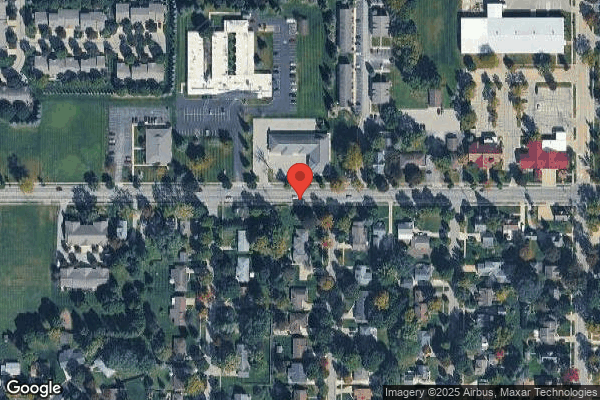
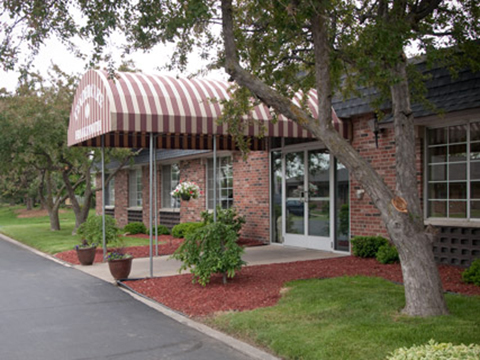
500 West Genesee, Frankenmuth, MI 48734 (989) 652-6101
For profit - Corporation 105 Beds MEDILODGE Data: November 2025
Trust Grade
40/100
#299 of 422 in MI
Last Inspection: April 2025

Within standard 12-15 month inspection cycle. Federal law requires annual inspections.

Overview

Medilodge of Frankenmuth has a Trust Grade of D, indicating below-average quality with some significant concerns. It ranks #299 out of 422 nursing homes in Michigan, placing it in the bottom half of facilities statewide, and #7 out of 11 in Saginaw County, suggesting only a few local options are better. The facility is showing improvement, as the number of issues decreased from 19 in 2024 to 13 in 2025. Staffing is average with a rating of 3 out of 5, but the turnover rate is concerning at 64%, which is higher than the state average. While there have been no fines recorded, there are serious concerns such as a resident suffering a femur fracture due to inadequate assistance during care, and another resident was found unable to reach their call light, indicating potential neglect in monitoring residents' safety and needs.
Trust Score
D
40/100
In Michigan
#299/422
Bottom 30%
Safety Record
Moderate
Needs review
Inspections
Getting Better
19 → 13 violations
Staff Stability
⚠ Watch
64% turnover. Above average. Higher turnover means staff may not know residents' routines.
Penalties
✓ Good
No fines on record. Clean compliance history, better than most Michigan facilities.
Skilled Nurses
✓ Good
Each resident gets 49 minutes of Registered Nurse (RN) attention daily — more than average for Michigan. RNs are trained to catch health problems early.
Violations
⚠ Watch
42 deficiencies on record. Higher than average. Multiple issues found across inspections.
★★☆☆☆
2.0
Overall Rating
★★★☆☆
3.0
Staff Levels
★★★☆☆
3.0
Care Quality
★★☆☆☆
2.0
Inspection Score
Stable
2024: 19 issues
2025: 13 issues

The Good

  • Full Sprinkler Coverage · Fire safety systems throughout facility
  • No fines on record

Facility shows strength in fire safety.

The Bad

2-Star Overall Rating

Below Michigan average (3.1)

Below average - review inspection findings carefully

Staff Turnover: 64%

18pts above Michigan avg (46%)

Frequent staff changes - ask about care continuity

Chain: MEDILODGE

Part of a multi-facility chain

Ask about local staffing decisions and management

Staff turnover is elevated (64%)

16 points above Michigan average of 48%

The Ugly 42 deficiencies on record

1 actual harm
Apr 2025 11 deficiencies
CONCERN (D)

Potential for Harm - no one hurt, but risky conditions existed

Deficiency F0657 (Tag F0657)

Could have caused harm · This affected 1 resident

**NOTE- TERMS IN BRACKETS HAVE BEEN EDITED TO PROTECT CONFIDENTIALITY** Resident #8: Observation on 4/1/2025 between 9:00 AM and 10:00 AM during the initial screening process of Resident #8 was observ...

Read full inspector narrative →
**NOTE- TERMS IN BRACKETS HAVE BEEN EDITED TO PROTECT CONFIDENTIALITY** Resident #8: Observation on 4/1/2025 between 9:00 AM and 10:00 AM during the initial screening process of Resident #8 was observed with silver metal bilateral half siderails in use. Resident #8 appeared confused and was not responding to questions related to the use of the siderails. Record review of resident #8's care plans pages 1- 46, noted a Falls/Injury related to contractures date 11/1/2024. Interventions identified: Ensure the resident's room is free from accident hazards (e.g., providing adequate lighting, ensure there are no trip hazards, providing assistive devices), Observe for changes in mobility, place call light within reach. There were no interventions or care plan that addressed the use/consent, assessment and monitoring of half siderails noted. Resident #14: Observation and interview on 04/01/25 at 09:05 AM of Resident #14 was noted to be lying in a large bed with silver metal Bilateral half side rails in use. The Resident stated that the siderails came with her bed. Record review of Resident #14's March 2025 Medication Administration Record (MAR) and Treatment Administration Record (TAR) had no daily/weekly monitoring of bilateral half siderails for entrapment performed by nursing. Record review of resident #14's care plans pages 1- 20, noted a Falls/Injury related to contractures dated 3/14/2025. Interventions identified: Educate resident on safety interventions (none identified), Encourage resident to keep needed items within reach. Encourage resident to use call light. Ensure the resident's room is free from accident hazards (e.g., providing adequate lighting, ensure there are no trip hazards, providing assistive devices). There were no interventions or care plan that addressed the use/consent, assessment and monitoring of half siderails noted. Resident #19: Observation on 4/1/2025 between 9:00 AM and 10:00 AM during the initial screening process of Resident #19 was observed with silver metal bilateral half siderails in use. Record review of resident #19's care plans pages 1- 23, noted a Falls/Injury related to contractures dated 9/07/2023. Interventions identified: Educate resident on safety interventions (none identified), Encourage resident to keep needed items within reach. Encourage resident to use call light. Ensure the resident's room is free from accident hazards (e.g., providing adequate lighting, ensure there are no trip hazards, providing assistive devices), Transfer assist device enabler bar to bilateral of bed for increased mobility. There were no interventions or care plan that addressed the use/consent, assessment and monitoring of half siderails noted. Record review of Resident #19's 'informed Consent for Use of Bed Rails' form dated 2/20/2024 resident overview: What assessed medical needs would be addressed by the use of bed rails for this resident? Blank/no documented assessment. What are the possible benefits of bed rail use for this resident and what is the likelihood of these benefits? Blank/no documented assessment. What are the possible risks of bed rail use for this resident and how will these risks be mitigated? Blank/no documented assessment. Alternatives to bed rails have been attempted, but failed to meet the resident's needs, or were not attempted because they were considered to be inappropriate, describe: Blank/no documented assessment. Observation and interview on 04/02/25 at 12:02 PM with the Director of Nursing (DON) during a walking tour of the East unit rooms 40 through 56. The DON stated 'We don't have any siderails. We don't use them'. The DON walked with the state surveyor through the East hallway unit to observed rooms with half silver bed rails in place. Resident #14's bed observed with bilateral silver metal half side rails. Resident #19's bed observed with bilateral silver metal half side rails. Resident #8's bed observed with bilateral silver metal half side rails. Resident #43's bed observed with bilateral silver metal half side rails. The Director of Nursing (DON) stated that those are assist bar's. Requested siderail policy. Record review of facility 'Comprehensive Care Plans' policy dated 6/30/2022 revealed it is the policy of this facility to develop and implement a comprehensive person-centered care plan for each resident, consistent with resident rights, that includes measurable objectives and time frames to meet a resident's medical, nursing, and mental and psychosocial needs that are identified in the resident's comprehensive assessment (Minimum data Set). Based on observation, interview and record review, the facility failed to update and/or revise individualized, person-centered care plans to reflect changing care needs for 6 residents (#8, #14, #19, #28, #47, and #60) of 24 residents reviewed for care plans. Findings Include, Resident #28: Accidents On 4/01/2025 at 9:41 AM, Resident #28 was observed in the day room, sitting in a chair. The resident was awake and talkative, but confused. A record review of the Face sheet and Minimum Data Set/MDS assessment indicated Resident #28 was admitted to the facility on [DATE] with diagnoses: Dementia, history of a stroke, hypertension, chronic pain, peripheral vascular disease, atrial fibrillation, weakness and unsteadiness on feet. The MDS assessments dated 11/27/2024 and 2/25/2025 revealed the resident had severe cognitive loss with a Brief Interview for Mental Status/BIMS score of 3/15 and needed assistance with all care including toileting. A record review of the Incident and Accident Reports for Resident #28 indicated from 11/14/2024- 3/22/2025 the resident had 8 falls: 11/14/2024, 12/6/2024, 12/7/2024, 12/12/2024, 12/20/2024, 2/22/2024, 3/4/2025, 3/22/2025. A review of the Care plans for Resident #28 indicated there was an Activities of Daily living/ADL care plan, but it did not mention toileting. Per the MDS assessment the resident needed assistance with toileting. A Fall Care Plan mentioned toileting the resident on 12/22/2024. The Fall Care Plans were not updated after the resident fell on [DATE], 12/6/2024 and 12/7/2024; the resident continued to fall. Resident #47: Accidents On 4/01/2025 at 11:45 AM, Resident #47 was observed pushing his wheelchair up and down the hallway on the Dementia unit. A record review of the Face sheet and MDS assessment indicated Resident #47 was admitted to the facility on [DATE] and readmitted on [DATE] with diagnoses: Dementia, history of falls with fracture, schizophrenia, anxiety, chronic pain syndrome, and heart disease. The MDS assessment dated [DATE] revealed the resident had severe dementia and needed some assistance with all ADL's including 1-person assist with toileting. A record review of the Incident and Accident reports indicated Resident #47 had fallen 4 times from 11/1/2024 to 3/27/2025: 11/1/2024, 3/3/2025, 3/16/2025, 3/27/2025. A review of the Care plans for Resident #47 indicated the care plans were not reviewed, revised to prevent further falls after the 3/3/2025 and 3/16/2025 falls. The Fall Care plan was updated after the resident fell again on 3/27/2025. On 4/03/2025 at 9:08 AM, resident falls were reviewed with the Director of Nursing/ DON. Care plans were reviewed, as many of the interventions were routine nursing practice for example related to toileting: both Residents #28 and #47 had needed assistance with toileting prior to falling. Also reviewed the Care plans were not always reviewed or revised after the residents had fallen to try and aid in preventing future falls. Resident #60: Care Planning A record review of the Face sheet and MDS assessment indicated Resident #60 was admitted to the facility on [DATE] with diagnoses including: Dementia, Parkinson's disease, COPD, and heart disease. On 4/01/2025 at 2:57 PM during a review of the Advance directives including code status preferences, an assessment for the Code status could not be located in the medical record. On 4/02/25 at 12:52 PM, Social Services E was interviewed, and she identified a copy of the assessment form for Resident#60's Code Status preferences. Upon review of the resident's care plan, it did not specify the resident chose to be a Full code. It said, Honor residents advance care planning ., but did not specify what they were.
CONCERN (D)

Potential for Harm - no one hurt, but risky conditions existed

Deficiency F0692 (Tag F0692)

Could have caused harm · This affected 1 resident

**NOTE- TERMS IN BRACKETS HAVE BEEN EDITED TO PROTECT CONFIDENTIALITY** Based on observation, interview and record review the facility failed to ensure accurate weights were obtained for 2 residents (...

Read full inspector narrative →
**NOTE- TERMS IN BRACKETS HAVE BEEN EDITED TO PROTECT CONFIDENTIALITY** Based on observation, interview and record review the facility failed to ensure accurate weights were obtained for 2 residents (#35 and #47) of 6 residents monitored for food or nutrition, resulting in Resident #35 and Resident #47 having inaccurate weights documented in the medical record. Findings Include: Resident #35: Nutrition A record review of the Face sheet and Minimum Data Set/MDS assessment indicated Resident #35 was admitted to the facility on [DATE] and readmitted on [DATE] with diagnoses: Dementia, anxiety, history of intestinal cancer, and heart disease. The MDS assessment dated [DATE] revealed the resident had severe cognitive loss with a Brief Interview for Mental Status/BIMS score of 3/15 and the resident needed some assist with all care. On 4/01/2025 at 11:40 AM, during a review of the weights for Resident #35 in the electronic medical record Weights/Vitals tab, it indicated the resident had a 16 lb. weight gain in one day. The resident weighed 162.0 lbs on 3/31/2025 and 178.4 lbs. on 4/1/2025 at 7:10 AM. On 4/1/2025 at 11:50 AM, Nurse O and Nurse Aide V were interviewed about the resident's weight gain of 16 lbs. in one day. Nurse O asked Nurse Aide V about the weight and asked her to reweigh Resident #35. On 4/1/2025 at 3:30 PM, Resident #35's weight was reviewed and a new weight of 160.3 was obtained by Nurse Aide V at 2:59 PM on 4/1/2025. The resident had not gained 16 lbs. He had lost 1.7 lbs. since the prior day. On 4/02/2025 at 1:04 PM, Registered Dietitian/RD B was interviewed about Resident #35's inaccurate weight of a 16 lb. weight gain in one day. Reviewed the resident's weight had not been checked against the prior weight or reweighed until the surveyor asked about the weight gain. The Dietitian said the staff had not checked the weight for accuracy and when she reviewed the residents, she would notice and ask them to reweigh the resident. She said she was in the facility a couple days a week and would check the weights at that time. Resident #47: Nutrition On 4/01/2025 at 11:45 AM, Resident #47 was observed pushing his wheelchair up and down the hallway on the Dementia unit. A record review of the Face sheet and MDS assessment indicated Resident #47 was admitted to the facility on [DATE] and readmitted on [DATE] with diagnoses: Dementia, history of falls with fracture, schizophrenia, anxiety, chronic pain syndrome, and heart disease. The MDS assessment dated [DATE] revealed the resident had severe dementia and needed some assistance with all ADL's. On 4/01/2025 at 11:49 AM, during a review of the electronic medical record Weight/Vitals tab it indicated Resident #47 weighed 1,830 lbs. on 4/1/2025 and 186.5 lbs. on 3/31/2025. The was a 1,643.5 lb. weight gain in one day. On 4/01/2025 at 11:58 AM, Nurse O and Nurse Aide V were interviewed about Resident #47's 1,643 lb. weight gain in one day. Nurse O said it must have been an error, and she asked Nurse Aide V to reweigh the resident. On 4/02/2025 at 1:05 PM, the 1,830 lb. weight for Resident #47 was reviewed with RD B and the resident was not reweighed until after the surveyor asked about it. The RD said she reviewed weights 3 days a week: Monday, Wednesday, Thursday and if she saw any abnormal weights, she would request a reweigh from the nursing staff. On 4/03/2025 at 9:00 AM, the Director of Nursing/DON was interviewed about Resident #35's inaccurate weight and she stated, We have a problem with weights. A review of the facility policy titled, Weight Monitoring, dated reviewed/revised 10/26/2023 provided, . Weight can be a useful indicator of nutritional status. Significant unintended changes in weight (loss or gain) or insidious weight loss (gradual unintended loss over a period of time) may indicate a nutritional problem . A weight monitoring schedule will be developed upon admission for all residents: a. Weights should be recorded at the time obtained . Weight Analysis: The newly recorded resident weight should be compared to the previous recorded weight .
CONCERN (D)

Potential for Harm - no one hurt, but risky conditions existed

Respiratory Care (Tag F0695)

Could have caused harm · This affected 1 resident

**NOTE- TERMS IN BRACKETS HAVE BEEN EDITED TO PROTECT CONFIDENTIALITY** Based on observation, interview and record review, the facility failed to ensure clean and dry storage of respiratory equipment ...

Read full inspector narrative →
**NOTE- TERMS IN BRACKETS HAVE BEEN EDITED TO PROTECT CONFIDENTIALITY** Based on observation, interview and record review, the facility failed to ensure clean and dry storage of respiratory equipment for three residents (#25, #44, #54) of three residents reviewed for respiratory needs, resulting in unsanitary storage of respiratory equipment. Findings include: Resident #25: On 4/01/25, at 11:11 AM, Resident #25 was in their bed in their room. Their nebulizer mask was face down on their nightstand uncovered and without a barrier. Resident #25 was asked if they use their nebulizer and Resident #25 stated, yes. On 4/01/25, at 1:30 PM, a record review of Resident #25's electronic medical record revealed and admission on [DATE] with diagnoses that included Chronic Obstructive Pulmonary Disease (COPD) and muscle weakness. A review of the self-care performance deficit care plan revealed Interventions . BED MOBILITY: 1 person assist . TRANSFERS : 1 person assist . On 4/02/25, at 9:35 AM, Infection Control (IC) Nurse A was asked how nebulizer masks should be stored when not in use and IC Nurse A offered, after cleaning and dried it goes back into the bag. Resident #44: On 4/01/25, at 9:42 AM, Resident #44 was resting in their bed. Their Continuous Positive Airway Pressure (CPAP) face mask was stored inside a medal basket on the back of the machine tower. The mask was uncovered. Their coughing machine mouthpiece and tubing was draped over the nightstand. The mouthpiece was in direct contact with the back of the oxygen concentrator. Resident #44 was asked if they were able to use their nebulizer mask and coughing machine independently and Resident #44, they help me with them. On 4/01/25, at 2:15 PM, a record review of Resident #44's electronic medical record revealed an admission on [DATE] with diagnoses that included Amyotrophic Lateral Sclerosis (ALS), COPD and Obstructive Sleep apnea. A review of the self-care performance deficit care plan revealed Interventions . BED MOBILITY: 2 person assist . A review of the impaired pulmonary/respiratory status care plan revealed Interventions . Cough assist machine inhale 30cmh20 exhale-30cmh20 pause 2.0 seconds pap plus 5cmh20 therapy as ordered . CPAP: 6 Rate: 12 Machine as ordered . On 4/02/25, at 9:44 AM, IC Nurse A was alerted Resident #44's mouth piece was touching the back of the oxygen concentrator and the nebulizer mask was face down inside the medal basket uncovered and IC Nurse A offered, that is unacceptable. Resident #54: Review of the Face Sheet, MDS dated [DATE], nurses and social service notes dated 1/15 through 3/31/25, and care plans revealed, Resident #54 was [AGE] years old, alert, admitted to the facility on [DATE], and required assistance with ADL's. The resident's diagnosis included, cellulitis, anemia, diabetes, muscle weakness, acidosis, and a history of falls. The resident received respiratory treatments daily. Observation was made on 4/1/25 at approximately 9:45 a.m., of a clean and dry respiratory equipment (treatment mask) was sitting on the window seal on top of a clear plastic bag. During an interview done on 4/2/25 at 9:31 a.m., with Infection Control Nurse A, she stated You use a paper towel to sit it (treatment mask) on after it is cleaned (and dry), then it goes in the plastic bag. During an interview done on 4/2/25 at 9:30 a.m., the Director of Nursing stated we don't have a policy that say's put respiratory equipment in a plastic bag, but they should put it in a plastic bag after it's dry.
CONCERN (D)

Potential for Harm - no one hurt, but risky conditions existed

Deficiency F0757 (Tag F0757)

Could have caused harm · This affected 1 resident

**NOTE- TERMS IN BRACKETS HAVE BEEN EDITED TO PROTECT CONFIDENTIALITY** Based on observation, interview and record review, the facility failed to adequately monitor antibiotic use and update the antib...

Read full inspector narrative →
**NOTE- TERMS IN BRACKETS HAVE BEEN EDITED TO PROTECT CONFIDENTIALITY** Based on observation, interview and record review, the facility failed to adequately monitor antibiotic use and update the antibiotic line listing for one resident (#2) of 17 sampled residents. Findings include: Record review of the facility provided CMS-802 MDS Resident Matrix dated 4/1/2025 at 9:36 AM revealed Resident #2 to have antibiotic medication and an indwelling catheter. Resident #2: Record review on 04/01/25 at 11:56 AM of Resident #2's March 2025 Medication Administration Record noted Gentamycin sulfate 10mg/ml, 27 milligrams miscellaneous every evening shift every Monday, Thursday, Saturday. Administer while in the shower on Monday and Thursdays. Mix with 50ml normal saline. Irrigate the bladder with 50ml through the suprapubic catheter and clamp for 30 minutes dated 2/8/2025. In an interview on 4/01/25 at 01:35 PM at Licensed Practical Nurse M stated that Resident #2 had Gentamycin solution flushed into the catheter, ordered 3 x week but resident only lets us do it 2 times a week during his showers. He will not take it on Saturdays and his mother is aware and so is his physician, although scheduled M-Th-Saturdays. In an interview and record review on 04/02/25 at 09:48 AM with the Registered Nurse (RN) Infection Control nurse A was asked about Resident #2's Gentamycin antibiotic monitoring. RN A record reviewed infection control line listings for the months of January, February, March 2025 revealed that the resident #2 was not included in the line listings and RN A stated that she was not aware of the resident #2 being left off the line listing. The state surveyor Requested infection line listing in paper format for the last 3 months. In an interview and record review on 04/03/25 at 08:58 AM with Registered Nurse (RN) Infection Control nurse A stated there is no line listing of Resident #2's gentamycin antibiotic medication since 2023, Record review I was digging into his medical record and there was no line listing of the Gentamycin antibiotic for Resident #2 in his urinary catheter, flush & clamp. Resident #2 is colonized, but the urologist ordered the med, indefinitely. Order started in 2023. In June 24,2024 he had labs done. Record review of the 2024 infection control line list binder revealed Resident #2's gentamycin was not listed on any of the line listings for antibiotic monitoring and tracking. Monitoring the antibiotic use, we are not monitoring, we should be monitoring because of MDRO's will grow and we do not need any more of those. The state surveyor asked if the treatment effective and appropriate. RN A stated that by the looks of Resident #2's labs I think that it's not effective. I cannot get [NAME] lab to do stewardship forms. The state surveyor asked about why not on the monthly Line listing? RN A stated Yes, it should be on the line listing every month, and from now on it will be.
CONCERN (D)

Potential for Harm - no one hurt, but risky conditions existed

Medication Errors (Tag F0758)

Could have caused harm · This affected 1 resident

**NOTE- TERMS IN BRACKETS HAVE BEEN EDITED TO PROTECT CONFIDENTIALITY** Resident #9: Review of the Face Sheet, Minimum Data Set (MDS- resident assessment tool dated 3/17/25), physician, nurses, social...

Read full inspector narrative →
**NOTE- TERMS IN BRACKETS HAVE BEEN EDITED TO PROTECT CONFIDENTIALITY** Resident #9: Review of the Face Sheet, Minimum Data Set (MDS- resident assessment tool dated 3/17/25), physician, nurses, social services notes dated 3/25 to 4/1/25, and care plans revealed Resident #9 was [AGE] years old, admitted to the facility on [DATE], confused with a BIMS (Cognitive assessment tool) of 8 (decreased cognition) and not able to make healthcare decisions, and required staff assistance with ADL's. The resident's diagnosis includes diabetes, high blood pressure, legal blindness, Dysphagia (swallowing deficits), decreased cognitive function, dementia, psychological disorder with delusions, anxiety, depression, mood disorders, adjustment disorder, and muscle weakness. The resident was blind in the right and left eyes. Review of the physician order dated 2/26/2025, stated Ativan Oral Tablet 0.5 MG at bedtime. Review of the facility Use of Psychotropic Drugs and Gradual Dose reductions policy dated 10/30/23, stated Psychotropic Drug: defined as any drug that affects brain activities associated with mental processes and behavior Psychotropic drugs include, antipsychotic's, antidepressants, anti-anxiety and hypnotics. The indications for use of any psychotic drug will be documented in the medical record (including) psychotropic medications shall be initiated only after medical, physical, functional, psychosocial, and environmental causes have been identified and addressed. Non-pharmacological interventions that have been attempted, and the target symptoms for monitoring shall be included in the documentation. Residents are not given psychotropic drugs unless the medication is necessary to treat a specific condition, as diagnosed and documented in the clinical record. The resident's symptoms and therapeutic goals shall be clearly and specifically identified and documented. Review of resident #9's physician order dated 12/7/24, revealed he was receiving Ativan oral tablet 0.5 MG: Give 1 tablet by mouth at bedtime for GAD (anxiety disorder)/0.5 MG/[DATE]. Review of the resident's facility Social Service Progress review dated 3/14/25, stated Things that make you become anxious/stressed? nothing. The resident denied he was anxious at the facility. Review of the resident's facility Behavioral Management Monthly Note dated 3/20/25, revealed 2 targeted behaviors, being inappropriate with female staff, yelling, screaming, likes to push boundaries with new staff and psychotic delusions; with no documentation found in notes of examples of what type or types of delusions and examples of comments. Review of the resident's facility targeted and tracked behaviors (done by Interdisciplinary Team and daily Nursing Assistant charting) dated 3/25 and 3/21/25 to 4/1/25, revealed he had x 5 he exhibited targeted behaviors and x 2 times he exhibited behaviors in a total of 30 days. No documentation was found revealing exactly what he did or said and documentation of any non-pharmalogical interventions given with results. Review of the residents psychotropic/mood care plan dated 1/6/2025, stated Monitor for and report to Physician/NP/PA adverse effects of anti-anxiety medication use (nausea, blurred vision, headaches, confusion, tiredness, nightmares, drowsiness, dizziness, unsteadiness, difficulty thinking or remembering, increased saliva, muscle/joint pain, frequent urination, increased risk for falls). Review of the Nursing Quarterly/Significant Change Evaluation notes dated 3/14/25, revealed the resident shuffles, unsteady while standing, (and had) tremors. The signs documented are also possible side effects of Ativan usage per the residents psychotropic/mood care plan dated 1/6/25, and physician order date 11/27/24 (observe the resident closely for significant side effects of anti-anxiety medication). Review of the resident's dose reduction documentation dated 8/30/23 through 2/26/25, revealed he had a reduction in dose (from 1 MG to 0.5 MG) with no adverse reactions documented. The resident was still on Ativan at the time of the survey. During an interview done on 4/3/25 at 12:40 p.m., Social Service E revealed the facility had 2 behavioral monitoring components, one for general behavioral monitoring and one for targeted behavior monitoring. Social Service E said the facility IDT (interdisciplinary team) goes through targeted behaviors during the Behavior Management Monthly Note (meetings). Review of the residents targeted behaviors revealed he had 2 targeted behaviors that were being monitored; saying inappropriate sexual things to staff or delusions was found by Social Services during the interview done on 4/3/25 at 12:40 p.m. Review of the facility Behavior Management Monthly Note dated 3/20/25 at 9:04 a.m., revealed the resident had a total of 5 targeted behaviors in the last 30 days. No documentation of saying inappropriate sexual things to staff or delusions was found by Social Services during the interview done on 4/3/25 at 12:40 p.m. During an interview done on 4/1/25 at 1:51 p.m. and on 4/3/25 at 9:40 a.m., Social Service E stated I don't have an answer for you (why is he on Ativan?). I don't have any documentation for him on Ativan. We definitely are lacking on documentation and if he needs it, they need to document it. We need documentation for him to be on Ativan, we don't have it, It's as clear as mud. During an interview done on 4/2/25 at 3:00 p.m., the Director of Nursing/DON was asked by this surveyor if resident #9 needed to be on Ativan daily (0.5 MG) at nighttime (HS) and she stated, I think there needs to be documentation for it. During an interview done on 4/2/25 at 9:20 a.m., Mental Health Professional RN, verbalized an understanding of why the facility is required to document rational for the use of Ativan for resident #9. Review of the facility Behavior Management Program dated 10/27/23, stated Each resident's drug regimen must be free from unnecessary drugs. Resident documentation of observed behaviors will be maintained and monitored using our electronic medical records (EMR); include but not limited to the following: A description of the behavior or symptom observed and or reported behavior may include the following: Reason, place, intervention and outcome. During record review of the residents EMR on 4/1/25 at 1:51 p.m. and on 4/3/25 at 9:40 a.m., no documentation was found describing in detail specific behaviors and staff non-pharmaceutical interventions. Social Services brought up all the residents documentation on her computer to review with surveyor regarding Ativan usage. Review of the facility Social Service Director job description (un-dated) stated, in accordance with the standards, policies and procedures, the Corporate Compliance Agreement, applicable federal and state laws, and applicable professional standards. Based on observation, interview and record review, the facility failed to 1) Ensure consent for antipsychotic medications prior to administration for 1 resident (Resident #14) and 2) Ensure supporting documentation for use of Ativan for 1 resident (Resident #9) of 3 residents reviewed for antipsychotic medications (including anxiety medications), resulting in antipsychotic medications without appropriate consent and the use of Ativan daily at HS (night time). Findings include: Record review of the facility provided CMS-802 MDS Resident Matrix dated 4/1/2025 at 9:36 AM revealed Resident #14 to have AP (Antipsychotic) and (AA) Antianxiety medications. Resident #14: Record review of resident #14's March 2025 Medication Administration Record noted Quetiapine fumarate (Seroquel) antipsychotic medication 25mg give one tablet by mouth at bedtime related to anxiety disorder, unspecified. Start date 3/13/2025. Record review on 04/01/25 at 11:08 AM of Resident #14's electronic medical record revealed that there was no consent for the use of the psychotropic medication Seroquel found in the medical record. An interview and record review on 04/01/25 at 01:55 PM in the social service designee's E office revealed that the social service designee reviewed Resident #14's electronic medical record with the state surveyor at her side and stated that Resident #14 was here as short-term stay, then went to the hospital and came back with a Seroquel order. (Reviewed physician orders with surveyor) She is her own person. She has been on Seroquel since 3/13/2025. Consent for Seroquel? Record review of the medical record found no consent for the Seroquel. Social service designee E stated honestly I was not aware that the resident #14 was on Seroquel until now, today. I do attend IDT meeting daily; I must have missed her return. Yes, there should have been a consent prior to administering the medication, we are supposed to get a consent first. An interview and record review on 04/02/25 at 11:17 AM with the Mental Health Professional D revealed that Resident #14 was not being seen mental health services. Mental Health Professional D accessed the resident electronic medical record to review Seroquel antipsychotic medication was added from the hospital in February 2025. Mental Health Professional D stated the resident is not on my roster to see. A resident has to consent for psychiatric medications and usually followed by psych behavior services. There is no documentation for use of Seroquel. I have not seen her, and she needs a start of care with behavioral care Services, I would do an evaluation for use of antipsychiatry med's. Record review the EMR to see if she was a psych patient for me, she is not. I have not received a referral to see that resident. In an interview and record review on 4/1/2025 at 1:15 PM the social services designee presented to the state surveyor a signed consent for antipsychotic medication Seroquel 25mg for Resident #14 for a sleep disorder. The Social service designee stated that she was not aware that the resident was on the medication or that a consent was needed. Record review of the facility 'Use of Psychotropic Drugs and Gradual Dose Reductions' policy date 10/30/2023 revealed residents and/or representatives shall be educated on the risks and benefits of psychotropic drug use, as well as alternative treatments/non-pharmacological interventions.
CONCERN (D)

Potential for Harm - no one hurt, but risky conditions existed

Deficiency F0809 (Tag F0809)

Could have caused harm · This affected 1 resident

**NOTE- TERMS IN BRACKETS HAVE BEEN EDITED TO PROTECT CONFIDENTIALITY** Based on observation, interview and record review, the facility failed to ensure an adequate amount and choice of evening snacks...

Read full inspector narrative →
**NOTE- TERMS IN BRACKETS HAVE BEEN EDITED TO PROTECT CONFIDENTIALITY** Based on observation, interview and record review, the facility failed to ensure an adequate amount and choice of evening snacks for a Confidential Group of residents reviewed, resulting in not getting snacks, enough snacks, feeling left out for a choice of snacks and an overall feeling of frustration. Findings include: On 4/2/25, at 2:15 PM, a confidential group of residents complained the facility doesn't restock the snack carts and the snack items are always the same. The following complaints were voiced: they don't pass snacks at night they took away the snack cart they only give us peanut butter and jellies, and that's if there are any left sometimes we get apples and oranges, but not often it would be nice if we could grapes we want more fruit choices there is a difference between center snack cart and west snack cart meat sandwiches are few and far between we don't get the refrigerator things we don't get certain snacks unless we get them before the kitchen closes we want egg salad, tuna and more meat sandwiches it would be nice to get Oreo cookies or Doritos we only get fudge rounds or oatmeal cookies we want different kind of chips, its always the same kinds we need more protein choices, like cheese if there isn't any peanut butter and jellies on the cart, your screwed we want cool whip on our Jello On 4/03/25, at 9:10 AM, Dietary Aide J was interviewed regarding the snacks available and the facility process on providing snacks. Dietary Aide J offered, we have snack carts that go out at 8:30 PM when the dietary staff leave and we put cold items into the nourishment refrigerator. On 4/03/25, at 9:15 AM, an observation of the nourishment refrigerator that housed the snack items was conducted with Dietary Aide J. There was one 5 and half ounce clear plastic container of cottage cheese, one Jello and numerous puddings. Dietary Aide J was asked what protein type snacks do they provide in the evening and Dietary Aide J offered, cottage cheese is our protein. Dietary Aide J was asked how many cottage cheese snacks are placed in the refrigerator and Dietary Aide J offered, about 4 or 5 and the same amount of puddings, meat sandwiches and apple sauce. On 4/03/25, at 9:20 AM, an observation of the kitchen stock for snack items was conducted with Dietary Aide J. The dry storage housed the following snack items: 15 boxes of oatmeal pie cookies, 7 boxes of fudge rounds, 1 box of assorted chips (sour cream and onion, barbeque, plain and corn chips), graham crackers, a case of unopened fig cookies, two boxes of Oreo cookies and a case of bananas. The preparation refrigerator was observed to have opened bologna and ham, a large container of American cheese slices and a container with a few boiled eggs. Dietary Aide J was asked if they make egg salad sandwiches and Dietary Aide J offered, if we have eggs left over. Dietary Aide J was asked if they ever make tuna fish sandwiches for snacks and Dietary Aide J offered, if we get the large cans of tuna in. An observation of the snack carts that were in the kitchen was conducted with Dietary Aide J. There were two snack carts. Dietary Aide J was asked what items get stocked on the carts and Dietary Aide Joffered, chips, cookies, apple sauce, bananas. Dietary Aide J was asked how many of each snack items are placed on the cart and Dietary Aide J offered, about 4 or 5 of each. There were clear plastic containers that housed peanut butter and jelly sandwiches that were cut in half. Dietary Aide J was asked how many peanut butter and jelly sandwiches are made for the snack carts and Dietary Aide J offered, they do a loaf of bread each day, cut them in half and place them on the cart. Dietary Aide J was asked why the fig cookies were unopened and Dietary Aide J offered, we just got them Tuesday. Dietary Aide J was asked how many Oreo cookies are placed on the carts and Dietary Aide J offered, well, it's a new item so they get picked over fast. On 4/03/25, 9:54 AM, Dietary Manager G was asked to provide their evening snack list for the residents and if there was a kitchen key available once the kitchen staff leave for the night and Dietary Manager G shook their head no, and offered, because we stock the nourishment room. On 4/03/25, at 11:00 AM, a record review of the Resident Council Minutes provided by the facility revealed the following: 1-7-25 . Old Business Review: (List unresolved old business from last meeting's . ) Issue . Snacks not being passed Status . Update Ongoing . 12/10/24 . Current Situation/Concern . Snacks are not being offer . Person Responsible . Nursing . A record review of the facility provided Snack list: Nutritional Room revealed the following items listed: 4-5 yogurt 4-5 Cottage cheese 4-5 pudding 1 carafe orange juice 1-2 pictures of lemonade 4-5 meat sandwiches Any other requested by residents It is filled in am and again at 4pm Snack Carts Each cart has these items: Around 9 peanut butter & jelly sandwich Containers with Fudge rounds oatmeal pies Oreo [NAME] Doone's Fig [NAME] variety of chips [NAME] crackers saltines Cheeze it Applesauce Banana's Oranges
CONCERN (E)

Potential for Harm - no one hurt, but risky conditions existed

Resident Rights (Tag F0550)

Could have caused harm · This affected multiple residents

**NOTE- TERMS IN BRACKETS HAVE BEEN EDITED TO PROTECT CONFIDENTIALITY** Resident #24: Review of the Face Sheet, Minimum Data Set (MDS, resident assessment tool) dated 3/31/25, Physician orders dated 2...

Read full inspector narrative →
**NOTE- TERMS IN BRACKETS HAVE BEEN EDITED TO PROTECT CONFIDENTIALITY** Resident #24: Review of the Face Sheet, Minimum Data Set (MDS, resident assessment tool) dated 3/31/25, Physician orders dated 2023 through 2025, and care plans revealed resident #24 was [AGE] years old, admitted to the facility on [DATE], confused and not able to make his own healthcare decisions, and dependent on staff for Activities of Daily Living/ADL's. The resident's diagnosis included, hemiplegia and hemiparesis (flowing a brain bleed), Dysphagia (swallowing deficit), anxiety, major depression, weakness, and high blood pressure. During an observation on 4/2/25 at 11:40 a.m., Resident #24 was sitting on his bed toward the top and watching TV. The resident's call light that was laying on the floor at the bottom of his bed. When this surveyor asked the resident where his call was, he did not know, and he was unable to reach it when asked if he could get it. Review of the facility Promoting/Maintaining resident Dignity policy dated 10/26/23, stated All staff members are involved in providing care to residents to promote and maintain resident dignity and respect residents rights. Respond to requests for assistance in a timely manner (including access to call light to call for assistance). Resident #35: Dignity On 4/01/2025 at 10:11 AM, while touring the end of the hall on the dementia unit outside room [ROOM NUMBER], it smelled strongly of urine. Upon entering the room, the smell of urine was even stronger. The smell was noted in the attached bathroom, near the doorway, and across the room. The smell had not been noted anywhere else in the hallway or in any other room. On 4/1/2025 at 11:20 AM, a housekeeper was observed cleaning in the hallway on the dementia unit. She was asked about the smell outside and inside room [ROOM NUMBER]. She said she had just cleaned in the room and bathroom. Upon entering room [ROOM NUMBER] with the housekeeper, the room smelled strongly of urine. The bathroom was entered, and it also had an overwhelming smell of urine. The housekeeper said she had mopped and cleaned both the bathroom and room earlier that day. There were no apparent stains on the floors. She was asked if the fall mats or bed had a urine smell, and it was difficult to determine if they smelled like urine because of the smell in the room. The resident (#35) was not in the room. On 4/1/2025 at 11:30 AM, Resident #35 was noted in the day room. Upon walking by him, there was no smell of urine. A record review of the Face sheet and Minimum Data Set/MDS assessment indicated Resident #35 was admitted to the facility on [DATE] and readmitted on [DATE] with diagnoses: Dementia, anxiety, history of intestinal cancer, and heart disease. The MDS assessment dated [DATE] revealed the resident had severe cognitive loss with a Brief Interview for Mental Status/BIMS score of 3/15 and the resident needed some assist with all care. On 4/01/2025 at 2:15 PM, the Dementia unit was toured with the Director of Nursing/ DON and Corporate Nurse U. When room [ROOM NUMBER] was approached the door was closed. The door to room [ROOM NUMBER] was opened and the room continued to smell strongly of urine. With the door opened the hallway smelled of urine. The DON was asked how the room could smell like urine when it had been cleaned. She said both the current resident and resident in room next door urinate on the floor. Entered the room next door and it did not smell like urine. The DON said the resident previously in room [ROOM NUMBER] also urinated on the floor and said the floor had to be replaced. The floor in the room and bathroom appeared new and without stains. The Corporate Nurse said she also smelled it. The DON was asked what the plan was for the room, to remove the urine smell; she said they had previously thoroughly cleaned the room and would let me know what the plan was. On 4/02/2025 at 9:28 AM, room [ROOM NUMBER]-B continued to smell strongly of urine. The facility brought a cleaning plan for room [ROOM NUMBER]. They said the room was cleaned and an air purifier was added, and a new deodorizer was used. The cleaning plan was reviewed, and it said a new cleaning product that contained a deodorizer would be used along with the air purifier. Based on observations, interview and record review, the facility failed to ensure dignity and privacy for five residents (#9, #24, #27, #35, #37) of 18 residents reviewed for dignity and privacy, resulting in feelings of being dismissed, forgotten and embarrassment. Findings include: Dining: On 4/02/25, at 12:05 PM, an observation of main dining room lunch meal service was conducted. There were two residents sitting at a table together. At 12:10 PM, there was a tray offered to the one resident from the east hall tray cart. Resident #9 was sitting at the table and was overheard saying where's my food. In response, CNA K was overheard stating to Resident #9, one moment (Resident #9). At another table, a resident was served their lunch meal at 12:11 PM. Resident #37 was sitting across and was not served their meal. On 4/02/25, at 12:21 PM, Resident #9 and Resident #37 still had not been served their meals while the two residents sitting at their tables finished their meals and was assisted out of the dining room via their wheelchair and walker by CNA K. On 4/02/25, at 12:27 PM, the remaining residents still had not been served their meals. On 4/02/25, at 12:28 PM, a medal tray cart was pushed out of the kitchen into the dining room. The nursing staff passed the lunch meals to the remaining residents in an orderly manner. On 4/02/25, at 12:30 PM, a record review of the mealtimes that was posted on the dining room wall revealed East Hall Trays 11:45 AM . Dining room served 12:15 PM . On 4/02/25, at 12:50 PM, an interview with Registered Dietician (RD) B was conducted. RD B was asked why two residents were served their lunch meal, finished their lunch meals before all the other residents were served and RD B offered, they will chose to eat either in the dining room or their rooms. That is why their trays were on the East Hall tray cart. RD B was asked if that was a normal process for the tray pass and RD B offered, the aides should have let the kitchen know and they didn't as RD B was in the kitchen for the meal service. On 4/02/25, at 2:00 PM, a record review of Resident #9's electronic medical record revealed an admission on [DATE] with diagnoses that included Diabetes, Legal Blindness and Anxiety disorder. A review of the Self-care performance deficit . care plan revealed . Interventions . EATING: (Resident #9) needs assistance with set-up all meals r/t blindness . A review of the most recent quarterly Cognitive Patterns assessment revealed Resident #9 had severely impaired cognition. On 4/02/25, at 2:15 PM, a record review of Resident #37's electronic medical record revealed an admission on [DATE] with diagnoses that included bipolar disorder, schizoaffective disorder and other symptoms and signs involving cognitive impairment. A review of the most recent Annual Cognitive Patterns assessment revealed Resident #37 was moderately impaired cognition. On 4/03/25, at 8:29 AM, The Director of Nursing (DON) was alerted of the lunch meal pass observation the day prior. Resident #27: On 4/02/25, at 10:42 AM, surveyor knocked on Resident #27's door and entered. Resident #27 was lying in their bed with no clothes on. Surveyor quickly closed the door. Moments later, the door opened, and Resident #27 was again exposed with no clothes on. Once CNA I noticed surveyor, they quickly pulled the privacy curtain closed. Resident #27's door opened into their room. Their bed was closest to the hallway with an angle that could have exposed Resident #27 to the residents that were in the dining room across the hallway. On 4/03/25, at 10:45 AM, Unit Manager (UM) Q was alerted that Resident #27's privacy curtain was not closed while staff were performing cares. On 4/02/25, at 2:30 PM, a record review of Resident #27's electronic medical record revealed an admission on [DATE] with diagnoses that included Anxiety, Depression and generalize weakness. A review of the most recent Cognitive Patterns assessment revealed Resident #27 had severely impaired cognition. A review of the self-care performance deficit care plan revealed . BED MOBILITY: 2 person assist . DRESSING: 2 person assist . On 4/03/25, at 8:43 AM, The DON was interviewed regarding the lack of privacy for Resident #27 on the day prior and the DON offered that both CNAS were written up and should know better. Call Lights: On 4/02/25, at 2:15 PM, a confidential group of residents complained their needs don't always get met and had the following voiced complaints: they will come in and turn off the call light and not come back they say they will come back but never do you have to put your call light on again and again they will cancel your light and say, I'll tell your aide what gets me is they say I'm not your aide, I cant do that they split the halls and 40's aide doesn't help 50's aide and vice versa when I turn my light on, in about 5 minutes they turn it off and then they forget about me they will say, I'll go get your aide and they can help you they will come back in an hour or so it upsets me I don't like it, I feel forgotten I feel left out I don't want to complain because they're probably busy with someone else it's hard to wait especially when you have to go to the bathroom
CONCERN (E)

Potential for Harm - no one hurt, but risky conditions existed

Deficiency F0700 (Tag F0700)

Could have caused harm · This affected multiple residents

**NOTE- TERMS IN BRACKETS HAVE BEEN EDITED TO PROTECT CONFIDENTIALITY** Based on observation, interview and record review, the facility failed complete assessments to determine the need for bed rails,...

Read full inspector narrative →
**NOTE- TERMS IN BRACKETS HAVE BEEN EDITED TO PROTECT CONFIDENTIALITY** Based on observation, interview and record review, the facility failed complete assessments to determine the need for bed rails, monitor residents' continued use of bed rails, obtain physicians' orders, and implement care plans for 4 residents (#8, #14, #19, #43) and obtain consent prior to use for Resident #14, for 4 of 5 residents reviewed for entrapment. Findings include: Resident #8: Observation on 4/1/2025 between 9:00 AM and 10:00 AM during the initial screening process of Resident #8 was observed with silver metal bilateral half siderails in use. Resident #8 appeared confused and was not responding to questions related to the use of the siderails. Record review of resident #8' minimum Data Set (MDS) dated [DATE] revealed an elderly male with cognitive skills for daily decision making as severely impaired never/rarely make decisions. Medical diagnosis included: Dementia, cardiovascular accident (CVA), aphasia, hypertension, renal insufficiency, diabetes, seizure disorder and anxiety. Record review of Resident #8's electronic medical record of all the miscellaneous file folder under the heading of consents, revealed there was no consent or assessment found for the use of bilateral half siderails noted. Record review of resident #8's care plans pages 1- 46, noted a Falls/Injury related to contractures date 11/1/2024. Interventions identified: Ensure the resident's room is free from accident hazards (e.g., providing adequate lighting, ensure there are no trip hazards, providing assistive devices), Observe for changes in mobility, place call light within reach. There were no interventions or care plan that addressed the use/consent, assessment and monitoring of half siderails noted. Resident #14: Observation and interview on 04/01/25 at 09:05 AM of Resident #14 was noted to be lying in a large bed with silver metal Bilateral half side rails in use. The Resident stated that the siderails came with her bed. Record review of Resident #14's 5-day re-entry Minimum Data Set (MDS) dated [DATE] revealed an elderly female with cognitively intact able to make decisions. Medical diagnosis included: heart failure, cardiovascular accident (CVA), hypertension, renal insufficiency, pneumonia, urinary tract infection, diabetes, anxiety and depression. Record review of resident #14's 'Therapy to Nursing Communication Form' dated 2/25/2025 revealed that the resident was a two person assist with transfers via Hoyer lift with mobility device of wheelchair. There was no recommendation for bilateral half siderails noted. Record review of Resident #14's electronic medical record of all the miscellaneous file folder under the heading of consents, revealed there was no consent or assessment for the use of bilateral half siderails noted. Record review of Resident #14's April 2024 physician orders revealed there was no order for bilateral half siderails noted. Record review of Resident #14's March 2025 Medication Administration Record (MAR) and Treatment Administration Record (TAR) had no daily/weekly monitoring of bilateral half siderails for entrapment performed by nursing. Record review of resident #14's care plans pages 1- 20, noted a Falls/Injury related to contractures dated 3/14/2025. Interventions identified: Educate resident on safety interventions (none identified), Encourage resident to keep needed items within reach. Encourage resident to use call light. Ensure the resident's room is free from accident hazards (e.g., providing adequate lighting, ensure there are no trip hazards, providing assistive devices). There were no interventions or care plan that addressed the use/consent, assessment and monitoring of half siderails noted. Resident #19: Observation on 4/1/2025 between 9:00 AM and 10:00 AM during the initial screening process of Resident #19 was observed with silver metal bilateral half siderails in use. Record review of resident #19's care plans pages 1- 23, noted a Falls/Injury related to contractures dated 9/07/2023. Interventions identified: Educate resident on safety interventions (none identified), Encourage resident to keep needed items within reach. Encourage resident to use call light. Ensure the resident's room is free from accident hazards (e.g., providing adequate lighting, ensure there are no trip hazards, providing assistive devices), Transfer assist device enabler bar to bilateral of bed for increased mobility. There were no interventions or care plan that addressed the use/consent, assessment and monitoring of half siderails noted. Record review of Resident #19's 'informed Consent for Use of Bed Rails' form dated 2/20/2024 resident overview: What assessed medical needs would be addressed by the use of bed rails for this resident? Blank/no documented assessment. What are the possible benefits of bed rail use for this resident and what is the likelihood of these benefits? Blank/no documented assessment. What are the possible risks of bed rail use for this resident and how will these risks be mitigated? Blank/no documented assessment. Alternatives to bed rails have been attempted, but failed to meet the resident's needs, or were not attempted because they were considered to be inappropriate, describe: Blank/no documented assessment. Resident #43: Observation on 04/01/25 at 09:31 AM during the initial screening process of Resident #19 was observed with silver metal bilateral half siderails in use. Record review of Resident #43's 'informed Consent for Use of Bed Rails' form dated 7/2/2024 resident overview: What assessed medical needs would be addressed by the use of bed rails for this resident? Blank/no documented assessment. What are the possible benefits of bed rail use for this resident and what is the likelihood of these benefits? Blank/no documented assessment. What are the possible risks of bed rail use for this resident and how will these risks be mitigated? Blank/no documented assessment. Alternatives to bed rails have been attempted, but failed to meet the resident's needs, or were not attempted because they were considered to be inappropriate, describe: Blank/no documented assessment. The form did not identify the type (full/partial) or location (upper/lower) side rails to be used. Observation and interview on 04/02/25 at 12:02 PM with the Director of Nursing (DON) during a walking tour of the East unit rooms 40 through 56. The DON stated 'We don't have any siderails. We don't use them'. The DON walked with the state surveyor through the East hallway unit to observed rooms with half silver bed rails in place. Resident #14's bed observed with bilateral silver metal half side rails. Resident #43's bed observed with bilateral silver metal half side rails. Resident #8's bed observed with bilateral silver metal half side rails. Resident #43's bed observed with bilateral silver metal half side rails. The Director of Nursing (DON) stated that those are assist bar's. Requested siderail policy. In an observation and interview on 04/02/25 at 12:09 PM with regional maintenance support staff T observed resident rooms with silver half siderails and stated, Those are assisted bars for the larger residents to reposition. In an interview on 04/02/25 at 12:33 PM with the Nursing Home Administer (NHA) stated that they (silver half bed rails) are half bed rails. I immediately ordered one set of the assist bar to get the correct bars. The silver ones have been in the building forever. I saw the maintenance man carrying the silver half rails down the hall. I said what are you doing?. the state surveyor asked Why did you leave them on the beds? The NHA stated because we needed to have something with the intention of ordering the appropriate ones for the beds. In an interview and observation on 04/02/25 at 12:50 PM with the Director of Maintenance F, stated The silver half siderails the facility had those already in the building. I took over the job last June 2024 as director of maintenance, Those Silver rails are what they have always used. I researched the correct rails, for the beds we have. I have ordered one set of assist rails, just to make sure it fits. I have siderail measurements. Director of Maintenance F and the state surveyor walked to the environmental office and received 'Bed Inspection Record' dated March 2023. That's the last time I did the siderails measurements and now the beds are not in the same rooms as back then. There were no other measurements documented, or information provided to the surveyor for the current bed siderails in use. Record review of the facility 'Proper Use of Bed Rails' policy dated 10/24/2022 revealed appropriate alternative approaches are attempted prior to installing or using bed rails . Resident assessment: .the following components will be considered when determining the resident's needs, and whether, or not the use of bed rails meets those needs: (a.) Medical diagnosis, conditions, symptoms, and/or behavioral symptoms, (d.) medications, (I.) cognition, (k.) communication, (k.) mobility . 2. The resident assessment must include an evaluation of the alternatives that were attempted prior to the installation or use of a bed rail and how these alternatives failed to meet the residents' assessed needs. 3. The resident assessment must also assess the resident's risk from using bed rails: (a.) Accident hazards. (b.) Barrier. (c.) Physical restraint . Informed consent: Informed consent from the resident or resident representative must be obtained after appropriate alternatives have been attempted prior to installation and use of bed rails . Ongoing Monitoring and Supervision: This should be evidenced in the resident's records, including their care plan, including, but not limited to the following information: (a.) the type of specific direct monitoring and supervision provided during the use of bed rails, including documentation of the monitoring. (b.) The identification of how needs will be met during the use of the bed rails, such as for repositioning, hydration, meals, use of the bathroom and hygiene. (c.) Ongoing assessment to assure that the bed rail is used to meet the resident's needs. (d.) Ongoing evaluation of risks. (e.) The identification of who may determine when the bed rail will be discontinued, (f.) the identification and interventions to address any residual effects of the bed rail (e.g., generalized weakness, skin breakdown) On 4/3/2025 at 2:10 PM discussion during exit conference with the facility staff on updated bed rail measurements per unit manager, Nursing Home Administrator and Maintenance staff, they plan to copy list and upload into egress system for documents.
CONCERN (E)

Potential for Harm - no one hurt, but risky conditions existed

Deficiency F0761 (Tag F0761)

Could have caused harm · This affected multiple residents

**NOTE- TERMS IN BRACKETS HAVE BEEN EDITED TO PROTECT CONFIDENTIALITY** Based on observation, interview and record review, the facility failed to ensure medication labeling, storage and discard of med...

Read full inspector narrative →
**NOTE- TERMS IN BRACKETS HAVE BEEN EDITED TO PROTECT CONFIDENTIALITY** Based on observation, interview and record review, the facility failed to ensure medication labeling, storage and discard of medications in 4 of 4 medication carts reviewed, resulting in a lack of dating of multi-dose medications with specified time frames for use after opening. Findings include: Observation and interview on [DATE] at 08:01 AM on the [NAME] unit medication cart with Licensed Practical Nurse (LPN) P revealed that: Unsampled female resident had Trelegy Ellipta 100mcg/62.5mcg/25 mcg multi-dose medication, opened/used and not dated with either open date or expirations date once opened. Resident #67- Ipratropium Bromide Inhalation 0.02%, ampules located within the box not in the foil packet. Resident #52- Ipratropium Bromide and Albuterol Sulfate 0.5mg & 3mg/3ml. 3 ampules located in box and not in foil packets. LPN P stated that the ampules are to be in the foil packets not loose. [NAME] with green lettering open and expiration date stickers on some medications were noted by the surveyor. Observation, interview and record review on [DATE] at 08:22 AM of the secured dementia unit medication cart with Licensed Practical Nurse (LPN) O revealed that: Resident #53 had glargine injection pen opened/used date [DATE] with no expiration date on pen noted. (Open 29 days, expired at 28 days). Unsampled male resident- Lantus Solostar pen/used open date [DATE] no expiration date on pen. Unsampled female resident- glargine injection insulin pen open date [DATE], no expiration date noted on pen. licensed Practical Nurse (LPN) O stated We are supposed to write the expiration dates on the insulin pens, and they are only good for 28 days or shorter, when we open them, we date them with the open and expiration date. Record review of the 'Stability of Common Insulin's in Vials and Pens' forms located within the secured dementia unit narcotic binder identified shortened expiration dates for insulin pens and bottles of glargine insulin. Observation and interview on [DATE] at 08:51 AM of the East Wing (50-60 rooms) medication cart with Registered Nurse (RN) N revealed: Resident #27- Nitro glycerin sublingual 0.4mg with red sealed tape missing with no open date or expiration date found on bottle or pharmacy medication container. Observation of blood glucose strips bottle of 50 strips opened with no date. State surveyor observed 15 strips in bottle, of a 50-count bottle. RN N stated that the glucose strips were Good for 30-days after opening. Observation and interview on [DATE] at 08:40 AM of East unit medication cart rooms 40-49 with licensed Practical Nurse (LPN) M revealed that: Observed one loose white tablet in the second drawer of the cart. Resident #14- Latanoprost 0.05% Ophthalmic drops open/used date of [DATE] with no expiration date noted on the bottle. licensed Practical Nurse (LPN) M accessed the computer and looked up the medication Latanoprost 0.05% Ophthalmic drops that once opened used in time frame of 6 weeks. Surveyor requested ophthalmic medications open date policy. Record review of the facility-provided 'Medication Storage' policy, dated [DATE], revealed it was the policy of the facility to ensure all medications housed on the premises are stored according to the manufactures recommendations and sufficient to ensure proper sanitation, temperature, light, ventilation, moisture control, segregation, and security. (6.) Light protection: All drugs, which require light protection while in storage, remain in the original package . Record review of facility-provided 'Medications and Biological's labeling of' policy, dated [DATE], revealed all medications and biological's used in the facility will be labeled in accordance with current state and federal regulations to facilitate consideration of precautions and safe administration of medications. (8.) labels of multi-use vials must include: (a.) the date the vial was initially opened or accessed. (b.) All opened or accessed vials should be discarded within 28 days unless the manufacture specifies a different (shorter or longer) date for that opened vial. In an interview and record request on [DATE] at 11:37 AM, the Nursing Home Administrator (NHA) was asked about a multi-dose medication policy? NHA stated no. NHA was asked about Open medication and expiration date policy? NHA stated, no, we do not have that either. An interview and record review on [DATE] at 9:30 AM with the infection control preventionist/Staff education/registered Nurse (RN) A revealed that there it was no ophthalmic medication policy. RN A was to call the pharmacy and ask about the expiration once open Latanoprost 0.05% expectation. At the end of the survey no further documents were provided for this concern.
CONCERN (E)

Potential for Harm - no one hurt, but risky conditions existed

Food Safety (Tag F0812)

Could have caused harm · This affected multiple residents

Based on observation, interview and record review, the facility failed to 1) Maintain food preparation and kitchen equipment in a sanitary and good working condition and 2) Maintain a correct thawing ...

Read full inspector narrative →
Based on observation, interview and record review, the facility failed to 1) Maintain food preparation and kitchen equipment in a sanitary and good working condition and 2) Maintain a correct thawing procedure for hamburger. Findings Include: Review of the Public Health Service 2009 Food Code, adopted by the Michigan Food Law, effective October 1, 2012, Chapter 4-501.14 directs that equipment cleaning frequency is to be throughout the day at frequency necessary to prevent recontamination of equipment and utensils. Review of the facility Food Receiving and Storage policy dated 1/1/2022, revealed food items open and partly used need opened on and use by dates. On 4/1/25 at 8:00 a.m., a kitchen walk through was done accompanied by [NAME] C. The following concerns were identified during the walk through: -At 7:55 a.m., observation of the large can opener sitting on the food prep table was noted sitting on the food cart to have dried on food on the blade and around the blade was found to also have dried food on it. -At 8:00 a.m., observed the small toaster with an excessive amount of crumbs. During an interview done on 4/1/25 at 8:00 a.m., [NAME] C said they only use the small toaster for glutton free toast. -At 8:07 a.m., the large mixer was observed to have dried-on batter like substance on the attachment directly above the mixing bowel. -At 8:08 a.m., the plate warmer was observed to have dried on food drippings on the inside next to were clean plates wound be. -At 8:10 a.m., the black food cart with plastic bowels on it and cereal, was found to have food on the all the 3 shelves and 3 black plastic bowels were found to have dried on food inside. -At 8:15 a.m., in the freezer, was observed a log of hamburger sitting in an extensive amount of blood. During an interview done on 4/1/25 at 8:15 a.m., [NAME] C said she did not know if leaving thawing meat in a pool of blood on a tray was ok. During an interview done on 4/2/25 at 9:31 a.m., Infection Control Nurse, RN A stated This is extremely wrong; first of all food borne illness, once it thaws it generates bacteria. It's like a Petri dish growing. -At 8:30 a.m., Observation of the gray plastic food tray cart was found to have dried on food and drippings on it. This cart is where clean food trays are put. -At 9:00 a.m., a small brush was observed on the hand washing sink. This can transfer bacteria from staff to staff during use. During an interview done on 4/1/25 at 9:16 a.m., Dietary Aide/Cook J stated We use it (the small brush) for my nails when I wash my hands. Review of the facility Food Preparation and Service policy dated 1/1/22, stated Potentially hazardous foods (PHF), including raw meats, which might contaminate other foods or the food preparation area, will be prepared in specified areas using appropriate measures to prevent cross contamination. This policy included Thawing Frozen Food. During an interview done on 4/2/25 at approximately 11:00 am. with registered dietitian/RD B,she verbalized the hamburger loaf should not be sitting in blood; the meat should be on a clean pan, it's a cross contamination issue. RD B said this will increase bacteria and has the potential for illness. Review of the facility Infection Control walk through Validation Checklist Kitchen Observation sheet dated 1/23/2025, revealed #3 meat thawing was satisfactory. Review of this check list for 1/25, revealed everything checked off was satisfactory, no concerns were found. During an interview done on 4/3/25 at 8:50 a.m., RD B gave this surveyor a dietary staff education done on 4/1/25 (after the observation made of hamburger thawing sitting in blood), with signatures regarding proper thawing technique. The dietary education stated When meat is thawing, if blood begins to pool excessively under thawing meat, change drip pan. Changing drip pan will prevent the potential of cross contamination. Review of the facility Supervisor Dietary Job Description (un-dated), stated Provides training, direction and guidance for the dietary staff (including proper thawing technique).
CONCERN (E)

Potential for Harm - no one hurt, but risky conditions existed

Infection Control (Tag F0880)

Could have caused harm · This affected multiple residents

**NOTE- TERMS IN BRACKETS HAVE BEEN EDITED TO PROTECT CONFIDENTIALITY** Based on observation, interview and record review, the facility failed to ensure that fans were clean for Resident #41 and Resid...

Read full inspector narrative →
**NOTE- TERMS IN BRACKETS HAVE BEEN EDITED TO PROTECT CONFIDENTIALITY** Based on observation, interview and record review, the facility failed to ensure that fans were clean for Resident #41 and Resident #54 and oxygen tubing was stored appropriately for Resident #42. Findings Include: Resident #41: Review of the Face Sheet, MDS dated [DATE], nurses and social service notes dated 1/25 through 4/1/25 through, and care plans revealed Resident #41 was [AGE] years old, alert, admitted to the facility on [DATE], and required assistance with ADL's. The resident's diagnosis included, history of Guillain-Barre Syndrome, anemia, pulmonary embolism, diarrhea, encephalopathy, muscle weakness, depression, and anxiety. Observation done on 4/1/25 at approximately 9:45 a.m., revealed Resident #41's black fan on high blowing directly on him with an extensive amount of dust blowing on the front and back cover. During a second observation made of the Resident #41's done on 4/2/25 at 12:09 p.m., he was sitting on his bed and his fan was observed blowing on high directly toward the him. It had not been cleaned from observation made on 4/1/25, the front cover of the fan was covered with dust on the front and back cover, blowing dust towards the resident. During an interview done on 4/2/25 at 12:09 p.m., Resident #41 stated No, no one has cleaned my fan. During an interview done on 4/3/25 at 9:30 a.m., the Director of Nursing/DON stated, There is no policy for cleaning fans. During an interview done on 4/3/25 at 11:35 a.m., the Administrator stated, it's Housekeeping who cleans the fans. Review of the facility generalized cleaning policy; revealed there was no documentation stating exactly who is responsible for cleaning the fans. Resident #42: Review of the Face Sheet, MDS dated [DATE], Nurses and Social Service notes dated 3/25 through 4/1/25, and care plans revealed, Resident of #24 was [AGE] years old, admitted to the facility on [DATE], confused and able to make healthcare decisions, and required assistance with ADL's. The resident's diagnosis included, chronic lung disease, heart disease, history of a fracture of the neck, dementia, high blood pressure, falls, anxiety, and oxygen dependence. On 4/1/25 at 12:12 p.m., observation was made of the resident in his bed and his oxygen tubing connected to the nasal cannula was hanging over his wheelchair and the NC was not in a bag for prevention of cross contamination. During an interview done on 4/3/25 at 11:50 a.m., the Director of Nursing stated, We don't have a policy for respiratory equipment (including oxygen tubing connected to a nasal cannula) stored in a bag (when not in use). During interviews done on 4/3/25 at 12:00 p.m., with Nursing Assistant/CNA S and CNA R said it is the responsibility of the Aides (CNA's) to make sure our residents oxygen tubing is in a bag when not using. Resident #54: Review of the Face Sheet, MDS dated [DATE], nurses and social service notes dated 1/15 through 3/31/25, and care plans revealed, Resident #54 was [AGE] years old, alert, admitted to the facility on [DATE], and required assistance with ADL's. The resident's diagnosis included, cellulitis, anemia, diabetes, muscle weakness, acidosis, and a history of falls. The resident received respiratory treatments. Observations made on 4/1/25 at 9:15 a.m., revealed Resident #54 in his bed with a Nurse, P giving him his medications via feeding tube. A medium size black fan was blowing directly on resident, and it had dust on the cover; at the time the resident was in his bed and the fan was blowing directly towards him. Also, a ¼ full urine catheter bag was observed hanging on the black trash bin that had trash in it. Nurse P was standing right by catheter bag hanging on the trash bin; she left the resident's room and did not empty the urinal nor move the catheter bag off of the trash bin. During an interview done on 4/2/25 at 9:31 a.m., Infection Control Nurse, RN A stated Urinals, the nurse should have immediately taken the urinal and dumped it. During a second observation done on 4/2/25 at 12:04 p.m., the resident was in his bed with the same fan blowing on him. The fan was on high and had not been cleaned, it still had dust blowing on the front cover.
Jan 2025 2 deficiencies
CONCERN (D) 📢 Someone Reported This

A family member, employee, or ombudsman was alarmed enough to file a formal complaint

Potential for Harm - no one hurt, but risky conditions existed

ADL Care (Tag F0677)

Could have caused harm · This affected 1 resident

**NOTE- TERMS IN BRACKETS HAVE BEEN EDITED TO PROTECT CONFIDENTIALITY** This citation pertains to intake #MI00147776 Based on interview and record review the facility failed to provide activities of d...

Read full inspector narrative →
**NOTE- TERMS IN BRACKETS HAVE BEEN EDITED TO PROTECT CONFIDENTIALITY** This citation pertains to intake #MI00147776 Based on interview and record review the facility failed to provide activities of daily living (ADL) care for one dependent resident (R2) of four residents reviewed for ADL care, resulting in poor skin conditions and lack of assistance with bed mobility and peri-care. Findings include: Resident #2: R2 is [AGE] years old and admitted to the facility on [DATE] with diagnoses that include spinal stenosis, history of falling, diarrhea and chronic obstructive pulmonary disease. R2 has a brief interview for mental status (BIMS) score of 15, indicating that they are cognitively intact. On 01/21/25 at 11:53am, R2 was observed sitting in the dining room getting ready to eat lunch. R2 was approached by this surveyor and an interview was conducted. R2 was asked if they had any issues or concerns with the care they were receiving in the facility. R2 stated that when he first admitted to the facility, he had some issues with the staff providing care after he had episodes of fecal incontinence. R2 stated he had loose stools when he arrived at the facility and the staff didn't seem to think it was a big deal and that they would take a long time to clean him up. R2 was asked if the staff assisted him with getting cleaned up or getting turned and repositioned. R2 stated that the staff would clean him up, but it took a long time, and this happened a few times and that turning and repositioning took a long time too. R2 stated he was left in urine or feces quite a bit. R2 also stated that he had developed sores on the left and right side of his buttocks, but that it is improving. Record review of the 5-day minimum data set (MDS), dated [DATE], revealed that R2 did not have any skin conditions present on admission. Record review of the ADL care plan revealed that R2 is a one staff assist for bed mobility and a one staff assist for personal hygiene and toileting. Record review of the admission progress note, dated 12/13/2024, revealed that on admission R2 had a surgical dressing to the lumbar (lower back) area. Record review of the wound evaluation form, dated 12/31/2024, revealed that R2 had developed moisture-associated skin damage (MASD) on their coccyx. MASD is defined as an erosion or inflammation of the skin caused by long term exposure to moisture. On 01/22/25 at 10:57am, an interview was conducted with Wound Nurse D. Wound Nurse D was asked if R2 had any skin issues while at the facility. Wound Nurse D stated that R2 admitted to the facility following a back surgery and that R2 had a small abrasion on their left calf area. Wound Nurse D stated that R2 currently has MASD on their buttocks. Wound Nurse D was asked what they thought was the cause of the MASD. Wound Nurse D stated that R2 consistently spills his urinal and when R2 admitted they had loose watery stools that kept the skin wet. Wound Nurse D stated that the combination of these two things contributed to the breakdown of the skin. Wound Nurse D stated that R2 has grab bars on their bed and can reposition themselves. On 01/22/25 at 11:30am an interview was conducted with the Director of Nursing (DON). The DON was asked about R2 and the need for ADL care. The DON stated that when R2 admitted to the facility they had watery wet stools and we had to send a test out for clostridium difficile colitis, inflammation of the colon caused by the bacteria clostridium difficile, to see if that would explain the loose watery stools. The DON was asked what they thought caused the skin issues. The DON stated they thought it was from the Hoyer sling and shearing of the skin. The DON stated that the loose stools could have caused the MASD as well. Review of the policy titled, Activities of Daily Living (ADL's), revised 12/28/2023, revealed: Policy: The facility takes measures to minimize the loss of resident's functional abilities, including activities of daily living. Activities of Daily Living in the ability to: 1. Bathe, dress, and groom; 2. Transfer and ambulate; 3. Toilet; 4. Eat, and 5. Use speech, language, or other functional communication systems. Policy Explanation and Compliance Guidelines: 3. A resident who is unable to carry out activities of daily living receives the necessary services to maintain good nutrition, grooming, and personal and oral hygiene.
CONCERN (D) 📢 Someone Reported This

A family member, employee, or ombudsman was alarmed enough to file a formal complaint

Potential for Harm - no one hurt, but risky conditions existed

Pharmacy Services (Tag F0755)

Could have caused harm · This affected 1 resident

**NOTE- TERMS IN BRACKETS HAVE BEEN EDITED TO PROTECT CONFIDENTIALITY** This citation pertains to intakes #MI00147776 and #MI00149234. Based on interview and record review the facility failed to ensur...

Read full inspector narrative →
**NOTE- TERMS IN BRACKETS HAVE BEEN EDITED TO PROTECT CONFIDENTIALITY** This citation pertains to intakes #MI00147776 and #MI00149234. Based on interview and record review the facility failed to ensure that physician ordered medications were available for one resident (R1) and administered timely for one resident after admission (R2) of four residents reviewed for medication availability and timely medication administration, resulting in medications not being available and one resident not receiving their physician ordered medications timely. Findings include: Resident #1: R1 is [AGE] years old and admitted to the facility on [DATE] with diagnoses that include pathological fracture of the right femur, rib fracture, malignant neoplasm of the prostate and malignant neoplasm of the bones. R1 has a brief interview for mental status (BIMS) score of 15 indicating they are cognitively intact. On 01/21/25 at 9:30am, an interview was conducted with the complainant E. Complainant E stated that upon admission they were told that the pain medications were unavailable and that this went on for 24 hours or so and the nurse that was working on the day of admission told her that this happens a lot. Complainant E stated they were told by the nurse that the facility wasn't ready to take care of the pain for R1. Complainant E stated that R1 called 911 and left the facility to get pain medication and then returned to the facility later on. Record review of the Discharge summary, dated [DATE], revealed that R1 was ordered Hydromorphone (Dilaudid) 2mg, by mouth every six hours as needed and Morphine 30mg, one tablet, every eight hours, both medications are for pain. Record review of the electronic medical record (EMR) revealed a physician's order, dated 08/15/24 for Morphine Sulfate Extended Release, 30mg, give one tablet by mouth every 12 hours for pain, this order was discontinued on 08/16/24. Another physician's order was entered for Morphine Sulfate Extended Release 30mg, one tablet by mouth three times a day. This order was entered on 08/16/24. No order was located for 08/13/24, the day of admission. Record review of the EMR revealed a physician's order for Hydromorphone, 2mg by mouth every six hours as needed. The order was dated 08/16/24. On 01/22/25 at 11:34am, an interview was conducted with the Director of Nursing (DON). The DON was asked about the reason for admission for R1. The DON stated that R1 admitted to the facility after a fall at home that resulted in a fractured right hip, R1 was on hospice at home and has cancer as well. The DON was asked what the process is for obtaining pain medication. The DON stated that until the order is entered into the EMR we cannot get the medication. The DON stated that when R1 left the building they had no intention of returning and therefore we discontinued all physician orders in the EMR. The DON was asked what their expectation was for a timeframe to received pain medications. The DON stated that they believe when the physician is reviewing medication orders, they should sign the form for controlled substances and that would allow us to get the medication quicker. Is there anything the admitting nurse could have done differently to get pain medication faster The DON stated the nurse could have called the pharmacy and requested a C2 (form for controlled substances) to send to the physician to sign and to get the pain medication out of the backup system. The facility provided a list of medications that are available onsite, it revealed that Hydromorphone 2mg and Morphine Extended Release 30mg were not available onsite. This was verified with the DON that these medications were not available in backup. Resident #2 R2 is [AGE] years old and admitted to the facility on [DATE] with diagnoses that include spinal stenosis, history of falling, atrial fibrillation and chronic obstructive pulmonary disease. R2 has a brief interview for mental status (BIMS) score of 15, indicating that they are cognitively intact. On 01/21/25 at 11:53am, an interview was conducted with R2. R2 was asked if they had any concerns with getting medication timely. R2 stated that it was over 24 hours after admission until he received his medications. R2 stated this included pain medications and general medications such as Eliquis. Record review of the EMR for R2 revealed a physician's order for Eliquis 5mg, one tablet by mouth in the morning and at bedtime, it was dated 12/13/24. Record review of the December 2024 medication administration record (MAR) for R2 revealed that the 2100 (9:00pm) dose of Eliquis was not administered on 12/13/24 and 12/14/24. These findings were verified with the DON. Review of the policy titled, Medication Administration, revised 1/17/23, revealed: 11. Compare medication source with MAR to verify resident name, medication name, form, dose, route, and time of administration. b. Administer within 60 minutes prior to or after scheduled time unless otherwise ordered by physician. The policy does not reference availability of medications in backup.
Oct 2024 5 deficiencies
CONCERN (D) 📢 Someone Reported This

A family member, employee, or ombudsman was alarmed enough to file a formal complaint

Potential for Harm - no one hurt, but risky conditions existed

Resident Rights (Tag F0550)

Could have caused harm · This affected 1 resident

**NOTE- TERMS IN BRACKETS HAVE BEEN EDITED TO PROTECT CONFIDENTIALITY** This Citation pertains to Intake Number MI00146717. Based on observation, interview and record review, the facility failed to e...

Read full inspector narrative →
**NOTE- TERMS IN BRACKETS HAVE BEEN EDITED TO PROTECT CONFIDENTIALITY** This Citation pertains to Intake Number MI00146717. Based on observation, interview and record review, the facility failed to ensure that residents' rights/dignity were maintained when concerns/grievances were not addressed and call lights were not answered timely for four residents (Resident #2, Resident #3, Resident #6 and Resident #9), of five residents reviewed for call light response and grievances, resulting in incontinence, feelings of frustration and anger, and needs not met timely. Findings include: Resident #2: A review of Resident #2's medical record revealed an admission into the facility on 6/21/24 with diagnoses that included sprain of ligament of left ankle, obesity, diabetes, lymphedema, muscle weakness, difficulty in walking and shortness of breath. A review of the Minimum Data Set (MDS) assessment revealed the Resident had a Brief Interview of Mental Status (BIMS) score of 15/15 that indicated intact cognition, and the Resident needed partial/moderate assistance with oral hygiene, and substantial/maximal assistance with toileting hygiene, bathing, dressing, and most types of mobility. On 9/19/24 at 10:45 AM, an interview was conducted with Resident #2 who answered questions and engaged in conversation. The Resident was asked about any concerns he had with his care at the facility. The Resident reported an issue with a Nurse that did not change his dressing on a wound correctly, indicated that the other nurses wash it with a wound cleanser that this nurse does not do, and the nurse did not change the whole dressing, just the top portion. The Resident indicated that he had told the nurse that she needed to clean it with the wound cleanser, but she continued to not follow the treatment order. The Resident when queried indicated he had spoken to Nurse B about the issue, but the nurse had not changed her ways. The Resident was asked if he had filled out a concern form or had staff filled one out for him. The Resident reported he was not given one to fill out and did not know if Nurse B had filled one out. The Resident then said to ask about the concern of the same nurse putting her finger inside the cup that his medication is brought in for him and touches the pill with her finger. The Resident demonstrated how the nurse holds the cup and expressed concern that of proper hand hygiene and contamination of the medication he had to swallow. When asked if a grievance or complaint form was filled out for this concern, the Resident reported he did not know and stated, She is still doing it. The Resident indicated it has been an issue for the last couple months but did not have a specific date. When asked about call light response times, the Resident reported that it depended on how busy staff were. When asked if had to wait a half an hour, the Resident indicated yes. On 9/19/24 at 11:05 AM, an interview was conducted the Nurse B regarding Resident #2's concerns of his wound dressing not cleansed and changed properly. The Nurse reported she was made aware of the concerns from the Resident and reported the Resident had reported it to her about one month ago, complained the nurse had not been doing the dressing correctly, and indicated it had been an ongoing issue. The Nurse reported that the Nurse in question only worked the weekends on the night shift. When asked about concerns of administration of medication with fingers touching the Resident's medication, Nurse B stated, Yes, he complained about that, and reported she could not tell if it was a legitimate complaint or not due to them joking about it. The Nurse was asked about facility policy on reporting resident concerns, the Nurse reported that there was a concern form that can be written up. When asked if a concern form was completed for Resident #2's concerns, the Nurse indicated there could have been one filled out for him but reported she did so many, she was not sure if that was done or not for Resident #2. The complaint/grievance forms were requested for July and August. The forms received from the Administrator did not reveal any filled out concern form for Resident #2. On 9/19/24 at 3:46 PM, an interview was conducted with the Administrator, NHA regarding resident or resident representative concerns. The NHA reported that the facility had a grievance form that the Resident can fill out and stated, If they can then we have them do it, if a Resident needs help, then we can do it for them, and listed places throughout the facility where concern forms could be obtained. The NHA indicated that if issues were identified, a form should be started. When asked if the Resident had concerns that were voiced to staff, the NHA stated, If the Resident has a complaint or has concerns then they should be filling out a grievance (form). The NHA indicated they did not receive a grievance form from Resident #2. The NHA revealed that they had a program called Caring Partners and staff went and asked a different group of questions every week and if concerns were raised, a grievance form would be filled out, it would be investigated, and corrected action taken if needed. On 9/23/24 at 11:55 AM, an observation was made of Resident #2 lying in bed. An interview was conducted with the Resident who answered questions and engaged in conversation. The Resident was asked regarding any concerns he had. The Resident reported that he had an issue on Saturday night, that he had put on the call light to use the bed pan for a bowel movement and it took staff 20 to 30 minutes to come in and stated, They left me for 45 minutes on the bed pan. They knew I was on it, they put me on it, and reported having to call back and stated, took them 45 minutes, to answer the call light and stated, it hurt, I was sore, reported being on the bedpan that long was uncomfortable and painful. The Resident reported he had been put on a bedpan another time and saw staff leaving, indicated the cars parked in the parking lot out his window and stated, They just left, and reported he had to wait until they came back. The Resident reported that the third shift had the most issue with not answering call lights timely and indicated call lights on for 30 minutes or more, at times. The Resident was queried regarding concerns with the nurse administering his medications and replied, She is still putting her finger on my pills, holds the cup by the rim, I can see the finger touching the pill, it's just one pill but I don't want that, and expressed frustration. Regarding the wound dressing the Resident reported the Nurse did not clean the dressing and stated, She just removes the top part and replaces it, never cleans it out, that's not right. A review of Resident #2's wound care order revealed the following: -Start date on 9/4/24, Cleanse pubic/lower shaft, pat dry. Apply collagen wound filler (powder) activate with normal saline apply to wound bed and cover with silicone dressing. Change BID (twice a day) and PRN (as needed). Every morning and at bedtime for pubic/lower shaft. Order dated 8/7/24, Cleanse pubic/lower shaft, pat dry. Apply collagen with silver and cover with dry dressing, Change BID and PRN, every morning and at bedtime for pubic/lower shaft. -Start date 8/28/24, Cleanse scrotum, pat dry apply collagen with silver to wound bed cover with ABD and secure with brief BID and PRN, every morning and at bedtime for MASD (Moisture-Associated Skin damage). Order dated 7/11/24, Cleanse scrotum pat dry appl xeroform to wound bed cover with ABD and secure with brief BID and PRN every morning and at bedtime for MASD. Resident #3: A review of Resident #3's medical record revealed an admission into the facility on 7/13/24 and re-admission on [DATE] with diagnoses that included urinary tract infection, chronic respiratory failure, diabetes, obesity, anxiety disorder and history of falling. A review of the MDS revealed the Resident was had a BIMS score of 10/15 that indicated moderately impaired cognition, and the Resident needed substantial/maximal assistance with most activities of daily living and mobility. On 9/19/24 at 10:02 AM, Resident #3 was observed in the dining room in their wheelchair. The Resident was slumped back with her head back over the back of the wheelchair and legs outwards and looked like she was going to slide out of her wheelchair. The Resident looked like she was sleeping but aroused when approached and stated, I had a fall big time. The Resident had on a hospital type gown that was hanging off her shoulder. The gown had a large area under her right hand that looked like old, dried blood. There was dried blood on the resident's hand and wrist. Two CNA's approached and indicated they were taking the Resident back to her room to lay down. When asked about the stain on the Resident's gown, CNA A stated, Thought it might be pudding. Staff started pushing the Resident's wheelchair, but it would not go forward, the CNA adjusted the wheel, and the Resident was pushed out of the dining/common area with her feet sliding on the floor. The Resident did not have foot pedals on the wheelchair and were unable to hold her feet up. On 9/19/24 at 11:01 AM, an observation was made of Resident #3 lying in bed with the head of the bed elevated. The Resident was seen earlier in the dining/common area. A new gown was on the resident. When asked about the spot on her gown, the Resident reported they draw blood gases every day. The Resident was asked questions and engaged in limited conversation. An observation was made of the Resident's bed against the wall and the cord for the call light was in the wall outlet but not in reach of the resident. The push mechanism was on the floor and not in reach for the Resident. When asked if she used the call light, the Resident reported she does use the call light but can't reach it right now. The Resident was asked about call light response times and reported sometimes it was more than a half an hour for staff to respond and sometimes longer than that. Resident #6: A review of Resident #6's medical record revealed an admission into the facility on 9/25/23 with diagnoses that included stroke affecting right dominant side, obesity, lupus, anxiety disorder and muscle weakness. A review of the MDS revealed a BIMS score of 15/15 that indicated the Resident had intact cognition and dependent on staff for most activities of daily living and mobility. On 9/23/24 at 2:34 PM, an observation was made of Resident #51 in their room. The Resident answered questions and engaged in conversation. The Resident was asked if she used the call light. The Resident indicated she did use the call and stated, For the bathroom mostly. When asked about staff response to call light use, the Resident indicated that at times it could take a while. When asked if they had to wait 30 minutes, the Resident stated, Yes, sometimes longer, sometimes up to an hour. When asked if she had accidents or incontinence, the Resident stated, Yes I have while waiting for them to answer. Resident #9: A review of Resident #9's medical record revealed an admission into the facility on 9/5/24 and re-admission on [DATE] with diagnoses that included cancer of laryngeal cartilage, respiratory failure, tracheostomy status, and anxiety. A review of the MDS revealed the Resident was independent for cognitive skills for daily decision making and the Resident needed partial/moderate assistance with oral hygiene, toileting hygiene, dressing, personal hygiene and most types of mobility. On 9/23/24 at 12:58 PM, an observation was made of Resident #9 dressed and in bed. The Resident had a tracheostomy and was able to answer questions. The Resident was asked if his call light was answered timely and indicated not always. When asked if he has had to wait up to 30 minutes for staff to answer, the Resident shook his head yes; up to an hour? The Resident mouths sometimes. When asked which shift he had the most problem with adequate call light response, the Resident shook head yes to the night shift and then mouths words that were not comprehended. On 9/25/24 at 2:28 PM, an interview was conducted with CNA U regarding facility policy for call lights in reach. The CNA reported call lights need to be in reach. Clip as needed to the gown. When asked about facility policy for call light response times, the CNA stated, as soon as possible, five minutes if not busy with another resident. A review of facility policy titled, Call Lights: Accessibility and Timely Response, reviewed/revised 12/28/23 revealed, Policy: The purpose of this policy is to assure the facility is adequately equipped with a call light at each residents' bedside, toilet, and bathing facility to allow residents to call for assistance. Call lights will directly relay to a staff member or centralized location to ensure appropriate response . 1. Staff are educated in the proper use of the resident call system, including how the system works and ensuring resident access to the call light . A review of facility policy titled, Quality Assistance Procedure, reviewed/revised 10/30/23, revealed, Policy: Residents .may file a Quality Assistance Form . 1. Any resident . may file a Quality Assistance Form concerning treatment, medical care, behavior of other residents, staff members . without fear of threat or reprisal in any form . 4. Quality Assistance request may be submitted orally or in writing . 5. Upon receipt of a written Quality Assistance Form/request, the department manager will investigate the allegations and submit a written report of such findings to the administrator .
CONCERN (D) 📢 Someone Reported This

A family member, employee, or ombudsman was alarmed enough to file a formal complaint

Potential for Harm - no one hurt, but risky conditions existed

Accident Prevention (Tag F0689)

Could have caused harm · This affected 1 resident

This Citation pertains to Intake Numbers MI00146717, MI00147164, MI00147177 and MI00147178. Past Non-Compliance (PNC) was presented by the facility during investigation of the allegations and was acce...

Read full inspector narrative →
This Citation pertains to Intake Numbers MI00146717, MI00147164, MI00147177 and MI00147178. Past Non-Compliance (PNC) was presented by the facility during investigation of the allegations and was accepted by the survey team upon exit from the facility for this citation. Following discussion with the State Manager, Past Non-Compliance was accepted. The Compliance Date was 09/26/2024. Based on observation, interview and record review, the facility 1) Failed to ensure that one resident (Resident #11) was assessed and monitored after a fall with a head injury and who was returned back to the facility after hospital evaluation, 2) Failed to ensure that an incident report was completed for one resident (Resident #12), who sustained an injury of unknown origin and failed to treat the occurrence as a fall, and 3) Failed to report an injury of unknown origin for two residents (Residents #11 and Resident #12) of 6 residents reviewed for falls and injuries of unknown origin, resulting in the potential for signs and symptoms of a head injury to go undetected and left untreated for Resident #12, and injuries of unknown origin not investigated with a delay in evaluation, assessment and monitoring and the potential for abuse to not be detected for Resident #12. Findings include: Resident #11: A review of Resident #11's medical record revealed an admission into the facility on 9/5/24 with diagnoses that included dementia with behavioral disturbance, and seizures. A review of the Minimum Data Set assessment revealed the Resident had a Brief Interview for Mental Status (BIMS) score of 00/15 that indicated severely impaired cognition. A review of Resident #11's incident report, dated 9/14/24 at 10:15 AM, revealed, Incident Description, Resident had been resting in bed, upon rising she got up and had picked up a roll of trash bags and as she walked out of the room staff reported that it appeared that she was reaching for another resident and he pushed her away from him and she fell to her butt and hit her head on the floor/wall. Nurses note dated 9/14/24 at 10:52 AM, .Nurse assessed resident, and she was sent out to the hospital to be checked out. Nurses note dated 9/14/24 at 12:07 PM, At approximately 10:15 am this nurse responded to CNA (certified nursing assistant) yelling for help and observed resident laying on the hallway floor in a supine position. Upon nursing assessment, resident appeared to have a small hematoma on her left side of head and verbally expressing pain when area touched. Skin appeared dry/intact. Resident is not on any blood thinners. CNA witnessed resident being pushed by another resident. Administrator notified by this nurse of accident. Physician notified and resident transferred to (name of hospital) for further evaluation and treatment. Residents niece arrived to visit resident and made aware of situation. Residents POA (power of attorney) nephew made aware. Nurses note dated 9/14/24 at 6:01 PM, Resident arrived to facility via (ambulance service) from (Hospital name) x-ray and head CT were performed and negative for any abnormalities. Resident appeared restless and anxious, biting her blanket this nurse not able to re-direct . Further review of the medical record revealed a lack of monitoring of the fall and head injury after returning to the facility from the emergency department. On 10/7/24 at 11:00 AM, an interview was conducted with the Director of Nursing (DON) regarding Resident #11's fall on 9/14/24 with injury to the head. The DON reported that the Resident had hit her head, and she came back from the hospital and stated, We were concerned with behaviors and not with the fall. CT was negative but we missed the follow up assessment for the fall. The DON indicated that neuro checks were not completed as per facility policy that should be completed every 12 hours by the nurse and stated, With (Resident #12's name) coming back, neuro's should have been completed and they were not. When we reviewed it, we realized they were not completed. The DON reported that they educated the staff, and a past non-compliance was completed. Past Non-Compliance (PNC) was presented by the facility during investigation of the allegation and was accepted by the survey team upon exit from the facility for this citation. Following discussion with the State Manager, Past Non-Compliance was accepted. The Compliance Date was 9/26/24. The corrective action plan to attain and maintain compliance with F-689 included the following: -Residents with falls occurring in the last 14 days were audited by DON or Designee to ensure neurochecks were completed for residents who are not interviewable and had an unwitnessed fall as well as residents that hit head upon fall. Of these residents, those who did not have neurochecks completed were assessed by a licensed nurse by 9/26/24. -Licensed nurses were re-educated by the Staff Development coordinator or designee regarding the Falls Clinical Protocol policy to include assessments post fall and neurochecks per Provider order. -The DON or designee will complete and audit of falls weekly to ensure appropriate follow up assessments are completed. -Audit findings will be reviewed by QAPI committee and will only be discontinued with compliance and approval of the facility QAPI Committee. -Date of completion of plan of correction: 9/26/24 The State Surveyor verified the facility's corrective action plan by interviews with facility staff to confirm education was completed and reviewed and AD HOC Meeting Committee agenda and sign-in was completed on 9/26/24. Resident #12: A review of Resident #12's medical record revealed an admission into the facility on 8/21/24 with diagnoses that included dementia with behavioral disturbance, cancer of large intestine, and anxiety. The MDS revealed the Resident had a BIMS score of 4/15 that indicated severely impaired cognition, and the Resident needed supervision/touching assistance for oral hygiene, toileting hygiene, upper body dressing and personal hygiene. A review of Resident #12's facility reported incident, the documentation included the following: Date/Time Incident Discovered: 9/24/24 at 1:45 PM. Date/Time Incident Occurred: 9/20/24 at 12:30 AM. Incident Summary: Resident was reported to have a skin tear on his left elbow on Friday, 9/24/24, it was discovered that resident had a large bruise on his left rib cage. The center is investigating and this we feel like he sustained a fall and got himself up off the floor. Due to the residents cognition he most likely did not notify anyone and no one saw the incident. The center is scheduling X-rays of the rib area as the resident now indicated by his actions that it hurts . A review of the document for Resident #12's investigation on the facility reported incident included the following: Date of 2 hour investigation: 9/24/24. Date of 5 day investigation: 9/30/24. . admitted to our dementia unit on 8/21/24. He has been doing well with no issues until a skin tear was discovered to his left elbow on 9/20/24 . The Director of Nursing became aware of the skin tear and went to assess resident, noting a bruise like area to left flank also. Investigation initiated. Staff that cared for (Resident #12's name) were interviewed and noted he had been less active related to UTI (urinary tract infection) . An additional interview with nurse (initials of Nurse V) was obtained and it was noted that this nurse on night shift saw him sitting on the floor in his room just before she left work on 9/20/24 at approximately 0600. She thought he was care planned to sit on the floor and did not complete an incident report at that time. When this was discovered an incident report was updated and Nurse Practitioner as well as responsible party was notified. Staff education was immediately initiated. Skin and pain assessments were on all like residents. Nurse Practitioner saw resident on 9/24/24 and she ordered x-rays to rule out any injuries. No injuries were identified from x-rays . Conclusion: The center did not substantiate an injury of unknown source as reported to the state of Michigan. It was determined that (Resident's name) sustained a fall but the nurse failed to complete an incident report because she thought (Resident's name) was care planned to sit on the floor where she found him. A past non-compliance was completed. On 9/23/24 at 9:00 AM, an observation was made of Resident #12 sitting up in bed and being assisted by staff with the breakfast meal. The Resident answered some questions but was unreliable with answers. The Resident was observed to have a healing skin tear to his elbow. On 9/25/24 at 12:10 PM, an interview was conducted with the Director of Nursing (DON) regarding Resident #12's fall on 9/20/24. The DON indicated that Nurse V had seen the Resident sitting on the end of his bed and then saw the Resident on the floor on the next round of checking on Resident's in the dementia unit. The Nurse seen the Resident sitting on the floor in his room before leaving her shift in the morning. The oncoming Nurse J had indicated that they thought the Resident was care planned to be sitting on the floor. The DON stated, Even if care planned to be sitting on the floor, if he was not seen putting himself on the floor, then you can't assume that he didn't have a fall. When asked about the skin tear on the elbow, the DON reported that it was found by the CNA who had gotten Nurse J right away. When asked when it was found, the DON stated, Friday about 11 am (9/20/24). The DON reported that the Nurse did not report the skin tear and stated, It should have been reported due to it being an injury of unknown origin. The DON was asked if the Resident was care planned for putting himself/sitting on the floor. The DON reported the Resident was not care planned for that intervention. The DON reported the Nurse should have done an incident report and we would have followed up on it and stated, don't know if it was a fall or not, if it is not witnessed then we can't assume it was or was not a fall whether care planned or not. The DON reported doing a past non-compliance for both deficient practices of not completing and incident report for the Resident found sitting on the floor and the reporting of the skin tear that was considered an injury of unknown origin. The deficient practices delayed the investigation, assessment, monitoring and evaluation for Resident #12. Past Non-Compliance (PNC) was presented by the facility during investigation of the allegation and was accepted by the survey team upon exit from the facility for this citation. Following discussion with the State Manager, Past Non-Compliance was accepted. The Compliance Date was 9/25/24. The corrective action plan to attain and maintain compliance with F-689 of completing facility risk management reports included the following: -Description of deficient practice: Resident sustained an unknown injury to his left elbow. After completing the investigation it was found that the resident was seen sitting on the floor at shift change on 9/20/24. The nurse did not complete and incident report as she believed that the resident had placed themselves on the ground. -Plan of Correction: Resident was assessed by NP (nurse practitioner) who ordered multiple x-rays to r/o (rule out) any unseen injuries. Nurse has been educated on the importance of completing all risk management reports as indicated per policy. Reviewed policy with both nurses who were aware a resident was on the floor without witnessing it occur. Incident report and care plan updated after becoming aware of incident. -Residents on the memory care unit were assessed by a licensed nurse on 9/24/24 via a skin assessment and a pain assessment. Remaining Residents not assessed on 9/24/24 were completed on 9/25/24. -The DON completed an audit of residents who are care planned to have a behavior of placing self on ground, care plan updated to reflect that this must be observed and documented. -Nursing staff were re-educated on importance of notifying the nurse immediately if ay resident is observed on the floor and the importance of completing a risk management per policy. -DON or designee will compete audits weekly x 4 then monthly until substantial compliance is achieved and maintained. -Audit findings will be reviewed by QAPI committee and will only be discontinued with compliance and approval of the facility QAPI Committee. -Date of completion of plan of correction 9/25/24. The corrective action plan to attain and maintain compliance with F-689 of reporting an injury of unknown origin included the following: -Description of deficient practice: Resident sustained an unknown injury to his left elbow. After completing the investigation, it was found that the resident was seen sitting on the floor at shift change. The nurse did not complete an incident report. The nurse discovering the injury of unknown origin (left elbow laceration) should have notified the abuse coordinator to begin investigation and rule out abuse. -Plan of Correction: Resident was assessed by NP who ordered multiple x-rays to r/o any unseen injuries. Nurse educated on the importance of completing all risk management reports as indicated per policy. Nurse re-educated on the importance of notifying the abuse coordinator to rule out abuse. -All residents on the memory care unit were assessed, completed on 9/24/24. -Corrective action taken: Nursing staff re-educated on the importance of notifying the abuse coordinator for any injury of unknown cause. -Audits will be completed by the Unit Managers who will audit 5 resident skin assessments or shower sheets for any new skin issues that may have potential to be injury of unknown origin. Completed weekly x 4 then monthly until substantial compliance is achieved and maintained. -Audit findings will be reviewed by QAPI committee and will only be discontinued with compliance and approval of the facility QAPI Committee. -Date of completion of plan of correction 9/25/24. The State Surveyor verified the facility's corrective action plan by interviews with facility staff to confirm education was completed and reviewed and AD HOC Meeting Committee agenda and sign-in was completed and reviewed. The overall Compliance Date is 09/26/2024.
CONCERN (D) 📢 Someone Reported This

A family member, employee, or ombudsman was alarmed enough to file a formal complaint

Potential for Harm - no one hurt, but risky conditions existed

Respiratory Care (Tag F0695)

Could have caused harm · This affected 1 resident

**NOTE- TERMS IN BRACKETS HAVE BEEN EDITED TO PROTECT CONFIDENTIALITY** Based on observation, interview and record review, the facility 1) Failed to ensure that Resident #5 had an adequate supply of o...

Read full inspector narrative →
**NOTE- TERMS IN BRACKETS HAVE BEEN EDITED TO PROTECT CONFIDENTIALITY** Based on observation, interview and record review, the facility 1) Failed to ensure that Resident #5 had an adequate supply of oxygen while up and using the portable oxygen, 2) Failed to ensure the proper storage of nebulizer treatment equipment, and 3) Failed to replace oxygen tubing, nasal cannula, nebulizer apparatus for three residents, (Resident #2, Resident #5 and Resident #8), of 3 residents reviewed for respiratory care, resulting in potential for exacerbation of respiratory conditions, lack of oxygen, respiratory infections and diminished health and well-being. Findings include: Resident #2: A review of Resident #2's medical record revealed an admission into the facility on 6/21/24 with diagnoses that included sprain of ligament of left ankle, obesity, diabetes, lymphedema, muscle weakness, difficulty in walking and shortness of breath. A review of the Minimum Data Set (MDS) assessment revealed the Resident had a Brief Interview of Mental Status (BIMS) score of 15/15 that indicated intact cognition, and the Resident needed partial/moderate assistance with oral hygiene, and substantial/maximal assistance with toileting hygiene, bathing, dressing, and most types of mobility. On 9/19/24 at 10:45 AM, an interview was conducted with Resident #2 who answered questions and engaged in conversation. An observation was conducted of Resident #2's nebulizer apparatus on the bedside table. The nebulizer was put together, and moisture was observed in the medication chamber. The Resident was asked when his last breathing treatment was administered. The Resident reported he gets it as needed, had some wheezing and he got the breathing treatment then and stated, It was about three days ago. The tubing and the nebulizer equipment did not have a date on them of when it was replaced. On 9/19/24 at 11:36 AM, Nurse B was made aware of Resident #2, nebulizer treatment equipment not left to air dry. The Nurse indicated she would have it replaced. On 9/23/24 at 11:55 AM, Resident #2 was observed in bed, awake. The Resident was interviewed, answered questions and engaged in conversation. An observation was made of Resident #2's nebulizer equipment stored inside a clear bag. There was no date on the tubing or nebulizer and the medication chamber of the nebulizer was wet inside. The Resident was asked if he had received new nebulizer and tubing, the Resident reported that he did not see anyone bring in new equipment. The Resident reported he did not need a breathing treatment over the weekend. On 9/23/24 at 12:24 PM, an interview was conducted with Nurse B regarding Resident #2's nebulizer equipment. The Nurse was unaware the Resident did not get another nebulizer and stated, They were supposed to put a new one in there. An observation was made with Nurse B of the nebulizer stored with the medication chamber wet inside and in the bag. The Nurse removed the nebulizer and informed the Resident he will get a new one. Resident #5: A review of Resident #5's medical record revealed an admission into the facility on 4/19/24 with diagnoses that included atrial fibrillation, chronic obstructive pulmonary disease, anemia, and dementia. On 9/19/24 at 10:05 AM, an observation was made of Resident #5 sitting in his wheelchair in a common area of the facility that had dining tables. There were multiple residents in the common area. An observation was made of Resident #5 having oxygen nasal cannula in his nose. The tank on the back of the wheelchair had the arrow on the dial in the red zone which indicated the Resident was out or close to being out of oxygen in the tank. The Resident was asked questions, but answers were unreliable. The Resident did not appear to be in respiratory distress. On 9/19/24 at 11:39 AM, Resident #5 was observed to be with staff and getting ready to go back to bed per the CNA. At 11:40 AM, the Resident was now in bed. The oxygen tank was observed, and the dial remained in the red zone. CNA E was asked about the oxygen tank being on red and reported she had checked it when she had gotten him up earlier and reported the tank had oxygen in it then. The CNA indicated that she likes to make sure there was at least two hours in the tank before putting a Resident on a portable oxygen. The CNA reported getting the Resident up at 9:00 AM. The Resident had oxygen on while in bed. A review of Resident #5's order for oxygen revealed, Oxygen: run @ (at)2 L/min (liters per minute) via N/C (nasal cannula) continuous, start date 4/19/24. Resident #8: A review of Resident #8's medical record revealed an admission into the facility on 4/18/19 and readmission on [DATE] with diagnoses that included heart disease, chronic obstructive pulmonary disease, asthma, shortness of breath, obstructive sleep apnea, need for assistance with personal care, schizophrenia, anxiety and repeated falls. On 9/19/24 at 10:17 AM, an observation was made of Resident #8's room. The Resident was not in the room at this time. An observation was made of the Resident's nebulizer mask positioned over the bedside table. The medication chamber of the nebulizer equipment was wet inside with residual liquid. The nebulizer had not been set out to air dry. Debris was observed to be in the inside of the mask that is placed on the Resident's face during the administration of aerosol medication. The oxygen concentrator was left on and connected to a Bipap machine. Oxygen tubing and nasal cannula was observed inside a bag and hanging on the concentrator. The nasal cannula prongs that go into the nose when wearing the nasal cannula was visible soiled. A sticker for a date was not observed on the tubing and the clear plastic bag had a date of 4/29/24. The oxygen tubing of the nebulizer mask did not have a date on the tubing or the mask. On 9/19/24 at 10:25 AM, an observation was made with Nurse B regarding Resident #8's storage of the nebulizer storage. The Nurse indicated that the Resident was in therapy at this time. An observation was conducted of the nebulizer and mask hanging over the bedside table that was wet inside the medication chamber. An observation was made of the nasal cannula with the date on the bag of 4/29/24. The Nurse stated, It should be changed weekly. When asked about the Bipap machine connected to the running oxygen concentrator, the Nurse stated, It should be turned off. When asked about the facility policy on nebulizer storage, the Nurse reported it should have been rinsed out and set out to dry. The Nurse was unsure when the Resident had his last breathing treatment. Nurse D who was passing medications to Residents on the unit was asked to look up the last time the Resident had a breathing treatment. The Nurse reviewed the medical record and reported the last breathing treatment was given at 11:22 PM last night. On 9/19/24 at 11:42 AM, an interview was conducted with Infection Control Nurse F regarding the storage of nebulizer equipment. When asked about facility policy on the storage of nebulizer equipment, the Nurse reported the nebulizers needed to be cleaned, aired out, and dried before putting them into a bag and that moisture could cause mold or mildew. When asked about changing out oxygen tubing, the Nurse reported that they were to be dated and changed weekly. A review of facility policy titled, Nebulizer Therapy, reviewed/revised 5/15/24 revealed, .Care of the Equipment. a. Clean after each use . c. Disassemble parts after every treatment. D. Rinse the nebulizer cup and mouthpiece wit water. E. Shake off excess water. F. Air dry on an absorbent towel. G. Once completely dry, store the nebulizer cup and the mouthpiece in a zip lock bag. H. Change nebulizer tubing weekly . A review of facility policy titled, Oxygen Administration, reviewed/revised 10/26/23, revealed, .b. Change oxygen tubing and mask/cannula weekly and as needed if it becomes soiled or contaminated . d. If applicable, change nebulizer tubing and delivery devices every 72 hours or per manufacturer recommendation, and as needed if they become soiled or contaminated .
CONCERN (D) 📢 Someone Reported This

A family member, employee, or ombudsman was alarmed enough to file a formal complaint

Potential for Harm - no one hurt, but risky conditions existed

Deficiency F0761 (Tag F0761)

Could have caused harm · This affected 1 resident

This Citation pertains to Intake Number MI00146646. Based on observation, interview and record review, the facility failed to properly store medication and needles/sharps on the East Wing Unit, of th...

Read full inspector narrative →
This Citation pertains to Intake Number MI00146646. Based on observation, interview and record review, the facility failed to properly store medication and needles/sharps on the East Wing Unit, of three units reviewed for safe environment, resulting in the potential for medication ingestion, diversion of medication and needles, and injury. Findings Include: On 9/19/24 at 10:06 AM, an observation was made of the nurses' station. There were no staff in the area. Residents were in the vicinity and nearby in the common area. The Nurses' Station had a counter that was accessible from the hall and wheelchair accessible in height. An observation was made of a bag of multiple antibiotic IV (intravenous) medication on the counter of the Nurses' Station. There was a tube of Derma fungal cream (an antifungal cream for skin treatment of a fungal infection), Assure glucometer control solution used to calibrate glucose monitor, vial of Ertapenem 1 gram vial (antibiotic medication) and Assure ID Pen needles. The needles were in an open box on the counter. While waiting for staff to return to the area, the Administrator (NHA) came by the Nurses' Station and asked if she could help this surveyor. The NHA was made aware of medication left unattended at the Nurses' Station. The NHA indicated she would get the Nurse and left the area to retrieve the Nurse working that area. Nurse B arrived at the Nurses' Station and was made aware of the medications and the needles on the counter of the Nurses' Station. When queried about facility policy, the Nurse indicated that, no, the medication should not be left behind the desk. The Nurse removed the medications and the needles. On 9/19/24 at 10:30 AM, an observation was made of Nurse D's medication cart. The Nurse had the medication cart in the East Wing hallway and was passing medication to the Residents that resided in that hallway. An observation was made of an open box of needles positioned on top of the cart. The Nurse indicated that the needles should not be left on top of the cart and removed them. A review of the facility policy titled, Medication Storage, reviewed/revised 1/30/24, revealed, Policy: It is the policy of this facility to ensure all medications housed on our premises will be stored according to the manufacturer's recommendations and sufficient to ensure proper sanitation, temperature, light, ventilation, moisture control, segregation, and security . 1. General Guidelines: a. All drugs and biologicals will be stored in locked compartments (i.e., medication carts, cabinets, drawers, refrigerators, medication rooms) .
CONCERN (E) 📢 Someone Reported This

A family member, employee, or ombudsman was alarmed enough to file a formal complaint

Potential for Harm - no one hurt, but risky conditions existed

Safe Environment (Tag F0921)

Could have caused harm · This affected multiple residents

**NOTE- TERMS IN BRACKETS HAVE BEEN EDITED TO PROTECT CONFIDENTIALITY** This Citation pertains to Intake Numbers MI00146717 and MI00147164. Based on observation, interview and record review, the facil...

Read full inspector narrative →
**NOTE- TERMS IN BRACKETS HAVE BEEN EDITED TO PROTECT CONFIDENTIALITY** This Citation pertains to Intake Numbers MI00146717 and MI00147164. Based on observation, interview and record review, the facility failed to maintain a clean, safe and homelike environment on the Central Unit with an exit door latched shut, foul odors, windows not secure, disrepair of furniture, and on the East Wing Unit call lights were not in reach, for two of three Units/Wings reviewed for environmental concerns, resulting in a marked exit door not functional in case of an emergency, lack of resident, staff, and visitor safety and the potential for embarrassment, dissatisfaction with living conditions, frustration, and needs not being met. Findings include: On 9/19/24 at 10:19 AM, an observation was made in room [ROOM NUMBER]. The Resident in bed A was lying in bed, awake. The Resident indicated he wanted to get out of bed. When asked if he had a call light, the Resident reported he did not know where it was. An observation was made of the call light around the bed rail positioned at the junction of the bed rail and bed frame with the push button apparatus hanging down almost to the floor. The Resident reported he didn't know where the light was at. When asked if he could reach it where it was positioned, the Resident said he could not. On 9/19/24 at 10:21 AM, an observation was made in room [ROOM NUMBER]-B of the Resident sleeping in bed with the head of the bed elevated. The Resident's call light was positioned on the wall adjacent to the Resident, clipped on the cord and hanging on the wall, not in reach for the Resident. CNA C was asked about the Resident in room [ROOM NUMBER]-B if this Resident used the call light. The CNA reported the Resident does use her call light and stated, It should be in reach, and placed the call light with the Resident. On 9/19/24 at 10:25 AM, Nurse B was informed of Resident in room [ROOM NUMBER] not having his call light in reach and an observation was made with Nurse B of the Resident's call light not in reach for the Resident. The Nurse placed the call light with the Resident and reported the call light should be in reach. On 9/19/24 at 10:50 AM, an observation was made of room [ROOM NUMBER]. The Resident in bed A was in bed sleeping. The call light was observed to be on the floor. On 9/19/24 at 10:52 AM, an observation was made of room [ROOM NUMBER]. The Resident of 44-B was in their chair. The call light was not in reach. On 9/19/24 at 11:01 AM, an observation was made of Resident #3 lying in bed with the head of the bed elevated. The Resident was seen earlier in the dining/common area. The Resident was asked questions and engaged in limited conversation. An observation was made of the Resident's bed against the wall and the cord for the call light was in the wall outlet but not in reach of the resident. The push mechanism was on the floor and not in reach for the Resident. When asked if she used the call light, the Resident reported she does use the call light but can't reach it right now. The Resident was asked about call light response times and reported sometimes it was more than a half an hour. On 9/19/24 at 2:23 PM, an interview was conducted with the Administrator (NHA) about rooms on the dementia unit. An observation was made with the NHA of the room [ROOM NUMBER] that Resident #1 resided in for part of his stay at the facility. The room had an adjoining bathroom. An observation was made of a smell of urine. The NHA indicated that they were looking into having to have the flooring removed. On 9/23/24 at 12:18 PM, an observation was made of Resident #3 lying in bed awake, shaking, and answering simple questions but not engaging in conversation. The Resident's head of bed was elevated, the bed was not up against the wall. An observation was made of the call light push mechanism laying on the floor and the call light cord nor the call light mechanism was in reach of the Resident. An observation was made of a puddle of water on the floor. On 9/23/24 at 12:21, CNA A was informed of the call light on the floor and the puddle of water on the floor. The CNA stated, We just came out of there. I had spilt the water on the floor. We were coming back in there with her tray. On 9/25/24 at 9:45 AM, a tour of the locked Central Unit was conducted of rooms where the Residents were not sleeping or in the room The following were some of the observations made: -room [ROOM NUMBER]: Residents were not in the room; Dried medication in yellow substance, pudding or applesauce, splattered across the wall, dried and hard, bits of medication can be seen in the splatters; electric outlet with a bar holding the cord was partially off the wall; pillows on bed with no pillow case; room smelled of urine; head board hanging off the frame of the bed on one side; 3 of 4 plug covers off of electrical outlet with the bed by the wall that has the outlet that would be in reach for the Resident while in bed; the other outlet by the bed did not have plug covers; the dresser for bed A was missing a drawer; drawer from bed B's bedside table on top of bed A's bedside table and broken; no drawer on bed B's closet; a half used bottle of Listerine mouthwash in the closet with no door on the closet; dentures on the top shelf and not in a container; closet of bed B smelled of urine; dirty soiled briefs in a covered garbage with odor. -Bathroom of 34: smell of urine in the bathroom; liquid on the floor near and around the toilet; hole in wall around the plumbing cap; cold water does not turn on; toilet does not flush well; urinal on top of towel dispenser with brown dried substance on the bottom and in the handle of the urinal that looked like old, dried urine. -room [ROOM NUMBER]: smells of urine in the room. -Bathroom of room [ROOM NUMBER]: smelled of urine; incontinence wipes on the back of the toilet had a dried brown substance smeared on the packaging. -Bathroom between rooms [ROOM NUMBERS]: odor in bathroom; dried brown substance (bowel movement), on the floor, wall and toilet; hole in the wall around bathroom piping. -Common area: tape along the windows (staff indicate they had an issue with bees coming into the room); window slide stoppers on some of the windows were missing; door marked as an exit door had a metal slide bar up at the top of the door to prevent it from opening. Staff G was asked to have Maintenance come up to the Central Unit. Staff G was asked about the bathroom in room [ROOM NUMBER] that did not have any cold water, the Staff was unsure why there was no cold water. When asked about the urine smell in the bathroom in room [ROOM NUMBER], the Staff reported they had a Resident who was incontinent on the floor and stated, We are trying to get rid of it (the odor), need to pull up the floor. The Maintenance Director H with the Administrator (NHA) came up to the Central Unit. The door marked as an EXIT door with the bar at the top to prevent the door from opening was observed with the Maintenance Director and the NHA. The Maintenance Director indicated that they were not using the door for an exit door and that the emergency exit door was around the corner through the opening that once had a door, but it had been removed. The Maintenance Director indicated the locked exit door was going to be taken out. A door marked as an exit door that was not functioning as an exit door was a concern that was reviewed with the NHA and Maintenance director. The windows were observed in the common area and three of the windows did not have locks on them. The Director reported that there was a resident that would break them off and that they should be on the windows. room [ROOM NUMBER] was reviewed with the Maintenance Director and the NHA. An observation was made of the bathroom door not being able to be opened due to the bed in the way of the door opening completely to enter the bathroom. The NHA indicated the Resident in bed A should not have the Listerine in their closet and indicated she would inform the family. When asked about the outlet plugs not covered, the Maintenance Director indicated those where on there due to the Resident shoving stuff into the outlet and reported staff should let him know when they were missing so they could be replaced. The urine odor in the bathroom was discussed and the Maintenance director indicated it smells like pee and they have tried to clean the floors. The concern of the holes in bathroom walls around plumbing in the bathrooms was observed with the Maintenance Director. When queried about how staff inform him of environmental concerns, the Maintenance Director indicated they can tell him directly, call and leave a message or use the computer and he would get an alert about concerns. When asked if there had been any concerns sent to him, the Maintenance Director reported he had not received any alerts. On 9/25/24 at 10:19 AM, an interview was conducted with a Confidential Person T who visited Resident #11 in the locked Central Wing Unit of the facility. The Confidential Person expressed concern of the smell of urine on Resident #11's clothes that the Resident was wearing and the Resident's clothes in the closet, the bathroom smelling of urine and was a mess, the bed was broken, no pillow on the bed, and the Resident's diaper was full. The Confidential Person expressed that clothes that smelled like urine were thrown in the closet and dirty gloves were in there also. On 9/25/24 at 12:43 PM, an observation was made of Resident #8 eating lunch in his room. The Resident was positioned sitting in his wheelchair with the overbed table in front of him with his food partially eaten. An observation was made of the call light on the floor and not in reach for the Resident. When asked about the call light not in reach, the Resident explained that it had fallen down there, denied that it was clipped to him. When asked if they made sure it was in reach when he got his food tray, the Resident stated, no, and that it fell before he got his food and stated, it's been down there a while, when asked again before your tray was brought in, the Resident said yup. At 12:53 PM, the CNA went in to get the Resident's food tray from his room. An observation was made of the call light that remained on the floor. CNA E who had picked up Resident #8's food tray was queried about his call light not in reach. The CNA reported the Resident had his call light when she brought his tray to him but that it was draped over the table and stated, It might have fallen if he moved his table. The CNA went into the Resident's room to place the call light in reach. On 9/25/24 at 2:28 PM, an interview was conducted with CNA U regarding facility policy for call lights in reach. The CNA reported call lights need to be in reach. Clip as needed to the gown. When asked about facility policy for call light response times, the CNA stated, as soon as possible, five minutes if not busy with another resident. A review of facility policy titled, Call Lights: Accessibility and Timely Response, reviewed/revised 12/28/23 revealed, Policy: The purpose of this policy is to assure the facility is adequately equipped with a call light at each residents' bedside, toilet, and bathing facility to allow residents to call for assistance. Call lights will directly relay to a staff member or centralized location to ensure appropriate response . 1. Staff are educated in the proper use of the resident call system, including how the system works and ensuring resident access to the call light . A review of the facility policy titled Safe and homelike Environment, reviewed/revised 1/1/2022, revealed, Policy: In accordance with residents' rights, the facility will provide a safe, clean, comfortable and homelike environment . This includes ensuring that the resident can receive care and services safely and that the physical layout of the facility maximizes resident independence and does not pose a safety risk . 3. Housekeeping and maintenance services will be provided as necessary to maintain a sanitary, orderly and comfortable environment . 9. General considerations: a. Minimize odors by disposing of soiled linens promptly and reporting lingering odors and bathrooms needing cleaning to Housekeeping Department . e. Report any furniture in disrepair to Maintenance promptly .
May 2024 14 deficiencies 1 Harm
SERIOUS (G)

Actual Harm - a resident was hurt due to facility failures

Accident Prevention (Tag F0689)

A resident was harmed · This affected 1 resident

**NOTE- TERMS IN BRACKETS HAVE BEEN EDITED TO PROTECT CONFIDENTIALITY** Based on observation, interview, and record review the facility failed to abide by one resident's (Resident #3) assessed level o...

Read full inspector narrative →
**NOTE- TERMS IN BRACKETS HAVE BEEN EDITED TO PROTECT CONFIDENTIALITY** Based on observation, interview, and record review the facility failed to abide by one resident's (Resident #3) assessed level of assistance during incontinence care, resulting in Resident #3 rolling off of her bed and onto the floor during care and sustaining a preventable femur fracture that required surgical intervention. This citation was cited at Past Non-Compliance with a Compliance Date of 11/06/2023. Findings Include: Resident #3: On 4/29/2024 at 12:15 PM, an interview was conducted with Resident #3 regarding her stay at the facility. She reported while she recently has shown improvements, she had a fall in October 2023 when she rolled out of bed during a brief change and broke her leg. Resident #3 reported she required surgical intervention and screws in her leg from the ordeal. Resident #3 stated she is a two-person assist and the Certified Nursing Assistant (CNA) placed her on the bedpan and attempted to change out her brief alone. Resident #3 alerted the CNA she needed to use the bedpan and the CNA went to obtain one and then placed it underneath her. The CNA removed the bedpan and placed the brief underneath the resident; as she completed that task, Resident #3 heard the brief tear. The resident started she was already close to the edge of the bed, but the CNA was not paying much attention to her positioning in the bed and was on the left side of the bed (the resident fell to the right side of the bed). As the CNA was changing out the briefs, the resident was rolled toward the right and she continued to roll and hit the floor. On 4/29/2024 at approximately 1:30 PM, a review was completed of Resident #3's medical records, and it indicated she was admitted to the facility on [DATE] with diagnoses that included, femur fracture, spinal stenosis, syncope and collapse and hyperlipidemia. Resident #3 is cognitively intact and able to make her needs known. Further review yielded the following: Care Plan: .Bed Mobility: a 2 person assist with b/l (bilateral) enabler bar to increase mobility .Toileting: 2 Person assist . initiated on 8/23/2023. [NAME]: .Bed mobility: 2 person assist with b/l enabler bars to increase mobility .toileting: 2 person assist . Incident and Accident Report: I asked for the bed pan. She got the bed pan under me. I used the bathroom. She took the bed pan off. the brief was wet and I head I tear. So, I tried to help and lift up the best I could to give her some help to put the new brief on and the other off. I wind up falling over the bed. The last tug I was real close to the end of the bed and I feel off the bed .Nurse assessed resident, no new skin issues observed at this time .Resident hoyered back to bed .Resident continues to complain of bilateral knee pain. Resident cried out in pain when moving each knee . Progress Notes: Nurse Notes: 10/26/2023 at 16:25: Taken from nurse notes: Resident stated to nurse . I asked for the bed pan. She got the bed pan under me. I used the bathroom. She took the bed pan off. The brief was wet and I heard it tear. So, I tried to help and lift up the best I could to give her some help to put the new brief on and the other off. I wind up falling over the bed. The last tug I didn't realize I was close to the end of the bed and I fell off the bed. 10/26/2023 at 17:07: Resident was sent to hospital following a fall out of bed. She c/o (complaints of) pain 10/10 in her r (right)/leg . Hospital Discharge Summary: admission diagnosis: fall from bed, other closed fracture of distal end of right femur .Right knee showed displaced, comminuted fracture of the distal femoral metadiaphysis .CT knee right showed significant comminuted fracture of distal femoral metadiaphysis fracture extends to femoral trochlea articular surface .Patient went over reduction internal fixation of the right femur with orthopedic surgery .wound vac in place . Practitioner Notes: 10/26/2023 00:00: New fall from bed while rolling during bed change. Complaints of knee and hip pain. Requests send out. 11/6/2023 00:00: [AGE] year-old female patient seen today to reestablish care. Patient had a fall and incurred a femur fracture. She underwent surgical repair. She was then stabilized and sent back to this facility for further medical care and rehab . On 4/30/2024 at 5:37 PM, an interview was conducted with CNA X regarding Resident #3's fall from the bed as she was providing incontinence care. CNA 'X shared Resident #3 requested to be placed on the bedpan and when removing the bedpan some of the urine splashed onto Resident #3's brief causing her to have to change the brief out. CNA X stated she was on the left side of Resident #3 and lightly pushed her to the right side as Resident #3 held onto her right enabler bar. CNA X stated she attempted to prevent the resident from falling but was unsuccessful as the resident rolled off the bed toward the right side and landed face down on the floor. CNA X reported she rolled Resident #3 away from her as that was how she was trained in their CNA certification class. She admitted she knew Resident #3 was a 2-person assist, but still completed incontinence care alone as other staff were busy, but she knows now she should have waited for someone to assist her. On 4/30/2024 at 8:45 PM, an interview was held with Nurse P regarding Resident #3's fall with fracture. Nurse P reported upon arrival to the resident's room she was observed undressed and face down on the right side of the bed. Nurse P and Nurse W assessed the resident, and she had pain in her side but was agreeable to be being turned over. They moved everything out the way to provide ample space to assess Resident #3 and place her back in bed. Upon turning her over they assessed, covered her, and placed he back in bed. Resident #3 did not have any obvious injuries and she assessed the resident within her limitations as she does not move that much. Nurse P questioned CNA X who explained Resident #3 requested the bedpan which the aide provided and as she either removed the bedpan or placed the brief is when the resident fell. Nurse P stated Resident #3 can use the bilateral assist bars to pull up some to assist during care. Nurse P reported Resident #3 is care planned for 2 persons assist but this was not followed in this instance. On 5/1/2024 at 11:20 AM, an interview was conducted with Nurse W regarding Resident #3's fall with fracture. Nurse W reported the CNA rolled Resident #3 and she went over the bed and onto the ground. Upon arrival to the room Resident #3 was face down on the floor. Nurse W reported Resident #3 is a 2-person /max assist and she asked CNA 'X if she checked the residents [NAME] prior to providing care and the CNA knew that she did not utilize the appropriate assistance. The facility completed a Past Non-Compliance (PNC) related to Resident #3's fall with femur fracture due to improper assist level. Facility Past Non-Compliance (PNC): One CNA was performing bed mobility with resident when the care plan stated 2 staff for bed mobility .Facility sweep was completed on like residents requiring 2 staff for bed mobility. We identified 19 like residents requiring 2 staff assistance for bed mobility CNA staff completed education to include competency checks on residents that required 2 person bed mobility. Witness Statements: Nurse W on 10/26/2024: She was turned over on her side, she was holding herself up with the railing. I told her we needed to change the brief, (it got wet removing bed pan. I took the old one out. When I was placing the new one on. Resident pulled herself up and over to help. Resident flipped over railing. I tired to grab her. Unsuccessful trying. I yelled for the nurse to come immediately as I stayed with her. Resident #3: I asked for the bed pan. She got the bed pan under me. I used the bathroom. She took the bed pan off. the brief was wet and I head I tear. So, I tried to help and lift up best I could to give her some help to put the new brief on and the other off. I wind up falling over the bed. The last tug I was real close to the end of the bed and I feel off the bed. CNA X Training: - Turning and repositioning competency signed on 10/18/2023. - CNA X was reeducated on 11/6/2024 You much read each residents [NAME] before providing care and if it says 2 person than 2 person much be present and hands on to assist. Never roll a resident away from you when providing care. On 5/1/2024 at 2:50 PM, a interview was conducted with the DON (Director of Nursing) regarding the facility PNC (Past Non-compliance). The DON reported since Resident #3's fall there have been no other falls in the facility due to improper transfer. Upon CNA X being interviewed she was truthful that she used the incorrect assistance and and knew the resident was a two person assist. The DON stated she a new CNA but was training on turning on repositioning on 10/18/2023. Since the incident they have completed monitoring of residents who require two person assist. Their audits went into 2024 to ensure substantial compliance but their PNC date is 11/6/2023. Review was completed of training document entitled Turning and Repositioning, It stated, .Always check how many staff are required to turn and reposition .If the resident is 2 person assist for tuning and repositioning bot staff should be present .Ensure the person is in the center of the bed . During the onsite survey, past noncompliance (PNC) was cited after the facility implemented actions to correct the noncompliance which include facility sweep of like residents who required two person assist for bed mobility, audits to ensure compliance but management staff, education and competency for CNA regarding following correct level of care and followed in QAPI. for The facility was able to demonstrate monitoring of the corrective action and maintained compliance.
CONCERN (D) 📢 Someone Reported This

A family member, employee, or ombudsman was alarmed enough to file a formal complaint

Potential for Harm - no one hurt, but risky conditions existed

Resident Rights (Tag F0550)

Could have caused harm · This affected 1 resident

**NOTE- TERMS IN BRACKETS HAVE BEEN EDITED TO PROTECT CONFIDENTIALITY** Resident #6: On 04/29/24, at 9:18 AM, Resident #6's call light was visibly activated with the outside hall light on. The call li...

Read full inspector narrative →
**NOTE- TERMS IN BRACKETS HAVE BEEN EDITED TO PROTECT CONFIDENTIALITY** Resident #6: On 04/29/24, at 9:18 AM, Resident #6's call light was visibly activated with the outside hall light on. The call light remained on until 9:27 AM with no staff entry into the room. On 4/29/24, at 9:27 AM, Resident #6 was lying in their bed and offered they wanted to get up out of bed. On 4/28/24, at 9:40 AM, CNA K entered and confirmed that Resident #6 wanted to get up. CNA K left out to go get help. On 4/28/24, at 9:43 AM, CNA K and CNA B entered the room and offered Resident #6 assistance on getting up out of bed. On 5/01/24, at 9:18 AM, CNA K was interviewed regarding Resident #6's needs on the morning of 4/29. CNA K offered that they were assisting with another resident shower knew Resident #6 wanted to get up but then had to assist two other residents with their breakfast meals first. This citation pertains to Intake Numbers MI00141996 and MI00143446. Based on observation, interview and record review, the facility failed to have call lights within reach or respond to in a timely manner for three residents (Resident #6, Resident #15, Resident #200) and one resident (Resident #100) being left exposed, in a review of 12 residents reviewed for dignity, resulting in residents verbalizing complaints, frustration, and likelihood for mental anguish. Findings include: Record review of the facility 'Promoting/Maintaining Resident Dignity' dated 10/26/2023 revealed it is the practice of this facility to protect and promote resident rights and treat each resident with respect and dignity as well as care for each resident in a manner and in an environment, that maintains or enhances resident's quality of life by recognizing each resident's individuality. Record review of the facility 'Resident Rights' policy dated 1/1/2022 revealed employees shall treat residents with kindness, respect, and dignity. Record review of the facility 'Call Lights: Accessibility and Timely Response' policy dated 12/28/2023 revealed the purpose of the policy is to assure the facility is adequately equipped with a call light at each resident's bedside, toilet, and bathing facility to allow residents to call for assistance. Call lights will directly relay to a staff member or centralized location to ensure appropriate response. (1.) Staff are educated in the proper use of the resident call system, including how the system works and ensuring resident access to the call light. On 4/30/2024 at 2:00 PM, Resident Council was held with twelve facility residents. Residents were asked about facility call light response times and the following was reported: - Attendee #1: They have brought timeliness of call light response up in the past and while changed for a short time it reverted back to waits over 30 minutes. - Attendee #2: They waited over an hour and went to the nurse's station to find their aide to get their need meet. - Attendee #3: It's inconsistent on if they will answer the light timely and it's across all shifts. - Attendee #4: They waited an hour recently for staff to assist them to the restroom. - Attendee #5: It's takes staff over an hour to answer their light 7 of 12 residents reported they wait over 30 minutes for their lights to be answered. Resident #15: Observations on 04/29/24 at 02:31 PM with Certified Nurse Assistant (CNA) A was asked by the state surveyor to enter with the surveyor into Resident #15's room where the call light was coiled up and clipped to the wall call light unit out of reach of the resident. CNA A stated that Resident #15 does communicates she does talk, but she has certain words such as food, potty, basic words. The state surveyor and CNA observed the call light curled up and clipped to the wall unit. CNA A stated that she did not have the resident today, but that CNA B had her that day. Observation on 04/30/24 at 02:17 PM the state surveyor observation of Resident #15's room, revealed the call light was clipped to the wall again. The CNA C came into the room as the surveyor was standing in the open doorway, the state surveyor asked why the call light was over behind an extra straight back chair located in the room? The CNA C came into the room picked call light from bedside chair in the A-bed area of the room and then placed the call light within reach of the resident. Resident #100: Observation on 04/29/24 at 02:28 PM by the state surveyor while touring the [NAME] Hall unit revealed that Resident #100 in room [ROOM NUMBER] with the door wide open. The Resident #100 was observed lying in bed in a mint green brief with his legs and belly exposed to all staff and visitors that pass by the room. The mint green disposable brief was rumpled and wet. There was no sheet or blanket within reach of the resident. Resident #200: Observation on 05/01/24 at 10:04 AM with Licensed Practical Nurse (LPN) D the Resident #200 was taken to his room by CNA A from dining room and had passed by the nurse and state surveyor in the [NAME] hallway an estimated 5 to 10 minutes prior. Observation of Resident #200 seated up in wheelchair on the right side of the bed near the intravenous medication pole and the call light was left on the bed out of reach of resident on the left side of the bed. The state surveyor asked why the call light was left on the left side of the bed when the resident was seated on the right side of the bed out of reach. LPN D stated that it should not be on that side of the bed when he is over here on the window side of the bed.
CONCERN (D)

Potential for Harm - no one hurt, but risky conditions existed

Deficiency F0658 (Tag F0658)

Could have caused harm · This affected 1 resident

**NOTE- TERMS IN BRACKETS HAVE BEEN EDITED TO PROTECT CONFIDENTIALITY** Based on observation, interview and record review, the facility failed to follow the standards of practice for administration of...

Read full inspector narrative →
**NOTE- TERMS IN BRACKETS HAVE BEEN EDITED TO PROTECT CONFIDENTIALITY** Based on observation, interview and record review, the facility failed to follow the standards of practice for administration of oral Coumadin anti-coagulant and intravenous Vancomycin antibiotic medications for two residents (Resident #100, Resident #200), resulting in an excessive dose of Coumadin anti-coagulant and intravenous Vancomycin antibiotic medications therapy with the likelihood for prolonged illness and/or hospitalization. Findings include: Record review of facility 'admission Contract' page 8 of 12, section 13.2 Nursing staff (licensed nurses and nurse aides) work in the Center seven days a week, 24-hours a day. These staff are assigned to provide the reasonable and customary nursing home nursing and personal care. The services of the Nursing Department are provided under the supervision of a Director of Nursing or his/her designee. Record review of the American Nurses Association (ANA) statement of The Standards of Practice describes a competent level of nursing care as demonstrated by the critical thinking model known as the nursing process. Nursing: Scope and Standards of Practice, Third Edition, guides nurses in the application of their professional knowledge, skills, and responsibilities. https://www.nursingworld.org Record review of the 'Nursing 2017 Drug Handbook' page 1512-1515, revealed Coumadin anticoagulant with oral administration draw blood to establish baseline coagulation parameters before therapy. Protime (PT) and International Normalization Ratio (INR) determinations are essential for proper control. Recommended INR range is usually 2 to 3 for most patients. Nursing considerations: Black Box Warning- Coumadin can cause major or fatal bleeding . Regularly monitor International Normalization Ratio (INR) in all patients. Resident #100: Record review of Resident #100's admission Minimum Data Set, dated [DATE] revealed an elderly resident with medical diagnosis of: Atrial fibrillation, heart failure, hypertension, peripheral vascular disease, gastroesophageal reflux disease, benign prostatic hyperplasia, diabetes, thyroid disorder, arthritis, and malnutrition. Section N: High Risk Medications: Anticoagulant, Antibiotic, Diuretic, Opioid, Antiplatelet, Hypoglycemic (Insulin). Record review of Resident #100's April 2024 Medication Administration Record (MAR) noted: PT and INR one time a day every Monday, Wednesday, Friday related to Chronic Diastolic (Congestive) Heart Failure start date 4/22/2024 scheduled at 5:00 AM. Record review of the PT/INR order noted blank MAR days on 4/22/2024, 4/26/2024, and 4/29/2024. Record review of Resident #100's Progress notes dated 4/22/2024 through 4/30/2024 revealed that on there was documentation of the nurses monitoring the PT/INR laboratory results. Record review of Resident #100's Nurse Practitioner progress note dated 4/24/2024 at 00:00 telehealth visit/note noted INR 3.66 Coumadin 2 mg given. In an interview on 05/01/24 at 12:22 PM with Nurse Practitioner (NP) J reviewed the PT/INR lab results of elevated values and stated per nursing policy the facility checks PT/INR three days a week. The NP had a discussion with her supervisor and we to hold the Coumadin from 4/27/24 through 4/29/2024 when the next lab results of the next draw come back. We are giving the medication Coumadin for atrial fibrillation for clot prevention. Therapeutic INR level goal was to be between 2 and 3. In an interview and record review on 05/01/24 at 01:05 PM with Licensed Practical Nurse (LPN) LPN/Unit Manger F of Resident #100's Coumadin anti-coagulant (Blood thinner) 2.5 mg oral every day at 9:00 PM, LPN/Unit Manager F stated that the PT/INR is used for their blood bleeding time, we don't want them to thin, we would hold the Coumadin if the level is too high. Record review of Resident #100's April 2024 Medication Administration Record (MAR) revealed that the PT/INR was not being documented on the MAR record consistently. The surveyor stated that the Coumadin is a Black box high risk medication. The LPN/Unit Manager F stated that she would not give the Coumadin unless she knew what was that PT/INR levels. That it was a nursing standard of practice. Record review of the April 2024 Medication Administration Record revealed that on 4/26/2024 at 9:00 PM the medication dose was given. Record review of Resident #100's laboratory blood work results on 4/26/2024 at 9:04 AM revealed PT/INR 35.6/3.58 (high levels). on 4/27/2024 the provider was notified, and the medication was held. Coumadin is an anti-coagulant/blood thinner; it can cause bleeding if levels are elevated. Resident #200: Record review of Resident #200's April 2024 Medication Administration Record (MAR) revealed that the resident was Vancomycin 750 mg/250 ml solution antibiotic intravenous. Record review of LabCorp http://www.labcorp.com identified Vancomycin trough concentrations are recommended for therapeutic monitoring of Vancomycin antibiotic. To avoid the development of resistance, Vancomycin trough levels should remain above 10.0 mcg/ml. Complicated infections require higher target levels, typically 15.0 to 20.0 mcg/ml. Record review of Resident #200's April medication Administration Record (MAR) revealed that Vancomycin 750 mg/250 ml solution was discontinued on 4/30/2024 at 11:22 AM by licensed Practical Nurse (LPN) D. In an interview and observation on 5/1/2024 during the medication pass task in estimated at 9:30 AM while in Resident #200's room with the intravenous medication pole observed an empty Vancomycin 750 mg/250 ml solution bag still hanging at bedside. LPN D stated that she worked on 4/30/2024 and looked up the Vancomycin trough lab values and change the dose/strength via pharmacy dosing. No, the night shift nurse should not have hung the evening dose of Vancomycin 750 mg dose on the 4/29/2024, it should have been the 500 mg/100 ml. In an interview and record review on 05/01/24 at 12:46 PM with Licensed Practical Nurse (LPN)/Unit manager F of Resident #200's antibiotic Vancomycin 750/250 ml twice daily, that order changed on 4/30/24 morning by LPN D day shift nurse. Because the trough was elevated 20.9 that is elevated therapy value. The Registered Nurse P reviewed the April Medication Administration (MAR) had a nurse on orientation hang the 750 mg/250 ml bag, that is a huge problem. The lab value on 4/29/2024 was available at 9:28 AM, with an elevated trough of 20.9. Record review of the 8:00 PM dose of 750 mg was hung by night shift LPN even though the Vancomycin antibiotic order had been changed to Vancomycin 500 mg/100 ml twice daily intravenous. LPN/Unit Manager F stated that she would not hang Vancomycin antibiotic if she did not now the trough levels.
CONCERN (D)

Potential for Harm - no one hurt, but risky conditions existed

Quality of Care (Tag F0684)

Could have caused harm · This affected 1 resident

**NOTE- TERMS IN BRACKETS HAVE BEEN EDITED TO PROTECT CONFIDENTIALITY** Based on observation, interview and record review, the facility failed to implement and operationalize policies and procedures t...

Read full inspector narrative →
**NOTE- TERMS IN BRACKETS HAVE BEEN EDITED TO PROTECT CONFIDENTIALITY** Based on observation, interview and record review, the facility failed to implement and operationalize policies and procedures to ensure timely completion and assessment of diagnostic/laboratory testing as well as comprehensive assessment, monitoring, and treatment following a change in condition for two residents (Resident #49, and Resident #100) reviewed, resulting in a lack of laboratory monitoring of medications for Resident #100 and Resident #49 experiencing a change in condition, a lack of comprehensive assessment, laboratory testing/results, and resident involvement in care decisions. Findings include: Resident #49: Record review revealed Resident #49 was admitted to the facility on [DATE] with diagnoses which included Covid-19, pneumonia, Congestive Heart Failure (CHF), and diabetes mellitus. Review of the Minimum Data Set (MDS) assessment dated [DATE] revealed the Resident was [AGE] years old, cognitively intact, and required supervision to moderate assistance to complete Activities of Daily Living (ADL). Resident #49 passed away in the facility on 2/22/24. Per the Electronic Medical Record (EMR), Resident #49 signed a Do Not Resuscitate (DNR) form on 2/14/24 which detailed they did not want to be resuscitated in the event that their heart and breathing should cease. The form did not specify any other wishes related to medical treatment and/or hospitalization. Resident #49 made their own medical and financial decisions. Review of Resident #49's EMR documentation revealed the Resident was admitted to the facility following hospitalization for pneumonia and hypoxia (decreased oxygen in blood) for rehabilitation. Per the Hospital Discharge Summary dated 2/9/24, a Covid test was requested by the nursing facility prior to hospital discharge. The Covid test was positive, and Resident #49 was discharged to the facility in improved condition with orders for a 10-day course of oral steroid therapy. The Discharge Summary included Physician assessment documentation indicating Resident #49 had diminished left lobe lung sounds with improved rhonchi (abnormal lung sounds usually caused by obstruction of larger airways by secretions/fluids and/or inflammation). Review of documentation in Resident #49's EMR detailed the following: - 2/12/24: Nurse Practitioner Progress Notes: Establish Care . found to be Covid positive and transferred to this facility for further medical care, rehab, and quarantine. This morning patient is in no acute distress . does admit to a mild cough but is maintaining oxygen saturations greater than 90% on low-flow O2 (oxygen) . denies any chest pain, shortness of breath or nausea or vomiting . will begin working with physical therapy today . Physical Exam . Respiratory . (lung sounds) CTA (Clear to Auscultation) . Baseline labs ordered . - 2/15/24 at 2:54 PM: IDT-Interdisciplinary Progress Note . Continues on PT (Physical Therapy) and OT (Occupational Therapy). Is ambulating 10' (feet) 2WW (wheeled walker) CGA (contact guard assist), transfers are mod (moderate assist), UB (Upper Body) set up and LB mod . - 2/16/24 at 3:52 PM: Covid Skilled Note . O2 (oxygen) sats: 99% . Room Air . List present signs or symptoms of Covid-19 . Malaise/Fatigue . - 2/16/24 at 5:26 PM: Nurses' Notes . refused morning medication per previous shift and has refused bs (blood sugar) for lunch and dinner notified on call (provider). - 2/16/24 at 11:57 PM: Covid Skilled Note . O2 (oxygen) sats: 99% . Room Air . List present signs or symptoms of Covid-19 . Cough . - 2/17/24 at 7:47 PM: Covid Skilled Note . O2 (oxygen) sats: 96% . Oxygen via Nasal Cannula . List present signs or symptoms of Covid-19 . Cough . Malaise/Fatigue . - 2/19/24: Nurse Practitioner Progress Notes: Follow up . seen today to follow-up on Covid infection. Patient has developed a loose cough . lungs exhibit loose rhonchi (abnormal lung sounds usually caused by obstruction of larger airways by secretions/fluids and/or inflammation) . oxygen dependent maintaining oxygen saturations however due to advanced age is at risk for rehospitalization . I have ordered a chest x-ray for further evaluation. I have initiated Rocephin (antibiotic) 1g (gram) twice daily today and I will follow-up with results of the chest x-ray . Foley (indwelling urinary) catheter is draining clear yellow urine . Assessment and Plans . Patient has now developed adventitious lung sounds . is maintaining oxygen saturations on O2 therapy. Chest x-ray ordered. 1 g of Rocephin every 12 hours today has been ordered . Suspected recurrent Covid-pneumonia . - 2/19/24: Nurse Practitioner Progress Notes: Follow up . seen today to follow-up on chest x-ray . Chest x-ray was reviewed and noted for interstitial pneumonitis along with congestive heart failure . has been started on Levaquin (antibiotic) course secondary to chest x-ray result . does have loose rhonchi . oxygen dependent maintaining oxygen saturations . - 2/19/24 at 5:06 PM: Covid Skilled Note . O2 (oxygen) sats: 98% . Trach (Note: Resident did not have a tracheostomy- surgically created airway through a hole in the front of the neck to the trachea) . List present signs or symptoms of Covid-19 . Cough . Loss of appetite . Shortness of Breath . - 2/20/24 at 1:11 PM: Covid Skilled Note . O2 (oxygen) sats: 90% . Room Air . List present signs or symptoms of Covid-19 . None . - 2/20/24 at 5:51 PM: Nurses' Notes . Resident . transferred to general population (from Covid isolation). Resident is alert and oriented x 3 (Person, Place, and Time) . - 2/20/24 at 2:48 PM (Lock Date: 2/22/24 at 2:51 PM): Skilled Daily- Medically Complex . Orientated to: Person, Place . Most Recent Blood Pressure . 101/56 . Date: 2/22/24 at 12:54 . Respiratory . Not experiencing SOB (Shortness of Breath) . Respiratory Items in use: Oxygen therapy . Respiratory Medications . Is oxygen titration being attempted? No . Most Recent O2 Stats . 90% . Room Air (no supplemental oxygen in place) . Date: 2/22/24 12:54 . Any new labs and/or tests ordered this review period? No . Any new labs and/or tests completed this review period? No . Was MD/Practitioner notified of any changes, abnormal vital signs, and/or test/lab results this review period? No . - 2/21/24: Nurse Practitioner Progress Notes: Follow up .seen today to f/u (follow up) on covid and pneumonitis. Patient is on antibiotic therapy and o2 at 2L (liters) n/c (nasal cannula) . lung sounds are improving . - 2/21/24 at 4:20 PM: Pertinent Charting-Change in Condition . accessory muscles used to breathe, medications needed to be crushed as resident was unable to swallow pills during AM meds. Resident had discolored urine in catheter bag and blood-tinged urine with pus . Nursing intervention: UA (Urinalysis) completed. Started on prednisone (steroid medication) 20 mg (milligrams) x 5 days daily. New catheter replaced to obtain urine specimen . Notification: (Nurse Practitioner S) . Resident is responsible for self. Spoke with (Family Member) . - 2/21/24 at 4:27 PM: Nurses' Notes . Catheter system changed to obtain sterile specimen. Blood-tinged urine, with mucus and foul odor present. Resident was uncomfortable during this time, having facial grimacing . - 2/22/24: Nurse Practitioner Progress Notes: Follow up . seen today to follow-up on pneumonia . was started on antibiotic therapy a couple days ago secondary to pneumonia . also started on prednisone therapy . was noted to be hypotensive (low blood pressure- less than 90/60) . is having an overall decline in status . is DNR . do have a UA with culture pending secondary to significant sediment in Foley catheter drainage bag. Repeat labs are pending. Patient is afebrile (no temperature) . is having some difficulty maintaining oxygen saturations greater than 90% on 5 L of oxygen. Nursing was instructed to provide a nebulizer this morning to patient. I did have an opportunity to speak with (Family Member T) this morning . does not want patient sent out to the hospital . Exam Findings . Appears comfortable . PERRLA (Pupils Equal Round and Reactive to Light and accommodation -normal) . Exam Findings . Appears comfortable . Respiratory . (lung sounds) CTA . Behavior . Positive: Cooperative . Vital Signs . Blood Pressure: 99/49 . Oxygen Saturation: 92% . Laboratory: Repeat (blood tests) ordered . Encounter for palliative care . discussion with (Family Member T), comfort measures only . - 2/22/24 at 12:00 PM: Nurses' Notes . writer and other nurse on duty went in to provide care to resident. During this time resident refused to take oral medications . This writer asked if would like hospice services. Resident declined. This writer asked if (family) aware of wishes in response resident stated yes . Informed Nurse Practitioner S . did state that there was a conversation held today with (Family Member T) and bringing up POA (Power of Attorney) paperwork . - 2/22/24 at 3:43 PM: Nurses' Notes . CNA (Certified Nursing Assistant) alerted this writer at approx. 1430 (2:30 PM) that resident appeared to not be breathing. This writer and other nurse on duty each listened to apical pulse for a full minute each. Resident had lack of all VS (vital signs) . Review of Resident #49's Health Care Provider orders in the EMR revealed the following: - Oxygen: Run at 5L (Liters)/Min via N/C (nasal cannula) . PRN (as needed) . every shift . (Ordered: 2/12/24) - CBC (Complete Blood Count -blood test) . A1C (hemoglobin A1C- blood test that measures average blood sugar levels over previous 3 months)/CMP (Complete Metabolic Panel -blood test) one time only for new admit (Ordered: 2/11/24) - CBC/CMP one time only for Monitoring for 2 Days (Ordered: 2/19/24) - CBC and CMP one time only for Monitoring for 2 Days (Ordered: 2/22/24) - Prednisone . 5 mg (milligram) . one tablet by mouth one time a day . related to pneumonia . (Start Date: 2/11/24; Discontinued: 2/22/24) - Prednisone . 5 mg (milligram) . one tablet by mouth one time a day for corticosteroids for 5 Days . (Start Date: 2/22/24) - Ceftriaxone Sodium (Rocephin - antibiotic) Solution Reconstituted 1 gram . intramuscularly (IM) two times a day for Pneumonia for 1 Day (Ordered: 2/19/24; Discontinued: 2/20/24) - Levaquin (antibiotic) Tablet 500 mg (milligram) . 1 tablet by mouth one time a day for infection- covid pneumonia for 7 Days (Start Date: 2/20/24) - Ipratropium-Albuterol Solution (Duoneb breathing treatment) 0.5-2.5mg/3 mL (milliliter) . inhale orally four times a day for SOB (shortness of breath) . (Ordered: 2/21/24) There was no active, completed, discontinued, on-hold, pending, and/or struck out orders for a Urinalysis nor was there an order to titrate Resident #49's oxygen administration rate. Review of Resident #49's Medication Administration Record (MAR) and Treatment Administration Record (TAR) for February 2024 revealed the Resident received Rocephin (antibiotic) 1 gram IM one time on 2/19/24. A review of Resident #49's vital sign documentation in the EMR revealed: - Resident #49's oxygen saturation varied from 90 to 99% during their stay at the facility and did not consistently have supplemental oxygen in place regardless of oxygen saturation. The documentation detailed the Resident was on room air as well as with supplemental oxygen via nasal cannula (with no documented rate) and trach. - Resident #49's blood pressure documentation revealed their diastolic (lower number) blood pressure was less than 60 (hypotensive criteria), eight times during their stay at the facility on 2/13/24 at 4:13 AM, 2/13/24 at 5:53 PM, 2/14/24 at 3:15 AM, 2/14/24 at 6:00 AM, 2/14/24 at 11:47 AM, 2/21/24 at 3:59 AM, 2/22/24 at 9:05 AM, and 2/22/24 at 12:54 PM. There was no documentation of re-evaluation/re-assessment of any of the hypotensive blood pressure measurements/abnormal vital signs. The only laboratory testing results in Resident #49's EMR were dated as collected on 2/12/24. A chest day dated as completed on 2/20/24 was also present in the EMR. Further review of Resident #49's EMR revealed the Resident had Durable Power of Attorney (DPOA) documentation dated 9/26/16. The document was scanned into the Resident's EMR following their death in the facility. The document detailed the following: - Designation of Patient Advocate . Durable Power of Attorney for Health Care and for Care, Custody, and Medical Treatment Decisions of (Resident #49) . 1. I designate (Family Member T) as my agent and advocate to act under this instrument accordance with the provisions set forthwith . 3. Disability of Principal. This Durable Power of Attorney for Healthcare for Care, Custody, and Medical Treatment Decisions shall become effective only upon my disability as determined by my attending physician and another physician or licensed psychologist and shall not be affected by my disability or incompetence . 7. Statement of Philosophy, I enjoy and value my life. I do not want my life to end, but I also recognize and accept the fact of my own mortality. I do not seek to die, but I do not want my life to be prolonged or my death to be postponed in all circumstances. Accordingly, I have caused this document to be prepared to express my wishes and instructions concerning my medical treatment. I believe that I have a right to self- determination and a constitutional right of privacy, and a constitutional right to liberty, all of which give me the power to decide what should and what should not be done to my body. I understand that these rights are not absolute, and that their exercise may be limited by the state in certain circumstances. I do not want the exercise of my rights ever to be frustrated or limited because of any uncertainty about my wishes or about what actions I believe will be in my best interests. I urge my family, my friends, my treating physicians, and any hospital, nursing home, hospice or other health care facility involved in my care as a patient, to accept and rely upon this document as clear and convincing evidence of how I want my rights of self-determination and privacy to be exercised in making medical treatment decisions about me, should I be unable to express my desires myself because of illness, disease, infirmity, injury or any other cause. 8. Instructions & Desires Regarding Medical Treatment. I do not wish to receive or to continue to receive medical treatment which will only postpone the moment of my death from an incurable and terminal condition, or which will prolong an irreversible loss of awareness, irreversible coma or persistent vegetative state . On 5/1/24 at 5:00 AM, an interview was conducted with Nurse W. When queried regarding Resident #49, Nurse W revealed the Resident had been transferred from the Covid isolation unit to a regular unit of the facility. When asked what they recalled about the Resident, Nurse W stated, (Resident #49) was talking and alert and was smiling and happy on 2/20/24. Nurse W was asked about the Resident's cognitive status and revealed the Resident was cognitively intact and able to make their own decisions. When asked what happened, Nurse W revealed Resident #49's condition declined overnight following their transfer out of the Covid isolation unit of the facility. When asked if the Health Care Provider had been notified, Nurse W confirmed they were and revealed they thought the Resident needed to be shipped to the hospital but (Nurse Practitioner S) did not want to transfer the Resident. An interview was conducted with Infection Control Registered Nurse (RN) V on 5/1/24 at 8:27 AM. When queried regarding Resident #49, RN V reviewed the Resident's EMR and indicated they did. When queried what occurred during their stay at the facility, RN V stated, Came in on February 10th for Covid. They started developing a loose cough on 2/19, a chest x-ray was ordered, and they received Rocephin. RN V revealed the Resident was started on Levaquin oral on 2/20/24. RN V was then asked about Resident #49's death in the facility and stated, By the 22nd, they started to decline and their (supplemental) oxygen was increased to 5 liters. When asked, RN V verbalized the Resident's family did not want them sent to the hospital per the provider note. When queried regarding the results of the completed UA as indicated in the nursing documentation, RN V revealed they were unable to locate any UA results in the EMR. An interview was conducted with the Director of Nursing (DON) on 5/1/24 at 10:33 AM. When queried regarding Resident #49, the DON replied that the Resident had passed away. When queried when the Resident was last seen prior to being found in their room by staff, the DON was unable to provide a specific time. When asked why the Resident was moved rooms on 2/20/24, the DON revealed the Resident was moved out of Covid isolation unit of the facility. When queried regarding facility documentation and assessment when a Resident has a change in condition, the DON indicated a change in condition and SBAR assessment documentation are completed. When asked why a change in condition and/or SBAR assessment was not completed on 2/19/24 related to documentation of altered lung sounds and a loose cough by the physician, the DON stated, We don't do a change in condition on a Covid patient. When asked why they do not, the DON did not provide a response but indicated Residents who are Covid-positive tend to be sicker with more changes than other facility residents. When queried regarding nursing assessment of Resident #49's lung sounds and what the change in their cough was around on 2/19/24, the DON verified lack of nursing physical assessment documentation including lung sounds and cough characteristics/change but did not provide further explanation. When queried if the resident was admitted to the facility on prednisone, the DON reviewed the EMR and confirmed they were. The DON was then asked about the Health Care provider note, dated 2/22/24, indicating Resident #49 was started on prednisone on that date, the DON was unable to provide an explanation. When queried why Resident #49 was not started on Duoneb breathing treatments until 4/21/24 at 6:00 PM when they were suspected of having pneumonia on 2/19/24, the DON revealed breathing treatments were not initiated until the Resident was moved out of the Covid isolation unit of the facility. The DON was asked when Resident #49 was moved out of the Covid isolation unit of the facility, the DON replied, On 2/20. No further explanation was provided. When queried if Resident #49 had a UA on 2/21/24, the DON reviewed the documentation and indicated it was documented as completed. When queried regarding the results, the DON revealed they were unable to locate the UA results in the EMR. The DON indicated they were going to check to see if it had not been scanned into the EMR and left the room. Upon returning to the room, the DON stated they could not find the UA. The DON was then asked why there was no order for the UA and if it had ever been completed, the DON did not provide a response. The DON then revealed the only staff member able to access the online laboratory portal for results was Unit Manager Licensed Practical Nurse (LPN) F and they would have them obtain the results. When queried regarding the results for the laboratory blood testing ordered on 2/19/24 and 2/22/24, the DON confirmed the results were not in the EMR and indicated they would also have Unit Manager LPN F obtain them. When asked if Resident #49 made their own medical decisions, the DON replied that they did. When asked if the Resident had been deemed incompetent, the DON stated, No. The DON was then asked why Family Member T made the decision to not have Resident #49 transferred to the hospital without their input, the DON specified Family Member T was the Resident's emergency contact. The DON then provided an Advance Care Planning note dated 2/15/24 which detailed that Resident #49 states that in the event of an emergency, they would like for the following individuals to make medical decisions for them. They state that this person is aware of their advance directives . Family Member T was not listed under the paragraph. Their name was listed above the statement under Emergency Contacts Present. An interview was conducted with Unit Manager LPN F and the DON on 5/1/24 at 11:09 AM. When queried regarding Resident #49's blood laboratory testing and UA results from 2/19/24, 2/21/24, and 2/22/24, LPN F reviewed the online laboratory results system and stated, No labs obtained. When queried if the laboratory testing was completed, the DON stated, I do not have an answer and Unit Manager LPN F stated, I am not sure. Unit Manager LPN F revealed they would contact an individual from the laboratory company and provide any documentation received. On 5/1/24 at 11:30 AM, an interview was completed with LPN E. When queried regarding Resident #49, LPN E revealed they were the Resident's assigned nurse on the day they passed. When queried what occurred, LPN E stated, (Resident #49) was fine then overnight was different. LPN E stated, I thought (Resident #49) needed to be shipped (to the hospital). I told (Nurse Practitioner S) right away but I can't overgo the doctor. When asked to explain, LPN E revealed Nurse Practitioner S said they spoke to the Resident's family, and they did not want the Resident sent to the hospital. When queried regarding Resident #49's condition on the morning of 2/22/24, LPN E stated, That morning (Resident #49) was not that talkative but was still answering questions. With further inquiry, LPN E revealed Resident #49 was normally very talkative and pleasant. LPN E was asked if Resident #49 was responding to questions appropriately on 2/22/24 and replied that they were. LPN E was asked if Resident #49 had ever told them they did not want to go to the hospital for treatment and revealed they had not. When queried if Resident #49 was eating and drinking, LPN E stated, Not so much. When asked to clarify, LPN E revealed the Resident did not seem to have much of an appetite. When queried regarding their output, LPN E indicated they did not recall. When asked, LPN E revealed they were notified by a Certified Nursing Assistant (CNA) that Resident #49 was not breathing. LPN E was asked when they had last seen the Resident prior to the CNA coming to tell them that and stated, I can't say for sure. (Resident #49) was using their accessory muscles (to breath) and it was definitely a change. LPN E verbalized they informed Nurse Practitioner S of the change in Resident #49's condition and their concern regarding the need for emergency medical treatment. An interview was conducted with Nurse Practitioner S on 5/01/24 at 1:01 PM. When queried if they recalled Resident #49, Nurse Practitioner S indicated they were contacted by facility Administration and had reviewed the Resident's EMR. Nurse Practitioner S was then queried regarding Resident #49's medical condition and care while at the facility. Nurse Practitioner S revealed the Resident was admitted to the facility for rehabilitation following hospitalization for Covid pneumonia. When queried if the Resident was treated for Covid at the hospital or the Resident tested positive for Covid at the time of discharge, Nurse Practitioner S did not provide a response. When queried regarding Resident #49's chest x-ray and subsequent pneumonia diagnosis on 2/19/24, Nurse Practitioner S confirmed and indicated the pneumonia was related to Covid infection. Nurse Practitioner S then stated they Spoke to (Family Member T because (Resident #49) was not improving. When asked why they did not transfer the Resident to the hospital, Nurse Practitioner S stated, (Resident #49) was 96 (years old) and a DNR. When queried why they did not send the Resident to the hospital sooner, Nurse Practitioner S indicated they were treating the Resident at the facility. When queried if the Resident had advance directives specifying no hospitalization, Nurse Practitioner S did not respond to the question but reiterated they spoke to Resident #49's family member. When queried if they asked Resident #49 if they wanted to go to the hospital for treatment, Nurse Practitioner S stated, No. Nurse Practitioner S was asked why they did not ask the Resident and replied there was documentation in the EMR that Family Member T was able to make medical decisions in an emergency. Nurse Practitioner S was then asked if the Resident was alert and able to speak and indicated any assessment documentation would be in their notes in the EMR. When asked why there was no documentation indicating the Resident was no longer able to verbalize their wishes regarding care, an explanation was not provided. When asked what defines an emergency for which a family member is able to make medical decisions for a Resident per the Advanced Care Planning progress note, Nurse Practitioner S did not provide a clear explanation. When queried if Resident #49 made their own medical decisions, Nurse Practitioner S confirmed the Resident did and had not been deemed incompetent. Nurse Practitioner S was then asked what oxygen flow rate Resident #49 was supposed to be receiving and replied 5 liters via nasal cannula as per their documentation. When asked if nursing staff were supposed to be titrating the oxygen administration rate, Nurse Practitioner S reiterated it was supposed to be at 5L. Nurse Practitioner S was then asked why some documentation in the EMR indicated the Resident was on room air, nasal cannula at 2 liters, nasal cannula at 5 liters, and trach, Nurse Practitioner S was unable to provide an explanation. When queried if they had received the laboratory testing results from the UA indicated in the notes on 2/21/24 and the blood tests ordered on 2/19/24 and 2/22/24, Nurse Practitioner S verbalized they would have documented if they had reviewed the lab results. When queried if they were aware of Resident's decreased intake beginning on 2/19/24, Nurse Practitioner S did not provide a response but referred to their documentation in the EMR. No further explanation was provided when queried regarding Resident #49's care at the facility. Review of Resident #49's Documentation Survey Report for February 2024 revealed the Resident did not have a notable decline in ADL care performance while at the facility. However, Resident #49 refused lunch and supper on 2/19/24 and 2/20/24 and all meals as well as fluid intake on 2/21/24 and 2/22/24. A follow up interview was completed with the DON on 5/1/24 at 2:01 PM. When asked again about Resident #49's labs and UA results, the DON indicated staff were still attempting to locate the results. When queried what constitutes an emergency as specified in the Advance Care Planning Note related to medical decision making, the DON did not provide a clear explanation but indicated they believed a change in condition constituted an emergency. A policy/procedure was requested at this time and the DON verbalized they did not believe the facility had a policy/procedure which defined emergency related to the Advance Care Planning note and when a Resident would like someone else to make medical decisions for them. When queried if the facility should have copies of laboratory testing in the EMR, the DON confirmed they should. When asked how appropriate clinical decisions are made in a timely manner without diagnostic testing results, the DON did not provide an explanation. The DON was then queried regarding Resident #49's decreased intake and if they were having decreased urinary output and stated, We don't monitor the amount of output because this is their home. When queried how they were able to accurately assess and monitor a change in condition and respond appropriately when nursing staff are not completing a comprehensive nursing assessment including auscultation, re-evaluation of abnormal vital signs, and monitoring of urinary output along with oral intake, no further explanation was provided. A policy/procedure related to Advance Care Planning in an emergency was not received by the conclusion of the survey. Upon request for policy/procedure related to change in condition including nursing assessment and documentation, the policy/procedure entitled, Notification of Changes (Reviewed: 1/1/22) was provided. Review of the policy/procedure revealed, The purpose of this policy is to ensure the facility promptly informs the resident, consults the resident's physician; and notifies, consistent with his or her authority, resident's representative when there is a change requiring notification. Definitions: 'Life-Threatening Conditions': Examples -Heart Attack or Stroke . 'Need to alter treatment significantly' means a need to stop a form of treatment because of adverse consequences, or commence a new form of treatment to deal with a problem . Compliance Guidelines . For changes of condition . 1. SBAR process for assessment, documentation, and report to the practitioner . Sepsis protocols . Circumstances requiring notification include . 2. Significant change in the resident's physical, mental or psychosocial condition such as deterioration in health . Additional considerations: 1. Competent individuals: a. The facility must still contact the resident's physician and notify the resident's representative, if known . c. When a resident is mentally competent, such a designated family member should be notified of significant changes in the resident's health status because the resident may not be able to notify them personally, especially in the cause of sudden illness . Record review of the 'Nursing 2017 Drug Handbook', pages 1512-1515, revealed Coumadin anticoagulant with oral administration draw blood to establish baseline coagulation parameters before therapy. Protime (PT) and International Normalization Ratio (INR) determinations are essential for proper control. Recommended INR range is usually 2 to 3 for most patients. Nursing considerations: Black Box Warning- Coumadin can cause major or fatal bleeding . Regularly monitor International Normalization Ratio (INR) in all patients. Resident #100: Record review of Resident #100's admission Minimum Data Set, dated [DATE], revealed an elderly resident with medical diagnosis of: Atrial fibrillation, heart failure, hypertension, peripheral vascular disease, gastroesophageal reflux disease, benign prostatic hyperplasia, diabetes, thyr[TRUNCATED]
CONCERN (D)

Potential for Harm - no one hurt, but risky conditions existed

Pressure Ulcer Prevention (Tag F0686)

Could have caused harm · This affected 1 resident

**NOTE- TERMS IN BRACKETS HAVE BEEN EDITED TO PROTECT CONFIDENTIALITY** Based on observation, interview and record review, the facility failed to implement interventions timely to prevent an Unstageab...

Read full inspector narrative →
**NOTE- TERMS IN BRACKETS HAVE BEEN EDITED TO PROTECT CONFIDENTIALITY** Based on observation, interview and record review, the facility failed to implement interventions timely to prevent an Unstageable (full-thickness pressure injury in which base is covered by eschar and/or slough) Coccyx Pressure Ulcer for one resident (Resident #6), resulting in a new unstageable pressure ulcer with the likelihood of further skin complications. Findings include: Resident #6: ON 4/29/24, at 9:34 AM, Resident #6 was lying on their back in their bed. They complained that they have a wound on their bottom. Resident #6 stated, they didn't have it when they got there. On 4/29/24, at 3:22 PM, Resident #6 was lying in their bed on their back. On 4/30/24, at 9:00 AM, a record review of Resident #6's electronic medical record revealed an admission on [DATE] with diagnoses that included Diabetes, Anemia and Heart Failure. Resident #6 required extensive assistance with Activities of Daily Living (ADL) and had intact cognition. There were no lab results for review in the record. A review of the ADL self-care performance deficit care plan revealed . Interventions . BED MOBILITY: 2 person assist with B/L (bilateral) Assist bars for increased mobility. Date Initiated: 04/06/2024 . A review of the impaired skin integrity care plan revealed . (the resident) has Pressure Unstageable: Coccyx . has scar tissue from past Pressure ulcers on sacrum and bilateral Glutes Date Initiated: 04/17/2024 . Interventions . Air mattress to bed Date Initiated: 04/17/2024 . Assist resident with turning and repositioning as needed Date Initiated: 04/17/2024 . There was not a care plan implemented on admission for Resident #6's pressure ulcer history and Braden scale that determined the resident to be At Risk for impaired skin integrity upon admission. A review of the BRADEN SCALE FOR PREDICTING PRESSURE SORE RISK . admission Date: 4/6/2024 revealed Score: 17 . AT RISK . A review of the progress notes revealed: 4/6/2024 . Nursing Evaluation Summary . No skin issues or wounds . 4/16/2024 15:19 (3:19 PM) Alert Note . A new skin problem was observed. (resident) has reddened area on admission, now open. New orders placed, wound NP will assess in the am. A review of the WOUND EVALUATION . Evaluated on [DATE] . Pressure - Unstageable (Slough and/or eschar) . coccyx . Acquired: In-House Acquired . Length 5.42 cm (centimeters) Width 3.02 cm . WOUND EVALUATION . May 1 . Length 5.68 cm Width 1.88 cm . Progress Improving . On 5/01/24, at 8:40 AM, the Director of Nursing (DON) and UM F were interviewed regarding Resident #6's In-House Acquired Unstageable Pressure ulcer. UM F offered that they thought is was an unavoidable pressure ulcer. UM F was asked to provide a record review of any other documents regarding aiding in the prevention of the Pressure Ulcer from admission until development and UM F offered they would look into it. A review of the facility provided Pressure Ulcer/Skin Breakdown - Clinical Protocol Revised: 1/1/2022 revealed . An admission evaluation helps identify residents at risk of developing a pressure ulcer/pressure injury (PU/PI), and residents with existing PU/PI's. Because a resident at risk can develop a PU/PI within hours of the onset of pressure, the at-risk resident needs to be identified and have interventions implemented promptly to attempt to prevent PU/PI. The admission evaluations helps define those initial care approaches . Complete the Norton Plus or standardized skin risk assessment upon admission . Interventions will be based on specific factors identified in the risk assessment, skin assessment, and any pressure injury assessment .
CONCERN (D)

Potential for Harm - no one hurt, but risky conditions existed

Deficiency F0692 (Tag F0692)

Could have caused harm · This affected 1 resident

**NOTE- TERMS IN BRACKETS HAVE BEEN EDITED TO PROTECT CONFIDENTIALITY** Based on observation, interview, and record review the facility failed to timely assess, investigate, implement appropriate inte...

Read full inspector narrative →
**NOTE- TERMS IN BRACKETS HAVE BEEN EDITED TO PROTECT CONFIDENTIALITY** Based on observation, interview, and record review the facility failed to timely assess, investigate, implement appropriate interventions, and notify practitioners and the dietitian of significant weight loss for one resident (Resident #13) of one resident reviewed for excessive weight loss, resulting in a significant weight loss of 32.3 pounds (12.52%) with delayed facility assessment and intervention for Resident #13. Findings Include: Resident #13: During initial tour, Resident #13 was observed in the dining room perusing a magazine. The resident was asked about her weight loss in January 2024, and stated she had to lose some weight as she is a basketball player. On 4/30/2024 at 9:00 AM, a review was completed of Resident #13's medical records and it revealed the resident was initially admitted to the facility on [DATE] with diagnoses that included, Diabetes, Atrial Fibrillation, Schizophrenia, Anxiety, Dementia, Eating Disorder, Hemiplegia and Hemiparesis. Further review yielded the following: Care Plan: .Notify dietitian and Physician/PA (Physician Assistant)/NP (Nurse Practitioner) of significant weight changes . Weight Summary: 10/4/2023- 259.4 11/9/2023- 258.2 12/5/2023-257.9 1/9/2024- 225.6 1/22/2024- 226.6 It can be noted on 12/05/2023, the resident weighed 257.9 lbs. On 01/09/2024, the resident weighed 225.6 pounds which is a -12.52 % loss over the one month. Progress Notes: Practitioner Note: 1/10/2024: No mention 32.3-pound weight loss in one month 1/17/2024: No mention 32.3-pound weight loss in one month 1/24/2024: No mention 32.3-pound weight loss in one month 1/25/2024: No mention 32.3-pound weight loss in one month Nursing Notes: There were no nursing progress notes regarding Resident #13's weight loss or their notification to Registered Dietitian or the facility practitioner's. Dietary Notes: 1/11/2024 at 10:03: Requesting re-weight due to large discrepancy . 1/22/2024 at 17:13: Reweigh requested to validate the weight loss seen .adding resident to nutrition SOC to monitor for 2 weeks for further weight loss . On 4/30/2024 at 11:16 AM, an interview was conducted with Registered Dietitian L regarding Resident #13's significant weight loss in January 2024. Dietitian L explained CNA (Certified Nursing Assistant) complete the weights at the facility and if a resident triggers for weight loss, it will alert in their system, and she would request a reweight to validate the weight loss/gain. Dietitian L explained if she is not in the facility an email will be sent to the Administrator, DON (Director of Nursing) and Unit Manager to request the reweight. Dietitian L reviewed Resident #13's weights and stated she triggered on 1/9/2024 and the reweight was requested two days later (1/11/2024) by their Regional Dietitian. The reweight was not completed until 1/22/2024 (11 days after the dietitian request and 13 days after the initial weight was recorded). Dietitian L stated this weight loss was considered significant for Resident #13. Review was completed of the facility policy entitled, Weight Monitoring, revised 10/26/2023. The policy stated, .Weight can be a useful indicator of nutritional status. Significant unintended changes in weight (loss or gain) or insidious weight loss may indicate a nutritional problem .A weight monitoring schedule will be developed upon admission for all residents: a. Weight should be recorded at the time obtained; b. Newly admitted residents- monitor weights weekly for 4 weeks; c. Resident with weight loss- monitor weight weekly; d. If clinically indicated- monitor weights daily .Weight analysis: The newly recorded resident weight should be compared to the previous recorded weight. A significant change in weight is defined as: a. 5% change in weight in 1 month (30 days); b. 7.5% change in weight in 3 months (90 days); c. 10% change in weight in 6 months (180 days) .The physician should be informed of a significant change in weight .The Registered Dietitian should be consulted to assist with interventions; actions are recorded in nutrition progress notes .
CONCERN (D)

Potential for Harm - no one hurt, but risky conditions existed

Deficiency F0694 (Tag F0694)

Could have caused harm · This affected 1 resident

**NOTE- TERMS IN BRACKETS HAVE BEEN EDITED TO PROTECT CONFIDENTIALITY** Based on observations, interview and record review, the facility failed to assess and monitor Percutaneous Inserted Central Cath...

Read full inspector narrative →
**NOTE- TERMS IN BRACKETS HAVE BEEN EDITED TO PROTECT CONFIDENTIALITY** Based on observations, interview and record review, the facility failed to assess and monitor Percutaneous Inserted Central Catheter (PICC/a central line placed into a vein in the upper arm guided into a large vein above the heart) per standards of practice and failed to notify the physician of an inward migration of the PICC for two residents (R#39, 200), resulting in a complication of a 3.5 centimeter (CM) inward migration going unassessed, missed dressing changes, flushes, end cap changes with the likelihood of further complications such as further inward or outward migration, swelling, site infection going unassessed and/or unnoticed. Findings include: Resident #39: On 4/29/24, at 11:45 AM, Resident #39 was resting in their room. They had a PICC line to their left upper arm. The dressing was dated 4-27-24 and was intact. On 4/29/24, at 3:30 PM, a record review of Resident 39's electronic medical record revealed an admission on [DATE] with diagnoses that included Osteomyelitis, Diabetes and mood disorder. Resident #39 had intact cognition and required assistance with Activities of Daily Living. A review of the physician progress notes revealed 4/11/2024 . History and Physical . Patient was started on broad-spectrum IV antibiotics . Patient was treated and stabilized and transferred to this facility for continued medical care . Peperacillin Sod-Tazobactam So Solution Reconstituted 3-0.375 GM: Use 3.75 GM intravenously every 8 hours for infection until 05/14/2024 . A review of the progress notes revealed 4/13/2024 . continues on IV antibiotics . 4/18/2024 . continues on IV abx . 4/20/2024 . continues on IV abx . The progress notes did not have PICC line site/care documented until 4/22/2024 which revealed 4/22/2024 16:33 (4:33 PM) Nurses' Notes . Measurements taken surrounding PICC 27 cm circumference and 13.3 cm length. This writer will find a transparent dressing for night nurse to place on resident . A review of the Physician orders revealed Transparent dressing change every 7 days and as needed. Document in progress notes any concerns such as changes to sit, s/s infection, or complications Start Date 4/22/2024 . Normal Saline Flush Solution 0.9 % . Use 10 ml (milliliters) intravenously . Start Date 4/22/2024 . Observe for patient condition, s/s of infiltration or extravasation. Document any abnormal findings and follow-up with provider as indicated. Every shift for single lumen . Start Date 4/22/2024 . Change needleless connector on admission, every 7 days, after blood draws, and prn as clinically indicated . Start Date 4/22/2024 . Change sterile end cap on intermittent administration set after each use . Start Date 4/22/2024 . Piperacillin Sod-Tazobactam So Solution Reconstituted 3-0.375 GM Use 3.375 gram intravenously . Start Date 4/11/2024 End Date 5/14/2024 . The resident admitted and began the IV antibiotics (abx) on 4/9/24 and had not have orders for the PICC line until 4/22/24 which was 13 days later. A review of the 4/1/2024 - 4/30/2024 TREATMENT ADMINISTRATION RECORD revealed Transparent dressing change every 7 days and as needed. Document in progress notes any concerns such as changes to site, s/s infection, or complications as needed Supplementary documentation includes: Arm circumference in cm. (ACC) Catheter Length in cm. (CL) -Start Date- 04/22/2024 . Mon 22 ACC 28 CL 9.5 The catheter length in cm (CL) documented on the TAR revealed a 3.5 cm inward migration of the catheter. The doctor was not notified. On 5/01/24, at 8:45 AM, The Director of Nursing (DON) and Unit Manager F was interviewed regarding Resident #39's PICC care. UM F offered that the orders weren't placed until 4/22. UM F and DON was asked where the PICC assessments were documented prior to 4/22 and UM F stated, there weren't any. According to [NAME] and [NAME] Clinical Nursing Skills and Techniques 10th edition, Intravenous and vascular access . dressing: change at least every 5-7 days . Inspect catheter, insertion site and surrounding skin . For PICC . measure upper-arm circumference 10 cm above antecubital fossa . Insertion sites require regular inspection for early detection of signs and symptoms of IV-related complications . Measurement of external catheter length provides comparison to determine dislodgement, arm measurement with a 3-cm increase can indicated thrombosis (blood clot) . Resident #200: On 4/29/2024 at 2:53 PM, Resident #200 was observed sitting in his wheelchair visiting with his wife. His wife reported he recently admitted to the facility and his PICC is not new. This writer observed the PICC line dressing on his upper right arm that was not occlusive, was not dated nor initialed by the nurse. It is unknown when the last time his PICC dressing was changed. On 4/20/2024 at approximately 10:30 AM, a review was completed of Resident #200's medical records and it revealed he admitted to the facility on [DATE] with diagnoses that included Atrial Fibrillation, Subacute Osteomyelitis, Dementia and Sepsis. Further review of Resident #200's chart yielded the following: Care Plan: .Resident has an IV ( Specify: Central line, Peripherally Inserted Central Catheter (PICC), Midline , Peripheral line) related to .IV catheter care, maintenance and dressing changes per orders .initiated on 4/20/2024. Progress Notes: 4/20/2024 at 11:13: (Resident #200) arrived .admission diagnosis of sepsis he has a PICC in upper right arm (Resident #200) will be on IV abx (antibiotic) Vancomycin Q12h (every 12 hours) for 61 doses last vanco trough was on 4/18/24 results 23.3 . April 2024 MAR (Medication Administration Record) and TAR (Treatment Administration Record): Resident #200 has no orders in place for his PICC line care until four days after admission: - Change needleless connector on admission every 7 days, after blood draws, and prn (as needed) as clinically indicated. Start date 4/25/2024. - Transparent dressing change every 7 days and as needed. Document in progress notes any concerns such as change to site, s/s (signs and symptoms) infection, or complications. Every day shift every 7 day (s). Supplementary documentation includes: Arm circumference in cm (centimeters), (ACC) Catheter Length in cm. (CL). Start date: 4/25/2024 at 0700. -There were no measurements documented under this order - Change sterile end cap on intermittent administration set after each use every shift schedule and cap change to correspond with each use. Label with date/time/initials. Start date: 4/24/2024. Resident #200's PICC line dressing was documented as completed on 5/1/2024 (during recertification and 11 days after admission). There was no other documentation located that indicated facility staff completed the appropriate PICC line measurements for Resident #200. On 5/1/2024 at 11:47 AM, an interview was conducted with Nurse D regarding Resident #200's PICC line measurement, dressing changes and orders. Nurse D explained that upon admission the skin assessment portion of the admission assessment would have alerted the nurse to input the PICC line orders into the system. In the MAR/TAR under PICC line dressing there is a designated spot to input the measurements (arm circumference and catheter length). This writer and Nurse D reviewed Resident #200's MAR/TAR and there were no measurements found and the first PICC line treatment order was on 4/24/2024.
CONCERN (D)

Potential for Harm - no one hurt, but risky conditions existed

Deficiency F0757 (Tag F0757)

Could have caused harm · This affected 1 resident

**NOTE- TERMS IN BRACKETS HAVE BEEN EDITED TO PROTECT CONFIDENTIALITY** Based on observation, interview, and record review, the facility failed to ensure that one resident (Resident #100) was free of ...

Read full inspector narrative →
**NOTE- TERMS IN BRACKETS HAVE BEEN EDITED TO PROTECT CONFIDENTIALITY** Based on observation, interview, and record review, the facility failed to ensure that one resident (Resident #100) was free of an unnecessary dose of Coumadin anti-coagulation with elevated laboratory Protime (PT) and International Normalized Ratio (INR) levels, resulting in the likelihood for excessive bleeding and hospitalization. Findings include: Record review of the facility 'Medication Administration' policy, dated 1/17/2023, revealed medications are administered by licensed nurses, or other staff who are legally authorized to do so on this state, as ordered by the physician and in accordance with professional standards of practice, in a manner to prevent contamination or infection. The facility medication administration policy had no instructions for nurses to monitor therapeutic laboratory levels prior to administration of high-risk medications or to address Black Box Warnings of medications. Record review of the 'Nursing 2017 Drug Handbook' page 1512-1515, revealed Coumadin anticoagulant with oral administration draw blood to establish baseline coagulation parameters before therapy. Protime (PT) and International Normalization Ratio (INR) determinations are essential for proper control. Recommended INR range is usually 2 to 3 for most patients. Nursing considerations: Black Box Warning- Coumadin can cause major or fatal bleeding . Regularly monitor International Normalization Ratio (INR) in all patients. Record review of the 'Nursing 2017 Drug Handbook' page vii How to use nursing drug handbook identified that a Black Box warning: represents a specific warning issued by the FDA (Food & Drug Administration). Resident #100: Record review of Resident #100's admission Minimum Data Set, dated [DATE], revealed an elderly resident with medical diagnosis of: Atrial fibrillation, heart failure, hypertension, peripheral vascular disease, gastroesophageal reflux disease, benign prostatic hyperplasia, diabetes, thyroid disorder, arthritis, and malnutrition. Section N: High Risk Medications: Anticoagulant, Antibiotic, Diuretic, Opioid, Antiplatelet, Hypoglycemic (Insulin). Record review of Resident #100's April 2024 Medication Administration Record (MAR) noted: PT and INR one time a day every Monday, Wednesday, Friday related to Chronic Diastolic (Congestive) Heart Failure start date 4/22/2024 scheduled at 5:00 AM. Record review of the PT/INR order noted blank MAR days on 4/22/2024, 4/26/2024, and 4/29/2024. Record review of Resident #100's Progress notes, dated 4/22/2024 through 4/30/2024, revealed that on there was documentation of the nurses monitoring the PT/INR laboratory results. Record review of Resident #100's Nurse Practitioner progress note dated 4/24/2024 at 00:00 telehealth visit/note noted INR 3.66 Coumadin 2mg given. In an interview on 05/01/24 at 12:22 PM, Nurse Practitioner (NP) J reviewed the PT/INR lab results of elevated values and stated per nursing policy the facility checks PT/INR three days a week. The NP had a discussion with her supervisor and were to hold the Coumadin from 4/27/24 through 4/29/2024 when the next lab results of the next draw come back. We are giving the medication Coumadin for atrial fibrillation for clot prevention. Therapeutic INR level goal was to be between 2.0- 3.0. In an interview and record review on 05/01/24 at 01:05 PM with Licensed Practical Nurse (LPN) LPN/Unit Manger F of Resident #100's Coumadin anti-coagulant (Blood thinner) 2.5mg oral every day at 9:00 PM, LPN/Unit Manager F stated that the PT/INR is used for their blood bleeding time, we don't want them to thin, we would hold the Coumadin if the level is too high. Record review of Resident #100's April 2024 Medication Administration Record (MAR) revealed that the PT/INR was not being documented on the MAR record consistently. The surveyor stated that the Coumadin is a Black box high risk medication. The LPN/Unit Manager F stated that she would not give the Coumadin unless she knew what was that PT/INR levels. That it was a nursing standard of practice. Record review of the April 2024 Medication Administration Record revealed that on 4/26/2024 at 9:00 PM the medication dose was given. Record review of Resident #100's laboratory blood work results on 4/26/2024 at 9:04 AM revealed PT/INR 35.6/3.58 (high levels). on 4/27/2024 the provider was notified, and the medication was held. Coumadin is an anti-coagulant/blood thinner; it can cause bleeding if levels are elevated. In an interview and record review on 05/01/24 at 01:44 PM, the Director of Nursing (DON) reviewed records of Resident #100's PT/INR (Protime (PT) and International Normalization Ratio (INR) on 4/26/2024 at 9:04 AM- levels 35.6/3.58- and stated the levels are too high and the medication should not be given. Record review of the medication administration record identified that the medication was given on 4/26/2024 in the evening. In an interview on 05/01/24 at 03:08 PM, the Director of Nursing (DON) revealed that the facility did not have a Coumadin or PT/INR nursing policies per corporate, or a lab report policy.
CONCERN (D)

Potential for Harm - no one hurt, but risky conditions existed

Unnecessary Medications (Tag F0759)

Could have caused harm · This affected 1 resident

Based on observation, interview and record review, the facility failed to ensure that the medication error rate was less than 5% when 7 late administrations of medications were observed and 2 medicati...

Read full inspector narrative →
Based on observation, interview and record review, the facility failed to ensure that the medication error rate was less than 5% when 7 late administrations of medications were observed and 2 medication errors from a total of 30 opportunities for two residents (Resident #100, Resident #200) of 5 residents reviewed. This deficient practice resulted in a medication error rate of 30% and the likelihood for the risk of adverse medication effects and decreased medication efficacy. Findings include: Record review of the facility 'Medication Administration' policy dated 1/17/2023 revealed medications are administered by licensed nurses, or other staff who are legally authorized to do so on this state, as ordered by the physician and in accordance with professional standards of practice, in a manner to prevent contamination or infection. (#11.) Compare medication source with the MAR (Medication Administration Record) to verify resident name, medication name, form, dose, route, and time of administration. (a.) Refer to drug reference materials if unfamiliar with the medication, including it mechanism of action or common side effects. (b.) Administer within 60 minutes prior to or after scheduled time unless otherwise ordered by physician. Observation and interview on 05/01/24 at 10:04 AM with Licensed Practical Nurse (LPN) D of Resident #200 was taken to his room from dining room by Certified Nurse Assistant A. Observation of Resident #200 was seated up in wheelchair. The call light was left on the bed out of reach of Resident #200. The state surveyor asked LPN D why the call light was left on the left side of the bed when the resident was seated on the right side of the bed out of reach. LPN D stated that it should not be on that side of the bed when he is over here on the window side of the bed. Observation and interview on 05/01/24 at 10:08 AM with LPN D during the medication administration task revealed that Resident #200's right upper arm PICC line (Peripherally Inserted Central Catheter) dressing was dated 5/1/2024 at 5:45 AM by initials SC. LPN D Removed the old bag of Vancomycin 750 mg/250 ml bag and proceeded to hang the new bag of Vancomycin 500 mg/100 ml and new IV line set bleed through. That bag of Vancomycin 500 mg/100 ml was wasted by LPN D due to it was reconstituted earlier in the morning. LPN D stated that she had called pharmacy the day prior to get a new dose of Vancomycin because the Vancomycin lab values were elevated and the dose needed adjusting, but that the night shift hung the stronger previous dose. Observation on 5/1/2024 following the Vancomycin antibiotic intravenous administration of the East medication storage room revealed a clear plastic bag from the pharmacy with four doses of Vancomycin 500 mg/100 ml bags laying on the counter labeled for Resident #200. The Pharmacy clear plastic bag identified that there were four doses sent and that none of the doses were given as ordered. Observation at 10:33 AM of Resident #200's Vancomycin 500 mg/100 ml intravenously was administered at this time. Observation on 5/1/2024 at 10:35 AM of the East nursing station revealed that both Licensed Practical Nurses D and E were still passing the residents morning medications. Record review of facility provided 'Medication Admin Audit Report' dated 5/1/2024 for Resident #100 revealed that the residents received 5 prescriptions 8:00 AM medications at 9:26 AM, over the policy 60-minute requirement. Record review of facility provided 'Medication Admin Audit Report' dated 5/1/2024 for Resident #200 revealed that the resident received 7 prescriptions 8:00 AM medications after 10:30 AM, over the policy 60-minute requirement.
CONCERN (D)

Potential for Harm - no one hurt, but risky conditions existed

Deficiency F0760 (Tag F0760)

Could have caused harm · This affected 1 resident

**NOTE- TERMS IN BRACKETS HAVE BEEN EDITED TO PROTECT CONFIDENTIALITY** Based on observation, interview and record review, the facility failed to prevent significant medication errors for two resident...

Read full inspector narrative →
**NOTE- TERMS IN BRACKETS HAVE BEEN EDITED TO PROTECT CONFIDENTIALITY** Based on observation, interview and record review, the facility failed to prevent significant medication errors for two residents (Residents #100, Resident #200) of five residents reviewed for medication errors, when a nurse administered an anticoagulant (Blood thinner) with an elevated International Normalization Ratio (INR) to Resident #100, and another nurse administered the wrong strength of Vancomycin antibiotic medication with an elevated Vancomycin laboratory level, resulting in the likelihood for prolonged illness and hospitalization. Findings include: Record review of the facility 'Laboratory and Diagnostic Guidelines' policy dated 10/26/2023 revealed the guideline is set up to track the timely completion, reporting and monitoring of laboratory and diagnostic tests, results, and notifications which are used to monitor resident status and/or therapeutic medication levels. Record review of the facility 'Medication Administration' policy dated 1/17/2023 revealed medications are administered by licensed nurses, or other staff who are legally authorized to do so on this state, as ordered by the physician and in accordance with professional standards of practice, in a manner to prevent contamination or infection. (#11.) Compare medication source with the MAR (Medication Administration Record) to verify resident name, medication name, form, dose, route, and time of administration. (a.) Refer to drug reference materials if unfamiliar with the medication, including it mechanism of action or common side effects. Resident #100: Record review of Resident #100's Minimum data Set (MDS) dated [DATE] revealed an elderly male with active medical diagnosis of: Atrial fibrillation, heart failure, hypertension, peripheral vascular disease, gastroesophageal reflux disease, benign prostatic hyperplasia, diabetes, thyroid disorder, arthritis, and malnutrition. Section N: Medications- Anticoagulant, antibiotic, diuretic, opioid, antiplatelet and hypoglycemic medications were identified. Record review of Resident #100's Medication Administration Record (MAR) for the month of April 2024, revealed Coumadin (anticoagulant) 2.5 mg give one tablet by mouth one time a day related to chronic diastolic (congestive) heart failure at 9:00 PM. The medication was started on 4/20/2024 and held on 4/25/2024, given on 4/26/2024, and held on 4/27/24 and 4/28/24. The April MAR noted: PT (Protime) and INR (International Normalization Ratio) one time a day every Monday, Wednesday, Friday related to chronic diastolic (congestive) heart failure at 5:00 AM. The order was started on 4/22/2024 with the administration initial square was blank that day and again on 4/26/24 and 4/29/24. Record review of Resident #100's laboratory PT/INR results dated 4/26/2024 at 9:04 AM revealed an INR (International Normalization Ratio) result of 3.58 (elevated level). Record review of Resident #100's Medication Administration Record (MAR) for the month of April noted that on 4/26/2024 at 9:00 PM Coumadin 2.5mg was given by nurse with the elevated INR levels increasing the likelihood for bleeding or hospitalization. In an interview and records review on 05/01/24 at 12:22 PM with the Nurse Practitioner J revealed would like to keep the Resident #100's (International Normalization Ratio) INR at 2.5. Record reviewed of Resident #100's PT/INR lab results of elevated values on 4/26/2024. THE NP J stated that per nursing policy the facility checks PT/INR three days a week and had a discussion with medical supervisor and to hold the Coumadin from 4/27/24 through 4/29/2024 when the next lab results of the next draw come back. Resident #100 was receiving the medication Coumadin for atrial fibrillation/heart failure for clot prevention. In an interview and record review on 05/01/24 at 01:05 PM with Licensed Practical Nurse/Unit Manager F revealed that Resident #100 was receiving Coumadin (anticoagulant) 2.5mg every day at 9:00 PM. LPN/UM F stated that the PT/INR (Protime/International Normalization Ratio) blood laboratory was used for blood bleed time because we don't want the blood to thin. LPN/UM F revealed that the facility nurse would hold the Coumadin if the level were too high. Record review with LPN/UM F of Resident #100's Medication Administration Record (MAR)/Treatment Administration Record (TAR) April 2024 revealed that the PT/INR was not being documented on the MAR/TAR record consistently. The surveyor stated that the Coumadin is a Black box high risk medication. The LPN/UM F stated that she would not give the Coumadin unless she knew what was that PT/INR levels were. Record review of the April 2024 Medication Administration Record (MAR) revealed that on 4/26/2024 at 9:00 PM the Coumadin 2.5mg medication dose was given, when the lab on 4/26/2024 at 9:04 AM PT/INR 35.6/3.58, that was noted as high. on 4/27/2024 the medical provider was notified, and the medication was held. Coumadin is an anti-coagulant/blood thinner; it can cause bleeding if levels are elevated. Resident #200: Record review of the facility pharmacy services Vancomycin Therapy' policy dated 3/2022 revealed the purpose was to provide guidance to a licensed nurse on the administration of intravenous Vancomycin. Vancomycin therapy is used to treat suspected susceptible organisms based on lab cultures and sensitivities. Vancomycin is used to treat many gran-positive bacteria but is generally saved for bacteria that is resistant to other treatments such as MRSA (Methicillin-sensitive Staphylococcus aureus and various susceptible strains of Methicillin Staphylococcus aureus . The facility will be responsible to provide clinical information related to the patient's therapy if the information to (pharmacy services). Patient diagnosis, height, weight, age, and serum creatinine allow the pharmacist to estimate the proper IV Vancomycin dose. On-going monitoring of serum creatinine levels, BUN and Vancomycin trough levels minimize adverse reactions associated with the therapy. Facility personnel shall assist the pharmacist by providing serum creatinine levels, BUN and any reported Vancomycin trough levels when ordering this medication. Record review of Resident #200's blood laboratory results of Vancomycin level trough on 4/29/2024 at 9:28 AM revealed elevated level of 20.9. The lab indicated H for high on the form. Record review of Resident #200's Medication Administration Record (MAR)/Treatment Administration Record (TAR) April 2024 revealed that on 4/23/2024 at 8:00 PM Vancomycin 750 mg intravenously (IV) two times a day related to subacute osteomyelitis of left ankle/foot was ordered. On 4/30/24 at 11:22 AM the order was discontinued. On 4/30/2024 at 8:00 PM new order for Resident #200's Vancomycin 500 mg intravenously (IV) two times a day related to subacute osteomyelitis of left ankle/foot was ordered. The new order was signed out as given on 4/30/24 at 8:00 PM by a facility newly-hired orientee. Observation and interview on 05/01/24 at 10:08 AM with LPN D during the medication administration task revealed that Resident #200's right upper arm PICC line (Peripherally Inserted Central Catheter) dressing was dated 5/1/2024 at 5:45 AM by initials SC. LPN D Removed the old bag of Vancomycin 750mg/250ml bag and proceeded to hang the new bag of Vancomycin 500mg/100ml and new IV line set bleed through. That bag of Vancomycin 500mg/100ml was wasted by LPN D due to it was reconstituted earlier in the morning. LPN D stated that she had called pharmacy the day prior to get a new dose of Vancomycin because the Vancomycin lab values were elevated and the dose needed adjusting, but that the night shift hung the stronger previous dose. Observation on 5/1/2024 following the Vancomycin antibiotic intravenous administration of the East medication storage room revealed a clear plastic bag from the pharmacy with four doses of Vancomycin 500mg/100ml bags laying on the counter labeled for Resident #200. The Pharmacy clear plastic bag identified that there were four doses sent and that none of the doses were given as ordered. Observation at 10:33 AM of Resident #200's Vancomycin 500mg/100ml intravenously was administered at this time. In an interview and records review on 05/01/24 at 12:46 PM in regard to Resident @200's Vancomycin antibiotic therapy with Licensed practical Nurse/Unit manager (LPN/UN) F revealed that Resident #200 was on Vancomycin 750/250ml twice daily, that order changed on 4/30/24 at 11:22 AM by the day shift nurse LPN D, Because the trough was elevated 20.9 that is elevated therapy value. Record review of Resident #200's April Medication Administration Record (MAR) revealed that Registered Nurse (RN) P and her orientee hung the Vancomycin 750mg/250ml bag. LPN/UM F stated that is a huge problem. The state surveyor identified that the Vancomycin trough level lab value on 4/29/2024 was available at 9:28 AM. Record review of Resident #200's April MAR revealed that the 4/29/2024 8:00 PM dose of Vancomycin 750mg was administered with no nurse calling or identifying the Vancomycin trough level. Licensed Practical Nurse (LPN) D worked on 4/30/2024 day shift and looked up the Vancomycin trough lab values and change the dose via pharmacy dosing. LPN/UM F stated that the 4/29/2024 8:00 PM dose should not have been given. On 4/30/2024 at 11:22 AM the Vancomycin dose changed to 500mg/100ml intravenously twice daily, but that the night nurse RN P and orientee administered 750mg/250ml bag and it should have been the 500mg/100ml.
CONCERN (D)

Potential for Harm - no one hurt, but risky conditions existed

Infection Control (Tag F0880)

Could have caused harm · This affected 1 resident

**NOTE- TERMS IN BRACKETS HAVE BEEN EDITED TO PROTECT CONFIDENTIALITY** Based on observation, interview and record review, the facility failed to implement and operationalize a comprehensive infection...

Read full inspector narrative →
**NOTE- TERMS IN BRACKETS HAVE BEEN EDITED TO PROTECT CONFIDENTIALITY** Based on observation, interview and record review, the facility failed to implement and operationalize a comprehensive infection control program, encompassing outcome and process surveillance and accurate data collection/documentation/analysis including potential infections, pneumococcal vaccination tracking, and call-in/illness tracking for contracted staff resulting in lack of accurate and comprehensive infection control tracking, surveillance and data monitoring/analysis, and the likelihood for spread of microorganisms and illness to all 45 facility residents. Findings include: A review of the facility provided line listing data for March 2024 revealed the line listing did not include any carry over infections from the prior month (s), the Resident room number and/or room changes, any transmission-based isolation precautions, if the infection meet criteria for treatment, diagnostic testing including results/dates, and antimicrobial medication treatment duration. The line listing included a header titled, Onset Date but did not specify if that was the date when symptoms began or when treatment was initiated. The line listing did not include any Residents with sign/symptoms of infection and/or potential infection who were not receiving antimicrobial treatment other than those with Covid-19 infection. An interview and review of facility infection control data and program was completed on 4/30/24 at 9:26 AM with Infection Control (IC) Registered Nurse (RN) V. When queried, RN V revealed they started working at the facility and in the IC nurse role in February 2024. A review of infection control data for March 2024 was completed with RN V at this time. RN V provided a line listing, a summary, and a mapping tool. The numbers of infections on the line list, mapping tool and summary did not match. When queried regarding the inconsistent numbers, RN V confirmed the number of infections did not match. The line listing included 15 Residents with Covid-19 infection. When queried regarding the facility procedure related to reporting outbreaks of communicable diseases to the health department, RN V stated they were not reporting Covid or any other communicable diseases to the Health Department. When asked who their contact was at the local Health Department, RN V revealed they did not have one and were not aware of reporting guidelines related to communicable diseases. RN V was then asked why the Monthly Summary for March 2024 specified there were eight Covid positive Residents in the facility when the provided, printed line listing included 15 Covid positive residents, RN V reviewed the line list on their computer and revealed that line listing specified 17 residents were positive for Covid 19 during March 2024. When queried how many total lines were included on their listing for March 2024, RN V stated, 38. The paper line list provided to this Surveyor included 33 total lines. RN V was asked why the line list on their computer and the printed list provided did not match and stated, I don't know what I'm doing. RN V disclosed they had not yet completed their organizational training and are supposed to receive more. RN V revealed the individual who had been doing infection control at the facility had already vacated the role when they started and indicated they have been doing their best to figure everything out. A diagnostic report for Resident #26 completed in March 2024 indicating a Urine Swab had been completed with the pathogens Providencia Stuartii (bacteria- opportunistic pathogen frequently identified in long term catheter use with escalating antibiotic resistance) and Escherichia coli (E-Coli bacteria- most common cause of Urinary Tract Infections [UTI]) was included in the IC binder. Resident #26 was not included on the line listing for March 2024. When queried why Resident #26 was not included on the line list, RN V replied they were not sure. When asked the reason the urine dip was completed and if Resident #26 was having signs/symptoms of a UTI, RN V revealed they were unable to answer without completing a review of the Resident's Electronic Medical Record (EMR). When queried what criteria they utilize, RN V replied, McGeer. RN V was asked where they document if the infection meet criteria on the line listing and indicated it is completed in the electronic IC program. When queried how they are tracking and monitoring antimicrobial stewardship when they are unable to quickly view and access if criteria was meet, RN V validated the concern and proceeded to explore the electronic IC program. RN V was able to add McGeer's criteria to the electronic line list. Review of the electronic line list revealed four Residents were listed as not meeting criteria for treatment. Review of the monthly summary for March 2024 revealed Residents who had received treatment without meeting criteria had not been addressed. When queried, RN V' verbalized they would need to incorporate that data and information. Unsampled Resident A was reviewed. Per the line list, Unsampled Resident A was admitted on [DATE] and had a HAI (Healthcare-associated Infection) UTI due to Staphylococcus Aureus (bacteria - rare cause of UTI) with an onset date of 3/2/24. The UA with culture and sensitivity for Unsampled Resident A was requested and reviewed. Per the report, the urine sample was obtained on 2/28/24, received on 2/29/24, and the final report date was 3/4/24. When queried if the onset set of 3/2/24 was the date the antibiotics were initiated, RN V indicated it was. RN V was then asked when the Resident began to have signs/symptoms of infection but was unable to provide a response without completing a comprehensive review of the Resident's EMR. Another Unsampled Resident (B) was listed as being admitted on [DATE] and having a community acquired UTI with E-coli and an onset date of 3/15/24. The comment section of the list indicated the Resident was started on ABX (antibiotics) UTI without catheter but did specify what antibiotic Unsampled Resident B had received. When queried, RN V provided the laboratory report which revealed the urine sample was collected on 3/12/24, received on 3/13/24, and reported on 3/14/24. When asked if the onset date of 3/15/24 was when the Resident was started on antibiotics, RN V confirmed it was. When asked why they were not started on 3/14/24 when the report was received and why the antibiotic was not included on the line list, an explanation was not provided. RN V was then asked how they are tracking Residents with potential infections and/or potential contagious microorganisms and stated, I'm not. When queried regarding the mitigation of spread of illness and surveillance of potential illness, RN V verbalized understanding and revealed they had only tracked antibiotics because they did not know they needed to track potential infections. When queried regarding the importance of symptom onset date in tracking and mitigation, RN V verbalized understanding. When queried regarding employee call in/illness tracking and surveillance, RN V displayed a list of seven employee call ins for March 2024. The list did not include details of the reason for the call in related to illness for infection tracking. When queried regarding the lack of information, RN V revealed they were implementing a new process to ensure they receive information related to infections for tracking and surveillance. When queried if the facility has contracted staff, RN V replied they believed Therapy and dietary staff are contracted. RN V was then asked how they are notified of contracted staff call ins/illness and stated, I don't know. RN V revealed no therapy and/or dietary staff had been included on the call in/employee illness documentation they had received. When queried regarding tracking of Resident covid, influenza and pneumococcal vaccination status, RN V stated, I only have a spreadsheet for covid, not for flu or pneumonia. RN V reiterated they started a month ago. When queried regarding their plan for influenza and pneumococcal vaccinations, RN V stated, I am going to say once it hits flu season, we will start all over again. When queried regarding the pneumococcal vaccine including how often what vaccine is recommended, RN V revealed they were unsure. RN V was then asked if the laundry is sent out or done in the facility and replied in the facility. When queried regarding process surveillance and rounding, RN V revealed they were just getting started and had completed minimal process surveillance and audits. When queried regarding process surveillance/rounding and involvement with laundry services, RN V replied, Not involved with laundry and revealed they had not been to the laundry area/room of the facility. A tour of the laundry area/room was attempted to be complete with RN V at this time, but the room was locked. A tour of the utility room in the Resident hallway was completed. A sign of the door of the utility room stated, PPE (Personal Protective Equipment) stored inside. Upon entering the room, it appeared to be the soiled utility. The room was visibly dirty, malodorous, and cluttered with oxygen concentrators jammed together around the hopper sink. There were cupboards in the room that were unable to be accessed due to various equipment all over the room. When queried if it was the soiled utility room, RN V confirmed it was. RN V was asked about the sign indicating PPE was stored in the room and revealed PPE should not be in the dirty utility. RN V was unable to provide an explanation for the signage on the door. Upon request, a tour of the clean utility room was completed. Boxes of oral supplement drinks were observed sitting directly on the floor. There were oxygen concentrators in the room, some were covered with plastic bags, and some were uncovered and exposed. Some medical supplies were stored haphazardly in old appearing wood style closed door cabinets. When queried regarding the oxygen concentrators, RN V revealed the concentrators should be covered with plastic after being cleaned. When asked why some where uncovered, RN V was unable to provide an explanation. When queried regarding the nutritional supplements on the floor and other observed medical supplies, RN V stated, Not okay. An interview was completed with the Director of Nursing (DON) on 5/1/24 at 10:24 AM. When queried regarding facility policy/procedure for contracted employee call ins, the DON stated, I guess I am not sure and indicated a process/procedure would be implemented. When queried regarding concerns identified in the facility IC program review, the DON verbalized that RN V was new to the role and had not completed training. No further explanation was provided. Review of facility provided policy/procedure entitled, Infection Prevention and Control Program (Reviewed/Revised: 12/27/23) revealed, Policy: This facility has established and maintains an infection prevention and control program designed to provide a safe, sanitary, and comfortable environment and to help prevent the development and transmission of communicable diseases and infections as per accepted national standards and guidelines . Policy Explanation and Compliance Guidelines: 1. The designated Infection Preventionist is responsible for oversight of the program and serves as a consultant to our staff on infectious diseases, resident room placement, implementing isolation precautions, staff and resident exposures, surveillance, and epidemiological investigations of exposures of infectious diseases . 3. Surveillance: a. A system of surveillance is utilized for prevention, identifying, reporting, investigating, and controlling infections and communicable diseases for residents, staff, volunteers, visitors, and other individuals providing services under a contractual arrangement . b. The Infection Preventionist serves as the leader in surveillance activities, maintains documentation of incidents, findings, and any corrective actions made by the facility and reports surveillance findings to the facility's Quality Assessment Performance Improvement. c. Licensed nurses participate in surveillance through assessment/evaluation of residents and reporting changes in condition to the residents' physicians and management staff, per protocol for notification of changes and in-house reporting of communicable diseases and infections . 6. Antibiotic Stewardship: a. An antibiotic stewardship program should be implemented as part of the overall infection prevention and control program. b. Antibiotic use protocols and a system to monitor antibiotic use should be implemented as part of the antibiotic stewardship program . 7. Influenza, Pneumococcal and Respiratory Syncytial Virus (RSV) Immunization: a. Residents are offered the influenza vaccine each year between October 1 and March 31, unless contraindicated or received the vaccine elsewhere during that time. b. Residents are offered the pneumococcal vaccines recommended by the CDC upon admission, unless contraindicated or received the vaccines elsewhere . 12. Linens: a. Laundry and direct care staff shall handle, store, process, and transport linens to prevent spread of infection . Review of facility provided policy/procedure entitled, Infection Surveillance (Reviewed/Revised: 10/26/23) revealed, Policy: A system of infection surveillance serves as a core activity of the facility's infection prevention and control program. Its purpose is to identify infections, monitor adherence to recommended infection prevention and control practices in order to reduce infections and prevent the spread of infections . 5. Surveillance activities will be monitored facility-wide, and may be broken down by department or unit, depending on the measure being observed. A combination of process and outcome measures will be utilized . 6. The facility will collect data to properly identify possible communicable diseases or infections before they spread . 8. All resident infections will be tracked. Separate, site-specific measures may be tracked as prioritized from the infection control risk assessment. Outbreaks will be investigated. 9. Employee, volunteer, and contract employee infections will be tracked, as appropriate, such as influenza or gastrointestinal infection outbreaks .
CONCERN (E)

Potential for Harm - no one hurt, but risky conditions existed

Deficiency F0761 (Tag F0761)

Could have caused harm · This affected multiple residents

Based on observation, interview and record review, the facility failed to follow policies and procedures for medication labeling and medication storage in 2 of 2 medication carts involving 14 resident...

Read full inspector narrative →
Based on observation, interview and record review, the facility failed to follow policies and procedures for medication labeling and medication storage in 2 of 2 medication carts involving 14 residents (#3, #4, #6, #9, #13, #14, #22, #24, #32, #33, #39, #40, #44) medications and 1 of 1 medication rooms reviewed, resulting in opened and undated multi-dose medications, and the likelihood for altered medication efficiency. Findings include: Record review of the facility 'Medication Storage' policy dated 1/30/2024 revealed it is the policy of the facility to ensure all medications housed on the premises will be stored according to the manufacturer's recommendations and sufficient to ensure proper sanitation, temperature, light, ventilation, moisture control, segregation, and security. General guidelines: (1.a.) All drugs and biological's will be stored in locked compartments (i.e., medication carts, cabinets, drawers, refrigerators, medication rooms) under proper temperature controls. (b.) Only authorized personnel will have access to the keys to locked compartments. (c.) During a medication pass, medications must be under the direct observation of the person administering medications or locked in the medication storage area/cart. Record review of the facility 'Medications and Biological's-Labeling of' policy dated 1/1/2022 revealed all medications and biological's used in the facility will be labeled in accordance with current state and federal regulations to facilitate consideration of precautions and safe administration of medications. (#8.) Labels for multi-use vials must include: (a.) The date the vial was initially opened or accessed. (b.) All opened or accessed vials should be discarded within 28 days unless the manufacturer specifies a different (shorter or longer) date for that opened vial . (#9.) Labels for medications designed for multiple administrations (such as inhalers, eye drops), the label will identify the specific resident . FACILITY: Observation on 04/29/24 at 02:23 PM of the East Unit Medication cart to the 40's-50's hallway, the state surveyor observed the unlocked medication cart parked on the back side of the nursing station with no one in attendance, the state surveyor was able to approach the medication cart and open the drawers with punch card medications and drawers with other medications of insulin pens, inhalers and over the counter medications were present. In an interview on 4/29/2024 at 2:25 PM The state surveyor inquired of the facility staff behind the nursing desk, which nurse was responsible for the medication cart and Registered Nurse (RN) G stated that she was. RN G came around the nursing station to the medication cart and the state surveyor asked the nurse why the surveyor had a medication drawer open. Registered Nurse G stated that she was talking to an aide, and somebody asked her to go check a room down the hall. RN G stated she came back, and I went into the nursing station behind the desk to talk to the aide again. Observation and interview on 04/30/24 at 08:04 AM of the Center Hall medication cart with Licensed Practical Nurse (LPN) E was reviewed. Medications of concern: Resident #39 had Lantus 10ml bottle insulin opened and used with no open date on bottle of insulin. Resident #22 had an opened 4/20/2024 Novolog pen insulin with no use by date, which LPN E stated it should be used within 30 days of opening. Resident #6 had Lispro insulin pen with no opened date or use by date. Observation and interview on 04/30/24 at 08:31 AM of the East Hall medication cart with Licensed Practical Nurse (LPN) D was reviewed. Medications of concern: Resident #9 had insulin Lantus pen opened and used with no expiration date noted to pen. Resident #24 had insulin Lantus Pen opened and used with no expiration date noted to pen. resident #100 had both Novolog and Lantus insulins both were opened and used with no expiration dates. Resident #13 had Insulins: Humalog and Basaglar insulins both were open and not dated when opened. Resident #14 had Latanoprost eye drop and Dorzolamide/Timolol eye drops 22.3mg/6.8mg with no open date or expiration date noted to bottle or boxes. Resident #4 had Fiasp insulin with no open date or expiration date. Resident #32 had Fluticasone Propionate nasal suspension 50mcg nasal spray two sprays in each nostril one time a day for allergies. There was no open date located on the nasal mister bottle. resident #42 had Fluticasone Propionate nasal suspension 50mcg nasal spray one spray both nostrils one time a day for sinus. there were no dates noted to the bottle or box. resident #3 had albuterol sulfate HFA inhalation aerosol 108mcg 2 puffs inhale orally every 6 hours as needed. The inhaler was not dated when initiated/opened. Observation and interview on 04/30/24 at 12:56 PM of the Medication room with Licensed Practical Nurse (LPN) D of the Cubix medication dispensing machine was noted. Observation of the Medication room: Resident #33 had Duo nebulizer open foil packet 0.5mg/3mg with no date when opened. Resident #40 had Trelegy Ellipta 100-62, 5 -25mcg puff inhale orally one time a day for COPD. observation of inhaler/discus with 29 doses left, comes with 30 doses. there was no date when opened. Observation of the medication refrigerator: Covid 0.5milliter injection Resident #100 had multi-dose Novolog insulin 10ml bottle with top off, appears used with no open date on the bottle, no open date on the dark brown pharmacy outer bottle either. Tuberculin multi-dose 1ml bottle opened with no date on bottle of when opened or when expires.
CONCERN (E)

Potential for Harm - no one hurt, but risky conditions existed

Food Safety (Tag F0812)

Could have caused harm · This affected multiple residents

Based on observation and interview the facility failed to maintain sanitary conditions in the kitchen, resulting in an increased potential for cross contamination of food and foodborne illness, potent...

Read full inspector narrative →
Based on observation and interview the facility failed to maintain sanitary conditions in the kitchen, resulting in an increased potential for cross contamination of food and foodborne illness, potentially affecting 45 residents who consume meals from the kitchen. Findings Include: On 4/29/2024 at 9:35 AM, a tour of the kitchen was completed in the presence of Regional Dietitian L. The following expired/outdated times were found: Dry Storage Room: - 5- Minnehaha Mills Sugar Free Raspberry Gelatin packets expired 3/16/2023 - 6- Hard shell tacos in Ziploc bag, expired 3/20/24 - 5lb (pound) bag of Corn Muffin mix, expired on 12/15/2023. - ¼ full- 50-pound container of rice, expired on 2/3/2024 - ½ full-3-gallon container of Cheerios cereal, expired on 4/2/2024 - ½ full-3-gallon container of Cornflakes, expired on 4/2/2024 - ½ full- 3-gallon container of [NAME] Krispies, expired on 4/2/2024 Cook Refrigerator: - 5-quart container of salad mix, use by date 4-5-2024 Walk-in Cooler: - Gallon size bag of frozen turkey or pork with no open or use by date - Gallon size bag of frozen ground beef, expired on 4/17/2024. - Gallon size bag of frozen turkey, expired on 2/22/2024. Dietary [NAME] M was asked who was responsible for discarding of expired foods and she reported it was the responsibility of all kitchen staff to ensure items expired items were properly disposed of. During the tour it was requested the fans in the walker in freezer and cooler were turned tuned off to observe the cleanliness of them. The walk-in cooler fan was observed with Maintenance Director I and was found to be soiled. On 4/30/2024 at 11:46 AM, an interview was conducted with Certified Dietary Manager O regarding the items found in the kitchen. Manager O reported it is the responsibility of all kitchen staff to discard of expired food, as they are in the cooler and dry storage areas daily for meal preparation. According to the 2013 FDA Food Code section 3-501.17 Ready-to-Eat, Time/Temperature Control for Safety Food, Date Marking. (A) .FOOD shall be consumed on the PREMISES, sold, or discarded when held at a temperature of 5ºC (41ºF) or less for a maximum of 7 days . (B) . if the FOOD is held for more than 24 hours, to indicate the date or day by which the FOOD shall be consumed on the PREMISES, sold, or discarded, based on the temperature and time combinations specified in (A) of this section .
MINOR (B)

Minor Issue - procedural, no safety impact

Medication Errors (Tag F0758)

Minor procedural issue · This affected multiple residents

Based on observation, interview and record review, the facility failed to ensure that informed consents were obtained for non-psychotropic medications used to treat mood and behavior disorders and/or ...

Read full inspector narrative →
Based on observation, interview and record review, the facility failed to ensure that informed consents were obtained for non-psychotropic medications used to treat mood and behavior disorders and/or hypnotic medications for seven residents (#11, #29, #31, #37, #40, #41, #100), resulting in residents receiving medications with the lack of consents for the use and potential for unnecessary and undesired medication use. Findings include: Record review of the facility 'Medication- Psychotropic policy dated 10/30/2023 revealed residents are not given psychotropic drugs unless the medication is necessary to treat a specific condition, as diagnosed and documented in the clinical record, and the medication is beneficial to the resident, as demonstrated by monitoring and documentation of the resident's response to the medication(s). A psychotropic drug is any drug that affects the brain activities associated with mental processes and behavior. Record review of the facility 'Use of Psychotropic Drugs and Gradual Dose Reductions' policy dated 10/30/2023 revealed residents are not given psychotropic drugs unless the medication is necessary to treat a specific condition, as diagnosed and documented in the clinical record, and the medication is beneficial to the resident, as demonstrated by monitoring and documentation of the resident's response to the medication. (#19.) Other medications which may affect brain activity such as central nervous system agents, mood stabilizers, anticonvulsant's, muscle relaxants, anticholinergic medications, antihistamines, NMDA receptor modulators, and over the counter natural or herbal products must also only be given with a documented clinical indication consistent with accepted clinical standards of practice. Resident #31: Record review of Resident #31's physician orders In an interview and record review on 04/30/24 at 11:09 AM with the social service designee H of Resident #31's physician orders and signed medication consent was for Paliperidone ER Oral Tablet Extended Release 24 Hour 3 MG (Paliperidone). there were no consents found for Lamictal 100mg oral tablets by mouth two times a day for related bipolar disorder or Depakote sprinkles 125mg give 2 capsules by mouth two times a day for depression/bipolar. The Social work designee stated that the Lamcital and Depakote were not psychotropic's and needed no consent. the state surveyor inquired about the use of the medications as mood stabilizers related to the bipolar diagnosis and behaviors. In an interview and record review on 04/30/24 at 11:29 AM with the social services designee H revealed that she reached out to her corporate social services consultant and the facility are to have consent if using as mood stabilizer, such as for Resident #31's bipolar moods. Social services designee H stated that she did not know that and reached put to the corporate SW and will be doing an audit of who we are using the mood stabilizing meds and get consents. Record review of policy of the psychotropic medication policy was done. in an interview and record review on 04/30/2024 at 11:49AM with Social Services Designee H brought the surveyor an audit of 7 residents that needed consents for mood stabilizers, and/or hypnotics. Record review of 'Consent to Use Psychoactive Medication Therapy' forms all dated 4/30/2024: Resident #11: Depakote for mood disorder with psychotic features. Reduce adverse behaviors. Mood stabilizer. Resident #29: Topamax for mood disorder with psychotic features. Reduce adverse behaviors. Mood stabilizer. Resident #200: Ramelteon for sleep disorder. Sedative/Hypnotic. Resident #31: Lamictal for bipolar disorder to reduce adverse behaviors. Mood stabilizer. Depakote for bipolar to reduce adverse behaviors. Mood stabilizer. Resident #37: Divalproex for dementia without behavioral disturbance to reduce adverse behaviors. Mood stabilizer. Resident #41: Depakote for dementia with behavioral features, hallucinations. To reduce adverse behaviors. Mood stabilizer. Resident #40: Depakote for dementia with behavioral features, hallucinations. To reduce adverse behaviors. Mood stabilizer.
Aug 2023 1 deficiency
CONCERN (D) 📢 Someone Reported This

A family member, employee, or ombudsman was alarmed enough to file a formal complaint

Potential for Harm - no one hurt, but risky conditions existed

Quality of Care (Tag F0684)

Could have caused harm · This affected 1 resident

**NOTE- TERMS IN BRACKETS HAVE BEEN EDITED TO PROTECT CONFIDENTIALITY** This Citation pertains to Intake Number MI00138469. Based on interview and record review, the facility failed to ensure appropri...

Read full inspector narrative →
**NOTE- TERMS IN BRACKETS HAVE BEEN EDITED TO PROTECT CONFIDENTIALITY** This Citation pertains to Intake Number MI00138469. Based on interview and record review, the facility failed to ensure appropriate measures were in place to prevent wound development and promote wound healing for one resident (Resident #1) of three residents reviewed for wounds, resulting in Resident #1 developing a Stage II decubitus ulcer to the right buttock and a wound on the right foot with worsening of the wounds, the wound on the right foot becoming infected, pain, decline in health status that included dehydration and acute kidney injury, the Resident was unable to tolerate surgical procedures to the right foot was placed on comfort measures and hospice services. Findings include: Resident #1: A review of Resident #1's admission Record revealed an admission into the facility on 5/15/23 with diagnoses that included diabetes, hypertension, muscle weakness, pain in left knee, anxiety disorder, and a history of poliomyelitis. A review of the Minimum Data Set (MDS) assessment, dated 5/21/23, revealed a Brief Interview of Mental Status score of 14/15 that indicated intact cognition and the Resident needed extensive assistance of two-person physical assist for bed mobility, dressing, toilet use and personal hygiene and was total dependent of two-person physical assist for transfers. Further review of the MDS revealed the Resident was frequently incontinent of bladder and frequently incontinent of bowel. Review of the medical record revealed the Resident had a diabetic ulcer on her 5th digit of the right foot and MASD (moisture associated skin damage-skin damage caused by inflammation and erosion or denudation of the epidermis resulting from prolonged exposure to various sources of moisture and potential irritants) that developed while at the facility. A review of Progress notes and Treatment Administration Records (TAR) for Resident #1 revealed the following: -Progress note dated 6/19/23, was notified by resident [AxOx3 (alert and oriented)] that she has been itching the area by her 5th digit on her right foot. [which this is her small foot, and she will not rotate], per resident she has had this area itch and there was a scratch for years. So this nurse used a small mirror to see wound and there is a small area discolored on that side of the 5th digit. Washed and dry area and covered with border gauze, will tag in a private message wound care and on call or rounding and progress note about this. There was no documented assessment of wound measurements with the origination of the wound until seen by Wound Care team on 6/22/23. -Treatment Administration Record for June 2023, revealed an order for 5th digit on side/wash and dry cover with BG (border gauze) as needed for as needed, with a start date on 6/19/23 and discontinued on 6/24/23. The order was documented as PRN (as needed) and the TAR did not have any documented entries of the dressing changes completed for the time of 6/19/23 to 6/24/23. -Progress note dated 6/22/23, visit type: Wound Care, .Right butt MASD- HAI (healthcare-associated) This wound measures 6.07 x 2.06 cm with a depth of <0.1 cm. Wound bed consists of 70% epithelial and 30% granulation tissue. There is moderate amount of serosang. Discharge from this wound. Edges are attached. Patient denies pain with examination. There is no eschar, no tunneling, and no undermining. There is no odor present. Surrounding area [periwound] is fragile but without warmth, swelling, pain on exam, redness, induration or sign of infection. Wound should be cleansed daily with wound cleanser and apply collagen and ABD (large dressing) daily and PRN with incontinence and brief changes. Appropriate mattress should be in place. Wedges and pillows should be used to offset patient from affected area and frequent repositioning. Right foot 5th digit diabetic-HAI This wound measures 2.31 x 1.97 cm with a unmeasurable depth. Wound bed consists of 100% eschar. There is no discharge from this would. Edges are attached. Patient denies pain with examination. There is no eschar, no tunneling, and no undermining. There is no odor present. Surrounding area [periwound] is fragile but without warmth, swelling, pain on exam, redness, induration or sign of infection. Wound should be cleansed daily apply Betadine soaked gauze abd and kerlix daily. Appropriate mattress should be in place. Wedges and pillows should be used to offset patient from affected area and frequent repositioning . -Progress note dated 6/24/23, per provider: (Name of Provider). Wound to foot has change for treatment, and wound for buttocks have been updated per providers notes. This nurse updated orders and treatments. -TAR revealed an order for Right buttock-wound cleanser and collagen with ABD. PRN W (with)/brief changes as needed for incontinence, with a start date on 6/24/23 and discontinued on 6/29/23. There was one documented entry of the treatment/dressing change completed on 6/25/23 at 2:50 PM, there were no other documented entries of a dressing change completed from 6/24/23 to 6/29/23. -TAR revealed an order for 5th digit on side/wash and dry, Betadine soaked gauze & ABD & Kerlix daily or as needed. As needed for as needed, with a start date on 6/24/23 and discontinued on 6/29/23. There was one documented entry of the treatment/dressing change completed on 6/25/23 at 2:50 PM, there were no other documented entries of a dressing change completed from 6/24/23 to 6/29/23. -Progress note dated 6/29/23, visit type: Wound Care, .Right butt MASD- HAI This wound measures 7.04 x 1.83 cm with a depth of <0.1 cm. Wound bed consists of 80% epithelial and 20% granulation tissue. There is moderate amount of serosang. Discharge from this wound. Edges are attached. Patient denies pain with examination. There is eschar, no tunneling, and no undermining. There is no odor present. Surrounding area [periwound] has redness, warmth, and inflammation, has maceration, fragile, blanching erythema. Cleanse Right gluteus, Pat dry apply Medihoney to wound bed, cover with bordered gauze daily and PRN. Appropriate mattress should be in place. Wedges and pillows should be used to offset patient from affected area and frequent repositioning. Right foot 5th digit diabetic-HAI This wound measures 2.57 x 3.04 cm with a unmeasurable depth. Wound bed consists of 80% slough 20% eschar. There is no discharge from this wound. Edges are attached. Patient denies pain with examination. There is no eschar, no tunneling, and no undermining. There is no odor present. Surrounding area [periwound] is fragile, macerated, erythema, red, warm, and swollen sign of infection IM started Bactrim. Cleanse Lateral left pat dry apply Medihoney to wound bed cover with ABD and secure with kerlix Daily and PRN Wedges and pillows should be used to offset patient from affected area and frequent repositioning. -TAR revealed an order Cleanse Right gluteus. Pat dry apply medihoney to wound bed, cover with bordered gauze daily and PRN every day and night shift for MASD, with a start date 6/29/23 and discontinued 7/6/23. Documented as administered once on 6/29/23 and twice on 6/30, 7/1, 7/2, 7/4, 7/5 and once on 7/3 and 7/6. -TAR revealed an order Cleanse Right gluteus, Pat dry apply Medihoney to wound bed, cover with bordered gauze daily and PRN as needed for MASD. Change if soiled or missing, with a start date on 6/29/23 and discontinued 7/6/23. There were no entries of administration of the PRN treatment/dressing changes. -TAR revealed an order Cleanse lateral left pat dry apply Medihoney to wound bed cover with ABD and secure with kerlix Daily and PRN every day shift for diabetic ulcer. Documented as completed on 6/30, 7/1, 7/2, 7/4, 7/5, 7/6, not documented as completed on 7/3, and there were no PRN documented treatment/dressing changes to the right foot diabetic ulcer. -Progress note 7/6/23, Visit Type: Wound Care, .Right butt MASD-HAI This wound measures 5.26 x 1.47 cm with a dept of <0.1cm. Wound bed consists of 30% epithelial and 70% granulation. There is moderate amount of serosang. discharge from this wound . Surrounding area [periwound] has redness, warmth, and inflammation, has maceration, fragile, blanching erythema. Cleanse Right gluteus, Pat dry apply collagen to wound bed, cover with bordered gauze daily and PRN. Wedges and pillows should be used to offset patient from affected area and frequent repositioning. Right foot 5th digit diabetic-HAI. This wound measures 3.3 x 2.8 cm with a unmeasurable depth. Wound bed consists of 100% eschar . Surrounding area [periwound] is fragile, macerated, erythema, red, warm, and swollen sign of infection IM started Bactrim. Cleanse Lateral left foot pat dry apply Betadine soaked gauze to wound bed cover with ABD and secure with kerlix Daily and PRN . -TAR revealed an order Cleanse Right gluteus, Pat dry apply collagen to wound bed, cover with bordered gauze daily and PRN every day and night shift for MASD, start date 7/6/23 and discontinued 7/13/23. The treatment/dressing change was documented as completed twice a day except completed once on 7/8. The order for the PRN included Change if soiled or missing, which did not have any documentation of a PRN treatment/dressing change completed from 7/6/23 to 7/13/23. -Progress note 7/7/23, SOC (Standard of Care)-Infection, .(Resident #1's name) has a chronic right foot dm (diabetes mellitus) ulcer, she was recently treated with abx (antibiotic) course of Bactrim, the wound appeared to being showing improvement. Days after Bactrim was completed, it began declining, with draining, swelling, tenderness, and warmth. Antibiotic ordered/Susceptibility: Clindamycin HCl Capsule 300 mg. Give 1 capsule by mouth every 6 hours for infection-right food (foot) wound infection for 10 days . -Progress note 7/8/23, Nurses' Notes, Patient has had treatment to right foot completed 2x this shift and once on day shift patient is continuing to take dressing off of wound explained to patient the importance of keeping wound dressing on to help clear up infection patient states a verbal understanding. -Progress note 7/12/23, Pertinent Charting-Infections/signs symptoms, .Site of originally identified infection: chronic right foot dm ulcer. Dressing clean dry and intact. Resident continues to attempt to remove dressing repeatedly. Reinforced education on infection. Resident unable to teach back any information. -Progress note 7/13/23, Visit Type: Wound Care, .Patient being evaluated by the wound care team. Note: per nursing patient is resistant to dressing changes and repositioning. Patient attempt to decline service today much encouragement is required. Venous Doppler pending Patient on 10 day course clindamycin 7/7-7/10 (7/17). Deteriorating DM ulcer . Right butt MASD- HAI. This wound measures 9.06 x 3.19 cm with a depth of 0.1 cm. Wound bed consists of 40% epithelial and 50% granulation, and 10% slough. There is moderate amount of serosang discharge from this wound . cleanse Right gluteus, Pat dry apply Medihoney to wound bed, cover with xeroform and secure with bordered gauze daily and PRN. Right foot 5th digit diabetic-HAI . Deteriorating on ABX pending LLE venous Doppler. This wound measures 5.87 x 1.74 cm with a unmeasurable depth. Wound bed consists of 80% slough and 20% eschar . Cleanse Lateral left foot pat dry apply Medihoney to wound bed cover with calcium alginate and secure with bordered gauze daily and PRN . Continue supportive care. Patient should be turned frequently. Patient should be supported with pillows or wedges to prevent pressure on wound. -Progress note 7/14/23 at 5:47 PM, Nurses' Notes, This writer completed this resident's wound care this shift. Upon assessment of R lateral foot wound, dressing was clean/dry/intact. This writer commended this resident for leaving dressing on because she is known for digging and pulling at it with other foot until dressing lifts and sometimes completely comes off of wound while she is in bed. Resident also occasionally gets in her motorized wheelchair which has a very rough textured almost sandpaper-like foot board. Resident then removes wound dressing on the rough base by rubbing it back and forth until it starts to fall off. This writer has explained risks of not leaving dressing in place. This writer also has told this resident to please use her call light or let me know if dressing is coming off or is uncomfortable and it will be addressed . While changing dressing, this writer was concerned regarding wound seeming to not be healing. Seeing as it was Friday, provider (Name) was contacted by this writer. Order given to send this resident to (hospital name) for evaluation and treatment of R lateral foot wound so know (no)delay in treatment would take place by having to have resident wait until Monday to be seen by in house provider . Resident #1's care plan revealed the following: -Focus (Resident #1's name) is at risk for pressure ulcer development/skin impairment R/T (related to) diabetic, GERD, Hypertension, Tourette's disorder. Right Foot: Deformity, Left foot Bunion, Left leg and foot surgical scars [Old}, Right foot diabetic ulcer, Right buttock MASD. -Interventions included: Float heels when in bed as tolerated [Resident refuses at times]; Instruct/assist to shift weight in wheel chair/chair frequently; (Resident's name) requires air mattress, date initiated 6/22/23; (Resident's name) requires pressure reducing cushion when in wheelchair, date initiated 5/17/23; and Pressure reducing boot to right foot in bed and while in [NAME], Do not velco boot. The Care Plan lacked mention of treatments/dressing changes with incontinence and brief changes, wedges and pillows used to offset patient from affected area, frequent repositioning, and a plan for refusals and other person-centered interventions for the worsening of the buttock and foot wounds. A review of Resident #1's orders revealed the Resident was ordered on 6/29/23 Bactrim DS tablet 800-160 MG, give 1 tablet by mouth every 12 hours for bacterial infection for 5 days. On 7/7/23, Resident #1 had an order for Clindamycin HCl 300 MG, give 1 capsule by mouth every 6 hours for infection-right foot wound infection for 10 days. Review of the medical record revealed no wound culture and sensitivity completed for the wound infection of the foot. Review of Resident #1's hospital records revealed the following: -The Resident was seen in the hospital emergency department (ED) on 7/14/23 at 9:26 PM with a history of polio, insulin-dependent diabetes, presenting to ED with complaint of worsening ulcer of the right lateral foot . According to documentation from (facility), the right foot ulcer was newly discovered on 6/22/23. She was prescribed Bactrim from 6/29-7/4, but this did not improve her symptoms so she was started on clindamycin 300 mg Q (every) 6 hours starting 7/7/23 . She has been seen by the wound care nurse practitioner and is being dressed with Medihoney, but redness is getting worse. Patient says the pain is also getting much worse, and starting today she is having some nausea and vomiting but no abdominal pain. Further review of the ED medical records revealed, . presenting with worsening infection of the right foot despite multiple courses of antibiotics as an outpatient. Patient is vomiting starting today, which I suspect is due to her infection . Labs are notable for mildly increased creatinine with elevated BUN creatinine ratio, and an elevated lactic acid level, likely due to acute dehydration from the ongoing infection. CRP is also quite elevated, procalcitonin is borderline elevated, all of which are consistent with ongoing infection . She was given 1 L (liter) of 0.9 normal saline because of the AKI (acute kidney injury) and lactic acidosis. -History and Physical examination for admission, 7/14/23, revealed, .According to patient she has chronic diabetic wound on her right foot and her daughter has noticed worsening of color and drainage over the last few days despite taking Bactrim and clindamycin . Assessment and plan: 1. Chronic nonhealing diabetic wound, right foot with cellulitis with history of diabetic polyneuropathy and polio. Podiatry consult, broad-spectrum antibiotic pharmacy consult, cultures pending . 2. Acute kidney injury on admission most likely secondary to dehydration . 8. Decubitus ulcer, skin integrity precaution, wound care consult . physical exam: .Skin: Large wound with the right lateral aspect of the foot with surrounding erythema . Small stage 2 decubitus ulcers on the right buttock area . -Consult notes for service: Podiatry, date of service 7/15/23, Physical Exam: .Derm: .Ulceration: Right lateral 5th MPJ; Size: 4.5 x 2.0 x 1.5 cm; Description: Wound bed mixed fibro necrotic tissue. Purulence and malodor noted. Wound tracks proximally along plantar aspect into 4th interspace. Mild periwound erythema . Plan: .Location: Right lateral foot. An excisional debridement was performed utilizing iris scissors and forceps. The WHC Devitalized Tissue: Fibrin, Necrotic tissue, Eschar and Slough tissue was cut away and removed. The wound was debrided down to bleeding tissue and the depth of the debridement was down to / down to and including bone. Pre-debridement measurement 4.5 x 2.0 x 1.5 cm, post-debridement measurement 5.0 x 2.1 x 1.9 cm . - Consult notes for Infectious Disease service, with date of service on 7/15/23, .Assessment: 1. Diabetic right foot wound infection Necrotic tissue base with foul-smelling. 2. Significant cellulitis . Plan: 1. Currently on IV (intravenous) cefepime and IV vancomycin . -Discharge summary dated [DATE], Hospital Course: Right foot x-ray was suggestive of extensive dorsal soft tissue swelling of the right foot-reflective of edema/cellulitis . In ER she was started on IV Zosyn and vancomycin and was admitted for further workup . Antibiotics were adjusted to cefepime, Flagyl and vancomycin . Podiatry team was consulted as well (first seen Resident in ED). They did bedside debridement and wound cultures were sent. Wound cultures growing Pseudomonas, Proteus mirabilis, Enterococcus and rare coag-negative staph (Staphylococcus) . On 7/16/23 in view of worsening of her right lower extremity wound podiatry recommended future surgery either at bedside versus OR. In view of concern for deterioration without source control it can lead to possible death. They stated that they could do it under local anesthetic block to the right foot for surgical debridement however patient refused any procedures. Discussed at length with patient and family however they continued to refuse any interventions given patient is unable to tolerate anesthesia and pain meds and this will lead to worsening of her condition . During the hospital course, she continued to deteriorate as well as refused interventions in view of her issues with the lung from Polio to lie flat for procedures as well as anesthesia. Upon discussion with family they have elected to keep her comfortable. She is under comfort care now . On 8/15/23 at 11:45 AM, an interview was conducted with Wound Care Nurse A regarding Resident #1's wound to the right buttock and the 5th toe of the right foot. The Nurse reported the wound had originated on 6/22/23. The Nurse indicated that the Resident had an abrasion from her brief on the left medial thigh and when they were assessing that, they found the MASD on the right buttock. The Nurse reported the Resident was non-compliant with brief being changed, she didn't want her head down to get changed. When asked about interventions, the Nurse indicated the Resident was her own person and they kept educating her, asked her frequently to be changed. The pictures of the wounds on the buttock was reviewed with the Nurse, when asked about the open areas, MASD compared to pressure wounds, the Nurse reported that the week she had transferred out, the wound on the right buttock opened up so we were going to change it to pressure Stage II with the next wound rounds, and reported she was going with what the Nurse Practitioner was saying. The Nurse was asked about Resident activity and the Nurse indicated the Resident sat up and used a wheelchair until her [NAME] (electric scooter/wheelchair) had arrived. When asked how long the Resident sat up in the [NAME], the Nurse was unsure. When asked about a cushion, the Nurse indicated they had a cushion for her but the Resident had refused it due to it making her feel like she was going to fall. The Nurse indicated that the Resident was care planned that she frequently refused interventions and reported she often took off her dressings to the foot and buttock. A review of the treatment/dressing changes for the buttock wound was reviewed, the order says daily and prn but was on the TAR as twice a day. The Nurse indicated that it should have read twice a day as the timing was for twice a day and she was incontinent of bowel and bladder. When asked why the dressing was not documented as completed as PRN with incontinence and the Resident taking off the dressings. The Nurse indicated that they were doing multiple dressing changes on the Resident, and they should have been documenting the PRN dressings. The Wound Care Nurse A was asked about the wound to the right foot, pressure versus diabetic. The Nurse reported that the Resident did not lay on that side or wear shoes, looked for pressure points in bed and wheelchair foot pedals but were unable to find any pressure concerns. The treatments and dressings were reviewed with the Nurse. The Nurse indicated the Resident was often rubbing the dressing off of the foot with complaints of itching, would rub it off in bed and also rub it off when up in the [NAME]. The Nurse indicated that they tried to educate the Resident, but she would continue to remove the dressing. It was reviewed with the Nurse of the lack of PRN documentation of dressing changes. The nurse indicated that if the Resident was removing the dressing, then they should be documenting that they are replacing it. The Nurse was asked about the wound becoming infected. The Nurse indicated that a full course of Bactrim was administered 6/29 and ended on 7/4, then the wound had worsened, and Clindamycin was given on 7/7. The Nurse was asked if there was a wound culture and sensitivity completed and she indicated it had not been ordered. When asked if there was drainage, the Nurse indicated the wound had opened and there was drainage. On 8/15/23 at 12:41 PM, an interview was conducted with the Nurse Practitioner (NP) C regarding Resident #1's wounds. The Nurse Practitioner indicated that she was not the Wound Care NP at that time but has recently started overseeing wound care. The NP was asked about wound drainage of Resident #1's wound to the right foot and it was indicated the Resident had drainage that was yellow in color. When asked why a wound culture and sensitivity was not completed when the Bactrim was given and then the wound had worsened, the NP indicated she was not doing the wound care at that time, but that a wound culture could have been done. The NP indicated that the worsening of the wound was lead from the Residents non-compliance. The NP was asked why she had ordered the antibiotics. The NP indicated that they had asked her to write the order for the antibiotic due to the findings. When asked if they could have done a wound culture when they assessed the wound during wound care, the NP indicated yes. On 8/15/23 at 1:39 PM, an interview was conducted with the Infection Control Preventionist (ICP) Nurse D regarding Resident #1. When asked why there was not a wound culture and sensitivity completed on the diabetic ulcer on the foot that presented with infection, the ICP Nurse reported there was no culture done because she presented with cellulitis and that's what meets the criteria for the Bactrim. It was reviewed with the ICP that the Bactrim was completed on 7/4 and the wound had worsened after that and was open and draining and the Clindamycin was started without a culture and sensitivity completed. The ICP Nurse indicated due to the cellulitis, McGeer's criteria for antibiotic use was still met. On 8/24/23 at 12:05 PM, an interview was conducted with the Administrator regarding Resident #1. The Administrator reviewed the Resident's noncompliance with care and interventions that included rubbing off the dressing on the foot while up in the wheelchair/[NAME], and the Resident removing both dressings from the buttock and foot while in bed with the risk of causing infection. The lack of revised interventions in the preventing of the development and worsening of wounds and the lack of obtaining a wound culture for the identification of appropriate antibiotics was reviewed with the NHA. A request for policies for wound care was requested. The NHA indicated that there was no specific wound policy and a review of the facility policy titled Pressure Ulcer/Skin Breakdown-Clinical Protocol, revised 1/1/2022, revealed, Policy: Based on the comprehensive assessment of a resident, a resident receives care, consistent with professional standards of practice, to prevent pressure ulcers and does not develop pressure ulcers unless the individual's clinical condition demonstrates that they were unavoidable; and a resident with pressure ulcers receives necessary treatment and services, consistent with professional standards of practice to promote healing, prevent infection, and prevent new ulcers from developing. Policy Explanation and Compliance Guidelines: .3. The comprehensive assessment will address those factors that have been identified as having an impact on the development, treatment and/or healing of PU/PIs, including, at a minimum, risk factors, pressure points, under-nutrition and hydration deficits, and moisture and the impact of moisture on skin. The assessment also helps identify the resident who has multi-system organ failure or an end-of-life condition or who is refusing care and treatment. If the resident is refusing care, an evaluation of the basis for the refusal, and the identification and evaluation of potential alternatives is indicated . 6. Plan of Care: The Plan of care for prevention and/or treatment of PU/PI's will be developed based on the assessments above to include but not limited to: [not all inclusive]: Support surfaces; Turning schedule/off-loading; Moisture management; Incontinence management; Nutritional management; Pain management; Disease effects on perfusion and/or healing; Medications that effect perfusion and/or healing .
May 2023 7 deficiencies
CONCERN (D)

Potential for Harm - no one hurt, but risky conditions existed

Resident Rights (Tag F0550)

Could have caused harm · This affected 1 resident

**NOTE- TERMS IN BRACKETS HAVE BEEN EDITED TO PROTECT CONFIDENTIALITY** Based on observation, interview, and record review the facility failed to ensure dignity with the use of a bed side commode for ...

Read full inspector narrative →
**NOTE- TERMS IN BRACKETS HAVE BEEN EDITED TO PROTECT CONFIDENTIALITY** Based on observation, interview, and record review the facility failed to ensure dignity with the use of a bed side commode for one resident (Resident #24), resulting in the resident being exposed while on the commode without privacy and subjecting other residents and visitors to an unemptied commode. Findings Include: Resident #24: On 5/17/23 at 11:35 am, during a tour of the facility a bedside commode was observed next to the door in Resident #24's room. It was the first thing you would pass by when entering the room. It had approximately 500 ml of dark yellow urine in it. The resident stated, They don't empty it like they should. The resident said she was bothered by it. There wasn't much room to get past it when entering the room. The resident also had a roommate in the 2nd bed, who would have to pass by the commode chair on the way to her side of the room. A record review of the Face sheet and Minimum Data Set (MDS) assessment indicated Resident #24 was admitted to the facility on [DATE] and readmitted [DATE] with diagnoses: sprain right ankle, fracture right fibula, history of falls at home, pneumonia, diabetes, asthma, history of seizures, bipolar disorder, and anxiety. The MDS assessment dated [DATE] revealed Resident #24 had full cognitive abilities and needed assistance with all care. On 5/18/23 at 10:00 AM, Resident #23 was observed sitting in a wheelchair by the bed in her room. The bedside commode was still sitting by the door near the entry to the room; It was approximately 1/3 full of yellow urine. Resident #24 said it had not been emptied since the night before. On 5/18/23 at 2:30 PM, during an interview with Nurse Manager B, was asked about Resident #24's commode chair sitting next to the room door. She said she was not aware that the commode was not being emptied or that it was placed near the door and the resident's roommate and visitors also had to walk by the commode with urine in it. On 5/19/23 at 9:50 AM, Resident #24 was observed sitting in her room. The commode was still sitting by the door with soapy looking liquid in it. The Resident said there was water and soap in it. The resident's roommate was sitting across the room talking with the resident. On 5/19/2023 at 10:02 AM, Certified Nursing Assistant G was interviewed about the commode chair sitting by Resident #24's room door. She said she just observed the resident in the room earlier today having a bowel movement with the commode by the door and the resident was trying to hold the bedside curtain in her hand for privacy, but the commode was outside the area the curtain covered. She said she washed out the commode and put water and soap in it to soak. She does not know why the commode sits by the door and said she will move it if they want it moved. A review of the facility policy titled, Promoting/Maintaining Resident Dignity, date implemented 10/30/2020 and revised 1/1/2022 provided, It is the practice of this facility to protect and promote resident rights and treat each resident with respect and dignity as well as care for each resident in a manner and in an environment, that maintains or enhances resident's quality of life . Respect the resident's living space . Maintain resident privacy .
CONCERN (D)

Potential for Harm - no one hurt, but risky conditions existed

Comprehensive Care Plan (Tag F0656)

Could have caused harm · This affected 1 resident

**NOTE- TERMS IN BRACKETS HAVE BEEN EDITED TO PROTECT CONFIDENTIALITY** Resident #192: Tube Feeding: On 5/18/23 at 10:15 AM, during a medication administration observation with Nurse A, Resident #192...

Read full inspector narrative →
**NOTE- TERMS IN BRACKETS HAVE BEEN EDITED TO PROTECT CONFIDENTIALITY** Resident #192: Tube Feeding: On 5/18/23 at 10:15 AM, during a medication administration observation with Nurse A, Resident #192 was observed sitting in a wheelchair in her room. The resident's husband was present and upset because the resident's peg tube (feeding tube) cap was missing, and it was leaking fluids and food. He said the resident came from the hospital with the feeding tube, but it was not being used. He said she had had it for about 5 weeks. A nurse aide was trying to clean up the fluid and food and change the resident's clothes that were wet, as was the bed and linen. Nurse A brought a new cap for the feeding tube, but it continued to leak on the floor in the hallway as the resident walked with her husband. Liquid was observed dripping from the tube onto the floor. A record review of the Face sheet and Minimum Data Set (MDS) assessment indicated Resident #192 was admitted to the facility on [DATE] with diagnoses: history of a stroke, viral hepatitis C, anemia, joint pain, hypertension, and gastrostomy status (unspecified). The admission MDS assessment was not yet completed. A review of the Care Plans for Resident #192 indicated there was no care plan for the feeding tube/peg tube. There was no care plan that provided interventions or guidance for management of the peg tube, assessment, complications or flushing of the tube. The peg tube was mentioned on the Skin impairment care plan as (Resident #192) is at risk for pressure ulcer development/skin impairment r/t intracerebral hemorrhage (stroke), Hep C, anemia, hypertension and peg tube, dated initiated 5/13/2023 and revised 5/18/2023. There was no further mention of the peg tube or intervention for the peg tube. The peg tube was mentioned in the Pain care plan The resident is at risk for chronic pain related to intracerebral hemorrhage, Hep C, anemia, hypertension, peg tube, date initiated and revised 5/17/2023. There was no additional mention of the peg tube or intervention related to the peg tube. The peg tube was mentioned in the Impaired thought processes care plan The resident has impaired thought processes r/t intracerebral hemorrhage, Hep C, anemia, hypertension, peg tube, date initiated 5/14/2023 and revised 5/15/2023 with no additional mention of the peg tube or intervention related to the peg tube. The peg tube was mentioned in the Nutrition care plan The resident is at risk for nutritional declines . CAA (Care area assessment) triggers: overweight BMI, Peg tube clamped . date initiated and revised 5/18/2023. There was no additional mention of the peg tube or interventions related to the peg tube. On 5/18/2023 at 2:40 PM, during an interview with Nurse Manager B she was asked about the peg tube for Resident #192; reviewed with her there was no care plan to guide management for the peg tube. Also reviewed, the peg tube was leaking and was not being care for. She said she was not aware and would check into it. A review of the facility policy titled, Feeding Tubes, date implemented 1/1/2021 and reviewed/revised 6/30/2022 provided, . Feeding tubes will be maintained in accordance with current clinical standards of practice, with interventions to prevent complications . The plan of care will reflect the use of a feeding tube and potential complications . Based on observation, Interview and record review, the facility failed to personalize comprehensive care plans for two resident (Resident #142 and Resident #192), resulting in Resident #142 non-English speaking communications, and Resident #192 not receiving feeding tube care, resulting in the likelihood for missed assessment cues (pain, discomfort) and prolonged illness. Findings include: Record review of the facility 'Comprehensive Care Plans' dated 1/1/2021 revealed it is the policy of this facility to develop and implement a comprehensive person-centered care plan for each resident, consistent with resident rights, that includes measurable objectives and timeframes to meet a resident's medical, nursing, and mental and psychosocial needs that are identified in the resident' comprehensive assessment (Minimum Data Set). The care planning process will include an assessment of the resident's strengths and needs and will incorporate the resident's personal and cultural preferences in developing goals of care. Services provided or arranged by the facility, as outlined by the comprehensive care plan, shall be culturally competent Resident #142: Observation on 5/17/2023 at the beginning of the survey initial tour, the surveyor observed Resident #142 to be lying in bed with tube feeding infusing. The state surveyor spoke to Resident #142, and she return with non-English verbal Asian words. Observation of the resident's room revealed that there was no communication board or picture board, no Wong-Baker facial pain scale noted in the room. There was no air mattress noted to the bed or elevated heels. Observation on 05/17/23 at 1:04 PM of Resident #142 revealed there to be no oral swabs noted at bedside for nothing by mouth residents to moisten the oral mucosa, and there is no air mattress to bed. Resident #142 remains in the same position as the earlier observation facing the wall. Resident #142's eyes are open, and she does speak in Asian language. Record review on 05/18/23 at 09:18 AM of Resident #142's medical record revealed admission progress noted dated 5/9/2023. Resident #142 was admitted with Right heel wound, and open coccyx wound upon admission. There was No air mattress on bed with coccyx wound upon admission, for 9 days till surveyor inquired. Observation and interview on 05/18/23 at 09:52 AM of Resident #142 while lying in bed with the Director of Nursing (DON) revealed observation of bed with no air mattress on the bed. Skin observed of coccyx area noted dirty with bowel movement thin yellow in color with flecks of solid material noted, dressing not stuck to wound area, observed bowel material in wound area. The DON stated that the resident was a hospice resident. Further Observation of Resident #142's right iliac crest open abrasion noted with bleeding. Family member observed wound area and stated it is larger than when the resident came to the building. Record review of wound photos revealed a new open area to right iliac crest area not measured by wound care nurse. An interview on 5/18/2023 at 9:55 AM with a family member of Resident #142 revealed that the resident is non-English speaking of Asian culture. The family member stated that Resident #142's wound was larger and that a new area was on the upper buttock (iliac crest). The family member had great concern related to the resident's care. In an interview on 05/18/23 at 12:35 PM, Registered Nurse (RN)/Infection Control Preventionist (ICP)/Unit Manager D stated that Resident #142 admitted 10 days ago, and is non-English speaking resident, we use the son and husband to translate (Resident #142 is a widow). The state surveyor informed RN D that There Google translator app's, Picture boards, Wong-Baker face chart for pain assessment. RN D stated that those are good Ideas and that she would follow up with surveyor concerns. Record review on 05/18/23 at 03:33 PM of Resident #142's care plans refer to Resident they are not personalized or culturally competent to the Asian non-English speaking resident.
CONCERN (D) 📢 Someone Reported This

A family member, employee, or ombudsman was alarmed enough to file a formal complaint

Potential for Harm - no one hurt, but risky conditions existed

Quality of Care (Tag F0684)

Could have caused harm · This affected 1 resident

**NOTE- TERMS IN BRACKETS HAVE BEEN EDITED TO PROTECT CONFIDENTIALITY** This Citation Pertains to Intake Number MI00135834 Based on interview and record review the facility failed to ensure that medic...

Read full inspector narrative →
**NOTE- TERMS IN BRACKETS HAVE BEEN EDITED TO PROTECT CONFIDENTIALITY** This Citation Pertains to Intake Number MI00135834 Based on interview and record review the facility failed to ensure that medication was available for treatment of thrush (oral yeast) for one resident (Resident #191), resulting in Resident #191 having delayed treatment with discomfort related to white and black furry patches on her tongue. Findings Include: Resident #191: A record review of the Face sheet and Minimum Data Set (MDS) assessment indicated Resident #191 was admitted to the facility on [DATE] with diagnoses: Covid-19, respiratory failure, diabetes, urinary tract infection, anemia, restless leg syndrome, hypertension, hypothyroidism, dysphagia (difficulty swallowing), GERD, joint pain, gout, acute metabolic encephalopathy. The MDS assessment dated [DATE] revealed the resident had full cognitive abilities and needed assistance with all care. The resident discharged to another facility on 3/27/2023. A review of the Nursing admission Evaluation: Oral/Dental Status Evaluation, for Resident #191 dated 3/15/2023 at 7:05 PM and locked on 3/15/2023 at 7:08 PM, indicated the resident had no oral cavity issues. A review of the progress notes revealed the following: 3/16/2023 an untimed provider note by Nurse Practitioner E, . She is noted to have oral thrush and for this reason we will order a course of Diflucan. Her oral cavity is raw with white and black furry matter on her tongue . Assessments and Plans: . Candidiasis, unspecified: Patient is noted to have candidiasis orally (oral thrush). Diflucan course has been prescribed . 3/17/2023 an untimed provider note by Nurse Practitioner H, . (Patient) reports having sores in the mouth . On exam, aphthous ulcers noted in the mouth . Fluconazole tablet 100 mg: Give 1 tablet by mouth one time a day for Oral thrush for 5 days: March 17, 2023, to March 22, 2023 . 3/17/2023 at 9:43 AM, an order administration note, 'Fluconazole tablet 100 mg Give 1 tablet by mouth one time a day for Oral thrush for 5 days,' on order. 3/17/2023 at 10:43 AM, an Infection/signs and symptoms note, Event Date: 3/17/2023; Site of infection: oral cavity . Oral cavity is raw with white and black furry matter on tongue. Interventions: Give (antibiotic) as ordered . 3/17/2023 at 10:58 AM, an SOC- Infection note, Type of Infection . oral candidiasis/oral cavity is raw with white, black, furry matter on tongue. Antibiotic ordered/Susceptibility: Yes; fluconazole 100 mg 1-tab daily x 5 days . 3/18/2023 at 4:08 AM, an infection note, . Oral cavity is raw with white and black furry matter on tongue. 3/18/2023 at 8:00 AM, an orders administration note, Fluconazole tablet 100 mg Give 1 tablet by mouth one time a day for Oral thrush for 5 days; waiting on order. A review of the physician orders for Resident #191 identified an order for Fluconazole 100 mg Tablet: Give 1 tablet by mouth one time a day for Oral thrush for 5 days, dated ordered on 3/16/2023, to begin on 3/17/2023. A review of the Medication Administration Record dated March 2023 for Resident #191 revealed that the Fluconazole to treat the resident's Candidiasis/oral thrush was not administered as ordered on 3/17/2023 or 3/18/2023. The medication did not begin until 3/19/2023 and Resident #191 only received 3 doses; not the 5 doses as ordered by the provider. A review of the Care Plan for Resident #191 revealed, The resident has oral candidiasis infection of the oral cavity, date initiated 3/17/2023 with Intervention: Administer antibiotic as per MD orders, date initiated 3/17/2023. On 5/19/23 at 8:45 AM, Unit Manager and Infection Control Nurse B was interviewed related to Resident #191's diagnosis of oral thrush and treatment. The chart was reviewed with her related to nursing and provider notes that indicated the resident had white and black furry patches on her tongue and an order for Fluconazole 100 mg daily x 5 days to begin on 3/17/2023; also reviewed the notes from 3/17/23 and 3/18/23 where nurses were documenting the medication wasn't available and wasn't given. The Unit Manager B said the resident was being treated on the Covid unit/ admitted Covid positive. She said there was a small box of backup med's on the Covid unit, but the nurses could have called the LTC/Long Term Care part of the facility to obtain the medication if they didn't have it. The Unit Manager B said the LTC should have had it in back up. Reviewed there was no documentation that the provider was notified the medication was not being given. On 5/19/23 at 10:15 AM, Unit Manager B was interviewed, and she said Fluconazole 50 mg tabs was available in the main med room- 10 of them available. She said the nurses could have taken the medication from the backup supply until pharmacy supplied the medication. Resident #191 had delayed treatment of oral thrush. She was uncomfortable and did not receive the treatment as ordered by the provider. A review of the facility policy titled, 'Promoting/Maintaining Resident Dignity, date implemented 10/30/2020 and reviewed and revised 1/1/2022 provided, It is the practice of this facility to protect and promote resident rights and treat each resident with respect and dignity as well as care for each resident in a manner and in an environment, that maintains or enhances resident's quality of life . A review of the facility policy titled, Medication Administration, date implemented 10/30/2020 and reviewed/revised 1/1/2022 provided, Medications are administered by licensed nurses . as ordered by the physician and in accordance with professional standards of practice .
CONCERN (D)

Potential for Harm - no one hurt, but risky conditions existed

Pressure Ulcer Prevention (Tag F0686)

Could have caused harm · This affected 1 resident

Based on observation, interview, and record review, the facility failed to prevent the enlargement of a Pressure Ulcer area and provide an air mattress as an intervention for one resident (Resident #1...

Read full inspector narrative →
Based on observation, interview, and record review, the facility failed to prevent the enlargement of a Pressure Ulcer area and provide an air mattress as an intervention for one resident (Resident #142), resulting in Resident #142 having increased skin damage/pressure ulcer area with a likelihood for pain and discomfort and prolonged illness. Findings include: Record review of the facility 'Pressure Ulcer/Skin Breakdown- Clinical Protocol' dated 10/30/2022 revealed that based on the comprehensive assessment of a resident, a resident receives care, consistent with professional standards of practice, to prevent pressure ulcers and does not develop pressure ulcers . a resident with pressure ulcers receives necessary treatment and services, consistent with professional standards of practice to promote healing, prevent infection, and prevent new ulcers from developing. Resident #142: Observation on 5/17/2023 at the beginning of the survey initial tour, the surveyor observed Resident #142 to be lying in bed with tube feeding infusing. The state surveyor spoke to Resident #142, and she return with non-English verbal Asian words. Observation of the resident's room revealed that there was no communication board or picture board, no Wong-Baker facial pain scale noted in the room. There was no air mattress noted to the bed or elevated heels. Record review on 05/18/23 at 09:18 AM of Resident #142's medical record revealed admission progress noted dated 5/9/2023. Resident #142 was admitted with Right heel wound, and open coccyx wound upon admission. There was No air mattress on bed with coccyx wound upon admission, for 9 days till surveyor inquired. Observation and interview with the Director of Nursing (DON) on 05/18/23 at 09:52 AM of Resident #142, who was lying in bed, revealed no air mattress on the bed. Skin observed of coccyx area noted dirty with bowel movement thin yellow in color with flecks of solid material noted, dressing not stuck to wound area, observed bowel material in wound area. The DON stated that the resident was a hospice resident. Further Observation of Resident #142's right iliac crest open abrasion noted with bleeding. Family member observed wound area and stated it is larger than when the resident came to the building. Record review of wound photos revealed a new open area to right iliac crest area not measured by wound care nurse. In an interview on 5/18/2023 at 9:55 AM, family member of Resident #142 stated that the resident is non-English speaking of Asian culture. The family member stated that Resident #142's wound was larger and that a new area was on the upper buttock (iliac crest). The family member had great concern related to the resident's care. In an interview on 5/18/203 at 10:33 AM, with Licensed Practical Nurse/Wound Care Certified (LPN) F about Resident #142 wounds, LPN F stated that she saw them last week on Thursday 5/12/2023. LPN F only round on Thursdays. to do the treatment on Thursday and the charting on Fridays. LPN F start at around 5:00 AM before the residents get out of bed. Resident #142 is an open wound with a new area at the top of the illiac crest area. We secure the dressing with the brief, because tape is to harsh for her fragile skin. Do to skin breakdown. The dressing change to the coccyx is twice daily and as needed. Resident #142 is on hospice. Why not air mattress? I called hospice to request an air mattress, but I have not see it yet. The facility can get her an air mattress, they are in the supply room. Her groin area is red and she may need a larger brief size for that. Observation on 05/18/23 at 01:24 PM of Resident #142's room, revealed an Air mattress placed onto the bed, and Resident #142 resting comfortably. In an interview on 05/18/23 at 12:33 PM, Registered Nurse (RN)/Infection Control Preventionist (ICP)/Unit Manager D stated that Resident #142 admitted 10 days ago, with a coccyx wound stage III, and right heel wound. Surveyor asked There was No air mattress on bed, why? RN D stated she's on hospice. We did place an air mattress after you observed the wound area.
CONCERN (D)

Potential for Harm - no one hurt, but risky conditions existed

Tube Feeding (Tag F0693)

Could have caused harm · This affected 1 resident

**NOTE- TERMS IN BRACKETS HAVE BEEN EDITED TO PROTECT CONFIDENTIALITY** Based on observation, interview and record review, the facility failed to assess, monitor and obtain orders for management of a ...

Read full inspector narrative →
**NOTE- TERMS IN BRACKETS HAVE BEEN EDITED TO PROTECT CONFIDENTIALITY** Based on observation, interview and record review, the facility failed to assess, monitor and obtain orders for management of a feeding tube for one resident (Resident #192), resulting in a lack of care coordination to ensure that the feeding tube was maintained to prevent leaking, discomfort and embarrassment for the resident. Findings Include: Resident #192: Tube Feeding: On 5/18/23 at 10:15 AM, during a medication administration observation with Nurse A, Resident #192 was observed sitting in a wheelchair in her room. The resident's husband was present and upset because the resident's peg tube (feeding tube) cap was missing, and it was leaking fluids and food. He said the resident came from the hospital with the feeding tube, but it was not being used. He said she had had it for about 5 weeks. A nurse aide was trying to clean up the fluid and food and change the resident's clothes that were wet, as was the bed and linen. Resident #192's husband said the feeding tube made the resident uncomfortable and she would pull at it. He said no one would tell him what the plan for the feeding tube was; He stated, No one knows what to do about this. Nurse A brought a new cap for the feeding tube, but it continued to leak on the floor in the hallway as the resident walked with her husband. Liquid was observed dripping from the tube onto the floor. A record review of the Face sheet and Minimum Data Set (MDS) assessment indicated Resident #192 was admitted to the facility on [DATE] with diagnoses: history of a stroke, viral hepatitis c, anemia, joint pain, hypertension, and gastrostomy status (unspecified). The admission MDS assessment was not yet completed. A record review of the Nursing admission Evaluation Summary Progress Note, for Resident #192 dated 5/12/2023 at 8:40 PM and lock date 5/13/2023 at 3:39 AM revealed the following, Resident arrived via (ambulance) at 5/12/2023 on 2036 (8:36 PM) . with ICH (intracranial hemorrhage) with mid-line shift, s/p craniotomy, respiratory failure, non-traumatic intracerebral hemorrhage of basal ganglia . There was no mention of a peg tube/feeding tube. A record review of the Nursing admission Evaluation-Part 2, for Resident #192 dated 5/14/2023 at 2:53 AM with lock date 4/14/2023 at 2:59 AM, Gastrointestinal, did not mention the resident had a peg tube. A record review of the Nursing admission Evaluation- Part 1; Section V Skin, provided, Skin: Does the resident have any identified skin conditions/wound: Yes; Site: Abdomen- peg tube . A review of the progress notes for Resident #192 indicated there was no mention of the peg tub until 5/18/2023 when Nurse Practitioner E wrote an untimed note, . female patient seen today to follow-up on her G-tube . tip of her G-tube has come off. We have found another and tube tip and replaced it. She is eating a regular diet. We do flush the tube. She does have a follow-up for a GI to assess the need for continued G-tube . A review of the nursing Skilled Daily- Medically Complex, assessment dated [DATE] at 12:39 PM and lock date 5/18/2023 at 1:01 PM did not mention the feeding tube. A review of the physician orders dated 5/18/2023 at 1:36 PM, revealed there was no mention of a peg tube/feeding tube. A review of the Medication Administration Records/Treatment Administration Records did not identify the resident's feeding tube was being flushed with water. A review of the Care Plans for Resident #192 indicated there was no care plan for the feeding tube/peg tube. There was no care plan that provided interventions or guidance for management of the peg tube, assessment, complications or flushing of the tube. On 5/18/2023 at 2:40 PM, during an interview with Nurse Manager B she was asked about the peg tube for Resident #192; reviewed with her there was no documentation including, assessment or care for the management of the peg tube. Also reviewed, the peg tube was leaking. She said she was not aware and would check into it. On 5/19/2023 the physician orders for Resident #192 had been updated to include, Consult GI for peg tube removal; Enteral Feed: one time a day flush tube- start date 5/19/2023 at 8:00 PM. A review of the facility policy titled, Feeding Tubes, date implemented 1/1/2021 and reviewed/revised 6/30/2022 provided, . Feeding tubes will be maintained in accordance with current clinical standards of practice, with interventions to prevent complications . The interdisciplinary team, with the support and guidance from the physician, will assure the ongoing review, evaluation, and decision making regarding the initiation, continuation, or discontinuation of a feeding tube. The resident, family, and/or resident representative will be included in discussion about the indications, use, potential benefits and risks of tube feeding . Feeding tubes will be utilized according to physician orders . The plan of care will reflect the use of a feeding tube and potential complications . In accordance with facility protocol, licensed nurses should: a. Monitor and check that the feeding tube is in the right location . frequency of and volume used for flushing .
CONCERN (E)

Potential for Harm - no one hurt, but risky conditions existed

Deficiency F0657 (Tag F0657)

Could have caused harm · This affected multiple residents

Based on Interview and record review, the facility failed to revise/update care plans for antibiotic side effects for four residents (Resident #8, Resident #13, Resident #22, and Resident #34) resulti...

Read full inspector narrative →
Based on Interview and record review, the facility failed to revise/update care plans for antibiotic side effects for four residents (Resident #8, Resident #13, Resident #22, and Resident #34) resulting in the likelihood for antibiotic reactions and possible prolonged illness. Findings include: Record review of the facility 'Comprehensive Care Plans, dated 1/1/2021, revealed it is the policy of this facility to develop and implement a comprehensive person-centered care plan for each resident, consistent with resident rights, that includes measurable objectives and timeframes to meet a resident's medical, nursing, and mental and psychosocial needs that are identified in the resident' comprehensive assessment (Minimum Data Set). The care planning process will include an assessment of the resident's strengths and needs and will incorporate the resident's personal and cultural preferences in developing goals of care. Services provided or arranged by the facility, as outlined by the comprehensive care plan, shall be culturally competent The comprehensive care plan will be reviewed and revised by the interdisciplinary team. Resident #8: Interview and record review on 05/19/23 at 09:51 AM with Registered Nurse/Infection Control Preventionist (ICP) RN/ICP D revealed that Resident #8's April 27, 2023, Urinalysis (UA) came back with five pathogens/organisms with pseudomonas aeruginosa 96.993% and was treated with Cipro 500 mg oral twice daily for 10 days antibiotic. Record review of Resident #8's 5/19/2023 urine swab lab results revealed six pathogens/organisms with Acinetobacter baumannii 96.984%. RN/ICP D acknowledged that it was an in-house acquired urinary tract infection. Record review of the care plans reviewed that there are no interventions to monitor for S&S of infection or antibiotic side effects. Record review of 'Nursing 2017 Drug Handbook', page 341, ciprofloxacin/Cipro adverse reactions: seizures, confusion, headache, restlessness, diarrhea, nausea, vomiting and other adverse reactions. Record review of Resident #8's care plans, pages 1-23, revealed that there was no urinary tract infection care plan, or antibiotic use. On 5/12/2023 the facility initiated Fungal infection to groin area care plan. Resident #13: Interview and record review on 05/19/23 at 09:51 AM with Registered Nurse/Infection Control Preventionist (ICP) RN/ICP D revealed that Resident #13's February 17, 2023 Urinalysis (UA) came back with 7 pathogens/organisms with aerococus urinea 90.087% and was treated with Macrobid oral twice daily for 2 days antibiotic, then switched to Fosfomycin 3 grams every three days for three doses. RN/ICP D acknowledged that it was an in-house acquired urinary tract infection. Record review of the care plans reviewed that there are no interventions to monitor for S&S of infection or antibiotic side effects. Record review of 'Nursing 2017 Drug Handbook', page 1041, Macrobid antibiotic adverse reactions: dizziness, drowsiness, headache, anorexia, diarrhea, nausea, vomiting, abdominal pain, overgrowth of non-susceptible organisms in urinary tract and other adverse reactions. Record review of Resident #13's care plans, pages 1-32 revealed that there was no urinary tract infection care plan, or antibiotic use. there was a care plan for wound infection noted. Resident #22: An interview and record review on 05/19/23 at 09:54 AM with Registered Nurse/Infection Control Preventionist (ICP) RN/ICP D, revealed that Resident #22's April 28, 2023 Urinalysis (UA) came back with 2 pathogens/organisms with streptococcus agalactiae 99.01% and was treated with Rocephin 1 gram intravenously (IV) for 2 days and Rocephin 1 grams intramuscular (IM) for 1 day. RN/ICP D acknowledged that it was an in-house acquired urinary tract infection. Record review of care plans revealed there was no infection care plan to address UTI treated with Rocephin. Record review of 'Nursing 2017 Drug Handbook', page 307, Rocephin antibiotic adverse reactions: colitis, diarrhea, pain, tenderness at injection site, anaphylaxis. Resident #34: An interview and record review on 05/19/23 at 09:54 AM with Registered Nurse/Infection Control Preventionist (ICP) RN/ICP D, revealed that Resident #34's April 19, 2023, Urinalysis (UA) came back with three pathogens/organisms with proteus mirabilis vulgaris 49.751% and Escherichia coli 49.751% and was treated with Fosfomycin 3 gram by mouth for 1 day. RN/ICP D acknowledged that it was an in-house acquired urinary tract infection. Record review of care plans revealed there was no infection care plan to address UTI.
CONCERN (E)

Potential for Harm - no one hurt, but risky conditions existed

Incontinence Care (Tag F0690)

Could have caused harm · This affected multiple residents

**NOTE- TERMS IN BRACKETS HAVE BEEN EDITED TO PROTECT CONFIDENTIALITY** Based on observation, interview and record review, the facility 1) Failed to ensure that the Foley catheter tubing was secured o...

Read full inspector narrative →
**NOTE- TERMS IN BRACKETS HAVE BEEN EDITED TO PROTECT CONFIDENTIALITY** Based on observation, interview and record review, the facility 1) Failed to ensure that the Foley catheter tubing was secured off of the floor and failed to assess urine in the catheter for one resident (Resident #37) and 2) Failed to prevent Urinary Tract Infections for five residents (Residents #8, Resident #34, Resident #13, Resident #16, and Resident #22), resulting in Resident #37 having blood-tinged urine going unassessed and cross-contamination with the likelihood of infection, and five residents with urinary tract infections. Findings include: Resident #37: On 5/17/23, at 9:19 AM, Resident #37 was sitting in their room about 6 inches of their catheter tubing was resting on the floor. The urine was dark yellow and had red tinged sediment noted floating in the tubing. On 5/17/23, at 9:25 AM, an observation along with Nurse C was conducted of Resident #37's urine bag that was hooked under their wheelchair. Nurse C unhooked the urine bag flipped up the blue cover and hooked the bag back under the wheelchair. The tubing was again resting on the floor. On 5/18/23, at 9:07 AM, Resident #37 was resting in bed. Their catheter bag was hooked to the bed. There was noted white sediment particles to the catheter tubing. On 5/18/23, at 1:30 PM, a record review of Resident #37's electronic medical record revealed an admission on [DATE] with a readmission on [DATE] with diagnoses that included Atrial Fibrillation, Retention of Urine and Panic Disorder. Resident #37 required extensive assistance with Activities of Daily Living and had intact cognition. A review of the progress notes revealed no documented assessment of the sediment or blood tinged urine. On 5/19/23, at 11:00 AM, Nurse C was asked regarding the last time Resident #37 had their urinary catheter changed and Nurse C stated, that Resident #37 went to the urologist the day before and had call to clarify the consult order because it stated to change the Foley but it was written in different writing that the other orders. Nurse C was asked to provide a copy of the consult as they hadn't scanned into the record. On 5/19/2023, at 11:10 AM, Resident #37 was sitting in their wheelchair in their room. There was about a 2-inch area of bright red bloody appearing urine to the catheter tubing along with cloudy sediment appearance. Nurse C entered the room and was asked what they saw and they did not respond. Nurse C asked the resident what happened at the urology appointment the day prior. Resident #37 offered that the office was going to change it but was already to go and I really wanted to go shopping. Resident #37 offered that they told the staff that they trust the nurses to change it. On 5/19/23, at 11:30 AM, Unit Manager (UM) B was asked if they had followed up on Resident #37's catheter or urine and UM B stated, no. Nurse B entered the office at and provided a copy of the urology consult form the day prior. A record review along with UM B of the consult order which read in 5/18/23 . Foley Needs to be changed today . And then in different hand-writing . continue Foley for now clean intermittent catheterization q - 4 times / day . UM B instructed Nurse C to call the NP from the facility. On 5/19/23, at 1:39 PM, Nurse C offered that they had called the NP and that is was ok to change the catheter. On 5/19/23, at 1:52 PM, a record review along with the Director of Nursing (DON) was conducted of Resident #37's progress notes. The DON was asked to provide in the electronic medical record where the nurses assess the urine color, appearance and catheter and the DON pulled up the Treatment administration record that revealed . Monitor urine from indwelling catheter for color, cloudiness, odor and decreased output. Notify provider as needed of any changes. Every shift for Foley -Start Date- 05/01/2023 . TREATMENT ADMINISTRATION RECORD 5/1/2023 - 5/31/2023 . The document had nurse initials and check marks. The DON was asked to provide where in the electronic medical record the nurses document what the color looks like and what is normal for the resident. The DON could not find any progress notes with detailed assessment and monitoring of the urine color or appearance. The DON stated, they would have to ask why they are not available. On 5/19/23, at 2:01 PM, an observation along with the DON of Resident #37's urine was conducted. Resident #37 was in their wheelchair in their room. The DON looked at the urine color and appearance in the tubing and stated, that is cloudy and bloody and the tubing is bad. The DON did not provide any progress notes with assessment and monitoring of Resident #37's urine prior to exiting the survey. Resident #8: Record review of Resident #8 Minimum Data Set (MDS) dated [DATE] revealed a Brief Interview of Mental Status (BIMS) score of 9 out of 15, cognitive impairment noted. Section G functional status: Transfers, walking and personal hygiene assessed as 3/2 (extensive assist of one person assist), toilet use 3/3 (extensive assist of two persons assist), with upper extremity impairment on one side. Record review on 05/17/23 at 10:05 AM of Resident #8's electronic medical record revealed that the resident admitted on [DATE] post shoulder surgery procedure. On 4/27/2023 Resident #8 per progress note reported dysuria (painful or difficult urination). Urinalysis was ordered. Interview and record review on 05/19/23 at 09:51 AM with Registered Nurse/Infection Control Preventionist (ICP) RN/ICP D revealed that Resident #8's April 27, 2023, Urinalysis (UA) came back with five pathogens/organisms with pseudomonas aeruginosa 96.993% and was treated with Cipro 500 mg oral twice daily for 10 days antibiotic. Record review of Resident #8's 5/19/2023 urine swab lab results revealed six pathogens/organisms with Acinetobacter baumannii 96.984%. Record review of the care plans reviewed that there are no interventions to monitor for S&S of infection or antibiotic side effects. RN/ICP D acknowledged that it was an in-house acquired urinary tract infection. Resident #13: Record review of Resident #13's Minimum Data Set (MDS) dated [DATE] revealed a Brief Interview of Mental Status (BIMS) score of 9 out of 15, cognitive impairment noted. Section G functional status: Transfers (extensive assist of two people assist), personal hygiene assessed as 3/3 (extensive assist of two people assist), toilet use 3/2 (extensive assist of one person assist), with bathing of total dependence on staff of two people assist. An interview on 05/17/23 at 09:39 AM with Resident #13 revealed that the resident acknowledged that they did experience Urinary Tract Infection (UTI) while living within the facility. Resident #13 acknowledged that they had received medication (antibiotic) to help with the UTI. Interview and record review on 05/19/23 at 09:51 AM with Registered Nurse/Infection Control Preventionist (ICP) RN/ICP D revealed that Resident #13's February 17, 2023 Urinalysis (UA) came back with 7 pathogens/organisms with aerococus urinea 90.087% and was treated with Macrobid oral twice daily for 2 days antibiotic, then switched to Fosfomycin 3 grams every three days for three doses. Record review of the care plans reviewed that there are no interventions to monitor for S&S of infection or antibiotic side effects. RN/ICP D acknowledged that it was an in-house acquired urinary tract infection. Resident #16: Record review of Resident #16's census tab revealed the resident admitted to the facility on [DATE]. Record review of Resident #16's medical diagnosis list revealed dementia and bed confinement were some of the diagnoses. An interview and record review on 05/19/23 at 09:20 AM with Registered Nurse/Infection Control Preventionist (ICP) RN/ICP D, revealed that Resident #16's April 19, 2023, Urinalysis (UA) came back with three pathogens/organisms with Escherichia E. coli 99.009% and was treated with Macrobid (antibiotic) oral twice daily for seven days. RN/ICP D acknowledged that it was an in-house acquired urinary tract infection. Resident #22: Record review of Resident #22's census tab revealed the resident admitted to the facility on [DATE]. Record review of Resident #22's medical diagnosis list revealed muscle weakness, decreased mobility, and need for assistance with personal care were some of the diagnoses. An interview and record review on 05/19/23 at 09:54 AM with Registered Nurse/Infection Control Preventionist (ICP) RN/ICP D, revealed that Resident #22's April 28, 2023 Urinalysis (UA) came back with 2 pathogens/organisms with streptococcus agalactiae 99.01% and was treated with Rocephin 1 gram intravenously (IV) for 2 days and Rocephin 1 grams intramuscular (IM) for 1 day. RN/ICP D acknowledged that it was an in-house acquired urinary tract infection. Record review of care plans revealed there was no infection care plan to address UTI. Resident #34: Record review of Resident #34's Minimum Data Set (MDS) dated [DATE] revealed a Brief Interview of Mental Status (BIMS) score of 14 out of 15, cognitively intact. Section G functional status: Transfers 2/2 (limited assist of one person assist), personal hygiene assessed as 2/2 (limited assist of one person assist), toilet use 2/2 (limited assist of one person assist), with personal hygiene with limited assist of one person assist. An interview on 05/18/23 at 08:38 AM with Resident #34 revealed that the resident stated that they did get a urinary tract infection (UTI) while living at the facility. Resident #34 stated that they still did not feel that good. An interview and record review on 05/19/23 at 09:54 AM with Registered Nurse/Infection Control Preventionist (ICP) RN/ICP D, revealed that Resident #34's April 19, 2023, Urinalysis (UA) came back with three pathogens/organisms with proteus mirabilis vulgaris 49.751% and Escherichia coli 49.751% and was treated with Fosfomycin 3 gram by mouth for 1 day. RN/ICP D acknowledged that it was an in-house acquired urinary tract infection. Record review of care plans revealed there was no infection care plan to address UTI. The state surveyor requested the facility urinary tract infection policy and procedure form the facility and received the Centers for Medicare & Medicaid Services 'Urinary Catheter or Urinary Tract Infection Critical Element Pathway. No policy or procedure was presented by the exit of survey.
Feb 2023 2 deficiencies
CONCERN (D) 📢 Someone Reported This

A family member, employee, or ombudsman was alarmed enough to file a formal complaint

Potential for Harm - no one hurt, but risky conditions existed

Deficiency F0578 (Tag F0578)

Could have caused harm · This affected 1 resident

**NOTE- TERMS IN BRACKETS HAVE BEEN EDITED TO PROTECT CONFIDENTIALITY** This Citation Pertains to Intake Number MI00134085. Based on interview and record review, the facility failed to ensure that Cod...

Read full inspector narrative →
**NOTE- TERMS IN BRACKETS HAVE BEEN EDITED TO PROTECT CONFIDENTIALITY** This Citation Pertains to Intake Number MI00134085. Based on interview and record review, the facility failed to ensure that Code Status was assessed, documented and accessible in the medical record prior to obtaining a physician's order for Code Status for one resident (Resident #1) of 2 residents reviewed for Advance Directives, resulting in the potential for the resident or responsible party's lack of informed knowledge related to options for code status and miscommunication of code status which could lead to a lack of appropriate interventions for care. Findings Include: Resident #1: A record review of the Face sheet and electronic medical record indicated Resident #1 was admitted to the facility on [DATE] with diagnoses: Alzheimer's, history of a stroke, left side hemiplegia, dysphagia, and hypertension. The resident was receiving Hospice services at home and continued with Hospice in the facility. The Minimum Data Set assessment was not yet completed and per progress notes had some confusion and needed assistance with all care. The resident died at the facility on [DATE] Further review of the facilities electronic medical record indicated there was no code status on the Face sheet. There was no assessment of the resident's preferences for code status if the resident were to stop breathing and/or his heart stopped beating. A review of the Nursing Evaluation Summary, dated [DATE] at 7:12 PM, provided, Resident arrived via by family, resident came from home . There was no mention of code status. A late entry provider note by Physician S dated [DATE] (after Resident #1) died for [DATE] revealed, Advance Care Planning; Date of Discussion: [DATE]; Visit Reason: New admission to Facility; . Code Status: DNR (Do Not Resuscitate): This discussion and documentation regarding advanced care planning does not supersede formal Code Status form: 'Yes'; Emergency Contacts Present . Patient states in the even of an emergency, the would like for the following individuals to make medical decisions for them. They also state that this person is aware of their advanced directives and wishes for any type of medical decisions that need to be made: 'Yes' . A provider note dated [DATE] at 00:00 said, Visit Type: Follow up; Code Status: Full Code . A Hospice note dated [DATE] indicated a Do Not Resuscitate order was on file at the Hospice office for Resident #1. There was no additional documentation mentioning Code Status in Resident #1's medical record. On [DATE] a progress note revealed, Nurse was called to room and observed patient lying in bed non-responsive with a nurse checking for a pulse with none noted. CPR (cardiopulmonary resuscitation) was initiated . Frankenmuth officers arrived . followed by MMR (emergency medical services) . CPR stopped and pulse checked with no response . time of death at 0705 (7:05) AM. On [DATE] at 12:54 PM, Nurse K was interviewed and asked how resident Code Status was assessed, We do that (nursing). They are put in as a Full Code (to receive CPR) until someone brings in the paperwork and proper documentation. On [DATE] at 1:18 PM, Nurse G was interviewed about assessment of Code Status and stated, The nurse on admission assesses Code Status. It is on their profile (front page of the resident's electronic medical record/emr) page and on the Medication Administration sheet. Social Services Director D was interviewed about Code Status assessment on [DATE] at 2:17 PM and stated, Upon admission nurses initially get advance directives, then I follow up to make sure the right person signs the form. If the want DNR, I follow up to get the order. Then they go from Full Code to DNR. They are initially Full Code until the doctor signs the order. The Social Services Director was asked about Resident #1's Code Status and replied, He came from home. There were no Advance Directives. No DPOA (durable power of attorney). We have to have our own paperwork. He had to remain a Full Code. He could not make that decision; he was not capable. A review of the physician orders identified an order initiated on [DATE] Full Resuscitate-per facility. A review of the Care Plans for Resident #1 revealed, Resident has a Guardian establishing preferences for care, date initiated [DATE] and discontinued on [DATE] with Interventions: Engage in ongoing advanced care planning with resident or responsible part to discuss care options, date initiated [DATE]; Resident has a guardian, date initiated [DATE]; Review advanced directives . to clarify existing advanced directive care instructions and whether the resident/health care agent/legal representative wishes to change or continue these instructions, date initiated [DATE]. On [DATE] at 10:15 AM, the Director of Nursing/DON was interviewed on Code Status assessment for Resident #1. She said the resident was a Full Code, even if his wish was to be a DNR, because his DPOA was not activated in the facility (2 physicians had to declare the resident unable to make his own decisions). Reviewed with the DON that there was no Code Status (Full Code or DNR) on the resident's Face Sheet and there was no assessment indicating Code Status in the Medical Record. The DON said the Code Status had to be assessed and documented. Reviewed with the DON that the resident's Care Plan titled Resident has a Guardian establishing preferences for care, dated [DATE] did not specify Code Status either. The DON said the day Resident #1 died, the nurse had contacted her asking what his Code Status was. A review of the facility policy titled, End of Life Care, dated implemented [DATE] and revised [DATE] revealed, The facility is committed to providing the needed care and services to those residents at or approaching end of life with the resident's preferences, goals and standards of practice . The facility utilizes a systematic approach for recognition, assessment, treatment, and monitoring of end-of-life care . Residents will be evaluated for end of life care upon admission, during scheduled assessments, and upon change of condition or status . Preferences for palliative care, hospice care, and advance directives will be identified and documented in the medical record .
CONCERN (D) 📢 Someone Reported This

A family member, employee, or ombudsman was alarmed enough to file a formal complaint

Potential for Harm - no one hurt, but risky conditions existed

Quality of Care (Tag F0684)

Could have caused harm · This affected 1 resident

**NOTE- TERMS IN BRACKETS HAVE BEEN EDITED TO PROTECT CONFIDENTIALITY** This Citation pertains to Intake Number MI00134085. Based on interview and record review, the facility failed to assess and moni...

Read full inspector narrative →
**NOTE- TERMS IN BRACKETS HAVE BEEN EDITED TO PROTECT CONFIDENTIALITY** This Citation pertains to Intake Number MI00134085. Based on interview and record review, the facility failed to assess and monitor to ensure timely interventions for two residents (Resident #1 and Resident #5) of 2 residents reviewed for a change of condition, resulting in both residents developing a change of condition without nursing assessments to aid in identifying a decline, until Cardiopulmonary Resuscitation was needed. Findings Include: Resident #1: A record review of the Face sheet and electronic medical record indicated Resident #1 was admitted to the facility on [DATE] with diagnoses: Alzheimer's, history of a stroke, left side hemiplegia, dysphagia, and hypertension. The resident was receiving Hospice services at home and continued with Hospice in the facility. The Minimum Data Set assessment was not yet completed and per progress notes had some confusion and needed assistance with all care. The resident died at the facility on [DATE]. Further review of the facilities electronic medical record indicated there was no code status on the Face sheet for Resident #1. There was no assessment of the resident's preferences for code status if the resident were to stop breathing and/or his heart stopped beating. A provider note dated [DATE] at 00:00 said, Visit Type: Follow up; Code Status: Full Code . A review of the physician orders identified the following: Oxygen: Run @ 2-5 L/Min (liters a minute), via N/C (nasal cannula), continuous, date ordered [DATE] and date started [DATE]. Full Resuscitate-per facility, date ordered [DATE]. A record review of the electronic medical record assessments, progress notes, Medication Administration Records/Treatment Administration Records (MAR/TAR) for [DATE], and Weights and Vitals tab indicated that vital signs were obtained infrequently per the following: Blood pressures: [DATE] at 7:17 PM- 114/69 (on admission) and [DATE] at 12:01 PM- 116/47. There was no recorded blood pressure after this. Pulse: [DATE] at 7:17 PM- 99 bpm (beats per minute); [DATE] at 12:01 PM- 94 bpm; [DATE] at 5:51 PM- 135 bpm (at the time Resident #1 had a change of condition). Temperature: [DATE] at 7:17 PM- 97.9 degrees Fahrenheit and [DATE] at 12:01 PM- 97.8 degrees Fahrenheit. Respiratory Rate: [DATE] at 7:17 PM- 18 breaths/min and [DATE] at 12:01 PM- 18 breaths/min. Oxygen saturation rate: [DATE] 7:17 PM- 92% on room air (low normal); [DATE] at 5:51 AM- 50% (critically low) with oxygen via nasal cannula. A review of the assessments for Resident #1 indicated nursing completed assessments on the day of admission [DATE], [DATE] and [DATE]. However, new vital signs were not obtained on the [DATE] assessment. It included the vital signs from [DATE]. Resident #1 had an order for oxygen for 2-5 liters/minute, but oxygen saturation and respiratory rate were not assessed to determine what liter oxygen was needed for the resident. On [DATE] a progress note for Resident #1 revealed, Nurse was called to room and observed patient lying in bed non-responsive with a nurse checking for a pulse with none noted. CPR (cardiopulmonary resuscitation) was initiated at 0619 (6:19 AM) by nursing with 911 called at 0620 . officers arrived . followed by MMR (emergency medical services) . CPR stopped and pulse checked with no response . time of death at 0705 (7:05) AM. On [DATE] at 12:54 PM, Nurse K was interviewed and asked about assessing the resident and monitoring their vital signs and stated, Vital signs are different with new admits. When the resident is new, we get them every shift for about the first week or so; when they have been here awhile it is the 5th or 6th of the month that we get vitals for them. If they have medications with parameters that would be more often also. An interview with Nurse B on [DATE] at 11:45 AM related to Resident #1 provided, He was declining before the end of the shift. He was still a Full code in our system. His oxygen saturation was 50% (very low) and Heart rate was 135 (very high). We were sending him to the hospital. We were doing CPR and then the police and MMR came right in. Earlier at about 1:30 AM, the daughter called and was worried that he was in pain. He had a wound treatment that caused pain and he had an order for something for pain. Then he was in excruciating pain. I assessed every 1-2 hours. Nurse B was asked if she had documented her assessment because there were no vital signs or mention of a physical assessment. Nurse B stated, It was a crazy night. I did forget. The nurse was also asked how she determined the amount of oxygen to provide Resident #1 if there was no assessment of his oxygen saturation rates and said she thought he was receiving 2-3 liters/minute. On [DATE] at 4:00 PM, an interview with Confidential Person T revealed, I was in there later in the night ([DATE]) and then I went home. He was really restless and seemed uncomfortable. I called several times in the night to check on him. At 1:30 AM, I asked if he had received any pain medication and the nurse said it would slow his heart rate. A review of the Care Plans for Resident #1 revealed the following: The resident has shortness of breath related hypoxia, date initiated [DATE] and revised/canceled [DATE] with Interventions: Monitor/document breathing patterns . date initiated [DATE] and revised/canceled [DATE]: Monitor document changes in orientation, increased restlessness, anxiety and air hunger . date initiated [DATE] and revised/canceled [DATE]; Monitor/document/ report to MD breathing abnormalities: . date initiated [DATE] and revised/canceled [DATE]; Monitor/document changes in orientation, increased restlessness, anxiety and air hunger, date initiated [DATE] and revised/canceled [DATE]. On [DATE] at 8:55 AM, The Director of Nursing/DON was interviewed about Resident #1 and said Nurse B had texted her at home and asked Do you know if (Resident #1's) DNR was signed. He's crashing. The Nurse said she called Hospice and they said they would be there in 35 minutes to 1 hour. The DON said she talked to Social Services, and they said they did not have Code status paperwork. A nurse aide came around the corner and said, 'I think he's not breathing.' They started CPR. The DON was asked about the lack of assessment for Resident #1, as he was new to the facility and still a full code. She said she was checking into it. Resident #5: A record review of the Face sheet and Minimum Data Set (MDS) assessment indicated Resident #5 was admitted to the facility on [DATE] into the Covid-19 positive unit and transferred into the Long-Term Care side of the facility on [DATE] with diagnoses: Covid-19 positive on admit, history of respiratory failure, heart failure, history of a fall with sacral fracture, low back pain, hypertension, pacemaker, and hypothyroidism. The MDS assessment dated [DATE] indicated the resident had moderate cognitive decline with a Brief Interview for Mental Status score of 7/17 and the resident needed assistance with all care. On [DATE] the resident died in the facility. A review of the progress notes provided the following: [DATE] at 4:00 PM, a nurses note Resident was moved over to general population from the Covid unit around noon today. Report from Covid nurse entailed the resident having a positive chest x-ray and had pneumonia . just been started on an antibiotic . had a Foley (urinary catheter) placed this AM prior to her move off of the Covid unit . Resident was seen by Dr. S after being moved over here from Covid unit . Resident was having (complaints of shortness of breath) . notified (Nurse Practitioner/NP) . notified unit Manager (G). 911 then called around 2:50 PM . went back down to check on patient, and her breathing had become shallow and labored, her eyes had a fixed gaze, her limbs were flaccid. Crash cart taken down to room per 911 instruction. Paramedics arrived around 3 PM . Resident coded after being hooked up to monitors by paramedics . CPR was initiated . time of death was called at 3:25 PM . Further review of the medical record indicated there was no nursing assessment including vital signs after the resident transferred to the Long Care unit. The last nurses note was [DATE] at 5:59 AM, written on the Covid unit Sent cxr (chest x-ray results) to records email and notified on-call provider . A provider note dated [DATE] and untimed said Date of Service [DATE] . Full code; Chief Complaint; (follow up) cxr (chest x-ray) . Her chest x-ray exhibited atelectasis to her left lower base . having dyspnea (difficulty breathing) last evening . she had oxygen applied . will also start her on some empirical antibiotics due to her cough and chest x-ray results . We will continue to closely monitor . The vital signs including blood pressure, pulse (heart rate), respiratory rate, oxygen saturation rate, and temperature were all taken from the 5:22 AM vital signs, as documented in the Weights and Vitals, tab in the electronic medical record. There were no additional vital signs documented in the resident's chart from after the 5:22 AM vital signs until she coded and died at 3:25 PM; 10 hours later. An interview with Nurse N on [DATE] at 12:39 PM revealed, She came over from the Covid unit about 12:00 noon ([DATE]). We got her situated with oxygen, she was talking, 'I don't feel good. They told me she had a positive chest x-ray and was on antibiotic; she had a new Foley that morning. She was alert and with it. I checked her out. She wanted in bed; at that point no concerns. I checked her (sp02/oxygen saturation rate); that was fine. I didn't know her baseline. I felt I needed to check on her. She was telling me I'm feeling short of breath. The aide got vital signs. I called the (NP) and told her I really think she needs to go out. She told me to send her to ER. I called 911; she was a Full Code. We took the crash cart down there. When (MMR) arrived, they hooked her up to their monitor and said we needed to start CPR. We did the Code and they called their (physician) who called the time of death. Nurse N was asked if she was the Nurse for Resident #5 that day [DATE] and she stated, Yes, she was once the resident was transferred to her unit. Nurse N was asked if she didn't know the resident's baseline, why did she not perform an assessment when Resident #5 arrived to the unit. She said she assessed after the resident started to have a change of condition approximately 3 hours after she arrived. Reviewed with Nurse N that there was no documented assessment or current vital signs in the medical record after the resident arrived to the unit, that might have aided in identifying a change of condition prior to the resident coding. On [DATE] at 12:54 PM, Nurse K was interviewed about Resident #5's change of condition on [DATE] and stated, I found out from (Nurse N); she said, 'Can you take a quick peak?' She just came over from the Covid unit. I didn't know much about her. She was breathing, talking, a little anxious, and then she wasn't doing as much. I went or told someone to get (the Unit Manager G). I brought down the crash cart. We stayed with her. The EMT (emergency medical technician) showed up and initiated the code. We performed CPR until he called it (time of death). Nurse G was interviewed on [DATE] at 1:18 PM related to Resident #5 and stated, Nurse N came and asked me for help. (Resident #5) had a change of condition. I could audibly and visually see she was breathing and then EMS was there. They hooked her up to the AED and said compressions needed to be started. They called the time of death. On [DATE] at 10:00 AM, during an interview with Nurse Practitioner I, she was asked about the lack of assessment including vital signs for Resident #1 and Resident #5 and stated, They should definitely assess. A review of the Care Plans for Resident #5 identified the following: The resident has or is suspected to have Covid-19, date initiated and revised/canceled [DATE], with Interventions: Vital signs every '6 hours' and PRN (as needed), date initiated [DATE] and revised/canceled [DATE]. The resident has shortness of breath, date initiated [DATE] and revised/canceled [DATE] with Interventions: Monitor/document breathing abnormalities, date initiated [DATE] and revised/canceled [DATE]. The resident has altered respiratory status/difficulty breathing, date initiated [DATE] and revised/canceled [DATE] with Interventions: Monitor for (signs and symptoms) of respiratory distress . increased respirations, restlessness, decreased pulse oximetry (oxygen saturation), increased heart rate, restlessness, diaphoresis . date initiated [DATE] and revised/canceled [DATE]. The resident has a pacemaker, date initiated [DATE] and revised/canceled [DATE] with Interventions: Monitor/document/report . any (signs or symptoms) of altered cardiac output or pacemaker malfunction: dizziness, syncope, difficulty breathing, pulse rate lower than programmed rate, lower than baseline BP (blood pressure A policy was requested on [DATE] for Change of Condition and Nursing Assessment and again on [DATE]. On [DATE] the Administrator said the facility did not have a policy for Change of Condition or Assessment. The facility provided an assessment policy for MDS assessments, unrelated to monitoring the residents for a change of condition.
Understanding Severity Codes (click to expand)
Life-Threatening (Immediate Jeopardy)
J - Isolated K - Pattern L - Widespread
Actual Harm
G - Isolated H - Pattern I - Widespread
Potential for Harm
D - Isolated E - Pattern F - Widespread
No Harm (Minor)
A - Isolated B - Pattern C - Widespread

Questions to Ask on Your Visit

  • "Why is there high staff turnover? How do you retain staff?"
  • "Can I speak with families of current residents?"
  • "What's your RN coverage like on weekends and overnight?"

Our Honest Assessment

Strengths
  • • No fines on record. Clean compliance history, better than most Michigan facilities.
Concerns
  • • 42 deficiencies on record, including 1 serious (caused harm) violation. Ask about corrective actions taken.
  • • Grade D (40/100). Below average facility with significant concerns.
  • • 64% turnover. Above average. Higher turnover means staff may not know residents' routines.
Bottom line: Trust Score of 40/100 indicates significant concerns. Thoroughly evaluate alternatives.

About This Facility

What is Medilodge Of Frankenmuth's CMS Rating?

CMS assigns Medilodge of Frankenmuth an overall rating of 2 out of 5 stars, which is considered below average nationally. Within Michigan, this rating places the facility higher than 0% of the state's 100 nursing homes. A rating at this level reflects concerns identified through health inspections, staffing assessments, or quality measures that families should carefully consider.
How is Medilodge Of Frankenmuth Staffed?

CMS rates Medilodge of Frankenmuth's staffing level at 3 out of 5 stars, which is average compared to other nursing homes. Staff turnover is 64%, which is 18 percentage points above the Michigan average of 46%. High turnover can affect care consistency as new staff learn residents' individual needs. RN turnover specifically is 83%, which is notably high. RNs provide skilled clinical oversight, so turnover in this role can affect medical care quality.

What Have Inspectors Found at Medilodge Of Frankenmuth?

State health inspectors documented 42 deficiencies at Medilodge of Frankenmuth during 2023 to 2025. These included: 1 that caused actual resident harm, 40 with potential for harm, and 1 minor or isolated issues. Deficiencies causing actual harm indicate documented cases where residents experienced negative health consequences.
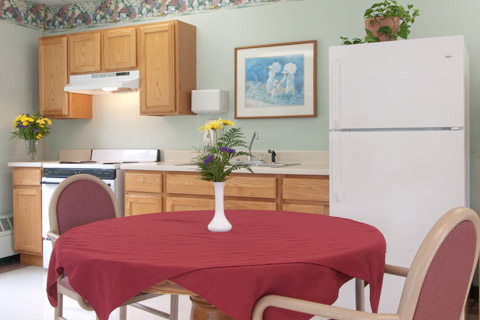
Who Owns and Operates Medilodge Of Frankenmuth?

Medilodge of Frankenmuth is owned by a for-profit company. For-profit facilities operate as businesses with obligations to shareholders or private owners. The facility is operated by MEDILODGE, a chain that manages multiple nursing homes. With 105 certified beds and approximately 71 residents (about 68% occupancy), it is a mid-sized facility located in Frankenmuth, Michigan.

How Does Medilodge Of Frankenmuth Compare to Other Michigan Nursing Homes?

Compared to the 100 nursing homes in Michigan, Medilodge of Frankenmuth's overall rating (2 stars) is below the state average of 3.1, staff turnover (64%) is significantly higher than the state average of 46%, and health inspection rating (2 stars) is below the national benchmark.

What Should Families Ask When Visiting Medilodge Of Frankenmuth?

Based on this facility's data, families visiting should ask: "How do you ensure continuity of care given staff turnover, and what is your staff retention strategy?" "Can I visit during a mealtime to observe dining assistance and food quality?" "How do you handle medical emergencies, and what is your hospital transfer rate?" "Can I speak with family members of current residents about their experience?" These questions are particularly relevant given the facility's high staff turnover rate.

Is Medilodge Of Frankenmuth Safe?

Based on CMS inspection data, Medilodge of Frankenmuth has a clean safety record: no substantiated abuse findings (meaning no confirmed cases of resident harm), no Immediate Jeopardy citations (the most serious violation level indicating risk of serious injury or death), and is not on the Special Focus Facility watch list (a federal program monitoring the lowest-performing 1% of nursing homes). The facility has a 2-star overall rating and ranks #100 of 100 nursing homes in Michigan. While no facility is perfect, families should still ask about staff-to-resident ratios and recent inspection results during their visit.

Do Nurses at Medilodge Of Frankenmuth Stick Around?

Staff turnover at Medilodge of Frankenmuth is high. At 64%, the facility is 18 percentage points above the Michigan average of 46%. Registered Nurse turnover is particularly concerning at 83%. RNs handle complex medical decisions and coordinate care — frequent RN changes can directly impact care quality. High turnover means new staff may not know residents' individual needs, medications, or preferences. It can also be disorienting for residents, especially those with dementia who rely on familiar faces. Families should ask: What is causing the turnover? What retention programs are in place? How do you ensure care continuity during staff transitions?

Was Medilodge Of Frankenmuth Ever Fined?

Medilodge of Frankenmuth has no federal fines on record. CMS issues fines when nursing homes fail to meet care standards or don't correct problems found during inspections. The absence of fines suggests the facility has either maintained compliance or corrected any issues before penalties were assessed. This is a positive indicator, though families should still review recent inspection reports for the full picture.

Is Medilodge Of Frankenmuth on Any Federal Watch List?

Medilodge of Frankenmuth is not on any federal watch list. The most significant is the Special Focus Facility (SFF) program, which identifies the bottom 1% of nursing homes nationally based on persistent, serious quality problems. Not being on this list means the facility has avoided the pattern of deficiencies that triggers enhanced federal oversight. This is a positive indicator, though families should still review the facility's inspection history directly.