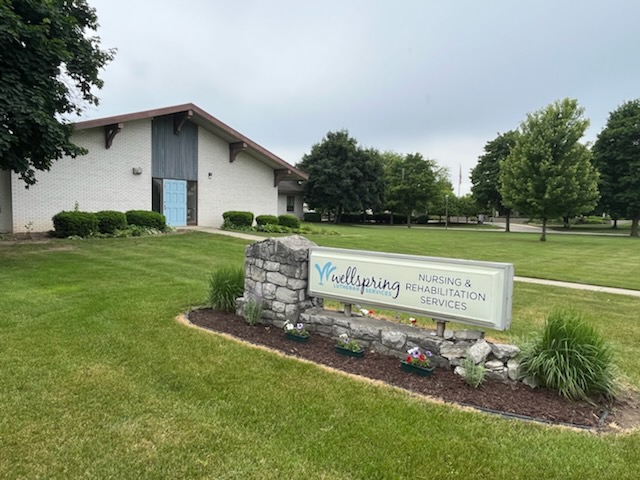
Wellspring Lutheran Services
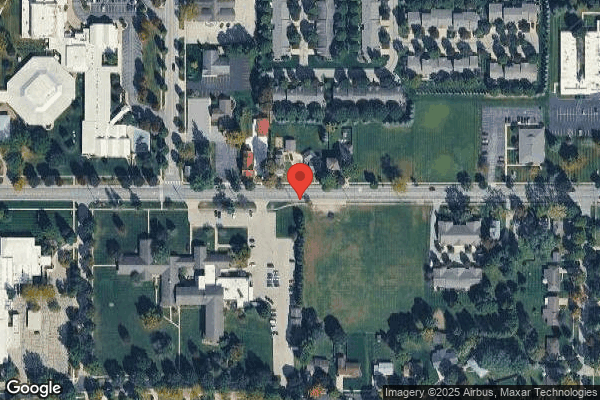
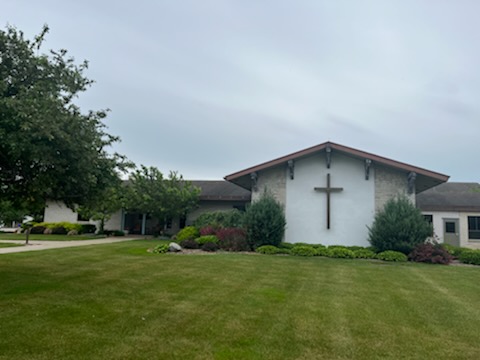
725 West Genesee, Frankenmuth, MI 48734 (989) 652-9951
Non profit - Corporation 83 Beds Independent Data: November 2025
Trust Grade
55/100
#257 of 422 in MI
Last Inspection: July 2024

Within standard 12-15 month inspection cycle. Federal law requires annual inspections.

Overview

Wellspring Lutheran Services in Frankenmuth, Michigan, has a Trust Grade of C, which means it is average and falls in the middle of the pack compared to other facilities. It ranks #257 out of 422 facilities in Michigan, placing it in the bottom half, and #4 out of 11 in Saginaw County, indicating that only three local options are better. The facility is improving, having reduced its issues from 10 in 2024 to 3 in 2025, and it has a strong staffing rating of 4 out of 5 stars, with a turnover rate of 49%, which is around the state average. Notably, there have been no fines recorded, suggesting compliance with regulations. However, there are some concerns, such as a serious incident where two residents did not receive appropriate fall assessments, leading to multiple falls, and another resident suffered a hip fracture due to inadequate assistance during care. Additionally, there have been issues with kitchen cleanliness, including mold in the ice machine and expired food items, raising potential health risks for residents. Overall, while the facility has strengths in staffing and is on an upward trend, families should be aware of the significant concerns regarding resident safety and kitchen hygiene.
Trust Score
C
55/100
In Michigan
#257/422
Bottom 40%
Safety Record
Moderate
Needs review
Inspections
Getting Better
10 → 3 violations
Staff Stability
⚠ Watch
49% turnover. Above average. Higher turnover means staff may not know residents' routines.
Penalties
✓ Good
No fines on record. Clean compliance history, better than most Michigan facilities.
Skilled Nurses
✓ Good
Each resident gets 42 minutes of Registered Nurse (RN) attention daily — more than average for Michigan. RNs are trained to catch health problems early.
Violations
⚠ Watch
24 deficiencies on record. Higher than average. Multiple issues found across inspections.
★★★☆☆
3.0
Overall Rating
★★★★☆
4.0
Staff Levels
★★★★☆
4.0
Care Quality
★★★☆☆
3.0
Inspection Score
Stable
2024: 10 issues
2025: 3 issues

The Good

  • 4-Star Staffing Rating · Above-average nurse staffing levels
  • 4-Star Quality Measures · Strong clinical quality outcomes
  • Full Sprinkler Coverage · Fire safety systems throughout facility
  • No fines on record

Facility shows strength in staffing levels, quality measures, fire safety.

The Bad

3-Star Overall Rating

Near Michigan average (3.1)

Meets federal standards, typical of most facilities

Staff Turnover: 49%

Near Michigan avg (46%)

Higher turnover may affect care consistency

The Ugly 24 deficiencies on record

1 actual harm
Aug 2025 3 deficiencies
CONCERN (D) 📢 Someone Reported This

A family member, employee, or ombudsman was alarmed enough to file a formal complaint

Potential for Harm - no one hurt, but risky conditions existed

Resident Rights (Tag F0550)

Could have caused harm · This affected 1 resident

**NOTE- TERMS IN BRACKETS HAVE BEEN EDITED TO PROTECT CONFIDENTIALITY** Based on observation, interview and record review, the facility failed to ensure choices on meals are honored and prompt respons...

Read full inspector narrative →
**NOTE- TERMS IN BRACKETS HAVE BEEN EDITED TO PROTECT CONFIDENTIALITY** Based on observation, interview and record review, the facility failed to ensure choices on meals are honored and prompt response to call lights for Resident #6 (R6), maintain the resident's confidentiality of an emergency plan for Resident #49 (R49) and provide resident's privacy during medication administration for Resident #29 (R29) for three residents (R6, R49 and R29) of three reviewed for dignity. Findings include:Resident #49 (R49):A review of the Electronic Medical Record (EMR) conducted on August 12, 2025, at 3:00 PM revealed that R49 was admitted to the facility on [DATE]. She is currently under hospice care. Her Brief Interview of Mental Status (BIMS) Score dated July 2, 2025, was undetermined. The score box was left blank. However, staff indicated in the assessment that R49 had a memory problem (both short-term and long-term memory), a problem with recalling (names, faces, seasons, and locations), and her cognitive skills for daily decision making, according to the facility, were severely impaired. Her Minimum Data Set Assessment Section GG (dated July 2, 2025) revealed that R49 is dependent on staff for eating, oral hygiene, toileting, showering and bathing, dressing, and personal hygiene.According to the facility's RightsADLOn 08/12/2025 at 10:14 AM, R49's ADLs were being done in another resident's room. R49 was observed coming out of Rm112. R49 was greeted and was addressed by the name of the person residing in room [ROOM NUMBER]. The Certified Nurse Aide (CNA M), who was pushing R49 out of the room, corrected the surveyor and explained that the resident was not the person belonging to room [ROOM NUMBER]. CNA M explained that she used room [ROOM NUMBER] to cleaned and washed R49, who resides next door (Room # 114) CNA furthermore stated that she has been using room [ROOM NUMBER] to provide ADL Care for R49 because R49's roommate does not want R49's ADLs done in the room (#114), so she does it next door in room [ROOM NUMBER] since the resident in room [ROOM NUMBER] is out in the hall. When the surveyor asked, CNA M did not know if it was acceptable to use another resident's room to wash up another resident and complete their ADL task for another resident who belonged to a different room.On 8/12/2025 at 10:15 AM, an attempt to interview R49 revealed that although R49 was alert, she was not able to answer the surveyor's questions.An interview with Certified Nurse Aide (CNA) M was conducted on 8/12/25 at 10:15 AM. CNA M came out of the room, pushing R49, and stated that the resident who lived in room [ROOM NUMBER] was not in the room. They explained that R49's room is next door, but R49 had decided to use another resident's room. CNA was unsure whether she could use another resident's room to wash up another resident. She did not understand the reason why or why not. CNA# explained that she used another room for R49's ADL because R49's roommate does not want us to clean her up in her room. If you have met her roommate, you will know why.Advanced DirectivesUpon entering R49's room on 8/12/24 at 10:15 AM, R49's Emergency Plan was posted on the wall of her room right next to her bed for everyone to see. R49's name was handwritten with a black Sharpie pen, and the contents of the posted Emergency Plan specified:The Patient Name,The patient is currently receiving hospice care. Please call the Hospice Nurse for changes in patient status and comfort levels.In Bold Letters and All Caps- DO NOT CALL 911Following line written: Do NOT Resuscitate. R49's Nurse N was interviewed on 8/12/25 at 11:30 AM, Nurse N validated that the emergency plan was posted on the wall. Nure N stated she did not see anywhere else except for R49's room and did not know the reason behind whether it was her Advanced Directive status or because she was receiving hospice care.According to R49's roommate on 8/12/25 at 10:21 AM, she denied issues with the staff doing her roommate's (R49) ADLs in the room. Although she was bothered by the posted note taped on the wall that says Emergency Plan Do Not Call 911. Because it was R49's roommate's birthday recently, a lot of visitors came and were asking about the note on the wall. R49's roommate felt R49's privacy was violated and had stated that she does not want that paper posted on her wall. The roommate indicated that her own family was concerned and asked about the note when someone sees it.Upon review of the form on 8/12/25 at 10:30 AM, the form is from the facility hospice care agency notifying staff of her advanced directive status.The Social Worker (SW O) on 8/13/25 at 4:40 PM and the surveyor visited R49's room and noticed that the form was removed from the wall. Entering R49's room, the roommate stated that the form had come off this morning. R49's roommate was excited and said, Hallelujah! and was glad that it was no longer there. The SW O validated on 8/13/25 at 4:45 PM, that the form needed to come off the wall and did not need to be posted either.The Administrator, on August 13, 2025, at 4:45 PM, during an interview, revealed that the facility owns the hospice. However, the sheet was left there, and we instructed the hospice not to place it there for privacy reasons. Despite this, hers remained. Resident #6 (R6):R6 was admitted to the facility on [DATE] with a diagnosis of Congestive Heart Failure (CHF), Essential Hypertension, Chronic Pulmonary Edema, and General Anxiety Disorders in addition to other diagnoses. The Minimum Data Set (MDS) assessment for R6, dated July 18, 2025, revealed a Brief Interview of Mental Status Score of 15/15. A score of 15 means that R6 is cognitively intact. R6 Kardex as of 8/14/25 indicated that she is incontinent with bowel and bladder with a plan of care of checking upon rising, before meals, and at HS (bedtime) and as required for incontinence. Wash, rinse, and dry the perineum. Change clothing PRN (as needed) after incontinence episodes. It also revealed that R6 wears an incontinence brief. And was care planned to wash, rinse, and dry the perineum. Apply barrier cream.Call lightOn August 12, 2025, at 11:02 AM, an interview with R6 was conducted. R6 stated that just this past week, she waited for an hour for someone to answer her call light. When asked what happened next, she said that if you waited an hour long, what do you think would happen? I had an accident. Eventually, they cleaned me up. It doesn't happen most of the time. But that night it happened a couple of times. It's mostly during the night. I have some redness on my bottom. The aides put a sab and powder. I reported it, but I'm not sure if the staff member is still employed here. Every night we get somebody new.ChoicesWhen asked about choices, R6 said that food is a concern. There have been lots of substitutes lately, or they've run out of ideas. They let you pick some food choices, but they don't follow what you circled (pre-selected). I'm not sure why. Instead, they offer an alternate, and they are not bad. Sometimes I get a hot dog for supper or grilled cheese. They don't follow what you have picked from the menu. I just then eat what is there. Resident #29 (R29):During Medication Administration observation conducted on 8/12/25 at 8:30 AM, R29 was observed receiving his Lantus injection on his left deltoid given by the RN while he was at the [NAME] Avenue dining room with other residents waiting for their breakfast tray. A few minutes before this observation, at around 815 AM on 8/13/25, the nurse unhooked the empty antibiotic bulb from the PICC (Peripherally Inserted Central Catheter) Line after antibiotic infusion was completed and flushed in the hallway. Nurse K did not wash or sanitize her hands and did not wear gloves. Wiped the end cap of the PICC line with alcohol wipes with bare hands. R29 also received a nasal spray administered through both his nostrils in the hallway after his PICC Line antibiotic was unhooked. Nurse K did not wear gloves either when administering the nasal spray.According to R29 EMR reviewed on 8/13/25 at 12:00 PM, it revealed that R29 was admitted to the facility on [DATE]. He was [AGE] years old, admitted with a diagnosis of Type 2 diabetes Mellitus with Foot Ulcer, Non-Pressure chronic Ulcer of the Left Heel and Midfoot with unspecified severity, and osteomyelitis of the left foot and ankle, in addition to other diagnoses. R29 was prescribed the following: Lantus Solostart Subcutaneous Solution Pen-Injector 100 Unit/ML (Insulin Glargine) 10 units, Piperacillin Sodium-Tazobactam Solution Reconstituted 3-0.375 GM q8hours, and Flonase Allergy Relief Nasal Suspension 50 MCG/ACT (Fluticasone Propionate (Nasal) scheduled at 8:00 AM.RN K on 8/13/25 at 8:45 AM indicated that she forgot about maintaining the resident's dignity and privacy by avoiding medication administration in the public areas, such as the hallways and the dining area.A review of the Resident's Rights and Facility's Responsibilities (Undated) Policy was conducted on 8/14/25 at 3:00 PM:Residents RightsThe resident has a right to a dignified existence, self- determination, and communication with and access to persons and services inside and outside the facility, including those specified in this section.Dignity, Respect and Quality of LifeA facility must treat each resident with respect and dignity and care for each resident in a manner and in an environment that promotes maintenance or enhancement of his or her quality of life, recognizing each resident's individuality. The facility must protect and promote the rights of the resident.
CONCERN (D) 📢 Someone Reported This

A family member, employee, or ombudsman was alarmed enough to file a formal complaint

Potential for Harm - no one hurt, but risky conditions existed

Quality of Care (Tag F0684)

Could have caused harm · This affected 1 resident

**NOTE- TERMS IN BRACKETS HAVE BEEN EDITED TO PROTECT CONFIDENTIALITY** Based on observation, interview and record review, the facility failed to ensure a timely response to a change in condition for ...

Read full inspector narrative →
**NOTE- TERMS IN BRACKETS HAVE BEEN EDITED TO PROTECT CONFIDENTIALITY** Based on observation, interview and record review, the facility failed to ensure a timely response to a change in condition for Resident #65; assess/respond to abnormal vital signs for Resident #52 and Resident #65; and ensure antibiotics were ordered and administered timely for Resident #63, for three residents (#52, #63 and #65) of four residents reviewed for a change in condition and antibiotic administration, resulting in a delay in treatment, increased abdominal pain and hospitalization for Resident #65, and a delay of antibiotics for Resident #63 with the potential for continued infection and delay in assessment/treatment of abnormal vital signs for Resident #52.Resident #52: A review of Resident #52's medical record revealed an admission into the facility on [DATE] and date of discharge [DATE] with diagnoses that included fracture of right humerus and greater trochanter of right femur, chronic kidney disease, heart failure, atrial fibrillation, and hyperkalemia (a medical condition where the body has high levels of potassium in the blood). Further review of the medical record revealed the Resident had gone unresponsive, cardiopulmonary resuscitation was initiated and the Resident died at the facility. A review of Resident #52's medical record of documented Pulses revealed the following abnormal vital signs of heart rate (Pulse): [DATE] at 11:57 PM, Pulse of 58 bpm (beats per minute). [DATE] at 11:57 PM, Pulse of 59 bpm. [DATE] at 6:46 PM, Pulse of 45 bpm. [DATE] at 10:03 PM, Pulse of 50 bpm. [DATE] at 12:54 AM, Pulse of 46 bpm. [DATE] at 7:48 PM, Pulse of 42 bpm. [DATE] at 10:15 PM, Pulse of 37 bpm. [DATE] at 1:22 PM, Pulse of 42 bpm. [DATE] at 2:10 AM, Pulse of 56 bpm. [DATE] at 12:38 AM, Pulse of 54 bpm. [DATE] at 12:38 AM, Pulse of 58 bpm. A review of the progress notes for Resident #52 revealed a lack of assessment, contacting the practitioner and follow-up interventions or monitoring by rechecking the heart rate of the abnormal heart rates obtained. On [DATE] at 9:07 AM, an interview was conducted with the Nurse Practitioner (NP) “O” regarding Resident #52's care. The NP was asked about abnormal pulse rates and reported that parameters for below 60 on a regular basis and above 90 on a regular basis with abnormal and communicated to the practitioner. When queried regarding assessment of the Resident, the NP indicated that the vitals would be rechecked and if it remained high or low then call the practitioner. The pulses for Resident #52 were reviewed. The NP indicated that at 50 and asymptomatic, need to do assessment to see if asymptomatic or having symptoms, at 37 and 42, if rechecked and stayed low, “I would send her out.” The NP indicated that with the abnormal pulse rate, the nurse would need to recheck, do an assessment and notify the practitioner. On [DATE] at 1:19 PM, an interview was conducted with the Director of Nursing (DON) regarding Resident #52's abnormal pulse readings. Resident #52's abnormal pulses were reviewed with the DON. When asked about facility policy, the DON reported that vital signs were to be obtained in the morning before medications are administered and in the evening before the medication pass. The DON reported that if the vital signs were out of range, the provider would be contacted. Resident #52's medical record was reviewed with the DON, and it was determined that the vital signs were documented into the medical record when staff were charting and not necessarily when the vital signs were taken. Resident #52's documentation lacked timely reassessment of the abnormal results, assessment of the Resident symptomatic or asymptomatic and the notification of the practitioner. Resident #63 (R63): A record review of Resident 63's (R63) medical chart included medical diagnoses: Cellulitis of the left lower limb (infection of the skin), non-pressure chronic ulcer of left lower leg, Urinary tract infection (UTI), Anxiety, Diabetes Mellites 2 (DM2), need for assistance with personal care. R63 was admitted to facility on [DATE] for rehabilitation. On [DATE] at 10: 40 AM, during an observation of R63 is sitting in a wheelchair in room, and reportedly had just returned from physical therapy, is alert and oriented. During an interview R63 said she was supposed to continue antibiotics when she came to the facility from the hospital for rehabilitation. There was a 3-day delay receiving them. When R63 asked the nurse on duty about the antibiotics, she was told it was because it was not on her medication list. On [DATE] at 10:48 AM, An interview with R63, clarified when she was admitted and she confirmed it was [DATE]; she stated, “I did see the facility doctor the day after I got here ([DATE]) and was told he confirmed my orders for the antibiotics, and they were being ordered that day”. R63 stated, “I did not get the antibiotic until Monday night ([DATE]). I was not happy that it took 3 additional days to get the antibiotics, it is important for healing my infection up”. On [DATE] at 11:59 AM, in an interview with director of nursing (DON) about the process for physician rounds and orders, she stated, “Usually myself or the floor nurse follows with the doctor. All new orders are verbal orders and are entered into at the time of the visit. They may or may not end up as a written order”. On [DATE] at 12:28 PM, in an interview with Nurse manager “A”, she was asked about the process for physician rounding and stated, “Doctor (Dr “E”) comes in 2-3 times a week usually in the early morning; Dr “F” and his Nurse practitioner (NP “G”) round 2-3 times weekly as well”. She stated, “They come in and check in with the nurse on the floor and tell them who they plan to see”. When asked about any orders that come from that visit she stated, “If there are new orders, they stop at the desk and tell the nurse before they leave”. The DON was asked when the orders are put in the computer and she stated, “That varies by the nurse but at a minimum by the end of their shift”. On [DATE] at 1:50 PM, an interview was conducted with the Medical Director and admitting doctor Dr “E”, who was asked about frequency and process for rounding. He stated, “I round 2 times a week, the time and day varies depending on the admissions and needs of facility, within 48 hours of admissions is the standard. All the admissions go through me personally” and “I prioritize the order of my visits by admissions, residents with issues noted in my book, and then my scheduled routine visits”. Dr “E” stated, “As far as the process goes, I come into the facility and talk to the nurse on duty. I ask for any updates on the residents I am seeing. I see the residents. If there are any new orders, I discuss them with the nurse on duty, and they enter them. If I am ordering a controlled substance medication, I sign those orders at that time as well”. His response to the expectation of when the ordered medications should be ordered and begin was, “If stock (medications on hand at the facility) then they should start right away and pull from there (the stock on hand), if oral antibiotics are ordered then they should be ordered expedited. the pharmacy delivers 2 times a day so they should get that next dose”. [DATE] at 2:20 PM, in an interview with Assistant Director of Nursing (ADON), she was asked about the process for physician rounding and stated, “the doctor comes in to do rounds and talks to the nurse on duty. If there are orders he tells the nurse. The nurse enters the orders, and a progress note into the system”. The ADON was asked to look at the R63 admission date and she stated, “8/7” and then she was asked the date of the progress note of the physician visit and stated, “8/8”. The ADON was asked to view the order date for the antibiotic, and she stated, “8/11”. She stated, “I put that order in because I had to call the doctor about it”. The ADON was asked, why did you have to call about the order? “Well, the resident asked about her missing antibiotic, so I called the doctor to ask for clarification. We did not realize the antibiotic wasn't on the discharge med list (medication), so it was not ordered or given. I ordered it, and she got a dose that night”. The ADON was asked to confirm that it was the night of [DATE] and she replied, “Yes”. The ADON was asked if the nurses review the physician progress notes, or the discharge plan for admission to the facility and she stated, “No, we just look at the medication list”. A record review of R63's discharge paperwork from the hospital, dated [DATE], on the progress note, dated [DATE], in plan section states, “Left lower extremity cellulitis Reports bumping her left leg about 3 days prior to presentation and suddenly noticing worsening erythema (redness) denies any fever or chills wound continues to weep, however surrounding erythema. patient initially on ceftriaxone and Zyvox (both are antibiotics), ceftriaxone discontinued and started on meropenem (antibiotic) continue routine wound care, CT lower extremity … Plan is to discharge on p.o. (per os/ by mouth) Zyvox the next 24 hours”. Review of final discharge summary from the hospital on [DATE], plan states “Left lower extremity cellulitis . Patient has been started on ceftriaxone and Zyvox in the emergency room, and appears to be improving white blood count (WBC) count continues to trend downward… Cat Scan (CT) of lower extremity 8/3 demonstrated extensive subcutaneous edema with cellulitis, no evidence of abscess of the left leg, continued with zyvox (started on 7/31) and meropenem (started on 8/4)…”. The resident was discharged from the hospital on [DATE] with lower left extremity cellulitis and a Urinary tract infection (UTI) and was receiving Zyvox and Meropenem. A record review of R63's admission progress notes from Physician Dr “E” from [DATE] with a late entry that was written on [DATE], “Antibiotic therapy was initiated for the cellulitis, with infectious disease involvement. The patient is currently continuing with Zyvox… Her left lower extremity still shows some redness…”. A record review of the physician's orders for R63 revealed, “Linezolid Oral Tablet 600 MG (Zyvox) Give 1 tablet by mouth two times a day for Cellulitis, UTI for 10 Days Pharmacy Active [DATE] at 20:00 -stop [DATE]”. According to the facility's medication administration policy, the purpose stated is, “To assure the most complete and accurate implementation of physicians' medication orders and to optimize drug therapy for each resident by providing the administration of drugs in an accurate, safe, timely and sanitary manner…”. Change of Condition Resident #65: On [DATE] at 12:15 PM, Confidential Person “J” was interviewed about Resident #65. She said she visited the resident 2 days ([DATE]) after Resident #65 was admitted to the facility on [DATE]. The Confidential Person said the room was hot that day and there was no fan. She said in the hospital the resident was alert, walking with assistance, talking and sitting in a bedside chair. The Confidential Person “J” said she visited the resident again on [DATE] and the facility staff said Resident #65 had not been out of bed and the resident appeared to be declining. A record review of the electronic medical record indicated Resident #65 was admitted to the facility on [DATE] with diagnoses: recent hernia surgery, pain, diarrhea, and COPD/emphysema. A Brief Interview for Mental Status/BIMS score of 15, indicating full cognitive abilities was assessed on [DATE] after admission. A record review of the progress notes identified the following: [DATE] at 12:42 PM, a “Physician Extender” note “History of Present Illness: (Resident #65) a [AGE] year-old female with a history of COPD, was admitted to (the facility) for physical conditioning following hospitalization for an incarcerated right inguinal hernia. The patient initially presented to the hospital with complaints of abdominal pain and was diagnosed with an incarcerated inguinal hernia in the right lower quadrant. On [DATE]th, she underwent a right inguinal hernia repair with mesh and a small bowel resection. During her hospital stay, she developed an ileus, from which she has since recovered. Currently (the resident) is experiencing severe nausea and vomiting… She is alert and oriented with stable vital signs… Ordered stat abdominal x-ray to rule out ileus or obstruction…” A record review of the vital signs for Resident #65 revealed the following: Blood Pressure: Identified low on [DATE] at 11:48 PM- 93/57; high on [DATE] at 12:56 AM 140/100; very low on 7/26//2025 71/51. Pulse: high on [DATE] at 11:42 AM 111 beats/per minute (bpm); [DATE] at 7:53 PM 118 bpm, [DATE] 109 bpm. Temperature: high 99.6 [DATE] and 100.4 [DATE] at 11:42 AM. Respiratory Rate: high on [DATE] at 11:42 AM 24 breaths/min; high [DATE] 26 breaths/min. Oxygen saturation rate: Low [DATE] at 11:42 AM 92% room air; Low [DATE] at 5:10 PM 93% room air; [DATE] at 10:46 AM 91% room air. Pain: “8” high on [DATE] at 2:34 PM. Resident #65 had abnormal vital signs beginning [DATE]. Further review of the progress notes for Resident #65 identified the following: [DATE] at 2:25 PM, a “Health Status Note, “NP (Nurse Practitioner) notified of patient nausea and inability to take the Zofran pill due to it making the nausea worse…” [DATE] at 6:46 PM, a “Health Status Note revealed, “NP (Nurse practitioner) in doing rounds. New orders. STAT Flat plate 2 view of abdomen”. [DATE] at 3:54 AM, a “Health Status Note- X-ray completed at 9:07 PM awaiting results.” [DATE] at 11:27 AM, a “Health Status Note” provided, “Received X-ray results small bowel ileus vs obstruction…” A review of the STAT X-ray ordered for Resident #65 identified the order did not indicate it was to be completed STAT. The “Radiology Results Report” indicated the examination date was [DATE] at 4:20 PM and the results were reported to the facility on [DATE] at 6:40 PM. This was approximately 24 hours after the orders for the STAT X-ray were mentioned. The STAT (immediately) X-ray was ordered on [DATE] at 6:46 PM, per the progress notes. The results were documented in the medical record on [DATE] at 11:27 AM. This was greater than 1 ½ days later and Resident #65 continued to complain of abdominal pain, nausea and vomiting. An additional progress note for Resident #65 dated [DATE] at 1:25 PM provided, “Health Status Note, patient c/o (complains of) abdominal pain and nausea, stated has vomited bile. Requesting to go to the hospital… order received to send to hospital…” On [DATE] at 3:47 PM, the Director of Nursing/DON was interviewed about Resident #65. Reviewed with the DON, that the resident had repeatedly complained of increasing abdominal pain. Reviewed the resident's vital signs with very low blood pressure, high pulse, increased respiratory rate, decreased oxygen saturation. The nurses did not document they were aware of the abnormal vital signs or what interventions were enacted. Reviewed the order documenting that a STAT abdominal X-ray was to be completed ([DATE]). The X-ray was completed on [DATE] at 4:20 PM and reported to the facility on [DATE] at 6:40 PM and reviewed in a progress note on [DATE] at 11:27 AM. The X-ray was not completed STAT (immediately) and the resident's abnormal vital signs were not reviewed in the assessments or notes. Resident #65's condition continued to decline, and she was transferred to the hospital emergency room on [DATE] at approximately 1:25 PM. The DON reviewed the resident's medical record and identified the date [DATE] at 4:20 PM that the X-ray was completed for Resident #65. She also reviewed the time the results were provided to the facility ([DATE] at 6:40 PM). She said the results were sent to the facility on a fax and she was not sure when the nurses would have received them. Reviewed the resident's condition was declining and the X-ray results were not mentioned in the progress notes until the next day [DATE] and then the resident was transferred to the hospital. A review of the facility policy titled, “Change of Condition,” review date [DATE] provided, “Policy: It is the policy of (the facility) to enable staff to evaluate and manage residents at the facility and avoid transfer to a hospital or emergency room by recognizing an Acute Change of Condition and identifying its nature, severity, and causes… An acute change of condition is defined as a sudden, clinically important deviation from a patient's baseline in physical, cognitive, behavioral, or functional domains… The licensed nurse completes an assessment of the resident and based on the findings notifies the physician of any change of condition… Continued monitoring and assessment of the resident is documented in the resident's clinical record.”
CONCERN (E) 📢 Someone Reported This

A family member, employee, or ombudsman was alarmed enough to file a formal complaint

Potential for Harm - no one hurt, but risky conditions existed

Safe Environment (Tag F0921)

Could have caused harm · This affected multiple residents

**NOTE- TERMS IN BRACKETS HAVE BEEN EDITED TO PROTECT CONFIDENTIALITY** Based on observation, interview and record review, the facility failed to ensure the appropriate backflow prevention was install...

Read full inspector narrative →
**NOTE- TERMS IN BRACKETS HAVE BEEN EDITED TO PROTECT CONFIDENTIALITY** Based on observation, interview and record review, the facility failed to ensure the appropriate backflow prevention was installed on cross connections. This deficient practice increases the likelihood of contamination of the water supply due to a backflow event, potentially affecting all residents, staff, and visitors who consume water at the facility. Findings include: On 08/12/2025 at approximately 9:30AM observed a hose with an attached spray nozzle connected to the water line downstream of an atmospheric vacuum breaker (AVB) located in the kitchen near the dishwasher. On 08/12/2025 at approximately 1:30PM during the environmental tour of the facility, an interview was conducted with the Director of Maintenance I on the cross connection related to the attached spray nozzle in the kitchen. The Director of Maintenance I was knowledgeable about the cross connection and removed the hose with the attached spray nozzle. On 08/12/2025 at approximately 1:45 PM observed chemical feed dispenser supplied by the utility sink with an atmospheric vacuum breaker without an attached wasting tee, located in the janitor's closet in the basement, [NAME] hallway, and Morning [NAME] hallway. When interviewed about the cross connection, the Director of Maintenance I was unfamiliar with wasting [NAME] (or bleeder device). According to the 2008 Cross Connection Manual on atmospheric vacuum breakers, AVBs shall not be installed where they will be under continuous pressure for more than 12 hours (i.e. no downstream shutoff valve). According to the 2008 Cross Connection Manual on chemical feeder backflow prevention, Another concern with a hose being run from a faucet to the dispenser is that many times a valve is installed on the hose downstream of an AVB, which is not allowed since AVBs cannot be subject to continuous pressure.
Jul 2024 10 deficiencies
CONCERN (D)

Potential for Harm - no one hurt, but risky conditions existed

Resident Rights (Tag F0550)

Could have caused harm · This affected 1 resident

Based on observation, interview and record review, the facility failed to 1) Ensure dignity during a physician's visit for Resident #10, 2) Respond to call lights timely per a Confidential Resident Gr...

Read full inspector narrative →
Based on observation, interview and record review, the facility failed to 1) Ensure dignity during a physician's visit for Resident #10, 2) Respond to call lights timely per a Confidential Resident Group Meeting, and 3) Respond to a grievance from Resident #8, resulting in embarrassment and loss of dignity. Findings include: Resident #10: On 7/24/24, at 3:05 PM, Physician O was observed in the main dining room leaning towards Resident #10. Physician O was overhead discussing with Resident #10 regarding their pain and if it was controlled. Resident #10 was asked if they needed any medication and Resident #10 replied, no I don't need anything. Resident #10 was seated closely next to other residents. On 7/24/24, at 3:15 PM, visitor K who was seated in the main dining room was asked if they overhead Physician O talking with the resident and Visitor K stated, yes and offered it seemed quite personal and wouldn't have liked that if it was them. On 7/25/24, at 12:05 PM, the Director of Nursing (DON) was asked if Physician O had an actual visit with Resident #10 and the DON responded that yes, and would document the note by 3:00 PM that day.
CONCERN (D)

Potential for Harm - no one hurt, but risky conditions existed

Deficiency F0582 (Tag F0582)

Could have caused harm · This affected 1 resident

**NOTE- TERMS IN BRACKETS HAVE BEEN EDITED TO PROTECT CONFIDENTIALITY** Based on interview and record review, the facility failed to provide a complete Notice of Medicare Non-Coverage (NOMNEC) and the...

Read full inspector narrative →
**NOTE- TERMS IN BRACKETS HAVE BEEN EDITED TO PROTECT CONFIDENTIALITY** Based on interview and record review, the facility failed to provide a complete Notice of Medicare Non-Coverage (NOMNEC) and the Advanced Beneficiary Notice of Non-Coverage (SNF ABN) for one (Resident #300) of three residents reviewed for Beneficiary Notice, resulting in resident and/or a representative not being informed of the right to appeal and the potential for undue emotional and financial hardships. Findings include: On 07/24/24 at 11:25 AM, three residents were selected, and names were given to Staff S, who was the accounts payable and was in charge of informing the resident and the resident's representative. Upon review of the electronic medical record (EMR) on 7/25/24 at 12:39 PM, R300's SNF-ABN was not included in her notification file. R300 was admitted with Med A Part B that started on 1/12/24, with the last covered day on February 12, 2024. R300 was alert and oriented at the age of [AGE] years old with a Brief Mental Status Score of 15/15 assessed on 2/13/2024. She remained her own responsible person during her entire stay at the facility. Although the NOMNEC was provided and issued to R300 on February 8, 2024, it was issued on 2/8/24, too early, for the last covered day was February 12, 2024. R300 was admitted on [DATE]. R300's last covered day was February 12, 2024. However, R300's Face Sheet revealed that she did not go home after the assigned last covered day. R300 opted to stay in, pay out-of-pocket, and was discharged [DATE] under private pay insurance status. On 7/25/24 at 9:30 AM, an interview with the accounts payables Staff S. She stated that she was responsible for issuing the NOMNEC letters to the residents; however, the ABN's are issued by the social workers. According to Staff S, since R300 decided to be discharged home, we did not think we should issue the ABN. We did not give her the ABN Notification. The Social Services Manager Staff T on 7/25/24 at 11:30 AM revealed that since the resident opted to go home, they did not need to issue the R300 and ABN Notification. A Late Entry for the progress note dated 2/12/2024 entered by Staff T was reviewed. It noted: NOMNEC is not needed at this time, due to resident stating she did not want to continue therapy, at this time and designating her own discharge date home. E-signed by Staff T. On 7/25/24, at around 12:45 PM, The Administrator followed up on the ABN request from Staff S. The administrator admitted they missed it. The ABN was not issued to R300. A review of the electronic medical record dated 2/14/24 revealed that R300 remained at the facility after the last covered day (2/13/24) and was discharged home on 2/15/25. R300's payment status after 2/13/24 was private pay. The facility policy for Beneficiary Notice of Medicare Non-Coverage (NOMNEC) and the Advanced Beneficiary Notice of Non-Coverage (SNF ABN) was requested on 7/25/24 at 12:45 PM. Still, it was not received before or upon the survey exit date. The facility's policy entitled Resident's Rights and Facility Responsibilities was reviewed. On page 30 of the policy under Notice of Rights, it stated: The facility must provide a notice of rights and services to the resident prior to or upon admission and during the resident's stay. The facility must inform the resident both orally and in writing in a language that the resident understands of his or her rights and all rules and regulations governing resident conduct and responsibilities during the stay in the facility. The facility must also provide the resident with the State-developed notice of Medicaid rights and obligations, if any. Receipt of such information, and any amendments to it, must be acknowledged in writing .
CONCERN (D)

Potential for Harm - no one hurt, but risky conditions existed

Deficiency F0657 (Tag F0657)

Could have caused harm · This affected 1 resident

**NOTE- TERMS IN BRACKETS HAVE BEEN EDITED TO PROTECT CONFIDENTIALITY** Based on observation, interview, and record review, the facility failed to review and revise care plans with resident changes to...

Read full inspector narrative →
**NOTE- TERMS IN BRACKETS HAVE BEEN EDITED TO PROTECT CONFIDENTIALITY** Based on observation, interview, and record review, the facility failed to review and revise care plans with resident changes to ensure that interventions necessary for care services for pain were provided for one resident (Resident #11) of 3 residents reviewed for care plans, resulting in the potential for unmet needs, pain, and suffering. Findings include: Resident #11 (R11): A review of R11's electronic medical record (EMR) revealed that R11 was alert and oriented. Her Brief Interview of Mental Status (BIMS) score was 11/15, assessed on 5/11/24. R11 was admitted to the facility on [DATE] with a diagnosis of Alzheimer's Disease, Dementia, Type 2 Diabetes, and Generalized Anxiety Disorders, in addition to other diagnoses. On July 23, 2024, at 1:30 PM, R11 was observed lying in bed in her room. When asked how she was doing today, R11 replied that she was in pain. When asked where it hurt, she lifted her right leg to show the pink lower extremity cast. R11 said, I broke my ankle when I rolled out of bed. A review of records on 7/23/24 at 4:00 PM showed, on 6/27/24, R11 persisted to complain of extreme pain to the right ankle. After an x-ray of her right ankle, the x-ray result found: 1) Displaced Segmental fracture of shaft of Right Tibia, initial encounter for closed fracture, and 2) other fracture of upper and lower end of right fibula, initial encounter for closed fracture. Radiologist findings dated 6/27/24 at 10:27 AM, sent electronically, revealed: Findings: Images of the right ankle are submitted. There is a recent spiral fracture involving the distal tibial meta-diaphysis with very mild displacement. There are old fixated and healed bimalleolar fractures. Joint alignment is maintained . Conclusion: Recent spiral fracture of the distal tibia . Another x-ray was performed, this time at the Urgent Care at the nearby hospital on the same day (dated 6/27/24 at 7:30 PM). Results concluded: Impression: 1. Acute, mildly displaced proximal fibular diaphyseal fracture. There is an acute, mildly displaced distal tibial diaphyseal fracture with approximately 4 mm posterior displacement of the main distal fragment. 2. Acute minimally displaced proximal fibular diaphyseal fracture. During the record review on 7/24/24 at 08:00 AM, no Incident Report (I/A) was found in R11's EMR for the event on 6/27/24. The Incident Report dated 6/10/24 revealed that R11 fell on 6/10/24. R11 complained of pain after the fall on her right ankle. An X-ray was performed on 6/10/24, and no acute or recent fracture was found after the fall. R11 complained of pain daily regularly. Because of the fall on 6/10/24, R11 was evaluated by Physical Therapy (PT) on 6/12/24, and PT treatment started on 6/14/24. According to the Rehab Manager (Staff Q) on 7/24/24 at 4:54 PM, during an interview conducted, R11 was showing signs of progress during therapy sessions from 6/12/24 to 6/25/24. However, on 6/27/24, it was noted in the physical therapy notes that during the early morning session, the swelling, discoloration, and guarding pain that was reported was apparent and was different from the previous days of treatment. A repeat x-ray was performed and revealed an acute fracture of the right ankle. R11 was sent to the hospital for further evaluation and treatment. R11 returned with a right lower extremity cast. Medication Administration Record (MARS) recorded R11's pain level from 6/8/24 to 6/30/24: Pain Scale level from zero (no pain) up to 10 (worst pain imaginable) Pain Levels from June 8 to June 30 were recorded as follows: On 6/8/24=0, 6/9/24= 0, 6/10/24=0, 6/11/24=2, 6/12/24=9, 6/13/24=8, 6/14/24=0, 6/15/24=10, 6/16/24=10, 6/17/24=0, 6/18/24=0, 6/19/24=10, 6/20/24=10, 6/21/24=0, 6/22/24=2, 6/23/24=0, 6/24/24=10, 6/25/24=8, 6/26/24=10, 6/27/24=2, 6/28/24=8, 6/29/24=0, 6/30/24=8. No follow-up after pain medication/intervention/Administration for relief or effectivity was found documented in the MARS. During a review of R11's medication orders on 67/25/24 at 11:30 AM, it revealed the following orders for pain management: Started Revised date Pain management orders: 7/6/2024 7/5/2024 Tramadol HCL oral tablet 50 mg 7/1/2024 7/1/2024 Monitor Right Leg cast, monitor toes for color . 7/1/2024 7/1/2024 Monitor Right forearm bump 4/1/2024 3/31/2024 Celebrex Oral Capsule 200 mg 1 capsule by mouth . 5/11/2024 4/15/2024 Quarterly Assessments due to Fall, Pain, Braden . 3/19/24 3/19/24 Lidoderm External Patch 5%(Lidocaine) apply to Rt Hip 7/25/23 7/25/23 Ibuprofen Tab 200 mg. 2 tabs . 6/28/23 6/28/2023 Non-Pharmacological Pain Interventions . 11/16/2022 11/16/2022 Assess Pain twice daily for pain On 7/25/24 at 10:30 PM, R11's Care Plan for Pain was reviewed with the Director of Nursing (DON). It was noted that: Date initiated: 02/27/2018, with the revision was made: 5/17/2024. Focus: I have chronic back, hip, shoulder, and leg pain, neuropathy and trigeminal neuralgia, and trigger finger-left ring finger. My pain assessments are the same prior to medication administration and non-pharmacological interventions and after. Goal: 1. I will verbalize adequate relief of pain or ability to cope with incompletely relieved pain through the review date (5/17/2024) Interventions: 1. Administer pain medication as per physician orders. (Date initiated: 2/27/2018) 2. Evaluate for pain every shift and as needed. (Date initiated: 2/27/2018) 3. Evaluate the effectiveness of pain interventions as needed. According to the Director of Nursing (DON), on 7/25/24 at 10:30 AM, she revealed that she did the investigation for 6/27/24 for an injury of an unknown origin and submitted the final investigation summary to the state. According to the DON, it was concluded that R11's fracture was caused by the original fall on 6/10/24. The Care Plan for pain was discussed. The DON had indicated that the fracture was discovered when R11 complained of severe pain that took place on June 27, 2024. A second and third X-ray concluded a spiral fracture of the right fibula and tibia. R11 was sent to the hospital for further evaluation and treatment. The DON stated that the fracture was attributed to the fall that occurred on June 10, 2024. The DON admitted that they failed to make revisions of the pain care plan despite R11 experiencing severe pain due to fractures and injuries from an unknown origin. No revisions were made from June 11, 2024, a record until July 24, 2024, when the state was present for the recertification survey. There were no pain care plan revisions within the time of the fall on 6/10-24 until 7/24/24. The facility's Comprehensive Care Plan Policy (Revision Date: April 2023) was reviewed on 7/25/24 at 1045 AM. Policy: It is the policy of the facility (facility name mentioned) to initiate care plans for all residents in accordance with federal regulations and the identified needs of the resident. Procedure: .7. Initiate a person-centered care plans according to identified needs including measurable goals and individualized approaches. 8. Review Care plans and revise as needs change and in coordination with the MDS schedule. 9. Communicate to staff all care plan needs . The Resident's Rights Policy/ admission Booklet submitted by the facility was reviewed on 7/25/24 at 1047 am. It is noted in the section: Right to Adequate and Appropriate Pain and Symptom Management It was noted: A resident is entitled to adequate and appropriate pain and symptom management as a basic and essential element of his or her medical treatment.
CONCERN (D) 📢 Someone Reported This

A family member, employee, or ombudsman was alarmed enough to file a formal complaint

Potential for Harm - no one hurt, but risky conditions existed

Accident Prevention (Tag F0689)

Could have caused harm · This affected 1 resident

**NOTE- TERMS IN BRACKETS HAVE BEEN EDITED TO PROTECT CONFIDENTIALITY** This Citation pertains to Intake Number MI00145715 Based on observation, interview and record review, the facility failed to do ...

Read full inspector narrative →
**NOTE- TERMS IN BRACKETS HAVE BEEN EDITED TO PROTECT CONFIDENTIALITY** This Citation pertains to Intake Number MI00145715 Based on observation, interview and record review, the facility failed to do complete investigations for injuries of unknown origin (2 skin tears for Resident #27, fracture for Resident #11) and follow, update, and implement care plan interventions for two residents (Resident #11, Resident #27), resulting in incomplete investigations with the likelihood of the injuries to reoccur. Findings include: Resident #27: On 7/23/24, at 10:52 AM, a record review of Resident #27's electronic medical record revealed an admission on [DATE] with diagnoses that included History of falling, Diabetes and Dementia. Resident #27 required assistance with Activities of Daily Living and had severely impaired cognition. A review of the incident report Skin Issue Date: 6/21/2024 09:15 Incident Location: Dining Room . Nursing Description: CNA reported blood coming from resident, This writer observed 2 skin tears 3.5x3cm (centimeters), 3x3cm to left outer leg this am, dried blood black in color draining down le, no skin protectors on . Resident Unable to give Description . Immediate Action Taken . Cleansed with NS (normal saline) applied foam dressings, applied skin protectors to upper and lower ext, (extremity) education for staff to have skin protectors AAT (at all times) and bunny boots on as tolerated . Injuries Observed at Time of Incident . No Injuries observe at time of incident . Predisposing Physiological Factors . Confused and Impaired Memory was check marked . Predisposing Situation Factors . Using Wheelchair was check marked . Statements No Witnesses found . A review of the Progress Notes revealed Effective Date: 6/21/2024 09:37 Health Status Note . CNA reported seeing blood coming from resident, this writer observed 2 skin tears to left outer leg 3.5x3cm, 3x3cm, no skin protectors observed, cleansed with NS applied foam dressings, applied skin protectors to upper and lower ext, education for staff to have skin protectors AAT and bunny boots on as tolerated. Notified PCP, DON, POA . A review of the Interdisciplinary Team (IDT) documentation revealed an IDT progress note Effective Date: 06/24/2024 14:17 Data: IDT reviewed report of new skin issue observed on 6/21/24 @ 9:15. The CNA notified the nurse of blood coming from resident's leg. Resident observed to have 2 skin tears to her left outer leg, 1 measuring 3.5CMx3CM and the other 3CMx3CM. Dried, black blood observed draining down leg. Resident unable to state what happened, no s/s of pain. Area was cleansed with normal saline, foam dressing applied, skin protectors applied. The nurse educated staff on skin protectors due to resident not have skin protectors on when skin issues was observed. PCP and POA notified. Action: Per IDT review, maintenance inspected resident's w/c for any sharp/jagged edges. Response: Care Plan updated accordingly. Author (ADON). On 7/24/24, at 4:25 PM, the facility was asked to provide any further documentation as to how Resident #1 got their 2 skin tears. On 7/25/24, at 10:58 AM, a record review of the Incident Report for Resident #27's 2 skin tear injuries along with The Director of Nursing (DON) was conducted. The DON offered that the ADON did the incident follow up. The DON was asked how Resident #27 injured themselves and the DON stated, the resident was unable to state what happened. The DON was asked what intervention was placed for the resident and the DON stated, they applied the skin protectors and educated the staff as the resident did not have the foam skin protectors on at the time of the injuries. The DON was asked when the foam skin protectors were added to the plan of care and the DON stated, a while back. The DON was asked if they investigated as to how the resident was injured and the DON stated, we figured it happened when she transferred out of bed. The DON was asked what staff member assisted the resident out of bed that morning and the DON stated, I don't know but could look at the charting to see who cared for the resident that day. The DON was asked to review the incident report as to what the resident was doing when the staff recognized the bleeding skin tears and the DON stated, she was using her wheelchair. The DON was asked if the skin tears occurred from the assisted transfer out of the bed or were they from the wheelchair itself and the DON offered they were not sure. The DON was asked if the CNA's were interviewed or if the staff had statements regarding the injuries and the DON stated, No. The DON was asked if they felt the investigation was thorough and the DON stated, No, we probably should have interviewed the CNA. The DON was asked again to provide any additional documentation for Resident #27's injuries/skin tears. A review of the Maintenance Work Order . Assigned on Jun 24, 2024 revealed Wheelchair During morning meeting I was asked to check wheelchair for sharp edges because resident got two skin tears, checked wheelchair over and found no sharp edges . Resident #11 (R11): On July 23, 2024, at 1:30 PM, R11 was observed lying in bed in her room. When asked how she was doing today, R11 replied that she was in pain. When asked where it hurt, she lifted her right leg to show the pink lower extremity cast. R11 said, I broke my ankle when I rolled out of bed. A review of R11's electronic medical record (EMR) revealed that R11 was alert and oriented. Her Brief Interview of Mental Status (BIMS) score was 11/15, assessed on 5/11/24. R11 was admitted to the facility on [DATE] with a diagnosis of Alzheimer's Disease, Dementia, Type 2 Diabetes, and Generalized Anxiety Disorders, in addition to other diagnoses. On 6/27/24, she continued to complain of extreme pain. After an x-ray of her right ankle, the x-ray result found: 1) Displaced Segmental fracture of shaft of Right Tibia, initial encounter for closed fracture, and 2) other fracture of upper and lower end of right fibula, initial encounter for closed fracture. During the record review on 7/24/24 at 08:00 AM, no Incident Report (I/A) was created in the EMR for the event on 6/27/24. The Incident Report dated 6/10/24, revealed that R11 fell on 6/10/24. R11 complained of pain after the fall on her right ankle. X-ray was performed on 6/10/24 and revealed no acute or recent fracture was found after the fall. R11 complained of pain daily regularly. Because of the fall on 6/10/24, R11 was evaluated by Physical Therapy (PT) on 6/12/24, and PT treatment started on 6/14/24. According to the Rehab Manager (Staff Q) on 7/24/24 at 4:54 PM, during an interview conducted, R11 was showing signs of progress during therapy sessions from 6/12/24 to 6/25/24. However, on 6/27/24, it was noted in the physical therapy notes that during the early morning session, the swelling, discoloration, and guarding pain that was noted was apparent and was different from the previous days of treatment. A repeat x-ray was performed and revealed an acute fracture of the right ankle. R11 was sent to the hospital for further evaluation and treatment. R11 returned with a right lower extremity cast. An Incident/ Accident (I/A) Report was not created in the EMR when the fracture was confirmed on 6/27/24. Upon request for the I/A from the Administrator on 7/25/24 at 9:37 AM, she stated there was no I/A created in the EMR. According to the Administrator, the facility started an investigation and reported it to the state. They concluded that the fracture happened during the fall on June 10, 2024. When asked about the results taken during the 6/10/24 x-ray that was negative compared to the results taken on 6/27/24, which was positive for fracture, the administrator said, Yes, but according to our investigation, we have concluded that the ankle fracture was considered an injury from an unknown source caused by the fall that occurred on June 10, 2024. Nurse N was interviewed on 7/23/24 at 1:32 PM. Nurse N stated she was the nurse when R11 fell out of bed on June 10, 2024. The Certified Nurse Aide (CNA) and Nurse N found R11 sitting on the floor mat. Nurse N did an assessment and got R11 up and back in bed. There were no abnormalities, skin discoloration, or swelling, although she complained of pain on the right side when we got her up. An x-ray was performed, but no recent fracture was found. A few days later, R11 continued to complain of the usual pain. But on 6/27/24, there was more pain, this time with swelling and bruising to the right ankle. R11, described by Nurse N, was observed cuddling her right ankle. When Nurse N asked her what had happened, R11 could not tell her story but continued to complain of pain. A second x-ray was ordered on 6/27/24 and showed a fracture. R11 was sent to the hospital immediately due to increased swelling, increased pain, and apparent bruising. Nurse N did not recall any incident, although she is care planned for self-transferring. There were no reports of falls or incidents after 6/10/24 until 6/27/24, when the pain increased, and other symptoms of fracture appeared. The facility, on 6/27/24, performed an X-ray, and the results and findings were the following: Date of service: 6/27/24 at 15:28 (3:28 PM) Procedure: Tibia and Fibula 2V (2 views) Reason for Study: Acute Pain due to trauma Findings: Tibia and Fibula 2 V Right Comparison to June 11, 2024. Fracture distal tibia appears recent. Cephalad to the patient's fixation hardware . Conclusion: Fracture tibia shaft appears separate from the patient's prior trauma. Correlation with the clinical findings suggested follow-up . Radiologist findings dated 6/27/24 at 10:27 AM, sent electronically, revealed: Findings: Images of the right ankle are submitted. There is a recent spiral fracture involving the distal tibial metadiaphysis with very mild displacement. There are old fixated and healed bimalleolar fractures. Joint alignment is maintained . Conclusion: Recent spiral fracture of the distal tibia . Another x-ray was performed, this time at the Urgent Care at the nearby hospital on the same day (dated 6/27/24 at 7:30 PM). Results concluded: Impression: 1. Acute, mildly displaced proximal fibular diaphyseal fracture. There is an acute, mildly displaced distal tibial diaphyseal fracture with approximately 4 mm posterior displacement of the main distal fragment. 2. Acute minimally displaced proximal fibular diaphyseal fracture. According to the Director of Nursing (DON), on 7/25/24 at 10:30 AM, she revealed that she did the investigation for 6/27/24 for an injury of an unknown origin and submitted the final investigation summary to the state. It was concluded that R11's fracture was caused by the original fall on 6/10/24. The DON had indicated that she had requested a comparative study with R11's x-rays taken on June 10, 2024, comparing it to June 27, 2024, to see if they had missed the fracture but did not get a reply from the x-ray company, not the radiologist. The DON was asked if she disagreed with the x-ray results on 6/27/24, both the facility x-ray and hospital x-ray. The DON did not answer. According to the record review, the facility investigations did not have interviews, clinical input, and record review with the rehab department after the fracture was discovered on 6/27/24. R11 was under Physical Therapy from 6/12/24 through 6/28/24. The facility investigations did not have interviews, clinical input, and record review with the rehab department after the fracture was discovered on 6/27/24. R11 was under Physical Therapy from 6/12/24 through 6/28/24. The surveyor interviewed Rehab staff who had actively participated in R11 care and PT treatment from June 12 to June 28 were not included in the facility investigation: CNA P was interviewed on 7/25/24 at 10:54 AM. CNA P stated she was not working when R11 fell on June 10, 2024. CNA P heard about her fall when she came back. After the June 10 incident, CNA P recalled that R11 returned to her usual, continued to be her caregiver three days a week, and stated, because I am always assigned to her. CNA P described that at that time, between 6/10/24 and 6/27/24, R11 was doing most of her daily tasks, such as even putting her shoes on by herself. CNA P added with set up, of course. She was doing her transfer with one person assistance. There were no reported falls or incidents. On June 27, CNA P observed increased swelling and pain in R11's right ankle. The reason why she thought it was different is because R11 couldn't put on her slip-on sneakers. It did not fit her shoes. CNAP reported to PT R that she was guarding or babying her right ankle, and PT ordered a full max assist and no weight bearing on the right foot that day. They did an x-ray that day on 6/27th, and there was a fracture. Pain compared to her usual was more on the right foot on 6/27/24. R11 was sent to the emergency room on 6/28/24. R11 returned with a cast on her right ankle and foot with an order of no weight bearing on her right leg. The Rehab Manager (Staff Q) was interviewed on 7/26/24 at 4:54 PM. Staff Q stated they were aware of R11's case because she was under our care from 6/12-6/28 when the fracture was found. PT evaluation was done on 6/12, PT Evaluation only*, and started therapy treatment on the following dates: 6/14/24 for 55 mins 6/17/24 for 55 mins 6/18/24 for 60 mins 6/19/24 for 40 mins 6/20/24 for 60 mins, Bilateral Strengthening Exercises 6/25/24 for 60 mins, Bilateral Strengthening Exercises 6/27/24 for 60 mins, Therapeutic Exercise (Left side only) 6/28/24 for 30 mins, did the left side only with no notes on the right lower extremities. Physical Therapy Service was discontinued due to a newly diagnosed fracture and the order for no weight bearing. Staff Q continued to explain that the goal was to strengthen R11's ability to transfer from lying in bed to sitting on the side of the bed, with no back support with supervision and no back assistance to help R11 get in and out of bed. R11 received therapeutic exercises and treatment. R11 was showing improvement with PT until an increase in pain and fracture was discovered on 6/27/24. When Staff Q was asked what a bilateral strengthening exercise consists of, Staff Q explained that bilateral strengthening exercises focus on active exercises in a seated position with 12 repetitions and three sets without resistance response. R11 significantly improved her usual pain because she could easily tolerate the therapeutic exercises. R11 was discharged from physical therapy on 6/28/24 because there were notes from nursing, and we received the morning report that R11 had a broken right tibia and fibula, and an order for No Weight Bearing (NWB) was put in place. A PT R was working with R11 on 6/27 and scheduled an interview for 7/27/24 in AM The Physical Therapist (PT R) was interviewed by telephone on 7/25/24 at 8:01 AM. PT R recalled R11 as having memory issues. Some days she can do exercises well and some days don't. She described R11's visit on 6/27th vividly because R11 complained of a lot of pain. After reviewing the notes from June 14 through June 27, R11's treatment and exercises consistently showed progress. One of the treatments was effleurage, which was tolerated well by R11. During the treatment sessions, her pain was at baseline, and she was a one-person assist during transfers, but because of R11's cognition, she may continue to self-transfer. PT R explained what therapy treatments were performed on R11, including effleurage. PT R stated, It is a type of massage performed to increase circulation to the area of the body intended to promote circulation and healing. R11 tolerated the massage, and PT R did not recall anything unusual during the sessions. PT R that another PT staff saw R11 on 6/27/24. On 6/27, 2024, R11 received PT only on the left side. It was noted that a 60-minute exercise was given to R11 focusing on the left leg because of complaints of increasing pain in the right ankle. R11 was unable to tolerate standing up with right-sided pain on 6/27/24. The PT Assistant wrote on the Rehab progress notes dated 6/27/24, that there was swelling and much more pain that day, different from previous therapy sessions in the past. The PT R notes indicated that R11 was improving with the treatments and exercises, but not sure what happened and how the fractures came about on 6/27/24. On 7/25/24 at 8:20 AM, Staff Q explained what Effleurage was about and that it: is a type of massage where, in this case, the Physical Therapist (PT) applies light pressure on a focused body part using fingers and flat hands. The purpose is to increase blood circulation, and the strokes are necessary to help increase the temperature of the soft tissues . Upon review of the facility's submitted R11 Facility Report Investigation on 7/23/24 at 3:30 PM, The interviews conducted with staff did not show evidence that the facility did a thorough investigation by obtaining an actual interview and written statements from staff members with pertinent details such as the date and time when the statements were collected. A review of the Summary of Investigation conducted on 7/25/24 at 10:00 AM revealed (with no name and date indicated the investigation was completed to its conclusion. It did not have a date of the inquiry to demonstrate the timeliness of the investigation. The staff interviews were written on a 2-page paper with first names listed and the word no next to the name. The 2-page list did not have a date and time and did not have any title/topic or purpose of the list of names and what actually no means next to the staff names. The Assistant Director of Nursing ADON was interviewed on 7/25/24 at 10:06 AM. The ADON agreed that he did all the interviews and described that he went to every staff member and asked them if they had witnessed anything unusual to R11 during care. He wrote no next to the staff name if they didn't. The ADON was asked if he had collected actual statements and had the staff sign them with the date and time of the interview. ADON stated he only went around and asked staff. I did not go further after the staff said no. The Administrator was interviewed on 7/25/24 at 9:37 AM. She stated that they ended up reporting the injury of unknown origin. The administrator admitted that she was unfamiliar with the current facility's investigation process. The administrator was unaware that an I/A report was not created in R11's EMR dated 6/27/24. However, she indicated that an investigation was thorough and concluded that the new fracture found on 6/27/24 was from the fall that occurred on June 10, 2024. After reviewing the Investigation Summary, the Administrator was questioned on who did the investigation and the completion date and time. She stated, The investigation summary was incomplete because there should have been the author who did the investigation's writing, collection, and conclusion, and was missing the date the summary was completed. The Administrator admitted there was no name, signature, or investigation date. The Administrator agreed that the timeliness of the investigation from start to conclusion was undetermined. The interviews collected did not have the complete names, dates, and the staff job/position. When the Administrator was shown the interview portion, she commented that it was unacceptable and that staff interviews should contain the statements, which must be followed by a signature and the date the staff made the statements. The DON on 7/25/24 at 10:30 AM stated she did the investigation and the investigation summary. She did not sign and date as the author upon completion of the investigation. She agreed that no date was specified in the completion/conclusion summary. She stated that the interviews were delegated to the ADON, which is not the recommended practice for doing interviews. The DON stated that the interview process was not acceptable for the investigation. That is not how it should be done. The facility policies for investigating and reporting abuse, including injuries from unknown origin and the I/A Report, were reviewed on 7/25/24 at 1:00 PM.
CONCERN (D)

Potential for Harm - no one hurt, but risky conditions existed

Deficiency F0692 (Tag F0692)

Could have caused harm · This affected 1 resident

**NOTE- TERMS IN BRACKETS HAVE BEEN EDITED TO PROTECT CONFIDENTIALITY** Based on observation, interview and record review, the facility failed to 1) Follow care planned interventions; 2) Notify the ph...

Read full inspector narrative →
**NOTE- TERMS IN BRACKETS HAVE BEEN EDITED TO PROTECT CONFIDENTIALITY** Based on observation, interview and record review, the facility failed to 1) Follow care planned interventions; 2) Notify the physician of a significant weight loss; 3) Notify the family of a significant weight loss; and 4) Provide meals as ordered for one resident (Resident #1), resulting in unassessed weight loss, meals not provided as ordered with the likelihood of hunger and continued weight loss. Findings include: Resident #1: On 7/23/24, at 9:55 AM, Resident #1 was lying in bed resting. Their breakfast tray remained at bedside and was untouched. On 7/23/24, at 1:03 PM, an observation of Resident #1's lunch offered. The tray was set up on the overbed table and consisted of 2 milks, a chocolate ice cream, peaches and cottage cheese. There was no main lunch meal and no grilled cheese offered. On 7/23/24, at 02:02 PM, a record review of Resident #1's electronic medical record revealed a readmission on [DATE] with diagnoses that included Stroke, Dementia and Multiple Sclerosis. Resident #1 required assistance with all Activities of Daily Living and had severely impaired cognition. A review of the I prefer to stay in bed for meals . At times I refuse meals . Goal I am able to tolerate diet consistency . Interventions . Provide and serve diet as ordered: Regular diet, regular texture, thin liquids . Grilled cheese for lunch daily per request Cottage cheese daily with lunch . Report my weight monthly. Report changes to physician as needed . A review of Resident #1's weights revealed: On 12/05/2023, the resident weighed 132.8 lbs (pounds) and on 07/23/2024, the resident weighed 119.2 pounds which is a -10.24 % Loss. There were no weights for January and February. A review of the progress notes revealed the most recent Type: Dietary/Nutrition Note Effective Date: 06/18/2024 revealed Reweight obtained, current weight 119.2 pounds is reflective of 11.18 % loss x 90 days, 10.25 % loss x 180 days, Nursing stated resident has decreased appetite and meal intake, frequently refusing food and meals when offered. Average meal intake 16 % x 32 meals recorded with 8 refusal x past 14 days . Resident also stated that she enjoys cottage cheese and would like to receive daily; meal ticket updated to reflect preferences. Will continue to monitor PO intake and weight trends, goal is for weight stability, prevention of further weight loss as able. There was no documentation the physician was made aware of the 11.18 % weight loss. On 7/24/24, at 12:58 PM, Resident #1 was lying in bed awake. Resident #1 was asked if they ate and enjoyed their lunch meal. Resident #1 stated, I don't know. Their lunch meal appeared untouched on the overbed table and consisted of 1 bowl of cottage cheese approximately 1 cup, small bowl of jello, 1 piece of cake and 2 milks (1 was opened). There was no lunch plated meal and no grilled cheese. On 7/24/24, at 1:38 PM, an observation along with the Director of Nursing (DON) of Resident #1 and their lunch meal was conducted. Resident #1 was lying flat in bed. The bowl of cottage cheese was empty. The jello, cake and milk was untouched. The DON asked the resident if they wanted a drink of water and Resident #1 stated, I don't know. The DON asked the resident if they were still hungry. Resident #1 answered yes and no to the question. The DON asked the resident if they wanted more cottage cheese and the resident stated, oh yes. On 7/24/24, at 1:44 PM, Server L was interviewed regarding Resident #1's meal service and why they weren't served a lunch meal and a grilled cheese. Server L offered, that they spoke with the CNA's and were told the resident wasn't eating well. Server L offered that they provided a magic cup and cottage cheese to the lunch meal. Server L was asked why they didn't provide the grilled cheese and a full lunch tray and Server L offered, I gave her a little piece of chicken, a little rice and that they had downsized her portions. Server L was alerted that the lunch meal that was given to Resident #1 did not have a plate of food; no chicken, rice or roll and Server L stated, she's not a big bread eater. Server L was asked if they follow the meal ticket and Server L stated, yes. Server L was asked if grilled cheese was written on the meal ticket for day prior why they were not offered a grilled cheese and Server L stated, she wanted a grilled cheese. Server L was asked why Resident #1 didn't receive a grilled cheese for the lunch meal this day and Server L offered, they didn't have that meal ticket. On 7/24/24, at 1:52 PM, Resident #1 was lying in bed. Their lunch tray now had a second bowl of cottage cheese which was empty. On 7/24/24, at 1:55 PM, Nurse J was asked if they received in report that Resident #1 was not eating well and Nurse J stated, the night nurse fills out the 24 hour report sheet. A record review of the nurse report sheet along with Nurse J revealed refused care next to Resident #1's name. On 7/24/24, at 2:30 PM, a further record review of Resident #1's most recent physician visit . Date 7/18/2024 Created Date 07/23/2024 . revealed no mention of the significant weight loss. On 7/25/24, at 7:55 AM, Registered Dietician (RD) M was interviewed regarding Resident #1's weight loss. RD M offered that they did add Ensure twice a day and that Resident #1 is one that refuses a lot including their January and February weight checks. RD M offered that Resident #1's appetite is down and had been liking the Ensure. A review of the nutritional care plan along with RD M was conducted and RD M was asked if grilled cheese was on their care plan why wasn't it being offered and RD M stated, it is on the care plan. RD M explained that they did just add the cottage cheese to the meal ticket on June 18th but was unsure why the grilled cheese was not on the meal ticket if it was on their care plan. RD M was alerted that the resident did not receive a full lunch meal the two days prior and was asked if the grilled cheese and cottage cheese was considered an alternate meal and RD M stated, she should be getting the full tray plus the cottage cheese and grilled cheese. RD M was asked to provide documentation that the physician was alerted of the weight loss and the meal service policy. On 7/25/24, at 12:42 PM, RD M entered the conference room and offered that they discussed with the staff and apparently Resident #1 gets overwhelmed when provided a full lunch meal although they need to provide the full meal and it's up to the resident if she wants it or not. RD M explained the grilled cheese was added to the meal ticket and that the staff was told to offer the entire meal plus the extra's. RD M was asked if the physician was notified of Resident #1's weight loss and RD M stated, no. A review of the facility provided WEIGHT MEASURMENTS Revision Date: July, 2023 revealed . Documentation . Record date and times of physician and family/responsible party notification .
CONCERN (D) 📢 Someone Reported This

A family member, employee, or ombudsman was alarmed enough to file a formal complaint

Potential for Harm - no one hurt, but risky conditions existed

Respiratory Care (Tag F0695)

Could have caused harm · This affected 1 resident

**NOTE- TERMS IN BRACKETS HAVE BEEN EDITED TO PROTECT CONFIDENTIALITY** Resident #12: On 7/23/24, at 10:06 AM, Resident #12 was resting in their bed with a visitor at bedside. Resident #12 did not ha...

Read full inspector narrative →
**NOTE- TERMS IN BRACKETS HAVE BEEN EDITED TO PROTECT CONFIDENTIALITY** Resident #12: On 7/23/24, at 10:06 AM, Resident #12 was resting in their bed with a visitor at bedside. Resident #12 did not have their oxygen nasal annular on. The oxygen tubing and nasal cannula was inside a clear plastic bag hooked to their wheelchair. On 7/24/24, at 8:00 AM, a record review of Resident 12's electronic medical record revealed an readmission on [DATE] with diagnoses that included Chronic ischemic heart disease, Chronic Obstructive Pulmonary Disease (COPD) and Alzheimer's disease. Resident #12 required assistance with Activities of Daily Living and their cognition fluctuates at times. A review of the physician orders revealed . Oxygen at 3LPM (liters per minute) continuously every shift . Start Date 1/18/2024 . A review of the I use Continuous Oxygen Therapy PRN r/t (related to) COPD and chronic respiratory failure with hypoxia . Goal I will have no s/s (signs and symptoms) of poor oxygen absorption through the review date . Interventions . OXYGEN SETTINGS: I have O2 via nasal prongs @ 3 L (liters) PRN (as needed) Revision on: 07/06/2021 . On 7/24/24, at 8:41 AM, Resident #12 was sitting at a dining table in the main dining room. Their lips and skin surrounding their lips had a dusky grey appearance. Resident #12's portable oxygen tank was hooked to the back of their wheelchair and was off. Resident #12 was asked how they felt and at the same time had reached behind them and dialed their oxygen tank to 1 liter. Resident #12 then stood up and pulled their oxygen tubing out from under their bottom. Resident #12 was sitting on their tubing. Resident #12 had placed their oxygen on and had placed the nasal cannula on correctly. On 7/24/24, at 8:43 AM, Nurse J was asked if they could obtain a pulse oximetry reading of Resident #12's oxygen level. Nurse J placed the pulse oximeter on Resident #12 and revealed the oxygen level to be 90%. Nurse J reassured the resident their tank was full and should last them through lunch and walked away. The oxygen tank remained dialed to only 1 liter. On 7/24/24, at 8:45 AM, Nurse K was alerted that Resident #12 had been sitting on their oxygen tubing and the tank remained dialed to only 1 liter. Nurse J reminded the resident of the need for assistance and dialed the oxygen tank to 3 liters. Resident #12 offered, I though I turned it 3. On 7/24/24, at 12:47 PM, Resident #12 was lying in their bed knitting. Their oxygen was not on. The oxygen concentrator was dialed to 3 liters and the tubing was coiled on the floor. The oxygen tank on their wheelchair was dialed to 3 liters and the oxygen tubing was coiled in a plastic bag. Nurse J was down the hallway at their medication cart and was asked if they had observed Resident #12 since lunch and Nurse J stated, no. Nurse J was alerted that Resident #12 was in their bed both oxygen sources were running and that the resident did not have either oxygen tubing on. Nurse J offered they would go put it on the resident. According to the facility provided OXYGEN ADMINISTRATION Release Date: March 2013 policy Purpose A resident will receive oxygen per physician orders . Based on observation, interview and record review, the facility failed to ensure that a continuous positive airway pressure machine/CPAP mask was cleaned and bagged after use for 1 resident of 1 resident reviewed (Resident #103) for CPAP's, and ensure that oxygen was on the resident as ordered and update the oxygen care plan for 1 of 2 residents reviewed (Resident #12) for oxygen, resulting in the likelihood of low oxygen, compromised respiratory status, increased lung infection, and increased antibiotic usage for respiratory infection with hospitalization. Findings Include: Resident #103: Review of the Face Sheet, diagnosis list, care plans and physician orders revealed, Resident #103 was [AGE] years old, alert and his own person, admitted to the facility on [DATE] from the hospital for rehab services after hip surgery. The residents diagnosis included, right hip replacement, diabetes, high blood pressure, chronic heart failure, heart disease, obstructive sleep apnea (required a CPAP at night), history of thrombosis (blood clot), a history of asthma, and required assistance with daily activities of daily living/personal care. The resident was a full code. Review of the facility Nursing admission Screener dated 7/20/24, revealed under respiratory, apnea was not addressed, nor checked however, CPAP was checked (generating a care plan) and order for cleaning and maintenance. Review of the electronic medical record, revealed the resident used a CPAP at home and in the hospital at night. Upon admission to the facility physician orders for CPAP daily cleaning was required by this facility. Per observation and interview done on 7/23/24 at 11:07 a.m., the residents CPAP was noted to be sitting out on bedside table, not in a bag. The CPAP was observed to be dirty in the mask and the tube, Resident #103 stated, I usually clean it, no one offered to clean it, last Thursday (prior to surgery) I cleaned it (7/18/24, a total of 6 days without being cleaned, a total of 4 of the days while at the facility). Review of the residents physician orders, revealed on 7/23/24 (the day the surveyor noted the dirty CPAP mask and tube and it was not bagged), an order to clean the CPAP was obtained. Review of the CPAP care plan revealed it was also dated 7/23/24, no CPAP care plan was put in place until the first day of the recertification survey. Review oaf the order dated 7/23/24, stated CPAP daily cleaning every day shift, daily wipe the CPAP mask and wipe down tubing with a clean, damp paper towel. Rinse out the humidifier and refill it with distilled water.
CONCERN (D)

Potential for Harm - no one hurt, but risky conditions existed

Deficiency F0760 (Tag F0760)

Could have caused harm · This affected 1 resident

Based on observation, interview and record review, the facility failed to ensure that insulin pen administration was completed per professional standards of practice for one resident (Resident #11) of...

Read full inspector narrative →
Based on observation, interview and record review, the facility failed to ensure that insulin pen administration was completed per professional standards of practice for one resident (Resident #11) of one resident reviewed for insulin administration, resulting in the likelihood of decreased insulin absorption and continued misadministation. Findings include: Resident #11: On 7/25/24, at 9:20 AM, During medication administration task, Nurse N was observed gathering Resident #11's morning insulin. Nurse N removed the insulin pen, placed a needle on the pen, dialed to 2 units and wasted the 2 units. Nurse N then dialed the insulin to the 4 units ordered. Nurse N entered Resident #11's room and prepared their abdomen for administration. Nurse N inserted the needle, pushed the plunger down and removed the needle. The entire process took only 3 seconds. Nurse N did not wait the required 5 to 10 seconds after the plunger was fully pushed in. On 7/25/24, at 10:00 AM, the Director of Nursing (DON) was alerted of Resident #11's insulin administration and that Nurse N failed to leave the needle inserted the required time. The DON was asked to provide the competency and the facility insulin pen administration instructions. On 7/25/24, at 10:30 AM, a record review of Resident #11's Physician orders revealed an order for NovoLOG FlexPen subcutaneous solution Pen-injector 100 UNIT/ML (Insulin Aspart) Inject 4 unit subcutaneously . Start Date 7/2/2024 On 7/25/24, at 12:30 PM, a record review of the facility provided Insulin and Non-Insulin Pen Quick Reference Guide . After pushing the dose button to inject the medication, hold pen in skin for an additional time period per manufacturer specific instructions (5 - 10 seconds) before withdrawing the needle from skin to allow sufficient time for entire dose to dispense from pen into subcutaneous tissue .
CONCERN (D) 📢 Someone Reported This

A family member, employee, or ombudsman was alarmed enough to file a formal complaint

Potential for Harm - no one hurt, but risky conditions existed

Deficiency F0761 (Tag F0761)

Could have caused harm · This affected 1 resident

**NOTE- TERMS IN BRACKETS HAVE BEEN EDITED TO PROTECT CONFIDENTIALITY** On 7/25/24, at 9:07 AM, an observation of the Morning [NAME] medication room along with the Director of Nursing (DON) revealed t...

Read full inspector narrative →
**NOTE- TERMS IN BRACKETS HAVE BEEN EDITED TO PROTECT CONFIDENTIALITY** On 7/25/24, at 9:07 AM, an observation of the Morning [NAME] medication room along with the Director of Nursing (DON) revealed the medication refrigerator temperature log revealed no temperature documented for the day of the 25th. The last temperature logged was on the 24 8:00 AM. On 7/25/24, at 9:12 AM, an observation along with the DON of the medication room [ROOM NUMBER] refrigerator temperature log revealed the last documented temperature check was 23 7:00 PM. A further record review of the REFRIGERATOR LOG revealed Record exact temperatures twice daily, including min/max once daily. Ensure min/max is cleared/reset daily. Keep temp logs for at least 3 years. Take IMMEDIATE action, follow your emergency response plan if any temperature is out-of-range. Notify Health Dept and manufacturers for out-of-range temperatures. Based on observation, interview and record review, the facility failed to 1). ensure the treatment cart on Garden View unit was locked and secured, 2). ensure 1 tube of medication was labeled, dated and the top was on it, and 3). maintain refrigerator temperature on Morning [NAME] unit, back-up refrigerator, resulting in the likelihood for increased infection rate, increased antibiotic usage, wasted topical medication, and refrigerated medications not usable due to decreased temperature maintenance. Findings Include: Observation of Treatment Cart: During observation done on 7/23/24 at 10:20 a.m., on Garden View unit, the treatment cart was found unlocked and no nurse was in sight. Nurse LPN D was in a resident's room at the time. When this surveyor opened the drawers, a small tube of Hydrocortisone cream that was un-labeled and un-dated was found half used and the top was off sitting next to it. Also, several nail clippers and a pair of seizers were found in the top drawer. During an interview done on 7/23/24 at 10:45 a.m., Nurse D stated it should have a top on it and be labeled, I don't know how it got un-locked. During an interview done on 7/24/24 at approximately 3:30 p.m., the Director of Nursing/DON said it was the second shift nursing staff who was responsible to clean the treatment and medication carts (and date un-dated medications). The DON stated, The treatment cart should have been locked. No policy for cleaning medication carts was available.
CONCERN (E)

Potential for Harm - no one hurt, but risky conditions existed

Food Safety (Tag F0812)

Could have caused harm · This affected multiple residents

Based on observation, interview and record review, the facility failed to maintain a clean and sanitary kitchen and kitchen ice machine, resulting in the likelihood to affect up to 53 residents who cu...

Read full inspector narrative →
Based on observation, interview and record review, the facility failed to maintain a clean and sanitary kitchen and kitchen ice machine, resulting in the likelihood to affect up to 53 residents who currently consumed meals prepared in the facility kitchen, from a census of 53 residents. Findings Include: According to the Michigan Modified Food Code 2012, stated Clean equipment and utensils shall be stored: In a self-draining that allows air drying. All kitchen food prep areas and equipment are to be clean and sanitary. Initial Tour of the Facility Kitchen: On 07/23/24 at 9:46 a.m., a kitchen tour done with Dietary Manager F was done; the following concerns were found: -At 9:47 a.m., the kitchen hand sink closet to the ice machine and dish area was found to not have any soap nor paper towels. During an interview done on 7/23/24 at 9:48 a.m., Dietary Manager F stated Housekeeping is out on rounds right now. Dietary Manager F waited for housekeeping and did not replenish the soap or paper towels herself. -At 9:47 a.m., the large metal can opener was found to have stuck on wet and dry food on the blade and the paint was also chipping off the blade. -At 9:48 a.m., the Robot Coupe (food processor) was clean, ready for use and was found to have water still inside on the bottom, and the blades had food particles still on them. -At 9:50 a.m., the heavy duty blender that was clean and ready for use was found to have dust on top. -At 9:51 a.m., a large silver metal pan filled to the top with individual wrapped stake's was sitting out without any dates or times on it. When this surveyor touched to wrapped meat, it was found to be room temperature. During an interview done on 7/23/24 at 9:52 a.m., Dietary Manager F stated it should not be out like that. During an interview done on 7/23/24 at 9:53 a.m., [NAME] I stated It's (the pan pf raw meat) has been out for about an hour. -At 9:54 a.m., a clean and ready for use half-pan was found to be wet inside; it was stacked on another pan on the pan rack. -At 9:55 a.m., the large white plastic bin that had thickener in it was not labeled with no dates on it. During an interview done on 7/23/24 at 9:55 a.m., Dietary Manager F stated It's thickener; we put it in this morning and forgot to date it. -At 9:56 a.m., a small trash bin with trash up to the top was observed sitting on top of the silver metal food prep table, next to open bacon and gravy (without lids). -At 9:57 a.m., x 11 spice containers were found to be sticky and dirty on the sides and tops of them. -At 10:00 a.m., 3 clean and ready for use white plates and a plastic pitcher were found to have dried food on them and were also wet. The plates were stacked on top of one another on the plate rack. -At 10:04 a.m., the kitchen ice machine was found to have a black substance (mold-like) all over the seal tape inside the cover and in the inside back of the machine was observed a dried yellow substance near the ice. During an interview done on 7/23/24 at 10:10 a.m., maintenance assistance F stated It looks like mold to me (the black substance on the seal tape of the inside cover of ice machine). Review of the kitchen Ice Machine Bin Cleaning documentation dated 12/29/22 through 6/13/24, revealed the ice machine was to be cleaned every month. The last time it showed it was cleaned was over a month ago (6/13/24); it was late to be cleaned. Review of the facility kitchen cleaning checklists revealed the last one filled out had several blank area's were no staff had documented the duties had been done, and there was no date on the sheet. During an interview done on 7/23/24 at 10:14 a.m., Dietary Manager F stated they are supposed to fill out the job duties (kitchen daily job documentation sheets) every day. We don't have one for today. A policy for kitchen ice machine and cleaning policy was requested, and not received during the survey.
CONCERN (F) 📢 Someone Reported This

A family member, employee, or ombudsman was alarmed enough to file a formal complaint

Potential for Harm - no one hurt, but risky conditions existed

Safe Environment (Tag F0921)

Could have caused harm · This affected most or all residents

**NOTE- TERMS IN BRACKETS HAVE BEEN EDITED TO PROTECT CONFIDENTIALITY** Based on observation, interview and record review, the facility failed to 1) Ensure a safe, clean and sanitary environment (Stac...

Read full inspector narrative →
**NOTE- TERMS IN BRACKETS HAVE BEEN EDITED TO PROTECT CONFIDENTIALITY** Based on observation, interview and record review, the facility failed to 1) Ensure a safe, clean and sanitary environment (Stachybotrys/black-mold and Chaetomium mold), and 2). Maintain and clean the facility kitchen ice machine for resident's, family members, visitors and staff, resulting in the likelihood for respiratory infections, increased bacterial infections, with exposure to molds: damage to nose, throat esophagus, lungs and blood stream, increased antibiotic usage, and unsafe environments. Findings Include: During the initial facility environmental tour done on [DATE] at 10:00 a.m., the following concerns were observed: -At 10:04 a.m., the kitchen ice machine was found to have a black substance (mold-like) all over the seal tape inside the cover and in the inside back of the machine was observed a dried yellow substance approximately 6 inches near the ice. During an interview done on [DATE] at 10:10 a.m., maintenance assistance F stated It looks like mold to me (the black substance on the seal tape of the inside cover of ice machine). Review of the kitchen Ice Machine Bin Cleaning documentation dated [DATE] through [DATE], revealed the ice machine was to be cleaned every month. The last time it showed it was cleaned was over a month ago ([DATE]); it was late to be cleaned. -At 10:20 a.m., in the public bathroom [ROOM NUMBER] (across from the main dining room on the first floor), there was no paper towels at all, management was informed. -At 4:00 p.m., still no paper towels in public bathroom [ROOM NUMBER], Infection Control Nurse C informed. -At 10:28 a.m., on the Garden View unit, a running white fan was found to have black dirt on the blades, it was observed to be blowing toward the nursing station next. -At 10:30 a.m., on the Garden View unit in the soiled utility room was observed 2 large blue bins filled with soiled linens, and both tops were off sitting on the floor. -At 10:31 a.m., on the Garden View unit, a running dehumidifiers filter was found to have heavy dust on it. Infection Control Nurse C went to check it out, and rubbed his hand over the dirty filter and dust fell out onto the floor. -At 10:37 a.m., on the Garden View unit, in the small shower room (it was not used as a shower room, crash cart in room) was noted to have a heavy sewer-like smell. The shower was no longer in use and the drain was open. During an interview done on [DATE] at 10:37 a.m., Nurse, LPN D stated it (the small shower room) smells like sewer. -At 10:50 a.m., on the Garden View unit a running fan was blowing air between 201 and 204; it was found to have black dirt on the blades. -On [DATE] at approximately 12:30 p.m., during catheter care observation, room [ROOM NUMBER] had right and left floor mats for safety; the left floor mat was noted to have a total of 12 small rips/tears in it. The resident was in bed at the time. During the basement (used for nursing meetings, staff orientation and staff education) environmental tour done on [DATE] at 2:40 p.m., accompanied by Maintenance Director A and Corporate maintenance G and H, the following concerns were observed: -At 2:43 p.m., in the medical records room above stored boxes records was noted 2 buckets, one with approximately 6 inches of water in it and the other had old pealed of pipe wrappings in it. There was three areas were the pipes from the ceiling were visibly wet and dripping; these ceiling area's had a black colored mold-like on them. One thin active data cord was stretched across the ceiling and touching one of the wet areas. During an interview done on [DATE] at 2:45 p.m., Maintenance Director A stated I have been here for 30 years, that's always been that way, it's (the pipe dripping and black mold-like) the building. -At 2:46 p.m., in the hallway outside of therapy storage room and down the hall toward staff education room, was observed approximately 6 large areas of back mold-like on the ceiling tiles. During an interview done on [DATE] at 2:48 p.m., Maintenance Director A stated I replace the tiles every month, the Administrator knows it. We are out of tiles or I would have replaced them; we don't have a policy for changing the tiles if I am not here. -At 2:50 p.m., in the staff education room, was observed a large area on the ceiling of black mold-like by the back window, on the right side. A computer and paper work was sitting directly under this area (staff were working in this area, sitting directly below the mold-like large area). -At 2:55 p.m., in the basement therapy equipment room, a large area of black mold-like circular area on the ceiling tiles directly over a uncovered resident wheeled walker was found. Review of the environmental independent lab report dated [DATE], stated (the company) conducted a limited visual inspection for mod growth. The pipe wrap is asbestos containing. mold growth on some of the ceiling tiles. The results indicated mold levels in the all three areas were above acceptable levels at the time of the sampling event. Chaetomium (exposure can cause respiratory symptoms, and skin irritation) and Stachybotrys (also known as black mold; can exposure can cause damage to the nose, throat, esophagus, lungs and blood stream) were detected in the medical records room air sample. There are no acceptable levels for Chaetomium or Stachybotrys. There are 20 documented species of Stachybotrys and at least two are reported to be toxigenic; if not speculated, the [NAME] Stachybotrys should be assumed to be toxigenic. Specifically, it can produce the mycotoxin Trichothecene, which can have adverse health effects. -At approximately 3:05 p.m., in the boiler room was observed the State Boiler license's, all of them were expired (expiration dates of 2019 through 2022). During an interview done on [DATE] at 3:05 p.m., Maintenance Director A stated I have been calling them (the State of Michigan boiler inspectors), I just gave-up. The facility boilers are each over a million BTU's (licenses are required). Review of the facility Environmental Service Manager job description dated [DATE], stated Essential Duties: Insure the building, rounds and equipment are maintained in a manner that protects the safety and health of all residents, employees and visitors.
Aug 2023 5 deficiencies
CONCERN (D)

Potential for Harm - no one hurt, but risky conditions existed

Accident Prevention (Tag F0689)

Could have caused harm · This affected 1 resident

**NOTE- TERMS IN BRACKETS HAVE BEEN EDITED TO PROTECT CONFIDENTIALITY** Based on observation, interview and record review, the facility failed to ensure that a WanderGuard was on and working for one r...

Read full inspector narrative →
**NOTE- TERMS IN BRACKETS HAVE BEEN EDITED TO PROTECT CONFIDENTIALITY** Based on observation, interview and record review, the facility failed to ensure that a WanderGuard was on and working for one resident (Resident #5), resulting in a lack of assessment of the WanderGuard functionality for numerous shifts and the likelihood of wandering going unnoticed with possible elopement. Findings include: Resident #5: On 8/01/23, at 3:46 PM, Resident #5 was seen propelling down a hallway near the entrance to the courtyard with no staff nearby. On 8/02/23, at 11:00 AM, a record review of Resident 35's electronic medical record revealed a readmission on [DATE] with diagnoses that included Alzheimer's disease, Mood disorder and Dysphagia. Resident 35 required extensive assistance with Activities of Daily Living and had impaired cognition. A review of the progress notes revealed . Wandering Assessment completed today, and indicates high risk for wandering/elopement. Resident continues to propel himself around the facility in his wheelchair, and at times will attempt to open exit doors. He will on occasion make statements about needing to leave . A review of the care plan I am an elopement risk and for wandering, r/t (related to) my impaired cognition and orientation. At times I have had episodes of wandering around the facility, exit seeking, attempting to open exit doors, and making statements about needing to get down to the parking lot to find my care and go find my truck. Date Initiated: 09/08/2021 . Interventions I will wear a WanderGuard, (Placed on right lower leg) Date Initiated: 06/15/2023 . A review of the [NAME] revealed . Behavior/Mood * Distract me from wandering by offering pleasant diversions, structured activities, food, conversation, my coloring pages and writing implements . The [NAME] did not mention the wander guard. On 8/03/23, at 10:11 AM, an observation along with Nurse F of Resident #5's wander guard was conducted. Nurse F placed a handheld tool over the wander guard on Resident #5's right ankle and two green lights lit up and stated, it's working. Nurse F was asked where they document that and Nurse F stated, the CNA's check it each shift and chart in the task list. On 8/03/23, at 3:10 PM, an interview and record review along with the Director of Nursing (DON) was conducted regarding Resident #5's wander guard documentation. The DON stated that the CNA's do the checking of the wander guard each shift and document on the task list. A review of the 30 day look back on the task list . is the wander guard on the resident . revealed the following days only had one wander guard check that day: . 7/6/2023 7/10/2023 7/13/2023 7/17/2023 7/18/2023 7/21/2023 7/29/2023 7/31/2023 . A further review of the task list revealed that on two days 7/12/2023 7/19/2023 the CNA documented is the wander guard on the resident . NO . There was also . not applicable . checked for . 7/18/2023 . On 08/04/23, at 11:12 AM, The DON was asked who ensures the CNA's are checking and documenting the wander guard function and the DON stated, they should be notifying the nurse to get a new one if they check no and that they were educated on wander guards. A review of the facility provided WANDERING AND ELOPEMENT Review Date: October, 2022 policy revealed . a task in PCC/POC must be initiated for all resident with an elopement signaling device. The CNA will document every shift in POC on the elopement signaling task to indicate placement and functionality .
CONCERN (D)

Potential for Harm - no one hurt, but risky conditions existed

Deficiency F0712 (Tag F0712)

Could have caused harm · This affected 1 resident

**NOTE- TERMS IN BRACKETS HAVE BEEN EDITED TO PROTECT CONFIDENTIALITY** Based on interview and record review, the facility failed to ensure timely physician visits for one resident (Resident #23), res...

Read full inspector narrative →
**NOTE- TERMS IN BRACKETS HAVE BEEN EDITED TO PROTECT CONFIDENTIALITY** Based on interview and record review, the facility failed to ensure timely physician visits for one resident (Resident #23), resulting in the missed physician visits, and unassessed health and well-being with the likelihood of health complications going unnoticed. Findings include: Resident #23: On 8/02/23, at 8:25 AM, Resident #23 was sitting with two other residents at a table in the dining room. Resident #23 was encouraged to take more bites of their oatmeal by another resident. Resident #23 was unable to answer detailed questions. On 8/03/23, at 11:21 AM, a record review of Resident #23's electronic medical record revealed an admission on [DATE] with diagnoses that included Alzheimer's Disease, Osteoarthritis, Dementia and Left knee sprain. Resident #23 required extensive assistance with Activities of Daily Living and had impaired cognition. A review of the admission progress note revealed Effective Date: 03/14/2023 . Patient arrived at (facility) at 2044 (8:44 PM) via stretcher . A review of the Physician Progress notes revealed the following visit notes: 03/18/2023 03/22/2023 04/02/2023 04/16/2023 04/25/2023 On 8/04/2023, at 11:40 AM, the Director of Nursing (DON) was asked where Physician M normally documented their visits and why resident #23 had some missed physician visits with the last visit in April and the DON stated that the visit notes should be in the electronic medical record and would call the doctor. During exit, the DON offered that Physician M had seen Resident #23 and offered a physician visit note that revealed LATE ENTRY Note Text: PROGRESS NOTE BY (Physician M) date of visit: June 30, 2023 . The physician visit note was scanned on 08/04/2023.
CONCERN (D)

Potential for Harm - no one hurt, but risky conditions existed

Infection Control (Tag F0880)

Could have caused harm · This affected 1 resident

**NOTE- TERMS IN BRACKETS HAVE BEEN EDITED TO PROTECT CONFIDENTIALITY** Based on observation, interview and record review, the facility failed to perform hand hygiene and don clean gloves prior to ass...

Read full inspector narrative →
**NOTE- TERMS IN BRACKETS HAVE BEEN EDITED TO PROTECT CONFIDENTIALITY** Based on observation, interview and record review, the facility failed to perform hand hygiene and don clean gloves prior to assisting with toileting for one resident (Resident #4); clean and disinfect medical equipment between use for three other residents and the Morning [NAME] hall, resulting in the likelihood of cross-contamination and the spread of infections. Findings include: On 8/02/23, at 4:21 PM, CNA N entered Resident #4's room to assist the resident off the toilet. CNA N entered the room, grabbed a pair of gloves and laid them down on the roommates bed and then left to get help. CNA N then re-entered the resident's room, closed the door, did not perform hand hygiene, picked up the gloves from the roommates bed, put on the gloves and entered the bathroom to assist the resident. CNA N assisted the resident with pulling up their incontinent brief and pants. On 8/4/23, at 8:25 AM, Resident #38 was sitting in their room in their wheelchair. CNA N was taking his blood pressure. CNA O removed the vitals machine/blood pressure cuff from room and returned it to the end of the hall without cleaning and disinfection. On 8/4/23, at 8:36 AM, Agency Nurse P was observed taking a blood pressure on Resident in room [ROOM NUMBER] with a wrist blood pressure cuff. Agency Nurse P then left out of the dining room and placed the wrist cuff on their medication cart. Agency Nurse P performed hand hygiene and prepared medications for Resident in room [ROOM NUMBER]. Agency Nurse P gathered the medications and the wrist cuff and entered room [ROOM NUMBER] placed on the wrist cuff and took their blood pressure. Upon exiting the room, Agency Nurse P was asked if the facility had supplied them with the wrist blood pressure cuff and Agency Nurse P stated, no and that it was hers. The wrist cuff had a soft material for the cuff that touched the resident's skin and did not appear cleanable. ON 8/4/23, at 9:30 AM, a record review of the line listing for Infection Control revealed that Resident #38 was listed for Scabies 7/28/2023 just 8 days prior. On 8/04/23, at 11:20 AM, the Director of Nursing (DON) was alerted of the Infection Control observations that morning. On 8/04/23, at 12:10 PM, during infection control task, Infection Control (IC) Nurse G was interviewed and asked to explain the red rash that Resident #38 had and IC Nurse G stated, that they did an investigation summary and knew the skin scraping would take two weeks to get back so the doctor treated as if it was Scabies. The residents were in contact isolation for the 24 hours while the cream was on and then all their belongings were washed in high heat and there was increased environmental cleaning. IC Nurse G was alerted of the observations for Resident #4 and the Agency Nurse P bringing in their own personal blood pressure cuff and not cleaning it in between use on residents in rooms [ROOM NUMBERS]; and also CNA O not disinfecting the vitals machine in between use after using on a resident with recent suspected Scabies.
CONCERN (E)

Potential for Harm - no one hurt, but risky conditions existed

Deficiency F0804 (Tag F0804)

Could have caused harm · This affected multiple residents

Based on observation, interview, and record review the facility failed to ensure that residents' foods were palatable and served at an appetizing temperature, resulting in, hot food temperature not be...

Read full inspector narrative →
Based on observation, interview, and record review the facility failed to ensure that residents' foods were palatable and served at an appetizing temperature, resulting in, hot food temperature not being maintained upon delivery, temping of hot liquids to ensure the safety of residents and the palatability of food served for Resident #108 and Resident Council Attendees. Findings Include: During initial kitchen tour on 8/1/2023, Chef Director K, was questioned if they temp hot liquids prior to leaving the kitchen/serving to residents and he responded they did not. He was then asked what was an appropriate temperature for hot liquids served to their residents and he was unable to provide an answer. This writer temped the hot water (from the hot water spigot affixed to the brewer) and it was 160 degrees. On 8/1/2023 at 4:15 PM, Resident #108 shared he is the last person on the hall to receive his meal tray and his food is always cold. He stated he has complained to staff, but his concern has not been rectified. He asked this writer to come back in the morning to temp his breakfast tray. On 8/2/2023 at approximately 8:10 AM, Dietary Aide J was observed prepping to serve breakfast in the [NAME] Avenue Dining Room. She reported the food temperatures should be over 160 degrees as by the time the residents receive their meal the temperature is desirable for them. The temperatures were as follows: Oatmeal- 175 degrees Scrambled Eggs- 193 degrees Cream of Wheat 140 degrees Dietary Aide J was questioned if they temp the hot liquids prior to them coming out of the kitchen. Dietary Aide J explained they do not temp prior to leaving the kitchen but it is completed once in the dining room. At this point in meal service residents were already seated and being served hot liquids which had not been temped prior to serving. This writer temped the hot liquids with the following results: Coffee: 170 degrees Hot Water: 170 degrees Meal service began with residents in the dining room and at approximately 8:35 AM aides in the dining room began to plate room trays and place them on a cart. Once the cart was filled, they began passing room trays at approximately 8:50 AM. At 9:09 AM, a CNA (Certified Nursing Assistant) delivered Resident #108's tray to his room and this with the resident's consent his meal was temped with the following results: Oatmeal: 102 degrees (was 175 degrees at beginning of meal service) Scrambled Eggs: 112 degrees (was 193 degrees at beginning of meal service) The CNA reported the food temperatures were low and was unsure how it dropped in temperature so drastically. Dietary Aide J was informed of the temperature of Resident #108's breakfast and was surprised it had dropped significantly in that window of time. She agreed the food temperatures should be higher than what was reported by his writer. Sixteen facility residents participated in Resident Council on 8/2/2023 at 9:30 AM, they were questioned about food temperature, variety, and palatability. The resident stated the night prior they were served asparagus and could not chew them because it was so tough. They stated the broccoli, asparagus, Brussels sprouts, and green beans are consistently inedible as they not cooked thoroughly. A resident stated the Brussels sprouts are hard as rock, and they can play marbles with them, other residents concurred with this statement. The residents shared at times they are unable to eat the meat as it is too tough for them and upon receiving the food it is not at their desired temperature. They stated the food is lukewarm by the time it is delivered to them. On 8/2/2023 at approximately 1:30 PM, a review was completed of Resident Council Notes and the following was indicated regarding meal service: April 17, 2023 .Concerns were raised regarding food such as the potato wedges that were served recently were too hard and that food has been lukewarm when served to rooms . February 20, 2023 .There was a discussion regarding temperature of foods when being served to resident rooms and that they are looking into some new options/equipment to ensure that food is served hot . On 8/2/2023 at approximately 4:30 PM, a discussion was held with NHA (Nursing Home Administrator) and Administrator in training regarding meal service observation and complaints from resident council on food temperature and palatability. They expressed understanding of the concerns. On 8/8/2023 at approximately 10:50 AM, a review was completed of the facility policy entitled, Test Tray Audit, dated 10/1/2021. The policy stated, .A delivery standard for cold food must be maintained at a temperature between 33- and 45-degrees F and hot food at 140-to 155-degrees F . On 8/8/2023 at approximately 11:00 AM, a review was completed of the facility policy entitled, Person Centered Dining Guidelines for Meal Service, dated 10/1/2021. The policy stated, The facility will provide each resident with a nourishing, palatable, well-balanced, attractive diet, at a safe temperature that meets their daily nutritional needs. This Person-Centered Dining approach will focus on each individual's needs related to food, nutrition and dining . On 8/8/2023 at approximately 11:05 AM, a review was completed of the facility policy entitled, Hot Liquid Service, dated 10/1/2021. The policy stated, .Common hot liquids include soup, coffee, team, cocoa. Hot liquids are defined at temperatures of 140 degrees or greater, and this is the temperature that most individuals prefer .Temperature of both coffee and hot water are to be recorded daily at each meal, at each point of service on the Meal Temperature Log .Corrective action must be taken if temperatures are not within range. If temperature is above 165 degrees Fahrenheit, a small amount of ice can be added to the holding vessel .
CONCERN (F)

Potential for Harm - no one hurt, but risky conditions existed

Food Safety (Tag F0812)

Could have caused harm · This affected most or all residents

Based on observation, interview and record review, the facility failed to ensure that the kitchen foods were dated, expired foods disposed of, and documentation of daily cleaning tasks completed per p...

Read full inspector narrative →
Based on observation, interview and record review, the facility failed to ensure that the kitchen foods were dated, expired foods disposed of, and documentation of daily cleaning tasks completed per policy, resulting in the potential for cross- contamination and resident illness with the potential for hospitalization for a census of 55 residents. Findings Include: On 8/1/23 at 1:08 PM, initial tour of the kitchen was begun with Dietary Aide L until Chef Director K arrived. The following expired, undated, and opened foods/containers were observed: Dry Storage Room: Uncooked Rotini Pasta- expired 7/25 Egg noodles- opened on 4/25 with no use by date. Bag of Tostitos- not sealed, no open or use by date. 2 large bags of spaghetti - 1 bag opened with no open/use by date. - 1 bag was expired. Macaroni box- no use by date Jell-O individual packets in large box- packets have no open or use by date. Chocolate Pudding- expired 4/3/23. Couscous- unsealed bag with no open or use by date. Pan of tortilla chips- expired 7/22. Breadcrumbs 25-pound bag- opened on 6-19-23 with no use by date. Tub of Panko Breadcrumbs- opened on 6-19-23 with no us by date. 5-pound corn meal box- unsealed bag with no open or use by date. Opened cake mix with no open/use by date. Muffin Mix- unsealed bag, opened 6/26/23 with no use by date Dietary Aide L stated the expired products should have been disposed of and items should be dated when opened and a use-by date sticker placed on the item upon use. Walk-in Cooler: 1-gallon Cherries- opened with no use by date Kosher Dill pickles- open 6/1/23 with no use by date Parmesan Cheese (large bag) - expired 7/30/23. Grated Parmesan Cheese- expired 7/30/23. Bag of Feta Cheese- expired 7/16/23. Bowl of Feta Cheese- expired 7/31/23. Swiss cheese slices- expired 7/31 Large bag of salad trimmings inside of romaine lettuce box with no dates Chef Director K reported when the product is delivered, dietary staff should label it with the date of arrival. Upon use of the product, they tag the item with appropriate use by date which is prepopulated for them in their sticker program. Chef Director K stated the items without use-by dates are typically good for 30- day once opened. Director K was queried regarding the kitchen cleaning schedule, and it was explained the new company's schedule was implemented on 7/30/23 and was not able to provide any other documentation of cleaning tasks being performed in the kitchen. Chef Director K provided documents that indicated the use by dates for refrigerated foods and dry storage standards for their company. Use by Dates: Milk, Soft cheeses, Canned Goods- 7 days after opening. Swiss Cheese- 14 days after opening. Storage Standards: .Ensure dry foods products are properly handled, stored and labeled .
Jan 2023 2 deficiencies 1 Harm
SERIOUS (G) 📢 Someone Reported This

A family member, employee, or ombudsman was alarmed enough to file a formal complaint

Actual Harm - a resident was hurt due to facility failures

Accident Prevention (Tag F0689)

A resident was harmed · This affected 1 resident

**NOTE- TERMS IN BRACKETS HAVE BEEN EDITED TO PROTECT CONFIDENTIALITY** This Citation pertains to Intake Numbers MI00119459, MI00119621 and MI00113949. Based on observation, interview, and record revi...

Read full inspector narrative →
**NOTE- TERMS IN BRACKETS HAVE BEEN EDITED TO PROTECT CONFIDENTIALITY** This Citation pertains to Intake Numbers MI00119459, MI00119621 and MI00113949. Based on observation, interview, and record review the facility failed to complete post fall assessments for two residents (Resident#1 and Resident #2) and follow care planned interventions for bed mobility for one resident (Resident #4), resulting in Resident #1 and Resident #2 sustaining multiple falls without proper post-fall assessments and interventions. In addition, Resident #4 rolled off the bed during incontinence care and fractured his left hip requiring surgical intervention. The incontinence care was being provided by one Certified Nursing Assistant (CNA), when the care plan dictated a two-person assist. The facility was cited at Past Non-Compliance with a Compliance Date of [DATE]. Findings Include: Resident #4: On [DATE] at 11:50 AM, Resident #4 was observed watching television in his room. He was observed to have three, large healing skin tares on his left forearm that were sustained in his fall. Resident #4 reported he fell while he was at the hospital and scrapped his arms underneath the bed and broke his hip. On [DATE] at 12:02 PM, Nurse A and Nurse B reported Resident #4 readmitted to the facility about 10 days ago and has recently returned to his baseline. They reported he did contract COVID and was moved into an isolation room shortly before his fall and that is why he believes he fell at the hospital. Nurse A and B added his skin tares are healing wonderfully as they were sustained during his fall. On [DATE] at approximately 12:20 PM, a review was completed of Resident #4's medical records and it revealed he was admitted to the facility on [DATE] with diagnoses that included Vascular Dementia, Diabetes, Heart Disease and Kidney Disease. Further review was completed of his medical record and the following was found: Care Plan: I require 2 staff extensive assist to re position and turn in bed . revised on [DATE] but initially added to his care plan on [DATE]. Bedside [NAME]: Transferring: I am dependent with staff assist x2 with the mechanical maxi lift for all transfers. Toileting: I am dependent x2 to use toilet with use of mechanical life. Dressing: I require 2 staff extensive assist to dress . Mobility: I require 2 staff extensive assist to reposition and turn in bed . Progress Notes: [DATE] at 21:00: Patient has been discharged from the facility and sent to the hospital after a fall. Patient c/o back pain and it is noted that he is bleeding from multiple places. He will be further evaluated and treated in the ER. [DATE] at 00:29: Resident noted lying on the floor, next to his bed - resident thought back was broken- resident was bleeding multiple places from b/l arms and right foot. pain level 10- notified PCP- order to send to ER for eval. [DATE] at 15:17: IDT reviewed report of resident lying on the floor next to his bed that occurred on [DATE] @ 1900. The CNA was providing care to the resident when the resident rolled out of bed. The nurse entered resident's room and resident was lying on the floor next to his bed, resident had skin tears to left outer ankle, left forearm, and right forearm. Resident stated I think my back is broken, complaints of 10/10 pain. PCP and resident's wife notified. [DATE] at 15:09: Resident admitted at 1440 from Covenant on stretcher via MMR, Resident is alert and happy to be back, Dx left hip fx (fracture) . On [DATE] at 3:18 PM, an interview was conducted with CNA D regarding Resident #4's fall. CNA D reported there was an assist light on and she and another aide went down the hall and found a fall had occurred. Once they entered the room, they saw Resident #4 was on the floor in between the wall and bed, but was facing toward the door. CNA D explained both of his arms were skinned and there was a copious amount of blood. She reported where Resident #4 fell, there was a wooden cover over the pipe and they think the resident hit the ledge of the covering when he fell, as the covering was no longer affixed to the wall. CNA D stated they were moving him as gently as they could and as they were assisting him to sit up they heard a pop and assumed it from his hip. CNA D reported Resident #4 is a two person assist and has been that level of assistance for some time. On [DATE] at 4:17 PM, an interview was conducted with CNA C regarding her involvement with Resident #4's fall. She reported another aide alerted her to the fall and she informed the nurse. Resident #4 was on the COVID unit, so they had to don appropriate PPE (Personal Protective Equipment) prior to entering his room. CNA C observed Resident #4 on the floor between the bed and the window and his body was positioned oddly. Resident #4 had three skin tares on his left arm from his elbow to the wrist and there was a lot of blood from those injuries. Resident #4 was complaining of back and knee pain and they moved the bed out the way to provide more room for them to assess and assist him. CNA C explained she used her body to help support Resident #4 after they sat him up as the nurse was completing her assessment. CNA C stated CNA F was visibly upset about what occurred. CNA F informed her she went to reach for wipes at the foot of the bed and he rolled off. CNA C reported Resident #4 has always been a two person assist with Maxi lift since she has been employed at the facility. On [DATE] at 4:50 PM, an interview was conducted with Nurse E regarding Resident #4's fall on [DATE]. Nurse E was assigned to the COVID unit, she received report and began to pass her medications. Soon after someone they had a fall and simultaneously Nurse H came over and asked if she needed any assistance. Nurse E asked Nurse H if she could handle the fall as she did not expect the resident would need to be sent out. Nurse E continued to pass her medications and then checked in with Nurse H and was informed Resident #4 had to be sent to the Emergency Room. Nurse E reported she contacted the physician, paramedics and brought the treatment cart. Nurse E reported she did ask CNA F what occurred and was informed as she was reaching for wipes, he rolled off the bed. Nurse E reported Resident #4 was a two person assist and she did inform the CNA of this when she told her what occurred. On [DATE] at 8:30 AM, an interview was conducted with CNA F regarding Resident #4's fall. CNA F stated she arrived to work and was assigned to the COVID unit and had about 9 residents. About 6:15 PM/6:30 PM CNA F was caring for Resident #4's roommate (completing vitals and cleaning up the resident). Resident #4 informed CNA F as she was still providing care to his roommate that he needed to be changed and was somewhat upset and demanding she provide care to him at that moment. CNA F assured Resident #4 she would take care of him as soon as she finished with his roommate. She added even the resident she was providing care for chimed in and told Resident #4 that she (CNA F) was doing the best she could. CNA F reported once she finished with the roommate, she decided to check Resident #4 and change him to satisfy him in that moment as she knew they were busy that evening. CNA F reported she pulled down Resident #4's brief as he was laying flat in bed as he stated he had a bowl movement. She then turned him slowly toward the window to prepare to change and clear his coccyx, with her left hand lightly holding him and as she reached for the wipes he was not able to sustain his own bodyweight and he rolled off the bed and onto the floor. CNA F explained as he fell, he hit the wooden board (that protrudes from the wall) first and then the floor. She continued the board was already loose and hanging from the wall and other staff were aware of this. CNA F was aware Resident #4 was a 2 person assist for transfers but not bed mobility. She admitted she did not look at the care card prior to doing care and stated Resident #4 was persistent and she wanted to meet his needs timely. CNA F stated as he was being assessed by the nurse, they heard a pop and all assumed it was his hip. On [DATE] at 9:00 AM, this writer and Maintenance Director G observed room [ROOM NUMBER] (the room Resident #4 fell in). The room is currently occupied by another resident who was observed watching television during the observation of the room. On the wall by the window, next to the register was a wooden box cover for the HVAC pipe that was hanging off the wall with nails exposed. Director G reported he was unaware it was not attached to the wall as he never received a work order for it. He reported they built those boxes to protect the HVAC pipes and added he is not sure if the condition of the box occurred before or after Resident #4 fell. The resident reported since he moved into the room the pipe cover was not affixed to the wall. The resident moved into the room on [DATE], 5 days after Resident #4 fell and sustained a hip fracture. The condition of the HVAC cover was not discovered until this writer observed the room in the presence of Maintenance Director G. On [DATE] at 11:00 AM, an interview was conducted with Nurse H regarding her involvement with Resident #4's fall. Nurse D reported she took some medications over to Nurse E and asked if she could assist with anything. Nurse E informed her Resident #4 fell and asked if she could handle that for her. Nurse H reported she did not think much of it as she did not anticipate him needing to be sent out to the hospital. Nurse H walked in, and Resident #4 was on the floor between the bed and window. She assessed the resident as he was responding normally but his arms were bloody from large skin tares. She reported two aides assisted in sitting him up and they supported his bodyweight while she assessed him further, once he was sitting up he expressed pain and stated he thought he broke his hip. Nurse H reported she stuck her head out the door and asked Nurse E to bring the treatment cart and to contact paramedics and physician. Nurse H reported she cleaned up his arms and wrapped them prior to EMS arriving. Prior to them arriving he expressed increased pain and began to dry heave, when EMS arrived, they administered Ketamine for pain management. Nurse H reported the resident cannot hold himself up and is a two person assist. Further review was completed of Resident #4's medical record and the following was found: Discharge Summary: Fall, left hip fracture .patient presented to the ED following an unwitnessed fall from bed at (Nursing Home). Following the fall the patient complained of severe left hip pain. (EMS) was called and patient was given 20mg Ketamine for the pain .XR hip was completed showing a mildly displaced left intertrochanteric fracture . On [DATE] at approximately 10:30 AM, a review was completed of the facility FRI (Facility Reported Incident) investigation regarding Resident #4's fall with hip fracture. At the time of the investigation the facility was unaware that while Nurse E was assigned to Resident #4 that evening, Nurse H assessed, monitored, and provided treatment to the resident immediately following his fall. The following was reviewed: 5 Day Report .On [DATE], around 1900 long term resident, (Resident #4) requested that he needed his brief changed while (CNA F), was in the room caring for his roommate. Once finished caring for the roommate, (CNA F) went to assist (Resident #4). (CNA F) rolled (Resident #4) onto his right side in the bed and reached to grab a wipe and began providing care., At that time (Resident #4) rolled out of bed onto the floor, landing on his left side. (CNA F) attempted to sop him from rolling off the bed but was unable. (CNA F) immediately called for assistance. (Nurse E), assessed resident and observed skin tares to his right arm and right foot. (Resident #4) had complaints of pain 10/10 to his back, stating, I think my back is broken. (CNA C) reports she entered the room at roughly 1900 and observed resident laying on the floor between the bed and wall with skin tears on his arms and complaints of pain all over .On [DATE] at 0815 . notified DON that resident had a mildly displaced left intertrochanteric fracture that would require surgery .Resident underwent surgery on [DATE] for an Open Reduction Internal Fixation Left Intertrochanteric Hip Fracture .After full investigation the facility has determined that (Resident #4) is dependent and requires two-person assistance with toileting, bed mobility, and dressing and the plan of care was not followed. (CNA F) was immediately educated at the time of the occurrence and a final discipline was issues on [DATE] . Statement from CNA F: On [DATE] I was taking vitals and answering call lights. Upon entering room [ROOM NUMBER], resident in bed 1 said he needed his pants off so he could use the bathroom. I took bed one's vitals. Resident in bed two (Resident #4), began to holler that he needed to be changed. I assured him that I would help him as soon as I was done helping bed one. (Resident #4) repeated that he needed assistance. When I finished with bed one, I went to check on (Resident #4) and his brief needed to be changed. I rolled him over to check his bottom. While I had him rolled over I reached for wipes, cleared his bottom, and he just rolled out of the bed. I tried to grab him but he kept rolling out of the bed toward the window. I put the call light on and moved the bed. Then I went to the door and called for help stating a resident was down on the floor . On [DATE] at 12:10 PM, an interview was completed with the DON (Director of Nursing) and Consultant Nurse I regarding Resident #4's fall that resulted in a hip fracture. The DON was contacted once Resident #4 was stabilized and being transported to the emergency room for treatment. The DON was informed Resident #4 rolled out bed as CNA F was providing care alone. It was expressed the resident has always been a two-person assist and the aide used inappropriate assistance when completing incontinence care. The DON stated they were informed the next day Resident #4 fractured his hip and required surgery to repair it. She reported Resident #4 had just moved to isolation because he had COVID and was demanding and yelling for CNA F to change him. The aide admitted she did not look at his [NAME] prior to providing care for him. The CNA was immediately educated by the nurse prior to them initiating education to all facility staff. The DON and Consultant Nurse I reeducated all facility staff on checking the care plan prior to providing care and their nurses complete random audits of aides while they are providing care to ensure they follow the appropriate level of assistance. They have seen staff are communicating more with one another about assistance level required. We further discussed that Nurse H was not interviewed during their FRI investigation and they explained they were not aware she was the nurse who provided aid to Resident #4 after his fall. During the abbreviated survey the facility was found to be out of compliance with their regulatory requirement. But they recognized the deficient practice, completed a process change, education, and audits prior to survey entry and during the survey they were found to be currently compliant. Therefore, Past Noncompliance will be granted with the compliance date [DATE]. On [DATE] at 1:00 PM, a review was completed of the facility policy entitled, Turning a Dependent Resident Away from the Caregiver, revised [DATE]. The policy stated, .Using a draw sheet adjust the residents position by pulling resident as close to caregiver as possible before turning resident on their side. 6. Cross the residents' arms over chest, Cross the leg nearest to you over the leg farthest from you, unless contraindicated .7. Place one hand under the residents' shoulder and the other under the hip. Using good body mechanics roll the resident gently and smoothly away from you. Maintain contract with resident to ensure resident is securely positioned . Resident #1: A record review of the Face sheet and Minimum Data Set (MDS) assessment indicated Resident #1 was admitted to the facility on [DATE] and readmitted on [DATE] with diagnoses: Alzheimer's dementia, anxiety, arthritis, depression, heart disease, atrial fibrillation, pulmonary hypertension, history of falls with history of left hip fracture. The MDS assessment dated [DATE] indicated the resident had a memory problem and needed assistance with all care. The resident died on [DATE]. A review of a Facility Reported Incident (FRI) indicated Resident #1 complained of right-sided abdominal pain with facial grimacing and guarding of the right abdomen on [DATE] at 5:05 AM. The resident was assessed by nursing with all vital signs normal except for an elevated heart rate of 105 beats per minute and her oxygen saturation rate was 93% (the lower end of normal). The resident was transferred to the hospital at 1:48 PM on [DATE]. The FRI investigation revealed the resident returned from the hospital on the same day [DATE] with diagnosis of a fracture of one rib (the fourth) on the right side. At that time, Resident #1 also was identified to have- purple bruising on the left anterior leg, right breast, under the right arm, right mid-back, and right upper buttock. The resident began receiving Morphine as needed, a Lidocaine patch and Tylenol. Per the investigation, the resident was assisted out of bed at approximately 5:00 AM on [DATE], by Nurse P and Certified Nursing Assistant/CNA O with no complaints of pain. Then at approximately 8:50 AM she began to complain of pain to Nurse B with guarding of the right side. After lunch [DATE] she yelled Help and when assisted to bed by Nurse B and CNA Q, the resident screamed out in pain, and stated, I feel like I'm going to get sick and yelled out Help me. A review of an Incident and Accident Report for Resident #1 dated [DATE] at 1805 (6:06 PM) indicated the resident fell, Patient was observed on the floor by kitchen staff. The incident occurred in the dining room and the resident had been sitting in her wheelchair prior to falling. She obtained a skin tear to her left temple. On the Incident and Accident Report dated [DATE], the heading List any interventions that can be added that may prevent further occurrence was blank. The Interdisciplinary team made documented a recommendation to Move table in dining room to prevent chair from getting stuck. There was no mention of other interventions. Dietary Aide R's statement [DATE] at 1805 (6:05 PM), I was bussing (tables) in the front of the main dining room when I heard some one say Ouch. I turned around and she (Resident #1) was on the floor. I ran to get nurses. A review of the fall assessments for Resident #1 revealed a Fall Risk Assessment was completed on readmission [DATE] and the resident was assessed to be High Risk for falls with a score of 20. The next Fall Risk Assessment was completed on [DATE] with the Quarterly MDS assessment. Resident #1 was again assessed to be High Risk for falls with a score of 17. The [DATE] Fall Risk Assessment asked History of Falls within last six months: 'Multiple Falls,' was checked. The section titled, Medication Use only had Antihypertensives checked. The resident also received routine narcotics and psychotropic medications, but they were not checked on the assessment form. In addition, the resident was receiving Reglan, a medication that can cause many side effects in elderly residents including, drowsiness, loss of strength or energy, muscle pain or weakness, restlessness and unusual weak feeling. There was no Fall Risk Assessment completed after Resident #1 fell on [DATE] and obtained a skin tear to her left temple. A review of the progress notes revealed the following: [DATE] at 4:27 PM, Patient was found on the floor in the dining room. Patient did not state what she was doing, and the fall was not witnessed. Patient has a 0.9 cm skin tear to the left side of her forehead . [DATE] at 11:21 AM, . resident's glasses were broken from her fall yesterday. Notified POA to contact residents eye doctor to order a new pair. [DATE] at 3:57 PM, a provider note, Seeing patient today after a fall she had on [DATE]. Patient does have a bruise to the left eyebrow area with small skin tear . A review of the Care Plans for Resident #1 identified the following: I have a risk for falling r/t (related to) confusion, fluctuating cognition, wandering, self-transferring, deconditioning, gait/balance problems, incontinence, medication, psychoactive medications, unaware of environmental factors . date initiated [DATE] and revised with cancellation on [DATE]. The interventions were not updated after the resident fell and injured her forehead on [DATE]. A post-fall Fall Risk Assessment was not completed after Resident #1 fell on [DATE] and the Care Plan was not updated. Resident #2: A record review of the Face sheet and MDS assessment indicated Resident #2 was admitted to the facility on [DATE] with diagnoses: Dementia, heart failure, history of respiratory failure, and hypertension. The MDS assessment dated [DATE] revealed the resident had moderate cognitive impairment and needed 2-person assistance with transfers and 1-person assistance with toileting and ambulation. The resident died on [DATE]. A review of a Facility Reported Incident (FRI) investigation indicated Resident #2 fell on [DATE]. She was observed on the floor of her room and complained of pain in her left hip. She was assessed and had a bruise on her left hip and left hip. An x-ray of the left hip was ordered on [DATE] and completed on [DATE] with results of a left hip fracture. A review of the progress notes revealed the following: [DATE] at 4:53 PM, Patient reported to therapy that she had fallen last night and got herself back up and into bed . A bruise measuring 1.5cm x 1.5cm x 0 was observed to her left knee . [DATE] at 8:40 AM, CNA (Certified Nursing Assistant) observed resident on the floor . observed to be laying on her back by the end of the first bed . was persistent on her left hip hurting and later turned into her let groin . bruise was found to left elbow and left hip . a few hours later patient became very anxious and in pain to where she was constantly calling out, asking staff to sit with her, she didn't want to be alone . she couldn't get comfortable and was in pain . [DATE] at 9:32 AM, a note by the provider, . fell last night and broke her left hip . [DATE] at 2:33 pm, received order to increase morphine . also received order for Norco 5-325 mg every 6 hours for pain management . [DATE] at 3:34 PM, a note indicated Resident #2 had died. A record review of the Incident and Accident Reports for Resident #2 indicated the resident had fallen twice after she was admitted to the facility: [DATE] and [DATE]. The Incident and Accident Report dated [DATE] revealed, Patient stated she was trying to get into bed and slipped and fell. There were no witnesses, and she obtained a left knee bruise measuring 1.5 cm x 1.5 cm x 0. Patient stated she was in her wheelchair . Self-transfers frequently. Rearrange room, moved across from nurse's station. A review of the Fall Risk Assessments for Resident #2 identified one completed on admission [DATE]. There was no completion of Fall Risk Assessments after the resident fell on [DATE] to aid in preventing additional falls; Resident #2 fell again on [DATE] and fractured her left hip. There was no fall risk reassessment after the fall with fracture on [DATE]. A review of the Care Plans for Resident #2 revealed, I have a risk for falling related to confusion, fluctuating cognition, wandering . gait balance problems, incontinence, Medication . date initiated [DATE] and updated after discharge [DATE]: Interventions updated [DATE],For my safety, I require a room close to the nurses station, date initiated [DATE]; [DATE] updated Offer to toilet me at the start of shift and at the end for my safety, as I am known to self transfer . On [DATE] at 12:50 PM, the DON and Corporate Clinical Nurse were interviewed related to the lack of a reassessment of fall risk after Resident #2 fell on [DATE] and incurred an injury (change of condition), the Corporate Clinical Nurse Resident #2 should have had a completed Fall risk assessment after the fall. Also discussed the fall Resident #2 had on [DATE] when she sustained a left hip fracture. The Corporate Clinical Nurse was asked why the facility waited until the resident had fallen twice and sustained injuries both times to provide an intervention to toilet the resident. In the Care Plan it was noted on [DATE] that she attempted to transfer self and was incontinent. On the [DATE] Incident and Accident Report it noted, Due to my cognition, I sometimes self-transfer without assistance . There was no explanation why a toileting plan was not initiated sooner. A review of the policy titled, Fall Management Guidelines, dated revised [DATE] provided, Each resident is assisted in attaining/maintaining his or her highest practicable level of function by providing the resident adequate supervision, assistive devices, and/or functional programs as appropriate to minimize the risk for falls . Residents will be assessed for fall risk upon admission, quarterly, annually and with a change of condition . Residents identified at risk for falls will have a care plan developed and implementation of appropriate fall prevention interventions .
CONCERN (D) 📢 Someone Reported This

A family member, employee, or ombudsman was alarmed enough to file a formal complaint

Potential for Harm - no one hurt, but risky conditions existed

Resident Rights (Tag F0550)

Could have caused harm · This affected 1 resident

**NOTE- TERMS IN BRACKETS HAVE BEEN EDITED TO PROTECT CONFIDENTIALITY** This Citation Pertains to Intake Number MI00134070. Based on observation, interview and record review, the facility failed to en...

Read full inspector narrative →
**NOTE- TERMS IN BRACKETS HAVE BEEN EDITED TO PROTECT CONFIDENTIALITY** This Citation Pertains to Intake Number MI00134070. Based on observation, interview and record review, the facility failed to ensure that residents were spoken to in a dignified manner for one resident (Resident #5) of 3 residents reviewed for dignity and abuse, resulting in the resident being spoken to in a rude, undignified manner by a staff caregiver. Findings Include: Resident #5: A record review of the Face sheet and Minimum Data Set (MDS) assessment indicated Resident #5 was admitted to the facility on [DATE] with diagnoses: Alzheimer's dementia, bipolar disorder, heart disease, COPD, and recent Covid-19 infection. The MDS assessment dated [DATE] indicated the resident had moderate cognitive impairment and a history of behaviors including hitting, scratching, kicking, yelling out repeatedly and name calling. The resident received assistance with all care. On 1/26/2023 at 11:20 AM, Resident #5 was heard in the hallway yelling out repeatedly. She was observed in her room in a wheelchair talking to Certified Nursing Assistant K, asking repeatedly for chocolate. The Nurse Aide said that was normal for her. The staff would provide candy and other items she asked for and she would continue to ask for it. Upon speaking with the resident, she asked for candy then began yelling and swearing. The staff smiled and said that is just her. On 1/26/23 at 11:30 AM, Interviewed Nurse A who was caring for the resident, she said the resident has advanced dementia and yells out; she was overheard yelling (Honey) repeatedly. Nurse said everyone tries to anticipate the residents needs and everyone loves her. That is just how she is. A review of a Facility Reported Incident (FRI) investigation indicated on 8/1/2022 at approximately 9:05 PM, the Administrator was notified that Certified Nursing Assistant CNA M was overheard by two staff members telling Resident #5 to Shut up while she was in the resident's room. CNA D was walking by Resident #5's room and overheard CNA M tell the resident to Shut up. The resident was heard by CNA D to say Don't talk to me like that, then CNA M was heard saying Shut up again. Nurse L also overheard CNA M tell Resident #5 to Shut up. On 1/26/23 at 3:31 PM, CNA D was interviewed about the incident with Resident #5. She said the resident had yelled out and I walked by and heard an aide and she said (Resident #5) Shut up. (The resident) said You don't talk to me like that. (CNA M) said, Yes I do, Shut up. I notified the DON (Director of Nursing). I texted her, as soon as I could, walked to my car and texted her, she called me back, notified the Administrator and she called the charge nurse. I went back to my floor. On 1/27/2023 at 11:59 AM, Nurse L was interviewed related to the incident with Resident #5 on 8/1/2022 and stated, It was the end and I was walking down the hall and (Resident #5) was in her doorway; it was about 8:30 PM. She is usually in bed by then. Normally she yells out that she wants to go to bed. I heard (CNA M) yell at her three separate times Just shut up. (Resident #5) said, You don't talk to (Resident #5) like that. I immediately called (the DON). On 1/27/2023 at 12:30 PM, the Director of Nursing/DON and Clinical Corporate Nurse I were interviewed, the Clinical Corporate Nurse I said at the time of the incident, she was the DON. She said when she received the call she immediately called the Administrator and then the Charge Nurse and had her send (CNA M) home while they investigated. She said she attempted to contact the CNA three times to interview her and she would not take her calls. She then resigned. The DON and Clinical Corporate Nurse I said there had been no further incidence since then. On 1/27/2023 at 8:59 AM, a message was left for CNA M. She did not return the call. A review of the Care plan for Resident #5 provided the following: I have the diagnosis of Depression, Anxiety and Bipolar disorder . At times I present as irritable and will make negative statements towards others . I often scream/yell out, causing disruption . date initiated 5/7/2012 and revised 11/10/2022 with Interventions: At times I respond with a loud, sharp, inappropriate answer. Please ignore the volume and foul language, just respond in a normal tome . Date initiated 4/19/2018 and revised 1/30/2019; If I become upset, please leave me safely alone and try coming back later, date initiated 5/7/2012 and revised 2/26/2014. I often refuse care . Some other behavior symptoms I have displayed are yelling out, screaming, swearing, hitting, kicking, name calling, throwing things . At times my outbursts make it difficult for me to get along with my peers . date initiated 1/9/2015 and revised 4/14/2022 with Interventions: If I become physically/verbally aggressive please move me to a calm quiet environment, away from others . Stop task and try again later, date initiated 4/3/2018 and revised 1/30/2019. A review of the facility policy titled, admission Booklet: Resident Rights, undated revealed, Federal Resident Rights and Facility Responsibilities: It is the facilities policy to abide by all resident rights . The resident has a right to a dignified existence . The facility must treat each resident with respect and dignity .
Apr 2022 4 deficiencies
CONCERN (D)

Potential for Harm - no one hurt, but risky conditions existed

Safe Environment (Tag F0584)

Could have caused harm · This affected 1 resident

**NOTE- TERMS IN BRACKETS HAVE BEEN EDITED TO PROTECT CONFIDENTIALITY** Based on observation and interview, the facility failed to keep all environment clean and sanitary on the Morning [NAME] Lane Un...

Read full inspector narrative →
**NOTE- TERMS IN BRACKETS HAVE BEEN EDITED TO PROTECT CONFIDENTIALITY** Based on observation and interview, the facility failed to keep all environment clean and sanitary on the Morning [NAME] Lane Unit and failed to keep the hand sink in proper running order in the main Dining Room, affecting all residents on the Morning [NAME] Lane Unit and resulting in the potential for airborne spread of pathogens and inadequate hand hygiene in the dining room. Findings include: On 04/26/22 at 02:35 PM, the fans on the medication delivery carts in the hallway were noted to be dusty and dirty with a dust bunny floating out from the fan edge of one fan. Registered Nurse (RN) E was asked who was responsible for cleaning the fans and stated she did not know and RN E agreed the fans were dirty. The box fan on a table in the Day Room of the Morning [NAME] Lane Unit was also dirty with dust and black grime on the blades. RN E said when you pointed it out now, I see it too. When the Director of Nursing was asked about the fans, she stated that she was going to take the fans off of the medication carts and asked the Director of Maintenance, staff F to clean the fan in the day room. On 04/27/22 at 10:32 AM staff F was taken to the main dining room off of the Morning [NAME] Lane Unit where the hot water faucet at the hand sink was leaking from the top of the faucet and around the bottom, causing water to run all along the upper edge of the sink. There was a rough gray/green film of corrosion around the top of the fixture and along the other faucet and the spout. Staff F stated that he would have to replace the stem of the faucet handle to repair the sink. When the surveyor had used the sink earlier to wash her hands, the paper towel that was used to turn off the water was dragging in the water pooled on the sink.
CONCERN (D)

Potential for Harm - no one hurt, but risky conditions existed

Assessment Accuracy (Tag F0641)

Could have caused harm · This affected 1 resident

**NOTE- TERMS IN BRACKETS HAVE BEEN EDITED TO PROTECT CONFIDENTIALITY** Based on observation, interview and record review the facility failed to complete accurate Minimum Data Set (MDS) Assessments fo...

Read full inspector narrative →
**NOTE- TERMS IN BRACKETS HAVE BEEN EDITED TO PROTECT CONFIDENTIALITY** Based on observation, interview and record review the facility failed to complete accurate Minimum Data Set (MDS) Assessments for two residents (Resident #20 and Resident #54) of 17 residents reviewed for assessment accuracy, resulting in the MDS assessments not accurately reflecting Resident #54's discharge status and Resident #20's indwelling catheter status. Findings include: Resident #54: On 4/26/22 at 4:00 PM, record review was completed of Resident #54's (discharged record) chart and it revealed the resident was admitted to the facility on [DATE] with diagnoses of: Fluid Overload, Chronic Kidney Disease, Diabetes, Anxiety, Dementia and Depression. Resident #54 was system selected as a discharged record to review for hospitalization. Upon further review of the chart, it showed Resident #54 was discharged home on 4/4/22, rather than to an acute hospital, as indicated within the survey system. On 4/26/22 at 4:15 PM, review was completed of Resident #54's progress notes and discharge MDS (Minimum Data Set) Assessment. The following was shown: Progress Notes: 4/2/22 at 11:07: Patient is ordered to be discharged today after stay for fluid overload. Patient progresses with therapy and met goals for discharge and is continuing to meet goals set to for patient. Patient discharging home. Writer discussed discharge medications list, instruction forms and AES information. Copies of corresponding paperwork and medication sent with patient .Patient left facility safely in care of her son . at 1100. 4/2/22 at 12:36: Discharge Assessment Complete: Resident was admitted with diagnosis of Dementia without Behavioral Disturbance and ha an order for Aricept .BIMS assessment on 4/4/22, resulting in score of 14/15 .Resident to discharge home with home care services . Discharge MDS Assessment: Under A2100 it indicated Resident #54 was discharged to an Acute Hospital which is not accurate as Resident #54 was discharged home. On 4/22/22 at approximately 4:15 PM, an interview was conducted with MDS Coordinator G regarding the accuracy of Resident #54's discharge assessment. This writer and Coordinator G reviewed the resident record and verified she was discharged home with Home Health Care on 4/4/22 and not to a hospital. We then reviewed Section A of the discharge assessment and Coordinator G acknowledged it was coded incorrectly as Resident #54 was discharged home. Per the SOM (State Operations Manual), .To assure that each resident receives an accurate assessment, reflective of the resident's status at the time of the assessment, by staff qualified to assess relevant care areas and are knowledgeable about the resident's status, needs, strengths, and areas of decline . Per the RAI (Resident Assessment Instrument) Manual, .Review the medical record including the discharge plan and discharge orders for documentation of discharge location . Resident #20: On 04/25/22 at 02:09 PM, the medical record of Resident #20 was reviewed. According to the admission Sheet, printed 4/26/22, Resident #20 was an [AGE] year old male admitted to the facility on [DATE] and readmitted on [DATE] with diagnoses that included Dementia, chronic kidney disease, urine retention, history of stroke and mini-stroke, high blood pressure, heart disease, osteoarthritis, difficulty swallowing, anxiety, and depression. Resident #20 had a care plan for the potential for skin impairment, revised on 4/7/2022, that also stated that Resident #20 at times messed around with his tubing of his indwelling catheter and redness to the tip of his penis at the urethral opening due to the Foley catheter. When Resident #20 had been visited with on 4/25/2022 during the initial tour of the facility, no catheter or urine drainage bag had been observed. On 04/26/22 at 11:46 AM, Certified Nursing Assistant (CNA) L was asked if Resident #20 had an indwelling urinary catheter, she answered no. The Minimum Data Set Assessment, with an assessment reference date of 3/1/2022 was reviewed and it was checked yes for an indwelling catheter in the section H for bowel and bladder. This information was reviewed with the Licensed Practical Nurse (LPN) G who was responsible for the assessments of the facility and the Director of Nursing on 04/26/22 at 04:19 PM. LPN G stated that the section had a seven day look back period, this was confirmed with the Resident Assessment Instrument (RAI) manual printed by the Centers for Medicare and Medicaid (CMS). The Director of Nursing provided documentation on 04/26/22 at 04:19 PM in the progress notes from 2/21/2022 that revealed Resident #20 had gone to a speciality urologist for a follow-up appointment for a urinary surgery on that date and had his indwelling catheter removed. This was nine days before the Assessment Reference Date. On 04/27/22 at 09:19 AM, LPN G stated that it had been miscoded because of a documentation error by a CNA and she had completed a correction MDS.
CONCERN (D)

Potential for Harm - no one hurt, but risky conditions existed

Deficiency F0698 (Tag F0698)

Could have caused harm · This affected 1 resident

**NOTE- TERMS IN BRACKETS HAVE BEEN EDITED TO PROTECT CONFIDENTIALITY** Based on observation, interview and record review, the facility 1) Failed to coordinate care for dialysis treatments (dependent ...

Read full inspector narrative →
**NOTE- TERMS IN BRACKETS HAVE BEEN EDITED TO PROTECT CONFIDENTIALITY** Based on observation, interview and record review, the facility 1) Failed to coordinate care for dialysis treatments (dependent on a machine that filters wastes, salts, and fluid from the body when the kidney's no longer function adequately) in a timely manner, 2) Failed to obtain a physician's order for dialysis, diet and fluid management, and 3) Failed to ensure that a care plan was initiated for dialysis services upon admission for 1 resident (Resident #106) of 1 resident reviewed for dialysis services, resulting in the likelihood for missed dialysis appointments, fluid overload, edema, and abnormal labs with possible hospitalizations. Findings Include: Resident #106: Review of the Face Sheet, Physician orders and progress notes dated 4/24/22 through 4/26/22, and hospital records dated 4/22/22 through 4/24/22, revealed Resident #106 was alert to place and self, 79 years-old, admitted to the facility on [DATE] and was dependent on staff for Activities of Daily Living (ADL's). The resident received dialysis services three times per week (Monday, Wednesday and Friday). The resident's diagnosis included, Vascular Dementia, multiple fractures of the pelvis, diabetes, high blood pressure, immunodeficiency due to end stage renal disease, anxiety, heart disease, stage 5-end stage renal disease, depression, and borderline personality. The resident received daily services from a community agency prior to admission, including transportation to dialysis for treatments. Review of the Hospital records dated 4/24/22, stated Diet and Modifiers at discharge: Renal, end-stage renal disease hemodialysis dependent. Observation of Resident #106 was made on 4/25/22 at approximately 4:00 p.m., she was in her bed and eating a processed hot dog. The resident had just returned from dialysis. She had an access for hemodialysis on her right upper chest area and the dressing was not dated. Review of the resident's facility care plans dated 4/24/22, revealed no care plan for dialysis services. Review of the Vascular Dementia care plan dated 4/25/22, stated I will frequently try to refuse going to dialysis and my family will convince me to go. The facility was aware Resident #106 received dialysis services upon admission. Review of the facility Electronic Medication Record dated 4/24/22, revealed an order to monitor dialysis catheter (in upper right chest area, used for dialysis access) to right chest. Review of the resident's facility Physician orders dated 4/24/22 through 4/26/22 at 10:00 a.m., revealed no orders for diet, fluid management nor dialysis services. During an interview done on 04/26/22 at 12:55 p.m., the Director of Nursing stated They (residents who receive dialysis services) need an order. Review of the facility Hemodialysis-Process Guidelines policy dated January 2022, stated The dietician and nursing staff must monitor fluid intake and output. Staff will document intake and output on the I & O log sheet. Strict I and O charting is extremely important. Fluid restrictions must be maintained according to physician orders. During an interview done on 4/25/22 at 3:38 p.m., Nurse, LPN C revealed the facility sends a Physician Communication sheet with all dialysis residents when they go for dialysis treatments; the agency fills out the bottom part with pertinent information. Nurse C stated, We send a physician communication (date time, where going for dialysis and a blank area for them to communicate back to the facility for vitals, weight, medications given and condition of resident upon discharge back to the facility); sometimes they don't send it back. We generally do nothing if they don't send it back. Review of the facility progress notes dated 4/25/22, revealed no documentation of any communication between the facility and the Dialysis agency (vital signs, weight, nor condition upon arrival to dialysis and upon discharge back to facility on 4/25/22). During an interview done on 4/26/22 at 7:50 a.m., Nurse, RN D was asked if the dialysis agency had sent any communication to the facility regarding Resident #106's dialysis treatment on 4/25/22. Nurse D stated, Sometimes they don't send anything; we sent a Physician Communication with them. We are supposed to call them if they don't send it. During a phone interview done on 4/26/22 at 12:10 p.m., Physician, MD I, denied knowing the resident did not have dialysis, fluid management or diet orders nor any communication with the dialysis agency. Physician I stated, I am waiting for the meeting on Thursday (on 4/28/22, 4 days after admission, Interdisciplinary team meeting). During an interview done on 4/26/22 at 11:17 a.m., MDS Nurse, LPN G stated I don't see an order for dialysis, there is no care plan for dialysis, (Resident #106) should have one the day after she came, she was going to dialysis she should have one. There is no fluid management orders, no communication regarding dialysis. The admitting nurse is supposed to do the basic care plans (address all immediate needs). During an interview done on 4/26/22 at 12:26 p.m., Director of Activities H stated I did not send a Physician Communication because I did not get an email she was coming until 4/23/22, no one told me when she was going (to the dialysis appointment). It is rare you get an admit on Saturday (4/24/22) and they have an appointment (for dialysis). I would make up a packet and give it to the nurses; all the packets are in my office; the nurses don't have them. Review of a blank copy of the facility Physician Communication sheet (un-dated), revealed a large space for resident specific documentation from the care giver or agency to write on prior to sending the resident back to the facility. During an interview done on 4/26/22 at 12:19 p.m., Dietary Tech/CDM J stated So far I haven't had a chance to call the dietitian at dialysis to coordinate her diet, she is on a regular diet now. I am waiting for the Thursday meeting (on 4/28/22). I asked for weights three times a week. Dietary tech J said the Nurse who admitted the resident had put in an order for daily weights; she had changed it to three times a week (without a Physician order). Review of the facility Hemodialysis-Process Guidelines policy dated January 2022, stated Admissions will obtain the resident's medical history regarding hemodialysis, including physician (nephrologist) name and contact information, length of time resident has been receiving hemodialysis treatment, contact information for the treatment center, scheduled days and time of treatment, transportation company name and phone number. Admissions shall also obtain any available history regarding past laboratory values, weights, and as applicable diet and fluid restrictions, as well as resident compliance with restrictions. The dialysis information form (see attached, nothing was attached to the policy given to this surveyor) will be completed by admissions and given to the floor nurse. The floor nurse shall place one copy in the medical chart and one copy I the resident's folder. A folder should be created for each resident receiving dialysis. Good communication is vital in providing care to a hemodialysis resident. No folder was available for Resident #106 per request made to Nurse, LPN C from this surveyor on 4/25/22.
CONCERN (E)

Potential for Harm - no one hurt, but risky conditions existed

Infection Control (Tag F0880)

Could have caused harm · This affected multiple residents

**NOTE- TERMS IN BRACKETS HAVE BEEN EDITED TO PROTECT CONFIDENTIALITY** Personal Protective Equipment (PPE): Resident #39: During initial tour on 4/25/22, room [ROOM NUMBER] was observed to have an is...

Read full inspector narrative →
**NOTE- TERMS IN BRACKETS HAVE BEEN EDITED TO PROTECT CONFIDENTIALITY** Personal Protective Equipment (PPE): Resident #39: During initial tour on 4/25/22, room [ROOM NUMBER] was observed to have an isolation cart to the right of the door, that was stocked with PPE (gowns, gloves, face shields and N-95's). There was also a sign on the door to speak with a nurse prior to entering. Nurse R reported Resident #39 was on precautions due to COVID-19 exposure. This writer donned full PPE and entered Resident #39's room, who was comfortably laying in bed and watching television. She was well groomed, in good spirits and did not report any concerns with the facility. On 4/25/22 at approximately Noon, Transportation and Supply Coordinator Q was observed restocking briefs in resident rooms on Morning [NAME]. As Coordinator Q approached Resident #39's room she picked up a pack of briefs from the cart and walked into the room without donning PPE. Coordinator Q was in the room for approximately 2-3 minutes and upon her exiting the room, this writer asked Coordinator Q if she was required to wear PPE when entering a resident room that is on precautions. Coordinator Q reported she probably should have put on PPE but did not think about it as she was delivering the supplies and added she was not rendering care to the resident. Coordinator Q continued upon her delivery route and hand hygiene was not completed. On 4/25/22 at approximately 12:30 PM, a review was completed of Resident #39's chart and it revealed the resident was admitted to the facility on [DATE] with diagnoses that included: Protein Calorie Malnutrition, Major Depressive Disorder, Adjustment Disorder, Diabetes and Hypertension. Review of the Care Plan showed the following: . Contact plus droplet precautions . On 4/25/22 at 12:50 PM, an interview was conducted with Infection Preventionist M regarding this writer's observation. Preventionist M explained Resident #39 is on contact plus droplet precautions, as her hospice aide tested positive for COVID last week after providing a shower to the resident. Preventionist M stated other residents were exposed but are vaccinated and boosted but Resident #39 is not, which is why she is on precautions. Preventionist M was queried about their expectations for staff entering the room and he reported all staff that enter the room must don full PPE. Current CDC (Centers for Disease Control and Prevention) guidance that was updated on 2/2/22 stated, .Residents who are not up to date with all recommended COVID-19 vaccine doses and who have had close contact with someone with SARS-Cov-2 infection should be placed in quarantine after their exposure, even if viral testing is negative. HCP caring for them should use full PPE (gowns, gloves, eye protection, and N 95 or higher-level respirator Based on observations, interview and record review, the facility 1) Failed to develop a complete and accurate facility risk assessment to identify where water borne pathogens (including Legionella bacteria) could grow, 2) Failed to implement a complete water management program to include flushing the wall water hoses on the [NAME] Avenue Hall in 17 residents' bathrooms, and 3) Failed to ensure the proper use of personal protective equipment (PPE) regarding COVID-19 precautions for 1 resident (Resident #39) of 22 residents reviewed for proper PPE use, resulting in the likelihood of spreading Legionella, outbreak of pneumonia, cross contamination, increased antibiotic usage with possible hospitalizations. Findings Include: Legionella Bacteria: Legionnaires' disease is a serious type of pneumonia that is caused by Legionella bacteria growing in inadequately maintained water systems (pipes, hoses). Legionnaires disease is on the rise in the United States in healthcare facilities and can be prevented if water management programs included flushing regularly all water sources (hot and cold water storage tanks, water heaters, water-hammer arrestors, expansion tanks, water filters, electronic and manual faucets, aerators, showerheads, pipes, valves, filters, misters, atomizers, air washers, humidifiers, ice machines, aerosol generating humidifiers, eyewash stations, hot tubs, fountains, cooling towers and medical devices such as CPAP machines, hydrotherapy equipment and bronchoscopes). All water sources should be identified in the facility Water Management Program and a working preventive program should be implemented and documented. www.cdc.gov/legionella West Avenue Hall Wall Water Hoses: Observation of resident #19's bathroom wall water hose was done on 4/25/22 at approximately 9:30 a.m. Resident #19 complained about his water hose leaking all over the wall and floor when he used it to wash out his commode basin. When this surveyor observed the bathroom, water was down the back wall and on the floor. When this surveyor attempted to turn the water on for the wall hose, it sprayed water all over the bathroom wall and floor. No signage was posted in the residents bathroom regarding the use of the wall water hose. Observation was made of [NAME] Avenue Hall on 4/27/22 at 9:10 a.m. through 11:00 a.m., accompanied by Director of Maintenance F. The following observations were made: -All resident room bathrooms on the [NAME] Avenue were observed for the use and working condition of the wall water hoses (a water hose connected to the wall on the upper right side of the toilet that was originally used to wash out bed pans, approximately 2 feet above the sink). Each water hose was turned on and observed for working order, leaking and integrity of the rubber hoses. Proper PPE was worn during the observation. None of the 17 resident bathrooms had any signage regarding use of the wall water hoses. -Four of the resident rooms had wall water hoses that did not work (rooms, 135, 137, 139 and 148). -Six of the resident rooms (rooms 140, 141, 142, 144, 145 and 151) wall water hoses were observed to have leaked water down the walls when turned on. -One resident bathroom wall water hose was observed to have the top missing (room [ROOM NUMBER]). During an interview done on 4/25/22 at 10:55 a.m., Nursing Assistant/CNA P stated I don't use them wall water hoses), to be honest they spray water all over. During an interview done on 4/27/22 at 8:56 a.m., Director of Maintenance F stated I go in and turn hot and cold water faucets on wherever there is a sink. There are 17 wall washers (wall water hoses) , in every resident room (on [NAME] Avenue Hall only). I don't flush them monthly because some of them probably work and some don't. Review of the facility documentation of all faucets flushed monthly dated 2021 through 2022, revealed all faucets had been flushed monthly, however no documentation of [NAME] Avenue Hall's wall water hoses being flushed was found. During an interview done on 4/27/22 at 11:47 a.m., Infection Control Nurse, RN M stated (Director of Maintenance F) does the flushing and water temps and if anything is on or off (if anything is incorrect or out of range), he will let me know. I don't have a policy for Legionella. During interviews done on 4/27/22 at approximately 11:30 a.m., the Administrator and Director of Nursing were not aware of the wall water hoses on [NAME] Avenue and were not aware they were not being flushed monthly. Review of the facility Water Management Program dated April 2019, revealed no documentation of [NAME] Avenue Hall's 17 resident bathroom wall water hoses. No preventive action plan for wall water hoses was found in the facility program. Review of the facility Water Line Flushing Process dated April 2018, had no documentation regarding flushing [NAME] Avenue Halls wall water hoses; no documentation of wall water hoses at all was found. Review of the facility Water Management resource, water management handout dated June 5/2017, on page 6, stated identify areas where Legionella could grow and spread. The facility had not identified the wall water hoses on the [NAME] Avenue Hall as a source of legionella bacteria growth which could have spread via air to all 17 resident rooms, which several of them had two resident beds.
Understanding Severity Codes (click to expand)
Life-Threatening (Immediate Jeopardy)
J - Isolated K - Pattern L - Widespread
Actual Harm
G - Isolated H - Pattern I - Widespread
Potential for Harm
D - Isolated E - Pattern F - Widespread
No Harm (Minor)
A - Isolated B - Pattern C - Widespread

Questions to Ask on Your Visit

  • "Can I speak with families of current residents?"
  • "What's your RN coverage like on weekends and overnight?"

Our Honest Assessment

Strengths
  • • No fines on record. Clean compliance history, better than most Michigan facilities.
Concerns
  • • 24 deficiencies on record, including 1 serious (caused harm) violation. Ask about corrective actions taken.
  • • Grade C (55/100). Below average facility with significant concerns.
Bottom line: Mixed indicators with Trust Score of 55/100. Visit in person and ask pointed questions.

About This Facility

What is Wellspring Lutheran Services's CMS Rating?

CMS assigns Wellspring Lutheran Services an overall rating of 3 out of 5 stars, which is considered average nationally. Within Michigan, this rating places the facility higher than 0% of the state's 100 nursing homes. This mid-range rating indicates the facility meets federal standards but may have areas for improvement.
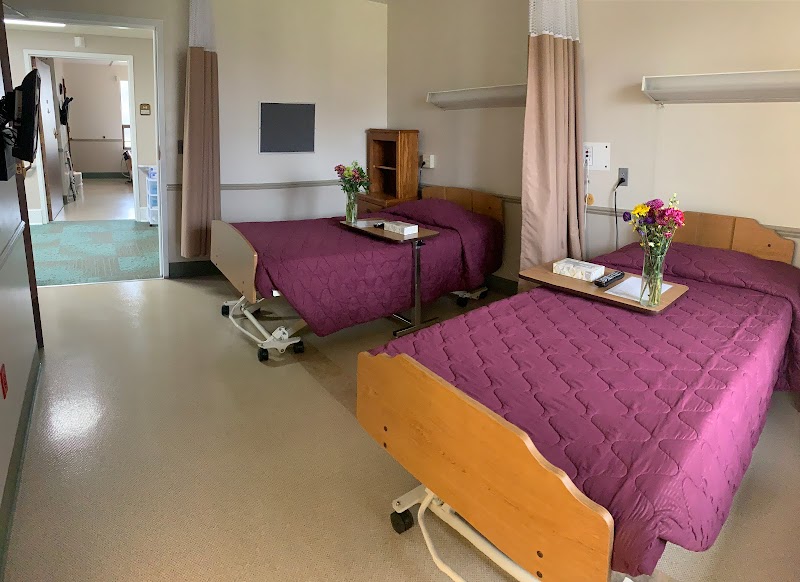
How is Wellspring Lutheran Services Staffed?
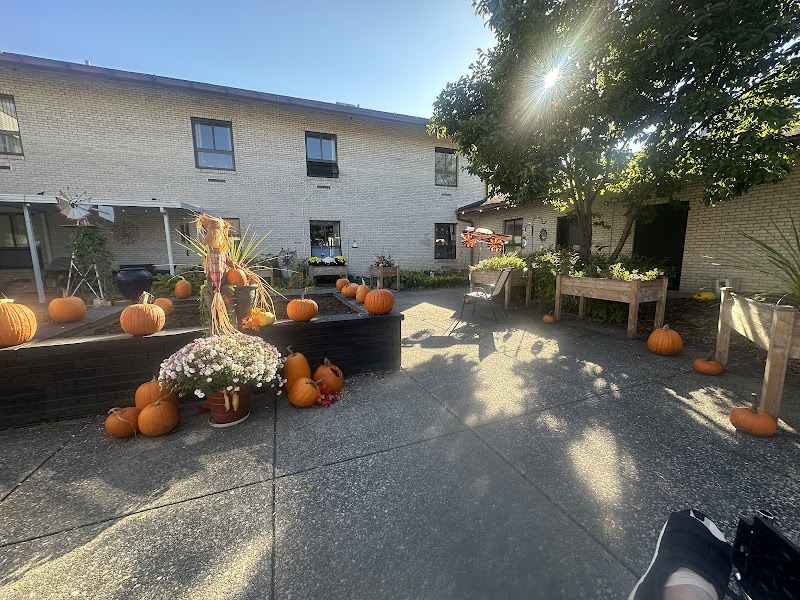
CMS rates Wellspring Lutheran Services's staffing level at 4 out of 5 stars, which is above average compared to other nursing homes. Staff turnover is 49%, compared to the Michigan average of 46%.

What Have Inspectors Found at Wellspring Lutheran Services?

State health inspectors documented 24 deficiencies at Wellspring Lutheran Services during 2022 to 2025. These included: 1 that caused actual resident harm and 23 with potential for harm. Deficiencies causing actual harm indicate documented cases where residents experienced negative health consequences.

Who Owns and Operates Wellspring Lutheran Services?

Wellspring Lutheran Services is owned by a non-profit organization. Non-profit facilities reinvest revenue into operations rather than distributing to shareholders. The facility operates independently rather than as part of a larger chain. With 83 certified beds and approximately 50 residents (about 60% occupancy), it is a smaller facility located in Frankenmuth, Michigan.

How Does Wellspring Lutheran Services Compare to Other Michigan Nursing Homes?

Compared to the 100 nursing homes in Michigan, Wellspring Lutheran Services's overall rating (3 stars) is below the state average of 3.1, staff turnover (49%) is near the state average of 46%, and health inspection rating (3 stars) is at the national benchmark.

What Should Families Ask When Visiting Wellspring Lutheran Services?

Based on this facility's data, families visiting should ask: "Can I visit during a mealtime to observe dining assistance and food quality?" "How do you handle medical emergencies, and what is your hospital transfer rate?" "Can I speak with family members of current residents about their experience?"

Is Wellspring Lutheran Services Safe?

Based on CMS inspection data, Wellspring Lutheran Services has a clean safety record: no substantiated abuse findings (meaning no confirmed cases of resident harm), no Immediate Jeopardy citations (the most serious violation level indicating risk of serious injury or death), and is not on the Special Focus Facility watch list (a federal program monitoring the lowest-performing 1% of nursing homes). The facility has a 3-star overall rating and ranks #100 of 100 nursing homes in Michigan. While no facility is perfect, families should still ask about staff-to-resident ratios and recent inspection results during their visit.

Do Nurses at Wellspring Lutheran Services Stick Around?

Wellspring Lutheran Services has a staff turnover rate of 49%, which is about average for Michigan nursing homes (state average: 46%). Moderate turnover is common in nursing homes, but families should still ask about staff tenure and how the facility maintains care continuity when employees leave.

Was Wellspring Lutheran Services Ever Fined?

Wellspring Lutheran Services has no federal fines on record. CMS issues fines when nursing homes fail to meet care standards or don't correct problems found during inspections. The absence of fines suggests the facility has either maintained compliance or corrected any issues before penalties were assessed. This is a positive indicator, though families should still review recent inspection reports for the full picture.

Is Wellspring Lutheran Services on Any Federal Watch List?

Wellspring Lutheran Services is not on any federal watch list. The most significant is the Special Focus Facility (SFF) program, which identifies the bottom 1% of nursing homes nationally based on persistent, serious quality problems. Not being on this list means the facility has avoided the pattern of deficiencies that triggers enhanced federal oversight. This is a positive indicator, though families should still review the facility's inspection history directly.