Medilodge of Grand Blanc
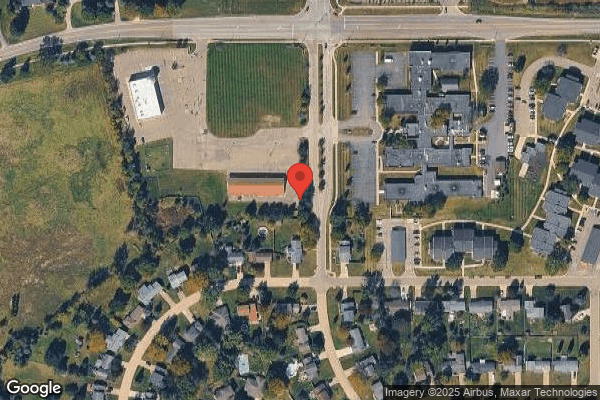
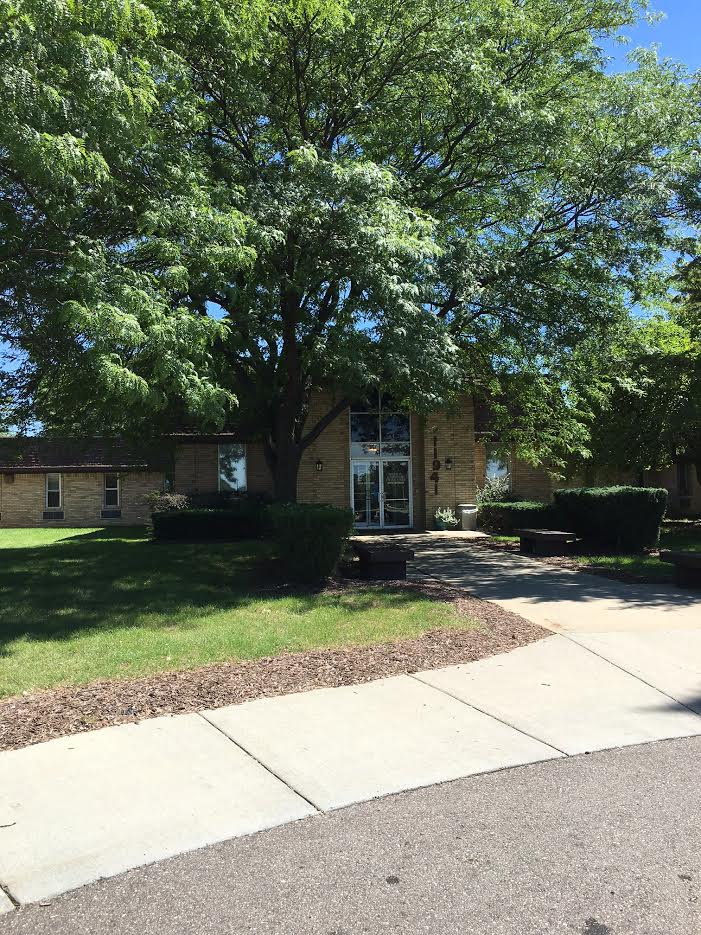
11941 Belsay Road, Grand Blanc, MI 48439 (810) 694-1970
For profit - Corporation 146 Beds MEDILODGE Data: November 2025
Trust Grade
20/100
#301 of 422 in MI
Last Inspection: January 2025

Within standard 12-15 month inspection cycle. Federal law requires annual inspections.

Overview

Medilodge of Grand Blanc has received a Trust Grade of F, indicating a poor overall performance with significant concerns about the quality of care provided. Ranked #301 out of 422 facilities in Michigan, this places them in the bottom half of care options in the state, and #9 out of 15 in Genesee County, meaning there are only a few local facilities that are better. The facility's trend is worsening, with issues increasing from 15 in 2024 to 22 in 2025, which is alarming for potential residents and their families. Staffing is average with a 3/5 rating, but the turnover rate is high at 56%, which is concerning compared to the state average of 44%. Although there have been no fines recorded, there have been serious incidents, including the failure to prevent pressure ulcers for two residents and maintaining unsanitary conditions in the kitchen, which could impact the health of all residents.
Trust Score
F
20/100
In Michigan
#301/422
Bottom 29%
Safety Record
High Risk
Review needed
Inspections
Getting Worse
15 → 22 violations
Staff Stability
⚠ Watch
56% turnover. Above average. Higher turnover means staff may not know residents' routines.
Penalties
✓ Good
No fines on record. Clean compliance history, better than most Michigan facilities.
Skilled Nurses
✓ Good
Each resident gets 62 minutes of Registered Nurse (RN) attention daily — more than 97% of Michigan nursing homes. RNs are the most trained staff who catch health problems before they become serious.
Violations
⚠ Watch
48 deficiencies on record. Higher than average. Multiple issues found across inspections.
★★☆☆☆
2.0
Overall Rating
★★★☆☆
3.0
Staff Levels
★★★★☆
4.0
Care Quality
★★☆☆☆
2.0
Inspection Score
Stable
2024: 15 issues
2025: 22 issues

The Good

  • 4-Star Quality Measures · Strong clinical quality outcomes
  • Full Sprinkler Coverage · Fire safety systems throughout facility
  • No fines on record

Facility shows strength in quality measures, fire safety.

The Bad

2-Star Overall Rating

Below Michigan average (3.1)

Below average - review inspection findings carefully

Staff Turnover: 56%

Near Michigan avg (46%)

Frequent staff changes - ask about care continuity

Chain: MEDILODGE

Part of a multi-facility chain

Ask about local staffing decisions and management

Staff turnover is elevated (56%)

8 points above Michigan average of 48%

The Ugly 48 deficiencies on record

2 actual harm
Sept 2025 2 deficiencies
CONCERN (D) 📢 Someone Reported This

A family member, employee, or ombudsman was alarmed enough to file a formal complaint

Potential for Harm - no one hurt, but risky conditions existed

Deficiency F0604 (Tag F0604)

Could have caused harm · This affected 1 resident

**NOTE- TERMS IN BRACKETS HAVE BEEN EDITED TO PROTECT CONFIDENTIALITY** This citation pertains to Intake Number 2607274.Based on observation, interview, and record review, the facility failed to obtai...

Read full inspector narrative →
**NOTE- TERMS IN BRACKETS HAVE BEEN EDITED TO PROTECT CONFIDENTIALITY** This citation pertains to Intake Number 2607274.Based on observation, interview, and record review, the facility failed to obtain an appropriate resident assessment, physician's order, develop a care plan, and provide entrapment measurements to ensure that a resident is free from physical restraint for one resident (Resident #107) (R107) of 3 residents reviewed for use of side rails. Findings include:Resident #107 (R107):R 107 was observed in his room on September 10, 1925, at 2:00 PM. R107 was awake, lying in bed with an ongoing continuous tube feeding via pump being delivered, while R107 was restless in bed. The bed was observed in the lowest position; however, R107 appeared to be attempting to get out of bed, but the side rail was preventing him from falling out of the bed. It was noted that the floormat was placed on the floor on his right side. R107 had a padded full rail attached to the bed.During observation, Nurse K on 9/10/25 at 2:05 PM, was asked why R107 had a bedrail. Nurse K revealed he is a fall risk and may often get confused at times. Nurse K explained she was not the nurse assigned to R107 today.A review of R107's Electronic Medical Record (EMR) was conducted on September 10, 2025, at 12:00 PM. R107 was [AGE] years old and was admitted to the facility on [DATE], with the diagnosis of End Stage Renal Disease with dependence on Renal Dialysis, Gastrostomy feeding, difficulty walking, and muscle weakness in addition to other diagnoses. R107's Brief Interview of Mental Status (BIMS) Score assessed on 6/24/25 was 04/15. A BIMS score of 4 /15 indicates severe cognitive impairment. R107's Care Plan for Activities of Daily Living (ADL) required two-person assistance for Bathing, Bed Mobility, Dressing, Personal Hygiene, and Transferring.Further review of R107 Clinical Record revealed:No care plan for the use of bed rails was found in the R107 Plan of Care. There was no mention of side rails in the fall prevention care plan.No Informed Consent was found for the Use of Side rails, and no side rails assessment for R107 was found.No Initial entrapment measurements/grid of R107's bed/side rails were found.No physician orders for the use of siderails/bedrails were obtained.On 9/11/25 at 11:35 AM. The Director of Nursing (DON) and the Unit Manager were both interviewed.The DON and Unit Manager both confirmed that they did not find a consent for R107's side rails, no assessment was done for the appropriateness of side rails, no entrapment grid/measurements were taken, no physician orders were given for side rails, and no care plan was created for R107 regarding the use of side rails. The DON stated, R107 was admitted sometime in May of 2025, and he had a fall in June 2025. We missed following the protocol for R107 siderails. The Social Services Director (SSD) was interviewed on September 11, 2025, at 11:30 AM. The SSD revealed that she only does consent for the residents' Advanced Directives and Antipsychotic Meds. The consents for side rails are nursing responsibilities. R107 was deemed incapacitated, but the wife may also have dementia issues and can not be reliable with obtaining consents. SSD revealed that they have started a court-appointed guardian process for R107. Policy Review revealed:I. Restraints Policy (Date Reviewed/Revised: 10/26/2023)Policy: Restraints shall only be used for the safety and well-being of the resident(s) and only after other alternatives have been tried unsuccessfully. Policy Explanation and Compliance Guidelines: Restraints shall only be used upon the written order of a physician and after obtaining consent from the resident and/or representative (sponsor). An evaluation will be completed to determine the medical symptom requiring the device and to determine the least restrictive device to treat the symptom.II. Side Rails Policy date reviewed/revised 10/26/23Policy: It is the policy of this facility to utilize a person-centered approach when determining the use of side rails. Alternative approaches are attempted prior to installing a side or bed rail. If used, the facility ensures correct installation, use, and maintenance of the rails.The facility's definition of:Physical restraint is defined as any manual method, physical or mechanical device, equipment, or material that meets all of the following criteria:a. Is attached or adjacent to the resident's body;b. Cannot be removed easily by the resident; andc. Restricts the resident's freedom of movement or normal access to his/her bodyThe Policy Explanation and Compliance Guidelines:.c. Obtain informed consent from the resident or the resident's representative for the use of bed rails before installation/use.d. Determine whether or not the side/bed rail is a restraint. Side/bed rails will be considered a physical restraint when they limit the resident's freedom of movement and cannot be removed easily by the resident. In such cases, the facility shall follow procedures related to physical restraints.e. Document the medical diagnosis, condition, symptom, or functional reason for the use of the side/bed rail.f. Obtain physician orders for the use of side/bed rails . 4. The facility will assure the correct installation and maintenance of bed rails, prior to use. This includes:a. Checking with the manufacturer(s) to make sure the bed rails, mattress, and bed frame are compatible.b. Ensuring that the bed's dimensions are appropriate for the resident.c. Confirming that the bed rails are appropriate for the size and weight of the resident using the bed.d. Installing bed rails using the manufacturer's instructions to ensure a proper fit.e. Inspecting and regularly checking the mattress and bed rails for gaps and areas of possible entrapment.f. Checking rails regularly to make sure they are still installed correctly, and have not shifted or loosened over time.5. The use of side rails will be specified in the resident's plan of care.a. Side rails that are permanently installed on the bed frame shall not be used, even incidentally, without proper assessment, informed consent, and physician orders.b. Once side/bed rails are installed, the facility will ensure side rail/bed rail usage does notprohibit necessary treatments and resident care. Care and treatments will continue to beprovided in accordance with professional standards of practice and resident choices.
CONCERN (D) 📢 Someone Reported This

A family member, employee, or ombudsman was alarmed enough to file a formal complaint

Potential for Harm - no one hurt, but risky conditions existed

Infection Control (Tag F0880)

Could have caused harm · This affected 1 resident

**NOTE- TERMS IN BRACKETS HAVE BEEN EDITED TO PROTECT CONFIDENTIALITY** This citation pertains to intake Number 2607274.Based on observation, interview, and record review, the facility failed to ensur...

Read full inspector narrative →
**NOTE- TERMS IN BRACKETS HAVE BEEN EDITED TO PROTECT CONFIDENTIALITY** This citation pertains to intake Number 2607274.Based on observation, interview, and record review, the facility failed to ensure that Enhanced Barrier Precautions (EBP) were implemented according to the plans of care for two residents (Resident #107 and Resident #104) of the three residents reviewed for Infection Prevention and Control. Findings include: Resident #107 (R107): A review of the Electronic Medical Record (EMR) was conducted on 9/10/25 at 12:00 PM. R107 was [AGE] years old and was admitted to the facility on [DATE], with the diagnosis of End Stage Renal Disease with dependence on Renal Dialysis. R107 had a gastrostomy, a hemodialysis port, difficulty walking, and muscle weakness in addition to other diagnoses. R107's Brief Interview of Mental Status (BIMS) Score assessed on 6/24/25 was 04/15. A BIMS score of 4 /15 indicates severe cognitive impairment. R107's Care Plan was noted: Activities of Daily Living (ADLs) required two-person assistance for Bathing, Bed Mobility, Dressing, Personal Hygiene, and Transferring. Enhanced Barrier Precaution (EBP) Care Plan specified: Resident requires enhanced barrier precautions related to central line, dialysis, and feeding tube (initiated on 57/25 revision on 6/17/25) Use a gown and gloves when providing direct care. `Face protection may be needed if performing an activity with a risk of splash or spray. Utilize EBP when providing high-contact resident care activities (dressing, bathing, transferring, personal hygiene, changing linens, changing briefs/assisting with toileting, device care, central lines, urinary catheters, feeding tubes, tracheostomy/ventilators, wound care, dialysis). Review with visitors and family member show to follow the recommended precautions when visiting if prolonged physical contact is anticipated. During observation, R107 was in his room on September 10, 2025, at 2:00 PM. R107 was observed awake, lying in bed with an ongoing continuous tube feeding being delivered. During observation, Nurse “K” on 9/10/25 at 2:05 PM, went into R107 and noticed that there was no signage of EBP outside or anywhere by the door of R107's room. Nurse “K” revealed that the roommate of R07 also goes to hemodialysis. Nurse “K” was asked how a visitor, family member, or guest would know if a resident requires special precautions to prevent the spread of infection. Nurse “K” stated, “There should have been a sign right by the door to alert everyone.” Nurse “K and the surveyor searched inside R107 room and did not find the laminated EBP sign. Nurse “K” was asked where she would find Personal Protective equipment if she were to unhook the Gastrostomy Tube feeding from the feeding tube. Nurse “K” looked everywhere in the room and did not find PPE in R107's room. There was no Personal Protective Equipment (PPE) Cart outside the hallway and inside the R107 room. There were no carts found anywhere in the 500 hallway. Nurse “K” was asked where she would go to get PPE. Nurse “K” stated that she would go inside other residents' rooms that have PPE carts inside their rooms. The surveyor asked Nurse “K”. Is that what you're supposed to do each time you need PPE? Get the PPEs in other residents' rooms. Nurse “K” hesitated and said, “I guess not.” On September 11, 2025, at 11:00 AM, an interview with the Infection Control Nurse (ICP Nurse) was conducted. She admitted that there should have been a sign and a cart nearby for PPE. R107 is vulnerable because he has a feeding tube and a port used for hemodialysis. The Care Plan was not followed. We conducted a sweep to ensure that carts were available for staff, signs were posted, and PPEs were readily accessible. On 9/11/25 at 11:25 PM. The surveyor discussed the EBP findings of R107 to both the Director of Nursing and the Unit Manager. The Facility Policy for Enhanced Barrier Precaution and Infection Control Protocol was reviewed on 9/11/25 at 2:30 PM. Resident #104 (R104): Record review of Resident 104's (R104) Medical records revealed medical diagnosis of: Traumatic Brain Injury (TBI) with major neurocognitive disorder (non-verbal), seizures, chronic sacral stage IV (full thickness) pressure ulcer and thoracic spine wound with infection (Pseudomonas Aeruginosa and Methicillin Susceptible Staphylococcus Aureus (MSSA) infection), muscle wasting, and needed assistance with personal care. On 09/10/2025 at 1:48 pm, an observation of R104 was made of resident resting in bed with eyes closed, R104's call light was on the floor and in the corner of the room and not in reach of resident. On 09/10/2025 at 2:02PM, During an interview with Nurse “F” about R104, she reported that R104 was recently at the hospital for a declining wound on sacrum/back. She stated, “she (R104) used to be on intravenous (IV) antibiotics (ABX) but is not on IV ABX anymore, she was recently put on oral ABXs for diagnosis of cellulitis (infection), I think it is for Pseudomonas and MRSA (methicillin resistant staphylococcus aureus)”. She said R 104 was no longer on tube feed and currently had a urinary catheter in place. It was confirmed by a record review of R104's medical chart progress notes dated 08/14/2025 that the resident was sent to hospital on [DATE] and returned to facility 08/20/2025. According to record review of hospital discharge notes from 08/18/2025 R104's diagnosis included: “T-Spine significant cellulitis of upper back concern for necrotizing fasciitis…”. Review of labs from hospitalization revealed, “MSSA and Pseudomonas infection” and that R104 received IV Vancomycin (antibiotic) while hospitalized . On 09/11/2025 at 12 Noon, An observation of R104 room with no enhanced barrier precautions posted neither inside nor outside. On 09/11/2025 at 12:02 PM, During an interview with nurse “F” she was asked how she would identify a resident in enhanced barrier precautions (EBP) and she stated, there would be a sign outside residents' door. Nurse “F” was asked if she could show where the signage was located that identified the precautions for R104. Nurse F walked over to the R 104 room door and verified that there was no sign present inside nor outside of R104's room. Nurse F stated, “I am not sure where it is”, and “one should be there for her”. Nurse “F” agreed that R104 had both a PICC and a tube feeding recently discontinued, and that R104 currently had an indwelling urinary catheter and infected wounds. Nurse “F” further agreed R104 was highly susceptible to transmission of pathogens. Nurse “F” points out an EBP personal protection equipment (PPE) drawer unit that is inside R104's room. The PPE drawer unit she pointed out was in front of R104's roommates' bed and the observation of contents revealed it had scant PPE in it, consisting of only a couple of gowns. On 09/11/2025 ~2 PM, During interview with DON she confirmed that residents in precautions will have sign indicating the type of precautions (enhanced, contact etc.…) needed outside the residents' room doors to alert staff, family and visitors. A record review of facility progress notes dated 08/22/2025 stated, “Resident recently hospitalized for declining wound. Patient presented to the hospital with worsening wounds of the sacrum and lower back. Patient has a history of chronic sacral ulcer which has been treated at our facility stage IV. Patient was also having cellulitis of the thoracic spine there was a concern for necrotizing fasciitis. Patient had a debridement done on August 15, 2025 by surgery. Patient was seen by infectious disease placed on IV antibiotics. Patient was subsequently stabilized and transferred back to our facility. Patient continues to be on IV antibiotics…”. A record review of R104's medical chart there was an order dated 08/21/2025 that read: “Use enhanced barriers while performing high-contact activity with the resident. PEG – Wound”. A record review of R104's physician and pharmacy section there was an order dated 09/04/2025 that read, “Cipro Oral Tablet 500 MG Give 1 tablet by mouth every 12 hours for Wound infection for 14 Days give with meals. Amoxicillin-Pot Clavulanate 875-125 MG Tablet Give 1 tablet by mouth every 12 hours for Wound infection for 14 Days give with meals”. A record review of R104's care plan revealed, Interventions: Use gown and gloves when providing direct care. Face protection may be needed if performing activity with risk of splash or spray. Date Initiated: 03/14/2025; Utilize Enhanced Barrier Precautions when providing high contact resident care activities (dressing, bathing, transferring, personal hygiene, changing linens, changing briefs/assisting with toileting, device care: central lines, urinary catheters, feeding tubes, tracheostomy/ventilators, wound care, dialysis) Date Initiated: 03/14/2025; Review with visitors and family members how to follow the recommended precautions when visiting if prolonged physical contact is anticipated Date Initiated: 03/14/2025”. According to a record review of the facility's Policy & Procedure labeled infection control plan revealed, Isolation signs are used to alert staff, family members and visitors of transmission-based precautions”. According to the facility's policy on Enhanced Barrier Precautions: “Enhanced barrier precautions refer to an infection control intervention designed to reduce the transmission of Multidrug-resistant organisms that employs targeted gown, and gloves use during high-contact resident care activities” and “Initiation of enhanced barrier precautions… iii. Infection colonized with a CDC-targeted MDRO when contact precautions do not apply”.
Jul 2025 1 deficiency
CONCERN (E) 📢 Someone Reported This

A family member, employee, or ombudsman was alarmed enough to file a formal complaint

Potential for Harm - no one hurt, but risky conditions existed

Safe Environment (Tag F0584)

Could have caused harm · This affected multiple residents

**NOTE- TERMS IN BRACKETS HAVE BEEN EDITED TO PROTECT CONFIDENTIALITY** This citation pertains to Intake #1223361Based on observation, interview, and record review the facility failed to ensure that a...

Read full inspector narrative →
**NOTE- TERMS IN BRACKETS HAVE BEEN EDITED TO PROTECT CONFIDENTIALITY** This citation pertains to Intake #1223361Based on observation, interview, and record review the facility failed to ensure that an adequate supply of clean linen was distributed and consistently delivered to residents' areas on a daily basis.Findings include:An observation tour with the Administrator was conducted on [DATE], between 2:55 PM and 3:15 PM. All six linen closets were checked. The Administrator agreed there was not a lot in each closet for the census of 125 residents in the facility, considering the time of day. She stated she is unsure of the laundry department schedule for hall deliveries.On [DATE] at 3:30 PM, an interview with Certified Nursing Assistant B (CNA B).CNA B has worked at the facility for 2 years and stated, Linen is a problem every day. I have to look for linen all the time. I go to the basement to find the linens I need because it is not in the closet. We had to go to nearby units, and sometimes they are all empty or lack the necessary items. I work a 12-hour shift from 7:00 AM to 7:00 PM. There are not enough linens. I have to go to both ends of the hall and then go down to the basement to get more sheets, towels, and washcloths. There's only one laundry staff every 8-hour shift, and sometimes I find housekeeping helping. When CNA B was asked if she had cut sheets/linens to use for washing and personal care on residents, she admitted she had not done it herself but had heard it being done by other aides. There are no delivery times set for laundry department to deliver the clean linens. Oftentimes, we have to get them from the laundry room.According to Registered Nurse D (RN D) on [DATE] at 4:00 PM, linens are an issue. Most often during residents' showers and peri care, there are no towels and wash cloths available in the closet. There's nobody consistently restocking the linen closet in each unit. Since the facility got rid of the wipes, the lack of adequate linens made the problem worse. Our aides are off the floor trying to find their supplies. There are not enough staff to attend to patient care and call lights. Nurse D stated, I don't know what they're working on, but they (Administration) said they are working on it. I sometimes feel my CNAs are not in their unit because they are constantly looking for linens. Showers may take longer, and there is a delay in incontinence care, causing skin breakdown, because they have to find sheets or if the resident requires two-person assistance. Sometimes, I end up the only one in the unit because all CNAs have to look for their linens to provide basic care. Nurse D revealed there is no set schedule for laundry delivery of clean linens.An interview with a certified Nurse Aide C (CNA C) was conducted on [DATE] at 4:35 PM. CNA C (who wanted to remain anonymous) revealed there were not enough linens in the entire shift. If you need two people, you can't find any other staff to help you because they try to find linens in different units or go down to the laundry. They don't distribute it on a consistent schedule. We had to get them downstairs, or sometimes no staff in the laundry. Because of that, staff are not immediately present for patient care, and floats are not available to cover all halls. We sometimes wait and grab the unit manager. CNA C further explained that: The facility have an outside agency for the entire laundry department. When shift start, we barely have linens. Some staff cut sheets to provide care. She stated that: Although I have not done it, I have heard and seen linens cut up to use for care in desperate times. When I come in, I immediately go to the basement. I have noticed the staff:Throw away towels in the trash. They are soiled. They may not want residents to reuse them after being discolored with brown stains after washing. Staff throw away towels and washcloths.It takes a long time to find linen supplies because they are in short supply.Leave the unit to find available linens. As a result, CNAs are not accessible, and staff are away too long to attend to residents' care needs.Leave the unit, and residents are left wet for a prolonged time with skin breakdown.On [DATE], at 9:30 AM, the surveyor met with the Administrator. The second linen closet tour was conducted. This time, there were linens, but they were not full at each unit: Ambassador East & West, the Memory 300 hall, 400, 500, 600, and 650 halls. The Administrator confirmed there is no set delivery and distribution schedule for linens to the floors.R#505On [DATE] at 9:41 AM, Resident #505 (R505) was interviewed regarding linen availability. R505 indicated that there is often a shortage of linens, particularly the washcloths & towels. R505 expressed having to wait until it is washed in the laundry, and it seemed that they don't have enough people to do the laundry. R505 verbalized, They come and change me because they don't let me get up. I had to wait wet and soaked until they gathered the needed supplies from the laundry. Sometimes it could take a while.R505 was [AGE] years old, alert and oriented, with a BIMS (Brief Interview for Mental Status score of 15/15 assessed on [DATE]. A score of 15 means that the individual is cognitively intact. R505's Electronic Medical Record revealed that she was admitted to the facility on [DATE]. Her care plan [DATE], specified resident at risk for impaired skin integrity related to weakness, and decreased mobility, respiratory failure, COPD, type II Diabetes Mellitus, obstructive sleep apnea, CPAP use, and heart failure in addition to other diagnoses.An interview with Nurse E was conducted on [DATE] at 9:51 AM. Nurse E checked and tidied up R505's fitted sheet as it was coming off the bed. Nurse E stated, It is true that some days, linen shortage is a problem.R#507An interview with R507 was conducted on [DATE], at 10:12 AM. R507 stated that she always kept the wipes she purchased with her. R507 explained that she would only need a top sheet and usually would take a bit of a wait. Furthermore, she stated, Washcloths are rough to old and very fragile skin, and some washcloths are brown. It's almost tea colored and not white. I wonder if they wash the linens well enough to be used for residents' faces. R507 insisted, I can see it (implying the tea-colored washcloth), but others may not be able to tell. Staff take a while to come back with linens because they spend more time searching for them. In my opinion, the facility must take proper care of its patients. They need to have adequate linens for staff to provide care properly.R507 was [AGE] years old, admitted at the facility on [DATE], with a diagnosis of hemiplegia and hemiparesis following a cerebral infarction affecting the right dominant side. , cerebral aneurysm, dysphagia, and generalized muscle weakness with difficulty in walking, in addition to other diagnoses. R507's BIMS Score was 15/15, assessed on [DATE]. A score of 15 means that the individual is cognitively intact.Registered Nurse F (RN F) was interviewed on [DATE]/2025, at 10:45 AM. She revealed that they always lack draw sheets, fitted sheets, towels, and wash cloths. We have had an issue ever since the new laundry department agency took over shortly after RN F started in April last year. RN F recalled and stated that there was, at times, no laundry staff, and it was not consistent with providing adequate linens for nursing care. I am not sure why. But it happened a month ago. Laundry was not distributed to different halls. Then the basement flooded, and there was a shortage of staff. RN E denied observing tan or tea colored face towels. RN E confirmed that oftentimes Bari-bed sheets are a challenge. RN E indicated that residents are allowed to purchase their supply of wipes. Eliminating the wipes facility-wide was a corporate decision. It must be because it is cheaper to use washcloths than to buy disposable wipes.The facility's laundry supply and distribution policy was reviewed on [DATE], at 11:45 AM.The Policy for Promoting/Maintaining Resident Dignity, dated [DATE], was reviewed on [DATE] at 11:45 AM. The Policy specifies:It is the practice of this facility to protect and promote resident rights and treat each resident with respect and dignity as well as care for each resident in a manner and in an environment that maintains or enhances the resident's quality of life by recognizing each resident's individuality.Compliance Guidelines: 1. All staff members are involved in providing care to residents to promote and maintain resident dignity and respect resident rights.The Policy for Laundry Handling and Processing dated [DATE] was reviewed on [DATE] at 11:50 AM. It specified the following:Par Levels: Adequate par levels shall be maintained to meet the needs of the residents.Delivery: Delivery times should meet the needs of residents (e.g., before showers, before bed changes, or during meal service) .
Jul 2025 1 deficiency
CONCERN (D) 📢 Someone Reported This

A family member, employee, or ombudsman was alarmed enough to file a formal complaint

Potential for Harm - no one hurt, but risky conditions existed

Quality of Care (Tag F0684)

Could have caused harm · This affected 1 resident

**NOTE- TERMS IN BRACKETS HAVE BEEN EDITED TO PROTECT CONFIDENTIALITY** This Citation Pertains to Intake Number MI00153753. Based on observation, interview and record review, the facility failed to en...

Read full inspector narrative →
**NOTE- TERMS IN BRACKETS HAVE BEEN EDITED TO PROTECT CONFIDENTIALITY** This Citation Pertains to Intake Number MI00153753. Based on observation, interview and record review, the facility failed to ensure measures were in place to prevent constipation for two Residents (#1 and #3) of 3 reviewed for constipation, resulting in the potential for discomfort, restlessness and adverse reactions. Findings Include: Resident #1: A record review of the Face sheet and Minimum Data Set/MDS assessment indicated Resident #1 was admitted to the facility on [DATE] and readmitted on [DATE] with diagnoses: Diabetes, End stage renal disease, renal dialysis, Cardiac arrest, seizures, Hepatitis B, anemia, acute and chronic respiratory failure, dysphagia, feeding tube, hypertension and pneumonia. The MDS assessment dated [DATE] revealed the resident had cognitive loss and needed assistance with all care. On 7/3/2025 at 11:25 AM, Resident #1 was observed lying in bed in his room, sleeping. Nurse Aides A and B assisted the resident to reposition in bed. They said he would wiggle lower in the bed. The Resident continued to sleep. A record review of the progress notes indicated Resident #1 had fallen on 6/3/2025. A progress note dated 6/3/2025 revealed the resident's roommates family saw the resident slide out of bed onto the floor. A record review of the Incident and Accident reports for Resident #1 identified the following: 6/3/2025- Resident roommates wife came and alerted floor staff that resident had slid himself out of bed . A review of the Tasks documentation for Bowel Elimination for 6/9/2025-7/8/2025 revealed Resident #1 did not have a bowel movement on the following dates: 6/11/2025, 6/12/2025, 6/13/2025, 6/14/2025, 6/15/2025, 6/16/2025, 6/16/2025, 6/17/2025, 6/18/2025, 6/19/2025, (10 days) then 6/26/2025, 6/27/2025, 6/28/2025, 6/29/2025/, 6/30/2025, 7/1/2025 and on 7/2/2025 he had a small bowel movement. 7/6/2025, 7/7/2025 and had not yet had one on 7/8/2025. A review of the June 2025 and July 2025 Medication Administration Record/Treatment Administration Records (MAR/TAR) for Resident #1 identified the following: On 6/18/2025 and 6/30/2025 Resident #1 received Polyethylene glycol via peg tube and there was no documentation on the MAR/TAR for June 2025 that he received a suppository or enema for constipation. A nurses note on 6/17/2025 indicated he had an emesis (vomiting) and a nurses note dated 6/19/2025 said he received a Bisacodyl suppository. There was also a nurses note identifying he had emesis and a loose stool on 6/20/2025; the day after receiving the suppository; this was during the 10-day timeframe with no bowel movement. A review of a provider note dated 6/21/2025 identified, Situation: ABD (abdominal) x-ray results are ready for your review. Treatment: Finding suggestive of constipation, as compared with prior examination dated 6/2/2025. 6/26/2025, an Encounter note, C/o (complaints of) nausea, emesis episodes . 6/26/2025 at 6:33 PM, a Pertinent Charting-Change in Condition note, . Emesis: Patient had emesis twice on my shift . 6/28/2025 at 3:14 PM, a Behavior note, . Refusing care, resisting care and combativeness . 6/29/2025: a Behavior note, Resident continues kicking legs and swinging arms . 6/30/2025 at 2:12 AM, a Behavior note, Resistant to care. 7/2/2025: an Encounter note, Notified by nursing staff that Resident unable to attend dialysis due to being combative with dialysis staff . On 7/2/2025 Resident #1 received Polyethylene glycol via peg tube. 7/3/2025 at 6:50 AM, a progress note Patient had another episode of emesis this morning . 7/3/2025 at 7:05 PM, a Behavior note, When giving patient his suppository he was kicking and swinging legs. 7/7/2025 at 4:39 AM, Resident had emesis episode this shift . There were additional progress notes related to behaviors during the episodes of constipation. On 7/8/2025 at 10:45 AM, during an interview with Nurse G she said resident #1 became very restless at times and would wiggle around, she said he had constipation at times and this was flagged in the electronic medical record after the resident had no bowel movements for 3 days. Reviewed there were instances of no bowel movement for longer than 3 days without being addressed. A review of the Care Plans for Resident #1 identified the following: Resident is incontinent of bowel and bladder, dated initiated and revised 5/15/2025 with Interventions including: Observe for no BM in 3 days, date 5/15/2025; Administer medications as ordered, date initiated 5/15/2025. Resident #3: A record review of the Face sheet and MDS assessment indicated Resident #3 was admitted to the facility on [DATE] with diagnoses: Diabetes, chronic kidney disease, end stage renal disease, renal dialysis, respiratory failure, Myocardial infarction, heart disease, hypertension, anemia, weakness, dysphagia, feeding tube, arthritis. The MDS assessment dated [DATE] revealed the resident had moderate cognitive loss and needed assistance with all care. On 7/3/2025 at 11: 27 AM, Resident #3 was observed lying in bed awake and answered questions. A record review of the progress notes for Resident #3 revealed he fell on 6/12/2025 and 6/29/2025. Each fall occurred in his room from bed to floor. Further review of the progress notes identified the following: 6/12/2025, an Encounter note, Nurse reports pt (patient) had unwitnessed falls. He has some abrasions on both knees but he denies pain . 6/29/2025 at 6:17 PM, a Nurse's Note, Observed resident sitting on floor at bedside . A record review of the Incident and Accident reports for Resident #3 identified the following: 6/12/2025: Pt observed on the floor next to his bed in a sitting position with his bac leaning up against the bed . Injuries observed at time of Incident: Abrasion left elbow; Abrasion right knee front; Abrasion left knee front . Injuries Report Post Incident: Bruise right thigh rear; Swelling right knee front . 6/29/2025: Observed resident sitting on floor next to bed with back leaning against the bed, facing the doorway . A review of the Tasks documentation for Bowel Elimination from 6/9/2025 to 7/8/2025 revealed Resident #3 had multiple instances of constipation. The resident did not have a bowel movement on 6/9/2025, 6/10/2025, 6/11/2025, 6/12/2025 and 6/13/2025. The resident did not have a bowel movement on 6/16/2025, 6/17/2025, 6/18/2025, and 6/19/2025. The resident did not have a bowel movement on 6/21/2025, 6/22/2025, 6/23/2025, 6/24/2025 and 6/25/2025. On 6/27/2025 the resident had a small bowel movement and the resident did not have bowel movements on 6/28/2025, 6/29/2025, 6/30/2025, 7/1/2025 and 7/2/2025. On 7/3/2025 and 7/4/2025 the resident had a small bowel movement and no bowel movement on 7/5/2025. A review of the June and July 2025 Medication Administration Record and Treatment Administration Record (MAR/TAR) for Resident #3 indicated he had received Polyethylene glycol for constipation via the feeding tube on 6/13/2025, 6/18/2025, 7/2/2025 and 7/7/2025. The resident also received a Bisacodyl rectal suppository on 6/14/2025, 6/19/2025 and 6/28/2025. Resident #3 fell on 6/12/2025 and 6/28/2025. Both falls occurred during the time the resident had not had a bowel movement for an extended period of time. During the review of bowel elimination from 6/9/2025 to 7/8/2025, there was no period of time that the resident had a routine bowel movement. On 7/8/2025 at 1:10 PM, interviewed Confidential Person I, she said the resident had fallen several times trying to get out of bed. She was assisting the resident with eating and said he had recently started a food diet to attempt to wean him off the tube feedings. A review of the Care Plans for Resident #1 identified the following: Resident is incontinent of bowel and bladder, dated initiated 5/9/2025 and revised 5/16/2025 with Interventions including: Observe for no BM in 3 days, date 5/9/2025; Administer medications as ordered, date initiated 5/9/2025. On 7/8/2025 at 1:25 PM, Nurse H was interviewed and said she frequently was assigned to care for Resident's #1 and #3. She was asked about the residents falling and she they had both fallen from bed. She said Resident #1 was often fidgety and would move around a lot in bed. She said after he was repositioned he would continue to move in bed. Nurse H said Resident #3 would become restless and place his legs out of bed. She said they usually transferred him to a Geri-Chair and brought him out of his room, and he would be more content. During the interview on 7/8/2025 at 1:25 PM with Nurse H, she was asked about the facilities bowel protocol. She said if a resident had not had a Bowel Movement/BM in 3 days then on the next day (day 4) they would receive (Miralax/Polyethylene glycol) and then if the resident didn't have a BM by the next shift they would receive a suppository (sometimes this would be day 5 with no BM). She said both residents had recently received the Miralax and a suppository. 7/8/2025 at 1:45 PM, the Director of Nursing/DON was interviewed related to Residents #1 and #3 each experiencing multiple episodes of constipation, each receiving Polyethylene glycol and a rectal suppository to aid in bowel elimination. Reviewed that each resident also experienced falls during the time they were constipated and had received the medication to encourage elimination. The DON provided a copy of document titled, Standing Bowel Protocol and said if the resident did not have a bowel movement in 3 days, it would flag in the electronic medical record and when the alert was identified, the bowel protocol would be initiated. The DON said Polyethylene glycol was given first, if no BM on that shift (12 hour shift), the next shift would administer a Bisacodyl rectal suppository, if no results on that shift, the next shift would administer an enema (This could be day 5). Reviewed with the DON that Residents #1 and #3 had a pattern of repeated constipation and often wouldn't go for 4, 5 or more days at a time. She said they would look at their process.
Apr 2025 1 deficiency
CONCERN (D) 📢 Someone Reported This

A family member, employee, or ombudsman was alarmed enough to file a formal complaint

Potential for Harm - no one hurt, but risky conditions existed

Notification of Changes (Tag F0580)

Could have caused harm · This affected 1 resident

**NOTE- TERMS IN BRACKETS HAVE BEEN EDITED TO PROTECT CONFIDENTIALITY** This Citation pertains to Intake Number MI00152171. Based on interview and record review, the facility failed to notify the resi...

Read full inspector narrative →
**NOTE- TERMS IN BRACKETS HAVE BEEN EDITED TO PROTECT CONFIDENTIALITY** This Citation pertains to Intake Number MI00152171. Based on interview and record review, the facility failed to notify the resident's representative of a change in condition for one resident (Resident #2) of three residents reviewed, resulting in the family not being notified of a change in condition. Findings include: Resident #2 (R2): R2 is [AGE] years old and admitted to the facility on [DATE] with diagnoses that include cerebrovascular disease, hypertension, apnea and peripheral vascular disease. R2 had a brief interview for mental status (BIMS) score of 15, indicating they are cognitively intact. On 04/24/25 record review of a progress noted dated 12/30/24 at 11:09 revealed, Resident is extremely tired this morning. He refused breakfast and has not gotten dressed or out of bed as he usually does. Resident also will not speak to nurse he was able to mumble that he was tired. Resident tested for Covid and flu A and B, all negative. Resident is afebrile and vitals are wnl. Provider aware. On 04/24/25 record review of an assessment in the electronic medical record (EMR) titled, Pertinent Charting Initial-Change in Condition-V2, dated 12/30/24 at 14:30, revealed that R2 experienced a change in condition. The change identified section indicated that the resident did not want to get out of bed which is not typical. Resident stated that he was really tired. The nursing intervention portion of the assessment stated, Resident placed on O2 via non-rebreather. Provider wanted CPAP placed on resident with O2 bled in. O2 came back up. O2 sats were at 98-100% on 2L. BS was 116. BP 114/75. Resident was given fluids by Provider. Vital were stable. STAT CBC and CMP labs were drawn and picked up by [NAME]. The section of the assessment titled responsible party notification was left blank. On 04/24/25 record review of a progress noted dated 12/30/24 at 14:57 revealed, Resident O2 decreased to 61% room air. Resident not able to answer questions appropriately and kept nodding off. Nurse placed a non-rebreather on resident with 8L of O2. O2 increased to 96%. Nurse notified [NAME] (educator) and she notified the provider [NAME]. Bp was 100/66 hr 110, afebrile. Provider had nurse place CPAP on resident with 8L O2. O2 maintained at 96%. Bs was 116. Provider placed an IV in residents R hand and administered 1L of D5. One dose of PRN Narcan given in right arm. Resident not retaining urine or stool, bladder scan confirmed. At 1440 resident O2 was 99%, bp 114/75, hr 103. O2 decreased to 4L, 98%, decreased to 2L 100%. Resident is maintaining 100% on 2L with CPAP in place. Labs drawn and waiting on [NAME] to pick up. Will continue to monitor resident O2. Resident resting in bed at this time. On 04/24/25 record review of an assessment titled, SBAR Communication Form and progress note- V4, dated 12/31/24 at 08:40 revealed that R2 was in respiratory distress and had a reduced level of consciousness (LOC) and it started on 12/30/24, his status has worsened. Under mental status changes' the boxes are checked for decreased consciousness and unresponsiveness. On 04/24/25 at 11:54 AM, an interview was conducted with Unit Manager (UM) C. The director of nursing (DON) was present as well. UM C was asked about the change in condition for R2. UM C stated, I was present that day and I had heard about the change in condition, when I got to his room the Nurse Practitioner was already in there. She was the provider that ordered the fluids to be run and the IV to be started. UM C was asked if the family was notified of the changes in the residents status. UM C stated, I would have to look back at notes, but I am certain they were notified. I was assuming that the nurse on the floor that day would have notified the family of the changes. UM C could not locate any documentation that indicated the family was notified of the change in condition. UM C was asked if the family should have been notified of the change. UM C stated, Absolutely, the family should have been notified. We (me and the nurse providing care) had a conversation about that (notifying family) and the nurse was supposed to be making a call to the family. The DON was asked if the family should have been notified of those changes on 12/30/24. The DON replied, yes, they should have been notified. On 04/24/25 at 12:20 PM an interview was conducted with licensed practical nurse (LPN) D. LPN D was asked about the change in condition for R2 on 12/30/24. LPN D stated, I went and got a nurse manager to notify her of the change. The nurse practitioner (NP) was present in the building, she went to assess the resident. The NP asked if R2 was on narcotics, and I stated that he was taking Tramadol for pain and the NP said to give him a dose of Narcan (reverses the effects of opioids) since R2 was in out and of consciousness. The NP wanted to administer fluids, she started an IV and we started fluids. His oxygen was stabilized, she had me draw labs and monitor until the end of my shift at 7 PM. Did you notify the family about the change in condition. LPN D stated I tried to call his daughter; it went to voicemail, and I did not document that I made the call. LPN D was asked if they left the family a message or passed it along to the oncoming nurse to follow up. LPN D stated, no. On 04/24/25 at 12:30 PM an interview was conducted with LPN B. LPN B provided care from 7:00 PM on 12/30/24 until 7:00 AM on 12/31/24. LPN B stated that the condition of R2 had changed throughout the day of 12/30/24, prior to my shift, R2 was started on continuous passive airway pressure (CPAP) and started on intravenous (IV) fluids. When I came in, R2 had the CPAP on and his IV running, R2 took meds for me with no issues. I was under the impression that the family had been contacted about his change. I notified the family at the end of my shift on 12/31/24 that there had been a change the previous day, the family was very upset that they were not aware that the resident had started on CPAP and had an IV started. R2 was sent out later that morning (12/31/24) while the family was present. LPN B stated they were upset that the family wasn't contacted initially, and I feel he should have been sent out sooner than that. LPN B stated R2 should have been sent out the day before when the first change was noticed. Review of the policy titled, Notification of Changes, reviewed/revised on 08/29/24 revealed: Policy The purpose of this policy is to ensure the facility promptly informs the resident, consults the resident's physician, and notifies, consistent with his or her authority, resident's representatives when there is a change requiring notification. Definitions Need to alter treatment significantly means a need to stop a form of treatment because of adverse consequences (such as adverse drug reaction) or commence a new form of treatment to deal with a problem. Compliance Guidelines The facility must inform the resident, consult with the resident's physician and/or notify the resident's family member or legal representative where there is a change requiring such notification. Circumstances requiring notification include: 2. Significant change in the resident's physical, mental or psychosocial condition such as deterioration in health, mental or psychosocial status. This may include: a. Life-threatening conditions, or b. Clinical complications. Additional considerations: 1. Competent individuals: a. The facility must still contact the resident's physician and notify resident's representative, if known. b. A family that wishes to be informed would designate a member to receive calls. c. When a resident is mentally competent, such a designated family member should be notified of significant changes in the resident's health status because the resident may not be able to notify them personally, especially in the case of sudden illness or accident. 2. Residents incapable of making decisions: a. The representative would make any decisions that have to be made. b. The resident should still be told what is happening
Mar 2025 1 deficiency
CONCERN (D) 📢 Someone Reported This

A family member, employee, or ombudsman was alarmed enough to file a formal complaint

Potential for Harm - no one hurt, but risky conditions existed

Free from Abuse/Neglect (Tag F0600)

Could have caused harm · This affected 1 resident

**NOTE- TERMS IN BRACKETS HAVE BEEN EDITED TO PROTECT CONFIDENTIALITY** Resident #705: A review of Resident #705's medical record revealed an admission into the facility on 4/8/11 and re-admission on...

Read full inspector narrative →
**NOTE- TERMS IN BRACKETS HAVE BEEN EDITED TO PROTECT CONFIDENTIALITY** Resident #705: A review of Resident #705's medical record revealed an admission into the facility on 4/8/11 and re-admission on [DATE] with diagnoses that included acute and chronic respiratory failure, dependence on respirator status, Muscular Dystrophy and tracheostomy status. A review of the Minimum Data Set assessment revealed a Brief Interview of Mental Status score of 15/15 that indicated intact cognition, the Resident had limited range of motion of bilateral upper extremities and was dependent on helper for activities of daily living, mobility and transfers. A review of the Facility Reported Incident investigation for Resident #703 of an interview written by Nurse C for Resident #705, dated 3/10/25 at 8:35 AM, that revealed: (Resident #705) asked for yankauer, she refused stating she doesn't do that you need to get respiratory to do it. I don't do respiratory job. (Resident #703) asked are you serious? She said yes and didn't do it. Then (Resident #705) asked her to cut the TV on and she mumbled to herself, This is f_____g bullshit, I been in this room a half hour what else do she want. Then said aloud What else do you need? On 3/13/25 at 11:50 AM, an observation was made of Resident #705 lying in bed. The Resident was interviewed, answered questions and engaged in conversation. The Resident was asked if they had experienced any abuse from staff while at the facility. The Resident reported that she had an issue with a CNA (Certified Nursing Assistant) on Sunday night, Monday morning. The Resident explained that she had put the call light on, needing to go to the bathroom, CNA D had come in, put me on the bedpan and took me off, and stated, I told her I needed to spit. She said I don't do suctioning. I just needed to spit, I didn't need to be suctioned, and exclaimed she would not help me to spit, I can not do it myself. The Resident explained that the CNA said she would get respiratory and stated, She never got respiratory, she had asked the Respiratory Therapist later and they were never told to come down. The Resident reported that before the CNA had left, she had asked to put the TV on and stated, The CNA said 'This is F-N bullshit, I have been in this room for half an hour, what else does she F-N want', she was talking under her breath but I could hear her and she was swearing, the Resident indicated F-N was the swear word. The Resident reported she has had CNA D a few times and reported the CNA was unpleasant, rude, and that she doesn't like to talk to us, miserable person and stated, I don't converse with her, she tries to make me miserable, and She was swearing, loud enough I could hear it, I just asked to turn the TV on. The Resident was asked what she had to do for the built-up secretions in her mouth and the Resident stated, I had to swallow most of it, and reported she had put the call light back on when the Respiratory Therapist did not come in, the Respiratory Therapist answered the call light that's when I found out she never got the message from her (CNA D). The Resident was asked if she felt safe in the facility and the Resident stated, It's too stressful to have her as my CNA. I don't feel comfortable with her. She was acting crazy, swearing, she is intimidating and made me uncomfortable. On 3/13/25 at 12:06 PM, an interview was conducted with the Director of Nursing (DON) regarding the interview and allegations from Resident #705. The DON reported that he had talked to the Resident about her concerns and that the Resident had said the same things to him. The DON was informed that the Resident reported feeling intimidated and uncomfortable. The DON reported the CNA was suspended and they will not be having her back and stated, I reassured her that the CNA will not be coming back. This Citation pertains to Intake Numbers MI00151159, and MI00151404. Based of observation, interview and record review, the facility failed to protect residents from abuse and neglect for two residents (R#703 and R#705) when the nurse aide on the midnight shift neglected to respond to their call lights prompty and did not provide nursing care as needed of a total sample of four (4) residents reviewed for abuse and neglect. Findings include: Resident #703 (R703): R703 was [AGE] years old and admitted to the facility on [DATE] with a diagnosis of Acute Respiratory failure, Hemiplegia, and Hemiparesis following Cerebral Infarction affecting the right dominant side-type 2 diabetes and dependence on respirator (ventilator) status in addition to other diagnoses. According to the Brief Interview for Mental Status (BIMS) assessment performed on 2/14/25, R703's BIMS score was 15/15, indicating his cognition is intact. The Minimum Data Set under the GG section and Care Plan dated 2/13/2025 revealed that R703 has an ADL (Activities of Daily Living) self-care performance deficit related to acute respiratory failure (on vent). R703 required one person total assistance on bathing, dressing, eating, personal hygiene, two person total assistance on bed mobility, toileting, transfers. On 3/12/25 at 4:47 PM, R703 was observed and interviewed in his room with his wife. R703 was awake and alert but had difficulty expressing words because of his tracheostomy. He could agree by saying yes or disagree and tried to explain clearly in brief and essential words. When asked about the incident with the aide, he revealed that it happened during the midnight shift, and he was left sitting for over 2 hours wet and soiled, and the aide wouldn't respond to the call light. He was in so much anger, disgusted, and neglected. R703 felt he was disrespected. R703 stated, I was very upset because of the disrespect received from the aide, and they made me wait a long time before they suctioned me and told me to pee on my diaper if I can't hold my pee. R703 admitted saying that he felt like killing himself at that moment. R703, while telling the story, was very anxious and agitated. R703 indicated that the aide, CNA D, told him to stop pressing his call button that night because her foot hurt and she was tired of answering his light. The aide told him he had a diaper and could go on it or hold it. He felt so hopeless, helpless, and embarrassed. R703's wife was interviewed on 3/12/25 at 4:50 PM. She revealed that during the night or early morning (March 9 to March 10), she recalled getting multiple calls from R703. She stated, That night, his anxiety was off the roof! I had to call the facility twice, asking them to please check on him. She further explained, The first time I called was for R703 needed to be suctioned because he couldn't breathe, and the second time, R703 complained about laying on his urine and feces for hours and needed to be changed. Furthermore, she explained, my husband had to call me because his aide was not responding his call button when he was soaking wet. They would not change him. They waited until it was the end of the shift. R703's wife came in the morning and filed a grievance with the nurse manager. R703's wife revealed that this had been going on for weeks and only with the same aide when she was assigned to R703. My husband sleeps better since the girl isn't here assigned to him. No one had evaluated him since he's been at the facility. He has anxiety, and he has depression. His anxiety is very high now. An interview with the Nurse Manager (RN C) was conducted on 3/12/25 at 4:09 PM. She indicated that she came through R703's wife upset in the hallway. The wife reported that she had been calling the facility all night to let the nurse know that R703 was not answering his light and had not been changed by his aide. The aide stated to R703 and told him to stop pressing his light because the aide's feet hurt, and he did not want to keep getting up to answer his call light all night. The nurse switched the aide around 3:00 AM. RN C admitted that R703 appeared very upset, although he was not crying and did not seem distraught. R703 was very upset, explaining that she should not be coming to work if she was hurting. After R703's interview, the nurse manager said she left R703's room, and the resident was calm about the issue. The Facility Grievance/FRI report was reviewed on 3/13/25 at 12:30 PM. DETAILS: Type of Alleged Incident: Neglect Date/Time Incident Discovered: 3/10/25 08:00 AM Date/ Time Incident occurred: 3/10/25 (no time was noted) Incident Summary: Resident reported to the nurse manager who then reported to the Abuse Coordinator that his third shift aide neglected to answer his call light for hours nor changed him timely and takes hours to answer his call light when she works. Upon notification to the Abuse Coordinator, the aide in question was suspended pending investigation. An interview with the Administrator was conducted on 3/12/25 at 3:35 PM. The Administrator revealed they had filed a Facility Report Investigation (FRI) to the State of Michigan on 3/10/25 and provided a file number. However, because it just recently happened, they have not completed the 5-Day Follow-up Report. The FRI was about a resident (R703) who complained about a care issues nurse aide who did not respond to his call light, and he felt neglected during a third shift on 3/9/25 from the midnight shift to the early morning of 3/10/25. R703's wife arrived early in the morning and reported to the nurse manager (RN C). The Administrator indicated that the nurse (Nurse F) of R703, during the midnight shift, switched the aide assignment according to R703 and the resident's wife's request before the end of the shift. The Nurse Manager (RN C) reported the grievance received by R703 and his wife to the Administrator) that the 3rd shift aide assigned to R703 neglected to answer his call light for hours. Upon notification to the abuse coordinator, the aide was questioned and suspended pending investigation. The aide (CNA D) continued to be off because the investigation had not been completed. The Administrator stated that the Social Worker was notified of the R703's allegation of neglect and was agitated on Monday, 3/10/25, because he did not want the aide to be assigned or care for him at all. The administrator stated the investigation is still in progress. The Social Services Staff (SS B) was interviewed on 3/12/25 at 3:45 PM. The SS B revealed that to this date, she has not spoken to R703 at all since the allegation of abuse and neglect last 3/10/25. She stated, I was not told to see him, and I have not seen him, nor have I talked to him since the allegation. When the Social Service staff B was asked why? she stated, Because he was the source of the allegation; she interviewed other residents except him. When asked if she had assessed his psychosocial status immediately upon allegation? She replied, No. Does R703 have any behavior or psych diagnosis? She said, Yes. Can you tell me what they are? Depression, Anxiety Disorder, and Insomnia: Has the resident received any psych services since admission? The SS Staff SS B replied, No, he has not been referred to see psych services since admission on [DATE]. R703 receives Alprazolam 0.25 1 tablet via peg tube (3/5/25), Paroxetine (2/14/25), and clonazepam (2/14/25), The Psychological Services to evaluate and treat as indicated (ordered on 2/14/25). The SS Badmitted that there were no referrals to psychological services related to the incident, nor were they seen initially upon admission despite being ordered on 2/14/25. He recently signed for consent to see the ancillary services on 3/6/25, which includes psych services, but I only knew about it now as we speak. Review of Social Services Notes was conducted on 3/12/24 at 4:00 PM revealed no updated or current notes were documented related to R703's allegation of abuse and neglect from R#703 on 3/10/25. An interview with Midnight Nurse (Nurse F) was conducted by telephone on 3/13/25 at 9:53 AM. She was R703's third shift nurse on 3/9/25, arriving early on 3/10/25 morning. R703 did not want the aide assigned to him, so I switched them. He did not want her in there. The wife called at least twice. The first time she requested to check on her husband's call light, it was not working or not being answered, and he needed immediate assistance and needed to be suctioned. The second time was about her husband was feeling anxious because he was not receiving care. R703 needed to use the bathroom and seemed worried he was not assisted. Nurse F admitted that she did not document or report what happened during her shift but recalled that she switched the two (2) nurse aide assignments. I did not report this to the incoming nurse or the nurse manager. An attempt to interview Aide#D (CNA D) was made via telephone on 3/13/25 at 9:40 AM. The surveyor left a voice mail, but no reply was received. The Aide #E (CNA E) was interviewed by phone on 3/13/25 at 10:15 AM. She revealed that she was asked by Nurse (Nurse F) with the other aide (CNA D) who was originally assigned to R703 at around 2:30 AM. R703 was very upset and stated, I have never seen him so upset before. R703 told CNA E, he did not want CNA D to be his aide anymore. When she asked why? R703 told her that CNAD told him rudely to stop using his call button because her foot was hurting from getting up. CNA E continued indicating she changed him and made sure his diaper, pad, and sheet were clean and made him comfortable. CNA E also told him she would contact the nurse manager in the morning. CNA E made sure R703 was comfortable when she left the room. CNA E added that there was another resident who was also upset and complained about CNA D that same night and was ignoring and not responding to the other resident call light besides R703. R 703's Care Plan was reviewed on 3/13/25 at 12:00 PM. His (R703's) Care Plan on Activities of Daily Living (ADL) was initiated on 2/13/25 and revised on 3/3/25, specified to Encourage /remind the resident to use the call light when assistance is needed. (Date initiated 2/13/2025, Revision on 2/20/25) and to honor resident's choices and preferences whenever possible. (Date initiated 2/14/25). R703's Care plan is specific for incontinence episodes for the Bladder and Bowel related to CVA and VDRF. It had interventions to provide peri-care after each incontinent episode and apply house barrier cream after incontinence care. Lastly, a care plan for R703, who receives psychotropic/mood stabilizer medication for anxiety, antidepressant, and hypnotic use. Specifically referring to a psychologist/psychiatrist as needed. The ADL's and incontinence care Plan were not followed by staff, and the Social worker did not assess, evaluate, and refer the resident for a psychological evaluation after the episode of increased anxiety and expressed that he wanted to kill himself. These Care Plan interventions for R703 were not followed by staff and was not updated after the 3/10/25 incident. The facility's Abuse, Neglect, and Exploitation (Date reviewed/revised: 01/10/2024) was reviewed on 3/13/25 at 11:30 AM, Policy: It is the policy of this facility to provide protections for the health, welfare, and rights of each resident by developing and implementing written policies and procedures that prohibit and prevent abuse, neglect, exploitation, and misappropriation of resident property. Definitions: . Abuse means the willful infliction of injury, unreasonable confinement, intimidation, or punishment with resulting physical harm, pain, or mental anguish, which can include staff to resident abuse and certain resident to resident altercations. Abuse also includes the deprivation by an individual, including a caretaker, of goods or services that are necessary to attain or maintain physical, mental, and psychosocial well-being. Instances of abuse of all residents, irrespective of any mental or physical condition, cause physical harm, pain, or mental anguish. It includes verbal abuse, sexual abuse, physical abuse, and mental abuse, including abuse facilitated or enabled through the use of technology. Willful means the individual must have acted deliberately, not that the individual must have intended to inflict injury or harm. Mental Abuse includes, but is not limited to, humiliation, harassment, threats of punishment or deprivation. Mental abuse also includes abuse that is facilitated or caused by nursing home staff taking or using photographs or recording in any manner that would demean or humiliate a resident(s). Neglect means failure of the facility, its employees, or service providers to provide goods and services to a resident that are necessary to avoid physical harm, pain, mental anguish, or emotional distress . Policy for Promoting /Maintaining Resident Dignity (Date Reviewed/ Revised: 10/26/2023) was reviewed on 3/13/2025 at 12:30 PM. Policy: It is the practice of this facility to protect and promote residents rights and treat each resident with respect and dignity as well as care of each resident in a manner and in an environment, that maintains or enhances resident's quality of life by recognizing each resident's individuality. Compliance Guidelines: All staff members are involved in providing care to residents to promote and maintain resident dignity and respect resident rights .6. Respond to requests for assistance in a timely manner .9. Groom and dress residents according to resident preference. 10. Speak respectfully to residents; avoid discussions about residents that may be overhead .14. Each resident will be provided equal access to quality care regardless of diagnosis, severity of condition or payment source. The Facility's Social Worker Job Description (undated) was reviewed on 3/13/25 at 12:00 PM. Summary: Provides psychosocial support to residents and their families. Essential Functions are: Provides direct psychosocial interventions. Performs residents assessments at admission, upon condition change and or annual. Creates, reviews and updates care plan and progress notes. Coordinates residents visits with outside services, dental, optical, etc. Attends and documents resident counsel meetings. Assists resident's families in coping with skilled nursing placement, physical illness and disabilities of the resident, and the grieving process . Conducts in-service programs to educate staff regarding psychosocial issues and patient rights .
Jan 2025 16 deficiencies
CONCERN (D) 📢 Someone Reported This

A family member, employee, or ombudsman was alarmed enough to file a formal complaint

Potential for Harm - no one hurt, but risky conditions existed

Resident Rights (Tag F0550)

Could have caused harm · This affected 1 resident

**NOTE- TERMS IN BRACKETS HAVE BEEN EDITED TO PROTECT CONFIDENTIALITY** FACILITY Dining Observation On 01/08/25 at 1:21 PM, R39 was observed eating his meal alone in his room. Food consist of cut up (...

Read full inspector narrative →
**NOTE- TERMS IN BRACKETS HAVE BEEN EDITED TO PROTECT CONFIDENTIALITY** FACILITY Dining Observation On 01/08/25 at 1:21 PM, R39 was observed eating his meal alone in his room. Food consist of cut up (mechanical soft) consistency. He was not assisted and was not supervised while eating his meal. R39 was ask if somebody was here to help him with his meal. He shook his head indicating no. On the walls in his room are posted swallowing precautions and instruction on what to watch for. R39 was asked if he has difficulty swallowing. He stated yes and nodded his head. R39 did not wear clothing protector and was observed with food all over his chest and his bed. Because of the swallow precaution signs up on the wall, the surveyor went out of R39's room to look for any staff to assist and verify R39 status while eating. No staff was found in 600 hall at that time. On 1/9/25 at 9:55 AM an Interviewed Nurse C was conducted. Nurse C indicated he is a peg tube for his medication and was upgraded to eating food orally. R39 has peg tube used for medication administration. R39 started eating food by mouth in pureed consistency initially and is currently level 3 texture with honey liquid. He is supervision during meals while eating and offer assistance setting up and cutting up the food. When Nurse C was asked to explain what supervision meant for Level 3 she briefly stated, someone has to be present while he eats. On 1/9/25 at 10:00 AM, an interview with RD E was conducted. RD E indicated that his diet is a Level 3 diet with flushing, and honey thickened fluid. R39's current careplan is supervision with meals and someone has to monitor, assist as needed and set up with R39's meals. He is in swallowing precaution. RD E stated I am not sure why R39 did not have a clothing protector. Resident# 39 (R39) R39 was [AGE] years old with current admission date of 11/29/2024. R39 had a diagnosis of Hemiplegia and Hemiparesis from a Stroke affecting his left dominant side, dysphagia, and generalized muscle weakness in addition to other diagnoses. His BIMS (Brief Interview of Mental Status) Score is 15/15 assessment date of 10/24/24. R39 had a careplan initiated on 7/18/2024, for Activities of Daily Living (ADL) self-care performance deficit related to history of CVA with left sided weakness and other contributory diagnoses. A Care Plan intervention for eating revealed, Supervision- offer assistance with meal set up as needed, fluid flush as ordered via peg. Date initiated was 7/22/24 and revised date was 12/2/24. This Citation Pertains to Intake MI00148741 Based on observation, interview and record review, the facility failed to ensure dignified and respectful care and treatment for two (# 4 and 61) of two residents and five of five residents observed during the dining task resulting in lack of supervision during meals as care planned for one resident (R39) and availability of equipment during dining, Resident #4 being exposed during care, and Resident #61 expressing delayed staff response to needs, unnecessary incontinence, discourteous and rude staff, lack of adaptive communication devices, and Resident verbalization of feelings of fear, anxiety, and frustration. Findings include: Resident #61 On 1/8/25 at 12:04 PM, Resident #61 was observed in their room laying in in bed with their eyes open wearing a hospital style gown. Resident #61 was receiving mechanical ventilation via a tracheostomy. When spoke to, Resident #61 responded by mouthing words without making sound. Resident #61 had a cell phone on their bed. When asked if they were able to write and/or type, Resident #61 indicated they could. A method for written communication such as a white board and/or paper, pen and/or pencil were not present in the room. When queried regarding staff responsiveness to call lights, Resident #61 responded, Long time to answer call lights. The Resident gestured toward their tracheostomy and ventilator and mouthed, I could die! Resident #61 was asked if they had anything to write with in their room and shook their head to indicate they did not. The Resident was able to type responses on their phone. When queried regarding the call light response times, Resident #61 responded, It takes them too long. When asked how long the call light wait times are and if there are any times of the day/week which are worse, Resident #61 responded, It depends on who's working. Some are really good and others not so much. With further inquiry, Resident #61 revealed first shift is bad and third shift is too. Resident #61 revealed staff will enter their room and turn off their call light without addressing their needs, and not return to help them. A bedside commode was observed in the Resident's room. The commode had items sitting on top of the closed seat and appeared unused. When asked if they used the commode, Resident #61 revealed they had only used the commode once. When asked if they knew when they needed to use the restroom, Resident #61 confirmed they did. Resident #61 then revealed that due to being dependent upon the ventilator, they require assistance to get out of bed and to use the restroom. Resident #61 stated they put on their call light when they need to use the restroom, but the staff do not respond in time. When queried if they were saying they had accidents (incontinence) due to lack of timely assistance by staff, Resident #61 shook their head to indicate yes. When asked how that makes them feel, Resident #61 revealed they felt embarrassed. Resident #61 conveyed further feelings of frustration. When queried if the staff treat them with dignity and respect, Resident #61 shook their head to indicate no. Resident #61 stated, A few CNA's (Certified Nursing Assistants) bedside manners can improve and a couple of nurses. The language that they use is very unprofessional. At this time, a staff member opened the Resident's room door without knocking or announcing themselves and Resident #61 gestured towards the staff member. At 12:50 PM on 1/8/25, an interview was completed with Resident #61. When queried regarding prior statement related to staff having poor bedside manners, Resident #61 wrote, I had some tubes come off of my trach (tracheostomy to ventilator), and a nurse literally said she thought I took it off for attention. Resident #61 continued, Why would I do that? I couldn't get it back on and the Respiratory Therapist (RT) had to come and reconnect me. Resident #61 continued, Sometimes the tubing comes off and I do my best to get it back on, but I want RT to check it but if the (ventilator) alarm doesn't go off and an aide waits to come in, it (tracheostomy/ventilator tubing) pops off. It has popped off five times before. When queried how it makes them feel when their ventilator tube becomes disconnected, Resident #61 indicated it was scary. When asked how it made them feel when the nurse told them they thought they disconnected the tubing for attention, Resident #61 conveyed they were very upset and reiterated they may die without the ventilator to breathe for them. When queried if they knew the name of the nurse who said that to them, Resident #61 revealed it was a third shift nurse, but they did not know their name. When queried regarding activities, Resident #61 revealed they would like to be able to get out of their room and go to the small lounge to read or puzzles. When asked, Resident #61 indicated there is not enough staff for them to be able to go to the small lounge and stated, The only other option is to sit in the hallway by the respiratory therapist office. That doesn't work for me. I don't want to be a spectacle. Record review revealed Resident #61 was admitted to the facility on [DATE] with diagnoses with included dysphagia (difficulty swallowing), anxiety, end stage renal disease with dialysis dependence, gastrostomy (surgically created opening through the abdominal wall into the stomach for the introduction of nutrition), aphonia (loss of voice), tracheostomy (surgically created opening in the throat to allow air to pass into the lungs), and respiratory failure with ventilator (machine which supports and/or breaths for an individual when they are unable) dependence. Review of the Minimum Data Set (MDS) assessment dated [DATE] revealed the Resident was cognitively intact, had unclear speech, and required maximum to total assistance with transferring, bathing, and toileting. The MDS further revealed the Resident was frequently incontinent of bowel and bladder and was not on a toileting program. Review of Resident #61's Electronic Medical Record (EMR) revealed a care plan entitled, Resident has an ADL self-care performance deficit related to presenting to ED with respiratory distress, leading to intubation and tracheostomy (3/14/24), followed by vent . (Initiated: 5/8/24; Revised: 7/30/24). The care plan included the interventions: - Resident uses a wheelchair with cushions (Initiated: 5/10/24) - Toileting: 2-person extensive assist (Initiated: 5/10/24; Revised: 8/15/24) - Transfers . 2-person extensive assist (Initiated: 5/9/24; Revised: 5/10/24) Another care plan entitled, Resident is at risk for impaired communication related to tracheostomy, Ventilator use. Resident is able to write needs on paper, mouth words (Initiated: 5/10/24; Revised: 5/15/24). The care plan included the interventions: - Allow ample time for the resident to comprehend what is being communicated and allow time for response (Initiated: 5/10/24) - Anticipate and meet the resident's needs (Initiated: 5/10/24) On 1/9/25 at 12:04 PM, Resident #61 wrote, It's happening right now. I turned my light on at 11:19 AM. At 11:35 AM, someone came in and went to look for my aide (CNA). Resident #61 continued, Since then, the Respiratory (Therapist) came in (room) to do their part. Resident #61 revealed they put their call light on because they needed to use the restroom and now needed to be changed. Resident #61 revealed they also wanted to get out of bed. On 1/9/25 at 12:30 PM, an interview was completed with Resident #61 and the Director of Nursing (DON). Resident #61 was in their room, sitting in bed wearing a hospital gown. When queried if a staff member had been in to assist them, Resident #61 revealed a CNA had just left the room. Resident #61 reiterated all concerns to the facility DON at this time including having to wait an hour for assistance today. Resident #61 further stated they were still waiting for assistance to get into their wheelchair and revealed they did not like sitting in bed all day. An interview was conducted with the DON after exiting the Resident's room. When queried regarding Resident #61's concerns, the DON acknowledged the validity of Resident #61's concerns and verbalized that the concerns would be addressed. At 1:43 PM on 1/9/25, Resident #61 wrote, I'm still not in my chair and I told (CNA) I didn't feel cleaned well. (The CNA) told me give her a minute after I already waited an hour. It's been 2.5 hours I been waiting. On 1/9/25 at 2:12 PM, Resident #61 wrote, My old aide was so sweet to come in and changed me and got me in the chair. her name is (CNA G). Resident #61 revealed their assigned CNA had not returned to assist them. An interview was completed with the DON on 1/9/25 at 4:20 PM. The DON was informed that Resident #61 was not assisted to get into their wheelchair and was not provided incontinence care a second time as requested today. The DON verbalized understanding but did not provide further explanation. An interview and review of Resident #61's care plans was completed with the DON on 1/14/25 at 1:08 PM. When queried regarding the Resident's communication care plan, the DON responded the Resident could write and mouth words. When asked how the Resident was able to write when they did not have paper, pencil/pen, and/or writing board in their room, the DON verbalized they could not and stated they would address the concern. Dining Observation On 1/8/25 at 1:32 PM, an observation was made of six residents getting served the lunch meal in the 300-hall dining area. Two residents had on a shirt protector that snapped at the back of the neck and were positioned to prevent food spills on their clothing while eating. An observation was made of three of the residents with a towel placed where a shirt protector would be. One resident had theirs sliding down onto their lap and exposed their shirt. Another resident had hers on one shoulder and half of the front of her shirt was exposed. At one point this resident's towel fell off her shoulder and onto the floor. The Resident picked the towel off the floor and placed it back over her chest area, the towel dropped lower on her lap, and it was not positioned to protect her clothing as she had intended. One resident was asked if she preferred a shirt protector instead of a towel, the resident indicated she was given this, indicated the towel. The resident lifted the towel up, which had some spilled food on it that went onto the residents clothing. Another resident was observed with the towel across his chest area, but it did not protect his clothing from getting soiled while he ate. On 1/8/25 at 1:56 PM, an interview was conducted with Nurse H who had been in the vicinity of the dining area. The Nurse was asked about the lack of shirt protectors for the three residents in the dining area. The Nurse stated, We only had two shirt protectors so we substituted the towels, but it's not the same as you can see. The Nurse stated, We get them dressed everyday and well, you see, indicated the towels did not protect the resident's clothing as a shirt protector would. The Nurse was asked if it was a recurrent issue and the Nurse indicated they had a newer company that launders, and they have been short at times of the shirt protectors. The Nurse reported that the towels were not the same and that it would be nice to have enough for everyone who needs one. Resident #4 A review of Resident #4's medical record revealed an admission on [DATE] and readmission on [DATE] with diagnoses that included multiple sclerosis, dementia, muscle wasting and atrophy and Alzheimer's disease. A review of the Minimum Data Set assessment revealed a Brief Interview of Mental Status score of 9/15 that indicated moderately impaired cognition, and the resident was dependent with most activities of daily living and transfers. On 1/10/25 at 4:02 PM, an observation was made of Resident #4's door open about a foot wide. An observation was made from the hallway of the Resident getting transferred into a shower chair by a Hoyer lift and being placed into a shower bed that had the head of the bed elevated, so the Resident was in an upright position. The Resident was not dressed in a gown or clothing on. The resident could be visualized from the hallway. Two male residents were coming down the hall. The surveyor entered the room. An observation was made of Resident #4's roommate positioned in a wheelchair with a bedside table in front of her and facing towards the Resident getting transferred with the Hoyer lift. The curtains were not closed for privacy. CNA J was positioning a blanket over Resident #4. The CNA was asked about the open door and the CNA reported that it does not always stay closed. The CNA indicated that she had the privacy curtain pulled when she was doing care in bed but opened the curtain when she was transferring the Resident to the shower chair. The CNA was asked if the curtain was pulled to provide privacy, and it was indicated the curtain was not closed while transferring the resident to the shower chair. A review of facility policy titled, Promoting/Maintaining Resident Dignity, reviewed/revised 10/26/23, revealed, .Compliance Guidelines: 1. All staff members are involved in providing care to residents to promote and maintain resident dignity and respect resident rights . 12. Maintain resident privacy .
CONCERN (D)

Potential for Harm - no one hurt, but risky conditions existed

Comprehensive Care Plan (Tag F0656)

Could have caused harm · This affected 1 resident

**NOTE- TERMS IN BRACKETS HAVE BEEN EDITED TO PROTECT CONFIDENTIALITY** Based on interview and record review, the facility failed to develop and implement a comprehensive activity care plan for one (#...

Read full inspector narrative →
**NOTE- TERMS IN BRACKETS HAVE BEEN EDITED TO PROTECT CONFIDENTIALITY** Based on interview and record review, the facility failed to develop and implement a comprehensive activity care plan for one (#61) of one resident reviewed resulting in the potential for lack of meaningful activities and decreased quality of life. Findings include: Resident #61: On 1/8/25 at 12:04 PM, Resident #61 was observed in their room laying in in bed with their eyes open wearing a hospital style gown. Resident #61 was receiving mechanical ventilation via a tracheostomy. When spoke to, Resident #61 responded by mouthing words without making sound. When asked if they were able to write and/or type, Resident #61 indicated they could. A method for written communication such as a white board and/or paper, pen and/or pencil were not present in the room. When queried about level of assistance needed to get out of bed and facility activities, Resident #61 revealed staff are not responsive to call lights and/or requests for assistance. At 12:50 PM on 1/8/25, an interview was completed with Resident #61. When queried regarding activities, Resident #61 revealed they would like to be able to get out of their room and go to the small lounge to read or puzzles. When asked, Resident #61 indicated there is not enough staff for them to be able to go to the small lounge and stated, The only other option is to sit in the hallway by the respiratory therapist office. That doesn't work for me. I don't want to be a spectacle. Record review revealed Resident #61 was admitted to the facility on [DATE] with diagnoses with included anxiety, end stage renal disease with dialysis dependence, aphonia (loss of voice), tracheostomy (surgically created opening in the throat to allow air to pass into the lungs), and respiratory failure with ventilator (machine which supports and/or breaths for an individual when they are unable) dependence. Review of the Minimum Data Set (MDS) assessment dated [DATE] revealed the Resident was cognitively intact, had unclear speech, and required maximum to total assistance with transferring, bathing, and toileting. Review of Resident #61's Electronic Medical Record (EMR) revealed the Resident did not have a care plan in place pertaining to Activities. Review or Resident #61's EMR documentation revealed a Activities Quarterly Progress Note dated 11/12/24 which specified Activity pursuits . Resident enjoys in room leisure activities . Activity Care Planning . Resident enjoys in room leisure activities . An interview and review of Resident #61's care plans was completed with the Director of Nursing (DON) on 1/14/25 at 1:08 PM. When queried if all facility residents should have a care plan in place for activities, the DON responded, Yes they should. The DON was then informed that a care plan for Activities was not present in Resident #61 EMR. The DON reviewed Resident #61's EMR and confirmed the Resident did not have a care plan for Activities. When asked why the Resident did not have a care plan, the DON was unable to provide an explanation. Review of facility policy/procedure entitled, Activities (Reviewed/Revised 10/30/23) revealed, It is the policy of this facility to provide an ongoing program to support residents in their choice of activities based on their comprehensive assessment, care plan, and preferences of each resident . Policy Explanation and Compliance Guidelines: 1. Each resident's interest and needs will be assessed on a routine basis. The assessment shall include, but is not limited to . Care Plan .
CONCERN (D) 📢 Someone Reported This

A family member, employee, or ombudsman was alarmed enough to file a formal complaint

Potential for Harm - no one hurt, but risky conditions existed

ADL Care (Tag F0677)

Could have caused harm · This affected 1 resident

**NOTE- TERMS IN BRACKETS HAVE BEEN EDITED TO PROTECT CONFIDENTIALITY** Activities of Daily Living Resident #39 (R39): On 01/08/25 at 1:21 PM, R39 was observed eating his meal alone in his room. Food...

Read full inspector narrative →
**NOTE- TERMS IN BRACKETS HAVE BEEN EDITED TO PROTECT CONFIDENTIALITY** Activities of Daily Living Resident #39 (R39): On 01/08/25 at 1:21 PM, R39 was observed eating his meal alone in his room. Food consist of cut up (mechanical soft) consistency. He was not assisted and was not supervised while eating his meal. R39 was ask if somebody was here to help him with his meal. He shook his head indicating no. On the walls in his room are posted swallowing precautions and instruction on what to watch for. R39 was asked if he has difficulty swallowing. He stated yes and noded his head. R39 did not wear clothing protector and was observed with food all over his chest and his bed. Because of the swallow precaution signs up on the wall, the surveyor went out of R39's room to look for any staff to assist and verify R39 status while eating. No staff was found in 600 hall at that time. On 1/9/25 at 9:55 AM an Interviewed Nurse C was conducted. Nurse C indicated that R39 is currently level 3 texture with honey liquid. He is supervision during meals while eating and offer assistance setting up and cutting up the food. When Nurse C was asked to explain what supervision meant for Level 3 she briefly stated, someone has to be present while he eats. On 1/9/25 at10:00 AM, an interview with RD E was conducted. RD E indicated that his diet is a Level 3 diet with flushing, and honey thickened fluid. R39's current careplan is supervision with meals and someone has to monitor, assist as needed and set up with R39's meals. He is in swallowing precaution. RD E stated I am not sure why R39 did not have a clothing protector. On 1/9/25 at 2:30 PM a review of record was conducted. According to the Electronic Medical Record, R39 was [AGE] years old with current admission date of 11/29/2024. R39 had a diagnosis of Hemiplegia and Hemiparesis from a Stroke affecting his left dominant side, dysphagia, and generalized muscle weakness in addition to other diagnoses. His BIMS (Brief Interview of Mental Status) Score is 15/15 assessment date of 10/24/24. R39 had a careplan initiated on 7/18/2024, for Activities of Daily Living (ADL) self-care performance deficit related to history of CVA with left sided weakness and other contributory diagnoses. A Care Plan intervention for eating revealed, Supervision- offer assistance with meal set up as needed, fluid flush as ordered via peg. Date intiated was 7/22/24 and revised date was 12/2/24. This Citation Pertains to Intake MI00148741 Based on observation, interview and record review, the facility failed to ensure the provision of the necessary services to ensure timely response and assistance for completion of Activity of Daily Living (ADL) care for three (#'s 39, 43, and 61) of seven residents reviewed resulting dependent residents not receiving timely care including repositioning, toileting, and hygiene and resident verbalization of discomfort and feelings of frustration and embarrassment. Findings include: Resident #43: On 1/09/25 at 7:59 AM, Resident #43 was observed in bed, positioned on their back with the head of the bed elevated in a high seated position. Upon entering the room, the distinct odor of urine and bowel movement were noted. The odor grew in intensity closer to Resident #43. The Resident was receiving mechanical ventilation via a tracheostomy. When asked how they were, Resident #43 replied, My neck hurt. Resident #43 was asked how long their neck had been hurting and if they had told the nurse and responded, Bed broke. When asked how long their bed had been broken, Resident #43 responded by repeating they were in pain. At this time, Certified Nursing Assistant (CNA) K was observed in the hallway and asked to come into the Resident's room. Resident #43 was heard telling CNA K they were having pain in their neck and back. CNA K proceeded to inform Resident #43 that they would be back. When queried regarding the Resident stating their bed was broken, CNA K confirmed and stated, Broke last night. When asked what was broken on the bed, CNA K revealed the bed was stuck in its current position and would not move. CNA K then stated, Can't change (Resident #43). CNA A was asked when the last time Resident #43 had received incontinence care and replied, Hasn't been changed since last night. CNA K was asked how they knew the bed was broken and revealed the night shift CNA told them during report. When asked what time Resident #43 last received incontinence care, CNA K revealed they did not know. CNA K then told Resident #43, (Maintenance Director L) will be in to fix their bed. Resident #43 cried out at this time and said, My back hurts. Please help me! CNA K walked out of the room without attempting to reposition the Resident or checking the bed function. Observation and measurement of the bed revealed the head of the bed was elevated at a 60-degree angle. A long cord was observed on the floor under the wheels and base of the overbed table. The cord went under the bed. The connection cord was disconnected from a plug box located near the bottom on the right underside the bed. At 8:05 AM on 1/9/25, Unit Manager Registered Nurse (RN) M entered Resident #43's room. When queried regarding Resident #43's bed, RN M stated, I'm not sure if it's actually broke. RN M attempted to adjust and reset the bed with the controller without success and stated, It's not working. When asked how long the bed had not been functioning, RN M revealed they were just informed the bed stopped working on night shift by CNA K prior to entering the room. When queried regarding CNA K stating the Resident had not received incontinence care since last night, due to the bed being broken, RN M did not provide further explanation. When queried if the facility has extra empty beds, RN M stated they did. When asked why Resident #43 was not transferred into an empty, functioning bed rather than being left in a position which was causing them pain, RN M revealed they were unable to provide an explanation. On 1/9/25 at 8:18 AM, Maintenance Director L entered Resident #43's room. When asked what was wrong with the Resident's bed, Director L stated, Controller came unplugged. When asked, Director L pointed out the previously noted disconnected cord and plug box located on the lower right underside of the bed. Director L plugged the cord into the connection and the bed was noted to work. Director L lowered the head of Resident #43's bed and the Resident verbalized increased comfort. An interview was completed with Director L on 1/9/25 at 8:23 AM after exiting Resident #43's room. When queried why staff did not check the cord to ensure it was connected, Director L was unable to provide an explanation. When asked if nursing staff could have plugged the cord into the bed to be able to reposition the Resident, Director L replied, Yeah they could have. An interview was conducted with the Director of Nursing (DON) on 1/9/25 at 10:23 AM. When queried regarding Resident #43's malfunctioning bed, the DON revealed they were aware. The DON was informed of CNA K stating they were unable to provide incontinence care because of the bed being broken and that incontinence care had not been provided since night shift. The DON specified they would look into it. When queried regarding Resident #43 complaining of pain and the staff exiting their room without attempting to reposition the Resident and/or provide comfort, the DON stated, I have nothing to say. I can't. On 1/9/25 at 12:04 PM, a follow up interview was completed with the DON. The DON verbalized they spoke to Resident #43's assigned CNA during the prior night shift. The DON stated, (CNA O) told me the last time the bed worked was at 2:00 AM and they changed (Resident #43) about 4:00 AM. When queried how they changed Resident #43 when they were dependent and the head of their bed was elevated at 60 degrees, the DON responded -that they used three to four people. When queried regarding the concern of staff not addressing the malfunctioning bed and pain as well as providing incontinence care, the DON confirmed the concern. No further explanation was provided. Record review revealed Resident #43 was originally admitted to the facility on [DATE] and most recently readmitted on [DATE] with diagnoses which included cerebral infarction (stroke), pain, anxiety, bipolar disorder, tracheostomy (surgically created opening in the throat to allow air to pass into the lungs), and respiratory failure with ventilator (machine which supports and/or breaths for an individual when they are unable) dependance. Review of the Minimum Data Set (MDS) assessment dated [DATE] revealed the Resident was cognitively intact and required maximum to total staff assistance to complete ADLs. Review of Resident #43's Electronic Medical Record (EMR) revealed a care plan entitled, Resident has an ADL self-care performance deficit related to Respiratory failure and on vent (ventilator) via trach (tracheostomy) . Readmit 12/19/24 following an acute hospital stay possible aspiration PNA (pneumonia) . (Initiated: 7/19/23; Revised: 12/20/24). The care plan included the interventions: - Bed Mobility: The resident requires dependent care of 2 with bed mobility (Initiated: 7/19/23; Revised: 5/21/24) - Toileting . resident requires total assist of 2 person assist with toileting (Initiated: 7/19/23; Revised: 7/10/24) - Transfers . 2-person assist AND use of mechanical lift (Initiated and Revised: 5/14/24) Resident #61: On 1/8/25 at 12:04 PM, Resident #61 was observed in their room laying in in bed with their eyes open wearing a hospital style gown. Resident #61 was receiving mechanical ventilation via a tracheostomy. When spoke to, Resident #61 responded by mouthing words without making sound. Resident #61 had a cell phone on their bed. When asked if they were able to write and/or type, Resident #61 indicated they could. When queried regarding staff responsiveness to call lights, Resident #61 responded, Long time to answer call lights. Resident #61 then stated, It takes them too long. With further inquiry regarding call light wait times, Resident #61 responded, It depends on who's working. Some are really good and others not so much. Resident #61 revealed staff will enter their room and turn off their call light without addressing their needs, and not return to help them. A bedside commode was observed in the Resident's room. The commode had items sitting on top of the closed seat and appeared unused. When asked if they used the commode, Resident #61 revealed they had only used the commode once. When asked if they knew when they needed to use the restroom, Resident #61 confirmed they did. Resident #61 then revealed that due to being dependent upon the ventilator, they require assistance to get out of bed and to use the restroom. Resident #61 revealed they put on their call light when they need to use the restroom, but the staff do not respond in time to assist them to the toilet. When queried if they were saying they had accidents (incontinence) due to lack of timely assistance by staff, Resident #61 shook their head to indicate yes. Resident #61 was then asked how that makes them feel and revealed they felt embarrassed. Resident #61 conveyed further feelings of frustration. Record review revealed Resident #61 was admitted to the facility on [DATE] with diagnoses with included dysphagia (difficulty swallowing), anxiety, end stage renal disease with dialysis dependance, aphonia (loss of voice), tracheostomy, and respiratory failure with ventilator dependance. Review of the Minimum Data Set (MDS) assessment dated [DATE] revealed the Resident was cognitively intact, had unclear speech, and required maximum to total assistance with transferring, bathing, and toileting. The MDS further revealed the Resident was frequently incontinent of bowel and bladder and was not on a toileting program. Review of Resident #61's EMR revealed a care plan entitled, Resident has an ADL self-care performance deficit related to presenting to ED with respiratory distress, leading to intubation and tracheostomy (3/14/24), followed by vent . (Initiated: 5/8/24; Revised: 7/30/24). The care plan included the interventions: - Resident uses a wheelchair with cushions (Initiated: 5/10/24) - Toileting: 2-person extensive assist (Initiated: 5/10/24; Revised: 8/15/24) - Transfers . 2-person extensive assist (Initiated: 5/9/24; Revised: 5/10/24) Resident #61 did not have an individual, specific care plan in place related to bowel and bladder continence. On 1/9/25 at 12:04 PM, Resident #61 detailed, It's happening right now. I turned my light on at 11:19 AM. At 11:35 AM, someone came in and went to look for my aide (Certified Nursing Assistant-CNA). Resident #61 revealed that while they were waiting for the CNA to assist them, a Respiratory Therapist had provided respiratory care but did not assist them to use the restroom. Resident #61 disclosed they put their call light on because they needed to use the restroom and they needed to be changed now. Resident #61 revealed they also wanted to get out of bed and sit in their wheelchair. On 1/9/25 at 12:30 PM, an interview was completed with Resident #61 and the Director of Nursing (DON). Resident #61 was in their room, sitting in bed wearing a hospital gown. When queried if a staff member had been in to assist them, Resident #61 revealed a CNA had just left the room. Resident #61 told the DON their concerns at this time including having to wait an hour for assistance and being incontinent due to not receiving assistance. Resident #61 further stated they were still waiting for a staff member to help them get into their wheelchair and informed the DON that they did not like sitting in bed all day. After exiting Resident #61's room, an interview was conducted with the DON. When queried regarding staff turning off Resident #61's call light, not returning, the Resident waiting an hour for staff to assist them with toileting and then being incontinent due to the wait, the DON stated, I understand why you have concerns and indicated the concerns would be addressed.
CONCERN (D)

Potential for Harm - no one hurt, but risky conditions existed

Quality of Care (Tag F0684)

Could have caused harm · This affected 1 resident

**NOTE- TERMS IN BRACKETS HAVE BEEN EDITED TO PROTECT CONFIDENTIALITY** Based on interview and record review, the facility failed to treat a change in condition timely for one resident (Resident #30) ...

Read full inspector narrative →
**NOTE- TERMS IN BRACKETS HAVE BEEN EDITED TO PROTECT CONFIDENTIALITY** Based on interview and record review, the facility failed to treat a change in condition timely for one resident (Resident #30) of one resident reviewed for delay in treatment, resulting in the potential for exacerbation of signs and symptoms of pneumonia, sepsis, extended illness and wellbeing. Findings include: Resident #30: A review of Resident #30's medical record revealed an admission into the facility on 1/11/24 and readmission on [DATE] with diagnoses that included chronic obstructive pulmonary disease, influenza, and sepsis. A review of Resident #30's medical record of progress notes revealed the following: 12/29/24 at 6:54 PM, Progress Notes, Note Text: pt (patient) had c/o (complaints of) cough and chills this evening I took pt temp. it was 98. I did a Covid and influenza test they all came back negative. Pt requested cough syrup for his cough on on-call messaged and gave order for prn (as needed) cough syrup QID (four times a day). I put in house stock cough syrup and gave it to the pt. 12/31/2024 at 1:11 PM, Pertinent Charting-Change in Condition, Note Text: Event Date: 12/30/2024; Change identified: Resident has a cough and has a temp. (temperature); Assessment: Resident lung sounds indicate wheezing. Resident is coughing and is running a high than normal temp. Nursing intervention: Chest x-ray ordered. MD Notification: Yes . 12/31/2024 at 1:13 AM, Nurses' Notes, Note Text: coming onto shift previous nurse reported resident had a high temperature reading Tylenol given to help decrease the temperature also reported that resident has had a cough for a couple of days chest x ray done previous shift waiting on results. Resident also had a high temperature reading this shift resident stated Covid test was taken yesterday negative. Cough continues, wheezing heard upon auscultation in bother upper lobes. Prn (as needed) breathing treatment given this shift as well as cough medication temperature did go back to normal within a hour after medication given on call notified. 1/1/25 at 3:19 AM, Nurses Notes, Note Text: coming onto shift on call was notified that residents chest results were in. Fax copy over 3-4 more times on call stated she was unable to see results from her end refax 4-5 more times on call states she still did not get faxed typed out findings and impression on chat easy current waiting on new orders. Resident continues to complain of SOB (shortness of breath), cough present wheezing in upper lobes. PRN cough medication as well as breathing treatment administered this shift. 1/1/25 at 3:07 PM, Pertinent Charting-Change in Condition, Note Text: Event Date: 1/1/2025, Originally identified change: Cough Resident retested for Covid this shift negative results. Resident being tested for RSV, sample sent collected this shift. Prn cough medication given this shift. 1/1/25 at 9:21 PM, Nurses Notes, Note Text: RSV Vikor testing ordered by (physician group) NP (nurse practitioner) . 1/1/25, Provider Note by Physician W, .Lobar pneumonia, unspecified organism: We will start patient on Levaquin at this time currently he is stable does not require isolation. 1/2/25 at 10:21 AM, Order Note, Note Text: The system has identified a possible drug allergy for the following order: Zithromax Oral tablet 500 mg (Azithromycin) Give 1 tablet by mouth one time a day for Pnemonia until 1/9/25 . 1/5/2025 10:07 AM, Orders - General Note from eRecord, Note Text: resident asking about antibiotic ordered by dr (doctor) 2-3 days ago. looked at provider notes and (Practitioner name) ordered levaquin 500mg 1 per day x 7 days for pneumonia. no order in system. placing order today. 1/6/25, Practitioner Progress Note, .Follow up respiratory status and doxycycline ordered. Recent CXR (chest x-ray) reviewed Lobar pneumonia, unspecified organism: Levaquin changed to doxycycline due to allergy to quinolone . A review of Resident #30's medical record revealed the following respiratory testing: -Respira-ID Molecular Pathogen Report-collection on 1/1/25, report date 1/4/25, Pathogens Detected included Staphylococcus aureus and Influenza virus. The fax information at the top of the documents indicated the fax was sent to the facility on the 4th at 10:07 AM. The bottom of the report indicated report date on 1/4/25 and printed at 10:06 am. A review of Resident #30's Medication Administration Record for January 2025 revealed an order for Levaquin Tablet 500 MG (milligrams). Give 1 tablet by mouth one time a day for Pneumonia for 7 days with a start date on 1/3/25 and discontinued date on 1/5/25. The medication was documented as not given with a 9 that indicated Other/see Progress Notes. The Administration notes on 1/3/25 and 1/4/25 revealed, Awaiting arrival from pharmacy, and on 1/5/25 Guest has an allergy to medication, awaiting an order for a replacement med. (medication) On 1/10/25 at 12:14 PM, an interview was conducted with the Infection Control Preventionist/Assistant Director of Nursing (ICP) Nurse N and the DON. A review of the onset of Resident #30's signs and symptoms revealed the Resident had a cough that started on 12/29/24 and temperatures on 12/29 at 8:54 pm of 101.4, 12/30 at 9:26 am of 102.1 and on 12/30 at 8:57 pm of 101.7 degrees Fahrenheit, as identified by the ICP who was reviewing Resident #30's medical records. The ICP indicated that the facility had tested for Covid-19 and Influenza rapid test that were negative. The ICP indicated that a respiratory panel was sent out for Resident #30 on 1/1/25 and resulted on 1/4/25 for being positive for influenza and was had Staphylococcus aureus pathogen detected. The ICP reported not being aware of the laboratory results until coming into the facility on 1/6/25. The ICP indicated the fax was sent to the facility on 1/4/25 with the positive results and had not been seen by facility staff. A review with the DON and ICP of the Practitioner did not put in the order for the Levaquin when seen on 1/1/25, on 1/2/25 an order for Zithromax was put in but the Resident had an allergy and on 1/2/25 an order for Levaquin was put in. The Levaquin was to start on 1/3 but was not given. The DON indicated that the Resident had an allergy, and the medication was changed to Doxycycline. The DON was asked why it took three days to get that information and get another antibiotic ordered. The DON stated, I don't know, that's a good question. The DON indicated that the pharmacy would have sent an email and they called. When asked who they called and emailed, the DON indicated that on 1/6 the Practitioner had changed the antibiotic to Doxycycline. It was reviewed with the DON and ICP of the concern with a delay in treatment for pneumonia for Resident #30, and a delay in getting laboratory results from the fax machine timely. The DON stated, Ideally they should get the fax and then call the physician.
CONCERN (D) 📢 Someone Reported This

A family member, employee, or ombudsman was alarmed enough to file a formal complaint

Potential for Harm - no one hurt, but risky conditions existed

Accident Prevention (Tag F0689)

Could have caused harm · This affected 1 resident

**NOTE- TERMS IN BRACKETS HAVE BEEN EDITED TO PROTECT CONFIDENTIALITY** FACILITY Dining Observation On 01/08/25 at 1:21 PM, R39 was observed eating his meal alone in his room. Food consist of cut up (...

Read full inspector narrative →
**NOTE- TERMS IN BRACKETS HAVE BEEN EDITED TO PROTECT CONFIDENTIALITY** FACILITY Dining Observation On 01/08/25 at 1:21 PM, R39 was observed eating his meal alone in his room. Food consist of cut up (mechanical soft) consistency. He was not assisted and was not supervised while eating his meal. R39 was ask if somebody was here to help him with his meal. He shook his head indicating no. On the walls in his room are posted swallowing precautions and instruction on what to watch for. R39 was asked if he has difficulty swallowing. He stated yes and nodded his head. R39 did not wear clothing protector and was observed with food all over his chest. Because of the swallow precaution signs up on the wall, the surveyor went out of R39's room to look for any staff to assist and verify R39 status while eating. No staff was found in 600 hall at that time. A review of the Electronic Medical Record conducted on 1/9/25 at 2:30 PM, revealed that R39 was [AGE] years old with current admission date of 11/29/2024. R39 had a diagnosis of Hemiplegia and Hemiparesis from a Stroke affecting his left dominant side, dysphagia, and generalized muscle weakness in addition to other diagnoses. His BIMS (Brief Interview of Mental Status) Score is 15/15 assessment date of 10/24/24. R39 had a careplan initiated on 7/18/2024, for Activities of Daily Living (ADL) self-care performance deficit related to history of CVA with left sided weakness and other contributory diagnoses. A Care Plan intervention for eating revealed, Supervision- offer assistance with meal set up as needed, fluid flush as ordered via peg. Date initiated was 7/22/24 and revised date was 12/2/24. On 1/9/25 at 9:55 AM an Interviewed Nurse C was conducted. Nurse C indicated he is a peg tube for his medication and was upgraded to eating food orally. R39 has peg tube used for medication administration. R39 started eating food by mouth in pureed consistency initially and is currently level 3 texture with honey liquid. He is supervision during meals while eating and offer assistance setting up and cutting up the food. When Nurse C was asked to explain what supervision meant for Level 3 she briefly stated, someone has to be present while he eats. On 1/9/25 at 10:00 AM, an interview with RD E was conducted. RD E indicated that his diet is a Level 3 diet with flushing, and honey thickened fluid. R39's current careplan is supervision with meals and someone has to monitor, assist as needed and set up with R39's meals. He is in swallowing precaution. RD E stated I am not sure why R39 did not have a clothing protector. Based on observation, interview and record review, the facility failed to enact care-planned interventions for safety/monitoring/supervision for Residents (#4, 35 and 39) of 9 reviewed for accident hazards and feeding assistance, resulting in the potential for injury for Resident #4 transferred with a mechanical lift with one staff assist, fall with injury for Resident #35 who did not have a call light within reach and a fall mat placed at the bedside, and the potential for choking or aspiration of food for Resident #39. Findings include: Resident #4: A review of Resident #4's medical record revealed an admission on [DATE] and readmission on [DATE] with diagnoses that included multiple sclerosis (MS), dementia, muscle wasting and atrophy and Alzheimer's disease. A review of the Minimum Data Set (MDS) assessment revealed a Brief Interview of Mental Status (BIMS) score of 9/15 that indicated moderately impaired cognition, and the resident was dependent with most activities of daily living and transfers. On 1/10/25 at 4:02 PM, an observation was made of Resident #4's door open about a foot wide. An observation was made from the hallway of the Resident getting transferred into a shower chair by a mechanical lift and being placed into a shower bed. The Resident was not dress-ed in a gown or had clothing on. The resident could be visualized from the hallway. The surveyor entered the room. An observation was made of Resident #4's room and one CNA. The CNA was asked about transferring the Resident by herself. CNA J indicated that she had transferred the Resident herself, that she was behind in her work and trying to get caught up. The CNA was asked about facility policy and why she did not have two staff members to transfer the Resident. The CNA stated, Everyone is everywhere, and indicated other staff were not available to assist. The CNA indicated she had cleaned her up prior to the transfer with the mechanical lift. A review of Resident #4's care plan revealed a focus Resident has an ADL (activities of daily living) self-care performance deficit related to dx (diagnoses) of progressing MS, muscle weakness, muscle wasting, loss of functional mobility and Alzheimer's dementia. The interventions included Bed Mobility: 2 person total assist, with revision done on 7/24/24 and Transfers: 2 person total assist with Hoyer lift ., revision on 12/18/23. On 1/14/25 at 2:39 PM, an interview was conducted with the Director of Nursing (DON) and the Assistant Director of Nursing (ADON) N regarding Resident #4 transferred by a mechanical lift with one person assist. The ADON indicated a Hoyer lift transfer should be two staff assisting in the transfer and the DON indicated they will follow up on the incident. Resident #35 A review of Resident #35's medical record revealed an admission into the facility on [DATE] with diagnoses that included encephalopathy, multiple sclerosis, seizures, history of benign neoplasm of the brain, lack of expected normal physiological development in childhood, muscle wasting and atrophy, and hemiplegia affecting left nondominant side. A review of Resident #35's MDS revealed a BIMS score of 3/15 that indicated severely impaired cognition, and the Resident needed substantial/maximal assistance with eating and was dependent on staff for other activities of daily living and most transfers. On 1/8/24 at 2:23 PM, an observation was made of Resident #35 in bed with the head of the bed elevated. The resident was interviewed, answered some questions and was limited with responses. The Resident had bilateral floor mats to either side of the bed. The Resident had a cup with orange juice and was trying multiple times to pick the cup up. The Resident was leaning at a slightly odd angle. The Resident asked the surveyor to help her sit up better so she could drink her orange juice. The Resident was asked where her call light was and stated she did not know where to find it. An observation was made of the call light laying on the floor near the head of the bed. The Resident was asked if they keep the call light in reach for her and the Resident stated, It falls a lot. An observation was made of no visible clip on the cord and the Resident stated, That would help. The Resident asked for assistance again and staff was summoned to the room and notified of the call light on the floor. On 1/10/24 at 3:50 PM, an observation was made of Resident #35 laying in bed. There was one fall mat on the residents left side. The fall mat on the right-hand side was not in place. On 1/14/24 at 10:00 am, a review of progress notes revealed the following: -Dated 11/29/24 at 11:17 AM, Interdisciplinary Progress Note, On 11/28 at 2135 (9:35 PM), nurse observed resident sliding off the side of bed to the floor. Bed was noted to be in lowest position. When asked what happened, resident stated she didn't do it and is sorry and won't do it again. Resident was immediately assessed. No pain or injury noted . Root cause: Resident is a new admission to facility. Staff witnessed resident purposefully lowering herself from bed to floor. Intervention: Bilateral floor mats placed next to bed . On 1/14/24 at 10:00 AM, a review of Resident #35's care plan revealed the following: -Focus: Resident is at risk for falls/injury related to bladder incontinence, bowel incontinence, decreased strength and endurance, generalized weakness, hemiplegia, impaired cognition with decreased safety awareness, needs assistance with ADL's, recent surgery, date initiated 11/27/24. -Interventions included: Bilateral Floor Mat placed next to bed, date initiated 11/29/24; Encourage resident to use call light, date initiated 11/28/24; and Place call light within reach, date initiated: 11/27/24. -Focus: Resident has an ADL self-care performance deficit related to . -Interventions included: Eating: extensive 1 person assistance with meal, revision on 11/29/24; Encourage resident to use call light when assistance is needed, date initiated 11/28/24; and Place call light within reach, date initiated 11/27/24. A review of facility policy titled, Falls-Clinical Protocol, reviewed/revised 11/2/23, revealed, Policy Explanation and Compliance Guidelines: 1. As part of an initial and ongoing resident assessment, the staff will help identify individuals with a history of falls and risk factors for subsequent falling . 2. Based on the assessment an initial plan of care will be developed and implemented to address identified risk. This will be revised as necessary . 5. Interventions should be developed and implemented per the assessed needs. Additional items to remember when developing the plan of care include: Resident's abilities and deficits, Balance [sitting/standing], Adaptive equipment needs, Proper use of mechanical lifts and transfer devices .
CONCERN (D)

Potential for Harm - no one hurt, but risky conditions existed

Incontinence Care (Tag F0690)

Could have caused harm · This affected 1 resident

**NOTE- TERMS IN BRACKETS HAVE BEEN EDITED TO PROTECT CONFIDENTIALITY** Based on observation, interview and record review the facility failed to provide catheter care in accordance with current clinic...

Read full inspector narrative →
**NOTE- TERMS IN BRACKETS HAVE BEEN EDITED TO PROTECT CONFIDENTIALITY** Based on observation, interview and record review the facility failed to provide catheter care in accordance with current clinical standards for one (#50) resident of 1 resident reviewed for catheters, resulting in, Resident #50 returning from the emergency room with a urinary catheter unbeknownst to the facility and without proper assessment, monitoring and ongoing care. Findings Include: Resident #50: During initial tour on 1/8/2025, Resident #50 was observed in bed conversing with his wife. Observed hanging on the bed frame was a catheter drainage bag that was partially full of urine. Resident #50 explained he recently was evaluated at the Emergency Room, and they placed a catheter. On 1/8/2024 at approximately 3:45 PM, a review was completed of Resident #50's medical record and it indicated he admitted to the facility on [DATE] with diagnoses that included, Fracture of left tibia shaft, left fibula shaft, right and left patella, right talus, epilepsy, heart disease and dysphagia. Resident #50 is dependent on staff for his daily cares but is cognitively intact. Further review of his record indicated the following: Progress Notes: 12/30/2024 at 12:23: Unit Manager spoke with resident. He states that Ortho is the only one who can help him with his knees .He states that going into ER would be the last resort. UM called (Ortho) on 12/30/24 and will follow up with them, if I do not hear back from them, UM informed the resident that a call was placed by the UM on 12/30/24. 12/30/2024 at 13:15: UM received return phone call from (Ortho). She will ask the providers for an order to follow up with ortho., the resident insists on going out to the ER. 12/30/2024 at 23:18: Resident was sent out to the hospital previous shift will not return this shift. There were no progress notes regarding Resident #50's return from the emergency room Return from Leave Assessment: Completed 1/1/2025 at 1:40 AM did not denote a catheter. Care Plan: There is no mention of urinary catheter in Resident #50's care plan On 1/10/2025 at 11:20 AM, Resident #50 was observed resting in bed and his drainage bag was not hanging on the side of the bed frame. When asked about it, he was not able to tell this writer when it was removed. Review was completed of his progress notes and there was no documentation located of when the urinary catheter was removed. On 1/10/2025 at 11:25 AM, CNA (Certified Nursing Assistant) A reported he was assigned to provide care to Resident #50 earlier in the week and he did have a catheter. CNA recalled emptying the drainage bag and providing catheter care during his shift as needed. The CNA was asked if the charting prompts for Resident #50 indicated he had a catheter and he started there was no charting for Resident #50 related to his urinary catheter. On 1/10/2025 at 11:30 AM, Unit Manager B was asked who removed Resident #50's catheter. The Unit Manager stated he was unaware the resident had one presently, it was explained it was placed at the emergency room but there was no documentation found upon his return. Unit Manager B stated he would investigate and follow up. On 1/10/2025 at approximately 12:15 PM, Unit Manager B reported he was unable to find any additional information related to this. He stated if/when a resident returns with a urinary catheter the proper orders for monitoring, assessment of, cleaning, changing/emptying the bag etc. would need to be entered. A secondary review was conducted of Resident #50's medical record and there was no indication that he returned from the emergency room with a urinary catheter. There were no physician orders, nursing notes, assessment or associated care plan. Review was completed of the facility policy entitled, Catheter Care Procedure - Urinary revised 10/30/2020. The policy stated, .Residents with urinary catheters will be provided with catheter care in accordance with current clinical standards. This may include: a. Every shift .Catheters should be emptied every shift or as needed. Urinary output should be recorded per facility protocol.
CONCERN (D)

Potential for Harm - no one hurt, but risky conditions existed

Tube Feeding (Tag F0693)

Could have caused harm · This affected 1 resident

**NOTE- TERMS IN BRACKETS HAVE BEEN EDITED TO PROTECT CONFIDENTIALITY** Based on observation, interview and record review, the facility failed to ensure enteral tube feeding (liquid nourishment provid...

Read full inspector narrative →
**NOTE- TERMS IN BRACKETS HAVE BEEN EDITED TO PROTECT CONFIDENTIALITY** Based on observation, interview and record review, the facility failed to ensure enteral tube feeding (liquid nourishment provided directly into the stomach through a feeding tube) administration was per Health Care Provider orders and professional standards of practice for one resident (#55) of three Residents reviewed, resulting insufficient head of bed elevation during tube feeding administration and the potential for aspiration, infection, and decline in overall health. Findings include: Resident #55: On 1/9/25 at 8:31 AM, Resident #55 was observed in their room in bed, positioned on their back. Resident #55 was receiving mechanical ventilation via a tracheostomy and tube feeding via pump. The Head of the Resident's bed at a 24-degree angle per the measurement device on the bed and correlated with a angle measurement device. When spoke to, Resident #55 did not make eye contact and did not provide a verbal response. Record review revealed Resident #55 was originally admitted to the facility on [DATE] and readmitted on [DATE] with diagnoses which included gastrostomy (surgically placed tube into the stomach through the abdominal wall for the introduction of nutrition), end stage renal disease with dialysis dependence, heart disease, tracheostomy (surgically created opening in the throat to allow air to pass into the lungs), and respiratory failure with ventilator (machine which supports and/or breaths for an individual when they are unable) dependence, and pneumonia. Review of the Minimum Data Set (MDS) assessment dated [DATE] revealed the Resident was moderately cognitively impaired and required maximum to total assistance to complete Activities of Daily Living (ADL's). A review of Resident #55's care plans and Health Care Provider (HCP) orders revealed the Resident did not have a care plan and/or order which specified the degree of head elevation during tube feeding administration. An interview was completed with the Director of Nursing (DON) on 1/14/25 at 12:50 PM. The DON was asked if the head of the bed should be elevated when a Resident is receiving tube feeding and stated, Yes, at a minimum of 30 degrees. The DON was informed of observation of Resident #55 receiving tube feeding when the head of their bed was at 24-degrees and reiterated it should have been at 30 degrees minimum. The DON confirmed and verbalized understanding of the concern. No further explanation was provided. Review of facility policy/procedure entitled, Feeding Tubes (Revised: 10/15/24) did not specify head of bed elevation during tube feeding administration. According to [NAME] (2022), The head of the bed should be elevated 30-45 degrees during enteral feeding (p. 11). Reference: [NAME] J. (2022). Enteral Nutrition Overview. Nutrients, 14(11), 2180. https://doi.org/10.3390/nu14112180
CONCERN (D)

Potential for Harm - no one hurt, but risky conditions existed

Deficiency F0694 (Tag F0694)

Could have caused harm · This affected 1 resident

**NOTE- TERMS IN BRACKETS HAVE BEEN EDITED TO PROTECT CONFIDENTIALITY** Based on observation, interview and record review, the facility failed to implement and operationalize policies and procedures f...

Read full inspector narrative →
**NOTE- TERMS IN BRACKETS HAVE BEEN EDITED TO PROTECT CONFIDENTIALITY** Based on observation, interview and record review, the facility failed to implement and operationalize policies and procedures for management and care of a Peripherally Inserted Central Catheter (catheter line inserted into the arm and extends to the heart for long term administration of intravenous [IV] medications- PICC) line for one (#280) of one Resident reviewed resulting in a PICC line not being flushed following medication administration and the potential for malfunction, occlusion, blood clot formation, and infection. Findings include: Resident #280: On 1/9/25 at 8:49 AM, Resident #280 was observed laying in their bed in their room. Registered Nurse (RN) P was present in the room. When asked, RN P revealed they had just finished administering the Resident's medications. Resident #280 made eye contact when spoke to but did not provide verbal or meaningful non-verbal responses to questions. An IV pump was in place on the left side of the bed. The pump was turned off with an empty bag of IV Cefepime (antibiotic commonly used to treat pneumonia) hanging on the IV pole with primary IV tubing. The Cefepime IV tubing was connected to the PICC line in Resident #280's left upper arm. The PICC line dressing was dated as being changed on 1/8 at 1100 (AM). RN P was queried regarding the IV antibiotic and stated, It's still hanging from midnight shift. When asked if PICC lines are supposed to be flushed following medication administration and use, RN P responded that PICC's should be flushed and indicated they would flush the PICC. Immediately after exiting Resident #280's room, a review of Resident #280's Medication Administration Record (MAR) was completed with RN P. Review of the MAR revealed last dose of IV Cefepime was administered on 1/8/25 at 5:15 PM. When queried why the IV antibiotic had not been flushed following infusion completion, RN P was unable to provide an explanation. Further review of the MAR revealed the location of the PICC line was documented at left upper extremity for all administrations from 1/4/25 to 1/8/25 with the exception of being documented as the right upper arm on 1/8/25 at 6:12 AM and 12:17 PM. Record review revealed Resident #280 was originally admitted to the facility on [DATE] and readmitted on [DATE] with diagnoses which included Amyotrophic Lateral Sclerosis (ALS- terminal neurodegenerative disorder which causes progressive weakness and loss of muscle control), anarthria (inability to speak), tracheostomy (surgically created opening in the throat to allow air to pass into the lungs), and respiratory failure with ventilator (machine which supports and/or breaths for an individual when they are unable) dependence, and pneumonia. Review of the Minimum Data Set (MDS) assessment dated [DATE] revealed the Resident was severely cognitively impaired and was dependent upon staff for completion of all Activities of Daily Living (ADL's). Review of Resident #280's Electronic Medical Record (EMR) revealed the Resident did not have a care plan in place for PICC line monitoring and care. An interview was completed with the Director of Nursing (DON) on 1/9/25 at 10:23 AM. When queried if PICC lines are supposed to be flushed following IV medication administration, the DON replied, Should be. The DON was informed of observations of Resident #280's IV Cefepime bad and tubing from administration on 1/8/25 at 5:15 PM still hanging and being connected to the PICC line on 1/9/25 at 8:49 AM as well as RN P's statements. The DON then stated, I understand your concern on that. Upon request for a facility policy/procedure related to PICC line flushing, maintenance, and care, the DON provided a policy entitled, Flushing Guidelines for Peripheral Venous Catheter (Revised 2/19). Review of this policy revealed, General Guidelines . IV catheter will be flushed prior to each infusion . and after each infusion .
CONCERN (D)

Potential for Harm - no one hurt, but risky conditions existed

Pharmacy Services (Tag F0755)

Could have caused harm · This affected 1 resident

Based on interview and record review, the facility failed to acquire medication timely from pharmacy services or obtain from back-up medication storage for one resident (Resident #45), of seven reesid...

Read full inspector narrative →
Based on interview and record review, the facility failed to acquire medication timely from pharmacy services or obtain from back-up medication storage for one resident (Resident #45), of seven reesidents reviewed for medication regimen review, resulting in medication Bumetanide and Spironolactone not administered as ordered and the potential of exacerbation of medical conditions. Findings include: Resident #45: A review of Resident #45's medical record revealed an admission into the facility on 7/22/24 with diagnoses that included congestive heart failure, chronic obstructive pulmonary disease, acute respiratory failure with hypoxia, diabetes, dependence on supplemental oxygen, atherosclerotic heart disease, and acute kidney failure. A review of medication orders for Resident #45 revealed the following: Bumetanide 1 mg (milligram). Give 1 tablet by mouth one time a day for fluid retention related to chronic obstructive pulmonary disease, with a start date on 7/23/24 and discontinued on 1/6/24. Bumetanide 1 mg. Give 1 tablet by mouth two times a day for fluid retention, ordered on 1/5/24. Spironolactone 25 mg. Give 1 tablet by mouth one time a day related to unspecified systolic (congestive) heart failure, with a start date on 7/23/24. A review of Resident #45's Medication Administration Record (MAR) revealed that the Resident was not administered Bumetanide on 12/22, 12/23, 12/25, 12/26, 12/27 and 12/31. The progress notes of Orders-Administration Notes, revealed the following: 12/22/24, Bumetanide, waiting on medication from pharmacy. 12/23/24, Bumetanide, on order from pharmacy 12/25/24, Bumetanide, waiting on medication from pharmacy. 12/26/24, Bumetanide, waiting on medication from pharmacy. 12/27/24, Bumetanide, awaiting from pharmacy. 12/31/24, Bumetanide, waiting on medication from pharmacy. A review of Resident #45's Medication Administration Record (MAR) revealed that the Resident was not administered Spironolactone on 12/23, 12/25, 12/26, 12/27, 12/28, 12/29. The progress notes of Orders-Administration Notes, revealed the following: 12/23/24, Spironolactone, On order from pharmacy 12/25/24, Spironolactone, Waiting on meds from pharmacy. 12/26/24, Spironolactone, Waiting on med from pharmacy 12/27/24, Spironolactone, on order from pharmacy 12/28/24, Spironolactone, on order 12/29/24, Spironolactone, on order 12/29/24, Progress Note-General, pt's spironolactone 25 mg will be sent in tonight's shipment according to (Name) at the pharmacy. 12/30/24, Spironolactone, on order. On the MAR this administration was documented as given but the note indicated that the medication was on order. Further review of the medical record revealed no practitioner progress note regarding the increase in the medication Bumetanide. There was no documentation that the practitioner had been notified that the Spironolactone and the Bumetanide had not been administered on the days listed above. On 1/10/25 at 1:01 PM, an interview was conducted with the Director of Nursing (DON) and the Assistant Director of Nursing (ADON) N regarding the medications Bumetanide and Spironolactone not administered. Review of the MAR confirmed the lack of administration of the medications. The DON and the ADON indicated they were not aware of the problem. The DON indicated they must have run out of the medication, and it was too soon for the automatic refill, but indicated there was no communication about if it was too soon to order. The DON reported that on the first missed medication of Bumetanide, the Nurse should have contacted the provider and follow orders, switching or giving something in backup until the medication arrives. When asked how soon from pharmacy medication should be delivered, the DON indicated less than 24 hours and stated, less than 8 hours turn around. It should be here in 8 hours period without issues . and reported if it was in back up, then pull from back up and contact pharmacy for follow up. A review of the back-up medication list provided by the facility revealed that Spironolactone was available in the back-up medication. The DON indicated that if the medication was available in the back-up, then the Nurse should be getting the medication from there and call pharmacy to see about ordering the medication. On 1/14/25 a facility policy for medication administration and the acquisition of medication was requested but not received prior to the exit of the survey.
CONCERN (D)

Potential for Harm - no one hurt, but risky conditions existed

Deficiency F0760 (Tag F0760)

Could have caused harm · This affected 1 resident

Based on interview and record review, the facility failed to administer medication as ordered by the practitioner for one resident (Resident #45) of seven residents reviewed for medication administrat...

Read full inspector narrative →
Based on interview and record review, the facility failed to administer medication as ordered by the practitioner for one resident (Resident #45) of seven residents reviewed for medication administration, resulting in Resident #45 not receiving the medication Bumetanide (a diuretic often used to reduce extra fluid in the body caused by conditions such as heart failure, liver disease, and kidney disease) and the medication Spironolactone (a diuretic often used to treat heart failure and high blood pressure), the residents need to have increased dosage of the medication Bumetanide and the potential for exacerbation of medical conditions. Findings include: Resident #45: A review of Resident #45's medical record revealed an admission into the facility on 7/22/24 with diagnoses that included congestive heart failure, chronic obstructive pulmonary disease, acute respiratory failure with hypoxia, diabetes, dependence on supplemental oxygen, atherosclerotic heart disease, and acute kidney failure. A review of medication orders for Resident #45 revealed the following: -Bumetanide 1 mg (milligram). Give 1 tablet by mouth one time a day for fluid retention related to chronic obstructive pulmonary disease, with a start date on 7/23/24 and discontinued on 1/6/24. -Bumetanide 1 mg. Give 1 tablet by mouth two times a day for fluid retention, ordered on 1/5/24. -Spironolactone 25 mg. Give 1 tablet by mouth one time a day related to unspecified systolic (congestive) heart failure, with a start date on 7/23/24. A review of Resident #45's Medication Administration Record (MAR) revealed that the Resident was not administered Bumetanide on 12/22, 12/23, 12/25, 12/26, 12/27 and 12/31. The progress notes of Orders-Administration Notes, revealed the following: 12/22/24, Bumetanide, waiting on medication from pharmacy. 12/23/24, Bumetanide, on order from pharmacy 12/25/24, Bumetanide, waiting on medication from pharmacy. 12/26/24, Bumetanide, waiting on medication from pharmacy. 12/27/24, Bumetanide, awaiting from pharmacy. 12/31/24, Bumetanide, waiting on medication from pharmacy. A review of Resident #45's Medication Administration Record (MAR) revealed that the Resident was not administered Spironolactone on 12/23, 12/25, 12/26, 12/27, 12/28, 12/29. The progress notes of Orders-Administration Notes, revealed the following: 12/23/24, Spironolactone, On order from pharmacy 12/25/24, Spironolactone, Waiting on meds from pharmacy. 12/26/24, Spironolactone, Waiting on med from pharmacy 12/27/24, Spironolactone, on order from pharmacy 12/28/24, Spironolactone, on order 12/29/24, Spironolactone, on order 12/29/24, Progress Note-General, pt's spironolactone 25 mg will be sent in tonight's shipment according to (Name) at the pharmacy. 12/30/24, Spironolactone, on order. On the MAR this administration was documented as given. Further review of the medical record revealed no practitioner progress note regarding the increase in the medication Bumetanide. There was no documentation that the practitioner had been notified that the Spironolactone and the Bumetanide had not been administered on the days listed above. On 1/10/25 at 1:01 PM, an interview was conducted with the Director of Nursing (DON) and the Assistant Director of Nursing (ADON) N regarding the medications Bumetanide and Spironolactone not administered. Review of the MAR confirmed the lack of administration of the medications. The DON and the ADON indicated they were not aware of the problem. The DON indicated they must have run out of the medication, and it was too soon for the automatic refill, but indicated there was no communication about if it was too soon to order. The DON reported that on the first missed medication of Bumetanide, the Nurse should have contacted the provider and follow orders, switching or giving something in backup until the medication arrives. When asked how soon from pharmacy medication should be delivered, the DON indicated less than 24 hours and stated, less than 8 hours turn around. It should be here in 8 hours period without issues . and reported if it was in back up, then pull from back up and contact pharmacy for follow up. The DON was asked why the Resident needed the increase in the medication Bumetanide from 1 mg daily to twice a day. The DON indicated that there was no note from the Practitioner V who wrote the order for the increase in medication. A call was placed to Practitioner V regarding the issue. The Practitioner reported the Resident had respiratory signs and symptoms and weight gain. The Practitioner was asked when medication was missed should the Nurse be contacting the Practitioner. The Practitioner indicated that the Nurse would contact them through chat easy (a text messaging system used by the facility to communicate) of a missed medication. When asked if she had received any communication in text form, the Practitioner reported she could not go back that far and look, that the messages were not available any longer. The DON was asked about documentation in the medical record and that the chat easy was not part of the medical record. The DON indicated they should be putting in documentation in the medical record if they had contacted the physician or talked to pharmacy. It was reviewed with the DON and ADON that the two medications were diuretic medications, not administered for multiple days with many of the days the Resident had not been administered either of the medications leading to a significant medication error.
CONCERN (D) 📢 Someone Reported This

A family member, employee, or ombudsman was alarmed enough to file a formal complaint

Potential for Harm - no one hurt, but risky conditions existed

Deficiency F0761 (Tag F0761)

Could have caused harm · This affected 1 resident

**NOTE- TERMS IN BRACKETS HAVE BEEN EDITED TO PROTECT CONFIDENTIALITY** This citation pertains to Intake #MI00148741. Based on observation, interview and record review the facility failed to promptly ...

Read full inspector narrative →
**NOTE- TERMS IN BRACKETS HAVE BEEN EDITED TO PROTECT CONFIDENTIALITY** This citation pertains to Intake #MI00148741. Based on observation, interview and record review the facility failed to promptly dispose of 24 pills of oxycodone (opioid used to manage pain) and maintain accurate and legible controlled medication reconciliation records for one (#61) resident of eight resident residents reviewed for narcotic reconciliation. Findings Include: On 1/14/2025 at 1:50 PM, Vent Medication Cart 3 in the presence of Wound Care Nurse R and Nurse S. While reviewing Resident #61's Controlled Substance Log for Oxycodone IR (immediate release) 5 MG (milligram) Tab (tablet) received on 5/19/2024. The sheet was found to have rows of crossed out entries, with what appeared to be multiple witnessed initials, but they were difficult to match up to the specific row given the disorganization of the narcotic form. The form showed Resident #61 was administered an oxycodone on 1/9/2025 at 0700, but there are no nurse initials. Observation was made of the blister pack and pill bubble #11 was circled in black but no pill was in the capsule. There were 24 pills left in the blister pack which aligned with the controlled substance sheet. Review was completed of Resident #61's medical records with Wound Care Nurse R and it was found Resident #61 no longer had an order for Oxycodone as it was discontinued on 7/8/2024. Furthermore, there was no documentation found that the resident was administered the medication on 1/9/25 at 0700. The DON (Director of Nursing) reviewed the blister pack, medical record and narcotic log. They were unable to provide rationale as to why medication was administered with no order or why the blister pack was still in the medication cart after the order was discontinued. On 1/14/2025 at 2:30 PM, Vent/Ambassador Unit Manager T and the DON shared on 1/9/2025, Manager T asked the nurse to waste #11 (pill) in the blister pack as the back of bubble pack was damaged and it was going to fall out at some point. The entry on the narcotic log from 1/9/2025 is not from the nurse administering the medication but from wasting it. Unit Manager T was queried as to why that was not indicated and where were the nurse signatures. It was shared it appeared the nurses' signatures were diagonal from the row the information was listed it. But given the disorganization of the form they were not 100% certain that was the case. Manager T agreed that should have been listed as well and that the blister back was in the medication cart for an additional six months after the medication was discontinued. On 1/14/2025 at approximately 3:30 PM, a review was conducted of Resident #61's medical records and it revealed she admitted to the facility on [DATE] with diagnoses that included, Respiratory Failure, End Stage Renal Disease, Atrial Fibrillation, Hypotension and Polyneuropathy. Further review yielded the following: Physician Orders: Oxycodone HCI Oral Tablet 5 MG- Give one tablet by PEG (percutaneous endoscopic gastrostomy) Tube every 6 hours as needed for pain. Started on 8/8/2024 and discontinued on 6/9/2024. Oxycodone HCI Oral Tablet 5 MG- Give one tablet by mouth every 6 hours as needed for pain. Started on 6/9/2024 and discontinued on 7/8/2024. Review was completed of the facility policy entitled, Controlled Substance, revised 8/2020. The policy stated, .Accurate inventory of controlled medications is maintained at all times . When a dose of a controlled medication is removed from the contained for administration but is refused by the resident or not given for any reason .the dose must be destroyed according to facility policy and the disposal documented on the accountability record on the line representing that dose . Review was completed of the facility policy entitled, Controlled Substance Disposal, revised 8/2020. The policy stated, .When a dose of controlled substance is removed from the container for administration but refused by the resident or not given for any reason . it is destroyed in the presence of two licensed nurses personnel . and the disposal is documented on the accountability record on the line representing the dose .All controlled substances remaining in the facility after a resident has been discharged or an order discontinued are disposed of .
CONCERN (D)

Potential for Harm - no one hurt, but risky conditions existed

Deficiency F0883 (Tag F0883)

Could have caused harm · This affected 1 resident

Based on interview and record review, the facility failed to ensure immunizations were reviewed and offered for/to Resident #45, of six residents reviewed for immunizations, resulting in the potential...

Read full inspector narrative →
Based on interview and record review, the facility failed to ensure immunizations were reviewed and offered for/to Resident #45, of six residents reviewed for immunizations, resulting in the potential for lack of protection against infectious diseases and illnesses and spread of infection. Findings include: On 1/14/25 at 8:55 AM, a review of Resident immunizations was conducted for the infection control task of the survey. Six residents were included in the review of immunizations. Resident #45 had been laboratory tested for Influenza with respiratory panel swab collected on 1/1/25 that resulted in positive results for influenza. A review of Resident #45's medical record revealed an admission into the facility on 7/22/24 with diagnoses that included congestive heart failure, chronic obstructive pulmonary disease, acute respiratory failure with hypoxia, diabetes, dependence on supplemental oxygen and influenza. A review of Resident #45's medical record of Immunizations, revealed TB 2 Step Mantoux Skin Test date administered 10/3/24, Sars-Cov-2 (Covid-19) Moder date administered 12/13/21 and PCV13 date administered 3/12/2019. There was no data for Influenza and no further data for Covid-19 or pneumonia immunizations received or refused. On 1/14/25 at 1:24 PM, an interview was conducted with the Infection Control Preventionist (ICP), Nurse N regarding the lack of information for Resident #45's immunizations. The ICP reviewed the resident's medical record and reported it was lacking information of immunizations. The ICP indicated he had seen any refusals for vaccinations in the Resident's medical record. The ICP stated, I don't know how he got missed. I think there is something with his name. He does not pull to the reports. The audit report pulled on 1/7/24 was reviewed with the ICP. The ICP indicated he had selected all residents, and Resident #45 was not on the list. The ICP was unable to find documentation that the Resident had been offered or received vaccinations or had refused any vaccinations while residing at the facility. A review of facility policy titled, Infection Prevention and Control Program, reviewed/revised 12/27/23 revealed, . 7. Influenza, Pneumococcal and Respiratory Syncytial Virus (RSV) Immunization: a. Residents are offered the influenza vaccine each year between October 1 and March 31, unless contraindicated or received the vaccine elsewhere during that time . f. Documentation should reflect the education provided and details regarding whether or not the resident received the immunizations . A review of facility policy titled, Influenza Vaccination, date reviewed/revised 10/26/23, revealed, .2. Influenza vaccinations will be routinely offered annually from October 1st through March 31st unless such immunization is medically contraindicated, the individual has already been immunized during this time period, or refuses to receive the vaccine . 8. The resident's medical record will include documentation that the resident and/or the resident's representative was provided education regarding the benefits and potential side effects of immunization, and that the resident received or did not receive the immunization due to medical contraindication or refusal .
CONCERN (E)

Potential for Harm - no one hurt, but risky conditions existed

Deficiency F0679 (Tag F0679)

Could have caused harm · This affected multiple residents

Based on interview and record review the facility failed to curate an activities program that met the interest and needs of the facility residents, resulting in, activity programming being monotonous ...

Read full inspector narrative →
Based on interview and record review the facility failed to curate an activities program that met the interest and needs of the facility residents, resulting in, activity programming being monotonous and lacking originality. With nine residents from resident council expressing feelings of frustrations, discontentment, and unimportance. Findings include: During Resident Council on 1/9/2025 at 1:45 PM, the nine residents in attendance were queried regarding the facility activity programming. The overarching tone of the group was they would enjoy a wider variety of activities that was of interest to residents that are cognitively intact. They shared the rarely attended resident council as they did not feel comfortable sharing their concerns as they were not confident they would be addressed. They were unanimous with the following areas of concern for the activity program as well: -Many of the programs are boring, and they have no interest in attending them. They provided an example of decorating the ashtray the day prior. -The activities are not well organized which causes undue frustration. -Only one resident attends karaoke and they are uncertain as to why it is still on the calendar when it's obvious the majority is not interested. -They expressed confusion on why they attempted to move BINGO to the morning. -BINGO prizes are catered toward the women in the facility (i.e. jewelry, headbands) and once the first few people pick their prizes there is not much substantial items for them to choose from. -The programming is repetitive each month -Many of the specialty activities are for women and not of interest to the men in the facility so they would prefer not to come. -There is not enough space for specialty wheelchairs on the bus so many times it's the same residents that are attending the outing. The residents shared they want a fulfilling activities program that is inclusive of all facility residents and currently they feel the program is ineffective in meeting the classes of residents within the facility. Review was completed of Resident Council Notes from April 2024- December 2024 and in that nine month period the following occurred: -4 months only 1 resident attended resident council meetings -1 month only two residents attended resident council meetings -1 month no resident attended resident council meetings Review was completed of the facility's Activity Calendars from July 2024- January 2025. It was evident the programming lacked originality and did not utilize residents' interests to create events they would want to attend. All Sundays from July 2024- January 2025 are the same events: -10:30 AM: Religious Activity/Devotionals -2:00 PM: Extra -3:00 PM: BINGO Mondays: -Of the 31 Mondays from July 2024 - January 2025 there 19 Mondays where the scheduled activities were the identical. Review was completed of each month (July 2024- December 2024) of activity calendars and it was found most weeks with the exception of some specialty programs) are scheduled with minimum aberration from one another. July 2024 Calendar: Tuesdays: 10:30 AM- Listen and Learn 11:00 AM- Craft or question and answer 2:30 PM- BINGO 4:00 PM- Rocking Room Visits 7:00 PM - Tuesday Manicures Fridays: 10:30 AM- Coffee Talk 1:30 AM- Rocking Room Visits 3:00 PM: Resident choice/ Karaoke 7:00 PM: Games Saturdays: 10:30 AM: Saturday Morning Mingle 2:30 PM: Movies and Manicures August 2024: Tuesdays: 10:30 AM: Listen and Learn 11:00 AM: Crafts 2:30 PM: BINGO 4:00 PM: Rocking Room Visits 7:00 PM: Tuesday Manicures Wednesdays: 10:30 AM: Daily Chronicles 11:00 AM: Thoughtful Time 1:30 PM: Rocking Room Visits Fridays: 10:30 AM: Coffee Talk 1:30 PM: Rocking Room Visits 2:30/3:00 PM: Karaoke or Resident Choice 7:00 PM: Games Saturdays: 10:30 AM: Saturday Morning Mingle 2:30 PM: Movies and Manicures September 2024: Fridays: 10:30 AM: Coffee Talk 1:30 PM: Rockin Room Visits 3:00 PM: Karaoke Fun 7:00 PM: Games Saturdays: 10:30 AM: Saturday and Morning Mingle 2:30 PM: Movie and Manicures October 2024: Wednesdays: 10:30 AM: Daily Chronicles 1:30 PM: Rockin Room Visits 7:00 PM: Game/ Coloring Saturdays: 10:30 AM: Saturday Morning Mingle 2:30 PM: Movie and Manicures November 2024: Tuesdays: 10:30 AM: Listen and Learn 2:30 PM: BINGO 4:00 PM: Rocking Room Visits 7:00 PM: Tuesdays Manicures Thursdays: 1:30 PM: Rocking Room Visits 2:30 PM: BINGO 7:00 PM: Music Jam Saturdays: 10:30 AM: Saturday Morning Mingle 2:30 PM: Movies and Manicure or Movies and Popcorn December 2024: Tuesdays: 10:30 AM: Listen and Learn 2:30 PM: Crafts 2:30 PM: BINGO 4:00 PM: Rockin Room Visits 7:00 PM: Tuesday Manicures Saturdays: 10:30 AM: Saturday Morning Mingle 2:30 PM: Movies and Manicures On 1/10/2025 at 11:50 AM, an interview was conducted with Activities Director U regarding the facility programming and the concerns garnered from resident council. Director U reported she builds out the activity calendar herself and utilizes activity connection for ideas. When asked if the calendar is repetitive per month, she shared she does copy and paste the activities from month to months so their may not be much variation. When asked why she did not cater her programming to her residents more versus copy and pasting her calendar each month, she did not have a response. Director U was asked how many residents participate in Karaoke, she responded, one. She was asked if only one resident attended, why that would still be an activity that carried for multiple months on her calendar. Director U did not have a substantial answer. Director U reported they have one outing per month and when queried regarding how many residents the bus can hold, she explained it holds about eight ambulatory residents and two standard wheelchairs. It a resident with a specialty wheelchair wanted to attend only one could go given the sizing of the bus. Each month her staff ask the residents who wants to go but it is the same residents that typically go. When asked if they would be able to accommodate three residents with specialty chairs she stated they would not. Director U was queried if it was ever considered adding two of the same outings to ensure residents that are interested are not discouraged and she stated she had not. It was shared with the Director the concerns regarding the lack of variety of BINGO store prizes. Director U reported the store does have more items that are geared toward women which she has noticed and had tried to increase items for the men in the facility. When asked if she had taken a list of items her residents wanted/needed to place in the BINGO store she stated she had not. Review was completed of the facility policy entitled, Activities, revised 10/30/2023. The policy stated, .Facility sponsored group and individual activities, and independent activities will be designed to meet the interest of and support the physical, mental, and psychosocial well-being of each resident, as well as, encourage both independence and interaction within the community .Activities will be designed with the intent to: a. Enhance the residents sense of well-being, belonging and usefulness; b. Promote or enhance physical activity; c. Promote or enhance cognition; d. Promote or enhance emotional health; e. Promote self-esteem, dignity, pleasure, comfort, education, creativity, success and independence; f. Reflect resident's interests and age; g. Reflect cultural and religious interest of the residents; h. Reflect choices of the residents . Review was conducted of the Activity Director job description and it stated, Through comprehensive assessment and evaluation, develops program of activity therapy from a holistic approach to meet the needs of a diverse resident population .Based on findings develops an individualized program of activity pursuits that are meaningful to the resident . Develops and maintains community volunteer efforts .
CONCERN (E) 📢 Someone Reported This

A family member, employee, or ombudsman was alarmed enough to file a formal complaint

Potential for Harm - no one hurt, but risky conditions existed

Safe Environment (Tag F0921)

Could have caused harm · This affected multiple residents

**NOTE- TERMS IN BRACKETS HAVE BEEN EDITED TO PROTECT CONFIDENTIALITY** FACILITY Environment Call Light: Resident 105 (R105) During observation tour on 1/8/24 at 1:32 PM R105 was observed eating alone...

Read full inspector narrative →
**NOTE- TERMS IN BRACKETS HAVE BEEN EDITED TO PROTECT CONFIDENTIALITY** FACILITY Environment Call Light: Resident 105 (R105) During observation tour on 1/8/24 at 1:32 PM R105 was observed eating alone in her room. She was using one hand while she was slowly feeding herself. R105 was not wear a clothing protector while eating. There were food debris scattered all over her chest and her bed. The television was set too loud while the surveyor repeated the questions to R105 was trying to find the TV remote to adjust the volume. The TV remote and the call light were found on the floor right next to each other. The R105 felt relieved after the volume of the TV was lowered and found the call light with her remote. She said thank you and stated that she was looking for them. The surveyor attempted to placed the call light within reach but observed that there was no clip to anchor the call light cord in place. The surveyor attempted to find a staff in the hall to help assist R105 but there was no one in the hall at the time of observation to alert staff regarding the call light and the clothing protector incident. A record review was conducted on 1/9/25 at 1: 35 PM. According to R105's Electronic Medical Record (EMR), R105 was [AGE] years old admitted to the facility on [DATE], with a diagnosis of Hemiplegia and Hemiparesis following cerebrovascular disease, Aphasia, and Cerebral Infarction due to Occlusion or Stenosis of the Left Vertebral Artery in addition to other diagnoses. R105's BIMS score assessed on 10/23/24, was 3/15 which means that R105 has severe cognitively impairment as a result to the recent stroke on April of 2024. Minimum Data Set, dated with an assessment date of 10/23/24, Section GG revealed: R105 in the Daily Activity Task, Eating: it required supervision or touching assistance. This was further was explained: The helper provides verbal cues or touching steadying assistance as resident completes the activity. R105's care plan initiated on 4/16/2024 and revised on 10/24/24, revealed that R105 has an ADL self-care performance deficit related to subacute infarction in the left MCA territory resulting in aphasia, right upper/lower side hemiplegia. R105 used left hand for her dominant hand prior stroke. R105 has poor balance, poor coordination with decrease strength and endurance. Respiratory Equipment: During initial tour on 1/8/24 at 11:10-11:40 AM the following room numbers had respiratory equipment (oxygen. nebulizers and CPAP) at bedside. It was observed: room [ROOM NUMBER] R102 was in room [ROOM NUMBER] was observed on 1/8/25 at 11:10 am. R102 had a nebulizer (mask and tubing) on the bedside table and was not put away by staff neatly nor sanitarily. The nebulizer was sitting on the bedside table next to his urinal that was half filled with urine. Other items on the side table along with the nebulizer and urinal were his snacks and beverages served by the facility. The nebulizer tubing was found undated nor an indication that it was changed or a replaced on a regular basis. The nebulizer mask did not have a date nor secured in a bag for infection control prevention. A Record Review on 1/9/25 at 1:30 PM, revealed R 102's Brief Interview Mental Status BIMS Score of 15/15. This means that the resident's mental/cognitive status is intact. room [ROOM NUMBER] R57 was observed in her room on 1/8/25 at 11:30 AM. R57 had a CPAP machine on her bedside table exposed for anyone that comes in and out. R57 stated she used them last night staff forgot to put them away. A Record Review on 1/9/25 at 1:30 PM showed a Brief Interview Mental Status BIMS Score of 15/15. This means that the resident's mental/cognitive status is intact. room [ROOM NUMBER] R64 was observed in her room on 1/8/25 at 11:40 AM and a Continuous Positive Airway Pressure (CPAP) machine at the bedside table was observed not secured in a bag, not labeled and no date was found. R64 revealed she used it last night. A Record Review on 1/9/25 at 1:30 PM showed a Brief Interview Mental Status BIMS Score of 07/15. This means that the resident's mental/cognitive status is moderately impaired. Based on observation, interview and record review, the facility failed to maintain a clean/sanitary, safe, and homelike environment with soiled privacy curtains in rooms 207, 505, 507, 509; Call lights not within reach for Resident #3, #35, #105 and room [ROOM NUMBER]-1; Respiratory equipment not stored properly for Resident #102, #57 and #407 soiled wheelchairs, geri chairs and walker stored in the common/dining area on the 300 hall; ceiling tile coming down in the bathroom between rooms [ROOM NUMBERS]; multiple bathrooms on the 300 hall with personal wash basins stored improperly and not labeled with resident information; denture cups in room [ROOM NUMBER] not properly labeled with resident information; and a lack of paper towel available in room [ROOM NUMBER], of 6 halls/units reviewed for environmental concerns, resulting in a lack of resident and staff safety, and the potential of needs not met, spread of infectious disease, and dissatisfaction of living conditions. Findings include: Common area/dining room on the 300-Hall On 1/8/25 at 1:32 PM, an observation was made in the common area/dining room. Residents were eating lunch at this time. An observation was made of wheelchairs and Geri chairs/reclining chairs stored in the common area/dining room. One wheelchair had dried substance on the seat, and had debris on the handles, brakes, frame and wheels. Another wheelchair had whitish debris on the seat cushion and frame and wheels were dirty. A Geri chair had whitish debris on the seat cushion and leg area. The other Geri chair/recliner chair has ripped fabric hanging from the leg rest and the chair is not clean. There is a walker stored in the dining area and not near any of the Residents eating lunch. The walker has a basket under the seat cushion that is filthy, the seat cushion had multiple rips that exposed the padding. The handle/brakes and wheels are filthy with debris. Resident #35 and Resident in room [ROOM NUMBER]-1 A review of Resident #35's medical record revealed an admission into the facility on [DATE] with diagnoses that included encephalopathy, multiple sclerosis, seizures, history of benign neoplasm of the brain, lack of expected normal physiological development in childhood, muscle wasting and atrophy, and hemiplegia affecting left nondominant side. A review of Resident #35's MDS revealed a BIMS score of 3/15 that indicated severely impaired cognition, and the Resident needed substantial/maximal assistance with eating and was dependent on staff for other activities of daily living and most transfers. On 1/8/25 at 1:10 PM, an observation was made of the Resident in room [ROOM NUMBER]-1 lying in bed sleeping. An observation was made of the call light not within reach for the Resident. Resident #35 was not in the room at this time. An observation was made of Resident #35's call light laying on the floor near the head of the bed. On 1/8/24 at 2:23 PM, an observation was made of Resident #35 in bed with the head of the bed elevated. The resident was interviewed, answered some questions and was limited with responses. The Resident had bilateral floor mats to either side of the bed. The Resident had a cup with orange juice and was trying multiple times to pick the cup up. The Resident was leaning at a slightly odd angle. The Resident asked the surveyor to help her sit up better so she could drink her orange juice. The Resident was asked where her call light was, and she stated she did not know where to find it. An observation was made of the call light laying on the floor near the head of the bed. The Resident was asked if they keep the call light in reach for her and the Resident stated, It falls a lot. An observation was made of no visible clip on the cord and the Resident stated, That would help. The Resident asked for assistance again and staff was summoned to the room and notified of the call light on the floor. Storage of wash basins. Ceiling tile. On 1/8/25 at 12:51 PM, an observation was conducted of room [ROOM NUMBER]'s bathroom with multiple pink basins in the bathtub. The bathtub faucet is dripping water. Resident in 301-1 reported staff use the pink basins, fill them up for us and then we can get washed up and indicated they use them every day. Resident in 301-2 reported she also uses the basins. Another observation was made and there were three basins inside the bathtub and one basin on the side of the tub, none of the basins had Resident identifying information on them. A denture container was in the bathroom by the sink area and did not have Resident identifying information on it. Both Residents indicated they have dentures. On 1/8/25 at 1:10 PM, an observation was conducted in room [ROOM NUMBER] with two residents that occupied the room. An observation was made of four wash basins that were stacked two by two and had no Resident identifying information on them. The basins had bottles of soap that had no resident identification on the bottles. On 1/8/25 at 1:21 PM, an observation was conducted in room [ROOM NUMBER] with one resident that occupied the room and shared a bathroom with room [ROOM NUMBER] that had two residents. An observation was made of two basins stacked together, and a graduated cylinder stored on the back of the toilet. The items had no resident identifying information. On 1/8/25 at 2:09 PM, an observation was made in the bathroom between rooms [ROOM NUMBERS]. Two residents resided in each room. An observation was made in the shared bathroom between the rooms of a ceiling tile bowing down and a cold breeze noted in the bathroom. On 1/9/24 at 9:35 AM, an observation was made in room [ROOM NUMBER], that had two residents residing in the room, of no paper towel available in the bathroom and no other towels available in the bathroom or the room for hand washing. On 1/9/24 at 10:30 AM, the Maintenance Staff and Maintenance Director L were asked to make an observation with the surveyor of the bathroom between 300 and 302. The ceiling tile was bowed out and hanging and there was a cool breeze in the bathroom. The Maintenance Director indicated he had not been made aware of the tile and would have it fixed immediately. The ceiling tile was not able to be put back into place and the Maintenance Director reported they would get a new tile to go in and reported it will help alleviate the draft in the bathroom. When asked about lack of communication about the ceiling tile, the Maintenance Director reported that staff can call them directly or use the TELS communication on the computer and stated, As long as they (staff) tell us about it, we try to get to it right away. On 1/10/25 at 4:25 PM, an interview was conducted with the Infection Control Preventionist/Assistant Director of Nursing (ICP) N regarding facility policy on storage of wash basins in the resident bathrooms. The ICP indicated that basins should be labeled with resident identification and stored in the bedside or in the bathroom. Observation of bathrooms in the 300 hall was conducted with the ICP. Upon observation of basins in the bathroom in room [ROOM NUMBER] and the bathroom between 304 and 306 of multiple basins, some stacked together without Resident identifying information. The ICP reported the basins should not be stored this was and should have resident identification on them. In the bathroom of room [ROOM NUMBER], the pink basins continued to be stored in the bathtub and the faucet on the tub was dripping water. The ICP indicated he was not aware of the leaking faucet and reported the basins should not be stored in the bathtub. When asked about the denture cup without resident identification, the ICP indicated they will get a new denture cup and that it will be marked with the resident identification. The ICP made an observation, with the surveyor, of the 300-hall dining/common area of the storage of wheelchairs, Geri chairs and walker. The ICP indicated that to keep the hallways decluttered they will store some of the Residents wheelchairs and walkers in the bathrooms or in the dining area. An observation was made of the whitish substance on the cushion of the Geri chair and wheelchair and the debris on the seat, wheels, frame and brakes of the wheelchairs and Geri chairs observed in the dining/common area. One Resident tag the ICP identified that the Resident had left the facility about one and half weeks ago. The ICP reported that there were other areas for storage for the items, and stated, they should be cleaned. The walker was identified as one that belonged to a Resident in the 300-hall. The walker was filthy and had rips in the seat cushion that exposed the foam underneath. The bag for personal belongings was filthy. The ICP indicated that it needed to be addressed, changed and cleaned. Privacy Curtains: During initial tour on 1/8/2025 and 1/9/2025, privacy curtains in resident rooms were noted to be soiled with varying colors of unknown substances. The following rooms were noted: 207-1-Stains on both sides of the curtains 207-2-Stains on both sides of the curtain 505-1- Privacy curtain has stain in multiple areas-on both sides 505-2- Varying stains in multiple areas 507-1- Black stains on both sides of the curtains in varying spots 507-2- Multiple stains in varying spots and on both sides. The resident was unable to recall when the last time they were laundered. 509-2- Two curtains in the rooms have stains/spots in varying places on the curtains On 1/10/2025 at 2:40 PM, Laundry/Housekeeping Manager D and Area Supervisor C were asked if they were responsible for privacy curtains as well and they reported they are. Manager D' was asked the last time an audit was completed on the privacy curtains, and it was stated about two weeks ago, and they found about a handful that needed to be changed. They added there are additional sets in the facility and staff will wash then hang dry them. A tour was completed of the soiled utility curtains on the 500 and 200 units. Manager D reported some of the curtain could be laundered and others would have to be discarded. Review was completed of the Housekeeping Daily Job Routine, and it does not list checking the privacy curtains while they are cleaning each room.
CONCERN (F) 📢 Someone Reported This

A family member, employee, or ombudsman was alarmed enough to file a formal complaint

Potential for Harm - no one hurt, but risky conditions existed

Food Safety (Tag F0812)

Could have caused harm · This affected most or all residents

**NOTE- TERMS IN BRACKETS HAVE BEEN EDITED TO PROTECT CONFIDENTIALITY** This citation pertains to Intake Number MI00148741 Based on observation, interview and record review the facility failed to main...

Read full inspector narrative →
**NOTE- TERMS IN BRACKETS HAVE BEEN EDITED TO PROTECT CONFIDENTIALITY** This citation pertains to Intake Number MI00148741 Based on observation, interview and record review the facility failed to maintain sanitary conditions in the kitchen, resulting in improper kitchen sanitization of all kitchenware utilized to prepare and plate resident meals, soiled floors and ice machine potentially affecting all residents who consume meals from the kitchen Findings include: On 1/8/2025 at 10:05 AM, a tour of the kitchen was completed in the presence of Registered Dietitians E & F. The following was observed: other bilateral handles to the reach in refrigerator had debris amassed inside the handles. other bottom of the individual toaster was [NAME] with dried on food reside and other large brunt like particles. oGreen speaker was sitting atop of the clean/ready to use dishware. Registered Dietitian E & F both stated that should not be there. [NAME] the storage rack were 11 sheet pans that were still wet, as water droplets were still visible. When asked about this area it was explained dishware is placed in that area once it if fully dried and those should not be there if they are wet. Entrance floor mat to the back parking look was full of debris from grass, white-like substances and mud immersed in the circular holes of the mat. Upon moving the mat there was more debris particles that were found. oThe floor mat across from the walk-in freezer was observed to have multiple spots with dried on unknown substances on them. oThe floors throughout the kitchen were soiled with dried footprint steps and multiple areas of a white dried on substance. -The bottom lip of the ice machine was wiped with a piece of paper towel and yielded a black residue. Walk in Cooler -The blue fan cover was covered with dust debris -A baking sheet pan of cake with use by date of 1/7/25 Walk in Freezer -Bucket of pumpkin pie filling with use by date of 1/6/25 Registered Dietitian's E & F explained they have a porter that completes different deep cleaning tasks throughout the week, which encompass the floor mats, toaster, ice machine, floors etc. The cleaning logs were reviewed back to end of December 2024 and there were many blanks that indicated daily kitchen cleaning was not being completed as required by dietary staff. Dishwasher: Dietary staff were observed completing dishes from breakfast as they prepared for lunch service. When asked the appropriate temperatures for wash and rinse cycle it was stated 160° for wash and 180° for rinse. The temperature gage on the dishwasher was observed as a load was completed and the handle on the gage did not move from about 135 °. They ran it again as a dietary staff observed as well and the hand moved slightly, but still was around 140 ° during the cycle. During the third cycle, Registered Dietitian F watched and again the gage barely moved which indicated the wash temperature was not appropriately sanitizing facility dishware. A morning dietary staff reported it was appropriately temping this morning, and they are unsure what the issue may be or how long the wash cycle was not appropriately temping. On 1/8/2025 at 11:56 AM, the Administrator explained after speaking with the Dietary Manager and Regional, they informed her if dietary staff utilize the sprayer to the right of the dishwasher and wash dishes at the same time the wash temperature will not reach the appropriate temperature, as they are both pulling hot water at the same time. On 1/8/2025 at 12:10 PM, a review was completed of Dietary Cleaning Schedule from 12/29/2024-1/7/2024: Porter Cleaning (completes specific deep cleaning tasks in the kitchen based on the day): Week 12/29/24-1/4/25 the following cleaning tasks were not completed: -Scrub Floors -Buff floor in back room -Clean walk in and reach in -Grill -Clean big and small trash cans -Clean pot and pan area -Clean beneath tables -Clean steamtable -Bowl racks -Clean outside ice machine -Clean outside coffee pot area/dust equipment -Wipe down tray line -Dessert racks -Rack holders PM Diet Aide: Week 12/29/24 to 1/4/25 and 1/5/25 to 1/7/25: The entire week cleaning schedule was blank indicating no cleaning was completing during their shift that week. The following items were listed: -Wipe down coffee area -Clean juice machine -Put away noon pots and pans -Clean and sanitize ice chests -Wipe down 2 food carts -Sweep and mop your area -Wipe down tray line -Clean and refill condiment holder PM [NAME] Aide: Week 12/29/24 to 1/4/25: From 1/2/25 to 1/7/25 there were no cleaning task completed by the PM cook. The following were listed to be completed: -Wipe down and sanitize prep area -Clean dish area after scraping dishes -Wipe down 2 food carts -Clear all dishes from hall On 1/10/2025 at 11:00 AM, Senior Maintenance Director L reported its possible there is a supply and demand issue with the boilers that source the kitchen. Their contracted boiler company has ordered a new part for the boiler. Review was completed boiler company work order dated 1/10/2025, .While on site for recent visit we found the units stage controller not operating correctly not allowing boiler #2 to fire . On 1/10/2025 at 11:45 AM, Dietary Manager Q was apprised of the concerns found during the kitchen tour. Manager Q shared the porter completes deep cleaning tasks daily, but when he is not at work there is no coverage. The gage on the dishwasher was replaced yesterday and the machine has been running at the appropriate temperature. Review was completed of the facility policy entitled, Dishwashing Temperature, reviewed 1/1/2022. The policy stated, It is the policy of this facility to ensure dishes and utensils are cleaned under sanitary conditions through adequate dishwasher temperatures .For high temperature dishwashers (heater sanitization): the wash temperature shall be 150 °- 165° F . Review was completed of the facility policy entitled, Kitchen Sanitation, reviewed 1/1/2022. The policy stated, The food service area shall be maintained in a clean and sanitary manner. Kitchens, kitchen areas and dining areas shall be kept clean, free from litter .Food preparation equipment and utensils that are manually washed will be allowed to air dry .Ice machines and ice storage containers will be drained, cleaned and sanitized per manufactures instructions and facility policy .The Food Services Manager will be responsible for scheduling staff for regular cleaning of kitchen and dining areas .
CONCERN (F) 📢 Someone Reported This

A family member, employee, or ombudsman was alarmed enough to file a formal complaint

Potential for Harm - no one hurt, but risky conditions existed

Infection Control (Tag F0880)

Could have caused harm · This affected most or all residents

Based on observation, interview and record review, the facility failed to act on positive influenza laboratory results timely and operationalize policies and procedures for an influenza outbreak with ...

Read full inspector narrative →
Based on observation, interview and record review, the facility failed to act on positive influenza laboratory results timely and operationalize policies and procedures for an influenza outbreak with two Residents (#30 and 45), of two residents reviewed for positive influenza, resulting in the potential for the spread of infection to residents, staff, surveyor and visitors. Findings include: During Resident Council on 1/9/2025 at 1:45 PM, Resident Council was held in the 400 Hall sitting room. There were nine residents in attendance two being Resident #30 & #45; of the nine residents the surveyor hosting the meeting and Resident #45 were the only two with masks on due to the outbreak status of the facility. At the conclusion of resident council, Resident #30 was observed in his room directly across the hall from the sitting room, as we spoke pleasantries at the doorway the droplet precaution sign was noticed hanging on his door that was completely ajar. It was further discovered from the doorframe name plates that his roommate is Resident #45. Upon review of their records, it indicated they both were positive with influenza. It can be noted facility staff invite residents to the council meeting and would have been privy to their status. Residents #45 and #30 remained in Resident Council from approximately 1:45 PM - 3:00 PM when it concluded and exposed seven vulnerable residents. On 1/9/2025 at 3:30 PM, an interview was conducted with the DON (Director of Nursing) and Infection Preventionist N regarding Resident #30 and #45 being invited to Resident Council when they were both positive for influenza and on droplet precautions. They expressed they have encouraged both residents to remain in their room and requested they wear a mask but many times they decline, and they are not able to force them to remain in their rooms. The DON and Preventionist N were asked if it was appropriate for Resident #30 and #45 to have been invited to resident council knowing they were both positive, both agreed the residents should not have been invited and other arrangements could have been made to ensure their concerns were heard by the survey team. The DON indicated the Residents refused to stay in their room when in isolation with transmission-based precautions (TBP) for positive laboratory influenza testing and that education and encouragement to abide by the TBP was given to the Residents. The DON indicated the Residents continue to come out without the mask on and stated, We continue to educate both of them . they are not confused, they are very social gentlemen, and indicated they eat in the dining room and attend activities. When asked if there were other interventions or preventive measures tried, the DON indicated they had not done other interventions besides education and encouragement and denied offering activities in their room. On 1/10/25 at 12:14 PM, an interview was conducted with the Infection Control Preventionist/Assistant Director of Nursing (ICP) Nurse N and the DON. A review of the onset of Resident #30's signs and symptoms revealed the Resident had a cough that started on 12/29/24 and temperatures on 12/29 at 8:54 pm of 101.4, 12/30 at 9:26 am of 102.1 and on 12/30 at 8:57 pm of 101.7 degrees Fahrenheit, as identified by the ICP who was reviewing Resident #30's medical records. The ICP indicated that the facility had tested for Covid-19 and Influenza rapid test that were negative. The ICP indicated that a respiratory panel was sent out for both Resident #30 and the roommate Resident #45 on 1/1/25 and resulted on 1/4/25 for being positive for influenza. The ICP reported not being aware of the positive influenza laboratory results until coming into the facility on 1/6/25. The ICP indicated the fax was sent to the facility on 1/4/25 with the positive results and had not been seen by facility staff. The ICP was asked about Resident #30 and #45 starting transmission-based precautions with the onset of signs and symptoms. The DON indicated that the Residents had not been positive with the facility rapid testing, there were no other cases of influenza at the time and the Residents were not put on isolation prior to receiving the results on 1/6/25. The DON indicated that the test results had been received by fax on 1/4/25 but the DON and the ICP had not received the results until 1/6/25 and the protocol had been started with initiation of the transmission-based precautions for Resident #30 and #45, testing for influenza after the two positive results that indicated an outbreak with the health department contacted at that time and Tamiflu ordered for the Residents as well. The DON and ICP were asked why the fax machine had not been monitored when laboratory results were pending, but they were not sure and indicated they should have been aware of the results that came in on 1/4/25. The resulted lack of receiving the results timely when the facility was notified of the positive laboratory results of an influenza outbreak prevented the timely initiation of precautions, facility wide testing, and acquisition of prophylactic medication for residents. A review of Resident #30's medical record revealed the following: -Respira-ID Molecular Pathogen Report-collection on 1/1/25, report date 1/4/25, Pathogens Detected included Influenza virus. The fax information at the top of the documents indicated the 4th at 10:07 AM. The bottom of the report indicated report date on 1/4/25 and printed 1/4/20 at 10:06 am. -Order date 1/7/25, created 1/7/25, Resident is in isolation for influenza A. A review of Resident #45's medical record revealed the following: -Respira-ID Molecular Pathogen Report-collection on 1/1/25, report date 1/4/25, Pathogens Detected included Influenza A/B virus. The bottom of the report indicated report date on 1/4/25 and printed 1/4/20 at 01:51 (1:51 AM). -Order date 1/7/25, created 1/7/25, Resident is in isolation for influenza A. A review of the facility document titled Guidelines for Influenza and Respiratory Virus Outbreaks in Long-Term Care Facilities, from the Michigan Department of Health and Human Services, revealed the following, This guidance outlines Michigan Department of Health and Human Services (MDHHS) recommendations to control influenza and other respiratory virus outbreaks. Residents of long-term care facilities can experience severe and fatal illness during respiratory virus outbreaks, therefore, prompt recognition and management of outbreaks is critical. Any suspected outbreaks should prompt immediate action as outlined below . Action Steps: A single case of suspected influenza is sufficient for triggering influenza testing and prompt implementation of infection prevention and control measures, including active surveillance for new illness cases. The following should be undertaken immediately by the LTC facility with LHD coordination: .Active surveillance for additional cases should be implemented as soon as possible once one case of laboratory-confirmed influenza is identified in a facility . Antiviral Treatment and Chemoprophylaxis: If influenza is suspected or confirmed, consult with the facility Medical Director regarding antiviral treatment and prophylaxis. All LTC residents who have confirmed or suspected influenza should receive antiviral treatment immediately; treatment should not wait for laboratory confirmation. As soon as an influenza outbreak is confirmed, all non-ill residents on impacted units and wards should receive antiviral prophylaxis, regardless of vaccination status . A review of facility policy titled, Transmission-Based (Isolation) Precautions, reviewed/revised 5/22/23, revealed, . Facility staff will apply Transmission-Based Pre .1. Facility staff will apply Transmission-Based Precautions, in addition to standard precautions, to residents who are known or suspected to be infected or colonized with certain infectious agents requiring additional controls to prevent transmission . 4. Residents on transmission-based precautions should remain in their rooms except for medically necessary care . 8. Initiation of Transmission-Based Precautions, a. Nursing staff may place residents with suspected or confirmed infectious diarrhea, Covid-19, influenza, or symptoms consistent with a communicable disease on transmission-based precautions/isolation empirically while awaiting confirmation .
Sept 2024 3 deficiencies
CONCERN (D) 📢 Someone Reported This

A family member, employee, or ombudsman was alarmed enough to file a formal complaint

Potential for Harm - no one hurt, but risky conditions existed

Free from Abuse/Neglect (Tag F0600)

Could have caused harm · This affected 1 resident

**NOTE- TERMS IN BRACKETS HAVE BEEN EDITED TO PROTECT CONFIDENTIALITY** This Citation pertains to Intake Number MI00143979. Based on observation, interview and record review, the facility failed to pr...

Read full inspector narrative →
**NOTE- TERMS IN BRACKETS HAVE BEEN EDITED TO PROTECT CONFIDENTIALITY** This Citation pertains to Intake Number MI00143979. Based on observation, interview and record review, the facility failed to prevent staff-to-resident abuse for one resident (Resident #604) of 3 residents reviewed for abuse, resulting in a staff member using verbally abusive language towards Resident #604. Findings Include: Resident #604: A record review of the Face sheet and Minimum Data Set/MDS assessment indicated Resident #604 was admitted to the facility on [DATE] with diagnoses: Paranoid schizophrenia, hypothyroidism, heart failure, anxiety, depression and intellectual disabilities. The MDS assessment dated [DATE] indicated the resident had moderate cognitive decline with a Brief Interview for Mental Status score of 8/15. The resident also needed assistance with all care. On 9/25/2024 at 10:00 AM, during an interview with the Administrator, she said there had been a Facility Reported Incident on 3/27/2024 for Resident #604 related to Staff Member J telling Resident #604 to Shut your mouth. The incident occurred in the main dining room after an activity and had been overheard by several staff members. The Administrator said the staff who overheard: a Unit Manager Nurse F and Staff Scheduler K approached the resident and Staff J during the incident after hearing loud words. Staff Scheduler K said she overheard Staff J tell Resident #604 to Shut your mouth. The Unit Manager and Staff Scheduler immediately reported the incident to the Administrator. On 9/25/2024 at 10:40 AM, during an interview with Unit Manager F, she said there was an incident on 3/27/2024 between Resident #604 and Staff J. She said she was in an office beside the Main dining room and an activity for the residents had been going on. She said she overheard the Staff J saying something to Resident #604 and the resident started yelling. She said he seemed very upset. Unit Manager F said the Staff Scheduler heard more of the interaction between the resident and the Staff J. On 9/25/2024 at 11:02 AM, Staff Scheduler K was interviewed about the incident on 3/27/2024 between Staff J and Resident #604. She said her office was next to the Main dining room and the door was open. She heard Staff J tell Resident #604 to Keep my name out of your mouth. She said Staff J then told Resident #604 to shut up. Staff Scheduler K stated, I came out of my office and (Resident #604) was upset. That's when (Unit Manager F) and I went to the Administrator. On 9/25/2024 at 11:12 AM, Human Resources Staff/HR L was interviewed while reviewing Staff J's personnel file. It revealed Staff J had been reprimanded 3 times at the facility for inappropriate conversations with co-workers: 11/3/2023, 1/16/2024 and 3/13/2024. HR L was asked about the repeated incidents and she said they had occurred in a short amount of time, as Staff J was hired on 10/17/2023. It was noted each incident involved inappropriate verbalizations to Staff J's co-workers. Then on 3/27/2024 Staff J was verbally abusive to Resident #604. HR L said Staff J was terminated after the investigation into the incident with Resident #604. On 9/25/2024 at 12:05 PM, Resident #604 was sitting in the Main dining room; an activity had recently finished. He was alert and attempted to answer questions, but was difficult to understand. On 9/26/2024 at 11:00 AM Resident #604 was observed in his room, sitting in his wheelchair by the window. He was watching the baseball game on TV. He said he liked baseball and used to be a catcher. When asked about the incident with Staff J, the resident did not recall it. He began talking about moving to the room he was in and said he liked it. On 9/26/2024 at 1:45 PM, during an interview with the Administrator about the incident between Staff J and Resident #604, she said she had not worked at the facility during all of Staff J's prior incidents, but terminated his employment after completing the investigation for the incident on 3/27/2024, which was his 4th incident involving inappropriate comments to others. A review of the facility policy titled, Abuse, Neglect and Exploitation, date implemented 7/28/2020 and reviewed/revised 1/10/2024 provided, It is the policy of this facility to provide protections for the health, welfare, and rights of each resident . The facility will develop and implement written policies and procedures that: a. Prohibit and prevent abuse . Identifying, correcting, and intervening in situations in which abuse, neglect, exploitation, and/or misappropriation of resident property is more likely to occur .
CONCERN (D) 📢 Someone Reported This

A family member, employee, or ombudsman was alarmed enough to file a formal complaint

Potential for Harm - no one hurt, but risky conditions existed

Accident Prevention (Tag F0689)

Could have caused harm · This affected 1 resident

**NOTE- TERMS IN BRACKETS HAVE BEEN EDITED TO PROTECT CONFIDENTIALITY** This Citation will have two Deficient Practice Statements (DPS). DPS #1: This Citation pertains to Intake Number MI00147169. B...

Read full inspector narrative →
**NOTE- TERMS IN BRACKETS HAVE BEEN EDITED TO PROTECT CONFIDENTIALITY** This Citation will have two Deficient Practice Statements (DPS). DPS #1: This Citation pertains to Intake Number MI00147169. Based on interview and record review the facility failed to assess, monitor and implement substantial interventions to prevent Resident #608's overdose, resulting in Resident #608 admitting with a Polysubstance abuse disorder of 40 + years without further facility follow-up, assessment or increased monitoring,and a fentanyl patch being applied in a reachable area resulting in subsequent ingestion of the patch, which resulted in an overdose. Findings Include: Resident #608: On 9/25/2024 at approximately 2:00 PM, a review was completed of Resident #608's medical records and it revealed he admitted to the facility on [DATE] with diagnoses that included, Femur Fracture, Major Depressive Disorder, Hypertension, Adjustment Disorder with mixed anxiety and depressed mood and diabetes. Further review of the resident's chart revealed the following: Discharge Hospital Records: .Pt (patient) has a history of being on Oxy & Methadone .Methadone Clinic 80mg 2 years. New dr. discontinued started Suboxone. Approx. 1 year .Consultation for Addiction/Pain Evaluation & Recommendation/Management .Polysubstance abuse, Dependency, Withdrawal . Care Plan: Resident has behaviors related to (dx major depressive disorder) as evidenced by: medication seeking .40+ year addiction to drugs, crushes and snorts pills (in the community) . initiated 5/15/2024. The care plan did not list interventions to address the resident's substance abuse history or medication seeking. On 9/25/2024 at 2:15 PM, an interview was conducted with Unit Manager F regarding Resident #608. Manager F explained Resident #608 admitted in April 2024 after hospitalization due to a fracture. Although, he was wheelchair bound he had mobility in both of his arms. His Fentanyl patch was first applied on 09/01/2024 after a specialty consult for pain in which they recommended the patch instead of the oxycodone extended release. Manager F shared that upon admission it was noted in his discharge summary regarding his long-standing substance abuse history and his care plan. Manager F shared at approximately 1:00 PM that Resident #608's fentanyl patch was placed, and he was at baseline, he was last observed by his assigned nurse around 1:30 PM and again was at baseline and in no distress. The dietary aide found him about 2:20 PM from what initially appeared to be a fall. Upon arrival to the room, he had decreased level of consciousness, his pupils were pinpoint, he would not respond, and he had hand tremors. Resident #608 responded to a sternum run but seemed to doze back out, his oxygen levels were low and his heart rate high. They called a code. A nonrebreather was placed which stabilized his oxygen and first dose of Narcan (medication that can reverse an overdose) was administered which did not illicit a response. The second dose of Narcan was administered which was effective. Manager F was asked if prior to ordering the medication if they alerted his prescribing practitioners to his severe substance abuse history and it was asked why his patch was placed in such an accessible area on this body. On 9/25/2024 at 3:25 PM, an interview was conducted with Social Services Director H regarding Resident #608. Director H stated the resident was transferred to her caseload in June 2024 and she was not aware of his substance abuse history until after his suspected fentanyl overdose a few days prior. She continued she was under the impression he was accustomed to a certain medications regime in the community and did not take him as medication seeking. On 9/25/2024 at 3:40 PM, discussion as held with Resident #608's guardian who reported that upon his admission she sent an email to the Social Work department detailing his substance abuse history, drug of choice and medications he has been on to curtail his addiction. Resident #608 was prescribed methadone (used to reduce withdrawal symptoms and can be used for pain relief) but consistently needed an increase and was switched to suboxone (treat opioid dependency and withdrawal symptoms), which he was on for 2.5 years and was free from all narcotics in his medication regime for two years. His guardian confirmed he had a 40+ year substance abuse history with his drug of choice being oxycodone and he would consistently seek medication at the local hospitals. They further stated they never approved the administration of fentanyl. When Resident #608 was at his worst, he was taking 10 oxycodone tablets a day in the community. Further review was completed of Resident #608's record: Occupational Therapy Plan of Treatment 5/28/2024: RUE (right upper extremity) = WFL (within functional limits); LUE (lower upper extremity) = WFL . Occupational Discharge Summary 8/30/2024: Dressing: Upper body dressing=independent; Lower body dressing= independent;Putting on/taking off footwear= independent Practitioner Progress Notes: 8/28/2024 00:00: .He claims that he notices a small improvement with Mobic but not nothing profound. Patient continues to have pain located in the tailbone region radiating into the right hip . Patient continues to have issues with pain in the tailbone and right hip region however had a long discussion with him regarding his oxycodone dose being near max level . 8/28/2024 at 14:37: .Recent right hip fracture .Patient reports that his pain is not controlled. He is already taking multiple pain medications including narcotics. I was hesitant to increase medication dosing as he was quite somnolent when I saw him a few days ago on 8/26/2028. Today he is a lot more alert and continues to report uncontrolled pain mainly towards the right SI joint and the groin/right hip. At this point in time would recommend considering stopping oxycodone and starting a low-dose fentanyl patch at 25 mcg an hour .Previous: Patient seen and examined. He is quite pleasant and is somnolent although easily arousable. He does report chronic tailbone and pain in his right hip. He does state that his pain is not well-controlled at this time. He is currently prescribed Tylenol, lidocaine patch, oxycodone, meloxicam . Controlled Drug Record: Indicated Resident #608's fentanyl patch was placed on his right chest on 9/23/2024 at 12:33 PM. MAR (Medication Administration Record): Fentanyl Transdermal Patch 72 Hour 50 MCG/HR- apply 1 patch transdermally every 72 hours for severe pain related to chronic trauma. Ordered initiated on 09/01/2024 and updated on 9/14/2024 to cover patch with Tegaderm and on 09/11/2024 to apply transparent film over patch after placement. On 9/23/2024 the nurse removed the Fentanyl patch at 12:31 PM and reapplied a new patch at 12:33 PM. Resident #608's Fentanyl patch would be applied to an accessible area on his body (arms, shoulder, chest). The resident had decent range of motion to his upper extremities. Resident #608 received the following pain medications in addition to his fentanyl patch: Acetaminophen 500 MG (milligrams)- give 2 tablets by mouth every 6 hours for pain Meloxicam Tablet 7.5 mg- every morning and at bedtime Lidocaine External Patch 5% patch as needed Oxycodone HCI Oral 5 MG- give by mouth every 6 hours as needed for severe break through pain Prior to the initiation of the fentanyl, Resident #608 was prescribed the following: Oxycodone HCI Oral 10 MG- give by mouth every 4 hours as needed for severe break through pain Oxycodone HCI ER tablet ER 12 hour- Abuse- Deterrent 20 MG every 12 hours Acetaminophen 500 MG (milligrams)- give 2 tablets by mouth every 6 hours for pain Meloxicam Tablet 7.5 mg- every morning and at bedtime Lidocaine External Patch 5% patch as needed Resident #608 was prescribed an extensive amount of pain medications but consistently maintained his pain was not being effectively managed by the facility. There was no documentation located or presented by the facility that indicated other measures which they took to assess his pain levels other than the numerical value that Resident #608 associated with pain. Progress Notes: 9/23/2024 at 15:23: Resident was observed on the floor in his room, star track was called and resident was not at baseline. Resident was put in the bed and he could not keep his eyes open. vitals were assessed, resident still had pulse, code was called. Residents eyes were pin point, Narcan was given and no one could locate fentanyl patch I placed on him at 1300. Resident received multiple narcans before EMS arrived . 9/24/2024 at 10:22: On 9/23/24 at 14:20 dietary aide heard a loud noise followed by resident calling for help. Dietary aide called for nurse help who entered room and noted resident on the floor between the bed and night stand with wc (wheelchair) on top of him. Immediately assessed. No visible injury noted. Neuro checks initiated. Resident was presenting with decreased LOC (level of consciousness) and unable to provide description of incident. VS (vital signs) taken. Carotid pulse noted. Unable to obtain BP. SPO2 at 74%. Code blue called. 911 called buy staff. Residents pupils were noted to be pinpoint, equal and non-reactive. Placed on non-rebreather at 15 liters. SPO2 increased to 93%. Resident administered narcan via nasal x 2. Immediate change in LOC noted. resident sat up in bed and was communicating with staff, answering questions. Skin assessment completed. Fentanyl patch could not be located. New patch was applied to the left chest at 1300 by nursing staff. Root cause: Suspected opioid overdose AEB resident hx of dependence, missing fentanyl patch and reaction to narcan . It can be noted there was no documentation found that indicated informed consent was obtained from Resident #608's guardian prior to application of the fentanyl patch. Furthermore, there was no documentation regarding the facility practitioner's being informed or considering his substance abuse history prior to approval of the opioid. The facility placed the fentanyl patch in an easily accessible place (right chest) without forethought, which led to the resident overdosing and the administration of Narcan. On 9/26/2024 at 10:28 AM, Restorative Aide A reported Resident #608 had good mobility in his arms and she had observed him put his shirt on and pull it down in the back. He was able to reach to his shoulders with his finger and transfer himself to/from his wheelchair. On 9/26/2024 at 10:35 AM, Occupational Therapist B stated Resident #608 was within functional limits with his arms, was using 3-4-pound weights and could touch his shoulders as well. On 9/26/24 at 11:20 AM, an interview was conducted with Social Services Director H and Social Worker N regarding Resident #608. Social Worker N was asked how she became apprised of the resident's 40+-year substance abuse history. She reported she received the information from his guardian. They were queried if their contracted psychiatric services also provided substance abuse treatment, and they stated they do not. They were further questioned if they implemented specific substance abuse interventions, knew his drug of choice, informed the interdisciplinary team of his long-standing history to discuss how to move forward with his pain management and completed a substance abuse assessment. It was reported none of the above was completed as they were not privy to his drug of choice nor were any interventions or advocacy completed on their part related to his substance abuse. It can be noted the facility had the information related to Resident #608's substance abuse history and failed to take the initiative to curate a plan to ensure he did not revert to prior behaviors. His progress notes were riddled with documentation of medication-seeking behavior that went unnoticed and without an analysis of how to truly monitor his pain (without being solely reliant on the resident). There were no other assessments techniques utilized for Resident #608. On 9/26/2024 at 12:23 PM, an interview was conducted with Nurse M regarding Resident #608. She reported around 1:00 PM she placed his fentanyl patch on the opposite side from where it previously was. He was pleasant and from what she observed at this baseline; as she was gathering medications for other residents, she could see Resident #608 as he was in the doorway of his room. About an hour or so later she heard the page for a fall and responded to the room, she observed Resident #608 on the floor and he had a grip on his wheelchair that they were trying to loosen. The resident was not at his baseline as he had a glazed stare, his heart rate was high and oxygen levels low. Their Unit Manager responded to the room, and they called a code, Nurse M stated it was management that asked where his fentanyl patch was and as they searched they were unable to locate it. They administered Narcan a few times before he responded but he was not able to tell the nurse what occurred. Nurse M reported looking back on the incident his symptoms were consistent with an overdose and its plausible that he chewed his fentanyl patch as it was unaccounted for. On 9/26/2024 at 2:10 PM, a discussion was held with the Administrator regarding this incident. The facility asserts they cannot confirm if it was an overdose as they never located the fentanyl patch. It was explained the resident had a long-standing history with opioid's and his patch was applied to an accessible bodily. The physicians recommending and approving were not made aware of his long-standing history as it is plausible their treatment modality may have been altered if they were. Furthermore, there was no informed consent obtained to administer the fentanyl. Active efforts were not made to assess the potential detrimental effects of administering the resident his drug of choice nor was additional monitoring put in place to reduce the chance of this occurrence. According to the CDC (Centers for Disease Control), updated April 2, 2024.Naloxone (Narcan) is a life-saving medications that can reverse an overdose from opioid's .Naloxone quickly reverses an overdose by blocking the effects of opioid's. It can restore normal breathing within 2-3 minutes in a person whose breath has slowed or even stopped, as a result of an opioid overdose . DPS #2: This Citation pertains to Intake Number: MI00141920 and MI00144207 Based on observation, interview, and record review, the facility failed to ensure a safe environment with adequate supervision and implement interventions to prevent a fall for two residents (Resident #601 and Resident #605) and failed to do a complete investigation for both residents resulting in Resident #601 sustaining minor injuries after a fall and the potential for pain and a decline in medical condition and the likelihood of a fall with serious injury to reoccur due to incomplete investigations for both Resident #601 and Resident #605. Findings include: Resident #601 (R601): According to R601's clinical record reviewed on 10/25/24 at 12:16 PM, R601 was [AGE] years old and admitted to the facility on [DATE] with a diagnosis of Right femur fracture sustained as a result of post fall, chronic kidney disease (on dialysis status) and Parkinson's Disease in addition to other diagnoses. R601's Minimum Data Set (MDS) score was 13, and section GG dated 12/22/23 revealed R601 Chair-to-chair or chair-to-bed transfer status required supervision or touching assistance. Picking up objects: The ability to bend/stoop from a standing position to pick up a small object, such as a spoon from the floor, requires partial to moderate assistance. R601 was assessed as at risk for a fall with injury related to a history of falls with a right hip fracture upon admission. R601 Care Plan initiated 11/29/23 revealed, Bathing: 1 person Extensive Assist and for Fall risk interventions initiated on 11/29/23 were: 1. Educate resident on safety interventions. 2. Encourage resident to keep needed items within reach. 3. Encourage resident to use the call light. On 9/25/24 at 2:00 PM, A review of the Incident and Accident Report (I/A) dated 12/20/2023 at 20:48 (8:23 PM) revealed, Incident Description: Resident was taking a shower and bent over to wash legs and tilted over in shower chair. Resident Statement: Stated he was washing his lower body, and chair fell over. Injuries observed: Abrasion Right Shoulder (front) . The I/A was incomplete, and the nurse did not fill out the following: Level of pain, Level of consciousness, R601's Mobility, and Mental status. Predisposing Environmental Factors: Wet Floor, Predisposing Physiological Factors: None . Predisposing Situational Factors: No entry or not filled out. In the notes done by the Director of Nursing dated 12/22/24: .Resident bent over to wash his legs, shower chair tilted, and resident slid to the floor. Resident states he was washing his lower body, and the chair tilted forward . Route cause: Resident bending/leaning forward in the shower chair, causing it to tip and resident to slide to fall. The I/A report did not describe the exact location of the nursing assistant during R601 fall. An attempt to interview the nurse assigned during the fall via phone, Nurse M, but the answering machine picked: Please check the number and dial again on 9/26/24 at 1:29 PM. The surveyor was unable to leave a message to return the call. In an attempt to interview the nursing assistant (CNA L) by phone on 9/26/24 at 1:31 PM, CNA L no longer works at the facility. When dialing the CNA's phone number, the answering machine states the phone is disconnected, changed, or no longer in service. The surveyor was unable to verify where the CNA L was when R601 fell during a shower on December 20, 2023, because the I/A report was incomplete. On 9/25/24 at 12:00 PM, the Director of Nursing (DON) was asked about who the nursing assistant assigned during R601's shower and where the nursing assistant was (precisely positioned) when the resident fell. The DON could not specify the location or position of the nursing assistant at the time of the fall. The DON claimed he received a report post-fall and noted that R601 was washing his lower body when the chair lifted over and slid down. Resident #605 (R605): A review of the facility incident (I/A) report on 9/25/24 at 2:15 PM revealed that the fall happened in R605's room on 4/26/24 at approximately 22:45 (10:45 PM). Nursing Description revealed: Nurse walked into the room and observed resident on floor. The resident was lying on his abdomen on his right side on his bed nearest the door, on his fall mat .R605, unable to give a description. Fall was unwitnessed . Guardian was notified and requested R605 be sent to the hospital for evaluation. R605's Incident Report pain level was not assessed, mental status was not evaluated, and predisposed situation was not filled. The Nursing Assistant (CNA) assigned was not identified and did not provide a statement on where she was and when the last time she had cared or was in contact or repositioned R605 in bed prior to the fall. The I/A report was partially filled and did not have the whereabouts of the CNA during the fall. The I/A report notes written by the DON dated 4/29/24 indicated the root cause: Resident upon assessment was noted to require respiratory suctioning due to accumulation of secretions .Resident has been noted in the past to cough aggressively resulting in changing position. No deficient practice. R605 was [AGE] years old and admitted to the facility on [DATE] with tracheostomy status, quadriplegia, Gastrostomy, and Chronic Respiratory Failure with hypoxia in addition to other diagnoses. Although R605's Brief Interview of Mental Status BIMS was not performed, R605's Care Plan dated 8/16/2023 for at-risk for Falls/injury was reviewed. The care plan described that R605 was quadriplegia, unaware of safety needs, had no trunk control, and was at bedridden status. He has contractures to his upper and lower extremities and is unable to use the call light or ask for assistance. All needs are met by staff anticipation of resident's needs. Upon Record Review on 9/25/24 at 12:10 PM, The care plan for Falls/injury and Care Plan for Respiratory was initiated on 8/16/23, and the revision date of 8/16/23 was reviewed. It did not indicate nor address the coughing aggressively causing him to be repositioned in bed. No interventions were updated regarding the aggressive coughing or the root cause of the fall, per DON's notes. R605's care plan related to the root cause was not addressed before or after the fall incident. There was no mention of aggressive coughing resulting in changing position and interventions to avoid further or repeated fall incidents after the fall on 4/26/24. On 9/25/24 at 12:00 PM, the surveyor requested the facility's investigation file from the DON Instead, the DON brought the Emergency Department summary and underlined the results, not the fall investigation. There was no fall investigation, and according to the DON, He did not have an actual statement gathered from staff. The DON indicated that according to the I/A report dated 4/26/24 at 22:45 (10:45 PM), R605 was found on the floor by the nurse and was an unwitnessed fall. The DON admitted that R605 was quadriplegic and could not move on his own. He needed to be repositioned and relied on staff to anticipate his needs and maintain safety. On 9/25/24 at 12:15 PM, the DON further stated that it was the guardian's request to send R605 to the hospital. An MRI was requested, and it was ruled out that there was no fracture after the fall. An attempt to interview the Nurse on duty during R605's fall on 4/22/24. The surveyor called Nurse LM on 9/26/24 at 1:26 PM and left a voicemail. No reply was received. NO CNA Statement, No other investigation The Nursing Assistant CNA, LS no longer works for the facility. The call was done on 9/26/24 at 1/25/PM. A voicemail was left to return the surveyor's call. In the facility's I/A report, there was no statement made by the CNA LS assigned to R605 when he was found on the floor. A review of the facility's Policy: Falls Clinical Protocol dated 10/30/2020 Indicated, An accident/incident report will be completed and forwarded to the DON as part of the facility's internal Quality Assessment and Assurance Program .Post-fall analysis items to be considered: . Review staff and witness statements (to include last time resident seen, provided care, and what type of care) . 10. Analysis of the causative factors and rationale for interventions developed and implemented should be documented in the Standards of Care notes. 11. Update the plan of care with the new or revised interventions.
CONCERN (D) 📢 Someone Reported This

A family member, employee, or ombudsman was alarmed enough to file a formal complaint

Potential for Harm - no one hurt, but risky conditions existed

Infection Control (Tag F0880)

Could have caused harm · This affected 1 resident

**NOTE- TERMS IN BRACKETS HAVE BEEN EDITED TO PROTECT CONFIDENTIALITY** This Citation pertains to Intake Number MI00146559. Based on observation, interview, and record review, the facility failed to e...

Read full inspector narrative →
**NOTE- TERMS IN BRACKETS HAVE BEEN EDITED TO PROTECT CONFIDENTIALITY** This Citation pertains to Intake Number MI00146559. Based on observation, interview, and record review, the facility failed to ensure proper Personal Protection Equipment (PPE) gowning for treating one resident (Resident #605), resulting in the likelihood of contamination during Percutaneous Endoscopic Gastrostomy (PEG) tube site care and the spread of infection. Findings include: Resident #605 (R605): On 9/29/24 at 1:00 PM, Nurse D was observed during a PEG tube care dressing change for R605, who was on an Enhanced Barrier Precaution (EBP) due to the resident's tracheostomy and gastrostomy status. On 9/28/24 at 3:00 PM, a review of R605's Electronic Medical Record revealed that R605 was [AGE] years old and admitted to the facility on [DATE] with tracheostomy status, quadriplegia, Gastrostomy, and Chronic Respiratory Failure with hypoxia in addition to other diagnoses. Although R605's Brief Interview of Mental Status (BIMS) was not performed, R605's Care Plan, initiated on 8/16/2023, was reviewed. The care plan described that R605 was quadriplegia, unaware of safety needs, had no trunk control, and was at bedridden status. He has contractures to his upper and lower extremities and is unable to use the call light or ask for assistance. All needs are met by staff anticipation of resident's needs. Nurse D was observed for Peg site care on 9/29/24 at 1:05 PM. Nurse D performed hand washing, sanitizing, and putting on the PPE (Gown and gloves). Nurse D did not tie her gown to the neck portion, and the waist belt was not securely tied. During the stoma/wound site care, the waist belt got caught in the resident's linens/bed, and when she turned, it ripped and created a hole in the waist of her gown. Meanwhile, she continued cleansing R605's peg site with normal saline with the stoma exposed before covering it with a clean dressing. While performing the cleansing and applying the clean, dry dressing, the ripped gown kept falling off her body, shoulders, and sleeves because she did not tie up the neck part of the gown. Nurse D explained that the dressing change was not sterile but using a clean technique. Nurse D used Q-tips (cotton tips) on the stoma with soap and water. Nurse D continued to adjust the shoulders and sleeves back in place during the entire dressing change. On 9/29/24 at 1:20 PM, After the dressing was applied on R605's Peg site, the surveyor validated the observation with Nurse D especially the gowning observation: was not tied from the neck, torn, and the waist belt that was not tied and secured before starting her dressing change from dirty to clean. Nurse D acknowledged that the gown was torn and not tied during the peg cite care and stated she would ensure PPE's are appropriately worn next time. The Facility Policy for Personal Protective Equipment PPE dated 07/28/2020, reviewed on 2/29/24 at 3:30 PM indicated the following: Policy: This facility promotes appropriate use of personal protective equipment to prevent the transmission of pathogens to residents, visitors, and other staff. Definitions: Personal protective equipment, or PPE, refers to various barriers used alone or in combination to protect mucous membranes, skin, and clothing from contact with pathogens. It includes gloves, gowns, face protection (facemasks, goggles, and face shields), and respiratory protection (respirators). Policy Explanation and Compliance Guidelines: 1. All staff who have contact with residents and/or their environments must wear personal protective equipment as appropriate during resident care activities and at other times in which exposure to blood, body fluids, or potentially infectious materials is likely. 2. PPE will be utilized as part of standard precautions regardless of a resident's suspected or confirmed infection status . The facility Policy for Infection Prevention and Control Program, dated 8/20/2020, was reviewed on 9/29/24 at 3:45 PM. The policy indicated: Policy: This facility has established and maintains an infection prevention and control program designed to provide a safe, sanitary, and comfortable environment and to help prevent the development and transmission of communicable diseases and infections as per accepted national standards and guidelines .
Aug 2024 1 deficiency
CONCERN (E) 📢 Someone Reported This

A family member, employee, or ombudsman was alarmed enough to file a formal complaint

Potential for Harm - no one hurt, but risky conditions existed

Deficiency F0697 (Tag F0697)

Could have caused harm · This affected multiple residents

**NOTE- TERMS IN BRACKETS HAVE BEEN EDITED TO PROTECT CONFIDENTIALITY** This Citation pertains to Intake Number MI00146121. Based on observation, interview, and record review, the facility failed to e...

Read full inspector narrative →
**NOTE- TERMS IN BRACKETS HAVE BEEN EDITED TO PROTECT CONFIDENTIALITY** This Citation pertains to Intake Number MI00146121. Based on observation, interview, and record review, the facility failed to ensure that pain assessment was completed consistently and medication was administered as ordered over an extended period for one resident (Resident #901) of two residents (with acute displaced fracture of right ankle) reviewed for pain management. This deficient practice has the potential for reduced efficacy of the pain management regimen with prolonged pain. Findings include: Resident #901 (R901): R901 was admitted the facility on 5/14/24 for short-term skilled nursing and rehabilitation services after hospitalization. R901 was hospitalized for cellulitis of lower extremities and heart failure. Based on the Minimum Data Set (MDS) assessment dated [DATE], R901 had Brief Interview for Mental Status (BIMS) score of 15/15, indicative of intact cognition. R901 was living at home with their spouse and had a fall at home prior to the admission and hospital. A complaint received by the State Agency revealed that R901 did consistently receive their pain medication as ordered by their physician whey they had asked the facility staff. An interview with complainant completed on 8/6/24 at approximately 4:50 PM. During the interview complainant a brief interview was completed with R901. During the interview the complainant reported that R901 had a fall at home prior to hospitalization and had hurt their right ankle. They had other medical concerns and R901 thought they had sprained their ankle and it was not addressed during their hospitalization. Complainant reported that R901's pain on was getting worse after their admission to the facility and facility had ordered x-rays that showed right ankle fracture. Complainant also added the staff had reported that they did not have the pain medication when they had asked on more than one occasion. Review of R901's Electronic Medical Record (EMR) revealed a therapy progress note dated 5/16/24. The note revealed that R901 was able to ambulate short distances with a two wheeled walker, with staff assistance. A nursing progress note dated 5/18/24 at 22:56 (10:56 PM) read in part, Resident had a complaint of pain to his left lower leg, ankle area stating he fell at home prior to coming to the facility and felt pain then but he says while in the hospital he thought the pain would go away so he didn't say anything. The pain has gotten worse and he isn't able to bear much weight on it. On call notified and gave instructions to order an x-ray. Further review revealed a tele health practitioner note dated 5/18/24 at 00:00 (12 Mid-night) read in part, Complaint of left leg pain, has cellulitis, however states fell at home and leg was not x-rayed. Order X-ray of left leg, rounding provider to follow up on Monday. Review of x-ray results dated 5/20/24 read in part, There are age indeterminate fractures of the distal tibia and fibula. There is mild displacement of the of the distal fragments. The fracture line extends to the tibiotalar joint. A nursing progress note dated 5/20/24, and practitioner progress note dated 5/21/24 revealed that R901 had complaints of right ankle pain and they were waiting for an orthopedic appointment. R901 was sent out to the emergency room on 6/1/24 and they had received a cast on the right ankle. The x-ray report from the emergency room read Acute right ankle tri-malleolar fractures. Review of R901's orders revealed that R901 was ordered to receive the following pain medications PRN (as needed): 1. Acetaminophen Oral Tablet 325 MG - Give 2 tablet by mouth every 4 hours as needed for mild pain ordered on 05/14/2024. 2. Hydrocodone-Acetaminophen Tablet 5-325 MG-Give 1 tablet by mouth every 6 hours as needed for moderate pain-ordered on 05/14/2024 and discontinued on 05/20/2024. 3. Effective 5/20/24 - Hydrocodone- Acetaminophen Tablet 5-325 MG-Give 1 tablet by mouth every 4 hours PRN for moderate pain. Further review of EMR revealed that later (mid-June) during R901's stay after their specialist appointment, on 6/11/24 the order for pain medication was changed. The order was changed and every 4 hours to address their right ankle pain. R901 had an order for non-weight bearing on their right leg and they were using an ankle brace waiting for their specialist appointment. R901 was also receiving physical and occupational therapy during this time frame. Review of R901's pain assessment and pain Medication Administration Record (MAR) in May revealed the inconsistencies. Review of pain medication administration record revealed that Review of pain assessment on 5/21 reveled a pain assessment at 5:25 AM and there was no assessment throughout the day while R901 was out of bed, active, and receiving therapy. Further review of MAR and pain assessment revealed the following: 5/22/24 - Received 2 doses throughout the day. Pain assessment during the AM shift after the first dose completed at 11:29 revealed that medication was not effective. R901 received their next dose at 22:19 (10:19 PM - approximately 11 hours later) and pain level was 5/10. 5/23/24 and 5/24/24 - R901 received one dose at 18:28 (6:28 PM) and R901's pain level was 7/10. There was no evidence of any follow up throughout the rest of the day. R901 was assessed on 5/24/23 at 6:53 AM and their pain level was 8 and they received their next dose (approximately 12 hrs. after). There was no evidence of prior assessment during the day while R901 was awake and active or after the first dose was administered on 5/23/24. The prior assessment was completed 1:53 AM. On 5/27/24 - R901 received their first dose of pain medication 19:53 (7:53 PM). Review of pain assessment completed on 5/27/24 revealed that R901 had reported a pain level of 4/10 at 7:51 AM. There was no evidence on clinical record that R901 was offered any pain medication as ordered. On 5/30/24, R901 reported a pain level of 8/10 at 21:31 (9:31 PM) and had received a dose of pain medication. There were no follow up assessments until 5/31/24 at 16:32 (4:32 PM - approximately 18 hours after the previous assessment). There was no evidence that R901 was offered any pain medications during this time frame. An interview was completed with the Director of Nursing (DON) on 8/12/24 at approximately 2:30 PM. DON was queried about the facility protocol for pain assessment and documentation. DON reported that their staff were completing assessments every shift and they were completing the pertinent charting for pain. DON was queried about the inconsistencies with pain assessment and following the PRN medication orders for pain medication for R901 with acute right ankle fracture. DON was queried on the specific dates they had concerns. DON reported that they understood the concerns. DON reviewed the clinical records and reported that R901 was at appointment on 5/23/24 and the provider initially felt their pain was managed well and provided the copies of the clinical records. No additional explanation was provided prior to the survey exit. A facility provided document titled Pain Management dated 10/26/23 read in part, The facility will ensure that pain management is provided to residents who require such services, consistent with professional standards of practice, the comprehensive person-centered care plan, and the residents' goals and preferences. Policy Explanation and Compliance Guidelines: The facility utilizes a systematic approach for recognition, assessment, treatment and monitoring of pain. Recognition: 1. In order to help a resident attain or maintain his/her highest practicable level of well-being and to prevent or manage pain, the facility should: a. Recognize when the resident is experiencing pain and identifies circumstances when the pain is anticipated. b. Evaluate the resident for pain upon admission, during ongoing scheduled assessments, and with change in condition or status (e.g., after a fall, with change in behavior or mental status). c. Manages or prevents pain, consistent with the comprehensive assessment and plan of care, current professional standards of practice, and the resident's goals and preferences. 2. Behavioral signs and symptoms that may suggest the presence of pain 3. Other words may be used to report or describe pain by resident such as: a. Heaviness or pressure b. Stabbing c. Throbbing d. Hurting or aching e. Gnawing f. Cramping, tearing or ripping g. Burning h. Numbness, tingling, shooting or radiating i. Spasms j. Soreness, tenderness, discomfort or pins and needles k. Feeling rough Pain Assessment: 1. The facility may use an assessment tool to assist staff in the assessment of pain. 2. An assessment or an evaluation of pain based on professional standards of practice by the appropriate members of the interdisciplinary team (e.g., nurses, practitioner, pharmacists, etc.) may necessitate gathering the following information, as applicable to the resident: a. History of pain and its treatment (including non-pharmacological and pharmacological treatment and whether or not each treatment has been effective). b. Asking the patient to rate the intensity of his/her pain using a numerical scale or a verbal or visual descriptor that is appropriate and preferred by the resident. c. Review of the resident's diagnoses or conditions and any additional factors that may be causing or contributing to pain. d. Identifying key characteristics of the pain: i. Duration ii. Frequency iii. Location iv. Onset v. Pattern vi. Radiation e. Obtaining descriptors of the pain: i. Aching ii. Burning iii. Throbbing iv. Tingling v. Stabbing f. Determining factors that make the pain better or worse. g. Identifying recent exacerbations of chronic pain. h. Impact of pain on quality of life (sleeping, functioning, appetite and mood). i. Current prescribed pain medications, dosage and frequency. j. Note all treatments the patient is receiving for pain including non-pharmacological and complementary and alternative medicine (CAM) therapies. k. The resident's goals for pain management and his/her satisfaction with the current level of pain control. l. Physical and psychosocial issues that might be causing or exacerbating the pain .
Jan 2024 11 deficiencies
CONCERN (D)

Potential for Harm - no one hurt, but risky conditions existed

Transfer Requirements (Tag F0622)

Could have caused harm · This affected 1 resident

**NOTE- TERMS IN BRACKETS HAVE BEEN EDITED TO PROTECT CONFIDENTIALITY** Based on observation, interview and record review the facility failed to ensure required transfer and discharge documentation wa...

Read full inspector narrative →
**NOTE- TERMS IN BRACKETS HAVE BEEN EDITED TO PROTECT CONFIDENTIALITY** Based on observation, interview and record review the facility failed to ensure required transfer and discharge documentation was completed for one (#81) of two residents reviewed for discharge. Resulting in the potential for ineffective or mismanaged continued care, as care plan goals were omitted from the transfer paperwork. Findings include: Resident #81 (R81) Review of the medical record revealed Resident #81 (R81) was initially admitted to the facility on [DATE] and then re-admitted on [DATE] with diagnoses that included Chronic respiratory failure, Sepsis, End stage renal disease, vent dependent, atrial fibrillation, diabetes 2, muscle wasting, gastrostomy, dependent on renal dialysis, pressure ulcers and tracheostomy. According to Resident #81 (R81)'s Minimum Data Set (MDS) dated [DATE], revealed R81 scored 12 out of 15 (cognitively intact) on the Brief Interview for Mental Status (BIMS- a cognitive screening tool) and had no behaviors. R81 is dependent on eating, oral hygiene, toileting, showering/bathing, getting dressed and personal hygiene. Record review reflected a transfer notice dated 07/17/23 with R81's name on it, going to said hospital with no signature of person completing this form, no comments to know who was notified. Nor did record review reflect a discharge completion for the hospitalization date on 07/17/23. Record review reflected a transfer notice dated 9/26/23 with R81's name on it, going to said hospital with no signature from person completing this form, no comments to know who if anyone was notified of hospitalization. Nor did record review reflect a discharge completed for the hospitalization date on 09/26/23. Record review did not reflect a transfer notice or discharge notice completed for hospitalizations for 11/19/23 and 12/19/23. Record review did not reflect a transfer notice or discharge notice completed for hospitalization on 01/03/24. Nor did medical records reflect that R81's representative was notified of his hospitalization on 01/03/24. On 01/03/24 at 03:50PM, Writer requested notice of transfers, discharges and bed holds on R81's hospitalizations for 09/26/23, 11/19/23, 12/19/23 and 01/03/24. Writer was provided these documents after the fact, all uploaded as of today's date. Was not part of the medical records prior to the request.
CONCERN (D)

Potential for Harm - no one hurt, but risky conditions existed

Transfer Notice (Tag F0623)

Could have caused harm · This affected 1 resident

**NOTE- TERMS IN BRACKETS HAVE BEEN EDITED TO PROTECT CONFIDENTIALITY** Based on interview and record review, the facility failed to meet transfer/discharge documentation requirements for one of one r...

Read full inspector narrative →
**NOTE- TERMS IN BRACKETS HAVE BEEN EDITED TO PROTECT CONFIDENTIALITY** Based on interview and record review, the facility failed to meet transfer/discharge documentation requirements for one of one reviewed (Resident #81) from a total of 21 sampled residents, resulting in the potential for residents and/or their representatives not obtaining their due rights. Findings include: Resident #81 (R81) Review of the medical record revealed Resident #81 (R81) was initially admitted to the facility on [DATE] and then re-admitted on [DATE] with diagnoses that included Chronic respiratory failure, Sepsis, End stage renal disease, vent dependent, atrial fibrillation, diabetes 2, muscle wasting, gastrostomy, dependent on renal dialysis, pressure ulcers and tracheostomy. According to Resident #81 (R81)'s Minimum Data Set (MDS) dated [DATE], revealed R81 scored 12 out of 15 (cognitively intact) on the Brief Interview for Mental Status (BIMS- a cognitive screening tool) and had no behaviors. R81 is dependent on eating, oral hygiene, toileting, showering/bathing, getting dressed and personal hygiene. Record review reflected a transfer notice dated 07/17/23 with R81's name on it, going to said hospital with no signature of person completing this form, no comments to know who was notified. Nor did record review reflect a discharge completed for the hospitalization date on 07/17/23. Record review reflected a transfer notice dated 9/26/23 with R81's name on it, going to said hospital with no signature from person completing this form, no comments to know who if anyone was notified of hospitalization. Nor did record review reflect a discharge notice completed for the hospitalization date on 09/26/23. Record review did not reflect a transfer or discharge notice completed for hospitalizations for 11/19/23 and 12/19/23. Record review did not reflect a transfer or discharge notice completed for hospitalization on 01/03/24. Nor did medical records reflect that R81's representative was notified of his hospitalization on 01/03/24. On 01/03/24 at 03:50PM Writer requested notice of transfers and discharges notices on R81's hospitalizations for 09/26/23, 11/19/23, 12/19/23 and 01/03/24. Writer was provided these documents after the fact and were all uploaded as of today's date. Was not part of the medical records prior to the request.
CONCERN (D)

Potential for Harm - no one hurt, but risky conditions existed

Deficiency F0655 (Tag F0655)

Could have caused harm · This affected 1 resident

**NOTE- TERMS IN BRACKETS HAVE BEEN EDITED TO PROTECT CONFIDENTIALITY** Based on observation, interview and record review the facility failed to complete and provide a baseline a care plan within 48 h...

Read full inspector narrative →
**NOTE- TERMS IN BRACKETS HAVE BEEN EDITED TO PROTECT CONFIDENTIALITY** Based on observation, interview and record review the facility failed to complete and provide a baseline a care plan within 48 hours of admission 1 resident (resident # 401) of 4 reviewed for care plans, resulting in anxiety, frustration and the potential for unmet needs to be addressed in their plan of care. Findings include: Review of the clinical record, including the Minimum Data Set (MDS) with an assessment reference date of 12/21/23, reflected Resident #401 (R401) was a [AGE] year old male with multiple medical comorbidities including a new tracheostomy. R401 admitted to the facility on 12/20, returned to the hospital on 12/21 and readmitted to the facility on [DATE]. R401 scored 14 out of 15 (cognitively intact) on the Brief Interview for Mental Status (BIMS) dated 01/03/23. R401 was his own decision maker and had no legal representative in place. On 01/02/24 at 02:44 PM, R401 was interviewed at bedside, he reported he wanted to be discharged home on 1/05/23 but facility staff had not spoken to him about discharge or what the plan of care was including but not limited to training for his tracheostomy, therapy, supplies needed at home durable medical equipment that would be needed, home health care what was covered by insurance and what may be out of pocket. R401 expressed being anxious as he was not informed of what the plan was. When queried if he had a care conference with the interdisciplinary team (IDT) and or was provided a copy of the baseline care plan, R401 stated he had not met with anyone and had not been given any documentation that pertained to his plan of care. On 01/03/24 02:27 PM during an interview with Social Worker (SW) C who stated the IDT has a meeting with each resident 72 hours after their admission and at that meeting a copy of the baseline care plan is provided to the resident and or his/her representative. SW C stated Nursing, SW, Activities, Therapy and the Registered Dietician attend, at the meeting the facility form titled Discharge Planning Evaluation gets completed and addresses discharge goals, durable medical equipment needs, etc the form included signature lines for the attendees of the meeting. Upon review of R401's medical record alongside SW C she reported R401 had not had a 72 hour meeting thus would not have been given a copy of baseline care plan or the discharge planning evaluation form. SW C could not account for why R401's meeting and copy of baseline care plan was missed. On 01/03/24 04:13 PM, during an interview with Nursing Home Administrator (NHA) A provided a copy of the facility calendar which reflected R401's 72 hour meeting where the baseline care plan was scheduled, however NHA A could not provide documentation that a baseline care plan was provided or that the 72 hour meeting with R401 occurred.
CONCERN (D)

Potential for Harm - no one hurt, but risky conditions existed

Deficiency F0657 (Tag F0657)

Could have caused harm · This affected 1 resident

**NOTE- TERMS IN BRACKETS HAVE BEEN EDITED TO PROTECT CONFIDENTIALITY** Based on observation, interview and record review, the facility failed to ensure care plans were updated and revised appropriate...

Read full inspector narrative →
**NOTE- TERMS IN BRACKETS HAVE BEEN EDITED TO PROTECT CONFIDENTIALITY** Based on observation, interview and record review, the facility failed to ensure care plans were updated and revised appropriately with new interventions for one (R81) out of 21 residents reviewed for care plan revision out of a total sample of 21 residents. This deficient practice resulted in lack of revision and implementation for a bowel regimen following a hospital stay for surgical removal of a bowel impaction. Findings include: Resident #60 (R60) Review of the medical record revealed Resident #60 (R60) was initially admitted to the facility on [DATE] and then re-admitted on [DATE] with diagnoses that included cerebrovascular disease, hemiplegia, atrial fibrillation, muscle wasting, constipation, pain and incontinence of bowel and bladder. According to Resident #60 (R60)'s Minimum Data Set (MDS) dated [DATE], revealed R60 scored 15 out of 15 (cognitively intact) on the Brief Interview for Mental Status (BIMS- a cognitive screening tool) and had no behaviors. R60 is dependent on transfers, getting dressed, toilet use and bathing. During an interview on 01/03/24 at 02:10 PM, LPN H, stated R60 can be adamant to what he wants and does not want. LPN H stated R60 agreed to a suppository but had an extra-large bowel movement with some loose stool. LPN H also stated that R60 was throwing up, so she called the medial director. R60 was started on Zofran for his nausea and vomiting. An Xray of his abdomen was ordered for his constipation. LPN H stated R60 had been there long term and staff educate him on what needs to take place, but he refuses. LPN H stated R60 takes his Norco like clockwork, but he won't follow the bowel program. During an interview on 01/03/24 at 02:38 PM, Certified Nursing Assistant (CNA) K stated she had to chart every shift if residents had a bowel movement or not. CNA K added if no bowel movement in 3 days, it sends a red flag to the nurse, who will give him something. CNA K added during his last hospitalization, he had to have that fecal impaction removed surgically. Record review did not reflect a bowel program for opiate use or constipation. Medication administration record only shows prn MiraLAX given 1 time in December 2023. Task sheet reflected R60 went 6 days without a bowel movement 12/16/23-12/21/23 and another 4 days 12/31/23-01/03/24. The MAR sheet did not reflect R60 receiving any medication after the 3rd day of having no bowel movement between 12/16/23 to 12/21/23 or 12/31/23 to 01/03/24. During an interview on 01/04/24 at 09:47 AM, Director of Nursing DON B stated they do not a bowel program per say. DON B added that if a resident does not have a bowel movement for more than 3 days, it flags the nurses to give a prn or as needed dose to get things moving. Writer asked what was done for R60 for the 6 days without a bowel movement. DON B stated that no medications were marked as given on the Medication Administration Record (MAR). DON B also stated, no medication was given for not having a bowel movement for the other 4 days, as it should have. Record review revealed R60 had voiced concerns to staff on 12/21/23 about not having a bowel program. Record review did not reflect that a medication had been offered or that R60 refused to take it. No attempts to give medication were charted following these time frames of not having a bowel movement.
CONCERN (D)

Potential for Harm - no one hurt, but risky conditions existed

ADL Care (Tag F0677)

Could have caused harm · This affected 1 resident

**NOTE- TERMS IN BRACKETS HAVE BEEN EDITED TO PROTECT CONFIDENTIALITY** Based on observation, interview and record review the facility failed to provide Activity of Daily Living (ADL), including bathi...

Read full inspector narrative →
**NOTE- TERMS IN BRACKETS HAVE BEEN EDITED TO PROTECT CONFIDENTIALITY** Based on observation, interview and record review the facility failed to provide Activity of Daily Living (ADL), including bathing/showering and nail care, for one resident (R#75) of three reviewed for ADL care completion resulting in missed bathing/showers, inadequate nail care and potential for feelings of embarrassment. Findings include: According to the clinical record, including the Minimum Data Set (MDS) dated [DATE], Resident # 75 (R75) was a [AGE] year old male admitted to the facility on [DATE] with diagnoses that included cerebrovascular disease, end stage renal disease and aphasia. On 01/02/24 03:28 PM, R75 was observed resting in bed, his right hand was resting on his chest and was observed to have long fingernails that extended past his fingertips, under the nails dark debris was observed. R75 did not respond to verbal questions. On 01/04/24 at 08:41 AM, R75 was observed in bed, Certified Nursing Assistant (CNA) D was present, R75's bilateral hands observed, CNA D uncurled R75's fingers from right hand all nails were extended passed the fingertips and all 10 nails had dark matter/debris under nails. CNA D acknowledged all nails were long and dirty. CNA D stated she was not normally assigned to R75 and offered no explanation for why his nail care was unkempt. 01/04/24 09:38 AM during an interview with Social Worker (SW) C she reported R75 rarely spoke and was cognitively impaired and required care for all ADLS and had no behavior issues including but not limited to being resistant or refusing care. A review period from 12/6/23 to 1/04/24 of R75's personal hygiene record reflected one documented refusal on 12/31/23. Review of R75s bathing record for the same time frame reveled R75 had 2 showers and 2 bed baths in a 30 day period and no refusals. Review of R75's ADL care plan dated 09/06/23 reflected R75 required total assist of one staff person to provide ADL care due to a history of cerebral vascular accident with right sided hemiplegia. On 01/04/24 10:24 AM, during an interview with Registered Nurse/Unit Manager (RN/UM) F he reported residents were to be bathed/showered twice a week unless refused. When queried when nail care would be completed, RN/UM stated he was not sure, but assumed it would be done when showers were given. RN/UM F offered no explanation for why R75 had not received showers and nail care twice weekly and/or as needed to maintain adequate hygiene.
CONCERN (D)

Potential for Harm - no one hurt, but risky conditions existed

Incontinence Care (Tag F0690)

Could have caused harm · This affected 1 resident

**NOTE- TERMS IN BRACKETS HAVE BEEN EDITED TO PROTECT CONFIDENTIALITY** Based on observation, interview, and record review, the facility failed to ensure appropriate care, management, and documentatio...

Read full inspector narrative →
**NOTE- TERMS IN BRACKETS HAVE BEEN EDITED TO PROTECT CONFIDENTIALITY** Based on observation, interview, and record review, the facility failed to ensure appropriate care, management, and documentation for one (R60) of one resident reviewed for bowel and constipation, of a total sample of 21, resulting in lack of appropriate monitoring and treatment, increasing the potential for another bowel impaction causing surgical removal and decline in overall health status. Findings include: Resident #60 (R60) Review of the medical record revealed Resident #60 (R60) was initially admitted to the facility on [DATE] and then re-admitted on [DATE] with diagnoses that included cerebrovascular disease, hemiplegia, atrial fibrillation, muscle wasting, constipation, pain and incontinence of bowel and bladder. According to Resident #60 (R60)'s Minimum Data Set (MDS) dated [DATE], revealed R60 scored 15 out of 15 (cognitively intact) on the Brief Interview for Mental Status (BIMS- a cognitive screening tool) and had no behaviors. R60 is dependent on transfers, getting dressed, toilet use and bathing. During an interview on 01/03/24 at 02:10 PM, LPN H, stated R60 can be adamant to what he wants and does not want. LPN H stated R60 agreed to a suppository but had an extra-large bowel movement with some loose stool. LPN H also stated that R60 was throwing up, so she called the medial director. R60 was started on Zofran for his nausea and vomiting. An Xray of his abdomen was ordered for his constipation. LPN H stated R60 had been there long term and staff educate him on what needs to take place, but he refuses. LPN H stated R60 takes his Norco like clockwork, but he won't follow the bowel program. During an interview on 01/03/24 at 02:38 PM, Certified Nursing Assistant (CNA) K stated she had to chart every shift if residents had a bowel movement or not. CNA K added if no bowel movement in 3 days, it sends a red flag to the nurse, who will give him something. CNA K added his last hospitalization, he had to have that fecal impaction removed surgically. Record review did not reflect a bowel program for opiate use or constipation. Medication administration record only shows prn MiraLAX given 1 time in December 2023. Task sheet reflected R60 went 6 days without a bowel movement 12/16/23-12/21/23 and another 4 days 12/31/23-01/03/24. The MAR sheet did not reflect R60 receiving any medication after the 3rd day of having no bowel movement between 12/16/23 to 12/21/23 or 12/31/23 to 01/03/24. During an interview on 01/04/24 at 09:47 AM, Director of Nursing DON B stated they do not a bowel program per say. DON B added that if a resident does not have a bowel movement for more than 3 days, it flags the nurses to give a prn or as needed dose to get things moving. Writer asked what was done for R60 for the 6 days without a bowel movement. DON B stated that no medications were marked as given on the Medication Administration Record (MAR). DON B also stated, no medication was given for not having a bowel movement for 4 days, as it should have. Record review revealed R60 had voiced concerns to staff on 12/21/23 about not having a bowel program. Record review did not reflect that a medication had been offered and R60 refused to take it. No attempts to give medication were charted.
CONCERN (D)

Potential for Harm - no one hurt, but risky conditions existed

Drug Regimen Review (Tag F0756)

Could have caused harm · This affected 1 resident

**NOTE- TERMS IN BRACKETS HAVE BEEN EDITED TO PROTECT CONFIDENTIALITY** Based on interview and record review the facility failed to ensure for 1 out of 5 residents (Resident #90) the Physician was mad...

Read full inspector narrative →
**NOTE- TERMS IN BRACKETS HAVE BEEN EDITED TO PROTECT CONFIDENTIALITY** Based on interview and record review the facility failed to ensure for 1 out of 5 residents (Resident #90) the Physician was made aware of, and addressed medication monitoring requirements, resulting in the potential for adverse affects to occur. Findings Included: Per the facility face sheet Resident #90 (R90) was admitted on [DATE]. R90 had a listed diagnosis of, DEPENDENCE ON RENAL DIALYSIS. Review of Physician's orders (ordered by R90's primary physician) revealed that on 12/27/2023 at 11:35 AM, Vancomycin was ordered for R90 as follows, . (Vancomycin HCl [hydrochloride]) Use 1 gram intravenously one time a day every Mon, Wed, Fri, Sun for antibiotic until 01/05/2024 23:59 (11:59 PM) to be given on dialysis day by dialysis nurse, in dialysis. The order revealed the Vancomycin was discontinued on 12/28/2023. Review of R90's medication administration report (MAR) for the month of December 2023 revealed, (Vancomycin HCl) Use 1 gram intravenously one time a day every Mon, Wed, Fri, Sun for antibiotic until 01/05/2024 23:59 to be given on dialysis day by dialysis nurse, in dialysis. The start date was 12/29/2023 at 9:00 AM, and the end date, or discontinued date was 12/28/2023 at 9:45 AM. No dose were administered as evident by no nursing initials that the Vancomycin was administered, and each day was marked with an X. Review of R90's nursing progress notes dated 12/27/2023 at 7:00 PM revealed, an Order Note, Note Text: This order is outside of the recommended dose or frequency. Vancomycin HCl Intravenous Solution Reconstituted 1 GM (Vancomycin HCl) Use 1 gram intravenously one time a day every Mon, Wed, Fri, Sun for antibiotic until 01/05/2024 2, 3:59 to be given on dialysis day by dialysis nurse, in dialysis This dose fails a general dose range check based on drug inputs and/or the patient information provided. This drug`s dose should be adjusted based on renal function. Manual screening is required. Further review of R90's nursing progress notes revealed that on 12/28/2023 at 9:17 AM, an infection note was documented as follows, Type of infections/Signs & symptoms: Resident (90) was started on IV (intravenously) ABX (antibiotics) to be given in dialysis after treatment M/W/F through 1/5/24. Antibiotic ordered .Vancomycin 1gm. (gram) .Interventions .Monitor resident and administer abx treatment in HD (hemodialysis) by dialysis nurse. Review of the progress notes revealed that R90 was seen by a Nurse Practitioner (NP) on 1/2/2024 for a follow up visit. The note had no documented indication that the NP was made aware of the 12/27/2023 Order Note. Review of R90's progress notes dated from 12/27/2023 through 1/4/2024, revealed no documentation that R90's Physician, dialysis nurses, and/or R90's dialysis Physician was ever made aware of the 12/27/2023, 7:00 PM Order Note that This order is outside of the recommended dose or frequency This dose fails a general dose range check based on drug inputs and/or the patient information provided. This drug's dose should be adjusted based on renal function. Manual screening is required. Review of a hemodialysis Flowsheet dated 12/27/2023, revealed that on 12/27/2023 Vancomycin 1 gram was ordered by the Nephrologist (Renal specialist-dialysis Physician) to be administered with every dialysis treatment starting on 12/27/2023 and ending on 1/5/2024. The flowsheet revealed that at 6:09 PM R90 was administered the ordered Vancomycin. The Dialysis notes had no documentation that a nurse or the dialysis Physician were made aware of the Order Note dated 12/27/2023. Review of R90's electronic medical records (EMR) and dialysis Treatment Flowsheet dated 12/27/2023, revealed no documentation of any follow-up regarding the Order Note, no blood lab tests, no manual screening, and no dose adjustments results were found in R90's EMR nor dialysis treatment records. In an interview on 1/04/2024 at 9:23 AM, Registered Nurse (RN) N, who was the manager of the unit R90 resided on, stated that the Vancomycin order was ordered by the Nephrologist (dialysis Physician), and said R90's primary Physician did not order the Vancomycin. However, as noted above R90's primary Physician did originally order the Vancomycin, which resulted in the Order Note documentation. In a further interview on 1/04/2024 at 9:57 AM, RN N provided the dialysis Treatment Flowsheet dated 12/27/2023, and stated that the flowsheet had not been uploaded into R90's EMR. RN N said the dialysis Physician did not order the lab blood work to monitor R90's renal function for correct dosing and frequency of the Vancomycin. RN N stated that there was no documentation that either Physician was made aware of the Order Note. In an interview on 1/04/2024 at 1:15 PM, Director of Nursing (DON) B said that pharmacy puts their medication recommendations in the resident's progress notes, however proceeded to state that the Vancomycin order was not a pharmacy recommendation, but rather, just an order note.
CONCERN (D)

Potential for Harm - no one hurt, but risky conditions existed

Deficiency F0883 (Tag F0883)

Could have caused harm · This affected 1 resident

**NOTE- TERMS IN BRACKETS HAVE BEEN EDITED TO PROTECT CONFIDENTIALITY** Based on interview and record review, the facility failed to offer pneumococcal vaccines as recommended by Centers for Disease C...

Read full inspector narrative →
**NOTE- TERMS IN BRACKETS HAVE BEEN EDITED TO PROTECT CONFIDENTIALITY** Based on interview and record review, the facility failed to offer pneumococcal vaccines as recommended by Centers for Disease Control, in three of five residents reviewed for immunizations (Resident #2, #33 and #68) resulting in increased risk of acquiring, transmitting, or experiencing complications from pneumococcal disease. Findings include: Resident #2 (R2) R2's Minimum Data Set (MDS) with an assessment reference date (ARD) of 11/30/23, revealed he was [AGE] years old, was admitted to the facility on [DATE], and had a Brief Interview for Mental Status (BIMS), a short performance-based cognitive screener, score of 12 (08-12 Moderate Impairment). The same MDS indicated R2's pneumococcal vaccination was not up-to-date and was offered and declined. Informed Consent for Pneumococcal Vaccine signed 3/09/23, revealed in 2019 Advisory Committee on Immunization Practice recommended two pneumococcal vaccines for adults [AGE] years of age or older) pneumococcal conjugate (PCV13) or pneumococcal polysaccharide (PPSV23) for the best protection against pneumococcal disease. The same form revealed parts of the document were excerpted from Centers for Disease Control (CDC) Vaccine Information Statements: 8/15/19 and 10/30/19. In review of R2's electronic medical record (EMR), there was no declination/education documentation for the Pneumococcal 20-valent Conjugate Vaccine (PCV20) or Pneumococcal 15-valent Conjugate Vaccine (PCV15). CDC's website at www.cdc.gov/pneumoccal/vaccinination.html, dated 3/15/23, recommend adults greater than or equal to [AGE] years old should be offered PCV20 or PCV15 if they had not had prior pneumococcal vaccines. Resident #33 (R33) R33's MDS with ARD of 10/17/23 revealed she was [AGE] years old, admitted to the facility on [DATE], and had a BIMS score of 03 (00-07 Severe Impairment). The same MDS assessment indicated her pneumococcal vaccination was not up-to-date and was offered and declined. Informed Consent for Pneumococcal Vaccine signed 5/17/23 revealed Advisory Committee on Immunization Practice recommendations for pneumococcal vaccines from 2019. Resident #68 (R68) R68's MDS with ARD of 10/28/23 revealed she was [AGE] years old, admitted to the facility on [DATE], and had a BIMS score of 15 (13-15 Cognitively Intact). The same MDS assessment indicated her pneumococcal vaccination was not up-to-date and was offered and declined. Informed Consent for Pneumococcal Vaccine signed 7/24/23 revealed Advisory Committee on Immunization Practice recommendations for pneumococcal vaccines from 2019. The facility policy titled Pneumococcal Vaccine (Series), date of implementation 3/01/22 revealed the type of pneumococcal vaccine offered (PCV15, PCV20 or PPSV23/PPSV) offered would depend on the recipients age and susceptibility to pneumonia, in accordance with current CDC guidelines and recommendations. Director of Nursing/Infection Control Preventionist (DON) B was interviewed on 1/04/24 at 12:25 PM and stated he did not provide residents with updated pneumococcal vaccine information from the CDC regarding PCV20 and PCV15. DON B stated he was instructed to use the old form that only provided information on Pneumococcal 23 and PCV13 vaccines.
CONCERN (F)

Potential for Harm - no one hurt, but risky conditions existed

Food Safety (Tag F0812)

Could have caused harm · This affected most or all residents

Based on observation, interview, and record review the facility failed to ensure proper label and dating of foods with 69 residents consuming meals from the kitchen (34 residents receive nothing by mo...

Read full inspector narrative →
Based on observation, interview, and record review the facility failed to ensure proper label and dating of foods with 69 residents consuming meals from the kitchen (34 residents receive nothing by mouth) resulting in increased risk of contaminated foods and the risk of food borne illness. Findings include: During an initial tour of the kitchen on 01/02/2024 at 9:44 AM, the following was observed in the reach in refrigerator: Salsa and sour cream in a deep pan with a use by date of 12/24/2023 Cheese slices in a plastic container with a use by date of 12/26/2023 8 ham and cheese sandwiches in a pan with a use by date of 12/26/2023 During the initial tour, the Registered Dietitian (RD) E stated that the food items found should have been thrown out and pulled them out of the refrigerator and put them by the sink to be discarded. During an interview on 01/03/2024 at 11:45 AM, Dietary Supervisor (DS) L stated that RD E told her about the food items found the day before during the initial kitchen tour and said that these items were thrown out. Review of the Facility's Facts in Fifteen, Food Safety: Labeling and Dating sheet provided by Nursing Home Administrator (NHA) A under Dating for Food Storage revealed, In addition to labeling, dating items requires special attention. All foods that require time and temperature control (TCS) should be labeled with the following: common name of food (ex: macaroni and cheese), date the food was made, use by date. The TCS food can be kept for three days if it is stored at 41 degrees or lower. If the TCS is not used within three days it must be discarded. According to the 2017 FDA Food Code revealed: 3-501.17 Ready-to-Eat, Time/Temperature Control for Safety Food, Date Marking. (A) Except when PACKAGING FOOD using a REDUCED OXYGEN PACKAGING method as specified under § 3-502.12, and except as specified in (E) and (F) of this section, refrigerated, READY-TO EAT, TIME/TEMPERATURE CONTROL FOR SAFETY FOOD prepared and held in a FOOD ESTABLISHMENT for more than 24 hours shall be clearly marked to indicate the date or day by which the FOOD shall be consumed on the PREMISES, sold, or discarded when held at a temperature of 5ºC (41ºF) or less for a maximum of 7 days. The day of preparation shall be counted as Day 1.
CONCERN (F)

Potential for Harm - no one hurt, but risky conditions existed

Medical Records (Tag F0842)

Could have caused harm · This affected most or all residents

**NOTE- TERMS IN BRACKETS HAVE BEEN EDITED TO PROTECT CONFIDENTIALITY** Based on interview and record review the facility failed to maintain complete and accurate medical records for one Residents (#8...

Read full inspector narrative →
**NOTE- TERMS IN BRACKETS HAVE BEEN EDITED TO PROTECT CONFIDENTIALITY** Based on interview and record review the facility failed to maintain complete and accurate medical records for one Residents (#81) of 21 residents reviewed for accurate medical records resulting in missing, incomplete, and inaccurate information intentionally put in all 103 residents' medical charts routinely every Wednesday morning, pertinent to care needs with the potential for negative outcomes and the inability to accurately assess, monitor and update progress related to resident centered plans of care for this vulnerable population. Findings include: Resident #81 (R81) Review of the medical record revealed Resident #81 (R81) was initially admitted to the facility on [DATE] and then re-admitted on [DATE] with diagnoses that included Chronic respiratory failure, Sepsis, End stage renal disease, vent dependent, atrial fibrillation, diabetes 2, muscle wasting, gastrostomy, dependent on renal dialysis, pressure ulcers and tracheostomy. According to Resident #81 (R81)'s Minimum Data Set (MDS) dated [DATE], revealed R81 scored 12 out of 15 (cognitively intact) on the Brief Interview for Mental Status (BIMS- a cognitive screening tool) and had no behaviors. R81 is dependent on eating, oral hygiene, toileting, showering/bathing, getting dressed and personal hygiene. During an interview on 01/03/24 at 12:35 PM, Licensed Practical Nurse (LPN) I stated she documented at 0653 this morning the following note under progress notes in R81's medical chart, Note Text: We are still within our outbreak that started on Oct. 4th, 2023. We have had additional positive staff and residents. Going forward, if we have had a positive within the last 7 days, we will be completing COVID calls on Wednesdays only, unless it is a national holiday. You can always call the facility if you have questions or would like to know more frequently. LPN I stated she did not know this patient was discharged from the system. Writer asked LPN I if she should had been charting in a resident medical record that was no longer at the facility. LPN I stated no. Record review revealed LPN I later marked an error across the documentation she put in R81's medical record after R81 had been discharged . LPN I also stated she and the 2 other nurses in the MDS office put that Covid progress notes in all resident's chart on Wednesdays. Writer asked if the Covid breakout was still ongoing as the Covid progress note states they have had additional positive residents and staff. LPN I stated they did not have any positive right now. Writer voiced being concerned about nurses putting inaccurate documentation in all 103 residents' medical records that was not true with the current rate of 0. LPN I stated she understood why, as she thought more about it. LPN I also stated the upper manager instructed them to write this. Writer asked LPN I if the documentation she completed was from a template. LPN I stated yes, it was a template that was copied into all 103 residents' medical record.
MINOR (B)

Minor Issue - procedural, no safety impact

Deficiency F0625 (Tag F0625)

Minor procedural issue · This affected multiple residents

**NOTE- TERMS IN BRACKETS HAVE BEEN EDITED TO PROTECT CONFIDENTIALITY** Based on interview and record review, the facility failed to provide notification of the bed hold policy upon transfer to the ho...

Read full inspector narrative →
**NOTE- TERMS IN BRACKETS HAVE BEEN EDITED TO PROTECT CONFIDENTIALITY** Based on interview and record review, the facility failed to provide notification of the bed hold policy upon transfer to the hospital for one (R81) of one reviewed for transfer to the hospital, from a total sample of 21 residents, resulting in the inability at the time of transfer to make his decision regarding reserving a bed during a period of absence from the facility. Findings include: Resident #81 (R81) Review of the medical record revealed Resident #81 (R81) was initially admitted to the facility on [DATE] and then re-admitted on [DATE] with diagnoses that included Chronic respiratory failure, Sepsis, End stage renal disease, vent dependent, atrial fibrillation, diabetes 2, muscle wasting, gastrostomy, dependent on renal dialysis, pressure ulcers and tracheostomy. According to Resident #81 (R81)'s Minimum Data Set (MDS) dated [DATE], revealed R81 scored 12 out of 15 (cognitively intact) on the Brief Interview for Mental Status (BIMS- a cognitive screening tool) and had no behaviors. R81 is dependent on eating, oral hygiene, toileting, showering/bathing, getting dressed and personal hygiene. Record review reflected a transfer notice dated 07/17/23 with R81's name on it, going to said hospital with no signature of person completing this form, no comments to know who was notified. Nor did record review reflect a bed hold policy for the hospitalization date on 07/17/23. Record review reflected a transfer notice dated 9/26/23 with R81's name on it, going to said hospital with no signature from person completing this form, nor comments to know who if anyone was notified of hospitalization. Nor did record review reflect a bed hold policy completed for the hospitalization date on 09/26/23. Record review did not reflect a transfer notice, bed hold policy completed for hospitalizations for 11/19/23 and 12/19/23. Record review did not reflect a transfer notice or bed hold policy completed for hospitalization on 01/03/24. Nor did medical records reflect that R81's representative was notified of his hospitalization on 01/03/24. On 01/03/24 at 03:50PM Writer requested notice of transfers and bed hold policies on R81's hospitalizations for 09/26/23, 11/19/23, 12/19/23 and 01/03/24. Writer was provided these documents after the fact, and all were uploaded as of today's date. Was not part of the medical records prior to the request.
May 2022 11 deficiencies 2 Harm
SERIOUS (G)

Actual Harm - a resident was hurt due to facility failures

Pressure Ulcer Prevention (Tag F0686)

A resident was harmed · This affected 1 resident

**NOTE- TERMS IN BRACKETS HAVE BEEN EDITED TO PROTECT CONFIDENTIALITY** Based on observation, interview, and record review, the failed to prevent the development of facility-acquired pressure ulcers f...

Read full inspector narrative →
**NOTE- TERMS IN BRACKETS HAVE BEEN EDITED TO PROTECT CONFIDENTIALITY** Based on observation, interview, and record review, the failed to prevent the development of facility-acquired pressure ulcers for two residents (Resident #10 and Resident #53) out a total of 6 residents reviewed for pressure ulcers, resulting in the development of new pressure ulcers while Resident #10 and Resident #52 resided in the facility. Findings include: Record review of the facility 'Pressure Injury Prevention and Management' policy dated 1/1/2021, revealed the facility is committed to the prevention of avoidable pressure injuries and the promotion of healing of existing pressure injuries. Pressure ulcer/injury refers to localized damage to the skin and/or underlying soft tissue over a bony prominence or related to a medical or other device. Avoidable means that the resident developed a pressure ulcer/injury, and that the facility did not do one or more of the following: evaluate the resident's clinical condition and risk factors; define and implement interventions that are consistent with resident needs, resident goals, and professional standards of practice; monitor and evaluate the impact of the interventions; or revise the interventions as appropriate. Record review of the facility 'Pressure Ulcer/Skin Breakdown- Clinical Protocol' dated 1/1/2021, revealed based on the comprehensive assessment of a resident, a resident receives care, consistent with professional standards of practice, to prevent pressure ulcers and does not develop pressure ulcers unless the individuals clinical condition demonstrates that they are were unavoidable; and a resident with pressure ulcers receives necessary treatment and services, consistent with professional standards of practice to promote healing, prevent infection, and prevent new ulcers from developing. Record review of the facility-acquired Pressure Ulcer list dated 5/16/2022, revealed Resident #10 did have a coccyx wound Stage IV, start date of 3/4/2017 and Resident #53 to have acquired rear of head pressure ulcer Stage IV, start date of 4/28/2022 and a left medial calf Stage III, start date of 11/10/2021. There was no mention of a left medial thigh pressure ulcer noted on the list for Resident #53. Resident #10: Record review on 05/16/22 at 12:18 PM facility sample matrix (CMS 802 form) revealed Resident #10 developed a facility-acquired Stage IV pressure ulcer. Record review of Resident #10's Minimum Data Set (MDS) dated [DATE] revealed an elderly male with a cognitive skill for daily decision making as severely impaired never/rarely made decisions. MDS section G: Functional status assessment, Resident #10 was noted to be non-ambulatory and totally dependent on two staff assistance with bed mobility, transfers, dressing, toileting use and personal hygiene. Functional impaired range of motion on both upper and lower extremities was noted. Section M: Skin conditions noted one stage III and one Stage IV pressure ulcers. Record review of Resident #10's April 2022 Medication Administration Record (MAR) and Treatment Administration Record (TAR) revealed that Resident #10 was ventilator and enteral feeding dependent and received treatments for a Stage III right trochanter pressure injury and Stage IV coccyx pressure injury. In an interview on 05/17/22 at 11:59 AM, Registered Nurse/Assistant Director of Nursing (ADON) A, who was educated in wound care, revealed, when asked about the CMS 802 assessment of Resident #10. that she started 3 years ago at the facility doing wound care and that the facility switched from the Gentell wound care system to the current electronic records wound care system. RN/ADON A stated that Resident #10, as far as she knew, was admitted with the coccyx wound. RN/ADON A further stated that the wound is a Stage 4 and has Osteo. The facility did antibiotic therapy and packs the wound with dressing changes. It is getting smaller in size. RN/ADON A stated that Resident #10 did develop a right trochanter pressure ulcer/injury in December 2021 and that she was able to resolve the trochanter wound in April 2022 and that it was a pressure wound. Resident #10 did have a Bari bed, which is larger but it broke. and the facility was trying to get another bigger bed for him. Surveyor observed that Resident #10's feet were on the foot boards, with padded boots (bilateral) on. Resident #53: Record review on 05/16/22 at 11:59 AM facility sample matrix (CMS 802 form) revealed Resident #53 developed facility-acquired Stage IV pressure ulcer. Record review of Resident #53's Minimum Data Set (MDS) dated [DATE] revealed a young male in a persistent vegetative state/no discernable consciousness. MDS section G: Functional status assessment, Resident #53 was noted to be non-ambulatory and totally dependent on two staff assistance with bed mobility, transfers, dressing, toileting use and personal hygiene. Functional impaired range of motion on both upper and lower extremities was noted. Section M: Skin conditions noted one Stage III pressure ulcer. Record review of Resident #53's May 2022 Medication Administration Record (MAR) and Treatment Administration Record (TAR) revealed that Resident #53 was ventilator and enteral feeding dependent and received treatments for a Stage III left calf pressure injury and Stage IV left lateral scalp pressure injury. Record review of Resident #53's Treatment Administration Record (TAR) treatments revealed cleanse with wound cleanser. Pat dry. Apply calcium alginate to left lateral scalp wound, cover with non-boarder foam. Every night shift for wound care 5/4/2022. Record review of the TAR noted the treatment was signed out for 5/14/2022 and 5/15/2022. Treatment of: Check placement of left lateral scalp dressing every shift, was signed out for every shift as checked for placement. Record review of Resident #53's Treatment Administration Record (TAR) treatments revealed cleanse with wound cleanser. Pat dry. Apply calcium alginate as directed to Stage III left rear calf wound. Skin barrier wipe to peri wound. Cover with bordered foam every evening shift for wound care 4/27/2022. Record review of the TAR noted the treatment was signed out for 5/14/2022 and 5/15/2022. Treatment of: Check placement of left lateral scalp dressing every shift, was signed out for every shift as checked for placement. Observation was made on 05/16/22 at 12:37 PM of Resident #53's skin during a brief change with Certified Nurse Assistant (CNA) K, who removed the covers and rolled resident toward the window with the white wooden slat blind open to the courtyard out the window. No dressing on coccyx. Two dressings were noted to the posterior left leg at calf and thigh levels. The left posterior thigh dressing was dated 5/14/22, and the left calf dressing was dated 5/14/22. Observation of head half concave shaped with ridge with small pressure IV to the head area. Head pressure ulcer dressing was crinkled up and not on the wound site. Surveyor was unable to read a date on dressing of a small 2 x 2 white foam dressing. Registered Nurse (RN) CC was in the room and observed dressings to left posterior calf (below knee posterior) and left posterior thigh (above the knee posterior) and stated that he had not changed the dressing yet that day. In an interview on 05/17/22 at 12:05 PM, Registered Nurse/Assistant Director of Nursing (R/ADON) A, who was educated on wound care, stated that the left lateral scalp wound developed on 4/27/2022 to the head as a stage IV pressure ulcer. RN A stated that the left calf wound, Stage III- developed 11/7/2021. Both wounds developed while residing in facility. They are not chronic. They are acute. All dressings are done daily, as of 4/26/2022 when the order was written. Record review of the MAR TAR revealed that the dressing was signed out on 5/15/2022 as a PRN. Record review of Resident #53's May 2022 Medication Administration Record (MAR) and Treatment Administration Record (TAR) revealed there was no ordered dressing for the left lateral thigh dressing that was observed to the back of Resident #53's thigh dated 5/14/22.
SERIOUS (G)

Actual Harm - a resident was hurt due to facility failures

Accident Prevention (Tag F0689)

A resident was harmed · This affected 1 resident

**NOTE- TERMS IN BRACKETS HAVE BEEN EDITED TO PROTECT CONFIDENTIALITY** Resident #13: According to admission face sheet, Resident #13 was admitted to the facility on [DATE], with diagnoses that includ...

Read full inspector narrative →
**NOTE- TERMS IN BRACKETS HAVE BEEN EDITED TO PROTECT CONFIDENTIALITY** Resident #13: According to admission face sheet, Resident #13 was admitted to the facility on [DATE], with diagnoses that included, Brain injury, Asthma, Epilepsy, Dysphagia (diff swallowing), Contractures, Anxiety, Gastrostomy status, and other complications. Review of the Minimum Data Set (MDS) dated [DATE], reflected Resident #13 was not scored on the Cognition Assessment, indicating severe cognition impairment, and was also coded as requiring Extensive 2 P A (two person assist) with Activities of Daily Living (ADL) care to include Bed Mobility, Toileting, Transfers, and Personal Hygiene. (Resident #13 received all nutrition/hydration through Enteral feeding.) The following observation occurred on 5/18/22 at 8:05 AM, in Resident #13's room. Upon entering room, Nursing Assistant C and Licensed Practical Nurse B were in with Resident #13. NA C indicated Resident #13 had just pulled out his peg tube. Observation reflected a Peg tube laying on Resident #13's abdomen, and a moist open pink stoma where the tube had been. LPN B was holding Resident #13's hands with her hands. Further observation reflected the Trapeze bar that was over the head of the bed, was hung up high, over the top of the bar it was connected to, and out of reach for Resident #13 to hold. Resident #13 was noted to have tan colored Tube Feed leaking all over the bed sheets, pad, and under Resident #13. NA C was preparing to provide Activities of Daily Living (ADL) care, after Resident #13 pulled his peg tube out of his abdomen. NA C said she had to do a total on him (total care). NA C had washed her hands and donned gloves as well as LPN B prior to care. NA C began to wash Resident #13's face, upper body, upper extremities, working her way down to Resident #13's perineal area. All the while the ADL care was going on, LPN B just held Resident #13's hands. NA C washed the front perineal area to include scrotal area and penis. NA C rinsed the area she washed. NA C rolled soiled brief (urine and feces) up under Resident #13's buttock area. NA C rolled Resident #13 toward LPN B using both hands while LPN B was holding residents hands. LPN B and was standing at the head of the bed, on opposite side of the bed, as NA C washed feces off Resident #13's buttocks, while Resident #13 was rolled on his right side, facing LPN B. NA C removed rolled soiled brief. NA C was holding Resident with one hand and washing him with the other hand. NA C continued holding Resident #13 up with one hand, while pushing the sheet under Resident #13, with the other hand. LPN B was not helping move Resident #13, only holding his hands. (Resident #13 is documented as 2 person assist for Bed Mobility) During the care, NA C said He will hit you when your not expecting it. That is why she is holding his hands. NA C then began to wash the mattress, that was wet from tube feed leaking on sheets and onto the mattress with one hand and holding resident with the other. NA C adjusted Resident #13 to his back. NA C then moved to the same side of the bed that LPN B was on. NA C rolled Resident #13 toward herself, and dried the mattress with a towel. NA C was the only one who rolled Resident #13. LPN B continued to hold Resident #13's hands. There was no staff on the opposite side of the bed. Both staff were on the same side of the bed at that time. At that point, LPN B let go of Resident #13's hands, and left the room to get clean linen because only wash clothes and towels were brought in for care. During the time that LPN B was gone, NA C continued care, and was observed removing the soiled sheet. NA C was on Resident #13's right side of the bed now, and began loosening the sheet from Resident #13's right side. NA C rolled Resident #13 onto his left side, and held him with one hand, while pulling the dirty sheet out with the other hand, and then rolled him back toward her. LPN B was not back in the room yet. LPN B returned to the room, washed her hands, donned gloves, and handed the linen to NA C. Resident #13 was laying flat again. NA C laid the bottom sheet out along the side of the bed. Surveyor seen a large brown stain in the middle of the sheet, at the same time NA C seen the large brown area. NA C indicated it was an old stain from feces. NA C said I am getting rid of this one and placed in a bag. LPN B left the room again, and returned shortly with another clean sheet and barrier cream. While LPN B was gone, NA C removed the pillow case, and placed a clean one on the pillow, with same soiled gloves on. NA C also began to placed a clean brief under Resident #13 while LPN B was out of the room a second time. NA C rolled Resident #13 toward her, leaned over Resident #13, and pushed the brief up close to Resident #13's buttocks, then rolled him away from her, pushing at the mid thigh to knee area. LPN B was not present for the bed mobility that is documented a 2 staff assist. (NA C continued with ADL care.) The Director of Nursing was informed on 5/18/22, of the care observations and the hand hygiene concern. Based on interview and record review, the facility failed to prevent falls/accidents and provide safety with positioning for four residents (Resident #13, Resident #23, Resident #32 and Resident #51) of 7 residents reviewed, resulting in falls with injuries for Resident #23 and Resident #32 with positioning, and Resident #13 and Resident #51 observed during care with the likelihood for falls/accidents. Findings include: Record review of facility 'Fall-Clinical Protocol' dated 1/1/2021, revealed as part of an initial and ongoing resident assessment, the staff will help identify individuals with a history of falls and risk factors for subsequent falls . #2.) Based on the assessment an initial plan of care will be developed and implemented to address identified risk. This will be revised as necessary, #3.) The minimum Data Set (MDS) will be utilized to develop and comprehensive plan of care to minimize falls and injuries from falls. #6.) Interventions for direct care givers should be placed on the CNA care card or similar format. Record review of the facility 'Comprehensive Care Plan' Policy dated 1/1/2021, revealed it is the policy of the facility to develop and implement a comprehensive person-centered care plan for each resident, consistent with residents' rights, that includes measurable objectives and timeframes to meet the residents medical, nursing, and mental and psychosocial needs that are identified in the resident's comprehensive assessment (Minimum Data Set). (#1.) The care planning process will include an assessment of the resident's strengths and needs and will incorporate the residents personal and cultural preferences in developing goals. Services provided or arranged by the facility, as outlined by the comprehensive care plan . Resident #23: In an interview on 05/16/22 at 10:43 AM with Resident #23 stated that she was dropped out of the lift, and had to have surgery on her right knee. resident stated it was a couple of weeks ago. resident #23 stated that she had broken her right leg and went to the hospital. Resident noted with ventilator dependence. Record review of Resident #23's CAA (Care Area Assessment) for falls dated 3/17/2022, revealed noted that transfers surface to surface: Not steady, only to stabilize with staff assistance. Physical performance limitations: Difficulty maintaining sitting balance and impaired balance during transitions. Internal risk factors: Anxiety, depression, cognitive impairment, schizophrenia, and mobility activity of screaming, cursing . Care plan considerations: avoid complications and minimize risk. Observation on 05/16/22 at 11:34 AM with Certified Nurse assistant (CNA) L of Resident #23's right leg dressings from upper thigh to lower foot, with dressings in place, with ABD dressings and white tape. There was no date noted on dressings. Resident herself stated I think last night, but not sure Record review of Resident #23's incident report form dated 5/3/2022 at 5:44 PM, revealed that the resident was assisted up via a lift machine and two newer aides. The incident report noted that the resident was not all the way in her chair when the aides helping her transfer tried putting her (Resident #23) down. They lowered her to the floor because she was screaming and wiggling around. The Resident #23 was noted to state her right knee was sore. Record review of Resident #23's right leg x-ray results taken on 5/5/2022 (2 days after incident) revealed: Spiral fractures of the proximal tibia and fibula. Record review of Resident #23's SBAR communication form dated 5/5/2022, revealed the resident was complaining of increased pain to right knee. X-ray performed in house; results not obtained yet. PRN (as needed) Motrin 800, and Norco 5-325 given before transfer. Record review of Resident #23's hospital emergency room notes dated 5/5/2022, revealed resident with complex history including cerebral palsy, subsequently has intellectual disability, severe physical deconditioning, bedbound, non-ambulatory, tracheostomy dependent, resides in a nursing home, presents to the ED (emergency Department) via ambulance after what sounds to be accidental injury to her right knee x-ray shows a proximal tibia as well as distal fibula fracture of the right lower extremity. Hospital record noted rod placement in right leg. Observation on 05/17/22 at 11:15 AM of Resident #23 up in wheelchair in hallway with shorts on. The surveyor observed right leg skin observed with right thigh with 21 staples, knee 6 staples, ankle 5 staples noted to leg. No drainage noted. Staples open to the air. Resident #23 stated that she had to have metal rods put in her leg after her fall. In an interview and records review on 05/17/22 at 01:51 PM with the Director of Nursing (DON) in charge of Fall investigations, revealed that Resident #23 sustained a fall on 5/3/2022 around 10:00 PM. The [NAME] stated that what happened was the Certified Nurse Assistants (CNA) went into the resident's room to transfer from bed to chair with a Hoyer lift, with two (2) CNAs. Once in the chair the Resident #23 let the CNAs know that she was not back far enough in her chair, and to please adjust her. Resident #23 is Intellectually disabled. She has the mindset of a [AGE] year old. The CNAs told her (Resident #23) that she was as far back as she could get. When Resident #23 was in the chair she started to wiggle in the chair until the point where the CNA's had to lower her to the floor. Resident #23's right leg was behind the left leg when she went down and twisted the leg and fractured. It was newer aides in the facility, and Resident #23 tends to get upset with new care givers. Resident #23 was introduced by licensed Practical Nurse DD to the aides. the staff left the room, resident #23 was not positioned to her liking and started to squirm around until she fell out of the chair. The nurse did an assessment at the time of the incident that what is on the incident report. Record review of Resident #23's nursing home progress notes and assessment forms from 5/3/2022 through 5/5/2022 revealed that there was no mention of lower extremity rotation or swelling/edema of the lower extremities. Resident #32: Observation on 05/16/22 at 11:44 AM of Resident #32's room revealed the resident to be in bed with bilateral fall mats to sides of bed noted. Record review of Resident #32's activity of daily living care plan dated 3/9/2021, revealed the resident to be dependent with bed mobility with assist of two staff members. Resident #32 was noted to be ventilator and enteral feeding dependent. Record review on 05/17/22 at 10:48 AM of Resident #32's 'Incident Report' dated 3/19/22 revealed resident was rolled from bed during brief change with 1 person assist with bed in waist high position. Injuries were noted of right front top of head 8 cm x 5 cm raised (swollen) area, right elbow skin tear, right thigh abrasion, right foot bruise. Incident report noted the bed in high position and staff members was changing brief and resident was rolled away from staff member. Fall mats were noted to be on the same side of bed. Staff statement noted that when the staff member had rolled the resident away from them to tuck in the new brief and draw sheet. When the staff member grabbed the sheet, Resident #32 rolled out of the bed. The staff member had written that they were alone in the room when the incident happened. The staff member noted that the mattress had slid slightly from over the frame, and it took a seven person assist with Hoyer lift to get the resident back into be. In an interview on 05/18/22 at 07:45 AM with the Director of Nursing (DON) Registered Nurse (RN), and who was also the falls/incident coordinator, reviewed Resident #32's incident report of fall incident dated 3/19/2022 report revealed that the bed was waist high when a single aide rolled the resident out of bed during brief change. The Aide was disciplined. The Surveyor explained the observed Resident #51 cares on Monday 5/16/2022 with two (2) Certified Nurse Assistant's (CNAs) that stood on the same side of the bed while giving care to resident with the bed at waist height. The surveyor asked if All staff education was given when Resident #32 was rolled from bed? The DON stated that No, just the aide involved. Resident #51: Observation on 05/16/22 at 01:53 PM of Resident #51 in residents' room with Certified Nurse Assistant K and L into room to assist resident. Resident #51 complained of itching to his back from rash. The blankets were removed, and resident exposed. Both CNAs stood on left side of the bed, elevated the bed to waist height and rolled resident #51 to right side facing the window with the slatted white wood blinds open. Aide L left the bedside and went into the bathroom and returned with wet wash clothes to wash the residents back off from sweating in the bed. Both CNAs remained on the same side of the bed close to room entrance and provided care. The bed remained at waist height throughout the care with both CNAs on the same side of the bed. Record review of Resident #51's medical record revealed Minimum Data Set (MDS) assessment of two people assist with care.
CONCERN (D)

Potential for Harm - no one hurt, but risky conditions existed

Comprehensive Care Plan (Tag F0656)

Could have caused harm · This affected 1 resident

**NOTE- TERMS IN BRACKETS HAVE BEEN EDITED TO PROTECT CONFIDENTIALITY** Resident #13: According to admission face sheet, Resident #13 was admitted to the facility on [DATE], with diagnoses that includ...

Read full inspector narrative →
**NOTE- TERMS IN BRACKETS HAVE BEEN EDITED TO PROTECT CONFIDENTIALITY** Resident #13: According to admission face sheet, Resident #13 was admitted to the facility on [DATE], with diagnoses that included, Brain injury, Asthma, Epilepsy, Dysphagia (diff swallowing), Contractures, Anxiety, Gastrostomy status, and other complications. According to the Minimum Data Set (MDS) dated [DATE], Resident #13 was not scored on the Cognition Assessment, indicating severe cognition impairment, and was also coded as requiring Extensive 2 P A (two person assist) with Activities of Daily Living (ADL) care to include Bed Mobility, Toileting, Transfers, and Personal Hygiene. (Resident #13 received all nutrition/hydration through Enteral feeding.) Review of Resident #13's [NAME], (Nursing Assistant care guide) under 'Resident Care' documented several interventions for: -anticipate meet residents needs . -pain response . -scratching . -barrier cream . -bilateral prafo boots . -Cleanse Peg site daily, change split gauze dressing Q (every) night shift/PRN (as needed). -preserve privacy and dignity during care. -Provide care with 2 staff if resident is combative with care to prevent self induced injury . Under the heading 'Behavior/Mood' documented several interventions as: -observe for and document behaviors . -Resident will pull at brief, CNA will check resident frequently to ensure resident brief intact . Under 'Bed Mobility'-the resident requires 2 staff assistance to turn and reposition in bed Q 2 hrs and as necessary.' Review of Nursing Assistant Care Guide ([NAME]) for safety interventions, did not address any intervention in place to prevent Resident #13 from pulling out his Peg Tube, or for the prevention of dislodgement of Peg Tube. Review of Resident #13's facility Care plans reflected a Care Plan in place for: 'Pressure Ulcers' with several interventions documented to: -avoid scratching . -reposition every 2 hours . -Use a draw sheet or lifting device to move resident .and several other interventions related to pressure ulcer prevention. The next Care Plan was for 'Tube Feeding' documenting that resident requires tube feeding r/t dysphagia/NPO status d/t anoxic brain damage, with an initiation date of 12/08/15, and revision date 3/3/22. Under Goal, documented that The resident will remain free of side effects or complications related to tube feeding through review date of 6/08/22. Under Interventions: -Check for tube placement and gastric residual . -Monitor/document/report to MD/Nurse/PRN any s/s of aspiration-fever, SOB (shortness of breath), Tube dislodged, infection at tube site, Tube dysfunction, abnormal breath sounds . Review of Activities of Daily Living (ADL) Care plan reflected under 'Focus' as: Resident pulls on peg tube, with an initiation date of 12/15/15, and a revision date of 9/09/21. Under interventions: -Observe and document behaviors . -Resident will pull at brief. CNA will check resident frequently to ensure resident's brief intact . -Resident has a trapeze bar over the bed to allow staff to provide ADL care and bed mobility. Staff to cue to grab overhead trapeze and guide arms towards trapeze bar with ADL and bed mobility. -The resident requires 2 x staff assistance to dress, turn and reposition . Review of Care plans documented that 'Resident has potential to be agitated and combative during ADL care' and to: -provide care with 2 staff if resident is combative with care to prevent self induced injury . (There were no documented safety interventions in place on the Care Plans, to promote safe management of peg tube, or the prevention of pulling the peg tube out.) Review of 'Comprehensive Care Plan' Policy dated 1/1/2021, documented: It is the policy of the facility to develop and implement a comprehensive person-centered care plan for each resident, consistent with residents' rights, that includes measurable objectives and timeframes to meet the residents medical, nursing, and mental and psychosocial needs . According to 'Basic Nursing' 7th edition [NAME]-[NAME], 2011, chapter 8, page 126, Process in Nursing Care. A nursing care plan reduces the risk for incomplete, incorrect, or inaccurate care. The plan is a guideline for coordinating nursing care, promoting continuity of care, and listing outcome criteria for the evaluation of care. The care plan communicates nursing priorities to other health care professionals and identifies and coordinates resources for delivering nursing care .The nursing care plan enhances the continuity of care by listing specific nursing actions necessary to achieve goals of care. Based on observation, interview and record review, the facility failed to develop or implement comprehensive care plans for three residents (Resident #10, Resident #13, and Resident #32) of 18 residents reviewed for care plan implementation, resulting in Resident #10's catheter tubing to not be secured, Resident #13 to have no safety interventions for PEG tube management and Resident #32 to have sustained a fall from bed during care. Findings include: Record review of the facility 'Comprehensive Care Plan' Policy dated 1/1/2021, revealed it is the policy of the facility to develop and implement a comprehensive person-centered care plan for each resident, consistent with residents' rights, that includes measurable objectives and timeframes to meet the residents medical, nursing, and mental and psychosocial needs that are identified in the resident's comprehensive assessment (Minimum Data Set). (#1.) The care planning process will include an assessment of the resident's strengths and needs and will incorporate the residents personal and cultural preferences in developing goals. Services provided or arranged by the facility, as outlined by the comprehensive care plan . Resident #10: Record review of Resident #10's suprapubic catheter care plan revision dated 5/31/2021, revealed interventions to ensure suprapubic catheter is secured with an anchor or leg strap every shift and as needed. Suprapubic catheters care every shift and as needed. Provide drainage by gravity, position catheter bag and tubing below the level of the bladder, ensure tubing and bag are not touching the floor . Observation on 05/17/22 at 01:02 PM of Resident #10 with Licensed Practical Nurse (LPN) Q, the state surveyor observed catheter bag laying on the ground/floor. LPN Q stated that the bag should be off the floor and had to raise the bed to get the urinary bag off the floor. Observation of Resident #10's right thigh catheter tubing was not connected to the right leg. A secure catheter device was noted on left leg/thigh, and not in use. The catheter positioned on the right leg side. LPN Q stated that the catheter can get pulled out if not secured. The Licensed Practical Nurse applied an elastic leg strap to the right thigh to hold the catheter tubing in place. Resident #32: Observation on 05/16/22 at 11:44 AM of Resident #32's room revealed the resident to be in bed with bilateral fall mats to sides of bed noted. Record review of Resident #32's activity of daily living care plan dated 3/9/2021, revealed the resident to be dependent with bed mobility with assist of two staff members. Record review on 05/17/22 at 10:48 AM of Resident #32's 'Incident Report' dated 3/19/22 revealed resident was rolled from bed during brief change with 1 person assist with bed in waist high position. Injuries were noted of right front top of head 8 cm x 5 cm raised (swollen) area, right elbow skin tear, right thigh abrasion, right foot bruise. Incident report noted the bed in high position and staff members was changing brief and resident was rolled away from staff member. Fall mats were noted to be on the same side of bed. Staff statement noted that when the staff member had rolled the resident away from them to tuck in the new brief and draw sheet. When the staff member grabbed the sheet, Resident #32 rolled out of the bed. The staff member had written that they were alone in the room when the incident happened. The staff member noted that the mattress had slid slightly from over the frame, and it took a seven person assist with Hoyer lift to get the resident back into be. In an interview on 05/18/22 at 07:45 AM with the Director of Nursing (DON) Registered Nurse (RN), and who was also the falls/incident coordinator, reviewed Resident #32's incident report of fall incident dated 3/19/2022 report revealed that the bed was waist high when a single aide rolled the resident out of bed during brief change. The Aide was disciplined. The Surveyor explained the observed Resident #51 cares on Monday 5/16/2022 with two (2) Certified Nurse Assistant's (CNAs) that stood on the same side of the bed while giving care to resident with the bed at waist height. The surveyor asked if All staff education was given when Resident #32 was rolled from bed? The DON stated that No, just the aide involved.
CONCERN (D)

Potential for Harm - no one hurt, but risky conditions existed

ADL Care (Tag F0677)

Could have caused harm · This affected 1 resident

**NOTE- TERMS IN BRACKETS HAVE BEEN EDITED TO PROTECT CONFIDENTIALITY** Based on observation, interview, and record review, the facility failed to provide Activities of Daily Living (ADL) care and ora...

Read full inspector narrative →
**NOTE- TERMS IN BRACKETS HAVE BEEN EDITED TO PROTECT CONFIDENTIALITY** Based on observation, interview, and record review, the facility failed to provide Activities of Daily Living (ADL) care and oral hygiene care for two residents (Resident #6, Resident #9), out of 18 residents reviewed, who were dependent on staff for ADL care, resulting in 2 observations on different days of Resident #6 and Resident #9 observed with dry flaky lips, tongue, oral mucous, upper soft palate of mouth was noted to have cream colored and brown dried saliva, and also facial hair on Resident #6. Findings include: Resident #6: According to admission face sheet, Resident #6 was admitted to the facility on [DATE], with diagnoses that included: Huntington's Disease, Dysphagia, Anxiety, Pain, and other complications. According to the Minimum Data Set (MDS) dated [DATE], Resident #6 was not scored on the Cognition Assessment, indicating severe cognition impairment, and was also coded as requiring Extensive 2 Person Assist with Bed Mobility and Transfers, and 1 person assist with Activities of Daily Living (ADL) care to include Toileting, and Personal Hygiene. Resident #6 received all nutrition and hydration through a Peg Tube. Resident #6 was also receiving Hospice Services. Resident #6 was totally dependant on staff for all ADL care needs to include oral hygiene. The following observation was made on 5/16/22 at 10:00 AM, during initial tour/screening. Resident #6 was resting in bed. Observation of Resident #6 reflected that Resident #6 had dry lips, peeling skin to upper and lower lips, dry tongue, with layers of flaky dried pieces of dried saliva noted on the tongue. Resident #6 was mouth breathing during the observation. Resident #6 was observed laying in bed and her head was laying flat. Observation of the upper soft palate of Resident #6's mouth (roof of mouth) reflected areas of white/cream colored/brown areas noted to soft palate. The soft palate did not appear to be light pink. Resident #6 was also noted to have some dark whiskers to upper lip and chin area. The following observation occurred on 5/17/22 at 1:30 PM, during ADL care with NA C and Waiver Aid D. Waiver Aid D verbalized that she was the Aid in care of Resident #6 for the day and had already done AM care. NA C verbalized she was asked to come down and do the care for Surveyor, and that she works on a different hall and had not been familiar with this resident. (Observation of Resident #6's mouth reflected the same dried peeling lips, tongue appeared yellowish color, and discolored soft palate of white areas and dark areas, and facial hair as observed the day before.) Both staff had gloves on when Surveyor entered room to observe care. NA C and WA D was asked by Surveyor what care they were performing, and indicated a brief change and perineal care, because the AM care was already done. NA C indicated Resident #6 had a soiled brief. WA D removed a soiled brief while NA C assisted rolling Resident #6 left and right. WA D performed peri care, using a wash cloth, and washed Resident #6's peri area from back to front. NA C and WA D adjusted Resident #6 back to her back. WA D was asked to clarify which way she was supposed to wash the perineal area and said, Back to Front. NA C said you mean front to back. WA D said No back to front, I wash up towards their face. Back to front. WA D then applied barrier cream to the buttocks. After changing the soiled brief and applying barrier cream, a clean brief was placed on Resident #6. WA D did not stop to remove her soiled gloves, wash her hands, or don clean gloves. During the care, WA D knocked a Blue Prafo Boot off the heater, next to the bed, and onto the floor. WA D also bumped the tube feeding pump which knocked the tubing onto the floor. WA D picked the tubing up and placed it in the cap located on the pump with soiled gloves. She also picked up the boot off the floor and placed on the heater with the other boot. WA D then helped NA C put a white shirt on Resident #6. WA D was trying to get the shirt on over the left arm of Resident #6. NA C and WA D adjusted the back of the shirt on Resident #6, by rolling her from side to side. After getting the shirt on, WA D placed a wedge cushion behind Resident #6's left side. During the care, Wound Nurse A entered the room and asked if the staff needed any help. Wound Nurse A was informed that the tube feed tubing had been down on the floor, and said she would get clean tubing. Wound Nurse A was asked about the discolored soft palate, tongue, and dried lips. Wound Nurse A said This resident will bite you if your not careful. Wound Nurse A left the room. WA D was asked if she performed oral care of Resident #6 at any time in her shift, and said No. WA D was asked if she knew how to do oral care on any of her residents, and said No, no one has ever shown me. I guess I could ask the nurse. WA D then removed her gloves grabbed a wash cloth and began to wash Resident #6's face. (No hand hygiene completed). WA D finished washing Resident #6's face, and started to open mouth swabs that were brought in by NA C. Surveyor stopped WA D and asked her When do you wash your hands. WA D said after care. Surveyor asked is there any other time. WA D said before I go touch another resident. Surveyor asked is there any other time. WA D said I don't think so. Surveyor asked WA D to wash her hands. WAD washed her hands and turned the faucet off with wet paper towel she dried her hands on. NA C then entered the room, sanitized hands, donned gloves and started to clean Resident #6's mouth. Large pieces of yellow substance started to come off of the roof of mouth and tongue. WA D observed the oral care. Review of Resident #6's ADL Care Plan documented: 'Oral Care routine' (AM, HS): Rinse mouth, rinse gums. Under 'Personal Hygiene': The resident requires staff to provide personal hygiene and oral care . (The same guidance is specified of the [NAME] too.) Resident #9: According to admission face sheet, Resident #9 was admitted to the facility on [DATE], with diagnoses that included: Cerebral Palsy, Pressure Ulcer Stage IV, Schizophrenia, Bipolar and other complications. According to the Minimum Data Set (MDS) dated [DATE], Resident #9 scored a 13 on the Cognition Assessment, indicating moderate cognition impairment, and was also coded as requiring extensive 2 person assist with Activities of Daily Living (ADL) care to include Bed Mobility, Toileting, Transfers, and Personal hygiene. Resident #9 was also admitted with Pressure Ulcer. The following observation was made on 5/16/22 at 10:20 AM, of Resident #9 resting in her bed. Resident #9 appeared to have dry flaky upper lip and bottom lip. Resident #9 was pushing her tongue out several times during the observation. It appeared dry, cracked, and not moist. Resident #9 had 2 white Styrofoam cups of fluids, but they were not in reach. They were sitting on the night stand out of reach for Resident #9. On 5/17/22, an observation of Resident #9's wound care was done with Wound Nurse A and a different Waiver Care Aid, that was in assisting Wound Nurse A. Observation of Resident #9's mouth and lips reflected the same condition as the day before. Dry peeling skin to lips. Wound Nurse A was asked who the Aid in care of Resident #9 was and indicated it was WA D. During the wound care, Resident #9 was laying on a sheet that had a dried urine ring noted on the sheet. The Aid that came into help the wound nurse went and got a clean sheet and put it on the bed. An interview was conducted with WA D who was in the hall and she was asked if oral care had been done on her residents. WA D said No, she had not done it yet. A third observation was made on 5/18/22 at 9:20 AM. Resident #9 was in bed, and her mouth was in the same condition as the previous two days. Lips were observed dry and peeling skin noted to both lips. Review of Resident #9's ADL Care Plan documented: 'Oral Care routine' (AM, HS): Clean gums with toothette Rinse mouth with wash. Under 'Personal Hygiene': This resident requires assist of 1 staff with personal hygiene and oral care. Review of facility Policy 'Activities of daily Living (ADL's) dated 1/1/21, documented under 'Policy' that: The facility will ensure a resident 's abilities in ADLs do not deteriorate unless deterioration is unavoidable . Under Number 3. A resident who is unable to carry out activities of daily living will receive the necessary services to maintain good nutrition, grooming, and personal and oral hygiene .
CONCERN (D)

Potential for Harm - no one hurt, but risky conditions existed

Incontinence Care (Tag F0690)

Could have caused harm · This affected 1 resident

**NOTE- TERMS IN BRACKETS HAVE BEEN EDITED TO PROTECT CONFIDENTIALITY** Based on observation, interview, and record review, the facility failed to provide proper management of indwelling urinary cathe...

Read full inspector narrative →
**NOTE- TERMS IN BRACKETS HAVE BEEN EDITED TO PROTECT CONFIDENTIALITY** Based on observation, interview, and record review, the facility failed to provide proper management of indwelling urinary catheters for three residents (Resident #2, Resident #10, and Resident #173) out of seven residents reviewed for indwelling catheter care, resulting in the potential for bladder injury, cross contamination and resultant urinary tract infection. Findings include: Resident #2: According to the admission Record, printed [DATE], Resident #2 was a [AGE] year old female who had originally been admitted on [DATE], with diagnoses that included chronic respiratory failure, dependence on a ventilator, lung disease, type 2 Diabetes Mellitus, persistent vegetative state, brain damage, high blood pressure, chronic pain, neuromuscular dysfunction of the bladder, and heart disease. On [DATE] at 12:03 PM, two urine collection graduates were observed in the bathroom, sitting on top of the toilet tank with a paper towel inside, not dated, and not labeled with the name of the resident to whom they belonged. On [DATE] at 04:11 PM, one urine collection graduate was observed on the edge of the sink not dated or labeled. According to the article, Yes, Poop Particles Spray Into the Air When You Flush the Toilet It 's like your toilet 's throwing (poop) confetti, published [DATE] in Self magazine, (found at https://www.self.com/story/toilet-[NAME]-poop-spray on [DATE]). Toilet [NAME] is a term for what happens when the force of flushing sprays microscopic particles of pee, poop, and whatever else is in the bowl into the air. [This [NAME]] is easily transmitted in a wide range of air space when you flush the toilet, [NAME], Ph.D., an associate professor of environmental and occupational health at the University of Arizona who has studied toilet [NAME], tells SELF. In general, [NAME] says the microbiology community ' s consensus is that the spray can reach around six feet away from the toilet. A 2015 review published in the American Journal of Infection Control analyzed various small studies in which researchers purposefully put certain pathogens in a toilet and flushed. One study found that E. coli, which can cause diarrhea and vomiting, lingered in the air for up to four to six hours after flushing. Another determined that salmonella, which can cause similar symptoms, lingered in the toilet bowl for 50 days after it was put in there, got aerosolized every time people flushed, and contaminated surfaces. Still another found that Clostridium Difficile, which can cause fever, diarrhea, stomach pain, or even a life-threatening infection, hung out in the air above the toilet for up to 90 minutes after flushing. This makes it likely that the urine collection graduates got contaminated with anything that had been flushed down the toilet while they were sitting out in the bathroom. On [DATE] at 02:00 PM, Certified Nursing Assistant (CNA) U, and Waiver care aide T were observed as they provided perineal care to Resident #2. Resident #2 was observed to not have a catheter secure device hooked to the indwelling urinary catheter tubing. According to the policy, Catheter Care Procedure - Urinary, dated [DATE], Catheters should be secured to prevent pulling and damage to the urethral meatus. This may be accomplished by: leg strap, Velcro strap, or an adhesive securing device. According to the textbook, Mosby's textbook for Long-Term Care Nursing Assistants, securing the catheter prevents excess catheter movement and friction at the insertion site. A balloon near the tip of the catheter is inserted into the urinary bladder, and the balloon is inflated with sterile water. The balloon itself can cause damage or bruising to the inside of the bladder if pulled too tightly. The damaged tissue is a place for bacteria to collect and multiply. Resident #2 had a care plan for the focus of an Indwelling Catheter related to the diagnosis of neuromuscular bladder, initiated on [DATE]. One of the interventions was to Ensure Foley catheter is secured with an anchor or a leg strap every shift and as needed. Resident #173: According to the admission Record, printed [DATE], Resident #173 was a [AGE] year old female admitted to the facility on [DATE] with diagnoses that included Dementia, anemia, hypothyroidism, type 2 Diabetes Mellitus, high blood pressure, left leg above the knee amputation, heart disease, irregular heart beat, pressure ulcer, poor circulation, tracheotomy, and a gastrostomy tube. On [DATE] at 02:00 PM, a urine collection graduate was observed bare, upside down on the toilet tank. It was not labeled or dated. Perineal care was observed for Resident #173, given by CNA AA, no catheter securement device was observed on the resident or her indwelling urinary catheter. Resident #10: Record review of Resident #10's suprapubic catheter care plan revision dated [DATE], revealed interventions to ensure suprapubic catheter is secured with an anchor or leg strap every shift and as needed. Suprapubic catheters care every shift and as needed. Provide drainage by gravity, position catheter bag and tubing below the level of the bladder, ensure tubing and bag are not touching the floor . Observations of Resident #10 were made on [DATE] at 01:02 PM with Licensed Practical Nurse (LPN) Q. , The state surveyor observed a catheter bag laying on the ground/floor. LPN Q stated that the bag should be off the floor and had to raise the bed to get the urinary bag off the floor. Observation of Resident #10's right thigh revealed that the catheter tubing was not connected to the right leg. A secure catheter device was noted on left leg/thigh, and was not in use. The catheter was positioned on the right side of the leg. LPN Q stated that the catheter can get pulled out if not secured. The Licensed Practical Nurse applied an elastic leg strap to the right thigh to hold the catheter tubing in place.
CONCERN (D)

Potential for Harm - no one hurt, but risky conditions existed

Tube Feeding (Tag F0693)

Could have caused harm · This affected 1 resident

**NOTE- TERMS IN BRACKETS HAVE BEEN EDITED TO PROTECT CONFIDENTIALITY** Based on observation, interview, and record review, the facility failed to ensure that one resident (Resident #13) received appr...

Read full inspector narrative →
**NOTE- TERMS IN BRACKETS HAVE BEEN EDITED TO PROTECT CONFIDENTIALITY** Based on observation, interview, and record review, the facility failed to ensure that one resident (Resident #13) received appropriate care and services to prevent complications (Peg Tube dislodgement) while receiving Enteral Feeding through a Gastrostomy Tube (Peg Tube ), out of 11 residents reviewed for Enteral feeding, resulting in Resident #13 pulling out his Peg Tube, with no safety interventions implemented, and/or in place to prevent the removal of the feeding tube. Findings include: Resident #13: According to admission face sheet, Resident #13 was admitted to the facility on [DATE], with diagnoses that included, Brain injury, Asthma, Epilepsy, Dysphagia (diff swallowing), Contractures, Anxiety, Gastrostomy status, and other complications. According to the Minimum Data Set (MDS) dated [DATE], Resident #13 was not scored on the Cognition Assessment, indicating severe cognition impairment, and was also coded as requiring Extensive 2 P A (two person assist) with Activities of Daily Living (ADL) care to include Bed Mobility, Toileting, Transfers, and Personal Hygiene. (Resident #13 received all nutrition/hydration through Enteral feeding.) Review of Resident #13's current active orders, reflected orders for: -NPO (nothing by mouth) diet. -Elevate HOB (head of bed) 30 to 45 degrees while feeding being administered. -Enteral Feed Order: every shift related to Dysphagia, Oropharyngeal Phase, Jevity 1.5 at 65 ml/hr X 20 Hrs. AF (auto flush) at 40 ml/hr while TF infuses, up at 4:00 PM, stop at 12:00 PM or until 1300 ml total volume infused. -Peg Tube Care: cleanse area with soap and H20, rinse, dry, apply split 4 x 4. Change daily . Also noted under current active orders was: Trapeze bar to bed for mobility. Review of the [NAME], (Nursing Assistant care guide) under 'Resident Care' documented interventions for: -anticipate meet residents needs . -pain response . -scratching . -barrier cream . -bilateral prafo boots . -Cleanse Peg site daily, change split gauze dressing Q (every) night shift/PRN (as needed). -preserve privacy and dignity during care. -Provide care with 2 staff if resident is combative with care to prevent self induced injury . Under the heading 'Behavior/Mood' documented: -observe for and document behaviors . -Resident will pull at brief, CNA will check resident frequently to ensure resident brief intact . Review of Nursing Assistant Care Guide ([NAME]) for safety interventions, did not address any intervention implemented to prevent Resident #16 from pulling out his Peg Tube, or for the prevention of dislodgement of Peg Tube. The following observation occurred on 5/18/22 at 8:05 AM, in Resident #13's room. Upon entering room, Nursing Assistant C and Licensed Practical Nurse B were in with Resident #13. NA C indicated Resident #13 had just pulled out his peg tube. Observation reflected a Peg tube laying on Resident #13's abdomen, and a moist open pink stoma where the tube had been. LPN B was holding Resident #13's hands with her hands. Further observation reflected the Trapeze bar that was over the head of the bed, was hung up high, over the top of the bar it was connected to, and out of reach. Resident #13 was noted to have tan colored Tube Feed leaking all over the bed sheets, pad, and under Resident #13. NA C was asked how was Resident #13 when she came on 1st shift, and indicated she had done walking rounds with 3rd shift Aid, and he (Resident #13) was ok. NA C was asked what time that was, and said after 7ish. NA C said that Resident #13 has behaviors for pulling out his Peg Tube, and has done it a few times before. (observation of Resident #13 reflected no abdominal binder, draw sheet, or any interventions in place to keep Resident #13 from pulling out his Peg Tube.) During the observation, the Director of Nursing (DON) knocked on the door, opened the door, to see what size of the Peg Tube was for replacement. The DON was told by the LPN B a size 22. The Nurse also verified she had seen Resident #13 at 7ish, and his peg tube was still intact. During the observation, Nurse B was holding Resident #13's hands while Nursing Assistant C was trying to get him cleaned up. Observation of the privacy curtain reflected it was not pulled around Resident #13. to promote privacy. Resident #13 was visible from the hallway, when the door was opened. Resident #13 only was wearing a brief at that time. During the observation, staff knocked on Resident #13's door, and Nursing Assistant C voiced that patient care was going on. The door opened anyway and Resident #13 was visible again from anyone walking in the hallway. In came a staff member bringing a breakfast tray to the roommate residing in Resident #13's room. When staff member left the room, the door to Resident #13's room was left open and Resident #13 was exposed again to the hallway. Surveyor had to tell the Nursing Assistant C and LPN B to close the door and pull the privacy curtain. The curtain was pulled by Nursing Assistant C down the right side of the bed and around the foot of the bed after Surveyor indicated they needed to promote privacy/dignity during care. During the observation of Activities of Daily Living Care, Wound Nurse A and Nurse Practitioner entered room to replace the Peg tube. (Peg tube was replaced by Wound Nurse A per sterile technique.) After Peg tube replacement, an interview was done with Wound Nurse A who was asked about Resident #13 pulling out his Peg Tube, and how the facility was going to prevent it from happening again. Wound Nurse A indicated this Resident had not done this in some time, but had pulled it out before. Surveyor asked what safety interventions are in place for preventing the tube from being pulled out again. Wound Nurse A verbalized he (Resident #13) was supposed to have a draw sheet over him, so his hands can't get to the peg tube. He has done this before, but not in a long time. Wound Nurse A and Nurse Practitioner left the room after an assessment verifying placement of Peg tube. Nursing Assistant C verbalized that if someone had left the Trapeze bar down, this might not have happened. He would have had something to hold onto. Nursing Assistant C went on to clean Resident #13 up and perform ADL care while LPN B continued holding Resident #13's hands. Review of Resident #13's Care plans reflected a Care Plan in place for: 'Pressure Ulcers' with several interventions documented to: -avoid scratching . -reposition every 2 hours . -Use a draw sheet or lifting device to move resident .and several other interventions related to pressure ulcer prevention. The next Care Plan was for 'Tube Feeding' documented that resident requires tube feeding r/t dysphagia/NPO status d/t anoxic brain damage, with an initiation date of 12/08/15, and revision date 3/3/22. Under Goal, documented that The resident will remain free of side effects or complications related to tube feeding through review date of 6/08/22. Under Interventions: -Check for tube placement and gastric residual . -Monitor/document/report to MD/Nurse/PRN any s/s of aspiration-fever, SOB (shortness of breath), Tube dislodged, infection at tube site, Tube dysfunction, abnormal breath sounds . Review of Activities of Daily Living (ADL) Care plan reflected under 'Focus' as: Resident pulls on peg tube, with an initiation date of 12/15/15, and a revision date of 9/09/21. Under interventions: -Observe and document behaviors . -Resident will pull at brief. CNA will check resident frequently to ensure resident's brief intact . -Resident has a trapeze bar over the bed to allow staff to provide ADL care and bed mobility. Staff to cue to grab overhead trapeze and guide arms towards trapeze bar with ADL and bed mobility. -The resident requires 2 x staff assistance to dress, turn and reposition . Review of Care plans documented that 'Resident has potential to be agitated and combative during ADL care' and to: -provide care with 2 staff if resident is combative with care to prevent self induced injury . (There were no documented safety interventions in place on the Care Plans, to promote safe management of peg tube or the prevention of pulling the peg tube out.) Review of facility Policy 'Feeding Tubes' dated as 1/1/2021, documented: under 'Policy' as: Feeding tubes will be used only as necessary to address malnutrition and dehydration, or when the resident ' s clinical condition deems this intervention medically necessary to maintain acceptable parameters of nutrition and hydration. Feeding tubes will be maintained in accordance with current clinical standards of practice, with interventions to prevent complications to the extent possible . Under #5: A resident who is fed by enteral means receives the appropriate treatment and services to restore, if possible, oral eating skills and to prevent complications of enteral feeding including but not limited to aspiration pneumonia, diarrhea, vomiting, dehydration, metabolic abnormalities, and nasal-pharyngeal ulcers . Under number 8: The plan of care will reflect the use of a feeding tube and potential complications Under #10 (d): When to replace and/or change a feeding tube (generally as ordered/scheduled by the physician, when a long-term feeding tube comes out unexpectedly, or when the tube is worn or clogged) .
CONCERN (D)

Potential for Harm - no one hurt, but risky conditions existed

Deficiency F0726 (Tag F0726)

Could have caused harm · This affected 1 resident

According to the State Operational manual (SOM), All nursing staff must also meet the specific competency requirements as part of their license and certification requirements defined under State law o...

Read full inspector narrative →
According to the State Operational manual (SOM), All nursing staff must also meet the specific competency requirements as part of their license and certification requirements defined under State law or regulations. Many factors must be considered when determining whether or not facility staff have the specific competencies and skill sets necessary to care for residents ' needs, as identified through the facility assessment, resident-specific assessments, and described in their plan of care. A staff competency deficiency under this requirement may or may not be directly related to an adverse outcome to a resident 's care or services. It may also include the potential for physical and psychosocial harm. According to the Code of Ethics for Nurses (American Nurse Association, 2001, pg 14) the nurse's primary commitment is to health, well-being, and safety of the patient. The nurse must take appropriate action regarding any instances of incompetent, unethical, or impaired practices by any member of the health care team. The Code of Ethics for Nurses (pg. 17) states the nurse is accountable to the quality of nursing care given to patients and the delegation of nursing care activities of other health care workers. The nurse is responsible for monitoring the activities of those individuals and evaluating the quality of care provided. Waiver Aide D: Review of Waiver Aide D's New Employee checklist documented WA D was checked of on 12/30/21, as competent with: -Hand Hygiene -Donning/doffing PPE (personal protective equipment/gloves) -skin checks -privacy -safety -peri care . (There were other various topics covered that WA D was checked off for as competent. Surveyor did not see Oral care listed on any of the documents that were provided by the facility.) Based on observation, interview, and record review, the facility failed to assure competency for one nurse (Licensed Practical Nurse V) for use of an insulin pen and for one waiver care aid (Aide D) for oral care, perineal care, and hand hygiene resulting in the potential for an inaccurate dose of insulin, cross contamination, and discomfort for the residents. Findings include: Licensed Practical Nurse (LPN) V: On 5/18/2022 at 8:40 AM, LPN V was observed to administer insulin using a Novolog flex pen to Resident #174. LPN V did not hold the needle under the skin following the injection. According to the directions, How to use your Novolog FlexPen, updated September 2018, once the injection was given, Leave the needle under your skin for at least 10 seconds after injecting your insulin. Keep the push button fully depressed until withdrawing the needle. This will ensure that you've received the full dose of insulin. These directions were obtained from the Director of Nursing (DON). The DON was informed of the observation, on 05/18/22 at 01:51 PM. The orientation check of sheets for LPN V were examined and no competency was found for the use of the insulin pens. The DON checked to competency sheet for the Medication Administration section for insulin pens and stated, it is not here, we will have to add it.
CONCERN (D)

Potential for Harm - no one hurt, but risky conditions existed

Infection Control (Tag F0880)

Could have caused harm · This affected 1 resident

**NOTE- TERMS IN BRACKETS HAVE BEEN EDITED TO PROTECT CONFIDENTIALITY** Resident #6: According to admission face sheet, Resident #6 was admitted to the facility on [DATE], with diagnoses that included...

Read full inspector narrative →
**NOTE- TERMS IN BRACKETS HAVE BEEN EDITED TO PROTECT CONFIDENTIALITY** Resident #6: According to admission face sheet, Resident #6 was admitted to the facility on [DATE], with diagnoses that included: Huntington's Disease, Dysphagia, Anxiety, Pain, and other complications. According to the Minimum Data Set (MDS) dated [DATE], Resident #6 was not scored on the Cognition Assessment, indicating severe cognition impairment, and was also coded as requiring Extensive 2 Person Assist with Bed Mobility and Transfers, and 1 person assist with Activities of Daily Living (ADL) care to include Toileting, and Personal Hygiene. Resident #6 received all nutrition and hydration through a Peg Tube. Resident #6 was also receiving Hospice Services. Resident #6 was totally dependant on staff for all ADL care needs to include oral hygiene. The following observation occurred on 5/17/22 at 1:30 PM, during ADL care with Nursing Assistant (NA) C and Waiver Aid (WA) D. Both staff had gloves on when Surveyor entered room to observe care. NA C and WA D was asked by Surveyor what care they were performing, and indicated a brief change and perineal care, because the AM care had already been completed per staff. Resident #6 had a soiled brief. WA D removed a soiled brief while NA C assisted rolling Resident #6 to the left and right. WA D performed peri care, using a wash cloth, and washed Resident #6's peri area from back to front. NA C and WA D adjusted Resident #6 back on her back. WA D was asked to clarify which way she is supposed to wash the perineal area and said, Back to Front. NA C said you mean front to back. WA D said No back to front, I wash up towards their face. Back to front. WA D then applied barrier cream to the buttocks. After changing the soiled brief and applying barrier cream, a clean brief was placed under Resident #6. WA D did not stop to remove her soiled gloves, wash her hands, or don clean gloves after touching soiled brief. Surveyor asked if Resident #6 was wet, and both staff said yes. During the care, WA D knocked a Blue Prafo Boot off the heater that was next to the bed and onto the floor. WA D also bumped the tube feeding pump which knocked the tube feeding tube onto the floor. WA D picked the tubing up and placed it in the cap located on the pump, with soiled gloves. She also picked up the boot off the floor, and placed it back on the heater were the other boot was sitting. WA D then helped NA C put a white shirt on Resident #6. WA D was trying to get the shirt on over the left arm of Resident #6. NA C and WA D adjusted the back of the shirt on Resident #6, by rolling her from side to side. After getting the shirt on, WA D placed a wedge cushion behind Resident #6's left side. WA D then removed her gloves grabbed a wash cloth and began to wash Resident #6's face. (No hand hygiene after glove removal). WA D finished washing Resident #6's face, and started to open mouth swabs that were brought in by NA D. Surveyor stopped WA D and asked her When do you wash your hands. WA D said after care. Surveyor asked is there any other time. WA D said before I go touch another resident. Surveyor asked is there any other time. WA D said I don't think so. Surveyor asked WA D to wash her hands. WAD washed her hands and turned the faucet off with wet paper towel she dried her hands on. Resident #13: According to admission face sheet, Resident #13 was admitted to the facility on [DATE], with diagnoses that included, Brain injury, Asthma, Epilepsy, Dysphagia (difficulty swallowing), Contractures, Anxiety, Gastrostomy status, and other complications. According to the Minimum Data Set (MDS) dated [DATE], Resident #13 was not scored on the Cognition Assessment, indicating severe cognition impairment, and was also coded as requiring Extensive 2 P A (two person assist) with Activities of Daily Living (ADL) care to include Bed Mobility, Toileting, Transfers, and Personal Hygiene. (Resident #13 received all nutrition/hydration through Enteral feeding.) The following observation occurred on 5/18/22 at 8:05 AM, in Resident #13's room with NA C and LPN B. NA C was performing ADL care for Resident #13, who had removed his peg tube, and had an incontinent episode. Observation of ADL care reflected that NA C washed Resident #13's face, after donning clean gloves and performing hand hygiene. NA C washed and rinsed upper body working her way down to perineal area. NA C washed scrotal area and penis. NA C rolled soiled brief up under Resident #13. NA C then rolled Resident #16 toward nurse, LPN B while the nurse was holding residents hands, and standing on the opposite side of bed. NA C washed feces off Resident #13's buttocks. After cleaning up feces, NA C did not stop to wash her hands or change gloves. NA C continued ADL care. NA C had also applied barrier cream during incontinence care. LPN B held Resident #13's hands during all care. After performing incontinence care, NA C grabbed gown and placed on Resident #13, removed the trapeze bar that was hanging up over the head of bed, washed and dried mattress with towel, rinsed Resident #13's back after washing the back, with the same soiled gloves on and also dried Resident #13's back with a towel. NA C then removed her gloves but did not wash her hands, and touched the call light, pick up the bed control off the floor and said I am going to clean the room up, and then wash my hands. NA C was asked when should she wash her hands. NA C said before and after care and when they are soiled. NA C was asked how about after touching feces and urine. NA C said I thought about that. I should have washed my hands. Kitchen Area: The following observation occurred on 5/18/22, in the Kitchen during inspection, starting at 11:00 AM through 12:40 PM. 2 Surveyors were present with Dietary Manager. Two other Dietary staff were present. All staff had hair net coverings on, to include Surveyors. Dietary Manager was showing Surveyors Kitchen area, and food preparation equipment, and informing Surveyor who was going to check the temperature of the food. While standing in the kitchen area next to a small room, by the dry storage area, A female entered the Kitchen area with out a hair net on. (The Hair nets were located out side of Kitchen door, before entering in Kitchen. Signage is also posted to don hair nets.) In walks a female, who walked all the way from the Kitchen entrance, across the food prep area, toward a little room (office area) that Surveyors and Dietary Manager was standing near. Female staff member was holding a cup of pop in one hand, and a hair net in the other hand. Dietary Manager was also aware female staff member did not have a hair net on. Surveyor asked Female staff member if she knew she was supposed to have a hair net on in the Kitchen area and said, Yes, I knew I was suppose to have a hair net on before coming into the area, but my hands are a little full at the moment. Surveyor asked Dietary Manager who the staff was and she said, that is my cook, she is new, just started a week ago. The second observation occurred while watching the food being temped by the day shift cook. In walks a Maintenance staff member from the Kitchen entrance to the same back room, carrying a box. The Staff member did not have a hair net on and walked past the area of food preparation and the temping of the food. Dietary Manager verbalized that staff are not supposed to be in the Kitchen area without the proper Hair covering and provided guidance that documented: Hair Restraints--All dietary staff must wear hair restraints to prevent hair from contacting food . Review of Policy 'Hand Hygiene' dated 1/1/2021, revised 5/7/2021, documented that All staff will perform proper hand hygiene procedures to prevent the spread of infection to other personnel, residents, and visitors. This applies to all staff working in all locations within the facility with the exception to food prep areas . Hand hygiene is a general term for cleaning your hands by handwashing with soap and water or the use of an antiseptic hand rub, also known as alcohol-based hand rub (ABHR). 4. Hand hygiene technique when using an alcohol-based hand rub: a. Apply to palm of one hand the amount of product recommended by the manufacturer. b. Rub hands together, covering all surfaces of hands and fingers until hands feel dry. c. This should take at least 20 seconds. 5. Hand hygiene technique when using soap and water: a .Wet hands with water. Avoid using hot water to prevent drying of skin. b. Apply to hands the amount of soap recommended by the manufacturer. c. Rub hands together vigorously for at least 20 seconds, covering all surfaces of the hands and fingers. d. Rinse hands with water. e. Dry thoroughly with a single-use towel. f. Use towel to turn off the faucet. 6. Additional considerations: a. The use of gloves does not replace hand hygiene. If your task requires gloves, perform hand hygiene prior to donning gloves, and immediately after removing gloves. b. Bar soap is approved for a resident ' s personal use only. Keep bar soap clean and dry in protective containers (i.e. plastic case or bag). c. Liquid soap reservoirs must be discarded when empty. If refillable, dispensers must be emptied and cleaned, rinsed and dried according to manufacturer instructions. d. Use lotions and creams to prevent and decrease skin dryness. Use only hand lotions approved by the facility because they won ' t interfere with ABHR's. Staff fingernails on 5/17/22 at 4:00 PM, Licensed Practical Nurse (LPN) BB was observed in a resident room on the memory unit during a finger stick for blood glucose level. LPN BB had long, bright orange fingernails which she said were not her own which extended at least 1/4 to 1/2 inch beyond her fingers. On 05/18/22 at 07:50 AM, LPN Y was observed during medication pass on the Windsor Unit. LPN Y had long grey or silver fingernails that were 1/4 to 1/2 inch long. LPN Y said she was going to have them cut soon. LPN Y was observed as she prepared pills for administration to residents. At one point, she had popped a pill out of the package onto the cart top and picked it up with her hands and put it into the cup for delivery with other pills. The top of the medication cart had a cup with plastic spoons in it, the handles turned down and the part that was to be placed into the residents mouth was up which would be grabbed to use. The Director of Nurses was shown the spoons on the top of the cart and promptly removed them telling LPN Y he would replace them. According to the facility employee handbook, Direct Care employees must comply with various CDC guidelines and company guidelines regarding care and hygiene, such as appropriate length of nails, etc. According to the Centers for Disease Control and Prevention (CDC), Appropriate hand hygiene includes diligently cleaning and trimming fingernails, which may harbor dirt and germs and can contribute to the spread of some infections, such as pinworms. Fingernails should be kept short, and the undersides should be cleaned frequently with soap and water. Because of their length, longer fingernails can harbor more dirt and bacteria than short nails, thus potentially contributing to the spread of infection. On 05/17/22 at 02:20 PM, on the 100 ventilator unit hall, three staff, Certified Nursing Assistant (CNA) S, U, and waiver Care Aide T, were observed wearing surgical masks under their N 95 respirators, thereby not facilitating a good seal between the edges of the N 95 respirator and the face. On 05/18/22 at 12:41 PM Waiver Care Aide T stated that an unidentified nurse had told her yesterday that she needed to wear a N 95 respirator at all times on this hallway. Waiver Care Aide T stated she did not know why she needed to wear a N 95 respirator, because she had been vaccinated against Covid-19. Registered Nurse (RN) W, the inservice director, was on the hallway and clarified for Waiver Care Aide T. According to the policy, Transmission-Based Precautions, dated 8/13/2020, and the undated Additional Item Reviewed for Waiver check off, the signs in green were to be Transmission based precautions and staff must wear N 95, these residents have to stay in room. Orange sign is Contact precautions, and the residents may come out of the room. On 05/17/22 at 03:14 PM, the Nursing Home Administrator stated that the additional items for the Waiver Care aides check off didn't start until after RN W took over the inservice duties. However, the clarification has been brought up in several staff meetings. The policy also specified the use of gowns, gloves, and eye protection for residents in transmission based precautions, orange or green. On 5/18/2022 at 8:40 AM, LPN V was observed entering room [ROOM NUMBER] which had a green isolation sign on the door. The green sign required all staff to wear N 95 respirators, eye protection, gown, and gloves. LPN V wore only a surgical mask to enter the room and administer medications to the resident. Upon exit from the room, LPN V was asked why she had not worn a gown and a N 95 mask, LPN V stated that she should have worn those items to go into that room. On 05/18/22 at 09:04 AM, RN R was asked if LPN V should have worn personal protective equipment including a N 95 mask when she had entered room [ROOM NUMBER]. RN R stated that yes, the residents in the room were being isolated for Covid-19 monitoring because they had just been admitted to the facility and were within the quarantine period. Based on observations, interview and record review, the failed to follow infection control standards of care for: (1) hand hygiene during care, (2) staff fingernails, (3) hair net usage in kitchen, (4) during med pass, (5) ADL care, (6) improper mask wearing on units, (7) no proper PPE usage in isolation, (8) soiled stained linens and recurrent urinary tract infections without staff education, potentially effecting 84 of 84 Residents residing in the facility, resulting in the likelihood of the spread of organisms and/or resident harm and illness. Findings include: Record review of the facility 'Infection Prevention and Control Program' policy dated 1/1/2021, revealed the facility has established and maintained an infection prevention and control program designed to provide a safe, sanitary, and comfortable environment and to help prevent the development and transmission of communicable disease and infections. (#3. b) the Infection Preventionist serves as the leader in surveillance activities, maintains documentation of incidents, findings, and corrective actions made by facility and reports surveillance findings to the facility's Quality Assessment and Assurance Committee. Record review of the facility 'Appropriate Use of Indwelling Catheters' policy dated 1/1/2021, revealed the definition of: Urinary Tract Infection is a clinically detectable condition associated with invasion by disease-causing microorganisms of some part of the urinary tract, including the urethra, bladder, ureters, and/or kidney . (#8.) Indwelling urinary catheters (urethral or suprapubic) will be utilized in accordance with current standards of practice, with interventions to prevent complications to the extent possible. Possible complications include, but are not limited to urinary tract infection, blockage of the catheter, expulsion of the catheter (pulled out), pain, discomfort, and bleeding Recurrent Urinary Tract Infection: Record review of facility infection control log for August 2021 revealed that on 8/4/2021 Resident #10 sustained a urinary tract infection of the suprapubic catheter with Escherichia coli organism and received antibiotic therapy. There was no staff education presented to the surveyor during the survey related to this incident when requested. Record review of facility infection control log for January 2022 revealed that on 1/27/2022 Resident #10 sustained a urinary tract infection of the suprapubic catheter with Escherichia coli, Proteus mirabilis and other organisms and received antibiotic therapy. There was no staff education presented to the surveyor during the survey related to this incident when requested. Record review of facility infection control log for February 2022 revealed a total of 5 urinary tract infections recorded for that month. There was no staff education presented to the surveyor during the survey related to this incident when requested. Record review of facility infection control log for March 2022 revealed a total of 5 urinary tract infections recorded for that month. There was no staff education presented to the surveyor during the survey related to this incident when requested. Record review of facility infection control log for April 2022 revealed that on 4/4/2022 Resident #10 sustained a urinary tract infection of the suprapubic catheter with Morganella morganii and Proteus mirabilis and received two antibiotics for therapy. There was no staff education presented to the surveyor during the survey related to this incident when requested Resident #10: record review of Resident #10's Minimum Data Set (MDS) dated [DATE], revealed an elderly male with severely impaired cognitive abilities with Brief Interview of Mental status (BIM). Medical diagnosis included: debility, cardiorespiratory condition, heart failure, hypertension, neurogenic bladder, cerebrovascular accident (stroke), hemiplegia, seizure disorder, anxiety, Chronic Obstructive Pulmonary Disease (COPD), ventilator dependence, and respiratory failure. Section G: Functional status of total dependence on staff with physical assist of two people. Indwelling catheter was noted. Record review of Resident #10's suprapubic catheter care plan revision dated 5/31/2021, revealed interventions to ensure suprapubic catheter is secured with an anchor or leg strap every shift and as needed. Suprapubic catheters care every shift and as needed. Provide drainage by gravity, position catheter bag and tubing below the level of the bladder, ensure tubing and bag are not touching the floor . Observation on 05/17/22 at 01:02 PM of Resident #10 with Licensed Practical Nurse (LPN) Q, the state surveyor observed catheter bag laying on the ground/floor. LPN Q stated that the bag should be off the floor and had to raise the bed to get the urinary bag off the floor. Observation of Resident #10's right thigh catheter tubing was not connected to the right leg. A secure catheter device was noted on left leg/thigh, and not in use. The catheter positioned on the right leg side. LPN Q stated that the catheter can get pulled out if not secured. The Licensed Practical Nurse applied an elastic leg strap to the right thigh to hold the catheter tubing in place.
CONCERN (E)

Potential for Harm - no one hurt, but risky conditions existed

Deficiency F0583 (Tag F0583)

Could have caused harm · This affected multiple residents

**NOTE- TERMS IN BRACKETS HAVE BEEN EDITED TO PROTECT CONFIDENTIALITY** Resident #13: According to admission face sheet, Resident #13 was admitted to the facility on [DATE], with diagnoses that includ...

Read full inspector narrative →
**NOTE- TERMS IN BRACKETS HAVE BEEN EDITED TO PROTECT CONFIDENTIALITY** Resident #13: According to admission face sheet, Resident #13 was admitted to the facility on [DATE], with diagnoses that included, Brain injury, Asthma, Epilepsy, Dysphagia (diff swallowing), Contractures, Anxiety, Gastrostomy status, and other complications. According to the Minimum Data Set (MDS) dated [DATE], Resident #13 was not scored on the Cognition Assessment, indicating severe cognition impairment, and was coded as requiring Extensive 2 P A (two person assist) with Activities of Daily Living (ADL) care to include Bed Mobility, Toileting, Transfers, and Personal Hygiene. (Resident #13 received all nutrition/hydration through Enteral feeding, a tube that entered through the abdomen into the stomach for the purpose of administering a liquid supplement.) The following observation occurred on 5/18/22 at 8:05 AM, in Resident #13's room. Upon entering the room, Nursing Assistant (NA) C and Licensed Practical Nurse (LPN) B were in with Resident #13. NA C indicated Resident #13 had just pulled out his peg tube. Observation reflected a Peg tube laying on Resident #13's abdomen, with a moist open pink stoma, where the peg tube had been. LPN B was holding both of Resident #13's hands with her hands. Further observation reflected the Trapeze bar that was over the head of the bed, was hung up high, over the top of the bar it was connected to, and out of reach. Resident #13 was noted to have tan colored Tube Feed leaking under the bottom bed sheet, pad, and under Resident #13. NA C was asked how was Resident #13 when she came on 1st shift, and indicated she had done walking rounds with 3rd shift Aid, and he (Resident #13) was ok. NA C was asked what time that was, and said after 7ish. NA C said that Resident #13 has behaviors for pulling out his Peg Tube, and has done it a few times before. (Observation of Resident #13 reflected no abdominal binder, draw sheet, or any interventions in place to keep Resident #13 from pulling out his Peg Tube.) During the observation, the Director of Nursing (DON) knocked on the door, opened the door, to see what size of the Peg Tube was for replacement. The DON was told by the LPN B a size 22. A second LPN verified she had seen Resident #13 at 7ish, and his peg tube was still intact. During the observation, Nurse B was holding Resident #13's hands while Nursing Assistant C was trying to get him cleaned up. Observation of the privacy curtain, reflected it was not pulled around Resident #13, to promote privacy or dignity. Resident #13 was visible from the hallway and anyone walking in the hallway or by the room, when the door was opened. Resident #13 only was wearing a brief at that time. During the observation of care, a staff member knocked on Resident #13's door, and Nursing Assistant C voiced that patient care was going on. The door opened anyway, and Resident #13 was visible again from anyone walking in the hallway. In came a staff member, bringing a breakfast tray, to the roommate residing in Resident #13's room. When staff member left the room, the door to Resident #13's room was left open and Resident #13 was exposed again to the hallway. Surveyor had to tell the Nursing Assistant C and LPN B to close the door, and pull the privacy curtain. The curtain was pulled by Nursing Assistant C down the right side of the bed and around the foot of the bed, after Surveyor indicated they needed to promote privacy/dignity during care. Review of Policy 'Promoting/Maintaining Resident Dignity' dated 1/1/2021, documented: It is the practice of this facility to protect and promote resident rights and treat each resident with respect and dignity as well as care for each resident in a manner and in an environment, that maintains or enhances resident's quality of life by recognizing each resident 's individuality . Under number 12. Maintain resident privacy. Based on observation, interview, and record review, the facility failed to ensure privacy during care for four residents (Resident #13, Resident #51, Resident #53, Resident #173, and) out of 18 residents reviewed for privacy resulting in the potential for embarrassment, humiliation, shame, and degradation. Findings include: Resident #173: According to the admission Record, printed 5/17/2022, Resident #173 was a [AGE] year old female admitted to the facility on [DATE] with diagnoses that included Dementia, anemia, hypothyroidism, type 2 Diabetes Mellitus, high blood pressure, left leg above the knee amputation, heart disease, irregular heart beat, pressure ulcer, poor circulation, tracheotomy, and a gastrostomy tube. On 05/16/22 at 02:55 PM ,the dressing change was observed in the presence of the staff: Registered Nurse (RN) A, Licensed Practical Nurse (LPN) EE, Certified Nursing Assistant (CNA) Z, and CNA AA . Before the dressing could be changed, the soiled brief needed to be changed. CNA AA was given the responsibility for the task. The brief was removed and Resident #173 was rolled from side to side. The blinds of the window were not closed. The window overlooked the front door and the sidewalk leading to the front door. Then the dressing was changed, Resident #173 was positioned with her face toward the wall of the room and her bottom toward the window with the wound exposed to view. On 05/17/22 at 12:19 PM, the observation was brought to the attention of RN A who responded that CNA Z had closed the blinds, and I responded, no, she didn't. According to the facility policy, Promoting/Maintaining Resident Dignity, dated 1/1/2021, the stated purpose was to promote resident rights and treat each resident with respect and dignity as well as care for each resident in a manner and in an environment, that maintains or enhances resident's quality of life by recognizing each resident's individuality. Step 12 was to Maintain resident privacy. Resident #51: Observation on 05/16/22 01:53 PM of Resident #51 in residents' room with Certified Nurse Assistant K and L into room to assist resident. Resident #51 complained of itching to his back from rash. The blankets were removed, and resident exposed. Both CNAs stood on left side of the bed, elevated the bed to waist height and rolled resident #51 to right side facing the window with the slatted white wood blinds open. Aide L left the bedside and went into the bathroom and returned with wet wash clothes to wash the residents back off from sweating in the bed. Both CNAs remained on the same side of the bed close to room entrance and provided care. The bed remained at waist height throughout the care with both CNAs on the same side of the bed. Record review of Resident #51's medical record revealed MDS assessment of two people assist with care. Resident #53: Record review on 05/16/22 at 11:59 AM of the facility Roster matrix the facility identified Resident #53 as having facility acquired pressure ulcers. Observations on 05/16/22 at 12:37 PM during brief change of Resident #53, revealed Certified Nurse Assistant (CNA) K to elevate the resident bed, removed the covers, removed the resident brief, and rolled resident toward the window with the white wooden slat blind open to the courtyard out the window. No dressing on coccyx was noted. Two dressing noted to posterior leg at calf and thigh levels.
CONCERN (E)

Potential for Harm - no one hurt, but risky conditions existed

Deficiency F0761 (Tag F0761)

Could have caused harm · This affected multiple residents

On 05/17/22 at 02:00 PM during the Respiratory Cart A review with Respiratory Therapist (RT) X, an open packet of medication, Ipratropium-Albuterol Solution 0.5-2.5 (3) MG/3ML, was found in a cart wit...

Read full inspector narrative →
On 05/17/22 at 02:00 PM during the Respiratory Cart A review with Respiratory Therapist (RT) X, an open packet of medication, Ipratropium-Albuterol Solution 0.5-2.5 (3) MG/3ML, was found in a cart with no open date on it. When asked if this is how medication is supposed to be stored, RT X stated no, it supposed to have open date written on it. On 05/18/22 at 09:35 AM review of 300 Hall Dementia unit med room was conducted with nurse, LPN BB. Black plastic storage shelf was observed to the left of the door. Lower shelf was mounted directly on the bottom and there was no space between it and the floor. Small yellow piece of paper with some debris was noted under it. Based on observation, interview and record review, the facility failed to ensure that 4 of 5 medication carts were free of loose tablets and debris, resulting in the likelihood of cross contamination and ineffective medications. Findings include: Record review of facility 'Medication Storage' dated 1/1/2021, revealed it is the policy of the facility to ensure all the medication housed on the premises will be stored in the pharmacy/medication rooms according to manufacturer's recommendations and sufficient to ensure proper sanitation . Record review of facility 'Medication Administration via Enteral tube' dated 1/1/2021, revealed that it is the policy of the facility to ensure the safe and effective administration of medications via enteral feeding tubes by utilizing best practice guidelines. #6. Each medication will be administered separately, not combined or added to an enteral feeding formula. Medication Storage and Labeling: Observation and interview on 05/16/22 at 09:55 AM upon entrance to the trach unit with Licensed Practical Nurse (LPN) DD found that Medication Cart #3-1 had two (2) loose tablets: One green oblong, which LPN DD stated was sertraline (Zoloft), an anti-depressant, and one white large tablet of unknown substance. There was a clear plastic cup found in the cart with crushed Metamucil powder. LPN DD stated that the medications belong to the Resident #32 and should have not been left in the cart. (Resident #32 takes medication via Enteral tube) Observation was made on 05/17/22 at 07:00 AM of the 400 Hall Medication Cart #8 with Licensed Practical Nurse (LPN) O. The medication cart on 400 East Hall was clean with no loose tablets and bottles with expiration dates in black marker noted. No issues were noted. LPN O stated that she worked on the cart all night. Observation and interview was conducted on 05/17/22 at 07:15 AM with Registered Nurse (RN) Unit Manager M of Medication Cart #7 on the 200 Trach Hall with night shift nurse Licensed Practical Nurse (LPN) N. The observed medication cart had one loose tablet in the second drawer, which was identified by LPN N as Norvasc 5mg. LPN N stated that the tablet should not be loose in the cart. Debris was noted in bottom of drawers from punch cards. Observation and interview was conducted on 05/17/22 at 07:30 AM with Licensed Practical Nurse (LPN) O of Medication Cart #5 on the 400 [NAME] Hall. It revealed: one (1) tan round loose tablet of unknown substance, and a half white small round tablet of unknown substance. Narcotic drawer random samples reviewed showed that the counts matched up to cards. Record review of facility's 'F-761 Medication Storage' audit form, dated 4/23/2022, revealed that the facility was aware of medication carts with debris and issues with dated medications and sticky bottles. The audit did not evaluate loose tablets within the carts.
MINOR (C)

Minor Issue - procedural, no safety impact

Staffing Information (Tag F0732)

Minor procedural issue · This affected most or all residents

Based on observation, interview, and record review, the facility failed to completely post facility nursing staff information in a public place for viewing by staff, residents, and visitors resulting ...

Read full inspector narrative →
Based on observation, interview, and record review, the facility failed to completely post facility nursing staff information in a public place for viewing by staff, residents, and visitors resulting in potential for frustration for not being able to evaluate the staffing needs of the facility. Findings include: The facility nursing staff postings were observed posted in the main hall way and were reviewed for the past three months and it was noted that the facility census numbers were not included on the postings. On 05/18/22 at 01:07 PM, the Nursing Home Administrator and the Human Resources Staff Z were interviewed. When asked, they said that Staff Z had done the postings since November of 2021. Staff Z stated that she posted the information the night before and did not have the census information when she posted the data. Staff Z confirmed that she had not been entering the census data when she completed the forms.
Understanding Severity Codes (click to expand)
Life-Threatening (Immediate Jeopardy)
J - Isolated K - Pattern L - Widespread
Actual Harm
G - Isolated H - Pattern I - Widespread
Potential for Harm
D - Isolated E - Pattern F - Widespread
No Harm (Minor)
A - Isolated B - Pattern C - Widespread

Questions to Ask on Your Visit

  • "What safeguards are in place to prevent abuse and neglect?"
  • "Why is there high staff turnover? How do you retain staff?"
  • "Can I speak with families of current residents?"
  • "What's your RN coverage like on weekends and overnight?"

Our Honest Assessment

Strengths
  • • No fines on record. Clean compliance history, better than most Michigan facilities.
Concerns
  • • Multiple safety concerns identified: Federal abuse finding, 2 harm violation(s). Review inspection reports carefully.
  • • 48 deficiencies on record, including 2 serious (caused harm) violations. Ask about corrective actions taken.
  • • Grade F (20/100). Below average facility with significant concerns.
  • • 56% turnover. Above average. Higher turnover means staff may not know residents' routines.
Bottom line: This facility has a substantiated abuse finding. Extreme caution advised. Explore alternatives.

About This Facility

What is Medilodge Of Grand Blanc's CMS Rating?

CMS assigns Medilodge of Grand Blanc an overall rating of 2 out of 5 stars, which is considered below average nationally. Within Michigan, this rating places the facility higher than 0% of the state's 100 nursing homes. A rating at this level reflects concerns identified through health inspections, staffing assessments, or quality measures that families should carefully consider.
How is Medilodge Of Grand Blanc Staffed?

CMS rates Medilodge of Grand Blanc's staffing level at 3 out of 5 stars, which is average compared to other nursing homes. Staff turnover is 56%, which is 10 percentage points above the Michigan average of 46%. High turnover can affect care consistency as new staff learn residents' individual needs.

What Have Inspectors Found at Medilodge Of Grand Blanc?

State health inspectors documented 48 deficiencies at Medilodge of Grand Blanc during 2022 to 2025. These included: 2 that caused actual resident harm, 44 with potential for harm, and 2 minor or isolated issues. Deficiencies causing actual harm indicate documented cases where residents experienced negative health consequences.
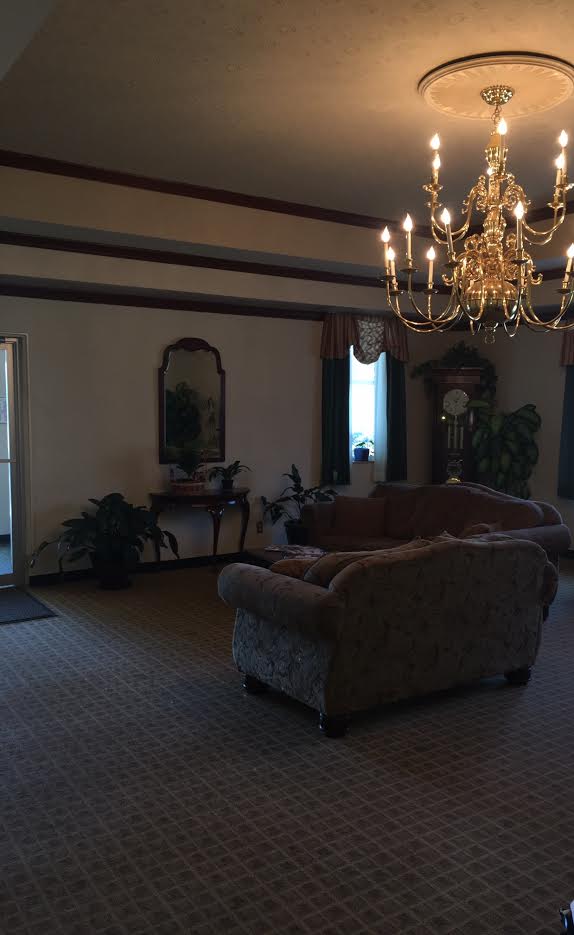
Who Owns and Operates Medilodge Of Grand Blanc?

Medilodge of Grand Blanc is owned by a for-profit company. For-profit facilities operate as businesses with obligations to shareholders or private owners. The facility is operated by MEDILODGE, a chain that manages multiple nursing homes. With 146 certified beds and approximately 128 residents (about 88% occupancy), it is a mid-sized facility located in Grand Blanc, Michigan.

How Does Medilodge Of Grand Blanc Compare to Other Michigan Nursing Homes?

Compared to the 100 nursing homes in Michigan, Medilodge of Grand Blanc's overall rating (2 stars) is below the state average of 3.1, staff turnover (56%) is near the state average of 46%, and health inspection rating (2 stars) is below the national benchmark.

What Should Families Ask When Visiting Medilodge Of Grand Blanc?

Based on this facility's data, families visiting should ask: "What safeguards and monitoring systems are in place to protect residents from abuse or neglect?" "How do you ensure continuity of care given staff turnover, and what is your staff retention strategy?" "Can I visit during a mealtime to observe dining assistance and food quality?" "How do you handle medical emergencies, and what is your hospital transfer rate?" These questions are particularly relevant given the substantiated abuse finding on record and the facility's high staff turnover rate.

Is Medilodge Of Grand Blanc Safe?

Based on CMS inspection data, Medilodge of Grand Blanc has documented safety concerns. The facility has 1 substantiated abuse finding (meaning confirmed case of resident harm by staff or other residents). The facility has a 2-star overall rating and ranks #100 of 100 nursing homes in Michigan. Families considering this facility should ask detailed questions about what corrective actions have been taken since these incidents.

Do Nurses at Medilodge Of Grand Blanc Stick Around?

Staff turnover at Medilodge of Grand Blanc is high. At 56%, the facility is 10 percentage points above the Michigan average of 46%. High turnover means new staff may not know residents' individual needs, medications, or preferences. It can also be disorienting for residents, especially those with dementia who rely on familiar faces. Families should ask: What is causing the turnover? What retention programs are in place? How do you ensure care continuity during staff transitions?

Was Medilodge Of Grand Blanc Ever Fined?

Medilodge of Grand Blanc has no federal fines on record. CMS issues fines when nursing homes fail to meet care standards or don't correct problems found during inspections. The absence of fines suggests the facility has either maintained compliance or corrected any issues before penalties were assessed. This is a positive indicator, though families should still review recent inspection reports for the full picture.

Is Medilodge Of Grand Blanc on Any Federal Watch List?

Medilodge of Grand Blanc is not on any federal watch list. The most significant is the Special Focus Facility (SFF) program, which identifies the bottom 1% of nursing homes nationally based on persistent, serious quality problems. Not being on this list means the facility has avoided the pattern of deficiencies that triggers enhanced federal oversight. This is a positive indicator, though families should still review the facility's inspection history directly.