Regency at Grand Blanc
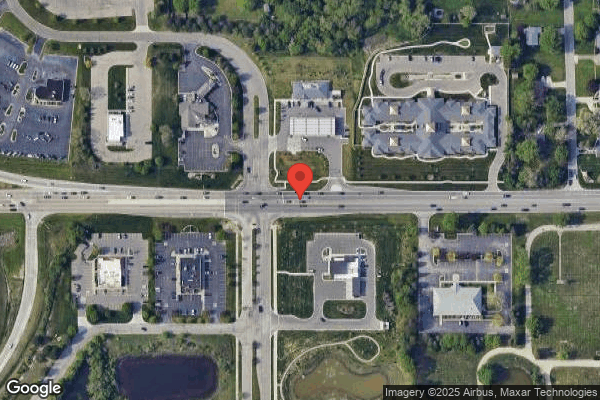

1330 Grand Pointe CT, Grand Blanc, MI 48439 (810) 695-8920
For profit - Limited Liability company 138 Beds CIENA HEALTHCARE/LAUREL HEALTH CARE Data: November 2025
Trust Grade
65/100
#167 of 422 in MI
Last Inspection: June 2025

Inspected within the last 6 months. Data reflects current conditions.

Overview

Regency at Grand Blanc has a Trust Grade of C+, which means it's considered decent and slightly above average in terms of care quality. It ranks #167 out of 422 nursing facilities in Michigan, placing it in the top half of the state, and #5 out of 15 in Genesee County, indicating that only a few local options are better. However, the facility is experiencing a worsening trend, with the number of identified issues increasing from 5 in 2024 to 11 in 2025. Staffing is a strength at Regency, with a 4 out of 5-star rating and a turnover rate of 37%, which is below the state average. Notably, there have been no fines against the facility, and RN coverage is better than 93% of Michigan facilities, ensuring skilled attention to residents. On the downside, there are some serious concerns. For example, the facility failed to prevent the development of pressure ulcers for residents, leading to avoidable complications. Additionally, there were issues with food safety practices, such as improper food temperature monitoring and inadequate cleaning of kitchen utensils, which could put residents at risk for illness. Lastly, residents reported that their wheelchairs were not being cleaned regularly, affecting their comfort and hygiene. Overall, while there are strengths in staffing and RN coverage, families should be aware of the recent increase in deficiencies that could impact care quality.
Trust Score
C+
65/100
In Michigan
#167/422
Top 39%
Safety Record
Moderate
Needs review
Inspections
Getting Worse
5 → 11 violations
Staff Stability
○ Average
37% turnover. Near Michigan's 48% average. Typical for the industry.
Penalties
✓ Good
No fines on record. Clean compliance history, better than most Michigan facilities.
Skilled Nurses
✓ Good
Each resident gets 71 minutes of Registered Nurse (RN) attention daily — more than 97% of Michigan nursing homes. RNs are the most trained staff who catch health problems before they become serious.
Violations
⚠ Watch
24 deficiencies on record. Higher than average. Multiple issues found across inspections.
★★★★☆
4.0
Overall Rating
★★★★☆
4.0
Staff Levels
★★★★★
5.0
Care Quality
★★★☆☆
3.0
Inspection Score
Stable
2024: 5 issues
2025: 11 issues

The Good

  • 4-Star Staffing Rating · Above-average nurse staffing levels
  • 5-Star Quality Measures · Strong clinical quality outcomes
  • Full Sprinkler Coverage · Fire safety systems throughout facility
  • No fines on record
  • Staff turnover below average (37%)

    11 points below Michigan average of 48%

Facility shows strength in staffing levels, quality measures, fire safety.

The Bad

Staff Turnover: 37%

Near Michigan avg (46%)

Typical for the industry

Chain: CIENA HEALTHCARE/LAUREL HEALTH CARE

Part of a multi-facility chain

Ask about local staffing decisions and management

The Ugly 24 deficiencies on record

1 actual harm
Jun 2025 8 deficiencies
CONCERN (D)

Potential for Harm - no one hurt, but risky conditions existed

Resident Rights (Tag F0550)

Could have caused harm · This affected 1 resident

**NOTE- TERMS IN BRACKETS HAVE BEEN EDITED TO PROTECT CONFIDENTIALITY** Based on observation, interview, and record review, the facility failed to ensure dignity by not having the call lights accessib...

Read full inspector narrative →
**NOTE- TERMS IN BRACKETS HAVE BEEN EDITED TO PROTECT CONFIDENTIALITY** Based on observation, interview, and record review, the facility failed to ensure dignity by not having the call lights accessible, extended call light response times, and not treating residents in a respectful manner for five residents (Res. #15, Res. #50, Res.#187, Res. #289, & Res.#391) of five residents reviewed for dignity and respect and call light response times, resulting in fear of abandonment, isolation and decreased socialization and the potential for falls or accidents. Findings include: Resident #15 (R15) Dignity During the initial tour on 06/10/25 at 1:11 PM, Resident #15 was observed eating popcorn in bed in his room. During the initial interview, R15 revealed that he could not see any more since he was diagnosed with Glaucoma; he is now blind. When asked if he had access to his call light, he said he would often feel around his bed to find it but could not find the call light button. During an observation on 6/10/25 at 1:12 PM, Nurse M, assigned to R15, found the call light on the floor underneath his bed. Nurse M crawled under R15's bed and picked up the call button. She then clipped the call light cord on the bed and ensured R15 held the call button in his hand. The surveyor reviewed R15's Electronic Medical Records (EMR) on 6/11/25 at 11:00 AM. It revealed that R15 was admitted to the facility on [DATE]. He was admitted with a diagnosis of Senile Degeneration of the brain, Osteoporosis, History of Falling, and Blindness (both eyes) in addition to other diagnoses. His Brief Interview of Mental Status dated 4/10/2025 revealed a BIMS score of 07/15. A BIMS Score of 07 means moderately impaired cognitive status. His care plan for safety includes putting the call light within reach and encouraging him to use the call light for assistance as needed. Nurse M was interviewed on 6/10/25 at 1:15 PM. Nurse M admitted that the staff did not make the call light accessible. Nurse M stated that R15 was blind and picked up the call light from underneath the bed and acknowledged that the call light was not in a place where it was reachable. Resident #187 Dignity The surveyor reviewed R187's Electronic Medical Record (EMR) on 6/11/25 at 3:30 PM. R187 was [AGE] years old and admitted to the facility on [DATE] with the diagnosis of Acute Chronic Diastolic Congestive Heart Failure, Metabolic Encephalopathy, Morbid Obesity, and Type 2 Diabetes Mellitus, in addition to other diagnoses. The Minimum Data Set (MDS) with an assessment date of 6/3/25, R187's Brief Interview of Mental Status (BIMS) Score was 15/15. A score of 15 means that the resident was cognitively intact. A review of R187's Plan of Care revealed that the facility initiated a safety care plan on 5/31/25. It specifically indicated that 1.) anticipate and meet needs PRN (as needed). 2.) Another was encouraging the resident to use a bell/call light for assistance . 7.) Put the call light within reach and encourage her to use it for assistance as needed. R187's care plan for toileting initiated on 5/30/25 indicated the following: .2.) Check the Resident frequently and PM for incontinence. Wash, rinse, and dry the perineum. Change clothing PRN after incontinence episodes .3.) TOILET HYGIENE: Resident (R187) requires substantial/Maximal assist, with one helper. Assist with the bathroom frequently to avoid incontinence accidents. 4.) TOILET TRANSFER: Resident requires partial/moderate assistance with one helper . During the interview with R178 on (DATE/TIME, R187 reported leaving her alone in the hallway after lunch for a prolonged period. No one had brought her back to her room after lunch, and she stayed in the hallway for at least a couple of hours. No one took her to the bathroom, and she did not have the call light in the hallway. R187 stated, I had an accident and was soaked in urine for a long time. R187's son was interviewed on 6/10/25 at 4:04 PM. R187's son identified himself as the primary caregiver of R187 at home when discharged . He stated he had found R187's call light button on the floor at least twice, and when she needed assistance, it took a long time for them to respond to the call light. He described the response time as being from an hour to two hours. R187's son had indicated that R187 takes a water pill (Lasix) daily and that his mother has anxiety, especially with accidents if toileting assistance is delayed. R187's son stated, My mom feels embarrassed when she can't reach the bathroom in time.
CONCERN (D)

Potential for Harm - no one hurt, but risky conditions existed

Deficiency F0559 (Tag F0559)

Could have caused harm · This affected 1 resident

**NOTE- TERMS IN BRACKETS HAVE BEEN EDITED TO PROTECT CONFIDENTIALITY** Based on interview and record review, the facility failed to provide advanced written notification of a room change and obtain c...

Read full inspector narrative →
**NOTE- TERMS IN BRACKETS HAVE BEEN EDITED TO PROTECT CONFIDENTIALITY** Based on interview and record review, the facility failed to provide advanced written notification of a room change and obtain consent for one resident (Resident #70) of one resident reviewed, resulting in a cognitively intact resident not being informed of and/or provided the rationale for a room change prior to their room being moved. Findings include: Resident #70: On 6/10/25 at 1:13 PM, an interview was completed with Resident # 70 in their room. When queried if they had been in this room since they were admitted to the facility, Resident #70 verbalized they were in a different room before. Resident #70 was queried regarding the room change and stated, I just came back, and all my stuff was gone. I was mad. When queried if they were notified of the room change and the reason for the change prior to their personal items being moved to a different room, Resident #70 stated, No. When asked where they were when their personal items were relocated, Resident #70 revealed they thought they were in therapy. Resident #70 then stated, I asked the CNA's (Certified Nursing Assistants) and they didn't know why they were moved rooms. Record review revealed Resident #70 was admitted to the facility on [DATE] with diagnoses which included bipolar disorder, depression, anxiety, and colostomy (surgically created opening in the abdomen allowing for the passage of stool into an external bag). Review of the Minimum Data Set (MDS) assessment dated [DATE] revealed the Resident was cognitively intact and required moderate to substantial assistance to complete Activities of Daily Living (ADL) with the exception of set-up assistance for eating and oral hygiene. Review of Resident #70's Electronic Medical Record (EMR) revealed the Resident made their own medical and financial decisions. Review of Resident #70's EMR census documentation revealed the Resident was moved rooms on 3/12/25. Review of documentation in Resident #70's EMR revealed a Notice of Room Change assessment form dated 3/12/25. The assessment specified, 4. A copy of this notice has been reviewed with the resident/guest or responsible party and will be provided upon request . Yes . Name of person to whom this notice was reviewed with and provided to if requested: Left message for Son . The form was signed by Social Services Staff I on 3/14/25. An interview was conducted with CNA H on 6/11/25 at 3:46 PM. When queried if they were working when Resident #70 was moved room, CNA H replied, Yes. When asked if the Resident was upset about the move, CNA H responded, Yes. When it first happened, (Resident #70) was confused and didn't understand why it was happening. CNA H stated, (Resident #70) said no one told them (about moving rooms) or explained it. On 6/11/25 at 4:04 PM, an interview was completed with Social Services Staff I. When queried if Resident #70 is their own person and makes their own medical decisions, Staff I replied, Yeah. Resident #70's Notice of Room Change assessment was reviewed with Staff I at this time. When asked why the son was the only person listed as being contacted regarding the change on the assessment form, Staff I stated, I always contact whoever they list their next of kin so they know where they are when they come to visit. When queried why Resident #70 was not notified prior to the room change, Staff I stated, I am still kind of learning. Staff I was informed of Resident #70's verbalization of emotional distress related to not being made aware of the move and indicated they were unaware the Resident had been upset. When queried, Staff I confirmed understanding of the concern. An interview was completed with the Acting Director of Nursing (DON) on 06/12/25 at 9:12 AM. When queried if residents should be notified prior to room changes and if they have the right to refuse to move rooms, the DON responded that residents should be notified. The DON was informed of Resident #70's verbalization of emotional distress related to not being informed of moving rooms but did not provide further explanation. A policy/procedure related to notification of room change was requested from the facility Administrator on 6/11/25 at 4:39 PM but not received by the conclusion of the survey.
CONCERN (D)

Potential for Harm - no one hurt, but risky conditions existed

Accident Prevention (Tag F0689)

Could have caused harm · This affected 1 resident

**NOTE- TERMS IN BRACKETS HAVE BEEN EDITED TO PROTECT CONFIDENTIALITY** Resident #18 (R18): Accidents On 06/12/25 at 12:34 PM, a review of R18's Electronic Medical Record (EMR) was conducted. R18 was ...

Read full inspector narrative →
**NOTE- TERMS IN BRACKETS HAVE BEEN EDITED TO PROTECT CONFIDENTIALITY** Resident #18 (R18): Accidents On 06/12/25 at 12:34 PM, a review of R18's Electronic Medical Record (EMR) was conducted. R18 was [AGE] years old, admitted to the facility on [DATE] under hospice care with the diagnosis of Congestive heart failure, Type 2 Diabetes Mellitus with Diabetic Neuropathy, Vascular Dementia, Difficulty in Walking, weakness, and End Stage Renal Disease ESRD)in addition to other diagnoses. R18's Minimum Data Set (MDS) assessment, dated March 15, 2025, revealed a Brief Interview for Mental Status score of 07/15. A score of 0-7 indicates that the individual has severe cognitive impairment. The R18's plan of care, dated 2/12/25, did not include ensuring safety and monitoring body placement in a chair or bed after the Resident's dialysis or when up on a chair unsupervised. R18 goes to dialysis treatment three (3) times a week and has a functional ability deficit requiring assistance with self-care and mobility. R18 required substantial/maximum assistance with a 2-person assist for bed mobility and transfers. R18's care plan revealed that he has visual function impairment due to open-angled glaucoma of the right eye. R18 was care planned to use the call light for assistance; the call light must be within reach, and the patient must maintain an appropriate bed positioning. According to the fall incident report (IR) dated 6/11/2025 at 18:25 (6:25 PM), it revealed: During rounds, a nurse found a guest lying on the floor in front of a wheelchair with the left side of the head on the bottom railing of the bedside table. The Resident is unable to give a description. Immediate Action: The guest (R18) was assessed for injury. A small abrasion above the left eyebrow with swelling around the eye was noted. Vitals obtained . The IR under Predisposing Environmental Factors indicated that the Wheelchair brakes were found unlocked. The IR also revealed that R18's Predisposing Physiological Factors specified that R18 was confused. The incident report did not specify if the Resident activated the call light or if the call light was within reach. There was no indication of when R18 was last toileted, nor of R18's whereabouts or activities from the time he arrived from dialysis to the time he was observed on the floor. On 6/12/25 at 12:30 PM, R18's Electronic Medical Record was reviewed. According to the Nurse's Notes on 6/11/2025 at 19:26 (7:26 PM), the nurse wrote: During rounds, a nurse found guest (R18) lying on the floor in front of a wheelchair with the left side of the head on the bottom railing of the bedside table. Guest (R18) was unable to describe what he was trying to do before the fall. Guest(R18) was assessed for injury. A small abrasion above the left eyebrow was found. Vitals obtained. Guest assisted bed with Hoyer lift . R18 was observed in his room, lying in bed on 6/12/25 at 12:43 PM. During an interview, R18 described that he fell recently and tried to explain how he sustained a small cut on his left eyebrow. He had indicated that he had fallen but was having difficulty explaining how it had happened. An interview with Nurse M was conducted on 6/12/25 at 1:10 PM. She revealed that R18 fell yesterday (on 6/11/25 at around 7 PM after her shift. The nurse further described that R18 came back from dialysis after 4:00 PM and fell out of his wheelchair after dinner. Nurse M stated, he must have been tired, as he had just returned from dialysis. But there were no witnesses, so we don't know what had actually happened. During an interview with the Unit Manager Nurse E on 06/13/25 at 10:01 AM, R18 returned from dialysis after 4:00 PM on 6/11/25 and was later found on the floor in his room. He sustained an abrasion on his eyebrow, but since the fall was unwitnessed, we were not sure what had happened. R18 was unable to describe the incident. The Unit Manager was unable to identify the nursing assistant during the fall because the incident report did not specify the names of staff involved at the time of the incident, and there were no statements from the aide assigned at the time. Unit Manager E commented, I don't know why CNA did not put him in bed right after he arrived from dialysis. Residents often become extremely tired after returning from dialysis. Staff needed to check on him. The Unit Manager, E, after reviewing the logs, indicated that R18 arrived from dialysis at 5:10 PM on June 11, 2025, and fell an hour later at 6:25 PM. According to Unit Manager E, a post-fall statement by the nurse aide revealed that R18 was dry after the fall. There was no description of any fall interventions implemented to prevent falls after coming back from dialysis. Based on observation, interview and record review, the facility failed to ensure the provision of adequate supervision and implementation of meaningful interventions to prevent falls for two residents (#14, #18) of four residents reviewed, resulting in Resident #14 experiencing a fall with a hip fracture. Findings include: Resident #14: On 6/10/25 at 12:54 PM, Resident #14 was observed sitting near the nurse's station in their wheelchair. An overbed table with a meal tray was positioned in front of the Resident and they were eating. The Resident's right leg was positioned on the wheelchair leg rest and their left leg was off the wheelchair leg rest with their left foot on the base of the overbed table. The Resident began moving their left leg and appeared restless. When spoke to, Resident #14 was pleasantly confused and unable to provide meaningful responses to questions. An interview was conducted with Licensed Practical Nurse (LPN) J on 6/10/25 at 12:59 PM. When queried why Resident #14 was eating alone in the central area near the nurses' station, LPN J stated, (Resident #14) self-transferred a couple weeks ago and broke their hip. That's why they're out here. When asked if they needed to be supervised when they ate, LPN J responded, (Resident #14) still tries to self-transfer. (Resident #14) is confused. LPN J was asked if Resident #14 attempted to self-transfer before they fell and fractured their hip and replied, Yeah. When queried if the Resident attempted to get up without assistance frequently prior to the fall with fracture, LPN J stated, They did. LPN J revealed Resident #14 would try to get up by themselves all the time. With further inquiry, LPN J revealed the intervention to keep the Resident in the area by the nurses' station was implemented following the fall with hip fracture. When queried regarding the Resident moving their left leg and appearing either restless, LPN J indicated the Resident frequently moved around and was still attempting to self-transfer. Record review revealed Resident #14 was originally admitted to the facility on [DATE] and readmitted on [DATE] with diagnoses which included heart disease, history of falls, and displaced intertrochanteric fracture of the right femur (specific type of hip fracture involving the top of the femur bone). Review of the Minimum Data Set (MDS) assessment dated [DATE] revealed the Resident was severely cognitively impaired and required substantial/maximum assistance with rolling from side to side, sitting up, and standing. The MDS further detailed the Resident had a history of falls. Review of Resident #14's Electronic Medical Record (EMR) revealed a care plan entitled, (Resident #14) is at risk for fall related injury and falls R/T (related to): weakness, decreased mobility, hx (history) of falls, medication side effects, new environment, attempts at self transfer (Created and Initiated: 5/8/25; Revised: 6/4/25). The care plan included the interventions: - Encourage resident to wear non-skid foot wear when out of bed. Assist resident as needed (Initiated: 5/9/25) - Keep the resident's environment as safe as possible with: even floors free from spills and/or clutter; adequate lighting; call light within reach, commonly used items within reach, avoid repositioning furniture and keep the bed in the appropriate position (Initiated: 5/8/25) - Offer toileting when rounding during nighttime hours (Initiated: 5/15/25) - Provide resident with activities that minimize the potential for falls while providing diversion and distraction (Initiated: 5/8/25) - Put the call light within reach and encourage . to use it for assistance as needed (Initiated: 5/8/25; Revised: 6/4/25) - Red tape around call light (Initiated: 5/22/25) - Staff to assist (Resident) to stay covered with a blanket while in recliner (Initiated: 5/28/25) - Staff to assist to bathroom frequently (Initiated: 5/23/25) - RESOLVED: Keep residents w/c (wheelchair) next to bed in the middle of the night in case attempts to get up . could use the wheelchair for assist (Initiated: 5/15/25; Revised and Resolved: 5/15/25) Another care plan entitled, (Resident #14) has a functional ability deficit and requires assistance with self-care/mobility R/T (related to): weakness, decreased mobility (Created: 5/8/25; Initiated: 6/4/25) included the intervention, Transfer: Resident is substantial/maximum with 2 helpers for transfers (Created: 5/8/25; Initiated: 6/9/25). Review of Resident #14's Census information in the EMR revealed the Resident was discharged from the facility on 5/29/25 and returned on 6/4/25. A review of progress note documentation in Resident #14's EMR revealed the following: - 5/15/25 at 4:00 AM: Nurses Notes . resident was heard yelling help from (their) room. Upon entering resident was observed laying on the floor on back parallel to the dresser at the foot of bed. Resident c/o right knee pain . - 5/15/25: Health Care Provider Encounter . Telehealth - Asynchronous . Situation: Nurse reports pt was just observed on the floor in room . was trying to walk to the bathroom and doesn't walk, fall protocol initiate . 5/22/25 at 10:30 PM: Nurses Notes . resident observed on floor next to bed in room . assessed for injury, none at this time. resident assisted into wheelchair x2 staff . assisted into recliner in common area for monitoring . - 5/28/25 at 7:14 AM: Nurses Notes . Patient was observed on the floor by recliner that sits by nursing station. Patient was previously observed lying in (their) recliner and later toileted at 0435. After patient was then placed back into recliner and shortly morning medications were passed at 0509. At 0520 patient was then observed on the floor lying on back with legs flexed toward body . arms were by side and head lying on floor. Patient was then observed for any immediate injuries ROM (Range of Motion) was attempted. Patient did complain of pain in right hip. Patient was then placed into wheelchair and further assessed for injuries which none were noted at this time . - 5/29/25: Health Care Provider Progress Notes . Acute . seen for follow up on x-ray. Patient had fall from recliner, Xray was ordered and states acute right femoral neck fracture . patient to be sent to ER to address acute issue . Review of Resident #14's x-ray report dated as reported on 5/29/25 at 1:29 AM revealed, Findings: There is an acute right femoral neck fracture with mild displacement (bone broken and not aligned) . Conclusion: Acute right femoral neck fracture. Review of Resident #14's Hospital Medical Records revealed: - 5/29/25 at 12:47 PM: History and Physical . presented to ER with complaint of a fall at (Facility) with a possible hip fracture . patient is poor historian so most information is taken from (family member) at the bedside . (Family member) stated that (Resident #14) was up in a wheelchair at the nurse station at about 5:30 yesterday morning and tried to get up and became twisted in the blanket and fell . Review of Symptoms . Neuro: Positive: confusion/memory loss, falls, weakness . Musculoskeletal: Positive: joint swelling, pain, stiffness . Physical Examination . Acutely ill appearing . Diagnostic Result . XR (Xray) Femur right . Femoral neck irregularity likely nondisplaced fracture . XR Right Hip . Slightly impacted right femoral neck fracture . - 5/30/25: Operative Summary Report . Right closed displaced femoral head fracture . Procedure performed: 1. Right hip hemiarthroplasty (placement of prosthetic femoral head which is the ball section of the hip joint) . Application of incisional VAC (Vacuum Assisted closure) right hip (device which uses negative pressure to assist in wound healing) . On 6/11/25 at 8:00 AM, Resident #14 was observed sitting in their wheelchair near the nurses' station alone. The Resident did not have any activities to occupy themselves and did not have a call light and/or other method to contact staff. On 6/11/25 at 2:39 PM, Resident #14 was observed sitting in a recliner near the nurses' station. The Resident did not have any activities in place and did not have a call light and/or other method to contact staff. An observation of the nurses' station revealed the Resident was not able to be visualized when sitting due to the height of the nurses' station counter. On 6/11/25 at 4:39 PM, Resident #14's Incident and Accident forms, as well as any associated investigation documentation was requested from the facility Administrator via email. The requested I and A forms for Resident #14 were received on 6/12/25 at 9:00 AM but no additional associated investigation documentation was provided. On 6/12/25 at 9:40 AM, Resident #14 was observed sitting in their wheelchair near the nurses' station. The resident was fidgeting in their chair. The Resident did not have anything to do and/or to occupy them. No staff were present at the nurses' station or within view of where Resident #14 was positioned in their wheelchair and Resident #14 did not have a call light and/or any other method to contact staff. The first staff to approach the nurses' station was Activity Staff K at 9:48 AM. Staff K approached Resident #14 and asked them if they would like to go to an activity. Resident #14 told Staff K they were unable to hear them. Staff K repeated themselves at the same tone and volume and Resident #14 repeatedly told Staff K they could not understand what they were saying. At 9:50 AM, Staff K then walked away from the Resident and left the Resident alone with nothing to do and/or no entertainment and no call light. There were no staff present at the nurses' station and/or near the Resident. At 12:42 PM on 6/12/25, Resident #14 was observed sitting alone in the same place in their wheelchair by the nurses' station alone. The Resident did not have anything in place to do and/or activities in place. They did not have a call light and/or any other method to contact staff if needed. Review of facility provided I and A forms revealed Resident #14 had three falls in May 2025. The I and A forms detailed the following: - 5/15/25 at 3:15 AM: Fall . Resident Room . Resident was observed laying on back parallel to the dresser at the out of bed .was hollering help and discovered there Resident Description: I was trying to go to the bathroom . Immediate Action Taken . Resident was lifted to a standing position and eased into the bed with assist . c/o (complain of) right knee pain of which had c/o about prior to this admission . Staff to offer toileting with rounding during nighttime hours . The I and A did not specify when the Resident was last toileted, what type of footwear they were wearing, continence status, if the call light was on, and/or when they were last observed by staff. - 5/22/25 at 10:00 PM: Fall . Resident Room . Resident was found on the floor between the half wall and bed on back with head at the end of bed with bilateral knees bent in the air. Resident description: Resident was trying to go to the restroom . Immediate Action Taken: Resident assessed for injury, none at this time . assisted into wheelchair X2 staff . Resident assisted to common area for closer supervision. Staff to assist guest to bathroom frequently and encourage out of room activities for closer supervision . Injury Type: Reddened Skin: Top of Scalp . Unable to Determine: Top of Scalp . No Injuries Observed Post Incident . The I and A did not specify when the Resident was last toileted, what type of footwear they were wearing, continence status, if the call light was on, and/or when they were last observed by staff. - 5/28/25 at 5:20 AM: Observed on floor . Nursing Station . Patient was observed on the floor by recliner that sits by nursing station. Patient was previously observed lying in recliner and later toileted at 4:35 AM. After patient was then placed back into recliner and shortly morning medications were passed at 5:09 AM. At 5:20 MA, patient was then observed on the floor laying on back with legs flexed towards body . arms were by side and head lying on floor. Patient was then observed for any immediate injuries and ROM was attempted. Patient did complain of pain in their right hip. Patient was then placed into wheelchair and further assessed for injuries which non were noted . Resident Description: Patient stated was trying to place blanket into the recliner . Immediate Actions Taken: Patient was observed for any injuries,,, Staff to assist (Resident) to keep a blanket in place while in the recliner . Level of Pain: 5 (out of 10, with 10 being the worst possible pain) . The I and A did not specify where staff were at the time of the fall, what type of footwear the Resident was wearing, continence status, if they had a call light and/or bell available, if they had a blanket covering them previously, and/or where the blanket was. An interview and review of Resident #14's I and A forms were completed with the Acting Director of Nursing (DON) on 6/13/25 at 10:15 AM. The fall on 5/15/25 was reviewed. When queried what time Resident #14 was last toileting, what type of footwear they were wearing, and when they were last seen by staff, the DON indicated that information would probably be in the facility investigation and not the I and A form. When asked why the investigation documentation was not provided when requested, the DON responded that they were unaware it had been requested. Any investigation documentation pertaining to Resident #14's falls were requested again at this time. Review of received Post Fall Evaluation form for Resident #14's fall on 5/15/25 indicated the Resident was wearing gripper socks and was continent at the time of the fall. The post fall form designated the Root Cause of the fall was confusion and the initial intervention was to Keep residents w/c next to bed at night in case they attempt to get up. The intervention after IDT (Interdisciplinary Team) review was, Offer toileting during nighttime hours. A statement from Certified Nursing Assistant (CNA) N was included which specified, Worked from 10PM to 6AM. Just observed resident in bed prior to fall doing check/change. Toileting offered and declined. The DON was asked if Resident #14 had been offered and declined toileting approximately 15 minutes prior to the fall on 5/15/25, per the documentation, the DON confirmed. When asked if the Resident was sleeping and woke up by the CNA during their check and change rounds, the DON was unable to provide a response. When queried how the intervention of offering toileting during the nighttime hours was a meaningful intervention to prevent future falls when they had been offered and declined toileting 15 minutes prior to falling, the DON did not provide an explanation. When queried if the call light was on, the DON confirmed the documentation did not say and verbalized Resident #14 does not really use their call light because of their confusion. Review of received Post Fall Evaluation form for Resident #14's fall on 5/22/25 revealed the Resident had an unobserved fall at 10:20 PM in their room while trying to go to the bathroom. (Note: The I and A specified the fall occurred at 10:00 PM). The Resident had gripper socks in place and was incontinent at the time of the fall. Per the Post Fall form, Resident #14 was last seen at 10:00 PM during check and change rounds and were dry at that time. The Post Fall Evaluation specified the root cause of the fall was Alarm and initial interventions to prevent further falls included Staff to assist to common are when awake, toilet frequently, Red tape over call light so guest will use it . New Intervention after IDT review included increased opportunity for observation and socialization . There were no staff statements included. The DON was asked if Resident #141 had an alarm in place on 5/22/25 and responded they did not. When asked why the Post Fall Evaluation specified the root cause of the fall was an alarm, the DON indicated it must have been an error. When queried how a meaningful intervention was implemented when the root cause of the fall had not been accurately identified, the DON did not provide a response. When asked what intervention the facility implemented following this fall, the DON verbalized the Resident was to be placed near the nurses' station where they were able to be observed by staff when they were awake. When queried regarding the time discrepancy of the fall, 10:00 PM or 10:20 PM, an explanation was not provided. Review of the Post Fall Evaluation form for Resident #14's fall on 5/22/25 revealed the Resident had an unwitnessed fall while sitting in the recliner chair by the nurses' station at 5:20 AM. The Resident was wearing gripper socks and was continent at the time of the fall. The Post Fall Evaluation indicated the Resident was last observed at 5:09 AM when their morning medications were administered. The initial intervention to prevent future falls was keeping patient entertained and the intervention following IDT review was Staff to assist (Resident) to stay covered when in recliner. The Re-Creation of Last 3 Hours Before Fall section of the Post Fall Evaluation specified: - 4:20 AM: Patient was observed lying in recliner. - 4:35 AM: Patient was attempting to self-transfer . was taken to the bathroom . was continent . placed back in recliner. - 5:09 AM: Patient was lying in recliner and given morning medication. - 5:20 AM: Patient was observed on floor lying on back. ROM was attempted . complained of slight pain in right hip pain. The investigation documentation included a single typed page which included: - 5/28/25 Interview with (Licensed Practical Nurse (LPN) L) . Guest was resting in the recliner during the nighttime hours and was toileted at 4:35 AM . continent at that time. (Resident #14) was transferred back into recliner by the nurses' station. At 5:09 AM, morning medication were given and continued to remain in the recliner. At 5:20 AM, during morning med pass, guest was observed on the floor lying on back next to recliner. Guest assessed for injury, did complain of slight right hip pain, not abnormalities noted lite hip rotation or shortening of the leg. Guest was transferred into wheelchair using two assist with gait belt. Guest has gripper socks on. Guest stated, 'I was trying to put by blanket back on the chair . 5/28/25 at 7:00 AM: (Acting DON) observed Resident #14) in wheelchair sitting next to nurse's med cart . was eating breakfast . 5/28/25 (no time) Based on incident report and initial complaints of pain in right hip, x-rays ordered to R/O (rule out) fracture. The typed sheet of paper was not signed by LPN L nor the Acting DON, did not have a time that LPN L's interview was completed, and did not specify who completed the interview. The DON was asked why Resident #14 had been sitting in the recliner at the nurses' station at approximately 4:20 AM and revealed Resident #14 had a rough night and the staff placed them in the recliner to keep an eye on them. The DON indicated LPN L told them they had sat by the Resident because Resident #14 was restless that night. When queried where the staff were when the Resident fell, the DON stated, They probably went to the med cart and indicated LPN L would have had other resident's medications to pass. When asked if staff would be able to see the Resident from the medication cart, the Acting DON responded they would not. When queried regarding the root cause of the fall, the DON stated, (Resident #14) tried to pull the blanket up. When asked where the blanket was and if the Resident had been covered with the blanket the last time they were observed by staff, the DON was unable to provide a response. When queried if the Resident had a call light and/or bell to contact staff while sitting in the recliner, the DON replied, No. The DON was asked why the Resident #14 was left alone and unsupervised by staff when they had been placed in a recliner at the nurses' station so staff could be directly supervised, a response was not provided. When asked about the increased risk of leaving Resident #14 alone and unattended with no method of contacting staff for assistance, the DON stated, Well better than to leave them alone in their room. When asked how it was better as the Resident fell and suffered a hip fracture, an explanation was not provided. The DON was asked why another staff member did not come sit with the Resident so LPN L could go and pass medications to other residents, an explanation was not provided. When queried how many staff were working that night and their location at the time of the fall, the DON responded that they did not know. The DON was asked if the facility had sufficient staffing levels on the date and time of the fall to provide adequate resident supervision and responded they were unaware of the facility being short staffed. The facility clock in sheets for the midnight shift on 5/27/25 to 5/28/25 were requested at this time. Review of facility provided Employee Assignment Sign -In Sheet for the midnight shift on 5/27/25 revealed the facility Census was 137 residents. There were six nurses, and seven CNA's scheduled. On Resident #14's unit, two nurses and three CNA's were scheduled but one CNA was identified as a NCNS (No Call No Show). An interview was completed with Scheduler O on 6/13/25 at 3:00 PM. When queried regarding staffing levels for midnight shift on Resident #14's unit, Scheduler O revealed that was the largest unit in the facility and stated, Three CNA's and 3 nurses.
CONCERN (D)

Potential for Harm - no one hurt, but risky conditions existed

Drug Regimen Review (Tag F0756)

Could have caused harm · This affected 1 resident

**NOTE- TERMS IN BRACKETS HAVE BEEN EDITED TO PROTECT CONFIDENTIALITY** Based on observation, interview and record review the facility failed to timely respond to two residents' (#28 and #47) pharmacy...

Read full inspector narrative →
**NOTE- TERMS IN BRACKETS HAVE BEEN EDITED TO PROTECT CONFIDENTIALITY** Based on observation, interview and record review the facility failed to timely respond to two residents' (#28 and #47) pharmacy recommendations of five residents reviewed for unnecessary medications. Findings Include: Resident #28: On 6/13/2025 at 9:30 AM, a review was conducted of Resident #28 medical records, and it indicated she readmitted to the facility on [DATE] with diagnoses that included, Chronic Respiratory Failure, Major Depressive Disorder, Adjustment Disorder, Anxiety and Gastro-Esophageal Reflux Disease. Further review was conducted and yielded the following: On 6/13/2025 at approximately 10:45 AM, a review was conducted of Resident #28's Medication Regime Reviews (MRR) from August 2024 - May 2025. The following was found: January 13, 2025: (Resident #28) receives Eliquis 5 mg BID and Aspirin Low Dose 81 mg daily. Her last HBG is noted at 8.543 on 1-3-25. Please reevaluate the continued use of their combination therapy and perhaps stop using ASA therapy . Practitioner B accepted the recommendation above with modifications on 1/15/2025, Will discuss with patient and adjust the treatment. May 8, 2025: The resident has received a H2R2, famotidine 20 mg twice daily, which may increase risk of adverse effects (e.g., confusion). Please decrease to maintenance dose of famotidine 20mg once daily at bedtime. Practitioner B disagreed with the recommendation on 5/10/2025 and provided the following rationale GDR (gradual dose reduction) was done and ineffective, continue current treatment plan. January 2025 MAR (Medication Administration Record): Aspirin EC Tablet Delayed Release 81 MG- give one tablet by mouth one time day for Heart Health. Started on 10/11/2024 and discontinued on 1/17/2025. Aspirin Oral Tablet- Give 81 mg by mouth one time a day for prophylactic. Ordered on 1/30/2025 and discontinued on 6/11/2025. May 2025 MAR: Famotidine Oral Tablet 20 MG - Give one tablet by mouth two times a day for GERD. Ordered on 1/29/2025. On 6/13/2025 at 11:57 AM, Resident #28 shared prior to admission she only took famotidine (Pepcid) once a day. On 6/13/2025 at 12:05 AM, review was completed of the MRR for GDR of Pepcid for with the DON (Director of Nursing). The DON was asked when the GDR was completed and for the documentation that it was unsuccessful. The DON confirmed a GDR was not completed on Pepcid and stated the response could have been worded better. The DON was asked why there was delay in discontinuing the resident's usage of Aspirin after the recommendation was agreed with in January 2025. The DON reported she did not know why there was delay. On 6/13/2025 at 12:10 PM, Practitioner B stated there was not a GDR completed on Resident #28's Pepcid but she has a history of gastrointestinal bleed and low hemoglobin. The Pepcid order was based on the order from when she returned from the hospital in January 2025. Resident #28 was still receiving Aspirin as the facility discontinued the medication on 1/17/25 but shortly after she had a hospital stay and upon return, they restarted the medication on 1/30/2025. Resident #47: On 6/13/25 at approximately 11:35 AM, a review was conducted of Resident #47's medical record and it revealed he was admitted to the facility on [DATE] with diagnosis that included, Diabetes, Anxiety Disorder, Chronic Kidney Disease, Hypertension, Bipolar Disorder and Dementia. Further review was completed and yielded the following: Review was conducted of Resident #47's Medication Regime Reviews (MRR) from August 2024 - May 2025 and the following was found: April 15, 2025: This resident frequently requires insulin pers sliding scale. Please consider increasing the Humalog to 13u with meals. Rationale for Recommendation: Prolonged use of sliding scale insulin is not recommended as it often results in wide variations in blood glucose, increased prolonged periods of hyperglycemia or hypoglycemia . Practitioner B signed the recommendation on 4/16/2025 and stated, Will discuss with the patient and adjust Humalog dose and discontinue ISS (insulin sliding scale). Physician Orders: Humalog Injection Solution 100 Unit/ML -inject 10 unit subcutaneously with meals for DM II in addition to sliding scale. Initiated on 01/06/2025 and discontinued on 6/12/2025. The recommendation the practitioner agreed with on 4/16/2025 was not completed until two months after. Progress Notes: 4/21/2025 at 00:00: .Blood sugar reviewed in (medical chart) with the trending in 200?s. He feels depressed and would like to discussed about medications .Continue Glargine 26 U at HS and Humalog 10 U TID with meals and ISS. Discussed with the patient about blood sugar runs in 200?s and calorie control. Monitor Blood sugar . On 6/13/2025 at 11:05 AM, Unit Manager C was asked why it took two months to update Resident #47's insulin order based on the pharmacy recommendation Practitioner C agreed with. Manager reviewed the subsequent documentation and stated she was unsure why it took that long to adjust as indicated. On 6/13/2025 at 1:40 PM, an interview was conducted with Practitioner B regarding Resident #47's regime review. She reported she signed the regime review with her intentions prior to discussing the changes with the resident. After speaking with the resident, he wanted to make changes to diet and it was decided to maintain his current insulin regime. It was expressed the change was never indicated within the progress note or on the regime review. Review was completed of the facility policy entitled, Timeliness of Medication Regimen Review (MRR) Reports, revised 9/7/2023. The policy stated, .The attending physician is expected to review the resident's individual MRR and document and sign that he/she has reviewed the pharmacist's identified recommendations within 14 days of receipt . The policy does not address the process or timeliness of acting upon the MRR's (if agreed with).
CONCERN (D)

Potential for Harm - no one hurt, but risky conditions existed

Deficiency F0761 (Tag F0761)

Could have caused harm · This affected 1 resident

**NOTE- TERMS IN BRACKETS HAVE BEEN EDITED TO PROTECT CONFIDENTIALITY** Based on observation, interview and record review, the facility failed to ensure policies and procedures were operationalized fo...

Read full inspector narrative →
**NOTE- TERMS IN BRACKETS HAVE BEEN EDITED TO PROTECT CONFIDENTIALITY** Based on observation, interview and record review, the facility failed to ensure policies and procedures were operationalized for safe bedside medication storage for two residents (# 70 and # 81) of two residents reviewed resulting in a lack of assessment for self-administration of medications, medications stored at bedside, and lack of staff knowledge of medication administration. Findings include: Resident #70: Record review revealed Resident #70 was admitted to the facility on [DATE] with diagnoses which included bipolar disorder, depression, anxiety, and colostomy (surgically created opening in the abdomen allowing for the passage of stool into an external bag). Review of the Minimum Data Set (MDS) assessment dated [DATE] revealed the Resident was cognitively intact and required moderate to substantial assistance to complete Activities of Daily Living (ADL) with the exception of set-up assistance for eating and oral hygiene. On 6/10/25 at 1:13 PM, an interview was completed with Resident # 70 in their room. The Resident was sitting up in their bed with the overbed tray positioned over the bed in front of them. A bottle of over-the-counter migraine pain relief and a tube of hydrocortisone cream (steroid cream) was sitting on the overbed table. When queried regarding the medications on their overbed table, Resident #70 replied they put it on their ear on night because of a rash and itching. On 6/11/25 at 2:45 PM, Resident #70 was observed in their room in bed. An interview was completed at this time. When asked how they were doing, Resident #70 revealed they were upset because they took my bottle of Excedrin (over-the-counter migraine pain reliever) away. When queried if they were taking the Excedrin, Resident #70 stated, I would take two in the morning and two in the afternoon so once or twice a day. When asked if they have migraines, Resident #70 responded that they don't. Resident #70 verbalized they take it for pain and indicated it is the only thing that helps them. When asked if they receive pain medication at the facility, Resident #70 stated, I get Tylenol here too. Resident #70 then stated, I have had it (over the counter migraine pain reliever) in here a couple months, and nobody said anything about it. It was right here (pointed at their overbed table). An interview was completed with the Acting Director of Nursing (DON) on 6/12/25 at 9:14 AM. When queried regarding the facility policy/procedure related to resident self-administration of medications, the acting DON stated, We wound do a self (medication administration) assessment and give them a lock box to keep the medications in in their room. When queried regarding observations of Resident #70 having medications in their room and the Residents statements regarding the medications, the acting DON stated, (Resident #70) should not have meds at bedside. I will talk to (the Resident). Resident #81: Record review revealed Resident #81 was admitted to the facility on [DATE] with diagnoses which included heart disease, arthritis, and falls. A review of the MDS assessment dated [DATE] revealed the Resident was moderately cognitively impaired. On 6/12/25 at 9:59 AM, Resident #81 was observed sitting in the recliner in their room with their eyes closed. A 3-ounce (oz) roll on container of Biofreeze (topical pain relief gel used for temporary minor muscle and joint pain relief) and several 3 milliliter (mL) individual packets of Biofreeze were sitting on the overbed table in front of the Resident. At 10:01 AM, the Acting DON was observed walking in the hallway of the facility and an interview was completed at this time. When asked if Biofreeze is considered a medication, the DON replied, Yes. When asked if Resident #81 was able to self-administer medications, the DON stated, No. The DON was then asked why there was Biofreeze on Resident #81's bedside table and stated, (Resident #81) shouldn't. A review of Resident #81's EMR revealed the Resident did not have a care plan and/or assessment in place related to self-administration of medications. A policy/procedure related to medication storage was requested from the facility Administrator on 6/11/25 at 4:39 PM but not received by the conclusion of the survey. A policy/procedure related to self-medication administration by residents was requested from the DON on 6/12/25 at 9:14 AM but not received by the conclusion of the survey.
CONCERN (E)

Potential for Harm - no one hurt, but risky conditions existed

Safe Environment (Tag F0584)

Could have caused harm · This affected multiple residents

**NOTE- TERMS IN BRACKETS HAVE BEEN EDITED TO PROTECT CONFIDENTIALITY** Based on observation, interview and record review, the facility failed to ensure five residents' (#1,#7, #13, #37 and #42) wheel...

Read full inspector narrative →
**NOTE- TERMS IN BRACKETS HAVE BEEN EDITED TO PROTECT CONFIDENTIALITY** Based on observation, interview and record review, the facility failed to ensure five residents' (#1,#7, #13, #37 and #42) wheelchairs/Amigos were regularly cleaned, sanitized and free from damaged areas of six reviewed for a homelike environment. Findings Include: During Resident Council held on 6/11/2025 at 10:20 AM, five residents' wheelchairs or amigos were observed to have packed substances in the crevices, worn cushions, and varying areas of dried on substances. When asked if their wheelchairs were cleaned on a regular basis, they stated they were not. None could recall when the last time their wheelchair had been cleaned. Review was completed of Resident #1, #7, #13, #37 and #42's wheelchair cleaning task log for the last 30 days. The documentation indicated their wheelchairs were being cleaned weekly, but observations made indicated they were not being consistently cleaned. The following was documented: Resident #1: Wheelchair was last cleaned on 6/5/2025. Resident #7: Wheelchair was last cleaned on 6/3/2025. Resident #13: Wheelchair was last cleaned on 6/5/2025. Resident #37: Wheelchair was last cleaned on 6/5/2025. Resident #42: Wheelchair was last cleaned on 6/5/2025. On 6/11/2025 at 4:10 PM, Environmental Services Director E reported his staff typically inspect and clean resident wheelchairs monthly. Residents' wheelchairs were observed with Director E. Resident #1 Was in the dining room and she reported it was unknown the last time her motorized wheelchair was cleaned. Dust/debris were visible in various areas on her chair. Resident #37 Resident was in her room and the back seat cushion had four 3-4-inch ripped areas and multiple areas of dust/debris build up in crevices. The wheelchair was visibly soiled in multiple area and she reported she does not recall the last time it was cleaned. Resident #42 Resident was visiting with family/friends in the dining room and her wheelchair had crusted on substances, dust and other debris. The resident reported staff do not clean their wheelchairs. Resident #13 Resident was in the common area playing solitaire on the computer. The crevices of the foot rest had varying debris and dust particles. Resident #1 stated she does not recall the last time her [NAME] was cleaned. Resident #7 Resident was in the dining room and her [NAME] had thick buildup of substances in between the wheels and handles. Director E stated he understood the concern, as the wheelchairs were observed to be visibly soiled in multiple areas and it did not appear regular cleaning was being addressed.
CONCERN (E)

Potential for Harm - no one hurt, but risky conditions existed

Respiratory Care (Tag F0695)

Could have caused harm · This affected multiple residents

**NOTE- TERMS IN BRACKETS HAVE BEEN EDITED TO PROTECT CONFIDENTIALITY** Resident #70 On 6/10/25 at 1:13 PM, an interview was completed with Resident # 70 in their room. The Resident was sitting up in ...

Read full inspector narrative →
**NOTE- TERMS IN BRACKETS HAVE BEEN EDITED TO PROTECT CONFIDENTIALITY** Resident #70 On 6/10/25 at 1:13 PM, an interview was completed with Resident # 70 in their room. The Resident was sitting up in their bed with the overbed tray positioned over the bed in front of them. A nebulizer machine was present on the dresser beside the bed. The nebulizer mask was sitting directly on the top of the dresser and was not contained. There was visible fluid in the medication cup chamber of the nebulizer mask. Record review revealed Resident #70 was admitted to the facility on [DATE] with diagnoses which included bipolar disorder, depression, anxiety, and colostomy (surgically created opening in the abdomen allowing for the passage of stool into an external bag). Review of the Minimum Data Set (MDS) assessment dated [DATE] revealed the Resident was cognitively intact and required moderate to substantial assistance to complete Activities of Daily Living (ADLs) with the exception of set-up assistance for eating and oral hygiene. Review of Resident #70's care plans in the Electronic Medical Record (EMR) revealed the Resident did not have a care plan and/or intervention in place related to nebulizer use and/or treatments. An interview was completed with the Acting Director of Nursing (DON). When queried regarding observation of nebulizer mask in Resident #70's room with fluid in the medication cup /chamber, the DON stated, Should be cleaned after use and indicated the nebulizer mask should be separated and left out to dry. Based on observation, interview and record review, the facility failed to ensure appropriate storage and labeling of respiratory devices for five residents (R12, R50, R70, R392 and R397) of six residents reviewed for respiratory care. Findings include: Resident #12 R12 is [AGE] years old and re-admitted to the facility on [DATE] with diagnoses that include unspecified asthma, chronic obstructive pulmonary disease (COPD), shortness of breath and generalized anxiety. On 06/10/25 at 02:00PM, observation revealed a nebulizer t-bar at the bedside with fluid in the medication chamber. On 06/11/25 at 01:59PM, observation revealed a nebulizer t-bar next to the bed with fluid in the medication chamber. These findings were verified with Unit Manager (UM) G that there was fluid in the medication chamber of the nebulizer. UM G was asked when was the last time R12 received a nebulizer treatment. UM G stated that R12 is no longer receiving nebulizer treatments. UM G removed the t-bar and nebulizer machine from the room at this time. On 06/11/25 at 02:37PM, record review revealed a physician's order for ipratropium-albuterol, 3ml inhale orally three times a day for shortness of breath and wheezing. This order was for 5 days and was discontinued on 6/3/25. Resident #50 R50 is [AGE] years old and admitted to the facility on [DATE] with diagnoses that include COPD, shortness of breath, depression and acute kidney failure. On 06/10/25 at 11:59AM, observation revealed a nebulizer next to the bed on a bedside table. Fluid is observed in the medication chamber. R50 stated they got a treatment one time, but it stopped working after a few minutes and they never got another and that was on 06/07/25. On 06/11/25 at 09:47AM, observation revealed a nebulizer next to the bed on a bedside table. Fluid is observed in the medication chamber. Record review revealed that R50 last received a nebulizer treatment on 06/07/2025. On 06/11/25 at 01:55PM, the findings of the nebulizer were verified with UM G. UM G noted there was fluid in the medication chamber. UM G was asked what the nursing staff should do with the nebulizer equipment when the treatment is complete. UM G stated that the nurse should separate the components, clean them and lay them on a paper towel until they are dry and then store them in a bag. Resident #392 R392 is [AGE] years old and admitted to the facility on [DATE] with diagnoses that include COPD, cough, acute and chronic respiratory failure and heart failure. On 06/10/25 at 02:31PM, observation revealed that R392 was receiving 5L of oxygen via a nasal cannula, there was no label and date located on the tubing. On 06/11/25 at 01:51PM, UM G was asked if the facility labels oxygen tubing. UM G stated yes, we label it, UM G showed this surveyor where the label should be located on the oxygen tubing, there was no label present. On 06/11/25 at 02:20PM, an interview was conducted with UM G. UM G was asked what the procedure is for labeling and dating of oxygen tubing. UM G stated, we have an oxygen company that comes to the facility once a week on Wednesday. They change and label the tubing. UM G was asked why there wasn't a label on the oxygen tubing currently and what do you do with residents on oxygen on admission. UM G stated, there is no label on it currently, he just admitted on [DATE], the staff would label it on admission. It has not been a week yet, but the staff should have labeled and dated it on admission. Resident #397 R397 is [AGE] years old and admitted to the facility on [DATE] with diagnoses that include chronic heart failure, acute respiratory failure, atrial fibrillation and fluid overload. On 06/10/25 at 12:43PM, observation revealed a nebulizer on the bedside table with fluid in the medication chamber. On 06/11/25 at 09:04AM, observation revealed a nebulizer on the bedside table with fluid in the medication chamber. Record review of the policy titled, Nebulizer Therapy, Small Volume, revealed, Implementation: -Rinse the nebulizer with water and allow it to air-dry. Alternatively, discard it after the treatment. Record review of the policy titled, Use of Oxygen, revealed, I. The O2 cannula or mask should be changed weekly and dated. It should be changed when soiled or dirty.
CONCERN (E)

Potential for Harm - no one hurt, but risky conditions existed

Food Safety (Tag F0812)

Could have caused harm · This affected multiple residents

Based on observation, interview and record review, the facility failed to 1) Maintain food preparation and kitchen equipment in a sanitary and good working condition and 2) Maintain a clean and sanita...

Read full inspector narrative →
Based on observation, interview and record review, the facility failed to 1) Maintain food preparation and kitchen equipment in a sanitary and good working condition and 2) Maintain a clean and sanitary environment (refrigerator, microwave and floor drains), resulting in an increased potential for food borne illness, with the potential to affect all residents who consumed oral nutrition. Findings Include: On 6/10/25 at 10:28 AM, a tour of the kitchen was completed with Certified Dietary Manager D the following was identified as areas of concern: Ice Machine: Puddle of water was observed being the ice machine. The drain grate was a dark orange/brown color on the slacks. The tubing from the back of the ice machine the filter connected on the wall was riddled with visible brown colored dust spanning the length of the tubing. Microwave: The inside of the door, sides and top of the microwave were splattered with unknown food particles. Cooks Refrigerator: Both corners of the refrigerator had dried food particles and smudges in various areas on the outside and inside of the door. Cereal Dispenser: The three cereal chutes for [NAME] Krispies, Corn Flakes, and Cheerios had a film of debris. Tray Line refrigerator: The seal on the right door is not secured to the door. There was ice/frost build up at the top of the refrigerator The drain/grate underneath the sink ( closet to the stove) was soiled with brown/dark orange residue. Three- crates of ready to use cups (about 75 cups) were resting against a soiled step stool. Three -ready for use baking sheets were wet. Walk-in Freezer: Ice/frost build up on the fan blades Staff were observed actively washing dishes and for proper wash and sanitization It took eight racks for the final rinse temperature to reach 180°. Dishwasher F reported prior to they had already washed four warming carts that were full of dirty dishware. On 6/11/2025 at 2:30 PM, CDM D stated the ice machine does not have a leak, but the machine was not lined up with the drain, and the water was not draining into the appropriate area. She stated the puddle of water should not have been there. On 6/11/2025 at 2:40 PM, Environmental Services Director E reported the drain covered behind the ice machine and underneath the side sink is plastic, and he will see if they are able to be removed and cleaned. He reported since his inception that is not task that he or his staff have completed. Dish Machine High Temperature Logs June 2025: Review was completed of June 2025 dishwashing temperature log and at the bottom it stated, Rinse Temp: Minimum 180° Rinse 6/1/2025: 160° 6/2/2025: 160° 6/4/2025: 170° 6/8/2025: 170° There were no subsequent notes or documentation related to the dates above and what action was taken when the final rinse was not at the minimum temperature of 180°. Dishwasher Reactive Service Call Summary Receipt dated 6/10/2025: Notes to customer: On the dish machine for final rinse state came through and they said it took him eight racks to get it over 180° so I made an adjustment and now it stops at 190°. It only took me three racks to get there . Review was completed of the facility policy entitled, Dietary Cleaning and Sanitation, revised 11/12/2021. The policy stated, It is the policy of this facility to maintain the sanitation of the kitchen through proper cleaning and sanitizing station food service equipment .
Apr 2025 3 deficiencies 1 Harm
SERIOUS (G) 📢 Someone Reported This

A family member, employee, or ombudsman was alarmed enough to file a formal complaint

Actual Harm - a resident was hurt due to facility failures

Pressure Ulcer Prevention (Tag F0686)

A resident was harmed · This affected 1 resident

**NOTE- TERMS IN BRACKETS HAVE BEEN EDITED TO PROTECT CONFIDENTIALITY** Refer to Intake Numbers: MI00151742 Based on observation, interview, and record review, the facility failed to: 1.) provide serv...

Read full inspector narrative →
**NOTE- TERMS IN BRACKETS HAVE BEEN EDITED TO PROTECT CONFIDENTIALITY** Refer to Intake Numbers: MI00151742 Based on observation, interview, and record review, the facility failed to: 1.) provide services to prevent the development of new pressure ulcers consistent with professional standards, 2.) provide the appropriate skin care interventions to promote healing for two sampled residents (R304 and R306) of five residents reviewed with pressure ulcers, resulting in the development of avoidable pressure ulcer, delay in treatment and healing and potential for wound infection, pain, and complications. Findings include: Resident# 304 (R304) During the initial interview on 4/16/25 at 1:56 PM, R304 revealed he had recently developed a wound at the facility and stated he was not turned by staff as frequently as he should have been. According to the Record review conducted on 4/16/25 at 3:30 PM, R304 was [AGE] years old and admitted to the facility on [DATE] with the diagnosis of spinal stenosis at the lumbar region without neurogenic claudication and had surgical fusion of the spine (cervical region) procedure recently, anxiety disorder, neuromuscular dysfunction of the Bladder, and diabetes mellitus in addition to other diagnoses. R304 was admitted with an indwelling catheter for urinary retention upon discharge from the hospital. R304's Brief Interview for Mental Status (BIMS) score assessed on April 4, 2025, was 15/15. A score of 15 means R 304 is cognitively intact. R304 depended on staff for most Activities of Daily Living (ADL) tasks, especially toileting, hygiene, and showers. R304 had a urinary indwelling catheter but was always incontinent with a bowel elimination pattern. Minimum Data Set, dated [DATE] in Section M- (Skin Conditions) revealed R304 was at risk for developing Pressure ulcers and Injuries. Although R304 had a post-surgical wound from a recent spinal fusion procedure, there were no assessment upon admission that indicated skin injuries or alterations in skin integrity related to pressure ulcers or Moisture Associated Skin Damage (MASD) during admission and the initial skin assessment performed on April 4, 2025. A review of the facility's admission Skin assessment dated [DATE] noted no new wounds. However, according to the nursing progress notes dated 4/14.2025 at 15:54 (3:54 PM), it revealed, Wounds on Buttocks. Present on Bilateral cheeks. Under notes, revealed: Guest with new pressure areas to B/L (bilateral) buttocks. Wound beds are beefy red, scant drainage present, no slough or necrosis or s/s (signs and symptoms of infection . The Education box specifically noted the : Importance of frequent turning and repositioning for pressure relief. Allow staff to provide incontinence care as needed. A follow-up neuro-surgical consultation report dated 4/10/25 was reviewed on 4/17/25 at 2:12 PM. Surgeon's Report indicated: . I also recommend the patient keep moving frequently at least every hour to prevent bed sores . No showers were recorded or documented from admission dated 3/31/25 until 4/7/25, a week after admission. R304 refused shower on 4/7/25, No record of skin assessment nor redness, discoloration or abnormality was noted until the Nurse's Wound assessment dated [DATE] described new wounds found on the bilateral buttocks. An interview with the wound nurse in the R304 unit was conducted on 3/17/25 at 1:00 PM. The Wound Nurse indicated that R304 was admitted to the facility on [DATE] without pressure wounds and developed them in-house. R304 had a hard time moving due to pain and does not get out of bed too often. The wound nurse recalled receiving a referral on 4/15/25 with the following wound measurements on the Sacrum: Area: 17.02 cm, 4.07 cm L (length), 8.22 cm W (width), 0.1 cm D (depth). According to the Wound Nurse, a treatment plan for R304 has started. The wound mattress and roho cushion on the wheelchair were ordered on 4/15/25 and added to R304's wound care plan. The pressure wound mattress was implemented on 4/15/25. R304 received encouragement and is turned more often. During wound care observation on 4/17/25 at 2:40 PM, the unit nurse manager and the unit wound nurse provided wound care to R304. R304's wife/POA was present at the bedside. R304 had an indwelling urinary catheter in place. After the wound dressing was applied, R304 denied pain and described the discomfort as stinging when the wound treatment was applied. The wound area was very red and tender. The wound measurements were consistent with the current wound measurement documented on 4/15/25: Area: 17.02 cm, 4.07 cm L (length), 8.22 cm W (width), 0.1 cm D (depth). A review of R304's Risk for Impaired Skin Integrity/ Pressure Injury Care Plan was created on 3/31/25; turning and repositioning, off-loading, and frequent skin assessment were not implemented as preventive measures upon admission. The wound nurse created the preventive measures and interventions to avoid the development of pressure ulcers, such as turning/repositioning the resident every 2 hours and PRN on 4/15/25 after a new pressure injury developed. The wound evaluation and treatment plan of care started on 4/15/25. Resident# 306 (R306) R306 was interviewed on 4/16/25 at 3:12 PM, R306's son was in the room with her. R306 revealed having issues with wound care. R306 had indicated that she started out with one small pressure area when she was first admitted ; now, there are two, and they have become bigger. She had other wounds on her bilateral legs that was infected and needed treatment and attention, however, her buttocks wound area expanded. R306's son had indicated that they had requested a pressure wound bed upon admission because it seemed to work at the hospital for all her wounds (both legs and her back), but the facility did not have them until they noted that the wound area became larger. The son indicated that R306 was not frequently checked by staff, and it took 6 days before they changed the dressing for her wounds on the legs. A record review of R306's Electronic Medical Record EMR revealed that R306 was admitted to the facility on [DATE] with the diagnosis of Diabetes Mellitus, Acute Kidney Failure, Cellulitis of the right and left lower limb, and Neuromuscular dysfunction of the Bladder. On 4/16/265 at 3:18 PM, R306 was observed with a patent urinary indwelling catheter in place on 4/16/25 at 3:12 PM. The Unit Wound Nurse was interviewed on 4/17/25 at 12:37 PM. She revealed that R306 received treatment for bilateral venous wounds on both lower extremities upon admission. R306 was admitted on [DATE]. She is a dialysis patient and has a compromised skin. She did not have anything when she was first admitted except for a shearing noted on the left buttocks. It was first pointed out on 4/6/25 with a baseline measurement of: Area 3.6 cm, 2.72 cm (L), 2.25 cm (W) with a depth of 0.1 cm. On 4/15/25, the left buttocks measurement revealed the following: Area: 4.09 cm, 4.64 cm (L), 1.88 cm (W). A new wound was found on the Right Buttocks, measured: Area: 2.6 cm, 2.4 cm (L), 1.7 cm (W). On 4/15, there are currently two wound areas being treated. During wound care observation was performed by the Wound Nurse and the Unit Nurse Manager on 4/17/25 at 11:53 AM; R306 had an indwelling urinary catheter noted in place. Redness was observed on the right and left gluteal wound, and skin irritation surrounding the perineal area. The Unit Nurse Manager explained that the irritated and reddened area was from a loose bowel movement. R306 was also observed with the swollen right big toe pressure ulcer with a black spot in the middle of the reddened, swollen area. No drainage nor open wound. When the wound nurse was queried, she stated that a dark discoloration on the tip of the right big toe was considered unstageable. It was just a recently developed house found on Tuesday, 4/15/25. The measurement was consistent with the recent wound description: Area=0.84 cm, .92 cm (L) with 1.25 cm (W). A review of R306 Risk for Impaired Skin Integrity/Pressure Injury Care Plan indicated that it was initiated/created on 4/5/25 with a revision date noted on 4/17/25. After reviewing the plan of care and interventions, no new interventions were put in place after newly developed wounds were discovered on 4/15/25. No specific revisions or added care interventions for staff were put in place to prevent the development or worsening of wounds. No new interventions were added for th right big toe new pressure area. The Facility Skin Management Policy with a revised date on 8/14 2024 was reviewed on 4/17/25 at 4:05 PM: Policy The facility should identify and implement interventions to prevent development of clinically unavoidable pressure injuries. Overview Residents with wounds and/or pressure injury and those at risk for skin compromise are identified, evaluated and provided appropriate treatment to promote prevention and healing. Ongoing monitoring and evaluation are provided to ensure optimal guest/resident outcomes. Practice Guidelines: .3. Appropriate preventative measures will be implemented on residents identified at risk and the interventions are documented on the care plan. 4. Residents admitted with any skin impairment will have: o Appropriate interventions implemented to promote healing, o A physician's order for treatment, and o Skin impairment location, measurements and characteristics documented 5. The licensed nurse will initiate documentation in the electronic health record, which includes a description of the skin impairment as follows: o In Electronic Health Record (EHR) facilities, the licensed nurse will document on the skin and wound evaluation for pressure injury and vascular ulcers. o Document weekly until the area is resolved. o Photos may be taken of pressure injury and vascular ulcers skin and wound evaluation for pressure injury and vascular ulcers. o Document weekly until the area is resolved. o Photos may be taken of pressure injury and vascular ulcers 6. The interdisciplinary team considers whether the resident exhibits conditions, or is receiving treatments, that may place the resident at higher risk of developing pressure injury or complicate their treatment. Such conditions may include: o Cognitive impairments o Drugs such as steroids that may affect wound healing o Impaired/decreased mobility and decreased functional ability o Co-morbid conditions, such as end stage renal disease, thyroid disease or diabetes mellitus o Impaired, diffuse or localized blood flow: for example, generalized atherosclerosis or lower extremity arterial or peripheral insufficiency o Bowel and/or bladder incontinence o Abnormal labs, malnutrition, hydration deficits o Resident refusal of some aspect of care and/or treatment o A history of a healed pressure injury 7. An initial care plan is developed upon admission/readmission if the resident is at risk or has a pressure injury and the comprehensive care plan may address: o Identifying the contributing risk factors for breakdown, including history of skin impairment or actual impairment o Hydration o Nutrition o Preventative devices, including recumbent and seated support surfaces o Preventative skin care o Pain o Physical activity o Positioning requirements o Proper body alignment o Education - when appropriate 8. The licensed nurse will document preventative measures on the care plan/[NAME]. 9. The licensed nurse will monitor, evaluate and document changes regarding skin condition (to include: dressing, surrounding skin, possible complications and pain) in the medical record .
CONCERN (D) 📢 Someone Reported This

A family member, employee, or ombudsman was alarmed enough to file a formal complaint

Potential for Harm - no one hurt, but risky conditions existed

Notification of Changes (Tag F0580)

Could have caused harm · This affected 1 resident

**NOTE- TERMS IN BRACKETS HAVE BEEN EDITED TO PROTECT CONFIDENTIALITY** This citation pertains to Intakes Numbers MI00151425 and MI00151742. Past Non-Compliance (PNC) was identified at the facility du...

Read full inspector narrative →
**NOTE- TERMS IN BRACKETS HAVE BEEN EDITED TO PROTECT CONFIDENTIALITY** This citation pertains to Intakes Numbers MI00151425 and MI00151742. Past Non-Compliance (PNC) was identified at the facility during the investigation of the allegation and was accepted by the survey team upon exit from the facility for this citation. Following discussion with the State Manager, Past Non-Compliance was accepted with a Compliance Date of 3/28/2025. Based on the interview and record review, the facility failed to immediately notify the emergency contact regarding the resident's change in condition, which resulted in hospitalization for one resident (R#302) and delayed notification for one resident (R#301) after a fall of six residents reviewed for notification of changes. Findings include: Resident #301 (R301): A review of Resident #301's medical record conducted on 4/16/25 at 3:30 PM revealed Resident #301 (R301) was [AGE] years old and admitted to the facility on [DATE], with a diagnosis of Dysphagia, Malignant Neoplasm of the Bronchus or Lung, and Hemiplegia and Hemiparesis following Cerebral Infarction affecting Left non-dominant side in addition to other diagnoses. While at the facility, he had multiple falls on 2/14/25, 2/25/25 and 2/26/25. R301's Brief Interview for Mental Status (BIMS) was 12/15 assessed on 2/9/2025. A score of 12 indicates moderate cognitive impairment. Scores between 8 and 12 are generally classified as indicating a need for additional assistance with daily activities and or specific tasks, suggesting cognitive decline. Section GG of the Minimum Data Set (MDS), dated [DATE], was not completed to show the required assistance with Activities of Daily Living. However, Section H was coded for frequent incontinence for Bladder (urinary Elimination Pattern and a was coded 9 for bowel continence, which indicated that R301 had an ostomy or did not have a bowel movement for the entire 7 days. A review of the R301 fall incident report on 2/25/25 at 0740 AM indicated that the incident occurred at 0740 A. However, the physician was notified of the fall at 17:30 (5:30 PM), and the family was notified at 1740. The family reported a delay in informing the family/responsible party. A late entry was noted in R301's Nurses Notes dated 2/25/25 at 17:40. It was pointed out that Per Nurse on duty at the above date and time Guest was observed laying on the left side on the floor between the bed and window. The fall was unwitnessed. R301 was described as confused at the time of the fall but denied hitting his head or being in pain. He had aggravated areas on the left lower leg, requiring a dressing. In the Late Entry nurse notes dated 2/25/25 at 17:40, the nurse did not indicate when the fall occurred. Still, the Incident/accident report and post-Fall Report stated 07:40. The Physician, however, was noted to have been notified at 1730, and the son/responsible party was notified at 17:40 (5:40 PM). The responsible party was notified 10 hours after the fall occurred. Another Late Entry dated 2/25/25 was a nurse note scratched out due to incomplete documentation. The author of the 2 (two) Late Entry nurses' notes was not identified, so further verification of the accuracy of the documentation and incident was limited. The surveyor on 4/16/25 at 3:30 PM, could not verify whether the emergency contact was contacted or whether an attempt to contact the emergency contact occurred. Resident #302 (R302): A review of R302's Electronic Medical Record revealed that R302 was [AGE] years old and admitted to the facility on 2//6/2025 with a diagnosis of Acute Chronic systolic (Congestive) Heart Failure, Acute Pulmonary Edema, Pleural Effusion, weakness, and history of Falling in addition to other diagnoses R302 listed her son as the Emergency Contact #1. The Minimum Data Set MDS, dated [DATE], revealed a brief interview for mental status BIMS with a score of 12/15. A score of 12 indicates moderate cognitive impairment. Scores between 8 and 12 are generally classified as indicating a need for additional assistance with daily activities and or specific tasks, suggesting cognitive decline. The resident's son, who was the designated emergency contact, reported on 4/15/25 at 10:30 AM via phone that he was not notified that his mother was at the hospital. He discovered when he visited his mother and was told she was sent to the hospital and was getting surgery. R302 sustained multiple fractures. The son did not receive a call from the facility, and if he did not visit his mother, he would not have known. An interview with Nurse F was conducted on 4/15/25 at 4:00 PM; she revealed that she was there to help another nurse when they noticed R302's change in mental status. R302 could not remember her nurses and caregivers and could be confused about where she was. She complained of pain in the left shoulder. We referred R302 to be seen by the nurse practitioner NP for evaluation. R302 was immediately sent to the nearby hospital. Nurse F was asked if she had notified R301's son regarding the apparent change in condition and hospital transfer. She said no because a different nurse was assigned when R301 was transferred to the hospital. The nurse responsible for R302 was not at the facility on 4/15/25 at 4:15 PM. The administrator indicated on 4/16/25 at 3:00 PM that they would like to submit the past Non-Compliance related to the R302 incident and that their compliance date was 3/28/25. According to Nurse Practitioner A on 4/17/25 at 10:25 AM, revealed that the nurses called the responsible party for changes in condition, fall, or transfer. She did not call to notify the resident's family, Past Non-Compliance: A review of the facility documentation titled Facility Past Non-compliance/QAPI Plan Family Notification The date of the Report was 03/25/25. Checklist revealed the following: Description of Deficient Practice (why and how did it happen): On 3/21/25, 1st shift nurse noted a significant change in mental status for R302 (Resident's name mentioned), who no longer knew her caregivers and believed she was in the hospital. Staff also noted ongoing complaints and guarding her left shoulder. Of note, R302 (name mentioned) did have a fall from the edge of the bed on 3/19/25; staff monitored the left arm r/t c/o pain. Full ROM was noted at the time of the incident, and the X-ray was notified via the Unit Manager. Staff failed to accurately reflect the communication of this info to R302's emergency contact. Emergency contact states they did not receive information regarding transfer to the hospital. Plan of Correction: Like residents are identified as any residents residing in the facility that experiences a change of condition &/or transfer out of facility. Corrective action taken for the Resident affected: Resident transferred out to hospital 3/21. Emergency contact in the facility and spoke with weekend Nurse Manager regarding transfer. Measures or Systemic changes made to ensure deficient practice was corrected will not recur. Responsible nurse will make contact with emergency contact and update them on patient info; including a coc/transfer; including from an outpatient appt or dialysis. This Task will not be delegated to another for completion. All licensed nurses were re-educated on the requirements for reporting a change in condition/transfer to emergency contact. How facility monitors its corrective actions to ensure deficient practice was corrected and will not recur. The Director of Nursing/Designee will audit residents with coc/hospital transfer weekly X 4 then monthly X 2 months to appropriate contact was made. Findings will be reviewed by the QAPI committee monthly for 3 months for further recommendations. Any area of non-compliance will be addressed. The date of completion of Past Non-Compliance was dated 03/28/2025. The State Surveyor verified the documentation provided by the facility and conducted interviews with facility staff. During the interviews, staff reported that they had been educated on the facility's policy for abuse, including reporting abuse, and were knowledgeable about the facility's policies.
CONCERN (D) 📢 Someone Reported This

A family member, employee, or ombudsman was alarmed enough to file a formal complaint

Potential for Harm - no one hurt, but risky conditions existed

Quality of Care (Tag F0684)

Could have caused harm · This affected 1 resident

**NOTE- TERMS IN BRACKETS HAVE BEEN EDITED TO PROTECT CONFIDENTIALITY** This Citation pertains to Intake Number MI00150768. Based on interviews and record review, the facility failed to ensure appropr...

Read full inspector narrative →
**NOTE- TERMS IN BRACKETS HAVE BEEN EDITED TO PROTECT CONFIDENTIALITY** This Citation pertains to Intake Number MI00150768. Based on interviews and record review, the facility failed to ensure appropriate wound treatment, assess, monitor, and establish a care plan for one resident (Resident #301), who sustained a laceration on the left lower extremity after a fall, of three sampled residents reviewed for skin care treatments. Findings include: Resident #301 (R301): According to the review of Electronic Medical Records (EMR)conducted on 4/16/25 at 3:30 PM, R301 was [AGE] years old and admitted to the facility on [DATE], with a diagnosis of Dysphagia, Malignant Neoplasm of the Bronchus or Lung, and Hemiplegia and Hemiparesis following Cerebral Infarction affecting Left non-dominant side in addition to other diagnoses. While at the facility, he had multiple falls on 2/14/25, 2/25/25 and 2/26/25. R301's Brief Interview for Mental Status (BIMS) was 12/15 assessed on 2/9/2025. A score of 12 indicates moderate cognitive impairment. Scores between 8 and 12 are generally classified as indicating a need for additional assistance with daily activities and or specific tasks, suggesting cognitive decline. Section GG of the Minimum Data Set (MDS), dated [DATE], was not completed to show the required assistance with Activities of Daily Living. However, Section H was coded for frequent incontinence for Bladder (urinary Elimination Pattern and a was coded 9 for bowel continence which indicated that R301 had an ostomy or did not have a bowel movement for the entire 7 days. A review of the progress notes conducted on 4/17/25 at 10:00 AM, according to the Nurse Practitioner A (NP'A), revealed that R301 was examined by the NP A dated 2/25/25, In the Progress note, the time of the NP visit was specified as 0:00. According to the progress note dated 2/25/25 at 0:00, noted that in the findings, A wrote: S81. 802A- Unspecified open wound, left lower leg, initial encounter: He had a laceration in the left lower lateral leg. No further bleeding was noted. Continue open to air. Monitor the patient. An interview with the Nurse Practitioner A (NP A) was conducted on 4/17/25 at 10:30 AM. According to NP A, R301 had a Fall on 2/24/25; he denied trauma and denies hitting their head during the fall. R301 did not mention how he hurt his left leg. NP A described that on February 25, 2025, during a regular visit, R301 told the story about the laceration and the bruise on the leg. There was obvious blood observed on the sheet. When asked what happened, R301 explained that it was from the bed, that he had scratched his left leg, and that he had scabbed over it. NP A ordered for the laceration to be air-dried and to be monitored for bleeding because he was at risk for bleeding. R301 was taking medication Apixaban, a blood thinner. The medication is a blood thinner, so it may take longer than usual to stop bleeding. If you cut or injure, that could cause internal bleeding or bruising. On February 26, 2025, R301 had the 3rd fall and was found on the floor. NP A stated, The leg was ok upon discharge. A review of R301's EMR was conducted on 4/17/25 at 1:30 PM. Here are the findings: The Treatment Administration Record (TAR) did not show any assessment regarding the Left Lower Extremity scabbed area or bleeding. No order was entered for scabbed area monitoring or treatment of the left leg in the TAR, and no monitoring was found as an order. Nurse Progress Notes dated 2//25/25 at 1740 wrote a Late Entry- Per nurse on duty . guest (referring to R301) observed laying on the left side on the floor between bed and window. He aggravated areas on the left lower leg from rubbing at night. The dressing was applied to stop the guest from rubbing his leg . The TAR showed no (daily or frequent) monitoring specifically for the left lower leg starting on 2/25/25 as recommended by NP'A, and no care plan was in place for R301's left lower leg. Nurses Progress Notes dated 2/26/25 at 10:10 AM noted: .Left Leg monitored a xeroform dressing continue to apply to protect the skin. No details of the skin characteristics: length, width, depth, nor if the area was swollen, discolored (bruised or had any bleeding or discharges. Nurses Progress Notes dated 2/27/25 at 11:15 AM noted: Guest (referring to R301) c/o about pain in his arm but pointing to his leg . No further details were noted. Nurses Progress Notes dated 2/28/25 at 00:58 Total Body Skin Assessment. Noted: . Number of new skin conditions: 0 On 4/17/25 at 1:30 PM, a review of the Post Discharge Plan and Summary signed by nursing staff on 3/1/2025 indicated. VII. #29 Skin Condition at the time of discharge: No entry (Left Blank). #30. Post Discharge Care for Skin Conditions: apply an antifungal cream to the groin area twice daily until the clean left leg wound is with N/S (Normal Saline), apply Xeroform, and wrap in kerlix. According to WoundSource.com, A xeroform dressing is intended for use as a primary contact layer in dressing wounds such as lacerations, skin graft recipient sites, newly sutured wounds, abrasions, and minor or partial thickness burns .It contains a 3% Bismuth Tribromophenate solution, which has bacteriostatic properties. Used in deep or shallow wounds, non-adherent to reduce trauma to the wound and patient upon removal. R301's Fall record dated 2/14/25 was reviewed on 4/16/25 at 3:45 PM. R301 fell and landed on the floor. The Incident and Accident (I/A) report indicated a red mark on the left side of his face, and the nurse documented an abrasion to the left lower extremity. Unit Nurse Manager D was interviewed on 4/17/25 at 1:10 PM. She explained that the resident had multiple falls for the short time he stayed at the facility. The first fall- Fall#1 was on 2/14/25. R301 did not receive any treatment prior to 2/25/25. His second fall was on 2/25/25. Another fall (Fall#2) occurred on 2/26/25 where R301 slid off the bed. There was no mention of any injuries. No treatment was indicated. The third fall (Fall #3), R301, fell again on 2/26/25, and that is when his left leg was aggravated. Treatment started after the 2/25/25 fall. The unit manager, D, stated that the left leg had a treatment order: clean it with NS (Normal saline), apply Xeroform, and wrap it daily until it is healed. An order to monitor until healed. The Treatment Administration Record for February 2025 for R301 was reviewed on 4/17/2025 at 1:20 PM. No orders pertaining to the Left lower extremity were found. The Facility Policy entitled Skin Management, last revised on 8/14/2024, was reviewed on 4/17/25 at 4:05 PM. According to the facility policy's overview, Residents with wounds and/or pressure injury and those at risk for skin compromise are identified, evaluated, and given appropriate treatment to promote prevention and healing. Ongoing monitoring and evaluation are provided to ensure optimal guest/resident outcomes. Practice Guidelines: . 6. The interdisciplinary team considers whether the resident exhibits conditions, or is receiving treatments, that may place the resident at higher risk of developing pressure injury or complicate their treatment. Such conditions may include: o Cognitive impairments o Drugs such as steroids that may affect wound healing o Impaired/decreased mobility and decreased functional ability o Co-morbid conditions, such as end-stage renal disease, thyroid disease, or diabetes mellitus o Impaired, diffuse or localized blood flow: for example, generalized atherosclerosis or lower extremity arterial or peripheral insufficiency o Bowel and/or bladder incontinence o Abnormal labs, malnutrition, hydration deficits. Resident Refusal of some aspect of care and/or treatment . .9. The licensed nurse will monitor, evaluate and document changes regarding skin condition (to include: dressing, surrounding skin, possible complications and pain) in the medical record. .12. If a new area of skin impairment is identified, notify the resident, responsible party, practitioner, DON/designee, and treatment team, if applicable . Treatment of Skin Tears A skin tear is an opening or break in the skin due to friction, shear, or trauma and is technically a separation of the epidermis and dermis. All skin tears will be evaluated, documented, and treated based on the physician's orders. Guidelines: 1. Upon occurrence, all skin tears will be reported to the licensed nurse. 2. An Incident and Accident Report is to be completed. 3. The licensed nurse is responsible for documenting skin tears upon occurrence and monitoring them weekly until healed. Skin Management. 4. Notify the practitioner and responsible party of the occurrence, document the notification in the medical record, and initiate an order as needed. 5. Photos of skin tears are not required. Bruises 1. An Incident and Accident report is to be completed. 2. The licensed nurse is responsible for documenting bruises upon occurrence and monitoring until healed. 3. Notify the practitioner and responsible party of the occurrence, document the notification in the medical record, and initiate an order as needed. 4. Photos of bruises are not required.
Jul 2024 1 deficiency
CONCERN (D) 📢 Someone Reported This

A family member, employee, or ombudsman was alarmed enough to file a formal complaint

Potential for Harm - no one hurt, but risky conditions existed

Pressure Ulcer Prevention (Tag F0686)

Could have caused harm · This affected 1 resident

**NOTE- TERMS IN BRACKETS HAVE BEEN EDITED TO PROTECT CONFIDENTIALITY** This Citation pertains to Intake Number MI00145466. Based on interview and record review, the facility failed to provide adequat...

Read full inspector narrative →
**NOTE- TERMS IN BRACKETS HAVE BEEN EDITED TO PROTECT CONFIDENTIALITY** This Citation pertains to Intake Number MI00145466. Based on interview and record review, the facility failed to provide adequate and appropriate interventions, evaluate and revise interventions to prevent the development and healing of pressure wounds for one resident (Resident #1) of three residents reviewed for pressure wounds, resulting in Resident #1 developing a pressure wound to the right and left heel area and the right and left buttock, worsening of the wounds and the potential for pain, infection and deterioration in health and wellbeing. Findings include: Resident #1: A review of Resident #1's medical record revealed an admission into the facility on 3/18/24 and discharge to acute care hospital on 5/7/24 with diagnoses that included traumatic hemorrhage of cerebrum, chronic kidney disease Stage 2 (mild), heart disease, difficulty in walking, weakness, contusion of scalp, and multiple fractures of ribs, left side, pedestrian on foot injured in collision with motor vehicle. A review of Resident #1's Minimum Data Set (MDS) assessment dated [DATE], revealed a Brief Interview of Mental Status score of 9/15 that indicated moderately impaired cognition. A review of the MDS Functional Abilities and Goals revealed admission performance of supervision or touching assistance for eating, partial/moderate assistance with oral hygiene, substantial/maximal assistance with toileting hygiene, and upper body dressing and was dependent with bathing, and lower body dressing. A review of the MDS for mobility revealed partial/moderate assistance with roll left and right, sit to stand, chair/bed to chair transfer, toilet transfer and car transfer and substantial/maximal assistance with sit to lying and lying to sitting on side of bed. A review of the MDS revealed the resident was at risk of developing pressure ulcers/injuries and did not have any unhealed pressure ulcers/injuries upon admission into the facility. A review of Resident #1's medical record of Skin and Wound Evaluation revealed the following: Wound to Right heel: -Dated 4/5/24. Pressure type, Stage: deep tissue injury: Persistent non-blanchable deep red, maroon or purple discoloration, location: Right heel, in=house acquired, exact date: 4/4/24, measurements: area 8.7 cm(centimeters)2(squared), Length 3.6 cm, width 3.7 cm, wound bed: slough, 60% of wound filled. Notes: Wound noted to rt (right) heel, guest noted with poor po intake, and declines out of bed activity for more then 15-30 min (minutes) in one setting. Poor motivation. Guest prefers to lay on back so he can visualize the TV. Education: Instructed guest to lay side lying position when in bed and that the bed can be moved in order to watch TV. Soft boots provided for when guest is on back. Also instructed guest to get out of bed for meals and therapy and encourage to be out of bed for 2 hours intervals. Daughter at bedside. The picture of the wound was observed to be blackened (eschar, not slough) in color with reddened area at edges encompassing large portion of the heel. -Dated 5/7/24, pressure type wound to right heel; wound measurements: Area 6.3 cm2, length 3.1 cm, width 2.5 cm; wound bed: eschar 100% filled. Goal of Care: Slow to Heal: wound healing is slow or stalled but stable, little/no deterioration; Education: Continue with tx (treatment) and pressure soft boots to keep heels elevated from bed or use of pillows to elevate heels from bed. Will continue to encourage nutrition as he has poor po intake. Remeron initiated. Wound to Left heel: -Dated 4/5/24, pressure type wound to left heel; Stage: deep tissue injury; in-house acquired; exact date: 4/4/24; wound measurements: Area 6.1 cm2, length 3.0 cm, width 2.9 cm, depth not applicable; wound bed not identified; Goal of Care: Healable; Notes: Wound noted to left heel, light purple discoloration. No s/s (signs and symptoms) of infection. -Dated 5/7/24, pressure type wound to left heel; wound measurements: Area 7.9 cm2, length 3.1 cm, width 3.0 cm, depth 0.1 cm; wound bed not identified; other: pink or red; Notes: Blister now open and pink wound bed remains, small area of purple discoloration noted within wound bed. Tx changed to betadine and cover. Education: Continue with use of soft boots or pillows to keep heels elevatged from bed. Tx changed. Continue to encourage nutrition, guest currently has poor po intake. Wound to Right Gluteus: -Dated 4/5/24, pressure type wound to right gluteus; Stage: Deep Tissue Injury: Persistent non-blanchable deep red, maroon or purple discoloration; in-house acquired; exact date: 4/4/24; wound measurements: area 2.8 cm2, 1.7 cm, width 2.3 cm, depth 0.1 cm; Notes: Gest noted with wound to rt buttock, tx in place. Guest is incontinent of Bowel and has poor motivation to get OOB (out of bed) for more than 15-30 min at a time. Guest prefers to lay on back and has poor po intake; Education: Encourage side lying position when in bed, good po intake including the supplements provided at HS (nighttime), OOB activity and the use of pillows for positioning. Guest verbalized understanding. Daughter at beside. -Dated 5/7/24, pressure type wound to right gluteus; Stage: Unstageable: Obscured full-thickness skin and tissue loss due to: slough and/or eschar; In-house acquired; exact date: 4/4/24; wound measurements: Area 9.3 cm2, length 2.6 cm, width 5.0 cm, Depth 0.1 cm; Goal of Care: Slow to heal: wound healing is slow or stalled but stable, little/no deterioration; Notes: Wound stable however, surrounding tissue deteriorating with SDTI (suspected deep tissue injury). Wound to Left Gluteus -Dated 4/5/24, pressure type wound to left gluteus; Stage: Deep tissue injury; in-house acquired: exact date: 4/4/24; wound measurements: area 8.0 cm2, length 4.7 cm, width 2.8 cm, depth 0.1 cm; Goal of Care: Slow to heal: wound healing is slow or stalled but stable, little/no deterioration; Note: Wound noted to buttock with purple surrounding tissue. Tx in place. -Dated 5/7/24, pressure type wound to left gluteus; Stage: unstageable: obscured full-thickness skin and tissue loss due to slough and/or eschar; in-house acquired: exact date: 4/4/24; wound measurements: area 17.9 cm2, length 8.2 cm, width 5.0 cm, depth 0.1 cm; wound bed: slough 50%; Goal of Care: Slow to heal: wound healing is slow or stalled but stable, little/no deterioration; Note: Wound stable nut surrounding tissue with SDTI, tx in place. See note for rt buttock; Education: Continue with turning and repositioning, OOB activity, and encouraging po intake. A review of Resident #1's medical record of Braden Scale for Predicting Pressure Sore Risk documents revealed the following: -Dated 3/19/24, Category: Low Risk with a Score: 16. -Dated 3/25/24, Category: Low Risk with a Score: 15. -Dated 4/1/24, Category: Low Risk with a Score: 17. -Dated 4/8/24, Category: Low Risk with a Score: 18. -Dated 4/22/24, Category: Moderate Risk with a Score: 14. On 7/25/24 at 5:20 PM, an interview was conducted with Confidential Person (CP) A regarding Resident #1 care at the facility. The CP explained that Resident #1 had been visiting his wife at the hospital, was struck by a car in the parking lot and was found by a nurse that worked at the hospital. The CP indicated that Resident #1 had a head injury, fractured ribs, and had lost his upper dentures. The CP reported the Resident, upon discharge from the hospital to the nursing home, was to receive therapy and the plan was to return home. The CP indicated that Resident #1 walked unaided, was driving and independent in caring for himself prior to the accident. After being in the hospital, Resident #1 was walking with assistance with a walker and eating before going to the facility. The CP reported Resident #1, became weaker, had a difficult time eating, did not have his top denture to help him eat, and developed pressure ulcers while at the facility. The CP was asked about interventions of repositioning. The CP reported family was there about every day, rarely did they see him positioned on his side or have boots on or legs lifted off the bed. The CP reported staff said he was to be positioned on his side. Family would come in and he was usually on his back without the boots on. The CP stated, The CNAs would put him on his side, he never refused when I was there, but they rarely positioned him and reported they visited there most days, sometimes in the morning about breakfast and stay until after lunch, sometimes during the day or dinner time through the evening and stated, He was usually positioned on his back with nothing lifting his feet. When asked if Resident #1 refused to lay on his side, the CP stated, no never refused care, and reported that if the CNAs did come in to reposition him, which was rare, he would let them and reported, he was too weak to remove the wedges out himself or remove the boots. The CP reported the Resident had requested to go to the hospital and stated, he insisted, or they would not have sent him. The CP reported the Resident had sepsis, he could not breathe enough, did not eat enough nutrition, sepsis was damaging to his system, had started hospice services while at the hospital and then passed away. A review of the MDS dated [DATE] and the MDS dated [DATE], revealed in Section E - Behavior, E0800 Rejection of Care - Presence and Frequency, Did the resident reflect evaluation or care (e.g., bloodwork, taking medications, ADL assistance) that is necessary to achieve the resident's goals for health and well-being? Do not include behaviors that have already been addressed (e.g., by discussion of care planning with the resident or family), and determined to be consistent with resident values, preferences, or goals. The entered code 0 indicated Behavior not exhibited. A review of Resident #1's care plan revealed a Focus (Resident #1's name) is at risk for impaired skin integrity/pressure injury R/T (related to): weakness, decreased mobility, bruising to multiple areas of skin d/t MVA (motor vehicle accident), use of foley catheter. Wound to rt and lt buttocks, and bilateral heels, poor motivation, poor po intake, declines OOB activity for more than 15-30 min at one time, prefers to lay on back while in bed, revision on 4/8/24. Further review revealed, Focus: .risk for impaired skin integrity/pressure .poor motivation, poor po intake, declines oob activity for more than 15-30 min at one time, prefers to lay on back while in bed. Draws knees up in bed rubbing heels on mattress and displacing pillows states he is exercising his legs while in bed, revision on 4/23/24. A review of Resident #1's care plan revealed interventions created or revised on 4/8/24, post development of the wounds, included: -Dietary consult . to promote wound healing, created 4/8/24. -Encourage out of bed activity for 2 hours at a time, created 4/8/24. -Encourage side lying position when in bed, created on 4/8/24. -Encourage to float heels while in bed with the use of soft boots or pillows, created and revision on 4/8/24. -Pressure reduction cushion to w/c (wheelchair) or chair-roho, revision on 4/8/24. -Pressure reduction mattress to bed-LTC 105, revision on 4/23/24. -Provide therapy and encourage participation as ordered, encourage (Resident #1) to exercise legs when OOB to prevent friction to heels or perform leg lifts to prevent friction against mattress, revision on 4/23/24. There was a lack of evaluation for effectiveness and revised to address the Resident not following the intended interventions. A review of the Skilled Care Notes for Resident #1 of 5. Behaviors that listed Resists Care was not documented with review of notes from 3/19/24 to 5/6/24. A review of Task documentation for behavior charting did not have refusal of care documented for repositioning, did not have refusal of the heel boots not worn, and did not document when the boots were on or not on. Further review of the Skin and Wound Evaluation notes for Resident #1, revealed the following: -Dated 4/5/24, Instructed guest to lay side lying position when in bed and that the bed can be moved in order to watch TV. Soft boots provided for when guest is on back. Also instructed guest to get out of bed for meals and therapy and encourage to be out of bed for 2 hour intervals. Daughter at bedside. -Dated 4/24/24, Guest refuses to get out of bed, refused therapy very poor appetite . On 7/31/24 at 9:32 AM, an interview was conducted with Unit Manager B regarding Resident #1's facility acquired pressure ulcers. The Unit Manager indicated that the Resident had refusal to reposition in bed, she did spot checks on those that were more compromised than others and reported Resident #1 was repositioned and would go back to his back, the heel boots kicked off and stated, He was doing exercises in the bed, and pushed his heels into the mattress. The Unit Manager reported education to the Resident was provided. The Unit Manager reported that the Resident did not want to get up and once up, would want to lay back down within 15 minutes. The Unit Manager reported the wounds developed by a multitude of things, poor labs, rubbing heels on the bed, lack of activity, poor diet, reported the Resident refused the Resource drink, Remeron was initiated to encourage appetite, but had nausea and poor po intake. The Unit Manager indicated that family had brought in items for the Resident, but he continued to have poor intake. The Unit Manager reported the wounds came on suddenly. On 7/31/24 at 4:10 PM, an interview was conducted with the Director of Nursing (DON) regarding Resident #1, who developed four facility acquired pressure ulcers. The DON was asked about a conflict in documentation of repositioning. The CNAs had charted in the task for repositioning that it was completed but there was some documentation that the Resident had refused the repositioning and as well as per interview, the Resident was refusing the repositioning, and intervention to mitigate the pressure to the buttock and wearing the boots, an intervention to mitigate pressure applied to the heels. The DON indicated that the CNAs chart that they go to reposition the Resident and mark as a yes and if the Resident refuses, then they are to go to the Nurse who would chart the refusal. The DON indicated that the Nurse was to chart refusal of care. The DON reported that the wounds were unavoidable, they came on suddenly, the Resident was not taking in adequate nutrition, they decided not to go with a tube feeding, had poor hydration, laboratory values were off, had lack of activity and did not adhere to the interventions that were in place. The DON indicated that an unavoidable pressure ulcer assessment was completed on 3/29/24 by the Nurse Practitioner and before the development of the wounds that Resident #1's prognosis was poor. Therapy notes were reviewed of the Resident walking with a walker and assistance, but the DON reported the Resident not wanting to get out of the bed and when he did, it would last for 15 to 20 minutes, and gave resistance with repositioning. It was reviewed with the DON of the lack of care planned interventions evaluated for effectiveness, changed, or added to address the Resident's resistance to the intended interventions. A review of facility policy titled, Skin Management, revised 5/14/24, revealed, .Overview: Residents with wounds and/or pressure injury and those at risk for skin compromise are identified, evaluated and provided appropriate treatment to promote prevention and healing. Ongoing monitoring and evaluation are provided to ensure optimal guest/resident outcomes . 2. The Braden Scale will be competed upon admission/re-admission, weekly for 4 weeks . to determine the risk of pressure injury development . A review of facility policy titled, Standards of Nursing Practice, revised 4/11/23, revealed, We believe the use of the nursing process ensures appropriate care and services for each resident. We believe that the resident has the right to be involved in the development of the plan of care, to be informed of changes to the treatment plan, and to refuse treatment with the knowledge of the impact of refusal. The delivery of nursing care in the facility is based on a thorough evaluation of the resident to identify his or her care needs. Once resident needs are identified, a comprehensive care plan is developed to attain individualized resident goals. The care plan is implemented by the interdisciplinary team and is continually evaluated for effectiveness. The care plan is updated as necessary to meet the resident's needs .
Jun 2024 3 deficiencies
CONCERN (D)

Potential for Harm - no one hurt, but risky conditions existed

Deficiency F0561 (Tag F0561)

Could have caused harm · This affected 1 resident

**NOTE- TERMS IN BRACKETS HAVE BEEN EDITED TO PROTECT CONFIDENTIALITY** Based on observation, interview and record review the facility failed to ensure that residents' rights were being honored for on...

Read full inspector narrative →
**NOTE- TERMS IN BRACKETS HAVE BEEN EDITED TO PROTECT CONFIDENTIALITY** Based on observation, interview and record review the facility failed to ensure that residents' rights were being honored for one resident (Resident #21) of 2 sampled residents reviewed for residents' rights, resulting in the facility staff refusing to provide Resident #21 with requested dietary wishes. Findings include: Resident #21(R21): Review of the Face Sheet and Minimum Data Set (MDS), dated [DATE], reflected R21 was a [AGE] year old female admitted to the facility on [DATE], with diagnoses that included atrial fibrillation(irregular heart rate), recent pneumonia, urinary tract infection within past 30 days, gastroesophageal reflux disease, hypertension(high blood pressure), chronic obstructive pulmonary disease and depression . The MDS reflected R21 had a BIMS (cognitive assessment tool) score of 10 which indicated her ability to make daily decisions was moderately impaired. The MDS reflected eating or oral hygiene were not assessed related to, Not attempted due to medical condition or safety condition. The MDS reflected R21 was dependent on care for bathing, dressing, toileting, and putting on footwear. During an observation and interview on 5/30/24 at 12:26 PM, R21 was sitting up in chair and appeared calm and pleasant and able to answer questions without difficulty. R21 reported facility staff will not allow her to take anything by mouth and has a tube that staff give her feedings through. R21 reported she wants to eat food but they will not let her. R21 appeared sad and had tears in eyes when talking about not eating anything since admission on [DATE]. R21 reported sister is very involved with her care and helps make medical decisions. R21 reported physician asked R21 today if she wanted comfort food and resident reported she was looking forward to that. During an observation and interview on 5/31/24 at 11:23 AM, R21 was sitting in room and appeared in pleasant mood and able to answer questions without difficulty. R21 reported speech therapy staff gave her 2 tablespoons of ice cream yesterday followed by X-ray. R21 reported passed X-ray and speech therapy planned to return today again around noon with ice cream and was looking forward to visit. Review of R21's Speech-Language pathologist Video Swallow Study(VFSS), dated 4/11/24, reflected, Pt is a 77 y/o F admitted s/p fall. RN reported pt is receiving IV antibiotics for UTI[urinary tract infection] and R[right] lower lobe PNA[pneumonia]. Pt is familiar to SLP from multiple previous assessments. Pt's sister was present. Pt has undergone multiple VFSS secondary to ongoing h/o dysphasia. Most recent study showed silent aspiration of thin liquids, nectar thick liquids, honey thick, solids and puree. At that time, strict NPO with use of the PEG as the primary source of nutrition/hydration/medications re recommended. PEG tube was removed since that time and pt has resumed a p.o. diet. Pt's sister reported they instruct the pt to take small bites and small sips. Pt states that she does not want the PEG tube replaced at this time. VFSS was completed to assess pharyngeal phase of swallow. Pt presented with poor head positioning secondary to torticollis . The VFSS reflected R21 tolerated puree and solid food with no food that entered the airway. The VFSS reflected, Recommendations: Diet consistency recommendations: NPO; Liquid consistency recommendations: NPO .Swallowing Recommendation bedside: Dysphasia treatment .Comment: Suggest GI consult for consideration of long-term, alternate means of nutrition, hydration, medications if medically appropriate and within pt's POC[plan of care]. Pt may have small bites of puree or solid consistency foods for comfort/pleasure feeds. Swallow Precautions .1:1 .upright 90 degree .small bites of food . Review of R21 Physician History and Physical, dated 4/19/24, reflected, Patient is a [AGE] year old female with past medical history of Overactive bladder, Hemorrhoids, GERD, Lumbar disc disease, Bipolar disorder, COPD who was recently hospitalized for altered mental status with UTI and aspiration pneumonia. She was treated with iv abx, failed video swallow evaluation and PEG tube was inserted on 4/15/24. Patient has been discharged to [name skilled nursing facility] for rehab and continued medical care. Today she denies abdominal pain. No n/v, tolerating tube feeds. Still confused but per family at bedside more alert today than she has been . Review of R21 hospital discharge documents, dated 4/16/24, reflected Physician Progress notes that included,4/15/24 .She[R21] continues to refuse PEG tube. Education given regarding aspiration. She reports her previous PEG was painful. Sister is DPOA and had given consent per RN. Sister requesting second opinion by ENT-will consult. 4/16/24 .PEG placed yesterday .Assessment/Plan .Dysphasia History of PEG in 4/2023 s/p removal 2/2024 due to pain, Failed video swallow. SLP recommending NPO - small bites of pureed or solid foods for comfort/pleasure but no liquids. S/p PEG 4/15. ENT consult for second opinion per family request . Review of the, Statement of Capacity document, dated 4/20/24, reflected R21 had been determined unable to make her informed medical decisions. Review of R21's Activated Advanced Directive Document, dated 12/20/10, reflected R21's family member P was R21's responsible party. Continued review of the Document reflected, If I regain my ability to participate in medical treatment decisions, my designation of a patient advocate is suspended by may become effective again if I am subsequently determined to be unable to participate in medical decisions .Agent's Powers. I grand my Agent full authority to make decisions for me regarding my health care. I intend for may Agent to have the same authority to exercise my rights of liberty and self-determination that I have while I am competent. In exercising this authority, my Agent shall follow my expressed wishes, either written or oral, regarding my medical treatment. In making any decision, my Agent should first try to discuss the proposed decision with me to determine my desires if I am able to communicate in any way. If my Agent can not determine the choice I would want made based on my written or oral statements then my Agent shall choose for me based on what my Agent believes to be in by best interest .Statement of Desires Regarding the Use of Life Support. I do not wish to receive or to continue to receive medical treatment that will only postpone the moment of my death from an incurable and terminal condition or that will prolong an irreversible coma. I instruct all persons and entities involved with my medical care not to initiate medical treatment in such circumstances or not to continue such treatment if it has already been begun. I intend to include the artificial delivery of food and water(by means of nasogastric tube or tube into the stomach, intestines, or veins) as medical treatment that may be withheld or withdrawn under the conditions given above. I do not object to receiving any treatments that is merely intended to keep me as comfortable and free from pain as is reasonable possible, even if receiving such treatments could hasten the moment of my death .Terminal Condition means a condition that is reasonable expected to result in death within one month, with or without medical treatment . During an interview on 5/31/24 at 12:00 PM, Speech Therapist(ST) Q reported completed R21 speech therapy evaluation 4/19/24 for dysphasia therapy. ST Q reported R21 had history of swallowing issues and was nothing by mouth(NPO) 11/2023 while living at group home and choice was made to not follow dietary restrictions. ST Q reported admitted to the hospital April of 2024 with aspiration pneumonia. ST Q reported R21 had expressed desire to eat food but reported with R21 history of aspiration pneumonia and failed swallow study it was not safe for resident or staff. ST Q reported R21 failed the swallow evaluation in April 2024 at the hospital(liquids only according to VFSS noted above) and after discussion with the Medical Director decision was made for R21 to remain NPO and discharge from speech therapy on 4/25/24. ST Q and Therapy Manager(TM) R verified, after review of R21 medical record that R21 was her own responsible party according to the facility face sheet and reported R21's sister was very involved. When asked if R21 had the right to make bad decisions including not following Physician order diet recommendations, TM R reported the facility did not offer waivers. ST Q reported R21 was seen for Ear, Nose and Throat(ENT) Physician consult on 5/29/24 as ordered by hospital who recommenced Speech Evaluation at the facility and swallow evaluation at large hospital in [NAME] Arbor. ST Q reported had started evaluation on 5/30/24 and given R21 2 bites of magic cup when X-ray arrived to perform ordered chest X-ray. ST Q reported evaluation was stopped and waited for results. ST Q R21 X-ray was negative and planned to re-evaluate R21 today. During an interview on 5/31/24 at 2:55 PM, Registered Dietician(RD) S reported facility policy to complete dietary evaluations on new admissions within 7 days of admission including Tube Fed NPO residents. Dietician S verified R21 was first assessed for nutritional assessment on 4/25/24(7 days after admission). Dietician S reported residents are then seen monthly. Dietician S reported R21 had several changes with Tube Feed type related to abnormal labs and reported believed inaccurate weights from the hospital contributed to what appeared to be weight loss. RD S reported physician group asked RD S yesterday to add pleasure feed for R21 because she asked for ice cream and verified note was not in R21 medical record. Review of the Speech Therapy Evaluation, dated 4/19/24, reflected R21 was seen for dysphasia therapy with plan to continue therapy five times weekly for four weeks to treat for swallowing dysfunction and/or oral function for feeding and evaluation of oral and pharyngeal swallow function. The Evaluation included R21 goals that included, I want to eat something. Review of the ENT Consult, dated 5/22/24, reflected R21 was seen for dysphasia and note indicated, Today's videostroboscopy was unremarkable .Recommend swallow therapy as well as swallow study at [named university] for re-evaluation of her swallow. Review of R21's, Report of Consultation, dated 5/22/24, revealed ENT completed note that reflected, swallow therapy based on April 2024 swallow study. (ST Q started R21 evaluation 5/30/24). Review of R21 Interdisciplinary Therapy Screen, dated 5/31/24, revealed nutrition swallow notes that reflected, Patient was seen for a Speech/Dysphasia screen effective 5/30/24 based on an ENT request. Patient was seen by an ENT 5/29/24 who recommended a swallow therapy and a swallow study at U Of M. A screen was initiated effective 5/30/24 but was suddenly discontinued as x-ray was in bldg to conduct a chest x-ray. SLP informed patient and sister the screen and or eval if warranted will be re-initiated 5/31/24 pending chest - x-ray results . (Speech evaluation was ordered 5/22/24 per ENT consult on 5/22/24). Review of R21 Provider Progress Note, dated 5/31/24, reflected, Patient seen for follow up on respiratory status. Much better today and her spirits are much better, as she was told she can start with small bites of magic cup. X-ray was negative. Discussed with speech therapist as well . Review of R21 Dietary Note, dated 5/31/2024 at 3:39 p.m., reflected, N.O.[nurse order] for magic cup daily with nsg supervision and assist when up in w/c for pleasure. [named provider group] came to RD office yesterday am 2/2 guest v/o sadness about not eating and really wanted ice cream and c/o tummy grumbling and hunger when TF[tube feeding] not infusing. Writer f/u with SLP about issue. Guest, her sister, [NAME], SLP and writer met and SLP trialed magic cup with guest with tactile/visual observation of swallow while guest was trying small bite of magic cup. (Note written after interview with Registered Dietician S on 5/31/24 at 2:55 p.m. During an observation and interview on 6/04/24 at 11:58 am, R21 was sitting in room, appeared to be in good mood and able to answer questions without difficulty. R21 reported had ask several staff since facility admission for something by mouth but was repeated told no that made her sad because she just wanted to eat something. R21 reported family P assisted her with medical choices and permission given to contact. Review of the facility, Skilled Care Note, dated 4/19/24 through 6/4/24, reflected R21's level of consciousness was documented as alert and not confused for 36 of 51 assessments. During an interview on 6/04/24 at 12:11 PM, ST Q verified had seen R21 on 4/19/24 with plans to see R21 for dysphasia treatment for several weeks and ended up seeing R21 for 4 total visits including evaluation and discharge within one week. ST Q reported had determined within first week that R21 was not going to progress related to poor condition and failed swallow evaluation at hospital and spoke with Medical Director and was her professional opinion that R21 should remain NPO. ST Q reported R21 sister pursued ENT consult that ordered additional ST evaluation and swallow evaluation at the University Hospital. During a telephone interview on 6/04/24 at 12:41 PM, R21 family P reported was R21 Medical Power of Attorney(DPOA) and assisted R21 with medical choices. R21 family P reported R21 did not want Feeding Tube placed in hospital but decision was made to place and wait for second opinion from ENT. R21 DPOA P reported when R21 was admitted to the facility was discharged from speech therapy within first week because of Medical Director went by Speech Therapy recommendations and swallow evaluation at hospital. R21 DPOA P reported swallow evaluation at hospital indicated R21 could have small bites of puree or solid food by mouth. R21 DPOA P reported ENT consult re-ordered speech evaluation and plans to send R21 to University Hospital for additional swallow evaluation. R21 DPOA P reported R21 should have the right to follow Physician orders including diet orders if fully informed of risk and benefits and was not given that right. R21 DPOA P reported feels R21 was able to understand the the risks involved. R21 DPOA P reported R21 failed a swallow evaluation in November 2023 and made choice to continue to take food by mouth, against physician recommendations, and developed pneumonia, but it was her choice and her right. Review of the facility, Michigan Resident Rights & Facility Responsibilities, dated 2018, located in the facility resident admission packet, reflected, Refusal of Treatment. A patient or resident is entitled to refuse treatment to the extent provided by law and to be informed of the consequences of that refusal of treatment. If a refusal of treatment prevents a health facility or its staff from providing appropriate care according to ethical and professional standards, the relationship with the patient or resident may be terminated upon reasonable notice . Review of the facility, Federal Resident Rights & Facility Responsibilities document, undated, located in the resident admission packet, reflected, Resident Rights. The Resident has the right to dignified existence, self-determination, and communication with the access to persons and services inside and outside the facility .Dignity, Respect & Quality of Life. A facility must treat each resident with respect and dignity and care for each resident in a manner and in an environment that promotes maintenance or enhancement of his or her quality of life, recognizing each resident's individuality. The facility must protect and promote the rights of the resident .Resident Representative .The resident's wishes and preferences must be considered in the exorcise of rights by the representative .To the extent practicable, the resident must be provided with opportunities to participate in the care planning process .Treatment Options and Alternatives. The right to be informed in advance, by the physician or other practitioner or professional, of the risks and benefits of proposed care, of treatment and treatment alternatives or treatment options and to choose the alternative or option he or she prefers .Refusal of Treatment. The right to request, refuse, and/or discontinue treatment .Self-determination. The resident has the right to and the facility must promote and facilitate resident self-determination through support of resident choice .Health Care & Providers. The resident has the right to choose activities, schedules .health care and providers of health care services consistent with his or her interest, assessments, plan of care and other applicable provisions of this part. Significant Life Aspects. The resident has the right to make choices about aspects of his or her life in the facility that are significant to the resident .Advance Directives. The facility must comply with the requirements .This includes a written description of the facility's policies to implement advance directives . During an interview on 6/04/24 at 1:30 PM, Nursing Home Administrator (NHA) A reported residents provided with resident rights as part of admission packet. When asked if resident or responsible party had the right or choice to follow physician diet orders, NHA A stated, Depends. When asked if residents or responsible party had the right to make bad decisions if given education related to the risk of choice, NHA A stated, depends. NHA A stated, who's rights are more important? One resident or several other residents who witness choking event. NHA A reported would they have to complete several trauma assessments on other residents if that occurred. NHA A reported would not be safe for resident to not follow physician diet orders or staff and stated, They have the right to transfer to another facility.
CONCERN (D)

Potential for Harm - no one hurt, but risky conditions existed

Comprehensive Care Plan (Tag F0656)

Could have caused harm · This affected 1 resident

**NOTE- TERMS IN BRACKETS HAVE BEEN EDITED TO PROTECT CONFIDENTIALITY** Based on observation, interview, and record review, the facility failed to implement a comprehensive care plan for one resident ...

Read full inspector narrative →
**NOTE- TERMS IN BRACKETS HAVE BEEN EDITED TO PROTECT CONFIDENTIALITY** Based on observation, interview, and record review, the facility failed to implement a comprehensive care plan for one resident (Resident #115) of 26 residents reviewed. Findings include: Resident #115: Review of the medical record revealed Resident #115 (R115) was admitted to the facility on [DATE] with diagnoses that included moderate protein-calorie malnutrition. The Minimum Data Set (MDS) with an Assessment Reference Date (ARD) of 3/18/24 revealed R115 scored 14 out of 15 (cognitively intact) on the Brief Interview for Mental Status (BIMS-a cognitive screening tool). R115's medical record revealed they had a pressure ulcer to their coccyx and left heel. On 05/30/24 at 1:29 PM, R115 was observed in their room, reclined in a high back wheelchair. R115 appeared to be sliding out of the wheelchair. R115 reported they had wounds on their bottom and their heel. R115 reported their bottom hurts horrible. There was a wheelchair cushion and dycem (non-slip material) observed on the bed and not in the wheelchair. At 1:34 PM, Certified Nursing Assistant (CNA) D and CNA E entered the room to transfer R115 back to bed. They reported R115 had been in their wheelchair since approximately 11:40 AM. When R115 was transferred to bed via a Hoyer lift, it was confirmed there was no cushion in R115's wheelchair. Protective boots were put on R115's feet. Review of R115's care plans revealed an intervention dated 2/22/24 for pressure reduction cushion to wheelchair or chair. There was no mention of dycem. Review of R115's [NAME] (CNA care guide) revealed no mention of a wheelchair cushion or dycem. On 05/31/24 at 9:14 AM, R115 was observed in bed, lying on their back. R115's heels were not elevated and there were not any boots in place. R115's heels were resting directly on the mattress. At 9:15 AM, CNA F was observed providing care alone to R115 which included rolling side to side bed mobility and changing their brief. CNA F did not float R115's heel or place the boots on R115's feet. Review of the [NAME] revealed encourage to float heels on pillow or wear heel protectors while in bed and Bed mobility: Resident is dependent with 2 helpers. This is including rolling side to side, lying to sitting on side of bed and sitting to lying. On 05/31/24 at 10:47 AM, R115 was observed in bed, positioned on their right side. R115 did not have boots on their feet and their heels were not floated. On 05/31/24 at 11:23 AM, R115 was observed in the same position. In an interview on 06/04/24 at 8:58 AM, Registered Nurse (RN) C reported they were the Unit Manager. RN C reported when in bed and on their back, R115 should have on boots, or their heels elevated. RN C reported R115 was to have a cushion when up in their wheelchair. RN C reported the cushion was on the care plan, but not linked to the [NAME], therefore, the CNA's would not have that information available. RN C agreed R115's care plan reflected they were a two person assist with bed mobility but reported that could be changed to one person.
CONCERN (D)

Potential for Harm - no one hurt, but risky conditions existed

Safe Environment (Tag F0921)

Could have caused harm · This affected 1 resident

**NOTE- TERMS IN BRACKETS HAVE BEEN EDITED TO PROTECT CONFIDENTIALITY** Based on observations, interviews, and record reviews, the facility failed to effectively clean and maintain the carpet in room ...

Read full inspector narrative →
**NOTE- TERMS IN BRACKETS HAVE BEEN EDITED TO PROTECT CONFIDENTIALITY** Based on observations, interviews, and record reviews, the facility failed to effectively clean and maintain the carpet in room [ROOM NUMBER], resulting in the increased likelihood for cross-contamination, bacterial harborage, odor and decreased air quality. Finding include: During an interview on 5/30/24 at 2:10 PM, Confidential Family Member(CFM) T reported that a loved one was originally admitted into room [ROOM NUMBER] that had carpet and had very strong odor of urine. CFM T reported loved one was moved out of the room, however, another resident is currently in room and odor was still present and reported felt sorry for resident. During tour of facility on 6/04/24 at 10:20 AM, very strong pungent odor of urine noted outside room [ROOM NUMBER]. room [ROOM NUMBER] was noted to have carpet on floor. During an interview on 6/04/24 at 10:25 AM, Housekeeping staff (HK) U reported had worked at the facility for about three years. HK U reported history of foul odor in areas with old carpet because odor can not be removed from carpet. HK U reported odor from old carpets are horrible and staff shampoo three times weekly and does not improve. HK U reported staff reported concerns to TELS system (maintenance work log) and believe facility has been converting rooms from carpet to hard surface. During an observation on 6/04/24 at 10:36 AM, continued very strong odor noted at nurse station, located about 15 feet from room [ROOM NUMBER]. During an interview and observation on 6/04/24 at 10:54 AM, Maintenance Director(MD) V entered room [ROOM NUMBER] and verified odor. MD V reported no knowledge of prior complaints and would follow up after reviewing TELS system. During an interview on 6/04/24 at 11:09 AM, MD V returned and reported complaint was reported yesterday in TELS related to odor in room. MD V reported would follow up with additional complaints prior to yesterday. During an interview and record review on 6/04/24 at 11:28 AM, MD V provided past two month for room [ROOM NUMBER] of TELS reports. MD V reported odor in room [ROOM NUMBER] was reported 5/18/24 by different family than 6/3/24. MD V reported did not receive grievance forms and would have. MD V reported tells closed concern 4/19/24 after floor shampooed and reported unable to show proof room [ROOM NUMBER] was shampooed on 4/19/24 and no follow-up system in place except to wait for additional complaints. During an interview on 6/04/24 at 11:45 AM, MD V reported created log for carpet cleaning staff to record completed rooms moving forward. MD V was observed with staff with carpet cleaner in hall and reported had just shampooed room [ROOM NUMBER]. MD V reported corporate gives approval for carpet removal to had floor and room [ROOM NUMBER] the list. MD V verified shampooing room [ROOM NUMBER] did not correct the odor. During an observation on 6/04/24 at 11:50 am, room [ROOM NUMBER] continued to have very strong odor of urine and faint smell of chemicals and air felt humid. During an interview on 6/04/24 at 1:30 PM, Nursing Home Administrator (NHA), A reported plan to remove carpet from room [ROOM NUMBER] as soon as possible. MD A reported unable to change all rooms at one time but would make sure room [ROOM NUMBER] was on the list. MD V reported facility had attempted to replace long term resident carpet prior to short term. MD V reported was unsure why a grievance form not completed for either family complaint on 5/18/24 or 6/3/24 related to same issue.
May 2024 1 deficiency
CONCERN (D) 📢 Someone Reported This

A family member, employee, or ombudsman was alarmed enough to file a formal complaint

Potential for Harm - no one hurt, but risky conditions existed

Tube Feeding (Tag F0693)

Could have caused harm · This affected 1 resident

**NOTE- TERMS IN BRACKETS HAVE BEEN EDITED TO PROTECT CONFIDENTIALITY** This Citations pertains to Intake Number MI00137732. Based on interview and record review, the facility failed to ensure that on...

Read full inspector narrative →
**NOTE- TERMS IN BRACKETS HAVE BEEN EDITED TO PROTECT CONFIDENTIALITY** This Citations pertains to Intake Number MI00137732. Based on interview and record review, the facility failed to ensure that one resident (Resident #112), who was at risk of aspiration pneumonia was given tube feeding per physician's order (rate per hour), resulting in a doubled rate of feeding per hour (130 ml/hr vs the ordered at 65ml/hr), which resulted in an episode of emesis, and the likelihood of fluid overload. Resident #112: Review of the Face Sheet, Minimum Data Set, dated 6/23, Physician orders dated 6/6/23, nutritional care plan dated 6/7/23 and Dietary notes dated 6/23. The resident was [AGE] years old, alert and responsible for self, a full code, and admitted to the facility on [DATE]. The resident's diagnosis included, extradural and subdural abscess, sepsis, morbid obesity, Dysphagia (difficulty swallowing), weakness, reduced mobility and had a history of COVID-19 with respiratory failure. Review of the Physician order dated 6/6/23, stated Enteral Feed Order (tube feeding) two times a day infuse and pump via J tube Jevity 1.5 at 65 ml/hr x 12 hours or until 780 ml/hr 1170 cals infused. The tube feeding (TF) was to run via pump at 65 ml's per hour. Review of the nutritional care plan dated 6/7/23, revealed the residents was at risk for aspiration pneumonia and nursing was to observe and document any problems with the TF. Review of nursing notes dated 6/12/23 at 10:22 p.m., revealed a family member found the resident's TF rate to be set at 130 ml an hour. The notes stated tube feeding was placed on hold, while rolling patient she had an episode of clear dark yellow/brown emesis; tube feeding was restarted (after putting it on hold to clean the resident up), and found to be flowing at a rate of 130, with 500 ml delivered. The family member insisted the resident be transferred to the hospital immediately for evaluation and treatment. Review of the electronic medication administration record dated 6/23, revealed on 6/12/23, it was Nurse C who hung the feeding for Resident #112. Review of the Nurse Practitioner notes dated 6/12/23, stated Resident with multiple issues Aspirated on tube feeding; resident family insisted she be sent to emergency room for evaluation, resident sent to ER (emergency room). Review of the Hospital records dated 6/12/23, stated The patient also was supine (laying flat per family member), and was felt to have her enteral feedings (TF) running at 130 cc/hr and was totally supine and had clinical indicators of cough with sputum production suggesting the patient had aspiration pneumonia. Review of the facility description of deficient practice statement dated 8/10/23, stated on 6/12/23, it was identified that (Resident #112's) tube-feeding settings were not set at the correct rate. Upon completion of cleaning (resident #112) up; it (the tube feeding rate) was at that time that she noted the dose of 130,;/hr with 500, ml delivered since the tube feeding had started. Review of facility nurses meeting held in July 2023, stated IV/TF- Please be sure you are verifying rates and volume with EVERY DOSE!. During an interview done on 5/21/23 at approximately 9:30 a.m., the DON (Director of Nursing) confirmed Nurse LPN C did not confirm the residents rate of TFing when she hung a new bag on 6/12/23. During an interview done on 5/21/23 at 12:15 p.m., Nurse, LPN C stated (on 6/12/23) I stayed over for four hours, I came in at 7:00 a.m., so it was a total of 12 hours. I hung her (Resident #112) TFing as documented at 7:00 p.m. on 6/12/23. You are suppose to look at the order and it will tell you the rate and total amount to be infused. Then make sure you have the right bottle of TFing and then check the machine and make sure the rate is what the order says. It is possible that it (the feeding pump) was pre programmed when I turned it on, I can't remember at this point. Observation done on 5/21/23 at approximately 12:30 p.m., of a random facility TFing running revealed in order to change the rate on the TFing pump (machine), you had to pause the pump and, using the arrows, change the rate then stop the pause to continue the feeding via pump.
May 2023 6 deficiencies
CONCERN (D)

Potential for Harm - no one hurt, but risky conditions existed

Tube Feeding (Tag F0693)

Could have caused harm · This affected 1 resident

**NOTE- TERMS IN BRACKETS HAVE BEEN EDITED TO PROTECT CONFIDENTIALITY** Based on observation, interview and record review, the facility failed to properly label the enteral nutritional solution (nutri...

Read full inspector narrative →
**NOTE- TERMS IN BRACKETS HAVE BEEN EDITED TO PROTECT CONFIDENTIALITY** Based on observation, interview and record review, the facility failed to properly label the enteral nutritional solution (nutrition provided by means of a percutaneous endoscopic gastrostomy tube-PEG tube), and the infusion tubing set and maintain a clean and sanitary environment for the tube feeding equipment for one resident (Resident #100) of two residents reviewed for enteral feeding, resulting in the potential for food borne illness related to ingesting contaminated enteral feeding solution. Findings include: Resident #100: A review of Resident #100's medical record revealed an admission into the facility on [DATE] with diagnoses that included cerebral infarction (stroke), left upper arm contracture of muscle, atrial fibrillation, heart failure, aphasia, speech and language deficits, hemiplegia and hemiparesis, dysphagia, and gastrostomy status. A review of the Minimum Data Set assessment, dated 3/12/23, revealed the Resident had severely impaired cognition, needed extensive assistance with activities of daily living, was total dependent with eating and had a tube feeding. On 5/5/23 at 12:26 PM, an observation was made of Resident #100 lying in bed. Next to the Resident's bed was a pole with a bottle of enteral nutrition tube feeding hanging that was partially used, tubing was connected to the tube feeding and was positioned in a pump controller that was on the pole. The tube feeding was not infusing into the resident and the end of the tubing was hanging over the pump controller. The tubing was open to air and did not have a cap on the end. Drops of tube feeding solution was on the pump with some dried on the top and drops that were on the bottom of the pump. The floor and legs of the pole had some dried drops of tube feeding solution. The bottle of enteral nutrition had 5/5 written on it but did not have a time the solution was hung and did not have the Resident's name on the bottle. The tubing was not labeled. On 5/10/23 at 12:44 PM, an observation was made of Resident #100 in bed. The tube feeding was not infusing, and the tubing hung over the pump controller and did not have a cap on the end. The bottle and tubing had a date and time, and the bottle had the Resident's name on the label. On 5/11/23 at 9:32 AM, a review of Resident #100's tube feeding orders were reviewed with Acting Director of Nursing, Nurse A. Nurse A indicated that the Resident was to receive Jevity for 18 hours a day and that the enteral nutrition was to be started at 4 PM and down at 10 AM daily for a total of 1476 milliliters. The Nurse indicated that the enteral nutrition was good for 24 hours, when hung. When asked about labeling the bottle and tubing, the Nurse indicated that the tubing and bottle should both be dated and timed. After the interview, an observation was made of Resident #100's tube feeding that was not infusing. The tubing and bottle were labeled but there was no cap on the end of the tube feeding. The Nurse indicated that the tubing and Jevity was good for 24 hours and that it would be started at 4 PM, but the end should be capped. A review of facility policy titled, Enteral Nutrition, revised 6/24/22, revealed, . a. If an open delivery system is used, administration sets are changed every 24 hours . The policy lacked directive for labeling the tubing and enteral nutrition with resident identifying information, date and time or capping the tubing when not in use.
CONCERN (D)

Potential for Harm - no one hurt, but risky conditions existed

Respiratory Care (Tag F0695)

Could have caused harm · This affected 1 resident

**NOTE- TERMS IN BRACKETS HAVE BEEN EDITED TO PROTECT CONFIDENTIALITY** Based on observation, interview and record review, the facility failed to ensure that nebulizer equipment and Continuous Positiv...

Read full inspector narrative →
**NOTE- TERMS IN BRACKETS HAVE BEEN EDITED TO PROTECT CONFIDENTIALITY** Based on observation, interview and record review, the facility failed to ensure that nebulizer equipment and Continuous Positive Airway Pressure (CPAP) equipment were maintained in clean and sanitary condition for two residents (Resident #18 and Resident #253) of nine residents reviewed for oxygen needs, resulting in the potential for respiratory infection. Findings include: Resident #18: A review of Resident #18's medical record revealed an admission into the facility on 7/22/14 and readmission on [DATE] with diagnoses that included heart failure, cough, chronic sinusitis, anxiety disorder, depression, obesity, and functional quadriplegia. A review of the Minimum Data Set (MDS) assessment revealed the Resident had intact cognition and needed extensive assistance with bed mobility, dressing, toilet use and personal hygiene. Further review of Resident #18's medical record revealed an order for Ipratropium-Albuterol Solution, 3 ml (milliliters) inhale orally every 6 hours as needed for SOB (shortness of breath) or wheezing via nebulizer with a start date on 4/16/23 and discontinued on 5/10/23 and the Medication Administration Record (MAR) revealed the breathing treatment was given on 5/9/23 at 3:16 AM. Another order for Ipratropium-Albuterol Solution, 3 ml inhale orally every 6 hours for dyspnea, and the MAR indicated the Resident had the breathing treatment on 5/10/23 at 12:00 PM, 6:00 PM, 12:00 AM and 6:00 AM. On 5/9/23 at 10:37 AM, an interview was conducted with Resident #18, who answered questions and engaged in conversation. An observation was made of a mask and nebulizer connected together and positioned on the bedside table. The medicine chamber was visibly moist inside. When asked when the Resident received breathing treatments, the Resident indicated she had one the night before and does not get them on a regularly. On 5/10/23 at 1:47 PM, an observation was made with Nurse M administering a breathing treatment to Resident #18. The Resident had the mask with nebulizer connected to tubing and the nebulizer machine positioned on the bedside table. The mask and nebulizer were assembled together, and the medication chamber was wet inside. The Nurse was asked when the Resident had their last breathing treatment and the Nurse indicated that the Resident had them ordered as needed but it was recently changed to every 6 hours and reported the last one was the night before. When asked about storage of the breathing treatment equipment, the Nurse indicated that the nebulizer should have been set out to dry and then stored in a bag once it was dry. The Nurse indicated she would get new equipment for the Resident and had left then returned with new equipment. After the breathing treatment was completed, the Nurse rinsed out the nebulizer and set it on a paper towel on the bedside table to dry. The Nurse indicated that after the last breathing treatment had been given the Nurse should have rinsed the nebulizer out and set it out to dry. Resident #253: A review of Resident #253's medical record revealed an admission into the facility on 5/2/23 with diagnoses that included aftercare following joint replacement surgery, diabetes, weakness, and obstructive sleep apnea. A review of the MDS assessment revealed the Resident had intact cognition and needed extensive assistance with bed mobility, transfers, walking, dressing, toilet use and personal hygiene. Further review of Resident #253's orders revealed an order dated 5/3/23 CPAP to be placed on guest at HS (night) and removed in AM as guest allows. Use home setting. Every evening and night shift, and Empty and clean humidifier container with soap and water, rinse with water, and let air dry. Every day shift. A review of the Treatment Administration Record (TAR) revealed an order to Empty and clean humidifier container with soap and water, rinse with water, and let air dry. Every day shift, and was documented as completed on 5/4/23 through 5/10/23 on day shift. A review of Resident #253's care plan revealed a lack of focus, goal, and interventions for the use of a CPAP machine. On 5/9/23 at 11:04 AM, an observation was made in Resident #253's room. The Resident had a CPAP machine with a mask on the bedside table. The humidifier chamber had water inside and was not set out to air dry. There was an opened bottle of drinking water next to the CPAP machine. On 5/10/23 at 11:33 AM, an interview was conducted with Resident #253 who answered questions and conversed in conversation. The Resident was asked about the CPAP machine and the Resident indicated that she used it at night. When asked if she takes care of the machine herself, the Resident indicated that her husband comes in and will fill it with water for her. When asked if the humidifier chamber was set out to dry by staff, the Resident indicated that it was not and that her husband cleaned it out himself. When asked about what water was used the Resident indicated that her husband brought in water to use in the humidifier and was unsure what kind of water was to be used and indicated her husband used reverse osmosis at home. On 5/10/23 at 2:38 PM, an interview was conducted with Unit Manager D regarding Resident #253's CPAP care. When asked about the care for the CPAP, the Unit Manager indicated that the Nurse was to empty out the humidifier and set it to air dry during the day. When asked what water was to be used, the Unit Manager indicated that usually they use distilled water or what the Resident used at home. The Unit Manager was unsure what water was used in the Resident's CPAP machine. A review of the care plan revealed a lack of a focus for the CPAP. When asked if the care plan should reflect the use of the CPAP, the Unit Manager indicated that there should be a care plan for the CPAP use initiated on admission and indicated the Resident came into the facility with the CPAP. The Unit Manager indicated she put the care plan in at this time. On 5/11/23 at 9:13 AM, an interview was conducted with the Acting Director of Nursing, Nurse A regarding facility policy for storage of the nebulizer treatment equipment. The Nurse indicated that after the breathing treatment was given, the nebulizer chamber was to be rinsed out and air dried, after air dried, put in bag until next use. A review of the facility policy titled, Nebulizer therapy, small volume, revealed, .Implementation: .Rinse the nebulizer with water and allow it to air-dry, or discard it after the treatment . A review of the facility policy titled, Continuous positive airway pressure (CPAP)/Non-Invasive therapy, revealed, .When the CPAP/non-invasive therapy is complete, follow these steps: . Clean and disinfect the reusable equipment, according to the manufacturer's instructions, and store it properly .
CONCERN (D)

Potential for Harm - no one hurt, but risky conditions existed

Deficiency F0760 (Tag F0760)

Could have caused harm · This affected 1 resident

**NOTE- TERMS IN BRACKETS HAVE BEEN EDITED TO PROTECT CONFIDENTIALITY** Resident #29: On [DATE] at 1:55 PM, Resident #29 was observed resting in bed, she appeared to be out of breath and was readjust...

Read full inspector narrative →
**NOTE- TERMS IN BRACKETS HAVE BEEN EDITED TO PROTECT CONFIDENTIALITY** Resident #29: On [DATE] at 1:55 PM, Resident #29 was observed resting in bed, she appeared to be out of breath and was readjusting her nasal cannula. She stated upon her readmission there was an issue with her inhaler as the pharmacy had not sent it and she did not have her Incruse inhaler for about 2 weeks. She reported it was discovered the inhaler came in 7 doses and facility staff were not aware of that. She continued she utilized Incruse in conjunction with another one which is a 30-day supply, and it was assumed the Incruse was the same. Resident #29 over the last 3-4 days she has struggled to complete simple tasks, such as using the commode. She added it had been difficult to participate in therapy as she is winded and it's been difficult for her to catch her breath. On [DATE] at 10:05 AM, a review was completed of Resident #29's medical records and it revealed she was readmitted to the facility on [DATE] with diagnoses that included, Atrial Fibrillation, Heart Disease, Heart Failure, and Chronic Obstructive Pulmonary Disease. Resident #29 was cognitively intact and able to make her needs known but did require staff assistance with Activities of Daily Living (ADL). Further review of Resident #29's chart revealed the following: Hospital Discharge Records: .Discharge diagnosis: Chronic respiratory failure with hypoxia .discharge medications .Umeclidnium 62.5 mcg/inh inhalation powder . Physician Orders: -Fluticasone Furoate Vilanterol Inhalation Aerosol Powder Breath Activated 100-25 MCG/ACT- 1 inhalation inhale orally one time a day related to Chronic Obstructive Pulmonary Disease. -Umeclidinium Bromide Inhalation Aerosol Powder Breath Activated 62.5 MCG/ACT- 1 inhalation inhale orally one time a day related to Chronic Obstructive Pulmonary Disease. Care Plans: Focus: (Resident #29) has a potential for difficulty breathing and risk for respiratory complications R/T (related to): admitted with bil rales, requires use of O2 . Interventions: Administer medication & treatments per physician orders. Monitor for ineffectiveness, side effects and adverse reactions .Observe for difficulty breathing or exertion .Observe for s/sx of acute respiratory insufficiency . April MAR (Medication Administration Record) Umeclidinium Bromide Inhaler -Resident #29 was not administered her inhaler on [DATE]st, 22nd, 23rd, 24th,25th, 26th and 27th. The MAR was denoted with 5 which indicated hold/see Nurses Notes. Progress Notes: [DATE] at 10:20 AM: Umeclidinium Bromide Inhalation Breath Activated 62.5 MCG/ACT .on order. [DATE] at 10:01 AM: Umeclidinium Bromide Inhalation Breath Activated 62.5 MCG/ACT .not available. [DATE] at 9:43 AM: Umeclidinium Bromide Inhalation Breath Activated 62.5 MCG/ACT .not available. [DATE] at 9:20 AM: Umeclidinium Bromide Inhalation Breath Activated 62.5 MCG/ACT .NA. [DATE] at 9:06 AM: Umeclidinium Bromide Inhalation Breath Activated 62.5 MCG/ACT .on order called pharmacy. [DATE] at 10:23 AM: Umeclidinium Bromide Inhalation Breath Activated 62.5 MCG/ACT .called pharmacy still on order. [DATE] at 9:02 AM: Umeclidinium Bromide Inhalation Breath Activated 62.5 MCG/ACT .not available. [DATE] at 11:00 AM: PC (phone call) placed to pharmacy r/t Umeclidinium Bromide Inhaler. Pharmacy sts can only send a 7 day supply. Req guest has been out for a bit and need it to be sent. Sts will send today. [DATE] at 5:16 PM: Incruse inhaler received from pharmacy. Note left on box- in order to reorder, you have to call pharmacy. Ins company only allows 7 day supply at a time. It can be noted Resident #29 went 7 days without her Incruse inhaler and there was no documentation or notification to the physician of the resident not receiving the medication. On [DATE] at 12:41 PM, an interview was conducted with Unit Manager C regarding Resident #29's seven missed doses of Incruse inhaler. Unit Manager C explained they were trying to get it from pharmacy, and they continued to tell facility nurses they were going to send it but never did. They found out later her insurance only approved 7 days at time, and they were not aware of this when they were attempting to refill it. Unit Manager C reported the nurses were being informed it would be delivered and they trusted pharmacy to do so. Unit Manager C was asked at what point should staff have involved management to assist with remedying the issue. Manager C reported after about 3 days staff should have alerted them. Resident #76: On [DATE] at 8:46 AM, this writer and Unit Manager D observed Resident #76 eating breakfast in his room. He shared he has a migraine, but his nurse did administer him medications at 6:30 AM but it only took the edge off. Resident #76 stated he had a Neurologist appointment last week and was provided with a new prescription and 3 sample boxes of the medication that was never administered to him. Unit Manager D reported she was unaware he returned with new medication as she did not think it was listed on his consult sheet that came back from the Neurologist. On [DATE] at 9:45 AM, a review was completed of Resident #76's medical records and it revealed he was admitted to the facility on [DATE] with diagnoses that included: Bipolar Disorder, Adjustment Disorder, Narcissistic Personality Disorder, Persistent Migraine Aura, and Major Depressive Disorder. Resident #76 is cognitively intact and able to make his needs known. Further review of Resident #76's records revealed the following: Progress Notes: [DATE] at 3:41 PM: Resident is away at appointment for neurology. [DATE] at 6:05 PM: Resident returned from neuro appointment with 3 boxes of Trudhesa from neurology physician, placed in med cart an follow up card placed in managers box. Physician Progress Notes: [DATE] (note was not timed): .Patient seen today for follow-up of headache management. Writer called the neurologist office and received visit note. Patient can start Trudhesa for his migraine headaches. Patient stated that his headache is not controlled by his current management. Patient feels severe headache today . It can be noted Resident #76's Neurology appointment was on [DATE] and the facility failed to act on his new medication order until 10 days later. The Unit Manager was unaware of the new medication recommendation and the new medication being placed in the medication cart. Physician Orders: Trudhesa Nasal Aerosol Solution- ordered on [DATE] at 9:33 AM On [DATE] at 12:23 PM, an interview was conducted with Unit Manager D regarding Resident #76's Trudhesa. Unit Manager D reported a medication cart audit was completed and the Trudhesa he returned from the Neurologist with, was expired and there was no order for it, so it was discarded of. Unit Manager D was queried on the procedure when residents return from appointments with new orders. Manager D explained the nurse should tiger text the physician alerting them of new orders or in this case the medication boxes and asking if the medication can be ordered. Unit Manager D added Unit Manager's and physician group are the backups to catch new orders in these situations. Manager D reported she was informed by the rounding Physician Assistant there was no new medication written on the consult sheet. At this time the consult sheet was not able to be located and facility staff were working on retrieving it. Review was completed of Resident #76's Neurology consult form and his new order for Trudhesa was listed in his consult report as indicated below. Neurology Consult: (Resident #76) was evaluated in the office today. These are associated phone and phonophobia, nausea but rare emesis. Pain is throbbing or pounding quality. It can begin at the base of their head and radiates forwards. Pain is also located behind eyes and across the fronto-temporal regions. There are no obvious triggers. There is no family history of migraine .He has been using Fioricet 3 times a day. He has been using Nurtec ODT for migraine management. He has severe nausea and emesis with his headaches .Trudhea 0.725 mg/pump act .nasal spray 1 spray (0.725 mg) into each nostril by intranasal route once may repeat in 1 hour if needed .3 refills .Chronic refractory migraine, Bilateral occipital neuralgia, Cevicogenic headache .He will try Trudhesa, Continue with Nurtec ODT for abortive migraine management .Stop Fioricet to avoid analgesic rebound headaches . On [DATE] at 11:55 PM, a review was completed of the facility policy entitled, Physician/Prescriber Authorization and Communication of Orders to Pharmacy, revised [DATE]. The policy stated, .Facility's licenses nurses should contact the resident's Physician/Prescriber when there is a change in condition that may require a new medication or renewal of an existing order . Based on observation, interview and record review, the facility failed to 1) Follow professional standards of care with the administration of insulin; 2) Follow a physician's order to remove a lidocaine patch; 3) Ensure pharmacy follow-up on ordered medication; and 4) Ensure that medication was ordered following physician evaluation and recommendations for three residents (Residents #25, Resident #29 and Resident #76) of six residents reviewed for medication administration, resulting in medical conditions going untreated and the potential for exacerbation of signs and symptoms of diagnoses. Findings include: Resident #25: A review of Resident #25's medical record revealed an admission into the facility on [DATE] with a readmission on [DATE] with diagnoses that included heart failure, fall, cyst of kidney, lower abdominal pain, diabetes, chronic obstructive pulmonary disease, polyneuropathy, chronic pain and pain in right knee. A review of the Minimum Data Set assessment revealed the Resident was cognitively intact and needed limited assistance with bed mobility, walking, dressing and personal hygiene and needed extensive assistance with transfers and toilet use. A review of Resident #25's Medication Administration Record revealed an order for Lidocaine Patch 4%, Apply to lower back topically one time a day for pain and remove per schedule, with a start date on [DATE]. The Lidocaine patch was scheduled to be applied at 9:00 AM and to be removed at 9:00 PM. Orders for insulin included Lantus SoloStar Solution Pen-injector . Inject 11 Units subcutaneously two times a day related to type 2 diabetes mellitus with diabetic neuropathy, scheduled at 9:00 AM and Novolog Solution 100 unit/ML (milliliters) [insulin Aspart]. Inject 6 unit subcutaneously with meals for DM (diabetes) only give if patient is eating, scheduled at 8:00 AM. On [DATE] at 8:34 AM, an observation was made of medication administration to Resident #25 of the Lidocaine patch to the lower back, Novolog 6 Units subcutaneous and Lantus 11 Units subcutaneous by Nurse N. The Nurse had retrieved a new Lantus pen from the medication storage refrigerator, applied a needle and dialed to 11 Units and retrieved the Novolog insulin pen from the medication cart, applied a needle and dialed to 6 Units. The Nurse gave both insulin's without priming the pen prior to giving the medication. When asked about the Lidocaine patch removed at night, the Resident stated, Many times they don't take off the patch at night. Not sure if it is still on or not. The Nurse was asked about the Lidocaine patch order and indicated the patch was to be 12 hours on and 12 hours off, and stated, I put it on yesterday. We will see if it is there or not. Sometimes it is not removed at night. The Residents back was exposed and had a lidocaine patch in place that was dated and initialed. The Nurse reported that was the patch that she had put on yesterday. The patch had the date of [DATE], time and the Nurses initials on it. The Nurse stated, They should have taken it off. After medication administration observation, the Nurse reviewed the MAR and indicated that the day prior, the Nurse had documented that the patch had been removed as scheduled at 9:00 PM. The Nurse was asked if she had primed the insulin's prior to giving it and indicated she had not primed them and stated, I usually prime the needle when it is a new insulin. On [DATE] at 9:13 AM, an interview was conducted with the Acting Director of Nursing A regarding Resident #25's medication administration of the insulin that was given without priming the syringe prior to giving the medication. The Nurse indicated that the needle needs to be primed prior to insulin being given for both the new medication of Lantus and also the Novolog insulin. The Nurse indicated that the Nurse would be educated on priming the insulin prior to injecting the insulin. A review of the Lidocaine patch not removed was reviewed with the Nurse. The Acting DON indicated that the Lidocaine patch should be removed at night. A review of the facility policy titled, Medication Administration, revised [DATE], revealed, Guest/resident medications are administered in an accurate, safe, timely, and sanitary manner. Information: .Physician's Orders-Medications are administered in accordance with written orders of the attending physician .
CONCERN (E) 📢 Someone Reported This

A family member, employee, or ombudsman was alarmed enough to file a formal complaint

Potential for Harm - no one hurt, but risky conditions existed

Accident Prevention (Tag F0689)

Could have caused harm · This affected multiple residents

**NOTE- TERMS IN BRACKETS HAVE BEEN EDITED TO PROTECT CONFIDENTIALITY** Based on observation, interview and record review, the facility failed to implement appropriate interventions and ensure adequat...

Read full inspector narrative →
**NOTE- TERMS IN BRACKETS HAVE BEEN EDITED TO PROTECT CONFIDENTIALITY** Based on observation, interview and record review, the facility failed to implement appropriate interventions and ensure adequate supervision for two residents (Resident #23 and Resident #69), resulting in continued unwitnessed falls with injuries of lacerations and broken teeth for Resident #69 and with the likelihood of further and/or more serious injuries. Findings include: Resident #69: On 5/10/23, at 1:56 PM, Resident #69 was sitting in their wheelchair in the hallway near the nurses station. Resident #69 had steri-strips over her right eyebrow covering a laceration approximately 1 centimeter long. There were dark purple, burgundy colored areas noted to her right eye and eye lid. Resident #69 offered that they fell over their own feet. On 5/10/23, at 3:30 PM, a record review of Resident #69's Electronic Medical Record (EMR) revealed an admission on [DATE] with a readmission on [DATE] with diagnoses that included History of falling, Parkinson's disease and Intracranial injury. According to the most recent Minimal Data Set Assessment (MDS), dated [DATE], Resident #69 had severely impaired cognition and required extensive assistance with Activities of Daily Living (ADL.) A review of the fall reports provided by the facility showed that Resident #69 had 17 falls in less than three and one-half months since the initial admission to the facility on [DATE] and revealed the following details: 1/26/23 8:45 pm unwitnessed . Nursing Description: Upon entering room, resident was observed on her knees facing the bed with wheelchair behind her . Interventions . staff to cont (continue) to provide redirection and cues to use call light and use assist . 2/19/2023 . unwitnessed . Nursing Description: Resident found on floor next to bed, sitting on buttocks on floor with both legs out to the right of buttocks. Residents . was leaning on bed with bilateral arms on bed and head on arms. Guest did manage to report bilateral elbows and for . hurt, however, no injury observed . Interventions . Encourage out of room activities . 2/23/2023 . Fall to floor (witnessed) . Nursing Description: Resident at nurses station lying in recliner, continually moaning and groaning and writhing around in chair . over left arm rest and rolled out of chair onto floor . Interventions . to anticipate and meet needs PRN (as needed) . staff to provide freq (frequent) monitor . 3/4/2023 . Fall to the floor (witnessed) . Cena actually saw resident fall on her back. This nurse observed resident on her knees . Nursing Description: Patient was observed on her knees in praying position against her bed . Interventions . contour mattress with positioning pillows to bed parameters . 3/10/2023 . unwitnessed . Nursing Description: Guest was ambulating unassisted in room and made it to doorway and lost her balance. She hit her left hand on some . it is swollen but not red . Injury Type bump . Left hand (back) . Interventions . Assist guest to common area to listen to music . 3/15/2023 . unwitnessed . Nursing Description: Notified by staff that guest was observed on the floor laying on her right side. Activity staff was in comm . during this time helping another guest with his back to (resident) . Interventions . In agreement (with) providing appropriate size socks . 3/18/2023 . unwitnessed . Nursing Description: This nurse was approaching the nurse's station when she heard a loud thump . Resident observed sitting on her buttocks behind the nurse's station . Interventions . Provide resident with IPad for Music/television shows that (resident) likes doing episodes of restlessness . 3/21/2023 . unwitnessed . Nursing Description: Guest observed sitting on floor next to bed with legs out in front of her. Brief and clothing saturated, Bed linen saturated Puddle of urine under guest . Interventions . care planned to be up by 8 am if awake and inc (incontinent) care after feedings . Assist with early get up, am care as (resident) tolerates 1:1 (with) staff . 4/2/2023 . observed on the floor unwitnessed . Nursing Description: Writer stepped off the floor for med pass. When returned pt was on the floor lying on her back . New Interventions after IDT review: Nurses to initiate Intermittent 1:1 (with) guest as determined for safety . 4/4/2023 . Observed on the floor unwitnessed . New Interventions . Anti-tip and auto-lock devices installed . 4/7/2023 . fall to the floor (witnessed) . Nursing Description: Resident sitting in w/c in hallway watching TV on IPad. Returned to nurses' station after assisting another res to find res on floor and CNA assisting resident. It was reported that res was reaching for her blanket and leaned to far to the right side . Interventions . staff to assist with covering (the resident) with blanket when guest reports she is cold . 4/9/2023 . Intercepted fall . Nurse Description: CNA reported to nurse that when pt. stood up to transfer to the toilet, she slipped and then was lowered to the floor . gripper socks applied . Footwear at time of fall: personal socks . Interventions . Ensure proper footwear when assisting with trans/amb (transfer / ambulation 4/13/2023 . unwitnessed . Nursing Description: This writer placed guest on toilet and told her to pull red string when she was done. This writer stepped out of room to another guest . stood without assist and lost balance resulting in a fall. Guest noted with some swelling to left head . Guest noted with small bump to back of head on left side . New Interventions . No additional interventions Do not leave unattended in bathroom as (she) allows . 4/27/2023 . unwitnessed . Nursing Description: Resident found on floor in her bathroom, positioned on hands and knees and bleeding from mouth. Resident was . with any other object. (the resident) ambulated into the bathroom unassisted . Assessment reveals a broken tooth and laceration/puncture superior to upper lip . Interventions . Review information on past falls and attempt to determine the root cause of the falls 15 - min checks during night hours . 5/3/2023 . unwitnessed . Nursing Description: CNA observed resident laying on floor by bed, resident had removed brief, bed was wet as well . Interventions . offer and assist with toileting before breakfast hour . 5/8/2023 . unwitnessed . Nursing Description: Aide went into guest room and observed her on the floor in her bedroom crawling towards the . above guest's right eye (not readable) . immediate action taken . nurse cleansed laceration above right eye with NS and put steri strips . Interventions . staff to assist to toilet every 1 hour during night hours . 5/11/23 . unwitnessed . Nursing Description: Resident was discovered sitting on the floor on the R side of bed, L left straight and R leg bent at the . brief, brief was wet and pad on bed was also wet . Describe initial intervention to prevent future falls: staff educated on following the care plan . A review of Resident #69's care plan revealed Focus (resident) is at risk for fall related injury and falls R/T (related/to): syncope (fainting), hx of falls, attempts at self-transfer/ambulation, new environment, medication side effects. Poor safety awareness, impaired cognition, Impulsive, Repetitive movements; fidgeting, shifting, reposition, etc. Gravitates toward the edge of her bed. Restless at times. Can become combative. Attempts to stand and ambulate unassisted. Will arch her back while sitting in W/C. will seek bathroom unassisted. Will remove brief if soiled and attempt to get out bed Date Initiated: 01/25/2023 . Interventions . Nurse to initiate intermittent 1:1 as determined necessary . review information on past falls and attempt to determine the root cause of the falls Date Initiated: 04/27/2023 . A review of the progress notes/task list documentation revealed no documentation that the staff offered one-on-one supervision during their continued falls. A review of the facility provided Fall Management Last Revised 7/14/2021 policy revealed The facility will identify hazards and guest/resident risk factors and implement interventions to minimize falls and risk of injury related to falls . Each guest/resident is assisted in attaining/maintain his or her highest practical level of function by providing the guest/resident adequate supervision, assistive devices, and/or functional programs as appropriate to minimize the risk of falls . Resident #23: A review of Resident #23's medical record revealed an admission into the facility on 7/10/20 and readmission on [DATE] with diagnoses that included heart failure, pressure ulcer of sacral region, anxiety, depression, diabetes, blindness left eye, obesity, irritable bowel syndrome and epilepsy. A review of the Minimum Data Set (MDS) assessment revealed the Resident had severely impaired cognition and needed extensive assistance with bed mobility, dressing, toilet use and personal hygiene. A review of Resident #23's Post Fall Evaluation revealed date of fall on 12/23/22 at 6:40 PM with fall description details CENA was transferring resident from recliner to bed, Observed resident sitting on floor in front of her recliner, Fall Summary: Intercepted fall, guest/resident lowered to the floor; Resident's mental status prior to fall: Confused that was normal for resident; Gait Assist devices at time of fall: None. On 5/12/23 at 10:30 AM, an interview was conducted with Unit Manager, Nurse L regarding Resident #23's fall on 12/23/22. The Post Fall Evaluation was reviewed with the Unit Manager. The Unit Manager was asked if CNA K had used a gait belt when assisting the Resident with the transfer from the recliner chair. The Unit Manager indicated that the CNA had not used a gait belt. The Unit Manager was asked about the Resident's transfer status at the time of the fall and reported the Resident was an extensive assist with one person and stated, That would require a gait belt. The Unit Manager was asked about facility policy for gait belt use. The Unit Manager reported that Residents that needed assistance with transfers were to be assisted with the use of the gait belt. The Unit Manager was queried regarding the availability of gait belts for staff to use. The Unit Manager indicated that gait belts were given to staff at time of hire and they were encouraged to make it part of their uniform and that staff was told that all residents require the gait belt use when the resident requires any kind of transfer assistance from staff. The Unit Manager reported that gait belts were available in the back employee hallway and often residents had gait belts in their room as well. On 5/12/23 at 12:30 PM, an observation was made of Resident #23 dressed and in bed. The head of the bed was elevated, and the call light was in reach. The Resident was eating lunch and answered some simple questions. The Resident reported not having any recent falls and denied any injury with a fall from before.
CONCERN (E) 📢 Someone Reported This

A family member, employee, or ombudsman was alarmed enough to file a formal complaint

Potential for Harm - no one hurt, but risky conditions existed

Deficiency F0806 (Tag F0806)

Could have caused harm · This affected multiple residents

**NOTE- TERMS IN BRACKETS HAVE BEEN EDITED TO PROTECT CONFIDENTIALITY** Based on observation, interview and record review the facility failed to ensure that residents' food preferences were honored an...

Read full inspector narrative →
**NOTE- TERMS IN BRACKETS HAVE BEEN EDITED TO PROTECT CONFIDENTIALITY** Based on observation, interview and record review the facility failed to ensure that residents' food preferences were honored and food temperatures were maintained during meal service for Resident #76, Resident #228 and nine residents who attended the Resident Council meeting, resulting in, residents' food being cold upon arrival on multiple occasions and the facility not allowing residents who choose to dine in their rooms the opportunity to select their meals prior to the meals being served. Findings include: Resident Council Meeting: During Resident Council on 5/9/2023 at 1:30 PM, attendees were queried regarding the facility's dining service. The nine attendees expressed concern with the temperature of their food upon arrival. They stated many times it barely warm and/or cold. They continued they would like a wider variety of food that is culturally inclusive based on the makeup of the facility. They unanimously expressed dissatisfaction with not being allowed to select their meal choices if they eat in their rooms. They stated dietary sends them what is on the menu, and they do not know what their meal with be prior to the staff delivering it to their rooms. They continued if they eat in the dining room, they are allowed to choose exactly what they would like to eat for that meal. The residents stated they don't always like eating in the dining room and prefer their rooms and should not be penalized for that. One reported he loves French toast and cannot receive it for his meals since he eats in his room. The residents further stated their likes/dislikes are not being honored and many times items they dislike are still on their trays. On 5/10/2023 at 10:30 AM, an interview was conducted with CDM (Certified Dietary Manager) E and Assistant Administrator B were interviewed regarding resident dining experience. It was explained the Dining Room and resident room meal service is conducted based on where the resident chooses to eat. If a resident dines in the dining room their meal orders are taken as if they are in a restaurant and tailored to their individual preferences. When a resident has meal service in their room dietary provides them with the meal option for that day and residents do not choose what they are receiving. CDM E clarified they do still follow their likes/dislikes and ensure they are not receiving items they indicated are not appeasing to them. Assistant Administrator B stated during COVID all residents ate in their room and staff took their meal orders daily but in April 2023 they navigated back to meals in the dining room. Their goal is to have most of the residents eat in the dining room. A conversation was held with CDM E and Assistant Administrator B that residents regardless of where they choose to have their meal should be provided with the same meal options. Resident #76: On 5/11/2023 at 8:45 AM, Resident #76 was observed eating breakfast in his room and was queried on how his food was. Resident #76 stated his food is normally cold and he has become accustomed to eating his meals cold. He stated he does not want to bother staff daily to warm his food and add to their workload. He continued he also has cereal but no milk and this is day 22 of 24 when dietary has sent his cereal but without milk. Resident #76 reported if he eats in his room his meals are preselected for him and he has no choice in the matter. Resident #228: A review of Resident #228's medical record revealed an admission into the facility on 2/10/15 with a re-admission on [DATE] with diagnoses that included cellulitis of right and left lower limb, anemia, anxiety disorder, depression, weakness, and heart failure. A review of Resident #228's care plan revealed a focus: (Resident #228's name) is alert, verbal and is able to make her needs known; and (Resident #228's name) has alteration in nutritional and/or hydration status r/t (related to) elevated BMI, increased needs for healing of PrU (pressure ulcer), with an intervention to Obtain and honor food preferences within dietary parameters. On 5/5/23 at 11:51 AM, an interview was conducted with Resident #228 who answered questions and engaged in conversation. The Resident was asked about the food and if her preferences were honored. The Resident reported that she liked to eat in her room and the food comes too cold and stated, I want it warmer then how it comes, I don't like to eat it when its cold, and indicated that breakfast, lunch, and dinner meals come colder then her preference most of the time. When asked about food preferences, the Resident stated, When you eat in your room, you get what ever comes, and indicated a lack of a choice, and stated, I asked to not have stuff, but it comes anyway. The Resident reported not liking most vegetables but the meals usually came with vegetables that she did not like and reported she told them what she liked and didn't like but the food items she does not like comes on her meal tray anyways and voiced frustration with the meals and not wanting to eat the meal when there were items she did not like. On 5/5/23 at 12:12 PM, an observation was made of Resident #228 with her meal tray in her room. The Resident voiced frustration with the meal and stated, I don't like the juice, I asked to not have it and here it is. The Resident indicated she liked milk or chocolate milk, but the meal did not have either milk available for her. A review of the Resident #228's meal ticket revealed the for Lunch a Standing Orders: 8 fl oz (fluid ounce) Chocolate Milk and 8 fl oz Vernors and dislikes included Vegetable [ONLY LIKES GREEN BEANS AND CORN].
CONCERN (F)

Potential for Harm - no one hurt, but risky conditions existed

Food Safety (Tag F0812)

Could have caused harm · This affected most or all residents

Based on observation, interview and record review, the facility 1) Failed to ensure that food temperatures were completed; 2) Failed to ensure proper drying techniques for cleaned dishes; 3) Failed to...

Read full inspector narrative →
Based on observation, interview and record review, the facility 1) Failed to ensure that food temperatures were completed; 2) Failed to ensure proper drying techniques for cleaned dishes; 3) Failed to ensure that food items were labeled and discarded properly; 4) Failed to ensure that a clean and calibrated thermometer was used; 5) Failed to ensure proper raw meat preparation and 6) Failed to ensure that hand hygiene was performed, resulting in the likelihood of cross contamination, resident illness with the potential for hospitalization for a total census of 125 residents. Findings include: On 5/05/23, at 9:54 AM, Kitchen observation was conducted along with Registered Dietician F Assistant Administrator B as follows: The reach in refrigerator had the following opened items that were noted to not have open dates: almond milk 32 oz 1/2 gallon of 2% milk 2 gallons of whole milk carton of 2% lactose free milk carton of thickened milk The walk-in refrigerator was noted to have 1 large open bag of lettuce with no open date observed. RD F removed the bag of lettuce off the shelf looked for a open date and stated, there isn't one. The dry storage room was observed to have the following open undated or expired items: bag of chips with the date of 3-8 large bag of elbow macaroni undated. bag of egg noodles undated. The snack refrigerator was noted to have the following open undated items: Hi-cal nutritional drink thickened cranberry juice almond milk The snack refrigerator had cases of nutritional shakes. RD F was asked to provide the open or expiration date for the case of chocolate shakes and RD F stated, they come to us frozen and are good for 14 days after thawing. The date on the case of chocolate shakes was 4-11-23. There was 1 case of strawberry shakes that did not have a delivery label date and was undated. Administrator assistant B pulled the case out and stated, I don't see a sticker. On 5/05/23, at 10:18 AM, Dietary staff G was observed dating food items and Dietary staff G was asked how do they know what date to use and Dietary Staff G stated, we date the day we open it and everything expires in seven days. On 5/05/23, at 10:23 AM, an observation along with Assistant Administrator B was conducted of the dish dry area. There were tray table pans wet and stacked together. There were blender lids wet and piled up. The large medal mixer bowl was sitting upright with the mixer paddle stored inside. There were numerous drips of water noted on both items and on the bottom of the bowl. Assistant Administrator B was asked if the mixer bowl was drying properly and Assistant Administrator F stated, it's not going to dry like that. On 5/05/23, at 10:32 AM, the refrigerator in the main dining room was noted to have served dishes of cottage cheese with stickers labeled Wednesday. Dietary Staff H was asked what the sticker meant and Dietary Staff H stated, that's when they made them, I think. On 5/05/23, at 10:50 am, [NAME] I had a red digital thermometer and began temping the various food items. The red thermometer was placed into the mashed potatoes and the temperature read 154 degrees Fahrenheit. [NAME] I did not leave the thermometer for the required 15 seconds. [NAME] I temped the next food item of mechanical fish and the digital reader on the thermometer jumped up and down quickly ranging from 160 to 199. [NAME] I removed the thermometer after only 3 seconds. [NAME] I was asked how often they calibrate the thermometers and [NAME] I stated, this is my personal one and was unsure. [NAME] I was asked where the thermometers were stored and [NAME] I walked over to the prep shelf and pointed a plastic container with 3 analog food thermometers. [NAME] I continued to check the food temps of the fish, hush puppies, soups, chicken, brown gravy and potatoes without cleaning the thermometer in between each food item. [NAME] I used a red towel that was in a pile on the steam table edge prior to temping all the food items. [NAME] I was asked to provide the temperature logs for the last two weeks and [NAME] I offered the log for 5/5/23. On 5/05/23, at 11:02 AM, Dietary Manager (DM) E was sitting in their office and was asked to provide the last 2 weeks of food temperature logs and DM E stated, I was getting them now. On 5/05/23, at 11:07 AM, Dietary Staff J was observed at a preparation table cutting up raw chicken pieces through the glass window from the office inside the kitchen. Dietary Staff J walked to an adjacent table, pulled out a permanent marker wrote something down, placed the marker back in his pocket and then walked back over to the chicken preparation table and began prepping the raw chicken again. There was no hand hygiene completed during this time. Dietary staff J stopped prepping the raw chicken and walked towards a shelf in the center of the kitchen. Dietary Staff J pulled his right glove off and picked up a container and placed it under his left arm that remained gloved. Dietary Staff J took the lid off the container and removed the plastic wrapper to the pump dispenser before placing it on the container. Dietary Staff J then placed the container down on the drink station. Dietary Staff J walked to the garbage threw away the plastic wrapper to the pump dispenser along with his left hand glove, walked over to the hand washing sink and placed a new pair of gloves on his hands before he walked over to the raw chicken preparation station. Dietary Staff J picked up the raw chicken and began placing it onto another tray. There was no hand hygiene performed by dietary staff J. On 5/05/23, at 11:11 AM, DM E was made aware of observation of no hand hygiene by Dietary staff E and the numerous items they touched during raw meat preparation and DM E picked up the white container (serve ready thickened water) from the drink preparation station and threw it away. On 5/05/23, at 11:17 AM, a record review along with DM E of the temperature logs revealed No dinner temperatures for the dates of 5-2 4-28 4-27 4-26 4-25 4-24 4-23 4-21 4-20; No lunch temperatures for the dates of 4-28 4-27 4-25 4-244-22 ; Milk, coffee and juice temperatures were checked a total of only four times throughout the 2 weeks; No food temperatures logged for the entire days of 4-29 4-30. On 5/11/23, at 1:00 PM, a record review of the facility provided Food Handling and Production Last Revised 11/12/2021 policy revealed It is the policy of this facility to comply with strict time and temperature requirements and use proper food handling techniques to prevent foodborne illness . when food are received, they will be checked and stored properly as soon as they are delivered . A review of the facility provided Monitoring Food Temperatures Last Revised 11/8.2021 policy revealed . The thermometer will be clean and properly sanitized have a metal stem, numerically scaled and accurate. Thermometers will be calibrated routinely, including each time they are dropped, either by using the boiling water method or the ice water method . To take food temperatures, insert the thermometer into the middle of the food item, taking care not to touch any bone that may be present or on the bottom of side of the pan. When the temperature has remained steady without changing for 15 seconds, read and record the temperature. Clean and sanitize the thermometer before testing another item. Kitchenp)
Apr 2023 2 deficiencies
CONCERN (D) 📢 Someone Reported This

A family member, employee, or ombudsman was alarmed enough to file a formal complaint

Potential for Harm - no one hurt, but risky conditions existed

Notification of Changes (Tag F0580)

Could have caused harm · This affected 1 resident

**NOTE- TERMS IN BRACKETS HAVE BEEN EDITED TO PROTECT CONFIDENTIALITY** Based on interview and record review, the facility failed to inform a Resident's Representative of the deterioration of a coccyx...

Read full inspector narrative →
**NOTE- TERMS IN BRACKETS HAVE BEEN EDITED TO PROTECT CONFIDENTIALITY** Based on interview and record review, the facility failed to inform a Resident's Representative of the deterioration of a coccyx wound for one resident (Resident #1) of three residents reviewed for pressure ulcers, resulting in a lack of communication for care decisions and coordinated care. Findings include: Resident #1: A review of Resident #1's medical record revealed an admission into the facility on [DATE] with diagnoses that included influenza, cognitive communication deficit, diabetes, heart disease, weakness, and stroke. The Resident was discharged to a nearby hospital on [DATE] at 10:46 AM. A review of the Minimum Data Set assessment revealed the Resident had a Brief Interview of Mental Status score of 6/15 that indicated severely impaired cognition and needed extensive assistance of 2 people assist for bed mobility, transfers, toilet use and personal hygiene. A review of Resident #1's Skin and Wound Evaluation documentation revealed the Resident had a pressure ulcer on the coccyx area that was present on admission with a date of 12/7/22 . The documentation revealed the following: -Dated 12/7/22, Stage: Unstageable, Due to slough and/or eschar; Area 7.0 cm2 (centimeters squared), Length 5.4 cm (centimeters), Width 2.3 cm, Depth Not Applicable, Undermining Not Applicable, Tunneling Not Applicable; Wound bed: Slough 20%, Eschar 80%; Exudate: Moderate, Type: serosanguineous; Odor noted after cleaning: None; Wound Pain, Frequency: at dressing; Treatment, Dressing appearance: Dry; Notes: Guest admitted to facility with pressure area to coccyx. Guest is incontinent of both bowel and bladder. Daughter states that she has had the this wound for 6 years now and that it was starting to worsen after her stay in the hospital. Coccyx wound with open area, scattered slough is present with the surrounding tissue with both slough and necrotic tissue present. Orders implemented to pack with wet to dry dressing and to apply Santyl to the surrounding edges; Notifications: None identified. -Dated 12/13/22, Stage: Unstageable, Due to slough and/or eschar; Area 20.7 cm2, Length 3.6 cm, Width 9.1 cm, Depth Not Applicable, Undermining Not Applicable, Tunneling Not Applicable; Wound bed: Slough 50%, Eschar 40%; Exudate: Moderate, Type: serosanguineous; Odor noted after cleaning: Moderate; Wound Pain, Frequency: None; Treatment, Dressing appearance: Dry; Notes: Wound care services in today. Wound to coccyx area is stalled this week. Wound bed is slough and eschar filled with moderate amount of odor this week. There is moderate amount of drainage without S/S (signs or symptoms) of infection. Order changed to pack with Dankins soaked gauze and dry dressing. Nursing to continue to monitor; Notifications: None identified. -Dated 12/20/22, Stage: Unstageable, Due to slough and/or eschar; Area 27.9 cm2, Length 4.6 cm, Width 9.2 cm, Depth Not Applicable, Undermining 1.0 cm, Tunneling Not Applicable; Wound bed: Slough 20%, Eschar 80%; Exudate: Moderate, Type: serosanguineous; Odor not identified; Wound Pain, Frequency: at dressing; Treatment, Dressing appearance: Dry; Notes: Wound care services in today. Wound to coccyx area is stalled. Wound bed is 80% eschar filled, bone exposed, odorous, There is moderate amount of drainage without S/S of infection. Wound care PA attempted to debride unviable tissue to upper wound base. Periwound fragile with erythema and open areas noted. Will continue with Dankins soaked gauze and dry dressing; Notifications: None identified. -Dated 12/27/22, Stage: Unstageable; Wound Measurements Area 20.8 cm2, Length 5.2 cm, Width 6.1 cm, Depth Not applicable, Undermining Not Applicable, Tunneling Not Applicable; Wound bed Eschar with 80% of wound filled; Exudate Moderate, Type Serosanguineous, Odor noted after cleansing Strong; Wound Pain, Pain Frequency: Continuous; Treatment: Dressing appearance: Saturated; Progress: Deteriorating; Notes: Wound care services in today. Wound to coccyx area is stalled. Wound bed is 80% eschar filled and odorous. There is moderate amount of drainage. Wound care PA (physician assistant) attempted to debride unviable tissue to upper wound base. Periwound fragile with erythema. Will continue with Dankins soaked gauze and dry dressing. Considering outpatient, surgical debridement; Notifications: None identified. On 3/31/23, a call was made to Confidential Person F regarding Resident #1. The Confidential Person reported that the Resident had been admitted to the facility after being at a hospital and had a pressure ulcer upon admission to the facility. The Confidential Person indicated that the pressure ulcer that was on the coccyx area had been the size of a fingertip for approximately the past 6 years, the wound had gotten worse while in the hospital to approximately the size of a grape and worsened after being at the facility. The Confidential Person indicated that when the Resident had transferred to the hospital the wound was approximately the size of a baseball and had a foul odor. The Confidential Person reported the Resident had been left in soiled briefs for extended periods of time. The Confidential Person indicated that the Resident was transferred to the emergency room and was treated in the emergency room for a coccyx wound infection with Vancomycin and had to have surgery for debridement of the wound and a wound vac applied to the wound. The Confidential Person indicated that the Resident Representative was not informed that the wound had worsened. On 3/31/23 at 11:10 AM, an interview was held over the phone with Family Member D who was an emergency contact person for Resident #1. The Family Member was asked about the Resident's stay at the facility and the pressure ulcer. The Family Member indicated the Resident's pressure ulcer had worsened while at the facility and they had complained about the Resident not getting out of bed and not getting changed timely from incontinent episodes. The family member was asked if the facility had contacted them when the wound worsened. The Family Member reported the facility had not let the family know and was surprised when it was seen on 12/30/22 when visiting while a dressing change was completed. The Family Member indicated they requested the Resident be sent to the hospital for treatment. The Family Member indicated they were aware it had worsened while at the hospital but had no idea that it had gotten that large and down to the bone. On 3/31/23 at 11:57 AM, an interview was conducted with Unit Manager, Nurse A regarding Resident #1's pressure ulcer to the coccyx area. The UM was asked when the wound started to deteriorate. The UM stated, It was increasingly getting worse, and It was getting to the point where we were failing so we had to move elsewhere. The UM indicated that they were going to set up an appointment for wound care but because of the size of the wound, she had to go to ER (emergency room). The UM indicated that family was there visiting on 12/30/22 at the time and had explained to them about the change in the wound and then they transferred the Resident to the ER for the wound. A review of the medical record revealed a lack of documentation of family notification about the progressing deterioration of the wound with wound measurement on 12/7/22 of an area of 7 cm2 to 12/13/22 of an area of 20.7 cm2 to 12/20/22 of 27.9 cm2 to 12/27/22 of 20.8 cm2, odor developing and exposed bone in the wound. The Unit Manager was asked when the Resident Representative should be notified of deterioration of the wound. The Unit Manager stated, Every single time, there are changes and indicated the communication should be documented. On 3/31/23 at 2:01 PM, an interview was conducted with the Director of Nursing (DON) regarding assessment of measurements for Resident #1's coccyx pressure ulcer. The DON was asked about facility policy on notification of worsening of wounds to Resident Representative with Resident #1 documented with severely impaired cognition. The DON reported that any significant change would warrant a call to the family, if there was enough of a change then we would be reaching out. When asked if that communication would be documented, the DON indicated that yes it would be documented.
CONCERN (D) 📢 Someone Reported This

A family member, employee, or ombudsman was alarmed enough to file a formal complaint

Potential for Harm - no one hurt, but risky conditions existed

Pressure Ulcer Prevention (Tag F0686)

Could have caused harm · This affected 1 resident

**NOTE- TERMS IN BRACKETS HAVE BEEN EDITED TO PROTECT CONFIDENTIALITY** This Citation pertains to Intake Number MI00135211. Based on interview and record review, the facility failed to assess and moni...

Read full inspector narrative →
**NOTE- TERMS IN BRACKETS HAVE BEEN EDITED TO PROTECT CONFIDENTIALITY** This Citation pertains to Intake Number MI00135211. Based on interview and record review, the facility failed to assess and monitor a pressure ulcer for one resident (Resident #1) of 3 residents reviewed for pressure ulcers, resulting in the pressure ulcer worsening, becoming infected, pain and the deterioration of health and wellbeing. Findings include: Resident #1: A review of Resident #1's medical record revealed an admission into the facility on [DATE] with diagnoses that included influenza, cognitive communication deficit, diabetes, heart disease, weakness, and stroke. The Resident was discharged to a nearby hospital on [DATE] at 10:46 AM. A review of the Minimum Data Set assessment revealed the Resident had a Brief Interview of Mental Status score of 6/15 that indicated severely impaired cognition and needed extensive assistance of 2 people assist for bed mobility, transfers, toilet use and personal hygiene. A review of Resident #1's Skin and Wound Evaluation documentation revealed the Resident had a pressure ulcer on the coccyx area that was present on admission with a date of 12/7/22 . The documentation revealed the following: -Dated 12/7/22, Stage: Unstageable, Due to slough and/or eschar; Area 7.0 cm2 (centimeters squared), Length 5.4 cm (centimeters), Width 2.3 cm, Depth Not Applicable, Undermining Not Applicable, Tunneling Not Applicable; Wound bed: Slough 20%, Eschar 80%; Exudate: Moderate, Type: serosanguineous; Odor noted after cleaning: None; Wound Pain, Frequency: at dressing; Treatment, Dressing appearance: Dry; Notes: Guest admitted to facility with pressure area to coccyx. Guest is incontinent of both bowel and bladder. Daughter states that she has had the this wound for 6 years now and that it was starting to worsen after her stay in the hospital. Coccyx wound with open area, scattered slough is present with the surrounding tissue with both slough and necrotic tissue present. Orders implemented to pack with wet to dry dressing and to apply Santyl to the surrounding edges; Notifications: None identified. -Dated 12/13/22, Stage: Unstageable, Due to slough and/or eschar; Area 20.7 cm2, Length 3.6 cm, Width 9.1 cm, Depth Not Applicable, Undermining Not Applicable, Tunneling Not Applicable; Wound bed: Slough 50%, Eschar 40%; Exudate: Moderate, Type: serosanguineous; Odor noted after cleaning: Moderate; Wound Pain, Frequency: None; Treatment, Dressing appearance: Dry; Notes: Wound care services in today. Wound to coccyx area is stalled this week. Wound bed is slough and eschar filled with moderate amount of odor this week. There is moderate amount of drainage without S/S (signs or symptoms) of infection. Order changed to pack with Dankins soaked gauze and dry dressing. Nursing to continue to monitor; Notifications: None identified. -Dated 12/20/22, Stage: Unstageable, Due to slough and/or eschar; Area 27.9 cm2, Length 4.6 cm, Width 9.2 cm, Depth Not Applicable, Undermining 1.0 cm, Tunneling Not Applicable; Wound bed: Slough 20%, Eschar 80%; Exudate: Moderate, Type: serosanguineous; Odor not identified; Wound Pain, Frequency: at dressing; Treatment, Dressing appearance: Dry; Notes: Wound care services in today. Wound to coccyx area is stalled. Wound bed is 80% eschar filled, bone exposed, odorous, There is moderate amount of drainage without S/S of infection. Wound care PA attempted to debride unviable tissue to upper wound base. Periwound fragile with erythema and open areas noted. Will continue with Dankins soaked gauze and dry dressing; Notifications: None identified. -Dated 12/27/22, Stage: Unstageable; Wound Measurements Area 20.8 cm2, Length 5.2 cm, Width 6.1 cm, Depth Not applicable, Undermining Not Applicable, Tunneling Not Applicable; Wound bed Eschar with 80% of wound filled; Exudate Moderate, Type Serosanguineous, Odor noted after cleansing Strong; Wound Pain, Pain Frequency: Continuous; Treatment: Dressing appearance: Saturated; Progress: Deteriorating; Notes: Wound care services in today. Wound to coccyx area is stalled. Wound bed is 80% eschar filled and odorous. There is moderate amount of drainage. Wound care PA (physician assistant) attempted to debride unviable tissue to upper wound base. Periwound fragile with erythema. Will continue with Dankins soaked gauze and dry dressing. Considering outpatient, surgical debridement; Notifications: None identified. On 3/31/23, a call was made to Confidential Person F regarding Resident #1. The Confidential Person reported that the Resident had been admitted to the facility after being at a hospital and had a pressure ulcer upon admission to the facility. The Confidential Person indicated that the pressure ulcer that was on the coccyx area had been the size of a fingertip for approximately the past 6 years, the wound had gotten worse while in the hospital to approximately the size of a grape and worsened after being at the facility. The Confidential Person indicated that when the Resident had transferred to the hospital the wound was approximately the size of a baseball and had a foul odor. The Confidential Person reported the Resident had been left in soiled briefs for extended periods of time. The Confidential Person indicated that the Resident was transferred to the emergency room and was treated in the emergency room for a coccyx wound infection with Vancomycin and had to have surgery for debridement of the wound and a wound vac applied to the wound. On 3/31/23 at 11:57 AM, an interview was conducted with Unit Manager, Nurse A regarding Resident #1's pressure ulcer to the coccyx area. A review of the wound care notes and pictures were reviewed with the Unit Manager (UM), Nurse A. The pictures of the wound in the electronic medical record was compared to the wound measurements. The pictures showed depth to the wound. When asked why there was no measurements for depth, the UM indicated that pictures are taken with a camera that measures the wound but not the depth. The UM stated, Yes. It (coccyx wound) does have depth, that's correct. Yeah, it is something we have to do separate (measurement of depth). A review of undermining measured on 12/13/22 but not on the other assessments of the wound. The Unit Manager indicated that the Nurse Practitioner did the wound measurements, the picture was taken, and notes taken on the NP's findings. The UM was asked when the wound started to deteriorate. The UM stated, It was increasingly getting worse, and It was getting to the point where we were failing so we had to move elsewhere. The UM indicated that they were going to set up an appointment for wound care but because of the size of the wound, she had to go to ER (emergency room). The Unit Manager was asked about infection in the wound and odor documented on 12/13/22 as moderate and on 12/27/22 as strong. The UM reported the wound had slough and necrosis and indicated the treatment was changed from Santyl to Dankins solution with necrotic tissue present. When asked if wound cultures had been collected, the UM reported no wound cultures had been done. The UM was asked about the staging of the pressure ulcer for Resident #1 when documentation indicated that bone was exposed in the wound bed and the UM indicated that she agreed that once bone was exposed, it was considered a Stage IV pressure ulcer. On 3/31/23 at 2:01 PM, an interview was conducted with the Director of Nursing (DON) regarding assessment of measurements for Resident #1's coccyx pressure ulcer. The DON indicated that the Resident had a Stage III pressure ulcer to her coccyx area from the hospital admission and reported that area was all at risk indicating the coccyx region. The DON indicated they started to do debridements, and were going to set up with outpatient wound care but the Resident was sent to the hospital. When asked about the wound developing strong odor and questioned infection, the DON indicated that infection to the coccyx wound was not documented, and the Resident had necrotic tissue at the wound. The DON was asked about wound assessment and the wound measurements with depth of the wound as part of the measurement assessments. The DON reported that it's an extra step when getting the picture and measurements of the wound and they have to put in the depth with the camera not capturing that part of the wound measurement. When asked if depth of the wound was part of the wound measurements, the DON stated, Yes. A review of the facility policy titled, Skin Management, revised 7/14/21, revealed, .Overview: Guests/residents with wounds and/or pressure injury and those at risk for skin compromise are identified, evaluated and provided appropriate treatment to promote prevention and healing. Ongoing monitoring and evaluation are provided to ensure optimal guest/resident outcomes . 4. Guest/residents admitted with any skin impairment will have: Appropriate interventions implemented to promote healing, A Physician's order for treatment, and Wound location, measurements and characteristics documented . 13. Guest's/resident's with pressure injury and lower extremity ulcers will be evaluated, measured and staged weekly [pressure injury and vascular ulcers only] in accordance with the practice guidelines until resolved .
Understanding Severity Codes (click to expand)
Life-Threatening (Immediate Jeopardy)
J - Isolated K - Pattern L - Widespread
Actual Harm
G - Isolated H - Pattern I - Widespread
Potential for Harm
D - Isolated E - Pattern F - Widespread
No Harm (Minor)
A - Isolated B - Pattern C - Widespread

Questions to Ask on Your Visit

  • "Can I speak with families of current residents?"
  • "What's your RN coverage like on weekends and overnight?"

Our Honest Assessment

Strengths
  • • No fines on record. Clean compliance history, better than most Michigan facilities.
  • • 37% turnover. Below Michigan's 48% average. Good staff retention means consistent care.
Concerns
  • • 24 deficiencies on record, including 1 serious (caused harm) violation. Ask about corrective actions taken.
Bottom line: Mixed indicators with Trust Score of 65/100. Visit in person and ask pointed questions.

About This Facility

What is Regency At Grand Blanc's CMS Rating?

CMS assigns Regency at Grand Blanc an overall rating of 4 out of 5 stars, which is considered above average nationally. Within Michigan, this rating places the facility higher than 99% of the state's 100 nursing homes. This rating reflects solid performance across the metrics CMS uses to evaluate nursing home quality.

How is Regency At Grand Blanc Staffed?

CMS rates Regency at Grand Blanc's staffing level at 4 out of 5 stars, which is above average compared to other nursing homes. Staff turnover is 37%, compared to the Michigan average of 46%. This relatively stable workforce can support continuity of care.

What Have Inspectors Found at Regency At Grand Blanc?

State health inspectors documented 24 deficiencies at Regency at Grand Blanc during 2023 to 2025. These included: 1 that caused actual resident harm and 23 with potential for harm. Deficiencies causing actual harm indicate documented cases where residents experienced negative health consequences.

Who Owns and Operates Regency At Grand Blanc?

Regency at Grand Blanc is owned by a for-profit company. For-profit facilities operate as businesses with obligations to shareholders or private owners. The facility is operated by CIENA HEALTHCARE/LAUREL HEALTH CARE, a chain that manages multiple nursing homes. With 138 certified beds and approximately 129 residents (about 93% occupancy), it is a mid-sized facility located in Grand Blanc, Michigan.

How Does Regency At Grand Blanc Compare to Other Michigan Nursing Homes?

Compared to the 100 nursing homes in Michigan, Regency at Grand Blanc's overall rating (4 stars) is above the state average of 3.1, staff turnover (37%) is near the state average of 46%, and health inspection rating (3 stars) is at the national benchmark.

What Should Families Ask When Visiting Regency At Grand Blanc?

Based on this facility's data, families visiting should ask: "Can I visit during a mealtime to observe dining assistance and food quality?" "How do you handle medical emergencies, and what is your hospital transfer rate?" "Can I speak with family members of current residents about their experience?"

Is Regency At Grand Blanc Safe?

Based on CMS inspection data, Regency at Grand Blanc has a clean safety record: no substantiated abuse findings (meaning no confirmed cases of resident harm), no Immediate Jeopardy citations (the most serious violation level indicating risk of serious injury or death), and is not on the Special Focus Facility watch list (a federal program monitoring the lowest-performing 1% of nursing homes). The facility has a 4-star overall rating and ranks #1 of 100 nursing homes in Michigan. While no facility is perfect, families should still ask about staff-to-resident ratios and recent inspection results during their visit.

Do Nurses at Regency At Grand Blanc Stick Around?

Regency at Grand Blanc has a staff turnover rate of 37%, which is about average for Michigan nursing homes (state average: 46%). Moderate turnover is common in nursing homes, but families should still ask about staff tenure and how the facility maintains care continuity when employees leave.

Was Regency At Grand Blanc Ever Fined?

Regency at Grand Blanc has no federal fines on record. CMS issues fines when nursing homes fail to meet care standards or don't correct problems found during inspections. The absence of fines suggests the facility has either maintained compliance or corrected any issues before penalties were assessed. This is a positive indicator, though families should still review recent inspection reports for the full picture.

Is Regency At Grand Blanc on Any Federal Watch List?

Regency at Grand Blanc is not on any federal watch list. The most significant is the Special Focus Facility (SFF) program, which identifies the bottom 1% of nursing homes nationally based on persistent, serious quality problems. Not being on this list means the facility has avoided the pattern of deficiencies that triggers enhanced federal oversight. This is a positive indicator, though families should still review the facility's inspection history directly.