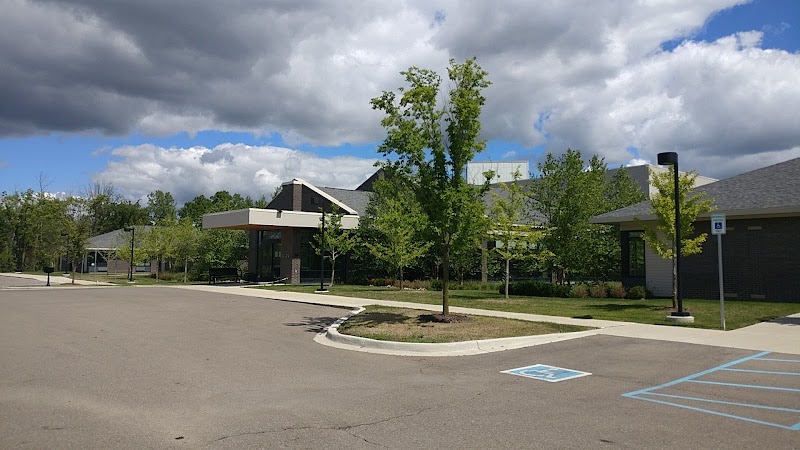
WellBridge of Grand Blanc

3139 East Baldwin Road, Grand Blanc, MI 48439 (810) 445-5300
For profit - Limited Liability company 128 Beds THE WELLBRIDGE GROUP Data: November 2025 1 Immediate Jeopardy citation
Trust Grade
28/100
#255 of 422 in MI
Last Inspection: October 2024

Within standard 12-15 month inspection cycle. Federal law requires annual inspections.

Overview

WellBridge of Grand Blanc has received a Trust Grade of F, indicating significant concerns about the quality of care provided. Ranking #255 out of 422 nursing homes in Michigan places it in the bottom half of facilities in the state, and #6 out of 15 in Genesee County, meaning only five other options are worse. The facility is showing signs of improvement, with issues decreasing from 13 in 2024 to just 1 in 2025. Staffing is a relative strength with a 4 out of 5 rating and a turnover rate of 47%, which is average but suggests some stability among staff. However, the facility has accumulated $33,647 in fines, indicating compliance issues that are concerning. Specific incidents have raised red flags, including a critical finding related to the failure to properly prevent and manage pressure ulcers for two residents, which led to serious health issues. Additionally, one resident suffered multiple falls resulting in fractures due to inadequate monitoring and safety measures. While the facility has some strengths, such as decent staffing levels, the overall picture is concerning, making it essential for families to weigh these factors carefully.

Trust Score
F
28/100
In Michigan
#255/422
Bottom 40%
Safety Record
High Risk
Review needed
Inspections
Getting Better
13 → 1 violations
Staff Stability
⚠ Watch
47% turnover. Above average. Higher turnover means staff may not know residents' routines.
Penalties
✓ Good
$33,647 in fines. Lower than most Michigan facilities. Relatively clean record.
Skilled Nurses
✓ Good
Each resident gets 52 minutes of Registered Nurse (RN) attention daily — more than average for Michigan. RNs are trained to catch health problems early.
Violations
⚠ Watch
46 deficiencies on record. Higher than average. Multiple issues found across inspections.
★★★☆☆
3.0
Overall Rating
★★★★☆
4.0
Staff Levels
★★★★☆
4.0
Care Quality
★★★☆☆
3.0
Inspection Score
Stable
2024: 13 issues
2025: 1 issues

The Good

  • 4-Star Staffing Rating · Above-average nurse staffing levels
  • 4-Star Quality Measures · Strong clinical quality outcomes
  • Full Sprinkler Coverage · Fire safety systems throughout facility
  • No fines on record

Facility shows strength in staffing levels, quality measures, fire safety.

The Bad

3-Star Overall Rating

Near Michigan average (3.1)

Meets federal standards, typical of most facilities

Staff Turnover: 47%

Near Michigan avg (46%)

Higher turnover may affect care consistency

Federal Fines: $33,647

Above median ($33,413)

Moderate penalties - review what triggered them

Chain: THE WELLBRIDGE GROUP

Part of a multi-facility chain

Ask about local staffing decisions and management

The Ugly 46 deficiencies on record

1 life-threatening 3 actual harm
Apr 2025 1 deficiency
CONCERN (D) 📢 Someone Reported This

A family member, employee, or ombudsman was alarmed enough to file a formal complaint

Potential for Harm - no one hurt, but risky conditions existed

Deficiency F0602 (Tag F0602)

Could have caused harm · This affected 1 resident

**NOTE- TERMS IN BRACKETS HAVE BEEN EDITED TO PROTECT CONFIDENTIALITY** This Citation pertains to Intake Number MI00152519. Based on interviews and record review, the facility failed to ensure that th...

Read full inspector narrative →
**NOTE- TERMS IN BRACKETS HAVE BEEN EDITED TO PROTECT CONFIDENTIALITY** This Citation pertains to Intake Number MI00152519. Based on interviews and record review, the facility failed to ensure that the GLP-1 (Glucagon-like peptide-1) injection medication was protected from staff misappropriation for one resident (Resident #601) of three residents reviewed for misappropriation of medication. Findings include: According to Cleveland Clinic, myclevelandclinic.org, dated 7/3/23, the prescribed GLP-1 medication states, GLP Agonists are medications that help lower blood sugar levels and promote weight loss .They mainly help manage blood sugar levels in people with Type 2 diabetes. Some GLP-1 agonists can help treat obesity. Resident #601 (R601): A review of R601's medical record conducted on 4/29/25 at 11:30 AM revealed an admission into the facility on [DATE], with the diagnosis of Type 2 Diabetes Mellitus, Chronic Kidney Failure, Heart Failure, and Obesity in addition to other diagnoses. R601 Physician's order for R601's Type 2 diabetes regimen revealed: Insulin Lispro Injection Solution-Humalog Injection Solution 100 units/ML inject 30 units subcutaneously three times a day (Injected as per sliding scale), Ozempic (1mg dose) subcutaneous solution pen-Injector 4mg/3 ml (Semaglutide) inject subcutaneously in the morning every Monday, Insulin Glargine Solution, 100 unit per ML (Inject 30 unit subcutaneously at bedtime). R601's daily blood sugar readings from 3/15/25 to 4/29/25 indicated that R601 remains stable and on her baseline. A review of the Minimum Data Set (MDS) assessment revealed a Brief Interview of Mental Status (BIMS) score assessed on 3/25/2025, indicating a BIMS score of 11/15. A score of 11 indicates moderate impairment. This suggests the individual may need extra assistance with daily tasks and activities and may be experiencing cognitive decline. R601 Blood Sugar (BS) on 4/14/25 when the injection was found missing, R602 's Blood Sugar testing remained in her baseline, and the Medication Administration Record (MAR) revealed that R601 received Ozempic at 1700 (at 5:00 PM) instead of the order to be administered every Monday morning as ordered. R601 was interviewed on 4/29/25 at 2:00 PM. She was well groomed and in good affect, interacting with her husband in her room. She stated she was receiving excellent care at the facility, and she believed that her medications were given too soon and more than what she needed. She did not recall missing any of her medications and had no blood sugar complications during her stay. R601's Family interview on 4/29/25 at 2:05 PM revealed that he disagreed with R601's opinion regarding her insulin medication regimen. He expressed that as a caregiver at home, she was not receiving the same prescriptions that R601 had at home. He stated that She is getting less here. R601 's husband presented the surveyor with his home medication orders and gave the surveyor a copy to evaluate. The surveyor explained that the Physician's orders at the facility are the ones followed because he is the current attending Physician. The list you submit will be given to the Director of Nursing for reconciliation. R601's husband indicated that R601 is getting the care she needs and is looking forward to her returning home. The Director of Nursing (DON) was interviewed on 4/29/25 at 11:22 AM. She revealed that they went back to the staff who gave the last dose, and the video was installed in the secured med room, and found suspicious activity with one of the RNs who was not the nurse responsible for the insulin administration that day, taking the Ozempic Pens from the supplies. On the day of 4/7/25, the RN W was seen on video taking the two Ozempic pens. RN W at first denied taking them, but when the DON mentioned the video, Nurse W sobbed and admitted taking them. Nurse W admitted and returned the pens. She was terminated instantly by phone. We reported the incident to the local authorities and reported the incident to the state. The Facility Administrator was interviewed on 4/29/25 at 10:15 AM During the interview, she revealed that on 4/14/25, the nurse on duty could not locate R601's Ozempic inj due to the secured medication room refrigerator. She immediately reported after knowledge of the missing GLP-1 and search and investigation started. After a full investigation and a review of the video installed in the medication room, the administrator revealed that they reported the incident to the local police department, reported the case to the State of Michigan, and the Bureau of Health Professionals to report her actions. RN W took the Ozempic medication, admitted taking the Ozempic Pens, wrote a statement, and returned the pens to the facility. A review of the investigation report for R601 revealed the summary of the incident, which revealed the following: Facility Incident Report Incident Summary on April 14, 2025, the nurse supervisor was notified that missing medication from a guest's (R601) prescribed GLP-1 agonist medication, Ozempic (Semaglutide), from the secured medication refrigeration unit located in the North Team Room of the facility. The medication in question was ordered and stored per protocol in the team room's refrigeration unit designated for injectable, multi-use, and temperature-sensitive medications. A discrepancy was noted when the medication could not be located in the designated storage area during routine preparation for administration. Verification of medication administration record (MAR) and narcotic log entries related to the Ozempic pen in question. Interview with the last administering nurse, who affirmed that she had administered the medication per MAR on her assigned shift and returned the Ozempic pen to the medication refrigerator in accordance with facility protocol. Subsequent interview with a night shift RN who reported that the Ozempic was present in the refrigerator as of the early morning hours of Wednesday, April 9, narrowing the timeframe of disappearance. Video surveillance review security surveillance footage from the North Team Room camera was reviewed covering the timeframe from Monday, April 7, 2025, at 08:00 hours through Thursday, April 10, 2025, at 17:07 hours. The following actions were captured on camera: On Thursday, April 10, 2025, between 17:04 and 17:07, RN JW (Full name mentioned) is visibly observed entering the North Team Room and proceeding to the medication refrigeration unit. At approximately 17:04, RN JW is seen opening the refrigerator and removing two manufacturer-labeled Ozempic boxes. She is then observed withdrawing the injectable pen device from one of the boxes, obtaining corresponding injection needles, and placing the empty cardboard packaging back into the refrigerator, a behavior inconsistent with standard disposal procedures. Immediately thereafter, she removed the second Ozempic box from the refrigerator and exited the medication room with it in her possession at precisely 17:07. These actions were not contemporaneously documented in any medication administration record or shift count sheet. No corresponding guest MARs indicated a need for administration of the second dose, nor was there documentation of a medication return or disposal consistent with policy. Based on the findings of the internal review, which included: Video evidence demonstrating unauthorized removal of controlled medication; Lack of MAR or narcotic log entries justifying the dual removal the facility concludes that there is substantial and substantiated evidence suggesting diversion or misappropriation of a controlled injectable pharmaceutical by RN [NAME] Wartella on April 10, 2025. Immediate actions were taken to: Remove RN JW from active duty pending further investigation; call the local police department. Husband and resident notified. Initiate this mandatory report to [NAME] pursuant to regulatory obligations regarding suspected drug diversion by a licensed healthcare provider. Investigation Summary and Plan On April 14, 2025, the nurse supervisor was notified that missing medication from a guest's (R601) prescribed GLP-1 agonist, Ozempic (Semaglutide), from the secured medication refrigeration unit in the facility's North Med Room. After reviewing video surveillance that viewed RN JW removing medication, a call to RN JW took place in which she admitted to taking medication. > Police authorities were notified and arrived at the facility for investigation. > On 4/14/2025, RN JW admitted to taking medication and also arrived at the facility to return the medication. > The police officer NL (Fullname mentioned) arrested RN JW. > On April 14, 2025, the facility completed a one-time audit of guests prescribed GLP-1 agonist medication, Ozempic (Semaglutide), including antidiabetic medications, to ensure no other medications were missing. We also checked the blood sugar levels for the last seven days to ensure no abnormalities were noted. > On 4/14/25 and 4/15/25, a facility-wide education on System change: Ozempic and Like Medications will be locked and counted like narcotics and treated was conducted. The education was delivered by phone or live to all licensed and registered nurses. > A process change was implemented effective 4/14/2025: All GLP-1 agonist medications will follow the narcotic double lock protocol and sign-out process. > On April 17, 2025, RN JW was terminated. > The date of completion of the plan of correction was dated 4/17/2025. On 4/29/2025, the State Surveyor verified the documentation provided by the facility and conducted interviews with facility staff. During the interviews, staff reported that they had been educated on the facility's policy for abuse and misappropriation of medications, including reporting, and were knowledgeable about the facility's policies. During the onsite survey, past noncompliance (PNC) was cited after the facility implemented actions to correct the noncompliance which included the Investigation Summary and Plan, listed above. The facility was able to demonstrate monitoring of the corrective action and maintained compliance. The Compliance Date is 04/17/2025.
Oct 2024 12 deficiencies 1 Harm
SERIOUS (G)

Actual Harm - a resident was hurt due to facility failures

Accident Prevention (Tag F0689)

A resident was harmed · This affected 1 resident

**NOTE- TERMS IN BRACKETS HAVE BEEN EDITED TO PROTECT CONFIDENTIALITY** This Citation pertains to Intake Number MI00145400. Based on observation, interview and record review, the facility failed to pr...

Read full inspector narrative →
**NOTE- TERMS IN BRACKETS HAVE BEEN EDITED TO PROTECT CONFIDENTIALITY** This Citation pertains to Intake Number MI00145400. Based on observation, interview and record review, the facility failed to provide a safe and monitored environment to prevent falls with injuries and fractures for one resident (Resident #30) of 2 residents reviewed for falls, resulting in Resident #30 having three falls with injuries and sustaining fractures with two of the falls. Findings Include: Resident #30: Accidents On 9/30/2024 at 11:01 AM, Resident #30 was observed in his room, lying in a low bed. The call light was in his hand. The resident said he fell in the hallway and once in the bathroom. He said he had hurt his arm and leg. A record review of the Face sheet and Minimum Data Set/MDS assessment indicated Resident #30 was initially admitted to the facility on [DATE] with diagnoses: Parkinsonism, arthritis, peripheral vascular disease, heart disease. The MDS admission assessment dated [DATE] revealed the resident had severe cognitive decline with a Brief Interview for Mental Status (BIMS) score of 6/10 and had no upper or lower extremity limitation in range of motion. Resident #30 needed substantial-to-maximal assistance with all mobility. Fall on 06/07/2024: An Incident and Accident report dated 6/7/2024 said Resident #30 said, I walked into the hallway and fell in front of a door. A review of a Facility Reported Incident, dated 6/8/2024-6/17/2024, indicated that Resident #30 fell on 6/7/2024 and reported that he was having pain in his right elbow. The resident said he had a fall and thought he broke his arm; his arm was assessed by the nurse to be slightly swollen and spongy. An x-ray was obtained and identified an acute fracture of the right olecranon (a bony prominence of the elbow). The resident was transferred to the emergency room and returned to the facility with a cast on his right arm. Per the facility investigation the incident was not witnessed by a staff member, but was witnessed by a visitor. A review of a Significant Change MDS assessment, dated 6/13/2024, indicated that the resident had fallen at the facility and suffered an injury. MDS section GG identified the resident to have Functional Limitation to one side of the upper extremity and both sides of the lower extremities. A review of the Care Plans for Resident #30 identified the following: Risk for falls (related to) Parkinson's, dementia, (osteoarthritis) of bilateral hips, atrial fibrillation, unsteady gait, and muscle weakness. Fall with hip (fracture) (status post hip surgical repair), date initiated 5/1/2024 and revised 9/17/2024 with Interventions: Geri chair in upright position, date initiated 6/8/2024 and revised 6/10/2024; Scoop mattress to bed, date initiated 6/8/2024. The interventions did not address that the resident was walking on his own in the hallway. Fall on 06/29/2024: A review of an Incident and Accident report for Resident #30, dated 6/29/2024, revealed the following: Another guest (resident's) family came to me in the hall and explained that (Resident #30) was on the floor. Guest was on the floor on his bottom in front of the easy chair. Leg of over-the-bed-table was wedged under the heating unit. Guest states he was getting up to answer the door. CENA (nurse aide) explained to him that he doesn't walk anymore. Guest replied 'Oh, yeah' . Guest is very confused . A review of the Care Plans for Resident #30 identified the following: Risk for falls (related to) Parkinson's, dementia, (osteoarthritis) of bilateral hips, atrial fibrillation, unsteady gait, and muscle weakness. Fall with hip (fracture) (status post hip surgical repair), date initiated 5/1/2024 and revised 9/17/2024 with Interventions: Leave room door open, date initiated 7/1/2024 and updated 8/29/2024. Fall on 09/13/2024: A review of the Progress Notes for Resident #30 identified the following: 9/13/2024 at 4:32 PM, . Guest observed on floor at the foot of his bed. Sitting on his right side . abrasion/carpet burn to right elbow area. Recommends that staff continues to place guest bed in lowest position. 9/13/2024 at 4:59 PM, Guest observed on floor at foot of his bed. Guest has a carpet burn to right anterior arm . 9/14/2024 at 10:57 AM Incident Note, . Guest had no complaints of pain at time of fall but later (complained) of left hip pain Left hip x-ray, results show positive for acute fracture, dr made aware of results and gave order to send to ER for further evaluation . Root Cause: guest observed prior to fall safely in wheelchair in room . Guest stood independently and was unable to maintain balance and had a fall . 9/17/2024 at 5:50 PM, admission Summary, Guest arrived to facility by (ambulance) . via stretcher. Guest has a 16 fr patent foley (urinary catheter) . Guest has an auacel dressing to left hip surgical site . small red area to left knee . (complains of) pain when moving (left lower extremity) . A review of the Care Plans for Resident #30 identified the following: Risk for falls (related to) Parkinson's, dementia, (osteoarthritis) of bilateral hips, atrial fibrillation, unsteady gait, and muscle weakness. Fall with hip (fracture) (status post hip surgical repair), date initiated 5/1/2024 and revised 9/17/2024 with Interventions including: Encourage guest to participate in group activities, date initiated 9/13/2024. 1:1 activities, date initiated 9/182024; Bed in lowest position, date initiated 9/14/2024; Encourage family visits, 9/18/2024. Resident #30 was admitted to the facility on [DATE]. The basic interventions were not mentioned until the resident had fallen and injured himself numerous times. On 09/30/2024 at 11:08 AM, Nurse H was interviewed about Resident #30 and said she didn't normally work on his hall, but was today. When asked about fall prevention measures for Resident #30, she said she would have to check on it. On 10/1/2024 at 10:00 AM, Confidential Person O was interviewed about Resident #30 falling and suffering multiple injuries and fractures and said that the resident had a different chair previously and seemed to sit in it better. The Confidential Person said the resident looks uncomfortable at times. On 10/01/2024 at 10:26 AM, the Director of Nursing/DON was interviewed related to Resident #30's falls and reviewed the multiple incident reports of falls on 6/7/2024 when he fractured his right elbow; 6/29/2024 when he obtained an abrasion to the right arm that he previously injured and 9/13/2024 when he fractured his left hip. The DON was asked about the interventions to aid in preventing the resident from falling. Supervision of the resident was not identified as an intervention or an updated intervention. The DON said the facility had increased nursing staff overall in the building, as the Resident census had continuously increased throughout the year, but specific supervision and monitoring for Resident #30 was not addressed. The DON said the staffing on the resident's hall had not changed from prior to his falling. Reviewed the Care Plans for Resident #30 as several of the updated interventions after the 3rd fall on 9/13/2024, such as encourage group activities, were addressed in prior activities assessments after the resident was admitted on [DATE]. The interventions reviewed were not necessarily specific to the resident's falls. None of the falls were witnessed by staff and he was identified as at risk for falls and continued to fall and sustain serious injuries. A review of the facility Policy titled, Falls Reduction Program, origination date July 1, 2008 and revision date 9/25/2016, provided, Purpose: To provide a safe environment for residents, modify risk factors, and reduce risk of fall-related injury . Identify/analyze resident risk for fall .Implement and indicate individualized interventions on Care Plan/[NAME] . Initiate safety interventions . Determine the need for ongoing assessments/interventions .
CONCERN (D)

Potential for Harm - no one hurt, but risky conditions existed

Deficiency F0657 (Tag F0657)

Could have caused harm · This affected 1 resident

Based on interview and record review, the facility failed to ensure that a comprehensive person-centered care plan was established for two residents (Resident #32, Resident #41) of twenty-five residen...

Read full inspector narrative →
Based on interview and record review, the facility failed to ensure that a comprehensive person-centered care plan was established for two residents (Resident #32, Resident #41) of twenty-five residents reviewed for care planning, resulting in Resident #32, a hemodialysis resident, to continue to gain weight with no updated care plan interventions and the likelihood for unmet care needs. Findings include: Record review of the facility 'Care Plans-Comprehensive' 2001 MED-PASS, Inc. (revised October 2010) policy revealed an individualized comprehensive care plan that includes measurable objectives and timetables to meet the resident's medical, nursing, and psychological needs is developed for each resident. Policy Interpretation and Implementation: 3.) Each resident's comprehensive care plan is designed to: incorporate identified problem areas, incorporate risk factors associated with identified problems. #5.) Care plan interventions are designed after careful consideration of the relationship between the resident's problem areas and their causes Record review of the facility 'Policy: Obtaining Weights and Re-weight Policy' undated, revealed each individual's weight will be determined and documented upon admission to the facility. Procedure: 1.) Nursing will be responsible for the initial determination of each individual's weight. Subsequent measurements for weight will be documented on the appropriate designated form or tracker in the computer database. Weight will be documented on the individual assessment instrument (MDS) for nursing facilities), and in the medical nutrition therapy (MNT) assessment. Weight will be obtained weekly for 4 weeks after admission. Subsequent weights will be obtained monthly. unless physician orders or individual condition warrants frequent determinations. Re-weights will be done for a weight change of +/- (gain/loss) of 3# (pounds) for anyone under 100# pounds and for +/- (gain/loss) of 5# (pounds) for anyone 100 pounds and over. (2.) The Registered Dietitian (RD) or designee will be responsible for determining the desirable weight range Resident #32: Observation and interview on 09/30/24 at 10:03 AM with Resident #32, while the resident was seated at the edge of her bed, revealed a left upper arm hemodialysis graft with dressing in place. Resident #32 stated that she had been getting hemodialysis treatments for 3 years and goes to dialysis on Tuesdays-Thursdays and Saturdays. Observation of bedside table noted two glasses of beverages. Observation of Resident #32's lower extremities noted skin tightness and possible edema. Record review of Resident #32's medical diagnosis list revealed: acute and chronic Respiratory failure with hypoxia, hypertension, metabolic encephalopathy, falls, seizures, end stage renal disease, cerebral infarction, heart failure, type 2 diabetes, chronic obstructive pulmonary disease, anxiety, Gastrostomy tube, muscle wasting, dysphagia, cognitive communication deficit, mild cognitive impairment, insomnia, dependence on renal dialysis, pneumonia, and anemia. Record review of Resident #32's electronic medical record weight log revealed inconsistent weight monitoring: 9/5/2024 weight 160.8 Lbs. 9/10/2024 weight 166.3 Lbs. that was a gain of 5.5 pounds, no care plan intervention added. 9/12/2024 weight 166.1 Lbs. 9/14/2024 weight 172.9 that was a gain of 6.8 pounds, no care plan intervention added. 9/17/2024 weight 178.9 Lbs. was a gain of 6.0 pounds, no care plan intervention added. 9/19/2024 weight 182.8 Lbs. that was a gain of 3.9 pounds, no care plan intervention added. 9/21/2024 weight 189.9 Lbs. was a gain of 7.1 pounds, no care plan intervention added. The total weight gain in a 17-day period for Resident #32 who received hemodialysis treatment for renal failure was a total of 29.1 pounds. Record review of Resident #32's care plans, pages 1-18, revealed that the 'Alteration in nutritional status related to recent hospitalization, diabetes, heart failure, end stage renal disease and peg tube' initiated on 7/29/2024, with a revision on 7/30/2024 and 9/20/2024 of offer evening snack and then revised after the state surveyor inquired about weight gain on 10/2/2024 with updated intervention of 'No PM/HS (bedtime) water. An interview and record review on 10/02/24 at 08:44 AM with Registered Dietitian (RD) M of Resident #32's weight log revealed that Resident #32 was a hemodialysis resident that received treatment 3 days a week. The state surveyor inquired about Resident #32's estimated weight gain of about 6 pounds weekly, and her fluid status, how much was the resident drinking. The state surveyor and RD M discussed possible health crisis of fluid overload. The RD M stated that she did make the care provider (NP) aware, and each week notify the NP. Discussion of follow-up to the notifications and possible treatments were discussed. RD M stated weights for Resident #32 were taken from her post dialysis weights sent from the dialysis center and documented those in the medical record. RD M agreed that Resident #32 does have around a 6-pound gain weekly. In an interview on 10/02/24 at 10:39 AM, Registered Dietitian (RD) M stated that Resident #32 was aware of the fluid restrictions and that she is gaining weight. RD M stated that she spoke with the Resident #32 in regard to more account ability by the bedside water, we are just going to limit the water amounts and update her care plans. RD M stated that she did put a note in yesterday (10/1/2024) about the weight gain, the re-weigh we don't do because of the dialysis weights. Resident #41: Observation and interview on 10/01/24 at 08:17 AM with Resident #41 revealed that he had his gall bladder out and lost weight, but he thought that he should be gaining weight back. Observation of Resident #41 was noted to be lying in bed with a breakfast tray still at the bedside with most of the meal left on the plate. Record review of Resident #41's admission Minimum Data Set (MDS), date 6/25/2024, revealed an elderly male cognitively intact. Medical diagnoses: Medically complex conditions, anemia, coronary artery disease, hypertension, gastroesophageal reflux disease (GERD), benign prostatic hyperplasia (BPH), renal insufficiency, pneumonia, septicemia, diabetes, thyroid disorder, anxiety and depression. Section K: Swallowing/Nutritional Status- Weight 185, mechanically altered diet and therapeutic diet were noted. Record review of Resident #41's care plans, pages 1-24, revealed that the 'Alteration in nutritional status related to recent hospitalization, dysphagia, C. diff, pneumonia, diabetes, coronary artery disease, hypertension, chronic kidney disease stage 4, and anemia' initiated on 5/11/2024, with a revision on 8/29/2024 interventions added included: Provide diet as ordered 6/21/2024, Provide diet per physician order; mechanical soft texture, thin liquids, supplements as ordered 8/29/2024. Record review on 10/01/24 at 01:55 PM of Resident #41's weight log electronic medical record weight log revealed inconsistent weight monitoring: 6/4/2024 weight 192.4 Lbs. 6/9/2024 weight 180.6 Lbs. that was a loss of 11.6 pounds, no care plan intervention added. 7/2/2024 weight 169.0 Lbs. that was a loss of 16.2 pounds, no care plan intervention added. There was no re-weight for a week. 7/8/2024 weight 165.9 Lbs. that was a loss of 3.1 pounds, no care plan intervention added. Record review on 10/02/24 at 08:22 AM of the facility re-weigh policy identified that a resident with weight loss of 5 pounds or more would be re-weighed. In an interview and record review on 10/02/24 at 08:41 AM with Registered Dietitian (RD) M of the facility 'weight /Re-weight policy' revealed that Re-weigh policy did not have a time frame for re-weights to be performed. RD M stated that the re-weights should be performed within 48 hours, is what the RD would prefer. Facility Policy states that a re-weight of -/+5 (loss/gain) we should re-weigh. The State surveyor asked why not weighed more than once weekly? RD M stated that after Resident #41's weight went down to 175 pounds, the facility was only going by his weekly weight. An interview and record review on 10/02/24 at 10:43 AM with Registered Dietitian (RD) M of Resident #41's electronic medical records and weight log revealed that in June 2024 weight of 192.6 dropped on July 165.6 with a loss of 27 pounds with an -14.02% percent loss. RD M stated that Resident #41 has been in and out of the hospital and the last time he lost weight. RD M stated that the re-weight was not performed to verify actual resident weights.
CONCERN (D)

Potential for Harm - no one hurt, but risky conditions existed

Deficiency F0679 (Tag F0679)

Could have caused harm · This affected 1 resident

**NOTE- TERMS IN BRACKETS HAVE BEEN EDITED TO PROTECT CONFIDENTIALITY** Based on observation, interview and record review the facility failed to complete timely comprehensive activity assessments and ...

Read full inspector narrative →
**NOTE- TERMS IN BRACKETS HAVE BEEN EDITED TO PROTECT CONFIDENTIALITY** Based on observation, interview and record review the facility failed to complete timely comprehensive activity assessments and ongoing programming to meet the interests of one resident (Resident #77) one resident reviewed for activities, resulting in, Resident #77's activity assessments not being completed since 03/2023 and a lack of activity programming to meet the resident's independent leisure pursuits. Findings Include: Resident #77: During initial tour on 10/1/2024 at 8:33 AM, Resident #77 was observed resting quietly in her room. When asked about activities she participates in, she stated many of the activities she physically cannot complete due to limited mobility in her hands. Resident #77 expressed prior to being admitted she was very active and always on the go and now she just lays in bed everyday with nothing to do. Resident #77 stated they have asked her to come to activities and watch the others participate as there would have been no adaptations made so she could fully participate. On 10/1/2024 at approximately 3:30 PM, a review was completed of Resident #77's medical records and it indicated she was admitted to the facility on [DATE] with diagnoses that included, Peripheral Vascular Disease, Tinea Unguium, Diabetes, Major Depressive Disorder, Anxiety and Polyneuropathy. Resident #77 is cognitively intact and able to make her needs known. Further review was completed of Resident #77's record and it yielded the following: Care Plan: (Resident #77) will initiate independent leisure activities of interest daily, attend group programs as interested and be provided/offered 1:1 room visits throughout the week until next quarter for increased opportunities of personal enjoyment and socialization . Activities Assessments: Resident #77 only had one Activity Assessment that was completed on 3/3/2023, which was her admission assessment. There were no other documented assessments completed for the resident. On 10/2/2024 at 9:20 AM, an interview was conducted with Activities Director N regarding Resident #77 lack of Activity Assessments and activities offered/adapted for the resident. Director N and this writer reviewed the activity assessments for Resident #77 and saw only one assessment from 3/2023. Director N stated the assessments should be completed every three months. She further explained she initially completes the assessment on paper and will input it into their respective charts within a week. Director N stated there should be assessments documented in the chart from her at this juncture. Director N was further asked what efforts were being made to adapt activities to meet her needs. She explained they spend extra time with her when delivering her meal tray. The director was asked if they have adapted any activities so she can participate fully with the group and she stated they had not. Director N was asked if there is any documentation of leisure purists attempted with the residents, rather its music in her room, an iPad to browse or making more efforts to get her out of bed maybe once a week. The Director state they did not have any documentation of this type. It can be noted Resident #77 did not have any activity assessment in over one year and there was nothing found indicating how they maintained her engagement or found alternative ways to entice and include her in programming at the facility. Review was completed of the facility policy entitled, Life Enrichment Programs, revised 5/23/2013. The policy stated, Activity program designed to meet the needs of each resident are available on a daily basis .individualized and group activities .reflect cultural and religious interests, hobbies, life experiences and personal preferences of the residents .
CONCERN (D)

Potential for Harm - no one hurt, but risky conditions existed

Incontinence Care (Tag F0690)

Could have caused harm · This affected 1 resident

**NOTE- TERMS IN BRACKETS HAVE BEEN EDITED TO PROTECT CONFIDENTIALITY** Based on observation, interview and record review, the facility failed to ensure that a urinary drainage bag and tubing was prop...

Read full inspector narrative →
**NOTE- TERMS IN BRACKETS HAVE BEEN EDITED TO PROTECT CONFIDENTIALITY** Based on observation, interview and record review, the facility failed to ensure that a urinary drainage bag and tubing was properly placed off the floor for one resident (Resident #46) of two residents reviewed for urinary catheters, resulting in the likelihood of cross-contamination and infection. Finding include: Resident #46: On 10/01/24, at 9:34 AM, Resident #46 was resting in their bed. Their urine drainage bag was hooked to bed frame and resting on the floor. A loop of the catheter tubing was on floor as well. On 10/01/24, at 9:40 AM, an observation along with CNA J of Resident #46's drainage bag and tubing was conducted. CNA J was asked if the bag and tubing was supposed to be on the floor and CNA J stated, no. On 10/01/24, at 9:45 AM, CNA J was observed placing a basin under the drainage bag and tubing. On 10/01/24, at 3:30 PM, a record review of Resident #46's electronic medical record revealed an admission on [DATE] with diagnoses that included Dementia, Quadriplegia and stroke. Resident #46 required extensive assistance with all Activities of Daily Living and was severely cognitively impaired. A review of the (the resident) has 16 French indwelling foley catheter with 10 ml retention balloon related to urinary retention . Check catheter system every shift for pateny and integrity Date Initiated: 04/11/2024 . There was no intervention to ensure urine drainage bag and tubing was kept up off the floor. On 10/02/24, at 10:29 AM. Resident #46 was resting in their bed. Their urine drainage bag was hooked to bed resting inside a basin protecting it from the floor. According to the Healthcare Infection Control Practices Advisory Committee GUIDELINE FOR PREVENTION OF CATHETER-ASSOCIATED URINARY TRACT INFECTIONS 2009 . Maintain unobstructed urine flow . Keep the collecting bag below the level of the bladder at all times. Do not rest the bag on the floor .
CONCERN (D)

Potential for Harm - no one hurt, but risky conditions existed

Deficiency F0692 (Tag F0692)

Could have caused harm · This affected 1 resident

**NOTE- TERMS IN BRACKETS HAVE BEEN EDITED TO PROTECT CONFIDENTIALITY** Based on observation, interview and record review, the facility failed to ensure timely re-weighs for weight loss or weight gain...

Read full inspector narrative →
**NOTE- TERMS IN BRACKETS HAVE BEEN EDITED TO PROTECT CONFIDENTIALITY** Based on observation, interview and record review, the facility failed to ensure timely re-weighs for weight loss or weight gain for two residents (Residents #32, Resident#41), resulting in a lack of weight monitoring completion, follow-up of abnormal weights, and the potential for unidentified nutritional deficiencies and a decline in overall health. Findings include: Record review of the facility 'Policy: Obtaining Weights and Re-weight Policy' undated, revealed each individual's weight will be determined and documented upon admission to the facility. Procedure: 1.) Nursing will be responsible for the initial determination of each individual's weight. Subsequent measurements for weight will be documented on the appropriate designated form or tracker in the computer database. Weight will be documented on the individual assessment instrument (MDS for nursing facilities), and in the medical nutrition therapy (MNT) assessment. Weight will be obtained weekly for 4 weeks after admission. Subsequent weights will be obtained monthly. unless physician orders or individual condition warrants frequent determinations. Re-weights will be done for a weight change of +/- (gain/loss) of 3# (pounds) for anyone under 100# pounds and for +/- (gain/loss) of 5# (pounds) for anyone 100 pounds and over. (2.) The Registered Dietitian (RD) or designee will be responsible for determining the desirable weight range Resident #32: Observation and interview on 09/30/24 at 10:03 AM with Resident #32 while the resident was seated at the edge of her bed revealed a left upper arm hemodialysis graft with dressing in place. Resident #32 stated that she had been getting hemodialysis treatments for 3 years and goes to dialysis on Tuesdays-Thursdays and Saturdays. Observation of bedside table noted two glasses of beverages. Observation of Resident #32's lower extremities noted skin tightness and possible edema. Record review of Resident #32's medical diagnosis list revealed: acute and chronic Respiratory failure with hypoxia, hypertension, metabolic encephalopathy, falls, seizures, end stage renal disease, cerebral infarction, heart failure, type 2 diabetes, chronic obstructive pulmonary disease, anxiety, Gastrostomy tube, muscle wasting, dysphagia, cognitive communication deficit, mild cognitive impairment, insomnia, dependence on renal dialysis, pneumonia, and anemia. Record review of Resident #32's electronic medical record weight log revealed inconsistent weight monitoring: 9/5/2024 weight 160.8 Lbs. 9/10/2024 weight 166.3 Lbs. that was a gain of 5.5 pounds, no care plan intervention added. 9/12/2024 weight 166.1 Lbs. 9/14/2024 weight 172.9 that was a gain of 6.8 pounds, no care plan intervention added. 9/17/2024 weight 178.9 Lbs. was a gain of 6.0 pounds, no care plan intervention added. 9/19/2024 weight 182.8 Lbs. that was a gain of 3.9 pounds, no care plan intervention added. 9/21/2024 weight 189.9 Lbs. was a gain of 7.1 pounds, no care plan intervention added. The total weight gain in a 17-day period for Resident #32 who received hemodialysis treatment for renal failure was a total of 29.1 pounds. Record review of Resident #32's care plans pages 1-18 revealed that the 'Alteration in nutritional status related to recent hospitalization, diabetes, heart failure, end stage renal disease and peg tube' initiated on 7/29/2024, with a revision on 7/30/2024 and 9/20/2024 of offer evening snack and then revised after the state surveyor inquired about weight gain on 10/2/2024 with updated intervention of 'No pm/HS (bedtime) water. Record review of Resident #32's care guide [NAME] dated 10/2/2024 revealed eating/nutrition: No pm/HS water, offer evening snacks, provide diet per physician order; Regular, thin liquids- Renal low sodium, diabetic modifications. In an interview and record review on 10/02/24 at 08:44 AM with the Registered Dietitian (RD) M of Resident #32's weight log revealed that Resident #32 was a hemodialysis resident that received treatment 3 days a week. The state surveyor inquired about Resident #32's estimated weight gain of about 6 pounds weekly, and her fluid status, how much was the resident drinking. The state surveyor and RD M discussed possible health crisis of fluid overload. The RD M stated that she did make the care provider (NP) aware, and each week notify the NP. Discussion of follow-up to the notifications and possible treatments were discussed. RD M stated weights for Resident #32 were taken from her post dialysis weights sent from the dialysis center and documented those in the medical record. RD M agreed that Resident #32 does have around a 6-pound gain weekly. In an interview on 10/02/24 at 10:39 AM with Registered Dietitian (RD) M stated that Resident #32 was aware of the fluid restrictions and that she is gaining weight. RD M stated that she spoke with the Resident #32 in regard to more account ability by the bedside water, we are just going to limit the water amounts and update her care plans. RD M stated that she did put a note in yesterday (10/1/2024) about the weight gain, the re-weigh we don't do because of the dialysis weights. Record review of Resident #32's Nurse Practitioner (NP) note dated 9/9/2024 at 1:17 PM noted resident eating most meals and sometimes more, discussion with dietitian, will discontinue bolus (tube feedings) feeds at this time There were no other care provider notes regarding weight gains. Resident #41: Observation and interview on 10/01/24 at 08:17 AM with Resident #41 revealed that he had his gall bladder out and lost weight, but he thought that he should be gaining weight back. Observation of Resident #41 was noted to be lying in bed with a breakfast tray still at the bedside with most of the meal left on the plate. Record review of Resident #41's admission Minimum Data Set (MDS) date 6/25/2024 revealed and elderly male cognitively intact. Medical diagnosis: Medically complex conditions, anemia, coronary artery disease, hypertension, gastroesophageal reflux disease (GERD), benign prostatic hyperplasia (BPH), renal insufficiency, pneumonia, septicemia, diabetes, thyroid disorder, anxiety and depression. Section K: Swallowing/Nutritional Status- Weight 185, mechanically altered diet and therapeutic diet were noted. Record review on 10/01/24 at 01:55 PM of Resident #41's weight log electronic medical record weight log revealed inconsistent weight monitoring: 6/4/2024 weight 192.4 Lbs. 6/9/2024 weight 180.6 Lbs. that was a loss of 11.6 pounds, no care plan intervention added. 7/2/2024 weight 169.0 Lbs. that was a loss of 16.2 pounds, no care plan intervention added. There was no re-weight for a week. 7/8/2024 weight 165.9 Lbs. that was a loss of 3.1 pounds, no care plan intervention added. Record review on 10/02/24 at 08:22 AM of the facility re-weigh policy identified that a resident with weight loss of 5 pounds or more would be re-weighed. In an interview and record review on 10/02/24 at 08:41 AM with Registered Dietitian (RD) M of the facility 'weight /Re-weight policy' revealed that Re-weigh policy did not have a time frame for re-weights to be performed. RD M stated that the re-weights should be performed within 48 hours, is what the RD would prefer. Facility Policy states that a re-weight of -/+5 (loss/gain) we should re-weigh. The State surveyor asked why not weighed more than once weekly? RD M stated that after Resident #41's weight went down to 175 pounds, the facility was only going by his weekly weight. In an interview and record review on 10/02/24 at 10:43 AM with Registered Dietitian (RD) M of Resident #41's electronic medical records and weight log revealed that in June 2024 weight of 192.6 dropped on July 165.6 with a loss of 27 pounds with an -14.02% percent loss. RD M stated that Resident #41 has been in and out of the hospital and the last time he lost weight. RD M stated that the re-weight was not performed to verify actual resident weights.
CONCERN (D)

Potential for Harm - no one hurt, but risky conditions existed

Tube Feeding (Tag F0693)

Could have caused harm · This affected 1 resident

**NOTE- TERMS IN BRACKETS HAVE BEEN EDITED TO PROTECT CONFIDENTIALITY** Based on observation, interview and record review the facility failed follow physician's orders for enteral feeding for one resi...

Read full inspector narrative →
**NOTE- TERMS IN BRACKETS HAVE BEEN EDITED TO PROTECT CONFIDENTIALITY** Based on observation, interview and record review the facility failed follow physician's orders for enteral feeding for one resident (Resident #83) of one resident reviewed for enteral feeding, resulting in the resident not receiving the ordered amount of enteral feeding. Findings Include: Resident #83 (R83): Resident #83 is [AGE] years old and admitted to the facility on [DATE] with diagnoses that include, aphasia, dysphagia and history of a transient ischemic attack. On 09/30/24 at 10:04 AM, R83 was observed in bed, well dressed, groomed and free of any odors. Observation revealed that R83 had their enteral feeding infusing, the rate of the infusion on the pump was set at 70 ml/hr, the bottle of Glucerna was dated 09/30/24, dated for a start time of 09/29/24 at 11:00 pm. On 10/01/24 at 09:30 AM, observation revealed that R83 had their tube feeding infusing at 70ml/hr. The bottle of Glucerna was dated 10/01/24 and was dated for a start time of 09/30/24 at 11:00 pm. On 10/01/24 at 02:19 PM, record review of the EMR (Electronic Medical Record) revealed a physician order dated 09/27/24 for two times a day Glucerna 1.5 at 75ml/hr for 16 hours, providing 1200cc total volume, 1800kcal, 98gm of protein and 900cc of free water. Another physician order dated 09/27/24 revealed, two times a day 75cc/hr water flush while tube fee infusing. On 10/01/24 at 02:20 PM, record review in the EMR revealed a care plan for at risk for alterations in nutritional, an intervention in the care plan stated, provide diet per physician order; npo diet and tube feed: Glucerna 1.5 @ 75cc/hr for 16 hours, providing 1200cc total volume, 1800kcal, 98gm of protein, 900cc of free water and 75cc/hr for 16 hours water flush providing total of 2418cc of free water daily. On 10/01/24 at 02:22 PM, record review in the EMR revealed R83 weighed 166 lbs on 9/4/24 and weighed 157.2 lbs on 09/30/24 157.2. This was a 5.6% weight loss in that time span. On 10/02/24 at 10:10 AM, an interview was conducted with the RD (Registered Dietitian). RD M was asked why was the enteral feeding rate changed from 60cc/hr to 75cc/hr? RD M stated that R83 had experienced weight loss recently, so the decision was made to bumped up to 75cc/hr to increase caloric intake. RD M was asked who is responsible for setting the rate on the enteral feeding pumps? RD M stated that the nurses are ultimately responsible for setting the rate on the pump based on the physician's order. On 10/02/24 at 10:21 AM, the DON (Director of Nursing) was made aware the that enteral feeding rate had been set at 70ml/hr for the first two days of survey. instead of the 75ml/hr as ordered. The DON stated they recognized the rate was set at 70ml/hr on 10/01/24 at around 10:00 am and they changed the rate to 75ml/hr as ordered. The DON was asked who is responsible for ensure the correct rate of infusion on the pump. The DON stated that the nurses on the floor are responsible for setting the rate on the pump. Record review of the policy titled; Enteral Nutritional Feeding revised 09/23/19 revealed: Procedure: 5. If continuous feeding is ordered set the feeding pump at the ordered rate.
CONCERN (D) 📢 Someone Reported This

A family member, employee, or ombudsman was alarmed enough to file a formal complaint

Potential for Harm - no one hurt, but risky conditions existed

Deficiency F0697 (Tag F0697)

Could have caused harm · This affected 1 resident

**NOTE- TERMS IN BRACKETS HAVE BEEN EDITED TO PROTECT CONFIDENTIALITY** Based on interview and record review, the facility failed to provide medications as ordered for one resident (Resident #113) of ...

Read full inspector narrative →
**NOTE- TERMS IN BRACKETS HAVE BEEN EDITED TO PROTECT CONFIDENTIALITY** Based on interview and record review, the facility failed to provide medications as ordered for one resident (Resident #113) of one resident reviewed for pain management, resulting in Resident #113 experiencing pain and calling 911 and leaving the facility. Findings Include: Resident #113: A record review of the electronic medical record indicated Resident #113 was admitted to the facility on [DATE] at 9:50 PM with diagnoses: recent left knee joint replacement, pain, arthritis, anxiety, hypothyroidism, atrial fibrillation, asthma, claustrophobia, anemia, and essential tremor. The resident discharged back to the hospital a few hours later on 7/30/2024 at approximately 1:23 AM. A record review of the progress notes for Resident #113 revealed the following: 7/30/2024 at 1:23 AM, a Skilled Charting note, Guest alert and oriented and ale to make needs known, guest called 911 to be took back to the hospital because she didn't get her pain medication when she asked. When I tried to explain to her what was going on she started yelling and being very rude. I contacted on call provider and then sent her out. 7/30/2024 at 1:42 AM, a Skilled Charting note by Nurse P, Guest alert and oriented and able to make needs known, guest called 911 to be taken back to the hospital because she didn't get her pan medication when she asked, when I tried to explain to her what was going on she started yelling and being very rude, I contacted on call provider and then sent her out. There were no additional progress notes related to the resident's admission or stay. There was no admission assessment or vital signs. A review of the electronic medical record identified the following: A review of the Pain Level Summary report for Resident #113 identified it was blank. There were no pain assessments for the resident. A review of the Physician orders for Resident #113 revealed the following orders: Tramadol 50 mg, 1 tablet by mouth every 6 hours as needed, (a pain medication), to be started on 7/29/2024 at 11:30 PM. Oxycodone 10 mg, one tablet by mouth every 3 hours as needed for pain, to be started on 7/29/2024 at 11:15 PM. Acetaminophen (Tylenol) 500 mg, 2 tablets four times a day, to be started 7/30/2024 at 8:00 AM. Buspirone 10 mg, 1 tablet by mouth two times a day for anxiety, to start 7/30/2024 at 7:00 AM. Resident #113 had a variety of additional medications to start on 7/30/2024 in the morning or evening. A review of the July 2024 Medication Administration Record/Treatment Administration Record (MAR/TAR) for Resident #113 revealed the resident did not receive pain medications or any medications during her stay at the facility. Transfer/Discharge Report for Resident #113 indicated the resident was admitted to the facility on [DATE] for Aftercare following Joint replacement surgery and was discharged back to the hospital on 7/30/2024 at 1:07 AM. An Interact Transfer Form, dated 7/30/2024 at 11:48 AM and locked on 7/30/2024 at 3:47 PM revealed Resident #113 was admitted to the hospital on [DATE] at 2150 (9:50 PM) with Primary Diagnosis for admission to your Facility: Aftercare Following Joint Replacement Surgery. The document indicated the resident was capable of making her own decisions and had requested to leave. On 10/1/2024 at 2:00 PM, the Administrator was interviewed and the surveyor asked to speak with the DON and her to review the Resident #113's stay at the facility and discharge. On 10/2/2024 at 9:05 AM, the Administrator and Corporate Nurse Q were interviewed about Resident #113's admission, stay and discharge, they said they would review the chart and get back with me. On 10/02/2024 at 10:00 AM, the Administrator was interviewed about Resident #113, she said she spoke with the Nurse caring for the resident, and sent all of the chart information. She said the resident was admitted late to facility about 10:42 PM on 7/29/2024, and at 11:45 PM, the resident asked for a pain pill; she wanted oxycodone. The Administrator said the nurse was working on obtaining the physician orders, and was awaiting pharmacy approval for the narcotic. She said she offered the resident Tylenol and she didn't want it; she became upset and called for an ambulance at 1:23 AM. She said the nurses note at 1:45 AM detailed the resident called the ambulance because she didn't receive her pain medication. During the interview on 10/2/2024 at 10:00 AM, the Administrator was asked if the facility had the resident's pain medication in the medication dispensing system and she said the oxycodone was in the medication dispense machine, but the nurse was processing the orders and the resident would not wait. The nurse said the resident left AMA (against medical advice) and she provided basic discharge paperwork for the ambulance/ EMS. The Administrator called the resident in the hospital when she was told about her leaving AMA and the resident said the nurse should have known she would need the pain medication. The Administrator was asked why the resident was admitted so late in the evening and she said sometimes patients were admitted late in the day. The Administrator was asked if preparations were arranged to accommodate the resident's needs, as she had recently had surgery and was sent with pain medication orders from the hospital. The Administrator said the resident was very upset that she did not receive pain medication. Reviewed the process for late admissions with the Administrator and if the resident's could receive the medications they needed? She said from the time the resident asked for the pain medication 11:45 PM until the resident left was about 1.5 hours and the nurse was actively trying to get everything ready (the resident admitted to the facility at 9:50 PM and discharged after 1:00 AM: which was a little over 3 hours). The Administrator said the orders for Oxycodone and Tramadol said, On order. The Administrator said she again tried to contact Resident #113, but she transferred from the hospital to a different nursing home.
CONCERN (D)

Potential for Harm - no one hurt, but risky conditions existed

Staffing Information (Tag F0732)

Could have caused harm · This affected 1 resident

Based on observation, interview, and record review, the facility failed to ensure clinical staff posting of licensed and un-licensed staff levels were posted in a visible area for residents and visito...

Read full inspector narrative →
Based on observation, interview, and record review, the facility failed to ensure clinical staff posting of licensed and un-licensed staff levels were posted in a visible area for residents and visitors to review, resulting in the inability for residents and visitors to know what clinical staff were working on those days. Findings include: According to the State Operations Manual (SOM) reflected The facility must post the total number and actual hours worked by licensed and un-licensed nursing staff directly responsible for the resident care per shift to include registered nurses Licensed Practical Nurses and Certified Nursing Aides. The SOM guides that the facility must Ensure staffing information is posted in a prominent place readily accessible to residents and visitors Observation on 9/30/2024 at 8:47 AM upon entrance to the facility in the front lobby there was no identified clinical staff level posting visible upon looking around entry. Observation on 9/30/2024 at 10:07 AM review of 100 hall and 600 hall reviewed for clinical nursing staffing hours to be posted for resident review, none were found. On 9/30/2024 at 4:09 PM during the survey team meeting of surveyors revealed that there were no clinical nursing/staffing hours posting found within the resident care areas. Observation on 10/1/2024 at 7:07 AM review of the front reception area revealed there to be no clinical licensed staffing hours posting visible. Review of the 100 and 600 resident living halls revealed that there were no clinical nursing hours public posting found for residents to review. Observation and interview on 10/02/24 at 09:40 AM with the Human Resource (HR) director E The state surveyor had to request the HR Director locate the clinical nursing hours public posting, that was not located by the surveyor. the HR Director took the surveyor to the front lobby seated area and located the 'Staffing Report & Concerns Contact' form dated 10/2/2024 within in a white binder in front lobby, tucked into the back side of the front cover. census 122, on the back side of the form was located the nursing hours: 7 am-3 pm RN's 7/Plans 4, 3 pm-11 pm RN's 3/Plans 10, 11 pm-7 am RN's 1/Plans 6. The public white binder was located on a low-level coffee table located in the front lobby, 'Public Information' on front of binder.
CONCERN (D)

Potential for Harm - no one hurt, but risky conditions existed

Deficiency F0740 (Tag F0740)

Could have caused harm · This affected 1 resident

**NOTE- TERMS IN BRACKETS HAVE BEEN EDITED TO PROTECT CONFIDENTIALITY** Based on observation, interview and record review, the facility failed to care plan an antipsychotic injectable medication (Inve...

Read full inspector narrative →
**NOTE- TERMS IN BRACKETS HAVE BEEN EDITED TO PROTECT CONFIDENTIALITY** Based on observation, interview and record review, the facility failed to care plan an antipsychotic injectable medication (Invega) and to ensure community mental health services coordination of care for one resident (Resident #467) out of one resident reviewed for community mental health services, resulting in feelings of worry and concern with the likelihood of an overall decrease in psychosocial well-being. Findings include: Resident #467: On 10/01/24, at 8:48 AM, Resident #467 was resting in their bed. They voiced a concern about going home and that they needed to talk to their HOPE case manager because they were discharging in a few days. The resident repeated their concern twice and offered the name of their case manager. On 10/01/24, at 2:30 PM, a record review of Resident #467's electronic medical record revealed an admission on [DATE] with diagnoses that included schizoaffective disorder, bipolar disorder and anxiety. Resident #467 required assistance with Activities of Daily Living and had intact cognition. A review of the Preadmission SCREENING (PAS) RESIDENT REVIEW (ARR) Date 09/19/2024 revealed the change of condition was check marked. At the time of the initial record review there was no ARR nor a level 2 follow up letter. A review of the physician orders revealed no order to coordinate care with community mental health services. A review of the Discharge Planning has been initiated upon admission. Has 2 ww (wheeled walker) lives alone . Revision on 09/18/2024 . Plans to discharge home alone . PASSAR recommendations are followed as recommended . There was no mention of Resident #467 being involved in community mental health services through the HOPE network. A review of the Potential for alteration in psychosocial well-being related to New environment, tardive dyskinesia, schizoaffective, bipolar, anxiety Date Initiated: 09/17/2024 care plan revealed no mention of community mental health services, HOPE network and or their case manager contact information. A review of the (the resident) is at risk for behavior symptoms r/t (related to) anxiety, bipolar, and schizoaffective disorder with delusions . + Trauma assessment: sexual abuse, physical abuse, human suffering, stressful events, stressful events at home hx (history) of suicide attempt 10 years ago Date Initiated: 09/17/2024 . care plan revealed Administer medications as ordered. There was no mention of HOPE network community mental health involvement and the antipsychotic injectable medication Invega and how it was provided. On 10/01/24, at 1:50 PM, Social Worker L was asked if they had met with or assessed Resident #467 and SW L offered, I have not and that they started in the facility on 9/26/24. On 10/01/24, at 2:01 PM, transitional care coordinator D was interviewed regarding Resident #467's and their community mental health services. TCU D offered that they contacted the case manager and had a meeting scheduled for the afternoon in the residents room. On 10/01/2024, at 2:10 PM, the Administrator was asked who was responsible for the PASSAR's and Level 2 letters and the Administrator stated they were. The Administrator was alerted the PAS for Resident #467 was check marked change of condition and that there was no ARR nor Level 2 in the electronic record. On 10/01/24, at 2:24 PM, Resident #467 was lying in their bed and offered that (HOPE case manager) would be coming by within the hour to visit. Resident #467 was asked how often their case manager visits while they are home and Resident #467 offered weekly and that they have had their case manager for 20 years. On 10/01/24, at 2:49 PM, Unit Manager I was interviewed regarding Resident #467's Invega medication and their community mental health services. UM I offered that they got the Invega from the HOPE network case manager and that the resident is due for an injection on 10/7/24. A record review along with UM I of Resident #467's discharge medication list and orders for the Invega revealed that the resident had received two partial doses prior to admission with the last dose given on 8/30/24 and that a full dose would be due on 10/7/24. UM I offered that they have the medication inhouse and that the HOPE network brought it in for the resident and that the facility would be administering the medication. UM I was further questioned regarding psychological services being provided for Resident #467 and UM I offered they initiated the behavior care plan with ongoing management with social work. UM I was asked who initiated the discharge planning and UM I offered, that nursing tells (TCU D) and that the transitional care coordinator does the discharge planning and also communicates with the facility provided psychotherapy services. UM I was alerted the resident was concerned because they were discharging in a few days and was worried about their HOPE network services and UM I pulled up the discharge list in the electronic medical record which revealed the resident was discharging with home health care to an assisted living facility and there was no mention of the HOPE network/community mental health services. UM I was alerted that the resident stated they were going home to their apartment (apartment complex name) and UM I searched the name of the apartment and offered that it is a private apartment and not an assisted living facility. On 10/02/2024, at 1:00 PM, a further record review of the (the resident) is at risk for behavior symptoms r/t (related to) anxiety, bipolar, and schizoaffective disorder with delusions . + Trauma assessment: sexual abuse, physical abuse, human suffering, stressful events, stressful events at home hx (history) of suicide attempt 10 years ago Date Initiated: 09/17/2024 revealed an added Focus .Guest receives outside services through Hope Network CMH (community mental health) . Revision on: 10/02/2024 . There was still no mention of the Hope Network case manager name nor contact information and who supplied the antipsychotic medication Invega.
CONCERN (D)

Potential for Harm - no one hurt, but risky conditions existed

Medication Errors (Tag F0758)

Could have caused harm · This affected 1 resident

Based on interview and record review, the facility failed to obtain consent for antipsychotic usage for one resident (Resident #53), resulting in Resident #53 being administered an antipsychotic medic...

Read full inspector narrative →
Based on interview and record review, the facility failed to obtain consent for antipsychotic usage for one resident (Resident #53), resulting in Resident #53 being administered an antipsychotic medication without the appropriate consent and risk-versus-benefit analysis of the medication explained to the resident or the resident's responsible party and the increased likelihood for serious side effects and adverse reactions. Findings include: Record review of the facility 'Use of Psychotherapeutic medications' dated 6/23/2019 revealed a resident will not receive psychotherapeutic medications unless such a medication is needed to treat a specific condition as diagnosis and documented . Assessment and documentation: ii.) Informed consent from the resident and/or responsible party along with education regarding potential side-effects. Record review of the 'Nursing 2017 Drug Handbook' Wolters Kluwer 2017 page 156, Abilify antipsychotic medication adverse reactions included: increased suicide risk, neuroleptic malignant syndrome, seizures, hostility, tardive dyskinesia Resident #53: Record review of Resident #53's medical diagnosis list tab in the electronic medical record revealed diagnoses included: vascular dementia with agitation, psychotic disorder with hallucinations due to unknown physiological condition, major depressive disorder recurrent, dementia in other diseases classified elsewhere, mild, without behavioral disturbance, psychotic disturbance, mood disturbance, and anxiety. Record review on 10/01/24 at 02:02 PM of Resident #53's the physician orders noted Abilify (antipsychotic) was started July 13th, 2024, for depression. Record review of Resident #53's Medication Administration Records, July through October 2024 revealed that the resident did receive the Abilify antipsychotic medication. Record review of Resident #53's nursing progress note dated 7/13/2024 at 7:21 PM noted Brief Interview of Mental status (BIMS) score of 7 out of 15, cognitively impaired. Resident #53 received Aripiprazole (Abilify) 2mg. In an interview on 10/01/24 at 03:04 PM with the Transitional Care Coordinator D who performed social services duties identified the medication 'Abilify' classification as antipsychotic, which needs a consent for use that is obtained by nurses. The Transitional Care Coordinator D Checked the informed consents tab of the electronic medical records and only found consents for medications of trazadone (antidepressant) and Lexapro (antidepressant), there was no Abilify consent found in the medical record. Transitional Care Coordinator D stated that there should be a consent the nurses obtain consent. In an interview on 10/01/24 at 03:12 PM with unit manager Registered Nurse (RN) C revealed that Abilify is an antipsychotic and that yes it needs a consent. RN C stated that she did not know why nursing would not have gotten a consent. Record review of Resident #53's psych services note dated 8/1/2024 noted Abilify in use. Record review of the informed consent tab noted only trazadone and Lexapro med consents. In an interview on 10/01/24 at 03:24 PM with RN C revealed that she investigated the resident's medical record, and that the facility missed the initial assessment for the Abilify, and that the facility would call the daughter and have an assessment done. Record review of Resident #53's electronic medical record revealed that there was no risk-verse benefit located within the medical record for the antipsychotic medication Abilify.
CONCERN (D)

Potential for Harm - no one hurt, but risky conditions existed

Deficiency F0761 (Tag F0761)

Could have caused harm · This affected 1 resident

Based on observation, interview and record review, the facility failed to ensure that 8 of 19 medication punch cards in the 100 Hall Controlled/Narcotic substance medication cabinet were free of punct...

Read full inspector narrative →
Based on observation, interview and record review, the facility failed to ensure that 8 of 19 medication punch cards in the 100 Hall Controlled/Narcotic substance medication cabinet were free of puncture holes, resulting in the likelihood for misappropriation of medication by one narcotic punch card to have 2 tablets with taped over punch holes noted upon inspection and the likelihood of cross contamination and ineffective medications. Findings include: Record review of the facility 'Controlled Substances' 2001 MED-Pass, Inc. (revised December 2012 policy dated) revealed the facility shall comply with all laws, regulations, and other requirements related to handling, storage, disposal, and documentation of Schedule II and other controlled substances. Policy Interpretation and Implementation: #8.) Unless otherwise instructed by the Director of Nursing Services, when a resident refuses a non-unit dose medication (or it is not given), or a resident receives partial tablets or single dose ampoules (or it is not given), the medication shall be destroyed and may not be returned to the container. #9.) Nursing staff must count controlled medications at the end of each shift. The nurse coming on duty and the nurse going off duty must make the count together. They must document and report any discrepancies to the Director of Nursing Services. Record review of the facility 'Discarding and Destroying Medications' 2001 MED-Pass, Inc. (revised April 2007 policy dated) revealed medications that cannot be returned to the dispensing pharmacy (e.g., non-unit-dose medications, medications refused by resident, and/or medications left by residents upon discharge) shall be destroyed. Medication Storage and Labeling: Observation and interview on 10/01/24 at 07:20 AM with Licensed Practical Nurse (LPN) A of the 100-hallway controlled substance medication storage cabinet revealed that Resident #48's medication Armodafinil 50mg punch card was noted to have two tablets punched with tape covering the holes, to hold the medication into the punch card. LPN A stated that she had not started the morning medication pass yet, stating the shift started at 7:00 AM. LPN A stated that the Armodafinil count looked off because the punch card had clear punches noted and LPN A counted 20 tablets when there were actually 22 tablets in the card. LPN A stated that it must have been the night shift nurse that taped up the holes and did not know why she did not waste the tablets. In an observation and interview on 10/01/24 at 07:26 AM, the Director of Nursing Services (DON) was shown the Armodafinil medication punch card with taped up holes and stated that no we do not tape up the punched holes it should have been wasted. The DON finished punching out the taped over holes and walked the two tablets to her office to waste the tablets with LPN A. There was no Drug buster jug in her office, then the DON walked away with the tablets to the stock room. The Surveyor requesting narcotic storage and administration policies, medication waste policy and the Infection control cross contamination policy with taped up narcotic punch cards. In an observation and interview on 10/01/24 at 07:42 AM, LPN A and the Director of Nursing Services (DON) reviewed the rest of the medication/narcotics in the 100-hallway narcotic cabinet, there were 6 more narcotic punch cards punctured through on medications not administered found. The holes were small in size of either a fingernail puncture or a point of an ink pen that pierced the back of the cards: Unsampled Resident #12 lorazepam 0.5mg, Unsampled Resident #91 lorazepam 0.5mg, Sampled Resident #47 Norco 5/325, Unsampled Resident #56 Norco 5/325, and Sampled Resident #48 had two punctured punch cards of Acte-cod #3 300mg, times 2 punch cards.
CONCERN (E)

Potential for Harm - no one hurt, but risky conditions existed

Social Worker (Tag F0850)

Could have caused harm · This affected multiple residents

Based on interview and record review, the facility failed to employ a qualified social worker on a full-time basis to meet the psychosocial, mental, and behavioral health care needs of the residents. ...

Read full inspector narrative →
Based on interview and record review, the facility failed to employ a qualified social worker on a full-time basis to meet the psychosocial, mental, and behavioral health care needs of the residents. This deficient practice had the potential to affect all 124 residents that reside within the facility. Findings Include: On 10/1/2024 at 12:05 PM, an interview was conducted with Transitional Care Coordinator D regarding her role at the facility. Coordinator D explained while she does assist with social work roles, she is not a qualified Social Worker but is currently enrolled in a Bachelor of Social Work program. She shared a Social Worker from a sister facility does review assessments she completes and sends edits if needed. On 10/1/2024 at 1:15 PM, an interview was conducted with the Administrator regarding fulfilling their social worker position. The Administrator stated their Social Worker resigned with no notice on December 21, 2023. On August 29, 2024, a new social worker was hired with the start date of September 23, 2024, but she never showed up for orientation and informed the facility she accepted another position elsewhere. As of September 26, 2024, two social workers from sister facilities began splitting the full-time status at the facility and are in the building Monday to Thursday. On 10/1/2024 at approximately 4:40 PM, a review was completed of the facility's license which indicated they were certified for 128 beds. Review was completed of the job description for Director of Care Transitions it stated, .Education: Bachelor's degree in a human services field including, but not limited to: social work, sociology, special education, rehabilitation counseling, and psychology. Master's Degree Preferred . On 10/2/2024 at 11:50 AM, the Administrator shared they received a Medicaid Bed Count waiver beginning January 1, 2024, and ending June 30, 2024, which decreased their bed count to 116. The administrator provided the document for this writer to review that indicated on July 1, 2024 their bed count was back to 128 from 116.
Jul 2024 1 deficiency
CONCERN (D) 📢 Someone Reported This

A family member, employee, or ombudsman was alarmed enough to file a formal complaint

Potential for Harm - no one hurt, but risky conditions existed

Deficiency F0658 (Tag F0658)

Could have caused harm · This affected 1 resident

**NOTE- TERMS IN BRACKETS HAVE BEEN EDITED TO PROTECT CONFIDENTIALITY** Based on observation, interview and record review, the facility failed to ensure that narcotic medications were accurately docum...

Read full inspector narrative →
**NOTE- TERMS IN BRACKETS HAVE BEEN EDITED TO PROTECT CONFIDENTIALITY** Based on observation, interview and record review, the facility failed to ensure that narcotic medications were accurately documented according to professional standards of practice for one resident (Resident #901). Findings include: Resident #901 (R901): On 7/1/24 at 11:40 AM, R901 was observed lying in bed. R901 was asked about care at the facility. R901 explained they did not think they were getting their Norco (a narcotic pain medication) correctly. Review of the clinical record revealed R901 was admitted into the facility on 3/2/23 with diagnoses that included: peripheral vascular disease, polyneuropathy (damage to multiple nerves) and anxiety disorder. According to the Minimum Data Set (MDS) assessment dated [DATE], R901 was cognitively intact. Review of R901's July 2024 Medication Administration Record (MAR) revealed a physician order for, HYDROcodone-Acetaminophen (Norco) Oral Tablet 5-325 MG (milligrams) . Give 1 tablet by mouth every 6 hours for CHRONIC PAIN with a start date of 3/3/23. The times of medication administration listed on the MAR were: 12:00 AM, 6:00 AM, 12:00 PM and 6:00 PM. On 7/2/24 at 9:26 AM, observation of R901's Controlled Substance Proof-Of-Use Record with Licensed Practical Nurse (LPN) C revealed documentation that the last pill removed had been on 7/1/24 at 11:00 PM by Registered Nurse (RN) D, and that there were seven pills left. Observation of R901's blister pack of the Hydrocodone-Acetaminophen 5/325 mg revealed there were six pills left in the blister pack. When asked about the discrepancy, LPN C had no answer. On 7/2/24 at 9:36 AM, the Director of Nursing (DON) was informed of the discrepancy of R901's narcotic medication. On 7/2/24 at 9:41 AM, a phone call was made to RN D, but the voice mailbox was full and a message could not be left. On 7/2/24 at 9:50 AM, the DON explained she herself had counted the narcotic medications at shift change with RN D, and RN D had forgotten to sign the Proof-Of-Use Record when she had given the medication at 6:00 AM, and must have forgotten to sign it when they were counting the narcotics. The DON was asked when should the Proof-Of-Use Record be signed. The DON explained it should be signed when the narcotic medication is removed from the supply. When asked if a nurse should ever wait until the end of their shift to document they removed a narcotic medication, the DON said no. The DON was asked why she did not ensure RN D signed the Proof-Of-Use Record when they were counting the narcotics. The DON explained it was very chaotic at the time, there were three residents around where they were counting and RN D must have forgotten to sign. The DON explained she and another nurse, Clinical Care Coordinator (CCC) G had called RN D and asked if she had given R901 their medication, then they both signed the Proof-Of-Use Record for RN D. On 7/2/24 at 10:02 AM, a request was made for R901's Hydrocodone-Acetaminophen Proof-Of-Use Record. Additional review of R901's Hydrocodone-Acetaminophen Proof-Of-Use revealed an additional line that documented one tablet given on 7/2/24 at 6:00 AM by RN D and that there were six tablets left. It was signed by the DON and CCC G and had via phone written on it. Review of a One to One Educational Opportunity document dated 7/2/24 read in part, .At the time of count with off going nurse ensure accuracy with narc (narcotic) sheets. Ensure nurse & educate nurse signed out MAR & narc sheet at the time of administration . The Administrator had signed on the Instructor Signature line, and the DON had signed on the Employee's Signature line. Review of a One to One Educational Opportunity document dated 7/2/24 read in part, .At the time medication is administered MAR & narc count sheets are to be signed out by nurse giving medication . The DON had signed on the Instructor Signature line, and the Administrator had signed on the Employee's Signature line with witness and via phone written. On 7/2/24 at 2:25 PM, a request was made for a facility policy regarding medication administration of controlled substances. The policy provided was titled, Controlled Substance Medication Orders dated 1/2020 and did not address documentation of administered narcotic medications.
Aug 2023 14 deficiencies
CONCERN (D) 📢 Someone Reported This

A family member, employee, or ombudsman was alarmed enough to file a formal complaint

Potential for Harm - no one hurt, but risky conditions existed

Resident Rights (Tag F0550)

Could have caused harm · This affected 1 resident

**NOTE- TERMS IN BRACKETS HAVE BEEN EDITED TO PROTECT CONFIDENTIALITY** This Citation pertains to Intake Numbers MI00123400 and MI00124171. Based on observation, interview and record review, the facil...

Read full inspector narrative →
**NOTE- TERMS IN BRACKETS HAVE BEEN EDITED TO PROTECT CONFIDENTIALITY** This Citation pertains to Intake Numbers MI00123400 and MI00124171. Based on observation, interview and record review, the facility failed to ensure that one resident was treated in a dignified manner for Resident #65, of two residents reviewed for dignity, resulting in Resident #65 having soiled briefs left on a clean bed and thrown on the floor. Findings Include, On 08/03/23 at 1:55 PM, during a tour of the facility a bag with soiled linen was observed on the floor in room [ROOM NUMBER]. A hospice aid entered the room and said she was there to see a resident in room [ROOM NUMBER]. She had not yet been in the room. Upon walking up and down the 300 hallway, no facility staff were observed. Resident #65: A record review of the Face sheet and Minimum Data Set (MDS) assessment indicated Resident #65 was admitted to the facility on [DATE] with diagnoses: Anxiety, weakness, groin abscess, hypertension, polyneuropathy, and peripheral vascular disease. The MDS assessment dated [DATE] revealed the resident had full cognitive abilities and needed assistance with all activities of daily living (ADL's). The Care Plan for Resident #65 provided, Actual ADL /mobility deficit r/t catheter malfunction, PAD(peripheral arterial disease), hypertension, polyneuropathy, anxiety, Neurogenic bladder, date initiated and revised 3/2/2023 with Interventions: Assist with dressing, hygiene and toilet needs, date initiated 3/2/2023. On 8/16/23 02:20 PM upon entering Resident #65's room, she was crying, said she was waiting for her medication and asked if she could tell me something. The resident stated, They will throw my dirty brief on the bed right next to me or throw it right on the floor. One time last week they threw it over my head onto the opposite floor. I have to live in this room. You can't get urine smell out of the carpet with a vacuum. One aide left and I smelled urine, I had a visitor and asked if she smelled it. She said there was a dirty brief in the wastebasket. I should be treated human. I asked the aide about it and she said, 'I usually leave them until the end of my shift.' On 8/18/2023 at 2:15 PM, reviewed the findings of soiled linen left in a bag on the floor by the inside door of room [ROOM NUMBER] and the concerns of soiled briefs on the bed and floor of Resident 365's room with the Infection Prevention and Control Nurse F. On 8/18/2023 at 4:30 PM, reviewed Resident #65's concerns of soiled briefs with the Administrator.
CONCERN (D)

Potential for Harm - no one hurt, but risky conditions existed

Deficiency F0657 (Tag F0657)

Could have caused harm · This affected 1 resident

**NOTE- TERMS IN BRACKETS HAVE BEEN EDITED TO PROTECT CONFIDENTIALITY** Resident #50: A review of Resident #50's medical record revealed an admission into the facility on 9/11/21 and re-admission on [...

Read full inspector narrative →
**NOTE- TERMS IN BRACKETS HAVE BEEN EDITED TO PROTECT CONFIDENTIALITY** Resident #50: A review of Resident #50's medical record revealed an admission into the facility on 9/11/21 and re-admission on [DATE] with diagnoses that included chronic obstructive pulmonary disease, dementia, paranoid schizophrenia, age-related cognitive decline, pneumonia, mood disorder, depression, and heart disease. A review of the Minimum Data Set assessment dated [DATE] revealed a Brief Interview of Mental Status (BIMS) score of 12/15 that indicated moderately impaired cognition and the Resident needed limited assistance with activities of daily living. PASARR (Pre-admission Screening and Resident Review) On 8/4/23 at 9:34 AM, a record review revealed Resident #50 had a full evaluation completed for an OBRA Level II Evaluation by the Department of Health and Human Services, dated 1/5/23, with the result of the determination to receive specialized mental health/developmental disabilities services with a plan discussed with the nursing facility for the provision of specialized services for Resident #50. The document indicated If the above-named individual (Resident #50) remains in the nursing facility, a Level II Evaluation is needed by July 04, 2023. A review of Resident #50's care plan revealed the following: -Focus: Discharge Planning has been initiated upon admission . Goal: To remain in the facility for ltc (long term care) .Interventions: .PASARR-recommendations, date initiated: 9/11/2021. The Care Plan was not revised with the specialized mental health/developmental disabilities services and plan discussed with the nursing facility for the provision of specialized services. On 8/17/23 at 2:32 PM, an interview was conducted with the Corporate Nurse L regarding Resident #50's PASARR recommendations. The care plan for Discharge Planning with the intervention of PASARR-recommendations, without person-centered, comprehensive care planning for the needed recommendations was reviewed with the Corporate Nurse. The Corporate Nurse reported that they did not see that the care plan had interventions to follow the PASARR recommendation of services, what services were to be provided and indicated that regarding the care planning, They could have done better than that. On 8/17/23 at 3:10 PM, an interview was conducted with MDS Coordinator Q regarding Resident #50's Care Plan for the Department of Health and Human Services for the plan for the provision of specialized services. The document from the Department of Health and Human Services for Resident #50 was reviewed. The MDS Coordinator indicated the Health Department completed a redetermination, but they did not have it in the medical record and reported the Health Department was going to send the redetermination. When asked about a comprehensive plan of care for the PASARR recommendations, the MDS Coordinator indicated the care plan would normally be put in the care plan and stated, We do not have a specific PASARR care plan in our library, but I would think they could make one. Respiratory Care On 8/2/23 at 11:11 AM, an interview was conducted with Resident #50 who answered questions and engaged in conversation. An observation was made of Resident #50 sitting in a chair next to her bed. The Resident had a nebulizer machine set on the bed with a mask connected to a nebulizer medication chamber attached to oxygen tubing. The mask was assembled together, and the medication chamber was wet inside. When asked about breathing treatments, the Resident indicated that the Nurse put the breathing treatment in the mask with the medication chamber and the Resident would turn the machine off and on and stated, When it's done, I just turn it off, and indicated staff don't always stay with her while she does the breathing treatment. The Resident indicated she had a breathing treatment early that morning, was unsure when but reported it was about 6:00 AM. A review of Resident #50's Care Plan revealed a lack of a comprehensive care plan for self-administration of the breathing treatments. Further review of the medical record revealed a lack of a self-administration of medication assessment completed for Resident #50's self-administration of the breathing treatments. On 8/16/23 at 2:02 PM, an interview was conducted with Nurse C who was assigned care of Resident #50. The Nurse was asked about Resident #50's nebulizer treatments. The Nurse reported the Resident liked to have them set up, pre-set by filling the medication into the chamber of the nebulizer, and she would check with the Resident to see when the Resident had used it to document when it was administered. The Nurse was asked if the Resident had a self-administration assessment to determine if she was capable of performing the task, but the Nurse was unaware that an assessment had been completed. The Nurse was asked if self-administration of the breathing treatment was care planned, but the Nurse reported she was unsure if it was care planned. On 8/16/23 at 2:24 PM, an interview was conducted with the Nurse Manager H regarding Resident #50's self-administration of the nebulizer treatment. When asked if the Resident was assessed for self-administration, the Unit Manager reported she would complete a form for the Resident. The Unit Manager was asked if the self-administration was care planned. The Unit Manager indicated that it should be care planned and reported if the assessment goes well then it should be added to the care plan. A policy for Comprehensive Care Planning was requested but not received from the facility. A review of the facility policy titled Care Planning-Interdisciplinary Team, revised 12/2008, revealed, Policy Statement: Our facility's Care Planning/Interdisciplinary Team is responsible for the development of an individualized comprehensive care plan for each resident. Policy Interpretation and Implementation: 1. A comprehensive care plan for each resident is developed within seven days of completion of the resident assessment (MDS) . Based on interview and record review, the facility failed to review and revise care plans with resident changes to ensure that interventions necessary for care and services were provided for two residents (Resident #50, Resident #72) of twenty residents reviewed, resulting in the potential for unmet care needs. Findings Include: Resident #72: Pressure Ulcer/Injury A record review of the Face sheet and Minimum Data Set assessment indicated Resident #72 was admitted to the facility on [DATE] with diagnoses: recent history of a stroke, left-sided weakness diabetes, acute respiratory failure, hypertension, heart failure, and weakness. On 8/1/2023 the resident was identified to have a pressure ulcer on the right heel unstageable. The Minimum Data Set (MDS) assessment dated [DATE] indicated the resident had full cognitive abilities with a Brief Interview for Mental Status (BIMS) score of 14/15 and the resident needed extensive 1-person assistance with bed mobility, dressing, toileting and hygiene and total 2-person assistance with transfers. During a tour of the facility on 8/03/23 at 11:15 AM, Resident #72 was observed lying in bed. She stated, I have a few sores on my feet, they come in once a day to check on them. She was asked if she had them when she was admitted to the facility and she stated, No. I got them here. A review of the MDS assessment section M-Skin conditions indicated the resident did not have a pressure ulcer on the day of the assessment and was at risk for pressure ulcers/injuries. The assessment was signed completed on 7/10/2023. A review of the Skin and Wound Evaluation, dated 7/31/2023 and locked 8/2/2023 revealed Resident #72 developed a Blister on the Right Heel . In-house acquired .Length 3.0 cm, Width 1.8 cm, no depth . 0% of wound covered . Intact blister . intermittent pain . Additional Care: Turning/repositioning program . other skin prep . A review of the Care Plans for Resident #72 on 8/18/2023 and 8/23/2023 provided, The resident has actual impairment to skin integrity related to fragile skin, DM (diabetes), limited mobility, (stroke), hemiplegia left side, orthopnea (breathing abnormality), (heart failure) lower extremity edema, muscle weakness, hypertension . date initiated 6/30/2023 and revised 8/15/2023. The resident had a pressure reducing cushion in the wheelchair and a pressure reducing mattress dated 6/30/2023. Soft boots to bilateral heels were initiated 7/10/2023 while in bed. The Care Plan did not mention a Turning/repositioning program, but provided, Encourage frequent turning and repositioning, dated 6/30/2023. A review of the progress notes revealed, 8/2/2023 Patient was sitting up in wheelchair with tennis shoes on bilateral feet. They were assessed and noticed to be tight. Shoes removed. Guest denies any pain. Will continue to monitor since guest has new skin impairment on heel. Advised to wear non-skid socks during transfers. Education completed again related to skin impairment and floating heels when abed. Daughter also in building and reviewed education with daughter. There was no mention on the Care Plan that Resident #72 should not wear her tennis shoes or to wear the non-skid socks instead related to her pressure ulcer. On 8/18/23 at 11:23 AM, Resident #72 was observed sitting in her wheelchair in her room. She was wearing shorts and long socks. Both legs were observe to have dry darker colored lesions: right lower leg 3 and left lower leg 1; the resident said, I am diabetic. I have had those for a while. She was asked if she ever had wounds on her feet/heels and she said, No. When asked again how the wound occurred on her right heel, Nurse B said the resident had a treatment to both heels. The resident said she was told she probably rubbed them on something, maybe the bed. Resident #72's right lower heel, close to the bottom of her foot was observed to have a large dark black scabbed (necrotic) area ~3cm x 3cm, no drainage with dry skin surrounding it. Nurse B said the treatment was soap and water wash, rinse and dry with skin prep applied after, to both heels. The resident's left heel close to the bottom of her foot had skin intact but it appeared discolored darker pink to purple. Nurse B stated, I would call it purple. When the resident's treatment was completed, she asked to wear the protective heel boots while in the wheelchair. Nurse G assisted her. On 8/23/2023 at 10:00 AM, Nurse H was interviewed and said she was not aware that Resident #72 had a wound on her left heel. On 8/23/2023 at 10:30 AM. Nurse H was interviewed and said she didn't observe the resident to have a wound on the left heel. She said they would take a picture of it. On 8/23/2023 at 1:10 PM, a review of the medical record for Resident #72 identified a wound picture of the left heel dated 8/23/2023. A sock was on the resident's foot with the back of the heel exposed. The back of the heel looked pink and intact. The lower part of the heel to the bottom of the foot was not visible. Further review of the Care Plans for Resident #72 did not reveal additional measures to aid in preventing skin breakdown to the resident's left heel. A review of the [NAME] for Resident #72 did not identify foot wear preferences for the resident to prevent further skin breakdown.
CONCERN (D)

Potential for Harm - no one hurt, but risky conditions existed

Pressure Ulcer Prevention (Tag F0686)

Could have caused harm · This affected 1 resident

**NOTE- TERMS IN BRACKETS HAVE BEEN EDITED TO PROTECT CONFIDENTIALITY** Based on observation, interview and record review, the facility failed to prevent a facility-acquired pressure ulcer for one res...

Read full inspector narrative →
**NOTE- TERMS IN BRACKETS HAVE BEEN EDITED TO PROTECT CONFIDENTIALITY** Based on observation, interview and record review, the facility failed to prevent a facility-acquired pressure ulcer for one resident (Resident # 72) and ensure appropriate interventions were in place and enacted for one resident (Resident#72) of two residents reviewed for pressure ulcers, resulting in Resident #72 developing a facility-acquired pressure ulcer that changed from a blister to black necrotic tissue. Findings Include: Resident #72: Pressure Ulcer/Injury A record review of the Face sheet and Minimum Data Set assessment indicated Resident #72 was admitted to the facility on [DATE] with diagnoses: recent history of a stroke, left-sided weakness diabetes, acute respiratory failure, hypertension, heart failure, and weakness. On 8/1/2023 the resident was identified to have a pressure ulcer on the right heel unstageable. The Minimum Data Set (MDS) assessment dated [DATE] indicated the resident had full cognitive abilities with a Brief Interview for Mental Status (BIMS) score of 14/15 and the resident needed extensive 1-person assistance with bed mobility, dressing, toileting and hygiene and total 2-person assistance with transfers. During a tour of the facility on 8/03/23 at 11:15 AM, Resident #72 was observed lying in bed. She stated, I have a few sores on my feet, they come in once a day to check on them. She was asked if she had them when she was admitted to the facility and she stated, No. I got them here. A review of the MDS assessment section M-Skin conditions indicated the resident did not have a pressure ulcer on the day of the assessment and was at risk for pressure ulcers/injuries. The assessment was signed completed on 7/10/2023. A review of the Skin and Wound Evaluation, dated 7/31/2023 and locked 8/2/2023 revealed Resident #72 developed a Blister on the Right Heel . In-house acquired .Length 3.0 cm, Width 1.8 cm, no depth . 0% of wound covered . Intact blister . intermittent pain . Additional Care: Turning/repositioning program . other skin prep . A review of a wound picture of the right heel dated 8/15/2023 identified a large circular wound. The inner wound was approximately 2-3 cm length x 2 cm width with black necrotic tissue (eschar) some of it had flaked off revealing a dry peeling area underneath. The surrounding area was thick dry tissue some raised and peeling. A review of the Skin & Wound Evaluation, dated 8/15/2023 at 2:14 PM indicated the wound was a Blister to the right heel New with measurement: Length 2.4 cm x Width 1.9 cm and no depth. It identified 100% eschar. The treatment was listed as Normal Saline and Skin prep. Under the heading Additional Care where there were 18 interventions, no new interventions were chosen. It was blank. The notes revealed, All parties aware and healing no new orders. The education section said, Continue to float heels, continue to wear boots in bed. A review of the physician orders revealed: 7/31/2023 Cleanse heels with soap and water, pat dry and apply skin prep; 8/14/2023 revision and start date 8/18/2023, Weekly assessment, measurement, and document of wounds. The wound orders did not match the Wound assessment documentation. A review of the Care Plans for Resident #72 on 8/18/2023 and 8/23/2023 provided, The resident has actual impairment to skin integrity related to fragile skin, DM (diabetes), limited mobility, (stroke), hemiplegia left side, orthopnea (breathing abnormality), (heart failure) lower extremity edema, muscle weakness, hypertension . date initiated 6/30/2023 and revised 8/15/2023. The resident had a pressure reducing cushion in the wheelchair and a pressure reducing mattress dated 6/30/2023. Soft boots to bilateral heels were initiated 7/10/2023 while in bed. The Care Plan did not mention a Turning/repositioning program, but provided, Encourage frequent turning and repositioning, dated 6/30/2023. The resident did not have additional interventions to aid in prevention of skin breakdown to the left heel or improvement of the wound on the right heel. The resident continued with the same mattress. There were no interventions to protect the heels while the resident sat in the wheelchair with the foot pedals. On 8/18/23 at 11:23 AM, Resident #72 was observed sitting in her wheelchair in her room. She was wearing shorts and long socks. Both legs were observe to have dry darker colored lesions: right lower leg 3 and left lower leg 1; the resident said, I am diabetic. I have had those for a while. She was asked if she ever had wounds on her feet/heels and she said, No. When asked again how the wound occurred on her right heel, Nurse B said the resident had a treatment to both heels. The resident said she was told she probably rubbed them on something, maybe the bed. Resident #72's right lower heel, close to the bottom of her foot was observed to have a large dark black scabbed (necrotic) area ~2-3 cm x 2 cm, no drainage with dry skin surrounding it. Nurse B said the treatment was soap and water wash, rinse and dry with skin prep applied after, to both heels. The resident's left heel close to the bottom of her foot had skin intact but it appeared discolored darker pink to purple. Nurse B stated, I would call it purple. When the resident's treatment was completed, she asked to wear the protective heel boots while in the wheelchair. Nurse G assisted her. On 8/18/2023 at 11:50 AM, reviewed the wound order with Nurse B in the electronic medical record: soap, water, dry, skin prep to both heels. Also reviewed the wound was not present on admission. On 8/23/2023 at 10:00 AM, Nurse H was interviewed and said she was not aware that Resident #72 had a wound on her left heel. On 8/23/2023 at 10:30 AM. Nurse H was interviewed and said she didn't observe the resident to have a wound on the left heel. She said they would take a picture of it. On 8/23/2023 at 1:10 PM, a review of the medical record for Resident #72 identified a wound picture of the left heel dated 8/23/2023. A sock was on the resident's foot with the back of the heel exposed. The back of the heel looked pink and intact. The lower part of the heel to the bottom of the foot was not visible. Further review of the Care Plans for Resident #72 did not reveal additional measures to aid in preventing skin breakdown to the resident's left heel. A review of the [NAME] for Resident #72 did not identify foot wear preferences for the resident to prevent further skin breakdown. Resident #72 had a stroke prior to admission and needed extensive 1-person assistance with bed mobility and toileting and total 2-person assistance with transfers. She developed a large pressure ulcer on her right heel that progressed from a blister (Stage 2 pressure ulcer/injury) to an unstageable pressure ulcer with 100% eschar. Her left heel had no additional interventions to aid in prevention of skin breakdown and the resident was asking to wear heel boots while also in the wheelchair, with no documented intervention to ensure she could do this. The order was for in bed only. A policy for Pressure Ulcer Prevention/Skin Care was requested on 8/23/2023 at 11:00 AM and not received prior to exit on 8/23/2023 at 2:00 PM.
CONCERN (D)

Potential for Harm - no one hurt, but risky conditions existed

Deficiency F0688 (Tag F0688)

Could have caused harm · This affected 1 resident

**NOTE- TERMS IN BRACKETS HAVE BEEN EDITED TO PROTECT CONFIDENTIALITY** Based on observation, interview and record review, the facility failed to ensure that Restorative Nursing services were provided...

Read full inspector narrative →
**NOTE- TERMS IN BRACKETS HAVE BEEN EDITED TO PROTECT CONFIDENTIALITY** Based on observation, interview and record review, the facility failed to ensure that Restorative Nursing services were provided to one resident (Resident #11) of 2 residents reviewed for range of motion and restorative services, resulting in a potential for Resident #11 to have a decline in range of motion and mobility Findings Include: Resident #11: Rehab and Restorative A record review of the Face Sheet and Minimum Data Set (MDS) assessment for Resident #11 indicated the resident was admitted to the facility on [DATE] and readmitted on [DATE] with diagnoses: Dementia, fibromyalgia, gout, weakness, asthma, heart disease, hypothyroidism, hypertension, depression, anxiety, peripheral vascular disease, history of falls. The MDS assessment dated [DATE] indicated the resident had full cognitive abilities with a Brief Interview for Mental Status Score (BIMS) of 14/15 and needed extensive 2-person assistance with bed mobility and total 2-person assistance with transfers and needed 1-person assistance with all additional Activities of Daily Living (ADL). The MDS dated [DATE] also revealed Resident #11 had Functional Limitation in Range of Motion, with Lower Extremity: impairment on both sides. MDS section O0500: Restorative Nursing Programs, indicated the resident had a 0 for each item: Range of Motion Passive; Range of Motion Active; Splint or brace assistance; Bed mobility; transfer; walking; Dressing and/or grooming; Eating and/or swallowing; Amputation/prosthesis care; Communication. A review of the physician orders for Resident #11 indicated an order dated 6/16/2021: May participate in the nursing restorative program. There was no order to participate with specification of the program components needed. A review of the Restorative Summary, notes identified a note 5/29/2023 and 7/6/2023 that both said the same thing, (Resident #11) continues to participate in the restorative program. Staff to encourage guest to assist/participate with personal hygiene/oral care daily as tolerated and encourage guest to participate in ROM (range of motion) with care as tolerated. Guest shows no declines at this time. Nursing to monitor monthly and prn for participation. There was no documentation that Restorative services had been discontinued. A review of the Tasks, documentation for 7/20/2023 to 8/18/2023 revealed, Nursing Rehab: Encourage guest to assist/participate with personal hygiene/oral care daily as tolerated. Over the 30 day timeframe, there were 7 days with no documentation that the plan was followed or services were received: 7/21/2023, 7/26/2023, 7/28/2023, 7/31/2023, 8/5/2023, 8/6/2023, 8/11/2023. A review of the Tasks, documentation for 7/20/2023 to 8/18/2023 revealed, Nursing Rehab: Encourage guest to participate in active ROM to upper/lower extremities daily as tolerated. Over the 30 day timeframe, there were 7 days with no documentation that the plan was followed or services were received: 7/21/2023, 7/26/2023, 7/28/2023, 7/31/2023, 8/5/2023, 8/6/2023, 8/11/2023. A review of the Care Plan titled, (Resident #11) has ADL/Mobility deficit related to weakness, debility ., date initiated 4/2/2021 and revised 7/28/2023 with Interventions: ROM with care daily,' date initiated 4/2/2021. On 8/17/23 at 4:51 PM, during an interview with Unit Manager H she was asked if Resident #11 was receiving Restorative nursing services. Unit Manager H said the staff were to encourage active ROM upper and lower extremities daily and encourage independence/ or participation in oral care. She said Nurse K had written the last Restorative nursing summary on 7/7/23 and said on 8/11/23 therapy evaluated the resident for continued use of an electric wheelchair use. The Tasks documentation was reviewed with Nurse H as there was missing daily documentation for the Restorative services over the past 30 days. She said she would check on that. The Restorative nursing summary said the resident was participating in a Restorative program,. The Tasks documentation was incomplete and did not show that restorative services were consistently offered to the resident. A review of the policy titled, Functional Impairment-Clinical Protocol, dated October 2010 provided, . A physician, nurse or therapist may initiate screening for the potential to benefit from rehabilitative services . Following the screening, the therapist will document whether the resident may benefit from a more detailed rehabilitation evaluation or from unskilled therapy (e.g. restorative nursing services .) .
CONCERN (D)

Potential for Harm - no one hurt, but risky conditions existed

Incontinence Care (Tag F0690)

Could have caused harm · This affected 1 resident

**NOTE- TERMS IN BRACKETS HAVE BEEN EDITED TO PROTECT CONFIDENTIALITY** Resident #60: A review of Resident #60's medical record revealed an admission into the facility on 8/24/22 with a re-admission o...

Read full inspector narrative →
**NOTE- TERMS IN BRACKETS HAVE BEEN EDITED TO PROTECT CONFIDENTIALITY** Resident #60: A review of Resident #60's medical record revealed an admission into the facility on 8/24/22 with a re-admission on [DATE] with diagnoses that included acute kidney failure, urinary tract infection, diabetes, stroke, sepsis, dysphagia, pressure ulcers, acute cystitis, cognitive communication deficit and neuromuscular dysfunction of bladder. A review of the Minimum Data Set (MDS) assessment dated [DATE] revealed a Brief Interview of Mental Status (BIMS) score of 13/15 that indicated intact cognition and the Resident needed extensive assistance with bed mobility, dressing, toilet use and personal hygiene. The Resident had a Foley catheter. On 8/3/23 at 11:10 AM an observation was made of Resident #60 sitting in her wheelchair in her room. The Resident had her overbed table in front of her. An interview was conducted with the Resident who answered questions and engaged in conversation. An observation was made of the Resident with a Foley catheter with the bag on the floor and the Resident had rolled over the bag with her wheelchair. When asked about the Foley catheter being on the floor, the Resident reported that staff had put the bag on the arm rest of the wheelchair, which was higher than the Resident's bladder. The Resident reported it had fallen to the floor. The Resident was asked about urinary tract infections and the Resident reported she thought she had a UTI a couple months ago. The interview was stopped, and the Surveyor left the room to find staff to remove the Foley from underneath the wheelchair wheel and secure the Foley catheter properly. Nurse I was summoned to Resident #60's room to secure the Foley catheter. The Nurse was asked about proper securement of the Foley catheter when Residents were in their wheelchair. The Nurse indicated the catheter should be secured under the chair, low enough to be below the level of the bladder. The Nurse indicated the Resident had gotten her therapy and that staff should know how the Foley should be placed. The Nurse positioned the Foley catheter for the Resident. On 8/16/23 at 2:44 PM, an interview was conducted with Unit Manager, Nurse H regarding Resident #60 and facility policy on securement of the Foley catheter bag. When asked about facility policy, the Unit Manager reported staff were to offer a leg bag but was unaware if that was the Resident's preference. The Unit Manager reported that the Foley catheter with the drainage bag would be secured underneath the wheelchair and should not be placed on the arm rest of the wheelchair. Review of the facility policy Catheter Care (indwelling catheter and Suprapubic), revised 8/17/17, revealed a lack of directive on the placement and securement of the catheter bag. Based on observation, interview and record review, the facility failed to provide necessary management and care of an indwelling urinary catheter for two residents (Resident #49, and Resident #60) and assessment and management of care for one resident (Resident #227) who performed straight catheterization herself of three residents reviewed for urinary catheters, resulting in the potential for complications including infection and a decline in condition. Findings Include: Resident #49: Urinary Catheter or UTI On 8/03/23 at 2:56 PM during a tour of the facility Resident #49 was observed lying in bed in her room. The room smelled strongly of urine. She was observed to have a Foley catheter; the catheter had sediment in the tubing. The resident said she'd had the catheter during her stay at the facility. A record review of the Face sheet and Minimum Data Set assessment (MDS) indicated the resident was admitted to the facility on [DATE] and readmitted on [DATE] with diagnoses: right hip fracture, history of left hip fracture, diabetes, asthma, urinary tract infection 7/19/2023, anxiety, kidney disease, depression history of falls, weakness, atrial fibrillation and hypothyroidism. The MDS assessment dated [DATE] revealed the resident had a Brief Interview for Mental Status (BIMS) score of 13/15 cognitively intact and needed assistance with all care. The MDS section H revealed the resident had an Indwelling catheter. A review of the prior MDS assessment dated [DATE] revealed the resident did not have a urinary catheter and was occasionally incontinent of urine. A review of Hospital Discharge Instructions for Resident #49 dated May 16th, 2023 indicated the resident was admitted to the hospital after a fall at the facility on 5/12/2023 and was transferred back to the facility on 5/16/2023. The discharge instructions said, Additional Instructions: Recommend maintaining Foley catheter for 5-7 days and trial void without Foley catheter at that time. If she has high bladder scans and requires repeat catheterization, would recommend follow-up with urology. A record review of the assessments, progress notes and physician orders, did not identify a voiding trial or documentation that a Urology consult was ordered. There was no mention of the discharge instructions related to the resident's Foley catheter. On 8/17/23 at 12:21 PM, Resident #49 was interviewed again, she said she'd had the Foley catheter since she returned from the hospital, after a right hip fracture from a fall. She said she also had a recent bladder infection. The resident's room continued to have a strong urine smell. On 8/17/23 at 3:35 PM, Unit Manager H was interviewed about the residents Foley catheter. Reviewed with her there was no documentation that the discharge instructions from the hospital were addressed. There were no orders or documentation that a voiding trial was attempted. Resident #49 continued with the urinary catheter and had recently had a urinary tract infection and treatment with an antibiotic Cipro. There was no mention of a Urology consult. Reviewed with Nurse H that the room smelled strongly of urine and asked if the catheter was leaking. She said she would check on it. On 8/17/23 at 4:57 PM, Unit Manager H was interviewed again and she said the Nurse Practitioner/NP reviewed the residents chart and determined the Foley catheter was necessary related to urinary retention and repeated urinary tract infections. She was asked why someone didn't review the need for the catheter 3 months sooner when the resident was re-admitted and the discharge orders from the hospital said to try a voiding trial and attempt to remove the Foley within 5-7 days after discharge from the hospital. She said she understood. Nurse H also said there was no Urology consult. A review of the facility policy titled, Catheter- Insertion-Indwelling and Intermittent/Straight, dated July 1, 2008 provided, Check physicians order for justification and an appropriate diagnosis for indwelling catheter insertion documented . Record review of the facility 'Standard Infection Control' section 3.1 policy dated 8/2021 recommended the use of standard precautions during all patient care procedures . Record review of the facility 'Catheter-Insertion-Indwelling and Intermittent/straight Nexcare Health Systems-Nursing' dated 7/1/2008 revealed to relieve bladder distention or urinary retention, to obtain specimen for diagnostic purpose, to determine amount of residual urine in bladder after resident urinates. Equipment: (1.) Sterile, disposable catheterization tray- for straight Cath or indwelling. (2.) Protective bed pad. (3.) Appropriate size and type of catheter (if not included in straight Cath tray) (4.) Medication as ordered. (5.) Sterile specimen container and label as indicated. Procedure: (1.) Check physician's order for catheterization. Must have medical justification and an appropriate diagnosis for indwelling catheter insertion documented . Resident #227: Record review of Resident #227's hospital discharge summary 8/15/2023 revealed: History of current illness, patient has a chronic urinary retention and does self-straight cathetering in the last 20 years. Patient had a Foley catheter placed two weeks prior to admission to hospital and presented to hospital for catheter leakage with generalized weakness and chills. Problem-based summary: (1.) Sepsis secondary to UTI (Urinary Tract Infection): Catheter related UTI due to Foley catheter. She has chronic urinary retention and history of multiple sclerosis. Straight catheterization at home but had Foley catheter placed secondary to recent fall resulting in a fracture of the right foot. Catheter was replaced on admission to the hospital. Found to have E. Coli UTI and received Rocephin (antibiotic). Blood cultures negative. Received septic bolus on admission. Prior to discharge Foley catheter removed and patient able to straight catheter. Complete course of antibiotics- ciprofloxacin. Sepsis resolved. Record review of Resident #227's admission assessment bowel/bladder, dated 8/15/2023 at 7:17 PM, revealed N/A (Non-applicable) to Incontinent but was marked for difficulty initiating flow. Resident #227 was noted for continent of stool. The UTI (Urinary Tract Infection) question was left blank. Record review of Resident #227's progress notes, dated 8/16/2023 at 3:42 AM noted guest seems confused or delusional sometimes. In an observation on 8/16/2023 during the medication pass of Resident #227 with Licensed Practical Nurse (LPN) A, Resident #227 was observed to be lying in bed and vital signs were obtained by the nurse. Resident #227 mentioned that she needed to self-catheterize for urine retention/full bladder. LPN A reviewed the resident orders on the lab top in the hallway with state surveyor and there were no physician orders for self-catheterization by resident. LPN A stated that she was not aware that the resident was self-catheterizing procedure. Record review of Resident #227' electronic medical record with LPN A revealed that there was no order or evaluation of resident for self-catheterization. In an observation and interview on 08/16/23 at 02:36 PM, Certified Nurse Assistant (CNA) D came out into the hallway from Resident #227's room and stated that the resident was performing straight catheter from items that she had brought with her. Observation showed that Resident #227 was lying in bed in the lateral sims position performing self-catheterization. CNA D brought new linens for the bed due to the lack of protective drape. In an interview on 08/16/23 at 02:42 PM in room [ROOM NUMBER], Resident #227 was asked about why she was self-catherizing. Resident #227 stated that she has been straight catheterizing for 21 yrs. Resident #227 stated that she has MS (Multiple sclerosis) and self-catheterized six (6) times a day. Resident #227 stated that no one asked her about the self-catheterization when she was admitted . There was no order found in Resident #227's medical record. An interview on 08/16/23 at 02:44 PM with the Infection Control Consultant F, who was in the hallway with her laptop on portable stand throughout the medication pass, revealed that she was not aware of Resident #227's need to straight cathrrize for urinary. Infection Control Consultant F revealed that Resident #227 was admitted the day prior, and the facility was not aware that the resident straight catheterizes. There was no physician orders or evaluation for self-catheterization. Record review of Resident #227's care plans, pages 1-10, revealed: Pain related to urosepsis, impaired mobility, fall with fractured toe, multiple sclerosis, urinary retention related to neurogenic bladder and pressure injury to left heel. Renal in-sufficiency related to acute renal failure. Urinary retention related to neuromuscular dysfunction. Interventions included: Offer to toilet upon rising, before meals, after meals and at bedtime. Provide assistive devices as needed. Provide incontinent care/products as needed. Report changes in amount, frequency, color or odor of urine, skin integrity to nurse. Report signs or symptoms of urinary tract infection; fever, flank pain, hematuria, change in mentation to MD as needed. Therapy evaluations and treatment as ordered. There were no interventions or care plan for resident self-catheterization noted. Record review of Resident #227's [NAME] care guide, dated 8/16/2023, noted to toilet resident as needed. There were no care interventions for self-catheterization performed by resident.
CONCERN (D)

Potential for Harm - no one hurt, but risky conditions existed

Respiratory Care (Tag F0695)

Could have caused harm · This affected 1 resident

**NOTE- TERMS IN BRACKETS HAVE BEEN EDITED TO PROTECT CONFIDENTIALITY** Based on observation, interview and record review, the facility failed to ensure assessment was completed for self-administratio...

Read full inspector narrative →
**NOTE- TERMS IN BRACKETS HAVE BEEN EDITED TO PROTECT CONFIDENTIALITY** Based on observation, interview and record review, the facility failed to ensure assessment was completed for self-administration of nebulizer breathing treatments and that the nebulizer equipment was stored per facility policy for one resident (Resident #50) of three residents reviewed for respiratory care, resulting in the potential for adverse effects, inadequate administration of medication, exacerbation of symptoms and infection. Resident #50: A review of Resident #50's medical record revealed an admission into the facility on 9/11/21 and re-admission on [DATE] with diagnoses that included chronic obstructive pulmonary disease, dementia, paranoid schizophrenia, age-related cognitive decline, pneumonia, mood disorder, depression, and heart disease. A review of the Minimum Data Set assessment dated [DATE] revealed a Brief Interview of Mental Status (BIMS) score of 12/15 that indicated moderately impaired cognition and the Resident needed limited assistance with activities of daily living. On 8/2/23 at 11:11 AM, an interview was conducted with Resident #50 who answered questions and engaged in conversation. An observation was made of Resident #50 sitting in a chair next to her bed. An observation of the Resident's nebulizer machine set on the bed with a mask connected to a nebulizer medication chamber and attached to oxygen tubing. The mask was assembled together, and the medication chamber was wet inside. When asked about breathing treatments, the Resident indicated that the Nurse put the breathing treatment in the mask with the medication chamber and the Resident would turn the machine off and on and stated, When it's done, I just turn it off, and indicated staff don't always stay with her while she does the breathing treatment. The Resident indicated she had a breathing treatment early that morning, was unsure when but reported it was about 6:00 AM. A review of Resident #50's medical record revealed a lack of a self-administration of medication assessment completed for Resident #50's self-administration of the breathing treatments. On 8/16/23 at 2:02 PM, an interview was conducted with Nurse C who was assigned care of Resident #50. The Nurse was asked about Resident #50's nebulizer treatments. The reported the Resident liked to have them set up, pre-set by filling the medication into the chamber of the nebulizer, and she would check with the Resident to see when the Resident had used it to document when it was given. The Nurse was asked if the Resident had a self-administration assessment to determine if she was capable of performing the task, but the Nurse was unaware that an assessment had been completed. The Nurse was asked if the self-administration of the breathing treatment was care planned but the Nurse reported she was unsure if it was care planned. The Nurse was asked about facility policy on the cleaning and storage of the nebulizer equipment. The Nurse reported the nebulizer should be set apart and rinsed out and let to air dry and once dry, put it back together and into the bag once air dried. On 8/16/23 at 2:24 PM, an interview was conducted with the Nurse Manager H regarding Resident #50's self-administration of the nebulizer treatment. When asked if the Resident was assessed for self-administration, the Unit Manager reported she would complete a form for the Resident. The Unit Manager was asked if the self-administration was care planned. The Unit Manager indicated that it should be care planned and reported if the assessment goes well then it should be added to the care plan. The Unit Manager was asked about the storage of nebulizer equipment and reported staff were to clean after use, it needed to be dried before it goes into the bag. Review of facility policy titled, Medication Administration, dated 1/2021, revealed, . Medication Administration: .15. Residents are allowed to self-administer medications when specifically authorized by the prescriber, the nursing care center's Interdisciplinary Team (IDT), and in accordance with procedures for self-administration of medications and state regulations .
CONCERN (D)

Potential for Harm - no one hurt, but risky conditions existed

Deficiency F0698 (Tag F0698)

Could have caused harm · This affected 1 resident

**NOTE- TERMS IN BRACKETS HAVE BEEN EDITED TO PROTECT CONFIDENTIALITY** Based on interview and record review, the facility failed to ensure that dialysis communication forms were complete and included...

Read full inspector narrative →
**NOTE- TERMS IN BRACKETS HAVE BEEN EDITED TO PROTECT CONFIDENTIALITY** Based on interview and record review, the facility failed to ensure that dialysis communication forms were complete and included accurate weight assessment for one resident (Resident #129) of two residents reviewed for Dialysis care, resulting in the potential for a decline in condition and the inability for a prompt response to care needs. Findings Include: Resident #129: Dialysis On 8/03/23 at 3:35 PM , Resident #129 was observed sitting in a wheelchair in her room. She said she had nausea; and stated, It happens sometimes. She said she had recent abdominal surgery. Resident #129 said she went to dialysis 3 days a week/Monday, Wednesday, Friday. She pointed to a dialysis fistula in her left arm. A record review of the Face sheet and Minimum Data Set (MDS) assessment indicated Resident #129 was admitted to the facility on [DATE] and readmitted on [DATE] with diagnoses: recent surgery intestinal obstruction with surgical repair, end stage renal disease, renal dialysis services, GERD, polycystic kidney disease, depression, anxiety, rheumatoid arthritis, atrial fibrillation, hypotension. The resident was discharged to home on 8/6/2023. A review of the Dialysis Record Forms, for Resident #129 identified 6 dialysis forms: 7/22/2023, 7/24/2023, 7/28/2023, 7/31/2023, and 8/02/2/2023. Each document had a section for the facilities assessment information and a section for the dialysis centers assessment information. In the facility section titled, Most Recent weight, the weight was in the 230 lb. range. On 7/22/2023 the weight was 233.8 lbs from 7/21/2023; 7/24/2023 233.8 lbs from 7/21/2023; 7/28/2023 234.9 lbs from 7/25/2023; 7/31/2023 234.9 lbs. from 7/25/2023; 8/2/2023 234.7 lbs. from 8/1/2023. In the dialysis center assessment information on each day 7/22/2023, 7/24/2023, 7/28/2023, 7/31/2023, and 8/02/2/2023 the weight were listed in kilograms (kg). 7/22/2023 82.2 kg pre and post dialysis (181.22 lbs); 7/24/2023 pre-dialysis wt 84 kg (185.188 lbs.) and post dialysis wt 82.7 kg (182.3 lbs.); 7/28/2023 pre-dialysis wt. 83.3 kg (183.6 lbs.) and post-dialysis wt. 83 kg (182.9 lbs.); 7/31/2023 84.4 kg (186 lbs.) pre-dialysis wt. and 82.3 kg (181.4 lbs.) post-dialysis wt.; 8/2/2023 83.7 kg (184.5 lbs.) pre-dialysis wt. and 84.2 kg (185.6 lbs) post-dialysis wt. Each of the facilities weights were approximately 50 lbs. more than the dialysis centers pre-dialysis weights. A review of a Dietary Profile, dated 7/21/2023 revealed, 233.8 # . Resident reports this weight is very high for her and she suspects an error . hospital weight 189.6# . attempted to contact dialysis RD (Registered Dietitian) . A review of the residents weights in the Weights and vitals, tab indicated the weights were in the 230's. A review of the medical record did not identify documentation to clarify the discrepancy in weights on the Dialysis communication record or that the resident was reweighed to identify if there was an error in obtaining her weights. On 8/17/2023 at 3:00 PM, interviewed Corporate Nurse related to the large discrepancy between the facility weights and the dialysis center weights, she said she would check on it. Reviewed with the nurse that the Nutrition assessment said the resident questioned if there was an error. No additional documentation was located. A review of the facility policy titled, End-Stage Renal Disease, Care of Resident with, dated October 2010 provided, Residents with end-stage renal disease (ESRD) will be care for according to currently recognized standards of care . Education and training of staff includes, specifically: . The type of assessment data that is to be gathered about the resident's condition on a daily or per shift basis . The resident's comprehensive care plan will reflect the resident's needs related to ESRD/dialyses care.
CONCERN (D)

Potential for Harm - no one hurt, but risky conditions existed

Deficiency F0760 (Tag F0760)

Could have caused harm · This affected 1 resident

**NOTE- TERMS IN BRACKETS HAVE BEEN EDITED TO PROTECT CONFIDENTIALITY** Resident #178: A review of Resident #178's medical record revealed an admission into the facility on 7/18/23 with diagnoses that...

Read full inspector narrative →
**NOTE- TERMS IN BRACKETS HAVE BEEN EDITED TO PROTECT CONFIDENTIALITY** Resident #178: A review of Resident #178's medical record revealed an admission into the facility on 7/18/23 with diagnoses that included fracture of left femur, Sjogren syndrome, lupus, myelodysplastic syndrome, heart disease, depression, anxiety disorder, hypertension, chest pain, history of heart attack, and fibromyalgia. A review of the Resident's Minimum Data Set assessment dated [DATE], revealed a Brief Interview for Mental Status (BIMS) score of 15/15 that indicated intact cognition and the Resident needed extensive assistance with most activities of daily living. On 8/2/23 at 11:49 AM, an observation was made of Resident #178 sitting in her wheelchair in her room. An interview was conducted, the Resident answered questions and engaged in conversation. The Resident was asked about any issues with her care at the facility. The Resident voiced that about 3 days ago, she was given her morning meds and afternoon meds altogether in the later afternoon. She was asked if the nurse assigned her care came in the morning to see her. The Resident stated, I waited all morning for my pills. They (the medication) all came together, I took them. I don't usually take them like that, and reported she had no idea if the nurse was there or not earlier and stated, I didn't see her. On 8/16/23, a Medication Administration Audit Report was requested. A review of the audit report for 7/30/23 had the scheduled date and time and the date and time of documented administration for Resident #178's medications given on 7/30/23. The following was reviewed from the documentation provided by the facility: -Metoprolol Tartrate 25 mg (milligrams), give 1 tablet by mouth two times a day related to essential hypertension. Documented as scheduled 7/30/23 at 9:00 AM, administration 7/30/23 at 5:39 PM. Documented as scheduled 7/30/23 at 9:00 PM, administration 7/30/23 at 8:09 PM. The medication was documented as given two and a half hours after the first documented administration of the medication. -Gabapentin 400 mg, give 1 capsule by mouth two times a day related to fibromyalgia. Documented as scheduled 7/30/23 at 9:00 AM, administration 7/30/23 at 5:39 PM. Documented as scheduled 7/30/23 at 9:00 PM, administration 7/30/23 at 8:11 PM. The medication was documented as given approximately two and a half hours after the first documented administration of the medication. -Cevimeline 30 mg, give 1 capsule by mouth three times a day related to Sjogren syndrome. Documented as scheduled 7/30/23 at 9:00 AM, administration 7/30/23 at 5:39 PM. Documented as scheduled 7/30/23 at 2:00 PM, administration 7/30/23 at 5:33 PM. Two doses documented as given at approximately the same time. Documented as scheduled 7/30/23 at 9:00 PM, administration 7/30/23 at 8:09 PM. The medication was documented as given two and a half hours after the first two documented administrations of the medication. -Potassium Chloride ER (extended release) 20 meq (milliequivalent), give 2 capsules by mouth two times a day for supplement give with food or after meals with a full glass 4-8 oz (ounces) of water or fruit juice. Documented as scheduled 7/30/23 at 9:00 AM, administration 7/30/23 at 5:39 PM. Documented as scheduled 7/30/23 at 2:00 PM, administration 7/30/23 at 5:34 PM. Two doses documented as given at approximately the same time. On 8/18/23 at 11:54 AM, an interview was conducted with Nurse I who had documented the administration times of the medication on 7/30/23 for Resident #178. A review of the audit was conducted with the Nurse. When questioned, the Nurse reported there was a call-in from a nurse and no one came in, the halls were split between the remaining nurses. The Nurse indicated that Nurse T was to pass the medication on the odd number of rooms, and she passed on the even number of rooms on the 400 halls were Resident #178 resided. The Nurse indicated that she had noticed the medication had not been documented as given, looked at the Resident's medication and seen they were out of the packaging, called Nurse T who had indicated she had given them. Nurse I reported she had passed the ones that were to be given at 5:00 PM and signed out the medications that Nurse T indicated she had given. The Nurse stated, I should have had (name of Nurse T come down and sign them out for the morning if she was the one giving them. On 8/23/23 at 10:15 AM, an interview was conducted with Nurse T regarding Resident #178 and medication administration on 7/30/23. The Nurse indicated that she had given Resident #178 her medications in the morning on 7/30/23 but forgot to document the meds as given and had asked Nurse S to document the medication due to being unable to document them on her computer since the Resident was assigned to that Nurse. When asked about documenting medications given, the Nurse indicated that she should not document the medications she had given and that when medications are given at a certain time, it should reflect the time that they were given. Based on interview and record review, the facility failed to prevent significant medication errors and accurate documentation of medication administration for three residents (Resident #39, Resident #65 and Resident #178 ) of eight residents reviewed for medication errors, resulting in medications being administered to the residents hours after they were due, leading to resident frustration and anger with the potential for mistreatment of the resident's medical conditions, side effects, adverse effects and a decline in condition. Findings Include: Resident #39: Antibiotic Use A record review of the Face sheet and Minimum Data Set (MDS) assessment indicated Resident #39 was originally admitted to the facility on [DATE] and readmitted on [DATE] with diagnoses: right foot infection, diabetes. Atrial fibrillation, hypertension, hypothyroidism, GERD, heart failure, history of kidney failure, weakness, neuropathy. The MDS assessment dated [DATE] revealed the resident had full cognitive abilities with a Brief Interview for Mental Status/BIMS score of 15/15 and the resident needed some assistance with mobility: transfers, ambulation and toileting. On 8/02/23 at 11:25 AM, during a tour of the facility, the resident was observed lying in bed. He said he was at the facility because he had an infection in his foot. He had an IV pump stand next to the bed and he said he was receiving IV antibiotics. The resident said he didn't always receive his antibiotic when he was supposed to and said he was supposed to receive a dose at 9:00 PM and didn't receive it until a quarter to 12:00 (AM) (11:45 PM). One night she left me on the IV for 3 hours; It is supposed to run 1/2 hour. I had blood all the way up into the tube. A record review of the physician orders for Resident #39 provided: Cefazolin Sodium Injection Solution Reconstituted 1 GM Use 1 gram intravenously three times a day, revision date 8/7/2023 end date 8/30/2023. A record review of the Medication Administration Record/MAR for July and August 2023 revealed: Cefazolin Sodium Intravenous Solution Reconstituted 1 GM (Cefazolin Sodium) Use 1 gram intravenously three times a day, start date 7/15/2023 and d/c(discontinue) date 8/1/2023. The times were scheduled 0900 (9:00 AM), 1400 (2:00 PM) and 2100 (9:00 PM). Cefazolin Sodium Injection Solution Reconstituted 1 GM Use 1 gram intravenously three times a day, Start date 8/1/2023 and d/c date 8/7/2023. The times were scheduled for 0600, 1400 and 2200 (10:00 PM). Cefazolin Sodium Injection Solution Reconstituted 1 GM Use 1 gram intravenously three times a day, Start date 8/7/2023. The times were scheduled for 0600, 1400 and 2200. A record review of the Medication Administration Audit Report for Resident #39 for 7/28/2023 to 8/17/2023 identified 8 instances where his IV antibiotic Cefazolin was administered very late/not according to the scheduled times: 7/24/2023: scheduled for 9:00 PM given at 10:59 PM- 2 hours late. 7/25/2023: scheduled for 9:00 PM given at 10:58 PM- 2 hours late. 7/27/2023: scheduled for 9:00 PM given at 10:31 PM- 1.5 hours late. 7/30/2023: scheduled for 9:00 PM given at 11:51 PM- almost 3 hours late. 8/15/2023: scheduled for 2:00 PM given at 4:06 PM- 2 hours late. 8/17/2023: scheduled for 10:00 PM given at 11:44 PM- almost 2 hours late. A review of a Physician Progress Note, by Nurse Practitioner J dated 8/11/2023 at 4:16 PM revealed, Reason for Visit: Medical Management, Pt (patient) . presenting to facility for . IV (antibiotic) secondary to diabetic foot ulcer. Pt with recent ED visit for chest pain . PICC (peripherally inserted central catheter) line to (right upper extremity) intact. Diabetic ulcerations to (right) first metatarsal, lateral aspect of 5th toe. Left lateral aspect of left fifth toe. Currently on IV Cefazolin through 8/30 . A review of the Care Plans for Resident #39 identified the following: Antibiotic therapy related to wound infection . date initiated 7/16/2023 and revised 7/28/2023 with Interventions: Administer medication as ordered . date initiated 7/16/2023. Infection of Wound/skin right foot . date initiated 7/16/2023 and revised 7/24/2023 with Interventions: Give all medications as ordered, date initiated 7/17/2023 Resident #65: A record review of the Face sheet and Minimum Data Set (MDS) assessment indicated Resident #65 was admitted to the facility on [DATE] with diagnoses: Anxiety, weakness, groin abscess, hypertension, polyneuropathy, and peripheral vascular disease. The MDS assessment dated [DATE] revealed the resident had full cognitive abilities and needed assistance with all activities of daily living (ADL's). On 8/03/23 at 11:29 AM, Resident #65 was observed in her room awake, lying in bed and she stated, The latest is they don't have my pain medicine (hydrocodone-acetaminophen), - yesterday was the last I had it. I was supposed to have it at 6:00 this morning. I have pain in my whole body: herniated disks, sacroiliac out of joint, arms, neuropathy in my feet. A record review of the physician orders identified the following: Alprazolam oral tablet 0.5 mg, Give 1 tablet by mouth three times a day for anxiety, date ordered and start date 3/2/2023. Hydrocodone-Acetaminophen oral tablet 5-325 mg, Give 1 tablet by mouth every 6 hours for chronic pain, revision date 3/2/2023 and start date 3/3/2023. A review of the Medication Administration Audit Report for Resident #65 identified the following late administration times for the residents medications: Alprazolam scheduled 3 times a day and Hydrocodone-Acetaminophen scheduled every 6 hours: 8/1/2023: Alprazolam (for anxiety)- scheduled for 2:00 PM given at 3:55 PM- almost 2 hours late. 8/5/2023: Alprazolam- scheduled for 9:00 AM given at 1:11 PM- over 4 hours late. 8/5/2023: Alprazolam- scheduled for 2:00 PM given at 7:11 PM- over 5 hours late. 8/6/2023: Alprazolam- scheduled for 2:00 PM given at 8:52 PM- almost 7 hours late. 8/8/2023: Alprazolam- scheduled for 9:00 PM given at 12:23 AM- almost 3.5 hours late. 8/9/2023: Alprazolam- scheduled for 9:00 AM given at 10:34 AM- 1.5 hours late. 8/9/2023: Alprazolam- scheduled for 9:00 PM given at 10:33 PM- 1.5 hours late. 8/10/2023: Alprazolam- scheduled for 9:00 AM given at 10:46 AM- almost 2 hours late. 8/13/2023: Alprazolam- scheduled for 9:00 AM given at 11:36 AM- over 2.5 hours late. 8/13/2023: Alprazolam- scheduled for 2:00 PM given at 5:10 PM- over 3 hours late. 8/3/2023: Hydrocodone-acetaminophen- scheduled for 6:00 AM - the dose was never given. The next dose was given at 11:21 PM on 8/3/2023. 8/6/2023: Hydrocodone-acetaminophen- scheduled for 6:00 PM given at 8:52 PM- almost 3 hours late. On 8/16/2023 at 2:30 PM, Resident #65 was in her room crying and she said she was waiting for her medicine, I just had an upsetting phone call from my husband. He is in the hospital and they said they can't do any more for him. I need my Xanax. I am waiting for the nurse. She should be here soon. There were a few days last week that I didn't get my 2:00 pm, meds until after bed time. A review of the Care Plans for Resident #65 revealed the following: Alteration in Pain secondary to: catheter malfunction, peripheral arterial disease, hypertension, polyneuropathy, anxiety, neurogenic bladder, groin abscess, date initiated 3/2/2023 and revised 3/3/2023 with Interventions: Administer pain meds as ordered, date initiated 3/2/2023. At risk for changes in mood related to generalized anxiety disorder, adjustment insomnia, date initiated 3/4/2023 and revised 8/21/2023 with Interventions: Administer Medications as ordered, date initiated 3/4/2023. At risk for behavior symptoms related diagnosis of anxiety . date initiated 3/8/2023 and revised 3/14/2023 with Interventions: Administer medications as ordered, date initiated 3/8/2023. A review of the facility policy titled, Medication Administration, dated 01/21 provided, Policy: Medications are administered as prescribed in accordance with manufacturer's specifications, good nursing principles and practices . Medications are administered in accordance with written orders of the prescriber . Medications are administered within 60 minutes of prescribed times .
CONCERN (D)

Potential for Harm - no one hurt, but risky conditions existed

Infection Control (Tag F0880)

Could have caused harm · This affected 1 resident

Based on observation, interview and record review, the facility failed to ensure that handwashing and Personal Protective Equipment were used for two residents (Resident #21, Resident #39) of nine res...

Read full inspector narrative →
Based on observation, interview and record review, the facility failed to ensure that handwashing and Personal Protective Equipment were used for two residents (Resident #21, Resident #39) of nine residents sampled for medication administration, resulting in the likelihood for cross contamination, prolonged resident illness, antibiotic usage with possible hospitalization. Findings include: Record review of the facility 'Standard Infection Control' section 3.1 policy dated 8/2021 recommended the use of standard precautions during all patient care procedures . Record review of the facility 'Handwashing and Hand Hygiene' policy dated 4/29/2020 revealed to ensure appropriate hand hygiene which is essential in reducing the risk of transmission of infectious agents. To protect our residents, visitors and staff, each facility will promote hand hygiene practices during all care activities and working in locations within the facility. Conditions which may require hand hygiene include but not limited to: Before and After applying gloves, before and after eating, after using the restroom, after contact/potential contact with blood or body fluids, secretions, mucous membranes, open skin or when the procedure requires hand hygiene . Record review of the facility 'Medication Administration General Guidelines' policy dated 1/2021, revealed medications are administered as prescribed in accordance with manufactures specifications, good nursing principles and practices . In an observation and interview on 08/16/23 at 11:33 AM, Resident #35 was lying in bed and complained of his meals/food was terrible in this place. Resident #35 stated that they need to learn how to cook. Observation showed Licensed Practical Nurse (LPN) B pulling keys from her pocket and opening the in-room medication cabinet. Removed the glucometer and set the machine up for use. LPN B donned gloves while explaining that each resident has their own glucose machine and supplies. LPN B performed Blood sugar checked in Resident #35's right hand, middle finger. Blood glucose results 158 BS. LPN B stated the resident is to receive insulin to sliding scale. LPN B went back to the in-room medication cabinet and drew up 2 units given in right upper arm. LPN B then took care of the needle and removed her gloves. On 08/16/23 at 11:38 AM LPN B did not wash hands post injection after removing her gloves and then went out into the hallway and continued with her duties. Observation and interview was conducted on 08/16/23 at 01:58 PM of Licensed Practical Nurse (LPN) A passing medication. LPN A pulled her keys from the pocket of uniform, opened the in-room medication cabinet, and explained that each residents' medications are provided from pharmacy pre-packaged for each time administration. LPN A had to tear open Resident #128 pre-packaged medications to take Bumex diuretic pill out of the multi-package of multi-meds, for Resident #128. LPN A placed medications into a small cup and walked to the bedside for administration. Resident #128 took the medications whole with water. LPN A checked the Oxygen concentrator at 2.5-liter nasal cannula and touched the oxygen tubing that was on the floor while Resident #128 was seated up in wheelchair in the room. LPN A stated that she will need to place a blue sticker on the opened packages of meds because she altered the medications by removing medication from the package. LPN A did not wash her hands prior or post medication administration and handled the oxygen tubing on the floor, then went to the hallway and started to the next resident. Observation and interview was conducted on 08/16/23 at 02:27 PM with Licensed Practical Nurse (LPN) A of Resident #39's room. Resident #39 was lying in bed with intravenous tubing connected to his left upper arm Peripheral Inserted Central Catheter (PICC). The surveyor observed LPN, A to walk into Resident #39's room and performed cefazolin 1 gram/50 ml Intravenous medication disconnected, no gloves used to disconnect IV, used an alcohol wipe from her pocket and wipe PICC hub and when flushed with 10 ml NS PICC line flushed. LPN A touched the stretchy white band used to hold the PICC tail in place and stretched the material back over the PICC line. Dressing dated 8/15/2023. The state surveyor followed LPN A out of the room, no hand sanitation performed and walked across the hall for another observation of Resident #21. Observation and interview was conducted on 08/18/23 at 02:30 PM with Licensed Practical Nurse (LPN) A and the state surveyor, who both went across the hall to Resident #21's room. Resident #21 was seated up in a wheelchair in room with meal tray noted. LPN A proceeded directly over to Resident #21 had a right upper arm PICC line with cefepime HCL 1 gram/50 ML infusing. LPN A walked into room disconnected IV, reached in her pocket and used alcohol wipe on PICC hub, flushed with 10 ml normal saline, and attempted to place a white cap over the hub, but was unsuccessful, then placed white stretchy material back over PICC line to hold tail. Resident #21 stated that the stretchy band kept the PICC tail from dangling and getting caught on stuff. LPN A was noted to not wash her hands nor using gloves when discontinuing Resident #39's and #21's intravenous antibiotics with PICC line access.
CONCERN (E) 📢 Someone Reported This

A family member, employee, or ombudsman was alarmed enough to file a formal complaint

Potential for Harm - no one hurt, but risky conditions existed

ADL Care (Tag F0677)

Could have caused harm · This affected multiple residents

**NOTE- TERMS IN BRACKETS HAVE BEEN EDITED TO PROTECT CONFIDENTIALITY** This Citation pertains to Intake Numbers MI00123400 and MI00124171. Based on observation, interview and record review, the facil...

Read full inspector narrative →
**NOTE- TERMS IN BRACKETS HAVE BEEN EDITED TO PROTECT CONFIDENTIALITY** This Citation pertains to Intake Numbers MI00123400 and MI00124171. Based on observation, interview and record review, the facility failed to provide timely assistance with Activities of Daily Living (ADL) that included oral, nail and incontinence care and bathing activities for six residents (Resident #6, Resident #14, Resident #29, Resident #35, Resident #130, and Resident #191) of seven residents reviewed for ADL care, resulting in unmet care needs, poor hygiene and the potential for infection, skin irritation, body odor, embarrassment, diminished feelings of self-worth and loss of dignity. Findings include: Resident #6: A review of Resident #6's medical record revealed an admission into the facility on 5/26/23 with diagnoses that included non-Hodgkin lymphoma, chronic obstructive pulmonary disease, pressure ulcer of left heel and sacral region, pain, heart failure, diabetes, dementia, and depression. A review of the Minimum Data Set (MDS) assessment, dated 6/1/23, revealed the Resident had a Brief Interview of Mental Status (BIMS) score of 8/15 that indicated moderately impaired cognition and needed extensive assistance with bed mobility, transfer, dressing, and toilet use and needed physical help in part of bathing activity. On 8/3/23 at 2:32 PM, an observation was made of Resident #6 in his room in bed. The Resident was interviewed and answered questions and engaged in conversation. The Resident was asked about shower activities and reported he did not want to get a shower and stated, It's too cold to take a shower, the temperature is cold, and the water is cold, and indicated he gets washed up in bed, but did not remember when they last bathed him. An observation was made of facial hair over checks, chin, and under the nose. The Resident was asked if he liked to be clean shaven and reported that he did and indicated his brother use to help him with shaving and cutting his hair. The Resident stated, Someone is supposed to be here already to shave me. They have done it a while ago, but I was thinking they would have done it again by now, and indicated he also wanted a haircut. The Resident voiced frustration and stated, Shave, I thought it would be done by now, two days ago they promised someone would shave me, but nobody has. On 8/18/23 at 12:07 PM, an interview was conducted with Nurse I regarding Resident #6's bathing activity. The Nurse was asked about refusal of ADL care and the Nurse indicated that the Resident had some behaviors but that Hospice services would give him a bed bath. When asked about the Resident shaving, the Nurse stated, He will tell us when he wants to be shaved. Resident #14: A review of Resident #14's medical record revealed an admission into the facility on 7/9/18 with diagnoses that included chronic pain, heart disease, chronic obstructive pulmonary disease, Parkinson's disease, bipolar disorder, glaucoma, anxiety disorder, depression, stroke, memory deficit, diabetes, dementia, and dependence on supplemental oxygen. A review of the Minimum Data Set (MDS) assessment, dated 7/5/23, revealed the Resident had a Brief Interview of Mental Status (BIMS) score of 13/15 that indicated intact cognition and needed extensive assistance with dressing and eating and was dependent on assistance for transfers, toilet use, personal hygiene, and bathing. The Resident was on Hospice services. A review of Resident #14's [NAME] (care guide) revealed, .Encourage to keep fingernails short and trimmed . On 8/2/23 at 11:33 AM, an observation was made of Resident #14 in her room. The Resident was interviewed, answered questions, and conversed in conversation. An observation was made of Resident #14 with contractures to the right hand. An observation was made of the fingernails on the right hand to be very long and due to the contracture of the hand, the long fingernails were pushing into the skin where the fingers had contact with the hand. There were no open area noted on the right hand. The left hand had long nails on most of the fingers with the thumbnail broken and jagged and has not been filed smooth. Nail beds underneath the nails were discolored and needed to be cleaned. The Resident was observed to be scratching her upper arm area were there was a reddened rash noted and small scabbed areas. When asked about scratching the arms, the Resident indicated she had started with a rash that was itchy and they put some cream on it, and indicated the left arm recently started with the rash. An observation was made of the left arm to have small scabbed and reddened areas. On 8/16/23 at 2:50 PM, Unit Manager, Nurse H was interviewed regarding Resident #14's nail care. When asked about facility policy on providing nail care to Residents, the Nurse indicated nail care should be offered on shower days and as needed. When asked about Residents under Hospice services, the Nurse reported they should be doing that during her bath day and collaborating with hospice as well. Resident #29: A review of Resident #29's medical record revealed an admission into the facility on 7/9/18 and re-admission on [DATE] with diagnoses that included stroke, hemiplegia and hemiparesis following stroke affecting right dominant side, dementia, muscle weakness, depression, anxiety disorder, diabetes, heart disease, glaucoma, and dependence on renal dialysis. A review of the MDS, dated [DATE], revealed a BIMS score of 7/15 that indicated moderate cognitive impairment and the Resident was total dependent on two person assist for bed mobility, transfers, dressing, toilet use, personal hygiene, and bathing. On 8/2/23 at 12:44 PM, an observation was made of Resident #29 lying in bed with the head of the bed elevated. The Resident was interviewed and able to answer a limited number of questions with some answers of I don't know, but for some questions, the Resident was able to elaborate. An observation was made of the Residents teeth, which the Resident indicated he had dentures. The Resident's mouth was not clean, and teeth were filled with debris. The Resident was asked if he took out his teeth and had staff clean them. The Resident reported staff do not take them out to clean them. When asked if he brushes his own teeth, the Resident reported, No, I don't brush them. An observation was made of the Resident's fingernails that were very long on both hands. The Resident did not know when they had last been cut. When asked if he would let them trim his fingernails or if he refused to have them trimmed, the Resident indicated he would let them trim the nails, reported he had not refused the care and stated, I would let them. On 8/2/23 at 1:00 PM, staff arrive with the Resident's meal tray. Two staff assist the Resident up in bed. The staff cut up the Resident's meal with what the Resident needs assistance with. Neither of the two staff assisting the Resident offered to clean the Resident's dentures prior to eating the meal. On 8/16/23 at 2:17 PM, an interview was conducted with Nurse - regarding Resident #29's ADL care. When asked about Resident refusal for nail care, the Nurse reported the Resident does not refuse nail trims that she was aware of. The Nurse reviewed the Resident's medical record and indicated that if the Resident refused care, the nurse would be notified, and they can encourage the Resident but did not see documentation that the Resident refused nail care. When asked about oral care, the Nurse indicated documentation of the Resident having partial dentures and some of his own teeth. When asked about oral care, the Nurse reported they should provide that care every day. A review of the observation made of debris on the Resident's teeth prior to the lunch meal, the Nurse stated, They should provide that care before lunch. Resident #191: Review of intake documentation received 10/12/21 and 11/16/21, revealed Resident #191 had been transferred to the hospital and had a foul odor. The Resident was seen at the facility from the window due to a Covid-19 outbreak and was unable to have visitation inside the building. Intake documentation indicated the Resident had the call light on, which was not answered for long periods of time. Resident #19 was to have staff assistance to the bathroom, but, instead, was put in briefs and was not assisted to the bathroom. Resident #191 was left soiled for extended periods of time, when incontinence care was not provided, and was not showered. On 8/17/23 at 4:01 PM, an interview was conducted with Corporate Nurse L regarding Resident #191's bathing activity. A review of Resident #191's medical record revealed the task for bathing was not retrievable by the surveyor. The Corporate Nurse was asked to verify bathing activity for Resident #191. Corporate Nurse reported they were unable to retrieve documentation of any bathing activity while the Resident was at the facility. A review of the facility policy titled, Quality of Life-Dignity, revised 10/2009, revealed, Policy Statement: Each resident shall be cared for in a manner that promotes and enhances quality of life, dignity, respect and individuality . 3. Residents shall be groomed as they wish to be groomed (hair styles, nails, facial hair, etc.) . A review of facility policy titled, Care of Fingernails/Toenails, revised 10/2010, revealed, Purpose: The purposes of this procedure are to clean the nail bed, to keep nails trimmed, and to prevent infections . 1. Nail care includes daily cleaning and regular trimming. 2. Proper nail care can aid in the prevention of skin problems around the nail bed . 4. Trimmed and smooth nails prevent the resident from accidentally scratching and injuring his or her skin . A review of facility policy titled, Shower/Tub Bath, revised 10/2010, revealed, Purpose: The purposes of this procedure are to promote cleanliness, provide comfort to the resident and to observe the condition of the resident's skin . Resident #35: Activities of Daily Living On 8/03/23 at 10:13 AM, during a tour of the facility, Resident #35 was observed lying in bed. He appeared unkept. His hair was disheveled and he was unshaven. He was asked if he received showers in the facility and said he had never had a shower and stated, Not here. I had one in the hospital when I was there. The resident said he doesn't get up, and gets dizzy from low blood pressure. He was asked if he receives bed baths and he said he did sometimes. A review of the Face sheet and MDS (Minimum Data Set) assessment indicated Resident #35 was admitted to the facility on [DATE] and readmitted [DATE] with diagnoses: Diabetes, recent urinary tract infection (6/5/2023), hypertension, history of kidney cancer, left leg pain. The MDS assessment dated [DATE] revealed the resident had mild cognitive loss with a Brief Interview for Mental Status score (BIMS) of 12/15 and the resident needed assistance with all care including hygiene and bathing. On 8/16/23 at 2:00 PM, Resident #35 was interviewed again. He said he had been offered a shower several times and he waved them away because he gets dizzy and is worried about sitting up for too long. He said he is washed up and that is ok. A review of the Tasks documentation for Bathing/Showers from 8/1/2023 to 8/16/2023 indicated the resident had 3 documented bed baths- baths 8/9/23, 8/14/23 and 8/15/23 and refused once 8/3/23 all other documentation was no. There was no documentation that a bed bath was reoffered between 8/3/2023 and 8/9/2023. On 8/17/23 03:01 PM, interviewed Nurse Manager H related to shower/bath schedules. She said all residents were offered a shower/bath twice a week or to their preference more or less: bed bath if not a shower. Asked where the shower/bath days were listed and she said at the desk in a folder, asked to see this. Asked about the resident's bathing- he only had 3 baths in August 2023. A review of the residents Care plan, physician orders and [NAME] did not specify. On 8/17/23 at 4:54 PM, showers for Resident #35 were identified to be Monday and Thursday day shift; documented today 8/17/2023 as a head to toe bath. A review of the Resident's Care Plan titled, (Resident #35) has ADL (activities of daily living)/mobility deficit . date initiated 3/21/2023 with Interventions: Prefers total bed baths to showers, date initiated 3/21/2023 and updated 8/17/2023. The [NAME] was also updated with this information. Resident #130: Activities of Daily Living A review of the Face sheet and MDS (Minimum Data Set) assessment indicated Resident #130 was admitted to the facility on [DATE] and readmitted on [DATE] with diagnoses: right hip fracture, weakness, pain right hip, pressure ulcer Stage 2 right buttock, and a history of falls. The MDS assessment dated [DATE] revealed the resident had full cognitive abilities with a BIMS score of 15/15 and needed assistance with all care. On 8/03/23 at 10:40 AM, during a tour of the facility, Resident #130 was observed lying in bed. The room smelled strongly of urine, he said his call light wasn't always answered timely. He asked if he could have someone change his sheets because they were wet. This surveyor contacted the nurse aide and Corporate clinical nurse and explained to them about the urine smell and wet sheets. They both entered the room. The resident was observed to have a large dark brownish wet ring of urine underneath him. The resident had on an incontinence brief and it was soaked with urine. He had not bee assisted with toileting for an extended period of time. After the resident was assisted into dry clothes and bedding, the aide was asked who else was working on the hallway and said she had most of the hall and another aide was assigned to the front part of the hall (200) and the front part of the 300 hall. One nurse was assigned to the 200 and 300 halls. On 8/17/23 at 12:35 PM, Resident #130 was interviewed related to call light response times, he said sometimes it was ok and sometimes not (he shook his head no). He said sometimes it took an hour for someone to answer his light - there were approximately 16-17 residents on the hall.
CONCERN (E) 📢 Someone Reported This

A family member, employee, or ombudsman was alarmed enough to file a formal complaint

Potential for Harm - no one hurt, but risky conditions existed

Deficiency F0725 (Tag F0725)

Could have caused harm · This affected multiple residents

**NOTE- TERMS IN BRACKETS HAVE BEEN EDITED TO PROTECT CONFIDENTIALITY** Resident #6: A review of Resident #6's medical record revealed an admission into the facility on 5/26/23 with diagnoses that inc...

Read full inspector narrative →
**NOTE- TERMS IN BRACKETS HAVE BEEN EDITED TO PROTECT CONFIDENTIALITY** Resident #6: A review of Resident #6's medical record revealed an admission into the facility on 5/26/23 with diagnoses that included non-Hodgkin lymphoma, chronic obstructive pulmonary disease, pain, acute respiratory failure, heart failure, diabetes, dementia, and depression. A review of the Minimum Data Set (MDS) assessment revealed the Resident had moderately impaired cognition and needed extensive assistance for bed mobility, transfer, dressing, and toilet use. On 8/3/23 at 2:21 PM, an observation was made of Resident #6 sitting on his bed. The Resident was interviewed, answered questions, and engaged in conversation. The Resident was asked about call light use and indicated he used the call light and stated, I use the call light, but they don't come, or I can't find it. The Resident was asked about call light response times and indicated he had to wait for staff to answer. When asked if he had to wait more then 30 minutes, the Resident stated, Oh yeah, most of the time, reported he didn't know how long and stated, a lot of times its more then half and hour. They call me a complainer but I'm sick and I need someone from the outside (indicated the doorway) to help me. Resident #184: A review of Resident #184's medical record revealed an admission into the facility on [DATE] with a readmission on [DATE] with diagnoses that included encephalopathy, heart failure, chronic obstructive pulmonary disease, anxiety disorder, acquired absence of left leg below knee, history of falling, unsteadiness on feet, and muscle weakness. The Resident was listed as her own responsible party. A review of the MDS assessment revealed the Resident had a Brief Interview of Mental Status score of 11/15 that indicated moderately impaired cognition and needed extensive assistance with bed mobility, and dressing and was total dependent on staff for transfers, toilet use and personal hygiene. On 8/3/23 at 3:42 PM, an observation was made of Resident #184 sitting in her room. The Resident was interviewed, answered questions, and engaged in conversation. The Resident was asked about call light use and indicated she used the call light for incontinence care, get something like sausages in the morning, get a drink and things like that. When asked about staff response times when she used the call light the Resident stated, Sometimes they answer in 15 minutes, sometimes longer or a lot longer. You have to wait. When asked if she had to wait 30 minutes, the Resident stated, Over 30 minutes. Over an hour, it has happened. Resident #185: A review of Resident #185's medical record revealed an admission into the facility on 7/27/23 with diagnoses that included displaced trimalleolar fracture of right lower leg, depression, heart disease, pain in right lower leg, unsteadiness on feet, fall, and muscle weakness. A review of Resident #185's MDS revealed a Brief Interview of Mental Status (BIMS) score of 15/15 that indicated intact cognition and the Resident needed extensive assistance with bed mobility, transfer, and toilet use and needed limited assistance with dressing and personal hygiene. On 8/3/23 at 4:01 PM, an observation was made of Resident #185 in her room. An observation was made of Resident #185's leg wrapped and had a cast on from the foot up to the knee area. The Resident was interviewed, answered questions, and engaged in conversation. The Resident was asked about any issues with care at the facility. The Resident reported that she had called to get medication because of pain in her leg. The Resident reported she had called, and the aides came who said the nurse would come down. The Resident stated, They (aides) kept on checking on me. It took three hours before she came. I finally found the paper with the address and phone number to here (the facility) and called, she reported they put her through to the nurse. The Resident stated, She (the nurse) said she had two areas, and she would be down there soon. It was three hours before she got here. Resident #187: A review of Resident #187's medical record revealed an admission into the facility on 8/1/23 with diagnoses that included compression fracture of fourth lumbar vertebra, dementia, depression, dehydration, legal blindness, low back pain, unsteadiness on feet and muscle weakness. A review of Resident #187's MDS revealed a BIMS score of 11/15 that indicated moderately impaired cognition and the Resident needed limited assistance with bed mobility, transfer, and eating and needed extensive assistance with dressing, toilet use and personal hygiene. On 8/3/23 at 3:50 PM, an interview was conducted with Resident #187 who answered questions and engaged in conversation. An observation was made of the Resident's call light not in reach. When asked about the call light, the Resident reported he had his shirt changed and stated, They must have forgot to put it back. A visitor with the Resident assisted with clipping the call light to the Resident's shirt. The Resident was asked about call light response time. The Resident stated, Last night was a problem. I had to push it five times, I had to go to the bathroom. The Resident indicated that he urinates in a urinal but that he had to have a bowel movement. The Resident was asked how long he had waited, and he stated, It was like an hour. I had to put it on five times! and formed his hand into a fist, shook his fist in the air and grunted in frustration. This Citation pertains to Intake Numbers MI00123400 and MI00124171. Based on observation, interview, and record review the facility failed to ensure there was adequate staff to meets the needs of the residents, resulting in resident verbalizations of waiting long periods of time for call lights to be answered, receive assistance with Activities of Daily Living (ADL): bathing, nail care, toileting and incontinence care, and the timely administration of medications timely as ordered for eight residents (Residents #6, #11, #35, #39, #72, #184, #185, and #187), and a Confidential Group of residents from twenty residents reviewed for activities of daily living care, resulting in resident dissatisfaction, frustration and unmet care needs. Findings Include: FACILITY Sufficient and Competent Nurse Staffing During a review of the posted staffing sheets and staffing schedules indicated the resident census at the facility had progressively increased consistently from August of last year 2022, from 40's to 60's to 80's. There was low staffing numbers with higher census especially, 2-3 nurses and 3 aides for 80+ residents on night shifts and resident complaints of long wait times for care on night shift. A review of the posted staffing forms titled, Staffing Report & Concern Contact for the time period August 2022- August 2023 identified several days when the facilities staffing was low on the day shift and midnight shift. See the following: 8/12/2022: Census 48 - There were no RN's on the day or night shift and 2 nurses on the day shift and 2 nurses on the night shift. There were 3 nurse aides on the night shift. The facility had 5 halls: 2 nurses and 3 aides. 1/3/2023: Census 82 - There were 2 nurses on the day shift and 5.8 nurse aides. 2/25/2023: Census was not listed on the form- There were 3 nurses and nurse aides on the night shift. 4/2/2023: Census was not listed- There were 3 nurses and 3 aides on the night shift. 4/16/2023: Census was not listed- There were 3 Nurses and 4 aides on the night shift. 4/30/2023: Census was not listed- There were 3 nurses and 3 nurse aides on the midnight shift. 6/11/2023: Census was not listed- There were 3 nurses and 3 aides on the night shift. 08/23/23 11:08 AM - Interviewed Corporate Nurse L and Scheduler M related to posted staffing documents: reviewed August 2022-August 2023-- several days staffing was low on day shift or night shift- Corporate Nurse L said the facility flagged low staffing on weekends on the PBJ report, she said she isn't sure why. Resident #11: Restorative services A record review of the Face Sheet and Minimum Data Set (MDS) assessment for Resident #11 indicated the resident was admitted to the facility on [DATE] and readmitted on [DATE] with diagnoses: Dementia, fibromyalgia, gout, weakness, asthma, heart disease, hypothyroidism, hypertension, depression, anxiety, peripheral vascular disease, history of falls. The MDS assessment dated [DATE] indicated the resident had full cognitive abilities with a Brief Interview for Mental Status Score (BIMS) of 14/15 and needed extensive 2-person assistance with bed mobility and total 2-person assistance with transfers and needed 1-person assistance with all additional activities of daily living (ADL's). A review of the Tasks, documentation for 7/20/2023 to 8/18/2023 revealed, Nursing Rehab: Encourage guest to assist/participate with personal hygiene/oral care daily as tolerated. Over the 30 day timeframe, there were 7 days with no documentation that the plan was followed or services were received: 7/21/2023, 7/26/2023, 7/28/2023, 7/31/2023, 8/5/2023, 8/6/2023, 8/11/2023. A review of the Tasks, documentation for 7/20/2023 to 8/18/2023 revealed, Nursing Rehab: Encourage guest to participate in active ROM to upper/lower extremities daily as tolerated. Over the 30 day timeframe, there were 7 days with no documentation that the plan was followed or services were received: 7/21/2023, 7/26/2023, 7/28/2023, 7/31/2023, 8/5/2023, 8/6/2023, 8/11/2023. Resident #11 did not consistently receive restorative services as scheduled. Resident #35: On 8/03/23 at 10:13 AM, during a tour of the facility, Resident #35 was observed lying in bed. He appeared unkept. His hair was disheveled and he was unshaven. He was asked if he received showers in the facility and said he had never had a shower and stated, Not here. I had one in the hospital when I was there. The resident said he doesn't get up, and gets dizzy from low blood pressure. He was asked if he receives bed baths and he said he did sometimes. A review of the Face sheet and MDS (Minimum Data Set) assessment indicated Resident #35 was admitted to the facility on [DATE] and readmitted [DATE] with diagnoses: Diabetes, recent urinary tract infection (6/5/2023), hypertension, history of kidney cancer, left leg pain. The MDS assessment dated [DATE] revealed the resident had mild cognitive loss with a Brief Interview for Mental Status score (BIMS) of 12/15 and the resident needed assistance with all care including hygiene and bathing. A review of the Tasks documentation for Bathing/Showers from 8/1/2023 to 8/16/2023 indicated the resident had 3 documented bed baths- baths 8/9/23, 8/14/23 and 8/15/23 and refused once 8/3/23 all other documentation was no. There was no documentation that a bed bath was reoffered between 8/3/2023 and 8/9/2023. Resident #39: Late Meds, Late Call light, Antibiotic Use A record review of the Face sheet and Minimum Data Set (MDS) assessment indicated Resident #39 was originally admitted to the facility on [DATE] and readmitted on [DATE] with diagnoses: right foot infection, diabetes. Atrial fibrillation, hypertension, hypothyroidism, GERD, heart failure, history of kidney failure, weakness, neuropathy. The MDS assessment dated [DATE] revealed the resident had full cognitive abilities with a Brief Interview for Mental Status/BIMS score of 15/15 and the resident needed some assistance with mobility: transfers, ambulation and toileting. On 8/02/23 at 11:25 AM, during a tour of the facility, the resident was observed lying in bed. He said he was at the facility because he had an infection in his foot. He had an IV pump stand next to the bed and he said he was receiving IV antibiotics. The resident said he didn't always receive his antibiotic when he was supposed to and said he was supposed to receive a dose at 9:00 PM and didn't receive it until a quarter to 12:00 (AM) (11:45 PM). Resident #39 stated, One night she left me on the IV for 3 hours; It is supposed to run 1/2 hour. I had blood all the way up into the tube. During the interview on 8/2/2023 at 11:25 AM, the resident stated, I had a head ache and was dizzy. I had to go to the hospital for chest pain Thursday. No one answered the call light, 20 minutes later I went in the hallway and called for help, I went to the hospital. The nurse also has the 600 hall and she does my wound dressing last. I waited up one night until 1:00 AM and she came in at 2:30 AM to change my foot dressing and I told her no. Another nurse does my antibiotic then my dressing at 9:00 PM. One night the nurse woke me up to take a picture of my foot at 3:00 AM. Resident #72: A record review of the Face sheet and Minimum Data Set assessment indicated Resident #72 was admitted to the facility on [DATE] with diagnoses: recent history of a stroke, left-sided weakness diabetes, acute respiratory failure, hypertension, heart failure, and weakness. On 8/1/2023 the resident was identified to have a pressure ulcer on the right heel unstageable. The Minimum Data Set (MDS) assessment dated [DATE] indicated the resident had full cognitive abilities with a Brief Interview for Mental Status (BIMS) score of 14/15 and the resident needed extensive 1-person assistance with bed mobility, dressing, toileting and hygiene and total 2-person assistance with transfers. During a tour of the facility on 8/03/23 at 11:15 AM, Resident #72 was observed lying in bed. She stated, I have a few sores on my feet, they come in once a day to check on them. She was asked if she had them when she was admitted to the facility and she stated, No. I got them here. A review of the MDS assessment section M-Skin conditions indicated the resident did not have a pressure ulcer on the day of the assessment and was at risk for pressure ulcers/injuries. The assessment was signed completed on 7/10/2023. Residents #11, #35, #39 and #72 each expressed concerns of not receiving the care they needed in a timely manner. Based on interviews during the confidential resident council meeting, the facility failed to ensure adequate staffing to meet the resident's needs, provide adequate and timely assistance, resulting in residents voicing concerns about waiting for assistance, residents voicing concerns about their safety and appropriate staffing in the facility. Resident Council: Record review of the facility 'Answering the Call Light' policy noted to be from the Nursing Services Policy and Procedure 2001 Manual MED-PASS, Inc. revealed the purpose of the procedure is to respond to resident's requests and needs. Record review of six (6) months of Resident Council Meeting notes from February through July 2023: February 24, 2023, resident council meeting note revealed old business notes of call lights. Record review of the new business notes revealed call light times at midnights (shift). March 21,2023 meeting noted old business of call lights at midnights and new business of call light times on days (shift). April 11,2023 resident council meeting noted old business of call lights. May 10,2023 resident council meeting noted old business call lights continued. June 15,2023 resident council meeting noted continuation of call light times, housekeeping didn't clean for a few days and Certified Nurse Assistantants (CNA) had to stay over to clean. July 28,2023 noted old business noted call light times . 08/03/23 11:30 AM Resident Council meeting was held in the staff education room with seven residents in attendance: Topics of discussion included assistance/help by facility. Staffing. Six of seven residents voiced concerns of staffing included: -There is staff, and they are busy, but just not enough staff. The second shift have to stay over when there is not enough help that come in. They need more help/staff here. A lot of people fall, they can't wait (for long periods of time). -The call lights take longer when there is no staff to respond to the call light. Are we safe if no one is here to help us, I don't think so. -They told me when I admitted (admission to the facility) to push the call light button before I need help, how am I supposed to know I need help in advance? That's silly. - I tell people that at change of shifts to ask for help before 2:30 PM because staff are busy giving report. Call lights have gotten better when you state people come in. Please come more often. The second shift expect the first shift to get everything done, and second shift is slow.
CONCERN (E)

Potential for Harm - no one hurt, but risky conditions existed

Pharmacy Services (Tag F0755)

Could have caused harm · This affected multiple residents

Based on observation, interview and record review, the facility failed to ensure secure storage, accountability, and reconciliation of the controlled substance Ativan in the medication refrigerator of...

Read full inspector narrative →
Based on observation, interview and record review, the facility failed to ensure secure storage, accountability, and reconciliation of the controlled substance Ativan in the medication refrigerator of the South Medication Room, for one of two medication storage rooms reviewed for medication storage and labeling task, resulting in the potential for narcotic diversion. Findings include: On 8/18/23 at 9:00 AM, an observation was made with Unit Manager, Nurse H of the South Medication Room. The medication room had a secure lock leading into the medication room from the hallway. An observation was made of the medication refrigerator that did not have a lock on the door. Inside the refrigerator was a removable box with the controlled substance Ativan that included three vials of 2 mg(milligrams)/ml (milliliter) and oral Ativan 2 mg/ml, 30 ml. The box had a green plastic tag on the box. The Unit Manager was asked about the process when the Ativan was taken out. The Unit Manager reported that the green tag would be taken off and replaced with a red tag that were located inside the box with the narcotic medication, and Pharmacy would replace the medication. When asked when Pharmacy comes to check the box, the Unit Manager indicated that Pharmacy would come as needed. The Ativan was not in a locked secured box within the refrigerator. The Unit Manager was asked how the facility will account for the Ativan in the refrigerator and was asked for the narcotic reconciliation sheet to account for the Ativan in the refrigerator. The Unit Manager reported that the Nurse on the 3-4 hall would count the narcotics in the refrigerator at the change of shifts and verify the green tag was in place with two nurses at every shift change. The Unit Manager was unsure where the narcotic reconciliation was located and was unable to find it in the South Medication room. Nurse S who was assigned the 3-4 hall was asked if she had counted the Ativan in the South Medication room at the beginning of her shift with change of shift narcotic count. The Nurse reported she had not counted the Ativan and did not know where the narcotic reconciliation document could be found. The Unit Manager searched the two narcotic boxes on the 300 and 400 halls but was not able to find the Narcotic reconciliation for the Ativan stored in the refrigerator of the South Medication room. The float Interim Director of Nursing (IDON), Nurse R reviewed the concern with the surveyor of the narcotic medication Ativan stored in the medication storage room refrigerator in a removable box, not secured with two locks and the lack of narcotic reconciliation documentation of the medication. The Interim IDON indicated that they were taking the medication out of commission and will waste the medication. A review of the facility policy titled, Medication Ordering and Receiving From Pharmacy Provider. Emergency Pharmacy Service and Emergency Kits (E-Kits), dated 1/2023, revealed, .14. The emergency medication kit may contain controlled substances in Schedules II-V as allowed by state regulation. A. Schedule II medications that are part of the emergency medication supply must be double locked and shall be stored in a locked cabinet or locked drawer separate from non-controlled medications .
CONCERN (E)

Potential for Harm - no one hurt, but risky conditions existed

Deficiency F0761 (Tag F0761)

Could have caused harm · This affected multiple residents

**NOTE- TERMS IN BRACKETS HAVE BEEN EDITED TO PROTECT CONFIDENTIALITY** Based on observations, interview and record review, the facility failed to ensure that medical supplies were stored in sanitary ...

Read full inspector narrative →
**NOTE- TERMS IN BRACKETS HAVE BEEN EDITED TO PROTECT CONFIDENTIALITY** Based on observations, interview and record review, the facility failed to ensure that medical supplies were stored in sanitary conditions and expired supplies were disposed of properly for one of two medication rooms, one emergency crash cart and three clean utility/supply rooms reviewed for medication and medical supply storage, resulting in the potential for medical procedures to be performed with expired medical equipment and decreased efficacy. Findings include: On [DATE] at 9:00 AM, medication and medical supplies were reviewed with Unit Manager, Nurse H of the South Medication room. An observation was made of multiple green top vacutainers for blood draws expired on [DATE], red vacutainers expired on [DATE], vacutainer blood collection sets that expired [DATE]. The Unit Manager was asked if there were more collection sets and she responded that there was only the two and both were expired. An observation was made of two blood draw kits, and both were expired. The Unit Manager stated, We don't draw blood very often. On [DATE] at 10:41 AM, medication cabinets in the Resident rooms were observed and the South emergency crash cart with the Unit Manager, Nurse H. The Unit Manager indicated the crash cart was the only one in commission. An observation was made of two Normal Saline bottles, both bottles expired [DATE]. An observation was made of the 400 Hall Clean Utility and supply room with the following observations made with Nurse H: -Aquacel Ag (silver) foam dressings expired [DATE]. -Xeroform gauze dressings expired 4/2023. -Declogger for PEG tubes, opened, not labeled with an open date. The Nurse stated, This needs to be disposed, and removed the item from the supplies. -An open box of betadyne prep pads with an expiration date on 8/2022. -IV tubing with expiration dates of [DATE] and [DATE]. -Catheter leg bag with an expiration date on 1/2023. -An opened catheter leg bag with an expiration date on 1/2023. -An observation of dried brown substance splashed on the wall behind supplies stored on the shelf and in a basin that contained boxes of A and D ointment. The boxes had been stained and saturated on the bottom and up the sides of the boxes holding the packages of A and D ointment. The 200 Hall Utility and supply closet was observed with a container of bleach wipes that expired 1/2023 and multiple individual packages of petroleum jelly with an expiration date on 7/2023. On [DATE] at 11:32 AM, a review of the Utility and supply closets on the 100 hall was conducted with Unit Manager, Nurse H and the following observations were made: -Two containers of bleach wipes with an expiration date on 1/2023. -Wound vac supplies stored on the floor. When asked about the supplies stored on the floor, the Nurse reported that a Resident must have brought them in and stated, We don't use these, we will toss it. -A box of iodine prep wipes with an expiration date on 5/2021. -Coagulation test strips to test blood coagulation with an expiration date on 7/2023. -Duoderm dressing with an expiration date on 8/2021. A review of facility policy titled, Medication Storage. Storage of Medication, revealed, .14. Outdated, contaminated, discontinued or deteriorated medications and those in containers that are cracked, soiled, or without secure closures are immediately removed from stock .
CONCERN (E)

Potential for Harm - no one hurt, but risky conditions existed

Deficiency F0925 (Tag F0925)

Could have caused harm · This affected multiple residents

**NOTE- TERMS IN BRACKETS HAVE BEEN EDITED TO PROTECT CONFIDENTIALITY** Resident #28: A review of Resident #28's medical record revealed the Resident was admitted into the facility on 4/15/23 with dia...

Read full inspector narrative →
**NOTE- TERMS IN BRACKETS HAVE BEEN EDITED TO PROTECT CONFIDENTIALITY** Resident #28: A review of Resident #28's medical record revealed the Resident was admitted into the facility on 4/15/23 with diagnoses that included syncope and collapse, senile degeneration of brain, history of falling, acute pain, dementia, heart disease and muscle weakness. A review of Resident #28's Minimum Data Set assessment dated [DATE], revealed a Brief Interview for Mental Status score of 4/15 that indicated severely impaired cognition and the Resident needed limited assistance with bed mobility and transfers and extensive assistance with toilet use and personal hygiene. On 8/2/23 at 3:34 PM, an interview was conducted with Family Member U and Resident #28. The Resident was able to answer an occasional question. The Family Member was interviewed, answered questions and conversed in conversation. The Family Member reported the Resident had a wound on is left arm that was open and draining. An observation was made of the Resident with long sleeves but was able to expose the dressing to the left arm. During the interview, an observation was made of multiple fruit flies in the Resident's room. The Resident was in a private room and did not have a roommate. The Family Member and this surveyor attempted to count the flies that were near the Resident and his bed. Five flies were counted that were flying in the vicinity of the Resident's bed and one that was dead. The Family Member was asked about a history of seeing the flies and indicated this was the first time she has seen them. The Resident was unsure if he had seen them before. On 8/18/21, an interview was conducted with Confidential Staff V regarding fruit flies. The Staff member indicated they have had them off and on but not lately and reported that in some Resident rooms they were an issue. When asked about facility policy for pest control of fruit flies, the Staff indicated they could notify the Administrator, put in a request to maintenance or tell maintenance in person, but they usually smack them and then clean them up. Based on observation, interview and record review, the facility failed to maintain an effective pest control program so that the facility is free of pests in the kitchen, satellite kitchen and Resident #28's room, potentially effecting all residents in the building. Findings Include: FACILITY Kitchen On 8/02/23 at 9:00 AM, during an initial tour of the main kitchen with Chef Manager N and Corporate Dietary Manager O, several small flies/drain flies were observed in the kitchen flying around. On 8/2/2023 at 9:40 AM during a tour of the satellite kitchen used for meal serving to the 200-500 halls, observed to have several small flies/drain flies crawling on a large container of honey. Requested pest management logs. Corporate Dietary Manager O said pest management handled by Facilities Manager P. She said the pest control company came to the facility monthly. On 8/2/2023 at 3:00 PM, reviewed the facilities Pest management log book/Pest Service Sighting log. Per documentation sheets in the book the last treatment/service report was 5/30/2023: it was related to insects in the drains. There was no documented follow up. The Pest Service Sighting log had a list of multiple pest sightings since 5/30/2023: 6/2/23 ants 500 unit rooms 511, 516, 513, 517; gnats kitchen, south kitchen, 7/1/23 gnats kitchen, south kitchen. No further treatment or explanation for resolving the issue. There was no invoice or report. There was nothing listed for 2022. On 8/03/23 at 9:39 AM, interviewed Facilities Manager P related to the facilities pest control program. Reviewed the pest control log book. He said the pest book was kept in the team room and the pest sighting log was documented on by staff. Name of the pest, where it was sighted and who wrote the entry. He said the tech addressed them when he came in. Reviewed with the Facilities Manager that he had additional pest service reports in his office. He said that he had a log of Pest Control visits. Reviewed there were 2 for 6/30/2023 and 1 for 7/27/2023; there was no description or report describing the visits or services provided. The Facilities Manager said he would call the pest control company for a copy of the visits. Reviewed with him small flies/drain flies or gnats were observed in the kitchen and satellite kitchen and there were repeated entries from the kitchen manager related to gnats in the kitchen as documented on the pest control log. The facility provided documents for 8/5/2023 and 8/9/2023 from the Pest control company. On 8/5/2023 the document listed Recommendations: Area/Device- It listed Dining Room 8/5/2023- Severity High Recommendation: Employee sanitation practices need improvement. Please ensure employees are following the proper sanitation guidelines mandated by your facility. Food debris/full trash contributes to fly issues. The last prior log notation was dated 1/30/2023. On 8/7/2023 the facility obtained a new contract with a different pest control company and they also provided treatment for Fruit flies and gnats. On 8/17/23 at 1:21 PM, during an interview with Corporate Dietary Manager O, she said on 8/9/2023 the Pest Control company came out at 3:15 PM and she walked with them to each drain site in the kitchen and satellite kitchen/serving areas for 4 hours. She said she personally showed the pest company each site and stayed with them during the process, reviewed with her that the pest control logs indicated there were multiple times the facility staff had documented the presence of flies, but the pest control company was vague in what was done to combat the problem and if there had been routine follow up.
May 2022 18 deficiencies 1 IJ
CRITICAL (J)

Immediate Jeopardy (IJ) - the most serious Medicare violation

Pressure Ulcer Prevention (Tag F0686)

Someone could have died · This affected 1 resident

**NOTE- TERMS IN BRACKETS HAVE BEEN EDITED TO PROTECT CONFIDENTIALITY** Based on observation, interview and record review, the facility is placed in Immediate Jeopardy because it 1) Failed to implemen...

Read full inspector narrative →
**NOTE- TERMS IN BRACKETS HAVE BEEN EDITED TO PROTECT CONFIDENTIALITY** Based on observation, interview and record review, the facility is placed in Immediate Jeopardy because it 1) Failed to implement and operationalize policies and procedures to prevent the development and worsening of pressure ulcers (wounds caused by pressure), 2) Failed to ensure comprehensive pressure ulcer care and assessment, per professional standards of practice, including risk identification, 3) Failed to implement interventions to prevent pressure ulcer development, 4) Failed to perform ongoing monitoring, and 5) Failed to complete and document treatments as ordered for two residents (Resident #17 and Resident #62) of four residents reviewed. This deficient practice resulted in 1) Resident #62 developing three facility-acquired Deep Tissue Injury (DTI- Purple or maroon colored area of intact skin resulting from intense and/or prolonged pressure/shear forces with unknown depth which may rapidly evolve and open) pressure ulcers, and 2) Resident #17 developing two facility-acquired Unstageable (pressure ulcer with full-thickness skin, tissue loss, and unknown depth) pressure ulcers, infection development, delay in care, unnecessary pain, and surgical amputation of their phalange (toe). Immediate Jeopardy (IJ): The Immediate Jeopardy began on 03/11/2022 as outlined in the IJ Notification. The Immediate Jeopardy was identified by the survey team on 04/28/2022. The Administrator was notified of the Immediate Jeopardy on 05/02/2022 at 3:30 PM. A plan to remove the immediacy was requested. The Immediate Jeopardy was removed on 05/02/2022 based on the facility's implementation of the Removal Plan as verified onsite on 05/02/2022. Although the immediacy was removed on 05/02/2022, the facility remained out of compliance at a Scope of Isolated and a Severity of No actual harm with potential for more than minimal harm that is not immediate jeopardy. Findings include: Resident # 17: An observation of Resident #17 occurred on 4/26/22 at 10:03 AM in their room. The Resident was sitting in a wheelchair, facing the doorway of the room, with a rolling, overbed table in front of them. Resident #17 had an open toe, Velcro closure surgical shoe with a sock on their right foot and a slipper on their left foot. The Resident's right foot was directly on the floor and was not elevated. No pressure reduction heel boots were noted in the Resident's room. An interview was completed at this time. Resident #17 was pleasantly confused and unable to provide detailed responses when asked questions. When queried regarding their right foot, Resident #17 replied, I had to have my feet wrapped because they hurt. With further discussion, Resident #17 revealed they had surgery on their foot. Resident #17 stated, The Doctor did that thing when they go to the bone and the skin. Resident #17's call light was observed on the other side of the room on the floor. When asked how they call staff for assistance, Resident #17 provided a response unrelated to the question. On 4/26/22 at 2:32 PM, Resident #17 was observed sitting in the wheelchair in the same place and position as during the prior observation. Record review revealed Resident #17 was originally admitted to the facility on [DATE] with diagnoses which included weakness, Transient Cerebral Ischemic Attack (TIA- mini stroke), atrial fibrillation (irregular heart rhythm), and dementia. Review of the Minimum Data Set (MDS) assessment, dated 2/23/22, revealed the Resident was severely cognitively impaired and required limited assistance with ambulation, dressing, toileting, and personal hygiene. The MDS assessment further revealed the Resident had no limitations in Range of Motion (ROM), was at risk for pressure ulcer development, and had intact skin. Review of Resident #17's Electronic Medical Record (EMR) revealed the following progress note documentation: - 12/10/20: Encounter . Date of Service: 12/11/2020 . Chief Complaint / Nature of Presenting Problem: Patient has baseline dementia (Resident #17) complaining of mild bilateral toe pain . has arthritic changes noted to toes with deformities . Physical Exam . Extrem (Extremities): Patient has no significant noted lower extremity edema however has some changes noted on physical exam regarding (Blank) . Diagnosis, Assessment and Plan: (Blank) . - 1/30/22 at 2:08 PM: Skilled Charting . Guest's daughter came in to give a shower. Noted . hammer toe (common deformity in the second joint of the toe which causes the toe to be contracted and bent at the joint due to muscle and tendon imbalances) is quite red and was oozy through sock .LLE (Left Lower Extremity) is also swollen a bit . - 2/18/22 at 8:49 PM: Wound Note: All boney prominences intact at this time - 3/8/22 at 10:59 AM: Skilled Charting . This nurse notified the PCP (Primary Care Provider) and podiatrist to complaints of discomfort to the second toe on the right foot. The toe is warm, edematous and has a fluid-filled blister to the dorsal side of the toe. Betadine to be applied q HS (at bedtime), xeroform to wound bed, dry dressing. Doxycycline (antibiotic) 100mg (milligrams) BID (twice a day) for 10 days ordered . - 3/11/22 at 10:43 AM: Wound Note . Unstageable pressure noted on right foot 2nd digit. Picture taken and treatment initiated . - 3/20/22 at 12:40 PM: Skilled Charting . After daughter gave shower, called nurse in to look at toe right foot. Guest is being treated with Augmentin. Toe is reddened and has slight amount of whitish fluid coming from small opening on top of toe. Daughter wanted to loosely cover area so sock would not be soiled and to protect toe. (Resident) has return appointment on Wed. with podiatrist to reassess. Text sent to on call and note written in Dr. book to please eval - 3/31/22: RD (Registered Dietician) Note . Guest reviewed for pressure injury . severely impaired cognition with BIMS (Brief Interview Mental Status) score of 3. Per skin assessment, guest has an unstageable pressure injury to R 2nd toe . measuring 0.76 x 0.61cm . - 4/13/22 at 7:02 PM: Skilled Charting . Staff took meal tray into guest room. Yelled for nurse. Guest . non-responsive . to name, easy stimulation, but will grimace with sternal rub . carried to the bed by 3 staff. Got vitals. 138/104, 109, 18, 81% on RA. BS was 107 .Guest's heart beats 3 times with each beat. Trying to open guest's eyes to get pupil response, the eyeball rolled upward . Dr. said to send guest to hospital. - 4/15/22 at 6:15 AM: Skilled Charting . (Resident #17) left facility this morning at 06:10 (AM) via transportation with daughter . going to (hospital) for surgical amputation of second toe to right foot . has been NPO (nothing to eat or drink) since midnight with sips of water as needed per surgeon's request . - 4/18/22 at 11:00 AM: Skilled Charting . nurse spoke with (Resident #17's) daughter regarding follow up appt. with surgeon s/t (status post) toe amputation . - 4/18/22 at 11:15 AM: Wound Note . nurse assessed amputation site to 2nd digit of right foot. Dressing in place at time of incision site had moderate amount of sanguineous drainage. Incision site cleansed with NS (Normal Saline) and patted dry. Incision is well approximated with 5 sutures and no drainage during cleanse. Surrounding skin intact and free of s/sx of infection. Nonadherent dressing applied to site with secured with cling gauze wrap. - 4/18/22 at 3:53 PM: Care Transition Note . Room visit / follow up after toe surgery. (Social) Worker met with guest and their daughter in room. Guest continues to present with significant cognitive impairments . Review of Resident #17's Health Care Provider Orders, Medication Administration Record (MAR), and Treatment Administration Record (TAR) for March 2022 revealed the following: - Place Tegaderm loosely over toes right foot to help protect top of hammertoe. Apply one time daily in am. Replace if becomes wet or soiled. One time a day for to help protect hammertoe . Start Date: 3/21/22 . Discontinued: 3/20/22 (sic) . Note: The order was never implemented and/or completed. - Doxycycline . 100 mg . 1 capsule by mouth two times a day for Right dorsal 2nd toe infection (Start: 3/8/22; Discontinued: 3/11/22) - Augmentin (antibiotic) Tablet 500-125 milligram (mg) . 1 tablet by mouth two times a day for toe infection for 10 Days . (Start: 3/11/22) - Resident to remain NPO (nothing by mouth) after midnight (evening of 3/29-3/30) except for clear liquids (water, coffee/tea with nothing added, cola, apple/cranberry juice-no milk or orange juice) up to two hours before noon on 3/30; may take all a.m. medications with sips of water two times a day until 03/30/2022 23:59 (11:59 PM) (Start: 3/29/22 at 9:00 PM) - Apply betadine to Right 2nd toe blister. Apply xeroform and dry dressing. Change daily and as needed for soiled dressing at bedtime (Start Date: 3/8/22; Discontinued: 4/20/22). TAR documentation was blank on 3/24/22 indicating the treatment was not completed. Review of Resident #17's Health Care Provider Orders, Medication Administration Record (MAR), and Treatment Administration Record (TAR) for April 2022 revealed the following: - Apply betadine to Right 2nd toe blister. Apply xeroform and dry dressing. Change daily and as needed for soiled dressing at bedtime (Start Date: 3/8/22; Hold from 4/14/22 at 4:22 AM to 4/14/22 at 1:23 PM; Discontinued: 4/20/22). TAR documentation was blank on 4/7/22, 4/7/22, and 4/13/22 indicating the treatment was not completed. The code 9 indicating Other / See Nurse Notes was documented on 3/19/22. - Monitor dressing room (sic) right foot for drainage; change as needed in the morning (Start Date: 4/16/22; Discontinued: 4/25/22) Documentation was blank indicating the task was not completed on 4/23/22 and 4/24/22. - Monitor right 2nd toe for s/s (signs/symptoms) infection and/or change in condition and notify physician if present until healed two times a day (Start Date: 3/8/22; Hold from 4/14/22 at 4:22 AM to 4/14/22 at 1:23 PM). Documentation was blank, indicating the task was not completed on 4/7/22 at 9:00 PM, 4/8/22 at 9:00 PM, 4/23/22 at 9:00 AM, and 4/24/22 at 9:00 AM. - Apply betadine to Right 2nd toe blister. Apply xeroform and dry dressing. Change daily and as needed for soiled dressing at bedtime (Start Date: 3/8/22; Discontinued: 4/20/22). The code 5 indicating Hold/See Nurses Notes was documented on 4/15/22 and 4/18/22. The code 7 indicating Sleeping and not completed was documented on 4/17/22 and code 9-Other / See Nurse Notes was documented on 4/19/22. Note: Review of progress notes in the EMR revealed no corresponding documentation related to documentation of code 9 on the MAR for March 2022 and April 2022. Additional review of Resident #17's EMR revealed no medication and/or treatment orders pertaining to Resident #17's toes in January and/or February 2022. Review of Resident #17's care plans revealed the following care plans and interventions: Care plan: (Resident #17) has impairment to skin integrity r/t (related to) impaired mobility, fragility . history of fall with fracture. Surgical amputation of R (Right) second toe (Initiated: 5/22/20; Revised: 4/15/22). The care plan included the interventions: - Encourage and assist guest to turn and reposition as tolerated (Initiated: 4/11/22) - Keep skin clean and dry. Use lotion on dry skin. (Initiated and Revised: 5/20/20) - Use caution during transfers and bed mobility to prevent striking arms, legs, and hands against any sharp or hard surface (Initiated: 5/22/20) Care plan: (Resident #17) has an alteration in pain secondary to . u/s (Unstageable) R foot 2nd toe . (Initiated: 5/22/20; Revised: 4/11/22) was present in Resident #17's EMR. This care plan included the following interventions: - Non-pharmacological Intervention. Environmental-Adjust the room temperature, smoothing the linens, providing a pressure-reducing mattress, repositioning (Initiated: 5/22/20) - Non-pharmacological Intervention Physical-Ice packs, cool or warm compresses, bath, massage (Initiated: 5/22/20) - Non-pharmacological Intervention Exercise-Encourage to prevent muscle stiffness (Initiated: 5/22/20) - Monitor and record effectiveness, side effects of medication PRN (as needed) (Initiated: 5/22/20) - Administer pain meds as ordered (Initiated: 5/22/20) - Non-pharmacological Intervention Cognitive or Behavioral-relaxation, music, diversions, activities etc. (Initiated: 5/22/20) Care plan: (Resident #17) is at risk for an alteration in nutritional status related to . dx (diagnosis) dementia . pressure injury to toe . (Initiated: 5/22/20; Revised: 3/31/22) was noted in Resident #17's EMR. Review of Resident #17's discontinued/resolved care plans exposed that the Resident had been treated for an infection in their second right toe. The following discontinued/resolved care plans were present in the EMR: - RESOLVED: Antibiotic Therapy r/t R 2nd toe infection (Initiated: 3/9/22; Revised and Resolved: 3/22/22). - RESOLVED: Infection of Wound/skin (Initiated: 3/9/22; Revised: 3/22/22). A current and/or resolved (discontinued) care plan was not present in Resident #17's EMR which addressed and/or included applicable interventions related to feet/toe pressure reduction/prevention including but not limited to specialty footwear and/or cushioning. On 4/27/22 at 10:02 AM, Resident #17 was observed in their room. The Resident was sitting in their wheelchair facing the entryway of the door. The Resident's feet were both on the floor in front of them with the surgical shoe in place on their right foot. The surgical shoe was incorrectly positioned on the Resident's foot. The back (heel) part of the shoe was bent forward over the sole/footbed of the surgical shoe. When queried if facility staff assisted them to put on their shoe, Resident #17 revealed staff did not provide assistance with putting on their shoes. No pressure reduction heel boots and/or customized shoes were present in the Resident's room and/or closet. Further review of Resident #17's medical record revealed the following Wound Evaluation assessment documentation: - Evaluated on [DATE] - 22:33 (10:33 PM) . #4 -Pressure - Unstageable (Slough and/or eschar) . Body Location: Right Foot, 2nd Digit (Second Toe) . Minutes old . Acquired: In-House Acquired . Length: 0.72 cm (centimeters) . Width 0.53 cm . Wound Bed: Slough . Yes . 100% . Exudate . Light . Serosanguineous . Periwound . Edges . Non-Attached . Surrounding Tissue . Fragile . Extent (cm- centimeter) 1 (cm) . No swelling or edema . Pain: 3 . Additional Care: Foam Mattress; Heel Suspension/Protection device; Nutrition/Dietary; supplementation; Positioning Wedge; Repositioning device(s); Turning/repositioning program . A picture of the wound was included with the evaluation. The wound was circular, and the bed of the wound was white in color. The second toe was visibly red in comparison to the Resident's other skin and the skin on the top of the foot, proximal to the wound was also notably reddened in the picture. The Resident's left foot was also present in the image and a darkened wound area was present on the second toe of the left foot. - Evaluated on [DATE] - 21:19 (9:19 PM) . #4- Pressure - Unstageable (Slough and/or eschar) . Right Foot, 2nd Digit (Second Toe) . Age Unknown . Acquired: In-House Acquired . Length: 0.85 cm . Width: 0.56 cm . - Evaluated on [DATE] - 06:43 (6:43 AM) . #4 - Pressure - Unstageable (Slough and/or eschar) . Right Foot, 2nd Digit (Second Toe) . Age Unknown . Acquired: In-House Acquired . Additional Care: Customized shoe wear; Foam Mattress; Heel Suspension/Protection device; Positioning Wedge; Repositioning device(s); Turning/repositioning program . - Evaluated on [DATE] - 02:00 (2:00 AM) . #4 - Pressure - Unstageable (Slough and/or eschar) . Right Foot, 2nd Digit (Second Toe) . Age Unknown . Acquired: In-House Acquired . - Evaluated on [DATE] - 15:43 (3:43 PM) . #4 - Pressure - Unstageable (Slough and/or eschar) . Right Foot, 2nd Digit (Second Toe) . Age Unknown . Acquired: In-House Acquired . Length: 0.6 cm . Width: 0.51 cm . Exudate . Light . Serosanguineous . Edges . Non-Attached . Surrounding Tissue . Erythema . 1 (cm) . Pain: 5 (out of 10) . Additional Care: Customized shoe wear; Heel Suspension/Protection device; Positioning Wedge; Repositioning device(s); Turning/repositioning program . - Evaluated on [DATE] - 01:12 (1:12 AM) . #4 - Surgical - Sutures, Incision Approximated . Right Foot, 2nd Digit (Second Toe) . New - 1 month old . Acquired: In-House Acquired . Review of Resident #17's PCC Skin & Wound - Total Body Skin Assessment historical assessment data for number of new wounds detailed zero new wounds were documented on 3/4/22, 3/18/22, 3/26/22, 4/1/22, 4/11/22, and 4/12/22. On 4/20/22, one new wound was documented. Review of Physician Visit Assessment documentation in Resident #17's EMR detailed: - 5/5/21: Physical Examination . Skin: Warm and Dry . Extremities: Decreased range of motion of the right hip . Diagnostic Impression: 1. Right hip pain/femur fracture . The note did not contain any documentation of abnormal assessment findings of Resident #17's feet and/or toes. - 8/10/21: Physical Examination . Skin: Warm and Dry . Extremities: Decreased range of motion of the right hip . The note did not contain any documentation of abnormal assessment findings of Resident #17's feet and/or toes. - 9/13/21: Physical Examination . Skin: Warm and Dry . Extremities: Decreased range of motion of the right hip . The note did not contain any documentation of abnormal assessment findings of Resident #17's feet and/or toes. - 10/5/21: Physical Examination . Skin: Warm and Dry . Extremities: Decreased range of motion of the right hip . The note did not contain any documentation of abnormal assessment findings of Resident #17's feet and/or toes. - 11/5/21: Physical Examination . Skin: Warm and Dry . Extremities: Decreased range of motion of the right hip . The note did not contain any documentation of abnormal assessment findings of Resident #17's feet and/or toes. - 1/24/22: Physical Examination . Skin: Warm and Dry . Extremities: Decreased range of motion of the right hip . The note did not contain any documentation of abnormal assessment findings of Resident #17's feet and/or toes. - 1/31/22: Physical Examination . Skin: Warm and Dry . Extremities: Right foot hammertoe . Diagnostic Impression: 1. Right foot pain . Plan: 1. Podiatry consult for right hammertoe . - 3/8/22: Physical Examination . Skin: Warm and Dry . Extremities: Cellulitic changes (usually occurs after an injury and/or wound to the skin) of right foot . Diagnostic Impression: Right foot cellulitis (bacterial infection) . - 4/22/22: Physical Examination . Skin: Warm and Dry . Extremities: Status post toe amputation . Diagnostic Impression: 1. Right foot pain, status post amputation . Plan: 1. Monitor wound care for toe . Additional documentation in Resident #17's EMR included the following: - Fax Face Sheet from External Surgical Center dated 3/24/22. The Fax Face Sheet detailed, (Resident #17) will be having foot surgery here 3/30 . Please send list of medication (Resident) is taking and medical problem list. We will fax back instructions per anesthesia guidelines re: medication administration/pre-op . - Hospital Discharge Instructions dated 4/14/22 at 9:21 AM. The discharge instructions revealed the Resident was admitted to the hospital on [DATE] and discharged with a diagnosis of Mental status change resolved. The discharge instructions specified, AM meds not given today and NPO MN (midnight) for OR (Operating Room) in am. - Surgical Center Discharge Instructions dated 4/15/22 at 8:25 AM which included instructions for post operative pain management with Norco (narcotic pain medication). An interview was completed with the Director of Nursing (DON) on 4/27/22 at 4:26 PM. When queried regarding Resident #17, the DON indicated they were aware of Resident #17's recent surgical toe amputation. The DON was then asked if they were familiar with the pressure ulcer on Resident #17's right second toe prior to the surgical amputation. The DON indicated they were unable to recall specific clinical information. A review of Resident #17's EMR wound assessment documentation, including wound pictures, was completed with the DON at this time. After review of wound assessment documentation, the DON was queried regarding the etiology of Resident #17's right toe pressure ulcer and confirmed the pressure ulcer was facility acquired. The DON was then queried regarding the reason Resident #17's toe was amputated following development of a facility-acquired pressure ulcer and infection but was unable to provide further explanation. At 8:15 PM on 4/27/22 PM, an interview was completed with Family Member Witness AK. When queried regarding Resident #17's toe, Witness AK revealed Resident #17 has hammer toes on both of their feet and a wound had developed on their right toe which was the reason their toe had to be amputated. When asked the date the pressure ulcer wound on Resident #17's toe was first identified, Witness AK disclosed they were uncertain of the specific date. With further inquiry, Witness AK revealed they had brought the wound up to facility nursing staff multiple times before it was addressed. Witness AK specified they were concerned when they saw Resident #17's toe and lower extremity, so they went to the nurses' station to let them know. When queried what the nursing staff did after being informed of the wound, Witness AK revealed only one nurse at the facility responds to concerns in a timely manner and the other nurses just want to sit on their butts and don't do anything. When asked what happened, Witness AK stated, Another week went by, and (Resident #17's) toe was dripping pus and there was redness on their foot and up their leg. Witness AK revealed they informed Resident #17's nurse about their toe and leg again because the wound/redness looked worse. Witness AK was queried regarding what happened then and stated, The next week it (wound) was super bad. Witness AK revealed the Resident was assigned a different nurse that day. Witness AK stated, (Registered Nurse [RN] AM) said yes something needs to be done. Witness AK indicated RN AM is one of the only nurses at the facility who responds to concerns. Witness AK stated, I made an appointment outside of (the facility) and that Doctor ordered antibiotic. Witness AK revealed the external Physician was concerned the infection from the toe pressure ulcer had spread to the bone and stated they were going to do a biopsy of tissue from Resident #17's amputation. Witness AK was then asked how many times they had spoken to facility nursing staff regarding Resident #17's toe wound prior making an appointment with a Physician not associated with the facility and replied, I can't tell you how many times I've told them about it. When asked, Witness AK was unable to recall the names of the multiple nursing staff they had informed about the wound on Resident #17's toe. Witness AK was queried regarding Resident #17's footwear and revealed the Resident always wears some sort of shoe. When asked if Resident #17's shoes had been rubbing on the bony part of their hammer toe, Witness AK replied, Yes. Witness AK continued, Rubbing got worse when Resident #17's toe became infected and swollen. Witness AK was asked if facility nursing staff had contacted them regarding the Resident's shoes and/or if the facility had requested/recommended a different style or a customized shoe and replied, No. When queried if the facility had implemented any other interventions to prevent pressure, rubbing, and/or skin breakdown on the bony prominence of Resident #17's hammer toe such as padding, etc., Witness AK replied, No. Witness AK disclosed they had mistakenly assumed the facility would provide care and make necessary recommendations to ensure Resident #17 did not develop pressure wounds and infection. When queried regarding the date of the amputation related to conflicted information in Resident #17's EMR, Witness AK specified Resident #17 was scheduled to have the surgery in March, but the facility did not follow the pre-operative instructions from the surgeon and the surgery had to be canceled. Witness AK revealed they went to the facility to pick up the Resident for their surgery when they walked into the room and said (Resident #17) is supposed to have surgery. Witness AK revealed the Resident had eaten a meal tray. Witness AK stated, It doesn't seem like anyone gives a shit about (Resident #17) there. I feel like nobody listens. Witness AK stated, I really feel that if the nurses would have listened to me that it wouldn't have gotten so bad. After the surgery, the (external) Doctor told me no (regular) shoes. Witness AK revealed Resident #17 had to wear a surgical shoe until the amputation was healed and they brought them a slipper for their other foot. Witness AK continued, A nurse came in on Sunday and was crappy with me because they asked where (Resident #17's) shoes were and I told them, (Resident #17) couldn't wear them. Witness AK indicated communication seemed to be an ongoing issue at the facility. An interview was completed with Unit Manager RN E on 4/28/22 at 8:25 AM. When queried regarding Resident #17's pressure ulcer on their right toe, RN E stated, (Resident #17) has had a hammer toe deformity, it's gotten worse over time. RN E was asked about the frequency in which Resident #17 wears shoes in the facility and revealed the Resident wears shoes all day. When queried regarding the type of shoes the Resident wears, RN E indicated the Resident has regular tennis shoes. RN E was queried if the pressure ulcer on their toe was caused from their shoes but did not provide a response. When asked if Resident #17's shoes were evaluated by facility staff to ensure appropriate fit with the Resident's known hammer toe and increased risk of pressure ulcer development due to the bony prominence created by the hammer toe, RN E stated, No. When asked why the facility did not evaluate Resident #17's shoes and/or recommend different/customized footwear due to the increased risk of pressure ulcer development, RN E was unable to provide an explanation. RN E was then asked who had referred Resident #17 to an external physician and surgeon regarding their toe and replied, Might have been their daughter. When queried regarding scanned external healthcare provider documentation in Resident #17's medical record not including documentation prior to the fax face sheet for the surgical amputation of the Resident's toe, RN E revealed they were not aware of any other documentation. RN E was then asked if the antibiotic for the infection in Resident #17's toe was originally ordered by the external physician or the facility physician and revealed they were unsure because all EMR orders are ordered/entered under the facility physician. When asked if the facility-maintained paper documentation and/or audits related to medication orders, RN E revealed all paper documentation is scanned into the EMR. When queried regarding scanned documentation in Resident #17's EMR indicating the Resident was supposed to have surgery on 3/30/22 and why the Resident did not have surgery until 4/15/22, RN E stated, It had to be rescheduled because (Resident #17) got their (food) tray. With further inquiry regarding the delay in care, RN E provided no additional explanation other than the food tray had been mistakenly given to the Resident. When queried regarding the first wound assessment of Resident #17's facility acquired right second toe pressure ulcer being dated 3/11/22, the short timeframe between the initial assessment and scheduled and canceled surgical amputation on 3/30/22, and the family statements indicating staff responsiveness to the wound, RN E was unable to provide an explanation. When queried what interventions were in place to prevent and/or reduce the risk of Resident #17 developing a pressure ulcer on their toe, RN E reviewed the Resident's care plans and revealed there were no interventions in place pertinent to the Resident's toes. On 4/28/22 at 8:56 AM, Resident #17 was observed sitting in their wheelchair in their room. The wheelchair was in the same place in the room as on prior day observations with an overbed table in from on them. The Resident's feet were directly on the floor with the surgical shoe in place on their right foot and a slipper on their left foot. An observation of Resident #17's closet revealed a pair of boots and a Sketchers Relaxed Fit: Air -Cooled Memory Foam shoe box on the top shelf. No pressure reduction heel boots were present in the closet and/or elsewhere in the Resident's room. On 4/28/22 at 9:05 AM, a wound care and skin observation of Resident #17 in regard to bilateral feet and distal lower extremities was completed with Licensed Practical Nurse (LPN) AF. Upon entering the room, Resident #17 was positioned in the same position in their wheelchair. LPN AF did not perform hand hygiene and then removed the surgical shoe and sock in place on Resident #17's right foot and the slipper and sock on Resident #17's left foot. Edema was noted in both of Resident #17's lower extremities. When queried, LPN AF palpated the Resident's legs and indicated it was 1+ pitting edema. When queried regarding pulses, LPN AF palpated Resident #17's dorsal and tibial pulses. LPN AF indicated the pulses were not easy to locate but once they were found were 2+ (normal pulses). The right foot/toe incision was OTA. Sutures were present on the proximal (top) side of the right foot, in between the big and third toe. New tissue was forming around the suture sites and the suture appeared to be grown into the skin. When queried regarding the type of sutures and removal, LPN AF revealed they were unsure when the sutures needed to be removed but indicated it would most likely be co[TRUNCATED]
SERIOUS (G)

Actual Harm - a resident was hurt due to facility failures

Deficiency F0688 (Tag F0688)

A resident was harmed · This affected 1 resident

**NOTE- TERMS IN BRACKETS HAVE BEEN EDITED TO PROTECT CONFIDENTIALITY** Based on observation interview and record review, the facility failed to implement and operationalize a Restorative Nursing Prog...

Read full inspector narrative →
**NOTE- TERMS IN BRACKETS HAVE BEEN EDITED TO PROTECT CONFIDENTIALITY** Based on observation interview and record review, the facility failed to implement and operationalize a Restorative Nursing Program for one resident (Resident #15) of four residents reviewed, resulting in a lack of the provision and documentation of ROM/Restorative Nursing services, lack of treatment and services to accurately monitor, measure, maintain, increase and/or prevent reduction in Range of Motion (ROM), increased limitations in ROM, resulting in Resident #15 developing contractures within the facility, and the likelihood for further functional decline, diminished mobility, and unnecessary, increased pain. Findings include: Resident #15: On 4/25/22 at 2:50 PM, an observation and interview with Resident #15 was completed in their room. Upon entering the room, a lingering, stale, foul odor was noted. A Hoyer lift (mechanical lift for transferring dependent individuals) was present in the foyer/entry area of the room. The Resident was observed in bed, positioned on their back wearing a hospital style gown. Their call light was not observed. The Resident's right hand was in the shape of a fist with a visibly soiled palm guard in place. Resident #15's bedding on the right side was noticeably soiled with a wet, light brown colored unknown substance. An interview was completed at this time. Resident #15 was asked where their call light was and indicated they did not know. When asked questions, Resident #15 was pleasant and responded in a slow and meaningful manner. With further inspection, the call light was observed on the floor, behind the head of the bed, and not within reach of the Resident. When queried how they get help when they need it, Resident #15 replied, I don't know. Resident #15 was queried regarding the palm guard on their right hand and indicated they had a stoke and were unable to use their right hand. When asked if they were able to move their right arm, Resident #15 picked up their right wrist with their left hand. When queried regarding mobility and getting out of bed, Resident #15 stated they don't get up much. When asked why not, the Resident proceeded to pull up the sheet covering their feet. Resident #15's left heel was positioned directly on the mattress. A pillow was in place under their right lower extremity with half of their right heel pressing into the pillow. The skin on both of their legs were extremely dry with a scaly appearance and visibly flakes of skin on the bedding around their legs. The Resident's feet were in a straight line with their legs with their toes were pointed away from their head. When asked if they were able to point their toes upward and move their ankles, Resident #15 lifted their legs slightly at the hip joint and revealed they were unable to move their ankles. An observation of the Resident's room revealed no positioning boots and/or devices for their lower extremities and/or feet. When asked if they had/wore positioning boots/devices on their lower extremities, Resident #15 indicated they only had the palm guard for their hand. Resident #15 was queried regarding the frequency staff remove the palm guard to clean their hand and to clean the guard. Resident #15 indicated staff rarely ever remove the guard and was unable to state when it was last cleaned. Record review revealed Resident #15 was admitted to the facility on [DATE] with diagnoses which included hemiplegia and hemiparesis (one sided paralysis) following cerebral infarction (CVA- stroke) affecting right dominant side, anarthria (speech disorder), dysphagia (difficulty swallowing), and dementia. Review of the Minimum Data Set (MDS) assessment dated [DATE] revealed the Resident was moderately cognitively impaired, required extensive to total assistance to perform Activities of Daily Living (ADLs), and had one sided impaired ROM in both their upper and lower extremities. The MDS further indicated the Resident was receiving Restorative Nursing services including both Active ROM (AROM) and Passive ROM (PROM) for at least 15 minutes per day. Review of Resident #15's care plans revealed a care plan entitled, (Resident #15) will experience no decline in Range of motion, ADLs (Initiated: 4/6/21; Revised: 4/8/21). The care plan included the interventions: - Encourage active range of motion left sided extremities/passive ROM to Right Side (Initiated: 1/21/22) - Encourage guest to actively participate in ADL care twice daily (Initiated: 2/5/19; Revised: 4/21/20) Another care plan titled, (Resident #15) has an actual ADL/Mobility deficit R/T (Related To) . UTI (Urinary Tract Infection) . Complete heart black, hemiparesis . debility . dementia, weakness . Guest has impaired vision following CVA and wears glasses. Guest sometimes chooses to stay in bed (Initiated: 4/6/21; Revised: 4/8/21) was present in Resident #15's Electronic Medical Record (EMR). Care plan interventions included: - ROM with care daily (Initiated: 7/9/18; Revised: 9/6/18) - Right hand palm guard to be worn when . in bed up to 6 hours (Initiated: 4/5/22; Revised: 4/18/22) Review of Resident #15's Health Care provider orders and Order Summary Report of Active, Completed, Discontinued, On hold, Pending Clinical Review, Pending Confirmation, Struck out and Administrative orders revealed the following active order: - Right hand palm guard to be donned when in bed up to 6 hours (Order Date: 3/29/22). Review of Resident #15's Treatment Administration Record (TAR) for April 2022 revealed the treatment, Monitor skin integrity of right hand due to wearing a splint on right hand. two times a day (Start Date: 4/18/22). Review of Resident #15's EMR documentation revealed the most recent Restorative Nursing Assessment documentation was dated 2/5/19. The documentation detailed, Restorative Nursing Note . Assessment: No decline with range of motion or ADLs noted at this time. Guest currently participates with AROM to LUE (Left Upper Extremity) and LLE (Left Lower Extremity), PROM to RUE (Right Upper Extremity) and RLE (Right Lower Extremity) as tolerated. Plan: Continue with plan of care and assess monthly and prn (as needed) . Review of Resident #15's EMR Progress Note documentation revealed no documentation related to assessment and/or management of palm guard device since order date. Review of Resident #15's available EMR therapy documentation revealed the Resident began Occupational Therapy on 3/29/22 with treatment diagnoses including Contracture, right wrist and Contracture, right hand. Review of Task documentation in Resident #15's EMR for the previous 30 days revealed the following: - Task: Nursing Rehab: Right hand palm guard to be donned when in bed up to 6 hours . Amount of minutes spent providing splint or brace assistance. Documentation of task completion details included the following: - 4/5/22: 15 minutes - 4/6/22: 15 minutes - 4/7/22: 15 minutes - 4/8/22: 15 minutes - 4/10/22: 15 minutes - 4/11/22: 15 minutes - 4/12/22: 15 minutes - 4/13/22: 15 minutes - 4/14/22: 15 minutes - 4/15/22: 0 minutes - 4/16/22: Total 14 minutes - 4/17/22: 15 minutes - 4/18/22: 15 minutes - 4/19/22: 15 minutes - 4/20/22: 15 minutes - 4/21/22: 15 minutes - 4/22/22: 5 minutes - 4/23/22 15 minutes - 4/24/22: 15 minutes - 4/25/22: 10 minutes -4/26/22: 15 minutes - 4/27/22: 15 minutes - Task: Nursing Rehab: Encourage active range of motion to left sided extremities twice daily as tolerated. There was no documentation of completion on 4/2/22, 4/3/22, and 4/9/22. The task was only completed twice daily once during the prior month on 4/16/22. - Task: Nursing Rehab: Assist with passive range of motion to right sided extremities twice daily as tolerated. There was no documentation of completion on 4/2/22, 4/3/22, and 4/9/22. The task was only completed twice daily once during the prior month on 4/16/22. On 4/27/22 at 8:24 AM, Resident #15 was observed in their room in bed, positioned on their back. The room continued to have a detectable foul odor upon entering. The visibly soiled palm guard remained in place on the Resident's right hand. When asked the last time the palm guard had been removed and their hand cleaned, Resident #15 indicated the guard was never fully removed by nursing staff. The Resident's sheets remained discernibly soiled with an unknown light brown colored substance on the right side of the Resident. The lateral side of Resident #15's RLE and heel were positioned directly on the mattress. A pillow was in place under their LLE but their heel was pressing into the pillow. The Residents ankles and toes remained pointed downward, away from the Resident's head. An interview was completed with CNA AR on 4/27/22 at 8:30 AM. When queried who the facility Restorative Nurse was CNA AR replied, I can't even tell you. When asked to clarify, CNA AR revealed they were unaware of the facility having a Restorative nurse. CNA AR was then queried regarding PROM and AROM activity completion with Residents by CNA staff as part of a Restorative Nursing program. CNA AR replied, No, that is therapy. CNA AR was asked to clarify and replied, We (facility CNAs) don't do that. We can tell them (residents) to move, but that (PROM and AROM/Restorative) is therapy. When asked about documentation of ROM in the task section of the EMR, CNA AR revealed they document it as completed if they provide any ADL care to residents, including incontinence care, as the resident moved. No further explanation was provided. An observation of ADL care including completion of a bed bath and hygiene restoration for Resident #15 was completed on 4/27/22 at 10:28 AM with Certified Nursing Assistant (CNA) AO. Upon entering Resident #15's room, the Resident was observed in the same position previously observed on 4/27/22 at 8:24 AM. During ADL care completion, CNA AO did not remove Resident #15's right hand palm guard nor did they clean the Residents hand. CNA AO did not assist the Resident to complete PROM nor did they encourage the Resident to perform AROM to any of their extremities. An interview was conducted with CNA AO following ADL care observation on 4/27/22 at 11:06 AM. When queried why they did not remove Resident #15's right palm guard and clean the Resident's hand, CNA AO stated, I don't. CNA AO was asked if they have ever removed the Resident's right palm guard and stated, No. CNA AO then stated, Maybe the nurses do. When asked to clarify, CNA AO revealed CNA staff do not remove nor apply splint or guards of any kind at the facility. On 4/27/22 at 2:29 PM, an interview was completed with the Director of Nursing (DON), When queried who the facility Restorative Nurse is, the DON stated, The MDS nurse is the restorative nurse. When queried if the facility had dedicated Restorative CNAs for restorative activities and/or exercises, the DON replied, All aides (CNAs) document ROM. Resident #15's The DON was the queried regarding documentation of Resident #15's Right hand palm guard . task documentation was reviewed with the DON at this time. The DON was asked what documentation of Amount of minutes spent providing splint or brace application meant when the Resident was supposed to wear the guard for up to six hours at a time when up in bed per the order, the DON stated, I don't understand that either. The DON was then queried how the facility monitored the length of time the palm guard was in place. The DON did not provide a response. When queried regarding observation of Resident #15's palm guard not being removed during ADL care, the guard being visibly dirty, Resident #15's statements that it is not removed by staff, the DON validated that the Resident's palm guard should be removed and cleaned. When queried regarding CNA statements that they do not remove the palm guard and do not complete PROM and/or AROM exercises, the DON reiterated that the CNA staff complete ROM/Restorative and document completion. When asked why CNA staff would state they do not and that therapy completes, the DON replied, I don't know. An interview was conducted with Physical Therapist (PT) AP on 4/27/22 at 2:49 PM. When queried regarding the facility Restorative Nursing program process, PT AP stated, We (therapy services) have a form that we fill out and give to nursing. When queried if therapy services complete AROM and/or PROM exercises for Residents referred to/receiving Restorative Nursing, PT AP revealed they did not. When queried regarding Resident #15, PT AP stated, I think OT eval-ed (Resident #15) on 3/29/22 and they are waiting for authorization from the insurance (to treat). PT AP was queried regarding the OT evaluation. PT AP reviewed Resident #15's therapy documentation and stated, It says education hand hygiene and they use of carrots. PT AP indicated the evaluation also included education related to appropriate application of a palm guard. A copy of the OT evaluation was requested at this time. PT AP was then asked when the Resident was last seen/evaluated by PT, PT AP reviewed therapy documentation and revealed they were unable to locate a previous PT evaluation. When queried regarding observations of the Residents BLE and feet, PT AP stated, Sounds like (Resident #15) should definitely have Prafos (boots used for positioning and pressure reduction). PT AP was then asked when Resident #15 was evaluated by therapy services prior to March 2022. After reviewing the Resident's medical record, PT AP stated, Seen by OT and Speech in 2019. When queried if Resident #15 had contractures when they were evaluated in 2019, PT AP reviewed OT documentation from 2019 and stated, (Resident #15) had impaired (ROM) but was not contracted. When asked if Resident #15's evaluation from 2022, PT AP revealed Resident #15's right hand was contracted. PT AP was then asked if the contracture developed while the Resident was in the facility and stated, Yeah, developed here. An interview was conducted with Physical Therapist (PT) AP and Occupational Therapist (OT) AQ on 4/27/22 at 3:18 PM. When queried regarding Resident #15, OT AQ revealed they were asked to eval the Resident by nursing staff but were waiting for insurance authorization to begin treatment. OT AQ revealed they implemented a carrot and/or palm guard to prevent worsening of Resident #15's hand contracture until authorization was obtained. OT AQ was asked how frequently the palm guard should be worn by the Resident and replied, On at all times except for hygiene/daily care. With further inquiry about Resident #15's OT evaluation, OT AQ revealed they were able to get it (right hand) partially open enough to get the carrot in and stated, It (hand) smelled. When asked to clarify, OT AQ revealed the Resident's right hand was dirty and hand a foul odor as though it had not been cleaned in a long time when they completed the eval. OT AQ was asked about the facility Restorative Nursing program and revealed there was not really a program. OT AQ stated Therapy staff just give (Restorative/ROM) to the Unit Manager to enter in (the EMR). Resident #15's task documentation of Amount of minutes spent providing splint or brace assistance was reviewed with OT AQ at this time. OT AQ stated, (Resident #15) doesn't have a splint, they have a palm guard. No further explanation was provided. Review of OT therapy Evaluation documentation for Resident #15 detailed the following: - OT Evaluation & Plan of Treatment . Certification Period: 1/15/19 - 2/4/19 . Reason for Referral: Patient exhibits new onset of decrease in strength, function mobility . UE ROM . RUE (Right Upper Extremity) ROM = Impaired (h/o [history of] R [right] hemi); LUE (Left Upper Extremity) ROM = WFL (Within Functional Limits) . The evaluation revealed the Resident did not have any contractures. - OT Evaluation & Plan of Treatment . Certification Period: 3/29/22 - 4/25/22 . Musculoskeletal System Assessment . LUE . Shoulder - Impaired; Elbow/Forearm = Impaired; Wrist = WFL . Contracture: Functional Limitations Present due to Contracture= Yes . R hand- decreased had hygiene (moist skin with increased odor), increased tightness in digits and in ability to assist with own care . Location of Contracture R hand contracture with digit 3-4 Swan neck deformity (5 with risk of developing Swan Neck deformity) . An interview was completed with RN AI on 4/29/22 at 2:12 PM. When queried regarding the facility Restorative Nursing program, RN AI revealed the facility was deficient in the provision of ROM and Restorative. RN AI stated, It is important, and we are really lacking. When asked to elaborate, RN AI stated, We really don't have a program and it (Restorative/ROM) doesn't get done. RN AI was asked why it does not get done and replied, There isn't time. When asked what staff are responsible to complete Restorative Nursing/ROM activities, RN AI replied, CNAs. When queried regarding Resident #15 including Restorative Nursing/ROM activities and monitoring/cleanliness of the Resident's skin under the palm guard, RN AI indicated the tasks do not get completed. An interview was completed with the DON on 4/27/22 at 3:18 PM. When queried regarding the facility Restorative Nursing Program/ROM, Resident #15 contracture development in the facility, staff interview statements, and lack of the provision of ROM/Restorative, the DON stated, All Residents should have [NAME] completed. When asked if lifting a Resident's arm to wash them and/or change their clothing was purposeful ROM, the DON stated, No, it is not. No further explanation was provided. Upon request for a Restorative Nursing policy/procedure, the facility provided a policy/procedure entitled, Functional Impairment - Clinical Protocol (No Date). Review of the policy/procedure revealed, If a potential to benefit form rehabilitation therapies (either skilled or unskilled) is identified, the attending physician will order a relevant therapy evaluation . In conjunction with the physician and staff, therapists will propose a rehabilitation or restorative care plan that provides an appropriate intensity, frequency and duration of interventions to help achieve anticipated goals and expected outcomes .
SERIOUS (G)

Actual Harm - a resident was hurt due to facility failures

Accident Prevention (Tag F0689)

A resident was harmed · This affected 1 resident

**NOTE- TERMS IN BRACKETS HAVE BEEN EDITED TO PROTECT CONFIDENTIALITY** Resident #44: On 4/25/55 at 3:31 PM, Resident #44 was observed in their room. An overwhelming foul odor and increase in tempera...

Read full inspector narrative →
**NOTE- TERMS IN BRACKETS HAVE BEEN EDITED TO PROTECT CONFIDENTIALITY** Resident #44: On 4/25/55 at 3:31 PM, Resident #44 was observed in their room. An overwhelming foul odor and increase in temperature was instantly noted upon entering the room. The Resident was positioned on their back in bed with a sheet and comforter over them. Resident #44's hair was visibly wet, and perspiration was observed on their forehead and the sides of their face. The closer in proximity to the Resident, the foul odor of bowel and body odor became increasingly prevalent and unendurable. When spoke to, Resident #44 made eye contact but did not provide meaningful responses when asked questions. On 4/26/22 at 9:57 AM, Resident #44 was observed in their room in bed. An overbed table was in place over the bed. The foul odor remained in the room but was less pungent throughout the room. The Resident had a disheveled appearance, and a greasy film was present on their hair. When spoke to Resident #44 made eye contact but did not provide meaningful responses. Record review revealed Resident #44 was originally admitted to the facility on [DATE] and readmitted on [DATE] with diagnosis which included Covid-19, pressure ulcer (wound caused by pressure) and heart disease. Review of the MDS assessment dated [DATE] revealed the Resident was moderately cognitively impaired, required extensive to total assistance to complete all ADLs with the exception of eating, and have no falls since their last assessment completion. Review of Resident #44's progress notes in the Electronic Medical Record (EMR) revealed the following: -1/27/22 at 1:23 PM: Skilled Charting . At 11:45 CNA called nurse to room . Upon entering guest's room, nurse found that upper body was on the floor parallel to the bed while the lower half of body was in the bed . was on tummy. Lowered bed closer to floor and laid guest on back . voiced no pain during ROM or when asked . said that didn't hit head. Neurochecks were started. - 2/22/22 at 4:56 PM: Resident observed to be lying on floor beside bed near window. Resident assessed for Pain . Neuro checks initiated . denies hitting head. No visible injuries noted. Resident assisted back to bed via 5PA (5 person assist) assist and Hoyer sling. Resident Alert and oriented 3-4. Foley bag observed to be leaking from bag . Review of neurological assessment (neuro check) documentation following the falls in Resident #44's EMR revealed assessments were completed on the following dates/times: - 1/27/22 at 12:00 PM - 1/27/22 at 12:15 PM - 1/27/22 at 12:30 PM - 1/27/22 at 1:30 PM - 1/27/22 at 2:30 PM - 1/27/22 at 3:30 PM - 1/27/22 at 4:30 PM - 1/28/22 at 11:04 PM - 2/22/22 at 8:00 PM - 2/22/22 at 8:10 PM Review of Resident #44's care plans revealed a care plan entitled, Risk for falls r/t (related to) Covid 19 recovery . Falls, Autism . Muscle weakness (Initiated: 11/1/21). The care plan included the following interventions: - Administer medications as ordered by physician (Initiated: 11/1/21) - Ambulation: Non-ambulatory (Initiated: 11/1/21; Revised: 1/21/22) - Reinforce need to call for assistance (Initiated: 11/1/21) - Resident transfers via 2 PA Hoyer (Initiated: 11/1/21; Revised: 12/4/21) - Weight Bearing Status: WBAT (Weight Bearing As Tolerated) (Initiated and Revised: 11/1/21) On 4/26/22 at 9:57 AM, Resident #44 was observed in their room in bed. An overbed table was in place over the bed. The foul odor remained in the room but was less pungent throughout the room. The Resident had a disheveled appearance, and a greasy film was present on their hair. When spoke to Resident #44 made eye contact but did not provide meaningful responses. Review of Incident and Accident Reports for Resident #44 detailed the following: - 1/27/22 at 12:40 PM: Fall . Resident's Room . CNA came to alert nurse that guest was part way on the floor. When nurse entered room . saw guest with part of upper body on the floor parallel to the bed, with legs and feet in the bed. Lowered bed and laid guest on the floor on back . Lifted guest with 2-person assist back into bed . Resident Description: 'I slid out of bed.' . 'I don't know how I slid out. Immediate Action Taken: ROM (Range of Motion) was done and is Ok. No pain voiced . Mental Status: Orientated to Person . No Witnesses . - 2/22/22 at 3:30 PM: Fall . Resident's Room . Resident observed lying on the floor beside bed on window side of the bed . Resident states I rolled out of bed . Vital signs assessed. ROM assessed. Pain assessed. Resident assisted back to bed via 5 PA assist and Hoyer sling . Level of Consciousness: Alert . Mobility: Bedridden . Mental Status: Orientated to Person . Place . Situation . Time . Predisposing Physiological Factors . Confused . Predisposing Situational Factors . Other . Other Info: (Blank) . No Witnesses . The Incident and Accident Report did not include any potential causes of the falls, interventions implemented to prevent further falls, and/or investigation related to what had occurred. An interview was completed with the Director of Nursing (DON) on 4/2/22 at 2:39 PM. When queried regarding facility policy/procedure related to completion of neuro checks for unwitnessed falls, the DON revealed neuro checks should be completed for all falls that are not witnessed by staff. The DON was then asked what the frequency of neuro check completion following an unwitnessed fall is and revealed neuro checks should be completed every 15 minutes for the first hour, then every 30 minutes, then hourly, then every hour fours, eight hours, and 24 hours but was unable to recall the specific frequency and indicated they would need to review the policy/procedure to confirm. Resident #44's neuro check documentation was reviewed with the DON at this time. When asked if the neuro checks were comprehensively completed per protocol, the DON stated, I can verify they weren't completed. Resident #44's Incident and Accidents forms and care plans were reviewed with the DON at this time. When queried if the facility completed any additional investigation of the falls and if any staff education was provided, the DON indicated they were not aware of any. When asked what interventions were implemented following the falls to prevent further falls and potential injury, the DON reviewed Resident #44's care plans and stated they were no interventions implemented. Based on observation, interview and record review, the facility 1) Failed to provide a safe and monitored environment to prevent falls with serious injuries for two residents (Residents #12, Resident #30), 2) Failed to ensure that neurological assessments (neuro checks) were completed per Standards of Practice after unwitnessed resident falls for 2 residents (Resident #16, Resident #44) of 5 residents reviewed for falls, and 3) Failed to ensure that staff provided care for a 2-person assist with bed mobility for Resident #32, resulting in Resident #12 being transferred to the hospital for an arm fracture and head injury; Resident #30 having multiple falls and Resident #16 and Resident #44 to have the potential for head injury without necessary Neuro assessments that could further lead to serious complications and death. Findings Include: Resident #12: Accidents: On 4/26/22 at 9:42 AM, during a tour of the facility Resident #12 was observed awake and alert, lying in bed, when asked about her mobility she stated, I have fallen once in this room- I fell and hurt myself. It was really painful. A record review of the Face Sheet and Minimum Data Set (MDS) assessment indicated Resident #12 was admitted to the facility on [DATE] with diagnoses: Dementia, Diabetes, Fibromyalgia, history of mini-strokes, weakness, heart disease, Bipolar disorder, anxiety, history of falls, hypertension, diabetic neuropathy, Cirrhosis of liver, history of kidney failure. The MDS assessment dated [DATE] indicated the resident had cognitive loss with a Brief Interview for Mental Status (BIMS) score of 7/15 and needed 2-person assistance with bed mobility and transfers and 1-person assistance with all other care. A review of the incident and accident reports revealed Resident #12 fell 3 times: 4/26/21, 5/13/21 and 9/27/21. Incident and Accident Report 4/26/21 at 4:16 PM in the dining room: Stood up to switch from armchair to wheelchair and fell on floor. Fell to left side and hit left side of head, left ribs, and nose. Later she voiced right knee pain. Fall was witnessed . Resident Description: I fell and hurt myself. My ribs and nose and knee hurt . Voices pain left side of head, left ribs, nose and right knee . Predisposing Physiological Factors: Gait Imbalance Incident and Accident Report 5/13/21 at 7:30 AM in the resident's room: Found Patient . in room on floor sitting and leaning against TV wall . left arm was unaligned wrist to arm, right arm pain, rib pain . Resident Description: I fell. Patient was asked if she broke her fall forward by putting her hands down in front of her and she said, Yes . Patient said both arms hurt . obtained order to send to ER for evaluation . Injury location: Right elbow . Level of Pain: 9 (scale of 0-10) . Predisposing Physiological Factors: Confused, Gait Imbalance . No witnesses . Review of a Skilled Charting note dated 5/13/2021 at 7:39 AM and created 1 day later on 5/14/2021 at 6:45 PM: Guest was previously assessed by other staff nurses and placed in wheelchair, noted that right wrist was dislocated and splinted and placed ice on wrist until ambulance arrived. Doctor was texted by other nurse . There was no documentation of assessment or that Resident #12 fell, in the medical record at the time of the incident. The next Progress note was dated 5/13/2021 at 5:01 PM: Note text: Guest arrive via stretcher . at 1618 (4:18 PM) new orders for RUE (right upper extremity) cast and UTI ABT (antibiotic) . On 5/19/2021 at 9:48 AM, 6 days after Resident #12 had fallen, a Skilled Charting progress note provided, Note text: Guest has been using her left arm since her fall, but today she can't use it. She wouldn't even feed herself. I tried to reposition her arm and heard a pop. Left note for doctor to visit today. 5/19/2021 at 4:50 PM, a Progress note/Discharge Summary revealed, Note text: This a.m. (resident) was noted to have decreased mobility to LUE (left upper extremity) joint. Area edematous with aged yellow bruising to the lateral aspect . asked (resident) to perform active range of motion . she experience 9/10 pain . new order for STAT 2 view LUE x-rays to include humerus, elbow and forearm (radius/ulna) . results establishing an acute fracture to left distal humerus . denied any other incidents (related to) falling or other trauma since 5/13/21 and that she had intermittent pain since the incident . left via EMS transport . The resident returned to the facility 2 days later on 5/21/21. 5/21/2021 at 6:06 PM, Skilled Charting Note text: Guest was readmitted with fracture left arm. Left arm is in a sling and she says that she cannot move her shoulder. Staff attempted to feed her, but she refused food at this time. She has cast right arm . says she cannot use the call light because, I broke both my arms. I can't do anything. Incident and Accident Report: 9/27/21 at 4:59 AM in the resident's room: Observed sitting on buttocks next to bed in bedroom about 4:50 am, unassisted ambulation . bleeding from front hairline . Resident unable to give description . Immediate Action Taken: (This was blank) . Injuries observed at time of Incident: No injuries observed at time of incident . Predisposing Physiological Factors: Gait Imbalance . Predisposing Situation Factors: Ambulating without Assist . No witnesses . A review of a Progress Note/Incident Note dated 9/27/2021 at 5:32 AM: Note text: Televisit completed post fall. Resident states she lost consciousness in the bathroom and hit her head on the cement. Bleeding from the forehead . A Progress Note dated 9/27/2021 at 5:47 AM: Note Text: Transported to (ER) to receive CT Scan due to fall. There was no additional documentation of the resident's return from ER or results. A review of the Fall Risk Assessment indicated the resident was reassessed for Fall risk after falling on 4/26/21 and 9/27/21. There was no Fall Risk Assessment completed after the resident fell on 5/13/21 and fractured both arms. A Fall Risk Assessment completed on 3/1/2021 for Resident #12 indicated a Fall risk score of 10.0 Moderate Risk. In the Intervention/Comment section, there was nothing documented. A Fall Risk Assessment completed on 4/26/21 after Resident #12 fall indicated a Fall risk score of 16, High Risk. The Intervention/Comment was listed as Care Plan reviewed. There was no documented intervention. A Fall Risk Assessment initiated on 8/23/21 prior to the Resident's next fall on 9/27/21 and locked on 10/5/21 after the resident fell indicated a Fall risk of 17 High Risk. The Intervention/Comment section was blank. A Fall Risk assessment dated [DATE] after Resident #12 fell again had no Intervention or comments in the Intervention/comment box. A review of Resident #12's Care Plan titled, Risk for falls . date initiated 8/26/2020 and revised 1/21/22 indicated there was no updated intervention to the care plan after the resident fell and injured her head on 9/27/21; The interventions were updated on 4/26/21 Assist with transfer to dining room chair during meal services related to fall on 4/26/21. This intervention was documented as Resolved and removed from the care plan; On 5/13/21 the care plan was updated with, Assist guest with toileting in a.m., after meals, and before bed related to fall on 5/13/21. This intervention is Standard nursing practice and was not enacted on the care plan until the resident had multiple serious injuries. On 4/27/22 at 2:25 PM, the Director of Nursing was interviewed related to the resident's falls and lack of interventions. She provided no comment. Resident #30: Accidents: On 4/26/22 at 10:45 AM, during a tour of the facility, Resident #30 was observed lying in bed and stated, It takes a long time for someone to take care of me. I have to wait a long time. A record review of the Face sheet and MDS assessment indicated Resident #30 was admitted to the facility on [DATE] with diagnoses: Dementia, history of a stroke, COPD, Parkinson's, Bipolar disorder, depression, anxiety, weakness, glaucoma bilateral, peripheral vascular disease, hypertension, chronic pain, GERD, heart disease and hypothyroidism. The MDS assessment dated [DATE] indicated mild cognitive loss with a BIMS score of 12/15 and the need for assistance with all care: 1-person extensive assistance with bed mobility, toileting, dressing and personal hygiene and 2-person total assistance with transfers. A review of the Incident and Accident reports for Resident #30 indicated the resident had multiple falls while in the facility: 11/7/21, 1/15/22, 2/24/22, 4/24/22. Incident and Accident Report 11/7/2021 at 4:45 PM: At 1645 (4:45 PM), this nurse was summoned to guests' room by CENA (nurse aide) who stated guest was on the floor . noted guest laying on her back beside the left side of her bed . Resident Description: When asked what happened, guest stated she was laying on the bed and decided to sit up on the side of the bed, but she slid off and landed on her buttocks . Other info: . Guest does have difficulty in repositioning and is weak . No witnesses . An Incident note dated 11/7/2021 at 5:04 PM: Patient was evaluated via Telemed visit for fall . Another note dated 11/7/2021 at 7:03 PM reviewed the Incident and Accident Report findings. No additional assessment until 11/11/2021 at 8:01 AM related to Patient's blood sugar was 78 at 0500 (5:00 AM). Snack given and patient stated feeling better . There was no mention of the resident's fall or measures to prevent future falls. Incident and Accident Report 1/15/2022 at 5:15 PM: This nurse was walking past guests doorway to room when I glanced in and noted [NAME] was sitting on the floor with her back against the side of her bed . She saw me and motioned with her hand for me to come in . Guest states she feels some mild discomfort on her buttocks and near should blades . Other info: Guest was too close to the edge of the bed when she went from laying on bed to sitting up and slid off the edge to the floor on her buttocks . No witnesses . An Incident Note dated 1/15/2022 at 7:29 PM: Note Text: At 1715 (5:15 PM ) . checking hallway rooms when I glanced into 404 and noted guest was sitting on the floor . saw me and was waving her hand for me to come in . guest stated she knew it was close to supper time and had been laying on the bed. She decided to sit up on the side of her bed for the meal but was too close to the edge and she slid off onto the floor . call placed . to (family) and he stated she did this not long ago . No further notes/assessments related to the fall. Incident and Accident Report 2/24/2022 at 11:25 AM: Resident observed on floor . Resident Description: . my legs went out . Level of Pain: 5 (of 0-10 scale) . No witnesses . A Progress Note dated 2/24/2022 at 12:21 PM: . writer approached room [ROOM NUMBER] to administer noon medications and was met by CNA (nurse aide) opening the room door reporting she needed help after lowering resident to floor . entered room and observed resident on floor in front of toilet . sitting flat leaning on right side . assisted in Hoyer lift by writer and 2 CENA's . resident (complained of) some generalized discomfort in right knee . resident stated, feels achy . care plan reviewed and updated. Another Progress note dated dated 2/24/2022 at 4:25 PM: Resident had a change of plane today and was lowered to the floor . had an issue with feeling lightheaded the day prior as well . BP 105/74 . after reviewing medications, amlodipine (for hypertension) was decreased . Incident and Accident Report 4/24/2022 at 4:20 AM: Patient observed on floor on the left side of her bed . Resident Description: I rolled out of bed . Other Info: Patient will frequently hang her left leg over the side of the bed . No witnesses found . A Skilled charting note dated 4:38 AM: Note Text: Guest observed laying left side on floor beside bed . 96/65 (BP low), 58 (Pulse low) . An Incident Note dated 4/24/2022 at 6:44 AM: Telemed completed post fall . no injures . There was no further assessment related to the fall. A review of the Fall Risk Assessments indicated the resident was reassessed for Fall risk after 3 of the 4 falls: 11/7/21, 1/16/22 and 4/24/22. The Fall on 2/24/2022 was not reassessed. A Fall Risk assessment dated [DATE] indicated a Fall Risk score of 14- Moderate Risk . Intervention/Comment was blank. A Fall Risk assessment dated [DATE] with a Fall Risk score of 14- Moderate Risk . Intervention/Comment: Staff to try and get guest to sit up in w/c (wheelchair) for her meals instead of on the side of the bed. A Fall Risk assessment dated [DATE] with a Fall Risk score of 18- High Risk . Intervention/Comment was blank. A review of the Care plans for Resident #30 provided, At risk for falls related to history of falls . date initiated 7/9/2918 and revised 1/15/2022. The Fall Care plan had not been updated with new interventions to aid in the prevention of future falls after the resident fell on [DATE] and 1/15/22. The intervention on 3/3/2022, 7 days after the 2/24/22 fall was Transfer status: 2-person assist with Hoyer. The 4/24/22 care plan update was Encourage patient to lay in the center of the bed and not hang her left leg off the bed. On 4/25/2022 at 2:50 PM Confidential Person X was interviewed about staffing on the resident halls and said usually nurses had 2-3 halls and nurse aides were assigned 12-14 residents on day shift. The Confidential Person was asked if they were able to provide the resident's care needs and monitor them for safety and said there wasn't enough time to do all of that, especially when many of the residents needed 2-person assistance and there was usually only 1 nurse aide on the hall. A review of the facility policy titled, Falls-Clinical Protocol, dated revised October 2010 provided, . the staff and physician should document in the medical record a history of one or more recent falls . In addition, the nurse shall assess and document/report the following: Vital signs; recent injury, especially fracture or head injury . Musculoskeletal function . change in condition or level of consciousness; Neurological status; Pain, frequency and number of falls since last physician visit; Precipitating factors, details on how fall occurred; All current medications, especially those associated with dizziness or lethargy; all active diagnoses . The staff will document risk factors for falling in the resident's record and discuss the resident's fall risk . Risk factors for subsequent falling include lightheadedness or dizziness, multiple medications, musculoskeletal abnormalities, peripheral neuropathy, gait and balance disorders, cognitive impairment, weakness, environmental hazards, confusion, visual impairment, and illnesses affecting the central nervous system and blood pressure . The physician will identify medical conditions affecting fall risk . the staff will evaluate and document falls that occur while the individual is in the facility . For an individual who has fallen , staff will attempt to define possible causes within 24 hours of the fall . the staff and physician will continue to collect and evaluate information . Based on the preceding assessment, the staff and physician will identify pertinent interventions . the staff with the physician's guidance, will follow up on any fall with associated injury until the resident is stable . the staff and physician will monitor and document the individual's response to interventions intended to reduce falling . If the individual continues to fall the staff and physician will re-evaluate the situation and consider other possible reasons . Resident #16: According to admission face sheet, Resident #16 was admitted to the facility on [DATE], with diagnoses that included: Huntington Disease, Dementia, Depression, Anxiety, and other complications. According to the Minimum Data Set (MDS) dated [DATE], Resident #16 scored a 15 on the Cognition Assessment indicating no cognition impairment, and was also coded as requiring limited assist (supervision) with Activities of Daily Living (ADL) care to include toileting, ambulation, and dressing. Resident #16 was also coded as 'no' to psychosis and 'no' to behaviors. Review of medical record reflected that Resident #16 had falls on 1/25/22, and 4/26/22. The Director of Nursing was asked to provide Accident/Incident reports for both falls. According to the Accident/Incident report dated 1/25/22 at 21:50, the description on the report was: Guest observed in bedroom [ROOM NUMBER]/25/22 at about 9:50 PM, in bathroom sitting on buttocks in front of toilet with clothing on, resident could not verbalize incident, no apparent injury . Under 'Immediate Action' documented monitoring Neuro's, notified on call provider, telemed. Under Mobility: Ambulatory without assistance .Gait imbalance .no witness found and the name of the nurse preparing the report. The Director of Nursing verbalized for unwitnessed falls, staff are to do Neuro checks (Neurological Assessment). The Director of Nursing was asked to provide Neurological Assessment for the unwitnessed fall for 1/25/22. The DON returned a short time later and verbalized she could only find a partially completed Neurological Assessments. The DON was asked when the Neuro check assessment is supposed to be performed, and verbalized: Every 15 minutes times one hour, then every 1 hour times 4 hours, then every 2 hours times 4 hours, and then every shift times 24 hours, for a total of 12 completed Neurological Assessments. The DON indicated it is specified on the forms. Review of the form specifies to check: Level of Consciousness, Pupil response, Hand grasps, Extremities, Pain, Blood Pressure, Respirations, and Pulse as part of the assessment. Review of Neurological assessment dated [DATE], reflected Neuro's completed at: - 9:50 PM -10:05 PM -10:30 PM -10:45 PM (Every 15 minutes times one hour). The next assessment was completed: -11:45 PM -12:45 PM There were no other documented Neurological Assessment as completed after 12:45 PM. (There should have been 12 assessments completed and only 6 were done.) Resident #32: According to admission face sheet, Resident #32 was admitted to the facility on [DATE], readmitted [DATE], with diagnoses that included: Palliative Care, Vascular Dementia, Diabetes, Diabetic Foot Ulcer, Bipolar, High Blood Pressure, and other complications. According to the Minimum Data Set (MDS) dated [DATE], Resident #32 scored a an 8 on the Cognition Assessment indicating moderate cognition impairment, and was also coded as requiring total assist with 2 person assist for Bed Mobility, Transfers, Dressing, Toileting, and Personal hygiene. The following observation of Activities of daily Living (ADL) care was done on 4/28/22, 8:47 AM, with Nursing Assistant D. NA D was in Resident #32's room when Surveyor entered. NA D was performing a bed bath and person hygiene and Bed Mobility for Resident #32. NA D was the only staff present in the room. NA D was wearing gloves and had water running in the sink, and verbalized it takes the water a few minutes to get warm, so I let it run. NAD washed Resident #32's face, and began to wash down the chest area, working down the body. NAD verbalized Resident is assessed for a 2 person assist, but he moves well, so I do this with out a second person. He is supposed to have 2 person for moving him in bed. I take care of him a lot I just do it and get it done. NA D was asked if he often takes care of 2 person assist by him self, and indicated Yes, I have to sometimes, if there are call offs. I do 2 person assists by myself. Most of the time you can't find anyone to help. I was late today, so I am behind and trying to catch up with all I have to do. I did this to myself The care continued, and NA D began to wash the frontal perineal area including the scrotal area. NA D then rolled Resident #32 on his right side, away from NA D, and washed his back. (Resident is coded as extensive 2 person assist for Bed Mobility in the MDS assessment). NA D performed 2 person assist with Bed Mobility by himself and was fully aware the Resident was assessed for 2 person assist with Bed Mobility, several times during ADL care, and also did not perform proper hand hygiene during care. (Resident #32 was assessed per the MDS for 2 person assist with Bed Mobility.) The DON was asked for Policy related to Bed Mobility and verbalized they did not have a specific Policy and provided a transfer policy. Review of facility 'Transfer Policy' The facility will determine the guest's transfer status and level of assistance needed by utilizing an IDT approach. This approach will include consideration of hospital paperwork, therapy consultation/assessment, nursing and physician assessment and the guest's preference, as applicable. The facility believes in person centered-care and will honor the guest's preference to the extent practicable. However, the facility reserves the right to refuse to honor a guest's specific request/preference if a determination is made that the guest's request/preference poses a risk of harm to guest or staff. Once a determination is made as to the level of assistance needed it will be added to the plan of care. CENA's and licensed nurses will be responsible to ensure they are following the care plan/[NAME].
CONCERN (D)

Potential for Harm - no one hurt, but risky conditions existed

Deficiency F0558 (Tag F0558)

Could have caused harm · This affected 1 resident

**NOTE- TERMS IN BRACKETS HAVE BEEN EDITED TO PROTECT CONFIDENTIALITY** Confidential Group Meeting: On 04/27/22 at 10:41 AM during meeting with confidential group one resident shared that couple weeks...

Read full inspector narrative →
**NOTE- TERMS IN BRACKETS HAVE BEEN EDITED TO PROTECT CONFIDENTIALITY** Confidential Group Meeting: On 04/27/22 at 10:41 AM during meeting with confidential group one resident shared that couple weeks ago during breakfast time she was left on a bed pan for several hours. She stated that CENA was passing breakfast trays that day and helped her to the bed pan. She promised to come back and did not. Resident had a call light on, but no one came to help her for couple hours. Resident shared that she understands that mealtimes are very busy for staff, however it was very painful for her back to be on that bed pan for such a long time. She couldn't move herself and had to wait till someone will be able to help her. Residents also shared that call light wait time is long, could be 45 to 60 min on some days. All the residents agreed that night shift is worse in regard to care and call lights response. Based on observation, interview and record review, the facility failed to ensure that call lights were in reach and accessible for Resident #6 and Resident #7, and answered in a timely manner for Resident #7 and residents who attended the Confidential Group meeting, resulting in unmet needs, anger, frustration, the inability to get help, and complaints from some residents in the Confidential Group Meeting. Findings include: Review of Facility Policy 'Answering the Call Light', undated, documented The purpose of this procedure is to respond to the resident's requests and needs. Under Number 4: Be sure the call light is plugged in at all times. Number 5: When resident is in bed or confined to chair, be sure the call light is within easy reach of the resident. Number 7: Report all defective call lights to supervisor immediately. Number 8: Answer the call light as soon as possible. Resident #6: According to admission face sheet, Resident #6 was admitted to the facility on [DATE], with diagnoses that included: Chronic Kidney Disease, Depression, Breast Cancer, Anxiety, Peripheral Vascular Disease, and other complications. According to the Minimum Data Set (MDS) dated [DATE], Resident #6 scored a 15 on the Cognition Assessment, indicating no cognition impairment, and was also coded as requiring limited assist (supervision) with Activities of Daily Living (ADL) care to include toileting, transfers, ambulation and dressing. During initial screening of Resident #6 on 4/28/22, the Call Light was observed laying in the top drawer of night stand, located on the right side of Resident #6's bed. The drawer was shut. The Call light was not accessible. Resident #6 was asked about the care she received in the facility and indicated that it took a long time for staff to come when she pushed the Call Light. Resident #6 verbalized I am not supposed to get up by my self, but sometimes I get so tired of waiting for staff to come and help me. I get myself from my chair back to the bed. I am afraid I will fall or get hurt, but I just can't wait any longer. It is mostly in the evening, when I am waiting. Sometimes I wait for 2 hours, no one comes. Sometimes I can't even get to the Call Light. Resident #6 also verbalized she did not see the physician. They tell me I do, but I don't believe I have ever met him. A second observation was made on 5/2/22 at 8:30 AM, the Call Light was observed in the top drawer of the night stand, and not accessible. The drawer was closed. Resident #7: According to admission face sheet, Resident #7 was admitted to the facility on [DATE], with diagnoses that included: Peripheral Vascular Disease, Anemia, Dementia, High Blood Pressure, and other complications. According to the Minimum Data Set (MDS) dated [DATE], Resident #7 scored a 12 on the Cognition Assessment, indicating moderate cognition impairment, and was also coded as requiring extensive assist with Activities of Daily Living (ADL) care to include Toileting, Transfers, and Bed Mobility. During a tour of the facility, on 4/25/22 at 1:00 PM, Resident #7's call light was observed on the floor, near the head of the bed, out of reach and not accessible. Resident #7 verbalized that it had been down there (on the floor) for a bit. Resident #7 was asked how does she get help, if and when, she needs it. Resident #7 indicated I don't. If I do put the light on, I am waiting any where from 30 minutes to 2 hours for staff to come and see what I need. This happens on the later shifts when upper management is gone. They sometimes only have one nurse for the whole place. Sometimes they only have one aid to a hall. Agency staff are here a lot on 2nd shift. They don't help much. It is worse when there are a lot of call offs. Also observed on Resident #7, was some gray facial (whiskers) noted to her chin area and upper lip area. Surveyor returned to the room on 4/25/22, of Resident #7, approximately 2.5 hours later (3:30 PM), and observed call light on the floor, near the head of bed, in the same location. Surveyor saw a staff member out side of the room, in the hallway, and went to summon help for Resident #7. Housekeeping Staff P entered Resident #7's room, and seen the location of the call light, picked up the call light off the floor, and clip it in reach for Resident #7. Housekeeper P indicated Well, that won't help you down there. Again Resident #7 verbalized complaints of long call light wait times up to 2 hours. Resident #7 verbalized that no staff had been in to see her since Surveyor had been in. Resident #7 also verbalized cold food served at least 2 times a week. (Sanitarian verified food temps served out of the kitchen at proper temperatures). Review of policy Quality of Life-Accommodation of Needs, revised October 2009, documented that Our facility's environment and staff behaviors are directed toward assisting the resident in maintaining and/or achieving independent functioning, dignity and well-being . The resident's individual needs and preferences shall be accommodated . In order to accommodate individual needs and preferences, staff attitudes and behaviors must be directed towards assisting the residents . staff shall interact with the residents in a way that accommodates the physical or sensory limitations of the residents, promotes communication, and maintains dignity . Review of facility Policy and Procedure 'Quality of Life-Dignity' undated, documented Each resident shall be cared for in a manner that promotes and enhances quality of life, dignity, respect, and individuality. Residents shall be treated with dignity and respect at all times. Treated with dignity means the resident will be assisted in maintaining and enhancing his or her self-esteem and self-worth. residents shall be groomed as they wish to be groomed (hair styles, nails, facial hair, etc). Residents shall be encouraged and assisted to dress in their own clothes rather than in hospital gowns. Resident's private space and property shall be respected at all times .
CONCERN (D)

Potential for Harm - no one hurt, but risky conditions existed

Deficiency F0578 (Tag F0578)

Could have caused harm · This affected 1 resident

**NOTE- TERMS IN BRACKETS HAVE BEEN EDITED TO PROTECT CONFIDENTIALITY** Based on interview and record review, the facility failed to operationalize policies and procedures for guardianship for one res...

Read full inspector narrative →
**NOTE- TERMS IN BRACKETS HAVE BEEN EDITED TO PROTECT CONFIDENTIALITY** Based on interview and record review, the facility failed to operationalize policies and procedures for guardianship for one resident (Resident #22) of three residents reviewed for advance directives resulting in a lack of accurate guardianship documentation in Resident #22's medical record and the potential for the provision of unwanted and/or undesired care and treatment and infringement upon resident rights. Findings include: Resident #22: An interview was completed with Resident #22 on 4/26/22 at 10:22 AM in their room. When queried regarding their stay in the facility, Resident #22 indicated they were unhappy with the facility and the care they were receiving. With further inquiry, Resident #22 stated, They treat me like a child. I am not a child. Resident #22 revealed the facility had petitioned the courts for guardianship and they did not want a guardian. Resident #22 stated, I want to make my own decisions. Resident #22 became visibly upset, began crying, and indicted they did not feel the facility staff cared about them. Record review revealed Resident #22 was originally admitted to the facility on [DATE] and readmitted on [DATE] with diagnoses which included muscle weakness, asthma, and diabetes mellitus. Review of the Minimum Data Set (MDS) assessment dated [DATE] revealed the Resident was cognitively intact, had delusions but displayed no behavioral symptoms, and required limited to extensive assistance to perform all Activities of Daily Living (ADLs) with the exception of eating. Review of Resident #22's face sheet and demographic information indicated the Resident had a legal guardian. Review of Resident #22's Electronic Medical Record (EMR) revealed the following documentation related to guardianship: - 1/22/21: In the Matter of (Resident #22) . Emergency Guardianship . Emergency Petition for Appointment of Guardian of Incapacitated Individual . (Social Worker AS) . make this petition as Representative on behalf of the nursing facility providing care . 6. The adult lacks sufficient understand or capacity to make or communicate informed decisions because of . mental deficiency . physical illness or disability . - 1/19/21: Letter authored by Physician AU which stated, (Resident #22) needs an emergency guardian due to delusional thinking with regards to going home. It is not safe . to go home at this time and an emergency guardian is needed to make proper decisions . - 1/22/22: State of Michigan Probate Court . Temporary Guardianship Appointment . - 2/22/21: State of Michigan Probate Court . Order . The Court Hereby Finds . 3. The Court reviewed the file and was updated by those present. The proposed ward objected to the appointment of a guardian so a contested hearing is required. 4 The proposed guardian was appointed temporary guardian by separate form - order . It is Hereby Ordered and Adjudged . A. That the matter is adjourned to April 5, 2021 . No documentation of current, legal guardianship was present in Resident #15's medical record. Review of Resident #22's care plans revealed a care plan entitled, Discharge Planning has been initiated upon admission. Guest is unable to return home safely. Guest has temporary guardian. Guest to stay at facility until guardian deems it safe for guest to return home (Initiated: 12/9/20; Revised: 3/15/21). On 4/27/22 at 9:30 AM, an interview was completed with facility Social Worker (SW) AS. When queried regarding Resident #22, SW AS revealed they were no longer the primary social worker for the Resident but were able to answer questions. SW AS was asked why they were no longer the primary social worker for Resident #22 and replied, When I petitioned for a guardianship, (Resident #22) was not happy. When queried if Resident #22 was cognitively intact, SW AS stated, Yes, but (Resident #22) doesn't understand they can't go home. When queried if other placement options had been discussed with the Resident and SW AS indicated the Resident had been determined to go home. SW AS was asked if Resident #22 had a mental health diagnosis and replied, I would say yes. SW AS was asked where the diagnosis is documented in the Resident's medical record. SW AS then reviewed Resident #22's EMR and indicated there were none (mental health diagnoses). SW AS was queried regarding documentation of Resident #22's legal guardianship. After reviewing the Resident's medical record, SW AS revealed they were also unable to locate the documentation in the medical record and stated, I will have to get back to you about guardianship paperwork because it may just not have been uploaded to the chart. On 4/27/22 at 11:39 AM, the DON provided guardianship documentation for Resident #22 dated 10/8/21. When queried where the guardianship was located, the DON replied, They (staff) just got it for me. The provided document included the fax date 4/27/22 on the top. When asked if the document was just received today, the DON indicated they would ask. At 11:42 AM on 4/27/22, the DON returned and stated, We got (Resident #22's) guardianship documentation from their daughter today. When asked the DON stated, We did not have it (guardianship documentation) here. The DON was queried if the facility should maintain copies of the documentation and revealed they should. No further explanation was provided. Review of facility provided policy/procedure entitled, Advance Directives (Revised April 2008) did not address guardianship documentation.
CONCERN (D)

Potential for Harm - no one hurt, but risky conditions existed

Comprehensive Care Plan (Tag F0656)

Could have caused harm · This affected 1 resident

**NOTE- TERMS IN BRACKETS HAVE BEEN EDITED TO PROTECT CONFIDENTIALITY** Based on interview and record review the facility failed to develop and implement comprehensive care plans for one resident (Res...

Read full inspector narrative →
**NOTE- TERMS IN BRACKETS HAVE BEEN EDITED TO PROTECT CONFIDENTIALITY** Based on interview and record review the facility failed to develop and implement comprehensive care plans for one resident (Resident #36) of 9 residents reviewed, resulting in Resident #36 not having a care plan to address fluids at the bedside. Findings Include: Resident #36: On 4/26/22 at 9:53 AM, Resident #36 was observed sleeping in bed. The bedside table was pushed out of his reach close to the curtain near the entry into the room. A cup of water was on the table. On 4/27/22 at 9:30 AM, Resident #36 was lying awake in bed. He responded when spoken to, but did not answer questions. A water cup was sitting on the bedside table that was on the other side of the room; the resident was unable to reach it. A record review of the Face sheet and Minimum Data Set (MDS) assessment indicated Resident #36 was admitted to the facility on [DATE] with diagnoses: Alzheimer's, depression, arthritis, pain and constipation. The MDS assessment dated [DATE] indicated the resident had a memory problem and needed assistance with all care. The resident was receiving Hospice services. A Dietary Profile dated 3/17/22 indicated the resident was to received regular fluids and did not have a fluid restriction. Fluid Intake: Cups/day (was blank). 'Drink from a cup was not checked. Estimated Nutritional needs: . 1535-1842 ml fluid/day . A review of the Care plans for Resident #36 provided, At risk for an alteration in nutritional status . dx Alzheimer's dementia, date initiated 10/2/2019 and revised 3/17/2022 with Interventions: Prefers liquids in paper cups, date initiated 4/12/2020 and revised 12/29/21. There was no additional mention of fluids or if the resident could grab the cup and drink it himself or if he had to be offered fluids and how often. A review of a Hospice note dated 4/19/2022 identified a new physician's order dated 4/13/22 Biotene Dry Mouth Oral Rinse Mouthwash: Reason- Dry Mouth. A review of a Hospice Note dated 4/6/2022 at 2:50 PM revealed, . Guest is needing more assistance with oral hygiene. Staff aware . There was no mention of fluids. A review of a facility policy titled, Care Planning-Interdisciplinary Team, dated revised December 2008 revealed, Our facility's Care Planning/Interdisciplinary Team is responsible for the development of an individualized comprehensive care plan for each resident . The care plan is based on the resident's comprehensive assessment .
CONCERN (D)

Potential for Harm - no one hurt, but risky conditions existed

Deficiency F0679 (Tag F0679)

Could have caused harm · This affected 1 resident

**NOTE- TERMS IN BRACKETS HAVE BEEN EDITED TO PROTECT CONFIDENTIALITY** Based on observation, interview, and record review, the facility failed to implement and operationalize policies and procedures ...

Read full inspector narrative →
**NOTE- TERMS IN BRACKETS HAVE BEEN EDITED TO PROTECT CONFIDENTIALITY** Based on observation, interview, and record review, the facility failed to implement and operationalize policies and procedures to ensure the provision of meaningful in-room activities for one resident (Resident #44) of two dependent-activities residents reviewed for activities resulting in lack of the provision of in room activities and one-to-one activity for dependent residents and the potential for social isolation and decreased psychosocial well-being. Findings include: Resident #44: On 4/25/55 at 3:31 PM, Resident #44 was observed in their room. An overwhelming foul odor and increase in temperature was instantly noted upon entering the room. The room was darkened with the shades closed, the lights off, without entertainment and/or stimulation. The Resident was positioned on their back in bed with a sheet and comforter over them. Resident #44's hair was visibly wet, and perspiration was observed on their forehead and the sides of their face. The closer in proximity to the Resident, the foul odor of bowel and body odor became increasingly prevalent and unendurable. When spoke to, Resident #44 made eye contact but did not provide meaningful responses when asked questions. An activity calendar was not noted in the Resident's room. On 4/26/22 at 9:57 AM, Resident #44 was observed in their room in bed. An overbed table was in place over the bed. The foul odor remained in the room but was less pungent throughout the room. The room remained dark with the shades down, lights off, and no stimulation. The Resident had a disheveled appearance, and a greasy film was present on their hair. When spoke to Resident #44 made eye contact and responded verbally but did not provide meaningful responses. An activity calendar was not observed in the Resident's room. Record review revealed Resident #44 was originally admitted to the facility on [DATE] and readmitted on [DATE] with diagnosis which included Covid-19, pressure ulcer (wound caused by pressure) and heart disease. Review of the MDS assessment dated [DATE] revealed the Resident was moderately cognitively impaired and required extensive to total assistance to complete all ADLs with the exception of eating. Review of Resident #44's care plans revealed a care plan entitled, (Resident #44) may enjoy activities such as movies, news/current events, music, nature/animal related, smaller group activities, outdoors, religious, television . Guest is hard of hearing and does answer yes/no to question. Guest easily tires, observed spending in within room and involved in some leisure activities. Guest may need supportive/ sensory 1:1 social visits. decline is anticipated (Initiated: 11/1/21; Revised: 3/29/22). Interventions included: - Assist in planning and/or encourage to plan own leisure time activities. movies, news/current events, music, outdoors, religious, television (Initiated and Revised: 11/30/21) - Encourage guest to eat meals in the dining room to engage in social opportunities as desired (Initiated and Revised: 11/30/21) - Encourage residents to participate in common area activities for group activities may enjoy movies, music, nature/animal related, smaller group activities, outdoors, religious (Initiated and Revised: 11/30/21) - Gauge needs for brief or extended visits according to attention or comfort level (Initiated: 2/24/22) - Guest may to receive religious/spiritual support/materials as requested/desired (Initiated: 11/30/21; Revised: 2/24/22) - Offer activities calendar coordinate with family guest opportunity to have some scheduled activity supplies brought to room as requested/desired such as snacks, printouts, crafts/arts (Initiated: 11/30/21; Revised: 1/22/22) - Offer gentle touch, call by name to gain attention/re awaken (Initiated: 2/24/22) - Respect guest right to refuse group/1:1 leisure interventions. During personalize visits offer updates, conversation, collaborate with support staff/family/guest potential leisure supports/group attendance (Initiated: 11/30/21; Revised: 3/29/22) - Try activities that are short and repetitive and that can be stopped if becomes overwhelmed (Initiated: 2/24/22) Review of Resident #44's task documentation revealed no documentation of activity participation. An interview was conducted with Activity Director Q on 4/26/22 at 4:24 PM. When queried regarding activities for Resident #44, Director Q stated, He is one we identify as a room visit. Director Q was asked where staff document one-to-one in room activity participation and replied, Do not document activity participation daily. When queried how the facility is able to track and monitor activity participation to ensure completion and evaluate appropriateness of interventions, Director Q replied, Well, it goes to the [NAME]. Director Q was asked to explain and revealed the care planned activities are also on the [NAME] which is utilized by Certified Nursing Assistant (CNA) staff. Director Q then was asked to provide any additional documentation of activity participation at this time. Director Q revealed they document Activity Notes. Review of Resident #44's Electronic Medical Record with Director Q at this time revealed the following: - 1/25/22: Activity Note . Guest is alert cooperative and does answer yes/no responses. Guest is here for LTC and is dependent on staff for assist. Guest easily tires, is hard of hearing, and has been observed spending in within room. Guest responses vary during 1:1 social visits with eye contact, gestures, some body movements, and yes no responses. Guest enjoying watching, news, old classic, religious and various other television programs. Guest has been observed receiving visits from family and involved in some leisure activities. Guest may need assist, encouragement, and support - 2/24/22: Activity Note . Quarterly review: Guest is alert cooperative and does answer yes/no responses. Guest is here for LTC and is dependent on staff for assist. Guest easily tires, is hard of hearing, and has been observed spending in within room. Guest is receiving 1:1 sensory/social visits and responses vary. Guest does make eye contact/tracking, facial gestures and verbal attempts. Guest has been observed watching, news, old classic, religious and other television programs. receiving visits from family - 3/29/22: Activity Note . Guest is alert cooperative and dependent on staff for assist for care . Guest is hard of hearing and does answer yes/no to question. Guest easily tires, observed spending in within room and involved in some leisure activities. Guest is receiving social/1:1 visits with conversation update, offers of materials and encourage out of room scheduled activities. Guest observed in leisure activities such as watching movies, news/current events, music, nature/animal related, religious/spiritual programing. Guest family's supportive/ decline is anticipated No additional activity documentation was received by the conclusion of the survey. On 4/27/22 at 9:57 AM, Resident #44 was observed in their room in bed. The odor lingered in the room and the room remained dark with the shades down, lights off, and no stimulation. On 4/29/22 at 1:56 PM, an interview was conducted with RN AI. When queried regarding activities for bed bound residents, RN AI stated, That is an area that could be improved. I don't ever see anyone from activities doing anything with them (bedbound residents). An interview was conducted with the facility Administrator on 5/2/22 at 2:27 PM. When queried regarding lack of observed in room activities for Resident #44 and lack of documentation of activities the Administrator stated, They definitely need to do that. No additional activity documentation was received by the conclusion of the survey. Review of facility provided policy/procedure entitled, Activity Assessment (Revised October 2009) revealed, In order to promote the physical, mental, and psychosocial well-being of residents, an activity assessment is conducted and maintained for each resident . The provided policy/procedure did not address completion and/or documentation of provided activities and/or participation.
CONCERN (D)

Potential for Harm - no one hurt, but risky conditions existed

Deficiency F0726 (Tag F0726)

Could have caused harm · This affected 1 resident

Based on interview and record review, the facility failed to ensure that nursing staff received annual training's and Competencies/Performance Evaluations for 2 Nursing Assistants and 4 nurses out of ...

Read full inspector narrative →
Based on interview and record review, the facility failed to ensure that nursing staff received annual training's and Competencies/Performance Evaluations for 2 Nursing Assistants and 4 nurses out of 10 staff reviewed for education, training's, and yearly competencies, resulting in the potential for nursing staff lacking the necessary qualifications and training to adequately care for the needs of all residents. Findings include: According to the State Operation's Manual (SOM), all nursing staff must also meet the specific competency requirements as part of their license and certification requirements defined under State law or regulations. Many factors must be considered when determining whether or not facility staff have the specific competencies and skill sets necessary to care for residents ' needs, as identified through the facility assessment, resident-specific assessments, and described in their plan of care. A staff competency deficiency under this requirement may or may not be directly related to an adverse outcome to a resident's care or services. It may also include the potential for physical and psychosocial harm. The State Operation's Manual (SOM) for competency for Nursing Services documented: The facility must ensure that licensed nurses have the specific competencies and skill sets necessary to care for residents' needs, as identified through resident assessments, and described in the plan of care. Providing care includes, but is not limited to assessing, evaluating, planning and implementing resident care plans and responding to resident needs. Under 'Proficiency of nurse aids' was documented: The facility must ensure that nurse aids are able to demonstrate competency in skills and techniques necessary to care for residents' needs, as identified through resident assessments, and described in the plan of care. Review of 'Staff Competencies in Identifying Change in Condition' documented: A key component of competency is a nurse's (CNA, LPN, RN) ability to identify and address a resident's change in condition. Facility staff should be aware of each resident's current health status and regular activity, and be able to promptly identify changes that may indicate a change in health status. Once identified, staff should demonstrate effective actions to address a change in condition, which may vary depending on the staff who is involved. For example, a CNA who identifies a change in condition may document the change on a short form and report it to the RN manager. Whereas an RN informed of a change in condition may conduct an in-depth assessment, and then call the attending practitioner. During an extended survey on 5/2/22, The Director of Nursing, who is also the Facility Educator, was ask to provide yearly training's for 5 Nursing Assistants and 5 Nurses. The DON verbalized to Surveyor, I thought this was waived for now. The DON verbalized she recently took over the position as the Facility Educator and would do her best to find the training's. The staff names who were selected for training's were taken off the active employee list, provided by the facility, as current active employees. Review of the training's provided by the DON, reflected that Nursing Assistant D and I did not receive a competency skills check performed, and/or that it was greater than 12 months since a competency had been done, out of the 5 Nursing Assistant files received. Review of training's provided by the facility, reflected that Nursing Assistant D's last competency skills check was performed on March 03, 2021. (greater than 12 months). Review of Nursing Assistant I's training's reflected the facility completed, and provided to Surveyor, a skills check/competency document, that was completed on 5/2/22, after Surveyor request of training's on 5/2/22. The facility did not provided any previous or additional information for training's/competencies for NA I that a skills check/competency had been performed at any other time before Surveyor requested. Review of competency skills check for Registered Nurse L reflected RN orientation skills check for competency, had not been completed until 5/2/22, after Surveyor request, during an extended survey. Review of RN M reflected that a skills check/competency was last completed on 11/7/19. The facility failed to provide a current yearly Performance Evaluation/competency skill check for RN M upon request. (Greater than 12 months). Review of RN N's training reflected that a yearly Performance Evaluation/competency skills check had not been completed since 11/18/19. (Greater than 12 months). Review of LPN O training's and competencies reflected the facility was unable to provided any training's/skills check/orientation that had been performed for LPN O. The DON provided a general orientation checklist. Review of the education checklist for Nurse Orientation/Annual Competency reflected the following Topics to be checked off as competent: Tasks-vital signs, AED, Accu-check, UA Machine . Documentation-EMAR, POC, Nursing Assessments . Medicare Charting-(Should always include an assessment based on primary diagnosis.) Dashboard Wound Rounds Abuse & Grievance policy and Procedure Bowel & Bladder Communication Admissions, Discharges, Acute Transfers, RN Role, Care Plans . At the bottom of the form, was a place for New Employee Signature and for Reviewer Signature. Review of CNA's Orientation/Annual Competency cover the Topics: Vital Signs Transfers Ambulation Documentation Range of Motion ADL Positioning Dining Room Skin Care Equipment Bowel & Bladder Communication Supplies Oxygen Shower Abuse Positioning Dining Room Skin Care Equipment Bowel & Bladder Communication Supplies Oxygen Shower Abuse At the bottom of the form is place for Employee Signature and Reviewer Signature. Review of the Facility Assessment documented The intent of the Facility Assessment is for the facility to evaluate its resident population and identify the resources needed to provide the necessary person-centered care and services the residents require. On page 14 of the Facility Assessment, documented for 'Staff Training's/education and competencies ' to describe the staff training's/education and competencies that are necessary to provide the level and types of support and care needed for your resident population. Include staff certification requirements as applicable. Potential data sources include hiring, education, training, competency instruction and testing policies .List or provide all staff training's and competencies needed by type of staff. Consider if it would be helpful to indicate which competencies are reviewed at the time the staff member is hired . The Facility Assessment documented on page 14 and 15, a list of 25 Training's such as: Covid-19, Abuse, Elder Justice, Hand Hygiene .The in-services are required upon hire and are completed through Healthcare Academy On-line for all new hire staff with the exception of therapy. The Contracted staff provide their own. The Facility Assessment also included a monthly calendar for staff to complete training's for 12 months. At the bottom of the calendar documented HR and DON are responsible for overseeing the Education department of the facility. The HR and DON is responsible to ensure the CENA's are completing no less than 12-hr per year. Based on each nurse aid yearly competency 1:1 training would be done as appropriate . According to the Code of Ethics for Nurses (American Nurse Association, 2001, pg 14) the nurse's primary commitment is to health, well-being, and safety of the patient. The nurse must take appropriate action regarding any instances of incompetent, unethical, or impaired practices by any member of the health care team. The Code of Ethics for Nurses (pg. 17) states the nurse is accountable to the quality of nursing care given to patients and the delegation of nursing care activities of other health care workers. The nurse is responsible for monitoring the activities of those individuals and evaluating the quality of care provided
CONCERN (E)

Potential for Harm - no one hurt, but risky conditions existed

Resident Rights (Tag F0550)

Could have caused harm · This affected multiple residents

**NOTE- TERMS IN BRACKETS HAVE BEEN EDITED TO PROTECT CONFIDENTIALITY** On 04/27/22 at 10:41 AM, during meeting with Confidential Group, one resident shared that couple weeks ago during breakfast time...

Read full inspector narrative →
**NOTE- TERMS IN BRACKETS HAVE BEEN EDITED TO PROTECT CONFIDENTIALITY** On 04/27/22 at 10:41 AM, during meeting with Confidential Group, one resident shared that couple weeks ago during breakfast time she was left on a bed pan for several hours. She stated that CENA was passing breakfast trays that day and helped her to the bed pan. She promised to come back and did not. Resident had a call light on, but no one came to help her for couple hours. Resident shared that she understands that mealtimes are very busy for staff, however, it was very painful for her back to be on that bed pan for such a long time. She couldn't move herself and had to wait till someone will be able to help her. One more resident shared her experience with bed bath. She stated that CENA who was bathing her took a phone call in the middle of it and went to resident's bathroom for privacy. Meanwhile, resident was lying in bed all exposed, not covered, wet and scared that someone can just walk in the room and see her like that, while staff was talking on the phone in her bathroom. Different residents voiced her frustration with the way some staff talked to her. She said that it feels like staff is talking down to her, like she is mentally challenged. All seven residents in the confidential group agreed that they don't feel like their rights are respected by staff. Based on observation, interview and record review, the facility failed to operationalize policies and procedures to ensure and promote dignified and respectful treatment of two residents (Resident # 15 and Resident #22) of two residents reviewed and seven confident group residents. This deficient practice resulted in Resident #15 being left exposed during care, Resident #22 and seven confidential Resident group participants verbalizing of feelings of being disrespected by staff, and the likelihood for psychosocial distress utilizing the reasonable person concept. Findings include: Resident #15: On 4/25/22 at 2:50 PM, an observation and interview with Resident #15 was completed in their room. Upon entering the room, a lingering, stale, foul odor was noted. A Hoyer lift (mechanical lift for transferring dependent individuals) was present in the foyer/entry area of the room. The Resident was observed in bed, positioned on their back wearing a hospital style gown. Their call light was not observed. The Resident's bedding on the right side was noticeably soiled with a wet, light brown colored unknown substance. An interview was completed at this time. Resident #15 was asked where their call light was and indicated they did not know. When asked questions, Resident #15 was pleasant and responded in a slow and meaningful manner. With further inspection, the call light was observed on the floor, behind the head of the bed, and not within reach of the Resident. When queried how they get help when they need it, Resident #15 replied, I don't know. When queried regarding mobility, getting out of bed, and bathing, Resident #15 revealed they don't get up much but did not elaborate further. Record review revealed Resident #15 was admitted to the facility on [DATE] with diagnoses which included hemiplegia and hemiparesis (one sided paralysis) following cerebral infarction (CVA- stroke) affecting right dominant side, anarthria (speech disorder), dysphagia (difficulty swallowing), and dementia. Review of the Minimum Data Set (MDS) assessment dated [DATE] revealed the Resident was moderately cognitively impaired and required extensive to total assistance to perform Activities of Daily Living (ADLs). Review of Resident #15's care plan revealed a care plan titled, , (Resident #15) has an actual ADL/Mobility deficit R/T (Related To) . UTI (Urinary Tract Infection) . Complete heart black, hemiparesis . debility . dementia, weakness . Guest has impaired vision following CVA and wears glasses. Guest sometimes chooses to stay in bed (Initiated: 4/6/21; Revised: 4/8/21) was present in Resident #15's Electronic Medical Record (EMR). Care plan interventions included: - Assist the pt (patient) with showers/bed baths (Initiated: 7/9/18; Revised: 8/2/19) - Assist with dressing, hygiene and toilet needs (Initiated: 7/19/18; Revised: 9/6/18) - Bed mobility: 2 PA (Person Assist) (Initiated: 9/17/18) - ROM with care daily (Initiated: 7/9/18; Revised: 9/6/18) An observation of ADL care including completion of a bed bath and hygiene restoration for Resident #15 was completed on 4/27/22 at 10:28 AM with Certified Nursing Assistant (CNA) AO. Upon entering the room, Resident #15 was observed in their room in bed, positioned on their back. The room continued to have a detectable foul odor upon entering. The Resident's sheets remained discernibly soiled with an unknown light brown colored substance on the right side of the Resident. When queried regarding the last time the Resident had been checked and changed, CNA AO revealed they started their shift at 7:00 AM and stated this was the first time the Resident had been checked and changed. Resident #15's brief was heavily saturated with odorous urine and hard, dried bowel movement was present. Peri pads were present inside of the soiled brief. After removing the brief and cleaning the Resident, CNA AO left the Resident completed exposed without a brief, any clothing, and/or a covering of any kind to obtain additional supplies. After obtaining supplies, CNA AO was observed placing two peri pads inside of the brief. When asked why they were placing pads inside of a disposable brief, CNA AO stated, (Resident #15's) a heavy wetter. CNA AO was asked if all residents have peri-pads in their briefs and stated, Most the people up in wheelchairs do because they get up in the chair and don't go back to the night. CNA AO proceeded to provide a bed bath to the Resident. Resident #15 had a visibly soiled palm guard in place on their right hand. CNA AO did not remove the palm guard to clean the Resident's hand during care. CNA AO changed the pull pad under the Resident but did not replace the bottom sheet soiled with an unknown brown colored substance. An interview was conducted with CNA AO following ADL care observation on 4/27/22 at 11:06 AM. When queried why they did not remove Resident #15's right palm guard and clean the Resident's hand, CNA AO stated, I don't. CNA AO was asked if they have ever removed the Resident's right palm guard to provide hygiene care and stated, No. CNA AO then stated, Maybe the nurses do. When asked to clarify, CNA AO revealed CNA staff do not remove nor apply splint or guards of any kind at the facility. When queried regarding leaving the Resident exposed during care and the bottom sheet being visibly soiled and not changed, CNA AO did not provide an explanation. Resident #22: An interview was completed with Resident #22 on 4/26/22 at 10:22 AM in their room. When queried regarding their stay in the facility, Resident #22 indicated they were unhappy with the facility and the care they were receiving. With further inquiry, Resident #22 stated, They treat me like a child. I am not a child. Resident #22 was asked to elaborate regarding how facility staff treat them like a child and stated, I am the head of my house. They (staff) treat me like I'm stupid. Resident #22 revealed they had to have their leg amputated and wanted to get a prosthetic so they could learn to walk again and return home. When queried if staff were assisting them to obtain services, Resident #22 revealed the facility had petitioned the courts for guardianship. Resident #22 revealed they did not want a guardian and stated, I want to make my own decisions. Resident #22 became visibly upset, began crying, and indicted they did not feel the facility staff cared about them. Record review revealed Resident #22 was originally admitted to the facility on [DATE] and readmitted on [DATE] with diagnoses which included muscle weakness, asthma, and diabetes mellitus. Review of the Minimum Data Set (MDS) assessment dated [DATE] revealed the Resident was cognitively intact, had delusions but displayed no behavioral symptoms, and required limited to extensive assistance to perform all Activities of Daily Living (ADLs) with the exception of eating. Review of Resident #22's Electronic Medical Record (EMR) revealed a temporary guardian had been appointed by court at the request of the facility in 2/2021. Review of Resident #22's care plans revealed a care plan entitled, Chooses words that are childlike and inappropriate at times -can present as demeaning, callous or accusatory -justifies comments as 'speaking the truth' -delusional beliefs (Initiated: 12/13/21). Care plan interventions included: - Inform of ADL that is required ahead of time (Initiated: 12/13/21; Revised: 12/14/21) - Meet with Social Services 1:1 as needed (Initiated: 12/13/21) - Offer choices (Initiated: 12/13/21) - Psych consult as needed (Initiated: 12/13/21) - Reapproach at a later time) (Initiated: 12/13/21) On 4/27/22 at 9:30 AM, an interview was completed with facility Social Worker (SW) AS. When queried regarding Resident #22, SW AS revealed they were no longer the primary social worker for the Resident but were able to answer questions. SW AS was asked why they were no longer the primary social worker for Resident #22 and replied, When I petitioned for a guardianship, (Resident #22) was not happy. When queried if Resident #22 was cognitively intact, SW AS stated, Yes, but (Resident #22) doesn't understand they can't go home. When queried if other placement options had been discussed with the Resident and SW AS indicated the Resident had been determined to go home. SW AS was asked if Resident #22 had a mental health diagnosis and replied, I would say yes. SW AS was asked where the diagnosis is documented in the Resident's medical record. SW AS then reviewed Resident #22's EMR and indicated there were none (mental health diagnoses). When queried regarding evaluation by psychiatric services, SW AS revealed the Resident was being seen but did not have a mental health diagnosis. Review of Behavioral Health documentation for Resident #22 dated 4/13/22 revealed, Complaint: mood and behavior . seen for ongoing follow up with mood/ behavior and cognitive issues . Psychology Exam . pt (patient) wants to go home . Eye Contact: Good . Alert . Demeanor: +Cooperative; +Engaging; +Irritable; Language: +expressive and receptive communications skills are normal; Thought Process: +Organized; Flight of Ideas: none . Thought Content: delusional material not expressed . Fund of knowledge: appropriate to situation . An interview was completed with the Director of Nursing (DON) on 5/5/22 at 10:49 AM. When asked if residents should be treated in a dignified and respectful manner by staff, the DON indicated they should. No further explanation was provided.
CONCERN (E)

Potential for Harm - no one hurt, but risky conditions existed

Deficiency F0657 (Tag F0657)

Could have caused harm · This affected multiple residents

**NOTE- TERMS IN BRACKETS HAVE BEEN EDITED TO PROTECT CONFIDENTIALITY** Based on observation, interview and record review, the facility failed to review and revise care plans with residents' changes, ...

Read full inspector narrative →
**NOTE- TERMS IN BRACKETS HAVE BEEN EDITED TO PROTECT CONFIDENTIALITY** Based on observation, interview and record review, the facility failed to review and revise care plans with residents' changes, to ensure interventions necessary for care and services were provided for 5 residents (Resident #12, Resident #18, Resident #30, Resident #36, and Resident #39) of 20 residents reviewed for care plans, resulting in the potential for unmet care needs. Findings Include: Resident #12: Accidents: On 4/26/22 at 9:42 AM, during a tour of the facility Resident #12 was observed awake and alert, lying in bed, when asked about her mobility she stated, I have fallen once in this room- I fell and hurt myself. It was really painful. A record review of the Face Sheet and Minimum Data Set (MDS) assessment indicated Resident #12 was admitted to the facility on [DATE] with diagnoses: Dementia, Diabetes, Fibromyalgia, history of mini-strokes, weakness, heart disease, Bipolar disorder, anxiety, history of falls, hypertension, diabetic neuropathy, Cirrhosis of liver, history of kidney failure. The MDS assessment dated [DATE] indicated the resident had cognitive loss with a Brief Interview for Mental Status (BIMS) score of 7/15 and needed 2-person assistance with bed mobility and transfers and 1-person assistance with all other care. A review of the incident and accident reports revealed Resident #12 fell 3 times: 4/26/21- fell from chair in dining room injuring ribs, head, nose and right knee; 5/13/21 Resident #12 fractured her left arm and right wrist, no documentation of how the incident occurred in the chart at the time of the fall, transferred to the hospital twice; 9/27/21 resident said she lost consciousness in bathroom and hit her head on the cement with bleeding from the forehead/transferred to the hospital. A review of Resident #12's Care Plan titled, Risk for falls . date initiated 8/262020 and revised 1/21/22 indicated there was no updated intervention to the care plan after the resident fell and injured her head on 9/27/21. The interventions were updated on 5/13/21 with Assist guest with toileting in a.m., after meals, and before bed related to fall on 5/13/21. This intervention is Standard nursing practice and was not enacted on the care plan until the resident had multiple serious injuries. On 4/27/22 at 2:25 PM, the Director of Nursing was interviewed related to the resident's falls and lack of interventions. She provided no comment. Resident #18: Position, Mobility: On 4/25/22 at 2:57 PM, during the initial tour of the building, Resident #18 was observed lying in bed watching TV. He had Carrots ( hand held devices resembling a carrot that is placed in the hand to aid in relief from hand contractures) lying on the bed. He said he used to have splints, but now he is to use the Carrots. A record review of the Face sheet and MDS assessment indicated Resident #18 was admitted to the facility on [DATE] with diagnoses: history of a stroke, right sided hemiplegia and hemiparesis, neuropathy, anxiety, depression, peripheral vascular disease, chronic pain, GERD, hypertension, and arthritis. The MDS assessment dated [DATE] revealed the resident had full cognitive abilities with a BIMS score of 14/15 and needed assistance with all care. A review of the Care plans for Resident #18 provided, Actual ADL (activities of daily living) mobility deficit related to weakness, debility, right hemiparesis following CVA (stroke) . date initiated 4/6/2021 and revised 9/8/21 with Interventions: Encourage guest to wear left hand splint and right palm protector as tolerated. The Care plan had not been updated to indicate the resident was no longer using the hand splint. Resident #30: Accidents: On 4/26/22 at 10:45 AM, during a tour of the facility, Resident #30 was observed lying in bed and stated, It takes a long time for someone to take care of me. I have to wait a long time. A record review of the Face sheet and MDS assessment indicated Resident #30 was admitted to the facility on [DATE] with diagnoses: Dementia, history of a stroke, COPD, Parkinson's, Bipolar disorder, depression, anxiety, weakness, glaucoma bilateral, peripheral vascular disease, hypertension, chronic pain, GERD, heart disease and hypothyroidism. The MDS assessment dated [DATE] indicated mild cognitive loss with a BIMS score of 12/15 and the need for assistance with all care. A review of the Incident and Accident reports for Resident #30 indicated the resident had multiple falls while in the facility: 11/7/21, 1/15/22, 2/24/22, 4/24/22. A review of the Care plans for Resident #30 provided, At risk for falls related to history of falls . date initiated 7/9/2918 and revised 1/15/2022. The Fall Care plan had not been updated with new interventions to aid in the prevention of future falls after the resident fell on [DATE] and 1/15/22. Resident #36: Accidents: On 4/25/22 at 3:04 PM, during a tour of the facility, upon walking into the resident's room, Resident #36 was leaning over side of the bed with his head almost on the floor. His upper body and head were under the bedside table; call light and bed controls on the floor. There were no staff in the hall upon search for help. This surveyor proceeded to the common area and asked the Activities assistant for help, then saw Nurse Aide R, she was with another resident. She came down to the resident's room and the resident was almost on the floor. The Aide said this was the first time for her to work on the hall and she did not know the residents. A record review of the Face sheet and Minimum Data Set (MDS) assessment indicated Resident #36 was admitted to the facility on [DATE] with diagnoses: Alzheimer's, depression, arthritis, pain, contracture left knee, muscle weakness and constipation. The MDS assessment dated [DATE] indicated the resident had a memory problem and needed assistance with all care. The resident was receiving Hospice services. A review of the Incident and Accident reports for Resident #36 identified that he fell on 7/27/21. A progress note dated 7/27/21 at 3:58 PM provided, Guest was noted to be on the floor on his hands and feet, buttocks up in the air. Guest has abrasion on forehead . A review of the Care Plans for Resident #36 provided, At risk for falls related to unsteady gait . history of falls . date initiated 10/2/2019 and revised 3/19/2021 with Interventions: last updated 4/15/2020. No new fall interventions were added after the resident fell and injured his forehead, to aid in preventing future falls with injury. Resident #39: Activities: On 4/25/22 at 4:15 PM, Resident #39 was observed lying in bed sleeping. On 4/26/22 at 11:00 AM, Resident #39 was observed lying in bed. He was confused yelling from room, Have you seen my mother or father? Are they here? A record review of the Face sheet and MDS assessment indicated Resident #39 was admitted to the facility on [DATE] with diagnoses: Dementia, diabetes, heart disease, multiple sclerosis, peripheral vascular disease, depression, hypertension, and history of skin cancer. The MDS assessment dated [DATE] revealed Resident #39 had severe cognitive impairment with a BIMS score of 3/15 and needed assistance with all care. On 4/26/22 at 4:15 interviewed Activities Director Q. She was asked if Resident #39 attended any of the Activities programs and said the Activities documentation was in the Activity Notes every quarter. The Activities Director was asked if there was documentation related to which particular activities Resident #39 attended, and she said No. Reviewed the activities notes with the Activities Director; they did not indicate which activities he attended or how often. They did mention what the resident liked. The Activities Director said the resident would come out usually daily to one activity. On 4/27/22 at 11:00 AM, Resident #39 was observed sitting in his wheelchair sleeping in the Common area. Activities Director Q was preparing for an activity. The resident appeared to sleep through the activity. A review of the Care plans for Resident #39 provided: At risk for behavior symptoms related to new environment, dementia . date initiated 10/3/2019 and revised 12/31/2021 with Interventions: 'Offer choices, date initiated 10/3/19. The last updated intervention to the Care plan was dated 4/10/21 related to readmission Resident assessed on admission for Trauma Care needs and does not have any concerns. Enjoys activities such as art/coloring, reading/writing . date initiated 10/7/2019 and revised 3/24/2022 with Interventions: The interventions list a variety of topics including Assist in planning and /or encourage to plan own leisure time activities . revised 3/24/2022; Encourage out of room activities, 10/3/2019. However, the resident spent most of his time in bed and had severe cognitive decline. There was no identification of which activities the resident actually attended, participated in and enjoyed or no longer enjoyed. A review of the facility policy titled, Care Planning- Interdisciplinary Team, date revised December 2008 revealed, Our facility's Care Planning/Interdisciplinary Team is responsible for the development of an individualized comprehensive care plan for each resident .
CONCERN (E)

Potential for Harm - no one hurt, but risky conditions existed

ADL Care (Tag F0677)

Could have caused harm · This affected multiple residents

**NOTE- TERMS IN BRACKETS HAVE BEEN EDITED TO PROTECT CONFIDENTIALITY** On 04/27/22 at 10:41 AM, during the meeting with confidential group of residents, one resident shared that day prior one of the ...

Read full inspector narrative →
**NOTE- TERMS IN BRACKETS HAVE BEEN EDITED TO PROTECT CONFIDENTIALITY** On 04/27/22 at 10:41 AM, during the meeting with confidential group of residents, one resident shared that day prior one of the CENA's promised to come back and help resident with ADLs and didn't come back at all. Resident's needs were not met. Several other residents agreed and shared that the same happened to them also on different days/shifts. All the residents agreed that night shift is worse in regard to care and call lights response. Another resident shared that her family member used to go to a different resident's room and help with feeding because staff would just leave food tray on the table and didn't help feed resident. Resident #18: Activities of Daily Living: On 4/25/22 at 2:40 PM, Resident #18 was observed lying in bed watching TV. He was asked about the care that he received at the facility and stated, There is a different aide all the time. The aides from different agencies they don't know what to do for me- how to wash me up. Washing my face and changing my brief; That is not a bath. That is not washing me up. I was supposed to have splints on my hands, but they didn't know what to do with them, so now I have these (he pointed to Carrots on the bed that rest in the palm of the hand to ease hand contractures.) They don't all put my boots on my feet. They're to keep my legs straight, so sometimes I don't have them on. A record review of the Face sheet and MDS assessment indicated Resident #18 was admitted to the facility on [DATE] with diagnoses: history of a stroke, right sided hemiplegia and hemiparesis, neuropathy, anxiety, depression, peripheral vascular disease, chronic pain, GERD, hypertension, and arthritis. The MDS assessment dated [DATE] revealed the resident had full cognitive abilities with a BIMS score of 14/15 and needed assistance with all care, including 2-person assistance with transfers. A review of the Care plans for Resident #18 provided: Actual ADL (activities of daily living) mobility deficit related to weakness, debility, right hemiparesis following CVA (stroke) . date initiated 4/6/2021 and revised 9/8/21 with Interventions: Encourage guest to wear left hand splint and right palm protector as tolerated. The Care plan had not been updated to indicate the resident was no longer using the hand splints; Assist with dressing, hygiene and toilet needs, date initiated 4/6/2021 and revised 4/29/2021; BLE (bilateral lower extremity) PRAFO's (cushioned heel boots) to be donned in daytime up to 4 hours as patient tolerates to prevent further contractures and skin breakdown, date initiated 3/22/2022; Provide oral care daily and (as needed) . date initiated 4/6/2021 and revised 4/29/2021; Prefers complete bed bath; prefers not to enter shower, date initiated and revised 1/24/2022; ROM (range of motion) with care daily. Gentle with hands and fingers. Utilize an analgesic prior as needed, date initiated 4/29/21. At Risk for falls related to syncope, weakness, debility, dated initiated 4/6/2021 and revised 4/8/2021 with Interventions: Transfer status: 2 person-assist Hoyer, date initiated 4/8/2021 and revised 4/29/2021. On 4/27/22 at 9:30 AM, Certified Nursing Assistant F was observed transferring Resident #18 with a mechanical Hoyer lift from the bed to a wheelchair by herself. A review of the [NAME] (a document with instructions for providing resident care) for Resident #18 revealed, As of 4/27/2022: Transferring- Transfer from bed/wheelchair with 2PA (two-person assist) using Hoyer twice daily as tolerated; Transfer status: 2 PA (person assist) Hoyer; Prefers complete bed bath .; Provide oral care daily and prn (as needed); Mobility: Encourage Passive range of motion to both legs twice daily; ROM (range of motion) with care daily . Will participate in ADL's 2times/daily per restorative; Encourage guest to wear left hand splint and right palm protector as tolerated; Encourage guest to elevate heels while in bed as tolerated A review of the Tasks care documentation revealed the Restorative Task documentation was less than daily for PROM and splints: Task: Nursing Rehab: Provide passive range of motion to both arms as tolerated: There was no documentation on 4/2/22, 4/3/22, 4/7/22, 4/8/22, 4/19/22, 4/25/22. Task: Nursing Rehab: Apply left hand splint and right hand palm protector during waking hours; remove/reapply every four hours as tolerated- 30 day review- There was no documentation on 4/2/22, 4/3/22, 4/7/22, 4/8/22, 4/25/22. A review of the Tasks care documentation revealed the Bathing/showers task documentation was less than daily: Task: Bathing/showers- 30 day review- There was no documentation of bathing on 4/11/22. On 3/31/22, 4/2/22, 4/3/22, 4/7/22, 4/8/22, 4/16/22, 4/19/22, 4/21/22, 4/22/22, 4/25/22, 4/26/22 the documentation was No for the question Did you have a shower/bed bath. A review of the physician orders provided the following: Transfer status: 2PA (2-person assist) Hoyer, revision date 4/3/2021. May participate in the nursing restorative program, revision date 4/19/2021. A review of a progress note Quarterly review dated 2/24/2022 at 4:29 PM revealed, Guest continues to be alert and oriented with a good awareness of his condition and care needs . A review of a Restorative Summary, dated 10/7/21 Guest continues to participate with the restorative program. Guest is 2PA (2-person assist) using Hoyer lift. ROM completed with care as tolerated . A review of the facility policy titled, Quality of Life-Accommodation of Needs, dated revised October 2009 provided, Our facility's environment and staff behaviors are directed toward assisting the resident in maintaining and/or achieving independent functioning, dignity and well-being. The resident's individual needs and preferences shall be accommodated . In order to accommodate individual needs and preferences, staff attitudes and behaviors must be directed towards assisting the residents . staff shall interact with the residents in a way that accommodates the physical or sensory limitations of the residents, promotes communication, and maintains dignity . Based on observation, interview, and record review, the facility failed to provide Activities of Daily Living (ADL) care for three residents (Resident #7, Resident #16, Resident #18), who were dependant on staff for ADL care, and for several residents who attended the Confidential Group meeting, resulting in 2 observations on different days, of Resident #16 observed with strong urine odors, soiled clothing, feces and food debris observed on clothing, on the toilet seat, and on the bathroom floor, complaints of unmet needs, complaints of lack of showers, and complaints related to lack of care, and not enough help. Findings include: Review of facility Policy and Procedure 'Quality of Life-Dignity' undated, documented Each resident shall be cared for in a manner that promotes and enhances quality of life, dignity, respect, and individuality. Residents shall be treated with dignity and respect at all times. Treated with dignity means the resident will be assisted in maintaining and enhancing his or her self esteem and self-worth. residents shall be groomed as they wish to be groomed (hair styles, nails, facial hair, etc). Residents shall be encouraged and assisted to dress in their own clothes rather than in hospital gowns. Resident's private space and property shall be respected at all times . Review of Policy 'Shower/Tub Bath' documented under Purpose: To promote cleanliness, provide comfort to the resident and observe the condition of the resident's skin . Resident #16: According to admission face sheet, Resident #16 was admitted to the facility on [DATE], with diagnoses that included: Huntington Disease, Dementia, Depression, Anxiety, and other complications. According to the Minimum Data Set (MDS) dated [DATE], Resident #16 scored a 15 on the Cognition Assessment indicating no cognition impairment, and was also coded as requiring limited assist (supervision) with Activities of Daily Living (ADL) care to include toileting, ambulation, and dressing. Resident #16 was also coded as 'no' to psychosis and 'no' to behaviors. Review of Resident #16's Fall safety Care Plan, reflected that Resident #16, required one person assist for ambulation, initiated on 1/25/22, revised on 3/2/22. Also initiated was to Reinforce the need to call for assistance, on 1/25/22, revised on 3/2/22. Also documented on Care Plan Ambulation: 1 P A (one person assist) dated 1/25/22 and a revision of 3/2/22. Under Bowel Incontinence Care plan: Offer toilet upon rising, before meals, after meals, and at bed time, initiated on 8/17/18, no revision or discontinuation of intervention since 2018. The following observation occurred on 4/25/22 at 2:24 PM, in Resident #16's room. Resident #16 was sitting in a chair in the far right corner of the room, near the window. Upon entering the room, a very strong odor of urine was noted. Resident #16 was observed to have spills of liquid all down the front of his shirt, and feces observed on his pants. Resident #16 was noted to have long gray whiskers, greasy looking, uncombed hair, appearing unclean, or having any Activities of Daily Living (ADL) care completed or provided up to that point. Further observation of Resident #16's bathroom, reflected several areas of dried feces all over the toilet seat, and dried feces on bathroom floor, by the toilet. Resident #16 was noted to have a lunch tray that was several feet away from Resident #16, with food debris scattered all over the floor. There was a water spill noted on the window sill, with a tipped over cup, near the water. There was also 2 wet areas noted to the carpet, between the chair and the area where the food tray was sitting. Resident #16 was able to respond in simple one word answers. Upon finding Resident #16 in that condition, Surveyor seen Unit Manager E in the hallway, and asked who the Nursing Assistant was in care of Resident #16. ' Unit Manager E was shown the condition of Resident #16, and the condition of the bathroom. Unit Manager E indicated she would find out who the Nursing Assistant was. Unit Manager E returned and indicated it was Nursing Assistant V. Registered Nurse W also came into room to see the condition of Resident #16 and the surroundings. An interview was conducted on 4/25/22, with Nursing Assistant V, after speaking with the RN in care of Resident #16, and Unit Manager E. Nursing Assistant V was asked when the last time she checked on Resident #16, and said around noon, lunch time. NA V was asked who pushed the food tray near the end of the bed, and said she did. NA V was asked how long the feces had been left on the toilet, and indicated, I don't know, to be honest, I never looked in the bathroom. I never checked his bathroom. NA V verbalized I was going to try and get him cleaned up, but I never got the chance. Surveyor asked to observe care for Resident #16, when staff were attempting to provide care. RN W and NA V went into try and clean up Resident #16. Resident #16 began yelling out No, No No. The 2 staff left the room and indicate they will try to reapproach at a later time. Both staff left the room. Feces was still left on the toilet seat, and on Resident #16. The following observation was made on 4/26/22 at 9:00 AM, in Resident #16's room. Resident #16 was observed sitting up in a chair, in the far right corner of the room. Resident #16 was observed with spills on his clothes (shirt and pants). A very strong urine smell was noted to Resident #16. Also observed was many pieces of food debris scattered all over the bedding and on the floor. Resident #16 was wearing soiled clothes. Again there were water spills on window ledge and floor. The toilet seat had several smaller areas of feces smeared on the toilet seat that appeared dry. Resident #16 smelled of urine. Resident #16's aid was in the next room helping feed another resident and came to speak to Surveyor. Nursing Assistant indicated she was an Agency staff, and was not familiar with Resident #16. She indicated this was her first time caring for Resident #16, and that she was told he had behaviors and could be mean at times. Agency staff was asked if she was afraid to provide care, and nodded her head yes. I was going to try and do something with him after I finished feeding residents. On 4/26/22 at 9:35 AM, Confidential staff member spoke to Surveyor and verbalized We are so glad you guys are here. The residents and the staff are glad. The facility don't care about what is going on here. We have 14 residents to care for and sometimes more than that. We can't get everything done. If I have a 2 person assist, I have to do it by myself, because there is no one else to help. We can't get the showers done, shaving, nails, and all the other important things that residents deserve. Agency staff are here a lot, and it has made other staff mad, because the regular staff have asked for a little more in pay. The facility refuses to give a dollar or two more, but they will pay high dollars to bring in Agency. A lot of Nurses have left because of it. These resident are not getting the care they deserve. Nurses are working 3 different halls at times, med's are late, or not given. I can tell when my behavioral residents don't get there med's. They act up. Resident in room [ROOM NUMBER] (Resident #16) is not getting the care he deserves, because a lot of the staff are afraid of him. He will hit, and come after you. Staff had spoke with the previous Administrator about the concerns and nothing was done. The New Administrator is trying to learn her job, only been here 2 weeks and is to new, to dump everything on her. Like I said We are glad you guys are here. Please help us and the Residents. On 4/26/22, Unit Manager E came to Conference room, and asked to speak to Surveyor, about the condition of Resident #16. Unit Manager E indicated receiving information from NA V that Surveyor told NA V that the feces must have been there for days. Surveyor clarified that conversation did not occur. Surveyor explained to Unit Manager E the comment made to NA V was that the feces appeared dried, and might be hard or difficult to clean up. Surveyor said to Unit Manager E Surveyor could not begin to know how many days the feces was left on the toilet seat, only that the observation reflected it was not fresh, due to appearing hard, and dry. Surveyor clarified to Unit Manager E that information was never said to NA V or any indications of days the feces was left on seat, only that feces observed was dry. Unit Manager E indicated she understood the clarification and wanted to share that information with Surveyor about her concern. During the interview with Unit Manager E, she was asked how they plan to keep Resident #16 clean, and groomed properly. Unit Manager E indicated the Plan of Care for Resident #16, indicated approach and reapproach. Unit Manager E was also asked who was supposed to clean up feces off the toilet seat, and verbalized nursing is supposed to clean it off the seat and then Housekeeping comes in and disinfects the area after nursing cleans it up and tells Housekeeping. A third observation was done on 5/2/22 at 8:30 AM. Resident #16 was sitting up in a chair in far corner of the room, eating breakfast. A very strong urine odor was noted, as soon as Surveyor entered room. Resident #16 was asked if he was ok and said yes. Observation of bed and bedding reflected a light tan, dried area, of a stain on the sheet, mid way in the bed. The room smelled of urine. A Housekeeper was working in the hall on the 200 area, and was asked about the odor from Resident #16 room. Housekeeping Staff indicated they are moving him (Resident #16) to different rooms every few months, and having to deep clean and tear out the carpet after he moves, and replace it frequently. He (Resident #16) will urinate on the carpet and floor and in his clothes. We try to clean the room frequently, but it still smells bad. Resident #7: According to admission face sheet, Resident #7 was admitted to the facility on [DATE], with diagnoses that included: Peripheral Vascular Disease, Anemia, Dementia, High Blood Pressure, and other complications. According to the Minimum Data Set (MDS) dated [DATE], Resident #7 scored a 12 on the Cognition Assessment indicating moderate cognition impairment, and was also coded as requiring extensive assist with Activities of Daily Living (ADL) care to include toileting, transfers, and Bed Mobility. The following observation was made on 4/25/22, Resident #7 appeared to have some facial hair noted to her chin and lip area. A second observation was made on 5/2/22, of facial hair. Resident #7 was asked if staff are giving her showers, and verbalized that she receives only a bed bath. Resident #7 was asked about the facial hair and said They don't take those off me. Resident #7 was asked if the gray whiskers bothered her, and said Yes.
CONCERN (E)

Potential for Harm - no one hurt, but risky conditions existed

Deficiency F0761 (Tag F0761)

Could have caused harm · This affected multiple residents

**NOTE- TERMS IN BRACKETS HAVE BEEN EDITED TO PROTECT CONFIDENTIALITY** Based on observation, interview and record review, the facility 1) Failed to timely dispose of narcotics for discharged resident...

Read full inspector narrative →
**NOTE- TERMS IN BRACKETS HAVE BEEN EDITED TO PROTECT CONFIDENTIALITY** Based on observation, interview and record review, the facility 1) Failed to timely dispose of narcotics for discharged residents, 2) Failed to dispose of expired medications, 3) Failed to properly label open medications, and 4) Failed to maintain medication cabinets in a sanitary manner for two of eight medication cabinets reviewed for storage and labeling of medication and supplies, resulting in the potential for a) Narcotics diversion, b) Residents receiving expired or not properly labeled medications and c) Medications and medical supplies not being maintained in a sanitary manner. Findings include: On 04/28/22 at 10:30 AM medication storage cabinets were reviewed with LPN S on 200 Hall. The following items were observed: -In room [ROOM NUMBER] medication cabinet had resident's eye drops Brimodine 0.2% was opened before, not in a storage bag, not dated when opened. Small piece of used medication bag and small debris was noted on a bottom of the cabinet. Nurse S verbalized that eye drops should be in a plastic storage bag and placed drops in it. - In room [ROOM NUMBER] in medication cabinet resident's eye drops were observed Latanoprost Solution 0.005 % out of the storage bag, not dated when opened. Eye ointment, Neomycin-Polymyxin-Dexameth Ointment 3.5-10000-0.1 was stored in a small bag, not dated when opened. 04/28/22 at 12:05 PM medication storage cabinets were reviewed with LPN T on 100 Hall. 13 narcotic medication cards (blister packs) for discharged residents were found stored in a narcotic medication cabinet on Hall 100. Some of the packs were for residents discharged 2-3 days ago. One of the packs was for Resident#60 who was discharged on 4/26/22. Nurse T was asked what a process is of disposing of the narcotics, she verbalized that she doesn't know. She stated that usually Unit Managers take care of them. She said she counts all the cards with narcotics with another nurse during shift change and checks the count sheets. She did not ask anyone why these packs are still there. -Over the counter medication cabinet on Hall 100 was inspected. B complex vitamins were found expired on 02/22. When asked what appropriate action for this bottle of medication was, nurse T said that it should have been discarded before March 1st. -room [ROOM NUMBER] medication cabinet had eye drops brought by family from [NAME] with open date on it 4/1/22, not in a storage bag. On 05/02/22 at 01:25 PM Medication room storage (between 300 and 400 Hall) was reviewed with Registered Nurse F. Cardboard boxes with return to pharmacy medications were sitting on the floor to the left. Small pieces of paper and debris was observed on the floor. When questioned about the boxes Nurse F said they will be picked up by the pharmacy when they come. Those medications were not used by residents or were discontinued. No narcotics were in the boxes. On 5/4/22 at 12:30 PM during interview with interim DON she stated that she usually collects narcotics from the units and does it as frequently as possible. Two nurses are responsible to check narcotics and be present during disposal process. Both nurses check and verify each drug before it is put in a liquid solution for dissolving. She stated they do not send any narcotics back to pharmacy. Review of the facility Storage of Medications policy, revised April 2007, stated 1. Drugs and biological's shall be stored in the packaging, containers or other dispensing systems in which they are received . 2. The nursing staff shall be responsible for maintaining medication storage and preparation areas in a clean, safe, and sanitary manner. 3. Drug containers that have missing, incomplete, improper, or incorrect labels shall be returned to the pharmacy for proper labeling before storing. 4. The facility shall not use discontinued, outdated, or deteriorated drugs or biological's. All such drugs shall be returned to the dispensing pharmacy or destroyed. The following observation was made on 4/27/22 at 9:59 AM, with LPN G and RN Unit Manager H. of the 300 Hall Narcotic cabinet. RN H unlocked the cabinet. Noted on the top shelve of the cabinet were multiple pieces of white card board paper pieces all over the top shelve. RN H was asked what the paper debris was and indicated the pieces of card board came off the back of medication packs when the nurse removed the medication. Also observed were many rubber bands laying on the top shelve. Also noted was paper debris on the bottom shelve as well. LPN G verbalized This is a mess. LPN G and RN H were asked who was responsible to check the medication storage cabinet and said, We all are responsible for that. Not just one person. We all can clean up the mess. RN H indicated that the facility does not have medications in a cart. Each resident has a medication cabinet in there rooms. RN H also indicated they have Over the Counter Stock medication cabinet and 2 medication rooms, with only one medication room being used at the present time. The next observation was made in room [ROOM NUMBER]'s medication storage cabinet, during med pass on 4/27/22. LPN G opened that cabinet to give Resident in room [ROOM NUMBER] his medication. Upon opening the cabinet door, there was a torn open piece of paper laying on the bottom shelve of a medication that had been dispensed by another nurse. LPN G said it should have been thrown away, and removed that paper. In room [ROOM NUMBER]'s medication cabinet, LPN G opened the cabinet and 2 spoons and loose paper debris were observed on the top shelve. LPN G indicated This stuff is not supposed to be in there.
CONCERN (E)

Potential for Harm - no one hurt, but risky conditions existed

Deficiency F0888 (Tag F0888)

Could have caused harm · This affected multiple residents

Based on interview and record review, the facility failed to accurately document and provide raw and complete staff COVID-19 vaccination status and data, monitor and maintain vaccination status of ven...

Read full inspector narrative →
Based on interview and record review, the facility failed to accurately document and provide raw and complete staff COVID-19 vaccination status and data, monitor and maintain vaccination status of vendors who frequently enter the facility, and implement a tracking process to ensure that all staff were fully vaccinated for Covid-19, resulting in an inability to confirm Covid-19 vaccination status for staff and applicable vendors. Findings include: On 4/26/22, Medical transport staff were observed entering the 500 hall of the facility via the door at the end of the hall. The staff were transporting a Resident. When asked, the staff revealed they transport the Resident for dialysis treatments. A facility provided data of staff vaccination information was completed. The provided data did not delineate the include the total number of staff, the total vaccinated, not vaccinated, and was incomplete regarding roles. A review of facility infection control data was completed with the acting Infection Control Nurse, the Director of Nursing (DON) on 5/2/22 at 10:42 AM. When queried regarding the provided data, the DON was unable to explain the information and contacted Corporate Infection Control Nurse BB via phone. When queried regarding the data provided, Nurse BB did not provide an explanation and stated, Do you know how much time this takes to put in? When queried if transport staff were included in the vaccination data, Nurse BB indicated they did not need to be included because they did not enter the building. When told about observation of transport staff in the facility, Nurse BB stated they didn't know if they were included. When asked if they were responsible for monitoring of staff Covid vaccination status, Nurse BB stated, There are over 300 people (to track) you will have to ask the Administrator or HR if you want to know. Nurse BB then stated, You don't understand how hard this is. It takes a heart to understand. While explaining the survey process for staff vaccination was explained to Nurse BB, Nurse BB stated, You must not have a heart. No explanation regarding the facility Covid vaccination data was provided by Nurse BB. When asked about monitoring/tracking of vendors who frequently enter the facilities vaccination status, the DON indicated they were only able to correct items going forward. No further explanation was provided. Review of facility policy/procedure entitled, Covid-19 Vaccination Policy (Revised: 2/28/22) revealed c. Individuals under contract or arrangement are also subject to the same requirements .
CONCERN (E)

Potential for Harm - no one hurt, but risky conditions existed

Safe Environment (Tag F0921)

Could have caused harm · This affected multiple residents

**NOTE- TERMS IN BRACKETS HAVE BEEN EDITED TO PROTECT CONFIDENTIALITY** Based on observation and interview, the facility failed to maintain a sanitary and safe environment in four rooms (room [ROOM NU...

Read full inspector narrative →
**NOTE- TERMS IN BRACKETS HAVE BEEN EDITED TO PROTECT CONFIDENTIALITY** Based on observation and interview, the facility failed to maintain a sanitary and safe environment in four rooms (room [ROOM NUMBER], room [ROOM NUMBER], room [ROOM NUMBER], and room [ROOM NUMBER]) resulting in a non-homelike environment and potential for staff and resident endangerment from an unsecured gas canister. Findings Include: On 4/26/22 at 9:34 AM, the wall behind Bed B in room [ROOM NUMBER] was observed to have etching in the drywall from the bed rubbing against the wall. On 4/26/22 at 9:45 AM, the exhaust vent in the bathroom of room [ROOM NUMBER] was observed to be caked in dust. At this time, Group Maintenance Director Z stated that cleaning of the vents was a shared responsibility between maintenance and housekeeping. Group Maintenance Director Z continued to say, Obviously, no one has done this. On 4/26/22 at 9:50 AM, four small brownish/red stains were observed on the privacy curtain for Bed A in room [ROOM NUMBER]. On 4/26/22 at 9:57 AM, two small brownish/red stains were observed on the privacy curtain for Bed B in room [ROOM NUMBER]. Additionally, the toilet paper holder in the bathroom of room [ROOM NUMBER] was observed to be broken off of the wall and was located on the sink counter. At this time, Group Maintenance Director was unaware of the issue. On 4/26/22 at 10:14 AM, a 25-pound CO2 tank was observed to be stored in the gas tank storage room unsecured. At this time, Group Maintenance Director Z stated that shouldn't even be in there since they don't use the smaller tanks anymore.
CONCERN (E)

Potential for Harm - no one hurt, but risky conditions existed

Deficiency F0943 (Tag F0943)

Could have caused harm · This affected multiple residents

Based on interview and record review, the facility failed to provide data and/or ensure that all staff, including Agency staff, who were providing care in the facility, received training's for Abuse, ...

Read full inspector narrative →
Based on interview and record review, the facility failed to provide data and/or ensure that all staff, including Agency staff, who were providing care in the facility, received training's for Abuse, Resident Rights, and Dementia management, resulting in the potential for unidentified abuse, unreported abuse, abuse prevention and lack of education to appropriately manage Dementia residents, and ensure the protection of residents' rights for 70 residents residing in the facility. Findings include: Review of Abuse Policy dated as revised 12/10/18, documented un 'Training' as: Facility will educate its staff upon orientation and periodically thereafter regarding the center's policy concerning abuse, neglect, and misappropriation of resident's funds, how to handle resident to resident aggression and injuries of unknown origin. These training sessions will include the following topics: appropriate interventions to deal with aggressive and/or catastrophic reactions of residents . During an extended survey on 5/2/22, The Director of Nursing, who is also the Facility Educator, was ask to provide yearly training's for 5 Nursing Assistants, 5 Nurses and 5 Agency staff. The staff names who were selected for training's were taken off the active employee list, provided by the facility, as current active employees. The DON verbalized to Surveyor, I thought this was waived for now. The DON verbalized she recently took over the position as the Facility Educator and would do her best to find the training's. Review of the training's provided by the facility reflected that: Nursing Assistant D had not received Abuse, Resident Rights, and Dementia training since 3/3/21. (Greater than 12 months). Nursing Assistant I had not received Abuse training, Resident Rights, and Dementia training since 12/23/20. (greater than 12 months). Review of the training's provided reflected that Licensed Practical Nurse O received no training's for Abuse, Resident Rights and/or Dementia. No additional training's was provided to Surveyor for this nurse by the end of survey. The DON indicated she could not find any documented training's for this nurse. Review of 6 agency staff, who had been working in the facility, lacked the required training's: Agency Nursing Assistant AA did not receive any Dementia training. The facility did not provide verification of Dementia training by the end of survey. Agency Nursing Assistant AB did not receive Abuse and Resident Rights training until 5/2/22 upon request from Surveyor for training verification. Agency Nursing Assistant AC did not receive Abuse and Resident Rights training until 5/4/22 after Surveyor requested on 5/2/22, during an extended survey. Agency LPN AD did not receive Dementia training until 5/4/22, after Surveyor request. Agency Nurse AE did not receive Dementia training until 5/2/22, after Surveyor requested. Review of the Facility Assessment documented on page 14 and 15, a list of 25 Training's such as: Covid-19, Abuse, Elder Justice, Hand Hygiene .The in-services are required upon hire and are completed through Healthcare Academy On-line for all new hire staff with the exception of therapy. The Contracted staff provide their own. The Facility Assessment also included a monthly calendar for staff to complete training's for 12 months. At the bottom of the calendar documented HR and DON are responsible for overseeing the Education department of the facility. The HR and DON is responsible to ensure the CENA's are completing no less than 12-hr per year. Based on each nurse aid yearly competency 1:1 training would be done as appropriate .
CONCERN (F)

Potential for Harm - no one hurt, but risky conditions existed

Deficiency F0563 (Tag F0563)

Could have caused harm · This affected most or all residents

Based on observation, interview and record review, the facility failed to ensure unrestricted, 24-hour visitation for Resident #17 and all 70 facility residents, resulting in family members' verbaliza...

Read full inspector narrative →
Based on observation, interview and record review, the facility failed to ensure unrestricted, 24-hour visitation for Resident #17 and all 70 facility residents, resulting in family members' verbalizations of not being able to enter the facility, discontentment and concern. Findings include: Resident #17: At 8:15 PM on 4/27/22 PM, an interview was completed with Family Member Witness AK. When queried regarding Resident #17's care in the facility, Witness AK stated, I can only see (Resident #17) on Sunday. When asked why they were only able to visit on Sunday, Witness AK revealed they worked from 9:00 AM to 6:00 PM daily and are unable to enter the facility because the doors are locked. Witness AK was asked if they had spoke to any of the facility staff about visitation and revealed they were informed of the visitation hours by the Administrator previously and were told they Can't visit. With further inquiry, Witness AK revealed they have attempted to visit after 6:00 PM and stated, There is no way to get in. Witness AK continued, There is a doorbell, but no one answers. I have stood out there for 15 minutes before and no one comes. When queried if they had attempted to call the facility phone for someone to let them in, Witness AK indicted they did but revealed no one answered the phone either. Witness AK then stated, When I picked (Resident #17) up to take them for (surgical procedure) no one answered, and I ended up having to call the Unit Managers personal phone to get someone to let me in. When asked what time they picked the Resident up for their surgical procedure, Witness AK indicated it was early in the morning. With further inquiry, Witness AK revealed it was upsetting and frustrating that they are not able to check on the Resident more frequently especially since it doesn't feel like anyone (staff) gives a shit about (Resident #17) there. Observation of signage at the facility entrance door on 4/28/22 at 11:34 AM revealed a sign with instructions for Ambulance services arriving after normal hours. There was no signage and/or instructions for visitor entry. An interview was completed with front desk Staff AT on 4/28/22 at 11:38 AM. When queried regarding facility visitation, Staff AT revealed visitation hours are between 8:00 AM and 5:30 PM. Staff AT stated, After that the door is locked and someone would have to let them in. When asked how visitors would get someone to let them in, Staff AT did not provide a process. An interview was completed with the Director of Nursing (DON) on 4/28/22 at 11:45 AM. When queried regarding visitation hours, the DON indicated the facility did not have designated visitation hours. When queried how visitors gained entry to the facility after the front desk staff left and the door was locked, the DON indicated there was signage on the door for visitors. When told the only observed signage was for Ambulance staff, the DON indicated they were going to check the door. The DON exited the room and then returned. The DON confirmed the lack of signage and stated, Someone must have changed the sign. No further explanation was provided. An interview was completed with the facility Administrator on 5/2/22 at 2:27 PM. When queried regarding family member verbalization of concerns regarding visitation, the Administrator revealed they recently started at the facility and were working to increase the hours of the staff at the front door of the facility. On 4/28/22, at 12:30 PM, in South dinning area, an interview was conducted with Confidential Family Member AV about care of their loved one received in the facility. Confidential Family member AV verbalized she was happy to speak to Surveyor. Family member verbalized that she had some concerns related to care and about visitation in the facility. Family member was seated at a table with 3 female residents, who reside in the facility. Confidential Family member AV verbalized her mom was a resident, and had been in the facility for several months. Family member was asked how often she visits, and indicated that she has to come during the day, when more people are in the facility, You can't get in after 5 PM. Surveyor asked why. Family member verbalized that no one will let you in the front door. I call the facility phone number to get someone to come and open the door, but no one answers the phone. I have stood and waited for greater than 30 to 40 minutes calling back numerous times to get some one to come and let me in. When it was cold out, I could not stand outside for longer than 30 to 40 minutes. I was very upset about that and spoke with the Administrator couple months ago, but nothing was ever done about it. Now they have a new one (Administrator). So, now I can't come in the evenings to see Mom when I would like to. I have to come during the day. It is hard with my schedule. Also Mom waits for long time to get to the bathroom. One month ago, she waited almost 2 hours. I told the Administrator and she was supposed to check into and get back with me, but never did. I also think there are no inspiring Activities for the residents. It looks good on paper, but only a few residents are brought out and involved with Activities. Activities do not invite or ask residents to come to Activities. They go read to some residents, or they are just sitting down not doing anything inspiring. My biggest complaint though, is about not being able to visit my Mom when I want to. That is what makes me the most angry.
CONCERN (F)

Potential for Harm - no one hurt, but risky conditions existed

Deficiency F0725 (Tag F0725)

Could have caused harm · This affected most or all residents

**NOTE- TERMS IN BRACKETS HAVE BEEN EDITED TO PROTECT CONFIDENTIALITY** On 04/27/22 at 10:41 AM during meeting with confidential group of residents all residents present voiced their concerns about st...

Read full inspector narrative →
**NOTE- TERMS IN BRACKETS HAVE BEEN EDITED TO PROTECT CONFIDENTIALITY** On 04/27/22 at 10:41 AM during meeting with confidential group of residents all residents present voiced their concerns about staffing. Residents stated facility is short staffed most of the time, and night shifts are worse than days. Staff did share with residents that they don't have enough help also. Residents stated that new agency staff doesn't introduce themselves by name. Residents shared that call light wait time is long, could be 45 to 60 min on some days. Review of staffing posted sheets on 5/2/22 revealed the following: On 2/1/22: 2 nurses for 7a-7p shift and 3 nurses for 7p-7a shift for 66 residents On 2/2/22: 1 nurse for 7a-7p shift and 2 nurses for 7p-7a shift for 65 residents On 2/3/22: 1 nurse for 7a-7p shift and 3 nurses for 7p-7a shift for 67 residents On 2/4/22: 2 nurses for 7a-7p shift and 3 nurses for 7p-7a shift for 65 residents On 2/13/22: 1 nurse for 7p-7a shift with no resident census (next day 2/14/22 census was 71) Based on observation, interview, and record review the facility failed to ensure that there was adequate properly trained staff to meets the needs of the residents including Resident #12, Resident #18, Resident #30, and Resident #36, resulting in staff verbalizations of being unable to adequately provide care, residents waiting for assistance with Activities of Daily Living (ADL), residents not receiving necessary care and a lack of staff to monitor and provide resident safety. Findings Include: Sufficient and Competent Nurse Staffing: On 4/25/22 at 2:40 PM, Resident #18 was observed lying in bed watching TV. He was asked about the care that he received at the facility and stated, There is a different aide all the time. The aides from different agencies they don't know what to do for me- how to wash me up. Washing my face and changing my brief. That is not a bath. That is not washing me up. I was supposed to have splints on my hands, but they didn't know what to do with them, so now I have these (he pointed to Carrots on the bed that rest in the palm of the hand to ease hand contractures.) They don't all put my boots on my feet. They're to keep my legs straight, so sometimes I don't have them on. On 4/26/22 at 9:42 AM, during a tour of the facility Resident #12 was observed awake and alert, lying in bed, when asked about her mobility she stated, I have fallen once in this room- I fell and hurt myself. It was really painful. A record review of the Face Sheet and Minimum Data Set (MDS) assessment indicated Resident #12 was admitted to the facility on [DATE] with diagnoses: Dementia, Diabetes, Fibromyalgia, history of mini-strokes, weakness, heart disease, Bipolar disorder, anxiety, history of falls, hypertension, diabetic neuropathy, Cirrhosis of liver, history of kidney failure. The MDS assessment dated [DATE] indicated the resident had cognitive loss with a Brief Interview for Mental Status (BIMS) score of 7/15 and needed 2-person assistance with bed mobility and transfers and 1-person assistance with all other care. A review of the incident and accident reports revealed Resident #12 fell 3 times: 4/26/21, 5/13/21 and 9/27/21. Resident #12 suffered 2 fractured arms after falling on 5/13/21 and a head injury on 9/27/21. She was transferred to the hospital three times for treatment. On 4/26/22 at 10:45 AM, during a tour of the facility, Resident #30 was observed lying in bed and stated, It takes a long time for someone to take care of me. I have to wait a long time. A record review of the Face sheet and MDS assessment indicated Resident #30 was admitted to the facility on [DATE] with diagnoses: Dementia, history of a stroke, COPD, Parkinson's, Bipolar disorder, depression, anxiety, weakness, glaucoma bilateral, peripheral vascular disease, hypertension, chronic pain, GERD, heart disease and hypothyroidism. The MDS assessment dated [DATE] indicated mild cognitive loss with a BIMS score of 12/15 and the need for assistance with all care: 1-person extensive assistance with bed mobility, toileting, dressing and personal hygiene and 2-person total assistance with transfers. A review of the Incident and Accident reports for Resident #30 indicated the resident had multiple falls while in the facility: 11/7/21, 1/15/22, 2/24/22, 4/24/22. On 4/25/2022 at 2:50 PM Confidential Person X was interviewed about staffing on the resident halls and said usually nurses had 2-3 halls and nurse aides were assigned 12-14 residents on day shift. The Confidential Person was asked if they were able to provide the resident's care needs and monitor them for safety and said there wasn't enough time to do all of that, especially when many of the residents needed 2-person assistance and there was usually only 1 nurse aide on the hall. On 4/25/22 at 3:04 PM, during a tour of the facility, upon walking into the resident's room, Resident #36 was leaning over the side of the bed with his head almost on the floor. His upper body and head were under the bedside table; call light and bed controls on the floor. There were no staff in the hall upon search for help. This surveyor proceeded to the common area and asked the Activities assistant for help, then saw aide R she was with another resident; Resident #36 was almost on the floor, Nurse Aide R said this is the first time for her on the hall, new 1 week, first day off orientation on her own, but never on this hall, 2nd shift - does not know who the nurse is, an agency aide gave her report- she does not know the resident- 14 residents on the hall. On 4/26/22 at 10:20 AM, Confidential Person Z was interviewed about staffing of nurses and nurse aides on the nursing units. The Confidential Person said there was usually 1 nurse aide for 14 residents (an entire hall) on day shift, but sometimes another aide would be assigned to 2 residents at the end of the hall, so the other aide would have 12 residents. The Confidential Person was asked about nurse assignments and said the nurse on days was assigned to 2-3 halls; it depended on the day. There were 5 halls. The Confidential Person said there was a recent day that an agency nurse aide on 2nd shift never came in and the nurse did not know that and no nurse aide was assigned to care for the residents; from 2:00 PM to about 8:00 PM there was a nurse, but no aides. This included through the meal time. The Confidential Person said there were several instances where the agency staff would come in late or not show up. Sometimes they would call and sometimes not; many times, they were not seen by staff on the outgoing shift. Interviewed Staffing Scheduler Y on 4/28/22 at 8:45 AM about staffing of nurses and nurse aides in the facility. She was asked if there was a day that a 2nd shift nurse aide did not show up on the 300 hall and no one knew about it until later in the shift. She said Yes, there was, that usually the agency calls to tell them someone will be late or won't show up, but the aide just didn't show up and didn't call. Asked for the date the nurse aide did not show up on 2nd shift. She said she wasn't sure of the date but would try to find it. Floor staff CNAs said no one knew, the nurse didn't know until later in the shift that there was no aide on the 300 hall. An aide from night shift came in early at 8:00 PM. No one provided ADL care for the residents on 2nd shift. On 4/26/22 at 9:35 AM, Confidential staff member spoke to Surveyor and verbalized We are so glad you guys are here. The residents and the staff are glad. The facility don't care about what is going on here. We have 14 residents to care for and sometimes more than that. We can't get everything done. If I have a 2 person assist, I have to do it by myself, because there is no one else to help. We can't get the showers done, shaving, nails, and all the other important things that residents deserve. Agency staff are here a lot, and it has made other staff mad, because the regular staff have asked for a little more in pay. The facility refuses to give a dollar or two more, but they will pay high dollars to bring in Agency. A lot of Nurses have left because of it. These resident are not getting the care they deserve. Nurses are working 3 different halls at times, med's are late, or not given. I can tell when my behavioral residents don't get there med's. They act up. Resident in room [ROOM NUMBER] (Resident #16) is not getting the care he deserves, because a lot of the staff are afraid of him. He will hit, and come after you. Staff had spoke with the previous Administrator about the concerns and nothing was done. The New Administrator is trying to learn her job, only been here 2 weeks and is to new, to dump everything on her. Like I said We are glad you guys are here. Please help us and the Residents.
CONCERN (F)

Potential for Harm - no one hurt, but risky conditions existed

Infection Control (Tag F0880)

Could have caused harm · This affected most or all residents

**NOTE- TERMS IN BRACKETS HAVE BEEN EDITED TO PROTECT CONFIDENTIALITY** Based on observation, interview and record review, the facility failed to implement and operationalize a comprehensive infection...

Read full inspector narrative →
**NOTE- TERMS IN BRACKETS HAVE BEEN EDITED TO PROTECT CONFIDENTIALITY** Based on observation, interview and record review, the facility failed to implement and operationalize a comprehensive infection control program, encompassing outcome and process surveillance, data collection/documentation/analysis, and failed to ensure implementation of hand hygiene and ensure transmission-based isolation precaution implementation was well-defined per Centers for Disease Control (CDC) guidelines for six (#'s 14, 28, 32, 38, 40, 53) of six Residents reviewed resulting in lack of accurate and comprehensive infection control tracking, surveillance and data monitoring, staff uncertainty related to isolation precautions, the likelihood for ongoing knowledge deficient, and the spread of microorganisms and illness to all 70 facility residents. Findings include: Facility policy/procedures pertaining to infection control including transmission-based isolation precautions were requested from the facility Administrator on 4/25/22 at 1:23 PM. The following observations occurred on 4/25/22: - 3:11 PM: Resident #28's room door was open, and two garbage cans were present outside of the door. The garbage cans had typed labels taped to the top of them. One read, Trash/Used Masks and the other was labeled, Dirty Goggles/Face Shields. A cart containing Personal Protective Equipment (PPE) was outside of the room on the opposite side of the door (shared with Resident #14's room). Upon approaching the open door, a sign was observed on the door which read, If the door is closed, please see nurse before entering. -4/25/22 at 3:11 PM: Resident #14's room door was open with two garbage cans outside of the door. The garbage cans were labeled, Trash/Used Masks and Dirty Goggles/Face Shields. A cart containing Personal Protective Equipment (PPE) was outside of the room (shared with Resident #28's room). Upon approaching the open door, a sign was observed on the door which read, Stop SEE NURSE Transmission- Based Precautions, Contact, Droplet, +N95. - 4/25/22 at 3:28 PM: A sign was noted on Resident #40's room door which read, Stop SEE NURSE Transmission- Based Precautions, Contact, Droplet, +N95. - 4/25/22 at 3:35 PM: Resident #53's room door was open. A sign was observed on the door which read Stop See Nurse before entering. A PPE cart was present in the hall outside of the Resident room. - 4/25/22 at 3:36 PM: Resident #38's room door was open. A sign was observed on the door which read Stop See Nurse before entering. A PPE cart was present in the hall outside of the Resident room. On 4/26/22 at 9:24 AM: Resident #28's room door was open. A sign was present on the door which stated, If the door is closed, please see nurse before entering. A second sign was present which stated, Stop SEE NURSE Transmission- Based Precautions, Contact, Droplet, +N95. The PPE cart outside of the Resident's room was shared with Resident #14. The cart contained N95 masks, cloth gowns, and one pair of goggles. There were no gloves present in the PPE cart. The garbage cans were black plastic with a lid and foot pedal to open the top. The foot pedal was broken and would not open the can when pressed. At 9:26 AM on 4/26/22, a staff member was observed entering Resident #28's room without donning PPE. The Resident's room door was open, and the staff member was observed touching items in the Resident's room including the bed and table. The staff member then exited the room without performing hand hygiene, went to a storage closet to obtain supplies, reentered the Resident's room without donning PPE, and closed the Resident's door. An interview was completed with Registered Nurse (RN) AM on 4/26/22 at 9:26 AM. When queried regarding the rationale for the Residents with isolation precautions in place, RN AM stated, I came in one day and it was like this. RN AM continued, We were told it was for people who have CPAPs (Continuous Positive Airway Pressure - machine which delivers constant and steady air pressure via mask for treatment for sleep apnea) or breathing treatments. When queried if the Residents with precautions in place had a suspected or active infection, RN AM replied, No. No infection. (Resident #40) for example has a CPAP that they use all day. When queried why there was a sign on Resident #14's door, RN AM indicated they have a CPAP or breathing treatment. When asked if staff are supposed to wear PPE when entering Resident #28's room, RN AM indicated the Resident has a CPAP but rarely use it. When queried if staff are supposed to wear PPE when they enter the rooms, RN AM replied, No. It is just in case they (residents) get an elevated temp (temperature) or something. When asked if the resident had orders in place from transmission-based isolation precautions, RN AM stated, I don't know. When queried why the signs were different on different resident doors, RN AM was unable to provide an explanation. RN AM was then asked why multiple residents had signs to either see the nurse before entering or to don PPE before entering the room on their doors if they are not in transmission-based isolation precautions and PPE does not have to be donned to enter, RN AM replied, I don't know On 4/26/22 at 9:40 AM, Housekeeping/Laundry Staff AW was observed entering Resident #14's room without donning PPE. The staff member removed laundry from the room and exited without performing hand hygiene. Staff AW then entered Resident #28's room without donning PPE. Staff AW was observed exiting the room without performing hand hygiene. An interview was completed with Staff AW at this time. When queried what Stop . signs mean on Resident #14 and Resident #28's doors, Staff AW replied, It means stop and crack the door before going in. When queried regarding precautions and PPE, Staff AW reiterated they just crack the door before they go in to make sure it is okay. When asked about the signage which specifically states Transmission- Based Precautions, Contact, Droplet, +N95, Staff AW stated, To me it means wear the PPE. Staff AW was asked if they normally wear PPE when they enter Resident #14 and Resident #28's rooms and replied, They (residents) were not in the room. When queried if they do not don PPE when they enter any resident room who has transmission-based isolation precautions in place but is not currently in their room, Staff AW replied, Well, they (resident) not in there so no. Staff AW was asked about potential contamination of items in the room and on surfaces even if the Resident is not currently occupying the room and stated, Oh, like the germs are still in the room. I didn't think about that. When queried how they are made aware when of Residents with infectious organisms such as Clostridium difficile (C-diff: spore forming, contagious bacteria which causes diarrhea and is able to live on inanimate objects for up to five months), Staff AW revealed they did not know. On 4/26/22 at 10:16 AM, Resident #53 and Resident #38's room doors were observed open. PPE carts were present in the hall outside of the Resident rooms. Both room doors had signs which read, Stop See Nurse on them. On 4/26/22 at 9:45 AM, Certified Nursing Assistant (CNA) AX was observed exiting Resident #28's room. An interview was completed at this time. CNA AX was asked what the signs on the Resident doors meant and replied, Nothing. When queried why the signs were on the doors if they did not mean anything, CNA AX revealed they did not know. With further inquiry, CNA AX disclosed they do not don PPE when they enter any of the rooms and none of the staff do. They were unable to explain why the signs on some of the doors were different than other signs. At 9:54 AM on 4/26/22, Resident #28 was observed in their wheelchair in the hall of the facility without a mask. CNA AX and RN AM were obtaining the Resident's weight using the wheelchair scale. On 4/27/22 at 8:44 AM, Resident #14 and Resident #28's room doors were open. Unit Manager RN E was observed entering Resident #28's room without donning PPE and with a computer on a rolling cart. RN E exited Resident #28's room, without performing hand hygiene, and proceeded to obtain medications from the locked medication box in the hallway of the facility. RN E proceeded to re-enter Resident #28's room without donning PPE. On 4/27/22 at 11:39 AM, Resident #28's room door was open, and the Resident was not observed in their room. An interview was completed with CNA AY on 4/27/22 at 11:40 AM. When queried what the different signs on resident doors meant, CNA AY replied, Mean the same thing. When asked what the signs meant, CNA AY stated, If people have breathing issues- then you have to gown up. When queried if they have to wear PPE whenever they enter the room, CNA AY replied, No. CNA AY was asked what breathing issues would necessitate having to wear PPE but was unable to provide an explanation. CNA AY revealed it was confusing. When queried regarding Resident #28's location, CNA AY indicated they would point them out in the dining room. Resident #28 was observed in their wheelchair, sitting at a table on the same side of the table as another Resident. The Residents were less than 30 inches apart from each other. Resident #28 and the other Resident were not eating at this time and neither Residents were wearing masks. Resident #53 was also observed in the dining room of the facility without a mask and in very close proximity to other Residents at the table they were seated at. At 11:55 AM on 4/27/22, the same sign stating, Please see nurse before entering remained on their door and the PPE cart was in place outside of the room. A CNA was in the room assisting the Resident to take a shower without PPE and without a mask. On 4/29/22 at 12:53 PM, facility policy/procedures pertaining to transmission-based isolation precautions were requested again from the DON. A review of facility infection control data was completed with the acting Infection Control Nurse, the Director of Nursing (DON) on 5/2/22 at 10:42 AM. As a facility policy/procedure pertaining to transmission-based isolation precautions had not been received, the DON was asked for the policy/procedure again at this time. The DON stated, We follow CDC guidelines. With further inquiry, the DON stated, No policy/procedure. The DON was asked how staff are aware of the procedure to guide their day-to-day practice without a facility/procedure and replied, No one has ever asked that before. The DON was queried how staff are aware of facility expectations related to PPE required, criteria for and when residents should be placed in transmission-based isolation precautions but did not provide further explanation. When queried regarding signage for residents in transmission-based isolation precautions, the DON stated, We use the CDC signs. The DON was then asked why the signs on Resident # 14, 28, 38, 40, and 53's doors were not the CDC transmission-based isolation precaution signs, the DON indicated those precautions were recently implemented and PPE only needed to be worn when a breathing treatment was being administered and/or when a CPAP was in use. When queried how the facility staff knew when they needed to don PPE, the DON indicated staff were aware. When queried why the signage on the doors was different, the DON was unable to provide an explanation. When queried how staff know which Residents were on transmission-based isolation precautions, the DON replied, That's why the sign says speak with nurse before entering. Staff statements and observations, including lack of hand hygiene performance were discussed with the DON at this time. The DON indicated they would need to educate staff and review the current process. The DON was asked if they had observed any concerns related to hand hygiene and stated, There have been some issues. When queried where PPE should be doffed, the DON stated, Inside the room. Gown off inside (transmission-based isolation precaution) room. When asked why the disposal containers labeled for gown disposal were in the hallway outside of the rooms if the gowns are supposed to be removed in the rooms, the DON replied, Well shit, shouldn't be. The observation and interview the facility housekeeping/laundry staff was discussed with the DON at this time. When queried regarding the staff member stating they did not need to don PPE for residents on transmission based precautions when the residents are not in the room, regardless of infectious organism, the DON stated, Not sure what to say. Review of facility infection control data including surveillance and line listing data for both January and February 2022 were reviewed with the DON at this time. For both months, data listed on the monthly summary, the individual resident line listing, and the mapping surveillance tool utilized by the facility did not correlate. The total number of residents with infections also did not match the numbers listed on the monthly summary and documentation of trending was inaccurate. When asked, the DON confirmed the data did not match. The DON was asked how the facility would be able to identify infection trends if the data does not match between the monthly analysis, line listing, and tools. The DON replied, Well that would be very difficult to determine. Review of process surveillance revealed no documentation of surveillance dates, specific location, and/or staff identification. Lack of hand hygiene completion was identified on the surveillance rounding but follow up education was not completed. When asked, the DON acknowledged they had work to do to improve the program and practices. Review of facility provided policy/procedure entitled Infection Prevention and Control Program (Effective: 11/21/17) revealed, The purpose of this policy is to provide guidelines for maintaining an infection prevention and control program that provided a safe, sanitary, and comfortable environment to help prevent the development and transmission of infection . Resident #32 According to admission face sheet, Resident #32 was admitted to the facility on [DATE], readmitted [DATE], with diagnoses that included: Palliative Care, Vascular Dementia, Diabetes, Diabetic Foot Ulcer, Bipolar, High Blood Pressure, and other complications. According to the Minimum Data Set (MDS) dated [DATE], Resident #32 scored a an 8 on the Cognition Assessment indicating moderate cognition impairment, and was also coded as requiring total assist with 2 person assist for Bed Mobility, Transfers, Dressing, Toileting, and Personal hygiene. The following observation of Activities of daily Living (ADL) care was done on 4/28/22, 8:47 AM, with Nursing Assistant D. NA D was in Resident #32's room when Surveyor entered. NA D was performing a bed bath and person hygiene and Bed Mobility for Resident #32. NA D was the only staff in the room with Surveyor. NA D was wearing gloves and had water running in the sink, and verbalized it takes the water a few minutes to get warm, so I let it run. NAD washed Resident #32's face, and began to wash down the chest area, working down the body. NAD verbalized Resident is assessed for a 2 person assist, but he moves well, so I do this with out a second person. He is supposed to have 2 person for moving him in bed. I take care of him a lot I just do it and get it done. NA D was asked if he often takes care of 2 person assist by him self, and indicated Yes, I have to sometimes, if there are call offs. I do 2 person assists by myself. Most of the time you can't find anyone to help. I was late today, so I am behind and trying to catch up with all I have to do. I did this to myself NA D then washed feces off Resident #32's buttocks. After cleaning the buttock area and feces, NA D had Resident #32 roll to the left side, while assisting him to roll away from NA D. NA D finished washing feces off the buttocks while Resident #32 was on his left side. NA D place a clean brief under Resident #32 while assisting to roll left and right again. NA D did not stop to change his gloves or wash his hands after cleaning feces, and walked over to the faucet and shut it off with soiled gloves. NA D then grabbed deodorant and placed under both arm pits, with soiled gloves on. NA D walked around the bed and pushed a chair away from closet door, opened the closet door, pulled out a yellow tee-shirt and placed it over Resident #32's head with soiled gloves. NA D then touched the bed control, adjusted the bed, placed the call light in reach, and touched some other personal items. NA D did not wash Resident #32's lower extremities to include legs and feet. NA D adjusted the overbed table closer to the bed, removed one glove, picked up the soiled bags of brief and linens, left the room, walked to the soiled utility room, disposed of bags in the utility room, came out of the utility room, removed the other glove and did not wash his hands or use any sanitizer. Resident in room [ROOM NUMBER] was yelling out and NA D entered the room and picked up the call light and handed to Resident residing in room [ROOM NUMBER]. Review of Policy and Procedure 'Hand washing/Hand Hygiene' dated July 1, 2008, documented under purpose as: To ensure appropriate Hand Hygiene which is essential in preventing transmission of infectious agents. Employees must wash their hands when viably soiled, after contact with blood, body fluids, mucous membranes, non-intact skin, before eating, after using the bathroom .
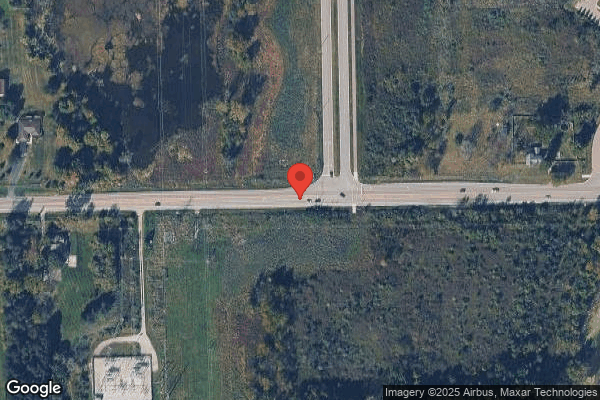
Understanding Severity Codes (click to expand)
Life-Threatening (Immediate Jeopardy)
J - Isolated K - Pattern L - Widespread
Actual Harm
G - Isolated H - Pattern I - Widespread
Potential for Harm
D - Isolated E - Pattern F - Widespread
No Harm (Minor)
A - Isolated B - Pattern C - Widespread

Questions to Ask on Your Visit

  • "What changes have you made since the serious inspection findings?"
  • "Can I speak with families of current residents?"
  • "What's your RN coverage like on weekends and overnight?"

Our Honest Assessment

Strengths
  • • Licensed and certified facility. Meets minimum state requirements.
Concerns
  • • Multiple safety concerns identified: 1 life-threatening violation(s), 3 harm violation(s), $33,647 in fines. Review inspection reports carefully.
  • • 46 deficiencies on record, including 1 critical (life-threatening) violation. These warrant careful review before choosing this facility.
  • • $33,647 in fines. Higher than 94% of Michigan facilities, suggesting repeated compliance issues.
  • • Grade F (28/100). Below average facility with significant concerns.
Bottom line: Trust Score of 28/100 indicates significant concerns. Thoroughly evaluate alternatives.

About This Facility

What is Wellbridge Of Grand Blanc's CMS Rating?

CMS assigns WellBridge of Grand Blanc an overall rating of 3 out of 5 stars, which is considered average nationally. Within Michigan, this rating places the facility higher than 0% of the state's 100 nursing homes. This mid-range rating indicates the facility meets federal standards but may have areas for improvement.

How is Wellbridge Of Grand Blanc Staffed?

CMS rates WellBridge of Grand Blanc's staffing level at 4 out of 5 stars, which is above average compared to other nursing homes. Staff turnover is 47%, compared to the Michigan average of 46%.

What Have Inspectors Found at Wellbridge Of Grand Blanc?

State health inspectors documented 46 deficiencies at WellBridge of Grand Blanc during 2022 to 2025. These included: 1 Immediate Jeopardy (the most serious level, indicating potential for serious harm or death), 3 that caused actual resident harm, and 42 with potential for harm. Immediate Jeopardy findings are rare and represent the most serious regulatory concerns. They require immediate corrective action.

Who Owns and Operates Wellbridge Of Grand Blanc?

WellBridge of Grand Blanc is owned by a for-profit company. For-profit facilities operate as businesses with obligations to shareholders or private owners. The facility is operated by THE WELLBRIDGE GROUP, a chain that manages multiple nursing homes. With 128 certified beds and approximately 125 residents (about 98% occupancy), it is a mid-sized facility located in Grand Blanc, Michigan.

How Does Wellbridge Of Grand Blanc Compare to Other Michigan Nursing Homes?

Compared to the 100 nursing homes in Michigan, WellBridge of Grand Blanc's overall rating (3 stars) is below the state average of 3.1, staff turnover (47%) is near the state average of 46%, and health inspection rating (3 stars) is at the national benchmark.

What Should Families Ask When Visiting Wellbridge Of Grand Blanc?

Based on this facility's data, families visiting should ask: "What changes have been made since the serious inspection findings, and how are you preventing similar issues?" "Can I visit during a mealtime to observe dining assistance and food quality?" "How do you handle medical emergencies, and what is your hospital transfer rate?" "Can I speak with family members of current residents about their experience?" These questions are particularly relevant given the facility's Immediate Jeopardy citations.

Is Wellbridge Of Grand Blanc Safe?

Based on CMS inspection data, WellBridge of Grand Blanc has documented safety concerns. Inspectors have issued 1 Immediate Jeopardy citation (the most serious violation level indicating risk of serious injury or death). The facility has a 3-star overall rating and ranks #100 of 100 nursing homes in Michigan. Families considering this facility should ask detailed questions about what corrective actions have been taken since these incidents.

Do Nurses at Wellbridge Of Grand Blanc Stick Around?

WellBridge of Grand Blanc has a staff turnover rate of 47%, which is about average for Michigan nursing homes (state average: 46%). Moderate turnover is common in nursing homes, but families should still ask about staff tenure and how the facility maintains care continuity when employees leave.

Was Wellbridge Of Grand Blanc Ever Fined?

WellBridge of Grand Blanc has been fined $33,647 across 1 penalty action. The Michigan average is $33,415. While any fine indicates a compliance issue, fines under $50,000 are relatively common and typically reflect isolated problems that were subsequently corrected. Families should ask what specific issues led to these fines and confirm they've been resolved.

Is Wellbridge Of Grand Blanc on Any Federal Watch List?

WellBridge of Grand Blanc is not on any federal watch list. The most significant is the Special Focus Facility (SFF) program, which identifies the bottom 1% of nursing homes nationally based on persistent, serious quality problems. Not being on this list means the facility has avoided the pattern of deficiencies that triggers enhanced federal oversight. This is a positive indicator, though families should still review the facility's inspection history directly.