Beacon Hill at Eastgate
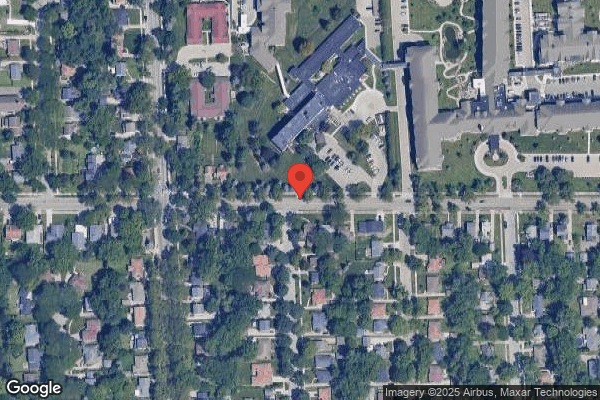
1845 Boston Blvd SE, Grand Rapids, MI 49506 (616) 245-9179
Non profit - Corporation 29 Beds Independent Data: November 2025
Trust Grade
83/100
#6 of 422 in MI
Last Inspection: January 2025

Within standard 12-15 month inspection cycle. Federal law requires annual inspections.

Overview

Beacon Hill at Eastgate in Grand Rapids, Michigan, has a Trust Grade of B+, indicating it is above average and recommended for families considering care options. It ranks #6 out of 422 facilities in Michigan, placing it well within the top half, and it is the top-ranked facility out of 28 in Kent County. The facility shows an improving trend, with issues decreasing from 10 in 2024 to just 2 in 2025, but it does have some concerns, including lower RN coverage than 75% of Michigan facilities, which may impact immediate care. Specific incidents include failures in food safety practices, leading to potential contamination risks for residents, and a lack of accurate reporting in nursing coverage, raising questions about staffing adequacy. While staffing is a strength with a 5/5 rating and a turnover rate that matches the state average, the presence of fines and the need for improvements in quality measures indicate there are areas that require attention.

Trust Score
B+
83/100
In Michigan
#6/422
Top 1%
Safety Record
Low Risk
No red flags
Inspections
Getting Better
10 → 2 violations
Staff Stability
○ Average
44% turnover. Near Michigan's 48% average. Typical for the industry.
Penalties
⚠ Watch
$3,282 in fines. Higher than 84% of Michigan facilities, suggesting repeated compliance issues.
Skilled Nurses
✓ Good
Each resident gets 46 minutes of Registered Nurse (RN) attention daily — more than average for Michigan. RNs are trained to catch health problems early.
Violations
⚠ Watch
15 deficiencies on record. Higher than average. Multiple issues found across inspections.
★★★★★
5.0
Overall Rating
★★★★★
5.0
Staff Levels
★★☆☆☆
2.0
Care Quality
★★★★★
5.0
Inspection Score
Stable
2024: 10 issues
2025: 2 issues

The Good

  • 5-Star Staffing Rating · Excellent nurse staffing levels
  • Full Sprinkler Coverage · Fire safety systems throughout facility
  • No fines on record
  • Staff turnover below average (44%)

    4 points below Michigan average of 48%

Facility shows strength in staffing levels, fire safety.

The Bad

Staff Turnover: 44%

Near Michigan avg (46%)

Typical for the industry

Federal Fines: $3,282

Below median ($33,413)

Minor penalties assessed

The Ugly 15 deficiencies on record

Sept 2025 2 deficiencies
CONCERN (D) 📢 Someone Reported This

A family member, employee, or ombudsman was alarmed enough to file a formal complaint

Potential for Harm - no one hurt, but risky conditions existed

Notification of Changes (Tag F0580)

Could have caused harm · This affected 1 resident

**NOTE- TERMS IN BRACKETS HAVE BEEN EDITED TO PROTECT CONFIDENTIALITY** This citation pertains to intake #2583761.Based on interview and record review, the facility failed to ensure the proper notific...

Read full inspector narrative →
**NOTE- TERMS IN BRACKETS HAVE BEEN EDITED TO PROTECT CONFIDENTIALITY** This citation pertains to intake #2583761.Based on interview and record review, the facility failed to ensure the proper notifications were made with a change in condition for 1 resident (Resident #101) of 3 residents reviewed for notifications, resulting in Resident #101's responsible party not receiving prompt notification of falls and/or subsequent injuries identified.Findings include:Review of an admission Record revealed Resident #101 was originally admitted to the facility on [DATE], with pertinent diagnoses which included: dementia and anxiety. Review of a Minimum Data Set (MDS) assessment for Resident # 101, with a reference date of 5/28/25 revealed a Brief Interview for Mental Status (BIMS) score of 3, out of a total possible score of 15, which indicated Resident #101 was severely cognitively impaired. In an interview on 9/11/25 at 9:26 AM, Family Member (FM) D reported that Resident #101 had fallen multiple times at the facility, was hospitalized on [DATE] and passed away on 7/24/25. FM D reported that she visited Resident #101 everyday at the facility and that the facility communicated very poorly with her. FM D reported that she was often notified several days after his falls and/or not at all. FM D reported that on 7/16/25 she declined x-rays be taken of Resident #101's back because she did not know he had any injury to his back until the next day when he was in such severe pain that she insisted he be sent to the hospital. FM D reported that she had not been notified of the injuries found on 6/16/25 to the resident's head and back.Review of a list of falls from the past 90 days, provided by Director of Nursing (DON) B did not include Resident #101. Review of Resident #101's Fall Reports revealed the following falls:6/4/25 at 4:30 PM-resident was found kneeling next to bed with no injuries.6/13/25 at 3:15 AM-resident was found on the floor in front of his recliner with bruise on his chest and bruise on right rear iliac crest (back of right hip).6/18/25 at 1:50 AM-resident was found on the floor in front of his recliner with no injuries.6/28/25 at 7:30 PM-resident was found on the floor in the bathroom with no injuries.7/10/25 at 2:00 AM-resident was found on the floor near his recliner with a scratch on his right buttock.7/14/25 at 11:45 PM-resident was found on the floor in front of his recliner with no injuries.In an interview on 9/11/25 at 1:38 PM, Certified Nursing Assistant (CNA) F reported Resident #101 had multiple falls at the bedside and in the bathroom. CNA F reported that the resident fell so many times that the nurse sometimes wouldn't even document it. In an interview on 9/15/25 at 10:48 AM, Clinical Care Coordinator (CCC) E reported Resident #101 had multiple falls in the evening hours. CCC E reported that Resident #101 had 6 known unwitnessed falls on 6/4/25, 6/13/25, 6/18/25, 6/28/25, 7/10/25 and 7/14/25. CCC E reported that the incident reports from the falls did not indicate any major injuries were sustained. CCC E reported that less than 48 hours following his last fall, CCC E found the resident to have a hematoma and bulge on the back of his head and there had been no previous documentation of those injuries. CCC E reported did not report this finding to the provider and/or FM D. CCC E reported that about 4:00 PM that day (7/16/25) another nurse had found a large bruise on the resident's back and notified the provider; an x-ray was ordered for that evening. CCC E reported that FM D was at the bedside when the x-ray department arrived and declined having the x-ray done saying that Resident #101 was having pain in his legs and that she did not know why there would be an order for a back x-ray. CCC E reported that the next morning FM D called the facility upset that she did not know about that Resident #101 was having pain in his back and requested that x-rays also be taken of his legs.In an interview on 9/15/25 at 12:55 PM, Licensed Practical Nurse (LPN) H reported that Resident #101 fell a lot during the night, as he would try to get out of his chair and would attempt to self-transfer to the bathroom. LPN H reported that she notified the provider and DON B after falls and then reported to the day nurse, so that she could call the family. Review of Resident #101's Nurse's Notes dated 7/16/25 at 8:55 PM revealed, Daughter (FM D) called today concerning dads (Resident #101) pain/discomfort. Writer informed that he (Resident #101) was anxious this morning and stated that he was in a lot of pain. She stated that she was upset with the lack of communication and that she did not call and inform her that her dad was in pain. She stated that she declined the x-ray yesterday due to technician saying it was a back x-ray and not for his legs. She then stated that she was going to call and see if she could get an order for an x-ray on his leg.
CONCERN (D) 📢 Someone Reported This

A family member, employee, or ombudsman was alarmed enough to file a formal complaint

Potential for Harm - no one hurt, but risky conditions existed

Accident Prevention (Tag F0689)

Could have caused harm · This affected 1 resident

**NOTE- TERMS IN BRACKETS HAVE BEEN EDITED TO PROTECT CONFIDENTIALITY** This citation pertains to intake #2583761Based on interview and record review, the facility failed to complete thorough post-fal...

Read full inspector narrative →
**NOTE- TERMS IN BRACKETS HAVE BEEN EDITED TO PROTECT CONFIDENTIALITY** This citation pertains to intake #2583761Based on interview and record review, the facility failed to complete thorough post-fall assessments and adequate monitoring following falls for 1 resident (Resident #101) of 3 residents reviewed for falls, resulting in the delay of care for fractures of ribs, fractures of the pubic rami (a group of bones in the lower pelvis) and sacrum (tailbone). Findings include:Review of an admission Record revealed Resident #101 was originally admitted to the facility on [DATE], with pertinent diagnoses which included: dementia and anxiety. Review of a Minimum Data Set (MDS) assessment for Resident # 101, with a reference date of 5/28/25 revealed a Brief Interview for Mental Status (BIMS) score of 3, out of a total possible score of 15, which indicated Resident #101 was severely cognitively impaired. Review of the Functional Abilities revealed that Resident #101 required substantial/maximal assistance (helper does >50% of the effort) to transfer to and from wheelchair and to use the toilet.Review of Resident #101's Care Plan revealed, I am at HIGH risk for falls r/t (related to) anti-depressant use, vascular dementia, depression, deconditioning related to dialysis. Dated initiated: 5/20/25. Interventions: 6/13/25: Dycem (thick pressure reducing pad) added to resident's person recliner. 6/18/25: Increase rounding on resident at night. 6/4/25: make sure call light and other important items are within reach. 7/10/25: Staff will offer option of being in bed or sitting in recliner at bedtime. 5/20/25: Anticipate and meet the resident's needs. 6/18/25: Appropriate footwear: nonskid or grippy socks. 7/15/25: Bedside commode next to recliner. 5/20/25: Clear pathway to the bathroom and bedroom doors. 5/20/25: Do not leave resident unattended in bathroom. 5/20/25: Encourage resident to wear shoes or slippers with non-slip soles when ambulating. 6/28/25: ensure wheelchair is not in reach and walker is in reach for resident. d/t (due to) resident uses w/c (wheelchair) as a walker.In an interview on 9/11/25 at 9:26 AM, Family Member (FM) D reported that Resident #101 had fallen multiple times at the facility, was hospitalized on [DATE] and passed away on 7/24/25. FM D reported that she visited Resident #101 everyday at the facility and that the facility communicated very poorly with her. FM D reported that she was often notified several days after Resident #101 had a fall and/or not at all. FM D reported that on 7/16/25 she declined x-rays be taken of Resident #101's back because she did not know he had any injury to his back until the next day when he was in such severe pain that she insisted he be sent to the hospital.Review of a list of all falls from the past 90 days, provided by Director of Nursing (DON) B revealed no falls for Resident #101. Review of Resident #101's Fall Reports revealed the following falls:6/4/25 at 4:30 PM-resident was found kneeling next to bed with no injuries.6/13/25 at 3:15 AM-resident was found on the floor in front of his recliner with bruise on his chest and bruise on right rear iliac crest (back of right hip).6/18/25 at 1:50 AM-resident was found on the floor in front of his recliner with no injuries.6/28/25 at 7:30 PM-resident was found on the floor in the bathroom with no injuries.7/10/25 at 2:00 AM-resident was found on the floor near his recliner with a scratch on his right buttock.7/14/25 at 11:45 PM-resident was found on the floor in front of his recliner with no injuries. Review of Resident #101's Neurological Checks that corresponded with falls on 6/4/25, 6/13/25, 6/18/25, 6/28/25, 7/10/25 and 7/14/25 were all documented as normal. There was no documentation of weakness or unusual movement of arms or legs during the 72 hours following each fall listed above.Review of Resident #101's Hospital Records dated 7/17/25 revealed, .presents to emergency department with complaint of fall 3 days ago.complain of pain everywhere.CT (detailed x-ray images) thorax (chest) and pelvis.Final Result: 1. Acute (sudden onset) fractures involving the right superior and inferior pubic rami. 2. New fracture at the anterior cortex of the S3 segment (the front outer bones of the sacrum). 3. New acute fracture involving the posterolateral left 11th rib.Hospital Course: .admitted to internal medicine service. Overall his pain was very difficult to control. Frequently shouting out for help and moaning in pain. He is unlikely to walk again.elected to pursue hospice. These records had a label across the top indicating printed by (Clinical Care Coordinator (CCC) E) on 7/18/25 at 7:43 AM.Review of Resident #101's Nurse's Notes dated 7/17/25 at 6:21 PM revealed, Daughter came in.Stating that she is taking him to the hospital now and that she was not going to wait any longer for mobile x-ray to come out. Review of Resident #101's Nurse's Notes dated 7/16/25 at 8:55 PM revealed, Daughter (FM D) called today concerning dads (Resident #101) pain/discomfort. Writer informed that he was anxious this morning and stated that he was in a lot of pain. She stated that she was upset with the lack of communication and that she did not call and inform her that her dad was in pain. She stated that she declined the x-ray yesterday due to technician saying it was a back x-ray and not for his legs. She then stated that she was going to call and see if she could get an order for an x-ray on his leg.Review of Resident #101's Nurse's Notes dated 7/16/25 at 4:05 PM revealed, Message sent to on call (provider) concerning back pain and bulge on back of head. Order for lumbar/thoracic (lower and middle back) x-ray ordered.Review of Resident #101's Nurse's Notes dated 7/16/25 at 4:01 PM revealed, .during rounds this morning (Resident #101) began yelling and swearing at staff. He stated that he did not feel well. He stated that he did not want to go to dialysis because he was hurting too bad. This nurse assessed patient due to recent fall and observed a bulge on the back of his head and a raised area on the left lower side of his back. When writer attempted to touch area (Resident #101) jumped and began to yell, stating that it hurt so bad. Review of Resident #101's Nurse's Note dated 7/16/25 at 7:49 AM revealed, .when rounding was informed of hematoma (localized collection of blood due to trauma) to back of scalp and bulge at back. This writer assisted with transfer yesterday and did assessment and these were not visualized at that time. These are new developments. In an interview on 9/11/25 at 1:38 PM, Certified Nursing Assistant (CNA) F reported Resident #101 had multiple falls at the bedside and in the bathroom. CNA F reported that the resident fell so many times that the nurse sometimes wouldn't even document it. In an interview on 9/11/25 at 12:40 PM, Licensed Practical Nurse (LPN) G reported that Resident #101 frequently complained of pain and feeling sick. LPN G reported that the resident had a lot of bruises on his arms and back. In an interview on 9/15/25 at 12:55 PM, LPN H reported that Resident #101 fell a lot during the night, he would try to get out of his chair and would self-transfer to the bathroom. LPN H reported that staff tried to check on Resident #101 more often but was not able to be there all the time because every patient deserved the same care. LPN H reported that Resident #101's falls were always unwitnessed, he would bruise easily and complained of back pain after his falls. LPN H reported that she notified the provider and DON B after falls and then reported off to the day nurse so that they would call the family. LPN H reported that she was not aware of Resident #101's injuries that were discovered after he was transferred to the hospital on 7/17/25.In an interview on 9/15/25 at 10:24 AM, Director of Nursing (DON) B reported that she knew Resident #101 had multiple falls and was sent to the hospital but that she did not know the outcome from his hospitalizations. DON B reported that CCC E was very familiar with the resident and had dealt with concerns voiced by FM D. In an interview on 9/15/25 at 10:48 AM, CCC E reported Resident #101 had multiple falls in the evening hours. CCC E reported that Resident #101 had 6 known unwitnessed falls on 6/4/25, 6/13/25, 6/18/25, 6/28/25, 7/10/25 and 7/14/25. CCC E reported that the incident reports from the falls did not indicate any major injuries. CCC E reported that less than 48 hours following his last fall, CCC E found the resident to have a hematoma and bulge on the back of his head and there had been no previous documentation of it. CCC E reported that she did not report this finding to the provider and/or FM D. CCC E reported that based on the record, at about 4:00 PM that day (7/16/25) another nurse had found a large bruise on the resident's back and notified the provider; an x-ray was ordered for that evening. CCC E reported that FM D was at the bedside when the x-ray department arrived and declined having the x-ray done saying that Resident #101 was having pain in his legs and that she did not know why there would be an order for a back x-ray. CCC E reported that the next morning FM D called the facility upset that she did not know about that Resident #101 was having pain in his back and requested that x-rays also be taken of his legs. Before the x-ray department arrived, FM D was at the bedside and insisted that Resident #101 be sent to the emergency department due to his extreme pain; Resident #101 was transferred to the hospital by ambulance on 7/17/25 at approximately 7:30 PM. CCC E reported that she reviewed records from the hospital the next day that revealed multiple fractures, but did not have any knowledge of what transpired after that. CCC E reported that the findings from Resident #101's hospital report were handled by admissions and/or DON B to determine if the injuries would need to be reported to the state.In a subsequent interview on 9/15/25 at 2:40 PM, DON B reported that through her investigations regarding Resident #101's falls staff had reported Resident #101 had increase yelling, worsened weakness, irritability and refusing cares for a couple days prior to his hospitalization; Resident #101 had reported pain inconsistently, but staff related his pain to being sore from his previous falls. DON B reported that Resident #101's hematoma on his head and the bruising to his back were not noted in assessments prior to 7/16/25. DON B reported that she was made aware of Resident #101's fractures on 7/18/25 but did not have a concern for abuse or neglect.Review of Resident #101's Weekly Skin Observations revealed the following findings:5/29/25: no bruises.6/6/25: multiple bruises on arms.6/13/25: no assessment documented.6/20/25: multiple bruises on arms.6/27/25: no assessment documented.7/4/25: no assessment documented.7/11/25: multiple bruises. All findings from the skin observations listed above were documented as areas previously being monitored.Review of Resident #101's Nurse's Notes dated 6/15/25 at 3:44 AM revealed, .Family visited and brought to nurse's attention a large dark purple bruise covering left side.multiple bruises noted to hands and arms.Review of Resident #101's Nurse's Notes dated 6/17/25 at 5:12 PM revealed, Bruising noted on right side, most likely from recent fall.Review of Resident #101's Nurse's Notes dated 6/20/25 at 6:18 PM revealed, .fall on 6/18/25, today writer noticed a bruise 3 x 2.5 cm on the top of his head.Review of Resident #101's Nurse's Notes dated 6/28/25 at 5:48 AM revealed, Resident very anxious during the shift, yelling out loud, resident also stated he had a headache.Review of Resident #101's Nurse's Notes dated 6/29/25 at 2:36 AM revealed, Resident was observed on the floor sitting up in his bathroom doorway.abrasion with dark purple bruise was in his mid-back. These findings were not noted of the resident's incident report from 6/28/25.Review of Resident #101's Nurse's Notes dated 7/10/25 at 3:21 AM revealed, .observed resident sitting on floor close to his recliner.An abrasion on his upper right glute (buttock).Review of Resident #101's Nurse's Notes dated 7/12/25 at 1:33 PM revealed, .medication for anxiety and pain given this morning due to yelling and attempting to transfer.Review of Resident #101's Nurse's Notes dated 7/15/25 at 12:31 AM revealed, .heard fall in room by aide at 11:45 PM (7/14/25).observed on the floor on right side laying on arm in front of recliner.
Feb 2024 10 deficiencies
CONCERN (D)

Potential for Harm - no one hurt, but risky conditions existed

Comprehensive Care Plan (Tag F0656)

Could have caused harm · This affected 1 resident

**NOTE- TERMS IN BRACKETS HAVE BEEN EDITED TO PROTECT CONFIDENTIALITY** Based on interview and record review, the facility failed to develop and implement person-centered comprehensive care plans for ...

Read full inspector narrative →
**NOTE- TERMS IN BRACKETS HAVE BEEN EDITED TO PROTECT CONFIDENTIALITY** Based on interview and record review, the facility failed to develop and implement person-centered comprehensive care plans for 2 (Resident #4 and #12) of 12 residents reviewed for care plans, resulting in an incomplete reflection of the residents' care needs related to anticoagulant use. Findings include: Resident #4 Review of an admission Record revealed Resident #4 was a female, with pertinent diagnoses which included: unspecified atrial fibrillation (irregular heartbeat that often results in poor blood flow) and unspecified diastolic (congestive) heart failure. Review of Resident #4's electronic medical record Census page revealed resident had readmitted to the facility on [DATE] following a paid hospital leave which began on 1/30/24 and that the resident had readmitted to the facility on [DATE] following a paid hospital leave which began on 3/10/23. Review of an active Physician's Order for Resident #4 revealed, Apixaban Oral Tablet 5 MG (milligrams) (Apixaban) Give 1 tablet by mouth two times a day for Anticoagulant (medication used to prevent blood clots) Active Order Date 2/5/24 Start Date 2/5/24 Review of a discontinued Physician's Order for Resident #4 revealed, Apixaban Tablet 5 MG Give 1 tablet by mouth .Start Date 3/17/23 End Date 1/31/24 . Review of a current Care Plan for Resident #4 revealed no care planned focus, goals, or interventions related to Resident #4's anticoagulant use. In an interview on 2/14/24 at 12:45 PM, Clinical Manager (CM) F reported she was responsible for completing the resident Minimum Data Set (MDS) Assessments and created/updated resident care plans at that time but that any nurse could update a resident's care plan. CM F reported care plans should be developed for residents who were prescribed high risk medications which included anticoagulant medications because of the of the risk of bruising and bleeding. CM F reviewed Resident #4's current Care Plan with this surveyor and reported there was no care plan for Resident #4's anticoagulant use. CM F went on to report that she was working on updating Resident #4's care plan since the resident had just returned from the hospital on 2/5/24, but that the anticoagulant was not a new medication for this resident as she had been on it prior to her recent hospitalization. CM F stated, we just did not have it in there (referring to an anticoagulant care plan for Resident #4). Resident #12 Review of an admission Record revealed Resident #12 was a female, with pertinent diagnoses which included: unspecified atrial fibrillation. Review of an active Physician's Order for Resident #12 revealed, Eliquis Tablet 5 MG (Apixaban) Give 1 tablet by mouth two times a day for Pulmonary Embolism Pharmacy Active 12/1/2022 20:00 Review of a current Care Plan for Resident #12 revealed no care planned focus, goals, or interventions related to Resident #12's anticoagulant use. In an interview on 2/15/24 at 1:40 PM, Director of Nursing (DON) B was requested to show this surveyor a care plan for Resident #12's anticoagulant (Eliquis) use. DON B reviewed Resident #12's current care plan and reported there was no care plan in place for her anticoagulant use but there should have been.
CONCERN (D)

Potential for Harm - no one hurt, but risky conditions existed

Pressure Ulcer Prevention (Tag F0686)

Could have caused harm · This affected 1 resident

**NOTE- TERMS IN BRACKETS HAVE BEEN EDITED TO PROTECT CONFIDENTIALITY** Based on observation, interview, and record review, the facility failed to ensure that pressure relieving devices were in good r...

Read full inspector narrative →
**NOTE- TERMS IN BRACKETS HAVE BEEN EDITED TO PROTECT CONFIDENTIALITY** Based on observation, interview, and record review, the facility failed to ensure that pressure relieving devices were in good repair for 1 of 2 residents (R8) reviewed for pressure wounds, resulting in the potential to be ineffective in preventing pressure wounds. Findings: According to the Minimum Data set (MDS), 1/9/2024, R8 scored 9/10, on his BIMS (Brief Interview Mental Status), indicating his cognition was impaired, Section GG-Functional Abilities and Goals included impairment on one side of upper extremity (arm/hand), with diagnoses that included a stroke, partial paralysis, parkinson's disease, and a traumatic brain injury. Review of R8's Order Summary, 8/5/23, reported bilateral heel boots and a left elbow protector were to be applied while in wheelchair and in bed to protect skin. Review of R8's Care Plan, 9/7/2023, reported the treatment care plan focus was skin integrity and was at risk for impaired skin. The goal for the resident was to have intact skin (revision 1/12/2024) with interventions that included pressure relieving boots to be on when in bed and at night updated 10/2023 with a revision on 12/13/2023. It was noted that a left elbow protector was not included as an intervention to prevent impaired skin integrity. Review of R8's [NAME] (care guide to direct staff in resident care), as of 2/15/2024, indicated staff were to apply pressure relieving boots to be on when in bed and at night updated 10/2023. It was noted a left elbow protector was not included. Review of R8's Braden Scale for Predicting Pressure Sore Risk, 11/9/2023, indicated the resident was at risk with a score of 16.0. The score was accumulated with R8 having sensory perception that was slightly limited, was chairfast while being slightly limited in his ability to make changes in body position independently, a problem with contractures and required moderate to maximum assistance in moving with a potential of friction and shearing. Observed R8 on 2/13/24 at 9:55 AM, in his bed awake not wearing pressure relieving prevlon boots. Observed R8 on 2/14/24 at 12:10 PM, sitting in a broda chair wearing pressure relieving boots that were torn and tattered with no stuffing in the right boot. During an observation and interview on 2/14/24 at 1:45 PM, Clinical Care Manager (CCM) F assisted Certified Nursing Assistant (CeNA) J in transferring R8 from a broda chair to bed via a mechanical lift. On both resident's feet were pressure relieving boots (heel protectors). On the resident's left foot was a dark blue boot that was fraying at the seams with white stuffing showing. On the right foot was a light blue boot that was torn and open at the seams with the majority of the white stuffing missing. None of stuffing (padding) was in the heel part of the boot. All that was against the resident's socked right heel was torn nylon from the boot. CCM F stated, I just saw that the boots are torn and missing some of the stuffing. I would expect staff to tell a nurse the resident needs new boots. I'm not sure how long (R8's) boots have been like this. They are not really protecting his heels. Observed on the floor across the room by the resident's dresser was a small amount of white stuffing. CCM stated, I do not know if that came from the resident's boots or his brief. During an interview and record review on 2/15/24 at 12:46 PM, Therapy Director (TD) DD reviewed R8's medical records and therapy notes stating, (R8) is to wear prevlon (pressure relieving) boots. He has limited mobility. The stuffing/padding missing in the boots probably does not offer much protection to his heels. It was noted a left elbow protector was not documented. Review of R8's Progress Note, 2/9/2024 20:23 (8:23 PM) reported a palm protector was to be applied to the resident's left hand every morning and taken off at bedtime. This was to be the rolled stockinette with stuffing in it for contractures. The device was not in use today. It was noted no explanation why the device was not used was indicated.
CONCERN (D)

Potential for Harm - no one hurt, but risky conditions existed

Deficiency F0688 (Tag F0688)

Could have caused harm · This affected 1 resident

**NOTE- TERMS IN BRACKETS HAVE BEEN EDITED TO PROTECT CONFIDENTIALITY** Based on observation, interview, and interview, the facility failed to apply stockinette/brace for 2 of 2 residents (R8 and R18)...

Read full inspector narrative →
**NOTE- TERMS IN BRACKETS HAVE BEEN EDITED TO PROTECT CONFIDENTIALITY** Based on observation, interview, and interview, the facility failed to apply stockinette/brace for 2 of 2 residents (R8 and R18) reviewed for limited range-of-motion (ROM)/contractures, resulting in the potential of worsening contractures. Findings include: R8 According to the Minimum Data set (MDS), 1/9/2024, R8 scored 9/10, on his BIMS (Brief Interview Mental Status), indicating his cognition was impaired, Section GG-Functional Abilities and Goals included impairment on one side of upper extremity (arm/hand), with diagnoses that included a stroke, partial paralysis, and a traumatic brain injury. Review of R8's Order Summary, 9/7/2023, reported a palm protector (brace) was to be applied to the left hand every morning and taken off at HS (bedtime). This was the rolled stockinette with stuffing in it for contractures. Review of R8's Care Plan, 9/7/2023, reported the treatment care plan focus was skin integrity and was at risk for impaired skin. The resident had hemiparesis to his left side and would decline using a splint to his left upper extremity (arm/hand). Staff were to encourage the resident to use a device. The goal for R8 was to have intact skin with interventions that included attempting to use a rolled washcloth or the stuffed stockinette in the palm of the resident's hand while awake. The brace was not to be applied to his left upper extremity. Review of R8's [NAME], (care guide to direct staff in resident care), as of 2/15/2024, indicated staff were to attempt to use a rolled washcloth or the stuffed stockinette in the palm of the resident's hand while awake. The brace was not be applied to his left upper extremity. During an observation and interview on 2/13/24 at 9:55 AM, R8's left hand was contracted with fingers curled in toward the palm of his hand. R8 was able to state in a slow response that he had a brace for his left hand, and it did not stay on very good, and he did not like to wear it. He reported it was in his top dresser drawer and surveyor was able to look for it. Observed the hard hand brace in resident's top dresser drawer. No rolled stockinette with stuffing was observed in the dresser or visible in the resident's room. Observed R8 on 2/14/24 at 12:10 PM, awake in a broda chair (high-backed recliner-like wheelchair) positioned in the dining area next to a large window. On both feet were blue boots (pressure relieving devices). His left hand was contracted with no rolled washcloth or stockinette in it. During an observation on 2/14/24 at 1:45 PM, Certified Nursing Assistant (CNA) J transferred R8 into bed. The resident's left hand was contracted. No rolled washcloth or stockinette was applied to the resident's left hand. During an interview and record review on 2/15/24 at 12:46 PM, Therapy Director (TD) DD reviewed R8's medical records including therapy notes stating, (R8) is to wear a resting hand splint on his left side. He should be wearing it on the morning and off at bedtime or off to tolerance. It could cause contractures if he does not wear it. Review of R8's Progress Note, 12/22/2023 13:04 (1:04 PM), Orders Administration Note, reported a palm protector was to be applied to the left hand every morning and taken off at bedtime for contractures. This is the rolled stockinette with stuffing. This is to be applied for two reasons: 1. unable to locate. 2. Attempted small hand towel roll and resident's left hand is too contracted and painful to extend. R18 According to the Minimum Data Set (MDS) 11/9/2023, R18 was unable to complete the BIMS (Brief Interview Mental Status) indicating her mental cognition was impaired. Section GG-Functional Abilities and Goals included impairment on one side of upper extremity (arm/hand), with diagnoses that included a stroke, aphasia (difficulty in communicating), and vision impairment. Review of R18's Order Summary, 5/24/2023, reported a brace was to be applied to the right arm daily. On in morning and off at bedtime. Observed on 2/13/24 at 12:07 PM, R18 was lying on her back in her bed. Her right hand was contracted into the shape of a ball. The resident was not wearing a brace on that hand. Observed on 2/14/24 at 12:27 PM, R18 was lying in her bed with her eyes closed. Her right hand was contracted into the shape of a ball. The resident was not wearing a brace on that hand. During an observation and interview on 2/15/24 at 12:33 PM, Licensed Practical Nurse (LPN) P was assisting R18 to eat. R18's brace was on the bedside dresser. The LPN stated, I just took off her brace because she is eating. Her brace should be on every day.
CONCERN (D)

Potential for Harm - no one hurt, but risky conditions existed

Accident Prevention (Tag F0689)

Could have caused harm · This affected 1 resident

**NOTE- TERMS IN BRACKETS HAVE BEEN EDITED TO PROTECT CONFIDENTIALITY** Based on interview and record review, the facility failed to use a gait belt during a transfer and failed to ensure equipment wa...

Read full inspector narrative →
**NOTE- TERMS IN BRACKETS HAVE BEEN EDITED TO PROTECT CONFIDENTIALITY** Based on interview and record review, the facility failed to use a gait belt during a transfer and failed to ensure equipment was secure in 1 (Resident #25) of 3 residents reviewed for accidents/hazards resulting in Resident #25 falling and sustaining a skin tear to her shin. Finding include: Resident #25 Review of an admission Record revealed Resident #25 was a female, originally admitted to the facility on [DATE], with pertinent diagnoses which included: essential tremor and age-related osteoporosis. Review of a Minimum Data Set (MDS) assessment for Resident #25, with a reference date of 1/14/24 revealed a Brief Interview for Mental Status (BIMS) score of 14, out of a total possible score of 15, which indicated Resident #25 was cognitively intact. Further review of said MDS revealed Resident #25 required substantial/maximal assistance to Sit to stand: The ability to come to a standing position from sitting in a chair, wheelchair, or on the side of the bed on admission. In an interview on 2/13/24 at 10:34 AM, Resident #25 reported she had recently fallen when she went to get on a scale that staff had put on the floor next to her recliner chair. Resident #25 stated, it slipped and went flying and hit my leg. Resident #25 reported the staff member that was assisting her should have put a belt (referring to a gait belt) on her when she helped her on the scale but didn't. Review of Resident #25's Incident Report dated 1/25/24 at 4:30 PM and prepared by Licensed Practical Nurse (LPN) P revealed, This writer heard noise coming from room [ROOM NUMBER] and immediately went to investigate. Resident was observed on the floor in front of her recliner in a sitting position. Resident stated that she was standing on the scale, and it slipped out from under her. Residents right shin had scant (small amount) blood, and a less than 2 cm (centimeter) skin tear was observed and dressed per standing order skin protocol. CNA (also referred to as CENA Certified Nurse Aide) was present in room attempting to obtain weight .Resident stated that she was standing on the scale, and it slipped out from under her. In an interview on 2/15/24 at 11:54 AM, LPN P reported she was the responding nurse on duty the day Resident #25 slipped on the scale and fell. LPN P reported the CENA (CENA EE) had been weighing Resident #25 on the scale and the scale slipped out from under the resident. LPN P reported when she arrived in the room, the resident was on the floor and her shin had a small amount of blood from a skin tear. LPN P reported CENA EE had not used a gait belt on the resident but should have. LPN P reported that, following the incident, the manager ordered that the portable standing scales be removed from use. This surveyor attempted to contact CENA EE on 2/15/24 at 12:10 PM for additional information. A voicemail was left for the CENA EE to return the call. No return call was received prior to survey exit. In an interview on 2/15/24 at 1:33 PM, Director of Nursing (DON) B reported following the incident with the scale slipping out from under Resident #25, the intervention was to not use the portable scales any more. DON B reported the scales, which were bathroom scales, had initially been utilized to weigh residents who were on isolation during COVID. DON B reported had the impression that the scales were too slick to use on the resident room floors and that was why the scale slipped out from under the resident. When queried about expectations for gait belt use for Resident #25, DON B reported any resident requiring maximum assistance should have a gait belt on during a transfer.
CONCERN (D)

Potential for Harm - no one hurt, but risky conditions existed

Deficiency F0692 (Tag F0692)

Could have caused harm · This affected 1 resident

Based on observation, interview, and record review the facility failed to ensure that a therapeutic renal diet and physician ordered fluid restriction was maintained for1 (Resident #10) of 1 resident ...

Read full inspector narrative →
Based on observation, interview, and record review the facility failed to ensure that a therapeutic renal diet and physician ordered fluid restriction was maintained for1 (Resident #10) of 1 resident reviewed for therapeutic renal diet and physician ordered fluid restriction resulting is the potential for increased waste by products in the blood, elevated lab values and fluid overload (excess fluid buildup in the body). Findings include: Resident #10 Review of an admission Record revealed Resident #10 had pertinent diagnoses which included: chronic kidney disease stage 5 (disease stage when the kidneys no longer work as they should), dependence on renal dialysis (blood purifying treatment when the kidneys no long work at optimum function). Review of a Minimum Data Set (MDS) assessment for Resident # 10, with a reference date of 11/28/23 revealed a Brief Interview for Mental Status (BIMS) score of 10/15 which indicated Resident #10 was mildly cognitively impaired. Review of Physician Orders for Resident #10 revealed 11/7/2023 .diet order NAS (No added salt) regular texture, renal, heart healthy, sodium restriction 2.5 gm: fluid restriction 2000ml daily/1200ml with meals . M-W-F: dialysis form and send with pt (patient) in a envelope to (dialysis) . Nepro shake (renal diet specific nutritional drink) one time a day .No diet coke until further notice related to phosphorous level began on 2/1/24 . Review of Care plan for Resident #10 revealed Focus - I have renal failure r/t (related to) ckd (chronic kidney disease stage 5) I will be going to (Name Omitted) on Monday, Wednesday, and Friday for dialysis . Goal - Resident will have no s/sx (signs or symptoms) of complications related to fluid overload . Intervention - dietary consult to regulate protein and K (potassium) intake . monitor for s/sx of hypovolemia (low fluid levels in the body) or hypervolemia (high fluid levels in the body) .Focus - I am at risk for malnutrition related to ESRD (end stage renal disease) with dialysis . Goal - resident will be provided adequate nutrition . monitor intake and record q (every) meal . diet as ordered . During an observation and interview on 2/13/24 at 11:17 AM., Resident #10 was sitting in his room in his straight chair with the over the bed table within reach, with two 12-ounce cups, with lids and straws each with fluid in them and a banana noted on the table. Resident #10 reported that he has a special diet that is not always followed. Resident #10 reported that his meal trays have had things he should not eat, like potatoes, tomatoes, bananas, and orange juice. Resident #10 reported he has had to send a meal back when it contains something he should not eat. Resident #10 reported that he had skipped a meal due to what was served being something he should not eat. Resident #10 reported that he would like more options for meals. During an observation and interview on 2/14/24 at 1:55 PM., there were two 12-ounce cups, with lids and straws with fluid int hem on the over the bed table of Resident #10's room. Resident #10's meal tray was present on the over the bed table, 75 % of the food was consumed, two 8-ounce glasses were present on the tray, both were empty, and Resident #10 reported that he did not have to send anything back today, and he drank everything that was on his tray. When asked if this included both glasses of liquid, Resident #10 replied yes. During an interview on 2/15/24 at 11:30 AM., Dietary Manager (DM) U reported that Resident #10's menu is No Added Salt/ Regular Texture. DM U reported that Resident #10 can select any item off the menu, and that the kitchen staff in the main kitchen can alter his menu orders to adhere to his ordered renal diet. DM U was asked if the menu provided for Resident #10 to order from was specifically a renal diet menu and DM U replied No. DM U reported that the dietary staff has checks in place for Resident #10's diet in the main kitchen. DM U was asked if the nursing staff was educated on the specifics and the checks of Resident #10's diet and he replied No. DM U' reported that the kitchen staff has an outlined renal diet, along with documented items that are not allowed to be served to Resident #10 during meal plating. DM U reported that this information is not communicated to the nursing staff. DM U reported that Resident #10 receives two of his daily meals from the main kitchen, and one meal is served from a sub kitchen by nursing staff. During an interview on 2/15/24 at 12:20 PM., Certified Nurse Assistant (CENA) D reported that Resident #10 was allowed to have fluids at the bedside. CENA D reported that she did not know what Resident #10's fluid restrictions were. CENA D reported that she was unsure what foods Resident #10 should avoid consuming in excess. During an interview on 2/15/24 at 1:20 PM., Registered Nurse (RN) G reported that Resident #10 was allowed to have fluids at the bedside. RN G reported that there was no place that nursing staff documented Resident #10's intake for the day. RN G reported that she had no way of knowing how much fluid Resident #10 consumed. RN G reported that Resident #10 was ordered to have a daily fluid intake of 2000ml. RN G reported that she was unsure of what foods Resident #10 should avoid. During an interview on 2/15/24 at 1:47 PM., Registered Dietician (RD) V reported that Resident #10 was ordered a therapeutic renal diet, and the diet was not being implemented outside of the main kitchen.
CONCERN (D)

Potential for Harm - no one hurt, but risky conditions existed

Deficiency F0698 (Tag F0698)

Could have caused harm · This affected 1 resident

Based on interview and record review the facility failed to ensure that an agreement between themselves (the facility) and the dialysis provider (Name Omitted) was established and maintained in 1 resi...

Read full inspector narrative →
Based on interview and record review the facility failed to ensure that an agreement between themselves (the facility) and the dialysis provider (Name Omitted) was established and maintained in 1 resident (Resident #10) of 1 reviewed for dialysis services resulting in the potential for disruption in the continuity of care and /or the interruption of dialysis treatments. Findings include: Resident #10 Review of an admission Record revealed Resident #10 had pertinent diagnoses which included: chronic kidney disease stage 5 (disease stage when the kidneys no longer work as they should), dependence on renal dialysis (blood purifying treatment when the kidneys no long work at optimum function). Review of a Minimum Data Set (MDS) assessment for Resident # 10, with a reference date of 11/28/23 revealed a Brief Interview for Mental Status (BIMS) score of 10/15 which indicated Resident #10 was mildly cognitively impaired. During an interview on 2/13/24 at 09:30 AM., Nursing Home Administrator (NHA) A reported she was unaware of any contract for dialysis services between the facility and any dialysis provider. During an interview on 2/13/24 at 09:40 AM., Director of Nursing (DON) B reported she was unaware of any contract for dialysis services. DON B reported she would look for a contract but that the NHA was the person responsible for facility contracts. Review of Consent- Hemodialysis treatment for Resident #10 provided by DON B revealed a consent to treat form, not a contract/agreement between the facility and (Name Omitted) dialysis service provider as indicated by DON B. During an interview on 2/14/24 at 10:38 AM., DON B reported that the facility does not have a contract for dialysis services with any dialysis provider.
CONCERN (D)

Potential for Harm - no one hurt, but risky conditions existed

Deficiency F0805 (Tag F0805)

Could have caused harm · This affected 1 resident

During an interview with Dietary Manager (DM) T at 12:10 PM on 2/13/24, it was found that staff take resident orders once a week and will use the weeks menu at a glance to go over the choices for each...

Read full inspector narrative →
During an interview with Dietary Manager (DM) T at 12:10 PM on 2/13/24, it was found that staff take resident orders once a week and will use the weeks menu at a glance to go over the choices for each day, and circle what the resident would like. After all choices have been made, staff would cut up the menu at a glance and make meal tickets from the choices the residents have made. Once cut up, there was not always a distinguishable way to tell what ticket was what residents unless they choose an option outside of the main entrée and their name was added. When asked how residents who are not cognizant of mind make meal choices, DM T stated that staff go by the residents likes, dislikes, their allergens, and also use family interviews and input. A follow up interview with DM T, at 8:27 AM on 2/13/24, found that the current procedure for plating resident meals does not have a process for ensuring residents are receiving the proper meal based on diet order and preferences. Currently, Dietary Aide (DA) U would plate meals from the steam table and place them on a tray on the counter outside of the kitchenette. Once on the tray, the main meal is covered on the counter and plastic card with the resident room number is placed on top for CNA's to follow. When asked how CNA's know what the resident should be having, DM T stated that most of the staff is knowledgeable of the residents and that if they need to check, they can look at the main sheet inside the kitchenette. Based on observation, interview, and record review, the facility to ensure appropriate textured foods were served as ordered for 1 of 4 residents (R18) reviewed for food and beverage, resulting in the potential of choking, and decreased food/beverage acceptance. Findings include: According to the Minimum Data Set (MDS) 11/9/2023, R18 was unable to complete the BIMS (Brief Interview Mental Status) indicating her mental cognition was impaired. Section K-Swallowing/Nutritional Status reported mechanically altered diet, with diagnoses that included a stroke, aphasia (difficulty in communicating), and vision impairment. Review of R18's Quarterly Nutrition Assessment, 2/8/2024, reported the resident had a swallowing impairment related to a stroke as evidenced by a dysphasia diagnosis with a need for a mechanical soft diet. R18 continued to tolerate mechanical soft diet with thin liquids and required some assistance/supervision. Review of 18's Order Summary 5/22/2023, reported the resident was to receive a ---5/22/2023: Regular diet Mechanical soft texture, Regular consistency. -5/23/2023: Encourage fluids up to 2 liters daily for UTI (urinary tract infection prevention). Review of R18's Care Plan, revised on 8/10/2023, reported the resident's focus was swallowing impairments related to stroke as evidenced of dysphasia (difficulty swallowing) and a need for mechanical soft diet (a texture-modified diet that restricts foods that are difficult to chew or swallow. Foods can be pureed, finely chopped, blended, or ground to make them smaller, softer, and easier to chew). The goal was to provide adequate nutrition, encourage intake of more than 50% of all meals, and no signs or symptoms of hunger or thirst (revised 5/8/2023). Interventions to met the goals included -DIET: Regular diet, mechanical soft texture -Does not like scrambled eggs. Likes sandwiches (revised 11/22/2022) -Increase fluids to 2 liters per day -Liquids: thin liquids, likes cranberry juice and lemonade (revision 5/23/2023) During an interview on 2/13/24 at 12:07 PM, Certified Nursing Assistant (CNA) J stated, (R18) has not been eating well lately. She can eat and drink by herself but recently she needs encouraging. During an observation and interview on 2/13/24 at 12:21 PM, Licensed Practical Nurse (LPN) L went to counter outside of the kitchenette to retrieve a lunch tray for R18. It was the only tray on the counter. The chocolate cake was not covered and exposed to the environment. The LPN had to ask CNA J on the other side of the dining room if the tray was for R18. There was no diet ticket on the tray to identify who the tray was for. LPN L took the tray into R18's room stating, so Family Member (FM) AA could entice her to eat. I took her in some Boost (nutritional supplement) and the daughter is helping her with that. (R18) is declining in health. She can eat on her own. She does not need help. During an observation and interview on 2/13/24 at 12:25 PM, Family Member (FM) AA was in with R18 having the resident drink Boost out of a lidded clear cup with a straw. FM AA stated, (R18) cannot feed herself. Her right hand is contracted so she would have to eat with her left hand. She is clumsy using her left hand. For the last week she has been declining and cannot feed herself. Look at the food on her tray. Today there is a patty melt on rye bread. That is thick bread and a full hamburger patty. There is also full steak fries on her plate. There is no way she can eat that. She cannot even see. Yesterday she had some kind of crumbled meat on her tray. I do not know who did her diet order. (R18) could not have told staff what she wanted to eat. Observed the resident drinking all of the nutritional supplement through a straw. Observed on a table out of reach of the resident a lidded drinking cup with a straw that had paper on the end. FM AA stated, Up until last week, (R18) could drink on her own, but now she cannot. Look at how they have this set up. Only a person that is right-handed could drink easily out of this cup because of the way the straw hole is set up. My mother can only use her left hand. Staff know this. They do not set up her drink cup so she can drink out of it. During an observation, interview, and record review on 2/14/24 11:46 AM, Dietary Aide (DA), T stated, I deliver food from the main kitchen to the 2nd floor Skilled Nursing steam table to keep the food hot until serving. I am provided a Direct Dining List from my manager U that tells me what dietary orders each resident has. When I am done with the list, I shred it. There are 11 residents currently on this floor. Observed the Dietary Aide assembling lunch trays on the kitchenette counter. Reviewed with DA T the Direct Dining List that included R18, indicating the resident was to have mechanical soft diet. During an observation and interview on 2/14/24 at 12:00 PM, CNA J stated, Another staff and me got (R18) up in a chair. Once up, she slumped over and shut her eyes. I did get her to eat 2 spoons of cream of wheat, half an orange, and she drank all her Boost. Staff has to give (R18) water. For the past week staff have had to help her more eating and drinking. She does not like cold water. During an observation and interview on 2/14/24 at 12:27 PM, CNA X stated, I am agency staff. I have been here the past three days and have worked with (R18) two times. The CNA began to feed the resident stating, She does not do well with straws. CNA gave R18 ice water from the cup without a straw. The clear ribbed glass had ice floating on top of a clear liquid resembling water. R18 tried to take a sip and then grimaced when the cold water touched her mouth. R18's kept her eyes closed the entire time. Observed on the resident's lunch tray was a frosted cupcake, small bowl with a Jello-type salad with marshmallows, chopped up chicken with gravy, mashed potatoes with gravy, a glass of water with ice and a glass of red liquid resembling cranberry juice with ice. No straw was observed on the tray. No diet ticket was on the tray to identify type of diet or what resident the tray was for. The CNA stated, I knew it was (R18's) tray because it had a card with her name on it. I took it off when I brought it to (R18). CNA X gave the resident a bite of chopped up chicken with gravy then a drink of ice water. R18 began to cough. The CNA told her, I'm going to let you cough that up. To the surveyor, the CNA said, She gets nectar thick water and cranberry juice. During an interview and record review on 2/14/24 at 12:35 PM, observed in the Skilled Nursing 2nd floor kitchenette, laminated cards labeled SNF (skilled nursing facility) and a room number on each one. CNA J stated, Those cards identify which resident the meal tray is set up for. It was noted the cards did not identify the diet type or liquid consistency for the resident. During an interview and record review on 2/15/24 at 9:45 AM, Dietary Manager (DM) U, stated, There is a Direct Dining List that I update as I get changes from the nurses. (R18) just got an order for Boost, that I added. Any dietary changes are sent to the Dining Supervisor, the kitchen chef, and to me to update the sheet and the cards that go on the trays. The DM reviewed R18's medical chart and stated, Before today, (R18) was on a mechanical soft diet. She is to be on nectar thick liquids as of her original admission sometime in April 2023. Drinks go to the floors pre-thickened. Yesterday (R18's) diet was changed to minced and moist and a Boost. I can only give Boost for 2 days without an order, and I got an order this morning for Boost and minced and moist. (R18) has not been eating lately. If nectar thick liquids has ice added to it and if the ice melts it would increase the volume and it would thin it out a little bit. Our dining staff fills out the resident food request for the week after talking to them. If a resident cannot speak, staff go off past preferences, likes/dislikes, and family's input. What (R18) got yesterday (2/14/24), came from the kitchenette pre-thickened. I was told by Clinical Manager (CM) F, (R18) has been doing well drinking Boost for the last week. DM U reported he did not have R18's menu request for the week as it was shredded earlier that morning. DM U stated, Dietary changes comes from a nurse via email and/or a hard copy. The hard copy gets shredded. Reviewed R18's medical records with DM U of the email he received on 2/14/24 at 12:19 PM from CM F reporting she had updated R18's diet to minced moist and nectar liquids. DM U stated, A nurse has to ask for ice. Dietary staff do not add ice before they are taken to a unit. The drinks are refrigerated after they are made a few hours before taken to a unit, so they are already chilled. Dietary aides on a unit will plate the food, the nurse looks at it and takes it to the room. During an interview and record review on 2/15/24 at 12:40 PM Therapy Director (TD) DD reviewed with surveyor R18's medical record. The TD reported from the review that R18 was on a mechanical soft diet on 2/13/24 and it was changed to minced and soft on 2/14/24. TD DD stated, If the food resident eats is not the consistency it was ordered, it could cause choking. Her (R18) medical diagnosis includes dysphasia (difficulty swallowing). Review of R18's Progress Note 2/6/2024 17:31 (5:31 PM) reported the resident unable to feed self. It was noted the resident's care plan did not have this revision. Review of R18's Progress Note 2/13/2024 12:26 (PM), Health Status Note, reported R18's family notified of resident's poor food intake. Resident was being assisted with meals and staff reports resident clenches mouth. Resident was able to take a few sips of fluids at a time.
CONCERN (E)

Potential for Harm - no one hurt, but risky conditions existed

Deficiency F0804 (Tag F0804)

Could have caused harm · This affected multiple residents

Resident #1 Review of an admission Record revealed Resident #1 was a female, with pertinent diagnoses which included: chronic kidney disease, major depressive disorder, and essential (primary) hyperte...

Read full inspector narrative →
Resident #1 Review of an admission Record revealed Resident #1 was a female, with pertinent diagnoses which included: chronic kidney disease, major depressive disorder, and essential (primary) hypertension (high blood pressure). Review of a Minimum Data Set (MDS) assessment for Resident #1, with a reference date of 2/1/24 revealed a Brief Interview for Mental Status (BIMS) score of 14, out of a total possible score of 15, which indicated Resident #1 was cognitively intact. In an interview on 2/13/24 at 10:30 AM, Resident #1 reported her meals were not always hot enough when she received them. Resident #179 Review of an admission Record revealed Resident #179 was a female, with pertinent diagnoses which included: chronic kidney disease and essential (primary) hypertension (high blood pressure). Review of a Brief Interview for Mental Status (BIMS) assessment for Resident #179, with a date of 2/9/24 revealed a score of 13, out of a total possible score of 15, which indicated Resident #179 was cognitively intact. In an interview on 2/13/24 at 11:56 AM, Resident #179 reported that her meals were not hot when she received them. In an interview on 2/14/24 at 2:11 PM, Certified Nurse Aide (CENA) D reported residents have complained to her that their food was not hot enough. Based on observation, interview, and record review the facility failed to provide hot food at a palatable temperature for two of twelve residents sampled among all residents who consume food resulting in the potential for decreased food consumption and potential nutritional decline. Findings Include: During a tour of the first floor Kitchenette, at 10:53 AM on 2/13/24, an interview with Dietary Aide (DA) T found that hot food on the steam table should be held at 150F or higher. During lunch observations in the second-floor kitchenette, at 12:05 PM on 2/13/24, an interview with Dietary Manager (DM) U found that hot food on the steam table should be around 175F with the goal of reaching the resident around 145F for service. During lunch observations in the second-floor kitchenette, at 12:10 PM on 2/13/24, observation of the plate warmer found plates ranging from 85F to 95F before being used for service. During lunch observation in the first-floor kitchenette, at 12:35 PM on 2/13/24, a test tray with the main meal (beef stroganoff) was requested to be plated after the last resident meal was plated. At this time a temperature of the plates was taken and found to be 95F to 105F. Observation of meal service, at 12:37 PM on 2/13/24, found that DA T would plate the residents meals and take them out to the front counter for Certified Nursing Assistants (CNA's) to take to the residents rooms. At 12:48 PM on 2/13/24, the test tray was plated and given to the surveyor. Upon leaving the kitchenette it was observed that eight resident trays were still sitting on the counter outside of the kitchenette waiting to be delivered. The surveyor placed the test tray on the counter with the resident meals and waited for seven of the eight trays to be delivered before heading to the conference room to sample the test tray. At 1:07 PM on 2/13/24, the test tray was found with the following temperatures while using a rapid read thermometer: Beef with gravy was 125F, sliced carrots were 105F, and noodles were 105F.
CONCERN (F)

Potential for Harm - no one hurt, but risky conditions existed

Staffing Data (Tag F0851)

Could have caused harm · This affected most or all residents

Based on interview and record review, the facility failed to ensure information submitted to the CMS (Centers for Medicare and Medicaid) Payroll-Based Journal (PBJ) system was accurate, resulting in a...

Read full inspector narrative →
Based on interview and record review, the facility failed to ensure information submitted to the CMS (Centers for Medicare and Medicaid) Payroll-Based Journal (PBJ) system was accurate, resulting in an inaccurate reflection of 24 hour/day licensed nursing coverage on the Payroll-Based Journal Staffing Data Report for the Fourth Quarter (July 1 - September 30, 2023). Findings Include: Review of the CMS PBJ Staffing Data Report FY (fiscal year) Quarter 4 2023 (July 1 - September 30) for the facility revealed the metric Failed to have Licensed Nursing Coverage 24 Hours/Day was Triggered with Infraction Dates being 8/20, 8/21, 8/26, and 8/27. In an interview on 2/13/24 at 2:56 PM, Director of Nursing (DON) B was queried about 24 hour/day licensed nursing coverage on 8/20, 8/21, 8/26, and 8/27/2023 based on the data that was submitted to CMS and reflected on the PBJ Data Report. DON B reported was not aware of any problems and was sure there had been licensed nursing coverage 24 hours/day on those dates but would need to investigate it further. Surveyor requested that if there had in fact been licensed nursing coverage 24 hours/day on the dates in question, to provide evidence to that effect. DON B agreed. In a follow-up interview on 2/14/24 at 2:49 PM, DON B reported was still gathering the documentation for the nurses who had worked on the dates in question, but in her research had discovered that there was something going on with what was reflected on the PBJ Data Report because none of the Licensed Practical Nurse (LPN) hours were showing, only the Registered Nurse (RN) hours were. On 2/14/24 at 5:02 PM, facility submitted documentation in the form of employee timeclock punches and agency nurse invoices as evidence of licensed nurse coverage 24 hours/day for 8/20, 8/21, 8/26, and 8/27/2023. On 2/15/24 at approximately 9:00 AM, this surveyor reviewed submitted documentation and confirmed evidence of licensed nurse coverage 24 hours/day for 8/20, 8/21, 8/26, and 8/27/2023. In a follow-up interview on 2/15/24 at 10:41 AM, DON B reported was not yet able to determine what had happened with the data that had been submitted for 8/20, 8/21, 8/26, and 8/27/2023, but that it was not accurate and would need to get corrected.
MINOR (C)

Minor Issue - procedural, no safety impact

Infection Control (Tag F0880)

Minor procedural issue · This affected most or all residents

Based on observation, interview, and record review, the facility failed to have an active plan for reducing the risk of Legionella and other opportunistic pathogens of premise plumbing (OPPP). This de...

Read full inspector narrative →
Based on observation, interview, and record review, the facility failed to have an active plan for reducing the risk of Legionella and other opportunistic pathogens of premise plumbing (OPPP). This deficient practice has the increased potential to result in water borne pathogens to exist and spread in the facility's plumbing system and an increased risk of respiratory infection among any or all of the residents in the facility. Findings include: During a tour of the boiler room, at 2:00 PM on 2/13/24, it was observed that the two water heater tanks for domestic hot water were showing holding temperatures of 125F and 120F. An interview with Facilities Manager (FM) CC found that these temperatures were the regular set points. During a tour of the first-floor spa room, at 2:15 PM on 2/13/24, the surveyor found that residents have showers in their rooms and do not use the spas on either floor frequently. When asked if the tubs were on a flushing schedule, FM CC stated they are flushed every six months. During an interview with FM CC, at 2:00 PM on 2/14/24, regarding the Water Management Program (WMP), it was found that the facility had not completed the CDC toolkit for the reduction of Legionella. When asked if the facility performed regular flushing on minimum use water fixtures, FM CC stated some was done, but we need to do more and start logging it. When asked what control points the facility has implemented to reduce the risk of Legionella and other OPPP, FM CC stated that a Legionella sample is taken every two years. When asked if there was any active monitoring with control points on temperature, disinfection levels, or flushing minimum use water fixtures, FM CC stated no. A review of the facilities Water Management Program, implemented 11/29/21, found that Based on the risk assessment, control points will be identified. The list of identified points shall be kept in the water management program binder .Control measures will be applied to address potential hazards at each control point. A variety of measures may be used, including physical controls, temperature management, visual inspections, or environmental testing for pathogens .Testing protocols and control limits will be established for each control measure .15. Documentation of all the activities related to the water management program shall be maintained with the water management program binder for a minimum of three years.
Jul 2023 1 deficiency
CONCERN (D) 📢 Someone Reported This

A family member, employee, or ombudsman was alarmed enough to file a formal complaint

Potential for Harm - no one hurt, but risky conditions existed

Pressure Ulcer Prevention (Tag F0686)

Could have caused harm · This affected 1 resident

**NOTE- TERMS IN BRACKETS HAVE BEEN EDITED TO PROTECT CONFIDENTIALITY** This citation pertains to intake #MI00137554 Based on observation, interview, and record review, the facility failed to prevent ...

Read full inspector narrative →
**NOTE- TERMS IN BRACKETS HAVE BEEN EDITED TO PROTECT CONFIDENTIALITY** This citation pertains to intake #MI00137554 Based on observation, interview, and record review, the facility failed to prevent facility acquired pressure ulcers and provide pressure ulcer preventative care consistent with professional standards of practice for 2 out of 3 residents (Resident #101 and #103) reviewed for the risk of and/or the development of pressure injuries, resulting in the development of a Stage 2 pressure ulcer for Resident #101 and an Unstageable pressure ulcer for Resident #103, and the potential for worsening of pressure ulcers, further skin breakdown and overall deterioration in health status. Findings include: Resident #101 Review of an admission Record revealed Resident #101 was originally admitted to the facility on [DATE], with pertinent diagnoses which included: dementia. Review of a Minimum Data Set (MDS) assessment for Resident #101, with a reference date of 5/31/23 revealed a Brief Interview for Mental Status (BIMS) score of 10, out of a total possible score of 15, which indicated Resident #101 was cognitively impaired. Review of the Functional Status revealed that Resident #101 required extensive assistance for mobility in bed. Review of Resident #101's Care Plan revealed, .I have pressure ulcer and risk for impaired skin .I have an unstageable area area to my heel 5.25.23 .Date Initiated: 03/01/2023 Revision on: 06/05/2023, Interventions: I am on an apm (alternating pressure mattress) but still require use of turn schedule Date Initiated: 05/25/2023 Revision on: 05/25/2023. Pressure relieving booties on at all times when in bed Date Initiated: 06/05/2023. The resident needs assistance to turn/reposition at least every 2-3 hours, more often as needed or requested. Date Initiated: 03/01/2023 Revision on: 03/07/2023 . Review of Resident #101's Braden Scale for Predicting Pressure Sore Risk indicated, 18 (at risk) on 2/28/23 and 12 (at high risk) on 5/25/23. Review of Resident #101's Weekly Skin Observation dated 5/15/23 indicated no new areas of concern and any area on left knee currently being monitored. This was the last skin documentation prior to Resident #101's transfer to hospital on 5/21/23. Review of Resident #101's Hospital Records indicated that Resident #101 was admitted on [DATE] and discharged on 5/25/23. Resident #101 received a Wound Consult on 5/22/2023 at 4:16 AM which revealed, Pressure injury of left heel, stage 2 .over left lateral (side) posterior (back) heel, 1.5 x 2 cm, Evolving blister, Recommend off loading boots, Xeroform and silicone bordered foam or roll gauze Review of attached image indicated a wound that was partially scabbed and partially an open wound on the left heel. The records indicated that Resident #101 had a pressure ulcer present on her left heel upon admission to the hospital. During an observation on 7/24/23 at 9:12 AM, Resident #101 was in the common area sitting in her wheelchair, with her head was laying on the table. During an observation on 7/24/23 at 10:39 AM, Resident #101 was sitting in her wheelchair in the common area. In an interview on 7/24/23 at 10:59 AM, Certified Nursing Assistant (CNA) F reported that Resident #101 stays up in her wheelchair all morning and then lays down after lunch and stated, .when she says that she is tired, I will put her to bed . CNA F reported that Resident #101 had a wound on her left heel, but it had healed. CNA F reported that she had noticed a red area on Resident #101's left heel prior to the resident going to the hospital, and then when Resident #101 returned from hospital the red area on her left heel had become an open wound. During an observation on 7/24/23 at 1:05 PM Resident #101 was sitting in her wheelchair in the common area with her eyes closed, and her head was hanging down. The resident had been up in her chair for approximately 4 hours. During an observation on 7/24/23 at 3:35 PM Resident #101 was sitting in her wheelchair in the common area with her eyes closed, and her head hanging down. The resident had been up in her chair for approximately 6 1/2 hours. During an observation on 7/24/23 at 3:37 PM, Family Member (FM) M woke Resident #101 and wheeled the resident to her room. In an interview on 7/24/23 at 3:38 PM, FM M reported that Resident #101 had likely been up in her chair all day in the common area and stated, .I wish that they would lay her down . FM M reported that Resident #101 still had a wound on her left heel and was supposed to have her blue boots on whenever she was in bed. FM M reported that staff do not put the blue boots on her and most of the time they are laying in the corner of the room when she is in bed. During an observation and interview on 7/25/23 at 8:47 AM Resident #101 was lying in bed, wearing blue boots on both feet. Hospice Aide (HA) L reported that she was not aware of any wounds on Resident #101's feet. HA L removed the blue boots from Resident #101's feet and a scab approximately 1/2 was observed on the left heel. HA L reported that Resident #101 had never had the pressure boots on in bed during her visits prior to that day and stated, .they are usually sitting in the chair . In an interview on 7/25/23 at 1:24 PM, Unit Manager (UM) D reported that she was aware that a pressure wound was identified on Resident #101's left heel when the resident was transferred to the hospital on 5/21/23. UM D reported that there had been no documentation from the facility related to a wound on Resident #101's left heel, until the resident re-admitted to the facility on [DATE]. UM D reported that at this time Resident #101 did not have any medical treatments in place for the left heel, except for boots while she is in bed and an APM. UM D reported that the facility is not using skin prep on Resident #101's left heel for protection, but that it was standing order for previously healed pressure wound sites and would be appropriate for the resident. Review of Resident #101's Physician Orders revealed booties (pressure relieving) on at all times when in bed every shift for pressure on heel. Start date 6/5/23. There were no other active orders related to Resident #101's left heel. Review of Resident #101's Weekly Skin Observation dated 6/19/23 indicated no new areas of concern and no areas currently being monitored. This was inaccurate and did not include Resident #101's wound on left heel. Review of Resident #101's initial Wound Visit dated 6/1/23 revealed, .evaluate (Resident #101) for a wound on her left heel .ulcer on the left medial heel measures 1.0 x 1.0 cm, with a depth of 0.1 cm, though this is not a true depth due to presence of slough .Pressure injury left heel, unstageable . Review of Resident #101's Wound Visit dated 7/20/23 revealed, .follow up on the wound on her left heel .ulcer on the left medial heel is closed .Pressure injury heel, Stage 3, Pressure injury left heel is healed, will discontinue treatments. Continue pressure relieving boots whenever she is in bed . Review of a facility document provided as Standing Orders revealed, .Skin: .Intact skin exposed to friction, healed pressure area for protection .Apply skin prep gauze or spray daily and allow to dry .Unstageable wound with eschar (dark scab): Stable intact eschar - apply skin prep . Resident #103 Review of an admission Record revealed Resident #103 was originally admitted to the facility on [DATE], with pertinent diagnoses which included: repeated falls, and fracture of left femur. Review of a Minimum Data Set (MDS) assessment for Resident #103, was not available due to new admission to the facility. Review of Resident #103's Braden Scale for Predicting Pressure Sore Risk dated 7/7/23 indicated 12 (at high risk). Review of Resident #103's Care Plan revealed, .I am at risk for Skin Tears and/or bruises .7/15 unstageable area to L (left) outer heel Date Initiated: 07/07/2023 Revision on: 07/17/2023. Interventions: Follow facility protocol for monitoring and treatment. Date Initiated: 07/07/2023 .Date Initiated: 07/07/2023. The resident needs heels off bed at all times, L heel outer aspect must be kept floated at all times Date Initiated: 07/15/2023 Revision on: 07/15/2023 . There was no care plan for at risk for pressure injury, and no interventions that indicated the need for repositioning. Review of Resident #103's Physician Orders revealed, L outer heel and L Achilles (posterior ankle) area, bilateral outer calves *(7/23): apply skin prep q (every) hs (bedtime) every evening shift. Active 7/24/2023 .Please make sure that the pillows under pts (patient's) heels are not pressing on the Achilles area every shift. Active 7/23/2023 .Keep heels elevated off bed at all times every shift. Active 7/19/2023. During an observation on 7/24/23 at 11:30 AM Resident #103 was lying in bed on her back with the HOB (head of bed) approximately 45 degrees, with a pillow on her right side. Resident #103 had a flat pillow under her lower legs and her heels were laying directly on the surface of the bed. Resident #103 was looking at the newspaper. During an observation on 7/24/23 at 2:45 PM Resident #103 was lying in bed on her back with the HOB 45 degrees, with a pillow on her right side and her heels laying directly on the surface of the bed, the same as previously observed. Resident #103 had not changed positions since the last observation 3 hours prior. There was a newspaper laying on Resident #103's lap. In an interview on 7/24/23 at 3:01 PM, Assistant Director of Nursing (ADON) walked out of Resident #103's room and reported that she had just been in with Resident #103 as part of her wound rounds. ADON reported that Resident #103 had a facility acquired pressure ulcer on her left heel, and the current treatment included application of skin prep and to float heels while in bed. ADON reported that she had provided education to CNA H in the room due to Resident #103's heels not effectively being elevated off the bed. In an interview on 7/24/23 at 3:25 PM, CNA H reported that she had completed cares for Resident #103 that morning and forgot to ensure her heels were off the bed. CNA H reported that ADON observed Resident #103's heels not elevated and that was when she realized it. CNA H had not repositioned Resident #103 since morning cares were completed. Review of Resident #103's Progress Note dated 7/24/2023 at 01:30 PM revealed, Late Entry: This RN (Registered Nurse) was rounding on weekly patients being followed by Wound NP (Nurse Practitioner), when I noticed pt. (patient) heels were not completely off the bed, per care plan interventions. This RN educated (CNA H) while in the room of the proper technique for elevating heels. An additional pillow was placed under pt. posterior BLE (bilateral lower extremity) to elevate heels. This RN then was advised there were heels up cushions available in stock, which I retrieved and replaced pillows with . Review of Resident #103's Progress Note dated 7/23/2023 at 6:08 AM revealed, Skin care note: with weekly skin check pt is found to have a small .5cm satellite area formed on the border of the L outer heel area and an elongated area of discoloration and softness, possibly fluid filled to the L Achilles. Skin prep to all areas and elevated with pillow further up the leg tho (sic) this results in some drop of the foot . Review of Resident #103's Progress Note dated 7/16/2023 at 4:02 AM revealed, SKIN CONCERN: pt is alteration in skin integrity : L outer heel, this is pts affected leg , which rotates outward pressing the outer aspect of the L heel to the bed surface. Pt was found to have a 2.75 cm round dusky [NAME] colored area, with a 1.1 cm somewhat darker round center, edges are defined, no obvious inflammation to surrounding skin, surface skin remains intact. Treatment of skin prep daily to reinforce surface skin and elevation of affected area at all times . Review of Resident #103's Daily Skilled Assessment dated 7/15/2023 at 2:25 AM revealed, .Resident is A+O (alert and oriented) to self, usually understands verbal content .Skin condition reviewed and the following concerns noted: None: Skin is intact. No concerns for infection to the skin this shift . Review of Resident #103's Weekly Skin Check dated 7/15/23 at 9:30 PM revealed, .New area of concern: L outer heel, 3 cm [NAME] colored unstageable. Review of Resident #103's Progress Note dated 7/7/2023 at 6:05 PM revealed, Resident admitted .via stretcher at approx 1:55 pm with family following .no skin issues with the exception small skin tear to R (right) forearm and bruising to BUE (bilateral upper extremity) .and bruising to L. inner thigh and L. labia rt (related to) fall and fx (fracture) Resident #103 did not have a pressure ulcer upon admission. During an observation on 7/25/23 at 8:34 AM Resident #103 was sitting in her wheelchair in the dining room. During an observation on 7/25/23 at 9:57 AM in Resident #103's room, CNA I and CNA J transferred Resident #103 to bed, then CNA I and Licensed Practical Nurse (LPN) K boosted the resident in bed. During the boost, Resident #103's heels dragged across the surface of the bed. CNA I positioned Resident #103's legs on a firm black wedge cushion, and Resident #103's left heel was pressed against the wedge and not completely floating. CNA I removed Resident #103's socks and a large purple-black area was observed on the left heel and a discolored area on the posterior ankle. Resident #103 was lying flat on her back with the HOB 30 degrees. In an interview on 7/25/23 at 10:15 AM CNA I reported not being aware of Resident #103 had pressure wounds and stated, .I just know that the order says she needs her heels elevated . During an observation on 7/25/23 at 12:24 PM Resident #103 was lying in bed on her back, with the HOB at 30 degrees, in the same position as previously observed. Resident #103's lunch was in the dining room. 1 hour later at 1:18 PM Resident #103 was in the same position. The resident had not been repositioned for over 3 hours. In an interview on 7/25/23 at 11:09 AM, ADON reported that Resident #103 did not have any wounds present upon admission, and the pressure wound on the left heel was identified on 7/15/23. ADON reported that the cause for Resident #103's pressure ulcer had not been determined and was not considered unavoidable, due to the resident not being bedridden and being that the resident was compliant with cares. In an interview on 7/25/23 at 1:24 PM, UM D reported that Resident #103 was assessed at risk for developing pressure injuries upon admission, due to being non-weight bearing. UM D reported that an at risk for pressure injuries care plan had not been developed for Resident #103, and should have been. UM D reported that the standard care plan for residents at risk would include turning and repositioning every 2 hours and to float heels, but the CNA's did not have that information. UM D reported that Resident #103's skin integrity care plan was updated to include elevating heels after Resident #103's pressure wound was discovered on 7/15/23. UM D reported that she would expect staff to reposition Resident #103 at least every 2 hours, and to frequently check that her heels are elevated.
Feb 2023 2 deficiencies
CONCERN (D)

Potential for Harm - no one hurt, but risky conditions existed

Medication Errors (Tag F0758)

Could have caused harm · This affected 1 resident

Based on interview and record review, the facility failed to perform a gradual dose reduction (GDR) for a psychotropic medication for 1 (Resident #23) of 5 residents reviewed for unnecessary medicatio...

Read full inspector narrative →
Based on interview and record review, the facility failed to perform a gradual dose reduction (GDR) for a psychotropic medication for 1 (Resident #23) of 5 residents reviewed for unnecessary medications, resulting in the potential for the resident to continue to receive a medication at a dose and frequency that may no longer be indicated. Findings include: Resident #23 Review of a Face Sheet revealed Resident #23 was a female, with pertinent diagnoses which included: major depressive disorder, anxiety disorder, and unspecified dementia. Review of a Minimum Data Set (MDS) assessment for Resident #23, with a reference date of 12/1/22 revealed a Brief Interview for Mental Status (BIMS) score of 4, out of a total possible score of 15, which indicated Resident #23 was severely cognitively impaired. Review of a physician order for Resident #23 revealed, busPIRone HCl Tablet 10 MG Give 1 tablet by mouth three times a day related to MAJOR DEPRESSIVE DISORDER, RECURRENT, UNSPECIFIED (F33.9) Pharmacy Active 5/26/2022 20:00 A review of Resident #23's medical record revealed no evidence that a GDR had been attempted for busPIRone HCl Tablet 10 MG Give 1 tablet by mouth three times a day within the specified time frame and no documented clinical justification from Resident #23's physician as to why a GDR should not have been attempted. In an interview on 2/8/23 9:16 AM Registered Nurse Clinical Manager (RNCM) M reported the social worker and the pharmacist were the ones who lead the way on psychotropic medication monitoring and timing of GDRs. RNCM M was requested to provide evidence of the last GDR for Resident #23 for her busPIRone HCl Tablet 10 MG. RNCM M reported would have to look and would get back to state agency (SA). On 2/8/23 at 9:59 AM, RNCM M reported there was no documentation that a GDR had been attempted for Resident #23's busPIRone HCl Tablet 10 MG but that the doctor was due at the facility that afternoon and they (RNCM M) had just pulled Resident #23's chart to have the doctor review. In an interview on 2/8/23 at 10:08 AM, Social Worker (SW) R reported there had not been a GDR attempted for Resident #23's busPIRone HCl Tablet 10 MG but there should have been, unless it was contraindicated. SW R reported if a GDR was contraindicated and should not be attempted, there would be documentation in the resident's medical record to indicate such. SW R reviewed Resident #23's medical record with SA and reported there was no documentation in Resident #23's medical record that a GDR for the busPIRone HCl Tablet 10 MG was contraindicated. SW R reported met with the pharmacist monthly and the pharmacist assisted them (SW R) with the timing of GDRs. SW R reported did not know how the GDR for Resident #23's busPIRone HCl Tablet 10 MG got missed but it must have.
CONCERN (F)

Potential for Harm - no one hurt, but risky conditions existed

Food Safety (Tag F0812)

Could have caused harm · This affected most or all residents

Based on observation, interview, and record review the facility failed to: 1. Properly date mark and discard food product; 2. Properly store food product to minimize contamination; 3. Clean food and n...

Read full inspector narrative →
Based on observation, interview, and record review the facility failed to: 1. Properly date mark and discard food product; 2. Properly store food product to minimize contamination; 3. Clean food and non-food contact surfaces to sight and touch; 4. Properly store food product after opening; and 5. Ensure proper working order of the dish machine. These conditions resulted in an increased risk of contaminated foods and an increased risk of food borne illness that affected 27 residents who consume food from the kitchen. Findings Include: 1. In an observation and interview during the initial kitchen tour, on 2/6/23 at 9:40 AM, in the beverage reach-in cooler, noted the following items that were opened but not labeled or dated: 2 jars of Maraschino Cherries, a container of heavy whipping cream, a container of Boost Breeze, a bottle of thickened water, a bottle of lemon juice, and a bottle of grape juice. Dietary Manager (DM) O reported opened items in the cooler should be discarded 6 days after opening. In an observation and interview during the initial kitchen tour, on 2/6/23 at 9:42 AM, in the cook's reach-in cooler, there was a container of mushroom soup base that was dated 9/19. DM O reported this item should have been discarded 31 days after opening. In an observation during the initial kitchen tour, on 2/6/23 at 10:00 AM, in the dry storage area, it was observed that eight unopened 32 oz containers of original soy milk were found with a use by date of 12/16/22. During a revisit to the kitchen, at 9:00 AM on 2/7/23, a review of the two door True cooler on the cook line, found an open bag of smoked turkey with no date of discard. An interview with Dietary Manager (DM) O stated that if it didn't have a date that he would throw it away. During a tour of the second-floor kitchenette, at 10:15 AM on 2/7/23, it was observed that open containers of smoky links and sliced turkey were found in the refrigeration unit with an open date of 1/29/23. When ask if these items were past their discard date, DM O stated yes. According to the 2017 FDA Food Code section 3-501.17 Ready-to-Eat, Time/Temperature Control for Safety Food, Date Marking. (A) Except when PACKAGING FOOD using a REDUCED OXYGEN PACKAGING method as specified under § 3-502.12, and except as specified in (E) and (F) of this section, refrigerated, READY-TO EAT, TIME/TEMPERATURE CONTROL FOR SAFETY FOOD prepared and held in a FOOD ESTABLISHMENT for more than 24 hours shall be clearly marked to indicate the date or day by which the FOOD shall be consumed on the PREMISES, sold, or discarded when held at a temperature of 5ºC (41ºF) or less for a maximum of 7 days. The day of preparation shall be counted as Day 1. (B) Except as specified in (E) -(G) of this section, refrigerated, READY-TO-EAT TIME/TEMPERATURE CONTROL FOR SAFETY FOOD prepared and PACKAGED by a FOOD PROCESSING PLANT shall be clearly marked, at the time the original container is opened in a FOOD ESTABLISHMENT and if the FOOD is held for more than 24 hours, to indicate the date or day by which the FOOD shall be consumed on the PREMISES, sold, or discarded, based on the temperature and time combinations specified in (A) of this section and: (1) The day the original container is opened in the FOOD ESTABLISHMENT shall be counted as Day 1; and (2) The day or date marked by the FOOD ESTABLISHMENT may not exceed a manufacturer's use-by date if the manufacturer determined the use-by date based on FOOD safety . According to the 2017 FDA Food Code section 3-501.18 Ready-to-Eat, Time/Temperature Control for Safety Food, Disposition. (A) A FOOD specified in 3-501.17(A) or (B) shall be discarded if it: (1) Exceeds the temperature and time combination specified in 3-501.17(A), except time that the product is frozen; (2) Is in a container or PACKAGE that does not bear a date or day; or (3) Is inappropriately marked with a date or day that exceeds a temperature and time combination as specified in 3501.17(A) . 2. In an observation and interview during the initial kitchen tour, on 2/6/23 at 9:45 AM, in the walk-in cooler, it was noted the ceiling and piping of the cooler had a significant build-up of dust. At this time, there was a rack with muffins on the top shelf that was not covered, directly under the dusty ceiling. DM O reported the ceiling needed to be cleaned. In an observation and interview during the initial kitchen tour, on 2/6/23 at 9:47 AM, in the walk-in freezer, the following was noted: the fan in the freezer had a significant amount of dust build-up on the grates of the running fan. There was a pan of portioned ice-cream sundaes on a shelf in the cooler that was not covered or protected in any way. During a revisit to the kitchen, at 8:35 AM on 2/7/23, it was observed that a box of raw shell eggs were found stored on the third shelf from the bottom on an open wire rack in the walk in cooler. At this time it was observed that boxes of liquid egg product and a few gallons of milk were stored underneath the raw eggs. When asked if this was how the unit was normally set up, Cafe Manager U stated that a staff member had just put the milk away and it typically would not be stored underneath the eggs. According to the 2017 FDA Food Code section 3-302.11 Packaged and Unpackaged Food -Separation, Packaging, and Segregation. (A) FOOD shall be protected from cross contamination by: (1) Except as specified in (1)(d) below, separating raw animal FOODS during storage, preparation, holding, and display from: .(b) Cooked READY-TO-EAT FOOD .(4) Except as specified under Subparagraph 3-501.15(B)(2) and in (B) of this section, storing the FOOD in packages, covered containers, or wrappings; . According to the 2017 FDA Food Code section 6-501.12 Cleaning, Frequency and Restrictions. (A)PHYSICAL FACILITIES shall be cleaned as often as necessary to keep them clean . 3. During a revisit to the kitchen, at 8:55 AM on 2/7/23, and interview with DM O found that clean utensils are stored in metal drawers on the prep table. Observation of the drawers found an increased accumulation of crumb debris inside of the drawers. During a tour of the kitchen, at 8:56 AM on 2/7/23, it was observed that the underside arm of the medium size mixer found accumulation of stuck on white flour debris on the underside arm. When asked what the mixer was used for last, DM O stated that it was used to make sugar cookies. During a tour of the pots and pans room, at 9:30 AM on 2/7/23, it was observed that numerous clean in place pieces of equipment were present on open wire racks. When asked if this equipment gets used, Executive Chef (EC) T stated Yes. Observation of two choppers found dried bits of food debris on the blades of the unit. When showed to EC T he took them to the dish area. During a tour of the first-floor kitchenette, at 9:57 AM on 2/7/23, it was observed that accumulation of crumbs was found in the plastic bin of clean utensils. Further observation found an accumulation of sticky debris on the underside of the juice dispensers. During a tour of the second-floor kitchenette, at 10:13 AM on 2/7/23, it was observed that accumulation of crumbs was found in the plastic bin of clean utensils. Further observation found an accumulation of sticky debris on the underside of the juice dispensers. According to the 2017 FDA Food Code section 4-601.11 Equipment, Food-Contact Surfaces, Nonfood-Contact Surfaces, and Utensils. (A) EQUIPMENT FOOD-CONTACT SURFACES and UTENSILS shall be clean to sight and touch. (B) The FOOD-CONTACT SURFACES of cooking EQUIPMENT and pans shall be kept free of encrusted grease deposits and other soil accumulations. (C) NonFOOD-CONTACT SURFACES of EQUIPMENT shall be kept free of an accumulation of dust, dirt, FOOD residue, and other debris. 4. During a revisit to the kitchen, at 9:10 AM on 2/7/23, it was observed that two open containers of less sodium soy sauce were found stored underneath the preparation table on the cook line. A review of the manufacture's directions found that the items state Refrigerate After Opening. According to the 2017 FDA Food Code 3-501.16 Time/Temperature Control for Safety Food, Hot and Cold Holding. (A) Except during preparation, cooking, or cooling, or when time is used as the public health control as specified under §3-501.19, and except as specified under (B) and in (C ) of this section, TIME/TEMPERATURE CONTROL FOR SAFETY FOOD shall be maintained: (1) At 57C (135F) or above, except that roasts cooked to a temperature and for a time specified in 3-401.11(B) or reheated as specified in 3-403.11(E) may be held at a temperature of 54C (130F) or above; or (2) At 5ºC (41ºF) or less . 5. During a tour of the dish machine area, at 9:22 AM on 2/7/23, it was observed that the rinse gauge was not properly working and would not read a temperature when the rinse was engaged. An interview with Dietary Aide N found that staff read the rinse temperature off of the booster heaters digital read out. At this time, it was observed that the rinse temperature on the booster heater digital read out reached 199F. When asked how often the water gets that hot, Dietary Aide N stated, most of the time. When asked if they knew there was a too hot for the dish machine EC T and DM O were unaware. A review of the facilities Dish Machine Temperature Log, dated January and February of 2023, found that most entries logged under the rinse sections for Morning, Noon, and Evening rinse temperatures, were over the maximum allowable temperature for hot water sanitizing, 194F. According to the 2017 FDA Food Code section 4-501.112 Mechanical Warewashing Equipment, Hot Water Sanitization Temperatures. (A) Except as specified in (B) of this section, in a mechanical operation, the temperature of the fresh hot water SANITIZING rinse as it enters the manifold may not be more than 90oC (194oF), or less than: .(2) For all other machines, 82oC (180oF) .
Understanding Severity Codes (click to expand)
Life-Threatening (Immediate Jeopardy)
J - Isolated K - Pattern L - Widespread
Actual Harm
G - Isolated H - Pattern I - Widespread
Potential for Harm
D - Isolated E - Pattern F - Widespread
No Harm (Minor)
A - Isolated B - Pattern C - Widespread

Questions to Ask on Your Visit

  • "Can I speak with families of current residents?"
  • "What's your RN coverage like on weekends and overnight?"

Our Honest Assessment

Strengths
  • • Grade B+ (83/100). Above average facility, better than most options in Michigan.
  • • No major safety red flags. No abuse findings, life-threatening violations, or SFF status.
  • • $3,282 in fines. Lower than most Michigan facilities. Relatively clean record.
  • • 44% turnover. Below Michigan's 48% average. Good staff retention means consistent care.
Concerns
  • • 15 deficiencies on record. Higher than average. Multiple issues found across inspections.
Bottom line: Generally positive indicators. Standard due diligence and a personal visit recommended.

About This Facility

What is Beacon Hill At Eastgate's CMS Rating?

CMS assigns Beacon Hill at Eastgate an overall rating of 5 out of 5 stars, which is considered much above average nationally. Within Michigan, this rating places the facility higher than 99% of the state's 100 nursing homes. This rating reflects solid performance across the metrics CMS uses to evaluate nursing home quality.

How is Beacon Hill At Eastgate Staffed?

CMS rates Beacon Hill at Eastgate's staffing level at 5 out of 5 stars, which is much above average compared to other nursing homes. Staff turnover is 44%, compared to the Michigan average of 46%. This relatively stable workforce can support continuity of care.

What Have Inspectors Found at Beacon Hill At Eastgate?

State health inspectors documented 15 deficiencies at Beacon Hill at Eastgate during 2023 to 2025. These included: 14 with potential for harm and 1 minor or isolated issues.

Who Owns and Operates Beacon Hill At Eastgate?

Beacon Hill at Eastgate is owned by a non-profit organization. Non-profit facilities reinvest revenue into operations rather than distributing to shareholders. The facility operates independently rather than as part of a larger chain. With 29 certified beds and approximately 22 residents (about 76% occupancy), it is a smaller facility located in Grand Rapids, Michigan.

How Does Beacon Hill At Eastgate Compare to Other Michigan Nursing Homes?

Compared to the 100 nursing homes in Michigan, Beacon Hill at Eastgate's overall rating (5 stars) is above the state average of 3.2, staff turnover (44%) is near the state average of 46%, and health inspection rating (5 stars) is much above the national benchmark.

What Should Families Ask When Visiting Beacon Hill At Eastgate?

Based on this facility's data, families visiting should ask: "Can I visit during a mealtime to observe dining assistance and food quality?" "How do you handle medical emergencies, and what is your hospital transfer rate?" "Can I speak with family members of current residents about their experience?"

Is Beacon Hill At Eastgate Safe?

Based on CMS inspection data, Beacon Hill at Eastgate has a clean safety record: no substantiated abuse findings (meaning no confirmed cases of resident harm), no Immediate Jeopardy citations (the most serious violation level indicating risk of serious injury or death), and is not on the Special Focus Facility watch list (a federal program monitoring the lowest-performing 1% of nursing homes). The facility has a 5-star overall rating and ranks #1 of 100 nursing homes in Michigan. While no facility is perfect, families should still ask about staff-to-resident ratios and recent inspection results during their visit.

Do Nurses at Beacon Hill At Eastgate Stick Around?

Beacon Hill at Eastgate has a staff turnover rate of 44%, which is about average for Michigan nursing homes (state average: 46%). Moderate turnover is common in nursing homes, but families should still ask about staff tenure and how the facility maintains care continuity when employees leave.

Was Beacon Hill At Eastgate Ever Fined?

Beacon Hill at Eastgate has been fined $3,282 across 1 penalty action. This is below the Michigan average of $33,112. While any fine indicates a compliance issue, fines under $50,000 are relatively common and typically reflect isolated problems that were subsequently corrected. Families should ask what specific issues led to these fines and confirm they've been resolved.

Is Beacon Hill At Eastgate on Any Federal Watch List?

Beacon Hill at Eastgate is not on any federal watch list. The most significant is the Special Focus Facility (SFF) program, which identifies the bottom 1% of nursing homes nationally based on persistent, serious quality problems. Not being on this list means the facility has avoided the pattern of deficiencies that triggers enhanced federal oversight. This is a positive indicator, though families should still review the facility's inspection history directly.