Corewell Health Grand Rapids Hospitals Rehabilitat
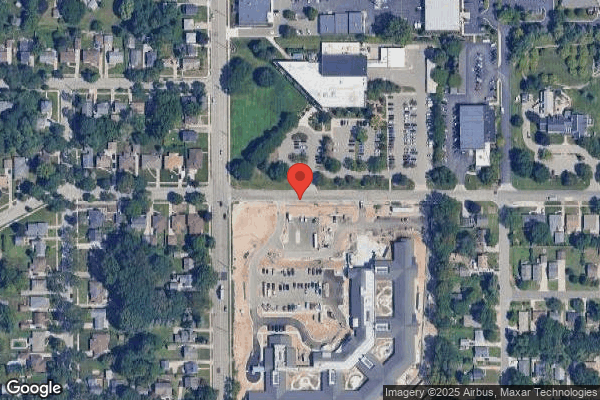
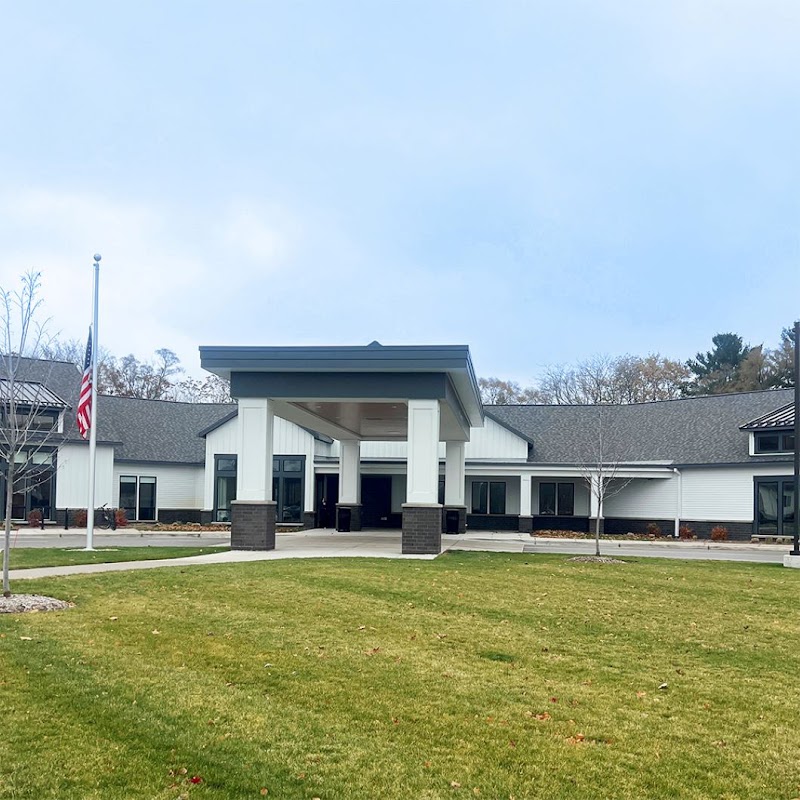
1226 Cedar Street NE, Grand Rapids, MI 49503 (616) 486-3001
Non profit - Corporation 120 Beds COREWELL HEALTH Data: November 2025
Trust Grade
80/100
#13 of 422 in MI
Last Inspection: November 2024

Within standard 12-15 month inspection cycle. Federal law requires annual inspections.

Overview

Corewell Health Grand Rapids Hospitals Rehabilitation has a Trust Grade of B+, indicating it is above average and recommended for families considering care options. It ranks #13 out of 422 facilities in Michigan, placing it in the top half, and #2 out of 28 in Kent County, meaning only one local option is better. The facility is stable, with a consistent record of 9 issues reported in both 2023 and 2024. Staffing is a strength, with a perfect rating of 5/5 stars and a turnover rate of 39%, which is below the state average of 44%. Notably, there have been no fines, suggesting good compliance with regulations. However, there are some concerns. The facility had 27 identified issues, including instances where residents did not receive adequate assistance for transfers, leading to potential safety risks. Additionally, one resident reported dissatisfaction with food choices, feeling they lacked personal options, and another resident highlighted a lack of meaningful daily activities, which can contribute to feelings of loneliness and anxiety. Overall, while the facility has strong staffing and compliance records, families should be aware of the reported concerns regarding resident engagement and care practices.

Trust Score
B+
80/100
In Michigan
#13/422
Top 3%
Safety Record
Low Risk
No red flags
Inspections
Holding Steady
9 → 9 violations
Staff Stability
○ Average
39% turnover. Near Michigan's 48% average. Typical for the industry.
Penalties
✓ Good
No fines on record. Clean compliance history, better than most Michigan facilities.
Skilled Nurses
✓ Good
Each resident gets 48 minutes of Registered Nurse (RN) attention daily — more than average for Michigan. RNs are trained to catch health problems early.
Violations
⚠ Watch
27 deficiencies on record. Higher than average. Multiple issues found across inspections.
★★★★★
5.0
Overall Rating
★★★★★
5.0
Staff Levels
★★★★☆
4.0
Care Quality
★★★★☆
4.0
Inspection Score
Stable
2023: 9 issues
2024: 9 issues

The Good

  • 5-Star Staffing Rating · Excellent nurse staffing levels
  • 4-Star Quality Measures · Strong clinical quality outcomes
  • Full Sprinkler Coverage · Fire safety systems throughout facility
  • No fines on record
  • Staff turnover below average (39%)

    9 points below Michigan average of 48%

Facility shows strength in staffing levels, quality measures, fire safety.

The Bad

Staff Turnover: 39%

Near Michigan avg (46%)

Typical for the industry

Chain: COREWELL HEALTH

Part of a multi-facility chain

Ask about local staffing decisions and management

The Ugly 27 deficiencies on record

Nov 2024 3 deficiencies
CONCERN (D)

Potential for Harm - no one hurt, but risky conditions existed

Resident Rights (Tag F0550)

Could have caused harm · This affected 1 resident

**NOTE- TERMS IN BRACKETS HAVE BEEN EDITED TO PROTECT CONFIDENTIALITY** Resident #21 Review of an admission Record revealed Resident #21 was originally admitted to the facility on [DATE], with pertin...

Read full inspector narrative →
**NOTE- TERMS IN BRACKETS HAVE BEEN EDITED TO PROTECT CONFIDENTIALITY** Resident #21 Review of an admission Record revealed Resident #21 was originally admitted to the facility on [DATE], with pertinent diagnoses which included: stroke (damage to brain causing paralysis of left side of body). Review of a Minimum Data Set (MDS) assessment for Resident #21, with a reference date of 9/27/24 revealed a Brief Interview for Mental Status (BIMS) score of 12, out of a total possible score of 15, which indicated Resident #21 had moderate cognitive impairment. In an interview on 11/19/24 at 02:21 PM, Resident #21 reported that he had his call light on so that he could get help to go to bed. Resident #21 reported that he had told staff earlier, but they never came back. Resident #21 reported that staff treat him badly, and when he asks for things they ignore him or make excuses. In an observation on 11/19/24 at 2:25 PM in Resident #21's room, Certified Nursing Assistant (CNA) E entered the room and turned the call light off. Resident #21 requested to go to bed, and CNA E said that she would have to go find a lift machine, and left the room. During an observation and interview on 11/21/24 at 09:05 AM, in the hallway near Resident #21's room, Resident #21 reported that the staff in the dining room ignored him when he asked them to bring him his hot cocoa, and that he sat there as long as he could waiting for it. Resident #21 presented his breakfast order ticket to this surveyor, and hot cocoa was listed on the ticket. At 09:07 AM in the hallway, Resident #21 was observed asking dietary staff to get him his hot cocoa. The dietary staff stated that they would have to check on it, and walked away. In an interview on 11/21/24 at 09:09 AM, Restorative Aide (RA) JJ reported that she was assisting residents in the dining room earlier that morning. RA JJ reported that Resident #21 was on a fluid restriction and that may have been why he could not have hot cocoa. In an interview on 11/21/24 at 10:52 AM, Nurse Manager (NM) KK reported that Resident #21 was not on a restricted fluid diet, and should be able to have hot cocoa as requested. During an observation on 11/21/24 at 09:35 AM Resident #21's call light was on, and his roommate exited the room requesting assistance for Resident #21. Then Registered Nurse (RN) F was observed talking to Resident #21. Resident #21 requested to use the toilet and lay down, to which RN F replied that they would need to find help and in the meantime would turn the call light off. Resident #21 then replied loudly, No, leave the light on! At 09:39 AM an unknown CNA asked Resident #21 what he needed, and the resident replied again they he needed help to use the toilet and lay down in bed, to which the CNA told him that she would have to get a lift machine, and walked away. At 09:41 AM a different CNA, CNA H was walking towards Resident #21's room and stated, What's your problem .do you want to go to bed? CNA H proceeded to assist Resident #21 to the toilet, and asked him if he was having a good day. Resident #21 became agitated and said No! CNA H replied by referring to him as Honey and said that he should calm down, be more positive, and that she could solve all of his problems. Then CNA H told Resident #21 that she wanted to be sure that he didn't need anything else before she helped him to bed and stated, .after I leave I don't want you to be calling for this and that . Resident #21 did not reply and was observed to shake his head in a frustrated way. During an observation and interview on 11/21/24 at 10:00 AM, Resident #21 was lying in bed, and reported that the way CNA H had treated him was typical and that he didn't feel like he mattered to them. Resident #21's fingernails on his left hand were long and dirty, with a bandage covering the ring finger nail. Resident #21 reported that staff at the dialysis clinic applied the bandage a long time ago because his nails dug into his hand and made it bleed. Resident #21 reported that that finger was tender to touch. In an interview on 11/21/24 at 10:09 AM, Licensed Practical Nurse (LPN) U reported that she was not aware that Resident #21 had a Band-Aid on his finger, and that she did not see anything in his chart about it. LPN U entered Resident #21's room and asked the resident about his finger. Resident #21 tried to explain, but LPN U kept interrupting and asking him questions. Resident #21 stated, Listen to me! Then LPN U's phone rang, and she answered the phone at the beside. After the phone call was finished, LPN U walked away from the resident, and reported to this surveyor that the resident did not know anything about the Band-Aid, but that it looked old. Then Resident #21 asked LPN U to come back so that he could explain to her what the Band-Aid was. Based on observation, interview, and record review, the facility failed to promote dignity during meals and ensure residents are treated with respect in 3 of 5 residents (Resident #13, #56, & #21) reviewed for dignity/respect, resulting in the potential for feelings of embarrassment, frustration, and impaired self-worth. Findings include: Time management, therapeutic communication, patient education, and compassionate implementation of bedside skills are just a few of the essential skills you need. It is important for your patients to leave the health care setting with a positive image of nursing and a feeling that they received quality care. Your patients should never feel rushed. They need to feel that they are important and are involved in decisions and that their needs are met. [NAME], [NAME] A.; [NAME], [NAME] Griffin; Stockert, [NAME]; Hall, [NAME]. Fundamentals of Nursing - E-Book (Kindle Locations 1589-1592). Elsevier Health Sciences. Kindle Edition. In an interview on 11/19/24 at 11:04 AM, Confidential Information (CI) CC reported in the dining room, staff often are .just talking amongst themselves . and .feeding people too quickly . Resident #13 Review of a Face Sheet revealed Resident #13 was a male, with pertinent diagnoses which included dementia, diabetes, and depression. Review of a Minimum Data Set (MDS) assessment for Resident #13, with a reference date of 10/4/24, revealed a Brief Interview for Mental Status (BIMS) score of 9, out of a total possible score of 15, which indicated moderate cognitive impairment. Review of a current Care Plan for Resident #13 revealed the problem .at risk for Altered Nutrition and Hydration .(related to) self-feeding deficits . In an observation on 11/19/24 at 12:58 PM, Certified Nursing Assistant (CNA) O assisted Resident #13 with his lunch meal. Observed Resident #13 seated in a wheelchair at a table in the corner of the main dining room. CNA O stood beside Resident #13, offering large spoonfuls of his lunch meal. Noted CNA O did not speak/interact with Resident #13 while providing assistance with the lunch meal. Resident #56 Review of a Face Sheet revealed Resident #56 was a female, with pertinent diagnoses which included dementia, depression, and anxiety. Review of a Minimum Data Set (MDS) assessment for Resident #56, with a reference date of 8/8/24, revealed a Brief Interview for Mental Status (BIMS) score of 14, out of a total possible score of 15, which indicated she was cognitively intact. Review of a current Care Plan for Resident #56 revealed the problem .at risk for altered nutrition and hydration status .(related to) self-feeding deficits . In an observation on 11/19/24 at 1:15 PM, Certified Nursing Assistant (CNA) O approached Resident #56 in the main dining room to assist her with her lunch meal. CNA O stood beside Resident #56, quickly offering large bites of the lunch meal. Noted CNA O did not speak/interact with Resident #13 while providing assistance with the lunch meal. In an interview on 11/19/24 at 1:30 PM, CNA O stated in regard to the decision to sit or stand when providing meal assistance to residents, it .depends on if I feel like standing up or sitting down . In an interview on 11/19/24 at 1:32 PM, CNA K reported staff should sit down at the table beside the resident when providing meal assistance.
CONCERN (D)

Potential for Harm - no one hurt, but risky conditions existed

ADL Care (Tag F0677)

Could have caused harm · This affected 1 resident

**NOTE- TERMS IN BRACKETS HAVE BEEN EDITED TO PROTECT CONFIDENTIALITY** Based on observation, interview, and record review, the facility failed to provide assistance with fingernail grooming/hygiene f...

Read full inspector narrative →
**NOTE- TERMS IN BRACKETS HAVE BEEN EDITED TO PROTECT CONFIDENTIALITY** Based on observation, interview, and record review, the facility failed to provide assistance with fingernail grooming/hygiene for 2 of 5 residents (Resident #21 and #19) reviewed for activities of daily living (ADL's), resulting in the potential for diminished dignity, alteration in skin integrity, nail infection. Findings include: Resident #21 Review of an admission Record revealed Resident #21 was originally admitted to the facility on [DATE], with pertinent diagnoses which included: stroke (damage to brain causing paralysis of left side of body). Review of a Minimum Data Set (MDS) assessment for Resident #21, with a reference date of 9/27/24 revealed a Brief Interview for Mental Status (BIMS) score of 12, out of a total possible score of 15, which indicated Resident #21 had moderate cognitive impairment. Reveiw of Resident #21's Care Plan with a 9/16/21 start date revealed, .requires assistance with ADLs related to chronic disease progression r/t (related to) comorbidities, fatigue, weakness . In an interview on 11/19/24 at 02:21 PM, Resident #21 reported that staff treat him badly, and when he asks for things they ignore him or make excuses. In an observation on 11/19/24 at 2: 25 PM Resident #21's fingernails on his right hand were long and dirty, his left hand was closed tightly, and his nails were not visible. In an interview on 11/19/24 at 02:29 PM, Certified Nursing Assistant (CNA) E reported that she had given Resident #21 a shower that morning, but did not clean or trim his nails. CNA E reported that it was the first time taking care of Resident #21, and that staff in the dining room should be cleaning his hands. During an observation on 11/20/24 at 03:23 PM, Resident #21's fingernails were still long on his right hand, but were shorter than the day before. During an observation and interview on 11/21/24 at 10:00 AM, Resident #21 was lying in bed, and the fingernails on his left hand were long and dirty, with a bandage covering the ring finger nail. Resident #21 reported that staff at the dialysis clinic applied the bandage a long time ago because his nails dug into his hand and made it bleed. Resident #21 reported that that finger was tender to touch. Resident #21 reported that he would like all of his nails to be shorter. In an interview on 11/21/24 at 10:09 AM, Licensed Practical Nurse (LPN) U reported that she was not aware that Resident #21 hand a Band-Aid on his finger, and that she did not see anything in his chart about it. In an interview on 11/21/24 at 10:18 AM, CNA P reported that he had cared for Resident #21 frequently, but had not noticed a Band-Aid on his finger. CNA P reported that Resident #21 preferred to cut his own nails, and refused staff assistance. CNA P reported that he did not know what he was supposed to do if Resident #21 refused cares. In an interview on 11/21/24 at 10:52 AM, Nurse Manager (NM) KK reported that there was no record of Resident #21 having any issues with his left ring finger. In an interview on 11/21/24 at 11:13 AM, Nurse Supervisor (NS) D reported that she had just then visited with Resident #21, and that his fingernail was thick and tender to touch, and that the resident had requested to have a professional cut the nail for him. NS D reported that she would arrange for the services. Resident #19 Review of Resident #19's Care Plan with a start date of 9/20/21 revealed, .requires assistance with ADLs r/t TBI (traumatic brain injury) with left hemiparesis (paralysis) . During an observation on 11/19/24 at 02:00 PM in Resident #19's room, Resident #19 was lying in bed. Resident #19's fingernails were very long and dirty. In a subsequent interview on 11/19/24 at 2:15 PM, LPN T reported that Resident #19 was completely dependent on staff for all care, and should have regular nail care done during his bed baths, but that she had thought the CNA's reported refusals. In an interview on 11/20/24 at 03:18 PM, LPN T reported that Resident #19 had allowed her to cut his nails that day, and they were now short and clean.
CONCERN (D)

Potential for Harm - no one hurt, but risky conditions existed

Medical Records (Tag F0842)

Could have caused harm · This affected 1 resident

**NOTE- TERMS IN BRACKETS HAVE BEEN EDITED TO PROTECT CONFIDENTIALITY** Based on observation, interview, and record review, the facility failed to ensure that thorough documentation of a death in the ...

Read full inspector narrative →
**NOTE- TERMS IN BRACKETS HAVE BEEN EDITED TO PROTECT CONFIDENTIALITY** Based on observation, interview, and record review, the facility failed to ensure that thorough documentation of a death in the facility was completed and fingernail issues were recorded for 1 of 23 residents (Resident #113 ) reviewed for accurate and complete medical records, resulting in insufficient details related to death in the facility for Resident #113. Findings include: Resident #113 Review of Resident #113's Flow Sheets dated [DATE] at 5:11 AM indicated, date of death [DATE] at 4:25 AM. Review of Resident #113's discharged as deceased Summary dated [DATE] at 12:13 PM revealed, .history of stroke, .multiple hospitalizations for sepsis and infections and progressive decline in the nine months preceding his passing. He passed away on [DATE] . Review of Resident #113's Nurse's Note dated [DATE] at 5:36 AM revealed, Contacted resident's daughter via phone. Explained to her what happened. She became very upset and hang (sic) up. Will try to call her back to get information. In an interview on [DATE] at 01:08 PM, Nurse Supervisor (NS) N reported that she was not certain of the details of Resident #113's death in the facility. In an interview on [DATE] at 01:27 PM, NS G reported that she did not know Resident #113 and that the medical record did not indicate how he had passed away, there was not a nurse's note describing how/where the resident was found, or the condition he was in prior to his passing. In an interview on [DATE] at 01:56 PM, Nurse Manager (NM) C reported that a nurse's note is not typically written when a resident passed away. In an interview on [DATE] at 02:20 PM, Director of Nursing (DON) B reported that there was no documentation related to Resident #113's death, but that she was told that he passed away peacefully in the night. DON B reported that the facility had a policy in place related to the documentation of death, and that a nursing narrative note should have been created.
Jun 2024 2 deficiencies
CONCERN (D) 📢 Someone Reported This

A family member, employee, or ombudsman was alarmed enough to file a formal complaint

Potential for Harm - no one hurt, but risky conditions existed

Report Alleged Abuse (Tag F0609)

Could have caused harm · This affected 1 resident

**NOTE- TERMS IN BRACKETS HAVE BEEN EDITED TO PROTECT CONFIDENTIALITY** This citation pertains to intake #MI00142952. Based on interview and record review, the facility failed to report an allegation...

Read full inspector narrative →
**NOTE- TERMS IN BRACKETS HAVE BEEN EDITED TO PROTECT CONFIDENTIALITY** This citation pertains to intake #MI00142952. Based on interview and record review, the facility failed to report an allegation of neglect facility staff did not follow a resident care plan to prevent falls to the State Agency for 1 of 3 residents (Resident #103) reviewed for falls, resulting in the potential for continued violations involving neglect and/or abuse going undetected, unreported, or without thorough investigation. Findings include: Review of Resident #103's Care Plan revealed, Problem: .at risk for falls: Start Date: 10/24/23 .INTERVENTIONS: .See Resident Care Summary (RCS) .PROBLEM: .requires assistance with mobility. Start Date: 10/24/23 .INTERVENTIONS: .See RCS. Review of Resident #103's RCS revealed, .Transfer: Dependent: Lift - Sit to Stand. Review of Resident #103's Fall Report dated 10/29/24 at 3:15 PM revealed, .IDT (interdisciplinary team) met and reviewed a witnessed/assisted fall where the POC (plan of care) was not followed. CNA (Certified Nursing Assistant) was transferring resident from bed to his wheelchair without checking the RCS instead just asking the resident how he transferred. CNA stood the resident up and began sitting him down when she noted that he was not sitting back enough and would fall. She quickly called for help from the nurse where they were able to assist the resident to the ground being unable to guide him back further into the wheelchair . In an interview on 6/28/24 at 3:20 PM, Licensed Practical Nurse (LPN) E reported that she responded to CNA M's yell for help with Resident #103 on 10/29/23. LPN E reported that when she entered Resident #103's room, he was half on his wheelchair and half on the bed. LPN E reported that Resident #103 was falling. An attempt was made on 6/28/24 at 3:29 PM to interview CNA M regarding Resident #103's fall, but no return call was received prior to survey exit. In an interview on 6/28/24 at 4:00 PM, NHA (Nursing Home Administrator) A reported that CNA M did not follow Resident #103's care plan for transfer needs, which resulted in a witnessed fall on 10/29/23. NHA A reported that she did not report the violation to the State Agency. Review of the facility policy Resident Abuse Porgram Procedure dated 10/30/23 revealed, .Reporting/response 11.1. All allegations and substantiated incidents will be reported, analyzed, and responded to with corrective actions to prevent further or repeated situations from occurring. 11.2. Any allegation, even if it does not seem credible, or if the resident is known to make frequent, unsubstantiated allegations, must be reported. 11.3. When abuse, neglect or exploitation is suspected, follow the appropriate steps: 11.3.1. [NAME] reporting: In compliance with Federal law, an immediate report is provided to the Administrator/designee and the State Survey Agency ([NAME]) of alleged violations involving physical, mental, involuntary seclusion and sexual abuse, as well as neglect, mistreatment, misappropriation, and injuries of unknown origin. The Administrator/designee must report to [NAME] within two hours. The initial report must provide sufficient information to describe the alleged violation and indicate how the residents are being protected .
CONCERN (D) 📢 Someone Reported This

A family member, employee, or ombudsman was alarmed enough to file a formal complaint

Potential for Harm - no one hurt, but risky conditions existed

Accident Prevention (Tag F0689)

Could have caused harm · This affected 1 resident

**NOTE- TERMS IN BRACKETS HAVE BEEN EDITED TO PROTECT CONFIDENTIALITY** This citation pertains to intake #MI00142952 Based on interview, and record review, the facility failed to implement care plan i...

Read full inspector narrative →
**NOTE- TERMS IN BRACKETS HAVE BEEN EDITED TO PROTECT CONFIDENTIALITY** This citation pertains to intake #MI00142952 Based on interview, and record review, the facility failed to implement care plan interventions, and perform safe transfers in 1 of 3 residents (Resident #103) reviewed for falls, resulting in a fall and the potential for harm. Findings include: Review of a Face Sheet revealed Resident #103 was originally admitted to the facility on [DATE], with pertinent diagnoses which included: weakness, chronic pain of both lower extremities, and left foot fracture. Review of Resident #103's Fall Risk Assessment dated 10/24/23 indicated a moderate risk for falls. In an interview on 6/28/24 at 8:43 AM, Family Member F reported that Resident #103 admitted to the facility on [DATE] for rehabilitation following a fall at home where he had fractured his foot. Review of Resident #103's Care Plan revealed, Problem: .at risk for falls: Start Date: 10/24/23 .INTERVENTIONS: .See Resident Care Summary (RCS) .PROBLEM: .requires assistance with mobility. Start Date: 10/24/23 .INTERVENTIONS: .See RCS. Review of Resident #103's RCS revealed, .Transfer: Dependent: Lift - Sit to Stand. Review of Resident #103's Fall Report dated 10/29/24 at 3:15 PM revealed, .IDT (interdisciplinary team) met and reviewed a witnessed/assisted fall where the POC (plan of care) was not followed. CNA (Certified Nursing Assistant) was transferring resident from bed to his wheelchair without checking the RCS instead just asking the resident how he transferred. CNA stood the resident up and began sitting him down when she noted that he was not sitting back enough and would fall. She quickly called for help from the nurse where they were able to assist the resident to the ground being unable to guide him back further into the wheelchair . Review of Resident #103's Nurse Note dated 10/29/23 at 3:41 PM revealed, Witnessed fall .CNA transferring resident to wheelchair, he sat on edge of wheelchair, cna called for help, nurse came and both cna and nurse tied to sit resident back in wheelchair without success, resident was lowered to the ground in a sitting position against wheelchair . In an interview on 6/28/24 at 3:20 PM, Licensed Practical Nurse (LPN) E reported that she responded to CNA M's yell for help with Resident #103 on 10/29/23. LPN E reported that when she entered Resident #103's room, he was half on his wheelchair and half on the bed. LPN E reported that Resident #103 was falling. An attempt was made on 6/28/24 at 3:29 PM to interview CNA M regarding Resident #103's fall, but no return call was received prior to survey exit. In an interview on 6/28/24 at 4:00 PM, NHA (Nursing Home Administrator) A reported that CNA M did not follow Resident #103's care plan for transfer needs, which resulted in a witnessed fall on 10/29/23.
Feb 2024 4 deficiencies
CONCERN (D) 📢 Someone Reported This

A family member, employee, or ombudsman was alarmed enough to file a formal complaint

Potential for Harm - no one hurt, but risky conditions existed

ADL Care (Tag F0677)

Could have caused harm · This affected 1 resident

**NOTE- TERMS IN BRACKETS HAVE BEEN EDITED TO PROTECT CONFIDENTIALITY** Based on observation, interview, and record review, the facility failed to maintain professional standards of care and provide t...

Read full inspector narrative →
**NOTE- TERMS IN BRACKETS HAVE BEEN EDITED TO PROTECT CONFIDENTIALITY** Based on observation, interview, and record review, the facility failed to maintain professional standards of care and provide timely incontinence care in 2 of 4 residents (Resident #106 and #108) reviewed for bowel and bladder incontinence, resulting in an increased risk for UTI (urinary tract infection) and the potential for skin breakdown. Findings include: Resident #106 Review of a Face Sheet revealed Resident #106 was originally admitted to the facility on [DATE], with pertinent diagnoses which included: cerebrovascular accident (stroke). Review of Resident #106's Resident Care Summary revealed, 11/28/23: .Skin Care Precautions: Cream - Barrier .Toileting: bladder incontinent, bowel incontinent .Dependent (resident unable to help) . During an observation on 1/31/24 at 11:34 AM Resident #106 was in his room, sitting in a geri chair (used for those with mobility issues, that have difficulty sitting upright in a conventional wheelchair) next to his bed. There was a mechanical hoyer lift sling underneath Resident #106, his chair was slightly reclined and his eyes were closed. During observations at 12:07 PM, 1:20 PM, and 3:07 PM, Resident #106 had remained in that same position and location, except for that his head was leaning further to his left side. In an interview on 1/31/24 at 3:10 PM, Licensed Practical Nurse (LPN) J reported that Resident #106 usually stayed up in his chair from mid morning to around supper time. LPN J reported that Resident #106 does not have the ability to move or reposition on his own, was always incontinent, and had been up in his chair for approximately 4 hours. LPN J reported that Certified Nursing Assistant (CNA) S was on break at that time, but when she returned, LPN J would have her lay Resident #106 down. LPN J reported that Resident #106 cannot make his needs known, nor does he refuse care. LPN J reported that Resident #106 is at risk for pressure ulcers, has a specialty mattress, and at this time his skin looked good. During an observation on 1/31/24 at 3:20 PM in Resident #106's room, CNA S and LPN J are preparing to transfer Resident #106 into bed using a mechanical hoyer lift. When Resident #106 was lifted up from his chair, his incontinence brief was observed bulging with urine, and the surface of the chair was wet. CNA S and LPN J were both wearing gloves and gowns, and LPN J reported that Resident #106 was on enhanced barrier precautions. CNA S obtained a package of disposable wipes and sat it on the bed. CNA S performed the incontinence care, while LPN J assisted as needed. CNA S cleaned Resident #106's front side, wiping over the pubic area, but did not attempt to clean the penis, which was retracted and covered by excess tissue. The wipes were noted to have BM (bowel movement) on them after each wipe. Resident #106 was then positioned on his right side and CNA S removed the incontinence brief, which was heavy with urine and BM. CNA S used several wipes and wash clothes to remove the BM from Resident #106's backside, but did not attempt to lift Resident #106's leg up to ensure the area between the scrotum and anus was clean, and did not apply skin barrier cream prior to applying a clean brief. In an interview on 1/31/24 at 3:50 PM, CNA S reported that she would normally have laid Resident #106 down right after lunch, but that she had multiple hoyer lift transfers that day, and was too tired. CNA S reported that Resident #106 had been up in his chair since about 11:00 AM (4 1/2 hours), and that he was a heavy wetter. In an interview on 1/31/24 at 3:58 PM, Nurse Supervisor (NS) A reported that Resident #106 should have incontinence care every 2 hours, he was at risk for pressure ulcers, and should be repositioned at least every 2 hours. Resident #108 Review of a Face Sheet revealed Resident #108 was originally admitted to the facility on [DATE], with pertinent diagnoses which included: multiple sclerosis (nerve damage causing a communication disruption between the brain and the body). Review of Resident #108's Resident Care Summary revealed, .1/12/24 Toileting: Bowel Incontinent; Bladder incontinent; brief medium; Toilet hygiene: Dependent . During an observation on 2/1/24 at 8:47 AM Resident #108 was sitting in his geri chair in the hall near the nurses station, with a mechanical hoyer lift pad underneath of him. At 2:06 PM (5 hours later) Resident #108 was observed in the same location sitting in his geri chair, with food residue on his shirt, leaning to his left, and sound asleep. In an interview on 2/1/24 at 2:11 PM, CNA P reported that Resident #108 had been up in his chair since before breakfast, and had not had his incontinence brief checked or changed. CNA P reported that normally Resident #108 was laid down right after lunch, but that she (CNA P) had gotten really busy and that she would be getting to him shortly. During an observation on 2/1/24 at 3:00 PM in Resident #108's room, CNA P and CNA M had transferred Resident #108 into bed using a mechanical hoyer lift. CNA M then asked CNA P if further assistance with incontinence care was needed, and CNA P declined needing CNA M's assistance, therefore CNA M exited the room. CNA P then proceeded to provide incontinence care to Resident #108. Resident #108's brief was soaked with urine and BM (bowel movement). CNA P rolled Resident #108 onto his left side, using both of her (CNA P's) hands, and then began washing Resident #108's backside. Resident #108 had thick BM (bowel movement) stuck to his buttocks, and CNA P used 6 or more disposable wipes to clean the area.
CONCERN (D) 📢 Someone Reported This

A family member, employee, or ombudsman was alarmed enough to file a formal complaint

Potential for Harm - no one hurt, but risky conditions existed

Pressure Ulcer Prevention (Tag F0686)

Could have caused harm · This affected 1 resident

**NOTE- TERMS IN BRACKETS HAVE BEEN EDITED TO PROTECT CONFIDENTIALITY** Based on observation, interview and record review, the facility failed to implement interventions to prevent skin breakdown for ...

Read full inspector narrative →
**NOTE- TERMS IN BRACKETS HAVE BEEN EDITED TO PROTECT CONFIDENTIALITY** Based on observation, interview and record review, the facility failed to implement interventions to prevent skin breakdown for residents at risk for pressure ulcers, for 2 of 2 residents (Resident #106 and #108) reviewed for pressure ulcer prevention, resulting in the potential for the development of an avoidable pressure ulcer, infection, and overall deterioration in health status. Findings include: Resident #106 Review of a Face Sheet revealed Resident #106 was originally admitted to the facility on [DATE], with pertinent diagnoses which included: cerebrovascular accident (stroke). Review of Resident #106's Resident Care Summary revealed, 11/28/23: .Bed Mobility: Dependent assist x 2 .Toileting: bladder incontinent, bowel incontinent .Dependent .Skin Care and Precautions: 11/28/23 Cream - barrier, specialty mattress . There were no other interventions related to pressure ulcer prevention. Review of Resident #106's Braden Score (for predicting pressure ulcer risk) dated 1/10/24 indicated 11, high risk. During an observation on 1/31/24 at 11:34 AM Resident #106 was in his room, sitting in a geri chair (used for those with mobility issues, that have difficulty sitting upright in a conventional wheelchair) next to his bed. Their was a mechanical hoyer lift sling underneath Resident #106, his chair was slightly reclined and his eyes were closed. During observations at 12:07 PM, 1:20 PM, and 3:07 PM, Resident #106 had remained in that same position and location, except for that his head was leaning further to his left side. In an interview on 1/31/24 at 3:10 PM, Licensed Practical Nurse (LPN) J reported that Resident #106 usually stayed up in his chair from mid morning to around supper time. LPN J reported that Resident #106 does not have the ability to move or reposition on his own, was always incontinent, and had been up in his chair for approximately 4 hours. LPN J reported that Certified Nursing Assistant (CNA) S was on break at that time, but when she returned, LPN J would have her lay Resident #106 down. LPN J reported that Resident #106 cannot make his needs known, nor does he refuse care. LPN J reported that Resident #106 is at risk for pressure ulcers, has a specialty mattress, and at this time his skin looked good. During an observation on 1/31/24 at 3:20 PM in Resident #106's room, CNA S and LPN J prepared to transfer Resident #106 into bed using a mechanical hoyer lift. When Resident #106 was lifted up from his chair, his incontinence brief was observed bulging with urine, and the surface of the chair was wet. Resident #106 was positioned on his right side and CNA S removed the incontinence brief, which was heavy with urine and feces. Staff performed incontinence care, and Resident #106 was position directly on his back with head of bed approximately 30 degrees. Staff did not use any pillows for positioning. In an interview on 1/31/24 at 3:50 PM, CNA S reported that she would normally have laid Resident #106 down right after lunch, but that she had multiple hoyer lift transfers that day, and was too tired. CNA S reported that Resident #106 had been up in his chair since about 11:00 AM (4 1/2 hours), and that he was a heavy wetter. In an interview on 1/31/24 at 3:58 PM, Nurse Supervisor (NS) A reported that Resident #106 should have incontinence care every 2 hours, he was at risk for pressure ulcers, should be repositioned at least every 2 hours, and not up in his chair for more than 2 hours at a time. Resident #108 Review of a Face Sheet revealed Resident #108 was originally admitted to the facility on [DATE], with pertinent diagnoses which included: multiple sclerosis (nerve damage causing a communication disruption between the brain and the body). Review of Resident #108's Resident Care Summary revealed, .1/12/24 Skin Care and Precautions: w/c (wheelchair cushion) - standard cream -barrier .Encourage patient to float heels as tolerated. Encourage turn side to side as tolerated .Toileting: Bowel Incontinent; Bladder incontinent; brief medium; Toilet hygiene: Dependent .Bed Mobility: Dependent assist x 2 . Review of Resident #108's Braden Score (for predicting pressure ulcer risk) dated 12/13/23 indicated 11, high risk. During an observation on 2/1/24 at 8:47 AM Resident #108 was sitting in his geri chair in the hall near the nurses station, with a mechanical hoyer lift pad underneath of him. At 2:06 PM (5 hours later) Resident #108 was observed in the same location sitting in his geri chair, with food residue on his shirt, leaning to his left, and sound asleep. In an interview on 2/1/24 at 2:11 PM, CNA P reported that Resident #108 had been up in his chair since before breakfast, and had not had his incontinence brief checked or changed. CNA P reported that normally Resident #108 was laid down in his bed right after lunch, but that she (CNA P) had gotten really busy and that she would be getting to him shortly. During an observation on 2/1/24 at 3:00 PM in Resident #108's room, observed CNA P and CNA M transfer Resident #108 into bed using a mechanical hoyer lift. Resident #108's brief was soaked with urine and BM (bowel movement). Resident #108 had thick BM (bowel movement) stuck to his buttocks, and CNA P used 6 or more disposable wipes to clean the area. Resident #108's buttocks were red, with white scared areas on bilateral lower buttocks. CNA P then rolled Resident #108 back onto his backside and raised the head of bed to approximately 30 degrees. Resident #108 verbalized that he was happy to be in bed.
CONCERN (D) 📢 Someone Reported This

A family member, employee, or ombudsman was alarmed enough to file a formal complaint

Potential for Harm - no one hurt, but risky conditions existed

Accident Prevention (Tag F0689)

Could have caused harm · This affected 1 resident

**NOTE- TERMS IN BRACKETS HAVE BEEN EDITED TO PROTECT CONFIDENTIALITY** This citation pertains to intake #MI00142371 and #MI00142124. Based on observation, interview, and record review, the facility f...

Read full inspector narrative →
**NOTE- TERMS IN BRACKETS HAVE BEEN EDITED TO PROTECT CONFIDENTIALITY** This citation pertains to intake #MI00142371 and #MI00142124. Based on observation, interview, and record review, the facility failed to ensure residents were free from accident hazards for 3 of 4 residents (Resident #101, #108 and #109) reviewed for falls, resulting in the potential for serious injury from a fall when care plan interventions were not implemented for bed mobility. Findings include: Resident #101 Review of a Face Sheet revealed Resident #101 was originally admitted to the facility on [DATE], with pertinent diagnoses which included: cerebrovascular accident (stroke). Review of Resident #101's Resident Care Summary (care guide for direct care givers) revealed, High Fall Risk .1/10/24 Safety: Bed low, Orientation: Unable to makes needs known .Bed Mobility (moving from one bed position to another): Dependent (resident unable to help at all) assist x 2 (requires 2 people to safely perform task) .Toileting: .Dependent assist x 2 . Review of Resident #101's Fall Risk Assessment dated 1/9/24 indicated 18, high risk. Review of Resident #101's Fall Event Report dated 1/13/24 at 6:20 AM revealed, .Details: Resident had a witnessed fall. A CNA (Certified Nursing Assistant) was rolling resident in bed for cares and rolled out of bed .Resident sustained abrasion to right knee .POC (plan of care) was not followed .Immediate intervention was education to CNA to always check RCS (Resident Care Summary). Resident was indicated to be a 2 person assist for cares. Review of Resident #101's emergency room Visit Note dated 1/13/24 revealed, .History of present illness: .presents to the emergency department from her long-term care facility after a fall. Reportedly, the patient was being changed in (sic) receiving her daily cares when she rolled out of bed. Patient is nonverbal and nonambulatory at baseline. Does not have any independent motor function .Medical Decision Making: .small abrasion over her right knee as well as a small hematoma on the right tib-fib (lower leg) . In an interview on 1/30/24 at 4:08 PM, Certified Nursing Assistant (CNA) I reported that he was providing incontinence care to Resident #101 on 1/13/24, when she fell off the bed while in high position. CNA I reported that he was aware that Resident #101 required 2 staff for assistance with bed mobility, but that CNA I began incontinence care on his own, turning Resident #101 onto her side, and that was when she rolled off the bed and fell onto the floor. CNA I reported that he rolled Resident #101 away from him (CNA I) and that she slowly slid off the edge of the bed. CNA I reported that he had not worked with Resident #101 prior to 1/13/24, but that he had known she required 2 people for cares, because he checked her care plan. CNA I reported that although Resident #101 was completely dependent and non-verbal, after the fall Resident #101's eyes were wide open, and she appeared uncomfortable. In an interview on 1/31/24 at 10:23 AM, RN O reported that she was passing medications on 1/13/24, when CNA I came down the hall and reported that Resident #101 had fallen on the floor during cares. RN O reported that CNA I had not asked her for help with Resident #101's care, and that she (RN O) had not provided care to the resident prior to the incident. RN O reported that Resident #101 did not have any serious injuries from the fall, but did sustain an abrasion on her knee. In an interview on 1/31/24 at 9:12 AM, Licensed Practical Nurse (LPN) T reported that prior to Resident #101's fall on 1/13/24, she (LPN T) had not ever provided care to the resident. LPN T reported that CNA I came out of Resident #101's room to alert other staff of the resident's fall, and that when LPN T entered the room, Resident #101 was lying face down on the floor, and the bed was in high position. In an interview on 1/31/24 at 8:31 AM, LPN X reported that on 1/13/24 at approximately 6:30 AM CNA I said that he was having problems and asked her for assistance with Resident #101, but that she (LPN X) was in the middle of providing care to a different resident, and had informed CNA I that she would be able to help him in a few minutes. LPN X reported that about 10 minutes later CNA I was in the hallway upset, saying that Resident #101 had fallen off the bed while he (CNA I) was providing care. LPN X reported that Resident #101 was completely dependent for cares, had a tracheostomy, but that she was not sure if Resident #101 always required 2 staff for assistance for bed mobility. In an interview on 2/1/24 at 10:40 AM, DON reported that Resident #101's fall was a result of staff not following the resident's care summary, which indicated that she required 2 assist for bed mobility. DON reported that after Resident #101's fall on 1/13/24, all staff were re-educated related to resident care summaries being followed, and audits were being performed weekly to ensure that staff are implementing the appropriate safety measures for bed mobility. DON reported that direct care staff audits were being performed by managers and a CNA. Resident #108 Review of a Face Sheet revealed Resident #108 was originally admitted to the facility on [DATE], with pertinent diagnoses which included: multiple sclerosis (nerve damage causing a communication disruption between the brain and the body). Review of Resident #108's Resident Care Summary revealed, High fall risk .1/12/24 Bed Mobility: dependent assist x 2 .Toilet hygiene: Dependent . During an observation on 2/1/24 at 2:33 PM in Resident #108's room, CNA P and CNA M transferred Resident #108 into bed using a mechanical hoyer lift. CNA M then asked CNA P if further assistance with incontinence care was needed, and CNA P declined needing CNA M's assistance, therefore CNA M exited the room. CNA P then proceeded to provide incontinence care to Resident #108. CNA P rolled Resident #108 onto his left side, using both of her (CNA P's) hands, and then began washing Resident #108's backside. Resident #108 was facing away from CNA P, with his arms crossed on his chest, and not holding on to the handrail or assisting in any way. Resident #108 was approximately 6 inches from the edge of the bed and the bed was in mid-high position. Resident #109 Review of a Face Sheet revealed Resident #109 was originally admitted to the facility on [DATE], with pertinent diagnoses which included: quadriplegia (paralysis of all of body from neck down) and bilateral below the knee amputations. Review of Resident #109's Resident Care Summary revealed, High fall risk .Bed Mobility: 1/12/24 Dependent . During an observation on 2/1/24 at 2:12 PM in Resident #109's room, CNA P was providing incontinence care. CNA P rolled Resident #109 onto his left side, away from her to wash the backside of Resident #109. While holding onto Resident #109 with one hand, CNA P grabbed her phone and made a call to a nurse to report redness in Resident #109's groin. Resident #109 was on his side, leaning downward towards the floor and CNA P was holding on tightly with one hand as she was trying to clean the BM (bowel movement) off of Resident #109's backside. Resident #109's hands and arms were in front of his face and chest, and he was not holding on to the handrail. The bed was in high position. In an interview on 2/1/24 at 3:16 PM, CNA P reported that Resident #108 and #109 were completely dependent with bed mobility and could not assist or keep themselves from falling off the bed, but only required one assist for bed mobility and incontinence care. CNA P reported that she was confident that she could handle the residents on her own, and could catch them if they started to fall. In an interview on 2/1/24 at 3:29 PM, Nursing Supervisor (NS) A reported that when a resident is dependent status, that indicated they were not able to help with cares. Resident #108 and #109 are both in need of 2 staff assistance with bed mobility due to their dependent status. NS A reported that Resident #108 used to be able to hold the handrail, but with his condition had declined, and he was no longer strong enough to hold the handrail. NS A reported that Resident #109 was definitely an assist of 2 with bed mobility, was completely dependent, and reported that the resident's hands were stiff and rigid. NS A reported that she would expect that there are 2 CNA's providing all cares that involve bed mobility for Resident #108 and #109. Review of facility Educational Materials that were presented to all staff following Resident #101's fall on 1/13/24 revealed, Resident Care Summary (RCS): .Remember safety first! That means, checking the RCS before caring for a resident. If you do not check the RCS to confirm a residents plan of care, you are putting yourself and the resident at risk for injury, decline and death .How to roll a resident: Residents must always be rolled towards the caregiver. It is never appropriate to roll a resident away from you unless there is another person on the other side of the bed .
CONCERN (D) 📢 Someone Reported This

A family member, employee, or ombudsman was alarmed enough to file a formal complaint

Potential for Harm - no one hurt, but risky conditions existed

Infection Control (Tag F0880)

Could have caused harm · This affected 1 resident

Based on observation, interview, and record review, the facility failed to maintain safe infection control practices in regard to hand hygiene (glove use), and consistently implement enhanced barrier ...

Read full inspector narrative →
Based on observation, interview, and record review, the facility failed to maintain safe infection control practices in regard to hand hygiene (glove use), and consistently implement enhanced barrier precautions in 3 of 4 residents (Resident #106, #108 & #109) reviewed for infection control, resulting in the potential for cross-contamination and the development and spread of multi-drug resistant bacteria. Findings include: The following residents (Resident #106, #108, and #109) were all in the same room. During repeated observations from 1/31/24-2/1/24 at 3:10 PM, the door signage indicated, enhanced barrier precautions in place and N95 mask use was required during nebulizer (breathing) treatments. Review of Resident #106's Resident Care Summary indicated no precautions in place. Review of Resident #108's Resident Care Summary indicated no precautions in place. Review of Resident #109's Resident Care Summary revealed, 10/2/22, Initiate Enhanced Barrier Precautions. Continuous. During an observation on 1/31/24 at 1:23 PM in Resident #108's room, CNA (Certified Nursing Assistant) S and CNA F were providing incontinence care to Resident #108. Both staff were wearing gloves. CNA S washed the front side of Resident #108 with wash clothes, then rolled the resident to wash his backside. CNA S opened the resident's nightstand drawer and was digging around looking for soap with her soiled gloves on, and then asked CNA F to get the soap from the bathroom. CNA S then grabbed the soap bottle, applied liquid soap to a wash cloth and began cleaning Resident #108's backside. There was a small amount of BM (bowel movement) on the washcloths. The CNA's rolled Resident #108 back and forth to reposition the pad on the bed, CNA S covered the resident with a blanket, and then used the bed controls to raise the head of the bed. CNA S did not remove or changed her gloves when going from dirty to clean areas of the resident, touching objects in the room; CNA S did not remove her soiled gloves until all cares were completed. In an interview on 1/31/24 at 3:10 PM, with Licensed Practical Nurse (LPN) J regarding the signage posted on the resident's' door, reported that Resident #106 was currently the only resident in the room on enhanced barrier precautions due to having a Tracheostomy (an opening into the trachea (windpipe) with a tube inserted to breathe), and that it required a gown and gloves for direct care, and an N95 mask during nebulizer treatments. During an observation on 2/1/24 at 2:12 PM in Resident #109's room, CNA P was wearing gloves, no gown, and preparing to perform incontinence care. At the bedside, CNA P emptied Resident #109's catheter bag. With the same gloves on, CNA P then began incontinence care using disposable wipes that were in a plastic package. CNA P washed the residents front side, and there was BM notes on the wipes. CNA P rolled Resident #109 onto his left side, away from her to wash his backside, and grabbed multiple wipes from the container. While holding onto Resident #109 with one hand, CNA P grabbed her phone and made a call to a nurse to report redness in Resident #109's groin. CNA P did not change or remove her soiled gloves. CNA P was holding on tightly with one hand as she was trying to clean the BM (bowel movement) off of Resident #109's backside, and handling the wipes package with her soiled gloves. CNA P rolled the resident onto his back, placed the wipes package on the nightstand, adjusted the pad underneath him, covered him with a sheet, and then removed her soiled gloves. CNA P did not wear a gown during cares. During an observation on 2/1/24 at 2:27 PM, CNA P and CNA B were in Resident #106's room to provide incontinence care. Both staff were wearing gloves and no gown. CNA P cleaned the front of Resident #106 and then rolled the resident, removed his soiled incontinence brief, and wash his buttocks. Resident #106 had a small amount of BM (bowel movement) in the crease of his buttocks. After cleaning the area, CNA P grabbed a clean incontinence brief, tucked it under the residents buttocks, and then rolled the resident back towards her and finished attaching the brief. CNA P then noticed that Resident #106's towel around his tracheostomy had fallen down, so she placed it back up under his chin, so that any fluid from his tracheostomy would be caught on the towel. After care was finished, CNA P removed her soiled gloves. During an observation on 2/1/24 at 3:00 PM in Resident #108's room, CNA P and CNA M both were unsure of which resident in the room had enhanced barrier precautions in place, but had been informed by management that they should wear a gown and gloves for all 3 residents in the room, therefore they both donned a gown and gloves. CNA P and CNA M transferred Resident #108 into bed using a mechanical hoyer lift. CNA M then asked CNA P if further assistance with incontinence care was needed, and CNA P declined needing CNA M's assistance, therefore CNA M exited the room. CNA P then proceeded to provide incontinence care to Resident #108. Resident #108's brief was soaked with urine and BM (bowel movement). CNA P rolled Resident #108 onto his left side, using both of her (CNA P's) hands, and then began washing Resident #108's backside. Resident #108 had thick BM (bowel movement) stuck to his buttocks, and CNA P used 6 or more disposable wipes to clean the area. CNA P used her soiled gloved hand to pull the wipes from the container as needed during the care. CNA P then used her gloved hands to open the nightstand and pull out Resident #108's skin barrier cream, and apply it to his buttocks, still using her soiled gloved hands. CNA P then rolled Resident #108 back onto his backside, adjusted the pillow under his head, and covered him with a blanket. After the cares were finished, CNA P removed her soiled gloves. In an interview on 2/1/24 at 3:16 PM, CNA P reported that she keeps forgetting to change her gloves during incontinence care and stated that she should change gloves after washing a resident's front side. CNA P reported that she did not know if Resident #106, Resident #108 or Resident #109 were on enhanced barrier precautions, but that based on the signage on the door, she would assume that staff were required to wear gowns, gloves and N95 when in the room. In an interview on 2/1/24 at 3:29 PM, Nurse Supervisor (NS) A reported that Resident #109 is the only resident in that room with enhanced barrier precautions ordered, for bacterial colonization in his catheter. NS A reported that the bacteria is resistant to multiple antibiotics, can cause a bad infection, and therefore was very important to keep it from spreading to other residents. NS A reported that she would expect staff to wear gloves and gowns when emptying Resident #108's catheter, providing direct care, and be careful not to cross contaminate with roommates. NA A reported that touching Resident #106's tracheostomy towel with contaminated gloves could pose a serious risk of infection. In an interview on 2/2/24 at 12:00 PM, Infection Preventionist (IP) reported that staff should refer to the resident's Resident Care Summary to determine if the resident had orders for transmission based precautions. IP Reported that the room that Resident #106, #108, and #109 are in, the only resident that was currently on any type of precautions was Resident #109 and that was related to MDRO in his catheter. Regarding glove use during incontinence care, IP reported that CNA's are expected to perform hand hygiene prior to donning gloves, remove gloves with dirty, perform hand hygiene again and don new gloves. IP reported that staff should not be touching any clean areas during incontinence care with the gloves that they provide incontinence care with, and should don clean gloves before applying barrier cream. IP reported that staff should not be touching soap bottles, the wipes packaging, nightstand drawers, and/or barrier cream containers with dirty gloves. Review of a facility policy Infection Prevention Hand Hygiene dated 1/5/23 revealed, .Indications for hand hygiene with soap and water, or alcohol-based hand sanitizer: .Before moving from work on a soiled body site to a clean body site on the same patient. After touching a patient or objects in her/his immediate surroundings. After contact with a patient's intact skin .After contact or risk of contact with body fluids or excretions, mucous membranes, non-intact skin, and wound dressings, even if hands are not visibly soiled. Before donning and after the removal of any personal protective equipment (e.g., gloves, gown, mask) . Review of a facility policy Isolation Specifics dated 9/27/23 revealed, .Enhanced barrier precautions are required when a resident has an infection or colonization with a novel or targeted MDRO (multi-drug resistant organism), when Contact Precautions do not apply .Enhanced barrier precautions require gown and glove use for certain residents during specific high-contact resident care activities that have been found to increase MDRO transmission such as: .bathing .providing hygiene, changing linens, changing briefs or assisting with toileting, device care or use: .urinary catheter, feeding tube, tracheostomy .
Nov 2023 8 deficiencies
CONCERN (D)

Potential for Harm - no one hurt, but risky conditions existed

PASARR Coordination (Tag F0644)

Could have caused harm · This affected 1 resident

**NOTE- TERMS IN BRACKETS HAVE BEEN EDITED TO PROTECT CONFIDENTIALITY** Based on interview and record review, the facility failed to ensure an annual PASARR II (PASARR Level II is a comprehensive eval...

Read full inspector narrative →
**NOTE- TERMS IN BRACKETS HAVE BEEN EDITED TO PROTECT CONFIDENTIALITY** Based on interview and record review, the facility failed to ensure an annual PASARR II (PASARR Level II is a comprehensive evaluation by the appropriate state-designated authority and determines whether the individual has mental disability, intellectual disability, or a related condition, determines the appropriate setting for the individual and recommends what, if any, specialized services and/or rehabilitative services the individual needs) assessment was completed timely for 1 resident (R21) of 2 residents reviewed for PASARR, resulting in the potential for the resident to not maintain or achieve their highest practicable psychosocial well-being. Findings include: According to the Minimum Data Set (MDS) dated [DATE], R21 scored 9/15 (moderately cognitively impaired) on his BIMS (Brief Interview Mental Status), with diagnoses that included schizoaffective disorder (a combination of symptoms of schizophrenia (a disorder that affects a person's ability to think, feel, and behave clearly and mood disorder, such as depression or bipolar disorder (a disorder associated with episodes of mood swings ranging from depressive lows to manic highs). During an interview and record review on 11/15/2023 at 11:49 AM of R21's PASARR with Social Worker (SW) KK, who stated, I believe (R21) had a PASARR done. He qualifies for a PASARR II due to his diagnosis of schizoaffective disorder. The SW reviewed R21's medical record stating, I am not seeing his PASARR II right now. SW KK continued reviewing R21's medical records for the due date for having the PASARR II completed. SW KK stated, Social Services is responsible to submit the paperwork to have the PASARR II done annually. SW KK continued to look for R21's PASARR schedule and could not find the schedule. SW KK stated, Usually there is an Excel spreadsheet that has the resident due dates. I cannot find it. During an interview and record review on 11/15/2023 at 3:22 PM, SW KK stated, I was given a spreadsheet of PASARR due dates by another SW. SW KK reviewed the spreadsheet, stating, I do not think I can find (R21's) due date for his PASARR II to be done. It was not done. The last one he had was in February 2022.
CONCERN (D)

Potential for Harm - no one hurt, but risky conditions existed

Respiratory Care (Tag F0695)

Could have caused harm · This affected 1 resident

**NOTE- TERMS IN BRACKETS HAVE BEEN EDITED TO PROTECT CONFIDENTIALITY** Resident #3 Review of an admission Record revealed Resident #3 had pertinent diagnoses which included acute on chronic respirat...

Read full inspector narrative →
**NOTE- TERMS IN BRACKETS HAVE BEEN EDITED TO PROTECT CONFIDENTIALITY** Resident #3 Review of an admission Record revealed Resident #3 had pertinent diagnoses which included acute on chronic respiratory failure, paraplegia, and morbid obesity. Review of a Minimum Data Set (MDS) assessment for Resident #3, with a reference date of 10/1/23 revealed a Brief Interview for Mental Status (BIMS) score of 13/15 which indicated Resident #3 was cognitively intact. During an observation on 11/13/23 at 12:44 PM., Resident #3's CPAP mask was on the floor under her nightstand. During an interview on 11/13/23 at 12:45 PM., Resident #3 reported she was able to manage her CPAP herself. Review of Physician Orders for Resident #3 revealed, .CPAP non-invasive type: face-mask CPAP Level: RT BIPAP/CPAP at night. Pt should wear CPAP on home settings . During an observation on 11/15/23 at 1:20 PM., Resident #3's CPAP mask was on top of the machine on top of the nightstand not in a bag and without a barrier, and out of Resident #3's reach. During an interview on 11/16/23 at 11:57 AM., Nursing Supervisor (NS) R reported that a work list task is generated in the EMAR and a CPAP should be applied in the evening and removed in the morning. The floor nurse was responsible for applying and removing and documenting any refusals. NS R reported that the floor nurse could delegate to the CNA to clean a CPAP mask, machine, and tubing. NS R was unsure how often a CPAP mask should be cleaned. NS R reported orders to clean the machine and the tubing is assigned to the nurse. NS R reported the mask should be set on top of the machine when it was removed from the resident. During an observation and interview on 11/16/23 at 12:16 PM., Resident #3's CPAP mask was on the nightstand on top of the CPAP machine. No barrier noted between mask and machine. Resident #3 reported staff would fill the canister with water every night and help her put on the mask as needed. Resident #3 reported Staff pushed the button to turn the machine on because she cannot reach it. Resident #3 reported she cleans the filter on the machine and the staff has never cleaned her CPAP mask. During an interview on 11/16/23 at 12:24 PM., Registered Nurse (RN) UU reported the work list would contain the orders to clean a CPAP mask, machine, and tubing daily. RN UU reported that Resident #3 did not have any orders on the work list to clean her CPAP machine, tubing, or mask scheduled for today. During an interview on 11/16/23 at 2:25 PM., Director of Nursing (DON) B reported that her expectations were that CPAP masks were to be cleaned after each removal and stored in a black antimicrobial bag that was to be stored at the bedside. Review of Care Plan for Resident #3 revealed: .Problem .Resident has pulmonary disease, asthma, history of respiratory failure, recent PNA (Pneumonia) and is at risk for healthcare complications. Interventions: Administer oxygen as ordered . Follow facility protocol during aerosolized generating procedures eg CPAP, BIPAP, Nebulized treatments . Review of facility policy Infection Prevention Standard Precautions & Other Infection Prevention measures with an effective date of 7/13/2021 revealed 4.5.2.8.2 Items dropped on the floor are contaminated and should be reprocessed, disinfected, discarded, or laundered as appropriate. Based on observation, interview, and record review, the facility failed to ensure maintenance, cleaning, and sanitary storage of CPAP (continuous positive airway pressure) and BIPAP (bilevel (alternating) positive airway pressure) respiratory equipment in accordance with physician orders and professional standards 4 of 6 residents (Resident #1, #54, #3, #7) reviewed for respiratory care, resulting in an increased potential for respiratory infection and respiratory distress. Findings include: Resident #1 Review of an admission Record revealed Resident #1 was originally admitted to the facility on [DATE], with pertinent diagnoses which included: chronic respiratory failure with hypoxia (deprived of oxygen) and hypercapnia (elevated carbon dioxide levels), COPD (chronic obstructive pulmonary disease) and asthma. Review of a Minimum Data Set (MDS) assessment for Resident #1, with a reference date of 9/29/23 revealed a Brief Interview for Mental Status (BIMS) score of 15, out of a total possible score of 15, which indicated Resident #1 was cognitively intact. During an observation and interview on 11/13/23 at 02:24 PM Resident #1 was lying in her bed in her room and reported that her breathing had been bothering her. A CPAP machine was observe on Resident #1's nightstand, covered in dust, and without a power cord. Resident #1 reported that the facility gave her the CPAP machine when she admitted , but it stopped working and stated, .the filter seemed clogged and the power cord was not right . Resident #1 reported that a man from (outside durable medical equipment provider name omitted) looked at it some months ago and was supposed to fix it. Resident #1 reported that when staff ask her to use the machine, she tells them no because it doesn't work right and stated, .no one asks anymore .I thought maybe I didn't need to use it anymore . Resident #1 reported that someone comes and changes the bag and mask regularly, but that no one cleans the machine or tries to turn it on. Resident #1 was using oxygen via nasal cannula tubing and reported that she has to wear it all the time. Review of Resident #1's Physician Orders revealed, 8/22/22 start .CPAP level 10 .at night . In an interview on 11/14/23 at 08:56 AM, Resident #1 reported that no one had been in to fix her CPAP machine yet. In an interview on 11/14/23 at 02:53 PM, Registered Nurse (RN) DD reported that Resident #1 is supposed to use the CPAP at night and stated, .it is already off her when I get here in the morning .I am not sure who takes it off . In an interview on 11/15/23 at 09:01 AM, Resident #1 reported that she did not use the CPAP the night before and stated, .it doesn't have a plug .they don't want me to do it myself .I couldn't do it if I wanted to . The CPAP was observed as it was 2 days prior, covered in dust. In an interview on 11/15/23 at 09:05 AM, Licensed Practical Nurse (LPN) EEE reported that Resident #1 was supposed to wear her CPAP at night and stated, .she has it off in the morning when I get here .I have not ever talked to her about it .it is my job to clean it . LPN EEE entered Resident #1's room and observed the CPAP machine covered in dust and without a power cord and stated, .we don't have a respiratory department here and that is the problem . Resident #1 reported to LPN EEE that she does not use the machine, and she never has used the machine because it didn't have a power cord. In an interview on 11/15/23 at 09:14 AM, Nursing Supervisor (NS) R reported that Resident #1 had orders for CPAP use at night and that it was the nurses responsibility to assist the resident with application of the mask and turning the machine on. NS R reported that the documentation in Resident #1's work list (administration record for CPAP) indicated that the resident refused the CPAP at times, and then at times there was no documentation at all and stated, .she doesn't like to wear it .her family is aware . This surveyor requested documentation on how the facility was addressing Resident #1's refusal to use the CPAP. NS R was not aware that the CPAP machine in Resident #1's room was covered in dust and did not have a power cord. Review of Resident #1's Work List in the electronic medical record, indicated that on 11/7/23 refused the CPAP and stated that the machine was broken. There were refusals on 11/15/23, 11/14/23, 11/13/23, 11/9/23, 11/8/23, 11/4/23, 11/3/23, etc. On 10/9/23 the record indicated that CPAP was not functional. In an interview on 11/15/23 at 02:32 PM, Physician Assistant (PA) BBB reported that Resident #1 had orders for CPAP to be applied every night and that PA BBB was not aware that the resident had been refusing to use the CPAP. PA BBB reported that the electronic health record system did not allow nursing staff to convey day to day concerns or narratives to other nurses or providers. Review of Resident #1's Quarterly Care Conference dated 10/5/23 revealed, .continues on O2 (oxygen) via nasal cannula PRN (as needed) during the day and she has a recommended CPAP at night. Declines use, continue to encourage . Review of Resident #1's Quarterly Care Conference dated 8/10/23 revealed, .continues on O2 (oxygen) via nasal cannula PRN (as needed) during the day and CPAP orders at night .continues to decline the use of CPAP, guardian aware. Continue to encourage . Review of Resident #1's Family/Patient Representative Notification dated 11/15/23 at 09:30 revealed, .(NS R) touched base with resident regarding CPAP - resident verbalized and acknowledged that although she previously declined, she would like to start wearing the CPAP again . Resident #54 Review of an admission Record revealed Resident #54 was originally admitted to the facility on [DATE], with pertinent diagnoses which included: respiratory failure. Review of a Minimum Data Set (MDS) assessment for Resident #54, with a reference date of 8/25/23 revealed a Brief Interview for Mental Status (BIMS) score of 15, out of a total possible score of 15, which indicated Resident #54 was cognitively intact. In an interview on 11/14/23 at 09:34 AM, Resident #54 reported that he wears a BIPAP at night and that he was waiting for a new mask/head strap because the current one is worn out and does not hold the mask to his face anymore and stated, .(NS R) is supposed to be getting it .that was 3 weeks ago .I haven't heard anything .I guess I have to wait until the company comes to the facility . Review of Resident #54's Physician Orders revealed, Start 8/22/22 .BIPAP .at night . In an interview on 11/14/23 at 03:08 PM, NS R reported that she was unaware of any issues with Resident #54's BIPAP mask/strap. In an interview on 11/15/23 at 09:00 AM, Resident #54 reported that NS R was ordering a new mask strap for him. Resident #54 reported that the nursing staff removes his mask in the morning and puts the mask into the bag and stated, .they take it into the bathroom about once a week and do something to it . R7 According to the Minimum Data Set (MDS) dated [DATE], R7 scored 15/15 (cognitively intact) on her BIMS (Brief Interview Mental Status) with diagnoses that included heart-failure with history of chronic respiratory failure with hypoxia. Review of R7's Order Summary, 10/12/23, revealed, CPAP Non-Invasive CPAP .CPAP at night .full face mask . Review of R7's Care Plan, 1/24/2023, reported the resident had pulmonary disease and was at risk for healthcare complications. The goal was the resident was not to experience signs/symptoms of disease progression. Interventions to meet this goal included CPAP .as ordered. During an observation and interview on 11/14/23 at 2:41 PM, R7's CPAP was on a bedside dresser to the left side of her bed. The CPAP mask was lying on top of personal items with a towel on top of it with no bag in sight. R7 stated, I had to put the CPAP mask on the dresser myself this morning. I have been asking staff who takes care of me who is supposed to clean the mask and no one seems to know. Some staff tell me respiratory does it but there is no respiratory staff here. I have had the CPAP for a couple of months and it has not been cleaned. During an observation and interview on 11/15/23 at 11:06 AM, R7 was in her bed listening to television. Her CPAP mask was hanging from a hook on the wall behind her. The mask was not in a bag. The resident stated, I took it off this morning and gave it to the nurse. She hung it up but did not clean it. During an interview on 11/15/2023 at 1:13 PM, Infection Preventionist (IP) LL stated, Normally the nurse takes the CPAP when the resident is done with it and they clean the mask. When not in use, the CPAP should be kept in a black bag. This is to keep the resident from getting an infection and from keeping bacteria from growing. During an interview on 11/15/2023 at 2:52 PM, Licensed Practical Nurse (LPN) Z stated, CPAPs should be removed by the nurse in the morning and cleaned. It should air dry and put in a black bag for infection control. The CPAP should be on the Care Plan. During an interview on 11/15/2023 at 2:52 PM, LPN G stated, CPAPs should be cleaned and let air dry. I do not know about a black bag. In a document received 11/16/2023 at 13:48 (1:48 PM), the Nursing Home Administrator (NHA) reported, We (pertaining to the facility) do not have a oxygen policy for CPAP/BiPAP. We follow manufacturer guidelines and [NAME]. Review of facility provided [NAME] & [NAME]. 2023. Nursing Procedures, [NAME]'s - 9th ed. Philadelphia., Oxygen Administration did not provide a CPAP specific cleaning guide.
CONCERN (D)

Potential for Harm - no one hurt, but risky conditions existed

Deficiency F0699 (Tag F0699)

Could have caused harm · This affected 1 resident

**NOTE- TERMS IN BRACKETS HAVE BEEN EDITED TO PROTECT CONFIDENTIALITY** Based on observation, interview, and record review the facility failed to perform a thorough assessment for past trauma, identif...

Read full inspector narrative →
**NOTE- TERMS IN BRACKETS HAVE BEEN EDITED TO PROTECT CONFIDENTIALITY** Based on observation, interview, and record review the facility failed to perform a thorough assessment for past trauma, identify post-traumatic stress disorder (PTSD) triggers and develop individualized care plan interventions to mitigate triggers for 2 (Resident #5 and Resident #7) of 3 residents reviewed for trauma informed care, resulting in the potential of re-traumatization due to staff not being informed and knowledgeable of the resident's past trauma and Resident #7 did not receive direct care that could trigger PTSD. Findings include: Review of an admission Record revealed Resident #54 was originally admitted to the facility on [DATE], with pertinent diagnoses which included: PTSD, depression and anxiety. Review of Resident #5's Care Plan revealed, .actual or potential for mood/behavior impairment: Start: 9/21/21. Dx (diagnosis): major depressive disorder, recurrent episode, moderate, generalized anxiety disorder, PTSD and other insomnia. Rx (prescription): psychotropic medications. Resident at times chooses to refuse meds, tx (treatment) and cares. Self reported claustrophobia. Resident has expressed always being introverted/recluse which she prefers. Resident has hx (history) of thoughts r/t (related to) being better off dead; no plan/thoughts r/t self-harm (hx of making statement about wanting to die, with no plan or intent to harm self) often related to increased anxiety or stress often related to past deaths or events in her life. hx of extensive abuse (physically, sexually, emotionally and spiritually from age 9-15 by her father). hx of multiple psychiatric hospitalizations .Per resident all hospitalizations were related to her feeling very depressed .Goal: .will continue to engage in leisure preference and continue to socialize with staff and peers with awareness of personal responsibility. Start: 9/21/21. Interventions: Assist to identify possible support systems, strategies to overcome obstacles as needed. Evaluate behavior for potential contributing factors. Give resident time to express concerns, feelings, fears. Consult BCS (mental health provider) for change in mood/behavior and as needed. Observe resident for side effects of psychotropic medications .Offer cues, reminders, and clear explanations as needed . There were no specific triggers related to PTSD included in the care plan. In an interview on 11/14/23 at 12:19 PM, Resident #5 reported that she mostly stays in her room, and is very lonesome. Resident #5 reported that she had not seen a social worker recently, but that she has told other staff members that she would like to see a therapist. In an interview on 11/14/23 at 02:10 PM, Quality of Life Supervisor (QOL-S) FFF reported that she was not aware of Resident #5 having a PTSD diagnosis and that it had never been brought up during the interdisciplinary team meetings. In an interview on 11/14/23 at 02:55 PM, Registered Nurse (RN) DD reported that Resident #5 did not have PTSD. In an interview on 11/16/23 at 12:00 PM, Certified Nursing Assistant (CNA) GGG was providing incontinence care for Resident #5 and afterwards reported that she was not aware of Resident #5 having a PTSD diagnosis. In an interview on 11/16/23 at 01:21 PM, Social Worker (SW) FF reported that Resident #5 had a diagnosis of PTSD listed in her records, but that she was not familiar with the details and/or triggers related to her specific PTSD. SW FF reported that all residents have trauma assessments completed upon admission and Resident #5 was admitted in 2014, so she was not able to locate a trauma assessment for the resident. SW FF reported that Resident #5 had a care plan related to mood and behaviors, but that it did not include anything specifically related to the resident's PTSD. This surveyor requested additional information if available related to Resident #5's PTSD and specific individual triggers. In an interview on 11/16/23 at 03:13 PM, SW FF reported that she had found a care plan for Resident #5 that included the specifics related to a history of abuse by her father. SW FF then went on to report that SW FF had evaluated Resident #5 on 11/13/23 for trauma and that Resident #5 denied having any trauma, therefore SW FF did not perform a trauma assessment, or ask any additional questions. SW FF reported that Resident #5's care plan was last revised on 10/27/23. Review of a screen shot of Resident #5's Flow sheets dated 11/13/23 revealed, Trauma Screening: Have you had any life experience that has interfered with you .(line cut off) No . There was a blank space for Trauma Assessment. R7 According to the Minimum Data Set (MDS) dated [DATE], R7 scored 15/15 (cognitively intact) on her BIMS (Brief Interview Mental Status) with diagnoses that included Post-Traumatic Stress Disorder (PTSD), migraines, and insomnia. During an interview on 11/14/23 at 2:23 PM, R7 became emotional, as evidence of crying, while stating, It happened when I was younger, I ended up basically held hostage in my apartment. The man that did it, he hurt me bad. It took me many years to be able to talk about it. I talked to somebody here about it; she took notes. I asked if she had to put it in my records, I did not want to talk to anyone else about it. There was another resident that always had certain programs on her television that would discuss certain things that had to do with people with psychological things about babies. That really bothered me and brought back memories. That resident had it on so loud that I would put something on louder, but I would still hear those programs. I told nursing, aides, I told them it was something difficult for me to hear, they told me the resident had the right not to wear headphones. For a long time, I put up with it, I always had a headache. I am easy going but I do not trust anybody very easy. For a long time, I did not want a male person in my room at all. I then got numb. I do not have a problem with everybody, the aides, just a few have been difficult for me to have them in my room. If I do not have a male caregiver there will not be anyone else to help me. I have told the social workers that male caregivers could trigger flashbacks. During an interview on 11/15/2023 at 11:28 AM, SW KK stated, (R7) has PTSD due to a history of sexual assault. It affects her mood and sleep. When the facility tried to look at discharging her home, with her history of sexual assault, we were only able to find male caregivers and (R7) did not want male givers. If a male caregiver was to be floated to her hall on the 3rd floor, and I discovered it, I would see if it would be appropriate for her at that time. If she had a problem with a male caregiver, she would let us know. I do not think anyone, including the Unit Manager knows what triggers (R7's) PTSD. SW KK then reviewed the resident's care plan Mood and Behavior and stated, Her care plan covers more general and not circumstantial to what her actual triggers are to her PTSD. I do not know what other staff, other than myself, know of what caused (R7's) PTSD. Staff could look in her medical records and find it but not right away because it is in her admission assessment for January 2022. I do not know if they would even know to look there to schedule staffing for her. During an interview on 11/15/1023 at 3:15 PM, male Certified Nursing Assistant (CNA) Y stated, I am assigned to rooms 3123-3141 for the next 12 hours. If a call light goes off on another part of the 3rd floor and I'm not helping my assigned area, I would go answer that call light. I do not know of any residents on the 3rd floor that do now want a male CNA. I will work all night. Review of R7's admission assessment dated [DATE], revealed, Reviewed and discussed trauma focused care. Asked patient (R7) if they had any life experiences that interfered with their day-to-day function, had caused distress and/or had affected them negatively. (R7) stated that they have experienced a significant life event that would affect her normal functioning. She had an incident involving violence in her past that at times impacts her mood and sleep. (R7) is requesting that staff knock before entering her room. Completed PTSD checklist with (R7), but (R7) requested it not be uploaded to (name of electronic charting). PTSD screening was shredded at (R7) request. Review of R7's Care Plans did not reveal a resident-specific treatment plan for PTSD triggers had been developed. Review of R7's Resident Care Summary (a guide for aides on how to provide resident-specific care) did not include PTSD triggers.
CONCERN (D)

Potential for Harm - no one hurt, but risky conditions existed

Deficiency F0745 (Tag F0745)

Could have caused harm · This affected 1 resident

Based on observation, interview, and record review, the facility failed to assist a resident with legal matters and follow up regarding acquisition of guardianship and/or potential discharge to a lowe...

Read full inspector narrative →
Based on observation, interview, and record review, the facility failed to assist a resident with legal matters and follow up regarding acquisition of guardianship and/or potential discharge to a lower level of care1 of 29 residents (Resident #79), resulting in Resident #79 feeling frustrated and helpless related to his placement. Findings include: Resident #79 Review of a Face Sheet for Resident #79 dated 4/20/21 revealed the resident was admitted to the facility with the following pertinent diagnoses: end-stage renal disease (condition in which the kidneys lose the ability to remove waste and balance fluids), current moderate episode of major depressive disorder without prior episode, and moderate vascular dementia. Review of a Minimum Data Set (MDS) assessment for Resident #79 dated 10/13/23 revealed a Brief Inventory for Mental Status (BIMS) score of 12/15 which suggested a moderate cognitive impairment. Section GG of the MDS revealed Resident #79 was independent with eating, oral hygiene, toileting, showering, dressing, personal hygiene, bed mobility, and transferring self to and from the wheelchair. Review of a Care Plan for Resident #79 provided by the facility on 11/15/23 revealed no problem/goal/approaches related to discharge planning or coordination of services with resident's immigration attorney. In an interview on 11/14/23 at 10:02am, Resident #79 reported he was unhappy at the facility and had asked for support from social services for several months regarding discharge planning, but there had been no follow-up. Resident #79 said I'm stuck here, and I don't like it. I get angry because they won't help me go, and they won't listen to me. The resident reported he wanted to go back to where he was before but did not elaborate. Review of Progress Note dated 7/6/23 written by Nurse Practitioner (NP) DDD revealed a statement: Pt. (patient) verbalizes feelings of depression, related to his health and in part due to feeling his concerns are not heard/addressed by staff. SW (social worker) notified. Review of a Progress Note dated 11/16/23 written by Nurse Practitioner (NP) CCC revealed Resident #79 verbalized thoughts of leaving the facility. NP CCC documented the resident had been evaluated by a neuropsychologist in 12/22 and it was felt at that time guardianship should be pursued due to Resident #79's cognitive deficits. During the neuropsychology evaluation, Resident #79 scored 8/30 on a Montreal Cognitive Assessment (MoCA) which indicated the resident had a severe cognitive impairement. Review of social services progress notes for Resident #79 from 4/22-11/23 revealed no documentation of progress toward discharge planning, follow up with resident's attorney or progress toward obtaining guardianship for the resident. In an interview on 11/16/23 at 2:42pm, Medical Social Worker (MSW) KK reported she inherited Resident #79 to her caseload in December 2022, when 15 additional residents were added. MSW KK reported it had been difficult to keep track of resident needs since that time. When queried about any neuropsychology testing, discharge planning, and potential guardianship for Resident #79, MSW KK reported she would have to review the resident's electronic medical record because she was not aware of the information. MSW KK reported she did not believe Resident #79 had undergone neuropsychological testing. Upon looking up social work notes for Resident #79, MSW KK reported the resident was assigned an immigration attorney in 12/22, that a social worker would need to reach out to the attorney to coordinate services, and that no discharge plans were underway at this time. When asked if a social worker should have already done so prior to 11 months elapsing, MSW KK stated yes, someone should have reached out to the resident's attorney, but it's been difficult to keep up. MSW KK reported she was aware that Resident #79 was not happy at the facility, and she felt some of the behavioral issues the resident was experiencing were related to his placement. MSW KK reported prior to his admission, the resident was enrolled in a program that would provide temporary housing and assist with permanent housing, but no contact had been made to inquire about this resource for the resident. MSW KK reported guardianship had not been obtained.
CONCERN (D)

Potential for Harm - no one hurt, but risky conditions existed

Medication Errors (Tag F0758)

Could have caused harm · This affected 1 resident

**NOTE- TERMS IN BRACKETS HAVE BEEN EDITED TO PROTECT CONFIDENTIALITY** Based on interview and record review, the facility failed to discontinue psychotropic as needed (PRN) medications after 14 days ...

Read full inspector narrative →
**NOTE- TERMS IN BRACKETS HAVE BEEN EDITED TO PROTECT CONFIDENTIALITY** Based on interview and record review, the facility failed to discontinue psychotropic as needed (PRN) medications after 14 days and/or document clinical rationale and indicate a timeframe for extended prn psychotropic medication use in 1 of 5 residents (Resident #18) reviewed for unnecessary medications, resulting in the potential for unnecessary medication use and inability to monitor the effectiveness of the prescribed treatment due to lack of documented supporting evidence. Findings include: Resident #18 Review of an admission Record revealed Resident #18 was originally admitted to the facility on [DATE], with pertinent diagnoses which included: generalized anxiety disorder. Review of a Minimum Data Set (MDS) assessment for Resident #18, with a reference date of [DATE] revealed a Brief Interview for Mental Status (BIMS) score of 15, out of a total possible score of 15, which indicated Resident #18 was cognitively intact. In an interview on [DATE] at 11:50 AM, Resident #18 reported that he was very drowsy that day because he had taken Xanax (a medication for anxiety) and stated, .if I don't take it, then I don't get tired like this . Review of Resident #18's Physician Orders revealed, .Xanax 0.25 mg .3 times daily PRN. PRN Reason: Anxiety. The order had a start date of [DATE] and an end date of [DATE]. In an interview on [DATE] at 03:17 PM, Social Worker (SW) FF reported that Resident #18's current medication order for Xanax 0.25 mg PRN (as needed) TID (three times a day) was started on [DATE], reordered several times, and the last attempt to GDR (gradual dose reduction) the Xanax was [DATE]. SW FF reported that she found the GDR information in the resident's MDS assessment, and was not sure how often GDR's were attempted because that was not one of her responsibilities. SW FF reported that she was not familiar with the regulations related to PRN psychotropic medication use, and that BCS (behavioral care solutions) handled all psychotropic medication recommendations. In a follow up interview on [DATE] at 11:07 AM, SW FF reported that she had reviewed Resident #18's medications with the BCS provider that morning, along with NHA and DON. SW FF was not able to provide a rationale or timeframe for the recommendation to continue the Xanax PRN order. In an interview on [DATE] at 02:01 PM, Physician Assistant (PA) BBB reported that Resident #18 used Xanax infrequently, for intermittent agitation and fixations that cause him to repeatedly ask the same questions. PA BBB reported that all residents are seen every 60 days, and all medications are reviewed during those visits and stated, .I did not document on the need for PRN Xanax during those every 60 day visits . PA BBB reported that he had not documented a rationale and/or time frame for Resident #18's PRN use of Xanax, and that it was his understanding that after the first 14 day order expired, the prescription could be rewritten with a 6 month end date. Review of Pharmacy Note to Attending Physician dated [DATE] revealed, .has a PRN order for Xanax 0.25 mg three times daily as needed. Recommendation: Please update the patient record with a six month expiration date for PRN Xanax order in accordance with current regulations. Rationale for Recommendation: CMS requires that PRN orders for non-antipsychotic psychotropic drugs be limited to 14 days unless the prescriber documents the diagnosed specific condition being treated, the rationale for the extended time period, and the duration for the PRN order .Physician/Prescriber Response: Agree . Review of Resident #18's all available Physician Visit Notes provided by NHA from the past 6 months ([DATE] through [DATE]). There was no mention of anxiety and/or Xanax PRN use, except for in the autopopulated history and medication lists. There was no rationale included for Xanax PRN use greater than 14 days. Review of Resident #18's BCS Visit Note dated [DATE] revealed, .Denied (sic) of anxiety, depression, restlessness, hopelessness, fatigue, thoughts of self harm .Assessment & Plan: .Generalized anxiety disorder .Continue with monitor use of PRN Xanax. Benefits outweigh risks to continue medications since patient able to be redirected and engaged when he becomes to (sic) anxious/agitated . Review of Resident #18's BCS Visit Note dated [DATE] revealed, .Denied (sic) of anxiety, depression, restlessness, hopelessness, fatigue, thoughts of self harm .Assessment & Plan: .Generalized anxiety disorder .Continue with monitor use of PRN Xanax. Benefits outweigh risks to continue medications since patient able to be redirected and engaged when he becomes to (sic) anxious/agitated . Review of Resident #18's BCS Visit Note dated [DATE] revealed, .Assessment & Plan: .Generalized anxiety disorder .Continue with use of PRN Xanax. Benefits outweigh risks to continue medications since patient able to be redirected and engaged when he becomes to (sic) anxious/agitated .
CONCERN (D)

Potential for Harm - no one hurt, but risky conditions existed

Infection Control (Tag F0880)

Could have caused harm · This affected 1 resident

**NOTE- TERMS IN BRACKETS HAVE BEEN EDITED TO PROTECT CONFIDENTIALITY** Based on observations and interviews, the facility failed to ensure proper infection control measures were implemented for clean...

Read full inspector narrative →
**NOTE- TERMS IN BRACKETS HAVE BEEN EDITED TO PROTECT CONFIDENTIALITY** Based on observations and interviews, the facility failed to ensure proper infection control measures were implemented for cleaning and disinfecting resident shared equipment, resulting in the increased potential for the development and transmission of communicable diseases and infection in a vulnerable population. Findings include: During an observation on 11/13/23 at 2:06 PM, Licensed Practical Nurse (LPN) W administered pain medications to a resident in room [ROOM NUMBER]. Certified Nursing Assistants (CNAs) NN and T transferred a resident from wheelchair to bed with a mechanical lift in the same room. LPN W removed the mechanical lift from the room and took it to another hall. The mechanical lift was not cleaned before leaving the resident's room. During an interview on 11/14/2023 at 9:09 AM, CNA NN stated, Mechanical lifts should be cleaned before and after resident use because you do not know if it was cleaned after the last resident use. Observed on 11/14/23 at 9:32 AM, outside of room [ROOM NUMBER], 1- sit to stand and 1-mechanical lift. The mechanical lift had dried white and light tan substances on the covering that held the straps to lift the resident, and on the bar that raised and lowered the lift. The base of the lift had dried white substances with dirt and debris. It was noted both bars had dark blue covers that attached with Velcro for easy removal. The entire sit-to-stand lift was covered with splatters of dried white/tan substances. The lift's handles that the resident hangs onto during the transfer, was covered with dried substances. The base of the lift, where residents placed their feet, was covered with dirt and debris. The structure/bar that wrapped around the back of the resident was covered with dried white/tan substances. This area was covered in a dark blue cover that attached to the lift with zippers. Observed on 11/15/23 at 10:54 AM, a sit-to-stand lift stored on the 3rd floor hall between rooms [ROOM NUMBERS]. Resident hand holds splattered with a dried white substance. The base area where residents placed their feet was covered with dirt, debris and dried white substances. The framing of the lift had a splattering of dried substances. Observed on 11/15/2023 at 10:57 AM, a mechanical lift on the 3rd floor hall between rooms [ROOM NUMBERS]. Coverings of bars in navy blue removal protectors splattered with dried substances. Metal framing of the lift was covered with dirt, debris, and dried substances. During an interview on 11/15/2023 at 1:13 PM, Infection Preventionist (IP) LL, stated, Resident-shared equipment should be cleaned right after use by a resident to reduce the spread of infections.
CONCERN (E)

Potential for Harm - no one hurt, but risky conditions existed

Resident Rights (Tag F0550)

Could have caused harm · This affected multiple residents

**NOTE- TERMS IN BRACKETS HAVE BEEN EDITED TO PROTECT CONFIDENTIALITY** Resident #25 Review of a Face Sheet dated 4/11/22 revealed Resident #25 was admitted to the facility with the following pertinen...

Read full inspector narrative →
**NOTE- TERMS IN BRACKETS HAVE BEEN EDITED TO PROTECT CONFIDENTIALITY** Resident #25 Review of a Face Sheet dated 4/11/22 revealed Resident #25 was admitted to the facility with the following pertinent diagnoses: paraplegia with spasticity (paralysis of the legs with muscle stiff or rigid muscles), chronic pain, muscle spasms of left lower extremity, chronic left hip pain, moderate recurrent major depressive disorder, and back muscle spasm. Review of a Minimum Data Set (MDS) assessment dated [DATE] revealed Resident #25 scored 15/15 on a Brief Interview for Mental Status (BIMS) assessment, which indicated the resident was cognitively intact. Section E of the MDS indicated Resident #25 had no episodes of refusing care during the assessment period. Section GG revealed Resident #25 required maximal assistance (helper does more than half the effort) for transferring from a lying to sitting position, transferring from a sitting to standing position, and for transferring from the bed to a wheelchair. Section J of the MDS revealed Resident #25 was in almost constant pain. Review of a Care Plan for Resident #25, dated 4/12/22 revealed the following problems and interventions: Problem: (Resident #25) requires assistance with mobility related to paraplegia .chronic pain .Intervention: mobility performance/assist, Problem: Resident has an actual mood impairment .Interventions: assist to identify .strategies to overcome obstacles, provide relaxation .Problem: (Resident #25) has a comfort impairment .Intervention: Distraction .Problem: (Resident #25) has identified need to participate in activities to enhance psychosocial well-being, Interventions: Customary routine .initiates time out of room to sit with family room, is social with staff and other residents, enjoys time outdoors as weather permits. In an interview on 11/16/23 at 1:37pm, Resident #25 reported it was important to her to get out of bed every day because it helped with her mood and pain level. Resident #25 sat in her wheelchair, applying make-up during the interview, and stated, I have to get out of that bed every day or I'm in terrible pain and my emotions get the best of me. Resident #25 reported getting out of bed, getting her make-up on, and going out of the room to visit others, spend time outdoors, go to activities helped her cope with stress and kept her mind off her pain. Resident #25 reported she had been told several times, on the weekends, that staff would not be able to assist her with getting up because they were too busy, and that she'd have to stay in her bed for the day. Resident #25 reported she insisted that staff help her get up and ultimately, they did but she felt helpless and frustrated when staff said they would not get her up. Resident #25 stated I advocate for myself to get out of bed, but I shouldn't have to. In an interview on 11/16/23 at 2:21pm, Certified Nursing Assistant (CENA) F reported she worked some weekends and had witnessed staff leaving residents in bed for the entire day on the weekend, and telling residents they were too busy to get them up. CENA F reported some residents were very upset when they were told they could not get up for the day but were only assisted if they continued to insist upon getting up. Review of a Resident Rights policy dated 10/30/23 revealed a statement that read Every resident shall be entitled to humane care and treatment provided with dignity and respect. Residents are entitled to all the freedom and privileges of any other citizen. Section 3.6.1.1. of the policy stated Appropriate care will not be denied on the basis of .handicap .Equal access to care will be provided regardless of diagnosis, severity of condition . Based on observation, interview, and record review, the facility failed to ensure residents were treated with dignity and respect in 5 (Residents #30, #477, #480, #25, and #54) of 7 residents reviewed for dignity, resulting in staff not respecting privacy for Resident #30, long call light wait time following incontinence episode for Resident #477, staff speaking disrespectfully about Resident #480 in his presence during incontinence care as well as long call light wait time following incontinence episode, and staff not promoting dignity and self-determination for Resident #25 and Resident #54. Findings include: Resident #30 Review of an admission Record revealed Resident #30 was a male, with pertinent diagnoses which included: moderate episode of recurrent major depressive disorder, and moderate vascular dementia with agitation. Review of a Minimum Data Set (MDS) assessment for Resident #30, with a reference date of 8/25/23 revealed a Brief Interview for Mental Status (BIMS) score of 15, out of a total possible score of 15, which indicated Resident #30 was cognitively intact. An interview was being conducted by this surveyor on 11/14/23 at 8:45 AM with Resident #30, who was in his room lying in his bed, and his spouse, who was on speaker phone. During the interview, a nurse walked into Resident #30's room. She did not knock, nor did she ask permission to enter. Once in the room, Resident #30 told the nurse that we were on a call with his spouse and needed privacy. The nurse stood there, looked at this surveyor and said, I have his pills. She then handed the pills to Resident #30 and reported she wanted him to have his pills before he went to therapy. Resident #30 told the nurse he did not have therapy that day to which the nurse reported she had already waited a while before coming in. After handing Resident #30 his pills, the nurse walked out of the room without saying another word. In a follow up interview on 11/15/23 at 1:14 PM regarding the interaction with the nurse during the interview the day before, Resident #30 stated, That happens all the time. They don't introduce themselves. They aren't pleasant. Resident #477 Review of an admission Record revealed Resident #477 was a male, with pertinent diagnoses which included: cerebral palsy, spastic (a disorder affecting movement and muscle tone), debility, and history of seizures. Review of a Minimum Data Set (MDS) assessment for Resident #477, with a reference date of 11/6/23 revealed a Brief Interview for Mental Status (BIMS) score of 13, out of a total possible score of 15, which indicated Resident #477 was cognitively intact. Further review of said MDS revealed Resident #477 was, on admission, dependent on staff for toileting hygiene (the ability to maintain perineal hygiene) and that Resident #477 was Always incontinent of bowel and bladder. In an interview on 11/13/23 at 2:54 PM, Resident #477 reported staff didn't always answer his call light, mostly at night. Resident #477 reported he has had instances when he has had a bowel movement in his brief and had to lay in it until morning. Resident #477 reported he has had to call security to have them call up to his unit to have someone come to his room. Resident #480 Review of an admission Record revealed Resident #480 was a male, with pertinent diagnoses which included: weakness following cerebrovascular accident (stroke), physical deconditioning, decreased activities of daily living, and incontinence. Review of a Minimum Data Set (MDS) assessment for Resident #480, with a reference date of 11/7/23 revealed a Brief Interview for Mental Status (BIMS) score of 15, out of a total possible score of 15, which indicated Resident #480 was cognitively intact. Further review of said MDS revealed Resident #480, on admission, was Always incontinent of bowel. In an interview on 11/14/23 at 9:26 AM, Resident #480 reported was new to the facility, had just transferred from a local hospital for rehabilitation and that he wanted to go home badly. Resident #480 reported the day shift certified nurse aides (CENAs) were marvelous but that the night shift aides were not. Resident #480 reported he had reported two of the night shift CENAs to the nurse because they were verbally vulgar in front of him. Resident #480 reported he required 2 staff to change his brief and when he had had a bowl movement, 2 CENAs came into his room to change him and one of the CENAs said to the other CENA that he f*cked up his brief again. Resident #480 reported they said the F word three or four more times to himself and to each other during the brief change. Resident #480 reported he felt degraded. Resident #480 reported it has also taken up to an hour to get his brief cleaned up and stated, I have to set in my own filth and don't want to have to do that. Resident #480 became visibly tearful and upset when speaking about his experiences to this surveyor. In an interview on 11/16/23 at 11:18 AM, Licensed Practical Nurse (LPN) V reported Resident #480 had bought a concern to her that the night nurse aides had not been very nice to him and that he was upset. LPN V reported Resident #480 had said they had used the F word when referring to his brief during a brief change. LPN V reported Resident #480 seemed upset when he reported the concern to her and that she could tell that it bothered him. Review of a Concern Form: for Resident #480 revealed, .Brief Factual Description Resident shared concern that 2 cnas (CENAs) were unprofessional in their communication with him. Resident needs were met. Resident asked for follow up to be completed with cnas to promote therapuetic (sic) communication . In an interview on 11/16/23 at 11:47 AM, CENA B reported more than one resident has complained to her that the night shift CENAs don't treat the residents with respect and that the night shift CENAs didn't do brief changes in a timely fashion, if at all. In an interview on 11/16/23 at 11:56 AM, CENA HH reported residents complained to her every day about the night shift CENAs, specifically that they didn't change the residents' briefs, they didn't check on the residents, and that they didn't treat the residents with respect. Resident #54 Review of a Minimum Data Set (MDS) assessment for Resident #54, with a reference date of 8/25/23 revealed a Brief Interview for Mental Status (BIMS) score of 15, out of a total possible score of 15, which indicated Resident #54 was cognitively intact. In an interview on 11/14/23 at 09:34 AM, Resident #54 reported that staff are kind, but that he always has to wait a long time for things; he had asked to have his clock reset to daylight savings time several times and facility staff say that they will come back and do it, but they never do. The time on the clock was observed set incorrectly for 10:34 AM. Resident #54 reported that he frequently waits 30-60 minutes for his call light to be answered, and then staff tell him that they are too busy to help him. Resident #54 reported that he had asked for a glass of lemonade that morning and 2 hours later the CNA came back and apologized because she had forgotten and stated, .its all the little things that bug me .
CONCERN (E)

Potential for Harm - no one hurt, but risky conditions existed

Menu Adequacy (Tag F0803)

Could have caused harm · This affected multiple residents

**NOTE- TERMS IN BRACKETS HAVE BEEN EDITED TO PROTECT CONFIDENTIALITY** Resident # 106 Review of an admission Record revealed Resident #106 had pertinent diagnoses which included bipolar affective di...

Read full inspector narrative →
**NOTE- TERMS IN BRACKETS HAVE BEEN EDITED TO PROTECT CONFIDENTIALITY** Resident # 106 Review of an admission Record revealed Resident #106 had pertinent diagnoses which included bipolar affective disorder with episode hypomanic, congestive heart failure, and general weakness. Review of a Minimum Data Set (MDS) assessment for Resident #106, with a reference date of 10/1/23 revealed a Brief Interview for Mental Status (BIMS) score of 13/15 which indicated Resident #106 was cognitively intact. During an interview on 11/13/23 at 11:47 AM., Resident #106 reported that the facility will not allow her have lasagna. Resident #106 reported lasagna was her favorite food. Review of Physician Orders for Resident #106 revealed: Dietary orders from admission, onward, with a start date of 9/29/2023 adult diet, diet type: General; fluid restriction: 2000ml daily/1200 with meals; Sodium Restriction: 3-4 grams sodium (NAS (no added salt)) . During an interview on 11/14/23 at 09:47 AM., Resident #106 reports that she did not get to make personal choices about the food she ate. Resident #106 reports when she ordered lasagna, she did not get it. During an interview on 11/14/23 at 2:58 PM., Resident #106 reported that when she ordered lasagna the menu taker (a dietary staff member who was assigned to take menu orders from residents on the unit) told Resident #106 the computer did not allow for Resident #106 to order lasagna. Resident #106 reported not being able to order her favorite food made her mad and frustrated. Resident #106 reported she was told she could not order lasagna so many times she stopped asking for it when it was on the menu. During an interview on 11/14/23 at 3:07 PM., Nutrition Tech (NT) A reported every day there was a menu taker assigned to the units. NT A reported the daily menu taker would take resident's orders for the following day or two days. NT A reported Resident #106 had a daily sodium limit in the menu program on the tablet used to take orders. NT A reported if the food option was over the total sodium grams allowed for the day, the resident would not be able to select the food choice. NT A reported if there was a discrepancy with the resident's choice and the diet's limits in the menu program, the diet office and the dietitian were notified to make changes. During an interview on 11/14/23 at 3:16 PM., NT A reported that when a resident ordered options from the menu the menu program totaled sodium (or other limitations). When the limit has been reached for the day, the food options on the menu above the preset limit turned red and were no longer available to the resident as choices. NT A reported if the resident was insistent in wanting an item from the menu, the nutrition tech would discuss it with the dietary office where an alternative option could be put into the menu program and the dietitian would be notified of the need to meet with the resident to discuss menu options. During an interview on 11/14/23 at 3:46 PM., Registered Dietitian (RD) SS reported she had not been notified of the resident #106's request for lasagna. RD SS reported she had spoken to Resident #106 about other food options she had requested in the past and changes had been made to allow for Resident #106's food choices. During an interview on 11/15/23 at 09:38 AM., Resident #106 reported the registered dietitian met with her the day before to discuss an evaluation of her diet to accommodate Resident #106's request for lasagna. Review of facility policy SHCC: Resident Rights - Continuing Care (Rehab and Nursing Centers) with an effective date of 10/30/23 revealed: .3.6.1.18. Each resident shall be provided with meals that meet the recommended dietary allowances for their age and gender and may be modified according to special dietary needs, preferences, or ability to chew/swallow. The facility will consider residents' needs, preferences, and the cultural and religious make-up of its population in food and meal preparation . Resident #123 Review of a Minimum Data Set (MDS) assessment dated [DATE] revealed Resident #123 was admitted to the facility with following pertinent diagnoses: heart failure (chronic condition in which the heart doesn't pump blood as well as it should), pressure ulcer (injury to the skin and underlying tissue resulting from prolonged pressure on the skin), anemia (condition the body does not have enough red blood cells and results in reduced oxygen flow to the body's organs), diabetes mellitus(condition resulting in abnormal metabolism of carbohydrates and elevated glucose in the blood), anxiety, depression, and hypokalemia( deficiency of potassium in the blood stream). Section C of the MDS revealed a Brief Inventory for Mental Status (BIMS) score of 15/15 which indicated Resident #123 was cognitively intact. In an interview on 11/15/23 at 10:55am Resident #123 reported ongoing problems with her menu selections not being honored. Resident #123 stated My food is wrong almost every day. Resident #123 reported she ordered the same breakfast every day (3 pancakes and a slice of bacon) and this date she received a boiled egg, 1 sausage and a piece of toast. Resident #123 expressed frustration with the food she selected not being provided. Resident #123 reported she felted stressed about having to ask staff to bring her something else to eat because she did not want to interfere with them caring for other people. In an interview on 11/14/23 at 2:43pm, Certified Nursing Assistant (CENA) I reported residents quite often don't get the food they ordered on their meal tray. CENA I reported the staff try to contact the kitchen to reorder the residents' food, but the kitchen often has issues accommodating the request. Resident #73 Review of a Face Sheet dated 8/4/18 revealed Resident #73 was admitted to the facility with the following pertinent diagnoses: end stage renal disease (condition in which the kidneys lose the ability to remove waste and balance fluids), hypertension (high blood pressure), chronic constipation (difficulty emptying the bowels), chronic dialysis (procedure to remove waste products and excess fluid from the blood). Review of a Minimum Data Set (MDS) assessment for Resident #73 dated 8/11/23 revealed a Brief Inventory for Mental Status (BIMS) score of 12/15 which indicated the resident had a moderate cognitive impaired. Section C of the MDS revealed Resident #73 displayed no inattention, disorganized thinking, or altered level of consciousness during the assessment period. Review of a Care Plan dated 9/16/21 revealed problem/goal/interventions as follows: Problem: (Resident #73) has a nutritional risk related to therapeutic diet/end stage renal disease/hemodialysis. Goal: (Resident #73) will maintain nutrition .Interventions: diet as ordered . honor food preferences as able . In an interview on 11/15/23 at 9:48am, Resident #73 reported he frequently did not get the food he ordered when his meal tray arrived. Resident #73 explained that he had limited options for food due to his health issues/need for a special diet, and he felt frustrated when he ordered something that was on his menu, but it was not provided. Resident #73 stated I can't eat a lot of things, so if I pick something that's on my menu, I'm mad when it doesn't come. Based on observation, interview, and record review, the facility failed to obtain and/or honor meal preferences for 4 (Residents #4, #106, #123, and #73) of 29 sampled residents reviewed for meal services, resulting in resident dissatisfaction with their meal experience, feelings of frustration related to meals, and the potential for inadequate food/fluid intake and weight loss. Findings include: Resident #4 Review of an admission Record revealed Resident #4 was a male, with pertinent diagnoses which included: type 2 diabetes mellitus (a condition where the body is not able to properly use sugar from the blood) with hyperglycemia, with long-term current use of insulin; hypertension (high blood pressure) associated with diabetes; and weight loss. Review of a Minimum Data Set (MDS) assessment for Resident #4, with a reference date of 9/1/23 revealed a Brief Interview for Mental Status (BIMS) score of 15, out of a total possible score of 15, which indicated Resident #4 was cognitively intact. During an observation/interview on 11/13/23 at 12:26 PM, Resident #4 was lying in his bed in his room with his lunch meal tray on the beside table in front of him. The meal tray was untouched. Resident #4 reported he had not eaten his lunch because he did not want what was served to him. Resident #4 lifted the lid off his plate and showed this surveyor what appeared to be a grilled cheese sandwich. Resident #4 reported what was on the menu for lunch that day was shrimp and french fries but that somebody else filled out his menu and he received the sandwich instead. Resident #4 reported, given the choice, he would have wanted the shrimp and french fries. Resident #4 reported if he were to say anything about it, staff would say they would get him the menu item if we have any left. Resident #4 reported it has happened before that nobody came to take his meal order. In an interview on 11/16/23 at 11:18 AM, Licensed Practical Nurse (LPN) V reported residents have complained to her that staff had not taken their meal order or that they didn't get what they ordered. In an interview on 11/16/23 at 11:47 AM, Certified Nurse Aide (CENA) B reported residents have complained to her that they don't get what they ordered or that staff hadn't come to take their meal order. In an interview on 11/16/23 at 11:56 AM, CENA HH reported residents have complained to her about the food quite often. CENA HH reported residents have said that nobody came to take their meal order and that they didn't order what they received. CENA HH stated, it is an ongoing issue.
Aug 2023 1 deficiency
CONCERN (D) 📢 Someone Reported This

A family member, employee, or ombudsman was alarmed enough to file a formal complaint

Potential for Harm - no one hurt, but risky conditions existed

Grievances (Tag F0585)

Could have caused harm · This affected 1 resident

**NOTE- TERMS IN BRACKETS HAVE BEEN EDITED TO PROTECT CONFIDENTIALITY** Based on interview and record review, the facility failed to resolve written resident concerns in a timely manner for 1 resident...

Read full inspector narrative →
**NOTE- TERMS IN BRACKETS HAVE BEEN EDITED TO PROTECT CONFIDENTIALITY** Based on interview and record review, the facility failed to resolve written resident concerns in a timely manner for 1 resident (Resident #100) of 12 sampled residents reviewed for resolution of grievances, resulting in the potential for care concerns to go unreported and not investigated. Findings include: Review of an admission Record revealed Resident #100 admitted to the facility on [DATE] with pertinent diagnoses which included morbid obesity, depression, and vascular dementia. Review of a Minimum Data Set (MDS) assessment for Resident #100, with a reference date of 6/6/2023 revealed a Brief Interview for Mental Status (BIMS) score of 15, out of a total possible score of 15, which indicated Resident #100 was cognitively intact. Review of email response to requested medical records received from Nursing Home Administrator NHA A on 7/31/2023 at 4:28 PM revealed there were no grievances for R100 during the requested time frame of 12/20/2022 to 7/31/2023. In an interview on 8/1/2023 at 12:20 PM, NHA A reported she is the facility grievance officer and residents have the right to file a grievance verbally, in writing, and anonymously. In an interview on 8/2/2023 at 8:25 AM, Resident #100 reported he filed 2 or 3 written grievances since December and never received any response or feedback from the facility. Resident #100 reported the last written grievance was addressed to the NHA about 4 weeks ago. In an interview on 8/2/2023 at 9:23 AM, Family Member of Resident #100 H reported Resident #100 had written 3 grievances that calendar year. Family Member of Resident #100 H reported it bothered her that they had not received written responses to these grievances. Family Member of Resident #100 H reported it concerned her that the facility might be ripping these up or sweeping things under the rug. In an interview on 8/2/2023 at 10:29 AM, Nursing Supervisor J reported resident concern forms are transferred from the paper form into the Event Reporting System (ERS) and then reviewed by supervisors and addressed by appropriate staff. In an interview on 8/2/2023 at 10:57 AM, NHA A reported any written concern form is automatically placed into the Event Reporting System. NHA A confirmed that Resident #100 did not have any documented written grievances available in the ERS system during the calendar year. Review of facility policy/procedure Patient Complaint & Grievance, effective 2/7/2023, revealed .The purpose of this policy is to support each patient/resident/representative of their right to voice grievances . Complaint/Grievance Process for Rehab and Nursing Centers . Patients/Resident/Representative and families are informed how to file a complaint/grievance (including in writing, verbally and anonymously) . When a complaint/grievance is raised, a team member or provider will acknowledge and attempt to resolve all patient/resident concerns as soon as possible . Patient Relations or the Grievance Officer/designee will involve the appropriate leadership team for additional review and follow up as appropriate . The patient/resident/representative or family will be kept appropriately apprised of progress towards resolution of the grievance, by either the Patient Relations Department or the facility Grievance Officer/designee . The Patient Relations or Grievance Officer/designee will offer decision on the grievance to the patient/resident or their representative. Documentation will include: the date the grievance was received, a summary statement of the person's grievance, the steps taken to investigate the grievance, a summary of the pertinent findings or conclusions regarding the person's concerns(s), a statement as to whether the grievance was confirmed or not confirmed, any action taken or to be taken by the facility as a result of the grievance, and the date the written decision was issued .
Dec 2022 9 deficiencies
CONCERN (D) 📢 Someone Reported This

A family member, employee, or ombudsman was alarmed enough to file a formal complaint

Potential for Harm - no one hurt, but risky conditions existed

Deficiency F0561 (Tag F0561)

Could have caused harm · This affected 1 resident

**NOTE- TERMS IN BRACKETS HAVE BEEN EDITED TO PROTECT CONFIDENTIALITY** Resident 20 A review of the Minimum Data Set (MDS) assessment dated [DATE], revealed a Brief Interview of Mental Status (BIMS) a...

Read full inspector narrative →
**NOTE- TERMS IN BRACKETS HAVE BEEN EDITED TO PROTECT CONFIDENTIALITY** Resident 20 A review of the Minimum Data Set (MDS) assessment dated [DATE], revealed a Brief Interview of Mental Status (BIMS) assessment score of 15 out of a total possible score of 15, which indicated Resident #20 was cognitively intact. A review Resident #20's assessed Functional Abilities revealed Resident #20 was dependent for bathing and required maximal assistance for lower body dressing. In an interview on 12/13/22 at 2:13 PM, Resident #20 reported she does not consistently get showered twice a week. Resident #20 reported she prefers showering rather than bed baths because she gets cold during a bed bath which causes her muscles to spasm (painful muscle tightening). Resident #20 stated she generally gets a shower when familiar staff are working. Resident #20 stated that lack of showering causes her to feel less human and worthless. A review of Resident #20's current care plan revealed a problem: (Resident #20) requires assistance with Activities of Daily Living (ADLs) related to chronic disease progression with care planned interventions which included: Showers as scheduled with a start date of 9/15/21. A review of a Shower Schedule provided by the facility revealed Resident #20 was scheduled to be assisted with bathing on Wednesday and Saturday of each week. A review of Shower Records provided by the facility revealed Resident #20 received 9 showers during 26 opportunities reviewed, for the period between 9/14/22-12/14/22. This excluded 1 documented Resident refusal of a shower, dated 9/25/22. According to website: https://downloads.cms.gov/medicare/your_resident_rights_and_protections_section.pdf, .At a minimum, Federal law specifies that nursing homes must protect and promote the following rights of each resident. You have the right to .Be Treated with Respect: You have the right to be treated with dignity and respect, as well as make your own schedule and participate in the activities you choose . This citation pertains to intake: MI00132886 Based on observation, interview, and record review, the facility failed to ensure activities of daily living (ADL) cares and assistance were provided per resident preference for 2 (Residents #50 and #20) of 28 sampled residents reviewed for resident preferences, resulting in the potential for dissatisfaction with care and an overall decline in sense of physical, mental, and psychosocial well-being. Findings include: Resident #50 Review of a Face Sheet revealed Resident #50 was a male, with pertinent diagnoses which included: history of stroke, mild vascular dementia, and dry skin. Review of a Minimum Data Set (MDS) assessment for Resident #50, with a reference date of 9/9/22 revealed a Brief Interview for Mental Status (BIMS) score of 15, out of a total possible score of 15, which indicated Resident #50 was cognitively intact. Review of Resident #50's current Care Plan revealed a problem of .requires assistance with adls r/t (related to) deconditioning - BLE (bilateral lower extremity - both legs) weakness and parkinson's (a disorder of the central nervous system that affects movement, often including tremors), h/o (history of) carotid artery stenosis (narrowing), HTN (hypertension - high blood pressure) . with care planned interventions which included showers as scheduled and assist with ADLs as needed with a start date of 9/20/21. Review of Resident #50's current Care Plan revealed a problem of .at risk for breaks in skin integrity r/t ble weakness, parkinsons . with care planned interventions which included Check skin with showers and prn (as needed) with a start date of 9/20/21. In an interview on 12/14/22 at 9:41 AM, Resident #50 reported frequently did not get showers as scheduled. Resident #50 gave the example that he was supposed to have already had his first shower for the week and still had not gotten it. Resident #50 reported was supposed to have a shower twice a week which did not always happen. Review of a Shower Schedule for the floor on which Resident #50 resided revealed that Resident #50 was scheduled to receive a shower on Tuesday and Saturday. Based on a shower schedule of Tuesday and Saturday, there were 10 shower opportunities for Resident #50 for the period 11/12/22 - 12/14/22. Review of Resident #50's bathing/shower summary submitted to surveyor by Nursing Home Administrator (NHA) A revealed Resident #50 had received 7 of 10 scheduled showers for the period 11/12/22 - 12/14/22. In an interview on 12/15/22 at 11:39 AM, Certified Nursing Assistant (CNA) AA reported CNA's were responsible for giving residents their showers. CNA AA reported when CNA's were busy, resident showers did not always get done. In an interview on 12/15/22 at 12:05 PM, CNA EE reported didn't always have time to give residents their showers and, if that were the case, would have to give them a bed bath instead even if their preference was for a shower.
CONCERN (D) 📢 Someone Reported This

A family member, employee, or ombudsman was alarmed enough to file a formal complaint

Potential for Harm - no one hurt, but risky conditions existed

Free from Abuse/Neglect (Tag F0600)

Could have caused harm · This affected 1 resident

**NOTE- TERMS IN BRACKETS HAVE BEEN EDITED TO PROTECT CONFIDENTIALITY** This citation pertains to intake #MI00132454. Based on interview and record review, the facility failed to provide an environmen...

Read full inspector narrative →
**NOTE- TERMS IN BRACKETS HAVE BEEN EDITED TO PROTECT CONFIDENTIALITY** This citation pertains to intake #MI00132454. Based on interview and record review, the facility failed to provide an environment free from resident to resident abuse for 2 of 5 residents (Resident #11 and #293) reviewed for abuse, resulting in Resident #293 assaulting Resident #11 and the potential for a decline in physical, mental, and psychosocial well-being. Findings include: Resident #11 Review of a Face Sheet revealed Resident #11 was originally admitted to the facility on [DATE], with pertinent diagnoses which included: major depression, delusional disorder, and is nonambulatory (did not walk). Review of a Minimum Data Set (MDS) assessment for Resident #11, with a reference date of 10/7/22 revealed a Brief Interview for Mental Status (BIMS) score of 15, out of a total possible score of 15, which indicated Resident #11 was cognitively intact. Review of Resident #11's Care Plan revealed, Problem: (Resident #11) has an actual or potential for mood/behavior impairment. Start: 08/30/22 .INTERVENTIONS: Monitor for resident's interactions with other residents as has a history of aggressive behavior when provoked. Resident #293 Review of a Face Sheet revealed Resident #293 was originally admitted to the facility on [DATE], with pertinent diagnoses which included: dementia with mood disturbance. Review of a Minimum Data Set (MDS) assessment for Resident #293, with a reference date of 11/4/22 revealed a Brief Interview for Mental Status (BIMS) score of 15, out of a total possible score of 15, which indicated Resident #293 was cognitively intact. Review of Resident #293's Care Plan revealed, Problem: (Resident #293) has an actual or potential for mood/behavior impairment. Dates: Start: 10/25/22. Resident has an actual or potential for mood/behavior impairment related to bipolar disorder and schizophrenia as well as departure from normal routines and changes in environment INTERVENTIONS: - Assist to identify possible support systems, strategies to overcome obstacles. Give resident time to express concerns, feelings, fears. Mental health services as appropriate. Observe mood/behavior. Document abnormalities. Offer cues, reminders, and clear explanations as needed. Provide education to resident/responsible party of potential risks of noncompliant behavior. Provide supportive visits as needed . There was no indication that Resident #293 had actual history of abusive behavior. Review of an FRI (facility reported incident) dated 11/2/22 revealed, .alleged victim: (Resident #11) . Investigation determined (Resident #293) perceived (Resident #11's) TV to be too loud and asked her to turn it down. Upon (Resident #11's) decline of request, (Resident #293) used the remote to turn the TV down herself. (Resident #11) proceeded to throw a cup of apple juice towards (Resident #293). In a reactionary moment, (Resident #293) made physical contact with (Resident #11). (Resident #11) called for staff assistance. Upon entering the room, residents were no longer within physical proximity of each other. (Resident #293) was immediately assisted to the center tv lounge with staff for decreased stimulation. Head to toe and pain assessments conducted for both residents. (Resident #11) noted to have redness under her left eye and ice was immediately applied. (Resident #293) offered and accepted a new, private, low stimulation room on a different floor. Room move completed .Residents care plans and RCS (resident care summary) updated accordingly. Social worker will continue to offer support related to resident psychosocial wellbeing. (Resident #11) remains safe at the facility and is in no immediate danger. (Resident #293) discharged on 11/4/22 as scheduled prior to this incident. Facility determines this to be an isolated incident . In an interview on 12/14/22 at 03:02 P.M., Resident #11 reported that last month Resident #293 was yelling at her to turn the volume down on the TV, and then Resident #293 turned it down herself. Resident #11 reported that she herself became angry and tossed a cup of juice at Resident #293, and then the next thing she knew, Resident #293 came from behind and hit her in the face. Resident #11 reported that she had a black and blue left eye from the hit and stated, .she (Resident #293) hit like a man . Resident #11 reported that the facility should have never placed someone like Resident #293 in her room. In an interview on 12/15/22 at 10:13 A.M., Social Worker (SW) L reported that Resident #293 had been very matter of fact regarding the incident, and had reported that the reason for hitting Resident #11 was simply because she was angry. In an interview on 12/20/22 at 09:45 A.M., NHA reported that the incident between Resident #293 and Resident #11 that occurred on 11/2/22 was investigated and stated, .the residents were separated .(Resident #293) was moved to a different floor, law enforcement called .(Resident #293) was discharged on 11/4/22 as scheduled prior to the incident . NHA reported that the abuse was substantiated, and it was determined to be an isolated incident. NHA reported that the facility did not use this incident as an opportunity to educate staff about abuse and stated, .there was no formal education or PNC (past non-compliance) . In an interview on 12/20/22 at 12:52 P.M., Certified Nursing Assistant (CNA) EE reported that she knew both Resident #11 and Resident #293, but was not here when the abuse occurred. CNA EE reported that Resident #293 had been moved to a few different rooms because she kept getting irritated with her roommates. CNA EE reported that she had not spoken to anyone regarding the incident or received education regarding how to prevent resident to resident abuse. In an interview on 12/20/22 at 01:12 P.M., Nursing Supervisor (NS) SS reported that prior to the abuse on 11/2/22, Resident #293 had moved rooms a couple times because she preferred a quiet room and stated, .prior to this she was in a room with a resident that yelled and talked loud .she requested to move . In an interview on 12/20/22 at 01:16 P.M., SW CCC reported that prior to the abuse, Resident #293 had increased behaviors with a former roommate and stated, .she was yelling at her . Resident #293's behaviors were known upon admission and BCS (Behavioral Care Solutions) was involved.
CONCERN (D)

Potential for Harm - no one hurt, but risky conditions existed

Comprehensive Care Plan (Tag F0656)

Could have caused harm · This affected 1 resident

Based on observation, interview, and record review, the facility failed to implement a care planned intervention for a resident at risk for falls in 1 (Resident #112) of 28 sampled residents reviewed ...

Read full inspector narrative →
Based on observation, interview, and record review, the facility failed to implement a care planned intervention for a resident at risk for falls in 1 (Resident #112) of 28 sampled residents reviewed for care plan development/implementation, resulting in the potential for unmet care needs. Findings include: Resident #112 Review of a Face Sheet revealed Resident #112 was a male, with pertinent diagnoses which included: hemiplegia and hemiparesis (muscle weakness or partial paralysis on one side of the body) following nontraumatic intracerebral hemorrhage (bleeding in the brain) affecting left non-dominant side and moderate vascular dementia with mood disturbance. Review of Resident #112's current Care Plan revealed the problem of .at risk for falls or injury related to incontinence, hx (history) of stroke, and other co-morbidities with care planned interventions with included call light within reach start date 9/17/21. During an observation on 12/13/22 at 11:28 AM, Resident #112 was observed in his room seated in his recliner chair. Resident #112's call light was not within reach and was not visible. During an observation on 12/14/22 at 2:54 PM, Resident #112 was observed in his room seated in his recliner chair. Resident #112's call light was not within reach and was not visible. In an observation/interview on 12/14/22 beginning at 3:20 PM, Nursing Supervisor (NS) SS accompanied surveyor to Resident #112's room. After obtaining permission from Resident #112 to enter, NS SS and surveyor entered Resident #112's room. NS SS asked Resident #112 where his call light was. Resident #112 reported he did not have a call light. NS SS looked around Resident #112's room and located the call light wrapped around the headboard of Resident #112's bed, approximately 6 feet away from where Resident #112 was located. NS SS placed the call light on Resident #112's bedside table within Resident #112's reach. NS SS reported Resident #112's call light should be within Resident #112's reach. During an observation on 12/15/22 at 11:33 AM, Resident #112 was observed in his room seated in his recliner chair. Resident #112's call light was not within reach and was not visible. During an observation on 12/16/22 at 11:37 AM, Resident #112 was observed in his room seated in his recliner chair. Resident #112's call light was not within reach and was not visible. In an observation/interview on 12/16/22 beginning at 11:42 AM, Registered Nurse (RN) YY reported Resident #112's call light should be within reach. RN YY accompanied surveyor to Resident #112's room. After obtaining permission from Resident #112 to enter, RN YY and surveyor entered Resident #112's room. RN YY looked around Resident #112's room and located the call light on the floor next to the right side of Resident #112's bed approximately 6 feet away from where Resident #112 was located. RN YY picked up the call light and placed it on the bedside table within Resident #112's reach.
CONCERN (D)

Potential for Harm - no one hurt, but risky conditions existed

Quality of Care (Tag F0684)

Could have caused harm · This affected 1 resident

**NOTE- TERMS IN BRACKETS HAVE BEEN EDITED TO PROTECT CONFIDENTIALITY** Based on observation, interview and record review the facility failed to ensure residents received coordination of care in accor...

Read full inspector narrative →
**NOTE- TERMS IN BRACKETS HAVE BEEN EDITED TO PROTECT CONFIDENTIALITY** Based on observation, interview and record review the facility failed to ensure residents received coordination of care in accordance with physician orders and professional standards for skin conditions in 1 of 28 residents (Resident #7) reviewed for quality of care, resulting in the potential for an exacerbation of psoriasis vulgaris (autoimmune disease of the skin causing red, dry, itchy, and scaly areas) and an increased risk for skin atrophy due to prolonged topical steroids. Findings include: Review of a Face Sheet revealed Resident #7 was originally admitted to the facility on [DATE], with pertinent diagnoses which included: dermatitis (skin condition causing inflammation, itch, and rash) and psoriasis vulgaris (autoimmune disease of the skin causing red, dry, itchy, and scaly areas). During an observation on 12/14/22 at 11:00 A.M., Resident #7 was lying in a shower bed in her room and staff were drying her off and getting her dressed. Resident #7's lower back was observed covered with a solid skin lesion, that was raised, red, and scaly. Registered Nurse Supervisor (RNS) E reported that the nurses have 3 creams to apply to the area and that Resident #7 had seen a dermatologist a month ago and had a follow-up appointment the next day (12/15/22). RNS E reported further that Resident #7 saw a dermatologist (skin doctor) a month ago due to the regimen of creams that were being used at the facility not being effective. RNS E reported that Resident #7's skin was flaring (worsening) again. Review of Resident #7's Progress Note dated 11/3/22 revealed, .Problem list items addressed this visit: .ongoing dermatitis under arms, breasts, and in crease in back. spots under breasts, arms have appeared to improve. dermatology appt set for [DATE] at 1040 wondering if list can be provided for derm (Dermatology) appointment for the treatments that have tried in the past . Review of Resident #7's Progress Note by PA (Physician Assistant) FFF dated 11/4/22 revealed, Comprehensive Visit .also previous (sic) had problems with rashes in her skin folds this is also now resolved Dermatitis Assessment & Plan: Resolved . There is no mention of Resident #7's psoriasis on her back. Review of Resident #7's Dermatology Consult Sheet dated 11/11/22 revealed, .Findings and Recommendations: 1. Psoriasis Vulgaris and Inverse (skin folds). 2. Betamethasone Dipropionate ointment 0.05% to back BID (twice a daily) for 2 weeks, QOD (every other day) for 2 weeks, repeat PRN (as needed) .Follow/up 1 month. In an interview on 12/15/22 at 10:38 A.M. Registered Nurse (RN) X reported that she had not seen Resident #7 skin recently, and that the CNA's (Certified Nursing Assistants) know Resident #7's skin really well and will apply the topicals for the nurses during cares. RN X reported that Resident #7's current orders were Betamethasone Dipropionate 0.05% ointment (topical steroid) PRN (as needed) and stated, .it was twice a day up until today . RN X reported that the Betamethasone Dipropionate ointment would be applied based on nursing judgement of the condition and/or if it was washed off during cares. In an interview on 12/15/22 at 10:40 A.M., RN OO reported that in addition to the most recent Betamethasone Dipropionate ointment, Resident #7 had Mometasone (topical steroid) ointment, which was applied to her lower back on Saturdays and Sundays and had been for a long time. Review of Resident #7's Physician Orders indicated the following topical medications: 1. Mometasone (ELOCON) 0.1 % ointment, Apply 1 Application topically every Saturday and every Sunday. Apply to back, order date 09/17/22. 2. Betamethasone Dipropionate 0.05 % ointment Topical, Daily PRN, Reasons: rash on back. order date 12/15/22. This is not the recommended regimen that the dermatologist wrote for the Betamethasone Dipropionate, and there was no indication that Mometasone was prescribed following the dermatologist appointment on 11/11/22. In an interview on 12/15/22 at 10:50 A.M., Registered Nurse Supervisor (RNS) E reported that Resident #7's Betamethasone Dipropionate ointment was likely changed to PRN by the facility after the 14 day course was finished and it should have been ordered to repeat the cycle as needed, like as recommended by the dermatologist. RNS E reported that Resident #7's medication would be confirmed later that day during her dermatology telemed (virtual) appointment. In an interview on 12/16/22 at 08:21 A.M., RNS E reported that Resident #7 had saw the dermatologist (Medical Doctor (MD) GGG) the day before and that Betamethasone Dipropionate ointment was restarted due to the psoriasis flaring on her lower back. RNS E reported that MD GGG did not say anything about the Mometasone ointment, RNS E did not ask, and that MD GGG should have known about it because it is on Resident #7's general medication list. RNS E reported that Resident #7 had been prescribed the Mometasone ointment for several years by the facility and stated, .it was for the dermatitis on her upper back that she sometimes gets .it's not bad now . RNS E reported that the Mometasone ointment order did not specify where on the back to apply the topical steroid, and she was not aware that nursing staff was using Mometasone ointment on Resident #7's lower back and stated, .they should not be . RNS E was not able to provide documentation or confirm in any way that MD GGG was made aware that Resident #7 was using Mometasone ointment in addition to the Betamethasone for the skin condition on her back, and/or if it was recommended to use 2 strong topical steroids in the same location at the same time. During an interview on 12/16/22 at 08:41 A.M., LPN HHH reported that she worked with Resident #7 frequently and applied Mometasone ointment on the weekends to the red skin on Resident #7's lower back and stated, .she gets other topicals to that area too .everyday . Attempt to contact MD GGG on 12/16/22 at 8:45 A.M., no return call received prior to exit. In an interview on 12/16/22 at 11:56 A.M., CNA III reported that she worked with Resident #7 frequently and that the resident had the rash on her lower back for as long as she could remember. CNA III reported that she applied a cream from a tube sometimes, also a white cream that was in a jar to the area on Resident #7's lower back with morning cares everyday and another one sometimes. CNA III then showed this surveyor a jar of Zinc cream compounded with Aquaphor (moisturizer) ointment that was in Resident #7's nightstand drawer. In an interview on 12/16/22 at 04:15 P.M. with NHA, this surveyor expressed concern that Resident #7 was being treated with 2 strong topical steroids and they were being applied to the same location on her back per reports from direct care staff. This surveyor requested documentation that MD GGG was aware of this. In an interview on 12/20/22 at 12:20 P.M., PA FFF reported that he discontinued Resident #7's Mometasone ointment on 12/19/22 to simplify her topical medication regimen and stated, .it was redundant . PA FFF reported that he did not know why the Mometasone ointment was originally prescribed, and that he just renewed the order as it was when he took over the care. PA FFF reported that he also ordered the Betamethasone Dipropionate ointment that was prescribed by MD GGG. In an interview on 12/20/22 at 12:46 P.M., RNS E reported that she had removed the topical treatments from Resident #7's room and re-educated staff about leaving the prescription medication application to the licensed nurses to perform. RNS E reported that she had tried called MD GGG several times, but that the office was closed. According to National Psoriasis Foundation https://www.psoriasis.org/steroids/, Topical steroids are one of the most common topical treatments for psoriasis .Things to keep in mind when using a topical steroid: Apply a small amount of the steroid on the affected areas only. Don't use a topical steroid for longer than three weeks without consulting your health care provider .Potential side effects of topical steroids include skin damage, such as skin thinning, changes in pigmentation, easy bruising, stretch marks, redness and dilated surface blood vessels. Steroids can be absorbed through the skin and affect internal organs when applied to widespread areas of skin, used over long periods of time, or used with excessive occlusion . According to Fundamentals of Nursing 9th edition, The quality of patient care depends on your ability to communicate with other members of the health care team. Regardless of whether documentation is entered electronically or on paper, each member of the health care team needs to document patient information in an accurate, timely, concise, and effective manner to develop and maintain an effective, organized, and comprehensive plan of care. When a plan is not communicated to all members of the health care team, care becomes fragmented, tasks are repeated, and delays or omissions in care often occur. [NAME], [NAME] A.; [NAME], [NAME] Griffin; Stockert, [NAME]; Hall, [NAME]. Fundamentals of Nursing - E-Book (Kindle Locations 23982-23986). Elsevier Health Sciences. Kindle Edition. According to manufacturer's guidelines for Mometasone, .For the treatment of psoriasis. Topical dosage for adults: Apply a thin layer topically to the affected skin areas once daily. If no response is seen within 2 weeks, reassess treatment options .Topical corticosteroids (anti-inflammatory medication) should be used for brief periods or under close medical supervision .Restrict application to the active lesions or affected areas and try to avoid normal surrounding skin . According to manufacturer's guidelines for Betamethasone Dipropionate, .Precautions: .Conditions which augment systemic absorption include the application of the more potent steroids, use over large surface areas, prolonged use, and the addition of occlusive dressings. Therefore, patients receiving a large dose of a potent topical steroid applied to a large surface area should be evaluated periodically .
CONCERN (D) 📢 Someone Reported This

A family member, employee, or ombudsman was alarmed enough to file a formal complaint

Potential for Harm - no one hurt, but risky conditions existed

Pressure Ulcer Prevention (Tag F0686)

Could have caused harm · This affected 1 resident

**NOTE- TERMS IN BRACKETS HAVE BEEN EDITED TO PROTECT CONFIDENTIALITY** Based on interview and record review the facility failed to prevent the worsening of a pressure ulcer for 1 resident (Resident #...

Read full inspector narrative →
**NOTE- TERMS IN BRACKETS HAVE BEEN EDITED TO PROTECT CONFIDENTIALITY** Based on interview and record review the facility failed to prevent the worsening of a pressure ulcer for 1 resident (Resident #292) out of 4 residents reviewed for treatment of pressure ulcers, resulting in further breakdown of skin and the potential for discomfort and infection. Findings include: Resident #292 Review of a Face Sheet revealed Resident #292 admitted to the facility on [DATE] with pertinent diagnoses which included Multiple System Atrophy and Parkinson's Disease. In an interview on 12/9/2022 at 5:12 PM, Family Member of Resident #292 WW reported that Resident #292 admitted to the facility with an almost healed stage 1 pressure ulcer. Family Member WW reported that Resident #292's ulcer worsened during his 5 day admission. Review of Resident #292's skin assessment performed upon admission, dated 9-23-2022, revealed redness and excoriation to coccyx area, no open areas. Review of Resident #292's wound documentation dated 9-26-2022 revealed a stage 2 pressure ulcer to his right buttocks with moderate serosanguineous exudate, 5 cm long by 6 cm wide by 0.1 cm deep. Review of Resident #292's hospice documentation dated 10/4/2022 revealed .Pt's buttocks had closed, but since 2 weeks ago has reopened and is now 8 by 10 by 0.2 with green, yellow and bloody discharge . In an interview on 12/16/2022 at 8:35 AM, Director of Nursing (DON) B reported that she was unable to find documentation showing that the ulcer was open upon admission. DON B reported that she could only find the admission skin assessment that documented excoriation but no open areas. Review of facility policy/procedure Pressure Injury, dated 11/7/2022, revealed .The purpose of this policy is to outline the process for skin management, prevention, and care of pressure injuries .
CONCERN (D)

Potential for Harm - no one hurt, but risky conditions existed

Respiratory Care (Tag F0695)

Could have caused harm · This affected 1 resident

**NOTE- TERMS IN BRACKETS HAVE BEEN EDITED TO PROTECT CONFIDENTIALITY** Based on observation, interview and record review, the facility failed to ensure oxygen tubing was properly attached to provide ...

Read full inspector narrative →
**NOTE- TERMS IN BRACKETS HAVE BEEN EDITED TO PROTECT CONFIDENTIALITY** Based on observation, interview and record review, the facility failed to ensure oxygen tubing was properly attached to provide adequate oxygen delivery, in 1 of 1 resident sampled (Resident #4), resulting in the potential for decreased oxygen saturation, shortness of breath and respiratory crisis. Findings include: A review of a Face Sheet revealed Resident #4 was originally admitted to the facility on [DATE] with pertinent diagnoses which included: chronic respiratory failure with hypoxia (condition in which the lungs cannot get enough oxygen into the bloodstream), hypercapnia (excessive carbon dioxide in the bloodstream), and chronic obstructive pulmonary disease (constriction of the airways causing difficulty breathing). A review of Physician's orders for Resident #4 dated 9/22/22 revealed: oxygen therapy, continuous, 2L (2 liters) per nasal cannula (tubing which splits on one end into two prongs that are placed in the nostrils, from which a mixture of air and oxygen flows), titrate to O2 (oxygen) sats (saturation) between 88 and 92%. During an observation on 12/15/22 at 12:41pm, Resident #4 was witnessed lying in bed, no staff present, with a nasal cannula in place in her nostrils, and a wall oxygen flow meter (device used to measure and deliver a flow of oxygen from the source to the patient) was turned on at 2L (2 liters). Resident #4's lips appeared cyanotic (blueish discoloration of the skin because of low oxygen level). It was noted that the tubing from the nasal cannula was not connected to the tubing that was attached to the wall oxygen flow meter. The nasal cannula tubing was wrapped around and entangled in the hinge of Resident #4's left bedrail. The connector for the two pieces of tubing was hanging out of reach from Resident #4. The surveyor alerted Licensed Practical Nurse (LPN) Y, who upon entering the room, reported to surveyor that Resident #4's oxygen tubing was fine. LPN Y was requested to re-examine the tubing and, upon doing so, agreed the tubing was disconnected. LPN Y then dislodged the entangled tubing from the hinge of the bedrail and reconnected the nasal cannula to the wall oxygen unit tubing. LPN Y reported the nasal cannula tubing appeared damaged from being entangled in the bedrail hinge and left the room. LPN Y returned with a new nasal cannula, connected it to the wall tubing and placed the nasal cannula in Resident #4's nostrils. Three minutes had elapsed from the time LPN Y had initially been called into the room. LPN Y placed a pulse oximeter (device that measures the oxygen level in a person's blood) on Resident #4 and at that time, Resident # 4's beginning SP02 (oxygen saturation) measured at 81%. According to [NAME] B., and Sandeep [NAME], 2022, in an article entitled Oxygen Saturation, National Library of Medicine, https://www.ncbi.nlm.nih.gov/books/NBK525974/, oxygen saturation (level of oxygen in the blood) is an essential element of patient care because hypoxia (oxygen saturation lower than 90%) can lead to many adverse effects on individual organs of the body. In an interview on 12/15/22 at 2:45 PM, Licensed Practical Nurse (LPN) DD confirmed that Resident #4 had a Physician's Order dated 9/22/22, for continuous O2 at 2L and that failure to follow this order could result in medical complications.
CONCERN (D)

Potential for Harm - no one hurt, but risky conditions existed

Unnecessary Medications (Tag F0759)

Could have caused harm · This affected 1 resident

Based on observation, interview and record review, the facility failed to: 1.) maintain a medication pass error rate less than 5% (five percent) and 2.) ensure proper technique and following of clinic...

Read full inspector narrative →
Based on observation, interview and record review, the facility failed to: 1.) maintain a medication pass error rate less than 5% (five percent) and 2.) ensure proper technique and following of clinical standards for 6 rights of medication administration in 2 of 5 sampled residents (Resident #442 & Resident #4) reviewed for medication administration resulting in the potential for reduced medication effectiveness and increased risk of adverse reactions and or side effects. Findings include: Resident #442 In a medication administration observation on 12/14/22 11:58 AM., Registered Nurse (RN) H prepared 7 medications (6 oral-by mouth, 1 inhaler) for Resident #442. RN H took the medications into Resident #442's room, placed the med cup and inhaler on the table and walk out. RN H did not check/confirm Resident #442's name or wrist band. Resident #442 sat for a moment, looking at the medications, and then picked up the med cup with oral pills, placed them into some pudding, and took the medications. Resident #442 then took a drink of water out of an almost empty cup of water, drinking all the water. Resident #442 then lifted the inhaler and took a puff/inhale. Resident #442 then said I hope she (RN H) comes back, because I am supposed to rinse my mouth out after that inhaler. RN H came back into the Resident #442's room after approximately 5 minutes, and picked Resident #442's inhaler up, and turned to walk out. Resident #442 stopped RN H by stating excuse me, can you get me some water, I have to rinse my mouth after my inhaler. During an interview on 12/14/22 at 12:15 PM., RN H reported she should not have left Resident #442's medications on her bedside and allowed her (Resident #442) administer her own medications. RN H reported she also should have checked each medications expiration dates and ensured Resident #442's wristband matched the medications being given, especially because Resident #442 was a new admission. RN Reported Resident #442 does not have an physician's order to self-administer her own medications Resident #4 In a medication administration observation on 12/15/22 at 12:47 PM., Licensed Practical Nurse (LPN) Y was observed passing Resident #4's medications. LPN Y prepared 4 (oral) medications for Resident #4. LPN Y entered Resident #4's room, placed the medication cup on the bedside table and informed Resident #4 she (LPN Y') would be back with her insulin injection. LPN Y turned and walked away from the medications and Resident #4. Resident #4 was observed taking the medications without LPN Y present. LPN Y walked down the hall to the medication storage room and retrieved a new insulin pen for Resident #4. LPN Y then proceeded to go back to Resident #4's room and administer Resident #4's insulin injection. LPN Y administered 23 units of Novolog insulin flex-pen. Review of Resident #4's blood sugar reading via the facility Electronic Medical Record (EMR) system revealed Resident #4's blood sugar was 320. Review of Resident #4's physician orders revealed (Resident #4) Insulin aspart (NovoLOG-FLEXPEN) pen 1-30 Units Dose: 1-30 Units Freq: 3 times daily before meals Route: subcutaneous (under the skin) . Admin Instructions: Novolog/Humalog Sliding Scale 0-150 give 0 units; 151-200 give 14 units; 201-250 give 17 units; 251-300 give 20 units; 301-350 give 23 units; 351-400 give 26 units; >401 CALL medical staff . In an interview on 12/15/22 at 1:10 PM., LPN Y reported she should have visually watched (Resident #4) take her oral medications orally. LPN Y' reported Resident #4 does not have a physician's order to self-administer her own medications. LPN Y reported Resident #4 had already eaten lunch, and her (Resident #4's) insulin was over an hour late. Review of a facility Policy dated 11/7/22 revealed: Medication Management .Purpose-The purpose is to ensure each resident's drug regimen is managed and monitored to promote or maintain the resident's highest practicable mental, physical, and psychosocial well-being, free from unnecessary drugs and outline the process for safe administration and storage of medications. Comparison with prescriber's order .Right drug - Is this the prescribed drug? .Right dose - Is this the prescribed dose/strength/rate of infusion? .Right route - Is this the prescribed route of administration? .Right resident - Is this the right resident? .Right time - Is this the prescribed frequency/time for drug administration? . The policy did not include right documentation. The six rights of medication administration include: 1) the right medication, 2) the right dose, 3) the right client, 4) the right route, 5) the right time, 6) the right documentation. To identify a client correctly, the nurse checks the medication administration form against the client's identification bracelet. When asking the client's name, the nurse should not merely speak the name and assume that the client's response indicates that he or she is the right person. Instead, the nurse asks the client to state his or her name. (Fundamentals of Nursing, 6th edition, 2005, pgs. 841-842.)
CONCERN (E)

Potential for Harm - no one hurt, but risky conditions existed

Deficiency F0679 (Tag F0679)

Could have caused harm · This affected multiple residents

**NOTE- TERMS IN BRACKETS HAVE BEEN EDITED TO PROTECT CONFIDENTIALITY** Based on interviews, observations, and record review, the facility failed to provide sufficient, daily, meaningful activities of...

Read full inspector narrative →
**NOTE- TERMS IN BRACKETS HAVE BEEN EDITED TO PROTECT CONFIDENTIALITY** Based on interviews, observations, and record review, the facility failed to provide sufficient, daily, meaningful activities of choice, for 1 (Resident #14) of 28 sampled residents and 8 of 13 residents in attendance at a confidential group meeting, resulting in feelings of boredom, loneliness, and a potential for increased anxiety. Findings include: Resident #14 A review of a Face Sheet revealed Resident #14 was a male, originally admitted to the facility on [DATE], with pertinent diagnoses which included: alcohol induced dementia (a type of alcohol-related brain damage), bipolar disorder (a mental condition marked by alternating periods of elation and depression), and generalized anxiety disorder (severe, ongoing anxiety that interferes with daily activities). A review of a Minimum Data Set (MDS) assessment for Resident #14, dated 12/02/22, revealed a Brief Interview for Mental Status (BIMS) score of 14, out of a total possible score of 15, which indicated Resident #14 was cognitively intact. Review of Resident #14's Interview for Activity Preferences revealed Resident #14 indicated doing things with groups of people and doing favorite activities were very important to him. A review of Resident #14's care plan, initiated on 09/21/21, revealed a problem: Activities: (Resident #14) has identified need/desire to participate in activities to enhance psycho-social well-being with care planned interventions which included verbal cueing as needed to assist Resident in staying on task. Rephrase questions as needed for Resident to understand, Invite to groups of potential interest as available and provide verbal reminders. In an interview on 12/16/22 at 11:20 AM, Resident #14 reported he often felt bored, lonely, and anxious on weekends. Resident #14 stated I need group activities because I like being around groups of people and doing things that keep my mind busy. Resident #14 reported he tried to socialize with peers and pursue independent activities on the weekend but was unsuccessful. A review of the Activity Calendars (dated 10/22-12/22) for the floor on which Resident #14 resided, revealed no group activities had been scheduled for the 14 Saturdays during that time frame. Review of scheduled group activities for Sundays (10/22-12/22) revealed 1 group activity scheduled each day (Travel Spiritual Support). In a confidential group interview on 12/15/22 at 3:00 pm, 8 of 13 residents in attendance reported a need for more group activities on the weekend. Residents reported that those who are able sometimes hosted their own group activities on the weekend, but residents who need any kind of assistance were not able to participate and were often unengaged in meaningful activities throughout the weekend. An independent resident stated, I feel so bad for the residents that just sit around on the weekend. I can do things for myself, and I even get bored. In an interview on 12/20/22 at 9:30am, Unit Aide, AAA reported that residents often sat around the nurses' station on the weekend, that residents' behaviors worsened and they needed more attention from nursing staff. A review of Behavior Tracking Logs for Resident #14, for the period of 6/19/22-12/10/22, revealed that 11 out of 17 behavior logs provided involved negative behaviors that occurred on a weekend. Resident #14's negative behaviors identified on the weekends included refusing care, shaking fist at staff, yelling, and entering other residents' rooms. In an interview on 12/20/22 at 12:00 PM, Quality of Life Supervisor (QLS) GG, reported that there were no scheduled group activities on Saturdays, and that only a single spiritual group activity was scheduled on Sundays. QLS GG reported that activity supplies were provided for residents who were able to pursue independent activities on the weekend and that residents who wanted to attend the spiritual activity on Sundays were assisted to do so, but that no other opportunities for meaningful activities were scheduled for those who needed support for activity involvement on the weekends. During an observation on 12/16/22 at 02:11 PM, Recreational Therapy (RNC) G, distributed weekend activity packets to each Resident. The packet includes 1 coloring sheet, 1 word search puzzle, and an activity summary for the coming week.
CONCERN (E)

Potential for Harm - no one hurt, but risky conditions existed

Safe Environment (Tag F0921)

Could have caused harm · This affected multiple residents

**NOTE- TERMS IN BRACKETS HAVE BEEN EDITED TO PROTECT CONFIDENTIALITY** Based on observation and interview, the facility failed to maintain a sanitary environment and ensure proper cleaning and saniti...

Read full inspector narrative →
**NOTE- TERMS IN BRACKETS HAVE BEEN EDITED TO PROTECT CONFIDENTIALITY** Based on observation and interview, the facility failed to maintain a sanitary environment and ensure proper cleaning and sanitizing of commonly used shared resident equipment was performed, resulting in the potential for cross-contamination and the development and worsening spread of infection to a vulnerable population. Findings include: In an observation on 12/14/22 at 10:19 AM., noted a sit to stand lift outside of room [ROOM NUMBER]. The base of the lift (where residents plant their feet) was noted to be visibly soiled with dust, debris, and food crumbs. Noted the hand grips were heavily soiled with stuck on grime. The knee padded (black padded area where knee/shins are stabilized) was noted to be visibly soiled with a dried, crusted stuck on substance. In an observation on 12/14/22 at 10:23 AM., noted 2 bedside tables in the TV room [ROOM NUMBER] both tables were heavily soiled with dried stuck on food, liquid spillage cup rings, and an overall soiled appearance. In an observation on 12/14/22 at 11:24 AM., noted 3 bedside tables across from the nurse's station on the 3rd floor. One dining type chair also noted. 2 of the bedside tables were older in appearance both heavily soiled with dried cup rings, grime and stuck on food substances on the tabletops. The newer bedside table was heavily soiled on the top, sides and the slide out underneath the tabletop. All 3 table frames/bases were noted to be heavily soiled with dirt, debris, and dried food substances. Noted underneath the tabletops were noted to be extremely soiled with various unidentifiable grime/crud. The dining chair seat (cloth with leaves decor) was noted to be heavily soled on the seat the arms. In an observation on 12/14/22 at 11:32 AM., noted a soiled Workstation on Wheels (WOW) in room [ROOM NUMBER]-lounge computer keyboard, base heavily soiled food crumbs, dust, and debris. table in room ad soiled used tissue. In an observation on 12/14/22 at 11:34 AM., noted a WOW parked next to the nurse's medication cart. on 2nd floor the keyboard was soiled crumbs, dust debris, the based soiled small pieces of paper, food crumbs, the mouse was visibly soiled. In an interview on 12/14/22 at 12:10 PM., Registered Nurse (RN) H reported the WOW's are to be cleaned by the nurses after their shifts. RN H reported Environmental Staff (EVS) should be wiping done bedside tables, tables and chairs in common areas and resident rooms. RN H reported it is all staff that notice something visibly soiled to either clean it or notify EVS to assist. RN H reported if a staff member assists residents who eat at the nurse's station from the bedside tables, that staff should sanitize the table before and after each meal. In an observation on 12/15/22 at 12:31 PM., noted a soiled WOW parked next to the nurse's medication cart on 4th floor. The keyboard was soiled with crumbs, dust debris, the base was soiled with small pieces of paper, food crumbs, and the mouse was visibly soiled with grime. In an observation on 12/15/22 at 12:38 PM., 1 bedside table across from the nurse's station on the 3rd floor. One dining type chair also noted. The bedside table was heavily soiled on the top, sided and the slide out underneath the tabletop. The table frame/base were noted to be heavily soiled with dirt, debris, and dried food substances. Noted underneath the tabletop were noted to be extremely soiled with various unidentifiable grime/crud. The dining chair seat (cloth with leaves decor) was noted to be heavily soled on the seat the arms. In an observation on 12/15/22 at 12:44 PM., noted a soiled WOW in room [ROOM NUMBER]-lounge computer keyboard, base heavily soiled food crumbs, dust, and debris. table in room ad soiled used tissue. In an observation on 12/15/22 at 12:45 PM., noted a soiled WOW parked next to the nurse's medication cart on 2nd floor. The keyboard was soiled with crumbs, dust debris, the base was soiled with small pieces of paper, food crumbs, and the mouse was visibly soiled with grime.
Understanding Severity Codes (click to expand)
Life-Threatening (Immediate Jeopardy)
J - Isolated K - Pattern L - Widespread
Actual Harm
G - Isolated H - Pattern I - Widespread
Potential for Harm
D - Isolated E - Pattern F - Widespread
No Harm (Minor)
A - Isolated B - Pattern C - Widespread

Questions to Ask on Your Visit

  • "Can I speak with families of current residents?"
  • "What's your RN coverage like on weekends and overnight?"

Our Honest Assessment

Strengths
  • • Grade B+ (80/100). Above average facility, better than most options in Michigan.
  • • No major safety red flags. No abuse findings, life-threatening violations, or SFF status.
  • • No fines on record. Clean compliance history, better than most Michigan facilities.
  • • 39% turnover. Below Michigan's 48% average. Good staff retention means consistent care.
Concerns
  • • 27 deficiencies on record. Higher than average. Multiple issues found across inspections.
Bottom line: Generally positive indicators. Standard due diligence and a personal visit recommended.

About This Facility

What is Corewell Health Grand Rapids Hospitals Rehabilitat's CMS Rating?

CMS assigns Corewell Health Grand Rapids Hospitals Rehabilitat an overall rating of 5 out of 5 stars, which is considered much above average nationally. Within Michigan, this rating places the facility higher than 99% of the state's 100 nursing homes. This rating reflects solid performance across the metrics CMS uses to evaluate nursing home quality.

How is Corewell Health Grand Rapids Hospitals Rehabilitat Staffed?

CMS rates Corewell Health Grand Rapids Hospitals Rehabilitat's staffing level at 5 out of 5 stars, which is much above average compared to other nursing homes. Staff turnover is 39%, compared to the Michigan average of 46%. This relatively stable workforce can support continuity of care.

What Have Inspectors Found at Corewell Health Grand Rapids Hospitals Rehabilitat?

State health inspectors documented 27 deficiencies at Corewell Health Grand Rapids Hospitals Rehabilitat during 2022 to 2024. These included: 27 with potential for harm.

Who Owns and Operates Corewell Health Grand Rapids Hospitals Rehabilitat?

Corewell Health Grand Rapids Hospitals Rehabilitat is owned by a non-profit organization. Non-profit facilities reinvest revenue into operations rather than distributing to shareholders. The facility is operated by COREWELL HEALTH, a chain that manages multiple nursing homes. With 120 certified beds and approximately 117 residents (about 98% occupancy), it is a mid-sized facility located in Grand Rapids, Michigan.

How Does Corewell Health Grand Rapids Hospitals Rehabilitat Compare to Other Michigan Nursing Homes?

Compared to the 100 nursing homes in Michigan, Corewell Health Grand Rapids Hospitals Rehabilitat's overall rating (5 stars) is above the state average of 3.2, staff turnover (39%) is near the state average of 46%, and health inspection rating (4 stars) is above the national benchmark.

What Should Families Ask When Visiting Corewell Health Grand Rapids Hospitals Rehabilitat?

Based on this facility's data, families visiting should ask: "Can I visit during a mealtime to observe dining assistance and food quality?" "How do you handle medical emergencies, and what is your hospital transfer rate?" "Can I speak with family members of current residents about their experience?"

Is Corewell Health Grand Rapids Hospitals Rehabilitat Safe?

Based on CMS inspection data, Corewell Health Grand Rapids Hospitals Rehabilitat has a clean safety record: no substantiated abuse findings (meaning no confirmed cases of resident harm), no Immediate Jeopardy citations (the most serious violation level indicating risk of serious injury or death), and is not on the Special Focus Facility watch list (a federal program monitoring the lowest-performing 1% of nursing homes). The facility has a 5-star overall rating and ranks #1 of 100 nursing homes in Michigan. While no facility is perfect, families should still ask about staff-to-resident ratios and recent inspection results during their visit.

Do Nurses at Corewell Health Grand Rapids Hospitals Rehabilitat Stick Around?

Corewell Health Grand Rapids Hospitals Rehabilitat has a staff turnover rate of 39%, which is about average for Michigan nursing homes (state average: 46%). Moderate turnover is common in nursing homes, but families should still ask about staff tenure and how the facility maintains care continuity when employees leave.

Was Corewell Health Grand Rapids Hospitals Rehabilitat Ever Fined?

Corewell Health Grand Rapids Hospitals Rehabilitat has no federal fines on record. CMS issues fines when nursing homes fail to meet care standards or don't correct problems found during inspections. The absence of fines suggests the facility has either maintained compliance or corrected any issues before penalties were assessed. This is a positive indicator, though families should still review recent inspection reports for the full picture.

Is Corewell Health Grand Rapids Hospitals Rehabilitat on Any Federal Watch List?

Corewell Health Grand Rapids Hospitals Rehabilitat is not on any federal watch list. The most significant is the Special Focus Facility (SFF) program, which identifies the bottom 1% of nursing homes nationally based on persistent, serious quality problems. Not being on this list means the facility has avoided the pattern of deficiencies that triggers enhanced federal oversight. This is a positive indicator, though families should still review the facility's inspection history directly.