Covenant Village of the Great Lakes
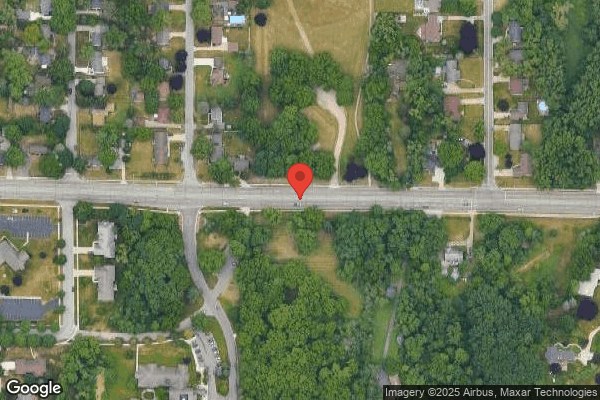
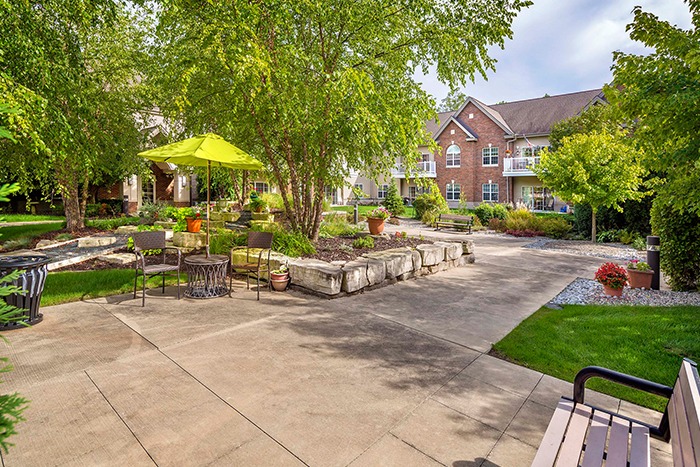
2520 Lake Michigan Drive NW, Grand Rapids, MI 49504 (616) 735-6050
Non profit - Corporation 37 Beds COVENANT LIVING Data: November 2025
Trust Grade
60/100
#195 of 422 in MI
Last Inspection: March 2025

Within standard 12-15 month inspection cycle. Federal law requires annual inspections.

Overview

Covenant Village of the Great Lakes has a Trust Grade of C+, meaning it is slightly above average but not exceptional. It ranks #195 out of 422 facilities in Michigan, placing it in the top half of all nursing homes in the state, and #17 out of 28 in Kent County, indicating that there are only a few local options that perform better. The facility’s trend is improving, as it has reduced the number of reported issues from 11 in 2024 to 7 in 2025. Staffing is a positive aspect, with a turnover rate of 40%, which is below the state average of 44%, suggesting that staff are more stable and familiar with residents' needs. However, there were concerns about infection control training that has not been completed, as well as issues with food safety and cleanliness, including improperly dated food items and unclean surfaces, which could pose risks to residents.

Trust Score
C+
60/100
In Michigan
#195/422
Top 46%
Safety Record
Low Risk
No red flags
Inspections
Getting Better
11 → 7 violations
Staff Stability
○ Average
40% turnover. Near Michigan's 48% average. Typical for the industry.
Penalties
✓ Good
No fines on record. Clean compliance history, better than most Michigan facilities.
Skilled Nurses
✓ Good
Each resident gets 46 minutes of Registered Nurse (RN) attention daily — more than average for Michigan. RNs are trained to catch health problems early.
Violations
⚠ Watch
31 deficiencies on record. Higher than average. Multiple issues found across inspections.
★★★☆☆
3.0
Overall Rating
★★★☆☆
3.0
Staff Levels
★★★☆☆
3.0
Care Quality
★★★☆☆
3.0
Inspection Score
Stable
2024: 11 issues
2025: 7 issues

The Good

  • Full Sprinkler Coverage · Fire safety systems throughout facility
  • No fines on record
  • Staff turnover below average (40%)

    8 points below Michigan average of 48%

Facility shows strength in fire safety.

The Bad

3-Star Overall Rating

Near Michigan average (3.1)

Meets federal standards, typical of most facilities

Staff Turnover: 40%

Near Michigan avg (46%)

Typical for the industry

Chain: COVENANT LIVING

Part of a multi-facility chain

Ask about local staffing decisions and management

The Ugly 31 deficiencies on record

Mar 2025 7 deficiencies
CONCERN (D)

Potential for Harm - no one hurt, but risky conditions existed

Deficiency F0561 (Tag F0561)

Could have caused harm · This affected 1 resident

Based on interview and record review, the facility failed to provide showers per resident preference in 1 (Resident #17) of 1 resident reviewed for self determination, resulting in dissatisfaction wit...

Read full inspector narrative →
Based on interview and record review, the facility failed to provide showers per resident preference in 1 (Resident #17) of 1 resident reviewed for self determination, resulting in dissatisfaction with care and the potential for poor hygiene, skin breakdown, and infection. Findings include: Review of an admission Record revealed Resident #17 was a female, with pertinent diagnoses which included: encounter for palliative (hospice) care, muscle weakness, unsteadiness on feet, and difficulty walking. Review of a Minimum Data Set (MDS) assessment for Resident #17, with a reference date of 12/18/24, revealed a Brief Interview for Mental Status (BIMS) score of 12, out of a total possible score of 15, which indicated Resident #17 was cognitively impaired. Further review of said MDS revealed Resident #17 required substantial/maximal assistance with shower/bathe self (the ability to bathe self, including washing, rinsing, and drying self .) In an interview on 3/3/25 at 12:22 PM, Resident #17 reported she did not receive showers as frequently as she felt she should. Resident #17 reported she had been getting a shower once a week and felt that she should have been receiving them twice a week. Review of the North Hall Shower Schedule revealed Resident #17 was scheduled to receive a shower twice a week, on Monday evening shift and Thursday evening shift. On 3/4/25 at 10:51 AM, the facility was requested to provide this surveyor with shower sheets for Resident #17 for the last 3 months (12/5/24 - 3/3/25). On 3/5/25 at 12:38 PM, the facility provided, electronically, copies of Resident #17's shower sheets and a copy of an unnamed report with codes entered next to dates for the same requested period. There was no legend to describe the codes. Review of Resident #17's completed shower sheets revealed Resident #17 received 8 showers out of 25 shower opportunities (2 times per week for 12.5 weeks). In an interview on 3/5/25 at 1:12 PM, Assistant Director of Nursing (ADON) C reported she had realized the previous week that there had been an issue with Resident #17's showers. ADON C reported Resident #17 was supposed to have received showers from facility staff on Mondays and from hospice staff on Thursdays. ADON C reported facility staff thought that hospice staff was giving Resident #17 her showers on both Mondays and Thursdays and were consequently not giving Resident #17 her Monday showers as they should have been. ADON C reported the result was that Resident #17 had been receiving 1 shower a week (from hospice), instead of the 2 showers per week that she was scheduled to receive. ADON C reported because she just updated the shower schedule to reflect which staff was supposed to give Resident #17 showers on which days and had educated facility staff, Resident #17 should start receiving 2 showers per week starting the week of 3/3/25. In an interview on 3/5/25 at 1:34 PM, NHA A was queried for additional information related to the unnamed report with codes entered next to dates submitted with Resident #17's shower sheets. NHA A initially reported the unnamed report should have been additional documentation of Resident #17's showers; however, it was the wrong report. NHA A was requested to provide any additional documentation as evidence of Resident #17's showers for the last 3 months. No additional documentation was submitted prior to survey exit.
CONCERN (D)

Potential for Harm - no one hurt, but risky conditions existed

Deficiency F0658 (Tag F0658)

Could have caused harm · This affected 1 resident

Based on observation, interview, and record review, the facility failed to ensure professional standards of practice for physician orders were followed for 1 of 8 residents (R9) reviewed for professio...

Read full inspector narrative →
Based on observation, interview, and record review, the facility failed to ensure professional standards of practice for physician orders were followed for 1 of 8 residents (R9) reviewed for professional standards of care, resulting in the lack of following orders, and the potential for the worsening of a condition and a delay in treatment. Findings include: Review of R9's Physician Order dated 12/320/2024, revealed, Slow Fe 137 mg (45 mg iron) tablet, extended release, 1 tablet oral (by mouth/PO) .one time daily .iron deficiency . It was noted that there was no documentation of physician stating it was allowable to interchange with a stock medication. Review of R9's Medication Profile dated 12/30/2024 included Slow Fe 137 mg (45 mg iron) tablet, extended release (table extended release). Notes: Indication: Iron deficiency anemia .1 tablet PO (by mouth) .class (of medication) minerals and electrolytes-iron. During an observation, interview, and record review on 3/05/25 at 11:16 AM, Licensed Practical Nurse (LPN) R prepared medications to be administered to R9. Among the medications ordered to be administered included Slow Fe 137 mg (45 mg Iron) 1-tab whole PO. The LPN pulled 1 tab Fe 325 mg (65 mg essential iron stating, The facility's doctor allows nurses to give the stock medication. The doctor writes on the order Okay to give stock med. The LPN reviewed the order and stated, I do not see where the physician said it was okay to give the stock med but that is what the nurses have been doing. Review of facility policy Medication Orders revised November 2014, revealed, The purpose of this procedure is to establish uniform guidelines in the receiving and recording of medication orders .a current list of orders must be maintained in the clinical record of each resident .
CONCERN (D)

Potential for Harm - no one hurt, but risky conditions existed

Deficiency F0810 (Tag F0810)

Could have caused harm · This affected 1 resident

**NOTE- TERMS IN BRACKETS HAVE BEEN EDITED TO PROTECT CONFIDENTIALITY** Based on observation, interview, and record review the facility failed to ensure adaptive dining equipment was provided consiste...

Read full inspector narrative →
**NOTE- TERMS IN BRACKETS HAVE BEEN EDITED TO PROTECT CONFIDENTIALITY** Based on observation, interview, and record review the facility failed to ensure adaptive dining equipment was provided consistently for 1 (Resident #179) of 2 residents reviewed for nutrition resulting in difficulty drinking, feelings of worry, and the potential for dehydration. Findings include: Resident #179 Review of Resident #179's face sheet, printed 3/5/25, included diagnoses of Muscle weakness, Osteoarthritis (cartilage that cushions the ends of bones in joints gradually deteriorates), Need for assistance with personal care, and Dysphagia, oropharyngeal phase (difficulty in swallowing). Review of the social services progress note, dated 2/25/25, noted Resident #179's brief interview for mental status score was 15 which indicated the resident was cognitively intact. Review of Resident #179's Occupational Therapy Evaluation, dated 2/24/25, stated, Patient (R179) will improve ability to safely and efficiently perform eating tasks with Setup or Clean-up Assistance with use .a 2-handled mug. During an observation on 03/03/25 at 10:26 AM, Resident #179 was seated in her room with her tray table in front of her that had two beverages; a double handled cup with spout lid containing what looked like juice and a disposable foam cup (no handles) with lid and straw which contained what appeared to be water. During an observation and interview on 03/03/25 at 10:45 AM, Resident #179 still had the same two beverages in front of her and confirmed it was juice in the dual handled cup and water in the disposable foam cup. Resident #179 reported the dual handled cup was helpful and would prefer if the facility would put her water in a dual handled cup with lid. Resident #179 reported the facility usually only gave her the dual handled cup with spout lid for her juice and her water was usually in a foam cup (no handles). During an observation and interview on 03/03/25 at 11:56 AM, Certified Nurse Aide T delivered Resident #179's lunch to her room. The lunch tray was delivered with three beverages: cranberry juice (in a two handled cup with spout lid), water (in a two handled cup with spout lid), and a coffee in a regular mug with plastic disposable lid. Resident #179 reported the coffee mug with one handle would spill and was not as easy to drink from than the two handled cups. On the bedside table along with the lunch tray was a disposable zero handled foam cup of water with disposable lid and straw. Resident #179 reported it was much easier to drink from the two handled cups, she was working with the therapy department with dining, and the therapy department had started the adaptive dining devices including the dual handled cup. Resident #179 reported she had to be real careful and that any cup that didn't have two handles could slip from her hands easily. Resident #179 reported she was worried about dropping a drink, it was easy to let it go (drop a cup), and she preferred not to have that happen. During an observation on 03/03/25 at 03:03 PM, Resident #179 was in her bed with bedside table next to her. On the bedside table was a disposable foam cup with lid and straw (no handles) and a plastic clear 2 handled cup with spout lid filled with cranberry juice. During observations and interviews which began on 03/04/25 at 07:46 AM, Resident #179 was observed in bed attempting to eat her breakfast. The coffee was delivered in a mug with disposable lid (one handle). On the tray table there was a disposable foam cup with lid and straw (no handles). Registered Nurse (RN) Y was observed doing range of motion with Resident #179's arms and RN Y reported Resident #179 was stiff in the morning. RN Y proceeded to leave the resident's room. Resident #179 continued to attempt to eat breakfast, but stated, I can't feed myself as she struggled to bring the built-up curved spoon to her mouth and was shaky. The tray ticket on the table stated, 2 handled cup and included Preferences .Regular Coffee (1 cup). At 07:55 AM, RN Y reported Resident #179 has fine motor issues and has some weakness. At 07:58 AM, Resident #179 was observed trying to drink the coffee (with the one handle), but she was unsuccessful. Resident #179 took her right hand and grabbed the coffee mug handle, then attempted to grab the mug with her left hand but she was observed unable and stated, I can't do it. Resident #179 was unable to pick up the mug and drink her coffee and gave up trying. Resident #179 reported she likes to drink coffee but hasn't been able to with the cup. The water on her bedside table in the disposable foam cup, lid, and straw was dated 3/4 and still had the paper over the straw tip. There were no handles on that water. During an observation on 03/04/25 at 09:51 AM, Resident #179 was laying in her bed with the tray table next to her. The tray table had one beverage in a dual handled cup with spout lid but the bedside water in the disposable foam cup (no handles) still had the paper over the straw with none of the beverage consumed. During an observation on 03/04/25 at 11:53 AM, Resident #179 was served a coffee in a mug with one handle and disposable lid. Resident #179 still had a disposable foam water cup dated 3/4 which had no handles. During an observation on 03/04/25 at 12:39 PM, Resident #179 was sitting upright in her wheelchair watching television with her tray table next to her that was holding a dual handled cup with spout lid with juice and a disposable zero handled foam cup with disposable lid and straw. During an interview on 03/04/25 at 12:43 PM, Dietary Aide P reported they don't put coffee in a dual handled cup, but they could. During an interview on 03/04/25 at 12:57 PM, Dietary Manager H reported Resident #179 was supposed to get the dual handled cup for all beverages. Dietary Manager H confirmed coffee could be put in the dual handled cups and that the dual handled cups could handle both hot and cold liquids. Dietary Manager H confirmed certified nurse aides can see the [NAME] (key resident information reference) which indicated a two handled cup should be used for Resident #179 for all liquids. During an interview on 03/04/25 at 01:29 PM, Director of Therapy J reviewed Resident #179's occupational therapy notes and confirmed occupational therapy had recommended dual handled cups for liquids for ease of drinking and to get it to her (Resident #179) mouth with control. Review of the Assistance with Meals policy, revised March 2022, stated, Residents Who May Benefit from Assistive Devices: 1. Adaptive devices (special eating equipment and utensils) will be provided for residents who need or request them. These may include devices such as . and/or specialized cups. Review of Resident #179's Occupational Therapy note, dated 2/24/25, stated, Eating: Pt's (Patient/Resident #179) self-feed skills significantly impacted due to limited shoulder AROM (active range of motion) bilaterally (both sides). Pt (patient) requires setup assist for placing all utensils and plate within her functional reach .Pt then able to bring food to mouth, however effortful. Pt manages beverage with bilat (both hands) hands, would benefit from double handled cup for improved ease. Review of the Resident Summary Template (able to be viewed by staff to see various care needs for the resident) (also known as the CENA (Competency-Evaluated Nursing Assistant)) Template, signed 2/28/25, stated, .2 handled cup with lid. Review of Resident #179's nutrition care plan, print date 3/5/25, stated, (R179) is at nutrition risk d/t (due to) limited arm mobility with .need for adaptive equipment . Review of the dietary progress note, dated 2/28/25, stated, .Receiving mechanical soft ground diet, 2 handled cup .
CONCERN (D)

Potential for Harm - no one hurt, but risky conditions existed

Medical Records (Tag F0842)

Could have caused harm · This affected 1 resident

Based on interview and record review, the facility failed to maintain a complete and accurate medical record related to Advance Directives / Code Status for 1 (Resident #17) of 1 resident reviewed for...

Read full inspector narrative →
Based on interview and record review, the facility failed to maintain a complete and accurate medical record related to Advance Directives / Code Status for 1 (Resident #17) of 1 resident reviewed for accurate medical records, resulting in the potential for the resident's care wishes not being honored as desired. Findings include: Review of a Face Sheet revealed Resident #17 was a female. Review of Resident #17's paper-based medical chart on 3/4/25 at 8:35 AM revealed Resident #17 had a signed DO NOT RESUSCITATE (DNR) order in place. There was a red page in the front of the chart that read DNR. Review of Resident #17's Electronic Medical Record (EMR) Clinical tab Ribbon indicated that Resident #17 was DNR. Review of a current Physician Order for Resident #17 revealed, 8/15/24 12:00 AM Full Code Active (Current) In an interview on 3/5/25 at 9:39 AM, this surveyor, along with Licensed Practical Nurse (LPN) R, reviewed Resident #17's paper-based medical chart and EMR advance directives documentation. LPN R confirmed Resident #17's paper-based chart and EMR Ribbon indicated Resident #17 was a DNR. LPN R confirmed Resident #17's physician order was for a Full Code. In an interview on 3/5/25 at 9:47 AM, Assistant Director of Nursing (ADON) C reported all documentation related to a resident's advance directives should match so that everyone can be certain of what someone's last care wishes were.
CONCERN (D)

Potential for Harm - no one hurt, but risky conditions existed

Infection Control (Tag F0880)

Could have caused harm · This affected 1 resident

Based on observation, interview, and record review, the facility failed to ensure infection control practices were followed to ensure appropriate PPE was worn during foley catheter care and brief chan...

Read full inspector narrative →
Based on observation, interview, and record review, the facility failed to ensure infection control practices were followed to ensure appropriate PPE was worn during foley catheter care and brief change for two of 12 residents (R5 and R16) reviewed for infection control, resulting in the potential for the spread of disease to a vulnerable population. Findings include: R5 According to R5's Face Sheet, the resident had diagnoses that included chronic multifocal osteomyelitis (infection of bone) of left ankle and foot, neuromuscular dysfunction of bladder and retention of urine, pressure ulcer of right and left buttock stage 2, and pressure ulcer of right heel stage 4. Review of R5's Care Plan, Skin Breakdown, dated 10/2/2022, indicated the resident had a supra pubic catheter (device to collect urine) and multiple pressure ulcers. Review of R5's Care Plan, goal date 6/10/2025, indicated the resident had osteomyelitis to multi focused areas of left foot and was actively on Enhanced Barrier Precautions. During an observation and record review on 3/03/25 at 11:40 AM, there was signage inside the alcove between R5 and roommate that declared, Enhanced Barrier Precautions with two-pictures of a gown, a pair of gloves, and goggles next to a full hand sanitizer. On the inside of the room's door were 2-boxes of gloves. A 3-drawer dresser had nothing in the first 2 drawers with 4-yellow gowns in bottom drawer. No eye covering was available. R16 According to R16's Face Sheet the resident had diagnoses that included neuromuscular dysfunction of bladder. Review of R16's Care Plan, indicated the resident's Enhanced Barrier Precautions related to foley catheter use had been discontinued. It was noted the Care Plan provided by the facility did not have a start/end date or revision history date(s). During an observation on 3/03/25 11:45 AM, signage inside the alcove between R16 and roommate that declared, Enhanced Barrier Precautions with two-pictures of a gown, a pair of gloves, and goggles. The signage did not indicate what PPE had to be worn. On inside of room's door were 2-boxes of gloves with a 3-drawer dresser with each drawer containing blue gowns. No goggles were available. Hospice aide (Aide) L was providing morning cares for the resident lying partially clothed on the bed. On the resident's right inner thigh was a leg strap attached to a foley catheter (indwelling urine collection device). Aide L was wearing gloves was not wearing a gown. Aide L stated, (R16) is not on any precautions. I did not see any EBP signs. I should be wearing gloves because I am touching her (R16's) catheter, soiled brief, and body. I make sure I don't splash urine on me. Aide L did not change gloves while moving from soiled brief to body. During an observation on 3/4/25 at 2:05 PM, there was signage inside the alcove between R16 and her roommate that declared, Enhanced Barrier Precautions with two-pictures of a gown, a pair of gloves, and goggles. On top of the isolation cart was a rolled up blue gown with the strings torn as if a person had worn the gown and ripped it off. During an observation and interview, on 3/4/25 at 2:15 PM, Director of Nursing/Infection Control Preventionist (DON/ICP) B stated while observing EBP signage and isolation cart outside of R5's room, I do not really know what the resident is on as far as precautions or why. I am not sure what PPE Enhanced Barrier Precautions require. I'll look in the cart (isolation) and see what is in here, that should tell us what staff needs. The DON/ICP observed the top two drawers of the cart were empty with 4-yellow gowns in the bottom of the cart. The DON/ICP stated, Night staff is supposed to stock the carts with supplies. I will have to look to see what the resident needs. During an observation, interview, and record review, on 3/4/25 at 2:20 PM, DON/ICP B stated, looked at the EBP sign and isolation cart outside of R16's room. On top of the isolation cart was a rolled up blue gown. DON B stated, If that gown is soiled, it should be put in the garbage. Staff should not have left it here. I don't know if the goggles are to be worn for Enhanced Barrier Precautions for a foley catheter. You will have to ask (ADON C) about this, she is the Infection Control Preventionist. During an interview and record review on 3/4/25 at 2:25 PM, Assistant Director of Nursing (ADON) C stated, The facility has done a lot of training of staff on infection control. Last year, Corporate, sent the facility the policy on Enhanced Barrier Precautions and a CDC (Centers for Disease Control) directive of Enhanced Barrier Precautions. I also made the signs that indicate the resident is on Enhanced Barrier Precautions. I give the staff the option of wearing goggles for Enhanced Barrier Precautions. I can't find the CDC signage on Enhanced Barrier Precautions. Hospice staff should know before coming here to take care of a resident if the resident requires PPE for Enhanced Barrier Precautions by looking at the Care Plan. Hospice knows how to open the Care Plans, and they should know what PPE to wear for Enhanced Barrier Precautions before they even come here. The facility does not train them, they should just know. Training of agency and hospice staff is done by word-of-mouth and no signature page is taken to prove the training was done. The facility follows CDC guidelines on infection control. ADON C did not reply when asked if she knew where to obtain the CDC Enhanced Barrier Precautions signage. During an interview on 3/5/25 at 2:29 PM, DON/ICP B stated, Enhanced Barrier Precautions (EBP) expectations of ancillary staff that care for residents on EBP are the hospice nurses are to communicate to the hospice aides the precautions and care needs of each hospice resident. The charge nurse on 3rd shift should be checking the CNAs are doing their job of filling the isolation carts. No one from day management checks the carts to make sure they have been stocked. All hospice staff checks with facility staff when they enter the facility to be reminded what residents are on EBP. Review of facility's policy Enhanced Barrier Precautions dated August 2022, revealed, Enhanced barrier precautions (EBPs) are utilized to prevent the spread of multi-drug resistant organisms (MDROs) to residents EBPs employ targeted gown and glove use during high contact resident care activities when contact precautions do not otherwise apply. a. Gloves and gown are applied prior to performing the high contact resident care activity (as opposed to before entering the room). b. Personal protective equipment (PPE) is changed before caring for another resident. c. Face protection may be used if there is also a risk of splash or spray .examples of high-contact resident care activities requiring the use of gown and gloves for EBPs include: a. dressing; b. bathing/showering; c. transferring; d. providing hygiene; e. changing linens; f. changing briefs or assisting with toileting; g. device care or use (central line, urinary catheter, feeding tube, tracheostomy/ventilator, etc.); . EBPs are indicated (when contact precautions do not otherwise apply) for residents with wounds and/or indwelling medical devices regardless of MDRO colonization . EBPs remain in place for the duration of the resident's stay or until resolution of the wound or discontinuation of the indwelling medical device that places them at increased risk .Standard precautions apply to the care of all residents regardless of suspected or confirmed infection or colonization status. 9. Staff are trained prior to caring for residents on EBPs. 10. Signs are posted indicating the type of precautions and PPE required. 11. PPE is available inside or outside of the resident rooms.
CONCERN (E)

Potential for Harm - no one hurt, but risky conditions existed

Deficiency F0883 (Tag F0883)

Could have caused harm · This affected multiple residents

Based on interview, and record review, the facility failed to develop policies and procedures to include current standards of practice in regard to pneumococcal immunizations, resulting in the potenti...

Read full inspector narrative →
Based on interview, and record review, the facility failed to develop policies and procedures to include current standards of practice in regard to pneumococcal immunizations, resulting in the potential for eligible residents to not be offered either the PCV15 (15-Valent Pneumococcal Conjugate Vaccine) or PCV20 (20-Valent Pneumococcal Conjugate Vaccine), therefore increasing the risk of acquiring, transmitting, or experiencing complications from pneumococcal pneumonia. Findings include: Review of the policy Pneumococcal Vaccine revised March 2022 indicated all residents are offered pneumococcal vaccines to aid in preventing pneumonia/pneumococcal infections. Before receiving a pneumococcal vaccine, the resident or legal representative receives information and education regarding the benefits and potential side effects of the pneumococcal vaccine. (See current vaccine information statements at https://www.cdc.gov/vaccines/hcp/vis/index.html for educational materials.) Provision of such education is documented in the resident's medical record. It was noted there was no recommendations in regard to the PCV15 and PCV20 immunizations to reflect current CDC guidance. In an interview on 3/5/2025 at 2:29 PM, Director of Nursing (DON) B reported she was unaware of the types of pneumococcal vaccines that were available for residents and the CDC recommendations in regard to PCV15 and PCV20 immunizations, and if the policy had been updated to reflect the current guidance. It was noted an updated policy/procedure was not provided prior to survey exit, 3/5/2025 at 5:30 PM. Review of the Centers for Disease Control and Prevention (CDC) Pneumococcal Vaccine Recommendations, page dated 10/24/2024, revealed .CDC recommends routine administration of pneumococcal conjugate vaccine (PCV15 or PCV20) for all adults 65 years or older who have never received any pneumococcal conjugate vaccine or whose previous vaccination history is unknown .If PCV15 is used, this should be followed by a dose of PPSV23 one year later. The minimum interval is 8 weeks and can be considered in adults with an immunocompromising condition, cochlear implant, or cerebrospinal fluid leak .If PCV20 is used, a dose of PPSV23 is NOT indicated . Retrieved from https://www.cdc.gov/vaccines/vpd/pneumo/hcp/recommendations.html
CONCERN (F)

Potential for Harm - no one hurt, but risky conditions existed

Deficiency F0882 (Tag F0882)

Could have caused harm · This affected most or all residents

Based on interview and record review, the facility failed to ensure the Infection Preventionist completed specialized training in infection prevention and control, resulting in the potential for knowl...

Read full inspector narrative →
Based on interview and record review, the facility failed to ensure the Infection Preventionist completed specialized training in infection prevention and control, resulting in the potential for knowledge deficits pertaining to current infection prevention and control standards and infectious disease outbreaks in a vulnerable population of 29 residents. Findings include: Findings include: During the entrance conference interview on 3/4/25 at 10:30 AM, Nursing Home Administrator (NHA) A stated, The (Director of Nursing (DON) B is the Infection Control Preventionist (ICP). During an interview on 3/4/25 at 2:20 PM, DON/ICP B stated, (Assistant Director of Nursing (ADON) C) is the Infection Control Preventionist. During an interview and record review on 3/4/25 at 2:25 PM, ADON C stated, I do a lot with infection control but (DON B) is the Infection Control Preventionist. Requested on 3/4/24 at 3:44 PM of the NHA A, the ICP Infection Control certificate by 4 PM on 3/4/25. As of 4:05 PM, the certificate has not been received. During an interview and record review on 3/5/25 at 3:39 PM, DON/ICP B stated, I am the Infection Control Preventionist. I started November 1 last year (2024). I am not certified in Infection Control. I started taking the course end of February this year. I've not had time to finish the modules plus I have to take a test to get the certificate.
Jan 2024 11 deficiencies
CONCERN (D)

Potential for Harm - no one hurt, but risky conditions existed

Resident Rights (Tag F0550)

Could have caused harm · This affected 1 resident

**NOTE- TERMS IN BRACKETS HAVE BEEN EDITED TO PROTECT CONFIDENTIALITY** Based on interview and record review, the facility failed to promote resident dignity for 2 residents (Resident #13 and #184) of...

Read full inspector narrative →
**NOTE- TERMS IN BRACKETS HAVE BEEN EDITED TO PROTECT CONFIDENTIALITY** Based on interview and record review, the facility failed to promote resident dignity for 2 residents (Resident #13 and #184) of 4 residents reviewed for dignity, resulting in feelings of diminished self worth and the potential for residents to not meet their highest practicable physical, mental, and psychosocial well being. Findings include: Resident #13 Review of a Face Sheet revealed Resident #13 admitted to the facility on [DATE] with pertinent diagnoses which included pulmonary embolism (blood clot in the lungs) and a urinary tract infection. Review of a Minimum Data Set (MDS) assessment for Resident #13, with a reference date of 1/18/2024 revealed a Brief Interview for Mental Status (BIMS) score of 14, out of a total possible score of 15, which indicated Resident #13 was cognitively intact. In an interview on 1/24/2024 at 11:53 AM, Resident #13 reported there is an aide that often fails to bring her water when she requested it. Resident #13 reported this makes her feel disrespected. In an interview on 1/25/2024 at 2:45 PM, Resident #13 reported her aide that morning came into her room that morning after breakfast, stated I'm gonna take a break, sat down in her bedside chair without asking permission, and used her cell phone for about 20 minutes. Resident #184 Review of a Face Sheet revealed Resident #184 admitted to the facility on [DATE] with pertinent diagnoses which included back pain and one side weakness following a stroke. Review of a Minimum Data Set (MDS) assessment for Resident #184, with a reference date of 1/24/2024 revealed a Brief Interview for Mental Status (BIMS) score of 15, out of a total possible score of 15, which indicated Resident #184 was cognitively intact. Further review of same MDS assessment revealed Resident #184 required assistance with toileting. Review of a current activities of daily living Care Plan intervention for Resident #184, dated of 1/16/2024, directed staff to provide assistance with toileting as her needs indicated. In an interview on 1/25/2024 at 1:24 PM, Resident #184 reported her aide that morning answered her call light at about 9:00 AM when she needed to use the bathroom, turned her call light off, stated she had other people to take care, and left the room. Resident #184 reported the aide returned to her room about 40 minutes later to assist her but she was unable to hold her urine and had wet herself. Resident #184 reported this made her feel degraded and humiliated. Resident #184 reported this same aid used her personal cell phone in her room while whe was waiting to get off the toilet. Resident #184 reported this aide was on her phone frequently while in her room on a regular basis. In an interview on 1/25/2024 at 1:44 PM, Certified Nursing Assistant (CNA) P reported she turned Resident #184's call light off that morning and left the room to care for another resident. CNA P reported when she returned to assist Resident #184, Resident #184 had wet herself. CNA P reported staff were not permitted to use personal cell phones while working. In an interview on 1/25/24 at 1:49 PM, Licensed Practical Nurse (LPN) T reported staff were not allowed to use personal cell phones while working. LPN T reported when she saw aides using personal cell phones, she spoke to them about it not being appropriate. In an interview on 1/25/24 at 4:20 PM, Nursing Home Administrator (NHA) A reported staff were not allowed to use personal cell phones in patient care areas. Review of facility policy/procedure Employee Use of Cellular, Smart Phones and Similar Devices, revised 2/1/2024, revealed .To assure attention to work responsibilities and minimize distractions, employees are not permitted to make or receive personal calls or text messages . when on work time or in resident areas . This includes the use of personal cellular or smart phones . or similar device .
CONCERN (D) 📢 Someone Reported This

A family member, employee, or ombudsman was alarmed enough to file a formal complaint

Potential for Harm - no one hurt, but risky conditions existed

Grievances (Tag F0585)

Could have caused harm · This affected 1 resident

**NOTE- TERMS IN BRACKETS HAVE BEEN EDITED TO PROTECT CONFIDENTIALITY** This citation is related to intake #MI00135955. Based on interview and record review, the facility failed to document resident c...

Read full inspector narrative →
**NOTE- TERMS IN BRACKETS HAVE BEEN EDITED TO PROTECT CONFIDENTIALITY** This citation is related to intake #MI00135955. Based on interview and record review, the facility failed to document resident concerns according to facility policy for 1 resident (Resident #182) of 13 residents reviewed for resolution of grievances, resulting in the potential for a decline in the physical, mental, and psychosocial well being of residents. Findings include: Resident #182 Review of a Face Sheet revealed Resident #182 admitted to the facility on [DATE] with pertinent diagnoses which included fractured vertebra and back pain. Review of a Minimum Data Set (MDS) assessment for Resident #182, with a reference date of 3/24/2023 revealed a Brief Interview for Mental Status (BIMS) score of 15, out of a total possible score of 15, which indicated Resident #182 was cognitively intact. Further review of same MDS assessment revealed Resident #182 required assistance with toileting. In a telephone interview on 1/25/2024 at 4:35 PM, Resident #182 reported she was forced to use a dirtly toilet several times while at the facility and was denied a shower afterwards. Resident #182 reported she discussed her concerns with a male and female nurse. Resident #182 reported after a few days her roommate was moved to another room. Review of Resident #182's Progress Note, dated 3/21/2023 at 12:45 PM, revealed Social Worker EE documented she was contacted by a resident advocacy group regarding Resident #182's concerns and the Health Care Administrator and Director of Nursing spoke to Resident #182 about the concerns and had plans to address the concerns with staff and provide education. In an interview on 1/26/2024 at 8:54 AM, Social Worker EE reported she remembered Resident #182 had concerns after speaking to the advocacy group but she could not remember the nature of the concerns. Social Worker EE reported she communicated the concerns to the Nursing Home Administrator (NHA) and the Director of Nursing. Social Worker EE reported the concerns were not documented as a grievance. In an interview on 1/26/2024 at 9:07 AM, NHA A reviewed Resident #182's progress note documentation and reported she did not remember the nature of the resident concerns. NHA A reported Resident #182's concerns should have been documented as a grievance. NHA A reported she would review her daily notes and look for grievance documentation. In an interview on 1/26/2024 at 10:29 AM, NHA A reported she was able to review emails and determine that Resident #182 was concerned over a weekend that her roomate had explosive diarrhea causing a dirty toilet. NHA A reported the facility should have documented this concern as a grievance. NHA A reported the facility did not find a grievance related to this concern. Review of facility policy/procedure Grievances, updated 10/28/2016, revealed Residents and resident representatives have a right to voice all grievances without discrimination or reprisal . If an employee receives a verbal complaint, he/she will request that the resident or resident representative complete the grievance form and offer assistance in completing it . The completed form will be routed to the Grievance Officer for evaluation and action . The following information should be maintained in one central file in the Administration Offices . The original grievance form . Corrective measures and summary of the findings and conclusions . Any corrective actions as a result of the grievance .
CONCERN (D)

Potential for Harm - no one hurt, but risky conditions existed

MDS Data Transmission (Tag F0640)

Could have caused harm · This affected 1 resident

**NOTE- TERMS IN BRACKETS HAVE BEEN EDITED TO PROTECT CONFIDENTIALITY** Based on interview and record review, the facility failed to complete and transmit a death tracking assessment and transmit the ...

Read full inspector narrative →
**NOTE- TERMS IN BRACKETS HAVE BEEN EDITED TO PROTECT CONFIDENTIALITY** Based on interview and record review, the facility failed to complete and transmit a death tracking assessment and transmit the data to CMS for 1 (Resident #6) of 13 sampled residents. Findings include: Review of a Face Sheet revealed Resident #6 was a female, originally admitted to the facility on [DATE]. Further review of said Face Sheet revealed Resident #6 expired at the facility on [DATE]. Review of a Progress Note dated [DATE] at 4:42 PM revealed, Entered resident room to notice resident has no b/p (blood pressure), no resp (respirations) and no heart rate, verified by Assistant Director of Nursing (ADON) J, Paged Dr on call and (hospice name omitted). Review of Resident #6's electronic medical record revealed no evidence that a death tracking assessment was completed for Resident #6. In an interview on [DATE] at 1:27 PM, Minimum Data Set (MDS) Coordinator, Registered Nurse) (MDSRN) F reported she was responsible for completing the MDS Assessments, including the Death in the Facility tracking assessments, at the facility. MDSRN F reviewed Resident #6's electronic medical record with this surveyor and reported that that a Death in the Facility tracking assessment had not been completed for Resident #6 but should have been since the resident expired at the facility. MDSRN F reported it got missed. According to the MDS 3.0 Resident Assessment Manual the Death in Facility Tracking Record, must be completed when the resident dies in the facility or when on LOA, must be completed within 7 days after the resident ' s death, which is recorded in item, and must be submitted within 14 days after the resident ' s death .
CONCERN (D)

Potential for Harm - no one hurt, but risky conditions existed

Deficiency F0645 (Tag F0645)

Could have caused harm · This affected 1 resident

Based on interview and record review the facility failed to ensure a Pre-admission Screening/Annual Resident Review (PAS/ARR) Level I screening for a Level II OBRA evaluation (DCH-3878) was completed ...

Read full inspector narrative →
Based on interview and record review the facility failed to ensure a Pre-admission Screening/Annual Resident Review (PAS/ARR) Level I screening for a Level II OBRA evaluation (DCH-3878) was completed for a resident who remained at the facility greater than 30 days following an exempted hospital stay for 1 (Resident #1) of 15 sampled residents reviewed, resulting in the potential for the resident to not receive appropriate mental health treatment and services. Findings include: Review of a Face Sheet revealed Resident #1 was a female, originally admitted from the hospital to the facility on 8/2/23, with pertinent diagnoses which included: bipolar disorder unspecified, generalized anxiety disorder, and depression unspecified. A review of Resident #1's Pre-admission Screening/Annual Resident Review (PAS/ARR) Level I (Form DCH-3877) dated 8/1/23 and completed by (hospital name omitted) revealed, .Section II .1. (Yes box checked) The person has a current diagnosis of (X) Mental Illness .2. (Yes box checked) The person has received treatment for (X) Mental Illness .DISTRIBUTION: If any answer to items 1 - 6 Section II is YES, send ONE copy to the local Community Mental Health Services Program (CMHSP), with a copy of form DCH-3878 if an exemption is requested. The nursing facility must retain the original in the patient record . A review of Resident #1's Mental Illness/Intellectual Disability/Related Condition Exemption Criteria Certification Level 2 (Form DCH-3878) dated 8/1/23 and completed by (hospital name omitted) revealed, .HOSPITAL EXEMPTED discharge: Yes, I certify that the patient under consideration: (X) 1. Is being admitted after a hospital stay, AND (X) 2. Requires nursing facility services for the condition for which he/she received hospital care (X) 3. Is likely to require less than 30 days of nursing services . In an interview on 1/25/24 at 2:36 PM, this surveyor queried Social Worker (SW) EE if Resident #1 had been referred for a Level II screening since she remained at the facility for greater than 30 days. SW EE reported realized today that she (SW EE) had not submitted the paperwork for Resident #1 to receive a Level II screening as required. SW EE reported the Level I screen (Form DCH-3877) that the hospital completed should have been submitted to the (local CMHSP name omitted) and a Level II screen requested because Resident #1 had remained at the facility beyond 30 days. SW EE reported she was the one responsible for tracking and coordinating the Level I and Level II screens for the residents. SW EE reported she had not submitted the paperwork as required, so Resident #1 did not have a Level II screening but should have had one.
CONCERN (D)

Potential for Harm - no one hurt, but risky conditions existed

Comprehensive Care Plan (Tag F0656)

Could have caused harm · This affected 1 resident

**NOTE- TERMS IN BRACKETS HAVE BEEN EDITED TO PROTECT CONFIDENTIALITY** Resident #17 Review of an admission Record revealed Resident #17 admitted to the facility on [DATE] with pertinent diagnoses whi...

Read full inspector narrative →
**NOTE- TERMS IN BRACKETS HAVE BEEN EDITED TO PROTECT CONFIDENTIALITY** Resident #17 Review of an admission Record revealed Resident #17 admitted to the facility on [DATE] with pertinent diagnoses which included peripheral vascular disease and a left heel pressure ulcer. Review of a Minimum Data Set (MDS) assessment for Resident #17, with a reference date of 12/27/2023 revealed a Brief Interview for Mental Status (BIMS) score of 15, out of a total possible score of 15, which indicated Resident #17 was cognitively intact. Review of a current Care Plan problem for Resident #17, dated 1/25/2024, revealed a pressure ulcer to left posterior ankle related to pressure from a brace. In an observation of wound care and interview on 1/25/2024 at 2:11 PM in Resident #17's room, care of Resident #17's left heel and ankle wounds was performed by the wound physician assistant. Assistant Director of Nursing (ADON) J reported Resident #17 admitted with the left heel wound, but developed the left ankle wound from a prafo (pressure relief ankle foot orthosis) boot that she was admitted with to prevent drop foot. In an interview on 1/26/2024 at 10:00 AM, ADON J reviewed Resident #17's Electronic Medical Record and reported she could not find a care plan for the care of the prafo boot Resident #17 admitted with. ADON J reported a care plan should have been developed specifically to direct the care of Resident #17's prafo boot. In an interview on 1/26/2024 at 1:57 PM, ADON J reported she further reviewed Resident #17's Electronic Medical Record and was unable to find a care plan for the prafo boot Resident #17 admitted with. ADON J reported the facility has some work to do regarding care plans and who completes these when she is not at the facility. Based on observation, interview, and record review, the facility failed to develop and implement person-centered comprehensive care plans for 2 (Resident #7 and #17) of 15 residents reviewed for care plans, resulting in an incomplete reflection of the residents' care needs and the potential for a lack of resident-centered care planned goals and interventions. Findings include: Resident #7 Review of a Face Sheet revealed Resident #7 was a female, with pertinent diagnoses which included: type 2 diabetes mellitus (a condition where the body is not able to properly use sugar from the blood) with diabetic polyneuropathy (nerve damage or malfunction of many nerves in the body). Review of a Physician Order for Resident #7 revealed, Start Date 7/28/2023 Lantus U-100 Insulin 100 unit/mL (milligram) subcutaneous (under the skin) solution 15 units Subcutaneous One Time Daily Starting 07/28/2023 Status Active (Current) Review of a Physician Order for Resident #7 revealed, Start Date 1/15/2024 insulin aspart U-100 100 unit/mL subcutaneous solution .Notes: Indication: DMII (type 2 diabetes) Sliding Scale Insulin: Insulin Units < (less than) 60 or > (greater than) 450 Notify MD (medical doctor); 151-200, 1 Units; 201-250, 2 Units; 251-300, 3 Units; 301-350, 4 Units; 351-400, 5 Units; 401-450, 6 Units .per scale Subcutaneous Three Times Daily Starting 01/15/2024 Active (Current) A review of Resident #7's current Care Plan was conducted on 1/26/24 at 10:02 AM and revealed no care planned focus, goals, or interventions related to Resident #7's insulin use. In an interview on 1/26/24 at 10:37 AM, Assistant Director of Nursing (ADON) J reported if a resident was on insulin, they should have a separate care plan specific for that medication. ADON J reviewed Resident #7's current Care Plan with this surveyor and reported there was no separate care plan for Resident #7's insulin use. ADON J reported (Minimum Data Set Registered Nurse (MDSRN) F lead the care planning process for the residents because she completed the MDS Assessments, but other disciplines contributed to care plans as well. In an interview on 1/26/24 at 1:04 PM, MDSRN F reported when a resident admitted to the facility, she opens up (starts) the basic care plans for care needs and safety (collectively known as baseline care plan) within 24-48 hours of admission and if, at that time, she can tell that the resident is on a high risk medication, she will open those care plans as well. MDSRN F reported she also tried to go through the care plans when the resident's quarterly and annual MDS assessments were completed. MDSRN F reported definitive responsibility for who reports what on the care plans has never been assigned. MDSRN F reported if a resident was prescribed insulin, they should have a care plan specific to insulin use. MDSRN F reported it was important to have a care plan specific for insulin because the resident needed to be monitored more closely because their blood sugars could become too high or too low quickly.
CONCERN (D)

Potential for Harm - no one hurt, but risky conditions existed

ADL Care (Tag F0677)

Could have caused harm · This affected 1 resident

**NOTE- TERMS IN BRACKETS HAVE BEEN EDITED TO PROTECT CONFIDENTIALITY** Based on observations, interview, and record review the facility failed to provide activities of daily living to a dependent res...

Read full inspector narrative →
**NOTE- TERMS IN BRACKETS HAVE BEEN EDITED TO PROTECT CONFIDENTIALITY** Based on observations, interview, and record review the facility failed to provide activities of daily living to a dependent resident, including incontinence care, removal of facial hair and nail care in 1 (Resident #15) of 13 sampled residents resulting in the potential for the reasonable person to experience feelings of embarrassment and diminished self-esteem. Findings include: Review of an admission Record revealed Resident #15 had pertinent diagnoses which included: muscle weakness, anxiety, and dementia (loss of memory and abstract thinking). Review of a Minimum Data Set (MDS) assessment for Resident #15, with a reference date of 10/1/23 revealed a Brief Interview for Mental Status (BIMS) score of 3/15 which indicated Resident #15 was severely cognitively impaired. During an observation on 1/24/24 at 1:17 PM., Resident #15 was sitting in her wheelchair at a table in the dining room. Resident #15 was noted to have food debris on her face and hands, long fingernails soiled with dirt and debris, and facial hair on her upper lip and chin. During an observation on 1/24/24 at 3:14 PM., Resident #15 was laying in bed sleeping. Resident #15 was noted to have food debris on her face and hands, long fingernails soiled with dirt and debris, and facial hair on her upper lip and chin. Review of Resident #15's Care Plan revealed problems .I need staff assist for all cares .interventions .I need extensive assistance with bathing, incontinent care, and grooming .I need extensive assist with UB/LB ADLs (upper body/lower body activities of daily living) .I have an electric razor and I like to have my face clean shaven . During an observation in the resident room on 1/25/24 at 9:46 AM., Resident #15 was positioned on her back in bed with noted facial hair and long fingernails soiled with dirt and debris, fully dressed under the covers. Resident #15's pants were wet to the touch with a noted odor of urine. During an observation in the resident room on 1/25/24 at 12:31 PM., Resident #15 was positioned on her back in bed with noted facial hair and long fingernails soiled with dirt and debris, fully dressed under the covers. Resident #15's pants were wet to the touch with a noted odor of urine. During an interview on 1/25/24 at 12:35 PM., Certified Nurse Assistant (CENA) O reported that Resident #15 needed staff to provide her care. CENA O reported that Resident #15's care included her facial hair removed, nail care, and incontinent care. CENA O reported that she should obtain Resident #15's care needs from the electronic health record, [NAME]. CENA O reported that Resident #15 should be checked and changed every 2 to 3 hours for incontinence and positioning. During an observation in the resident room on 1/25/24 at 1:45 PM., Resident #15 was positioned on her back in bed with noted facial hair and long fingernails soiled with dirt and debris, fully dressed under the covers. Resident #15's pants were wet to the touch with a noted odor of urine. During an interview on 1/25/24 at 2:04 PM., Licensed Practical Nurse (LPN) M reported that nail care for residents was the responsibility of all nursing staff. LPN M reported that Resident #15 was dependent on staff for her care. During an observation in the resident room and interview on 1/25/24 at 2:06 PM., LPN M was asked to observe Resident #15. LPN M reported that Resident #15 was positioned on her back in bed with noted facial hair and long fingernails soiled with dirt and debris, fully dressed under the covers, Resident #15's pants were wet to the touch with a noted odor of urine. LPN M stated I will find an aide, and exited Resident #15's room without providing any care to Resident #15. During an observation in the resident room on 1/25/24 at 2:18 PM., Resident #15 was positioned on her back in bed with noted facial hair and long fingernails soiled with dirt and debris, fully dressed under the covers. Resident #15's pants were wet to the touch with a noted odor of urine. During an observation in the resident room and interview on 1/25/24 at 2:22 PM., CENA O was asked to observe Resident #15. CENA O reported that Resident #15 was positioned on her back in bed with noted facial hair and long fingernails soiled with dirt and debris, fully dressed under the covers. Resident #15's pants were wet to the touch with a noted odor of urine. CENA O reported that Resident #15 should be checked, changed, and repositioned every 2-3 hours and that she had not provided any care to Resident #15 during the shift. CENA O reported that staff should complete nail care and remove facial hair with an electric razor for Resident #15. CENA O reported that nail care and shaving should be completed for residents on their scheduled shower days. Noted written on the white board in Resident #15's room was her shower schedule, Tuesday, and Friday. Review of Shower Sheet for Resident #15 dated 1/19/24 revealed resident was given a shower but did not have her facial hair shaved due to the shaver not charged and fingernails were not cleaned/cut. During an interview on 1/26/24 at 9:01 AM., Director of Nursing (DON) B reported that the expectation was nail care be completed during a resident's shower time and when needed. DON B reported that nail care was a standard of care and could be completed by either CENAs and/or Nurses. DON B reported that facial hair in females was to be removed daily as needed. During an observation in the resident room on 1/26/24 at 10:35 AM., Resident #15 was positioned on her back in bed, with the head of the bed elevated to about forty-five (45) degrees and leaning to the left, wearing a hospital gown with noted facial hair and long fingernails soiled with dirt and debris, and the over the bed table present over the bed and directly in front of the resident. During an observation in the resident room on 1/26/24 at 11:47 AM., Resident #15 was positioned on her back in bed, with the head of the bed elevated to about forty-five (45) degrees and leaning to the left, wearing a hospital gown with noted facial hair and long fingernails soiled with dirt and debris, and the over the bed table present over the bed and directly in front of the resident. During an observation in the resident room on 1/26/24 at 12:45 PM., Resident #15 was positioned on her back in bed, with the head of the bed elevated to about forty-five (45) degrees and leaning to the left, wearing a hospital gown with noted facial hair and long fingernails soiled with dirt and debris, and the over the bed table present over the bed and directly in front of the resident. During an observation in the resident room on 1/26/24 at 1:15 PM., Resident #15 was positioned on her back in bed, with the head of the bed elevated to about forty-five (45) degrees and leaning to the left, wearing a hospital gown with noted facial hair and long fingernails soiled with dirt and debris, and the over the bed table present over the bed and directly in front of the resident. Personal hygiene affects patients' comfort, safety, and well-being. Hygiene care includes cleaning and grooming activities that maintain personal body cleanliness and appearance. Personal hygiene activities . promote comfort and relaxation, foster a positive self-image, promote healthy skin, and help prevent infection and disease. [NAME], [NAME] A.; [NAME], [NAME] Griffin; Stockert, [NAME]; Hall, [NAME]. Fundamentals of Nursing - E-Book (Kindle Locations 50742-50744). Elsevier Health Sciences. Kindle Edition.
CONCERN (D)

Potential for Harm - no one hurt, but risky conditions existed

Pressure Ulcer Prevention (Tag F0686)

Could have caused harm · This affected 1 resident

**NOTE- TERMS IN BRACKETS HAVE BEEN EDITED TO PROTECT CONFIDENTIALITY** Based on observations, interview, and record review the facility failed to provide bed mobility and incontinence care for the pr...

Read full inspector narrative →
**NOTE- TERMS IN BRACKETS HAVE BEEN EDITED TO PROTECT CONFIDENTIALITY** Based on observations, interview, and record review the facility failed to provide bed mobility and incontinence care for the prevention of skin breakdown in 1 (Resident #15) of 13 sampled residents resulting in the potential for skin breakdown and/or the development of pressure ulcers. Findings include: Review of an admission Record revealed Resident #15 had pertinent diagnoses which included: muscle weakness, anxiety, and dementia (loss of memory and abstract thinking). Review of a Minimum Data Set (MDS) assessment for Resident #15, with a reference date of 10/1/23 revealed a Brief Interview for Mental Status (BIMS) score of 3/15 which indicated Resident #15 was severely cognitively impaired. Resident #15 is dependent on staff for bed mobility and turning. During an observation in the resident room on 1/25/24 at 9:46 AM., at 12:31 PM, at 1:45 PM, and at 2:18 PM, Resident #15 was positioned on her back in bed. Resident #15's pants were wet to the touch with a noted odor of urine. During an interview on 1/25/24 at 12:35 PM., Certified Nurse Assistant (CENA) O reported that Resident #15 needed staff to provide her care. CENA O reported that Resident #15 should be checked and changed every 2 to 3 hours for incontinence and positioning. Review of Care Plan for Resident #15 revealed problems .I need staff assist for all cares .interventions .I need extensive assistance with bathing, incontinent care, and grooming . problem . I am at risk for skin breakdown related to incontinence, impaired mobility . I will not develop any skin breakdown . encourage me to sit in my chair for meals . provide incontinent care as needed . Review of Resident #15's Braden Scale Risk Evaluation (medical evaluation used to measure a resident's risk for developing a pressure ulcer) dated 7/15/2023 revealed .not always communicate needs to be turned .occasionally moist skin requiring an extra linen changed once a day .ability to walk severely limited or nonexistent .very high risk (for skin break down) During an observation and interview on 1/25/24 at 2:06 PM., LPN M was asked to observe Resident #15. LPN M reported that Resident #15 was positioned on her back in bed. Resident #15's pants were wet to the touch with a noted odor of urine. LPN M stated I will find an aide LPN M exited Resident #15's room without providing any care. During an observation and interview on 1/25/24 at 2:22 PM., CENA O was asked to observe Resident #15. CENA O reported that Resident #15 was positioned on her back in bed with Resident #15's pants were wet to the touch with a noted odor of urine. CENA O reported that Resident #15 should be checked, changed, and repositioned every 2-3 hours and that she had not provided any care to Resident #15 during the shift. During an interview on 1/26/24 at 9:01 AM., Director of Nursing (DON) B reported that the expectation was dependent residents should be checked, changed, and repositioned every 2 hours as standard of care and could be completed by either CENAs and/or Nurses. DON B reported that Braden Assessment score should be completed every quarter. During an observation in the resident room on 1/26/24 at 10:35 AM., at 11:47 AM, at 12:45 PM., and at 1:15 PM, Resident #15 was positioned on her back in bed, the head of the bed elevated to about forty-five (45) degrees and leaning to the left, wearing a hospital gown and the over the bed table present over the bed and directly in front of the resident. During an interview on 1/26/24 at 10:45 AM., Certified Nurse Assistant (CENA) Q reported that Resident #15 needed staff to provide her care. CENA Q reported that Resident #15 should be checked and changed every 2 to 3 hours for incontinence and positioning. Personal hygiene affects patients' comfort, safety, and well-being. Hygiene care includes cleaning and grooming activities that maintain personal body cleanliness and appearance. Personal hygiene activities . promote comfort and relaxation, foster a positive self-image, promote healthy skin, and help prevent infection and disease. [NAME], [NAME] A.; [NAME], [NAME] Griffin; Stockert, [NAME]; Hall, [NAME]. Fundamentals of Nursing - E-Book (Kindle Locations 50742-50744). Elsevier Health Sciences. Kindle Edition. Review of facility policy Pressure Ulcers/Skin Breakdown - Clinical Protocol with a revision date of April 2018, revealed .nursing staff will assess and document an individual's significant risk factors for developing pressure ulcers; for example, immobility . Review of facility policy Prevention of Pressure Injuries with a revision date of April 2020, revealed .review the resident's care plan and identify the risk factors as well as the interventions designed to reduce or eliminate those considered modifiable . Prevention . Skin care . 1. Keep skin clean . 2. Clean promptly after episodes of incontinence .Mobility/repositioning .reposition all residents with or at risk of pressure injuries on an individualized scheduled .choose frequency for repositioning based on the resident's risk factors .
CONCERN (D)

Potential for Harm - no one hurt, but risky conditions existed

Accident Prevention (Tag F0689)

Could have caused harm · This affected 1 resident

**NOTE- TERMS IN BRACKETS HAVE BEEN EDITED TO PROTECT CONFIDENTIALITY** Based on observation, interview, and record review the facility failed to implement gait belt use for safety during a transfer i...

Read full inspector narrative →
**NOTE- TERMS IN BRACKETS HAVE BEEN EDITED TO PROTECT CONFIDENTIALITY** Based on observation, interview, and record review the facility failed to implement gait belt use for safety during a transfer in 1 (Resident #10) of 13 residents reviewed for transfer status resulting in the potential for injury during transfer. Finding include: Review of an admission Record revealed Resident #10 had pertinent diagnoses which included: muscle weakness, Alzherimer's disease, and dementia (loss of memory and abstract thinking). Review of a Minimum Data Set (MDS) assessment for Resident #10, with a reference date of 10/9/23 revealed a Brief Interview for Mental Status (BIMS) score of 3/15 which indicated Resident #15 was severely cognitively impaired. Review of Care Plan for Resident #10 revealed .I need 2 people stand/pivot assist for transfers . with gait belt . I do not ambulate (walk) . During an observation in the resident room and interview on 1/24/24 at 1:31 PM., Certified Nurse Assistant (CENA) Q was prepared to transfer Resident #10 from her wheelchair into her bed alone. CENA Q placed her hand under Resident #10's arms and around her back to pick Resident #10 up to transfer her from her wheelchair to her bed. Resident #10 was yelling, and CENA Q did not complete the transfer of Resident #10 from her wheelchair to her bed. CENA Q did not place a gait belt (a safety device placed on someone to be used to assist with movement) on Resident #10 prior to transfer. There was a gait belt visualized on the bathroom door in Resident #10's room during this time. CENA Q reported she needed a second person to complete the transfer and left the room. During an observation in the resident room and interview on 1/24/24 at 1:46 PM., Certified Nurse Assistant (CENA) Q and CENA K were preparing to transfer Resident #10 from her wheelchair to her bed. CENA Q and CENA K positioned themselves on each side of Resident #10 and placed one arm under each of Resident #10's arms. CENA K and CENA Q picked up Resident #10 with one hand under Resident #10's arms and one hand holding the back of Resident #10's pants. CENA K and CENA Q did not use a gait belt to complete the transfer of Resident #10 from her wheelchair to her bed. There was a gait belt visualized on the bathroom doon in Resident #10's room during this time. During an interview on 1/25/24 at 12:08 PM., CENA Q reported that every resident transfer without a lift should be done with a gait belt. CENA Q reported that resident specific transfer information was in the [NAME] (summary of care needs for specific resident). During an interview on 1/25/24 at 12:15 PM., CENA O reported that every resident transfer using one or two people should be done with a gait belt. CENA O reported that resident specific transfer information was in the [NAME]. During an interview on 1/26/24 at 9:01 AM., Director of Nursing (DON) B reported that his expectation was that a gait belt be used with all transfers not using a lift. DON B reported that resident specific information about transfer status was in the [NAME]. A gait belt provides a secure way to steady or guide patients who need assistance with ambulation when transferring or walking. [NAME], [NAME] A.; [NAME], [NAME] Griffin; Stockert, [NAME]; Hall, [NAME]. Fundamentals of Nursing - E-Book (Kindle Locations 25912-25913). Elsevier Health Sciences. Kindle Edition.
CONCERN (D)

Potential for Harm - no one hurt, but risky conditions existed

Respiratory Care (Tag F0695)

Could have caused harm · This affected 1 resident

**NOTE- TERMS IN BRACKETS HAVE BEEN EDITED TO PROTECT CONFIDENTIALITY** Based on observation, interview, and record review, the facility failed to clean a CPAP (continuous positive airway pressure) ma...

Read full inspector narrative →
**NOTE- TERMS IN BRACKETS HAVE BEEN EDITED TO PROTECT CONFIDENTIALITY** Based on observation, interview, and record review, the facility failed to clean a CPAP (continuous positive airway pressure) mask (a treatment used for sleep apnea - pressurized air is provided through a mask to prevent collapse of the airway) according to the facility policy for 1 (Resident #25) of 1 resident reviewed for respiratory care, resulting in the increased potential for respiratory infection and respiratory distress. Findings include: Resident #25 Review of an admission Record revealed Resident #25 admitted to the facility on [DATE] with pertinent diagnoses which included left femur fracture and obstructive sleep apnea. Review of a Minimum Data Set (MDS) assessment for Resident #25, with a reference date of 1/5/2024, revealed a Brief Interview for Mental Status (BIMS) score of 13, out of a total possible score of 15, which indicated Resident #25 was cognitively intact. Review of a current obstructive sleep apnea Care Plan intervention for Resident #25, active 1/25/2024, directed staff to clean CPAP per physician orders. Review of Resident #25's January 2024 Treatment Administration Record revealed documentation of daily cleaning of Resident #25's CPAP mask from January 1st through January 12th, but no documentation of the cleaning of the CPAP mask from January 13th through January 25th. In an observation and interview on 1/25/2024 at 10:29 AM in Resident #25's room, Resident #25's CPAP mask was observed sitting on her bedside table and not covered. Resident #25 reported her mask had not been washed at the facilily that she was aware of since her admission. In an interview on 1/26/2024 at 9:41 AM, Assistant Director of Nursing (ADON) J reported there was an order to clean Resident #25's mask from her date of admission that dropped off on 1/12/2024. ADON J reported there was no documentation that Resident #25's CPAP mask had been cleaned from January 13th through January 25th. ADON J reported CPAP masks should be cleaned daily. Review of facility policy/procedure CPAP/BiPAP Support, revised March 2015, revealed .Masks, nasal pillows and tubing: Clean daily by placing in warm, soapy water and soaking/agitating for 5 minutes. Mild dish detergent is recommended. Rinse with warm water and allow it to air dry between uses .
CONCERN (D)

Potential for Harm - no one hurt, but risky conditions existed

Deficiency F0761 (Tag F0761)

Could have caused harm · This affected 1 resident

**NOTE- TERMS IN BRACKETS HAVE BEEN EDITED TO PROTECT CONFIDENTIALITY** Based on observation, interview, and record review, the facility failed to: 1) date resident specific insulin when opened for us...

Read full inspector narrative →
**NOTE- TERMS IN BRACKETS HAVE BEEN EDITED TO PROTECT CONFIDENTIALITY** Based on observation, interview, and record review, the facility failed to: 1) date resident specific insulin when opened for use and 2) removed expired medication from the medication room, resulting in the potential for decreased potency and efficacy of medications and the exacerbation of resident medical conditions. Findings include: In an observation at the medication cart and interview on [DATE] at 10:41 AM, Licensed Practical Nurse (LPN) M pulled a used Humalog insulin pen that had not been dated from the medication cart for Resident #8 prior to administration of insulin. LPN M stated, He goes through it fast enough that I am not concerned that it is expired, it was probably opened 3 days ago. LPN M reported insulin should be dated when opened and should be discarded after 28 days. In an interview on [DATE] at 10:56 AM, Assistant Director of Nursing (ADON) J reported insulin should be dated when opened for use and is only good for 28 days after opening, or the expiration date. In and observation and interview on [DATE] at 9:12 AM in the medication room, an unopened bottle of milk of magnesia was found that had expired September of 2023. ADON J replied the cupboards are typically checked for expiring medication when restocked and the milk of magnesia should have been removed from stock. Review of facility policy/procedure Medication Storage, dated 2007, revealed .Medications and biologicals are stored properly, following manufacturer's or provider pharmacy recommendations, to maintain their integrity and to support safe effective drug administration . Outdated, contaminated, discontinued or deteriorated medications . are immediately removed from stock .
CONCERN (D)

Potential for Harm - no one hurt, but risky conditions existed

Medical Records (Tag F0842)

Could have caused harm · This affected 1 resident

Based on interview and record review the facility failed to maintain accurate medical records for 1 (Resident #22) of 13 residents reviewed for medical records accuracy. Findings include: Review of ...

Read full inspector narrative →
Based on interview and record review the facility failed to maintain accurate medical records for 1 (Resident #22) of 13 residents reviewed for medical records accuracy. Findings include: Review of an admission Record revealed Resident #22 had pertinent diagnoses which included: muscle weakness and anxiety. Review of a Minimum Data Set (MDS) assessment for Resident #22, with a reference date of 12/6/23 revealed a Brief Interview for Mental Status (BIMS) score of 15/15 which indicated Resident #15 was cognitively intact. During an interview on 1/26/24 at 9:30 AM., Director of Nursing (DON) B was asked for Resident #22's immunization records including consent to receive. Review of Immunization Records for Resident #22, revealed . Flu vaccine administered in facility 11/22/23, and Covid vaccine administered in facility on 12/21/23 . Review of Immunization Record MCIR for Resident #22 revealed . Flu vaccine administered 11/22/23 and Covid vaccine administered 12/21/23. During an interview on 1/26/24 at 12:20 PM., DON B reported he did not have a signed consent to receive vaccines for Resident #22. During an interview on 1/26/24 at 12:35 PM., Resident #22 reported she remembers receiving her vaccines, but did not sign any forms prior to receiving a vaccine in the facility. During an interview on 1/26/24 at 1:00 PM., DON B was unable to provide requested documents for vaccination consent for Resident #22. No additional information was provided prior to survey exit.
Jan 2023 13 deficiencies
CONCERN (D) 📢 Someone Reported This

A family member, employee, or ombudsman was alarmed enough to file a formal complaint

Potential for Harm - no one hurt, but risky conditions existed

Resident Rights (Tag F0550)

Could have caused harm · This affected 1 resident

This citation pertains to Intake # MI00132189. Based on interview and record review, the facility failed to provide timely care and services to promote dignity in 2 of 2 residents (Resident #38, and #...

Read full inspector narrative →
This citation pertains to Intake # MI00132189. Based on interview and record review, the facility failed to provide timely care and services to promote dignity in 2 of 2 residents (Resident #38, and #240) reviewed for dignity/respect, resulting in long call light wait times, episodes of incontinence and feelings of embarrassment and frustration, and the potential for feelings of diminished self-worth and sadness. Findings include: Resident #38 Review of a Face Sheet revealed Resident #38 was a male, with pertinent diagnoses which included: displaced intertrochanteric fracture of the left femur (a fracture of the bony protrusion on the thighbone), muscle weakness, difficulty in walking, and need for assistance with personal care. Review of a Minimum Data Set (MDS) assessment for Resident #38, with a reference date of 10/6/22 revealed a Brief Interview for Mental Status (BIMS) score of 15, out of a total possible score of 15, which indicated Resident #38 was cognitively intact. Review of Resident #38's Functional Status section of same MDS revealed Resident #38 required limited, one-person physical assistance with transfers, in-room walking, toilet use, and personal hygiene and one-person physical help with bathing. Review of Resident #38's Care Plan revealed a focus of At risk for falls/fall related injury related to history of falls, impaired mobility, impaired balance/gait . with pertinent interventions which included Respond promptly to calls for assist to the toilet. (No implementation date documented) Review of Resident #38's Care Plan revealed a focus of ADL (Activities of Daily Living) Deficit related to post surgical intervention, deconditioning from recent illness, other with pertinent interventions which included Complete set-up and provide assistance with bathing, grooming, mobility, toileting, and eating. (No implementation date documented) In an interview on 1/6/23 beginning at 12:09 PM, with Family Member (FM) LL and Resident #38, Resident #38 reported had been a resident at the facility but had since discharged . Resident #38 reported a CENA (Certified Nursing Assistant) (Resident #38 did not recall staff member name) had helped him to the bathroom and, when finished, Resident #38 had pulled the assistance cord and waited for 25-30 minutes before pulling himself up and walking back to his bed. Resident reported feeling frustrated and unsafe having had to wait that long for assistance. FM LL reported another incident when had visited Resident #38 at the facility a few days after he was admitted there and when FM LL arrived, found Resident #38 in his bed, soiled with urine and feces. Resident #38 confirmed this and reported he had had to wait so long for somebody to come and assist him to the bathroom that he had an accident in the bed. Resident #240 Review of a Face Sheet revealed Resident #240 was a female, with pertinent diagnoses which included: unspecified fracture of sacrum (a bone in the lower spine that forms part of the pelvis), fracture of the coccyx (a bone at the base of the spine), muscle weakness, and unsteadiness on feet. Review of a Minimum Data Set (MDS) assessment for Resident #240, with a reference date of 1/5/23 revealed a Brief Interview for Mental Status (BIMS) score of 12, out of a total possible score of 15, which indicated Resident #240 was cognitively impaired. Review of Resident #240's Functional Status section of same MDS revealed Resident #240 required extensive, one-person physical assistance with transfers, dressing, and toilet use; setup help and supervision with personal care; and one-person physical help with bathing. Review of Resident #240's Care Plan revealed a focus of At risk for falls/fall related injury related to history of falls, impaired mobility, impaired balance/gait . with pertinent interventions which included Respond promptly to calls for assist to the toilet. (No implementation date documented) Review of Resident #240's Care Plan revealed a focus of ADL (Activities of Daily Living) Deficit related to post surgical intervention, deconditioning from recent illness, other with pertinent interventions which included Complete set-up and provide assistance with bathing, grooming, mobility, toileting, and eating. (No implementation date documented) In an interview on 1/09/23 at 10:45 AM, Resident #240 reported call light wait time can be up to an hour. Resident #240 reported has had to wait so long for someone to assist her to the toilet that she has had an accident in bed (referring to a bowel movement). Resident #240 reported having feelings of embarrassment at the time. Resident #240 reported sometimes when the nurse aides (Certified Nursing Assistants - CENAs) do respond to her call light, they come in the room and turn off the light before addressing her needs and then don't return for a long time. In an interview on 1/20/23 at 9:47 AM, Resident #240 reported had been with therapy the day before and had peed and pooped her pants. Resident #240 stated, it just came out. Resident #240 reported staff escorted her back to her room and said that someone would be in shortly to assist her to get cleaned up and changed but nobody came for over an hour or more.
CONCERN (D)

Potential for Harm - no one hurt, but risky conditions existed

Deficiency F0558 (Tag F0558)

Could have caused harm · This affected 1 resident

Based on observation, interview, and record review, the facility failed to ensure access to a call light in 1 (Resident #5) of 13 sampled residents reviewed for call light placement, resulting in the ...

Read full inspector narrative →
Based on observation, interview, and record review, the facility failed to ensure access to a call light in 1 (Resident #5) of 13 sampled residents reviewed for call light placement, resulting in the inability to call for assistance and the potential for unmet care needs. Findings include: According to https://www.ncbi.nlm.nih.gov, .Call light technology serve as a means of communication for patients to their care providers that are outside of the patient's room. This technology is a direct link to getting their needs met and the care provided by nurses . Resident #5: Review of an admission Record revealed Resident #5 was a female with pertinent diagnoses which included dementia, muscle weakness, difficulty in walking, glaucoma, and osteoarthritis. Review of a Minimum Data Set (MDS) assessment for Resident #5, with a reference date of 10/24/22 revealed a Brief Interview for Mental Status (BIMS) score of 0 out of 15 which indicated Resident #5 was severely cognitively impaired. Review of current Care Plan for Resident #5, with a goal date of 1/29/23, revealed, .Goal: I will have no falls with major injury through the next review date . with the interventions .Offer 1 assist with 2 ww (wheeled walker) and GB(gait belt). I am a 1 assist for transfers, toileting, ambulation, and UB/LB drsg .I can use a push call light .Increase rounding and offers to help with bathroom throughout the night .Walker at bedside when in bed . During an observation on 1/09/23 at 10:11 AM, Resident #5 was observed lying in her bed. Resident #5's recliner had splatters of dried liquid on the lower part of the back rest and on the seat of the recliner. It appeared to be clear and whiteish. Resident #5's call light was hanging over the back of the recliner, out of the resident's reach. During an observation on 1/10/23 at 11:53 AM, Resident #5 was observed lying in her bed which was not low to the ground. Resident #5's call light was observed under the bedside table long foot base, on the floor, at approximately lower thigh, knee area, as well as the resident's bed remote. In an interview on 1/10/23 at 12:09 PM, Certified Nursing Assistant (CNA) K reported when the staff leave a resident's room, they were to ensure the call light and bed remote were in the resident's reach prior to exiting the room. In an interview on 01/11/23 01:15 PM, Director of Nursing (DON) B reported all staff were responsible for answering call lights and the call light would not be turned off until the need was met. DON B reported staff would make sure the call light was in the resident's reach as well as the bed remote and other frequently used items.
CONCERN (D)

Potential for Harm - no one hurt, but risky conditions existed

Comprehensive Care Plan (Tag F0656)

Could have caused harm · This affected 1 resident

**NOTE- TERMS IN BRACKETS HAVE BEEN EDITED TO PROTECT CONFIDENTIALITY** Resident #35 A review of a Face Sheet revealed Resident #35 was admitted to the facility on [DATE] with pertinent diagnoses whic...

Read full inspector narrative →
**NOTE- TERMS IN BRACKETS HAVE BEEN EDITED TO PROTECT CONFIDENTIALITY** Resident #35 A review of a Face Sheet revealed Resident #35 was admitted to the facility on [DATE] with pertinent diagnoses which included: difficulty walking, atrial fibrillation (irregular heartbeat that commonly causes poor blood flow), and muscle weakness. A review of the physician's orders for Resident #35 revealed an order for Eliquis 2.5 mg tablet two times per day (an anticoagulant that thins the blood to reduce risk of blood clots but may cause bruising, excessive bleeding, dizziness) with a start date of 12/21/22. A review of a care plan for Resident #35 with a date of 12/21/22 revealed a problem: At risk for falls due to history of falls, impaired mobility . Further review of the care plan for Resident #35 revealed no care plan related to the use of an anticoagulant. In an interview on 1/11/23 at 2:15pm MDS (Minimum Data Set) Registered Nurse (RN) Coordinator GG reported that any resident receiving an anticoagulant should also have a care plan that identifies potential side effects to monitor for as well as care interventions for the staff to follow. MDS RN GG agreed that the care plan for Resident #35 should have addressed the use of an anticoagulant but stated it was probably missed during her (MDS RN GG) recent absence. Based on observation, interview, and record review, the facility failed to develop and/or implement a comprehensive care plan in 2 of 13 sampled residents (Resident #19, #35) reviewed for comprehensive care plans, resulting in the potential for unmet medical care needs and services for a catheter (Resident #19) and anti-coagulant medication (Resident #35). Findings include: Resident #19 Review of a Face Sheet revealed Resident #19 was a male, with pertinent diagnoses which included: acute pyelonephritis (inflammation of the kidney), acute kidney failure, benign prostatic hyperplasia (enlarged prostate that can cause difficulty urinating) with lower urinary tract symptoms, need for assistance with personal care, retention of urine, and personal history of urinary tract infections. During an observation/interview on 1/09/23 at 10:25 AM, Resident #19 was noted lying in bed watching television. Noted a catheter bag attached to and hanging from the bottom portion of the frame of Resident #19's bed, off the floor. Resident #19 reported had the catheter when he got to the facility. Review of a progress note dated 12/12/2022 at 16:30 (4:30 PM) revealed, Resident was transferred from (hospital name omitted) via (ambulance company name omitted), he was admitted with an AKI (acute kidney injury), weakness and increased confusion .He has a foley catheter in place with a 60 CC balloon for chronic urinary retention. The hospital stated that he previously pulled it out with the balloon inflated which caused trauma to his urethra and that is why his balloon has to be inflated with 60 CC of water . In an interview on 1/10/23 at 11:27 AM, Agency Staff Licensed Practical Nurse (LPN) Y was queried about care for Resident #19's catheter. LPN Y reported was new to the facility/resident assignment, had not worked with Resident #19 before, and was not aware that he had a catheter. LPN Y reported if a resident had a catheter, would expect it would be care planned. In an interview on 1/11/23 at 8:59 AM, Minimum Data Set Registered Nurse (MDSRN) GG reported was responsible for completing the MDS assessments and starting the Care Plans. MDSRN GG reported Resident #19 admitted to the facility with a catheter in place. MDSRN GG reported if a resident had a catheter, it should be on their care plan to alert staff of the care needs of the resident in relation to the catheter. MDSRN GG reviewed Resident #19's current Care Plan with surveyor and reported that there was no care plan in place for Resident #19's catheter but there should be.
CONCERN (D)

Potential for Harm - no one hurt, but risky conditions existed

Deficiency F0679 (Tag F0679)

Could have caused harm · This affected 1 resident

**NOTE- TERMS IN BRACKETS HAVE BEEN EDITED TO PROTECT CONFIDENTIALITY** Based on observations, interviews, and record review, the facility failed to provide meaningful activities, based on comprehensi...

Read full inspector narrative →
**NOTE- TERMS IN BRACKETS HAVE BEEN EDITED TO PROTECT CONFIDENTIALITY** Based on observations, interviews, and record review, the facility failed to provide meaningful activities, based on comprehensive assessment, for 1 of 2 (Resident #18) residents reviewed for activities resulting in a potential decline in physical, mental, and psychosocial well-being. Findings include: A review of the Face Sheet revealed Resident #18 was a female with pertinent diagnoses which included: unspecified dementia (a condition characterized by progressive loss of intellectual functioning) with behavioral disturbance, anxiety disorder, recurrent depressive disorder, weakness, generalized muscle weakness, history of falling. A review of a Brief Interview for Mental Status (BIMS) Assessment for Resident #18, dated 12/14/22, revealed a score of 99 which indicated Resident #18 was unable to answer any of the questions presented. A review of a Minimum Data Set (MDS) assessment dated [DATE], revealed Resident #18 could not recall the current season, staff names and faces, the location of her room or the fact that she is in a nursing home. Resident #18's decision making skills were assessed as severely impaired and it was indicated on the MDS that Resident #18 had continuous disorganized thinking. The MDS reflected that Resident #18 had difficulty on a daily basis with concentrating on things such as .watching television. A review of a Care Plan dated 3/21/19-present revealed a problem: I am at risk for an activities deficit due to dementia . with an intervention as stated: Activity Coordinator will do quarterly evals (sic) of resident's participation in activities and satisfaction in daily activities. The care plan for Resident #18 also contained a problem that stated: My care needs are anticipated by staff due to my cognitive abilities and I need staff assist for all cares related to .dementia. During on observation on 1/09/23 at 10:58am, Resident #18 was lying in bed, awake, staring at the ceiling, talking with no one else in the room. Resident #18 spoke in nonsensical statements when called by name. Resident #18's room was quiet, no television on, no music playing, curtains closed, lights turned off. Resident #18 was observed performing stimming movements (self -stimulatory behavior involving repetitive action), forcefully gripping blanket with both hands, wringing the blanket material, and releasing repeatedly. According to [NAME]-[NAME] J. Nonpharmacological management of behavioral problems in persons with dementia: the TREA model. Alzheimer's Care Today. 2000a; 1:22-34. For persons with advanced dementia, Boredom and need for stimulation will be related to physically nonaggressive, agitated behaviors. During an observation on 1/09/23 at 1:30pm, Resident #18 was observed in her wheelchair in the dining area at the table by herself, awake, facing away from other residents who were playing bingo. Resident #18 was observed performing stimming movements gripping, gathering a clothing protector with her hands, and twisting it. An empty bingo card was on table in front of her. No staff were assisting Resident # 18 with the activity. During an observation on 1/10/23 at 9:04am, Resident #18 was sitting in the dining area, 6 other residents were present but sitting at a distance too far to allow for interaction with Resident #18. Resident #18 was manipulating the leftover food from her meal with her hands, facial expression appeared angry, brow furrowed. No staff were present initially, when staff arrived and removed the plate from in front of Resident #18, she (Resident #18) vocalized a sound of frustration. During an observation on 1/10/23 at 9:55am, Resident #18 was found sitting in the same location in the dining area, talking but not directing comments to anyone, visually scanning the room and when approached by this surveyor, stated hi there. No staff were present. During an observation on 1/10/23 at 1:34pm, Resident #18 was sitting in the dining area in front of a television, Solid Oldies music playing, no staff present. Other residents were present, but no interaction occurred. Resident #18 was not attending to the television. During on observation on 1/11/23 at 10:00am, Resident #18 was observed lying in bed, wearing a hospital gown, no television or music turned on, lights turned off. In an interview on 1/11/23 at 9:44am, Activities Director (AD) G reported that no activities were specifically designed for/provided to residents with severe cognitive impairments on the skilled nursing unit. AD G stated she tries to make activities as inclusive as possible. AD G reported specialized activities are offered in an adjoining memory care unit, but skilled nursing residents must be assisted to that unit for those types of programs. AD G said she assisted residents to specialized programs on the memory care unit at times but could not provide records of their attendance. AD G reported 1:1 visits are offered but those visits are not documented. AD G reported attendance of activities was not recorded in the electronic medical record but reported she would provide electronic copies of paper records. Activities Director G reported she completes a specific activity assessment annually to assess each Resident's 5 domains of wellness and would provide the most recent assessment for Resident #18. In a follow up interview on 1/11/23 at 1:47pm, AD G provided an activity assessment for Resident # 18, completed on 1/11/23, and stated she could not find an activity assessment completed for Resident #18 in the last 12 months. AD G answered maybe when asked if she may have missed an annual assessment for Resident #18. The most recent assessment AD G was able to provide for Resident #18 was dated 3/2019. AD G suggested the MDS (Minimum Data Set) Registered Nurse (RN) Coordinator GG might be able to locate additional activity assessments within the electronic medical record. In an interview on 1/11/23 at 2:05pm MDS Coordinator, RN GG reported that activity assessments should be completed at least annually in the electronic medical record. MDS RN GG completed an electronic search and did not locate an activity assessment for Resident #18.
CONCERN (D)

Potential for Harm - no one hurt, but risky conditions existed

Accident Prevention (Tag F0689)

Could have caused harm · This affected 1 resident

**NOTE- TERMS IN BRACKETS HAVE BEEN EDITED TO PROTECT CONFIDENTIALITY** Based on observation, interview, and record review, the facility failed to utilize wheelchair footrests for safe wheelchair tran...

Read full inspector narrative →
**NOTE- TERMS IN BRACKETS HAVE BEEN EDITED TO PROTECT CONFIDENTIALITY** Based on observation, interview, and record review, the facility failed to utilize wheelchair footrests for safe wheelchair transport for 1 (Resident #18) of 1 resident, reviewed for accidents and hazards, resulting in the potential for falls, injury and unmet care needs. Findings include: Review of Mosby's Textbook for Long-Term Care Nursing Assistants - E-Book by [NAME] A. [NAME], 6th Edition 2013 titled 'Wheelchair Safety revealed .Make sure the person's feet are on the footplates (foot pedals/rests) before moving the chair. The person's feet must not touch or drag on the floor when the chair is moving . Review of an admission Record revealed Resident #18 was a female with pertinent diagnoses which included dementia with behavioral disturbance, chronic pain syndrome, history of falling, muscle weakness, anxiety disorder, and osteoarthritis. Review of a Minimum Data Set (MDS) assessment for Resident #18, with a reference date of 3/17/22 revealed a Brief Interview for Mental Status (BIMS) score of 3 out of 15 which indicated Resident # 18 was severely cognitively impaired Review of MDS dated [DATE], revealed, .Section G: Total Dependence/Two + persons .Does not walk . During an observation on 1/10/23 at 10:16 AM, Certified Nursing Assistant (CNA) R was observed pushing Resident #18 in her wheelchair. There was only one foot pedal on the wheelchair on the right side. The resident did not have either foot on the foot pedal with her feet very low almost touching the ground and at times seemed to want to place her feet down. She was very anxious appearing as she was unsure of how and how fast CNA R was propelling her in the wheelchair. Resident #18 was holding out her arms and seemed to be reaching for the wall railings due to her observed anxiousness. In an interview on 1/10/23 at 11:57 AM, Certified Nursing Assistant (CNA) L reported staf would ensure the resident's feet were on the foot pedals prior to pushing the resident in a wheelchair. CNA L reported if the feet were not on the foot pedals there was the chance of the resident falling out of the chair by putting their feet down and end up with injuries. CNA L it is a safety issue to not have the resident's feet on the foot pedals when propelling them. In an interview on 1/10/23 at 11:57 AM, CNA K reported staff would ensure the resident had their feet on the pedals, hands not on the wheels, and Hoyer sling not dragging, ensure tucked in. CNA K reported to also make sure the resident's feet were not dragging as some do not have good motion on their legs. CNA K if that happened the resident would go forward and be pulled from the wheelchair, and this was to be done for safety precautions. In an interview on 01/11/23 01:15 PM, Director of Nursing (DON) B reported staff would ensure the resident had foot pedals on the wheelchair with feet on the foot pedals prior to providing assistance with propelling the resident. Review of skills training, Transporting a Resident in a Wheelchair received on 1/11/23, revealed, .A wheelchair is a manually operated or power-driven device designed primarily for use by an individual with a mobility disability for the main purpose of indoor, or indoor and outdoor, locomotion .After ensuring that the resident is properly covered with clothing, robe and slippers, or bath sheet/blanket, place his/her feet firmly on the footrests .
CONCERN (D)

Potential for Harm - no one hurt, but risky conditions existed

Deficiency F0761 (Tag F0761)

Could have caused harm · This affected 1 resident

Based on observation, interview, and record review, the facility failed to securely store medications per facility policy in 1 of 2 medication carts reviewed for medication storage, resulting in the p...

Read full inspector narrative →
Based on observation, interview, and record review, the facility failed to securely store medications per facility policy in 1 of 2 medication carts reviewed for medication storage, resulting in the potential for misappropriation and unauthorized access to medications. Findings include: Review of the policy/procedure Storage of Medications, dated November 2020, revealed .The facility stores all drugs and biologicals in a safe, secure, and orderly manner .Drugs and biologicals used in the facility are stored in locked compartments under proper temperature, light and humidity controls. Only persons authorized to prepare and administer medications have access to locked medications .Compartments (including, but not limited to, drawers, cabinets, rooms, refrigerators, carts, and boxes) containing drugs and biologicals are locked when not in use. Unlocked medication carts are not left unattended . In a continuous observation on 1/10/23 from 12:14 p.m. to 12:34 p.m., noted the South Hall medication cart, parked beside the nurses station, was unlocked and unattended. Observed several staff members and visitors walk past the unlocked medication cart during this time frame. In an observation and interview on 1/10/23 at 12:35 p.m., Assistant Director of Nursing (ADON) Q approached the South Hall nurses station with the treatment cart. ADON Q acknowledged the unlocked medication cart, and stated .It should be locked every time . when not in use. Observed ADON Q lock the South Hall medication cart at this time. In an interview on 1/11/23 at 9:04 a.m., Registered Nurse (RN) EE reported the medication carts should be locked at all times when unattended. In an interview on 1/11/23 at 11:54 a.m., Agency RN W stated in regard to the medication cart .If I walk away I'm locking it . Agency RN W reported medication carts should be locked when unattended.
CONCERN (D)

Potential for Harm - no one hurt, but risky conditions existed

Medical Records (Tag F0842)

Could have caused harm · This affected 1 resident

**NOTE- TERMS IN BRACKETS HAVE BEEN EDITED TO PROTECT CONFIDENTIALITY** Based on interview and record review, the facility failed to maintain an accurate medical record and complete a Falls Risk Asses...

Read full inspector narrative →
**NOTE- TERMS IN BRACKETS HAVE BEEN EDITED TO PROTECT CONFIDENTIALITY** Based on interview and record review, the facility failed to maintain an accurate medical record and complete a Falls Risk Assessment for 1 of 1 resident (Resident #26) reviewed for accuracy of assessment following a fall, resulting in a potential for additional falls due to lack of assessment and intervention. Findings include: A review of a Face Sheet revealed Resident #26 was a female admitted to the facility with pertinent diagnoses which included: muscle weakness, unspecified dementia (condition involving progressive decline of cognitive skills) with behavioral disturbance, need for assistance with personal care, difficulty walking, osteoarthritis (wearing down of protective tissue at the end of bones), and abnormalities of gait (a person's manner of walking) and mobility. A review of the Minimum Data Set (MDS) assessment dated [DATE] revealed Resident #26 required moderate assistance (helper provides less than 50% of the effort) for transferring to different surfaces and required touching assistance to ambulate up to 150 feet. Resident #26's Brief Interview of Mental Status (BIMS) assessment revealed a score of 3/15, which indicated Resident #26 had a severe cognitive impairment. A review of a Care Plan for Resident #26 with a start date of 8/27/21 revealed a problem: I am at risk falls . Goal: I will have no falls with major injury through the next review date (3/3/23). A record review revealed nursing documentation of Resident #26 suffered falls on 10/14/22, 10/30/22, 12/14/22 and 12/28/22. During an interview on 1/11/23 at 3:01pm, with the Nursing Home Administrator (NHA) A it was revealed the facility did not have Fall Risk Assessments for Resident #26s' falls on 12/14/22 or 12/28/22. NHA A stated I don't think they (Fall Risk Assessments) were done, so I'm going to have to enter those and then we'll discuss the causes of the falls during the Interdisciplinary Team Meeting (IDT). A review of the facility's Fall Risk Assessment form dated 2018, revealed a policy statement: The nursing staff, in conjunction with the attending physician, consultant pharmacist, therapy staff and others, will seek to identify and document resident risk factors for falls and establish a resident-centered falls prevention plan based on relevant assessment information. Under the title After a Fall, the form states: Step 8. Complete an incident report for resident falls no later than 24 hours after the fall occurs.
CONCERN (E) 📢 Someone Reported This

A family member, employee, or ombudsman was alarmed enough to file a formal complaint

Potential for Harm - no one hurt, but risky conditions existed

Deficiency F0561 (Tag F0561)

Could have caused harm · This affected multiple residents

**NOTE- TERMS IN BRACKETS HAVE BEEN EDITED TO PROTECT CONFIDENTIALITY** In a confidential Resident meeting held on 1/10/23 at 2:30pm, 2 of 3 Residents in attendance reported they did not receive staff...

Read full inspector narrative →
**NOTE- TERMS IN BRACKETS HAVE BEEN EDITED TO PROTECT CONFIDENTIALITY** In a confidential Resident meeting held on 1/10/23 at 2:30pm, 2 of 3 Residents in attendance reported they did not receive staff support with showering on their scheduled shower days. Both Residents reported it was important to them to be able to shower twice a week. 1 Resident reported although it was unsafe for her to do so (due to episodes of hypotension [low blood pressure causing dizziness and fainting]), she frequently showered herself when assistance was not provided. The other Resident reported she was self-conscious about her personal hygiene because she could not shower herself and felt frustrated that her preference to shower twice a week was supported. This citation pertains to Intake # MI00132189. Based on interview and record review, the facility failed to ensure showers/daily dental care was provided/offered per resident preference and plan of care in 3 of 8 residents (Resident #22, Resident #38, and Resident #240) reviewed for Activities of Daily Living (ADL) care and 2 of 3 residents who participated in a confidential resident meeting, resulting in the potential for dissatisfaction with care, hygiene concerns, skin irritation, and low self-esteem. Findings include: Resident #22 Review of a Face Sheet revealed Resident #22 was a male, originally admitted to the facility on [DATE], with pertinent diagnoses which included: other lack of coordination and difficulty in walking. Review of a Minimum Data Set (MDS) assessment for Resident #22, with a reference date of 12/30/22 revealed a Brief Interview for Mental Status (BIMS) score of 15, out of a total possible score of 15, which indicated Resident #22 was cognitively intact. Review of Resident #22's Functional Status section of same MDS revealed Resident #22 required limited, one-person physical assistance with transfers, in-room walking, toilet use, and personal hygiene and one-person physical help with bathing. Review of Resident #22's Care Plan revealed a focus of ADL (Activities of Daily Living) Deficit related to post surgical intervention, deconditioning from recent illness, other with pertinent interventions which included Complete set-up and provide assistance with bathing, grooming, mobility, toileting, and eating. (No implementation date documented) In an interview on 1/09/23 at 10:31 AM, Resident #22 reported he did not consistently get his showers as scheduled. Resident #22 reported he thought staff sometimes forgot. Review of a Shower Schedule for the unit on which Resident #22 resided revealed Resident #22 was scheduled to receive a shower on Tuesdays and Fridays on first shift. Review of Resident #22's ADL Verification Worksheet report for all observations between 12/23/22 and 1/10/23 and Shower Sheets and Therapy Treatment Summary documents submitted to surveyor by Nursing Home Administrator (NHA) A revealed evidence that Resident #22 had received 1 of 5 scheduled showers for the period 12/23/22 - 1/10/23. In an interview on 1/11/23 at 11:34 AM, Certified Nursing Assistant (CENA) FF reported Resident #22 did not have a history of refusing personal/ADL cares. Resident #38 Review of a Face Sheet revealed Resident #38 was a male, originally admitted to the facility on [DATE], with pertinent diagnoses which included: displaced intertrochanteric fracture of the left femur (a fracture of the bony protrusion on the thighbone), muscle weakness, difficulty in walking, and need for assistance with personal care. Review of a Minimum Data Set (MDS) assessment for Resident #38, with a reference date of 10/6/22 revealed a Brief Interview for Mental Status (BIMS) score of 15, out of a total possible score of 15, which indicated Resident #38 was cognitively intact. Review of Resident #38's Functional Status section of same MDS revealed Resident #38 required limited, one-person physical assistance with transfers, in-room walking, toilet use, and personal hygiene and one-person physical help with bathing. Review of Resident #38's Care Plan revealed a focus of ADL (Activities of Daily Living) Deficit related to post surgical intervention, deconditioning from recent illness, other with pertinent interventions which included Complete set-up and provide assistance with bathing, grooming, mobility, toileting, and eating. (No implementation date documented) In an interview on 1/6/23 beginning at 12:09 PM, with Family Member (FM) LL and Resident #38, Resident #38 reported had been a resident at the facility but had since discharged . Resident #38 reported, while at the facility, he did not consistently get assistance with bathing/showering. Review of a Shower Schedule for the unit on which Resident #38 resided revealed Resident #38 was scheduled to receive a shower on Wednesdays and Saturdays on first shift. Review of Resident #39's ADL Verification Worksheet report for all observations between 9/29/22 and 10/17/22 and Shower Sheets and Therapy Treatment Summary documents submitted to surveyor by Nursing Home Administrator (NHA) A revealed evidence that Resident #38 had received 4 of 6 scheduled showers for the period 9/29/22 - 10/17/22. Resident #240 Review of a Face Sheet revealed Resident #240 was a female, originally admitted to the facility on [DATE], with pertinent diagnoses which included: unspecified fracture of sacrum (a bone in the lower spine that forms part of the pelvis), fracture of the coccyx (a bone at the base of the spine), muscle weakness, and unsteadiness on feet. Review of a Minimum Data Set (MDS) assessment for Resident #240, with a reference date of 1/5/23 revealed a Brief Interview for Mental Status (BIMS) score of 12, out of a total possible score of 15, which indicated Resident #240 was cognitively impaired. Review of Resident #240's Functional Status section of same MDS revealed Resident #240 required extensive, one-person physical assistance with transfers, dressing, and toilet use; setup help and supervision with personal care; and one-person physical help with bathing. Review of Resident #240's Care Plan revealed a focus of ADL (Activities of Daily Living) Deficit related to post surgical intervention, deconditioning from recent illness, other with pertinent interventions which included Complete set-up and provide assistance with bathing, grooming, mobility, toileting, and eating. (No implementation date documented) In an interview on 1/09/23 at 10:45 AM, Resident #240 reported had not received adequate showers/baths since she was admitted to the facility. Resident #240 went on to say she hadn't had her teeth brushed in a few days. Resident #240 reported she can brush her own teeth but needed someone to get it set up for her. Resident #240 reported had to ask someone for a basin that morning just to wash her face. In an interview on 1/10/23 at 9:47 AM, Resident #240 was observed seated in her bed speaking to a visitor, Family Member (FM) F. Both invited surveyor into the room. Resident #240 reported had not received a shower or been offered setup assistance to brush her teeth since surveyor visited yesterday. Review of a Shower Schedule for the unit on which Resident #240 resided revealed Resident #240 was scheduled to receive a shower on Mondays and Thursday on first shift. Review of Resident #240's ADL Verification Worksheet report for all observations between 12/29/22 and 1/10/23 and Shower Sheets documents submitted to surveyor by Nursing Home Administrator (NHA) A revealed evidence that Resident #240 had received 1 of 3 scheduled showers and was offered opportunity for daily personal hygiene (including combing hair, brushing teeth, shaving, applying makeup, washing/drying face and hands) 5 out of 13 days for the period 12/29/22 - 1/10/23. In an interview on 1/11/23 at 11:34 AM, Certified Nursing Assistant (CENA) FF reported Resident #240 did not have a history of refusing personal/ADL cares. In an interview on 1/11/23 at 11:27 AM, NHA A reported believed residents received more showers/offers of personal cares than what was documented, and the facility had been working with CENAs to improve their documentation, but understood that if the tasks were not documented, there was no evidence that they were done.
CONCERN (E) 📢 Someone Reported This

A family member, employee, or ombudsman was alarmed enough to file a formal complaint

Potential for Harm - no one hurt, but risky conditions existed

Menu Adequacy (Tag F0803)

Could have caused harm · This affected multiple residents

This citation pertains to Intake # MI00132189. Based on interview and record review, the facility failed to obtain and/or honor food preferences for 4 (Residents #22, #38, #26, and #18) of 13 resident...

Read full inspector narrative →
This citation pertains to Intake # MI00132189. Based on interview and record review, the facility failed to obtain and/or honor food preferences for 4 (Residents #22, #38, #26, and #18) of 13 residents reviewed for meal services, resulting in resident dissatisfaction with their meal experience, feelings of frustration related to meals, and the potential for inadequate food/fluid intake and weight loss. Findings include: Resident #22 Review of a Minimum Data Set (MDS) assessment for Resident #22, with a reference date of 12/30/22 revealed a Brief Interview for Mental Status (BIMS) score of 15, out of a total possible score of 15, which indicated Resident #22 was cognitively intact. In an interview on 1/09/23 at 10:31 AM, Resident #22 reported things here are lousy with the food and that he always wanted brown sugar with his oatmeal and only got it about 50% of the time. Resident #22 reported he couldn't understand why it was so hard to get brown sugar for his oatmeal. Resident #22 reported by the time staff would go and get him his brown sugar, his oatmeal was cold and this frustrated him. Resident #38 Review of a Face Sheet revealed Resident #38 was a male, with pertinent diagnoses which included: muscle weakness, difficulty in walking, and need for assistance with personal care. Review of a Minimum Data Set (MDS) assessment for Resident #38, with a reference date of 10/6/22 revealed a Brief Interview for Mental Status (BIMS) score of 15, out of a total possible score of 15, which indicated Resident #38 was cognitively intact. In an interview on 1/6/23 beginning at 12:09 PM, with Family Member (FM) LL and Resident #38, Resident #38 reported had been a resident at the facility but had since discharged . Resident #38 reported he would often have his daughter assist him to fill out a weekly menu and then gave a copy to the person in charge of the kitchen and keep one for himself. Resident #38 reported often did not receive was he had ordered for his meal. Resident #38 reported at one meal, he did not like what was served and asked for the alternate menu item. Resident #38 reported the staff did bring him something else, but it was not what he had ordered as his alternate choice. Resident #38 reported another time he did not receive what he had ordered and was told they had run out of his chosen menu item. In an interview on 1/10/23 at 12:08 PM, Dining Room Manager (DRM) D was queried on how residents decided what they wanted for meals. DRM D reported that a hospitality aide went around every day and filled out a menu for each resident for the following day. DRM D went on to report that some residents liked to fill out an entire weeks menus choices at once, and would pick up a copy of the weekly menu from the stack, fill it out on their own, and turn it in to a CENA (Certified Nursing Assistant) or the kitchen staff member. Residents #26 & #18 During an observation on 1/10/23 at 12:30 PM, surveyor overheard two dietary staff members in the serving kitchen voicing confusion over what two residents (Resident #26 and Resident #18) had ordered. It was then discovered that the two residents had had their meal orders taken twice, had chosen a different menu option each time, but had both then decided on the chicken salad plate option. By the time the staff confirmed the residents wanted the chicken salad plate option, the kitchen had run out of that option. In an interview on 1/10/23 at 4:05 PM, Regional Registered Dietician (RRD) DD confirmed that staff had taken multiple meal orders for Resident #26 and Resident #18 and that the kitchen did run out of the chicken salad option that the residents had decided upon. In an interview on 1/10/23 at 12:32 PM, Certified Nursing Assistant (CENA) S reported residents often did not get what they ordered on their meal trays.
CONCERN (E) 📢 Someone Reported This

A family member, employee, or ombudsman was alarmed enough to file a formal complaint

Potential for Harm - no one hurt, but risky conditions existed

Deficiency F0809 (Tag F0809)

Could have caused harm · This affected multiple residents

In a confidential group interview held on 1/10/23 at 2:30pm, 3 of 3 Residents in attendance reported meals were often served earlier or later than the scheduled time, on average by at least 30 minutes...

Read full inspector narrative →
In a confidential group interview held on 1/10/23 at 2:30pm, 3 of 3 Residents in attendance reported meals were often served earlier or later than the scheduled time, on average by at least 30 minutes. 1 Resident in attendance reported his lunch was served 1 hour and 30 minutes late on 1/10/23. All 3 Residents reported feeling frustrated about the inconsistency in the delivery times of meals. This citation pertains to Intake # MI00132189. Based on observation, interview, and record review, the facility failed to serve resident meals in a timely manner and per facility scheduled times in 2 of 2 residents (Resident #38 and Resident #32) reviewed for dietary concerns and 3 of 3 residents in a confidential resident council review, resulting in delayed meal service and the potential for dissatisfaction with the dining experience. Findings include: Review of a Meal Times document revealed, Breakfast: 7:00 AM; Lunch: 11:30 AM; Dinner: 5:00 PM, Meal Locations Meals are served in the main dining room or delivered to the resident's room per request. Resident #38 Review of a Face Sheet revealed Resident #38 was a male, with pertinent diagnoses which included: muscle weakness, difficulty in walking, and need for assistance with personal care. Review of a Minimum Data Set (MDS) assessment for Resident #38, with a reference date of 10/6/22 revealed a Brief Interview for Mental Status (BIMS) score of 15, out of a total possible score of 15, which indicated Resident #38 was cognitively intact. In an interview on 1/6/23 beginning at 12:09 PM, with Family Member (FM) LL and Resident #38, Resident #38 reported had been a resident at the facility but had since discharged . Resident #38 reported his meal trays were frequently served to him late and the items on the tray were incorrect which then delayed the meal even longer. During an observation on 1/10/23 at 8:44 AM on the South Hall, noted a dietary staff member deliver the breakfast tray meal cart to the hall. Approximately 10 meal trays were observed on the cart. In an interview on 1/10/23 at 8:51 AM, Certified Nursing Assistant (CENA) M reported breakfast should have arrived at the South Hall by 7:15 or so. CENA M stated, it depends on who is in the kitchen. In an interview on 1/10/23 at 10:45 AM, Sous Chef (SC) C was queried on the inconsistent meal delivery times. SC C reported the mealtimes had varied a bit due to dietary staff having to fill in for a missing position, training new staff, and new staff taking longer than expected to train. SC C reported the last two weeks had been particularly hard with a couple staff leaving with little notice. In an interview on 1/10/23 at 11:04 AM, SC C reported that food for lunch meal service on the first floor should arrive in the serving kitchen around 11:15 AM. On 1/10/23 at 11:35 AM, surveyor entered the serving kitchen to observe the lunch meal service. Dining Room Manager (DRM) D stated, it would be another 15 minutes at least before they got started with lunch service. On 1/10/23 at 11:55 AM, surveyor entered the serving kitchen to observe the lunch meal service. Dietary Cook (DC) CC reported needed to warm the cauliflower back up because it dropped temperature too much. DC CC reported she decided to put hot water in the cauliflower to warm it back up and then asked the surveyor if it would be warm enough to serve then. In an interview on 1/10/23 at 12:32 PM, CENA S reported breakfast that morning had been really late. CENA S stated, it happens sometimes. CENA S reported residents had complained to them about meals being delivered late. Resident #32 Review of a Face Sheet revealed Resident #32 was a female, with pertinent diagnoses which included colon cancer and protein-calorie malnutrition (an inadequate intake of food). Review of a Minimum Data Set (MDS) assessment for Resident #32, with a reference date of 12/22/22, revealed a Brief Interview for Mental Status (BIMS) score of 14, out of a total possible score of 15, which indicated she was cognitively intact. In an observation and interview on 1/10/23 at 1:17 p.m., Resident #32 was noted in bed in her room, eating her lunch meal which included mashed potatoes and peas. Resident #32 stated .I was served late today . and indicated she was unsure why this occurred. Resident #32 reported lunch is generally served closer to noon.
CONCERN (F)

Potential for Harm - no one hurt, but risky conditions existed

Food Safety (Tag F0812)

Could have caused harm · This affected most or all residents

**NOTE- TERMS IN BRACKETS HAVE BEEN EDITED TO PROTECT CONFIDENTIALITY** Based on observation, interview, and record review the facility failed to: 1. Properly date mark and discard food product; 2. Cl...

Read full inspector narrative →
**NOTE- TERMS IN BRACKETS HAVE BEEN EDITED TO PROTECT CONFIDENTIALITY** Based on observation, interview, and record review the facility failed to: 1. Properly date mark and discard food product; 2. Clean food and non-food contact surfaces to sight and touch. and 3; Properly cool potentially hazardous foods. These conditions resulted in an increased risk of contaminated foods and an increased risk of food borne illness that affected 32 residents who consume food from the kitchen. Findings include: 1. During the initial tour of the kitchen, at 9:02 AM on 1/9/23, with Sous Chef (SC) C, observation of the walk-in cooler found the following items not dated or held beyond their discard date: open container of beef base not dated, a container of Lobster soup base dated 11/6/22 to 12/6/22, a case of strawberry banana yogurt (2/3 full) with a use by date of 1/4/23. When asked about the products past their discard dates, SC C stated that these products should have been discarded. During the initial tour of the dry storage area, at 9:22 AM on 1/9/23, it was observed that an open container of grits was found not securely sealed with no date do indicate proper discard. Further observation found two packages of hot dog buns with use by dates of 1/5/23 and 1/6/23, as well as two boxes of honey thickened apple juice with a use by date of 12/21/22. During a follow up tour of the main kitchen, at 9:55 AM on 1/10/23, it was observed that an open bag of sliced carrots was found in the walk-in cooler with a 12/30/22 discard date. Further review found an open bag of cabbage with a manufacture use by date of 1/9/23, it was also observed that two unopened bags of cabbage had use by dates of 1/9/23 and 1/2/23. During a follow up tour of the main kitchen, at 10:07 AM on 1/10/23, it was observed that some food product in the preparation unit on cook line, were found held beyond their discard date. These items were, leaf lettuce with a discard date of 1/5/23, swiss cheese with a discard of 1/7/23, and one hardboiled egg with a discard of 1/9/23. During a follow up tour of the first-floor snack fridge, at 10:32 AM on 1/10/23, found 10 nutritional shakes, thawed, with no date. A review of the manufacture's requirements state the product is good 14 days from thaw. During a follow up tour of the first floor serving kitchen, at 11:08 AM on 1/10/23, it was observed that six nutritional shakes were found thawed in the single door cooler with no date. According to the 2017 FDA Food Code section 3-501.17 Ready-to-Eat, Time/Temperature Control for Safety Food, Date Marking. (A) Except when PACKAGING FOOD using a REDUCED OXYGEN PACKAGING method as specified under § 3-502.12, and except as specified in (E) and (F) of this section, refrigerated, READY-TOEAT, TIME/TEMPERATURE CONTROL FOR SAFETY FOOD prepared and held in a FOOD ESTABLISHMENT for more than 24 hours shall be clearly marked to indicate the date or day by which the FOOD shall be consumed on the PREMISES, sold, or discarded when held at a temperature of 5ºC (41ºF) or less for a maximum of 7 days. The day of preparation shall be counted as Day 1. (B) Except as specified in (E) -(G) of this section, refrigerated, READY-TO-EAT TIME/TEMPERATURE CONTROL FOR SAFETY FOOD prepared and PACKAGED by a FOOD PROCESSING PLANT shall be clearly marked, at the time the original container is opened in a FOOD ESTABLISHMENT and if the FOOD is held for more than 24 hours, to indicate the date or day by which the FOOD shall be consumed on the PREMISES, sold, or discarded, based on the temperature and time combinations specified in (A) of this section and: (1) The day the original container is opened in the FOOD ESTABLISHMENT shall be counted as Day 1; and (2) The day or date marked by the FOOD ESTABLISHMENT may not exceed a manufacturer's use-by date if the manufacturer determined the use-by date based on FOOD safety . According to the 2017 FDA Food Code section 3-501.18 Ready-to-Eat, Time/Temperature Control for Safety Food, Disposition. (A) A FOOD specified in 3-501.17(A) or (B) shall be discarded if it: (1) Exceeds the temperature and time combination specified in 3-501.17(A), except time that the product is frozen; (2) Is in a container or PACKAGE that does not bear a date or day; or (3) Is inappropriately marked with a date or day that exceeds a temperature and time combination as specified in 3501.17(A) . 2. During a follow up tour of the main kitchen, at 9:54 AM on 1/10/23, it was observed that multiple sheet pans of food product were stored on an expediting rack to the inside right of the walk-in cooler. Further observation of the rack found accumulation of dirt and debris over the arms of the rack that hold the sheet pans. During a follow up tour of the main kitchen, at 10:14 AM on 1/10/23, it was observed that the gaskets of the [NAME] under fryer freezer were found to have accumulation of debris. During a follow up tour of the main kitchen, at 10:20 AM on 1/10/23, an interview with SC C found that clean pots and pans are stored and stacked on a wire rack on the side wall of the kitchen. A review of the clean lots and pans found numerous pans with flaking debris on the edges of the pans. When asked if this was old food debris, SC C stated that it was saran wrap, and they were working on training staff away from using it when cooking because it ends up sticking to the pan. During a follow up tour of the main kitchen, at 10:30 AM on 1/10/23, observation of the juice machine found heavy accumulation of sticky debris underneath the spouts of the machine. During a tour of the first-floor ice machine, at 10:37 AM on 1/10/23, it was observed that an accumulation of pink and red debris was evident on the front lip of the ice dispenser. When asked how often this unit gets cleaned, SC C was unsure. When asked who cleaned the machine, SC C stated that a vendor cleans the main kitchen ice machine, but I am not sure who cleans this one. During a follow up tour of the first floor serving kitchen, at 11:05 AM on 1/10/23, it was observed that the underside of the juice machine was found with an accumulation of sticky debris, the inside of the single door [NAME] refrigeration unit was found with a dried-up spill in the bottom floor of the unit with an accumulation of food and crumb debris in the back corners. According to the 2017 FDA Food Code section 4-601.11 Equipment, Food-Contact Surfaces, Nonfood-Contact Surfaces, and Utensils. (A) EQUIPMENT FOOD-CONTACT SURFACES and UTENSILS shall be clean to sight and touch. (B) The FOOD-CONTACT SURFACES of cooking EQUIPMENT and pans shall be kept free of encrusted grease deposits and other soil accumulations. (C) NonFOOD-CONTACT SURFACES of EQUIPMENT shall be kept free of an accumulation of dust, dirt, FOOD residue, and other debris. 3. An interview with SC C, at 10:02 AM on 1/10/23, found that the facility does cool on a regular basis and maintains cooling logs to help track cooling. A review of the facilities cooling log, showed eight items that were cooled in December of 2022. The log states a critical process in cooling is to make sure Food is cooled from 140F (60C) to 70F (21C) .within 2 hours of cooling. Of these eight items, five of them started cooling at 165F or higher, and five of them state they did not cool to 70F within the first two hours of cooling. When asked what could be done better to ensure proper cooling is performed, SC C stated that staff need to start the cooling clock closer to 140F. - Attached Log On S:drive According to the 2017 FDA Food Code section 3-501.14 Cooling. (A) Cooked TIME/TEMPERATURE CONTROL FOR SAFETY FOOD shall be cooled: (1) Within 2 hours from 57ºC (135ºF) to 21ºC (70°F); and (2) Within a total of 6 hours from 57ºC (135ºF) to 5ºC (41°F) or less .
CONCERN (F) 📢 Someone Reported This

A family member, employee, or ombudsman was alarmed enough to file a formal complaint

Potential for Harm - no one hurt, but risky conditions existed

Safe Environment (Tag F0921)

Could have caused harm · This affected most or all residents

**NOTE- TERMS IN BRACKETS HAVE BEEN EDITED TO PROTECT CONFIDENTIALITY** room [ROOM NUMBER] During an observation on 1/09/23 at 10:31 AM, noted straw wrappers and food crumbs on the floor and under the...

Read full inspector narrative →
**NOTE- TERMS IN BRACKETS HAVE BEEN EDITED TO PROTECT CONFIDENTIALITY** room [ROOM NUMBER] During an observation on 1/09/23 at 10:31 AM, noted straw wrappers and food crumbs on the floor and under the resident's bed. There was a collection of dust and dust balls under the bed and along the floorboards. During an observation on 1/10/23 at 10:01 AM, noted straw wrappers and food crumbs on the floor and under the resident's bed. There was a collection of dust and dust balls under the bed and along the floorboards. During an observation on 1/11/23 at 11:24 AM, noted straw wrappers and food crumbs on the floor and under the resident's bed. There was a collection of dust and dust balls under the bed and along the floorboards. room [ROOM NUMBER] During an observation on 1/09/23 at 10:45 AM, noted food crumbs and a collection of dust and dust balls on the floor and under the resident bed. During an observation on 1/10/23 at 9:57 AM, noted food crumbs and a collection of dust and dust balls on the floor and under the resident bed. There was an empty medication cup on the floor under the bed. During an observation on 1/11/23 at 11:29 AM, noted food crumbs and a collection of dust and dust balls on the floor and under the resident bed. There was an empty medication cup on the floor under the bed. Resident #38 Review of a Face Sheet revealed Resident #38 was a male, with pertinent diagnoses which included: muscle weakness, difficulty in walking, and need for assistance with personal care. Review of a Minimum Data Set (MDS) assessment for Resident #38, with a reference date of 10/6/22 revealed a Brief Interview for Mental Status (BIMS) score of 15, out of a total possible score of 15, which indicated Resident #38 was cognitively intact. In an interview on 1/6/23 beginning at 12:09 PM, with Family Member (FM) LL and Resident #38, Resident #38 reported had been a resident at the facility but had since discharged . Resident #38 reported while admitted , the facility had not regularly cleaned his room, nor did they regularly sweep or mop the floor the floor in his room. FM LL stated, you could not walk on the floor because you stuck to it. In an interview on 1/10/23 at 11:14 AM, Maintenance/Housekeeping Supervisor (MHS) J reported resident rooms were supposed to be cleaned every other day. MHS J reported the facility had been looking into cleaning rooms daily to ensure a more thorough cleaning but had not started that yet. MHS J reported had some new staff that may not always clean the rooms as thoroughly as they should be cleaned, and they (MHS J) tried to periodically audit the resident rooms for cleanliness but did not always have time to do so. Room Cleaning: Resident #5 During an observation on 1/09/23 at 10:11 AM, Resident #5 was observed lying in her bed. Resident #5's recliner had splatters of dried liquid on the lower part of the back rest and on the seat of the recliner. It appeared to be clear and whiteish. Resident #5's call light was hanging over the back of the recliner, out of the resident's reach. The floor in Resident #5's room was covered in dirt, dust, food crumbs, dried bread pieces, small pebbles, pieces of bark/tree, an individual eye dropper plastic dispenser by the wardrobe, and pieces of straw paper located about the floor, and there was a clear plastic glove on the floor between the right side of the recliner and the wall. The three-shelf stand located as you enter the room was covered with built up dust and there was dirt on there as well. It had not been wiped down for some time based on appearances. In an interview on 01/10/23 10:14 AM, Housekeeper Aide (HA) I reported she does not have a checklist to complete when she cleans a resident's room. HA I reported she does the laundry for both hallways and will clean rooms between loads of laundry. HA I reported the rooms get cleaned every day she works. Resident #29: During an observation on 1/9/23 at 10:28 AM, observed the privacy curtain for Resident #29 was stained with brown spots, one which was approximately 2 inches wide, by 4 inches long, and other smaller brown spots in various locations on the curtain as it was opened up fully. During an observation on 1/11/23 at 9:57 AM, observed privacy curtain for Resident #29's room was observed to still have the multiple brown spots in various locations on the curtain. In an interview on 1/11/23 at 10:02 AM, Housekeeper Aide (HA) I reported she was not responsible for changing the curtains. HA I reported the housekeepers spray them with cleaner/sanitizer, Just in case. In an interview of 1/11/23 at 10:32 AM, Maintenance/Housekeeping Supervisor (MHS) J reported he was unable to complete as many room audits as he would have liked to ensure cleanliness, maybe once a week. MHS J reported the housekeepers did not have a checklist they would complete daily to indicate resident room cleaning completion. MHS J reported the privacy curtains were hung in April 2022, there currently was not a schedule for when the privacy curtains would be checked and changed. The expectation would be the curtains would be changed in April of 2023. MHS J reported the nursing staff usually report to him when a curtain was soiled and needed to be changed, but this was usually provided to him verbally. The facility currently does not have spare curtains but they were on order so there would be extras when one would need to be laundered. Review of operating procedures, Our Safer Home Commitment received on 1/11/23, revealed, .Our number one priority of keeping our residents, visitors, guests, and employees safe .1.0 Daily Room Cleaning .it is of equal importance that we provide all of our residents with exceptional and consistent care by keeping them safe .Before cleaning, assess the room .make sure the room is fully cleaned and disinfected . Review of procedure, Cleaning Rooms received on 1/11/23, revealed, .Wardrobe, Dresser, and Hard Seating .Clean the surfaces of dressers, wardrobes, and hard seating including inside shelves and drawers, handles, and knobs . Equipment Cleaning: During an observation on 1/9/23 at 10:18 AM, observed a sit to stand in the hallway outside of room [ROOM NUMBER]. There was a sling hanging over the back of the machine where staff would guide the sit to stand. In the sit to stand footrest was observed dust, dirt, a peanut, small pebbles, and other dried food crumbs. The grab bars where the resident would grab to support themselves was observed to have dried dirt/food on them, the padding where the knees/shins were placed also was observed to have splatters of dried liquid on it in various locations. Where the sit to stand stem attaches to the base of the machine, there was an accumulation of dust and dirt. During an observation on 1/10/23 at 12:05 PM, observed a Hoyer in the long term residents hallway. The hoyer was observed to have dust and dirt built up at the base of the hydraulic pole which connects to the base of the machine. The top of the control panel had built up dust and dirt. The hydraulic pole has streaks of dried dark liquid on it. The handles where the residents grabs to support self while being lifted was noted to have dried caked dark brown/black material on it. When scrapped the material flaked up and off the handles. In an interview on 1/10/23 at 12:13 PM, Certified Nursing Assistant (CNA) K reported after assisting a resident using a hoyer or sit to stand the machine would be wiped down. CNA K reported the sit to stand sling would be removed and placed in the laundry as it was considered dirty after a resident's use. CNA K reported the wipes used to wipe down the machine were locked away in the cabinet at the nurse's station or there were wipes on the nurse's cart. The wipes were locked up due to wandering residents. Licensed Practical Nurse (LPN) P reported there were wipes locked up in the nurse's cart as well as wipes were located in the medication room. During an observation on 1/11/23 at 9:56 AM, CNA L placed the Hoyer in the hallway when completed transferring a resident. CNA L went and retrieved the sanitizing wipes. CNA L proceeded to wipe the handles use to steer the machine, the bars which held the loops for the Hoyer sling, and wiped down the handles the resident grabs when transported. CNA L did not clean the base where the hydraulic pole secures to the base, the base, the control box top, or the cord and controller used to operate the Hoyer. In an interview on 01/11/23 01:15 PM, Director of Nursing (DON) B reported staff were responsible for sanitizing the resident shared equipment right away, like the hoyer and sit to stand, after each residents use. DON B reported the equipment should be cleaned from top to bottom. Review of policy, Cleaning and Disinfection of Resident-Care Items and Equipment revised 9/2022, revealed, .6. Reusable resident care equipment is decontaminated and/or sterilized between residents according to manufacturer's instructions .9. Durable medical equipment (DME) is cleaned and disinfected before reuse by another resident . This citation pertains to intake #: MI00132189 Based on observation, interview, and record review, the facility failed to clean and maintain premises in a manner that would reduce the risk of contamination of clean and sanitary linens and maintain resident satisfaction of cleanliness. This deficient practice increases the likelihood of contamination and possible decrease in the satisfaction of living for all residents. Findings include: During a tour of the facility, starting at 1:42 PM on 1/10/23, with Maintenance J, it was observed that the following areas of the facility were found with an increased accumulation of dust, debris, and/or trash accumulation under open wire rack shelving: South hall linen room, South hall storage room, North hall linen room, North hall storage room, and the main laundry room. An interview with Maintenance J at, 1:45 PM on 1/10/23, found that housekeeping staff should be cleaning these storage and linen rooms at least once a week. During a tour of the Shower room, at 1:55 PM on 1/10/23, it was found that the floor had accumulation of grim and dirt with a couple areas with brown spots observed. When asked how the floor looked, Maintenance J stated that it should be cleaner. When asked what the expectation is for cleaning this area, Maintenance J stated, housekeepers would clean the room every other day and CNA's should clean the room between residents. In an observation of the North Hall Medication Room on 1/11/23 at 11:54 a.m., accompanied by Agency Registered Nurse (RN) W, noted the floors in the room were littered with bits of trash, dust, and debris. Agency RN W reported she was unsure how often the medication room floors were cleaned. Resident #12 In an observation and interview on 1/9/23 at 12:02 p.m., noted Resident #12 in bed in her room. Family Member U and Family Member V were present at the bedside, visiting with Resident #12. Family Member U and Family Member V reported housekeeping services have been an issue at the facility. Noted a buildup of dust and debris on the floor under the bed, and along the edges of the walls. Family Member U stated in regard to the condition of the floors in the facility .It's a fright . Family Member U reported she just finished wiping down the surfaces in the room herself (tables, windowsill, etc.). Family Member U reported at times they have asked for a broom to clean the floors themselves as the floors are often dirty and covered with food debris when they come to visit. In an observation on 1/11/23 at 11:36 a.m., observed the condition of the floors in Resident #12's room. Noted a significant buildup of food debris/trash/particles on the floor behind Resident #12's green padded chair, along the edges of the walls, and below the window sill. Visible buildup of gray/white dust noted under Resident #12's bed, with a built up amount along the power cord. Visible bits of trash and a straw wrapper noted under Resident #12's bed.
MINOR (C)

Minor Issue - procedural, no safety impact

Deficiency F0582 (Tag F0582)

Minor procedural issue · This affected most or all residents

**NOTE- TERMS IN BRACKETS HAVE BEEN EDITED TO PROTECT CONFIDENTIALITY** Based on interview and record review, the facility failed to provide a Skilled Nursing Facility Advanced Beneficiary Notice (SNF...

Read full inspector narrative →
**NOTE- TERMS IN BRACKETS HAVE BEEN EDITED TO PROTECT CONFIDENTIALITY** Based on interview and record review, the facility failed to provide a Skilled Nursing Facility Advanced Beneficiary Notice (SNF ABN) detailing estimated charges for continued services in 2 of 3 residents (Resident #41 & #42) reviewed for timely provision of notifications, resulting in the potential for residents/resident representatives to be unaware of changes in regard to financial liability. Findings include: Review of the Centers for Medicare and Medicaid Services (CMS) information related to Skilled Nursing Facility Advanced Beneficiary Notice (SNF ABN) forms, page last updated 12/1/21, revealed .Skilled Nursing Facilities (SNFs) must issue a notice to Original Medicare (fee for service - FFS) beneficiaries in order to transfer potential financial liability before the SNF provides .an item or service that is usually paid for by Medicare, but may not be paid for in this particular instance because it is not medically reasonable and necessary, or .custodial care .For Part A items and services: SNFs use the SNF ABN as the liability notice . Obtained from: https://www.cms.gov/Medicare/Medicare-General-Information/BNI/FFS-SNF-ABN- Resident #41 Review of a Face Sheet revealed Resident #41 was a female, originally admitted to the facility on [DATE], with pertinent diagnoses which included heart failure, atrial fibrillation (an irregular heart rate which results in poor blood flow), kidney disease, high blood pressure, depression, and muscle weakness. Review of a Minimum Data Set (MDS) assessment for Resident #41, with a reference date of 7/8/22, revealed a Brief Interview for Mental Status (BIMS) score of 13, out of a total possible score of 15, which indicated she was cognitively intact. Review of the census information revealed Resident #41 admitted to the facility on [DATE] with Medicare Part A as her primary payer, which indicated Medicare Part A paid for services provided to the resident beginning on that date. Further review of the census information revealed Resident #41's primary payer changed to Medicaid on 8/16/22, indicating that as of that date, Medicare Part A no longer paid for services provided. Review of the SNF Beneficiary Protection Notification Review form for Resident #41, completed by facility staff, revealed .Last covered day of Part A Service .8/15/22 .the facility/provider initiated the discharge from Medicare Part A Services when benefit days were not exhausted . Under the section .Was an SNF ABN, Form CMS-10055 provided to the resident? the box was checked next to the statement If NOT issued and should have been: F582. Resident #42 Review of a Face Sheet revealed Resident #42 was a female, originally admitted to the facility on [DATE], with pertinent diagnoses which included stroke, difficulty swallowing, aphasia (a disorder that affects communication), memory deficit, high blood pressure, atrial fibrillation (an irregular heart rate which results in poor blood flow), and muscle weakness. Review of a Minimum Data Set (MDS) assessment for Resident #42, with a reference date of 10/3/22, revealed a Brief Interview for Mental Status (BIMS) score of 7, out of a total possible score of 15, which indicated severe cognitive impairment. Review of the census information revealed Resident #42 admitted to the facility on [DATE] with Medicare Part A as her primary payer, which indicated Medicare Part A paid for services provided to the resident beginning on that date. Per the medical record, Resident #42 was hospitalized from [DATE] to 9/26/22, and readmitted to the facility on [DATE] with Medicare Part A as her primary payer. Further review of the census information revealed Resident #42's primary payer changed to Medicaid on 10/15/22, indicating that as of that date, Medicare Part A no longer paid for services provided. Review of the SNF Beneficiary Protection Notification Review form for Resident #42, completed by facility staff, revealed .Last covered day of Part A Service .10/14/22 .the facility/provider initiated the discharge from Medicare Part A Services when benefit days were not exhausted . Under the section .Was an SNF ABN, Form CMS-10055 provided to the resident? the box was checked next to the statement If NOT issued and should have been: F582. In an interview on 1/11/23 at 11:45 a.m., Social Worker T reported SNF ABN forms were not provided to Resident #41 and Resident #42. Social Worker T reported she was not aware that SNF ABN forms were required until copies were requested by the survey team. Social Worker T reported there was no facility policy related to the provision of SNF ABN forms to residents.
Understanding Severity Codes (click to expand)
Life-Threatening (Immediate Jeopardy)
J - Isolated K - Pattern L - Widespread
Actual Harm
G - Isolated H - Pattern I - Widespread
Potential for Harm
D - Isolated E - Pattern F - Widespread
No Harm (Minor)
A - Isolated B - Pattern C - Widespread

Questions to Ask on Your Visit

  • "Can I speak with families of current residents?"
  • "What's your RN coverage like on weekends and overnight?"

Our Honest Assessment

Strengths
  • • No major safety red flags. No abuse findings, life-threatening violations, or SFF status.
  • • No fines on record. Clean compliance history, better than most Michigan facilities.
  • • 40% turnover. Below Michigan's 48% average. Good staff retention means consistent care.
Concerns
  • • 31 deficiencies on record. Higher than average. Multiple issues found across inspections.
Bottom line: Mixed indicators with Trust Score of 60/100. Visit in person and ask pointed questions.

About This Facility

What is Covenant Village Of The Great Lakes's CMS Rating?

CMS assigns Covenant Village of the Great Lakes an overall rating of 3 out of 5 stars, which is considered average nationally. Within Michigan, this rating places the facility higher than 0% of the state's 100 nursing homes. This mid-range rating indicates the facility meets federal standards but may have areas for improvement.
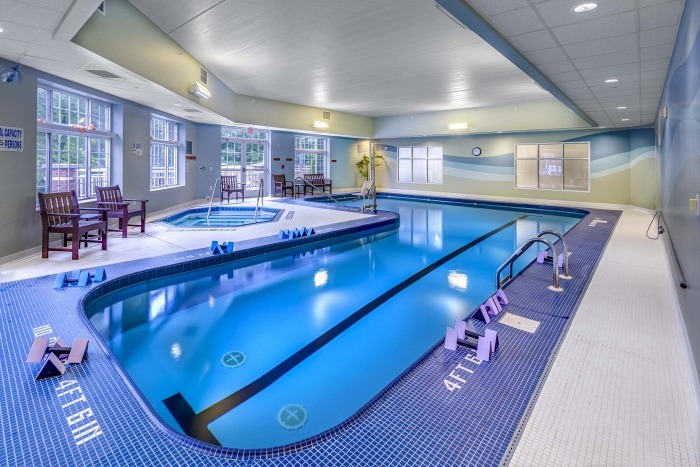
How is Covenant Village Of The Great Lakes Staffed?

CMS rates Covenant Village of the Great Lakes's staffing level at 3 out of 5 stars, which is average compared to other nursing homes. Staff turnover is 40%, compared to the Michigan average of 46%. This relatively stable workforce can support continuity of care. RN turnover specifically is 57%, which is notably high. RNs provide skilled clinical oversight, so turnover in this role can affect medical care quality.

What Have Inspectors Found at Covenant Village Of The Great Lakes?

State health inspectors documented 31 deficiencies at Covenant Village of the Great Lakes during 2023 to 2025. These included: 30 with potential for harm and 1 minor or isolated issues.
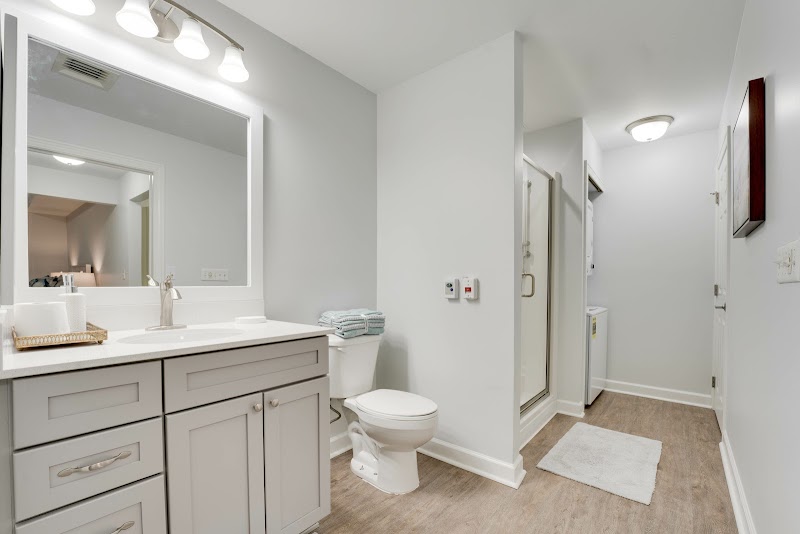
Who Owns and Operates Covenant Village Of The Great Lakes?

Covenant Village of the Great Lakes is owned by a non-profit organization. Non-profit facilities reinvest revenue into operations rather than distributing to shareholders. The facility is operated by COVENANT LIVING, a chain that manages multiple nursing homes. With 37 certified beds and approximately 32 residents (about 86% occupancy), it is a smaller facility located in Grand Rapids, Michigan.

How Does Covenant Village Of The Great Lakes Compare to Other Michigan Nursing Homes?

Compared to the 100 nursing homes in Michigan, Covenant Village of the Great Lakes's overall rating (3 stars) is below the state average of 3.1, staff turnover (40%) is near the state average of 46%, and health inspection rating (3 stars) is at the national benchmark.

What Should Families Ask When Visiting Covenant Village Of The Great Lakes?

Based on this facility's data, families visiting should ask: "Can I visit during a mealtime to observe dining assistance and food quality?" "How do you handle medical emergencies, and what is your hospital transfer rate?" "Can I speak with family members of current residents about their experience?"

Is Covenant Village Of The Great Lakes Safe?

Based on CMS inspection data, Covenant Village of the Great Lakes has a clean safety record: no substantiated abuse findings (meaning no confirmed cases of resident harm), no Immediate Jeopardy citations (the most serious violation level indicating risk of serious injury or death), and is not on the Special Focus Facility watch list (a federal program monitoring the lowest-performing 1% of nursing homes). The facility has a 3-star overall rating and ranks #100 of 100 nursing homes in Michigan. While no facility is perfect, families should still ask about staff-to-resident ratios and recent inspection results during their visit.

Do Nurses at Covenant Village Of The Great Lakes Stick Around?

Covenant Village of the Great Lakes has a staff turnover rate of 40%, which is about average for Michigan nursing homes (state average: 46%). Moderate turnover is common in nursing homes, but families should still ask about staff tenure and how the facility maintains care continuity when employees leave.

Was Covenant Village Of The Great Lakes Ever Fined?

Covenant Village of the Great Lakes has no federal fines on record. CMS issues fines when nursing homes fail to meet care standards or don't correct problems found during inspections. The absence of fines suggests the facility has either maintained compliance or corrected any issues before penalties were assessed. This is a positive indicator, though families should still review recent inspection reports for the full picture.

Is Covenant Village Of The Great Lakes on Any Federal Watch List?

Covenant Village of the Great Lakes is not on any federal watch list. The most significant is the Special Focus Facility (SFF) program, which identifies the bottom 1% of nursing homes nationally based on persistent, serious quality problems. Not being on this list means the facility has avoided the pattern of deficiencies that triggers enhanced federal oversight. This is a positive indicator, though families should still review the facility's inspection history directly.