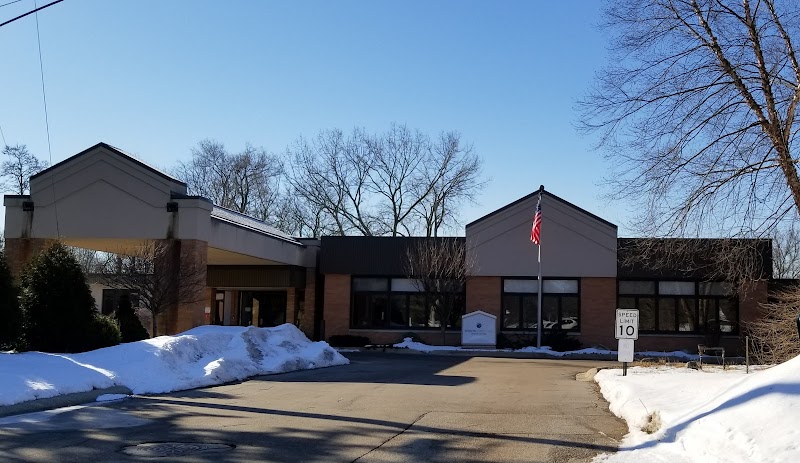
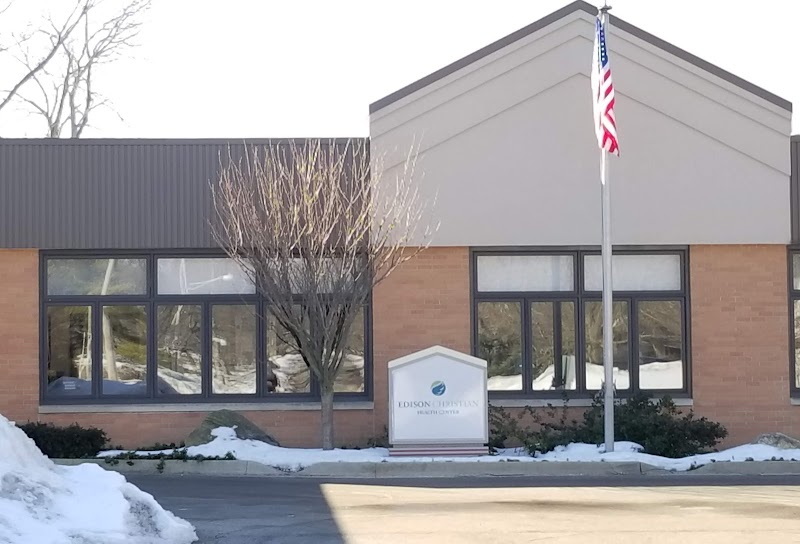
Edison Christian Health Center
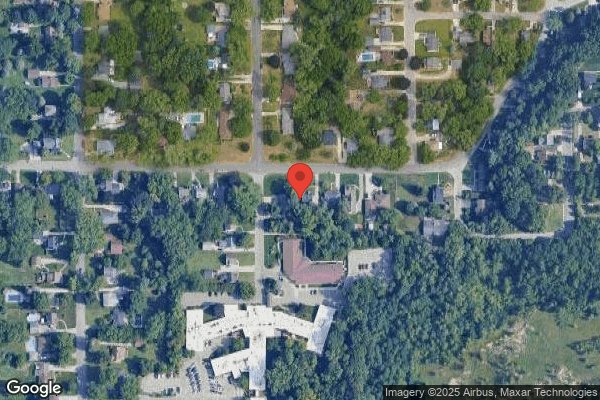
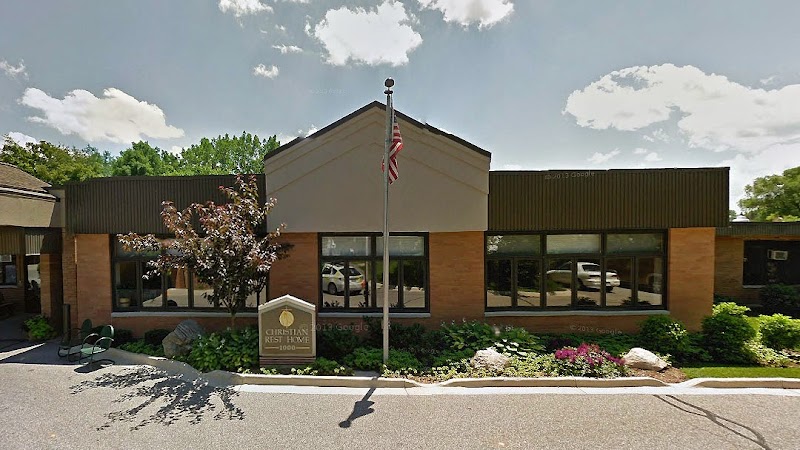
1000 Edison Ave NW, Grand Rapids, MI 49504 (616) 453-2475
Non profit - Other 136 Beds Independent Data: November 2025
Trust Grade
90/100
#20 of 422 in MI
Last Inspection: September 2024

Within standard 12-15 month inspection cycle. Federal law requires annual inspections.

Overview

Edison Christian Health Center has an excellent Trust Grade of A, indicating that it is highly recommended and performs well overall. It ranks #20 out of 422 facilities in Michigan, placing it in the top half, and #5 out of 28 in Kent County, meaning only four local facilities are rated higher. The facility is improving, having reduced its issues from four in 2023 to just one in 2024. Staffing is a strong point, with a perfect rating of 5/5 stars and a turnover rate of 33%, which is lower than the state average, suggesting that staff are experienced and familiar with the residents. However, there have been some concerns regarding food safety practices, such as improperly dated food items that could pose a risk of foodborne illness, and cleanliness issues in the kitchen, including dirty equipment and pests, which suggest that while the care is generally strong, attention to hygiene and food safety needs improvement.
Trust Score
A
90/100
In Michigan
#20/422
Top 4%
Safety Record
Low Risk
No red flags
Inspections
Getting Better
4 → 1 violations
Staff Stability
○ Average
33% turnover. Near Michigan's 48% average. Typical for the industry.
Penalties
✓ Good
No fines on record. Clean compliance history, better than most Michigan facilities.
Skilled Nurses
✓ Good
Each resident gets 56 minutes of Registered Nurse (RN) attention daily — more than average for Michigan. RNs are trained to catch health problems early.
Violations
○ Average
7 deficiencies on record. Average for a facility this size. Mostly minor or procedural issues.
★★★★★
5.0
Overall Rating
★★★★★
5.0
Staff Levels
★★★★★
5.0
Care Quality
★★★★★
5.0
Inspection Score
Stable
2023: 4 issues
2024: 1 issues

The Good

  • 5-Star Staffing Rating · Excellent nurse staffing levels
  • 5-Star Quality Measures · Strong clinical quality outcomes
  • Full Sprinkler Coverage · Fire safety systems throughout facility
  • No fines on record
  • Staff turnover below average (33%)

    15 points below Michigan average of 48%

Facility shows strength in staffing levels, quality measures, fire safety.

The Bad

Staff Turnover: 33%

13pts below Michigan avg (46%)

Typical for the industry

The Ugly 7 deficiencies on record

Sept 2024 1 deficiency
CONCERN (F)

Potential for Harm - no one hurt, but risky conditions existed

Food Safety (Tag F0812)

Could have caused harm · This affected most or all residents

Based on observation, interview, and record review, the facility failed to store, prepare, distribute, and serve food in accordance with professional standards for food service safety. This deficient ...

Read full inspector narrative →
Based on observation, interview, and record review, the facility failed to store, prepare, distribute, and serve food in accordance with professional standards for food service safety. This deficient practice has the potential to result in food borne illness among all residents. Findings include: During the initial tour of the kitchen, starting at 9:48 AM on 9/10/24, an interview with Food Service Director (FSD) Z found that the facility date marks potentially hazardous food items for a three-day discard. Observation inside the walk-in cooler found a half gallon of skim milk dated 8/18 to 8/21 and an open thickened dairy beverage dated 8/18 to 8/21. Observation of the preparation cooler, at 10:02 AM on 9/10/24, found a container of egg salad and a container of tomato soup with no dates to indicate the discard for each product. Further observation found an open package of hot dogs dated 9/5 to 9/8. Observation of the South dining room, at 11:15 AM on 9/10/24, found an open thickened cranberry juice with no date to indicate discard. the item states its good for 7 days after opening. Observation of the [NAME] Dining room, at 11:22 AM on 9/10/24, found two magic cups stored in the refrigeration unit with no date. The item states its good for 5 days after thaw. Observation of the Ritz dining room, at 11:36 AM on 9/10/24, found an open container of Med Pass 2.0 with no date to indicate discard. According to the 2017 FDA Food Code section 3-501.17 Ready-to-Eat, Time/Temperature Control for Safety Food, Date Marking. (A) Except when PACKAGING FOOD using a REDUCED OXYGEN PACKAGING method as specified under § 3-502.12, and except as specified in (E) and (F) of this section, refrigerated, READY-TOEAT, TIME/TEMPERATURE CONTROL FOR SAFETY FOOD prepared and held in a FOOD ESTABLISHMENT for more than 24 hours shall be clearly marked to indicate the date or day by which the FOOD shall be consumed on the PREMISES, sold, or discarded when held at a temperature of 5ºC (41ºF) or less for a maximum of 7 days. The day of preparation shall be counted as Day 1. (B) Except as specified in (E) -(G) of this section, refrigerated, READY-TO-EAT TIME/TEMPERATURE CONTROL FOR SAFETY FOOD prepared and PACKAGED by a FOOD PROCESSING PLANT shall be clearly marked, at the time the original container is opened in a FOOD ESTABLISHMENT and if the FOOD is held for more than 24 hours, to indicate the date or day by which the FOOD shall be consumed on the PREMISES, sold, or discarded, based on the temperature and time combinations specified in (A) of this section and: (1) The day the original container is opened in the FOOD ESTABLISHMENT shall be counted as Day 1; and (2) The day or date marked by the FOOD ESTABLISHMENT may not exceed a manufacturer's use-by date if the manufacturer determined the use-by date based on FOOD safety . According to the 2017 FDA Food Code section 3-501.18 Ready-to-Eat, Time/Temperature Control for Safety Food, Disposition. (A) A FOOD specified in 3-501.17(A) or (B) shall be discarded if it: (1) Exceeds the temperature and time combination specified in 3-501.17(A), except time that the product is frozen; (2) Is in a container or PACKAGE that does not bear a date or day; or (3) Is inappropriately marked with a date or day that exceeds a temperature and time combination as specified in 3501.17(A) . During a tour of the walk-in cooler, at 9:50 AM on 9/10/24, it was observed that an accumulation of debris was evident on the floor and perimeter of the cooler. Accumulation consisted of butter packets, cherry tomatoes, and other vegetable matter with dirt and debris and heavy gunk around the feet of the storage racks. An interview with FSD Z found that the walk-in cooler should get swept and mopped weekly. FSD Z went on to state that he was off last week, and some tasks may not have been done. During an observation of the clean utensil rack, at 10:25 AM on 9/10/24, it was found that as clean dish racks are used to store clean utensils in a covered expediting cart, over time, crumb debris has made its way to the floor of the cart and is visibly accumulating. During an interview with FSD Z, at 10:35 AM on 9/10/24, it was found that the stand-up mixer gets used daily. When asked if the mixer had been used yet today, FSD Z was unsure. Observation of the mixer found some stuck on dried white splatter debris on the over arm of the machine and in the metal bowl used for mixing. FSD Z stated he would get the unit cleaned. During an interview with FSD Z, at 10:43 AM on 9/10/24, it was found that the front of house kitchen staff wipe down the surface of the ice machine, but maintenance takes care of the deep cleaning of the unit. Observation of the ice machine found an accumulation of black and tan debris inside the unit on the front facing portion where ice is made. When asked if the debris was staining over time, FSD Z was unsure. A clean paper towel was used to wipe the inside surface and found the debris was easily wiped away. Observation of the South dining room, at 11:14 AM on 9/10/24, found that the underside of the juice machine, between the spouts, was found to have sticky accumulation of debris with black spots on some surfaces. An interview with FSD Z found that he typically takes care of the juice machines himself, but being off last week they probably didn't get done. Observation of the [NAME] Dining room, at 11:22 AM on 9/10/24, found the refrigeration unit with ripped and torn gaskets on the side and bottom of the door. Further observation found an accumulation of lack debris around the bottom portion of the door and debris from an old spill inside the bottom of the unit. Observation of the Ritz dining room, at 11:35 AM on 9/10/24, found that the underside of the juice machine, between the spouts, was found to have sticky accumulation of debris with black spots on some surfaces. Observation of the refrigerator unit found an increased black debris in the gasket seals of the unit. An interview with Maintenance BB, at 1:55 PM on 9/10/24, found that they take care of the deep cleaning of the ice machine and that they are due for a cleaning. When asked about the accumulation inside the machine, Maintenance BB stated that dietary staff should be cleaning the surfaces as needed. According to the 2017 FDA Food Code section 4-601.11 Equipment, Food-Contact Surfaces, Nonfood-Contact Surfaces, and Utensils. (A) EQUIPMENT FOOD-CONTACT SURFACES and UTENSILS shall be clean to sight and touch. (B) The FOOD-CONTACT SURFACES of cooking EQUIPMENT and pans shall be kept free of encrusted grease deposits and other soil accumulations. (C) NonFOOD-CONTACT SURFACES of EQUIPMENT shall be kept free of an accumulation of dust, dirt, FOOD residue, and other debris. According to the 2017 FDA Food Code section 6-501.12 Cleaning, Frequency and Restrictions. (A)PHYSICAL FACILITIES shall be cleaned as often as necessary to keep them clean . Observation of the walk-in freezer, at 10:45 AM on 9/10/24, found a box of frozen raw burger patties open and exposed with no cover or container to protect the quality and safety of the product. According to the 2017 FDA Food Code section 3-302.11 Packaged and Unpackaged Food -Separation, Packaging, and Segregation. (A) FOOD shall be protected from cross contamination by: (4) Except as specified under Subparagraph 3-501.15(B)(2) and in (B) of this section, storing the FOOD in packages, covered containers, or wrappings; During a tour of the dish area, at 11:49 AM on 9/10/24, observation of the high temperature dish log didn't find any inconsistencies showing the machine was not working properly. After running the high temperature conveyor dish machine, three times with a maximum registering dish plate thermometer, it was found that the internal temperature was not achieving 160F or higher, even after the facilities heat sensitive tape was used to check the machine. It was also observed that during these cycles, the rinse pressure was found to range between 40-50 pounds per square inch (psi). An interview with Dietary Aide AA found that the pressure is typically 35-45 psi. Observation inside of the machine found accumulation of calcium, lime, and gunk debris on the spray arms, with visible debris blocking portions of some spray nozzles. Gauges of the machine at this time were reading 185-190 for rinse and 160-165 for the wash. When asked about how often the machine is delimed, FSD Z stated it was due. A revisit to the dish machine, at 1:20 PM on 9/10/24, found that the rinse pressure maintained a 35-45 psi for the multiple loads and the dish plate thermometer was still unable to achieve a 160F contact According to the 2017 FDA Food Code section 4-501.112 Mechanical Warewashing Equipment, Hot Water Sanitization Temperatures. (A) Except as specified in (B) of this section, in a mechanical operation, the temperature of the fresh hot water SANITIZING rinse as it enters the manifold may not be more than 90C (194F), or less than: (1) For a stationary rack, single temperature machine, 74C (165F); or (2) For all other machines, 82C (180F). According to the 2017 FDA Food Code section 4-501.113 Mechanical Warewashing Equipment, Sanitization Pressure. The flow pressure of the fresh hot water SANITIZING rinse in a WAREWASHING machine, as measured in the water line immediately downstream or upstream from the fresh hot water SANITIZING rinse control value, shall be within the range specified on the machine manufacturer's data plate and may not be less than 35 kilopascals (5 pounds per square inch) or more than 200 kilopascals (30 pounds per square inch).
Aug 2023 4 deficiencies
CONCERN (D)

Potential for Harm - no one hurt, but risky conditions existed

Deficiency F0658 (Tag F0658)

Could have caused harm · This affected 1 resident

Based on observation, interview, and record review, the facility failed to (1) obtain a physician order for medicated topical skin creme and (2) prevent Certified Nursing Assistants from administering...

Read full inspector narrative →
Based on observation, interview, and record review, the facility failed to (1) obtain a physician order for medicated topical skin creme and (2) prevent Certified Nursing Assistants from administering medicated topical skin cream required to be administered by licensed nursing staff for 1 resident (Resident #8) of 2 residents reviewed for skin conditions, resulting in the potential for residents to have received inappropriate or inadequate care, lack of communication among care providers, and the potential for the residents to not meet their highest practicable physical, mental, and psychosocial well-being. Findings include: Resident #8 In an observation on 8/28/2023 at 12:02 in Resident #8's room, Resident #8 asked Certified Nursing Assistant (CNA) EE to put Biofreeze Cream on his legs. Two tubes of Biofreeze Cream were found in Resident #8's bedside drawer and rubbed onto his legs and feet by CNA EE. Review of Resident #8's electronic medical record on 8/28/2023 at 12:15 PM revealed no order for Biofreeze Cream. In an interview on 8/28/2023 at 12:26 PM, CNA EE reported CNAs are allowed to administer Biofreeze Cream and Biofreeze Cream did not require a physician order. In a telephone interview on 8/29/2023 at 3:17 PM, CNA XX reported Resident #8 asked her to place Biofreeze Cream on his leg when she responded to his call light at approximately 5:40 AM on 8/26/2023. CNA XX reported she found Biofreeze Cream in Resident #8's bedside drawer and rubbed it onto his leg. In an interview on 8/28/2023 at 12:29 PM, Registered Nurse (RN) Nursing Supervisor G reported use of Biofreeze Cream at the facility required a physician order, should be locked in the treatment cart, and must be administered by licensed nurses and not by CNAs. RN Nursing Supervisor G reviewed Resident #8's electronic medical record and reported he did not have a physician order for Biofreeze Cream. In an interview on 8/29/2023 at 12:25 PM, Assistant Director of Nursing (ADON) D reported she reviewed Resident #8's electronic medical record and did not see a past order for Biofreeze Cream. ADON D reported that although Biofreeze Cream is an over-the-counter product, it is medicated and CNAs cannot administer it to residents. ADON D reported Biofreeze Cream required a physician order, must be stored in the treatment cart, and must be applied by licensed nursing staff. Review of facility policy/procedure Administering Medications, revised 8/26/2019, revealed .Only (facility) licensed nurses administer and document the administration of medications . Medications must not be left unattended and accessible to unlicensed personnel or residents/visitors .
CONCERN (D)

Potential for Harm - no one hurt, but risky conditions existed

Medication Errors (Tag F0758)

Could have caused harm · This affected 1 resident

**NOTE- TERMS IN BRACKETS HAVE BEEN EDITED TO PROTECT CONFIDENTIALITY** Based on interview and record review, the facility failed to discontinue psychotropic PRN (as needed) medications after 14 days ...

Read full inspector narrative →
**NOTE- TERMS IN BRACKETS HAVE BEEN EDITED TO PROTECT CONFIDENTIALITY** Based on interview and record review, the facility failed to discontinue psychotropic PRN (as needed) medications after 14 days and/or document clinical rationale and indicate a timeframe for extend PRN psychotropic medication use in 1 of 5 residents (Resident #38) reviewed for psychotropic medications, resulting in the potential for unnecessary medication use and inability to monitor the effectiveness of the prescribed treatment due to lack of documented supporting evidence. Findings include: Resident #38 Review of an admission Record revealed Resident #38 was originally admitted to the facility on [DATE], with pertinent diagnoses which included: dementia and anxiety. Review of Resident #38's Physician Orders revealed, Xanax Oral Tablet 0.5 MG (Alprazolam) (a medication used to treat anxiety) Give 1 tablet by mouth as needed for Anxiety/Agitation Not to exceed to 2.0mg per day with scheduled dose. Active 7/10/2023 at 2:30 PM. The medication order did not include a stop date. In an interview on 08/30/23 at 11:06 AM, Nursing Supervisor (NS) OOO reported that Resident #38 had PRN Xanax ordered on 7/10/23 due to having some distressing thoughts about dying, but she was not sure if the resident was still having these thoughts. NS OOO reported that PRN Xanax should be written with for 14 days, but that Resident #38's order was not given a stop date. NS OOO reported that the nursing supervisor reviews the orders and should have caught the error. In an interview on 08/30/23 at 11:20 AM, Social Worker (SW) HHH reported that the facility policy is to always put a 14 day end date on PRN psychotropic medication orders. SW HHH reported that Resident #38's PRN Xanax written on 7/10/23 was not given a stop date, the doctor did not write a rationale for the medication order to be written indefinitely. SW HHH reported that the facility does not have a process for writing rationale for PRN psychotropic medications to be written for more than 14 days and stated, .we just don't do it . SW HHH reported that it is the responsibility of the SW to double check that orders are entered correctly. SW HHH reported that the incorrect order should have been caught on 8/10/23 at the monthly review of medications. In an interview on 08/30/23 at 01:32 PM, DON reported that the physician did not indicate a rationale or specify a date for Resident #38's PRN Xanax to be reviewed. Review of Resident #38's Medication Administration Record indicated that Resident #38 received doses of PRN Xanax on 7/14/23, 7/26/23 and 8/27/23. Review of Resident #38's Behavior Log (utilized by the direct care staff) revealed, no behaviors documented. Review of Resident #38's Psychotropic Medication Review dated 7/13/23 revealed, .Use of PRN medications .Xanax 1 time for increased anxiety, restlessness .ineffective .Team Recommendations: Recommend the following changes: please consider writing Xanax PRN order for 14 days per State Regulation. Physician response and signature: wrote clarification order regarding hospice care. Review of Resident #38's Psychotropic Medication Review dated 8/10/23 revealed, Use of PRN medications .Xanax 3 times for increased anxiety, delusions, effective one time .Team Recommendations: No Change. An attempt was made to review a facility policy for PRN Psychotropic medications, which revealed that there was no written policy in developed.
CONCERN (E)

Potential for Harm - no one hurt, but risky conditions existed

Resident Rights (Tag F0550)

Could have caused harm · This affected multiple residents

**NOTE- TERMS IN BRACKETS HAVE BEEN EDITED TO PROTECT CONFIDENTIALITY** Resident #44 Review of an admission Record revealed Resident #44 had pertinent diagnoses which included Alzheimer's Disease, Dem...

Read full inspector narrative →
**NOTE- TERMS IN BRACKETS HAVE BEEN EDITED TO PROTECT CONFIDENTIALITY** Resident #44 Review of an admission Record revealed Resident #44 had pertinent diagnoses which included Alzheimer's Disease, Dementia with other disease classified elsewhere, unspecified severity with other behavioral disturbances, and age-related debility. Review of a Minimum Data Set (MDS) assessment for Resident #44, with a reference date of 6/7/23, revealed Resident #44 had severe cognitive impairment. During an observation on 8/28/23 at 12:50 PM, 4 residents were seated in wheelchairs at the table closest to the sink near an exit door in the front dining room. Resident #41 and Resident #14 were seated next to each other with Unit Coordinator (UC) SS seated between them. UC SS was verbally cuing Resident #14 to eat her lunch while feeding Resident #41 her lunch. Resident #44 and Resident #53 were also seated in wheelchairs at the same table. Resident #53 and Resident #44 both had a plate of food in front of them, but neither were feeding themselves nor were any staff present to assist them to eat. During an observation on 8/28/23 at 12:59 PM, Certified Nurse Assistant (CNA) VV was sitting at the table next to Resident #44 feeding her lunch. During an interview on 8/28/23 at 1:25 PM, CNA VV reported she was working on the East wing, and there were two CNAs assigned to the East wing today. CNA VV reported that one East wing CNA comes to the dining room to assist dependent residents to eat meals. CNA VV reported there are 4 residents that are either dependent and/or require assistance to eat meals in the front dining room. During an observation on 8/29/23 at 11:55 AM meal service in the front dining room began. Resident #44 was seated in a wheelchair at the table closest to the sink near an exit door, alone. During an observation on 8/29/23 at 12:15 PM, Resident #53 was seated in a wheelchair at the table with Resident #44. Resident #53 was served lunch. Resident #44 was not served lunch. No staff member was present at the table. During an observation on 8/29/23 at 12:21 PM, CNA WW served Resident #44 her meal and assisted her to eat. During an interview on 8/29/23 at 2:45 PM, Registered Nurse (RN) N reported Resident #44 was unable to eat or drink independently. RN N reported that Resident #44 was no longer able to hold a cup to drink from or silverware to eat with. During an interview on 8/29/23 at 3:17 PM, Activities Assistant (AA) YY reported that CNAs should assist dependent residents to eat. AA YY reported dependent residents had to wait for someone to be available to assist them to eat and are served at the end of meal service. AA YY reported someone from nursing should feed dependent residents. AA YY' reported she was not trained to assist with feeding dependent residents. During an interview on 8/30/23 at 8:57 AM, CNA AA reported she was working on the East wing, and there were three CNAs assigned to the East wing today. CNA AA reported that one East wing CNA comes to the dining room to assist dependent residents to eat meals. CNA AA reported there are 4 residents that are either dependent and/or require assistance to eat meals in the front dining room. During an observation on 8/30/23 at 11:51 AM, Resident #44 and Resident #14 were seated in wheelchairs at the table closest to the sink and an exit door in the front dining room for lunch. Resident #14 was served lunch. Resident #44 was not served lunch. During an observation on 8/30/23 at 11:55 AM, Resident #53 was seated in a wheelchair at the table closest to the sink and an exit door in the front dining room and served lunch. Resident #44 was still seated at the same table and was not served lunch. During an observation on 8/30/23 at 12:05 PM, Resident #44 was the only resident in the front dining room that was not served food or eating. There were 15 residents present in the front dining room. Two other residents, Resident #14 and Resident #53 present at the same table as Resident #44, both were eating and/or being assisted to eat. Resident #44 was not served. During an observation on 8/30/23 at 12:07 PM, Resident #44 was served lunch by CNA AA. CNA AA said to Resident #44 I'll be back to feed you soon. During an observation on 8/30/23 at 12:12 PM, CNA AA sat at the table near the sink and an exit door in the front dining room and gave Resident #44 the first bite of her lunch. During an interview on 8/30/23 at 12:47 PM, Director of Nursing (DON) B reported there was no specific staffing schedule for nursing staff related to meal service in the front dining room. Review of Kardex on 8/29/23 for Resident #44 revealed .eating dependent .up in wheelchair for lunch and dinner . Review of a Care plan on 8/29/23 for Resident #44 revealed .has an ADL Self Care and Mobility Performance Deficit r/t (related to) .dementia .and comprehension of cues may contribute to varying levels of participation and assistance needed .initiated 11/14/18 and revised 6/8/23 .Eating Dependent . Review of a MDS assessment for Resident #44, dated 6/7/23, revealed ADL Self-Performance section H eating- how resident eats and drinks regardless of skill .score 1. Self-Performance coded a 3 (Extensive assistance- resident involved in activity, staff provide weight bearing support) and 2. Support coded a 2 (One Person Physical Assist). Based on observation, interview, and record review the facility failed to provide a dignified dining experience in 11 residents (Resident #11, #395, #78, #73, #18, #34, #44, #53, #41) observed during dining, from a total sample of 20 residents, resulting in the potential for decreased self-esteem and feelings of disappointment with the dining experience. Findings include: During an observation on 08/30/23 at 08:28 AM in the west dining room, eight residents (Resident #11, #395, #78, #73, #18, #89, #34, and #35) were seated at tables, 5 CNA's (Certified Nursing Assistant) were waiting for trays to be prepared and Kitchen Staff (KS) EEE was plating food. At 8:32 AM a cart with 6 meal trays, for residents that were eating in their rooms was wheeled out of the dining room. During subsequent observations on 08/30/23 at 8:33 AM, an additional unknown female resident walked into the west dining room and was immediately served her breakfast. Resident #395 was observed sitting at a table alone, watching the staff preparing trays and twiddling his thumbs. At 8:34 AM, Resident #11, who was sitting alone at a table in front of Resident #395, was served his breakfast and CNA UU sat down and began feeding Resident #1. At 08:39 AM, Resident #35, who was sitting at a table alone towards the back of the room was served her tray, and CNA EE sat down and began to feed Resident #35. At 08:39 AM, Resident #395 sighed and looked around the room, then was observed unfolding his napkin, rearranging his utensils and rocking back and forth in his wheelchair. At 08:43 AM, CNA II served Resident #395 his breakfast tray and the resident immediately began eating. During the same observation as above in the west dining room on 08/30/23 at 08:35 AM Resident #89 was served her breakfast tray, and began eating; Resident #34 and Resident #18 were both sitting at the table with Resident #89 and were served at nearly the same time, but were not assisted with their meal. At 08:46 AM (10 minutes later), CNA II assisted Resident #34 and #18 with their meals. During the same observation as above in the west dining room on 08/30/23 at 08:38 AM Resident #78 and Resident #73 were sitting together at a table, and were served their trays, but were not able to feed themselves. Then at 08:56 AM CNA UU stopped feeding Resident #11 and began assisting Resident #78 and Resident #73 with their meals. CNA UU was observed standing at the table and taking turns giving bites of food to Resident #78 and Resident #73. Review of an admission Record revealed Resident #395 was originally admitted to the facility on [DATE]. Minimum Data Set (MDS) assessment for Resident #395 was not availbale due to recent admission. Review of Resident #395's Kardex (care guide) indicated that he needed set, and assist as needed for meals. In an interview on 08/30/23 at 09:50 AM, Resident #395 reported that it was frustrating, but that he was getting used to being the last resident served in the dining room. In an interview on 08/30/23 at 11:41 AM, CNA UU reported that the meal service process is to serve independent residents first, but that she decided to sit down and feed Resident #11 first because she knew that he would take the longest. CNA UU reported that she does not sit down when she feeds residents, but prefers to stand so that they can see her. In an interview on 08/30/23 at 08:49 AM, Kitchen Staff (KS) EEE reported that the facility process is to serve residents that eat independently first, but that she did not see Resident #395, until after everyone else had been served. In an interview on 08/30/23 at 10:13 AM, CNA II reported that the breakfast meal in the west dining room did not go well this morning and stated, .there must have been some miscommunication. CNA II reported that Resident #395 and #89 were independent and should receive their trays first, Resident #11, #34, #35, #73, and #78 were dependent on staff for eating, and Resident #78 and #18 needed a lot of assistance.
CONCERN (F)

Potential for Harm - no one hurt, but risky conditions existed

Food Safety (Tag F0812)

Could have caused harm · This affected most or all residents

**NOTE- TERMS IN BRACKETS HAVE BEEN EDITED TO PROTECT CONFIDENTIALITY** 1. During a tour of the west dining room, at 10:30 AM on 8/29/23, it was observed the following items were not dated or held pa...

Read full inspector narrative →
**NOTE- TERMS IN BRACKETS HAVE BEEN EDITED TO PROTECT CONFIDENTIALITY** 1. During a tour of the west dining room, at 10:30 AM on 8/29/23, it was observed the following items were not dated or held passed their discard dates: a thickened dairy beverage dated 8/8 to 8/11, thickened lemon water dated 8/8 to 8/11, thickened nectar water dated 8/8 to 8/11, thickened orange juice dated 8/8 to 8/11, and two magic cups that stated to be consumed within five days after thaw. According to the 2017 FDA Food Code section 3-501.17 Ready-to-Eat, Time/Temperature Control for Safety Food, Date Marking. (A) Except when PACKAGING FOOD using a REDUCED OXYGEN PACKAGING method as specified under § 3-502.12, and except as specified in (E) and (F) of this section, refrigerated, READY-TOEAT, TIME/TEMPERATURE CONTROL FOR SAFETY FOOD prepared and held in a FOOD ESTABLISHMENT for more than 24 hours shall be clearly marked to indicate the date or day by which the FOOD shall be consumed on the PREMISES, sold, or discarded when held at a temperature of 5ºC (41ºF) or less for a maximum of 7 days. The day of preparation shall be counted as Day 1. (B) Except as specified in (E) -(G) of this section, refrigerated, READY-TO-EAT TIME/TEMPERATURE CONTROL FOR SAFETY FOOD prepared and PACKAGED by a FOOD PROCESSING PLANT shall be clearly marked, at the time the original container is opened in a FOOD ESTABLISHMENT and if the FOOD is held for more than 24 hours, to indicate the date or day by which the FOOD shall be consumed on the PREMISES, sold, or discarded, based on the temperature and time combinations specified in (A) of this section and: (1) The day the original container is opened in the FOOD ESTABLISHMENT shall be counted as Day 1; and (2) The day or date marked by the FOOD ESTABLISHMENT may not exceed a manufacturer's use-by date if the manufacturer determined the use-by date based on FOOD safety . According to the 2017 FDA Food Code section 3-501.18 Ready-to-Eat, Time/Temperature Control for Safety Food, Disposition. (A) A FOOD specified in 3-501.17(A) or (B) shall be discarded if it: (1) Exceeds the temperature and time combination specified in 3-501.17(A), except time that the product is frozen; (2) Is in a container or PACKAGE that does not bear a date or day; or (3) Is inappropriately marked with a date or day that exceeds a temperature and time combination as specified in 3501.17(A) . 3. During a tour of the main kitchen dish machine, at 9:45 AM on 8/29/23, a review of the facilities Dishmachine Temperature Record (High Temperature Dishmachine), dated August 2023, found 18 logged wash temperatures were below the required 160F listed on the machines data plate. Further review of the log found that it was not being consistently tracked with numerous missing entries for the month. An interview with Director of Dining Services (DDS) LLL found that he was unaware the requirement was 160F and not 150F. Starting at 9:46 AM on 8/29/23, it was observed that four cycles of the dish machine were run and found the rinse pressure would rise to 50-55 pressure per square inch (psi) each time the rinse cycle was engaged. A review of the dish machines data plate found that it requires a rinse pressure of 20 +/- 5 psi. During a revisit to the kitchen, at 12:50 PM on 8/30/23, it was observed that the rinse pressure reached 60 psi two cycles in a row. An interview with DDS LLL, at 1:40 PM on 8/30/23, found that the vendor came to fix the dish machine, but will need to come back in order to work on the rinse pressure. According to the 2017 FDA Food Code section 4-501.110 Mechanical Warewashing Equipment, Wash Solution Temperature. (A) The temperature of the wash solution in spray type warewashers that use hot water to SANITIZE may not be less than: .(3) For a single tank, conveyor, dual temperature machine, 71C (160F) . According to the 2017 FDA Food Code section 4-501.113 Mechanical Warewashing Equipment, Sanitization Pressure. The flow pressure of the fresh hot water SANITIZING rinse in a WAREWASHING machine, as measured in the water line immediately downstream or upstream from the fresh hot water SANITIZING rinse control value, shall be within the range specified on the machine manufacturer's data plate and may not be less than 35 kilopascals (5 pounds per square inch) or more than 200 kilopascals (30 pounds per square inch). 4. During a tour of the main dining room, at 10:03 AM on 8/29/23, an interview with DDS LLL found that dietary staff clean the juice and coffee machines daily. During an observation of the underside of the juice machine, it was observed that spotted accumulation was found on the left underside of the unit. During a tour of the Ritz dining room, at 10:15 AM on 8/29/23, observation of the underside of the juice machine found accumulation of dark spotted debris on the left underside of the unit. During a tour of the front dining room, at 10:18 AM on 8/29/23, observation of the underside of the juice machine found increased accumulation of dark spots on the left underside of the unit. According to the 2017 FDA Food Code section 4-601.11 Equipment, Food-Contact Surfaces, Nonfood-Contact Surfaces, and Utensils. (C) NonFOOD-CONTACT SURFACES of EQUIPMENT shall be kept free of an accumulation of dust, dirt, FOOD residue, and other debris. 5. During the start of the kitchen tour, at 9:04 AM on 8/29/23, it was observed that large pork loins had just been taken out of the oven and were resting on the preparation table. During a revisit to the kitchen, at 11:50 AM on 8/29/23, a tour of the walk-in cooler found a pan on an expediting rack with a large pork loin. The temperature at this time was found to be 87F. When asked what time the pork loin started cooling. Executive Chef MMM stated that it had only been a handful of minutes, when asked what time the temperature of the pork loin hit 135F (the temperature cooling starts at) Executive Chef MMM was unsure. DDS LLL had the pork loin discarded According to the 2017 FDA Food Code section 3-501.14 Cooling. (A) Cooked TIME/TEMPERATURE CONTROL FOR SAFETY FOOD shall be cooled: (1) Within 2 hours from 57ºC (135ºF) to 21ºC (70°F); and (2) Within a total of 6 hours from 57ºC (135ºF) to 5ºC (41°F) or less . Based on observation, interview, and record review the facility failed to: 1. Date mark and discard potentially hazardous foods; 2. Properly restrain facial hair while working with food; 3. Ensure proper working order of dish machine; 4. Clean non-food contact surfaces to sight and tough; and 5. Ensure proper cooling of potentially hazardous foods. These conditions resulted in an increased risk of contaminated foods and an increased risk of food borne illness that affected 94 residents who consume food from the kitchen. Findings Include: 1. In an observation on 8/28/23 beginning at 11:40 a.m., reviewed the main facility kitchen. Observed two large, white, rolling bins below the counter, which contained flour and sugar. No dates noted to indicate when these items were placed in the bins (no open dates or use by dates). In an observation on 8/28/23 beginning at 11:40 a.m., reviewed the main facility kitchen. Observed the following items in the reach-in cooler: An opened 12 ounce container of [NAME] mayonnaise, with no open or use by date. An opened 8 ounce jar of Horseradish, with no open or use by date. An opened container of [NAME] sauce, with an open date of 4/30/23 and a discard date of 5/30/23. An opened container of teriyaki sauce with an open date of 5/31/23 and a discard date of 6/30/23. An opened 5 pound container of orange sauce, with no open or use by date. A plastic container of diced pears, with no label, open date, or use by date. An opened one gallon container of Italian dressing, with no open or use by date. An opened one gallon container of enchilada sauce, with an open date of 7/18/23 and a discard date of 8/18/23. An opened one gallon container of barbeque sauce, with no open or use by date. A large metal tray of coleslaw, with a prepared date of 8/23/23 and a use by date of 8/26/23. A metal tray of hot dogs, with no label, open date, or use by date. An opened 48 ounce bottle of lemon juice, with an open date of 5/7/23 and a use by date of 7/7/23. A container of cherry pie filling, with an open date of 8/20/23 and a use by date of 8/23/23. Two metal trays with no labels, open dates, or use by dates. One contained hot dogs and the other macaroni and cheese. In an observation on 8/28/23 beginning at 11:40 a.m., reviewed the main facility kitchen. Observed an opened 10 pound, 14 ounce container of syrup on the rack below the spices. No open date or use by date noted on the bottle. In an observation on 8/28/23 beginning at 11:40 a.m., reviewed the main facility kitchen. Observed the following items in the walk-in cooler: An opened 48 ounce bottle of lemon juice, with no open or use by date. Four 4 ounce vanilla health shakes, with no date noted to indicate when the shakes were pulled from the freezer. In an interview on 8/28/23 at 11:55 a.m., Director of Dining Services LLL reported the coolers should be checked daily for appropriate labeling/dating and expired food items should be discarded. Review of the policy/procedure Food and Supply Storage, dated 1/2023, revealed .All food, non-food items and supplies used in food preparation shall be stored in such a manner as to prevent contamination to maintain the safety and wholesomeness of the food for human consumption .Cover, label and date unused portions and open packages. Complete all sections on a [NAME] orange label or use the Medvantage/Freshdate labeling system. Products are good through the close of business on the date noted on the label . 2. In an observation on 8/28/23 beginning at 11:40 a.m., reviewed the main facility kitchen. Observed [NAME] CCC as he prepared pureed corn muffins for the dinner meal. Noted [NAME] CCC had visible facial hair, with no beard net/restraint in use. Review of the policy/procedure Uniform Dress Code, dated 1/2023, revealed .Associates Working with Food .Wear the approved hair restraint when on duty regardless of length or presence of hair .Restrain all facial hair with a beard net/restraint .
Sept 2022 2 deficiencies
CONCERN (D)

Potential for Harm - no one hurt, but risky conditions existed

Deficiency F0558 (Tag F0558)

Could have caused harm · This affected 1 resident

**NOTE- TERMS IN BRACKETS HAVE BEEN EDITED TO PROTECT CONFIDENTIALITY** Resident #58 Review of an admission Record revealed Resident #58 admitted to the facility on [DATE] with pertinent diagnoses whi...

Read full inspector narrative →
**NOTE- TERMS IN BRACKETS HAVE BEEN EDITED TO PROTECT CONFIDENTIALITY** Resident #58 Review of an admission Record revealed Resident #58 admitted to the facility on [DATE] with pertinent diagnoses which included Alzheimer's Disease, cerebral infarction, depression, and anxiety. Review of a Minimum Data Set (MDS) assessment for Resident #58, with a reference date of 8/23/2022, revealed a Brief Interview for Mental Status (BIMS) score of 0, which indicated that Resident #58 was severely cognitively impaired. Review of a current activities of daily living Care Plan intervention for Resident #58, with a revision date of 3/28/2022, directed staff to encourage use of call light to call for assistance. In an observation on 9/28/2022 at 8:25 a.m., Resident #58's call light was curled up at the foot of his bed and not within his reach. Based on observation, interview, and record review, the facility failed to ensure access to a call light in 2 of 18 sampled residents (Resident #45 and Resident #58) reviewed for call light placement, resulting in the inability to call for assistance and the potential for unmet care needs. Findings include: According to https://www.ncbi.nlm.nih.gov, .Call light technology serve as a means of communication for patients to their care providers that are outside of the patient's room. This technology is a direct link to getting their needs met and the care provided by nurses . Resident #45: Review of an admission Record revealed Resident #45 was a male with pertinent diagnoses which included hemiplegia (partial paralysis) on his left, non-dominant side following a stroke, micturition (frequent urination/urinary incontinence), vitamin D deficiency, and polyarthritis (joint disease that involves at least five joints causing pain). Review of a Minimum Data Set (MDS) assessment for Resident #45, with a reference date of 8/5/22 revealed a Brief Interview for Mental Status (BIMS) score of 13 out of a total possible score of 15, which indicated Resident #45 was cognitively intact. Review of a Minimum Data Set (MDS) assessment for Resident #45, with a reference date of 8/5/2022, revealed, .Section GG: Transfer: Extensive Assistance, Two person physical assist .Locomotion on unit with wheelchair: Total Dependence, One person physical assist .Walking: Activity did not occur . Review of current Care Plan for Resident #45, revised on 2/4/21, revealed the focus, .(Resident #45) is at risk for falls r/t (related to): Deconditioning, Gait/balance problems, left sided weakness post stroke, bilateral leg edema, HTN (high blood pressure), medications, osteopenia, and incontinence . with the intervention .Be sure the call light is within reach and encourage use. Prompt response to all requests for assistance .(Resident #45) needs a safe environment with: a working and reachable call light . During an observation on 9/27/22 at 3:38 PM, Resident #45 was observed seated in his room in his wheelchair in the middle of his room watching television. Resident #45's call light was observed laying on the rolling bedside table which was pushed up against the wall next to the entrance to the bathroom door. In an interview on 9/29/22 at 2:22 PM, Certified Nursing Assistant (CNA) S reported when the nursing staff assists a resident when they leave the room, the staff were to ask if the resident needs anything else prior to leaving, ensure all fall interventions were in place, and place the resident's call light in reach so they would be able to call for assistance. In an interview on 9/29/22 at 2:34 PM, CNA EE reported when staff were finished assisting a resident, they were to ensure the call light was in reach for the resident to call for assistance prior to leaving the room. Review of policy, Call Lights: Accessibility and Timely Response reviewed/revised on 1/20/22, revealed, .5. With each interaction in the resident's room or bathroom, staff will ensure the call light is within reach of resident and secured, as needed .
CONCERN (F)

Potential for Harm - no one hurt, but risky conditions existed

Food Safety (Tag F0812)

Could have caused harm · This affected most or all residents

**NOTE- TERMS IN BRACKETS HAVE BEEN EDITED TO PROTECT CONFIDENTIALITY** During initial tour of the facility kitchen on 9/27/22 at 2:15 PM., it was noted the coffee machine had a heavy accumulation of ...

Read full inspector narrative →
**NOTE- TERMS IN BRACKETS HAVE BEEN EDITED TO PROTECT CONFIDENTIALITY** During initial tour of the facility kitchen on 9/27/22 at 2:15 PM., it was noted the coffee machine had a heavy accumulation of coffee splatter buildup on the face of the machine. Noted a storage rack which had a dish tub of random covers/lids for cambros (clear food storage bins) and clear plastic water pitcher lids which were wet with water. The cambros were noted to be etched/scored. Noticed on the storage rack approximately 10 blue rimmed plates which were etched and scored with dried food particles stuck on. Observed the dishwasher which was heavily soiled on the front, sides, and bottom (near the floor) with dried stuck on residue, and food particles. Noted underneath near the grease trap on the floor approximately 30-40 small ants crawling around. Noted the floor underneath the dishwasher was heavily soiled with dust, debris, food crumbs and grime. Observed the drying dish rack which had numerous bowls, cups and plates which were heavily stained with dark coffee, and food stains. Bowls and utensils had dried stuck on food particles and dried oatmeal stuck in and on the some of the bowls. In an interview on 9/27/22 at 2:45 PM., Dietary Manager (DM) J reported dishes on the drying rack should be clean with no food particles, and the dark staining(s) should be removed by dip it a cleaning solution that removes dark coffee stains, and dark food stains out of plastic dishware. Observed a cooled Deli Board (cold stainless steel storage container for deli style meats, cheeses and vegetables). Noted (not limited to) ham, boiled eggs, cheese, pepperoni, turkey and salad vegetables) all labeled with a expired date of 9/26/22. Noted in a reach in cooler next to the Deli Board 4-chef salads (salads with meat, cheese and egg) were not labeled or dated. In an interview on 9/27/22 at 3:10 PM., DMJ reported the deli foods/meats inside the Deli Board should have been discarded yesterday (9/26/22). DM J reported the salads in the reach in cooler should be dated. DM J reported the salads were made up from food items from the Deli Board and should have been discarded as well. Review of 2013 U.S. Public Health Service Food Code, 3-501.17 Ready-to-Eat, Time/Temperature Control for Safety Food, Date Marking directs that: (A) Except when PACKAGING FOOD using a REDUCED OXYGEN PACKAGING method as specified under § 3-502.12, and except as specified in (E) and (F) of this section, refrigerated, READY-TO -EAT, TIME/TEMPERATURE CONTROL FOR SAFETY FOOD prepared and held in a FOOD ESTABLISHMENT for more than 24 hours shall be clearly marked to indicate the date or day by which the FOOD shall be consumed on the PREMISES, sold, or discarded when held at a temperature of 5ºC (41ºF) or less for a maximum of 7 days. The day of preparation shall be counted as Day 1. During an observation on 9/27/22 at 3:30 PM., the walk in freezer was noted to have a heavy accumulation of frozen water condensation on the freezer compressor fan blades. Noted a moveable shelf underneath the compressor which had boxes of frozen food items with large chunks of ice frozen on top of the boxes of food, on the shelf itself and floor underneath the compressor and shelf. Noted on the floor below the compressor were numerous areas of ice buildup which were from compressor. In an interview on 9/27/22 at 3:35 PM., DM J reported the freezer compressor has been dripping water condensation. DM J reported he has not put in a work order for the compressor to be looked at. DM J reported the shelf with boxes of food items should not be placed underneath the compressor, and the ice build up on shelf, and floor should have been cleaned up. Review of 2013 U.S. Public Health Service Food Code, Chapter 4-501.11 Good Repair and Proper Adjustment directs that: (A) EQUIPMENT shall be maintained in a state of repair and condition that meets the requirements specified under Parts 4-1 and 4-2. Based on observation, interview, and record review the facility failed to maintain sanitary conditions in the kitchen resulting in an increased potential for cross contamination of food and foodborne illness, potentially affecting all residents who receive meal services out of the facility's total census of 78 residents. Findings include: On 9/28/22 between 6:50 AM, and 7:30 AM, during a tour of the dietary environment the following non-food contact surfaces were observed soiled and with an accumulation of dust and debris: On the flooring in the main kitchen preparation area. On the interior of both two-door reach in refrigerators. On the interior of both upright reach in food warmers. Underneath the dish machine. On the ceiling above the food prep and cook line. On seven ready for use Cambro containers. On 9/28/22 between 10:47 AM, and 11:28 AM, during a tour of the dietary environment the following food contact surfaces were observed soiled and with an accumulation of dust and debris: On the manual number 10 handheld can opener. Within the interior of the kitchen's microwave. On 9/28/22 at 12:19 PM, upon interview with the Dietary Manager, staff J, on the current state of the kitchen flooring they stated, we do the best we can to keep to the cleaning schedule posted on the reach in refrigerator. On 9/28/22 at 12:40 PM, upon record review of cleaning logs entitled, Cleaning list dated, August 2022 and a, Master cleaning list with no date provided, the surveyor confirmed that the facility has individual tasks in place to achieve a clean and sanitary environment in the kitchen, its support spaces, and equipment throughout the week, however the tasks were not initialed to identify their completion on a consistent basis. On 9/28/2022 at 12:43 AM, the surveyor inquired with staff J if they thought the listed items were being consistently completed as required to which they responded, no, probably not. Review of 2013 U.S. Public Health Service Food Code, Chapter 4-601.11 Equipment, Food-Contact Surfaces, Nonfood-Contact Surfaces, and Utensils directs that: (A) EQUIPMENT FOOD-CONTACT SURFACES and UTENSILS shall be clean to sight and touch. Pf (B) The FOOD-CONTACT SURFACES of cooking EQUIPMENT and pans shall be kept free of encrusted grease deposits and other soil accumulations. (C) NonFOOD-CONTACT SURFACES of EQUIPMENT shall be kept free of an accumulation of dust, dirt, FOOD residue, and other debris. On 9/28/22 at 8:50 AM, one gallon of skim milk with an expiration date of, 9/19/22 and one gallon of whole milk with an expiration date of, 9/23/22 were observed with datemarking stickers identifying a discard date of, 9/29/22 in the [NAME] dining room's reach in refrigerator. At this time upon interview with Dietary Manager, staff J, as to dates listed on the containers they stated, I'm not sure how these were missed. Beverages should have been served from the main dining room over here. I will make time to educate the staff on this. On 9/28/22 at 10:17 AM, a half case of nourishment shakes was observed ready for use in the front kitchenette's reach in cooler with an expiration date of 8/25/22 on each of the cartons. At this time upon interview with staff J, the surveyor asked who was responsible for the checking of expired items in the walk-in cooler to which they replied, the people receiving the food and our staff as well. We had a shortage of these a little while ago and this case I believe was brought in from a family member for one of the residents. I'll get rid of these now. Review of 2013 U.S. Public Health Service Food Code, Chapter 3-501.18 Ready-to-Eat, Time/Temperature Control for Safety Food, Disposition directs that: (A) A FOOD specified in 3-501.17(A) or (B) shall be discarded if it: (1) Exceeds the temperature and time combination specified in 3-501.17(A), except time that the product is frozen; P (2) Is in a container or PACKAGE that does not bear a date or day; P or (3) Is appropriately marked with a date or day that exceeds a temperature and time combination as specified in 3-501.17(A). P On 9/28/2022 at 11:12 AM, the two-door prep reach in refrigerator was observed with its exterior temperature gauge reading 46 degrees F. At this time the surveyor inquired with Dietary Manager, staff J, on how the facility monitors the temperatures of the refrigeration units to which they stated, we check them daily. The surveyor then asked staff J if the facility takes food temperatures prior to serving from this unit to which they stated, no, not normally but we can. On 9/28/2022 at 11:13 AM, observation by the surveyor of the refrigerator's internal thermometer revealed a temperature reading of 48 degrees F. On 9/28/2022 between 11:14 AM, and 11:17 AM, the following food product temperatures were verified via staff J's thermometer probe: A tray of individually portioned cottage cheese cups at 47 degrees F A tray of individually portioned melon-based fruit cups at 50 degrees F A tray of individually portioned salads containing cut tomatoes at 63 degrees F On 9/28/2022 at 11:17 AM, the surveyor inquired with staff J what the facility would normally do in a situation like this to which they stated, throw them out and make new. At this time staff J was observed instructing staff to not serve anything from the cooler. Review of 2013 U.S. Public Health Service Food Code, Chapter 3-501.16 Time/Temperature Control for Safety Food, Hot and Cold Holding directs that: (A) Except during preparation, cooking, or cooling, or when time is used as the public health control as specified under §3-501.19, and except as specified under (B) and in (C ) of this section, TIME/TEMPERATURE CONTROL FOR SAFETY FOOD shall be maintained: (1) At 57oC (135oF) or above, except that roasts cooked to a temperature and for a time specified in 3-401.11(B) or reheated as specified in 3-403.11(E) may be held at a temperature of 54oC (130oF) or above; or (2) At 5ºC (41ºF) or less.
Understanding Severity Codes (click to expand)
Life-Threatening (Immediate Jeopardy)
J - Isolated K - Pattern L - Widespread
Actual Harm
G - Isolated H - Pattern I - Widespread
Potential for Harm
D - Isolated E - Pattern F - Widespread
No Harm (Minor)
A - Isolated B - Pattern C - Widespread

Questions to Ask on Your Visit

  • "Can I speak with families of current residents?"
  • "What's your RN coverage like on weekends and overnight?"

Our Honest Assessment

Strengths
  • • Grade A (90/100). Above average facility, better than most options in Michigan.
  • • No major safety red flags. No abuse findings, life-threatening violations, or SFF status.
  • • No fines on record. Clean compliance history, better than most Michigan facilities.
  • • 33% turnover. Below Michigan's 48% average. Good staff retention means consistent care.
Concerns
  • • No significant concerns identified. This facility shows no red flags across CMS ratings, staff turnover, or federal penalties.
Bottom line: Generally positive indicators. Standard due diligence and a personal visit recommended.

About This Facility

What is Edison Christian Health Center's CMS Rating?

CMS assigns Edison Christian Health Center an overall rating of 5 out of 5 stars, which is considered much above average nationally. Within Michigan, this rating places the facility higher than 99% of the state's 100 nursing homes. This rating reflects solid performance across the metrics CMS uses to evaluate nursing home quality.

How is Edison Christian Health Center Staffed?
CMS rates Edison Christian Health Center's staffing level at 5 out of 5 stars, which is much above average compared to other nursing homes. Staff turnover is 33%, compared to the Michigan average of 46%. This relatively stable workforce can support continuity of care.

What Have Inspectors Found at Edison Christian Health Center?

State health inspectors documented 7 deficiencies at Edison Christian Health Center during 2022 to 2024. These included: 7 with potential for harm.

Who Owns and Operates Edison Christian Health Center?

Edison Christian Health Center is owned by a non-profit organization. Non-profit facilities reinvest revenue into operations rather than distributing to shareholders. The facility operates independently rather than as part of a larger chain. With 136 certified beds and approximately 98 residents (about 72% occupancy), it is a mid-sized facility located in Grand Rapids, Michigan.

How Does Edison Christian Health Center Compare to Other Michigan Nursing Homes?

Compared to the 100 nursing homes in Michigan, Edison Christian Health Center's overall rating (5 stars) is above the state average of 3.2, staff turnover (33%) is significantly lower than the state average of 46%, and health inspection rating (5 stars) is much above the national benchmark.

What Should Families Ask When Visiting Edison Christian Health Center?

Based on this facility's data, families visiting should ask: "Can I visit during a mealtime to observe dining assistance and food quality?" "How do you handle medical emergencies, and what is your hospital transfer rate?" "Can I speak with family members of current residents about their experience?"

Is Edison Christian Health Center Safe?

Based on CMS inspection data, Edison Christian Health Center has a clean safety record: no substantiated abuse findings (meaning no confirmed cases of resident harm), no Immediate Jeopardy citations (the most serious violation level indicating risk of serious injury or death), and is not on the Special Focus Facility watch list (a federal program monitoring the lowest-performing 1% of nursing homes). The facility has a 5-star overall rating and ranks #1 of 100 nursing homes in Michigan. While no facility is perfect, families should still ask about staff-to-resident ratios and recent inspection results during their visit.

Do Nurses at Edison Christian Health Center Stick Around?

Edison Christian Health Center has a staff turnover rate of 33%, which is about average for Michigan nursing homes (state average: 46%). Moderate turnover is common in nursing homes, but families should still ask about staff tenure and how the facility maintains care continuity when employees leave.

Was Edison Christian Health Center Ever Fined?

Edison Christian Health Center has no federal fines on record. CMS issues fines when nursing homes fail to meet care standards or don't correct problems found during inspections. The absence of fines suggests the facility has either maintained compliance or corrected any issues before penalties were assessed. This is a positive indicator, though families should still review recent inspection reports for the full picture.

Is Edison Christian Health Center on Any Federal Watch List?

Edison Christian Health Center is not on any federal watch list. The most significant is the Special Focus Facility (SFF) program, which identifies the bottom 1% of nursing homes nationally based on persistent, serious quality problems. Not being on this list means the facility has avoided the pattern of deficiencies that triggers enhanced federal oversight. This is a positive indicator, though families should still review the facility's inspection history directly.