Mary Free Bed Sub-Acute Rehabilitation
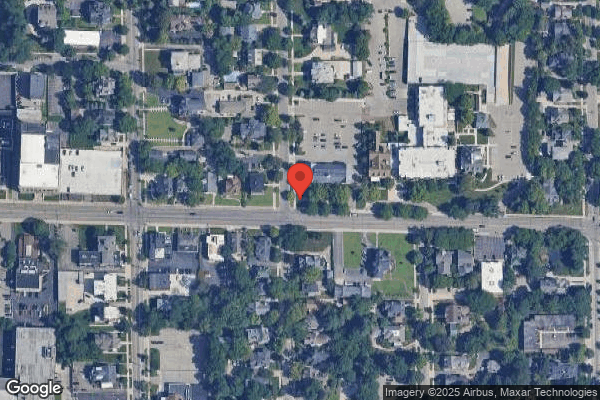
235 Wealthy Street SE, 5th Floor, Grand Rapids, MI 49503 (616) 840-8931
For profit - Partnership 48 Beds TRINITY HEALTH Data: November 2025
Trust Grade
90/100
#44 of 422 in MI
Last Inspection: April 2025

Within standard 12-15 month inspection cycle. Federal law requires annual inspections.

Overview

Mary Free Bed Sub-Acute Rehabilitation in Grand Rapids, Michigan, has an impressive Trust Grade of A, indicating it is highly recommended and performs excellently in care. Ranking #44 out of 422 facilities in Michigan places it in the top half, while its #8 ranking out of 28 in Kent County shows it is one of the better local options. The facility's performance has been stable, with three issues reported in both 2024 and 2025, and it has no fines on record, which is a positive sign. Staffing is a strong point, with a 5-star rating and a turnover rate of 41%, which is slightly below the state average, and it offers more RN coverage than 91% of other facilities, ensuring high-quality care. However, there are some concerns, including issues with food safety practices in the kitchen, such as improperly stored equipment and expired food items, as well as a lack of an active plan to reduce the risk of waterborne pathogens, which could pose health risks to residents.

Trust Score
A
90/100
In Michigan
#44/422
Top 10%
Safety Record
Low Risk
No red flags
Inspections
Holding Steady
3 → 3 violations
Staff Stability
○ Average
41% turnover. Near Michigan's 48% average. Typical for the industry.
Penalties
✓ Good
No fines on record. Clean compliance history, better than most Michigan facilities.
Skilled Nurses
✓ Good
Each resident gets 97 minutes of Registered Nurse (RN) attention daily — more than 97% of Michigan nursing homes. RNs are the most trained staff who catch health problems before they become serious.
Violations
⚠ Watch
11 deficiencies on record. Higher than average. Multiple issues found across inspections.
★★★★★
5.0
Overall Rating
★★★★★
5.0
Staff Levels
★★★★☆
4.0
Care Quality
★★★★☆
4.0
Inspection Score
Stable
2024: 3 issues
2025: 3 issues

The Good

  • 5-Star Staffing Rating · Excellent nurse staffing levels
  • 4-Star Quality Measures · Strong clinical quality outcomes
  • Full Sprinkler Coverage · Fire safety systems throughout facility
  • No fines on record
  • Staff turnover below average (41%)

    7 points below Michigan average of 48%

Facility shows strength in staffing levels, quality measures, fire safety.

The Bad

Staff Turnover: 41%

Near Michigan avg (46%)

Typical for the industry

Chain: TRINITY HEALTH

Part of a multi-facility chain

Ask about local staffing decisions and management

The Ugly 11 deficiencies on record

Apr 2025 3 deficiencies
CONCERN (D) 📢 Someone Reported This

A family member, employee, or ombudsman was alarmed enough to file a formal complaint

Potential for Harm - no one hurt, but risky conditions existed

Accident Prevention (Tag F0689)

Could have caused harm · This affected 1 resident

**NOTE- TERMS IN BRACKETS HAVE BEEN EDITED TO PROTECT CONFIDENTIALITY** This citation pertains to Intake: MI00151227 Based on interview and record review, the facility failed to provide adequate super...

Read full inspector narrative →
**NOTE- TERMS IN BRACKETS HAVE BEEN EDITED TO PROTECT CONFIDENTIALITY** This citation pertains to Intake: MI00151227 Based on interview and record review, the facility failed to provide adequate supervision, monitoring, and ensure safety precautions were in place and accurate in 1 of 1 residents (Resident #236) reviewed for elopement resulting in Resident #236 eloping from the facility which could negatively affect the resident's highest practicable physical, mental, and psychosocial well-being. Findings include: Review of Securitas HUGS Infant System revealed, .Real-Time Monitoring: Patient tags are monitored for connectivity to Hugs system .Tag communication verified every 60 seconds .Should the tag not be able to communicate with Hugs systems (tamper, battery, local network outage), the system will lock down the unit . Review of an admission Record revealed Resident #236 was a male with pertinent diagnoses which included dementia with behavioral disturbance, anxiety, cognitive communication deficit (progressive degenerative brain disorder resulting in difficulty with thinking and how someone uses language), muscle weakness, and history of falling. Review of a Minimum Data Set (MDS) assessment for Resident #236, with a reference date of [DATE] revealed a Brief Interview for Mental Status (BIMS) score of 5 out of 15 which indicated Resident #236 was severely cognitively impaired. Review of current Care Plan for Resident #236, initiated on [DATE], revealed the focus, .Elopement Risk: Resident is at risk for elopement due to (elopement score of 5), confusion and poor safety awareness with statements of wanting to go home . with the intervention .Assess elopement risk upon admission, quarterly, or with significant change in condition Apply wander alert bracelet - check placement and functioning daily .If actively seeking exit doors or attempting to leave the unit provide me redirection, distraction and or assistance from other associates . Review of Order dated [DATE] at 2:56 AM, revealed, .First scheduled time is [DATE] on the 7A-7P - MED PASS time period .Notes: Monitor and document placement of wander guard (HUGS tag/band) placement to right wrist. Document 1 if red light is blinking, 2 if no light is blinking. Document left or right wrist, if it had been moved for any reason . Review of Stanley Healthcare System HUGS education revealed, .The HUGS tag is a reusable tag attached around the patient's ankle using a disposable strap. Is fully supervised -the tag send out a regular Heartbeat to the system .Will generate an alarm when it is removed from the safe area, when attaching strap has been tampered with or cut, when the tag stops communicating with the system, when the tag is loose or off the patient, and when the battery power is low .Waterproof and latex free .The back of the tag, together with the strap, detects the patient's skin .Applying the Hugs Tag .Insert the strap in the tag .Align the band with tag slot .Make sure this side up is on the outside .Insert band into tag slot starting from bottom of tag .Pull through until the brown material extends beyond the slot about 1/4 inch .Wrap tag around patient's ankle, and insert loose end of band into second tag slot .Pull band through, and listen for the battery status chime (two short beeps) .Check to make sure the tag is snug: The tag may wiggle some but it shouldn't rotate .Trim both ends of band .Leave enough of the strap to use to tighten at a later time .Assigning a New Tag .Once the tag is applied, click on the text New Baby to fill out the patient's name, gender, and room .If this step is not completed, the system will alarm every 20 minutes because the admission is incomplete .Discharging the HUGS Tag .The Hugs Tag must be discharged from the system before you can physically remove it .This is called discharging the patient .The patient should be brought to the Nurse Station/I room with the client computer to perform this step .Doing this will help prevent the loss of tags and will keep the patients safe until they actually leave .If the strap is cut before the tag is discharged from the A system, a Tamper Alert will occur .Removing the Hugs Tag: The tag is cut off .Remove the tag pieces immediately (If the two pieces touch, the tag can auto admit .Discard pieces and return tag for cleaning . Review of Nursing Progress note dated [DATE] at 3:39 AM, revealed, .ADL (activities of daily living) Performance 1 assist with ADLS, Cognitive Function: A&O (alert and oriented) x1 .Patient is confused, observed patient wandering outside of his room, Patient stated, I need to go patient was by the elevator. This nurse had to reorientation patient to room. Hugs tag put on right wrist. Patient was up all night trying to self-transfer to restroom, patient is unable to make needs known educated patient on the use of call light . Review of Clinical Note Entry dated on [DATE] at 1:30 PM, .Pt (Patient) was moved to 5129 to be closer to the nurses station . Review of Clinical Note Entry dated [DATE] revealed, .High fall risk related to dementia/possible Parkinson's disease or Lewy Body Dementia with vascular dementia .During his stay, he had dementia related agitation for which he was seen by Psychiatry and started on Zyprexa 5 mg at HS (hour of sleep). This was increased to 10 mg due to ongoing agitation with need to use a posey bed (hospital bed, canopy, and mattress system designed to help provide a safe, controlled environment for patients at extreme risk of injury from a fall or unassisted bed exit) . Note: Information from the resident's hospital stay. Review of Clinical Entry Note dated [DATE] at 1:12 PM, .Patient has been extremely anxious since after breakfast this morning. Patient observed self-propelling through the hallways with his wheelchair attempting to enter other patient's room. Pt. has been yelling at staff multiple times and state to this RN (Registered Nurse) that his wife took the money and the car and is gone and he is demanding to leave. Staff have attempted to redirect patient and are successful but within 5-10 minutes patient is back into the hallway yelling at staff and other visitors. Pt wife called with pt in the room three times this shift so far to attempt to deescalate patient, and it is briefly successful. Pt wife is unable to be here at this time. Pt is requiring constant supervision from staff and cueing/redirection to keep him safe .Pt is now refusing to eat any lunch and continues to yell out to anyone he sees. He refuses to participate in any activity or redirection attempt. Pt door left open, staff checking in every 5-10 minutes. Will continue to monitor. Fall precautions in place. Wander guard in place to patient's right wrist and observed to be functioning . Review of Elopement Assessment dated [DATE] at 7:00 PM, revealed, .Wandering - Presence and Frequency: 3. Behavior of this type occurred daily .Wandering-Impact: Wandering: Risk of getting to dangerous place: Yes .Wandering: Intrude on privacy of others: Yes .Change in Behavior, wandering or other symptoms: Worse .The resident has previously attempted to leave a residence or other place unescorted: No .This resident is cognitively impaired and independently ambulatory .Yes .The resident has a history of elopement .No .Resident is on medication to manage elopement behavior: Yes .There has been a recent change in this medication: Yes .Resident has verbalized intent to leave facility .Yes .Resident is wandering to find family pet .Yes .Resident is wandering aimlessly .Yes .Resident is actively exhibiting exit-seeking behavior .Yes .Total Elopement Risk Assessment Score: 6 .Interventions .Comments on elopement behavior .H/O (history of) Dementia associated with Parkinson's. Pt (Patient) is AO (alert/oriented) to self and unable to determine safety .Elopement Deterrent device implemented .Elopement prevention care plan initiated or updated .Therapy referral for issues with activity and mobility requested . Note: Indicated Resident #236 was an elopement risk. Review of Unplanned Occurrence Report dated [DATE] at 12:38 PM, revealed, .Location of Incident: Outside main entrance .Not witnessed .Around 12:38 PM on 3/2 this writer was walking by patient's room and noted he was not in there as he previously was around 12:30 PM. RN (Registered Nurse)and other staff immediately began searching around the unit and could not find pt. 311 was called to page a code pink and security notified writer that patient was found outside of main entrance and was brought in by them. Staff quickly recovered patient and brought back to (Resident #236's room). When pt. was back, RN assessed his skin and there were no new findings or concerns. Patient's Hugs tag was also observed off of his wrist and nowhere to be found. When asking patient he reports Oh I cut that thing off system did not alert staff at any point .Preventions measures and/or corrective actions taken: New Hugs tag was applied and tested to ensure working, security staff and front desk noted pt. being high wander risk .Physician's statement: Will look into adjusting patient's Zyprexa as was recently decreased . In an interview on [DATE] at 3:19 PM, Registered Nurse (RN) I reported Resident #236 was very anxious, high wander risk and he had a Hugs tag on. RN I reported during shift change on [DATE], he had peeked in his room, he was lying in his bed, observed the hugs band on his right hand. RN I reported he had sent a message to the team the staff needed to check on him very often as he was ambulatory and anxious the previous day. RN I reported Resident #236 would get something in his mind and start walking and he was not using an ambulatory device, he could walk perfectly fine and walk quick, the main reason he was still here was a placement issue. RN I reported the facility was trying to keep him safe, as the day progressed he was fine most of the day but in the afternoon he was wandering around the floor, RN I reported he would do 5-15 minute checks and had the whole staff sent a message via the secured system and prompted staff if they see him to say Hi and redirect him, we needed an all team effort. In the afternoon, Resident #236 followed a visitor to the elevator and his Hugs tag alarmed, which indicated a staff assist was needed, it is a general alarm. RN I reported he was by the I room (nurse's station) and looked on the computer monitor to locate the resident. RN I reported the Hugs system program showed where his tag was going off at. RN I reported he was looking down the hallway and a family member was walking him back to the staff. RN I reported the staff were trying to redirect him as well as the family member, but he was anxious and ready to leave. RN I reported since he had gotten close to the elevator, he set off the alarm, and locked the elevator before he could get on it. RN I reported he remembered it happened twice on that shift. RN I reported once Resident #236 was redirected away, guided back to his room, within 5 minutes he was walking around the floor. During the rest of the shift, Resident #236 continued to wander, staff continued to supervise him, redirected him from other resident's rooms. RN I reported then when he came for his shift on Sunday, [DATE] at 07:00 AM the alarm was going off and he was wondering if Resident #236 was having behaviors already, but the night shift reported his alarm was dying and when the battery was dying or died it would set off the alarm. The alarm was alerting every few minutes. RN I reported Licensed Practical Nurse (LPN) JJ had changed the Hugs tag out. RN I reported he had visibly seen the Hugs on Resident #236 on the same arm. RN I reported RN II verified he was in the system on the screen. Late morning/early afternoon, RN I reported he was out doing a medication pass and peeked in Resident #236's room, he was not there, and he texted out on the secure chat to see if the staff had seen him. RN I reported he immediately gathered the staff as no one had indicated they had seen him and they searched the floor, we unable to locate the resident, called 311 for security to report a resident may have left the floor and security asked if he was a short, balding man and when confirmed, security reported they had Resident #236 and staff went and recovered him. RN I reported the Hugs tag was not on Resident #236. RN I reported if you cut or loosen the Hugs tag, the whole alarm will go off, and he was not sure where it ended up at. RN I reported Resident #236 reported he cut the Hugs tag off. RN I reported Resident #236 was assessed, and he was alright. RN I reported the staff immediately put a new Hugs tag on Resident #236. RN I reported he realized the other one placed in the morning had not been activated. RN I reported we were sure to test it this time and it alarmed; the rest of the day did not set it off. RN I reported when a Hugs tag was placed it would show new baby in the system, then the staff have to enter the name and room in the system. RN I reported he maybe used the Hugs tag once every 6 months. RN I reported he had received education during orientation. In an interview on [DATE] 01:08 PM, Guest Services (GS) KK reported when a resident leaves the floor, try to get in the elevator with a HUGS band, the alarm is activated. GS KK pointed at a yellow light on the ceiling at the entry way, reported this would illuminate, security would be alerted and would be able to see the resident on the camera and intervene. Guest Services is also contacted by security as well to be alert to the resident coming down. If they make it down there, the GS staff would stop the residents and question them. In an interview on [DATE] at 09:57 AM, Licensed Practical Nurse (LPN) JJ reported before shift change, the Hugs tag was alarming for a low battery, it was silenced and alarmed again. First shift went with me to Resident #236's room to change the bracelet. LPN JJ reported the process was to take the Hugs tag off the charger, test it, add it to the system, see New baby enter patient name and room, and walk in the room with RN I placed it on Resident #236's right wrist and cut off the old one, and then placed the used one on the charger. LPN JJ reported when queried if he had tested it, replied think we did. LPN JJ reported he did not enter Resident #236 into the computer system, LPN II had done that portion of the task. LPN JJ reported when the battery was charged, would pull off the charging dock and see a light indicated it was charged. LPN JJ reported when the Hugs tag was placed on a resident it would alert by beeping/chirping to show it was working. The nurse would make sure it was snug on the wrist, but ensure it would not rotate around the arm, or slip off. LPN JJ reported he had placed a Hugs tag on a previous resident and felt he knew the process. LPN JJ reported the monitoring system could show where a resident was on a map of the floor. LPN JJ reported there was an order to assess the bracelet/check the bracelet so many times each shift and that would be documented on the treatment administration record (TAR). In an interview on [DATE] at 11:15 AM, RN II reported the nurse texted Resident #236 had not been seen. RN II reported the Hugs tag he had on didn't do what it was supposed to do. RN II reported she was not sure if the battery was dead or something was malfunctioning but a new one was placed on him after he was brought back to the floor. RN 'II reported you would check it to see if it is working, assigned to a patient, when connect the band was connected on the disc it would make a chirp sound. RN II demonstrated to this writer on how to enter a resident into the monitoring system. RN II reported would go to the computer, bottom left corner Notifications it would show a New Baby it gives the number of the band and time, click on it and would enter the resident's information in the box, it would go to the top of the screen and show the name, room, unit, tag ID, location, and admission date. Then when discharging you would select the resident and box comes up and tells you if you discharge the resident (it shows the resident's name and the Hugs tag number), they would no longer be protected by the system, select OK to discharge. RN II reported the staff could also look at the map in the system and it would show the staff where the patient was on the map. RN II reported if the Hugs tag was working or charged it would send a red alert if a patient was close to the elevator door or actively on the elevator. It would ring over the overhead alert system. It would also alert to staff via the phones as well. RN II reported if the system was activated it would lock the doors and the elevators. It a resident attempted to cut off the band, it would set off an alarm in the system. Review of Staff Interview Summary dated [DATE], Guest Services MM interview revealed, .On Sunday [DATE], a patient from the 5th floor walked out of the [NAME] Entrance. Patient was wearing a t-shirt and said Goodbye to me as he was leaving. Patient had no designation on him that showed he was a patient (wristband, alarm, gown etc.:) .About 5-10 minutes later, a staff member on the 5th floor messaged the group chat on (Secure message system) asking if anyone had seen the patient walking around. I messaged back and asked if the patient was an old, white, bald man wearing a t-shirt. After confirming, I let the 5th floor know that the patient had walked outside. Staff on the 5th floor asked me to go get him, but I am not trained in patient retrieval, nor can I leave the desk during my shift. At the same time the patient was now in the main lobby with a security officer while they were trying to figure out who he was and where he was supposed to be. A few staff members from the 5th floor came down and I directed them to the main lobby where they retrieved the patient . Review of Staff Interview Summary dated [DATE], Security Officer LL interview revealed, .(Security Officer LL) states he was contacted by a visitor stating a man in slippers was by the hospital main entrance. (Security Officer LL) went to see what was going on and walked the man inside the main entrance .When he got inside three female staff members were there and brought him up to his room . In an interview on [DATE] at 11:27 AM, Director of Social Services (DSS) DD reported when a resident was admitted they were monitored for hospital delirium, and we would base if a competency assessment would need to be completed after about a week as typically it would take the average resident to settle in and recover. Social Worker (SW) EE reported the hospital notes were reviewed and there was good communication with admissions staff. SW EE reported the brief mental status ( BIMS) was completed by the Occupational Therapists (OT)s as they were here 7 days per week. DSS DD reported Resident #236 was his own person at the time this event occurred even though he had been displaying exit seeking behaviors prior to this incident which happened on a weekend. DSS DD reported they would have received an e-mail from staff, but the situation would be discussed during morning meeting where we would discuss interventions for the safety of the resident. DSS DD reported we have changed the process for mental status to start that sooner, if it was determined the resident needed to be assessed, the psychologist would assess and share their findings with the provider. In an interview on [DATE] at 10:46 AM, Director of Nursing (DON) B reported when she was contacted for the elopement, she was not informed the resident had made it outside the building. This was discovered when investigating the incident that the resident had left the building, was outside, and brought back into the building by security. At this point, was when the incident was reported to the State Agency. DON B reported Resident #236 did have a Hugs tag on him the day of the incident, [DATE]. It was changed right at shift change that morning, programmed correctly in the system, the previous one was dying, and the system was set up to alarm when a battery was dying, changed the physical tag and then cleared the alarm the new tag was accidentally disarmed. DON B reported IT director was contacted to ensure the system was working correctly and he did a deep dive and discovered the tag number assigned to Resident #236 was removed and disarmed. DON B reported when the alarm was alerting for the dying battery on the previous Hugs tag, and another nurse, RN II, was trying to be helpful and accidentally cleared the new Hugs tag that was assigned to Resident #236 on that morning. During an observation on [DATE] at 01:16 PM, This writer observed upon entering the 5th floor, there was a sign and book for residents who were going LOA (leave of absence) to sign out in the book. Received documentation of resident signing out of book. Review of HUGS History dated XXX[DATE] at 6:56:06 AM .Event Triggered .Location: [NAME] Addition/Floor 5/Zone 3 5th floor .Alert Name: Supervision 5th Floor .Corrective Action: (LPN JJ) .([DATE] 6:57:41 AM) Action Taken: Other Description: battery dead XXX[DATE] at 6:57:41 AM . Review of HUGS History dated [DATE] at 7:01:11 AM .Event Triggered .Location: [NAME] Addition/Floor 5/Zone 3 5th floor .Alert Name: Supervision 5th Floor .Corrective Action: (LPN JJ) .([DATE] 7:01:39 AM) Action Taken: Replaced tag with new one XXX[DATE] at 7:01:39 AM . Review of HUGS History dated [DATE] at 7:05:10 AM .Event Triggered .Location: [NAME] Addition/Floor 5/Zone 3 5th floor .Alert Name: Supervision 5th Floor .Corrective Action: (LPN JJ) .([DATE] 7:01:39 AM) Action Taken: Other .Description: Error XXX[DATE] at 7:05:49 AM . Review of HUGS History dated Review of HUGS History dated [DATE] at 7:07:43 AM .Protection Status Change .West Addition/Floor 5/Zone 3 5th floor .Alert Name: Supervision 5th Floor .Additional Details: Protection Status-Auto discharged . Review of HUGS History dated [DATE] at 07:07:43 AM .Tag Removed from Infant .Additional Details: Protection Status-Auto discharged assetID=11685 Tag Classification=Infant tagNetworkId=No tag assigned asset Name=(Resident #236) .Reason=TAG_IN_CHARGER . Review of HUGS History dated [DATE] at 07:07:44 AM .Event Triggered .Location: [NAME] Addition/Floor 5/Zone 3 5th floor .Alert Name: Auto Discharge Acknowledge .Corrective Action: (RN II) .([DATE] 07:08:18 AM) .Action Taken: Gave Tag to manager, re-tagged patient. Description: New . Review of HUGS History dated [DATE] at 07:18:18 AM .Event Triggered .Location: [NAME] Addition/Floor 5/Zone 3 5th floor .Alert Name: Auto Discharge Acknowledge .Corrective Action: (RN II) .([DATE] 12:55:26 PM) .Action Taken: autoDismiss Description: corrective_action_patient_discharge_auto_dismiss_description . Review of HUGS History dated [DATE] at 12:46:55 PM .Activity: Infant admission .Additional Details: infantId=8675 .Tag Expiration Date=2025-09-18 09:14:17.307 .HugsTagID-5966 .AdmitDate=Sun [DATE]:46:55 EST 2025 . Review of Video from Security Camera completed by Lead Security Officer - Days NN and received on [DATE], revealed, .Here is the timeline I have recovered from camera review: 12:20PM Patient walks from room to west elevator and takes it to the 1 st floor 12:24PM Patient gets off on 1st floor west and exits the building. He then walks around the surface lot and heads back towards main building. 12:28PM patient approaches the security vehicle in front of the main entrance and appears to be talking to it 12:29PM patient walks towards the main entrance doors, realizes he can't get in, and continues to walk the sidewalk toward the Therapath 12:31PM (Security Officer LL) exits building by main employee entrance and makes contact with patient in the therapy garden 12:36PM (Security Officer LL) and patient walk into main entrance where (Hospital) security is also present- security from both sides get patient into wheelchair. 12:42PM SAR (Sub-Acute Rehab) nursing is on scene in main lobby 12:45PM patient is back on SAR floor . Review of the policy Elopement - Missing Resident dated [DATE], revealed, .Upon return of the resident/elder to the community, the Director of Nursing Services or Charge Nurse should: Examine the elder for injuries .Contact the Attending Physician and report what happened .Contact the resident's/elders legal representative or sponsor and inform him/her of the occurrence .Complete an occurrence report .Make appropriate notations in the medical record .Seek any medical/psychosocial attention as necessary for the elder and as directed by the physician should an employee become aware that a resident is missing from the community he/she should determine if the resident in on an authorized leave or pass. If not; The wandering resident's charge nurse assigns direct care staff to look for the resident by dividing teams assigned to look inside and outside the community by area. Refer to internal facility search plan (Also look in areas that are locked) .Notify the Director of Nursing and Administrator .If the resident is not located in the buildings or on the grounds within 15 minutes the following process is initiated: Mandatory Follow Up .Review the list of elders who wander and wear wander bracelets .Complete checks of all elders who wear wander bracelets and assure adequate function and note these findings .Complete a check of all doors or working keypads and alarms and note this check and findings Report all these findings to Administrator . The facility was granted a Past Non-Compliance at the time of exit due to no further like incidents had occurred, the facility re-trained pertinent staff, the elopement policy was reviewed and deemed appropriate, and the facility had achieved sustained compliance. Therefore, no plan of correction will be required.
CONCERN (F)

Potential for Harm - no one hurt, but risky conditions existed

Food Safety (Tag F0812)

Could have caused harm · This affected most or all residents

During a tour of the kitchen, at 9:19 AM on 4/15/25, it was observed that two full sheet pans, one half sheet pan, and two eighth pans, were found stacked and stored with visible water accumulation st...

Read full inspector narrative →
During a tour of the kitchen, at 9:19 AM on 4/15/25, it was observed that two full sheet pans, one half sheet pan, and two eighth pans, were found stacked and stored with visible water accumulation stuck in between the equipment. According to the 2022 FDA Food Code section 4-901.11 Equipment and Utensils, Air-Drying Required. After cleaning and SANITIZING, EQUIPMENT and UTENSILS: (A) Shall be air-dried or used after adequate draining as specified in the first paragraph of 40 CFR 180.940 Tolerance exemptions for active and inert ingredients for use in antimicrobial formulations (food-contact surface SANITIZING solutions), before contact with FOOD . During a tour of the drink station area of the main kitchen, at 9:10 AM on 4/15/25, it was observed that the underside of the portions of the drink spouts for the juice machines were found with an accumulation of sticky debris. During an observation of the large floor mixer, at 9:25 AM on 4/15/25, and interview with Director of Dining Services X found that the mixers get used daily. Observation of the mixer found an accumulation of dried mashed potatoes on the front grate. According to the 2022 FDA Food Code section 4-601.11 Equipment, Food-Contact Surfaces, Nonfood-Contact Surfaces, and Utensils. (A) EQUIPMENT FOOD-CONTACT SURFACES and UTENSILS shall be clean to sight and touch. (B) The FOOD-CONTACT SURFACES of cooking EQUIPMENT and pans shall be kept free of encrusted grease deposits and other soil accumulations. (C) NonFOOD-CONTACT SURFACES of EQUIPMENT shall be kept free of an accumulation of dust, dirt, FOOD residue, and other debris. During a tour of the dish machine area, at 9:30 AM on 4/15/25, it was observed that the machines data plate was found to state the pressure of the rinse needed to be 15 PSI. Observation of the next four cycles of the dish machine found that the flow pressure on the digital read out stated 30-37 psi for each rinse cycle that was run. When asked if staff look at the flow pressure, Clinical Nutrition Manager W and Executive Chef Z was unsure. According to the 2022 FDA Food Code section 4-501.113 Mechanical Warewashing Equipment, Sanitization Pressure. The flow pressure of the fresh hot water SANITIZING rinse in a WAREWASHING machine, as measured in the water line immediately downstream or upstream from the fresh hot water SANITIZING rinse control value, shall be within the range specified on the machine manufacturer's data plate and may not be less than 35 kilopascals (5 pounds per square inch) or more than 200 kilopascals (30 pounds per square inch). Based on observation, interview, and record review, the facility failed to maintain best practices in accordance with professional standards for food service safety. This deficient practice has the potential to result in food borne illness among all residents that consume food from the kitchen. Findings include: An initial kitchen/food service tour was conducted on 4/14/25 beginning at 9:26 AM with Director of Dining Services (DDS) X and Clinical Nutrition Manager (CNM) W. The following observations/interviews/record reviews were completed: Food Labeling/Dating/Discarding On 4/14/25 at 9:38 AM in the cooler underneath the juice machine, there was a half-gallon container of 2% milk and a half-gallon container of organic soy milk that were opened but not labeled with an opened date or discard date. DDS X reported the items should have been labeled with opened and discard dates and immediately discarded the items. On 4/14/25 at 9:47 AM in a cooler on the cold service side of the cook's preparation area, there was a jar of grape jelly that was opened but not labeled with an opened date or discard date. There was a container of vinaigrette dressing labeled with a prepared date of 4/6/25 and a discard date of 4/13/25. DDS X reported the grape jelly should have been labeled with an opened and discard date and removed the item from the cooler. DDS X reported the vinaigrette dressing was from a weekly special that ended the day before and discarded the item. On 4/14/25 at 10:01 AM in the main walk-in cooler, there was an opened jar of artichoke hearts that was not labeled with an opened date or a discard date. DDS X reported the item should have been labeled with opened and discard dates and removed the item from the cooler. On 4/14/25 at 10:07 AM in the prep-cooler in the prep room, there was a decanter filled with ranch dressing that was not labeled with a prepared or discard date. DDS X reported the container of ranch dressing that the decanter was filled from was labeled with an opened and a discard date but not the decanter itself. On 4/14/25 at 10:19 AM in the Southview Pantry, there was a bag that had two containers of resident food that was dated 4/10/25. CNM W reported the facility followed the 72-hour rule for resident food items and the food items should have already been discarded because it was past the 72 hours. According to the 2022 FDA Food Code section 3-501.17 Ready-to-Eat, Time/Temperature Control for Safety Food, Date Marking. (A) Except when PACKAGING FOOD using a REDUCED OXYGEN PACKAGING method as specified under § 3-502.12, and except as specified in (E) and (F) of this section, refrigerated, READY-TOEAT, TIME/TEMPERATURE CONTROL FOR SAFETY FOOD prepared and held in a FOOD ESTABLISHMENT for more than 24 hours shall be clearly marked to indicate the date or day by which the FOOD shall be consumed on the PREMISES, sold, or discarded when held at a temperature of 5ºC (41ºF) or less for a maximum of 7 days. The day of preparation shall be counted as Day 1. (B) Except as specified in (E) -(G) of this section, refrigerated, READY-TO-EAT TIME/TEMPERATURE CONTROL FOR SAFETY FOOD prepared and PACKAGED by a FOOD PROCESSING PLANT shall be clearly marked, at the time the original container is opened in a FOOD ESTABLISHMENT and if the FOOD is held for more than 24 hours, to indicate the date or day by which the FOOD shall be consumed on the PREMISES, sold, or discarded, based on the temperature and time combinations specified in (A) of this section and: (1) The day the original container is opened in the FOOD ESTABLISHMENT shall be counted as Day 1; and (2) The day or date marked by the FOOD ESTABLISHMENT may not exceed a manufacturer's use-by date if the manufacturer determined the use-by date based on FOOD safety . According to the 2022 FDA Food Code section 3-501.18 Ready-to-Eat, Time/Temperature Control for Safety Food, Disposition. (A) A FOOD specified in 3-501.17(A) or (B) shall be discarded if it: (1) Exceeds the temperature and time combination specified in 3-501.17(A), except time that the product is frozen; (2) Is in a container or PACKAGE that does not bear a date or day; or (3) Is inappropriately marked with a date or day that exceeds a temperature and time combination as specified in 3501.17(A) . Food Cooling Review of the policy Food Handling Guidelines last revised 1/2025 revealed, .COOLING .* Cooling of potentially hazardous cooked foods: * Food shall be cooled from 135°F (degrees Fahrenheit) to 70°F as measured at its center within two hours and from 70°F to 41°F within an additional four hours for a total cooling time of six hours or less. * Use the Cooling Log .to document the temperature of the food at the following times: when placed in cooling equipment, and then at 2 hours and 6 hours after placing in cooling equipment. * Foods that have not cooled to 70°F within 2 hours of being placed in the cooling equipment: reheat once to 165°F and re-cool. If food was not below 70°F at 2 hours, and it was reheated, discard if not below 70°F at 2 hours when cooled for the second time. Food that is not below 41°F at 6 hours must be discarded . On 4/14/25 beginning at 9:55 AM, the Food Cooking and Cooling Logs were reviewed with DDS X. The following concerns were noted: A review of the Food Cooking and Cooling Log dated 4/1 revealed final cook time and temperature entries for Beef - 189 degrees at 10:00; Flank - 171 degrees at 11:45; Turkey - 180 degrees at 1:00; and Mar (unknown item) 166 degrees at 1:45. There were no recorded time and temperature entries for these food items after 2 hours. A review of the Food Cooking and Cooling Log dated 4/2 revealed final cook time and temperature entries and time and temperature after two hours entries for [NAME] - 190 degrees at 1:00 and 86 degrees at 3:00; Sweets - 201 degrees at 1:45 and 76 degrees at 4:00; Strokinoff (sic) - 187 degrees at 3:00 and 81 degrees at 5:00. There was no documentation that the food items had been reheated to 165 degrees and re-cooled as required per policy given the food items had not reached an internal temperature of 70 degrees or below at 2 hours. There was also an entry for Turkey - 189 degrees at 2:00. There was no recorded time and temperature entry for this item after 2 hours. A review of the Food Cooking and Cooling Log dated 4/7 revealed final cook time and temperature entries and time and temperature after two hours entries for Tomato Sauce - 187 degrees at 12:30 and 81 degrees at 3:00; Pot (potatoes) - 181 degrees at 1:30 and 79 degrees at 4:00; S. Pot (sweet potatoes) - 200 degrees at 2:30 and 87 degrees at 5:00. There was no documentation that the food items had been reheated to 165 degrees and re-cooled as required per policy given the food items had not reached an internal temperature of 70 degrees or below after 2 hours. A review of the Food Cooking and Cooling Log dated 4/8 revealed final cook time and temperature entries and time and temperature after two hours entries for Cheese Sauce - 201 degrees at 12:30 and 89 degrees at 3:00; Turkey - 169 degrees at 12:40 and 92 degrees at 3:00. There was no documentation that the food items had been reheated to 165 degrees and re-cooled as required per policy given the food items had not reached an internal temperature of 70 degrees or below after 2 hours. A review of the Food Cooking and Cooling Log dated 4/9 revealed final cook time and temperature entries for Mash (mashed potatoes) - 176 degrees at 11:30; Tomato Sauce - 201 degrees at 12:00. There were no recorded time and temperature entries for these food items after 2 hours. A review of the Food Cooking and Cooling Log dated 4/13 revealed final cook time and temperature entries and time and temperature after two hours entries for Turkey - 170 degrees at 11:00 and 80 degrees at 1:30; Beef - 175 degrees at 12:00 and 81 degrees at 2:00; Carrot 177 degrees at 12:00 and 76 degrees at 2:00; Sweets - 198 degrees at 1:00 and 101 degrees at 4:00; Pot Roast 187 degrees at 1:00 and 96 degrees at 4:00. There was no documentation that the food items had been reheated to 165 degrees and re-cooled as required per policy given the food items had not reached an internal temperature of 70 degrees or below after 2 hours. In an interview on 4/14/25 at 9:58 AM, DDS X reported, based on review of the food cooking and cooling logs, that staff were not checking the food temperatures after 2 hours consistently and when the food items after 2 hours had not reached 70 degrees or less, they were not reheating to 165 degrees and re-cooling the food. DDS X confirmed staff were not cooling the foods properly.
CONCERN (F)

Potential for Harm - no one hurt, but risky conditions existed

Infection Control (Tag F0880)

Could have caused harm · This affected most or all residents

**NOTE- TERMS IN BRACKETS HAVE BEEN EDITED TO PROTECT CONFIDENTIALITY** Based on observation, interview, and record review, the facility failed to have an active and ongoing plan for reducing the risk...

Read full inspector narrative →
**NOTE- TERMS IN BRACKETS HAVE BEEN EDITED TO PROTECT CONFIDENTIALITY** Based on observation, interview, and record review, the facility failed to have an active and ongoing plan for reducing the risk of Legionella and other opportunistic pathogens of premise plumbing (OPPP). This deficient practice has the increased potential to result in water borne pathogens to exist and spread in the facility's plumbing system and an increased risk of respiratory infection among any or all the residents in the facility. Findings include: During a tour of the facility, at 2:38 PM on 4/15/25, it was observed that the hopper in the walk-through Soiled Utility room, in the middle hall, was found with no handles on the faucet and minimal water in the basin of the bowl. This indicates the hopper had not been flushed in a while, once flushed, the basin water raised significantly. Further review of the hopper found that the basin spray hose handles were zip tied closed and not available for use or flushing. During a tour of the spa room, at 2:43 PM on 4/15/25, it was observed that the area that a spa tub was located was found to have two water lines coming into the room capped off and not available to be flushed. During a tour of the Soiled Utility room [ROOM NUMBER], at 2:56 PM on 4/15/25, it was observed that the basin of the hopper was found low in the bowl and raised significantly after flushing the hopper. The faucet handles were observed to have been removed, but with pliers, the surveyor was able to turn the faucet handle, and the right valve was found with discolored brown water coming from the fixture. The left valve did not dispense water when turned on. The hopper spray was found to be turned off at the source and would not flow when the pedals were pressed. An interview with Director of Facilities OO, at 3:13 PM on 4/15/25, found that staff in housekeeping flush water in vacant rooms weekly. When asked about minimal use or unused fixtures in the facility getting regular flushing's, DOF OO was unsure and stated they did not have a list of other fixtures being flushed. When asked if testing is being performed, DOF OO stated that they test quarterly for Legionella, and have started to do some free chlorine samples when those samples are taken, but no results were able to be provided. When asked if there was a control limit for free chlorine in the domestic hot water supply, DOF OO was unsure. A record review of the facility provided document entitled Legionella Control/Water Management Plan, last reviewed on 9/24/24, found that The procedure covers the following 4 steps: risk assessment, risk mitigation, operational management of risk and remediation of the following systems: .Domestic Cold water .Domestic Hot water. The policy goes on to state that Vacant or Unoccupied Rooms: all showers and faucets are flushed, for at least 1 minute, on a weekly basis by Environmental Services (EVS). Further review found that he Facility Director is Responsible for standard operating procedures (SOP's) for maintenance and operation of each applicable system above.
May 2024 3 deficiencies
CONCERN (F)

Potential for Harm - no one hurt, but risky conditions existed

Food Safety (Tag F0812)

Could have caused harm · This affected most or all residents

**NOTE- TERMS IN BRACKETS HAVE BEEN EDITED TO PROTECT CONFIDENTIALITY** On 5/14/24 beginning at 9:50 AM, an initial tour of the kitchen/food service area was conducted with Food Service Director (FSD)...

Read full inspector narrative →
**NOTE- TERMS IN BRACKETS HAVE BEEN EDITED TO PROTECT CONFIDENTIALITY** On 5/14/24 beginning at 9:50 AM, an initial tour of the kitchen/food service area was conducted with Food Service Director (FSD) D and Clinical Nutrition Manager (CNM) C. The following observations/interviews occurred during this initial tour: At 10:00 AM in the walk-in freezer, noted a partial case of whipped topping with a use by date of 3/20/24; a bag of ciabatta bread labeled with a discard date of 4/20/24; and a box of popsicles with a received date of 2/2022. FSD D reported all the items should have already been discarded. At 10:05 AM, the Food Cooking and Cooling Logs dated 5/9/24 - 5/12/24 and 5/14/24 were reviewed with FSD D. The logs included rows of boxes for entries of: PRODUCT (referring to name of the food product to be cooled); FINAL COOK TIME & TEMP (temperature) .TIME COOLING STARTED (per log - cooling starts when temp reaches 135 degrees F [Fahrenheit]), TIME & TEMP AFTER 2 HOURS (per log - at 2 hours, temp must read at or below 70 degrees F) .TIME & TEMP AFTER TOTAL OF 6 HOURS (per log - At 6 total hours, temp must read at or below 41 degrees F) . There were 18 food products documented on the logs that included entries for the names of the food products to be cooled, along with the final cook times and temperatures. Of those 18 food products documented, 1 included an entry for TIME & TEMP AFTER 2 HOURS and 6 included entries for TIME & TEMP AFTER TOTAL OF 6 HOURS. None of the 18 food products documented contained the complete cooling information. FSD D confirmed that the cooling logs had not been completed appropriately and reported the staff needed further education on how to properly complete the cooling log. At 10:12 AM at the cook's station, noted a powdered sugar shaker that had a moderate amount of dried food on the handle and dried/caked powdered sugar and debris on the lid. FSD D removed the container and confirmed it should be cleaned. At 10:14 AM in the trayline cooler, noted an opened container of soy milk labeled with an opened date of 5/1/24 and a discard date of 5/8/24. FSD D removed the item from the cooler and discarded. At 10:15 AM in cooler 9, noted a white jelly-like, unidentified substance on the bottom shelf of the cooler next to a 2-liter bottle of soda. FSD D reported he did not know what the substance was and that it should not be there and asked a staff member to clean and sanitize the area. At 10:23 AM in cooler 7, noted 5 containers of yogurt that had varied expiration dates in April 2024. At 10:30 AM in cooler 13, noted a speed rack (a multi-shelf wheeled storage rack) that contained pre-cut desserts (cakes, Jell-O, etc.). The speed rack had dried food and debris on the racks. FSD D confirmed that the equipment needed to be cleaned. Based on observation, interview, and record review, the facility failed to discard expired food products, monitor cooling potentially hazardous foods, and properly sanitize dishware, resulting in the potential for increased risk of food borne illness, affecting all residents in the facility that consume food. Findings include: On 5/15/24 at 11:10 AM, staff were observed to be washing dishes in the dish machine. A plate simulating thermometer was ran through the dish machine to determine the sanitizing final rinse temperature and was found to be 145 degrees F. A second cycle was ran with the thermometer and the internal rinse temperature was 147 degrees F. At this time, Food Service Director (FSD) D was queried on what steps they need to take next and stated that they will stop using the dish machine and utilize the three-compartment sink. FSD D proceeded to contact maintenance to repair the dish machine. According to the 2017 FDA Food Code Section 4-703.11 Hot Water and Chemical. After being cleaned, EQUIPMENT FOOD-CONTACT SURFACES and UTENSILS shall be SANITIZED in: (A) Hot water manual operations by immersion for at least 30 seconds and as specified under § 4-501.111; P (B) Hot water mechanical operations by being cycled through EQUIPMENT that is set up as specified under §§ 4-501.15, 4-501.112, and 4-501.113 and achieving a UTENSIL surface temperature of 71oC (160oF) as measured by an irreversible registering temperature indicator; P or (C) Chemical manual or mechanical operations, including the application of SANITIZING chemicals by immersion, manual swabbing, brushing, or pressure spraying methods, using a solution as specified under § 4-501.114. Contact times shall be consistent with those on EPA-registered label use instructions by providing: (1) Except as specified under Subparagraph (C)(2) of this section, a contact time of at least 10 seconds for a chlorine solution specified under 4-501.114(A), P (2) A contact time of at least 7 seconds for a chlorine solution of 50 MG/L that has a PH of 10 or less and a temperature of at least 38oC (100oF) or a PH of 8 or less and a temperature of at least 24oC (75oF), P (3) A contact time of at least 30 seconds for other chemical SANITIZING solutions, P or (4) A contact time used in relationship with a combination of temperature, concentration, and PH that, when evaluated for efficacy, yields SANITIZATION as defined in 1-201.10(B). On 5/15/24 at 11:11 AM, Dishwasher Y was observed to be rinsing off dishware as it was being taken out of the sanitizing compartment of the three-compartment sink. At this time, FSD D was queried on what the three compartment sink procedure is and stated that they rinse off silverware after the sanitizing step, but typically don't rinse off dishware. According to the sanitizer Manufacturer's Directions For Use, it notes, To Sanitize Hard, Non-Porous Food Contact Surfaces and Equipment: 1. Prior to sanitization, remove gross particulate matter with a warm water flush, then wash equipment with detergent or cleaning solution and follow with a potable water rinse. 2. Prepare the sanitizing use solution by adding 1 - 2 mL per 500 mL of water (200-400 ppm active quat) (or equivalent dilution). 3. Apply sanitizing solution by immersion, coarse spray, mop, wipe, flood techniques or circulation techniques as appropriate to the equipment or surface to be treated. Allow a contact time of at least 1 minute. 4. Allow surfaces to drain thoroughly and air dry before resuming operation. Do not rinse. According to the 2017 FDA Food Code Section 4-904.14 Rinsing Equipment and Utensils after Cleaning and Sanitizing. After being cleaned and SANITIZED, EQUIPMENT and UTENSILS shall not be rinsed before air drying or use unless: (A) The rinse is applied directly from a potable water supply by a warewashing machine that is maintained and operated as specified under Subparts 4-204 and 4-501; and (B) The rinse is applied only after the EQUIPMENT and UTENSILS have been SANITIZED by the application of hot water or by the application of a chemical SANITIZER solution whose EPA registered label use instructions call for rinsing off the SANITIZER after it is applied in a commercial WAREWASHING machine. On 5/15/24 at 11:30 AM a container of [NAME] was observed to be cooling in the blast chiller unit. At this item FSD D was queried if the cooling process was being tracked and stated that it is on the cooling log. A review of the facilities, TCS* Food Cooking and Coolin Log, dated 5/15, notes that the cooling process started for the [NAME] at 8:45 AM. The log shows no entry or tracking entered at the two hour temperature check time for proper cooling. FSD D proceeded to instruct staff to re-heat the [NAME] to re-start the cooling process. According to the 2017 FDA Food Code Section 3-501.14 Cooling. (A) Cooked TIME/TEMPERATURE CONTROL FOR SAFETY FOOD shall be cooled: (1) Within 2 hours from 57ºC (135ºF) to 21ºC (70°F); P and (2) Within a total of 6 hours from 57ºC (135ºF) to 5ºC (41°F) or less. P (B) TIME/TEMPERATURE CONTROL FOR SAFETY FOOD shall be cooled within 4 hours to 5oC (41oF) or less if prepared from ingredients at ambient temperature, such as reconstituted FOODS and canned tuna. P (C) Except as specified under (D) of this section, a TIME/TEMPERATURE CONTROL FOR SAFETY FOOD received in compliance with LAWS allowing a temperature above 5oC (41oF) during shipment from the supplier as specified in 3-202.11(B), shall be cooled within 4 hours to 5oC (41oF) or less. P (D) Raw EGGS shall be received as specified under 3-202.11(C) and immediately placed in refrigerated EQUIPMENT that maintains an ambient air temperature of 7oC (45oF) or less.
MINOR (C)

Minor Issue - procedural, no safety impact

Staffing Information (Tag F0732)

Minor procedural issue · This affected most or all residents

Based on observation, interview, and record review, the facility failed to post required nurse staffing information on a daily basis, for all 39 residents in the facility, resulting in a lack of avail...

Read full inspector narrative →
Based on observation, interview, and record review, the facility failed to post required nurse staffing information on a daily basis, for all 39 residents in the facility, resulting in a lack of available staffing information for residents and visitors. Findings include: In multiple observations of the facility hallways and common areas, from 5/14/24 to 5/16/24, no posted nurse staffing information was identified. In an interview on 5/16/24 at 9:07 AM, Interim Administrator A reported the daily nurse staffing information was not posted. Interim Administrator A reported that the facility had experienced a transition with management staff, and the responsibility to post the nurse staffing information was not passed onto the appropriate staff member. Review of the policy/procedure Posting of Direct Care Daily Staffing Numbers, dated 11/1/19, revealed .At the beginning of each shift, the community shall post in a prominent location accessible to residents and visitors and in a clear readable format, the following information: a) Community name b) Current date c) Total number and actual hours worked (including call-ins and absences) by the following categories of licensed and unlicensed nursing staff directly responsible for resident care per shift .Registered nurses .Licensed Practical Nurses (LPNs) or Licensed Vocational Nurses (LVNs) as defined under state law .Certified Nurse Aides d) Resident census .
MINOR (C)

Minor Issue - procedural, no safety impact

Deficiency F0838 (Tag F0838)

Minor procedural issue · This affected most or all residents

Based on interview and record review, the facility failed to annually review and update the required Facility Assessment, resulting in the potential for unidentified resources necessary to provide car...

Read full inspector narrative →
Based on interview and record review, the facility failed to annually review and update the required Facility Assessment, resulting in the potential for unidentified resources necessary to provide care and services to the resident population. Findings include: Review of the Facility Assessment document provided by the facility revealed the Facility Assessment was last completed, updated, or reviewed on 10/12/22. In an interview on 5/16/24 at 11:05 AM, Interim Nursing Home Administrator (NHA) A reported he had only been at the facility since April 2024. Interim NHA A reported he had contacted the former NHA who confirmed the Facility Assessment had not been completed, updated, or reviewed since 10/12/22. Interim NHA A reported he had since started working on an updated Facility Assessment and will review it with the quality team upon completion.
Mar 2023 5 deficiencies
CONCERN (D)

Potential for Harm - no one hurt, but risky conditions existed

Deficiency F0657 (Tag F0657)

Could have caused harm · This affected 1 resident

**NOTE- TERMS IN BRACKETS HAVE BEEN EDITED TO PROTECT CONFIDENTIALITY** Based on interview and record review the facility failed to revise an individualized care plan for 1 resident (Resident #219) of...

Read full inspector narrative →
**NOTE- TERMS IN BRACKETS HAVE BEEN EDITED TO PROTECT CONFIDENTIALITY** Based on interview and record review the facility failed to revise an individualized care plan for 1 resident (Resident #219) of 13 residents reviewed for care plan revision, resulting in the potential for impaired physical, mental, and psychosocial well-being. Findings include: Resident #219 Review of a Face Sheet revealed Resident #219 admitted to the facility on [DATE] with pertinent diagnoses which included nontraumatic subdural hemorrhage and heart failure. Review of a Minimum Data Set (MDS) assessment for Resident #219, with a reference date of 3/20/2023 revealed a Brief Interview for Mental Status (BIMS) score of 15, out of a total possible score of 15, which indicated Resident #219 was cognitively intact. In an interview on 3/22/23 at 8:58 AM, Resident #219 reported that she is currently taking anti-biotics for treatment of a urinary tract infection after having urinary frequency and burning with urination. Review of a Progress Note for Resident #219, dated 3/18/2023 at 11:00 PM, revealed nursing staff obtained a urinalysis after Resident #219 complained of urinary frequency and burning with urination. Review of a physician Progress Note for Resident #219, dated 3/19/2023 at 9:53 AM, revealed the physician ordered Macrobid(anti-biotic) for Resident #219's symptoms of urinary frequency and burning with urination. Review of a current Care Plan Report for Resident #219 dated 3/22/2023, revealed no information regarding the diagnosis or treatment of a urinary tract infection. In an interview on 3/22/2023 at 10:33 AM, Director of Nursing (DON) B reported that weekend updates are normally discussed on Monday during the morning meeting and then care plans are updated by the unit manager. DON B reported that Resident #219's care plan was not updated to reflect her urinary tract infection diagnosis and treatment as it should have been. In an interview on 3/22/2023 at 14:14 PM, Nursing Unit Manager H reported that she typically reviews weekend happenings on Monday morning and updates the care plan appropriately. Resident #219's care plan was not updated to reflect her urinary tract infection.
CONCERN (D) 📢 Someone Reported This

A family member, employee, or ombudsman was alarmed enough to file a formal complaint

Potential for Harm - no one hurt, but risky conditions existed

Accident Prevention (Tag F0689)

Could have caused harm · This affected 1 resident

This citation pertains to intake #MI00128486 Based on interview and record review, the facility failed to properly supervise 1 Resident (Resident #259) of a total of 13 Resident reviewed for accidents...

Read full inspector narrative →
This citation pertains to intake #MI00128486 Based on interview and record review, the facility failed to properly supervise 1 Resident (Resident #259) of a total of 13 Resident reviewed for accidents, resulting in Resident # 259 suffering a first degree burn during a therapeutic treatment. Findings include: A review of a Face Sheet revealed Resident #259 was admitted to the facility with pertinent diagnoses that included: generalized muscle weakness and multiple rib fractures. A review of an Incident Report dated 5/5/22, revealed that on 5/4/22 at 2:01pm, Resident #259 received a heat pack therapy on his lower back as a part of an Occupational Therapy treatment. Resident #259's skin was not monitored during the heat application and the Occupational Therapist left the Resident unattended. At 5:40pm on 5/4/22, a Certified Nursing Assistant (CENA) responded to Resident #259's call light and found a reddened area with skin peeling on Resident #259's back. On 5/5/22, a Nurse Practitioner determined the reddened area was a first-degree burn. It was determined Resident #259 suffered the burn while unattended during the heat pack therapy. A review of a policy created on 5/12/22 titled Heat Therapy and Patient Safety, revealed section IV stated heat therapy is only provided during a therapy session, with frequent skin checks .patients are not left unattended Therapists are to complete the Heat Therapy Application Checklist prior to application . A review of an education record revealed all therapy staff completed training regarding Heat application and burn prevention and implementation of the Heat Therapy and Patient Safety policy by 5/12/22. In an interview with Nursing Home Administrator (NHA) A on 3/22/23 at 1:05pm, NHA A reported the facility had not provided the necessary supervision to ensure Resident #259 remained safe during the heat therapy treatment and systemic changes were implemented as a result. The facility was granted a Past Non-Compliance at the time of exit due to no further like incidents had occurred, the facility re-trained pertinent staff, a heat therapy policy was created and implemented, and the facility had achieved sustained compliance. Therefore, no plan of correction will be required.
CONCERN (D)

Potential for Harm - no one hurt, but risky conditions existed

Deficiency F0757 (Tag F0757)

Could have caused harm · This affected 1 resident

**NOTE- TERMS IN BRACKETS HAVE BEEN EDITED TO PROTECT CONFIDENTIALITY** Based on interview and record review the facility failed to prevent the use of unnecessary medications (antibiotic) without clin...

Read full inspector narrative →
**NOTE- TERMS IN BRACKETS HAVE BEEN EDITED TO PROTECT CONFIDENTIALITY** Based on interview and record review the facility failed to prevent the use of unnecessary medications (antibiotic) without clinical justification for 1 of 1 residents (Resident #219) reviewed for urinary tract infections, resulting in the inappropriate use of antibiotics and the potential for worsening of infections and antibiotic resistance. Findings include: Resident #219 Review of a Face Sheet revealed Resident #219 admitted to the facility on [DATE] with pertinent diagnoses which included nontraumatic subdural hemorrhage and heart failure. Review of a Minimum Data Set (MDS) assessment for Resident #219, with a reference date of 3/20/2023 revealed a Brief Interview for Mental Status (BIMS) score of 15, out of a total possible score of 15, which indicated Resident #219 was cognitively intact. In an interview on 3/22/23 at 8:58 AM, Resident #219 reported that she is currently taking antibiotics for treatment of a urinary tract infection after having urinary frequency and burning with urination. Resident #219 denied having any other symptoms at the time the antibiotics were ordered. Review of a Progress Note for Resident #219, dated 3/18/2023 at 11:00 PM, revealed nursing staff obtained a urinalysis after Resident #219 complained of urinary frequency and burning with urination. Review of a Progress Note for Resident #219, dated 3/19/2023 at 1:50 AM, revealed nursing staff notified the physician of urinalysis results positive for a urinary tract infection, with culture and sensitivity results pending. Resident #219 was noted as being stable and resting in bed. Review of a physician Progress Note for Resident #219, dated 3/19/2023 at 9:53 AM, revealed the physician ordered Macrobid(anti-biotic) for Resident #219's symptoms of urinary frequency and burning with urination prior to the return of the results of the urine culture and sensitivity. Resident #219 denied fever, chills, or flank discomfort. Physical exam revealed Resident #219 was comfortable, in no acute distress, alert and oriented. In an interview on 3/21/2023 at 1:19 PM, Director of Nursing (DON) B reported facility procedure was for medical providers to use McGreer criteria to determine appropriate use of antibiotics. DON B reported that Resident #219 did not meet McGreer criteria for initiation of antibiotic use prior to results of the urine culture and sensitivity when Macrobid was ordered on 3/19/2023. DON B reported that medical providers usually document a risk versus benefit analysis if beginning antibiotics prior to the return of a culture and sensitivity. DON B reported that a risk versus benefit analysis was not documented in this case. Review of facility policy/procedure Surveillance, dated 2/2022, revealed .Antibiotic stewardship programs are initiatives aimed at improving antimicrobial/antibiotic use in healthcare settings. Recommendations and interventions of an effective antibiotic stewardship program are designed to ensure that residents who meet the criteria for infection receive the right antibiotic, at the right dose, at the right time, and for the right duration . UTI should be diagnosed when there are localizing genitourinary signs and symptoms and a positive urine culture .
CONCERN (F)

Potential for Harm - no one hurt, but risky conditions existed

Food Safety (Tag F0812)

Could have caused harm · This affected most or all residents

Based on observation, interview, and record review the facility failed to clean food and non-food contact surfaces to sight and touch, and discard food items by their use by date. These conditions res...

Read full inspector narrative →
Based on observation, interview, and record review the facility failed to clean food and non-food contact surfaces to sight and touch, and discard food items by their use by date. These conditions resulted in an increased risk of contaminated foods and an increased risk of food borne illness that affected 42 residents who consume food from the kitchen. Findings Include: During the initial tour of the kitchen, on 3/20/23 at 10:20 AM., It was noted that clean coffee cups and bowels were stored on a metal wire rack to be stacked and stored. Many of the coffee cups and bowls were etched and scored on the inside, as well as stained, and had dried stuck on food debris inside of them. It was noted eating utensils (silverware) were stored in a plastic utensil holder, the holder had food crumbs inside on the bottom and many spoons, forks and butter knives were visibly soiled with stuck on food debris, and a build up of a dried white substance. Dietary Manager (DM) E reported the dishware and utensils should be clean on the inside and out, and there should not be any dried stuck on debris of any kind. At 10:35 AM., it was noted clean pots and pans are stored on a large wire rack. Numerous pots and pans were noted to have grease and grime buildup on the food contact surfaces, as well as the outside of the cookware. It was noted that the rack found pans stacked on top of one another with trapped moisture inside. At 2:50 PM., on 3/22/23 it was noted in the stand-up freezer that 2 pans of frozen calzones (folded pizza) were noted to have a use by date of 1/27/22. Noted in a reach in cooler near the food prep table a pan of shredded turkey was noted to be covered with loosely (open to air) saran wrap, and a use by date of 3/21/23. DM E reported the calzones and turkey should no longer be in the freezer and cooler for use and consumption and should have been discarded. According to the 2017 FDA Food Code section 4-601.11 Equipment, Food-Contact Surfaces, Nonfood-Contact Surfaces, and Utensils. (A) EQUIPMENT FOOD-CONTACT SURFACES and UTENSILS shall be clean to sight and touch. (B) The FOOD-CONTACT SURFACES of cooking EQUIPMENT and pans shall be kept free of encrusted grease deposits and other soil accumulations. (C) Non-FOOD-CONTACT SURFACES of EQUIPMENT shall be kept free of an accumulation of dust, dirt, FOOD residue, and other debris. Review of a facility Culinary & Supply Chain Policies with a revision date of December 7, 2020 revealed: Description: All food, non-food items and supplies used in food preparation shall be stored in such a manner as to prevent contamination to maintain the safety and wholesomeness of the food for human consumption .Cover, label and date unused portions and open packages. Complete all sections on a universal date label or use an approved labeling system. Products are good through the close of business on the date noted on the label
MINOR (B)

Minor Issue - procedural, no safety impact

Deficiency F0730 (Tag F0730)

Minor procedural issue · This affected multiple residents

Based on interview and record review, the facility failed to ensure that 4 of 43 Certified Nursing Assistants (CENA's) received annual competency training, resulting in the potential for the delivery ...

Read full inspector narrative →
Based on interview and record review, the facility failed to ensure that 4 of 43 Certified Nursing Assistants (CENA's) received annual competency training, resulting in the potential for the delivery of nursing and related services that does not support the attain or maintenance of the Resident's highest practicable physical, mental, and psychosocial well-being. Findings include: In an interview on 3/22/23 at 11:15am, Nursing Home Administrator (NHA) A was asked to provide documentation of annual nursing staff training. A review of the annual nursing staff training documentation provided by Nursing Home Administrator (NHA) revealed a list of staff labeled as noncompliant for annual training. Further review revealed 4 Certified Nursing Assistants (CENA's) had not received the required annual training in the last 12 calendar months. 2 of the 4 CENA's were overdue for training by more than 24 months. In an interview on 3/22/23 at 1:05pm, Nursing Home Administrator (NHA) A confirmed that 4 Certified Nursing Assistants (CENA's) had not completed the required annual competency training within the last 12 months. NHA A reported the staff that had not received the required training only worked on an as needed basis and had not been available for training. NHA A also reported that although the staff had not completed the training, they were eligible to continue to provide care.
Understanding Severity Codes (click to expand)
Life-Threatening (Immediate Jeopardy)
J - Isolated K - Pattern L - Widespread
Actual Harm
G - Isolated H - Pattern I - Widespread
Potential for Harm
D - Isolated E - Pattern F - Widespread
No Harm (Minor)
A - Isolated B - Pattern C - Widespread

Questions to Ask on Your Visit

  • "Can I speak with families of current residents?"
  • "What's your RN coverage like on weekends and overnight?"

Our Honest Assessment

Strengths
  • • Grade A (90/100). Above average facility, better than most options in Michigan.
  • • No major safety red flags. No abuse findings, life-threatening violations, or SFF status.
  • • No fines on record. Clean compliance history, better than most Michigan facilities.
  • • 41% turnover. Below Michigan's 48% average. Good staff retention means consistent care.
Concerns
  • • 11 deficiencies on record. Higher than average. Multiple issues found across inspections.
Bottom line: Generally positive indicators. Standard due diligence and a personal visit recommended.

About This Facility

What is Mary Free Bed Sub-Acute Rehabilitation's CMS Rating?

CMS assigns Mary Free Bed Sub-Acute Rehabilitation an overall rating of 5 out of 5 stars, which is considered much above average nationally. Within Michigan, this rating places the facility higher than 99% of the state's 100 nursing homes. This rating reflects solid performance across the metrics CMS uses to evaluate nursing home quality.

How is Mary Free Bed Sub-Acute Rehabilitation Staffed?

CMS rates Mary Free Bed Sub-Acute Rehabilitation's staffing level at 5 out of 5 stars, which is much above average compared to other nursing homes. Staff turnover is 41%, compared to the Michigan average of 46%. This relatively stable workforce can support continuity of care.

What Have Inspectors Found at Mary Free Bed Sub-Acute Rehabilitation?

State health inspectors documented 11 deficiencies at Mary Free Bed Sub-Acute Rehabilitation during 2023 to 2025. These included: 8 with potential for harm and 3 minor or isolated issues.

Who Owns and Operates Mary Free Bed Sub-Acute Rehabilitation?

Mary Free Bed Sub-Acute Rehabilitation is owned by a for-profit company. For-profit facilities operate as businesses with obligations to shareholders or private owners. The facility is operated by TRINITY HEALTH, a chain that manages multiple nursing homes. With 48 certified beds and approximately 46 residents (about 96% occupancy), it is a smaller facility located in Grand Rapids, Michigan.

How Does Mary Free Bed Sub-Acute Rehabilitation Compare to Other Michigan Nursing Homes?

Compared to the 100 nursing homes in Michigan, Mary Free Bed Sub-Acute Rehabilitation's overall rating (5 stars) is above the state average of 3.2, staff turnover (41%) is near the state average of 46%, and health inspection rating (4 stars) is above the national benchmark.

What Should Families Ask When Visiting Mary Free Bed Sub-Acute Rehabilitation?

Based on this facility's data, families visiting should ask: "Can I visit during a mealtime to observe dining assistance and food quality?" "How do you handle medical emergencies, and what is your hospital transfer rate?" "Can I speak with family members of current residents about their experience?"

Is Mary Free Bed Sub-Acute Rehabilitation Safe?

Based on CMS inspection data, Mary Free Bed Sub-Acute Rehabilitation has a clean safety record: no substantiated abuse findings (meaning no confirmed cases of resident harm), no Immediate Jeopardy citations (the most serious violation level indicating risk of serious injury or death), and is not on the Special Focus Facility watch list (a federal program monitoring the lowest-performing 1% of nursing homes). The facility has a 5-star overall rating and ranks #1 of 100 nursing homes in Michigan. While no facility is perfect, families should still ask about staff-to-resident ratios and recent inspection results during their visit.

Do Nurses at Mary Free Bed Sub-Acute Rehabilitation Stick Around?

Mary Free Bed Sub-Acute Rehabilitation has a staff turnover rate of 41%, which is about average for Michigan nursing homes (state average: 46%). Moderate turnover is common in nursing homes, but families should still ask about staff tenure and how the facility maintains care continuity when employees leave.

Was Mary Free Bed Sub-Acute Rehabilitation Ever Fined?

Mary Free Bed Sub-Acute Rehabilitation has no federal fines on record. CMS issues fines when nursing homes fail to meet care standards or don't correct problems found during inspections. The absence of fines suggests the facility has either maintained compliance or corrected any issues before penalties were assessed. This is a positive indicator, though families should still review recent inspection reports for the full picture.

Is Mary Free Bed Sub-Acute Rehabilitation on Any Federal Watch List?

Mary Free Bed Sub-Acute Rehabilitation is not on any federal watch list. The most significant is the Special Focus Facility (SFF) program, which identifies the bottom 1% of nursing homes nationally based on persistent, serious quality problems. Not being on this list means the facility has avoided the pattern of deficiencies that triggers enhanced federal oversight. This is a positive indicator, though families should still review the facility's inspection history directly.