Michigan Veteran Homes at Grand Rapids
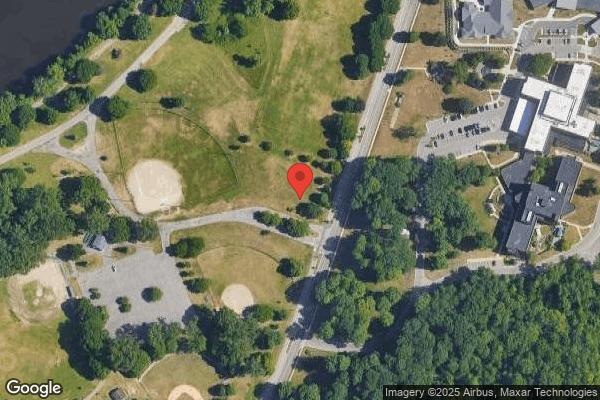
2950 Monroe NE, Grand Rapids, MI 49505 (616) 345-6107
Government - State 128 Beds Independent Data: November 2025
Trust Grade
90/100
#60 of 422 in MI
Last Inspection: April 2025

Within standard 12-15 month inspection cycle. Federal law requires annual inspections.

Overview

Michigan Veteran Homes at Grand Rapids has received a Trust Grade of A, indicating it is highly recommended and considered excellent in its care. It ranks #60 out of 422 facilities in Michigan, placing it in the top half, and #10 out of 28 in Kent County, meaning only nine local homes are rated higher. However, the facility is experiencing a worsening trend, with compliance issues increasing from one in 2024 to two in 2025. Staffing is a strong point, with a 5/5 star rating and a turnover rate of 41%, which is slightly below the state average, suggesting that staff members are stable and familiar with the residents. The nursing home has had no fines, which is promising, but there are concerns about food safety and record-keeping practices; for example, food items were not properly dated, increasing the risk of contamination, and some medical records lacked accuracy, which could lead to missed care for residents with wounds. Overall, while the home has significant strengths, these identified issues need attention.

Trust Score
A
90/100
In Michigan
#60/422
Top 14%
Safety Record
Low Risk
No red flags
Inspections
Getting Worse
1 → 2 violations
Staff Stability
○ Average
41% turnover. Near Michigan's 48% average. Typical for the industry.
Penalties
✓ Good
No fines on record. Clean compliance history, better than most Michigan facilities.
Skilled Nurses
✓ Good
Each resident gets 62 minutes of Registered Nurse (RN) attention daily — more than 97% of Michigan nursing homes. RNs are the most trained staff who catch health problems before they become serious.
Violations
○ Average
6 deficiencies on record. Average for a facility this size. Mostly minor or procedural issues.
★★★★★
5.0
Overall Rating
★★★★★
5.0
Staff Levels
★★★★★
5.0
Care Quality
★★★★★
5.0
Inspection Score
Stable
2024: 1 issues
2025: 2 issues

The Good

  • 5-Star Staffing Rating · Excellent nurse staffing levels
  • 5-Star Quality Measures · Strong clinical quality outcomes
  • Full Sprinkler Coverage · Fire safety systems throughout facility
  • No fines on record
  • Staff turnover below average (41%)

    7 points below Michigan average of 48%

Facility shows strength in staffing levels, quality measures, fire safety.

The Bad

Staff Turnover: 41%

Near Michigan avg (46%)

Typical for the industry

The Ugly 6 deficiencies on record

Apr 2025 2 deficiencies
CONCERN (D)

Potential for Harm - no one hurt, but risky conditions existed

Medical Records (Tag F0842)

Could have caused harm · This affected 1 resident

**NOTE- TERMS IN BRACKETS HAVE BEEN EDITED TO PROTECT CONFIDENTIALITY** Based on interview, and record review, the facility failed to maintain complete and accurate medical records for 1 resident (Res...

Read full inspector narrative →
**NOTE- TERMS IN BRACKETS HAVE BEEN EDITED TO PROTECT CONFIDENTIALITY** Based on interview, and record review, the facility failed to maintain complete and accurate medical records for 1 resident (Resident#25) of a total sample of 25, resulting in a potential for missed wound care and worsening of a wound going unrecognized. Findings include: Review of an admission Record revealed Resident #25 was originally admitted to the facility on [DATE] with pertinent diagnoses which included: atherosclerosis (condition causing a narrowing of blood vessels due to the build up of plaque, pressure ulcer of the sacral region (lower back, base of spine, pelvic area), diabetes (condition resulting in elevated blood sugar levels), and chronic pain. Review of a Minimum Data Set (MDS) assessment for Resident #25 with a reference date of 2/25/25, revealed a Brief Interview for Mental Status (BIMS) score of 11/15 which indicated Resident #25 was moderately cognitively impaired. Review of a Care Plan for Resident # 25 with a reference date of 10/5/22, revealed a problem/goal/interventions of: (Resident #25) has .presence of actual pressure wounds .Goal: Intact skin will remain free of redness, blisters, or discoloration .Interventions .Notify the medical provider and wound nurse of any new skin issues, injuries or other skin related concerns . In an interview on 4/28/25 at 2:01pm, Resident #25 reported he had multiple wounds and that the staff changed the bandages once a week. In an interview on 4/29/25 at 12:54pm, Registered Nurse (RN) BB reported Resident #25 had multiple wounds, and the treatment was painful, so the resident only wanted it done once a week. In an interview on 4/30/25 at 9:35am, RN BB reported the Treatment Administration Record (TAR) for Resident #25 had no document of wound treatment being completed on 4/21/25 for Resident #25, which was the day the dressing change to his coccyx (base of the spinal column) was due. RN BB reported she would speak with the hospice nurse, who was responsible for completing wound care for Resident #25, and review documentation to determine if Resident #25 received wound care on 4/21/25. In an interview on 4/30/25 at 9:45am, Licensed Practical Nurse (LPN) ZZ reported Resident #25 did not refuse dressing changes to his wound on his coccyx. LPN ZZ reported if a treatment was not documented in the TAR, it would be documented in nursing progress notes. LPN ZZ also reported any refusals for dressing changes should be documented in nursing progress notes. Review of an email received from RN BB on 4/30/25 at 10:30am revealed I spoke with hospice and LPN ZZ. Hospice RN did not come in on 4/21 and they (hospice services) did not notify us until late in the day. LPN ZZ did the dressings (dressing changes for Resident #25) on 4/22. In an interview on 4/30/25 at 11:50am, RN BB reported documentation of weekly wound measurements, as well as evaluations of wounds was expected to be completed week. When further queried, RN BB reported the electronic medical record reflected the last measurements of Resident #25's wounds were dated 4/7/25. In an interview on 4/30/25 at 12:08pm, Wound Nurse/RN(WNRN) AA reported she tracked the completion of weekly wound evaluations and documentation of wound measurements at the facility. WNRN AA said the hospice RN was responsible for documenting the evaluation, treatments and condition of Resident #25's wounds. WNRN reported Resident #25 had recently received wound evaluations and wound care from hospice nurses that were filling in and not actually assigned to him. WNRN AA reported she had been gone for several days, and another nurse covered her responsibilities, but that nurse was still learning the role. WNRN AA reported she thought the lack of appropriate documentation regarding Resident #25's wound care and wound evaluations may have been overlooked and not corrected in her absence. WNRN AA confirmed Resident #25 had no documentation of wound measurements since 4/7/25 in his medical record. When further queried, WNRN AA reported it was important to have documentation of weekly wound care and wound measurements to determine if the wound was improving or worsening. Review of Principles for Nursing Documentation published by the American Nurses Association, 2010, revealed Clear, accurate, and accessible documentation is an essential element of safe, quality, evidence-based nursing practice. Review of a Pressure Injury Prevention and Management facility policy with a reference date of 4/11/25 revealed Policy: (Facility name omitted) is committed to .provide treatment and services to heal the pressure ulcer .5. Monitoring: The RN (Registered Nurse) .or designee, will review all relevant documentation regarding skin assessments .progression towards healing, compliance at least weekly .and document a summary of finding the medical record.
CONCERN (D)

Potential for Harm - no one hurt, but risky conditions existed

Infection Control (Tag F0880)

Could have caused harm · This affected 1 resident

**NOTE- TERMS IN BRACKETS HAVE BEEN EDITED TO PROTECT CONFIDENTIALITY** Resident #100: Review of an admission Record revealed Resident #100 was a male with pertinent diagnoses which included cholecys...

Read full inspector narrative →
**NOTE- TERMS IN BRACKETS HAVE BEEN EDITED TO PROTECT CONFIDENTIALITY** Resident #100: Review of an admission Record revealed Resident #100 was a male with pertinent diagnoses which included cholecystectomy drain (thin tube inserted into the gallbladder to drain excess bile), pressure ulcer right heel, and deep tissue injury to left medial bunion near great toe. Review of Order dated 2/4/25, revealed, .Enhanced Barrier Precautions (EBP) related to: Chole drain - Ensure the precaution sign is posted and visible outside of member room (not on member door). - PPE supplies are available outside the room. - Touchless trash receptacle inside room near doorway for PPE disposal prior to exit . During an observation on 04/28/25 at 12:10 PM, Resident #100 was brought to his room to transfer him into bed. Certified Nursing Assistant (CNA) N was observed making Resident #100's bed. She grabbed the pillows off his bed and placed them in the chair. CNA N grabbed his personal blanket and quilt off the chair and placed them on his bed. There was no signage on the door to indicate he was on EBP. In an interview and observation on 04/28/25 at 12:13 PM, CNA N reported Resident #100 had a wound on his bottom. CNA N reported personal protective equipment (PPE) would be worn while bathing him and changing his brief as she was making his bed. During an observation on 04/28/25 at 12:15 PM, CNA N folded the blankets down and CNA M brought the hoyer in the room to transfer Resident #100 to his bed. CNA M reported Resident #100 had on the blue boots to protect his heels as he had a wound on his right heel. Both CNAs hooked the resident's sling up to the hoyer machine, rolled Resident #100 over to his bed, guiding him over the bed and stabilizing him while the hoyer was slowly lowered to the bed. CNA N had placed her hands on Resident 100's feet while he was slowly lowered to the bed. Both CNAs were on each side of him and removed the loops from the sling off the hoyer arm. CNA M removed the hoyer from under the bed and moved it out of the way. CNA M came back to Resident #100 had him roll towards her as she removed the sling and then had him roll to the other side to remove the sling from that side while she supported him and removed the sling from under Resident #100. CNA M then adjusted him in the bed so he was more centered and checked his brief to determine if he needed care. CNA N removed her gloves, cleaned the hoyer, performed hand hygiene and exited the room. Neither CNA wore a gown during cares. In an interview on 04/28/25 at 12:20 PM, CNA M reported the only time the staff would wear EBP PPE was when they were providing care to the resident when Resident #100's wounds were exposed. In an interview on 04/30/25 at 12:31 PM, Registered Nurse (RN) YY reported the staff would wear a gown and gloves while providing care to a resident who was under enhanced barrier precautions (EBP) as your clothes could spread whatever you had come into contact with to the resident you were providing care to. In an interview on 04/30/25 at 01:25 PM, Nursing Home Admininstrator (NHA) A reported when staff were providing hands on care to a resident under EBP, the staff were required to wear what the guidance was on the sign posted outside of the resident's door indicated. Review of the facility's Enhanced Barrier Precautions policy last revised 4/1/24 revealed, POLICY It is the policy of MVH to implement enhanced barrier precautions for the prevention of transmission of multidrug-resistant organisms (MDROs) . 2. Initiation of Enhanced Barrier Precautions . b. An order for enhanced barrier precautions will be obtained for members with any of the following: i. Wounds (e.g., chronic wounds such as pressure ulcers, diabetic foot ulcers, unhealed surgical wounds, and chronic venous stasis ulcers) and/or indwelling medical devices (e.g., central lines, hemodialysis catheters, urinary catheters, feeding tubes, tracheostomy tubes) even if the member is not known to be infected or colonized with a MDRO .3. Implementation of Enhanced Barrier Precautions: a. Make gowns and gloves available immediately near or outside of the member's room .4. High-contact member care activities include: a. Dressing. b. Bathing. c. Transferring. d. Providing hygiene. e. Changing linens. f. Changing briefs or assisting with toileting. g. Device care or use: central lines, urinary catheters, feeding tubes, tracheostomy tubes. h. Wound care: any skin opening requiring a dressing . Based on observation, interview, and record review, the facility failed to implement and follow enhanced barrier precautions for 2 (Resident #419 and #100) of 25 sampled residents reviewed for infection prevention and control resulting in the potential for the development and transmission of communicable diseases and infections. Findings include: Resident #419 Review of an admission Record revealed Resident #419 was originally admitted to the facility on [DATE] with pertinent diagnoses which included unstageable pressure ulcer of right heel. Review of Resident #419's Treatment Administration Orders (TAR) revealed, Order: Enhanced Barrier Precautions related to: unstageable ulcer to right heel/ dialysis access site. Ensure the precaution sign is posted and visible outside of member room (not on member door). PPE (personal protective equipment) supplies are available outside the room. Touchless trash receptacle inside room near doorway for PPE disposal prior to exit. every shift for transmission based precautions. Start date: 4/24/25. It was noted that nursing staff had documented this treatment order as completed each shift from 4/24/25 to 4/29/25. In an observation on 4/28/25 at 10:39 AM, Resident #419's room was noted to not have an Enhanced Barrier Precautions sign near the door or a cart with PPE for staff to wear for high contact care with Resident #419. In an observation on 4/29/25 at Licensed Practical Nurse (LPN) II and Certified Nursing Assistant (CNA) VV and CNA D entered Resident #419's room. LPN II administered oral medications to Resident #419 and then applied gloves and began to remove the dressing bandage on Resident #419's right foot. It was noted that LPN II was not wearing a gown. After LPN II completed Resident #419's medication administration, CNA VV and CNA D placed a hoyer sling (piece of equipment used with a hoyer lift to transfer patients with limited mobility) underneath Resident #419 and then attached the sling to the hoyer to transfer Resident #419 to his wheelchair. It was noted that CNA VV and CNA D did not wear gloves or gowns while assisting Resident #419. In an interview on 4/30/25 at 9:38 AM, Nursing Supervisor (NS) CC reported that Resident #419 had an order in place for Enhanced Barrier Precautions because of the open wound on his right foot. NS CC reported that Resident #419 should have had a sign near his door indicating that he was on Enhanced Barrier Precautions, and a cart outside of his room with PPE for staff to use. NS CC reported that she was unaware that Resident #419 did not have Enhanced Barrier Precautions in place. In an interview on 4/30/25 at 10:25 AM, CNA D confirmed that Resident #419 was not in Enhanced Barrier Precautions until the afternoon of 4/29/25. CNA D confirmed that staff had not been using PPE when providing care for Resident #419. In an interview on 4/30/25 at 12:28 PM, LPN II reported that she was unaware that Resident #419 was supposed to be on Enhanced Barrier Precautions. LPN II confirmed that the facility did not initiate Enhanced Barrier Precautions for Resident #419 until the afternoon of 4/29/25. In an interview on 4/30/25 at 1:57 PM, Infection Preventionist (IP) FF reported that Resident #419 was supposed to be on Enhanced Barrier Precautions because he had a wound. IP FF confirmed that the order for Enhanced Barrier Precautions was not placed until 4/24/25. IP FF confirmed that there was a breakdown in communication among the staff that placed the order and the staff that were supposed to follow the order and set Resident #419's room up for Enhanced Barrier Precautions, and that the facility missed this. IP FF confirmed that nursing staff were documenting that Resident #419's Enhanced Barrier Precautions orders were in place between 4/24/25 through 4/29/25, but that was inaccurate, as the facility had not placed Resident #419 into Enhanced Barrier Precautions until the afternoon of 4/29/25.
Apr 2024 1 deficiency
CONCERN (D)

Potential for Harm - no one hurt, but risky conditions existed

Accident Prevention (Tag F0689)

Could have caused harm · This affected 1 resident

**NOTE- TERMS IN BRACKETS HAVE BEEN EDITED TO PROTECT CONFIDENTIALITY** Based on interview and record review, the facility failed to prevent accidents for 1 (Resident #48) of 5 residents reviewed for ...

Read full inspector narrative →
**NOTE- TERMS IN BRACKETS HAVE BEEN EDITED TO PROTECT CONFIDENTIALITY** Based on interview and record review, the facility failed to prevent accidents for 1 (Resident #48) of 5 residents reviewed for accidents and hazards, resulting in Resident #48 sustaining a fall and the potential for residents to not meet their highest practicable physical, mental, and psycho-social well-being. Findings include: Review of a Transfer/Discharge Report revealed Resident #48 admitted to the facility on [DATE] with pertinent diagnoses which included weakness and unsteadiness on his feet. Review of a Minimum Data Set (MDS) assessment for Resident #48, with a reference date of 1/10/2024 revealed a Brief Interview for Mental Status (BIMS) score of 14, out of a total possible score of 15, which indicated Resident #48 was cognitively intact. In an interview on 4/3/2024 at 9:50 AM, Resident #48 reported he fell from his wheelchair when a staff member was pushing him without foot pedals and his feet caught on the floor making him fall forward out of the chair. Resident #48 reported staff now use foot pedals any time they push him in his wheelchair. In an interview on 4/4/2024 at 1:19 PM, Director of Nursing (DON) B reported Resident #48 fell out of his wheelchair as a result of Competency Evaluated Nursing Assistant (CENA) F pushing him in his wheelchair without using foot pedals. Review of Resident #48's Progress Notes, dated 10/21/2023 at 2:19 PM, revealed .Member was being pushed in wheelchair without foot pedals on. Member dropped his feet down got caught on the carpet, member fell forward out of wheelchair. He sustained no injury . Review of Resident #48's Witnessed Fall report, dated 10/21/2023 at 12:20 PM, revealed .Root Cause analysis: Member was being pushed in the wheelchair without footrests. Members have to have footrests on their chair when being pushed in the (wheelchair). Education completed with the staff involved . Review of CENA F's (agency) Healthcare Services Documented Counseling, dated 10/26/2023, revealed .Summary of violation: . (CENA F) transported a member to the dining room without foot pedals . Corrective Action taken . (CENA F) will take the time to make sure all foot pedals are on for members when they are being transported by her in their wheelchairs . In an interview on 4/4/2024 at 2:27 PM, Licensed Practical Nurse (LPN) U reported staff are required to use foot pedals when pushing a resident in a wheelchair for resident safety. LPN U reported the facility has provided training for this. In an interview on 4/4/2024 at 2:30 PM, CENA BB reported he always used foot pedals if pushing someone in a wheelchair. CENA BB reported he remembered recent training for this. In an interview on 4/4/2024 at 2:31 PM, CENA G reported she used foot pedals when pushing residents in wheelchairs. CENA G stated, I have for 38 years. Review of facility education Transporting Members in Wheelchairs Safely, dated 10/26/2023, revealed .NEVER PUSH MEMBERS WITHOUT FOOT PEDALS!!! Foot pedals are required when transporting members in wheelchairs . This is a huge safety concern. Member's feet can get caught and they can fall from their wheelchair . During the onsite survey, past noncompliance (PNC) was cited after the facility implemented actions to correct the noncompliance which included individual and facility wide staff education. The facility was able to demonstrate monitoring of the corrective action and maintained compliance.
Oct 2023 1 deficiency
CONCERN (D) 📢 Someone Reported This

A family member, employee, or ombudsman was alarmed enough to file a formal complaint

Potential for Harm - no one hurt, but risky conditions existed

Accident Prevention (Tag F0689)

Could have caused harm · This affected 1 resident

**NOTE- TERMS IN BRACKETS HAVE BEEN EDITED TO PROTECT CONFIDENTIALITY** This citation pertains to intake MI00139911. Based on interview and record review, the facility failed to ensure the safety and ...

Read full inspector narrative →
**NOTE- TERMS IN BRACKETS HAVE BEEN EDITED TO PROTECT CONFIDENTIALITY** This citation pertains to intake MI00139911. Based on interview and record review, the facility failed to ensure the safety and prevent elopement of 1 resident (Resident #106) of 4 residents reviewed for accidents and hazards, resulting in the elopement of Resident #106 and the potential for residents to not meet their highest practicable physical, mental, and psychosocial well-being. Findings include: Review of an admission Record revealed Resident #106 admitted to the facility on [DATE] with pertinent diagnoses which included dementia and delusional disorders. Review of a Minimum Data Set (MDS) assessment for Resident #106, with a reference date of 9/11/2023 revealed a Brief Interview for Mental Status (BIMS) score of 7, out of a total possible score of 15, which indicated Resident #106 was severely cognitively impaired. Review of an Elopement Evaluation assessment for Resident #106, dated 8/26/2023, revealed Resident #106 was identified to be at high risk for elopement. Review of a current wandering and elopement Care Plan intervention for Resident #106, initiated 8/26/2023, revealed resident wore a wander guard on his right ankle. Review of a Facility Reported Incident (FRI) report received by the State Agency on 9/22/2023 at 12:59 PM revealed Resident #106 eloped from the facility when on 9/21/2023 at approximately 7:05 PM he left the household courtyard unsupervised and was later found by staff on facility grounds at approximately 7:17 PM. In an interview on 10/18/2023 at 8:16 AM, Licensed Practical Nurse (LPN) N reported he allowed Resident #106 to go out on the courtyard the evening of 9/21/2023, not realizing that the courtyard was not secured. LPN N reported the gate was supposed to alarm when opened, but it did not alarm when Resident #106 exited the courtyard unbeknownst to staff. LPN N reported facility staff escorted Resident #106 back to the unit after finding him in the parking lot. LPN N reported maintenance staff were contacted and secured all of the courtyard gates at that time. In an interview on 10/18/2023 at 8:55 AM, Certified Nursing Assistant (CNA) M reported CNA Scheduler H asked her to check on Resident #106 as she was leaving the facility the evening of 9/21/2023 as she had seen him go by the front of the building in the parking lot in his wheelchair. CNA M reported she found Resident #106 sitting in his wheelchair in front of the main entrance of the old building watching the park across the road. CNA M reported Resident #106 told her that he just wanted to get out for a while and stated, I can't leave the grounds. In a telephone interview on 10/18/2023 at 11:44 AM, CNA Scheduler H reported she noticed Resident #106 rolling by the front of the building in his wheelchair the evening of 9/21/2023 and asked CNA M to check on him as she was getting ready to clock out for the night. CNA Scheduler H reported she was not aware Resident #106 was at risk for elopement but knew he had been on the decline and wanted to make sure he was all right. CNA Scheduler H reported CNA M returned with Resident #106 and stated, He had not left the property. In an interview on 10/18/2023 at 8:35 AM, Registered Nurse (RN) Unit Manager Y reported Resident #106 was allowed to be on the courtyard without supervision on 9/21/2023 as the courtyard was part of the secured facility. In an interview on 10/18/2023 at 10:00 AM, Licensed Master Social Worker (LMSW) R reported Resident #106's care plan was updated on 8/28/2023 to prevent him from being outside of the secured facility without supervision. LMSW R reported Resident #106 was allowed to be in the secured courtyard alone as it was considered part of the secured complex. In an interview on 10/17/2023 at 12:41 PM, Facility Manager T reported the courtyard gates were not being checked prior to Resident #106's elopement on 9/21/2023. Facility Manager T reported the courtyard gates are now being checked every shift to ensure that they are closed and every day to ensure that they are alarming properly. In an interview on 10/18/2023 at 9:34 AM, Nursing Home Administrator (NHA) A reported Resident #106 required supervision while on facility grounds but was allowed to be unsupervised within the secured facility when the elopement occurred on 9/21/2023. NHA A reported maintenance staff secured the courtyard gates after the elopement on 9/21/2023 and the gates are now being checked daily to ensure that they are functioning. NHA A reported staff were educated on 9/22/2023 regarding the function and rounding of courtyard gates. Review of facility policy/procedure Elopements and Wandering Members, reviewed 12/27/2022, revealed .The purpose of this policy is to ensure that members who exhibit wandering behavior and/or are at risk for elopement receive adequate supervision to prevent accidents . Elopement occurs when a member leaves the premises or a safe area without authorization and/or necessary supervision to do so . The home is equipped with door locks/alarms to help avoid elopements . Alarms are not a replacement for necessary supervision . During the onsite survey, past noncompliance (PNC) was cited after the facility implemented actions to correct the noncompliance which included audits, education, and training. The facility was able to demonstrate monitoring of the corrective action and maintained compliance.
Feb 2023 1 deficiency
CONCERN (F)

Potential for Harm - no one hurt, but risky conditions existed

Food Safety (Tag F0812)

Could have caused harm · This affected most or all residents

**NOTE- TERMS IN BRACKETS HAVE BEEN EDITED TO PROTECT CONFIDENTIALITY** Based on observation, interview, and record review the facility failed to properly date mark and discard food product. These con...

Read full inspector narrative →
**NOTE- TERMS IN BRACKETS HAVE BEEN EDITED TO PROTECT CONFIDENTIALITY** Based on observation, interview, and record review the facility failed to properly date mark and discard food product. These conditions resulted in an increased risk of contaminated foods and an increased risk of food borne illness that affected all residents who consume food from the kitchen. Findings Include: During the initial tour of the kitchen, starting at 9:18 AM on 2/6/23, an interview with Culinary Supervisor (CS) D, found that potentially hazardous foods are labeled with a preparation date to keep track of date marking. Observation of the walk-in cooler found an opened bag of lettuce with a use by date of 2/4/23. During a tour of the two-door continental refrigeration unit in the main kitchen, at 9:25 AM on 2/6/23, it was observed that nutritional drinks and shakes were found stored in the unit, not dated. When asked if these are ever frozen, or if they arrive and get put directly under refrigeration, CS D stated they go into refrigeration upon arrival. A review of the product information on the nutritional drink and shakes found that they can be kept for up to 14 days under refrigeration. Twenty-five cranberry apple nutritional juices found in their box stated it was delivered on 1/14/23, twelve orange nutritional juices with a label stating they were delivered on 1/19/23, and 8 nutritional shakes with no date to indicate discard. During a tour of the Sunset kitchen, starting at 10:08 AM on 2/6/23, it was observed that four orange nutritional juices and five nutritional shakes were found in the single door refrigeration unit, not dated. During a tour of the Pier [NAME] front kitchen, at 10:18 AM on 2/6/23, it was observed that 10 nutritional shakes and three nutritional juices were found not dated. During a tour of the Lake Michigan front kitchen, at 10:25 AM on 2/6/23, it was observed that eight nutritional shakes and an open container of thickened water were found with no date to indicate proper discard. A review of the thickened water stated it was good for ten days under refrigeration once opened. During a tour of the Downtown kitchen, starting at 10:35 AM on 2/6/23, it was observed that 17 nutritional juices and six shakes were found with no dates in the single door unit. Further observation of the unit found a bag of sliced ham dated 1/29, sliced turkey dated 1/23, applesauce dated 1/5, and an open container of thickened cranberry dated 1/26. During a tour of the Grand River front kitchen, at 10:50 AM on 2/6/23, it was observed that three nutritional shakes were found with no date to indicate discard. During a tour of the Skyline front kitchen, at 10:55 AM on 2/6/23, it was observed that five nutritional juices and two shakes were found with no date to indicate discard. According to the 2017 FDA Food Code section 3-501.17 Ready-to-Eat, Time/Temperature Control for Safety Food, Date Marking. (A) Except when PACKAGING FOOD using a REDUCED OXYGEN PACKAGING method as specified under § 3-502.12, and except as specified in (E) and (F) of this section, refrigerated, READY-TO EAT, TIME/TEMPERATURE CONTROL FOR SAFETY FOOD prepared and held in a FOOD ESTABLISHMENT for more than 24 hours shall be clearly marked to indicate the date or day by which the FOOD shall be consumed on the PREMISES, sold, or discarded when held at a temperature of 5ºC (41ºF) or less for a maximum of 7 days. The day of preparation shall be counted as Day 1. (B) Except as specified in (E) -(G) of this section, refrigerated, READY-TO-EAT TIME/TEMPERATURE CONTROL FOR SAFETY FOOD prepared and PACKAGED by a FOOD PROCESSING PLANT shall be clearly marked, at the time the original container is opened in a FOOD ESTABLISHMENT and if the FOOD is held for more than 24 hours, to indicate the date or day by which the FOOD shall be consumed on the PREMISES, sold, or discarded, based on the temperature and time combinations specified in (A) of this section and: (1) The day the original container is opened in the FOOD ESTABLISHMENT shall be counted as Day 1; and (2) The day or date marked by the FOOD ESTABLISHMENT may not exceed a manufacturer's use-by date if the manufacturer determined the use-by date based on FOOD safety . According to the 2017 FDA Food Code section 3-501.18 Ready-to-Eat, Time/Temperature Control for Safety Food, Disposition. (A) A FOOD specified in 3-501.17(A) or (B) shall be discarded if it: (1) Exceeds the temperature and time combination specified in 3-501.17(A), except time that the product is frozen; (2) Is in a container or PACKAGE that does not bear a date or day; or (3) Is inappropriately marked with a date or day that exceeds a temperature and time combination as specified in 3501.17(A) .
Dec 2022 1 deficiency
CONCERN (D) 📢 Someone Reported This

A family member, employee, or ombudsman was alarmed enough to file a formal complaint

Potential for Harm - no one hurt, but risky conditions existed

Free from Abuse/Neglect (Tag F0600)

Could have caused harm · This affected 1 resident

**NOTE- TERMS IN BRACKETS HAVE BEEN EDITED TO PROTECT CONFIDENTIALITY** This citation pertains to Intake # MI00130680. Based on interview, and record review, the facility failed to protect the residen...

Read full inspector narrative →
**NOTE- TERMS IN BRACKETS HAVE BEEN EDITED TO PROTECT CONFIDENTIALITY** This citation pertains to Intake # MI00130680. Based on interview, and record review, the facility failed to protect the resident's right to be free from verbal and physical abuse by a staff member in 1 of 5 residents (Resident #101) reviewed for abuse/neglect, resulting in distress and the potential for physical harm and mental anguish. Findings include: Review of a Facility Investigation Report, dated 7/3/22, revealed .(Resident #101) was in smoking [NAME] with another resident from his household. Other resident alleges that while (Resident #101) was asking smoking attendant, (Agency Certified Nursing Assistant (CENA) K), to have one of other resident's cigarettes, (Agency CENA K) told him she could not give to him another resident's cigarettes. Other resident alleges that (Agency CENA K) made physical contact with member and was poking him in the chest when (Resident #101) was yelling at (Agency CENA K) . Further review of the Facility Investigation Report, dated 7/3/22, revealed Resident #101 had severe cognitive impairment. Resident #101 Review of a Transfer/Discharge Report revealed Resident #101 was a male, with pertinent diagnoses which included aphasia (loss of the ability to understand or express speech), expressive language disorder (communication problem), post-traumatic stress disorder (anxiety and flashbacks triggered by a traumatic event), anxiety, mood disorder with depressive features, and dementia. Review of a Minimum Data Set (MDS) assessment, with a reference date of 6/1/22, revealed Resident #101 had severe cognitive impairment. Review of a current Care Plan for Resident #101 revealed the problem .I (Resident #101) need assistance with my daily care (Activities of Daily Living) because of my right sided paralysis .(Resident #101) has a cognitive deficit, expressive aphasia secondary to CVA (stroke). Can be Resistive to care . revised 9/2/22, with interventions which included .Behavior: (Resident #101) has history of verbal aggression, refuses care/assistance, and combativeness . revised 10/3/22. Review of a Progress Note for Resident #101, dated 7/3/22 at 3:40 p.m., revealed .It was alleged by another member that (Resident #101) was poked in the chest by CENA (Certified Nursing Assistant) staff. (Resident #101) assessed, there was no indication of bruising, red marks, or any change in skin integrity to the area of concerns (sic). (Resident #101) himself could not articulate the incident due to expressive aphasia . Resident #103 Review of a Transfer/Discharge Report revealed Resident #103 was a male, with pertinent diagnoses which included heart disease, debility, and high blood pressure. Review of a Minimum Data Set (MDS) assessment for Resident #103, with a reference date of 9/8/22, revealed a Brief Interview for Mental Status (BIMS) score of 15, out of a total possible score of 15, which indicated Resident #103 was cognitively intact. In an interview on 12/13/22 at 2:59 p.m., Resident #103 recalled an incident between Resident #101 and Agency Certified Nursing Assistant (CENA) K on 7/3/22. Resident #103 reported he and Resident #101 were sitting outside the smoke [NAME] with Agency CENA K, when a disagreement started over some cigarettes. Resident #103 stated .She (Agency CENA K) was arguing with (Resident #101) going like that (Resident #103 made a poking motion against his chest) . Resident #103 reported Resident #101 was upset at the time of the incident. In an interview on 12/14/22 at 8:39 a.m., Registered Nurse (RN) G discussed the incident between Resident #101 and Agency CENA K on 7/3/22. RN G reported she was the House Supervisor that day, and first became aware of the incident when Agency CENA K appeared frustrated, and expressed anger that a resident had made an accusation against her. RN G reported she attempted to interview Resident #101 about the allegation, however .I could not understand what he was saying . RN G reported Resident #101 kept pointing to Resident #103's room, and started to propel his wheelchair toward Resident #103's room. RN G reported when Resident #103 was interviewed, he reported that he observed Agency CENA K yelling and poking Resident #101 in the chest. In an interview on 12/14/22 at 9:46 a.m., Agency CENA K discussed the incident on 7/3/22 involving Resident #101 and Resident #103. Agency CENA K stated .The one that couldn't speak (Note Agency CENA K laughed at this point in the interview) said that I poked him. How did he say that if he cannot speak? Agency CENA K stated Resident #103 .told everybody that I poked (Resident #101) . Agency CENA K reported at the time of the allegation, she was outside the smoke [NAME] with Resident #101 and Resident #103. Agency CENA K reported Resident #101 had run out of cigarettes, and when she explained he didn't have any more he became angry with her. Agency CENA K reported Resident #103 told her to give Resident #101 some of his cigarettes, and when she told Resident #103 she could not do this Resident #103 became angry as well. Agency CENA K stated .I sat back and then went inside (the smoke [NAME]) because I'm not going to argue with him . CENA K reported when she went inside the smoke [NAME], CENA E went outside the smoke [NAME] to supervise Resident #101 and Resident #103 as they were still smoking, and stated .but I think I was really only there (inside the smoke [NAME]) maybe five minutes before I went on break because I just wanted to leave the situation . Agency CENA K reported she was sent home after the allegation was made, and later notified she no longer worked at the facility. In an interview on 12/14/22 at 11:14 a.m., Licensed Practical Nurse (LPN) I discussed the incident on 7/3/22 involving Resident #101, Resident #103, and Agency CENA K. LPN I reported Agency CENA K was the first to approach her about the incident, who reported Resident #103 wanted her to give a cigarette to Resident #101, and when she notified Resident #103 that was not allowed he started yelling and getting upset. LPN I reported she told Agency CENA K to discuss the incident with the RN in charge (RN G). LPN I reported after talking with Agency CENA K, she was approached by Resident #101 and Resident #103. LPN I reported Resident #103 told her Agency CENA K was in Resident #101's personal space, raising her voice, and telling him he could not have one of Resident #103's cigarettes. LPN I stated during this interaction, Resident #101 sat beside Resident #103 .kind of just agreeing with what (Resident #103) was saying. Re-affirming what (Resident #103) was telling me was correct about the situation . In an interview on 12/14/22 at 12:14 p.m., Social Worker T reported he talked to Resident #101 .specifically about the incident . on 7/3/22 involving Agency CENA K. Social Worker T stated .He (Resident #101) had no memory of the situation . Social Worker T reported Resident #101 has expressive aphasia, and it can be difficult to communicate with him because he cannot speak normally. Social Worker T reported cues must be taken using his facial expression and body language. In an interview on 12/14/22 at 12:45 p.m., Administrator A discussed the allegation of abuse that occurred on 7/3/22, involving Resident #101, Resident #103, and Agency CENA K. Administrator A reported after the allegation, she requested Agency CENA K not return to the facility. Administrator A reported Resident #101 has aphasia, which makes it difficult to obtain a statement. Administrator A reported on the day of the incident, there were two staff members working in the smoke [NAME], Agency CENA K and CENA E. Administrator A reported at the time of the incident, CENA E was on break. Administrator A reported when CENA E came back from break Resident #103 made the allegation of abuse against Agency CENA K. In an interview on 12/14/22 at 1:36 p.m., CENA E discussed the incident involving Resident #101, Resident #103, and Agency CENA K on 7/3/22. CENA E reported she came back from break and sat down inside the smoke [NAME] with Agency CENA K. CENA E reported she observed scratches on Agency CENA K's arms and asked what had happened, and that was when Agency CENA K reported that Resident #101 had scratched her. CENA E reported she approached Resident #101 outside the smoke [NAME] to remind him to be careful, and Resident #103 who was sitting nearby stated No and reported Agency CENA K yelled and poked Resident #101. CENA E stated .I went back inside (the smoke [NAME]) and said no you (to Agency CENA K) can't do that it's abuse . CENA E reported Agency CENA K denied touching Resident #101. CENA E clarified that she was on break inside the facility at the time the incident occurred and did not witness the interaction between Resident #101, Resident #103, and Agency CENA K. In an interview on 12/14/22 at 2:18 p.m., Resident #103 recalled the incident between Resident #101 and Agency CENA K on 7/3/22. Resident #103 reported he observed Agency CENA K poke Resident #101 multiple times in the chest while yelling. Resident #103 stated .She (Agency CENA K) was out of control .She had no right to touch a Veteran like that .
Understanding Severity Codes (click to expand)
Life-Threatening (Immediate Jeopardy)
J - Isolated K - Pattern L - Widespread
Actual Harm
G - Isolated H - Pattern I - Widespread
Potential for Harm
D - Isolated E - Pattern F - Widespread
No Harm (Minor)
A - Isolated B - Pattern C - Widespread

Questions to Ask on Your Visit

  • "Can I speak with families of current residents?"
  • "What's your RN coverage like on weekends and overnight?"

Our Honest Assessment

Strengths
  • • Grade A (90/100). Above average facility, better than most options in Michigan.
  • • No major safety red flags. No abuse findings, life-threatening violations, or SFF status.
  • • No fines on record. Clean compliance history, better than most Michigan facilities.
  • • 41% turnover. Below Michigan's 48% average. Good staff retention means consistent care.
Concerns
  • • No significant concerns identified. This facility shows no red flags across CMS ratings, staff turnover, or federal penalties.
Bottom line: Generally positive indicators. Standard due diligence and a personal visit recommended.

About This Facility

What is Michigan Veteran Homes At Grand Rapids's CMS Rating?

CMS assigns Michigan Veteran Homes at Grand Rapids an overall rating of 5 out of 5 stars, which is considered much above average nationally. Within Michigan, this rating places the facility higher than 99% of the state's 100 nursing homes. This rating reflects solid performance across the metrics CMS uses to evaluate nursing home quality.

How is Michigan Veteran Homes At Grand Rapids Staffed?

CMS rates Michigan Veteran Homes at Grand Rapids's staffing level at 5 out of 5 stars, which is much above average compared to other nursing homes. Staff turnover is 41%, compared to the Michigan average of 46%. This relatively stable workforce can support continuity of care.

What Have Inspectors Found at Michigan Veteran Homes At Grand Rapids?

State health inspectors documented 6 deficiencies at Michigan Veteran Homes at Grand Rapids during 2022 to 2025. These included: 6 with potential for harm.

Who Owns and Operates Michigan Veteran Homes At Grand Rapids?

Michigan Veteran Homes at Grand Rapids is owned by a government entity. Government-operated facilities are typically run by state, county, or municipal agencies. The facility operates independently rather than as part of a larger chain. With 128 certified beds and approximately 119 residents (about 93% occupancy), it is a mid-sized facility located in Grand Rapids, Michigan.

How Does Michigan Veteran Homes At Grand Rapids Compare to Other Michigan Nursing Homes?

Compared to the 100 nursing homes in Michigan, Michigan Veteran Homes at Grand Rapids's overall rating (5 stars) is above the state average of 3.2, staff turnover (41%) is near the state average of 46%, and health inspection rating (5 stars) is much above the national benchmark.

What Should Families Ask When Visiting Michigan Veteran Homes At Grand Rapids?

Based on this facility's data, families visiting should ask: "Can I visit during a mealtime to observe dining assistance and food quality?" "How do you handle medical emergencies, and what is your hospital transfer rate?" "Can I speak with family members of current residents about their experience?"

Is Michigan Veteran Homes At Grand Rapids Safe?

Based on CMS inspection data, Michigan Veteran Homes at Grand Rapids has a clean safety record: no substantiated abuse findings (meaning no confirmed cases of resident harm), no Immediate Jeopardy citations (the most serious violation level indicating risk of serious injury or death), and is not on the Special Focus Facility watch list (a federal program monitoring the lowest-performing 1% of nursing homes). The facility has a 5-star overall rating and ranks #1 of 100 nursing homes in Michigan. While no facility is perfect, families should still ask about staff-to-resident ratios and recent inspection results during their visit.

Do Nurses at Michigan Veteran Homes At Grand Rapids Stick Around?

Michigan Veteran Homes at Grand Rapids has a staff turnover rate of 41%, which is about average for Michigan nursing homes (state average: 46%). Moderate turnover is common in nursing homes, but families should still ask about staff tenure and how the facility maintains care continuity when employees leave.

Was Michigan Veteran Homes At Grand Rapids Ever Fined?

Michigan Veteran Homes at Grand Rapids has no federal fines on record. CMS issues fines when nursing homes fail to meet care standards or don't correct problems found during inspections. The absence of fines suggests the facility has either maintained compliance or corrected any issues before penalties were assessed. This is a positive indicator, though families should still review recent inspection reports for the full picture.

Is Michigan Veteran Homes At Grand Rapids on Any Federal Watch List?

Michigan Veteran Homes at Grand Rapids is not on any federal watch list. The most significant is the Special Focus Facility (SFF) program, which identifies the bottom 1% of nursing homes nationally based on persistent, serious quality problems. Not being on this list means the facility has avoided the pattern of deficiencies that triggers enhanced federal oversight. This is a positive indicator, though families should still review the facility's inspection history directly.