Optalis Health and Rehabilitation of Grand Rapids
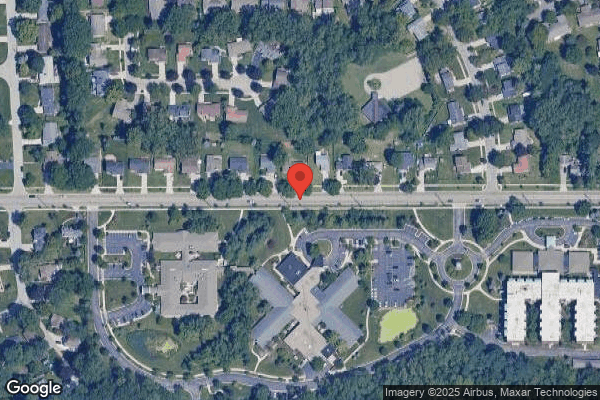
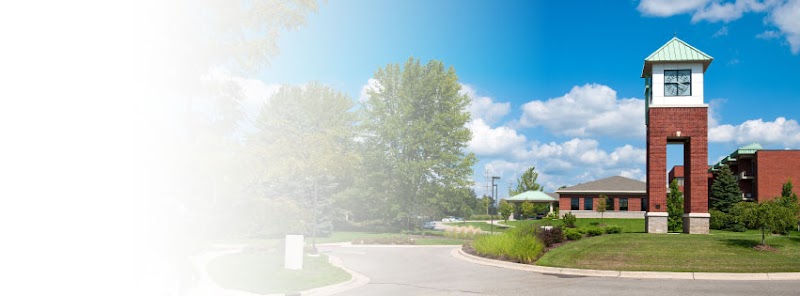
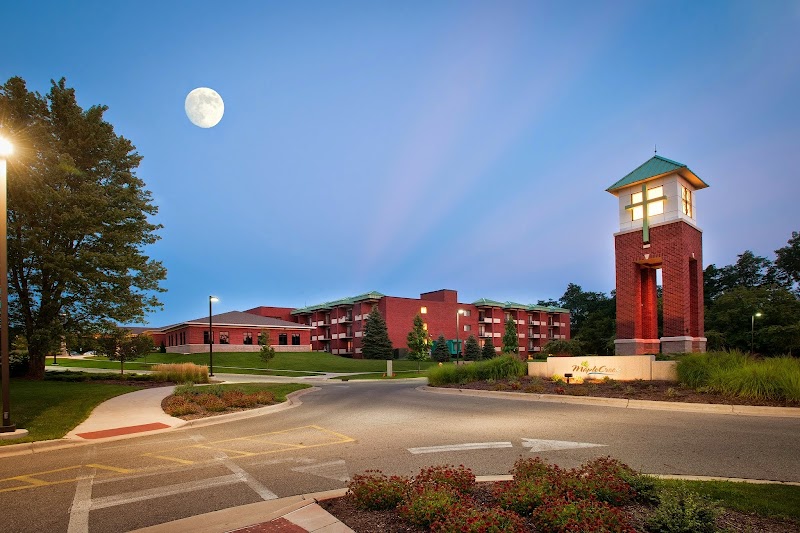
1950 32nd Street SE, Grand Rapids, MI 49508 (616) 452-5900
For profit - Individual 120 Beds OPTALIS HEALTH & REHABILITATION Data: November 2025 2 Immediate Jeopardy citations
Trust Grade
0/100
#401 of 422 in MI
Last Inspection: May 2025

Inspected within the last 6 months. Data reflects current conditions.

Overview

Optalis Health and Rehabilitation of Grand Rapids has received a Trust Grade of F, indicating significant concerns about the facility's quality of care. Ranking #401 out of 422 nursing homes in Michigan places it in the bottom half, and it is the lowest-ranked facility in Kent County. The trend is worsening, with issues increasing from 9 in 2024 to 52 in 2025. Staffing is rated average with a 3/5 star score and an impressive turnover rate of 0%, suggesting staff stability, but the facility has incurred $365,280 in fines, which is concerning and indicates repeated compliance issues. Notable incidents include a failure to administer CPR to a resident who was non-responsive, resulting in their death, and a lack of supervision leading to a resident sustaining a head injury and fractured kneecap. Overall, while there are some strengths in staffing stability, the numerous critical incidents highlight serious weaknesses that families should consider carefully.
Trust Score
F
0/100
In Michigan
#401/422
Bottom 5%
Safety Record
High Risk
Review needed
Inspections
Getting Worse
9 → 52 violations
Staff Stability
○ Average
Turnover data not reported for this facility.
Penalties
○ Average
$365,280 in fines. Higher than 54% of Michigan facilities. Some compliance issues.
Skilled Nurses
✓ Good
Each resident gets 51 minutes of Registered Nurse (RN) attention daily — more than average for Michigan. RNs are trained to catch health problems early.
Violations
⚠ Watch
85 deficiencies on record. Higher than average. Multiple issues found across inspections.
★☆☆☆☆
1.0
Overall Rating
★★★☆☆
3.0
Staff Levels
★★★☆☆
3.0
Care Quality
★☆☆☆☆
1.0
Inspection Score
Stable
2024: 9 issues
2025: 52 issues

The Good

  • Full Sprinkler Coverage · Fire safety systems throughout facility
  • No fines on record

Facility shows strength in fire safety.

The Bad

1-Star Overall Rating

Below Michigan average (3.1)

Significant quality concerns identified by CMS

Federal Fines: $365,280

Well above median ($33,413)

Significant penalties indicating serious issues

Chain: OPTALIS HEALTH & REHABILITATION

Part of a multi-facility chain

Ask about local staffing decisions and management

The Ugly 85 deficiencies on record

2 life-threatening 9 actual harm
Sept 2025 4 deficiencies 1 Harm
SERIOUS (G) 📢 Someone Reported This

A family member, employee, or ombudsman was alarmed enough to file a formal complaint

Actual Harm - a resident was hurt due to facility failures

Accident Prevention (Tag F0689)

A resident was harmed · This affected 1 resident

**NOTE- TERMS IN BRACKETS HAVE BEEN EDITED TO PROTECT CONFIDENTIALITY** This citation pertains to intake 2597303.Based on observation, interview, and record review the facility failed to ensure approp...

Read full inspector narrative →
**NOTE- TERMS IN BRACKETS HAVE BEEN EDITED TO PROTECT CONFIDENTIALITY** This citation pertains to intake 2597303.Based on observation, interview, and record review the facility failed to ensure appropriate supervision and assistance was provided during toileting for 1 (Resident #503) of 3 residents reviewed for falls resulting in a head injury, fracture of a patella (kneecap), and pain.Findings include:Resident #503:Review of the facility's facility reported incident report for Resident #503 (R#503), submitted 7/30/2025, stated, .Incident Summary. Staff entered resident's (R#503) bathroom and observed resident on the floor; resident sent to emergency room.Investigation Summary. Individual(s) Involved: (R#503) (Resident) A [AGE] year-old female.has diagnoses of Alzheimer's (form of dementia; brain disorder that destroys memory/thinking skills).abnormalities of gait (manner of walking or moving on foot) and mobility, unsteadiness on feet.chronic pain.history of falls, dementia (unspecified severity; without behavioral/psychotic/mood disturbance; without anxiety). restlessness and agitation.anxiety.She is dependent on staff x2 (two staff members) for all Activities of Daily Living (ADLs) and is unable to make her needs known. A BIMS (Brief Interview for Mental Status) score was attempted on July 1, 2025 but was unable to be completed due to (R#503) cognitive decline (This reflected R#503 had severe cognitive impairment). Summary of Events On July 29, 2025, (Registered Nurse (RN) R) was administering medications when she heard a loud noise coming from (R#503's room number). Upon entering the resident's room, (R#503) was observed lying sideways on the floor in front of her bedside commode. (R#503) was transferred to [Hospital Name] for evaluation. (R#503) re-admitted to the [Nursing Facility] on July 30, 2025 where it was revealed she suffered a fracture of her left patella (kneecap). Statements (Certified Nurse Aide (CNA) H) was requested by R#503's Guardian (family member responsible for making decisions due to the resident's inability to do so), (R#503)'s daughter, to place the resident on her bedside commode and then transfer her back to her recliner when toileting was completed. (R#503) had not successfully voided (evacuated urine and/or feces) by the time CNA H completed her shift, so information was exchanged during shift rounding that (R#503) remained on the toilet until voided was successful. As (RN R) was completing her medication administration, she heard a loud noise coming from (R#503's) room and upon arrival, observed (R#503) lying sideways on the floor.On-call physician was notified who ordered resident be transferred to the emergency room for evaluation.When (date and time) did the problem occur? 07/29/2025 10:00 PM (other facility documentation included below indicated the fall was at 6:50 PM or 7:00 PM).During an observation on 9/3/25 at 10:16 AM, Resident #503 was in her room, lying in her bed flat on her back, and was non-verbal.During an interview on 9/3/25 at 09:00 AM, Director of Nursing B reported Resident #503 had been left alone on the bed side commode (toilet) prior to the fall incident on 7/29/25 and should not have been.During an interview on 9/4/25 at 9:31 AM, Resident #503's Guardian X reported she had never wanted her mom (Resident #503) left alone on the commode. Guardian X confirmed her mom had been confused and was confused and non-verbal during her stay at the facility. Guardian X reported her mom is unable to use a call light and felt had someone been in the room with Resident #503 while she was on the bed side commode she would not have fallen.During an interview on 9/4/25 at 11:40 AM, Certified Nurse Aide (CNA) H was asked if Resident #503 should have been left on the bed side commode alone and stated, No. CNA H reported she didn't feel Resident #503 was left unattended because the door was open while she was on the commode and staff were huddled outside Resident #503's room for shift change report. CNA H confirmed no one was within arm's reach of Resident #503 while she was on the bed side commode on 7/29/25 before the fall happened.During an interview on 9/4/25 at 8:52 AM, Certified Nurse Aide (CNA) K reported she would never leave Resident #503 alone on the bed side commode if she had been caring for her. CNA K reported Resident #503 required two staff assistance for toileting and once transferred onto the commode one staff member should have stayed with the resident to prevent a fall. CNA K confirmed Resident #503 had dementia, was unable to use her call light to request help, and there was no reason a nurse or CNA shouldn't have been with #503 during toileting on the commode.During an interview on 9/4/25 at 8:58 AM, Certified Nurse Aide (CNA) N reported she would never leave a cognitively impaired resident, which she confirmed Resident #503 was, alone on a commode (toilet). Review of Resident #503's Investigation Report (a packet/file of information) for the 7/29/25 fall with fracture stated, Fall with injury events and conclusion: Resident Information.Cognitive Status: Severely impaired cognition.Safety Awareness: Poor; high fall risk.Location: Resident's (Resident #503) room.Type of Incident: Unwitnessed fall.Activity at Time of Fall: Using bedside commode.Description of Event.During routine medication administration, the nurse (Registered Nurse R) heard a loud noise from (Resident #503's) room.Upon entering, (Resident #503) was found lying sideways on the floor, face down.Hematoma (closed wound where blood collects in a space) observed on the right side of forehead.Findings: Fractured left patella (kneecap).Closed head injury.Root Cause Analysis.(Resident #503) attempted to move forward on the BSC (bed side commode) without staff assistance.Her (Resident #503) cognitive impairment and poor safety awareness contributed to the fall.Date/Time Incident Occurred: 7/29/2025 07:00 PM.Witness Statement.Name and Title of person being Interviewed: (Certified Nurse Aide (CNA) H).Date and time of Interview: 7/30/25 0800 (8 AM).Statement.(Resident #503's Guardian X) was in too see her mother (Resident #503) and requested that I put on the commode and let sit and then place her in her recliner and feed her dinner. Requested (CNA H) if can't finish to have the next shift complete the task. Myself (CNA H) and (CNA N) placed (Resident #503) on the commode and repositioned her. I (CNA H) gave report to (Registered Nurse R) reported not to leave her (Resident #503) alone. We were trying figure out staffing and I went back and gave report to all the staff present for follow up.Review of Resident #503's post (after) fall hospital paperwork, dated 7/29/25, stated, Chief Complaint: FALL.DIAGNOSIS.1. Closed (broken bone that doesn't break through the skin) nondisplaced (fracture occurs to the bone but it says in normal position/alignment) comminuted (bone that is broken in at least two places) fracture (break) of left patella (kneecap).2. Closed head injury.Female (Resident #503) presents for unwitnessed fall.She does have a hematoma to the right forehead.There is tenderness to the left knee with some erythema (redness of skin) and swelling.Daughter at bedside indicates that patient (Resident #503), her mother is nonverbal due to advanced dementia.XR (x-ray) Left Knee.Indication: left knee pain/swelling, unwitnessed fall off toilet. Review of Resident #503's progress note, dated 7/30/25 at 06:03 AM, stated, (Resident #503) returned to facility.Patellar (kneecap) fracture to left leg, knee mobilizer in placed. 1 week follow-up appointment recommended.Review of Resident #503's progress note, dated 7/30/25 at 08:06 AM, stated, Acetaminophen Extra Strength (pain relief medication).Give 2 tablet by mouth every 8 hours as needed for Pain.Review of Resident #503's Pain Level Summary, dated 7/1/25-8/2/25, indicated a pain level of zero (0-10 point scale; 0 meaning no pain and 10 meaning highest level of pain) consistently from 7/1/25 through 7/28/25 (day before the fall). On 7/30/25 (after the fall) Resident #503's pain score was noted to be a 3 at 08:06 AM, a 5 at 4:45 PM on 8/1/25, a 3 at 5:12 PM on 8/1/25, a 2 at 1:15 AM on 8/2/25, and 1 at 7:34 AM on 8/2/25.Review of Resident #503's Nursing: Fall Checklist, dated 7/30/25, stated, Date of Fall: 7/30/2025.Time of Fall: 18:50 (6:50 PM).What did the guest/resident say they were trying to do just before they fell? .Aphasia (communication disorder) Mumbles.Time last toileted and/or changed: 6:50 PM.Root Cause of this Fall:.Toileting Status. Review of Resident #503's fall risk assessment, dated 7/1/25, stated, .Confusion most/all of the time.Routinely incontinent (bowel and/or bladder).Moderate/severe unsteadiness - requires physical assist.Safety Awareness: .Lack of understanding of physical and cognitive limitations.Review of Resident #503's cognition care plan, revised 07/02/2025, stated, The resident (Resident #503) has impaired cognitive function/dementia or impaired thought process r/t (related to) Alzheimer's, Dementia.Staff to anticipate her (Resident #503) needs aeb (as evidenced by) non-verbal communication, provide safety and comfort. Review of the facility's Activities of Daily Living (ADL) policy, revised 12/7/2023, stated, Appropriate care and services will be provided for residents who are unable to carry out ADL independently.including appropriate support and assistance with.Elimination (toileting).
CONCERN (D) 📢 Someone Reported This

A family member, employee, or ombudsman was alarmed enough to file a formal complaint

Potential for Harm - no one hurt, but risky conditions existed

Report Alleged Abuse (Tag F0609)

Could have caused harm · This affected 1 resident

**NOTE- TERMS IN BRACKETS HAVE BEEN EDITED TO PROTECT CONFIDENTIALITY** This citation pertains to intake 2602017Based on interviews and record review, the facility failed to implement policies and pro...

Read full inspector narrative →
**NOTE- TERMS IN BRACKETS HAVE BEEN EDITED TO PROTECT CONFIDENTIALITY** This citation pertains to intake 2602017Based on interviews and record review, the facility failed to implement policies and procedures for ensuring the reporting of a reasonable suspicion of a crime in accordance with section 1150B of the Act for 1 (Resident #504) of 3 residents reviewed for abuse resulting in an of injury of unknown origin not being reported to the state agency. Findings include: Resident #504Review of an admission Record revealed Resident #504 was originally admitted to the facility on [DATE] with pertinent diagnoses which included chronic pain and vascular dementia. Review of a Minimum Data Set (MDS) assessment for Resident #504, with a reference date of 8/25/25 indicated under Section GG: Functional abilities that Resident #504 was Dependent (01. Dependent - Helper does ALL of the effort. Resident does none of the effort to complete the activity. Or the assistance of 2 or more helpers is required for the resident to complete the activity) for rolling left to right and chair/bed transfers. Section J- Health Conditions: Has the resident had any falls since admission/entry or reentry or the prior assessment? No. Review of Resident #504's Hospital Record dated 8/25/25 revealed, .Assessment/Plan: Diagnosis: Closed fracture of the distal radius, unspecified fracture morphology, initial encounter On my assessment, patient is chronically ill-appearing. He is lying in bed and is A&O (alert and oriented) times 0 . On physical exam, there is swelling and tenderness to palpation over the left forearm and elbow. There is no obvious deformity . Plain films of the left upper extremity were completed and there does appear to be a very subtle nondisplaced distal radius (long bone in the forearm that extends from elbow to wrist) fracture on x-ray. Orthopedic surgery was consulted and evaluated the patient. Additional elbow and shoulder films were completed and negative for acute fracture . Imaging: DR (digital radiography) Humerus (long bone of upper arm) final result: Poor visualization of the glenoid margin and medial aspect of the humeral head and fractures in these areas cannot be excluded. Consider further evaluation with CT (computed tomography) If clinically indicated. DR forearm left 2 views: Findings: Bones are diffusely demineralized, and this limits evaluation for fracture. There is a lucency distal radius which extends intraarticular, and this is concerning for a nondisplaced fracture. Heavy vascular calcifications (calcium deposits build up) are present. Coiled metallic densities (implanted medical device or retained foreign object) within the soft tissues of the forearm are seen. Please clinically correlate. IV tubing is also present. Final Result: 1. Lucency (area on an x-ray that appears darker, indicating less density compared to surrounding tissues) distal radius which extends intra-articular and is concerning for a nondisplaced fracture. 2. Coiled metallic densities within the soft tissues of the forearm are seen. Please clinically correlate. DR Wrist Left Mimium 3 views: Findings: Bones are osteopenic (loss of bone density) and this limits evaluation for fracture. Final Result 1. Lucency distal radius extending intra-articular concerning for a nondisplaced fracture. 2. Osteopenia (bone loss). Physical Exam: . Musculoskeletal: Comments: Status post bilateral lower extremity AKA (above knee amputation), right hand amputation . Swelling of left arm noted, patient yells out in pain with movement of left arm at elbow or wrist. Assessment/Plan: Left distal radius fracture: Orthopedic surgery does not recommend surgical intervention. Supportive care with splinting, pain control .Review of the Facility Reported Incident (FRI) investigation dated 8/26/25 at 9:00 AM revealed, Incident Summary: Facility requested updates on resident; in reviewing report, hospital stated DPOA had concerns of neglect . Investigation Report: Allegation of abuse and Neglect: Findings: Findings (Resident #504) re-admitted to (Facility) following a lengthy hospitalization that spanned from July 28, 2025 through August 19, 2025 . Resident #504 re-admitted on [DATE] and until his discharge on [DATE], he received bed baths on August 21, 2025, August 22, 2025, and August 24, 2025. Clean clothing was consistently provided to (Resident #504) except for one exception where a previously worn shirt was mistakenly placed on resident's wheelchair and not removed. This error was immediately acknowledged by staff . Based on the facility's internal investigation and hospital documentation acquired/ the facility attests that allegations of abuse and neglect are unsubstantiated. It was noted that the FRI folder did contain Resident #504's hospital records which noted the injury to Resident #504's left arm/wrist, but that the facility did not address the injury of unknown origin in the report to the state agency or in the investigation. In an interview on 9/2/25, Family Member (FM) Y reported that on 8/25/25 she had arrived at the facility to visit Resident #504 and found Resident #504 in his room whimpering in pain and bleeding from his fistula (a surgically created connection between an artery and vein to serve as a long-term access point for someone that requires dialysis). FM Y reported that Resident #504's fistula began to profusely bleed, and facility staff responded and cared for Resident #504 until paramedics could arrive to take Resident #504 to the hospital. FM Y reported that Resident #504 continued to complain about pain in his arm at the hospital, and that she noticed it was very swollen. FM Y reported that she had asked Resident #504 what had happened to his arm for him to be in pain, and he reported that staff were tugging on it. FM Y reported that the hospital completed x-rays and found that Resident #504 had a fractured his wrist. FM Y reported that Resident #504 was bed bound, and not able to provide any kind of care for himself, so she could not figure out how it was even possible for Resident#504 to have a wrist injury. In an interview on 9/3/25 at 9:48 AM, NHA A reported that she did not complete an investigation into Resident #504's injury of his left arm because when she reviewed the hospital records, she saw that Resident #504 did not have a fracture. NHA A reported that Medical Director (MD) E also reviewed Resident #504's hospital records and confirmed that Resident #504 did not have a fracture. In a follow up interview on 9/4/25, This writer reviewed Resident #504's hospital records from the facility FRI folder with NHA A. When this writer reviewed Resident #504's x-ray findings with NHA A, she reported that she had not seen the findings which noted Poor visualization of the glenoid margin and medial aspect of the humeral head and fractures in these areas cannot be excluded. Consider further evaluation with CT. If clinically indicated and Final Result 1. Lucency distal radius extending intra-articular concerning for a nondisplaced fracture. NHA A then confirmed to this writer that MD E had also not reviewed Resident #504's x-ray findings. NHA A did confirm that a potential fracture of unknown origin would be considered an injury that should be reported to the state agency. NHA A was unable to report why Resident #504's injury of unknown origin was not reported to the state agency. Review of the facility's Abuse policy dated 4/13/22 revealed, Policy Overview: Residents have the right to be free from abuse, neglect, exploitation, mistreatment, and misappropriation of resident property. This includes, but is not limited to, freedom from corporal punishment, involuntary seclusion, and any physical or chemical restraint that is not required to treat the patient/resident's medical symptoms. The facility will develop and implement written policies and procedures that include: Reporting any allegations of abuse, neglect, mistreatment, exploitation, and misappropriation or resident property including reporting a reasonable suspicion of a crime to the State Survey Agency and other officials in accordance with state law . The facility will ensure that all allegations involving abuse, neglect, exploitation, mistreatment, injuries of unknown source, misappropriation of resident property, and crimes are reported immediately to the Administrator and: Reported to the State Survey Agency immediately but not later than two hours after the allegation is made if the allegation involves abuse or results in serious bodily injury and to other officials (including adult protective services and/or law enforcement, when applicable) OR Reported to the State Survey Agency no later than 24 hours if the allegation does not involve abuse and does not result in serious bodily injury to the State Survey Agency and to other officials (including adult protective services and/or law enforcement, when applicable) .
CONCERN (D) 📢 Someone Reported This

A family member, employee, or ombudsman was alarmed enough to file a formal complaint

Potential for Harm - no one hurt, but risky conditions existed

Investigate Abuse (Tag F0610)

Could have caused harm · This affected 1 resident

**NOTE- TERMS IN BRACKETS HAVE BEEN EDITED TO PROTECT CONFIDENTIALITY** This citation pertains to intake 2602017Based on interview and record review, the facility failed to identify and thoroughly inv...

Read full inspector narrative →
**NOTE- TERMS IN BRACKETS HAVE BEEN EDITED TO PROTECT CONFIDENTIALITY** This citation pertains to intake 2602017Based on interview and record review, the facility failed to identify and thoroughly investigate an injury of unknown origin for 1 (Resident #504) of 3 residents reviewed for abuse, resulting in the potential for ongoing injuries due to an incomplete investigation of an injury of unknown origin. Findings include:Resident #504Review of an admission Record revealed Resident #504 was originally admitted to the facility on [DATE] with pertinent diagnoses which included chronic pain and vascular dementia. Review of a Minimum Data Set (MDS) assessment for Resident #504, with a reference date of 8/25/25 indicated under Section GG: Functional abilities that Resident #504 was Dependent (01. Dependent - Helper does ALL of the effort. Resident does none of the effort to complete the activity. Or, the assistance of 2 or more helpers is required for the resident to complete the activity) for rolling left to right and chair/bed transfers. Section J- Health Conditions: Has the resident had any falls since admission/entry or reentry or the prior assessment? No. Review of Resident #504's Hospital Record dated 8/25/25 revealed, .Assessment/Plan: Diagnosis: Closed fracture of the distal radius, unspecified fracture morphology, initial encounter On my assessment, patient is chronically ill-appearing. He is lying in bed and is A&O (alert and oriented) times 0 . On physical exam, there is swelling and tenderness to palpation over the left forearm and elbow. There is no obvious deformity . Plain films of the left upper extremity were completed and there does appear to be a very subtle nondisplaced distal radius fracture on x-ray. Orthopedic surgery was consulted and evaluated the patient. Additional elbow and shoulder films were completed and negative for acute fracture . Imaging: DR (digital radiography) Humerus (long bone of upper arm) final result: Poor visualization of the glenoid margin and medial aspect of the humeral head and fractures in these areas cannot be excluded. Consider further evaluation with CT (computed tomography) If clinically indicated. DR forearm left 2 views: Findings: Bones are diffusely demineralized, and this limits evaluation for fracture. There is a lucency (area on an x-ray that appears darker, indicating less density compared to surrounding tissues) distal radius which extends intraarticular, and this is concerning for a nondisplaced fracture. Heavy vascular calcifications (calcium deposits build up) are present. Coiled metallic densities (implanted medical device or retained foreign object) within the soft tissues of the forearm are seen. Please clinically correlate. IV tubing is also present. Final Result: 1. Lucency distal radius which extends intra-articular and is concerning for a nondisplaced fracture. 2. Coiled metallic densities within the soft tissues of the forearm are seen. Please clinically correlate. DR Wrist Left Mimium 3 views: Findings: Bones are osteopenic (loss of bone density) and this limits evaluation for fracture. Final Result 1. Lucency distal radius extending intra-articular concerning for a nondisplaced fracture. 2. Osteopenia. Physical Exam: . Musculoskeletal: Comments: Status post bilateral lower extremity AKA (above knee amputation), right hand amputation . Swelling of left arm noted, patient yells out in pain with movement of left arm at elbow or wrist. Assessment/Plan: Left distal radius fracture: Orthopedic surgery does not recommend surgical intervention. Supportive care with splinting, pain control .Review of the Facility Reported Incident (FRI) investigation dated 8/26/25 at 9:00 AM revealed, Incident Summary: Facility requested updates on resident; in reviewing report, hospital stated DPOA (durable power of attorney) had concerns of neglect . Investigation Report: Allegation of abuse and Neglect: Findings: Findings (Resident #504) re-admitted to (Facility) following a lengthy hospitalization that spanned from July 28, 2025 through August 19, 2025 . Resident #504 re-admitted on [DATE] and until his discharge on [DATE], he received bed baths on August 21, 2025, August 22, 2025, and August 24, 2025. Clean clothing was consistently provided to (Resident #504) except for one exception where a previously worn shirt as mistakenly placed on resident's wheelchair and not removed. This error was immediately acknowledged by staff . Based on the facility's internal investigation and hospital documentation acquired/ the facility attests that allegations of abuse and neglect are unsubstantiated. It was noted that the FRI folder did contain Resident #504's hospital records which noted the injury to Resident #504's left arm/wrist, but that the facility did not address the injury of unknown origin in the report to the State Agency or in the investigation. In an interview on 9/2/25, Family Member (FM) Y reported that on 8/25/25 she had arrived at the facility to visit Resident #504 and found Resident #504 in his room whimpering in pain and bleeding from his fistula (a surgically created connection between an artery and vein to serve as a long-term access point for someone that requires dialysis). FM Y reported that Resident #504's fistula began to profusely bleed, and facility staff responded and cared for Resident #504 until paramedics could arrive to take Resident #504 to the hospital. FM Y reported that Resident #504 continued to complain about pain in his arm at the hospital, and that she noticed it was very swollen. FM Y reported that she had asked Resident #504 what had happened to his arm for him to be in pain, and he reported that staff were tugging on it. FM Y reported that the hospital completed x-rays and found that Resident #504 had a fractured his wrist. FM Y reported that Resident #504 was bed bound, and not able to provide any kind of care for himself, so she could not figure out how it was even possible for Resident#504 to have a wrist injury. In an interview on 9/3/25 at 10:11 AM, Certified Nursing Assistant (CNA) P reported that she had cared for Resident #504 in the days prior to him going back to the hospital on 8/25/25, and she did notice that he seemed to be in pain, but he was not able to report where his pain was located. CNA P' confirmed that Resident #504 was bed bound and relied on staff to provide all activities of daily living (ADL) care. In an interview on 9/3/25 at 10:24 AM, Licensed Practical Nurse (LPN) G reported that he was the nurse that re-admitted Resident #504 to the facility on 8/19/25 and he did not notice any swelling or pain in his left arm. LPN G reported that at that time, Resident #504 was not complaining of pain. In an interview on 9/3/25 at 10:27 AM, Registered Nurse (RN) Z reported that she cared for Resident #504 on 8/24/25 and 8/25/25. RN Z reported that it was hard to determine if Resident #504 was in pain because there was a language barrier, but she was providing Resident #504 with scheduled Tylenol for pain. RN Z reported that Resident #504 was swollen all over, so it would have been hard to determine if his arm looked abnormal. RN Z confirmed that Resident #504 was bed bound and required assistance from staff for all cares. In an interview on 9/3/25 at 11:23 AM, Director of Nursing (DON) B reported that she was unaware of Resident #504's injury to his wrist that was noted in his hospital records, which were requested and reviewed by the facility. DON B confirmed that Resident #504 was bed bound and required assistance from staff for all cares. In an interview on 9/3/25 at 9:48 AM, NHA A' reported that she did not complete an investigation into Resident #504's injury of his left arm because when she reviewed the hospital records, she saw that Resident #504 did not have a fracture. NHA A reported that Medical Director (MD) E also reviewed Resident #504's hospital records and confirmed that Resident #504 did not have a fracture. In a follow up interview on 9/4/25, this writer reviewed Resident #504's hospital records from the facility FRI folder with NHA A. When this writer reviewed Resident #504's x-ray findings with NHA A, she reported that she had not seen that the complete findings which noted Poor visualization of the glenoid margin and medial aspect of the humeral head and fractures in these areas cannot be excluded. Consider further evaluation with CT. If clinically indicated and Final Result 1. Lucency distal radius extending intra-articular concerning for a nondisplaced fracture. NHA A then confirmed to this writer that MD E had also not reviewed Resident #504's x-ray findings. NHA A reported that she did not complete an investigation into Resident #504's injury because she did not have concerns that Resident #504 had a fracture. On 9/3/25 at 2:45 PM and 9/4/25 at 7:45 AM, this writer attempted to contact MD E via telephone. This writer was not able to speak to MD E prior to survey exit. Review of the facility's Abuse policy dated 4/13/22 revealed, Policy Overview: Residents have the right to be free from abuse, neglect, exploitation, mistreatment, and misappropriation of resident property. This includes, but is not limited to, freedom from corporal punishment, involuntary seclusion, and any physical or chemical restraint that is not required to treat the patient/resident's medical symptoms. The facility will develop and implement written policies and procedures that include: Screening potential employees and prospective residents . Investigating allegations of abuse, neglect, misappropriation, mistreatment, and exploitation to include protecting residents during the investigation, and taking necessary actions as a result of the investigation . Investigation: Key to investigating abuse allegations is an environment that facilitates the reporting of such allegations. Once reported, the center conducts a timely, thorough, and objective investigation of any allegation of abuse. It is the Center's policy to investigate all alleged violations involving Abuse, Neglect, Misappropriation of Resident Property, Exploitation or Mistreatment, including Injuries of Unknown Source to ensure that all individuals who report such incidents and allegations are free from retaliation or reprisal for reporting the incident. Prevent further potential abuse, neglect, exploitation, or mistreatment while the investigation is in progress. Report the results of all investigations to the administrator or designee and to the State Agency in accordance with State law. The investigation process includes: Identifying staff responsible for the investigation, Determining the purpose of the investigation and issue(s) to be investigated, whether or not the alleged violation has occurred, the extent, and cause, Identifying and interviewing all involved persons, including the alleged victim, alleged perpetrator, witnesses, and others who might have knowledge of the allegations (such as other residents, family members, staff who worked closely with the alleged perpetrator and/or alleged victim), Conducting observations of the alleged victim, including identification of any injuries as appropriate, the location where the alleged situation occurred, interactions and relationships between staff and the alleged victim and/or other residents, and interactions/relationships between resident to other residents as applicable, Identifying and reviewing all relevant medical records and facility documentation as applicable, If the alleged perpetrator is a staff member, review their employment records, Exercising caution in handling evidence that could be used in a criminal investigation (e.g., not tampering or destroying evidence), Providing complete and thorough documentation of the investigation, After completion of the investigation, the evidence should be analyzed, and the Administrator or designee will make a determination regarding whether the allegation is substantiated or unsubstantiated. The Administrator will determine if modifications to existing policies and procedures (or new policies and procedures) are needed to prevent similar incidents or injuries from occurring in the future in accordance with its QAPI Plan. The quality assurance investigative materials will be reviewed by the quality assurance committee in accordance with the facility QAPI Plan. The quality assurance committee will take all actions deemed necessary based upon their review
CONCERN (D) 📢 Someone Reported This

A family member, employee, or ombudsman was alarmed enough to file a formal complaint

Potential for Harm - no one hurt, but risky conditions existed

Pressure Ulcer Prevention (Tag F0686)

Could have caused harm · This affected 1 resident

**NOTE- TERMS IN BRACKETS HAVE BEEN EDITED TO PROTECT CONFIDENTIALITY** This citation pertains to intake 2602017Based on interview and record review the facility failed to accurately and thoroughly as...

Read full inspector narrative →
**NOTE- TERMS IN BRACKETS HAVE BEEN EDITED TO PROTECT CONFIDENTIALITY** This citation pertains to intake 2602017Based on interview and record review the facility failed to accurately and thoroughly assess, adequately monitor and provide quality care and treatment for pressure ulcers for 1 of 3 residents (Resident #504) reviewed for wound care resulting in the potential of worsening of a pressure wound. Findings include:Resident #504Review of an admission Record revealed Resident #504 was originally admitted to the facility on [DATE] with pertinent diagnoses which included reduced mobility and type 2 diabetes (long term condition in which the body has trouble controlling blood sugar and using it for energy). Review of Resident #504's Care Plan revealed, Focus: At risk for alteration in skin integrity related to: decreased mobility .Date Initiated: 05/22/2025. Interventions: Administer treatment per physician orders. Date Initiated: 05/22/2025. APM (alternating pressure mattress) to bed Date Initiated: 05/28/2025. Barrier cream to peri area/buttocks as needed. Date Initiated: 05/22/2025. Diet and supplements per physician order. Date Initiated: 05/22/2025. Encourage and assist as needed to turn and reposition; use assistive devices as needed. Date Initiated: 05/22/2025.Observe skin condition with ADL (activities of daily living) care daily; report abnormalities. Date Initiated: 05/22/2025. Pressure redistributing device on bed/chair. Date Initiated: 05/22/2025. Provide preventative skin care routinely and prn (as needed). Date Initiated: 05/22/2025. Focus: Risk for Pressure Injury Formation related to compromised skin tensile strength to buttocks r/t (related to) scar tissue . Resident need staff assistance with incontinence care, turning and repositioning. Date Initiated: 05/22/2025. Interventions: Bilateral mobility bars to aid with turning and mobility in bed. Date Initiated: 05/22/2025. Braden scale to be completed per facility protocol. Date Initiated: 05/22/2025.Consult wound care team prn. Date Initiated: 05/22/2025. Encourage intake of 75-100% of diet and fluids daily. RD (Registered Dietitian) to assess dietary needs quarterly and with significant changes. Date Initiated: 05/22/2025. Encourage or assist resident to turn and reposition frequently as resident tolerates PRN. Date Initiated: 05/22/2025. Monitor skin daily during care for redness, excoriation, or breakdown. Date Initiated: 05/22/2025. Preventive skin care post incontinence care daily/prn. Date Initiated: 05/22/2025. Provide surface support and pressure redistribution, position changes, and offloading daily. Date Initiated: 05/22/2025. Review of Resident #504's Braden Skin assessment dated [DATE] indicated that Resident #504 had very limited sensory perception, was noted to be occasionally moist, was bedfast (confined to bed), was completely immobile, had adequate nutrition, and required moderate to maximum assistance in moving. Resident #504's Braden skin score was 11, indicating that Resident #504 was high risk for skin breakdown. Review of Resident #504's Skin and Wound Evaluation dated 8/19/25 and documented by Licensed Practical Nurse (LPN) G revealed, Wound type: MASD (Moisture Associated Skin Damage). MASD Type: IAD (incontinence associated dermatitis-skin condition caused by prolonged exposure to urine or stool, leading to irritation and discomfort). Acquired: Present on admission. Exact date: 8/19/25. Staged by: Other. Wound Measurements: Area: 0.1 cm2. Length: 0.5 cm. Width: 0.3 cm. Depth: 0.1 cm. Undermining: not applicable. Tunneling: not applicable. Evidence of infection: none. Exudate: (fluid released through pores or a wound) none. Surrounding tissue: Denuded (area of skin where the top layer has been removed, exposing underlying layer): loss of epidermis (skin layer) caused by exposure to urine, feces, wound exudate, or friction. Induration (a thickening and hardening of the skin): none present. Edema (swelling): no swelling or edema. Periwound temperature: Normal. Wound pain: this section was not completed. Orders: Goal of care: Healable. Treatment: None. Progress: this section was not completed. Review of Resident #504's Physician Orders did not reveal treatment orders for Resident #504's wound on his coccyx (a small triangular bone at the base of the spinal column). Review of Resident #504's Hospital Records dated 8/25/25 revealed, ED Disposition: . On my assessment, patient is chronically ill-appearing .He was rolled and has multiple chronic appearing shallow pressure ulcers over the sacral and lumbar areas . Wound Care Assessment and Plan dated 8/27/25: Pressure injury of sacral region (lower area of spine), unstageable. Worsening compared to prior photos and family report . Left buttock portion of wound appears superficial with frayed edges suggesting shearing force. Mid sacral wound bed is 50/50 granulation (tissue that forms in wound bed during healing process) and adherent slough (dead, non-viable tissue that accumulates in a wound bed)/subq (subcutaneous) fat. Right buttock portion of wound is 10% granulation at superior wound edge with remaining 90% thick adherent slough/eschar. This is firm and not boggy. This area likely will continue to evolve. May require bedside or surgical debridement (medical procedure that involves removing dead or infected tissue from a wound) in the future . Wound Measurements: 8 x 6.5 x 0.1 cm . Dispo (disposition): His (Resident #504) wound on his coccyx seems to be much worse than his last hospitalization . In an interview on 9/3/25 at 9:24 AM, Family Member (FM) Y reported that on 8/25/25 she went to the facility to visit Resident #504 and due to a health concern with his dialysis fistula (a surgically created connection between an artery and vein to serve as a long-term access point for someone that requires dialysis), Resident #504 was sent to the hospital. FM Y reported that at the hospital, it was discovered that Resident #504's wound on his coccyx had worsened and was much larger in size. FM Y reported that staff at the facility had not told her that Resident #504's wound had worsened. In an interview on 9/3/25 at 9:58 AM, Certified Nursing Assistant (CNA) I reported that she had provided care for Resident #504 a few days before he went to the hospital on 8/25/25. CNA I reported that she had noticed that Resident #504 had an open area on his coccyx when she was cleaning him. CNA I reported that the open area on Resident #504's coccyx was red, and the open area was the size of a quarter, or maybe a bit larger than a quarter. CNA I reported that she did inform the nurse caring for Resident #504. In an interview on 9/3/25 at 10:27 AM, Registered Nurse (RN) Z reported that she had cared for Resident #504 on 8/24/25 and 8/25/25. RN Z reported that she had been made aware by staff that Resident #504 had an open area on his coccyx. RN Z reported that she did assess Resident #504's wound, and she did note an open area, but she could not recall how big the open area was. RN Z reported that she checked Resident #504's orders, and she was not able to find treatment orders for the wound, so she placed a barrier cream on the wound and a gauze over the cream. RN Z was unable to report what kind of cream she had used. RN Z reported that she did not notify the provider of Resident #504's wound to obtain treatment orders. In an interview on 9/3/25 at 10:24 AM, LPN G reported that he did complete Resident #504's skin assessment the day that he was readmitted to the facility with the assistance of Assistant Director of Nursing (ADON) M. LPN G reported that Resident #504's wound did have a very small open area, and he noted the wound to be MASD. LPN G reported that he did not notify the provider to obtain treatment orders because ADON M told him that the facility was going to have Resident #504 followed by the facility's wound care team, who would round on Resident #504 on 8/21/25. In an interview on 9/4/25 at 8:37 AM, ADON M reported that she did assist LPN G with Resident #504's skin assessment on 8/19/25. ADON M reported that she had told LPN G to notify the wound care provider so that Resident #504 would be seen by the wound care team for treatment orders to be created. ADON M reviewed Resident #504's record with this writer and confirmed that Resident #504 was not seen by the wound care provider, and he did not have any treatment orders in place for his wound. ADON M reported that she was not aware of any concerns with Resident #504's wound from staff. ADON M reported that she expected nurses to reach out to providers and obtain treatment orders for wound care until the provider could assess the wound and change the orders. ADON M confirmed that the facility missed obtaining treatment orders for Resident #504's wound. In an interview on 9/4/25 at 11:23 AM, Director of Nursing (DON) B reported that she thought that Resident #504 was being followed by the wound care team. DON B was not able to report what treatment orders were in place for Resident #504's wound. In an interview on 9/4/24 at 10:38 AM, Wound Care Provider (WCP) AA reported that she had not assessed Resident #504's wound, and she did not see Resident #504. WCP AA confirmed that Resident #504 was at high risk for pressure ulcer development, and that he did have a skin integrity plan in place from his previous admission to the facility. It was noted that Resident #504's Care Plan was not updated when he was re-admitted to the facility on [DATE]. Review of the facility's Skin and Wound Guidelines policy dated 3/5/24 revealed, Policy Overview: To describe the process steps required for identification of residents at risk for the development of pressure injuries, identify prevention techniques and interventions to assist with the management of pressure injuries and skin alterations . Treatments: treatment options are selected based upon the type of wound, tissue type, exudate, condition of the peri wound, pain, the need for protection of the wound bed, the goal of treatment, and manufacturer's recommendations for product utilization. Treatments are ordered by the medical practitioner. A complete treatment order consists of the following: Site of application, type of skin alteration or treatment needed, cleaning agent, if indicated. Frequency, including end date orders if applicable. Directions for use, if applicable. Primary and secondary dressing, if applicable. Type of securement, if applicable .
Aug 2025 9 deficiencies
CONCERN (D) 📢 Someone Reported This

A family member, employee, or ombudsman was alarmed enough to file a formal complaint

Potential for Harm - no one hurt, but risky conditions existed

Deficiency F0553 (Tag F0553)

Could have caused harm · This affected 1 resident

**NOTE- TERMS IN BRACKETS HAVE BEEN EDITED TO PROTECT CONFIDENTIALITY** This citation pertains to intake 2564458Based on interview and record, review the facility failed to inform in advance and accom...

Read full inspector narrative →
**NOTE- TERMS IN BRACKETS HAVE BEEN EDITED TO PROTECT CONFIDENTIALITY** This citation pertains to intake 2564458Based on interview and record, review the facility failed to inform in advance and accommodate the residents' responsible party (RP) to participate in formulation of a care plans with relevant disciplines (nursing, dietary, social services, and activities) related to assessed healthcare needs for 1 (Resident #104) of 3 residents reviewed for notification for care planning resulting in ineffective communication and the potential for unmet care needs. Findings include: Resident #104Review of an admission Record revealed Resident #104 was originally admitted to the facility on [DATE] with pertinent diagnoses which included unspecified dementia, major depressive disorder, and schizoaffective disorder (a mental health condition marked by a mix of schizophrenia symptoms such as hallucinations and delusions and mood disorder symptoms such as depression and mania). Review of Resident #104's Care Plan revealed, (Resident #104) admitted to facility with Guardianship paperwork on file. (name redacted) is the responsible party. No intent for discharge due to need for 24-hour care . Date Initiated: 08/14/2024. Intervention: Keep (Resident #104) and family informed of changes in health and medical status for assist with continuum care planning and decision making. Date Initiated: 08/14/2024. In an interview on 8/13/25 at 12:06 PM, Family Member (FM) FF reported that she was the legal guardian for Resident #104. FM FF reported concerns with communication from the facility staff regarding Resident #104's care. FM FF reported that Resident #104 had recently been sent to inpatient psychiatric facilities twice due to increased behaviors. FM FF reported that since the facility had switched ownership, the care and communication had changed, and it seemed like the facility was changing a lot of aspects of Resident #104's care and not letting her know. FM FF reported that she wanted to be involved in care planning for Resident #104 and felt like the facility was not giving her the opportunity to do so, because they were not communicating with her. FM FF reported that Resident #104 had been readmitted to the facility on [DATE] from a psychiatric facility, and the facility had planned a care conference for 8/12/25 at 10:30 AM. FM FF reported that she had booked a hotel to stay in the area the night before the care conference. On the morning of 8/12/25, FM FF reported that she received all call from Social Worker (SW) KK who had told FM FF that she needed to cancel the in-person care conference, because it was not a good time to meet. FM FF reported that she asked to participate in the care conference via telephone and reported that SW KK told her that she would call her at the scheduled time. FM FF reported that SW KK called her before the scheduled time, and she missed the call, but she attempted to call SW KK right back twice, and she did not answer. FM FF reported that SW KK did not call her back, and she did not know if the facility completed the care conference without her. FM FF reported frustration with the lack of communication from the facility. In an interview attempt on 8/13/25 at 1:54 PM, This writer called SW KK and asked to speak with her. SW KK reported that she was Out of the facility and not willing to talk to this writer right now. This writer queried as to when SW KK would return to the facility so this writer could speak to her, and SW KK reported that she did not know and then ended the call on this writer. Review of Resident #104's Care Conference Note dated 8/13/25 and completed by SW KK revealed, Reason for care conference: return from hospital . date held: 8/13/25 .4. Did Family/responsible party attend? This was marked as yes. 4A. Names: (name redacted- Family Member FF) . In a follow up interview on 8/18/25 at 12:00 PM, FM FF reported that she did not attend the care conference on 8/13/25 that the facility held, because SW KK never called her back. FM FF reported that she had left two messages for SW KK and asked her to call her and let her know what she missed at the care conference, but she had not heard back from SW KK. Review of the facility's Care Plan- Comprehensive and Revision policy dated 8/8/22 revealed, Policy Overview: A comprehensive, person-centered care plan that includes measurable objectives and timetables to meet the resident's physical, psychosocial and functional needs is developed and implemented for each resident .General Guidelines: Each resident's comprehensive person-centered care plan is consistent with the resident's rights to participate in the development and implementation of his or her plan of care, including the right to: Participate in the planning process, participate in establishing the expected goals and outcomes of care .The resident is informed of his or her right to participate in his or her treatment, and provide advance notice of care planning conferences .
CONCERN (D) 📢 Someone Reported This

A family member, employee, or ombudsman was alarmed enough to file a formal complaint

Potential for Harm - no one hurt, but risky conditions existed

Deficiency F0558 (Tag F0558)

Could have caused harm · This affected 1 resident

**NOTE- TERMS IN BRACKETS HAVE BEEN EDITED TO PROTECT CONFIDENTIALITY** Based on observation, interview, and record review the facility to failed to ensure call lights were within reach for 1 (Residen...

Read full inspector narrative →
**NOTE- TERMS IN BRACKETS HAVE BEEN EDITED TO PROTECT CONFIDENTIALITY** Based on observation, interview, and record review the facility to failed to ensure call lights were within reach for 1 (Resident #108) of 9 residents (reviewed for accommodation of needs, resulting in resident's inability to call for staff assistance with the potential for unmet care needs. Findings include: Resident #108Review of an admission Record revealed Resident # 108 was originally admitted to the facility on [DATE] with pertinent diagnoses which included lack of coordination, epilepsy (seizure disorder), muscle weakness, and difficulty walking. Review of a Minimum Data Set (MDS) assessment for Resident #108, with a reference date of 8/2/25 revealed Section GG: Functional abilities: Resident #108 was dependent for toileting assistance, personal hygiene and required substantial/maximum assistance with dressing. In an interview and observation on 8/14/25 at 10:26 AM, Resident #108 was sitting at the edge of his bed attempting to stand up on his own. Resident #108 was noted to be weak, and shaky as he attempted to stand. Resident #108 was stating over and over that he was ready to get up and needed help. This writer asked Resident #108 if he could turn on his call light for staff to come help him, and he reported that he couldn't use his call light because he didn't know where it was. It was noted that Resident #108's call light was under his bed, and out of his reach. In an interview on 8/14/25 at 10:30 AM, Registered Nurse (RN) NN reported that Resident #108 was a high fall risk and had recently had unwitnessed falls in the facility. RN NN reported that Resident #108 did use his call light for staff assistance. Review of the facility's Call Light policy dated 8/16/23 revealed, Policy Overview: The purpose of this policy is to assure the facility is adequately equipped with a call light at each residents' bedside, toilet, and bathing facility to allow residents to call for assistance. Call lights will directly relay to a staff member or centralized location to ensure appropriate response. Guidance: Staff will ensure the call light is plugged in, functioning, within reach of residents, and secured, as needed .
CONCERN (D) 📢 Someone Reported This

A family member, employee, or ombudsman was alarmed enough to file a formal complaint

Potential for Harm - no one hurt, but risky conditions existed

Deficiency F0603 (Tag F0603)

Could have caused harm · This affected 1 resident

**NOTE- TERMS IN BRACKETS HAVE BEEN EDITED TO PROTECT CONFIDENTIALITY** Based on observation, interview, and record review, the facility failed to prevent involuntary seclusion in one of 9 residents r...

Read full inspector narrative →
**NOTE- TERMS IN BRACKETS HAVE BEEN EDITED TO PROTECT CONFIDENTIALITY** Based on observation, interview, and record review, the facility failed to prevent involuntary seclusion in one of 9 residents reviewed for abuse (Resident #109), resulting in the potential for residents to not meet their highest practicable level of well-being.Findings include: Resident #109Review of an admission Record revealed Resident #109 was originally admitted to the facility on [DATE] with pertinent diagnoses which included unspecified dementia, disorientation, and cognitive communication deficit. Review of Resident #109's Care Plan revealed, Focus: (Resident #109) admitted to facility with temporary guardian. Her family member, (name redacted) was granted full guardianship on 4-14-21. Date Initiated: 08/13/2024. Interventions: Keep (Resident #109) and (Resident #109's family member) informed of changes in health and medical status for assist with continuum care planning and decision making. Date Initiated: 08/13/2024. Focus: (Resident #109) will occasionally wander into other resident's rooms, pick up other resident's belongings, and attempt to help other resident's by pushing them in their wheelchairs or telling staff that they need something (Resident #109) is noted to sleep in other resident's bed. Date Initiated: 08/13/2024. Interventions: Caregivers to provide opportunity for positive interaction, attention. Stop and talk with (Resident #109) as passing by. Date Initiated: 08/13/2024. Intervene as necessary to protect the rights and safety of others. Approach/Speak in a calm manner. Divert attention. Remove from situation and take to alternate location as needed. Date Initiated: 08/13/2024. Focus: The resident has a behavior problem: (Resident #109) will at times become anxious and paranoid asking to call the police. She is diagnosed with hallucinations, unspecified dementia, anxiety disorder, and Altered Mental Status. (Resident #109) has a history of delusions prior to admission. Date Initiated: 08/13/2024. Interventions: .Monitor behavior episodes and attempt to determine underlying cause. Consider location, time of day, persons involved, and situations. Document behavior and potential causes. Date Initiated: 08/13/2024. Focus: (Resident #109) is an elopement risk/wanderer AEB (as exhibited by) Disoriented to place, impaired safety awareness, wanders aimlessly, may push on doors, may state she needs to leave, and significantly intrudes on the privacy or activities of others. Resident presents with hitting, grabbing, kicking, pushing, expressing anger and screaming and, throwing food and bodily waste, refuses care, agitation. Date Initiated: 08/13/2024. Interventions: .Allow to vent feelings and/or frustration prn (as needed). Date Initiated: 02/21/2025. Check for Wander guard placement every shift and function daily. If not present, notify nurse immediately. Date Initiated: 08/13/2024. Distract (Resident #109) from wandering by offering pleasant diversions, structured activities, food, conversation, television, book. M.J. enjoys orange juice, coloring, and ice cream. Date Initiated: 08/13/2024 .Identify pattern of wandering: Is wandering purposeful, aimless, or escapist? Is resident looking for something? Does it indicate the need for more exercise? Intervene as appropriate. Date Initiated: 08/13/2024.Provide structured activities: toileting, walking inside and outside, reorientation strategies including signs, pictures and memory boxes as (Resident #109) will allow. Date Initiated: 08/13/2024. Report to nurse if resident is actively exit seeking, packing their belongings, voicing desire or need to leave facility. Date Initiated: 02/21/2025 .In an observation on the locked dementia unit on 8/13/25 at 12:37 PM, Resident #109 was observed sleeping on another resident's bed in room [ROOM NUMBER]. It was noted that there was a male resident in the bed next to her in the room. In an interview on 8/13/25 at 12:38 PM: CNA JJ reported that the staff were allowing Resident #109 to sleep in the second bed in room [ROOM NUMBER] because that was the only spare bed that they had on the unit. When this writer queried as to why Resident #109 could not sleep in her own bed, CNA JJ reported that Resident #109 did not have a bed on the locked unit, because her guardian did not want her on the locked unit. When this writer queried as to why Resident #109 was on the locked unit when she did not have a room on the unit, CNA JJ reported that the facility management had told staff that they were going to have Resident #109 do day care on the memory unit until her guardian consented to having her moved. CNA JJ reported that it did not make sense that Resident #109 was on the unit, because she enjoyed wandering, and she could not wander as much on the locked unit. CNA JJ reported that she had not observed Resident #109 exit seeking before. In an interview on 8/13/25 at 12:45 PM: CNA Q reported that the facility had been placing Resident #109 in the locked unit until bedtime for awhile because they felt like with her wandering and behaviors, she needed more supervision. CNA Q reported that Resident #109 was considered a day care resident and went back to the main unit at night because her guardian did not want her on the locked unit. CNA Q reported that Resident #109 did wander a lot, but she had not observed her exit seeking. In an interview on 8/13/25 at 1:10 PM, Family Member/Guardian (FM) EE reported that the facility had been trying to talk him into moving Resident #109 to the locked unit for months, and he was not agreeable to this. FM EE reported that he felt like the facility was pushing him to allow Resident #109 into the locked unit because she was exit seeking but he felt the facility had not provided evidence of Resident #109 exit seeking. FM EE reported that he wanted to move Resident #109 to a new facility, and that he felt like having Resident #109 move to a new unit prior to moving to a new facility would create more stress and confusion for her, and he did not feel that moving Resident #109 to the locked unit was in her best interest. Resident #109 reported that the facility had mentioned trialing the locked unit with Resident #109 during their last care conference, and he again did not give the facility explicit consent to have Resident #109 on the locked unit during the day either. In an interview on 8/13/25 at 1:36 PM, Director of Social Services (DOSS) HH reported that the facility was trialing Resident #109 on the locked unit during the day for additional supervision during the day. DOSS HH reported that the facility physician had assessed Resident #109 and felt that she would benefit from being on that unit, and that the facility had an order to move her to the unit, but they were waiting on consent from Resident #109's guardian to do so. DOSS HH reported that she thought that FM EE had consented to allowing Resident #109 onto the locked unit during the day, but she was not able to confirm because she was not part of that conversation. In an interview on 8/18/25 at 12:56 PM, Director of Nursing (DON) B reported that she had tried to talk with FM EE about moving Resident #109 to the locked unit, but that he refused to discuss that with her over the phone. DON B reported that Resident #109 was not really on the unit because her room was not over there, but that they had her there during the day for her own safety. DON B was not able to report how long the facility had been sending Resident #109 to the locked unit during the day. DON B did not know if FM EE had given consent for Resident #109 to be on the locked unit during the day. On 8/13/25 at 3:49 PM, This writer requested all verification of notification to Resident #109 to Nursing Home Administrator (NHA) A. NHA A provided Resident #109 care conference note dated 2/17/25, which was completed by the facility's former administrator. Review of Resident #109's Care Conference Note dated 2/17/25 revealed, Writer and DON had a phone care conference with Ombudsman and legal guardian (name redacted) regarding the transfer to the Dementia unit and after a half hour of speaking with guardian he still decided that he did not want his mother moved to the Dementia unit. he told all parties that he was going to move her to another facility as soon as he is able to . In an interview on 8/18/25 at 1:54 PM, NHA A reported that the facility was not able to provide any further documentation or verification that the facility had obtained consent from Resident #109's guardian to have her in the locked dementia unit during the day.
CONCERN (D) 📢 Someone Reported This

A family member, employee, or ombudsman was alarmed enough to file a formal complaint

Potential for Harm - no one hurt, but risky conditions existed

ADL Care (Tag F0677)

Could have caused harm · This affected 1 resident

**NOTE- TERMS IN BRACKETS HAVE BEEN EDITED TO PROTECT CONFIDENTIALITY** Based on observation, interview, and record review, the facility failed to provide appropriate Activities of Daily Living (ADL) ...

Read full inspector narrative →
**NOTE- TERMS IN BRACKETS HAVE BEEN EDITED TO PROTECT CONFIDENTIALITY** Based on observation, interview, and record review, the facility failed to provide appropriate Activities of Daily Living (ADL) care for 3 (Resident #102, #103 and #106) of 4 residents reviewed for ADL care, resulting in the potential for avoidable negative physical and psychosocial outcomes for resident's who are dependent on staff for assistance. Findings include: This citation pertains to intake 1214279. Resident #102Review of an admission Record revealed Resident # 102 was originally admitted to the facility on [DATE] with pertinent diagnoses which included muscle weakness and major depressive disorder. Review of a Minimum Data Set (MDS) assessment for Resident #102, with a reference date of 8/8/25 revealed a Brief Interview for Mental Status (BIMS) score of 15/15 which indicated Resident #102 was cognitively intact. Review of Resident #102's Care Plan revealed, Focus: ADL (activities of daily living) self-care deficit related to weakness . Date Initiated: 05/04/2025. Goal: Will receive assistance necessary to meet ADL needs. Date Initiated: 05/04/2025. Interventions: ADL Assist of 1 staff. Date Initiated: 05/04/2025. Assist with daily hygiene, grooming, dressing, oral care and eating as needed. Date Initiated: 05/04/2025 . Focus: Resident has urinary incontinence (loss of bladder control). Date Initiated: 05/04/2025. Goals: Will have no complications due to incontinence. Date Initiated: 05/05/2025. Interventions: Provide assistance with toileting. Date Initiated: 05/04/2025 . Review of Resident #102's Grievance form dated 6/18/25 revealed, Documentation of concern: Diaper not changed. Has bed sores on behind. Action taken regarding concern: Resident stated that she was talking about past hx (history) and there is no open area in buttock. Nurse confirmed . It was noted that the action taken did not address Resident #102 being left in a soiled brief. Review of Resident #102 Bathing Tasks dated 7/23/25-8/16/25 indicated staff had documented that Resident #102 refused showers on 7/26/25, 8/2/25, and 8/9/25. In an interview on 8/12/25 at 10:58 AM, Resident #102 reported that she had concerns with waiting for hours for incontinence care and that the facility staff were frequently skipping her showers. Resident #102 reported that she was supposed to get showers on Wednesday and Saturday, but that she was lucky to get one shower a week. Resident #102 appeared disheveled, with messy hair, and wearing a hospital gown. In a follow up interview on 8/14/25 at 4:27 PM, This writer queried Resident #102 about the documented shower refusals. Resident #102 reported to this writer that she had never refused a shower at the facility. In an interview on 8/14/25, Certified Nursing Assistant (CNA) T reported that she cared for Resident #102 frequently. CNA T reported that she had been assigned to care for Resident #102 on 8/12/25 and that Resident #102 was upset that evening because she had been waiting hours for staff to provide care for her. CNA T reported that she had another staff member assist Resident #102 to bed that night, but she did not complete check and changes on Resident #102 throughout the night, because Resident #102 was upset with her. This writer queried about Resident #102's shower refusal on 8/9/25, which was documented by CNA T. CNA T reported that Resident #102 did not refuse a shower on 8/9/25, and she was unable to explain why Resident #102's shower was documented as refused. In an interview on 8/14/25 at 3:02 PM, CNA G reported that staff were frequently documenting that residents were refusing cares when they were not. CNA G reported that she cared for Resident #102 often, and that she had never experienced Resident #102 refusing cares or showers. CNA G reported that it was common for residents to have to wait for extended periods of time for ADL care, and that it was also common for residents to not get ADL care during a shift. In an interview on 8/14/25 at 4:09 PM, CNA H reported that the staffing at the facility made it hard for the staff to complete resident care. CNA H reported that she felt that the staff were forced to cut corners and skip care because they did not have enough staff to provide adequate ADL care. CNA H reported that first shift staff were typically assigned to complete 3-4 resident showers, and it was just not possible. CNA H reported that she knew that staff were documenting that residents were refusing care when they had not refused because staff were not able to get them done. CNA H reported that resident care was definitely rushed, and that she felt terrible about the care that she often had to provide, because it was not adequate.Resident #103Review of an admission Record revealed Resident #103 was originally admitted to the facility on [DATE] with pertinent diagnoses which included muscle weakness and difficulty walking.Review of a Minimum Data Set (MDS) assessment for Resident #103, with a reference date of 7/25/25 revealed a Brief Interview for Mental Status (BIMS) score of 8/15 which indicated Resident #103 was moderately cognitively impaired.Review of Resident #103's Care Plan revealed, ADL self-care deficit related to physical limitations. Date Initiated: 04/23/2025. Goal: Will be clean, dressed, andwell-groomed daily to promote dignity and psychosocial well-being. Date Initiated: 04/23/2025. Interventions: ADL Assist of 1 staff. Date Initiated: 04/23/2025Assist with daily hygiene, grooming, dressing, oral care and eating as needed. Date Initiated: 04/24/2025 .alteration in elimination r/t (related to): cognitive impairment, debility andgeneralized weakness. Date Initiated: 04/24/2025. Goal: Resident will be kept clean, dry, and odor free through next 90 days. Date Initiated: 04/24/2025. Interventions: Incontinence care per facility protocol. Date Initiated: 04/24/2025 .Review of Resident #103's Oral Hygiene tasks dated 7/20/25-8/17/25 indicated that staff had documented that Resident #103 had refused oral hygiene care 3 times, and staff had documented not applicable 22 times. In an observation and interview on 8/13/25 at 10:10 AM, Resident #103 was lying in bed in a hospital gown. Resident #103 appeared disheveled with greasy hair, and food crumbs noted around her mouth, and on her hospital gown. Resident #103 had long nails that were noted to have brown dirt under her nails, and several hairs on her chin. Resident #103 reported that staff were not skipping her showers, and they were not helping her brush her teeth or trim her nails. Resident #103 also reported that she would like for staff to remove the facial hair on her chin. In an observation and interview on 8/14/25 at 1:29 PM, Certified Nursing Assistant (CNA) G was observed exiting Resident #102's and Resident #103's room. CNA B reported that she had just provided care to Resident #103 for the first time that day. CNA G confirmed that she did change Resident #103's brief as her brief was soiled. CNA G reported that she was not aware that she was assigned to care for Resident #103 until 11:00 AM that day, and she did not know the last time that Resident #103 had care completed prior to when she completed her care. CNA G reported that the only care that she completed on Resident #103 was changing her brief, and she confirmed that she did not brush her teeth. Resident #106Review of an admission Record revealed Resident #106 was originally admitted to the facility on [DATE] with pertinent diagnoses which included muscle weakness and difficulty in walking. Review of a Minimum Data Set (MDS) assessment for Resident #106, with a reference date of 7/24/25 revealed a Brief Interview for Mental Status (BIMS) score of 13/15 which indicated Resident #106 was cognitively intact. Review of Resident #106's Care Plan revealed, ADL Self-care deficit as evidenced by need for assistance . date initiated: 1/17/25. Goals: Will be clean, dressed, andwell-groomed daily to promote dignity and psychosocial wellbeing. Date Initiated: 01/17/2025. Interventions: Assist to bathe/shower as preferred per shower schedule and as needed. Date Initiated: 01/17/2025. Toileting: x2 assist. Date Initiated: 01/24/2025. Transferring: x2 assist. Date Initiated: 01/24/2025 . In an observation and interview on 8/14/25 at 9:42 AM, Resident #106 was lying in his bed in a soiled hospital gown. Resident #106 reported that he had his call light on because he was waiting for staff to get him up for the day so he could attend therapy. Resident #106 reported that staff came into his room about 20 minutes prior to turn off his call light and told him that they would be back to help him get up for the day. Resident #106 reported that staff would often turn his call light off and then not return to help him, and it made him feel like they did not care about him. Resident #106 reported that his gown was dirty, and he wanted to put on new clothes and freshen up. Resident #106 reported feeling frustrated with how long it took staff to help him. In a follow up observation and interview on 8/14/25 at 11:04 AM, Resident #106's call light was turned on. Resident #106 was observed lying in his bed in the same position as previous observation. Resident #106 reported that he was still waiting for staff to come help him get ready for the day. In an interview on 8/14/25 at 11:20 AM, CNA J reported that she was the CNA caring for Resident #106. It was noted that CNA J was sitting at the nurse's station across from Resident #106's room and not answering Resident #106's call light. CNA J reported that she was aware that Resident #106 wanted to get up that morning at 8:00 AM and was upset that he had not been helped, but she did not know why he was told they could do that, and that she planned to get him up after lunch. When this writer queried as to why CNA J could not get Resident #106 up for the day now, she reported that the staff had to help with lunch first. In a follow up observation and interview on 8/14/25 at 1:55 PM, Resident #106 was observed sitting in his wheelchair in the common area. Resident #106 reported that staff came in to assist him and get him up around 12:30 PM. Resident #106 reported that staff did not change his gown, and that the staff did not help him get cleaned up. Resident #106 reported that he was often missing showers, and that staff did not complete other cares for him such as clipping his nails. Resident #106 showed his nails to this writer, and they were noted to be long with dirt under his nails. Resident #106 reported that I would never want my nails to be this long, it is gross. In an interview on 8/13/25 at 2:35 PM, CNA R reported that staffing for the facility was terrible, and that it made it hard for staff to complete ADL care for residents. CNA R reported that when the facility was working short, they had to skip ADL care for the residents. In an interview on 8/13/25 at 2:56 PM, Licensed Practical Nurse (LPN) M that staffing at the facility made it hard for the staff to complete ADL care for the residents. LPM M reported that they felt like the residents were missing care more often because staff were just unable to complete care when the facility did not have enough staff. In an interview on 8/14/25 at 12:15 PM, Assistant Director of Nursing (ADON) C reported that facility management had recently audited to see if residents were getting their showers, and she was aware of one staff member that recently was caught documenting refusals of care when the resident had not refused. ADON C reported that they had completed education with that staff member. ADON C reported that the facility process for a resident refusing a shower or any other care was that the CNA should offer the care to the resident twice, and then inform the nurse, and that the nurse should document the refusal after speaking with the resident. ADON C reported that she expected staff to complete all aspects of ADL care when staff were showering residents such as trimming nails and facial hair., and that she expected staff to brush residents' teeth. ADON C reported that she was not aware of staff concerns with staffing ratios and being unable to complete care because of this. Review of the facility's ADL policy dated 8/21/23 revealed, Policy Overview: Residents will be provided with care, treatment, and services as appropriate to maintain or improve their ability to carry out activities of daily living (ADLs). Residents who are unable to carry out activities of daily living independently will receive the services necessary to maintain good nutrition, grooming, personal, and oral hygiene. Guidelines: Residents will be provided with care, treatment, and services to ensure that their activities of daily living (ADLs) do not diminish unless the circumstances of their clinical condition(s) demonstrate that diminishing ADLs are unavoidable .Appropriate care and services will be provided for residents who are unable to carry out ADL independently, with the consent of the resident and in accordance with the plan of care, including appropriate support and assistance with: Hygiene (bathing, dressing, grooming, and oral care, Mobility (transfer and ambulation, including walking), Elimination (toileting), Dining (meals and snacks) .
CONCERN (D) 📢 Someone Reported This

A family member, employee, or ombudsman was alarmed enough to file a formal complaint

Potential for Harm - no one hurt, but risky conditions existed

Quality of Care (Tag F0684)

Could have caused harm · This affected 1 resident

**NOTE- TERMS IN BRACKETS HAVE BEEN EDITED TO PROTECT CONFIDENTIALITY** Based on interview and record review, the facility failed to ensure that residents received treatment in accordance with profess...

Read full inspector narrative →
**NOTE- TERMS IN BRACKETS HAVE BEEN EDITED TO PROTECT CONFIDENTIALITY** Based on interview and record review, the facility failed to ensure that residents received treatment in accordance with professional standards of practice for 2 (Resident #103 and Resident #108) of 9 residents reviewed for quality of care resulting in missed neurological (neuro) assessments after unwitnessed falls and missed medication doses resulting in the potential for a lack of monitoring, unnoticed adverse reactions, unnoticed injury, and the potential to negatively impact the resident's psychosocial wellbeing.Findings include: Resident #108Review of an admission Record revealed Resident # 108 was originally admitted to the facility on [DATE] with pertinent diagnoses which included lack of coordination, epilepsy (seizure disorder), muscle weakness, and difficulty walking. Review of Resident #108's Medication Administration Record (MAR) revealed, cloBAZam Oral Tablet 10 MG (Clobazam) (Anti-seizure medication) Give 1 tablet by mouth one time a day for seizures. Start date: 7/1/2025. Lacosamide Oral Tablet 100 MG (Lacosamide) (Anti-seizure medication). Give 3 tablet by mouth at bedtime for Epilepsy admin 300 mg/dose. Start date: 7/17/2025. It was noted that Resident #108 missed a dose of clobazam on 7/1/25 and 8/1/25 and missed a dose of Lacosamide on 8/1/25. Review of Resident #108's Progress Note dated 8/1/25 revealed, Lacosamide Oral Tablet 50 mg: Give 250 mg by mouth in the morning for seizures. Only 150 mg available, NP (Nurse Practitioner) notified and waiting for orders. Pharmacy aware of situation. This was documented by Assistant Director of Nursing (ADON) C. Review of Resident #108's Progress Note dated 8/1/25 revealed, Clobazam Oral tablet 10 mg. Give 1 tablet by mouth one time a day for seizures. Medication out of stock here. NP informed so script can be written .Review of Resident #108's Progress Note dated 8/1/25 revealed, The resident is out of Lacosamide Oral tablet 50 mg and Clobazam 10 mg. The on-call NP was notified, and the nurse did a follow up with pharmacy. The pharmacy said that they do not have a script for clobazam 10 mg yet and Lacosamide 50 mg oral tablets is too soon to refill until next week. In an interview on 8/14/25 at 12:15 PM, ADON C reported that she could not recall why Resident #108 was missing his Clobazam and Lacosamide medications. ADON C confirmed that on 8/1/25, she administered 150 mg of Resident #108's Lacosamide order, which was not the full dose of 250 mg, because she did not have enough medication to administer the full dose. ADON C reported that nursing staff were responsible for reordering medications when there is one week supply left so that the resident did not miss medication doses. In an interview on 8/14/25 at 1:13 PM, Registered Nurse (RN) NN reported that she was caring for Resident #108 on 8/1/25 and she recalled contacting the pharmacy because the facility was out of Resident #108's clobazam and lacosamide medications. RN NN reported that the pharmacy told her that they could not fill Resident #108's medications because of insurance reasons, so she let Director of Nursing (DON) B knew and she addressed it. RN NN reported that nurses were responsible for re-ordering medications, and that residents' medications should be ordered at least 5 days prior, so residents do not miss medications. RN NN reported that agency staff were not good about reordering medications. In an interview on 8/14/25 at 1:54 PM, DON B reported that she did not recall any details of Resident #108's missing medications, and that she would need to look into the situation and follow back up with this writer. DON B confirmed that Clobazam and Lacosamide were controlled substances, and that the facility had to count and sign out the medications. DON B was not able to provide the narcotic count sheets for Resident #108's Clobazam and Lacosamide and reported that she thought that a former agency nurse took the sheets. In a follow up interview on 8/18/25 at 11:31 AM, DON B and Regional Nurse Consultant (RNC) O reported that they completed an investigation of Resident #108's medications and found that two nurses administered the wrong dosage of Lacosamide on 7/29/25 and 7/30/25. DON B reported that the correct dose of Lacosamide was given, but the number of tablets was incorrect, which lead to the count of Resident #108's lacosamide being incorrect, and therefore staff did not have the medication to administer on 8/1/25. DON B reported that staff had destroyed Resident #108's Clobazam when he went to the hospital on 6/26/25, and when he returned on 7/1/25, they did not have the medication ordered, so he missed a dose on 7/1/25, and also missed a dose on 8/1/25 because nursing staff had not re-ordered the medication in item. DON B confirmed that residents should never miss a dose of medication. Review of Resident #108's Incident Reports revealed that Resident #108 had three unwitnessed falls on 7/8/25, 7/11/25, and 7/16/25.This writer had requested documentation of Resident #108's neuro assessments for Resident #108's unwitnessed falls on 8/13/25 at 3:58 PM. The facility provided documentation of neuro assessments for Resident #108's falls on 7/11/25 and 7/16/25. It was noted that the facility was not able to provide documentation of neuro assessments for Resident #108's unwitnessed fall on 7/8/25.Review of Resident #108's Neuro Assessment flow sheet dated 7/11/25 revealed, Directions: Complete neurological evaluation with vital signs initially, then every 30 minutes x2, then every hour x4, then every 4 hours x6, then every shift x3 days. More frequent evaluations may be necessary. Notify the physician of any significant changes/decline from previous evaluation . It was noted that there was a missing documentation of neuro assessment for 7/12/25 at 9:45 AM, and there was no further neuro assessments completed for this fall after 7/12/25 at 05:45 AM.Review of Resident #108's Neuro Assessment flow sheet dated 7/16/25 revealed, Directions: Complete neurological evaluation with vital signs initially, then every 30 minutes x2, then every hour x4, then every 4 hours x6, then every shift x3 days. More frequent evaluations may be necessary. Notify the physician of any significant changes/decline from previous evaluation .It was noted that there was missing documentation of neuro assessments on 7/19/25, and 7/20/25.In an interview on 8/18/25 at 2:32 PM, RN PP reported that she had cared for Resident #108 on 7/20/25, and she was aware that Resident #108 had an unwitnessed fall and needed to have neuro assessments completed. RN PP reported that she thought that she had documented Resident #108's neuro assessment and was unable to explain why there was missing documentation for Resident #108's neuro assessments on 7/20/25. RN PP reported that if she completed the assessment, she would have documented it on neuro assessment form.In an interview on 8/14/25 at 12:15 PM, ADON C reviewed Resident #108's neuro assessments with this writer and confirmed that the facility had missed documenting neuro assessments for Resident #108. ADON C reported that she thought the facility had lost the neuro assessments for Resident #108's fall on 7/8/25, and that she would look to see if she could find any evidence of the lost neuro assessments. The facility did not provide further documentation by survey exit. Resident #103 Review of an admission Record revealed Resident #103 was originally admitted to the facility on [DATE] with pertinent diagnoses which included muscle weakness and difficulty walking.Review of Resident #103's Incident Reports revealed that Resident #103 had an unwitnessed fall on 8/5/25. Review of Resident #103's Neuro assessment dated [DATE] revealed that Resident #103 had missed documented Neuro Assessments on 8/6/25 at 8:00 PM, 8/9/25 PM assessment and 8/10/25 PM assessment. In an interview on 8/14/25 at 12:15 PM, ADON C reviewed Resident #103's neuro assessments with this writer and confirmed that the facility had missed documenting neuro assessments for Resident #103. Review of the facility Neurological Evaluation policy dated 10/18/23 revealed, Policy Overview: The purpose of this policy is to provide guidelines to performing neurological check evaluations. General guidelines: Neurological evaluations are indicated: Upon physician order, following an unwitnessed fall when a head injury may be suspected, following a fall or other accident/injury involving head trauma, when indicated by the resident's condition .Unless otherwise ordered by the physician, the neurological evaluation will be completed initially then every 30 minutes X 2, then every hour X 4, then every 4 hours X 6, then every shift X 3 day .
CONCERN (D) 📢 Someone Reported This

A family member, employee, or ombudsman was alarmed enough to file a formal complaint

Potential for Harm - no one hurt, but risky conditions existed

Accident Prevention (Tag F0689)

Could have caused harm · This affected 1 resident

**NOTE- TERMS IN BRACKETS HAVE BEEN EDITED TO PROTECT CONFIDENTIALITY** Based on observation, interview, and record review the facility failed to provide adequate supervision to ensure resident safety...

Read full inspector narrative →
**NOTE- TERMS IN BRACKETS HAVE BEEN EDITED TO PROTECT CONFIDENTIALITY** Based on observation, interview, and record review the facility failed to provide adequate supervision to ensure resident safety for 2 (Resident #104 and Resident #109) of 9 residents reviewed for supervision resulting in the potential for resident-to-resident abuse. Findings include: Resident #104Review of an admission Record revealed Resident #104 was originally admitted to the facility on [DATE] with pertinent diagnoses which included unspecified dementia, major depressive disorder, and schizoaffective disorder (a mental health condition marked by a mix of schizophrenia symptoms such as hallucinations and delusions and mood disorder symptoms such as depression and mania). Review of Resident #104's Care Plan revealed, Focus: (Resident #104) is at risk for changes in mood and behavior related to alcoholic dementia with behavioral disturbance, anxiety, schizoaffective disorder .Targeted behaviors include sexually inappropriate (verbal, touching, and grabbing), Verbal (Aggressive, yelling swearing, threatening to hit), Physical (hitting at, pushing) Resident does not like men of color. Date Initiated: 08/14/2024. Interventions: . If (Resident #104) becomes agitated to the point of not being able to be re-directed or calmed down, place on 1 on 1. Date Initiated: 03/28/2025. Intervene as necessary to protect the rights and safety of others. Approach/Speak in a calm manner. Divert attention. Remove from situation and take to alternate location as needed. Date Initiated: 08/14/2024 . When the resident becomes agitated, intervene before agitation escalates. Guide away from source of distress. Engage calmy in conversation. Offer food or drink, (Resident #104) prefers apple juice. Date Initiated: 03/28/2025 . Focus: The resident has a behavior problem r/t dementia and can be inappropriate with staff as evidenced by inappropriate touching; Resident does not like men of color. Date Initiated: 01/17/2025. Interventions: . Minimize potential for the resident's disruptive behavior of inappropriate touching by offering tasks/activities which divert attention. Date Initiated: 01/17/2025 . Focus: The resident is/has potential to be physically aggressive with ambulatory people not Caucasian. Date Initiated: 06/17/2025. Interventions: When the resident becomes agitated: Intervene before agitation escalates; Guide away from source of distress; Engage calmly in conversation, If response isaggressive, staff to walk calmly away, and approach later. Date Initiated: 06/17/2025 .Review of Resident #104's Nursing Progress Note dated 6/17/25 revealed, The CNA (Certified Nursing Assistant) assigned to (Resident #104) care stated that (Resident #104) walked swiftly up to another male resident on the unit and stood in front of him with his fist raised. The CNA stated that she ran and stood in between them and led (Resident #104) away from the other resident .Review of Resident #104's Psychiatry Note dated 6/17/25 revealed, . History of present illness: Associated symptoms: refusing showers, grabbing and sexually inappropriate . 6/9 CNA (Name redacted) reported that (Resident #104) grabbed her and was trying to kiss her. Was not easily redirected when (CNA) informed him that his behavior was inappropriate and he needs to stop . Behavior log review for past 30 days kicking/hitting x1, grabbing x1, wandering x2, abusive language x1, threatening behavior x1, sexually inappropriate x2, and rejection of care x2 .Social services report the resident is going to be sent out to the psychiatric hospital die to his behaviors .Review of Resident #104's Progress Note dated 7/13/25 revealed,(Resident #104) came up too close to a female visitor, staff intervened and redirected (Resident #104) away .Review of Resident #104's Progress Note dated 7/13/25 revealed,(Resident #104) denies pain, VSS (vital signs stable), using sexual and foul comments towards staff and visitors, disrobing in common area, attempting to touch female residents inappropriately, very difficult to distract and redirect.Review of Resident #104's Progress Note dated 7/13/25 revealed, (Resident #104) stood in the face of male family member visiting, balled up his fist in his face, staff quickly intervened .Review of Resident #104's Progress Note dated 7/13/25 revealed,(Resident #104) continues to pace back and forth and attempting to touch back and forth attempting to touch female residents, staff is constantly redirecting him and moving residents away from him. (Resident #104) is difficult to redirect and distract.Review of Resident #104's Progress Note dated 7/12/25 revealed, (Resident #104) . sexual behaviors mainly towards female staff, grabbing body parts, coming close to female staff, saying sexual words . attempting to touch people Review of Resident #104's Progress Note dated 7/12/25 revealed, (Resident #104) keeps pointing his finger and fist at other residents whenever they get close to him; Staff keeps redirecting (Resident #104) and other residents away from him .Review of Resident #104's Progress Note dated 7/12/25 revealed, (Resident #104) walked up to female staff and touched the staff buttocks with his right hand .Review of Resident #104's Progress Note dated 7/11/25 revealed, (Resident #104) had his fist balled up and was very close to another male resident. Staff quickly intervened .Resident #109Review of an admission Record revealed Resident #109 was originally admitted to the facility on [DATE] with pertinent diagnoses which included unspecified dementia, disorientation, and cognitive communication deficit. Review of Resident #109's Care Plan revealed, Focus: (Resident #109) admitted to facility with temporary guardian. Her family member, (name redacted) was granted full guardianship on 4-14-21. Date Initiated: 08/13/2024. Interventions: Keep (Resident #109) and (Resident #109's family member) informed of changes in health and medical status for assist with continuum care planning and decision making. Date Initiated: 08/13/2024. Focus: (Resident #109) will occasionally wander into other resident's rooms, pick up other resident's belongings, and attempt to help other resident's by pushing them in their wheelchairs or telling staff that they need something (Resident #109) is noted to sleep in other resident's bed. Date Initiated: 08/13/2024. Interventions: Caregivers to provide opportunity for positive interaction, attention. Stop and talk with (Resident #109) as passing by. Date Initiated: 08/13/2024. Intervene as necessary to protect the rights and safety of others. Approach/Speak in a calm manner. Divert attention. Remove from situation and take to alternate location as needed. Date Initiated: 08/13/2024. Focus: The resident has a behavior problem: (Resident #109) will at times become anxious and paranoid asking to call the police. She is diagnosed with hallucinations, unspecified dementia, anxiety disorder, and Altered Mental Status. (Resident #109) has a history of delusions prior to admission. Date Initiated: 08/13/2024. Interventions: .Monitor behavior episodes and attempt to determine underlying cause. Consider location, time of day, persons involved, and situations. Document behavior and potential causes. Date Initiated: 08/13/2024. Focus: (Resident #109) is an elopement risk/wanderer AEB (as exhibited by) Disoriented to place, impaired safety awareness, wanders aimlessly, may push on doors, may state she needs to leave, and significantly intrudes on the privacy or activities of others. Resident presents with hitting, grabbing, kicking, pushing, expressing anger and screaming and, throwing food and bodily waste, refuses care, agitation. Date Initiated: 08/13/2024. Interventions: .Allow to vent feelings and/or frustration prn (as needed). Date Initiated: 02/21/2025. Check for Wander guard placement every shift and function daily. If not present, notify nurse immediately. Date Initiated: 08/13/2024. Distract (Resident #109) from wandering by offering pleasant diversions, structured activities, food, conversation, television, book. M.J. enjoys orange juice, coloring, and ice cream. Date Initiated: 08/13/2024 .Identify pattern of wandering: Is wandering purposeful, aimless, or escapist? Is resident looking for something? Does it indicate the need for more exercise? Intervene as appropriate. Date Initiated: 08/13/2024.Provide structured activities: toileting, walking inside and outside, reorientation strategies including signs, pictures and memory boxes as (Resident #109) will allow. Date Initiated: 08/13/2024. Report to nurse if resident is actively exit seeking, packing their belongings, voicing desire or need to leave facility. Date Initiated: 02/21/2025 .Review of Resident #109's Psychiatry Progress Note dated 8/14/25 revealed, . History of present illness: Since the last visit resident episodes of grabbing others. Severity: Moderate. Associated symptoms: wandering, physical aggression and screaming . Nursing notes reports on 7/13 continuing wandering around, in and out of other resident rooms, very hard to redirect, 7/20 resident can be temporarily redirected but very soon is again wandering and entering resident rooms, 7/22 resident continues to enter other resident rooms and take items; also wandering unit and finding food from trays and resident rooms; difficult to redirect and redirection is only temporarily effective, 7/22 reported by housekeeping that resident entered room of the other resident with whom she had received physical aggression; staff intervened .behavior log of the last 30 days reports of grabbing others x5, hitting others x2, kicking others x5, pushing x1, expressing frustration x5, screaming at others x6, and entering other resident rooms x2 In an observation on the dementia unit on 8/13/25 at 12:37 PM, Resident #109 was observed sleeping on another resident's bed in Resident #104's room. It was noted that Resident #104 was awake and sitting in his bed next to Resident #109, and staff were not present in the room to supervise Resident #104 and Resident #109. Resident #104's room was near the end of the hall on the locked unit, and all staff present on the locked unit were in the dining area. In an interview on 8/13/25 at 12:38 PM: CNA JJ reported that the staff were allowing Resident #109 to sleep in the second bed Resident #104's room because that was the only spare bed that they had on the unit. When this writer queried as to why Resident #109 could not sleep in her own bed, CNA JJ reported that Resident #109 did not have a bed on the locked unit, and management wanted Resident #109 to remain on the locked unit during the day. CNA JJ reported that the facility management had told staff that they were going to have Resident #109 do day care on the memory unit until her guardian consented to having her moved. CNA JJ reported that it did not make sense that Resident #109 was on the unit, because she enjoyed wandering, and she could not wander as much on the locked unit. CNA JJ confirmed that Resident #104 and Resident #109 were both risks for physical aggression towards other residents, and that Resident #104 had a history of being sexually inappropriate towards females. CNA JJ also reported that she was not sure why the facility management had Resident #109 on the locked unit with Resident #104 because the residents had a history of being aggressive towards each other, and that Resident #109 triggered Resident #104. When this writer queried as to why staff were allowing Resident #109 to sleep in the bed in Resident #104's room unsupervised, CNA JJ reported that the staff did not know what else to do because they did not have anywhere else for Resident #109 to sleep. CNA JJ reported that the resident that shared the room with Resident #104 was currently sleeping in the spare bed that they would normally let Resident #109 sleep in because he was afraid of Resident #104 and would not go into his room. In an interview on 8/13/25 at 12:45 PM: CNA Q reported that the facility had been placing Resident #109 in the locked unit until bedtime for awhile because they felt like with her wandering and behaviors, she needed more supervision. CNA Q reported that Resident #109 was considered a day care resident and went back to the main unit at night because her guardian did not want her on the locked unit. CNA Q reported that Resident #109 had a history of triggering Resident #104, and that both residents had a history of becoming physically aggressive towards other residents. CNA Q also confirmed that Resident #104 had a history of inappropriate sexual behaviors. In an interview on 8/12/25 at 9:40 AM, Licensed Practical Nurse (LPN) CC reported that Resident #104 had been moved to the locked unit recently due to his aggressive behaviors. LPN CC reported that the facility had to send him to a psychiatric hospital twice in the last three months because his behaviors were unable to be managed at the facility. LPN CC reported that Resident #104 frequently tried to attack other residents and was also inappropriate sexually and would try to grab at staff, kiss staff and ask for sex. LPN CC reported that staff had to monitor Resident #104 closely because of how quickly he could escalate and attempt to attack others. In an interview on 8/14/25 at 11:25 AM, CNA QQ reported that Resident #104 and Resident #109 both had a history of physical aggression towards other residents, and Resident #104 had a history of sexual aggression towards other residents and staff. CNA QQ reported that she had observed Resident #104 attempt to grab Resident #109, but could not recall when that happened, and just reported it was many moths ago. CNA 'QQ also reported that Resident #104 had attempted to kiss her and grabbed at her breasts recently, and she had a hard time redirecting Resident #104. In an interview on 8/13/25 at 2:03 PM, Nursing Home Administrator (NHA) A and Director of Nursing (DON) B confirmed that Resident #104 and Resident #109 had histories of being physically aggressive towards other residents, and that Resident #104 had a history of being sexually inappropriate towards females. DON B and NHA A reported that they expected nursing staff to ensure resident safety and that staff should not allow Resident #109 to sleep in Resident #104's room or be alone in a room with each other without staff supervision.
CONCERN (E) 📢 Someone Reported This

A family member, employee, or ombudsman was alarmed enough to file a formal complaint

Potential for Harm - no one hurt, but risky conditions existed

Resident Rights (Tag F0550)

Could have caused harm · This affected multiple residents

**NOTE- TERMS IN BRACKETS HAVE BEEN EDITED TO PROTECT CONFIDENTIALITY** This citation pertains to intake 2583410 and 1214279.Based on observation, interview, and record review, the facility failed to ...

Read full inspector narrative →
**NOTE- TERMS IN BRACKETS HAVE BEEN EDITED TO PROTECT CONFIDENTIALITY** This citation pertains to intake 2583410 and 1214279.Based on observation, interview, and record review, the facility failed to provide respectful and dignified personal care and services for 4 (Resident #102, #103, #106, and #107) of 6 residents reviewed for dignity, resulting in unmet care needs, and feelings of diminished self-worth, sadness, and frustration. Findings include: Resident #102Review of an admission Record revealed Resident # 102 was originally admitted to the facility on [DATE] with pertinent diagnoses which included muscle weakness and major depressive disorder. Review of a Minimum Data Set (MDS) assessment for Resident #102, with a reference date of 8/8/25 revealed a Brief Interview for Mental Status (BIMS) score of 15/15 which indicated Resident #102 was cognitively intact. Review of Resident #102's Care Plan revealed, Focus: ADL (activities of daily living) self-care deficit related to weakness . Date Initiated: 05/04/2025. Goal: Will receive assistance necessary to meet ADL needs. Date Initiated: 05/04/2025. Interventions: ADL Assist of 1 staff. Date Initiated: 05/04/2025. Assist with daily hygiene, grooming, dressing, oral care and eating as needed. Date Initiated: 05/04/2025 . Focus: Resident has urinary incontinence (loss of bladder control). Date Initiated: 05/04/2025. Goals: Will have no complications due to incontinence. Date Initiated: 05/05/2025. Interventions: Provide assistance with toileting. Date Initiated: 05/04/2025 . Review of Resident #102's Grievance form dated 5/14/25 revealed, Documentation of concern: (Resident #102) states that she doesn't get her call light answered . Action taken regarding concern: Nurse Manager are working on rearranging assignments. Call light education . Review of Resident #102's Grievance form dated 6/18/25 revealed, Documentation of concern: Diaper not changed. Has bed sores on behind. Action taken regarding concern: Resident stated that she was talking about past hx (history) and there is no open area in buttock. Nurse confirmed . It was noted that the action taken did not address Resident #102 being left in a soiled brief. Review of Resident #102's Grievance form dated 6/18/25 revealed, Documentation of concern: She (Resident #102) has her call light on. She did not see anyone for 5 hours . Action taken regarding concern: Followed up with resident and she states response time to call lights is better however she waited longer than usual to get assistance off the toilet, but it is during dinner time. 6/30/25- response time is better . It was noted that the action taken did not address Resident #102 waiting five hours for her call light to be answered. Review of Resident #102's Grievance form dated 7/2/25 revealed, Documentation of concern: (Resident #102) is claiming that on 6/30/25 it took staff 4 hours to answer the call light. She needed her medication and put to bed .Action taken regarding concern: .Physician visit explained to resident. Education to staff . Review of Resident #102's Grievance form dated 7/3/25 revealed, Documentation of concern: Claims call light was not answered timely . Action taken regarding concern: Physician visit process explained, NP (Nurse Practitioner) updated to review about sleep regimen . It was noted that the action taken did not address Resident #102's concern related to call lights not being answered timely. In an interview on 8/12/25 at 10:58 AM, Resident #102 reported that she had ongoing concerns with unmet care needs at the facility. Resident #102 reported that facility staff would often take hours to answer call lights, which would lead to Resident #102 being left in soiled briefs for extended periods of time. Resident #102 reported that if staff did answer call lights in a reasonable amount of time, they would often turn the light off and say that they would return to address the need, but it would take hours for staff to return. Resident #102 reported that she felt like many of the staff were rude and abrasive and would often enter resident rooms without knocking first and introducing themselves. Resident #102 reported that she was frequently woken up by staff turning on the lights, and being told It's time to get up. Resident #102 reported that she had talked to the facility management staff about her concerns several times, and she still felt that the issues were ongoing. Resident #102 reported feelings of frustration with how she was being treated by staff at the facility. In an observation on 8/12/24 at 10:18 AM, Social Worker (SW) KK was observed entering a resident room on the 400 hall without knocking or addressing the resident. SW KK then exited the resident room on the 400 hall and entered into another resident room on the 400 hall without knocking or addressing the resident in this room as well. SW KK continued to walk down the 400 hall to check in with residents, and it was noted that she did not knock on the resident's door or address the residents as she walked into their rooms. In an observation and interview on 8/14/25 at 1:29 PM, Certified Nursing Assistant (CNA) G was observed exiting Resident #102's room. CNA B reported that she had just gotten to Resident #102 for the first time that day to complete care. CNA G reported that she had provided incontinence care to Resident #102. CNA B reported that she was not sure when the last time was that Resident #102 had her brief checked and changed. CNA B reported that it was common for residents to have to wait extended periods of time to be cleaned and cared for, and for staff to answer call lights. In an interview on 8/14/25 at 9:24 AM, Former Unit Manager (F-UM) DD reported that she was one of the managers that had addressed some of Resident #102's concern forms. F-UM DD confirmed that Resident #102 did continue to report concerns with long call light wait times and being left in soiled briefs. F-UM DD reported that the facility had completed staff education and call light audits to try to improve the call light response times and Resident #102's reports of unmet care needs. Resident #103 Review of an admission Record revealed Resident #103 was originally admitted to the facility on [DATE] with pertinent diagnoses which included muscle weakness and difficulty walking.Review of a Minimum Data Set (MDS) assessment for Resident #103, with a reference date of 7/25/25 revealed a Brief Interview for Mental Status (BIMS) score of 8/15 which indicated Resident #103 was moderately cognitively impaired. Review of Resident #103's Care Plan revealed, ADL self-care deficit related to physical limitations. Date Initiated: 04/23/2025. Goal: Will be clean, dressed, andwell-groomed daily to promote dignity and psychosocial well-being. Date Initiated: 04/23/2025. Interventions: ADL Assist of 1 staff. Date Initiated: 04/23/2025. Assist with daily hygiene, grooming, dressing, oral care and eating as needed. Date Initiated: 04/24/2025 .alteration in elimination r/t (related to): cognitive impairment, debility and generalized weakness. Date Initiated: 04/24/2025. Goal: Resident will be kept clean, dry, and odor free through next 90 days. Date Initiated: 04/24/2025. Interventions: Incontinence care per facility protocol. Date Initiated: 04/24/2025 .In an observation and interview on 8/13/25 at 10:10 AM, Resident #103 was lying in her bed wearing a hospital gown. It was noted that Resident #103 appeared disheveled with greasy hair, pieces of food noted around her mouth and clothing. It was also noted that there was a strong smell of urine near Resident #103. Resident #103 reported that she had to wait a very long for staff to help her. Resident #103 confirmed that was lying in a wet brief, and was waiting for staff to come assist her. Resident #103 was unable to report how long it had been since staff last provided care for her but confirmed that she had not yet had morning care that day. In an observation and interview on 8/14/25 at 1:29 PM, Certified Nursing Assistant (CNA) G was observed exiting Resident #102's and Resident #103's room. CNA B reported that she had just provided care to Resident #103 for the first time that day. CNA G confirmed that she did change Resident #103's brief as the brief was soiled. CNA G reported that she was not aware that she was assigned to care for Resident #103 until 11:00 AM that day, and she did not know the last time that Resident #103 had care completed prior to when she completed her care. Resident #106Review of an admission Record revealed Resident #106 was originally admitted to the facility on [DATE] with pertinent diagnoses which included muscle weakness and difficulty in walking. Review of a Minimum Data Set (MDS) assessment for Resident #106, with a reference date of 7/24/25 revealed a Brief Interview for Mental Status (BIMS) score of 13/15 which indicated Resident #106 was cognitively intact. Review of Resident #106's Care Plan revealed, ADL Self-care deficit as evidenced by need for assistance . date initiated: 1/17/25. Goals: Will be clean, dressed, andwell-groomed daily to promote dignity and psychosocial wellbeing. Date Initiated: 01/17/2025. Interventions: Assist to bathe/shower as preferred per shower schedule and as needed. Date Initiated: 01/17/2025. Toileting: x2 assist. Date Initiated: 01/24/2025. Transferring: x2 assist. Date Initiated: 01/24/2025 . In an observation and interview on 8/14/25 at 9:42 AM, Resident #106 was lying in his bed in a soiled hospital gown. Resident #106 reported that he had his call light on because he was waiting for staff to get him up for the day so he could attend therapy. Resident #106 reported that staff came into his room about 20 minutes prior to turn off his call light and told him that they would be back to help him get up for the day. Resident #106 reported that staff would often turn his call light off and then not return to help him, and it made him feel like they did not care about him. Resident #106 reported that his gown was dirty, and he wanted to put on new clothes and freshen up. Resident #106 reported feeling frustrated with how long it took staff to help him. In a follow up observation and interview on 8/14/25 at 11:04 AM, Resident #106's call light was turned on. Resident #106 was observed lying in his bed in the same position as previous observation. Resident #106 reported that he was still waiting for staff to come help him get ready for the day. In an interview on 8/14/25 at 11:20 AM, CNA J reported that she was the CNA caring for Resident #106. It was noted that CNA J was sitting at the nurse's station across from Resident #106's room, not answering Resident #106's call light. CNA J reported that she was aware that Resident #106 wanted to get up that morning at 8:00 AM and was upset that he had not been helped, but she did not know why he was told they could do that, and that she planned to get him up after lunch. When this writer queried as to why CNA J could not get Resident #106 up for the day now, she reported that the staff had to help with lunch first. This writer then queried CNA J as to why she had not answered Resident #106's call light that was on, and CNA J reported that His call light is broken, it just stays on. In an observation and interview on 8/14/25 at 11:25 AM, CNA QQ entered Resident #106's room and turned off his call light. CNA QQ reported that Resident #106's call light was not broken, and that she was able to turn it off. In an follow up observation and interview on 8/14/25 at 1:55 PM, Resident #106 was observed sitting in his wheelchair in the common area. It was noted that Resident #106 was wearing a soiled gown. Resident #106 reported that staff came in to assist him and get him up around 12:30 PM. Resident #106 reported that staff did not change his gown, and that the staff did not help him get cleaned up. Resident #106 voiced feelings of frustration with the facility and reported that he felt like staff just don't care about me. In an interview on 8/14/25 at 2:58 PM, Maintenance Director (MD) V reported that the facility did not currently have any broken call lights. MD V reported that he was asked to look at Resident #106's call light that afternoon, and that his call light was not broken. Resident #107Review of an admission Record revealed Resident #107 was originally admitted to the facility on [DATE] with pertinent diagnoses which included overactive bladder and difficulty walking. Review of a Minimum Data Set (MDS) assessment for Resident #107, with a reference date of 8/7/25 revealed a Brief Interview for Mental Status (BIMS) score of 10/15 which indicated Resident #107 was moderately cognitively impaired. Review of Resident #107's Care Plan revealed, Resident has an ADL self-care performance deficit related to TBI (traumatic brain injury) . date initiated: Date Initiated: 08/13/2024. Goal: Resident will participate in ADLs within functional limitations. Date Initiated: 08/13/2024. Interventions: .PERSONAL HYGIENE/ORAL CARE: 1 person assistDate Initiated: 08/13/2024 .TRANSFER: 2 Person assist. Date Initiated: 08/13/2024 .The resident is incontinent of bowel and bladder related to TBI . Date initiated: 8/13/2024. Interventions: Incontinent of bowel and bladder, provide incontinent care after incontinence episodes. Date Initiated: 08/13/2024.In an observation on 8/13/25 at 9:44 AM, Resident #107's call light was on. DON B entered Resident #107's room and asked Resident #107 what he needed. Resident #107 stated that he wanted to get washed up and get up for the day and that he had been waiting forever. DON B told Resident #107 that she was going to find someone to assist him and turned off his call light. Resident #107 got upset and yelled out They don't help me period, you already know that. They aren't coming to help me! In an observation on 8/13/25 at 10:30 AM, Resident #107 turned his light back on. It was noted that DON B was at the nurses station with another resident. Two additional staff members walked by Resident #107's room and did not answer his call light. In an observation on 8/13/25 at 10:40 AM, Staff entered Resident #107's room to assist him with his morning care. In an interview on 8/14/25 at 9:38 AM, Resident #107 was lying in his bed. Resident #107 reported that he was waiting for staff to come assist him, and that it always took staff forever to come help him. Resident #107 reported that he liked to get up before 9:00 AM for the day so that he could be involved in the facility activities because it was important for him to stay busy, but he often was stuck waiting for staff. Resident #107 confirmed that he had waited for over an hour for staff to come assist him get ready the day before. Resident #107 that it was common for staff to come into his room and turn off his call light without helping him. Resident #107 reported frustration with long call light wait times and felt like staff did not care when they ignored his call lights. In an observation and interview on 8/18/25 at 9:25 AM, Resident #107 was lying in his bed with his call light on. CNA RR entered Resident #107's room and asked him what he needed. Resident #107 reported that he wanted to get up for the day. CNA RR turned off his call light and reported that she would let his aide know that he was ready to get up. Resident #107 became upset and said I am tired of waiting. I've been waiting here forever. CNA RR responded that she already told his aide, and she would tell the aide again, and left Resident #107's room. In an interview on 8/13/25 at 2:35 PM, CNA R reported that it was common for staff to take a long time to answer call lights, and that it was not possible for the staff to provide all ADL care that residents needed, so residents were often being left wet and soiled for extended periods of time. In an interview on 8/13/25 at 3:18 PM, CNA T reported that staff were not able to get to call lights timely, and it was common for residents to wait longer than an hour to have their call lights answered. CNA T confirmed that staff were not able to complete all ADL care for residents because of the workload, and that often lead to residents being left wet and soiled for extended periods of time. In an interview on 8/13/25 at 4:09 PM, CNA H reported that it was common for residents to have to wait for over an hour for their call lights to be answered, which often lead to unmet care needs. Review of the facility's Dignity policy dated 9/21/23 revealed, Policy Overview: It is the policy of this facility that each resident will be cared for in a manner that promotes and enhances his or her sense of well-being, level of satisfaction with life, feeling of self-worth, and self-esteem. General Guidelines: Residents will be treated with dignity and respect at all times .When assisting with care, residents are supported in exercising their rights. For example, residents are: groomed as they wish to be groomed (hair styles, nails, facial hair, etc.), encouraged to attend the activities of their choice, including religious, political, civic, recreational, or social activities, encouraged to dress in clothing that they prefer, allowed to choose when to sleep and conduct activities of daily living. Residents' private space and property are respected at all times. Staff are expected to knock and identify themselves before entering residents' rooms .Demeaning practices and standards of care that compromise dignity are prohibited. Staff are expected to promote dignity and assist residents, for example: helping the resident to keep urinary catheter bags covered, promptly responding to a resident's request for assistance; and allowing residents unrestricted access to common areas open to the public unless this poses a safety risk for the resident .
CONCERN (E) 📢 Someone Reported This

A family member, employee, or ombudsman was alarmed enough to file a formal complaint

Potential for Harm - no one hurt, but risky conditions existed

Medical Records (Tag F0842)

Could have caused harm · This affected multiple residents

**NOTE- TERMS IN BRACKETS HAVE BEEN EDITED TO PROTECT CONFIDENTIALITY** This citation pertains to intake 1214304Based on interview and record review, the facility failed to maintain complete and accur...

Read full inspector narrative →
**NOTE- TERMS IN BRACKETS HAVE BEEN EDITED TO PROTECT CONFIDENTIALITY** This citation pertains to intake 1214304Based on interview and record review, the facility failed to maintain complete and accurate medical records for 4 of 9 residents (Resident #101, Resident #102, Resident #104, and Resident #108) reviewed for complete and accurate medical record documentation, resulting in the potential for staff and providers mismanaging care for residents.Findings include:Resident #101Review of an admission Record revealed Resident #101 was originally admitted to the facility on [DATE] with pertinent diagnoses which included repeated falls and chronic pain. Review of Resident #101's Medication and Treatment Administration Orders for August 2025 revealed: Ketamine HCl External Cream 5 % (Ketamine HCl (Topical). Apply to Feet and legs topically three times a day for Pain. Start date 8/6/25. It was noted that there was missing documentation for administration of this treatment order on 8/13/25.GlycoLax Powder (Polyethylene Glycol 3350) (Medication used for constipation). Give 17 gram by mouth two times a day for constipation mixed with 8 oz. water, juice, soda, coffee or tea. Start dated 8/6/25. It was noted that there was missing documentation for administration of this order on 8/7/25.House Liquid Protein (supplement) two times a day . start date: 7/29/25. It was noted that there was missing documentation for administration of this order on 8/7/25.Acetaminophen Oral Tablet (Acetaminophen). Give 1000 mg by mouth three times a day for pain. Start date 7/25/25. It was noted that there was missing documentation for administration of this order on 8/7/25.Wound Care Order Site: L Coccyx 1) Cleanse wound with NS 2) Pat Dry with Gauze 3) Apply Medihoney (wound care treatment medication) to wound bed 4) Cover with Bordered Gauze 5) Tape - (date and time the tape) everyday shift for wound care. Start date: 8/1/25. It was noted that there was missing documentation for administration of this order on 8/5/25, 8/6/25, and 8/7/25.Wound Care Order Site: L Coccyx 1) Cleanse wound with NS 2) Pat Dry with Gauze 3) Apply Medihoney to wound bed, Apply Triad (wound care treatment cream) to Peri Wound 4) Cover with ABD (type of gauze) 5) Tape - (date and time the tape) everyday shift for wound care. Start date: 8/8/25. It was noted that there was missing documentation for administration of this order on 8/13/25.Nephrostomy (kidney) tube care Q (every) shift and as needed every shift for Nephrostomy. Nephrostomy tube care q shift. Start date 7/25/25. It was noted that there was missing documentation for administration of this order on 8/6/25.Resident #102Review of an admission Record revealed Resident # 102 was originally admitted to the facility on [DATE] with pertinent diagnoses which included muscle weakness and major depressive disorder. Review of a Minimum Data Set (MDS) assessment for Resident #102, with a reference date of 8/8/25 revealed a Brief Interview for Mental Status (BIMS) score of 15/15 which indicated Resident #102 was cognitively intact. Review of Resident #102 Bathing Tasks dated 7/23/25-8/16/25 indicated staff had documented that Resident #102 refused showers on 7/26/25, 8/2/25, and 8/9/25. In an interview on 8/12/25 at 10:58 AM, Resident #102 reported that she had concerns with facility staff frequently skipping her showers. Resident #102 reported that she was supposed to get showers on Wednesday and Saturday, but that she was lucky to get one shower a week. In a follow up interview on 8/14/25 at 4:27 PM, This writer queried Resident #102 about the documented shower refusals. Resident #102 reported to this writer that she had never refused a shower at the facility. In an interview on 8/14/25, Certified Nursing Assistant (CNA) T reported that she cared for Resident #102 frequently. This writer queried about Resident #102's shower refusal on 8/9/25, which was documented by CNA T. CNA T reported that Resident #102 did not refuse a shower on 8/9/25, and she was unable to explain why Resident #102's shower was documented as refused. Review of Resident #102's Treatment Administration Orders for July 2025 revealed, Cleanse B/L (bilateral) Buttock with soap and water, pat dry, apply dermaseptine (skin treatment cream) to B/L buttock every shift for Preventative. Start date: 7/2/25. It was noted that there was missing documentation for this treatment order on 7/21/25, and 7/25/25. Resident #104Review of an admission Record revealed Resident #104 was originally admitted to the facility on [DATE] with pertinent diagnoses which included unspecified dementia, major depressive disorder, and schizoaffective disorder (a mental health condition marked by a mix of schizophrenia symptoms such as hallucinations and delusions and mood disorder symptoms such as depression and mania). In an interview on 8/13/25 at 12:06 PM, FM FF reported that Resident #104 had been readmitted to the facility on [DATE] from a psychiatric facility, and the facility had planned a care conference for 8/12/25 at 10:30 AM. FM FF reported that she had booked a hotel to stay in the area the night before the care conference. On the morning of 8/12/25, FM FF reported that she received all call from Social Worker (SW) KK who had told FM FF that she needed to cancel in person care conference, because it was not a good time to meet. FM FF reported that she asked to participate in the care conference via telephone and reported that SW KK told her that she would call her at the scheduled time. FM FF reported that SW KK called her before the scheduled time, and she missed the call, but she attempted to call SW KK right back twice, and she did not answer. In an interview attempt on 8/13/25 at 1:54 PM, This writer called SW KK and asked to speak with her. SW KK reported that she was Out of the facility and not willing to talk to this writer right now. This writer queried as to when SW KK would return to the facility so this writer could speak to her, and SW KK reported that she did not know and then ended the call on this writer. Review of Resident #104's Care Conference Note dated 8/13/25 and completed by SW KK revealed, Reason for care conference: return from hospital . date held: 8/13/25 .4. Did Family/responsible party attend? This was marked as yes. 4A. Names: (name redacted- Family Member FF) . In a follow up interview on 8/18/25 at 12:00 PM, FM FF reported that she did not attend the care conference on 8/13/25 that the facility held, because SW KK never called her back. FM FF reported that she had left two messages for SW KK and asked her to call her and let her know what she missed at the care conference, but she had not heard back from SW KK. Resident #108Review of an admission Record revealed Resident # 108 was originally admitted to the facility on [DATE] with pertinent diagnoses which included lack of coordination, epilepsy (seizure disorder), muscle weakness, and difficulty walking. Review of Review of Resident #108's Treatment Administration Orders for July 2025 revealed, Maintain Foley Catheter and provide care every shift. every shift for Foley care. Start date: 7/3/25. It was noted that there was missing documentation of this treatment order on 7/22/25, 7/25/25, and 7/30/25. In an interview on 8/14/25 at 12:15 PM, Assistant Director of Nursing (ADON) C reviewed Resident #101's TAR with this writer and confirmed that staff had not completed documenting if the treatments had been administered or not. ADON C reported that the facility expectation was for staff to document if a treatment was completed or if not, why the treatment was missed. Review of the facility's Documentation in the Medical Record dated 8/29/16 revealed, Policy Overview: The purpose of this policy is to provide guidelines for documentation in the medical record. Guidelines: Principles of documentation include but are not limited to: Documentation should be factual, objective, and resident centered. False information will not be documented .Documentation should be completed at the time of service or by the end of the shift in which the evaluation, observation, or care service occurred .According to Legal and Ethical Issues in Nursing, 4th Edition, ([NAME], G, 2006), A major responsibility of all health care providers is that they keep accurate and complete medical records. From a nursing perspective, the most important purpose of documentation is communication. The standards for record keeping attempt to ensure, patient identification, medical support for the selected diagnoses, justification of the medical therapies used, accurate documentation of that which has transpired, and preservation of the record for a reasonable time period. Documentation must show continuity of care, interventions used, and patient responses. Nurses' notes are to be concise, clear, timely, and complete.
CONCERN (F) 📢 Someone Reported This

A family member, employee, or ombudsman was alarmed enough to file a formal complaint

Potential for Harm - no one hurt, but risky conditions existed

Deficiency F0725 (Tag F0725)

Could have caused harm · This affected most or all residents

**NOTE- TERMS IN BRACKETS HAVE BEEN EDITED TO PROTECT CONFIDENTIALITY** This citation pertains to intake 1214303, 1214279, and 2588205. Based on observation, interview and record review, the facility ...

Read full inspector narrative →
**NOTE- TERMS IN BRACKETS HAVE BEEN EDITED TO PROTECT CONFIDENTIALITY** This citation pertains to intake 1214303, 1214279, and 2588205. Based on observation, interview and record review, the facility failed to provide sufficient nursing staff for 93 of 93 residents who reside in the facility, resulting in unmet care needs, as identified by the issues ascertained during the survey that included long call light wait times, residents left in soiled briefs for extended periods of time, residents missing showers and missing other activities of daily living (ADL) care, residents missing medications, treatments, and neurological assessments after falls, nursing staff feeling frustrated, overworked, exhausted, and management staff not available to assist direct care staff with Residents' care and needs, affecting the physical, mental, and psychosocial well-being of all 93 residents residing in the facility. Findings include: In an interview on 8/12/25, Licensed Practical Nurse (LPN) CC reported that staffing at the facility had been awful for months, and had not improved since the last time the State Agency was at the facility. LPN CC reported that the dementia unit required 1 nurse and 3 aides on first shift to adequately supervise the residents on the unit and manage resident behaviors. LPN CC that the unit often worked with less than 3 aides, and at night the facility was often scheduling the nurse on the locked unit and having the nurse float to the rehab unit, which was incredibly unsafe. LPN CC reported that she had voiced her concerns to the facility management several times, but they had not worked to improve staffing. LPN CC reported that management did not come to the floor to assist with resident care, and they were only on the floor when the State Agency was in the building. In an interview on 8/13/25 at 12:38 PM: CNA JJ reported that staffing at the facility was terrible, and that the staff were often working short, and that the facility did not care when they reported staffing concerns. CNA JJ reported that it was common for the locked unit to only have 2 CNA's on day shift, when they really needed 3 to safely supervise all of the residents. In an interview on 8/13/25 at 2:35 PM, Certified Nursing Assistant (CNA) R reported that staffing at the facility was not good. CNA R reported that when the facility had staff call in, they would attempt to fill in when the schedule was short staffed, but they were not always able to fill the schedule, and so staff were left to work short. CNA R confirmed that it was not uncommon for residents to wait over an hour and up to several hours for staff to answer their call lights. CNA R confirmed that staff were often not able to get to residents to complete their ADL care timely. CNA R reported that management did not come to assist staff when they worked short. CNA R reported that the facility needed 5 aides on first and second shift to work the Coast unit, and they were often working with less than 5 aides. In an interview on 8/13/25 at 2:56 PM, LPN M reported they felt that staffing at the facility was the worse that it had ever been. LPN C reported that the facility was not considering acuity of the residents, and that staff were not able to get to residents to provide care timely, and they were also not able to complete care for all residents on each shift. LPN M reported that it was not uncommon for residents to wait over an hour to have their call light answered, and that residents were missing showers and other treatments because the staff were just not able to get to them. LPN M reported that the staff were constantly bringing up their staffing concerns to facility management, but that the facility had not improved staffing ratios. LPN M reported that management never assisted staff when they were short staffed. In an interview on 8/14/25 at 9:24 AM, Former Unit Manager (F-UM) DD reported that she was aware of resident concerns related to long call lights, and that staff had reported concerns with managing the workload and acuity of residents. F-UM DD reported that when she was working at the facility, that they had tried changing assignments with staffing to improve long call light wait times. F-UM DD confirmed that she had continued to receive grievance/concern forms from residents related to long call light wait times after the facility had adjusted the staff assignments. In an interview on 8/14/25 at 11:20 AM, CNA J reported that she was unable to get Resident #106 up until after lunch because she needed to assist with mealtime. CNA J reported that the unit was working short that day because they had a CNA call in, and there were only 4 aides on the unit, instead of 5. In an interview on 8/14/25 at 3:02 PM, CNA G reported that staffing at the facility was awful, and that the CNA's were constantly working short. CNA G reported that it was common for residents to miss care and wait for more than an hour to have call lights answered because the facility did not staff to meet the resident's needs. In an interview on 8/14/25 at 3:18 PM, CNA T reported that staffing at the facility was not adequate, and she felt like the residents and staff were not safe because of staffing. CNA T reported that it was common for resident for over an hour, and even multiple hours for staff to answer call lights. CNA T reported that it was not possible for staff to complete all resident care when they worked short, which was often. CNA T reported that when the facility had call ins, they were not always able to fill in the call ins, and the staff had to make do with what they had. CNA T confirmed that residents were often reporting frustration with long call lights, and missing care. CNA T reported that management at the facility did not assist staff when the facility was short staffed. In an interview on 8/14/25 at 4:09 PM, CNA H reported that staffing at the facility was absolutely horrible. CNA H reported that when the facility was under the previous owner, the facility always staffed 6 aides on the Coast unit, but the facility now staffed 5 aides and that was best case scenario, but most of the time, the unit was working with less than 5 aides and it was impossible to get care done for residents, and answering call lights felt impossible most days. CNA H confirmed that residents were often waiting over an hour or more for their call lights to be answered. CNA H reported that the facility had recently implemented 12-hour shifts, which they said was to improve staffing, but she felt it made it worse. CNA H reported that it was much harder to work short for a 12-hour shift verses and 8-hour shift. CNA H reported that the facility was not usually successful in filling in open spots in the schedule, and that management never assisted staff when they were working short. CNA H reported that first shift typically had 3-4 showers a day and it was impossible to complete, so residents were often missing their showers. CNA H reported that she was feeling burned out, and many other staff were too. CNA H also reported that residents were constantly voicing frustration with care, and it was getting harder and harder to be optimistic because it felt like the facility did not care about the residents. In an interview on 8/18/25 at CNA R reported that the facility worked with less than 5 aides on the Coast unit on 8/17/25. CNA R reported that management did not come in to assist the staff with resident care, which was common. In an interview on 8/18/25 at 1:35 PM, CNA Q reported that staffing at the facility was the worse it had been in years. CNA Q reported that the locked unit needed three aides and 1 nurse on day shift to safely monitor and care for all residents, especially due to the increased behaviors on the unit. CNA Q reported that it was very common for the unit to work with 2 aides, and when the facility had call ins, the facility was not always successful in filling them. CNA Q reported that sometimes the facility did not even schedule for 3 aides. CNA Q confirmed that facility management did not come in to assist when the facility was working short. CNA Q reported that staff were feeling burned out, and they were losing good employees often because of how bad the staffing was at the facility. In an interview on 8/18/25 at 2:28 PM, CNA Z reported that staffing at the facility was not good at all. CNA Z reported that the facility was working short nearly every day. CNA Z reported that the staff were getting burned out, and that it was impossible to even take a break most days because the CNA's were drowning in their assignments. CNA Z reported that it was common for residents to wait for over an hour to have their call lights answered, and that staff often had to skip ADL care for residents too. CNA Z reported that the Coast unit had multiple residents that required two staff assistance with cares, and it was hard to complete care for those residents when they did not have enough staff to help. CNA Z reported that she also felt like the facility was not considering the residents with behaviors, and high fall risks that needed more supervision when they looked at the acuity of assignments as well. CNA Z reported that weekends were a guarantee that staff would work short, and that management never assisted staff with resident care when they were short staffed. In an interview on 8/12/25 at 10:58 AM, Resident #102 reported that she had ongoing concerns with unmet care needs at the facility. Resident #102 reported that facility staff would often takes hours to answer call lights, which would lead to Resident #102 being left in soiled briefs for extended periods of time. Resident #102 reported that if staff did answer call lights in a reasonable amount of time, they would often turn the light off and say that they would return to address the need, but it would take hours for staff to return. Resident #102 reported feelings of frustration with how she was being treated by staff at the facility. In an interview on 8/12/25 at 2:59 PM, Resident # 105 reported that she often had to wait over an hour for her call lights to be answered. Resident #105 reported that call light response time seemed to have gotten worse since the facility had switched to 12-hour shifts schedule. Resident #105 voiced frustration with long call light wait times. In an observation and interview on 8/13/25 at 10:10 AM, Resident #103 was lying in her bed wearing a hospital gown. It was noted that Resident #103 appeared disheveled with greasy hair, pieces of food noted around her mouth and clothing. It was also noted that there was a strong smell of urine near Resident #103. Resident #103 reported that she had to wait a very long for staff to help her. Resident #103 confirmed that was lying in a wet brief and was waiting for staff to come assist her. Resident #103 was unable to report how long it had been since staff last provided care for her but confirmed that she had not yet had morning care that day.In an interview on 8/13/25 at 8:12 AM, Resident #101 reported that it was not uncommon for her to wait over an hour for staff to answer her call lights. Resident #101 reported that she had been left in soiled briefs for hours on several occasions. Resident #101 reported that it seemed like the facility was often short staffed, and she was becoming more and more frustrated with the care she was receiving, and she was tired of being treated like this. In an observation and interview on 8/14/25 at 9:38 AM, Resident #107 was lying in his bed. Resident #107 reported that he was waiting for staff to come assist him, and that it always took staff forever to come help him. Resident #107 reported that he liked to get up before 9:00 AM for the [NAME] so that he could be involved in the facility activities because it was important for him to stay busy, but he often was stuck waiting for staff. Resident # 107 confirmed that he had waited for over an hour for staff to come assist him get ready the day before. Resident #107 reported frustration with long call light wait times and felt like staff did not care when they ignored his call lights. In an observation and interview on 8/14/25 at 9:42 AM, Resident #106 was lying in his bed in a soiled hospital gown. Resident #106 reported that he has been waiting since 8:00 AM for staff to come assist him for the day. It was noted that Resident #106's call light was on when this writer entered the room. Resident #106 reported that it often took staff over an hour to answer his call light. Resident #106 reported that staff often rushed through his care, and he often missed care as well. Resident #106 reported that he was sick of the way he was being treated at the facility, and he felt like the staff were not able to provide good care. In an interview on 8/18/25 at 10:14 AM, Staffing Coordinator (SC) X reported that she was responsible for scheduling the nurses and CNAs at the facility. SC X reported that the minimum nurse staff schedule was 1 nurse on the rehab unit, 1 nurse on the dementia unit, and 2 nurses on the coast unit, but if the census high enough, they would add an additional nurse on the coast. SC X reported that the facility minimum for CNAs was 5 for the coast unit for first and second shift, and 4 for third shift. The dementia unit minimum staffing was 3 CNAs for day shift and 2 at night. SC X reported the staffing on the rehab unit fluctuated based on census. SC X reported that the IDT (interdisciplinary team) was meeting twice a day to discuss staffing and find coverage for call ins. SC X reported that the facility was mostly successful in finding coverage most days. SC X reported that she was staffing based on the PPD (Per Patient Day- metric used to calculate the number of nursing hours allocated per patient per day.) SCX reported that the facility used to be allotted 6 CNA's for the coast unit, but since the facility had changed ownership, the PPD had decreased to 5. When this writer queried about how the acuity of residents was factored into the staffing schedule, SC X reported that Director of Nursing (DON) B monitors acuity of residents, and she was not sure how often acuity was being reviewed. SC X confirmed that she was aware that staff had voiced concerns about staffing and being unable to complete resident care and answer call lights timely. SC X reported that she tried to be transparent with staff and tell them that they had a higher PPD budget before, and she cannot staff higher than the budget allowed. SC X reported that the facility recently changed to 12-hour shifts to improve having longer staff coverage, and she was not sure how staff were liking the new schedule. When this writer queried as to how often the facility was working with less staff than the ideal minimum was, SC X reported that she was not able to answer. When asked how the staffing assignments were changed when staff were working with less than the facility minimum staffing, SC X reported that she deferred assignments to DON B. In an interview on 8/18/25 at 12:56 PM, DON B reported that she was looking at the acuity of resident's daily. When asked how she was incorporating the acuity of residents into the staffing assignments, DON B reported that the aides typically have 11 resident's each, and that the acuity at the facility did not change much. DON B' reported that for acuity, I have one resident with a catheter on the coast, and one with nephrostomy tubes, I don't have a lot of high acuity. When this writer queried about how staff managed to care for residents that required two-person assistance, DON B reported that CNAs were expected to help each other. When this writer queried about staff concerns with staffing and being unable to complete care, DON B reported that she did not think that the facility had staffing issues. DON B reported that she worked the floor all the time, and she felt like the staff were not counting her help because she was the DON. When this writer queried about long call light wait times, DON B reported that she did not think that staff were waiting that long for their call lights to be answered. When asked how often the facility was working with less than the minimum staff scheduled, DON B reported that the facility was never working short staffed. Review of the Facility assessment dated [DATE]-[DATE] revealed, . Staffing guidelines: The facility's staffing is based on resident population and acuity. The following generally represents the daily staffing at the facility utilizing the number of employees: . Unit Managers: 2-3, Licensed Nurses: 10-12.5, Nursing Assistants: 23-33.5. The facility assignment noted that the dementia unit was supposed to have 1 nurse and 3 CNAs, and the coast was supposed to have 2 nurses and 5-6 CNAs. The facility was surveyed for an abbreviated survey on 1/14/25 and was cited 725. Per the facility's Plan of correction, the facility had reported the following interventions that were in place to improve staffing at the facility:The facility's current call-off procedure was revised by the Director of Nursing and an on-call rotation for nursing management was implemented. Should a call-in result in the facility falling below minimum staffing guidelines, the on-call manager will go into the facility to provide coverage.It was noted from several staff interviews that the facility management is not assisting staff when the facility is short staffed. The Scheduler revised the Daily Assignment Sheet to further monitor and depict staffing assignments, levels, and changes.During this writer's interview with SC X, she confirmed that she is not responsible for monitoring staffing assignments, and that she is deferring to DON B. During this writer's interview with DON B, she was not able to provide information on how the facility was adjusting staffing schedules and assignments when staffing changes occurred and reported that the facility was not experiencing staffing concerns. It was noted in observation and interview on 8/14/25 that the facility was working with less than 5 CNAs on the Coast unit, which was below minimum staffing levels. This writer requested staff schedules for 8/12/24-8/14/25 and 8/15/25-8/17/25. Nursing Home Administrator (NHA) A uploaded the written staff schedules for the dates requested. Review of the Staff Schedules for 8/12/24-8/14/25 and 8/15/25-8/17/25 noted that the schedules were printed but did not indicate if staff had actually worked the shift as scheduled. For further information related to staffing concerns, please see F550 and F677.
May 2025 16 deficiencies
CONCERN (D)

Potential for Harm - no one hurt, but risky conditions existed

Resident Rights (Tag F0550)

Could have caused harm · This affected 1 resident

**NOTE- TERMS IN BRACKETS HAVE BEEN EDITED TO PROTECT CONFIDENTIALITY** Based on interview and record review, the facility failed to ensure residents were cared for with dignity and respect for 3 (Res...

Read full inspector narrative →
**NOTE- TERMS IN BRACKETS HAVE BEEN EDITED TO PROTECT CONFIDENTIALITY** Based on interview and record review, the facility failed to ensure residents were cared for with dignity and respect for 3 (Resident #14, #16 and #61) of 5 residents reviewed for dignity, resulting in the potential for feelings of embarrassment, frustration, depression, and loss of self-worth and an overall deterioration of psychological well-being. Findings include: Resident #14 Review of an admission Record revealed Resident #14 was originally admitted to the facility on [DATE] with pertinent diagnoses which included major depressive disorder and anxiety disorder. Review of a Minimum Data Set (MDS) assessment for Resident #14, with a reference date of 3/13/25 revealed a Brief Interview for Mental Status (BIMS) score of 10/15 which indicated Resident #14 was moderately cognitively impaired. Resident #16 Review of an admission Record revealed Resident #16 was originally admitted to the facility on [DATE] with pertinent diagnoses which included alzheimer's disease with late onset. Review of a Minimum Data Set (MDS) assessment for Resident #16 with a reference date of 3/13/25 revealed a Brief Interview for Mental Status (BIMS) score of 10/15 which indicated Resident #16 was moderately cognitively impaired. Resident #61 Review of an admission Record revealed Resident #61 was originally admitted to the facility on [DATE] with pertinent diagnoses which included alzheimer's disease with late onset and major depressive disorder and dementia. Review of a Minimum Data Set (MDS) assessment for Resident #61, with a reference date of 5/7/25 revealed that a Brief Interview for Mental Status (BIMS) assessment should not be completed because Resident #61 had a memory problem, and cognitive skills for decision making were severely impaired. In an observation on 5/6/25 at 8:35 AM, a staff member was assisting Resident #61 from an activity towards the nursing station. Certified Nursing Assistant (CNA) RR yelled in the hallway to the staff member You can put her(Resident #61) right over here with the other lay backs, as she pointed to Resident #14 and Resident #16 who were sitting across the nurses station in their geri chairs (a chair with wheels designed to assist individuals with limited mobility). In an interview on 5/7/25 at 12:38 PM, Director of Nursing (DON) B confirmed that staff should not refer to residents with labels such as lay backs. This writer attempted to reach CNA RR on 5/8/25 at 12:50 PM for interview. CNA RR did not return this writer's call prior to survey exit. Resident #15, Resident #16, and Resident #61 were unable to be interviewed. Using the reasonable person concept, though Resident #61 had decreased ability to verbally express their own thoughts due to medical diagnoses, any reasonable person would likely feel a decreased sense of self-worth and frustration in the situation observed. Review of the facility's Dignity Policy dated 9/21/23 revealed, Policy Overview: It is the policy of this facility that each resident will be cared for in a manner that promotes and enhances his or her sense of well-being, level of satisfaction with life, feeling of self-worth, and self-esteem. General Guidelines: Residents will be treated with dignity and respect at all times .Staff will speak respectfully to residents, including addressing residents by his or her name of choice .
CONCERN (D)

Potential for Harm - no one hurt, but risky conditions existed

Deficiency F0552 (Tag F0552)

Could have caused harm · This affected 1 resident

**NOTE- TERMS IN BRACKETS HAVE BEEN EDITED TO PROTECT CONFIDENTIALITY** Based on interview and record review the facility failed to obtain psychotropic medication consent prior to administration of ps...

Read full inspector narrative →
**NOTE- TERMS IN BRACKETS HAVE BEEN EDITED TO PROTECT CONFIDENTIALITY** Based on interview and record review the facility failed to obtain psychotropic medication consent prior to administration of psychotropic medication per facility policy for 1 resident (Resident #15) of 5 residents reviewed for unnecessary medications, resulting in the resident and/or representative not being fully informed and the potential for resident decision makers not having an accurate picture of resident condition. Findings include: Review of an admission Record revealed Resident #15 was originally admitted to the facility on [DATE], with pertinent diagnoses which included: dementia, depression and anxiety. Review of a Minimum Data Set (MDS) assessment for Resident #15, with a reference date of 3/3/2025 revealed a Brief Interview for Mental Status (BIMS) score of 00, out of a total possible score of 15, which indicated Resident #15 was cognitively severely impaired. In an interview on 5/07/25 at 07:33 AM, Certified Nursing Assistant (CNA) O reported that Resident #15 was not able to clearly verbalize her needs and frequently would call out for help. CNA O reported that Resident #15 would frequently refuse care and get angry when staff tried to encourage her to get out of bed. Review of Resident #15's Physician Orders as of 5/5/25 revealed the following psychotropic medications: Lexapro Oral Tablet 20 MG (milligrams) for depression with an order date of 12/2/24, Risperidone Oral Tablet 0.25 MG for Dementia with agitation/behaviors with a re-order date of 3/16/25, Trazodone Oral Tablet 50 MG for Depression with an order date of 9/21/24, and Ativan Oral Tablet 0.5 MG for Anxiety with an order date of 3/13/25. Review of Resident #15's Consent for Psychotropic Medication documents, revealed no record of consents being signed or verbally discussed. In an interview on 05/08/25 at 10:41 AM, Regional Nurse Consultant (RNC) C reported that Resident #15 did not have any medication consents on file prior to 5/6/25. RNC C reported that all medication consents will be obtained upon admission going forward. Attempts were made to contact Medical Director (MD) ZZ on 5/7/25 at 12:35 PM and 5/8/25 at 10:02 AM, with no return call received prior to exit. Review of Resident #15's Care Plan revealed, .At risk for adverse effects r/t (related to) Use of antidepressant medication and use of antipsychotic medication related to Major Depressive Disorder and Anxiety. Date Initiated: 11/21/2024 Revision on: 01/31/2025, Interventions: .Provide resident teaching of risks and benefits of medications as needed. Date Initiated: 11/21/2024 .
CONCERN (D) 📢 Someone Reported This

A family member, employee, or ombudsman was alarmed enough to file a formal complaint

Potential for Harm - no one hurt, but risky conditions existed

Notification of Changes (Tag F0580)

Could have caused harm · This affected 1 resident

**NOTE- TERMS IN BRACKETS HAVE BEEN EDITED TO PROTECT CONFIDENTIALITY** This citation pertains to intake #MI00152454 Based on interview and record review the facility failed to notify a resident durab...

Read full inspector narrative →
**NOTE- TERMS IN BRACKETS HAVE BEEN EDITED TO PROTECT CONFIDENTIALITY** This citation pertains to intake #MI00152454 Based on interview and record review the facility failed to notify a resident durable power of attorney(DPOA)/emergency contact of a fall and transfer to hospital for 1 (Resident #337) of 2 residents reviewed for notification, resulting in the potential for a delay in required medical treatment. Findings include: Review of an admission Record revealed Resident #337 was originally admitted to the facility on [DATE] with pertinent diagnoses which included muscle weakness and hemiplegia and Hemiparesis following cerebral infarction affecting right dominant side (paralysis and weakness on one side). Review of Resident #337's Progress Note dated 4/21/25 and documented by Licensed Practical Nurse (LPN) P revealed, Resident found laying (sic) in prone position next to bed started neuros (neurological assessments), vitals (vital signs) slightly elevated, no c/o (complaint of) pain, large bruise on right knee, bump and bruise on left side of forehead, contact on-call (provider) authorized to send resident to hospital, called (local ambulance) arrived 02:40 transport to the hospital In an interview on 5/1/25 at 4:48 PM, Family Member (FM) EEE reported that she was contacted by the hospital on 4/21/25 around 7:00 AM and learned that Resident #337 had been sent to the hospital after a fall around 2:00 AM. FM EEE reported that the facility had not contacted her to notify her that Resident #337 had fallen and was sent to the hospital. In an interview on 5/6/25 at 3:02 PM, LPN P confirmed that she was the nurse that was caring for Resident #337 when she fell. LPN P reported that Resident #337 had an unwitnessed fall out of her bed, and that she had a large bump on her forehead. LPN P reported that she had contacted the physician and asked to send Resident #337 to the hospital because she was concerned about a possible head injury since the fall was unwitnessed, and she already looked really bad. LPN P reported that if she had contacted Resident #337's guardian, she would have documented it in the incident report, but she could not recall speaking to Resident #337's DPOA. Review of Resident #337's Incident Report dated 4/21/25 did not reveal documentation that Resident #337's DPOA had been contacted regarding Resident #337 being sent to the hospital. In an interview on 5/7/25 at 12:38 PM, Director of Nursing (DON) B and Regional Nurse Consultant (RNC) C confirmed that LPN EEE did not contact Resident #337's DPOA to notify her of the fall and that Resident #337 was sent to the hospital. Review of the facility's Change in Condition Notification policy dated 8/9/23 revealed, It is the policy of the facility to notify the resident, his or her attending physician/practitioner, and the resident's designated representative of changes in the resident's medical/mental condition and/or status. Guidelines: The nurse will notify the resident, the resident's physician/practitioner, and the resident's designated representative when there is: An accident or incident involving the resident which results in an injury and has the potential for requiring physician/practitioner intervention .a need to transfer or discharge the resident from the facility, including discharge against medical advice .
CONCERN (D)

Potential for Harm - no one hurt, but risky conditions existed

Deficiency F0582 (Tag F0582)

Could have caused harm · This affected 1 resident

Based on interview and record review, the facility failed to issue a Skilled Nursing Facility Advance Beneficiary Notice (SNF ABN) for non-covered services in 1 resident (Resident #188) of 3 residents...

Read full inspector narrative →
Based on interview and record review, the facility failed to issue a Skilled Nursing Facility Advance Beneficiary Notice (SNF ABN) for non-covered services in 1 resident (Resident #188) of 3 residents reviewed for timely provision of notifications, resulting in the potential for unforeseen financial obligation and hardship. Findings include: Review of Resident #188's SNF Beneficiary Notification Review worksheet completed by the facility indicated after her last covered day (9/17/24), the resident paid privately from 9/18/24 to 9/23/24. The supporting documentation included a Beneficiary Notification dated and signed on 9/17/24, and indicated the resident's last covered day would be 9/17/24. There was no Skilled Nursing Facility Advance Beneficiary Notice (SNF ABN) included with the supporting documentation provided by the facility. Review of Resident #188's Progress Note dated 9/17/2024 at 08:31 AM revealed, .Spoke with (Resident #188) regarding her request to be discharged from therapy services and to end her skilled stay. Pt (patient) reporting she is not feeling well enough to continue to participate and would like today, 9/17/24, to be her LCD (last covered day). Plan is to transition to LTC (long term care) at this time. Pt verbalized understanding that her payer source will change as of 9/18 to private pay . In an interview on 05/07/25 at 10:37 AM, Business Office Manager (BOM) HHH reported that Resident #188 should have received an ABN when she decided to reside in the facility after her last covered day. BOM HHH reported that there was no record of the resident being informed of the cost to pay privately.
CONCERN (D)

Potential for Harm - no one hurt, but risky conditions existed

Deficiency F0628 (Tag F0628)

Could have caused harm · This affected 1 resident

**NOTE- TERMS IN BRACKETS HAVE BEEN EDITED TO PROTECT CONFIDENTIALITY** Based on interview and record review, the facility failed to ensure proper discharge notifications were completed in 2 residents...

Read full inspector narrative →
**NOTE- TERMS IN BRACKETS HAVE BEEN EDITED TO PROTECT CONFIDENTIALITY** Based on interview and record review, the facility failed to ensure proper discharge notifications were completed in 2 residents (Resident #85 & #337) of 2 residents reviewed for discharge process, resulting in the State Long-Term Care (LTC) Ombudsman not receiving notification of Resident #85's discharge to the hospital and DPOA (Durable Power of Attorney) not receiving written notice of bed hold for Resident #337. Findings include: In an email correspondence on 5/1/25 at 10:04 AM, LTC Ombudsman reported that the facility had not been sending notifications for emergency/hospital transfer and discharge notifications. In an interview on 05/07/25 at 10:44 AM, Nursing Home Administrator (NHA) A reported that to her knowledge, notices to the ombudsman regarding discharges were being done at the corporate level. NHA A provided 4 log sheets for January, February, March and April of 2025. NHA A reported that she did not know why Resident #85 was not listed on the April 2025 log of discharges. NHA A was not able to provide any supporting documentation that any notifications were being sent to the ombudsman's office. Resident #85 Review of an admission Record revealed Resident #85 was originally admitted to the facility on [DATE], with pertinent diagnoses which included: anxiety and depression. In an interview on 05/07/25 at 02:42 PM, Licensed Practical Nurse (LPN) FF reported Resident #85 was petitioned for discharge, and recently returned from a two week stay at the psychiatric hospital, and seemed to be doing better. Review of Resident #85's Census Report (indication for dates of admission and discharge) in the electronic health record, indicated the resident went to the hospital on 4/17/25, returned on 4/17/25, was discharged on 4/18/25, and returned on 4/30/25. Review of Resident #85's Progress Note dated 4/30/25 at 7:14 PM revealed, Resident arrived via wheelchair at (5:15 PM) . Review of Resident #85's Progress Note dated 4/18/25 at 10:11 AM revealed, Resident has been accepted for a psychiatric stay at (hospital name omitted) .transported by: (transport company name omitted) at 11 AM . Review of Resident #85's Provider Note dated 4/18/25 revealed, .Seen for return from ER Resident #337 Review of an admission Record revealed Resident #337 was originally admitted to the facility on [DATE] with pertinent diagnoses which included muscle weakness and hemiplegia and Hemiparesis following cerebral infarction affecting right dominant side (paralysis and weakness on one side). Review of Resident #337's Progress Note dated 4/21/25 and documented by Licensed Practical Nurse (LPN) P revealed. Resident found laying (sic) in prone position next to bed .contact on-call (provider) authorized to send resident to hospital, called (local ambulance) arrived 02:40 transport to the hospital On 5/7/25 at 1:41 PM, This writer requested verification from the facility that Resident #337's Durable Power of Attorney (DPOA) had been provided with the notice of bed-hold notice for Resident #337's transfer to the hospital on 4/21/25. In an interview on 5/7/25 at 1:46 PM, Nursing Home Administrator (NHA) A reported that she did not know if the bed-hold policy had been provided to Resident #337's DPOA, and that she would check into it. In an email on 5/7/25 at 2:26 PM, NHA A confirmed that the facility had not provided the bed hold notice.
CONCERN (D)

Potential for Harm - no one hurt, but risky conditions existed

Comprehensive Care Plan (Tag F0656)

Could have caused harm · This affected 1 resident

**NOTE- TERMS IN BRACKETS HAVE BEEN EDITED TO PROTECT CONFIDENTIALITY** Based on observation, interview, and record review, the facility failed to implement care plan interventions for 1 (Resident #5)...

Read full inspector narrative →
**NOTE- TERMS IN BRACKETS HAVE BEEN EDITED TO PROTECT CONFIDENTIALITY** Based on observation, interview, and record review, the facility failed to implement care plan interventions for 1 (Resident #5) of 18 Residents reviewed for care planning, resulting in a potential for unmet care needs. Findings include: Review of an admission Record revealed Resident #5 was originally admitted to the facility on [DATE] with pertinent diagnoses which included weakness and need for assistance with personal care. Review of Resident #5's Care Plan revealed, (Resident #5) is at risk fort risk for falls due to side effects of medication, behaviors, debility, poor PO (by mouth) intake, history of ataxia (lack of muscle coordination), impaired safety awareness, visual impairment, osteoporosis (skeletal disorder).Date Initiated: 08/13/2024. Interventions: Call light within reach. Date Initiated: 08/13/2024 .Fall mat next bed. Date Initiated: 08/13/2024 . In an observation on 5/5/25 at 4:12 PM, Resident #5's was noted to be lying in bed. It was noted that there was no fall mat next to Resident #5's bed. In an observation on 5/6/25 at 1:03 PM, Resident #5 was observed lying in her bed. Resident #5's fall mat was not next to her bed, and the rolling bedside table was on top of it. It was noted that the mat was angled away from the side of the bed and if Resident #5 were to fall out of bed she would land directly on the floor, and not on the mat. In an observation on 5/8/25 at 10:26 AM, Resident #5 was sitting up in her bed. Resident #5's touch pad call light was noted to be attached to left side of her bed out of her reach, and the fall mat was noted to be folded up against the wall. In an interview on 5/8/25 at 10:34 AM, Certified Nursing Assistant (CNA) FFF reported that she had provided care for Resident #5 and had recently been in Resident #5's room. CNA FFF confirmed that Resident #5 was supposed to have a fall mat next to her bed, and that staff would move it when Resident #5 would eat meals in her room to accommodate her bedside table. CNA FFF reported that staff often forgot to return Resident #5's fall mat to the floor when Resident #5 was done eating. CNA FFF went into Resident #5's room and confirmed that staff missed putting Resident #5's fall mat back after she ate breakfast.
CONCERN (D)

Potential for Harm - no one hurt, but risky conditions existed

Pressure Ulcer Prevention (Tag F0686)

Could have caused harm · This affected 1 resident

**NOTE- TERMS IN BRACKETS HAVE BEEN EDITED TO PROTECT CONFIDENTIALITY** Based on observation, interview and record review, the facility failed to ensure residents received the necessary care and servi...

Read full inspector narrative →
**NOTE- TERMS IN BRACKETS HAVE BEEN EDITED TO PROTECT CONFIDENTIALITY** Based on observation, interview and record review, the facility failed to ensure residents received the necessary care and services, consistent with professional standards of practice to prevent and promote healing of pressure ulcers in 1 resident (Resident #45) of 3 residents reviewed for pressure ulcers, resulting in the development of an unstageable pressure injury to the right heel, and the potential for additional new, worsening and/or reoccurrence of pressure injuries due to the resident's bed being too short and his feet pressing against the footboard for extended periods. Findings include: Resident #45 Review of an admission Record revealed Resident #45 was originally admitted to the facility on [DATE], with pertinent diagnoses which included: unstageable pressure ulcer left heel. Review of Resident #45's most recent Braden Scale for Predicting Pressure Sore Risk dated 12/5/24 indicated that the resident was 14, at a moderate risk. During an observation and interview on 05/05/25 at 09:56 AM Resident #45 was lying in bed with his feet pressed firmly against the footboard, wearing a blue boot on only his left foot. Resident #45 reported that he had wounds on both of his heels and on his toes from the footboard. Resident #45 reported that the facility told him that they would clean up his feet but they never did. Resident #45 reported that he would like to get up into his chair, but his feet hurt when they laid on the wheelchair pedals. During an observation and interview on 05/06/25 at 01:57 PM in Resident #45's room, observed Agency Registered Nurse (RN) SS performing wound care and dressing change to the resident's left heel. Observed RN SS removing the old dressing; it was stuck to the wound. Observed the wound on Resident #45's left heel open, with red and dark brown areas in the wound. Resident #45's left second toe knuckle was open and bleeding, and his right foot had bleeding and scabs across the top of his toes. Observed the resident's right heel with a wound that was about 50% open and the rest was scabbed; the right heel did not have a dressing in place. In an interview on 05/06/25 at 03:48 PM, Rehab Director (RD) XX reported that she had ensured that Resident #45 had a bed extender in place, so that his feet were no longer pressed against the footboard. During an observation on 05/07/25 01:11 PM Resident #45 was lying in his bed. Observed a bed extender in place at the end of his bed. The resident's bed near his feet was soiled with skin and old blood. Resident #45's toes had several blood crusted scabs on them and had dried blood on the bottom of his feet. Resident #45 reported that he was not able to move his feet and that no one had cleaned up his toes for about a week. Resident #45 was wearing blue pressure-relieving boots, and they were soiled with brown and yellow dried substances. Observed Resident #45's left heel with a wrap bandage, and the right heel was not covered, but there was a gauze pad laying on the bed next to his right foot. In an interview on 05/07/25 at 01:43 PM, Agency Unit Manager (UM) E reported that Resident #45 had a pressure wound on his left heel, and that she spoke to the provider about a new wound on Resident #45's right heel. UM E reported that the provider recommended a consult with the wound doctor. UM E reported that the wound was in about the same location as a previous healed wound, but it was not clear if it was a re-opening or a newly formed. UM E reported that the cause of the pressure wound was not determined but that the wound doctor would see him next week. UM E reported that she was not aware of wounds on Resident #45's toes. In an interview on 05/07/25 at 01:53 PM, Agency Registered Nurse (RN) UU reported that Resident #45 had orders for wound care of both heels, but that there were no orders in place for wounds on his toes. Observed RN UU preparing to complete wound care and dressing change for Resident #45. Resident #45's left heel was wrapped with gauze and covered with a thick gauze pad. The gauze pad was dry and stuck to the wound. Observed an open wound on the resident's left heel, with red and yellow wound bed. The resident's feet were dirty and had very dry flaky skin covering them. Observed a wound on the resident's right heel, covered with a brown scab; the wound was not covered and was stuck to the blue boot. Resident #45 reported that his feet always used to hit the footboard, until a couple days ago when they gave him a longer bed. Review of Resident #45's Physician Orders revealed, .Foam heel suspension boots to be worn while in bed as tolerated every shift for pressure ulcers. Active 12/10/2024 . Review of Resident #45's Wound Evaluation dated 5/7/25 at 12:01 PM revealed, .blister .right medial malleolus (heel) .In-house acquired .New .2.3 CM x 1.7 CM (centimeters) .Exudate (drainage) light . Review of Resident #45's Skin Check dated 5/6/25 at 2:53 PM revealed, .Abnormalities: .left heel open area, right heel new open area ., right toes all 5 toes have scabs on them, left toes big toe has a scab on it . Review of Resident #45's Wound Visit dated 5/1/2025 revealed, .Wound #2 Left Heel, Pressure, unstageable of at least a stage 3 .history of cognitive impairment and unstageable pressure injuries to bilateral heels .on 12/5/24 presents with unstageable pressure ulcers found to bilateral heels and toes upon admission .5/1/25 No new wound-related changes per nursing staff .WOUND ASSESSMENT: Wound: #2 Location: Left Heel, Primary Etiology: Pressure, Stage/Severity: unstageable of at least a stage 3 .Wound Base: , 90% granulation , 10% slough .Exudate (drainage): Moderate amount of Sanguineous .RECOMMENDATIONS: Continue standard offloading and repositioning recommendations per facility guidelines, including the use of a pressure reduction wheelchair cushion, offloading heel boots, and APM (alternating pressure mattress) . This visit did not note a wound on the right heel and/or on the toes. Review of Resident #45's Wound Visit Note dated 4/24/2025 revealed, .Wound #2 Left Heel, Pressure, unstageable of at least a stage 3 .4/24/25 No new wound-related changes per nursing staff . WOUND ASSESSMENT: .Primary Etiology: Pressure .Size: 2.2 cm x 3.3 cm x 0.1 cm. Calculated area is 7.26 sq cm. Wound Base: , 80% granulation , 20% slough .Exudate (drainage): Moderate amount of Sanguineous .PROCEDURE(S): Surgical Wound Debridement (surgical removal of dead skin and tissue) .Pre-Debridement Measurement: 2.2 x 3.3 x 0.1 cm .Post-Debridement Measurement: 2.2 x 3.3 x 0.2 cm. Percent of Wound Debrided: 20% Indications: Removal of necrotic tissue and removal of biofilm (a layer of microorganisms that form over wound) for wound healing . This visit did not note a wound on the right heel and or the toes. Review of Resident #45's Wound Visit Note dated 2/27/2025 revealed, .Wound #1 Right Heel, Pressure, Stage 3, Wound #2 Left Heel, Pressure, unstageable of at least a stage 3, Wound #3 Right 2nd Toe Dorsal, Pressure, Unstageable .history of cognitive impairment and unstageable pressure injuries to bilateral heels .2/27/25 Nursing staff report that a layer of eschar (crusted dead tissue) has reformed over wound to left heel following debridement last week .WOUND ASSESSMENT: Wound: #1 Location: Right Heel, Primary Etiology: Pressure, Stage/Severity: Stage 3 .Size: 0.4 cm x 0.5 cm x 0.1 cm ., 100% granulation .Exudate: Moderate amount of Serous .Wound: #2 Location: Left Heel, Primary Etiology: Pressure, Stage/Severity: unstageable of at least a stage 3, Size: 3.4 cm x 4.2 cm x 0.2 cm .Wound Base: , 10% granulation , 90% eschar .Exudate: Moderate amount of Serous .Wound: #3 Location: Right 2nd Toe Dorsal, Primary Etiology: Pressure, Stage/Severity: Unstageable, Wound Status: Resolved . Use sponge boots for heel offloading, use pillows for repositioning and offloading, Continue to use group 2 mattress, continue routine offloading and repositioning per facility protocol . The visit note indicated that the resident had wounds at that time on the left heel, right heel and right 2nd toe.
CONCERN (D)

Potential for Harm - no one hurt, but risky conditions existed

Accident Prevention (Tag F0689)

Could have caused harm · This affected 1 resident

**NOTE- TERMS IN BRACKETS HAVE BEEN EDITED TO PROTECT CONFIDENTIALITY** Based on interview and record review, the facility failed to implement care planned interventions for bed mobility to to prevent...

Read full inspector narrative →
**NOTE- TERMS IN BRACKETS HAVE BEEN EDITED TO PROTECT CONFIDENTIALITY** Based on interview and record review, the facility failed to implement care planned interventions for bed mobility to to prevent a fall in 1 of 4 residents (Resident #45) reviewed for falls, resulting in a fall with injury. Findings include: Resident #45 Review of an admission Record revealed Resident #45 was a male, with pertinent diagnoses which included: muscle weakness and repeated falls. Review of an Incident Report for Resident #45 dated 4/26/25 at 8:20 PM revealed, .Nursing Description: CNA (certified nurse aide) reported to RN (registered nurse) that resident was on the floor. RN entered resident room to find (Resident #45) on the floor next to his bed, his position was partially underneath bed #1, his head and shoulders were under the head of the bed side and his BLE's (bilateral (both) lower extremities) were positioned diagonally with bilateral feet on the foot of bed side between bed #1 and bed #2. Resident was found face down .RN then rolled resident over on his back and found resident to have abrasions on his face x 3 (forehead, nose, chin), abrasions on bilateral knees, and an abrasion on this (sic) left 2nd toe which was an existing wound and is currently receiving treatments but is now actively bleeding a small amount of frank blood .Resident Description: After resident was assessed by RN and transferred into his bed, he stated the following: I was on the side of my bed receiving care from the nurses aid when something was pulled or picked up from behind me causing me to fall forward off of my bed . Review of Resident #45's Care Plan at the time of the fall on 4/26/25 revealed ADL (Activities of Daily Living) interventions which included ADL Assist of one staff (Date Revised 12/6/24) and Bed mobility assist x 2 (2 person) assist (Date Initiated 12/6/24). In an interview on 5/7/25 at 2:05 PM, Director of Nursing (DON) B reported that at the time of Resident #45's fall on 4/26/25, Agency CNA AAA had been providing ADL cares to Resident #45 in his bed and was moving him in the bed when he fell. DON B reported Agency CNA AAA was the only one in the room at the time and that there should have been 2 people moving Resident #45 in his bed. This surveyor attempted to contact Agency CNA AAA on 5/7/25 at 2:32 PM via phone to no avail as the number was not in service and no other contact information was provided. In an interview on 5/7/25 at 2:57 PM, Regional Nurse Consultant (RNC) C reported the facility had completed a Past Non-Compliance (PNC) corrective action plan for the deficient practice resulting in Resident #45's fall. Review of a Past Non-Compliance document provided by the facility revealed, .Event (Description of what occurred) Agency CNA did not follow the care plan/[NAME] (an individualized guide with specific instructions on how to care for a resident) for 2x assist with patient care resulting in a fall r/t (related to) rolling resident away from caregiver. Root Cause Analysis (Reason the event occurred) Agency CNA did not review the [NAME] to determine the correct way to provide care. CNA did not ask nurse or any other staff prior to providing care . During the onsite survey, past noncompliance (PNC) was cited after the facility implemented actions to correct the noncompliance which included: staff education (including agency) on ADL cares and following resident plan of care for bed mobility; Resident #45's care plan was updated to reflect ADL assist of 2 staff; Resident #45 was reassessed by therapy to increase strengthening. The facility was able to demonstrate monitoring of the corrective action and maintained compliance.
CONCERN (D)

Potential for Harm - no one hurt, but risky conditions existed

Deficiency F0698 (Tag F0698)

Could have caused harm · This affected 1 resident

**NOTE- TERMS IN BRACKETS HAVE BEEN EDITED TO PROTECT CONFIDENTIALITY** Based on observation, interview, and record review the facility failed ensure post dialysis assessment and monitoring for 1 (Res...

Read full inspector narrative →
**NOTE- TERMS IN BRACKETS HAVE BEEN EDITED TO PROTECT CONFIDENTIALITY** Based on observation, interview, and record review the facility failed ensure post dialysis assessment and monitoring for 1 (Resident #42) of 1 resident reviewed for dialysis care, resulting in the potential for the resident to not meet his highest practicable physical, mental, and psychosocial well-being. Findings include: Review of an admission Record revealed Resident #42 was originally admitted to the facility on [DATE], with pertinent diagnoses which included: chronic kidney disease and dependence on renal dialysis. Review of Resident #42's Care Plan revealed, The resident needs dialysis: Hemodialysis r/t (related to) ESRD (end stage renal disease) and Renal Osteodystrophy (weakening of bones). Date Initiated: 11/21/2024. Revision on: 04/17/2025. Interventions: Do not draw blood or take B/P in arm with graft. Date Initiated: 11/21/2024 . Monitor/document/report PRN (as needed) any s/sx (signs and symptoms) of infection to access site: Redness, Swelling, warmth or drainage. Date Initiated: 11/21/2024. Monitor/document/report PRN for s/sx of renal insufficiency: changes in level of consciousness, changes in skin turgor (hydration), oral mucosa, changes in heart and lung sounds. Date Initiated: 11/21/2024. Monitor/document/report PRN for s/sx of the following: Bleeding, Hemorrhage, Bacteremia (infection), septic shock. Date Initiated: 11/21/2024 . Review of Resident #42's Physician Orders revealed, Dialysis treatment center (name omitted) treatment days: Tues, Thurs, Sat. Treatment chair time: 6:00 AM p/u (pick up) time: 5:00 AM .Order date 4/28/25. In an interview and observation on 05/06/25 at 12:14 PM Resident #42 was eating lunch in the dining room, and reported that he had just returned from dialysis, and had not spoken to the nurse yet. In an interview on 05/06/25 at 12:20 PM, Registered Nurse (RN) QQ reported that she was an agency employee and was not familiar with Resident #42. RN QQ was assigned to Resident #42's care that day. Review of Resident #42's Vital Signs revealed that the most recent record was from 4/6/25. 4/6/2025 BP (blood pressure) 121/60 mmHg, 2/20/2025 BP 128/64 mmHg, 1/26/2025 BP 138/62 mmHg . Vital signs were not being recorded regularly. In an interview on 05/06/25 at 03:24 PM, Unit Manager (UM) E reported that when a resident returns from dialysis, the nurse should intercept the dialysis communication form from the dialysis facility immediately and ensure the resident is stable. UM E reported that Resident #42 had dialysis that morning; his dialysis communication form was not in the file, and the floor nurse said that she did not receive a dialysis communication form. In an interview on 05/07/25 at 07:57 AM, Director of Nursing (DON) B reported that Resident #42's dialysis communication from 5/6/25 form was found in the pocket of his wheelchair. DON B reported that the facility nurse did not monitor Resident #42 when he returned from dialysis, and did not retrieve the form to review the dialysis facility's report and ensure any changes to the resident's orders were addressed immediately. DON B was not sure what the facility policy was for monitoring residents when they return from dialysis, and/or how often vital signs should be obtained, but that she would review the policy. In a subsequent interview on 05/08/25 at 10:27 AM, DON B reported that the facility policy was that the nurse assigned to Resident #42's hall should retrieve the dialysis communication form immediately when the resident returned to the facility, ensure the resident is stable, and write a progress note in the resident's record. DON B reported that the resident went to dialysis on 5/1/25 (Thursday), 5/3/25 (Saturday) and 5/6/25 (Tuesday) that week. Review of Resident #42's Progress Notes revealed no documentation for 5/3/25 and 5/6/25.
CONCERN (D)

Potential for Harm - no one hurt, but risky conditions existed

Drug Regimen Review (Tag F0756)

Could have caused harm · This affected 1 resident

**NOTE- TERMS IN BRACKETS HAVE BEEN EDITED TO PROTECT CONFIDENTIALITY** Resident #15 Review of an admission Record revealed Resident #15 was originally admitted to the facility on [DATE], with pertine...

Read full inspector narrative →
**NOTE- TERMS IN BRACKETS HAVE BEEN EDITED TO PROTECT CONFIDENTIALITY** Resident #15 Review of an admission Record revealed Resident #15 was originally admitted to the facility on [DATE], with pertinent diagnoses which included: dementia, depression and anxiety. Review of a Minimum Data Set (MDS) assessment for Resident #15, with a reference date of [DATE] revealed a Brief Interview for Mental Status (BIMS) score of 00, out of a total possible score of 15, which indicated Resident #15 was cognitively severely impaired. Review of Resident #15's Physician Orders as of [DATE] revealed the following psychotropic medications: Lexapro Oral Tablet 20 MG (milligrams) for depression with an order date of [DATE], Risperidone Oral Tablet 0.25 MG for Dementia with agitation/behaviors with a re-order date of [DATE], Trazodone Oral Tablet 50 MG for Depression with an order date of [DATE], and Ativan Oral Tablet 0.5 MG for Anxiety with an order date of [DATE]. Review of Resident #15's Abnormal Involuntary Movement Scale (AIMS) (used to assess level of abnormal movements in residents taking antipsychotic medications) revealed no record of AIMS completed. Review of Resident #15's Monthly Medication Regimen Reviews (MRR) revealed on [DATE] and [DATE] that the pharmacist reviewed the resident's medications and noted see report for any noted irregularities and/or recommendations. There was no report found in the resident's medical record. In an interview on [DATE] at 03:15 PM with Nursing Home Administrator (NHA) A request made to review Resident #15's AIMS and MRR irregularity reports. In an interview on [DATE] at 07:33 AM, Certified Nursing Assistant (CNA) O reported that Resident #15 was not able to clearly verbalize her needs and frequently would call out for help. CNA O reported that Resident #15 would frequently refuse care and get angry when staff tried to encourage her to get out of bed. In an interview on [DATE] at 09:01 AM, Regional Nurse Consultant (RNC) C reported that the MRR irregularity reports with pharmacy recommendations for medications had not been reviewed by the facility for March and/or April of 2025. RNC C reported that the facility's policy was the Director of Nursing (DON) B received the reports via email from the pharmacist and should ensure the providers acknowledge the recommendations and implement the changes as necessary. RNC C reported that it was unknown when the process that had been in place failed, but that all reports for all residents from March and April were printed and sent to the physician on [DATE]. RNC C also reported that Resident #15 had not received an AIMS assessment since she had been admitted until [DATE]. In an interview on [DATE] at 10:41 AM, Regional Nurse Consultant (RNC) C reported that Resident #15 did not have any medication consents on file prior to [DATE]. RNC C reported that all medication consents will be obtained upon admission going forward. Attempts were made to contact Medical Director (MD) ZZ on [DATE] at 12:35 PM and [DATE] at 10:02 AM, with no return call received prior to exit. Review of Resident #15's Care Plan revealed, .At risk for adverse effects r/t (related to) Use of antidepressant medication and use of antipsychotic medication related to Major Depressive Disorder and Anxiety. Date Initiated: [DATE] Revision on: [DATE], Interventions: .AIMS testing per facility guidelines. Date Initiated: [DATE], ANTIDEPRESSANTS - Monitor for possible side effects such as: Anxiety, Blurred vision, Constipation, Dizziness, Dry mouth, Fatigue, Insomnia, Nausea, Weight gain, Confusion, Agitation, Muscle twitching, Sweating, Shivering, Diarrhea, Fever, Seizures, Irregular heartbeat, and Unconsciousness. Date Initiated: [DATE], ANTIPSYCHOTIC MEDICATIONS --Monitor for possible side effects: Muscle rigidity, Bradykinesia, Dystonia, Muscle tremor, Akathisia, Tardive dyskinesia, Sedation, Dizziness, Weight gain, Cardiac effects, Hypotension, Dry mouth, Constipation, extrapyramidal side effects, Nausea, Vomiting, Headache, Insomnia, and Constipation. Date Initiated: [DATE], Evaluate effectiveness and side effects of medications for possible decease/elimination of psychotropic drugs Date Initiated: [DATE], .Monitor resident's mental status functioning on an ongoing basis. Monitor/document/report any side effects/adverse reactions of psychotropic medication: unsteady gait, tardive dyskinesia, EPS (shuffling gait, rigid muscles, shaking), frequent falls, refusal to eat, difficulty swallowing, dry mouth, depression, suicidal ideations, social isolation, blurred vision, diarrhea, fatigue, insomnia, loss of appetite, weight loss, muscle cramps, nausea, vomiting, behavior symptoms not usual to the resident. Date Initiated: [DATE], Provide resident teaching of risks and benefits of medications as needed. Date Initiated: [DATE] . Based on interview and record review, the facility failed to ensure a prompt response to the registered pharmacist's monthly medication regimen review (MRR) recommendations for 3 (Resident #40, #15, #35) of 5 residents reviewed for unnecessary medications, resulting in the registered pharmacist's recommendations not being addressed in a timely fashion and the potential for negative medication side effects as a result of unaddressed recommendations. Findings include: Resident #40 Review of an admission Record revealed Resident #40 was a female, with pertinent diagnoses which included: dysphagia, oral phase (swallowing difficulty) and unspecified dementia, unspecified severity, with other behavioral disturbance. Review of a Minimum Data Set (MDS) assessment for Resident #40, with a reference date of [DATE] revealed a Brief Interview for Mental Status (BIMS) score of 2, out of a total possible score of 15, which indicated Resident #40 was severely cognitively impaired. Nystatin-Triamcinolone cream Review of a Consultant Pharmacist Recommendation to Prescriber for MRR dated [DATE] revealed, (Resident #40) has been receiving a topical anti-infective/corticosteroid combination, Nystatin-Triamcinolone cream, indicated for rash, since [DATE]. Recommendation: Please evaluate continued use of Nystatin-Triamcinolone cream, as long term use of an anti-infective and corticosteroid is not recommended. The provider agreed with the recommendation and signed the form on [DATE]. Review of a Recommendation Summary Report (DON (Director of Nursing)/Medical Director Copy) for MRR dated [DATE] revealed, (Resident #40) has been receiving a topical anti-infective/corticosteroid combination, Nystatin-Triamcinolone cream, indicated for rash, since [DATE]. Recommendation: Please evaluate continued use of Nystatin-Triamcinolone cream, as long term use of an anti-infective and corticosteroid is not recommended. There was no documentation of any follow-up completed; there was no documentation from physician indicating review of the recommendation. Review of a Consultant Pharmacist Recommendation to Prescriber for MRR dated [DATE] revealed, (Resident #40) has been receiving a topical anti-infective/corticosteroid combination, Nystatin-Triamcinolone cream, indicated for rash, since [DATE]. Recommendation: Please evaluate continued use of Nystatin-Triamcinolone cream, as long term use of an anti-infective and corticosteroid is not recommended. There was no documentation of any follow-up completed; there was no documentation from physician indicating review of the recommendation. Review of a Consultant Pharmacist Recommendation to Prescriber for MRR dated [DATE] revealed, (Resident #40) has been receiving a topical anti-infective/corticosteroid combination, Nystatin-Triamcinolone cream, indicated for rash, since [DATE]. Recommendation: Please evaluate continued use of Nystatin-Triamcinolone cream, as long term use of an anti-infective and corticosteroid is not recommended. There was no documentation of any follow-up completed; there was no documentation from physician indicating review of the recommendation. Review of a Physician's Order history for Resident #40 revealed, Nystatin-Triamcinolone External Cream 100000-0.1 UNIT/GM (Gram)-% (Nystatin-Triamcinolone) Apply to Bilateral feet topically two times a day for rash . with a start date of [DATE] and a discontinued date of [DATE]. Acidophilus Review of a Recommendation Summary Report (DON (Director of Nursing)/Medical Director Copy for MRR dated [DATE] revealed, (Resident #40) receives Acidophilus and is NOT receiving antibiotic therapy. Current studies do not support continued use of probiotics for improvement of gut health. Recommendation: Please evaluate continued use of Acidophilus. The provider signed the recommendation and responded discontinue dated [DATE]. Review of a Consultant Pharmacist Recommendation to Prescriber for MRR dated [DATE] revealed, (Resident #40) receives Acidophilus and is NOT receiving antibiotic therapy. Current studies do not support continued use of probiotics for improvement of gut health. Recommendation: Please evaluate continued use of Acidophilus. There was no documentation of any follow-up completed; there was no documentation from physician indicating review of the recommendation. Review of a Physician's Order history for Resident #40 revealed, Acidophilus/Pectin Oral Capsule 100 MG (Lactobacillus) Give 2 capsule by mouth one time a day for supplement . with a start date of [DATE] and a discontinued date of [DATE]. In an interview on [DATE] at 9:13 AM, Regional Nurse Consultant (RNC) C reported Resident #40's Nystatin was not discontinued until [DATE] but that it should have been discontinued when the provider signed agreement to the recommendation on [DATE]. RNC C reported Resident #40's Acidophilus was not discontinued until [DATE] but that it should have been discontinued when the provider signed the recommendation to discontinue on [DATE]. RNC C and DON B reported the process for pharmacy recommendations for the physician was that the physician should review and sign the recommendation and give it to the DON to verify the changes were addressed and then scanned into the medical record. RNC C and DON B confirmed that process had not occurred for Resident #40's Nystatin and Acidophilus. Resident #35 Review of an admission Record revealed Resident #35 was originally admitted to the facility on [DATE] with pertinent diagnoses which included alzeimer's disease with early onset and major depressive disorder. Review of Resident #35's Consultant Pharmacist Recommendation to Prescriber dated [DATE] revealed, Recommendation: Please evaluate continued need for Vitamin B-12 and Lipitor (medication that lowers cholesterol) secondary to patient's terminal status . Physician/Provider response: this was not completed or signed by physician/provider. In an interview on [DATE] at 2:42 PM, Nurse Practitioner (NP) CCC reported that the monthly medication reviews were assigned to whoever was on call the day the pharmacy sent them in, and she did not know anything about Resident #35's monthly recommendations from the pharmacy. In an interview on [DATE] at 3:29 PM, Regional Nurse Consultant (RNC) C reported that she did not know why the facility's provider had not responded to Resident #35's January Consultant Pharmacist Recommendation to Prescriber. Review of the facility's Medication Regimen Review policy last revised [DATE] revealed, Policy Overview: The purpose of this policy is to provide guidelines for a Medication Regimen Review. A Medication Regimen Review (MRR) is a thorough evaluation is a thorough evaluation of medication regimen of a resident with the goal of promoting positive outcomes and minimizing adverse consequences and potential risks associated with medication. Guidelines: A Medication Regimen Review (MRR) applies to all residents, whether short or long stay . The physician documents in the medical record that any irregularity identified by the pharmacist has been reviewed, and what (if any) action was taken to address it by their next mandatory visit
CONCERN (D)

Potential for Harm - no one hurt, but risky conditions existed

Deficiency F0883 (Tag F0883)

Could have caused harm · This affected 1 resident

**NOTE- TERMS IN BRACKETS HAVE BEEN EDITED TO PROTECT CONFIDENTIALITY** Based on interview, and record review, the facility failed to ensure residents were screened for eligibility to receive pneumoco...

Read full inspector narrative →
**NOTE- TERMS IN BRACKETS HAVE BEEN EDITED TO PROTECT CONFIDENTIALITY** Based on interview, and record review, the facility failed to ensure residents were screened for eligibility to receive pneumococcal vaccinations and receive the vaccination if eligible in 1 of 5 residents (Resident #60) reviewed for vaccinations, resulting in the potential of acquiring, transmitting, or experiencing complications from pneumococcal pneumonia. Findings include: Review of the policy/procedure Vaccination - Pneumococcal Vaccine, dated 11/22/24, revealed .Residents will be offered a pneumococcal vaccine unless it is medically contraindicated, or the resident is up to date on their pneumococcal vaccinations .The type of pneumococcal vaccine .offered will depend upon the recipient's age and susceptibility to pneumonia and previous pneumococcal vaccinations given in accordance with current CDC (Centers for Disease Control and Prevention) guidelines and recommendations .A pneumococcal vaccination is recommended for all adults 50 years and older and based on the following recommendations .For adults 50 years or older who have only received a PPSV23 .Give 1 dose PCV20 or PCV21 or PCV15 at least one year after the PPSV23 vaccine . Resident #60 Review of an admission Record revealed Resident #60 was a female, with pertinent diagnoses which included Alzheimer's disease, dementia, and high blood pressure. Noted Resident #60 was greater than [AGE] years old. Review of the Immunizations section of Resident #60's electronic medical record revealed no documentation regarding administration of a pneumococcal vaccination, and no documentation that Resident #60 had been screened for eligibility to receive the vaccination. In an interview on 5/7/25 at 10:19 AM, Infection Preventionist C reviewed Resident #60's electronic medical record and reported there was a consent for Resident #60 to receive a pneumococcal vaccination which was signed in 2022. Infection Preventionist C reported they would have to look further in the medical record to determine when the vaccination was administered. At this time, requested documentation to verify that Resident #60 had been screened for eligibility to receive the vaccination and offered pneumococcal immunizations as recommended by the CDC. Review of Resident #60's September 2023 Medication Administration Record (MAR) revealed she received a pneumococcal polysaccharide vaccine (PPSV23) while at the facility on 9/6/23. No documentation noted related to any additional screening completed by the facility to determine eligibility to receive additional doses of a pneumococcal vaccination. In an interview on 5/7/25 at 2:42 PM, Infection Preventionist C reported they reviewed Resident #60's electronic medical record and identified that the PPSV23 vaccine was administered on 8/3/22 and again on 9/6/23 (same vaccine). Infection Preventionist C reported that per the CDC, Resident #60 should be offered the Prevnar 20 (PCV20) vaccination. Infection Preventionist C reported since Resident #60 previously received two doses of the same vaccine they were going to check with the Health Department for guidance prior to offering the PCV20 to Resident #60. In an interview on 5/7/25 at 3:53 PM, Infection Preventionist C reported they were able to contact the Health Department and it was recommended to offer Resident #60 the PCV20 vaccination. Infection Preventionist C reported the resident representative consented to the vaccine and a physician order was obtained for administration.
CONCERN (E)

Potential for Harm - no one hurt, but risky conditions existed

Deficiency F0761 (Tag F0761)

Could have caused harm · This affected multiple residents

**NOTE- TERMS IN BRACKETS HAVE BEEN EDITED TO PROTECT CONFIDENTIALITY** In an observation on [DATE] at 1:35 PM, noted an unlocked medication cart in the hallway near the beginning of the 300 Hall (out...

Read full inspector narrative →
**NOTE- TERMS IN BRACKETS HAVE BEEN EDITED TO PROTECT CONFIDENTIALITY** In an observation on [DATE] at 1:35 PM, noted an unlocked medication cart in the hallway near the beginning of the 300 Hall (outside the Unit Manager's office). Observed the narcotic drawer was pulled open (sticking out) from the medication cart. No staff were present within direct supervision of the unlocked medication cart at the time of the observation. In an observation on [DATE] at 1:41 PM, Agency Registered Nurse (RN) Unit Manager F approached the unlocked medication cart at the beginning of the 300 Hall, closed the narcotic drawer, and locked the cart. In an interview on [DATE] at 1:46 PM, Agency RN Unit Manager E reported medication carts should be locked when not in use. Review of the policy/procedure Medication and Treatment Storage, dated [DATE], revealed .It is the policy of this facility to ensure .safe and secure storage (including proper temperature controls, appropriate humidity and light controls, limited access, and mechanisms to minimize loss or diversion) of all medications and treatments .All medications and biologicals will be stored in locked compartments (i.e., medication carts, cabinets, drawers, refrigerators, medication rooms) . Based on observation, interview, and record review, the facility failed to properly label, date, and store medications in 2 out of 6 medication carts resulting in the potential for decreased efficacy of medications and the exacerbation of medical conditions. Findings include: In an observation of the 400 hall medication cart on [DATE] at 8:22 AM, One bottle of a resident nitroglycerin medication was noted in the cart with a label on the bottle that stated Discard after [DATE]. Two opened insulin pens (lantus and humalog) were found without dates to indicate what day they had been opened. One lidocaine cream was noted to be opened without a resident name or open date on the package. In an interview on [DATE] at 8:30 AM, Registered Nurse (RN) SS reported that nurses were supposed to ensure that they labeled all medications when they opened them to ensure that the medications were getting disposed of when they were expired. RN SS confirmed that all medications should be labeled with a resident name as well, to ensure medications were not being used for multiple residents. RN SS confirmed that the nitroglycerin that was in the cart should have discarded from the cart in [DATE] when it was expired. In an observation of the 300 hall cart on [DATE] at 8:56 AM, two opened bottles of Genteal tears eye drops were noted without resident names or open dates. There was also one opened insulin latrine pen with a resident name, but no open date noted on the pen. In an interview on [DATE] at 9:00 AM, RN QQ reported that she did not know which residents the bottles of opened eye drops belonged to. RN QQ confirmed that nurses were supposed to ensure that all medications were labeled with resident names and an open date. RN QQ confirmed that the insulin pen was also missing an open date, and therefore, she did not know if the insulin pen was safe to use.
CONCERN (E)

Potential for Harm - no one hurt, but risky conditions existed

Deficiency F0887 (Tag F0887)

Could have caused harm · This affected multiple residents

Based on interview, and record review, the facility failed to ensure COVID-19 vaccinations were offered to eligible residents in 3 of 5 residents (Resident #16, #18, & #60) reviewed for COVID-19 vacci...

Read full inspector narrative →
Based on interview, and record review, the facility failed to ensure COVID-19 vaccinations were offered to eligible residents in 3 of 5 residents (Resident #16, #18, & #60) reviewed for COVID-19 vaccinations, resulting in the potential for development and transmission of COVID-19 within a vulnerable population. Findings include: Review of the policy/procedure Covid-19, dated 10/26/23, revealed .The facility has developed and implemented written policies and procedures that include .Covid-19 Vaccination for Residents .Residents will be screened for current suspected or confirmed cases of Covid-19, previous allergic reactions, and administration of therapeutic treatments and services to determine if they are an appropriate candidate for vaccination .Residents will be offered the Covid-19 vaccination per CDC (Centers for Disease Control and Prevention) and/or FDA (Food & Drug Administration) guidelines unless such immunization is medically contraindicated, they have already been immunized during the time period, or they refuse to receive the vaccine .The resident's medical record will include documentation that indicates, at a minimum, that the resident or resident representative was provided education regarding the benefits and potential side effects of the Covid-19 vaccine, and that the resident (or representative) either accepted and received the Covid-19 vaccine or did not receive the vaccine due to medical contraindications, prior vaccination, or refusal . Resident #16 Review of an admission Record revealed Resident #16 was a female, with pertinent diagnoses which included stroke, Alzheimer's disease, anemia, and high blood pressure. Review of the Immunizations section of Resident #16's electronic medical record revealed her most recent COVID-19 vaccination was administered on 10/3/22. No information noted in regard to whether or not any additional COVID-19 vaccinations were offered or administered beyond that date. Resident #18 Review of an admission Record revealed Resident #18 was a male, with pertinent diagnoses which included diabetes and high blood pressure. Review of the Immunizations section of Resident #18's electronic medical record revealed no documentation that a COVID-19 vaccination was offered or administered. Resident #60 Review of an admission Record revealed Resident #60 was a female, with pertinent diagnoses which included Alzheimer's disease, dementia, and high blood pressure. Review of the Immunizations section of Resident #60's electronic medical record revealed her most recent COVID-19 vaccination was administered on 3/31/22. No information noted in regard to whether or not any additional COVID-19 vaccinations were offered or administered beyond that date. In an interview on 5/7/25 at 10:19 AM, Infection Preventionist C reported COVID-19 vaccinations are offered upon admission and annually as the vaccination changes. Infection Preventionist C reported Resident #18 last received a COVID-19 vaccination on 11/17/22. Requested any additional documentation to verify Resident #16, #18, and #60 were offered COVID-19 vaccinations beyond 2022. In an interview on 5/7/25 at 2:42 PM, Infection Preventionist C reported no additional information was noted in Resident #16, #18, and #60's electronic medical records to indicate if COVID-19 vaccinations were offered/administered beyond 2022. Infection Preventionist C reported all three residents (Resident #16, #18, and #60) were currently eligible to receive a COVID-19 vaccination.
CONCERN (E) 📢 Someone Reported This

A family member, employee, or ombudsman was alarmed enough to file a formal complaint

Potential for Harm - no one hurt, but risky conditions existed

Deficiency F0919 (Tag F0919)

Could have caused harm · This affected multiple residents

**NOTE- TERMS IN BRACKETS HAVE BEEN EDITED TO PROTECT CONFIDENTIALITY** This citation pertains to intake #MI00152454 Based on observation, interview and record review, the facility failed to ensure a ...

Read full inspector narrative →
**NOTE- TERMS IN BRACKETS HAVE BEEN EDITED TO PROTECT CONFIDENTIALITY** This citation pertains to intake #MI00152454 Based on observation, interview and record review, the facility failed to ensure a functioning call light was in place for 4 residents (Resident #85, #63, #57 & #337) of 18 residents reviewed for supervision, and have a fully operational call system in place for all 89 residents residing in the facility resulting in the potential for unmet needs, harm or serious injury. Findings include: Resident #85 Review of a Minimum Data Set (MDS) assessment for Resident #85, with a reference date of 3/3/25 revealed a Brief Interview for Mental Status (BIMS) score of 15, out of a total possible score of 15, which indicated Resident #85 was cognitively intact. In an interview on 05/05/25 at 10:32 AM, Resident #187 reported that he had been waiting for staff to answer his call light for about 2 hours. Observed Resident #187's call light lit up on the wall in the room, but the light in the hall was not on. Reported to Licensed Practical Nurse (LPN) FF who said that he would tell the aide when he saw her. Resident #63 Review of a Minimum Data Set (MDS) assessment for Resident #63, with a reference date of 3/15/25 revealed a Brief Interview for Mental Status (BIMS) score of 14, out of a total possible score of 15, which indicated Resident #63 was cognitively intact. In an interview on 05/05/25 at 10:39 AM, Resident #63 reported that when she pressed her call light, it took a long time and sometimes no one would come at all. Resident #57 Review of a Minimum Data Set (MDS) assessment for Resident #57, with a reference date of 3/14/25 revealed a Brief Interview for Mental Status (BIMS) score of 15, out of a total possible score of 15, which indicated Resident #57 was cognitively intact. In an interview on 05/06/25 at 04:23 PM, Resident # 57 reported her call light was not working the day before. Resident #57 reported that when she pressed the light, it would not show up in the hallway, and sometimes it stays on even after the staff turned it off. In an interview on 05/07/25 at 09:40 AM, Director of Facilities (DOF) DDD reported that the company that provided maintenance for the call light system was in the facility about 6 weeks ago. DOF DDD reported that they are aware that the call lights haven't been working perfectly and have been fixing them as they are made aware. DOF DDD was not aware of any issues with Resident #63's call light. DOF DDD reported that staff are supposed to be monitoring the screen at the nurse's station that alerts them, in addition to visually monitoring the hallway lights. DOF DDD reported that the screen monitor had been located in an office, until just recently; staff were not able to see the screen from the nurse's station. DOF DDD reported that the system also included cell phones, but those had not been working properly, so they were not being used. During an observation on 05/07/25 at 9:45 AM in Resident #63's room observed DOF DDD testing the call light, and it was not functioning properly. The call light would sometimes come on and other times did not. The call light was registering inside the room, but not in the hallway to alert staff. In an interview on 05/08/25 at 11:12 AM, Director of Nursing (DON) B reported that staff should be using the call light screen and the hallway lights to monitor residents. DON B reported that staff used to have cell phones, but they hadn't been able to get them programmed to work properly with the rest of the system. DON B reported that the facility had used the phones for about a week in January, and since then had only been using the call light screen and the hallway lights. DON B reported that the screen monitor had been placed in the nursing office for an unknown length of time and was moved out to the nurse's station a couple days ago. Resident #337 Review of an admission Record revealed Resident #337 was originally admitted to the facility on [DATE] with pertinent diagnoses which included muscle weakness and hemiplegia and Hemiparesis following cerebral infarction affecting right dominant side (paralysis and weakness on one side). Review of Resident #337's Care Plan revealed, (Resident #337) At risk for falls due to hemiplegia and hemiparesis following CVA . Date Initiated: 03/29/2025. Interventions: Call light within reach. Date Initiated: 03/29/2025 . In an interview on 5/1/25 at 4:48 PM, Family Member (FM) EEE reported that Resident #337's call light was often placed out of her reach, and the call light system in resident's room frequently did not work. In an interview on 5/6/25 at 1:02 PM, Resident #63 (who had shared a room with Resident #337) confirmed she frequently saw Resident #337's call light out of reach. Resident #63 reported that Resident #337 would call out for help and she would tell her to use her call light and she would tell her that I can't, I don't have it. Resident #63 reported that the room had issues with the call light system, and sometimes when she and Resident #337 would turn on their call lights, the light would not go off in the hallway to alert staff that they needed help. Resident #63 reported that the facility had fixed the call light a few times, but it wouldn't last long. In an observation on 5/06/25 at 4:41 PM, this writer turned on the call light for the room where Resident #337 was in the facility. It was noted that the call light had turned on in the room, but the light was not activated in the hallway to alert staff. Review of Resident #337's Work Orders noted that Resident #337's room call light had orders placed three times between 3/1/25-5/6/25 for the call light not working. In an interview on 5/8/25 at 11:23 AM, Licensed Practical Nurse (LPN) GGG reported that staff knew that a resident needed assistance by the light outside of the resident's room being activated. LPN GGG confirmed that the facility had ongoing issues with the call lights not working.
CONCERN (E)

Potential for Harm - no one hurt, but risky conditions existed

Deficiency F0945 (Tag F0945)

Could have caused harm · This affected multiple residents

Based on interview, and record review, the facility failed to implement an effective training program in regard to infection prevention and control and Enhanced Barrier Precautions (EBP) in 4 of 5 sta...

Read full inspector narrative →
Based on interview, and record review, the facility failed to implement an effective training program in regard to infection prevention and control and Enhanced Barrier Precautions (EBP) in 4 of 5 staff members reviewed for infection control/EBP education, resulting in the potential for cross-contamination and the spread of infection to a vulnerable population. Findings include: On 5/7/25 at 3:53 PM, requested information from Infection Preventionist C to verify that Agency Registered Nurse (RN) QQ and Agency RN UU completed education in regard to EBP prior to working a shift at the facility. In an interview and record review on 5/8/25 at 10:43 AM, Infection Preventionist C reported there is a binder of information at the front entrance to the facility that Agency staff are required to review prior to the start of their shift. Infection Preventionist C reported this was not something that previously required signatures for verification of completion, but that process will be implemented going forward. Infection Preventionist C reported the staffing agency informs the Agency nursing staff of the need to review the binder. Review of the Agency binder revealed information regarding the facility policy for EBP, along with a copy of the EBP signage posted outside pertinent resident rooms. In an interview on 5/8/25 at 11:11 AM, Agency RN QQ reported the Agency phone application contains information regarding the facility and a list of requirements, like where to park and what to wear. Agency RN QQ stated .I did not get any book to review when I came in, but there are procedural books on the counter (at each nursing station) if you need it . When asked about any education provided by the facility specific to EBP, Agency RN QQ stated .No one has ever mentioned anything about that to me . In an interview on 5/8/25 at 11:19 AM, Agency RN VVreported the only binder they were asked to review prior to working a shift at the facility was the narcotic binder which had information about the narcotic count procedure. Agency RN VV reported they could not recall receiving any education related to EBP. In an interview on 5/8/25 at 11:22 AM, Agency Certified Nursing Assistant (CNA) NN reported no education was provided regarding EBP prior to working at the facility. Agency CNA NN reported they were never asked to review a binder of information/education at the front desk. During an interview on 05/07/25 at 01:53 PM, Agency Registered Nurse (RN) UU was preparing to complete wound care and dressing changes for a resident's pressure wounds. RN UU reported that she did not know that she was supposed to be wearing a gown, and was not familiar with EBP. RN UU reported that day was her first time in the facility, her previous experience was not in long term care, and she had not received any education from the facility related to EBP. For additional information see F880.
CONCERN (F)

Potential for Harm - no one hurt, but risky conditions existed

Infection Control (Tag F0880)

Could have caused harm · This affected most or all residents

**NOTE- TERMS IN BRACKETS HAVE BEEN EDITED TO PROTECT CONFIDENTIALITY** This citation contains two deficient practice statements, A & B. Deficient Practice Statement A Based on observation, interview,...

Read full inspector narrative →
**NOTE- TERMS IN BRACKETS HAVE BEEN EDITED TO PROTECT CONFIDENTIALITY** This citation contains two deficient practice statements, A & B. Deficient Practice Statement A Based on observation, interview, and record review, the facility failed to effectively implement Enhanced Barrier Precautions (EBP) per facility policy and Centers for Disease Control and Prevention (CDC) guidance, in 3 of 4 residents (Resident #2, #42, & #45) reviewed for EBP, resulting in the potential for cross-contamination and the development and spread of infection to a vulnerable population. Findings include: Resident #2 Review of an admission Record revealed Resident #2 was a female, with pertinent diagnoses which included obstructive and reflux uropathy (a blockage in the urinary tract that prevents urine from flowing properly), anemia, diabetes, heart disease, and high blood pressure. Review of a Minimum Data Set (MDS) assessment for Resident #2, with a reference date of 3/20/25, revealed a Brief Interview for Mental Status (BIMS) score of 15, out of a total possible score of 15, which indicated she was cognitively intact. Review of an Order Summary Report for Resident #2 revealed the active physician order .Enhanced Barrier Precautions: Wound and Nephrostomy tubes . with a start date of 3/18/25. Review of a current Care Plan for Resident #2 revealed the focus .(Resident #2) requires enhanced barrier precautions related to: nephrostomy tubes. Indwelling medical device, Wound . revised 4/14/25, with interventions which included .Enhanced Barrier Precautions . and .Staff will wear a gown and gloves during high contact resident activities . both initiated 3/18/25. In an observation and interview on 5/6/25 at 12:17 PM, Agency Registered Nurse (RN) QQ entered Resident #2's room to complete nephrostomy care and flush Resident #2's bilateral nephrostomy tubes. Observed Agency RN QQ prepare the supplies on Resident #2's bedside table and don gloves. Agency RN QQ removed Resident #2's old dressings and performed nephrostomy site care. Once new dressings were applied, observed Agency RN QQ flush each of Resident #2's bilateral nephrostomy tubes with normal saline. Noted Agency RN QQ did not utilize a gown while completing nephrostomy site care or while flushing Resident #2's bilateral nephrostomy tubes. Once care was complete and Agency RN QQ exited the room, Resident #2 reported staff should be wearing gowns when completing nephrostomy care, and stated .but half of them don't . wear the protective gowns. In an interview on 5/6/25 at 12:40 PM, Agency RN QQ reported they did not feel that a gown would be indicated for Resident #2's nephrostomy care because there was .no splashing . In an interview on 5/7/25 at 12:28 PM, Agency RN Unit Manager E reported residents on Enhanced Barrier Precautions require staff to utilize gowns and gloves for high contact care, including wound care, indwelling device care, and ADL (Activities of Daily Living) care. Deficient Practice Statement B Based on observation, interview, and record review, the facility failed to have an active and ongoing plan for reducing the risk of Legionella and other opportunistic pathogens of premise plumbing (OPPP). This deficient practice has the increased potential to result in waterborne pathogens to exist and spread in the facility's plumbing system and an increased risk of respiratory infection among any or all the residents in the facility. Findings include: During a tour of the facility, at 1:45 PM on 5/5/25, observation of the main janitors sink, in the dining / gathering area, found brown and discolored water dispense momentarily from the hot and cold water handles before turning clear. When asked if this sink was on a flushing schedule for stagnant lines, Director of Facilities (DOF) DDD stated it was not flushed. An interview with DOF DDD, at 1:54 PM on 5/5/25, found that there is a flushing schedule for vacant rooms and a policy to flush after repairs. An observation of the 100 Hall janitors closet, at 2:11 PM on 5/5/25, it was found that the cold water handle did not dispense water, indicating a stagnant line. When asked if he knew why or if the line was inactive, DOF DDD, was unsure. An observation of the 200 Hall janitors closet, at 2:27 PM on 5/5/25, found items stored in the basin of the sink and the sink dry and with an accumulation of dirt and debris. When the hot water handle was turned on only a small stream was able to dispense. No cold water was able to be dispensed, indicating a stagnant line. During a tour of the 300 Hall spa room, at 2:38 PM on 5/5/25, it was observed that the tub was dusty on the inside. When asked if it was used, DOF DDD, stated he didn't think it was used often. When asked if it was on a flushing schedule, DOF DDD, stated he would add all the tubs to the list. An observation of the 300 Hall janitors closet, at 2:44 PM on 5/5/25, found that the cold water handle did not dispense water, indicating a stagnant line. An observation of the 400 Hall janitors closet, at 3:05 PM on 5/5/25, found that the cold water handle did not dispense water, indicating a stagnant line. An interview with DOF DDD, at 3:35 PM on 5/5/25, found that the facility does not take any samples for residual disinfectants in the domestic water supply, such as free chlorine, but he has the test kit. A record review of the facility provide policy entitled Water Management Program Policy, revised 10/22, found that Control measures will be applied to address potential hazards at each control point. A variety of measures may be used, including physical controls, temperature management, disinfectant level control, visual inspections, or environmental testing for pathogens. The measures shall be specified in the water management program action plan. The document goes on to state that Testing protocols and control limits will be established for each control measure. a. Individuals responsible for testing or visual inspections will document findings. b. When control limits are not maintained, corrective actions will be taken and documented accordingly. Resident #42 Review of an admission Record revealed Resident #42 was originally admitted to the facility on [DATE], with pertinent diagnoses which included: chronic kidney disease and dependence on renal dialysis. During an observation and interview on 05/05/25 at 03:00 PM Resident #42 was lying in bed, yelling out for help. Certified Nursing Assistant (CNA) U reported that she was aware Resident #42 had an unmet need; he was waiting for pain medication. Observed CNA U don gloves, reposition Resident #42, and then remove his incontinence brief. CNA U was checking Resident #42's buttocks for open areas, due to the resident's complaint of pain on his bottom side. CNA U was not wearing a gown. CNA U reported that the EBP signage on Resident #42's door was old, and he was no longer on precautions. Review of Resident #42's Physician Orders revealed, Enhanced Barrier Precautions r/t (related to) AV (arteriovenous fistula: a connection made between an artery and a vein to receive dialysis) and perma-cath (catheter) shunts for HD (hemodialysis) In an interview on 5/8/25 at 10:27 AM, Regional Nurse Consultant (RNC) C reported that Resident #42 had orders for EBP due to having a hemodialysis catheter, and not just the typical dialysis port that is fully embedded in the body. Resident #45 Review of an admission Record revealed Resident #45 was originally admitted to the facility on [DATE], with pertinent diagnoses which included: pressure ulcer. During an observation and interview on 05/07/25 at 01:53 PM Resident #45 room was observed with an EBP sign near the door, and the resident was lying in bed. Registered Nurse (RN) UU was preparing to complete wound care and dressing changes for Resident #45's pressure wounds on both heels. Observed RN UU set up the wound supplies at the bedside and don gloves. RN UU was not wearing a gown. RN UU reported that she did not know that she was supposed to be wearing a gown and was not familiar with EBP. RN UU reported that day was her first time in the facility, her previous experience was not in long term care, and she had not received any education from the facility related to EBP. Review of Resident #45 Wound Assessment dated 5/1/25 indicated a stage 3 pressure wound on left heel, with moderate drainage, and present on admission. Review of the policy/procedure Enhanced Barrier Precautions, dated 3/28/24, revealed .The purpose of this policy is to provide guidelines for the use of enhanced barrier precautions for the prevention of transmission of multidrug-resistant organisms (MDROs) .Enhanced barrier precautions are an infection control intervention designed to reduce transmission of multidrug-resistant organisms (MDROs). Enhanced barrier precautions involve gown and glove use during high-contact resident activities for residents known to be colonized with a CDC targeted MDRO (where contact precautions do not apply) as well as those residents at increased risk of MDRO acquisition, such as chronic wounds or indwelling medical devices .Indwelling medical devices include but are not limited to .Central vascular lines .Indwelling urinary catheters .Other indwelling devices/lines that exit the body .High contact resident activities include (for all residents on Enhanced Barrier Precautions) Dressing .Bathing/Showering .Transferring .Providing hygiene .Changing linens .Changing briefs or assisting with toileting .Care and use of indwelling medical devices .Wound care .PPE (Personal Protective Equipment) (gown, gloves, and any other PPE required per standard precautions) are applied prior to performing the high contact resident care activity .
Feb 2025 7 deficiencies 2 Harm
SERIOUS (G) 📢 Someone Reported This

A family member, employee, or ombudsman was alarmed enough to file a formal complaint

Actual Harm - a resident was hurt due to facility failures

Quality of Care (Tag F0684)

A resident was harmed · This affected 1 resident

**NOTE- TERMS IN BRACKETS HAVE BEEN EDITED TO PROTECT CONFIDENTIALITY** This citation pertains to intake MI00150232. Based on interview and record review, the facility failed to ensure residents rece...

Read full inspector narrative →
**NOTE- TERMS IN BRACKETS HAVE BEEN EDITED TO PROTECT CONFIDENTIALITY** This citation pertains to intake MI00150232. Based on interview and record review, the facility failed to ensure residents received quality care based on professional standards for 1 (Resident #103) of 3 residents reviewed for unwitnessed falls, resulting in a delay in identifying a change in condition and treatment for multicompartmental acute intracranial hemorrhage (brain bleed). Findings include: Resident #103 Review of an admission Record revealed Resident #103 was originally admitted to the facility on [DATE] with pertinent diagnoses which included history of falling. Review of a Minimum Data Set (MDS) assessment for Resident #103, with a reference date of 10/16/24, revealed a Brief Interview for Mental Status (BIMS) score of 9/15 which indicated Resident #103 was moderately cognitively impaired. Review of Resident #103's Care Plan revealed, (Resident #103) is at risk for falls r/t (related to ) dementia, requires assist with ADL's (activities of daily living), skin impairment to heel with recommended cushion boots, new environment, seizure disorder, psychoactive medication use, hx (history) of falls, hx of intracranial hemorrhage, hx of alcohol abuse. (Resident #103) becomes restless while in bed, at times, attempting to stand. Date initiated: 8/14/24. Interventions: Anticipate needs. Date initiated: 8/14/24 . Bed in low position when resident is in bed. Date initiated: 9/25/24 .Call light within reach. Date initiated: 8/14/24 .Encourage Resident to remain in common areas while awake. Date initiated: 8/16/24. Encourage resident to stay out in common area until HS (night time) meds given. Date initiated: 9/25/24. Have commonly used articles within easy reach. Date initiated: 8/14/24. Keep bed at transfer height. Date initiated: 9/30/24. Low bed at all times. Date initiated: 8/14/24 .Offer resident frequent reminders to use call light during interactions. Date initiated: 8/14/24 . Offer toileting frequently throughout the day. Date initiated: 9/20/24 . Review of Resident #103's Fall Risk Evaluation dated 12/26/24 indicated that Resident #103 was confused most/all of the time, had a history of 3 or more falls within the last 3 months, was routinely incontinent, had adequate vision, was moderate/severely unsteady and required physical assistance. Resident #103 was impulsive, lacked understanding of physical and cognitive limitations and forgot or did not always use assistive devices. Resident #103 took three or more medications which increased risks for falls and Resident #103 had 3 or more predisposing diseases and conditions which increased risk for falls . Review of an Incident Report submitted by Nursing Home Administrator (NHA) A dated 1/12/25 revealed, . Details: (Resident #103) was seen in the bathroom laying on his back with an abrasion on his forehead, he was able to tell staff that he didn't hit his head, but he had a change in condition and staff notified on-call physician and an order was to send to local hospital. (Resident #103) returned with a hemorrhage. A full investigation will follow . Review of Resident #103's Progress Note dated 1/10/2025 and documented by Registered Nurse (RN) HH revealed, Patient(Resident #103) was observed laying on the floor in restroom/ bedroom. This nurse was informed by CNA (Certified Nursing Assistant) that patient fell. Patient wheelchair was in the hallway. Patient was observed in a supine position (lying on back) face upward. Patient was assessed for injury and vital signs obtained. Patient has abrasion noted to bil (bilateral) elbows, and abrasion noted to left knee x2. Patient was transferred from floor to bed via hoyer. Patient is denying hitting head and pain and discomfort at this time. Provider notified of this fall along with DON (Director of Nursing). This nurse attempted to reach out to patient family unable to reach. Patient was treated with schedule pain medication. Patient appears to be in no pain or discomfort at this time. Provider gave orders to dress the abrasion with xerofoam (type of sterile gauze) and cover with Mepliex (type of dressing) foam change QOD (every other day) until Monday when wound staff can follow up. Review of Resident #103 Progress Note dated 1/11/24 at 07:54 AM revealed, eMAR - Administration Note. Note Text: Assess Resident for Pain Every Shift every shift for Pain. Facial grimacing, he stated I hurt all over . Review of Resident #103 Progress Note dated 1/11/2025 at 9:27 AM and documented by Licensed Practical Nurse (LPN) EE revealed, Incident Note: Note Text: Res had a fall yesterday on second shift, he was complaining of generalized pain this morning, routine Tylenol and Ultram given as ordered, but he is denying pain at this time but facial grimacing, BP (blood pressure) is high 184/67, will retake, he normally eats breakfast and drinks his coffee, but he refused. DPOA (durable power of attorney) notified via phone call. Review of Resident #103's Progress Note dated 1/11/2025 at 9:28 AM and documented by LPN EE, revealed , Incident Note: Note Text: Abrasions noted to his forehead, and some blood on the carpet by his bed. Review of Resident #103's Progress Note dated 1/11/2025 at 11:01 AM and documented by LPN EE revealed, Note Text: still facial grimacing but denying pain, routine Tylenol and Ultram is coming up soon, BP is still high 159/84. Review of Resident #103's Progress Note dated 1/11/2025 at 12:23 PM and documented by LPN EE revealed, Note Text: 170/80, staff had to assist him with eating, this is new, he normally will get himself out of bed but has not done that either since the start of shift. He continues to deny pain but facial grimacing and frowning noted. Review of Resident #103's Progress Note dated 1/11/2025 at 1:51 PM and documented by LPN EE revealed, Note Text: spoke to his DPOA again for recent updates, not able to feed himself at lunch, did try to get of bed but staff helped him back quickly, he ate poorly at lunch with full staff assistance. continues to rest in bed. Review of Resident #103's Progress Note dated 1/12/2025 at 8:04 AM and documented by LPN EE revealed, Note Text: . resident is not alert as usual, bp is still high 173/68, he is sleeping a lot, total care now, this quite a change, eating less and coughing with meals and drinks. Review of Resident #103's Progress Note dated 1/12/2025 at 10:39 AM and documented by LPN EE revealed, Note Text: Hey (Name redacted- Facility Physician Assistant C, running a low-grade fever of 99.3, cold compress applied. 157/67, P-88, O2-93%RA (oxygen saturation on room air), res (respirations) is 20, occasional coughing noted as well. Family is asking for some tests. Review of Resident #103's Progress Note dated 1/12/2025 at 10:59 AM and documented by LPN EE revealed, Note Text: On call provider (Physician Assistant C), ordered stat chest x-rays to views, order placed . Review of Resident #103 Progress Note dated 1/12/2025 at 12:12 PM, and documented by LPN EE revealed, Note Text: ADON (Former Assistant Director of Nursing) D asked for him to be sent out, and family agrees, sending out to (local hospital) Review of Resident #103's Progress Note dated 1/12/2025 11:11 PM and documented by LPN EE revealed, Note Text: The ER discharging nurse reported that res (Resident #103) has significant brain bleed, family declined treatment and want Hospice/comfort, (local hospice) Hospice nurse is coming in early in the morning to meet with family. Review of Resident #103's Hospital Records dated 1/12/25 revealed, . Chief Complaint: Fall Injury (Unwitnessed fall on Friday evening, did not seek medical attention at that time. Staff reports that patient is more somnolent (drowsy) since either yesterday or this morning, is normally confused but alert and conversative.) . Treatment Plan: Patient seen and examined by myself as well as my attending physician for a chief complaint of a fall on Friday for which he did not seek medical attention with increased somnolence/decreased mentation over the last 24 to 48 hours. At bedside patient Semi-Fowler's (lying on back with head of bed elevated) in bed, nontoxic-appearing, mumbling, not answering questions appropriately, not following commands. Vital signs assessed and patient was mildly hypertensive 180/100 . Physical exam findings did reveal a contusion over patient's left and right forehead with no deformity or crepitus or overlying laceration. Patient also had a significant number of bandages over all major joints with various dates from multiple falls over the last couple weeks no evidence of joint instability in extremities .Based on patient's initial presentation my initial clinical suspicion included intracranial hemorrhage from recent fall .I independently interpreted patient's head CT (computed tomography scan) and did appreciate what appears to be a significant intracerebral hemorrhage with no obvious fracture or dislocation . Given the protracted nature of time since the onset of symptoms and unsure disposition, patient's DPOA( durable power of attorney)contacted who is his eldest daughter and states the patient is currently a DNR (Do Not Resuscitate) and that she would like to discuss the case with her younger sibling to decide how to proceed whether or not to bring patient home for comfort care or if they would like patient admitted with more aggressive measures .Patient's DPOA/eldest daughter did contact me and states after discussing the case with her sister they do believe that they would like to have patient brought back to the sending facility and would be contacting hospice . Shortly after updating patient's daughter on the plan nursing alerted me that patient had fallen out of bed and landed on his face resulting in a significant laceration to the forehead and bridge of the nose. Patient was cleaned up and assisted back to bed by nursing. Given the goals of care as well as known intracranial hemorrhage no repeat imaging was performed based on goals of care wishes. Patient's lacerations were closed without complication; . During an interview on 2/19/25 at 12:52 PM, CNA Z reported that she was the staff member that had found Resident #103 after his fall on 1/10/25. CNA Z reported that she had gone to check on Resident #103 when he had not arrived in the dining area for dinner and she found him lying on the bathroom floor. CNA Z was unable to report the last time that she had checked on Resident #103, so she did not have any idea how long Resident #103 had been lying on the floor. CNA Z reported that she recalled Resident #103 had some blood on both of his legs, but she did not remember if he had any abrasions or bumps on his head. During an interview on 2/19/25 at 9:10 AM, RN HH reported that she was the nurse caring for Resident #103 the night that he fell. RN HH reported that she was notified by CNA Z that Resident #103 was on the floor and she went to assess him. RN HH reported that she did not notice any abrasions on Resident #103's head (as found in the hospital report). RN HH reported that she notified the provider on call, and the Director of Nursing (DON) about Resident #103's fall. RN HH reported that she had not noticed any changes with Resident #103 after his fall, but that she had never worked with him before, so she was not familiar with his baseline. During an interview on 2/19/25 at 1:17 PM, CNA BB reported that she had cared for Resident #103 after his fall on 1/10/25 and that Resident #103's assistance needs had increased to requiring total assistance from staff. CNA BB confirmed that Resident #103 was independent with tasks such as eating and dressing prior to his fall. CNA BB reported that this was a significant change for Resident #103. During an interview on 2/19/25 at 11:23 AM, LPN EE reported that she was the nurse that cared for Resident #103 on 1/11/25 and 1/12/25 after his fall. LPN EE reported that she had noted that Resident #103 appeared to be in pain, and she noticed an abrasion on his head near his hairline. LPN EE confirmed that Resident #103's blood pressure had increased since his fall, he was not eating, and requiring total assistance from staff, which was a change in condition for him. LPN EE reported that she had notified the on call provider, Physician Assistant (PA) C of the changes she had noticed with Resident #103. LPN EE reported that PA C had instructed her to order a chest x-ray since Resident #103 had a cough, and continue to monitor Resident #103. LPN EE reported that she was not sure if Resident #103's change in condition was related to his fall, but she did feel like Resident #103 would have benefited from going to hospital. LPN EE reported that she did not advocate to PA C for Resident #103 to be sent to the hospital, because he was the provider and she felt like she could trust his judgement. LPN EE reported that she did not know if PA C was aware that Resident #103 had an unwitnessed fall. LPN EE confirmed that PA C was not at the facility to assess Resident #103, and that the provider relied on nursing assessments and communication to make treatment decisions. During an interview on 2/19/25 at 10:56 AM, Former Assistant Director of Nursing (ADON) D reported that she was the staff member that instructed LPN EE' to send Resident #103 to the hospital on 1/12/25. Former ADON D reported that since she was the nursing manager, she had been included on all communication messages between nurses and PA C. Former ADON D reported that on 1/12/25 she had checked the messages from her home and when she read the communication between LPN EE' and PA C' about Resident #103, she was shocked that Resident #103 had not been sent out to the hospital yet. Former ADON D reported that from the messages she had read it was clear that Resident #103 was experiencing a change in condition and likely a closed head injury based on the symptoms. Former ADON D reported the symptoms she felt were likely related to a closed head injury included increased blood pressure, decline in ADL's, sleepiness, and an increased temperature. Former ADON D reported that she immediately called LPN EE and told her to send Resident #103 to the hospital. Former ADON D reported that she felt that LPN EE and PA C missed the change in condition for Resident #103, and that he should have been sent to the hospital as soon as changes were noted since Resident #103's fall was unwitnessed and he had an abrasion on his forehead, so it was likely that he had hit his head. During an interview on 2/19/25 at 2:13 PM, PA C reported that he was the provider on call on 1/11/25 and 1/12/25. PA C confirmed that he had been made aware that Resident #103 had a fall on 1/10/25, and that Resident #103 had an abrasion on his head and he did not eat breakfast. PA C reported that he was not aware of Resident #103's increased blood pressure. PA C' reported that he had not been contacted on 1/12/25. This writer read LPN EE's progress notes from 1/11/25 and 1/12/25 to PA C and queried as to what his clinical judgement was for the symptoms noted in the progress notes. PA C reported that the symptoms noted in LPN EE 's progress notes on 1/11/25 and 1/12/25 were all potential symptoms of a closed head injury. PA C reported that if he had been aware that Resident #103 was experiencing a change in condition and decline after a fall, he would have requested a virtual health visit to assess Resident #103, and then send him to the emergency department if he felt like it was necessary. PA C reported that he relied on the nurse's communication of changes to make treatment decisions because he was not in the facility to assess residents. On 2/19/25 at 1:11 PM, this writer requested a copy of the messages sent between LPN EE and PA C. NHA A reported that the messages were not available, and were deleted after 14 days.
SERIOUS (G) 📢 Someone Reported This

A family member, employee, or ombudsman was alarmed enough to file a formal complaint

Actual Harm - a resident was hurt due to facility failures

Accident Prevention (Tag F0689)

A resident was harmed · This affected 1 resident

**NOTE- TERMS IN BRACKETS HAVE BEEN EDITED TO PROTECT CONFIDENTIALITY** Resident #101: Review of an admission Record revealed Resident #101 was a male with pertinent diagnoses which included Alzheimer...

Read full inspector narrative →
**NOTE- TERMS IN BRACKETS HAVE BEEN EDITED TO PROTECT CONFIDENTIALITY** Resident #101: Review of an admission Record revealed Resident #101 was a male with pertinent diagnoses which included Alzheimer's disease, heart failure, muscle weakness, repeated falls, difficulty in walking, spinal stenosis (narrowing of one or more spaces within your spinal canal), and dislocation of T10/11 thoracic vertebra (middle segment of the spine have moved out of their normal position). Review of current Care Plan for Resident #101, revised on 1/29/25, revealed the focus, .At risk for falls and safety risks due to Alzheimer's disease with impaired cognition, history of repeated falls, impaired balance, weakness, potential medication side effects, visual impairment related to glaucoma, congestive heart failure, cardiomyopathy ( ), anemia (low iron in the blood), protein calorie malnutrition, hx (history) syncope (fainting). (Resident #101) has impaired safety awareness and frequently attempts to self-transfer without assistance . with the intervention .Assist to chair and high traffic area when awake as resident allows .bed in low position when resident is in bed .call light within reach .Encourage to transfer and change positions slowly .Have commonly used article within easy reach .Provide assist to transfer and ambulate as needed .Reinforce need to call for assistance .Therapy evaluation and treatment per orders . Review of admission Evaluation dated 1/8/25 at 4:06 PM, revealed, Resident #101 had occasional confusion, 1-2 falls in the last 3 months, balance/unsteady while standing, transferring and/or walking - moderate/severe unsteadiness - required physical assist. Resident #101's safety awareness was attempts to self-transfer or ambulate when not recommended to do so, impulsive, lack of understanding of physical and cognitive limitations. The baseline care plan for Resident #101 was minimize risk for falls. Resident #101 was screened for transfers which revealed resident was not able to stand pivot transfer with contact guard assist or less, was not able to move from supine to sitting, and required manual, supervised transfers with a gait belt. Requested and reviewed a list of falls for the last 30 days which revealed, Resident #101 had 4 unwitnessed falls. Review of Incident Reports dated 1/11, 1/14, 1/19, 1/24, 2/11, and 2/14 revealed immediate interventions were not implemented for Resident #101's safety as he was considered a high fall risk and required additional supervision to prevent further falls Review of Resident #101's care plan revealed the care plan was not updated after each fall incident to aid in the prevention of further falls. Review of History and Physical dated 1/9/25 at 00:00 AM, revealed, .Patient required sitter during hospital admission due to impulsivity, confusion, and behaviors . Review of No Type Specified note dated 1/9/2025 at 11:08 AM, revealed, .Attempting to stand up, looking for his car, lots of redirections, called his significant other, they are currently talking on the phone . Note: This was not included as an intervention for Resident #101's care plan. Review of Nursing -Progress Note dated 1/11/2025 at 11:54 PM, .Patients' roommate put on call light for assistance. Staff went into room to answer call light and observed patient on the floor sitting on his buttocks with feet in front of him and back against the wall next to the bathroom door. Patient was barefoot and walker still next to bed. Patient stated he had just gone to the bathroom and lost his balance and fell. Nursing assessment completed, no injuries or bruises noted. Neuro checks implemented, Vss (vitals) BP134/76 P (pulse) 88 R(respirations)16 T (temperature) 97.60296% rm air. On call provider and nursing team notified. Patient is currently resting in bed with no known concerns at this time . Note: No intervention to provide frequent rounding, signage to remind resident to use his walker, or staff increased requests to assist to restroom were not included as interventions for Resident #101's care plan. Review of Resident #101's care plan did not include an intervention for grippy non-slip socks or footwear. Review of Fall-Risk Evaluation dated 1/12/25 at 00:22 AM, revealed, Resident #101 had occasional confusion, 1-2 falls in the last 3 months, poor/impaired vision, and he was impulsive, forgets or does not always use assistive devices, lack of understanding of physical and cognitive limitations, and attempted to self-transfer. Review of Nursing -Progress Note dated 1/12/2025 02:05 AM, revealed, .Patient continues to try and self-transfer out of bed throughout the night. Patient was asked what he needs. Patient stated, I don't know I was trying to get a sheet!! Patient had sheet and blanket covering him. Staff asked patient was he cold and needed extra blankets? patient begin to yell at staff saying, leave me alone! Patient reminded once again to use call light and to not get up without assistance . Review of Nursing -Progress Note dated 1/15/2025 at 01:15 AM, revealed, .At 2300 (11:00 PM) Assigned Nurse went to do rounds, Patient was observed lying on the floor next to his sink and bathroom door. The bathroom door was halfway open with lightbulb on. Patient's Head was against the bottom of the bathroom door, legs out in front of him, sitting on his buttocks. Patient bed was in the low position did not see walker in room. Wheelchair was on the other side of room. Patient had on pjs with regular socks. Patient stated that he doesn't remember what he was doing and asked me to go get the neighbors with the truck to help him up. nursing assessment completed patient complained of pain in his lower back. Patient stated that he cannot sit up and kept falling over could not sit straight up. On Call provider notified and patient sent out to (Local Hospital) for further eval. VSS BP99/72 P80 R18 0296% rm air. Neuro checks implemented . Review of Nursing -Progress Note dated 1/15/2025 at 06:47 AM, revealed, .This nurse received report from ER (Emergency Room) Nurse (First Name) stating that resident is on his way back from (Local Hospital) ER. ER Nurse stated that resident has a T3 & T8 fracture. ER Nurse states that patient has a follow up appointment in a few weeks but at this time it is nothing they can do for the fractures and will let them heal on their own and have patient continue therapy . Review of Progress Note for (Local Hospital) Emergency Department dated 1/15/25 revealed, .HPI: The patient is a [AGE] year-old male presents emergency depart chief complaint of fall . States that today he was found down in the bathroom. Unsure of the mechanism. The patient is altered at baseline but able to answer basic questions. States that he does not remember any of the symptoms prior to the fall. Does not remember if he hit his head or not. Not on any blood thinners. Main complaint is lower back pain .Musculoskeletal: Comments: Lower back tenderness. Full range motion of upper and lower extremities. No reproducible tenderness over extremities .Assessment/Plan: DIAGNOSIS at time of disposition: 1. Fall, initial encounter .2. Closed fracture of third thoracic vertebra, unspecified fracture morphology, initial encounter (HCC) .3. Closed fracture of eighth thoracic vertebra, unspecified fracture morphology, initial encounter (HCC) .CT scans .The scans revealed fractures of the T3 and T8 vertebrae . Review of No Type Specified dated 1/15/2025 at 08:02 AM, revealed, .CNA observed res standing and walking in his room unassisted, staff assisted him to his wheelchair and back into the dining room . Review of Nursing -Progress Note dated 1/16/2025 at 11:12 PM, revealed, .Res is attempting to transfer himself all the time, not using the call light for help . Review of No Type Specified dated 1/16/2025 at 06:50 AM, revealed, .(Resident #101) was alert and restless during the evening. He wheeled himself from the common area of the unit back and forth to his room several times.(Resident #101) was noted transferring himself from his wheelchair and standing in his room. He was redirected by staff and encouraged to ask for help many times during the evening.(Resident #101) would not wait for staff to assist him. He continued to take himself back to his room each time staff tried to keep him within sight for the purpose of his safety due to his poor safety awareness .(Resident #101) continued to attempt to self- transfer late during the night. Staff had to visit his room frequently to check to make sure he was safe. VSS. Neurological assessment is WNL (within normal limits) .(Resident #101) did not complain of pain. This Nurse suggests placing a tab alarm on Resident due to his restlessness, poor safety awareness, and frequent falls . Review of Incident Note dated 1/19/2025 at 2:06 PM, revealed, .Resident was observed laying on the floor in his room. He was laying on his right side, and he was holding his head up. No injury noted as of now. Voice message left for significant other, on call supervisor notified via phone call, on call provider notified via tiger text message. Alert charting and neurological assessment initiated . Review of Incident Report dated 1/24/25 at 9:30 PM, revealed, .At about 9:30 PM, res was observed laying on floormat by his bedside .Level of pain: 4 . Review of Nursing - Progress Note dated 1/25/2025 at 06:05 AM, revealed, .Patient continued to self-transfer out of bed during the night. Patient is impulsive and does not put on call light to have staff assist him to the bathroom. Patient was given a urinal to keep at bedside but often forgets to use it and stills try to self-transfer himself out of bed . Review of Nursing - Progress Note dated 1/27/2025 at 11:22 PM, revealed, .Urine sample obtained, called (Local Hospital) lab for pick up . Review of Incident Report dated 2/11/25 at 11:43 AM, revealed, .At 1130, (Resident #101) was observed sitting in the hallway with legs stretched out with his back leaning against the wall. He was next to his wheelchair. Had grippy socks on .Res. stated help me please . Review of IDT dated 2/14/2025 at 11:18 AM, revealed, .Pt (patient) was observed on the matt next to his bed laying on the floor. Resident had on his gripper socks . Note: Fall mat was not included as an intervention in Resident #101's care plan. In an interview on 2/19/25 at 12:15 PM, Registered Nurse (RN) CC reported when a resident had a fall, she would go to them to assess, take vitals, perform ROM (if necessary), ask if the resident had pain or hit their head, if necessary start neuro checks on the resident. RN CC reported then you would try to determine why the fall occurred and create interventions to assist with preventing the incident from happening again. RN CC reviewed the green folder for Falls at the nurse's station, which contained a document named Falls Risk management checklist .3. Immediate interventions to ensure they don't fall again? When queried RN CC reported Try to come up an intervention so they don't repeat with the same cause of the fall. In an interview on 2/19/25 at 12:36 PM, Unit Manager (UM) DD reported the nurse would create a risk management report for an incident and the nurse reviewed the care plan, update it with an intervention, and if there was not a focus already one would be created with interventions. UM DD reported an immediate intervention would be created with each fall. UM DD reported when a risk management report was generated additional tabs would be opened for additional assessments such as a fall risk evaluation. She indicated there was a point in the risk management report where the nurse was able to add witness statements from the staff present. UM DD reported the care plan were able to be updated by the nurses. UM DD reported for residents who were impulsive and had multiple falls, the facility would develop interventions to help keep that individual safe such as, possibly the resident needed a different chair. For example, when a resident utilized a broda chair, they may not be comfortable in it and attempt to get out of it. For residents who wander, they may need a lot of redirection, for those who forget to use their walkers -reminders to use their walkers. The staff on the floor needed to continue re-orienting the residents, keep reinforcing the use of the walker. Staff would need to have eyes on the floor, and when residents were in their rooms as well by looking in on them frequently. The staff should be walking the hallway, laying eyes on the residents, redirecting them, possibly have the residents come out and participate in activities, encourage them to come out of their rooms, do activities with the residents or give them something to work on like a puzzle, cards, or just talking with the residents. UM DD reported the staff should be making rounds on the floors, monitoring residents as they were the first line on the floor. In an interview on 2/20/25 at 11:09 AM, Director of Nursing (DON) B reviewed Resident #101's care plan and reported the first intervention noted in the care plan was dated 1/16/25. DON B reported there were not interventions developed for Resident #101 following each fall. She reported an immediate intervention was to be created after each fall to ensure the resident's safety and minimize the risk for injury. DON B reported the falls were reviewed each morning during the morning meeting with all the disciplines involved for different perspectives for possible reasons for falls, and they would review the interventions to determine if the immediate intervention was a good intervention or revise the care plan. On 2/20/25 at 11:42 AM, DON B reported antitippers was the initial intervention for Resident #101 at entry for a baseline care plan. Resident #108: Review of an admission Record revealed Resident #108 was a female with pertinent diagnoses which included right artificial hip joint, joint replacement surgery, muscle weakness, difficulty in walking, necrosis of the bone (loss of blood supply to the bone causing it to die) and history of falling. Review of current Care Plan for Resident #108, revised on 2/11/25, revealed the focus, .At risk for falls due to total right hip replacement . with the intervention .Provide assist to transfer and ambulate as needed . Review of current Care Plan for Resident #108, initiated on 2/10/25, revealed the focus, .Resident has an ADL self-care performance deficit related to: activity intolerance, ADL abilities will fluctuate with therapy staff and nursing staff, limited mobility . with the intervention .Locomotion: x1 assist x 100' with fww (four wheeled walker) .Toilet Use: 1 person assist with fww .Transfer: 1 person assist with fww . Review of Physical Therapy: PT Evaluation & Plan of Treatment dated 2/8/25, revealed, .Reason for Therapy: chronic h/o (history of) arthritis underwent s/p R THA (total hip arthroplasty), presents with R (right) LE (lower extremity) weakness, poor dynamic balance (ability to maintain stability while moving your body), difficulty standing, walking and cannot walk for any length of time .Fall Predictors: Inadequate postural control, inadequate ankle dorsiflexion (movement of the ankle joint where the foot is raised towards the shin), reduced quad strength (thigh muscles) and weak trunk and hip extensors . In an interview on 2/18/25 at 12:57 PM, Resident #108 reported when she called staff for assistance to use the restroom, Certified Nursing Assistant (CNA) E responded to her request. Resident #108 reported asked her for assistance to get to the bathroom and Resident #108 reported CNA E informed her she was here for therapy, she needed to learn to be independent, and she just stood there watched her struggle. Resident #108 reported she just needed a little help with her leg and she needed to get to the bathroom. Resident #108 reported she did not assist her with transferring out of her bed either. Resident #108 reported she was in pain and she was concerned for her safety. In an interview on 2/20/25 at 09:15 AM, Director of Therapy O reported Resident #108 came in as a one assist with ambulation, transfers, toileting. Director of Therapy O reported one assist was with one staff member with a gait belt for ambulation, transfers, and toileting with contact and steady hand to stabilize Resident #108 if she needed it. In an interview on 1/19/25 at 10:35 AM, Licensed Practical Nurse (LPN) II reported the resident's information - how they transfer, ambulation, the basics of to care for them was on the communication board. LPN II reported the information was entered prior to the resident coming, also the nurse at the hospital gives a nurse to nurse report. LPN II reported all staff have access to the communication board and she would also speak to the CNAs to share information with them as well. CNA R was present, and she reported the CNAs would also look at the Kardex as that would tell them how to care of the resident. In an interview on 2/20/25 at 11:09 AM, Director of Nursing (DON) B reported the admission process was a current work in progress. DON B reported the baseline care plan was created from the admission assessment. DON B reported the care plan created a Kardex for the staff to refer to. DON B reported the nurse created the care plan, she would give report to the CNA, after that can review the Kardex and update that form for them. In an interview on 2/20/25 at 11:09 AM, Director of Nursing (DON) B reported a one person assist would require the staff to provide support or supervision to the resident. DON B reported with a resident who had a recent join surgery the expectation was for staff to provide support to the resident for safety. This writer attempted to contact CNA E who did not reach back prior to exit from the facility. This citation pertains to intake MI00150232. Based on interview and record review, the facility failed to 1.) Provide adequate supervision and assistance to prevent falls with injury for 2 (Resident #103 and Resident #101) of 3 residents; 2.) implement and revise care plan interventions to prevent falls for 2 (Resident #103 and #108) resulting in Resident #103 falling and sustaining a multicompartmental acute intracranial hemorrhage (brain bleed), Resident #101 falling and sustaining T3 and T8 (spine locations) fractures, and the potential for a fall with injury for Resident #108. Findings include: Resident #103 Review of admission Record revealed Resident #103 was originally admitted to the facility on [DATE] with pertinent diagnoses which included history of falling. Review of a Minimum Data Set (MDS) assessment for Resident #103, with a reference date of 10/16/24, revealed a Brief Interview for Mental Status (BIMS) score of 9/15 which indicated Resident #103 was moderately cognitively impaired. Review of Resident #103's Care Plan revealed, (Resident #103) is at risk for falls r/t (related to ) dementia, requires assist with ADL's (activities of daily living), skin impairment to heel with recommended cushion boots, new environment, seizure disorder, psychoactive medication use, hx (history) of falls, hx of intracranial hemorrhage, hx of alcohol abuse. (Resident #103) becomes restless while in bed, at times, attempting to stand. Date initiated: 8/14/24. Interventions: Anticipate needs. Date initiated: 8/14/24 . Bed in low position when resident is in bed. Date initiated: 9/25/24 .Call light within reach. Date initiated: 8/14/24 .Encourage Resident to remain in common areas while awake. Date initiated: 8/16/24. Encourage resident to stay out in common area until HS (night time) meds given. Date initiated: 9/25/24. Have commonly used articles within easy reach. Date initiated: 8/14/24. Keep bed at transfer height. Date initiated: 9/30/24. Low bed at all times. Date initiated: 8/14/24 .Offer resident frequent reminders to use call light during interactions. Date initiated: 8/14/24 . Offer toileting frequently throughout the day. Date initiated: 9/20/24 . Review of Resident #103's Fall Risk Evaluation dated 12/26/24 indicated that Resident #103 was confused most/all of the time, had a history of 3 or more falls within the last 3 months, was routinely incontinent, had adequate vision, was moderate/severely unsteady and required physical assistance. Resident #103 was impulsive, lacked understanding of physical and cognitive limitations and forgot or did not always use assistive devices. Resident #103 took three or more medications which increased risks for falls and Resident #103 had 3or more predisposing diseases and conditions which increased risk for falls . Review of an Incident Report submitted by Nursing Home Administrator (NHA) A dated 1/12/25 revealed, . Details: (Resident #103) was seen in the bathroom laying on his back with an abrasion on his forehead, he was able to tell staff that he didn't hit his head, but he had a change in condition and staff notified on-call physician and an order was to send to local hospital. (Resident #103) returned with a hemorrhage. A full investigation will follow . Review of Resident #103's Progress Notes dated 1/10/2025 and documented by Registered Nurse (RN) HH revealed, Patient (Resident #103) was observed laying on the floor in restroom/ bedroom. This nurse was informed by CNA (Certified Nursing Assistant) that patient fell. Patient wheelchair was in the hallway. Patient was observed in a supine position face upward. Patient was assessed for injury and vital signs obtained. Patient has abrasion noted to bil (bilateral) elbows, and abrasion noted to left knee x2. Patient was transferred from floor to bed via hoyer. Patient is denying hitting head and pain and discomfort at this time. Provider notified of this fall along with DON (Director of Nursing). This nurse attempted to reach out to patient family unable to reach. Patient was treated with schedule pain medication. Patient appears to be in no pain or discomfort at this time. Provider gave orders to dress the abrasion with xerofoam (type of sterile gauze) and cover with Mepliex (type of dressing) foam change QOD (every other day) until Monday when wound staff can follow up. Review of Resident #103's Hospital Records dated 1/12/25 revealed, . Chief Complaint: Fall Injury (Unwitnessed fall on Friday evening, did not seek medical attention at that time. Staff reports that patient is more somnolent (drowsy) since either yesterday or this morning, is normally confused but alert and conversative.) . Treatment Plan: Patient seen and examined by myself as well as my attending physician for a chief complaint of a fall on Friday for which he did not seek medical attention with increased somnolence/decreased mentation over the last 24 to 48 hours. At bedside patient Semi-Fowler's (lying on back with head of bed elevated) in bed, nontoxic-appearing, mumbling, not answering questions appropriately, not following commands. Vital signs assessed and patient was mildly hypertensive 180/100 . Physical exam findings did reveal a contusion over patient's left and right forehead with no deformity or crepitus or overlying laceration. Patient also had a significant number of bandages over all major joints with various dates from multiple falls over the last couple weeks no evidence of joint instability in extremities .Based on patient's initial presentation my initial clinical suspicion included intracranial hemorrhage from recent fall .I independently interpreted patient's head CT (computed tomography scan) and did appreciate what appears to be a significant intracerebral hemorrhage with no obvious fracture or dislocation . Given the protracted nature of time since the onset of symptoms and unsure disposition, patient's DPOA( durable power of attorney)contacted who is his eldest daughter and states the patient is currently a DNR (Do Not Resuscitate) and that she would like to discuss the case with her younger sibling to decide how to proceed whether or not to bring patient home for comfort care or if they would like patient admitted with more aggressive measures .Patient's DPOA/eldest daughter did contact me and states after discussing the case with her sister they do believe that they would like to have patient brought back to the sending facility and would be contacting hospice . Shortly after updating patient's daughter on the plan nursing alerted me that patient had fallen out of bed and landed on his face resulting in a significant laceration to the forehead and bridge of the nose. Patient was cleaned up and assisted back to bed by nursing. Given the goals of care as well as known intracranial hemorrhage no repeat imaging was performed based on goals of care wishes. Patient's lacerations were closed without complication; . It was noted that there were no care plan interventions added to Resident #103's Care Plan after his falls on 1/10/25 or 1/14/25. Review of Resident #103's Progress Not dated 1/14/25 revealed, Note Text: (Resident #103) was noted on the floor mat next to his bed by a CNA (Certified Nursing Assistant) assigned to the unit. (Resident #103) was alert and talkative upon assessment. Zero injury noted . He stated that he was trying to get himself to the bathroom because he had to urinate. This Nurse explained to him that there was a catheter in place to catch his urine . During an interview on 2/19/25 at 12:52 PM, CNA Z reported that she was the staff member that found Resident #103 on his bathroom floor after an unwitnessed fall on 1/10/25. CNA Z reported that Resident #103 was found on his bathroom floor, and that he had reported to her that he was trying to get up to go to the bathroom. CNA Z was unable to report the last time she had checked on Resident #103. CNA Z was unable to report how often staff were supposed to check on Resident #103. CNA Z confirmed that Resident #103 was supposed to be assisted to the restroom every two hours. CNA Z reported that she had no clue when Resident #103 had last been assisted to the toilet. CNA Z reported that Resident #103 would sometimes use his call light, but that he was also impulsive, and would frequently self transfer without asking for assistance. CNA Z did not know other care plan interventions that were in place to decrease Resident #103's risks for falls. During an interview on 2/18/25 at 9:10 AM, Registered Nurse (RN) HH reported that she was the staff member that assessed Resident #103 after his fall on 1/10/25. RN HH reported that she had never cared for Resident #103 before, and was not aware that he was a high fall risk. RN HH reported that she had reached out to the Director of Nursing (DON) for assistance after Resident #103's fall for assistance, and she was told that the DON would complete the incident report and create new care plan interventions to reduce Resident #103's risks for more falls. RN HH confirmed that she did not implement any immediate interventions to reduce Resident #103's risks more falls. During an interview on 2/19/25 at 11:23 AM, Licensed Practical Nurse (LPN) EE reported that Resident #103 was a fall risk. LPN EE reported that Resident #103 would frequently attempt to self-transfer. LPN EE reported that Resident #103 would occasionally use a call light, but he often would try to do things himself. LPN EE reported that the only fall prevention interventions in place for Resident #103 that she could recall were a fall mat in his room, and grippy socks. During an interview on 2/19/25 at 4:21 PM, LPN GG reported that Resident #103 was frequently restless and confused, and would often try to self transfer. LPN GG confirmed that Resident #103 had fallen frequently at the facility. LPN GG reported that she did not think that Resident #103 was on a toileting schedule, or how often staff were supposed to check on him. This writer queried what frequently was defined as for Resident #103's care plan intervention which stated Offer toileting frequently throughout the day. Date initiated: 9/20/24. LPN GG reported that she did not know what frequently was defined as, and confirmed that Resident #103's care plan intervention was not descriptive enough for staff to follow. LPN GG reported that the facility had struggled with staffing, and the unit that Resident #103 resided on required more staffing to provide adequate supervision of all of the residents, which they did not always have. During an interview on 2/20/25 at 9:42 AM, Unit Manager (UM) DD reviewed Resident #103's care plan with this writer and confirmed that Resident #103's care plan was not descriptive enough for staff to follow. During an interview on 2/19/25 at 10:56 AM, Former Assistant Director of Nursing (ADON) D reported that staffing at the facility had been a major issue, and it had affected resident care, including staff being able to provide adequate supervision. ADON D reported that the facility was wildly out of control and residents were frequently falling. ADON D confirmed that the facility did not have IDT (interdisciplinary) meetings after resident falls to review the fall and implement new care plan interventions to reduce further falls. During an interview on 2/20/25 at 10:47 AM, DON B reviewed Resident #103's care plan with this writer and confirmed that the care plan interventions were too broad and not easy for staff to follow. During an interview on 2/20/25 at 1:40 PM, Nursing Home Administrator (NHA) A reported that she was responsible for investigating Resident #103's fall on 1/10/25. NHA A was unable to report the findings from her investigation as to why Resident #103 fell, and what changes the facility made to decrease further falls. NHA A confirmed that the facility IDT team had not met after Resident #103's falls on 1/10/25 and 1/14/25 to implement new interventions to reduce further falls. NHA A reported that Resident #103 had last been assisted to the toilet around 11:00 AM, and she thought that Resident #103 had fallen around 8:00 PM. NHA A confirmed that she did not know how long it had been since Resident #103 had been checked on by staff. NHA A reported that she did not review Resident #103's hospital records from his fall on 1/10/25, and she was unaware that Resident #103 had been diagnosed with multicompartmental acute intracranial hemorrhage prior to his fall at the hospital. NHA A confirmed that Resident #103 fell on 1/14/25 after he returned from the hospital. Review of the facility's Fall Policy dated 12/13/23 revealed, Policy Overview: The purpose of this policy is to provide guidelines to
CONCERN (D) 📢 Someone Reported This

A family member, employee, or ombudsman was alarmed enough to file a formal complaint

Potential for Harm - no one hurt, but risky conditions existed

Resident Rights (Tag F0550)

Could have caused harm · This affected 1 resident

This citation pertains to Intake: MI00150382 Based on observation, interview, and record review, the facility failed to provide an environment that promoted resident dignity in 1 (Resident #108) of 10...

Read full inspector narrative →
This citation pertains to Intake: MI00150382 Based on observation, interview, and record review, the facility failed to provide an environment that promoted resident dignity in 1 (Resident #108) of 10 residents reviewed for dignity, resulting in the potential of feelings of frustration, embarrassment, and loss of self-worth, and a negative psychosocial outcome for the residents impacting their quality of life. Findings include: According to Your Rights and Protections as a Nursing Home Resident revealed, .At a minimum, Federal law specifies that nursing homes must protect and promote the following rights of each resident. You have the right to .Be Treated with Respect: You have the right to be treated with dignity and respect, as well as make your own schedule and participate in the activities you choose . https://downloads.cms.gov/medicare/your_resident_rights_and_protections_section.pdf Resident #108: Review of an admission Record revealed Resident #108 was a female with pertinent diagnoses which included right artificial hip joint, joint replacement surgery, muscle weakness, difficulty in walking, necrosis of the bone (loss of blood supply to the bone causing it to die) and history of falling. Review of current Care Plan for Resident #108, revised on 2/11/25, revealed the focus, .At risk for falls due to total right hip replacement . with the intervention .Provide assist to transfer and ambulate as needed . Review of current Care Plan for Resident #108, initiated on 2/10/25, revealed the focus, .Resident has an ADL self-care performance deficit related to: activity intolerance, ADL abilities will fluctuate with therapy staff and nursing staff, limited mobility . with the intervention .Locomotion: x1 assist x 100' with fww (four wheeled walker) .Toilet Use: 1 person assist with fww .Transfer: 1 person assist with fww . In an interview on 2/18/25 at 12:57 PM, Resident #108 reported when she called staff for assistance to use the restroom, Certified Nursing Assistant (CNA) E responded to her request. Resident #108 reported she asked her for assistance to get to the restroom and Resident #108 reported CNA E informed her she was here for therapy, she needed to learn to be independent, and she just stood there watched her struggle. Resident #108 reported she felt the way she had spoke to her was not acceptable, condescending, and demeaning. Resident #108 reported she just needed a little help with her leg, and she needed to get to the restroom. Resident #108 reported she did not assist her with transferring out of her bed either. Resident #108 reported she was in pain and she was concerned for her safety. Resident #108 reported she was really frustrated by her inaction to assist and disappointed in the lack of empathy she had for her as she struggled to ambulate to the restroom while she stood there and watched her and provided no assistance. Resident #108 reported she was at the mercy of the staff. Resident #108 indicated she was in pain and couldn't hardly take herself to the restroom, she had expressed herself with animation of body movement and increased volume in her voice due to her frustration of how she was treated. In an interview on 2/19/25 at 12:22 PM, Administrator A reported CNA E was suspended pending investigation, due to concerns with her interactions with Resident #108 and with another resident. This writer attempted to contact CNA E and did not receive a response from her prior to exiting the facility. In an interview on 2/20/25 at 11:01 AM, Administrator A reported the facility did not have training for communication and customer service completed the last twelve months for the facility staff.
CONCERN (D) 📢 Someone Reported This

A family member, employee, or ombudsman was alarmed enough to file a formal complaint

Potential for Harm - no one hurt, but risky conditions existed

Grievances (Tag F0585)

Could have caused harm · This affected 1 resident

**NOTE- TERMS IN BRACKETS HAVE BEEN EDITED TO PROTECT CONFIDENTIALITY** Based on interview and record review, the facility failed to resolve resident concerns for 1 (Resident #107) of 1 sampled reside...

Read full inspector narrative →
**NOTE- TERMS IN BRACKETS HAVE BEEN EDITED TO PROTECT CONFIDENTIALITY** Based on interview and record review, the facility failed to resolve resident concerns for 1 (Resident #107) of 1 sampled resident reviewed for resolution of concerns resulting in feelings of frustration and a potential decline in psychosocial and mental well-being. Findings include: Review of admission Record revealed Resident #107 was originally admitted to the facility on [DATE] with pertinent diagnoses which included depression. Review of Resident #107's Care Conference Note dated 1/16/25 revealed, .Conference Summary: . Blood draws no results given to resident, UA (urinalysis) not having results. Discussed outside medication being delivered to the facility. Unit Manager will research the appropriateness of these medication (sic). Ears plugged up. This problem still exists. Unit Manager to resolve. Resident stated her spasm has been awful from the UTI (urinary tract infection). Discussed flushing of catheter. Tooth issues. (Dental Provider) does extractions. Dr to review medication and medical diagnosis. Activities: special crafts in her room. Devotions are loved resident wants to continue. Snacks down the hall resident has been left out During an interview on 2/19/25 at 3:11 PM, Resident #107 reported that she had several concerns that she felt that the facility was not addressing. Resident #107 reported that she had concerns with the facility not being able to accommodate her vegetarian diet, her CPAP (medical device that delivers pressurized air through a mask worn during sleep), constant tooth pain and wanting to see a dentist, wanting to see a podiatrist, MRI scheduling, not being included in the nightly snacks, not being included in activities, not receiving 1:1 visits from the Social Worker as she had been promised, and concerns with billing. Resident #107 reported that she had tried to talk to Nursing Home Administrator (NHA) A and Director of Nursing ( DON) B about her concerns, and they were also discussed in her most recent care conference on 1/16/25, but there had been no updates on any of her concerns. Resident #107 reported that she felt like the facility did not take her seriously or care about her needs. Resident #107 reported that she had voiced her concerns to multiple staff members at the facility. It was noted that during the interview, NHA A attempted to enter Resident #107's room three times to meet with her. On 2/19/25 at 4:05 PM, NHA A approached this writer and reported to this writer, Just so you know, I have addressed all of Resident #107's concerns already. On 2/20/25 at 9:01 AM, this writer requested all grievance forms for Resident #107. NHA A provided one grievance form dated 2/20/25 with an attached email dated 2/15/25 that was sent to NHA A and DON B from Ombudsman JJ. Review of Resident #107's Follow Up Email dated 2/15/25 revealed, . As discussed, I am sending a list of the outstanding concerns from the 1/16/25 Care Conference . Dietary: we were told that the dietician would follow up with (Resident #107) and that had not happened. I mentioned one staff member that has gone above and beyond to help but her vegetarian diet is not well accommodated. For example, we were told they would provide greek yogurt as a protein source but she has not seen that. Another example, she was served sausage for breakfast this morning instead of the ordered scrambled eggs. The alternative options menu she has been given offer items not actually available. Dental/Podiatry/Optometry: She has a tooth that is possibly decaying . she needs to have a dentist look at it and have it arranged for her to go out for tooth extraction if that is what she needs. She needs her toenails cut. This was mentioned in the last meeting and (Social Worker SWFF) said she would get (Resident #107) on (local facility care services provider) and that the podiatrist would be there on 1/21/25 to do her toe nails. She did not see anyone on 1/21 or have any follow up to the dental concerns or getting on the (local facility care services provider) program. CPAP: it is not being cleaned. Medications: Not consistently accurate, on time, or given at all . Therapy: .At the care conference we did talk with (therapy provider) about looking at some goals for positioning techniques, possible use of wedges, ect. and for therapy to also provide staff training regarding any positioning recommendations. They have not addressed that . Wound Care: we discussed that the weekly wound care team is monitoring her. They tell her it is a courtesy. Wound care issues were discussed at length at the 1/16 meeting with the nurses agreeing that her wound care was not being done appropriately. She has been told she is to have daily wound care with cleaning and dressing changes . but this care is hit and miss . Bed baths: these are just not consistently done .MRI: She is still waiting for this to be ordered/scheduled . Waiver program: (SW FF) said at the 1/16 meeting that she would do a referral to waiver. there has been no updates since then During an interview on 2/19/25 at 11:23 AM, Licensed Practical Nurse (LPN) EE reported that the facility used to have a form to complete for resident concerns, but she did not think they had a form anymore, and they were just supposed to let NHA A know when the resident voiced a concern. During an interview on 2/20/25 at 9:22 AM, Certified Nursing Assistant (CNA) G reported that she was unaware of the facility's process for handling resident's concerns/grievances, and that she thought that staff just needed to communicate concerns to NHA A. During an interview on 2/20/25 at 9:37 AM, CNA J was unable to report the facility's process for completing resident grievance/concern forms. During an interview on 2/20/25 at 9:57 AM, LPN S was unable to report the facility's process for completing resident grievance/concern forms. During a follow up interview on 2/202/5 at 10:03 AM, Resident #107 reported that she had never had a staff member complete a grievance form with her. Resident #107 was not aware that he facility had a grievance process. Resident #107 reported that NHA A never returned to speak with her on 2/19/25. During an interview on 2/20/25 at 10:47 AM, DON B reported that she did not know if any of Resident #107's concerns had been addressed. DON B reported that she met with Resident #107 daily to check on her, but that she had not had a chance to look into or address any of Resident #107's concerns. DON B reported that NHAA was responsible for addressing grievances for residents. During an interview on 2/20/25 at 12:45 PM, Social Worker (SW) FF reported that she was unaware of any concerns for Resident #107 and she could not recall the concerns discussed in Resident #107's care conference on 1/16/25. SW FF reported that there was nothing for her to oversee or complete for Resident #107. SW FF' reported that NHAA was responsible for addressing grievances for residents. During an interview on 2/20/25 at 10:31 AM, NHA A reported that she had not been made aware of the grievances brought forth buy Resident #107 until Ombudsman JJ emailed her on 2/14/25. NHA A reported that the facility was working on all of the concerns brought forth by Resident #107. When this writer further queried about the status of each concern, NHA A was unable to provide any updates on what had been completed for each concern. NHA A then reported she had not had time to look into the concerns. NHA A reported that staff were aware of the grievance process and the importance of completing forms, but she could not report why there were no grievance forms for any of Resident #107's concerns. NHA A reported that she was not responsible for following resident grievances, and that this responsibility was dedicated to the department head of the area which the resident has a concern. Review of the facility's Concern (Grievance) Process policy dated 5/31/24 revealed, It is the policy of the facility to support each resident's and family member's rights to voice concerns (grievances) without discrimination, reprisal, or fear of discrimination or reprisal. General Guidelines: The administrator is the Grievance Officer of the facility. The Grievance Officer is responsible for overseeing the concern (grievance process) which included receiving and tracking concerns through their conclusion, maintaining the confidentiality of information associated with grievances, and issues written grievance decisions to the resident upon their request .
CONCERN (D) 📢 Someone Reported This

A family member, employee, or ombudsman was alarmed enough to file a formal complaint

Potential for Harm - no one hurt, but risky conditions existed

Abuse Prevention Policies (Tag F0607)

Could have caused harm · This affected 1 resident

**NOTE- TERMS IN BRACKETS HAVE BEEN EDITED TO PROTECT CONFIDENTIALITY** This citation pertains to intake MI00150229. Based on interview and record review, the facility failed to implement its policy a...

Read full inspector narrative →
**NOTE- TERMS IN BRACKETS HAVE BEEN EDITED TO PROTECT CONFIDENTIALITY** This citation pertains to intake MI00150229. Based on interview and record review, the facility failed to implement its policy and procedures on abuse and neglect by staff not reporting an allegation of abuse immediately to the abuse coordinator for 1 residents (Resident #105) of 5 residents reviewed, resulting in the potential for ongoing mistreatment, abuse or neglect. Findings include: Resident #104 Review of a Minimum Data Set (MDS) assessment for Resident #104, with a reference date of 12/18/24 revealed Resident #104 was originally admitted to the facility on [DATE] with pertinent diagnoses included psychotic disorder. Resident #105 Review of admission Record revealed Resident #105 was originally admitted to the facility on [DATE] with pertinent diagnoses which included adult failure to thrive. Review of an Incident Report dated 1/11/25 revealed, Incident Summary: (Resident #104) was seen touching (Resident #105) breast on top of her gown in her bed. (Resident #105) was calling out for help several times, staff entered the room and removed (Resident #104). He was placed on 1:1 (1 staff member monitoring resident at all times) . It was noted that the incident occurred at 1/11/25 at 8:00 PM, and was reported to the state agency on 1/12/25 at 12:09 AM. Review of the Investigation Report revealed, Incident Summary: On 1/10/25, it was reported that (Resident #104) entered the room of (Resident #105) and it was witnessed by Certified Nursing Assistant (CNA) T. CNA T heard yelling from (Resident #105) to help her, CNA T entered the room and saw (Resident #104) sitting on the bed, and had her by her arm and was feeling on her upper body- breast area. CNA T said that (Resident #104) entered the room twice while she was redirecting him. CNA T reported this to Licensed Practical Nurse (LPN) F. LPN F said that around 8:30 PM, it was reported to her that CNA T saw (Resident #104) in another resident's room rubbing on her arm. Per the nurse (LPN F) he was redirected and educated on not entering others rooms . Findings and conclusions: . Staff were re-educated on abuse and when to call the Administrator and on-call for nursing .LPN F written statement: At around 8:00 PM, it was reported to his nurse by an aide that (Resident #104) was found in another resident's room rubbing her arm. He was redirected to his room and educated on the importance of him not entering others rooms. I was unaware of policy to report to administrator. I wrote a progress note . During an interview on 2/19/25 at 10:56 AM, Former Assistant Director of Nursing (ADON) D reported that she had been made aware of Resident #104 entering Resident #105's room the evening that it happened. ADON D reported that LPN F had wrote a progress note about the incident, and when she read it that evening, she went to the facility to educate staff on reporting abuse immediately to the abuse coordinator. During an interview on 2/19/25 at 11:23 AM, LPN EE reported that staff were required to report allegations of abuse immediately to the abuse coordinator. LPN EE reported that the abuse coordinator was NHA A. During an interview on 2/19/25 at 12:20 PM, Certified Nursing Assistant (CNA) I reported that staff were required to report allegations of abuse immediately to the abuse coordinator. CNA I reported that the abuse coordinator was NHA A. During an interview on 2/19/25 at 12:45 PM, CNA L reported that staff were required to report allegations of abuse immediately to the abuse coordinator. CNA L reported that the abuse coordinator was NHA A. During an interview on 2/19/25 at 4:21 PM, LPN GG reported that staff were required to report allegations of abuse immediately to the abuse coordinator. LPN GG reported that the abuse coordinator was NHA A. During an interview on 2/20/25 at 9:22 AM, CNA G reported that staff were required to report allegations of abuse immediately to the abuse coordinator. CNAG reported that the abuse coordinator was NHA A. During an interview on 2/20/25 at 9:22 AM, CNA J reported that staff were required to report allegations of abuse immediately to the abuse coordinator. CNAJ reported that the abuse coordinator was NHA A. On 2/20.25 at 11:57 AM, This writer attempted to contact CNA T. CNA T was unable to be interviewed prior to survey exit. On 2/20/25 at 12:01 PM, This writer attempted to contact LPN F. LPN F. was unable to be interviewed prior to survey exit. During an interview on 2/20/25 at 1:40 PM, NHA A reported that all staff in the facility had been educated on the abuse policy by 1/12/25. Review of the facility's Abuse policy dated 5/24/23 revealed, Policy Overview: Residents have the right to be free from abuse, neglect, exploitation, mistreatment, and misappropriation of resident property . Initial reporting: The facility will ensure that all allegations involving abuse, neglect, exploitation, mistreatment, injuries of unknown source, misappropriation of resident property, and crimes are reported immediately to the administrator and: Reported to the State Survey Agency immediately but not later than two hours after the allegation is made if the allegation involves abuse or results in serious bodily injury and to other officials (including adult protective services and/or law enforcement, when applicable . During the onsite survey, past noncompliance (PNC) was cited after the facility implemented actions to correct the noncompliance which included educating all staff members in the facility on the abuse policy. The facility was able to demonstrate monitoring of the corrective action and maintained compliance.
CONCERN (D) 📢 Someone Reported This

A family member, employee, or ombudsman was alarmed enough to file a formal complaint

Potential for Harm - no one hurt, but risky conditions existed

Investigate Abuse (Tag F0610)

Could have caused harm · This affected 1 resident

**NOTE- TERMS IN BRACKETS HAVE BEEN EDITED TO PROTECT CONFIDENTIALITY** This citation pertains to intake MI00150232, MI00150229, MI00150376. Based on observation, interview, and record review, the fa...

Read full inspector narrative →
**NOTE- TERMS IN BRACKETS HAVE BEEN EDITED TO PROTECT CONFIDENTIALITY** This citation pertains to intake MI00150232, MI00150229, MI00150376. Based on observation, interview, and record review, the facility failed to thoroughly investigate allegations of abuse and neglect in 4 (Resident #103, #104, #105, and #107 ) of 5 residents reviewed for abuse and neglect resulting in incomplete abuse investigations and the potential for future mistreatment and/or abuse. Findings include: Resident #103 Review of admission Record revealed Resident #103 was originally admitted to the facility on [DATE] with pertinent diagnoses which included history of falling. Review of anIncident Report submitted by Nursing Home Administrator (NHA) A dated 1/12/25 revealed, . Details: (Resident #103) was seen in the bathroom laying on his back with an abrasion on his forehead, he was able to tell staff that he didn't hit his head, but he had a change in condition and staff notified on-call physician and an order was to send to local hospital. (Resident #103) returned with a hemorrhage. A full investigation will follow . Review of Resident #103's Fall Investigation file was reviewed by this writer. The file included Resident #103's facesheet, progress notes from 1/10/25-1/12/25, fall risk evaluation dated 1/10/25, and incident audit report. It was noted that Resident #103's Fall Investigation file did not include any resident outcomes, whether the incident was reported to Resident #103's family or any other agency, summaries of interviews for staff caring for resident before, during, and after the incident, summary of documents obtained such as hospital/medical records, conclusion of the investigation, and corrective active taken as a result of the investigation. During an interview on 2/20/25 at 1:40 PM, NHA A reported that she had completed the investigation of Resident #103's fall. NHA A was unable to report the findings from her investigation as to why Resident #103 fell, and what changes the facility made to decrease further falls. NHA A was unable to provide evidence that she had interviewed staff related to Resident #103's fall. NHA A was unable to report when she had spoke with Resident #103's family. NHA A confirmed that she had not reviewed Resident #103's hospital records, and she just took Resident #103's family word for what happened at the hospital. NHA A confirmed that Resident #103 had not been checked on since 11:00 AM and she thought that Resident #103 had fallen around 8:00 PM. NHA A was not able to report any kind of corrective action that she had taken to ensure residents did not go several hours without being checked on. NHA A confirmed that her investigation of Resident #103's fall was sloppy, and missing many critical details. It was noted that NHA A was unaware that Resident #103 had been diagnosed with multicompartmental acute intracranial hemorrhage prior to his fall at the hospital. Resident #104 Review of a Minimum Data Set (MDS) assessment for Resident #104, with a reference date of 12/18/24 revealed Resident #104 was originally admitted to the facility on [DATE] with pertinent diagnoses included psychotic disorder. Resident #105 Review of admission Record revealed Resident #105 was originally admitted to the facility on [DATE] with pertinent diagnoses which included adult failure to thrive. Review of an Incident Report submitted by NHA A dated 1/12/25 revealed, Incident Summary: (Resident #104) was seen touching (Resident #105) breast on top of her gown in bed. (Resident #105) was calling out for help several times, staff entered room and removed (Resident #104) at once, he was placed on a 1:1 (one staff member supervising resident at all times) Review of the Investigation File for the incident between Resident #104 and Resident #105 was reviewed by this writer. The file included facesheets for each resident, a signed statement from a staff member acknowledging the abuse policy dated 1/15/25, a copy of the facility's abuse policy, a five day follow up investigation report, and written statements from the staff working on the date that the incident occurred. Review of the Five-Day Follow-up Investigation report revealed, .Findings and Conclusions: No signs of bruising, or physical harm were identified. Investigation determined that (Resident #104) did enter the room and touch (Resident #105) in a way that she did not want to be touched. Staff were re-educated on abuse and when to call the Administrator and the on-call phone for nursing. (Resident #104) was placed on a 1:1: but doesn't remember the incident. (Resident #105) had a stop sign placed on her door and doesn't remember the incident that occurred . It was noted that the investigation file did not include any assessments completed by the facility for Resident #104 and Resident #105, there were no details of any physician assessments or psychosocial assessments completed for Resident #104 of Resident #105, there was no evidence to confirm that the facility had ensured that Resident #105 felt safe at the facility, there were no details in the investigation report to determine what the root cause of the incident could have been, or changes the facility had made to prevent further incidents from occurring. During an observation on 2/18/25 at 10:01 AM, Resident #105 was lying in bed and loudly calling out for help. It was noted that Resident #105 called out for help for about 10 minutes before staff entered the room to assist her. It was noted that Resident #105's room was right across from Resident #104's room. During an interview on 2/18/25 at 10:25 AM, Certified Nursing Assistant (CNA) J reported that Resident #104 often had sexually inappropriate behavior with staff. CNA J reported that Resident #104 was easily triggered by other residents and staff and she had observed Resident #104 get aggressive with other residents in the past. CNA J reported that she had noticed that Resident #104 was triggered by loud noises and that Resident #105 frequently yelled out for help. CNA J reported that Resident #105 usually didn't need help when she was calling out, but that she was lonely and wanted staff to spend time with her. CNA J reported that she thought that Resident #104 may have been triggered by Resident #105 yelling out, and she had asked management to consider moving one of the residents, but they did not. During an interview on 2/19/25 at 10:56 AM, Former Assistant Director of Nursing (ADON) D reported that Resident #104 had a history of being inappropriate with staff and residents. ADON D reported that she felt like the facility did not complete accurate investigations after incidents would occur, and that she was very vocal about this. ADON D reported that she had verbalized to Nursing Home Administrator A that she did not feel like the facility had the staffing to have Resident #104 on a 1:1 checks, and that this was not a feasible way to keep residents safe, but her concerns were ignored. ADON D reported that she did not feel like NHA A took abuse allegations seriously, and would not complete thorough investigations. ADON D reported that NHA A would not interview all residents and staff, and follow up on concerns that residents did report. ADON D reported that she had tried to collaborate with NHA A and help complete investigations, but she was told that NHA A was responsible for the investigations, and she was not needed. During an interview on 2/19/25 at 11:23 AM, Licensed Practical Nurse (LPN) EE reported that Resident #104 frequently had inappropriate behaviors towards staff. During an interview on 2/19/25 at 12:20 PM, CNA I reported that she had observed Resident #104 being inappropriate with other staff members, and had heard about him being inappropriate with other residents too. CNA I reported that Resident #104 was often triggered by loud noises and that she had observed Resident #104 get upset because of Resident #105 yelling out before. CNA I confirmed that Resident #105 yelled out often, and could be heard from Resident #104's room. During an interview on 2/20/25 at 12:16 PM, CNA E reported that she had observed Resident #104 being inappropriate to staff before, and that he seemed very unpredictable. CNA E confirmed that Resident #104 was easily triggered, especially by loud noises. On 2/20/25 at 11:57 AM, This writer attempted to contact CNA T. CNA T was unable to be reached prior to survey exit. On 2/20/25 at 12:01 PM, This writer attempted to contact LPN F. LPN F was unable to be reached prior to survey exit. During an interview on 2/20/25 at 1:40 PM, NHA A reported that she had completed the investigation of the incident between Resident #104 and Resident #105. NHA A was unable to report her investigation process and how she determined the root cause of why the incident between Resident #104 and Resident #105 had occurred. NHA A reported that she did not think that Resident #104 was acting inappropriately towards Resident #105, and that he was just touching Resident #105's arms. NHA A did not think that Resident #104 was inappropriate with other residents or staff. NHA A reported that Resident #105 and Resident #105 had been assessed by the Social Worker, but she was unable to provide documentation of the assessments. NHA A reported that she has been checking on Resident #105 to ensure she felt safe every day, but that she did not have any documentation to verify this. NHA A was unable to report any other measures that the facility had taken to prevent further resident to resident abuse situations. During an interview on 2/20/25 at 12:45 PM, Social Worker (SW) FF reported that she did not complete any psychosocial assessments on Resident #104 and Resident #105. Resident #107 Review of an admission Record revealed Resident #107 was originally admitted to the facility on [DATE] with pertinent diagnoses which included depression. Review of an Incident report dated 2/6/25 revealed, .Incident Summary: According to (Resident #107) the CNA (CNA E) was very rough with care while cleaning her peri area (perineum) . Investigation Summary/Actions taken: (Resident #107) claimed that a staff member delivered rough care to her but after interviewing other residents it appears that no rough care was done . Review of the Investigation file included a Five-Day Follow-Up Investigation Report, handwritten notes which included CNA E 's statement and handwritten notes of statements from other residents on the same unit as Resident #107. It was noted that the Investigation file did not include summary information from the investigation such as relevant portions of Resident #107's clinical record, care plan, nurses notes, social service notes and assessments, physician assessments, or adequate evidence to verify that the allegation was refuted, and any corrective actions that the facility had taken to prevent further allegations from occurring. Review of the statements from other residents revealed that one resident reported that CNA E tries to roll me out of bed, I want her fired, another resident reported that CNA E was kinda mean . and another resident reported that CNA E treated me like crap, rude. two days later she was fine . Review of the Five-Day Follow-Up Investigation Report revealed, .Incident Summary: On 2/4/25 at 2:00 AM, (Resident #107) reported that she had gotten rough care on the midnight shift by (CNA E). (Resident #107) said that (CNA E) had left her exposed and left the room to go get the nurse, she hurt me when she turned me from side to side, she shoved me while turning me towards the nurse and the nurse had to catch me, and she cleaned the front of me and made me feel awkward. This is per (Resident #107). She (sic) told 13 residents on the same hall were questioned if this CNA was rough with them or if they felt safe with her. There were no real complaints, but 3 residents said she was mean or rude but then she was fine, and she works hard. No residents said that they felt unsafe or threatened .Findings and conclusions: No signs of abuse was identified. Investigation determined the resident wasn't abuse (sic) . During an interview on 2/18/25 at 12:36 PM, Resident #107 reported that she felt that the care she received by CNA E was rough and made her feel uncomfortable. Resident #107 reported that NHA A had come in to interview her about the incident, when her lunch arrived so NHA A told her that she would return to finish the interview and she never came back. Resident #107 reported that no other staff members in the facility had discussed the incident with her, and she did not know what happened with the investigation. Resident #107 reported that she felt like the facility was not taking her concerns seriously. During an interview on 2/20/25 at 1:40 PM, NHA A reported that she had learned of Resident #107's allegations against CNA E from the nurse that was working with CNA E that night. NHA A reported that her investigation included interviewing Resident #107 and all the other residents on the same unit as Resident #107. When this writer queried about the three residents that reported concerns with CNA E, NHA A reported that she had completed additional interviews with those residents and they no longer had concerns. NHA A was unable to provide documentation of the follow up interviews she reported that she had completed. NHA A reported that she had updated Resident #107's care plan to include two caregivers due to the allegations, and felt that the allegation was not substantiated. NHA A confirmed that CNA E was currently suspended pending another allegation of abuse from a separate resident. Review of the facility's Abuse Policy dated 5/24/23, revealed, .Investigation: Key to investigation abuse allegations is an environment that facilitates the reporting of such allegations. Once reported, the center conducts a timely, thorough, and objective investigation of any allegation of abuse . The investigation process includes: identifying staff responsible for abuse. Determining the purpose of the investigation and issues to be investigated, whether or not the alleged violation has occurred, the extent and cause. Identifying and interviewing all involved persons, including the alleged victim, alleged perpetrator, witnesses and others who might have knowledge of the allegations (such as other residents, family members, staff who work closely with the alleged perpetrator and victim). Conducting observations of the alleged victim, including identification of any injuries as appropriate, the location where the alleged situation occurred, interactions and relationships between staff and the alleged victim and/or other residents, and interactions/relationships between resident to other residents as applicable. Identifying and reviewing all relevant medical records and facility documents as applicable. If the alleged perpetrator is a staff member, review their employment records. Exercising caution in handling evidence that could be used in a criminal investigation. Providing complete and thorough documentation of the investigation. After completion of the investigation, the evidence should be analyzed, and the Administrator or designee will make a determination regarding whether the allegation is substantiated or unsubstantiated. The Administrator will determine if modifications to exsisting policies and procedures (or new policies and procedures) are needed to prevent similar incidents or injuries from occurring in the future in accordance with it's QUAPI plan
CONCERN (D) 📢 Someone Reported This

A family member, employee, or ombudsman was alarmed enough to file a formal complaint

Potential for Harm - no one hurt, but risky conditions existed

Pressure Ulcer Prevention (Tag F0686)

Could have caused harm · This affected 1 resident

Based on observation, interview and record review, the facility failed to prevent the further development of pressure ulcers for 1 (Resident #109) of 1 sampled resident reviewed for pressure ulcers, r...

Read full inspector narrative →
Based on observation, interview and record review, the facility failed to prevent the further development of pressure ulcers for 1 (Resident #109) of 1 sampled resident reviewed for pressure ulcers, resulting in the development of 1 facility acquired pressure ulcer. Findings include: Resident #109: Review of an admission Record revealed Resident #109 was a male with pertinent diagnoses which included mild cognitive impairment, Alzheimer's disease, weakness, restlessness and agitation, dementia, and pain. Review of current Care Plan for Resident #109, revised on 01/22/2025, revealed the focus, .Actual Pressure Injury Formation Related to decreased mobility, friction, prediabetes, overall decline with hospice care in place. Left heel St (stage) III, resolved 1/21/25 per wound care consult. Risk continues for maintaining resolved wound status secondary to progressing comorbidities, friction and shearing r/t resident rubbing heels on mattress with removal of foam heel boots. Debility and generalized weakness with decreased physical mobility and overall decline with hospice care in place . with the intervention .Apply skin prep to left heel once a day and float heels while in bed for 2 weeks to prevent wound from re-opening .Encourage and assist as needed to turn and reposition per policy; use assistive devices, pillows as needed .Encourage resident to float heels and /or wear heel boots .Frequent turning and repositioning .Monitor wound for any significant changes (decline or improvement), alert physician of any changes Skin Evaluation weekly-Check skin for open areas, bruises, abrasions, DTI (deep tissue injury-pressure injury that occurs where prolonged pressure or shear forces damage the underlying soft tissues, such as muscle, tendons, and bones), incisions . Review of Braden Scale from Predicting Pressure Sore Risk dated 2/3/25, revealed, .Ability to respond meaningfully to pressure-related discomfort .3. Slightly limited .cannot always communicate discomfort or the need to be turned or has some sensory impairment which limits ability to feel pain or discomfort in 1 or 2 extremities .Very moist .Chairfast: Ability to walk severely limited or non-existent. Cannot bear own weight and/or must be assisted into chair or wheelchair .Mobility: Slightly Limited .Friction & Shear: Problem: Requires moderate to maximum assist in moving .Frequently slides down in bed or chair .Requiring frequent repositioning with maximum assistance . Review of Skin & Wound Evaluation dated 11/5/24, revealed, .Pressure, Stage 3, Left Heel, In-house acquired .New .5.4 CM area .3.0 CM length .2.3 CM width .granulation .100% of wound filled .light exudate (fluid that leaks out of blood vessels into surrounding tissues) .serosanguineous (fresh blood) . Review of (Wound Provider Service) Follow-up dated 1/14/2025 at 10:27 PM, revealed, .CHIEF COMPLAINT: Wound 1 Left heel, Pressure, Stage 3 .Nursing staff notes a pressure wound on the patient's left heel. Wound specialist consulted for evaluation and treatment .SKIN: history of a pressure ulcer .Support Surface(s): Group 2 mattress, Pressure reduction cushion, Sponge boots, Offloading pillows .AMBULATION/MOBILITY: Has limited ambulation, Out of bed mobility with a wheelchair, Impaired mobility with transfer from supine to sitting, Dependent for bed mobility .WOUND ASSESSMENT: Wound: 1 .Location: Left heel .Primary Etiology: Pressure .Stage/Severity: Stage 3 .Wound Status: Improving without complications .Odor Post Cleansing: None .Size: 0.6 cmx 0.5 cm x 0.1 cm. Calculated area is 0.3 sq cm .Exposed Tissues: Scab, 100% .PLAN: Wound # 1 Left heel Pressure: Treatment Recommendations: 1. Cleanse with wound cleanser .2. Apply Skin Prep .3. Secure with Leave open to air .4. Change and PRN, Daily .Continue routine offloading and repositioning per facility protocol, Use sponge boots for heel offloading, Use pillows for repositioning and offloading .ADDITIONAL DATA: Float Heels while in bed . Review of Skin & Wound Evaluation dated 1/21/25, revealed, .Pressure, Stage 3, Left Heel, In-house acquired .staged by health care provider .Resolved . Review of Skin-Total Body Evaluation dated 2/17/25 at 10:57 AM, revealed, .Comments: Red spots noted to face, legs, and thighs; redness noted to heels . During an observation on 2/18/25 at 11:06 AM, Resident #109 was lying in his bed, the bed appeared to be too small for him, his feet were on the footboard and his knees were bent. Resident #109 was observed to not have any socks on or non-slip socks. Resident #109 did not have pressure reducing boots on his feet nor did he have a pillow or other device to elevate his heels off the bed. Resident #109 was in supine position, head of bed was approximately 40 degrees. During an observation on 2/18/25 at 1:15 PM, Resident #109 was observed lying in his bed, he was leaning over and grabbing the privacy curtain, had his legs bent at the knees, and had his feet off to the right side. The head of his bed was elevated approximately 60 degrees, pillow behind his head which had pushed his head forward. Resident #109 did not have pressure reducing boots on his feet nor did he have a pillow or other device to elevate his heels off the bed. During an observation on 2/20/25 at 09:21 AM, Resident #109 was observed in his bed, he had his feet out under the sheet and he did not have boots on his feet. Resident #109 did not have pillows under his feet, he had his legs drawn up, knees bent, and his legs were leaning to the right side. He had the head of the bed up approximately 40 degrees. In an interview 2/20/25 at 10:09 AM, Director of Maintenance AA reported a bed extender would probably need to be ordered due to the bed controls were in the footboard. The foot board would not be able to be removed as well due to the controls imbedded in footboard. In an interview on 2/20/25 at 09:25 AM, Certified Nursing Assistant (CNA) Z reported Resident #109 does not like to wear his boots, he always takes them off, he will get mad if we put them on there. The boots were located on the shelf in the room, she donned gloves and examined his feet, on the outer edge of the bottom of his left heel he had an area which appeared red/purplish, dry, opened splits in the skin. CNA Z reported he does slide down in the bed and the staff have to reposition him back up in the bed. CNA Z was observed leaving Resident #109's room and obtained a pillow and pillow case and placed a pillow under his feet. Observed no bed extended on the bed frame. CNA Z reported she would report to the nurse what she had observed on his heel. In an interview on 2/20/25 at 09:42 AM, LPN II reported she observed Resident #109's foot and she was going to put in a note to have the wound nurse take a look at it when they come in. LPN II reported the nurse comes in once a week and does rounds. LPN II reported he was a tall man and would scooch down in the bed and they would have to re-adjust him, right now he was okay, we discussed the potential for him to obtain a wound on his foot and was asked if the facility had bed extenders due to his height it that might best due to him placing his feet on the bed, had big feet too she said. LPN II reported the nurses were able to enter a work order right in the electronic medical record for the maintenance staff to come and take a look at to get him a bed extender and she was entering the request for Resident #109. LPN II reported it would make sense for him to have a extender due to his scooching down, his height, and his placement of his feet on the foot board. In an interview on 2/20/25 at 12:01 PM, Director of Nursing (DON) B reported for residents prone to pressure ulcers on their heels, and would obtain a bed extender for Resident #109 as he was tall and his feet were on the footboard. DON B reported if the resident refused to use the boots, the staff should have implemented the use of a pillow or other means to keep his heels off the bed.
Jan 2025 16 deficiencies 1 IJ (1 affecting multiple)
CRITICAL (K) 📢 Someone Reported This

A family member, employee, or ombudsman was alarmed enough to file a formal complaint

Immediate Jeopardy (IJ) - the most serious Medicare violation

Free from Abuse/Neglect (Tag F0600)

Someone could have died · This affected multiple residents

This citation pertains to Intake # MI00147580, MI00147822, MI00147838, & MI00149046. This citation has two deficient practice statements, A & B. Deficient Practice Statement A Based on interview, and ...

Read full inspector narrative →
This citation pertains to Intake # MI00147580, MI00147822, MI00147838, & MI00149046. This citation has two deficient practice statements, A & B. Deficient Practice Statement A Based on interview, and record review, the facility failed to protect the residents' right to be free from neglect in 7 of 15 residents (Resident #103, #104, #113, #120, #124, #125, #126) reviewed for neglect, resulting in an Immediate Jeopardy when on 10/12/24, 10/18/24, 10/19/24, and 10/26/24 licensed nursing staff did not accept responsibility for the care and supervision of residents on portions of the 300 and 400 Halls, which led to missed medications, significant medication errors (Resident #103 missed seizure medication on 10/18/24, Resident #113 missed insulin on 10/12/24, Resident #124 missed a blood thinner on 10/18/24, and Resident #125 missed insulin on 10/18/24 and 10/19/24), and a lack of overall supervision. On 10/12/24 a total of 30 out of 32 residents on the 400 Hall missed medications. On 10/18/24 a total of 30 out of 30 residents on the 300 Hall missed medications. On 10/19/24 a total of 6 out of 30 residents on the 300 Hall missed medications. On 10/26/24 a total of 24 out of 29 residents on the 300 Hall missed medications. This deficient practice placed all residents on the 300 and 400 Hall at risk and resulted in the likelihood for serious harm, injury, and/or death. Findings include: The Immediate Jeopardy began on 10/12/24 when licensed nursing staff did not accept responsibility for the care and supervision of residents on portions of the 300 and 400 Halls, resulting in missed medications, significant medication errors, and a lack of overall supervision. Administrator A was notified of the Immediate Jeopardy on 1/9/25 at 4:02 PM. The surveyor confirmed by observation, interview, and record review, that the Immediate Jeopardy was removed on 10/28/24, but noncompliance remains at a scope of pattern and severity of no actual harm with the potential for minimal harm that is not Immediate Jeopardy due to sustained compliance that has not been verified by the State Agency. In an interview on 1/6/25 at 3:48 PM, Licensed Practical Nurse (LPN) QQ reported staffing was a major issue in September/October 2024 after the change in facility ownership. LPN QQ reported at times they were the only nurse on the 300/400 Hall, or there was no oncoming nurse at the end of their shift. LPN QQ stated .I was exhausted . LPN QQ reported on 10/18/24 the Agency nurse scheduled to relieve them at 6:30 PM on the 300 Hall did not show up for the shift. LPN QQ reported that evening there was only one nurse on the 400 Hall, and no nurse on the 300 Hall. LPN QQ reported the evening of 10/18/24 on the 300 Hall, no residents received scheduled medications. LPN QQ reported on 10/18/24 between 7:00 PM-11:00 PM one resident from the 300 Hall attempted to elope from the facility and was found in the parking lot after setting off a door alarm. LPN QQ reported with Agency staff, the nurses working have no notification when a scheduled Agency staff member calls in or cancels a shift, and stated .we have no idea if they will show up or not . LPN QQ reported after the change in ownership, only two nurses were scheduled on the 300/400 Halls, when previously they had three, and stated .that is how we ended up with this mess . LPN QQ reported when short-staffed, they are unable to pass medications timely or provide quality care. In an interview on 1/8/25 at 9:15 AM, Registered Nurse (RN) LLL reported they were assigned the 400 Hall on 10/18/24 from 6:30 PM-7:00 AM. RN LLL reported they could not recall who was responsible for the 300 Hall that night (10/18/24 between 6:30 PM-11:00 PM). RN LLL recalled a resident on the 300 Hall attempted to elope from the facility between 7:00 PM-11:00 PM. RN LLL stated in regard to staffing .We were always short. (Staffing) was definitely an issue that night . RN LLL reported they had issues getting medications administered timely when short-staffed. RN LLL reported they stopped working at the facility shortly after that night, and stated .That was one of the reasons I left .safety . RN LLL reported management was .fully aware . of the staffing concerns but would not come into the facility to assist when short-staffed. In an interview on 1/8/25 at 9:32 AM, Certified Nursing Assistant (CNA) J reported there was no nurse assigned to the 300 Hall on 10/18/24 between 6:30 PM-11:00 PM) and one nurse on the 400 Hall (Registered Nurse (RN) LLL). In an interview on 1/8/25 at 9:52 AM, Former Assistant Director of Nursing (ADON) MMM reported they were contacted by staff on 10/18/24 between 7:00 PM-11:00 PM in regard to an attempted elopement (Resident #103). Former ADON MMM reported a CNA responded to a door alarm and found Resident #103 outside in the parking lot. ADON MMM reported no issues with staffing that evening and stated .we were at State minimums . ADON MMM reported they were aware that multiple residents missed medications the evening of 10/18/24 and stated .we did look into that . In an interview on 1/8/25 at 10:07 AM, Agency Licensed Practical Nurse (LPN) JJJ reported they worked on the 100 Hall the evening of 10/18/24 at the time of Resident #103's attempted elopement from the facility. Agency LPN JJJ reported they heard the alarm going off and began to search/check doors to identify a cause. Agency LPN JJJ reported an Agency CNA found Resident #103 outside in the parking lot. Agency LPN JJJ reported they notified the nurse on-call of the attempted elopement, along with the Administrator at the time. Agency LPN JJJ reported that evening there was no nurse assigned to the section of the building (the 300 Hall) where Resident #103 resided. Agency LPN JJJ reported there was only a nurse on the 400 Hall. Agency LPN JJJ reported they took over some of the rooms on the 300 Hall after 11:00 PM, but from 6:30 PM-11:00 PM on 10/18/24 there was no nurse assigned to the residents on the 300 Hall. Agency LPN JJJ reported the evening of 10/18/24 was not the first time where no nurse was assigned to a section of residents, and stated .I canceled all my shifts after that. (I) did not feel safe working there . Agency LPN JJJ reported they spoke with the on-call manager that evening (Former ADON MMM) about the staffing concerns, and reported there were only three nurses in the building when there should have been four. In an interview on 1/8/25 at 10:44 AM, LPN OOO reported concerns with staffing at the facility. LPN OOO reported at times there would be one nurse assigned to over 50 residents. LPN OOO stated .They were telling me I had to work like that. I told them there are people who are a fall risk, people with mental health issues .I told them it's not safe .I am not going to put these people's lives in jeopardy . LPN OOO reported they worked one shift with a 56 resident assignment and stated .it was too dangerous .It was the most nerve-wracking night of my life . LPN OOO reported they spoke with Former Assistant Director of Nursing (ADON) MMM at the time about the staffing concerns and no assistance/guidance or direction was provided. LPN OOO reported Former ADON MMM often did not answer the phone and stated .if you had an issue at night that was your issue .(Former ADON MMM) wouldn't come in and get on a cart or help at all . LPN OOO reported the evening when she worked with a 56 resident assignment, she was not aware until a CNA came and asked her to get a pain medication for a resident. LPN OOO reported the offgoing nurses that night had locked the keys in the medication cart and left at the end of their shift. LPN OOO stated .I never got report or nothing about that hall or any of those patients . In an interview on 1/8/25 at 11:49 AM, RN PPP reported they worked at the facility on 10/19/24 and stated .they were short on nurses that morning . RN PPP recalled going over to the 300 Hall to assist with passing morning medications. RN PPP reported there was no nurse responsible for the 300 Hall at that time. RN PPP stated .It was horrible because a lot of people did not get their medications . on 10/18/24 and 10/19/24. RN PPP reported in each instance, the offgoing nurse locked the keys in the medication cart and left the facility without giving verbal report. RN PPP reported the nurse on the 400 Hall that day (10/19/24) had been calling management for help, and no plan was in place to assist staff when there was a shortage of nurses. RN PPP reported the on-call nurse manager at the time stopped responding to phone calls. In an interview on 1/8/25 at 12:40 PM, Agency CNA QQQ reported they responded to a door alarm the evening of 10/18/24 and found Resident #103 outside the facility in the parking lot. Agency CNA QQQ reported they redirected Resident #103 back into the facility and brought him back to his room on the 300 Hall. Agency CNA QQQ could not recall which nurse was assigned to Resident #103 at the time of his attempted elopement, and stated .they were short-staffed that whole day .It was so busy. They had days with no nurse on the hall . Agency CNA QQQ reported when there was no nurse assigned to a hall, there would be an additional CNA added to help monitor until a nurse could come in and take the assignment. In an interview on 1/8/25 at 1:22 PM, with Director of Nursing (DON) B and Assistant Director of Nursing (ADON) C, DON B reported the facility recognized an issue related to the 300 Hall and missed medications on 10/18/24. DON B reported a nurse came in late on 10/19/24 to assist with medication administration on the 300 Hall and help get everything caught up. In an interview on 1/8/25 at 3:40 PM, LPN QQ reported at shift change the evening of 10/18/24, no nurse showed up for the 300 Hall. LPN QQ reported they counted the controlled substances with the other day shift nurse and locked the keys in the medication cart before leaving the facility. LPN QQ reported they wrote a shift-to-shift report on a piece of paper and left it at the desk. LPN QQ stated .(With Agency staff) you don't know who will show up . LPN QQ reported RN LLL was on the 400 Hall that night and refused to take responsibility for the 300 hall because .it was too many people . LPN QQ reported the same thing happened on 10/26/24 on day shift, where no nurse took responsibility for the 300 Hall resulting in residents not receiving their ordered medications. LPN QQ reported at times when working day shift, some residents would ask the nurses to give them their scheduled evening medications before going home because they were anxious and worried that their medications would be missed. LPN QQ stated calling management or the on-call nurse was .a waste of your time . LPN QQ reported there were multiple days with missed medications and management .didn't do anything . LPN QQ reported residents on the 400 Hall missed medications and had no nurse the evening of 10/12/24. LPN QQ reported that night (10/12/24) the Agency nurse on the schedule arrived and refused the assignment, saying she wasn't going to put her license at risk. In an interview on 1/14/25 at 12:36 PM, CNA RRR reported they were assigned to Resident #103 the evening of his attempted elopement on 10/18/24. CNA RRR reported that evening, the facility was short-staffed and there was no nurse caring for the residents on the 300 Hall. CNA RRR reported at the time of Resident #103's attempted elopement, they were in a room caring for a different resident. CNA RRR reported there was a nurse on the 400 Hall, but when they asked the 400 Hall nurse for assistance they would say they were busy. CNA RRR stated .I was like, then who should I ask? CNA RRR reported they were unsure if any residents received their evening medications on 10/18/24. Review of the policy/procedure Medication Administration, dated 8/7/23, revealed .Administer medication in accordance with frequency prescribed by physician and standards of practice . Resident #103 Review of an admission Record revealed Resident #103 was a male, with pertinent diagnoses which included stroke, anxiety, muscle weakness, depression, high blood pressure, and a history of falls. Review of the October 2024 Medication Administration Record (MAR) for Resident #103 revealed no documentation (missed medications) on 10/18/24 in the evening for the following physician orders: -Latanoprost Ophthalmic Solution 0.005 % (Latanoprost) Instill 1 drop in both eyes one time a day for Glaucoma -Losartan Potassium Oral Tablet 25 MG (Losartan Potassium) Give 1 tablet by mouth one time a day for HTN (hypertension - high blood pressure) -Rosuvastatin Calcium Oral Tablet 5 MG (Rosuvastatin Calcium) Give 1 tablet by mouth one time a day for Hyperlipidemia -Thiamine HCl Oral Tablet 100 MG (Thiamine HCl) Give 1 tablet by mouth one time a day -traZODone HCl Oral Tablet 50 MG (Trazodone HCl) Give 75 mg by mouth at bedtime for depression -levETIRAcetam Oral Tablet 500 MG (Levetiracetam) Give 1 tablet by mouth two times a day for Seizures -traMADol HCl Oral Tablet 50 MG (Tramadol HCl) Give 1 tablet by mouth every 8 hours for Pain -Acetaminophen Tablet 325 MG Give 2 tablet by mouth four times a day for discomfort Resident #104 Review of an admission Record revealed Resident #104 was a female, with pertinent diagnoses which included dementia, Alzheimer's disease, depression, anxiety, insomnia (difficulty sleeping), chronic pain, and high blood pressure. Review of the October 2024 Medication Administration Record (MAR) for Resident #104 revealed no documentation (missed medications) on 10/18/24 in the evening for the following physician orders: -Melatonin Oral Tablet 3 MG (Melatonin) Give 2 tablet by mouth one time a day for Sleep Review of the October 2024 Medication Administration Record (MAR) for Resident #104 revealed no documentation (missed medications) on 10/26/24 in the morning for the following physician orders: -Aspirin Oral Tablet Chewable 81 MG (Aspirin) Give 1 tablet by mouth one time a day for blood thinner -Cyanocobalamin Oral Tablet 100 MCG (Cyanocobalamin) Give 1 tablet by mouth one time a day for supplement -Lisinopril Oral Tablet 5 MG (Lisinopril) Give 1 tablet by mouth one time a day for HTN (hypertension - high blood pressure) -Polyethylene Glycol 3350 Powder (Polyethylene Glycol 3350) Give 17 gram by mouth one time a day for Constipation -clonazePAM Oral Tablet 0.5 MG (Clonazepam) Give 1 tablet by mouth two times a day related to anxiety Resident #113 Review of an admission Record revealed Resident #113 was a female, with pertinent diagnoses which included diabetes, epilepsy (seizure disorder), hypothyroidism, bipolar disorder, depression, and a history of falls. Review of the October 2024 Medication Administration Record (MAR) for Resident #113 revealed no documentation (missed medications) on 10/12/24 in the evening for the following physician orders: -Gabapentin Oral Capsule 300 MG (Gabapentin) Give 1 capsule by mouth one time a day related to neuropathy (nerve pain) -Insulin Glargine Subcutaneous Solution Pen-injector 100 UNIT/ML (Insulin Glargine) Inject 61 unit subcutaneously one time a day for diabetes -Levothyroxine Sodium Oral Tablet 75 MCG (Levothyroxine Sodium) Give 1 tablet by mouth one time a day related to hypothyroidism -Colace Oral Capsule 100 MG (Docusate Sodium) Give 1 capsule by mouth two times a day for constipation -QUEtiapine Fumarate Oral Tablet 50 MG (Quetiapine Fumarate) Give 1 tablet by mouth two times a day related to bipolar disorder -Refresh Plus Ophthalmic Solution 0.5 % (Carboxymethylcellulose Sodium) Instill 2 drop in both eyes two times a day for Dry eyes -Tylenol Extra Strength Oral Tablet 500 MG (Acetaminophen) Give 2 tablet by mouth three times a day for Pain Resident #120 Review of an admission Record revealed Resident #120 was a male, with pertinent diagnoses which included dementia, atrial fibrillation (an irregular heart rate that results in poor blood flow), depression, anxiety, schizoaffective disorder (a mental health condition), Wernicke's encephalopathy (neurological disorder), hyperlipidemia, insomnia, diabetes, and hypotension (low blood pressure). Review of the October 2024 Medication Administration Record (MAR) for Resident #120 revealed no documentation (missed medications) on 10/12/24 in the evening for the following physician orders: -Atorvastatin Calcium Oral Tablet 10 MG (Atorvastatin Calcium) Give 1 tablet by mouth one time a day related to hyperlipidemia -Melatonin Oral Tablet 3 MG (Melatonin) Give 1 tablet by mouth one time a day for Sleep -OLANZapine Oral Tablet 20 MG (Olanzapine) Give 1 tablet by mouth one time a day related to schizoaffective disorder -traZODone HCl Oral Tablet 50 MG (Trazodone HCl) Give 1 tablet by mouth one time a day related to depression -Sotalol HCl Oral Tablet 160 MG (Sotalol HCl) Give 1 tablet by mouth two times a day related to atrial fibrillation -Depakote Sprinkles Oral Capsule Delayed Release Sprinkle 125 MG (Divalproex Sodium) Give 4 capsule by mouth three times a day related to dementia -Lactulose Oral Solution 10 GM/15 ML (Lactulose) Give 30 ml by mouth three times a day related to Wernicke's encephalopathy -Midodrine HCl Oral Tablet 10 MG (Midodrine HCl) Give 1 tablet by mouth three times a day related to hypotension -Haloperidol Oral Tablet 5 MG (Haloperidol) Give 1 tablet by mouth four times a day related to schizoaffective disorder Resident #124 Review of an admission Record revealed Resident #124 was a male, with pertinent diagnoses which included heart disease, hyperlipidemia (high levels of fat in the blood), seizure disorder, high blood pressure, atrial fibrillation (an irregular heart rate that results in poor blood flow), and BPH (an enlarged prostate that can cause difficulty urinating). Review of the October 2024 Medication Administration Record (MAR) for Resident #124 revealed no documentation (missed medications) on 10/18/24 in the evening for the following physician orders: -Atorvastatin Calcium Oral Tablet 40 MG (Atorvastatin Calcium) Give 1 tablet by mouth one time a day for hyperlipidemia -Tamsulosin HCl Oral Capsule 0.4 MG (Tamsulosin HCl) Give 1 capsule by mouth one time day for BPH -Eliquis Oral Tablet 5 MG Apixaban) Give 1 tablet by mouth two times a day related to heart disease/atrial fibrillation -Gabapentin Oral Capsule 100 MG Give 2 capsule by mouth two times a day for Pain -Lacosamide Oral Tablet 100 MG (Lacosamide) Give 1 tablet by mouth two times a day for seizure -Tylenol Extra Strength Oral Tablet 500 MG (Acetaminophen) Give 2 tablet by mouth every 8 hours for pain Review of the October 2024 Medication Administration Record (MAR) for Resident #124 revealed no documentation (missed medications) on 10/26/24 in the morning for the following physician orders: -Metoprolol Succinate ER Oral Tablet Extended Release 24 Hour 25 MG (Metoprolol Succinate) Give 1 tablet by mouth one time a day for heart failure/atrial fibrillation -Senna Oral Tablet 8.6 MG (Sennosides) Give 2 tablet by mouth one time a day for bowels -Eliquis Oral Tablet 5 MG Apixaban) Give 1 tablet by mouth two times a day related to heart disease/atrial fibrillation -Gabapentin Oral Capsule 100 MG Give 2 capsule by mouth two times a day for Pain -Lacosamide Oral Tablet 100 MG (Lacosamide) Give 1 tablet by mouth two times a day for seizure -Tylenol Extra Strength Oral Tablet 500 MG (Acetaminophen) Give 2 tablet by mouth every 8 hours for pain Resident #125 Review of an admission Record revealed Resident #125 was a male, with pertinent diagnoses which included diabetes. Review of the October 2024 Medication Administration Record (MAR) for Resident #125 revealed no documentation (missed medications) on 10/18/24 in the evening for the following physician orders: -Lantus Subcutaneous Solution 100 UNIT/ML (Insulin Glargine) Inject 10 unit subcutaneously one time a day for diabetes -traZODone HCl Oral Tablet 50 MG (Trazodone HCl) Give 1 tablet by mouth one time a day for Depression Review of the October 2024 Medication Administration Record (MAR) for Resident #125 revealed no documentation (missed medications) on 10/19/24 in the morning for the following physician orders: -NovoLOG FlexPen Subcutaneous Solution Pen-injector 100 UNIT/ML (Insulin Aspart) Inject 10 unit subcutaneously three times a day for diabetes -NovoLOG FlexPen Subcutaneous Solution Pen-injector 100 UNIT/ML (Insulin Aspart) Inject as per sliding scale three times a day for diabetes Resident #126 Review of an admission Record revealed Resident #126 was a female, with pertinent diagnoses which included depression, anxiety, and diabetes. Review of a Minimum Data Set (MDS) assessment for Resident #126, with a reference date of 11/15/24, revealed a Brief Interview for Mental Status (BIMS) score of 14, out of a total possible score of 15, which indicated she was cognitively intact. In an interview on 1/9/25 at 12:21 PM, Resident #126 recalled several nights in October 2024 where no nurse was assigned to her hall. Resident #126 stated .I guess (the nurse) just didn't show up. I think that is what the excuse was . Resident #126 reported she missed some medications and others were administered late. Resident #126 stated .I was kind of worried because I didn't know. I have sugar (diabetes). I didn't know then if I would have a reaction . Resident #126 reported she was worried about how long she could go without medication. Resident #126 reported issues with anxiety and stated .The anxiety got to be so bad .nobody (was) handing out meds (medications) .there was no one . In an email on 1/9/25 at 3:47 PM, DON B reported 30 of 32 residents on the 400 Hall missed medication on 10/12/24, 30 of 30 residents on the 300 Hall missed medication on 10/18/24, 6 of 30 residents on the 300 Hall missed medication on 10/19/24, and 24 of 29 residents on the 300 Hall missed medication on 10/26/24. The Immediate Jeopardy that began on 10/12/24 was removed on 10/28/24 when the facility took the following actions to remove the immediacy: 1) Staff involved in the incidents were disciplined including termination. 2) All missed medications were addressed with physician orders reviewed and implemented. Families and responsible parties were notified of the incidents and corrective actions taken. Beginning 10/21/24, morning meetings now include reviews of missed medications for immediate investigation and follow-up. Medication errors are documented, with physicians, residents, and responsible parties notified. 3) Facility policies on Medication Administration and Controlled Medication Guidelines were reviewed and all licensed nurses were re-educated. All licensed nursing staff received additional and/or re-education on Medication Administration and Error Prevention and Reporting Shortages and Advocating for Residents on 11/1/24. Additional in-service education provided to all nursing and CNA staff on 11/5/24 and 11/7/24. 4) Beginning 10/28/24, nursing leadership on-call with an identified cell phone for staff to call if needed for any reason. Nursing remains on-call 24/7. An additional process was added for calling at the start of each shift to ensure all scheduled staff have arrived. 5) In situations where coverage is needed, the on-call staff will prioritize ensuring clinical supervision and assistance with medication pass. Management staff to review the current staffing matrix and identify available resources including but not limited to agency use through two contracted vendors, PRN (as needed) staff and current staff working overtime. Identify on-call staff to come in as well as beginning to cross-train existing personnel to cover immediate needs. 6) DON/Designee and Administrator will meet daily to discuss any calls from the previous day/night to ensure continuity of care throughout all departments and ensuring all needs have been met. DPS Statement B: Based on interview and record review, the facility failed to protect the residents' right to be free from physical/verbal abuse by staff and physical abuse by a resident in 3 of 15 residents reviewed for abuse, resulting in staff-to-resident physical and verbal abuse by CNA UU toward Resident #114 on 11/20/24 and resident-to-resident physical abuse by Resident #106 toward Resident #108 on 9/29/24 and Resident #109 on 10/3/24. Findings include: Staff-to-Resident Abuse: Review of a Facility Reported Incident (FRI) Intake Information Report revealed, .Facility incident report received via online submission on: 11/20/24, 1:30 PM .Incident Summary Staff members (Certified Nurse Aide (CNA) M) & (CNA N) reported to (Assistant Director of Nursing (ADON) C) that (CNA UU) while washing resident (Resident #114) up, resident hit (CNA UU) in the arm. The assigned CNA (CNA UU) hit resident back .Investigation Summary Title of Incident: Resident Abuse Date/Time of Incident: 11/20/24 11:30 am .Statement of Incident: Three CNAs were providing care to (Resident #114) around 11:30 am. The assigned CNA (CNA UU) was standing to the left side of the resident. The resident reached up and grabbed at the CNAs (CNA UU) shoulders. The CNA (CNA UU) began smacking her with an open palm to (Resident #114)'s back. It was reported by the two other CNAs (CNA M & N) that (CNA UU) and (Resident #114) continued hitting each other back and forth. Per CNA (CNA UU) she grabbed the residents arm to stop her from hitting her. Per CNAs (CNA M & N), CNA (CNA UU) had pushed it down and they felt she had twisted it and continued to hit each other with an open hand. There is a discrepancy in the number of times that the resident was hit, however statements of both CNAs (CNA M & N) state that it was approximately 10-20 times 911 was called. (CNA UU) was kept in an office with oversight until the police arrived. When they arrived, they talked with (CNA UU), and she admitted to them what she had just done to Resident #114. They immediately arrested her and escorted her out of the facility .A skin assessment was completed, and redness was identified immediately to the left shoulder and arm .Pain assessment was completed and pain meds (medications) given post incident . Resident #114 Review of an admission Record revealed Resident #114 was a female, with pertinent diagnoses which included: cognitive communication deficit, major depressive disorder, muscle weakness (generalized). Review of a Minimum Data Set (MDS) assessment for Resident #114, with a reference date of 10/10/24 revealed a Brief Interview for Mental Status (BIMS) score of 3, out of a total possible score of 15, which indicated Resident #114 was severely cognitively impaired. Review of Resident #114's current Care Plan revealed the focus, Resident has a past potentially traumatic event related to being physical assault (being slapped multiple times) with a date initiated of 11/21/24 and care planned interventions which included, Encourage resident to talk about traumatic event at their own pace .Monitor for changes in cognition and behavior and report observation to services/nursing .Offer reassurance of safety and security with date initiated of 11/21/24. (It should be noted that this care plan was developed following the staff to resident abuse incident.) Review of a witness statement from CNA M (not dated) revealed, We were wrapping up the bed bath. Assigned CNA (CNA UU) washed up arm pits. Resident had hit assigned CNA (CNA UU) in the arm. The assigned CNA (CNA UU) hit resident with substantial force. They hit each other back and forth over 10 times. During the situation the CNA (CNA UU) said, I fight back multiple times. Resident called assigned CNA (CNA UU) an A**hole the assigned CNA (CNA UU) responded by saying, your mom is an a**hole. The area of injury is upper arm, shoulder, twisting the wrist. In an interview on 1/2/25 at 2:23 PM, CNA M reported that he and 2 other staff (CNA N and CNA UU) went in to provide Resident #114 care. CNA M reported CNA N was a unit aide at the time and was there to watch and learn. CNA M reported Resident #114 got combative during her care and began to swat and swing at CNA UU. CNA M reported CNA UU began swatting and swinging back at Resident #114 and when Resident #114 told CNA UU that her mom was an a**hole, CNA UU then told Resident #114 that her mom was an a**hole. CNA M reported CNA UU also told Resident #114 that she fought back. CNA M reported he wasn't sure when, but at one point CNA UU grabbed Resident #114's hand and twisted her arm. CNA M reported Resident #114 and CNA UU continued to hit each other back and forth. CNA M reported that doing anything back to a resident was excessive and that Resident #114's arm from the elbow up was red where CNA UU had hit her. CNA M reported it wasn't just a slap, but rather, CNA UU had moved her hand back over her head and then hit the resident with open hand multiple times. Review of a witness statement from CNA N (not dated) revealed, Around 1130-1140am, I (CNA N), (CNA M), (CNA UU) went to give a resident to give her a bed bath. I was standing at the foot of the bed and (CNA UU) was on the left side of the resident. The resident grabbed (CNA UU)'s shoulder and (CNA UU) started smacking the resident saying, I hit back and smacked the resident's hand again. The resident began crying and they started hitting each other back and forth. (CNA UU) then twisted the resident's arm. Me and (CNA M) walked out. As we were walking down the hall, I could still hear (CNA UU) and resident yelling at each other and another [TRUNCATED]
SERIOUS (G) 📢 Someone Reported This

A family member, employee, or ombudsman was alarmed enough to file a formal complaint

Actual Harm - a resident was hurt due to facility failures

Abuse Prevention Policies (Tag F0607)

A resident was harmed · This affected 1 resident

This citation pertains to intake #MI00149046 Based on interview and record review, the facility failed to implement their abuse policy and respond immediately to protect a resident from staff to resid...

Read full inspector narrative →
This citation pertains to intake #MI00149046 Based on interview and record review, the facility failed to implement their abuse policy and respond immediately to protect a resident from staff to resident abuse in 1 (Resident #114) of 15 residents reviewed for abuse, resulting in continued physical/verbal abuse when facility staff did not immediately identify abuse and remove the resident from contact with the alleged abuser. Findings include: Review of a Facility Reported Incident (FRI) Intake Information Report revealed, .Facility incident report received via online submission on: 11/20/24, 1:30 PM .Incident Summary Staff members (Certified Nurse Aide (CNA) M) & (CNA N) reported to (Assistant Director of Nursing (ADON) C) that (CNA UU) while washing resident (Resident #114) up, resident hit (CNA UU) in the arm. The assigned CNA (CNA UU) hit resident back .Investigation Summary Title of Incident: Resident Abuse Date/Time of Incident: 11/20/24 11:30 am .Statement of Incident: Three CNAs were providing care to (Resident #114) around 11:30 am. The assigned CNA (CNA UU) was standing to the left side of the resident. The resident reached up and grabbed at the CNAs (CNA UU) shoulders. The CNA (CNA UU) began smacking her with an open palm to (Resident #114)'s back. It was reported by the two other CNAs (CNA M & N) that (CNA UU) and (Resident #114) continued hitting each other back and forth. Per CNA (CNA UU) she grabbed the residents arm to stop her from hitting her. Per CNAs (CNA M & N), CNA (CNA UU) had pushed it down and they felt she had twisted it and continued to hit each other with an open hand. There is a discrepancy in the number of times that the resident was hit, however statements of both CNAs (CNA M & N) state that it was approximately 10-20 times Resident #114 Review of an admission Record revealed Resident #114 was a female, with pertinent diagnoses which included: cognitive communication deficit, major depressive disorder, muscle weakness (generalized). Review of a Minimum Data Set (MDS) assessment for Resident #114, with a reference date of 10/10/24 revealed a Brief Interview for Mental Status (BIMS) score of 3, out of a total possible score of 15, which indicated Resident #114 was severely cognitively impaired. Review of Resident #114's current Care Plan revealed the focus, Resident has a past potentially traumatic event related to being physical assault (being slapped multiple times) with a date initiated of 11/21/24 and care planned interventions which included, Encourage resident to talk about traumatic event at their own pace .Monitor for changes in cognition and behavior and report observation to services/nursing .Offer reassurance of safety and security with date initiated of 11/21/24. Review of a witness statement from CNA M (not dated) revealed, We were wrapping up the bed bath. Assigned CNA (CNA UU) washed up arm pits. Resident had hit assigned CNA (CNA UU) in the arm. The assigned CNA (CNA UU) hit resident with substantial force. They hit each other back and forth over 10 times. During the situation the CNA (CNA UU) said, I fight back multiple times. Resident called assigned CNA (CNA UU) an A**hole the assigned CNA (CNA UU) responded by saying, your mom is an a**hole. The area of injury is upper arm, shoulder, twisting the wrist. In an interview on 1/2/25 at 2:23 PM, CNA M discussed the details of his witness statement with this surveyor and recounted the staff-to-resident abuse event that he had witnessed on 11/20/24 at 1:30 PM. CNA M reported he had been in the room at the time of the abuse because he was there to assist with Resident #114's bed bath. This surveyor asked CNA M what, if anything, had he and the other CNA (CNA N) who were present during the abuse done to intervene and protect Resident #114. CNA M reported they had done nothing. CNA M reported he had thought if he had gotten in the middle, CNA UU might have posed a threat to him as well and stated, I honestly couldn't even think straight. I have never seen anybody actually hit a resident with substantial force before at work with an elderly patient. CNA M reported it was hard to make the right decision and by the time he had gotten himself together the incident was over. Review of a witness statement from CNA N (not dated) revealed, Around 1130-1140am, I (CNA N), (CNA M), (CNA UU) went to give a resident to give her a bed bath. I was standing at the foot of the bed and (CNA UU) was on the left side of the resident. The resident grabbed (CNA UU)'s shoulder and (CNA UU) started smacking the resident saying, I hit back and smacked the resident's hand again. The resident began crying and they started hitting each other back and forth. (CNA UU) then twisted the resident's arm. Me and (CNA M) walked out. As we were walking down the hall, I could still hear (CNA UU) and resident yelling at each other and another loud slap. I texted (ADON C) to talk and told her everything. Resident got hit at least over 20 times on her left upper side of her body and back of the head and upper back. In an interview on 1/2/25 at 3:46 PM, CNA N discussed the details of her witness statement with this surveyor and recounted the staff-to-resident abuse event that she had witnessed on 11/20/24 at 1:30 PM. CNA N reported she had been training with CNA UU that day and was told to observe CNA UU and CNA M provide Resident #114 with a bed bath. CNA N reported when CNA UU started washing Resident #114 up, Resident #114 grabbed CNA UU's clothing at which point CNA UU turned around and started slapping Resident #114. CNA N reported then CNA UU and Resident #114 started hitting each other back and forth. This surveyor asked CNA N what, if anything, had she and the other CNA (CNA M) who were present during the abuse done to intervene and protect Resident #114. CNA N reported that she and CNA M were just in shock. CNA N reported she hadn't tried to intervene because she just got stuck and was scared and didn't know what to do. CNA N reported she hadn't known if intervening would escalate things worse. In an interview on 1/3/25 at 9:30 AM, ADON C reported she had worked on the investigation of the staff-to-resident abuse between CNA UU and Resident #114. ADON C reported the expectation was that CNA M and CNA N would have stopped the abuse and protected the resident. ADON C reported CNA M and CNA N should not have left CNA UU alone in the room with Resident #114 after they had witnessed the abuse. Review of the facility Abuse Policy & Procedure last revised 4/13/23 revealed, POLICY OVERVIEW: Residents have the right to be free from abuse, neglect, exploitation, mistreatment, and misappropriation of resident property .PROTECTION: Abuse against residents can be perpetrated by various people within the facility. The facility supports and protects residents, family members, and staff from harm during an investigation of alleged abuse including retribution and retaliation. Protective actions depend upon the people involved. Any allegation of abuse must be immediately reported to the supervisor and the Abuse Prevention Coordinator .The facility will make efforts to ensure all residents area protected from retaliation, physical and psychosocial harm during and after the investigation. Examples include but are not limited to: * Immediately removing the resident from contact with the alleged abuser . During the onsite survey, past noncompliance (PNC) was cited after the facility implemented actions to correct the noncompliance which included re-education to all staff on the facility policy & procedure on Abuse, on-going staff training on caregiver fatigue, re-education to staff on dealing with combative residents, and provided information and resources on staff burnout and fatigue. The facility was able to demonstrate monitoring of the corrective action and maintained compliance.
SERIOUS (G) 📢 Someone Reported This

A family member, employee, or ombudsman was alarmed enough to file a formal complaint

Actual Harm - a resident was hurt due to facility failures

Deficiency F0760 (Tag F0760)

A resident was harmed · This affected 1 resident

**NOTE- TERMS IN BRACKETS HAVE BEEN EDITED TO PROTECT CONFIDENTIALITY** This citation pertains to Intake # MI00147580, MI00149295, & MI00149428. Based on interview, and record review, the facility fai...

Read full inspector narrative →
**NOTE- TERMS IN BRACKETS HAVE BEEN EDITED TO PROTECT CONFIDENTIALITY** This citation pertains to Intake # MI00147580, MI00149295, & MI00149428. Based on interview, and record review, the facility failed to ensure residents are free from significant medication errors in 5 of 14 residents (Resident #118, #103, #113, #124, & #125) reviewed for medication administration, resulting in a significant change in condition and hospitalization for Resident #118, and the potential for adverse effects due to missed medications. Findings include: The health care provider (physician or advanced practice nurse) is responsible for directing medical treatment. Nurses follow health care providers' orders unless they believe that the orders are in error, violate agency policy, or are harmful to the patient. [NAME], [NAME] A.; [NAME], [NAME] Griffin; Stockert, [NAME]; Hall, [NAME]. Fundamentals of Nursing - E-Book (Kindle Locations 20717-20719). Elsevier Health Sciences. Kindle Edition. Resident #118 Review of an admission Record revealed Resident #118 was a male, with pertinent diagnoses which included heart failure, atrial fibrillation (an irregular heart rate that results in poor blood flow), respiratory failure, kidney disease, stroke, and high blood pressure. Review of a Minimum Data Set (MDS) assessment for Resident #118, with a reference date of 12/17/24, revealed a Brief Interview for Mental Status (BIMS) score of 0, out of a total possible score of 15, which indicated severe cognitive impairment. Review of a Nursing - Transfer to Hospital Summary for Resident #118, dated 12/30/24 at 6:37 PM, revealed .Resident was in bed alert with prompting .Resident brother at bedside during the morning. Medications reviewed with brother .Brother was concerned resident was not staying awake during visit .VS (Vital Signs) obtained (oxygen via nasal cannula) increased to 5 (Liters) .to maintain (oxygen) above 90%. NP (Nurse Practitioner) called .brother wanted to send patient to ED (Emergency Department) . In an interview on 1/6/25 at 12:15 PM, Unit Manager LL reported they assessed Resident #118 prior to his hospitalization on 12/30/24. Unit Manager LL reported they were working on a different unit when Resident #118's nurse came to get them for a second opinion. Unit Manager LL reported Resident #118's family member had been in earlier asking about Resident #118's ordered medications. Unit Manager LL reported Resident #118's oxygen saturation had been low and the assigned nurse had increased his oxygen to keep his saturation above 90%. Unit Manager LL reported Resident #118 appeared calm and did make eye contact and respond to his name. Unit Manager LL reported Resident #118's family member was concerned, and wanted Resident #118 to be sent to the hospital since he seemed more sleepy/tired than usual. In an interview on 1/6/25 at 12:23 PM, Agency Licensed Practical Nurse (LPN) DDD reported they were the nurse assigned to Resident #118 at the time of his hospitalization on 12/30/24. Agency LPN DDD reported Resident #118 was awake but appeared to have labored breathing. Agency LPN DDD reported since they were not sure of Resident #118's baseline, they requested Unit Manager LL to assess Resident #118. Agency LPN DDD reported they checked on him several times and he would respond and make eye contact. Agency LPN DDD stated .the breathing was my concern . and reported both Resident #118's pulse and respiration rate were high. Agency LPN DDD reported Resident #118's family member was concerned that Resident #118 was not his usual self, and wanted him sent to the hospital for further evaluation. Agency LPN DDD reported Resident #118 had a PRN (as needed) medication ordered for anxiety, but no doses were administered on their shift. Review of an Emergency Department (ED) Physician Note for Resident #118, dated 12/30/24, revealed .presented from nursing facility with acute Encephalopathy, un arousable, only arousing to sternal rub .Drug screen pending .Upper and lower extremities are cold to touch .Concerned if he is in cardiogenic shock .QTC is very prolonged >600s, holding amiodarone .Avoid QT prolonging (medications) .transferred to the intensive care unit (ICU) . Review of a Hospital Physician Note for Resident #118, dated 12/31/24, revealed .Presented this admission from LTC (Long-Term Care) for change in mentation and abnormal breathing .Amiodarone started last admission .EKG upon admission demonstrated prolonged QTc. Agree with holding at this time .Per ICU notes - may be related to Trazodone use .Monitor QTc and rhythm . Review of a Hospital Physician Note for Resident #118, dated 1/1/25, revealed .Patient was brought in from his long-term care facility to emergency department with acute encephalopathy leading to worsening acute hypoxic respiratory failure. He was difficult to arouse in the emergency department so he was admitted to intensive care unit for close monitoring .suspected to be medication related: Drug screen was positive for trazodone (not on facility med (medication) list, so unclear how he received this medication), but also had been on Xanax but this did not show on drug screen . Review of a Hospital Physician Note for Resident #118, dated 1/2/25, revealed .Drug Screen .Trazodone .Facility was contacted, and there was no record of trazodone administration .there is report that the patient did receive Vistaril and Xanax on the days leading up to admission. There was no benzodiazapines identified on screens .It is felt that the altered mental status may have been related to trazodone (found) on a drug screen, there is no documentation of this ever being given at the facility . In an interview on 1/7/25 at 9:30 AM, Agency Registered Nurse (RN) BBB reported Resident #118 had a PRN medication for anxiety and recalled administering the medication to Resident #118. Agency RN BBB stated .(Resident #118) had a lot of anxiety. (He) wouldn't keep his oxygen (nasal cannula) on (and) would have episodes of rapid breathing . Agency RN BBB reported Resident #118 took all his medication via a PEG (Percutaneous Endoscopic Gastrostomy) tube (a feeding tube placed through the abdominal wall). Review of an Order Summary Report for Resident #118 revealed the physician order .Xanax Oral Tablet 0.5 MG (Alprazolam) Give 0.5 mg via G-Tube (feeding tube) every 8 hours as needed for Anxiety . with a start date of 12/19/24. Note this order was discontinued on 12/26/24. Review of an Order Summary Report for Resident #118 revealed the physician order .Xanax Oral Tablet 0.5 MG (Alprazolam) Give 1 tablet via PEG-Tube (feeding tube) every 8 hours as needed for Anxiety . with a start date of 12/29/24. Review of a Controlled Drug Receipt/Record/Disposition Form for Resident #118 revealed one Alprazolam 0.5 MG Tablet was pulled from Resident #118's medication supply for administration on 12/19/24 at 7:00 AM, one on 12/19/24 at 7:00 PM, one on 12/28/24 at 9:00 PM, and one on 12/29/24 at 12:22 PM. Note there was no active physician order for Alprazolam 0.5 MG Tablet for Resident #118 on 12/28/24. Review of the December 2024 Medication Administration Record (MAR) for Resident #118 revealed the medication Alprazolam 0.5 MG Tablet was documented as administered only one time, on 12/29/24 at 12:22 PM. No administration documentation noted in the December 2024 MAR related to the Alprazolam 0.5 MG Tablets pulled from Resident #118's medication supply on 12/19/24 (two doses) and 12/28/24 (one dose). Review of an Order Summary Report for Resident #118 revealed the physician order .Amiodarone HCl Oral Tablet 200 MG (Amiodarone HCl) Give 1 tablet .one time a day . with a start date of 12/28/24. Review of an Order Summary Report for Resident #118 revealed no physician order for Trazodone. In an interview on 1/9/25 at 1:42 PM, Assistant Director of Nursing (ADON) C reported Resident #118 was sent to the hospital on [DATE] and a drug screen revealed trazodone (an antidepressant) in his system, which he was not prescribed. ADON C reported the drug screen also indicated no alprazolam in his system, which he did have a prescription for and per the facility medication administration records had been given two doses prior to his hospitalization. ADON C reported Resident #118 was prescribed amiodarone which cannot be taken simultaneously with trazodone, due to the potential for drug interactions. Resident #103 Review of an admission Record revealed Resident #103 was a male, with pertinent diagnoses which included stroke and a seizure disorder. Review of a current Care Plan for Resident #103 revealed the focus .The resident has a seizure disorder r/t (related to) hx (history) intracerebral hemorrhage (stroke) . with interventions which included .Give seizure medication as ordered by doctor. Monitor/document side effects and effectiveness . both initiated 8/14/24. Review of the October 2024 Medication Administration Record (MAR) for Resident #103 revealed no documentation (missed medication) on 10/18/24 in the evening for the physician order .levETIRAcetam Oral Tablet 500 MG (Levetiracetam) Give 1 tablet by mouth two times a day for Seizures . Review of an article titled Missed Medicines as a Seizure Trigger, dated 2024, revealed .Missing doses of seizure medicine is the most common cause of breakthrough seizures. Missed medicines can trigger seizures in people with both well-controlled and poorly controlled epilepsy. Seizures can happen more often than normal, be more intense or develop into long seizures called status epilepticus. Status epilepticus is a medical emergency and can lead to death if the seizures aren't stopped. Missing doses of medicine can also lead to falls, injuries and other problems from seizures and changes in medicine levels . Retrieved from https://www.epilepsy.com/what-is-epilepsy/seizure-triggers/missed-medicines Resident #113 Review of an admission Record revealed Resident #113 was a female, with pertinent diagnoses which included diabetes. Review of a current Care Plan for Resident #113 revealed the focus .Risk (for) adverse outcomes from potential hypoglycemic (low blood sugar) or hyperglycemic (high blood sugar) episodes (diagnosis of diabetes) . initiated 8/14/24. Review of the October 2024 Medication Administration Record (MAR) for Resident #113 revealed no documentation (missed medication) on 10/12/24 in the evening for the physician order .Insulin Glargine Subcutaneous Solution Pen-injector 100 UNIT/ML (Insulin Glargine) Inject 61 unit subcutaneously one time a day for diabetes . Resident #124 Review of an admission Record revealed Resident #124 was a male, with pertinent diagnoses which included heart disease, high blood pressure, and atrial fibrillation (an irregular heart rate that results in poor blood flow). Review of a current Care Plan for Resident #124 revealed the focus .The resident is on anticoagulant therapy r/t (related to) Atrial fibrillation, history of PE (pulmonary embolism) . with interventions which included .Administer medications as ordered by physician. Monitor for side effects . both initiated 8/13/24. Review of the October 2024 Medication Administration Record (MAR) for Resident #124 revealed no documentation (missed medication) on 10/18/24 in the evening for the physician order .Eliquis (an anticoagulant) Oral Tablet 5 MG Apixaban) Give 1 tablet by mouth two times a day related to heart disease/atrial fibrillation . Review of the October 2024 Medication Administration Record (MAR) for Resident #124 revealed no documentation (missed medication) on 10/26/24 in the morning for the physician order .Eliquis Oral Tablet 5 MG Apixaban) Give 1 tablet by mouth two times a day related to heart disease/atrial fibrillation . Review of a Cleveland Clinic page titled Anticoagulants, last reviewed/updated 1/10/22, revealed .Anticoagulants are a family of medications that stop your blood from clotting too easily. They can break down existing clots or prevent clots from forming in the first place. These medications can help stop life-threatening conditions like strokes, heart attacks and pulmonary embolisms, all of which can happen because of blood clots . Retrieved from https://my.clevelandclinic.org/health/treatments/22288-anticoagulants Resident #125 Review of an admission Record revealed Resident #125 was a male, with pertinent diagnoses which included diabetes. Review of a current Care Plan for Resident #125 revealed the focus .The resident has Diabetes Mellitus . with interventions which included .Administer medication as ordered by the physician . both initiated 8/13/24. Review of the October 2024 Medication Administration Record (MAR) for Resident #125 revealed no documentation (missed medication) on 10/18/24 in the evening for the physician order .Lantus Subcutaneous Solution 100 UNIT/ML (Insulin Glargine) Inject 10 unit subcutaneously one time a day for diabetes . Review of the October 2024 Medication Administration Record (MAR) for Resident #125 revealed no documentation (missed medications) on 10/19/24 in the morning for the physician orders .NovoLOG FlexPen Subcutaneous Solution Pen-injector 100 UNIT/ML (Insulin Aspart) Inject 10 unit subcutaneously three times a day for diabetes . and .NovoLOG FlexPen Subcutaneous Solution Pen-injector 100 UNIT/ML (Insulin Aspart) Inject as per sliding scale three times a day for diabetes . Review of a Cleveland Clinic page titled Insulin, last reviewed/updated 1/17/24, revealed .Insulin is an essential hormone. It helps your body turn food into energy and manages your blood sugar levels. If you have diabetes, your body can't make enough insulin or can't use it properly. Your healthcare provider can prescribe manufactured insulin that you take through an injection (shot), injectable pen or pump .Insulin is a naturally occurring hormone your pancreas makes that's essential for allowing your body to use sugar (glucose) for energy. If your pancreas doesn't make enough insulin or your body doesn't use insulin properly, it leads to high blood sugar levels (hyperglycemia). This results in diabetes .There are also manufactured types of insulin that people with diabetes use to manage the condition .Regular insulin (or short-acting insulin) .They begin working about 30 to 45 minutes after injection and wear off after about five to eight hours. Regular insulin peaks about two to four hours after injection .Long-lasting insulin: It takes about an hour for this type of insulin to reach your bloodstream and start working. It peaks between three and 14 hours after injection. It lasts up to a day. Types include insulin glargine .Follow your provider's instructions carefully . Retrieved from https://my.clevelandclinic.org/health/body/22601-insulin In an interview on 1/6/25 at 3:48 PM, Licensed Practical Nurse (LPN) QQ reported the evening of 10/18/24 on the 300 Hall, no residents received scheduled medications. In an interview on 1/8/25 at 9:52 AM, Former Assistant Director of Nursing (ADON) MMM reported they were aware that multiple residents missed medications the evening of 10/18/24 and stated .we did look into that . In an interview on 1/8/25 at 10:07 AM, Agency Licensed Practical Nurse (LPN) JJJ reported they worked on the 100 Hall the evening of 10/18/24. Agency LPN JJJ reported that evening there was no nurse assigned to the 300 Hall from 6:30 PM-11:00 PM. In an interview on 1/8/25 at 11:49 AM, RN PPP reported they worked at the facility on 10/19/24 and stated .they were short on nurses that morning . RN PPP recalled going over to the 300 Hall to assist with passing morning medications. RN PPP reported there was no nurse responsible for the 300 Hall at that time. RN PPP stated .It was horrible because a lot of people did not get their medications . on 10/18/24 and 10/19/24. In an interview on 1/8/25 at 1:22 PM, with Director of Nursing (DON) B and Assistant Director of Nursing (ADON) C, DON B reported the facility recognized an issue related to the 300 Hall and missed medications on 10/18/24. DON B reported a nurse came in late on 10/19/24 to assist with medication administration on the 300 Hall and help get everything caught up. In an interview on 1/8/25 at 3:40 PM, LPN QQ reported at shift change the evening of 10/18/24, no nurse showed up for the 300 Hall. LPN QQ reported they counted the controlled substances with the other day shift nurse and locked the keys in the medication cart before leaving the facility. LPN QQ reported they wrote a shift-to-shift report on a piece of paper and left it at the desk. LPN QQ stated .(With Agency staff) you don't know who will show up . LPN QQ reported RN LLL was on the 400 Hall that night and refused to take responsibility for the 300 hall because .it was too many people . LPN QQ reported the same thing happened on 10/26/24 on day shift, where no nurse took responsibility for the 300 Hall resulting in residents not receiving their ordered medications. LPN QQ reported residents on the 400 Hall missed medications and had no nurse the evening of 10/12/24. LPN QQ reported that night (10/12/24) the Agency nurse on the schedule arrived and refused the assignment, saying she wasn't going to put her license at risk.
CONCERN (D) 📢 Someone Reported This

A family member, employee, or ombudsman was alarmed enough to file a formal complaint

Potential for Harm - no one hurt, but risky conditions existed

Resident Rights (Tag F0550)

Could have caused harm · This affected 1 resident

This citation pertains to Intake MI00148620 Based on observation, interview and record review, the facility failed to provide an environment that promoted a dignified dining experience for 1 (Resident...

Read full inspector narrative →
This citation pertains to Intake MI00148620 Based on observation, interview and record review, the facility failed to provide an environment that promoted a dignified dining experience for 1 (Resident #115) of 3 residents reviewed for dignity and respect, resulting in the potential for feelings of frustration, depression, loss of self-worth, and an overall deterioration of psychological well-being. Findings include: Resident #115 Review of an admission Record revealed Resident #115 was a female, with pertinent diagnoses which included: Alzheimer's disease (a form of dementia) with late onset, and major depressive disorder. Review of a Minimum Data Set (MDS) assessment for Resident #115, with a reference date of 11/15/24 revealed the Staff Assessment for Mental Status Cognitive Skills for Daily Decision Making indicated Resident #115 was Severely impaired. Further review of said MDS revealed Resident #115 required substantial/maximal assistance for eating. Review of Resident #115's current Care Plan revealed the focus of, (Resident #115) has an ADL (activities of daily living) Self Care Deficit r/t (related to) cognitive deficits secondary to Dementia and care planned interventions which included Extensive to dependent for eating with a date initiated of 8/16/24. During an observation on 1/2/25 at 11:49 AM, it was noted that residents in The Harbor (memory care unit) were in the dining room being served their lunch meals. There were 3 residents at the same table who needed to be assisted with their meals. Of the 3 residents, 1 was being assisted to eat by Certified Nurse Aide (CNA) EE, 1 was being assisted to eat by a family member, and 1 (Resident #115) was seated at the table with no assistance and her tray was on the table but out of her reach. At 12:12 PM, Resident #115 (who was not yet being assisted), attempted to reach over the table to get her tray but was unsuccessful. Resident #115 then began to knock on the table, presumably to get someone's attention, but was not acknowledged in any way. At 12:17 PM, CNA K began clearing other tables of independent residents who had finished eating. At 12:18 PM, CNA EE asked CNA K if she would assist Resident #115 to eat, to which CNA K replied hold on. CNA K then walked down the hall and started speaking to another staff member about a separate resident's food intake. At 12:20 PM, Resident #115 knocked on the table again. At 12:21 PM, CNA K sat down next to Resident #115 and began assisting the resident to eat her lunch meal. At 12:23 PM, CNA K, while assisting Resident #115, began speaking with the family member who had been assisting their loved one at the same table, and was not engaged with Resident #115. Resident #115 began to knock on the table again. In an interview on 1/2/25 at 12:29 PM, Licensed Practical Nurse (LPN) MM reported staffing was a struggle in The Harbor because so many of the residents on the unit needed assistance. Regarding assisting the dependent residents, LPN MM reported a lot of the residents needed to be assisted to eat, but they had to assist them one at a time, indicating that meant that some residents had to wait. In an interview on 1/7/25 at 8:54 AM Certified Nurse Aide (CNA) R reported staffing on The Harbor (the memory care unit) was challenging because of the needs of the residents. CNA R reported there were many residents who were dependent on staff to feed them and generally there were only 3 aides assist those dependent residents. CNA R reported the nurse on duty would sometimes assist the dependent residents with eating as well, but it depended on the nurse, and many did not help. In an interview on 1/6/25 at 10:36 AM, Administrator A reported if 2 residents were dependent on staff to assist with eating at the same table, the staff member assisting should alternate between the two residents and assist them both at the same time. Administrator A reported a resident should not be seated at a table without food when their table mates were eating. Administrator A reported staff should be engaging with the resident they are assisting and not having separate conversations during that time. In an interview on 1/6/25 at 10:47 AM, Interim Director of Nursing (IDON) B reported the expectation was that every resident who needed to be assisted should be assisted at the same time. IDON B reported staff/family should not have been talking amongst themselves and the staff should have been engaging with the resident. IDON B reported the resident should have the staff's attention.
CONCERN (D) 📢 Someone Reported This

A family member, employee, or ombudsman was alarmed enough to file a formal complaint

Potential for Harm - no one hurt, but risky conditions existed

Deficiency F0602 (Tag F0602)

Could have caused harm · This affected 1 resident

**NOTE- TERMS IN BRACKETS HAVE BEEN EDITED TO PROTECT CONFIDENTIALITY** This citation pertains to Intake # MI00149269, MI00149295, & MI00149428. Based on interview, and record review, the facility fai...

Read full inspector narrative →
**NOTE- TERMS IN BRACKETS HAVE BEEN EDITED TO PROTECT CONFIDENTIALITY** This citation pertains to Intake # MI00149269, MI00149295, & MI00149428. Based on interview, and record review, the facility failed to prevent the misappropriation of resident medications in 3 of 15 residents (Resident #116, #118, & #119) reviewed for misappropriation of property, resulting in the unauthorized use of a resident's personal property, and the potential for missed medications and uncontrolled anxiety. Findings include: Review of the policy/procedure Controlled Medication Guidelines, dated 3/20/24, revealed .When the licensed nurse removes the controlled medication from the package, they will document the quantity removed and the quantity left on the Controlled Drug Receipt/Record/Disposition Form .After administration of the controlled medication the licensed nurse will document the administration on the medication administration record . Resident #116 Review of an admission Record revealed Resident #116 was a male, with pertinent diagnoses which included lung cancer, heart failure, and obstructive lung disease. Review of an Order Summary Report for Resident #116 revealed the physician order .LORazepam Oral Tablet 0.5 MG (Lorazepam) Give 1 tablet by mouth every 4 hours as needed for Anxiety . with a start date of 12/13/24. In an interview on 1/6/25 at 3:48 PM, Licensed Practical Nurse (LPN) QQ reported they were present upon Resident #116's admission to the facility on [DATE]. LPN QQ recalled Resident #116 brought a bottle of lorazepam tablets (a controlled substance) from home to the facility. LPN QQ reported they counted the number of lorazepam tablets with another nurse, LPN FF, and wrote the total number of tablets at the top of a Controlled Substances Proof of Use form. LPN QQ reported they then placed the medication in the secondary locked controlled substance drawer of the medication cart. In an interview on 1/6/25 at 4:10 PM, Assistant Director of Nursing (ADON) C reported they were notified the morning of 12/19/24 of a discrepancy in the total number of lorazepam tablets for Resident #116 during the shift change controlled substances count process at 10:49 AM. ADON C reported the offgoing nurse who had responsibility for the controlled substances, Agency Registered Nurse (RN) GGG was immediately suspended pending investigation, and the police were notified. ADON C reported Resident #116 admitted on [DATE] with a total of 17 lorazepam tablets, one was administered on 12/13/24, and the total remaining should have been 16 tablets. ADON C reported during the shift change controlled substances count process the morning of 12/19/24 at 10:49 AM, only 12 tablets remained. In an interview on 1/7/25 at 12:45 PM, Agency LPN HHH reported they were assigned to Resident #116 on night shift after his admission to the facility on [DATE]. Agency LPN HHH reported they counted the total number of lorazepam tablets for Resident #116 during shift-to-shift handoff with LPN QQ, and recalled Resident #116 admitted from home with a total of 17 lorazepam tablets. Agency LPN HHH reported that night Resident #116 was anxious and restless, so they administered one of the PRN (as needed) lorazepam to Resident #116. Review of a Controlled Substances Proof of Use form for Resident #116 revealed one Lorazepam 0.5 MG Tablet was pulled from Resident #116's medication supply for administration on 12/13/24 at 7:55 PM. In an interview on 1/7/25 at 1:22 PM, Registered Nurse (RN) KK reported they came into work late morning on 12/19/24 and when completing the shift-to-shift controlled substances count, noted a discrepancy with the total number of lorazepam tablets for Resident #116. RN KK stated .When I did the count, it was not right . and identified that several doses were missing. RN KK reported when a controlled substance is removed from the secondary locked box within the medication cart it should be signed out (accounted for) on the Controlled Substances Proof of Use form. RN KK reported when the medication is administered to the resident, it should be documented in the Medication Administration Record (MAR). Resident #118 Review of an admission Record revealed Resident #118 was a male, with pertinent diagnoses which included heart failure, atrial fibrillation (an irregular heart rate that results in poor blood flow), respiratory failure, kidney disease, stroke, and high blood pressure. Review of a Minimum Data Set (MDS) assessment for Resident #118, with a reference date of 12/17/24, revealed a Brief Interview for Mental Status (BIMS) score of 0, out of a total possible score of 15, which indicated severe cognitive impairment. Review of a Nursing - Transfer to Hospital Summary for Resident #118, dated 12/30/24 at 6:37 PM, revealed .Resident was in bed alert with prompting .Resident brother at bedside during the morning. Medications reviewed with brother .Brother was concerned resident was not staying awake during visit .VS (Vital Signs) obtained (oxygen via nasal cannula) increased to 5 (Liters) .to maintain (oxygen) above 90%. NP (Nurse Practitioner) called .brother wanted to send patient to ED (Emergency Department) . In an interview on 1/6/25 at 12:15 PM, Unit Manager LL reported they assessed Resident #118 prior to his hospitalization on 12/30/24. Unit Manager LL reported they were working on a different unit when Resident #118's nurse came to get them for a second opinion. Unit Manager LL reported Resident #118's family member had been in earlier asking about Resident #118's ordered medications. Unit Manager LL reported Resident #118's oxygen saturation had been low and the assigned nurse had increased his oxygen to keep his saturation above 90%. Unit Manager LL reported Resident #118 appeared calm and did make eye contact and respond to his name. Unit Manager LL reported Resident #118's family member was concerned, and wanted Resident #118 to be sent to the hospital since he seemed more sleepy/tired than usual. In an interview on 1/6/25 at 12:23 PM, Agency Licensed Practical Nurse (LPN) DDD reported they were the nurse assigned to Resident #118 at the time of his hospitalization on 12/30/24. Agency LPN DDD reported Resident #118 was awake but appeared to have labored breathing. Agency LPN DDD reported since they were not sure of Resident #118's baseline, they requested Unit Manager LL to assess Resident #118. Agency LPN DDD reported they checked on him several times and he would respond and make eye contact. Agency LPN DDD stated .the breathing was my concern . and reported both Resident #118's pulse and respiration rate were high. Agency LPN DDD reported Resident #118's family member was concerned that Resident #118 was not his usual self, and wanted him sent to the hospital for further evaluation. Agency LPN DDD reported Resident #118 had a PRN (as needed) medication ordered for anxiety, but no doses were administered on their shift. Review of a Hospital Physician Note for Resident #118, dated 1/1/25, revealed .Patient was brought in from his long-term care facility to emergency department with acute encephalopathy leading to worsening acute hypoxic respiratory failure. He was difficult to arouse in the emergency department so he was admitted to intensive care unit for close monitoring .suspected to be medication related: Drug screen was positive for trazodone (not on facility med (medication) list, so unclear how he received this medication), but also had been on Xanax but this did not show on drug screen . Review of a Hospital Physician Note for Resident #118, dated 1/2/25, revealed .Drug Screen .Trazodone .Facility was contacted, and there was no record of trazodone administration .there is report that the patient did receive Vistaril and Xanax on the days leading up to admission. There was no benzodiazapines identified on screens .It is felt that the altered mental status may have been related to trazodone (found) on a drug screen, there is no documentation of this ever being given at the facility .there is concern for drug diversion . In an interview on 1/7/25 at 9:30 AM, Agency Registered Nurse (RN) BBB reported Resident #118 had a PRN medication for anxiety and recalled administering the medication to Resident #118. Agency RN BBB stated .(Resident #118) had a lot of anxiety. (He) wouldn't keep his oxygen (nasal cannula) on (and) would have episodes of rapid breathing . Agency RN BBB reported Resident #118 took all his medication via a PEG (Percutaneous Endoscopic Gastrostomy) tube (a feeding tube placed through the abdominal wall). Review of an Order Summary Report for Resident #118 revealed the physician order .Xanax Oral Tablet 0.5 MG (Alprazolam) Give 0.5 mg via G-Tube (feeding tube) every 8 hours as needed for Anxiety . with a start date of 12/19/24. Note this order was discontinued on 12/26/24. Review of an Order Summary Report for Resident #118 revealed the physician order .Xanax Oral Tablet 0.5 MG (Alprazolam) Give 1 tablet via PEG-Tube (feeding tube) every 8 hours as needed for Anxiety . with a start date of 12/29/24. Review of a Controlled Drug Receipt/Record/Disposition Form for Resident #118 revealed one Alprazolam 0.5 MG Tablet was pulled from Resident #118's medication supply for administration on 12/19/24 at 7:00 AM, one on 12/19/24 at 7:00 PM, one on 12/28/24 at 9:00 PM, and one on 12/29/24 at 12:22 PM. Note there was no active physician order for Alprazolam 0.5 MG Tablet for Resident #118 on 12/28/24. Review of the December 2024 Medication Administration Record (MAR) for Resident #118 revealed the medication Alprazolam 0.5 MG Tablet was documented as administered only one time, on 12/29/24 at 12:22 PM. No administration documentation noted in the December 2024 MAR related to the Alprazolam 0.5 MG Tablets pulled from Resident #118's medication supply on 12/19/24 (two doses) and 12/28/24 (one dose). Review of an Order Summary Report for Resident #118 revealed no physician order for Trazodone. In an interview on 1/9/25 at 1:42 PM, Assistant Director of Nursing (ADON) C reported Resident #118 was sent to the hospital on [DATE] and a drug screen revealed trazodone (an antidepressant) in his system, which he was not prescribed. ADON C reported the drug screen also indicated no alprazolam in his system, which he did have a prescription for and per the facility medication administration records had been given two doses prior to his hospitalization. ADON C reported the facility is currently investigating the situation due to the potential for medication diversion. Resident #119 Review of an admission Record revealed Resident #119 was a female, with pertinent diagnoses which included hypothyroidism. Review of an Order Summary Report for Resident #119 revealed the physician order .Levothyroxine Sodium Oral Tablet 100 MCG (Levothyroxine Sodium) Give 1 tablet by mouth one time a day for Hypothyroidism . with a start date of 12/17/24. In an interview on 1/7/25 at 9:30 AM, Agency Registered Nurse (RN) BBB reported they took Resident #119's .Levothyroxine Sodium 100 MCG . tablets from the medication cart and administered the medication to a different resident.
CONCERN (D) 📢 Someone Reported This

A family member, employee, or ombudsman was alarmed enough to file a formal complaint

Potential for Harm - no one hurt, but risky conditions existed

Comprehensive Care Plan (Tag F0656)

Could have caused harm · This affected 1 resident

**NOTE- TERMS IN BRACKETS HAVE BEEN EDITED TO PROTECT CONFIDENTIALITY** Resident #200 Review of an admission Record revealed Resident #200 was originally admitted to the facility on [DATE], with perti...

Read full inspector narrative →
**NOTE- TERMS IN BRACKETS HAVE BEEN EDITED TO PROTECT CONFIDENTIALITY** Resident #200 Review of an admission Record revealed Resident #200 was originally admitted to the facility on [DATE], with pertinent diagnoses which included dementia. Review of a Minimum Data Set (MDS) assessment for Resident #200, with a reference date of 3/13/25 revealed a Brief Interview for Mental Status (BIMS) score of 10, out of a total possible score of 15, which indicated Resident #200 was cognitively impaired. Review of the Functional Abilities revealed that Resident #200 required total dependent assistance with personal hygiene and transfers from bed to chair. Review of Resident #200's current Care Plan revealed, .has ADL self care deficit .Interventions: .Does not ambulate .has upper and lower dentures. Assist with oral/denture care q (every) am .Encourage resident to be dressed and out of bed for all meals ., .at risk for skin impairment/pressure ulcer development r/t (related to) impaired mobility, weakness, incontinence . Interventions: .Check and change about every 2 hours as needed .Frequent turning and repositioning . The care plan did not include that Resident #200 wore glasses. During an observation on 3/24/25 at 11:29 AM in the dining room, Resident #200 was in her wheelchair sitting at a table. Resident #200 was wearing a clothing protector that was covered with food crumbs. This observation was prior to lunch being served. At 11:58 AM Resident #200's lunch tray was delivered and staff assisted the resident with her meal. Resident #200 was observed with only top dentures in. During an observation on 3/25/25 at 10:25 AM Resident #200 was lying in her bed, and there were breakfast food crumbs in the bed and on the floor. Resident #200 was wearing a pajama shirt and her incontinence brief half off. At 10:27 AM Certified Nursing Assistant (CNA) U reported that Resident #200 had eaten her breakfast in bed that day and would be getting up into her chair soon. During an observation on 3/25/25 at 10:34 AM CNA U prepared to get Resident #200 out of bed and into her chair. CNA U performed incontinence care, got the resident dressed, but did not offer oral care, hair brushing, lotion, deodorant, etc. After Resident #200 was sitting in her wheelchair, CNA U offered her a washcloth to wash her face, put her glasses on, and then wheeled her out to the dining room to wait for lunch. Resident #200's hair was sticking up and snarled in the back, and she was only wearing top dentures that had not been cleaned. During an observation on 3/26/25 at 8:42 AM Resident #200 was in her wheelchair near the nurse's station. The resident was dressed, her hair was snarled in the back, and she did not have her glasses on. Resident #200 was complaining that her head hurt. In a subsequent observation of Resident #200's room, her glasses were on the nightstand. In an interview on 3/26/25 at 9:00 AM, Director of Social Work (DSW) F reported that she had never seen Resident #200 wearing glasses and to her knowledge the resident did not have glasses. Another staff member fetched Resident #200's glasses and assisted the resident with them. Resident #200 stated, Oh thank you, where did you find them? In an interview on 3/26/25 at 12:01 PM, Family Member (FM) NN reported that Resident #200 always had food on her clothes, her hair was a mess, she didn't have both dentures in, and was always sitting at the nurse's desk when they visited. FMNN reported that often times he had to find Resident #200's glasses, clean them and put them on her. In an interview on 3/27/25 at approximately 9:00 AM, Director of Nursing (DON) B reported that they had updated Resident #200's care plan to include her glasses and educated staff about personal hygiene. According to Fundamentals of Nursing ([NAME] and [NAME]) 9th edition, The care plan (see Chapter 18) is a map for nursing care and demonstrates your accountability for patient care. By making accurate nursing diagnoses, your subsequent care plan communicates a patient's health care problems to other professionals and ensures that you select relevant and appropriate nursing interventions .A well-planned, comprehensive nursing care plan reduces the risk for incomplete, incorrect, or inaccurate care. As a patient's problems and status change, so does the plan. A nursing care plan is a guideline for coordinating nursing care, promoting continuity of care, and listing outcome criteria to be used later in evaluation (see Chapter 20). The plan of care communicates nursing care priorities to nurses and other health care providers. Based on interview, and record review, the facility failed to develop and/or implement a person centered, comprehensive care plans for 2 residents (Resident #120 and #200) of 4 residents reviewed for care planning, resulting in Resident #120 not receiving adequate supervision to prevent resident to resident abuse, and the potential for residents to not meet their highest practicable level of physical and psychosocial wellbeing. Findings include: Review of the Long-Term Care Facility Resident Assessment Instrument 3.0 User's Manual, v1.16, Chapter 4: Care Area Assessment (CAA) Process and Care Planning, revealed .the comprehensive care plan is an interdisciplinary communication tool. It must include measurable objectives and time frames and must describe the services that are to be furnished to attain or maintain the resident 's highest practicable physical, mental, and psychosocial well-being. The care plan must be reviewed and revised periodically, and the services provided or arranged must be consistent with each resident 's written plan of care . Resident #120 Review of an admission Record revealed Resident #120 was originally admitted to the facility on [DATE] with pertinent diagnoses which included: alcohol induced dementia (type of alcohol-related brain damage), schizoaffective disorder (condition in which symptoms of schizophrenia and a mood disorder are present, symptoms may include hallucinations, manic periods which are cyclical), wernicke's encephalopathy (brain damage caused by lack of thiamine). Review of a Minimum Data Set (MDS) assessment for Resident #120 with a reference date of 3/20/25, revealed a Brief Interview for Mental Status (BIMS) score of 12/15 which indicated Resident #120 was moderately cognitively impaired. Review of a Care Plan for Resident #120 with a reference date of 8/14/24, revealed a focus/goal/interventions of: Focus: (Resident #120) has potential to demonstrate verbal abusive behaviors and physical behaviors r/t (related to) Dementia. (Resident #120) at times will single out particular individuals and may be verbally or physically aggressive toward them. Goal: (Resident #120) will have fewer episodes of aggressiveness .Interventions .closely monitor Resident #120's) whereabouts upon his rising in the AM when he leaves his room. Nursing staff to be in close proximity to (sic) him and keep him in clear view at all times when he is out of his room . Review of a Behavior Log for Resident #120 revealed the resident had displayed yelling, hitting, pushing, grabbing, biting, pinching, abusive language, sexually inappropriate behavior and threatening behavior between 2/24-3/25/25. In an interview on 3/25/25 Certified Nursing Assistant (CNA) O reported she saw Resident #120 hit Resident #206 in the dining room on 3/3/25. CNA O reported she was unaware that Resident #120 needed any special supervision prior to that incident. CNA O reported she had not been told Resident #120 was supposed to be within the staff's line of sight when outside of his room. In an interview on 3/25/25, at 3:03pm, Activity Assistant (AA) CC reported Resident #120 was left unattended in the activities room with several other residents, on 3/4/25, shortly after 3:00pm. AA CC reported she left the activity room to go to resident rooms and invite them to the next activity. AA CC reported she was gone for a few minutes and as she was returning to the activity room, she saw Resident #120 standing above Resident #124 in an aggressive manner. AA CC reported as she approached the doorway of the activities room, she saw Resident #120 strike the back of Resident #124's wheelchair. AA CC reported she looked around for other staff so she could call for help, but no other staff were within sight. AA CC reported she was aware Resident #120 had episodes of physical aggression but was usually fine in the activities room. In an interview on 3/27/25, at 1:27pm, Director of Nursing (DON) B reported after Resident #120 hit Resident #206 on 3/3/25, the facility responded by placing Resident #120 on 15-minute checks, which meant staff would monitor the resident's whereabouts every 15 minutes. When further queried, DON B confirmed per Resident #120's care plan, the resident was supposed to be always watched by staff when he was out of his room and thus, the implementation of 15 minutes checks actually reduced the amount of supervision the resident was supposed to receive. DON B reported she thought all staff were aware that Resident #120 should not be left alone with other residents and that the actions of AA CC conflicted with the interventions in the resident's plan of care. Review of a Care Plan-Comprehensive and Revision policy with a reference date of 8/25/23 revealed Policy Overview: A comprehensive, person-centered care plan that includes measurable objectives and timetables to meet the resident's physical, psychosocial and functional needs is developed and implemented for each resident. General Guidelines: The Interdisciplinary Team (IDT) develops and implements a comprehensive, person-centered care plan for each resident. The IDT includes but is not limited to .other staff as appropriate or necessary to meet the needs of the resident .
CONCERN (D) 📢 Someone Reported This

A family member, employee, or ombudsman was alarmed enough to file a formal complaint

Potential for Harm - no one hurt, but risky conditions existed

Deficiency F0658 (Tag F0658)

Could have caused harm · This affected 1 resident

**NOTE- TERMS IN BRACKETS HAVE BEEN EDITED TO PROTECT CONFIDENTIALITY** This citation pertains to Intake # MI00147061, MI00149269, MI00149295, & MI00149428. Based on interview, and record review, the ...

Read full inspector narrative →
**NOTE- TERMS IN BRACKETS HAVE BEEN EDITED TO PROTECT CONFIDENTIALITY** This citation pertains to Intake # MI00147061, MI00149269, MI00149295, & MI00149428. Based on interview, and record review, the facility failed to follow professional standards of practice for medication administration in 3 of 14 residents (Resident #101, #116, & #118) reviewed for medication administration, resulting in missed thyroid medication, inaccurate documentation of medication administration, and medications administered without a valid physician order. Findings include: The health care provider (physician or advanced practice nurse) is responsible for directing medical treatment. Nurses follow health care providers' orders unless they believe that the orders are in error, violate agency policy, or are harmful to the patient. [NAME], [NAME] A.; [NAME], [NAME] Griffin; Stockert, [NAME]; Hall, [NAME]. Fundamentals of Nursing - E-Book (Kindle Locations 20717-20719). Elsevier Health Sciences. Kindle Edition. Resident #101 Review of an admission Record revealed Resident #101 was a female, with pertinent diagnoses which included hypothyroidism. Review of a Minimum Data Set (MDS) assessment for Resident #101, with a reference date of 12/13/24, revealed a Brief Interview for Mental Status (BIMS) score of 15, out of a total possible score of 15, which indicated she was cognitively intact. Review of an Order Summary Report for Resident #101 revealed the active physician order .Levothyroxine Sodium Oral Tablet (Levothyroxine Sodium) Give 100 mcg by mouth one time a day for hypothyroid . with a start date of 9/7/24. In an interview on 1/2/25 at 3:06 PM, Resident #101 reported an instance about a month ago where she went without her thyroid medication for approximately seven days. Resident #101 reported staff did not notify her that they were out of the medication. Review of the November 2024 Medication Administration Record (MAR) for Resident #101 revealed the ordered medication .Levothyroxine Sodium Oral Tablet (Levothyroxine Sodium) Give 100 mcg by mouth one time a day . was not administered on 11/26/24, 11/27/24, and 11/29/24. Review of an eMAR (electronic MAR) - Administration Note for Resident #101, dated 11/26/24, revealed .Levothyroxine Sodium Oral Tablet Give 100 mcg by mouth one time a day for hypothyroid .med on order . Review of an eMAR - Administration Note for Resident #101, dated 11/27/24, revealed .Levothyroxine Sodium Oral Tablet Give 100 mcg by mouth one time a day for hypothyroid .med on order . Review of an eMAR - Administration Note for Resident #101, dated 11/29/24, revealed .Levothyroxine Sodium Oral Tablet Give 100 mcg by mouth one time a day for hypothyroid .med on order . Review of the December 2024 Medication Administration Record (MAR) for Resident #101 revealed the ordered medication .Levothyroxine Sodium Oral Tablet (Levothyroxine Sodium) Give 100 mcg by mouth one time a day . was not administered on 12/2/24, 12/4/24, and 12/5/24. Review of an eMAR - Administration Note for Resident #101, dated 12/2/24, revealed .Levothyroxine Sodium Oral Tablet Give 100 mcg by mouth one time a day for hypothyroid .medication on order . Review of an eMAR - Administration Note for Resident #101, dated 12/4/24, revealed .Levothyroxine Sodium Oral Tablet Give 100 mcg by mouth one time a day for hypothyroid .medication on order . Review of an eMAR - Administration Note for Resident #101, dated 12/5/24, revealed .Levothyroxine Sodium Oral Tablet Give 100 mcg by mouth one time a day for hypothyroid .med on order . In an interview on 1/3/25 at 2:33 PM, Agency Registered Nurse (RN) XX reported they did not recall the specific reason for Resident #101's missed doses of thyroid medication. Agency RN XX reported typically, when a medication is ordered from the pharmacy, it arrives within a day. Agency RN XX reported Agency nurses do not have access to the facility backup medication supply, and there are often multiple Agency nurses scheduled on the same day. Agency RN XX stated in regard to retrieving medications from the facility backup supply .someone who does have access may be working but could be on another unit . In an interview on 1/7/25 at 9:30 AM, Agency RN BBB reported they recalled Resident #101 not having thyroid medication available in the medication cart on multiple instances. Agency RN BBB reported they did reorder the medication, however Resident #101 did go several days with missed doses. Agency RN BBB reported Agency nurses do not have access to the facility backup medication supply. Agency RN BBB reported most of the time there are only Agency nurses working, so there is no one available to access the backup medication supply. In an interview on 1/7/25 at 3:09 PM, Pharmacist XXX reported a refill request for Resident #101's thyroid medication was sent to the pharmacy on 11/23/24. Pharmacist XXX reported a note was then sent to the facility that it was too early to refill the medication. Pharmacist XXX reported .Levothyroxine Sodium 100 mcg Oral Tablet . was available in the backup medication supply at the facility. Review of the policy/procedure Medication Administration, dated 8/7/23, revealed .Administer medication in accordance with frequency prescribed by physician and standards of practice .If a pharmacy supplied medication is not available, refer to the pharmacy policy and procedures related to emergency pharmacy delivery and emergency supply kit usage . Resident #116 Review of an admission Record revealed Resident #116 was a male, with pertinent diagnoses which included lung cancer, heart failure, and obstructive lung disease. Review of an Order Summary Report for Resident #116 revealed the physician order .LORazepam Oral Tablet 0.5 MG (Lorazepam) Give 1 tablet by mouth every 4 hours as needed for Anxiety . with a start date of 12/13/24. Review of a Controlled Substances Proof of Use form for Resident #116 revealed one Lorazepam 0.5 MG Tablet was pulled from Resident #116's medication supply for administration on 12/13/24 at 7:55 PM. Review of the December 2024 Medication Administration Record (MAR) for Resident #116 revealed no documentation that the medication .LORazepam Oral Tablet 0.5 MG (Lorazepam) Give 1 tablet by mouth every 4 hours as needed for Anxiety . was given. In an interview on 1/7/25 at 12:45 PM, Agency Licensed Practical Nurse (LPN) HHH reported they were assigned to Resident #116 on night shift after his admission to the facility on [DATE]. Agency LPN HHH reported that night Resident #116 was anxious and restless, so they administered one of the PRN (as needed) lorazepam to Resident #116. In an interview on 1/7/25 at 1:22 PM, Registered Nurse (RN) KK reported when a controlled substance is removed from the secondary locked box within the medication cart it should be signed out (accounted for) on the Controlled Substances Proof of Use form. RN KK reported when the medication is administered to the resident, it should be documented in the Medication Administration Record (MAR). Resident #118 Review of an admission Record revealed Resident #118 was a male, with pertinent diagnoses which included heart failure, atrial fibrillation (an irregular heart rate that results in poor blood flow), respiratory failure, kidney disease, stroke, and high blood pressure. Review of an Order Summary Report for Resident #118 revealed the physician order .Xanax Oral Tablet 0.5 MG (Alprazolam) Give 0.5 mg via G-Tube (feeding tube) every 8 hours as needed for Anxiety . with a start date of 12/19/24. Note this order was discontinued on 12/26/24. Review of an Order Summary Report for Resident #118 revealed the physician order .Xanax Oral Tablet 0.5 MG (Alprazolam) Give 1 tablet via PEG-Tube (feeding tube) every 8 hours as needed for Anxiety . with a start date of 12/29/24. Review of a Controlled Drug Receipt/Record/Disposition Form for Resident #118 revealed one Alprazolam 0.5 MG Tablet was pulled from Resident #118's medication supply for administration on 12/19/24 at 7:00 AM, one on 12/19/24 at 7:00 PM, one on 12/28/24 at 9:00 PM, and one on 12/29/24 at 12:22 PM. Note there was no active physician order for Alprazolam 0.5 MG Tablet for Resident #118 on 12/28/24. Review of the December 2024 Medication Administration Record (MAR) for Resident #118 revealed the medication Alprazolam 0.5 MG Tablet was documented as administered only one time, on 12/29/24 at 12:22 PM. No administration documentation noted in the December 2024 MAR related to the Alprazolam 0.5 MG Tablets pulled from Resident #118's medication supply on 12/19/24 (two doses) and 12/28/24 (one dose). Review of the policy/procedure Controlled Medication Guidelines, dated 3/20/24, revealed .When the licensed nurse removes the controlled medication from the package, they will document the quantity removed and the quantity left on the Controlled Drug Receipt/Record/Disposition Form .After administration of the controlled medication the licensed nurse will document the administration on the medication administration record .
CONCERN (D) 📢 Someone Reported This

A family member, employee, or ombudsman was alarmed enough to file a formal complaint

Potential for Harm - no one hurt, but risky conditions existed

ADL Care (Tag F0677)

Could have caused harm · This affected 1 resident

**NOTE- TERMS IN BRACKETS HAVE BEEN EDITED TO PROTECT CONFIDENTIALITY** This citation pertains to Intake # MI00147061, MI00147744, & MI00148986. Based on observation, interview, and record review, the...

Read full inspector narrative →
**NOTE- TERMS IN BRACKETS HAVE BEEN EDITED TO PROTECT CONFIDENTIALITY** This citation pertains to Intake # MI00147061, MI00147744, & MI00148986. Based on observation, interview, and record review, the facility failed to ensure baths/showers and hygiene care were provided per resident preference and plan of care in 3 of 5 residents (Resident #101, #104, & #113) reviewed for Activities of Daily Living (ADL) care, resulting in the potential for dissatisfaction with care, hygiene concerns, skin irritation, and low self-esteem. Findings include: According to [NAME], [NAME] A.; [NAME], [NAME] Griffin; Stockert, [NAME]; Hall, [NAME]. Fundamentals of Nursing - E-Book (Kindle Locations 50742-50744). Elsevier Health Sciences. Kindle Edition.Personal hygiene affects patients' comfort, safety, and well-being. Hygiene care includes cleaning and grooming activities that maintain personal body cleanliness and appearance. Personal hygiene activities such as taking a bath or shower and brushing and flossing the teeth also promote comfort and relaxation, foster a positive self-image, promote healthy skin, and help prevent infection and disease . Resident #101 Review of an admission Record revealed Resident #101 was a female, with pertinent diagnoses which included bladder dysfunction, depression, anxiety, and muscle weakness. Review of a Minimum Data Set (MDS) assessment for Resident #101, with a reference date of 12/13/24, revealed a Brief Interview for Mental Status (BIMS) score of 15, out of a total possible score of 15, which indicated she was cognitively intact. Review of a current Care Plan for Resident #101 revealed the focus .ADL (Activities of Daily Living) Self care deficit as evidenced by weakness . initiated 9/6/24, with interventions which included .Assist to bathe/shower as preferred per shower schedule and as needed . initiated 12/11/24. In an observation and interview on 1/2/25 at 2:37 PM, Resident #101 was noted in bed in her room. Resident #101 reported missed bed baths, and stated she went almost two weeks between bed baths recently. Resident #101 reported staff do not offer to wash her hair and stated .only once or twice has someone taken my compression socks off to wash my feet and lower legs . Noted Resident #101's hair appeared greasy and unkempt. Review of the Shower/Bath documentation for Resident #101, from 12/3/24 to 1/2/25, revealed only five showers/baths documented as given within that time frame, on 12/5/24, 12/12/24, 12/19/24, 12/23/24, and 12/27/24. Noted Shower/Bath was documented as Resident Refused on 12/16/24, 12/26/24, and 12/30/24, with no supporting documentation in the electronic medical record regarding the refusals, or any education provided to the resident or follow-up completed on those dates. Noted Shower/Bath was documented as Not Applicable on 12/9/24. Resident #104 Review of an admission Record revealed Resident #104 was a female, with pertinent diagnoses which included dementia, Alzheimer's disease, depression, and anxiety. Review of a Minimum Data Set (MDS) assessment for Resident #104, with a reference date of 11/4/24, revealed a Brief Interview for Mental Status (BIMS) score of 1, out of a total possible score of 15, which indicated she had severe cognitive impairment. In an interview on 1/2/25 at 11:04 AM, Family Member VV reported Resident #104 does not receive adequate showers or hygiene care, and stated .She just [NAME] of urine . Review of a current Care Plan for Resident #104 revealed the focus .ADL (Activities of Daily Living) Self Care Deficit r/t (related to) cognitive deficit . with interventions which included .BATHING/SHOWERING: 1 person assist . both initiated 8/13/24. Review of the Shower/Bath documentation for Resident #104, from 12/7/24 to 1/6/25, revealed only three showers/baths documented as given within that time frame, on 12/24/24, 12/31/24, and 1/3/25. Noted Shower/Bath was documented as Resident Refused on 12/13/24, 12/20/24, and 12/27/24 with no supporting documentation in the electronic medical record regarding the refusals, or follow-up completed on those dates. Resident #113 Review of an admission Record revealed Resident #113 was a female, with pertinent diagnoses which included diabetes, obesity, muscle weakness, intellectual disabilities, and depression. Review of a Minimum Data Set (MDS) assessment for Resident #113, with a reference date of 11/1/24, revealed a Brief Interview for Mental Status (BIMS) score of 14, out of a total possible score of 15, which indicated she was cognitively intact. In an interview on 1/2/25 at 10:45 AM, Legal Guardian WW reported concerns involving missed showers for Resident #113. Legal Guardian WW reported Resident #113 prefers her showers twice a week after dinner, on Mondays and Thursdays. Legal Guardian WW reported they met with facility staff on 12/17/24 to discuss the shower concerns, and stated prior to the meeting Resident #113 .went three weeks without a shower . Legal Guardian WW reported Resident #113 had declined several showers because .they were offering her showers at times when she would not want them . Legal Guardian WW reported Resident #113 is developmentally delayed and did not understand that if she declined a shower offered earlier in the day, it would not be offered again later that evening. Review of a current Care Plan for Resident #113 revealed the focus .Resident has an ADL (Activities of Daily Living) self-care performance deficit . with interventions which included .BATHING: The resident requires 1 staff participation with bathing . Review of the Shower/Bath documentation for Resident #113, from 12/4/24 to 1/3/25, revealed only two showers/baths documented as given within that time frame, on 12/18/24 and 12/27/24. Noted Shower/Bath was documented as Resident Refused on 12/14/24, 12/20/24, and 12/24/24, with no supporting documentation in the electronic medical record regarding the refusals on 12/20/24 and 12/24/24, or any education provided to the resident or follow-up completed. Noted Shower/Bath was documented as Not Applicable on 12/31/24. Review of a Progress Note for Resident #113, dated 12/14/24 at 1:54 PM, revealed .Resident said that she has not had a bath .ask(ed) resident (if I could) give her a bath after lunch and she (agreed), then at (1:30 PM) .approach(ed) resident for a shower, she refused .(asked) her twice but continue(d) to (refuse) . Note this shower was not offered per resident preference. Review of a Progress Note for Resident #113, dated 12/22/24 at 12:00 PM, revealed .Resident c/o (complained of) not getting shower, offered her to get it .this shift and refused. She stated I do not like to get shower in the morning, I like after diner so I can lay down. Will ask the 2nd shift to complete it . Review of a Progress Note for Resident #113, dated 12/22/24 at 7:12 PM, revealed .Offered resident to get shower after (dinner) and (she) took it . In an interview on 1/14/25 at 2:55 PM, with Administrator A, Director of Nursing (DON) B, and Assistant Director of Nursing (ADON) C, DON B and ADON C reported showers are offered to residents twice per week and documented in the electronic medical record.
CONCERN (D) 📢 Someone Reported This

A family member, employee, or ombudsman was alarmed enough to file a formal complaint

Potential for Harm - no one hurt, but risky conditions existed

Accident Prevention (Tag F0689)

Could have caused harm · This affected 1 resident

This citation pertains to Intake # MI00147580. Based on interview, and record review, the facility failed to assess the resident and implement immediate interventions to ensure safety after an attempt...

Read full inspector narrative →
This citation pertains to Intake # MI00147580. Based on interview, and record review, the facility failed to assess the resident and implement immediate interventions to ensure safety after an attempted elopement in 1 of 6 residents (Resident #103) reviewed for safety/supervision, resulting in the potential for additional elopement attempts and serious injury. Findings include: Review of the policy/procedure Elopement, dated 8/2022, revealed .This facility ensures that residents who exhibit wandering behavior and/or are at risk for elopement receive adequate supervision to prevent accidents and receive care in accordance with their person-centered plan of care addressing the unique factors contributing to wandering or elopement risk .The facility shall establish and utilize a systematic approach to monitoring and managing residents at risk for elopement or unsafe wandering, including identification and assessment of risk, evaluation and analysis of hazards and risks, implementing interventions to reduce hazards and risks, and monitoring for effectiveness and modifying interventions when necessary .Monitoring and Managing Residents at Risk for Elopement or Unsafe Wandering .a. Residents will be assessed for risk of elopement and unsafe wandering upon admission and throughout their stay by the interdisciplinary care plan team .b. The interdisciplinary team will evaluate the unique factors contributing to risk to develop a person-centered care plan .c. Interventions to increase staff awareness of the resident's risk, modify the resident's behavior, or to minimize risks associated with hazards will be added to the resident's care plan and communicated to appropriate staff .d. Adequate supervision will be provided to help prevent accidents or elopements .e. Charge nurses and unit managers will monitor the implementation of interventions, response to interventions, and document accordingly .f. The effectiveness of interventions will be evaluated, and changes will be made as needed. Any changes or new interventions will be communicated to relevant staff . Resident #103 Review of an admission Record revealed Resident #103 was a male, with pertinent diagnoses which included stroke, anxiety, depression, muscle weakness, seizures, high blood pressure, and a history of falls. Review of a Minimum Data Set (MDS) assessment for Resident #103, with a reference date of 10/16/24, revealed a Brief Interview for Mental Status (BIMS) score of 9, out of a total possible score of 15, which indicated moderate cognitive impairment. Review of a Progress Note for Resident #103, dated 10/18/24 at 9:14 PM, revealed .(Certified Nursing Assistant (CNA)) informed writer that resident was observed in the parking lot. (300 Hall) nurse not available. (400 Hall) nurse made aware .On call RN (Registered Nurse) notified along with NHA (Nursing Home Administrator) at this time of hour. Resident is safe and in his room at this time . In an interview on 1/8/25 at 9:32 AM, Certified Nursing Assistant (CNA) J stated in regard to Resident #103's attempted elopement on 10/18/24 he .got out the door . CNA J reported an Agency CNA responded to a door alarm and found Resident #103 outside in the parking lot. CNA J reported there was no nurse assigned to Resident #103 on the 300 Hall that night (10/18/24 between 6:30 PM-11:00 PM). In an interview on 1/8/25 at 10:07 AM, Agency Licensed Practical Nurse (LPN) JJJ reported they worked on the 100 Hall the evening of 10/18/24 at the time of Resident #103's attempted elopement from the facility. Agency LPN JJJ reported they heard the alarm going off and began to search/check doors to identify a cause. Agency LPN JJJ reported an Agency CNA found Resident #103 outside in the parking lot. Agency LPN JJJ reported they notified the nurse on-call of the attempted elopement, along with the Administrator at the time. Agency LPN JJJ reported that evening there was no nurse assigned to the section of the building (the 300 Hall) where Resident #103 resided. In an interview on 1/8/25 at 11:49 AM, RN PPP reported they worked at the facility on 10/19/24 and stated .they were short on nurses that morning . RN PPP recalled going over to the 300 Hall to assist with passing morning medications. RN PPP reported they administered morning medication to Resident #103 on 10/19/24, however, they were not assigned to Resident #103. RN PPP reported they were unaware of any new interventions put in place after Resident #103's attempted elopement on 10/18/24. RN PPP stated .(Resident #103) didn't have a nurse that morning (10/19/24) . In an interview on 1/8/25 at 12:40 PM, Agency CNA QQQ reported they responded to a door alarm the evening of 10/18/24 and found Resident #103 outside the facility in the parking lot. Agency CNA QQQ reported they redirected Resident #103 back into the facility and brought him back to his room on the 300 Hall. Agency CNA QQQ clarified they did not observe Resident #103 exit the facility, but instead found him in the parking lot after responding to the door alarm. Agency CNA QQQ could not recall which nurse was assigned to Resident #103 at the time of his attempted elopement, and stated .they were short-staffed that whole day .It was so busy. They had days with no nurse on the hall . Agency CNA QQQ stated in regard to new interventions after Resident #103's attempted elopement on 10/18/24 .(RN LLL) said we should put a wander guard (a monitoring device to prevent elopement) on him (Resident #103) .We are aides, we don't know where to get a wander guard .We couldn't put a wander guard on him, so we were just checking on him. You have to have a key to get stuff like that . In an interview on 1/9/25 at 11:38 AM, Agency LPN JJJ reported after Resident #103's attempted elopement on 10/18/24 he was returned to his room, and stated .That night he stayed on his unit (300 Hall) . Agency LPN JJJ reported they took over responsibility for a portion of the 300 Hall at 11:00 PM on 10/18/24, and at that time Resident #103 was in bed, in his room. Review of a Progress Note for Resident #103, dated 10/18/24 at 9:30 PM, revealed .Investigation initiated by RN and NHA. Alarm alerted CNA responded immediately and redirected back to room. CNA had visual contact the entire time (Note this statement directly contradicts the interview completed with Agency CNA QQQ). Increase monitoring of resident initiated immediately for safety. Clinical to review potential change in condition. Assessments to follow . Note no documentation or indication as how the facility would increase monitoring of Resident #103. Review of a Care Plan for Resident #103 revealed the focus .Exit seeking / elopement risk . with interventions which included .Allow to vent feelings and/or frustration prn (as needed) .Calmly redirect to an appropriate area .Distract with food, activities, conversation, television, books, etc .Educate family/visitors to advise staff when leaving patient following visit .Encourage socialization with others and provide recreational programming . all initiated 10/19/24 (the day after Resident #103's attempted elopement). Review of the electronic medical record for Resident #103 revealed no skin assessment or nursing evaluation was completed on 10/18/24 after Resident #103's attempted elopement.
CONCERN (D) 📢 Someone Reported This

A family member, employee, or ombudsman was alarmed enough to file a formal complaint

Potential for Harm - no one hurt, but risky conditions existed

Incontinence Care (Tag F0690)

Could have caused harm · This affected 1 resident

This citation pertains to Intake # MI00147061 & MI00147821. Based on observation, interview, and record review, the facility failed to provide appropriate incontinence and catheter care in 2 of 4 resi...

Read full inspector narrative →
This citation pertains to Intake # MI00147061 & MI00147821. Based on observation, interview, and record review, the facility failed to provide appropriate incontinence and catheter care in 2 of 4 residents (Resident #101 & #107) reviewed for incontinence/catheter care, resulting in cross-contamination, missed episodes of nephrostomy (a tube that drains urine from the kidney) care, and the potential for catheter related complications including the development of urinary tract infections. Findings include: Review of the policy/procedure Incontinence Care, dated 4/22/24, revealed .POLICY OVERVIEW: To provide guidelines for cleansing the perineum and buttocks after an incontinence episode or with daily care .GUIDELINES .Perform hand hygiene and don gloves (and other PPE (Personal Protective Equipment) as needed) .Position the resident on their back with their knees flexed and feet flat on the bed .If the resident is unable to maintain this position, assist to a side lying position .If feces are present, remove with toilet paper or disposable wipe by wiping from the front of the perineum toward the rectum .Discard soiled materials and gloves .Perform hand hygiene and (don) gloves .Cleanse peri-area and buttocks with disposable bathing wipe or washcloth and incontinent cleansing spray or soap and water, wiping from the front of the perineum toward the rectum. Use a separate area of the cloth or new disposable wipe for each stroke. Turn the resident side to side to cleanse the entire affected areas, as needed. Rinse with water, if needed, or per incontinent product instructions . Review of the policy/procedure Catheter Care, dated 8/24/23, revealed .POLICY OVERVIEW: It is the policy of this facility to ensure that residents with indwelling catheters receive appropriate catheter care and maintain their dignity and privacy when indwelling catheters are in use .Catheter care will be performed every shift and as needed by nursing personnel .FEMALE RESIDENT CATHETER CARE .Assist the resident to a lying position on their back if medically able .Gently separate the labia to expose the urinary meatus .Use a washcloth with warm water and soap (or clean bathing wipe) to cleanse the labia. Use one area of the washcloth (or wipe) for each downward, cleansing stroke (front to back) .Change the position of the washcloth (or wipe) and cleanse around the urethral meatus. Do not allow the washcloth/wipe to drag on the resident's skin or bed linen .If using a washcloth, rinse using the above technique .With a clean washcloth/wipe clean and rinse the catheter from the insertion site to approximately four inches outward, making sure to hold the catheter in place so as to not pull on the catheter .Dry area with towel . Resident #101 Review of an admission Record revealed Resident #101 was a female, with pertinent diagnoses which included bladder dysfunction, depression, anxiety, and muscle weakness. Review of a Minimum Data Set (MDS) assessment for Resident #101, with a reference date of 12/13/24, revealed a Brief Interview for Mental Status (BIMS) score of 15, out of a total possible score of 15, which indicated she was cognitively intact. Review of a current Care Plan for Resident #101 revealed the focus .Use of indwelling urinary catheter . with interventions which included .Catheter Care . both initiated 9/6/24, along with the focus .Bowel Incontinence related to Impaired Mobility . initiated 12/24/24. Review of an Order Summary Report for Resident #101 revealed the active physician order .Change urinary catheter securement device q (every) week . with a start date of 9/7/24. In an observation and interview on 1/2/25 at 1:47 PM, Resident #101 was noted in bed in her room. Resident #101 reported she had an indwelling catheter and has had issues with frequent Urinary Tract Infections (UTIs) while at the facility. Observed Certified Nursing Assistant (CNA) AA and CNA BB assist Resident #101 with incontinence care due to a bowel movement. Noted CNA AA and CNA BB donned gowns and gloves prior to entering Resident #101's room. CNA AA and CNA BB lowered the head of Resident #101's bed and opened Resident #101's soiled brief to begin incontinence care. Noted no catheter tubing securement device in place to prevent pulling/tugging and damage to Resident #101's urethra. Resident #101 reported the nurses sometimes ask if she wants a securement device, and stated .I say yes but I don't think they remember to come back (and apply the securement device) . Resident #101 reported without the securement device, the tubing pulls and is uncomfortable when moving in bed. Resident #101 could not recall the last time a catheter securement device had been applied. CNA AA and CNA BB rolled Resident #101 onto her left side and used washcloths/soap to perform incontinence care. Observed CNA AA clean bowel movement from Resident #101's buttocks, and then immediately handle Resident #101's pillows and place a new pad below Resident #101 with no glove change or hand hygiene performed. Resident #101 was then assisted onto her right side. Observed CNA BB clean bowel movement from Resident #101's buttocks and thighs, wiping from back to front with the washcloth. After drying Resident #101's buttocks, CNA BB applied protective cream to Resident #101's buttocks using the same soiled gloves, and then wiped the excess cream from the soiled gloves with a towel and continued with care. CNA AA and CNA BB assisted Resident #101 to a laying position to complete incontinence care, and wash Resident #101's vaginal/perineal area. Noted both CNA AA and CNA BB continued to wear the same soiled gloves originally donned upon entering Resident #101's room. CNA AA dampened the corner of a large towel (since no washcloths were left in the room) and washed Resident #101's vaginal/perineal area. Noted neither CNA washed or rinsed the catheter tubing near the urethra. Both CNA AA and CNA BB reported washing the catheter tubing is not part of incontinence care. In an interview on 1/2/25 at 2:37 PM, Resident #101 reported CNAs generally do not clean the catheter tubing during incontinence care. In an interview on 1/2/25 at 3:02 PM, CNA AA reported the nurses were responsible to clean the catheter tubing. In an interview on 1/3/25 at 9:33 AM, Agency Registered Nurse (RN) XX reported they would expect the CNAs to perform catheter care/clean the catheter tubing as part of incontinence/hygiene care. In an interview on 1/3/25 at 2:43 PM, Agency RN AAA reported catheter securement devices are available at the facility and should be used for residents with indwelling catheters. Agency RN AAA reported both nurses and CNAs can complete catheter care and wash catheter tubing. Resident #107 Review of an admission Record revealed Resident #107 was a female, with pertinent diagnoses which included diabetes, anxiety, and depression. Review of a Minimum Data Set (MDS) assessment for Resident #107, with a reference date of 12/5/24, revealed a Brief Interview for Mental Status (BIMS) score of 15, out of a total possible score of 15, which indicated she was cognitively intact. Review of a current Care Plan for Resident #107 revealed the focus .Use of indwelling (nephrostomy) tubes Bilateral (both sides) . with interventions which included .Catheter Care .Change catheter per physician order .Maintain drainage bag below bladder level .Report any changes in amount and color, or odor of urine .Secure catheter with securement device . all initiated 10/29/24. In an interview on 1/3/25 at 12:05 PM, Resident #107 reported instances of missed nephrostomy care in the past month. Review of the December 2024 Treatment Administration Record (TAR) for Resident #107 revealed no documentation (missed treatments) for the physician order .Nephrostomy Care QD (daily) and as needed . on 12/4/24, 12/5/24, 12/16/24, 12/26/24, and 12/29/24.
CONCERN (D) 📢 Someone Reported This

A family member, employee, or ombudsman was alarmed enough to file a formal complaint

Potential for Harm - no one hurt, but risky conditions existed

Medical Records (Tag F0842)

Could have caused harm · This affected 1 resident

**NOTE- TERMS IN BRACKETS HAVE BEEN EDITED TO PROTECT CONFIDENTIALITY** Based on interview and record review, the facility failed to maintain a complete and accurate medical record related to Advance ...

Read full inspector narrative →
**NOTE- TERMS IN BRACKETS HAVE BEEN EDITED TO PROTECT CONFIDENTIALITY** Based on interview and record review, the facility failed to maintain a complete and accurate medical record related to Advance Directives / Code Status for 1 (Resident #111) of 1 sampled resident reviewed for Advance Directives / Code Status, resulting in an incongruent reflection of the resident records and the potential for the resident's care wishes not being honored as desired. Findings include: According to [NAME], [NAME] A.; [NAME], [NAME] Griffin; Stockert, [NAME]; Hall, [NAME]. Fundamentals of Nursing.High-quality documentation is necessary to enhance efficient, individualized patient care. Quality documentation has five important characteristics: it is factual, accurate, complete, current, and organized . Accessed from: Kindle Locations 24106-24108). Elsevier Health Sciences. Kindle Edition. Resident #111 Review of an admission Record revealed Resident #111 was a male. Review of Resident #111's DO-NOT-RESUSCITATE ORDER signed by Resident #111's Responsible Party (Family Member FM TT), 2 physicians (names omitted), and 2 witnesses (names omitted) on [DATE] revealed, .PATIENT ADVOCATE CONSENT I authorize that in the event the declarant's heart and breathing should stop, no person shall attempt to resuscitate the declarant. I understand the full import of this order and assume responsibility for its execution. This order will remain in effect until it is revoked as provided by law . Review of Resident #111's current Care Plan revealed the focus of .Request to limit treatment form filled out indicating residents wishes . with care planned interventions which included, Follow the limited treatment sheet and advanced directives as written per residents wishes with Date Initiated of [DATE]. Review of Resident #111's Order Summary as of [DATE] revealed an active order of, Adv (advance) Directive: Full Cardiopulmonary Resuscitation (CPR) .Order Status Active Order Date [DATE] Review of Resident #111's Electronic Medical Record Dashboard (home screen) on [DATE] at 10:54 AM revealed, Code Status (Advance Directives) Adv Directive: Full Cardiopulmonary Resuscitation (CPR) In an interview on [DATE] beginning at 10:54 AM, Assistant Director of Nursing (ADON) C reviewed Resident #111's DO-NOT-RESUSCITATE ORDER document as well as Resident #111's Adv (advance) Directive: Full Cardiopulmonary Resuscitation (CPR) .Order Status Active Order Date [DATE] and Resident #111's Electronic Medical Record Dashboard (home screen) with this surveyor and confirmed they did not match. ADON C reported it looked like when Resident #111 returned to the facility from the hospital, he was entered as a Full Code. ADON C reported the order was entered incorrectly, and that it should have been entered as a DNR (do not resuscitate) to match Resident #111's DNR paperwork.
CONCERN (D) 📢 Someone Reported This

A family member, employee, or ombudsman was alarmed enough to file a formal complaint

Potential for Harm - no one hurt, but risky conditions existed

Safe Environment (Tag F0921)

Could have caused harm · This affected 1 resident

This citation pertains to Intake # MI00147744 & MI00148620. Based on observation, interview, and record review, the facility failed to ensure a sanitary and comfortable environment in 2 of 5 residents...

Read full inspector narrative →
This citation pertains to Intake # MI00147744 & MI00148620. Based on observation, interview, and record review, the facility failed to ensure a sanitary and comfortable environment in 2 of 5 residents (Resident #103 & #104) reviewed for a clean/homelike environment, resulting in noxious odors and the potential for decreased satisfaction with the living environment. Findings include: Resident #103 Review of an admission Record revealed Resident #103 was a male, with pertinent diagnoses which included stroke, muscle weakness, anxiety, and depression. Review of a Minimum Data Set (MDS) assessment for Resident #103, with a reference date of 10/16/24, revealed a Brief Interview for Mental Status (BIMS) score of 9, out of a total possible score of 15, which indicated moderate cognitive impairment. In an observation on 1/6/25 at 3:09 PM, noted a strong urine smell in Resident #103's bathroom. Observed that Resident #103's toilet seat was up, and the toilet bowl was unflushed with yellow urine and toilet paper visible in the bowl. Noted a splattered brown substance on the back surface of the toilet bowl. Observed a toilet riser, detached from Resident #103's toilet and laying on the floor, with a smeared brown substance on the bottom surface of the riser. In an observation on 1/7/25 at 2:24 PM, noted a splattered brown substance on the back surface of the toilet bowl in Resident #103's bathroom. Resident #104 Review of an admission Record revealed Resident #104 was a female, with pertinent diagnoses which included dementia, Alzheimer's disease, depression, and anxiety. Review of a Minimum Data Set (MDS) assessment for Resident #104, with a reference date of 11/4/24, revealed a Brief Interview for Mental Status (BIMS) score of 1, out of a total possible score of 15, which indicated she had severe cognitive impairment. In an interview on 1/2/25 at 11:04 AM, Family Member VV reported Resident #104's room is unsanitary and smells of urine. In an observation on 1/2/25 at 11:30 AM, noted Resident #104's bathroom door was ajar with visible toilet paper debris on the bathroom floor. Observed a toilet brush laying on the floor beside the toilet, not in a holder. Noted a strong urine smell in Resident #104's bathroom. In an observation on 1/6/25 at 1:23 PM, noted a strong urine smell in Resident #104's bathroom. Observed a soiled brief on the floor in Resident #104's bathroom, to the left of the toilet along the wall, along with multiple small pieces of toilet paper. In an observation on 1/7/25 at 2:11 PM, noted a strong urine smell in Resident #104's bathroom. Observed multiple bits of trash/debris on Resident #104's bathroom floor including two wadded up, soiled briefs. Observed Resident #104's toilet bowl was unflushed with yellow urine and toilet paper visible in the bowl. Noted Resident #104's bathroom floor was tacky when walked on. In an observation on 1/8/25 at 12:23 PM, noted a slight urine smell in Resident #104's bathroom. Observed multiple sugar packs and bits of trash/paper on the floor of Resident #104's bathroom. Observed a brown, splattered substance on the back of the toilet bowl and toilet seat. In an observation on 1/13/25 at 11:44 AM, noted a strong urine smell in Resident #104's room and bathroom. Observed multiple small bits of paper trash on the floor of the bathroom, along the wall behind the toilet. Noted Resident #104's toilet bowl was unflushed with yellow urine, stool, and toilet paper visible in the bowl.
CONCERN (E) 📢 Someone Reported This

A family member, employee, or ombudsman was alarmed enough to file a formal complaint

Potential for Harm - no one hurt, but risky conditions existed

Report Alleged Abuse (Tag F0609)

Could have caused harm · This affected multiple residents

**NOTE- TERMS IN BRACKETS HAVE BEEN EDITED TO PROTECT CONFIDENTIALITY** This citation pertains to Intake # MI00147580, MI00147814, MI00147822, & MI00147838. Based on interview, and record review, the ...

Read full inspector narrative →
**NOTE- TERMS IN BRACKETS HAVE BEEN EDITED TO PROTECT CONFIDENTIALITY** This citation pertains to Intake # MI00147580, MI00147814, MI00147822, & MI00147838. Based on interview, and record review, the facility failed to report allegations of abuse and neglect to the State Agency in a timely manner in 11 of 15 residents (Resident #103, #104, #113, #120, #124, #125, #126, #105, #106, #108, & #109) reviewed for abuse and neglect, resulting in the potential for additional allegations of abuse and neglect to go unreported and delayed investigation. Findings include: In an interview on 1/6/25 at 3:48 PM, Licensed Practical Nurse (LPN) QQ reported staffing was a major issue in September/October 2024 after the change in facility ownership. LPN QQ reported at times they were the only nurse on the 300/400 Hall, or there was no oncoming nurse at the end of their shift. LPN QQ reported on 10/18/24 the Agency nurse scheduled to relieve them at 6:30 PM on the 300 Hall did not show up for the shift. LPN QQ reported that evening there was only one nurse on the 400 Hall, and no nurse on the 300 Hall. LPN QQ reported the evening of 10/18/24 on the 300 Hall, no residents received scheduled medications. In an interview on 1/8/25 at 9:15 AM, Registered Nurse (RN) LLL reported they were assigned the 400 Hall on 10/18/24 from 6:30 PM-7:00 AM. RN LLL reported they could not recall who was responsible for the 300 Hall that night (10/18/24 between 6:30 PM-11:00 PM). In an interview on 1/8/25 at 9:32 AM, Certified Nursing Assistant (CNA) J reported there was no nurse assigned to the 300 Hall on 10/18/24 between 6:30 PM-11:00 PM) and one nurse on the 400 Hall (Registered Nurse (RN) LLL). In an interview on 1/8/25 at 9:52 AM, Former Assistant Director of Nursing (ADON) MMM reported they were aware that multiple residents missed medications the evening of 10/18/24 and stated .we did look into that . In an interview on 1/8/25 at 10:07 AM, Agency Licensed Practical Nurse (LPN) JJJ reported they worked on the 100 Hall the evening of 10/18/24 at the time of Resident #103's attempted elopement from the facility. Agency LPN JJJ reported that evening there was no nurse assigned to the section of the building (the 300 Hall) where Resident #103 resided. Agency LPN JJJ reported there was only a nurse on the 400 Hall. Agency LPN JJJ reported they took over some of the rooms on the 300 Hall after 11:00 PM, but from 6:30 PM-11:00 PM on 10/18/24 there was no nurse assigned to the residents on the 300 Hall. Agency LPN JJJ reported the evening of 10/18/24 was not the first time where no nurse was assigned to a section of residents, and stated .I canceled all my shifts after that. (I) did not feel safe working there . In an interview on 1/8/25 at 10:44 AM, LPN OOO reported concerns with staffing at the facility. LPN OOO reported at times there would be one nurse assigned to over 50 residents. LPN OOO stated .They were telling me I had to work like that. I told them there are people who are a fall risk, people with mental health issues .I told them it's not safe .I am not going to put these people's lives in jeopardy . LPN OOO reported they worked one shift with a 56 resident assignment and stated .it was too dangerous .It was the most nerve-wracking night of my life . LPN OOO reported they spoke with former Assistant Director of Nursing (ADON) MMM at the time about the staffing concerns and no assistance/guidance or direction was provided. LPN OOO reported the evening when she worked with a 56 resident assignment, she was not aware until a CNA came and asked her to get a pain medication for a resident. LPN OOO reported the offgoing nurses that night had locked the keys in the medication cart and left at the end of their shift. LPN OOO stated .I never got report or nothing about that hall or any of those patients . In an interview on 1/8/25 at 11:49 AM, RN PPP reported they worked at the facility on 10/19/24 and stated .they were short on nurses that morning . RN PPP recalled going over to the 300 Hall to assist with passing morning medications. RN PPP stated .It was horrible because a lot of people did not get their medications . on 10/18/24 and 10/19/24. RN PPP reported in each instance, the offgoing nurse locked the keys in the medication cart and left the facility without giving verbal report. In an interview on 1/8/25 at 12:40 PM, Agency CNA QQQ reported they responded to a door alarm the evening of 10/18/24 and found Resident #103 outside the facility in the parking lot. Agency CNA QQQ reported they redirected Resident #103 back into the facility and brought him back to his room on the 300 Hall. Agency CNA QQQ could not recall which nurse was assigned to Resident #103 at the time of his attempted elopement, and stated .they were short-staffed that whole day .It was so busy. They had days with no nurse on the hall . In an interview on 1/8/25 at 1:22 PM, with Director of Nursing (DON) B and Assistant Director of Nursing (ADON) C, DON B reported the facility recognized an issue related to the 300 Hall and missed medications on 10/18/24. DON B reported a nurse came in late on 10/19/24 to assist with medication administration on the 300 Hall and help get everything caught up. In an interview on 1/8/25 at 3:40 PM, LPN QQ reported at shift change the evening of 10/18/24, no nurse showed up for the 300 Hall. LPN QQ reported they counted the controlled substances with the other day shift nurse and locked the keys in the medication cart before leaving the facility. LPN QQ reported they wrote a shift-to-shift report on a piece of paper and left it at the desk. LPN QQ reported RN LLL was on the 400 Hall that night and refused to take responsibility for the 300 hall because .it was too many people . LPN QQ reported the same thing happened on 10/26/24 on day shift, where no nurse took responsibility for the 300 Hall resulting in residents not receiving their ordered medications. LPN QQ reported there were multiple days with missed medications and management .didn't do anything . LPN QQ reported residents on the 400 Hall missed medications and had no nurse the evening of 10/12/24. LPN QQ reported that night (10/12/24) the Agency nurse on the schedule arrived and refused the assignment, saying she wasn't going to put her license at risk. In an interview on 1/14/25 at 12:36 PM, CNA RRR reported they were assigned to Resident #103 the evening of his attempted elopement on 10/18/24. CNA RRR reported that evening, the facility was short-staffed and there was no nurse caring for the residents on the 300 Hall. CNA RRR reported at the time of Resident #103's attempted elopement, they were in a room caring for a different resident. CNA RRR reported there was a nurse on the 400 Hall, but when they asked the 400 Hall nurse for assistance they would say they were busy. CNA RRR stated .I was like, then who should I ask? CNA RRR reported they were unsure if any residents received their evening medications on 10/18/24. Resident #103 Review of an admission Record revealed Resident #103 was a male, with pertinent diagnoses which included stroke, anxiety, muscle weakness, depression, high blood pressure, and a history of falls. Review of the October 2024 Medication Administration Record (MAR) for Resident #103 revealed no documentation (missed medications) on 10/18/24 in the evening for the following physician orders: -Latanoprost Ophthalmic Solution 0.005 % (Latanoprost) Instill 1 drop in both eyes one time a day for Glaucoma -Losartan Potassium Oral Tablet 25 MG (Losartan Potassium) Give 1 tablet by mouth one time a day for HTN (hypertension - high blood pressure) -Rosuvastatin Calcium Oral Tablet 5 MG (Rosuvastatin Calcium) Give 1 tablet by mouth one time a day for Hyperlipidemia -Thiamine HCl Oral Tablet 100 MG (Thiamine HCl) Give 1 tablet by mouth one time a day -traZODone HCl Oral Tablet 50 MG (Trazodone HCl) Give 75 mg by mouth at bedtime for depression -levETIRAcetam Oral Tablet 500 MG (Levetiracetam) Give 1 tablet by mouth two times a day for Seizures -traMADol HCl Oral Tablet 50 MG (Tramadol HCl) Give 1 tablet by mouth every 8 hours for Pain -Acetaminophen Tablet 325 MG Give 2 tablet by mouth four times a day for discomfort Resident #104 Review of an admission Record revealed Resident #104 was a female, with pertinent diagnoses which included dementia, Alzheimer's disease, depression, anxiety, insomnia (difficulty sleeping), chronic pain, and high blood pressure. Review of the October 2024 Medication Administration Record (MAR) for Resident #104 revealed no documentation (missed medications) on 10/18/24 in the evening for the following physician orders: -Melatonin Oral Tablet 3 MG (Melatonin) Give 2 tablet by mouth one time a day for Sleep Review of the October 2024 Medication Administration Record (MAR) for Resident #104 revealed no documentation (missed medications) on 10/26/24 in the morning for the following physician orders: -Aspirin Oral Tablet Chewable 81 MG (Aspirin) Give 1 tablet by mouth one time a day for blood thinner -Cyanocobalamin Oral Tablet 100 MCG (Cyanocobalamin) Give 1 tablet by mouth one time a day for supplement -Lisinopril Oral Tablet 5 MG (Lisinopril) Give 1 tablet by mouth one time a day for HTN (hypertension - high blood pressure) -Polyethylene Glycol 3350 Powder (Polyethylene Glycol 3350) Give 17 gram by mouth one time a day for Constipation -clonazePAM Oral Tablet 0.5 MG (Clonazepam) Give 1 tablet by mouth two times a day related to anxiety Resident #113 Review of an admission Record revealed Resident #113 was a female, with pertinent diagnoses which included diabetes, epilepsy (seizure disorder), hypothyroidism, bipolar disorder, depression, and a history of falls. Review of the October 2024 Medication Administration Record (MAR) for Resident #113 revealed no documentation (missed medications) on 10/12/24 in the evening for the following physician orders: -Gabapentin Oral Capsule 300 MG (Gabapentin) Give 1 capsule by mouth one time a day related to neuropathy (nerve pain) -Insulin Glargine Subcutaneous Solution Pen-injector 100 UNIT/ML (Insulin Glargine) Inject 61 unit subcutaneously one time a day for diabetes -Levothyroxine Sodium Oral Tablet 75 MCG (Levothyroxine Sodium) Give 1 tablet by mouth one time a day related to hypothyroidism -Colace Oral Capsule 100 MG (Docusate Sodium) Give 1 capsule by mouth two times a day for constipation -QUEtiapine Fumarate Oral Tablet 50 MG (Quetiapine Fumarate) Give 1 tablet by mouth two times a day related to bipolar disorder -Refresh Plus Ophthalmic Solution 0.5 % (Carboxymethylcellulose Sodium) Instill 2 drop in both eyes two times a day for Dry eyes -Tylenol Extra Strength Oral Tablet 500 MG (Acetaminophen) Give 2 tablet by mouth three times a day for Pain Resident #120 Review of an admission Record revealed Resident #120 was a male, with pertinent diagnoses which included dementia, atrial fibrillation (an irregular heart rate that results in poor blood flow), depression, anxiety, schizoaffective disorder (a mental health condition), Wernicke's encephalopathy (neurological disorder), hyperlipidemia, insomnia, diabetes, and hypotension (low blood pressure). Review of the October 2024 Medication Administration Record (MAR) for Resident #120 revealed no documentation (missed medications) on 10/12/24 in the evening for the following physician orders: -Atorvastatin Calcium Oral Tablet 10 MG (Atorvastatin Calcium) Give 1 tablet by mouth one time a day related to hyperlipidemia -Melatonin Oral Tablet 3 MG (Melatonin) Give 1 tablet by mouth one time a day for Sleep -OLANZapine Oral Tablet 20 MG (Olanzapine) Give 1 tablet by mouth one time a day related to schizoaffective disorder -traZODone HCl Oral Tablet 50 MG (Trazodone HCl) Give 1 tablet by mouth one time a day related to depression -Sotalol HCl Oral Tablet 160 MG (Sotalol HCl) Give 1 tablet by mouth two times a day related to atrial fibrillation -Depakote Sprinkles Oral Capsule Delayed Release Sprinkle 125 MG (Divalproex Sodium) Give 4 capsule by mouth three times a day related to dementia -Lactulose Oral Solution 10 GM/15 ML (Lactulose) Give 30 ml by mouth three times a day related to Wernicke's encephalopathy -Midodrine HCl Oral Tablet 10 MG (Midodrine HCl) Give 1 tablet by mouth three times a day related to hypotension -Haloperidol Oral Tablet 5 MG (Haloperidol) Give 1 tablet by mouth four times a day related to schizoaffective disorder Resident #124 Review of an admission Record revealed Resident #124 was a male, with pertinent diagnoses which included heart disease, hyperlipidemia (high levels of fat in the blood), seizure disorder, high blood pressure, atrial fibrillation (an irregular heart rate that results in poor blood flow), and BPH (an enlarged prostate that can cause difficulty urinating). Review of the October 2024 Medication Administration Record (MAR) for Resident #124 revealed no documentation (missed medications) on 10/18/24 in the evening for the following physician orders: -Atorvastatin Calcium Oral Tablet 40 MG (Atorvastatin Calcium) Give 1 tablet by mouth one time a day for hyperlipidemia -Tamsulosin HCl Oral Capsule 0.4 MG (Tamsulosin HCl) Give 1 capsule by mouth one time day for BPH -Eliquis Oral Tablet 5 MG Apixaban) Give 1 tablet by mouth two times a day related to heart disease/atrial fibrillation -Gabapentin Oral Capsule 100 MG Give 2 capsule by mouth two times a day for Pain -Lacosamide Oral Tablet 100 MG (Lacosamide) Give 1 tablet by mouth two times a day for seizure -Tylenol Extra Strength Oral Tablet 500 MG (Acetaminophen) Give 2 tablet by mouth every 8 hours for pain Review of the October 2024 Medication Administration Record (MAR) for Resident #124 revealed no documentation (missed medications) on 10/26/24 in the morning for the following physician orders: -Metoprolol Succinate ER Oral Tablet Extended Release 24 Hour 25 MG (Metoprolol Succinate) Give 1 tablet by mouth one time a day for heart failure/atrial fibrillation -Senna Oral Tablet 8.6 MG (Sennosides) Give 2 tablet by mouth one time a day for bowels -Eliquis Oral Tablet 5 MG Apixaban) Give 1 tablet by mouth two times a day related to heart disease/atrial fibrillation -Gabapentin Oral Capsule 100 MG Give 2 capsule by mouth two times a day for Pain -Lacosamide Oral Tablet 100 MG (Lacosamide) Give 1 tablet by mouth two times a day for seizure -Tylenol Extra Strength Oral Tablet 500 MG (Acetaminophen) Give 2 tablet by mouth every 8 hours for pain Resident #125 Review of an admission Record revealed Resident #125 was a male, with pertinent diagnoses which included diabetes. Review of the October 2024 Medication Administration Record (MAR) for Resident #125 revealed no documentation (missed medications) on 10/18/24 in the evening for the following physician orders: -Lantus Subcutaneous Solution 100 UNIT/ML (Insulin Glargine) Inject 10 unit subcutaneously one time a day for diabetes -traZODone HCl Oral Tablet 50 MG (Trazodone HCl) Give 1 tablet by mouth one time a day for Depression Review of the October 2024 Medication Administration Record (MAR) for Resident #125 revealed no documentation (missed medications) on 10/19/24 in the morning for the following physician orders: -NovoLOG FlexPen Subcutaneous Solution Pen-injector 100 UNIT/ML (Insulin Aspart) Inject 10 unit subcutaneously three times a day for diabetes -NovoLOG FlexPen Subcutaneous Solution Pen-injector 100 UNIT/ML (Insulin Aspart) Inject as per sliding scale three times a day for diabetes Resident #126 Review of an admission Record revealed Resident #126 was a female, with pertinent diagnoses which included depression, anxiety, and diabetes. Review of a Minimum Data Set (MDS) assessment for Resident #126, with a reference date of 11/15/24, revealed a Brief Interview for Mental Status (BIMS) score of 14, out of a total possible score of 15, which indicated she was cognitively intact. In an interview on 1/9/25 at 12:21 PM, Resident #126 recalled several nights in October 2024 where no nurse was assigned to her hall. Resident #126 stated .I guess (the nurse) just didn't show up. I think that is what the excuse was . Resident #126 reported she missed some medications and others were administered late. Resident #126 stated .I was kind of worried because I didn't know. I have sugar (diabetes). I didn't know then if I would have a reaction . Resident #126 reported she was worried about how long she could go without medication. Resident #126 reported issues with anxiety and stated .The anxiety got to be so bad .nobody (was) handing out meds (medications) .there was no one . In an interview on 1/9/25 at 9:47 AM, with Director of Nursing (DON) B and Assistant Director of Nursing (ADON) C, DON B reported the incidents involving missed medications and a lack of nursing supervision in October 2024 were not reported to the State Agency. Review of a Facility Reported Incident (FRI) Intake Information Report revealed, .Date of Alleg (allegation) 09/17/2024 Time: 03:35 .Facility incident report received via online submission on: 09/18/2024, 4:13 PM .Incident Summary On [DATE]th at approximately 3:35pm it was reported by Nurse; (Resident #106) (perpatrator [sic]) became agitated related to noise in common area. Resident balled his fist and struck another resident closest to him (Resident #105); Abuse Coordinator notified and investigation initiated . Review of a Facility Reported Incident (FRI) Intake Information Report revealed, .Date of Alleg (allegation) 09/29/2024 Time: 04:40 . Facility incident report received via online submission on: 9/30/2024, 4:42 PM .Incident Summary On [DATE] at approximately 16:40pm (4:40 PM) RN (Agency Registered Nurse (ARN) ZZ) reported she noticed pt (patient) to be agitated on the memory care unit, pt grimaced and began swearing, pt also yelled the n-word at someone named (name omitted). This RN gave pt prn (as needed) dose of ativan at about 15mins (minutes) later pt came really close to another pt, this RN encouraged pt to give other pt personal space. the pt (Resident #106) stepped away and then slapped another resident's leg (Resident #108) when walking away. Residents were separated and assessed for injury. No injury and parties notified . Review of a Facility Reported Incident (FRI) Intake Information Report revealed, .Date of Alleg (allegation) 10/03/2024 Time 10:00 .Facility incident report received via online submission on: 10/3/24, 5:18 PM .Incident Summary On 10/03/2024 around 10 am in the dining room, (Resident #106) was observed by (Licensed Practical Nurse (LPN) MM), holding (Resident #109)'s right wrist. (Certified Nurse Aide (CNA) R) & (LPN MM) were able to get his hands undone. (Resident #106) was redirected to a different section of the dining room, fingernails trimmed. Skin tear noted on (Resident #109)'s right wrist, treated. Physician and family members were notified . In an interview on 1/8/25 at 1:27 PM, Interim Director of Nursing (IDON) B was queried as to why the Facility Reported Incidents for the events that occurred on 9/17/24 at 3:35, 9/29/24 at 4:40, at 10/3/24 at 10:00 had not been reported to the State Agency within the 2-hour required timeframe. IDON B reported that the Administrator of record at the time (former Administrator) believed she had 24 hours to report to the State Agency and that she had not had a clear understanding of the reporting guidelines. Resident #120 Review of a Nursing Progress Note dated 9/14/24 at 2:10 AM for Resident #120 revealed, Note Text: (Certified Nurse Aide (CNA) WWW) reports to nurse a possible abuse concerning (Resident #120) .(Resident #120) was observed by (CNA WWW) with his hand under residents' .sheet; nurse notifies on-call supervisor .new orders are to start 15minute rounds/checks; nurse left voice massage (sic) for ADON (assistant director of nursing) .nurse will continuously try to notify administration; (CNA WWW) will write a statement. Review of a Behavior Note dated 9/15/24 at 5:02 AM for Resident #120 revealed, Note Text: Resident remains on 15minute checks; resident in room resting quietly throughout the night; no behaviors noted. Review of a Nursing Progress Note dated 9/15/24 at 10:03 AM for Resident #120 revealed, Late Entry: Note Text: This nurse spoke to nurse and staff related to event documented. This nurse discovered Resident was attempting to help Resident in chair with her blanket. Resident easily redirected and did not attempt to assist Resident with blanket after redirection. Resident's 15 minutes (sic) checks were discontinued. No negative behaviors noted. SW (social worker) aware and followed up with Resident and no concerns noted. In an interview on 1/9/25 at 10:05 AM, IDON B and Assistant Director of Nursing (ADON) C were queried whether the possible abuse concern by Resident #120 as written in his 9/14/24 at 2:10 AM Nursing Progress Note had been reported to the State Agency. IDON B reported the incident had not been reported because the conclusion was that the other resident had been fussing with her blanket and Resident #120 went over and sat down and was trying to pull her blanket up for her and that it was determined to have been misinterpreted by CNA WWW after the facility got witness statements as part of their investigation. IDON B reported the conclusion that it was not abuse had been determined the next day and not within the required 2-hour timeframe. IDON B reported the incident should have been reported to the State Agency within 2 hours pending investigation.
CONCERN (E) 📢 Someone Reported This

A family member, employee, or ombudsman was alarmed enough to file a formal complaint

Potential for Harm - no one hurt, but risky conditions existed

Deficiency F0725 (Tag F0725)

Could have caused harm · This affected multiple residents

**NOTE- TERMS IN BRACKETS HAVE BEEN EDITED TO PROTECT CONFIDENTIALITY** This citation pertains to Intake # MI00146268, MI00147061, MI00147580, MI00147744, MI00147821, MI00148620, & MI00148986. Based o...

Read full inspector narrative →
**NOTE- TERMS IN BRACKETS HAVE BEEN EDITED TO PROTECT CONFIDENTIALITY** This citation pertains to Intake # MI00146268, MI00147061, MI00147580, MI00147744, MI00147821, MI00148620, & MI00148986. Based on interview, and record review, the facility failed to provide sufficient staff to meet resident needs in 9 of 11 residents (Resident #101, #107, #104, #103, #113, #120, #124, #125, & #126) reviewed for sufficient staffing, resulting in missed showers/baths, a lack of supervision of residents at risk for falls and elopement, long call light wait times, rushed staff, and missed medications. For additional information see citations F600, F677, F689, and F760. Findings include: According to [NAME], [NAME] A.; [NAME], [NAME] Griffin; Stockert, [NAME]; Hall, [NAME]. Fundamentals of Nursing - E-Book (Kindle Locations 1589-1592). Elsevier Health Sciences. Kindle Edition.Time management, therapeutic communication, patient education, and compassionate implementation of bedside skills are just a few of the essential skills you need. It is important for your patients to leave the health care setting with a positive image of nursing and a feeling that they received quality care. Your patients should never feel rushed. They need to feel that they are important and are involved in decisions and that their needs are met . Review of the policy/procedure Staffing, dated 11/3/23, revealed .The facility provides sufficient numbers of staff with the skills and competency necessary to provide care and services for the residents in accordance with the residents plan of care .Licensed nurses and nursing assistants are available 24 hours a day, 7 days a week to provide direct resident care services .Staffing numbers and the skill requirements of direct care staff are determined by the needs of the residents based on their plan of care . Review of the policy/procedure Staffing (Department: Nursing), dated 4/13/22, revealed .All employees of the facility are responsible for Residents and required to report to work when scheduled and to remain at work until replaced by someone else . In an interview on 1/2/25 at 11:33 AM, Licensed Practical Nurse (LPN) Q reported there were currently three nurses and six Certified Nursing Assistants (CNAs) on the 300 and 400 Halls. LPN Q reported five CNAs is more typical for day shift staffing. LPN Q reported the facility uses a significant number of Agency staff, for both nurses and CNAs. LPN Q reported there are a lot of issues with call-ins and no-shows, and reported if an Agency nurse/CNA cancels a scheduled shift, the floor staff working that day have no idea until .no one shows up for the shift . In an interview on 1/6/25 at 12:23 PM, Agency LPN DDD reported issues with staffing at the facility. Agency LPN DDD reported sometimes the schedule will say three nurses (on the 300 and 400 Hall) but only two will show up. Agency LPN DDD reported three nurses on the 300/400 Hall is ideal, and reported more care/treatments can be completed. Agency LPN DDD stated when only two nurses are on the 300/400 Hall it .gets very time sensitive . regarding care. Agency LPN DDD reported staffing constraints result in medications/treatments being administered outside of designated time frames. In an interview on 1/6/25 at 3:48 PM, LPN QQ reported staffing was a major issue in September/October 2024 after the change in facility ownership. LPN QQ reported at times they were the only nurse on the 300/400 Hall, or there was no oncoming nurse at the end of their shift. LPN QQ stated .I was exhausted . LPN QQ reported on 10/18/24 the Agency nurse scheduled to relieve them at 6:30 PM on the 300 Hall did not show up for the shift. LPN QQ reported that evening there was only one nurse on the 400 Hall, and no nurse on the 300 Hall. LPN QQ reported the evening of 10/18/24 on the 300 Hall, no residents received scheduled medications. LPN QQ reported on 10/18/24 between 7:00 PM-11:00 PM one resident from the 300 Hall attempted to elope from the facility and was found in the parking lot after setting off a door alarm. LPN QQ reported with Agency staff, the nurses working have no notification when a scheduled Agency staff member calls in or cancels a shift, and stated .we have no idea if they will show up or not . LPN QQ reported after the change in ownership, only two nurses were scheduled on the 300/400 Halls, when previously they had three, and stated .that is how we ended up with this mess . LPN QQ reported when short-staffed, they are unable to pass medications timely or provide quality care. In an interview on 1/7/25 at 10:18 AM, LPN FF reported staffing at the facility .varies . and reported the number of CNAs on the 300/400 hall for day shift fluctuates between four and seven. LPN FF stated .it depends on who shows up for work . LPN FF reported management posts the open shifts for other staff to pick up, and stated .(If) they don't pick (the open shift) up, we work with what we get . LPN FF reported when short-staffed, it can be difficult to ensure medications are administered timely. LPN FF stated .we try our best but there (are) a number of residents that require more care than others . LPN FF reported when short-staffed, they try to prioritize who needs a shower .the most . and complete bed baths on other residents .to save time . In an interview on 1/7/25 at 1:22 PM, Registered Nurse RN KK reported after the change in facility ownership, the staffing levels were adjusted and stated it was a .very heavy, heavy workload .it was very hard . RN KK reported medications were .barely . administered on time. RN KK stated when the facility is short-staffed they .have to work with what we have . In an interview on 1/8/25 at 9:15 AM, RN LLL reported they were assigned the 400 Hall on 10/18/24 from 6:30 PM-7:00 AM. RN LLL reported they could not recall who was responsible for the 300 Hall that night (10/18/24 between 6:30 PM-11:00 PM). RN LLL recalled a resident on the 300 Hall attempted to elope from the facility between 7:00 PM-11:00 PM. RN LLL stated in regard to staffing .We were always short. (Staffing) was definitely an issue that night . RN LLL reported they had issues getting medications administered timely when short-staffed. RN LLL reported they stopped working at the facility shortly after that night, and stated .That was one of the reasons I left .safety . In an interview on 1/8/25 at 10:07 AM, Agency Licensed Practical Nurse (LPN) JJJ reported they worked on the 100 Hall the evening of 10/18/24. Agency LPN JJJ reported that evening there was no nurse assigned to the 300 Hall between 6:30 PM-11:00 PM. Agency LPN JJJ reported there was only a nurse on the 400 Hall. Agency LPN JJJ reported they took over some of the rooms on the 300 Hall after 11:00 PM, but from 6:30 PM-11:00 PM on 10/18/24 there was no nurse assigned to the residents on the 300 Hall. Agency LPN JJJ reported the evening of 10/18/24 was not the first time where no nurse was assigned to a section of residents, and stated .I canceled all my shifts after that. (I) did not feel safe working there . Agency LPN JJJ reported they spoke with the on-call manager that evening about the staffing concerns, and reported there were only three nurses in the building when there should have been four. In an interview on 1/8/25 at 10:44 AM, LPN OOO reported concerns with staffing at the facility. LPN OOO reported at times there would be one nurse assigned to over 50 residents. LPN OOO stated .They were telling me I had to work like that. I told them there are people who are a fall risk, people with mental health issues .I told them it's not safe .I am not going to put these people's lives in jeopardy . LPN OOO reported they worked one shift with a 56 resident assignment and stated .it was too dangerous .It was the most nerve-wracking night of my life . LPN OOO reported they spoke with former Assistant Director of Nursing (ADON) MMM at the time about the staffing concerns and no assistance/guidance or direction was provided. LPN OOO reported former ADON MMM often did not answer the phone and stated .if you had an issue at night that was your issue .(Former ADON MMM) wouldn't come in and get on a cart or help at all . LPN OOO reported the evening when she worked with a 56 resident assignment, she was not aware until a CNA came and asked her to get a pain medication for a resident. LPN OOO reported the offgoing nurses that night had locked the keys in the medication cart and left at the end of their shift. LPN OOO stated .I never got report or nothing about that hall or any of those patients . In an interview on 1/8/25 at 12:40 PM, Agency CNA QQQ reported they responded to a door alarm the evening of 10/18/24 and found Resident #103 outside the facility in the parking lot. Agency CNA QQQ reported they redirected Resident #103 back into the facility and brought him back to his room on the 300 Hall. Agency CNA QQQ could not recall which nurse was assigned to Resident #103 at the time of his attempted elopement, and stated .they were short-staffed that whole day .It was so busy. They had days with no nurse on the hall . Agency CNA QQQ reported when there was no nurse assigned to a hall, there would be an additional CNA added to help monitor until a nurse could come in and take the assignment. In an interview on 1/14/25 at 12:36 PM, CNA RRR reported they were assigned to Resident #103 the evening of his attempted elopement on 10/18/24. CNA RRR reported that evening, the facility was short-staffed and there was no nurse caring for the residents on the 300 Hall. CNA RRR reported at the time of Resident #103's attempted elopement, they were in a room caring for a different resident. CNA RRR reported there was a nurse on the 400 Hall, but when they asked the 400 Hall nurse for assistance they would say they were busy. CNA RRR stated .I was like, then who should I ask? CNA RRR reported they were unsure if any residents received their evening medications on 10/18/24. Resident #101 Review of an admission Record revealed Resident #101 was a female, with pertinent diagnoses which included bladder dysfunction, depression, anxiety, and muscle weakness. Review of a Minimum Data Set (MDS) assessment for Resident #101, with a reference date of 12/13/24, revealed a Brief Interview for Mental Status (BIMS) score of 15, out of a total possible score of 15, which indicated she was cognitively intact. Review of a current Care Plan for Resident #101 revealed the focus .ADL (Activities of Daily Living) Self care deficit as evidenced by weakness . initiated 9/6/24, with interventions which included .Assist to bathe/shower as preferred per shower schedule and as needed . initiated 12/11/24. In an interview on 1/2/25 at 2:37 PM, Resident #101 reported concerns with staffing and long call light wait times. Resident #101 reported she has experienced long wait times while waiting for incontinence care after a bowel movement, typically around an hour. Resident #101 reported missed bed baths, and stated she went almost two weeks between bed baths recently. Resident #101 reported staff do not offer to wash her hair, and stated .only once or twice has someone taken my compression socks off to wash my feet and lower legs . Resident #101 reported she will often wash her hair herself and just have the staff setup tubs of water within reach for her to use. Resident #101 stated .yesterday (the CNA) was so busy. You get the feeling that they are in a hurry . so she did not ask for help to wash her hair. Review of the Shower/Bath documentation for Resident #101, from 12/3/24 to 1/2/25, revealed only five showers/baths documented as given within that time frame, on 12/5/24, 12/12/24, 12/19/24, 12/23/24, and 12/27/24. Noted Shower/Bath was documented as Resident Refused on 12/16/24, 12/26/24, and 12/30/24, with no supporting documentation in the electronic medical record regarding the refusals, or any education provided to the resident or follow-up completed on those dates. Noted Shower/Bath was documented as Not Applicable on 12/9/24. Resident #107 Review of an admission Record revealed Resident #107 was a female, with pertinent diagnoses which included diabetes, anxiety, and depression. Review of a Minimum Data Set (MDS) assessment for Resident #107, with a reference date of 12/5/24, revealed a Brief Interview for Mental Status (BIMS) score of 15, out of a total possible score of 15, which indicated she was cognitively intact. In an interview on 1/2/25 at 11:49 AM, Resident #107 reported concerns with facility staffing and long call light wait times. Resident #107 reported at times she has waited up to two hours for a brief change after a bowel movement. Resident #107 reported there is not enough staff to meet resident needs and provide timely care. Resident #104 Review of an admission Record revealed Resident #104 was a female, with pertinent diagnoses which included dementia, Alzheimer's disease, depression, anxiety, insomnia (difficulty sleeping), chronic pain, and high blood pressure. Review of a Minimum Data Set (MDS) assessment for Resident #104, with a reference date of 11/4/24, revealed a Brief Interview for Mental Status (BIMS) score of 1, out of a total possible score of 15, which indicated she had severe cognitive impairment. In an interview on 1/2/25 at 11:04 AM, Family Member VV reported Resident #104 does not receive adequate showers or hygiene care, and stated .She just [NAME] of urine . Review of a current Care Plan for Resident #104 revealed the focus .ADL (Activities of Daily Living) Self Care Deficit r/t (related to) cognitive deficit . with interventions which included .BATHING/SHOWERING: 1 person assist . both initiated 8/13/24. Review of the Shower/Bath documentation for Resident #104, from 12/7/24 to 1/6/25, revealed only three showers/baths documented as given within that time frame, on 12/24/24, 12/31/24, and 1/3/25. Noted Shower/Bath was documented as Resident Refused on 12/13/24, 12/20/24, and 12/27/24 with no supporting documentation in the electronic medical record regarding the refusals, or follow-up completed on those dates. Review of the October 2024 Medication Administration Record (MAR) for Resident #104 revealed no documentation (missed medications) on 10/18/24 in the evening for the following physician orders: -Melatonin Oral Tablet 3 MG (Melatonin) Give 2 tablet by mouth one time a day for Sleep Review of the October 2024 Medication Administration Record (MAR) for Resident #104 revealed no documentation (missed medications) on 10/26/24 in the morning for the following physician orders: -Aspirin Oral Tablet Chewable 81 MG (Aspirin) Give 1 tablet by mouth one time a day for blood thinner -Cyanocobalamin Oral Tablet 100 MCG (Cyanocobalamin) Give 1 tablet by mouth one time a day for supplement -Lisinopril Oral Tablet 5 MG (Lisinopril) Give 1 tablet by mouth one time a day for HTN (hypertension - high blood pressure) -Polyethylene Glycol 3350 Powder (Polyethylene Glycol 3350) Give 17 gram by mouth one time a day for Constipation -clonazePAM Oral Tablet 0.5 MG (Clonazepam) Give 1 tablet by mouth two times a day related to anxiety Resident #103 Review of an admission Record revealed Resident #103 was a male, with pertinent diagnoses which included stroke, anxiety, muscle weakness, depression, high blood pressure, and a history of falls. Review of the October 2024 Medication Administration Record (MAR) for Resident #103 revealed no documentation (missed medications) on 10/18/24 in the evening for the following physician orders: -Latanoprost Ophthalmic Solution 0.005 % (Latanoprost) Instill 1 drop in both eyes one time a day for Glaucoma -Losartan Potassium Oral Tablet 25 MG (Losartan Potassium) Give 1 tablet by mouth one time a day for HTN (hypertension - high blood pressure) -Rosuvastatin Calcium Oral Tablet 5 MG (Rosuvastatin Calcium) Give 1 tablet by mouth one time a day for Hyperlipidemia -Thiamine HCl Oral Tablet 100 MG (Thiamine HCl) Give 1 tablet by mouth one time a day -traZODone HCl Oral Tablet 50 MG (Trazodone HCl) Give 75 mg by mouth at bedtime for depression -levETIRAcetam Oral Tablet 500 MG (Levetiracetam) Give 1 tablet by mouth two times a day for Seizures -traMADol HCl Oral Tablet 50 MG (Tramadol HCl) Give 1 tablet by mouth every 8 hours for Pain -Acetaminophen Tablet 325 MG Give 2 tablet by mouth four times a day for discomfort Resident #113 Review of an admission Record revealed Resident #113 was a female, with pertinent diagnoses which included diabetes, epilepsy (seizure disorder), hypothyroidism, bipolar disorder, depression, and a history of falls. Review of the October 2024 Medication Administration Record (MAR) for Resident #113 revealed no documentation (missed medications) on 10/12/24 in the evening for the following physician orders: -Gabapentin Oral Capsule 300 MG (Gabapentin) Give 1 capsule by mouth one time a day related to neuropathy (nerve pain) -Insulin Glargine Subcutaneous Solution Pen-injector 100 UNIT/ML (Insulin Glargine) Inject 61 unit subcutaneously one time a day for diabetes -Levothyroxine Sodium Oral Tablet 75 MCG (Levothyroxine Sodium) Give 1 tablet by mouth one time a day related to hypothyroidism -Colace Oral Capsule 100 MG (Docusate Sodium) Give 1 capsule by mouth two times a day for constipation -QUEtiapine Fumarate Oral Tablet 50 MG (Quetiapine Fumarate) Give 1 tablet by mouth two times a day related to bipolar disorder -Refresh Plus Ophthalmic Solution 0.5 % (Carboxymethylcellulose Sodium) Instill 2 drop in both eyes two times a day for Dry eyes -Tylenol Extra Strength Oral Tablet 500 MG (Acetaminophen) Give 2 tablet by mouth three times a day for Pain Resident #120 Review of an admission Record revealed Resident #120 was a male, with pertinent diagnoses which included dementia, atrial fibrillation (an irregular heart rate that results in poor blood flow), depression, anxiety, schizoaffective disorder (a mental health condition), Wernicke's encephalopathy (neurological disorder), hyperlipidemia, insomnia, diabetes, and hypotension (low blood pressure). Review of the October 2024 Medication Administration Record (MAR) for Resident #120 revealed no documentation (missed medications) on 10/12/24 in the evening for the following physician orders: -Atorvastatin Calcium Oral Tablet 10 MG (Atorvastatin Calcium) Give 1 tablet by mouth one time a day related to hyperlipidemia -Melatonin Oral Tablet 3 MG (Melatonin) Give 1 tablet by mouth one time a day for Sleep -OLANZapine Oral Tablet 20 MG (Olanzapine) Give 1 tablet by mouth one time a day related to schizoaffective disorder -traZODone HCl Oral Tablet 50 MG (Trazodone HCl) Give 1 tablet by mouth one time a day related to depression -Sotalol HCl Oral Tablet 160 MG (Sotalol HCl) Give 1 tablet by mouth two times a day related to atrial fibrillation -Depakote Sprinkles Oral Capsule Delayed Release Sprinkle 125 MG (Divalproex Sodium) Give 4 capsule by mouth three times a day related to dementia -Lactulose Oral Solution 10 GM/15 ML (Lactulose) Give 30 ml by mouth three times a day related to Wernicke's encephalopathy -Midodrine HCl Oral Tablet 10 MG (Midodrine HCl) Give 1 tablet by mouth three times a day related to hypotension -Haloperidol Oral Tablet 5 MG (Haloperidol) Give 1 tablet by mouth four times a day related to schizoaffective disorder Resident #124 Review of an admission Record revealed Resident #124 was a male, with pertinent diagnoses which included heart disease, hyperlipidemia (high levels of fat in the blood), seizure disorder, high blood pressure, atrial fibrillation (an irregular heart rate that results in poor blood flow), and BPH (an enlarged prostate that can cause difficulty urinating). Review of the October 2024 Medication Administration Record (MAR) for Resident #124 revealed no documentation (missed medications) on 10/18/24 in the evening for the following physician orders: -Atorvastatin Calcium Oral Tablet 40 MG (Atorvastatin Calcium) Give 1 tablet by mouth one time a day for hyperlipidemia -Tamsulosin HCl Oral Capsule 0.4 MG (Tamsulosin HCl) Give 1 capsule by mouth one time day for BPH -Eliquis Oral Tablet 5 MG Apixaban) Give 1 tablet by mouth two times a day related to heart disease/atrial fibrillation -Gabapentin Oral Capsule 100 MG Give 2 capsule by mouth two times a day for Pain -Lacosamide Oral Tablet 100 MG (Lacosamide) Give 1 tablet by mouth two times a day for seizure -Tylenol Extra Strength Oral Tablet 500 MG (Acetaminophen) Give 2 tablet by mouth every 8 hours for pain Review of the October 2024 Medication Administration Record (MAR) for Resident #124 revealed no documentation (missed medications) on 10/26/24 in the morning for the following physician orders: -Metoprolol Succinate ER Oral Tablet Extended Release 24 Hour 25 MG (Metoprolol Succinate) Give 1 tablet by mouth one time a day for heart failure/atrial fibrillation -Senna Oral Tablet 8.6 MG (Sennosides) Give 2 tablet by mouth one time a day for bowels -Eliquis Oral Tablet 5 MG Apixaban) Give 1 tablet by mouth two times a day related to heart disease/atrial fibrillation -Gabapentin Oral Capsule 100 MG Give 2 capsule by mouth two times a day for Pain -Lacosamide Oral Tablet 100 MG (Lacosamide) Give 1 tablet by mouth two times a day for seizure -Tylenol Extra Strength Oral Tablet 500 MG (Acetaminophen) Give 2 tablet by mouth every 8 hours for pain Resident #125 Review of an admission Record revealed Resident #125 was a male, with pertinent diagnoses which included diabetes. Review of the October 2024 Medication Administration Record (MAR) for Resident #125 revealed no documentation (missed medications) on 10/18/24 in the evening for the following physician orders: -Lantus Subcutaneous Solution 100 UNIT/ML (Insulin Glargine) Inject 10 unit subcutaneously one time a day for diabetes -traZODone HCl Oral Tablet 50 MG (Trazodone HCl) Give 1 tablet by mouth one time a day for Depression Review of the October 2024 Medication Administration Record (MAR) for Resident #125 revealed no documentation (missed medications) on 10/19/24 in the morning for the following physician orders: -NovoLOG FlexPen Subcutaneous Solution Pen-injector 100 UNIT/ML (Insulin Aspart) Inject 10 unit subcutaneously three times a day for diabetes -NovoLOG FlexPen Subcutaneous Solution Pen-injector 100 UNIT/ML (Insulin Aspart) Inject as per sliding scale three times a day for diabetes Resident #126 Review of an admission Record revealed Resident #126 was a female, with pertinent diagnoses which included depression, anxiety, and diabetes. Review of a Minimum Data Set (MDS) assessment for Resident #126, with a reference date of 11/15/24, revealed a Brief Interview for Mental Status (BIMS) score of 14, out of a total possible score of 15, which indicated she was cognitively intact. In an interview on 1/9/25 at 12:21 PM, Resident #126 recalled several nights in October 2024 where no nurse was assigned to her hall. Resident #126 stated .I guess (the nurse) just didn't show up. I think that is what the excuse was . Resident #126 reported she missed some medications and others were administered late. Resident #126 stated .I was kind of worried because I didn't know. I have sugar (diabetes). I didn't know then if I would have a reaction . Resident #126 reported she was worried about how long she could go without medication. Resident #126 reported issues with anxiety and stated .The anxiety got to be so bad .nobody (was) handing out meds (medications) .there was no one . In an interview on 1/7/25 at 8:54 AM Certified Nurse Aide (CNA) R reported staffing on The Harbor (the memory care unit) was challenging because of the needs of the residents. CNA R reported there were many residents who were dependent on staff to feed them and generally there were only 3 aides to feed. CNA R reported the nurse on duty would sometimes assist with feeding as well, but it depended on the nurse, and many did not help. CNA R reported sometimes there was only 2 aides and a nurse on the unit which was not enough because they couldn't keep an eye on every resident adequately. In an interview on 1/7/25 at 2:38 PM, CNA X reported she usually worked on the 400 Hall but sometimes on the 300 Hall as well. CNA X reported the staffing here is horrible. CNA X gave the example that the facility hadn't had enough staff to feed dependent residents for lunch and dinner the day before. CNA X reported at times, there had not been enough staff to feed residents for breakfast either. CNA X reported when a CNA called off, the facility couldn't always get somebody to come in to fill the open spot, and the CNAs working just do what they can. In an interview on 1/8/25 at 2:53 PM, Licensed Practical Nurse (LPN) Q reported staffing was frustrating. LPN Q reported staff often showed up late. LPN Q reported call lights didn't always get answered in a timely fashion, it was difficult to keep an eye on some of the residents who have behaviors or who are fall risks, and sometimes meal trays were delivered late or got missed altogether.
CONCERN (E) 📢 Someone Reported This

A family member, employee, or ombudsman was alarmed enough to file a formal complaint

Potential for Harm - no one hurt, but risky conditions existed

Infection Control (Tag F0880)

Could have caused harm · This affected multiple residents

This citation pertains to Intake # MI00147061. Based on observation, interview, and record review, the facility failed to ensure effective hand hygiene and glove use during incontinence care in 1 of 4...

Read full inspector narrative →
This citation pertains to Intake # MI00147061. Based on observation, interview, and record review, the facility failed to ensure effective hand hygiene and glove use during incontinence care in 1 of 4 residents (Resident #101) reviewed for infection control during incontinence care, resulting in the potential for cross-contamination and the development and spread of infection and disease. Findings include: Resident #101 Review of an admission Record revealed Resident #101 was a female, with pertinent diagnoses which included bladder dysfunction, depression, anxiety, and muscle weakness. Review of a Minimum Data Set (MDS) assessment for Resident #101, with a reference date of 12/13/24, revealed a Brief Interview for Mental Status (BIMS) score of 15, out of a total possible score of 15, which indicated she was cognitively intact. In an observation and interview on 1/2/25 at 1:47 PM, Resident #101 was noted in bed in her room. Resident #101 reported she had an indwelling catheter and has had issues with frequent Urinary Tract Infections (UTIs) while at the facility. Observed Certified Nursing Assistant (CNA) AA and CNA BB assist Resident #101 with incontinence care due to a bowel movement. Noted CNA AA and CNA BB donned gowns and gloves prior to entering Resident #101's room. CNA AA and CNA BB lowered the head of Resident #101's bed and opened Resident #101's soiled brief to begin incontinence care. CNA AA and CNA BB rolled Resident #101 onto her left side and used washcloths/soap to perform incontinence care. Observed CNA AA clean bowel movement from Resident #101's buttocks, and then immediately handle Resident #101's pillows and place a new pad below Resident #101 with no glove change or hand hygiene performed. Resident #101 was then assisted onto her right side. Observed CNA BB clean bowel movement from Resident #101's buttocks and thighs, wiping from back to front with the washcloth. After drying Resident #101's buttocks, CNA BB applied protective cream to Resident #101's buttocks using the same soiled gloves, and then wiped the excess cream from the soiled gloves with a towel and continued with care. CNA AA and CNA BB assisted Resident #101 to a laying position to complete incontinence care, and wash Resident #101's vaginal/perineal area. Noted both CNA AA and CNA BB continued to wear the same soiled gloves originally donned upon entering Resident #101's room. CNA AA dampened the corner of a large towel (since no washcloths were left in the room) and washed Resident #101's vaginal/perineal area. After incontinence care was completed, both CNA AA and CNA BB handled Resident #101's pillows/linens and personal items using the same soiled gloves originally donned upon entering Resident #101's room. In an observation on 1/2/25 at 2:37 PM, CNA AA returned to Resident #101's room wearing a gown and gloves to empty the catheter bag. Once care was complete, observed CNA AA remove their gloves and perform hand washing at the sink in Resident #101's room for approximately five seconds. In an interview on 1/2/25 at 2:37 PM, Resident #101 reported staff generally do not change their gloves during incontinence care. In an interview on 1/2/25 at 2:57 PM, CNA BB stated gloves are .not usually . changed with incontinence care. In an interview on 1/2/25 at 3:02 PM, CNA AA reported staff typically don't change gloves during incontinence care. Review of the policy/procedure Hand Hygiene, dated 4/14/23, revealed .To provide guidelines to staff for proper hand hygiene techniques that will aid in the prevention and transmission of infections .SITUATIONS IN WHICH USING SOAP AND WATER OR ALCOHOL BASED HAND RUB CAN BE USED .Before and after handling clean or soiled dressings, linens, etc .Before moving from a contaminated body site to a clean body site during resident care .After handling contaminated objects, equipment, dressings, etc .HAND HYGIENE TECHNIQUE WHEN USING SOAP AND WATER .Wet hands with water .Apply soap .Rub hands together vigorously for at least 20 seconds, covering all surfaces of the hands and fingers .Rinse hands with water .Dry thoroughly with a paper towel .Use clean paper towel to turn off the faucet . Review of the CDC (U.S. Centers for Disease Control and Prevention) Guidance Clinical Safety: Hand Hygiene for Healthcare Workers, last updated 2/27/24, revealed .Gloves are not a substitute for hand hygiene .When to change gloves and clean hands .If gloves become soiled with blood or body fluids after a task .If moving from work on a soiled body site to a clean body site on the same patient or if a clinical indication for hand hygiene occurs .If they look dirty or have blood or body fluids on them after completing a task . Retrieved from https://www.cdc.gov/clean-hands/hcp/clinical-safety/index.html
CONCERN (F) 📢 Someone Reported This

A family member, employee, or ombudsman was alarmed enough to file a formal complaint

Potential for Harm - no one hurt, but risky conditions existed

Administration (Tag F0835)

Could have caused harm · This affected most or all residents

**NOTE- TERMS IN BRACKETS HAVE BEEN EDITED TO PROTECT CONFIDENTIALITY** This citation pertains to Intake # MI00147580. Based on interview, and record review, the facility failed to ensure it was admin...

Read full inspector narrative →
**NOTE- TERMS IN BRACKETS HAVE BEEN EDITED TO PROTECT CONFIDENTIALITY** This citation pertains to Intake # MI00147580. Based on interview, and record review, the facility failed to ensure it was administered in a manner that maintains the safety and care of residents, so residents may reach their highest practicable physical, mental, and psychosocial well-being, for all 92 residents who reside at the facility, resulting in quality care not being provided to residents, insufficient management of facility staffing, and a lack of follow-up in regard to concerns voiced by staff. For additional information see citations F600 and F725. Findings include: Review of the policy/procedure Staffing, dated 11/3/23, revealed .The facility provides sufficient numbers of staff with the skills and competency necessary to provide care and services for the residents in accordance with the residents plan of care .Licensed nurses and nursing assistants are available 24 hours a day, 7 days a week to provide direct resident care services .Staffing numbers and the skill requirements of direct care staff are determined by the needs of the residents based on their plan of care .Inquiries or concerns related to the facility's staffing should be directed to the Administrator or their designee . Review of the policy/procedure Staffing (Department: Nursing), dated 4/13/22, revealed .There will be a designated staff member listed at the front desk who is responsible to ensure appropriate staffing at all times .Designated staff member will ensure that there is staff appropriate to care for all residents in the facility . In an interview on 1/8/25 at 9:15 AM, RN LLL reported they were assigned the 400 Hall on 10/18/24 from 6:30 PM-7:00 AM. RN LLL reported they could not recall who was responsible for the 300 Hall that night (10/18/24 between 6:30 PM-11:00 PM). RN LLL recalled a resident on the 300 Hall attempted to elope from the facility between 7:00 PM-11:00 PM. RN LLL stated in regard to staffing .We were always short. (Staffing) was definitely an issue that night . RN LLL reported management was .fully aware . of the staffing concerns but would not come into the facility to assist when short-staffed. In an interview on 1/8/25 at 9:52 AM, Former Assistant Director of Nursing (ADON) MMM reported no issues with staffing the evening of 10/18/24 between 6:30 PM-11:00 PM and stated .we were at State minimums . Former ADON MMM reported they were aware that multiple residents missed medications the evening of 10/18/24 and stated .we did look into that . In an interview on 1/8/25 at 10:07 AM, Agency Licensed Practical Nurse (LPN) JJJ reported they worked on the 100 Hall the evening of 10/18/24. Agency LPN JJJ reported that evening there was no nurse assigned to the 300 Hall between 6:30 PM-11:00 PM. Agency LPN JJJ reported there was only a nurse on the 400 Hall. Agency LPN JJJ reported they took over some of the rooms on the 300 Hall after 11:00 PM, but from 6:30 PM-11:00 PM on 10/18/24 there was no nurse assigned to the residents on the 300 Hall. Agency LPN JJJ reported the evening of 10/18/24 was not the first time where no nurse was assigned to a section of residents, and stated .I canceled all my shifts after that. (I) did not feel safe working there . Agency LPN JJJ reported they spoke with the on-call manager that evening (Former ADON MMM) about the staffing concerns, and reported there were only three nurses in the building when there should have been four. In an interview on 1/8/25 at 10:44 AM, LPN OOO reported concerns with staffing at the facility. LPN OOO reported at times there would be one nurse assigned to over 50 residents. LPN OOO stated .They were telling me I had to work like that. I told them there are people who are a fall risk, people with mental health issues .I told them it's not safe .I am not going to put these people's lives in jeopardy . LPN OOO reported they worked one shift with a 56 resident assignment and stated .it was too dangerous .It was the most nerve-wracking night of my life . LPN OOO reported they spoke with Former Assistant Director of Nursing (ADON) MMM at the time about the staffing concerns and no assistance/guidance or direction was provided. LPN OOO reported former ADON MMM often did not answer the phone and stated .if you had an issue at night that was your issue .(Former ADON MMM) wouldn't come in and get on a cart or help at all . LPN OOO reported the evening when she worked with a 56 resident assignment, she was not aware until a CNA came and asked her to get a pain medication for a resident. LPN OOO reported the offgoing nurses that night had locked the keys in the medication cart and left at the end of their shift. LPN OOO stated .I never got report or nothing about that hall or any of those patients . In an interview on 1/8/25 at 11:49 AM, RN PPP reported they worked at the facility on 10/19/24 and stated .they were short on nurses that morning . RN PPP recalled going over to the 300 Hall to assist with passing morning medications. RN PPP reported there was no nurse assigned to the 300 Hall that day. RN PPP stated .It was horrible because a lot of people did not get their medications . on 10/18/24 and 10/19/24. RN PPP reported in each instance, the offgoing nurse locked the keys in the medication cart and left the facility without giving verbal report. RN PPP reported the nurse on the 400 Hall that day had been calling management for help, and no plan was in place to assist staff when there was a shortage of nurses. RN PPP reported the on-call nurse manager at the time stopped responding to phone calls. In an interview on 1/8/25 at 3:40 PM, LPN QQ reported at shift change the evening of 10/18/24, no nurse showed up for the 300 Hall. LPN QQ reported they counted the controlled substances with the other day shift nurse and locked the keys in the medication cart before leaving the facility. LPN QQ reported they wrote a shift-to-shift report on a piece of paper and left it at the desk. LPN QQ stated .(With Agency staff) you don't know who will show up . LPN QQ reported RN LLL was on the 400 Hall that night and refused to take responsibility for the 300 hall because .it was too many people . LPN QQ reported the same thing happened on 10/26/24 on day shift, where no nurse took responsibility for the 300 Hall resulting in residents not receiving their ordered medications. LPN QQ stated calling management or the on-call nurse was .a waste of your time . LPN QQ reported there were multiple days with missed medications and management .didn't do anything . LPN QQ reported residents on the 400 Hall missed medications and had no nurse the evening of 10/12/24. LPN QQ reported that night (10/12/24) the Agency nurse on the schedule arrived and refused the assignment, saying she wasn't going to put her license at risk. In an interview on 1/9/25 at 3:09 PM, LPN QQ reported they attempted to notify the on-call manager on 10/12/24 when the Agency nurse arrived refused the assignment. LPN QQ reported the on-call manager did not answer the phone. LPN QQ reported they also attempted to contact the scheduler and the Regional Manager with no answer. LPN QQ stated .to call them was a waste of time. They wouldn't do anything . LPN QQ stated .This is why it didn't matter if you called the on-call because nothing would be done . The executive's position within an organization is critical in uniting the strategic direction of an organization with the philosophical values and goals of nursing. The nurse executive is a clinical and business leader who is concerned with maximizing quality of care and cost-effectiveness while maintaining relationships and professional satisfaction of the staff. Perhaps the most important responsibility of the nurse executive is to establish a philosophy for nursing that enables managers and staff to provide quality nursing care. [NAME], [NAME] A.; [NAME], [NAME] Griffin; Stockert, [NAME]; Hall, [NAME]. Fundamentals of Nursing - E-Book (Kindle Locations 18631-18634). Elsevier Health Sciences. Kindle Edition.
Mar 2024 9 deficiencies
CONCERN (D)

Potential for Harm - no one hurt, but risky conditions existed

Resident Rights (Tag F0550)

Could have caused harm · This affected 1 resident

**NOTE- TERMS IN BRACKETS HAVE BEEN EDITED TO PROTECT CONFIDENTIALITY** Based on interview and record review, the facility failed to ensure residents are treated with dignity and respond to resident c...

Read full inspector narrative →
**NOTE- TERMS IN BRACKETS HAVE BEEN EDITED TO PROTECT CONFIDENTIALITY** Based on interview and record review, the facility failed to ensure residents are treated with dignity and respond to resident call lights timely in 3 of 3 residents (Residents # 23, #26 and #38) reviewed for dignity, resulting in episodes of incontinence and feelings of frustration and loss of self-worth with the potential for overall deterioration of psychological well-being. Findings include: Resident #23 Review of an admission Record revealed Resident #23 was originally admitted to the facility on [DATE] with pertinent diagnoses which included muscle weakness. Review of a Minimum Data Set (MDS) assessment for Resident #23, with a reference date of 2/21/24 revealed a Brief Interview for Mental Status (BIMS) score of 15/15 which indicated Resident #23 was cognitively intact. Review of Resident #23's Care Plan revealed, (Resident #23) has an ADL (activities of daily living) self care deficit. Date initiated: 5/4/22. Interventions: .Toileting: incontinent change brief as needed. Date initiated: 5/6/22 . During an interview on 3/19/24 at 9:29 AM, Resident #23 reported that the facility frequently took a long time to answer call lights. Resident #23 reported that there had been several occasions where she had to sit in a soiled brief for long periods of time as she waited for assistance from staff. Resident #23 reported that the long call light wait times were frustrating for her and that she hated laying in soiled briefs. Review of Resident #23's Call Light Report Log revealed that between the dates of 2/20/24 and 3/19/24 that Resident #23's call light wait times were between 20 to 40 minutes on 36 occasions, between 40 to 60 minutes on 13 occasions, and between 60 and 120 minutes on 10 occasions. In an email correspondence on 3/21/24 at 12:35 PM, Nursing Home Administrator (NHA) A reported that there were no maintenance orders completed for Resident #23's call lights for the last 30 days. Resident #26 Review of an admission Record revealed Resident #26 was originally admitted to the facility on [DATE] with pertinent diagnoses which included weakness and unsteadiness on feet. Review of a Minimum Data Set (MDS) assessment for Resident #26, with a reference date of 2/14/24 revealed Cognitive Patterns assessment was conducted to assess Resident #26's mental status. Section C 0900: Resident #26 memory/recall ability: It was noted that Resident #26 was normally able to recall current season, location of own room, staff name and faces and that they are in a nursing home/hospital with swing bed. Section C 1000. Cognitive Skills for Daily Decision Making: Resident #26's cognitive skills for daily decision making were noted as a 1 indicating that Resident #26 had modified independence-some difficulty in new situations only. Review of Resident #26's Care Plan revealed, (Resident #26) has an ADL self-care deficit r/t functional and cognitive deficits, pain, and mood/participation instability. Date initiated: 4/19/18 . Interventions: TOILETING: assist of 1 staff with a gait belt. Abilities vary throughout the day based on mood and level of alertness/fatigue. Date initiated: 4/23/18 . During an interview on 3/19/24 at 12:52 PM, Resident #26 reported that she had concerns with the long call light wait times, and that she had frequently soiled herself while waiting for assistance to use the restroom. Resident #26 reported feelings of embarrassment and frustration due to incontinence from long call light wait times. Review of Resident #26's Call Light Report Log revealed that between the dates of 2/20/24 and 3/20/24, Resident #26's call light wait times were between 20 to 40 minutes on 17 occasions, between 40 to 60 minutes on 6 occasions, and between 60 to 90 minutes on 1 occasion. In an email correspondence on 3/21/24 at 12:35 PM, Nursing Home Administrator (NHA) A reported that there were no maintenance orders completed for Resident #26's call lights for the last 30 days. Resident #38 Review of an admission Record revealed Resident #38 was originally admitted to the facility on [DATE] with pertinent diagnoses which included difficulty in walking and muscle weakness. Review of a Minimum Data Set (MDS) assessment for Resident #38, with a reference date of 1/2/24 revealed a Brief Interview for Mental Status (BIMS) score of 15/15 which indicated Resident #38 was cognitively intact. Review of Resident #38's Care Plan revealed, (Resident #38) has an ADL Self Care Performance Deficit secondary to CVA (Cerebrovascular accident) and functional decline resulting in limited mobility, left hand contracture, left ankle contracture, pain, impaired balance and fatigue .Date initiated: 3/29/15. Interventions: AMBULATION: assist of 1 staff with gait belt. W/c (wheelchair) to/from bathroom in her room assist of 1 staff. Date initiated: 12/11/20 . During an interview on 3/20/24 at 8:07 AM, Resident #38 reported feelings of frustration related to long call light wait times. Resident #38 reported that she often felt rushed when staff answered her call light, and that she did not feel that she was receiving adequate care due to this. Review of Resident #38's Call Light Report Log revealed that between the dates of 2/20/24 and 3/20/24 that Resident #38's call light wait time were between 20 to 40 minutes on 28 occasions, between 40 to 60 minutes on 11 occasions, and between 60 to 240 minutes on 5 occasions. It was noted that the call light wait times for 3/8/24 and 3/11/24 were excluded from this count. In an email correspondence on 3/21/24 at 12:35 PM, Nursing Home Administrator (NHA) A reported that there were two maintenance orders to correct call light malfunctions for Resident #38's call lights on 3/8/24 and 3/11/24. Verification of the maintenance request orders pertaining to Resident #38's call light malfunction on 3/8/24 and 3/11/24 were requested but not received by survey exit. During an interview on 3/21/24 at 11:07 AM, Clinical Manager (CM) F reported that she received a weekly email with each unit's average call light wait time, but she had not been monitoring call light wait times for each room. During a follow up interview on 3/21/24 at 11:32 AM, CM F reported that the facility expectation for staff to answer all call lights within 10-20 minutes.
CONCERN (D)

Potential for Harm - no one hurt, but risky conditions existed

Deficiency F0558 (Tag F0558)

Could have caused harm · This affected 1 resident

**NOTE- TERMS IN BRACKETS HAVE BEEN EDITED TO PROTECT CONFIDENTIALITY** Based on observation, interview, and record review, the facility failed to ensure call lights were in reach for 1 of 19 resident...

Read full inspector narrative →
**NOTE- TERMS IN BRACKETS HAVE BEEN EDITED TO PROTECT CONFIDENTIALITY** Based on observation, interview, and record review, the facility failed to ensure call lights were in reach for 1 of 19 residents (Resident #5) reviewed for accommodation of needs, resulting in the inability to call for staff assistance and the potential for unmet care needs. Findings include: Review of an admission Record revealed Resident #5 was originally admitted to the facility on [DATE] with pertinent diagnoses which included weakness and need for assistance with personal care. Review of Resident #5's Care Plan revealed, (Resident #5) is at risk for falls r/t medication side effects, behavior disturbances, debility (physical weakness), poor PO (by mouth) intake, and dementia. Date initiated: 11/9/2016 . Interventions: . Keep call light within reach. Date initiated: 3/15/2022 During an observation on 3/19/24 at 9:51 AM, Resident #5 was observed lying in her bed. Resident #5's touch pad call light was noted lying underneath Resident #5's bed and out of her reach. During an observation on 3/20/24 at 12:12 PM, Certified Nursing Assistant (CNA) KK was observed exiting Resident #5's room after delivering her lunch tray. During an observation on 3/20/24 at 12:18 PM, Resident #5 was observed sitting up in her bed. Her call light was noted lying underneath Resident #5's bed and out of her reach. During an interview on 3/20/24 at 12:26 PM, CNA KK reported that Resident #5 was a fall risk. CNA KK reported that Resident #5 did use her call light when she needed assistance from staff. CNA KK reported that she was not sure where Resident #5's call light was when she last left her room. CNA KK entered Resident #5's room with this surveyor and found Resident #5's call light on the floor under her bed and confirmed that Resident #5's call light was not in reach for Resident #5 to use. During an interview on 3/20/24 at 10:53 AM, CNA I reported that Resident #5 did use her call light when she needed assistance from staff. During an interview on 3/21/24 at 11:07 AM, Clinical Manager (CM) F reported that the facility expectation that staff ensure resident call lights are in a place where they be can reached every time they exit a resident's room. Review of the facility's Call Lights: Accessibility and Timely Response last revised 10/22 revealed, Objective: The purpose of this policy is to assure the facility is adequately equipped with a call light at each residents ' bedside, toilet, and bathing facility to allow residents to call for assistance. Call lights will directly relay to a staff member or centralized location to ensure appropriate response . Policy/Procedure: .5. Staff will ensure the call light is within reach of resident and secured, as needed .
CONCERN (D)

Potential for Harm - no one hurt, but risky conditions existed

Assessment Accuracy (Tag F0641)

Could have caused harm · This affected 1 resident

Based on interview and record review, the facility failed to accurately complete a Minimum Data Set (MDS) assessment for 1 (Resident #28) of 19 sampled residents reviewed for MDS accuracy, resulting i...

Read full inspector narrative →
Based on interview and record review, the facility failed to accurately complete a Minimum Data Set (MDS) assessment for 1 (Resident #28) of 19 sampled residents reviewed for MDS accuracy, resulting in an inaccurate reflection of the resident's health status. Findings include: Review of an admission Record revealed Resident #28 was a female, with pertinent diagnoses which included: unspecified dementia, unspecified severity, without behavioral. Review of Resident #28's Minimum Data Set (MDS) assessment submission history revealed a Comprehensive Assessment was completed with a reference date of 11/22/23 and a Quarterly Assessment was completed with a reference date of 2/21/24 for Resident #28. Review of Resident #28's MDS Quarterly Assessment with a reference date of 2/21/24 revealed, .Section J - Health Conditions .J1800. Any Falls Since Admission/Entry or Reentry or Prior Assessment .whichever is more recent Has the resident had any falls admission/entry or reentry or the prior assessment . The response was coded as 0, No (to indicate that resident had not fallen since the last previous assessment of 11/23/23). Review of Resident #28's Fall report dated 12/18/23 revealed, .Description: 2:45 pm Activity staff witnessed resident standing up, wobbly and then falling to the floor .Resident noted limping with c/o (complaint of) pain of pain (sic) to right upper thigh .Injuries Report Post Incident Fracture .Right trochanter (hip) . In an interview on 3/20/24 at 2:57 PM, Minimum Data Set Coordinator (MDSC) reviewed Resident #28's fall history and reported that the fall Resident #28 had on 12/18/23 was a fall with major injury due to the hip fracture and should have been coded as such on Resident #28's Quarterly MDS with a reference date of 2/21/24 but was not. MDSC reported she would have to correct question J1800 on the 2/21/24 MDS Assessment for Resident #28 and resubmit the assessment to CMS (Centers for Medicaid Services).
CONCERN (D)

Potential for Harm - no one hurt, but risky conditions existed

Pressure Ulcer Prevention (Tag F0686)

Could have caused harm · This affected 1 resident

**NOTE- TERMS IN BRACKETS HAVE BEEN EDITED TO PROTECT CONFIDENTIALITY** Based on observation, interview, and record review, the facility failed to implement consistent pressure ulcer interventions, mo...

Read full inspector narrative →
**NOTE- TERMS IN BRACKETS HAVE BEEN EDITED TO PROTECT CONFIDENTIALITY** Based on observation, interview, and record review, the facility failed to implement consistent pressure ulcer interventions, monitoring, and treatments consistent with physician orders and professional standards of care for 1 of 3 residents (Resident #32) reviewed for pressure injuries, resulting in the potential for worsening of facility acquired pressure ulcers and further skin breakdown. Findings include: Resident #32 Review of an admission Record revealed Resident #32 was originally admitted to the facility on [DATE]. Review of a Minimum Data Set (MDS) assessment for Resident #32, with a reference date of 1/16/24 revealed a Brief Interview for Mental Status (BIMS) score of 13, out of a total possible score of 15, which indicated Resident #13 was cognitively intact. Review of Resident #32's Braden (assessment tool used to determine level of risk for developing pressure wounds) dated 1/2/24 indicated 13, at moderate risk. During an observation and interview on 03/19/24 at 12:29 PM Resident #32 was sitting in his wheelchair in his room, holding a black soled velcro shoe in his hand, and reported that it was for his left foot. Resident #32 was wearing a regular shoe on his right foot and just a sock on his left foot, and reported that he wears the black velcro shoe on his left foot during the day and the blue boots while he is in bed. During an observation on 03/20/24 at 08:42 AM Resident #32 was lying in bed on his back with his eyes closed, and both legs/feet were bare and laying directly on the bed. Resident #32's feet were turned to the side (lateral). Blue offloading boots were observed in a chair across the room, covered with linens. Resident #32's left foot was observed with a loose foam dressing dated 3/19/24. In an interview on 03/20/24 at 09:28 AM, Resident #32 reported that he had just woke up and did not know why he wasn't wearing his blue offloading boots. Resident #32 reported that sometimes his boots don't get put on him at night. In an interview on 03/20/24 at 09:43 AM, Certified Nursing Assistant (CNA) L reported that she did catheter care for Resident #32 earlier that day, but did not check to see if he had his offloading boots in place. CNA L reported that she did not receive report from the third shift CNA, so she was not sure if there were any changes with Resident #32. CNA L reported that Resident #32 is compliant with wearing offloading boots when he is in bed. Review of Resident #32's Kardex (care guide for CNA's) revealed, .Blue offloading boot on left foot while in bed .Float heels in bed .if (Resident #32) is resting his foot on the footboard encourage him to place his foot on a pressure reducing surface . There was no indication for footwear while up in wheelchair. Review of Resident #32's Treatment Administration Record (TAR) revealed the following wound dressing order, Wound care: left lateral heel cleanse with NS (normal saline), pat dry. 1. Skin prep periwound (area surrounding) 2. Cover wound with Calcium Alginate Ag cut to size (encourages wound healing). 3. Cover with bordered foam dressing (adhesive dressing with a non-stick foam pad in the middle). One time a day for wound care. Lateral heel, not the bottom. Start date 3/13/24. Review of Resident #32's TAR indicated that Licensed Practical Nurse (LPN) T signed off the order for 3/20/23 Day shift that indicated, wound monitoring left lateral heel for s/sx (signs and symptoms) infection (warmth, erythema, swelling, new pain) . In an interview on 03/20/24 at 09:47 AM, LPN T reported that she had not been in to monitor Resident #32's wound that day and reported that she just signed off the record because the wound dressing was ordered to be changed on second shift. This surveyor requested to make an observation of Resident #32's left heel along with LPN T, and found that Resident #32's wound dressing was not intact and/or covering the wound. Resident #32's wound dressing was over the bottom of foot and his left heel wound was stuck to the bed sheet. During an observation on 03/20/24 at 10:08 AM in Resident #32's room with LPN T to observe wound care. LPN T removed the current dressing, which was a non-stick foam pad that was taped down, with a large piece of calcium alginate underneath. That was not the ordered dressing. Resident #32 was wincing and pulling his foot away during the wound care, and reported that it was painful to the touch. The wound had an open area approximately the size of a dime, and the skin surrounding the wound was red. LPN T reported that she could see that it was uncomfortable for Resident #32. During an observation on 03/20/23 at 12:30 PM in the dining room, Resident #32 was in his wheelchair, wearing a heelwedge (thick black soled shoe with velcro straps) shoe on his left foot. Review of Resident #32's Wound Provider Note dated 3/19/24 revealed, .Wound #9 left, lateral, posterior heel is a Stage 3 pressure injury pressure ulcer .not healed .0.5 cm length x 0.8 cm width .small amount of sero-sanguineous (yellowish-red) drainage noted .The peri-wound (skin around) exhibited maceration (skin damage and softening resulting from prolonged and excessive moisture) .Wound Orders: .Apply Calcium Alginate .cut to fit open area. Cover with silicone bordered foam to promote autolytic debridement (removal of dead tissue), change dressing daily .Float heels in bed-left sponge boot .left heel offloading sponge boot while up in wheelchair .Avoid wearing left heelwedge shoe while in wheelchair unless medically indicated . In an interview on 03/21/24 at 08:26 AM, Registered Dietician (RD) BB reported that she performed wound rounds frequently with the wound provider, and was in the room on 3/19/24 when Resident #32 saw the wound provider. RD BB reported that Resident #32 orders for a bordered foam dressing was the same as the dressing in the box labeled as a Mepilex dressing, which had the foam center and adhesive edges. RD BB reported that Resident #32's wound dressing should to be small piece of Calcium Alginate cut to the wound size, placed directly over the wound, and covered with an adhesive dressing to keep it in place. RD BB reported that Resident #32's orders may need to be clarified so that staff do not use the non-stick foam dressing. RD BB did not know if Resident #32 had a special shoe to wear on his left foot when he was in his chair, or if he should be wearing an offloading boot. In an interview on 3/21/24 at 8:45 AM, Occupational Therapist (OT) LL reported that Resident #32 does not need to use his heelwedge shoe anymore because he uses a hoyer (mechanical) lift; the boot was only used for standing and bearing weight for transfers, which he no longer did. In an interview on 03/21/24 at 12:28 PM, CNA L reported that Resident #32 always wore a special shoe from therapy on his left foot when he was in his wheelchair, and should have offloading boots on both feet only when he is in bed. Review of Resident #32's Tasks documented by the CNA's revealed, elevating heels in bed and applying offloading boot to left foot while up in wheelchair were completed with zero refusals in the past 30 days. The observations, documentation and the interviews related to Resident #32 footwear when he is up in his wheelchair, were not consistent with recommendations from the wound provider or the therapy department. In an interview on 03/21/24 at 10:21 AM, Registered Nurse (RN) MM reported that she changed Resident #32's dressing on 3/19/24. RN MM reported that the dressing on prior to that, was a dry ABD (thick absorbent pad) taped on Resident #32's left foot, and it had fallen off. RN MM reported that she could not find the ordered dressing, so she applied a piece of Calcium Alginate and a non-stick foam dressing, which she secured with tape. RN MM reported that she knew the dressing would not stay in place over the heel wound. RN MM reported that it was normal to find wound dressings that had not been changed and/or were not the ordered dressings, especially when agency nurses worked; frequently the proper dressings were not stocked in the cart. In an interview on 03/21/24 at 11:58 AM, Assistant Director of Nursing (ADON) reported that Resident #32 was seen weekly by the wound provider and the left lateral heel Stage 3 pressure ulcer was first noted on 9/27/23. ADON noted that on 9/13/23 the wound note indicated a left heel Stage 3 pressure ulcer, and the note on 9/27/23 indicated a new Stage 3 pressure ulcer on left LATERAL heel, but ADON was not able to find documentation from the 9/20/23 wound rounds. ADON then asked RD BB to find the written wound round logs to see if Resident #32 was seen on 9/20/23. In an interview on 03/21/24 at 12:10 PM, RD BB reported that Resident #32 was seen on wound rounds 9/13/23 for a Stage 3 pressure wound on the left heel, which was improving, then on 9/20/23 for the same wound on the left heel and it had resolved. Then on 9/27/23 Resident #32 was seen for a NEW Stage 3 pressure wound on his left Lateral heel. The wound round log from 9/13/23 was reviewed and indicated that the left heel wound was scabbed and there was a note that indicated not changed in a couple days with a sad face next to it. RD BB reported that the note was referring to the privacy curtain in the room, and not the wound dressing. This surveyor requested a copy of the wound round logs. In a subsequent review of Wound Round Logs that were submitted for the survey, the document dated 9/13/23 had been modified to indicate bed sheets not changed in a couple days. Review of Resident #32's Wound Provider Note dated 9/27/23 revealed, .Patient reports his left heel is a little tender .Wound #9 left, lateral, posterior heel is a deep tissue pressure injury persistent non-blanchable deep red, maroon or purple discoloration pressure ulcer .Initial wound encounter measurements are 2.8 cm length x 2.2 cm width x 0.1 cm depth .Unstable heel wound secondary to drainage .Recommendations: .left heel offloading sponge boot while up in wheelchair .Avoid wearing left heelwedge shoe while in wheelchair unless medically indicated . Review of Resident #32's Wound Provider Note dated 12/20/23 revealed, .Wound #9 left, lateral, posterior heel is a deep tissue pressure injury .2.4 cm length x 4.9 cm width .The wound is deteriorating .Unstageable pressure injury of at least stage 3 .Recommendations: .left heel offloading sponge boot while up in wheelchair .Avoid wearing left heelwedge shoe while in wheelchair unless medically indicated .
CONCERN (D)

Potential for Harm - no one hurt, but risky conditions existed

Deficiency F0807 (Tag F0807)

Could have caused harm · This affected 1 resident

**NOTE- TERMS IN BRACKETS HAVE BEEN EDITED TO PROTECT CONFIDENTIALITY** Based on observation, interview, and record review, the facility failed to ensure that liquids were served according to Physicia...

Read full inspector narrative →
**NOTE- TERMS IN BRACKETS HAVE BEEN EDITED TO PROTECT CONFIDENTIALITY** Based on observation, interview, and record review, the facility failed to ensure that liquids were served according to Physician's Orders for 1 resident (Resident #35), of 3 residents reviewed for nutrition services, resulting in Resident #35 being served un-thickened (thin) liquid and liquid with a straw and the potential for Resident #35 to aspirate (accidentally breathe liquid into the lungs potentially resulting in aspiration pneumonia). Findings include: Dysphagia refers to difficulty swallowing. The causes and complications of dysphagia vary. Complications include aspiration pneumonia, dehydration, decreased nutritional status, and weight loss. [NAME], [NAME] A.; [NAME], [NAME] Griffin; Stockert, [NAME]; Hall, [NAME]. Fundamentals of Nursing- E-Book (Kindle Locations 64741-64743). Elsevier Health Sciences. Kindle Edition. Review of an admission Record revealed Resident #35 admitted to the facility on [DATE] with pertinent diagnoses which included pneumonia, chronic obstructive pulmonary disorder, and dysphagia (difficulty swallowing). Review of a Minimum Data Set (MDS) assessment for Resident #35, with a reference date of 2/14/2024 revealed a Brief Interview for Mental Status (BIMS) score of 15, out of a total possible score of 15, which indicated Resident #35 was cognitively intact. Review of a current aspiration pneumonia Care Plan interventions for Resident #35, with a revision date of 2/19/2024, revealed staff were directed to monitor, document, and report symptoms of dysphagia such as choking, coughing, drooling, and making several attempts at swallowing. Review of Resident #35's Physician's Orders, with a start date of 2/12/2024, revealed .Regular texture, Nectar Thick Liquids consistency . No Straws . Review of Resident #35's Rehabilitation/Speech Therapy/Nursing Care Plan Update, completed 2/12/2024, revealed a therapy recommendation for nectar thick liquids and no straws. In an observation and interview on 3/19/2024 at 9:38 AM in Resident #35's room, a sign over Resident #35's bed read no straws, nectar liquids, and a straw was obseved in a health shake on his bedside table. Resident #35 reported it was brought this way when his breakfast was delivered. Resident #35 reported straws are placed in his drinks about once a week. Resident #35 reported the doctors at the hospital told him using straws can cause fluid to leak into his lungs and cause pneumonia. In an observation and interview on 3/19/2024 at 10:41 AM in Resident #35's room, a cup of sierra mist was at Resident #35's bedside within his reach that had not been thickened. Resident #35 reported that it came with a straw and he threw the straw away. In an interview on 3/19/2024 at 10:44 AM, Licensed Practical Nurse (LPN) P reported admission Counselor X gave Resident #35 the Sierra Mist. LPN P reported nursing staff usually directs staff which residents need thickened liquids when they help with delivering drinks. In an interview on 3/19/2024 at 10:46 AM, admission Counselor X reported she delivered the Sierra Mist to Resident #35 with a straw and not thickened. admission Counselor X reported she did not see the sign and should have checked with the nurse before delivering the drink. In an interview on 3/21/2024 at 9:00 AM, Assistant Director of Nursing E reported floor staff should be aware of fluid restrictions and ask a nurse for direction before handing out fluids.
CONCERN (D)

Potential for Harm - no one hurt, but risky conditions existed

Deficiency F0883 (Tag F0883)

Could have caused harm · This affected 1 resident

**NOTE- TERMS IN BRACKETS HAVE BEEN EDITED TO PROTECT CONFIDENTIALITY** Based on interview and record review, the facility failed to ensure residents were screened for eligibility to receive pneumococ...

Read full inspector narrative →
**NOTE- TERMS IN BRACKETS HAVE BEEN EDITED TO PROTECT CONFIDENTIALITY** Based on interview and record review, the facility failed to ensure residents were screened for eligibility to receive pneumococcal vaccinations and receive vaccination if eligible for 2 (Resident #32 and #10) of 5 residents reviewed for vaccinations, resulting in the potential of acquiring, transmitting, or experiencing complications from pneumococcal pneumonia. Findings include: Resident #32 Review of an admission Record revealed Resident #32 was originally admitted to the facility on [DATE] with pertinent diagnoses which included acute respiratory failure with hypoxia (low levels of oxygen in body tissues). Review of Resident # 32's Immunization Record revealed that Resident #32's had last received a Pneumovax vaccination on 2/4/2014. This was documented as a historical vaccination which indicated that Resident #32 did not receive the vaccination at the facility. During an interview on 3/20/24 at 1:30 PM, Director of Nursing/ Infection Preventionist (DON-IP) B reported that Resident #32 had last received the Pneumovax PPSV23 in 2014, and that he was overdue and eligible to receive an updated Pneumococcal vaccination. DON-IP B was not able to provide evidence that Resident #32 has been offered an updated Pneumococcal vaccination, and reported that the facility must have missed offering the updated vaccination to Resident #32. Resident #10 Review of an admission Record revealed Resident #10 was originally admitted to the facility on [DATE] with pertinent diagnoses which included wheezing. Review of Resident # 10's Immunization Record revealed that Resident #10 had last received a Pneumovax vaccination on 12/30/2017. This was documented as a historical vaccination which indicated that Resident #10 did not receive the vaccination at the facility. During an interview on 3/20/24 at 1:30 PM, Director of Nursing/ Infection Preventionist (DON-IP) B reported that Resident #10 had last received the Pneumovax PPSV23 in 2017, and that she was overdue and eligible to receive an updated Pneumococcal vaccination. DON-IP B was not able to provide evidence that Resident #10 has been offered an updated Pneumococcal vaccination, and reported that the facility must have missed offering the updated vaccination to Resident #10. Review of the facility's Pneumococcal Vaccine Policy last revised 5/22 revealed, OBJECTIVE It is our policy to offer our residents, staff, and volunteer workers immunization against pneumococcal disease in accordance with current CDC guidelines and recommendations .2. Each resident will be offered a pneumococcal immunization unless it is medically contraindicated, or the resident has already been immunized. Following assessment for any medical contraindications, the immunization may be administered in accordance with physician-approved standing orders .7. pneumococcal vaccination is recommended for all adults 65 years ' and older and based on the following recommendations a. For adults 65 years ' or older who have not previously received any pneumococcal vaccine: Give 1 dose of PCV15 or PCV20. i. If PCV15 is used, this should be followed by a dose of PPSV23 at least one year later. The minimum interval is 8 weeks and can be considered in adults with an immunocompromising condition, cochlear implant, or cerebrospinal fluid leak ii. If PCV20 is used, a dose of PPSV23 in NOT indicated. b. For adults 65 years ' or older who have only received a PPSV23: Give 1 dose PCV15 or PCV20.i. The PCV15 or PCV20 dose should be administered at least one year after the most recent PPSV23 vaccination.ii. Regardless of if PCV15 or PCV20 is given, an additional dose of PPSV23 is not recommended since they already received it. c. For adults 65 years ' or older who have only received PCV13: Give PPSV23 as previously recommended .
CONCERN (E)

Potential for Harm - no one hurt, but risky conditions existed

Deficiency F0761 (Tag F0761)

Could have caused harm · This affected multiple residents

**NOTE- TERMS IN BRACKETS HAVE BEEN EDITED TO PROTECT CONFIDENTIALITY** Based on observation, interview, and record review, the facility faciled to 1) discard expired medication and COVID-19 antigen t...

Read full inspector narrative →
**NOTE- TERMS IN BRACKETS HAVE BEEN EDITED TO PROTECT CONFIDENTIALITY** Based on observation, interview, and record review, the facility faciled to 1) discard expired medication and COVID-19 antigen test kits, 2) secure resident medications, and 3) separate medications stored in medication carts by route of administration, resulting in unsecured medication and the potential for cross contamination, decreased efficacy of medications, and the exacerbation of resident medical conditions. Findings include: In an observation and interview on [DATE] at 8:40 AM on the rehab unit, a fluticasone/salmeterol (Advair, an inhaler used to prevent symptoms of asthma and chronic obstructive pulmonary disorder) inhaler dated opened on [DATE] was found in the medication cart. Licensed Practical Nurse (LPN) P reported this inhaler was expired and should have been discarded 30 days after it was opened. Review of facility pharmacy tool Storage and Stability of Selected Medications on [DATE] at 8:42 AM revealed fluticasone/salmeterol (Advair) inhalers expire 30 days after being opened. In an observation and interview on [DATE] at 9:44 AM on the rehab unit, an opened bottle of chewable fiber gummies (a fiber supplement used to support digestive health) was found stored with topical medications in the medication cart, not separted by route of administration. Assistant Director of Nursing (ADON) E reported oral medication should not be stored with topical medication. ADON E reported medication should be stored in separate compartments by route of administration. In an observation and interview on [DATE] at 10:07 AM on the memory care unit, two inhalers were found stored in a compartment with nasal spray medication in the medication cart. Licensed Practical Nurse (LPN) S reported inhalers should not be stored in the same compartment as nasal spray. In an observation and interview on [DATE] at 10:19 AM in the 300/400 hall (the coast) medication room, 6 boxes of expired BinaxNOW COVID-19 Antigen test kits were found, 1 box expired on [DATE] and 5 boxes expired on [DATE]. ADON E reported expired test kits should be removed from stock. In an observation and interview on [DATE] at 10:33 AM on the 300/400 hall (the coast), the 400 hall medication cart was unlocked and unattended when I approached the cart. LPN R reported she must have forgotten to lock the cart when she stepped away from it for a minute or two. LPN R reported the medication cart should be locked when unattended. A bottle of oral ClearLax (a medication used to treat occasional constipation) was found stored in the same compartment with inhalers in the medication cart. LPN R reported oral medications should not be stored with inhalers and should be separtated by route of administration. An expired BinaxNOW COVID-19 Antigen test kit was found in the medication cart, expired on [DATE]. LPN R reported expired COVID-19 test kits should be removed from stock when they expire. In an interview on [DATE] at 11:10 AM, Director of Nursing (DON) B reported medications should be stored separated by route of administration and expired medication and COVID test kits should be removed from stock during medication room and medication cart audits. Review of facility policy/procedure Medication Storage, revised October of 2020, revealed .Medications housed on our premises are stored in the pharmacy and/or medication rooms according to the manufacturer's recommendations. All medications are stored in designated areas which are sufficient to ensure proper sanitation, temperature, light, ventilation, moisture control, segregation, and security . drugs for external use are stored separately from internal and injectable medications . medication rooms are routinely inspected by the consultant pharmacist for discontinued, outdated, defective or deteriorated medications . these medications are destroyed in accordance with our Destruction of Unused Drugs Policy .
CONCERN (E)

Potential for Harm - no one hurt, but risky conditions existed

Deficiency F0887 (Tag F0887)

Could have caused harm · This affected multiple residents

**NOTE- TERMS IN BRACKETS HAVE BEEN EDITED TO PROTECT CONFIDENTIALITY** Based on interview and record review, the facility failed to ensure COVID-19 immunizations were offered to 6 of 6 residents (Res...

Read full inspector narrative →
**NOTE- TERMS IN BRACKETS HAVE BEEN EDITED TO PROTECT CONFIDENTIALITY** Based on interview and record review, the facility failed to ensure COVID-19 immunizations were offered to 6 of 6 residents (Resident #58, #46, #32, #52, #10 and #38) reviewed for COVID-19 immunizations, resulting in an increased risk for infection, and the potential spread of COVID-19 infection to other residents, staff, and visitors. Findings include: Resident #58 Review of an admission Record revealed Resident #58 was originally admitted to the facility on [DATE] with pertinent diagnoses which included personal history of Covid-19. Review of Resident #58's Immunization Record revealed that Resident #58 had last received a Covid-19 vaccination on 8/9/22. Resident #46 Review of an admission Record revealed Resident #46 was originally admitted to the facility on [DATE] with pertinent diagnoses which included personal history of Covid-19. Review of Resident #46's Immunization Record revealed that Resident #46 had last received a Covid-19 vaccination on 2/2/21. Resident #32 Review of an admission Record revealed Resident #32 was originally admitted to the facility on [DATE] with pertinent diagnoses which included acute respiratory failure with hypoxia (low levels of oxygen in body tissues). Review of Resident # 32's Immunization Record revealed that Resident #32 had last received a Covid-19 vaccination on 4/21/22. Resident #52 Review of an admission Record revealed Resident #52 was originally admitted to the facility on [DATE] with pertinent diagnoses which included personal history of Covid-19. Review of Resident # 52's Immunization Record revealed that Resident #52 had last received a Covid-19 vaccination on 4/7/22. Resident #10 Review of an admission Record revealed Resident #10 was originally admitted to the facility on [DATE] with pertinent diagnoses which included wheezing and personal history of Covid-19. Review of Resident # 10's Immunization Record revealed that Resident #10's had last received a Covid-19 vaccination on 1/21/2022. Resident #38 Review of an admission Record revealed Resident #38 was originally admitted to the facility on [DATE] with pertinent diagnoses which included difficulty in walking and muscle weakness. Review of a Minimum Data Set (MDS) assessment for Resident #38, with a reference date of 1/2/24 revealed a Brief Interview for Mental Status (BIMS) score of 15/15 which indicated Resident #38 was cognitively intact. Review of Resident # 38's Immunization Record revealed that Resident #38 had last received a Covid-19 vaccination on 4/21/2022. During an interview on 3/21/24 at 8:37 AM, Resident #38 reported that the facility had not offered or educated her on receiving a Covid-19 booster vaccination in the last year. Resident #38 reported that she would have accepted and received a Covid-19 booster vaccination if the facility had offered and provided the vaccination. During an interview on 3/20/24 at 1:30 PM, Director of Nursing/ Infection Preventionist (DON-IP) B reported that Residents # 58, #46, #32, #52 and #10 had not received any Covid-19 immunizations for 2023/2024. DON-IP B was not able to provide evidence that Residents # 58, #46, #32, #52 and #10 had been offered a Covid-19 immunization for year of 2023/2024, or that Residents # 58, #46, #32, #52 and #10 had declined to receive a Covid-19 immunization for the year of 2023/2024. DON-IP B reported that the facility had Covid-19 immunization clinic in January 2024, but only two residents received vaccinations. DON-IP B reported that he was not employed at the facility at the time, and the only evidence he could provide was a letter that was sent to resident's family members. DON-IP B was not able to provide evidence of who had received this letter, or any tracking that the facility had in place to ensure all residents had received the letter and were offered the opportunity to receive or decline the Covid-19 vaccination. Review of the letter that was reported to have been sent out to the facility's family members dated 1/3/24 revealed, We have a Covid booster clinic here at the facility on 1/12/24 scheduled for staff and residents. If you could please complete the enclosed consent and return to the facility if you wish to have your loved one vaccinated. During an interview on 03/21/24 at 8:05 AM, Nursing Home Administrator (NHA) A reported that the last Covid-19 outbreak in the facility was in January 2024. NHA A reported that she was not aware of the facility experiencing a delay in receiving Covid-19 immunizations. NHA A reported that the facility had experienced staff turnover and that could have contributed to the delay in the Covid-19 immunization clinic and tracking of education/offering the vaccination to residents. Review of the facility's Line Listings revealed that 21 residents had tested positive for Covid-19 between 1/2/24 and 2/9/24. Review of the facility's Covid-19 Vaccination Policy last revised 10/22 revealed, .POLICY It is the policy of this facility to minimize the risk of acquiring, transmitting or experiencing complications from COVID-19 (SARS-CoV-2) by educating and offering our residents and staff the COVID-19 vaccine .1. It is the policy of this facility, in collaboration with the medical director, to have an immunization program against COVID-19 disease in accordance with national standards of practice .
CONCERN (F)

Potential for Harm - no one hurt, but risky conditions existed

Food Safety (Tag F0812)

Could have caused harm · This affected most or all residents

Based on observation, interview, and record review, the facility failed to: 1.) properly label, date, and discard opened food products; 2.) securely cover opened food products before storage; 3.) clea...

Read full inspector narrative →
Based on observation, interview, and record review, the facility failed to: 1.) properly label, date, and discard opened food products; 2.) securely cover opened food products before storage; 3.) clean food and non-food contact surfaces; 4.) thoroughly clean pans and cups before storage; and 5.) remove and discard rotten food items from among fresh items. These conditions resulted in an increased risk of food borne illness that affected all residents who consume food from the kitchen. Findings include: On 3/19/24 beginning at 9:16 AM, an initial tour of the kitchen/food service was conducted with Assistant Food Service Director (AFSD) EE and Food Service Director (FSD) FF. The following observations/interviews occurred during this initial tour: At 9:20 AM in the reach-in cooler at the end of the cook's preparation area, noted 4 opened containers of vanilla nutrition supplement drink (name omitted). Two (2) of the opened containers were labeled with an opened date of 3/9/24 and a discard date of 3/12/24 and 2 of the containers were opened but not labeled. There was an opened, half empty pint of whole milk in a milk crate on the floor of the cooler that was not labeled with an opened date or a discard date. AFSD EE reported the items should have already been discarded. At 9:30 AM in the meat cooler, noted the cooler floor had dried spillage in the middle of the floor and a moderate amount of black dirt build-up in the corners of the floor underneath the storage racks. There was a portable storage rack that was visibly soiled with stuck on dirt and spillage. FSD FF reported the floor was supposed to be mopped daily and agreed that the storage rack was soiled and needed to be cleaned. At 9:35 AM in the produce cooler, noted a black, rotted tomato that was amongst the fresh tomatoes in the box on the storage rack. At 9:37 AM in the dry storage room, noted 2 opened bulk bags of ready-to-eat cereal that were stored on the storage rack. Neither of the bags was securely closed to prevent contamination. FSD FF reported the bags should have been securely closed before returning to storage. There was a moderate amount of black dirt build-up in the corners of the floor underneath the storage racks. AFSD EE reported it looked like they were going to need to pull the racks out to clean the floor. There was a 1/6th black pan of dried cranberries that had plastic wrap loosely placed on the top of the pan that did not fully cover the opening of the pan. At 9:43 AM in the freezer, noted an opened bulk bag of cubed hashbrown potatoes and an opened bulk bag of tater tot potatoes that were not securely closed. AFSD EE reported the items should have been securely closed before storage. There was an opened box of beverage dispenser tea cartons underneath the ventilation unit. The box and product cartons had a build-up of ice (drippage from the ventilation unit). FSD FF reported he would have to call maintenance to address the drippage. At 9:50 AM in the ice-cream freezer, noted a moderate amount of dried spillage and dirt and debris on the floor of the freezer. FDS FF reported the freezer needed to be emptied, defrosted, and cleaned. On 3/20/24 beginning at 10:40, a follow-up tour of the kitchen/food service was conducted with Assistant Food Service Director (AFSD) EE and Food Service Director (FSD) FF. At 10:52 AM, noted 4 of 6 bread pans on the storage rack ready for use were visibly soiled with dried food product. There was a rack of coffee cups ready for use that were soiled with dried spillage and food product on the cups and in the corners of the rack itself. FSD FF requested a dietary staff member take the entire rack to the dish room for immediate cleaning.
Dec 2023 2 deficiencies 1 IJ
CRITICAL (J) 📢 Someone Reported This

A family member, employee, or ombudsman was alarmed enough to file a formal complaint

Immediate Jeopardy (IJ) - the most serious Medicare violation

Deficiency F0678 (Tag F0678)

Someone could have died · This affected 1 resident

**NOTE- TERMS IN BRACKETS HAVE BEEN EDITED TO PROTECT CONFIDENTIALITY** This citation pertains to Intake # MI00141034. Based on interview, and record review, the facility failed to perform Cardiopulmo...

Read full inspector narrative →
**NOTE- TERMS IN BRACKETS HAVE BEEN EDITED TO PROTECT CONFIDENTIALITY** This citation pertains to Intake # MI00141034. Based on interview, and record review, the facility failed to perform Cardiopulmonary Resuscitation (CPR) on a resident with a Full Code status, in 1 of 5 residents (Resident #105) reviewed for code status/CPR, resulting in an Immediate Jeopardy when on [DATE] at approximately 9:00 AM Resident #105, who was designated as a Full Code, was found to be non-responsive (no respirations/heart beat). Licensed Nursing staff did not initiate CPR per physician order and facility policy, and Resident #105 passed away. This deficient practice placed all residents, who are designated as a Full Code and who suffer cardiac arrest, or are found non-responsive, at risk for serious harm and/or death. Findings include: Review of an admission Record revealed Resident #105 was a female, with pertinent diagnoses which included stroke, diabetes, dementia, high blood pressure, right tibia fracture, vascular disease, and muscle weakness. Review of a Minimum Data Set (MDS) assessment for Resident #105, with a reference date of [DATE], revealed a Brief Interview for Mental Status (BIMS) score of 15, out of a total possible score of 15, which indicated she was cognitively intact. Review of a Request to Limit Treatment form for Resident #105, dated [DATE], revealed the statement .In the event of cardiopulmonary arrest, I wish to be given CPR . had a check mark in the section which stated .I DO . Further review of this form revealed the statement .You will remain a full code until this form and an order is obtained by the physician . This form was signed by Resident #105 on [DATE]. Review of an Order Summary Report for Resident #105 revealed the physician order .CPR-Full Code . with a start date of [DATE] and no end date. Review of a Care Plan for Resident #105 revealed the focus .(Resident #105) admitted to facility as her own responsible party. Request to limit treatment form filled out indicating (Resident #105's) wishes . with interventions which included .CODE STATUS: FULL CODE . both initiated [DATE]. Review of a Nurse's Note for Resident #105, dated [DATE] at 1:17 PM, revealed .Resident expired this morning (at) approximately (9:10 AM). No carotid or peripheral pulse. Pupils fixed and nonreactive (sic). No response to tactile stimuli. No respirations for full minute. Verified with second nurse and unit manager. DPOA (Durable Power of Attorney) notified (at) approximately (9:20 AM) . In an interview on [DATE] at 10:39 AM, Licensed Practical Nurse (LPN) S reported on [DATE], at approximately 9:00 AM, she was passing medications on the hall when she was approached by Registered Nurse (RN) L, who asked if she had a stethoscope and could come with her to verify Resident #105 had expired. LPN S reported Resident #105 did not have a pulse and was not breathing. LPN S reported RN L never discussed or mentioned Resident #105's code status. LPN S reported after she verified Resident #105's death she returned to her hall to continue with medication pass. LPN S reported CPR was not initiated on Resident #105. In an interview on [DATE] at 11:02 AM, Resident Care Assistant (RCA) F reported she was assisting Resident #105's roommate on [DATE] at approximately 9:00 AM, with the curtain pulled, when Physical Therapy Assistant (PTA) II requested her assistance with Resident #105. RCA F reported she went over to assist PTA II and observed that Resident #105 was not breathing. RCA F reported she and PTA II notified RN L, who was right outside the doorway, to come and assess Resident #105. In an interview on [DATE] at 11:24 AM, PTA II reported she initially approached Resident #105 for therapy on [DATE] at approximately 8:30 AM. PTA II reported at that time Resident #105 appeared to be asleep with her eyes closed, and was breathing. PTA II reported she left, and when she returned to Resident #105's room at approximately 9:00 AM, Resident #105 was non-responsive and .was clearly gray (in color) . and not breathing. PTA II reported she requested RCA F to assist because .I just wanted to make sure. Am I seeing what I'm seeing . PTA II reported after RCA F came over to Resident #105's side of the room, they immediately notified RN L who .was right outside the door . PTA II reported she asked RN L about Resident #105's code status, and RN L reported she wasn't sure. PTA II reported she also went down to notify Unit Manager M that Resident #105 was non-responsive and not breathing. PTA II stated when RN L and Unit Manager M were in Resident #105's room .they were questioning how long she had been deceased . PTA II reported CPR was not initiated on Resident #105. In an interview on [DATE] at 11:41 AM, RN L reported she was Resident #105's assigned nurse on [DATE]. RN L reported she was approached by PTA II at approximately 9:00 AM while at her medication cart. RN L reported PTA II told her she believed Resident #105 had expired. RN L reported Unit Manager M and LPN S came into Resident #105's room with her to assess the situation. RN L reported she listed to Resident #105's heart and lungs and didn't hear a heartbeat or note any respirations for a full minute. RN L reported this observation was verified by LPN S. RN L reported at that time they pronounced Resident #105's death. RN L reported she could not recall if Resident #105's code status was discussed. RN L reported she checked Resident #105's code status on her paper report sheet when PTA II notified her of Resident #105's status and stated .She was a Full Code . but reported she would need to verify in the computer. RN L reported she did not check the computer to verify Resident #105's code status. RN L stated she did not initiate CPR on Resident #105 because .I saw (Resident #105) and how pale she was (She) appeared to have been dead for a while . RN L reported she used her .nursing judgement . and .realized CPR would have done more harm than good . In an interview on [DATE] at 12:29 PM, LPN Y reported if a resident is found non-responsive (no breathing/no heart beat), nursing staff should quickly check the resident's code status in the electronic medical record. LPN Y reported if the resident is a Full Code, staff are to announce a Code Blue overhead, and initiate CPR. LPN Y reported CPR was not initiated on Resident #105 on [DATE]. In an interview on [DATE] at 12:55 PM, Director of Nursing (DON) B reported she was notified that Resident #105 had expired during morning meeting on [DATE]. DON B reported she left the meeting and went down to Resident #105's room to .just see the situation . DON B reported when she arrived, Resident #105 was covered up and postmortem care had already been completed. DON B reported she interviewed RN L, who explained what had happened. DON B reported she asked about Resident #105's code status, and discovered Resident #105 was a Full Code. DON B reported she asked RN L if CPR had been initiated and .She said no . DON B reported she asked Unit Manager M why CPR wasn't initiated when Resident #105 was a Full Code, and was told that Resident #105 had expressed a desire to be on Hospice. DON B stated .(Resident #105) wasn't yet on Hospice and there was no documentation of her transition to Hospice . DON B reported CPR should have been initiated when Resident #105 was found non-responsive on [DATE]. In an interview on [DATE] at 1:41 PM, Unit Manager M reported she was notified by a therapist on [DATE] at approximately 9:00 AM that there was an issue with Resident #105. Unit Manager M reported she responded with RN L and LPN S to Resident #105's room. Unit Manager M reported RN L and LPN S pronounced Resident #105's death, and she (Unit Manager M) notified DON B of her passing. Unit Manager M reported she did not recall a discussion with RN L or LPN S about code status, and stated .I didn't know the code status . Unit Manager M reported CPR was not initiated on Resident #105. Review of the policy/procedure Cardiopulmonary Resuscitation, dated [DATE], revealed .It is the policy of this facility to adhere to residents' rights to formulate advance directives. In accordance to these rights, this facility will implement guidelines regarding cardiopulmonary resuscitation (CPR) .The facility will follow current American Heart Association (AHA) guidelines regarding CPR .If a resident experiences a cardiac arrest, facility staff will provide basic life support, including CPR, prior to the arrival of emergency medical services, and: a. In accordance with the resident's advance directives, or b. In the absence of advance directives or a Do Not Resuscitate order; and c. If the resident does not show obvious signs of clinical death (e.g., rigor mortis, dependent lividity, decapitation, transection, or decomposition) . On [DATE], Administrator A was notified of an Immediate Jeopardy that began on [DATE] when the facility failed to perform CPR on a resident with a Full Code status (Resident #105) upon identifying that the resident was non-responsive (no respirations/heart beat). On [DATE], this surveyor verified the facility completed the following to remove the Immediate Jeopardy: 1) Resident #105 is deceased as of [DATE]. 2) On [DATE] the facility Medical Director was notified of the incident. 3) On [DATE] deaths that occurred within the last 90 days were reviewed to ensure advance directives were adhered to. Audit identified no concerns. 4) On [DATE] Registered Nurse who did not perform CPR on the full code status resident was immediately re-educated. 5) On [DATE] Education for all facility and agency nurses was initiated on the Cardiopulmonary Resuscitation (CPR) and the Do Not Resuscitate Policies. Any nurse not educated before [DATE] has been educated prior to returning to work. As of [DATE], 17 out of 24 actively working facility nurses were re-educated; those not educated by [DATE] have been re-educated prior to starting their next shift. As of [DATE], 23 out of 23 actively working facility nurses have been re-educated. As of [DATE] 100% of agency nurses have been educated prior to start of shift. 6) The Director of Nursing or Designee will complete audits on random nurses to determine if they are aware of the DNR and CPR policy. Audits will be done on 5 nurses weekly for 4 weeks, Biweekly for the next 4 weeks and once the following month. Any concerns related to code status documentation will be addressed immediately and reported to the Director of Nursing. The Director of Nursing will report results to QAPI monthly x3 months and then as directed by the QAPI committee. On [DATE] and [DATE] weekly audits were conducted. 7) The Director of Nursing or Designee will perform one code blue drill weekly on random shifts for 4 weeks to ensure all shifts have been evaluated, biweekly for the next 4 weeks, and then monthly going forward. Findings will be reviewed at the monthly QAPI meeting. On [DATE] and [DATE] code blue drills were conducted. 8) Audit results will be reviewed by QAPI until such time consistent substantial compliance has been achieved as determined by the QAPI committee. On [DATE], the QAPI committee reviewed the facility abatement plan, past non-compliance, and accompanying audits. 9) The Director of Nursing is responsible for attaining and sustaining overall compliance with this plan of correction. Date of Compliance with this regulation is by [DATE]. The facility was granted a Past Non-Compliance at the time of exit due to no further like incidents had occurred, the facility re-trained pertinent staff, the Cardiopulmonary Resuscitation (CPR) and Do Not Resuscitate policies were reviewed and deemed appropriate, and the facility had achieved sustained compliance. Therefore, no plan of correction will be required.
CONCERN (D) 📢 Someone Reported This

A family member, employee, or ombudsman was alarmed enough to file a formal complaint

Potential for Harm - no one hurt, but risky conditions existed

Deficiency F0578 (Tag F0578)

Could have caused harm · This affected 1 resident

**NOTE- TERMS IN BRACKETS HAVE BEEN EDITED TO PROTECT CONFIDENTIALITY** This citation pertains to Intake # MI00141034. Based on interview, and record review, the facility failed to honor an advance di...

Read full inspector narrative →
**NOTE- TERMS IN BRACKETS HAVE BEEN EDITED TO PROTECT CONFIDENTIALITY** This citation pertains to Intake # MI00141034. Based on interview, and record review, the facility failed to honor an advance directive and the resident's right to refuse treatment in 1 of 5 residents (Resident #108) reviewed for code status/Cardiopulmonary Resuscitation (CPR), resulting in CPR being performed on a resident with a status of Do Not Resuscitate (DNR). Findings include: Review of an admission Record revealed Resident #108 was a male, with pertinent diagnoses which included stroke, respiratory failure, atrial fibrillation (an irregular heart rate that results in poor blood flow), anemia, and high blood pressure. Review of a Minimum Data Set (MDS) assessment for Resident #108, with a reference date of [DATE], revealed a Brief Interview for Mental Status (BIMS) score of 8, out of a total possible score of 15, which indicated moderate cognitive impairment. Review of a DO-NOT-RESUSCITATE ORDER form for Resident #108, dated [DATE], revealed .I have discussed my health status with my physician named above. I request that in the event my heart and breathing should stop, no person shall attempt to resuscitate me .This order is in effect until it is revoked as provided by law . This form was signed by Resident #108's Guardian and two witnesses on [DATE], and Resident #108's physician on [DATE]. Review of an Order Summary Report for Resident #108 revealed the physician order .DNR-Do Not Resuscitate . with a start date of [DATE] and no end date. Review of a Care Plan for Resident #108 revealed the focus .(Resident #108) admitted to facility with POA (Power of Attorney) for Health Care. Request to limit treatment form filled out indicating residents wishes . with interventions which included .CODE STATUS: DNR . and .Follow the limited treatment sheet and advanced directives as written per residents wishes . all initiated [DATE]. Review of a Nurse's Note for Resident #108, dated [DATE] at 3:26 PM, revealed .Charge Nurse on (Unit Name) came to get this writer on (Unit Name) .Charge Nurse requested RN (Registered Nurse) to pronounce resident. Resident is a DNR code status and on Hospice services. When writer entered the room. Eyes were closed, no breathing or respirations noted. Auscultated chest, no apical pulse. Charge Nurse is notifying Hospice and family. Writer informed DON (Director of Nursing) and Administrator . Review of a Nurse's Note for Resident #108, dated [DATE] at 5:41 PM, revealed .Clinical team identified DNR form without physician signature. While seeking clarification of code status, DON and charge nurse initiated CPR on resident at (3:31 PM). 911 was contacted. Code was discontinued when completed DNR form was located. Code was stopped and resident pronounced dead at (3:41 PM). POA and hospice were notified of time of death and hospice came out to make funeral home arrangements . In an interview on [DATE] at 10:33 AM, Assistant Director of Nursing (ADON) D reported on [DATE] at approximately 3:30 PM, she pronounced Resident #108's death with Agency LPN AA. ADON D reported Resident #108 was listed as a DNR in his electronic medical record. ADON D reported in regard to why CPR was initiated on Resident #108 .Somebody accidentally uploaded (a DNR form) that was incomplete . ADON D reported there were two DNR forms uploaded to Resident #108's electronic medical record, and stated .They got confused because there was one that was incomplete .That was why CPR was initiated . In an interview on [DATE] at 10:49 AM, Director of Nursing (DON) B reported Resident #108 was on Hospice and had a code status of DNR. DON B reported around the time of his death on [DATE], the facility was in the process of auditing the charts to double-check the code status paperwork. DON B reported when they were notified of Resident #108's passing, admission Counselor X checked his chart and identified a DNR form with no physician signature. DON B stated .upon seeing that we treated (Resident #108) as a Full Code until we could clarify . DON B reported CPR was initiated on Resident #108 while .the rest of the team dug into the chart and found the completed (DNR) form .That is when we were able to stop CPR . In an interview on [DATE] at 11:28 AM, Agency LPN AA reported Resident #108 was on Hospice, and passed away on [DATE] right around shift change in the afternoon, at approximately 3:30 PM. Agency LPN AA reported Resident #108 had been declining and stated .He was not doing well and we knew he was going to go very soon . Agency LPN AA reported after he passed, she obtained ADON D to pronounce his death. Agency LPN AA stated after pronouncing Resident #108's death .Somebody said his DNR (form) wasn't signed . Agency LPN AA reported due to this, CPR was initiated on Resident #108. Agency LPN AA stated that ultimately the situation was a .miscommunication . and stated .He actually did have a current DNR (order) . In an interview on [DATE] at 12:20 PM, admission Counselor X reported on [DATE] she was asked to complete an audit of the DNR paperwork for residents at the facility. admission Counselor X reported that during the audit, she had noted Resident #108 had a one page scan that wasn't signed, and had circled his name to go back to him later. admission Counselor X reported when she discovered Resident #108 had expired, she immediately notified DON B of the incomplete paperwork and CPR was initiated. admission Counselor X reported once the completed DNR paperwork was located in Resident #108's medical record, CPR was discontinued. Review of the policy/procedure Do Not Resuscitate, dated [DATE], revealed .The purpose of this policy is to provide a guideline to prehospital providers, who under certain circumstances may accommodate patients who do not wish to receive and/or may not benefit from cardiopulmonary resuscitation. This policy is drafted in accordance with Public Act 368 of 1978, as amended, as well as Act 192 and 193 of the Public Acts of 1996 and amended, effective February 4, 2014. This policy is intended to facilitate kind, humane, and compassionate service for patients who have executed a valid Do-not-resuscitate order under the aforementioned Acts .Do-not-resuscitate order - means a document executed under Public Act 193 of 1996, as amended, directing that if an individual suffers cessation of both spontaneous respiration and circulation in a setting outside of a hospital, resuscitation will NOT be initiated .
Aug 2023 1 deficiency
CONCERN (E) 📢 Someone Reported This

A family member, employee, or ombudsman was alarmed enough to file a formal complaint

Potential for Harm - no one hurt, but risky conditions existed

Infection Control (Tag F0880)

Could have caused harm · This affected multiple residents

**NOTE- TERMS IN BRACKETS HAVE BEEN EDITED TO PROTECT CONFIDENTIALITY** This citation pertains to intake numbers MI00137970 and MI00138542. Based on observation, interview, and record review, the faci...

Read full inspector narrative →
**NOTE- TERMS IN BRACKETS HAVE BEEN EDITED TO PROTECT CONFIDENTIALITY** This citation pertains to intake numbers MI00137970 and MI00138542. Based on observation, interview, and record review, the facility failed to implement timely infection control techniques including: 1. Application of antiparasitic cream for all unit residents when several residents became symptomatic 2. Deep cleaning of common areas of the unit because infected residents were unable to abide by contact precautions 3. Effective use of Personal Protective Equipment during a scabies outbreak in 4 of 4 Residents (Resident #102, Resident #106, Resident #103 and Resident #101) reviewed for infection control, resulting in an outbreak, and spread of scabies for all four residents and the potential spread to all 21 residents within the memory care unit. Findings include: Review of Centers for Disease Control and Prevention (CDC), Resources for Health Professionals, Parasites and Scabies, (cdc.gov), 2023, the section labeled Control revealed A scabies outbreak suggests that transmission has been occurring within the institution for several weeks to months - thus increasing the likelihood that some infested staff or patients may have had time to spread scabies . Because it is so highly transmissible, crusted scabies requires rapid and aggressive detection, diagnosis, infection control, and treatment measures to prevent and control spread. A section titled Crusted Scabies revealed .Some immunocompromised, elderly .are at risk for severe form of scabies called Crusted Scabies .persons with crusted scabies are very contagious .can transmit scabies indirectly by shedding mites .on furniture .through brief skin contact . Review of a Scabies Prevention and Control Manual, Version 1.0, 2005, provided to the facility on 6/9/23 at 4:57pm by Michigan Department of Community Health, revealed within the section titled Environment of Care the following: Cleaning of the environment is a key component of scabies control. Research has demonstrated that scabies mites can survive off of the human host for 2 to 5 days. Therefore, disinfecting the surrounding environment of a scabies case can prevent potential re-infestation and transmission. When cleaning the immediate environment of a patient with scabies, it is always advised that gloves and gowns be worn. A section titled Diagnosis revealed .the diagnosis of scabies should be confirmed by identifying the mite or mite eggs This can be done by obtaining a skin scraping to examine under a microscope for mites, eggs, or mite fecal matter However, a person can still be infested even if mites, eggs, or fecal matter cannot be found; fewer then(sic) 10-15 mites may be present on an infested (sic) person . Review of a document titled Scabies Timeline provided by Director of Nursing (DON) B on 8/28/23 at 11:15am, revealed the following: . 6/9/23 In-house rounding provider notified ADON (Assistant Director of Nursing) of residents who she detects scabies. 4 residents in the (memory care unit name), resident names (Resident #102, Resident #106, Resident #103 and Resident #101) will be treated for scabies. NP (Nurse Practitioner) noted papules and rash on the four residents' backs, and burrow was observed on resident name (Resident #101). 1 time dose of (antiparasitic) cream ordered, and to be washed after 8 hours. Review of a Scabies Tracking document provided by Director of Nursing (DON) B on 8/28/23 revealed a list of 9 residents on the memory care unit who developed a rash between 6/9/23-7/24/23. Treatment with antiparasitic cream for all residents on the unit was not initiated until 6/23/23 although residents were symptomatic on the unit, and not able to maintain isolation precautions beginning on 6/9/23. Skin scraping tested was not initiated until 7/19/23. Resident #102 Review of an admission Record dated 1/9/23 revealed Resident #102 was admitted to the facility with the following pertinent diagnoses: Unspecified Dementia (progressive mental deterioration with behavioral disturbance, Pruritus (itchy skin), dermatitis (irritation of the skin). Review of a Minimum Data Set (MDS) assessment dated [DATE] revealed Resident #102 scored a 99 on a Brief Interview for Mental Status (BIMS) assessment due to her advanced dementia. The MDS revealed Resident #102 had short- and long-term memory impairment. Resident #102 wandered 1-3 days of the assessment period and was able to walk with no physical assistance. Resident #102 required extensive assistance from staff for hand hygiene. Review of a Care Plan dated 6/9/23 revealed the following focus/goal/interventions for Resident #102: Focus . (Resident #102's name) often walks around the unit .tends to walk into people .Goal (Resident #012's name) will not disrupt the care or activity of other residents .Interventions .If (Resident #102's name) is noted in another resident's room, please redirect her . An additional focus/goal/interventions stated Focus: (Resident #102's name) has a history of holding caregivers and other Residents by the arms in hopes to communicate .Goal . (Resident #102's name) will have her needs met .Interventions Anticipate needs .offer snacks . Review of a nursing progress note dated 3/8/23 revealed Resident #102 had redness on her lower back that resembles the rash on her arms. Review of a nursing progress note dated 3/30/34 revealed Resident #102 .still has a red itchy rash especially to arms, buttocks, and legs. Left a msg for physician to assess. Review of a Weekly Skin Assessment for Resident #102, dated 4/5/23 revealed a comment: Large rash noted at back, torso and both arms. Physician is aware and Nrsg (sic) is awaiting new orders to treat from Physician. Review of a Weekly Skin Assessment for Resident #102, dated 4/12/23 revealed a comment: Rash continues at front torso, back bilateral arms. Review of a nursing progress note dated 4/16/23 revealed .still has a red rash on her legs, arms, thighs, buttocks and her back, res (sic) says it itches and she is noted scratching as she walks around. Review of a nursing progress note dated 4/18/23 revealed .walking around the unit for most of the shift. Increased scratching noted causing open spots and legs and arms. Physician notified. Review of a Progress Note for Resident #102 by Nurse Practitioner (NP) dated 4/21/23 revealed assessment and plan: dermatitis, hydrocortisone cream 1% TID (three times per day). Review of a Weekly Skin Assessment for Resident #102, dated 4/26/23 revealed comment: Skin rash at upper body continues. Some areas on arms and shoulders are fragile and at times bleed due to (Resident #102's name) scratching. Review of a provider Progress Note for Resident #102, dated 5/3/23 revealed assessment and plan: Dermatitis, Dupixent 600mg. Review of a Weekly Skin Assessment for Resident #102, dated 5/10/23, revealed a comment: Res (sic) (Resident) still has rash all over her body. Review of a Weekly Skin Assessment for Resident #102, dated 5/17/33, revealed a comment: Rash remains all over upper body. Review of a provider Progress Note for Resident #102, dated 6/9/23 revealed assessment and plan: Scabies: (antiparasitic cream) x1, head to toe, cleanse after 8 hours. Further review of the same note revealed no order for isolation precautions. Review of Orders for Resident #102 revealed no physician orders for contact precautions until 6/22/23. In an interview on 8/29/23 at 10:56am, Nurse Practitioner (NP) O reported she initially ordered a treatment for a scabies infection for Resident #102 on 6/9/23 but did not recall ordering the resident be placed in contact precautions at that time. NP O confirmed that contact precautions were a common means of reducing risk of infectious spread of contagious parasites. NP O reported skin scraping procedures to confirm a scabies diagnosis were within her scope of practice but were not done when Resident #102 became symptomatic. In an interview on 8/29/23 at 11:33am, Director of Nursing (DON) B reported there was no order for contact precautions for Resident #102 on 6/9/23 and that the first documented order for contact precautions for the resident was entered on 6/22/23 by DON B and later signed by the provider. DON B confirmed that Resident #102 was the first resident to have symptoms of a scabies infection. Review of a nursing Progress Note for Resident #102 dated 6/10/23 revealed . (Resident #102) paced back and forth around the unit during 2nd and 3rd shift .She did sit in multiple chairs on the unit prefers the blue fabric chair located in the dining room. (Resident #102) is pacing throughout the unit and continues to scratch herself due to itching. Review of a nursing Progress Note for Resident #102 dated 6/21/23 at 6:05pm, revealed . (Resident #102) is itching and scratching as she did prior to being treated for possible scabies. The rash on her hands are (sic) crusted and have caused swelling in her fingers and joints. According to the CDC crusted scabies require more the one treatment of (anti-parasite cream) and sometimes a combination of both the topical and an oral medication. (Resident #102) ambulates throughout the unit scratching herself while lifting her top and getting close to and at times touching other residents. Although she prefers the blue cloth chair in the dining room - she still randomly sits in any chair .Physician communication note left regarding concern of transmission to other Residents and Staff and need for more treatment and a confirmed diagnosis. Review of a nursing Progress Note for Resident #102 entered on 6/22/23 at 1:38pm revealed the resident was placed on contact precautions for the first time since the rash began, due to a suspicion of a scabies infection. Review of a Laboratory Report for Resident #102 dated 7/20/23 revealed under a section titled Microscopic Exam, Scabies found. Review of a Laboratory Report for Resident #102 dated 8/3/23 revealed under a section titled Microscopic Exam, Scabies found. Resident #106 Review of an admission Record dated 1/27/21 revealed Resident #106 was admitted to the facility with the following pertinent diagnosis: Alzheimer's Disease (disease characterized by progressive mental deterioration). Review of a Minimum Data Set (MDS) assessment dated [DATE] revealed Resident #106 had impaired short- and long-term memory and rarely or never made decisions. Resident #106 wandered 1 to 3 days during the assessment period, moved around the unit with no physical assistance needed from staff and required extensive assistance to wash and dry his hands/maintain personal hygiene. Review of a Care Plan for Resident #106 dated 6/22/23 revealed Focus/Goal/Interventions as follows: (Resident #106's name) has a rash on his back .Goal: Will have no complications from rash .Interventions: ISO sic (Isolation) Contact Precautions- Gown AND Gloves during all direct cares, Date Initiated: 6/22/23. Resident #103 Review of an admission Record for Resident #103 dated 12/7/19 revealed the resident was admitted with the following pertinent diagnoses: Psychotic Disorder with delusions(loss of contact with reality with distorted beliefs), Cognitive Communication Deficit, Cerebral Infarction (disruption of blood flow in the brain causing necrotic (dead) tissue). Review of a Minimum Data Set (MDS) assessment for Resident #103 dated 5/30/23 revealed in section C a Brief Interview for Mental Status (BIMS) score of 99 because she was cognitively unable to complete the interview. Section C also revealed Resident #103 had short- and long-term memory problems and had moderately impaired decision-making skills. Section E revealed that Resident #103 wandered 1 to 3 days during the assessment period. Section G revealed Resident #103 walked with no more than supervision assistance. Review of a provider Progress Note for Resident #103 dated 6/9/23 a section titled Assessments and Plans revealed Scabies, (antiparasitic cream) head to toe, cleanse after 8 hours. Review of a Laboratory Report for Resident #103 dated 7/20/23 revealed a section titled Microscopic Exam read scabies found. Review of a nursing Progress Note dated 6/11/23 revealed Resident #103 was being treated for scabies, was supposed to be in contact precautions but .staff unable to keep her in her room .she sat in multiple chairs in the dining room . Resident #101 Review of an admission Record for Resident #101 dated 1/27/21 revealed the resident was admitted to the facility with the following pertinent diagnoses: Alzheimer's Disease (progressive mental deterioration due to degeneration of the brain), and aphasia (language disorder that affects the ability to communicate verbally). Review of a Minimum Data Set (MDS) assessment for Resident #103 dated 7/27/23 section B' revealed the resident had unclear speech and rarely to never was able to understand others. Section C revealed Resident #103 had impaired short- and long-term memory skills, and severely impaired decision-making skills. Section E revealed Resident #103 wandered 1 to 3 days during the assessment period. Section G indicated Resident #103 could walk with supervision. Review of a Care Plan for Resident #101 revealed a Focus/Goal/Interventions implemented on 6/22/23 as follows: Focus (Resident #101's name) has a rash on the back. Goal The resident will have no complications Interventions ISO (isolation) Contact Precautions- gown and gloves during all direct cares. Review of a nursing Progress Note dated 6/12/23 revealed Resident #101 completed treatment for scabies. In an interview on 8/29/23 at 9:19am a confidential informant (CI) C reported the facility struggled to determine if Resident #102 had a scabies infection because they facility did not know the provider could do a skin scraping test to confirm the suspicion of scabies. During the time it took to get a skin scraping done for Resident #102, unit wide contact precautions were not in place and several residents developed rashes. CI C reported no steps to disinfect soft surfaces in the common areas were taken until the unit was under contact precautions on 7/25/23. CI C reported that even when the unit later used contact precautions (July 2023) staff went from room to room and did not change personal protective equipment (PPE) because they were told they did not need to do so. In an interview on 8/28/23 at 9:21am, Certified Nursing Assistant (CENA) Q reported the facility was concerned about a possible scabies outbreak for a few weeks prior to initiating contact precautions for the entire memory care unit. CENA Q reported during the period of time in which contact precautions were in use, residents walked in the hallway barefoot and staff used Personal Protective Equipment (PPE) improperly by wearing it from room to room. CENA Q reported a PPE cart was set up outside of the unit, staff were instructed to don PPE prior to entering the unit and doff the same PPE upon exiting. CENA Q reported PPE carts were not set up throughout the unit. During an observation on 8/28/23 at 9:22am a Personal Protective Equipment cart sat outside the memory care unit, near the locked doors. In an interview on 8/28/23 at 2:02pm, Director of Nursing (DON) B reported the facility did not know how to get a skin scraping test done on the residents who had rashes and as a result, residents who were symptomatic for several weeks prior, were not officially diagnosed with a scabies infection until 7/20/23. DON B confirmed that residents who were suspected of having scabies could not be confined to their rooms due to their advanced dementia. DON B reported the facility did not take steps to clean the common areas of the unit until 6/22/23(13 days after the first suspected case of scabies) and unit wide contact precautions were not implemented until 7/25/23. DON B confirmed that the facility later learned the Nurse Practitioner (NP) was qualified to obtain skin scrapings for testing. In an interview on 8/29/23 at 10:11am, Licensed Practical Nurse (LPN) H reported Resident #102 regularly sat in multiple cloth covered chairs throughout each day, including during the time she was suspected of having a scabies infection. LPN H reported Resident #102 did not wear Personal Protective Equipment (PPE) while in common areas of the unit. LPN H reported Resident #102 had an itchy rash for months prior to other residents developing a rash as well. LPN H reported the facility initially only disinfected the rooms of those suspected of having a scabies infection and that the residents could not be kept out of the common areas due to the nature of their dementia and the common areas were not disinfected until more than a month later. LPN H reported when the facility began unit wide contact precautions, staff did not change Personal Protective Equipment (PPE) between caring for residents. In an interview on 8/28/23 at 10:09 am, Senior Maintenance Worker N reported he removed privacy curtains from each resident room in late July 2023 while the unit was using contact precautions due to a scabies outbreak. While removing the curtains from each room, he wore the same Personal Protective Equipment (PPE) from room to room, did not change PPE from one room to the next. Senior Maintenance Worker N reported he donned the PPE outside of the unit and doffed the same PPE upon exiting the unit. In an interview on 8/28/23 at 10:15am, Housekeeper P reported she was told to do deep cleaning but only in the rooms of 4 residents on 6/10/21 due to suspected cases of scabies infections. Housekeeper P reported the facility did not complete specialized disinfecting cleaning of the common areas of the memory care unit until 6/23/23. At that time, a deep cleaning was completed in common areas of the unit. A deep cleaning was completed again when the entire unit was in contact precautions, beginning on 7/25/23. During an observation on 8/30/23 at 9:02am, the memory care unit was noted to have a blue fabric covered side chair for resident use as well as 15 dining chair was fabric covered backs. Hallways were carpeted. Review of a Timeline Scabies Plant Operation document provided by the facility on 8/29/23 revealed the cloth furniture was not covered in plastic until 7/26/23. During an observation on 8/29/23 at 10:14am, 3 residents observed in the dining area had visible rashes, 1 was scratching. Review of a document titled (Name of Memory Care unit) Residents provided by Director of Nursing (DON) B on 8/29/23 revealed a list of 10 residents who still had a rash as of this date.
Mar 2023 5 deficiencies 2 Harm
SERIOUS (G) 📢 Someone Reported This

A family member, employee, or ombudsman was alarmed enough to file a formal complaint

Actual Harm - a resident was hurt due to facility failures

Quality of Care (Tag F0684)

A resident was harmed · This affected 1 resident

**NOTE- TERMS IN BRACKETS HAVE BEEN EDITED TO PROTECT CONFIDENTIALITY** This citation pertains to intake #MI00134978. Based on interview, and record review, the facility failed to address an acute ch...

Read full inspector narrative →
**NOTE- TERMS IN BRACKETS HAVE BEEN EDITED TO PROTECT CONFIDENTIALITY** This citation pertains to intake #MI00134978. Based on interview, and record review, the facility failed to address an acute change of condition and notify the physician of persistent pain and a decline in ADL (activity of daily living) (getting out of bed) following a fall in 1 of 3 residents (Resident #100) reviewed for quality of care, resulting in a delay in pain interventions and a delay in the diagnosis of left pubic rami (pelvic bone) fracture. Findings include: Review of an admission Record revealed Resident #100 was originally admitted to the facility on [DATE], with pertinent diagnoses which included: osteoporosis (condition when bone strength weakens and is susceptible to fracture. It usually affects hip, wrist or spine) and osteoarthritis (breakdown of joint cartilage and underlying bone). Review of a Minimum Data Set (MDS) assessment for Resident #100, with a reference date of 2/9/23 revealed a Brief Interview for Mental Status (BIMS) score of 8, out of a total possible score of 15, which indicated Resident #100 was cognitively impaired. Review of the Functional Status revealed that Resident #100 was totally dependent and required 2 person assistance for transfers. Review of Resident #100's Care Plan that was in place at the time of the fall on 2/18/23 .INTERVENTIONS: Give analgesic (medication to relieve pain) PRN (as needed) for pain. Resident may complain of pain, stiffness, or weakness, document complaints .Monitor/document/report to MD (medical doctor), PRN s/sx (signs and symptoms) or complications related to osteoporosis: acute fracture, compression fractures .pain, especially back pain .Date Initiated 2/28/22 . In a phone interview on 3/14/23 at 10:58 A.M., Certified Nursing Assistant-Agency (CNA-A) J reported the day of Resident #100's fall that it was a very busy day and she was in a hurry. CNA-A J reported she had hooked the hoyer sling up to the hoyer lift like she always had, but that during the transfer Resident #100 slid out of the sling and landed on the floor. CNA-A J reported that Resident #100 hit the floor hard and that Resident #100 complained of pain with the transfer back into bed and with position changes while in bed, which was a new complaint. In an interview on 3/14/23 at 12:17 P.M., LPN F reported that he was called into Resident #100's room by CNA-A K on 2/18/23 due to Resident #100 falling. LPN F reported that Resident #100 was on the floor and complained of back pain with ROM (range of motion). LPN F reported that he did not perform ROM on Resident #100's left leg due to her known chronic pain in the knee. LPN F reported that when they got her back in bed she continued to complain of pain in her middle back and had increased pain when she was rolled on her side. LPN F reported that he called the on-call person and they said to give her Tylenol (over the counter pain medication), continue to monitor and that they would see her on Monday (2 days later). LPN F reported that Resident #100 continued to have pain with any movements in bed, would verbally moan when the HOB (head of bed) was raised, would yell out during repositioning and stated, .if she wasn't touched she was fine .as long as she wasn't moving she was fine . LPN F reported that Resident #100 normally got out of bed and into her chair for all meals and stated, .we did not get her up after that .because every time we moved her she would yell in pain .we fed her in bed .she was more comfortable there . LPN F reported that he administered PRN Tylenol that day, but that her routine pain medications (Gabapentin) appeared to be controlling the pain. LPN F reported that he did not follow up with the physician later that day or the next day either, because he thought they just wanted Resident #100 monitored until they came in on Monday (2 days later) and stated, .her complaints of pain were very concerning to me .we limited her movement and kept her in bed .we were very careful with her . LPN F reported that to this day Resident #100 has not been out of her bed and stated, .we haven't even tried .we don't want her to be uncomfortable .she is still complaining of pain when they (CNA's) change her . During an observation and interview on 3/14/23 at 1:00 P.M. Resident #100 was lying in bed on her back with the HOB at approximately 30 degrees. CNA G came in to assist the resident with lunch. CNA G reported that she had to raise the HOB very slow otherwise Resident #100 would scream and stated, .I think she hurt her leg .she doesn't want to get up .but before she would get up into her chair with no problem . Resident #100 reported that she had pain in her hips and stated, .it's really bad . In an interview on 3/15/23 at 11:00 A.M., Registered Nurse (RN) O reported that she had received report at the start of shift from LPN F who indicated that Resident #100 had fallen earlier in the day, and that the physician was aware and did not want anything done at that time. RN O reported that Resident #100 was uncomfortable during during repositioning and stated, .she was grimacing and saying ouch .and that was not normal for her . RN O reported that she did not follow up with the physician, because she was told that the physician was planning to see Resident #100 in a couple days. RN O reported that she would have contacted the physician if the resident had increased pain or not able to perform ROM and stated, .I focused ROM on her legs because it was painful when she moved or twisted . In an interview on 3/15/23 at 12:32 P.M., Nurse Practitioner (NP) M reported that she had received a secure text from the facility on 2/18/22 in the afternoon and she called back but had to leave a message, and then LPN F called back shortly after that reporting that Resident #100 had fallen due to improper use of the hoyer lift, that (Resident #100) was having back pain, but that she was back in bed and comfortable. NP M reported that she gave instructions to LPN F to do neuro (neurological) checks and call us back if Resident #100 was not improving and stated, .we did not get any calls that weekend .my expectation from a skilled facility is that they know the resident and when to call . NP M reported that Doctor of Osteopathic Medicine (DO) T was scheduled to see Resident #100 on 2/20/23, and during that visit, DO T made the decision to send Resident #100 out to the hospital for evaluation. Review of On-Call Communication from NP M dated 2/18/23 revealed, Received a secure text .regarding (Resident #100) reporting that she had a fall while transferring with Hoyer lift and having back pain. 1357 (1:57 P.M.) - called and left voicemail in the number provided to call back with further concerns. 1400 (2:00 P.M.) - received a call back from (LPN F) that reported (Resident #100) slipped out of the Hoyer and was guided to the floor during transfer. Her vitals were checked and stable .she did report some pain in her mid back with any movement or palpation, but otherwise denies pain and is comfortable in bed. She has not had any pain medication provided at this time. She did not remember hitting her head. Staff was vague with a report of the fall, he will look further into this. Gave orders to provide Tylenol now and EVERY EIGHT HOURS over the weekend, perform Neuro checks every four hours, and call if there is any worsening of symptoms, change in vitals, or altered mental status .Will forward to care team for discussion and follow up on Monday. Review of Resident #100's Medication Administration Record (MAR) from February indicated in addition to regularly scheduled Gabapentin (for chronic pain syndrome), Resident #100 had an order for Acetaminophen Tablet 500mg give 2 tablets by mouth every 8 hours as needed for pain, start date 1/6/23, and had received the medication a total of 3 times following her fall on 2/18/23. Indicating administration on 2/18/23 at 2:28 P.M. for pain level of 7 out of 10, on 2/21/23 at 12:40 P.M. for a pain level of 5 out of 10, and on 2/27/23 at 6:09 P.M. for a pain level of 5 out of 10. There was also an order placed after Resident #100 returned from the hospital on 2/21/22 for Buprenorphine transdermal patch (pain medication administered through a patch placed on the skin) to be applied once weekly starting on 2/22/23. This record indicates that Resident #100 received only 2 doses of PRN pain medication after her fall and prior to returning from the hospital on 2/21/23. Review of Resident #100's MAR from February revealed, Ask Resident if they are having pain and Document two times a day for evaluation. Start Date 01/29/2023. The record indicated that Resident #100 had 0/10 pain level up until the day of the fall, except for 2/6/23 indicated 2/10 pain level. Following the fall on 2/18/23 pain levels were noted in 14 of 20 evaluations, ranging from 1-6 pain level. Review of a Facility Reported Incident (FRI) received on 2/20/22 at 11:33 P.M. revealed, .On 2/18/23, (Resident #100) had a fall which resulted in no external injury. On 2/20/23, Physician sent resident out to (hospital) due to report of pain. X-ray results showed suspected fracture of the left inferior pubic ramus (pelvic bone) . Review of Resident #100's Emergency Department Summary revealed, .Arrival Date/Time: 02/20/2023 2055 (8:55 P.M.) .The patient presents to the emergency department with concerns of left hip pain. In route she was noted to be febrile .She does not have a true fever here but slightly elevated body temperature .Given the fall with mild left-sided greater trochanteric (upper leg/hip) tenderness, x-ray left hip was obtained .Pelvic x-ray however does show a pubic rami fracture .No surgery is needed. They will reach out to her for follow-up .discharge date /Time: 02/21/2023 0116 (12:16 A.M.) .
SERIOUS (G) 📢 Someone Reported This

A family member, employee, or ombudsman was alarmed enough to file a formal complaint

Actual Harm - a resident was hurt due to facility failures

Accident Prevention (Tag F0689)

A resident was harmed · This affected 1 resident

**NOTE- TERMS IN BRACKETS HAVE BEEN EDITED TO PROTECT CONFIDENTIALITY** This citation pertains to intake #MI00134978. Based on observation, interview, and record review, the facility failed to safely...

Read full inspector narrative →
**NOTE- TERMS IN BRACKETS HAVE BEEN EDITED TO PROTECT CONFIDENTIALITY** This citation pertains to intake #MI00134978. Based on observation, interview, and record review, the facility failed to safely transfer 1 of 3 residents (Resident #100) reviewed for accident hazards, resulting in Resident #100's avoidable fall and sustaining a left rami (pelvic bone) fracture. Findings include: Review of an admission Record revealed Resident #100 was originally admitted to the facility on [DATE], with pertinent diagnoses which included: osteoporosis (condition when bone strength weakens and is susceptible to fracture. It usually affects hip, wrist or spine) and osteoarthritis (degenerative joint disease). Review of a Minimum Data Set (MDS) assessment for Resident #100, with a reference date of 2/9/23 revealed a Brief Interview for Mental Status (BIMS) score of 8, out of a total possible score of 15, which indicated Resident #100 was cognitively impaired. Review of the Functional Status revealed that Resident #100 was totally dependent and required 2 person assistance for transfers. Review of Resident #100's Care Plan that was in place at the time of the fall on 2/18/23 .has ADL (activities of daily living) self-care deficit related to cognitive impairment, weakness/debility .Date initiated 11/12/20 .INTERVENTIONS: .TRANSFER: Dependent mechanical full body lift (hoyer) with 2 staff assist. Date Initiated: 11/12/2020. The transfer intervention was revised on 03/01/2023 and revealed, TRANSFER: Dependent mechanical hoyer lift with 2 staff assist. Recommended to use full body sling. Review of a Facility Reported Incident (FRI) received on 2/20/22 at 11:33 P.M. revealed, .On 2/18/23, (Resident #100) had a fall which resulted in no external injury. On 2/20/23, Physician sent resident out to (hospital) due to report of pain. X-ray results showed suspected fracture of the left inferior pubic ramus (hip bone) . INVESTIGATION: .No injury was identified at the time of the fall. (Licensed Practical Nurse (LPN) F) reported fall to on call provider (Nurse Practitioner (NP) M). No new orders were given. Per (NP M) (Doctor of Osteopathic Medicine (DO) U) would be notified on Monday (2/20/23). (Resident #100) was monitored post fall with Vital signs and neurological checks. No concerns were noted at the time .(Resident #100) slid out of the hoyer while she was being transferred .On 2/19/23 at 7:11am, (Registered Nurse (RN) O) noted that (Resident #100) had pain with repositioning. Resident was not able to state where exactly she hurt but said yes when asked if her lower back hurt and yes when asked if legs hurt. No swelling noted or any abnormal findings at that time. Will continue to monitor. On 2/19/23 at 1:34pm, (LPN F), .noted that she stayed in bed for the shift (7-3) .Neuro checks were WNL (within normal limits). She complained of pain during repositioning of her left knee and mid back, however, resident has history of chronic pain. Scheduled pain medication was administered and it was effective in relieving pain .On 2/20/23 around 3:58pm .physician came in to assess resident post fall and placed orders for (Resident #100) to be sent out to (emergency department) to perform x-ray due to continued discomfort in her lower back. On 2/20/23 around 11:30pm .hospital report showed that (Resident #100) had a suspected fracture of the left inferior pubic ramus .On 2/21/23 at 3:16am .(Resident #100) had returned to facility with no new orders, as the fracture just needed to heal per ER (emergency room) provider . In an interview on 3/14/23 at 5:01 P.M., Director of Nursing (DON) reported that Resident #100 fell on 2/18/23 due to staff not being knowledgeable about the use of a hoyer. DON reported that Resident #100 should have been safe to transfer in the U shaped sling or the full body sling, as long as it was hooked up right and stated, .now (Resident #100) was care planned for the full body sling just to simplify the expectations for staff . In a phone interview on 3/14/23 at 10:58 A.M., Certified Nursing Assistant-Agency (CNA-A) J reported the day of Resident #100's fall that it was a very busy day and she was in a hurry. CNA-A J reported she had hooked the hoyer sling up to the hoyer lift like she always had, but that during the transfer Resident #100 slid out of the sling and landed on the floor. CNA-A J reported that Resident #100 hit the floor hard, and that she stayed with the resident while CNA-A K left to get Licensed Practical Nurse (LPN) F. CNA-A J reported that LPN F came into the room, along with other CNA's, and we got her back into bed, and LPN F told me that I had used the wrong type of sling to do the transfer. CNA-A J reported that Resident #100 complained of pain with the transfer into bed and with position changes while in bed, which was a new complaint. CNA-A J reported that DON called her a couple days later to inform of Resident #100's injury due to the fall and requested that CNA-A J come in to the facility to further discuss the incident. CNA-A J reported that she and CNA-A K reenacted that scenario for DON to observe, were briefly educated, and it was determined that CNA-A J had hooked the hoyer sling up wrong. CNA-A J reported that she was told that she was supposed to criss-crossed the leg straps prior to hooking the sling onto the hoyer lift and stated, .I had no idea .I always did it that way .no one had ever corrected me .I didn't even know she was supposed to have a full body sling .I am still confused to this day . CNA-A J reported that the sheet of paper that the facility had given her only indicated that Resident #100 used the hoyer lift, but did not specify a specific sling and stated, .I had never used the type of hoyer that the facility had until I worked there .as an agency CNA you have to figure it our for yourself .I don't know how to look at the care plan .I didn't know anything about her .it was very unorganized . CNA-A J reported that she had only worked in the facility 2 or 3 shifts, because she had called off several times and stated, .after that I canceled all my shifts .I was not comfortable working there . In a phone interview on 3/14/23 at 11:24 A.M., CNA-A K reported that she assisted CNA-A J with Resident #100's hoyer transfer on 2/18/23. CNA-A K reported that when Resident #100 was lifted up, she slipped right out of the sling and fell on the floor, landing on her bottom and stated, .(CNA-A J) didn't cross the leg straps .I didn't notice until (Resident #100) started sliding out of the sling .it happened so fast . CNA-A K reported that it was her one and only time working at the facility and stated, .I did not get any training .no help with anything .no welcoming or nothing .no one even showed me around .I had to figure things out myself . In an interview on 3/14/23 at 12:17 P.M., LPN F reported that the day that Resident #100 fell there were 2 agency CNA's working on the hall and stated, .I was told that one of them had been here twice . LPN F reported that he was called into Resident #100's room by CNA-A K. LPN F reported that Resident #100 was on the floor and complained of back pain with ROM (range of motion). LPN F reported that he did not perform ROM on Resident #100's left leg due to her known chronic pain in the knee. LPN F reported that when they got her back in bed she continued to complain of pain in her middle back and had increased pain when she was rolled on her side. LPN F reported that he called the on-call person and they said to give her Tylenol, continue to monitor and that they would see her on Monday (2 days later). LPN F reported that there are a lot of agency CNA's working in the facility and they do not know the residents, and that he educated the agency CNA's involved afterwards about using a full body hoyer pad for Resident #100 due to her weight and her body being limp. LPN F reported that he reminded the agency CNA's to check the resident's [NAME] (direct care-givers care guide) prior to providing care, and that CNA-A J told him that she had checked the [NAME] and that it did not indicate the type of hoyer sling that the resident required. During an observation and interview on 3/14/23 at 1:00 P.M. Resident #100 was lying in bed on her back with the HOB at approximately 30 degrees. CNA G came in to assist the resident with lunch. CNA G reported that she had to raise the HOB very slow otherwise Resident #100 will scream and stated, .I think she hurt her leg .she doesn't want to get up .but before she would get up into her chair with no problem . Resident #100 reported that she had pain in her hips and stated, .it's really bad . In an interview on 3/14/23 at 3:32 P.M., CNA Q reported that Resident #100 used to get up in her chair everyday and now she is in bed all of the time. In an interview on 3/15/23 at 12:32 P.M., Nurse Practitioner (NP) M reported that she had received a secure text from the facility on 2/18/22 in the afternoon and she called back but had to leave a message, and then LPN F called back shortly after that, reporting that Resident #100 had fallen due to improper use of the hoyer lift, that she was having back pain, but that she was back in bed and comfortable. NP M reported that she gave instructions to LPN F to do every 2 hours neuro (neurological) checks and call us back if Resident #100 was not improving and stated, .we did not get any calls .my expectation from a skilled facility is that they know the resident and when to call . NP M reported that Doctor of Osteopathic Medicine (DO) T was scheduled to see Resident #100 on 2/20/23, and DO T made the decision at that time to send Resident #100 out to the hospital for evaluation due to the amount of pain she was having. Review of On-Call Communication from NP M dated 2/18/23 revealed, Received a secure text .regarding (Resident #100) reporting that she had a fall while transferring with Hoyer lift and having back pain. 1357 (1:57 P.M.) - called and left voicemail in the number provided to call back with further concerns. 1400 (2:00 P.M.) - received a call back from (LPN F) that reported (Resident #100) slipped out of the Hoyer and was guided to the floor during transfer. Her vitals were checked and stable .she did report some pain in her mid back with any movement or palpation, but otherwise denies pain and is comfortable in bed. She has not had any pain medication provided at this time. She did not remember hitting her head. Staff was vague with a report of the fall, he (LPN F)will look further into this. Gave orders to provide Tylenol now and every eight hours over the weekend, perform Neuro checks every four hours, and call if there is any worsening of symptoms, change in vitals, or altered mental status .Will forward to care team for discussion and follow up on Monday. Review of Resident #100's Medication Administration Record (MAR) from February indicated in addition to regularly scheduled Gabapentin (for chronic pain syndrome), Resident #100 had an order for Acetaminophen Tablet 500mg give 2 tablets by mouth every 8 hours as needed for pain, start date 1/6/23, and received the medication a total of 3 times following her fall on 2/18/23. Indicating administration on 2/18/23 at 2:28 P.M. for pain level of 7 out of 10, on 2/21/23 at 12:40 P.M. for a pain level of 5 out of 10, and on 2/27/23 at 6:09 P.M. for a pain level of 5 out of 10. Also Buprenorphine transdermal patch (pain medication administered through a patch placed on the skin) applied once weekly starting on 2/22/23. This record indicates that Resident #100 received only 2 doses of pain medication after her fall and prior to returning from the hospital on 2/21/23. Review of Resident #100's MAR from February revealed, Ask Resident if they are having pain and Document two times a day for evaluation. Start Date 01/29/2023. And indicated that Resident #100 had 0/10 pain level up until the day of the fall, except for 2/6/23 indicated 2/10 pain level. Following the fall on 2/18/23 pain levels were noted in 14 of 20 evaluations, ranging from 1-6 pain level. Review of Resident #100's Emergency Department Summary dated 2/21/22 revealed, .Arrival Date/Time: 02/20/2023 2055 (8:55 P.M.) .The patient presents to the emergency department with concerns of left hip pain. In route she was noted to be febrile .She does not have a true fever here but slightly elevated body temperature .Given the fall with mild left-sided greater trochanteric (upper leg/hip) tenderness, x-ray left hip was obtained .Pelvic x-ray however does show a pubic rami fracture (pelvic bone) .No surgery is needed. They will reach out to her for follow-up .discharge date /Time: 02/21/2023 0116 (12:16 A.M.) .
CONCERN (D) 📢 Someone Reported This

A family member, employee, or ombudsman was alarmed enough to file a formal complaint

Potential for Harm - no one hurt, but risky conditions existed

Deficiency F0726 (Tag F0726)

Could have caused harm · This affected 1 resident

**NOTE- TERMS IN BRACKETS HAVE BEEN EDITED TO PROTECT CONFIDENTIALITY** This citation pertains to intake #MI00134978. Based on interview, and record review, the facility failed to ensure that all wor...

Read full inspector narrative →
**NOTE- TERMS IN BRACKETS HAVE BEEN EDITED TO PROTECT CONFIDENTIALITY** This citation pertains to intake #MI00134978. Based on interview, and record review, the facility failed to ensure that all working nursing staff possess the competencies and skill sets necessary to provide safe transfers for 1 of 3 residents (Resident #100) reviewed for accidents and hazards, resulting in Resident #100's avoidable fall, and sustaining a left rami (pelvic bone) fracture. Findings include: Review of a Facility Reported Incident (FRI) received on 2/20/22 at 11:33 P.M. revealed, .On 2/18/23, (Resident #100) had a fall which resulted in no external injury. On 2/20/23, Physician sent resident out to (hospital) due to report of pain. X-ray results showed suspected fracture of the left inferior pubic ramus (hip bone) . INVESTIGATION: .No injury was identified at the time of the fall .(Resident #100) slid out of the hoyer while she was being transferred .On 2/19/23 at 7:11am, (Registered Nurse (RN) O) noted that (Resident #100) had pain with repositioning .On 2/20/23 around 3:58pm .physician came in to assess resident post fall and placed orders for (Resident #100) to be sent out to (emergency department) to perform x-ray due to continued discomfort in her lower back. On 2/20/23 around 11:30pm .hospital report showed that (Resident #100) had a suspected fracture of the left inferior pubic ramus . In a phone interview on 3/14/23 at 10:58 A.M., Certified Nursing Assistant-Agency (CNA-A) J reported the day of Resident #100's fall that it was a very busy day and she was in a hurry. CNA-A J reported she had hooked the hoyer sling up to the hoyer lift like she always had, but that during the transfer Resident #100 slid out of the sling and landed on the floor. CNA-A J reported that LPN F came into the room, along with other CNA's, and we got her back into bed, and LPN F told me that I had used the wrong type of sling to do the transfer. CNA-A J reported that the Director of Nursing (DON) called her a couple days later to inform of Resident #100's injury due to the fall and requested that CNA-A J come in to the facility to further discuss the incident. CNA-A J reported that she and CNA-A K reenacted that scenario for DON to observe, were briefly educated, and it was determined that CNA-A J had hooked the hoyer sling up wrong. CNA-A J reported that she was told that she was supposed to criss-crossed the leg straps prior to hooking the sling onto the hoyer lift and stated, .I had no idea .I always did it that way .no one had ever corrected me .I didn't even know she was supposed to have a full body sling .I am still confused to this day . CNA-A J reported that the sheet of paper that the facility had given her only indicated that Resident #100 used the hoyer lift, but did not specify a specific sling and stated, .I had never used the type of hoyer that the facility had until I worked there .as an agency CNA you have to figure it our for yourself .I don't know how to look at the care plan .I didn't know anything about her .it was very unorganized . CNA-A J reported that she had only worked in the facility 2 or 3 shifts, because she had called off several times and stated, .after that I canceled all my shifts .I was not comfortable working there . In a phone interview on 3/14/23 at 11:24 A.M., CNA-A K reported that she assisted CNA-A J with Resident #100's hoyer transfer on 2/18/23. CNA-A K reported that when Resident #100 was lifted up, she slipped right out of the sling and fell on the floor, landing on her bottom and stated, .(CNA-A J) didn't cross the leg straps .I didn't notice until (Resident #100) started sliding out of the sling .it happened so fast . CNA-A K reported that it was her one and only time working at the facility and stated, .I did not get any training .no help with anything .no welcoming or nothing .no one even showed me around .I had to figure things out myself . In an interview on 3/14/23 at 12:17 P.M., LPN F reported that the day that Resident #100 fell there were 2 agency CNA's working on the hall and stated, .I was told that one of them had been here twice . LPN F reported that he was called into Resident #100's room by CNA-A K. LPN F reported that Resident #100 was on the floor and complained of back pain with ROM (range of motion). LPN F reported that there are a lot of agency CNA's working in the facility and they do not know the residents, and that he educated the agency CNA's involved afterwards about using a full body hoyer pad for Resident #100 due to her weight and her body being limp. LPN F reported that he reminded the agency CNA's to check the resident's [NAME] (direct care-givers care guide) prior to providing care, and that CNA-A J told him that she had checked the [NAME] and that it did not indicate the type of hoyer sling that the resident required. In an interview on 3/14/23 at 5:01 P.M., DON reported that Resident #100 fell on 2/18/23 due to staff not being knowledgeable about the use of a hoyer. DON reported that Resident #100 should have been safe to transfer in the U shaped sling or the full body sling, as long as it was hooked up right and stated, .now (Resident #100) was care planned for the full body sling just to simplify the expectations for staff . In an interview on 3/14/23 at 3:32 P.M., CNA Q reported that Resident #100 used to get up in her chair everyday and now she is in bed all of the time. CNA Q reported that she is training a new full hire CNA (CNA R) today and stated, .(CNA R) will not be on her own for a long time .the CNA's that the facility hire get a lot of training .as long as they need to feel comfortable and familiar with the facility .sometimes a month . In an interview on 3/14/23 at 3:46 P.M., DON reported that since the incident with Resident #100, the facility now requires that agency complete additional education related to hoyer lifts with their agency, or with the facility prior to their next shift. DON reported that Assistant Director of Nursing (ADON) is responsible for ensuring that it is done. In an interview on 03/14/23 at 3:19 P.M., CNA-A V reported that she had worked 2-3 shifts over the past 2 weeks, with her shift beginning at 2:30 P.M. that day, and was assigned a group of residents that included Resident #100. CNA-A V reported that she worked for an agency and had not ever received education or orientation from the facility and/or her agency related to hoyer lifts. CNA-A V stated, .on my very first day I was handed a sheet of paper that tells the shower days and how they (residents) transfer .the facility assumes that I know what I am doing . In an interview on 3/14/23 at 4:00 P.M., ADON reported that the hoyer education for those that did not receive it prior to 3/11/23, consists of written hoyer lift education and someone reviewing with them the most important parts of the materials, and that CNA-A V's education related to hoyer lifts and slings was completed on that day, after this surveyor had interviewed CNA-A V. ADON reported that Scheduler (SCH) H handed out the hoyer education to CNA-A V and had her sign a form indicating that she had received it. ADON reported that SCH H was not a CNA or a nurse, and was not competent to educate someone on how to complete hoyer lifts. ADON reported that CNA-A V did not receive the education prior to her starting the shift that day. Review of Resident #100's Emergency Department Summary dated 2/21/22 revealed, .Arrival Date/Time: 02/20/2023 2055 (8:55 P.M.) .The patient presents to the emergency department with concerns of left hip pain. In route she was noted to be febrile .She does not have a true fever here but slightly elevated body temperature .Given the fall with mild left-sided greater trochanteric (upper leg/hip) tenderness, x-ray left hip was obtained .Pelvic x-ray however does show a pubic rami fracture .
CONCERN (D) 📢 Someone Reported This

A family member, employee, or ombudsman was alarmed enough to file a formal complaint

Potential for Harm - no one hurt, but risky conditions existed

Medical Records (Tag F0842)

Could have caused harm · This affected 1 resident

**NOTE- TERMS IN BRACKETS HAVE BEEN EDITED TO PROTECT CONFIDENTIALITY** Based on interview and record review the facility failed to maintain a complete and accurate medical record, including assessmen...

Read full inspector narrative →
**NOTE- TERMS IN BRACKETS HAVE BEEN EDITED TO PROTECT CONFIDENTIALITY** Based on interview and record review the facility failed to maintain a complete and accurate medical record, including assessments for 1 resident (Resident #102) of 3 residents reviewed for accident hazards, resulting in the potential for inadequate fall interventions in place due to inaccurate fall risk assessment. Findings include: Review of an admission Record revealed Resident #102 was originally admitted to the facility on [DATE], with pertinent diagnoses which included: Alzheimer's disease and dementia. Review of Resident #102's Fall Reports indicated falls on 11/3/22 (fall with major injury), 11/13/22 (fall with no injury), and 2/28/23 (fall with major injury). Review of Resident #102's Fall Risk Evaluation dated 1/19/23 revealed, .If the total score is 10 or greater, the resident should be considered at HIGH RISK for potential falls. Prevention protocol should be initiated immediately and documented on the care plan .2. History of falls (past 3 months): No falls in the past 3 months . The assessment data resulted in a fall risk score of 9. In an interview on 3/15/23 at 12:49 P.M., Director of Nursing (DON) reported that Resident #102's fall assessment was inaccurate and should have indicated that she had 2 falls in the previous 3 months. DON reported that the fall assessment data is meant to trigger staff to develop and or revise care plan interventions, and although Resident #102's fall assessment was inaccurate, the care plan had been reviewed and revised.
CONCERN (D) 📢 Someone Reported This

A family member, employee, or ombudsman was alarmed enough to file a formal complaint

Potential for Harm - no one hurt, but risky conditions existed

Deficiency F0940 (Tag F0940)

Could have caused harm · This affected 1 resident

**NOTE- TERMS IN BRACKETS HAVE BEEN EDITED TO PROTECT CONFIDENTIALITY** This citation pertains to intake #MI00134978. Based on interview, and record review, the facility failed to maintain an effecti...

Read full inspector narrative →
**NOTE- TERMS IN BRACKETS HAVE BEEN EDITED TO PROTECT CONFIDENTIALITY** This citation pertains to intake #MI00134978. Based on interview, and record review, the facility failed to maintain an effective training program for agency staff consistent with their role in the facility to ensure the safety of resident in 1 of 3 residents (Resident #100) reviewed for accidents and hazards, resulting in Resident #100's avoidable fall, and sustaining a left rami (pelvic bone) fracture. Findings include: In a phone interview on 3/14/23 at 10:58 A.M., Certified Nursing Assistant-Agency (CNA-A) J reported the day of Resident #100's fall (2/18/23) that it was a very busy day and she was in a hurry. CNA-A J reported she had hooked the hoyer sling up to the hoyer lift like she always had, but that during the transfer Resident #100 slid out of the sling and landed on the floor. CNA-A J reported that LPN F told me that I had used the wrong type of sling to do the transfer. CNA-A J reported that the Director of Nursing (DON) called her a couple days later to inform of Resident #100's injury due to the fall and requested that CNA-A J come in to the facility to further discuss the incident. CNA-A J reported that she and CNA-A K reenacted that scenario for DON to observe, were briefly educated, and it was determined that CNA-A J had hooked the hoyer sling up wrong. CNA-A J reported that she was told that she was supposed to criss-crossed the leg straps prior to hooking the sling onto the hoyer lift and stated, .I had no idea .I always did it that way .no one had ever corrected me .I didn't even know she was supposed to have a full body sling .I am still confused to this day . CNA-A J reported that the sheet of paper that the facility had given her only indicated that Resident #100 used the hoyer lift, but did not specify a specific sling and stated, .I had never used the type of hoyer that the facility had until I worked there .as an agency CNA you have to figure it our for yourself .I don't know how to look at the care plan .I didn't know anything about her .it was very unorganized . CNA-A J reported that she had only worked in the facility 2 or 3 shifts, because she had called off several times and stated, .after that I canceled all my shifts .I was not comfortable working there . In a phone interview on 3/14/23 at 11:24 A.M., CNA-A K reported that she assisted CNA-A J with Resident #100's hoyer transfer on 2/18/23. CNA-A K reported that when Resident #100 was lifted up, she slipped right out of the sling and fell on the floor, landing on her bottom and stated, .(CNA-A J) didn't cross the leg straps .I didn't notice until (Resident #100) started sliding out of the sling .it happened so fast . CNA-A K reported that it was her one and only time working at the facility and stated, .I did not get any training .no help with anything .no welcoming or nothing .no one even showed me around .I had to figure things out myself . In an interview on 3/14/23 at 12:17 P.M., LPN F reported that the day that Resident #100 fell there were 2 agency CNA's working on the hall and stated, .I was told that one of them had been here twice . LPN F reported that he was called into Resident #100's room by CNA-A K. LPN F reported that Resident #100 was on the floor and complained of back pain with ROM (range of motion). LPN F reported that there are a lot of agency CNA's working in the facility and they do not know the residents, and that he educated the agency CNA's involved afterwards about using a full body hoyer pad for Resident #100 due to her weight and her body being limp. LPN F reported that he reminded the agency CNA's to check the resident's [NAME] (direct care-givers care guide) prior to providing care, and that CNA-A J told him that she had checked the [NAME] and that it did not indicate the type of hoyer sling that the resident required. Review of CNA J's Clinical Competency Testing dated 9/12/22 provided by the Agency that she was employed by, indicated that CNA-A J reported having advanced-level experience with hoyer lifts. In an interview on 3/14/23 at 11:55 A.M., Agency CNA Recruiter (ACR) I reported that CNA-A J had been employed by the agency and upon hiring CNA's, they are required to complete a written competency test and also a skills checklist which consists of the CNA indicating how comfortable they are with specific skill sets. ACR I reported that the agency does not require any type of demonstrations or observations to ensure competency and stated, .not for transfers, not for anything .we would hope that they have been trained and tested by the state . ACR I reported that some facilities require the CNA's to attend an orientation and others assume that agency CNA's are ready to go when they walk in the facility. ACR I reported that CNA J had completed the necessary competencies that the agency had required. In an interview on 03/14/23 at 3:19 P.M., CNA-A V reported that she had worked 2-3 shifts over the past 2 weeks, with her shift beginning at 2:30 P.M. that day, and was assigned a group of residents that included Resident #100. CNA-A V reported that she worked for an agency and had not ever received education or orientation from the facility and/or her agency related to hoyer lifts. CNA-A V stated, .on my very first day I was handed a sheet of paper that tells the shower days and how they (residents) transfer .the facility assumes that I know what I am doing . In an interview on 3/14/23 at 3:46 P.M., DON reported that since the incident with Resident #100, the facility now requires that agency complete additional education related to hoyer lifts with their agency, or with the facility prior to their next shift. DON reported that Assistant Director of Nursing (ADON) is responsible for ensuring that it is done. In an interview on 3/14/23 at 4:00 P.M., ADON reported that the hoyer education for those that did not receive it prior to 3/11/23, consists of written hoyer lift education and someone reviewing with them the most important parts of the materials, and that CNA-A V's education related to hoyer lifts and slings was completed on that day, after this surveyor had interviewed CNA-A V. ADON reported that Scheduler (SCH) H handed out the hoyer education to CNA-A V and had her sign a form indicating that she had received it. ADON reported that SCH H was not a CNA or a nurse, and was not competent to educate someone on how to complete hoyer lifts. ADON reported that CNA-A V did not receive the education prior to her starting the shift that day. In an interview on 3/15/23 at 11:00 A.M., Registered Nurse (RN) O reported that it was difficult to manage with all the agency staff and stated, .it's a problem that the CNA's come in without knowing these residents .and I am so busy .we need someone to oversee us . In an interview on 3/15/23 at 12:25 P.M., CNA P reported that the CNA's from the agencies need more training and stated, .they come in and don't know what they are doing .no education .they don't ask for help .I have to check everything they do .so I have my residents and theirs . CNA P reported that there is always new agency CNA's working.
Feb 2023 16 deficiencies 2 Harm
SERIOUS (G)

Actual Harm - a resident was hurt due to facility failures

Pressure Ulcer Prevention (Tag F0686)

A resident was harmed · This affected 1 resident

**NOTE- TERMS IN BRACKETS HAVE BEEN EDITED TO PROTECT CONFIDENTIALITY** Resident #28 Review of a Face Sheet revealed Resident #28 was a male, originally admitted to the facility on [DATE], with pertin...

Read full inspector narrative →
**NOTE- TERMS IN BRACKETS HAVE BEEN EDITED TO PROTECT CONFIDENTIALITY** Resident #28 Review of a Face Sheet revealed Resident #28 was a male, originally admitted to the facility on [DATE], with pertinent diagnoses which included: dementia; hemiplegia and hemiparesis (muscle weakness or partial paralysis on one side of the body) following cerebral infarction (stroke) affecting left non-dominant side; pressure ulcer of unspecified buttock, Stage 3; unspecified abnormalities of gait (walking) and mobility. Review of a Minimum Data Set (MDS) assessment for Resident #28, with a reference date of 12/22/22 revealed a Brief Interview for Mental Status (BIMS) score of 9, out of a total possible score of 15, which indicated Resident #28 was cognitively impaired. Review of Resident #28's assessed Functional Status of said MDS revealed Resident #28 required extensive, 1-person physical assist with bed mobility (how resident moves to and from lying position, turns side to side, and positions body while in bed); extensive, 2-person physical assist with transfers (how resident moves between surfaces including to or from bed, chair, wheelchair, standing position); and extensive, 1-person physical assist with locomotion on unit (how resident moves between locations in his/her room and adjacent corridor on same floor). Review of Resident #28's current Care Plan revealed a focus of (Resident #28) has a stage 3 pressure ulcer on his left buttock with care planned interventions which included Assist with turning and repositioning on or about every two hours and prn (as needed) with a date initiated of 12/21/22. In an interview on 2/15/23 at 10:59 AM, Certified Nurse Aide (CNA) X reported has cared for Resident #28 and knew he had a pressure ulcer on his bottom. CNA X was queried regarding when Resident #28 should be repositioned according to his current Care Plan. CNA X reported did not think Resident #28 was on the list to be repositioned and that he preferred to be in his wheelchair. CNA X reported staff was supposed to walk with Resident #28 to meals and that was considered his repositioning/offloading (take the weight off/relieve pressure from affected area). CNA X reported Resident #28 did not always get walked to meals because needed two staff to assist him and there were not always 2 staff available to do so. In an interview on 2/15/23 at 2:24 PM, Director of Nursing (DON) B reported if a resident was supposed to be walked to meals, it would be documented in the Electronic Medical Record under the Task when the task was completed or if the resident refused. Review of a Task report detailing Resident #28's Task: Walk to dine with walker, gait belt and 1 assist Look Back: 30 days (1/17/23-2/15/23) .Question 2 .Support Provided revealed: out of 90 walk to dine opportunities (3 meals per day for 30 day look back), there was 1 entry that Resident #28 refused, 27 entries of response not required, and 32 entries indicating Resident #28 had received either 1-person or 2-person assistance to walk to dine. Based on observation, interview and record review the facility failed to ensure residents consistently received treatment and services to prevent the worsening of a pressure ulcers for 3 residents (Resident #79, #39 and #28) of 3 residents reviewed for pressure ulcers, resulting in the worsening of a Stage 3 pressure ulcer for Resident #79 and a potential for worsening of facility acquired pressure ulcers for Resident #39 and #28. Findings include: Resident #79 Review of an admission Record revealed Resident #79 was originally admitted to the facility on [DATE], with pertinent diagnoses which included: Pressure ulcer of sacral (tail bone) region, Stage 3. Review of a Minimum Data Set (MDS) assessment for Resident #79, with a reference date of 12/15/22 revealed a Brief Interview for Mental Status (BIMS) score of 14, out of a total possible score of 15, which indicated Resident #79 was cognitively intact. Review of the Functional Status revealed that Resident #79 required extensive assistance of 2 staff members for positioning in bed, and was completely dependent on 2 staff members for toileting. During an observation and interview on 02/13/23 at 09:26 A.M. Resident #79 was lying in bed on his back with his legs propped up on a wedge and the HOB (head of bed) at approximately 30 degrees. Resident #79 reported that he put his call light on 45 minutes ago because he had not received his breakfast and stated, .it should have been here an hour ago .I just eat cereal because the other food is always cold .I don't complain, I just won't eat it .eggs are like ice .buttered toast has been sitting too long . Resident #79 reported that his room was at the end of the hall and that if he ate in the dining room the food was better. At 09:48 A.M. Resident #79 reported that he does not get out of bed and was incontinent of bowel and bladder and that the incontinence was the reason that he had a urinary catheter. Resident #79's catheter drainage bag was observed at the bedside. Resident #79's visitor exited Resident #79's room and collected his breakfast tray from the meal cart on the hall, and then turned the call light off. Review of Resident #79's Care Plan revealed, .FOCUS: stage 3 pressure ulcer on his coccyx. Date initiated 9/19/22 .INTERVENTIONS: .Assist with bed mobility/turning and repositioning on or about every 2 hours and PRN (as needed) .FOCUS: Foley Catheter (tube inserted into penis to drain urine from the body) for the treatment of sacral wound .FOCUS: .at risk for impaired skin integrity r/t (related to) diabetes mellitus, malignant neoplasm (cancer) prostate, impaired mobility, current pressure ulcer. Date initiated 9/19/22. There was no record of Resident #79 being incontinent or interventions related to incontinence care. During an observation and interview on 02/15/23 at 08:42 A.M. Resident #79 was lying in bed on his back and his breakfast tray was observed untouched. Certified Nursing Assistant (CNA) BB picked up the breakfast tray, but did not provide cares for Resident #79. Resident #79 reported that he had a bedsore on his bottom that was painful to touch. During an observation of wound care for Resident #79 on 02/15/23 at 09:46 A.M. Physician Assistant (PA) F, Registered Dietician (RD) JJ and Nurse Supervisor (NS) L entered the residents room with supplies to complete wound care, and Resident #79 was observed lying on his back in bed. Resident #79 was turned onto his right side, revealing his incontinence brief that was completely saturated with urine. The brief was removed and Resident #79 had also had a BM (bowel movement). NS L reported that Resident #79's urine catheter must have been leaking. A tan colored bandage, approximately 3 x 3 inches was observed on the sacral area, partially detached and wet with urine. After the bandage was removed the wound was observed with approximately 1 inch of open wound with bright red active bleeding, and the surrounding skin was lighter in color and wrinkly (macerated: occurs when skin is in contact with moisture for too long). NS L was holding pressure to the wound with guauze. PA F reported the wound measurement was 1.8 cm x 0.7 cm x 0.3 cm and stated, .the surface area has slightly increased. Resident #79 reported that the last time his brief was changed was last night and that he was not able to feel when he was wet or if he had a BM. Resident #79 reported that when staff ask him if he needs his brief changed and he tells them that he is ok. NS L applied topical medihoney (assists in wound healing), a sheet of Silver Alginate (antibacterial), and a large padded bandage to cover the entire sacral area. In an interview on 02/15/23 at 10:09 A.M., PA L reported that being wet and soiled can negatively effect Resident #79's wound healing progress and that due to Resident #79's inability to recognize when he urinates or has a BM, incontinence care should be provided every 2 hours. In an interview on 02/15/23 at 10:12 A.M., CNA BB reported that Resident #79 was her responsibility and that she had not checked Resident #79's brief yet that day. CNA BB reported that 3rd shift CNA T had reported that Resident #79 was done during shift change report at 6:30 A.M. that morning. CNA BB then reported that she had gotten caught up passing breakfast trays this morning and could not leave the meal cart until all the trays were served, and that was the reason she had not checked Resident #79's brief. This surveyor attempted to contact CNA T by phone on 02/15/23 at 11:22 A.M., but no return call was received. Review of Resident #79's Wound Visit dated 2/15/23 revealed, .sacrum .Present on admission .Pressure .Wound Assessment: .Stage 3 Pressure Injury Pressure ulcer .not healed .measurements are 1.8 cm length x 0.7 cm width x 0.3 cm depth .moderate amount of serous (clear) drainage noted .The periwound (surrounding area) skin exhibited: Denuded (loss of epidermis caused by exposure to urine, feces, body fluids, wound exudate (drainage) or friction) .SA (surface area) Slightly increased .Wound goals: healing . Review of Resident #79's Wound Visit Note dated 2/9/23 revealed, .sacrum .Present on admission .Pressure .Wound Assessment: .Stage 3 Pressure Injury Pressure ulcer .not healed .measurements are 1.5 cm length x 0.6 cm width x 0.3 cm depth .Wound goals: healing . Resident #39 Review of an admission Record revealed Resident #39 was originally admitted to the facility on [DATE]. Review of a Minimum Data Set (MDS) assessment for Resident #39, with a reference date of 1/24/23 revealed a Brief Interview for Mental Status (BIMS) score of 14, out of a total possible score of 15, which indicated Resident #39 was cognitively intact. Review of the Functional Status revealed that Resident #39 required extensive assistance of 1 staff member for positioning in bed, and extensive assistance on 2 staff members for toileting. Review of Resident #39's Care Plan revealed, .at risk for pressure injuries, related to weakness/debility, impaired mobility, in bed or chair all day .h/o (history of) pressure injuries. Date initiated: 7/15/2020 . Interventions: .heels up, pillows, offloading, boots . Reposition or cue to reposition on or about Q2 hours (every two hours). Date initiated: 7/15/2020 .(Resident #39) has actual impairment to skin integrity, r/t (related to) edema, fragile skin, and leaning to his right. He has an unstageable pressure ulcer on his left heel. Date initiated: 4/20/2020. Interventions: . encourage to elevate his legs when sitting . During an observation and interview on 02/13/23 at 10:00 A.M. Resident #39 was lying in bed on his back with the HOB at approximately 90 degrees. Resident #39 was slouched down in bed and his legs were bent and both feet were pressed firmly against the footboard of the bed. Resident #39 had a blue pressure reducing boot on his left foot. Resident #39 reported that he had a deep sore on the bottom of his left foot and stated, .yeah it hurts .I am actually pushing my foot against the end of the bed .I am slouched down too far .they don't want me to move around by myself . During an observation on 02/14/23 at 08:53 A.M. Resident #39 was lying in bed on his back with the HOB at approximately 90 degrees. Resident #39 was position like the day before, slouched down in bed and his legs were bent and both feet were pressed firmly against the footboard of the bed. Resident #39 reported that he was uncomfortable. During an observation and interview on 02/15/23 at 09:25 A.M. of Resident #39's wound care to his left foot, NS L removed the dressing, revealing an open wound that measured 1.8 cm x 2.1 cm x 0.1 cm and NS L reported that it had improved. NP F reported that it was a pressure wound that presented as a large blister. NS L and NP F reported unsure of what caused the pressure. In an interview on 02/15/23 at 01:36 P.M. ADON reported that when Resident #39's pressure wound on his left foot was first discovered, he was sleeping in his recliner all the time and when he was ambulating in his wheelchair his foot would drag. Review of Resident #39's Wound Visit Note dated 2/15/23 revealed, .HPI (history of present illness) Left heel .Date of onset: April 2022 .Pressure .developed a blood filled blister to the left heel that has evolved .Wound Assessment: left heal Stage 3 Pressure Injury Pressure Ulcer .not healed .measurements are 1.8 cm length x 2.1 cm width x 0.1 cm depth .there is a moderate amount of sero-sanguineous (bloody) drainage noted .Pressure relief/Offloading: .float heels while in bed .offload heels .bed extender in place .
SERIOUS (G) 📢 Someone Reported This

A family member, employee, or ombudsman was alarmed enough to file a formal complaint

Actual Harm - a resident was hurt due to facility failures

Accident Prevention (Tag F0689)

A resident was harmed · This affected 1 resident

**NOTE- TERMS IN BRACKETS HAVE BEEN EDITED TO PROTECT CONFIDENTIALITY** Based on interviews and record review the facility failed to prevent falls for 1 (Resident #336) of 4 Residents reviewed for fal...

Read full inspector narrative →
**NOTE- TERMS IN BRACKETS HAVE BEEN EDITED TO PROTECT CONFIDENTIALITY** Based on interviews and record review the facility failed to prevent falls for 1 (Resident #336) of 4 Residents reviewed for falls, resulting in a fall with fracture. Findings include: A review of a Face Sheet revealed Resident #336 was admitted on [DATE] with pertinent diagnoses that included: Dementia, Anxiety Disorder, Urinary Tract Infection (infection in the urinary system characterized by frequent urination and potential for increased confusion in the elderly), Weakness, Seizure Disorder, and Osteoporosis (medical condition resulting in brittle bones). A review of a Minimum Data Set (MDS) assessment dated [DATE] revealed Resident #336 required partial assistance (helper provides less than half the effort) to transfer from the bed to a chair and supervising or touching assistance to safely ambulate up to 50 feet. A review of a Physical Therapy Evaluation dated 1/31/23 with Resident #336's medical complexities listed as: poor historian, dementia, depression, frequent falls, unsteadiness on feet. Physical Therapy Evaluation identified the following fall predictors: delayed anticipatory reactions, impulsive ambulation, high attentional demands/conditions and unable to apply learned skills to difficult situations. Physical therapy assessment summary indicated Resident #336 had limited cognitive awareness to lock and unlock assisted device and decreased reactive balance. Review of a Fall Risk Evaluation dated 1/30/23 revealed Resident #336 had intermittent confusion,1-2 falls in the past 3 months, a balance problem while walking, required an assistive device to ambulate, was prescribed 1-2 medications known to increase fall risk and had 3 or more medication changes in the last 5 days. Resident #336's total score on this assessment was 18, indicating the Resident was at risk for falling. A review of a Care Plan dated 1/31/23 revealed the focus/goal/interventions as follows: (Resident #336) is at risk for falls related to deconditioning, gait and balance problems, Goal: The Resident will not sustain serious injury. Interventions included: Anticipate and meet resident needs, be sure Resident's call light is within reach and encourage use . educate Resident what to do if fall occurs . In an interview on 2/14/23 at 2:15pm, Certified Nursing Assistant (CENA) DD reported she arrived for work in the memory care unit at 6:30am on 2/2/23, received a little report from the night staff which did not include anything about Resident #336 other than all Resident needs were met at 5:00 am. During her initial rounding, CENA DD reported she found Resident #336 sitting on the floor in her room, leaning against the bed, and facing the head of the bed at approximately 6:50am. CENA DD indicated it appeared Resident #336 had taken self to the restroom and fell as she returned to bed. CENA DD reported there was no fall mat or position change alarm in place and Resident #336's call light had not been activated when the Resident was found on the floor. In an interview on 2/14/23 at 2:02pm, Licensed Practical Nurse (LPN) P reported she assessed Resident #336 as she (Resident #336) was on the floor. LPN P noted symptoms of a potential fracture and the staff lifted Resident #336 into bed. LPN P indicated she did not know Resident #336 well but was aware that Resident #336 was admitted to the memory care unit due to cognitive deficits. LPN P reported the physician ordered a stat Xray. Review of a Radiology Report dated 2/2/23 for Resident #336, contained results: There is a right acetabular fracture (break in the socket portion of the ball and socket hip joint) which appears to involve both the anterior and posterior columns (front and back of the bone or area around the bony rim). A review of an Emergency Department Provider Note dated 2/2/23 revealed Resident #336 was diagnosed with: Markedly comminuted fractures of the right acetabulum and right superior and inferior pubic rami with medial protrusion of the right proximal femur through the acetabular wall and a focal defect within the superolateral femoral head secondary to an acetabular bone fragment. There is significant surrounding hematoma involving the retroperitoneum, iliacus muscle, and surrounding proximal thigh muscles. The note indicated Resident #336 required critical care at this time due to the severity of the injuries. A review of a Fall Investigation document for Resident #336's fall on 2/2/23 revealed Resident #336 was admitted to the facility with bruising from recent falls and was documented as confused, disoriented and with short term memory loss. Staff reported Resident #336 got up out of bed multiple times throughout the night, at one point was taken to the dining area but then returned to bed where she only stayed for a few minutes. Resident #336 voiced multiple needs during the night, including a need to use the restroom, feeling sick and at times calling out, help me. In an interview on 2/15/23 at 3:46 p.m., CNA W reported Resident #336 would not sleep on the night of 2/1/23-2/2/23. CNA W reported that Resident #336 kept getting up independently without her walker. CNA W stated, I had to hold her up to her walker for her to use it. I told the nurse that she kept getting up and down and wouldn't stay in her bed or wheelchair, but I didn't get any further instructions on how to keep her safe. The nurse told me it had been a problem on the previous shift too. As soon as I would walk out of the room, she'd get right back up and be right behind me as I walked out of the room door. I didn't know anything about her, the resident was new. I did was I could. CNA W reported she tried to check on her more frequently, but the resident also would not use her call light consistently to let her know when she needed something. CNA W reported it was only her and a nurse on duty that night in the memory care unit and she had 11-12 residents who needed care. CNA W stated, I just couldn't be everywhere I needed to be at one time. I had to care for the other residents and (Resident #336) needed more time and attention than I could give.
CONCERN (D) 📢 Someone Reported This

A family member, employee, or ombudsman was alarmed enough to file a formal complaint

Potential for Harm - no one hurt, but risky conditions existed

Resident Rights (Tag F0550)

Could have caused harm · This affected 1 resident

**NOTE- TERMS IN BRACKETS HAVE BEEN EDITED TO PROTECT CONFIDENTIALITY** Based on observation, interview, and record review, the facility failed to provide timely care and services to promote dignity i...

Read full inspector narrative →
**NOTE- TERMS IN BRACKETS HAVE BEEN EDITED TO PROTECT CONFIDENTIALITY** Based on observation, interview, and record review, the facility failed to provide timely care and services to promote dignity in 1 of 5 residents (Resident #30) reviewed for dignity/respect, resulting in long call light wait times, episodes of incontinence and feelings of embarrassment, and the potential for feelings of diminished self-worth, sadness, and frustration. Findings include: Review of a facility policy with a revision date of 10/2022 revealed: POLICY: Promoting and Maintaining Resident Dignity Policy It is the practice of this facility to protect and promote resident rights and treat each resident with respect and dignity as well as care for each resident in a manner and in an environment, that maintains or enhances resident ' s quality of life by recognizing each resident ' s individuality . Resident #30 Review of an admission Record revealed Resident #30, was originally admitted to the facility on [DATE] with pertinent diagnoses which included: type 2 diabetes. Review of a Minimum Data Set (MDS) assessment for Resident #30, with a reference date of [DATE] revealed a Brief Interview for Mental Status (BIMS) score of 11/15 which indicated Resident #30 was cognitively intact. During an interview on 2/13/23 at 11:59 AM., Resident #30 reported staff have left her wet and soiled for over 45 minutes. Resident #30 reported she has spoken with management and filed Concern/request forms in regards to long call light wait times. Resident #30 reported that did not change the wait times, they are still well over 30 minutes, and even longer on 2nd shift. Resident #30 reported when staff have to answer the call light, sometimes they will come into her room and get caught up talking and paying attention to the television instead of tending to her needs. Resident #30 reports at times staffs tone of voice seems disrespectful, and makes her feel bad that she even used the call light to ask for help. Resident #30 reported if she could take care of herself, she would be doing so in her own home, and not feel like such a burden. Resident #30 sometimes she can hear staff talking in the hall about things other than work, it is more personal talk and what they (staff) did on the weekend. Resident #30 reported sometimes she hesitates to push the call light because she feels guilty for needing help. Resident #30 stated I hope for the best, but prepare for the worst whenever I use my (Resident 30) call light. Review of Resident #30's Concern/Request forms dated 5/16/22 and 1/9/23 revealed: 5/16/22 (Resident #30) said the call light response time was too long over the weekend. 1/9/23 . (Resident #30) stated she waits too long for her call light to be answered both forms were signed by Resident #30 and Nursing Home Administrator (NHA) A. During an observation/interview on 2/15/23 at 9:46 AM., Certified Nurse Aide (CNA) U entered Resident #30's room while this surveyor was present talking with Resident #30, during this time Resident #30 was explaining to this surveyor that she (Resident #30) was having difficulty with her phone line, which was ringing to her roommates phone. (Resident #30's roommate had their call light on). CNA U addressed Resident #30's roommate, and turned off the call light. Resident #30 then spoke up and asked CNA U if she (CNA U) could help her (Resident #30) figure out what was going on with the phone line. CNA U was observed firmly putting her hands down on the end of Resident #30's footboard and stating I don't know what else you want me to do, I (CNA U) have been in here 5 times already for you. (This surveyor noted a harsh tone from CNA 'U as she spoke to Resident #30). Resident #30 opened her eyes widely, looking at this surveyor, and did not say anything further to CNA U. This surveyor followed CNA U into the 400 unit hallway. CNA 'U stated to this surveyor I've been in there at least 5 times, I don't know what else to do for her, I am frustrated and busy, I don't have time for this, I don't fix the phones. During an interview on 2/15/23 at 10:10 AM., Resident #30 reported that is how (CNA U) often reacts when asked to assist her (Resident #30). Resident #30 reported she (CNA U) often seems stressed out, and frustrated when she has to do something for Resident #30. During an interview on 2/15/23 at 10:20 AM., NHA A and Director of Nursing (DON) B reported no staff should use a harsh tone, or harshly place their hands on any resident item. NHA A reported if a staff member is frustrated, or stressed they should come to them (NHA A & DON 'B) to get assistance, and or a break so they do not take their frustrations out in front of, or on the residents.
CONCERN (D)

Potential for Harm - no one hurt, but risky conditions existed

Deficiency F0561 (Tag F0561)

Could have caused harm · This affected 1 resident

**NOTE- TERMS IN BRACKETS HAVE BEEN EDITED TO PROTECT CONFIDENTIALITY** Based on observation, interview, and record review, the facility failed to ensure activities of daily living (ADL) cares and ass...

Read full inspector narrative →
**NOTE- TERMS IN BRACKETS HAVE BEEN EDITED TO PROTECT CONFIDENTIALITY** Based on observation, interview, and record review, the facility failed to ensure activities of daily living (ADL) cares and assistance were provided per resident preference for 1 (Resident #1) of 28 sampled residents reviewed for resident preferences, resulting in the potential for dissatisfaction with care and an overall decline in sense of physical, mental, and psychosocial well-being. Findings include: Review of a facility Policy dated 5/2022 revealed: Activities of Daily Living Policy: .The facility will, based on the resident ' s comprehensive assessment and consistent with the resident ' s needs and choices, ensure a resident ' s abilities in ADLs do not deteriorate unless deterioration is unavoidable. Care and services will be provided for the following activities of daily living: .1. Bathing, dressing, grooming and oral care; .2. Transfer and ambulation; .3. Toileting; .4. Eating to include meals and snacks; and .5. Using speech, language or other functional communication systems Policy Explanation and Compliance Guidelines: .1. Conditions which may demonstrate unavoidable decline in ADLs include: .a. Natural progression of the resident ' s disease state with known functional decline b Deterioration of the resident ' s physical condition associated with the onset of an acute physical or mental .disability while receiving care to restore or maintain functional abilities c. Refusal of care and treatment by the resident or his/her representative to maintain functional abilities after efforts by the facility to inform and educate about the benefits/risks of the proposed care and treatment; counsel and/or offer alternatives to the resident or representative 2. A resident who is unable to carry out activities of daily living will receive the necessary services to maintain good nutrition, grooming, and personal and oral hygiene. 3. The facility will maintain individual objectives of the care plan and periodic review and evaluation Resident # 1 Review of an admission Record revealed Resident #1, was originally admitted to the facility on [DATE] with pertinent diagnoses which included: muscle weakness. Review of a Minimum Data Set (MDS) assessment for Resident #1, with a reference date of [DATE] revealed a Brief Interview for Mental Status (BIMS) score of 10/15 which indicated Resident #1 was cognitively impaired. In an observation on 2/13/23 at 1:25 PM., Resident #1's fingernails were heavily soiled underneath the nail, noted Resident #1's hair not was not brushed, and was matted to the back of her head. Resident #1's dentures were heavily soiled with stuck on food, and an overall caked/thick layer of white film. In an observation on 2/13/23 at 4:40 PM., Resident #1's fingernails were heavily soiled underneath the nail, noted Resident #1's hair not was not brushed, and was matted to the back of her head. Resident #1's dentures were heavily soiled with stuck on food, and an overall caked/thick layer of white film. In an observation on 2/14/23 11:43 AM., Resident #1's fingernails were heavily soiled underneath the nail, noted Resident #1's hair not was not brushed, and was matted to the back of her head. Resident #1's dentures were heavily soiled with stuck on food, and an overall caked/thick layer of white film. In an interview on 2/14/23 at 11:47 AM., Family Member (FM) SS reported they come to visit Resident #1 at least 3 times a week. FM SS reported that most often Resident #1's hair is not combed, and her dentures have not been soaked or clean. FM 'SS reported Resident #1's nail care has not been done since admission, and her fingernails often have dirt/food stuck underneath them. FM SS reports Resident #1 would like assistance with these personal grooming tasks, because she can no longer walk to get the supplies, nor can she clean herself up very well with her limited mobility. In an observation on 2/14/23 at 3:10 PM., Resident #1's fingernails were heavily soiled underneath the nail, noted Resident #1's hair not was not brushed, and was matted to the back of her head. Resident #1's dentures were heavily soiled with stuck on food, and an overall caked/thick layer of white film. In an interview on 2/14/23 at 3:30 PM., Certified Nurse Aide (CNA)Q reported staff should be grooming and or assisting residents with their daily preferences of grooming such as denture care, dental care, hygiene, bathing, hand hygiene, and overall appearance and cleanliness. CNA Q reported she was unsure why Resident #'1 daily cares have not been done, and she is unsure who was assigned to Resident #1 earlier in the day. In an observation on 2/15/23 at 1:57 PM., Resident #1's fingernails were heavily soiled underneath the nail, noted Resident #1's hair not was not brushed, and was matted to the back of her head. Resident #1's dentures were heavily soiled with stuck on food, and an overall caked/thick layer of white film. During an interview on 2/15/23 at 1:59 PM., Resident #1 reported staff does not help her take her dentures out for cleaning, and she cannot get out of bed to gather the supplies. Resident #1 reported she would like her groomed. teeth not brushed dentures in a lot and not always done. nail not clean would them clean In an observation on 2/15/23 at 2:42 PM., Resident #1 noted with food on upper chest area from lunch. Resident #1's fingernails were heavily soiled underneath the nail. Noted Resident #1's hair was not brushed, and was matted to the back of her head. Resident #1's dentures were heavily soiled with stuck on food, and an overall caked/thick layer of white film.
CONCERN (D) 📢 Someone Reported This

A family member, employee, or ombudsman was alarmed enough to file a formal complaint

Potential for Harm - no one hurt, but risky conditions existed

Deficiency F0604 (Tag F0604)

Could have caused harm · This affected 1 resident

**NOTE- TERMS IN BRACKETS HAVE BEEN EDITED TO PROTECT CONFIDENTIALITY** Based on observation, interview and record review, the facility failed to ensure residents were free from physical restraints im...

Read full inspector narrative →
**NOTE- TERMS IN BRACKETS HAVE BEEN EDITED TO PROTECT CONFIDENTIALITY** Based on observation, interview and record review, the facility failed to ensure residents were free from physical restraints imposed for the purpose of convenience in 1 of 1 resident (Resident #81) reviewed for restraints, resulting in the restriction of mobility and a potential for decline in physical functioning, psychosocial wellbeing, and the development of skin breakdown. Findings include: A review of a Face Sheet revealed Resident #81 was admitted to the facility on [DATE] with pertinent diagnoses that included: unspecified dementia, major depressive disorder, and urge incontinence. A review of Resident #81's Minimum data Set (MDS) assessment dated [DATE] revealed a Brief Interview of Mental Status (BIMS) score of 99 which indicated Resident #81 was unable to complete the assessment due to severe cognitive impairment. Resident #81 scored a 1 (supervision) for walking in her room and in corridors. Resident #81 scored 0, (steady at all times) for moving from seated to standing position, walking, turning around and surface to surface transfer. MDS revealed Resident #81 did not require an assistive device for mobility. MDS Section H (Bowel and Bladder) revealed Resident #81 was assessed as always incontinent of urine and frequently incontinent of bowel. During an observation on 2/13/23 at 9:04am, Resident #81 was observed sitting in a wheelchair, in the dining area, with the edge of a dining table resting against both armrests of the wheelchair. The back of the wheelchair seat was pressed against a support column. Resident #81 was confined in an 18 space between the edge of the table and the back of the wheelchair seat. Resident #81 was alert, groaning, visually tracking objects in her surroundings and pushing against the edge of the dining table with both hands. Resident #81 was unable to move the table away as she pushed against the table's edge. Resident #81 began hitting the top surface of the table after unsuccessfully attempting to push it away. Resident #81 did not have enough space to attempt to stand or to change her position. Resident #81 remained in this 18 space, with the table resting against the front of the wheelchair armrests and back of the wheelchair seat resting against the column until 11:39am, a total of 2 hours and 35 minutes. Throughout this time Resident #81 continued to periodically push against the edge of the table, hit the top of the table and groan. During an observation on 2/15/23 at 11:41 am, Resident #81 was again seen sitting in a wheelchair in the dining room with a dining table resting against the arm supports of the wheelchair and a support column resting against back of wheelchair seat. Resident #81 was observed groaning, pushing against the edge of the table with both hands, attempting to stand. Resident #81 managed to stand up once, attempted to walk but was stopped due to the table in her pathway. In an interview on 2/15/23 at 11:50am, Certified Nursing Assistant (CNA) QQ reported that Resident #81 was placed between the table and the column to prevent her from attempting to walk. CENA reported that Resident #81 was often restless, stands up quickly and wanders and had a history of falls. CENA QQ stated we don't use restraints here, so we do put (Resident #81) there (between a table and a column) to keep her safe. CNA QQ confirmed that positioning Resident #81 in this manner restricted her physical movements. CNA QQ reported that Resident #81 required frequent redirection and reassurance to remain safe unless she was confined. A review of a care plan for Resident #81, dated 10/31/22 revealed a focus of at risk for falls related to Alzheimer's Disease with interventions that included encourage the resident to participate in activities that promote exercise, physical activity for strengthening and improved mobility. The care plan revealed a focus: at risk for impaired skin integrity/pressure ulcer development related to bowel and bladder incontinence. A review of a Restraint Policy, dated 2/16/21 provided by the facility revealed a policy statement: This policy is to ensure each resident attains and maintains his/her highest practicable well-being in an environment that prohibits the use of restraints for .convenience. A definition of a physical restraint stated: any manual method .or equipment .adjacent to the resident's body that the individual cannot remove which restricts freedom of movement . A definition of convenience within the policy stated: any action taken by the facility to control a resident's behavior with a lesser amount of effort by the facility .
CONCERN (D)

Potential for Harm - no one hurt, but risky conditions existed

Transfer Notice (Tag F0623)

Could have caused harm · This affected 1 resident

Based on interview and record review, the facility failed to ensure a resident or resident representative was notified in writing of a transfer to an acute care hospital in 1 of 1 resident (Resident #...

Read full inspector narrative →
Based on interview and record review, the facility failed to ensure a resident or resident representative was notified in writing of a transfer to an acute care hospital in 1 of 1 resident (Resident #73) reviewed for transfer notices. Findings include: Review of a Progress Note dated 2/9/2023 at 10:37 a.m. revealed Resident #73 had Noted SOB (shortness of breath) this AM with oxygen saturation at room air at 60-64% with oxygen applied by mask with oxygen went up to 88%-90% with shallow breathing at 25 per minute. Noted crackles and wet cough. NP (Nurse Practitioner) notified , and POA (Power of Attorney) notified and wanted resident to be sent to hospital for evaluation and tx. Ambulance pick up resident at 9:30am . In an interview on 02/15/23 at 02:00 PM, License Practical Nurse (LPN) N reported that the family was called and they said to send her out. LPN N stated, I only called the family about going to the hospital, but did not notify in writing. I just forgot. Nurses are supposed to do it.
CONCERN (D)

Potential for Harm - no one hurt, but risky conditions existed

Deficiency F0625 (Tag F0625)

Could have caused harm · This affected 1 resident

Based on interview and record review, the facility failed to ensure a resident or resident representative was notified in writing of a transfer to an acute care hospital in 1 of 1 resident (Resident #...

Read full inspector narrative →
Based on interview and record review, the facility failed to ensure a resident or resident representative was notified in writing of a transfer to an acute care hospital in 1 of 1 resident (Resident #73) reviewed for transfer notices. Findings include: Review of a Progress Note dated 2/9/2023 at 10:37 a.m. revealed Resident #73 had Noted SOB (shortness of breath) this AM with oxygen saturation at room air at 60-64% with oxygen applied by mask with oxygen went up to 88%-90% with shallow breathing at 25 per minute. Noted crackles and wet cough. NP (Nurse Practitioner) notified , and POA (Power of Attorney) notified and wanted resident to be sent to hospital for evaluation and tx. Ambulance pick up resident at 9:30am . In an interview on 02/15/23 at 02:00 PM, License Practical Nurse (LPN) N stated, I only called the family about (Resident #73) going to the hospital. I did not do a bed hold. Nurses are supposed to do it.
CONCERN (D) 📢 Someone Reported This

A family member, employee, or ombudsman was alarmed enough to file a formal complaint

Potential for Harm - no one hurt, but risky conditions existed

Comprehensive Care Plan (Tag F0656)

Could have caused harm · This affected 1 resident

**NOTE- TERMS IN BRACKETS HAVE BEEN EDITED TO PROTECT CONFIDENTIALITY** This citation pertains to Intake #MI00134395 Based on observation, interview and record review, the facility failed to develop a...

Read full inspector narrative →
**NOTE- TERMS IN BRACKETS HAVE BEEN EDITED TO PROTECT CONFIDENTIALITY** This citation pertains to Intake #MI00134395 Based on observation, interview and record review, the facility failed to develop and implement a comprehensive person-centered care plan for 1 of 24 residents (Resident #79 ) reviewed for care planning, resulting in unmet incontinence care needs contributing to the worsening of a pressure ulcer for Resident #79. Findings include: Resident #79 Review of an admission Record revealed Resident #79 was originally admitted to the facility on [DATE], with pertinent diagnoses which included: Pressure ulcer of sacral (tail bone) region, Stage 3. Review of a Minimum Data Set (MDS) assessment for Resident #79, with a reference date of 12/15/22 revealed a Brief Interview for Mental Status (BIMS) score of 14, out of a total possible score of 15, which indicated Resident #79 was cognitively intact. Review of the Functional Status revealed that Resident #79 was completely dependent on 2 staff members for toileting. Review of Resident #79's Care Plan revealed, .FOCUS: Foley Catheter (tube inserted into penis to drain urine from the body) for the treatment of sacral wound. INTERVENTIONS: Catheter: The resident has indwelling foley catheter, size 18 french, position catheter bag and tubing below the level of the bladder and away from entrance room door. Monitor/document for pain and discomfort due to catheter. Monitor/record/report to MD for s/sx (signs and symptoms) of UTI (urinary tract infection) . FOCUS: .at risk for impaired skin integrity r/t (related to) diabetes mellitus, malignant neoplasm (cancer) prostate, impaired mobility, current pressure ulcer. Date initiated 9/19/22. There was no record of Resident #79 being incontinent or interventions related to incontinence care. Review of Resident #79's Kardex (care guide for CNA's) revealed, .Toileting - needs extensive assist x 2 with toileting .Bowel/Bladder - Catheter: the resident has indwelling foley catheter .Record bowel movements . There was no record of Resident #79's needs for incontinence care. During an observation and interview on 02/13/23 at 09:26 A.M. Resident #79 was lying in bed on his back. Resident #79 reported that he does not get out of bed, was incontinent of bowel and bladder, and that the reason that he had a foley catheter was because of his urinary incontinence. During an observation of wound care for Resident #79 on 02/15/23 at 09:46 A.M. Physician Assistant (PA) F, Registered Dietician (RD) JJ and Nurse Supervisor (NS) L entered the residents room with supplies to complete wound care, and Resident #79 was observed lying on his back in bed. Resident #79 was turned onto his right side, revealing his incontinence brief that was completely saturated and heavy with urine. The brief was removed and Resident #79 had also had a BM (bowel movement). NS L reported that Resident #79's urine catheter must have been leaking. A tan colored bandage, approximately 3 x 3 inches was observed on Resident #79's sacral area (tailbone), partially detached and wet with urine. Resident #79 reported that the last time his brief was changed was the night before and that he was not able to feel when he was wet or if he had a BM. Review of Resident #79's Wound Visit Note dated 2/9/23 revealed, .sacrum .Present on admission .Pressure .Wound Assessment: .Stage 3 Pressure Injury Pressure ulcer .not healed .measurements are 1.5 cm length x 0.6 cm width x 0.3 cm depth . Review of Resident #79's Wound Visit dated 2/15/23 revealed, .sacrum .Present on admission .Pressure .Wound Assessment: .Stage 3 Pressure Injury Pressure ulcer .not healed .measurements are 1.8 cm length x 0.7 cm width x 0.3 cm depth .moderate amount of serous (clear) drainage noted .The periwound (surrounding area) skin exhibited: Denuded (loss of epidermis caused by exposure to urine, feces, body fluids, wound exudate (drainage) or friction) .SA (surface area) Slightly increased . In an interview on 02/15/23 at 10:12 A.M., CNA BB reported that Resident #79 was her responsibility that day and that she had not checked Resident #79's brief yet. In an interview on 02/15/23 at 01:51 P.M., ADON reported that Resident #79 was incontinent of bowel and bladder and should receive incontinence care every 2 hours to maintain skin integrity. ADON reported that Resident #79 did not have a care plan or interventions for his incontinence, but that he should have.
CONCERN (D)

Potential for Harm - no one hurt, but risky conditions existed

Deficiency F0658 (Tag F0658)

Could have caused harm · This affected 1 resident

**NOTE- TERMS IN BRACKETS HAVE BEEN EDITED TO PROTECT CONFIDENTIALITY** Based on observation, interview and record review, the facility failed to provide services according to professional standards o...

Read full inspector narrative →
**NOTE- TERMS IN BRACKETS HAVE BEEN EDITED TO PROTECT CONFIDENTIALITY** Based on observation, interview and record review, the facility failed to provide services according to professional standards of practice for 1 (Resident #7) of 24 residents reviewed for provision of professional services, when licensed nursing staff failed to follow the physician orders for nutritional supplements, resulting in the potential for malnutrition. Findings include: Resident #7 Review of an admission Record revealed Resident #7 was originally admitted to the facility on [DATE], with pertinent diagnoses which included: anorexia (eating disorder). Review of Resident #7's Care Plan revealed, .at increased nutritional risk r/t (related to) dx (diagnosis) dementia .anorexia, hx/o (history of) poor PO intake .is now on hospice services. Date Initiated: 10/29/2016. Revision on: 08/01/2022. INTERVENTIONS: Med Pass 2.0 (protein and calorie supplement) 120 cc (4 ounce) four times a day .Diet: Regular .Encourage fluids throughout the day .Invite (Resident #7) to activities that promote additional intake .Offer alternate meal item if current meal was not eaten . Review of Resident #7's MAR (Medication Administration Record) indicated, .Med Pass 2.0 120 cc QID (four times a day) for nutritional support . With administration times set for 8:00 A.M., 12:00 P.M., 4:00 P.M. and 8:00 P.M. During an observation on 02/14/23 at 07:48 A.M. Resident #7's door was shut and she was lying in bed. The over the bed table was observed approximately 2 feet from the bed and out of reach. On the table there was a full small cup (approximately 120 cc) of cream colored liquid with a straw, that was room temperature, a full cup of water and an opened bag of chips. During an observation on 02/15/23 at 11:35 A.M. Resident #7's room (on 400 hall) door was shut. Resident #7 was lying in bed with HOB at 45 degrees and her eyes were wide open. There was a container labeled Ensure Plus (nutritional supplement) on the over the bed table that was nearly full, and a cup of water that was almost empty. Resident #7 shook her head yes to wanting more water. There were also 2 small cups (120 cc each) observed on Resident #7's nightstand, one cup was full of thick cream colored liquid and the other was full of thick red colored liquid. During an observation on 02/15/23 at 12:30 P.M. this surveyor entered Resident #7's room, and Resident #7 sat up in her bed and took a drink of her Ensure Plus. Resident #7 shook her head yes that she was hungry. Resident #7 had not received a lunch tray. In an interview on 02/15/23 at 12:41 P.M., Registered Nurse (RN) PP reported that she administered Resident #7's 12:00 P.M. medications at about 11:30 A.M., and also left a full container (240 cc) of Ensure Plus in Resident #7's room for her to drink at her leisure. RN PP reported that she did not have Med Pass on her cart and stated, .I was behind on morning meds, so I gave her 240 cc of Ensure Plus instead . RN PP reported that Resident #7 usually gets 120 cc of Med Pass four times a day, but that RN PP had not yet given Resident #7 the Med Pass that was ordered at 8:00 A.M. that day, therefore she chose to administer the 240 cc's to cover both orders. RN PP reported that she did not notice the 2 cups of liquid on the nightstand and then identified the liquid as Med Pass and Boost and stated, .this was left from yesterday . RN PP reported that Resident #7 had no problem finishing her meals in the past. In an interview on 02/15/23 at 12:50 P.M., CNA Q reported that she did not realize that Resident #7 had not gotten a lunch tray and stated, .I don't know how she got missed .I just thought someone else had already picked her tray up today . CNA Q reported that she had just brought lunch in to Resident #7, but since she had finished her Ensure, Resident #7 was not hungry anymore. In an interview on 02/15/23 at 01:00 P.M., Assistant Director of Nursing (ADON) reported that Ensure can be given to replace Med Pass and stated, .we would give 1/2 of an Ensure .whatever is ordered is how it should be given . In an interview on 02/15/23 at 04:15 P.M., Registered Dietician (RD) JJ reported that the facility used Med Pass and Ensure Plus interchangeably, but that the resident may need a little more of the Ensure Plus to be equivalent to the Med Pass. RD JJ reported that the facility had Med Pass in stock located in the supply room. RD JJ reported that residents require a physician's order for Ensure Plus to be used as an alternative to Med Pass and stated, (Resident #7) does not have orders for Ensure .
CONCERN (D) 📢 Someone Reported This

A family member, employee, or ombudsman was alarmed enough to file a formal complaint

Potential for Harm - no one hurt, but risky conditions existed

Incontinence Care (Tag F0690)

Could have caused harm · This affected 1 resident

**NOTE- TERMS IN BRACKETS HAVE BEEN EDITED TO PROTECT CONFIDENTIALITY** This citation pertains to Intake #MI00131204. Based on observation, interview, and record review, the facility failed to mainta...

Read full inspector narrative →
**NOTE- TERMS IN BRACKETS HAVE BEEN EDITED TO PROTECT CONFIDENTIALITY** This citation pertains to Intake #MI00131204. Based on observation, interview, and record review, the facility failed to maintatin professional standards of care and provide adequate incontinence care in 1 of 3 residents (Resident #79) reviewed for bowel and bladder incontinence, resulting in an increased risk for UTI (urinary tract infection) and the potential for skin breakdown. Findings include: Review of an admission Record revealed Resident #79 was originally admitted to the facility on [DATE], with pertinent diagnoses which included: Pressure ulcer of sacral (tail bone) region, Stage 3. Review of a Minimum Data Set (MDS) assessment for Resident #79, with a reference date of 12/15/22 revealed a Brief Interview for Mental Status (BIMS) score of 14, out of a total possible score of 15, which indicated Resident #79 was cognitively intact. Review of the Functional Status revealed that Resident #79 was completely dependent on 2 staff members for toileting. Review of Resident #79's Care Plan revealed, .FOCUS: Foley Catheter (tube inserted into urethra to drain urine from the body) for the treatment of sacral wound. INTERVENTIONS: Catheter: The resident has indwelling foley catheter, size 18 french, position catheter bag and tubing below the level of the bladder and away from entrance room door. Monitor/document for pain and discomfort due to catheter. Monitor/record/report to MD for s/sx (signs and symptoms) of UTI (urinary tract infection) . FOCUS: .at risk for impaired skin integrity r/t (related to) diabetes mellitus, malignant neoplasm (cancer) prostate, impaired mobility, current pressure ulcer. Date initiated 9/19/22. There was no record of Resident #79 being incontinent or interventions related to incontinence care. Review of Resident #79's Kardex (care guide for CNA's) revealed, .Toileting - needs extensive assist x 2 with toileting .Bowel/Bladder - Catheter: the resident has indwelling foley catheter .Record bowel movements . There was no record indicating Resident #79's needs for incontinence care. During an observation and interview on 02/13/23 at 09:26 A.M. Resident #79 was lying in bed on his back. Resident #79 reported that he had turned his call light on 45 minutes ago, because he should have received breakfast about an hour ago. Resident #79 reported that he does not get out of bed, was incontinent of bowel and bladder, and that the reason that he had a foley catheter was because of his urinary incontinence. Resident #79's catheter drainage bag was observed at the bedside. During an observation and interview on 02/15/23 at 08:42 A.M. Resident #79 was lying in bed on his back and his breakfast tray was observed untouched. Certified Nursing Assistant (CNA) BB picked up Resident #79's breakfast tray but did not provide any care. During an observation of wound care for Resident #79 on 02/15/23 at 09:46 A.M. Physician Assistant (PA) F, Registered Dietician (RD) JJ and Nurse Supervisor (NS) L entered the residents room with supplies to complete wound care, and Resident #79 was observed lying on his back in bed. Resident #79 was turned onto his right side, revealing his incontinence brief that was completely saturated and heavy with urine. The brief was removed and Resident #79 had also had a BM (bowel movement). NS L reported that Resident #79's urine catheter must have been leaking. A tan colored bandage, approximately 3 x 3 inches was observed on Resident #79's sacral area (tailbone), partially detached and wet with urine. Resident #79 reported that the last time his brief was changed was the night before and that he was not able to feel when he was wet or if he had a BM. PA L reported that she would have a different provider look into why Resident #79's catheter was leaking. In an interview on 02/15/23 at 10:09 A.M., PA L reported that due to Resident #79's low sensory ability, incontinence care should be provided every 2 hours. In an interview on 02/15/23 at 10:12 A.M., CNA BB reported that Resident #79 was her responsibility that day and that she had not checked Resident #79's brief yet. CNA BB reported that 3rd shift CNA T had reported that Resident #79 was done during shift change report at 6:30 A.M. that morning. CNA BB then reported that she had gotten caught up passing breakfast trays that morning, and could not leave the meal cart until all the trays were served, and that was the reason she had not had a chance to check Resident #79's brief. This surveyor attempted to contact CNA T by phone on 02/15/23 at 11:22 A.M., but no return call was received by end of survey. In an interview on 02/15/23 at 01:51 P.M., ADON reported that Resident #79 was incontinent of bowel and bladder and should receive incontinence care every 2 hours to maintain skin integrity. ADON reported that Resident #79 did not have a care plan or interventions for his incontinence, but that he should have. ADON reported that the CNA's should communicate well during meal times and stated, .whoever is responsible for room service and distributing the trays, also answers the call lights .while the other CNA's on the hall are getting residents up and doing check and changes .
CONCERN (D)

Potential for Harm - no one hurt, but risky conditions existed

Deficiency F0692 (Tag F0692)

Could have caused harm · This affected 1 resident

**NOTE- TERMS IN BRACKETS HAVE BEEN EDITED TO PROTECT CONFIDENTIALITY** Based on interview and record review, the facility failed to ensure timely and consistent nutrition/hydration and weight status ...

Read full inspector narrative →
**NOTE- TERMS IN BRACKETS HAVE BEEN EDITED TO PROTECT CONFIDENTIALITY** Based on interview and record review, the facility failed to ensure timely and consistent nutrition/hydration and weight status follow-up of a resident deemed at Nutrition Risk in 1 (Resident #1) of 3 residents reviewed for nutritional care and services, resulting in inadequate monitoring and reassessment of a resident following a documented significant weight loss. Findings include: Review of a Face Sheet revealed Resident #1 was a female, originally admitted to the facility on [DATE], with pertinent diagnoses which included: anemia and dysphagia (swallowing difficulty). Review of Resident #1's current Care Plan revealed a focus of (Resident #1) is at increased nutritional risk r/t (related to) diagnoses: fall w fracture/rt (right) hip incision, anxiety/depression, diverticulitis w/ (with) colostomy, GERD (gastro-esophageal reflux disease) with pertinent interventions which included .Monitor/document/report to MD (medical doctor) PRN (as needed) s/sx (signs/symptoms) of dysphagia .Monitor/report/report to MD PRN s/sx of malnutrition .significant weight loss: 3 lbs (pounds) in 1 week, > (greater than) 5% in 1 month, >7.5% in 3 months, >10% in 6 months . with date initiated of 12/2/22. Review of Resident #1's Weights and Vitals Summary on 2/14/23 revealed the following complete list of entries: 11/25/22 at 9:19 AM - 136 Lbs 12/7/22 at 1:11 PM - 133.5 Lbs 12/13/22 at 9:00 PM - 121 Lbs (an 11% change in 12 days compared to 11/25/22 weight of 136 Lbs = significant) 12/19/22 at 7:49 AM - 125.2 Lbs 1/4/23 at 10:45 AM - 126.7 Lbs 1/9/23 at 2:20 PM - 128.5 Lbs 2/1/23 at 10:01 AM - 127.6 Lbs (pounds) (an 8.4 lb weight loss since admission) Resident #1's medical record was reviewed for the period 11/23/22 (admit date ) through 2/13/23 for evidence of timely, ongoing nutritional assessment and monitoring by a qualified dietitian or other clinically qualified nutrition professional following the documented significant weight change. There was a Dietary Summary note dated 11/29/22 at 8:02 PM authored by Registered Dietitian (RD) JJ and a Nutritional Full Assessment-3 V 2 document signed by RD JJ on 12/2/22. No other documentation was found. In an interview on 2/14/23 at 3:04 PM, RD JJ reported newly admitted residents were supposed to be weighed weekly for the first 4 weeks of admission and then monthly unless ordered otherwise. RD JJ reported a resident should be reweighed if there was so many pounds from the previous weight. When queried, RD JJ was unable to recall the actual weight change parameter that would prompt reweight of a resident. RD JJ reported weights and reweights did not always get done as dictated by the facility weight monitoring policy. RD JJ reviewed Resident #1's electronic medical record and reported had seen Resident #1 on 11/29/22 for the Nutritional Full Assessment but had not documented since then. Review of the facility policy Weighing and Measuring with an effective date of 12/20 revealed, OBJECTIVE To determine the resident's weight and height, to provide a baseline and ongoing records of the resident's body weight as an indicator of the nutritional status and medical condition of the resident, and to provide a baseline height in order to determine the ideal weight of the resident .1. Admissions a. All residents will be weighed and height will be measured within 24 hours of admissions .b. An additional weight will be obtained daily times 3 days following admission or readmission .d. All new residents will be weighed weekly for 4 weeks after admission and results charted in the weight record .4. Monitoring a. Weights will be reviewed for discrepancies/changes that require confirmation via reweight. i. 100# (pounds) or below and 2 pounds change in weight. ii. All other residents with 5 pounds change in weight. iii. Staff will notify Charge Nurse if discrepancy continues at reweight. 2. The Nurse present will notify the Nurse Supervisor of resident's with verified significant weight changes .4. The Nurse Supervisor is responsible for notifying the Registered Dietician of significant changes in weight .
CONCERN (D)

Potential for Harm - no one hurt, but risky conditions existed

Tube Feeding (Tag F0693)

Could have caused harm · This affected 1 resident

Based on observation and interview the facility failed to discard expired tube feeding supplements. These conditions resulted in an increased risk for contaminated foods and an increased risk of food ...

Read full inspector narrative →
Based on observation and interview the facility failed to discard expired tube feeding supplements. These conditions resulted in an increased risk for contaminated foods and an increased risk of food borne illness for individuals who are prescribed these specific supplements. Findings include: During a tour of the facilities central supply storage room, at 3:00 PM on 2/13/23, it was observed that the following tube feeding supplements were found stored passed their use by date: three full boxes of Glucerna with a use by date of 1NOV2021, one box of Glucerna with a use by date of 1MAY2022, and two boxes of Osmolite with a use by date of 1FEB2023. At this time Plant Operations Manager J removed the product from Central Supply storage. During an interview with ADON (Assistant Director of Nursing) C, at 3:10 PM on 2/13/23, found that no residents are currently on any of the tube feeding supplements in question.
CONCERN (E) 📢 Someone Reported This

A family member, employee, or ombudsman was alarmed enough to file a formal complaint

Potential for Harm - no one hurt, but risky conditions existed

Deficiency F0804 (Tag F0804)

Could have caused harm · This affected multiple residents

**NOTE- TERMS IN BRACKETS HAVE BEEN EDITED TO PROTECT CONFIDENTIALITY** Resident #79 During an observation and interview on 02/13/23 at 09:26 A.M. Resident #79 was lying in bed on his back. Resident #...

Read full inspector narrative →
**NOTE- TERMS IN BRACKETS HAVE BEEN EDITED TO PROTECT CONFIDENTIALITY** Resident #79 During an observation and interview on 02/13/23 at 09:26 A.M. Resident #79 was lying in bed on his back. Resident #79 reported that he put his call light on 45 minutes ago because he had not received his breakfast and stated, .it should have been here an hour ago .I just eat cereal because the other food is always cold .I don't complain, I just won't eat it .the eggs are like ice .buttered toast has been sitting too long . Resident #79 reported that his room was at the end of the hall and that the dining room food was better. At 09:48 A.M. Resident #79's visitor exited Resident #79's room and collected his breakfast tray from the meal cart on the hall herself, and then turned the call light off. In an interview on 02/13/23 at 12:21 P.M., CNA TT was standing in the hallway outside of the main dining room, socially conversing with another CNA that was delivering lunch trays in the main dining room. CNA TT reported that she was an agency CNA and had been working in the facility for about 3 months. CNA TT reported that the breakfast meal was late coming out this morning and now the lunch meal is late too. CNA TT reported that a lot of residents eat in their rooms for breakfast and the hall trays come out after the dining room trays have been served. CNA TT reported that she was busy getting a resident up for dialysis and answering call lights this morning, so she was not able to help pass the hall breakfast trays and stated, .that's why trays were late . In an interview on 02/13/23 at 01:19 P.M., Resident #79 reported that a family member had brought him a turkey sandwich because he did not like the facility lunch. During an observation and interview on 02/15/23 at 08:42 A.M., Resident #79 was lying in bed on his back and his breakfast tray was observed untouched. Certified Nursing Assistant (CNA) BB picked up the breakfast tray and did not discuss the uneaten food with Resident #79. Resident #79 reported that the breakfast food is always cold and stated, .I prefer eggs and bacon instead of cereal .I like those foods . Resident #79 reported that he was tired of asking for the food to be warmed up and stated, .sometimes the aides say that they don't have time . In an interview on 02/15/23 at 09:17 A.M., CNA RR reported that the breakfast cart usually arrives on the hall between 8:00-8:30 A.M. and that there are 3 CNA's that deliver trays to residents on the hall. CNA RR reported that the food is always hot and that residents don't complain. In an interview on 02/15/23 at 01:24 P.M., ADON reported that the CNA's communicate well during meal times and stated, .whoever is responsible for room service and distributing the trays, also answers the call lights .while the other CNA's on the hall are getting residents up and doing check and changes . This citation pertains to intake #MI00133647. Based on observation, interview and record review the facility failed to provide food at a palatable temperature for 2 of 16 residents (Resident #79 and #30) reviewed for food palatability, resulting in the potential for decreased food consumption and nutritional decline for all residents who consume food orally. Findings include: During an interview with Food Service Director (FSD) KK at 9:15 AM on 2/13/23, it was found that lunch service starts at 11:15 AM. When asked how meal service has been going, FSD KK stated that they are working on changing the dining experience to focus on a more resident centered restaurant style dining. FSD KK went on to state that himself and Assistant Food Service Director (AFSD) II are newer to the roles and have been working on improving the dining experience. Previously the facility had multiple serving sites, and now that we are serving everything out of the main kitchen, we are working on fine tuning that process. The facility has purchased covered and insulated hallway carts help retain meal temperatures while trays are being passed. The kitchen has also bought plate covers for the residents who eat in the dining room. During an interview with AFSD II, at 11:15 AM on 2/13/23, it was found that care staff typically go around an hour or two before the meal starts to get resident orders. Upon showing the surveyor the meal tickets, it was found that staff had not taken all of the meal tickets out yet to get residents orders. When asked what order the residents get served, AFSD II stated they serve the harbors, the dining room, 300 hall, and then 400 hall. During an interview with AFSD II, at 11:42 AM on 2/13/23, it was found that hot food on the steam table should be 165F. At 11:55 AM, on 2/13/23, staff started plating food for lunch service. An interview with FSD KK and AFSD II, at 11:58 AM on 2/13/23, found that breakfast gets served at 7:30 AM and carts usually go out between 7:30 AM and 8:00 AM. When asked what would happen for residents who wanted to sleep in after 8:00 AM, FSD KK stated that floor staff would wait to deliver their meal until they got up. During an observation of food temperature on the steam table, at 12:20 PM on 2/13/23, it was found that the Chicken LoMein was 180F and the Sweet and Sour pork spareribs were 150F. At 12:30 PM on 2/13/23, the Surveyor asked staff to plate up a test tray, with the pork sparerib main, for the first tray on the 400 hall cart. Observation of staff plating the test tray, observed the hot rice pilaf and the hot spareribs, plated on the same plate as the cold cole slaw. After staff had completed the test tray, the surveyor asked if they normally plated hot and cold items together on a heated plate. At this time staff decided to cup out the cole slaw and place it separately on the tray. At 12:38 PM on 2/13/23, AFSD II stated to floor staff that the deserts are on the expediting cart outside the kitchen door, in the dining room area. The expediting cart nor the jello desert was taken to the 400 hall with the 400 [NAME] lunch trays. At 12:40 PM on 2/13/23, the 400 hall meal arrived on the hallway with about 18 trays to be delivered. At this time it was observed that Certified Nurse Assistant (CNA) Q was pulling trays in and out trying to find residents trays as she went down the hallway. CNA Q stated she was having a hard time due to the trays not being in order. At this time, an interview with FSD KK found that when staff turn in the meal requests to the kitchen, they should be handing them in the order they want them to be trayed on the meal cart. It was found that some floor staff were putting together all like meals, thinking it was easier for the kitchen to plate all the same style meal at once. At 12:56 PM on 2/13/23, it was observed that staff had delivered all the trays on the 400 hall and the surveyor took the test tray to the conference room. At 12:57 PM on 2/13/23, the following temperatures were documented from the test tray: the spareribs were 110F, the rice pilaf was 125F, and the cole slaw was 82F. Resident #30 During [NAME] interview on 2/13/23 at 11:59 AM., Resident #30 reported the food is often cold. During [NAME] interview on 2/15/23 09:45 AM., Resident #30 reported the dinner food was horrible last night, and she could not eat the meat in the stew as it was too cold and tough to chew, and there was not enough sauce/liquid to soak the meat in order to make it juicier. Resident #30 reported she had her family member bring her something else to eat.
CONCERN (E) 📢 Someone Reported This

A family member, employee, or ombudsman was alarmed enough to file a formal complaint

Potential for Harm - no one hurt, but risky conditions existed

Safe Environment (Tag F0921)

Could have caused harm · This affected multiple residents

**NOTE- TERMS IN BRACKETS HAVE BEEN EDITED TO PROTECT CONFIDENTIALITY** This citation pertains to Intakes: MI00133647 and MI00131204 Based on observation and interview, the facility failed to effectiv...

Read full inspector narrative →
**NOTE- TERMS IN BRACKETS HAVE BEEN EDITED TO PROTECT CONFIDENTIALITY** This citation pertains to Intakes: MI00133647 and MI00131204 Based on observation and interview, the facility failed to effectively clean and maintain the physical plant resulting in the increased likelihood for cross-contamination, bacterial harborage, and possible decrease in the satisfaction of environment for residents of the facility. Findings include: An initial environmental tour of the facility revealed the following observations: During an observation on 2/13/23 at 9:32 AM in room [ROOM NUMBER], noted several large scrapes/gouges in the wall at the head of the resident bed such that paint was removed and drywall was exposed. During an observation on 2/13/23 at 9:48 AM in room [ROOM NUMBER], noted several large scrapes/gouges in the wall at the head of the resident bed such that paint was removed and drywall was exposed. There was a dried red stain and piece of debris on the privacy curtain between the two resident beds. During an observation on 02/13/23 at 10:18 AM in room [ROOM NUMBER], noted several large scrapes on the wall opposite of the residents' beds. During an observation on 2/13/23 at 10:28 AM in room [ROOM NUMBER], noted a window treatment rod leaning against the window/heater in the resident room. There were black scuff marks across the bottom of the heater cover. During an observation on 2/13/23 at 10:49 AM in room [ROOM NUMBER], noted multiple black scuff marks on the wall across from the sink. There were exposed bricks under the window with pegs (approximately ½-1 inch in length and the diameter of a pencil) sticking out of the wall where the heater had come detached from pegs in the wall and was on resting on the floor. During an observation on 2/13/23 at 1:11 PM in room [ROOM NUMBER], noted a large scrape/gouge in the wall across from the residents' beds such that the paint was removed, and drywall was exposed. In an observation 2/13/23 at 12:00 PM., noted the toilet in room [ROOM NUMBER] to be heavily soiled on the toilet seat, bottom side of toilet seat and rim of bowl with feces and urine. In an observation on 2/13/23 at 3:06 PM., noted the toilet in room [ROOM NUMBER] to be heavily soiled on the toilet seat, bottom side of toilet seat and rim of bowl with feces and urine. In an observation 2/13/23 at 3:11 PM., noted the toilet in room [ROOM NUMBER] to be heavily soiled on the toilet seat, bottom side of toilet seat and rim of bowl with feces and urine. In an observation on 2/13/23 at 3:15 PM., noted a hoyer lift handles near room [ROOM NUMBER] were heavily soiled with grime. In an observation on 2/13/23 at 3:17 PM., noted a sit to stand foot area soiled. The base of the lift where residents plant their feet while being assisted to a standing area, was noted to have dust, debris and food crumbs on it. In an observation on 2/13/23 at 3:18 PM., noted a hoyer lift handles near room [ROOM NUMBER] were heavily soiled with grime. In an observation on 2/13/23 at 3:19 PM., noted a medication cart top/preparation area on the 300 hall was soiled with pills dust, dust. The computer keyboard was visibly soiled. In an observation on 2/13/23 at 3:20 PM., noted a sit to stand near spa on 300 hall. The base was noted to be soiled, and the knee area was soiled with a dried crusted substance. In an observation on 2/13/23 at 3:21 PM., noted a Workstation on Wheels (WOW) heavily soiled food crumbs, dust and debris on computer, shelf, and base. In an observation on 2/13/23 at 3:22 PM., noted a treatment cart top soiled with grime, and a dried crusted substance which was parked near the soiled utility room on the 300 hall. In an observation on 2/14/23 at 10:04 AM., noted a hoyer lift handles near room [ROOM NUMBER] were heavily soiled with grime. In an observation on 2/14/23 at 10:06 AM., noted a sit to stand foot area soiled. The base of the lift where residents plant their feet while being assisted to a standing area, was noted to have dust, debris and food crumbs on it. In an observation on 2/14/23 at 10:09 AM., noted a medication cart top/preparation area on the 300 hall was soiled with pills dust, dust. The computer keyboard was visibly soiled. In an observation on 2/14/23 at 10:12 AM., noted a Workstation on Wheels (WOW) heavily soiled food crumbs, dust and debris on computer, shelf, and base. In an observation on 2/14/23 at 10:15 AM., noted a treatment cart top soiled with grime, and a dried crusted substance which was parked near the soiled utility room on the 300 hall. In an observation on 2/15/23 at 2:28 PM., noted a sit to stand foot area soiled. The base of the lift where residents plant their feet while being assisted to a standing area, was noted to have dust, debris and food crumbs on it near room [ROOM NUMBER]. In an observation on 2/15/23 at 2:29 PM., Certified Nurse Aide (CNA) R reported all hoyer and sit to stand lifts should be cleaned before and after each use. CNA R reported WOW's should be sanitized between uses by staffing using them for charting. CNA R reported resident rooms and common areas should be cleaned daily by housekeeping and as needed by staff that notice something is soiled. In an observation on 2/15/23 at 2:38 PM., noted a WOW on the 400 unit was visibly soiled with dust, debris. Noted personal hair under the keyboard. The computer keyboard was also soiled with grime in between the keys. In an observation on 2/15/23 at 2:45 PM., noted a hoyer lift handles near room [ROOM NUMBER] were heavily soiled with grime. In an observation 2/15/23 at 4:30 PM., noted the toilet in room [ROOM NUMBER] to be heavily soiled on the toilet seat, bottom side of toilet seat and rim of bowl with feces and urine. During an interview on 2/15/23 at 4:34 PM., Housekeeper (Hsk) GG reported resident rooms and bathrooms get cleaned 1 or 2 times a week. Hsk reported they are not cleaned daily. During an interview on 2/15/23 at 4:45 PM., Nursing Home Administer (NHA) A reported resident rooms and common areas are suppose to be cleaned daily, resident toilets get cleaned daily, and as needed.
CONCERN (F)

Potential for Harm - no one hurt, but risky conditions existed

Deficiency F0809 (Tag F0809)

Could have caused harm · This affected most or all residents

**NOTE- TERMS IN BRACKETS HAVE BEEN EDITED TO PROTECT CONFIDENTIALITY** Based on observation, interview, and record review, the facility failed to: 1. Serve resident meals in a timely manner and per f...

Read full inspector narrative →
**NOTE- TERMS IN BRACKETS HAVE BEEN EDITED TO PROTECT CONFIDENTIALITY** Based on observation, interview, and record review, the facility failed to: 1. Serve resident meals in a timely manner and per facility scheduled times and 2. Serve 2 of 2 residents (Resident #7 and #30) their meal timley, resulting in delayed meal service and the potential for resident dissatisfaction with the dining experience. Findings include: Review of a document submitted to State Agency (SA) titled Lodge Meal Times revealed, Breakfast 6:30am - 8:45am Lunch 11:30am-12:30pm Dinner 5:00-6:00pm During an observation/interview on 2/13/23 at 10:24 AM on the 300 Hall, noted breakfast meal trays were being served to the residents who were dining in their rooms. Certified Nurse Aide (CNA) X reported breakfast should be served beginning at 6:30 AM but it was late because there had been a lot of resident call lights going off that morning. CNA X reported that room tray meal delivery was a process even without having to answer multiple call lights because the CNAs were responsible for retrieving resident beverages, service ware, and carts from the kitchen, and it took a long time to get it all done. During an observation on 2/13/23 at 1:02 PM on the 300 Hall, noted the resident lunch meal room trays arrived on the unit. In an interview on 2/13/23 at 1:08 PM, CNA AA reported the lunch trays for the 300 hall were late today but was unsure why. In an interview on 2/15/23 at 9:50 AM, Food Services Manager (FSM) II reported had made some changes and improvements to the food service but was still working on it. Resident #7 Review of an admission Record revealed Resident #7 was originally admitted to the facility on [DATE], with pertinent diagnoses which included: anorexia (eating disorder). Review of Resident #7's Care Plan revealed, .at increased nutritional risk r/t (related to) dx (diagnosis) dementia .anorexia, hx/o (history of) poor PO intake .is now on hospice services. Date Initiated: 10/29/2016. Revision on: 08/01/2022. INTERVENTIONS: Med Pass 2.0 (protein and calorie supplement) 120 cc (4 ounce) four times a day .Diet: Regular .Encourage fluids throughout the day .Invite (Resident #7) to activities that promote additional intake .Offer alternate meal item if current meal was not eaten . During an observation on 02/14/23 at 07:48 A.M. Resident #7's door was shut and she was lying in bed. The over the bed table was observed approximately 2 feet from the bed and out of reach. On the table there was a full small cup (approximately 120cc) of cream colored liquid with a straw, that was room temperature, a full cup of water and an opened bag of chips. During an observation on 02/15/23 at 11:35 A.M. Resident #7's room (on 400 hall) door was shut. Resident #7 was lying in bed with HOB at 45 degrees and her eyes were wide open. There was a container labeled Ensure Plus on the over the bed table that was nearly full, and a cup of water that was almost empty. Resident #7 shook her head yes to wanting more water. There were also 2 small cups (120 cc each) observed out of reach on Resident #7's nightstand, one cup was full of thick cream colored liquid and the other was full of thick red colored liquid. This surveyor surveyor stood in the hall outside of Resident #7's room to observe the lunch meal service to room on the 400 hall. During a subsequent observation on 02/15/23 at 11:51 A.M., Certified Nursing Assistant (CNA) Q and CNA VV rolled the meal cart onto the hall and began passing lunch trays to residents that were eating in their rooms on the 400 hall. At 12:13 P.M. Resident #7 still had not received lunch. In an interview on 02/15/23 at 12:26 P.M., CNA VV reported that all lunch trays had now been delivered on the 400 hall, and then proceeded to walk down to the end of the hall, and past Resident #7's room. During an observation on 02/15/23 at 12:30 P.M. this surveyor entered Resident #7's room, and Resident #7 sat up in her bed and took a drink of her Ensure Plus. Resident #7 shook her head yes that she was hungry. In an interview on 02/15/23 at 12:33 P.M., this surveyor inquired about Resident #7's lunch. CNA Q stated, .didn't she get a tray? CNA Q went into the kitchen to figure out where Resident #7's lunch tray was. At 12:39 P.M. Resident #7 had still not received lunch. In an interview on 02/15/23 at 12:50 P.M., CNA Q reported that she did not realize that Resident #7 had not gotten a lunch tray and stated, .I don't know how she got missed .I just thought someone else had already picked her tray up today . CNA Q reported that she had just brought lunch in to Resident #7, but since she had finished her Ensure, she was not hungry anymore. Resident #30 Review of an admission Record revealed Resident #30, was originally admitted to the facility on [DATE] with pertinent diagnoses which included: type 2 diabetes. Review of a Minimum Data Set (MDS) assessment for Resident #30, with a reference date of [DATE] revealed a Brief Interview for Mental Status (BIMS) score of 11/15 which indicated Resident #30 was cognitively intact. During [NAME] interview on 2/13/23 at 11:59 AM., Resident #30 reported the she has not received lunch yet. Resident #30 reported meals are often served very late. In an observation on 2/13/23 at 1:32 PM., lunch was noted being served to the 400 unit (Resident 30's unit) The meal trays were not in a meal cart which was insulated, or enclosed. Resident #30 received her lunch tray at 1:40 PM.
CONCERN (F) 📢 Someone Reported This

A family member, employee, or ombudsman was alarmed enough to file a formal complaint

Potential for Harm - no one hurt, but risky conditions existed

Food Safety (Tag F0812)

Could have caused harm · This affected most or all residents

This citation pertains to intake #MI00131204. Based on observation, interview, and record review the facility failed to: 1. Properly store raw animal product to minimize contamination; 2. Clean food a...

Read full inspector narrative →
This citation pertains to intake #MI00131204. Based on observation, interview, and record review the facility failed to: 1. Properly store raw animal product to minimize contamination; 2. Clean food and non-food contact surfaces to sight and touch; 3. Properly date mark potentially hazardous foods; and 4. Ensure proper installation of an air gap on an ice machine. These conditions resulted in an increased risk of contaminated foods and an increased risk of food borne illness that affected 85 residents who consume food from the kitchen. Findings Include: 1. During the initial tour of the facility, starting at 9:08 AM on 2/13/23, observation of the main walk-in cooler found a box of raw salmon stored on the second to top shelf over ready to eat slices of ham on a sheet tray. When asked if this is where raw animal product gets stored in the walk-in cooler, Food Service Director (FSD) KK removed the raw salmon from the second to top shelf and made room on the bottom shelf of the wire rack. Further review of an expediting cart, in the walk-in cooler, found raw ground beef, thawing on a sheet pan with an accumulation of blood on the pan. Underneath the raw ground beef, it was observed that box of raw bacon was stored. Once pointed out and asked if it was stored properly, FSD KK moved the bacon over the ground beef. According to the 2017 FDA Food Code section 3-302.11 Packaged and Unpackaged Food -Separation, Packaging, and Segregation. (A) FOOD shall be protected from cross contamination by: (1) Except as specified in (1)(d) below, separating raw animal FOODS during storage, preparation, holding, and display from: .(b) Cooked READY-TO-EAT FOOD .(4) Except as specified under Subparagraph 3-501.15(B)(2) and in (B) of this section, storing the FOOD in packages, covered containers, or wrappings; . 2. During the initial tour of the kitchen, at 9:37 AM on 2/13/23, observation of the juice and pop machine found accumulations of sticky debris on non-food contact portions above the dispensing ports of the units. During the initial tour of the kitchen, at 9:39 AM on 2/13/23, observation of the pots and pans rack found a large whisk hanging from the side of the rack with visible accumulations of white debris. When asked if he has noticed the accumulation of food debris on the large whisk, FSD KK took the item to the dish machine to be washed. Further review of the pots and pans found two half pans stacked and stored with moisture accumulation on the inside. It was also observed that stuck on food debris was evident on one of the stacked and stored pans. During a revisit to the kitchen, at 8:41 AM on 2/14/23, observation of the pot and pan rack found two 1/8th pans, one 1/2 pan, and one full pan, stacked and stored wet on the clean storage rack. Further review found accumulation of food debris on one of the stacked 1/8th pans. Once showed to Assistant Food Service Director (AFSD) II she took these items back to the dish machine area. According to the 2017 FDA Food Code section 4-601.11 Equipment, Food-Contact Surfaces, Nonfood-Contact Surfaces, and Utensils. (A) EQUIPMENT FOOD-CONTACT SURFACES and UTENSILS shall be clean to sight and touch. (B) The FOOD-CONTACT SURFACES of cooking EQUIPMENT and pans shall be kept free of encrusted grease deposits and other soil accumulations. (C) NonFOOD-CONTACT SURFACES of EQUIPMENT shall be kept free of an accumulation of dust, dirt, FOOD residue, and other debris. 3. During a tour of the Harbors pantry area, at 10:16 AM on 2/13/23, it was observed that eight nutritional shakes were found in the refrigeration unit with no label or date. A review of the manufacture's directions state the items are good for up to 14 days under refrigeration. When asked what is expected of dietary staff in terms of overseeing this area, FSD KK stated that staff mainly just fill up the refrigeration unit with snacks. When asked if staff should be looking at labels and dates in the unit, FSD KK agreed they should. According to the 2017 FDA Food Code section 3-501.17 Ready-to-Eat, Time/Temperature Control for Safety Food, Date Marking.(1) The day the original container is opened in the FOOD ESTABLISHMENT shall be counted as Day 1; and (2) The day or date marked by the FOOD ESTABLISHMENT may not exceed a manufacturer's use-by date if the manufacturer determined the use-by date based on FOOD safety . 4. During a tour of the dining room water station, at 10:45 AM on 2/13/23, it was observed that a newer looking ice machine was installed for water pass. A review of the ice machine found that it was directly connected to the drain of a nearby sink. This direct connection allows the backflow of wastewater to enter the machine and increase the risk of contamination. An interview with the Manager of Plant Operations J, at 2:02 PM on 2/13/23, found that the ice machine was installed when he was off for a week and that he will make sure a proper air gap gets installed on the unit. According to the 2017 FDA Food Code section 5-402.11 Backflow Prevention. (A) Except as specified in (B), (C), and (D) of this section, a direct connection may not exist between the SEWAGE system and a drain originating from EQUIPMENT in which FOOD, portable EQUIPMENT, or UTENSILS are placed.
Understanding Severity Codes (click to expand)
Life-Threatening (Immediate Jeopardy)
J - Isolated K - Pattern L - Widespread
Actual Harm
G - Isolated H - Pattern I - Widespread
Potential for Harm
D - Isolated E - Pattern F - Widespread
No Harm (Minor)
A - Isolated B - Pattern C - Widespread

Questions to Ask on Your Visit

  • "What changes have you made since the serious inspection findings?"
  • "What safeguards are in place to prevent abuse and neglect?"
  • "Can I speak with families of current residents?"
  • "What's your RN coverage like on weekends and overnight?"

Our Honest Assessment

Strengths
  • • Licensed and certified facility. Meets minimum state requirements.
Concerns
  • • Multiple safety concerns identified: Federal abuse finding, 2 life-threatening violation(s), Special Focus Facility, 9 harm violation(s), $365,280 in fines, Payment denial on record. Review inspection reports carefully.
  • • 85 deficiencies on record, including 2 critical (life-threatening) violations. These warrant careful review before choosing this facility.
  • • $365,280 in fines. Extremely high, among the most fined facilities in Michigan. Major compliance failures.
  • • Grade F (0/100). Below average facility with significant concerns.
Bottom line: This facility has a substantiated abuse finding. Extreme caution advised. Explore alternatives.

About This Facility

What is Optalis Health And Rehabilitation Of Grand Rapids's CMS Rating?

CMS assigns Optalis Health and Rehabilitation of Grand Rapids an overall rating of 1 out of 5 stars, which is considered much below average nationally. Within Michigan, this rating places the facility higher than 0% of the state's 100 nursing homes. A rating at this level reflects concerns identified through health inspections, staffing assessments, or quality measures that families should carefully consider.

How is Optalis Health And Rehabilitation Of Grand Rapids Staffed?

CMS rates Optalis Health and Rehabilitation of Grand Rapids's staffing level at 3 out of 5 stars, which is average compared to other nursing homes.

What Have Inspectors Found at Optalis Health And Rehabilitation Of Grand Rapids?

State health inspectors documented 85 deficiencies at Optalis Health and Rehabilitation of Grand Rapids during 2023 to 2025. These included: 2 Immediate Jeopardy (the most serious level, indicating potential for serious harm or death), 9 that caused actual resident harm, and 74 with potential for harm. Immediate Jeopardy findings are rare and represent the most serious regulatory concerns. They require immediate corrective action.

Who Owns and Operates Optalis Health And Rehabilitation Of Grand Rapids?

Optalis Health and Rehabilitation of Grand Rapids is owned by a for-profit company. For-profit facilities operate as businesses with obligations to shareholders or private owners. The facility is operated by OPTALIS HEALTH & REHABILITATION, a chain that manages multiple nursing homes. With 120 certified beds and approximately 89 residents (about 74% occupancy), it is a mid-sized facility located in Grand Rapids, Michigan.

How Does Optalis Health And Rehabilitation Of Grand Rapids Compare to Other Michigan Nursing Homes?

Compared to the 100 nursing homes in Michigan, Optalis Health and Rehabilitation of Grand Rapids's overall rating (1 stars) is below the state average of 3.1 and health inspection rating (1 stars) is much below the national benchmark.

What Should Families Ask When Visiting Optalis Health And Rehabilitation Of Grand Rapids?

Based on this facility's data, families visiting should ask: "What changes have been made since the serious inspection findings, and how are you preventing similar issues?" "What safeguards and monitoring systems are in place to protect residents from abuse or neglect?" "Can I visit during a mealtime to observe dining assistance and food quality?" "How do you handle medical emergencies, and what is your hospital transfer rate?" These questions are particularly relevant given the facility's Immediate Jeopardy citations and the substantiated abuse finding on record.

Is Optalis Health And Rehabilitation Of Grand Rapids Safe?

Based on CMS inspection data, Optalis Health and Rehabilitation of Grand Rapids has documented safety concerns. The facility has 1 substantiated abuse finding (meaning confirmed case of resident harm by staff or other residents). Inspectors have issued 2 Immediate Jeopardy citations (the most serious violation level indicating risk of serious injury or death). The facility is currently on the Special Focus Facility watch list (a federal program monitoring the lowest-performing 1% of nursing homes nationwide). The facility has a 1-star overall rating and ranks #100 of 100 nursing homes in Michigan. Families considering this facility should ask detailed questions about what corrective actions have been taken since these incidents.

Do Nurses at Optalis Health And Rehabilitation Of Grand Rapids Stick Around?

Optalis Health and Rehabilitation of Grand Rapids has not reported staff turnover data to CMS. Staff turnover matters because consistent caregivers learn residents' individual needs, medications, and preferences. When staff frequently change, this institutional knowledge is lost. Families should ask the facility directly about their staff retention rates and average employee tenure.

Was Optalis Health And Rehabilitation Of Grand Rapids Ever Fined?

Optalis Health and Rehabilitation of Grand Rapids has been fined $365,280 across 3 penalty actions. This is 9.9x the Michigan average of $36,732. Fines at this level are uncommon and typically indicate a pattern of serious deficiencies, repeated violations, or failure to correct problems promptly. CMS reserves penalties of this magnitude for facilities that pose significant, documented risk to resident health or safety. Families should request specific documentation of what issues led to these fines and what systemic changes have been implemented.

Is Optalis Health And Rehabilitation Of Grand Rapids on Any Federal Watch List?

Optalis Health and Rehabilitation of Grand Rapids is currently an SFF Candidate, meaning CMS has identified it as potentially qualifying for the Special Focus Facility watch list. SFF Candidates have a history of serious deficiencies but haven't yet reached the threshold for full SFF designation. The facility is being monitored more closely — if problems continue, it may be added to the official watch list. Families should ask what the facility is doing to address the issues that led to this status.