Porter Hills Health Center

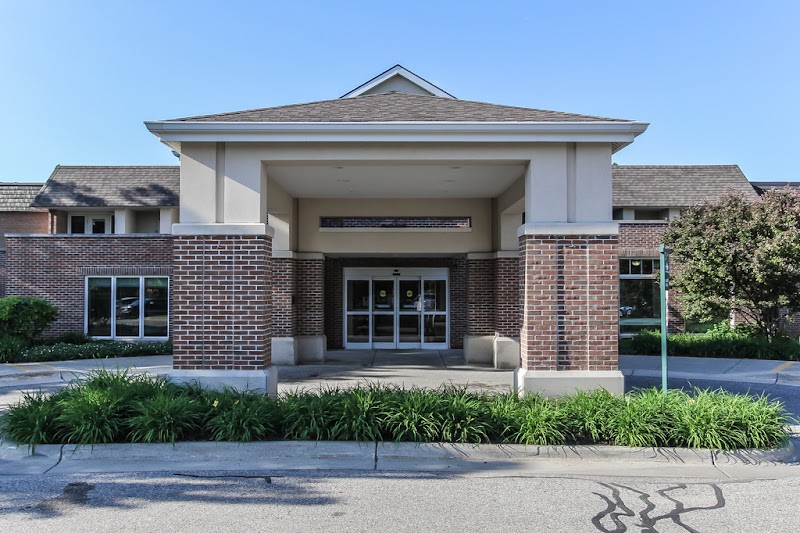
3600 Fulton St E, Grand Rapids, MI 49546 (616) 949-4971
Non profit - Corporation 39 Beds Independent Data: November 2025
Trust Grade
93/100
#76 of 422 in MI
Last Inspection: July 2025

Inspected within the last 6 months. Data reflects current conditions.

Overview

Porter Hills Health Center has received an excellent Trust Grade of A, indicating it is highly recommended and performs better than most facilities. It ranks #76 out of 422 nursing homes in Michigan, placing it in the top half of the state, and #11 out of 28 in Kent County, meaning only ten other local options are better. The facility is on an improving trend, having reduced its issues from five in 2024 to one in 2025. Staffing is a strong point, with a perfect 5-star rating and a turnover rate of only 30%, significantly lower than the state average of 44%. However, there have been some concerns, such as inadequate food storage practices that could lead to foodborne illnesses and instances where personal resident information was not kept private, which could make residents uncomfortable. Additionally, there were periods where no Registered Nurse was on duty for required hours, risking the quality of care. Overall, while there are strengths in staffing and quality ratings, families should be aware of these concerns when considering this facility.
Trust Score
A
93/100
In Michigan
#76/422
Top 18%
Safety Record
Low Risk
No red flags
Inspections
Getting Better
5 → 1 violations
Staff Stability
✓ Good
30% annual turnover. Excellent stability, 18 points below Michigan's 48% average. Staff who stay learn residents' needs.
Penalties
✓ Good
No fines on record. Clean compliance history, better than most Michigan facilities.
Skilled Nurses
✓ Good
Each resident gets 50 minutes of Registered Nurse (RN) attention daily — more than average for Michigan. RNs are trained to catch health problems early.
Violations
○ Average
9 deficiencies on record. Average for a facility this size. Mostly minor or procedural issues.
★★★★★
5.0
Overall Rating
★★★★★
5.0
Staff Levels
★★★★☆
4.0
Care Quality
★★★★★
5.0
Inspection Score
Stable
2024: 5 issues
2025: 1 issues

The Good

  • 5-Star Staffing Rating · Excellent nurse staffing levels
  • 4-Star Quality Measures · Strong clinical quality outcomes
  • Low Staff Turnover (30%) · Staff stability means consistent care
  • Full Sprinkler Coverage · Fire safety systems throughout facility
  • No fines on record
  • Staff turnover is low (30%)

    18 points below Michigan average of 48%

Facility shows strength in staffing levels, quality measures, staff retention, fire safety.

The Bad

No Significant Concerns Identified

This facility shows no red flags. Among Michigan's 100 nursing homes, only 1% achieve this.

The Ugly 9 deficiencies on record

Jul 2025 1 deficiency
CONCERN (E)

Potential for Harm - no one hurt, but risky conditions existed

Deficiency F0583 (Tag F0583)

Could have caused harm · This affected multiple residents

Based on observation, interview, and record review the facility failed to ensure personal resident information was kept private for 20 (Resident #5, #19, #32, #22, #37, #21, #20, #28, #10, #26, #14, #...

Read full inspector narrative →
Based on observation, interview, and record review the facility failed to ensure personal resident information was kept private for 20 (Resident #5, #19, #32, #22, #37, #21, #20, #28, #10, #26, #14, #34, #12, #36, #9, #27, #29, #38, #17, & #8) of 37 residents reviewed for privacy resulting in the feeling of being uncomfortable with others having access to their personal information and the potential for further personal information to be accessed by unauthorized persons. Findings include:Resident #5:Review of Resident #5's brief interview for mental status, dated 6/19/25, was scored 15 which reflected intact cognition. During an observation and interview on 07/22/2025 at 10:34 AM, in Resident #5's room there was an approximately 8 inches by 11 inches piece of paper, untitled and undated, with various pieces of information on 20 residents (Resident #5, #19, #32, #22, #37, #21, #20, #28, #10, #26, #14, #34, #12, #36, #9, #27, #29, #38, #17, & #8) facing up with the information visible. This document was on an approximately thigh high table next to the window in Resident #5's room. This document included columns titled Resident (the residents' last name), Room (resident room number), Size (incontinence brief size; which indicated the residents were incontinent of bowel (feces) and/or bladder (urine)), Underwear, Brief (incontinence brief), or [Brand Name] Pads (type of incontinence pads for bladder leaks) and noted Residents #37, 34, and 38 were on hospice services. Resident #5 was in bed but reported he would get up in his wheelchair at various times during the day and would have been able to view the information on the paper when he was out of bed. Resident #5's Family Member R was visiting and saw the paper/resident information and reported the information appeared to be personal resident information. During an observation on 07/22/2025 at 3:09 PM, the document from the observation on 07/22/2025 at 10:34 AM remained in the same place in Resident #5's room, with personal resident information visible. During an observation on 07/23/2025 at 9:01 AM, the document from the observation on 07/22/2025 at 10:34 AM and 07/22/2025 at 3:09 PM remained in the same place in Resident #5's room. During an interview on 07/24/2025 at 7:57 AM, Certified Nurse Aide (CNA) E reported staff will do Brief rounds (incontinence brief inventory) on Tuesdays and Thursdays and take the list with them for documentation. CNA E reported it would bother her if she was on the list and people had access to her incontinence, brief size, or hospice information.During an interview on 07/24/2025 at 8:04 AM, Certified Nurse Aide (CNA) K confirmed normally when she is done with the incontinence brief inventory sheet, she gives it to a nurse but forgot to do that this time. CNA K reported she usually takes the sheet with her from the resident room and if she has to put it down, she puts it face down so information would not be viewable. CNA K reported if she was on a list like the one being discussed she would not want people (unauthorized persons) to know she was incontinent, knowing her hospice status, and it was a dignity issue having that information viewable to another resident or visitors. During an interview on 07/24/2025 at 10:13 AM, Social Services Coordinator G confirmed Resident #5 gets up into his wheelchair around lunch and dinner time. Resident #19:During an interview on 07/24/2025 at 9:20 AM, Resident #19 was sitting upright in his wheelchair in his room and reported it made him uncomfortable knowing non-staff members had access to information regarding his incontinence status, brief use, and brief size.Review of the facility's Safeguarding of Resident Identifiable Information policy, revised 3/2025, stated, It is the community's policy to implement reasonable and appropriate measures to protect and maintain the safety and confidentiality of the resident's identifiable information and to safeguard against destruction or unauthorized release of information and records.Medical records will not be left in open areas where unauthorized persons could access identifiable resident information.Paper notes or reminders with resident's personal or medical information will not be left unattended or viewable by unauthorized persons. These paper notes and reminders will be disposed of in a way that will not compromise resident's personal or medical information. Applying the reasonable person concept, regarding residents on the incontinence brief list with cognitive deficits who were unable to answer questions, one likely would not desire other residents or visitors to have information about their incontinence, brief use, brief size, or hospice status.
Aug 2024 5 deficiencies
CONCERN (D)

Potential for Harm - no one hurt, but risky conditions existed

Assessment Accuracy (Tag F0641)

Could have caused harm · This affected 1 resident

Based on interview, and record review, the facility failed to accurately complete Minimum Data Set (MDS) assessments in 2 of 12 residents (Resident #18 & #33) reviewed for accuracy of assessments, res...

Read full inspector narrative →
Based on interview, and record review, the facility failed to accurately complete Minimum Data Set (MDS) assessments in 2 of 12 residents (Resident #18 & #33) reviewed for accuracy of assessments, resulting in an inaccurate reflection of the resident's status. Findings include: Review of the Long-Term Care Facility Resident Assessment Instrument 3.0 User's Manual, v1.18.11, Chapter 3 Section O: Special Treatments, Procedures, and Programs, revealed .The intent of the items in this section is to identify any special treatments, procedures, and programs that the resident received or performed during the specified time periods .The treatments, procedures, and programs listed in Item O0110, Special Treatments, Procedures, and Programs, can have a profound effect on an individual's health status, self-image, dignity, and quality of life .Reevaluation of special treatments and procedures the resident received or performed, or programs that the resident was involved in during the 14-day look-back period is important to ensure the continued appropriateness of the treatments, procedures, or programs .Code residents identified as being in a hospice program for terminally ill persons where an array of services is provided for the palliation and management of terminal illness and related conditions. The hospice must be licensed by the state as a hospice provider and/or certified under the Medicare program as a hospice provider . Resident #18 Review of an admission Record revealed Resident #18 was a female, with pertinent diagnoses which included Alzheimer's disease, dementia, anxiety, depression, Parkinson's disease, diabetes, high blood pressure, heart disease, and arthritis. Review of an Order Summary Report for Resident #18 revealed the active physician order .Hospice to treat . with a start date of 1/22/24. Review of a current Care Plan for Resident #18 revealed the focus .I have a terminal prognosis r/t (related to) Alzheimer's Disease . revised 1/31/24, with interventions which included .I am on hospice care. Adjust provision of ADLS (Activities of Daily Living) to compensate for my changing abilities. Encourage (participation) to the extent I wish to participate . initiated 1/31/24. Review of a Minimum Data Set (MDS) assessment for Resident #18, with a reference date of 4/12/24, revealed the Section O0110. Special Treatments, Procedures, and Programs, K1. Hospice care was marked No for While a Resident. In an interview on 8/1/24 at 11:07 AM, Nurse Manager E reported Resident #18 admitted to the facility on Hospice care, and has remained on Hospice for the duration of her stay. Nurse Manager E reported that the MDS Assessment for Resident #18, with a reference date of 4/12/24, should have Hospice care marked Yes and would need to be corrected. Resident #33 Review of an admission Record revealed Resident #33 was a male, with pertinent diagnoses which included Alzheimer's disease, dementia, anxiety, and heart disease. Review of an Order Summary Report for Resident #33 revealed the active physician order .Admit to (Company Name) Hospice Services . with a start date of 4/2/24. Review of a current Care Plan for Resident #33 revealed the focus .I have a terminal prognosis r/t (related to) Alzheimer's Disease . revised 4/2/24, with interventions which included .I am on hospice care. Adjust provision of ADLS (Activities of Daily Living) to compensate for my changing abilities. Encourage (particpation) to the extent I wish to participate . initiated 4/2/24. Review of a Minimum Data Set (MDS) assessment for Resident #33, with a reference date of 4/12/24, revealed the Section O0110. Special Treatments, Procedures, and Programs, K1. Hospice care was marked No for While a Resident. In an interview on 8/1/24 at 12:58 PM, Nurse Manager E reported that she is responsible for completion of the MDS assessments. Nurse Manager E reported the information in regard to Hospice is manually entered into the MDS assessments. Nurse Manager E reported Resident #33's MDS assessment, with a reference date of 4/12/24, was a Significant Change assessment due to his enrollment with Hospice care, and the question about Hospice care in Section O should have been marked Yes and would need to be corrected.
CONCERN (D)

Potential for Harm - no one hurt, but risky conditions existed

Deficiency F0657 (Tag F0657)

Could have caused harm · This affected 1 resident

**NOTE- TERMS IN BRACKETS HAVE BEEN EDITED TO PROTECT CONFIDENTIALITY** Based on observation, interview, and record review, the facility failed to update/revise a comprehensive care plan after a chang...

Read full inspector narrative →
**NOTE- TERMS IN BRACKETS HAVE BEEN EDITED TO PROTECT CONFIDENTIALITY** Based on observation, interview, and record review, the facility failed to update/revise a comprehensive care plan after a change in resident condition in 3 of 12 residents (Resident #18, #8, & #37) reviewed for comprehensive care plans, resulting in an inaccurate reflection of the resident's status, and the potential for unmet medical, physical, mental, and psychosocial needs. Findings include: Review of the Long-Term Care Facility Resident Assessment Instrument 3.0 User's Manual, v1.18.11, Chapter 4: Care Area Assessment (CAA) Process and Care Planning, revealed .the comprehensive care plan is an interdisciplinary communication tool. It must include measurable objectives and time frames and must describe the services that are to be furnished to attain or maintain the resident's highest practicable physical, mental, and psychosocial well-being. The care plan must be reviewed and revised periodically, and the services provided or arranged must be consistent with each resident's written plan of care . Resident #18 Review of an admission Record revealed Resident #18 was a female, with pertinent diagnoses which included Alzheimer's disease, dementia, anxiety, major depression with psychotic symptoms, insomnia, Parkinson's disease, and claustrophobia. Review of a Hospice Interdisciplinary Group Conference Communication note for Resident #18, dated 6/27/24, revealed .writer informed by staff nurse .that patient having episode of extreme agitation and restlessness, and that they are unable to redirect patient. Writer also attempted to verbally redirect and de-escalate patient, she was repeatedly tearful and demanding that staff push her around (in) wheelchair, however, due to patients positioning, she was only half seated (in) wheelchair and staff and writer tried to explain that they could not push her until she sat further back in the wheelchair, further angering patient .(Nurse Manager E) contacted facility physician and received new order for 1 mg haldol scheduled every 3 hours, as well as to discontinue scheduled seroquel . Review of an Order Summary Report for Resident #18 revealed the physician order .SEROquel Oral Tablet 25 MG (Quetiapine Fumarate) Give 2 tablet by mouth two times a day for anxiety, psychosis . which was ordered on 6/3/24 had a status of discontinued. Review of an Order Summary Report for Resident #18 revealed the active physician order Haloperidol Lactate Concentrate 2 MG/ML Give 0.5 milliliter by mouth every 3 hours . with a start date of 6/27/24. No active order noted for Seroquel. Review of a Health Status Note for Resident #18, dated 7/3/24, revealed .Resident doing well on new medication change to Haldol. Resident is enjoying activities with many of the resident and eating with them. Resident is less anxious and smiles more frequently . In an observation on 7/31/24 at 11:47 AM, Registered Nurse (RN) L prepared and administered 0.5 mL of Haloperidol Lactate Concentrate 2 MG/ML to Resident #18 at the medication cart. Noted Resident #18 took the medication with no issue. No negative mood or behaviors noted at this time. Review of a current Care Plan for Resident #18 revealed the focus .I use antipsychotic medication .r/t (related to) psychosis, depression. I am prescribed Seroquel . revised 4/22/24, with interventions which included .I am getting (an) increase in Seroquel for my hallucinations . initiated 6/3/24. Note the Seroquel for Resident #18 was discontinued on 6/27/24. In an interview on 8/1/24 at 11:07 AM, Nurse Manager E reported Resident #18 is .much more stable . after the medication change from Seroquel to Haldol on 6/27/24. Nurse Manager E reported they attempted to increase Resident #18's Seroquel dose prior to the medication change, however, the increased dose did not reduce Resident #18's episodes of tearfulness and anxiety. Nurse Manager E reported Care Plans should be updated by the Interdisciplinary Team after changes in resident condition/status. According to [NAME], [NAME] A.; [NAME], [NAME] Griffin; Stockert, [NAME]; Hall, [NAME]. Fundamentals of Nursing, Tenth Edition - E-Book (Kindle Location 15861 of 76897). Elsevier Health Sciences.A nursing care plan includes nursing diagnoses, goals and/or expected outcomes, individualized nursing interventions, and a section for evaluation findings .The plan promotes continuity of care and better communication because it informs all health care providers about a patient's needs and interventions and reduces the risk for incomplete, incorrect, or inappropriate care measures. Nurses revise a plan when a patient's status changes .The plan of care communicates nursing care priorities to nurses and other health care providers. It also identifies and coordinates resources for delivering nursing care . Resident #8 (R8) On 7/30/2024 at 11:00 AM, R8 was observed sitting in a wheelchair in her room and asked what the objects were that she saw from her window; R8 was not wearing glasses. R8's Minimum Data Set (MDS) with an assessment reference date of 5/13/2024 revealed she was admitted to the facility on [DATE] and had a Brief Interview for Mental Status, (BIMS) a brief cognitive screener score of 06 (00-07 Severe Cognitive Impairment). The same MDS assessment revealed R8 had the diagnoses of glaucoma, diabetes mellitus, and dementia. In review of R8's medical record, she had an eye exam on 6/05/2024 and eyeglasses with bifocals were ordered. Progress Notes dated 6/16/2024 at 11:16 AM revealed R8 received eyeglasses with a light purple frame in a black case. In review of R8's care plans, there was no mention she wore glasses. Nurse Manager (NM) E was interviewed on 7/31/2024 at 1:18 PM and stated R8 did not wear glasses. After review of R8's medical record, NM E stated the nurse should have updated R8's care plan when she received her glasses and would have to do some education with the nurse. Certified Nurse Assistant (CNA) H was interviewed on 8/01/2024 at 11:38 AM and stated she had been caring for R8 for a few weeks and haven't seen any glasses for her. Resident #37 (R37) In review of R37's MDS with assessment reference date of 6/11/2024, he was admitted to the facility on [DATE]; had a BIMS score of 13 (13-15 Cognitively intact). The same MDS indicated R37 had a diagnosis of dementia and had a history of a stroke with weakness/paralysis on one side of his body. Occupational Therapy (OT) Evaluation and Plan of Treatment dated 5/01/2024 indicated R37 had impaired range of motion and strength of his left upper extremity and a contracture of his left elbow. The same evaluation revealed R37 was unable to functionally use his left upper extremity for activities of daily living (ADL). The same treatment plan indicated R37's goal was to improve function of his left arm. OT Discharge summary dated [DATE] revealed R37 was discharged from OT due to highest practical level had been achieved. Discharge recommendations included R37 continue with home exercise program, staff to complete passive range of motion of his left upper extremity. The same summary indicated R37's written program was left in his room for staff to complete. In review of R37's care plans, a home exercise program with passive range of motion was not included. CNA H was interviewed on 8/01/2024 at 1:37 PM and stated she was not aware of R37's home exercise program that was to be completed with staff. OT Q was interviewed on 8/01/2024 at 11:56 AM and stated a detailed range of motion plan for R37 was put in his room, prior to his discharge from OT on 7/11/24. OT Q stated he probably should have given a copy of R37's home exercise plan to the nurse manager. During an interview on 8/01/2024 at 12:17 PM, NM E stated when residents were discharged from therapy services, they were to give exercise plans to the nurse and the nurse was to update the care plan.
CONCERN (D)

Potential for Harm - no one hurt, but risky conditions existed

Accident Prevention (Tag F0689)

Could have caused harm · This affected 1 resident

Based on observation, interview, and record review, the facility failed to thoroughly assess, investigate and prevent falls, in one of three residents reviewed for falls (Resident #37), resulting in l...

Read full inspector narrative →
Based on observation, interview, and record review, the facility failed to thoroughly assess, investigate and prevent falls, in one of three residents reviewed for falls (Resident #37), resulting in likelihood of additional falls and injuries. Findings include: Resident #37 (R37) On 7/30/2024 at 9:56 AM, R37 was observed lying in bed and stated he fell from his wheelchair recently attempting to reach for his call light and had scraped his back. In review of R37's Minimum Data Set (MDS) with assessment reference date of 6/11/2024, he was admitted at the facility on 2/29/2024; had a Brief Interview for Mental Status (BIMS, a short cognitive screener) score of 13 (13-15 Cognitively intact). The same MDS indicated R37 had a diagnosis of dementia and had a history of a stroke with weakness/paralysis on one side of his body. Incident Report dated 3/07/2024 at 9:45 AM revealed R37 fell in his room and called a family member for help. The same report revealed R37 was observed lying on his left side next to the bed in his room and stated to staff he was reaching for his cell phone with his right hand, the phone was on his bedside dresser on his left side. The same report indicated R37 was not able to grasp anything with his left hand. R37 reported he scraped his right shoulder and upper back on the bed. R37 could not reach his call light and was able to grab the cord of his cell phone to call his family for help after falling from his bed. R37's items were all moved to a bedside table on the right side of his bed, including his cell phone. Certified nurse assistants (CNA's) were all instructed to be sure R37's cell phone and call light were always placed on his right side. Post fall evaluation dated 3/07/24 at 9:45 AM included fall details, contributing factors, physical finds, medication review, vital signs, skin assessment and clinical comments. R37's risk for falls Care Plan dated 3/08/2024 instructed to ensure personal items were within reach and cell phone was placed on his right side. Incident Report dated 3/12/2024 at 4:16 PM indicated R37 was observed lying on the floor with his wheelchair behind him. The same report indicated the CNA had witnessed R37 sliding out of his wheelchair as she entered his room. In review of R37's medical record, there was no post fall evaluation completed after R37's fall on 3/12/2024. Occupational Therapy (OT) Evaluation and Plan of Treatment dated 5/01/2024 indicated R37 had impaired range of motion and strength of his left upper extremity and a contracture of his left elbow. The same evaluation revealed R37 was unable to functionally use his left upper extremity for activities of daily living (ADL). The same treatment plan indicated R37's goal was to improve function of his left arm.
CONCERN (D)

Potential for Harm - no one hurt, but risky conditions existed

Deficiency F0883 (Tag F0883)

Could have caused harm · This affected 1 resident

**NOTE- TERMS IN BRACKETS HAVE BEEN EDITED TO PROTECT CONFIDENTIALITY** Based on interview, and record review, the facility failed to ensure residents were screened for eligibility to receive pneumoco...

Read full inspector narrative →
**NOTE- TERMS IN BRACKETS HAVE BEEN EDITED TO PROTECT CONFIDENTIALITY** Based on interview, and record review, the facility failed to ensure residents were screened for eligibility to receive pneumococcal vaccinations and receive vaccination if eligible for 2 (Resident #9 and #18) of 5 residents reviewed for vaccinations, resulting in the potential of acquiring, transmitting, or experiencing complications from pneumococcal pneumonia. Findings include: Resident #9 Review of an admission Record revealed Resident #9 was originally admitted to the facility on [DATE] with pertinent diagnoses which included type 2 diabetes. Review of Resident #9's Immunization Record indicated that Resident #9 received a PCV13 (pneumococcal vaccination) on 5/2/2017. During an interview on 7/31/24 at 2:35 PM, Director of Nursing (DON) B reported that she was responsible for ensuring all residents were screened for vaccination eligibility and administration. DON B was unable to report when Resident #9 was last reviewed for pneumococcal vaccination eligibility. In a communication via email on 7/31/24 at 5:10 PM, DON B reported that .(Resident #9) was due for the PCV20 vaccination and was just offered the vaccination today by nurse manager . On 7/31/24, at 6:05 PM, the facility provided a copy of Resident #9's Patient Vaccination/Informed Consent/Declination form dated 7/31/24. The form indicated that Resident #9 was eligible to receive the PCV20 (pneumococcal vaccination) and Resident #9's guardian gave verbal consent for Resident #9 to receive the vaccination on 7/31/24. During a follow up interview on 8/01/24 at 8:44 AM, DON B reported that Resident #9's screening for the pneumococcal vaccination was missed by the facility. Resident #18 Review of an admission Record revealed Resident #18 was originally admitted to the facility on [DATE] with pertinent diagnoses which included Alzheimer's disease. Review of Resident #18's Immunization Record indicated that Resident #18 received the PPSV23 (pneumococcal vaccination) on 6/25/2019. During an interview on 7/31/24 at 2:35 PM, DON B was unable to report when Resident #18 was last reviewed for pneumococcal vaccination eligibility. On 7/31/24, at 6:04 PM, the facility provided a copy of Resident #18's Patient Vaccination/Informed Consent/Declination form dated 7/31/24. The form indicated that Resident #18 was eligible to receive the PCV20 and Resident #18's guardian gave verbal consent for Resident #18 to receive the PCV20 (pneumococcal vaccination) on 7/31/24. During an interview on 8/01/24 at 12:35 PM, DON B reported that Resident #18 had not been screened for pneumococcal vaccination eligibility until 7/31/24. DON B reported that Resident #18 was eligible to receive the PCV20. Review of the facility's Resident Pneumococcal Vaccination Policy dated January 2021 revealed, It is our policy to offer our residents immunization against pneumococcal disease in accordance with current CDC guidelines and recommendations .
CONCERN (F)

Potential for Harm - no one hurt, but risky conditions existed

Food Safety (Tag F0812)

Could have caused harm · This affected most or all residents

Based on observation, interview, and record review, the facility failed to store and prepare food in accordance with professional standards for food service safety. This deficient practice has the pot...

Read full inspector narrative →
Based on observation, interview, and record review, the facility failed to store and prepare food in accordance with professional standards for food service safety. This deficient practice has the potential to result in food borne illness among all residents who consume food from the kitchen. Findings include: During a tour of the facility, starting at 9:40 AM on 7/30/24, an interview with Chef Manager U found that the facility does not cool much, but they do maintain a log for cooling. During a tour of the walk-in cooler, at 9:46 AM on 7/30/24, it was observed that three 1/8th pans of leftover breakfast puree items were found in the walk in cooler warm to the touch and covered in saran wrap. When asked about the items, Chef Manager U stated they don't typically keep those items. During a revisit to the kitchen, at 3:12 PM on 7/30/24, it was observed that a 1.5 gallon container of Corn chowder soup was found in the walk in cooler covered with saran wrap. A temperature of the soup was taken at this time and was found to be 107ºF in the middle. An interview with [NAME] V and Dining Services Manager X found that food being cooled should get to 135 to 70 within 2 hours, When asked what time the soup was at 135ºF? [NAME] V and Dining Services Manager X were unsure, but knew it was pulled from lunch today which was done around 12:30-12:45 PM. When asked what should be done with the soup, [NAME] V and Dining Services Manager X agreed to discard the soup. According to the 2017 FDA Food Code section 3-501.14 Cooling. (A) Cooked TIME/TEMPERATURE CONTROL FOR SAFETY FOOD shall be cooled: (1) Within 2 hours from 57ºC (135ºF) to 21ºC (70°F); and (2) Within a total of 6 hours from 57ºC (135ºF) to 5ºC (41°F) or less . According to the 2017 FDA Food Code section 3-501.15 Cooling Methods. (A) Cooling shall be accomplished in accordance with the time and temperature criteria specified under § 3-501.14 by using one or more of the following methods based on the type of FOOD being cooled: (1) Placing the FOOD in shallow pans; (2) Separating the FOOD into smaller or thinner portions; (3)Using rapid cooling EQUIPMENT; (4) Stirring the FOOD in a container placed in an ice water bath; (5) Using containers that facilitate heat transfer; (6) Adding ice as an ingredient; or (7) Other effective methods. (B) When placed in cooling or cold holding EQUIPMENT, FOOD containers in which FOOD is being cooled shall be: (1) Arranged in the EQUIPMENT to provide maximum heat transfer through the container walls; and (2) Loosely covered, or uncovered if protected from overhead contamination as specified under Subparagraph 3-305.11(A)(2), during the cooling period to facilitate heat transfer from the surface of the FOOD. During a tour of the cooks walk in cooler, at 10:04 AM on 7/30/24, it was found that packages of cooked shredded beef were thawing on an expediting rack under thawing portions of whole muscle raw animal product. When asked if this was the proper way to store raw animal product with ready to eat foods, Chef Manager U stated he would rearrange the items so that raw goes underneath, and placed the cooked shredded beef on the top of the rack. During a tour of the preparation cooler on the front serving line, at 3:16 PM on 7/30/24, it was observed that five raw hamburger patties were found stored on the top of the wire rack in a plastic bag. Next to and under the raw patties, were a container of grape jelly and a plastic bag of sliced turkey. According to the 2017 FDA Food Code section 3-302.11 Packaged and Unpackaged Food -Separation, Packaging, and Segregation. (A) FOOD shall be protected from cross contamination by: (1) Except as specified in (1)(d) below, separating raw animal FOODS during storage, preparation, holding, and display from: (a) Raw READY-TO-EAT FOOD including other raw animal FOOD such as FISH for sushi or MOLLUSCAN SHELLFISH, or other raw READY-TO-EAT FOOD such as fruits and vegetables,(b) Cooked READY-TO-EAT FOOD . During a tour of the health center pantry, at 10:41 AM on 7/30/24, it was observed that the single door freezer was found with a loose seal and gasket which is allowing humid air to accumulate ice inside the freezer. During a tour of the health center pantry, at 10:45 AM on 7/30/24, it was observed that the underside of the drink spouts found heavy black accumulation around the base of the juice dispensers. According to the 2017 FDA Food Code section 4-601.11 Equipment, Food-Contact Surfaces, Nonfood-Contact Surfaces, and Utensils.(C) NonFOOD-CONTACT SURFACES of EQUIPMENT shall be kept free of an accumulation of dust, dirt, FOOD residue, and other debris.
Jun 2023 3 deficiencies
CONCERN (D)

Potential for Harm - no one hurt, but risky conditions existed

Deficiency F0688 (Tag F0688)

Could have caused harm · This affected 1 resident

**NOTE- TERMS IN BRACKETS HAVE BEEN EDITED TO PROTECT CONFIDENTIALITY** Based on interview and record review, the facility failed to implement a home exercise program (HEP also known as restorative ex...

Read full inspector narrative →
**NOTE- TERMS IN BRACKETS HAVE BEEN EDITED TO PROTECT CONFIDENTIALITY** Based on interview and record review, the facility failed to implement a home exercise program (HEP also known as restorative exercise program) per physician order for 1 (Resident #18) of 1 resident reviewed for rehabilitation and restorative services resulting in the potential for decline in range of motion and mobility and increased weakness. Findings include: Resident #18 Review of a Face Sheet revealed Resident #18 was a male, with pertinent diagnoses which included: weakness; primary osteoarthritis, left shoulder; and primary osteoarthritis, right shoulder. Review of a Minimum Data Set (MDS) assessment for Resident #18, with a reference date of 4/15/23 revealed a Brief Interview for Mental Status (BIMS) score of 12, out of a total possible score of 15, which indicated Resident #12 was cognitively impaired. In an interview on 6/12/23 at 11:40 AM, Resident #18 reported would like to have more therapy. Resident #18 reported had been receiving therapy 2-3 times per week to work on his arms but thought therapy was done with him on that. Resident #18 reported facility staff had not done any exercises with him. Review of a Physician Order for Resident #18 revealed, OT (occupational therapy) clarification order: OT discharged with HEP (home exercise program) in place 6/7/23 Verbal Active 6/9/23 In an interview on 6/14/23 at 11:07 AM, Nurse Manager (NM) R reported the facility did not have a rehabilitation program and that people who received Medicare Part B went to outpatient therapy if needed. NM R reported when residents were discharged from outpatient therapy, a home exercise program (HEP) was developed by therapy (when needed) and communicated to the facility for implementation. NM R reported when a resident was on a HEP, there would be a physician order in place, and it would be care planned and entered on the resident [NAME] (individualized care guide about the resident) for the staff to know what exercises to do with the resident. In an interview on 6/14/23 at 11:27 AM, Licensed Practical Nurse (LPN) O reported as a nurse, did not perform any exercises with Resident #18. LPN O stated, If we were supposed to, we would be prompted to on the computer. In an interview on 6/14/23 at 11:33 AM, Certified Nurse Aide (CENA) DD reported had done HEP with some residents, but that Resident #18 did not have a HEP in place. CENA DD reported usually had Resident #18 on their assignment every time they worked, and I haven't had to do anything with him yet. CENA DD reported the HEP for the resident would be on their Care Plan and [NAME] in the computer. CENA DD looked at Resident #18's Care Plan and [NAME] on their hand-held computer and reported there was nothing in the computer for him. On 6/14/23 at 11:45 AM, this surveyor reviewed Resident #18's current Care Plan and [NAME] and found no documentation of a HEP for Resident #18. In an interview on 6/14/23 at 11:52 AM, NM R was requested to provide SA (State Agency) with a copy of Resident #18's HEP in place since 6/7/23 per physician order. NM R reported would have to follow up with the therapy manager from homecare because had not received the HEP to enter into Resident #18's Care Plan and [NAME].
CONCERN (D)

Potential for Harm - no one hurt, but risky conditions existed

Infection Control (Tag F0880)

Could have caused harm · This affected 1 resident

**NOTE- TERMS IN BRACKETS HAVE BEEN EDITED TO PROTECT CONFIDENTIALITY** Based on observation, interview, and record review, the facility failed to perform proper hand hygiene during wound care dressin...

Read full inspector narrative →
**NOTE- TERMS IN BRACKETS HAVE BEEN EDITED TO PROTECT CONFIDENTIALITY** Based on observation, interview, and record review, the facility failed to perform proper hand hygiene during wound care dressing change for 1 resident (Resident #185) reviewed for wound care resulting in the potential for the spread of infection, cross-contamination, and disease transmission for residents residing in the facility. Findings include: Resident #185 Review of an admission Record revealed Resident #185, was originally admitted to the facility on [DATE] with pertinent diagnoses which included: lymphedema (Tissue swelling caused by an accumulation of fluid, most commonly occurring in the arms and legs) Review of a Minimum Data Set (MDS) assessment for Resident #185, with a reference date of 5/19/23 revealed a Brief Interview for Mental Status (BIMS) score of 15/15 which indicated Resident #185 was cognitively intact. During an observation on 06/13/23 at 10:57 AM., Licensed Practical Nurse (LPN) O entered Resident #185's room, applied gloves, and did not perform hand hygiene. LPN O removed a plastic bag from around Resident #185's left foot, placed the bag into garbage can. LPN O then picked up the garbage can and moved it to the end of bed, removing a plastic bag from Resident #185's right foot placing it into garbage. LPN O opened dressing supplies on the bedside table, cut open the tops of triple antibiotic ointment packages with scissors from the table, and squeezed ointment onto non-adherent pads. LPN O rubbed together the non-adherent pads to spread ointment. LPN O picked up the scissors from the bedside table to cut the dressing free from Resident #185's right leg and placed the scissors back onto the bedside table. LPN O removed the dressing from Resident #185's right leg and used the supplies from the bedside table to cleanse and redress the wound. LPN O picked up the scissors from the bedside table to cut the blood saturated dressing from Resident #185's left leg. LPN O placed the scissors onto the bedside table, removed the blood saturated dressing and moved the blood-soaked linen from under Resident #185's left leg to the foot of the bed. LPN O then applied the new dressing to Resident #185's left leg. LPN O did not perform hand hygiene when transitioning between right and left legs or from clean to soiled supplies. LPN O placed the scissors into his pocket without cleaning. At no time during the dressing change did LPN O perform hand hygiene or change gloves. In an interview on 06/14/2023 at 11:30 AM., LPN O reported hand hygiene was supposed to be completed before going into a resident's room and when coming out of a resident's room. LPN O reported hand hygiene should be done before, during, and after a dressing change. In an interview on 06/14/23 at 01:33 PM., Director of Nursing, (DON) B reported that hand hygiene should be completed before entering any resident room and after exiting a resident room. DON B reported during wound dressing changes the expectation was for nursing staff to perform proper hand hygiene (which includes the use of hand sanitizer and/or hand washing with soap) according to Centers for Disease Control and Prevention (CDC) guidelines and facility policy. DON B reported during wound dressing changes for Resident #185, LPN O should have performed hand hygiene and changed gloves when transitioning between clean and soiled items. Review of a facility Policy titled Hand Hygiene with no date and a reference from (CDC Guidelines) revealed: Policy- hand hygiene should be performed before applying and after removing personal protective equipment (PPE), including gloves . before and after handling clean or soiled dressings, linens . before performing resident care procedures .after handling items potentially contaminated with blood .when during resident care moving from a contaminated body site to a clean body site . Centers for Disease Control and Prevention. Guidelines for Hand Hygiene in Health-Care Settings, 2002. Accessible version located at https://www.cdc.gov/handhygiene/providers/index.html. Accessed May 2019 .
CONCERN (F)

Potential for Harm - no one hurt, but risky conditions existed

Deficiency F0727 (Tag F0727)

Could have caused harm · This affected most or all residents

**NOTE- TERMS IN BRACKETS HAVE BEEN EDITED TO PROTECT CONFIDENTIALITY** Based on interview and record review, the facility failed to assure a Registered Nurse was on duty for eight consecutive hours a...

Read full inspector narrative →
**NOTE- TERMS IN BRACKETS HAVE BEEN EDITED TO PROTECT CONFIDENTIALITY** Based on interview and record review, the facility failed to assure a Registered Nurse was on duty for eight consecutive hours a day seven days a week, resulting in the potential for inadequate coordination of emergent or routine care with negative clinical outcome affecting all residents in the facility. Findings include: Review of the Payroll Based Journal (PBJ) report revealed: the facility triggered for No RN Hours .four (4 ) or more days within the quarter with no RN hours. for the Fiscal Year (FY) Quarter 2 2023 ([DATE] - [DATE]) On the following dates: No RN Hours Triggered for 1/2/23 (Mon); 1/7/23 (Sat); 1/8/23 (Sun); 1/15/23 (Sun); 1/21/23 (Sat); 1/22/23 (Sun); 2/4/23 (Sat); 2/11/23 (Sat); 2/12/23 (Sun); 2/25/23 (Sat) . During an interview on 6/14/23 at 12:30 PM., Nursing Home Administrator (NHA) A reported during the beginning of the year (January and February 2023) their (the facilities) weekend Registered Nurse (RN) that typically worked the weekend shifts had broken her ankle. NHA A reported she had a difficult time trying to fill the RN position for the weekends. NHA A reported there was not the appropriate RN covered for the dates of 1/2/23 (Mon); 1/7/23 (Sat); 1/8/23 (Sun); 1/15/23 (Sun); 1/21/23 (Sat); 1/22/23 (Sun); 2/4/23 (Sat); 2/11/23 (Sat); 2/12/23 (Sun); 2/25/23 (Sat).
Understanding Severity Codes (click to expand)
Life-Threatening (Immediate Jeopardy)
J - Isolated K - Pattern L - Widespread
Actual Harm
G - Isolated H - Pattern I - Widespread
Potential for Harm
D - Isolated E - Pattern F - Widespread
No Harm (Minor)
A - Isolated B - Pattern C - Widespread

Questions to Ask on Your Visit

  • "Can I speak with families of current residents?"
  • "What's your RN coverage like on weekends and overnight?"

Our Honest Assessment

Strengths
  • • Grade A (93/100). Above average facility, better than most options in Michigan.
  • • No major safety red flags. No abuse findings, life-threatening violations, or SFF status.
  • • No fines on record. Clean compliance history, better than most Michigan facilities.
  • • 30% annual turnover. Excellent stability, 18 points below Michigan's 48% average. Staff who stay learn residents' needs.
Concerns
  • • No significant concerns identified. This facility shows no red flags across CMS ratings, staff turnover, or federal penalties.
Bottom line: Generally positive indicators. Standard due diligence and a personal visit recommended.

About This Facility

What is Porter Hills Health Center's CMS Rating?

CMS assigns Porter Hills Health Center an overall rating of 5 out of 5 stars, which is considered much above average nationally. Within Michigan, this rating places the facility higher than 99% of the state's 100 nursing homes. This rating reflects solid performance across the metrics CMS uses to evaluate nursing home quality.
How is Porter Hills Health Center Staffed?

CMS rates Porter Hills Health Center's staffing level at 5 out of 5 stars, which is much above average compared to other nursing homes. Staff turnover is 30%, compared to the Michigan average of 46%. This relatively stable workforce can support continuity of care.

What Have Inspectors Found at Porter Hills Health Center?

State health inspectors documented 9 deficiencies at Porter Hills Health Center during 2023 to 2025. These included: 9 with potential for harm.

Who Owns and Operates Porter Hills Health Center?

Porter Hills Health Center is owned by a non-profit organization. Non-profit facilities reinvest revenue into operations rather than distributing to shareholders. The facility operates independently rather than as part of a larger chain. With 39 certified beds and approximately 38 residents (about 97% occupancy), it is a smaller facility located in Grand Rapids, Michigan.

How Does Porter Hills Health Center Compare to Other Michigan Nursing Homes?

Compared to the 100 nursing homes in Michigan, Porter Hills Health Center's overall rating (5 stars) is above the state average of 3.2, staff turnover (30%) is significantly lower than the state average of 46%, and health inspection rating (5 stars) is much above the national benchmark.

What Should Families Ask When Visiting Porter Hills Health Center?

Based on this facility's data, families visiting should ask: "Can I visit during a mealtime to observe dining assistance and food quality?" "How do you handle medical emergencies, and what is your hospital transfer rate?" "Can I speak with family members of current residents about their experience?"

Is Porter Hills Health Center Safe?

Based on CMS inspection data, Porter Hills Health Center has a clean safety record: no substantiated abuse findings (meaning no confirmed cases of resident harm), no Immediate Jeopardy citations (the most serious violation level indicating risk of serious injury or death), and is not on the Special Focus Facility watch list (a federal program monitoring the lowest-performing 1% of nursing homes). The facility has a 5-star overall rating and ranks #1 of 100 nursing homes in Michigan. While no facility is perfect, families should still ask about staff-to-resident ratios and recent inspection results during their visit.

Do Nurses at Porter Hills Health Center Stick Around?

Staff at Porter Hills Health Center tend to stick around. With a turnover rate of 30%, the facility is 16 percentage points below the Michigan average of 46%. Low turnover is a positive sign. It means caregivers have time to learn each resident's needs, medications, and personal preferences. Consistent staff also notice subtle changes in a resident's condition more quickly.

Was Porter Hills Health Center Ever Fined?

Porter Hills Health Center has no federal fines on record. CMS issues fines when nursing homes fail to meet care standards or don't correct problems found during inspections. The absence of fines suggests the facility has either maintained compliance or corrected any issues before penalties were assessed. This is a positive indicator, though families should still review recent inspection reports for the full picture.

Is Porter Hills Health Center on Any Federal Watch List?

Porter Hills Health Center is not on any federal watch list. The most significant is the Special Focus Facility (SFF) program, which identifies the bottom 1% of nursing homes nationally based on persistent, serious quality problems. Not being on this list means the facility has avoided the pattern of deficiencies that triggers enhanced federal oversight. This is a positive indicator, though families should still review the facility's inspection history directly.