SKLD Leonard

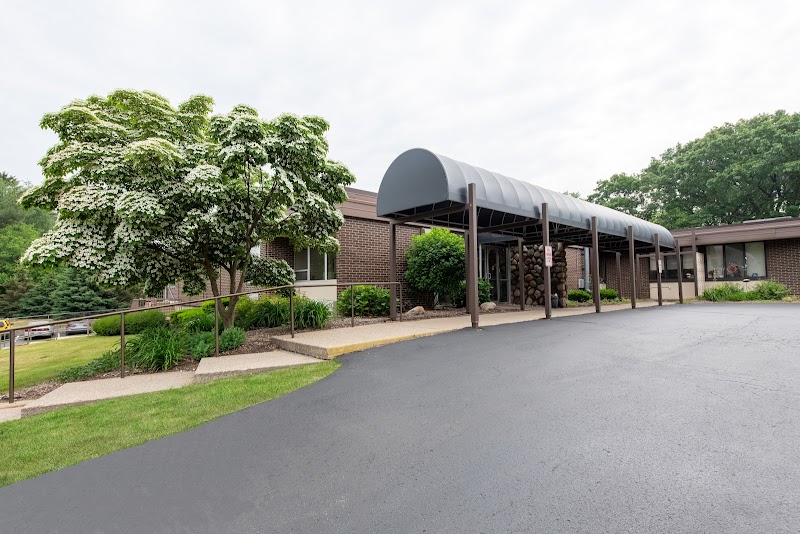
1700 Leonard Street NE, Grand Rapids, MI 49505 (616) 456-7243
Non profit - Other 69 Beds SKLD Data: November 2025
Trust Grade
43/100
#230 of 422 in MI
Last Inspection: February 2025

Within standard 12-15 month inspection cycle. Federal law requires annual inspections.

Overview

SKLD Leonard in Grand Rapids, Michigan has received a Trust Grade of D, indicating it is below average with some significant concerns. It ranks #230 out of 422 facilities in Michigan, placing it in the bottom half, and #19 out of 28 in Kent County, suggesting limited local options for better care. The facility's trend is worsening, as issues increased from 7 in 2024 to 9 in 2025, and while staff turnover is average at 51%, the staffing rating is only 3 out of 5 stars, indicating room for improvement. The facility has incurred $4,196 in fines, which is average, but several serious incidents were reported, including inadequate supervision for a resident with multiple health issues, leading to a potential fall risk, and failures in managing skin integrity for residents at risk of pressure ulcers. Overall, while there are some strengths in staffing stability, the facility has notable weaknesses that families should carefully consider.

Trust Score
D
43/100
In Michigan
#230/422
Bottom 46%
Safety Record
High Risk
Review needed
Inspections
Getting Worse
7 → 9 violations
Staff Stability
⚠ Watch
51% turnover. Above average. Higher turnover means staff may not know residents' routines.
Penalties
✓ Good
$4,196 in fines. Lower than most Michigan facilities. Relatively clean record.
Skilled Nurses
✓ Good
Each resident gets 43 minutes of Registered Nurse (RN) attention daily — more than average for Michigan. RNs are trained to catch health problems early.
Violations
⚠ Watch
32 deficiencies on record. Higher than average. Multiple issues found across inspections.
★★★☆☆
3.0
Overall Rating
★★★☆☆
3.0
Staff Levels
★★★☆☆
3.0
Care Quality
★★★☆☆
3.0
Inspection Score
Stable
2024: 7 issues
2025: 9 issues

The Good

  • Full Sprinkler Coverage · Fire safety systems throughout facility
  • No fines on record

Facility shows strength in fire safety.

The Bad

3-Star Overall Rating

Near Michigan average (3.1)

Meets federal standards, typical of most facilities

Staff Turnover: 51%

Near Michigan avg (46%)

Higher turnover may affect care consistency

Federal Fines: $4,196

Below median ($33,413)

Minor penalties assessed

Chain: SKLD

Part of a multi-facility chain

Ask about local staffing decisions and management

The Ugly 32 deficiencies on record

3 actual harm
Jun 2025 1 deficiency
CONCERN (D) 📢 Someone Reported This

A family member, employee, or ombudsman was alarmed enough to file a formal complaint

Potential for Harm - no one hurt, but risky conditions existed

Accident Prevention (Tag F0689)

Could have caused harm · This affected 1 resident

**NOTE- TERMS IN BRACKETS HAVE BEEN EDITED TO PROTECT CONFIDENTIALITY** This citation pertains to intake #MI00151905 Based on interview, and record review, the facility failed to provide adequate supe...

Read full inspector narrative →
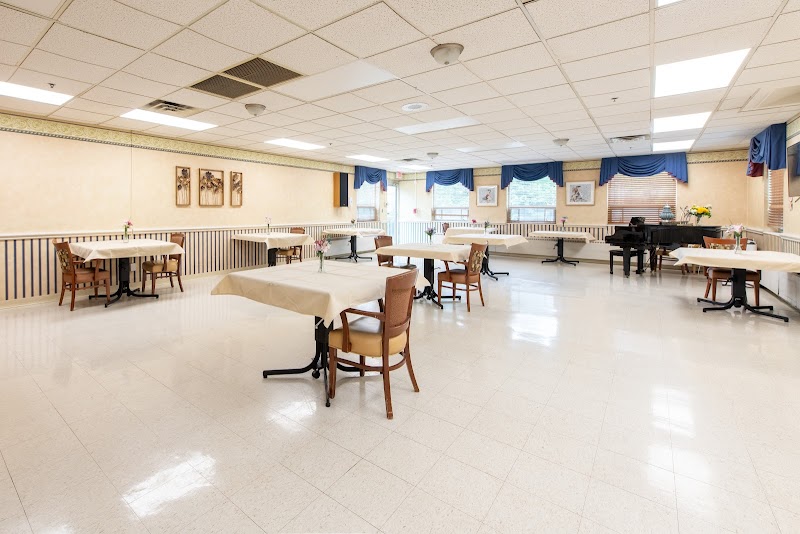
**NOTE- TERMS IN BRACKETS HAVE BEEN EDITED TO PROTECT CONFIDENTIALITY** This citation pertains to intake #MI00151905 Based on interview, and record review, the facility failed to provide adequate supervision in 1 resident (Resident #101) of 3 residents, reviewed for elopement, when Resident #101, who was actively exit seeking and a high fall risk, exited the facility unattended on 3/27/25 and descended 16 concrete steps to a parking lot, resulting in the potential for serious injury and/or harm. Findings include: Review of an admission Record revealed Resident #101 was originally admitted to the facility on [DATE], with pertinent diagnoses which included: repeated falls, delusional disorder, parkinson's disease, and alzheimer's disease. Review of Resident #101's Wandering risk scale assessment dated [DATE] indicated a high risk to wander. Review of Resident #101's Care Plan revealed, .elopement risk r/t (related to) delusion at times when resident is confused due to lewy bodies (a gradual decline in mental abilities). Created on 2/24/2023 .Interventions: May wander or attempt to leave facility unattended: triggers for wandering/eloping are thinking that people are trying to get her, or violence is occurring outside. De-escalated by redirection, speaking to her about things, active listening. Created on 8/30/2024, Distract resident when increased wandering by offering pleasant diversions, structured activities, food, conversation, television, book, etc. per resident preferences. Created on: 2/24/2023, Encourage rest periods as tolerated if fatigue or weakness observed with wander and/or exit seeking behavior. Created on: 2/24/2023, Provide structured activities; toileting, walking inside and outside, reorientation strategies including signs, pictures and memory boxes, etc. to identify personal space. Created on: 2/24/2023, Provide visual reminders and/or deterrents to high risk exit locations per facility protocol. Created on: 8/30/2024 . Review of the Facility Reported Incident (FRI) dated 3/27/25 revealed, .Resident (Resident #101) exited the facility unsupervised at 5:10 AM. She exited the building through the left exit doors in the main dining room .Interviews/Investigation Timeline: 2:30 AM Resident was wandering hallways looking for family. Resident had been testing doors in the front lobby but was able to be redirected. Resident awoke at 3:20 AM asking nursing staff to bring her to her sister's house and stating that she wants to go home. Gave PRN (as needed) pain medication for c/o (complaints of) leg pain and PRN Ativan for anxiousness and her urgent requests to leave. Resident drank 180 cc med pass (nutritional supplement). Ambulated thru-out facility and resident hallways. Roughly 5:00 AM resident was laid back in bed and appeared to be asleep. At roughly 5:10 AM the dining room exit door began alarming. Staff responded and observed (Resident #101) at the bottom of the stairs outside leading in to the parking lot. Upon further investigation and interviews it was determined that (Resident #101) had been having exit seeking behaviors since 2:30 AM. She had been noted to be pushing on doors in the front lobby and dining room .During the time when staff were doing rounds (Resident #101) had exited her room, walked down 200 hall and into the common area, proceeded to open the doors to the dining room and exited through the back left exit door .down 16 stairs to the parking lot .staff were able to get her while she was in the parking lot . During an observation on 6/17/25 at 9:50 AM of the facility floor plan. Observed 3 halls with resident rooms and 1 hall with offices that lead to the lobby and the dining room. At the far end of the dining room, observed a fire exit that lead to 5 steep concrete stairs, a platform, then a turn with 5 additional steep concrete stairs, then another platform and ended with 5 wide steps that led to a parking lot full of cars. In an interview on 6/17/25 at 11:24 AM, Certified Nursing Assistant (CNA) F reported that she was not assigned to Resident #101's hall but at approximately 4:00 AM on 3/27/25 she heard the main dining room door alarming CNA F reported that when she got to the door Resident #101 was observed in the parking lot. CNA F reported that she called for more help and headed out the door to get the resident. CNA F reported that it was very cold outside that night and Resident #101 did not have her walker. CNA F reported that Resident #101 had been ramping up and exit seeking more frequently but was not assigned to any increased supervision. In an interview on 6/17/25 at 2:03 PM, Registered Nurse (RN) C reported that Resident #101 was a high fall risk and had been agitated, wandering and exit seeking for 2 days prior to her elopement on 3/27/25. RN C reported that Resident #101 had been testing doors and more agitated than usual. RN C reported that the facility was short a nurse on 3/27/25 therefore RN C and Licensed Practical Nurse (LPN) C were sharing Resident #101's hall (200) but were both on other halls during the elopement. The CNA's had a similar assignment and were on other halls during the elopement. RN C reported that staff had closed the resident's room door and closed the double doors to the main lobby/dining room in an attempt to stop Resident #101 from leaving the unit unsupervised. RN C reported that she had heard the door alarm going off for a couple minutes between 4:30-5:30 AM but was in a room doing wound care; when she came out of the room she did not see any staff. RN C went to the nurse's station and the board was showing that the main dining room door was alarming. RN C made her way down the administration hall, and through the dining room where she saw CNA F trying to open the exit door. RN C reported that Resident #101 was already walking across the parking lot when they first saw her; she had made it down 3 flights of stairs. RN C reported that Resident #101 was unsteady on her feet and frequently fell. RN C reported that staff had not implemented an increased supervision intervention on 3/27/25 when the resident was exit seeking. Multiple attempts were made to contact LPN D, with no return phone call prior to survey exit. In an interview on 6/18/25 at 7:59 AM, RN K reported that on 3/26/25 (day before elopement) Resident #101 was constantly trying to exit the facility and the door alarms were going off. RN K reported that Resident #101 was observed exiting the door at the end of 200 hall on 3/26/25 at approximately 4:00 AM, but was immediately redirected back to her room on 200 hall. In an interview on 6/18/25 at 9:01 AM, CNA M reported that she was in a room on 300 hall with another CNA on 3/27/25 when Resident #101 eloped from the facility. CNA M reported that Resident #101 was wandering and exit seeking since about 10:00 PM that evening and constantly setting off the door alarm in the main lobby. CNA M reported that staff had closed the double doors to the lobby/main dining area in an attempt to stop the resident from exit seeking. CNA M did not hear a door alarm or know about the elopement until she came out of the room she was in with CNA G. In an interview on 6/18/25 at 1:17 AM, CNA L reported that she was not working on Resident #101's hall the night of her elopement but reported the resident was roaming the halls with her walker, talking about someone coming to pick her up and had extra clothes with her. CNA L reported that she was charting on 100 hall and remembered hearing a door alarm that morning. CNA L did not respond to the door alarm. In an interview on 6/18/25 at 11:30 AM, Director of Nursing (DON) B reported that Resident #101 had a history of exit seeking, requested help opening doors, pushed on doors, wandered, and would look for a train station. DON B reported that Resident #101 had been actively exit seeking, and had exited the 200 hall door the day before around the same time. DON B reported on 3/27/25 when the resident was exit seeking, staff responded by administering anti-anxiety and pain medication, and thought that the resident was resting in bed until the elopement occurred. DON B reported that he would have expected staff to increase supervision of Resident #101 and that did not happen. Additionally, DON B reported that Resident #101 was a very high fall risk, had most recently fallen on 3/24/25 and should have had increased supervision. In an interview on 6/18/25 at 1:30 PM, Director of Therapy (DOT) P reported that Resident #101 was not safe to ambulate unsupervised, was very unsteady, had a shuffled gait, and a history of falls. DOT P reported that Resident #101's last therapy recommendations were supervised to touching assistance for walking. Review of Resident #101's Physical Therapy Discharge Summary dated 10/23/2024 revealed, .Ambulation: Walk 10 feet .Walk 50 feet with two turns .Walking 10 feet on uneven surfaces-supervision or touching assistance . Review of Resident #101's Fall Reports indicated that she had 6 unwitnessed falls between 2/13/25 and 3/24/25. During the onsite survey, past noncompliance (PNC) was cited after the facility implemented actions to correct the noncompliance which included education with all staff on increasing supervision for residents that are actively exit seeking, reviewing all residents at risk for elopement, and continued audits to ensure all residents were accurately assessed and monitoring was in place. The facility was able to demonstrate monitoring of the corrective action and maintained compliance.
Feb 2025 8 deficiencies
CONCERN (D)

Potential for Harm - no one hurt, but risky conditions existed

Deficiency F0657 (Tag F0657)

Could have caused harm · This affected 1 resident

Based on observation, interview, and record review, the facility failed to update and revise the person centered care plan in a timely manner with appropriate interventions for 2 (Resident #3 and Resi...

Read full inspector narrative →
Based on observation, interview, and record review, the facility failed to update and revise the person centered care plan in a timely manner with appropriate interventions for 2 (Resident #3 and Resident #25) of 2 residents reviewed for comprehensive care plans, resulting in inaccurate reflection of the resident's status. Findings include: According to Long-Term Care Facility Resident Assessment Instrument (RAI) User's Manual Version 3.0, October 2018, Chapter 4.7 The RAI and Care Planning on page 4-8 indicated, .The care plan must be reviewed and revised periodically .The care plan should be revised on an ongoing basis to reflect changes in the resident and the care that the resident is receiving .Further review of the RAI Manual revealed under Chapter 4.8 CAA [Care Area Assessment] Tips and Clarifications on page 4-12, .The resident's care plan must be reviewed .and revised based on changing goals, preferences and needs of the resident and in response to current interventions . Resident #3: Review of admission Record revealed Resident #3 was a male whose pertinent diagnosis which included chronic pain syndrome, muscle weakness, back pain, diabetes with neuropathy (weakness, numbness, and pain from nerve damage) and osteoporosis (bones became weak and brittle). Review of Care Plan for Resident #3, revealed no focus or intervention for a PRAFO (custom fitted ankle foot orthosis (AFO) fully adjustable, that helps manage foot and ankle conditions). Review of Resident #3's orders revealed no order for the device. Review of Therapy to Nursing Communication Sheet dated 11/26/24 revealed, .Splint/Orthotic .Other: B (bilateral) PRAFO . During an observation on 02/24/25 at 01:03 PM, Resident #3 reported she no longer received therapy and had the two braces on her feet because her foot drops. During an observation on 02/25/25 at 2:30 PM, Resident #3 was leaving the computer area, and she had her feet out in front of her with her PRAFO braces on bilaterally as she was unable to lift her legs and place her feet on the foot pedals of her wheelchair. Business office manager LL assisted her with placing her feet on the foot pedals. During multiple observations over the course of the survey, Resident #3 was always observed to be wearing her PRAFO devices. Resident #25: Review of admission Record revealed Resident #25 was a male whose pertinent diagnosis which included paralysis left side, stroke, heart failure, muscle spasm, abnormalities of gait and mobility, lack of coordination, and muscle wasting & atrophy (wasting or thinning of muscle mass). Review of Resident #25's care plan revealed no focus or intervention for the use of the AFO (ankle foot orthosis). Review of Resident #25's orders revealed no order for the device. During an observation on 02/24/25 at 12:22 PM, Resident #25 was observed in his room seated in his wheelchair. Resident #25 was observed to have a hard AFO (ankle foot orthosis- a medical device used to support, protect, or correct body structures) on his left lower leg. During an observation on 02/26/25 at 02:20 PM, Resident #25 was observed seated in his wheelchair at the main entry with a hard AFO on his left lower leg. In an interview on 02/25/25 at 11:42 AM, Certified Nursing Assistant (CNA) V reviewed Resident #3's care guide for CNAs and reported she did not see the intervention of the bilateral use of the PFAROs. CNA V reviewed the resident's care plan and was unable to locate an intervention for the use of the bilateral PFAROs. CNA V reported for Resident #25 there was the leg strap for the left leg but nothing for the AFO in the care guide for CNAs or the care plan. CNA V reported there was a binder at the nurse's station staff could refer to for information of therapy recommendations. CNA V reported if not familiar with a resident and unable to review the binder with therapy recommendations she would not know if they required an assistive device like a brace. In an interview on 02/25/25 at 02:00 PM, Director of Physical Therapy (DPT) HH reported there was a binder at the nurse's station of every residents transfer status, orthotic or splints, special shoes, and/or assistive device the resident would use. DPT HH reported the therapist who conducted the evaluation would enter a treatment order in the record. DPT HH reported when the resident received the new device education was provided to the resident, educate the staff who were working on the floor on how to use it, apply it, and what they should be looking out for. DPT HH reported the interventions should be in the care plan, but the therapy staff were unable to access or edit the care plan. In an interview on 02/24/25 at 4:23 PM, Unit Manager (UM) BB reported the therapy communication forms should be given to her for review, so she would be able to ensure the interventions were added to the care plan and implemented. This writer and UM BB reviewed the care plans for Resident #3 and Resident #25 and neither had an intervention for the devices they were current used. Review of the Therapy Communication forms for Resident #3 and Resident #25 revealed no documentation the recommendations were reviewed or added to the care plan and care guides. In an interview 02/26/25 10:42 AM, Director of Nursing (DON) B reported Resident #25 had the brace from when he was admitted to another long term care facility, and it followed him to the current facility. DON B reported he was unaware Resident #25 did not have a care plan for the use of the brace. This writer and DON B reviewed the care plans for Resident #3 and Resident #25 and reported neither had interventions for the use of their current braces.
CONCERN (D)

Potential for Harm - no one hurt, but risky conditions existed

ADL Care (Tag F0677)

Could have caused harm · This affected 1 resident

**NOTE- TERMS IN BRACKETS HAVE BEEN EDITED TO PROTECT CONFIDENTIALITY** Resident #54: Review of admission Record revealed Resident #54 was a male with pertinent diagnoses which included limitation of ...

Read full inspector narrative →
**NOTE- TERMS IN BRACKETS HAVE BEEN EDITED TO PROTECT CONFIDENTIALITY** Resident #54: Review of admission Record revealed Resident #54 was a male with pertinent diagnoses which included limitation of activities due to disability, muscle wasting and atrophy in right hand, lack of coordination, and paralysis of his right arm. Review of Care Plan for Resident #54, revised on 4/30/24, revealed the focus, .Resident has an ADL self-care performance deficit r/t (related to) muscle weakness, impaired mobility, limited ROM (range of motion) on bilateral hands, dialysis, arthritis, polymyalgia (inflammatory disorder causing muscle pain and stiffness around the shoulders and hips), diabetes, chronic joint pain . with the intervention .Right hand splint to be on when awake . Note: Nothing in the care plan to address providing Resident #54 with assistance with shaving. In an interview on 02/24/25 at 10:48 AM , Resident #54 reported it had been two weeks since he had been shaved. Resident #54 reported the staff do not ask if he would like to be shave or offer to shave him when he takes a shower, or do not offer to shave him when he needs to be shaved. Resident #54 reported he has to tell them to shave the staff to shave him. Resident #54 reported he was given an shower on Saturday (2/22/25) but the staff did not shave his face. Resident #54 reported he was able to wash his face with a washcloth if the cloth was given to him but he was unable to get one himself. During an observation on 02/24/25 at 02:12, Resident #54 was seated in his wheelchair and was still unshaven. In an interview on 02/26/25 08:26 AM, Resident #54 was observed in his room eating his breakfast and he reported he had not received a shave. Observed a beard on his face. Review of Resident #54's shower task for February 2025, revealed, showers were given on 2/1/25 and 2/15/25. Resident #54's shower days were on Saturdays. Resident #54 needed extensive assist or was dependent for shaving. In an interview on 02/26/25 at 02:03 PM, Certified Nursing Assistant (CNA) R reported with each shower or bath for dependent residents she would offer to shave the resident. In an interview on 02/26/25 at 02:06 PM, Registered Nurse (RN) O reported she expected the CNAs to shave a resident on their shower days. In an interview on 02/26/25 02:17 PM Director of Nursing (DON) B reported shaving should be offered and completed during the shower days for residents and that staff were expected to complete shaving when residents received their showers if residents wanted to be shaved. Based on observation, interview, and record review, the facility failed to ensure assistance with activities of daily living (ADL), specifically personal hygiene (shaving) and changing resident clothes daily were provided for 2 of 4 residents (Resident #13 and Resident #54) reviewed for ADL care, resulting in unmet care needs and the potential for avoidable declines in overall health and wellness. Findings include: Resident #13 Review of admission Record revealed Resident #13 was originally admitted to the facility on [DATE] with pertinent diagnoses which included muscle wasting and atrophy (a condition that causes muscles to lose mass and strength). Review of a Minimum Data Set (MDS) assessment for Resident #13, with a reference date of 11/22/24 revealed a Brief Interview for Mental Status (BIMS) score of 11/15 which indicated Resident #13 was moderately cognitively impaired. Review of Resident #13's Care Plan revealed, Resident has an ADL self-care performance deficit r/t (related to)muscle weakness .Date Initiated: 11/02/2023 . Interventions: Provide supportive care, assistance with daily care needs (ADLs) as needed. Document assistance as needed. Date Initiated: 11/02/202 . During an observation on 2/24/25 at 11:43 AM, Resident #13 was sitting up in bed. Resident #13 appeared disheveled. Resident #13's hair was noted to be messy and tangled, and it was noted that Resident #13 had several long hairs on her chin. During an observation on 2/25/25 at 12:29 PM, Resident #13 was sitting in her wheelchair in her room eating lunch. It was noted that Resident #13 was wearing the same clothes as the day before. During an observation and interview on 2/26/25 at 10:15 AM, Resident #13 was sitting in her bed. Resident #13 reported that she would like for facility staff to help her with shaving, and changing her clothes every day. Review of Resident #13's Shower Sheets from November 2024- February 2025 indicated that staff had not offered to shave Resident #13. It was noted that there were no documented refusals for shaving from Resident #13. During an interview on 2/26/25 at 11:19 AM, Unit Manager (UM) AA reported that staff were expected to change resident's clothes every day as they allow.
CONCERN (D) 📢 Someone Reported This

A family member, employee, or ombudsman was alarmed enough to file a formal complaint

Potential for Harm - no one hurt, but risky conditions existed

Quality of Care (Tag F0684)

Could have caused harm · This affected 1 resident

**NOTE- TERMS IN BRACKETS HAVE BEEN EDITED TO PROTECT CONFIDENTIALITY** This citation pertains to Intake # MI00146840. Based on observation, interview, and record review, the facility failed to implem...

Read full inspector narrative →
**NOTE- TERMS IN BRACKETS HAVE BEEN EDITED TO PROTECT CONFIDENTIALITY** This citation pertains to Intake # MI00146840. Based on observation, interview, and record review, the facility failed to implement consistent venous ulcer interventions, monitoring, and treatments consistent with physician orders for 1 of 5 residents (Resident #34) reviewed for wounds, resulting in the potential for worsening of wounds and further skin breakdown. Findings include: Review of admission Record revealed Resident #34 was originally admitted to the facility on [DATE] with pertinent diagnoses which included need for assistance with personal care. Review of Resident #34's Care Plan revealed, The resident has potential for impairment skin integrity r/t (related to) stump appliance, Fragile/Thin skin and edema to left leg,refusing to elevate lower extremities, DM (diabetes mellitus) CKD (chronic kidney disease), decrease mobility, incontinence, noncompliant with treatment and cares. Date Initiated: 10/15/2019. Interventions: .Follow physician orders for treatment of skin impairments. Refer to eTAR (Treatment administration record) for specifics. Provide pain management with treatments as needed. Date Initiated: 11/11/2023 . Resident has potential/actual impairment to skin integrity r/t PVD (peripheral vascular disease), left outer calf. Date Initiated: 02/16/2025. Interventions: Encourage good nutrition and hydration in order to promote healthier skin. Date Initiated: 02/20/2025. HEEL PROTECTORS: left foot on at all times except for cares. Date Initiated: 02/19/2025 . Review of Resident #34's Wound Note dated 2/19/25 and documented by Nurse Practitioner/Wound Provider (NP-WP) C, revealed, . (Resident #34) . presents with evidence of skin breakdown to left lower leg and ankle noticed by nursing staff. Wound specialist was consulted for evaluation and treatment of wounds .Wound: 2 Location: Left Lateral Ankle. Primary Etiology: Venous Stage/Severity: Full Thickness. (sore that develops due to poor circulation in the veins) Wound Status: Initial Odor Post Cleansing: None. Size: 1 cm x 1.7 cm x 0.1 cm. Calculated area is 1.7 sq cm. Wound Base: 50% epithelial.(approximately half the wound area is covered by newly formed epithelial tissue) Exposed Tissues: Scab, 50% .Periwound: Intact. Exudate: Light amount of Serous.(clear watery fluid that leaks from wounds or inflamed areas)Wound Pain at Rest: 2. Wound goals. Healing. Plan: Wound #2 Left Lateral Ankle Venous. Treatment Recommendations: 1. Cleanse with normal saline or wound cleanser .2. Apply Betadine .3. Secure with Leave open to air . 4. Change Daily, and PRN (as needed) . Review of Resident #34's Wound Note dated 2/26/25 and documented by NP-WP C revealed, .(Resident #34) .presents with evidence of skin breakdown to left lower leg and ankle noticed by nursing staff. Wound specialist was consulted for evaluation and treatment of wounds .Wound: 2 Location: Left Lateral Ankle. Primary Etiology: Venous. Stage/Severity: Full Thickness. Wound Status: Improving without complications. Odor Post Cleansing: None Size: 2 cm x 1.6 cm x 0.1 cm. Calculated area is 3.2 sq cm. Wound Base: , 100% granulation. Periwound: Intact Exudate: Moderate amount of Serosanguineous. (a fluid that contains both serum and blood cells) Wound Pain at Rest: 1. Improved due to: Pain. Wound goals: Healing .PLAN: Wound # 2 Left Lateral Ankle Venous. Treatment Recommendations: 1. Cleanse with normal saline or wound cleanser . 2. Apply Xeroform (type of dressing used to treat wounds) . 3. Secure with Bordered gauze (type of dressing used to treat wounds).4. Change Daily, and PRN . Noted that the wound size had increased from 2/19/25 to 2/26/25. During an interview on 2/25/25 at 1:11 PM, Former Unit Manager (FMU) CC reported that she was responsible for overseeing the wound care program at the facility. FMU CC reported that Resident #34 would allow staff to complete treatments on his wounds. FMU CC reported that she had experienced issues and voiced concerns with nurses not completing wound treatments. During an interview on 2/25/25 at 1:48 PM, Registered Nurse (RN) N reported that Resident #34 did not currently have any wounds. RN N reported that Resident #34 would allow staff to complete treatments on him. During an interview on 2/26/25 at 8:09 AM, Unit Manager (UM) BB reported that she monitored the wounds at the facility. UM BB reported that Resident #34 had two wounds that were just discovered. UM BB reported that Resident #34 had wound care orders in place to be completed every other day. UM BB reported that Resident #34 did allow for staff to complete wound care treatments on him. During a wound care observation on 2/26/25 at 8:42 AM, UM BB removed the dressing from Resident #34's left outer calf. It was noted that the dressing was dated 2/23/25. NP-WP C assessed Resident #34's wound and noted that the surface area of the wound had increased, but since the tissue looked healthy, she would note the wound as improved. Review of Resident #34's Treatment Administration Record revealed, Treatment to left outer calf; Xeroform cut to size, cover with small white bordered gauze dressing. Vascular ulcer. every day shift every other day for vascular ulcer It was noted that the treatment was due on 2/25/25, and documented as missed by RN N due to Resident #34 sleeping. On 2/26/25 at 8:50 AM, UM BB reviewed and confirmed that Resident #34 was supposed to have wound care treatment completed on 2/25/25, and this was missed. UM BB reviewed Resident #34's treatment administration record with this writer and confirmed that RN N had documented the treatment as missed due to Resident #34 sleeping. UM BB confirmed that nurses were responsible for completing all treatments on their shift, or communicating that a treatment was not completed so the oncoming shift could complete the treatment. On 2/26/25 at 8:57 AM, This writer attempted to contact RN N. RN N was unable to be reached prior to survey exit. On 2/26/25 at 10:36 AM, RN O reported that nurses were supposed to complete all treatments for residents within their 12 hour shift. RN O reported that nurses were expected to let management know if they were unable to complete resident treatments, and if a resident was sleeping, they should return later or wake the resident up if needed. RN O reported that RN N would frequently skip treatments and document the treatment as missed due to resident sleeping. During an interview on 2/26/25 at 11:19 AM, Unit Manager (UM) AA reported that nurses were expected to reapproach a resident is they were sleeping and a treatment needed to be completed. UM AA reported that if the nurse did not have time, they should wake the resident to complete the treatment, and that skipping a treatment due to a resident sleeping was unacceptable. UM AA reported that nurses were responsible for communicating missed treatments so that they could be completed on the next shift. UM AA confirmed that she had not been made aware of Resident #34 missing a wound care treatment on 2/25/25. During an interview on 2/26/25 at 1:06 PM, Director of Nursing (DON) B reported that nurses were expected to complete all treatments on their shift, and communicate to staff if they needed assistance with completing treatments. DON B confirmed that the nurses had manageable work loads, and should not have any issues completing all treatments on their units in their 12 hour shift. DON B reported that it was completely unacceptable for a nurse to document a treatment as missed due to a resident sleeping. DON B confirmed that there were plenty of extra staff on 2/25/25 to assist RN N to complete Resident #34's wound care treatment if she had communicated that she had missed it. DON B confirmed that he was unaware that Resident #34 has missed a wound care treatment on 2/25/25.
CONCERN (D)

Potential for Harm - no one hurt, but risky conditions existed

Deficiency F0688 (Tag F0688)

Could have caused harm · This affected 1 resident

**NOTE- TERMS IN BRACKETS HAVE BEEN EDITED TO PROTECT CONFIDENTIALITY** Based on observation, interview, and record review, the facility failed to implement care plan interventions to prevent worsenin...

Read full inspector narrative →
**NOTE- TERMS IN BRACKETS HAVE BEEN EDITED TO PROTECT CONFIDENTIALITY** Based on observation, interview, and record review, the facility failed to implement care plan interventions to prevent worsening of contractures for 1 (Resident #13) of 2 residents reviewed for range of motion resulting in the potential for worsening of contractures (a condition of shortening and hardening of muscles, tendons, or other tissue often leading to deformity and rigidity of joints). Findings include: Resident #13 Review of admission Record revealed Resident #13 was originally admitted to the facility on [DATE] with pertinent diagnoses which included muscle wasting and atrophy (a condition that causes muscles to lose mass and strength). Review of a Minimum Data Set (MDS) assessment for Resident #13, with a reference date of 11/22/24 revealed a Brief Interview for Mental Status (BIMS) score of 11/15 which indicated Resident #13 was moderately cognitively impaired. During an observation and interview on 2/24/25 at 11:43 AM, Resident #13 was lying in bed. It was noted that Resident #13's left hand was contracted. Resident #13 reported that she used to wear a splint on her hand and arm, but staff had not put them on her lately. Resident #13 reported that she liked wearing the splint, and would prefer that staff put it on her. It was noted that there were two pictures of a splint in Resident #13's room with instructions for staff on how to apply the splint. Review of Resident #13's Care Plan and Orders did not include any orders for splints or braces for Resident #13's left hand. During an interview on 2/26/25 at 9:56 AM, Director of Rehab (DOR) HH reported that Resident #13 was seen by Occupational Therapy in May 2024 for contracture management. DOR HH reported that Resident #13 did have a modified splint for her arm and hand that she was supposed to wear for 2-4 hours every day. When queried about Resident #13 not having orders for the splint, DOR HH reported that therapy was unable to place orders in resident's charts, and they relied on nursing staff to enter them. DOR HH reported that the staff followed the therapy communication book at the nurses' station to know which residents had splints to wear. DOR HH showed this writer the therapy communication book and Resident #13 was listed as a resident that had two splints to wear daily. During an interview on 2/26/25 at 9:44 AM, Certified Nursing Assistant (CNA) EE reported that she did not think that Resident #13 had any splints. During an interview on 2/26/25 at 10:20 AM, Unit Manager (UM) BB reported that she did not know if Resident #13 had a splint to wear. UM BB went to Resident #13's room with this writer and asked Resident #13 if she had a splint to wear. Resident #13 confirmed that she had a splint, but she did not know where it was. Resident #13 informed UM BB that she had not worn the splint in some time. UM BB looked around Resident #13's room and found both splints. It was noted that one of the splints was missing a piece, and Resident #13 was unable to wear it. DON BB reported that she would have the facility's Occupational Therapist look at Resident #13's splint. During an interview on 2/26/25 at 12:35 PM, Occupational Therapist (OT) II reported that he assessed Resident #13's splint and noted that the hand splint was missing a piece of the splint and he was going to try to fix it for her to wear. OT II reviewed Resident #13's occupational therapy notes and confirmed that Resident #13 was supposed to wear the splints 2-4 hours a day to prevent the worsening of hand contractures. OT II reported that he did not know how long Resident #13's hand splint was broken. During an interview on 2/26/25 at 1:04 PM, Director of Nursing (DON) B reported that he had just discovered that Therapy staff were not putting in their own orders or care plans, and this was how nursing staff had missed ensuring that Resident #13 was wearing her splints every day.
CONCERN (D)

Potential for Harm - no one hurt, but risky conditions existed

Respiratory Care (Tag F0695)

Could have caused harm · This affected 1 resident

**NOTE- TERMS IN BRACKETS HAVE BEEN EDITED TO PROTECT CONFIDENTIALITY** Based on observation, interview, and record review, the facility failed to adequate respiratory care in 1 (Resident #35) of 1 re...

Read full inspector narrative →
**NOTE- TERMS IN BRACKETS HAVE BEEN EDITED TO PROTECT CONFIDENTIALITY** Based on observation, interview, and record review, the facility failed to adequate respiratory care in 1 (Resident #35) of 1 resident reviewed for tracheostomy (surgical opening in the neck to help with air passage) care, resulting in breathing complications and risk for infection. Findings include: Review of an admission Record revealed Resident #35 was a male with pertinent diagnoses which included stroke, traumatic brain injury, GERD ( gastroesophageal reflux disease), chronic respiratory failure, dysphagia (swallowing disorder in the throat that impairs the ability to swallow), and history of pneumonia. Review of Care Plan for Resident #35, revised on 12/26/24, revealed the focus, .Resident has a old tracheostomy r/t (related to) respiratory failure prior to admission . with the intervention .Resident has a tracheostomy r/t surgery .The resident will have no s/sx (signs or symptoms) of infection through the review date .suction at bed side external trach site from increase secretions from trach site. resident is able to preform as needed and staff .Reassure resident to decrease anxiety .Provide good oral care daily and PRN (as needed) . During an observation on 02/25/25 at 12:23 PM, Resident #35 was observed in his room seated in his wheelchair with his tray table and lunch tray in front of him. Resident #35 coughed multiple times appeared to be unable to clear the phlegm from his throat. Resident #35 sounded very wet and congested. Resident #35 continued to cough and started to try to use his left hand to move his wheelchair wheel but was unable to grasp the wheel fully as he was continuing to cough. This writer observed resident's roommate look over at resident with a concerned look. At 12:24 PM, Licensed Pratical Nurse (LPN) J proceeded to walk right in front of Resident #35's doorway while he was coughing and continued down the hallway to take a break. Resident #35 continued to cough unable to clear his throat. This writed observed no staff in the hallway. Resident #35 was observed to have his nasal cannula on and an oxygen tank on the back of his wheelchair. This writer observed Resident #35's oxygen tank and it was empty. Resident #35 continued to cough unable to clear the phlegm from his throat. This writer asked Resident #35 if he needed assistance and he was barely able to tell this writer, Yes as he continued to cough. Resident #35's facial expression was one of a person who was anxious and scared with his eyes expressing fear as he was unable to stop coughing and clear out the phlegm from his throat. This writed stepped out of the room to alert a staff member and saw Social worker (SW) Y who was alerted to find LPN J or another nurse to assist Resident #35. At 12:26 PM, LPN J came to Resident #35's room, with her coffee cup in her hand, and informed him she had to place her coffee cup down and she would return to assist Resident #35. Resident #35 continued to cough and sounded wet and had phlegm sound still but his coughing was not continuous at this time. At 12:27 PM, LPN J returned with a pulse oximetry device and placed it on his right hand finger. LPN J reported his oxygen was 97 percent. Observed his oxygen tank and indicated it was empty, removed the nasal cannula from Resident #35, placed the tubing and nasal cannula in a plastic bag hanging from the his wheelchair. LPN J did not replace the empty oxygen tank with a full one. At this time Resident #35 was not coughing continously, but was not able to express verbally answers to LPN J. LPN J indicated to Resident #35 she was going to go and finish her break and she would change the dressing covering the trach opening when she returned and left the room. In an interview on 02/25/25 at 12:29 PM, LPN J reported Resident #35 had an old trach opening and it was not closed. LPN J reported when Resident #35 eats, he does get a lot of phlegm in his trach, he gets phlegm and usually does pretty fine. LPN J reported he did have a speech evaluation and was ordered to have a pureed diet for meals. LPN J reported he usually ate in the dining room when queried if Resident #35 needed to be monitored when he was eating. LPN J reported Resident #35 was not known for concern with aspiration, he usually coughed due to phlegm but was able to usually clear it out. LPN J reported the dressing would be changed on his trach opening as needed and she would return to change it when she was finished with her break. This writer observed a suction machine on Resident #35's night stand next to the head of his bed. LPN J did not suction Resident #35 prior to leaving the room. Resident #35 was still coughing sporatically and sounded very wet and had phlegm he was unable to clear. Reveiw of Resident #35's medical record revealed no documentation of this event in his medical record. In an interview on 02/26/25 01:56 PM, Registered Nurse (RN) M reported she would ensure the resident was sitting up right, stay with them, check vitals and make sure they were getting oxygen. RN M reported she would suction him due to his phylem, difficulty to speak, and coughing, RN M reported she would do that as there could be a bollus in there. RN M reported she would document the event in a progress note, complete a skilled nursing assessment and respirtaty symptom evaluation. In an interview on 02/26/25 at 02:06 PM, Registered Nurse (RN) O reported she would check the saturation and suction as needed for Resident #35. RN O reported she would monitor the resident to ensure they were not having a significant change. RN O reported the resident would be suctioned to ensure the Resident #35's airway was clear. In an interview on 02/26/25 at 09:08 AM, Resident #35 reported yesterday when he was coughing and could not get the phlegm cleared he was scared. Resident #35 reported that happened a lot to him. In an interview on 02/25/25 at 4:35 PM, Unit Manager (UM) BB reported the nurse should have suctioned Resident #35 when he was coughing so much and sounded like he had an unproductive wet phlegm sounding cough as he was considered an aspiration risk. UM BB' indicated the nurse would have monitored him closely because of the extended coughing and his history of aspiration pneumonia. UM BB reported LPN J should have replaced the oxygen tank at that time. In an interview on 02/26/25 02:17 PM Director of Nursing (DON) B reported LPN J should have replaced the dressing at that time as it was soiled, provide Resident #35 with the [NAME] to self suction as he typically was able to complete the suctioning himself and not go to lunch. DON B reported the nurse should have monitored the resident closely due to the continous coughing and increased sputum and due to his medical history. DON B reported the event should have been documented in the medical record so the information was available to the other staff who would be providing care for the resident. Review of Orders dated 02/12/25, revealed, .O2 @ 3 liters per minute via NC (nasal cannula) every 24 hours as needed for SOB (shortness of breath), wheezing give if O2 is <90% . Review of Orders dated 02/21/25, revealed, .Suction via trach site per yanker every 4 hours as needed for maintenance of patient airway . Review of Medication Administration Record (MAR) for February 2025, revealed, Resident #35 had not been suctioned after order was written or during this survey. Resident was hospitalized on [DATE] - 10/30/24 due to pneumonia; and 12/19/24 - 12/25/24 due to pnuemonia. hospitalized on [DATE] - 2/7/25 due to altered mental status due to severe sepsis. Review of Resident #35's medical records from his hospitalization in December 2024 revealed, he had .sepsis due to pnuemonia, bilateral .thick and copious yellow sputum from trach site .accuentuated lucency (the blood vessels and airways of the lungs appear more prominent or visible than usual, potentially indicating underlying respiratory or cardiac conditions) in the left upper lobe potentially bolus formation .recent history of pseudomonas (bacteria that can be challenging to get rid of and certain antibiotics that would typcially treat the condition no longer work) cultured from drainage of tracheostomy site .history of reflux aspiration .CT (scan) on 12/19 showed small airways thickening, mucous plugging (a condition where the thick mucous builds up and partially or completely blocks the airways in the lungs, causing breathing difficulties due to reduced airflow), subsegmental atelectasis (a partial collapse of a small section of lung tissue), infectious/inflammatory ground-glass (hazy appearance in the lungs) and tree-in-bud opacieities (small, clustered, branching, resembling branches of a tree, typically indicating inflammation or infection within the small airways of the lungs), mild to moderate pulmonary emphysema (lung diseases that permanently damages the lungs air sacs making it difficult to breathe) .
CONCERN (D)

Potential for Harm - no one hurt, but risky conditions existed

Deficiency F0810 (Tag F0810)

Could have caused harm · This affected 1 resident

Based on observation, interview, and record review the facility failed to provide or use adaptive feeding equipment correctly for 1 residents (Resident #25) of 1 residents reviewed for adaptive equipm...

Read full inspector narrative →
Based on observation, interview, and record review the facility failed to provide or use adaptive feeding equipment correctly for 1 residents (Resident #25) of 1 residents reviewed for adaptive equipment needs, resulting in the potential for decreased independence of consuming food and fluids and weight loss. Findings include: Review of admission Record revealed Resident #25 was a male whose pertinent diagnosis included dysphagia oropharyngeal phase (swallowing disorder in the throat that impairs the ability to swallow). Review of Care Plan revised on 1/31/25 revealed, .(Resident #25) has a swallowing problem r/t (related to) complaints of difficulty or pain with swallowing medication and dysphagia . with the intervention .Alternate small bites and sips .Encourage resident to be up in his chair for all meals . Instruct, assist, and/or encourage resident to eat in an upright position, to eat slowly, and to chew each bite thoroughly .ASPIRATION PRECAUTIONS (FYI) . Review of Care Plan revised on 1/30/25, revealed, .(Resident #25) has nutritional problem or potential nutritional problem r/t (related to) hemiplegia/hemiparesis, dysphagia, GERD, and Depression/Anxiety . with the intervention .MEAL/INTAKE ASSISTIVE DEVICE: 5cc Provale cup (a cup that provides only a fixed amount of liquids with every normal drinking motion) only, many not use regular cup or straw . Review of Orders dated 1/30/25, revealed, .Regular diet Dysphagia Mech Soft/NDD3 texture (Level 3 dysphagia diet which allows for moist, bite-sized pieces of foot that are relatively easy to chew and swallow), Regular fluid, thin consistency, 5cc Provale cup only, may not use regular cup or straw . Review of Therapy to Nursing Communication Sheet dated 2/12/25 revealed, .Adaptive Equipment: Other .Provale Cups .Instructions: No straws, Provale cup only . Review of Resident #25's Dietary meal slips for breakfast, lunch, and dinner revealed, Adaptive cup: Provale cup 5cc (blue lid) . Note: No alerts for no straws there. During an observation on 02/24/25 at 12:22 PM, Resident #25 was observed in his room seated in his wheelchair. Resident #25 was observed to have two Provale cups on his lunch tray as well as a sytrofoam cup with straw, and a small 2 oz cup with water on his tray table. Resident #25 reported he gets a Styrofoam cup with water at every meal. During an observation on 02/25/25 at 01:53 PM, Resident #25 had a small 4oz cup of water with a straw, he had a cup with water he took a sip from. Observed a Styrofoam cup with a lid and straw on his tray table as well. On his lunch tray, there were two Provale cups. During an observation on 02/26/25 at 10:17 AM, observed Resident #25 was observed in his room he had a small plastic cup with a straw, and a water cup with a straw. In an interview on 02/26/25 at 10:35 AM, Certified Nursing Assistant (CNA) T reported Resident #25 had a special cup he received on his meal tray, believed it was so he was able to hold it due to Resident #25 shaking. CNA T reported with the Provale cup he was using it because he could choke and aspirate. CNA T reported Resident #25 should have the Provale cup with the ice water the CNAs brought to the resident's room each shift. In an interview on 02/26/25 at 11:52 AM, Speech Language Pathologist (SLP) JJ reported Resident #25 was in the hospital he had a video swallow study done, recommendations for the study were if he maintained intaking thin liquids, it would be either by teaspoon, safe straw (the facility does not have those available) or Provale cup. SLP JJ reported Resident #25 was not complaint with the teaspoon, so the facility implemented the provable cup as it released no more than 5 cc at a time to control the bolus size. SLP JJ reported Resident #25 was at an increased risk of aspiration and anytime he drank fluids the provable cup should be used. SLP JJ reported she educated the staff, Resident #25, and his wife on the use of the Provale cup.
CONCERN (E)

Potential for Harm - no one hurt, but risky conditions existed

Infection Control (Tag F0880)

Could have caused harm · This affected multiple residents

**NOTE- TERMS IN BRACKETS HAVE BEEN EDITED TO PROTECT CONFIDENTIALITY** This deficient practice has two DPS's: DPS A Based on observation, interview, and record review, the facility failed to implemen...

Read full inspector narrative →
**NOTE- TERMS IN BRACKETS HAVE BEEN EDITED TO PROTECT CONFIDENTIALITY** This deficient practice has two DPS's: DPS A Based on observation, interview, and record review, the facility failed to implement posted Enhanced Barrier Precautions (EBP) and don required Personal Protective Equipment (PPE) prior to providing direct resident care in 4 of 5 residents (Resident #9, #35, #24, & #10) reviewed for Enhanced Barrier Precautions, resulting in the potential for cross-contamination and the development and/or spread of infection to a vulnerable population. Findings include: Resident #9 Review of an admission Record revealed Resident #9 was a female, with pertinent diagnoses which obstructive uropathy (a blockage that hinders flow through the urinary system), dysphagia (difficulty swallowing), neuromuscular dysfunction of the bladder (a condition where the nerves controlling the bladder are damaged or not functioning properly), muscle atrophy (loss of muscle), and weakness. Review of a Minimum Data Set (MDS) assessment for Resident #9, with a reference date of 12/27/24, revealed a Brief Interview for Mental Status (BIMS) score of 15, out of a total possible score of 15, which indicated she was cognitively intact. Review of an Order Summary Report for Resident #9 revealed the active physician order .Resident requires Enhanced Barrier Precautions related to Urinary Catheter & Tube Feeding . with a start date of 9/6/24. Review of a current Care Plan for Resident #9 revealed the focus .Resident requires Enhanced Barrier Precautions related to Urinary Catheter & Tube Feeding . with interventions which included .Utilize Enhanced Barrier Precautions when providing high contact resident care activities (dressing, bathing, transferring, personal hygiene, changing linens, changing briefs/assisting with toileting, device care: central lines, urinary catheters, feeding tubes, tracheostomy/ventilators, wound care) . and .Use gown and gloves when providing direct care. Face protection may be needed if performing activity with risk of splash or spray . all initiated 4/29/24. In an observation on 2/24/25 at 10:55 AM, Certified Nursing Assistant (CNA) EE and CNA V assisted Resident #9 with a transfer from her bed to her electric wheelchair in her room. Noted a sign on the wall outside Resident #9's room which indicated Enhanced Barrier Precautions were in place. Observed CNA EE and CNA V utilize a sit-to-stand lift to complete the transfer for Resident #9. Noted no gowns or gloves were worn by CNA EE and CNA V while transferring Resident #9. In an interview on 2/24/25 at 1:02 PM, Resident #9 reported staff don't typically wear gowns and gloves when assisting her with transferring. In an observation on 2/26/25 at 9:43 AM, CNA Q and CNA U assisted Resident #9 with a transfer from her bed to her electric wheelchair in her room. Noted a sign on the wall outside Resident #9's room which indicated Enhanced Barrier Precautions were in place. Observed CNA Q and CNA U utilize a sit-to-stand lift to complete the transfer for Resident #9. Noted no gowns or gloves were worn by CNA Q and CNA U while transferring Resident #9. In an interview on 2/26/25 at 11:01 AM, CNA U reported gowns and gloves should be worn when providing direct care for Resident #9, which included transfers. In an interview on 2/26/25 at 11:11 AM, CNA Q reported gowns and gloves are to be worn when providing catheter care for Resident #9. CNA Q reported gowns and gloves are not required for transfers for Resident #9. In an interview on 2/26/25 at 11:19 AM, CNA T reported for residents on Enhanced Barrier Precautions, gowns and gloves should be worn when providing catheter care or wound care. CNA T reported gowns and gloves would not be required for transferring. In an interview on 2/26/25 at 12:00 PM, Director of Nursing (DON) B reported for residents on Enhanced Barrier Precautions, gowns and gloves (PPE) should be worn when providing direct care, which included transfers. DPS B Based on observation and interview the facility failed to maintain equipment and surfaces in a manner that would reduce the risk of bacterial harborage. This resulted in the increased likelihood of domestic water and clean and sanitary supplies becoming contaminated. FindingsiInclude: During a tour of the 100 hall soiled utility room, at 2:11 PM on 2/24/25, found the hopper sprayer atmospheric vacuum breaker did not have a top cap and was leaking heavily when turned on. No water was able to come out of the sprayer, indicating a stagnant line. During a tour of resident room [ROOM NUMBER]'s shared bathroom, at 2:13 PM on 2/24/25, it was observed the back of the toilet had a slow leak revealing a six by six inch puddle on the floor. This area on the floor behind the toilet was found to be discolored with black staining. When asked if she could see the leak, Housekeeping Manger (HKM) NN, nodded her head. During a tour of the central supply room, at 2:19 PM on 2/24/25, it was observed that eight racks of shelving were found to help stack and store supplies, including clean and sanitary items. Further review found that the eight racks used press board shelving, which is not smooth and easily cleanable. Shelving should be able to be wiped as a clean surface without absorbing moisture and possible contamination. When asked how long the shelves had been here, HKM NN stated that the facility just got them in awhile ago. During an observation of the 200 hall spa, at 2:35 PM on 2/24/25, it was observed that an approximate 12 x16 inch portion of the top back wall was found chipping and pealing. When asked about the patch, HKM NN stated that it was something that maintenance was working on. Resident #35: Review of an admission Record revealed Resident #35 was a male with pertinent diagnoses which included colostomy, unhealed peg tube wound, and open tracheostomy wound. Review of Orders for Resident #35 revealed, .On Enhanced Barrier Precautions d/t (due to) unhealed surgical wounds, every shift for unhealed surgical wounds . During an observation on 02/24/25 10:12 AM, Certified Nursing Assistant (CNA) PP was standing at the side of the bed on the left side. The hoyer was placed on the right side of the bed. CNA PP did not have on a gown only gloves. CNA P entered the room, raised the head of the bed, and she removed Resident #35's nasal cannula. Resident #35 was observed to have an colostomy and an colostomy bag on his left side. Resident #35's bed was raised, each CNA attached their side of the beds sling loops to the hoyer. CNA P was talking with the resident and informing the resident what was happening next. She had Resident #35 place his hands across his chest while she was talking and provided reassurance to him. CNA PP guided the hoyer forks under the bed while CNAP guided his bottom to get him centered on the side of the bed. CNA PP lowered the bed from under Resident #35 and then she proceeded to move him towards the entrance door to straighten the hoyer out and moved towards his wheelchair. CNA P was behind his wheelchair and she guided the resident back to the seat of the wheelchair, she informed him she was going to position him so when he was lowered he would be seated correctly. CNA P touched his side and then she grabbed the back of the sling to pull him back in the chair while CNA PP slowly lowered him down into the chair. Both CNAs talked to the resident as he was gently lowered into the wheelchair seat. CNA PP' moved the hoyer away while CNA P was adjusting his clothing, making sure he was comfortable. CNA PP proceeded to wipe down the hoyer. Resident #35 asked to have his shirt changed due to some soiling on his shirt. CNA P proceeded to assist with removal his arm from the sleeve and then raised it over his head, and then took the shirt down to his left arm. CNA P placed the shirt over his head and he leaned forward to adjust it on the back after she placed his arms in the sleeves. CNA PP placed the dirty shirt in a plastic bag with other items and exited the room. CNA P had removed her gloves and performed hand hygiene when she left the room. Resident #24: Review of an admission Record revealed Resident #24 was a female with pertinent diagnoses which included pressure ulcer of left buttock, osteomyelitis right ankle and foot, and chronic ulcer of right lower leg with fat layer exposed, and chronic ulcer of left foot with fat layer exposed, and urinary catheter. Review of Orders dated 2/6/25 revealed, .Enhanced Barrier precautions (EBP) for wound and presence of urostomy. every shift for patient monitoring. Initials indicate precautions maintained throughout shift . During an observation on 02/24/25 at 10:55 AM, Resident #24 was lying in bed. CNA T repositioned the resident in bed as she was leaning to her left side. Resident #24 reported she did not feel well, that her chest hurt. CNA T removed her gloves and exited the room. CNA T did not don a gown when she repositioned the resident. CNA T entered the room, had donned gloves, placed a paper towel on the floor and placed a graduated cylinder on top of it, she cleaned the port opening to the catheter bag with an alcohol wipe and drained the urine from the bag. CNA T did not don a gown prior to emptying the catheter bag. Resident #10: Review of an admission Record revealed Resident #10 was a female with pertinent diagnoses which included a catheter, kidney disease, urinary tract infections, and need for assistance with personal care. Review of Orders dated 9/6/24, revealed, .Catheter care has been provided every day and night shift for management routine . Review of Orders dated 9/6/24, revealed, .Resident requires Enhanced Barrier Precautions related to presence of indwelling urinary catheter every day and night shift to neuromuscular dysfunction of bladder . During an observation 02/26/25 10:21 AM, CNA U exited Resident #10's room and proceeded to bring the hoyer into the room. CNA Q grabbed gloves from the bathroom. There was PPE noted in a container hung on the doorway to the bathroom. CNA U moved to the left side of Resident #10's bed and CNA Q moved to the right of bed, Resident #10 crossed her hands and a catheter bag was observed hanging on the right side of the bed. Both attached the loops to the hoyer sling, slowly lifted her up from the bed, slowly moved her over to her wheelchair. CNA U adjusted the height and positioning of the wheelchair to the position Resident #10 preferred. CNA U was in the back of the sling, and grabbed the back straps, CNA Q moved her legs over and she was slowly lowered into the wheelchair. Resident #10 feet were positioned in the foot rests, and she was adjusted back into the seat of the chair, as far back as she could go, like she liked as she had a table which crossed over her lap in the chair. Both CNAs provided adjustment to the resident in the wheelchair so she was comfortable. Both CNAs were observed with no gown on when Resident #10 was transferred. In an interview on 02/26/25 at 12:40 PM, Registered Nurse (RN) M reported with enhanced barrier precautions she should wear a gown and gloves when care was provided to the resident and then if there was a splash propensity, then she would wear eye protection. In an interview on 02/26/25 at 12:56 PM, Certified Nursing Assistant (CNA) Q reported she was under the impression that the only time the staff would wear personal protective equipment was when they were doing brief changes, and catheter bag emptying. CNA Q reported she wasn't aware that she was supposed to be wearing PPE during transfers of a resident under EBP. CNA Q reported that she was educated today that she has to wear personal protective equipment anytime she is to have hands-on care with the resident. In an interview on 02/26/25 at 09:11 AM, Infection Preventionist (IFP) OO reported during the last all staff meeting on 2/19/25, she provided enhanced barrier education on why and when staff were required to wear personal protective equipment (PPE) to the staff who attended. IFP OO reported she worked the floor third shift and she was able to provide surveillance of proper PPE use during third shift but was not able to monitor staff use during first and second shift. In an interview on 02/26/25 10:08 AM Director of Nursing (DON) B reported for residents with enhanced barrier precautions (EBP) the staff should follow the sign on the doorways. DON B reported the sign also indicated which bed number for EBP. DON B reported the staff recently received education and handouts for EBP. Review of the policy/procedure Enhanced Barrier Precautions, dated 3/27/24, revealed .It is the policy of this facility to use Enhanced Barrier Precautions (EBP) to expand the use of PPE and to refer to the use of gown and gloves during high-contact resident care activities that provide opportunities for transfer of MDROs (Multi-Drug Resistant Organisms) to staff hands and clothing. MDROs may be indirectly transferred from resident-to resident during these high-contact care activities .Even if the resident is not known to be infected or colonized with a MDRO, an order for enhanced barrier precautions will be obtained for residents with any of the following .Wounds .Indwelling medical devices (e.g., central lines, urinary catheters, feeding tubes, tracheostomy / ventilator tubes) .Infection or colonization with a CDC-targeted MDRO when Contact Precautions do not otherwise apply .Examples of high-contact resident care activities requiring gown and glove use for Enhanced Barrier Precautions include .Bathing/Showering .Transferring .Providing personal hygiene .Changing linens .Changing briefs or assisting with toileting .Device care .
CONCERN (F)

Potential for Harm - no one hurt, but risky conditions existed

Food Safety (Tag F0812)

Could have caused harm · This affected most or all residents

**NOTE- TERMS IN BRACKETS HAVE BEEN EDITED TO PROTECT CONFIDENTIALITY** Based on observation, interview, and record review, the facility failed to prepare food in accordance with professional standard...

Read full inspector narrative →
**NOTE- TERMS IN BRACKETS HAVE BEEN EDITED TO PROTECT CONFIDENTIALITY** Based on observation, interview, and record review, the facility failed to prepare food in accordance with professional standards for food service safety. This deficient practice has the potential to result in food borne illness among all residents that consume food from the kitchen. Findings include: During the initial tour of the kitchen, at 9:25 AM on 2/24/25, it was observed that there was no available soap or paper towel at the only hand sink in the kitchen. When asked about the soap, Food Services Director (FSD) F stated that it ran out and he would have to get more from the basement. According to the 2017 FDA Food Code section 6-301.12 Hand Drying Provision. Each HANDWASHING SINK or group of adjacent HANDWASHING SINKS shall be provided with: (A)Individual, disposable towels . According to the 2017 FDA Food Code section 6-301.11 Handwashing Cleanser, Availability. Each HANDWASHING SINK or group of 2 adjacent HANDWASHING SINKS shall be provided with a supply of hand cleaning liquid, powder, or bar soap. During the initial tour of the freezer, at 9:35 AM on 2/24/25, observation found that a box of raw burger patties was found open and exposed with the box and plastic covering left open. According to the 2017 FDA Food Code section 3-302.11 Packaged and Unpackaged Food -Separation, Packaging, and Segregation. (A) FOOD shall be protected from cross contamination by: . (4) Except as specified under Subparagraph 3-501.15(B)(2) and in (B) of this section, storing the FOOD in packages, covered containers, or wrappings . During the initial tour of the kitchen, at 9:50 AM on 2/24/25, it was observed that the door gasket seals on the two door [NAME] unit was found to have an accumulation of black spotted debris. Observation of the dish machine area, at 9:55 AM on 2/24/25, found an increased accumulation of debris on the top surfaces of the dish machine as well as wet debris underneath the floor juncture area of the machine. Observation of the milk cooler, at 10:02 AM on 2/24/25, found that both door seals had an increased accumulation of black debris. Inside of the unit was found with the floor and walls of the unit with discolored build up from crates going in and out. During an observation of the clean utensils, hanging above the three compartment sink, at 10:06 AM on 2/24/25, one mechanical scoop was found with dried on food debris. According to the 2017 FDA Food Code section 4-601.11 Equipment, Food-Contact Surfaces, Nonfood-Contact Surfaces, and Utensils. (A) EQUIPMENT FOOD-CONTACT SURFACES and UTENSILS shall be clean to sight and touch. (B) The FOOD-CONTACT SURFACES of cooking EQUIPMENT and pans shall be kept free of encrusted grease deposits and other soil accumulations. (C) NonFOOD-CONTACT SURFACES of EQUIPMENT shall be kept free of an accumulation of dust, dirt, FOOD residue, and other debris. During an interview with FSD F, at 10:42 AM on 2/24/25, it was found that dietary staff pull outdated food in the pantry, but the food gets checked in up front before being put in the pantry when its brought in for a resident. Observation of the pantry, at 1:40 PM on 2/24/25. found the following items: two ramekins of salsa with no label or date, a manufacture mac and cheese product with a best by date of 2/17/25, a leftover container of pea soup dated 2/19/25, three unopened bottles of orange juice with best by dates of Jan302025 and Feb162025, a plastic grocery bag containing a leftover chicken dinner labeled and dated 2/9/25, a fast food salad labeled with no date, a grocery bag with small containers of mac and cheese and cooked vegetables with no date, two bologna sandwiches and one peanut butter and jelly sandwich dated with use by dates of 2/22. According to the 2017 FDA Food Code section 3-501.17 Ready-to-Eat, Time/Temperature Control for Safety Food, Date Marking. (A) Except when PACKAGING FOOD using a REDUCED OXYGEN PACKAGING method as specified under § 3-502.12, and except as specified in (E) and (F) of this section, refrigerated, READY-TOEAT, TIME/TEMPERATURE CONTROL FOR SAFETY FOOD prepared and held in a FOOD ESTABLISHMENT for more than 24 hours shall be clearly marked to indicate the date or day by which the FOOD shall be consumed on the PREMISES, sold, or discarded when held at a temperature of 5ºC (41ºF) or less for a maximum of 7 days. The day of preparation shall be counted as Day 1. (B) Except as specified in (E) -(G) of this section, refrigerated, READY-TO-EAT TIME/TEMPERATURE CONTROL FOR SAFETY FOOD prepared and PACKAGED by a FOOD PROCESSING PLANT shall be clearly marked, at the time the original container is opened in a FOOD ESTABLISHMENT and if the FOOD is held for more than 24 hours, to indicate the date or day by which the FOOD shall be consumed on the PREMISES, sold, or discarded, based on the temperature and time combinations specified in (A) of this section and: (1) The day the original container is opened in the FOOD ESTABLISHMENT shall be counted as Day 1; and (2) The day or date marked by the FOOD ESTABLISHMENT may not exceed a manufacturer's use-by date if the manufacturer determined the use-by date based on FOOD safety . According to the 2017 FDA Food Code section 3-501.18 Ready-to-Eat, Time/Temperature Control for Safety Food, Disposition. (A) A FOOD specified in 3-501.17(A) or (B) shall be discarded if it: (1) Exceeds the temperature and time combination specified in 3-501.17(A), except time that the product is frozen; (2) Is in a container or PACKAGE that does not bear a date or day; or (3) Is inappropriately marked with a date or day that exceeds a temperature and time combination as specified in 3501.17(A) . During an observation of meal service, starting at 11:48 AM on 2/24/25, it was observed that [NAME] MM did not wash his hands after changing his gloves to start plating lunch service. It was noticed that a clean dry wiping cloth was on the steam table ledge in front of [NAME] MM and he was observed routinely wiping his gloves on the rag when they became dirty. Observation of cook MM at 12:04 PM on 2/24/25, found that he stepped off the serving line to take a drink out of his personal drink. After taking a drink, [NAME] MM stepped back on the serving line with no hand washing or glove changes. According to the 2017 FDA Food Code section 2-301.14 When to Wash. FOOD EMPLOYEES shall clean their hands and exposed portions of their arms as specified under § 2-301.12 immediately before engaging in FOOD preparation including working with exposed FOOD, clean EQUIPMENT and UTENSILS, and unwrapped SINGLE-SERVICE and SINGLE-USE ARTICLES and:(A) After touching bare human body parts other than clean hands and clean, exposed portions of arms; (B) After using the toilet room; (C) After caring for or handling SERVICE ANIMALS or aquatic animals as specified in 2-403.11(B); (D) Except as specified in 2-401.11(B), after coughing, sneezing, using a handkerchief or disposable tissue, using tobacco, eating, or drinking; (E) After handling soiled EQUIPMENT or UTENSILS; (F) During FOOD preparation, as often as necessary to remove soil and contamination and to prevent cross contamination when changing tasks; (G) When switching between working with raw FOOD and working with READY-TO-EAT FOOD; (H) Before donning gloves to initiate a task that involves working with FOOD; and (I) After engaging in other activities that contaminate the hands. According to the 2017 FDA Food Code section 3-304.15 Gloves, Use Limitation. If used, SINGLE-USE gloves shall be used for only one task such as working with READY-TO-EAT FOOD or with raw animal FOOD, used for no other purpose, and discarded when damaged or soiled, or when interruptions occur in the operation.
May 2024 1 deficiency
CONCERN (D) 📢 Someone Reported This

A family member, employee, or ombudsman was alarmed enough to file a formal complaint

Potential for Harm - no one hurt, but risky conditions existed

Accident Prevention (Tag F0689)

Could have caused harm · This affected 1 resident

**NOTE- TERMS IN BRACKETS HAVE BEEN EDITED TO PROTECT CONFIDENTIALITY** This citation pertains to intake MI00144400 Based on observation, interview, and records review, the facility failed to safely t...

Read full inspector narrative →
**NOTE- TERMS IN BRACKETS HAVE BEEN EDITED TO PROTECT CONFIDENTIALITY** This citation pertains to intake MI00144400 Based on observation, interview, and records review, the facility failed to safely transfer 1 of 3 residents (Resident #101) resulting in a fall and serious injury requiring a transfer to the hospital, and surgery to treat a distal left femoral (upper leg) fracture. Findings include: Review of an admission Record revealed Resident #101 was originally admitted to the facility on [DATE]. Review of a Minimum Data Set (MDS) assessment for Resident #101, with a reference date of 5/15/24 revealed a Brief Interview for Mental Status (BIMS) score of 14, out of a total possible score of 15, which indicated Resident #101 was cognitively intact. Review of Resident #101's [NAME] (care guide) and Care Plan prior to her fall on 4/25/24 revealed, .Transfers: Sit to stand x 2 assist . This had been created on 11/20/2023, and last revised on 4/12/2024. Review of Resident #101's current [NAME] and Care Plan revealed, .Transfers: mechanical lift Hoyer (mechanical lift) updated 4/30/24 due to fall with sit to stand . In an interview on 5/29/24 at 1:38 PM, Resident #101 reported that she had fainted a few weeks ago while being transferred using the sit to stand (mechanical lift), and straps were not buckled around my chest or legs and stated, .the sling slid up my back and squeezed my lungs .that's why I fainted .I went down onto the floor hard .there was only 1 person there .there was no one to catch me . Resident #101 reported that she immediately had severe pain in her left leg, was sent to the hospital and required surgery to repair a fracture to her leg. Review of Resident #101's Incident Report dated 4/25/24 revealed, .Staff member states she was transferring pt (patient) from toilet to the bed with the sit to stand. She had her arm straps on but no chest strap or leg straps. CNA (Certified Nursing Assistant F) was by myself (sic) during the transfer. I was behind her while I wheeled her closer to the bed. Pt released both hands from the arms of the lift and slid out of the sit to stand, I assisted her to the floor.Resident ROM (range of motion) unable to assess as resident refused to allow touching of the left leg .remained with resident until EMS (emergency medical service) arrived .Staff member did not follow [NAME] or care plan of 2 person assist with sit to stand . Review of Resident #101's Hospital Records indicated that she arrived in the emergency room on 4/25/24 at 2:22 PM, where she had multiple x-rays taken to evaluate her injuries from a fall at the facility earlier that day. Resident #101 was consulted by the orthopedic trauma team on 4/25/24 for a fracture of left femur, and subsequently underwent surgery the next day to repair the fracture. Resident #101 was discharged from the hospital on 4/30/24. In an interview on 5/29/24 at 3:54 PM, RN D reported that CNA F came to her and reported that Resident #101 was on the floor. RN D reported that when she entered Resident #101's room the resident was laying on the floor on her back, and complaining of pain in her left leg. RN D stated, .(CNA F) told me that (Resident #101) let go of the grips and slid out of the sling, landing on her back . RN D reported that this type of accident had happened once before, but that the resident insisted on still using the sit to stand for transfers. In an interview on 5/29/24 at 3:31 PM, Registered Nurse (RN) H reported that she was the second nurse to respond to a report that Resident #101 had fallen out of the lift due to her letting go of the bars, and when she entered the room the resident was on the floor and complaining of severe pain in her left leg. RN H noted that the resident was not wearing any socks or shoes, and that when using the sit to stand lift, residents should be wearing appropriate footwear. Attempts were made to contact CNA F on 5/29/24 and 5/30/24 via phone and via email, with no response. Review of CNA F's employee file indicated that she had been suspended on 4/25/24, and terminated on 5/2/24, due to failing to adhere to policies and procedures related to transferring a resident using a mechanical lift, which resulted in a resident sustaining a fall with serious injury. In an interview on 5/30/24 at 10:06 AM, Rehab Director (RD) J reported that at the time of Resident #101's fall she had been receiving therapy and working on upper body strength and stated, .we were trying to get her stronger and less painful . RD J reported that Resident #101 was capable of safely using the sit to stand lift, as long as she was fully buckled in and with 2 assist from staff. Review of the facility policy Mechanical Lifts dated 7/11/2018 revealed, .8. There will always be 2 staff to assist resident. 1 staff will control the lift as the other will guide resident and support back and neck to transfer surface .10. Place sling on resident's back. Ensure that it is properly placed for support . Review of the facility past noncompliance documentation revealed the following action plan to resolve the noncompliance: Action taken during the investigative process: 1. Nursing assessment completed for (Resident #101). 2. NHA (Nursing Home Administrator), DON, and Physician notified. 3. Resident that requires sit to stand for transfers reviewed and deemed safe by therapy. 4. Care Plans for (Resident #101) updated. 5. Mechanical lift policy reviewed by NHA/DON and deemed appropriate. Area identified requiring quality improvement: 1. Staff educated on proper use of sit to stand per the facility policy outlined in the mechanical lift policy. 2. Demonstration provided to each staff member. How facility identified residents affected and residents with potential to be affected: All Residents that are dependent on sit to stand lifts in the facility have the potential to be affected. Quality improvement measures or systemic made: 1. Initiation of a QAA (quality assessment and assurance) investigation on 4/25/24 . 2. In this case, it was identified that facility employees failed to follow facility policy of mechanical lifts . 3. Education for all RN/LPN (Licensed Practical Nurse)/CNA on the policy of mechanical lift was initiated on 4/25/24 .Any RN/LPN/CNA who has not received the education by 4/25/24 will receive the education prior to the start of their next shift. 4. Audits were developed to ensure staff competency of the mechanical lift policy. How the facility monitors the effectiveness of its quality improvement measures: 1. DON/Designee will conduct at least 5 random audits weekly x 4 weeks and then monthly x 2 months to sure staff are compliant with mechanical lifts, until substantial compliance is maintained. Results of these audits will be submitted to the QAA Committee weekly for review and further recommendations. 2. The administrator will be responsible for maintaining compliance with this plan of correction. During the abbreviated survey, this surveyor reviewed documentation, conducted interviews and made observations of the preceding interventions, and past non-compliance was accepted by the state agency as of 4/29/24.
Mar 2024 6 deficiencies
CONCERN (D) 📢 Someone Reported This

A family member, employee, or ombudsman was alarmed enough to file a formal complaint

Potential for Harm - no one hurt, but risky conditions existed

Deficiency F0602 (Tag F0602)

Could have caused harm · This affected 1 resident

**NOTE- TERMS IN BRACKETS HAVE BEEN EDITED TO PROTECT CONFIDENTIALITY** This citation pertains to Intake # MI00139675. Based on interview, and record review, the facility failed to prevent misappropri...

Read full inspector narrative →
**NOTE- TERMS IN BRACKETS HAVE BEEN EDITED TO PROTECT CONFIDENTIALITY** This citation pertains to Intake # MI00139675. Based on interview, and record review, the facility failed to prevent misappropriation of a residents' narcotic (controlled substances) medications for 1 (Resident #163) of 4 residents reviewed for abuse/misappropriation resulting in missing pain medication, and the potential for uncontrolled pain and discomfort. Findings include: Review of an admission Record revealed Resident #163, was originally admitted to the facility on [DATE] with pertinent diagnoses which included: acute kidney failure. Review of a Minimum Data Set (MDS) assessment for Resident #163, with a reference date of 9/7/23 revealed a Brief Interview for Mental Status (BIMS) had not been completed as Resident #163 was in the facility less than 12 hours. Review of Resident #163's Physicians Orders dated 9/7/23 revealed: Oxycodone HCl Oral Tablet 5 MG (Oxycodone HCl) Give 3 tablet by mouth every 4 hours as needed for pain Review of a Facility Reported Incident (FRI) dated 9/10/23 revealed: Incident Summary On 09/08/23 at approximately 12:30 AM it was noticed the medication count for (Resident #163's) Oxycodone 5 mg was off by 2 (count) sheets and 2 full packages of Oxyodone 5 mg . Internal review was done to locate the sheets/medications in the best effort of the facility but nursing management was unable to locate at this time. In response, the nurse (Licensed Practical Nurse-LPN-KK) in question was suspended pending investigation, (Local Police Department) were notified . Investigation Summary Date of Incident: 09/07/2023 Brief Description of Event: On 09/07/2023 at approximately 11:37 PM the Director of Nursing (DON B) received a call from the 3rd shift nurse (Registered Nurse (RN)-Y) that narcotic count was off for the 300-hall nurses cart. An internal investigation was completed to attempt to locate the medications through the facility and the facility pharmacy. After thorough investigation and good faith effort, the location of the narcotics could not be confirmed. Residents (Resident #163) .Documents Reviewed - Medical Record Review/update - Progress Notes - Medication Administration Record - Controlled Substance Count Sheets - Pharmacy Packing Slips - Controlled Substance Proof of Use Actions Taken - Suspended and Terminated Nurse in question (LPN KK). Reported to the (Local Police Department) Nursing education on Medication counting completed with all nursing staff - Completed audits of Medication Carts, and Overstock - Reviewed Progress Notes .Reviewed Company Policies on Controlled Medications and Accepting Medication Deliveries. IMMEDIATE INTERVENTION: Reported to the State of Michigan and (Local Police Department). Suspended suspected nurse pending investigation, audited all other med carts and overstock in the facility and initiated staff interviews . Root Cause Analysis/Contributive Factors: No harm came to the resident as a result of this claim. The medications were discovered to be missing late into the evening on 09/07/23 after the resident had been discharged from the facility prior to the medications being delivered. After a thorough attempt to recover the medications and inability to confirm return to pharmacy for destruction, it was determined the medications went missing during the first shift nurse assignment on 09/07/23. As a result of being unable to confirm the final location of the medications the assigned nurse was suspended, after a full review there were several suspicious activities that led to the facility ultimately terminating the nurse in question, (LPN KK) , including the nurse altering her signature on the medication sign off sheet on 9/07/23, and taking narcotics sheets home. As a result, the facility terminated (LPN KK) employment and will be reporting her license. Conclusion: Based on interviews with staff, and a review of the clinical records and supporting documentation listed above, a decisive conclusion can be made that no harm came to the resident as a result of this claim, and while the medications could not be located the facility did take appropriate action and followed policy pertaining to misappropriation of narcotics . no other nurses were suspected following interviews, and nursing education was completed pertaining to medication counts and facility policy for accepting delivery of medications and controlled substances In an interview on 3/14/24 at 02:24 PM., LPN KK reported she had worked the morning shift on 9/7/23 at the facility. LPN KK reported she was an agency nurse at the time, and had work at the facility quite a few times. LPN KK reported she was asked to come in on or around 9/8/23 because (DON B) had called her in about a couple missing medication packages with a controlled substance medication. LPN KK reported she had arrived at the facility and was asked if she knew anything about the missing narcotics for Resident #163. LPN KK reported she knew nothing about it, and she was suspended from the facility pending investigation. LPN KK reported she had not take any medication count sheets home with her, and does not know what happened to the medications for Resident #163. In an interview on 3/14/24 at 1:17 PM., Registered Nurse (RN) Y reported on 9/7/23 she was working the morning shift when she needed another nurse to count her narcotic drawer with her, the 3rd shift nurse on the other hall agreed to help her count. RN Y reported when they got to (Resident #163's) medication the 3rd shift nurse asked where (Resident #163's) oxycontin 5 mg was. RN Y reported she did not know because she (RN Y) had not been on that unit in a few days. RN Y reported the 3rd shift nurse said Well they were here last night, because I checked them in. RN 'Y reported her and the 3rd shift nurse immediately started looking for the medications belonging to (Resident #163). RN Y reported the narcotics (oxycontin 5 mg) was nowhere to be found. RN 'Y reported she had found out the the only person/nursing staff that had been in the medication cart was an agency nurse (LPN KK). RN Y reported the missing medications right away to (DON B) and immediately an investigation was started, along with education and audits. RN Y reported she remembers every nurse working was looking for the medications, they were never found. RN Y reported it was noted the 2 narcotic count sheets for other residents were missing but the medications were in the cart. RN Y reported she informed DON B. RN Y reported she (LPN KK) returned to make a statement she (LPN KK) had brought back the 2 missing narcotic count sheets for the other 2 residents. RN Y reported she saw and heard (LPN KK) hand them over to (DON B). RN 'Y reported audits and ongoing education since the incident have been successful, and to her RN Ys knowledge there have been no missing medications or any breach in the policy and procedures for medication/narcotic counting. In an interview on 3/14/24 at 2:49 PM., LPN EE reported she was part of the investigation, the education and audits over the last 7-8 months since the misappropriation of Resident #163's oxycontin went missing. LPN EE reported she checks the medication carts, and storage areas daily when she is working. LPN EE reported she was in the facility and did see (LPN KK) bring back 2 narcotic log sheet papers for 2 residents (not Resident #163). LPN EE reported (LPN KK) mentioned something about possibly mixing up the count sheets for those 2 residents with her shift paperwork. LPN EE reported all medication (narcotics/scheduled) are counted and handled by 2 nurses at all times. In an interview/record review on 3/14/24 at 3:22 PM., DON B reported she received a call on 9/7/23 at approximately 11:55 PM. DON B reported she was told that (Resident #163) was missing 2 oxycontin 5 mg full medication packages along with the 2 oxycontin medication narcotic count sheets. DON B reported the 3rd shift nurse called, and relayed that she (3rd shift nurse) knew the medications and sheets were there because she (3rd shift nurse) was the staff member who checked in (Resident #163's) medications the night before on 9/6/23 when Resident #163 was admitted to the facility. DON B reported she came into the facility and did a complete sweep of all medication carts, medication rooms, boxes in and around medication rooms, and all places that the medications could have been misplaced. DON B reported she pulled the pharmacy delivery sheets and noticed that the medications (oxycontin 5 mg-for Resident #163) was in fact delivered on 9/6/23. DON B reported the following day on 9/8/23 DON B looked at all staff schedules for 9/6/23-9/7/23. DON B reported the nurse who worked that unit day shift was (LPN KK) an agency nurse. DON B reported she (DON B) called (LPN KK) and asked her to come into the facility for a statement. DON B reported when (LPN KK) arrived at the facility she (LPN KK) reported to her (DON B) that she (LPN KK) had 2 narcotic medication count sheets for 2 other residents. DON B reported she asked (LPN KK) why she had the narcotic medication count sheets on her person and taken them home. DON B reported (LPN KK) stated I don't know how they ended up in my scrub pocket, maybe they were with my shift reports sheet, but here they are. DON B reported the narcotic medication count sheets that (LPN KK) handed in did not belong to (Resident #163) she (DON B) took the sheets, along with 2 other nursing staff (LPN-Unit Manager (LPM-UM) EE and RN Y) went the medication carts and noted the medications for those 2 other residents were still in the medication cart. DON B reported she informed. DON B reported (LPN KK) was the last staff nurse to be in the medication cart were Resident #163's medications would have been stored. DON B reported she then went back to speak with (LPN KK) and informed her (LPN KK) that this was a major issue, and she would be suspended immediately pending investigation. DON B reported they began the investigation with full medication cart and medication room inventory, phone calls and information to and from the pharmacy, along with all nursing staff education on the importance of not only counting the medication sheets, narcotic log sheets, but to also ensure that the counts of the actual locked narcotic/scheduled medications in the drawer matches the numbers at the top of the narcotic locked box inventory sheets. DON B reported the education went over no matter what, do not take any staff members word for the count, nursing staff needs to slow down and pay attention to all the cards, and count sheets. DON B reported nursing management have been auditing the system since 9/7/23 until this past week (3/4/24). DON B reported there have been no new issues or issues along the months of audits. DON B reported the education is ongoing due to new hires, and agency staff still working in the facility. DON B and this surveyor went over the FRI investigation, reviewed the documents including but not limited to staff education sign in sheets, medication narcotic books, and logs, audits completed from 9/8/23 until 3/4/24. During the onsite survey, past noncompliance (PNC) was cited after the facility implemented actions to correct the noncompliance which included process changes to prevent diversion of controlled medications, education with the nursing staff, and collaboration with the pharmacy related to the procedure for medication deliveries. The facility was able to demonstrate monitoring of the corrective action and maintained compliance.
CONCERN (D)

Potential for Harm - no one hurt, but risky conditions existed

Medical Records (Tag F0842)

Could have caused harm · This affected 1 resident

Based on interview, and record review, the facility failed to maintain complete and accurate medical records for 2 residents (Resident #16 and Resident #40) of a total sample of 15, resulting in a pot...

Read full inspector narrative →
Based on interview, and record review, the facility failed to maintain complete and accurate medical records for 2 residents (Resident #16 and Resident #40) of a total sample of 15, resulting in a potential for delay in treatment or inappropriate treatment during an emergency. Findings include: Resident #16 Review of an admission Record with a reference date of 8/27/20 revealed Resident #16 was admitted to the facility with pertinent diagnoses that included: peripheral vascular disease (circulatory condition causing reduced blow flow), diabetes mellitus (abnormal metabolism of carbohydrates causing elevated blood sugar levels), and atherosclerotic heart disease (condition causing plaque buildup on artery walls). The section labeled Advanced Directives on the document was blank. Review of a Minimum Data Set (MDS) assessment with a reference date of 1/25/24 revealed Resident #16 was re-admitted to the facility following a hospitalization. Review of physician orders for Resident #16 on 3/12/24 revealed no order related to the resident's code status. Review of a medication administration record (MAR) for Resident #16 revealed section titled Advanced Directives was blank. Review of Resident #16's profile page within the electronic medical record revealed no documentation of the resident's code status. Review of a signed Advanced Directives document in Resident #16's medical record revealed the resident indicated she did not want to be resuscitated if her heart stopped. In an interview on 3/13/24 at 10:15am, Registered Nurse (RN) F reported if a resident was found unresponsive with no pulse, she would go to the electronic medical record to find the resident's code status in the banner on their profile page. RN F reported a resident's code status should also be documented in the physician orders and the medication administration record (MAR). When further queried, RN F reviewed Resident #16's electronic medical record and confirmed the resident's code status was not present on her profile page, in the physician orders, or in the resident's MAR. In an interview on 3/14/24 at 9:48am, Licensed Practical Nurse (LPN) I reported a resident's code status should be listed in the banner on the resident's electronic medical record profile page, on the physician's orders and on the MAR. LPN I confirmed Resident #16's code status was not present on her profile page, on the physician's orders or on the MAR. In an interview on 3/14/24 at 10:53am, Unit Manager (UM) EE reported if a nurse found a resident unresponsive with no pulse, the nurse would go to the profile page of the electronical medical record to determine the resident's code status. UM EE reported the resident's code status should also be recorded within the physician's orders. When further queried, UM EE confirmed that Resident #16's code status information was not listed on her profile page or in the physician's orders. UM EE reported the information was likely not re-entered following Resident #16's recent hospitalization and that it should have been completed when the resident returned to the facility. UM EE reported the task of entering a resident's code status information into the electronic medical record was not assigned to a particular staff member but was usually done be the admitting nurse. Resident #40 Review of an admission Record with a reference date of 4/13/22 revealed Resident #40 was admitted to the facility with pertinent diagnoses that included: parkinson's disease (progressive neurological disorder), asthma, encephalopathy (disease in which the functioning of the brain is affected), and psychotic disorder (mental disorder characterized by a disconnection with reality).The section labeled Advanced Directives on the document was blank. Review of a Minimum Data Set (MDS) assessment with a reference date of 1/30/24 revealed Resident readmitted to the facility following inpatient psychiatric treatment. Review of physician's orders on 3/12/24 revealed no order related to Resident #40's code status. Review of Resident #40's profile page within the electronic medical record revealed no indication of the resident's code status. Review of an Advanced Directives document revealed Resident #40's guardian signed the document and selected a full code status for the resident. Review of Principles for Nursing Documentation published by the American Nurses Association, 2010, revealed Clear, accurate, and accessible documentation is an essential element of safe, quality, evidence-based nursing practice. Review of an Advanced Directives policy provided by the facility with a reference date of 3/22/21 revealed facility procedure for maintaining advanced directives .once a DNR (do not resuscitate) is signed .the DNR order should appear on the physician order .
CONCERN (E)

Potential for Harm - no one hurt, but risky conditions existed

ADL Care (Tag F0677)

Could have caused harm · This affected multiple residents

**NOTE- TERMS IN BRACKETS HAVE BEEN EDITED TO PROTECT CONFIDENTIALITY** Based on observations, interview, and record review the facility failed to provide activities of daily living care, including ba...

Read full inspector narrative →
**NOTE- TERMS IN BRACKETS HAVE BEEN EDITED TO PROTECT CONFIDENTIALITY** Based on observations, interview, and record review the facility failed to provide activities of daily living care, including bathing, grooming for 3 residents (Resident #11, Resident #41, and Resident #16) of 15 sampled residents resulting in feelings of frustration, anxiety and self-consciousness. Findings include: Review of Fundamentals of Nursing- E-Book, (Kindle Locations 50742-50744). Elsevier Health Sciences. Kindle Edition. [NAME], [NAME] A.; [NAME], [NAME] Griffin; Stockert, [NAME]; Hall, [NAME]. revealed Personal hygiene affects patients' comfort, safety, and well-being. Hygiene care includes cleaning and grooming activities that maintain personal body cleanliness and appearance. Personal hygiene activities such as taking a bath or shower and brushing and flossing the teeth also promote comfort and relaxation, foster a positive self-image, promote healthy skin, and help prevent infection and disease. Resident #11 Review of an admission Record with a reference date of 8/6/21 revealed Resident #11 was admitted to the facility with pertinent diagnoses that included: quadriplegia (loss of movement in all extremities), major depressive disorder, chronic fatigue, multiple sclerosis (chronic disease of the central nervous system) and need for assistance with personal care. Review of a Minimum Data Set (MDS) assessment with a reference date of 12/1/23 revealed a Brief Inventory for Mental Status (BIMS) assessment score of 15/15, which indicated Resident #11 was cognitively intact. Section E revealed Resident #11 had no behaviors directed toward others during the assessment period. Section GG revealed Resident #11 required dependent assistance (helper does all the effort) for bathing, dressing, and personal hygiene. Review of a Care Plan with a reference date of 1/6/23 revealed the following focus/goal/interventions for Resident #11: Resident has an ADL (activities of daily living) self-care performance deficit related to pain, spasms, limitations in ROM (range of motion), quadriplegia .Resident will participate ADL tasks .showering/bathing per schedule or as needed . Review of a Kardex (nursing worksheet that includes a summary of patient information) with a reference date of 2/5/22, revealed Resident #11 was scheduled to receive showers on Monday and Thursday each week, and was to be transferred to her wheelchair prior to lunch each day. In an interview on 3/12/24 at 11:06am, Resident #11 reported she frequently missed her scheduled showers due to a lack of staff. Resident #11 reported she had gone as long as 3 weeks without a shower made her hair have a foul odor and she felt dirty. Resident #11 reported staff regularly provided a bed bath instead of a shower and that she still felt unclean afterward. Resident #11 reported at times staff were not able to get her up into her wheelchair before lunch and as a result, she was not able to feed herself because she could not use her arms functionally unless she was in her wheelchair. Resident #11 reported she felt frustrated when she missed her showers and when she had to rely on staff to feed her. Resident #11 stated we paid for care but we're not getting it. In an interview on 3/15/24 at 1:17pm, Resident #16 reported she did not receive her scheduled shower today due to limited staffing. In an interview on 3/15/24 at 1:53pm, Competency Evaluated Nursing Assistant (CENA) W confirmed she not able to assist Resident #16 with a shower on this date because another staff member called in and there was not enough time to do so. In an interview on 3/14/24 at 10:48am, Registered Nurse RN F reported the CENA's complete a shower sheet after each resident shower. Review of Shower Sheets provided by the facility for Resident #11 revealed the resident did not receive 7 of 13 scheduled showers during the period of 1/22/24-3/7/24. No documented refusals were found. Resident #16 Review of an admission Record with a reference date of 8/27/20 revealed Resident #16 was admitted to the facility with pertinent diagnoses that included: need for assistance with personal care, anxiety disorder, muscle weakness, chronic pain disorder, osteoarthritis, and dependence of wheelchair. Review of a Minimum Data Set (MDS) assessment with a reference date of 12/15/23 revealed a Brief Inventory for Mental Status (BIMS) assessment score of 15/15 which indicated Resident #16 was cognitively intact. Section E of MDS revealed Resident #16 had no behaviors directed toward others during the assessment period. Section GG revealed Resident #16 required maximal assistance for bathing (helper does more than half the effort). Review of a Care Plan with a reference date of 11/18/23 revealed a focus/goal/interventions for Resident #16: The resident has an ADL (activities of daily living) self-care performance deficit related to impaired mobility, osteoarthritis, weakness .The resident will participate in ADL tasks .resident requires extensive assistance .praise all efforts at self-care . Review of a Kardex (nursing work sheet that includes a summary of patient information) with a reference date of 1/25/24 revealed Resident #16 was scheduled to receive showers on Wednesday and Saturday of each week. In an interview on 3/12/24 at 10:34am, Resident #16 reported the facility did not have enough staff and as result she had missed showers and had not been able to get care in a timely manner. Resident #16 reported waited for assistance with morning grooming for hours, sometimes until after lunch. Resident #16 reported she felt anxious and frustrated when the facility didn't have enough staff. Review of Shower Sheets provided by the facility for Resident #16 revealed the resident did not receive 6 of 11 scheduled showers between 2/3/24-3/9/24. Resident #41 Review of an admission Record with a reference date of 12/3/23 revealed Resident #41 was admitted to the facility with the following pertinent diagnoses: major depressive disorder, acquired absence of right leg, need for assistance with personal care, and muscle weakness. Review of a Minimum Data Set (MDS) with a reference date of 12/12/23 revealed a Brief Inventory for Mental Status (BIMS) score of 15/15 which indicated Resident #41 was cognitively intact. Section GG revealed Resident #41 required maximal assistance (helper does more than half the effort) for transfers to the shower, and moderate assistance (helper does less than half the effort) for bathing. Review a Care Plan with a reference date of 12/9/23 revealed focus/goal/interventions: Focus: Resident has an ADL (activities of daily living) self-care deficit related to mobility, muscle weakness, right above the knee amputation, pain .Resident will participate in ADL tasks .shower per schedule or as needed. Review of a Kardex (nursing worksheet that includes summary of patient information) with a reference date of 12/8/23 revealed Resident #41 was scheduled to receive showers on Wednesday and Saturday each week. In an interview on 3/12/24 at 11:36am, Resident #41 reported she had consistently missed showers due to staffing issues, and as result she worried about developing skin issues and was self-conscious about having body odor. Resident #41 reported her lack of hygiene made it more difficult to maintain her motivation for her recovery. Resident #41 reported she felt frustrated about continuously having to insist on getting a shower. In an interview on 3/13/24 at 1:49pm CENA K reported staff had been instructed to provide residents with bed baths if there was not time to provide them with a shower. CENA K reported residents regularly received bed baths in place of showers, but several residents had complained about missing their showers and not feeling clean. In an interview on 3/13/24 at 9:54am, Competency Evaluated Nursing Assistant (CENA) L reported Resident #41 had missed showers at times because staffing was low and there was not enough time to offer residents showers. In an interview on 3/13/24 at 3:44pm, Director of Nursing (DON) B reported staff had been instructed to offer residents bed baths if they did not have time to aid with a shower. DON B confirmed she was aware residents had missed showers at times.
CONCERN (E)

Potential for Harm - no one hurt, but risky conditions existed

Deficiency F0725 (Tag F0725)

Could have caused harm · This affected multiple residents

**NOTE- TERMS IN BRACKETS HAVE BEEN EDITED TO PROTECT CONFIDENTIALITY** Resident #11 Review of an admission Record with a reference date of 8/6/21 revealed Resident #11 was admitted to the facility wi...

Read full inspector narrative →
**NOTE- TERMS IN BRACKETS HAVE BEEN EDITED TO PROTECT CONFIDENTIALITY** Resident #11 Review of an admission Record with a reference date of 8/6/21 revealed Resident #11 was admitted to the facility with pertinent diagnoses that included: quadriplegia (loss of movement in all extremities), major depressive disorder, chronic fatigue, multiple sclerosis (chronic disease of the central nervous system) and need for assistance with personal care. Review of a Minimum Data Set (MDS) assessment with a reference date of 12/1/23 revealed a Brief Inventory for Mental Status (BIMS) assessment score of 15/15, which indicated Resident #11 was cognitively intact. Section E revealed Resident #11 had no behaviors directed toward others during the assessment period. Section GG revealed Resident #11 required dependent assistance (helper does all the effort) for bathing, dressing, and personal hygiene. Review of a Kardex (nursing worksheet that includes a summary of patient information) with a reference date of 2/5/22, revealed Resident #11 was scheduled to receive showers on Monday and Thursday each week, and was to be transferred to her wheelchair prior to lunch each day. In an interview on 3/12/24 at 11:06am, Resident #11 reported she frequently missed her scheduled showers due to a lack of staff. Resident #11 reported she had gone as long as 3 weeks without a shower made her hair have a foul odor and she felt dirty. Resident #11 reported at times staff were not able to get her up into her wheelchair before lunch and as a result, she was not able to feed herself because she could not use her arms functionally unless she was in her wheelchair. Resident #11 reported she felt frustrated when she missed her showers and when she had to rely on staff to feed her. Resident #11 stated we paid for care but we're not getting it. In an interview on 3/14/24 at 10:48am, Registered Nurse RN F reported the CENA's complete a shower sheet after each resident shower. Review of Shower Sheets provided by the facility for Resident #11 revealed the resident did not receive 7 of 13 scheduled showers during the period of 1/22/24-3/7/24. No documented refusals were found. In an interview on 3/15/24 at 1:17pm, Resident #16 reported she did not receive her scheduled shower on this date due to limited staffing. In an interview on 3/15/24 at 1:53pm, Competency Evaluated Nursing Assistant (CENA) W confirmed she not able to assist Resident #11 with a shower on this date because another staff member called in and there was not enough time to do so. Resident #16 Review of an admission Record with a reference date of 8/27/20 revealed Resident #16 was admitted to the facility with pertinent diagnoses that included: need for assistance with personal care, anxiety disorder, muscle weakness, chronic pain disorder, osteoarthritis, and dependence of wheelchair. Review of a Minimum Data Set (MDS) assessment with a reference date of 12/15/23 revealed a Brief Inventory for Mental Status (BIMS) assessment score of 15/15 which indicated Resident #16 was cognitively intact. Section E of MDS revealed Resident #16 had no behaviors directed toward others during the assessment period. Section GG revealed Resident #16 required maximal assistance for bathing (helper does more than half the effort). Review of a Care Plan with a reference date of 11/18/23 revealed a focus/goal/interventions for Resident #16: The resident has an ADL (activities of daily living) self-care performance deficit related to impaired mobility, osteoarthritis, weakness .resident requires extensive assistance . Review of a Kardex (nursing work sheet that includes a summary of patient information) with a reference date of 1/25/24 revealed Resident #16 was scheduled to receive showers on Wednesday and Saturday of each week. In an interview on 3/12/24 at 10:34am, Resident #16 reported the facility did not have enough staff and as result she had missed showers and had not been able to get care in a timely manner. Resident #16 reported she felt anxious when the facility didn't have enough staff and had prayed that the staffing issue would be resolved. Review of Shower Sheets provided by the facility for Resident #16 revealed the resident did not receive 6 of 11 scheduled showers between 2/3/24-3/9/24. Resident #41 Review of an admission Record with a reference date of 12/3/23 revealed Resident #41 was admitted to the facility with the following pertinent diagnoses: major depressive disorder, acquired absence of right leg, need for assistance with personal care, and muscle weakness. Review of a Minimum Data Set (MDS) with a reference date of 12/12/23 revealed a Brief Inventory for Mental Status (BIMS) score of 15/15 which indicated Resident #41 was cognitively intact. Section GG revealed Resident #41 required maximal assistance (helper does more than half the effort) for transfers to the shower, and moderate assistance (helper does less than half the effort) for bathing. Review of a Kardex (nursing worksheet that includes summary of patient information) with a reference date of 12/8/23 revealed Resident #41 was scheduled to receive showers on Wednesday and Saturday each week. In an interview on 3/12/24 at 11:36am, Resident #41 reported she had consistently missed showers due to staffing issues, and as result she worried about developing skin issues and self-conscious about having body odor. Resident #41 reported she felt frustrated about continuously having to insist on getting a shower. Resident #41 also reported she felt embarrassed when she was incontinent after having a long wait for help to the bathroom. Resident #41 stated I don't want someone to have to change me like a child, so I try to hold it. In an interview on 3/13/24 at 9:54am, Competency Evaluated Nursing Assistant (CENA) L reported Resident #41 had missed showers at times because staffing was low and there was not enough time to offer residents showers. CENA L reported she was aware of incidences of Resident #41 having incontinence after a lengthy delay in responding to her call light. CENA L reported the delay in responding the resident's call light was due to staffing issues as well. In an interview on 3/13/24 at 10:15am, Registered Nurse (RN) F reported the facility often had 1 CENA's per hallway despite 2 being scheduled, and the lack of staff resulted in some care needs going unmet. In an interview on 3/13/24 at 1:08pm CENA DD reported the facility was staffed with as few as half of the scheduled number of CENA's at times and as a result, some care tasks were not completed. In an interview on 3/13/24 at 1:24pm, Scheduler W reported the facility experienced frequent staff call ins for 1st and 2nd shift and at times those slots went unfilled. In an interview on 3/13/24 at 1:49pm CENA K reported residents were not offered showers at times due to low staffing and residents had complained about missing their showers. In an interview on 3/13/24 at 3:44pm, Director of Nursing (DON) B reported the facility scheduled an appropriate number of staff but call ins are killing us. DON B confirmed that at times, staffing gaps created when a staff member called in, could not be filled. DON B confirmed that because of staffing issues, some residents were not offered their scheduled showers. Review of working schedule provided by the facility with a date range of 2/1/24-3/11/24, revealed 24 of 40 days in which the facility was not fully staffed with CENAs. A call light response log was requested but the facility was unable to provide a log as their system did not offer a tracking feature. Based on observation, interview, and record review, the facility failed to provide sufficient staff to meet resident needs in 4 of 9 residents (Resident #10, #11, #16, & #41) reviewed for sufficient staffing, resulting in long call light wait times, incontinence with feelings of embarrassment, missed showers/baths, and the potential for additional unmet needs. Findings include: According to [NAME], [NAME] A.; [NAME], [NAME] Griffin; Stockert, [NAME]; Hall, [NAME]. Fundamentals of Nursing - E-Book (Kindle Locations 1589-1592). Elsevier Health Sciences. Kindle Edition.Time management, therapeutic communication, patient education, and compassionate implementation of bedside skills are just a few of the essential skills you need. It is important for your patients to leave the health care setting with a positive image of nursing and a feeling that they received quality care. Your patients should never feel rushed. They need to feel that they are important and are involved in decisions and that their needs are met . Review of the policy/procedure Staffing, dated 7/11/18, revealed .Our facility maintains adequate staffing on each shift to ensure that our resident's needs and services are met. Licensed registered nursing and licensed nursing staff are available to provide and monitor the delivery of resident care services. Certified Nursing Assistants are available on each shift to provide the needed care and services of each resident as outlined on the resident's comprehensive care plan . Resident #10 Review of an admission Record revealed Resident #10 was a female, with pertinent diagnoses which included paraplegia (paralysis of the legs and lower body), chronic pain, muscle spasms, seizures, and muscle weakness. Review of a Minimum Data Set (MDS) assessment for Resident #10, with a reference date of 2/7/24, revealed a Brief Interview for Mental Status (BIMS) score of 15, out of a total possible score of 15, which indicated she was cognitively intact. In an interview on 3/14/24 at 12:31 PM, Resident #10 reported yesterday evening (3/13/24 second shift) the facility was short staffed and had only two nurses on the floor. Resident #10 reported the nurses were rushing around the building to try and meet the needs of the residents. Resident #10 reported staffing is an issue at the facility, and reported she has missed showers and had long call light wait times due to low staffing. Resident #10 reported .when they are short . her tube feeding is late to be started in the evening, which then runs late the next morning and affects her schedule for the day and causes her to miss scheduled activities that she enjoys.
CONCERN (E)

Potential for Harm - no one hurt, but risky conditions existed

Deficiency F0801 (Tag F0801)

Could have caused harm · This affected multiple residents

Based on observation and interview the facility failed to employ either a full time Registered Dietitian or Certified Dietary Manager to provide oversight of kitchen and clinical nutritional services....

Read full inspector narrative →
Based on observation and interview the facility failed to employ either a full time Registered Dietitian or Certified Dietary Manager to provide oversight of kitchen and clinical nutritional services. This deficient practice has the increased potential to result in food service sanitation failures, food borne illness, or inadequate assessment of high-risk residents. Findings include: During an interview with Food Service Director (FSD) C, at 10:50 AM on 3/12/24, it was found that she was not a Certified Dietary Manager (CDM) and that the facilities dietitian is part time, and covers one or two other buildings. When asked if she was planning on taking the CDM course, FSD C stated that she would like to start the course but is waiting to see when that will be. When asked how long she has worked at the facility, FSD C stated it will be two years in June. An interview with Administrator A, at 10:22 AM on 3/14/24, found that the facility plans on enrolling FSD C into the CDM course, but is awaiting payment approval as they work with their new parent company.
CONCERN (E)

Potential for Harm - no one hurt, but risky conditions existed

Infection Control (Tag F0880)

Could have caused harm · This affected multiple residents

**NOTE- TERMS IN BRACKETS HAVE BEEN EDITED TO PROTECT CONFIDENTIALITY** Based on observation, interview, and record review, the facility failed to ensure infection control practices were followed to e...

Read full inspector narrative →
**NOTE- TERMS IN BRACKETS HAVE BEEN EDITED TO PROTECT CONFIDENTIALITY** Based on observation, interview, and record review, the facility failed to ensure infection control practices were followed to ensure adequate cleanliness of resident shared equipment (transfer lifts) which was reviewed for infection control resulting in the potential for bacterial harborage, cross contamination, and the spread of disease to a vulnerable population. Findings include: In an observation on 3/12/24 at 9:50 AM., noted a sit to stand lift parked by room [ROOM NUMBER]. The base of the lift was soiled with dust, debris and food crumbs. Noted the handle bar, knee pad area (where residents shins are placed for stabilization while being lifted to a standing position) were visibly soiled with a white dried crusted substance. In an observation on 3/12/24 at 10:35 AM., noted a sit to stand lift parked by room [ROOM NUMBER]. The base of the lift was soiled with dust, debris and food crumbs. Noted the handle bar, knee pad area were visibly soiled with a white dried crusted substance. In an observation on 3/12/24 at 2:10 PM., noted a sit to stand lift parked next to room [ROOM NUMBER]. The base of the lift was soiled with dust, debris and food crumbs. Noted the handle bar, knee pad area were also visibly soiled. In an observation on 3/12/24 at 4:26 PM., noted a sit to stand lift parked next to room [ROOM NUMBER]. The base of the lift was soiled with dust, debris and food crumbs. Noted the handle bar, knee pad area were visibly soiled. In an observation on 3/13/24 at 10:36 AM., noted a hoyer lift parked near room [ROOM NUMBER]. The handle bar (black padded bar) was noted to visibly soiled with grime, and dried stuck on substances in various areas of the handles, lift legs as well as the sling draped across the hoyer lift. In an observation on 3/13/24 at 12:34 PM., noted a hoyer lift parked near room [ROOM NUMBER] was noted to be visibly soiled. Noted a sit to stand lift parked next to room [ROOM NUMBER]. The base of the lift was noted to be visibly soiled, along with sling buckles/clips and straps were visibly soiled with what appeared to be dried food substances. In an interview on 3/13/24 at 1:49 pm Certified Nurse Aide(CNA) K reported all resident shared equipment should be cleaned and sanitized with the appropriate sanitizing wipes before and after each use. CNA K reported sometime the sanitizing between residents does not happen because staff are usually very busy, and the facility has been short staffed. In an interview on 3/14/24 at 1:45 PM., Registered Nurse/Infection Control Preventionist (RN-ICP) Y reported all shared resident equipment such as sit to stand lifts, hoyer lifts, vital machines and any other items that more then one resident uses should be sanitized between uses. RN-ICP Y reported Review of a facility Policy / Procedure - Infection Prevention and Control with a revision date of 2.22.21 revealed: POLICY: It is the policy of this facility that standard precautions will be used in the care of all residents regardless of their diagnoses, or suspected or confirmed infection status. Standard Precautions presume that all blood, body fluids, secretions, and excretions (except sweat), non-intact skin and mucous membranes may contain transmissible infectious agents. It is the policy of this facility to utilize multi route transmission-based precautions of which includes any combination of precautions utilized together Resident-Care Equipment Handle used resident-care equipment soiled with blood, body fluids, secretions, and excretions in a manner that prevents skin and mucous membrane exposures, contamination of clothing, and transfer of other microorganisms to other residents and environments. Ensure that reusable equipment is not used for the care of another resident until it has been appropriately cleaned and reprocessed and single use items are properly discarded .
May 2023 16 deficiencies 3 Harm
SERIOUS (G) 📢 Someone Reported This

A family member, employee, or ombudsman was alarmed enough to file a formal complaint

Actual Harm - a resident was hurt due to facility failures

Pressure Ulcer Prevention (Tag F0686)

A resident was harmed · This affected 1 resident

**NOTE- TERMS IN BRACKETS HAVE BEEN EDITED TO PROTECT CONFIDENTIALITY** Resident #317 Review of admission Record revealed Resident #317 was originally admitted to the facility on [DATE] with pertinent...

Read full inspector narrative →
**NOTE- TERMS IN BRACKETS HAVE BEEN EDITED TO PROTECT CONFIDENTIALITY** Resident #317 Review of admission Record revealed Resident #317 was originally admitted to the facility on [DATE] with pertinent diagnoses which included pressure ulcer of sacral region. Review of a Minimum Data Set (MDS) assessment for Resident #317, with a reference date of [DATE], revealed a Brief Interview for Mental Status (BIMS) score of 11/15 which indicated Resident #317 was moderately cognitively impaired. Review of Skin Conditions revealed that Resident #317 was at risk for developing pressure ulcers. Review of Resident #317's Care Plan revealed, .has potential/actual skin impairment to skin integrity r/t (related to) stage IV pressure injury to sacrum (tailbone), impaired mobility. Date initiated [DATE]. Goal: Resident's skin integrity breaks will exhibit healing by next review date. Interventions: Elevate heels off bed surface while at rest in bed .Keep skin clean and dry .Follow physician orders for treatment of skin impairments .Provide pain management for treatments as needed .Date initiated [DATE] . There were no interventions related to Resident #317's pressure injury on the sacrum. During an interview on [DATE] at 08:29 AM, Resident #317 reported concern that call lights did not get answered quickly enough,which led to several occasions where Resident #317 had incontinence while waiting for assistance to use the restroom and was left wet. During an observation on [DATE] at 03:30 PM, Resident #317 was observed in her room sitting in her wheelchair. There were no pillows underneath Resident #317 hips or bottom to offload the sacral pressure ulcer. During an observation on [DATE] at 7:55 AM, Resident #317 was in her bed, lying on her back with the head of bed elevated at approximately 45 degrees. There were no pillows were observed underneath Resident #317 hips or bottom to offload the sacral pressure ulcer. Resident #17's feet were observed lying directly on the surface of the bed. During an interview and observation on [DATE] at 09:14 AM, Resident # 317 was observed lying in her bed in the same position as previous observation. Resident #317 reported that the wound on her butt was painful and facial grimacing was noted throughout interview. Resident #317 reported that she felt the staff were unreliable and inconsistent, and she was not getting repositioned every two hours. During an interview on [DATE] 09:20 AM, Registered Nurse (RN) X reported that she was aware that Resident #317 was in pain and that had already given her Tylenol and oxycodone (pain medication) for this, and that Resident #317 needed a better mattress. RN X also reported that she had been in Resident #317's room every 35 seconds this morning. Review of Medication Administration Record indicated Resident #317 received Acetaminophen (Tylenol) 500 mg at 08:00 AM, and Oxycodone 5 mg at 07:09 AM. RN X documented Resident #317 pain level at 0 under pain evaluation, and 1 under pain level for administration of Oxycodone. During an observation on [DATE] at 10:22 AM, Resident# 317 was observed sitting in her wheelchair without any pillows for offloading or positioning, and sitting directly on her pressure wound. During an observation on [DATE] at 11:16 AM, Resident #317 was observed on her back with the head of the bed elevated to approximately 45 degrees. There were no pillows observed for offloading the wound of Resident #317's sacral area. Resident #317 was positioned on her pressure wound and her feet were directly on the surface of the bed (not elevated). During an wound care observation on [DATE] at 11:24 AM, Resident #317 was lying in bed on her right side. Physician Assistant-Wound Care (PA-WC) DD removed Resident #317's incontinence brief which revealed a large gaping wound approximately fist size, with slough and eschar (dead tissue) in the wound bed, and reddened skin surrounding the wound. Resident #317 was positioned on her back following wound care and stated Ouch it hurts. PA-WC DD reported that Resident #317 should have an alternating pressure air mattress due to her sacral wound, and LPN UM D reported that she would get it ordered. During an interview on [DATE] at 12:47 PM, PA-WC DD reported that her clinical recommendations for Resident #317's wound care would include an alternating air pressure mattress, repositioning at least every two hours, and she would not want to see Resident #317 in a position where she is sitting directly on the wound. PA-WC DD reported that offloading with pillows would help decrease the pain from the wound. During an observation on [DATE] at 01:32 PM, Resident #317 was observed sitting up in bed in the same position as previous observation on [DATE] at 11:24 AM. Resident #317 had been in the same position for greater than 2 hours. Resident #17's feet were observed lying directly on the surface of the bed. During an interview on [DATE] at 02:05 PM, Certified Nursing Assistant (CNA) O reported that she goes from room to room to check on residents, and she determines which residents need to be repositioned every two hours by just asking the residents. CNA O did not identify that Resident #317 required every 2 hour repositioning. During an observation on [DATE] at 08:29 AM, Resident #317 was observed lying in bed with the HOB approximately 45 degrees, and there were no pillows to offload Resident #317's sacral pressure ulcer. Resident #317's bed did not have an alternating air pressure mattress. Review of Resident #317's Order summary report did not include orders for frequency of repositioning or alternating air pressure mattress. Review of Resident #317's Kardex (CNA care guide) revealed, elevate heels off bed surface while at rest in bed, keep skin clean and dry . There were no interventions related to repositioning. This citation pertains to MI00133137 and MI00131737. Based on observation, interview, and record review the facility failed to consistently implement pressure ulcer prevention and treatment interventions and ensure complete and accurate skin assessments were performed to monitor, identify and treat skin alterations for 5 residents (Resident #11, #48, #7, #317, and #65) out of 7 residents reviewed for pressure ulcer care, resulting in the formation of new facility acquired pressure ulcers for Resident #11 and Resident #48, a delay in the treatment of a DTI (deep tissue injury) to the right foot and a stage 2 pressure injury to the left foot of Resident #65, and the potential for further clinical compromise for Resident #7 and #317. Findings include: Resident #11 Review of an admission Record revealed Resident #11 admitted to the facility on [DATE] with pertinent diagnoses which included quadriplegia and Multiple Sclerosis. Review of a Minimum Data Set (MDS) assessment for Resident #11, with a reference date of [DATE] revealed a Brief Interview for Mental Status (BIMS) score of 15, out of a total possible score of 15, which indicated Resident #11 was cognitively intact. Further review of the same MDS assessment revealed Resident #11 required assistance with bed mobility, toileting, and personal hygiene. Review of a current ADL (activities of daily living) Care Plan intervention for Resident #11, initiated [DATE], directed staff that Resident #11 could be up in her powered wheelchair daily for four hours at a time and was then required to lay down for one hour before getting back up for offloading of pressure. Review of a current physical mobility Care Plan intervention for Resident #11, initiated [DATE], directed staff that Resident #11 was totally dependent on staff for repositioning and turning in bed frequently as necessary. In an interview on [DATE] at 11:34 AM, Family Member of Resident #11 KK reported recently only 2 nursing aides showed up for the entire facility, 1 aide for 28 residents. In an interview on [DATE] at 3:19 PM, Family Member of Resident #11 KK reported staff are not turning Resident #11 every two hours and Resident #11's wound recently reopened because there was not enough staff to get her out of her powered wheelchair. In an interview on [DATE] at 9:35 AM, Resident #11 reported she had a wound on her bottom that was healed and then opened back up because she was left up in her powered wheelchair for 9 hours. Resident #11 reported that she was only allowed to be up for 4 hours at a time in her powered wheelchair to relieve pressure on her bottom. Resident #11 reported that 3rd shift was good about turning her every 2 hours, but 1st and 2nd shift were not as good. Resident #11 reported that she is unable to turn herself. Resident #11 reported that she was last turned at 6:45 AM, 3 hours ago. Resident #11 reported that 3rd shift checks on her automatically, but on 1st and 2nd shift she has to request turning. Resident #11 reported that it can take a long time for her call light to be answered, sometimes up to 2 hours. Resident #11 reported that call light response time depends on the staffing that day. In an interview on [DATE] at 10:25 AM, Resident #11 reported that it was a couple months ago that her wound broke back open, after being up in her powered chair for 9 hours. Resident #11 reported that there was a music activity and many residents needed assistance after the activity. Resident #11 reported that there was only 1 aide working on the hall that night and she seemed overwhelmed. In an observation on [DATE] at 11:58 AM in Resident #11's room, Wound Care Provider DD evaluated Resident #11's pressure ulcer on her right medial buttock to be 0.1 by 0.4 centimeters. Review of Resident #11's Wound Care Provider Progress Note dated [DATE] revealed .(Resident #11) is seen today because staff state she has an ulcer on her bottom again. Resident has a history of pressure injuries to her sacrum and right medial buttock . Resident with an ulcer on the right upper medial buttock measuring 0.2by1.1by0.2cm . Pressure injury of right buttock, stage 3 . Resident with a pressure injury to the right upper medial buttock again . Resident #48 Review of an admission Record revealed Resident #48 admitted to the facility on [DATE] with pertinent diagnoses which included spinal stenosis and lack of coordination. Review of a Minimum Data Set (MDS) assessment for Resident #48, with a reference date of [DATE] revealed a Brief Interview for Mental Status (BIMS) score of 15, out of a total possible score of 15, which indicated Resident #48 was cognitively intact. Further review of same MDS assessment revealed Resident #48 required assistance with bed mobility, toileting, and personal hygiene. Review of a current Kardex for Resident #48 directed staff that Resident #48 needed extensive assistance of 1 staff with bed mobility. In an interview on [DATE] at 10:05 AM, Resident #48 reported she needs help turning in bed and stated, they keep turning the call light off, don't come right away. In an observation and interview on [DATE] at 12:19 PM in Resident #11's room, Unit Manager E reported that a new wound was found over the weekend on Resident #11's left heel. Wound Care Provider DD evaluated the wound to be a 3.5 by 6.6-centimeter unstageable deep tissue injury. Observed left heel wound to be a large, blood-filled blister. In an interview on [DATE] at 8:54 AM, Resident #48 reported staffing was short over the weekend when her new left heel wound was found. Resident #48 reported when staffing is short they do not come in to assist her with repositioning in bed. Resident #48 reported when staffing is short it takes a long time for her call light to be answered. Review of the facility worked schedule on Saturday, [DATE] revealed there were only 3 nursing assistants working in the entire building from 11:00 AM until 11:00 PM. In an interview on [DATE] at 10:42 AM, LPN AA reported staffing has been challenging for months. LPN AA reported there were only 3 aides in the facility that morning and only 1 aide working with her on the 100 hall with 23 residents to care for. LPN AA reported when there is only 1 aide on the hall, there is not enough time to give residents showers and it is not possible to check, change, and turn residents every two hours. LPN AA reported when staffing is short, the aides work methodically through the unit to get to everyone as quickly as possible. In an interview on [DATE] at 10:06 AM, Certified Nursing Assistant (CNA) S reported that she was the only CNA on 100 hall the previous day. CNA S reported that happens at least once a week. CNA S reported there is no time for resident showers when she is the only CNA on the hall and it is not possible to perform check and changes and turns every two hours. In an interview on [DATE] at 2:55 PM, CNA U reported the facility needs a minimum of 5 CNA's to perform adequate resident care. CNA U reported that a couple times a month she works as the only CNA on a hall. CNA U reported when she is the only CNA working on a hall resident showers cannot be completed, waters might not get passed, and it is not possible to perform two hour resident checks and changes and turns. CNA U reported it takes closer to 4 hours to perform check and changes and turns when she is working alone on a hall. For patients at risk for skin breakdown who are able to sit in a chair, limit the amount of time they sit to 2 hours or less at any given time. In the sitting position the pressure on the ischial tuberosities is greater than in the supine position . Support surfaces are specialized devices for pressure redistribution designed for management of tissue loads, microclimate, and/ or other therapeutic functions (i.e., any mattress, integrated bed system, mattress replacement, overlay, seat cushion, or seat cushion overlay) (NPUAP, EUPAP, PPPIA, 2014). Support surfaces reduce the hazards of immobility to the skin and musculoskeletal system. [NAME], [NAME] A.; [NAME], [NAME] Griffin; Stockert, [NAME]; Hall, [NAME]. Fundamentals of Nursing - E-Book (Kindle Locations 72248-72276). Elsevier Health Sciences. Kindle Edition. Positioning interventions redistribute pressure and shearing force to the skin. Elevating the head of the bed to 30 degrees or less decreases the chance of pressure ulcer development from shearing forces (WOCN, 2010). Change the immobilized patient's position according to tissue tolerance, level of activity and mobility, general medical condition, overall treatment objectives, skin condition, and comfort (NPUPA, EUPAP, PPPIA, 2014). A standard turning interval of to 2 hours does not always prevent pressure ulcer development. Consider repositioning the patient at least every 2 hours if allowed by his or her overall condition. When repositioning, use positioning devices to protect bony prominences (WOCN, 2010). The WOCN guidelines (2010) recommend a 30-degree lateral position (Figure 48-15), which should prevent positioning directly over the bony prominence. To prevent shear and friction injuries, use a transfer device to lift rather than drag the patient when changing positions (see Chapter 39). [NAME], [NAME] A.; [NAME], [NAME] Griffin; Stockert, [NAME]; Hall, [NAME]. Fundamentals of Nursing - E-Book (Kindle Locations 72244-72253). Elsevier Health Sciences. Kindle Edition. Review of facility policy/procedure Skin Monitoring and Management- Pressure Ulcer, dated [DATE], revealed .It is the policy of this facility that: A resident who enters the facility without pressure ulcers does not develop pressure ulcers unless the individual's clinical condition or other factors demonstrate that a developed pressure ulcer was unavoidable; and a resident having pressure ulcers receives necessary treatment and services to promote healing, prevent infection, and prevent new, unavoidable sores from developing . Prevention . Reposition the resident .Treatment . Continue preventative measures as appropriate, including but not limited to : pressure reduction, continence care, mobility, nutrition management, hydration management . Resident #65 Review of an admission Record revealed Resident #65 was originally admitted to the facility on [DATE], with pertinent diagnoses which included: muscle weakness and severe protein/calorie deficiency. Review of a Minimum Data Set (MDS) assessment for Resident #65, with a reference date of [DATE] revealed a Brief Interview for Mental Status (BIMS) score of 15, out of a total possible score of 15, which indicated Resident #15 was cognitively intact. Review of the Functional Status revealed that Resident #15 required extensive assistance of one person to reposition in bed, and extensive assistance of two people for toileting needs. Review of Skin Conditions revealed that Resident #65 was at risk for pressure ulcers and did not have any pressure ulcers or other skin conditions. In an interview on [DATE] at 12:43 PM, Family Member (FM) LL reported that Resident #65 was sent to the hospital on [DATE] and died a few weeks later. FM LL reported that Resident #65 had uncontrolled pain, was dehydrated, and had wounds on both feet, that the facility had not identified during their skin observations. FM LL reported that Resident #65 was too tall for his bed and his feet pressed against the foot board. Review of Resident #65 Hospital Records indicated admission via emergency room on [DATE], wound consult on [DATE], transition to palliative care on [DATE], and death in the hospital on [DATE]. Images from [DATE] reviewed and indicate wounds on the bottom of both feet. Wound Care Services on [DATE] at 5:30 AM .The Wound Healing Program is consulted for bilateral black wounds on 5th toes. He is a poor historian and does not know how long the wounds have been present or how he got them. He states he does not ambulate .Pressure injury of deep tissue of right foot, Assessment & Plan: Plantar surface (bottom of foot) over right 5th MT (metatarsal: bone on outside on foot) Dark tissue from evolving DTI (deep tissue injury) likely from pressure, 1.4 x 1.5 x 0.1 cm .Pressure injury of left foot, stage 2. Assessment & Plan: Appears to be recovering DTI, Wound is located over the 5th MT, 0.6 x 0.5 x 0.1 cm, Partial thickness likely from pressure . In an interview on [DATE] at 10:49 A.M., DON reported that Resident #65's record did not indicate that Resident #65 had any wounds, and that DON had evaluated Resident #65's skin at the request of FM LL, and the only finding was dry skin. Review of Resident #65's Nursing admission Assessment dated [DATE] indicated that Resident #65 did not admit to the facility with wounds. Review of Resident #65's Weekly Skin Observations from admission through to the last one complete on [DATE] all indicated that Resident #65 had No New Skin Conditions. Review of Resident #65's Physician admission Assessment dated [DATE] did not include Skin in the examination and did not indicate Resident #65 had skin wounds under History or Assessment and Plan. Review of Resident #65's Physician Orders revealed no orders related to dry skin or wounds. Review of Resident #65's Braden Scale for Predicting Pressure Ulcers dated [DATE] indicated that Resident #65 was at moderate risk for developing pressure ulcers. Review of Resident #65's Skin Care Plan revealed, .has potential/actual skin impairment to skin integrity r/t (related to) decreased mobility, decreased awareness of needs, incontinence. Date initiated [DATE] .Goal: Resident will maintain intact skin through the next review. Interventions: Educate resident/family/caregivers .Encourage good nutrition and hydration .Follow physician orders for treatment of skin impairments. Refer to eTAR (electronic treatment administration record) for specifics .Observe skin daily .Weekly treatment documentation to include measurement of each area of skin breakdowns . The care plan was created and initiated on [DATE] and did not have any revisions. Review of Resident #65's Skilled Nursing Note dated [DATE] at 09:25 AM revealed, Resident's guardian came to facility to speak with med staff about resident's pain control. MD (Medical Director), NP (Nurse Practitioner), DON and UM (unit manager) met with guardian .Guardian expressed interest in having resident examined, as he appeared to have continued dryness to his skin. Med staff to see today . Review of Resident #65's Progress Note dated [DATE] at 6:45 PM revealed, Acute Care Transfer .Resident c/o (complains of) significant pain with sudden onset of worsening pain .Order to send to ER . Resident #7 Review of the face sheet revealed Resident #7 orginally admitted to the facility on [DATE] and discharged on [DATE] and readmitted on [DATE] with diagnosis that included multiple sclerosis, paraplegia, pressure ulcers, and urostomy (opening in the abdomen that connects to the urinary tract to allow urine to drain). Review of the Physician order dated [DATE] at 1:59 pm revealed Resident #7 was to have Wound Care for Stage 4 pressure ulcer to right ischium : Cleanse with NS; Apply thick layer of zinc barrier cream to peri wound. Pack wound with thin strip of Aquacel AG (about 2 cm deep). Cover with Mepilex. Change daily. In an observation on [DATE] at 12:58 PM, Physician Assistant/Wound Care Provider (PA/WCD) DD and Licensed Practical Nurse/Unit Manager (LPN/UM) E were preparing to change Resident # 7 pressure ulcer dressing on her right ischium. PA/WCD DD retrieved zinc oxide and placed it into a cup. LPN/UM E reported the wound is to be dressed using aqua cell AG and PA/WCD DD and LPN/UM E began looking for it. LPN/UM E stated I don't think we carry that. PA/WCD DD reported that the facility doesn't have it, and only the wound clinic has it. PA/WCD DD removed Resident #7's brief and there was a bandage on right lower ischium that was undated and unsigned. PA/WCD DD removed calcium Alginate packing (note, dressing material was not what was ordered)Resident #7's wound edges were clean, dry and intact. PA/WCD DD measured the wound depth to be 1.0. The wound was circular and approximately 1-2 cm. PA/WCD DD decided to use iodoform instead of Aquacel AG since they did not have any and stated the order is for aqua cell but can't follow the order because we don't have the material. PA/WCD DD packed iodoform in the wound, placed gauze into hole and covered with a bandage. Resident #7 then received a new brief, was boosted back up in bed by PA/WCD DD and LPN/UM E. Resident #7 voiced no complaints for procedure. Note that the ordered aqua cell was not used and zinc oxide was not placed in peri wound area. In an interview on [DATE] at 3:14 PM, LPN/UM E reported the Aqua Cell should have arrived by pharmacy if done by physician orders and it should have been delivered the next day the 29th. LPN/UM E reported the order was not entered correctly by the LPN who put the order in as other category instead of pharmacy.
SERIOUS (G)

Actual Harm - a resident was hurt due to facility failures

Accident Prevention (Tag F0689)

A resident was harmed · This affected 1 resident

**NOTE- TERMS IN BRACKETS HAVE BEEN EDITED TO PROTECT CONFIDENTIALITY** Based on observation, interview, and record review the facility failed to provide adequate supervision for 1 of 4 residents (Res...

Read full inspector narrative →
**NOTE- TERMS IN BRACKETS HAVE BEEN EDITED TO PROTECT CONFIDENTIALITY** Based on observation, interview, and record review the facility failed to provide adequate supervision for 1 of 4 residents (Resident #14) reviewed for accidents/hazards, resulting in the potential for residents to sustain a fall injury which have the potential to negatively affect the residents highest practicable physical, mental, and psychosocial well-being. Findings include: Review of an admission Record revealed Resident #14 was a female with pertinent diagnoses which included heart failure, diabetes, GI bleed, muscle weakness, cervical disc degeneration (compression on the vertebrae in the neck causing pain), colon cancer, diverticulosis (pockets or small pouches in the intestine which can become inflamed), kidney disease, anxiety, bursitis (inflammation in the cushions of the joint) of the left hip, chronic pain, spinal stenosis, anemia, shortness of breath, respiratory failure, and abnormalities of gait. Review of a Minimum Data Set (MDS) assessment for Resident #14, with a reference date of 3/20/2023 revealed a Brief Interview for Mental Status (BIMS) score of 14 out of 15 which indicated Resident #14 was cognitively intact. Review of a Minimum Data Set (MDS) assessment for Resident #14, with a reference date of 11/01/2022, revealed, .Extensive Assistance .Two+ persons physical assist .Upper extremity .Impairment on one side . Review of current Care Plan for Resident #14, revised on 3/14/2021, revealed the focus, .Resident has an ADL (activities of daily living) self-care performance deficit r/t (relate to) impaired mobility (cervical disc degeneration, bursitis left hip, sciatic RIGHT LE (lower extremity) . with the intervention .Encourage and/or assist resident to meet toileting needs either with utilization of bathroom, bedpan, commode, urinal per resident request, preference, and as needed . In an interview on 05/01/23 at 08:04 AM, Resident #14 reported she fell and broke her leg last December 2022. Resident #14 reported the aide didn't' know how to get me up as she utilized a sit to stand for transfers. Resident #14 stated, .I was slipping out of the sling, she didn't buckle the two buckles, it was a smaller of the vest and I couldn't breathe .I think that I fainted .I guess I let go of the handle bars, slid out and flat on my back .I twisted my leg somehow and broke my femur .I was in terrible pain, screaming and the ambulance came and took me to the hospital . Review of Event Note dated 12/19/2022 at 10:50 PM, revealed, .During transfer resident slid out of [NAME] pad and onto the floor. CNA witnessed this event and state resident did not hit her head. Resident immediately stated pain in her right knee. Right knee appears swollen. On call provider notified and order to send resident to the emergency room obtained. Resident transferred via (ambulance service) to (Local Hospital). Review of Incident Report dated 12/19/22 at 21:30 PM, revealed, .Resident slid to the floor during a transfer with the Sara lift .Patient Description: I don't know, I think I passed out.Resident stabilized on the floor, physician and EMS notified. Assisted off the floor by EMS and sent to (Local Hospital) .Pain .Right Knee (front) .Predisposing Physiological Factors: Incontinent, Weakness/Fainted .Other Info .Resident states her pad for the lift wasn't positioned properly . Review of Witness Statement by Agency CNA NN included in the Incident Report revealed, .Her butt was on the edge of the bed, I said to (Resident #14), hold on to the handles I need to push her more and the bed, but she took her hands off the handles, and she slide down to the floor . Review of Statement dated 12/19/22, signed by LPN SS revealed, .During examination by nurse of (Resident #14) it was noted that (Resident #14)'s right knee had swelling .Resident expressed extreme pain in the right knee and was not able to extend leg out .Nurse was supporting (Resident #14) by sitting behind her and holding her so that she was not resting her head and back on the [NAME] stand legs .Three CNAs and two nurses came to assist nurse with resident. Resident was assisted to the floor and [NAME] stand moved from under her safely . Review of Post Fall Assessment dated 12/19/22, revealed, .Previous history of fall .Yes .Injuries related to his fall .Yes .Any pain during ROM (range of motion) or ambulation .Yes .Previous Interventions: Call light within reach, medications as ordered, bed in lowest position .New Interventions: Educate all staff that transfers with mechanical lifts must have 2 people Review of (Local Hospital) Emergency Department Note dated 12/19/22 revealed, .Patient presents emerged department for right knee pain. Patient currently lives in a skilled nursing center. Patient was brought to the emergency department via EMS. According to paramedics, the patient was transferring from wheelchair to bed with assistance. Patient's legs gave out. Patient slid to the floor. Injuring her right knee .Patient is now complaining of right lower extremity pain. She states that she cannot put any weight on her right lower extremity. Patient informs me that she does have a surgery scheduled for tomorrow. She believes it has something to do with her Foley catheter. Patient's prearrival form states that the patient had a bowel prep done today for colonoscopy tomorrow . Musculoskeletal: Right lower extremity: There is obvious deformity over the knee joint. There is gross soft tissue swelling. There is mild shortening or rotation of the right lower extremity when compared to the left. Patient is not able to move the right lower extremity secondary to pain. She has significant tenderness over the generalized femur area . Review of Orthopedic Trauma Consult dated 12/20/22 at 7:22 AM, revealed, .Patient is a 78 y.o. female with a right periprosthetic Distal Femur Fracture s/p twisting injury during transfer at care facility .Clinical impressions: Closed bicondylar fracture of distal femur, right .Closed fracture of distal end of right femur, unspecified fracture morphology . Review of Admit/Readmit Note dated 12/22/2022 at 3:12 PM, revealed, .Resident arrived at facility approximately 1:40 pm accompanied by two paramedics transferred by stretcher from (Local Hospital). Residents admitting Diagnosis to (Local Hospital) Right Femur Fracture. Paramedics transferred resident from the stretcher to bed Resident c/o some discomfort during transfer and repositioning. Assessment completed by writer .Wound Treatments Primapore to Right Femur. (Primapore: a post operative wound dressing .aids in the prevention of bacterial contamination .water resistant dressing). Review of General Progress Note dated 12/28/2022 at 1:35 PM, revealed, .Resident c/o (complaint of) mild pain to leg area .accepted prescribed pain medications, Gabapentin and PRN Tramadol. Also allowed writer to administer Lidocaine patch to upper right thigh prior to scheduled therapy. Resident relaxed calm, with no complaints thereafter administration of pain medication. Residents dressing to right thigh intact without drainage. Will continue to monitor resident . In an interview on 05/03/23 at 10:10 AM, Resident #14 reported she was concerned because she was not being taken to the bathroom. Resident #14 stated, People are not wanting to take me to the bathroom .Telling me they don't have time to take me to the bathroom .Supposed to be two people to get me up and take me to the bathroom but there was only one aide on the hallway, and they have to always look for help to take me to the bathroom . Review of General Progress Note dated 4/4/2023 at 4:32 PM, revealed, .Late entry for 4/3/23 Quarterly MDS w/ ard 3/20. Patient interviewed and confirmed total assist mechanical lift with two assist used for all transfers . In an interview on 05/03/23 at 11:21 AM, Registered Nurse (RN) I reported she was the manager on duty and it was a significant event. RN I reported the CNA was assisting Resident #14 was transfer to her bed, not quite on the bed and she slid out of the sit to stand. RN I stated, When I got down there, she was on the floor, the nurse was with her .She was in a lot of pain and I could tell something was wrong, told staff not to move her, and call EMS to have the come and evaluate her .They started her IV and gave her fentanyl because she was in so much pain .The resident told me she thought she fainted .It was horrible .Education was immediately provided to staff members .She was a two person sit to stand . RN I reported if they were a lift, they were a two person for transfers. In an interview on 05/03/23 at 11:42 AM, Agency CNA NN reported the facility was giving the resident prep for a colonoscopy the next day. CNA NN reported staff were telling me the resident did not need two persons for assist with the [NAME] stand lift. CNA NN stated, .I kept telling people I needed help and she needed two people to transfer .What was I supposed to do? I was the only CNA assigned to that hall and she needed to get to the bathroom because she was drinking stuff for the colonoscopy .I set her down on the toilet and raised her up, cleaned her bottom .She was getting weak, pulled the light .I really needed help and yelled out the door but no one would answer me .She was feeling lightheaded and she had diarrhea continuously and she was not strong enough to hold on .I had to get her off the toilet, I couldn't get help and I couldn't let her sit there for hours (in the bathroom) .It was in the best interest of the resident .I got her up and got her over to the edge of the bed and asked her to let me get her steady and everything was intact, the sling goes all around behind her, and raised her up and she let go of everything and slid from underneath the Sara lift . I felt the best of my knowledge not to leave her in that, as that is not right either, and not getting help from the other staff . In an interview on 05/03/23 at 02:18 PM, DON B reported the resident let go of the handles during the transfer and does not participate very well with being transferred with the lift. DON B stated, .With the Sara lift we would have to do some of the work for her . DON B reported Resident #14 was to have been a two person assist with transfers.
SERIOUS (G) 📢 Someone Reported This

A family member, employee, or ombudsman was alarmed enough to file a formal complaint

Actual Harm - a resident was hurt due to facility failures

Deficiency F0725 (Tag F0725)

A resident was harmed · This affected 1 resident

**NOTE- TERMS IN BRACKETS HAVE BEEN EDITED TO PROTECT CONFIDENTIALITY** Resident #11 Review of an admission Record revealed Resident #11 admitted to the facility on [DATE] with pertinent diagnoses whi...

Read full inspector narrative →
**NOTE- TERMS IN BRACKETS HAVE BEEN EDITED TO PROTECT CONFIDENTIALITY** Resident #11 Review of an admission Record revealed Resident #11 admitted to the facility on [DATE] with pertinent diagnoses which included quadriplegia and Multiple Sclerosis. Review of a Minimum Data Set (MDS) assessment for Resident #11, with a reference date of 4/1/2023 revealed a Brief Interview for Mental Status (BIMS) score of 15, out of a total possible score of 15, which indicated Resident #11 was cognitively intact. Further review of the same MDS assessment revealed Resident #11 required assistance with bed mobility, toileting, personal hygiene, and bathing. Review of a current ADL (activities of daily living) Care Plan intervention for Resident #11, initiated 12/7/2021, directed staff that Resident #11 could be up in her powered wheelchair daily for four hours at a time and was then required to lay down for one hour before getting back up for offloading of pressure. Review of a current physical mobility Care Plan intervention for Resident #11, initiated 8/7/2021, directed staff that Resident #11 was totally dependent on staff for repositioning and turning in bed frequently as necessary. Review of a current ADL (activities of daily living) Care Plan intervention for Resident #11, initiated 8/7/2021, directed staff that Resident #11 should be showered according to the shower schedule. In an interview on 4/27/2023 at 11:34 AM, Family Member of Resident #11 KK reported recently only 2 nursing aides showed up for the entire facility, 1 aide for 28 residents. In an interview on 4/27/2023 at 3:19 PM, Family Member of Resident #11 KK reported staff are not turning Resident #11 every two hours and Resident #11's wound recently reopened because there was not enough staff to get her out of her powered wheelchair. In an interview on 5/1/2023 at 9:35 AM, Resident #11 reported she had a wound on her bottom that was healed and then opened back up because she was left up in her powered wheelchair for 9 hours. Resident #11 reported that she was only allowed to be up for 4 hours at a time in her powered wheelchair to relieve pressure on her bottom. Resident #11 reported that 3rd shift was good about turning her every 2 hours, but 1st and 2nd shift were not as good. Resident #11 reported that she is unable to turn herself. Resident #11 reported that she was last turned at 6:45 AM, 3 hours ago. Resident #11 reported that 3rd shift checks on her automatically, but on 1st and 2nd shift she has to request turning. Resident #11 reported that it can take a long time for her call light to be answered, sometimes up to 2 hours. Resident #11 reported that call light response time depends on the staffing that day. Resident #11 reported staff are not able to shower her when there are staffing problems. In an interview on 5/2/2023 at 10:25 AM, Resident #11 reported that it was a couple months ago that her wound broke back open, after being up in her powered chair for 9 hours. Resident #11 reported that there was a music activity and many residents needed assistance after the activity. Resident #11 reported that there was only 1 aide working on the hall that night and she seemed overwhelmed. In an observation on 5/2/2023 at 11:58 AM in Resident #11's room, Wound Care Provider DD evaluated Resident #11's pressure ulcer on her right medial buttock to be 0.1 by 0.4 centimeters. Review of Resident #11's Wound Care Provider Progress Note dated 3/7/2023 revealed .(Resident #11) is seen today because staff state she has an ulcer on her bottom again. Resident has a history of pressure injuries to her sacrum and right medial buttock . Resident with an ulcer on the right upper medial buttock measuring 0.2by1.1by0.2cm . Pressure injury of right buttock, stage 3 . Resident with a pressure injury to the right upper medial buttock again . Review of the facility Daily Shower Assignment revealed Resident #11 was scheduled to receive showers on day shift on Mondays and Thursdays. Review of Resident #11's Skin Observation Shower sheets provided by the facility revealed that from February 2023 until 5/3/2023, Resident #11 received a shower on 2/2/2023, 2/27/2023, 3/16/2023, 3/20/2023, 3/23/2023, 3/30/2023, 4/17/2023, 4/21/2023, and 4/27/2023. Resident #48 Review of an admission Record revealed Resident #48 admitted to the facility on [DATE] with pertinent diagnoses which included spinal stenosis and lack of coordination. Review of a Minimum Data Set (MDS) assessment for Resident #48, with a reference date of 4/3/2023 revealed a Brief Interview for Mental Status (BIMS) score of 15, out of a total possible score of 15, which indicated Resident #48 was cognitively intact. Further review of same MDS assessment revealed Resident #48 required assistance with bed mobility, toileting, personal hygiene, and bathing. In an observation and interview on 5/2/2023 at 12:19 PM in Resident #11's room, Unit Manager E reported that a new wound was found over the weekend on Resident #11's left heel. Wound Care Provider DD evaluated the wound to be a 3.5 by 6.6-centimeter unstageable deep tissue injury. Observed left heel wound to be a large, blood-filled blister. In an interview on 5/3/2023 at 8:54 AM, Resident #48 reported staffing was short over the weekend when her new left heel wound was found. Resident #48 reported when staffing is short they do not come in to assist her with repositioning in bed. Resident #48 reported when staffing is short it takes a long time for her call light to be answered. Review of the facility worked schedule on Saturday, 4/29/2023 revealed there were only 3 nursing assistants working in the entire building from 11:00 AM until 11:00 PM. Review of the facility Daily Shower Assignment revealed Resident #48 was scheduled to receive showers on day shift on Wednesdays and Saturdays. In an interview on 5/1/2023 at 10:05 AM, Resident #48 reported she has been missing many showers. Resident #48 reported missing showers makes her feel dirty and grubby. Review of Resident #48's Skin Observation Shower sheets provided by the facility revealed that from February 2023 until 5/3/2023, Resident #48 received a shower on 2/1/2023, 2/27/2023, 3/23/2023, 3/27/2023, 4/6/2023, 4/24/2023, and 4/27/2023. In an interview on 5/1/2023 at 10:42 AM, LPN AA reported staffing has been challenging for months. LPN AA reported there were only 3 aides in the facility that morning and only 1 aide working with her on the 100 hall with 23 residents to care for. LPN AA reported when there is only 1 aide on the hall, there is not enough time to give residents showers and it is not possible to check, change, and turn residents every two hours. LPN AA reported when staffing is short, the aides work methodically through the unit to get to everyone as quickly as possible. In an interview on 5/2/2023 at 10:06 AM, Certified Nursing Assistant (CNA) S reported that she was the only CNA on 100 hall the previous day. CNA S reported that happens at least once a week. CNA S reported there is no time for resident showers when she is the only CNA on the hall and it is not possible to perform check and changes and turns every two hours. In an interview on 5/3/2023 at 2:55 PM, CNA U reported the facility needs a minimum of 5 CNA's to perform adequate resident care. CNA U reported that a couple times a month she works as the only CNA on a hall. CNA U reported when she is the only CNA working on a hall resident showers cannot be completed, waters might not get passed, and it is not possible to perform two hour resident checks and changes and turns. CNA U reported it takes closer to 4 hours to perform check and changes and turns when she is working alone on a hall. .There is a positive correlation between direct patient care provided by an RN (Registered Nurse) and positive patient outcomes, reduced complication rates, and a more rapid return of the patient to an optimal functional status .Research also correlates poor staffing with missed nursing assessments and missed nursing care . [NAME], [NAME] A.; [NAME], [NAME] Griffin; Stockert, [NAME]; Hall, [NAME]. Fundamentals of Nursing, Tenth Edition - E-Book (Kindle Location 1265 of 76897). Elsevier Health Sciences. This citation pertains to intake #MI00127894 Based on observation, interview, and record review, the facility failed to ensure adequate nurse staffing to promote the physical, mental, and psychosocial well-being in 5 of 60 sampled residents (Resident #31, #14, #42, #11, & #48) reviewed for staffing, resulting in unmet care needs , reopening of a pressure ulcer for Resident #11, a fall with fracture for Resident #14, and the potential for physical and psychosocial harm for all residents in the facility. Findings include: Review of Resident Census and Conditions of Residents (CMS Form 672) submitted for review on 5/1/2023 indicated a census of 60 residents, and that there were 60 residents were either an Assist of One or Two Staff or Dependent on staff for bathing; 59 residents were either an Assist of One or Two Staff or Dependent on staff for dressing; 54 residents were either an Assist of One or Two Staff or Dependent on staff for transferring; and 60 residents were an Assist of One or Two Staff for toilet use . In a confidential group interview on 05/03/23 at 10:29 AM, 7 out of 9 residents reported the staff were coming in the resident's rooms and were turning off the call lights when the need was not met. Residents reported concerns with second shift and third shift. Residents reported it was really hard to get their needs met when there was only one aide on each hallway. Review of the Master Schedule for Nurse Supervisor First Shift 6:45 AM to 3:15 PM had an open position for part time nurse and a full-time nurse; Second shift 2:45 PM to 11:15 PM, had an open position for a part time nurse for coverage on Saturday and Sunday on the first week of the rotation. Nurse Supervisor Third Shirt 10:45 PM to 7:15 AM, had an open full time position . Review of the Master Schedule for Nurse Aide First Shift 7a - 3p had one full time opening, and two part time openings; Nurse Aide Second Shift 3pm-11pm had three full time openings and one part time opening; Nurse Aide Third Shift 11pm - 7am had a part time opening . In an interview on 05/03/23 at 12:24 PM, Scheduler CC reported the facility had a master schedule with the same rotation every two weeks. The staff process to request personal time off should be submitted at least 30 days prior typically, lesser if they need it off for an emergent situation. Scheduler CC reported she would post all open shifts in the schedule book and would send out mass messages to staff informing them of the openings. If not all the shifts were covered, then there would be a meeting held with the unit managers to recruit staff. Scheduler CC reported the facility does utilize an staffing agency to assist with staffing. Scheduler CC reported for aide staffing had been 3 aides for 100 hallway, 3 aides on 300 hallway, and 1 aide on the 200 hallway with a split person. The split person would cover the hallway with the heavier load based on the acuity level. Scheduler CC reported on the weekends staff don't want to work and would call in. Scheduler CC reported the facility does not do mandations but have offered extra pick up pay per hour. Resident #31: Review of a Minimum Data Set (MDS) assessment for Resident #31, with a reference date of 3/15/2023 revealed a Brief Interview for Mental Status (BIMS) score of 14 out of 15 which indicated Resident #31 was cognitively intact .B. Transfer: Total Dependence with Two+ persons physical assist. In an interview on 05/03/23 at 10:42 AM, Resident #31 reported he really had a hard time getting to activities because there were not enough CNAs to get him up for the activities. Resident #31 stated, .Sometimes I get to go and sometimes I don't . Resident #14: Review of a Minimum Data Set (MDS) assessment for Resident #14, with a reference date of 3/20/2023 revealed a Brief Interview for Mental Status (BIMS) score of 14 out of 15 which indicated Resident #14 was cognitively intact. In an interview on 05/01/23 at 08:04 AM, Resident #14 reported she fell and broke her leg last December 2022. Resident #14 reported the aide didn't' know how to get me up as she utilized a sit to stand for transfers. Resident #14 stated, .I was slipping out of the sling, she didn't buckle the two buckles, it was a smaller of the vest and I couldn't breathe .I think that I fainted .I guess I let go of the handle bars, slid out and flat on my back .I twisted my leg somehow and broke my femur .I was in terrible pain, screaming and the ambulance came and took me to the hospital . Review of Orthopedic Trauma Consult dated 12/20/22 at 7:22 AM, revealed, .Patient is a 78 y.o. female with a right periprosthetic Distal Femur Fracture s/p twisting injury during transfer at care facility .Clinical impressions: Closed bicondylar fracture of distal femur, right .Closed fracture of distal end of right femur, unspecified fracture morphology . Review of General Progress Note dated 4/4/2023 at 4:32 PM, revealed, .Late entry for 4/3/23 Quarterly MDS w/ ard 3/20. Patient interviewed and confirmed total assist mechanical lift with two assist used for all transfers . In an interview on 05/03/23 at 11:21 AM, Registered Nurse (RN) I reported she was the manager on duty at the time of the fall and it was a significant event. RN I reported the CNA was assisting Resident #14 was transfer to her bed. RN I stated, When I got down there, she was on the floor, the nurse was with her .She was in a lot of pain and I could tell something was wrong, told staff not to move her, and call EMS to have the come and evaluate her .They started her IV and gave her fentanyl because she was in so much pain .The resident told me she thought she fainted .It was horrible .She was supposed to be a two person sit to stand . RN I reported if they were a lift, they were a two person for transfers. In an interview on 05/03/23 at 11:42 AM, Agency CNA NN reported the facility was giving the resident prep for a colonoscopy the next day. CNA NN stated, .I kept telling people I needed help and she needed two people to transfer .What was I supposed to do? I was the only CNA assigned to that hall and she needed to get to the bathroom because she was drinking stuff for the colonoscopy .I set her down on the toilet and raised her up, cleaned her bottom .She was getting weak, pulled the light .I really needed help and yelled out the door but no one would answer me .She was feeling lightheaded and she had diarrhea continuously and she was not strong enough to hold on .I had to get her off the toilet, I couldn't get help and I couldn't let her sit there for hours (in the bathroom) .I got her up and got her over to the edge of the bed and asked her to let me get her steady and everything was intact, the sling goes all around behind her, and raised her up and she let go of everything and slid from underneath the Sara lift . I felt the best of my knowledge not to leave her in that, as that is not right either, and not getting help from the other staff . In an interview on 05/03/23 at 10:10 AM, Resident #14 reported she was concerned because she was not being taken to the bathroom. Resident #14 stated, People are not wanting to take me to the bathroom .Telling me they don't have time to take me to the bathroom .Supposed to be two people to get me up and take me to the bathroom but there was only one aide on the hallway and they have to always look for help to take me to the bathroom . Resident #42: Review of a Minimum Data Set (MDS) assessment for Resident #42, with a reference date of 1/9/2023 revealed a Brief Interview for Mental Status (BIMS) score of 15 out of 15 which indicated Resident #42 was cognitively intact. In an interview on 05/01/23 at 11:30 AM, Resident #42 reported the staff have taken a long time to respond to call lights. Resident #42 reported the staff would come in, say they would get someone to come help me and then they never come back. Resident #42 stated, .I feel sometimes they ignore me . Resident #42 stated, .One day what day I called because I needed my pants changed, they were poopy .They (staff) never came and I was in poopy pants practically all day I was getting a sore in my butt crack and right there (Resident #42 pointed to her vaginal area) .Poopy pants are not good . Resident #42 reported she was not getting her showers or baths as well as the facility was really short on staffing with only one aide on the hallway. In an interview on 05/03/23 at 12:40 PM, CNA Y reported on Monday 05/01/23 reported was super busy and I had no partner to help me. CNA Y reported management was coming out and helping when they could. CNA Y stated, .This does happen a couple times a month .When I have a partner we can usually get things done but when I don't I just try to keep up with the basic stuff, check and changes, and try to touch everybody .Sometimes the resident gets a bed bath instead of a shower .And when the resident was a two person assist there was extra long waiting to get someone else to help me .I really try to communicate with my residents to let them now when I can get to them .It is hard though when they have to go to the bathroom . In an interview on 05/03/23 at 01:58 PM, Director of Nursing (DON) reported the facility maintains a certain level for staffing. The NHA will send out a broadcast if we get to the critical level of staffing. We don't want to go above the number of residents to every one staff. DON B reported it would be 1 staff member for every 8 residents for 1st shift, 1 staff member for every 12 residents for 2nd shift, and 1 staff member for every 15 residents for 3rd shfit. DON B reported we have a staffing meeting and discuss what is happening with staffing for the next few days.
CONCERN (D) 📢 Someone Reported This

A family member, employee, or ombudsman was alarmed enough to file a formal complaint

Potential for Harm - no one hurt, but risky conditions existed

Resident Rights (Tag F0550)

Could have caused harm · This affected 1 resident

Based on observation, interview, and record review, the facility failed to provide an environment that promoted and enhanced resident dignity in 2 (Resident #14 and #42) of 16 residents reviewed for d...

Read full inspector narrative →
Based on observation, interview, and record review, the facility failed to provide an environment that promoted and enhanced resident dignity in 2 (Resident #14 and #42) of 16 residents reviewed for dignity, resulting in the likelihood of feelings of humiliation, embarrassment, and loss of self-worth, and a negative psychosocial outcome for the residents impacting their quality of life. Findings include: According to https://journals.lww.com/ regarding call light use, It is one of the few means by which patients can exercise control over their care on the unit. When patients use the call light, it is usually to summon the nurse .Patients expect that when they push the call light button, a nursing staff member will answer or come to them. Resident #14: Review of an admission Record revealed Resident #14 was a female with pertinent diagnoses which included heart failure, diabetes, GI bleed, muscle weakness, cervical disc degeneration (compression on the vertebrae in the neck causing pain), colon cancer, diverticulosis (pockets or small pouches in the intestine which can become inflamed), kidney disease, anxiety, bursitis (inflammation in the cushions of the joint) of the left hip, chronic pain, spinal stenosis, anemia, shortness of breath, respiratory failure, and abnormalities of gait. Review of a Minimum Data Set (MDS) assessment for Resident #14, with a reference date of 3/20/2023 revealed a Brief Interview for Mental Status (BIMS) score of 14 out of 15 which indicated Resident #14 was cognitively intact. Review of current Care Plan for Resident #14, revised on 3/14/2021, revealed the focus, .Resident has an ADL (activities of daily living) self-care performance deficit r/t (relate to) impaired mobility (cervical disc degeneration, bursitis left hip, sciatic RIGHT LE (lower extremity) . with the intervention .Encourage and/or assist resident to meet toileting needs either with utilization of bathroom, bedpan, commode, urinal per resident request, preference, and as needed . In an interview on 05/01/23 at 08:01 AM, Resident #14 reported the facility was short of aides all this past weekend (April 29th and 30th). Resident #14 stated, .When there were not enough aides, I don't get up because there is no one to help get me up .On Saturday, I couldn't get up to the bathroom until second shift .I held my poop all day .Do you know how degrading it is to poop in your pants? .Very degrading .I hate it . Yesterday (Sunday April 30th), one guy who could help me, they put him in the lunch room to pass out the trays .I had to wait again until he got done passing trays Resident #14 reported it was 2:40 PM before she got to go to the bathroom. In an interview on 05/03/23 at 10:10 AM, Resident #14 reported she was concerned because she was not being taken to the bathroom. Resident #14 stated, People are not wanting to take me to the bathroom .Telling me they don't have time to take me to the bathroom .Supposed to be two people to get me up and take me to the bathroom but there was only one aide on the hallway and they have to always look for help to take me to the bathroom . In an interview on 05/03/23 at 11:04 AM, Resident #14 stated .It happened again yesterday, on 2nd shift about 09:30 PM, I was told she didn't have time for that (to take her to the bathroom) just go ahead and go in your brief, I will change your brief I told her that she would have to come right back and change my brief .I would prefer to use the bathroom It is so degrading to go to the bathroom in a brief . Resident #14 reported she illuminated her call light and when the staff member came and she told her I told you I was going to have a dirty brief and she told me that she would come and change me before she left for the night. Resident #14 reported she fell asleep and woke up about midnight, I have a terrible rash and I have had it the whole year already. Resident #14 reported when she woke up she was in a lot of pain from the rash and due to the bowel movement she had early in the night. Resident #14 reported she had to yell for about 10-15 minutes before someone came to change me. Resident #14 reported the off going staff never mentioned her brief needing to be changed to the oncoming staff. Resident #14 reported that happens to me a lot, no one want to take me to the bathroom .it takes two people to get me to a sitting position. Resident #42: Review of an admission Record revealed Resident #42 was a female with pertinent diagnoses which included muscle weakness, abnormalities of gait, lack of coordination, difficulty walking, cord compression, adult failure to thrive, respiratory failure, low back pain, and multiple myeloma (plasma cells become cancerous and multiply damaging the bones, immune system, kidneys, and red blood cell count). Review of a Minimum Data Set (MDS) assessment for Resident #42, with a reference date of 1/9/2023 revealed a Brief Interview for Mental Status (BIMS) score of 15 out of 15 which indicated Resident #42 was cognitively intact. Review of MDS Section G: Bed Mobility and Transfer require Extensive Assistance with One-person physical assist . Review of current Care Plan for Resident #42, revised on 8/11/22, revealed the focus, .Resident has an ADL self-care performance deficit r/t (relate to) deconditioning from recent hospital stay due to pulmonary embolism, LEFT lower lobe pneumonia and chronic medical condition . with the intervention .Bed Mobility: Extensive .Encourage and/or assist resident to meet toileting needs either with utilization of bathroom, bedpan, commode, urinal per resident request, preference, and as needed . In an interview on 05/01/23 at 11:30 AM, Resident #42 reported the staff have taken a long time to respond to call lights. Resident #42 reported the staff would come in, say they would get someone to come help me and then they never come back. Resident #42 stated, .I feel sometimes they ignore me . Resident #42 stated, .One day what day I called because I needed my pants changed, they were poopy .They (staff) never came and I was in poopy pants practically all day I was getting a sore in my butt crack and right there (Resident #42 pointed to her vagina) .Poopy pants are not good . Resident #42 reported she was not getting her showers or baths as well as the facility was really short on staffing with only one aide on the hallway. In an interview on 05/03/23 at 02:04 PM, Director of Nursing (DON) B reported the expectation for call lights was anyone walking in the hallway and observing a call light on would answer the call light. If they were not trained in provide the assistance needed, the staff would have to look for another staff member who was qualified to provide the care. DON B stated, .Battle cry as it not only nursing, it is everyone . DON B reported the call light would remain on until the need was met. Review of the policy, Call Light adopted 7/11/2018, revealed, .1. All facility personnel must be aware of call lights at all times .2. Facility shall answer call lights in a timely manner .3. Answer all call lights in a prompt, calm, courteaous manner; turn off the call light as soon as you enter the room and attend to the resident needs .
CONCERN (D) 📢 Someone Reported This

A family member, employee, or ombudsman was alarmed enough to file a formal complaint

Potential for Harm - no one hurt, but risky conditions existed

Deficiency F0602 (Tag F0602)

Could have caused harm · This affected 1 resident

This cite pertains to intake: MI00133002 Based on interview and record review, the facility failed to prevent the misappropriation of narcotic pain medication in 1 of 3 residents (Resident #21) review...

Read full inspector narrative →
This cite pertains to intake: MI00133002 Based on interview and record review, the facility failed to prevent the misappropriation of narcotic pain medication in 1 of 3 residents (Resident #21) reviewed for misappropriation of property resulting in the potential for delayed pain treatment. Findings include: Review of an admission Record revealed Resident #21 was admitted with pertinent diagnoses which included dementia, kidney disease, paralysis on right dominant side, cognitive impairment, stroke, peripheral vascular disease (a circulatory disease where the arteries become built up with fatty deposits and calcium build up causing leg pain), degenerative disc disorder, pain in right foot, peripheral neuropathy (weakness, numbness, and pain from nerve damage), TMJ (pain and compromised movement of the jaw joint and the surrounding muscles), encounter for palliative care (specialized medical care for people living with a serious illness), and chronic pain syndrome. Review of a Minimum Data Set (MDS) assessment for Resident #21, with a reference date of 12/10/22, revealed, .J0100. Pain Management: Last 5 days has the resident: Been on scheduled pain medications, Yes .Received PRN pain medications, Yes .Pain Assessment Interview be conducted, Yes .Frequency: Occasionally .Pain made it hard for you to sleep at night, Yes .Pain intensity: Numerical Rating Scale (00-10) .07 . Review of current Care Plan for Resident #21, revised on 1/7/23, revealed the focus, .The resident has potential for pain r/t (related to) angina, OA, Generalized and lower extremity/foot pain r/t neuropathy, right side TMJ . with the intervention .Administer analgesia per physician orders .Anticipate and treat before, during, and after treatments that may cause increased pain or discomfort .Evaluate the effectiveness of pain interventions. Review for compliance, alleviating of symptoms, and residents satisfaction with results, impact on functional ability and impact on cognition . Review of Facility Reported Incident (FRI) dated 10/8/2022, revealed, .Summary of the Event: During the counting of medications at the transition between nurse Agency RN MM(agency) and LPN P the narcotics count for Resident #21 was not accurate, missing 2 tab of 5 MG Oxycodone. Agency RN MM was reported to her agency and suspended pending investigation per agency. Resident #21 (resident) received 1 does of PRN Oxycodone at 1858 (6:58 PM). Per medication administration records. And per Nurse Agency RN MM she gave Resident #21(resident) one does of PRN pain medication per her shift start .Actions taken during the investigative process: o Agency Nurse was not allowed to return to (Name of Facility) o Agency Nurse was reported to her agency. o Agency RN MM (RN) provided an account of what happened. o LPN P (LPN) provided an account of what happened. o Staff who were on the clock during that time frame were interviewed, finding no suspicious activity or visualization of any staff mishandling medications. o A police report was completed for potential theft of resident property. #22-057522 o Resident (R#21) did have missing medications. o Resident (R#21) did not have any adverse issues related to missing medications. All residents on 200 hundred hall were interviewed. Are you aware of any medications that you have not received? Do you have any concerns that have not been addressed? Did Agency RN MM pass your medications to you on afternoon shift of 10/08/2022? o Agency RN MM (RN) provided a statement to the Administrator (NHA A) and DON (DON B) accounting her shift. o LPN P (LPN) provided a statement to the Administrator and DON. o Agency RN MM (RN) provided a statement to the Administrator and DON accounting her shift o LPN AA (RN) provided a statement to the Administrator and DON accounting her shift .Other alert and oriented residents on the hall were interviewed as to whether they saw anything unusual regarding their own medication administration or the medication administration of others that they might have visualized, finding no concerns with interviews .Root Cause Analysis/Contributive Factors: Interview with nurse Agency RN MM found that she provided Resident #21 with his (sic) ordered PRN Oxycodone at 6:58 PM. She recounted her typical medication administration practice. She recounted that she keeps her nurses' keys on her at all times. She stated that she did recall counting the pills prior to administration so did not administer any additional pills when providing them to the resident. She recounted that she was distracted when her husband was texting her because her daughter was at home and got sick. She recounted that she does not recall what happened during her shift with the medication. Actions taken based on investigative findings: o Agency Nurse MM was reported to her agency for potential mishandling of medications. Facility instructed agency that they do not want nurse to return to the facility. o The Director of Nursing evaluated the narcotics policies and procedures providing education to nurse staff members with regards to facility policies . Review of Agency Nurse (AN) MM's written statement dated 10/8/22 taken by the facility revealed, I arrived for my shift yesterday at 1445 PM. First shift nurse gave me report and we signed off for my second shift at 1500. At 1600 I gave (Resident #21) her PRN oxycodone 5mg; there were 2 pills left in the blister pack. Around 1800 my husband (His name) called me and said that our daughter (Daughter's name) was throwing up and sick and I requested to be sent home early. Shortly after 1900 PM, the third shift RN (LPN P) came on and we did nurse to nurse report. When we went to do narcotics count, we discovered that the card for (Resident #21's) oxycodone 5 mg was missing. An extensive search produced no results, and it still has not been found . Review of Agency Nurse (AN) MM's typed and signed statement dated 10/8/22 at 7:40 PM, revealed, .I came to the facility at 1445 took report from (LPN AA) on 200 hall. We counted narcotics and three (sic) were three oxycodone 5 mg on (Resident #21's) card .At 1600 I gave her one pill and there were two tablets remaining and put it back on the narcotic drawer .at 1712 I counted off the (LPN P) (incoming nurse) and no card for oxycodone 5 mg for (Resident #21) .We searched the narcotic box, med cart, shredder box and trash but still couldn't locate the card with two tablets of oxycodone . Review of LPN P's typed witness statement signed by LPN P revealed, .At around 1700 I received a nurse to nurse report from (Agency Nurse MM), RN and when we were counting narcotics, we have a discrepancy of two oxycodone 5 mg tablets that belongs to (Resident #21). The narcotic card was missing - we looked for it on the narcotic box, medication cart, shred box and trash but could not find it . Review of submit document shows (Local Police Department) Incident Number card with Incident Number #22-057522 . Requested a copy of the police report and did not receive prior to exit and it was not located in the report. Attempts to contact Agency Nurse MM by telephone were made without success during the survey. Review of Controlled Drug Receipt/Record/Disposition Form dated 10/1/22, revealed, .Quantity Received: 30 .On 10/8/22 at 4:00 PM .Amount Given: 1 .Amount Left: 2 .Signed off by Agency RN MM . In an interview on 05/02/23 at 09:14 AM, Licensed Practical Nurse (LPN) AA stated, .Only the nurse working that shift has a key to narcotics, she counts at beginning and end of every shift with oncoming/off going nurse .The count book reviewed .Used med (medication) cards are signed out of cart on the master log, any unused meds were wasted by supervisors, in rx destroyer .single dose med wastes require two nurses as witness with signatures .Meds are signed out when they are pulled, 3 meds spot checked and all on count . In electronic correspondence on 05/02/2023 at 2:15 PM, Director of Nursing (DON) B reported resident .narcotics were not included in the packets; they come separately and stored in the lock box which nurses sign off upon administration . In electronic correspondence on 10/18/23 at 3:23 PM, Survey Team Manager RR queried .Was the medication count correct when she took the cart and then wrong later? .NHA A stated, .That is correct . In electronic correspondence on 10/28/22 at 3:33 PM, NHA A stated, .Yes, it would be reasonable to assume that the medication became missing with this nurse that was on duty . In an interview on 05/02/23 at 11:57 AM, Nursing Home Administrator (NHA) A reported she was not able to provide me with the requested education and staff sign in sheets for the education. This writer requested the audits performed until the end of December as indicated by the NHA A. This writer did not receive the requested documents prior to exit of the facility. In an interview on 05/03/23 at 02:58 PM, NHA A reported she has an employee file for Agency Nurse MM, the facilities agency staff onboarding packet was started after the agency nurse left. NHA A reported I would have sent her for drug testing, but she had left the facility already, when queried if the facility performed a drug test on the agency nurse. Review of policy, Medication Access and Storage adopted on 07/11/2018, revealed, .It is the policy of this facility to store all drugs and biological in locked compartments under proper temperature controls. The medication supply is accessible only to licensed nursing personnel, pharmacy personnel, or staff members lawfully authorized to administer medications . 9. Schedule III and IV controlled medications are stored separately from other medications in a locked drawer or compartment designated for that purpose .
CONCERN (D)

Potential for Harm - no one hurt, but risky conditions existed

Deficiency F0625 (Tag F0625)

Could have caused harm · This affected 1 resident

**NOTE- TERMS IN BRACKETS HAVE BEEN EDITED TO PROTECT CONFIDENTIALITY** Based on interview and record review, the facility failed to proved a bed hold in 1 of 1 resident (Resident #7) reviewed for hos...

Read full inspector narrative →
**NOTE- TERMS IN BRACKETS HAVE BEEN EDITED TO PROTECT CONFIDENTIALITY** Based on interview and record review, the facility failed to proved a bed hold in 1 of 1 resident (Resident #7) reviewed for hospitalization, resulting in the potential for the resident to not return to their same room upon readmission. Findings include: Review of the face sheet revealed Resident #7 orginally admitted to the facility on [DATE] and discharged on 4/19/23 and readmitted on [DATE] with diagnosis that included multiple sclerosis, paraplegia, pressure ulcers, and urostomy (opening in the abdomen that connects to the urinary tract to allow urine to drain). In an interview on 05/02/23 at 01:11 PM, Licensed Practical Nurse/Unit Manger E reported Resident #7 discharged from the room and came back two weeks later to the same room. Licensed Practical Nurse/Unit Manger E stated, We were beginning to worry. we didn't think she would be out that long for surgery, just a couple of days, but it turned out to be 2 weeks. In an interview on 05/02/23 at 03:24 PM, Director of Nursing (DON) B stated, The nursing staff do the bed holds. it is part of the packet when they go out. I don't see one in the medical record. (for Resident #7). This surveyor requested any documentation a bed hold was provied. On 05/02/23 at 03:33 PM, DON B stated, We did not do one as it was a hospitalization for surgery, not acute.
CONCERN (D)

Potential for Harm - no one hurt, but risky conditions existed

Assessment Accuracy (Tag F0641)

Could have caused harm · This affected 1 resident

Based on interview, and record review, the facility failed to accurately complete Minimum Data Set (MDS) assessments in 1 of 16 residents (Resident #31) reviewed for accuracy of assessments, resulting...

Read full inspector narrative →
Based on interview, and record review, the facility failed to accurately complete Minimum Data Set (MDS) assessments in 1 of 16 residents (Resident #31) reviewed for accuracy of assessments, resulting in an inaccurate record of MDS assessments and an inaccurate reflection of the resident's status. Findings include: Review of the MDS 3.0 RAI Manual v1.15R, Chapter 1: Resident Assessment Instrument (RAI), revealed .an accurate assessment requires collecting information from multiple sources, some of which are mandated by regulations .It is important to note here that information obtained should cover the same observation period as specified by the MDS items on the assessment, and should be validated for accuracy (what the resident ' s actual status was during that observation period) by the IDT completing the assessment. As such, nursing homes are responsible for ensuring that all participants in the assessment process have the requisite knowledge to complete an accurate assessment . Review of a MDS assessment for Resident #31, with a reference date of 3/15/23 revealed a Brief Interview for Mental Status (BIMS) score of 13, out of a total possible score of 15, which indicated Resident #31 was cognitively intact. Review of the Skin Conditions revealed that Resident #31 had an infection of the foot, diabetic foot ulcers, open lesions (other than ulcers, rashes, cuts), surgical wounds, burns, skin tears, and MASD (moisture associated skin damage). During an observation and interview on 05/01/23 at 09:46 AM Resident #31 was lying in bed on his back. Resident #31 reported that he had a surgical wound on his abdomen that was infected, and did not have any wounds or infections on his feet. Resident #31 reported that he had never had any wounds on his feet. Review of Resident #31's current Physician Orders revealed Order for wound care: Abdominal ulcer .for Non-pressure Chronic Ulcer .Active 4/26/23 Cephalexin (antibiotic) .for cellulitis (infection) abdominal wall .Active 4/25/23. There were no orders related to wounds on the feet. In an interview on 05/02/23 at 02:12 PM, Registered Nurse (RN)-MDS BB reported that Resident #31 had been incorrectly coded on his current MDS and stated, .does not have any ulcers or infections on his feet .will submit a modification.
CONCERN (D)

Potential for Harm - no one hurt, but risky conditions existed

Deficiency F0655 (Tag F0655)

Could have caused harm · This affected 1 resident

**NOTE- TERMS IN BRACKETS HAVE BEEN EDITED TO PROTECT CONFIDENTIALITY** Based on interviews and record review, the facility failed to ensure a baseline care plan was in place for 1 (Resident #318) of ...

Read full inspector narrative →
**NOTE- TERMS IN BRACKETS HAVE BEEN EDITED TO PROTECT CONFIDENTIALITY** Based on interviews and record review, the facility failed to ensure a baseline care plan was in place for 1 (Resident #318) of 22 sampled residents, resulting in the potential for ineffective care to be provided to the resident. Findings include: Review of Resident #318's admission Record revealed Resident #318, was originally admitted to the facility on [DATE] with pertinent diagnoses which included weakness and major depressive disorder. Review of Resident #318 Care Plan revealed no care plan orders for Resident #318. Review of Resident #318 [NAME] (direct care guide) revealed no current orders for Resident #318. During an interview on 5/01/23 at 12:29 PM, Registered Nurse (RN) I reported that care plans are added by the admitting nurse in the Electronic Medical Record which generates [NAME] orders for Certified Nursing Assistants. RN I reported that nurses follow an admission Checklist and completing care plan orders is listed on that check sheet. Review of Resident #318s admission Checklist sheet revealed .Verify that CP/[NAME] is available with transfer status & shower schedule within 2-4 hours . This order was initialed as completed on 4/30/23. Review of Resident #318's Care Plan on 5/02/23 at 9:04 AM, indicated two goals were added on 5/1/23 related to nutrition and oral health. Review of Resident #318 's [NAME] on 5/2/23 9:04 AM, indicated there were no [NAME] orders listed. During an interview on 5/02/23 at 10:19 AM, Certified Nursing Assistant (CNA) Y reported that CNA's use the [NAME] orders to determine a resident's transfer status, and if a resident is admitted late in the afternoon and they have not been evaluated by physical therapy yet, the CNA would wait to transfer the resident out of bed, and would offer a bed pan. If a resident was admitted on a weekend, they would ask a nurse how the resident should be transferred. During an interview on 5/02/23 at 01:35 PM, CNA Y reported that she was not sure how Resident #318 is transferred or if she used any kind of device for ambulation. During an interview on 5/02/23 at 02:15 PM, CNA U reported that CNA's use [NAME] orders to determine what kind of care each resident needs. If a resident did not have any orders in their [NAME], the CNA should let the nurse or the Director of Nursing (DON) know immediately. During an interview on 5/02/23 03:02 at PM, DON B reported that the expectation for new admission orders is that nurses are follow the admission Checklist and create baseline care plan orders which generate [NAME] orders within 2-4 hours of admission.
CONCERN (D) 📢 Someone Reported This

A family member, employee, or ombudsman was alarmed enough to file a formal complaint

Potential for Harm - no one hurt, but risky conditions existed

ADL Care (Tag F0677)

Could have caused harm · This affected 1 resident

**NOTE- TERMS IN BRACKETS HAVE BEEN EDITED TO PROTECT CONFIDENTIALITY** This citation pertains to MI00127865 and MI00133137. Based on interview and record review, the facility failed to document and p...

Read full inspector narrative →
**NOTE- TERMS IN BRACKETS HAVE BEEN EDITED TO PROTECT CONFIDENTIALITY** This citation pertains to MI00127865 and MI00133137. Based on interview and record review, the facility failed to document and provide routine showers to dependent residents for 3 residents (Resident #6, #11, and #48) of 4 residents reviewed for ADL(activities of daily living) care, resulting in residents feeling as if they had poor hygiene and the potential for residents to not reach their highest practicable mental, physical, and psychosocial well-being. Findings include: Resident #6 Review of an admission Record revealed Resident #6 admitted to the facility on [DATE] with pertinent diagnoses which included cerebral infarction, epilepsy, and muscle weakness. Review of a Minimum Data Set (MDS) assessment for Resident #6, with a reference date of 3/6/2023 revealed a Brief Interview for Mental Status (BIMS) score of 13, out of a total possible score of 15, which indicated Resident #6 was cognitively intact. Further review of same MDS assessment revealed Resident #6 required assistance with bathing. Review of a current ADL (activities of daily living) Care Plan intervention for Resident #6, initiated 6/1/2019, directed staff to provide assistance in shower chair with bathing. Review of the facility Daily Shower Assignment revealed Resident #6 was scheduled to receive showers on day shift on Wednesdays and Saturdays. In an interview on 5/3/2023 at 8:26 AM, Resident #6 reported that she hasn't received a shower in the last couple of weeks. Resident #6 reported that she prefers showers to bed baths. Review of Resident #6's Skin Observation Shower sheets provided by the facility revealed that from February 2023 until 5/3/2023, Resident #6 received a shower on 2/2/2023, 2/27/2023, 3/16/2023, 3/20/2023, 3/23/2023, 3/30/2023, 4/21/2023, and 4/26/2023. Resident #11 Review of an admission Record revealed Resident #11 admitted to the facility on [DATE] with pertinent diagnoses which included quadriplegia and Multiple Sclerosis. Review of a Minimum Data Set (MDS) assessment for Resident #11, with a reference date of 4/1/2023 revealed a Brief Interview for Mental Status (BIMS) score of 15, out of a total possible score of 15, which indicated Resident #11 was cognitively intact. Further review of the same MDS assessment revealed Resident #11 required assistance with bathing. Review of a current ADL (activities of daily living) Care Plan intervention for Resident #11, initiated 8/7/2021, directed staff that Resident #11 should be showered according to the shower schedule. Review of the facility Daily Shower Assignment revealed Resident #11 was scheduled to receive showers on day shift on Mondays and Thursdays. In an interview on 5/1/2023 at 9:35 AM, Resident #11 reported staff are not able to shower her when there are staffing problems. Review of Resident #11's Skin Observation Shower sheets provided by the facility revealed that from February 2023 until 5/3/2023, Resident #11 received a shower on 2/2/2023, 2/27/2023, 3/16/2023, 3/20/2023, 3/23/2023, 3/30/2023, 4/17/2023, 4/21/2023, and 4/27/2023. Resident #48 Review of an admission Record revealed Resident #48 admitted to the facility on [DATE] with pertinent diagnoses which included spinal stenosis and lack of coordination. Review of a Minimum Data Set (MDS) assessment for Resident #48, with a reference date of 4/3/2023 revealed a Brief Interview for Mental Status (BIMS) score of 15, out of a total possible score of 15, which indicated Resident #48 was cognitively intact. Further review of same MDS assessment revealed Resident #48 required assistance with bathing. Review of a current Kardex for Resident #48 directed staff that Resident #48 needed extensive assistance of 1 staff with showering twice a week and as necessary. Review of the facility Daily Shower Assignment revealed Resident #48 was scheduled to receive showers on day shift on Wednesdays and Saturdays. In an interview on 5/1/2023 at 10:05 AM, Resident #48 reported she has been missing many showers. Resident #48 reported missing showers makes her feel dirty and grubby. Review of Resident #48's Skin Observation Shower sheets provided by the facility revealed that from February 2023 until 5/3/2023, Resident #48 received a shower on 2/1/2023, 2/27/2023, 3/23/2023, 3/27/2023, 4/6/2023, 4/24/2023, and 4/27/2023.
CONCERN (D) 📢 Someone Reported This

A family member, employee, or ombudsman was alarmed enough to file a formal complaint

Potential for Harm - no one hurt, but risky conditions existed

Quality of Care (Tag F0684)

Could have caused harm · This affected 1 resident

This citation pertains to Intake: MI00127736 Based on interview and record review, the facility failed to follow pre-surgical preparation procedures for 1 of 1 resident (Resident #64) reviewed for qua...

Read full inspector narrative →
This citation pertains to Intake: MI00127736 Based on interview and record review, the facility failed to follow pre-surgical preparation procedures for 1 of 1 resident (Resident #64) reviewed for quality of care, resulting in the residents having to cancel a scheduled surgery for tendon stretching due to a contracture of her right lower extremity. Findings include: Review of an admission Record revealed Resident #64 was a female with pertinent diagnoses which included stroke, paralysis affecting right dominant side, diabetes, low back pain, neurostimulator (provides pain relief by disrupting the pain signals traveling between the spinal cord and the brain), restless leg syndrome, seizures, pain in right arm, and aphasia (loss of ability to understand or express speech). Review of current Care Plan for Resident #64, revised on 5/22/2022, revealed the focus, .Resident has limited physical mobility r/t (related to) CVA, debility, gait and strength concerns, cognitive changes, limitation in ROM (range of motion) and post-surgery . with the interventions .Provide encouragement and reassurance during mobility activities .Provide supportive care, assistance with mobility as needed .Skilled Rehabilitation Therapy evaluation and treatment as ordered . Review of Skilled Nursing dated 2/4/2022 at 2:15 PM, revealed, .Resident husband, Unit manager, and (Name of Doctor) had discussion and care conference . Will attempt to get appointment with (Name of Doctor) at (Provider Practice Name), as he performed her most recent surgical intervention to affected right foot. Review of Order dated 3/31/22, revealed, .Start Date: 04/06/2022 .Hibiclens Liquid (Chlorhexidine Gluconate) Apply to entire body during shower topically one time a day .until 04/11/2022 11:59 PM, Please shower daily using Hibiclens for 5 days prior to surgery, including night before and morning of surgery . Review of one time Order dated 4/11/22, revealed, .Send pt w/c and boot to surgery one time only for surgery for 1 day . Review of General Progress Note 4/10/2022 at 11:08 PM, revealed, .Note Text: Husband called at this time to notify staff that he has cancelled the surgery that was scheduled for 4/11/22. He said he cancelled EMS transport as well. He stated that the reason for the cancellation was that the pre prep instructions were not followed properly. He is upset that he was not able to stay the night and states he will be calling the facility director tomorrow to complain . Review of Shower Sheets for Resident #64 revealed, on 4/2/22 received a shower, 4/6/22 received a bed bath, and 4/7/22 shower sheet was completed but did not indicate if the resident received a shower, bed bath, or tub bath or whether the ordered Hibiclens was used. Review of General Progress Note dated 5/14/2022 at 10:25 AM, .Late entry from 5/13/22 conversation with pre-op nurse (Name of Pre-Op nurse) at approximately 1405. Orders were entered for the patient to take Duloxetine, Gabapentin, and Protonix with sips of water the morning of procedure, noted that it is ok for patient to take PRN Tylenol and/or Oxycontin for pain. Patient is also to have Hibliclens shower and bedding change the night before and the day of procedure. Also instructed to have patient accompanied per staff of spouse . Review of General Progress Note dated 5/16/2022 at 06:30 AM, revealed, .Resident LOA to Sx (surgical) appt . In an interview on 5/2/23 at 9:49 AM, Family Member (FM) II reported the facility dropped the ball on everything. FM II stated, The just let her lay there .She developed a contracture in her right foot .the surgery she was to have was a tendon elongation surgery to address the issue .they stopped therapy and just let her lay there for months and months . FM II reported it took months to get his wife in for surgery. FM II reported he was at the facility until approximately 10:00 PM the day before her surgery and they did not shower her and when he arrived the day of the planned surgery, she had on the same clothes she had on the day before. FMII reported he contacted her surgeon's office and was told if they did not change her sheets or give her the shower, they would not perform the surgery, so I cancelled it . FM II reported the next day he contacted the NHA and she stated she would investigate what happened and for the next few weeks, she didn't talk to him to let him know of the outcome of her investigation. In an interview on 05/03/23 at 02:11 PM, Director of Nursing (DON) B reported the facility provided therapy to Resident #64. DON B reported the nurse signed off on the treatment administration record (TAR) the resident received a shower because it was done as an order. DON B reported the husband reported the bedding had to be changed and the facility did perform the showers with the Hibiclens but they did not change the bedding after each shower.
CONCERN (D)

Potential for Harm - no one hurt, but risky conditions existed

Medication Errors (Tag F0758)

Could have caused harm · This affected 1 resident

**NOTE- TERMS IN BRACKETS HAVE BEEN EDITED TO PROTECT CONFIDENTIALITY** Based on interviews and record review, the facility failed to ensure PRN (as needed) orders for psychotropic drugs are limited t...

Read full inspector narrative →
**NOTE- TERMS IN BRACKETS HAVE BEEN EDITED TO PROTECT CONFIDENTIALITY** Based on interviews and record review, the facility failed to ensure PRN (as needed) orders for psychotropic drugs are limited to 14 days and/or document the rationale in the resident's medical record and indicate the duration for the PRN order for 1 of 5 residents (Resident #38) reviewed for unnecessary medications, resulting in the prolonged use of psychotropic medication and the potential for residents to receive unnecessary psychotropic medications. Findings include: Review of Resident #38's admission Record revealed Resident #38, was originally admitted to the facility on [DATE] with pertinent diagnoses which included: Cerebral infarction and acute respiratory failure. Review of a Minimum Data Set (MDS) assessment for Resident 38, with a reference date of 4/3/2023 revealed a Brief Interview for Mental Status (BIMS) score of 11/15 which indicated Resident #38 was moderately cognitively impaired. Review of Resident #38's Order Summary report revealed an order for Lorazepam Oral Concentrate 2 MG/ML (anti-anxiety medication) Give 0.25 ml by mouth every 6 hours as needed for anxiety,agitation for 90 days. Start date: 4/10/23. End date: 7/9/2023. Review of a facility document Consultant Pharmacist's Medication Regimen Review: Listing of Residents Reviewed with No Recommendations indicated that Resident#38 was on the list for recommendations created between 4/1/2023 and 4/17/2023 and did not require any recommendations. During an interview on 5/02/23 03:02 PM, Director of Nursing (DON) B reported she was aware of the medication order for PRN Lorazepam, but did not have the prescription order changed to discontinue after 14 days. DON B reported that she was aware of the regulation requirement for PRN psychotropic medications, and reported that it must have just been missed. During an interview on 5/03/23 at 09:27 AM, Pharmacist EE reported that he had reviewed Resident #38 medications on 4/17/23, and that he did write a recommendation to change the order for Lorazepam to be discontinued after 14 days. Pharmacist EE provided a document titled Notes To Attending Physician/Prescriber which indicated the pharmacist recommendation of discontinuing the PRN use of Lorazepam 0.25 mg for Resident #38 or reordering for a specific number of days . The document print date was 4/10/23. Pharmacist EE reported that he did not receive any correspondence from the facility regarding his recommendation. During an interview on 05/03/23 at 02:47 PM, MD GG reported that Resident #38's PRN Lorazepam prescription should have been written for 14 days and then reevaluated for further use. MD GG reported that she understands the regulation and thought that the pharmacist would have not allowed the prescription to be dispensed for more than 14 days when written PRN.
CONCERN (D)

Potential for Harm - no one hurt, but risky conditions existed

Medical Records (Tag F0842)

Could have caused harm · This affected 1 resident

**NOTE- TERMS IN BRACKETS HAVE BEEN EDITED TO PROTECT CONFIDENTIALITY** Based on interview and record review, the facility failed to ensure the medical record was complete and accurate for 1 resident ...

Read full inspector narrative →
**NOTE- TERMS IN BRACKETS HAVE BEEN EDITED TO PROTECT CONFIDENTIALITY** Based on interview and record review, the facility failed to ensure the medical record was complete and accurate for 1 resident (Resident #27) of 16 residents reviewed for complete and accurate medical records, resulting in the potential for miscommunication and negative outcomes. Findings Include: Review of an admission Record revealed Resident #27 was originally admitted to the facility on [DATE]. Review of Resident #27's Physician Orders revealed, Obtain urine to be sent PCR (used to identify specific bacteria) when obtained; r/t (related to) altered mental status, with aggressive outbursts, one time only for 1 Day. Completed 4/27/2023 15:00 (3:00 PM). Review of Resident #27's Physician Orders revealed, Doxycycline Hyclate (antibiotic) Tablet 100 MG, Give 1 tablet by mouth two times a day for UTI (urinary tract infection) for 10 Days. Active 5/1/2023 at 20:00 (8:00 PM). Review of Resident #27's Progress Notes to determine what had transpired in the prior days leading to Resident #27's UTI diagnosis, revealed no documentation related to behaviors or symptoms related to a UTI. Review of Resident #27's task Behavior Documentation Q (every) Shift completed by nursing staff indicated that in the past 30 days Resident #27 had no behaviors observed. In an interview on 05/02/23 at 01:28 PM, Director of Nursing (DON) reported that Resident #27 did not have any documentation related to UTI symptoms until the physicians note on 5/1/23. DON reported that Resident #27 had not been assigned to have alert charting which would be expected when a resident is on an antibiotic. Alert charting prompts nursing staff to monitor and document in the record. In an interview on 05/02/23 at 01:53 PM, Certified Nursing Assistant (CNA) U reported that Resident #27 had been himself over the past 4 days, with no symptoms of a UTI and stated, .no behaviors .no dark urine . This was inconsistent with the rationale provided for ordering a urine test. In an interview on 05/03/23 at 09:50 AM, Unit Manager-Licensed Practical Nurse (UM-LPN) E reported that staff had reported that Resident #27 was yelling at staff and different than his baseline and stated, .I talked to the MD .ordered a UA (urine test) . UM-LPN E reported that the behaviors and communication with the MD should have been documented at that time. UM-LPN E reported that she was assigned to the medication cart for the rest of that day and then passed the duties off to another nurse. Review of Resident #27's Skilled Nursing Progress Note dated 4/27/2023 at 12:59 PM (created on 5/3/22 at 7:01 AM) revealed, Late Entry: Note Text: Resident has had off baseline mentation, discussed with Physician; yelling angrily out at staff, sullen, angry, short tempered. Physician ordered a U/A PCR to evaluate for UA. This documentation was created after this surveyor talked to the DON. According to Legal and Ethical Issues in Nursing, 4th Edition, ([NAME], G, 2006), a major responsibility of all health care providers is that they keep accurate and complete medical records. From a nursing perspective, the most important purpose of documentation is communication. The standards for record keeping attempt to ensure, patient identification, medical support for the selected diagnoses, justification of the medical therapies used, accurate documentation of that which has transpired, and preservation of the record for a reasonable time period. Documentation must show continuity of care, interventions used, and patient responses. Nurses' notes are to be concise, clear, timely, and complete.
CONCERN (D)

Potential for Harm - no one hurt, but risky conditions existed

Infection Control (Tag F0880)

Could have caused harm · This affected 1 resident

DPS B Based on observation, interview, and record review the facility failed to perform incontinence care using adequate infection control practices for 1 of 16 residents (Resident #44) reviewed for i...

Read full inspector narrative →
DPS B Based on observation, interview, and record review the facility failed to perform incontinence care using adequate infection control practices for 1 of 16 residents (Resident #44) reviewed for infection control, resulting in the potential for cross contamination and infection. Findings include: During an observation and interview on 05/02/23 at 09:25 AM Resident #44 was lying in bed and reported that he was dirty and needed his brief changed. At 9:30 AM Certified Nursing Assistant (CNA) Y was in the room and preparing to provide care to Resident #44. CNA Y donned gloves and washed Resident #44's body from the waste up and then removed his incontinence brief. CNA Y rolled Resident #44 onto his side, and did not wash his penis. Resident #44 had a large amount of BM (bowel movement) on his buttocks and in the brief. CNA Y used several disposable wipes and then a wash cloth to clean Resident #44's buttocks. CNA Y then put a clean incontinence brief and a clean gown on Resident #44, but CNA Y did not removed her soiled gloves. CNA Y then proceeded to adjust Resident #44's pressure relieving boots, put supplies in the nightstand, adjust the bed, give Resident #44 his call light, opened the privacy curtain, and bagged up the soiled linen, but did not remove her soiled gloves. In an interview on 05/02/23 at 9:45 AM, CNA Y reported that she didn't clean Resident #44's front side because he wasn't wet. CNA Y reported that she normally removed her gloves after bagging the soiled linen, and was not aware that her gloves should have been removed when going from dirty to clean areas. In an interview on 05/03/23 at 11:59 AM, Director of Nursing (DON) reported that the Infection Preventionist (IP) D was a part-time 3rd shift nurse and that IP D comes in early a couple days a week to work on infection control tasks, but that there were no formal audits being completed at this time. DON reported that the most recent hand hygiene education completed by the nursing staff did not include proper glove use. In a phone interview on 05/03/23 at 12:54 PM, IP D reported that she was given the role of IP about a month ago and that she had been off work for 2 weeks during that time, so she was behind of the infection control reports. IP D reported that she worked 3 days a week as a floor nurse, and that she spends approximately 4-8 hours per week on infection control. IP D reported that she monitored staff for proper infection control practices, and any issues were discussed in monthly meetings, audits were completed by IP D or a delegate. Review of the Centers for Disease Control website (https://www.cdc.gov/handhygiene/providers/index.html) last revised on June 25, 2018 revealed, When to Perform Hand Hygiene .before and after having direct contact with a patient's intact skin .After contact with blood, body fluids or excretions, mucous membranes, non-intact skin, or wound dressings .After contact with inanimate objects (including medical equipment) in the immediate vicinity of the patient .If hands will be moving from a contaminated body site to a clean body site during patient care .Steps for Glove Use .Change gloves during patient care if the hands will move from a contaminated body-site (e.g., perineal area) to a clean body-site (e.g., face) .Remove gloves after contact with a patient and/or the surrounding environment (including medical equipment) using proper technique to prevent hand contamination. Failure to remove gloves after caring for a patient may lead to the spread of potentially deadly germs from one patient to another. This citation has 2 DPS statements. DPS A Based on interview and record review, the facility failed to have an active plan for reducing the risk of legionella and other opportunistic pathogens of premise plumbing (OPPP). This deficient practice has the increased potential to result in water borne pathogens to exist and spread in the facility's plumbing system and an increased risk of respiratory infection among any or all of the 60 residents in the facility. Findings include: During an interview with Nursing Home Administrator (NHA) A, at 1:18 PM on 5/1/23, it was found that Maintenance Director Q has been on leave for health reasons for about a month. When asked if anyone had been overseeing the maintenance concerns at the facility, NHA A stated that a Maintenance Director from another facility has been stopping by as well as the Regional Maintenance Director. During a review of the facilities Water Management Plan (WMP), at 1:25 PM on 5/1/23, observed that some documentation for the plan had not been updated annually. A risk assessment was performed in 2021, but no documentation was found to show the WMP was active and ongoing to date. A review of total free chlorine logs, to ensure the facilities potable water has disinfection power, had not been logged in the WMP since August of 2019. Two portions of the WMP had sticky notes stating they needed to be updated, these sections referenced old staff and an old facility name. A review of the facilities WMP policy found it requires an annual review and sign off by the WMP team, which consist of the NHA, the Maintenance Director, and Infection Preventionist. Further review of the WMP didn't find any control limits or expectations for corrective action if these limits where not to be maintained. An interview with NHA A, at 1:45 PM on 5/2/23, found that she was able to speak to Maintenance Director Q and he stated that the testing had been performed, but it wasn't logged in the book.
CONCERN (D)

Potential for Harm - no one hurt, but risky conditions existed

Deficiency F0888 (Tag F0888)

Could have caused harm · This affected 1 resident

Based on interview and record review, the facility failed to ensure staff received all required doses of COVID-19 vaccine and maintain complete and accurate records of the COVID-19 vaccination status ...

Read full inspector narrative →
Based on interview and record review, the facility failed to ensure staff received all required doses of COVID-19 vaccine and maintain complete and accurate records of the COVID-19 vaccination status for all required facility staff. Findings Include: Review of Staff Vaccine Matrix revealed, Dietary Staff (DS) PP was hired on 2/13/23 and had received only 1 of 2 doses of COVID-19 vaccination on 2/9/23. In an interview on 05/03/23 at 08:08 AM, NHA reported that DS PP had been on medical leave since 4/27/23 and was due to return that day (5/3/23). NHA reported that vaccination status is part of the onboarding process and that she did not have any additional information about DS PP's vaccination status, or a contingency plan. Review of Employee Vaccine Log revealed, Dietary Staff (DS) QQ was hired on 4/8/21 and had received only 1 of 2 doses of COVID-19 vaccination on 11/19/21. In an interview on 05/03/23 at 08:08 AM, NHA reported that DS QQ was a current employee and that she did not have any additional information about DS QQ vaccination status, or a contingency plan. On 05/03/23 at 08:49 AM, NHA provided documentation from MCIR (Michigan Care Improvement Registry) indicating that DS QQ had received does 2 of 2 for COVID-19 on 12/21/21. Review of Past 30 days of COVID-19 indicated that 2 residents had tested positive for COVID-19 in the past 30 days.
CONCERN (E)

Potential for Harm - no one hurt, but risky conditions existed

Deficiency F0887 (Tag F0887)

Could have caused harm · This affected multiple residents

**NOTE- TERMS IN BRACKETS HAVE BEEN EDITED TO PROTECT CONFIDENTIALITY** Based on interview and record review, the facility failed to ensure COVID-19 immunization were offered to 4 (Resident # 319, 38,...

Read full inspector narrative →
**NOTE- TERMS IN BRACKETS HAVE BEEN EDITED TO PROTECT CONFIDENTIALITY** Based on interview and record review, the facility failed to ensure COVID-19 immunization were offered to 4 (Resident # 319, 38, 315, and 320) out of 5 residents, reviewed for COVID-19 immunizations, resulting in the higher likelihood of infection and complications from COVID-19. Findings include: Resident # 319 Review of Resident #319's admission Record revealed Resident #319, was originally admitted to the facility on [DATE] with pertinent diagnoses which included muscle weakness and depression. Review of Resident #319's Immunization record revealed Resident #319 had no record of COVID-19 immunization completed or declination for the COVID-19 immunization. Resident #38 Review of Resident #38's admission Record revealed Resident #38, was originally admitted to the facility on [DATE] with pertinent diagnoses which included: Cerebral infarction and acute respiratory failure. Review of Resident #38's Immunization record revealed Resident #38 had no record of COVID-19 immunization completed or declination for the COVID-19 immunization. Resident # 315 Review of Resident #315 admission Record revealed Resident #315, was originally admitted to the facility on [DATE] with pertinent diagnoses which included weakness and personal history of COVID-19. Review of Resident #315's Immunization record revealed Resident #315 had no record of COVID-19 immunization completed or declination for the COVID-19 immunization. Resident #320 Review of Resident #320's admission Record revealed Resident #320, was originally admitted to the facility on [DATE] with pertinent diagnoses which included chronic obstructive pulmonary disease and muscle weakness. Review of Resident #320's Immunization record revealed Resident #320 had no record of COVID-19 immunization completed or declination for the COVID-19 immunization. During an interview on 5/03/2023, Director of Nursing (DON) B reported that all residents are offered the COVID-19 immunization upon admission and annually, and that the infection preventionist is responsible for overseeing the vaccine schedules and placing the information in each resident's chart. DON B was unable to provide forms or documentation to show that Resident # 320, #319, #38, and #315 were offered the COVID-19 immunization. DON B was unable to provide forms or documentation of declination of the COVID-19 immunization for Resident # 320, #319, #38, and #315.
CONCERN (F)

Potential for Harm - no one hurt, but risky conditions existed

Food Safety (Tag F0812)

Could have caused harm · This affected most or all residents

Based on observation, interview, and record review the facility failed to: 1. Ensure proper cold holding temperature of the walk-in cooler; and 2. Ensure proper working order of the hot water sanitizi...

Read full inspector narrative →
Based on observation, interview, and record review the facility failed to: 1. Ensure proper cold holding temperature of the walk-in cooler; and 2. Ensure proper working order of the hot water sanitizing dish machine. These conditions resulted in an increased risk of contaminated foods and an increased risk of food borne illness that affected 60 residents who consume food from the kitchen. Findings Include: 1. During a tour of the kitchen, at 7:25 AM on 5/1/23, it was observed that the walk-in coolers' ambient air thermometer was found to be 46F at this time. Using a thermoworks rapid read thermometer, it was found that the product temperature of a container of juice, dated 4/30, was found to be 44.5F. An interview with [NAME] Z, at 7:30 AM on 5/1/23, found that the walk in cooler was logged as being 43F this morning when it was checked. When asked if it was after the unit had been closed all night, [NAME] Z stated yes. During a revisit to the walk in cooler, at 8:27 AM on 5/1/23, it was observed that the ambient air thermometer was reading 48F. Using a thermoworks rapid read thermometer, a container of pickles was found to be 45F. At this time, a concern regarding the holding temperature of the walk-in cooler was brought to the attention of Food Service Director (FSD) J. During an interview with FSD J, at 2:13 PM on 5/1/23, it was found that the facility had called a vendor to come check on the walk-in cooler. FSD J stated that the vendor said there was a leak in the coolant line and that they were able to add some to the system to keep it running temporarily, but the facility will need a more thorough long term fix. During an interview with FSD J at 12:55 PM on 5/2/23, it was found that staff have been monitoring the temperatures since yesterday and have been using the cold from the connected freezer to help keep ensure the cooler stayed 41F or below. At this time, the ambient air thermometer of the walk-in cooler read 35F. FSD J was making plans to distribute the food in the walk-in cooler to other coolers if the problem was not going to be fixed today. An interview with NHA A, at 1:00 PM on 5/2/23, found that an additional company has been contacted to come out and assess the walk-in cooler. During an interview with FSD J, at 3:15 PM on 5/2/23, it was found that the additional vendor found an issue with the thermostat of the walk in cooler and a new one is being installed. According to the 2017 FDA Food Code section 3-501.16 Time/Temperature Control for Safety Food, Hot and Cold Holding. (A) Except during preparation, cooking, or cooling, or when time is used as the public health control as specified under §3-501.19, and except as specified under (B) and in (C ) of this section, TIME/TEMPERATURE CONTROL FOR SAFETY FOOD shall be maintained: (2) At 5ºC (41ºF) or less. 2. During a tour of the dish machine area, at 9:15 AM on 5/1/23, it was observed that the dish machine data plate stated the unit needed to be a minimum of 155F for the wash and 180F for the rinse. A review of the facilities High Temperature Dish Machine Log, dated April 2023, found numerous logged temperatures that were below the required minimums for the dish machine to be working properly. The dish machine puck thermometer, logged once a day, should achieve a contact of 160F for adequate hot water sanitizing. 19 of 30 days recorded showed that the dish puck thermometer did not achieve an adequate temperature for sanitizing. Further review of the log found the facility had 13 recorded temperatures that didn't achieve the proper 180F for water coming out of the manifold of the machine with the log stating, If dish machine does not reach these temperatures contact food service director immediately. When asked if she was aware of these low logged temperatures, FSD 'J stated that she was not aware and has some new staff that are still being trained. While reviewing the log, Aide H was starting to get breakfast dishes started. At this time Aid H filled out the breakfast log for the dish machine and wrote down 152F for wash and 173F for the rinse. After a conversation with Aide H about minimum requirements for the high temperature dish machine, Aide H ensured the machine went over the minimum temperature and wrote down the highest temperature achieved. According to the 2017 FDA Food Code section 4-501.112 Mechanical Warewashing Equipment, Hot Water Sanitization Temperatures. (A) Except as specified in (B) of this section, in a mechanical operation, the temperature of the fresh hot water SANITIZING rinse as it enters the manifold may not be more than 90C (194F), or less than: .(2) For all other machines, 82C (180F). According to the 2017 FDA Food Code section 4-703.11 Hot Water and Chemical. After being cleaned, EQUIPMENT FOOD-CONTACT SURFACES and UTENSILS shall be SANITIZED in: .(B) Hot water mechanical operations by being cycled through EQUIPMENT that is set up as specified under §§ 4-501.15, 4-501.112, and 4-501.113 and achieving a UTENSIL surface temperature of 71C (160F) as measured by an irreversible registering temperature indicator .
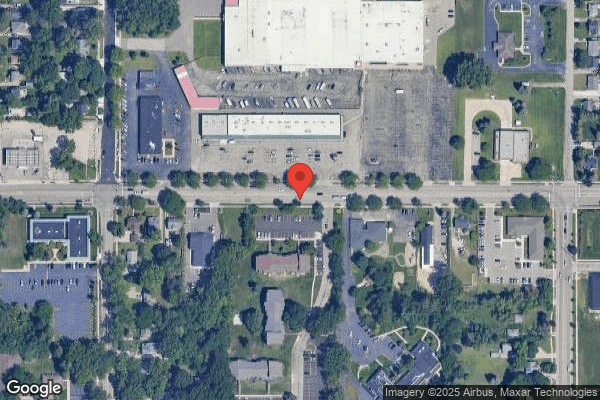
Understanding Severity Codes (click to expand)
Life-Threatening (Immediate Jeopardy)
J - Isolated K - Pattern L - Widespread
Actual Harm
G - Isolated H - Pattern I - Widespread
Potential for Harm
D - Isolated E - Pattern F - Widespread
No Harm (Minor)
A - Isolated B - Pattern C - Widespread

Questions to Ask on Your Visit

  • "Can I speak with families of current residents?"
  • "What's your RN coverage like on weekends and overnight?"

Our Honest Assessment

Strengths
  • • $4,196 in fines. Lower than most Michigan facilities. Relatively clean record.
Concerns
  • • Multiple safety concerns identified: 3 harm violation(s). Review inspection reports carefully.
  • • 32 deficiencies on record, including 3 serious (caused harm) violations. Ask about corrective actions taken.
  • • Grade D (43/100). Below average facility with significant concerns.
Bottom line: Trust Score of 43/100 indicates significant concerns. Thoroughly evaluate alternatives.

About This Facility

What is Skld Leonard's CMS Rating?

CMS assigns SKLD Leonard an overall rating of 3 out of 5 stars, which is considered average nationally. Within Michigan, this rating places the facility higher than 0% of the state's 100 nursing homes. This mid-range rating indicates the facility meets federal standards but may have areas for improvement.

How is Skld Leonard Staffed?

CMS rates SKLD Leonard's staffing level at 3 out of 5 stars, which is average compared to other nursing homes. Staff turnover is 51%, compared to the Michigan average of 46%. RN turnover specifically is 57%, which is notably high. RNs provide skilled clinical oversight, so turnover in this role can affect medical care quality.

What Have Inspectors Found at Skld Leonard?

State health inspectors documented 32 deficiencies at SKLD Leonard during 2023 to 2025. These included: 3 that caused actual resident harm and 29 with potential for harm. Deficiencies causing actual harm indicate documented cases where residents experienced negative health consequences.

Who Owns and Operates Skld Leonard?

SKLD Leonard is owned by a non-profit organization. Non-profit facilities reinvest revenue into operations rather than distributing to shareholders. The facility is operated by SKLD, a chain that manages multiple nursing homes. With 69 certified beds and approximately 61 residents (about 88% occupancy), it is a smaller facility located in Grand Rapids, Michigan.

How Does Skld Leonard Compare to Other Michigan Nursing Homes?

Compared to the 100 nursing homes in Michigan, SKLD Leonard's overall rating (3 stars) is below the state average of 3.1, staff turnover (51%) is near the state average of 46%, and health inspection rating (3 stars) is at the national benchmark.

What Should Families Ask When Visiting Skld Leonard?

Based on this facility's data, families visiting should ask: "Can I visit during a mealtime to observe dining assistance and food quality?" "How do you handle medical emergencies, and what is your hospital transfer rate?" "Can I speak with family members of current residents about their experience?"

Is Skld Leonard Safe?

Based on CMS inspection data, SKLD Leonard has a clean safety record: no substantiated abuse findings (meaning no confirmed cases of resident harm), no Immediate Jeopardy citations (the most serious violation level indicating risk of serious injury or death), and is not on the Special Focus Facility watch list (a federal program monitoring the lowest-performing 1% of nursing homes). The facility has a 3-star overall rating and ranks #100 of 100 nursing homes in Michigan. While no facility is perfect, families should still ask about staff-to-resident ratios and recent inspection results during their visit.

Do Nurses at Skld Leonard Stick Around?

SKLD Leonard has a staff turnover rate of 51%, which is about average for Michigan nursing homes (state average: 46%). Moderate turnover is common in nursing homes, but families should still ask about staff tenure and how the facility maintains care continuity when employees leave.

Was Skld Leonard Ever Fined?

SKLD Leonard has been fined $4,196 across 2 penalty actions. This is below the Michigan average of $33,121. While any fine indicates a compliance issue, fines under $50,000 are relatively common and typically reflect isolated problems that were subsequently corrected. Families should ask what specific issues led to these fines and confirm they've been resolved.

Is Skld Leonard on Any Federal Watch List?

SKLD Leonard is not on any federal watch list. The most significant is the Special Focus Facility (SFF) program, which identifies the bottom 1% of nursing homes nationally based on persistent, serious quality problems. Not being on this list means the facility has avoided the pattern of deficiencies that triggers enhanced federal oversight. This is a positive indicator, though families should still review the facility's inspection history directly.